A lesson sequence for high school ELL students focusing on the Simple Aspect of verbs (Past, Present, and Future) using a timeline-based approach and sentence construction.
An 8-lesson unit for 11th-grade students exploring F. Scott Fitzgerald's 'The Great Gatsby' through close reading, literary analysis, and historical context. Students investigate themes of wealth, the American Dream, and social class while mastering concepts like tone, point of view, and symbolism.
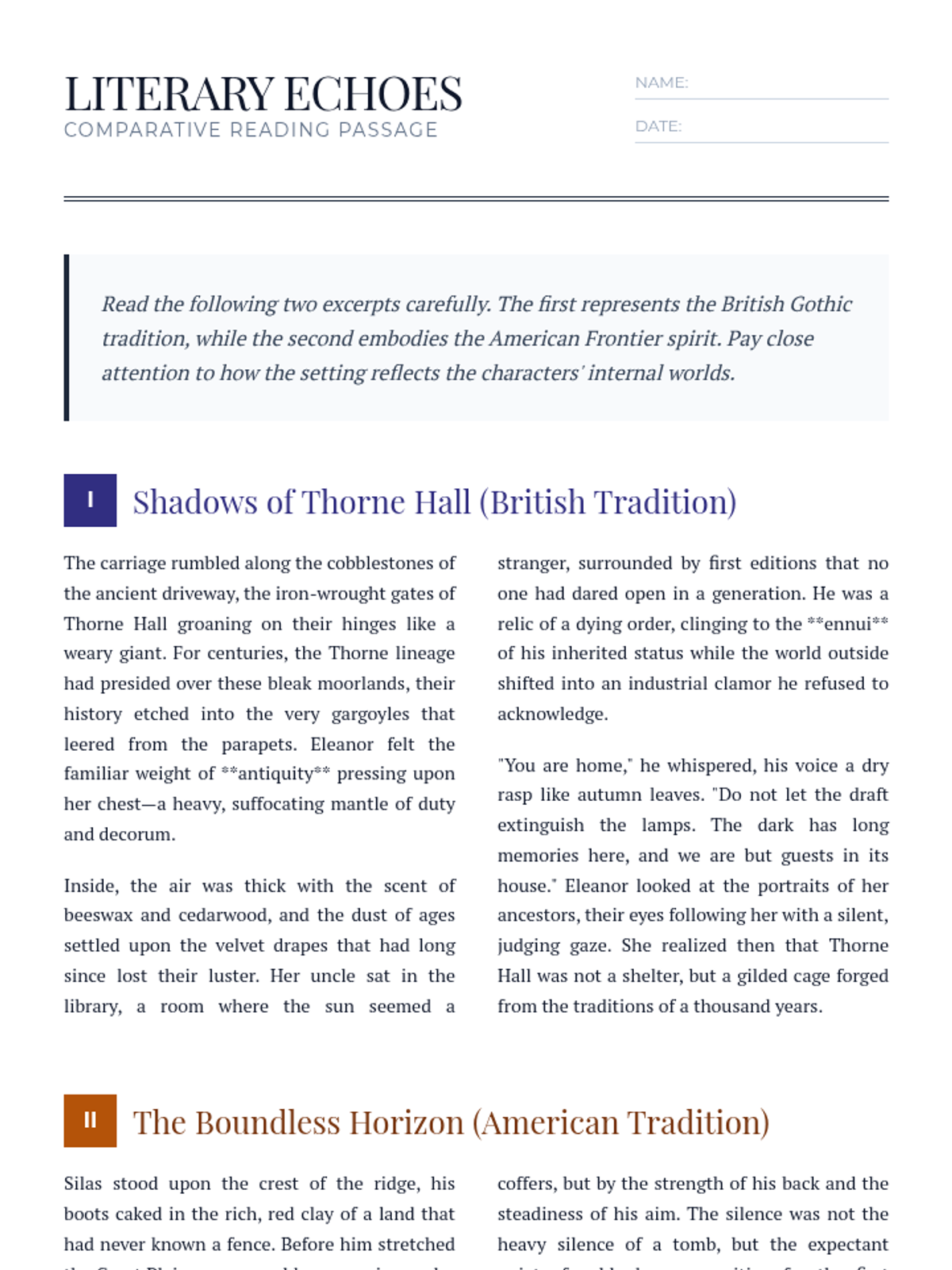
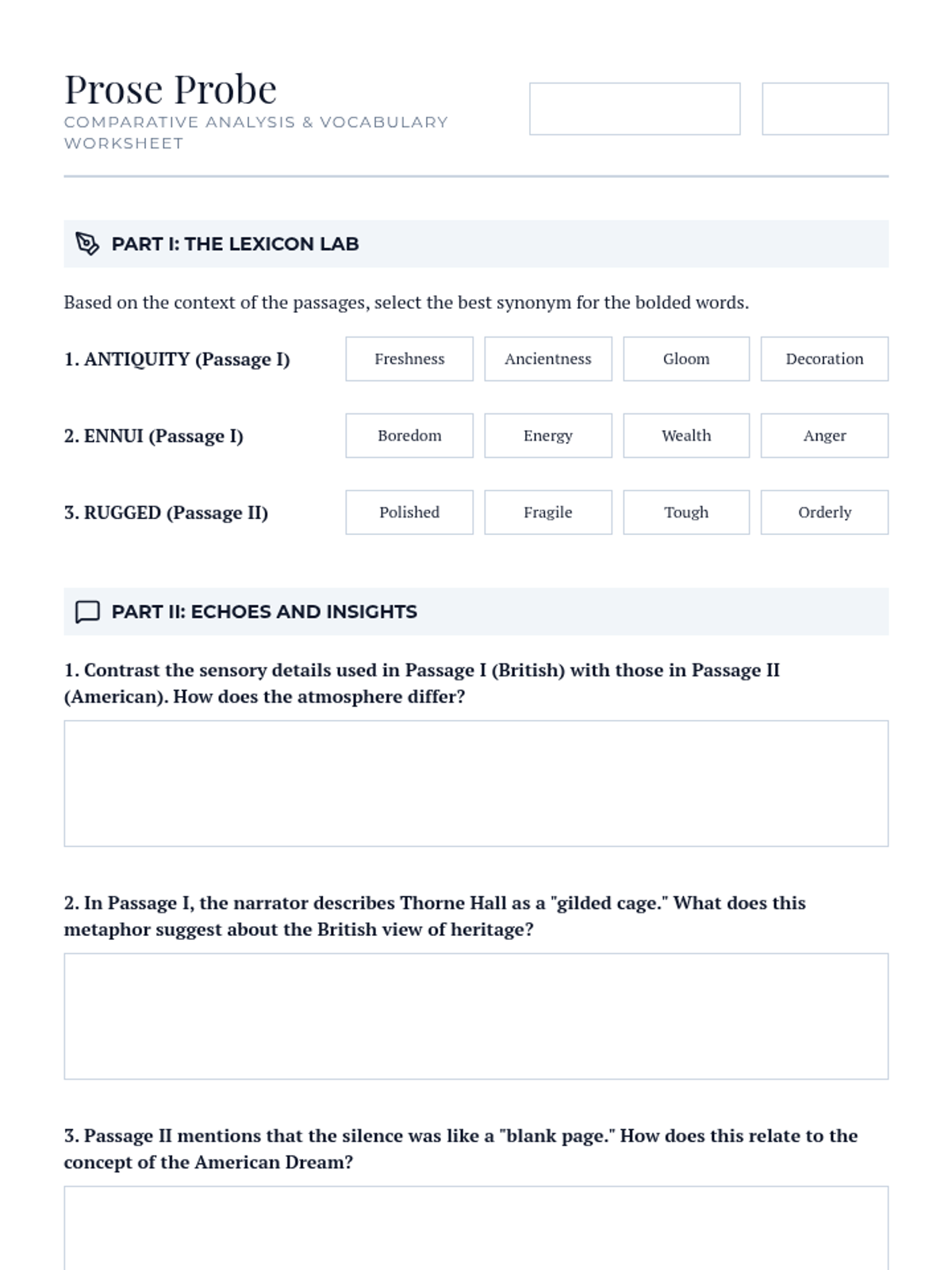
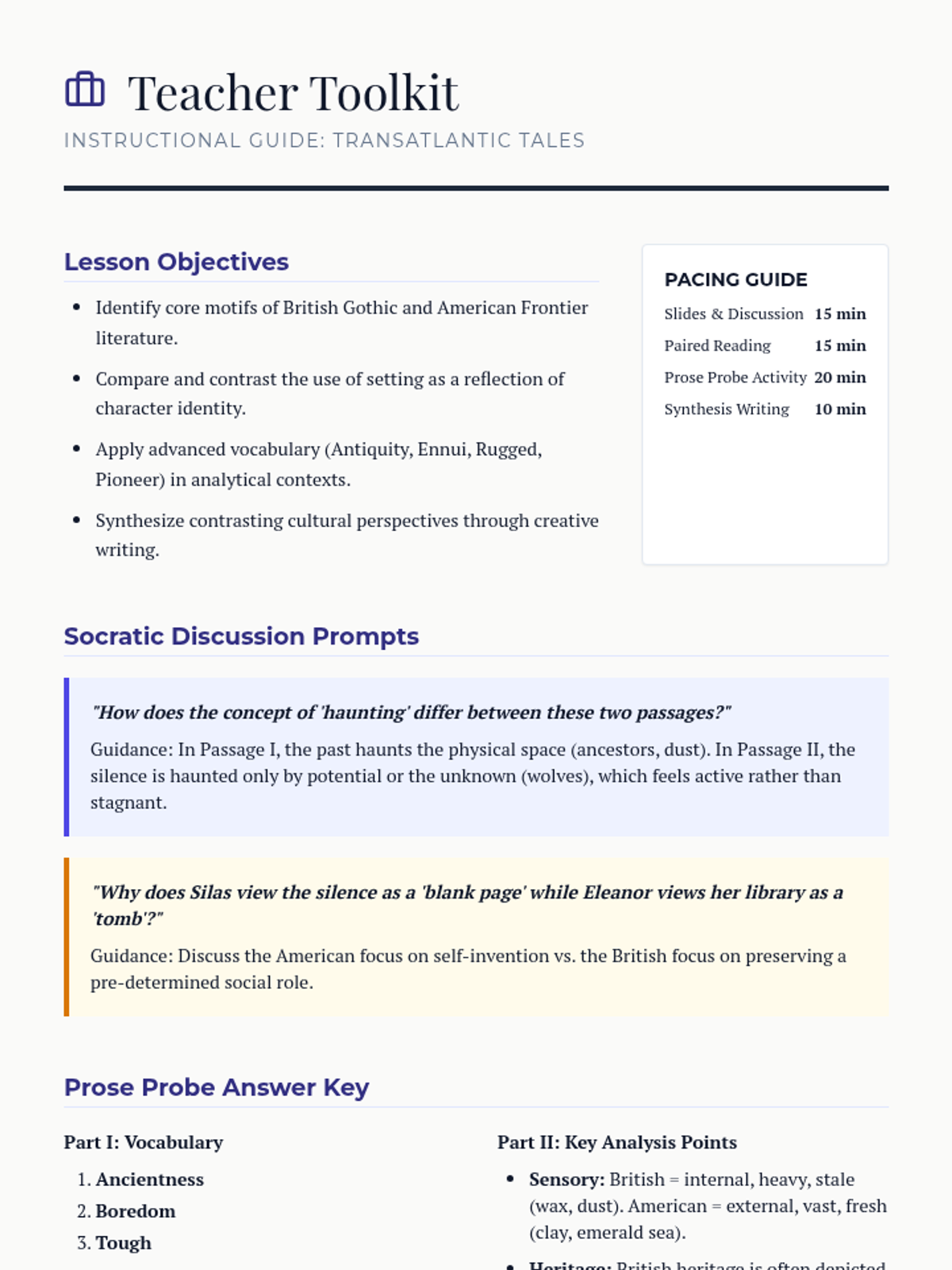
A three-lesson exploration of Kate Chopin's 'The Story of an Hour', focusing on the nuances of 3rd person omniscient point of view, sensory imagery, figurative language, and the ironic twist of the plot. Students analyze how narrative perspective shapes their understanding of Mrs. Mallard's internal transformation.
A high school ELA sequence exploring the psychological concepts of identity, the 'False Self', and social performance through philosophical inquiry and literary analysis.
A lesson sequence exploring Stoic philosophy through visual metaphors, focusing on Marcus Aurelius's teachings. Students analyze animator choices and create their own visual storyboards for abstract virtues.
A lesson sequence focused on the narrative craft of writing high-stakes introductions for interactive survival stories, specifically leading to biological defense mechanism choices.
A literary and historical exploration of F. Scott Fitzgerald's classic novel, focusing on the cultural, social, and economic forces of the 1920s and how they shape the American Dream.
This sequence explores the literary techniques used by Frederick Douglass in his Narrative, focusing specifically on how he uses irony to dismantle Northern misconceptions about slavery. Students move from vocabulary acquisition to deep rhetorical analysis.
A four-day intensive study of Shakespeare's Macbeth, focusing on characterization and the development of ambition to prepare students for an argumentative essay on Macbeth's worthiness for the throne.
A 9th-grade English RLA unit exploring the physical and emotional intersection of love and pain through scientific analysis and poetic metaphor. Students synthesize Eric Jaffe's 'Why Love Literally Hurts' with Carol Ann Duffy's poem 'Valentine' to craft argumentative synthesis correspondence.
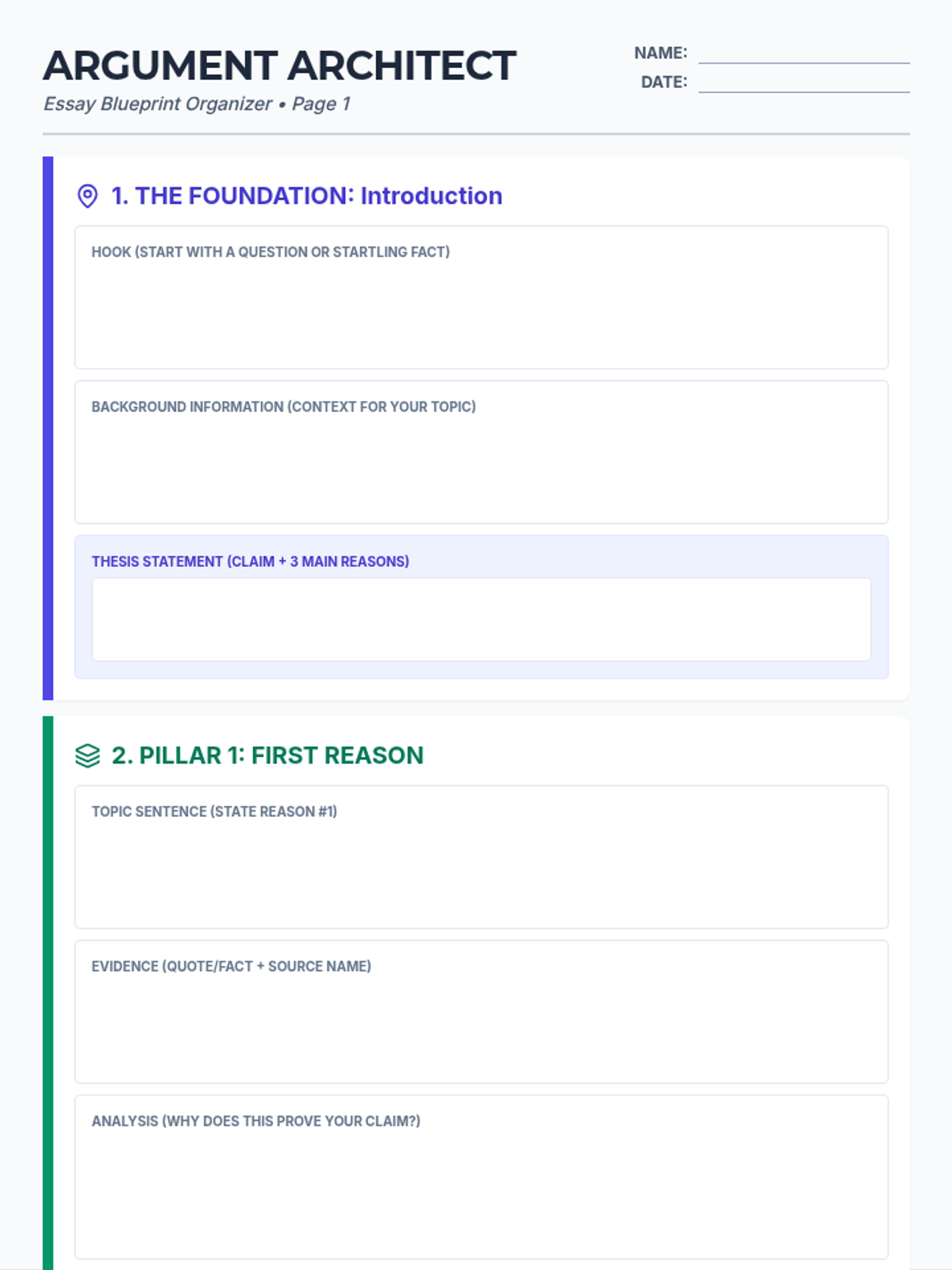
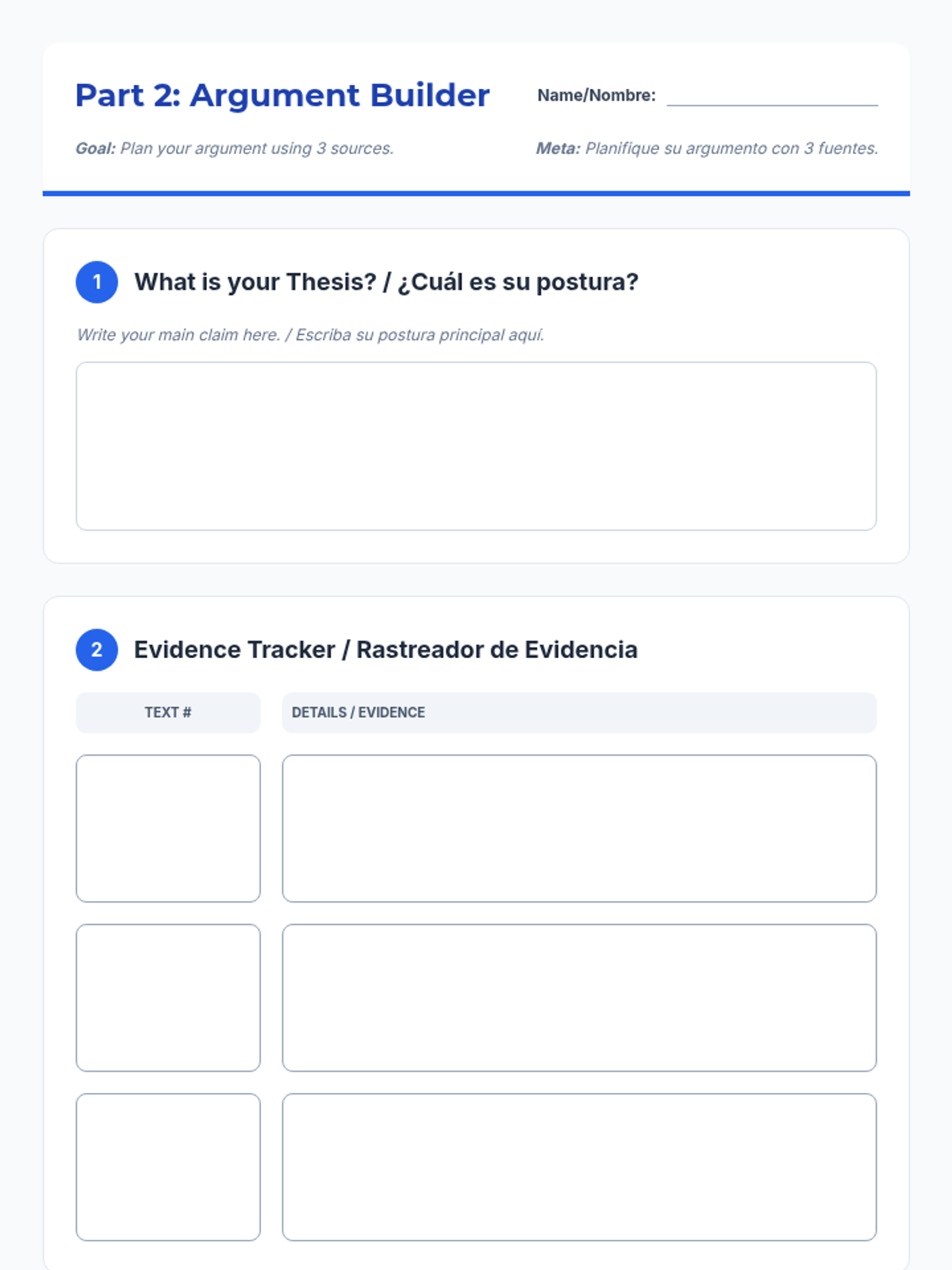
A two-lesson unit focused on analyzing argumentative structures and multimodal features in the text 'Why Everyone Must Get Ready for the Fourth Industrial Revolution.' Students will explore thesis development, evidence, counterarguments, and the impact of graphic features.
A collection of curriculum overview and alignment resources for 11th Grade English, focusing on societal change and civic rights.
A comprehensive 10th-grade ELA unit on Marjane Satrapi's 'Persepolis', focusing on visual literacy, character development, and the historical context of the Iranian Revolution. Students will explore how the graphic novel medium conveys complex emotional and thematic depth.
A 4-day intensive study of Nathaniel Hawthorne's 'The Minister's Black Veil,' focusing on literary analysis, theme development, and argumentative writing through the lens of Dark Romanticism and Puritan values. Students explore the ambiguity of symbols and the complexities of human guilt while mastering appositive phrases and constructing high-quality academic responses.
A two-day exploration of Edgar Allan Poe's 'The Raven', analyzing poetic craft, gothic elements, and the emotional descent of the narrator through creative performance tasks and analytical writing.
A comprehensive lesson sequence for Edgar Allan Poe's 'The Raven', focusing on Gothic elements, sound devices, and the psychological descent into madness. This sequence adapts a 180-minute curriculum into three 75-minute sessions with embedded instructional strategies.
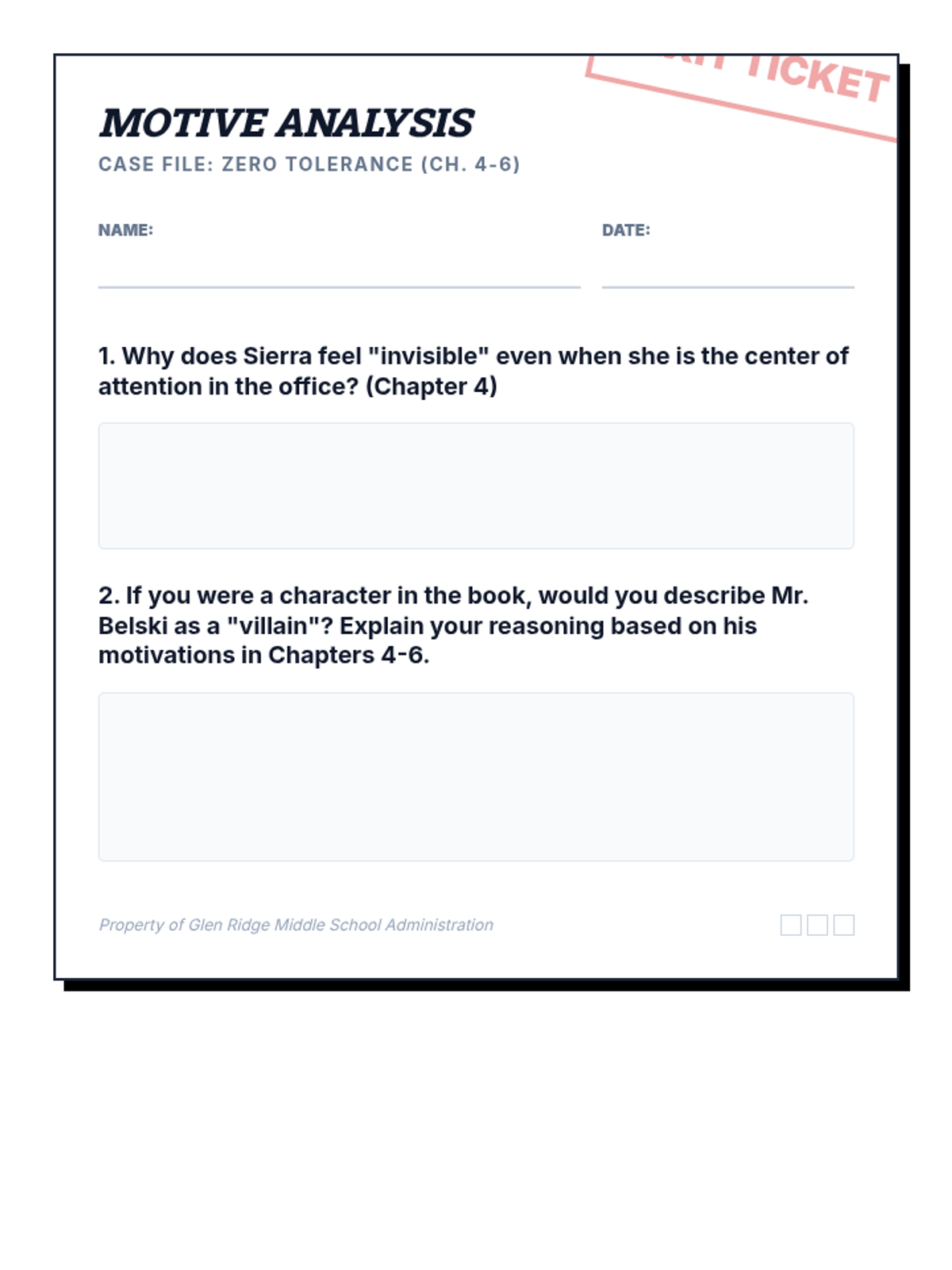
A comprehensive unit for Ellen Raskin's 'The Westing Game', focusing on character analysis, main idea, and key details through a mystery-themed lens. Includes slide decks for instruction, chapter-by-chapter exit tickets, and cumulative quizzes for each section of the novel.
A sophisticated exploration of the Long A vowel clusters (eigh, ei, ey) designed for high schoolers. Focuses on articulatory phonetics, professional communication, and academic vocabulary without juvenile imagery.
A series of lessons exploring Shakespeare's Macbeth, specifically designed for 10th-grade emergent bilingual students to master complex characterization and thematic elements.
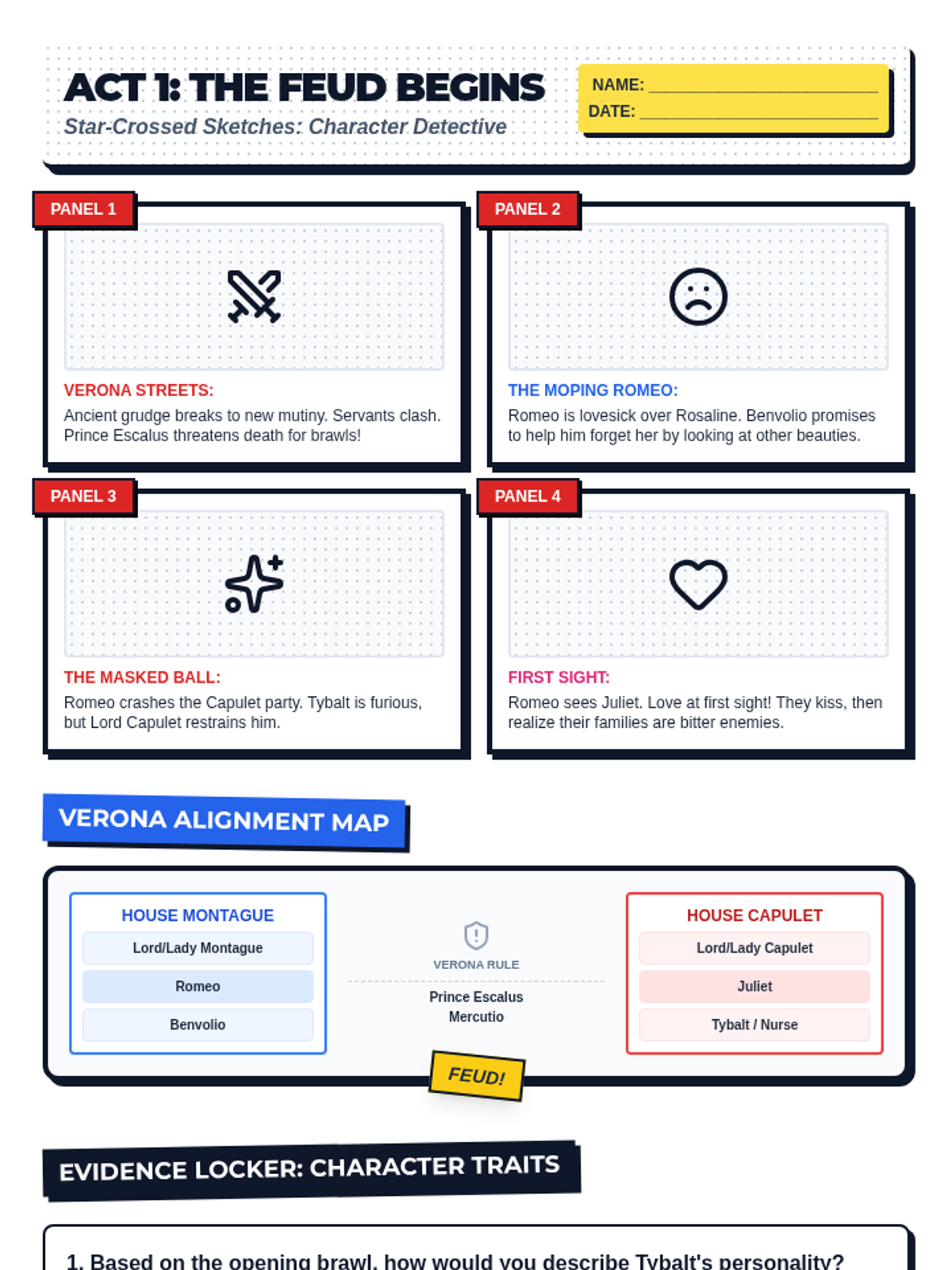
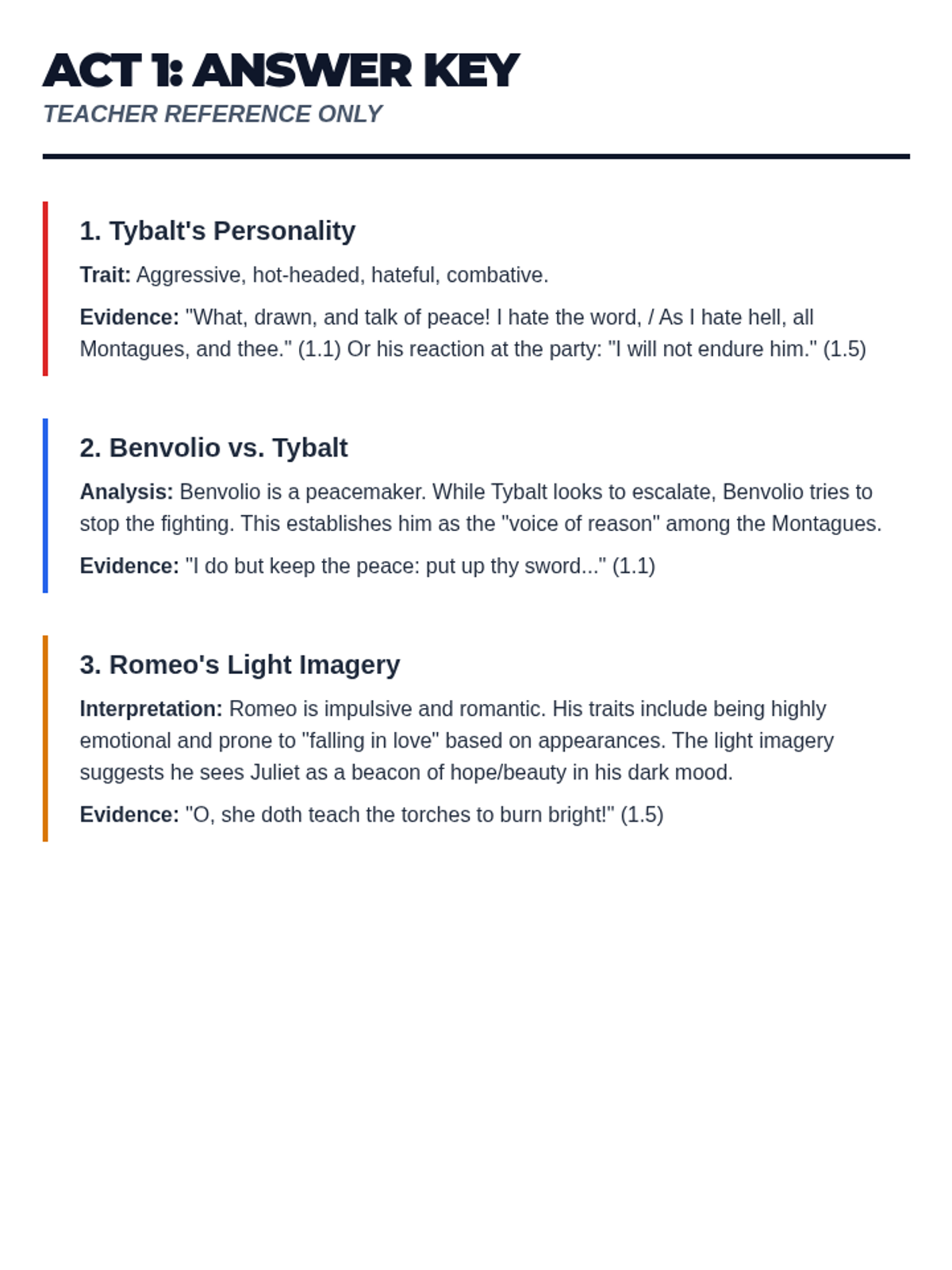
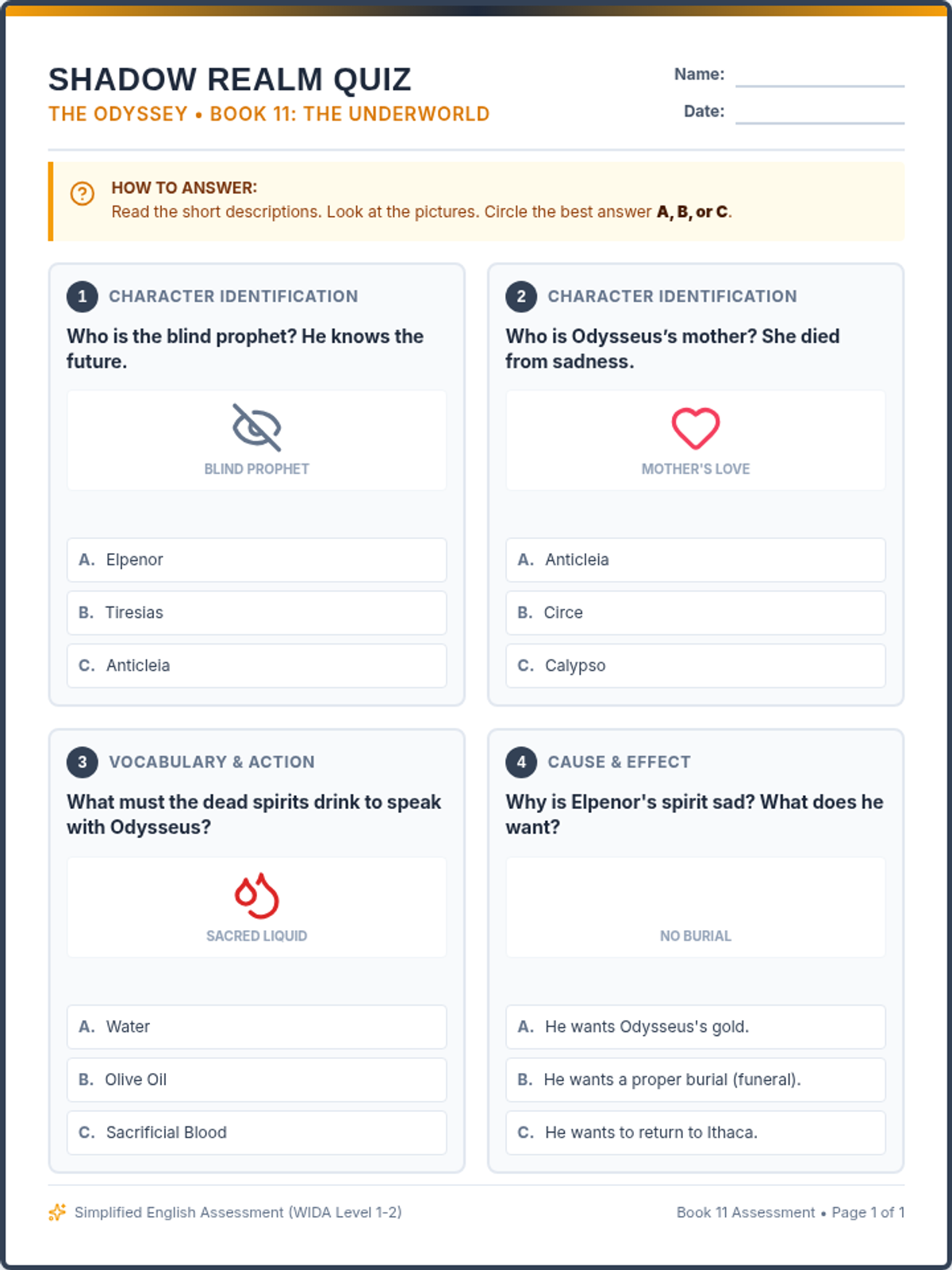
A comprehensive two-day exploration of Macbeth Act 1, focusing on the supernatural, ambition, and the psychological shift towards murder. Includes a teacher guide, student workbooks, slide decks, and answer keys.
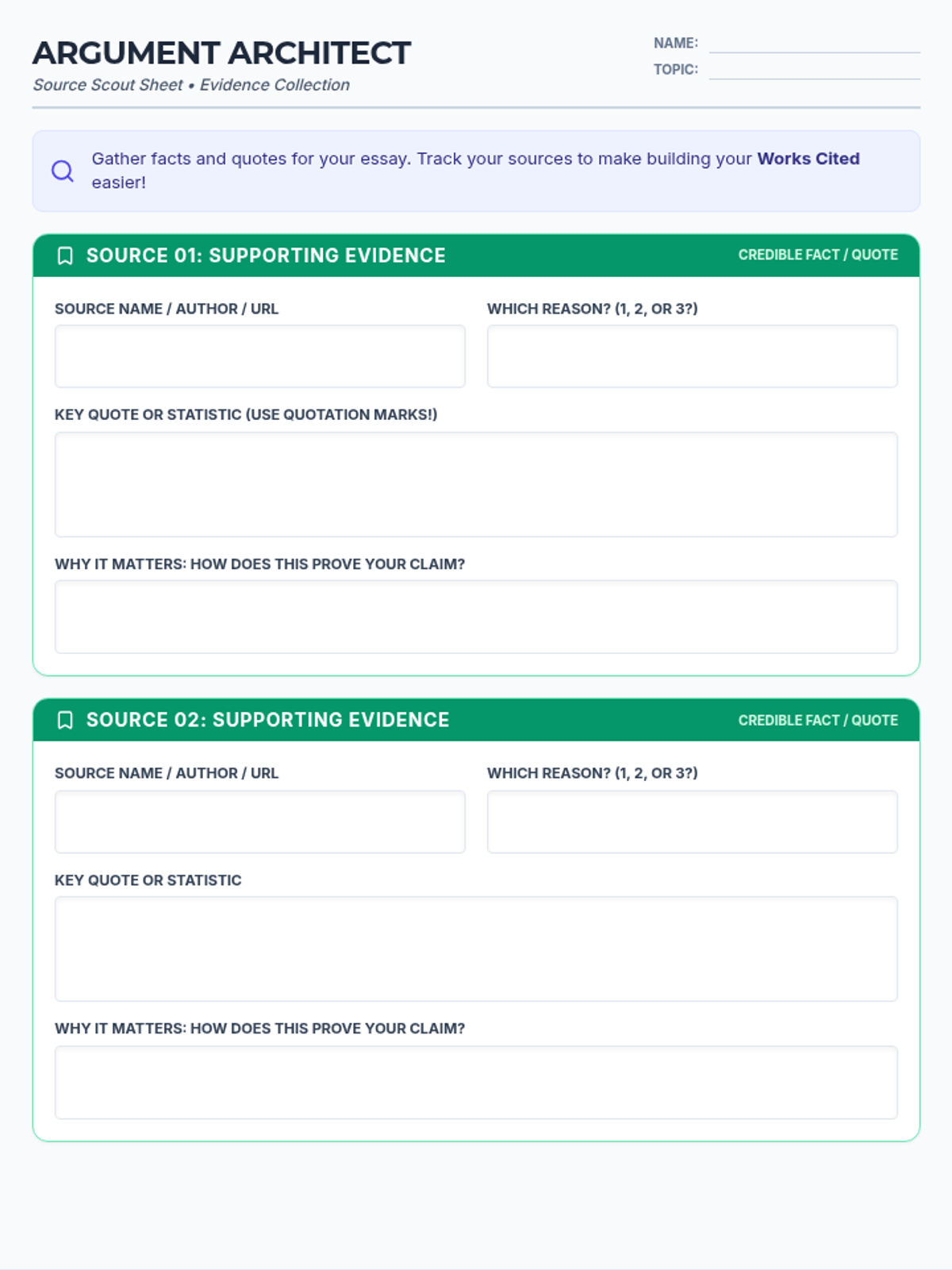
A series of lessons focused on advanced literary analysis, synthesis of multiple texts, and the construction of complex argumentative essays.
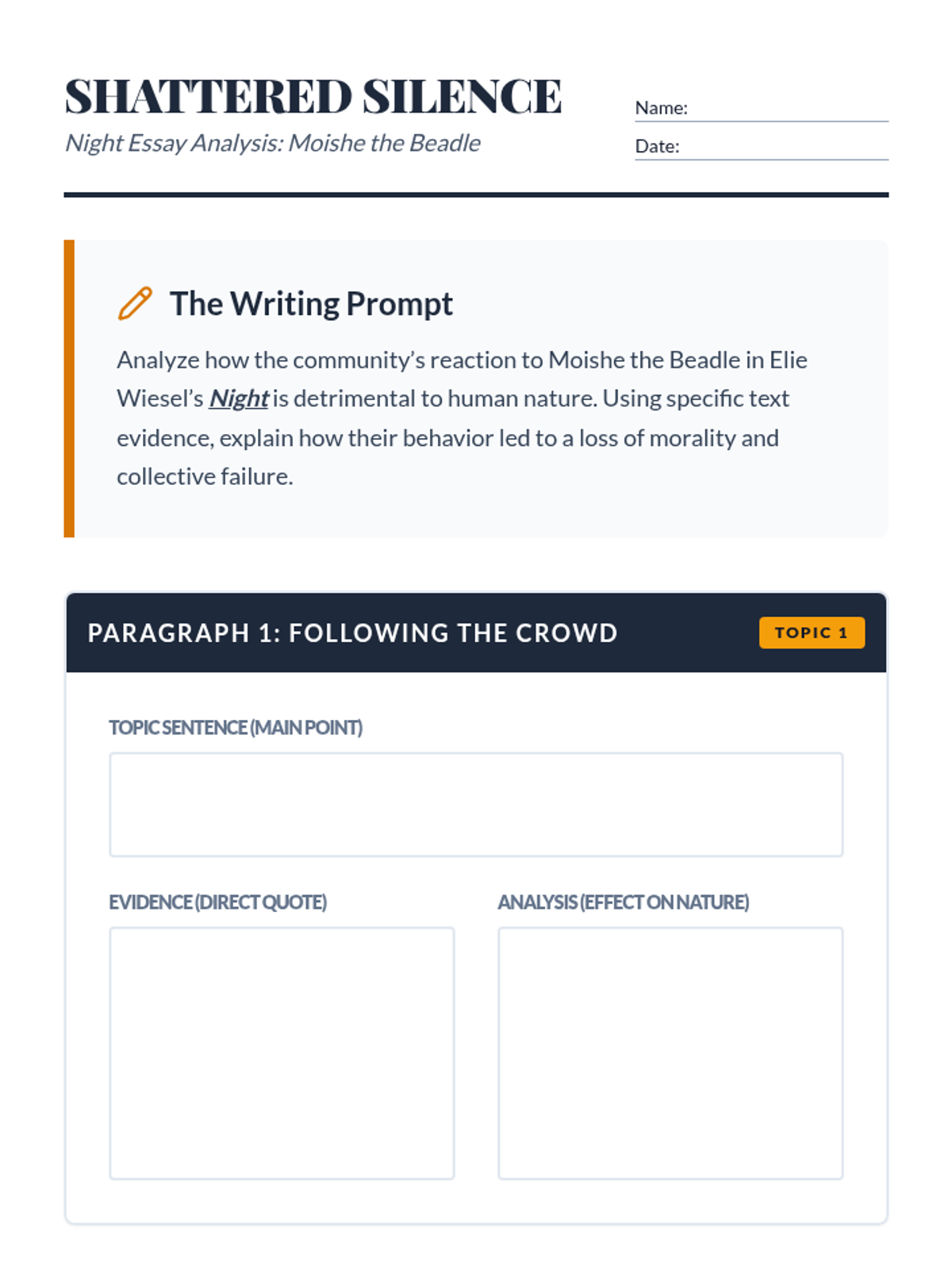
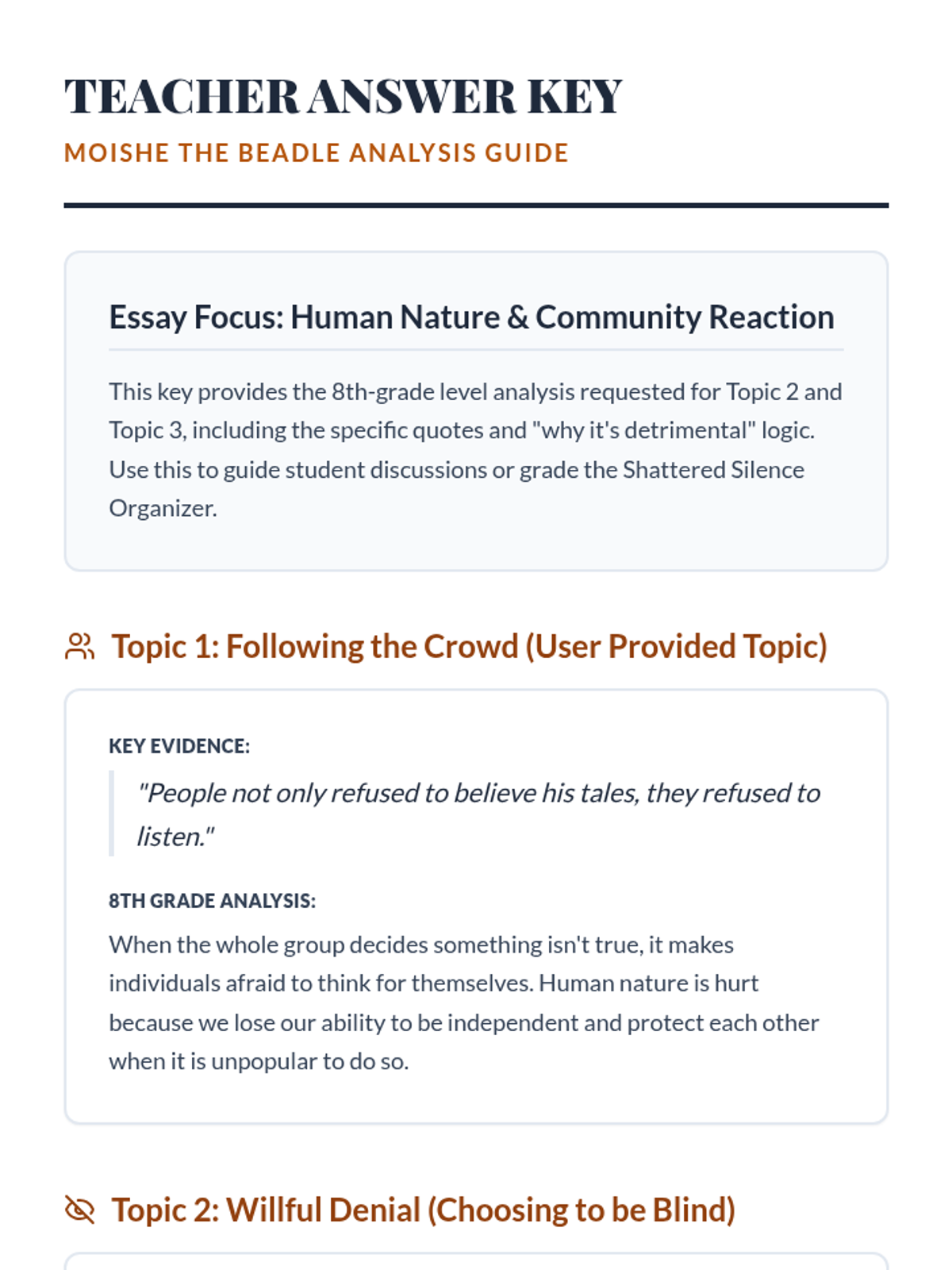
A 3-day research unit focused on the historical context of Night by Elie Wiesel, specifically covering liberation, concentration camps, and death marches, concluding with student presentations.
A series of lessons focused on advanced sentence structure and syntax for high school writers, emphasizing clarity, flow, and sophisticated punctuation.
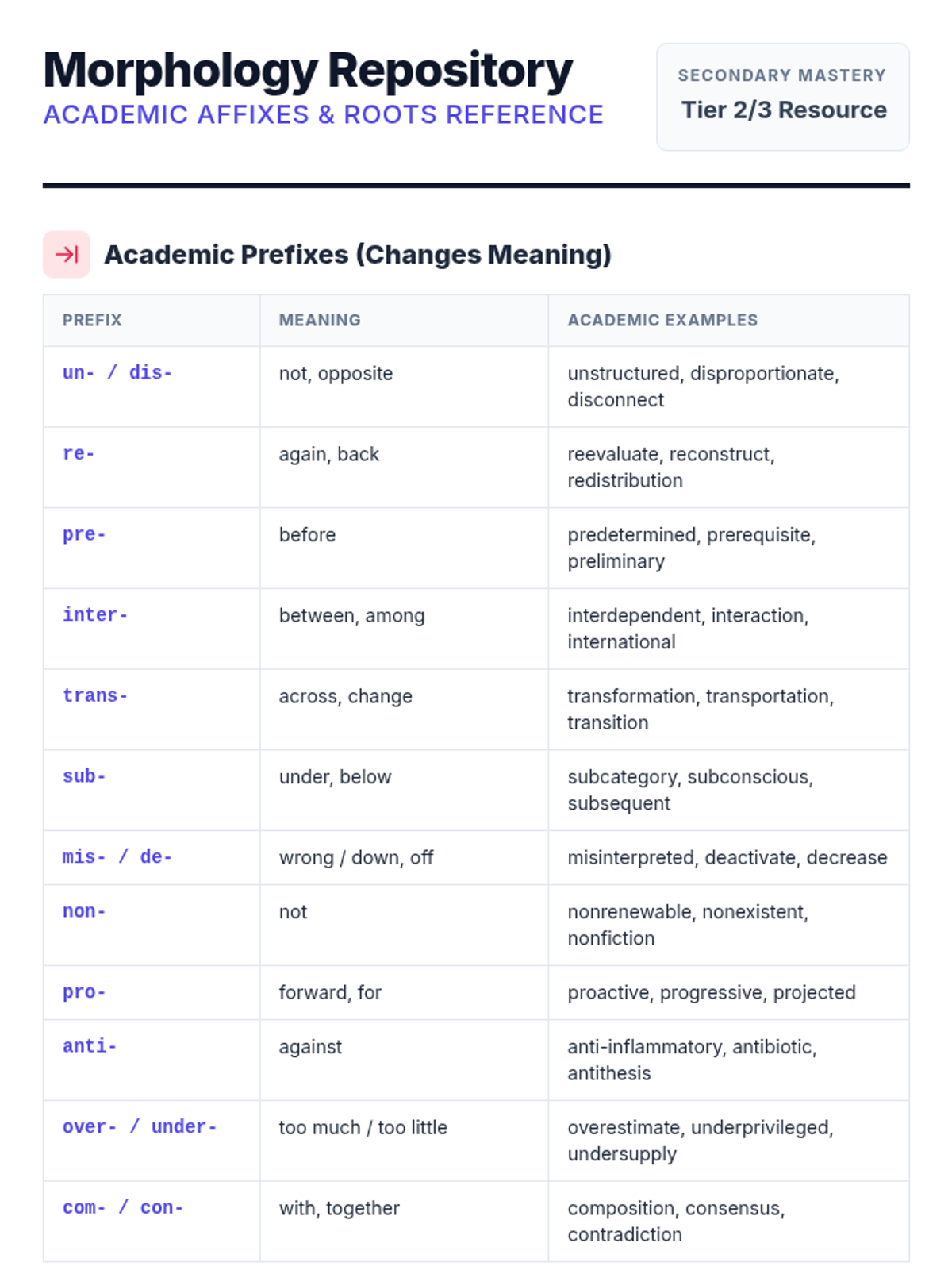
A curriculum development sequence focused on helping teachers bridge ELA and History through linguistics and etymology.
A lesson sequence focused on mastering the three rhetorical appeals (Ethos, Logos, and Pathos) through video analysis and a simulated school debate.

A professional development series focused on empowering educators with concrete frameworks for teaching complex writing and literacy skills.
A short unit focusing on the power of punctuation, specifically the Oxford comma, to prevent ambiguity and the role of appositives in sentence structure.
A lesson sequence exploring the intersection of civic duty, social contracts, and rhetorical analysis through the lens of the 'Shopping Cart Theory'. Students analyze a structured argument and participate in a Socratic Seminar.
A 12th-grade sequence exploring the transformative power of Text-to-Speech (TTS) as a tool for writing revision, rhetorical analysis, and research management. Students move from basic error detection to analyzing the rhythm of their own persuasive prose.
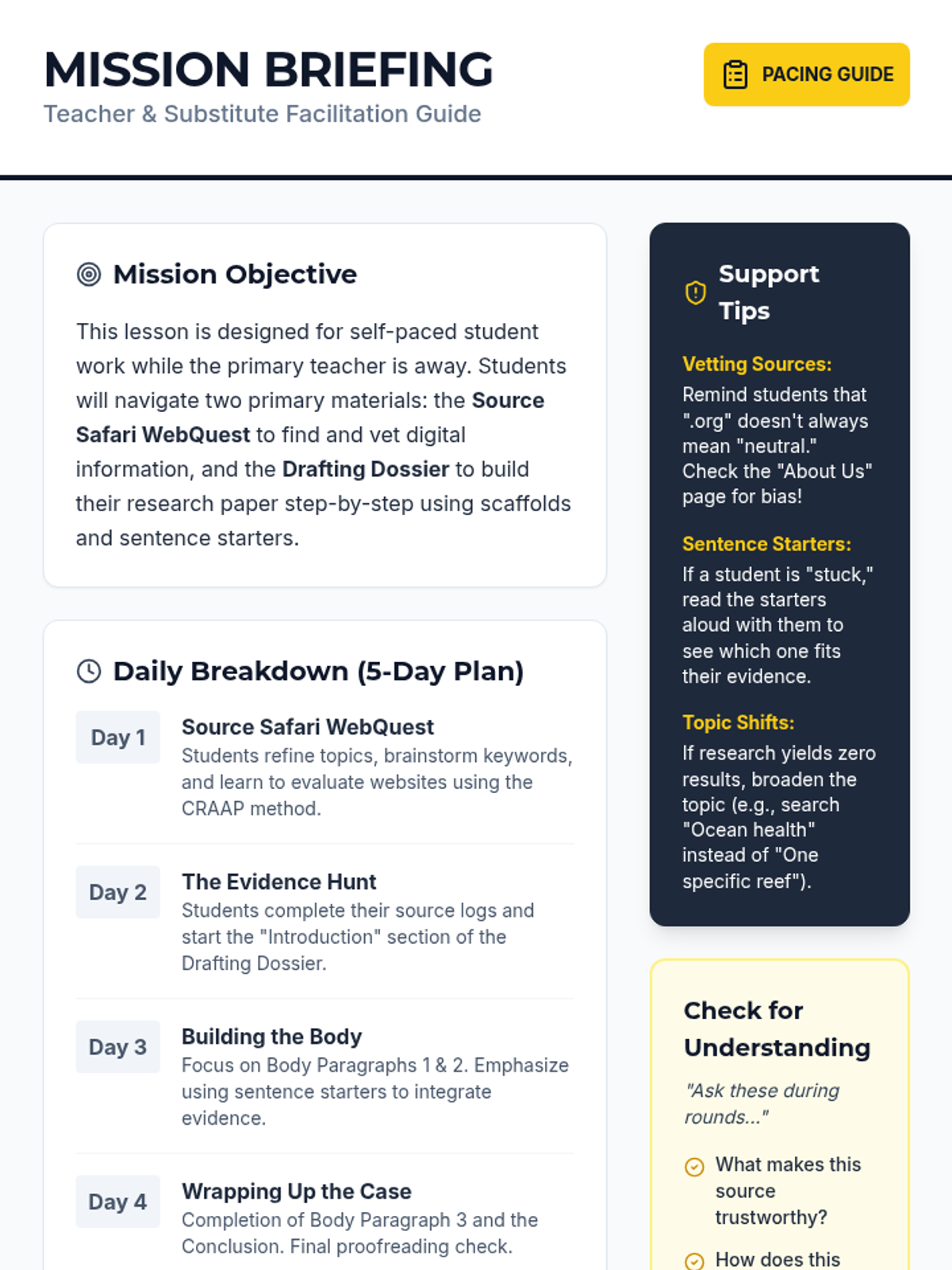
This sequence teaches 10th-grade students with academic support needs how to master digital annotation tools. It covers highlighting, tagging, collaborative commenting, and synthesizing digital notes into a research portfolio.
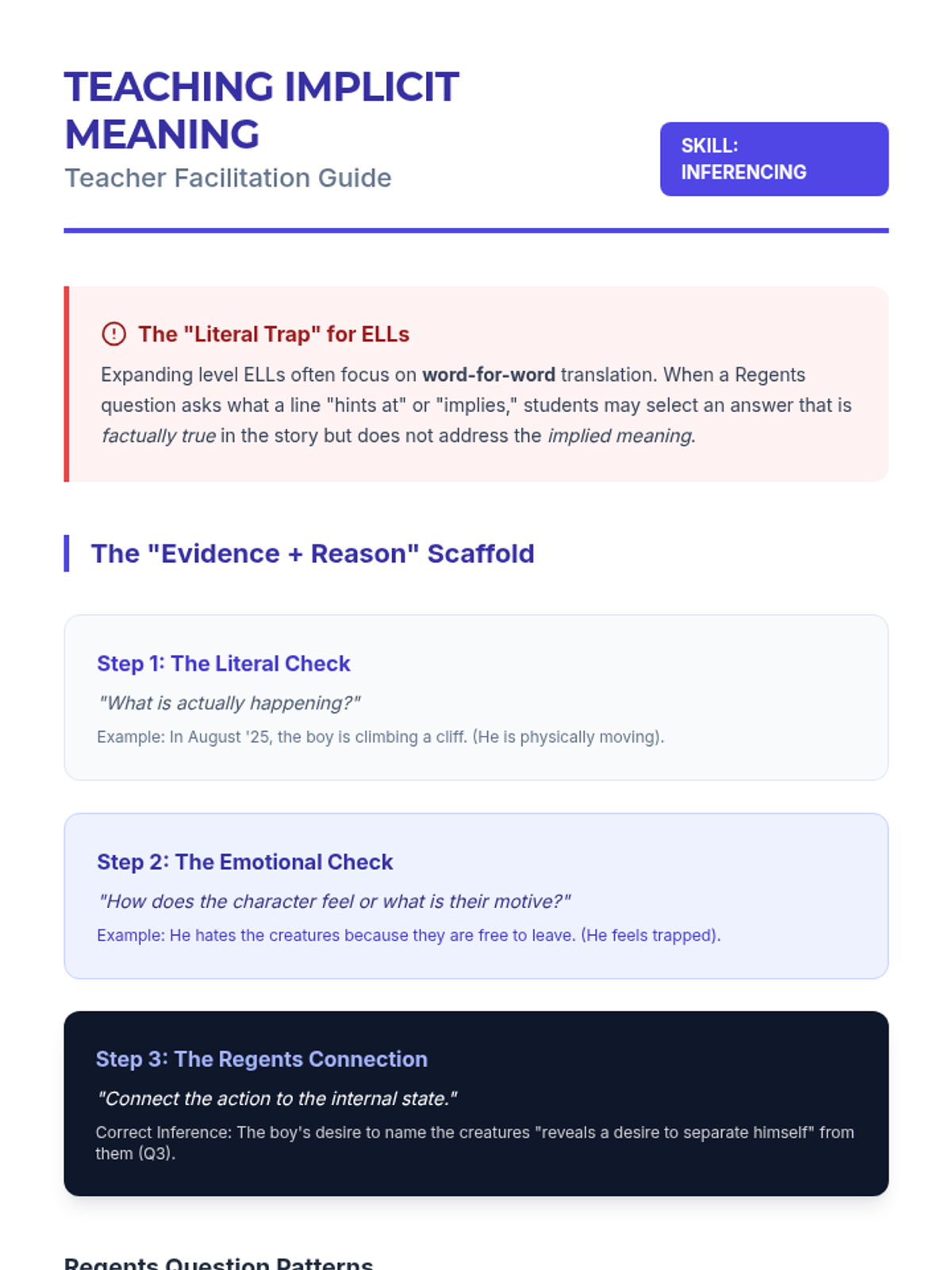
This sequence bridges reading and writing for 10th-grade students by teaching them how to transform highlights and annotations into evidence-based arguments. Students progress from filtering highlights to categorizing evidence, synthesizing connections, and finally drafting an evidence-backed paragraph.
A 10th-grade academic support sequence that transforms students from passive readers to active analysts through the art of marginalia. Students master shorthand symbols, inquiry-based questioning, theme tracking, and summarization to prepare for a text-based Socratic seminar.
A systematic sequence for 10th-grade students to master strategic color-coding for informational texts, moving from identifying highlighting pitfalls to independent application for summarization.