A 9th-grade grammar sequence focused on eliminating vague pronoun references to improve writing authority and clarity. Students progress from identifying ambiguous 'it' and 'they' to mastering the 'This [Noun]' strategy and conducting peer reviews.
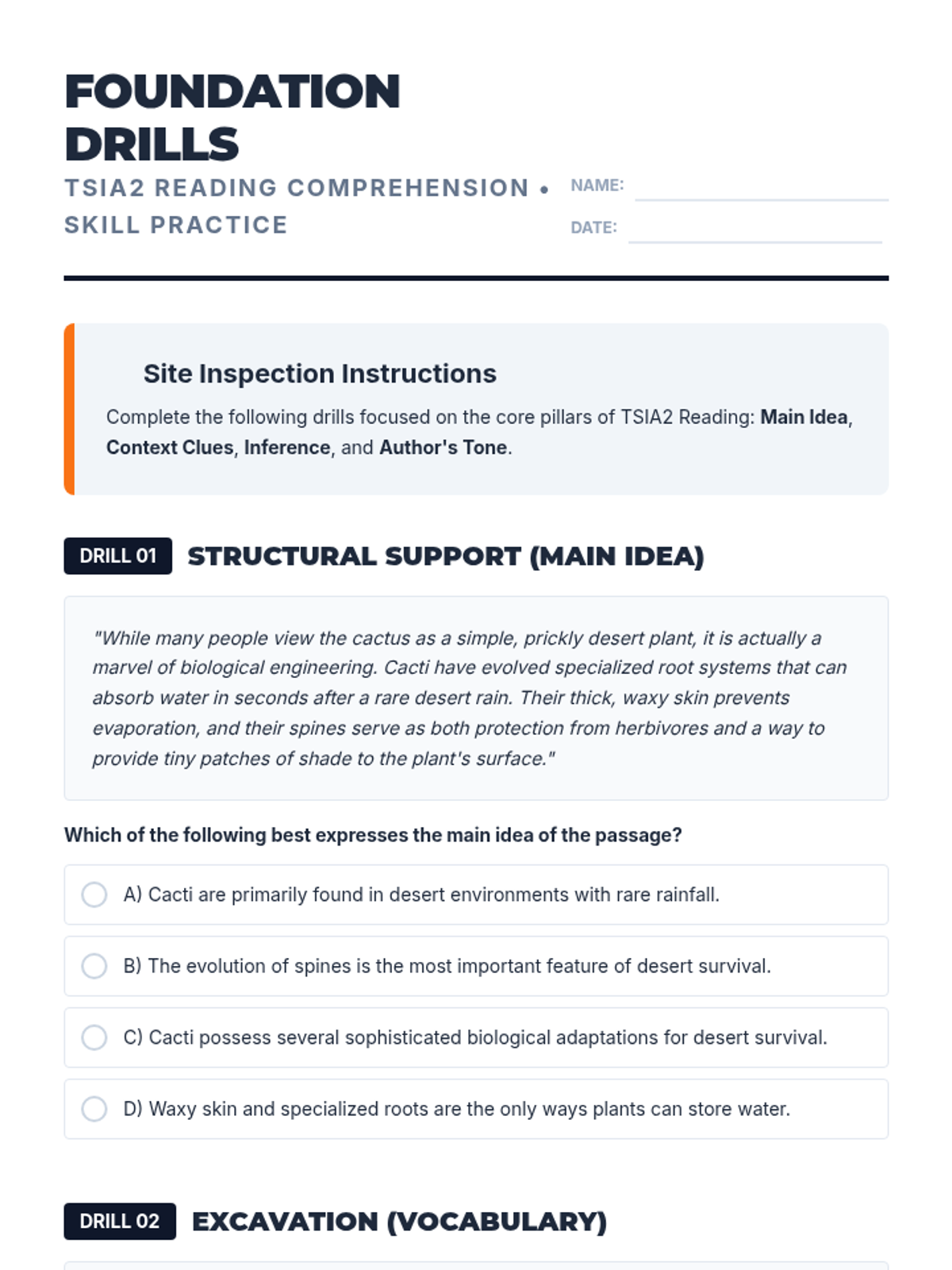
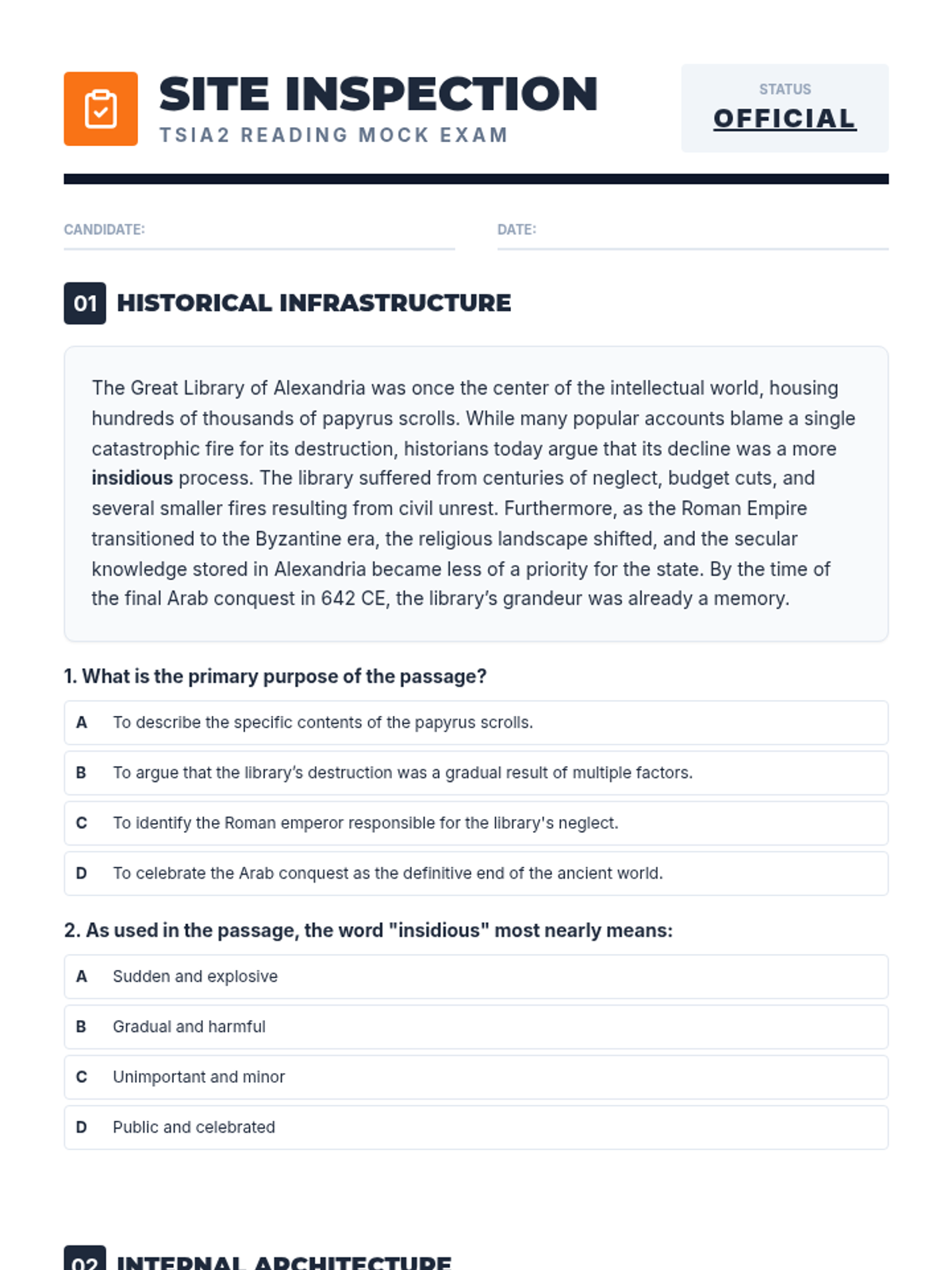
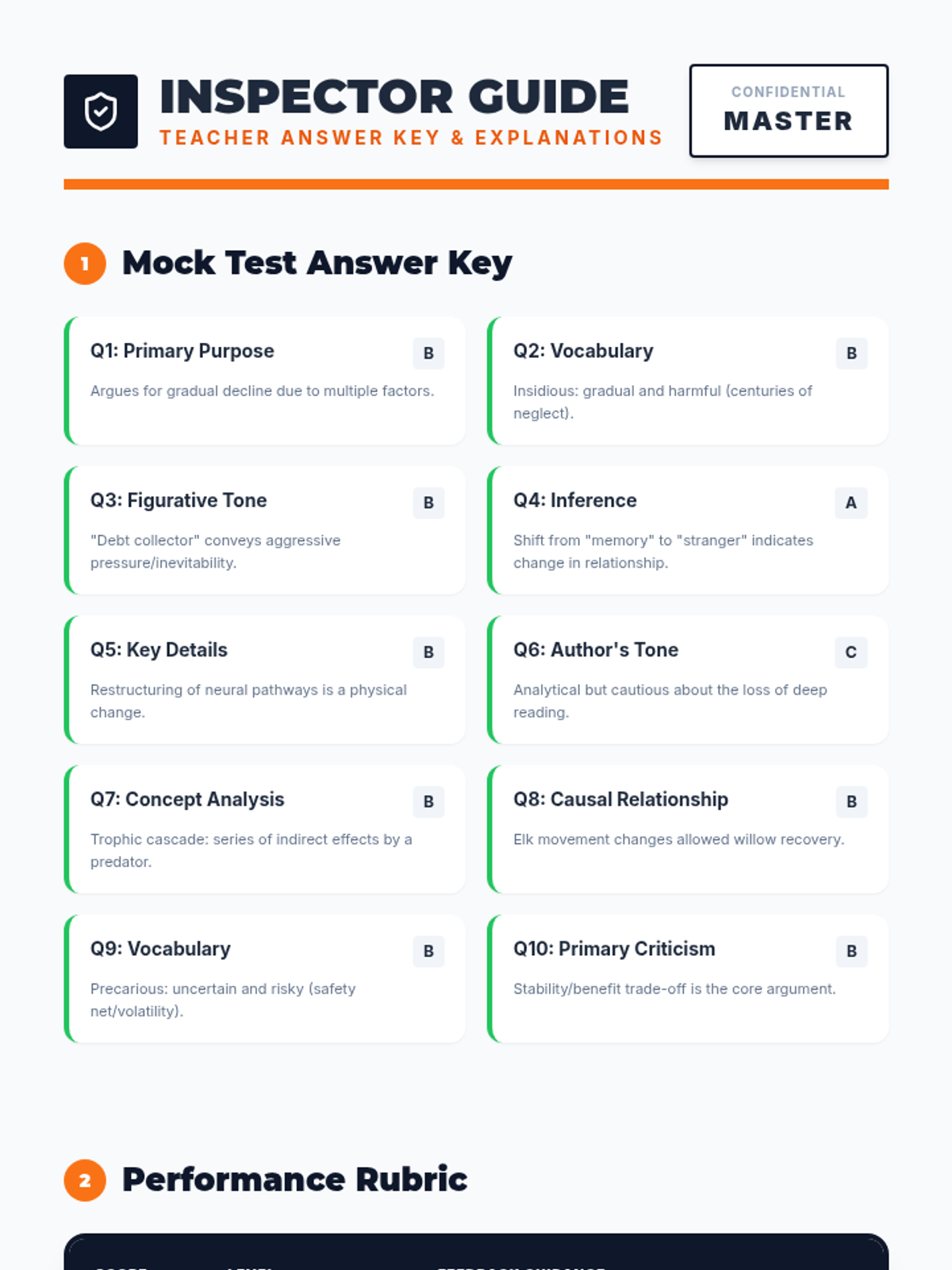
A comprehensive guide to mastering the TSIA2 ELAR Reading section, focusing on text analysis, vocabulary in context, and test-taking strategies.
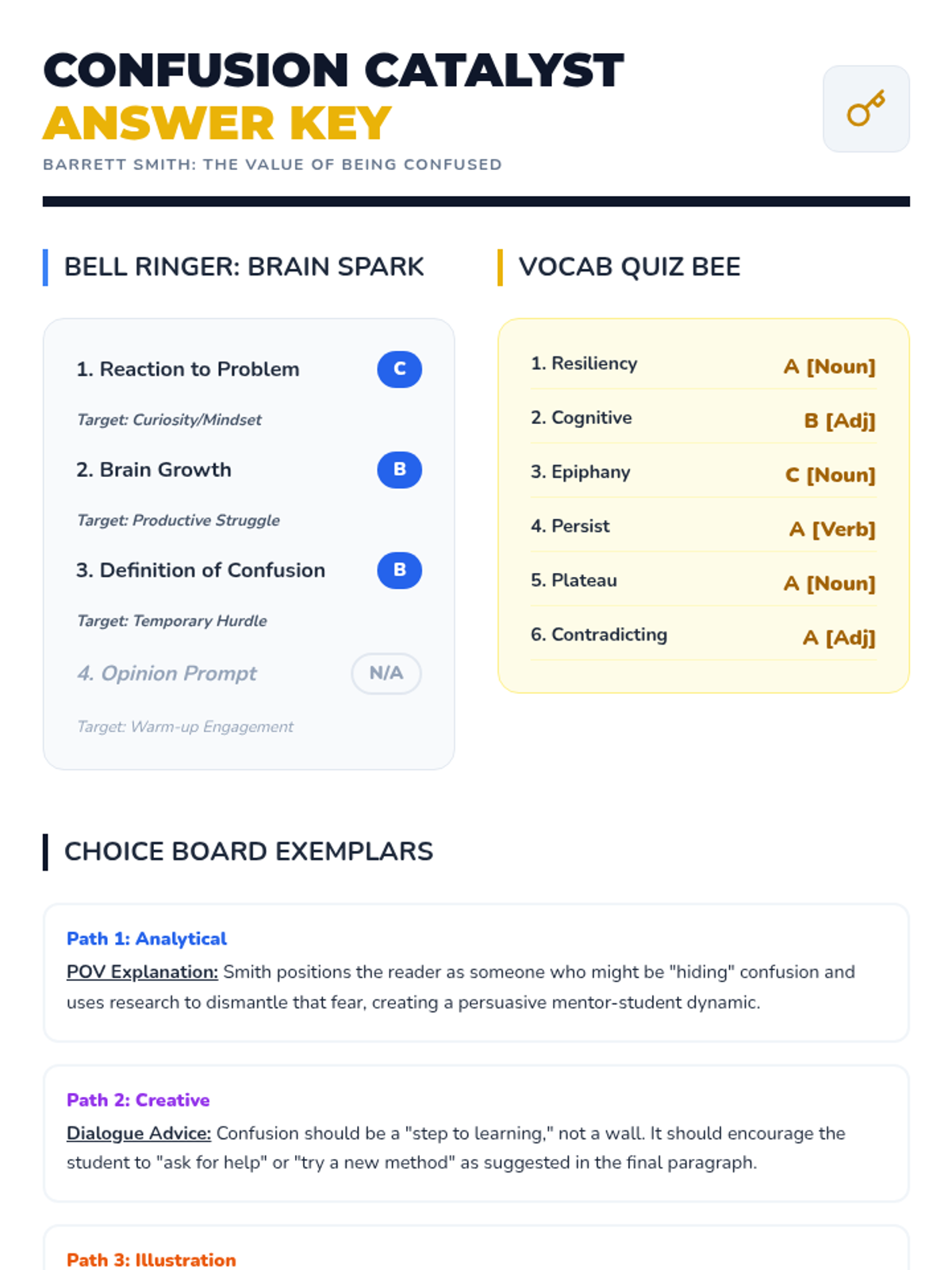
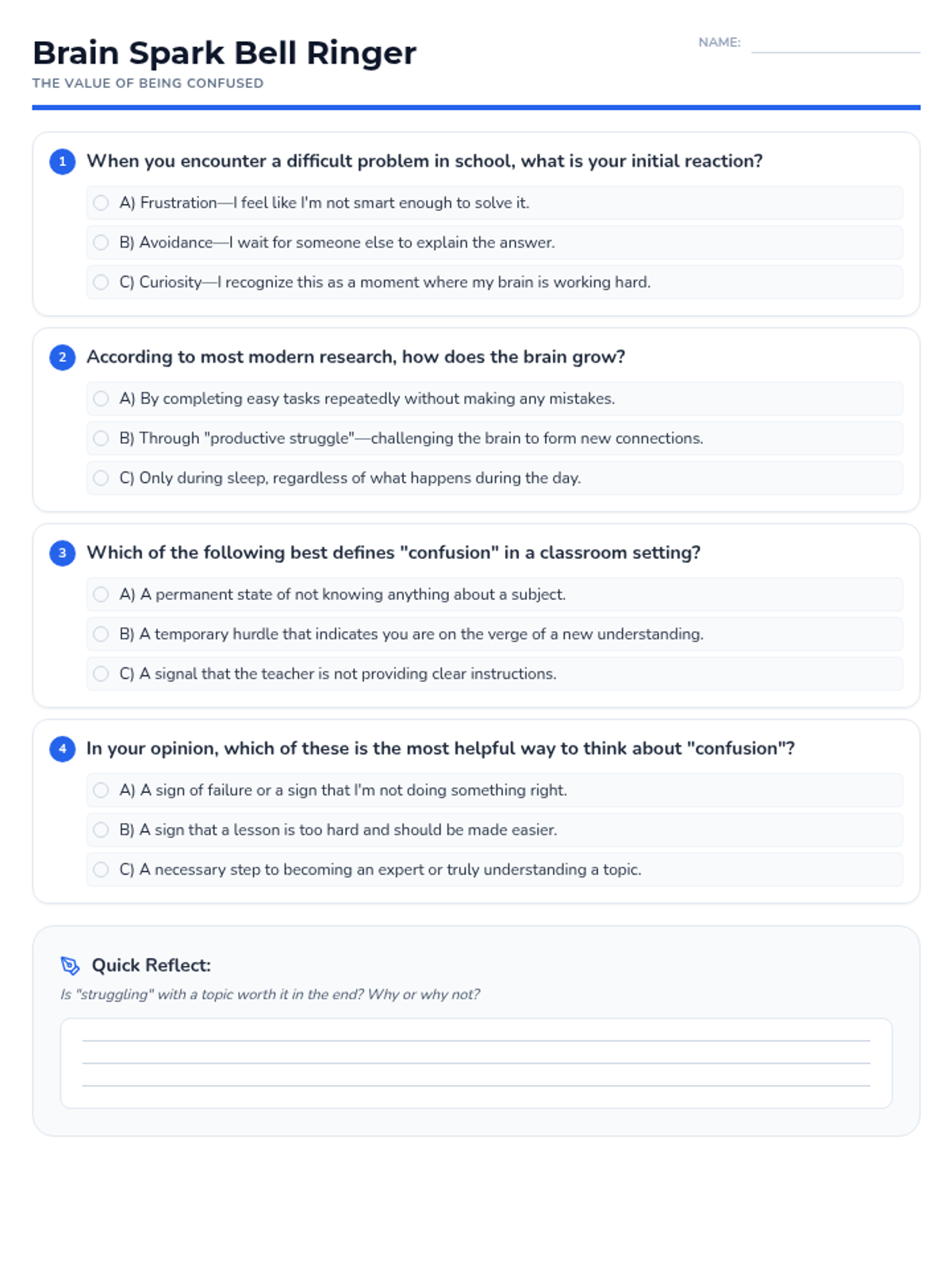
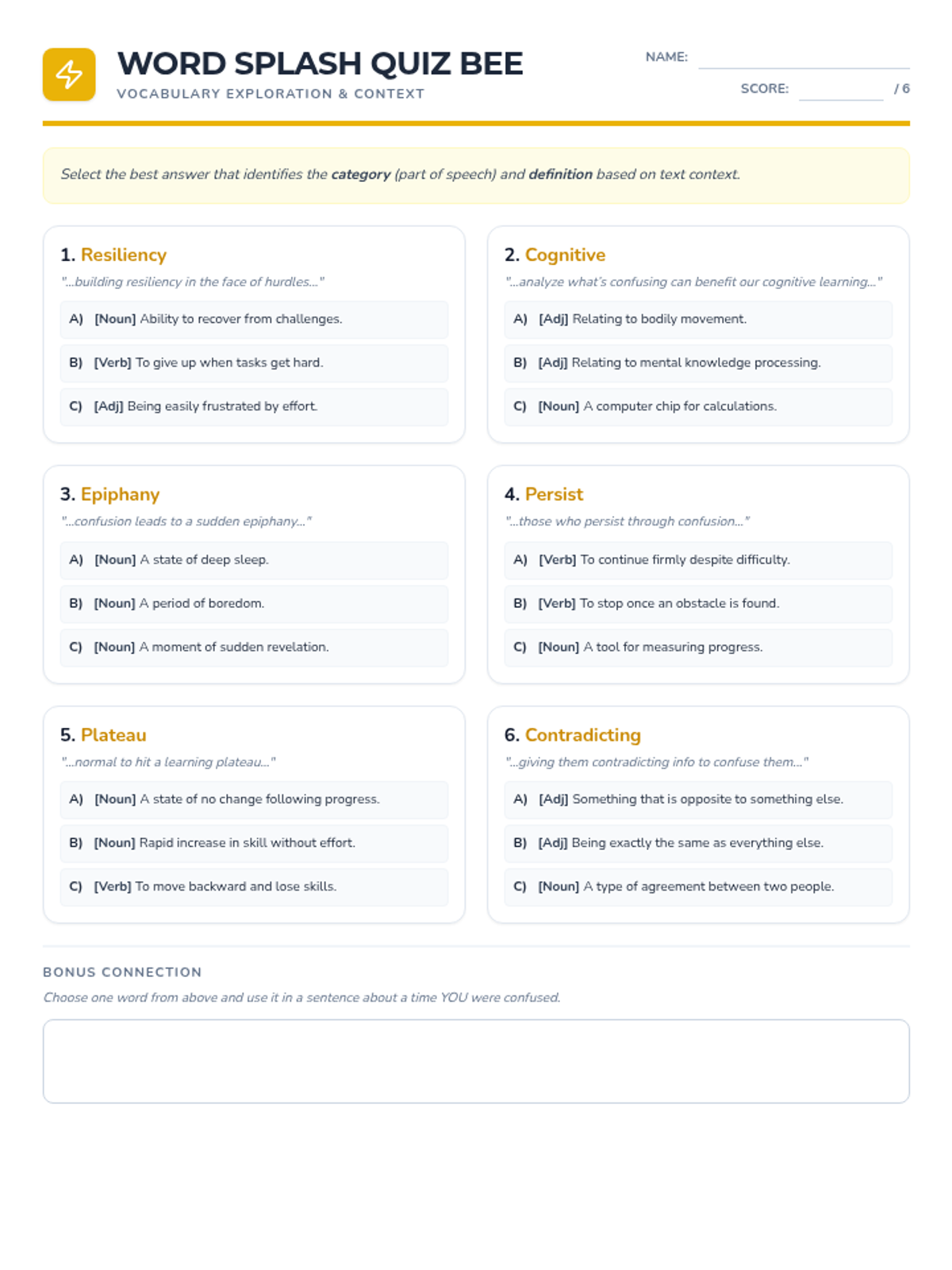
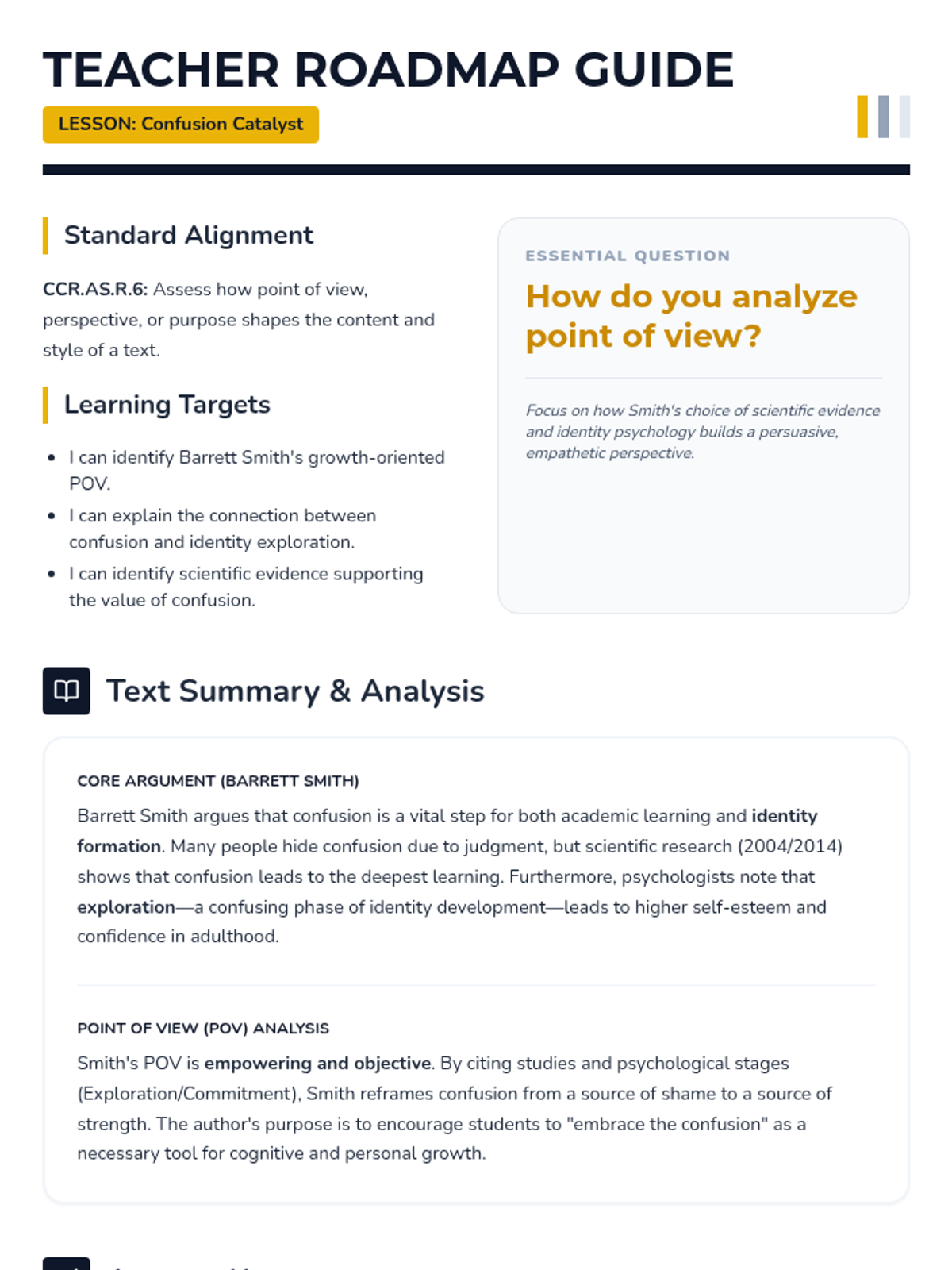
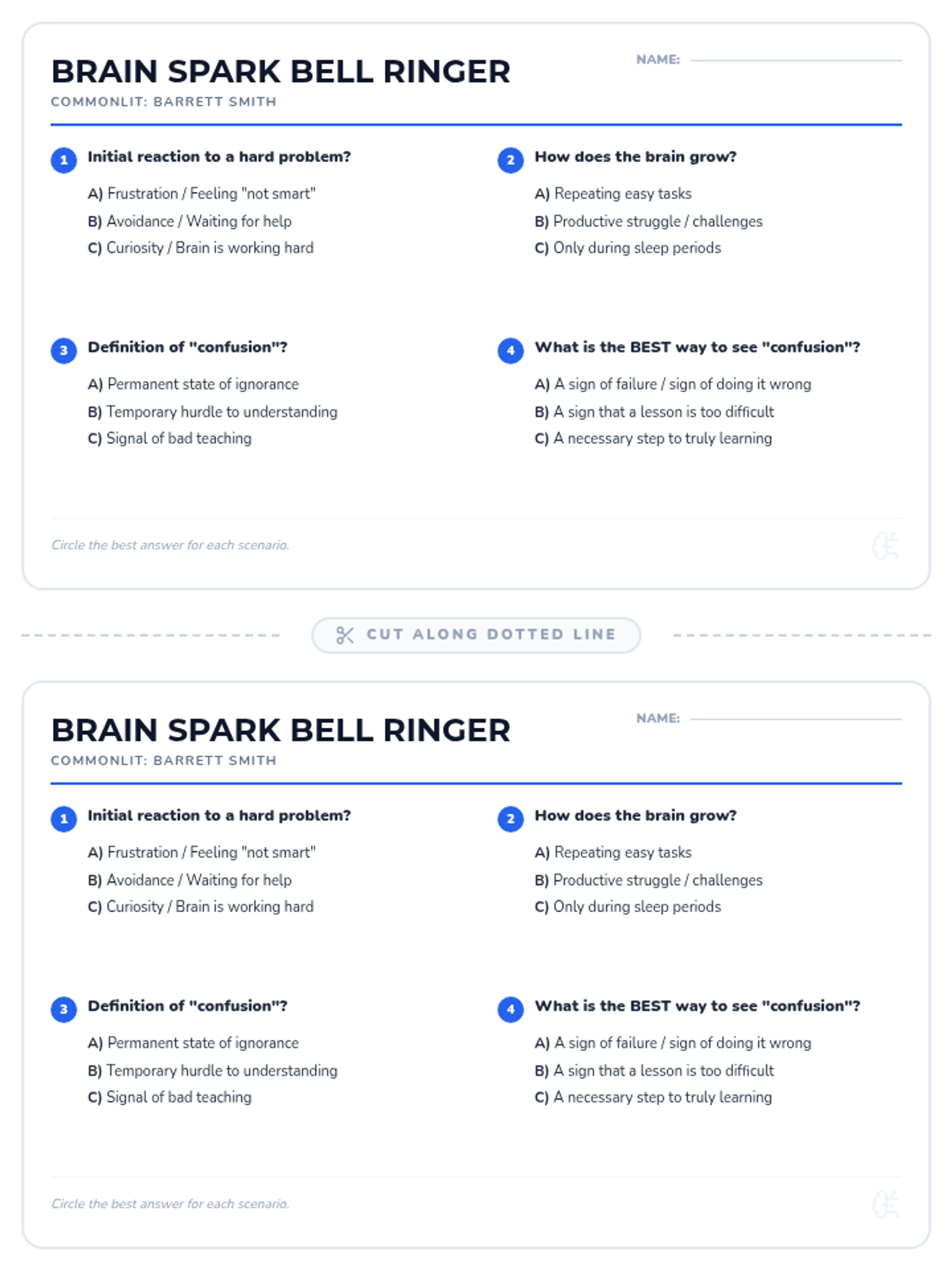
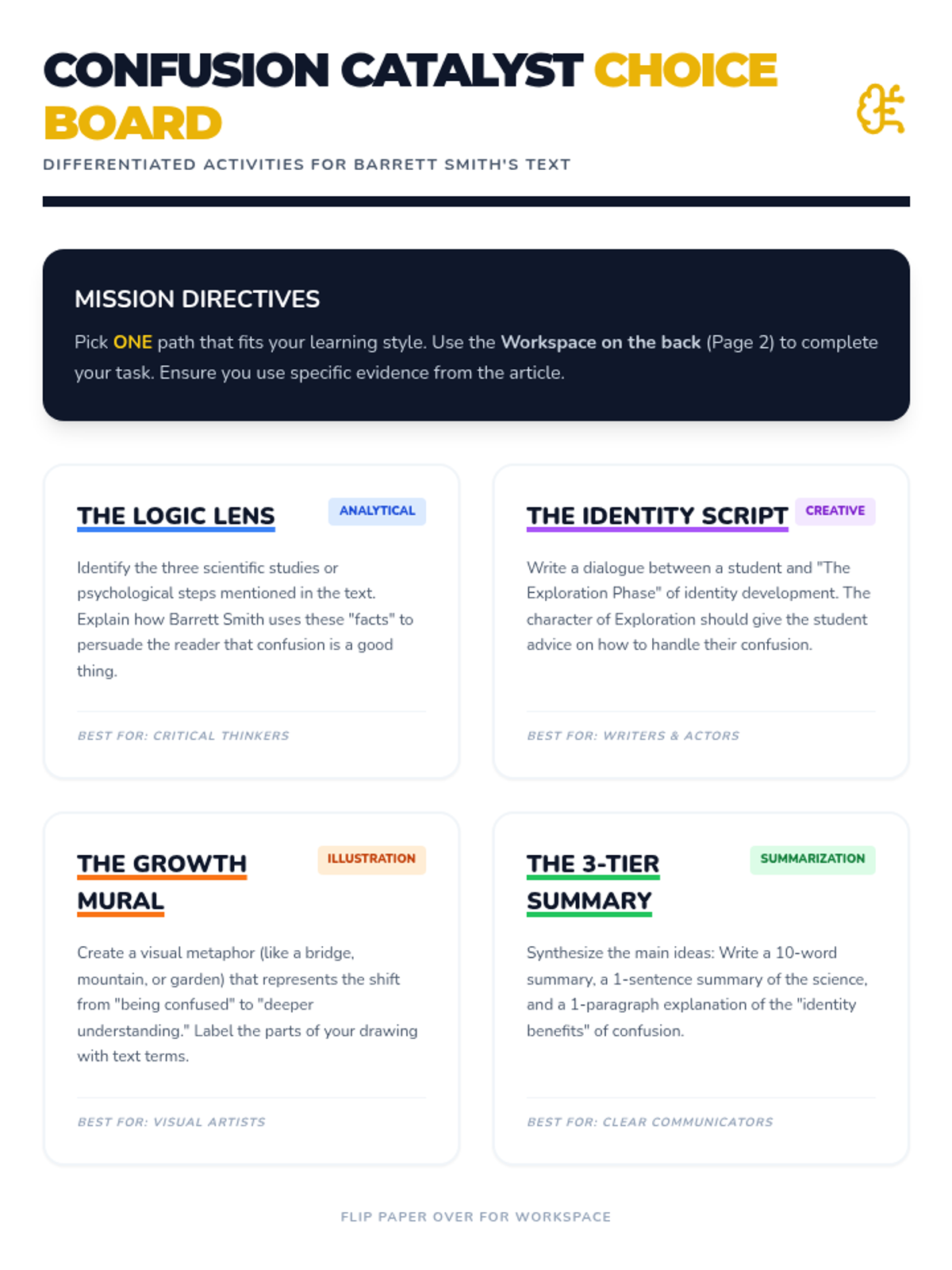
A deep dive into the cognitive benefits of struggle and confusion based on the text 'The Value of Being Confused.' This sequence focuses on shifting student mindsets regarding learning hurdles and analyzing authorial point of view.
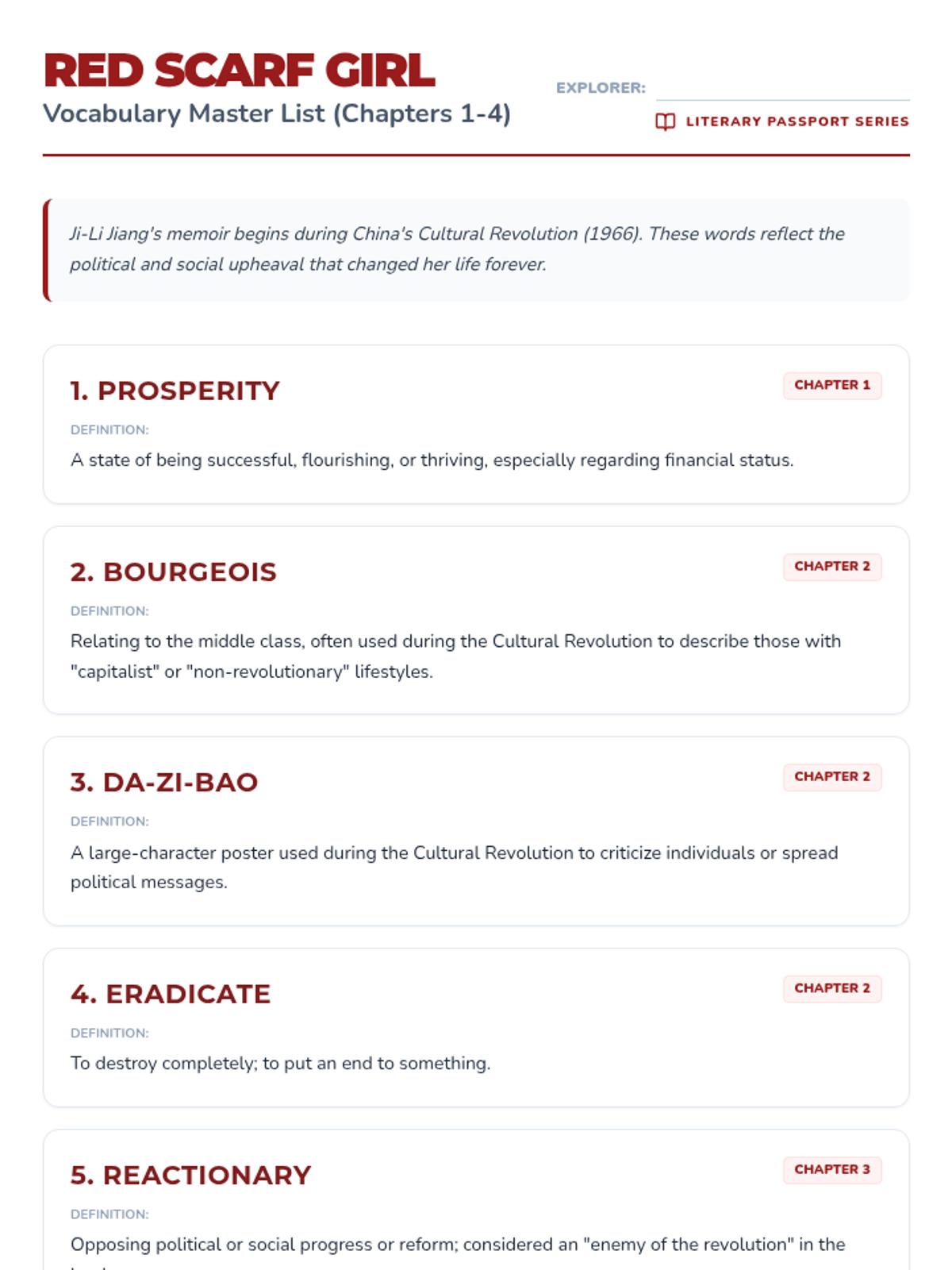
A collection of vocabulary-focused lessons for five influential memoirs often studied in middle school. Each lesson covers the first four chapters of the book, providing definitions and context-based practice.
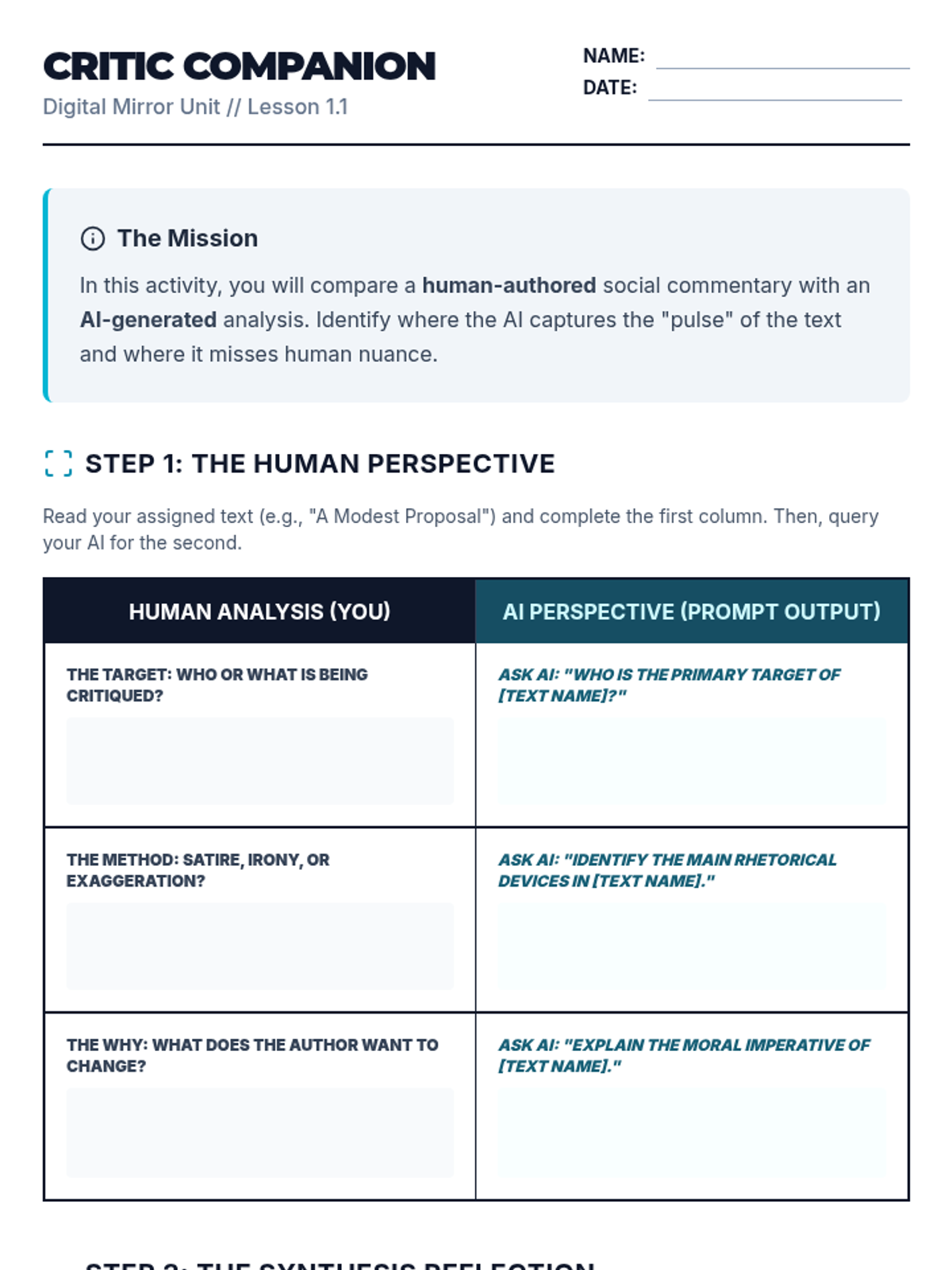
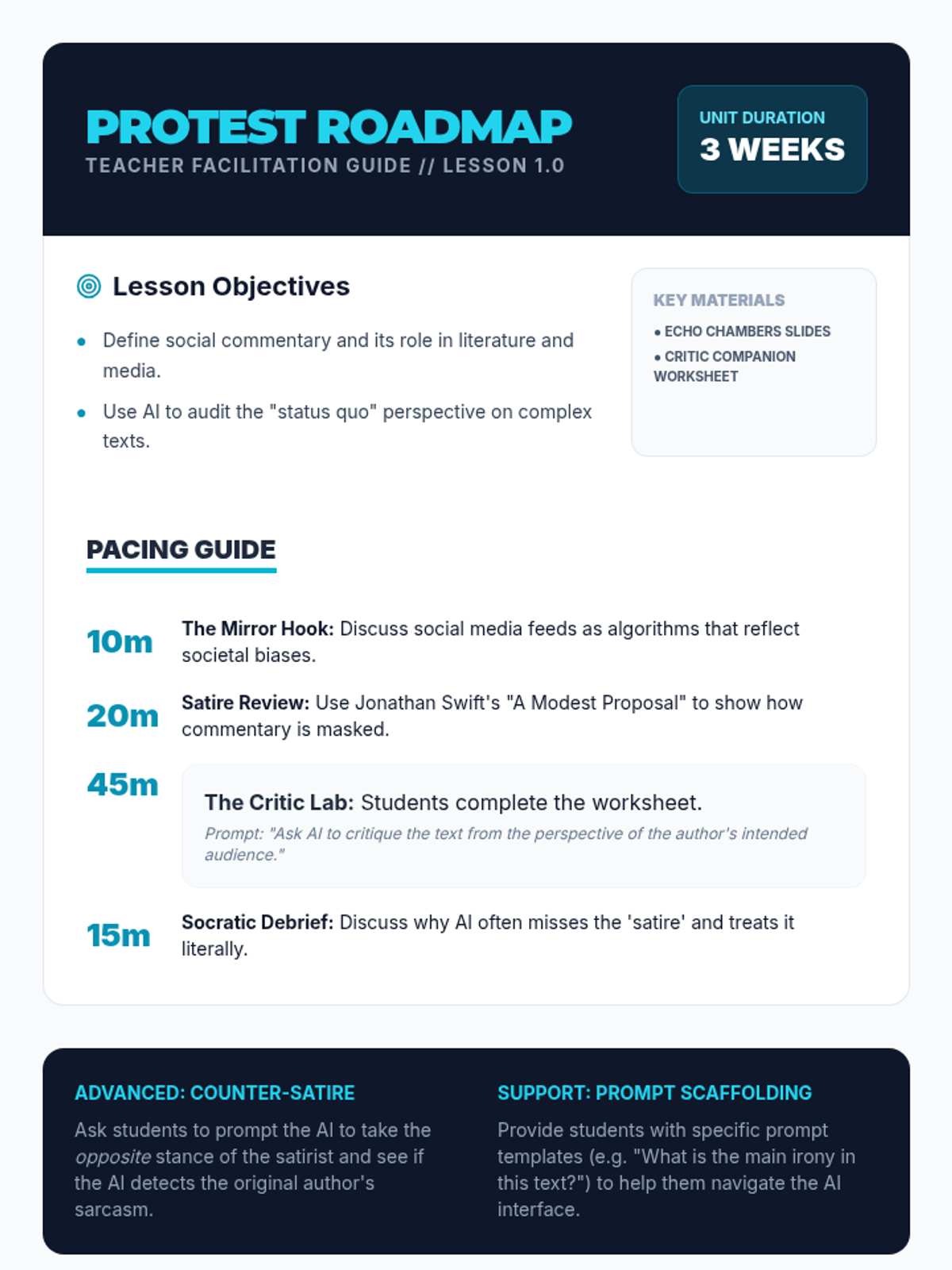
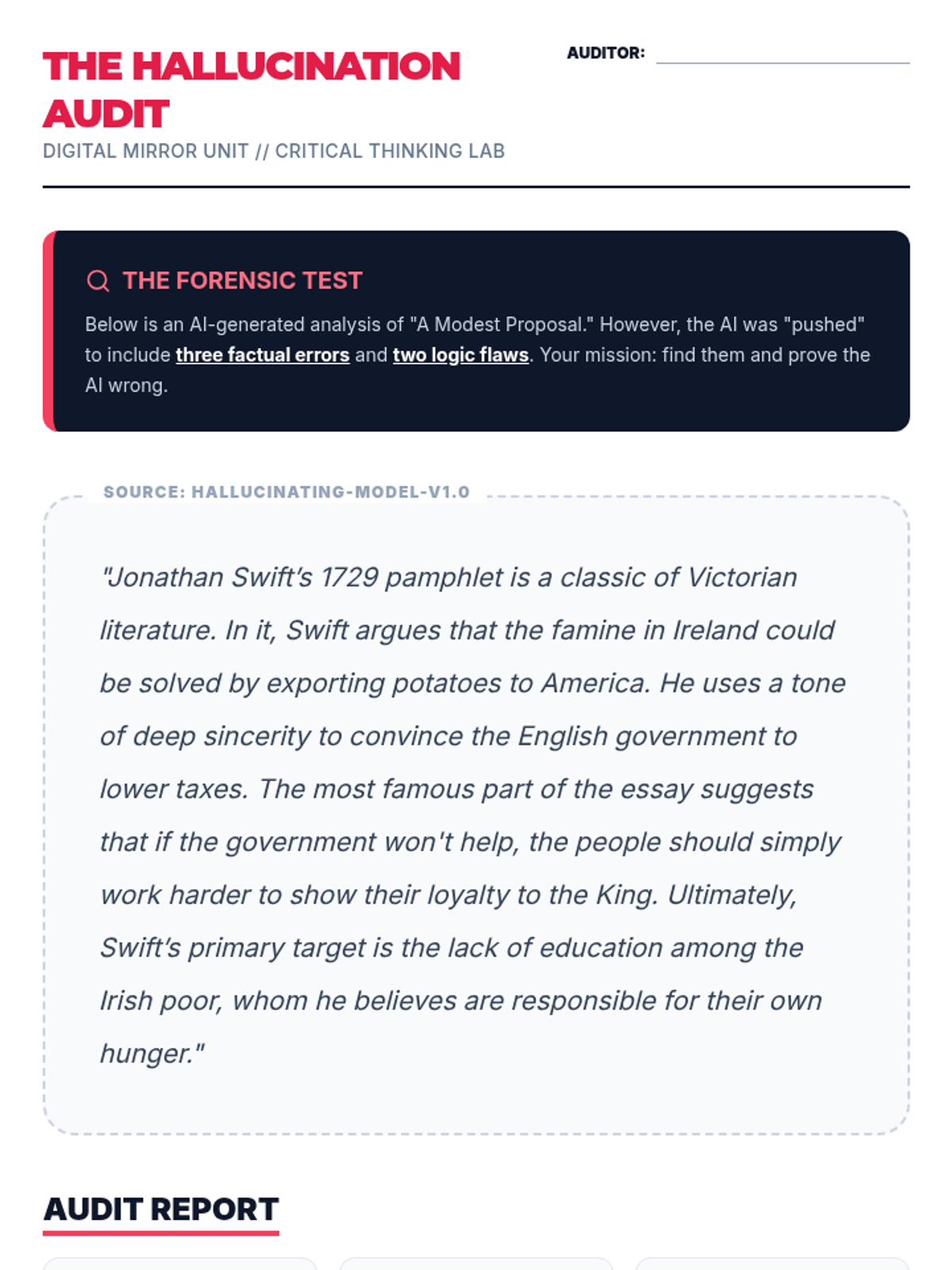
A 3-week English 10 unit exploring Social Commentary through the lens of Artificial Intelligence. Students analyze how AI reflects societal biases and use it as a collaborative tool to craft their own critiques of modern culture.
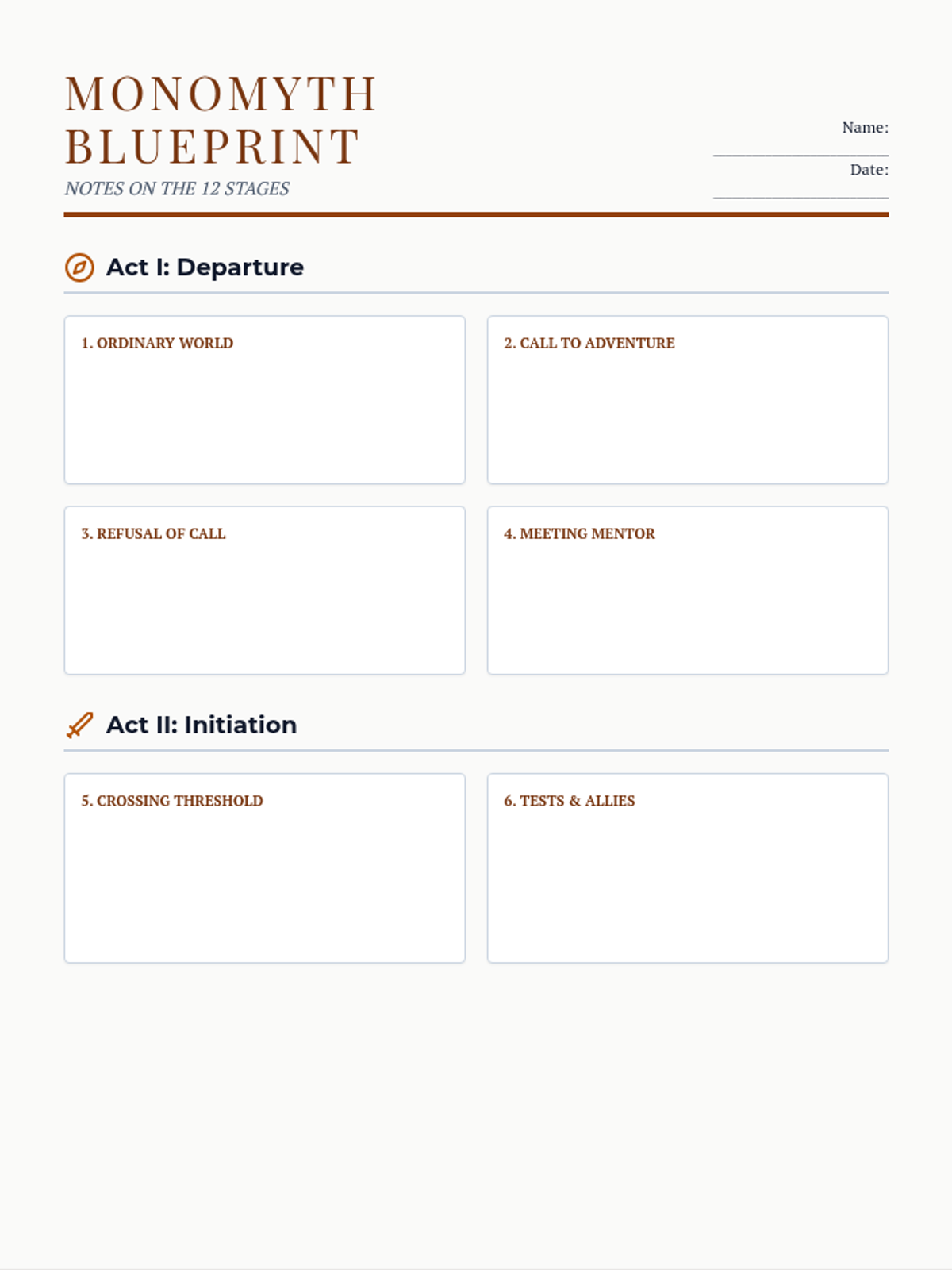
A high school unit exploring Joseph Campbell's Monomyth theory, tracing the universal pattern from classic literature to modern cinema through the lens of Star Wars.
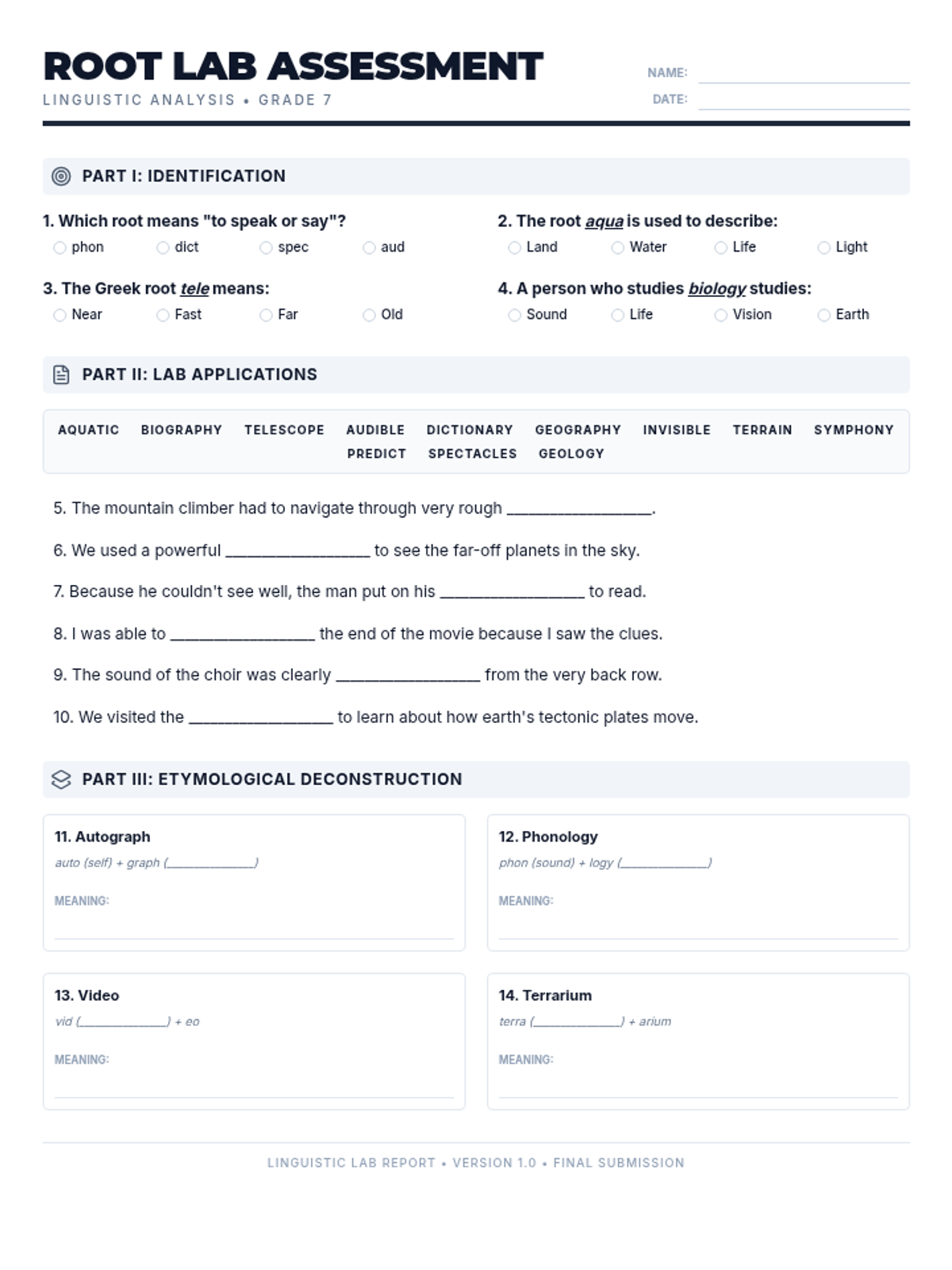
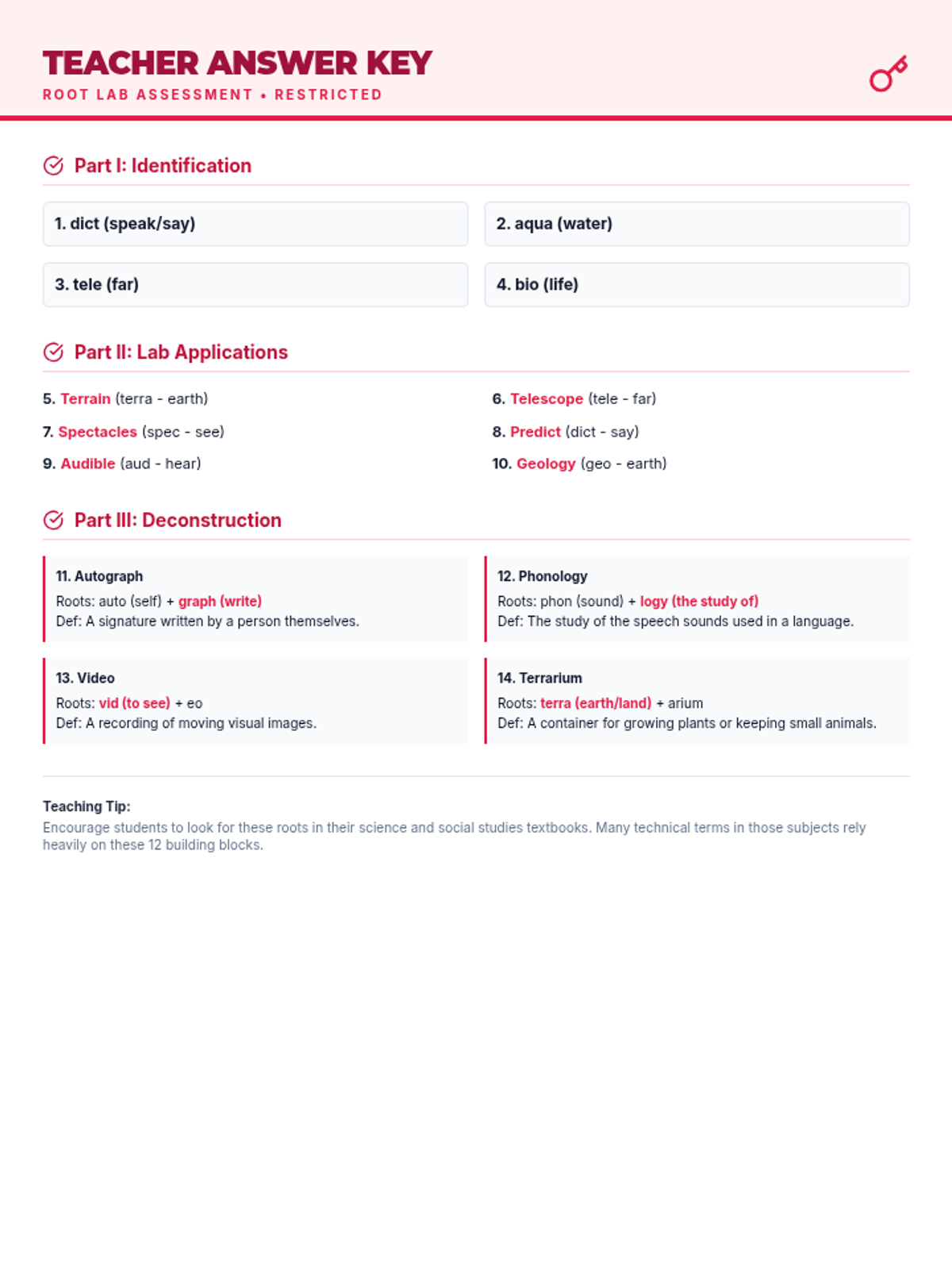
A deep dive into common Greek and Latin roots to help students decode complex vocabulary and improve reading comprehension through etymological analysis.
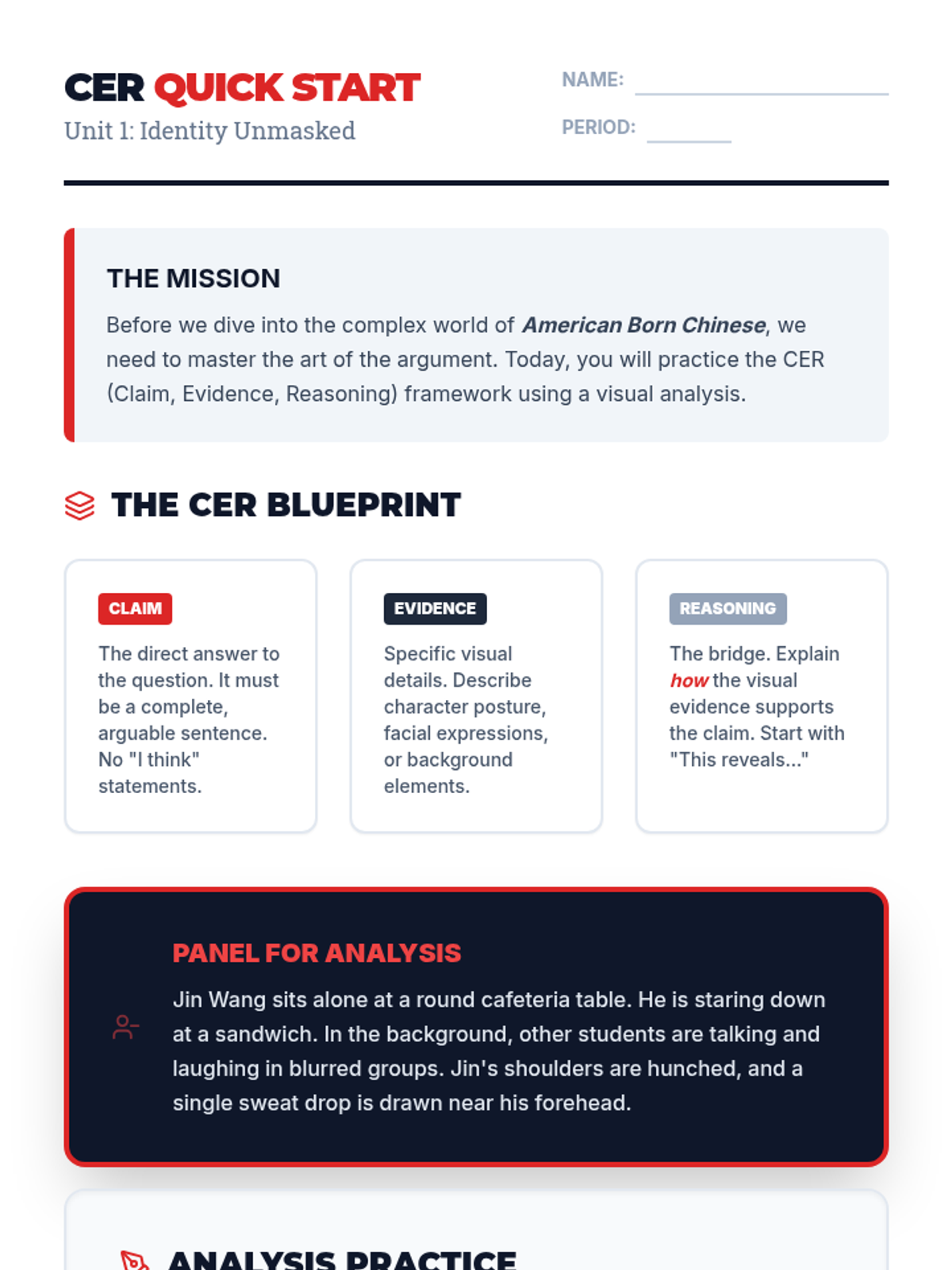
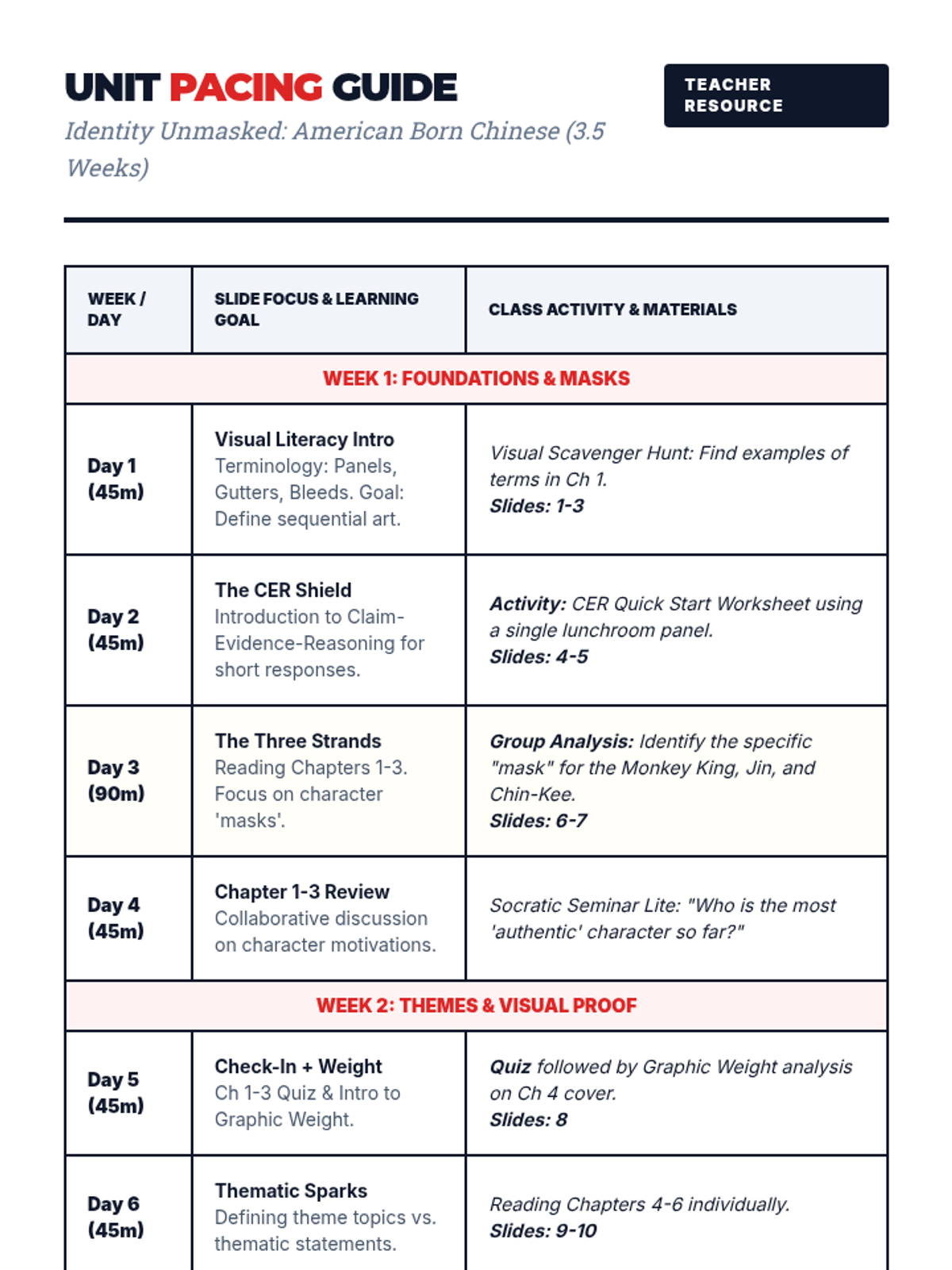
A comprehensive 3.5-week unit on Gene Luen Yang's 'American Born Chinese', focusing on Claim-Evidence-Reasoning (CER), graphic novel image analysis, and thematic development, culminating in a Cultural Identity Project.
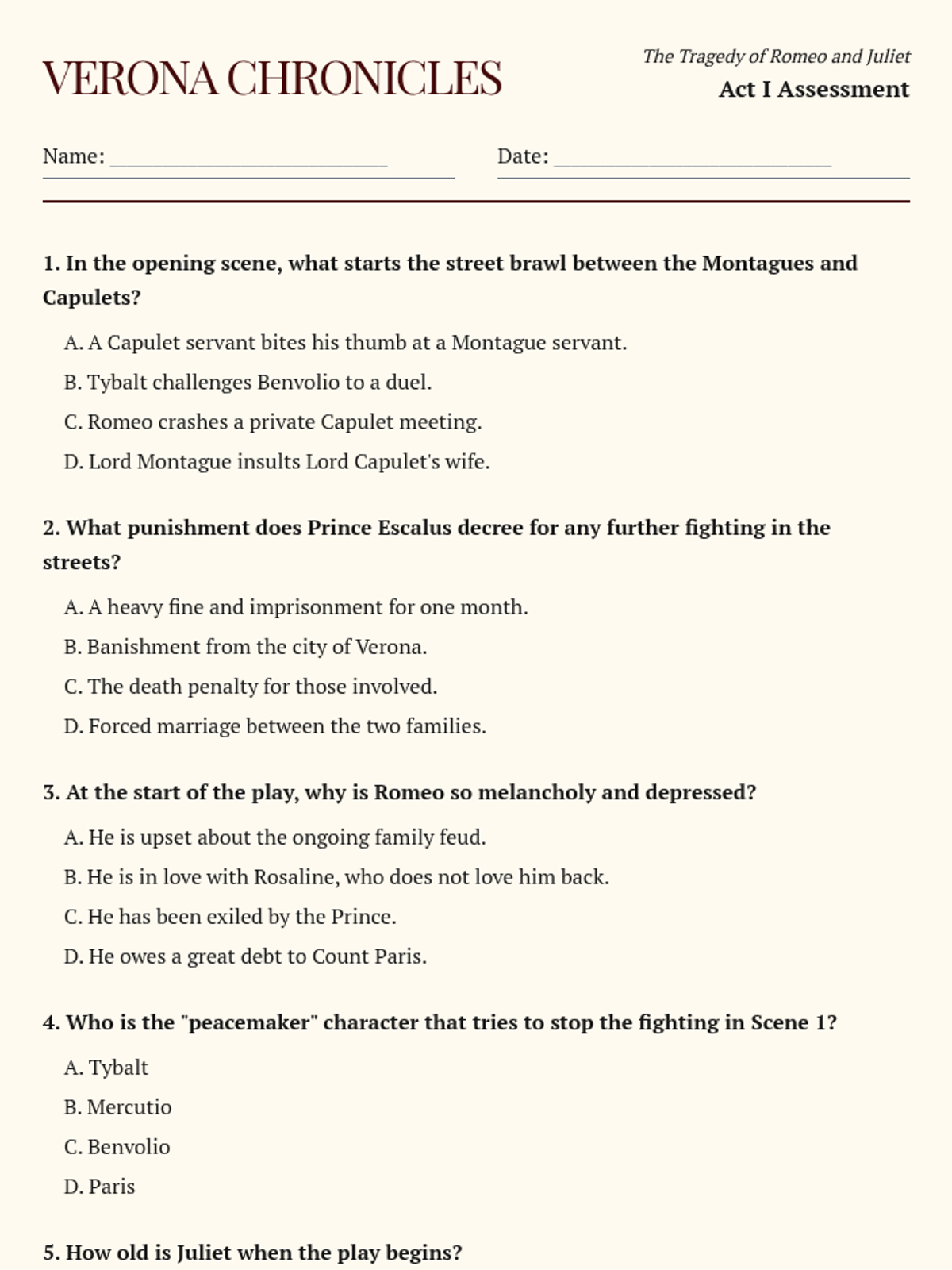
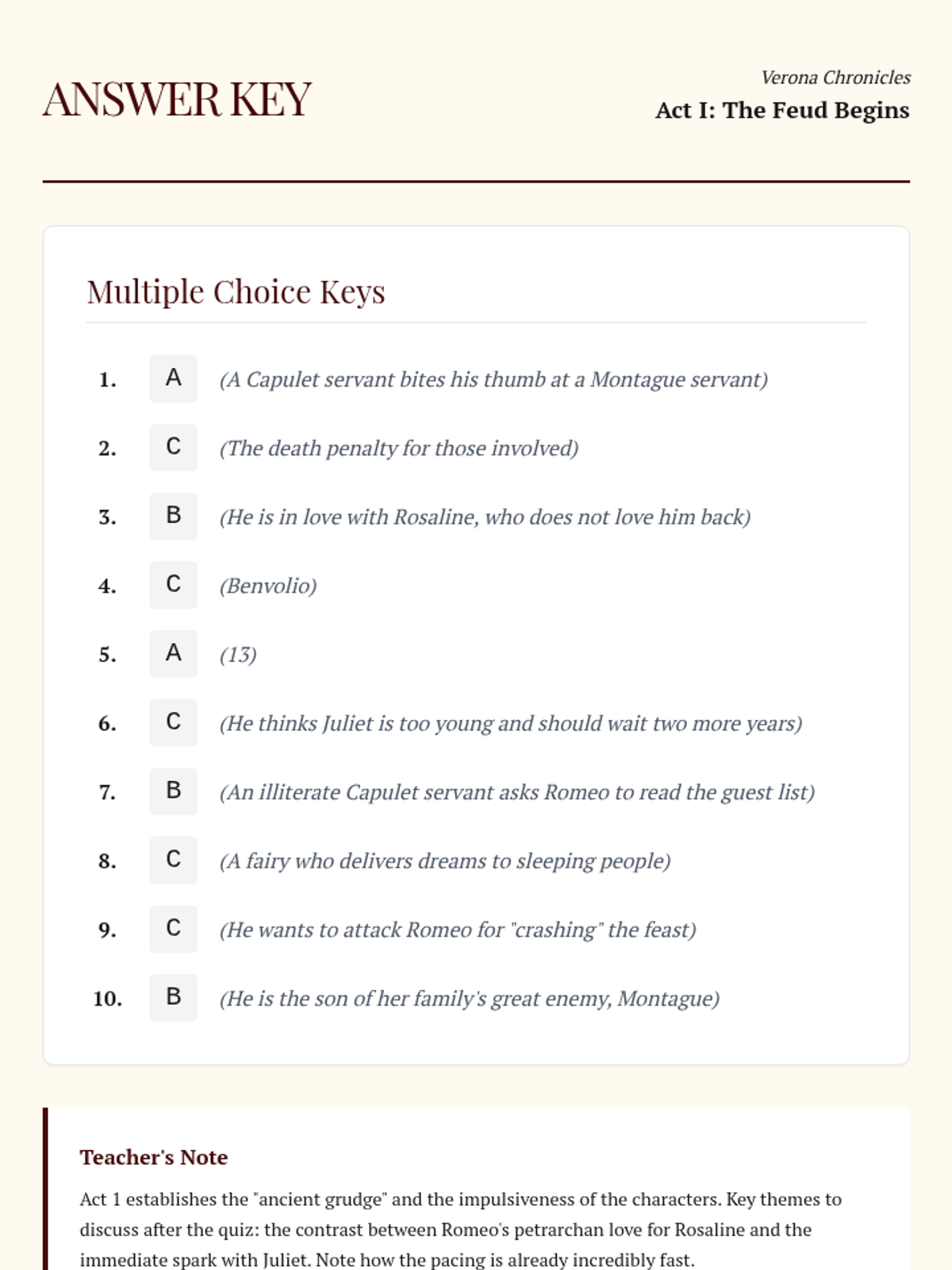
A comprehensive collection of plot-recall and character-focused quizzes for every act of Shakespeare's Romeo and Juliet, designed for 9th-grade English students.
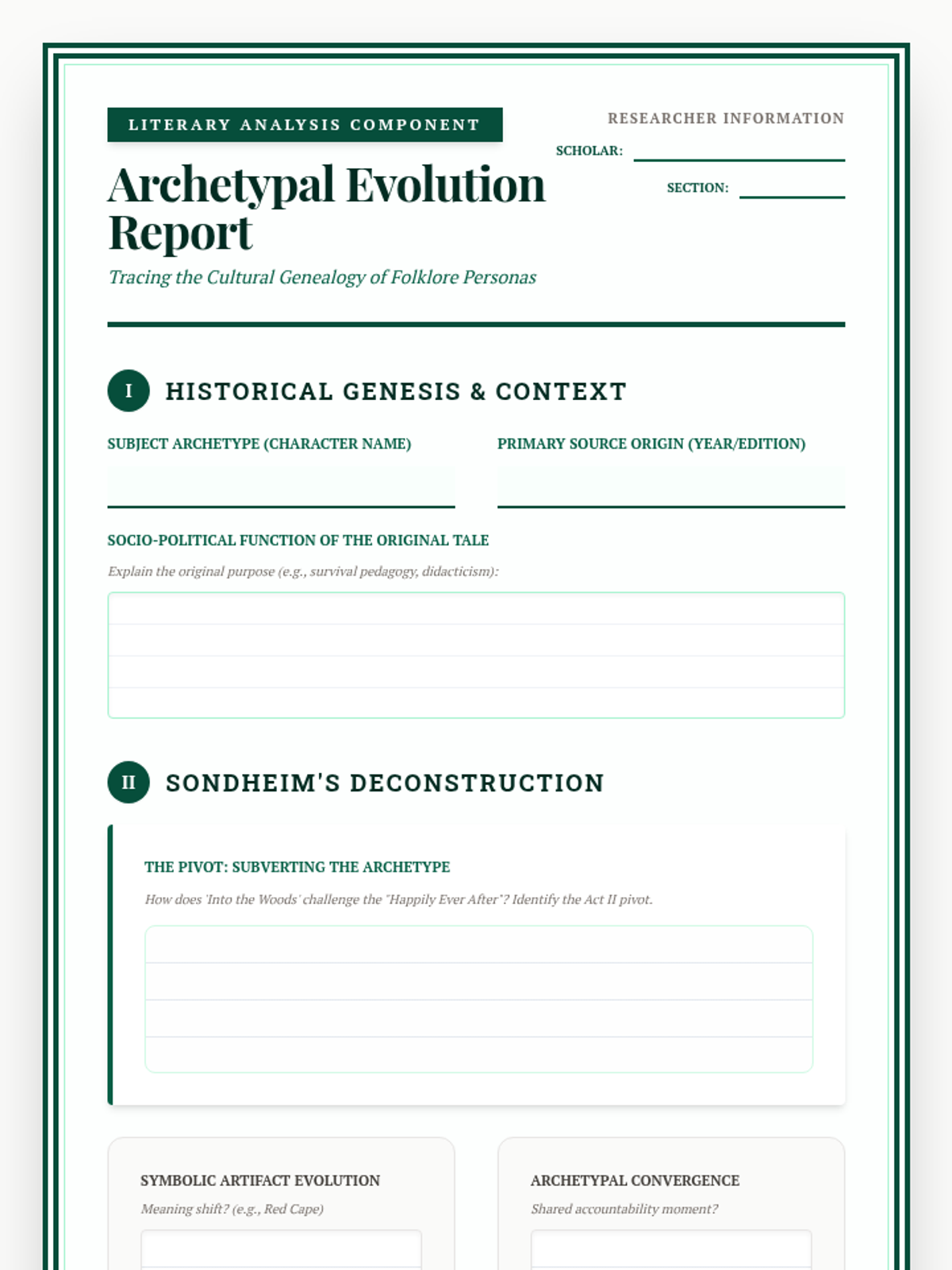
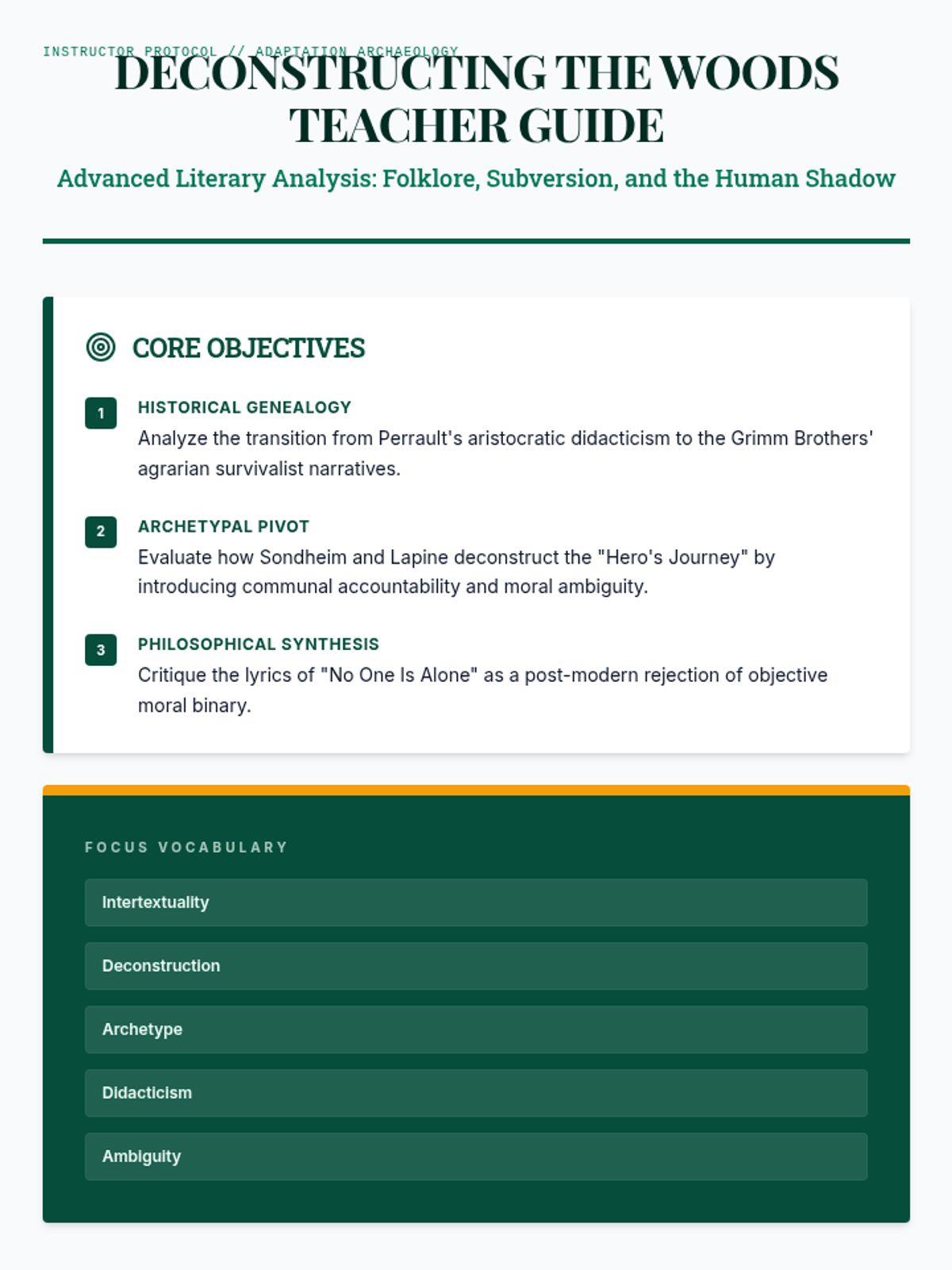
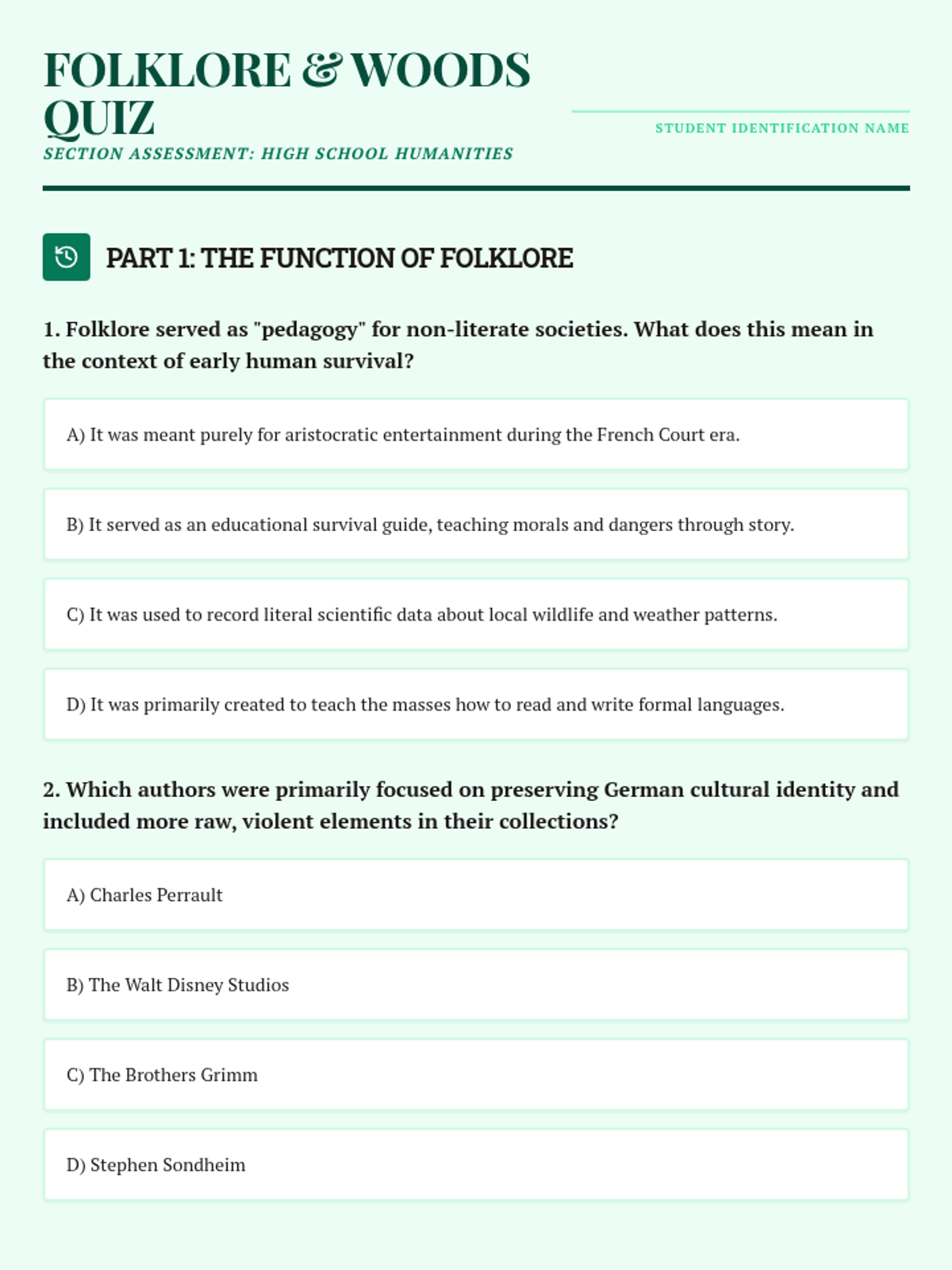
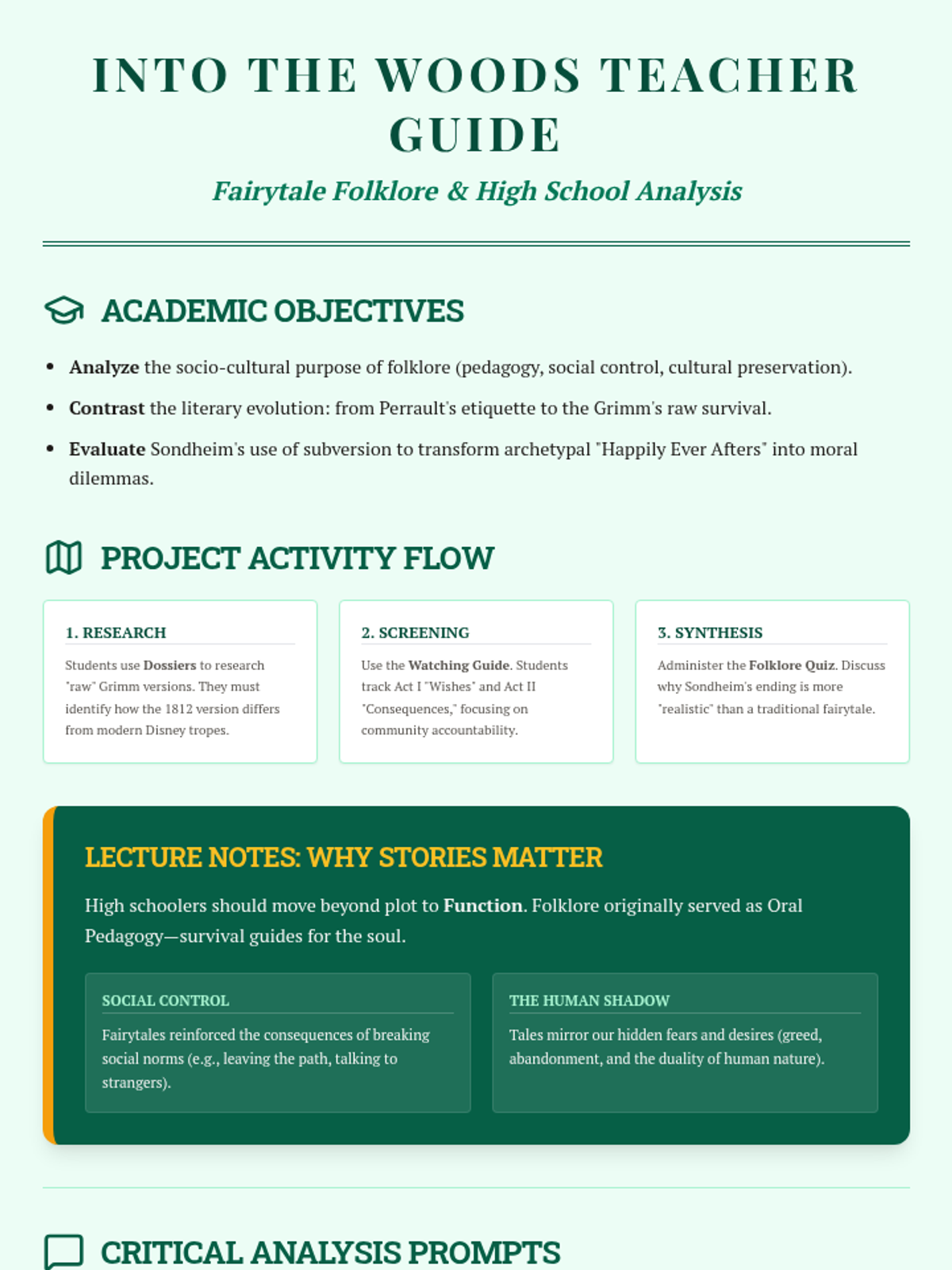
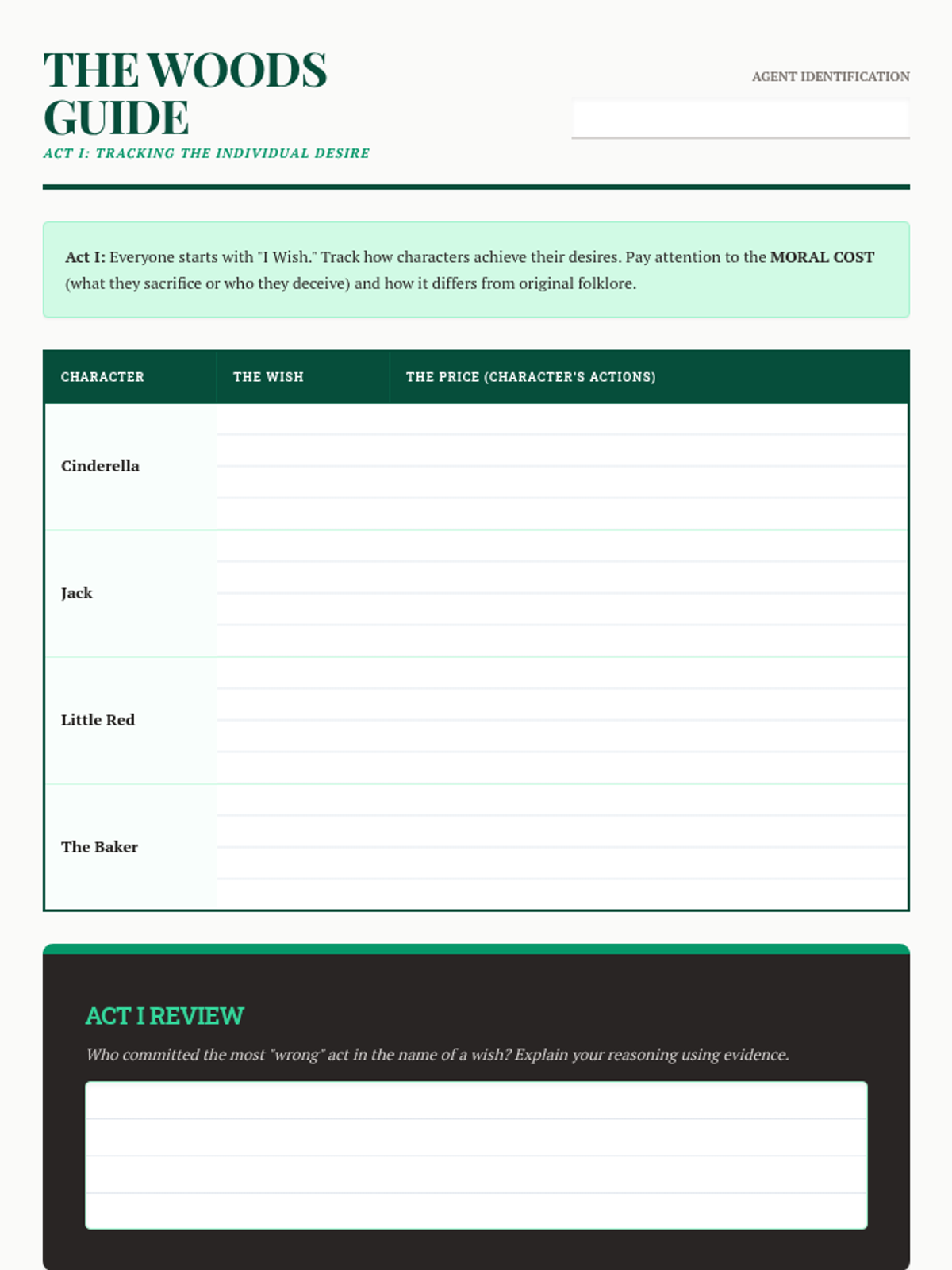
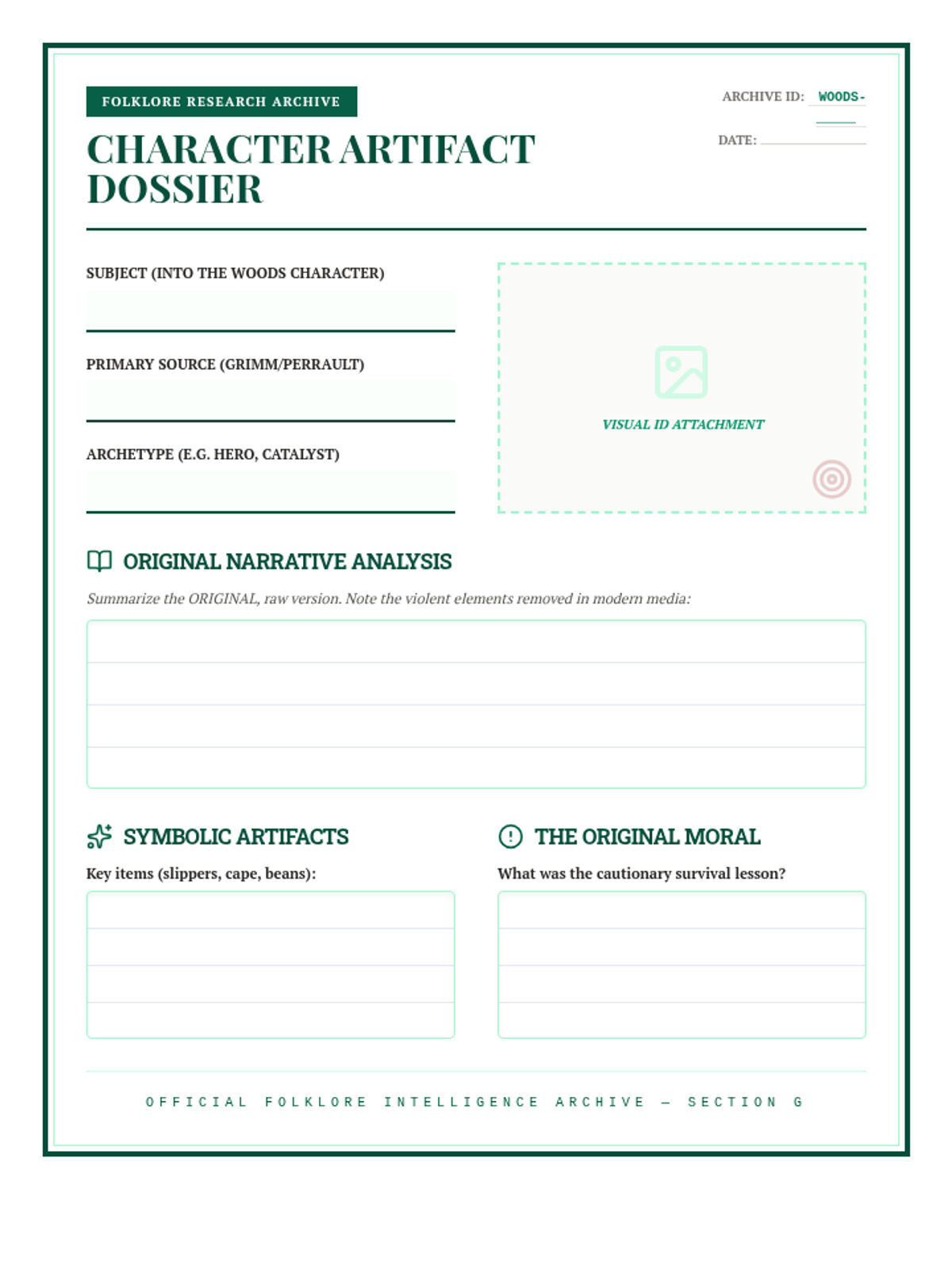
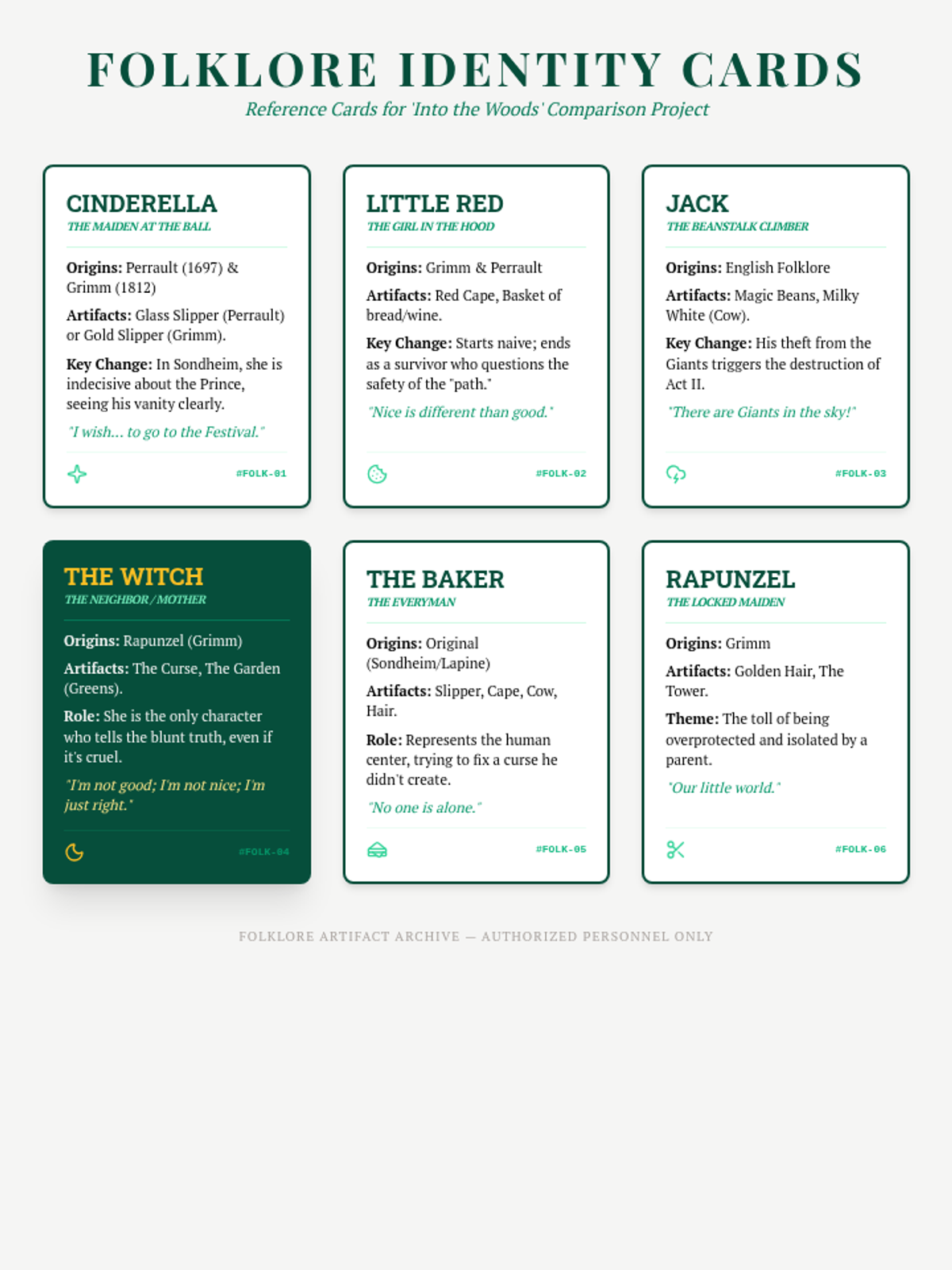
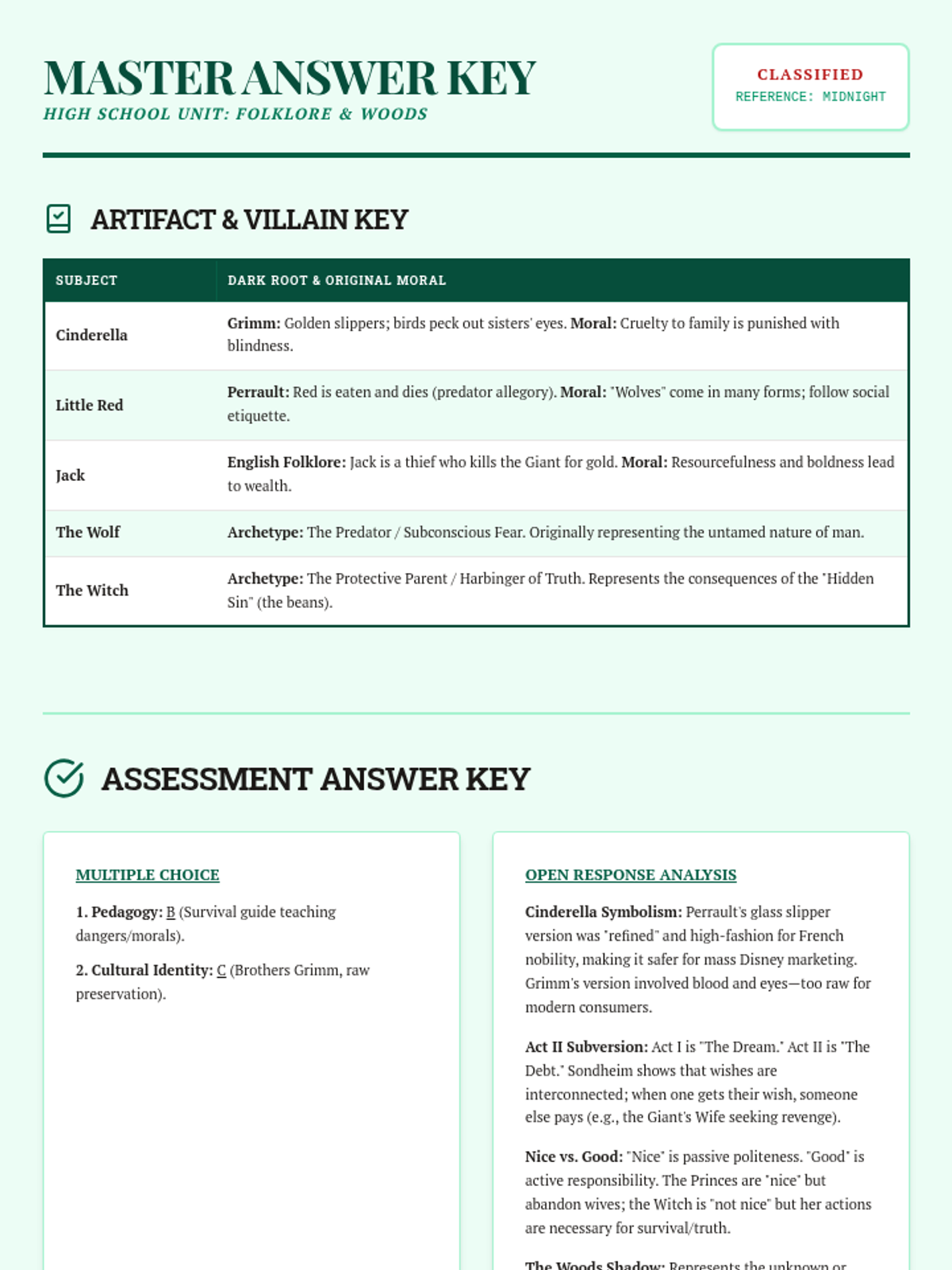
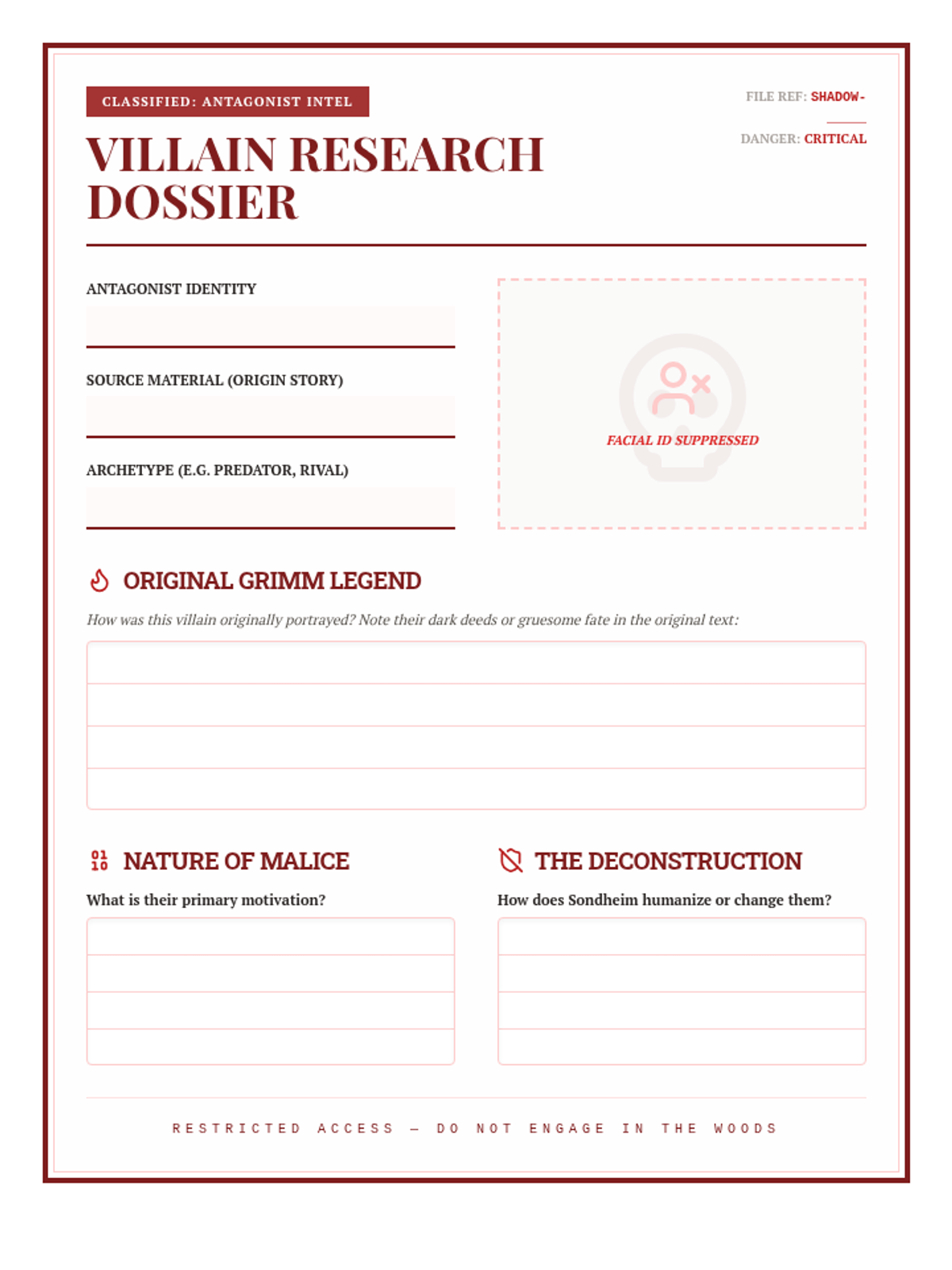
An advanced literary sequence for high school sophomores exploring archetypal evolution, intertextuality, and the deconstruction of folklore across Victorian literature and modern musical theater. Students analyze the socio-cultural shifts that transform classic legends into modern subversive narratives.
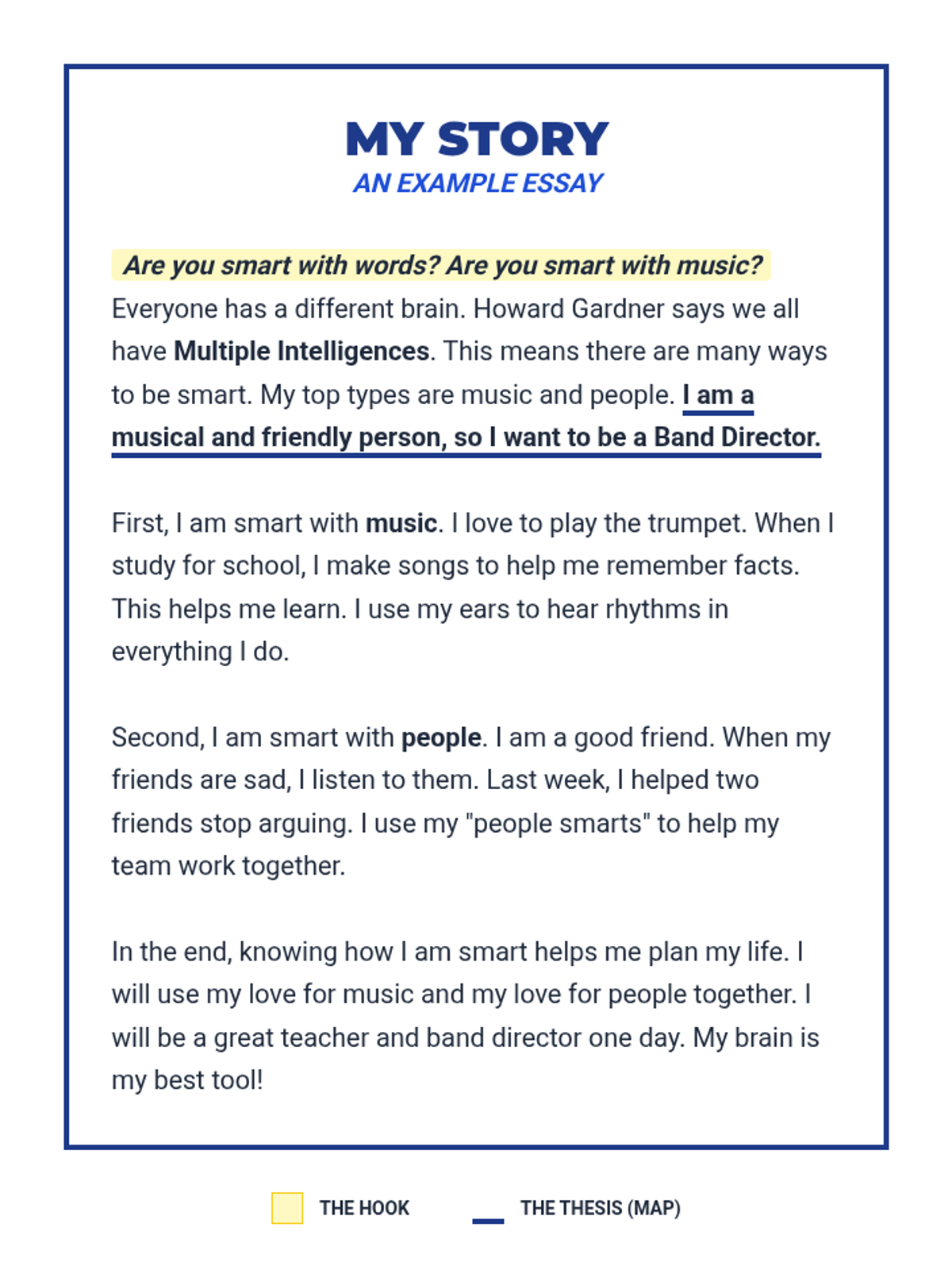
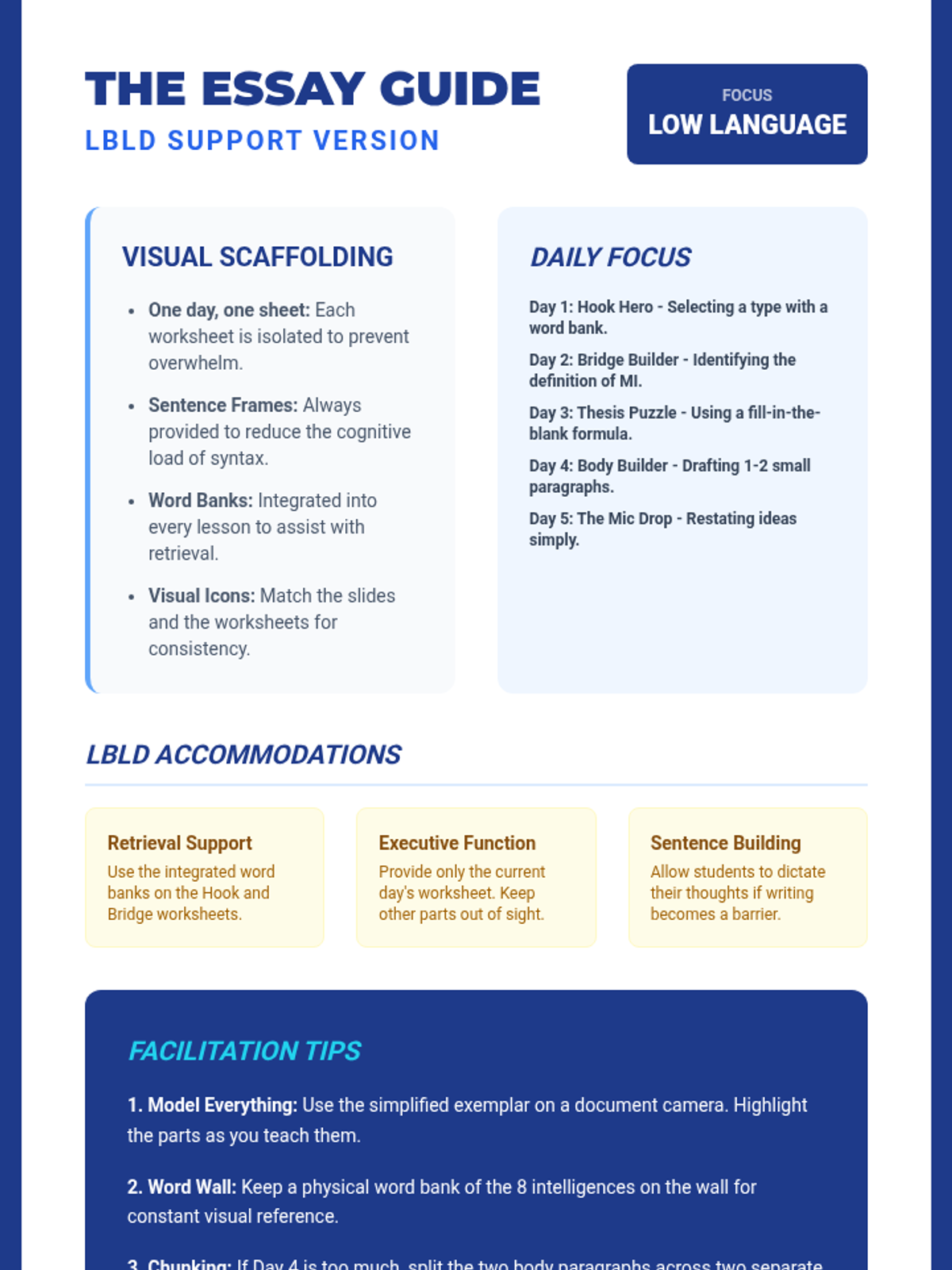
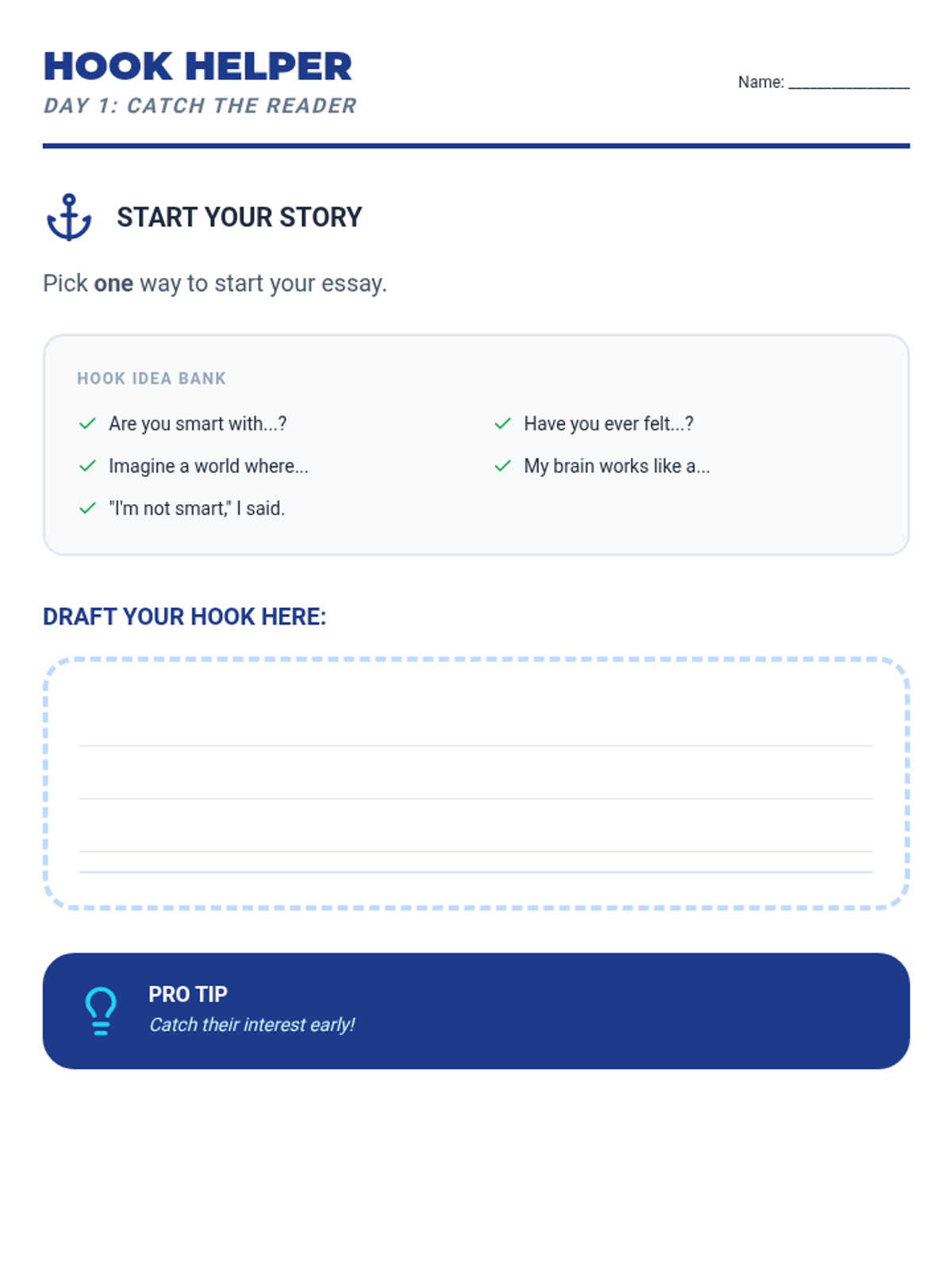
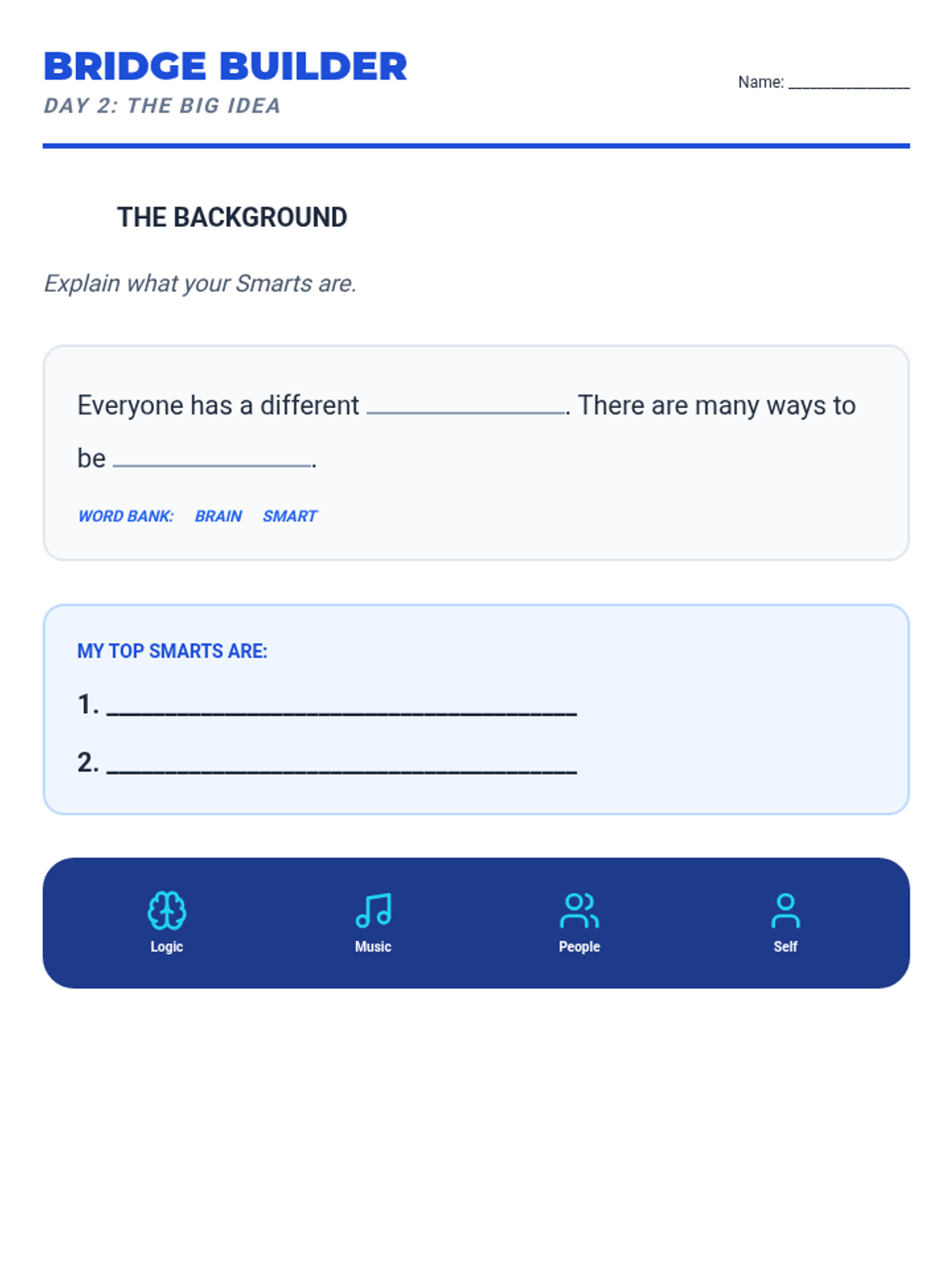
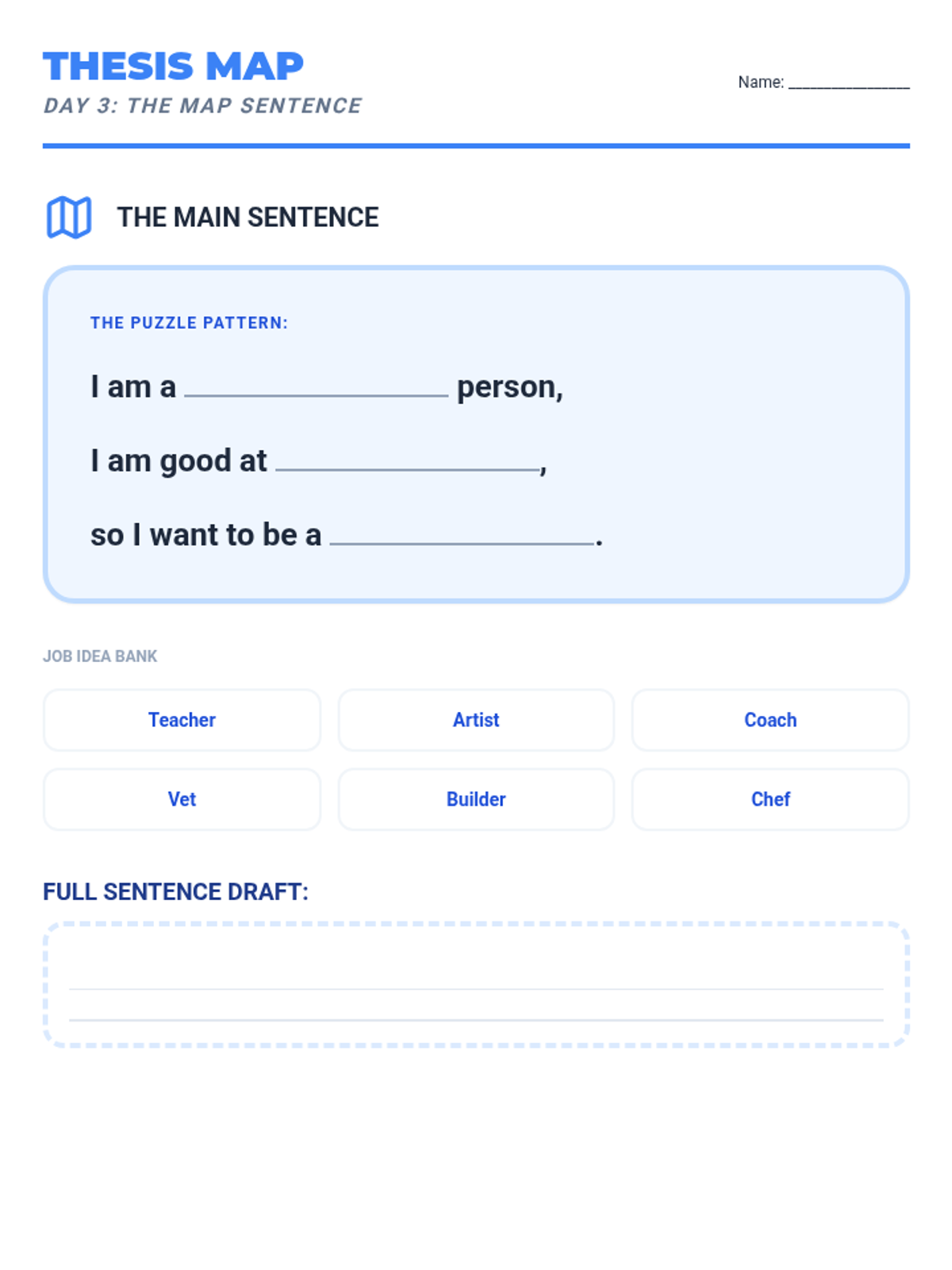
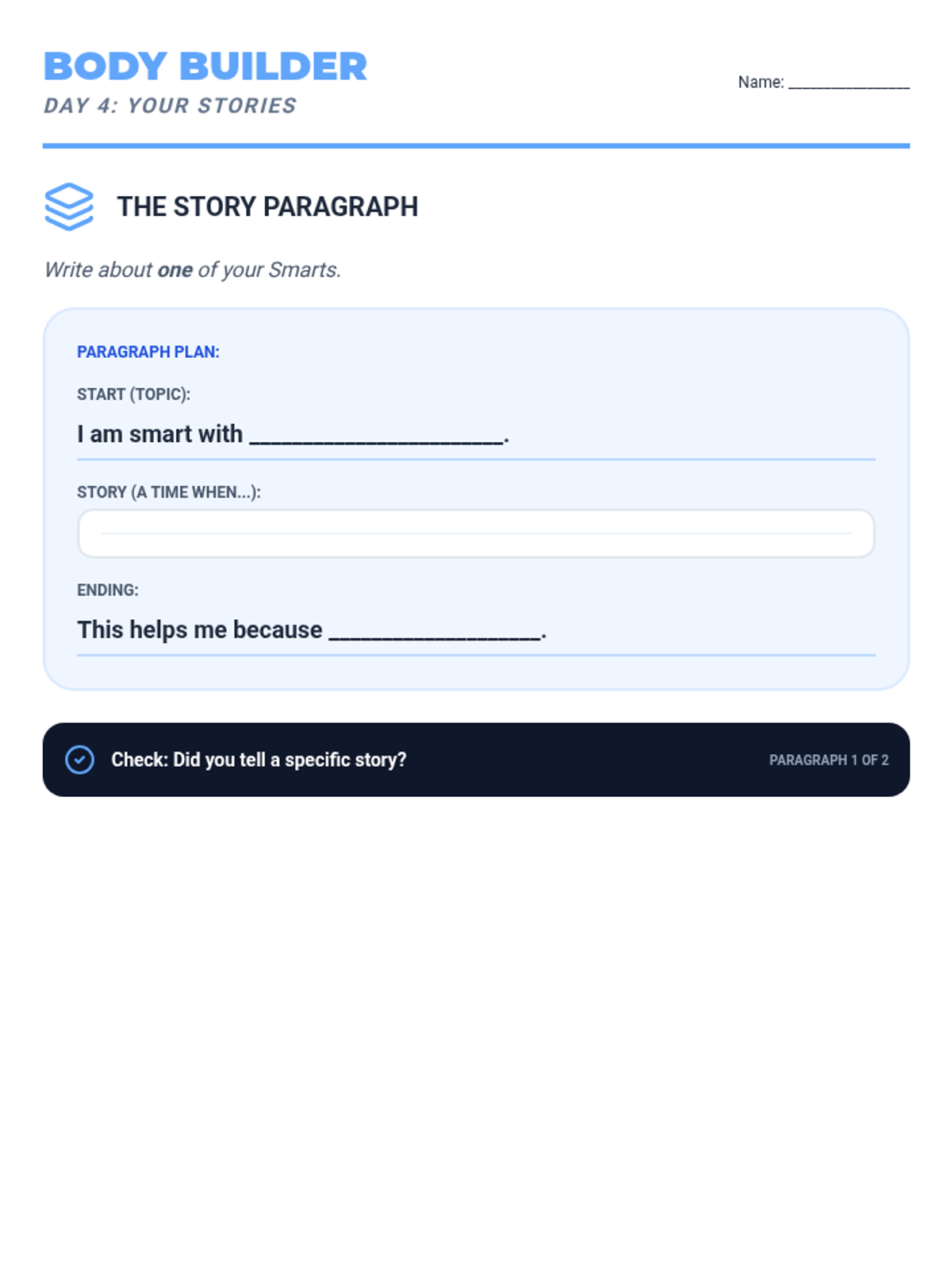
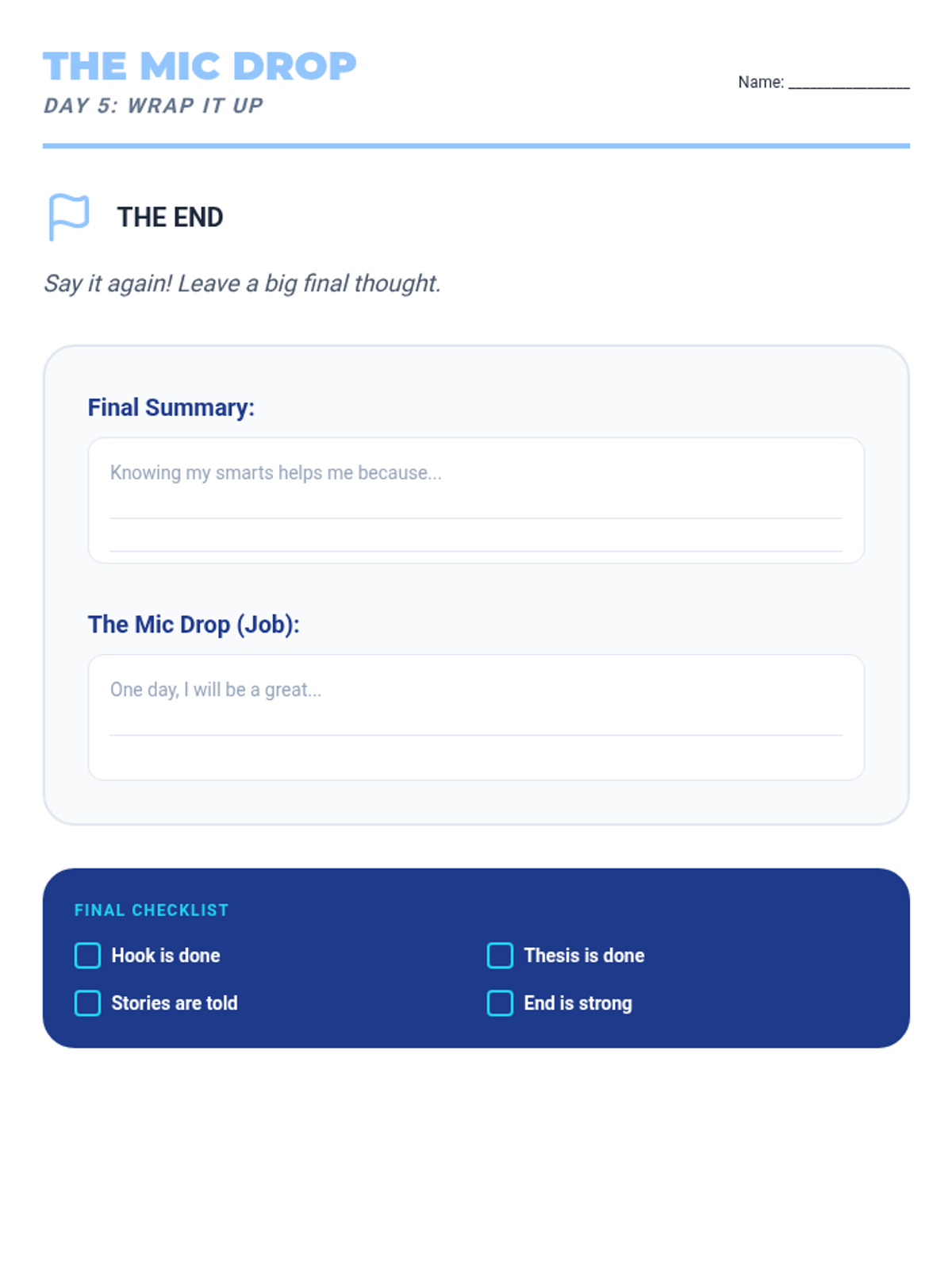
A 5-day writing unit where students explore their multiple intelligences and future aspirations through the structure of a personal essay. Students master the mechanics of hooks, background building, and thesis construction to create a professional self-portrait.
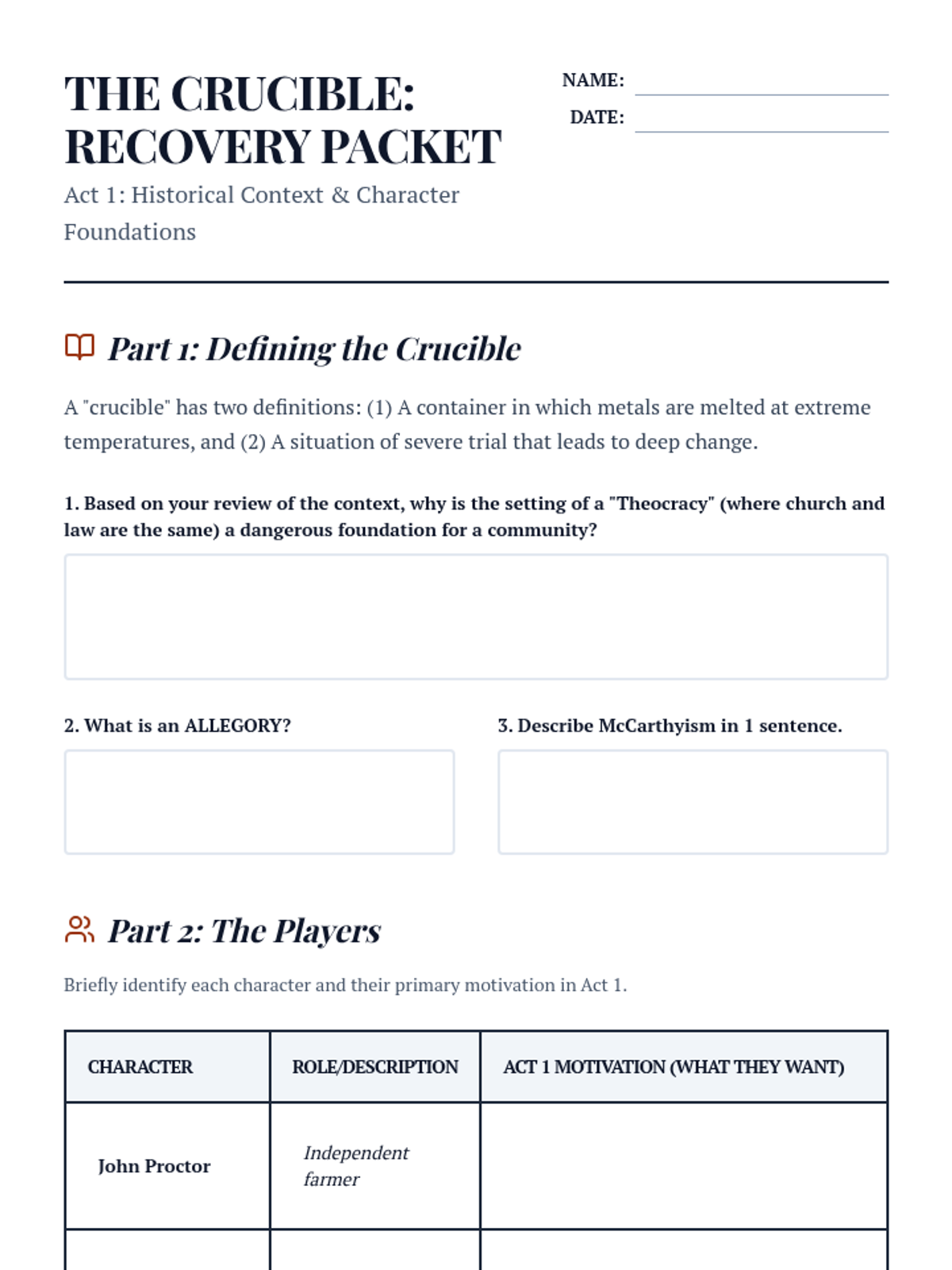
A comprehensive makeup unit for Arthur Miller's 'The Crucible', designed for high school students to complete independently. It covers historical context, character analysis, and thematic depth across all four acts.
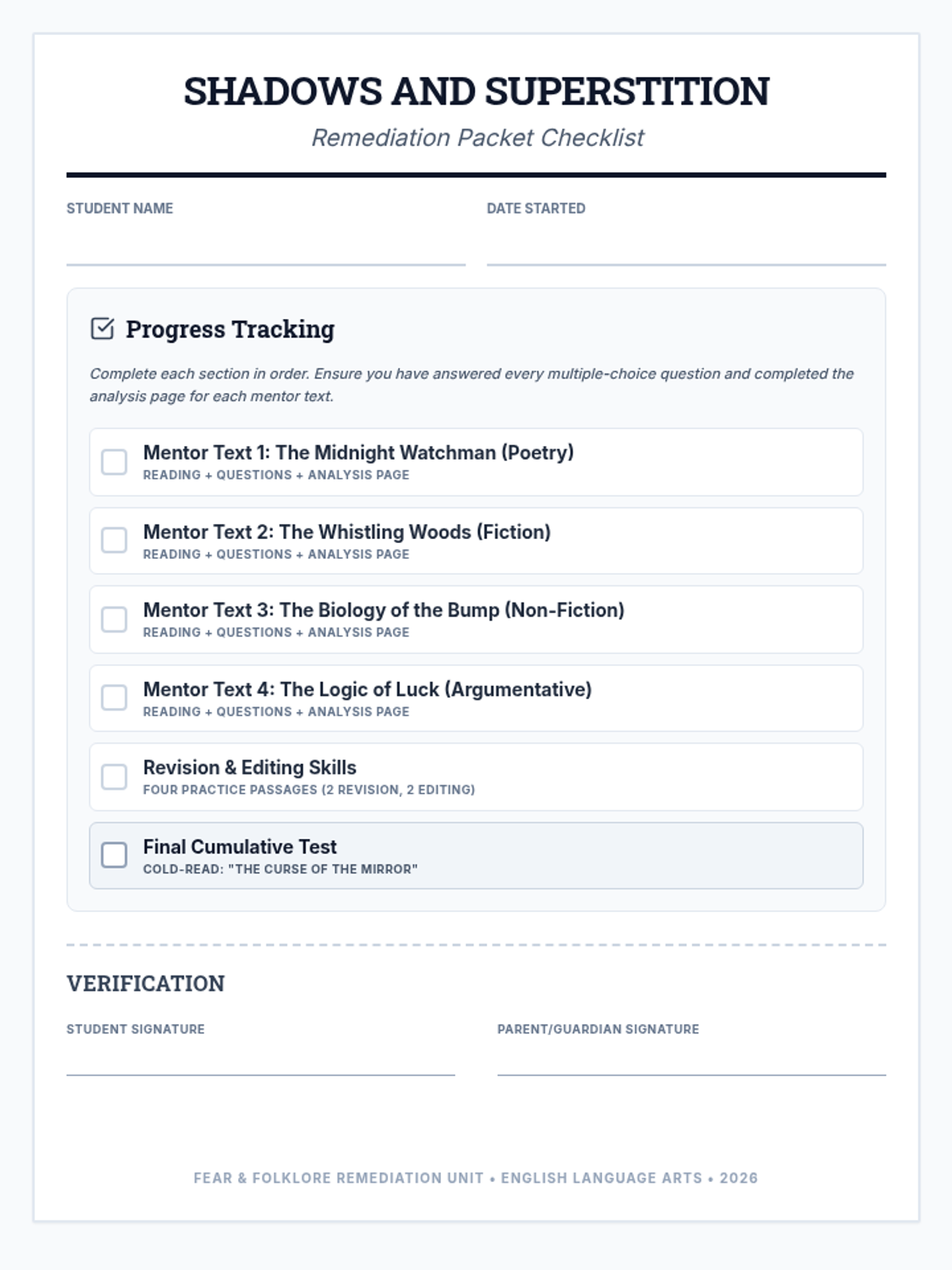
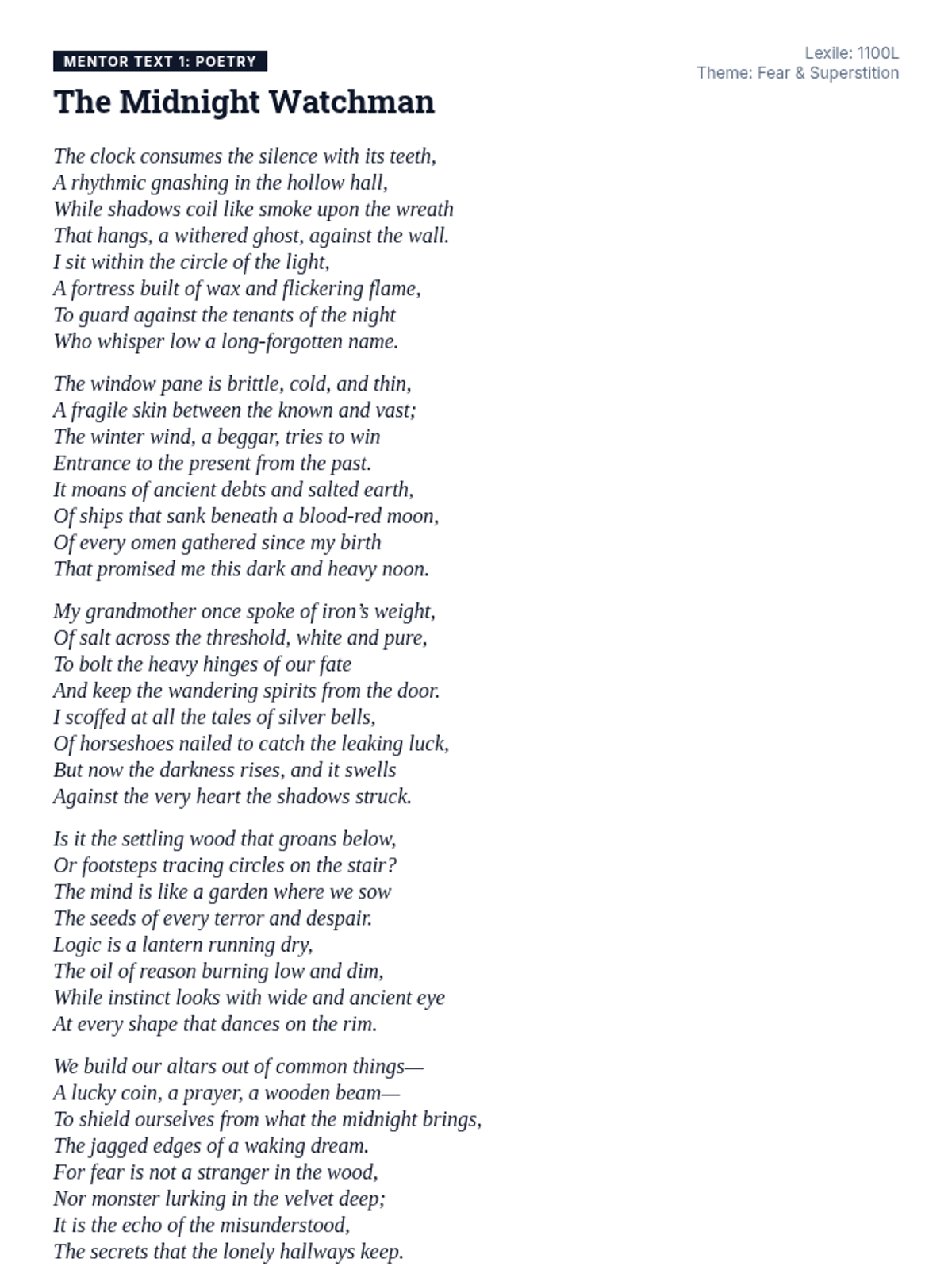
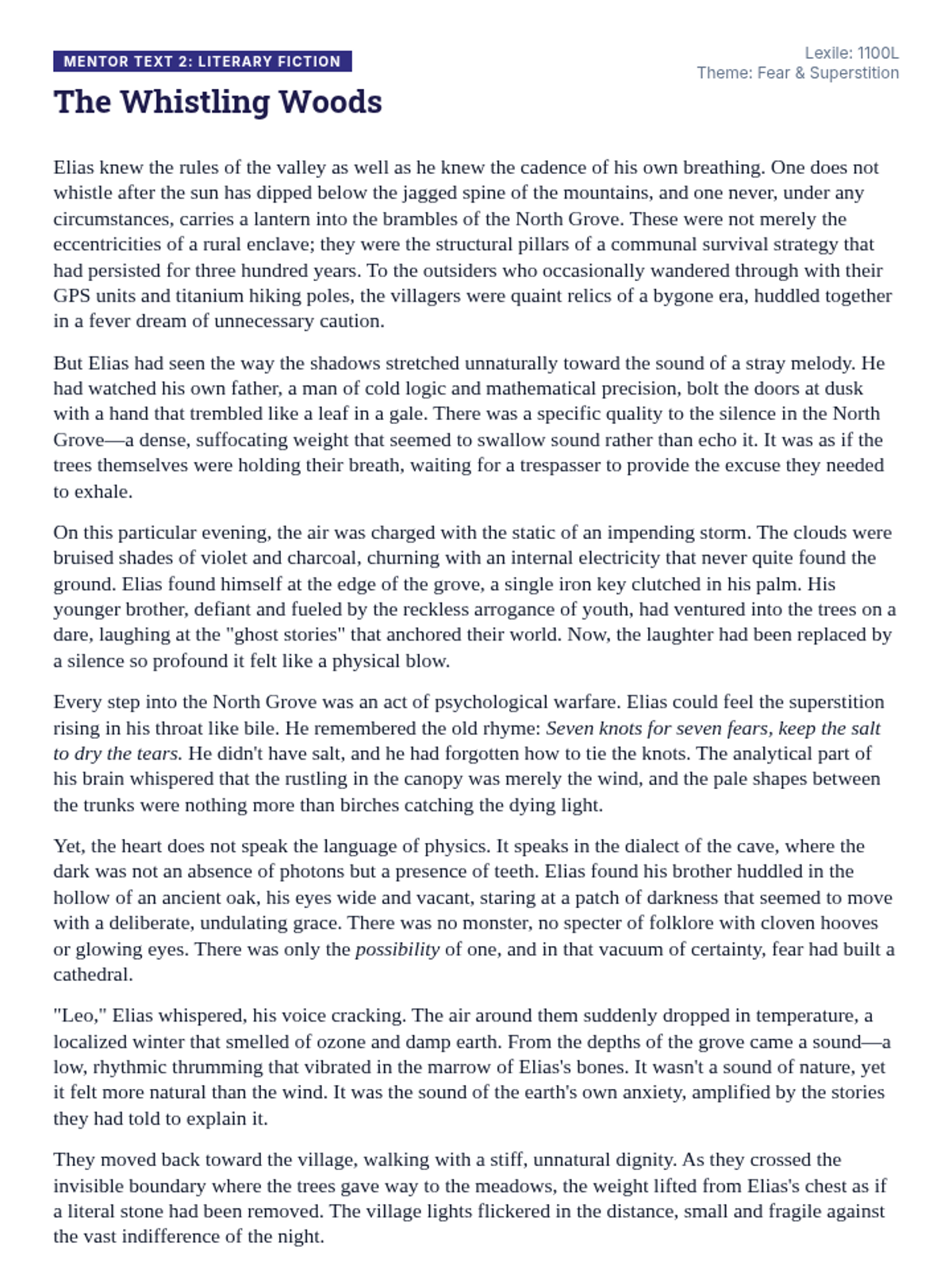
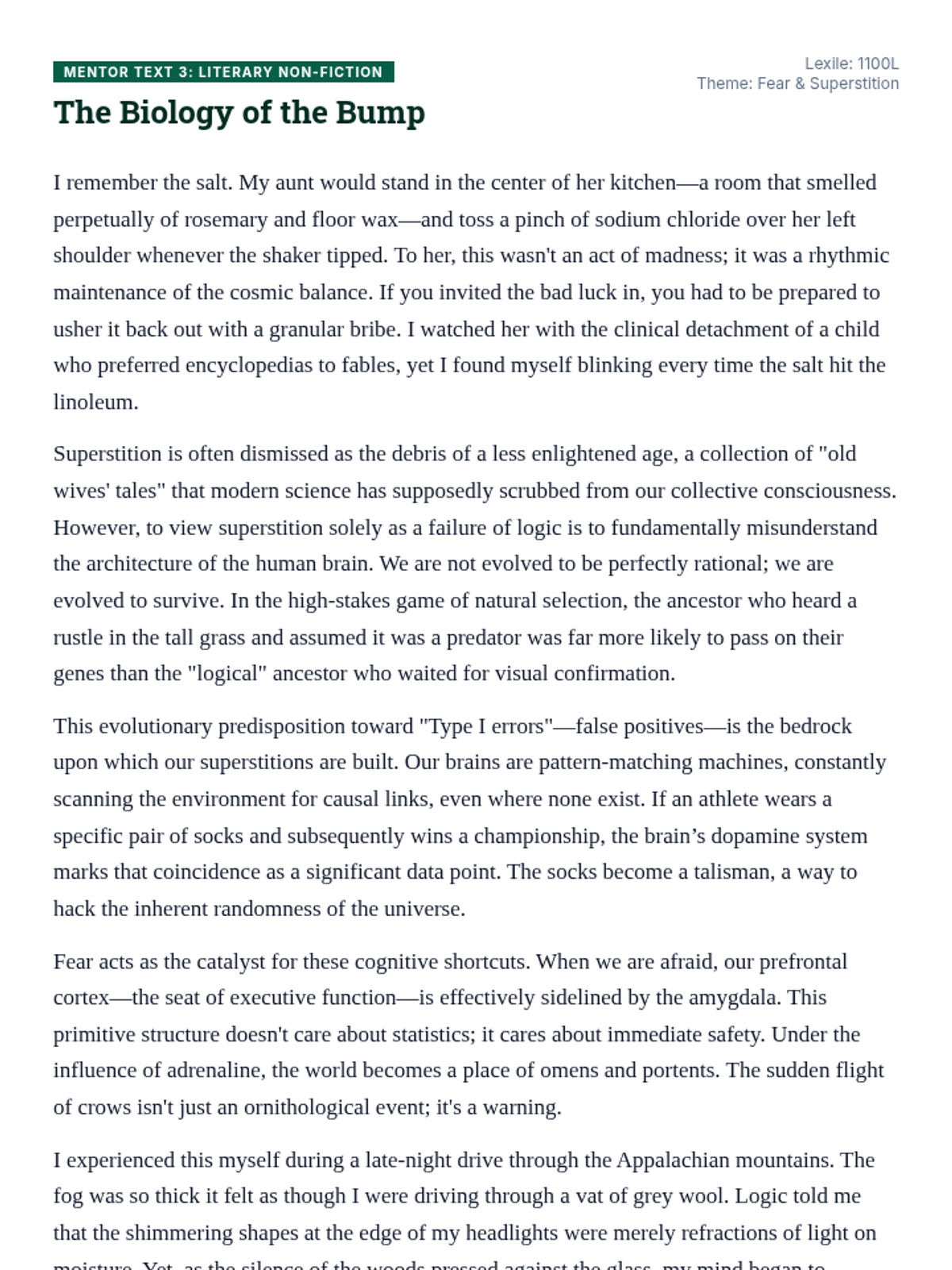
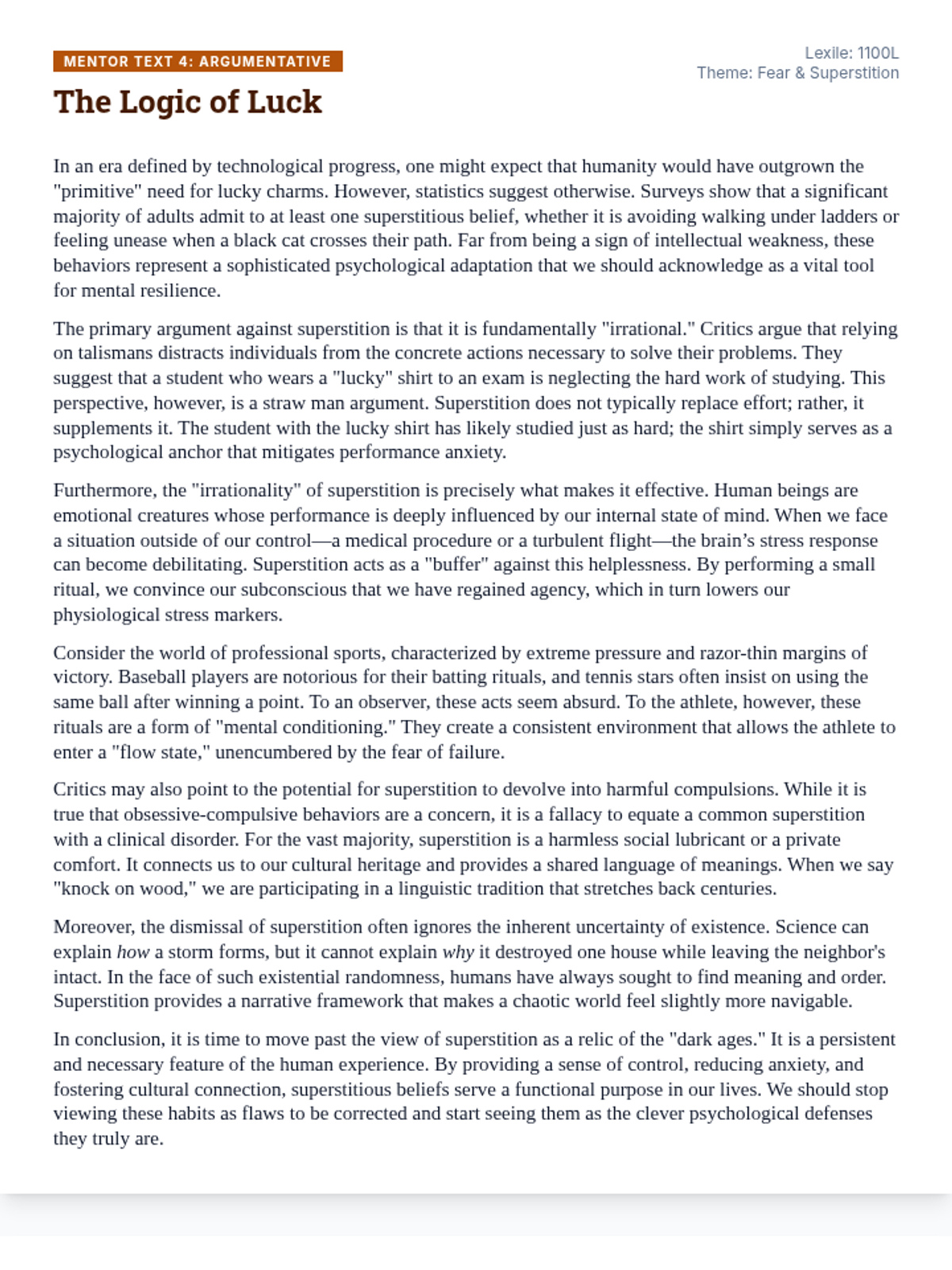
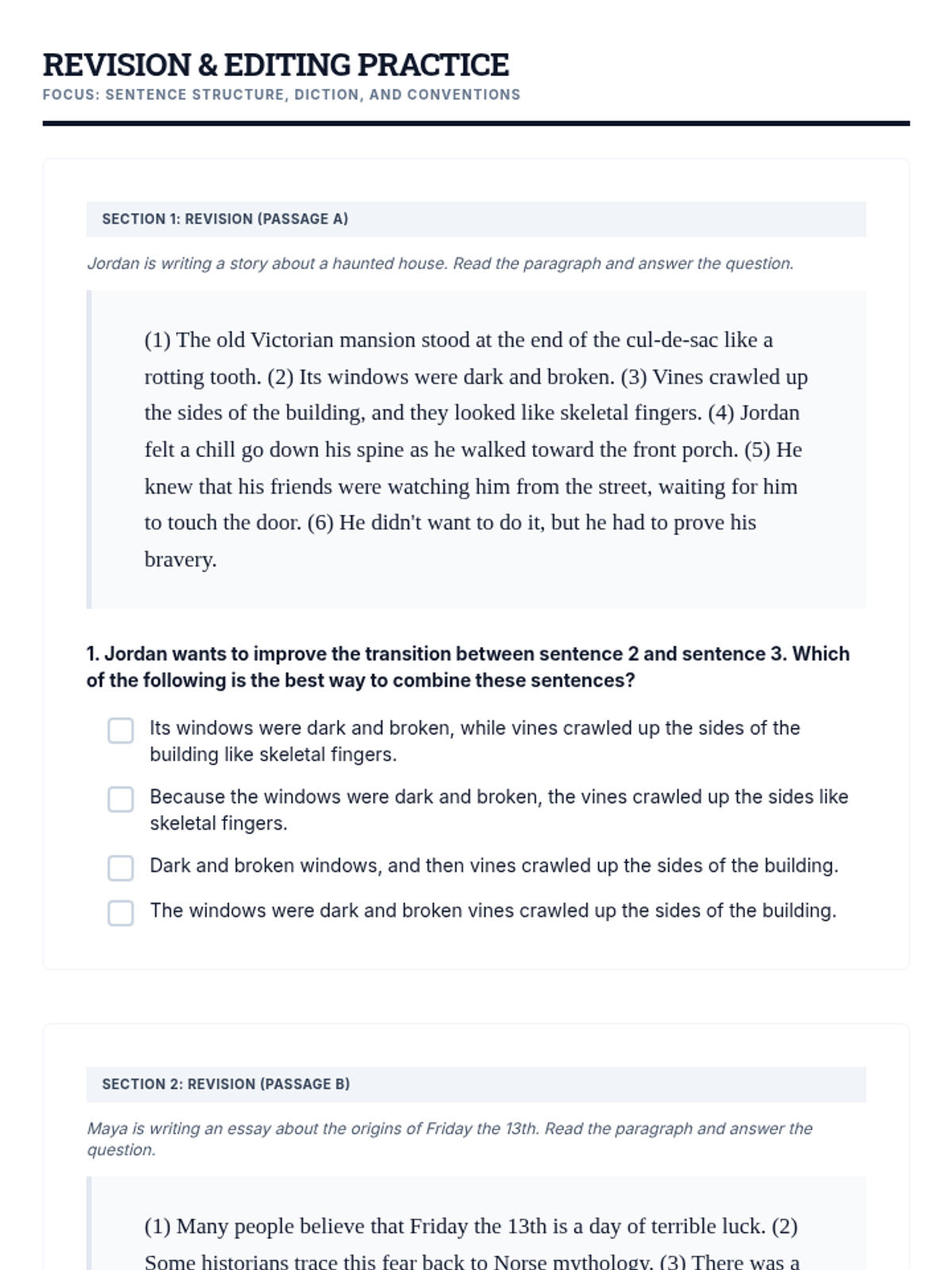
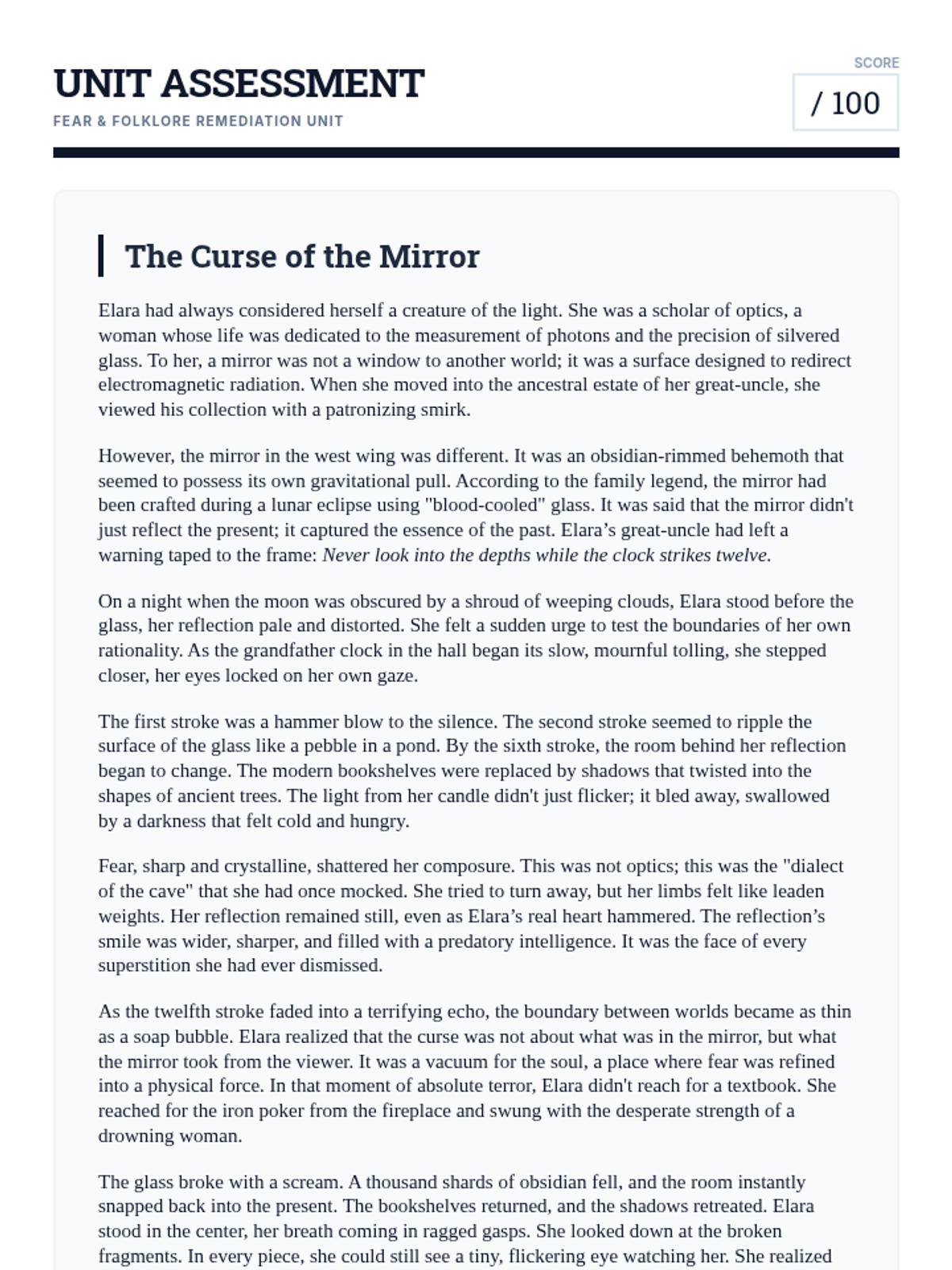
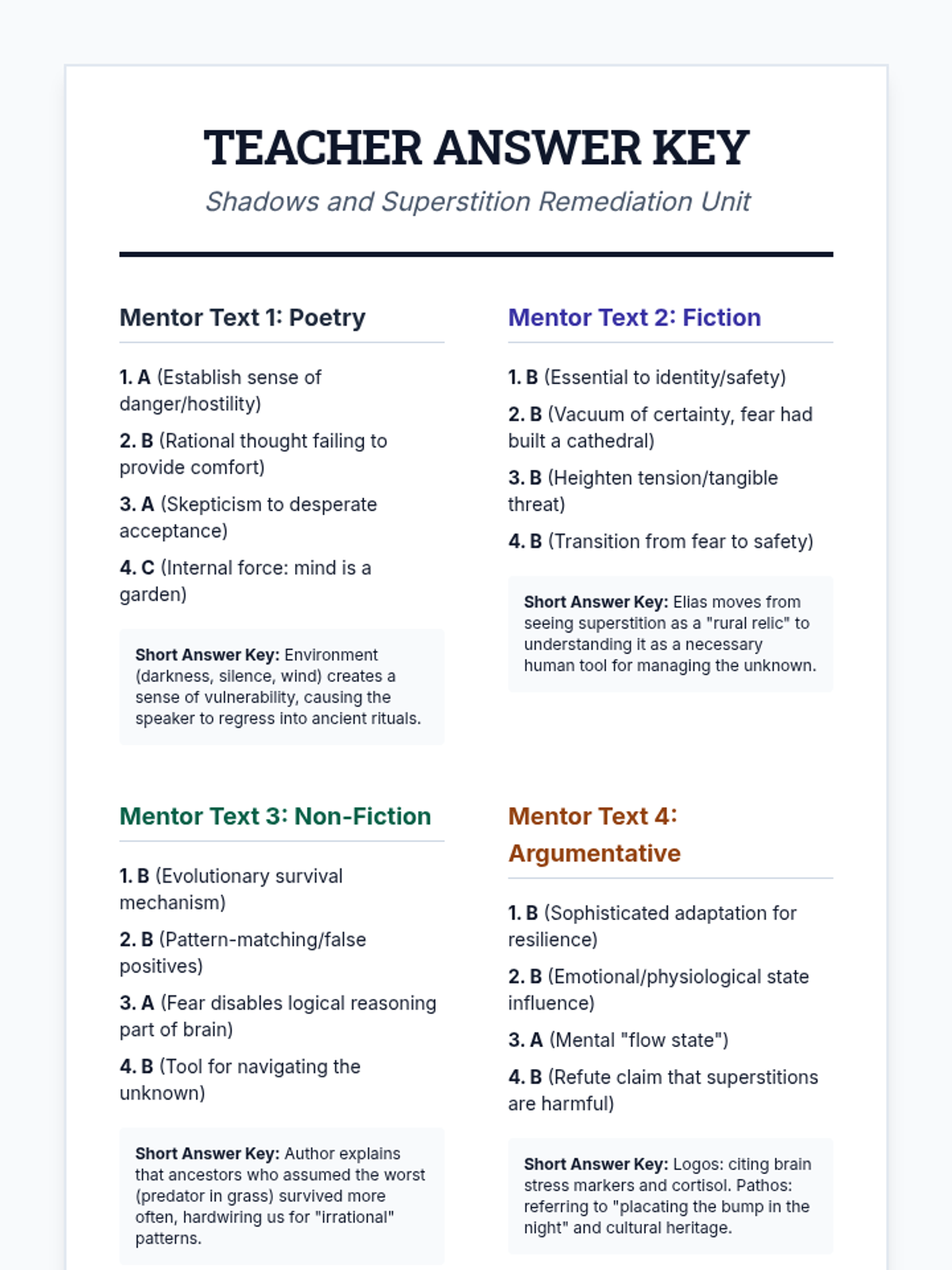
A comprehensive remediation unit exploring the psychological and cultural roots of fear and superstition through multiple genres. Students analyze figurative language, argumentative structures, and use evidence to support inferences.
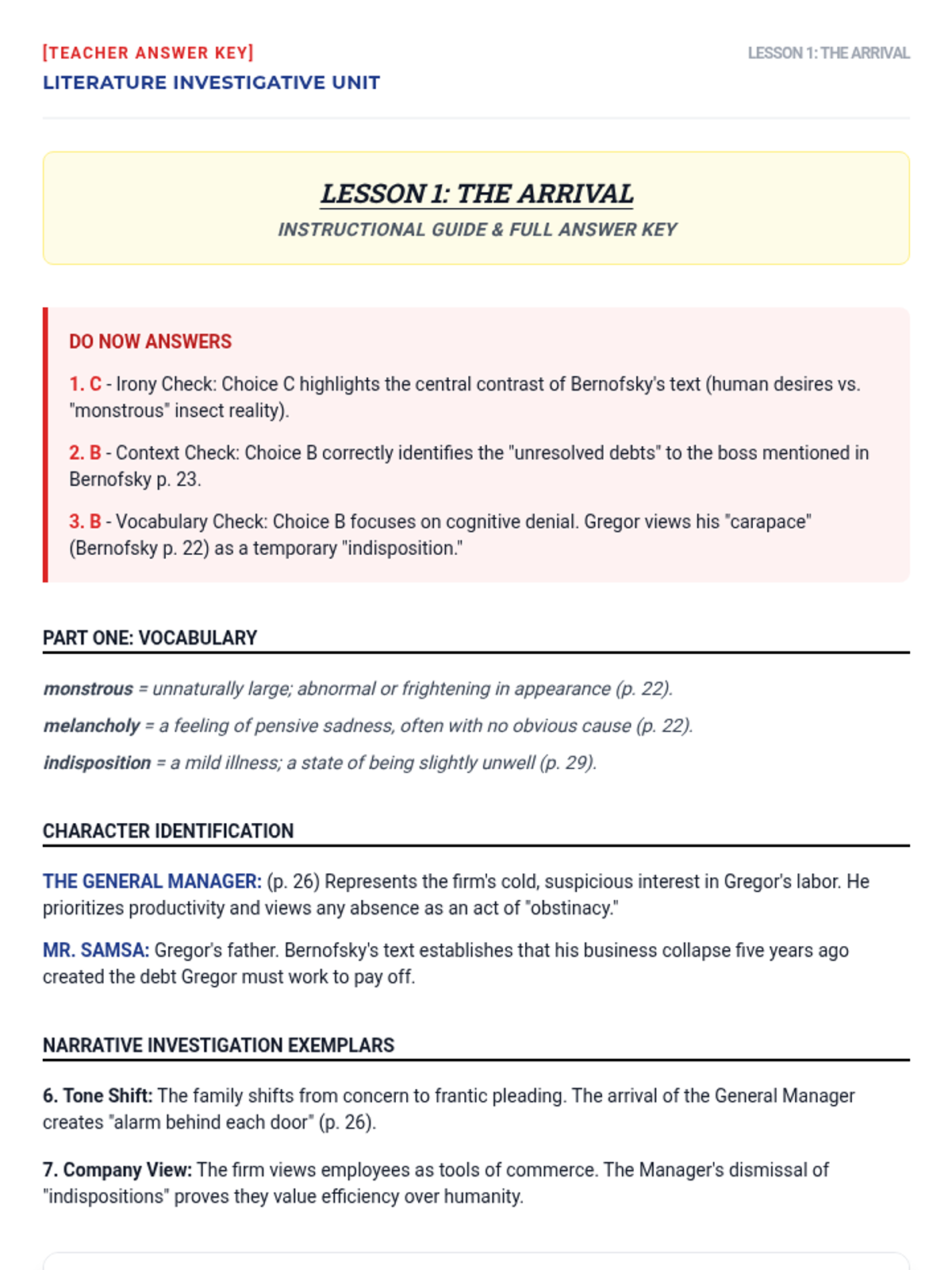
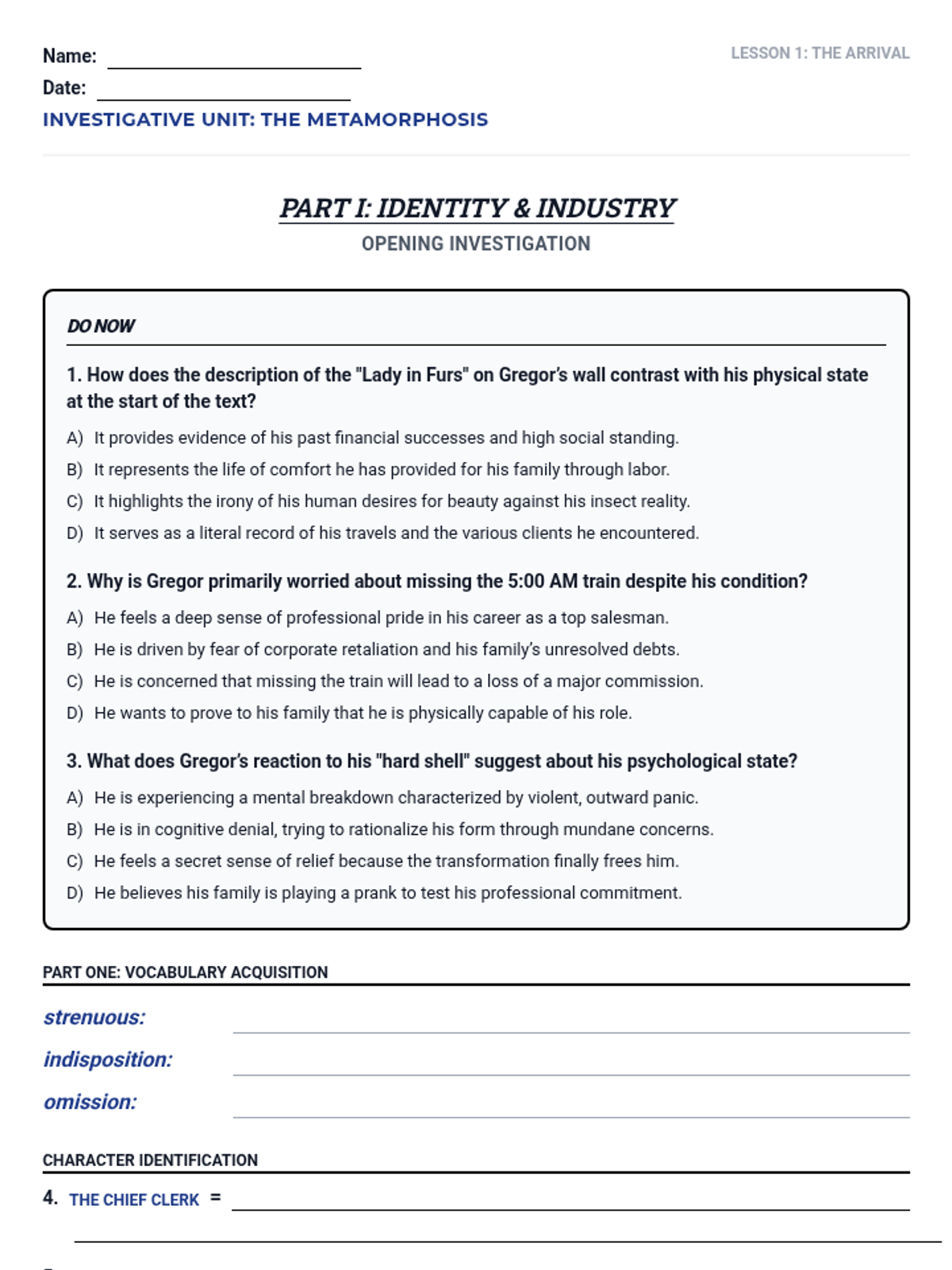
An intensive investigative unit on Franz Kafka's *The Metamorphosis* following the North Star/Uncommon Schools instructional model. The unit focuses on the thematic intersection of labor, identity, and dehumanization. Students analyze Gregor's alienation from his family and society through a structured rigorous framework including vocabulary acquisition, character identification, and thematic synthesis.
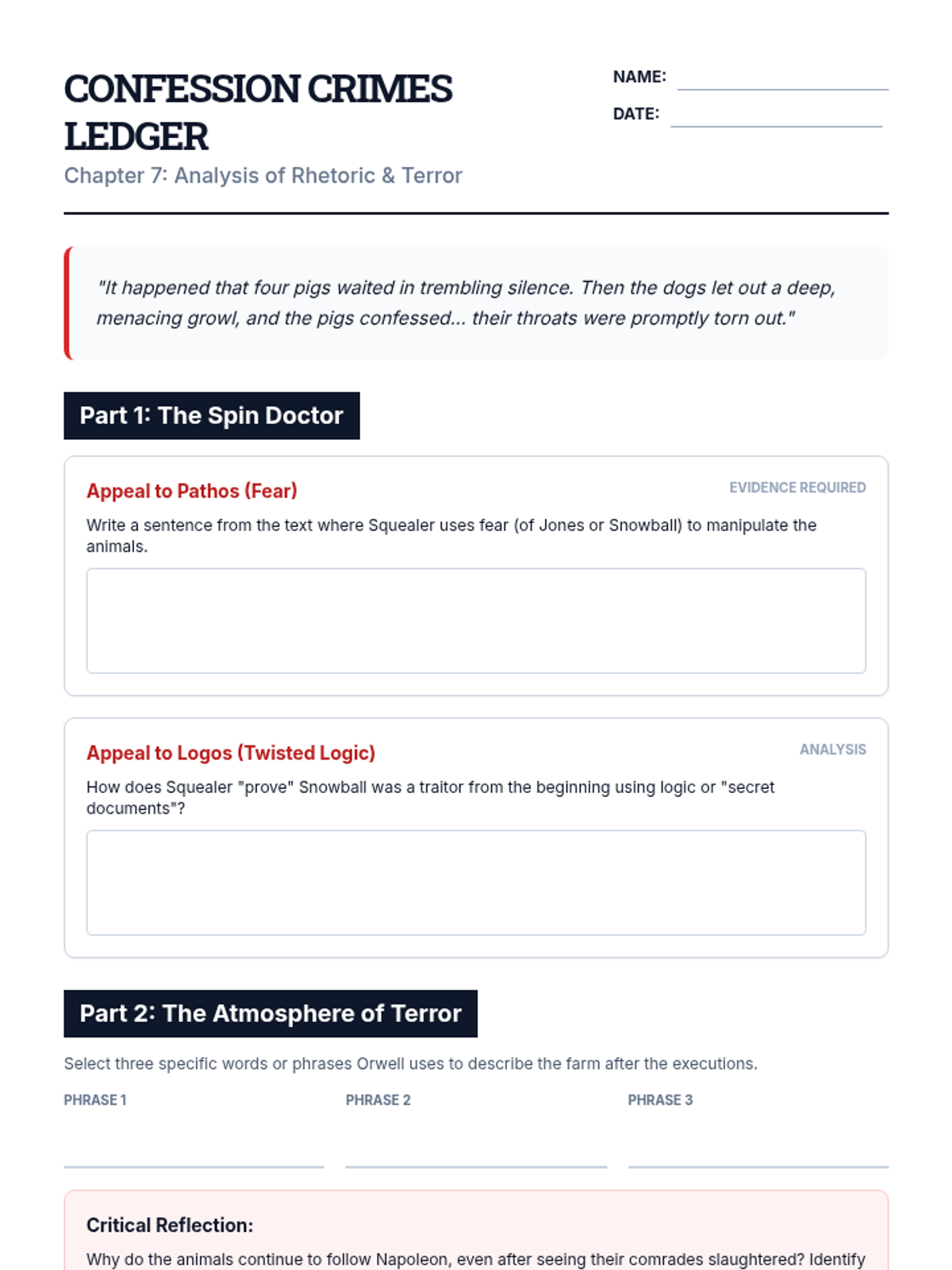
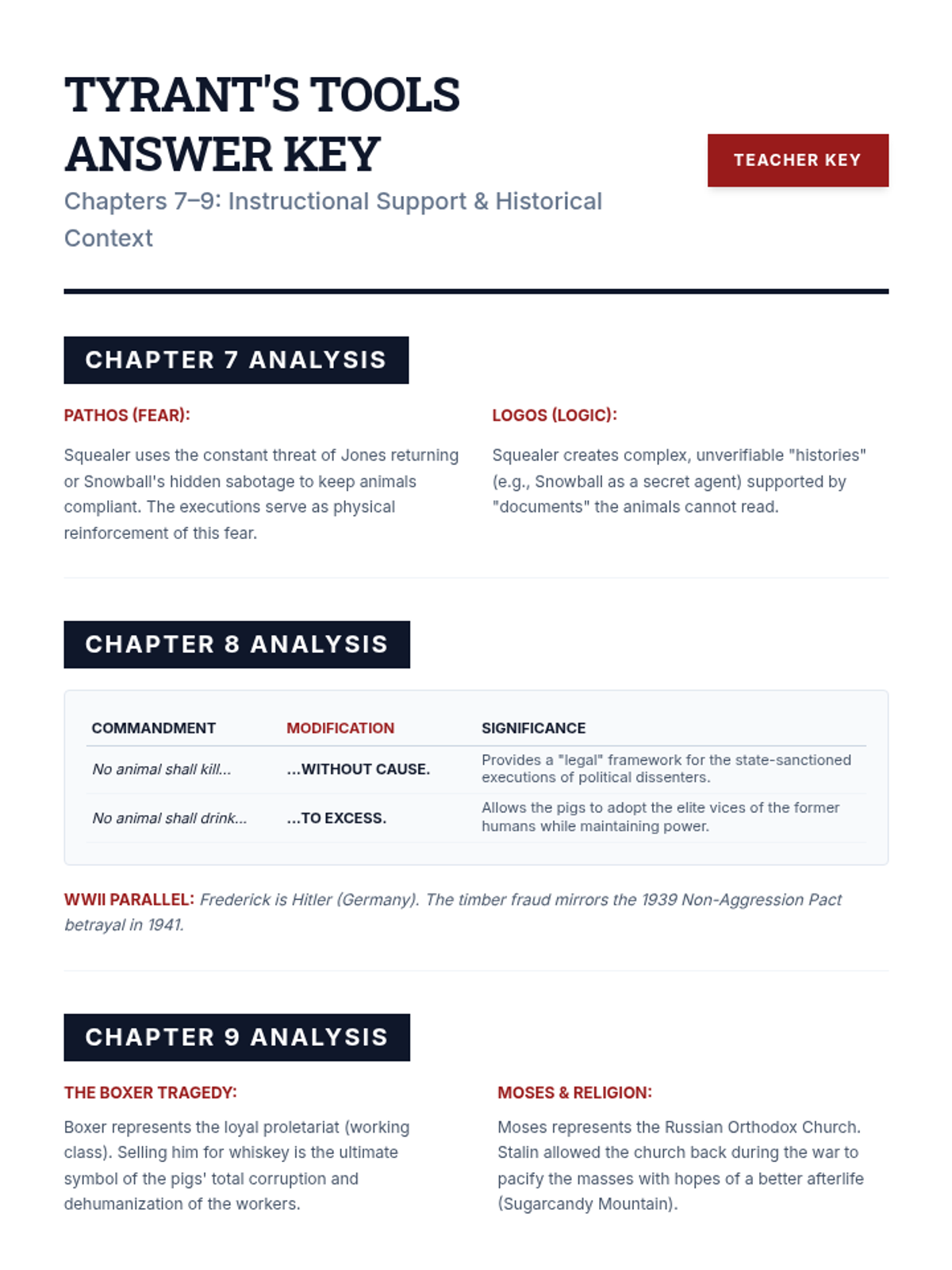
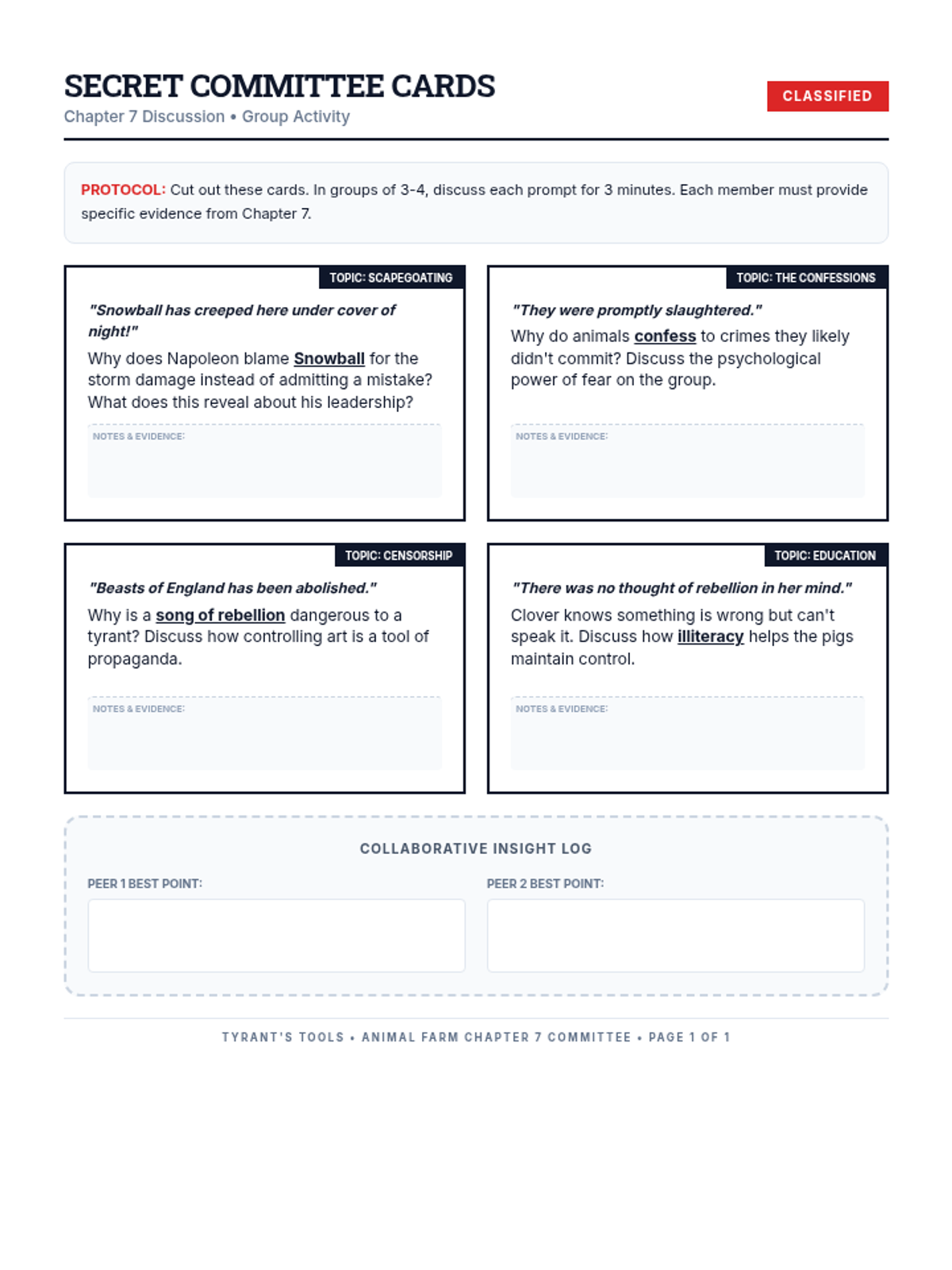
A deep dive into the final chapters of George Orwell's *Animal Farm*, focusing on the psychological and rhetorical tools of tyranny. Students analyze the transition from revolution to totalitarianism through the lens of rhetorical appeals, propaganda, and allegorical parallels to the Russian Revolution.
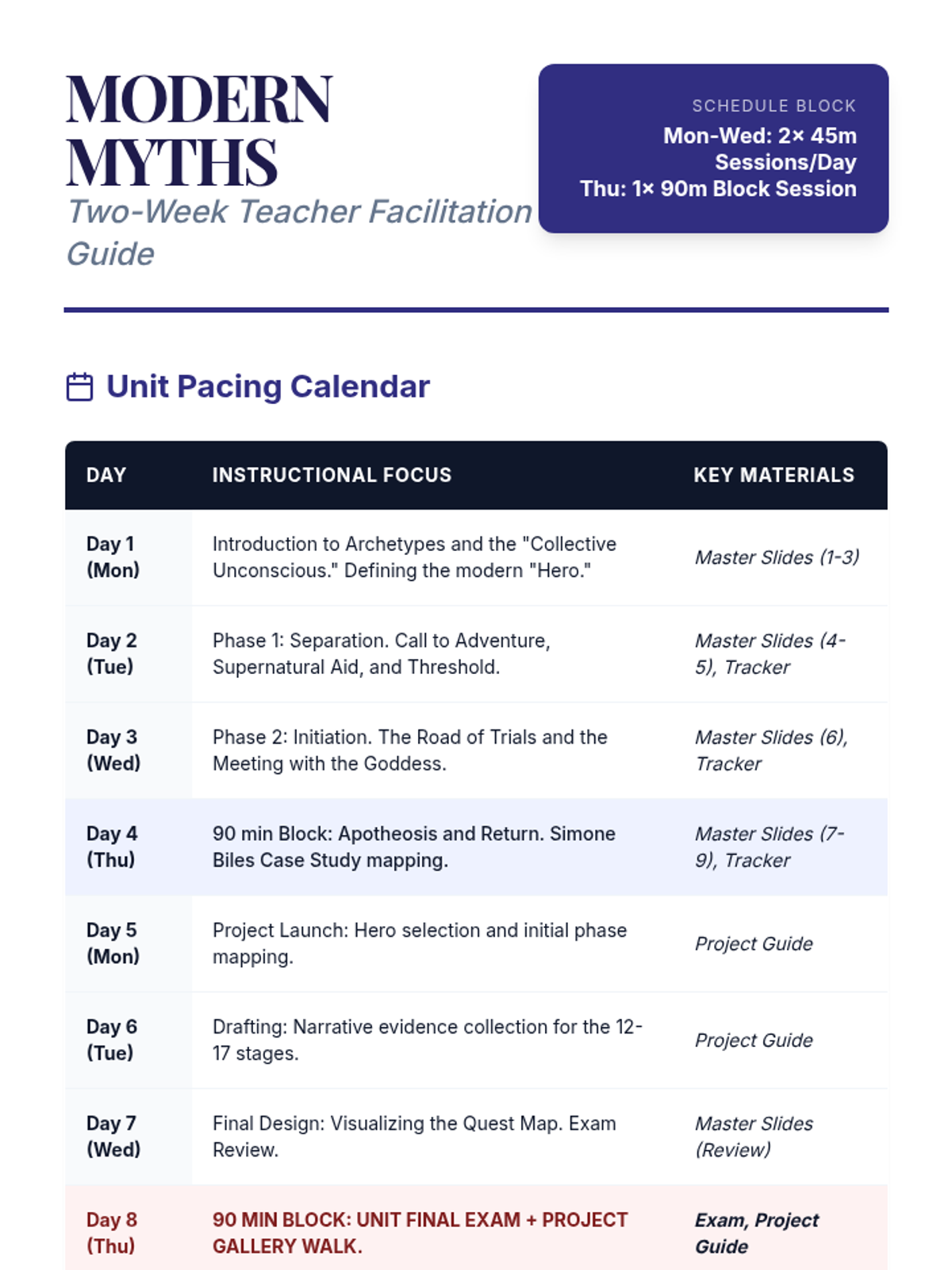
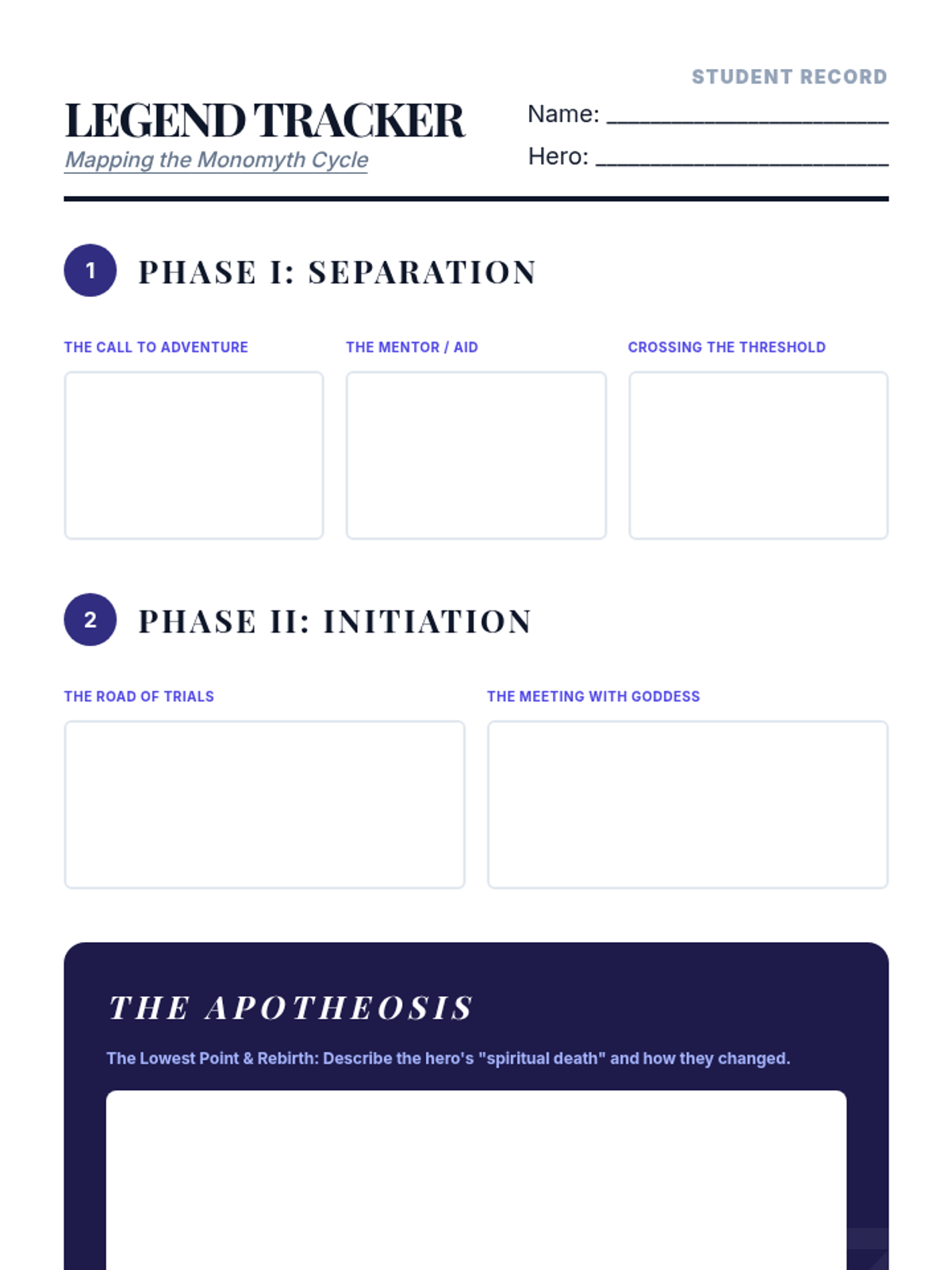
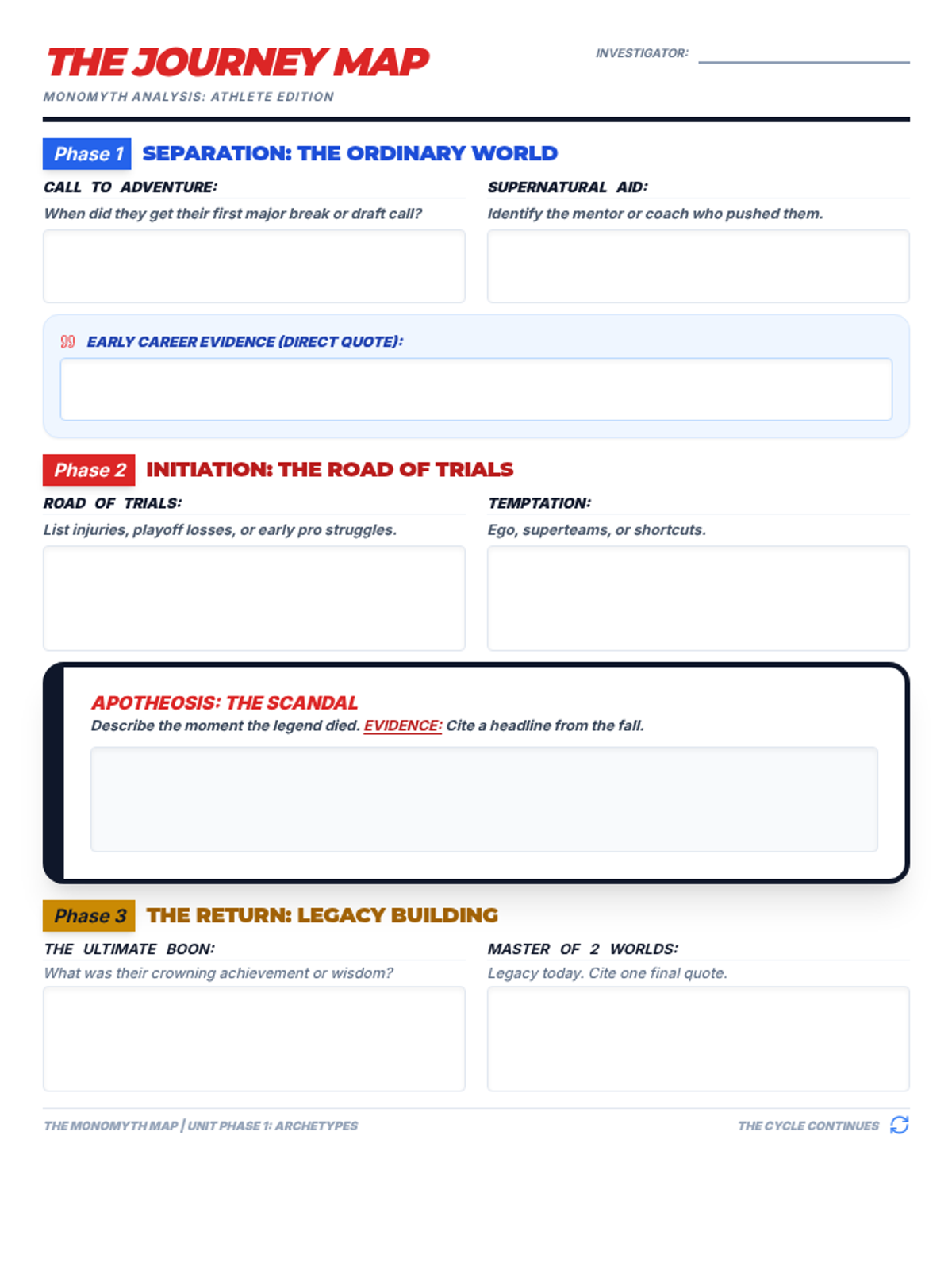
A two-week unit exploring the Hero's Journey monomyth, using Simone Biles as a modern anchor and culminating in a creative mapping project and traditional exam.
A collection of diverse instructional units designed to build both literary analysis skills and practical life knowledge, preparing students for complex texts and real-world challenges.
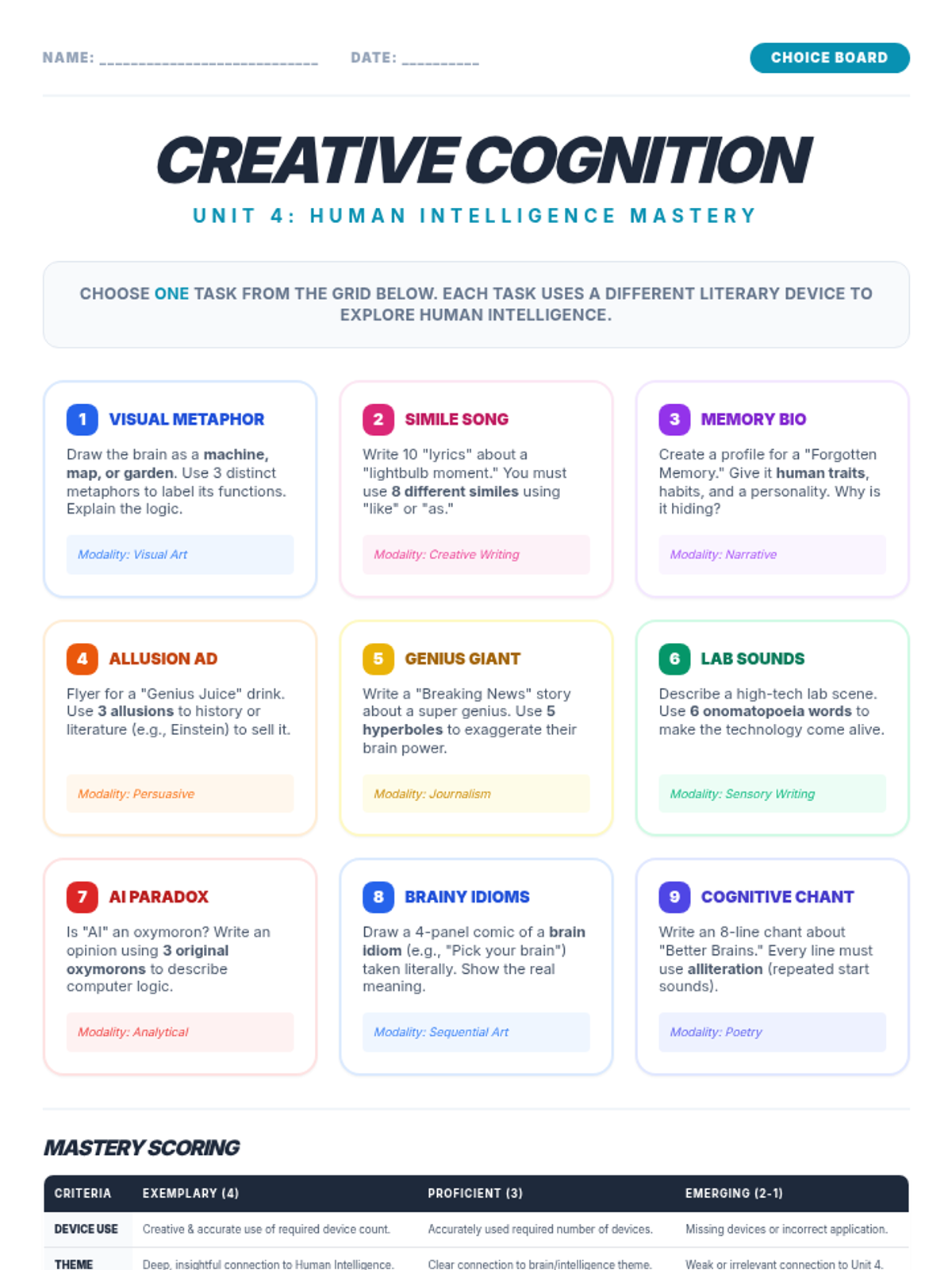
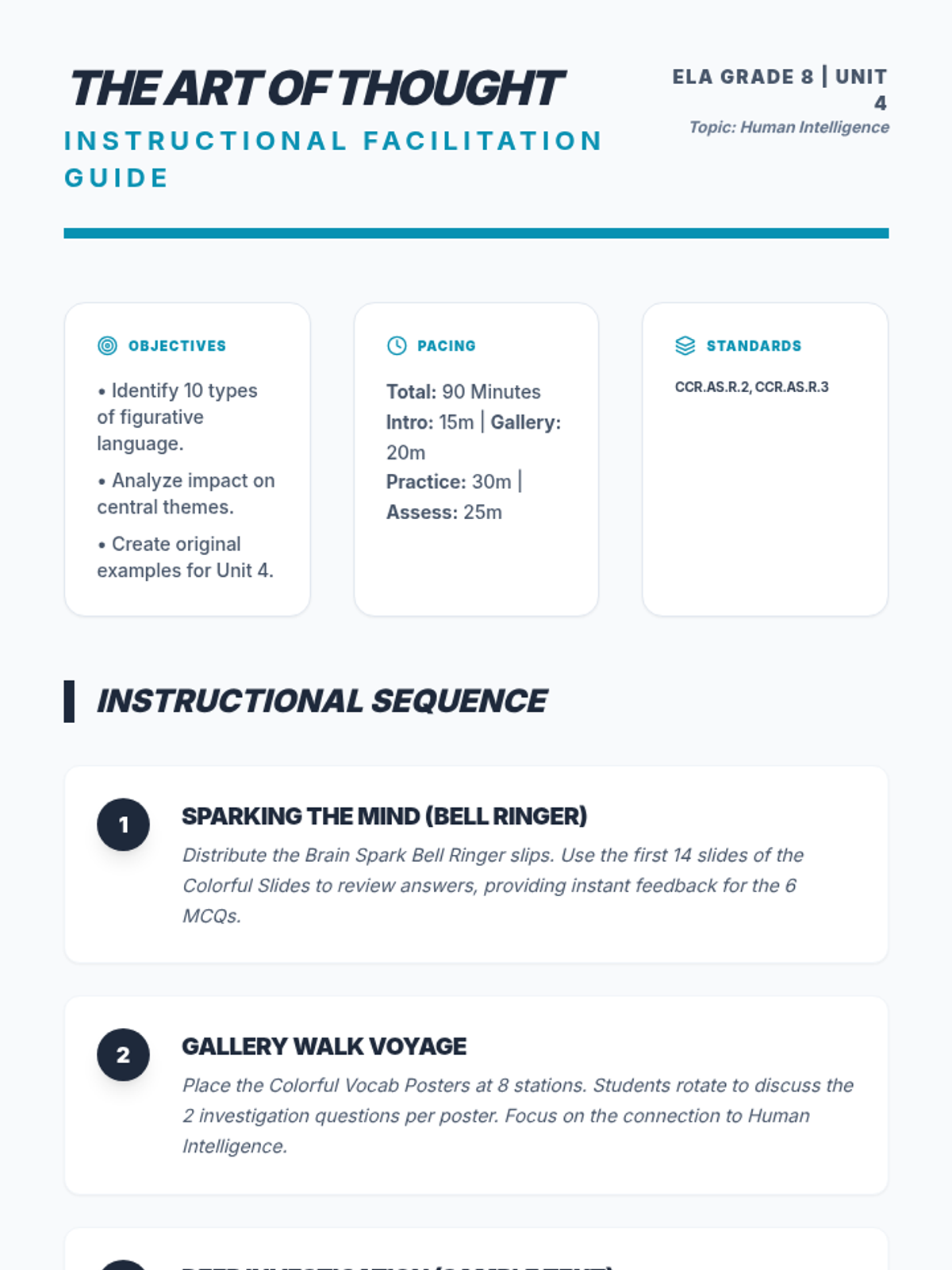
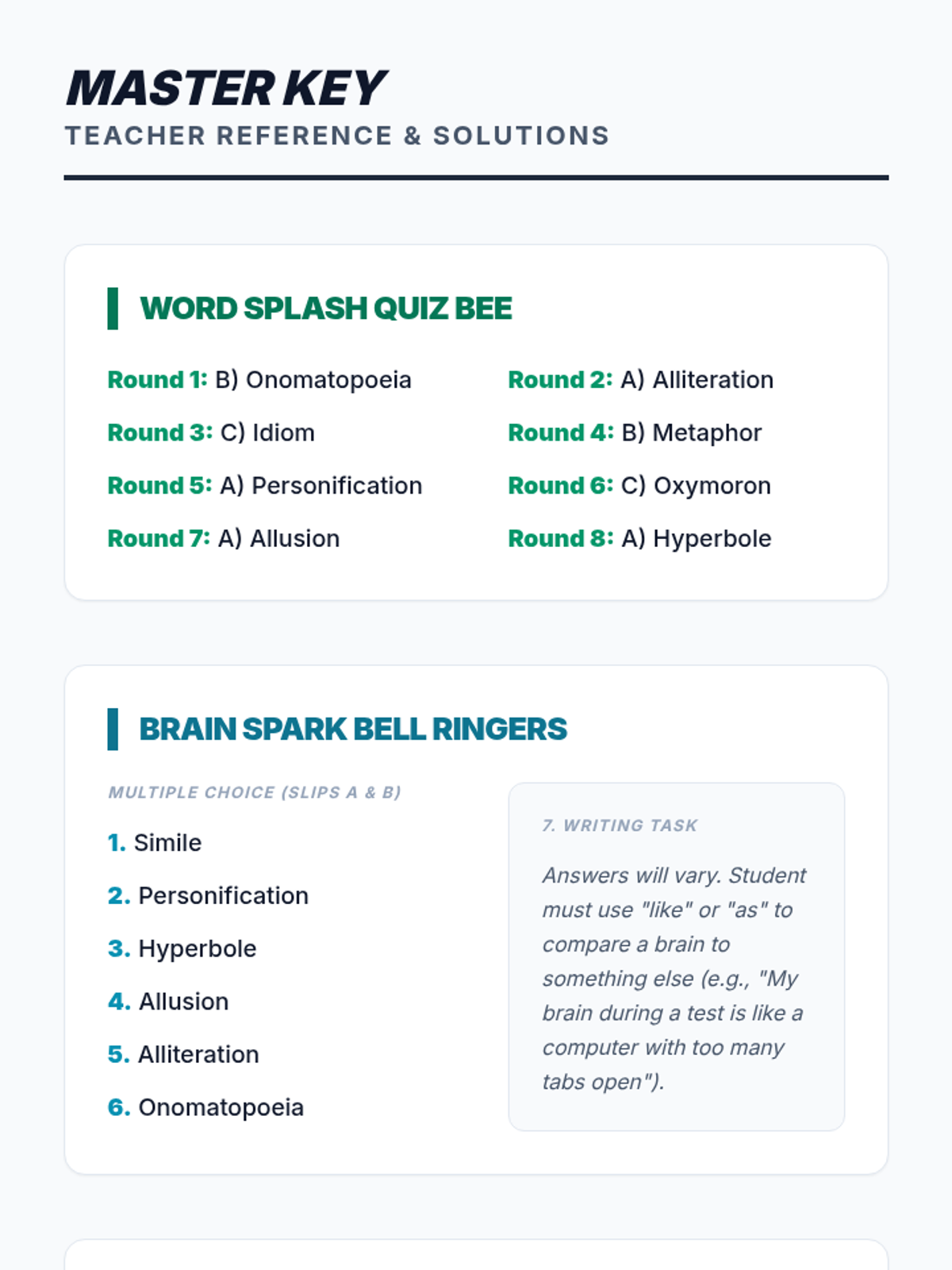
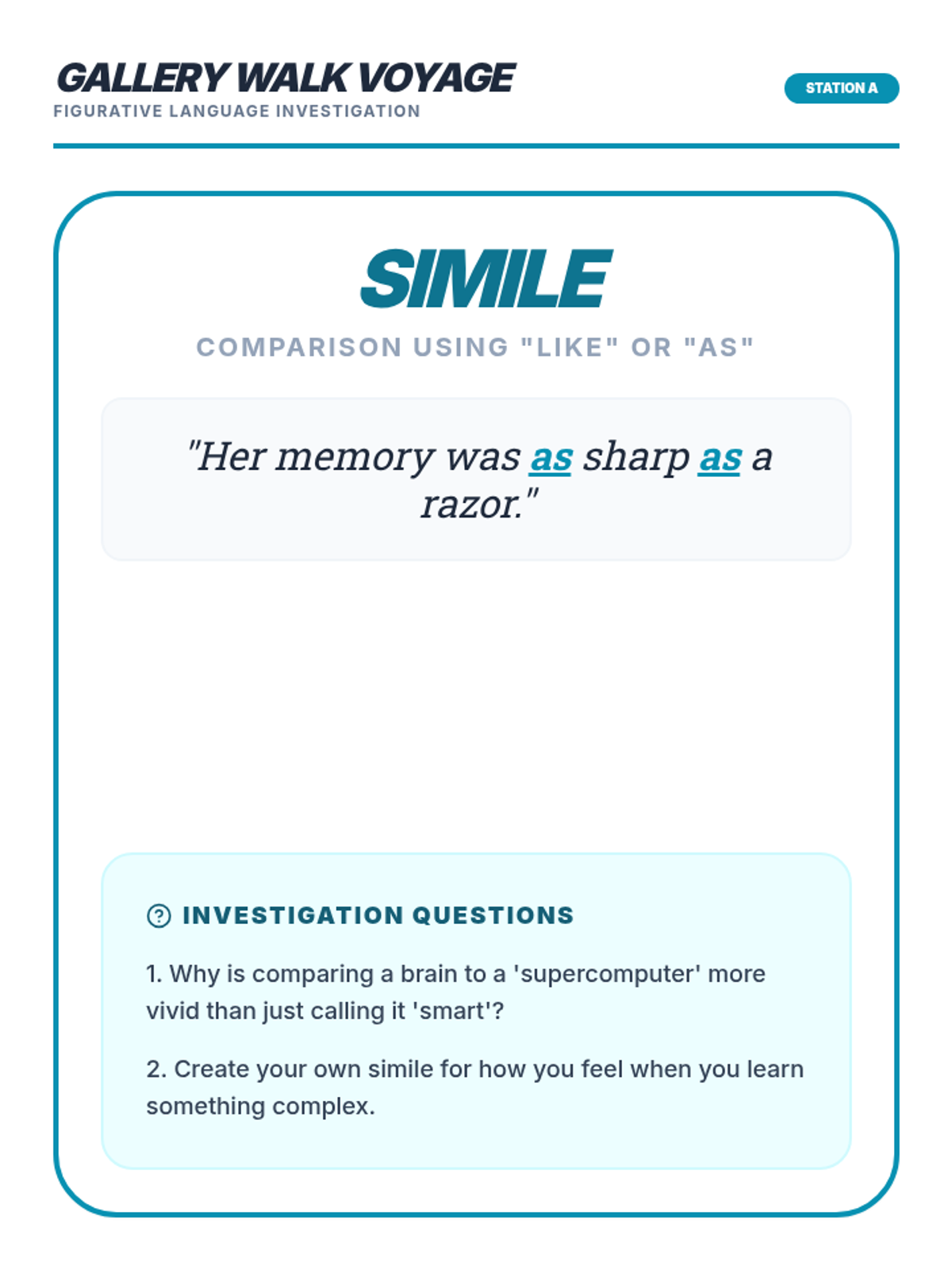
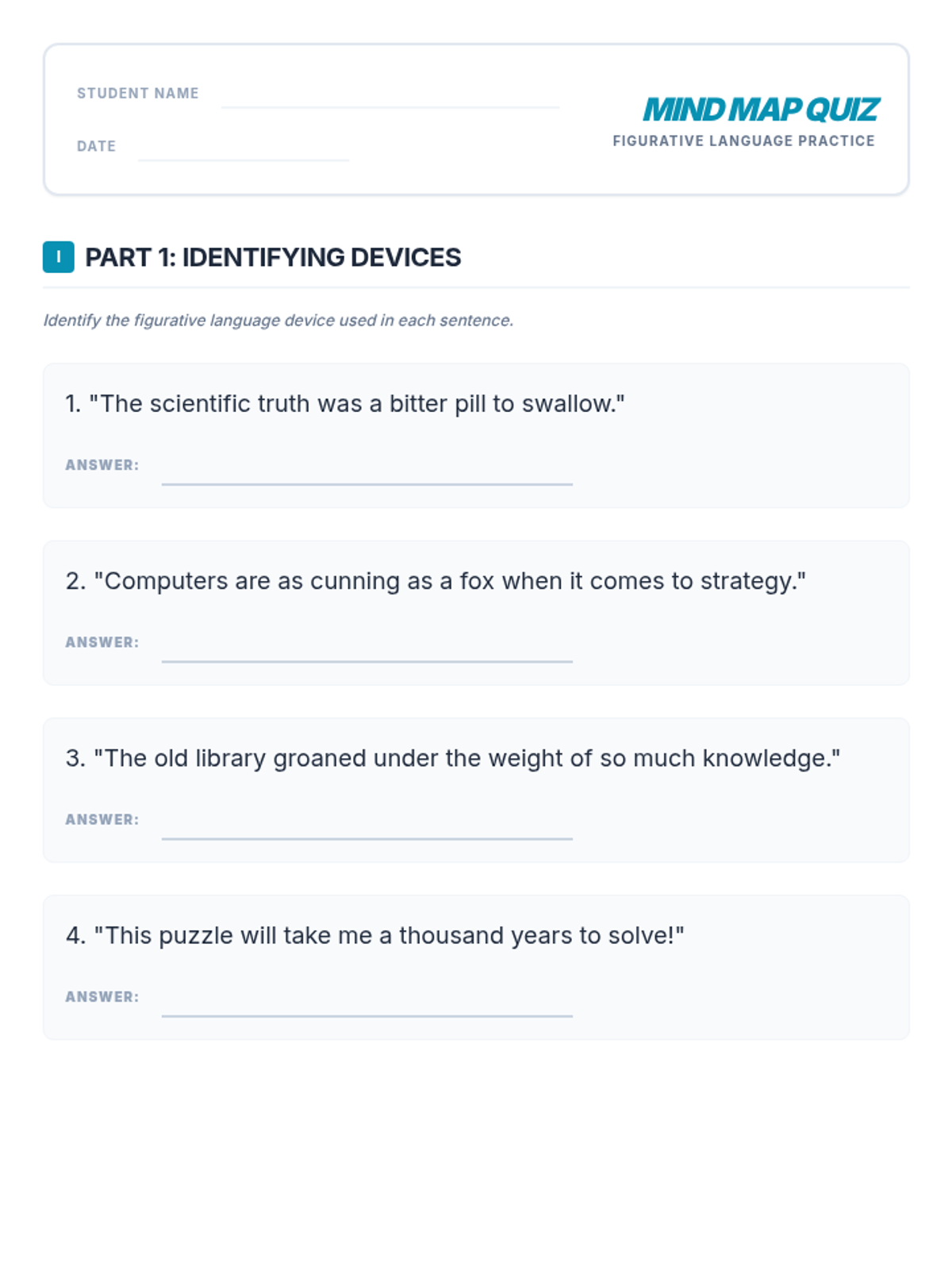
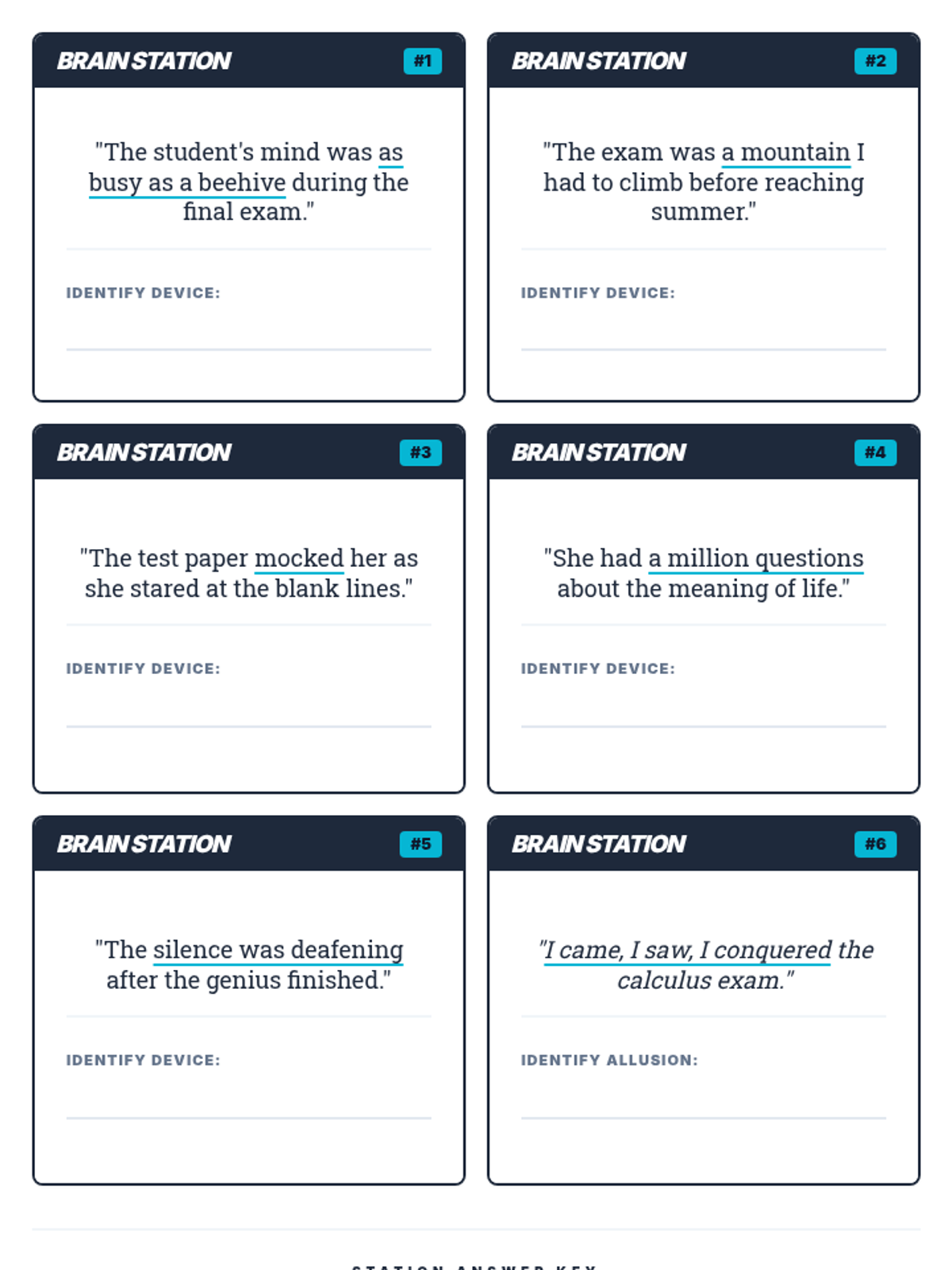
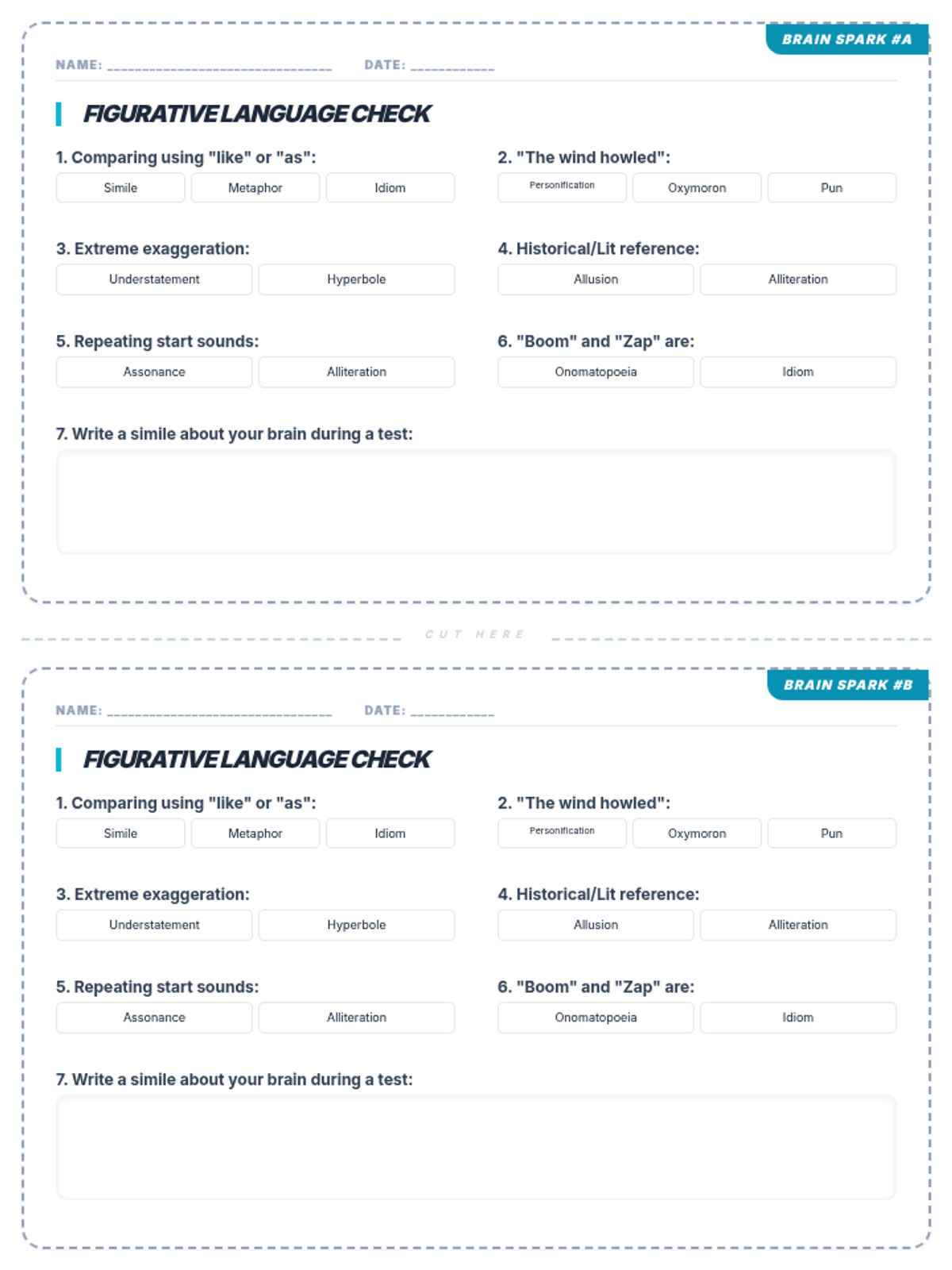
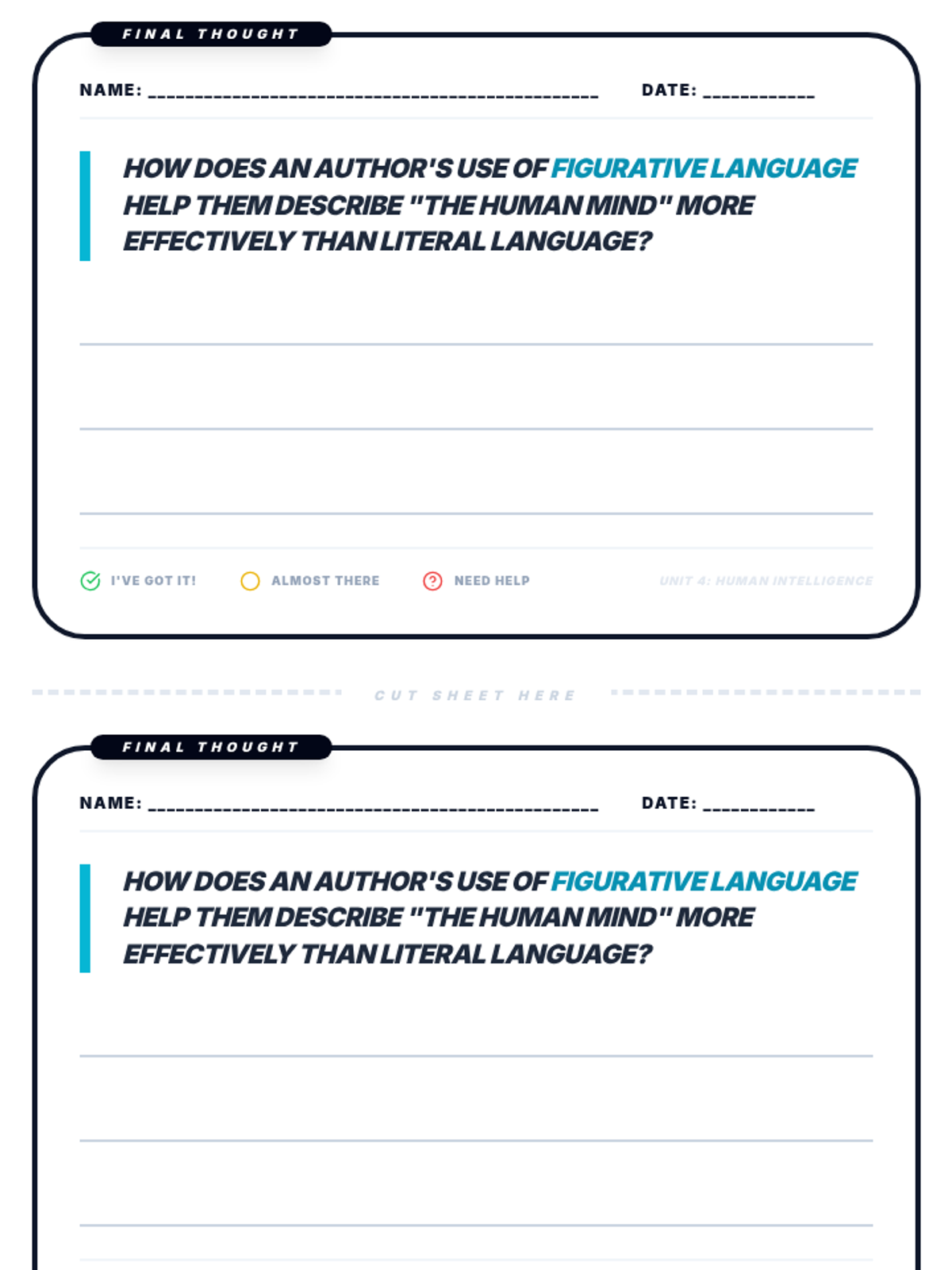
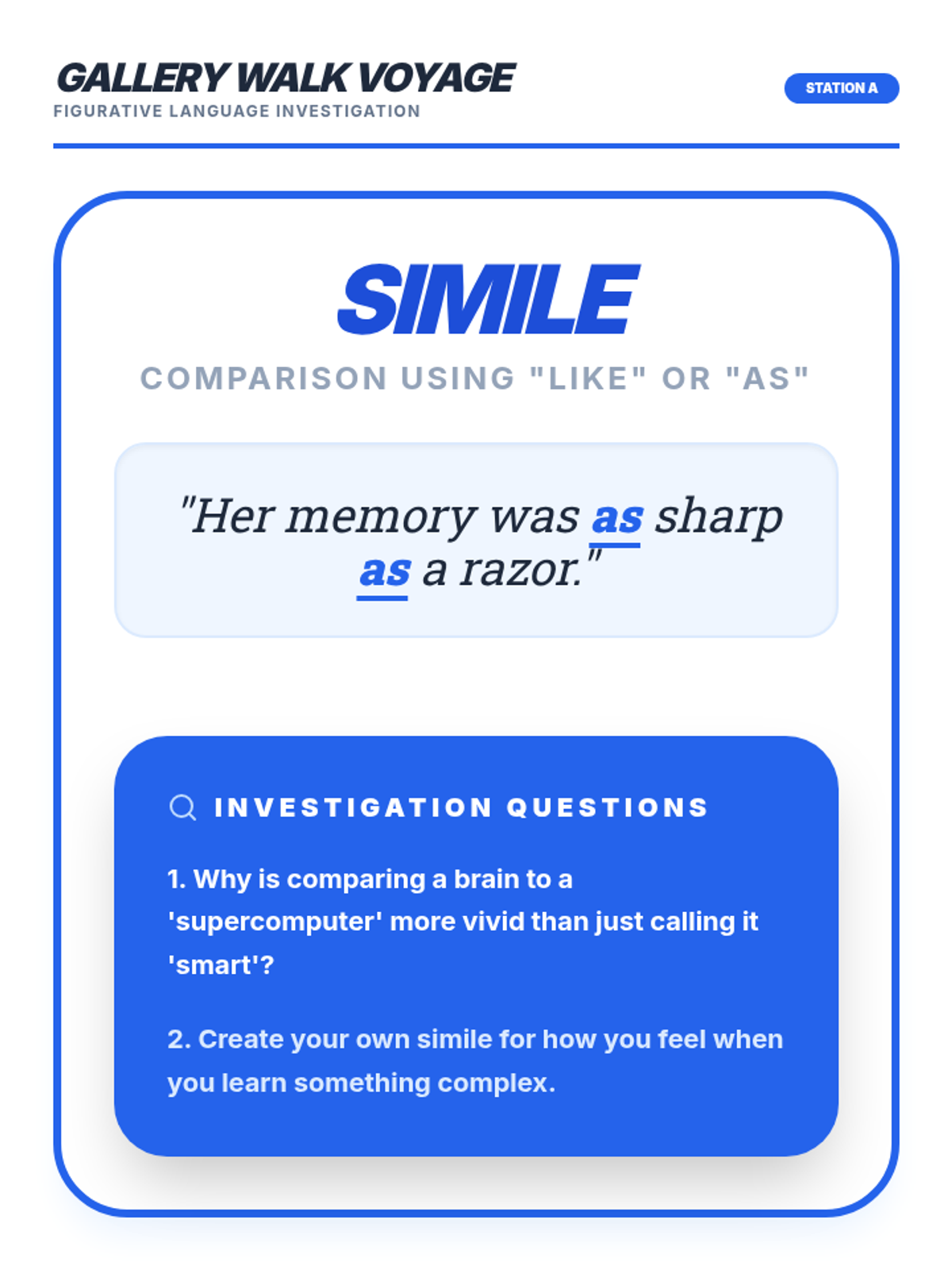
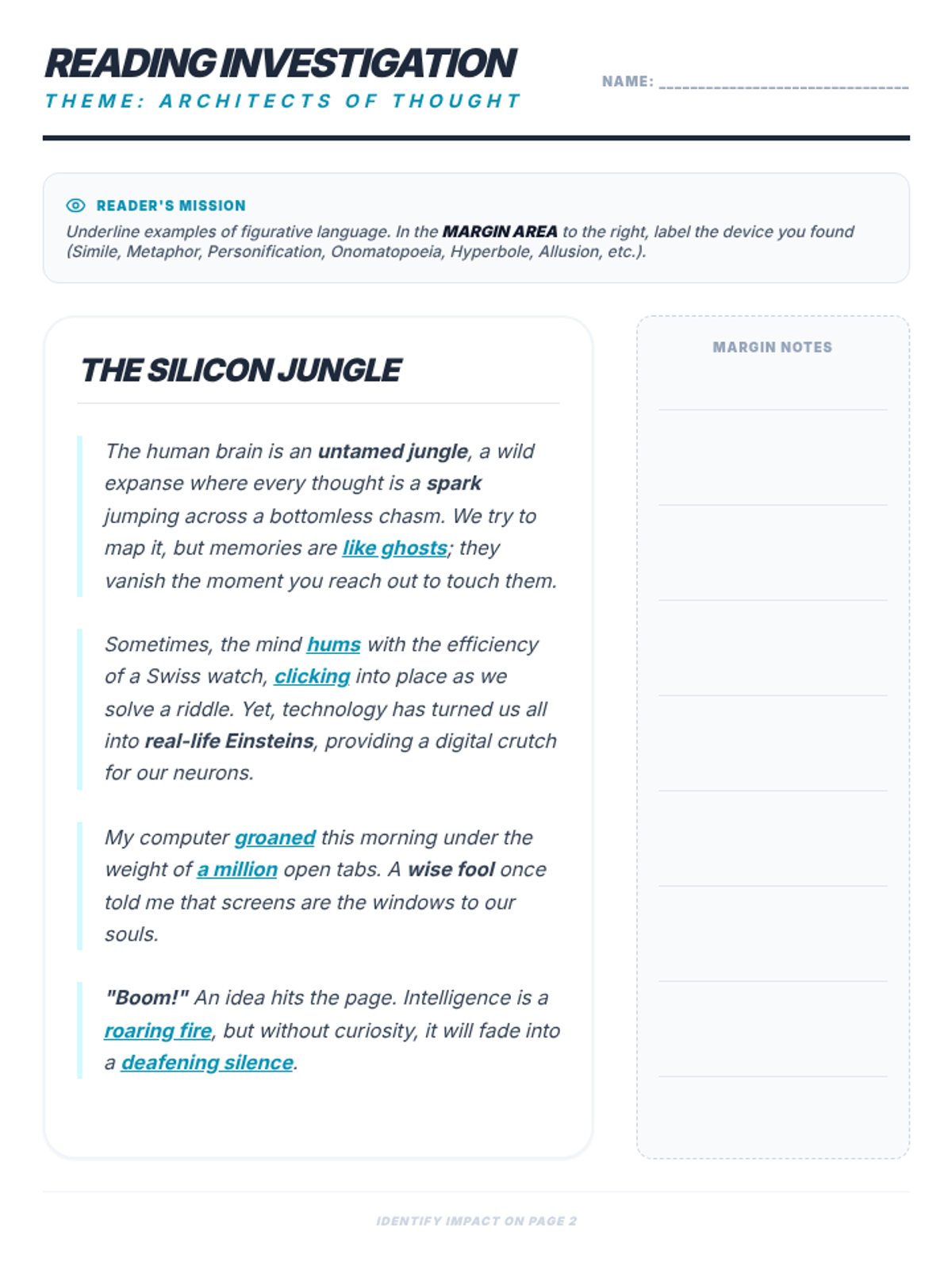
An ELA unit exploring the complexities of the human mind, artificial intelligence, and cognitive growth through the lens of figurative language and central theme analysis.
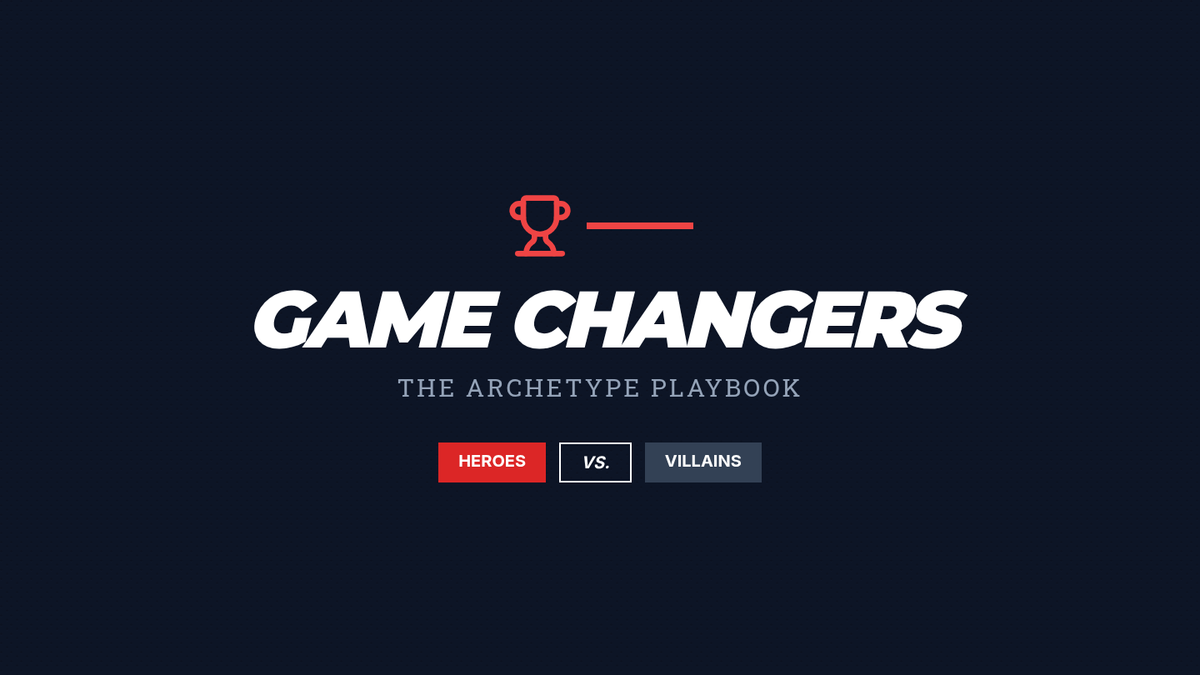
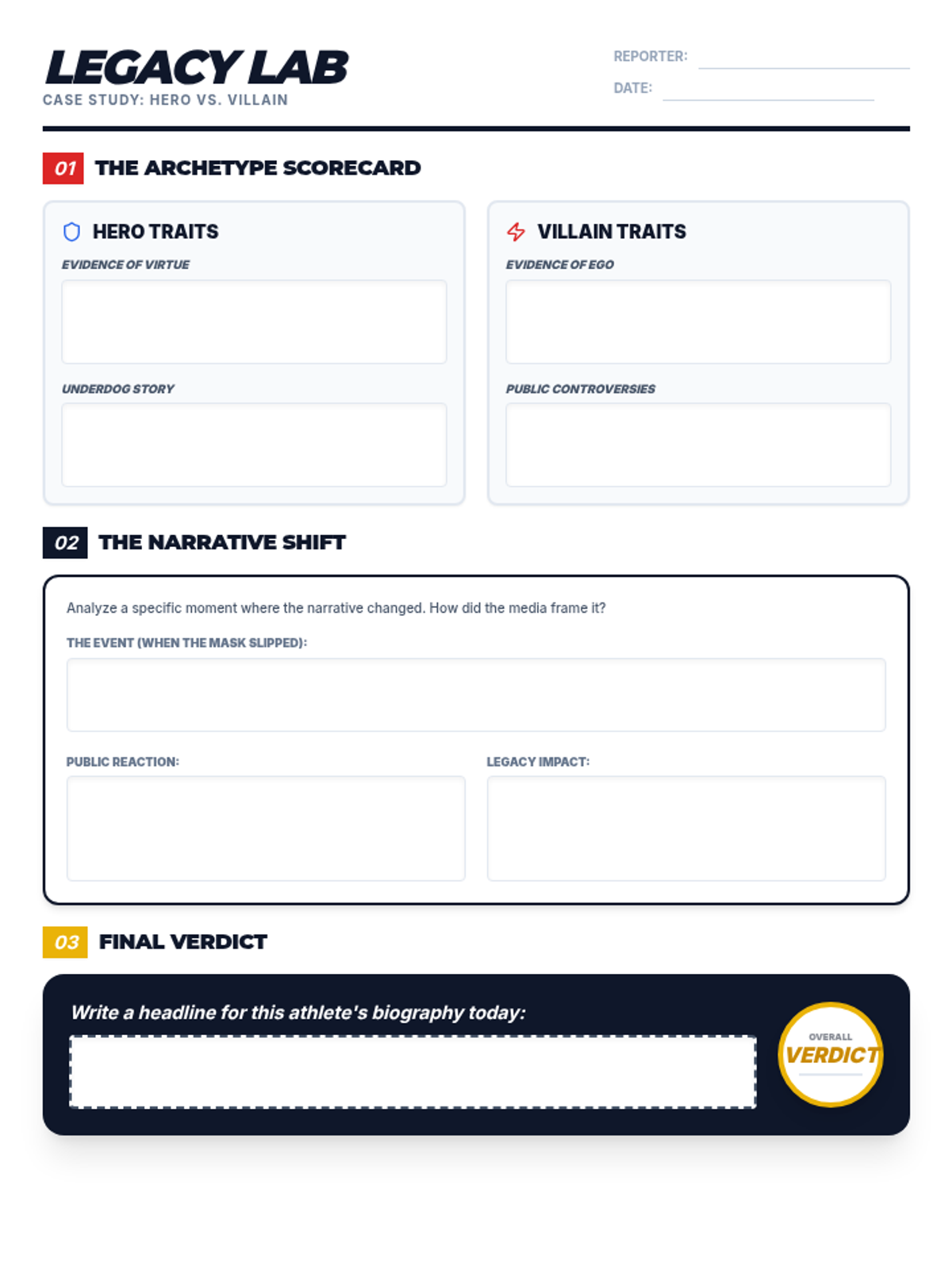
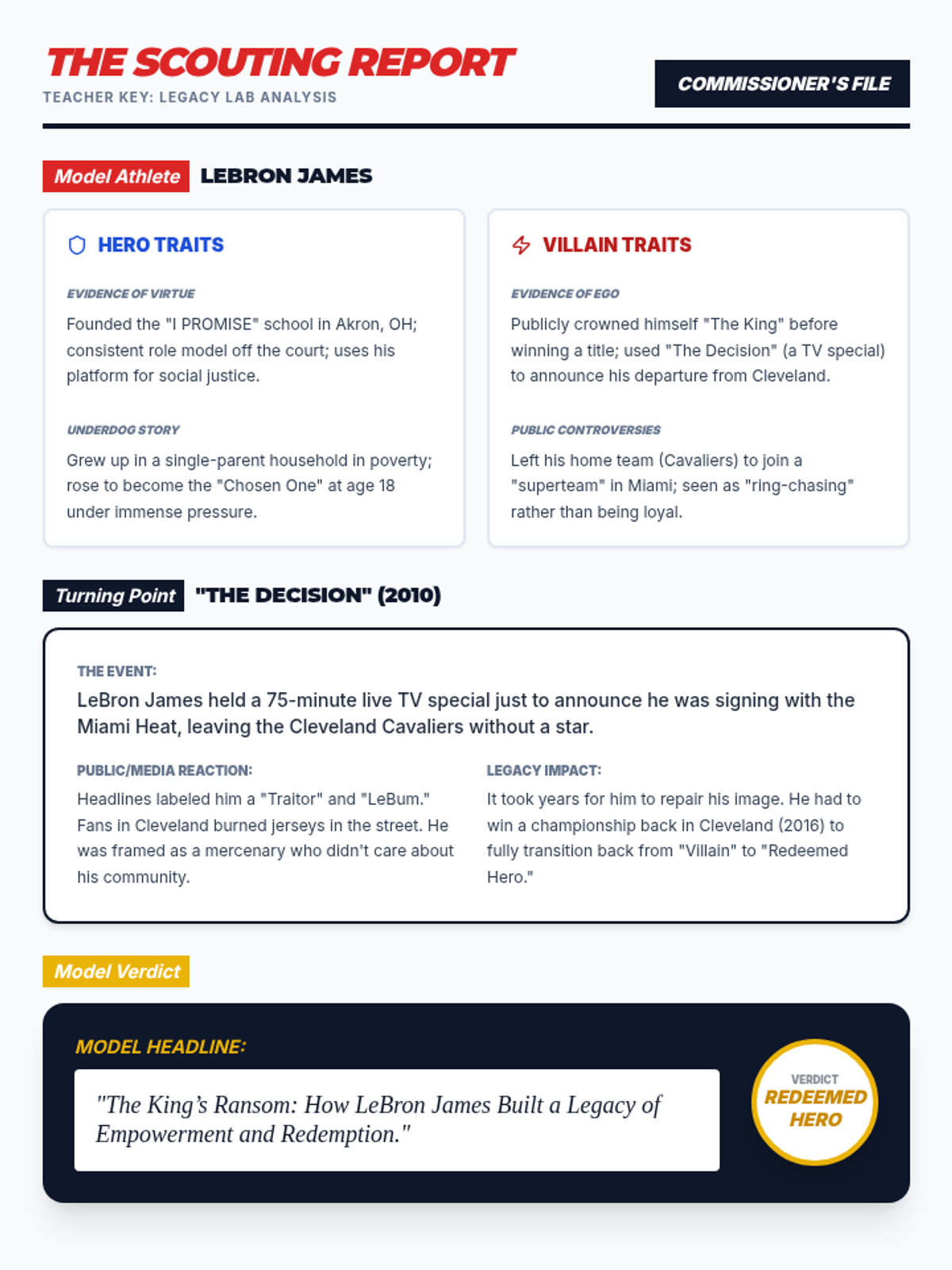
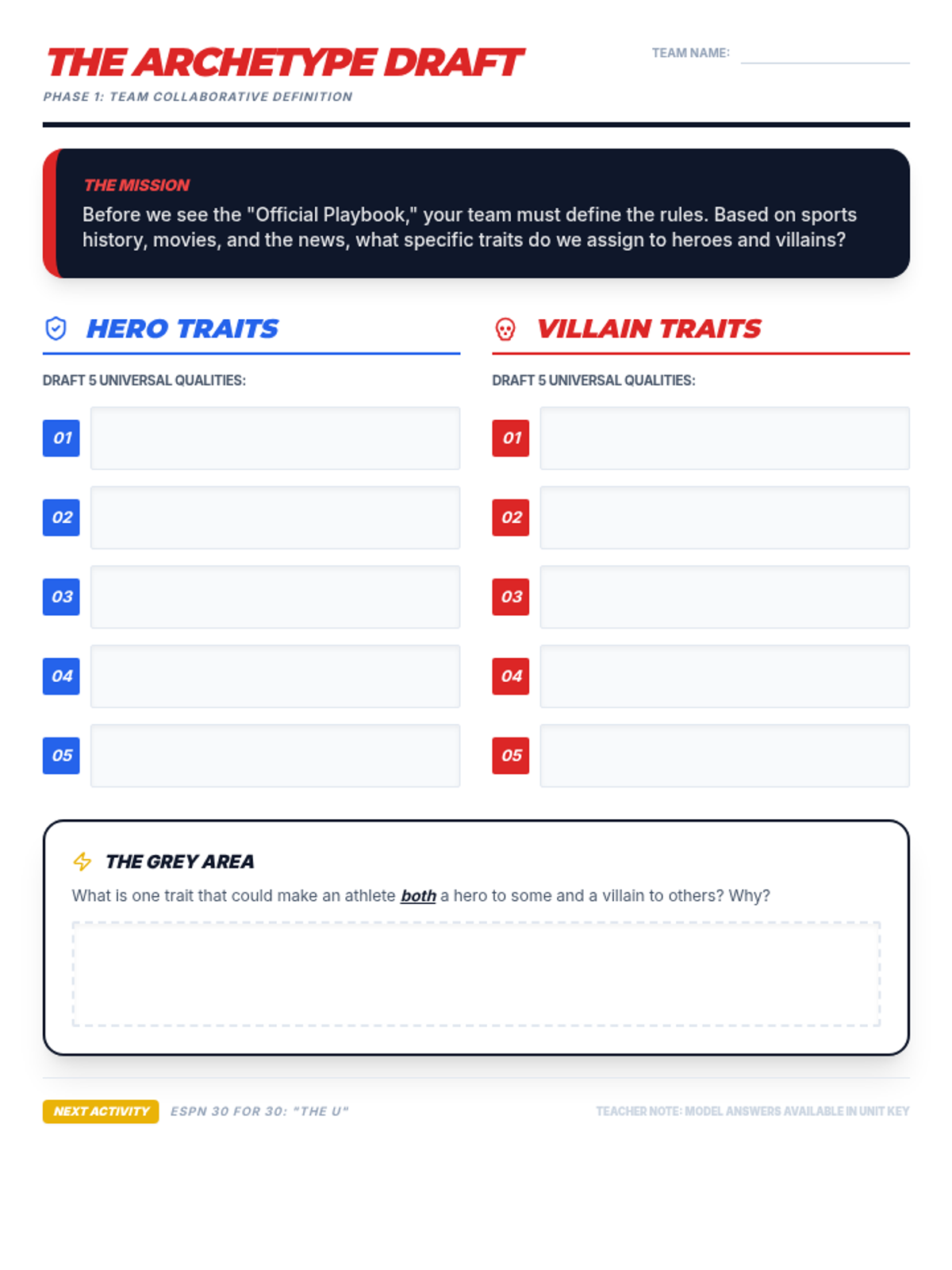
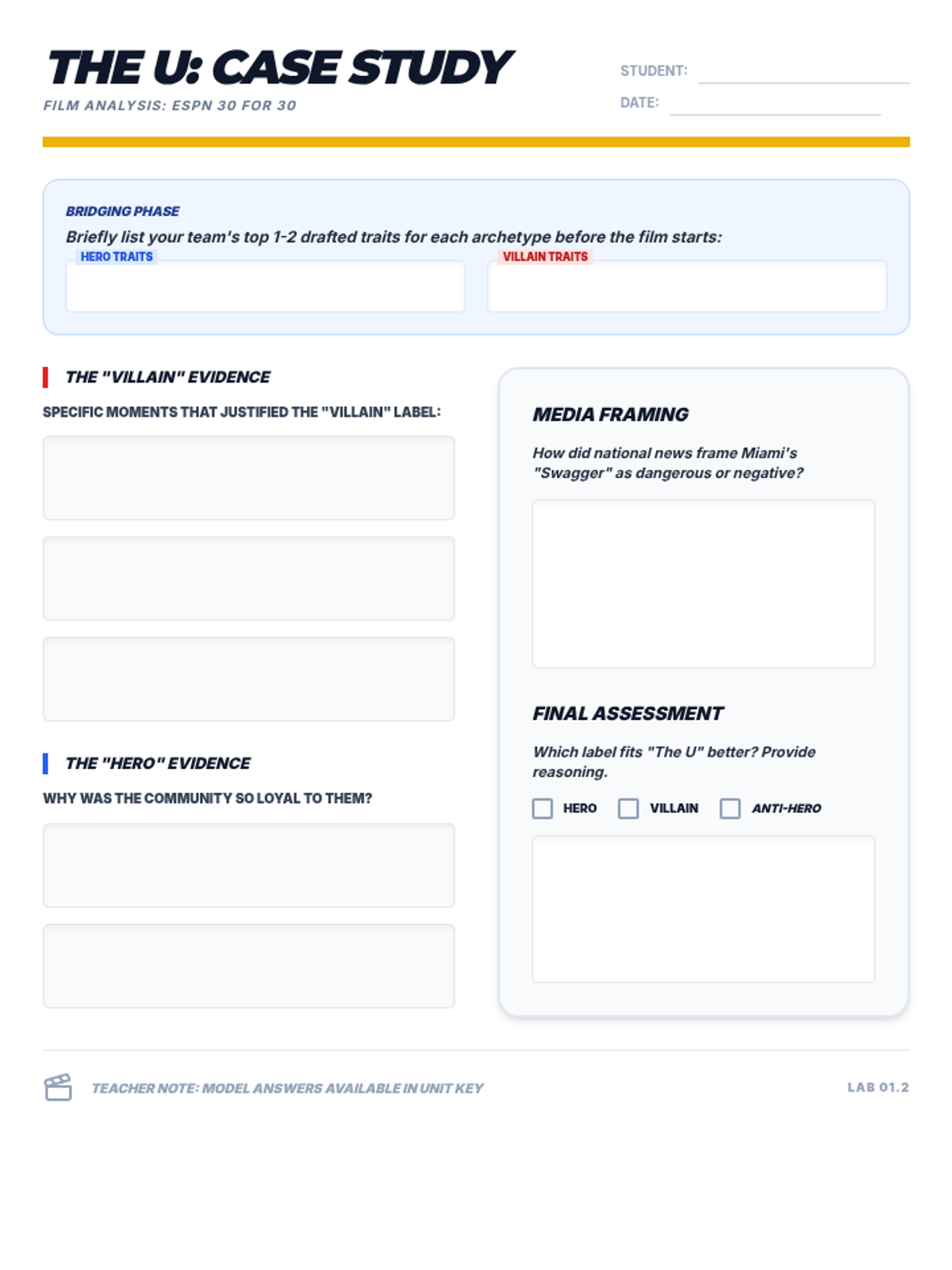
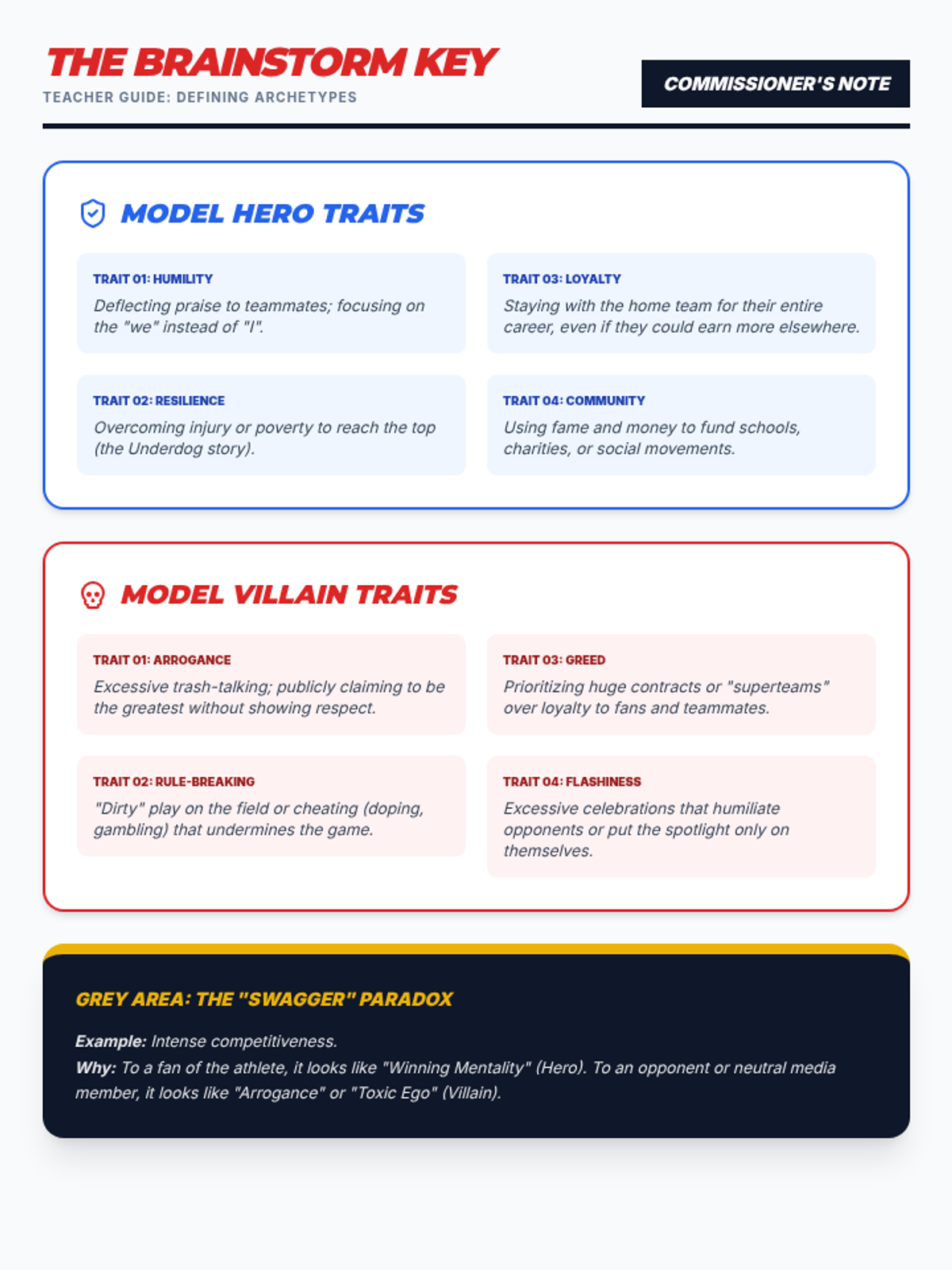
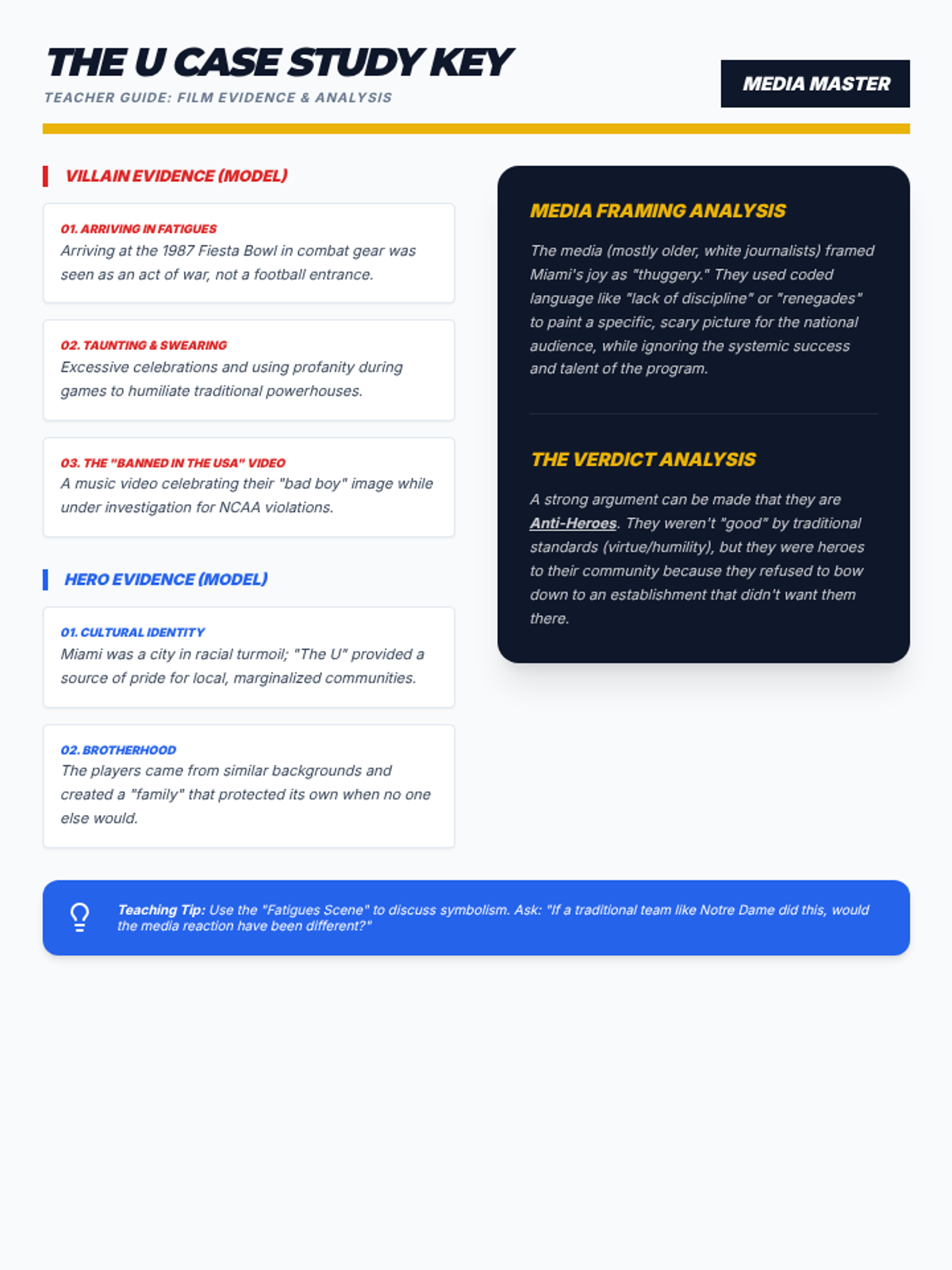
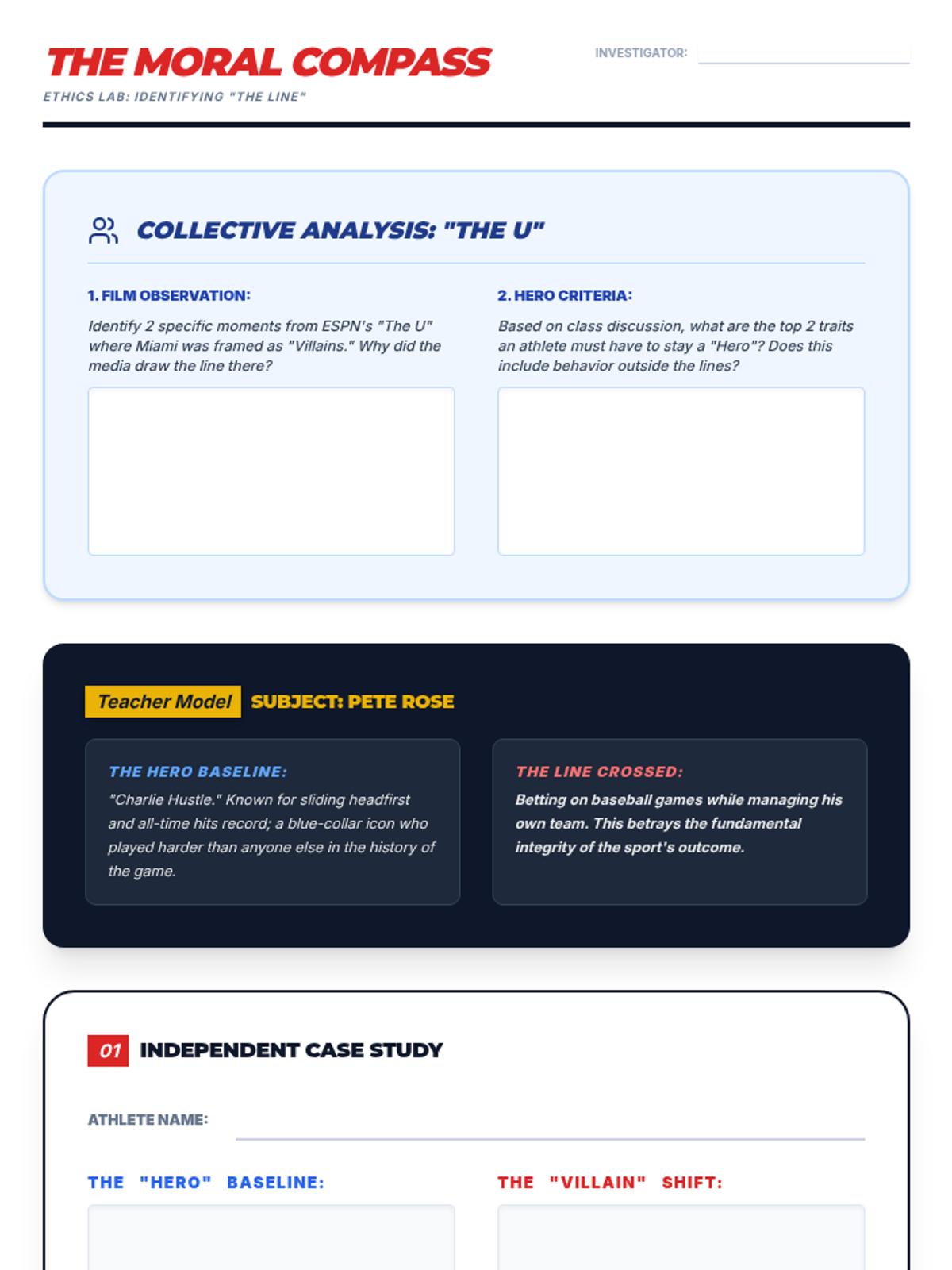
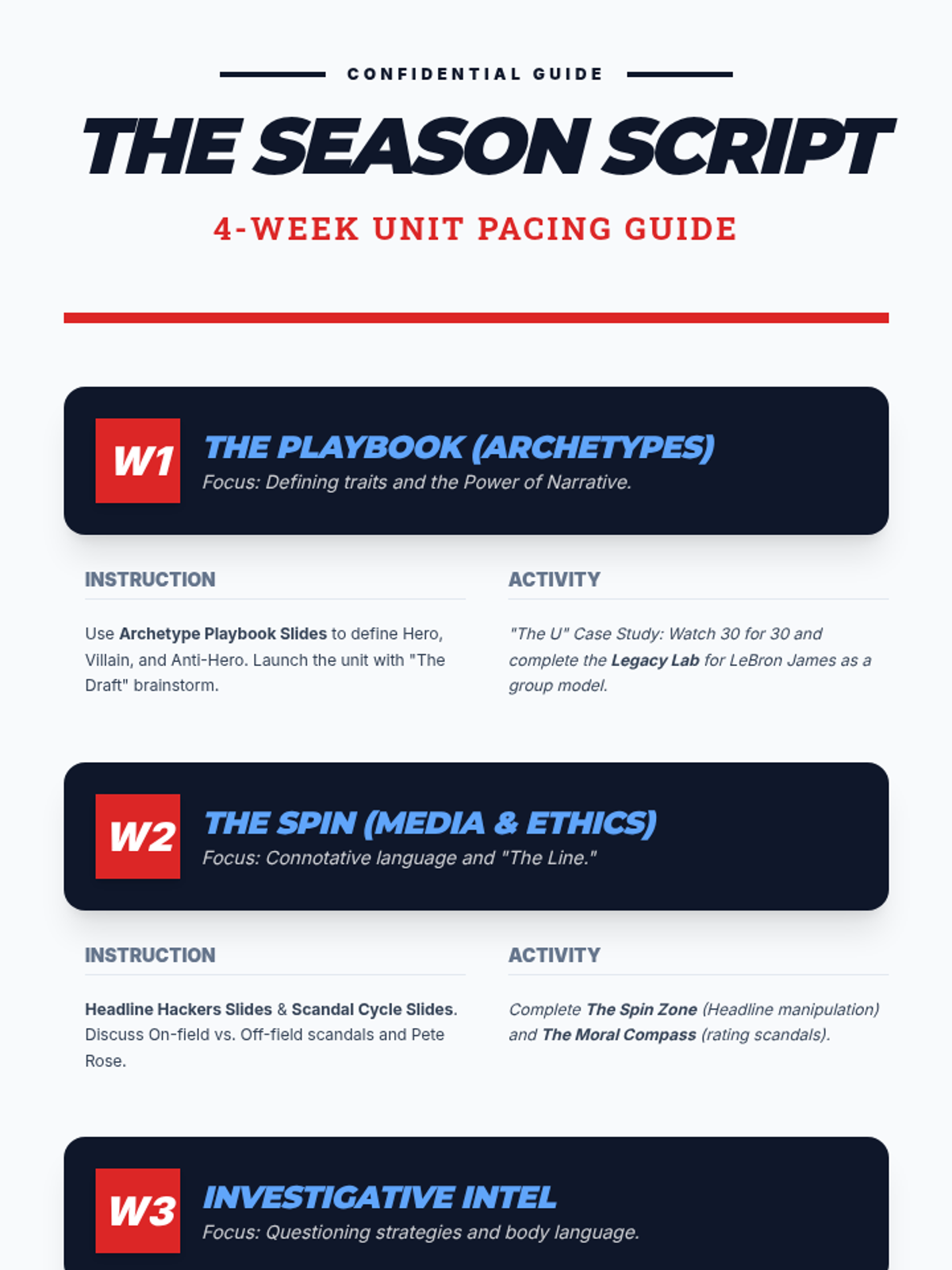
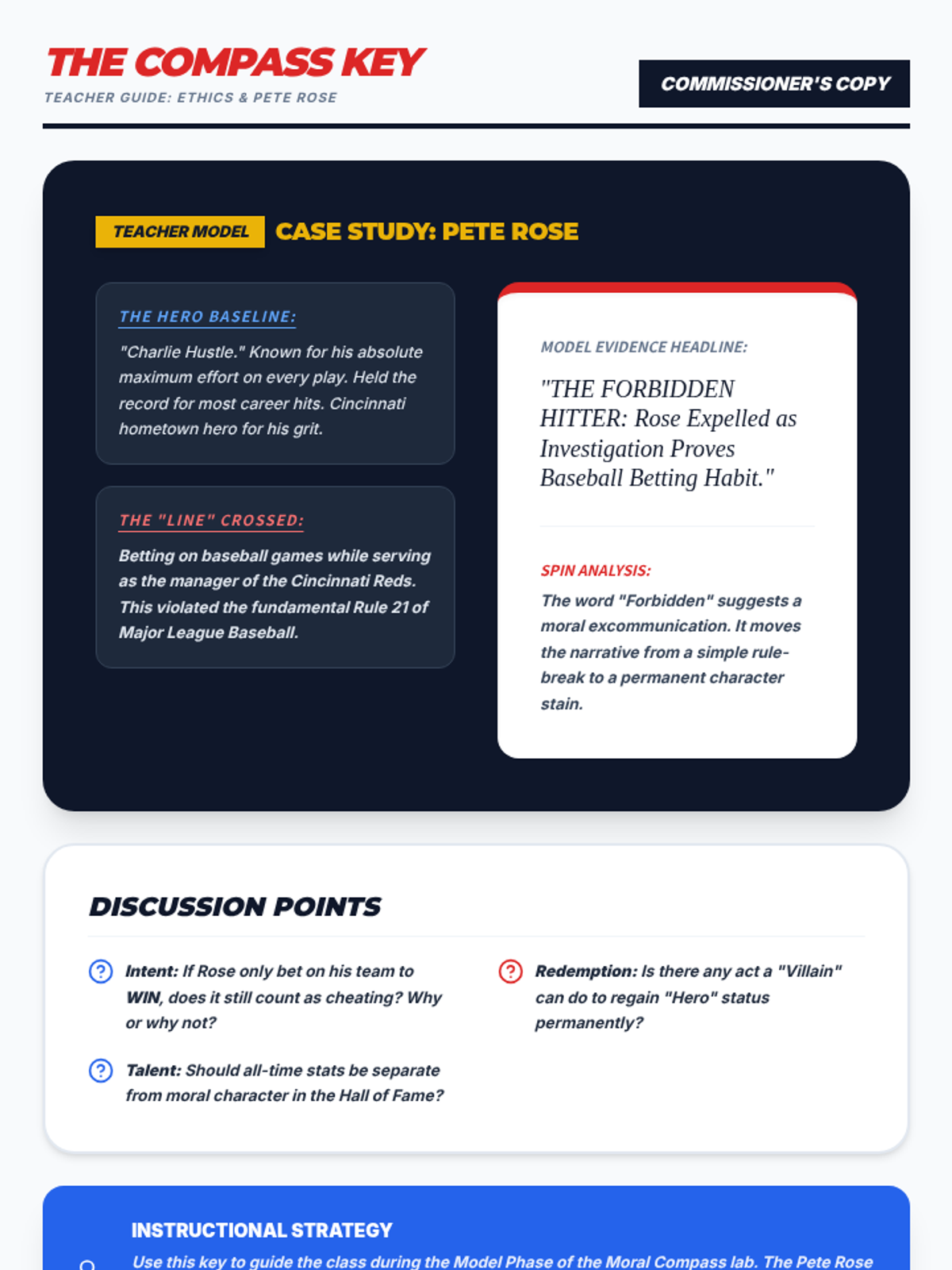
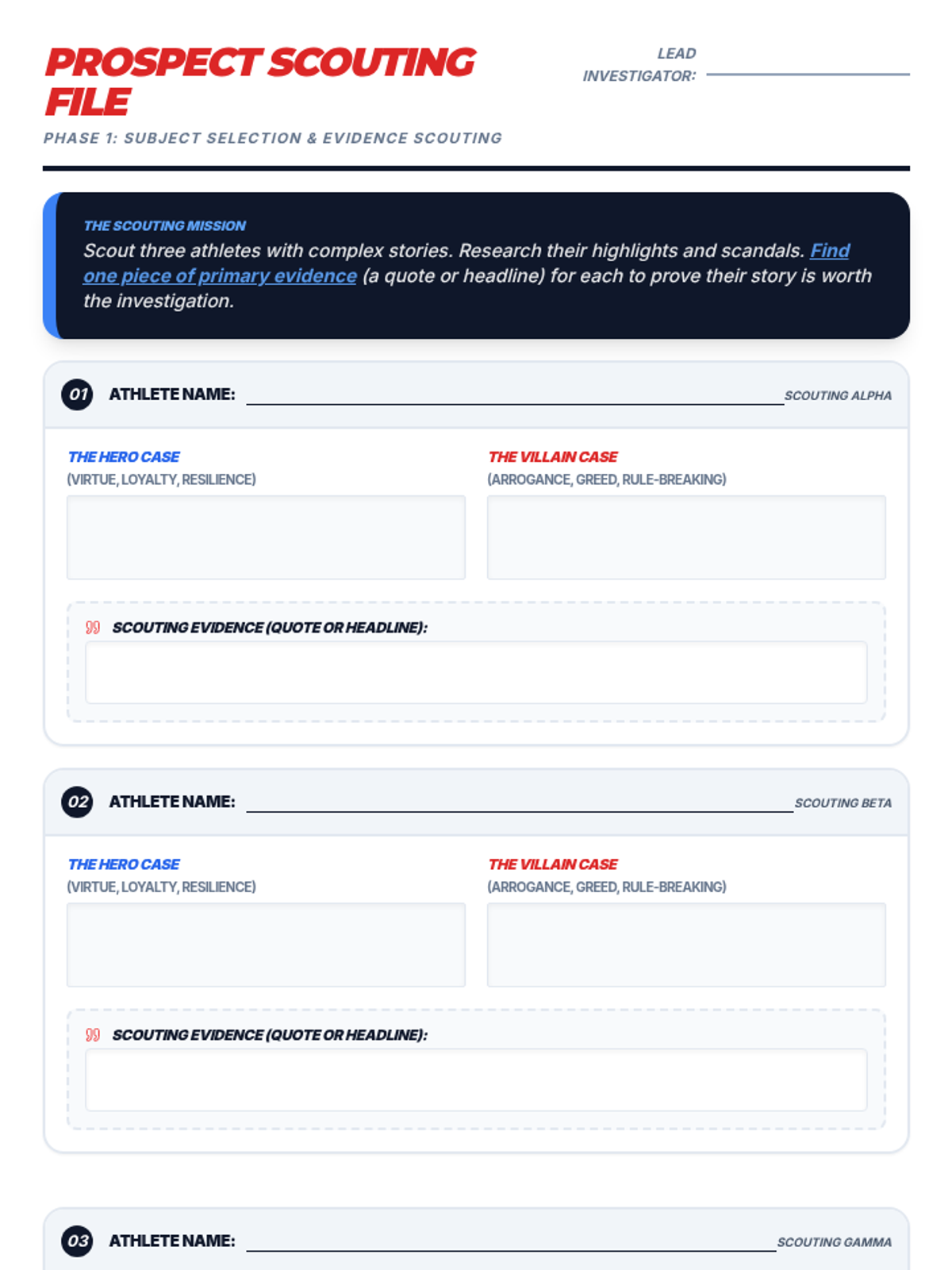
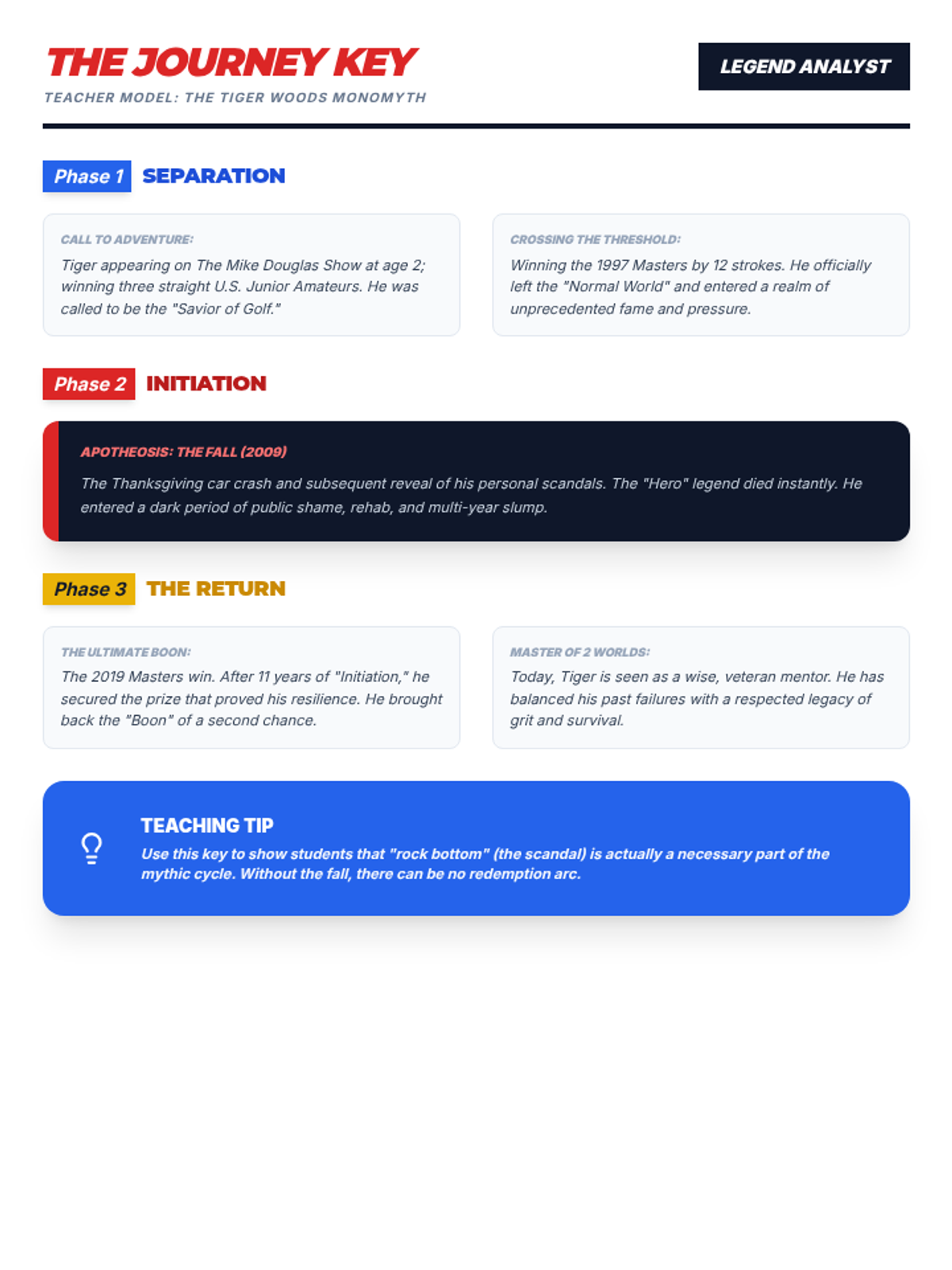
A 4-week unit exploring the construction of heroism and villainy in sports through media analysis, persuasive writing, and investigative interview techniques. Students will analyze how public perception is shaped and ultimately create their own investigative podcast script.