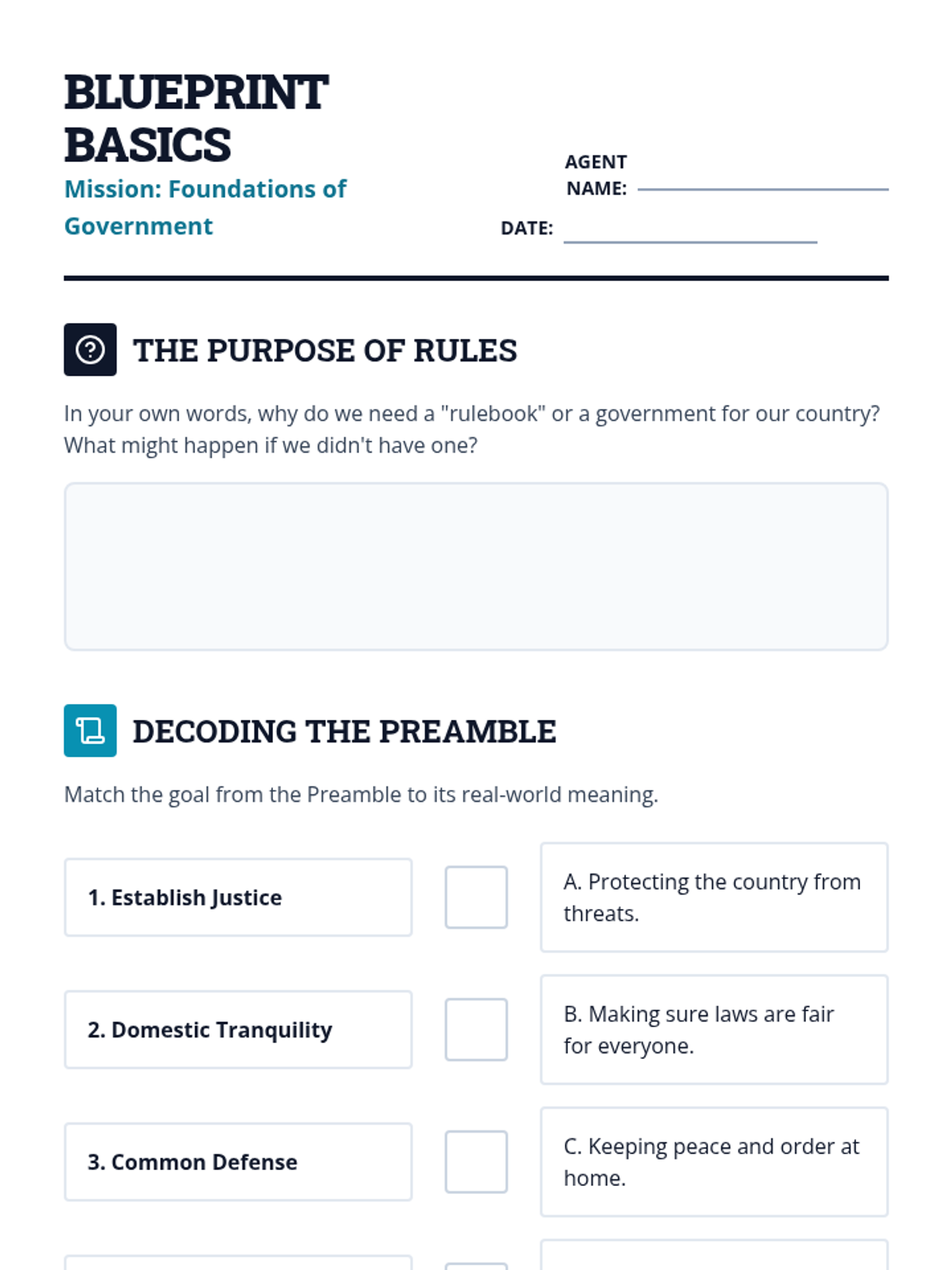
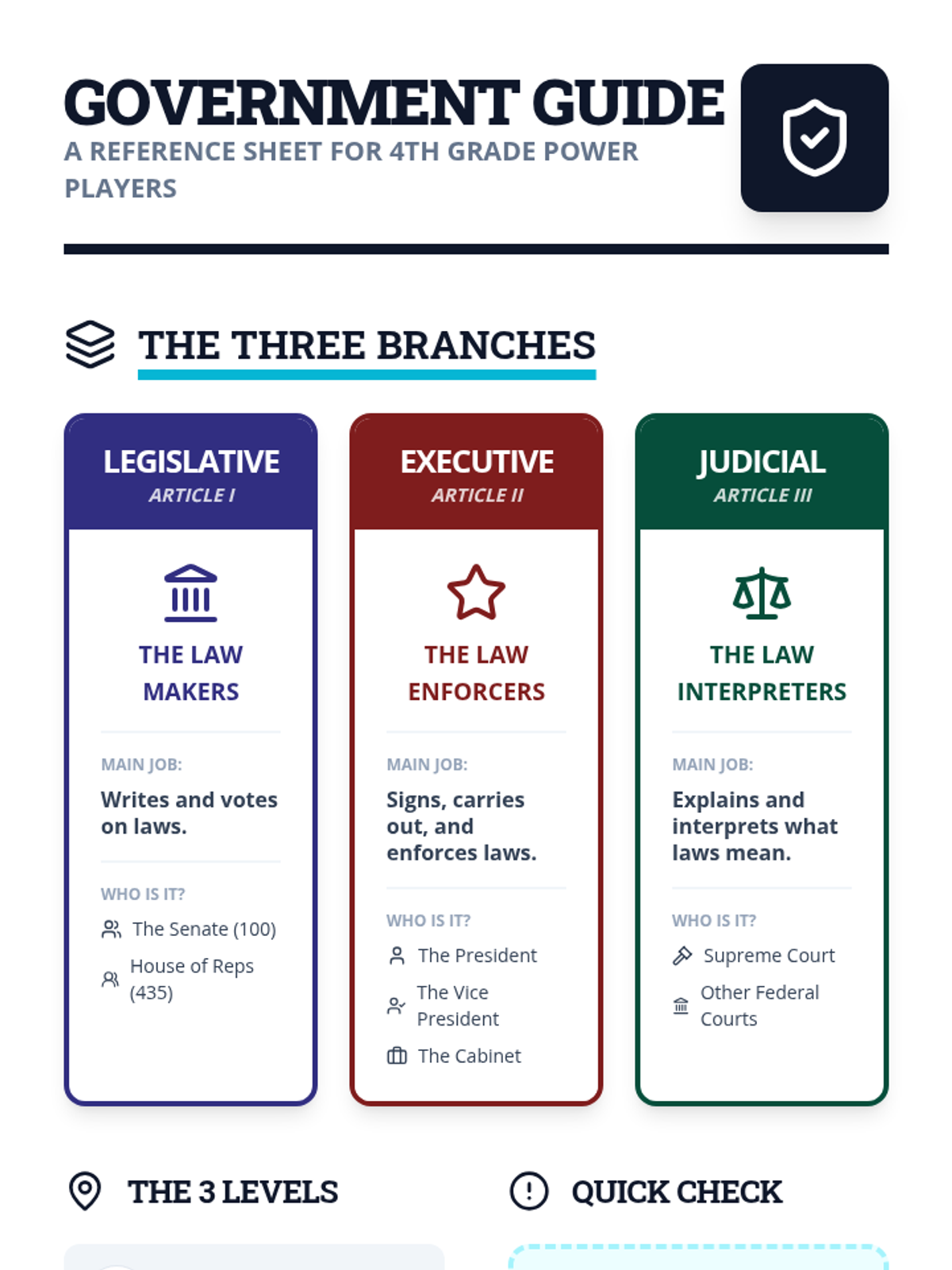
A 4th-grade civics sequence where students explore political systems through classroom simulations, moving from anarchy to monarchy and finally to democracy. Students conclude by designing their own government charter for a fictional Mars colony.
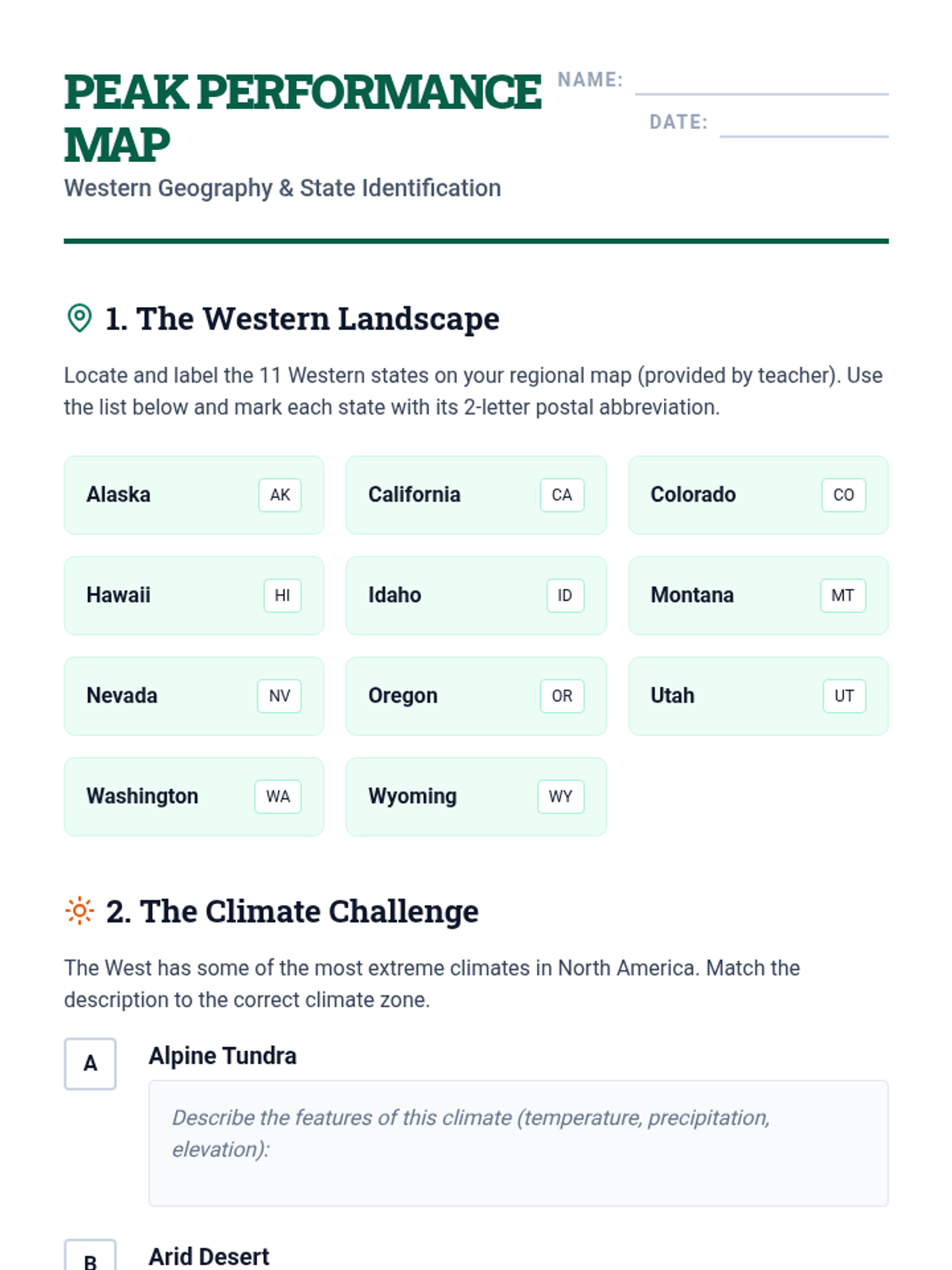
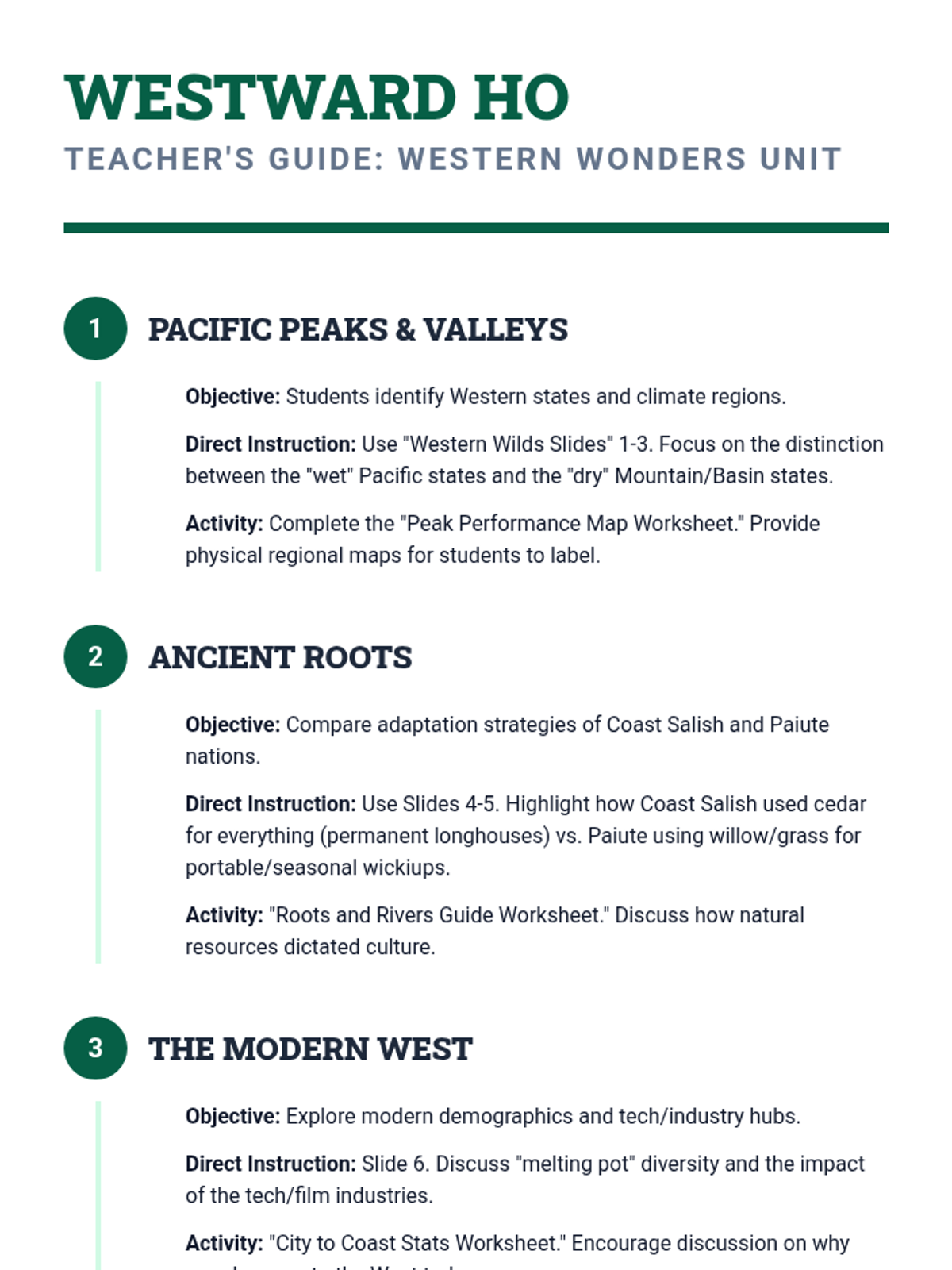
A comprehensive 5-lesson exploration of the West region of the United States, covering geography, climate, resources, culture, and states/capitals through reading passages and interactive activities.
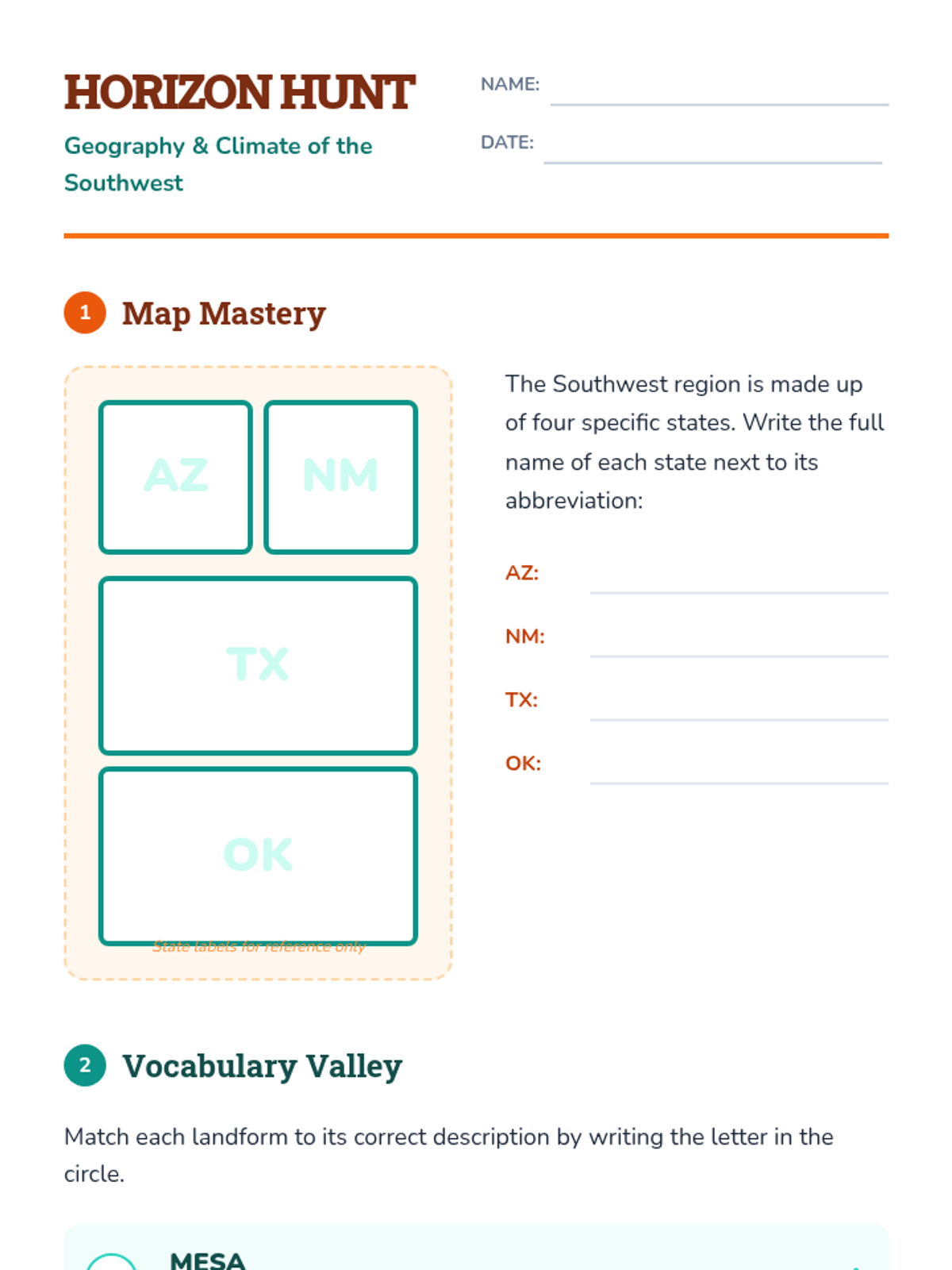
A comprehensive 5-lesson unit exploring the unique geography, climate, natural resources, diverse cultures, and political boundaries of the Southwest region of the United States.
A comprehensive unit on Ancient Egypt covering the civilization's social structure, religious beliefs, and architectural wonders. Students explore the Nile's importance, the process of mummification, the pantheon of gods, and the lives of famous pharaohs.
A 4th-grade unit focused on kindness, fairness, and understanding how our words can make everyone feel like they belong, regardless of their background or skin color.
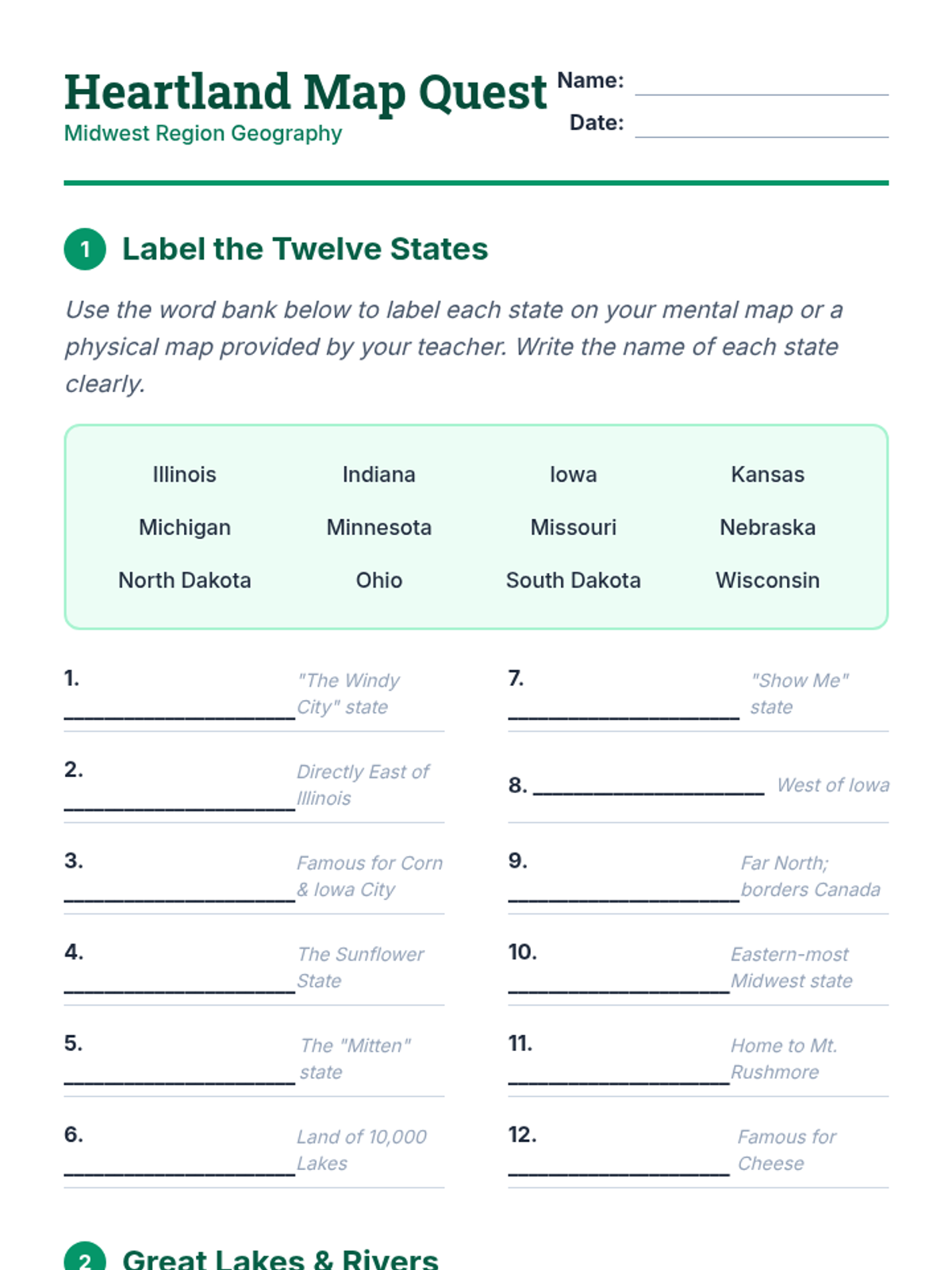
A comprehensive journey through the Midwest region, covering its geography, economy, and culture in bite-sized 20-minute sessions.
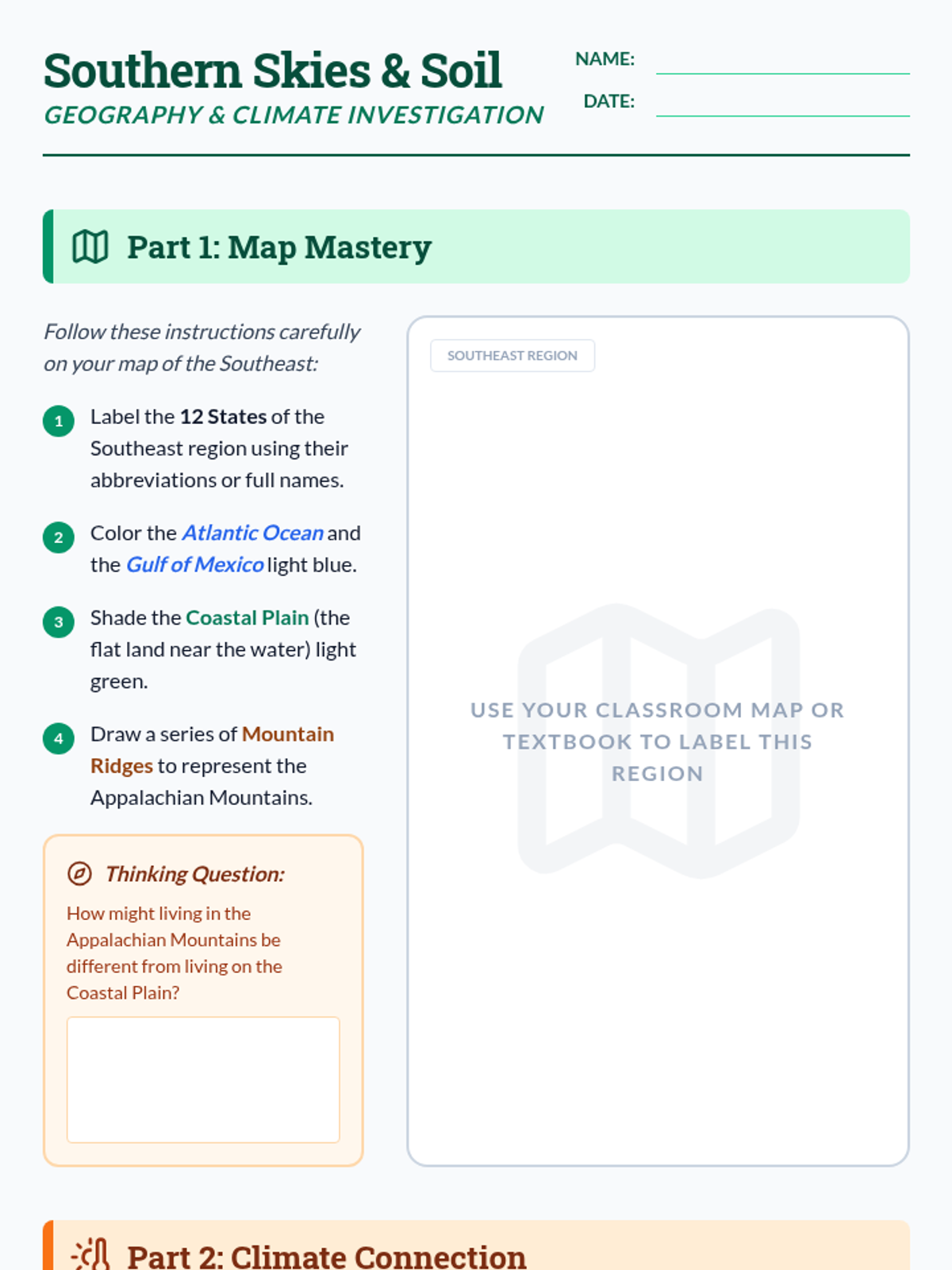
A 5-lesson unit exploring the geography, climate, resources, and culture of the Southeast United States, concluding with a states and capitals challenge.
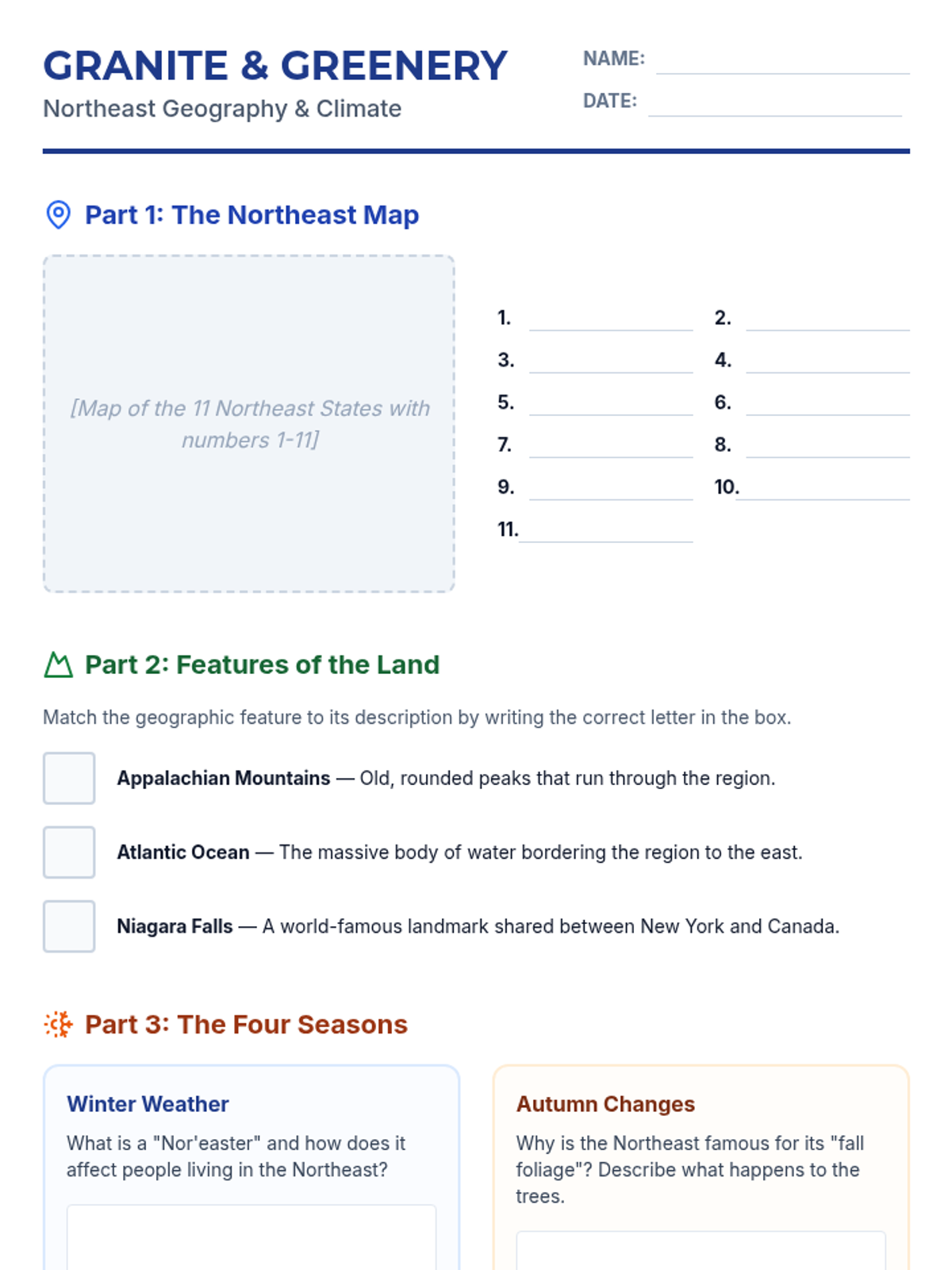
A 5-lesson sequence exploring the geography, climate, resources, culture, and states of the Northeast region of the United States. Students will engage with reading passages, comprehension activities, and a states-and-capitals matching game.
A comprehensive unit exploring social-emotional learning and civic responsibility, connecting the concepts of personal relationships and the systems of government that bind a community together.
A comprehensive unit for 4th graders exploring how the geography and climate of the New England, Middle, and Southern colonies shaped their unique economies and ways of life. Through map analysis, simulations, and creative projects, students connect physical environments to human industry.
This sequence explores the decline of the feudal system in Medieval Europe through 4th-grade appropriate investigations of trade, law, disease, and cultural exchange. Students will understand how these factors shifted power from lords to kings and commoners, leading toward the modern era.
Students investigate the economic foundation of medieval life by exploring the manor system, agricultural innovations, and specialized labor, culminating in the design of their own self-sufficient community.
A journey into the world of medieval knights and castles, exploring the training, ethics, engineering, and symbolism of the Middle Ages. Students learn about the life of a knight, the construction of fortresses, and the code of chivalry through hands-on activities and historical analysis.
Students explore the evolution of money from the barter system to digital currency, identifying the three primary functions of money: medium of exchange, unit of account, and store of value. through hands-on simulations and creative workshops.
This inquiry-based sequence explores how different societies choose their leaders through elections, inheritance, and appointments. Students compare local and global systems to understand the sources of political power.
Students explore the concept of constitutional frameworks by drafting a 'Classroom Constitution.' They learn how written rules prevent confusion, define rights and responsibilities, and limit the power of leaders, culminating in a formal ratification ceremony.
This 4th-grade sequence explores the transformative era of the US Civil War's end and Reconstruction. Students examine key documents like the Emancipation Proclamation and the 13th, 14th, and 15th Amendments to understand the changing definition of freedom and citizenship. The unit culminates in a project-based memorial design, challenging students to reflect on the nation's healing and the lasting legacy of the quest for equality.
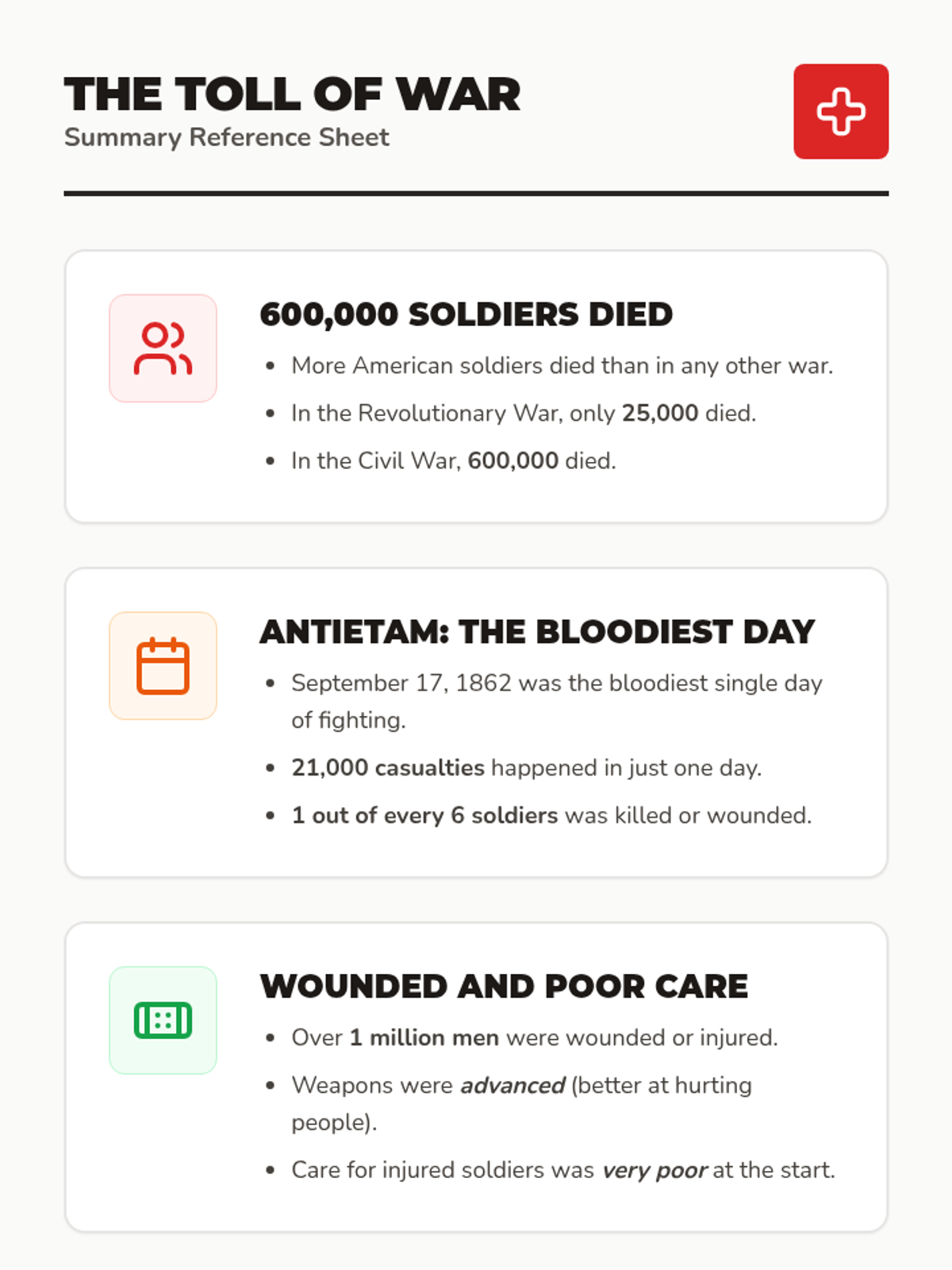
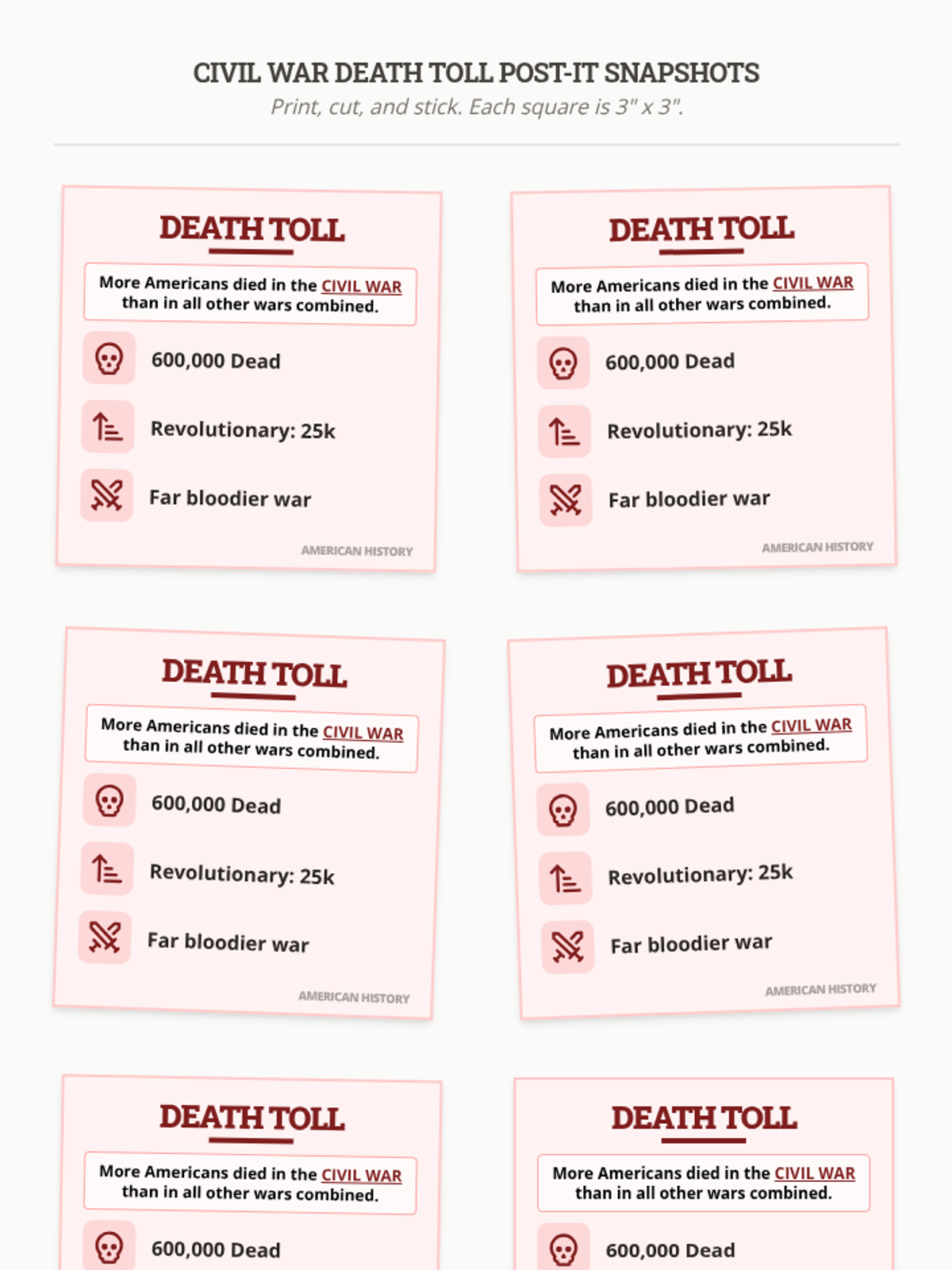
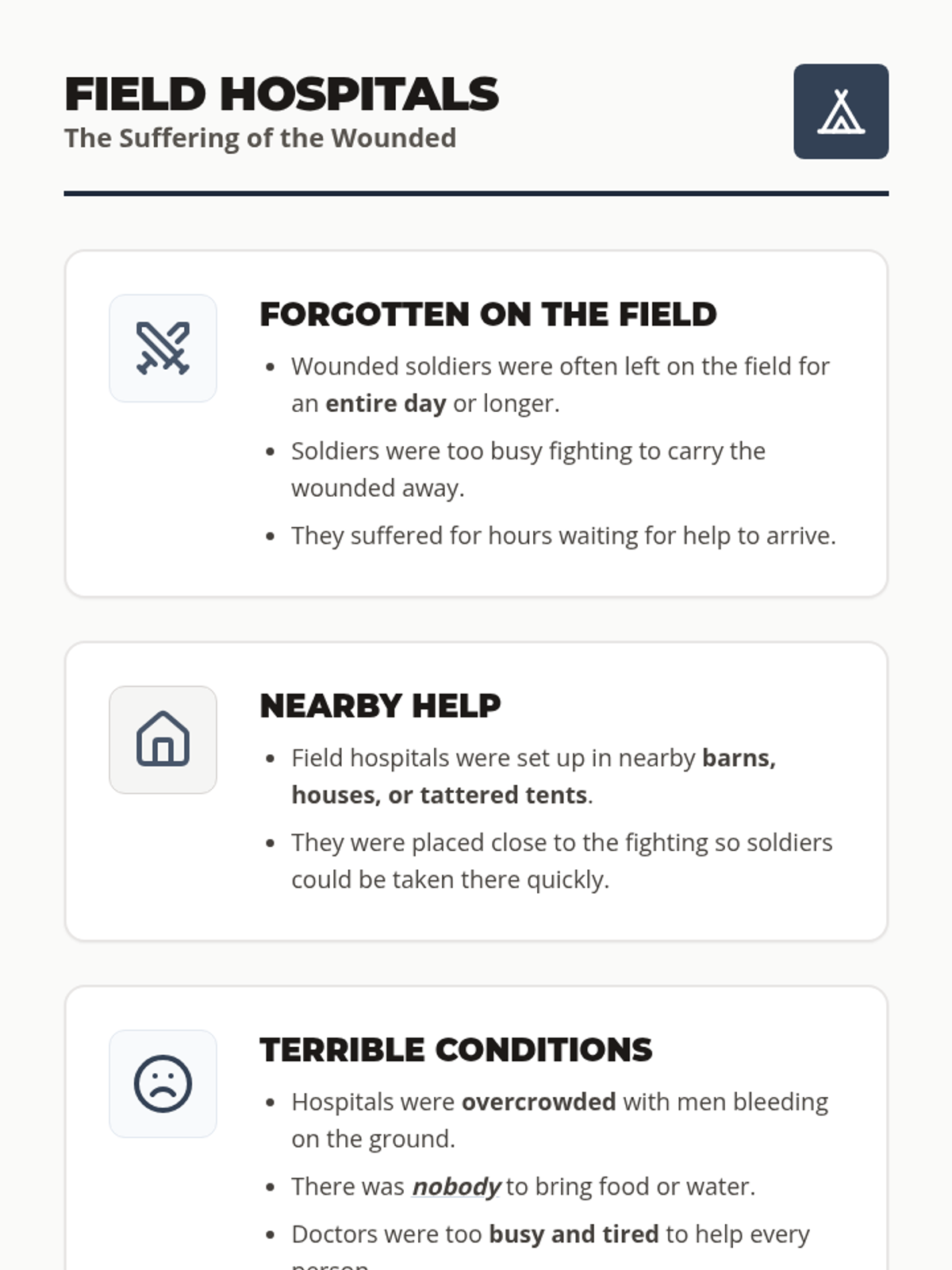
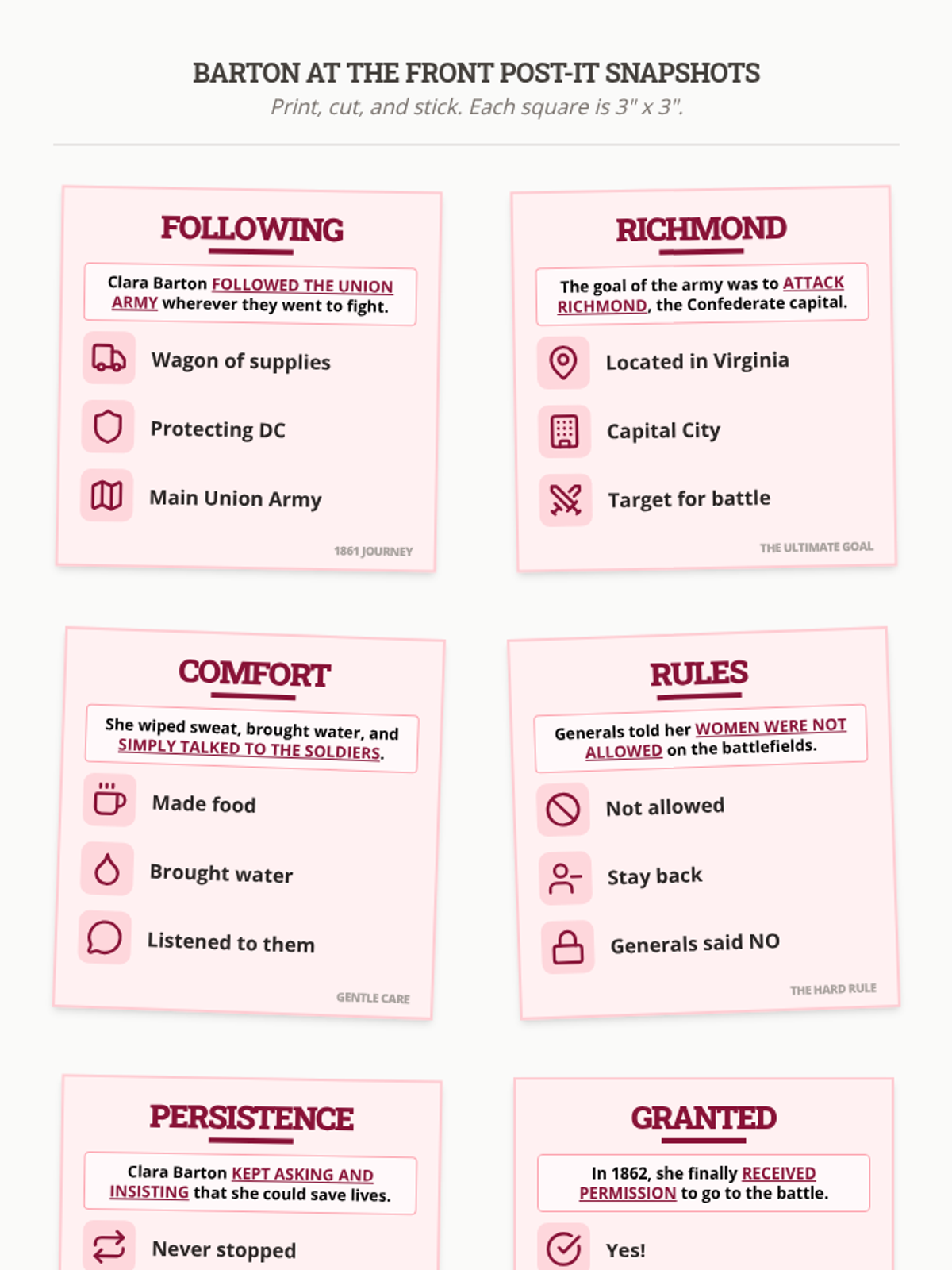
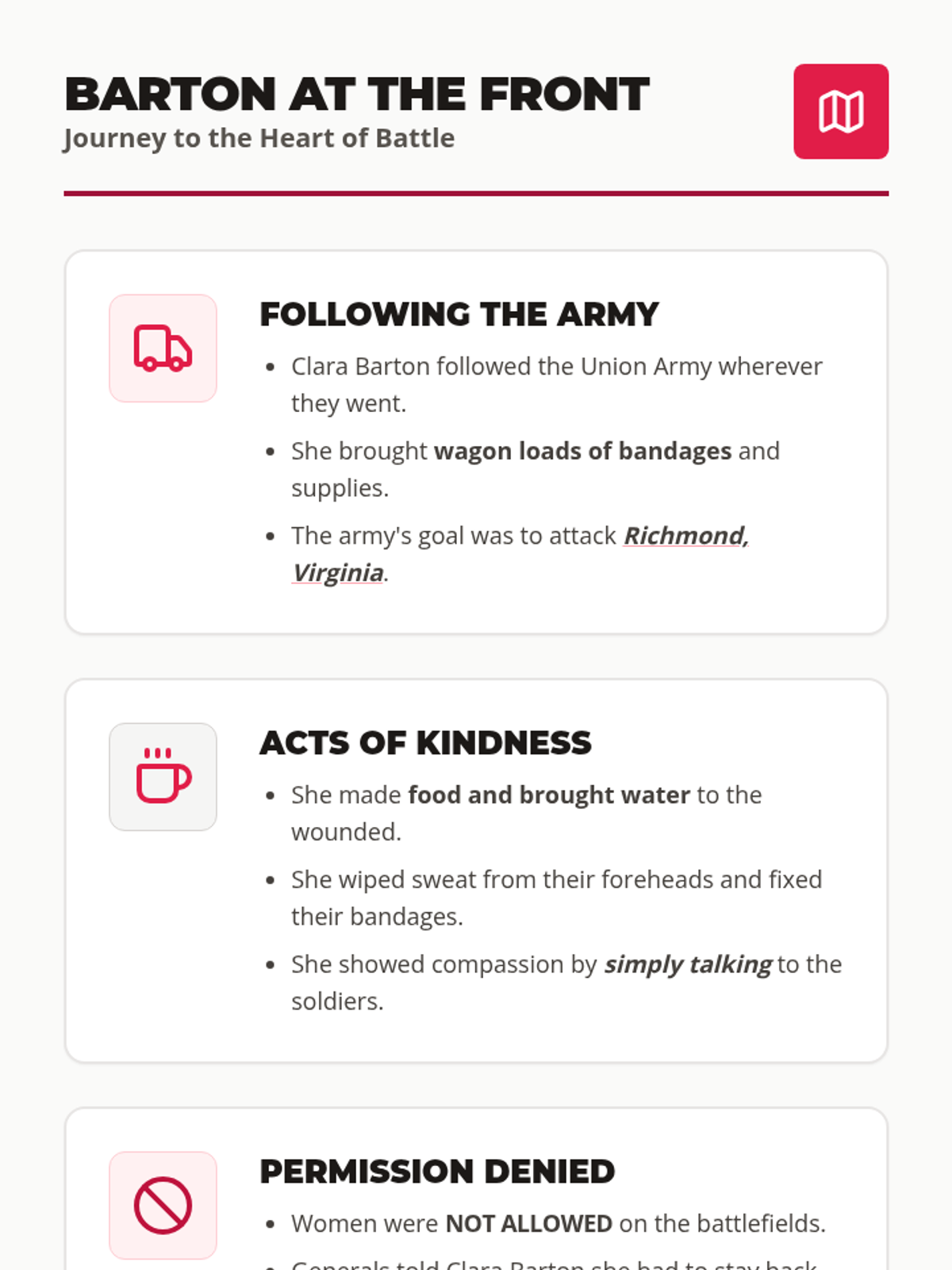
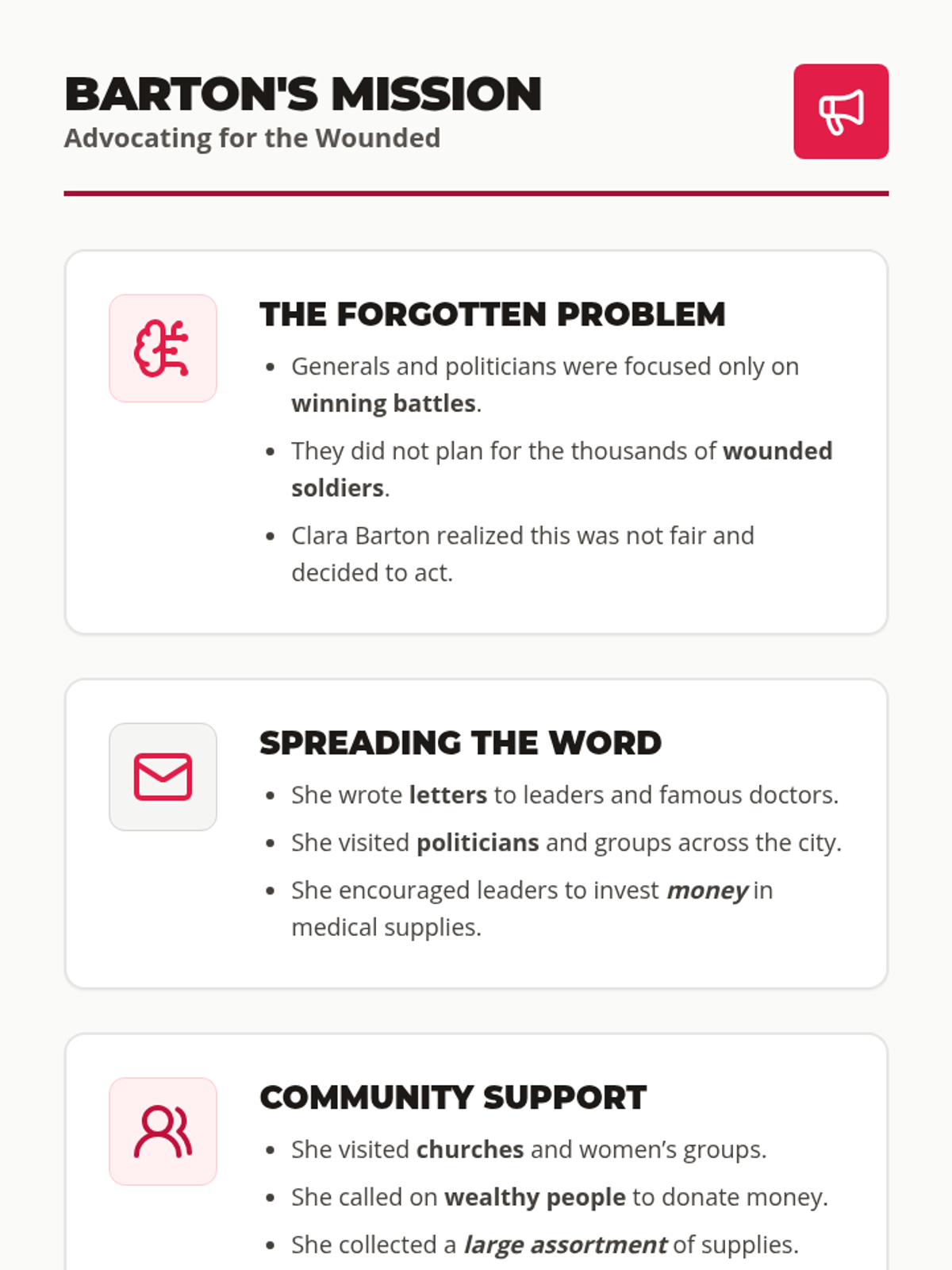
This sequence guides 4th-grade students through the origins, leadership, and pivotal moments of the American Civil War, emphasizing regional differences, the causes of secession, and the human experience of the conflict.
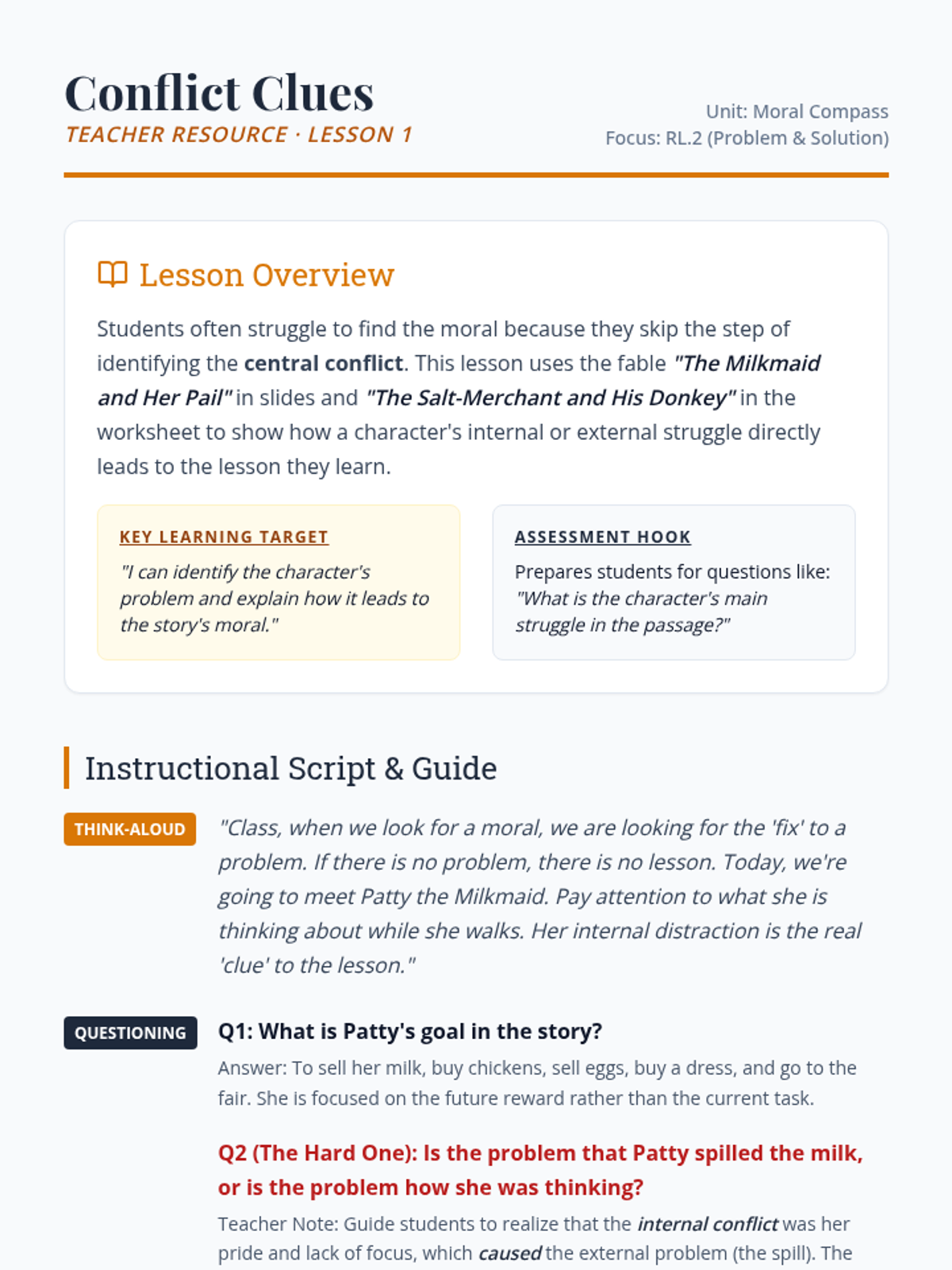
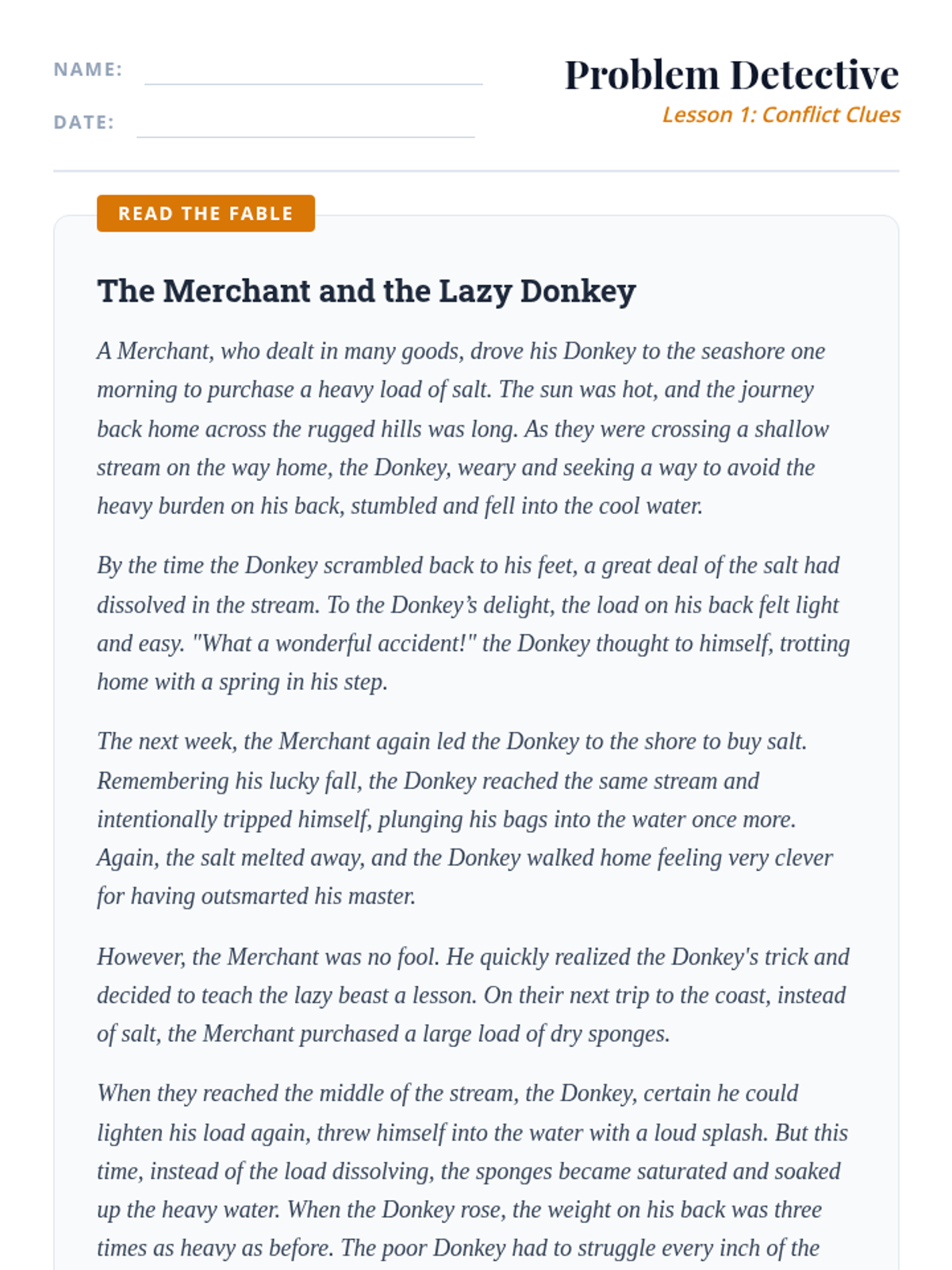
This inquiry-driven sequence treats idioms and adages as historical artifacts that reveal information about culture and history. Students investigate the etymology of famous phrases from nautical, agricultural, and Shakespearean origins to understand how language evolves and reflects the time period in which it was created.
A project-based sequence where 4th-grade students act as historical journalists to synthesize their knowledge of the Reconstruction era through the creation of a collaborative newspaper. Students move from analyzing 19th-century media to researching, drafting, and illustrating their own historical accounts.