A 5-day unit for 3rd grade students exploring how plant structures like roots, stems, leaves, and flowers function together to ensure survival and growth. Students engage in hands-on investigations and observations to understand botanical systems.
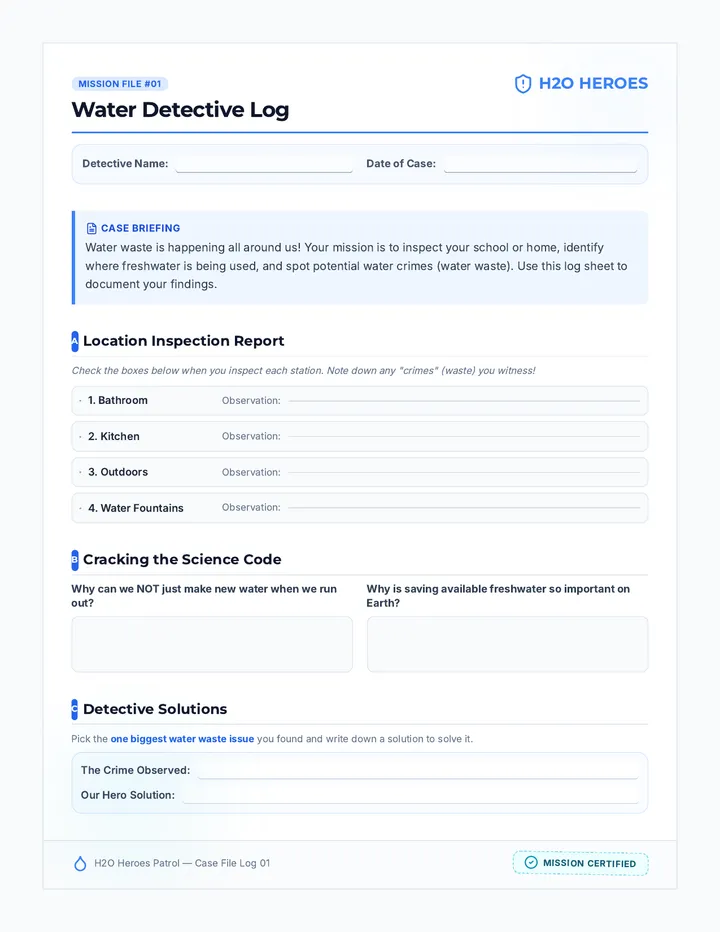
A comprehensive third-grade science and ELA unit focusing on freshwater distribution, conservation, and persuasive public service announcements. Students learn about global water resources and work in teams to design and produce a persuasive PSA to save water in their school or community.
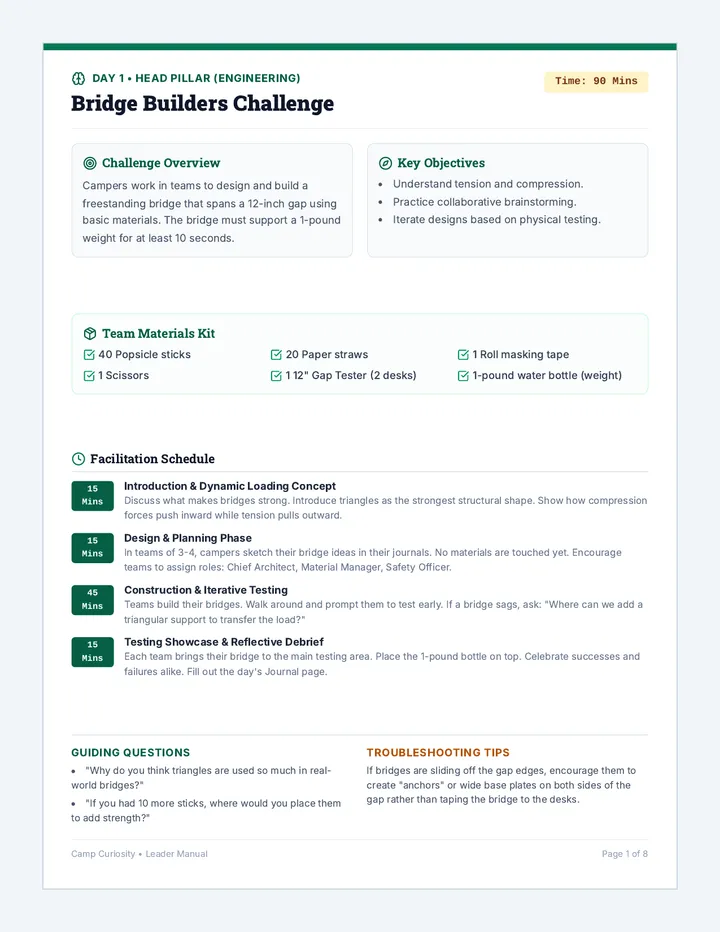
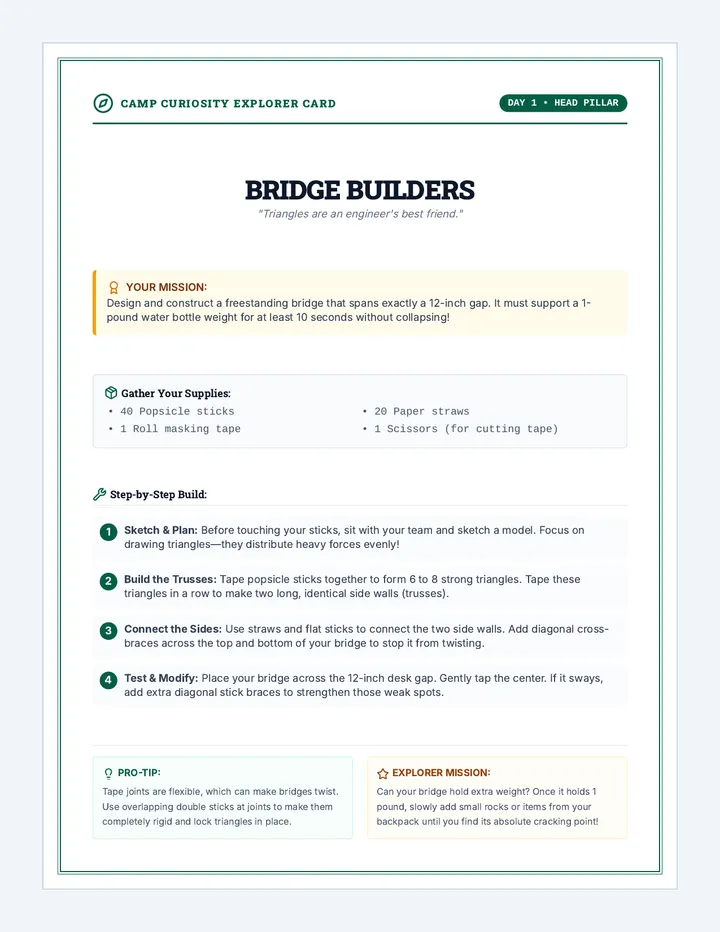
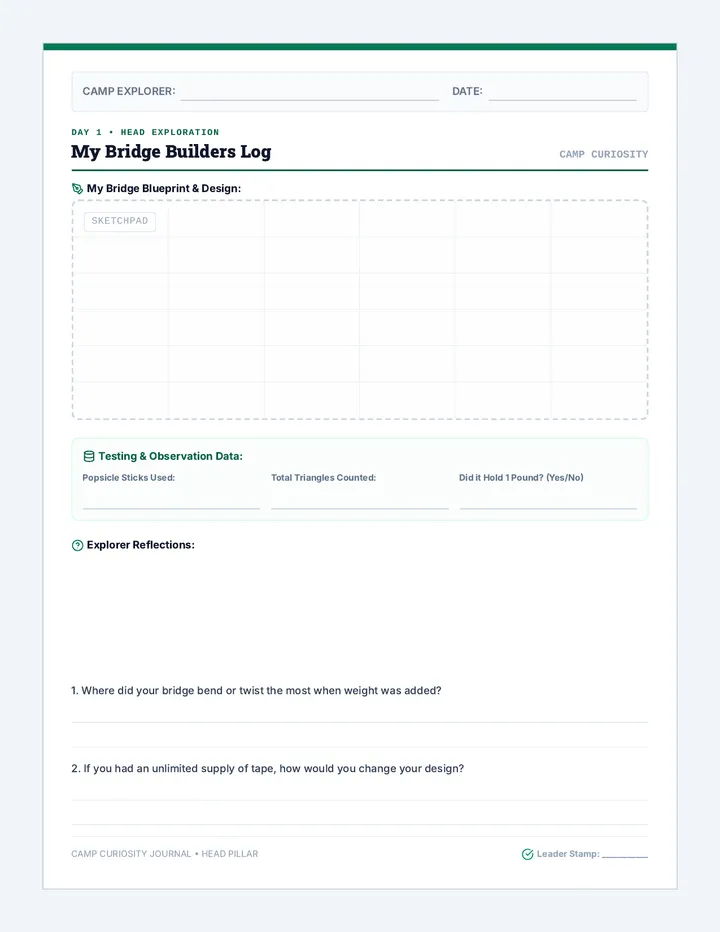
An action-packed, hands-on 8-day 4-H camp program focusing on Head, Heart, Hands, and Health. Students tackle engineering, teamwork, ecology, nutrition, and art challenges through daily active learning.
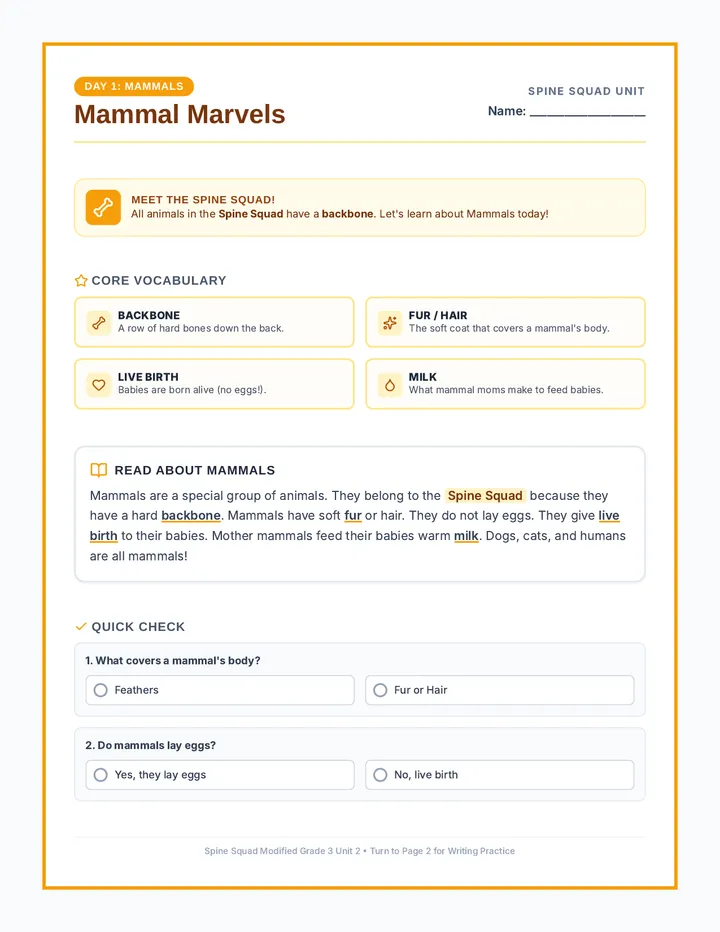
A five-day modified animal classification unit focusing on the five main vertebrate groups, designed with extensive visual support, sentence frames, and tracing options for modified learning.
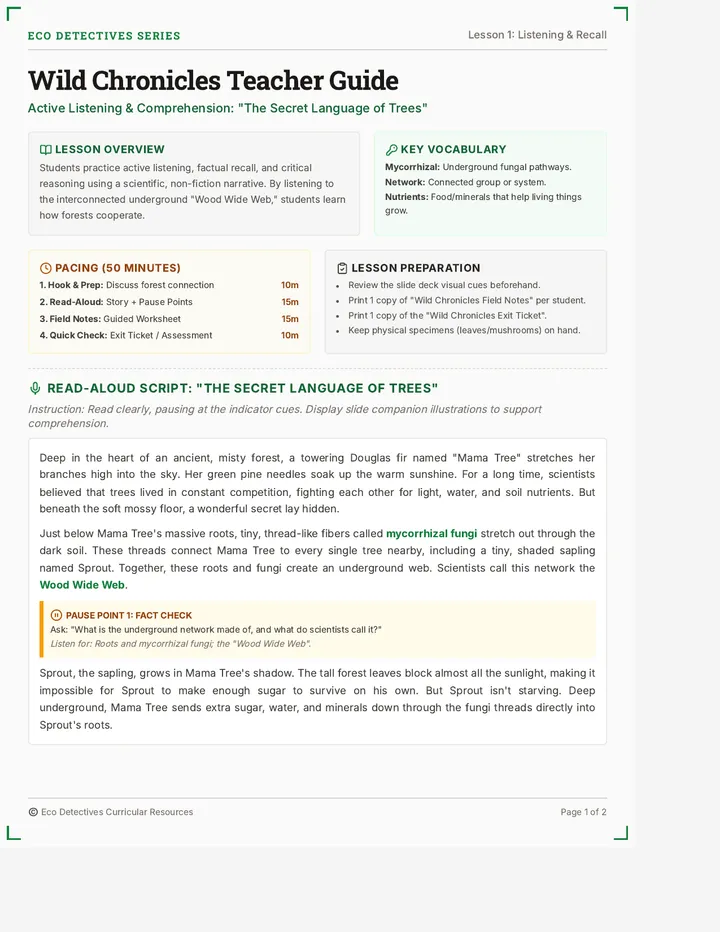
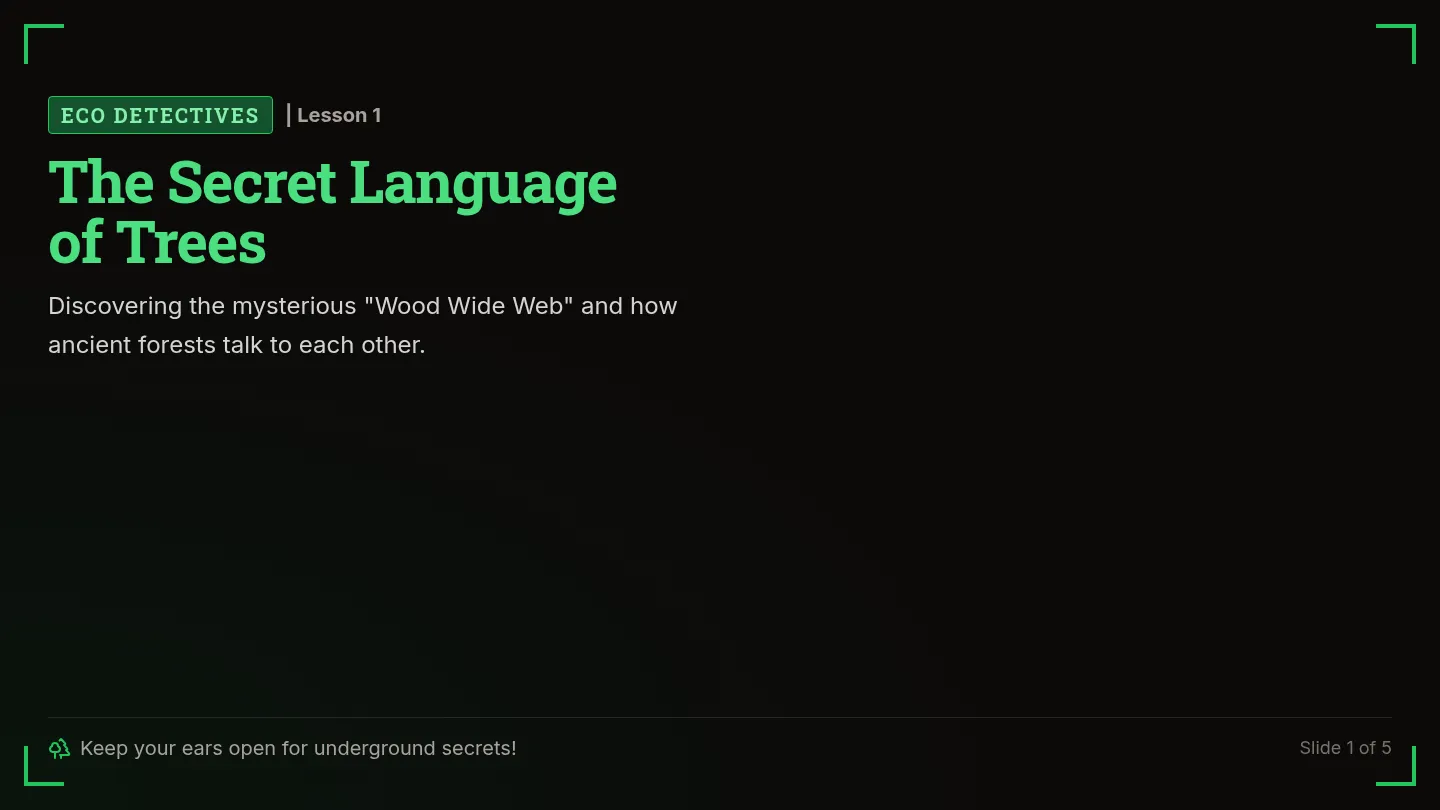
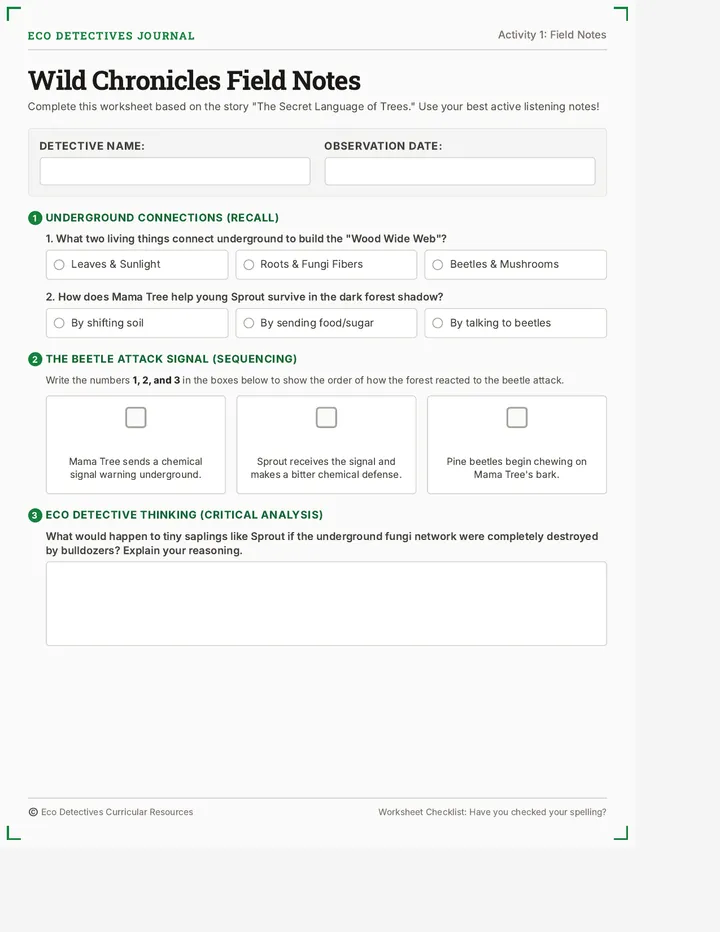
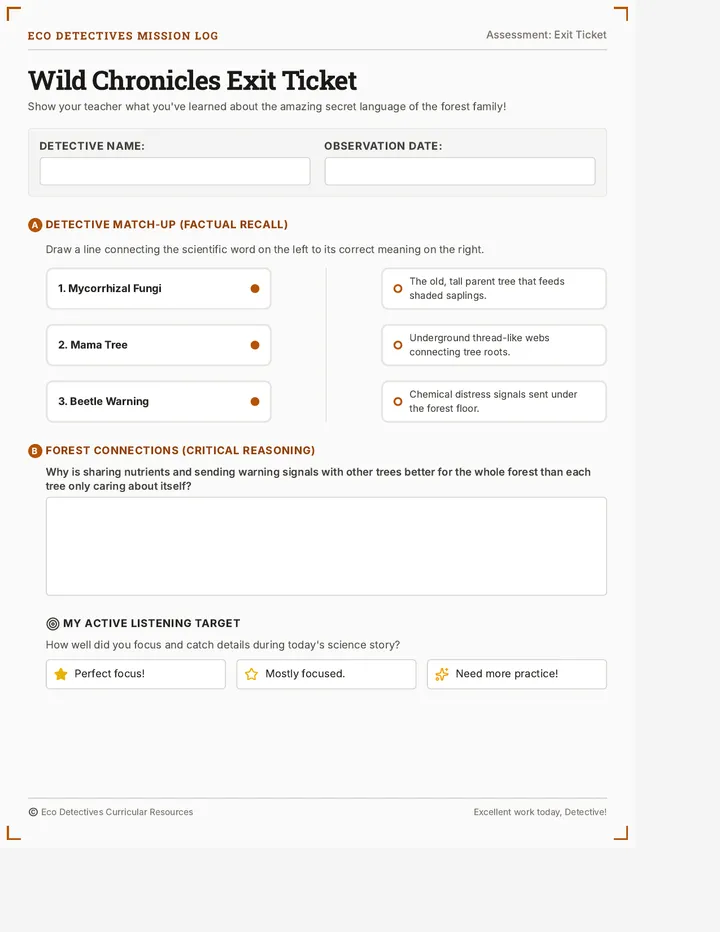
A short listening comprehension sequence for third graders focusing on non-fiction nature narratives. Students develop listening skills, factual recall, and critical thinking by exploring the interconnectedness of ecosystems.
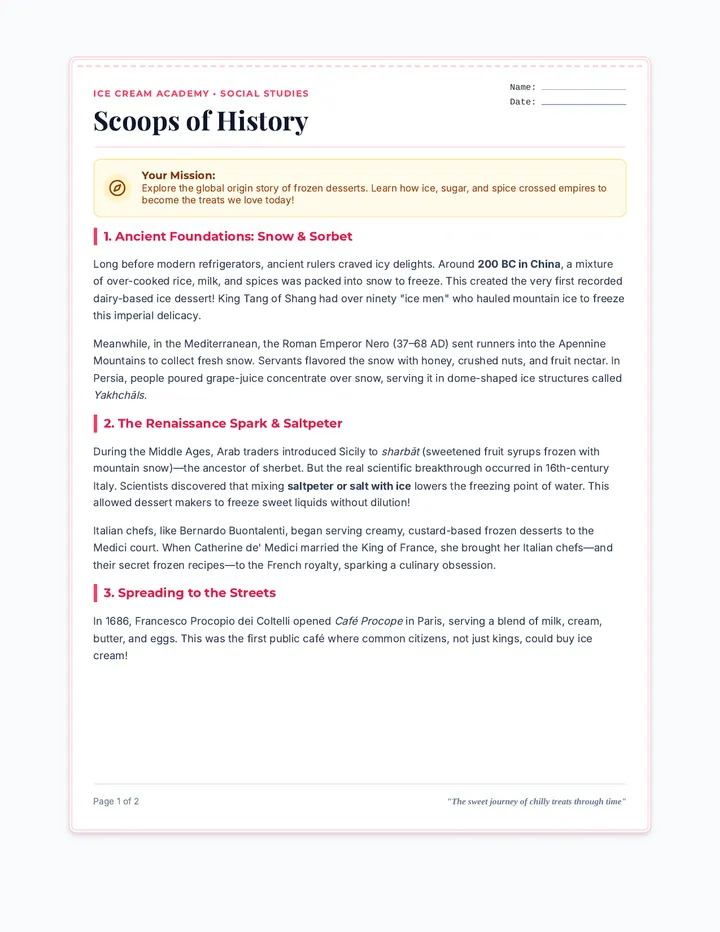
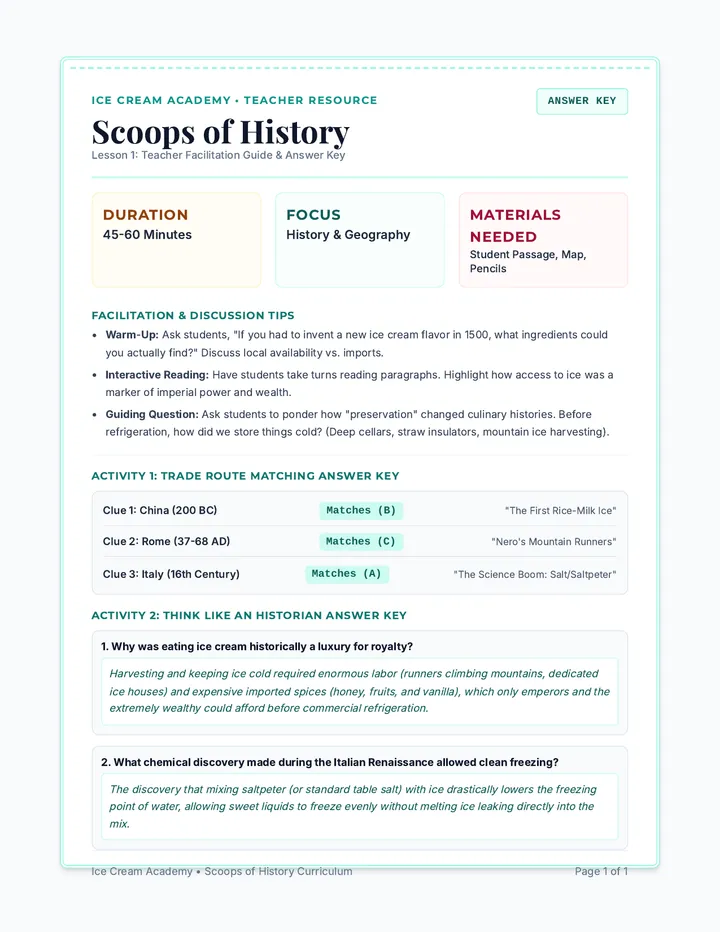
A multi-subject summer school unit exploring the history, science, math, and language arts of ice cream. Students scale recipes, conduct freezing-point experiments, trace historical origins, and design sensory marketing campaigns.
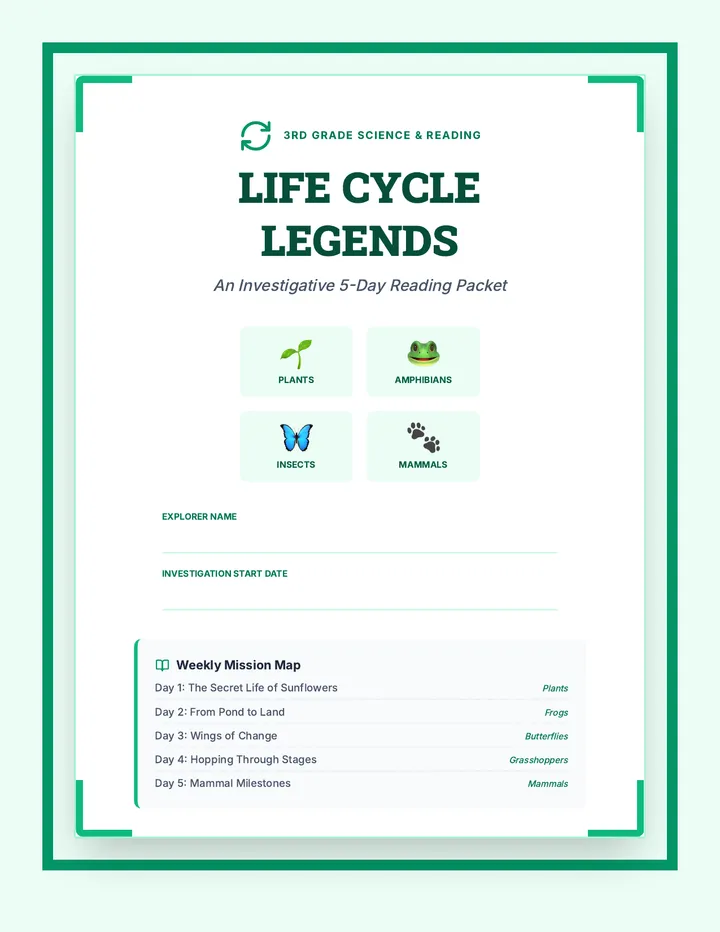
A 5-day science and reading comprehension packet focusing on various life cycles (plants, amphibians, insects, and mammals) designed with 3rd-grade EOG rigor.
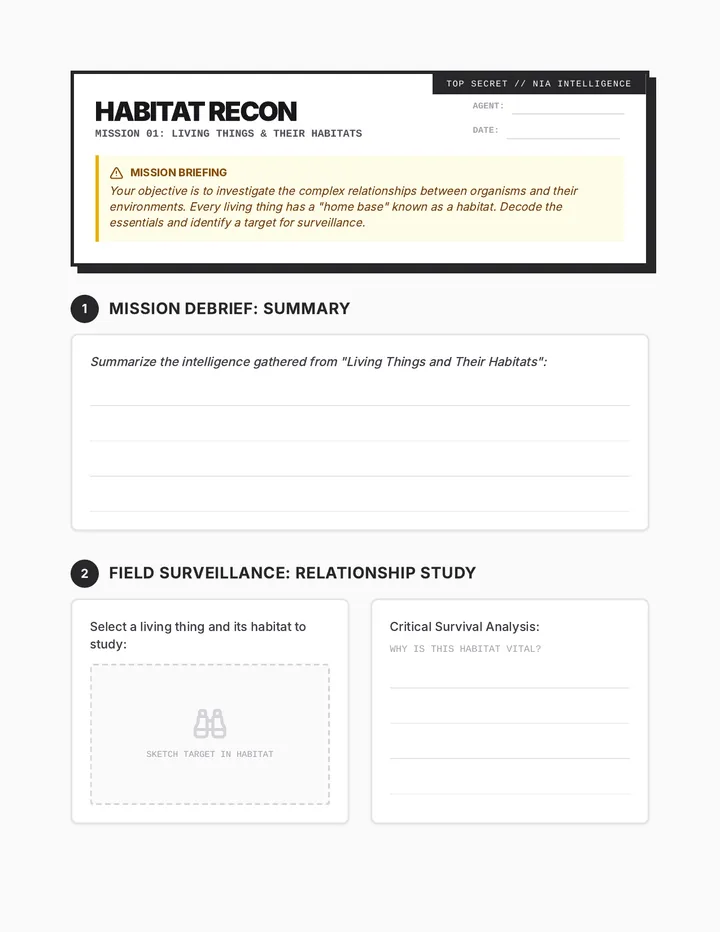
A series of secret agent-themed ecology missions where students act as Eco-Detectives for the Nature Intelligence Agency (NIA) to study habitats, food chains, and environmental impacts.
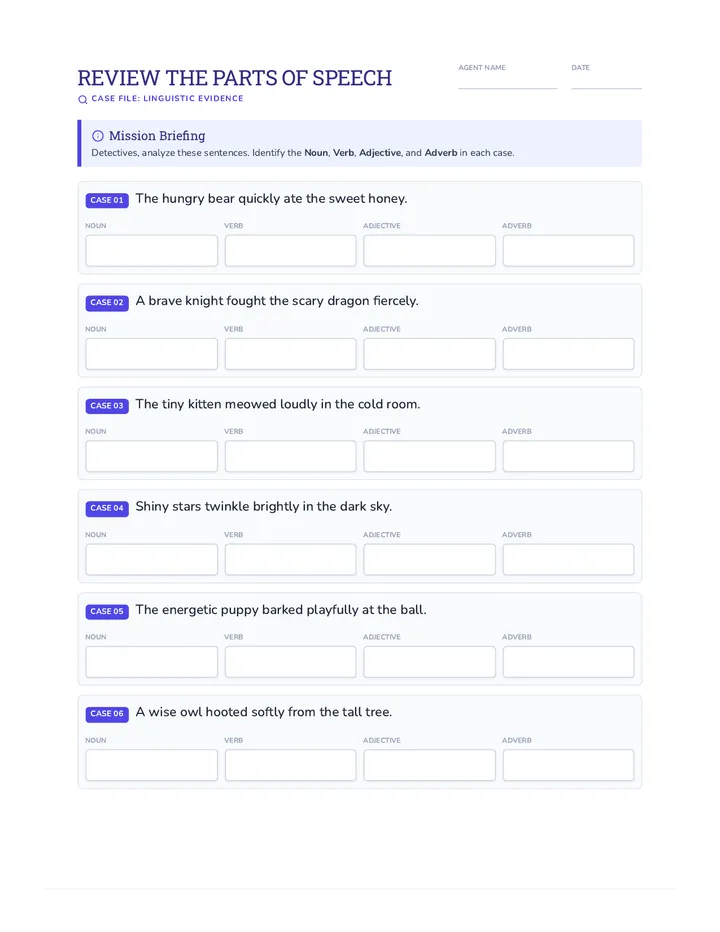
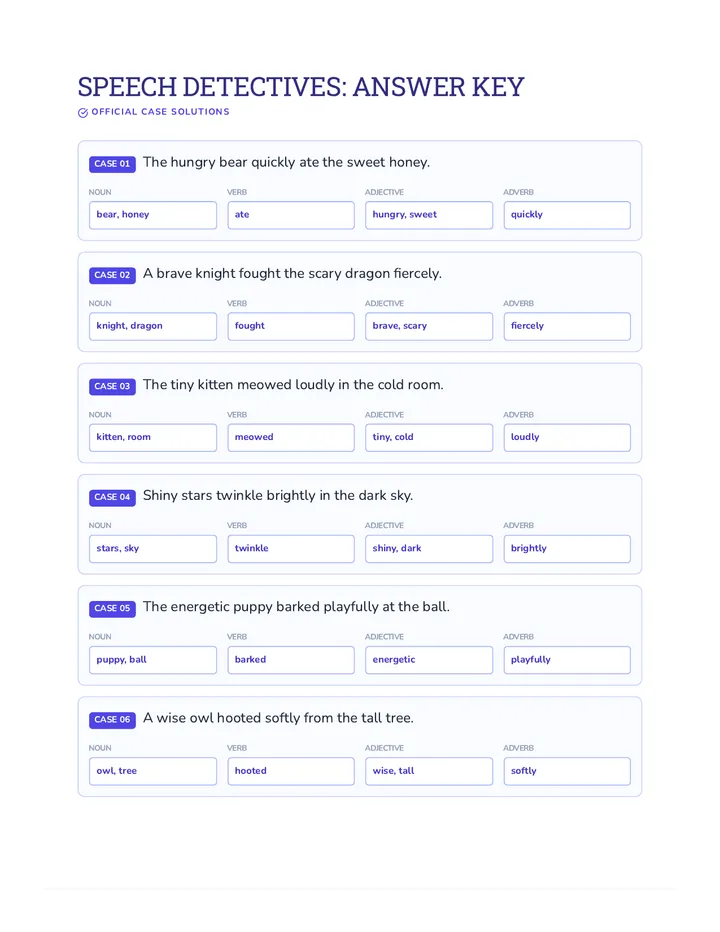
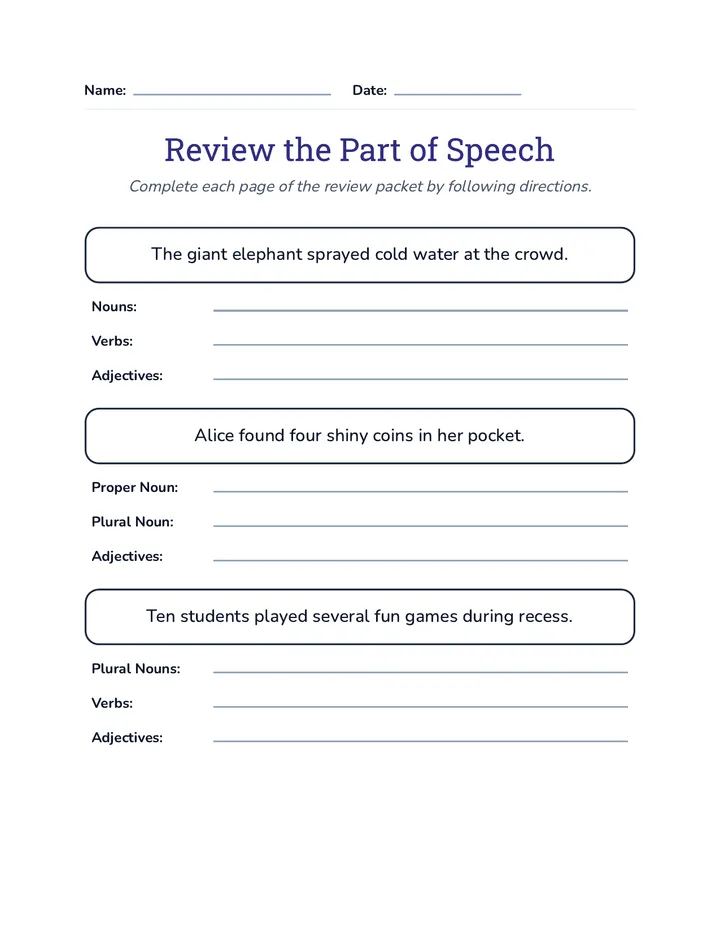
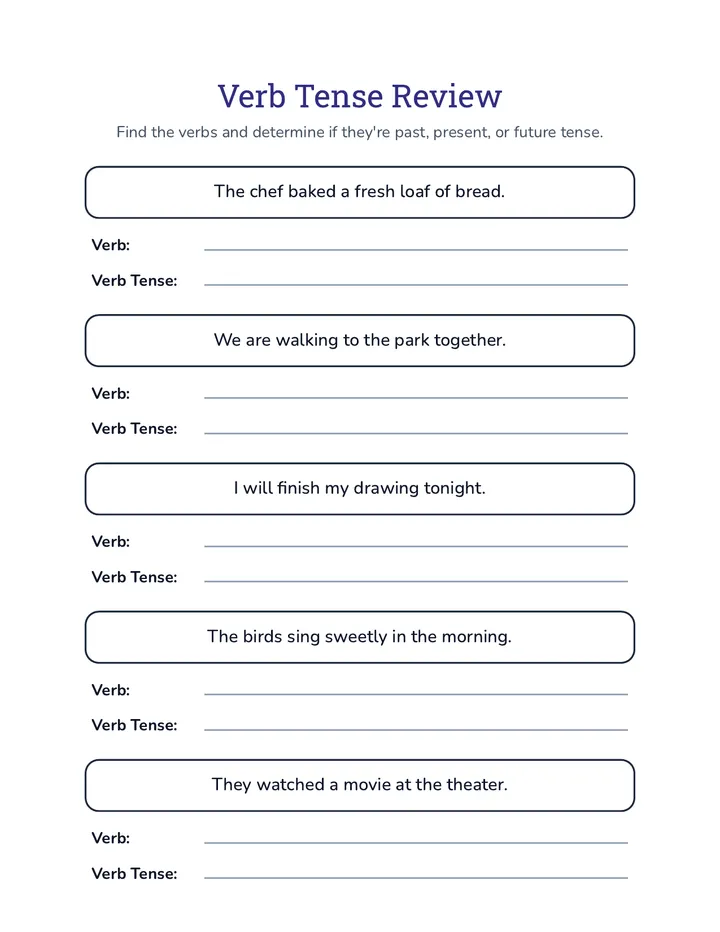
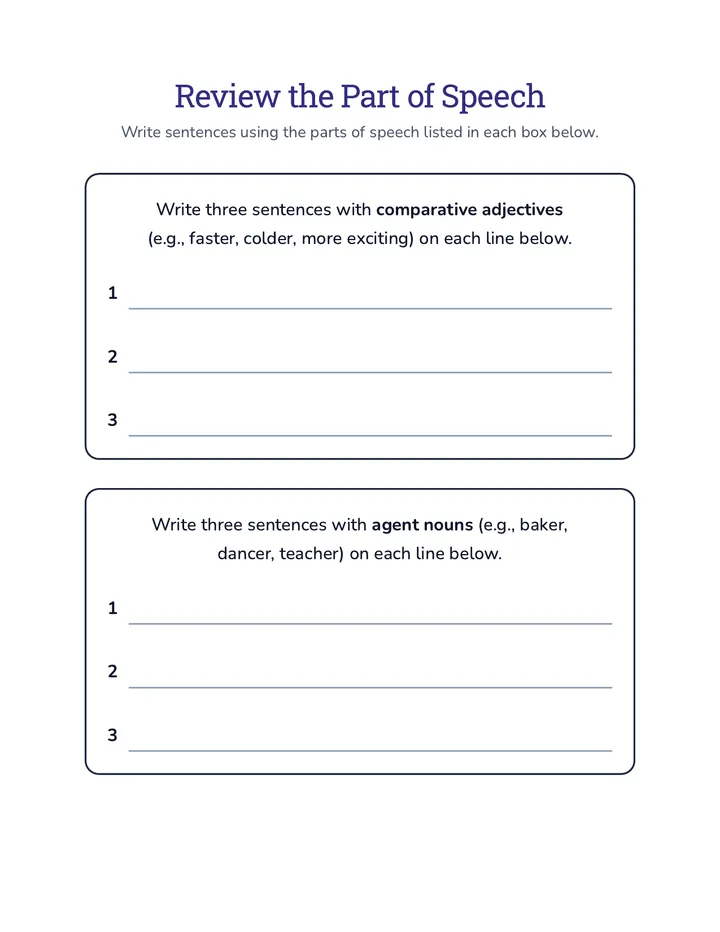
A collection of technology and language arts lessons exploring modern digital literacy and core communication skills.
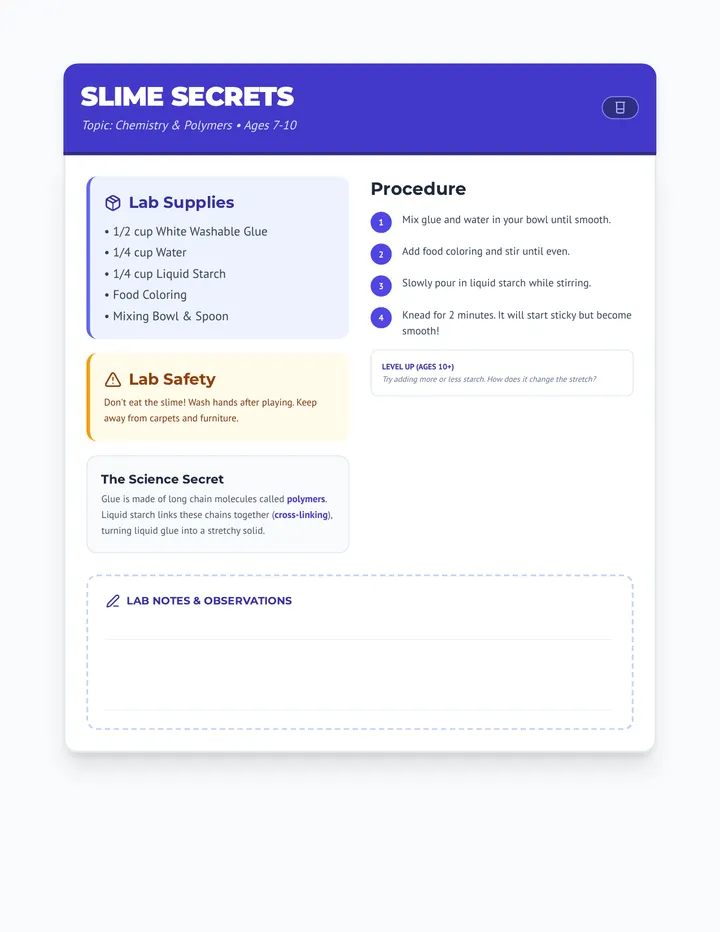
A collection of 8 hands-on science activities designed for elementary-aged children, covering chemistry, space, botany, and physics with a mix of instruction cards, journals, and lesson plans.
A series of lessons focused on understanding different natural disasters, their causes, impacts, and safety protocols through structured writing and investigation.
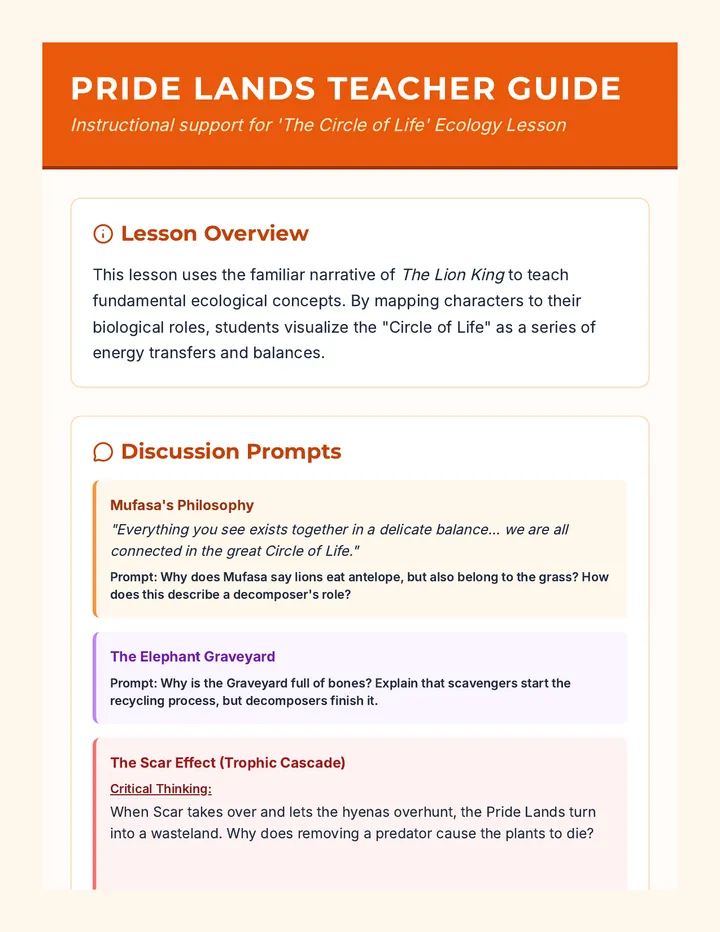
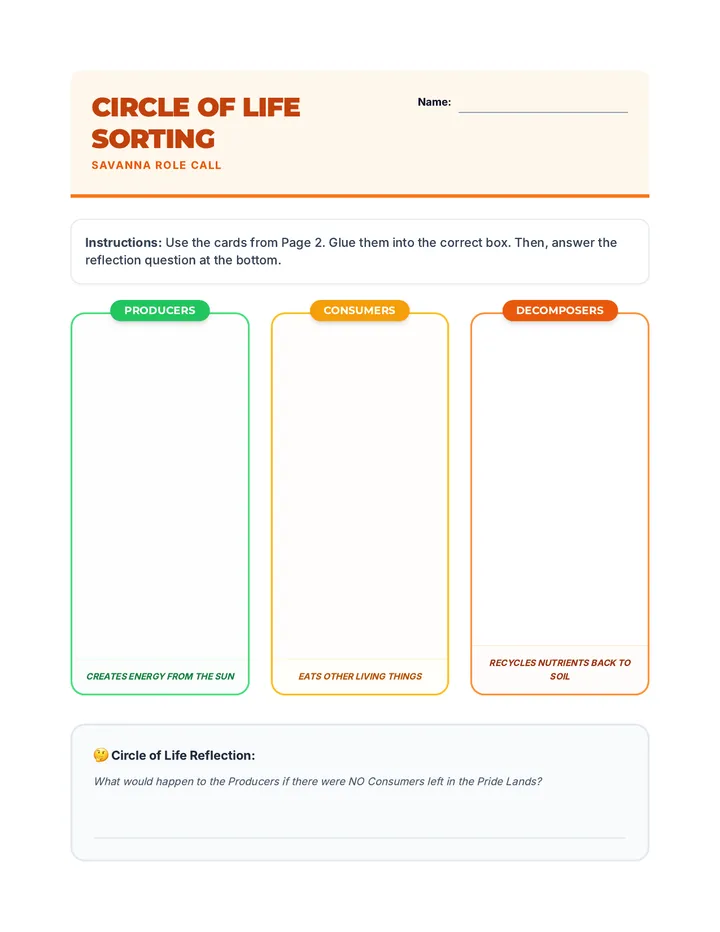
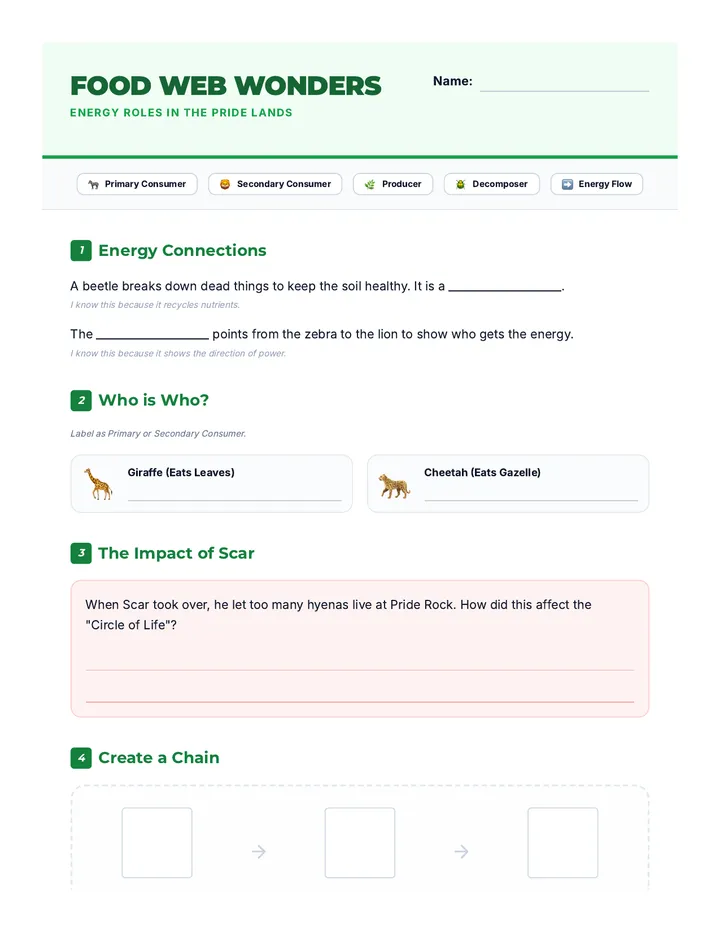
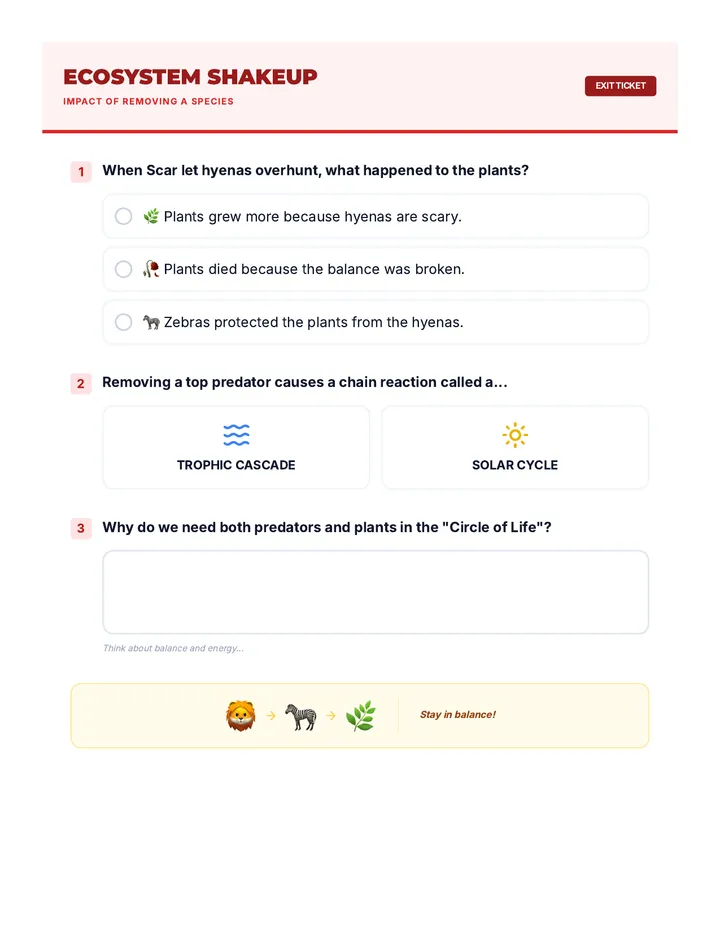
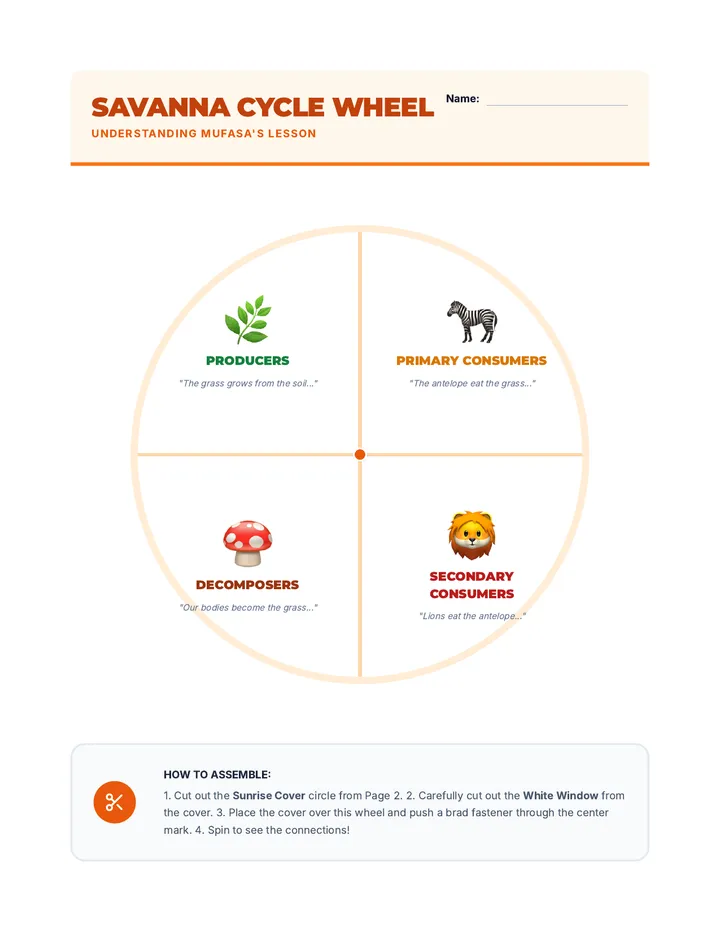
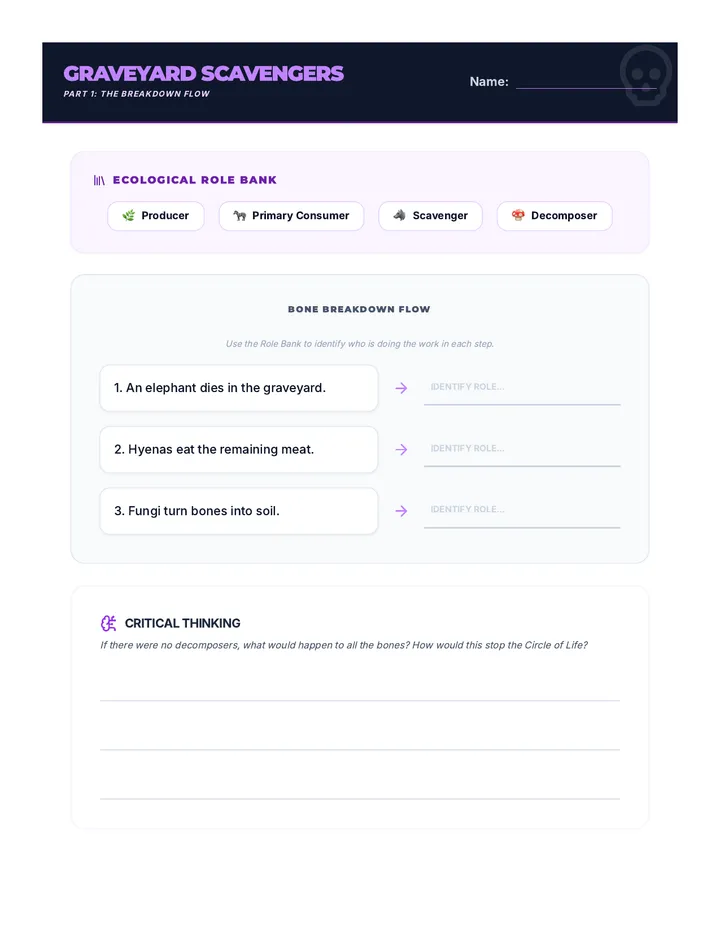
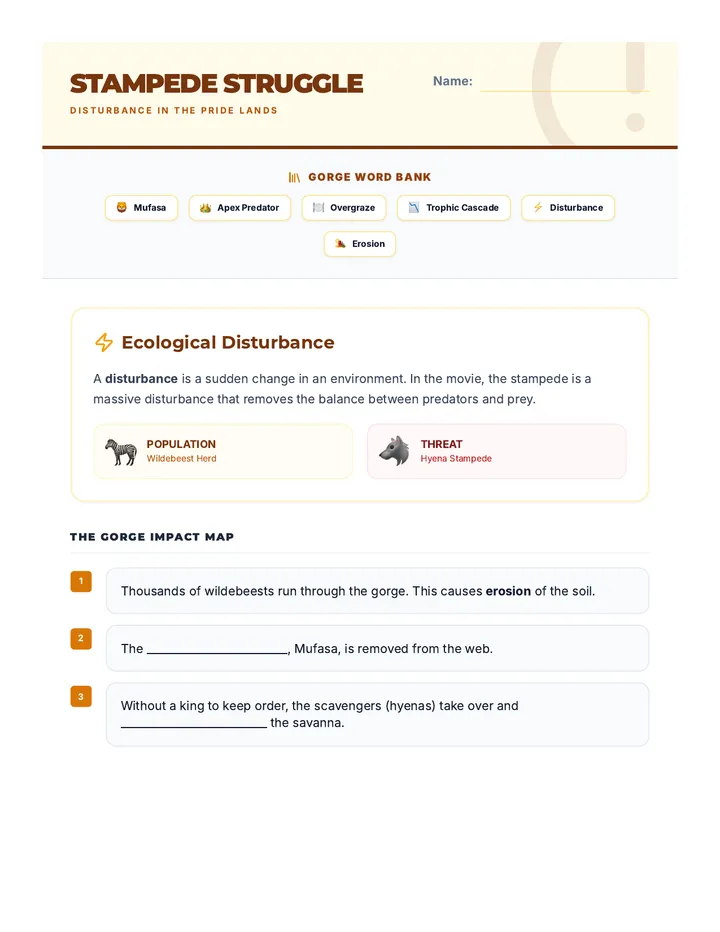
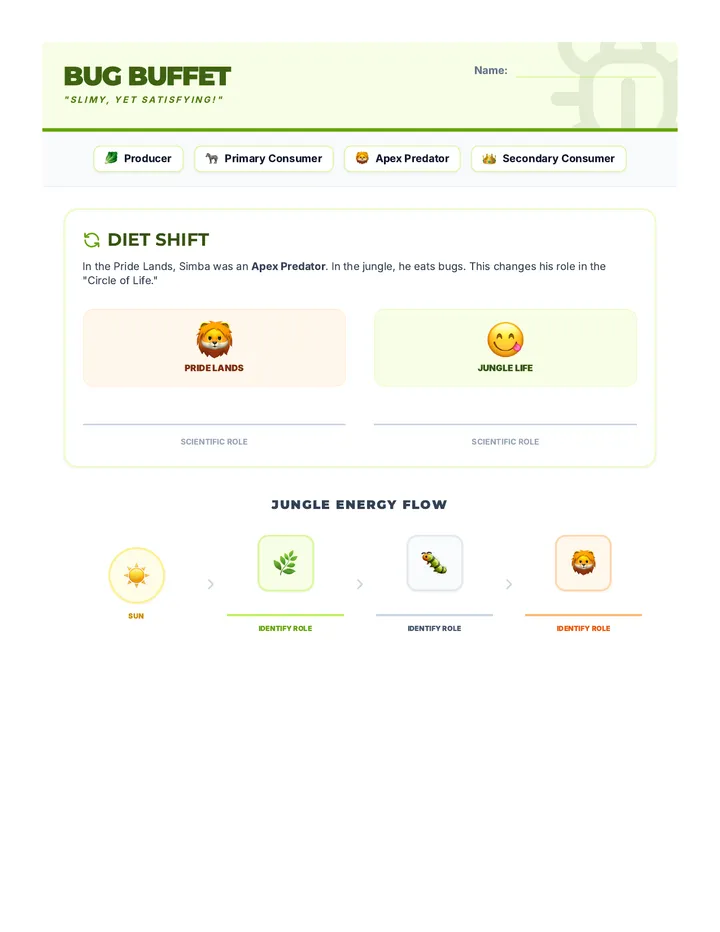
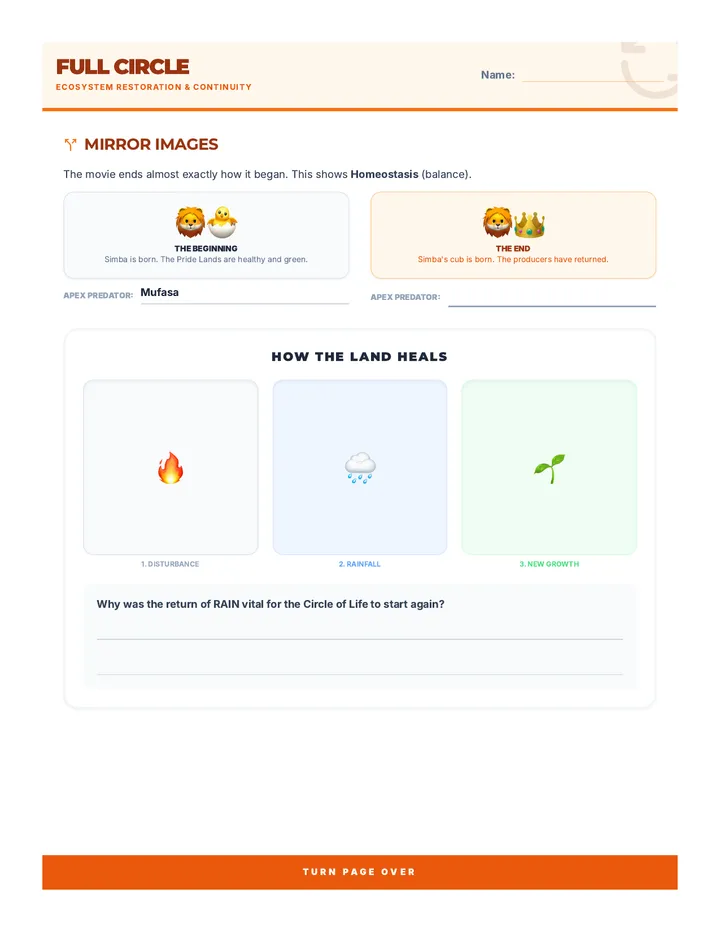
A science unit exploring ecology through the lens of 'The Lion King', focusing on food chains, food webs, and the balance of ecosystems. Students will learn to identify energy roles and predict the consequences of ecological changes.
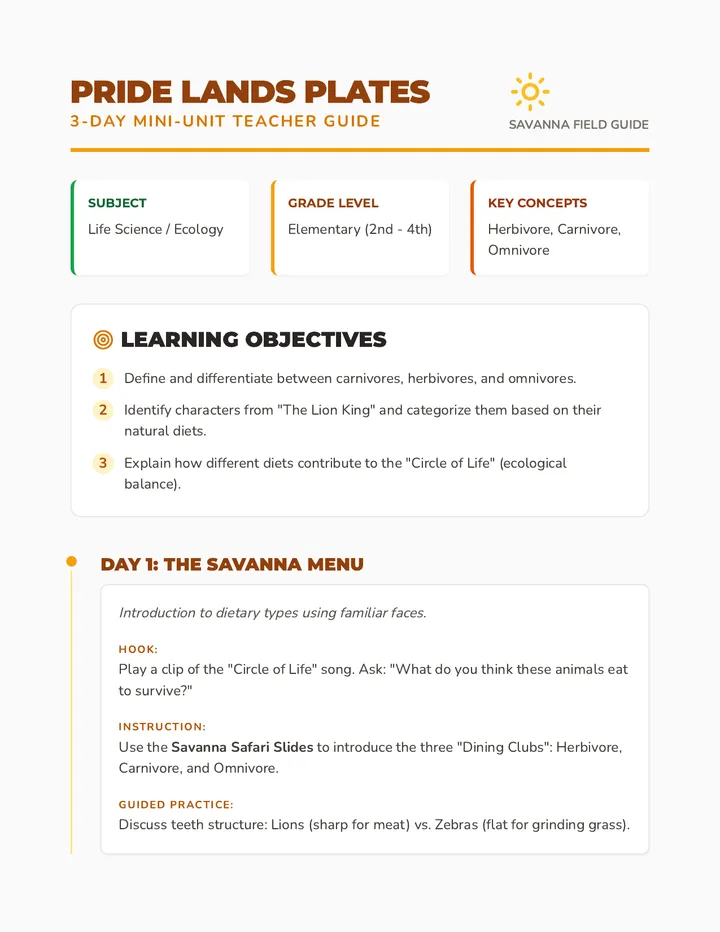
A 3-day mini-unit exploring carnivores, herbivores, and omnivores through the lens of The Lion King. Students will identify animal diets, categorize characters, and understand the ecological balance of the Pride Lands.
A hands-on exploration of animal diets, focusing on identifying and classifying herbivores, carnivores, and omnivores through text evidence and visual clues.