An immersive, project-based unit where students become 'Wild Explorers,' researching animals and creating interactive adventure books to demonstrate their learning.
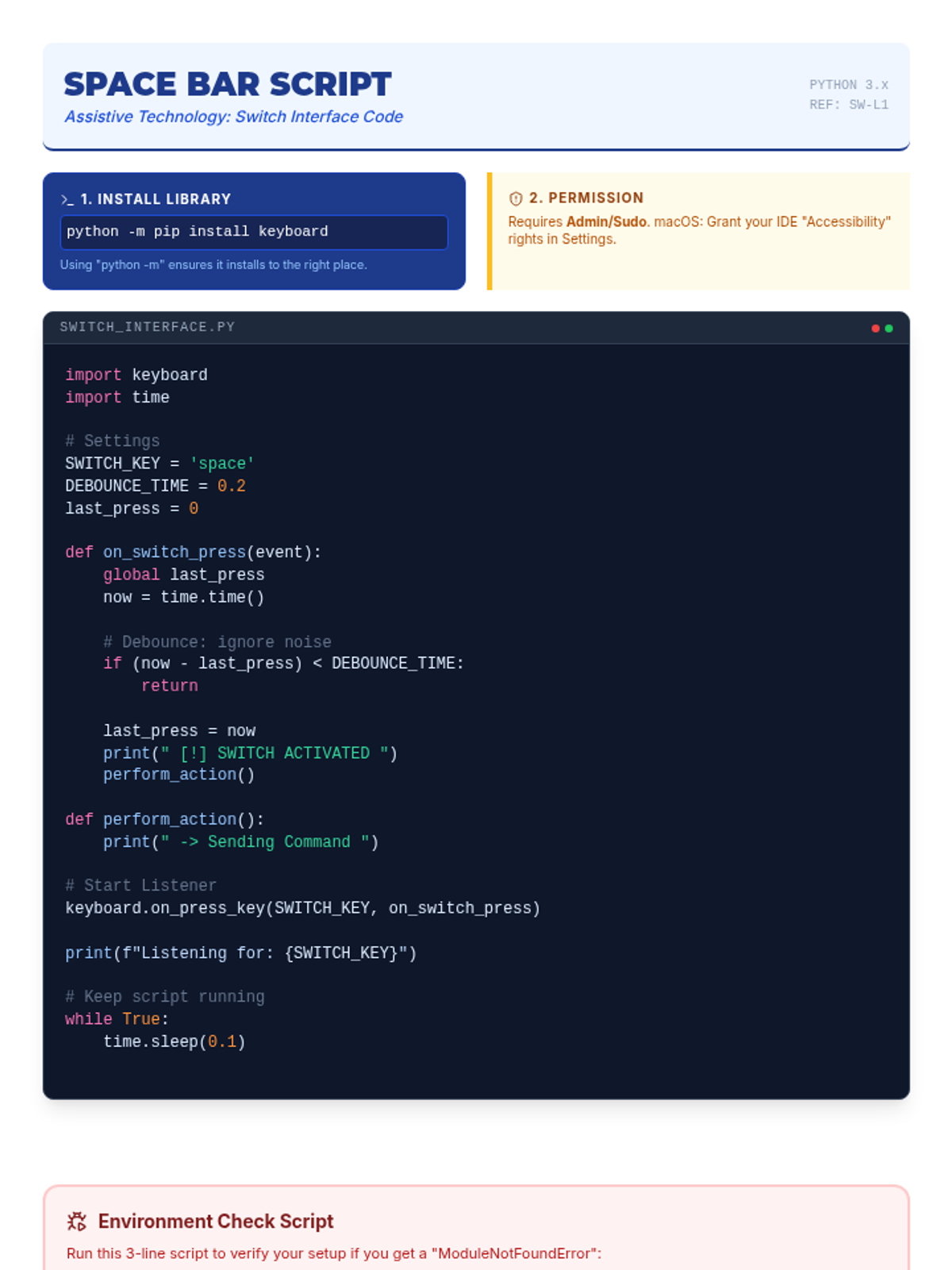
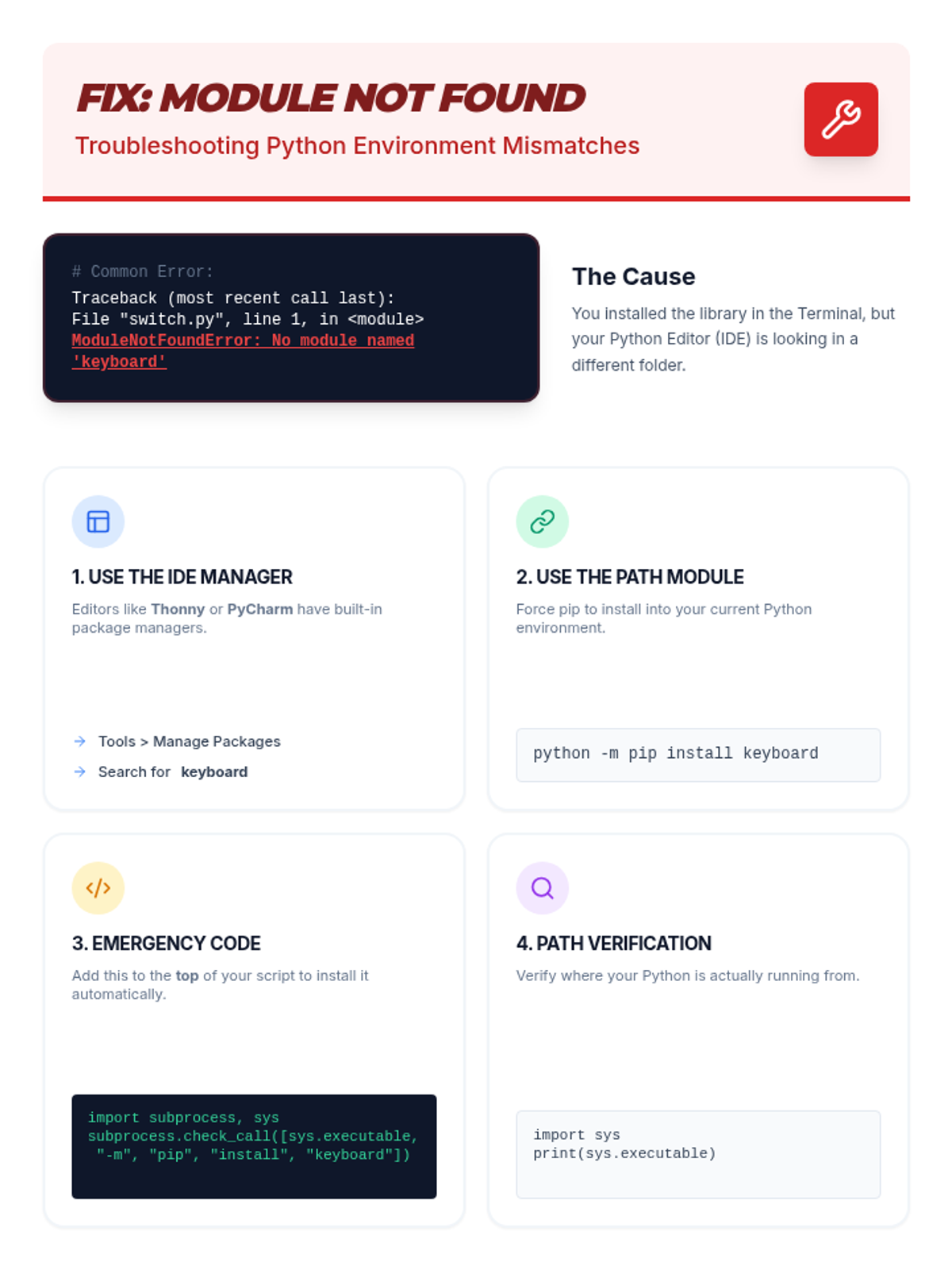
A comprehensive introduction to Python programming for 11th grade students, focusing on syntax, control flow, and problem-solving through code.
A comprehensive investigation into the Earth's geological processes, focusing on the formation, transformation, and identification of igneous, sedimentary, and metamorphic rocks.
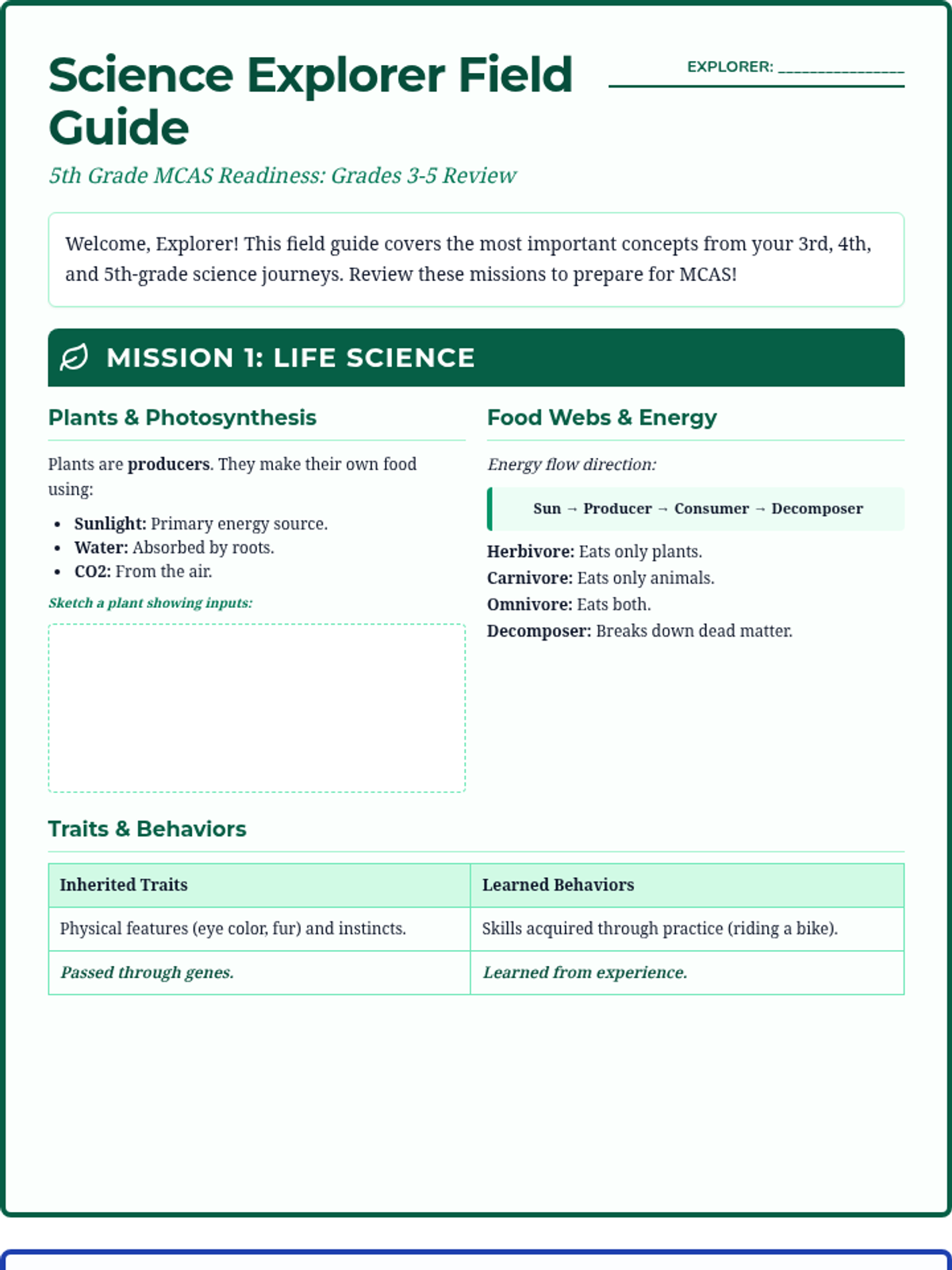
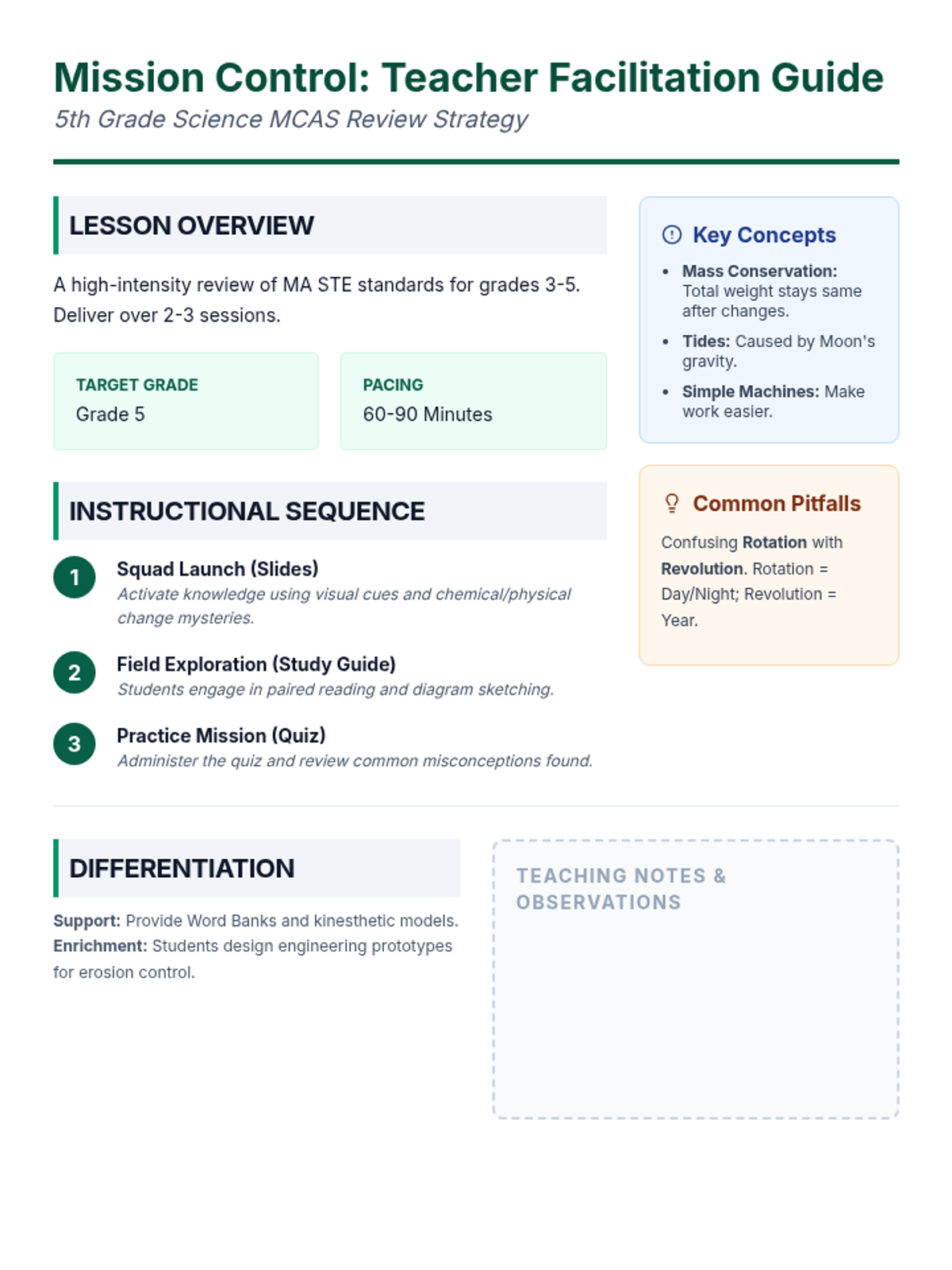
A collection of rigorous, movement-based review activities and readiness assessments for middle school science units.
A comprehensive science unit for 4th grade exploring the physical and chemical properties of materials through hands-on lab stations and visual demonstrations. Students act as 'Material Engineers' to test and categorize everyday substances based on their unique characteristics.
A comprehensive dual-topic science sequence for 4th grade covering the mechanics of simple machines and the interconnectedness of ecosystems. Each lesson includes instructional guides, reading materials, and vocabulary resources.
A high school biology sequence focused on the neuroscience of addiction, specifically analyzing how chemical structure and speed of delivery influence the brain's reward system. Students explore the biological mechanisms of tolerance, dependence, and the blood-brain barrier through graphing and comparative analysis.
A specialized AP Biology unit exploring the intersection of neuroscience and psychology, focusing on the biological mechanisms of mental health disorders and the pharmacology of their treatments.
A series of lessons exploring genetics and protein synthesis through the lens of spider silk production for medical use. Adapted for 3rd-grade reading levels while maintaining 6th-grade science concepts.
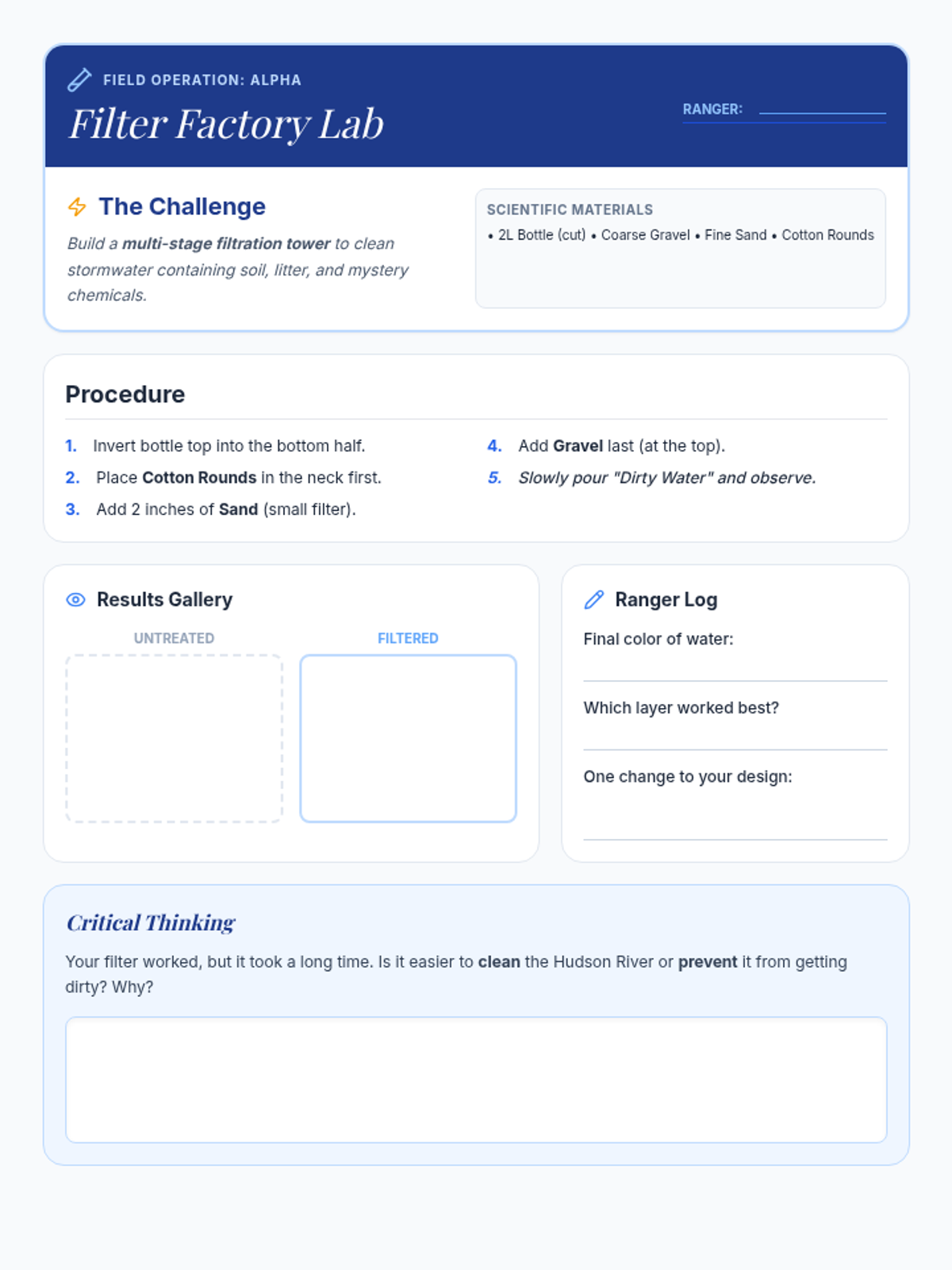
A comprehensive 5-week sequence exploring the physical properties of water, the engineering of water filtration, and the complex systems of Virginia's watersheds. Students move from hands-on engineering to chemical properties and finally to large-scale environmental systems.
A 4th-grade science unit adapted from 6th-grade material, focusing on how gene versions and proteins determine traits in spiders and humans. Students act as 'Gene Detectives' to solve the mystery of silk flexibility and running ability.
Une séquence approfondie sur les phases claires de la photosynthèse, destinée aux étudiants de première année de licence. Elle couvre la capture de l'énergie lumineuse, les pigments photosynthétiques et la chaîne de transfert d'électrons.
Une séquence exhaustive sur le métabolisme pour les classes préparatoires BCPST, couvrant l'hétérotrophie, l'autotrophie au carbone et à l'azote, ainsi que la chimiolithotrophie. La séquence met l'accent sur les bilans énergétiques, les flux de protons et l'intégration des voies métaboliques.
A comprehensive unit exploring inherited traits, talents, and character analysis through the lens of Kamal's story. Students will distinguish between genetic traits and learned talents, analyze character motivations, and document their own unique 'code'.
A comprehensive project-based unit where students explore the vital role of pollinators, research local species, and design solutions to protect their habitats.
A comprehensive unit exploring the fundamentals of electricity, magnetism, and how they combine in circuits, focusing on energy transformations and hands-on visuals.
A comprehensive 5-lesson unit for 4th graders exploring the properties of light energy, including how it travels, reflects, refracts, and interacts with different materials.
A comprehensive 4th-grade earth science unit aligned with the TERC Earth Materials investigation, focusing on the properties of minerals, types of rocks, the rock cycle, and soil composition through a "Geology Field Lab" lens.
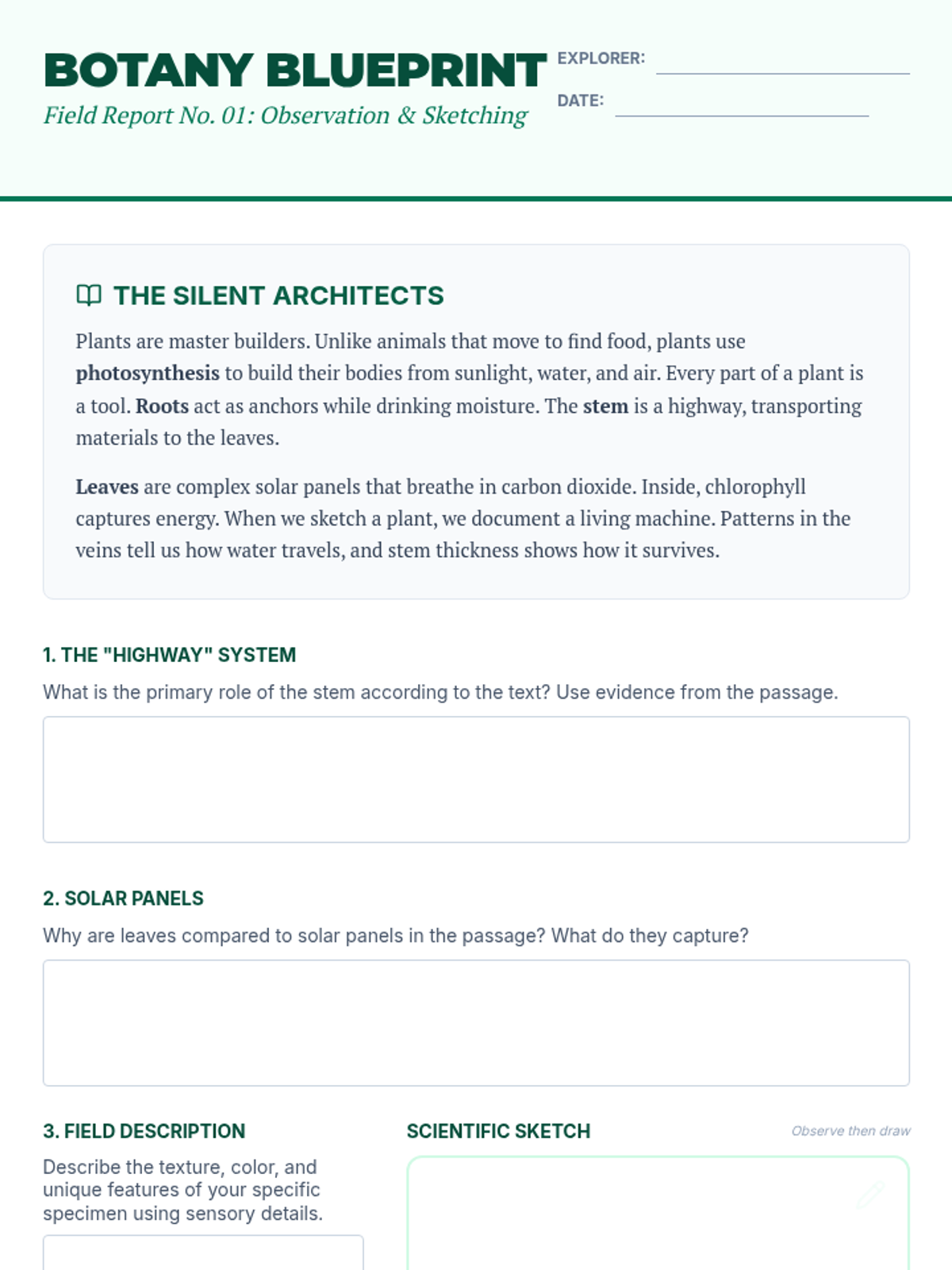
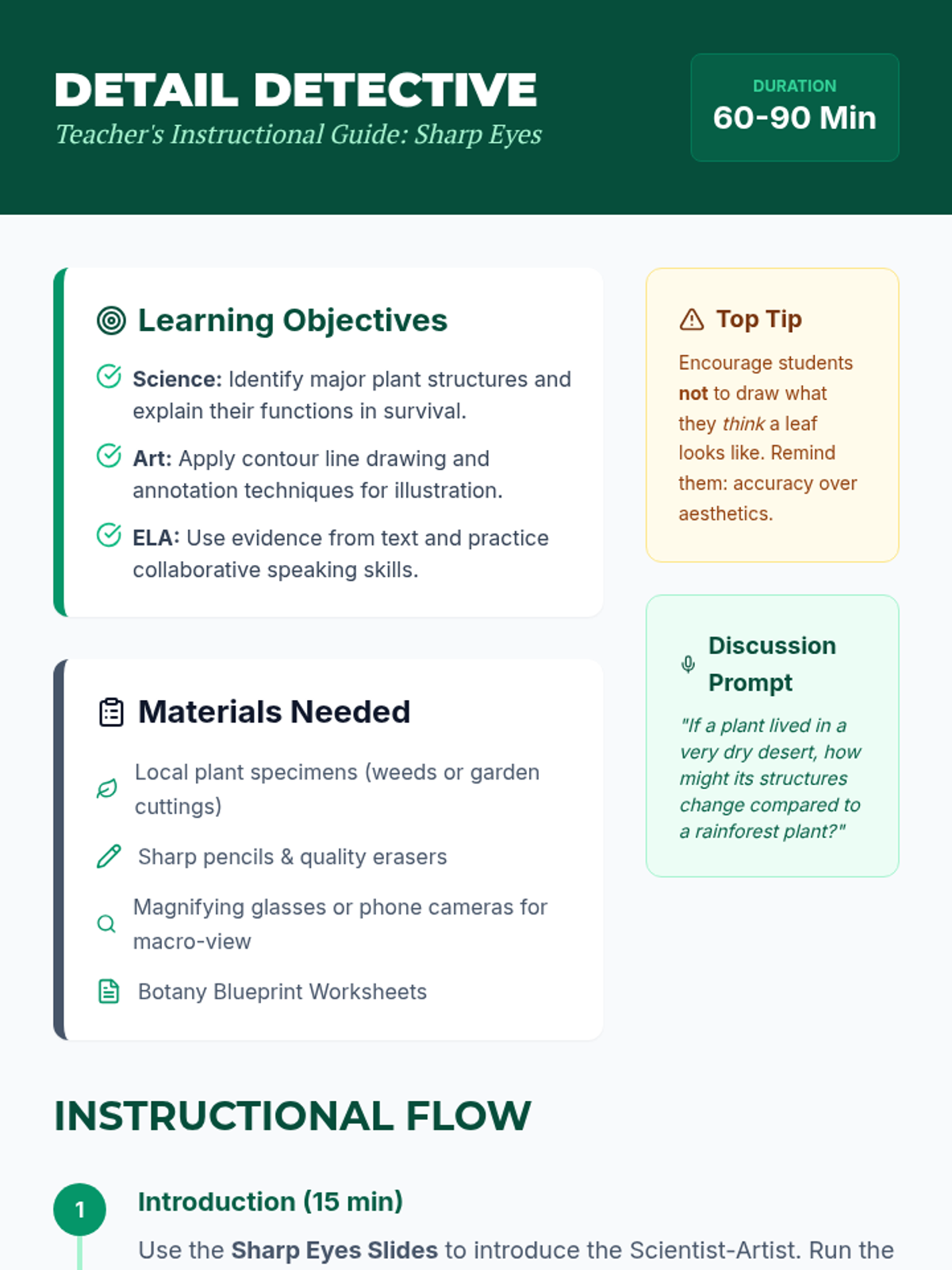
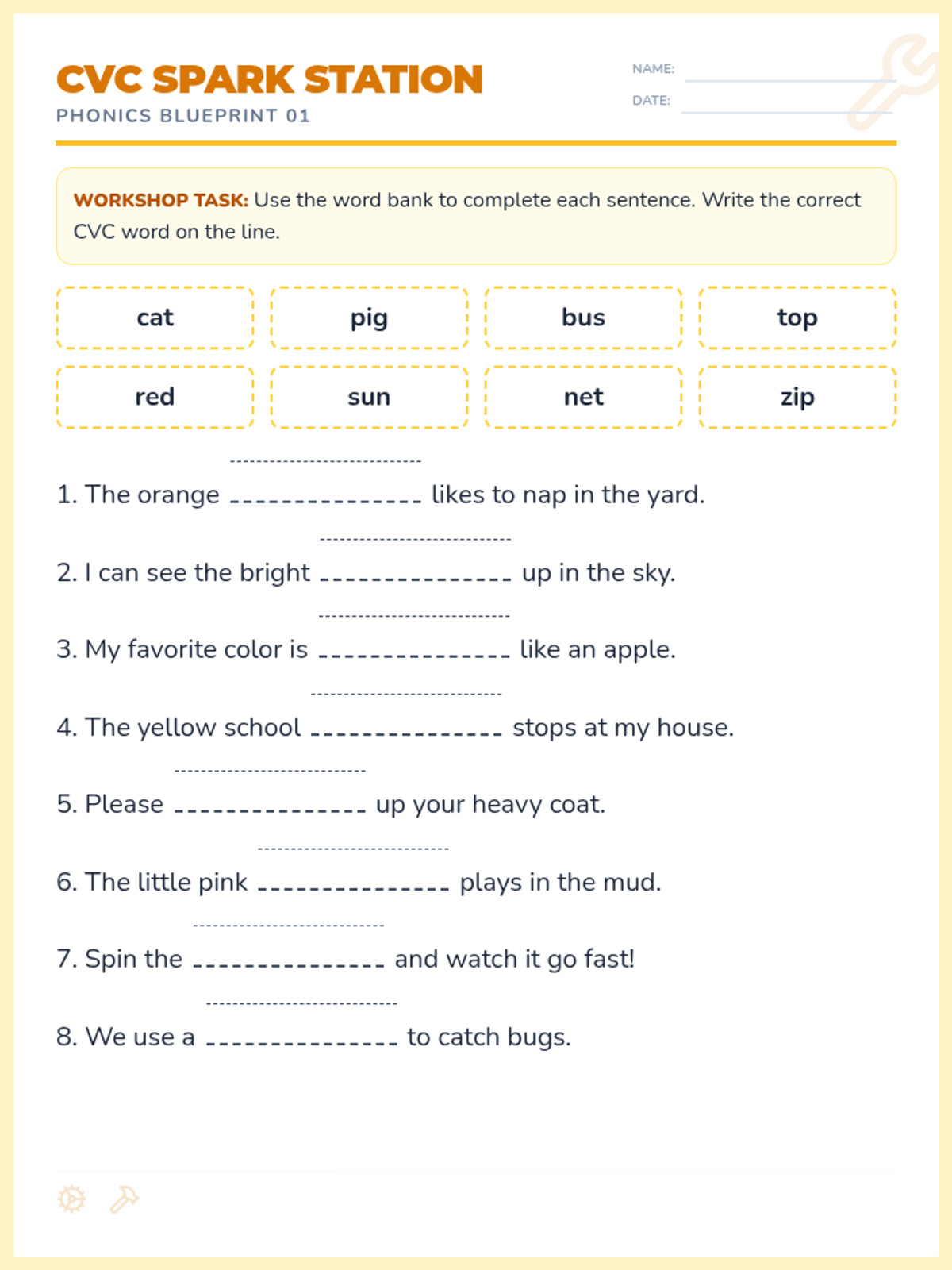
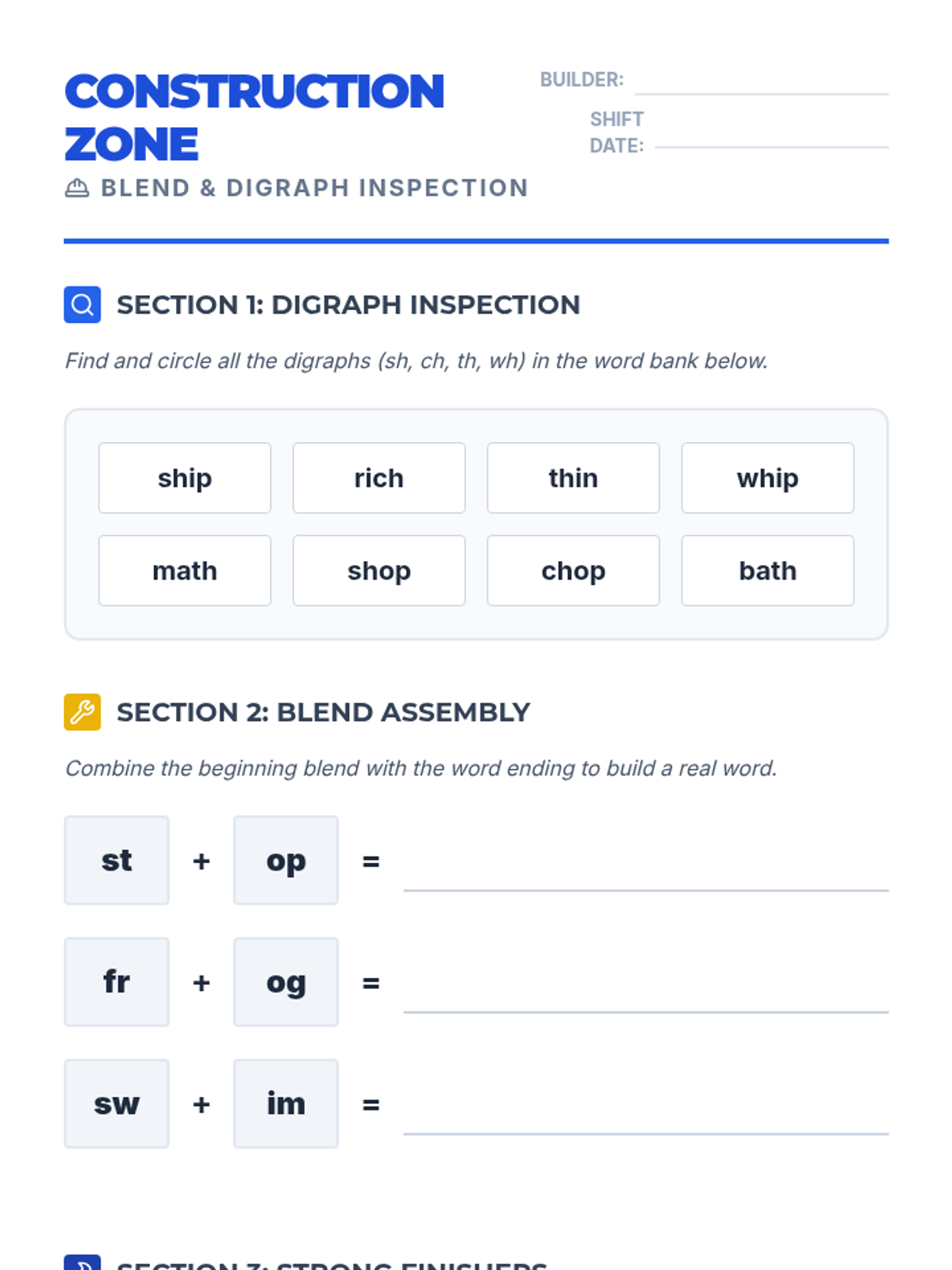
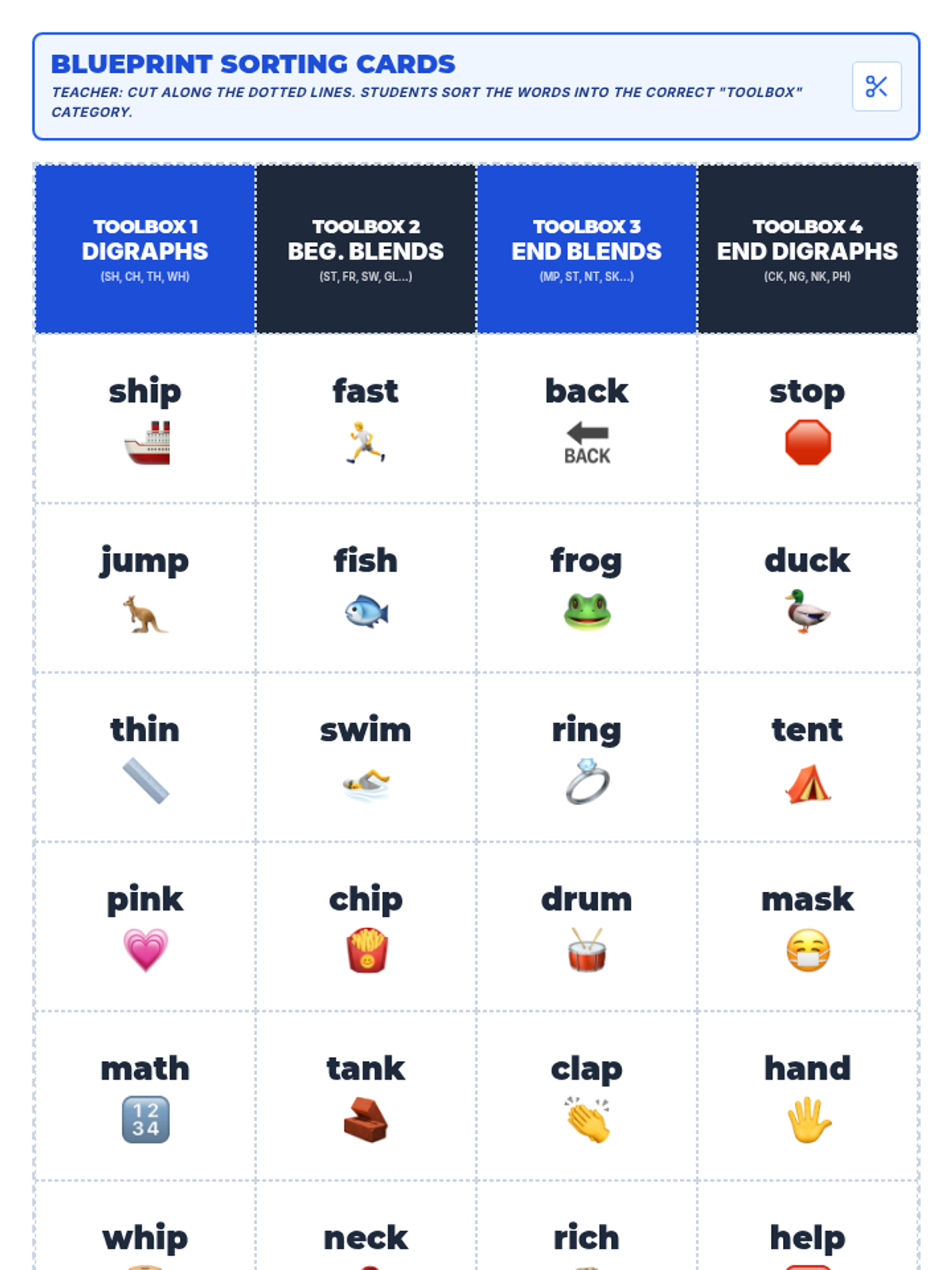
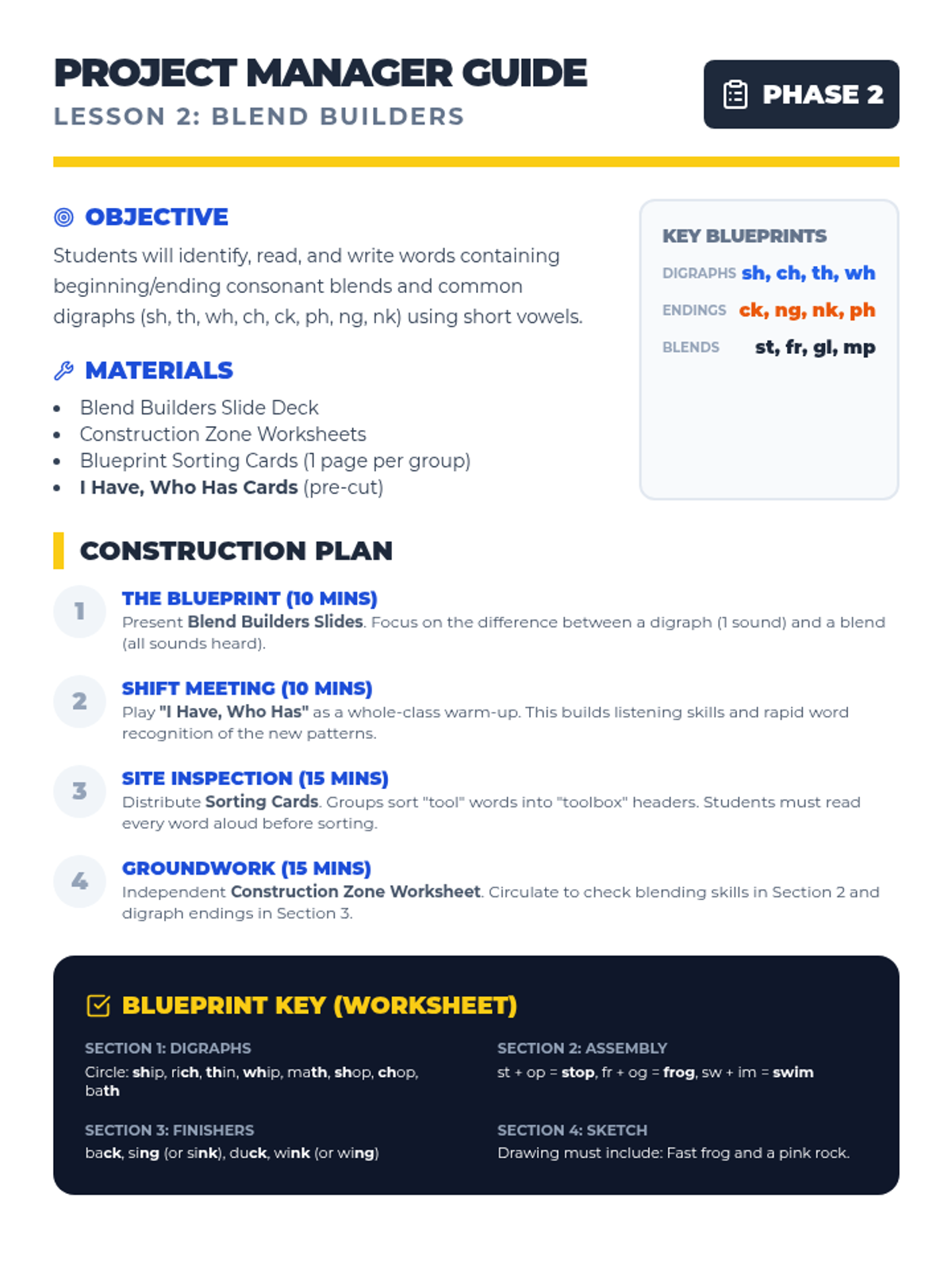
A collection of science and phonics resources designed for hands-on classroom activities.
A unit exploring the biological origins of humanity, focusing on evolutionary biology, phylogeny, and the development of complex traits like bipedalism and collective learning.