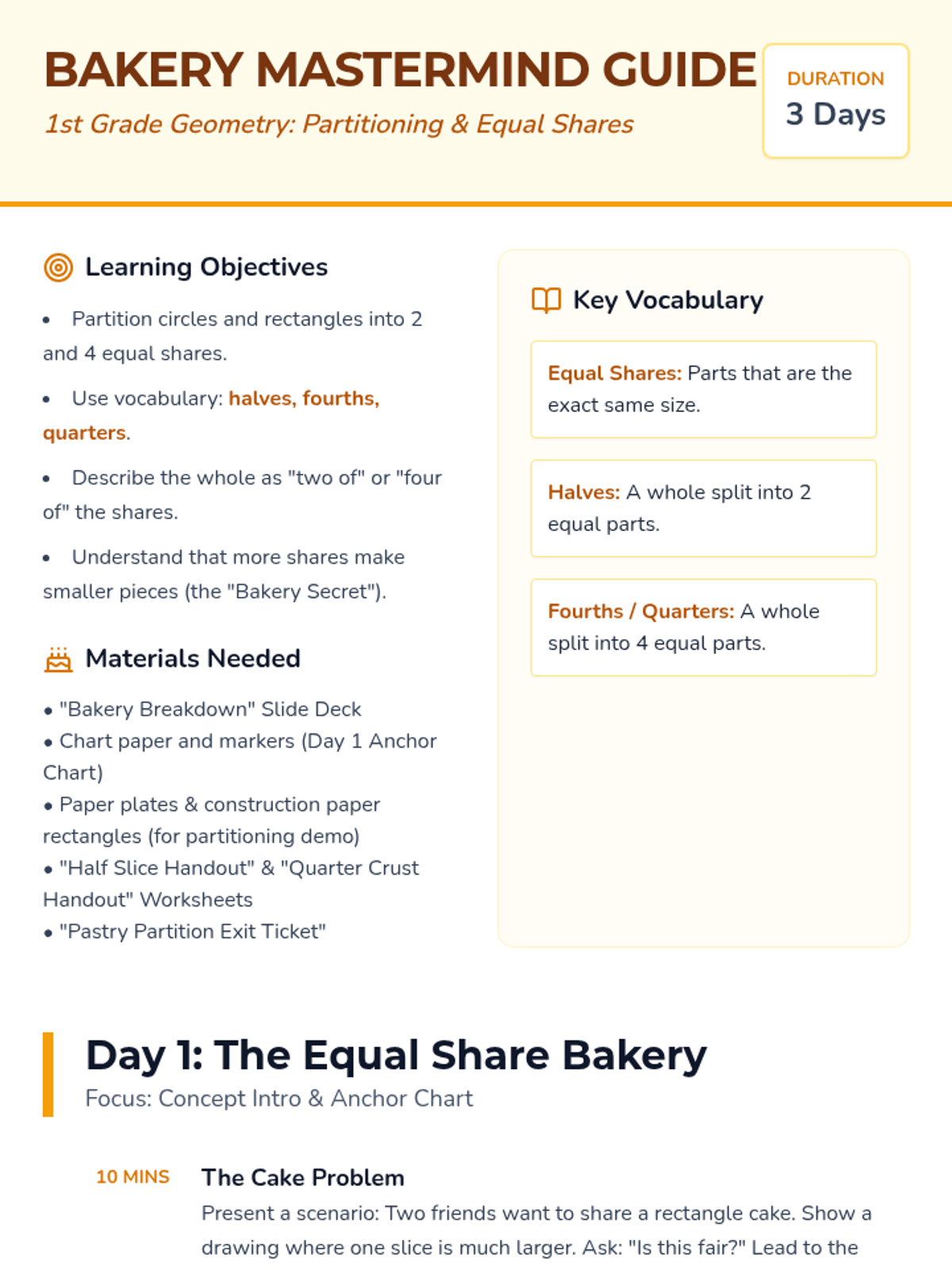
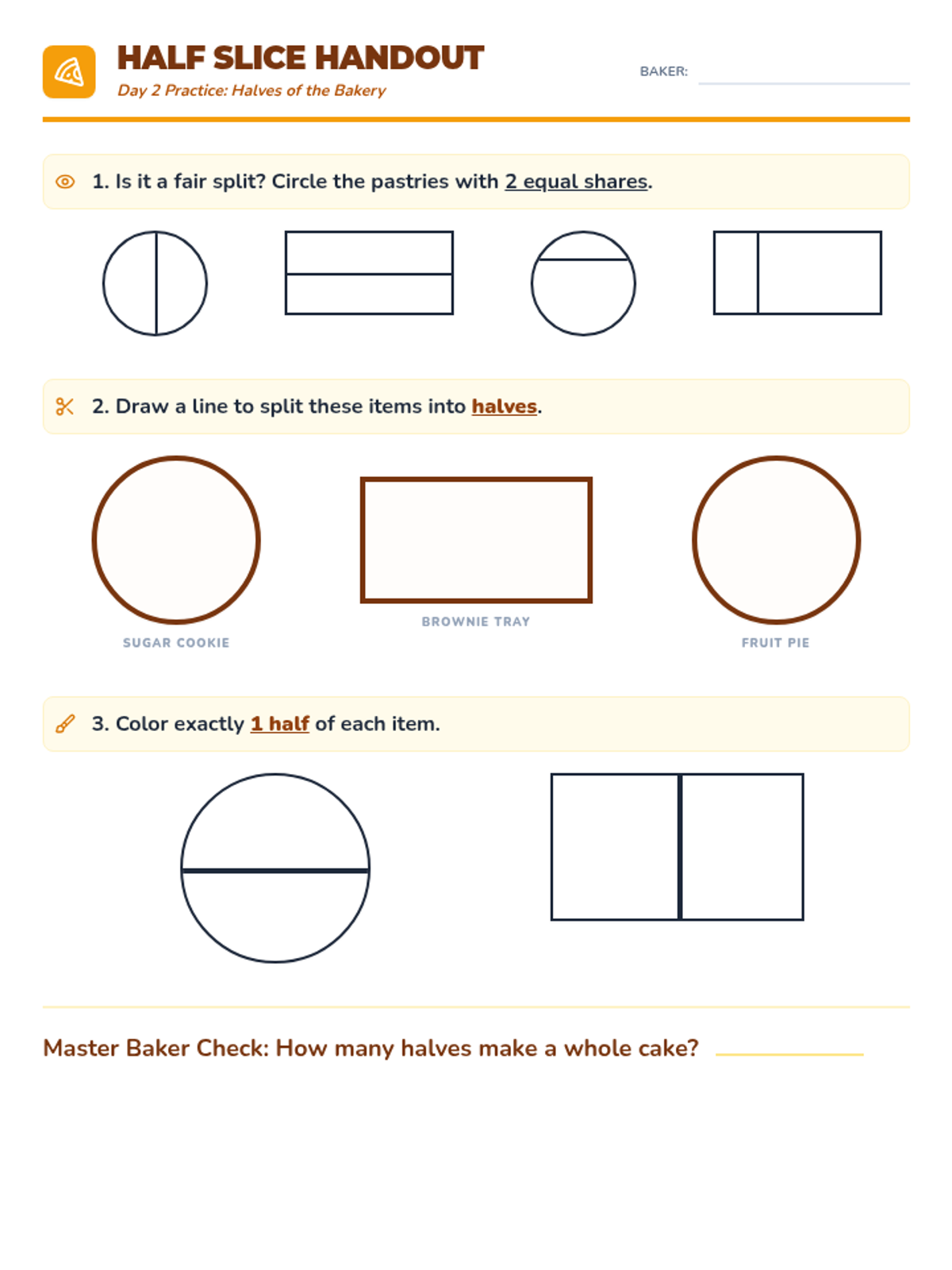
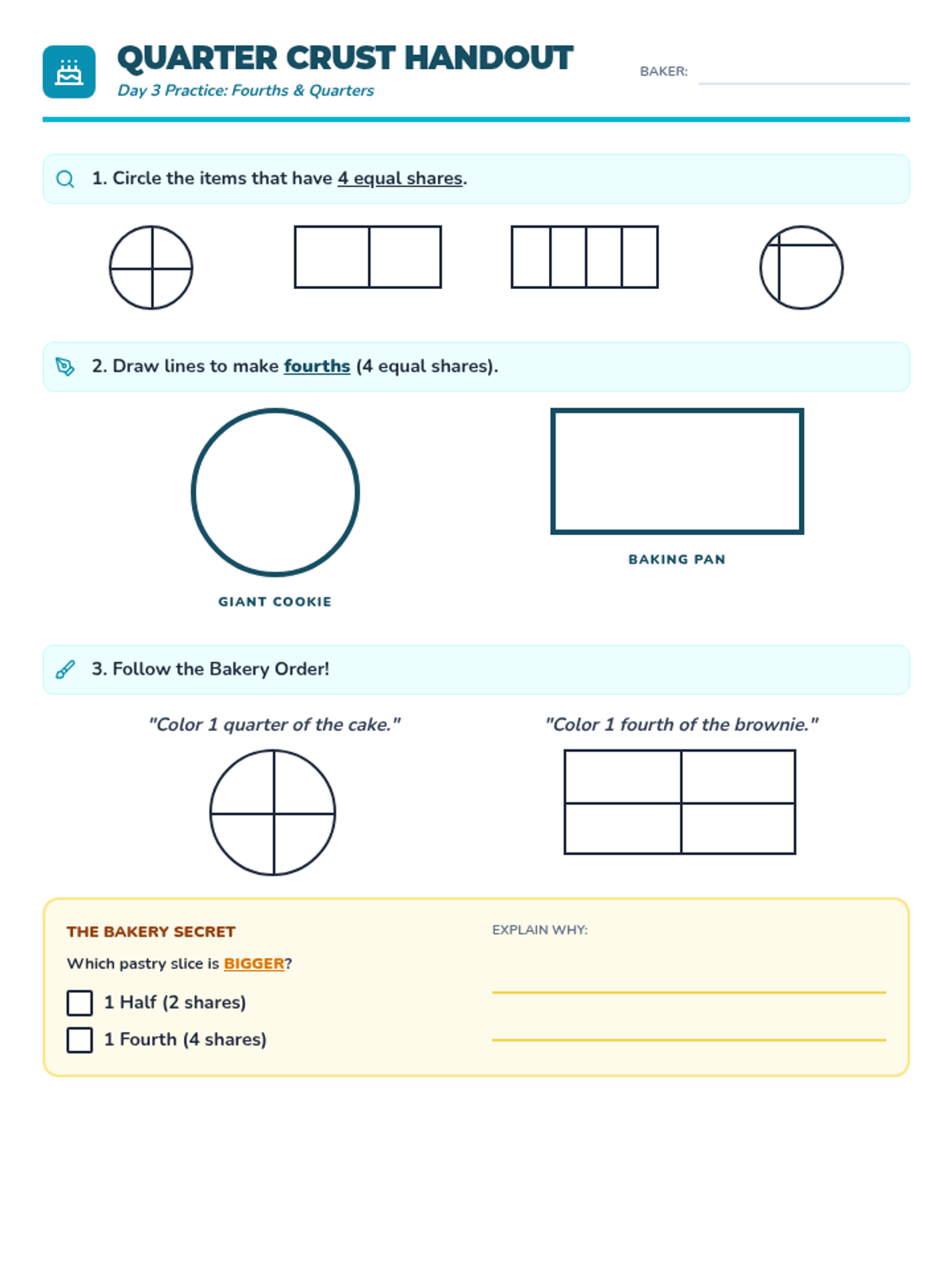
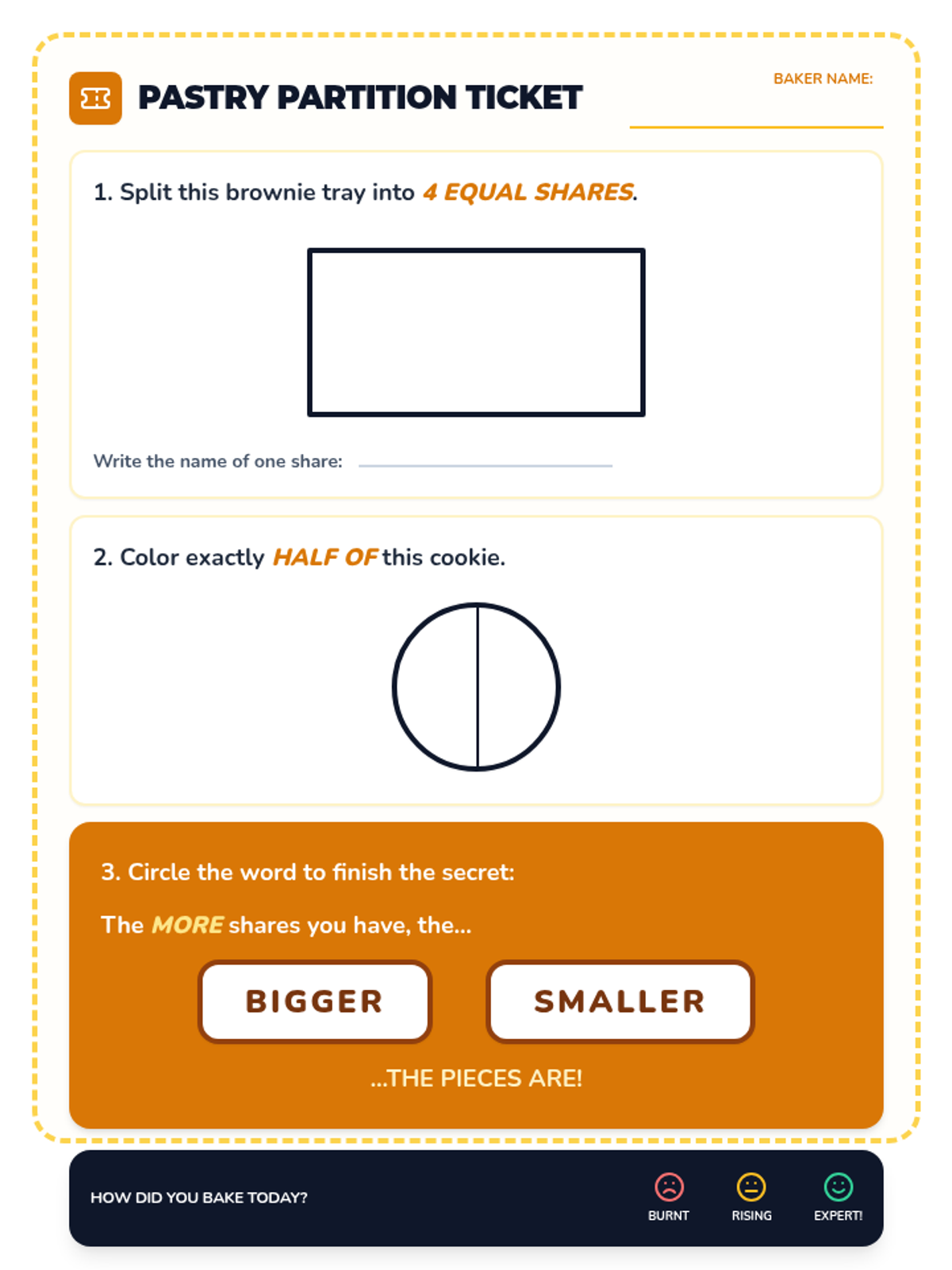
A 1st-grade geometry sequence introducing partitioning circles and rectangles into halves and fourths. Students explore equal shares, learn foundational fraction vocabulary, and understand the relationship between the number of parts and their size.
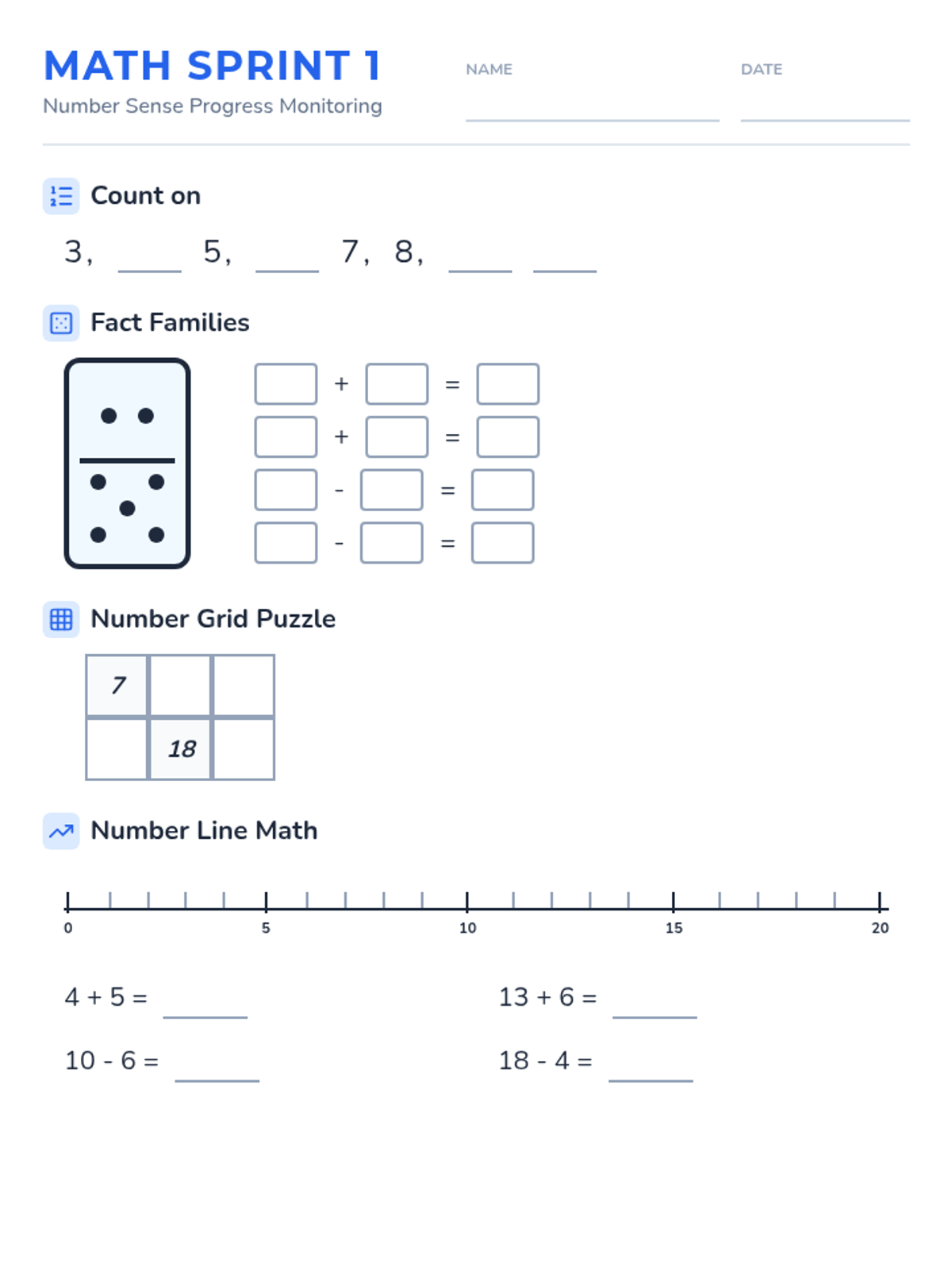
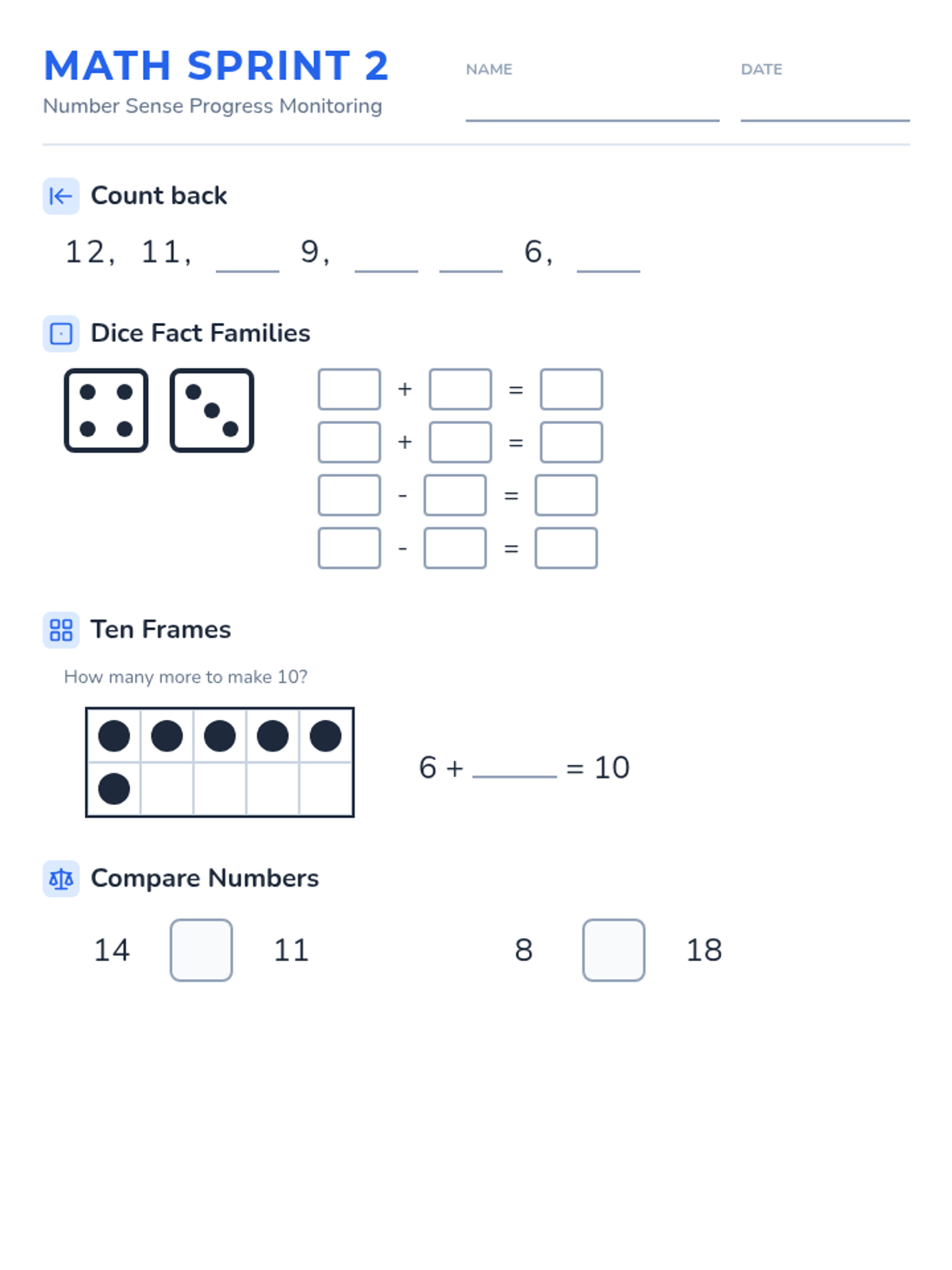
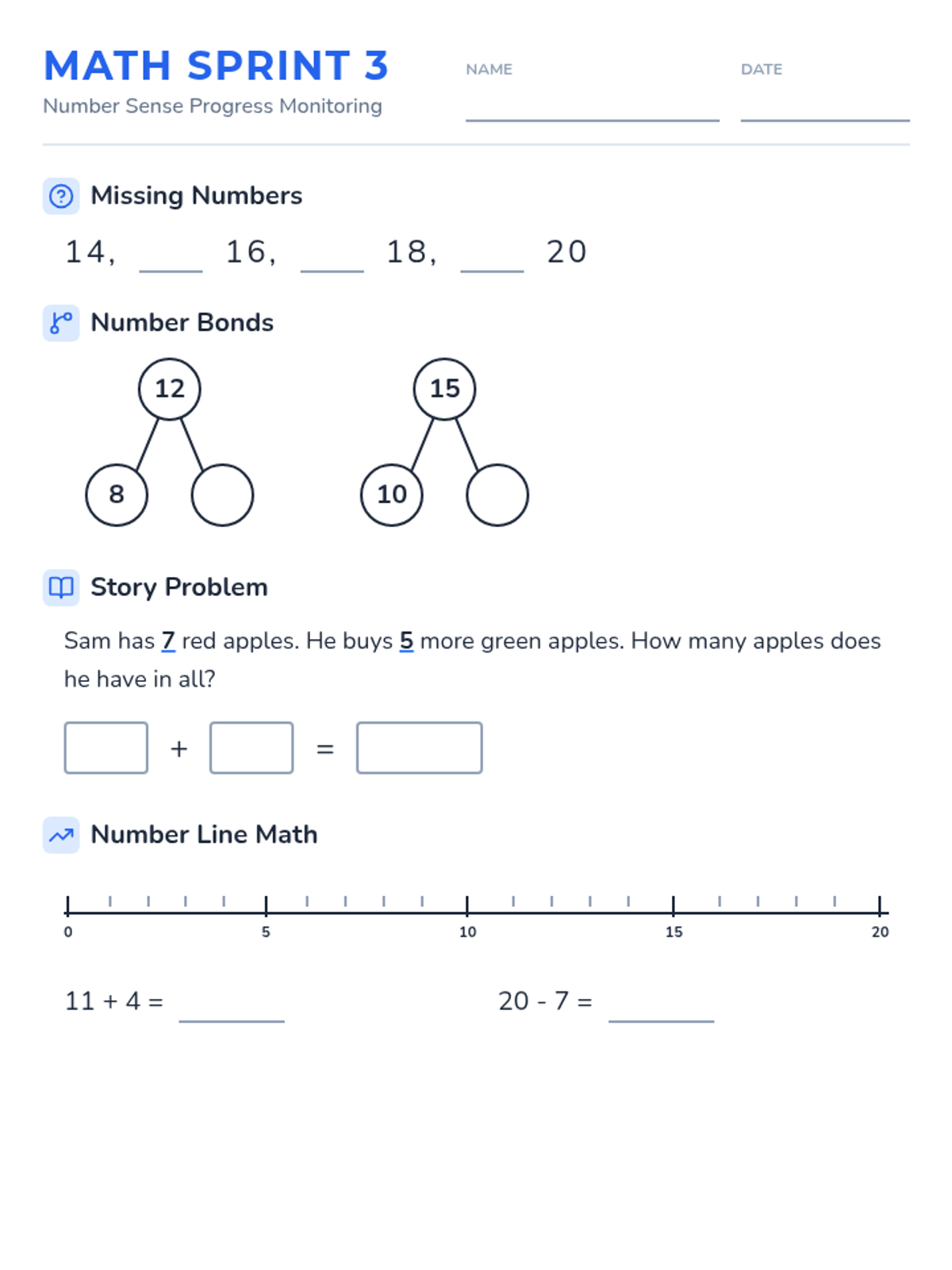
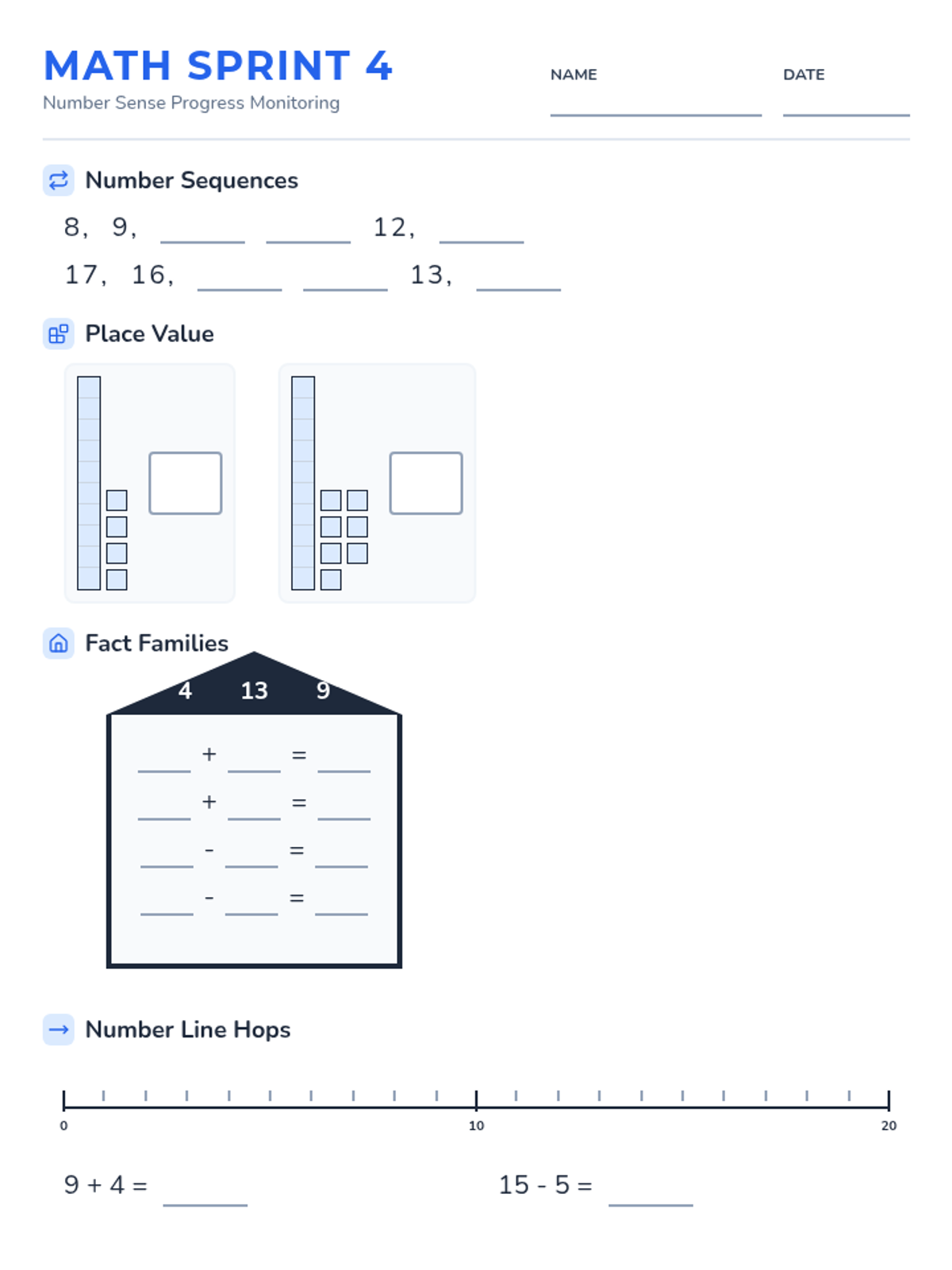
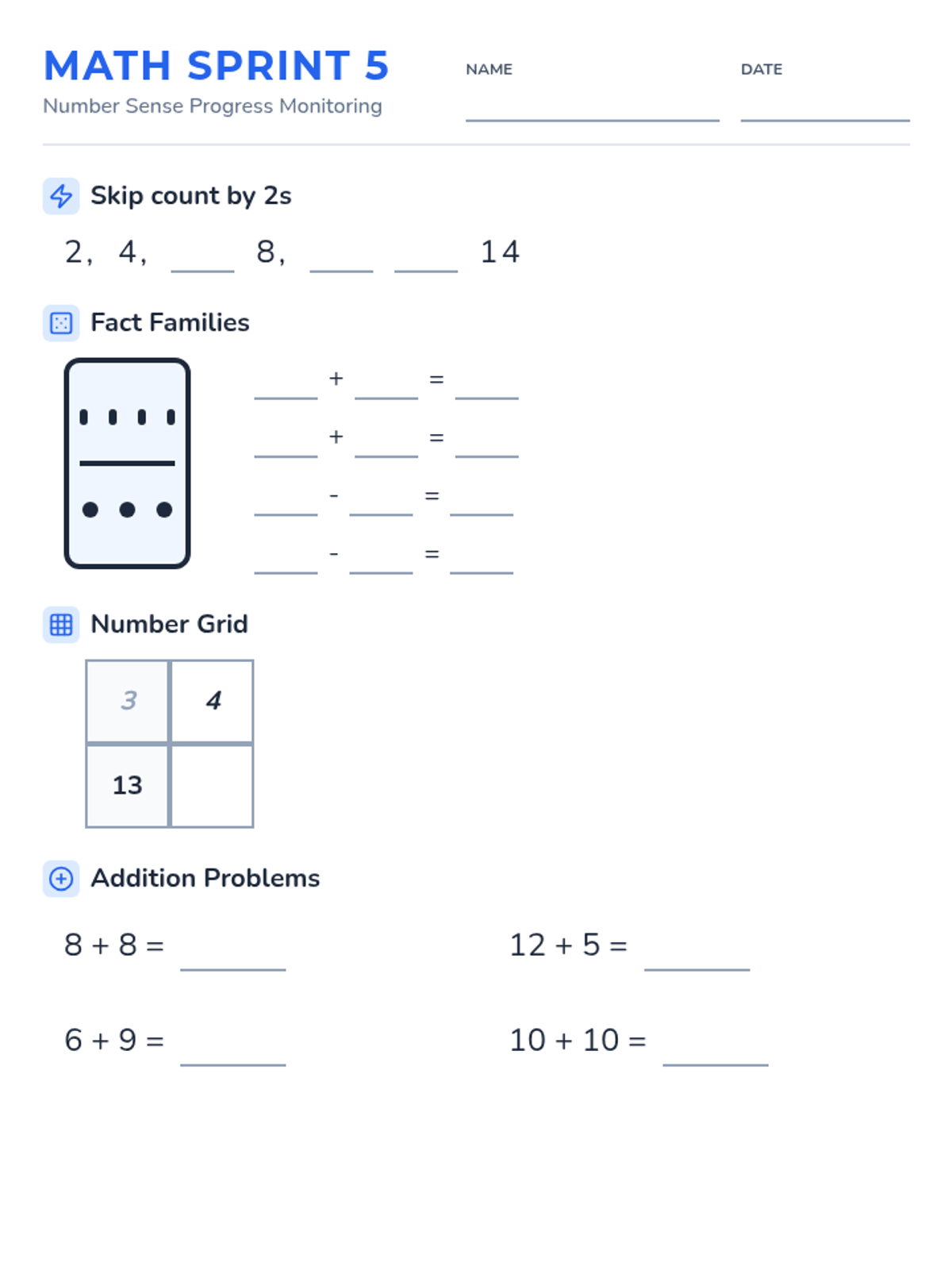
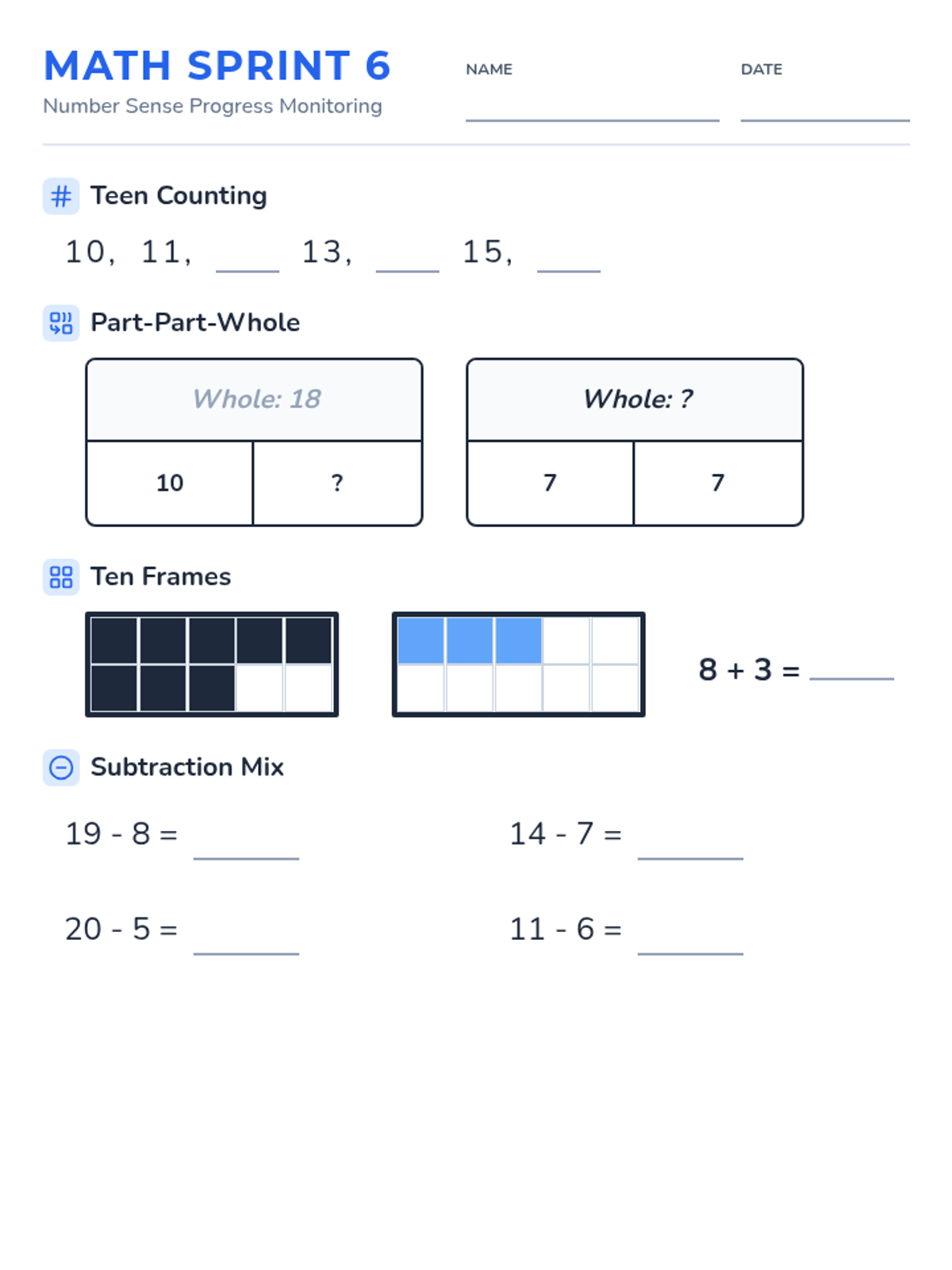
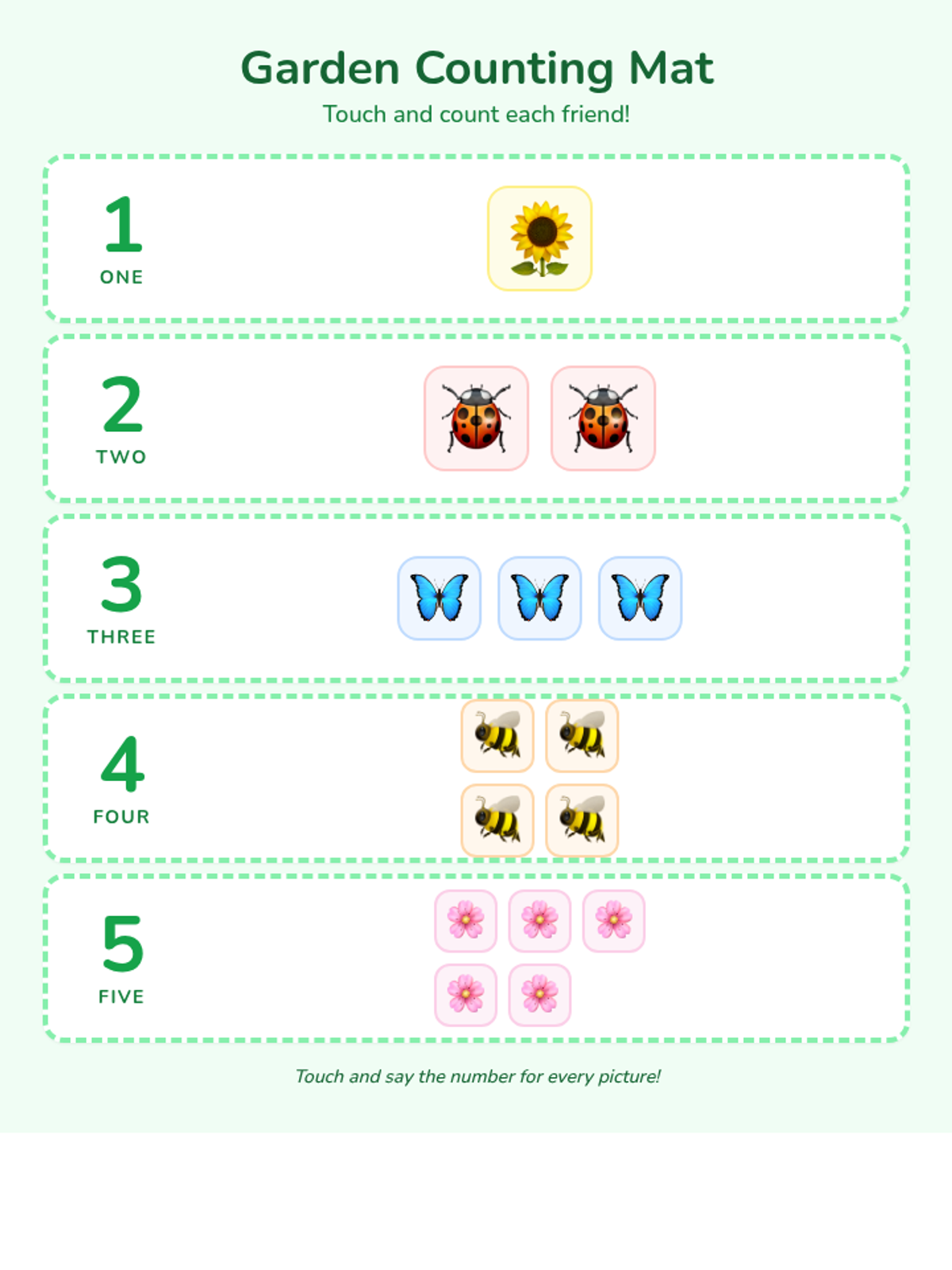
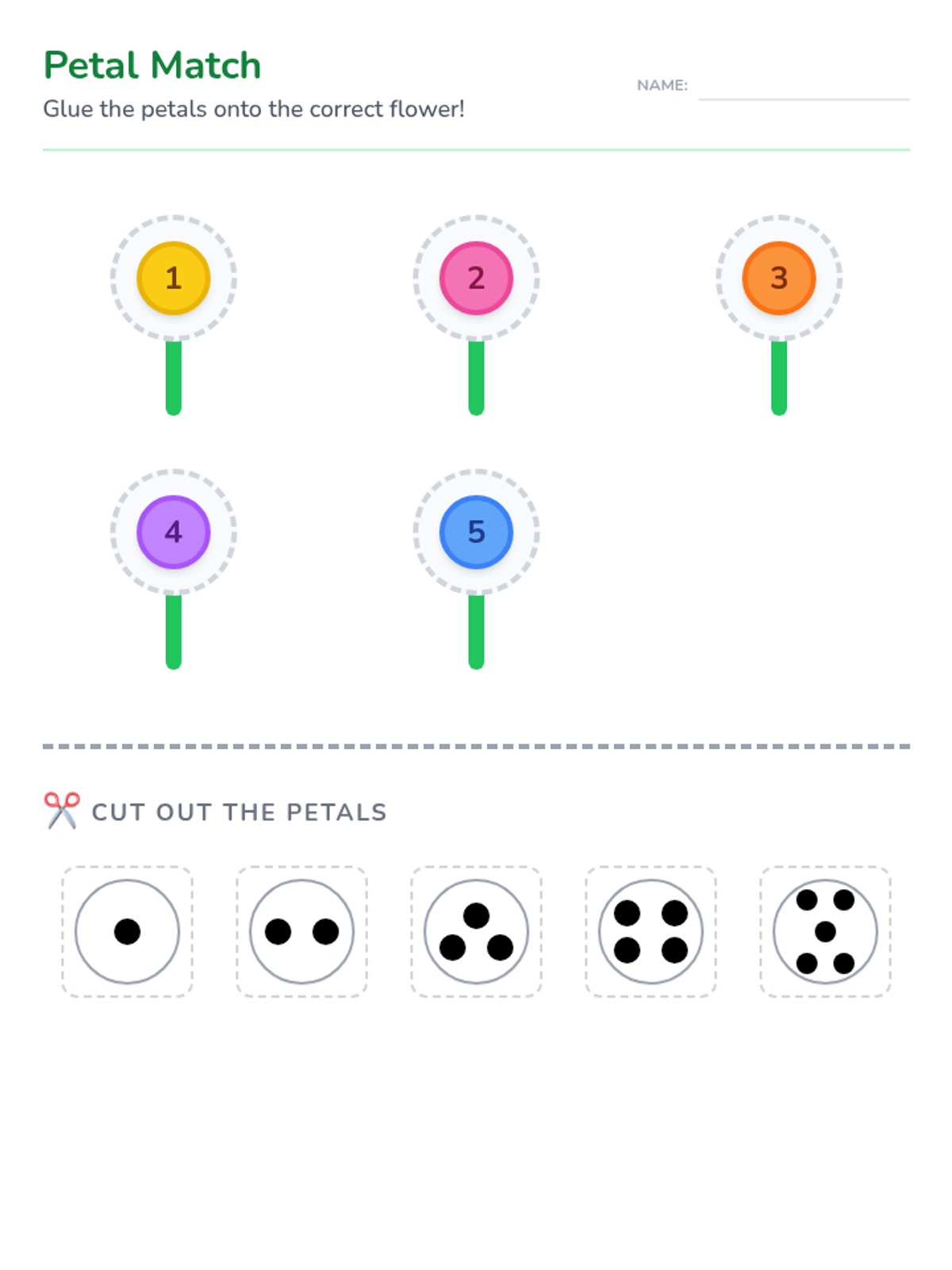
A high-intensity, evidence-based intervention designed for students needing foundational number sense support. Focuses on subitizing, 1:1 correspondence, place value, and decomposition using a CRA (Concrete-Representational-Abstract) approach.
A tiered math adventure sequence where students tackle word problems of increasing complexity, ranging from basic addition and subtraction within 10 to multi-step challenges involving four-digit numbers and basic multiplication and division.
A foundational math unit focused on mastering multi-digit addition and subtraction with regrouping through a fun martial arts theme. Students progress through various 'belts' as they demonstrate proficiency in core arithmetic skills.
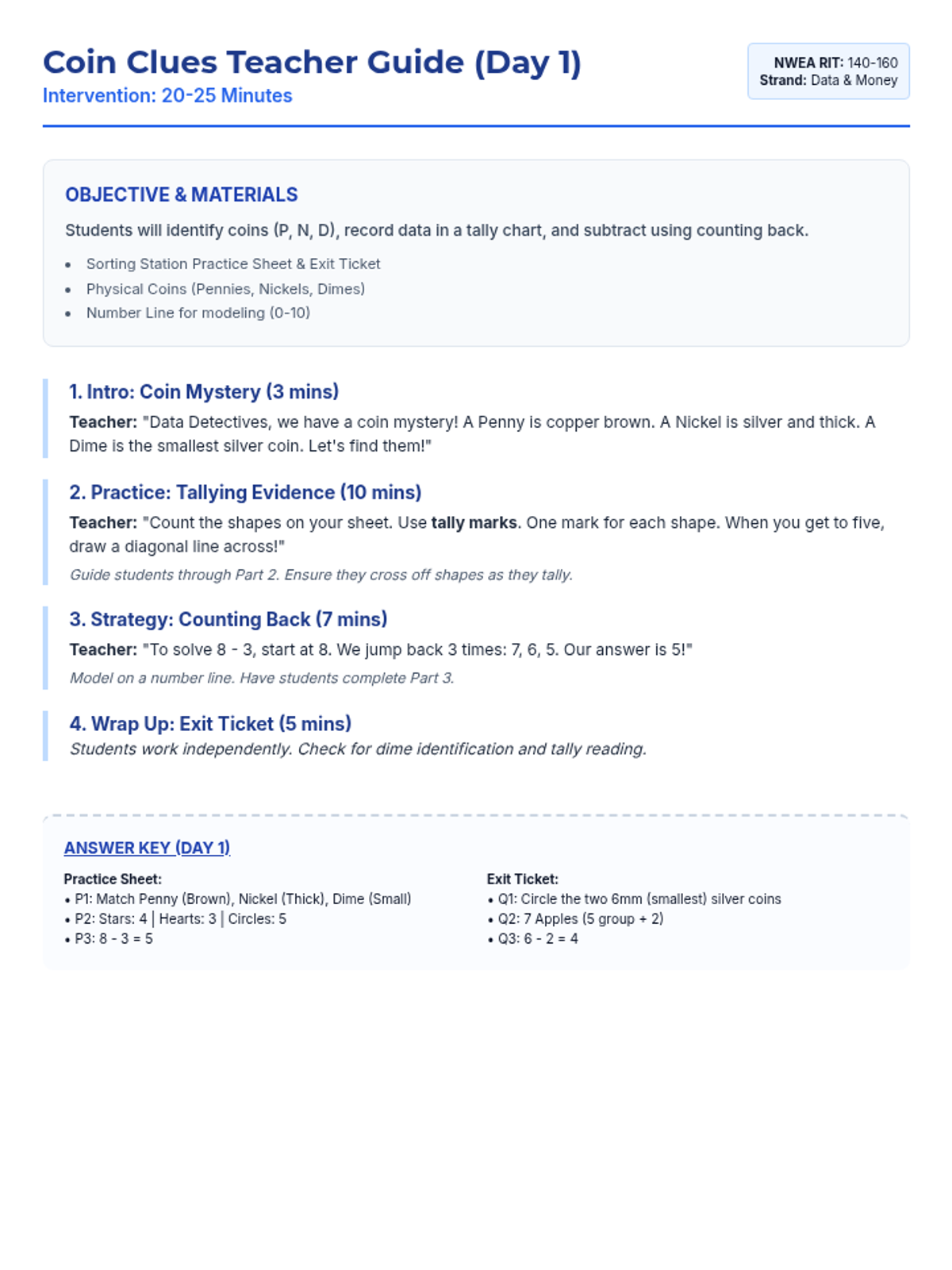
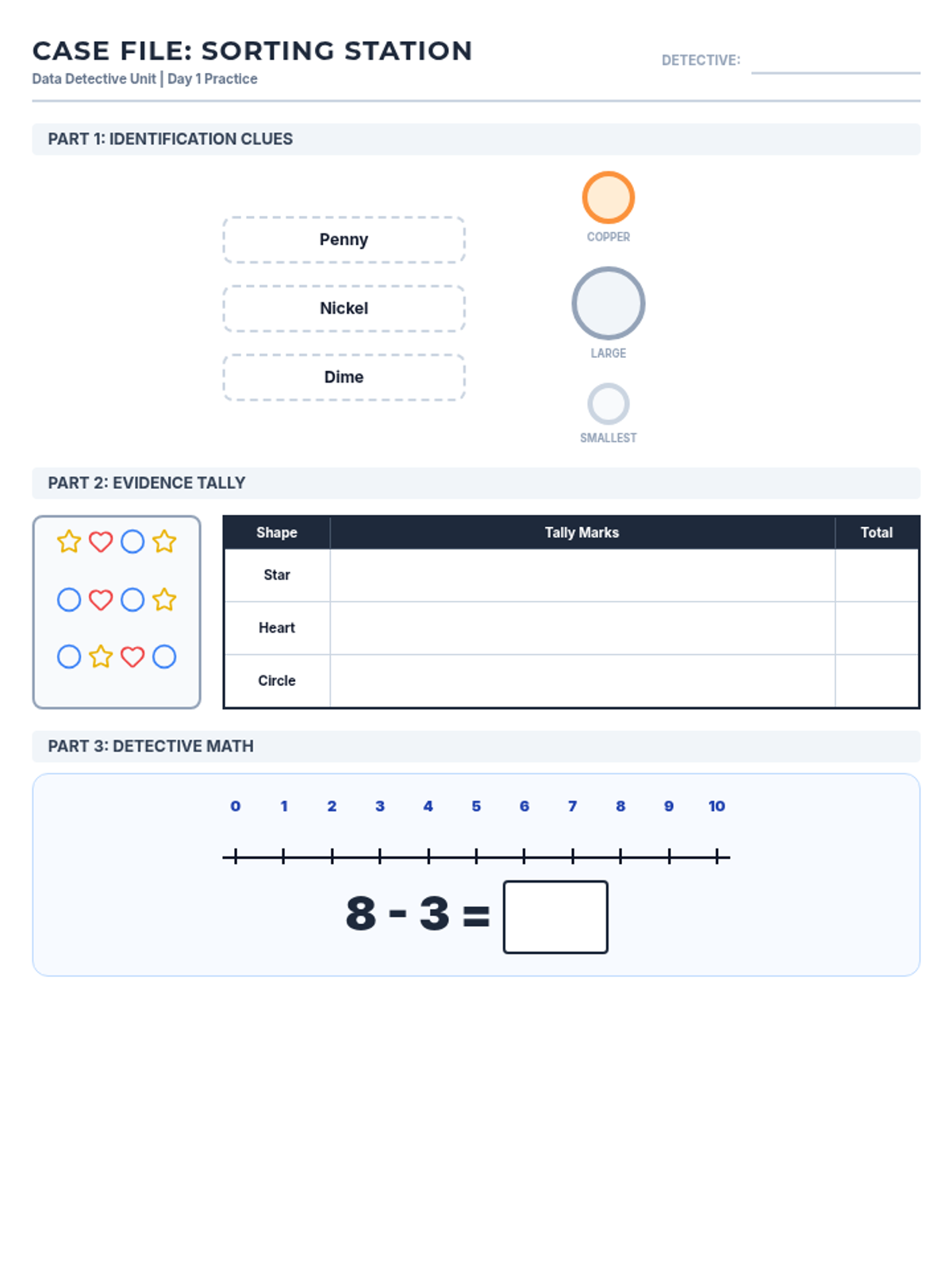
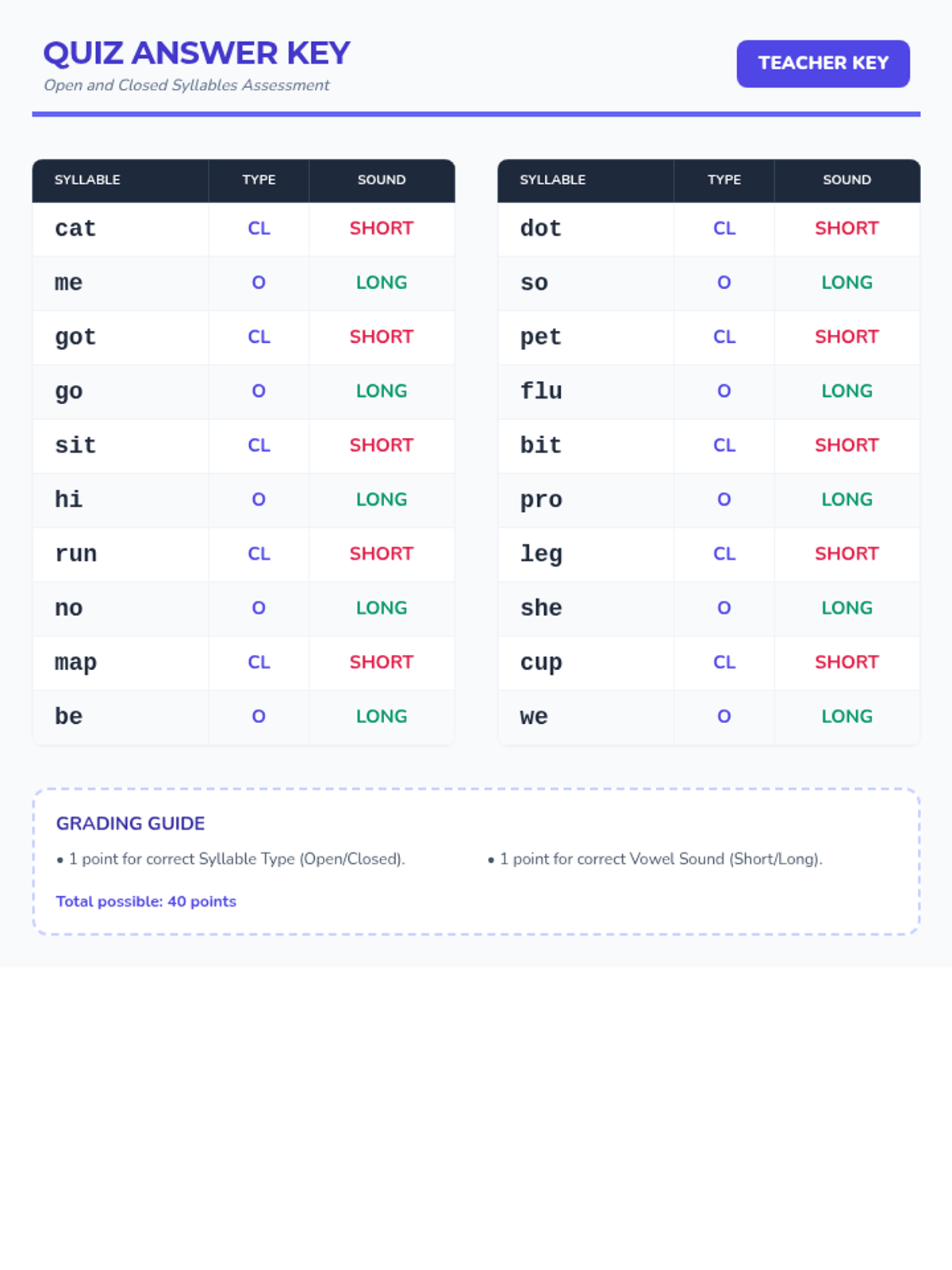
A prehistoric racing-themed series that combines foundational math facts with CVCE word fluency through competitive board games and flashcard challenges.
A 20-lesson subtraction fluency unit for primary students, explicitly organized by mental math strategies: Counting Up, Number Lines, Making 10, Pretend 10, and Close to Doubles, all with Winter Olympic themes.
A comprehensive 18-lesson unit focused on subtraction strategies within 20, themed around the Winter Games. Students master counting up, number lines, making 10, compensation (pretend 10), and near doubles.
A comprehensive 16-lesson unit focusing on mental math strategies for subtraction within 20, themed around Team USA's journey to gold in the Winter Olympics.
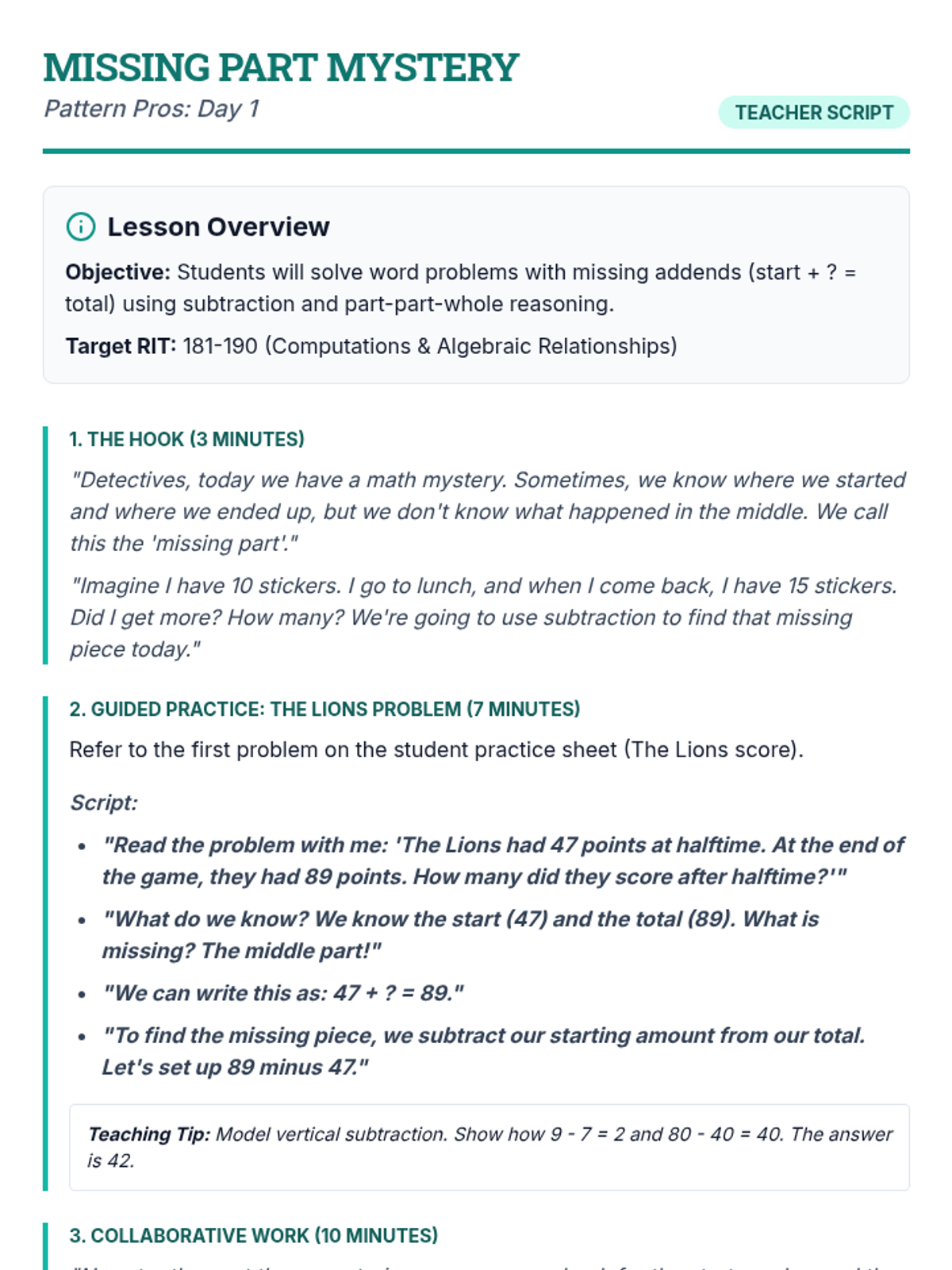
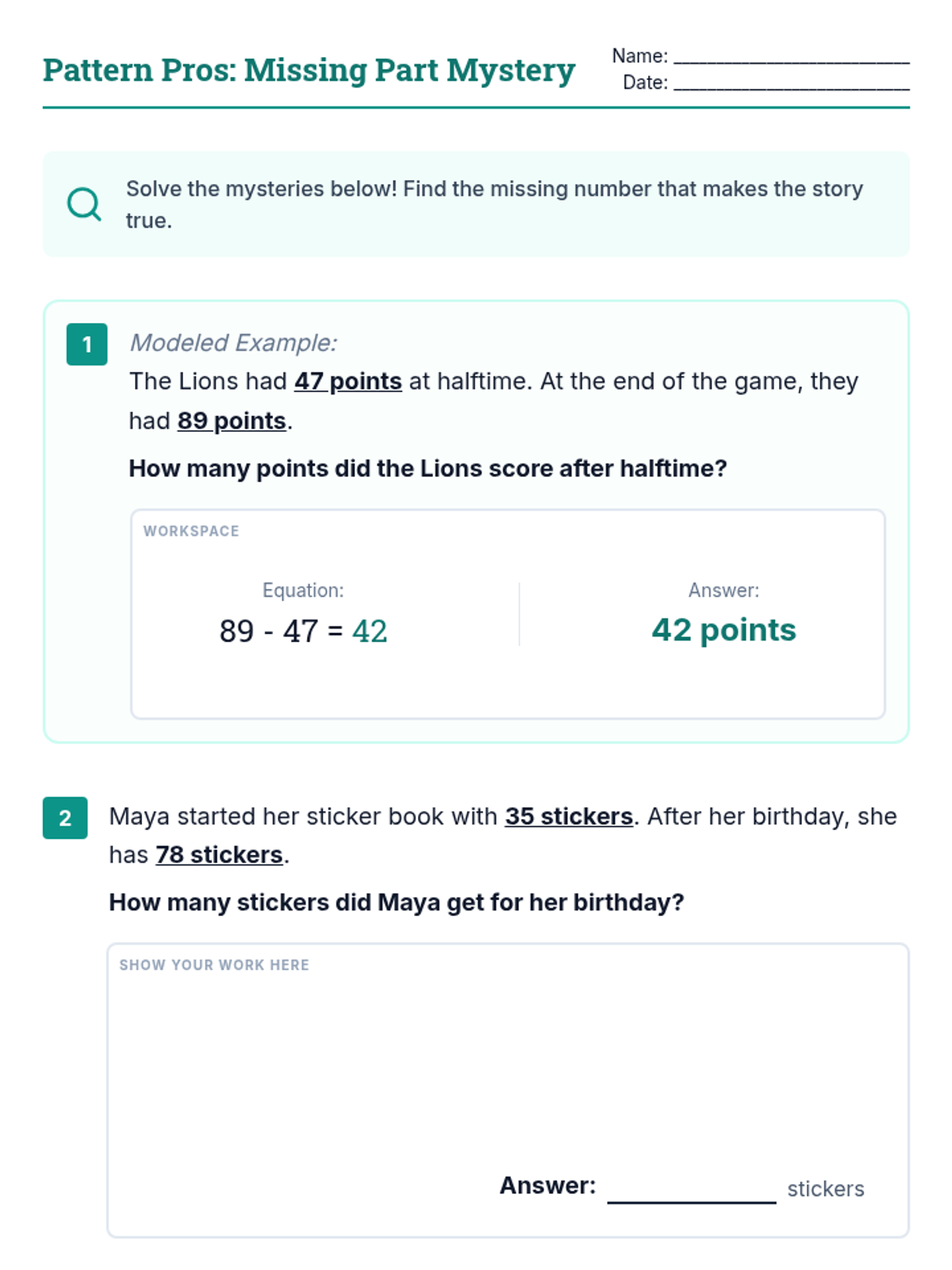
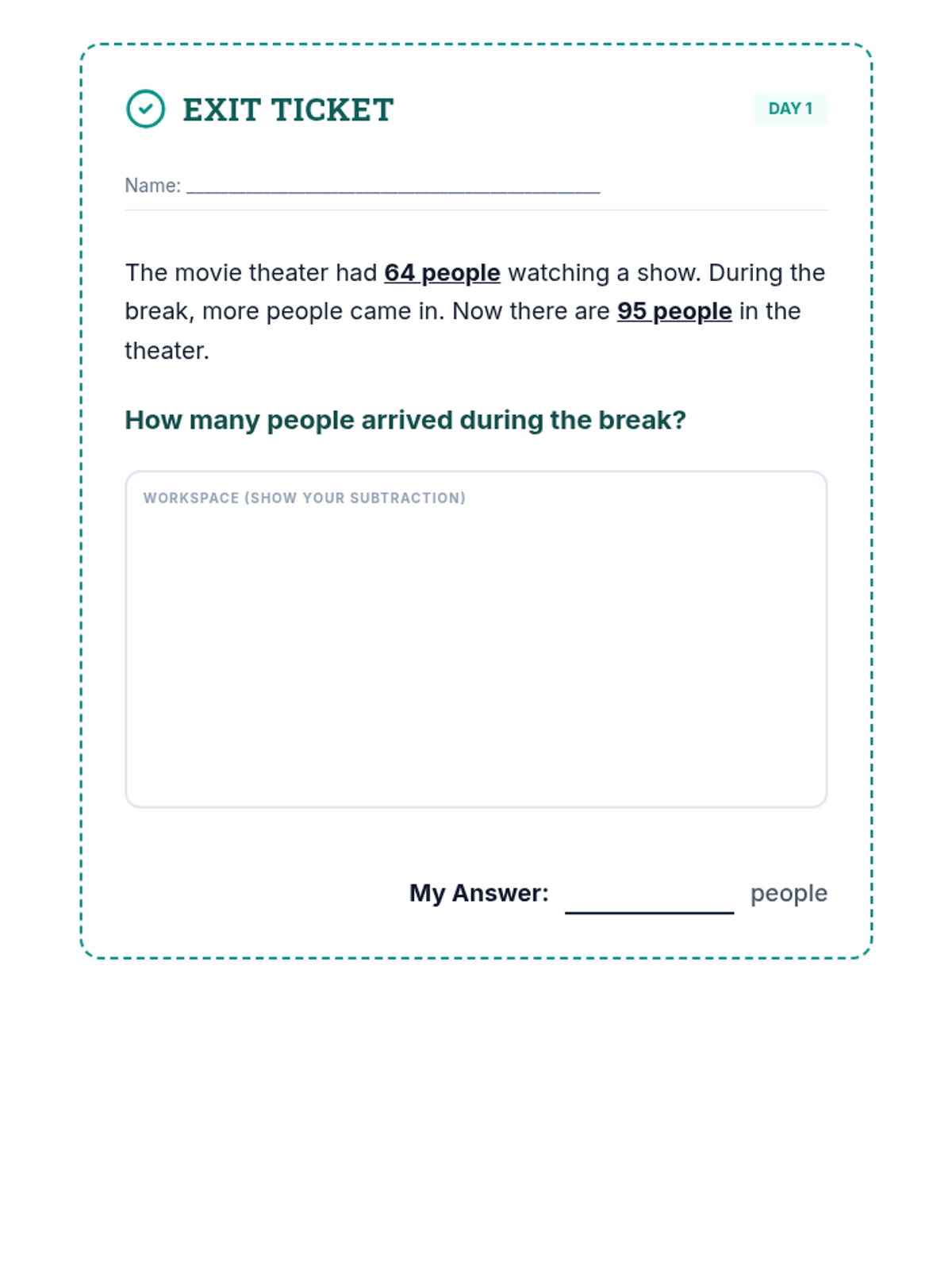
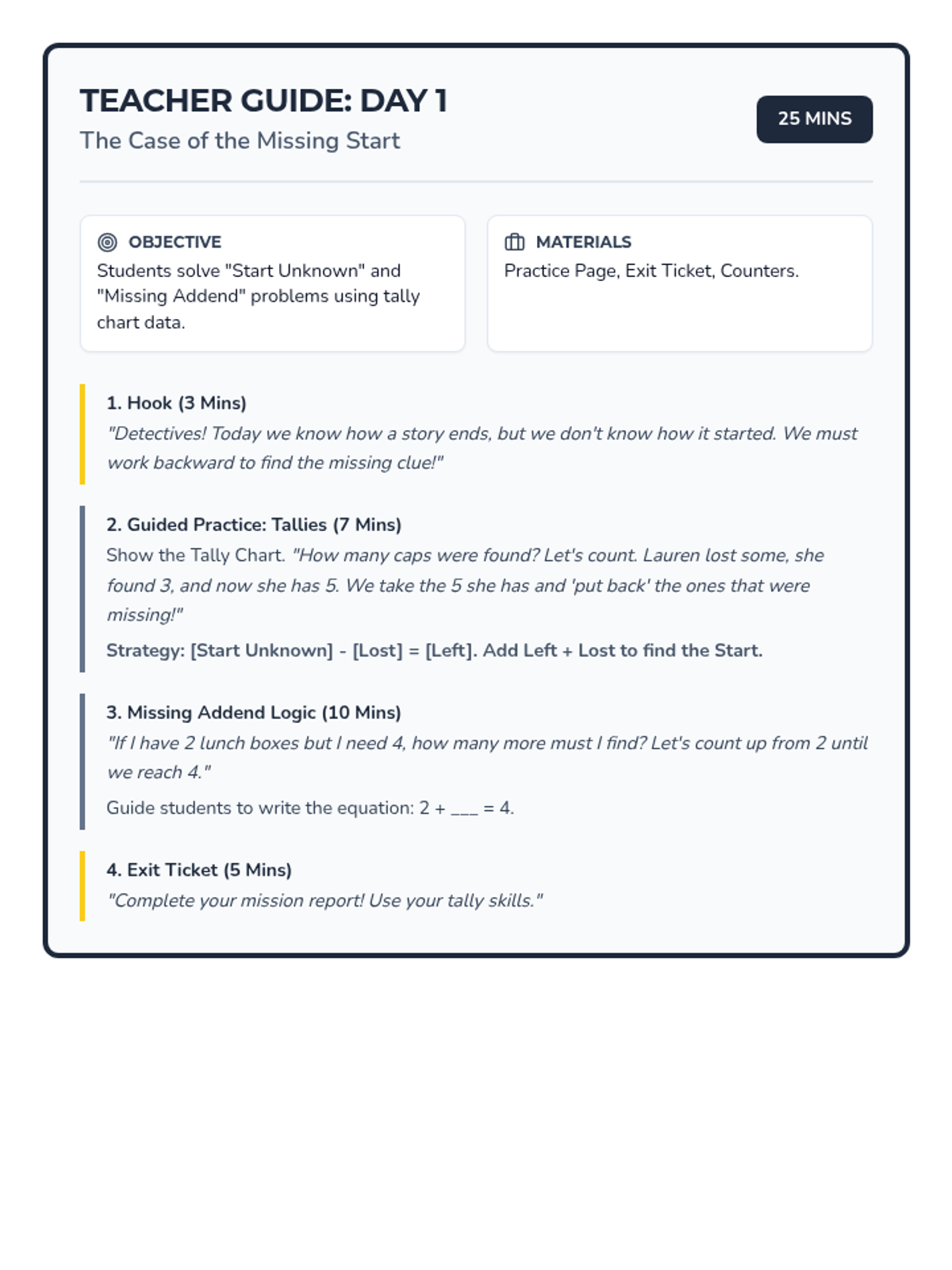
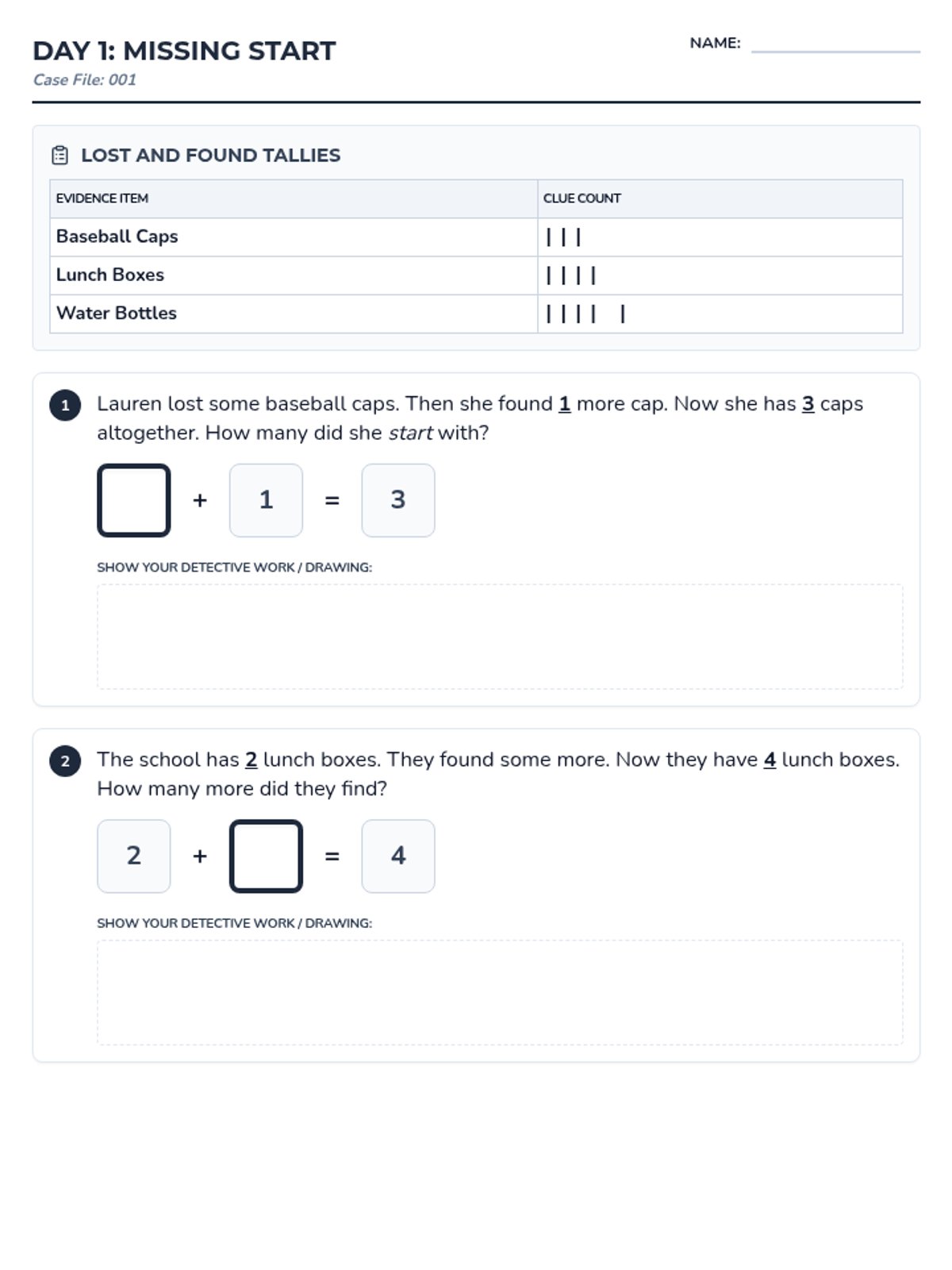
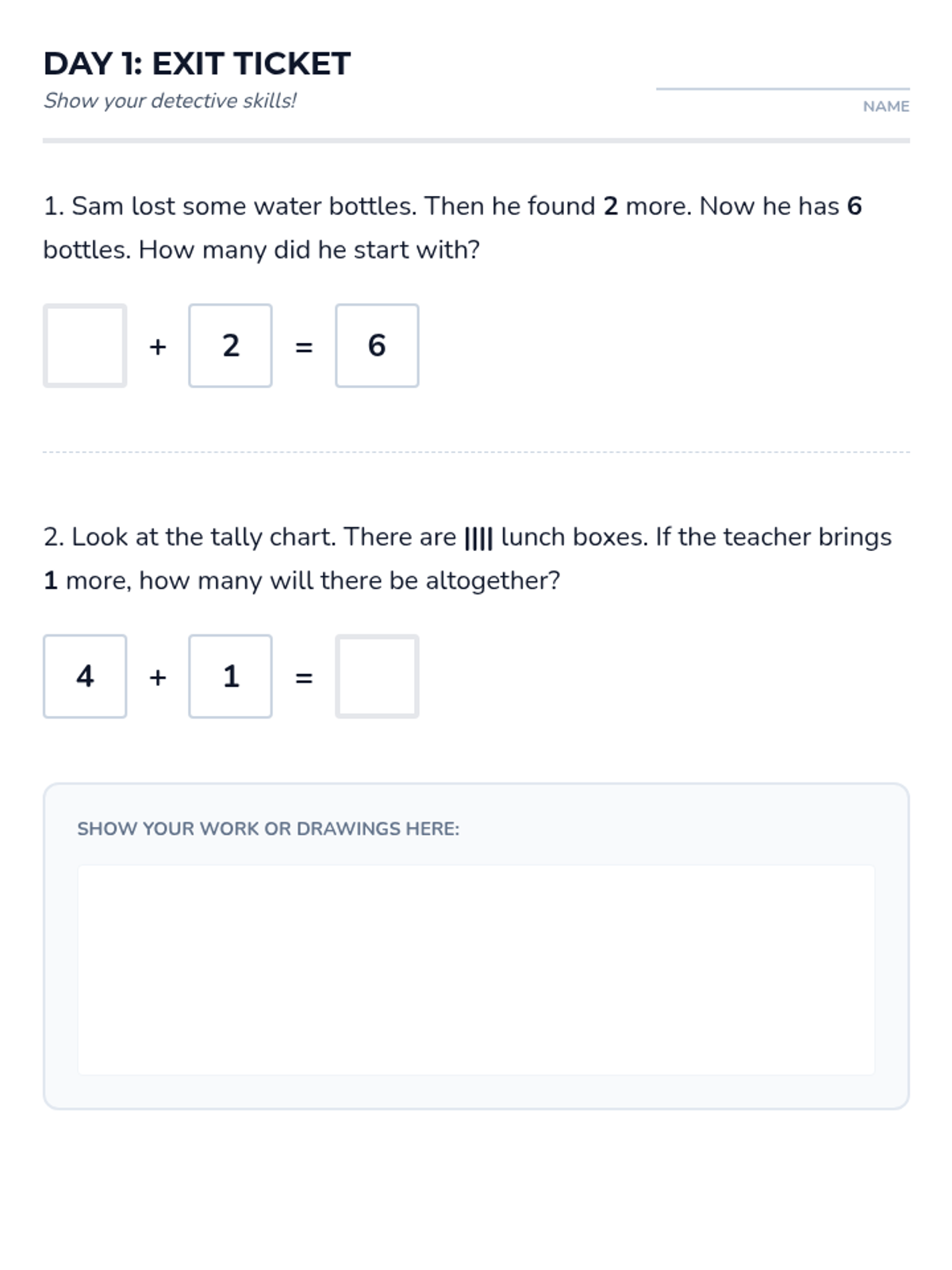
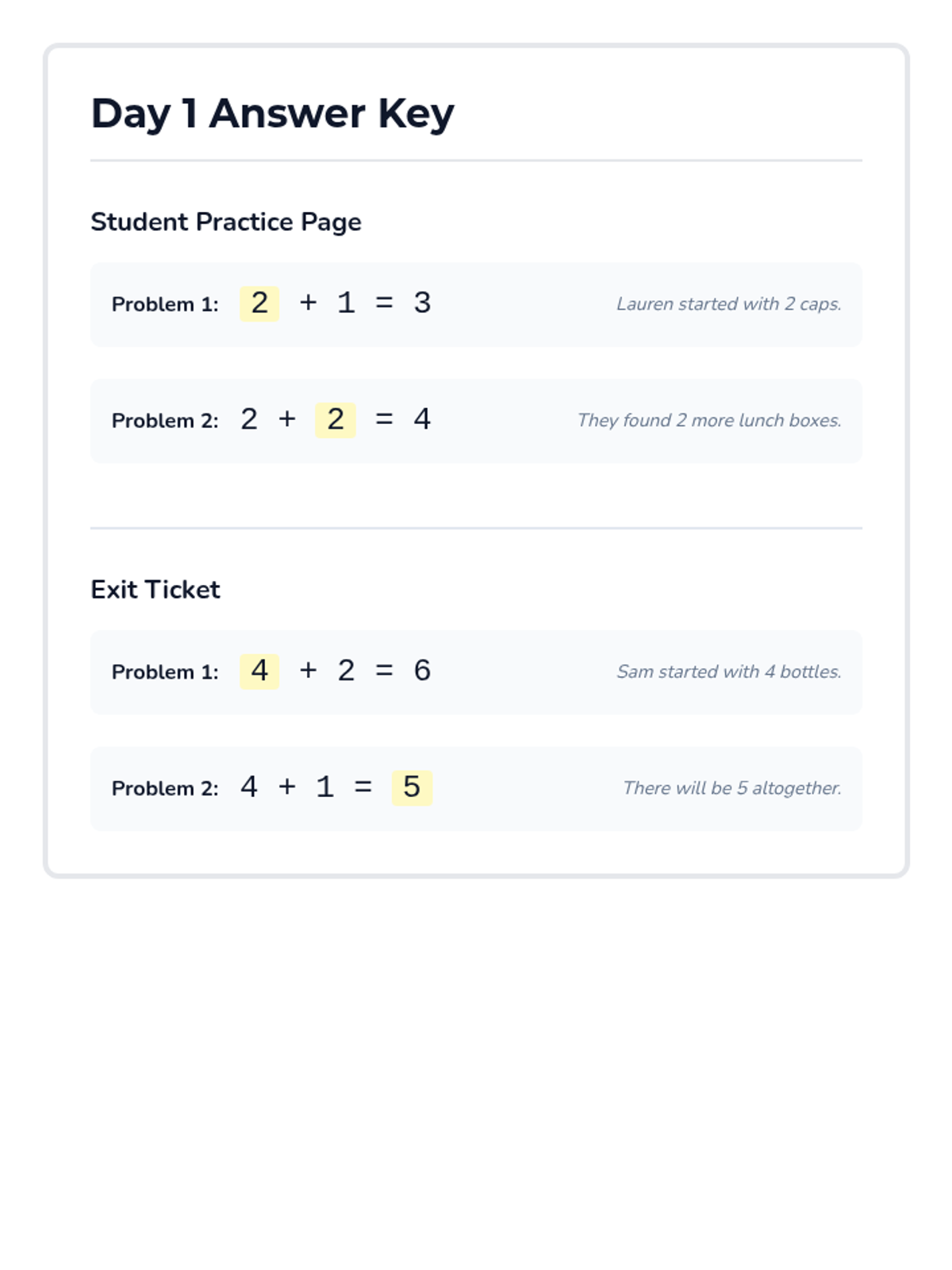
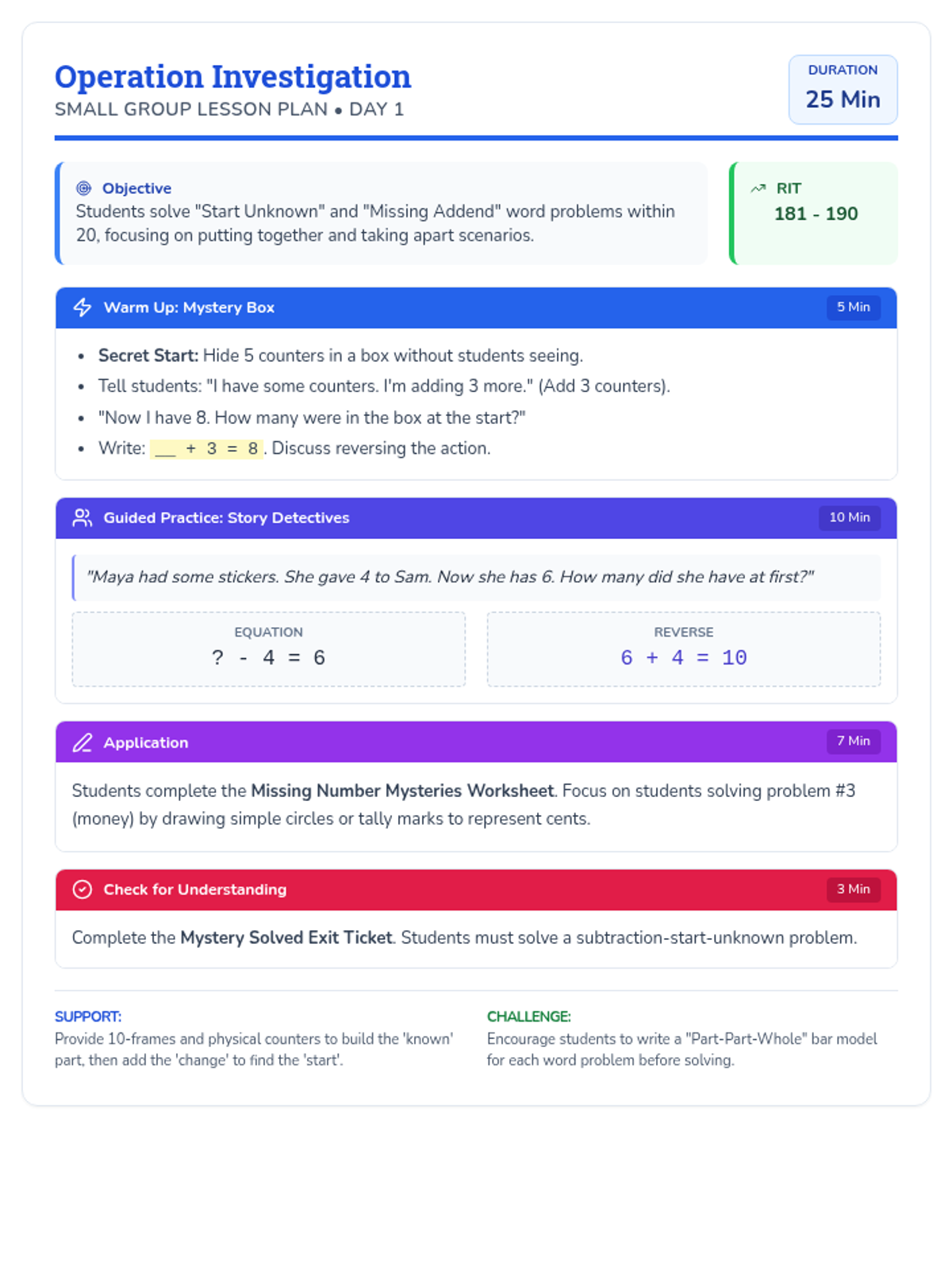
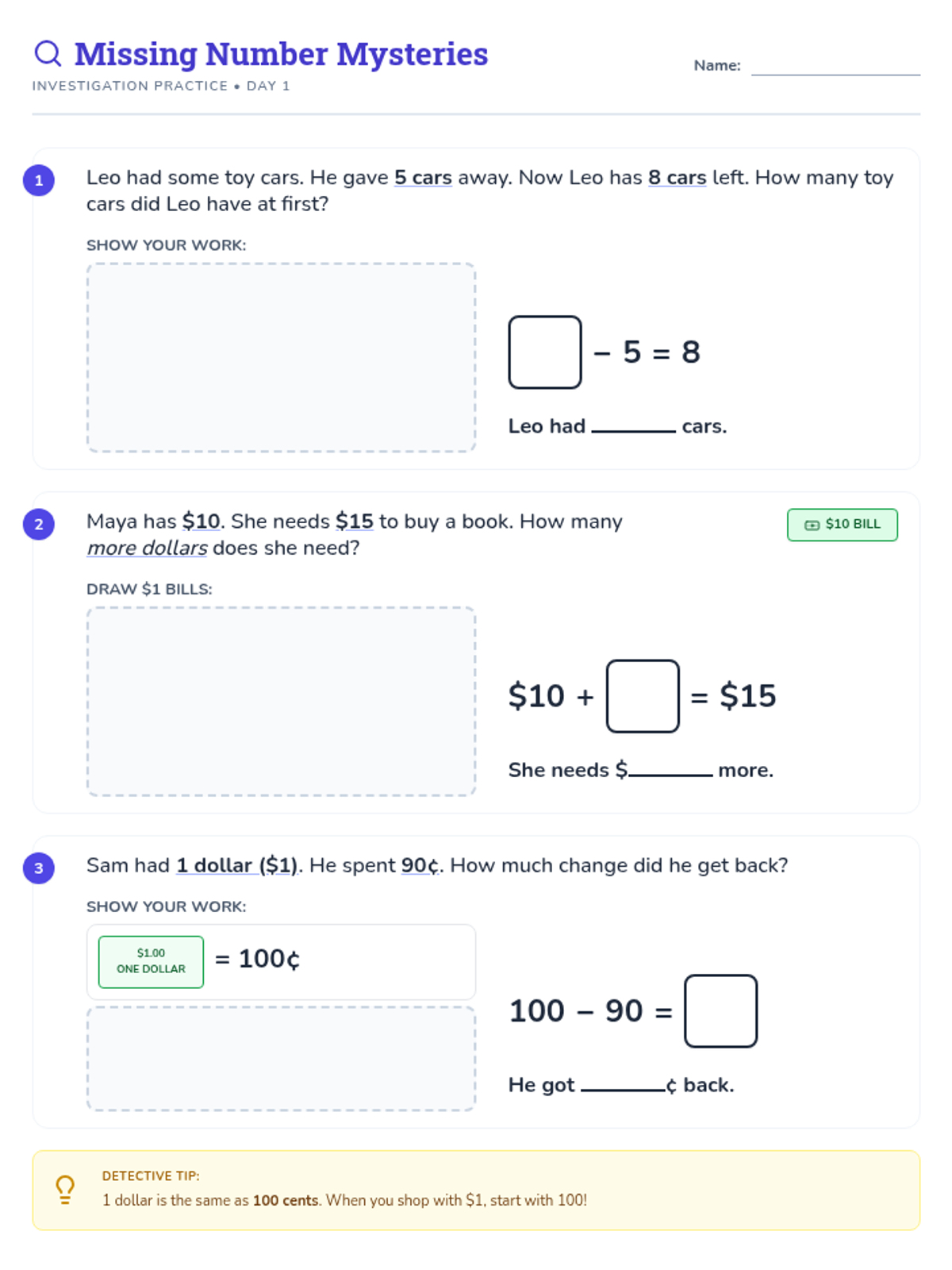
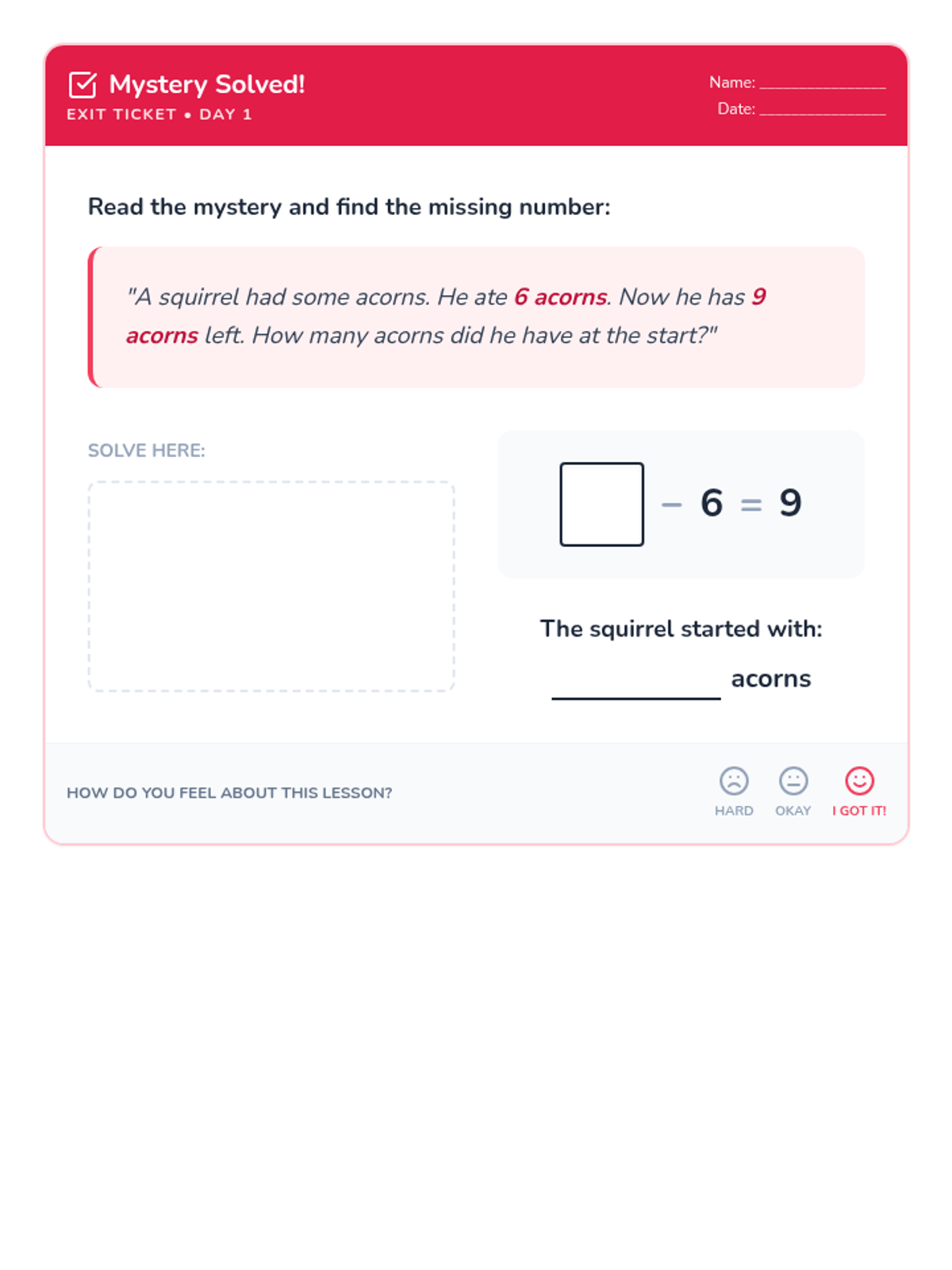
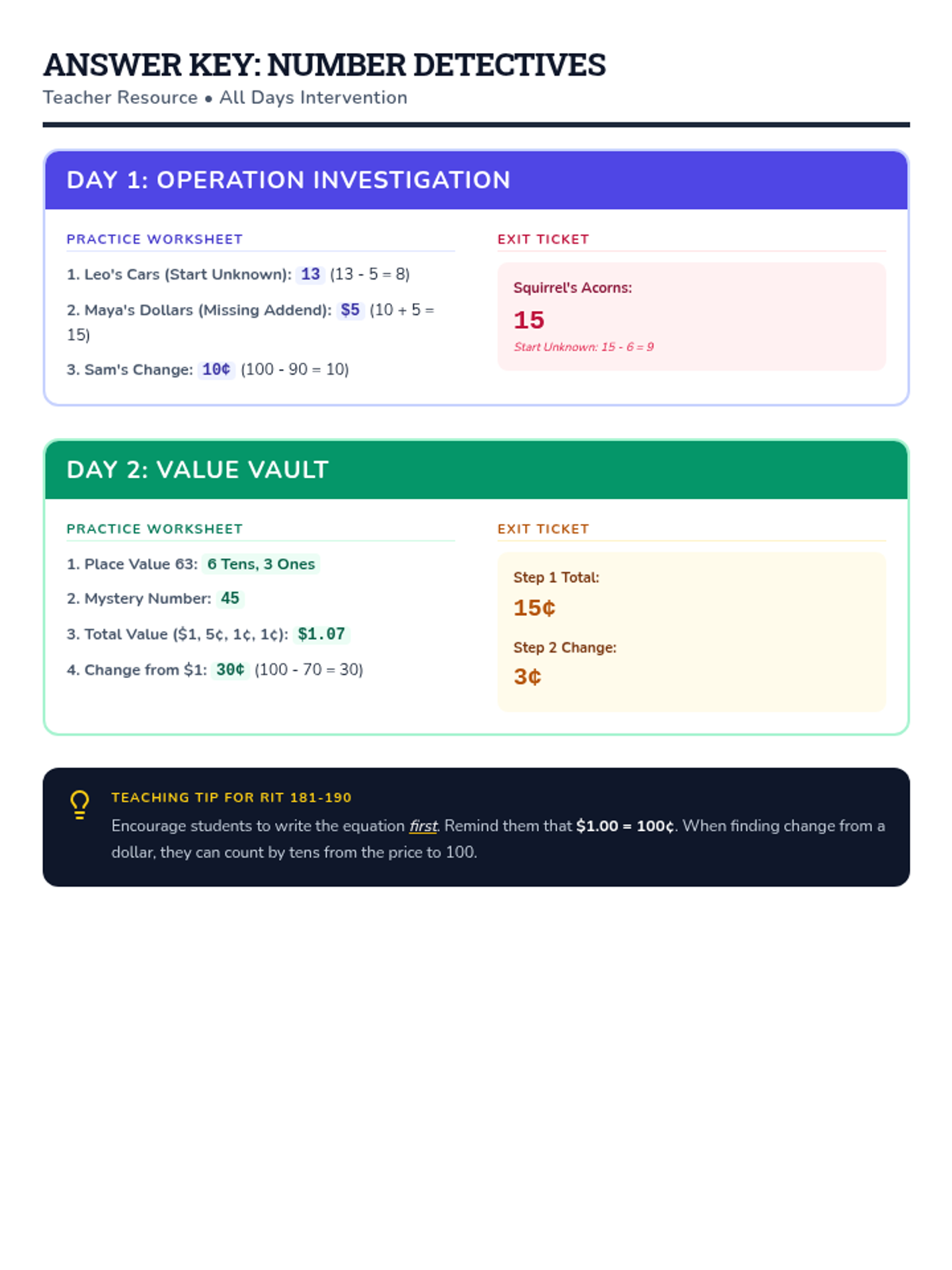
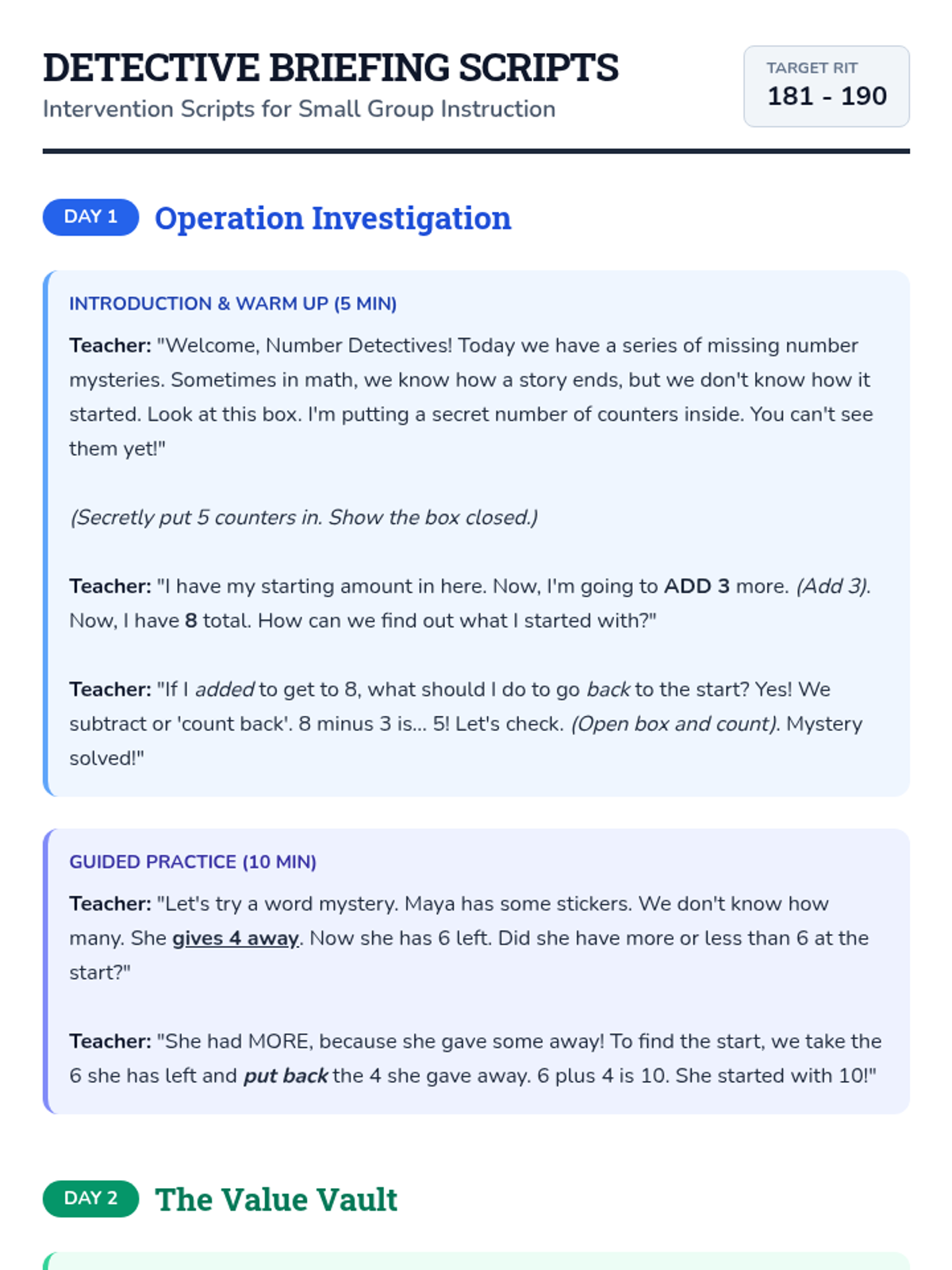
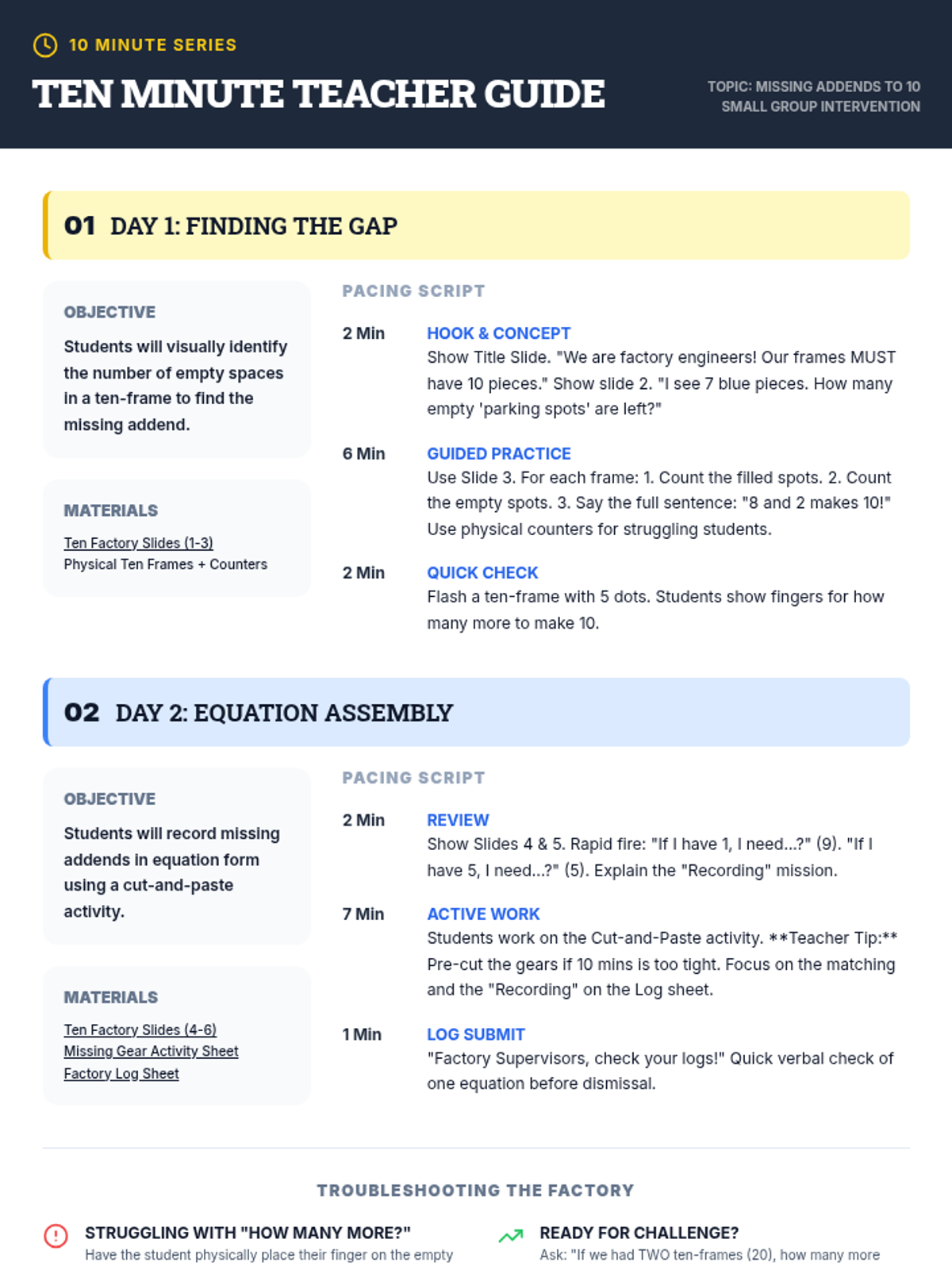
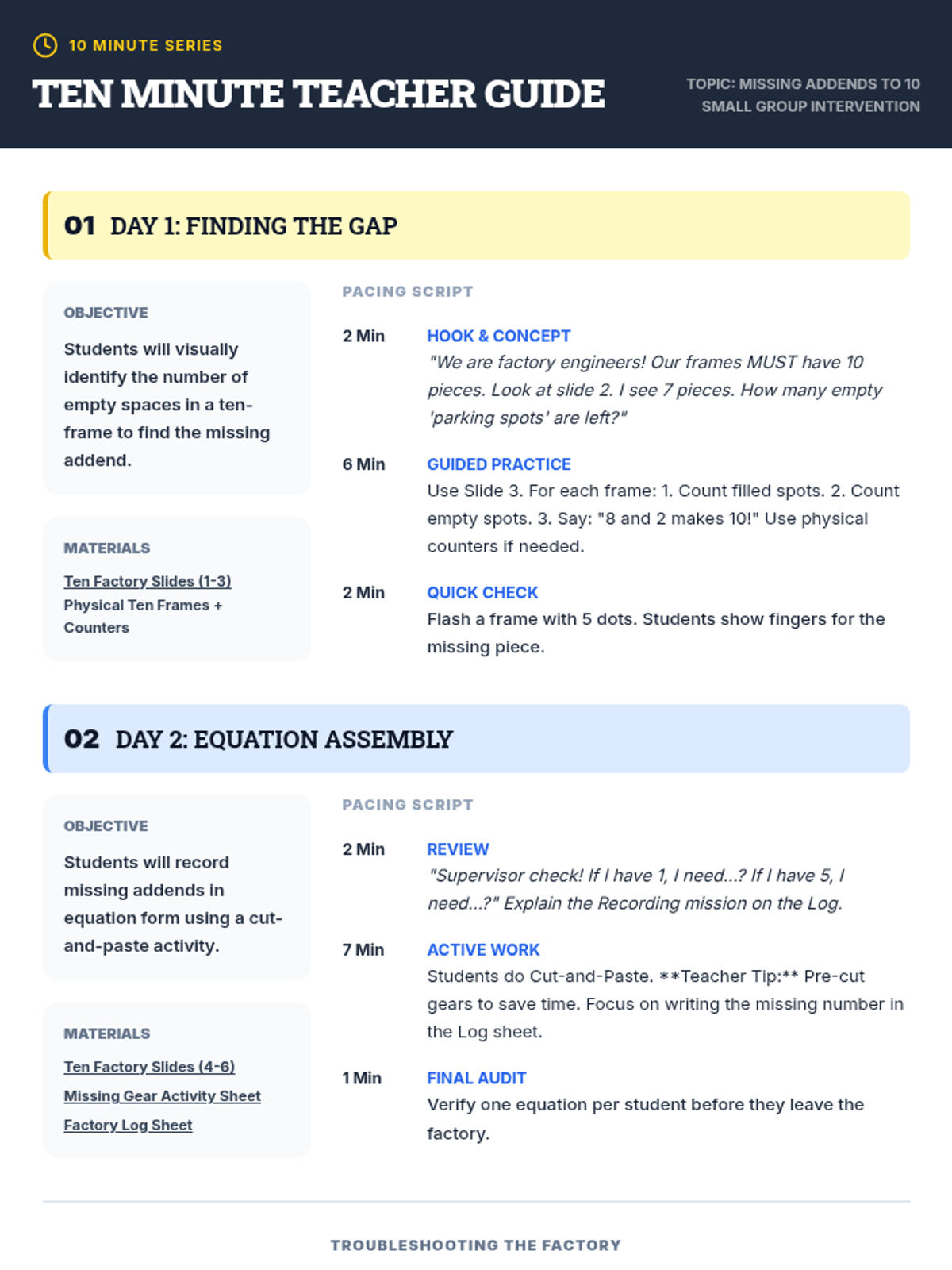
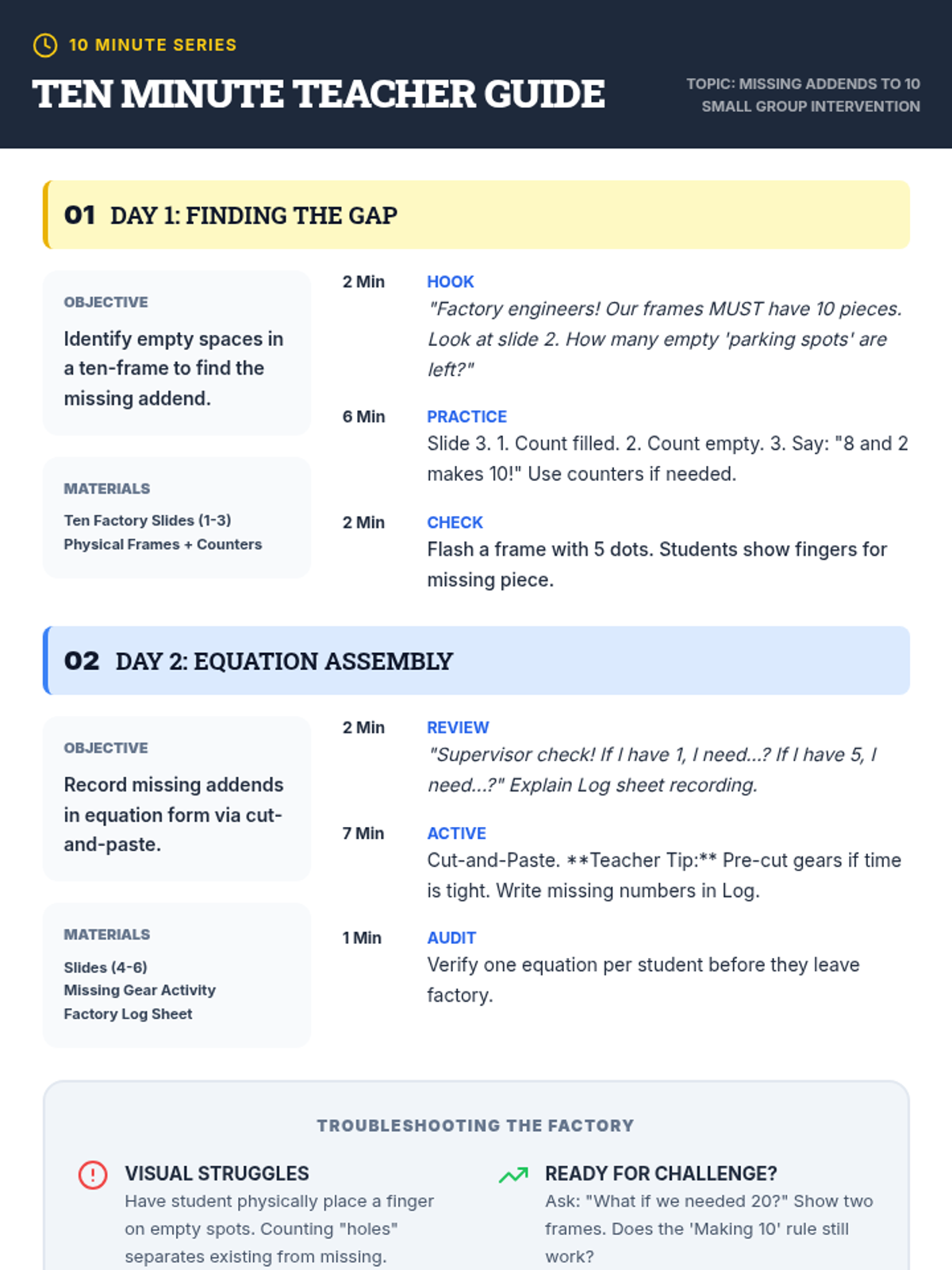
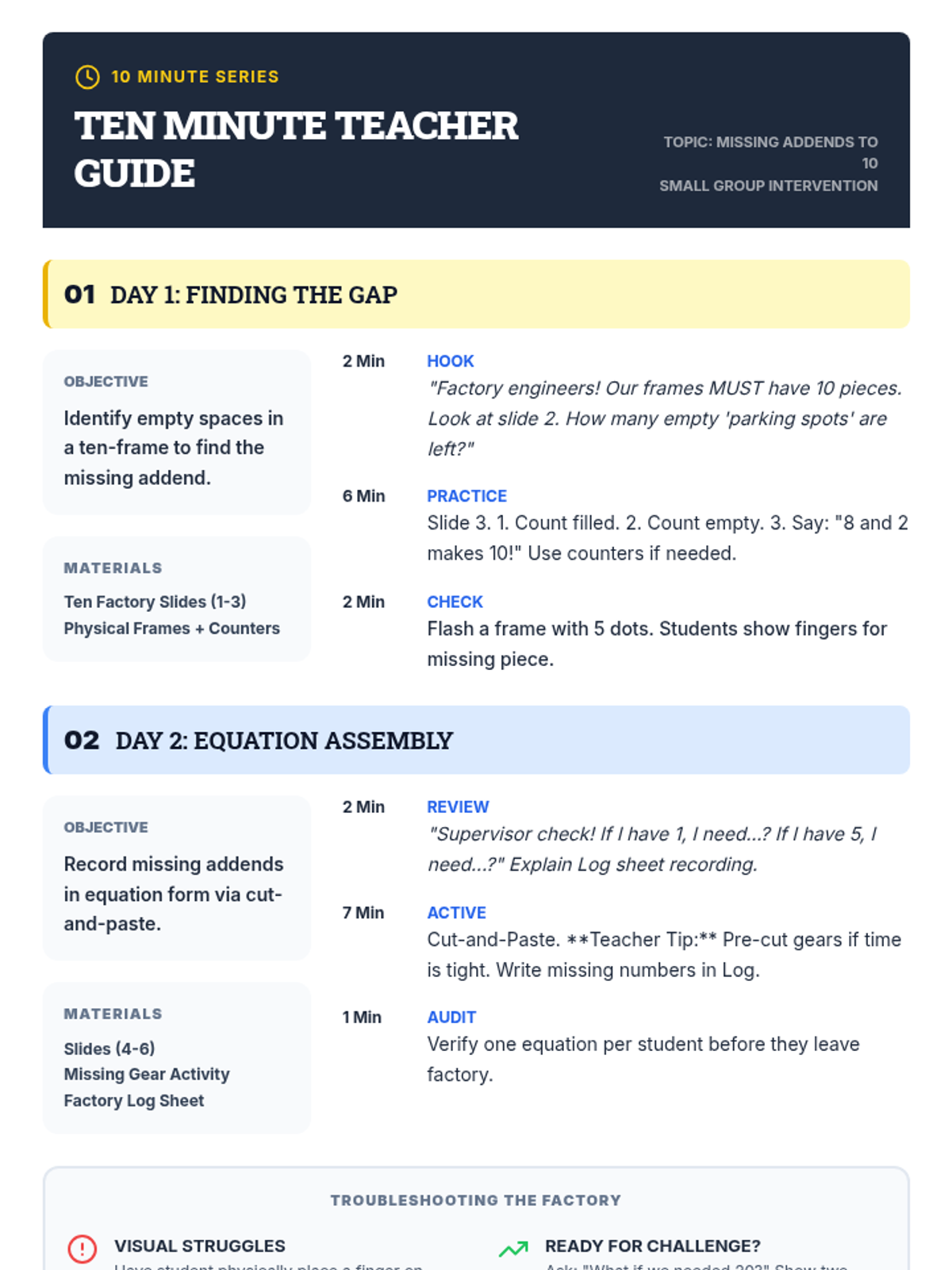
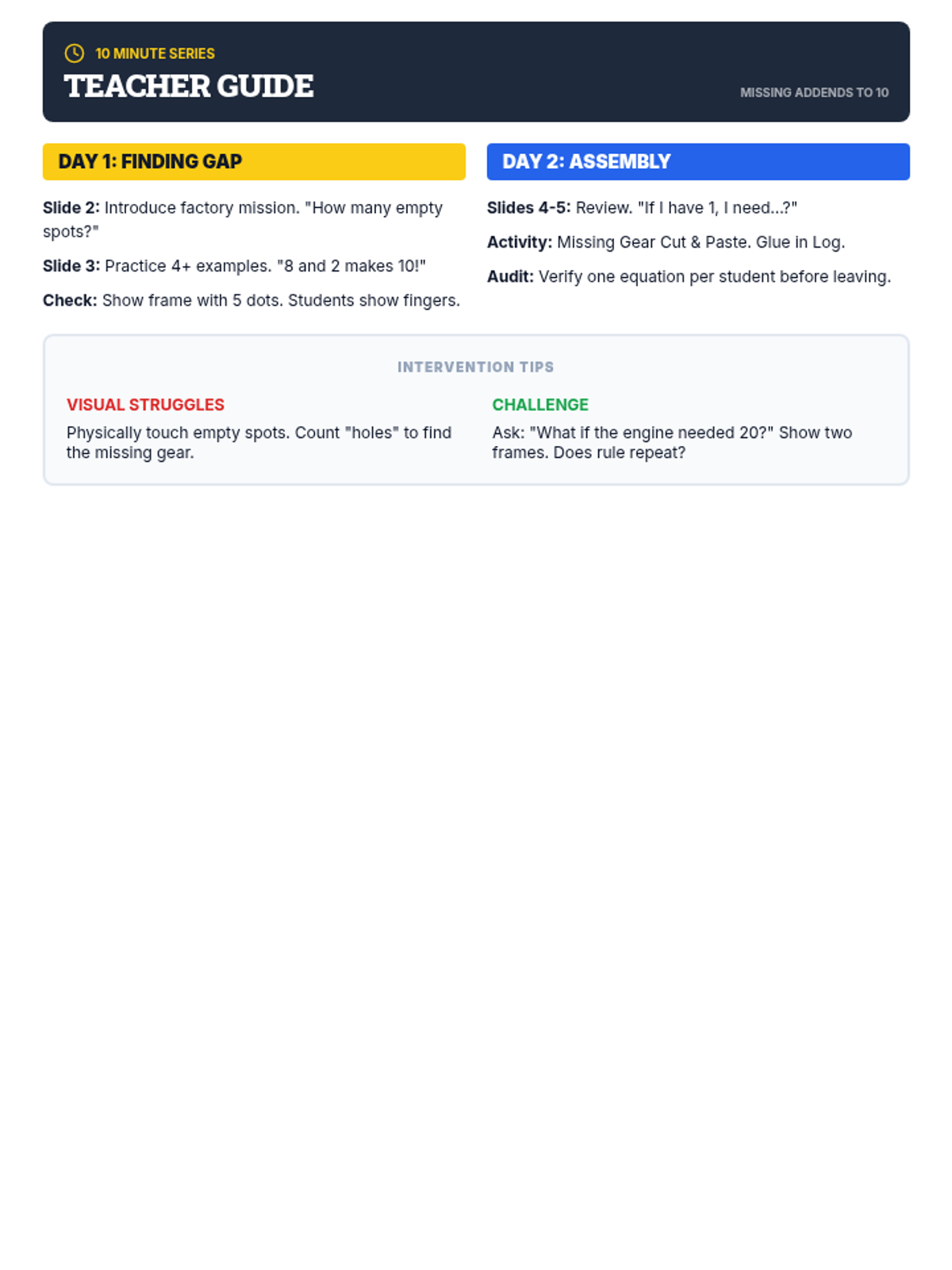
A comprehensive one-week Tier 3 math intervention for first graders focusing on missing addends. Students act as 'Math Detectives' using ten frames, number lines, and concrete strategies to solve numerical mysteries.
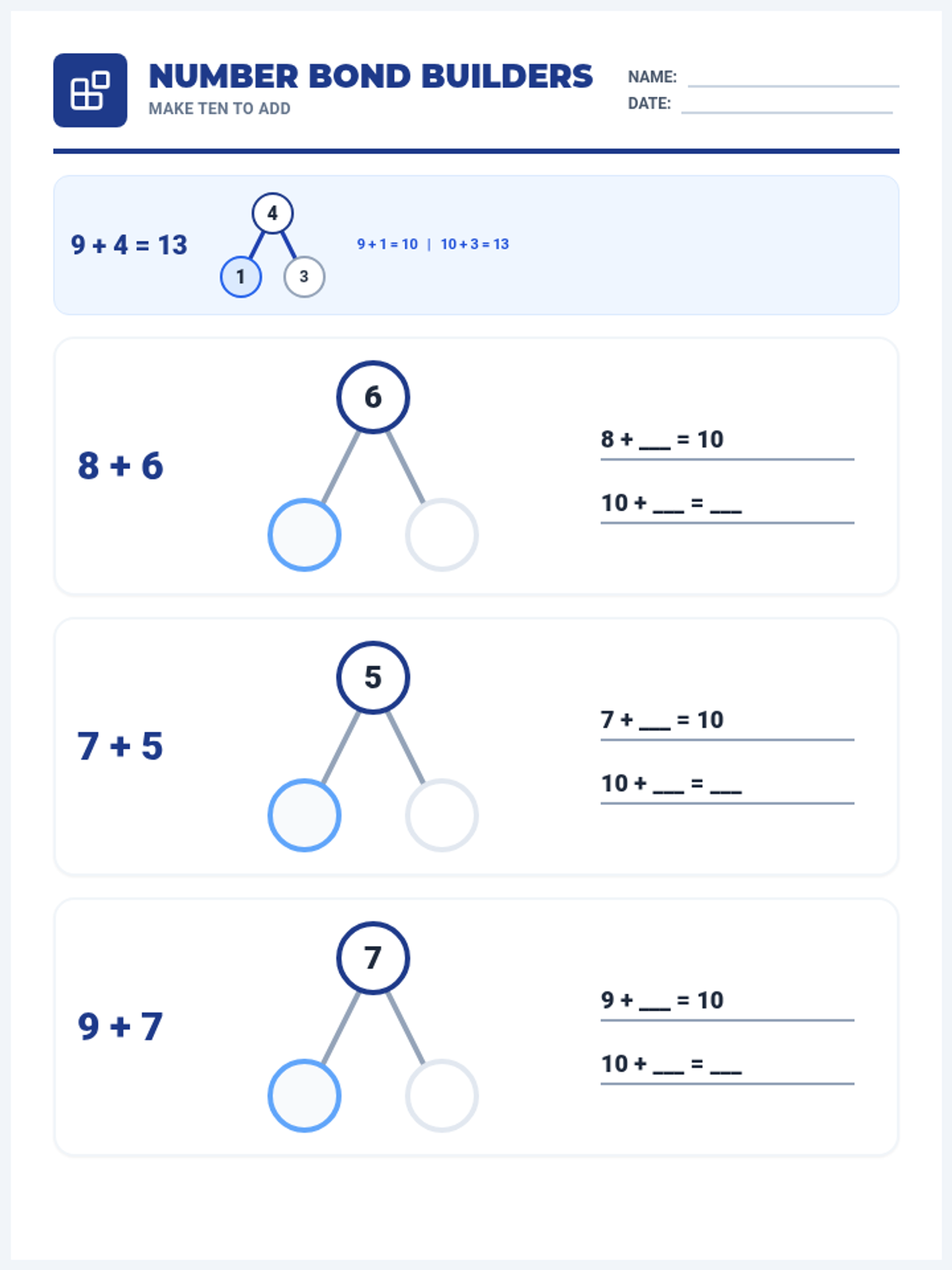
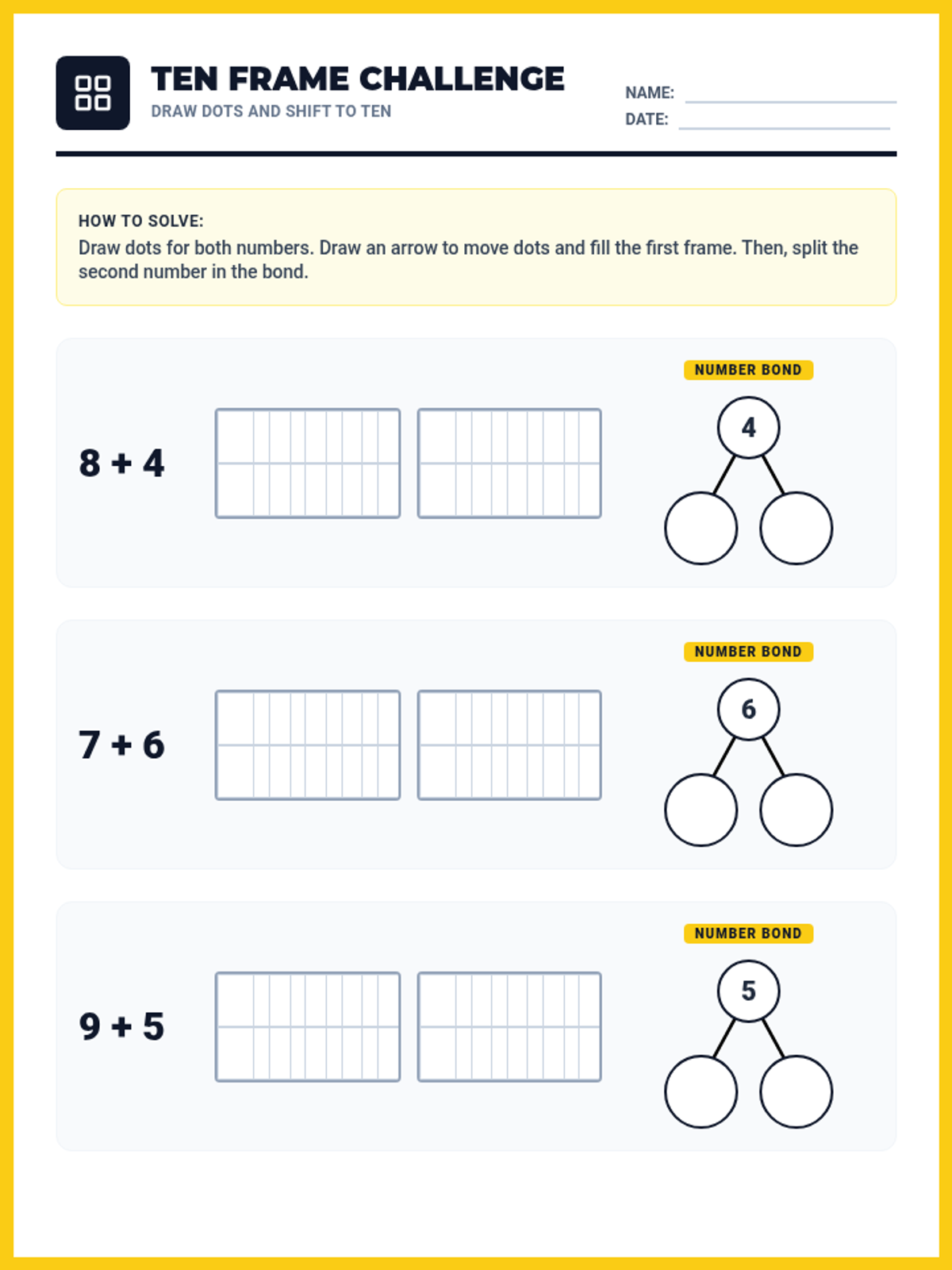
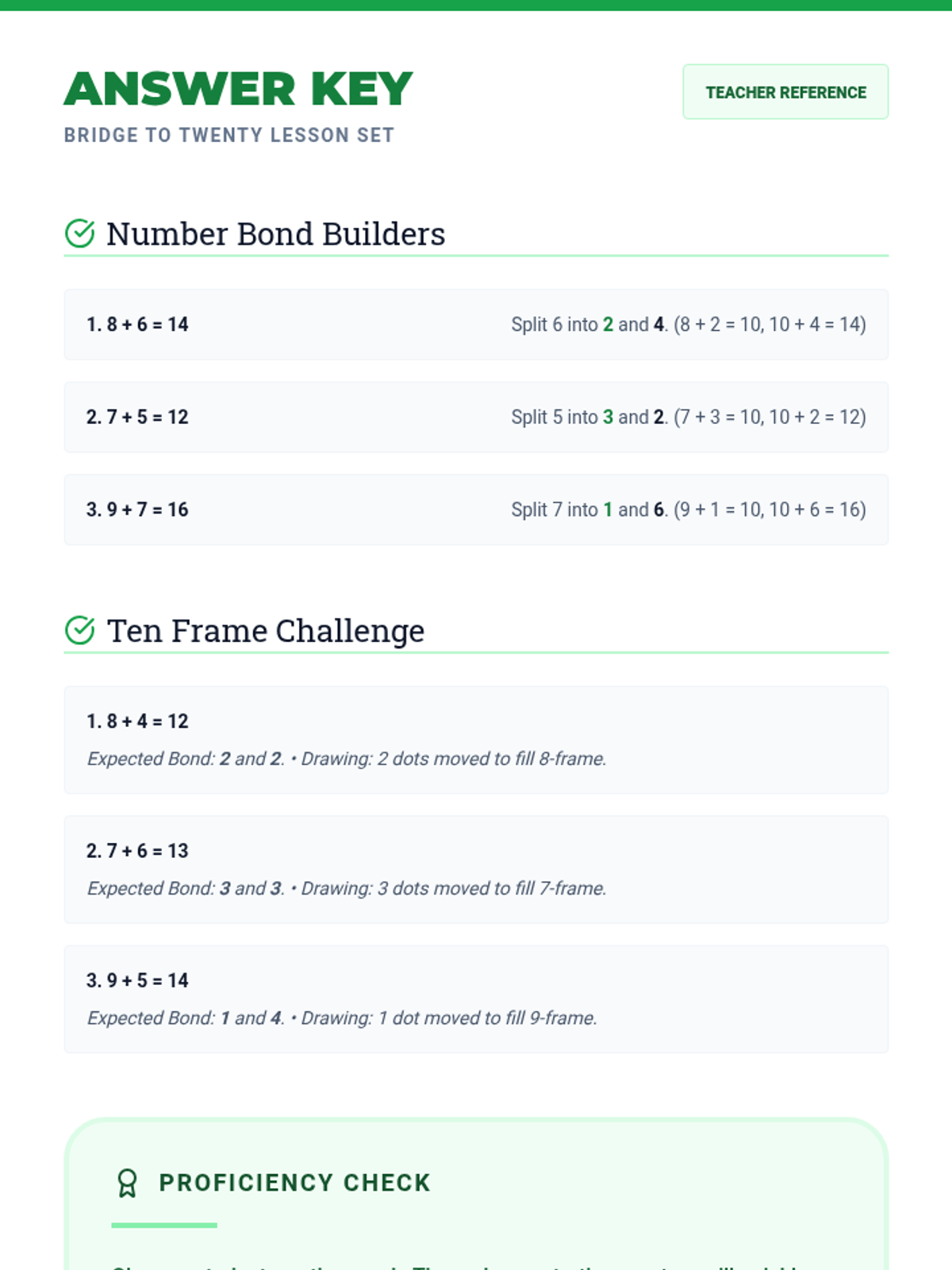
A series of high-energy, hands-on activities designed for 1st graders to master the 'make a ten' strategy for addition and subtraction within 20.
A 5-day introductory unit on comparing quantities and numerals 0-10 using alligator symbols and equal signs. Students explore 'greater than', 'less than', and 'equal to' through hands-on swamp-themed stations and visual practice.
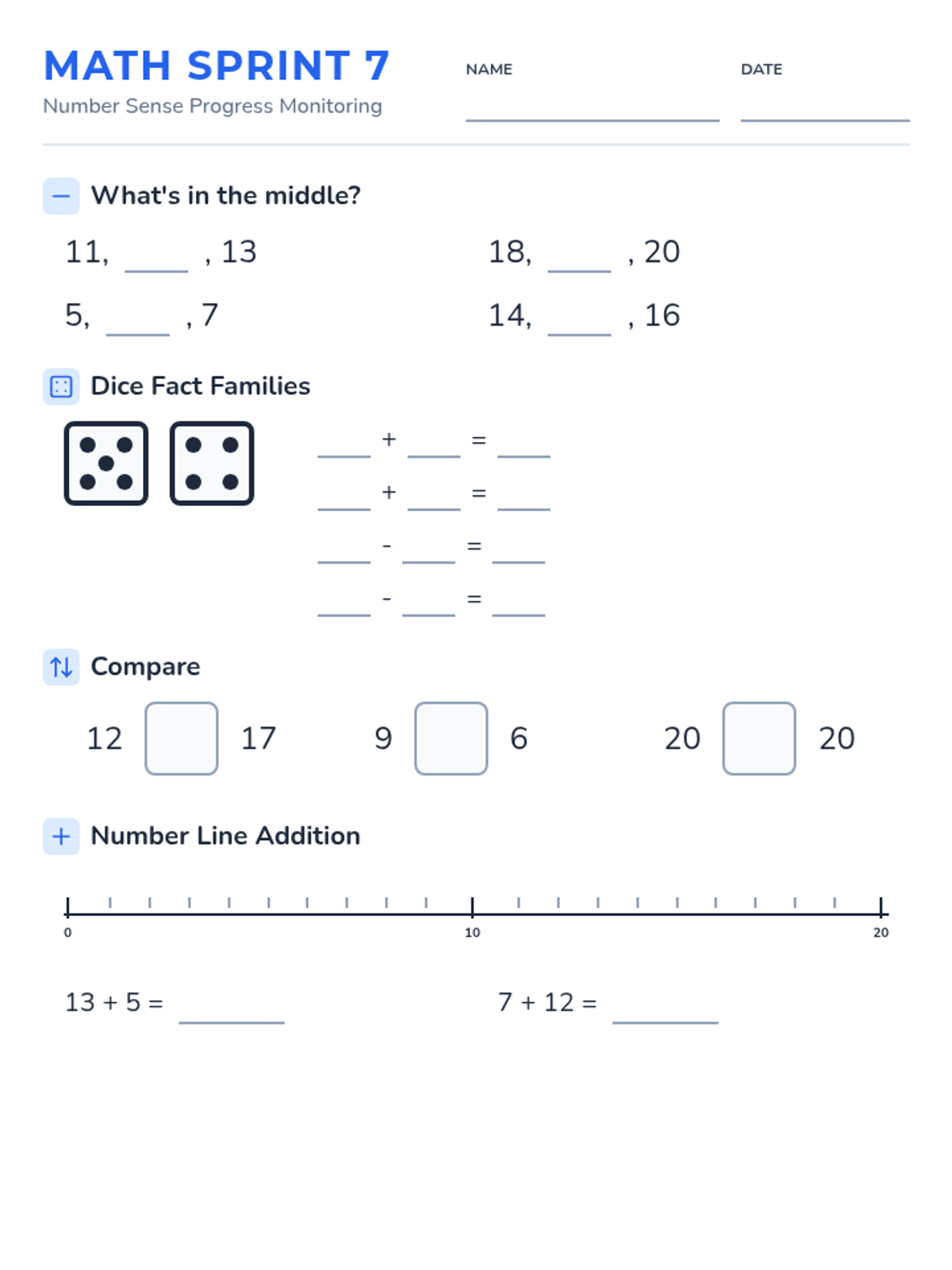
A series of lessons designed to build fluency in basic math operations through engaging, themed challenges and strategic practice.
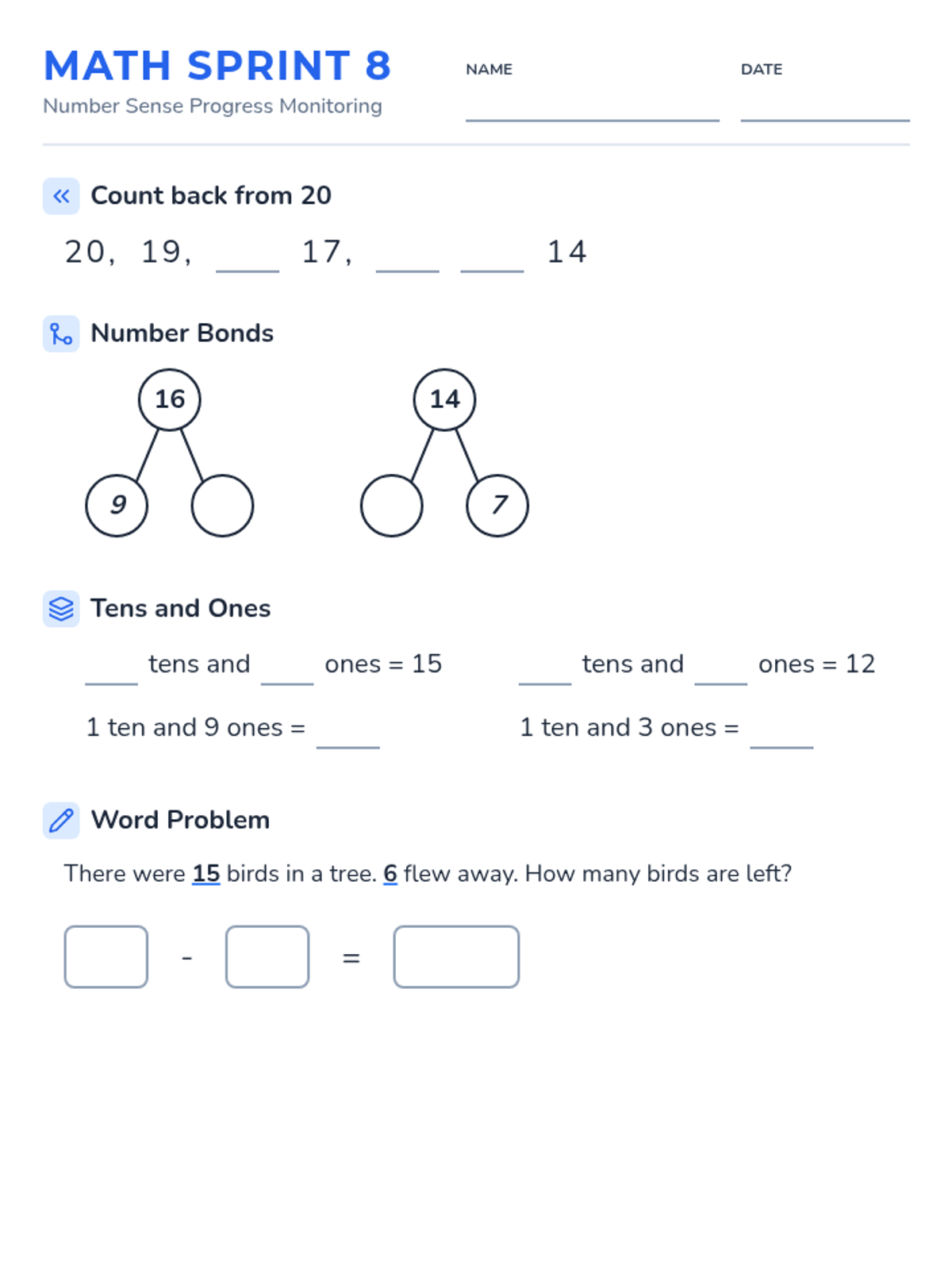
A 5-day math intervention sequence focused on mastering counting to 20, with specific emphasis on the number 15 and stopping accurately at 20. Each day includes a 15-minute routine combining guided small-group work and independent tasks.
A math unit focusing on operations, algebraic thinking, and number sense up to 30, themed around Legos, Monster Trucks, and the Golden State Warriors. Students learn to decode word problems, choose the correct operation, and utilize number lines for subtraction.
A Tier 2 intervention sequence designed for 1st-grade students struggling with place value concepts. This sequence follows the CRA (Concrete-Representational-Abstract) progression to build a deep understanding of tens and ones.
A collection of Valentine's Day math packets at two different levels (Level 1 and Quest), covering budgeting, graphing, measurement, time, and word problems.
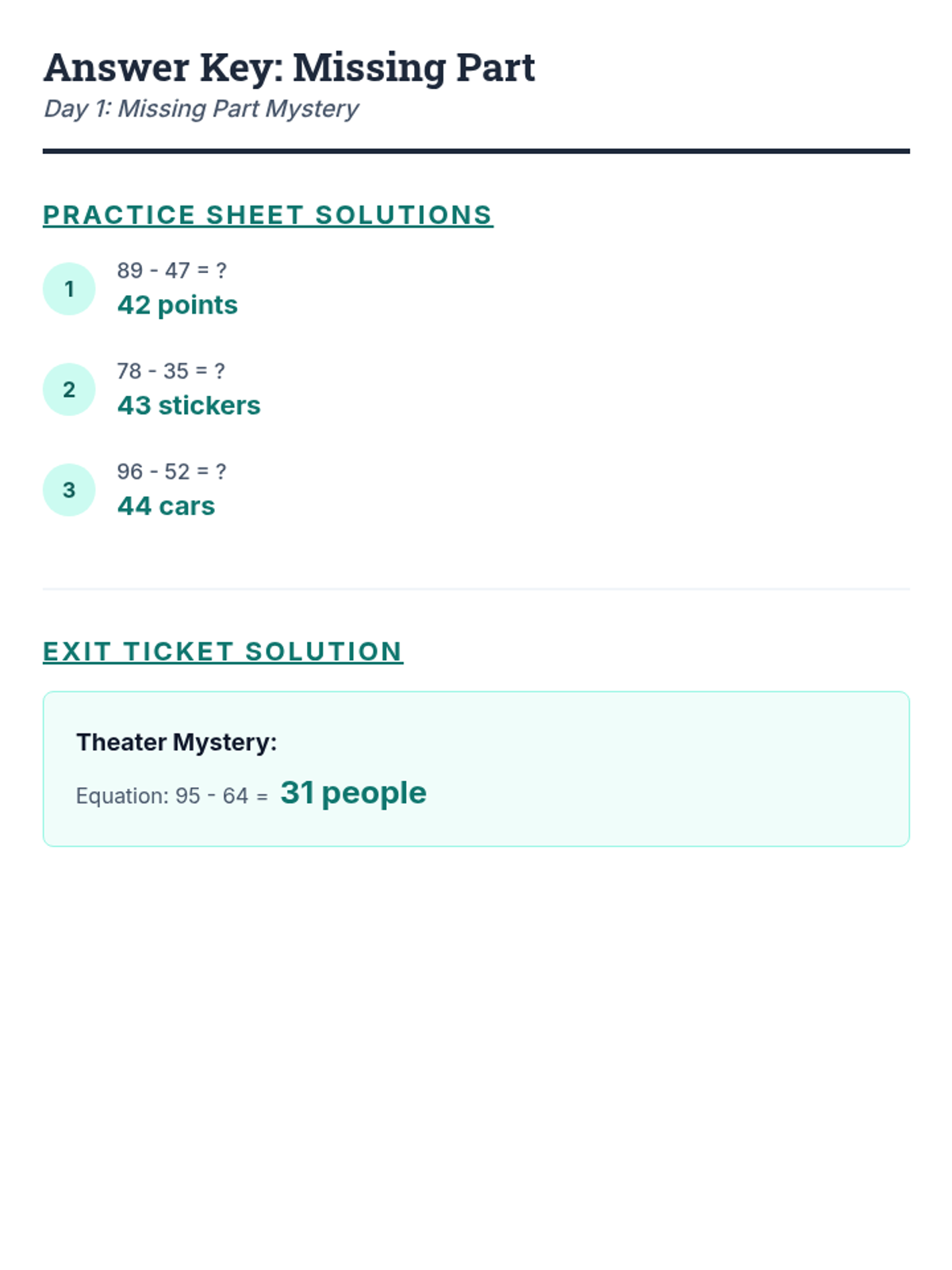
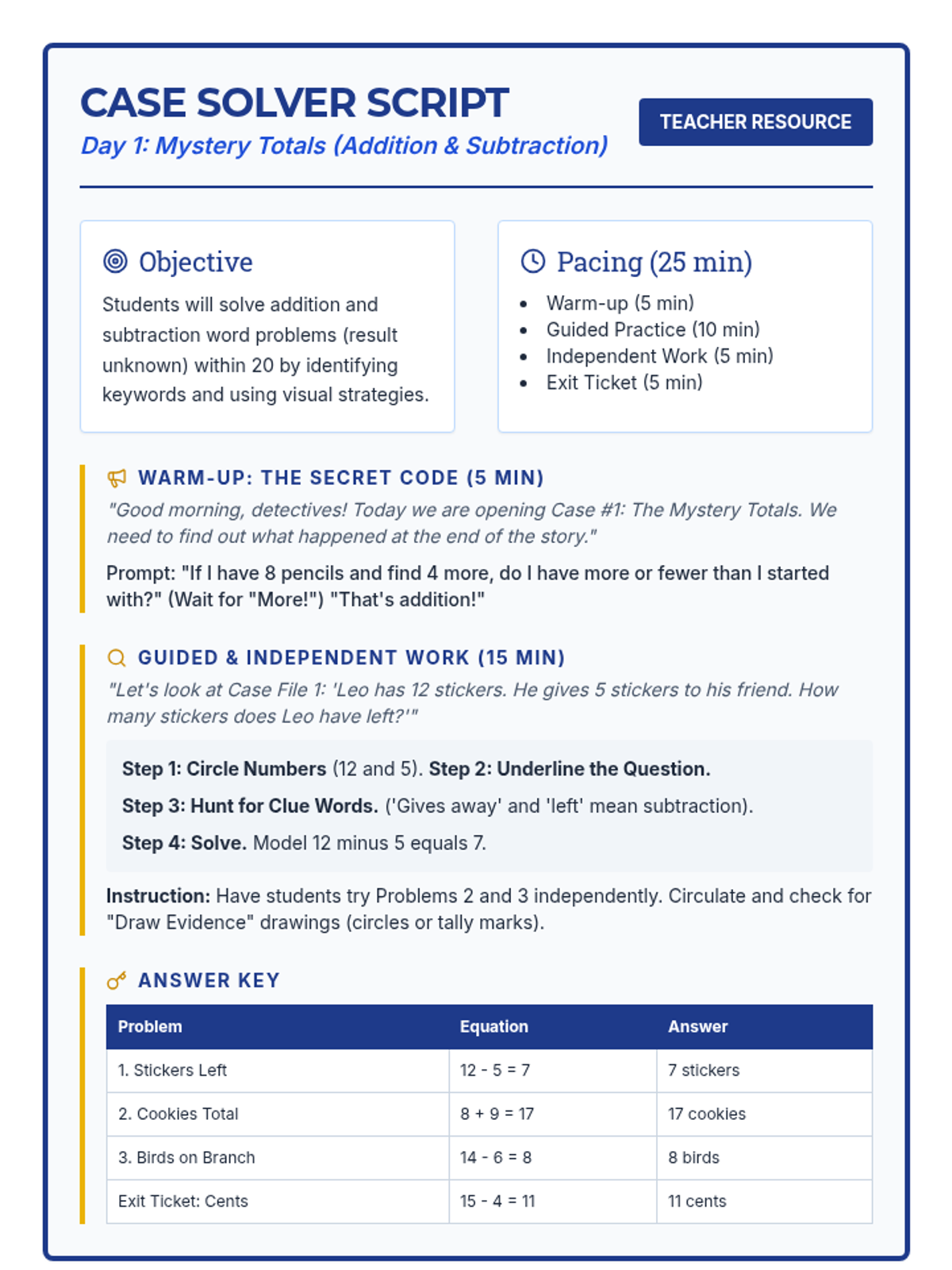
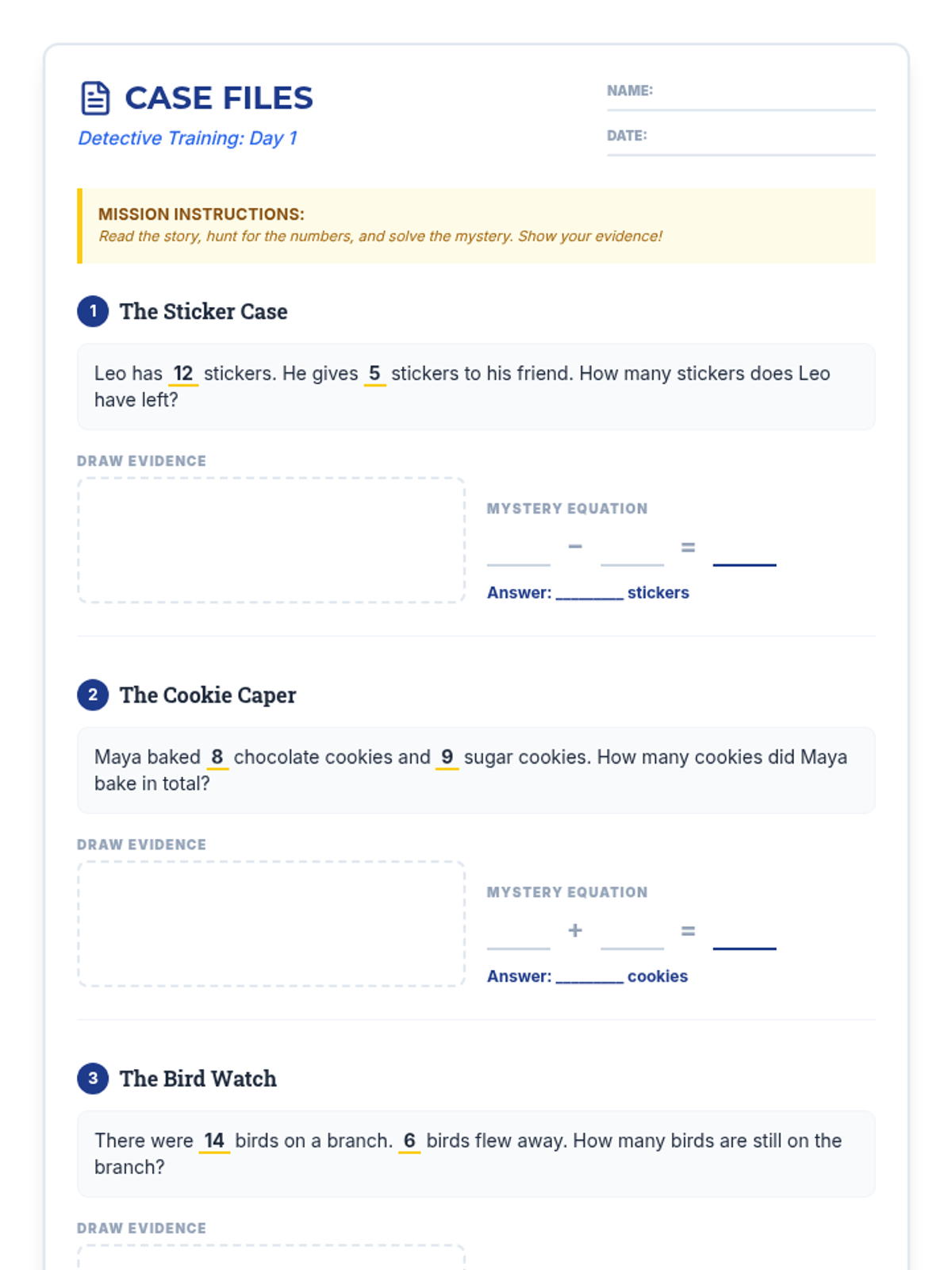
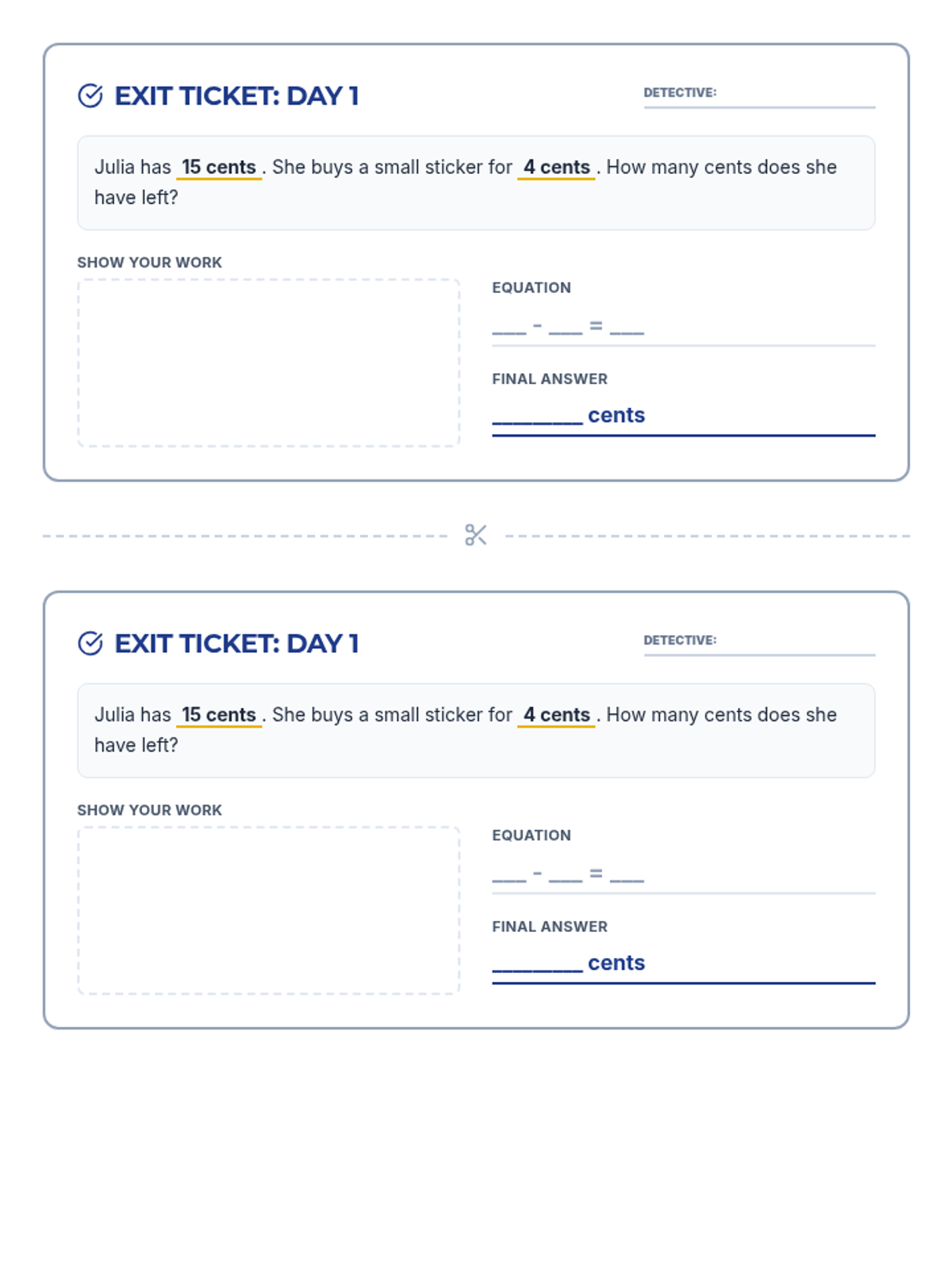
A comprehensive suite of strategies and visual supports designed to help K-5 students decode and solve addition, subtraction, multiplication, and division word problems using a detective-themed approach.
A foundational unit on place value that spirals from teen numbers up to the hundreds place. Using a 'Digit Builders' architectural theme, students learn to construct, deconstruct, and compare 2-digit and 3-digit numbers, building a solid foundation for future math.
A Tier 2 intervention sequence for Grade 1 students focusing on partitioning circles and rectangles into halves and fourths using a concrete folding approach. Includes instructional slides, teacher guidance, printable manipulatives, and progress monitoring.
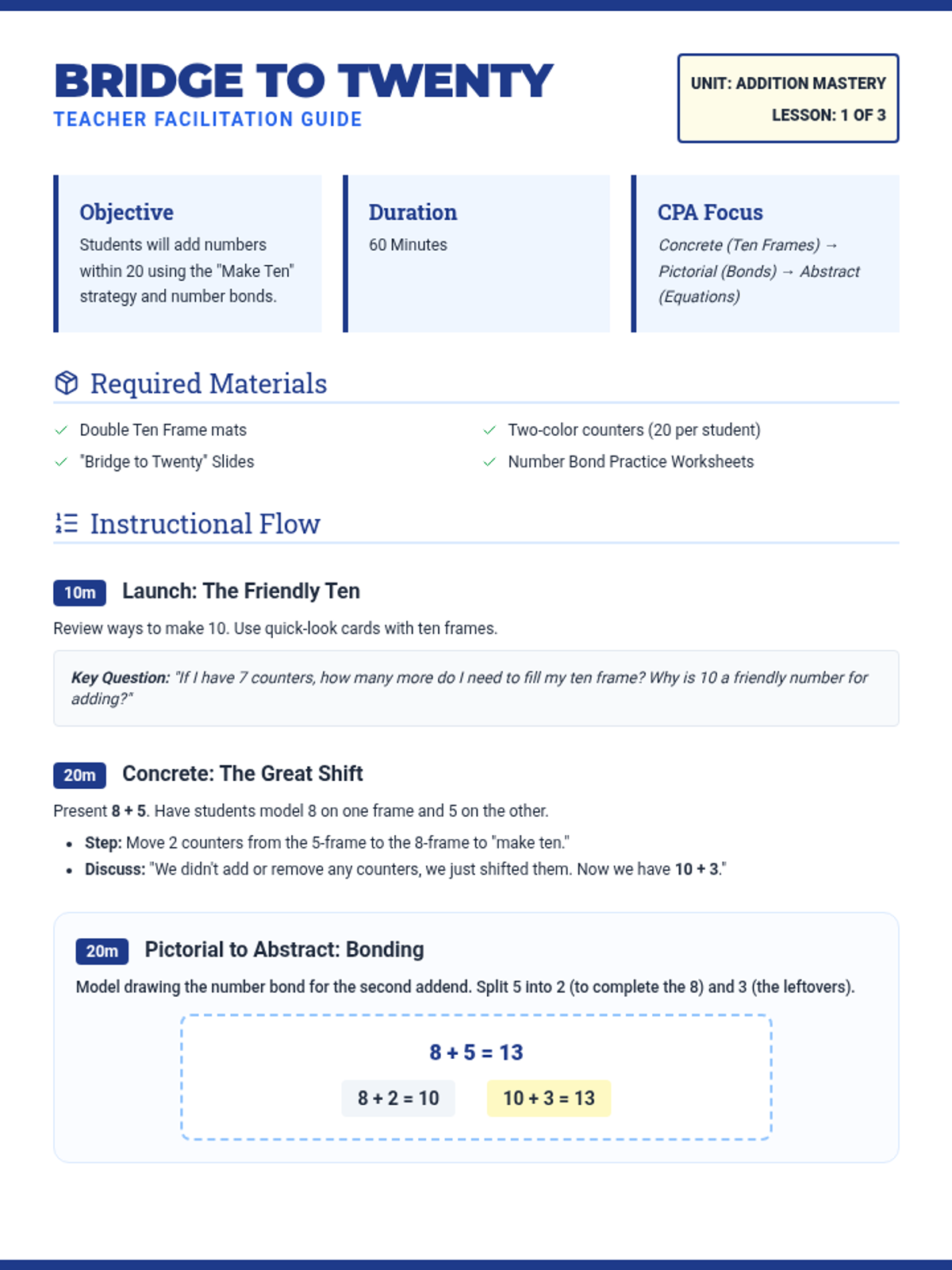
A targeted Tier 2 intervention sequence for Grade 1 students focusing on mental math strategies for addition and subtraction within 20. This sequence uses a strategy-rotation approach, covering Making Ten, Doubles/Near Doubles, and Counting On through explicit modeling with ten frames and rekenreks.
A targeted Grade 1 Tier 2 intervention sequence focused on building fluency and conceptual understanding of numbers up to 120 through multisensory activities and scaffolded practice.
A 4-part Tier 2 intervention sequence designed to help students master place value (tens and ones) through concrete and representational models. The sequence uses a 'Construction Workshop' theme to engage students in 'building' numbers.
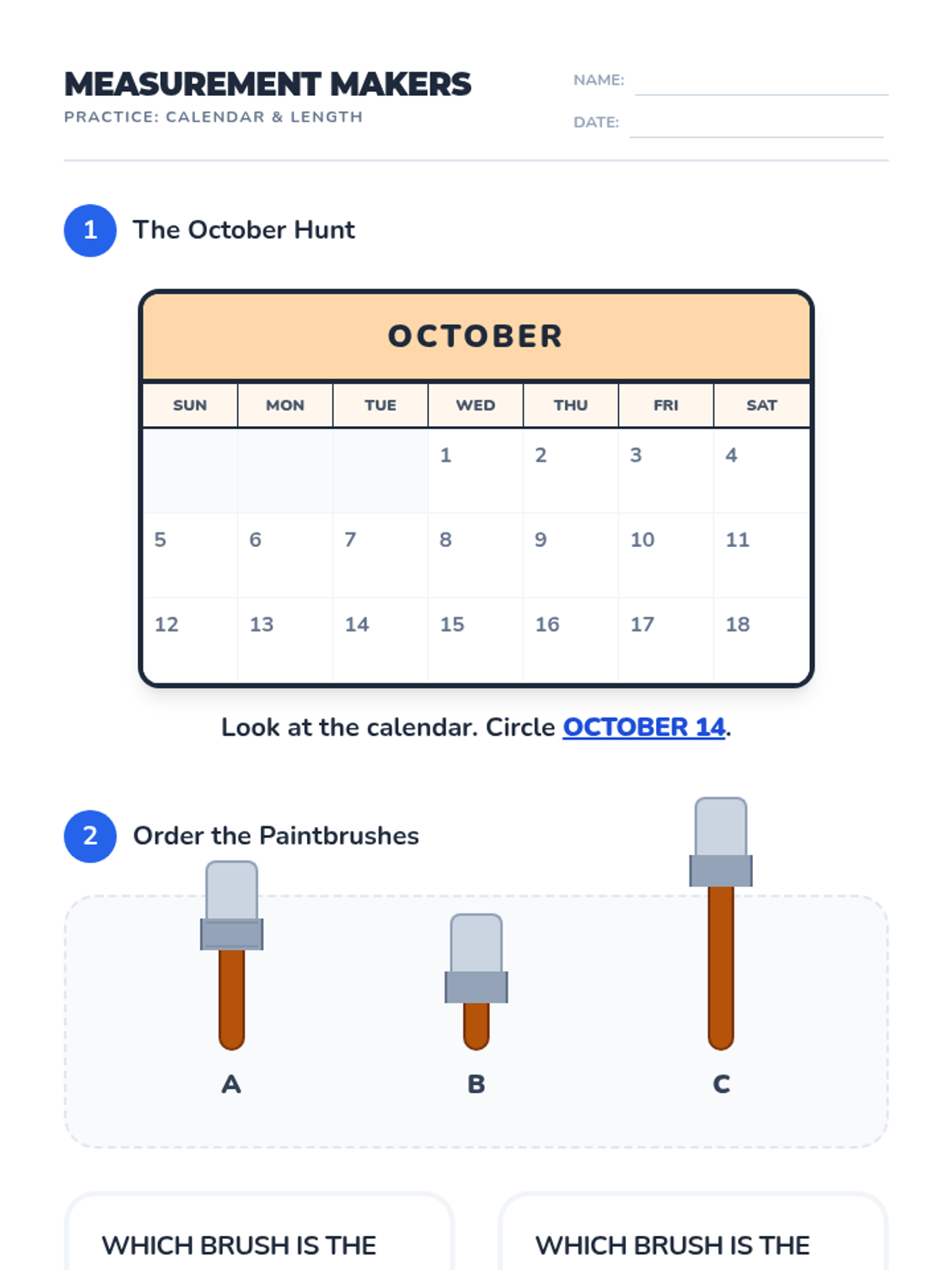
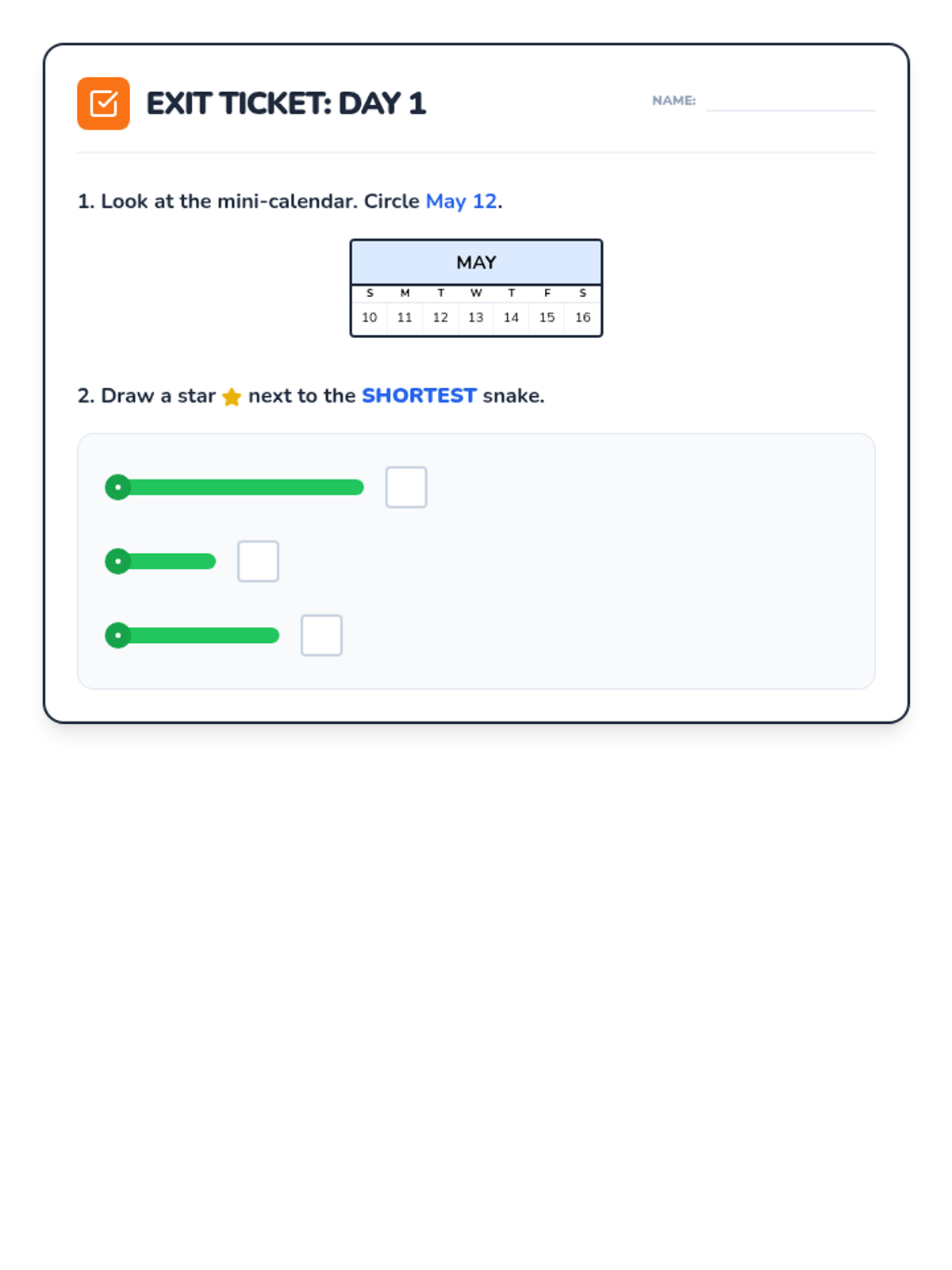
A 12-lesson Tier 2 intervention sequence for first-grade students focused on measurement concepts (1.MD.A). The sequence progresses from direct comparison to non-standard unit iteration, utilizing High Leverage Concepts and Illustrative Mathematics instructional routines.
A comprehensive 12-lesson Tier 2 intervention sequence for first-grade students focused on 1.OA.A standards. The sequence utilizes All Learners Network (ALN) High Leverage Concepts and IM methods like five-frames, ten-frames, and tape diagrams to build conceptual understanding of addition and subtraction situations.
A 12-lesson intervention sequence focused on numeral identification, forward/backward sequences, and number lines for 1st-grade Tier 2 support, utilizing High Leverage Concepts from All Learners Network.
A 6-lesson Tier 2 intervention sequence for first-grade students focused on comparing two-digit numbers using tens and ones meanings and comparison symbols. Grounded in All Learners Network High Leverage Concepts, the unit moves from physical modeling to symbolic representation.
A 6-lesson Tier 2 intervention sequence for first graders focused on addition and subtraction equations. Using an 'Equation Lab' theme, students move from part-whole understanding to the concept of equality and the inverse relationship between operations, aligned with ALN High Leverage Concepts.
Une séquence pédagogique basée sur l'univers des Numberblocks pour aider un enfant autiste de 7 ans à maîtriser la comptine numérique jusqu'à 100, en mettant l'accent sur la structure décimale et les régularités.
A series of lessons designed to help primary students master subtraction strategies using the CPA (Concrete-Pictorial-Abstract) model. Students progress from using physical manipulatives to mental math techniques focused on the base-ten anchor.
A hands-on introduction to probability and chance for early elementary students using the concepts of will, won't, and might.
A series of lessons focused on foundational addition strategies for early elementary students, moving from basic counting to more efficient mental math strategies.
A sequence focused on using music, rhythm, and rhyme to master foundational mathematical concepts like addition and skip counting.
A series of parent engagement workshops designed to bridge the gap between classroom instruction and home support for early elementary mathematics. Each session focuses on a specific conceptual strategy to empower parents as learning partners.
A targeted intervention series designed to help 1st and 2nd grade students master two-digit subtraction by focusing on verbalization, place value decomposition, and mental math strategies.
A unit focused on building foundational number sense through skip counting patterns and visual representations. Students explore patterns of 2s, 5s, and 10s using movement and visual models.
A series of lessons focused on mastering skip counting patterns to build a strong foundation for multiplication and place value. Students engage in physical movement, musical rhythms, and visual aids to internalize counting by different intervals.
This sequence guides 1st-grade students through the Concrete-Representational-Abstract (CRA) model to master place value and addition. Students progress from tactile manipulation of blocks to drawing visual models and finally using abstract symbolic notation, building confidence through structured support and strategic choice.
This sequence bridges the gap between concrete manipulatives and two-dimensional drawings for Kindergarten students needing academic support. It guides students from tracing physical objects to using simple 'math drawings' (circles) for addition and subtraction.
A 1st-grade math sequence focusing on the Concrete-Representational-Abstract (CRA) framework. Students use acting, sketching, ten-frames, number paths, and part-part-whole diagrams to solve word problems.
A 1st-grade mathematics sequence that bridges the gap between simple addition and the scientific concept of balancing. Students learn that the equals sign represents balance, solve for missing addends, and evaluate complex equations with operations on both sides.
This sequence introduces 1st-grade students to the concept of equality using physical balance scales. Students explore balance, 1:1 correspondence, maintaining equilibrium by adding to both sides, and representing weight relationships symbolically.
An inquiry-based sequence for 1st Grade students to explore mass and weight using balance scales. Students progress from sensory hefting to using standard units and conducting a mystery bag lab to understand measurement.