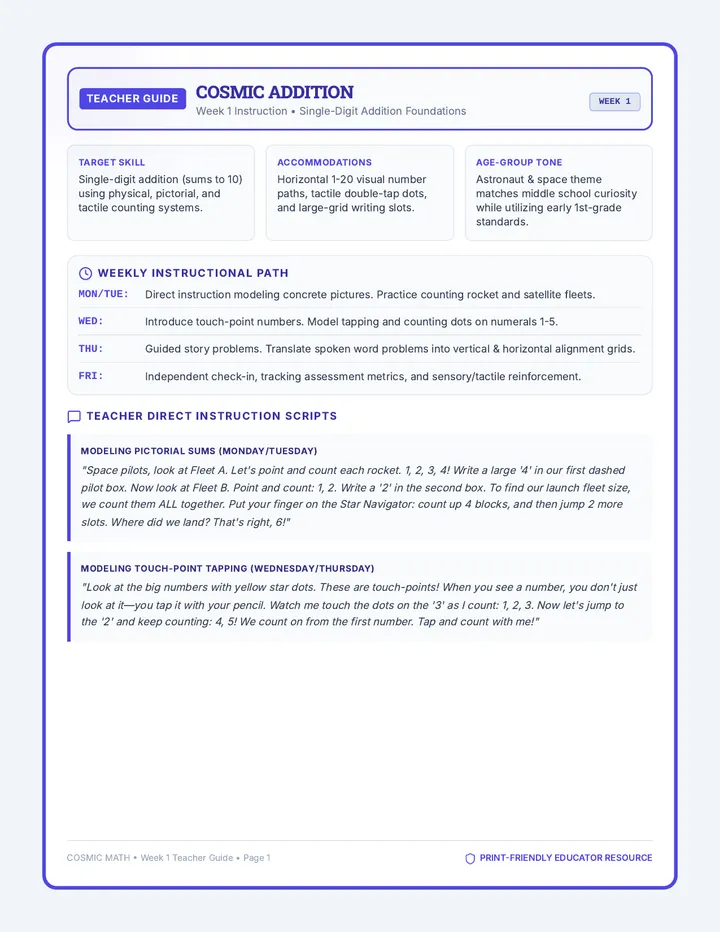
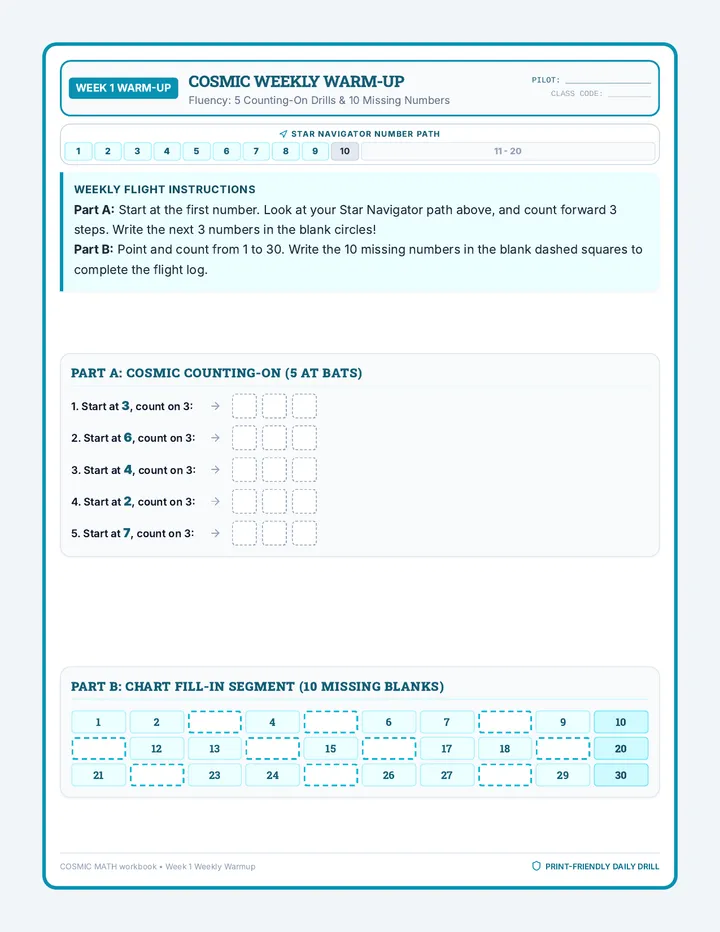
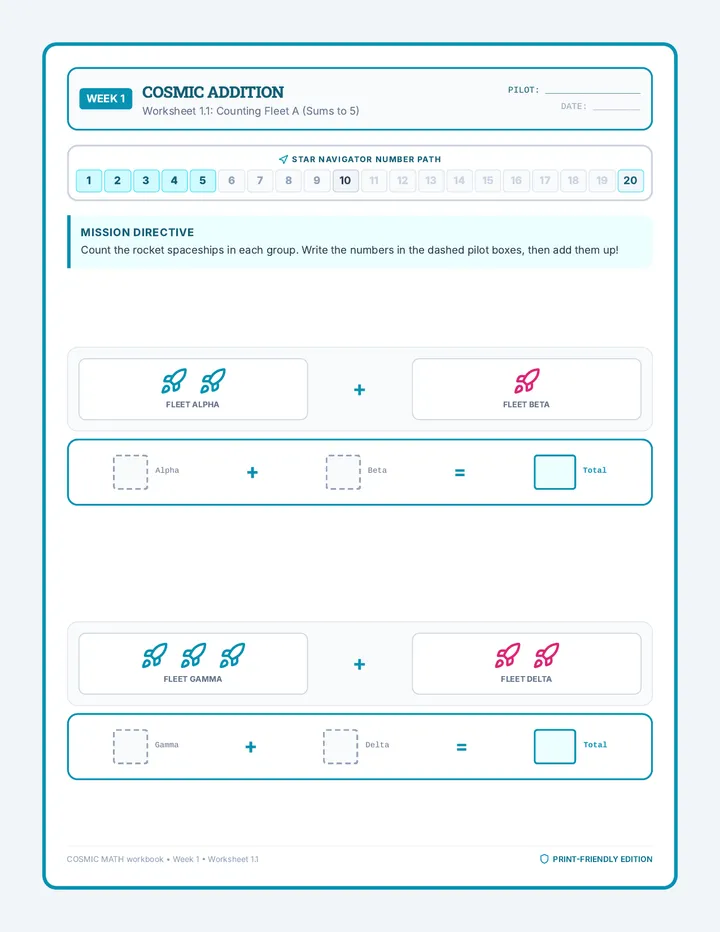
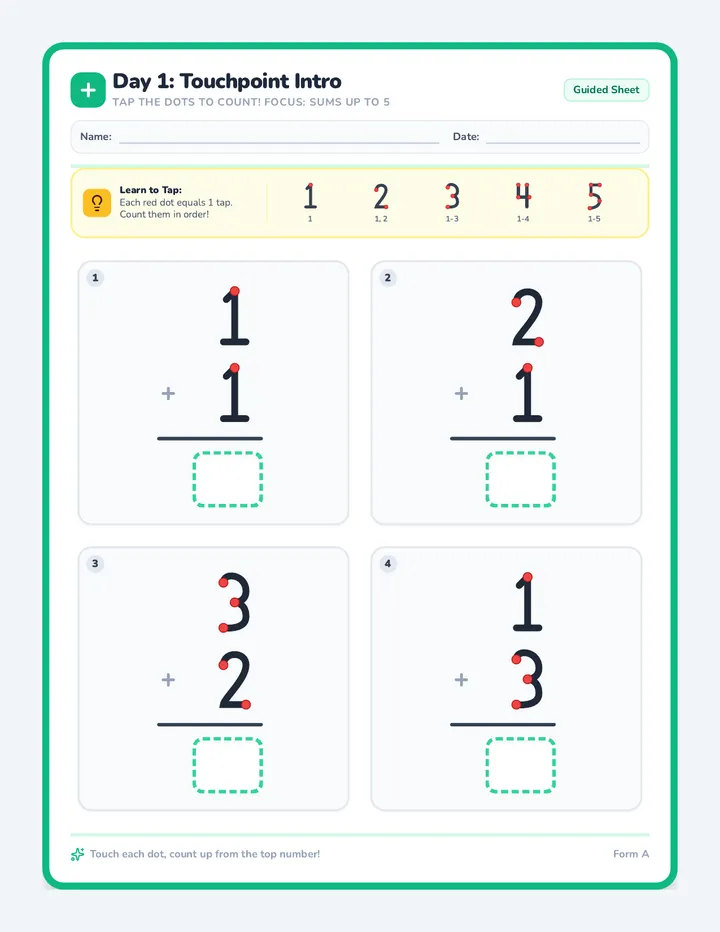
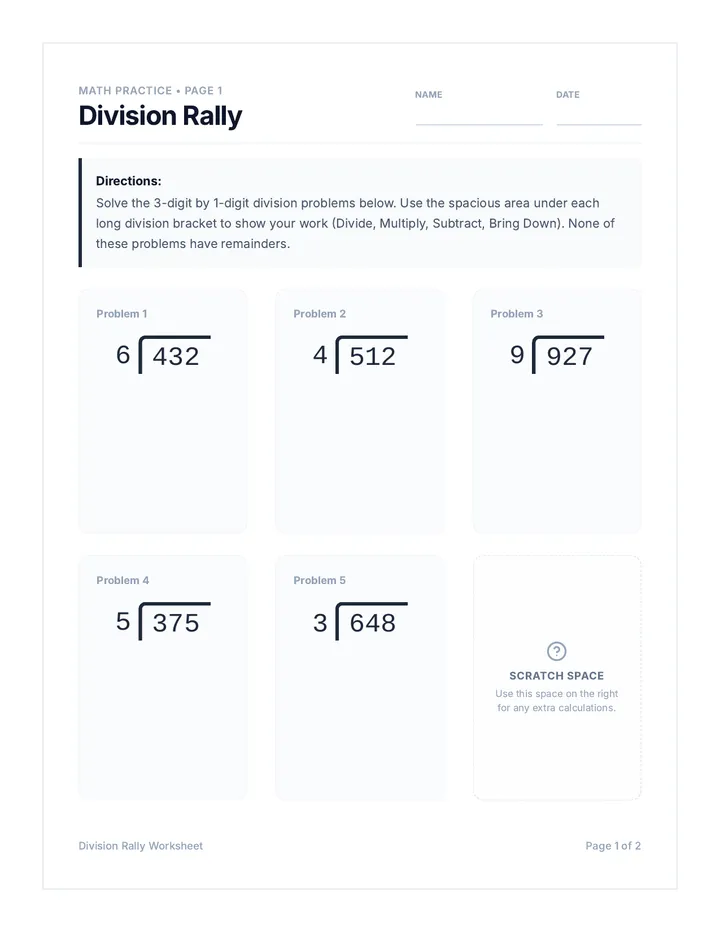
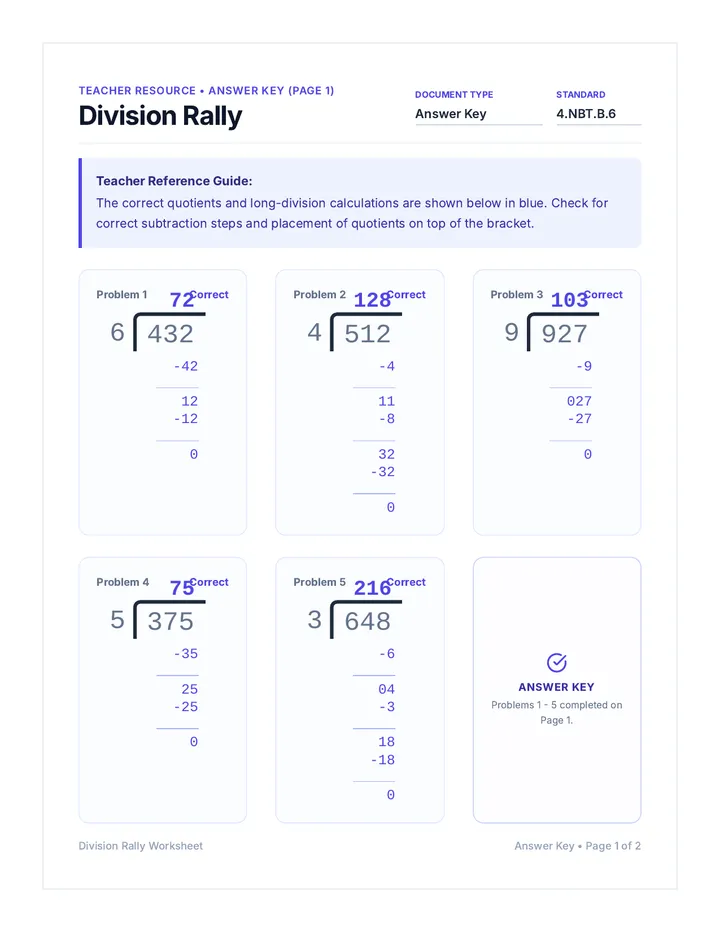
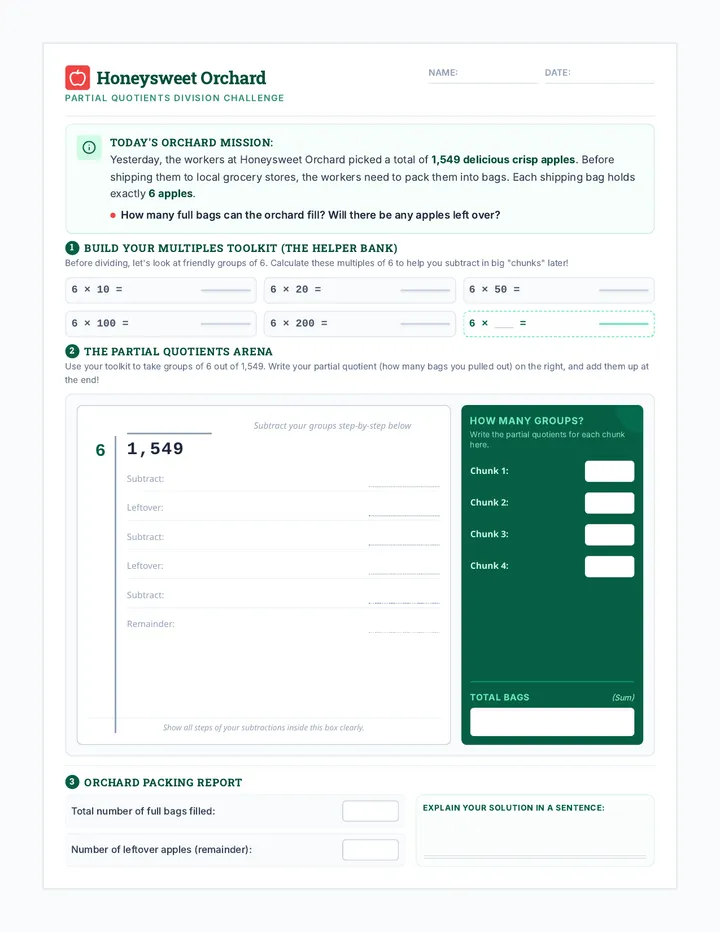
A series of high-energy, hands-on activities and visual aids designed to help kindergarteners master pairs that add up to 10 using various manipulatives.
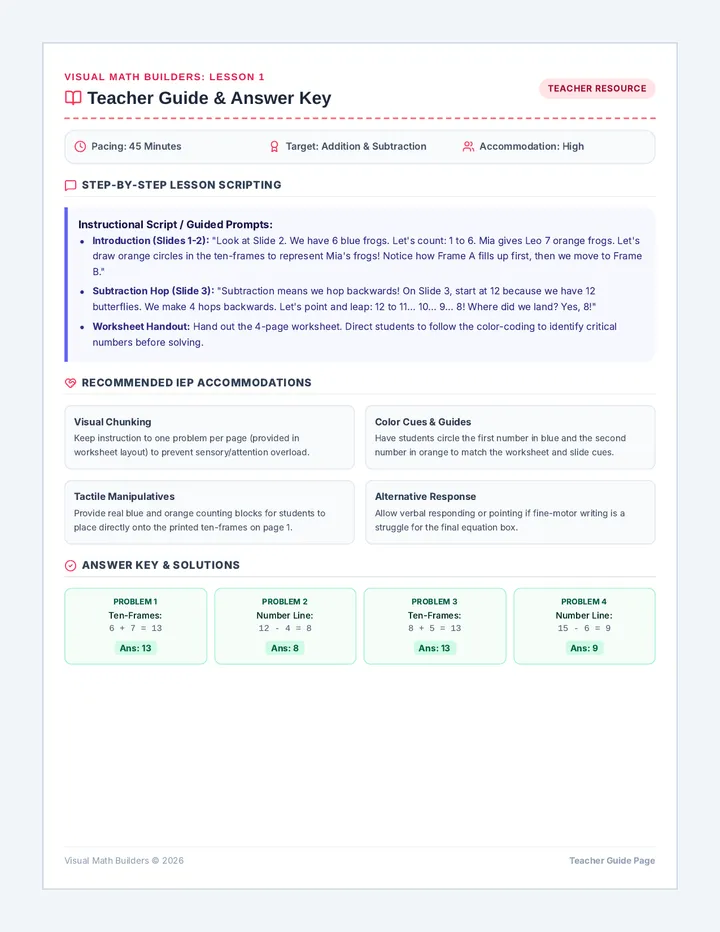
A comprehensive multi-grade longitudinal analysis of MCAS Math data (Grades 3-4) for 2023-2025. This sequence provides diagnostic reporting, visual aids, and instructional intervention strategies based on identified categorical trends.
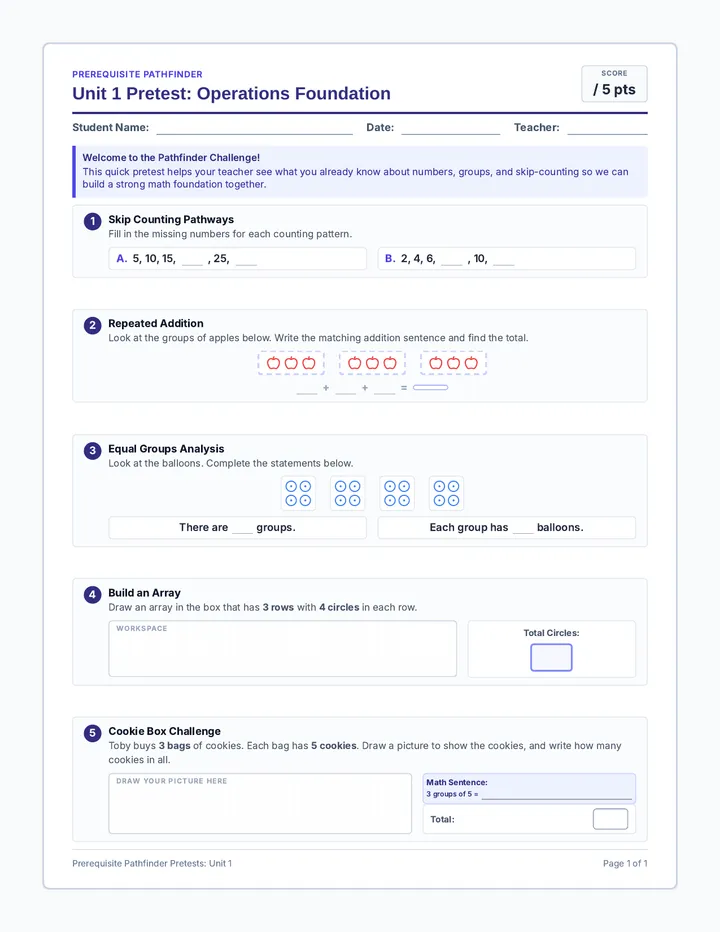
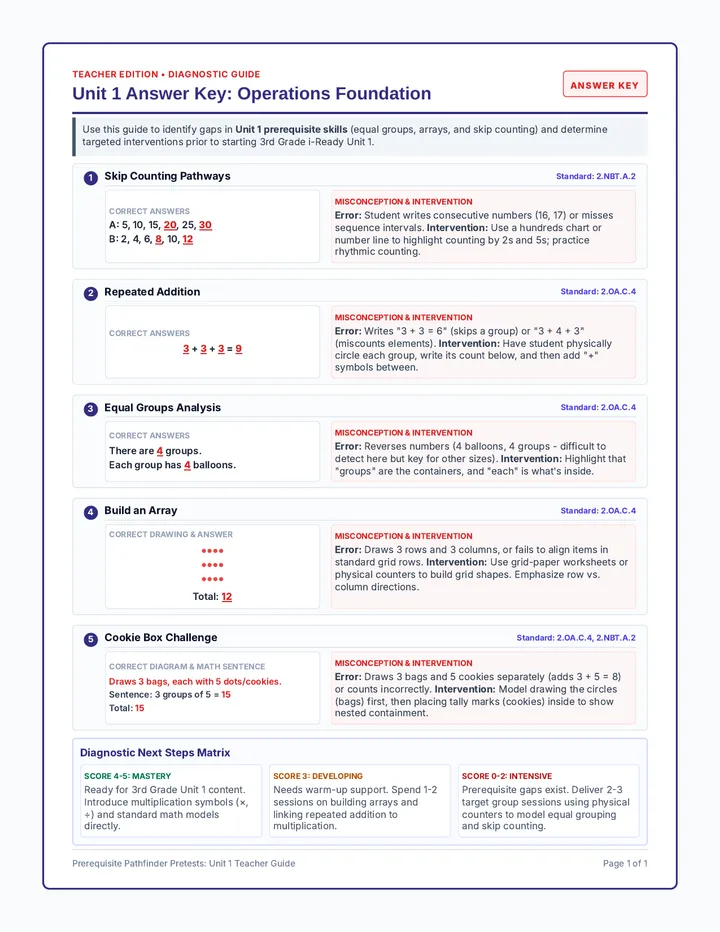
A 5-day introduction to foundational multiplication concepts for 2nd grade, focusing on equal groups, rectangular arrays, repeated addition, and even/odd numbers. The sequence uses a 'Building' theme where students act as apprentices learning the basics of math construction.
A series of lessons focused on time management and measurement, starting with the mechanics of analog clocks and moving into complex elapsed time scenarios.
A series of lessons designed to bridge 3rd-grade math concepts with foundational algebraic thinking, focusing on solving for variables through visual modeling and tactile interactive components.
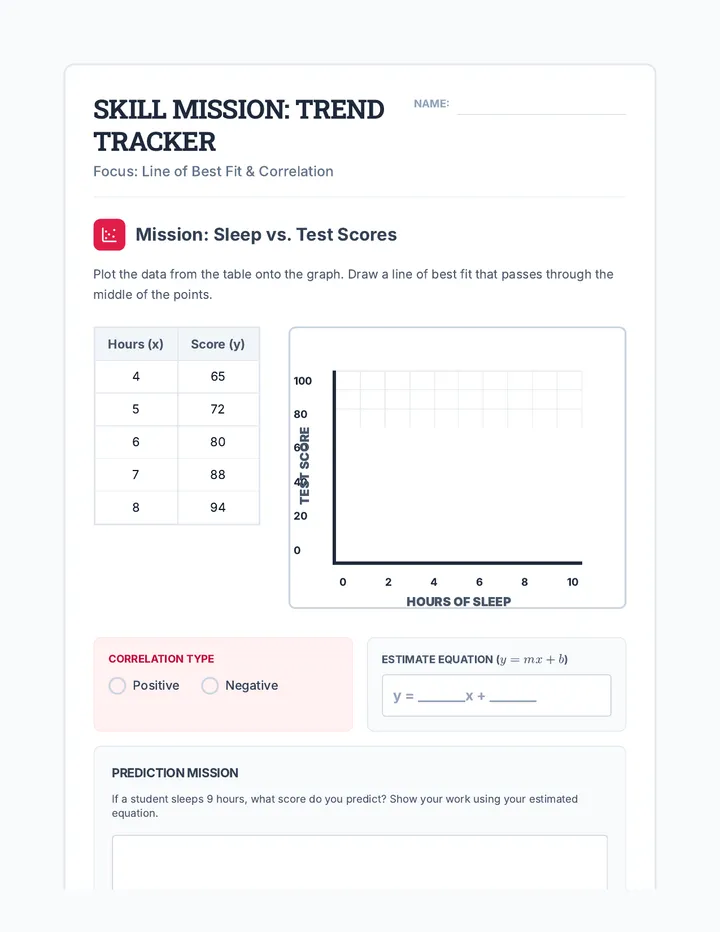
A comprehensive Tier 2 intervention sequence for high school students focused on summarizing, representing, and interpreting data, aligned with Colorado Standard 3. The program uses a 'Data Forensics' theme to engage students in uncovering insights from real-world datasets through scaffolded analysis and visual interpretation.
A comprehensive Tier 2 intervention sequence designed for high school students to master interpreting functions, including domain, range, key features, and real-world applications. The sequence uses a 'Blueprint' aesthetic to provide high-clarity, professional visuals that support conceptual understanding through scaffolded tasks.
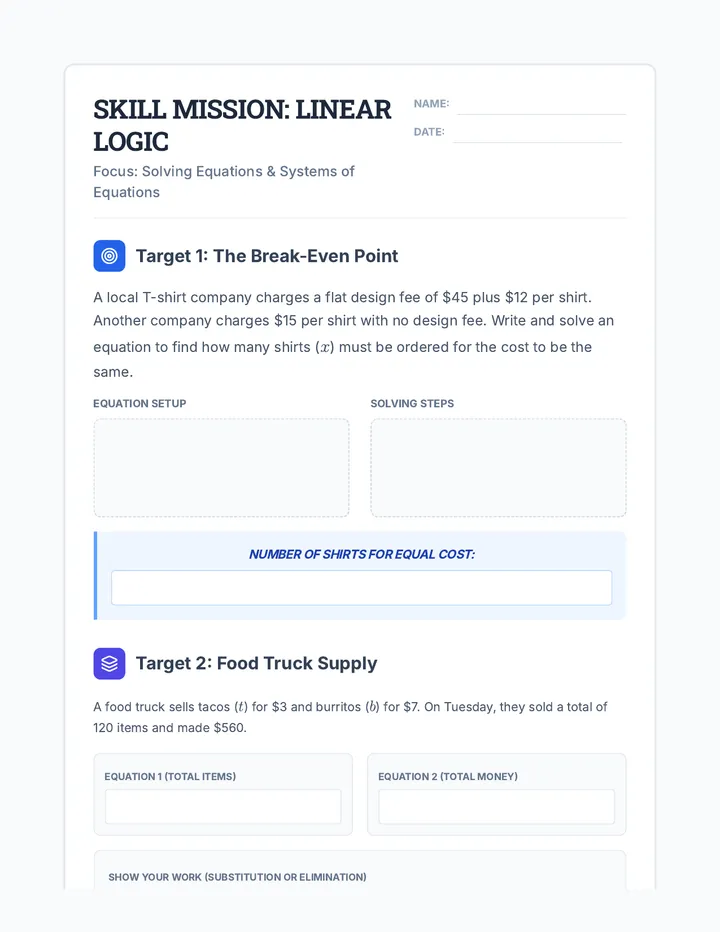
A comprehensive Tier 2 intervention designed to move 7th graders from foundational one-step equations to complex multi-step real-world problems using a 'structural engineering' theme.
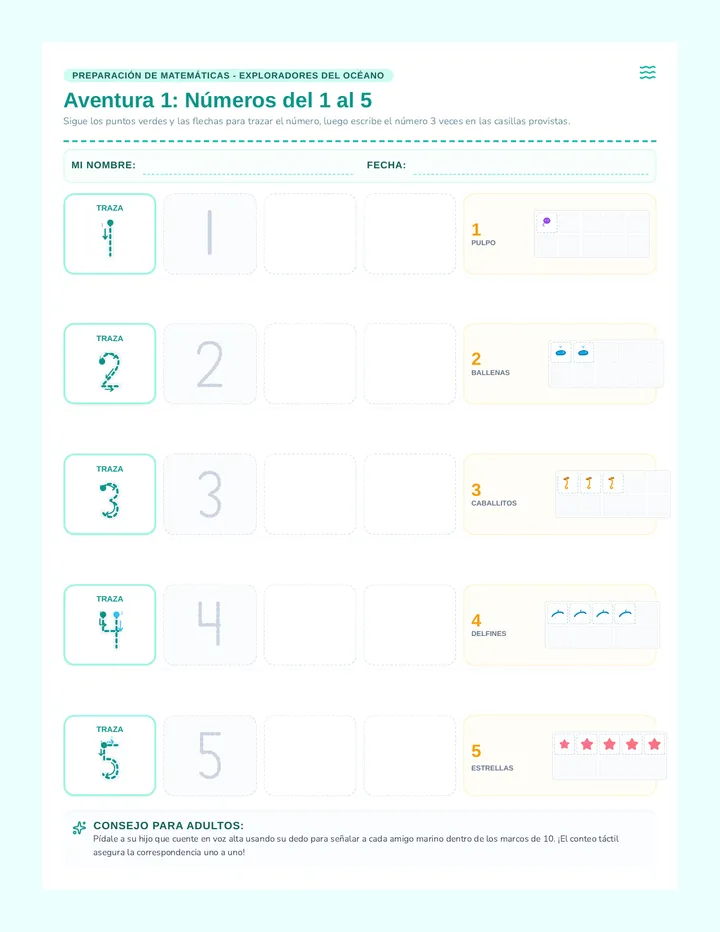
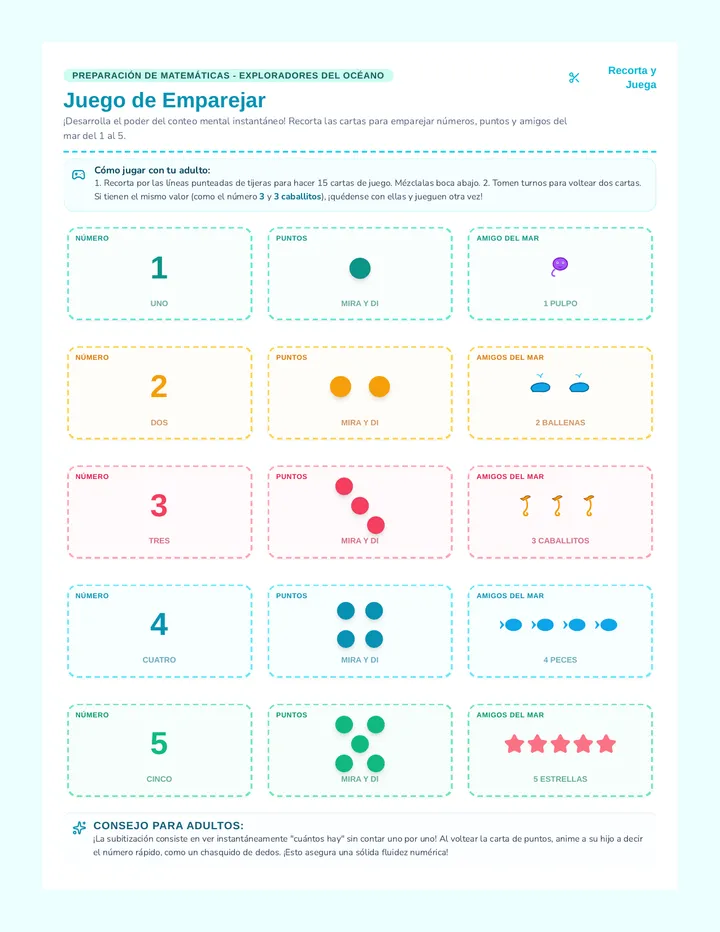
A Tier 2 intervention sequence for kindergarteners focusing on one-to-one correspondence and counting to tell 'how many' (0-10). The sequence progresses from concrete tactile counting to linear pictorial, scattered pictorial, and finally matching counts to abstract numerals.
A collection of Valentine's Day math packets at two different levels (Level 1 and Quest), covering budgeting, graphing, measurement, time, and word problems.
A comprehensive week-long kindergarten math unit where students join the 'Bear Brigade' to master counting, cardinality, and number comparison (1-10) through woodland-themed adventures.
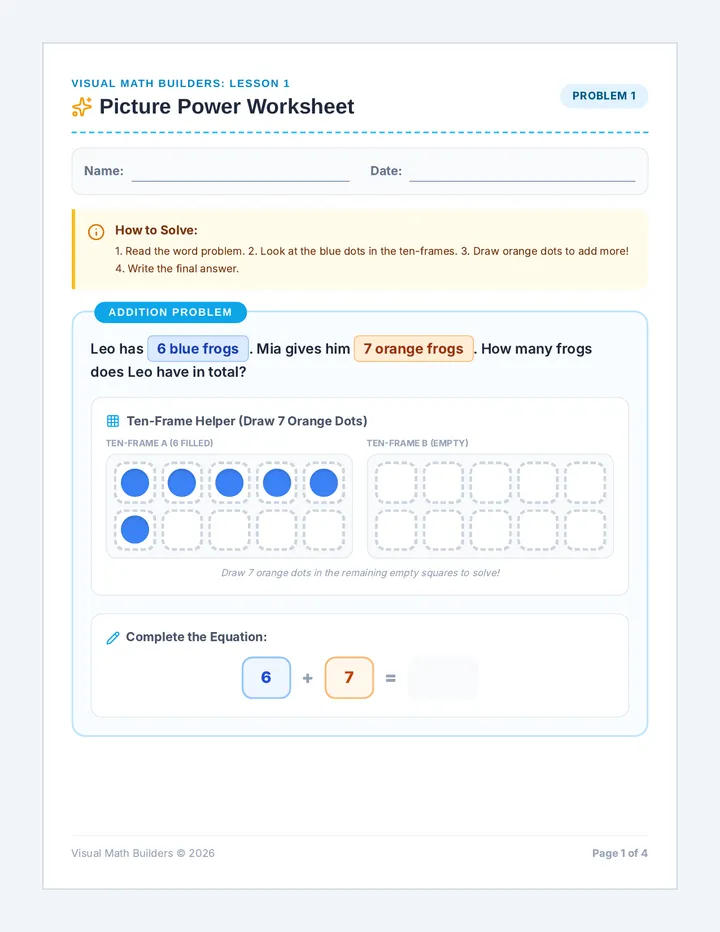
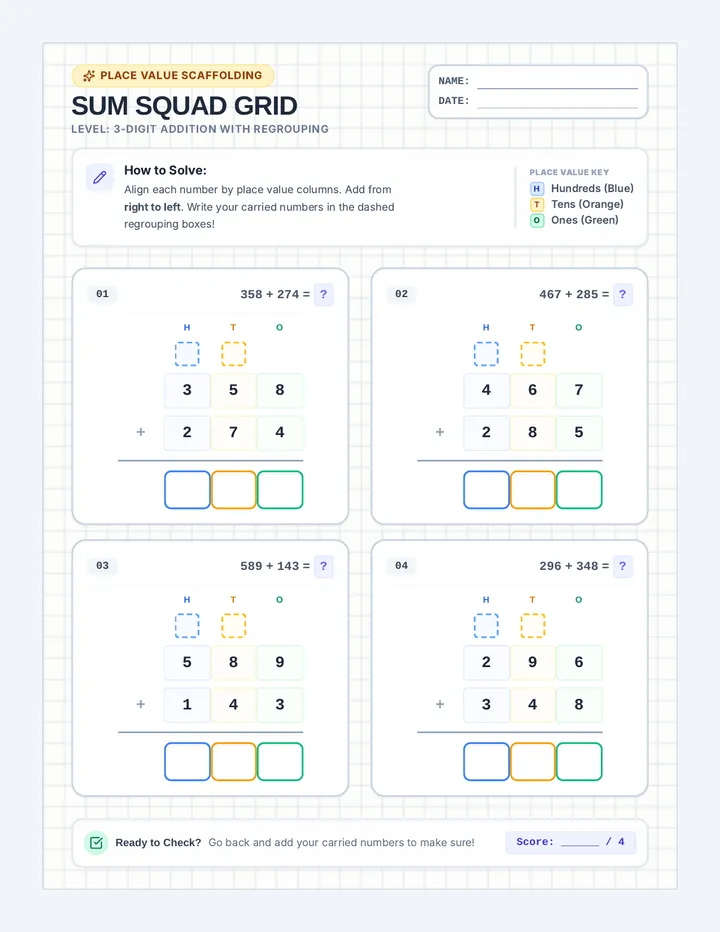
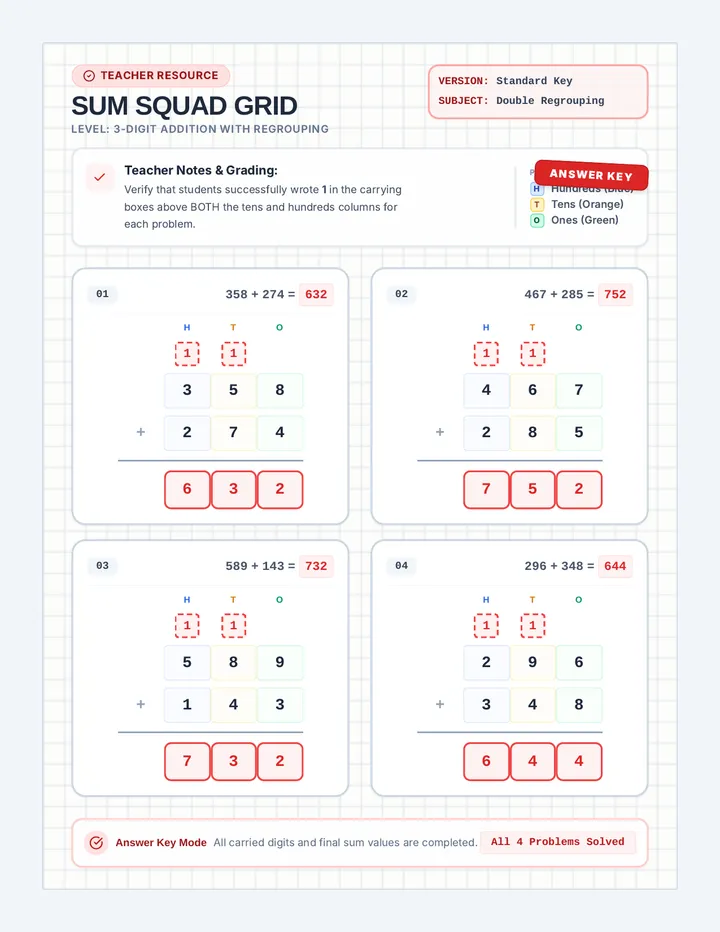
A comprehensive suite of strategies and visual supports designed to help K-5 students decode and solve addition, subtraction, multiplication, and division word problems using a detective-themed approach.
A 2-day small group math unit for 4th grade focused on TEKS 4.5(D), solving area and perimeter problems using the Read-Draw-Write strategy and blueprint-themed reference materials. Day 1 covers foundational calculations and missing side lengths, while Day 2 focuses on multi-step STAAR-aligned challenges.
A foundational unit on place value that spirals from teen numbers up to the hundreds place. Using a 'Digit Builders' architectural theme, students learn to construct, deconstruct, and compare 2-digit and 3-digit numbers, building a solid foundation for future math.
A comprehensive 7-lesson intervention sequence designed to build conceptual fraction understanding through visual models, number lines, and scaffolded practice. The sequence moves from basic area models to adding and subtracting with unlike denominators, prioritizing 'why' over 'how'.
A specialized geometry intervention sequence focused on applying geometric principles to real-world design challenges, specifically tailored for Tier 2 high school learners. The sequence emphasizes modeling, optimization, and structural integrity through hands-on design tasks.
A targeted intervention sequence for high school geometry students to master the volume of spheres using Cavalieri's Principle through hands-on comparisons and visual proofs.
A targeted intervention sequence for high school geometry students focusing on partitioning line segments in given ratios. This unit breaks down the section formula through visual supports, number line bridging, and scaffolded coordinate plane practice.