This sequence explores the Information Processing Model of memory through interactive experiments and simulations. Students journey from the fleeting snapshots of sensory memory to the complex webs of long-term storage and retrieval.

A collection of mixed-grade resources.
A comprehensive unit exploring the diverse urban and rural land use patterns across the Balkan Peninsula, culminating in a comparative research project.
A tribute to influential women of color from 2015 to the present, focusing on their achievements in politics, science, arts, and activism. Students explore biographies through a trivia-style game and creative research activities.
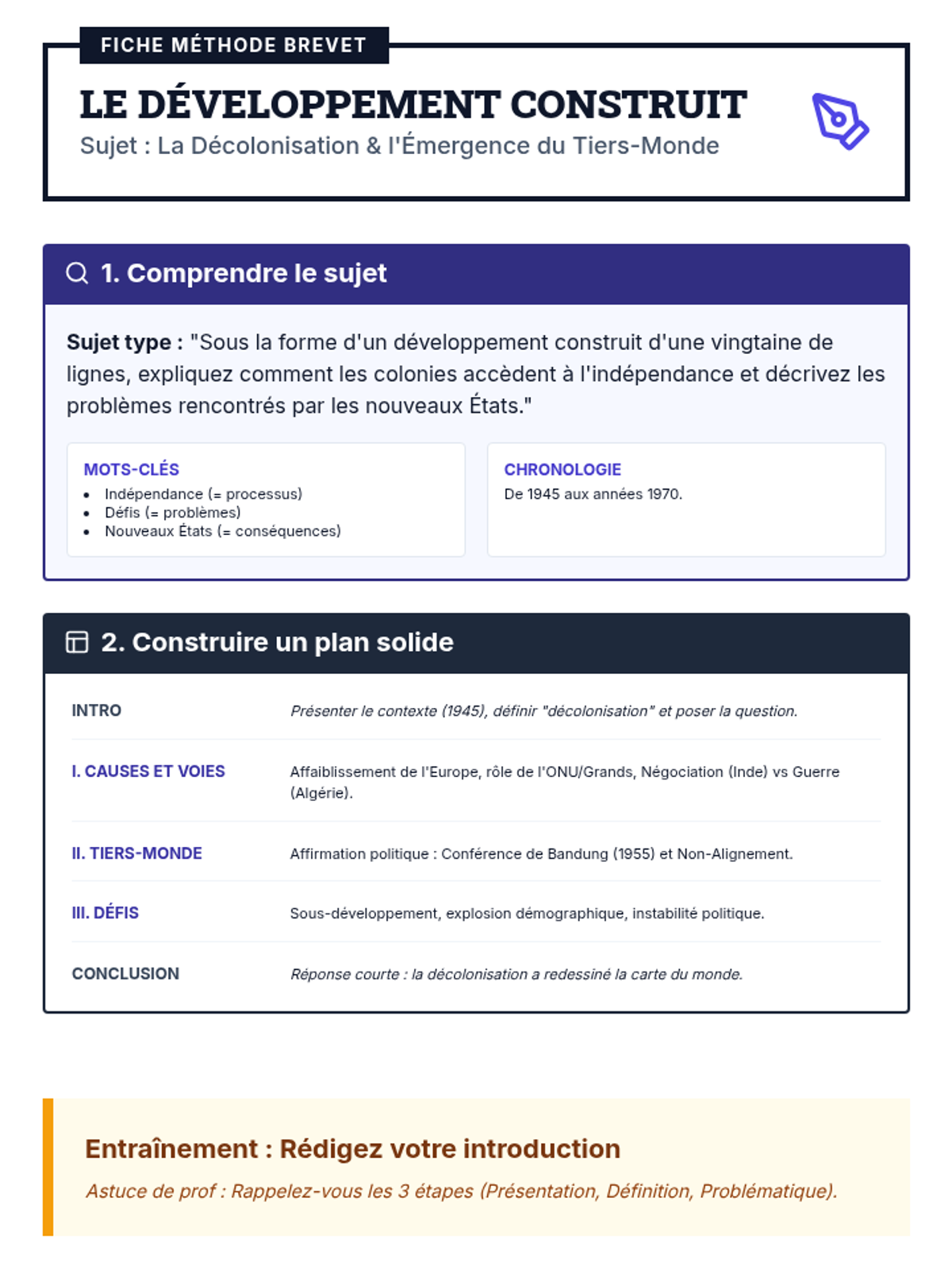
A two-day historical simulation and project focused on the Bay of Pigs invasion, Cold War containment strategies, and multi-perspective journalism. Students analyze primary sources and government documents to create a 1961 newspaper report.
A comprehensive guide to the Bill of Rights designed for different learning needs. Students explore the first ten amendments through visual planning, vocabulary building, and a creative poster project.
A foundational unit exploring the multifaceted nature of families, their structures, roles, and the daily rhythms that shape our lives.
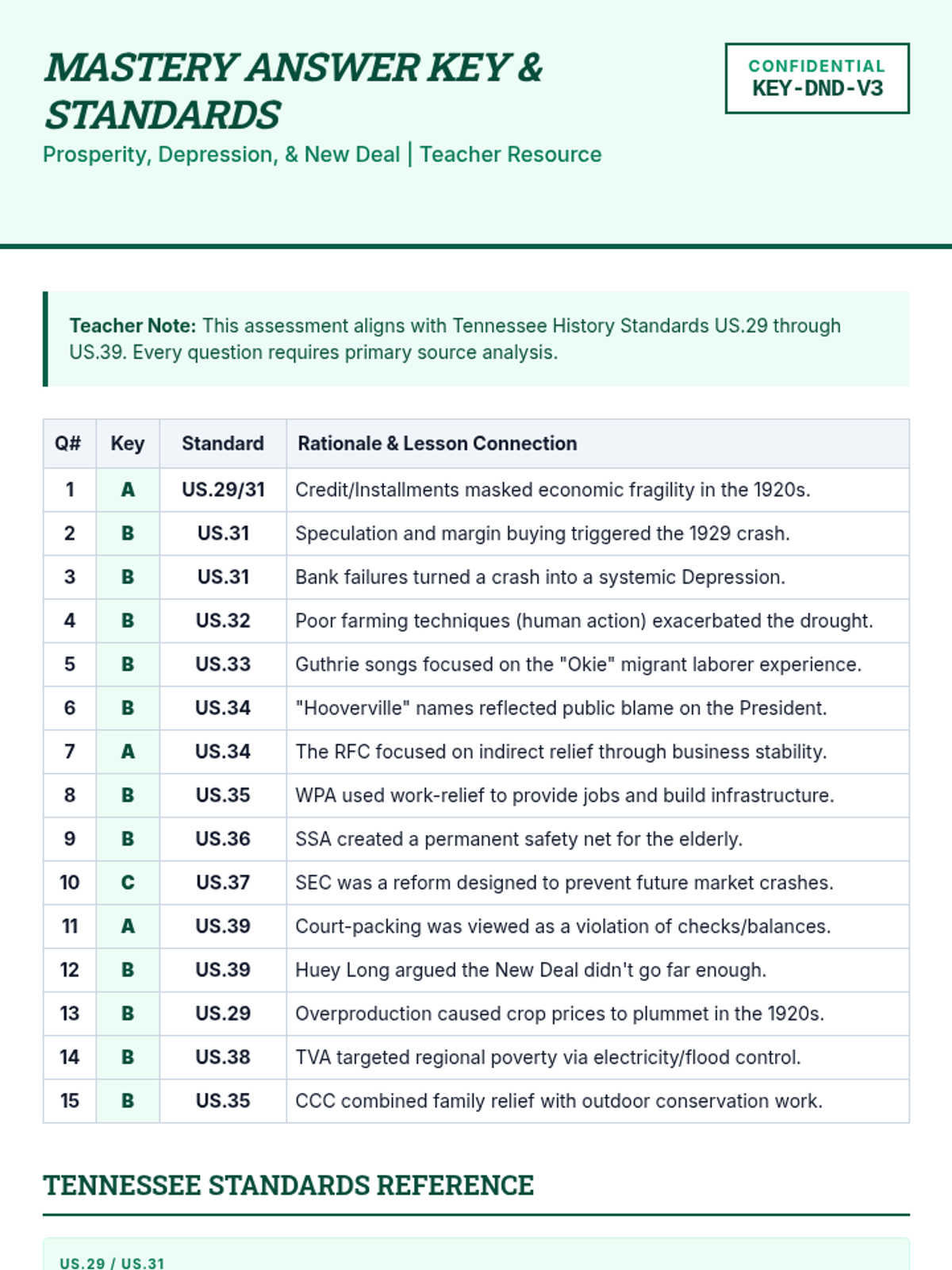
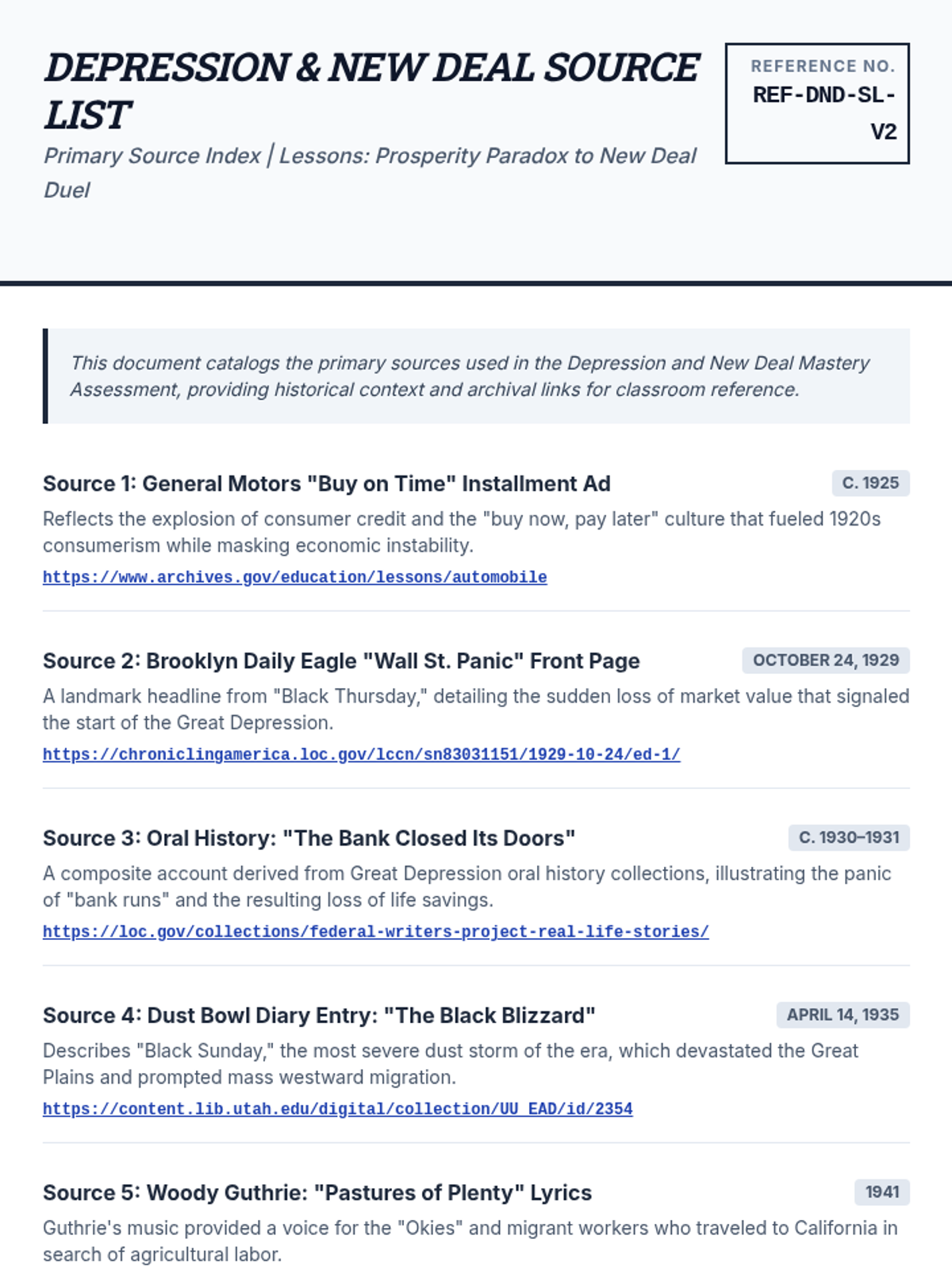
A comprehensive middle school history unit where students act as 'history detectives' to investigate the rise of nation-states in England, France, Spain, and Russia through primary source analysis.
A comprehensive deep-dive into Shakespeare's Romeo and Juliet, focusing on Act 1. Students will analyze character dynamics, the tension between destiny and choice, and the rich poetic language of the play across individual scenes.
A comprehensive 4-week microeconomics unit covering elasticity, consumer behavior, production theory, market failures, and labor economics. This sequence blends theoretical models with real-world applications and quantitative analysis.
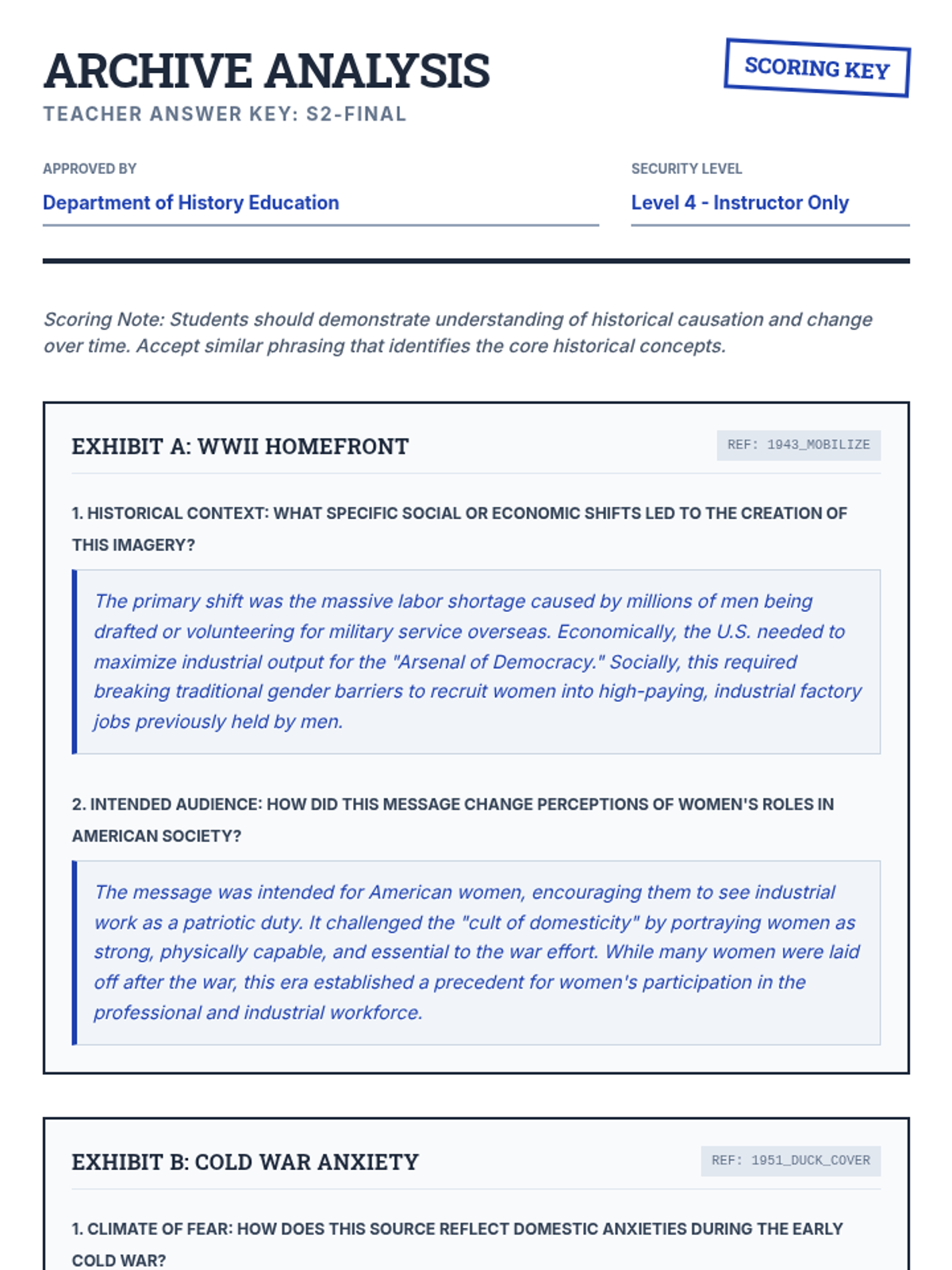
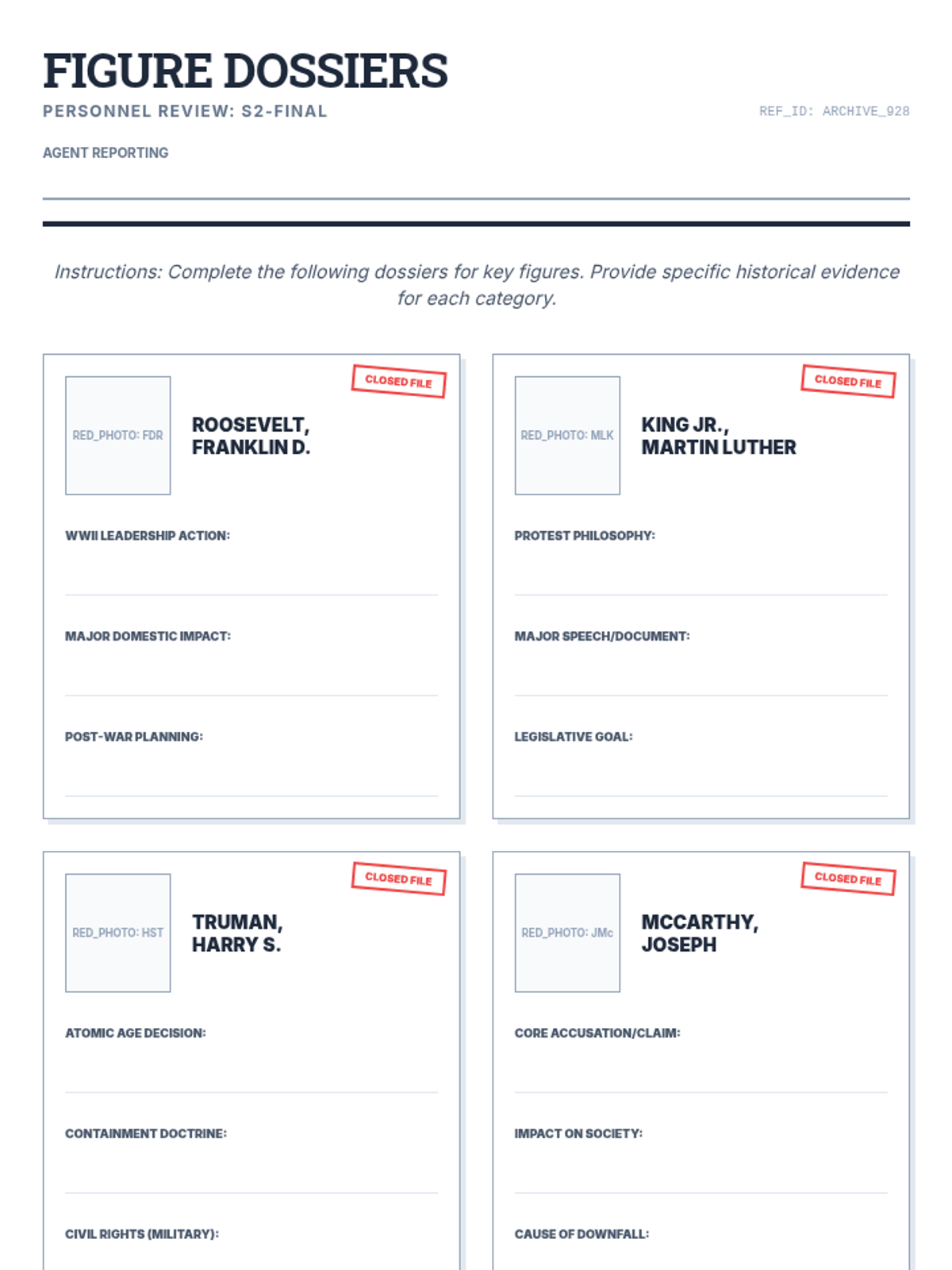
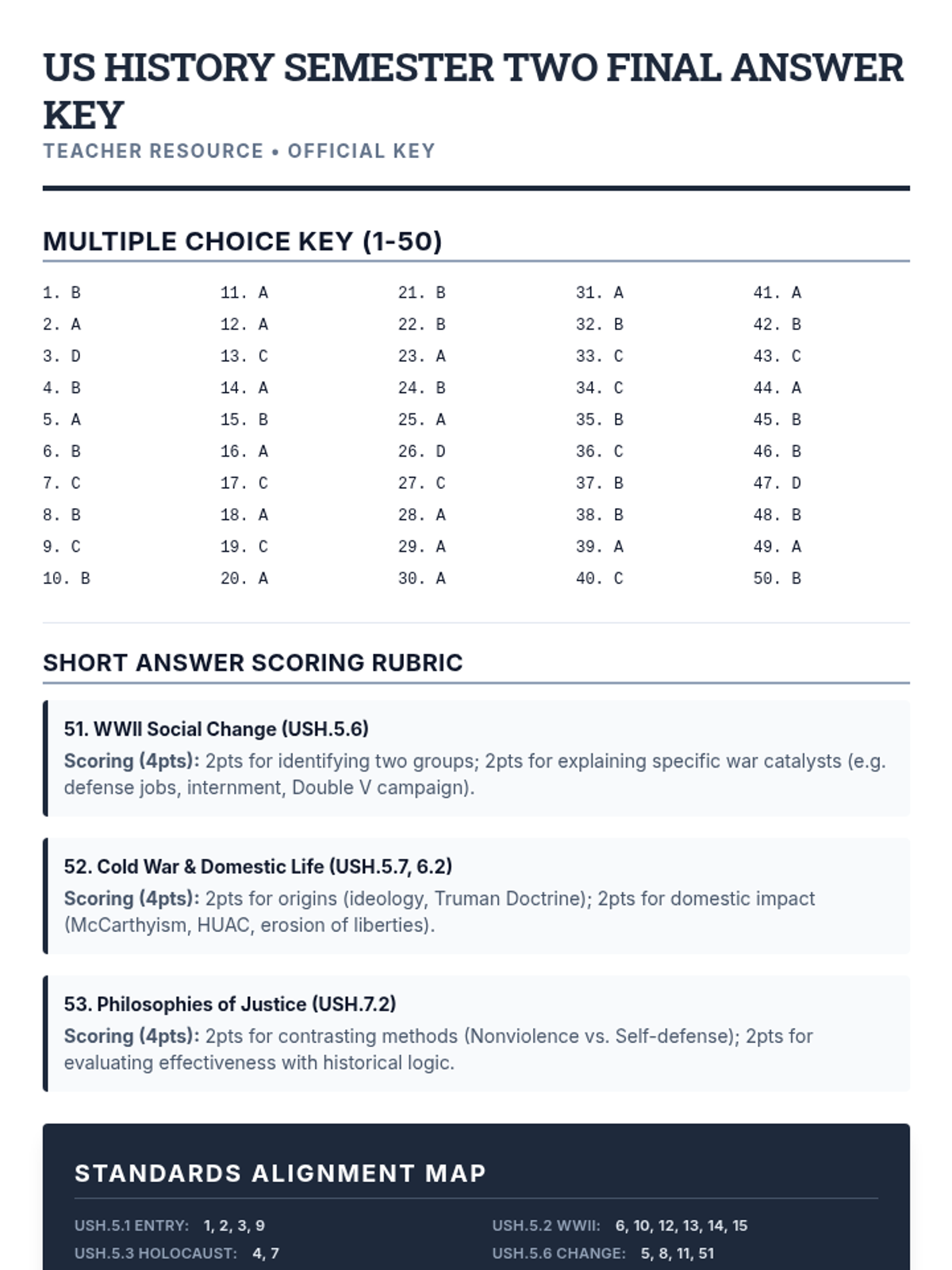
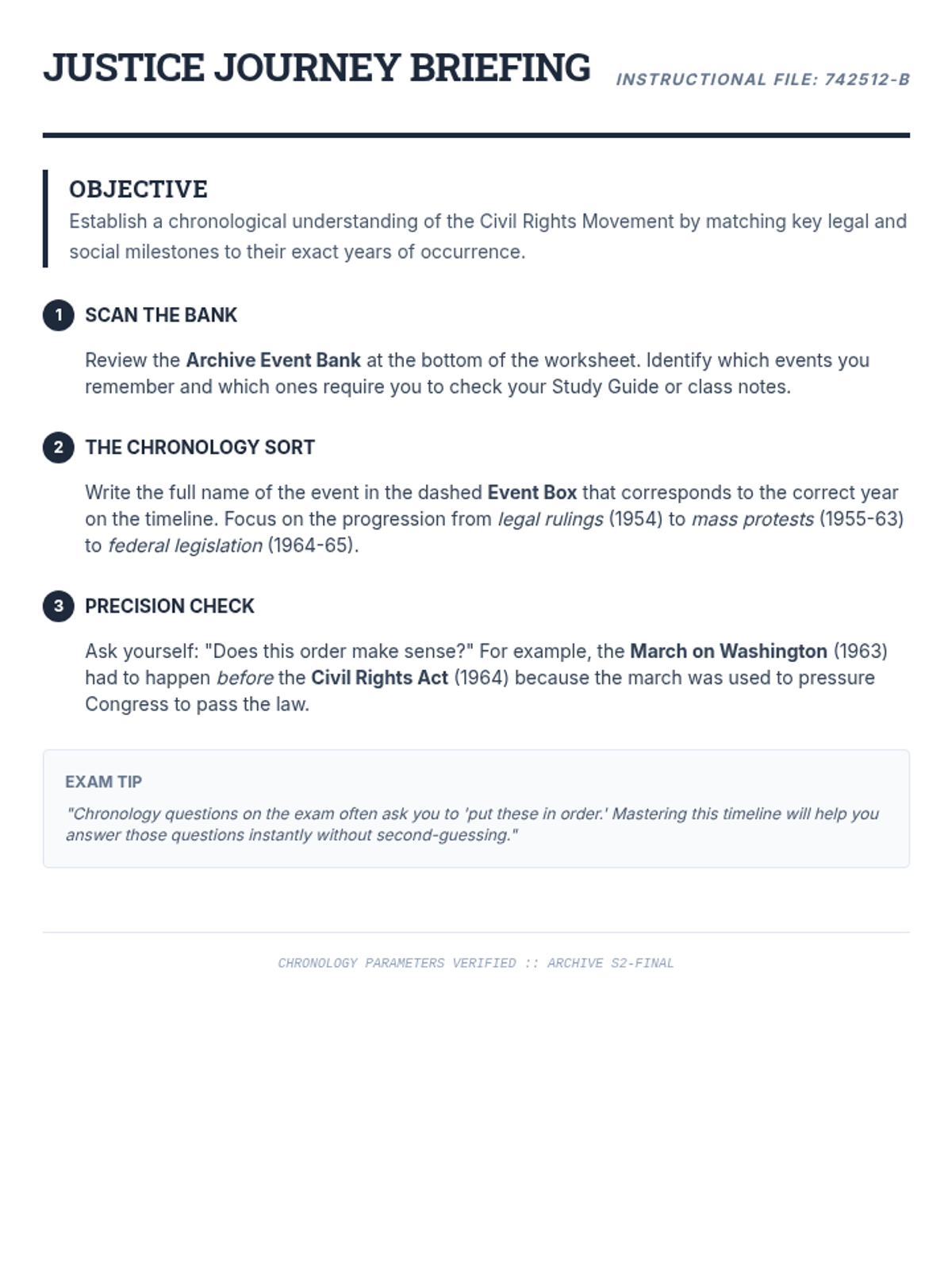
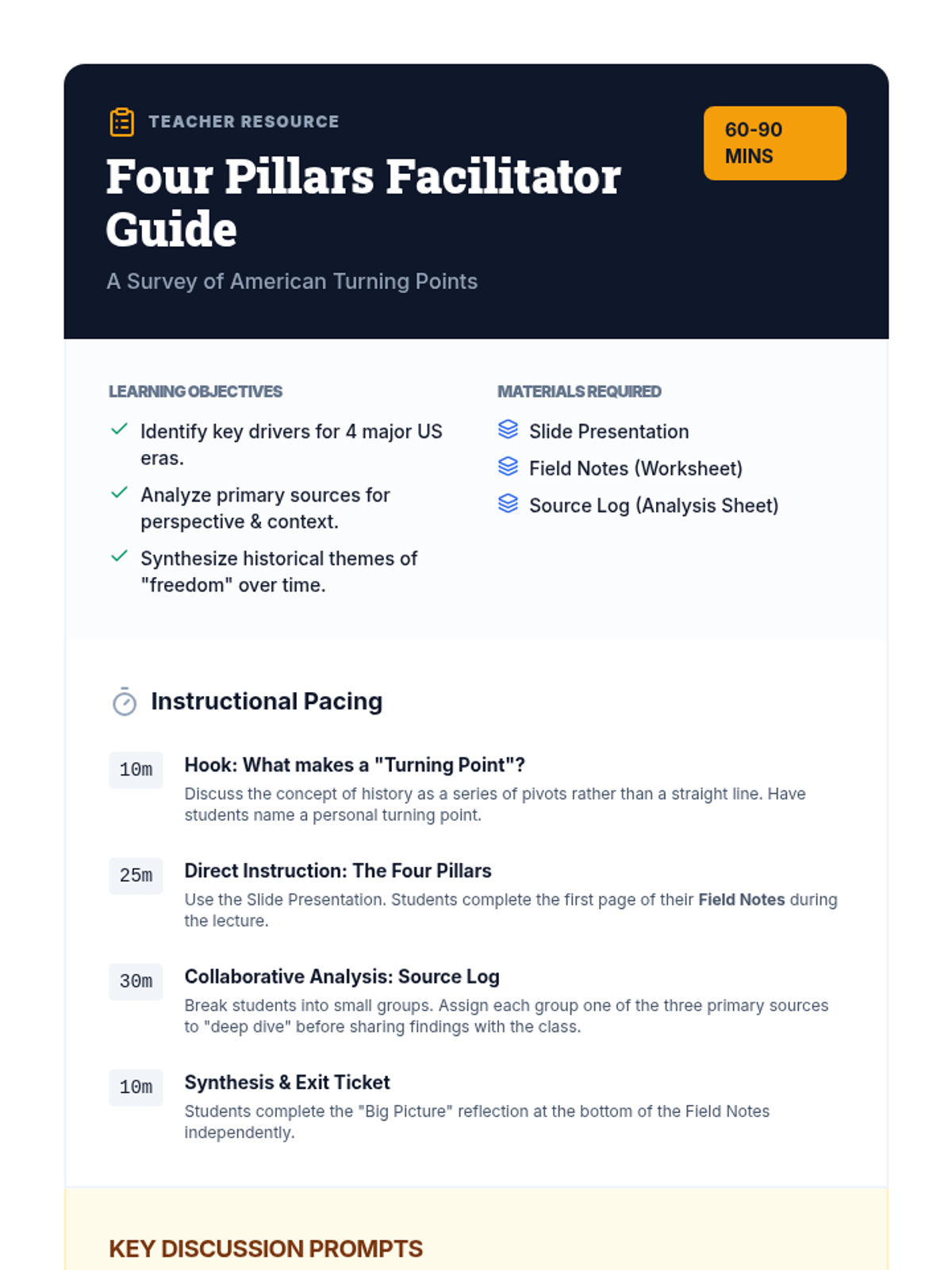
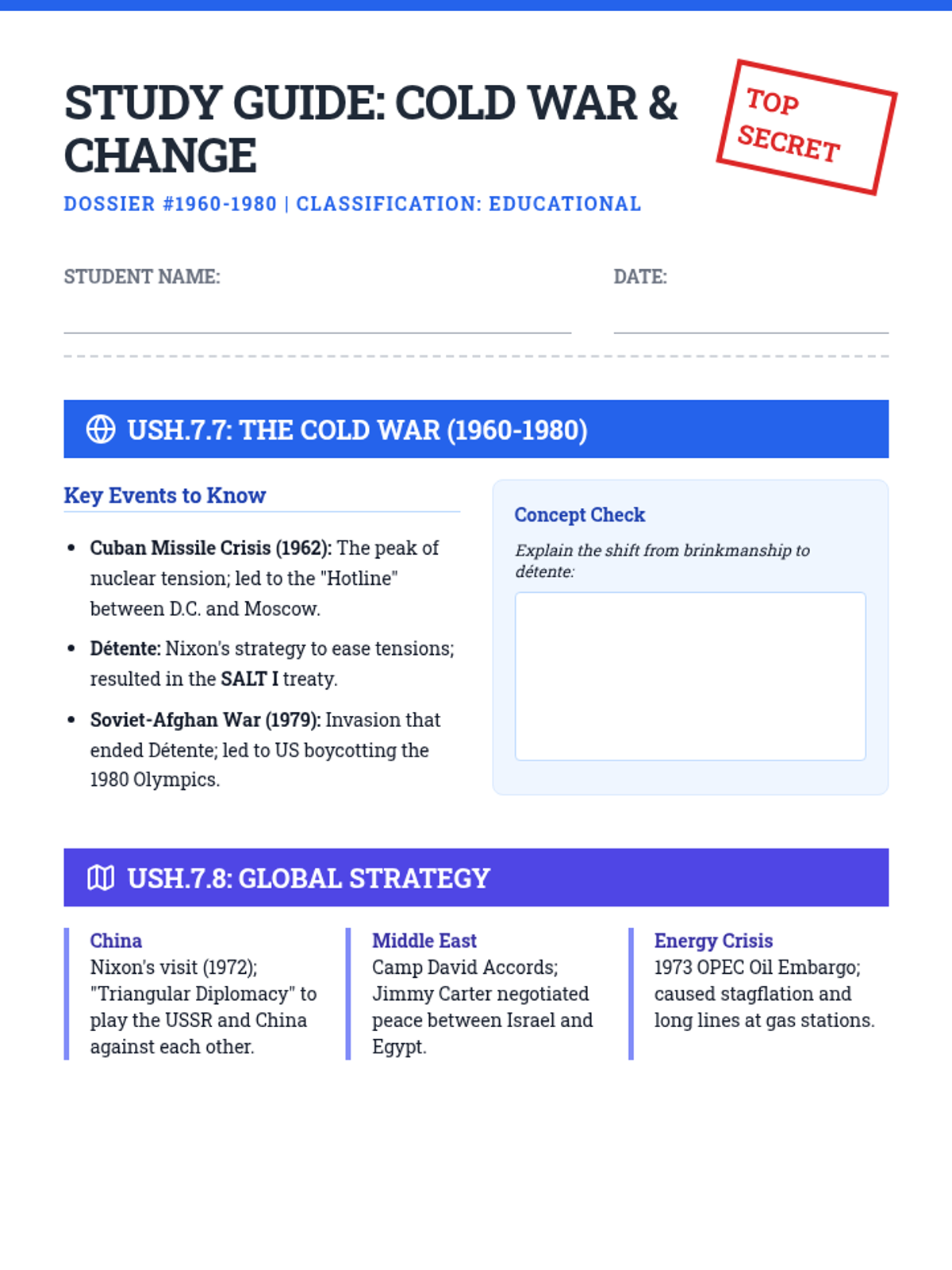
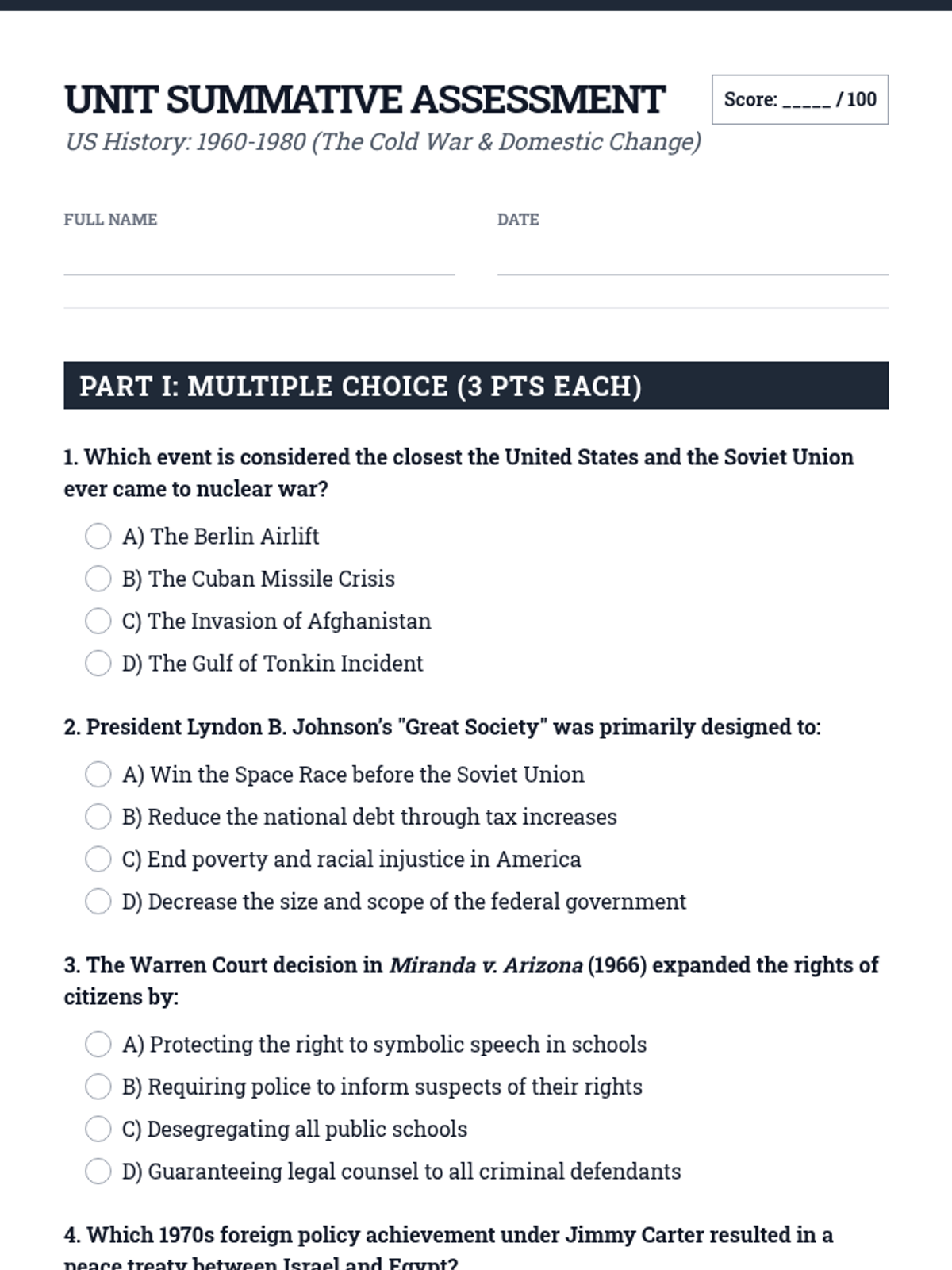
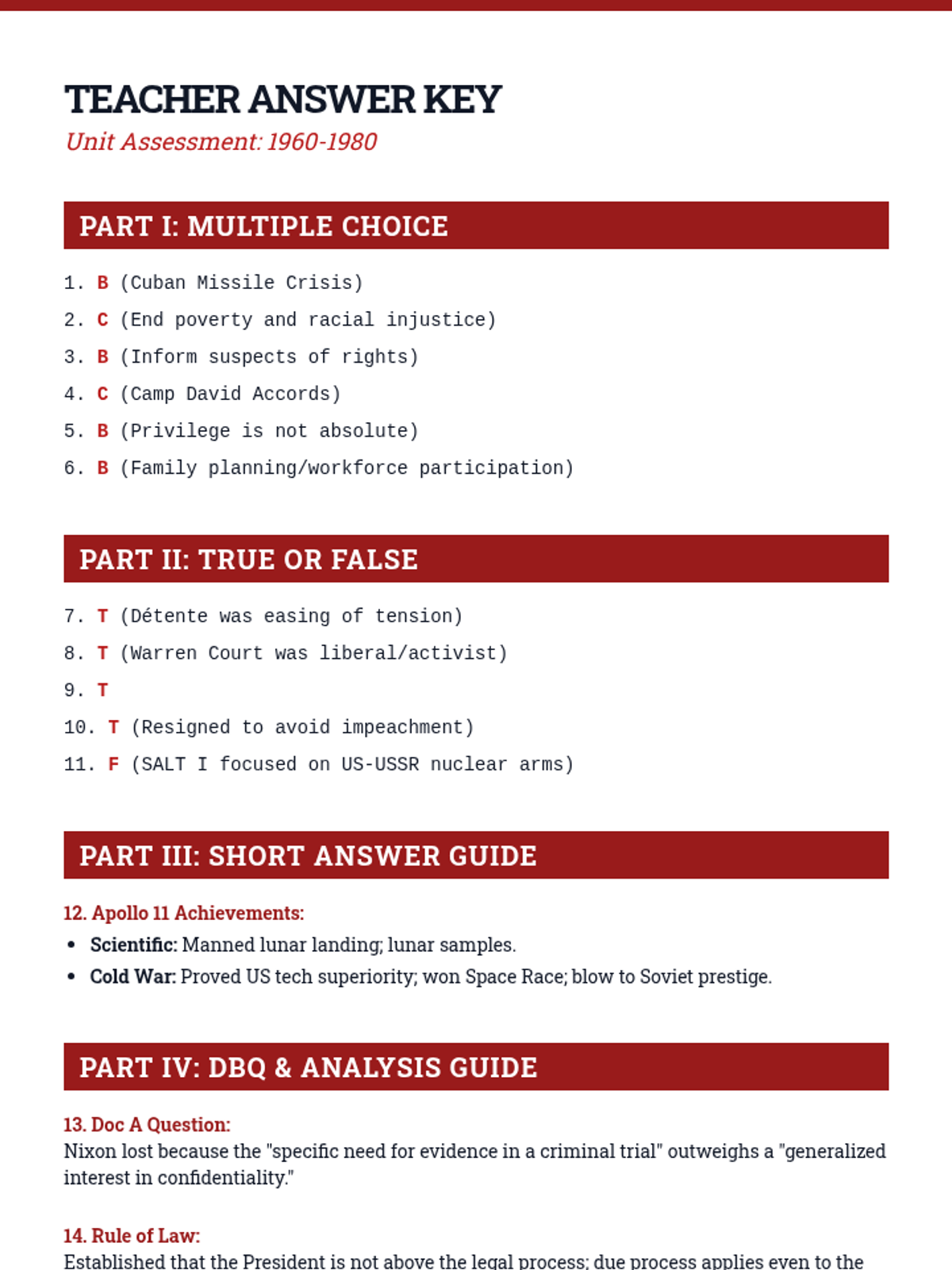
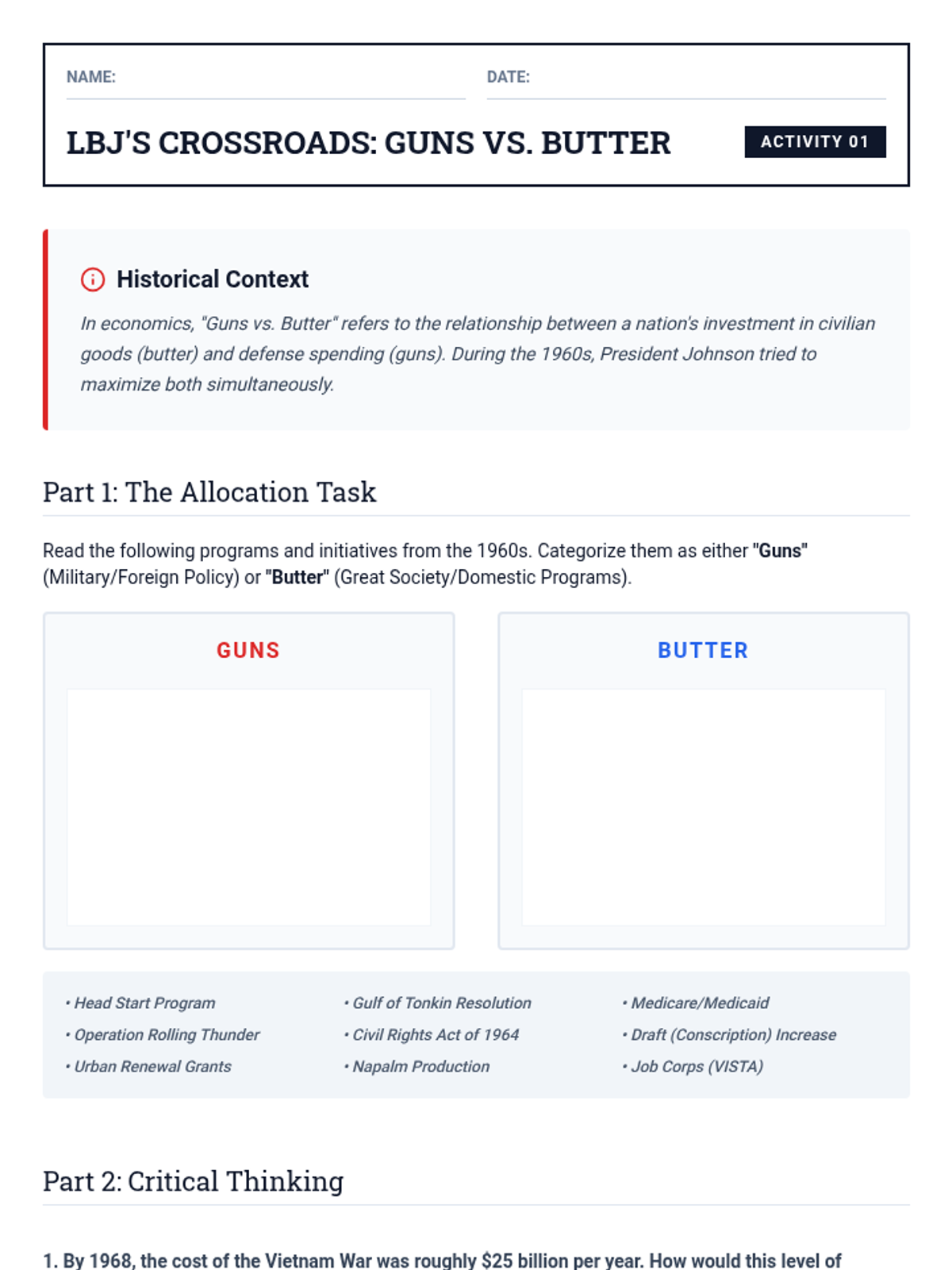
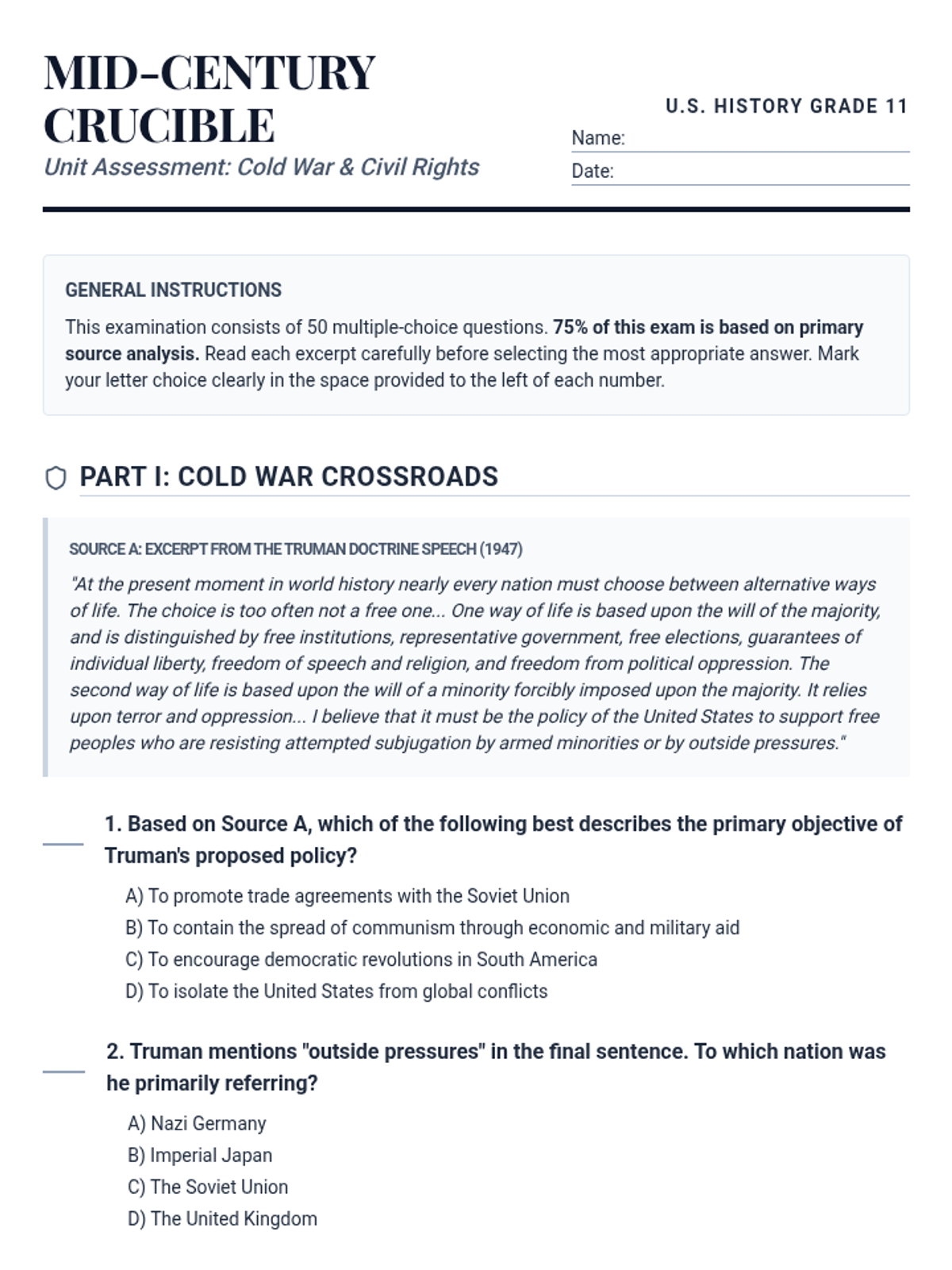
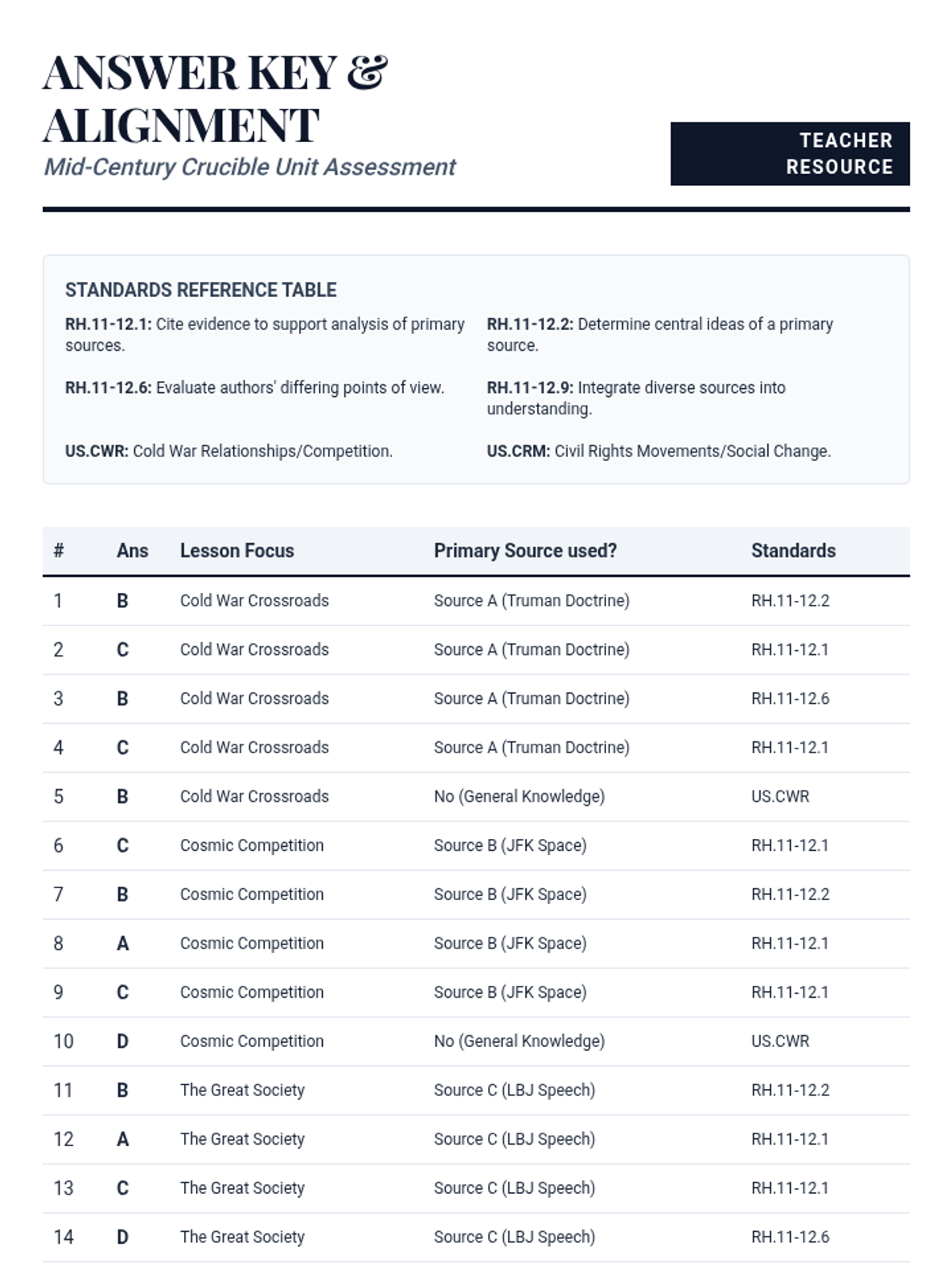
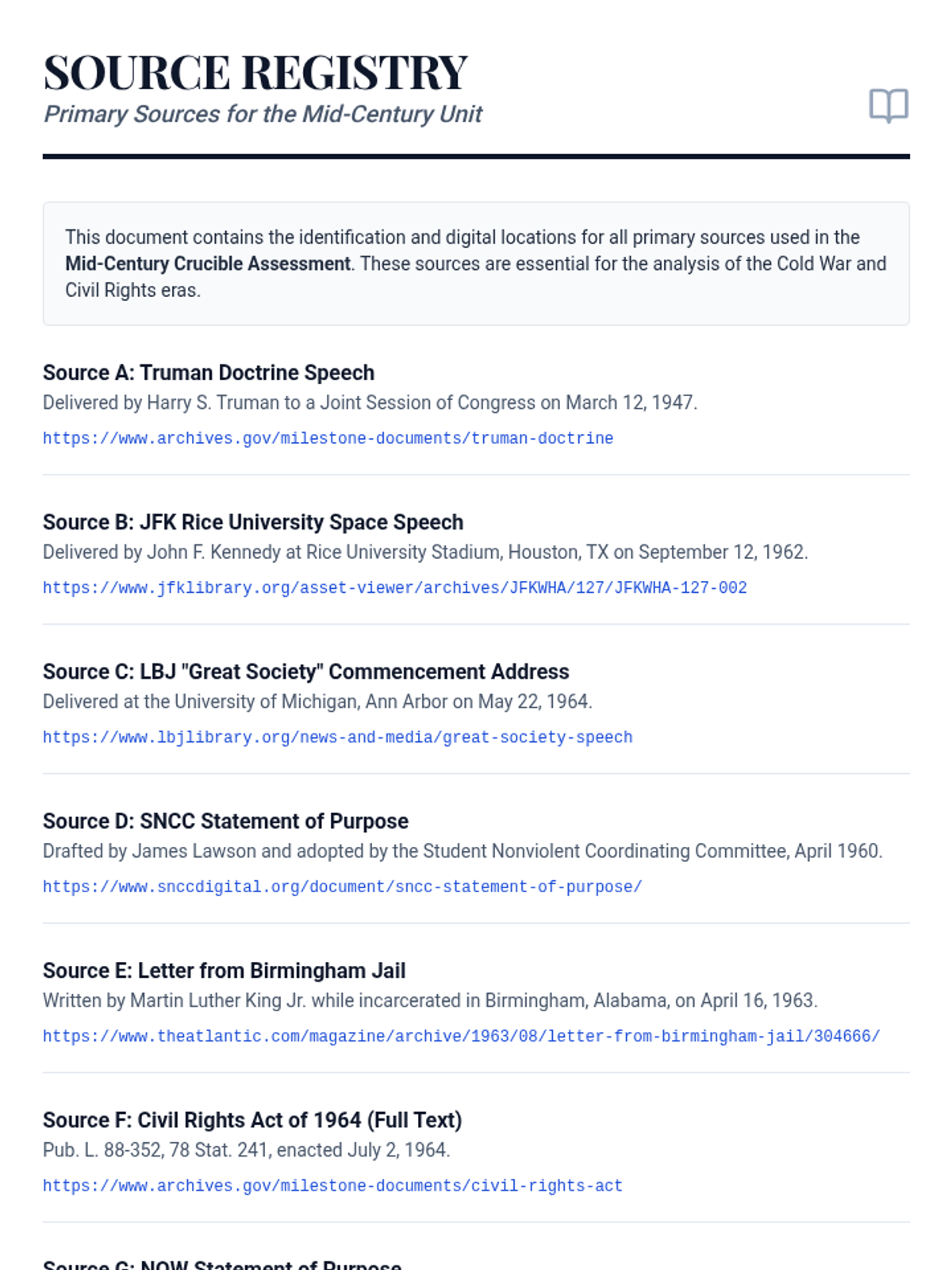
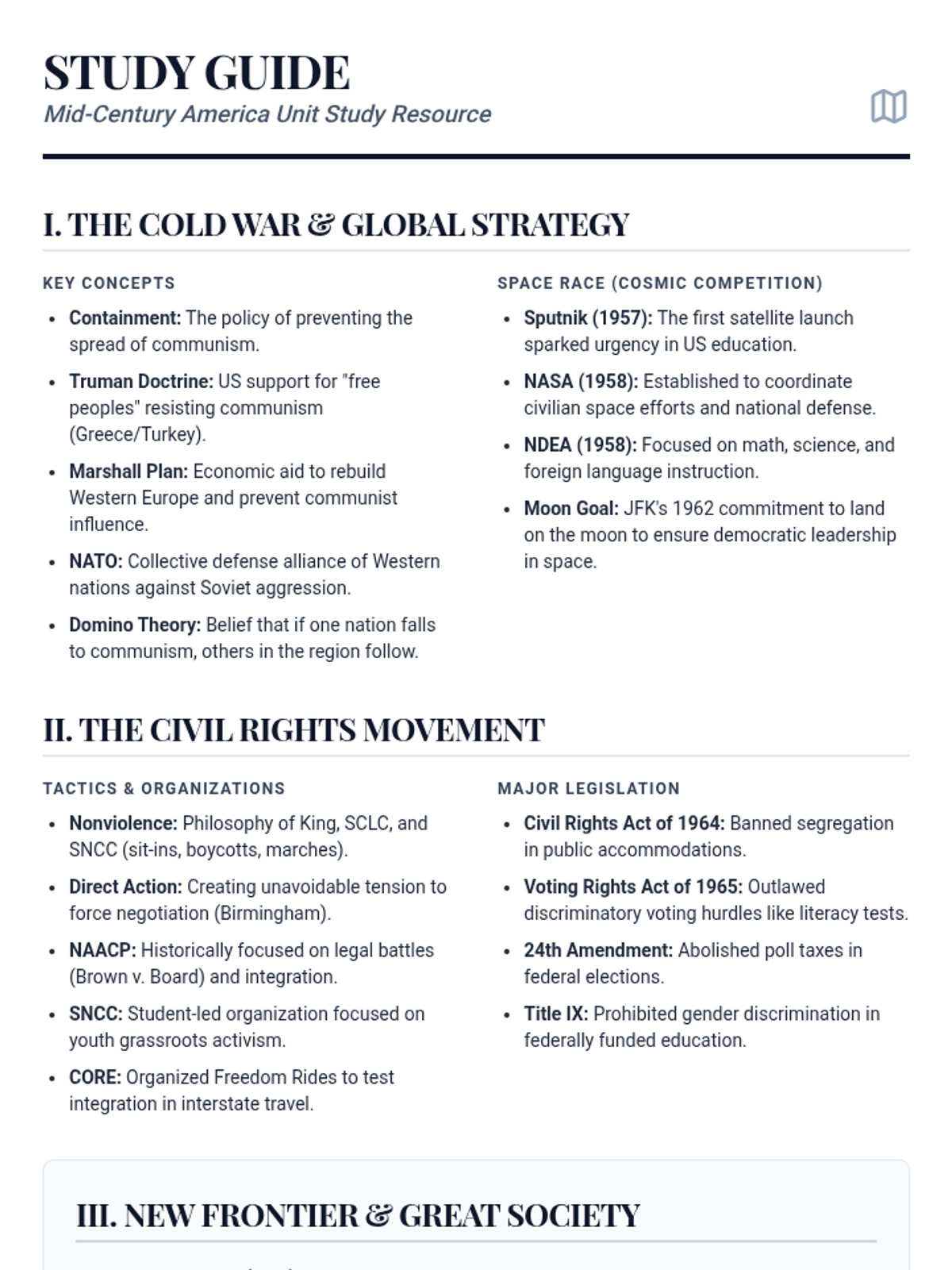
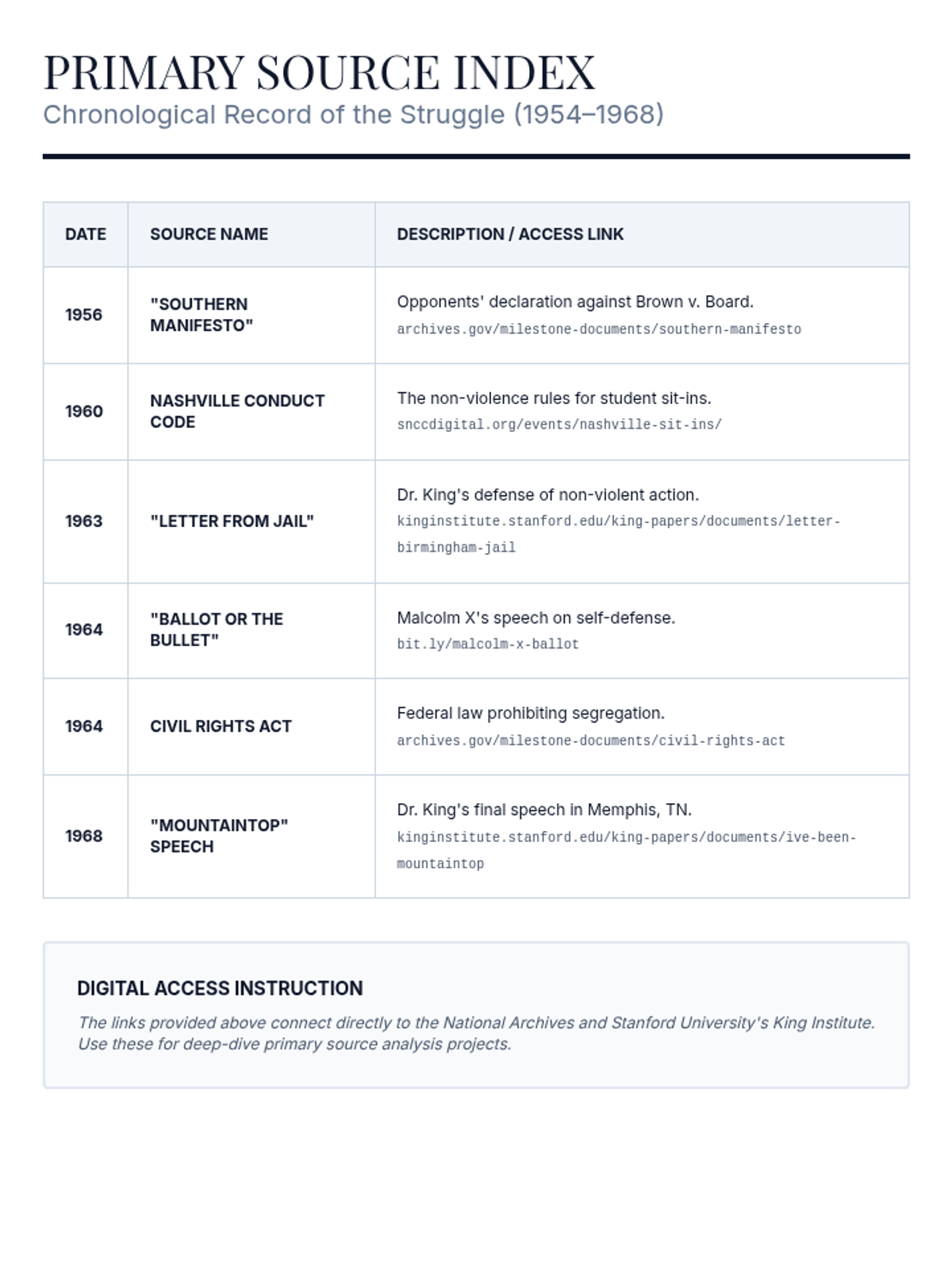
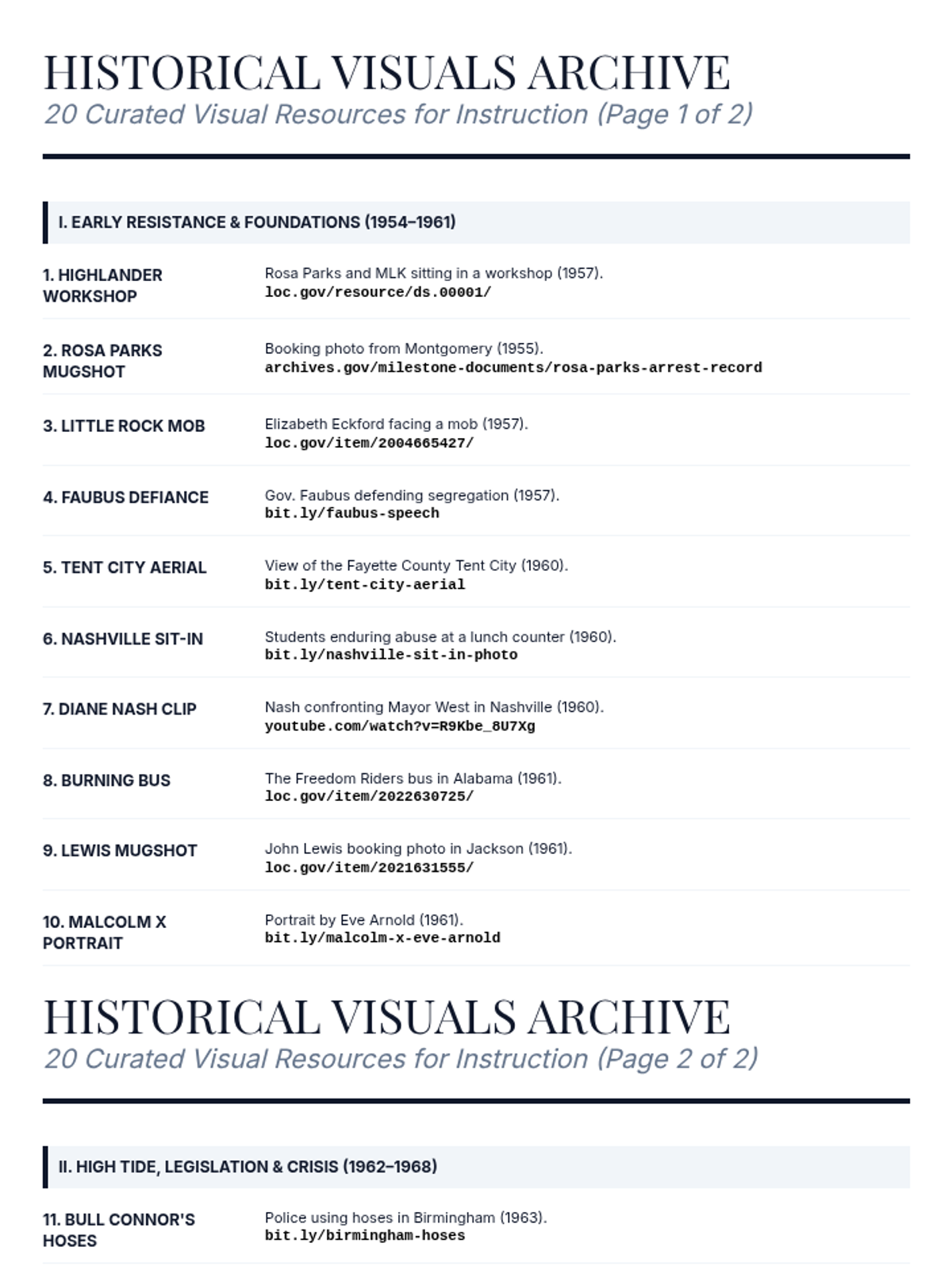
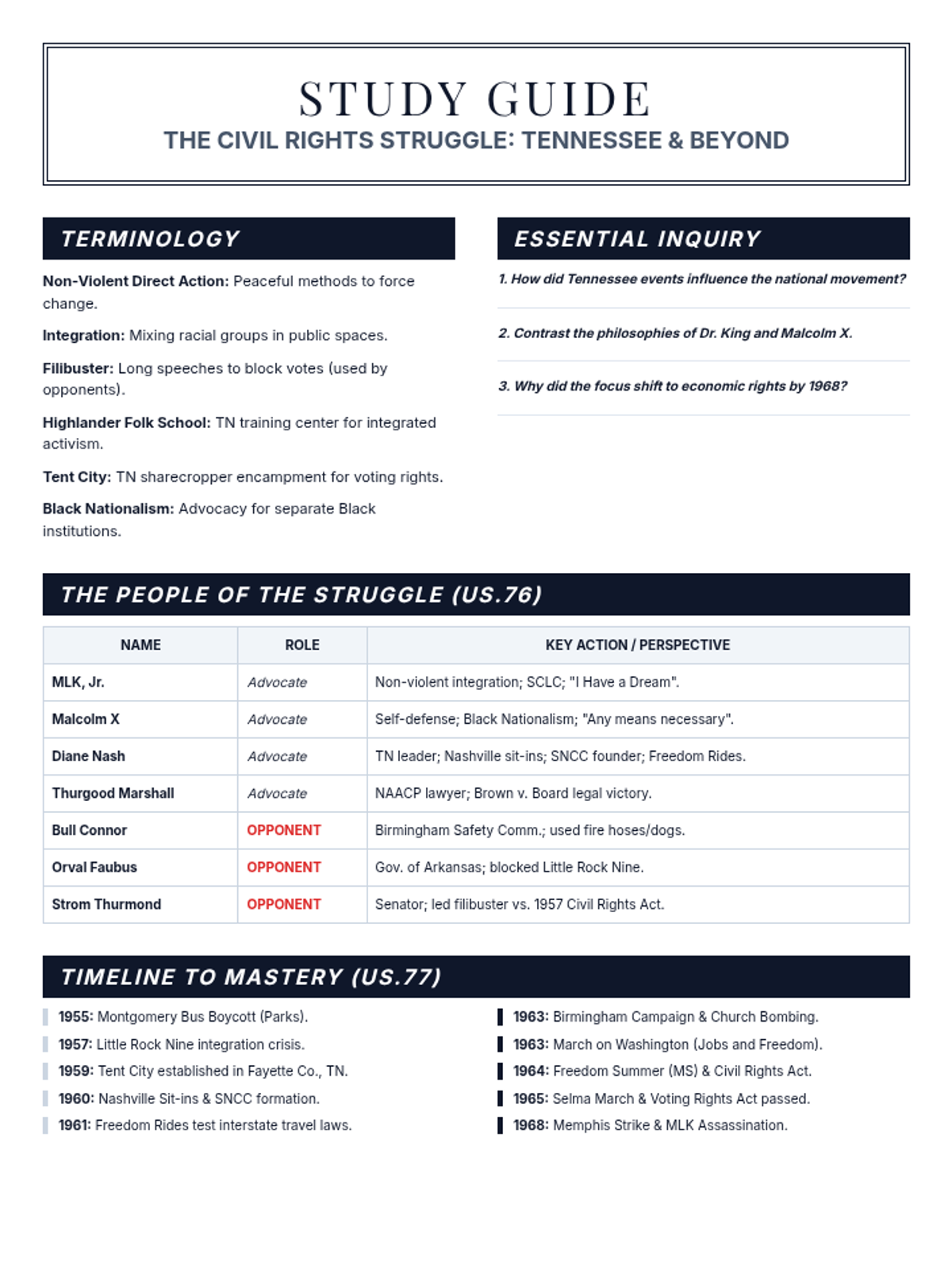
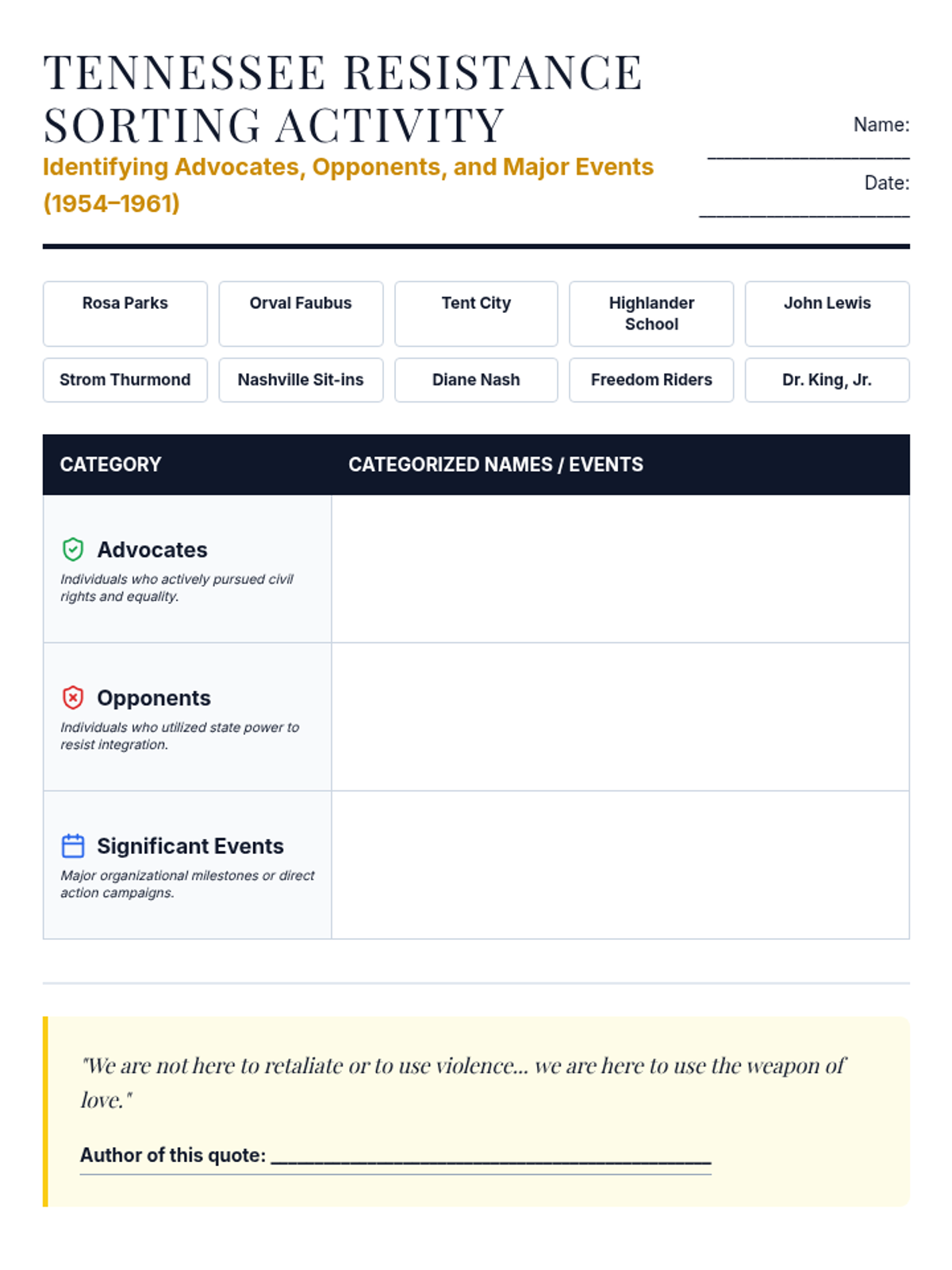
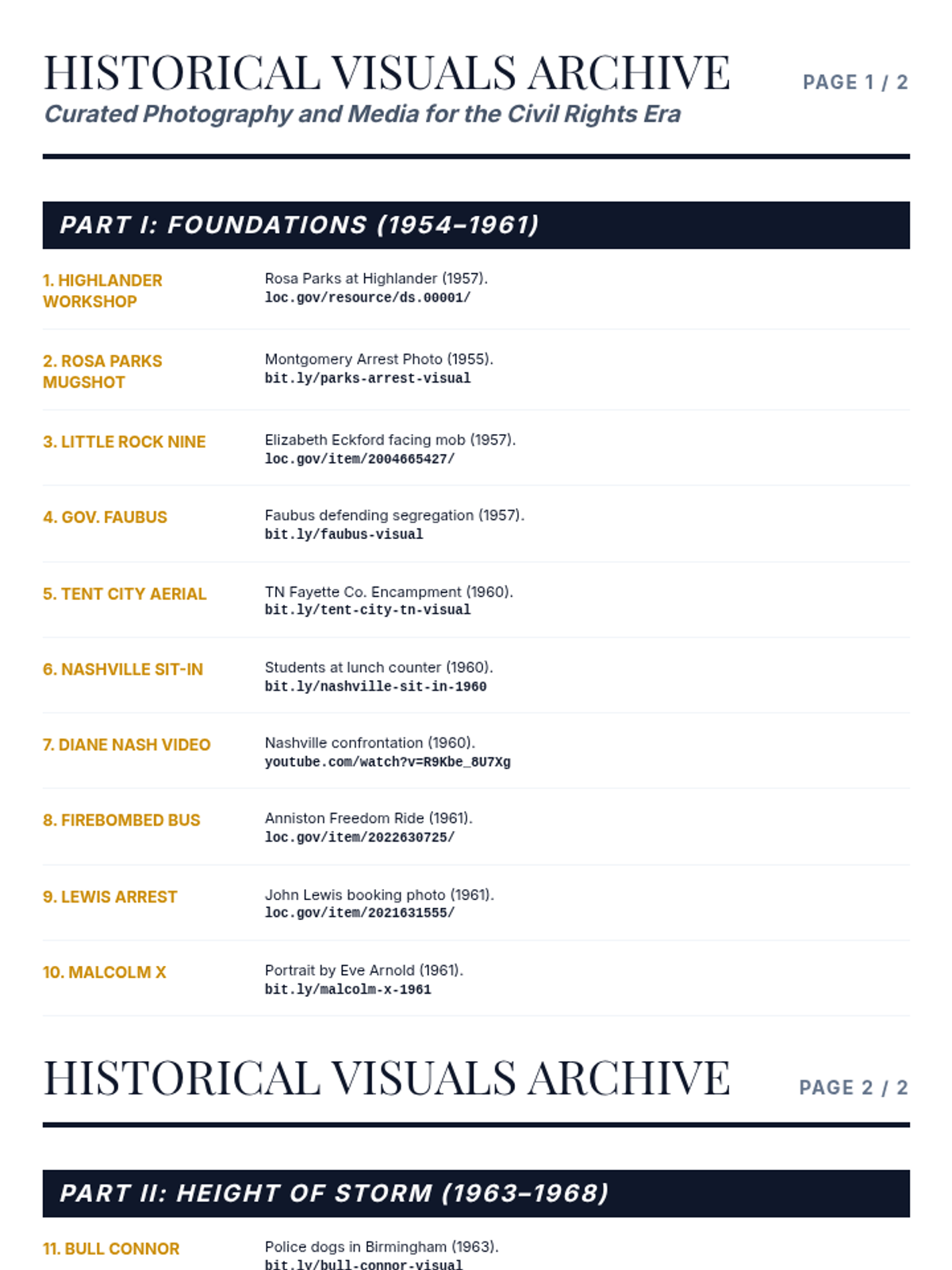
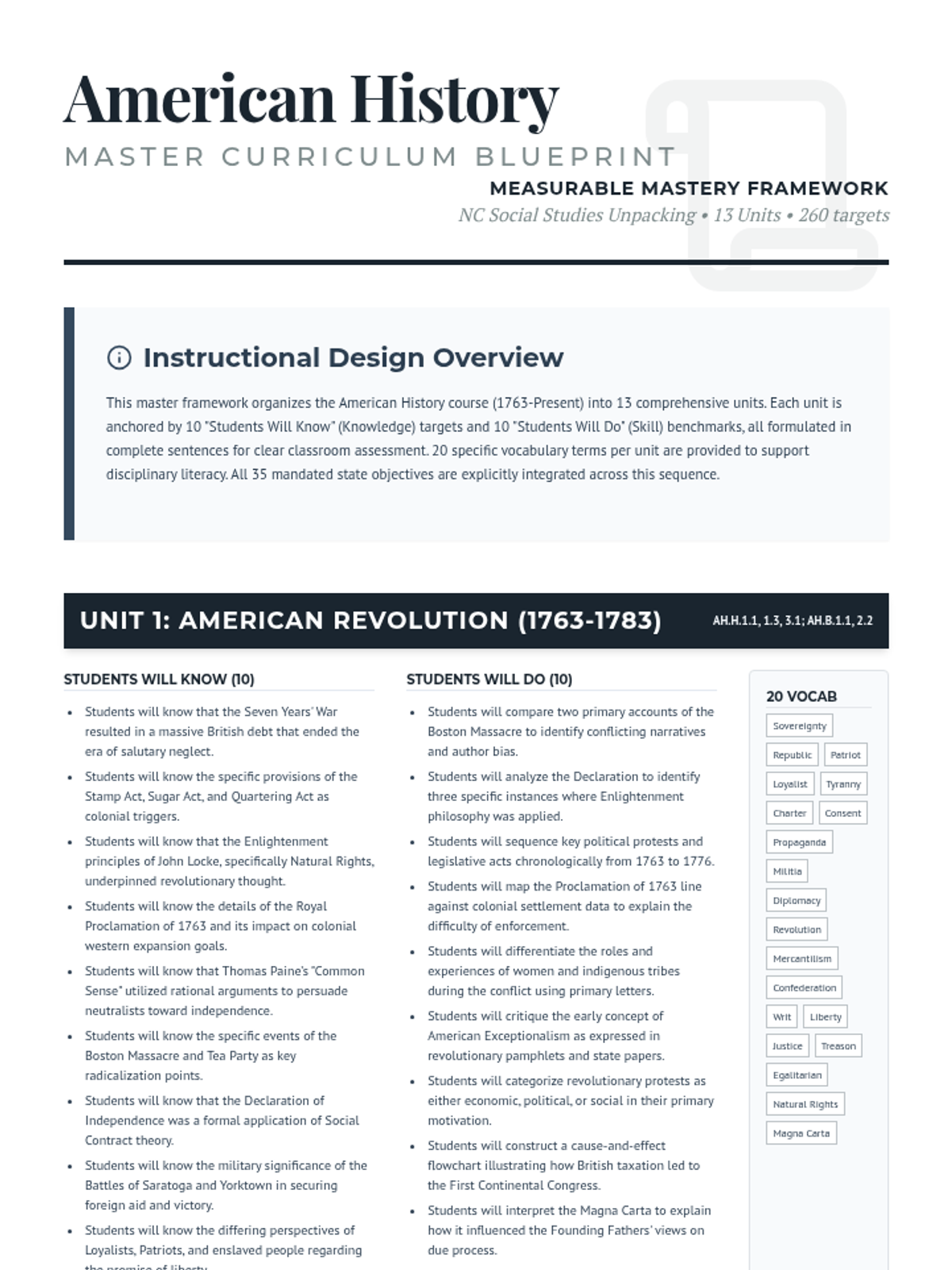
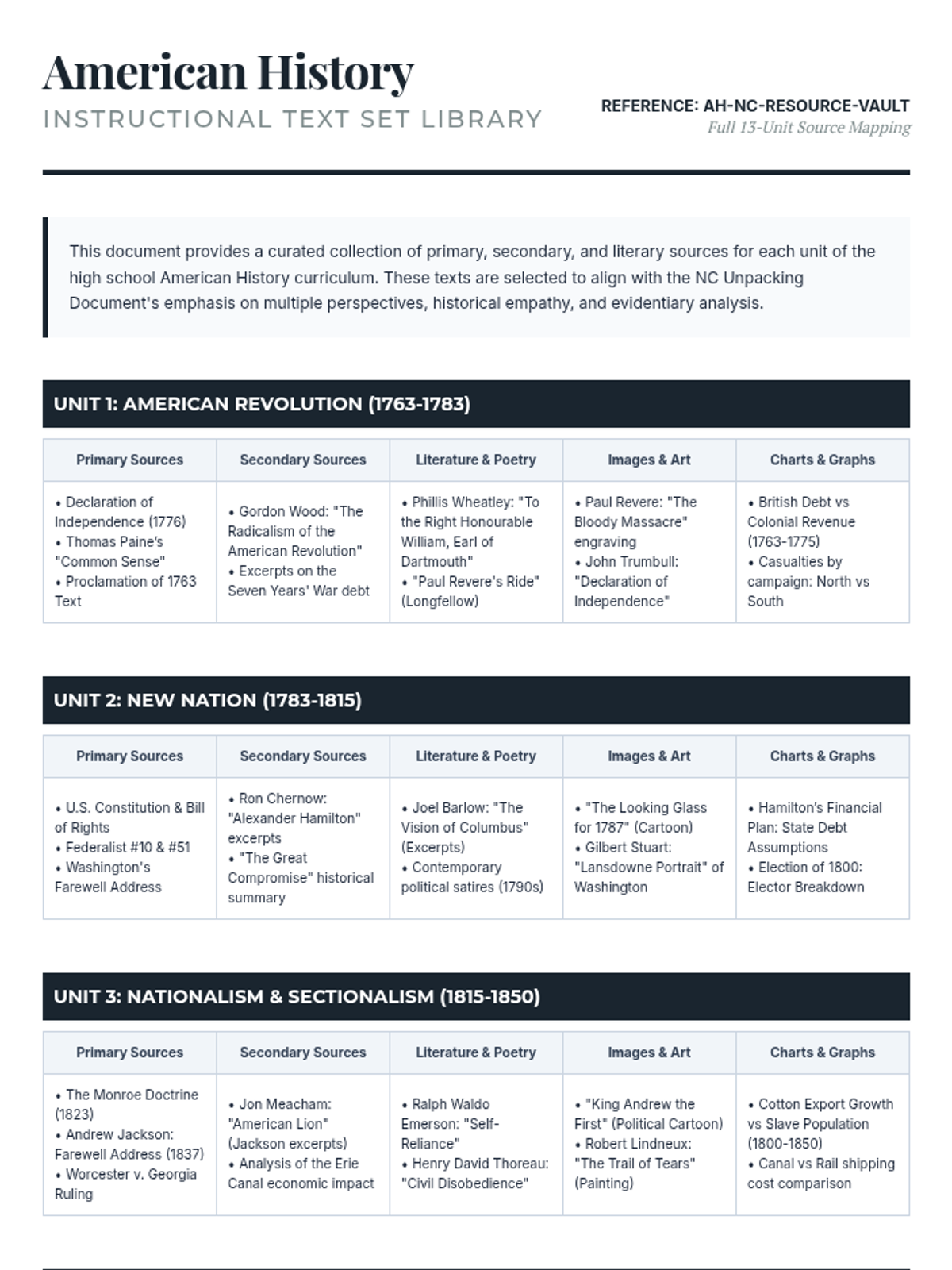
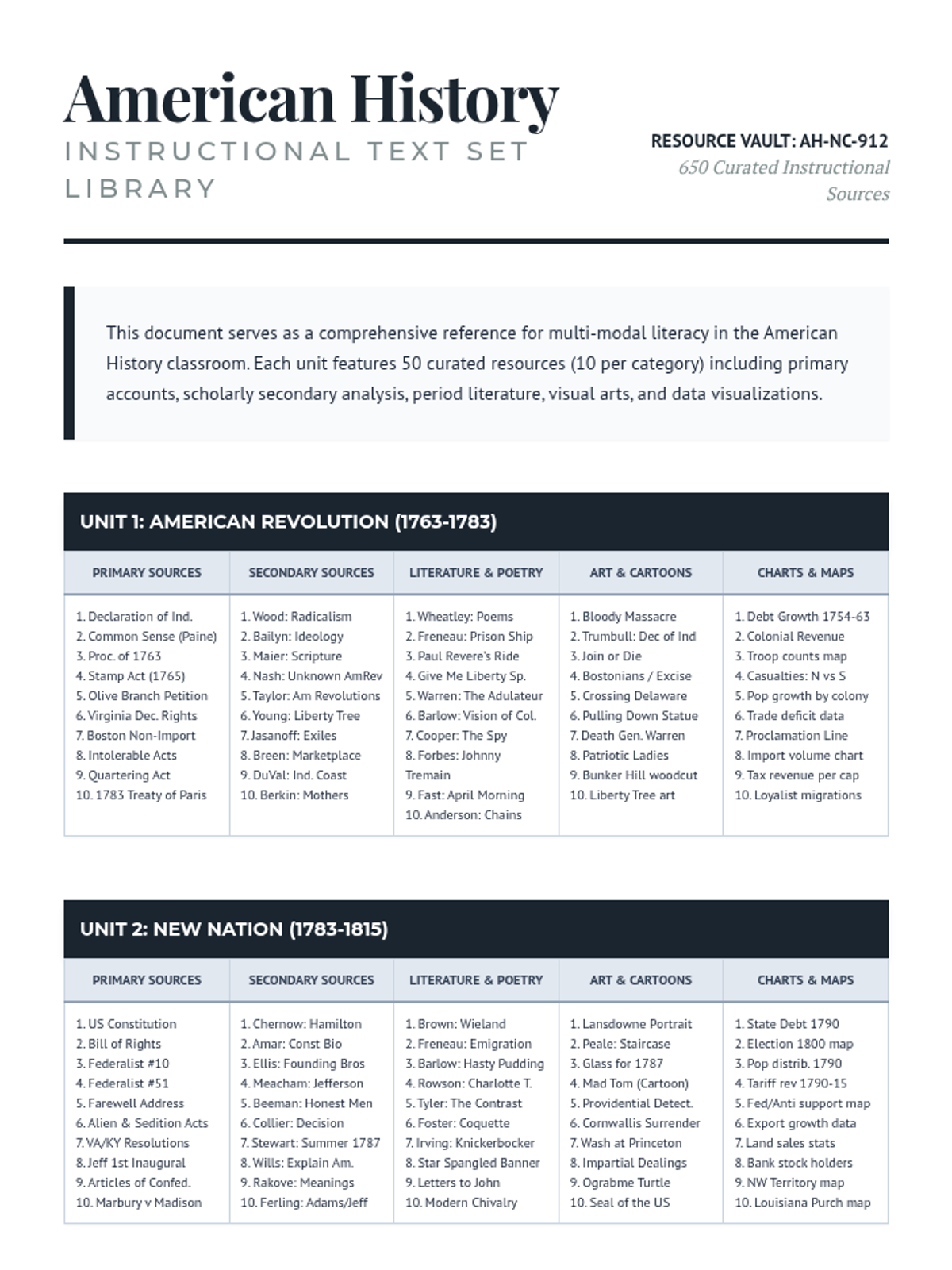
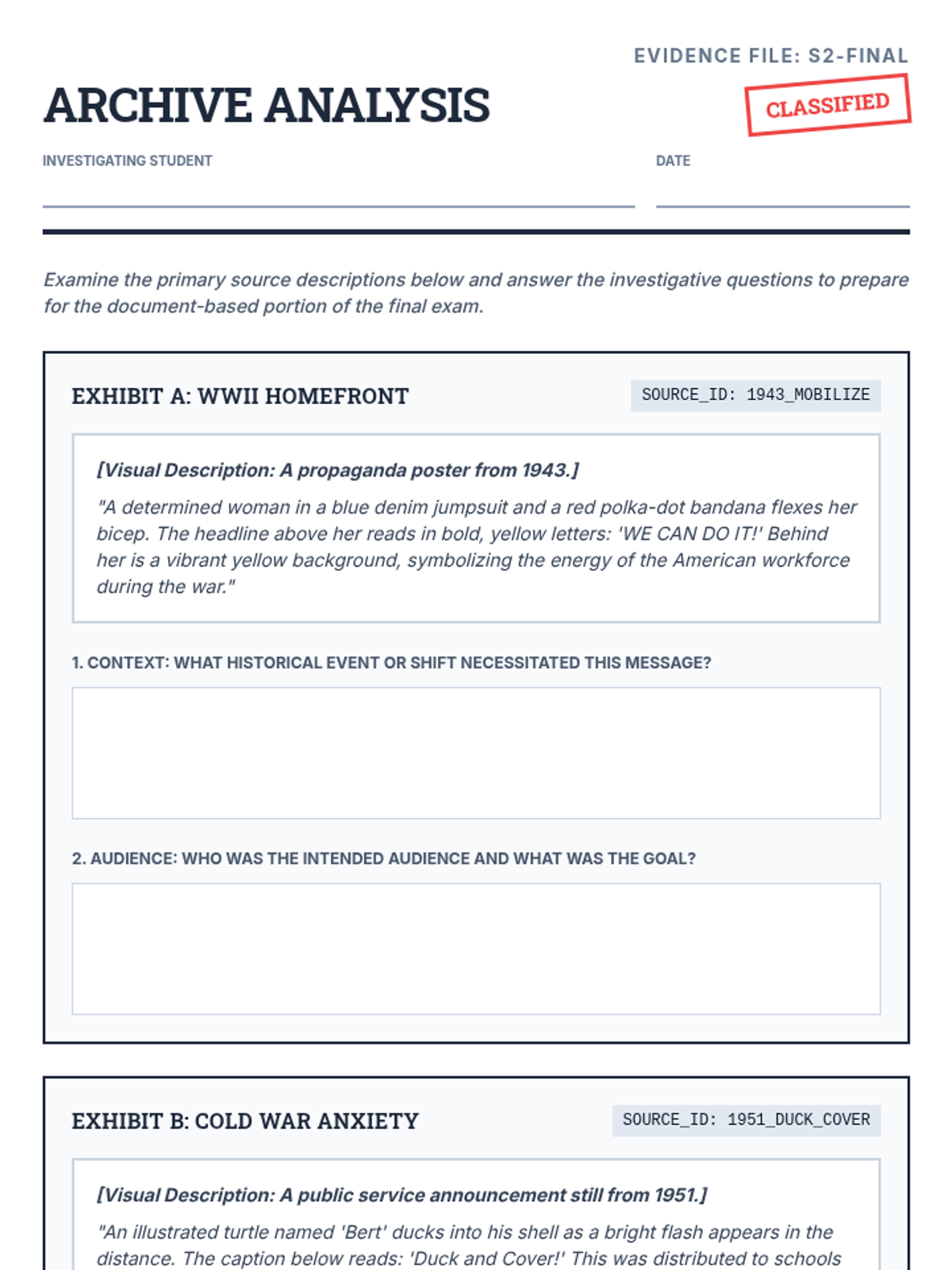
A comprehensive exploration of American history and culture from the 1950s to the 2000s, using primary sources to trace social, political, and technological shifts.
A short dramatic unit exploring the impact of the women's suffrage movement in the early 1920s, focusing on the transition from protest to political participation.
A deep dive into the 16th-century contact between European powers and indigenous American civilizations, exploring the complexities of conquest, resistance, and the emergence of a new global order.
A comprehensive 3rd-grade unit focused on self-identity, distinguishing between internal and external characteristics, exploring Indigenous and Mexica narratives, and culmininating in creative self-expression.
A comprehensive unit on the Canadian government, exploring its historical roots, the division of powers between levels of government, the mechanics of different voting systems, and the creation of political parties.
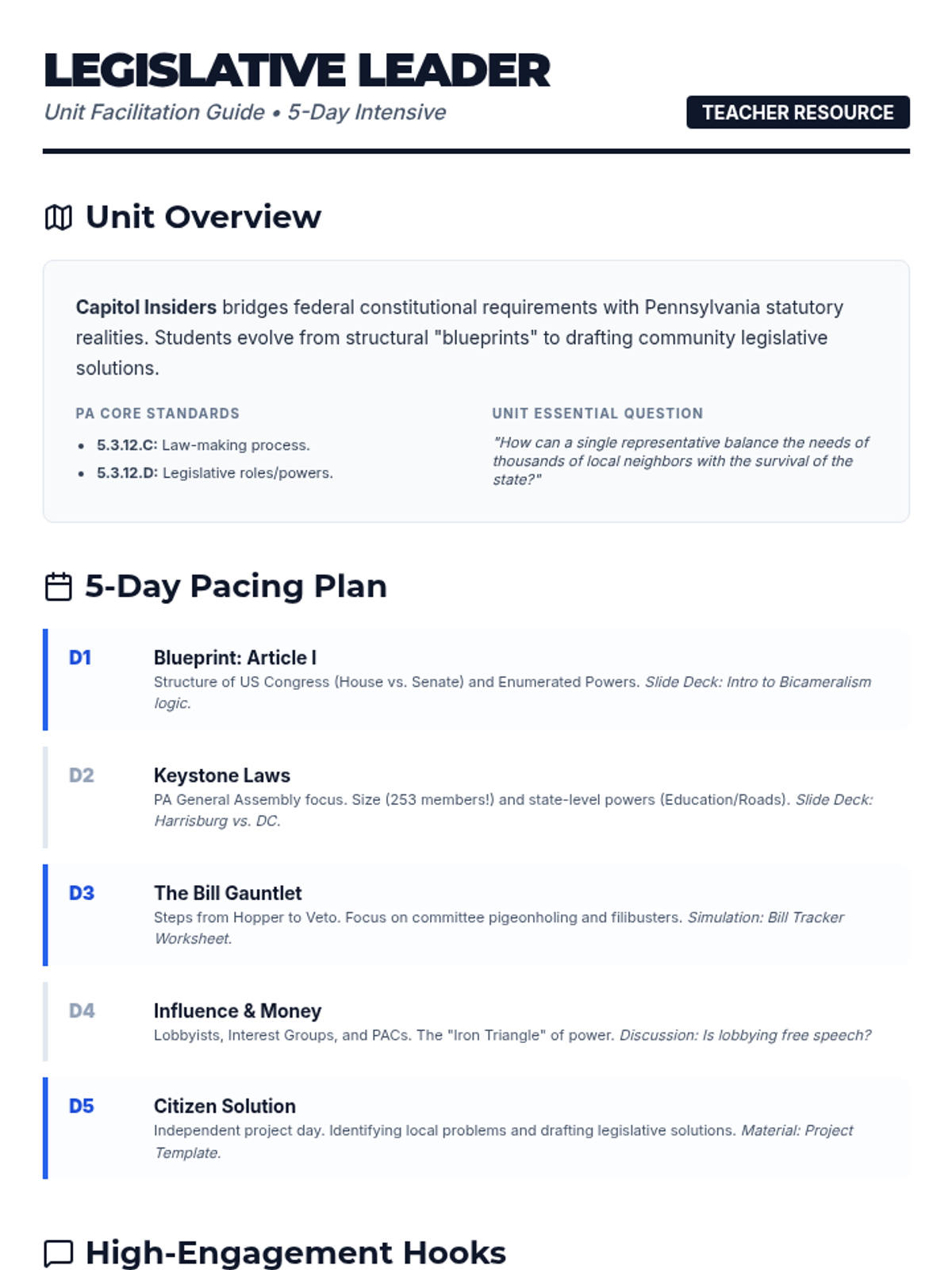
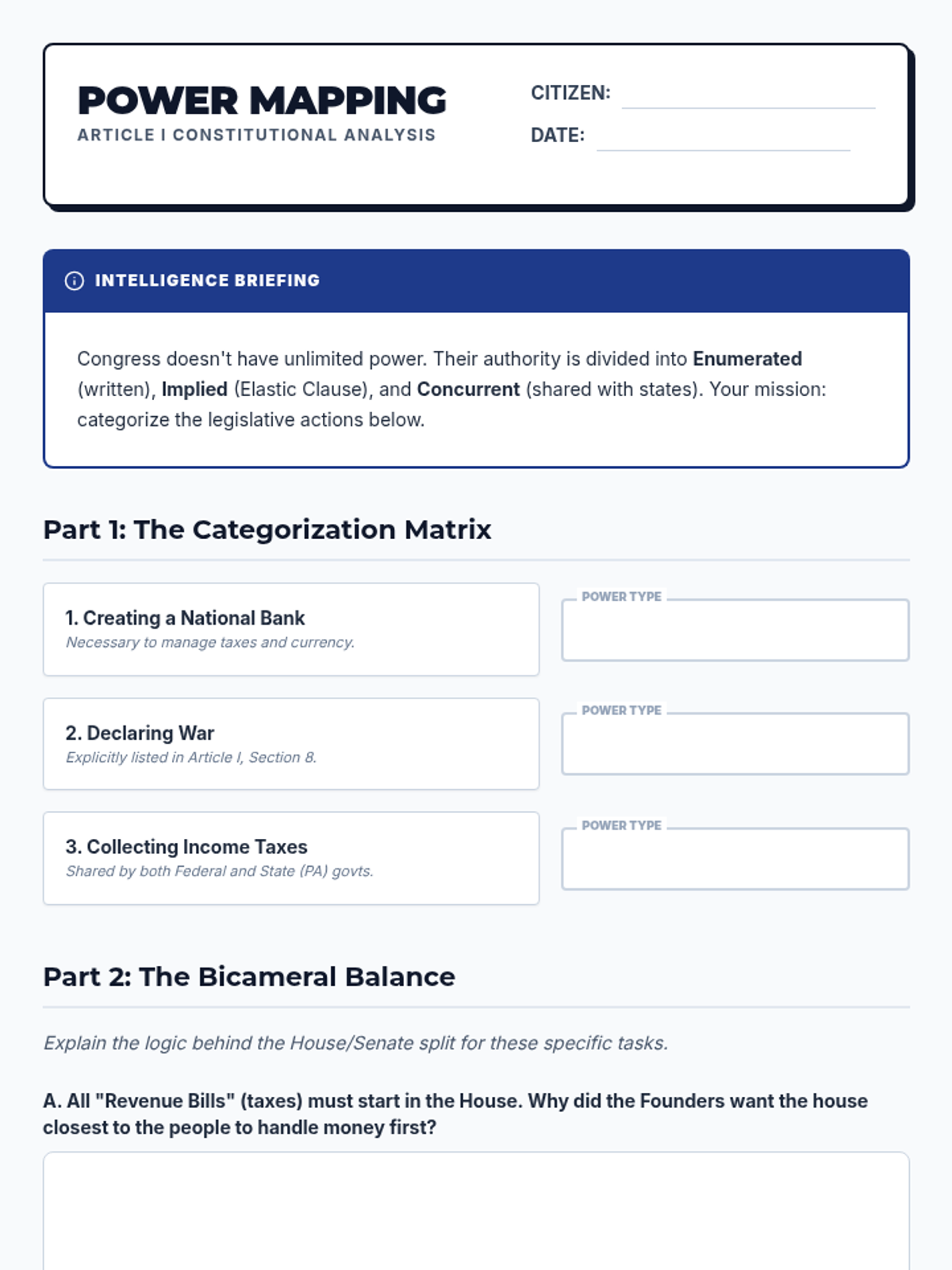
A comprehensive exploration of the Canadian government's structure, focusing on the three branches of power, the legislative process, and the division of responsibilities between levels of government. Designed for Grade 11 students with a technical blueprint aesthetic.
A comprehensive unit exploring the diverse political and economic structures of North American and Caribbean nations.
A 5-day inquiry-based unit for 10th grade US History exploring the central question: "Should the US have gotten involved in WWI?" Students analyze primary sources, economic ties, and diplomatic shifts to form their own evidence-based conclusion.
A foundational sequence introducing undergraduate psychology students to the core concepts, history, and applications of Industrial and Organizational Psychology.
A 3-day project where students research and create a visual timeline of the major military and political events in the European Theater of WWII, analyzing significance and outcomes.
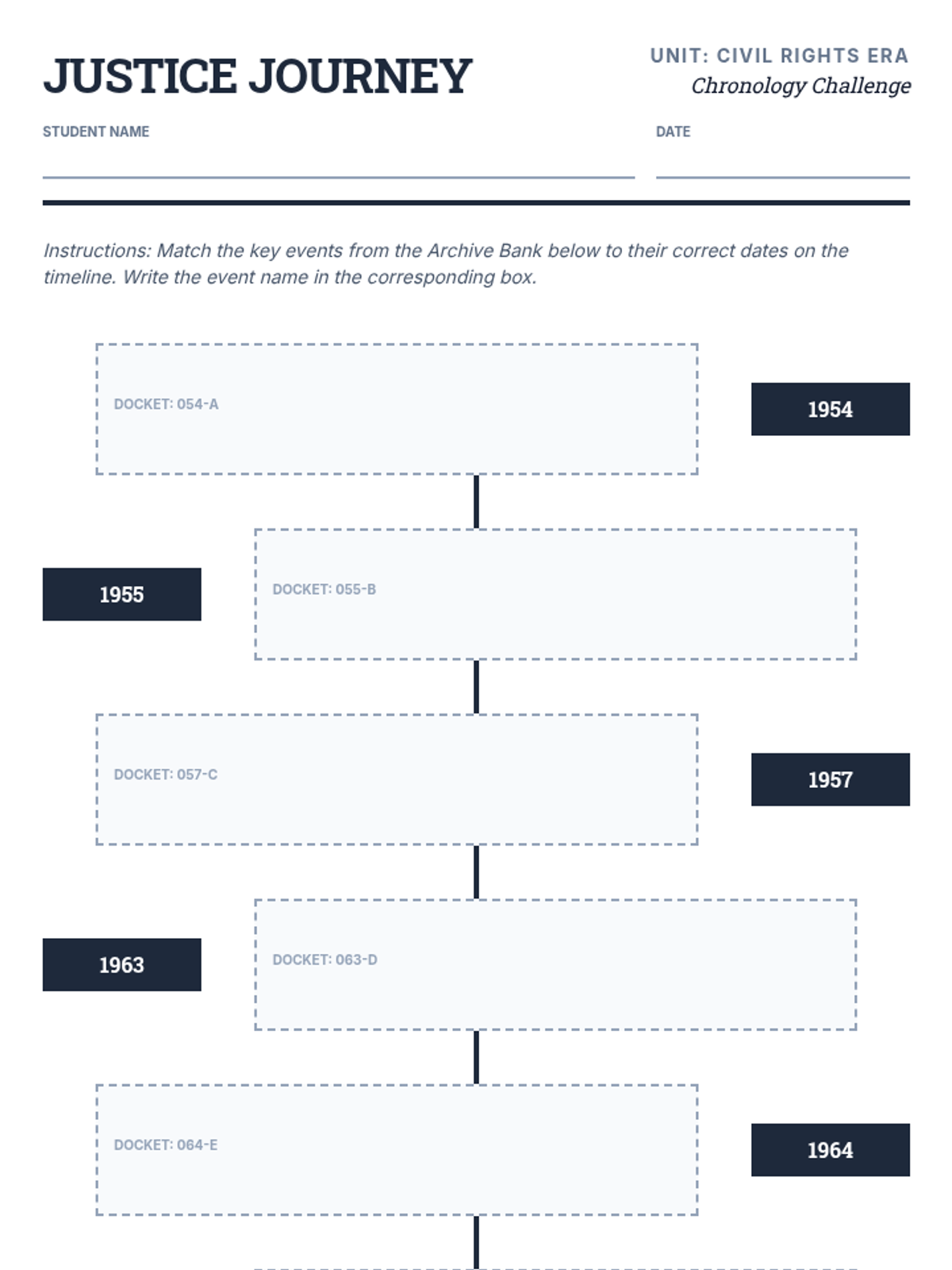
A series of lessons exploring the lives and legacies of global leaders who fought for justice and equality.
Une série de modules de formation destinés aux conseillers pédagogiques pour renforcer leur expertise en ingénierie de formation continue, spécifiquement appliquée à l'enseignement du français à l'école primaire.
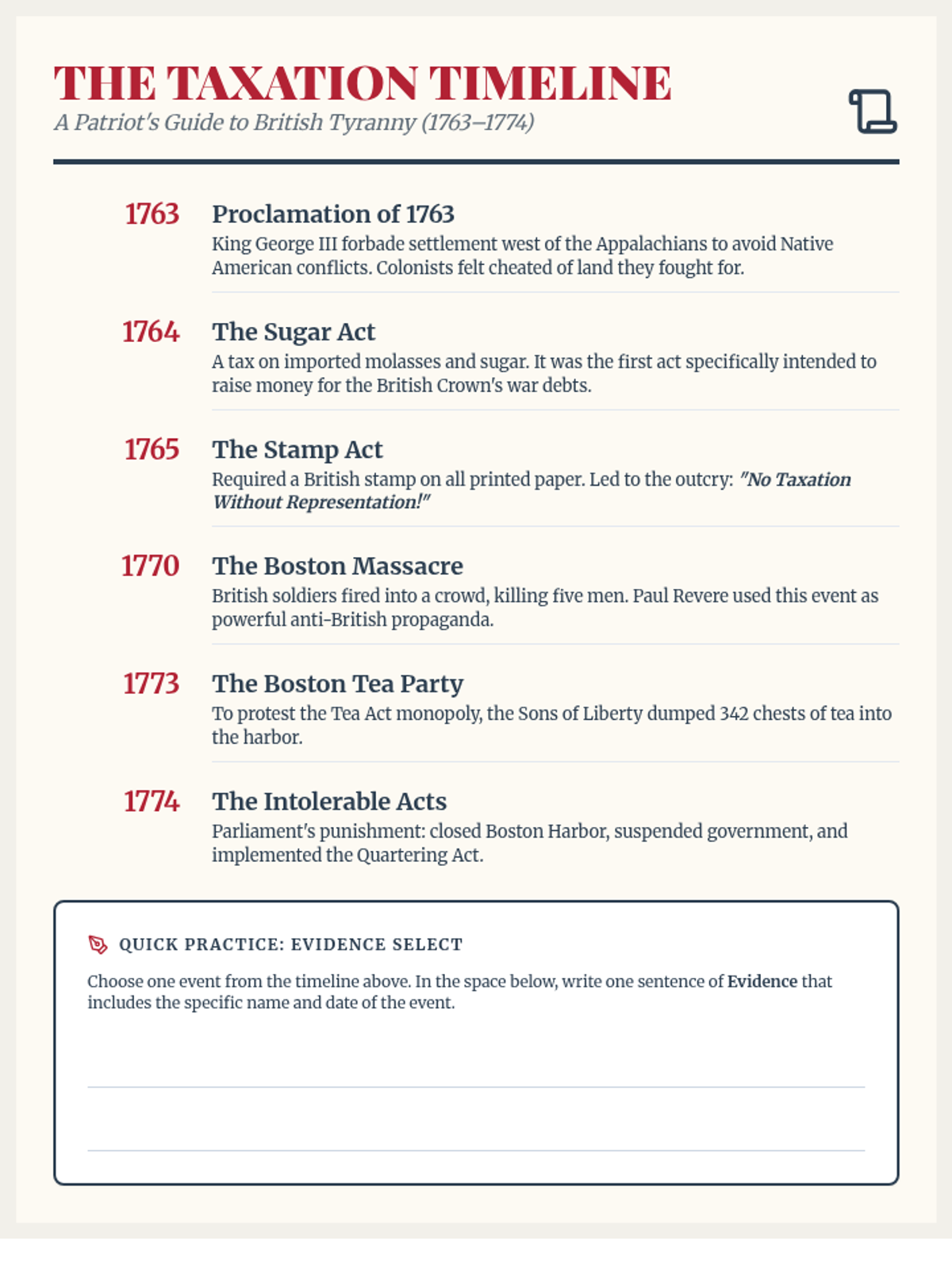
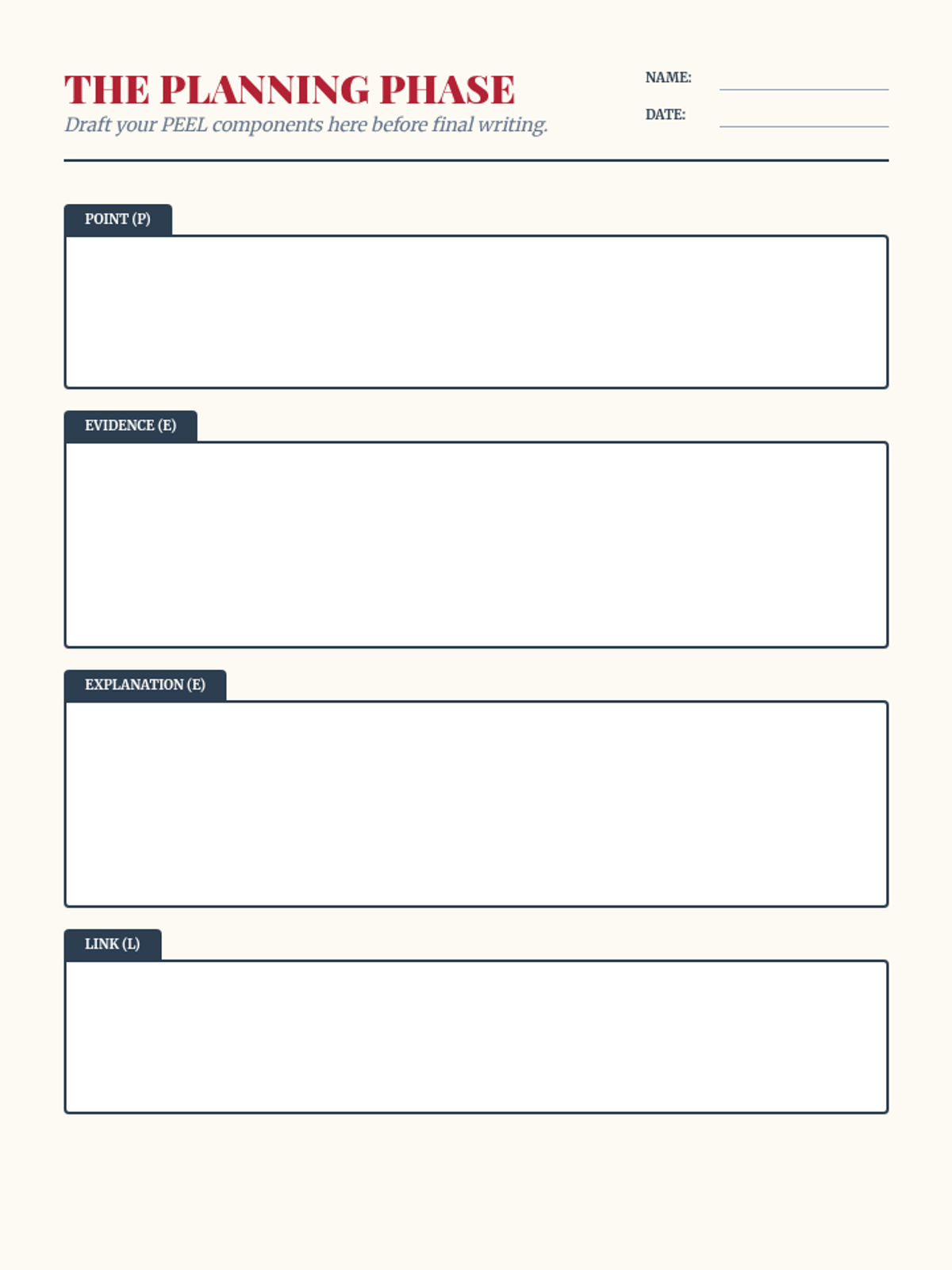
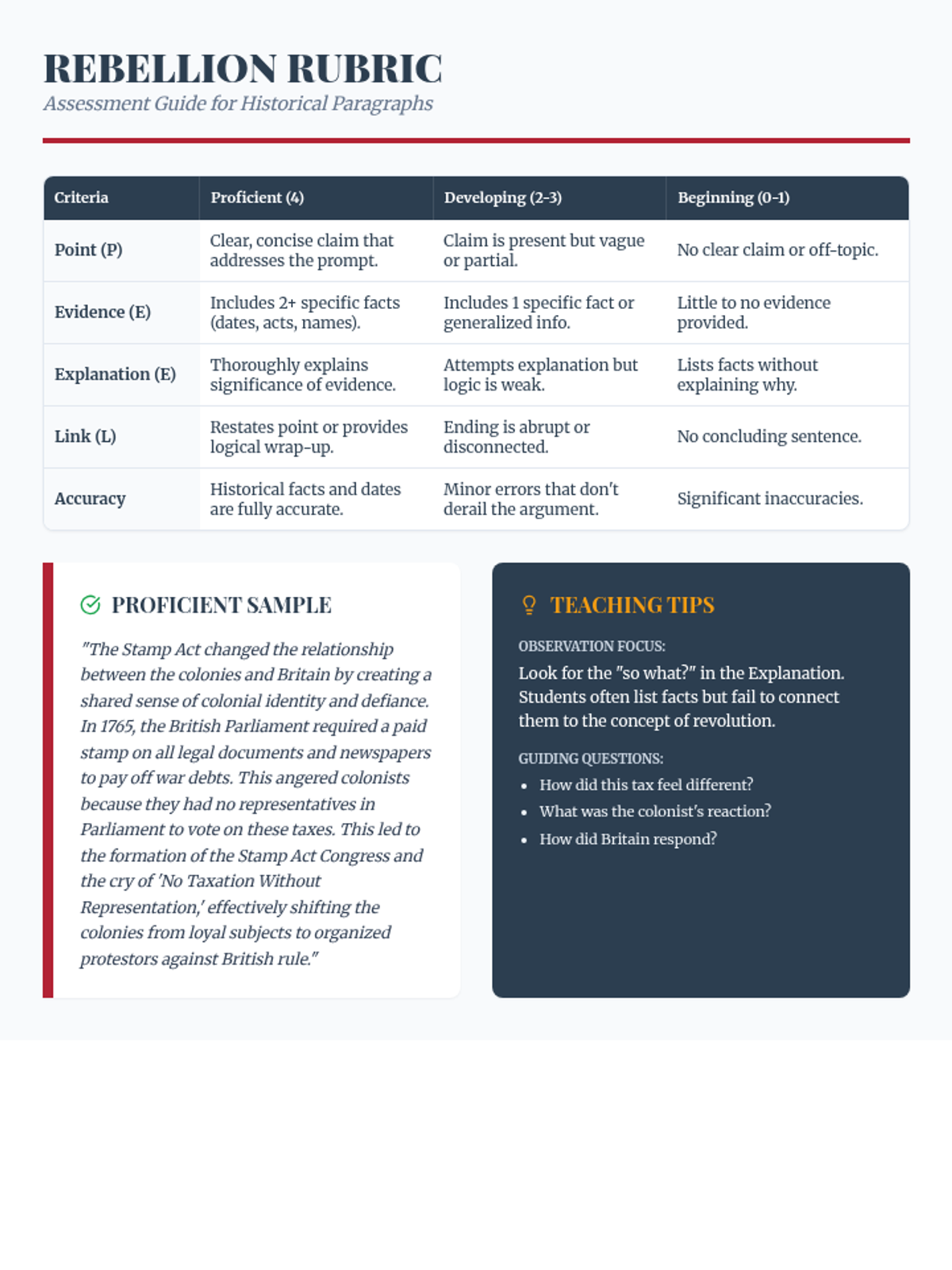
A series of lessons examining the diverse perspectives and untold stories of the American Revolution, highlighting the experiences of groups often sidelined in traditional narratives.
A two-block introductory unit for Elie Wiesel's 'Night' designed for students with ADHD and SLD, focusing on character introduction, historical context, and the psychological impact of the Holocaust through movement and tactile activities.
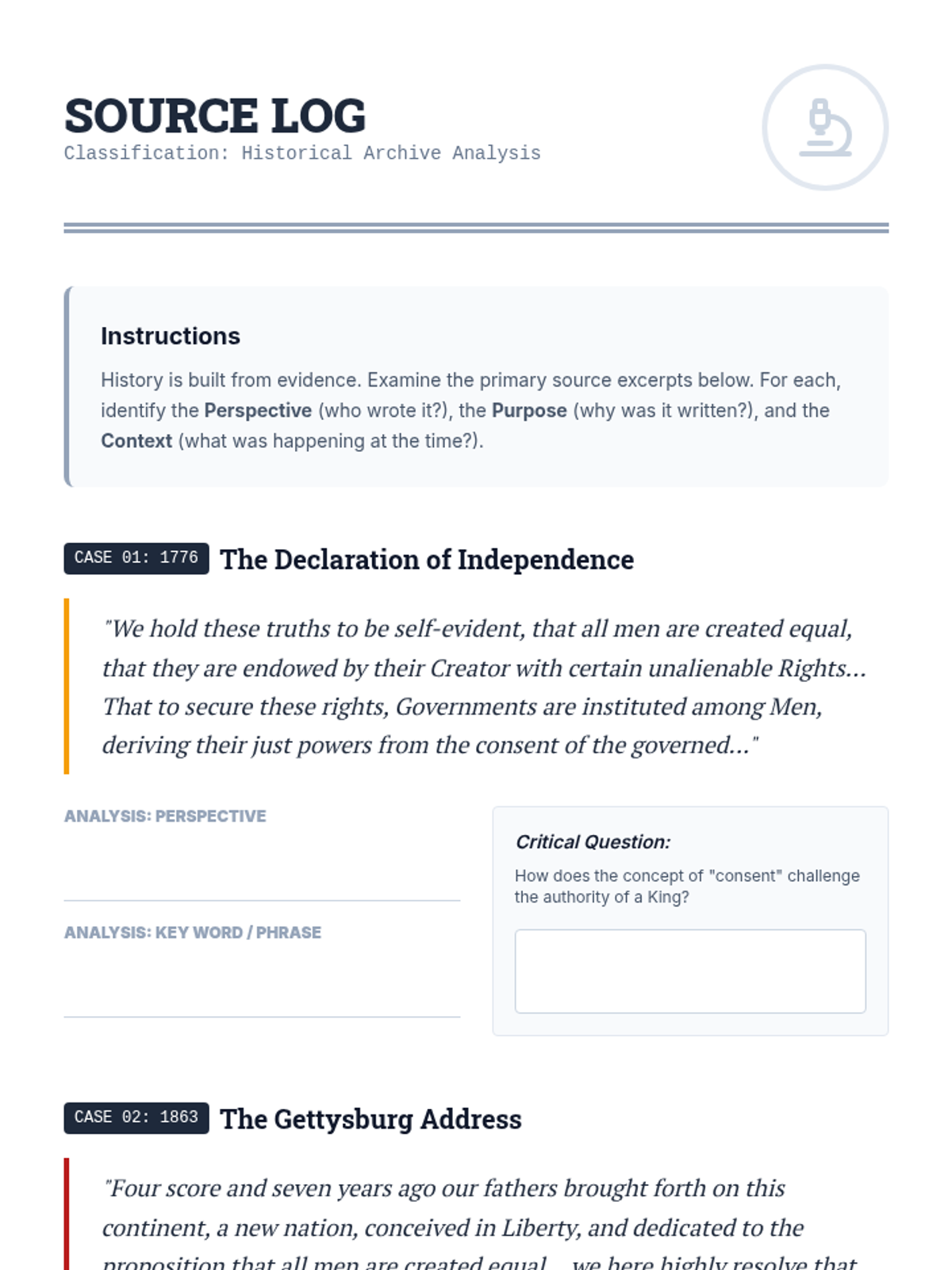
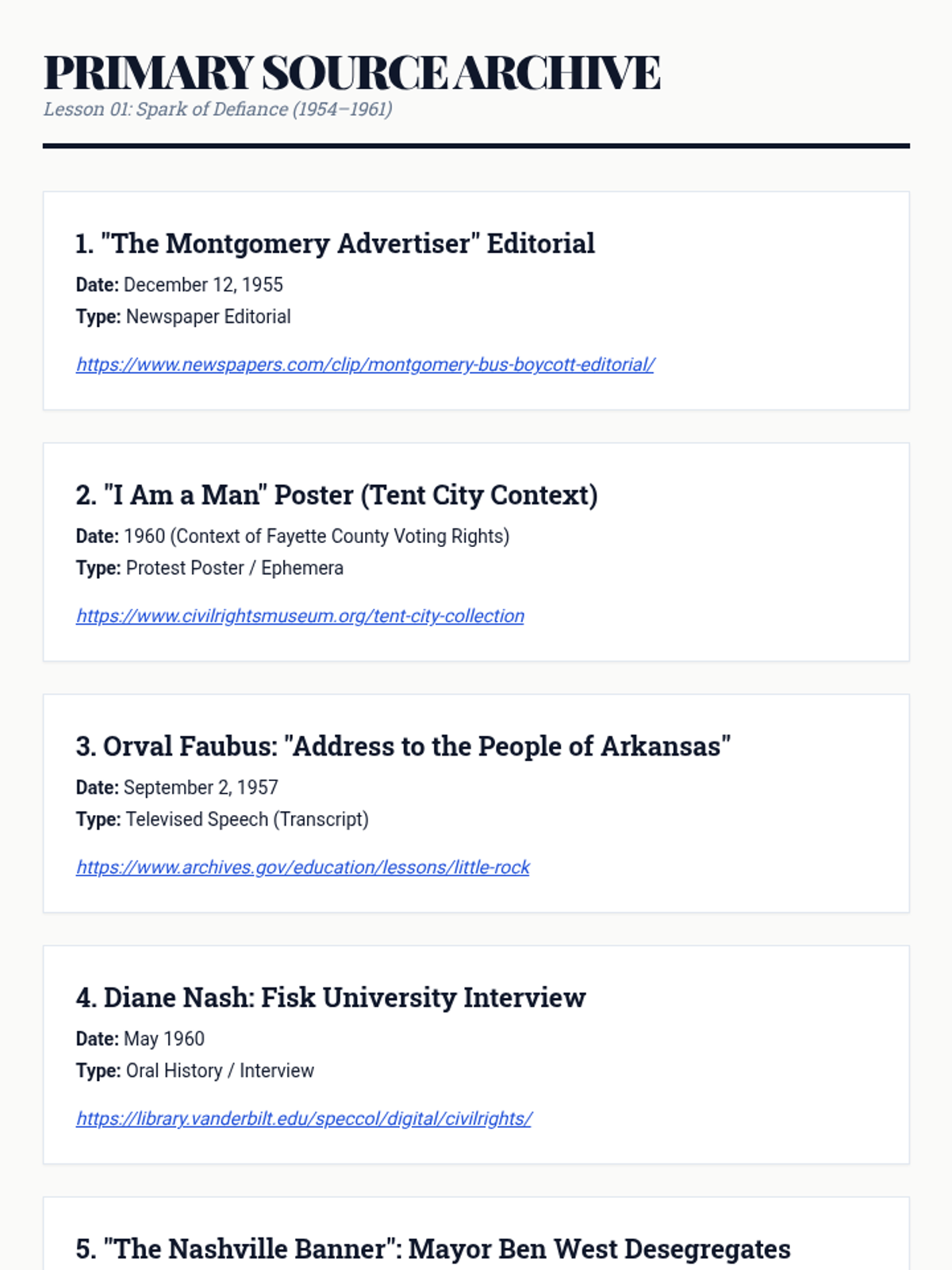
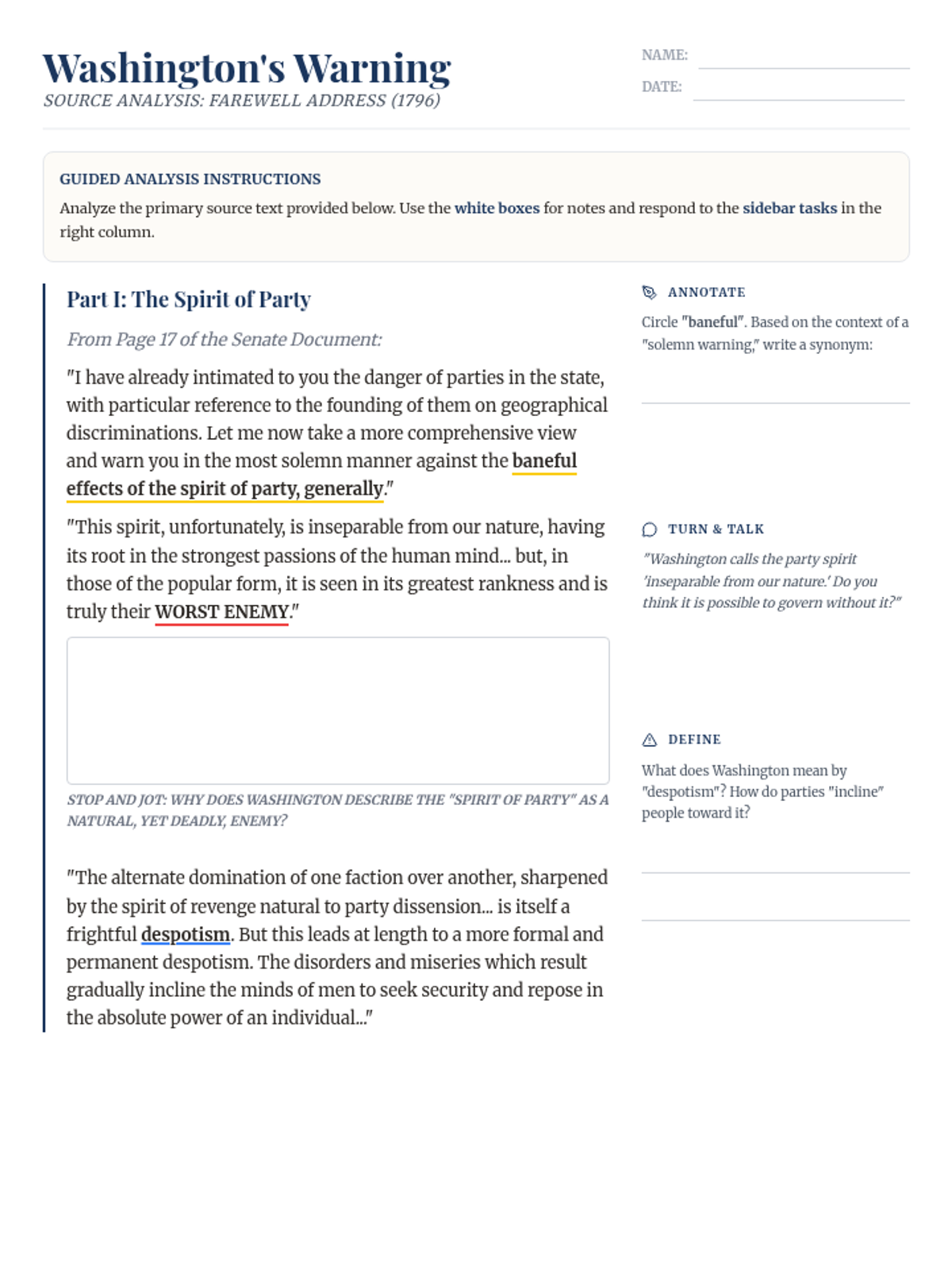
A series of lessons designed to turn students into historical investigators by providing structured frameworks for analyzing visual data and written primary sources.
A comprehensive look at the origins and early stages of World War II, from global systemic failures to the specific regional reasons for Australian involvement.
A comprehensive week-long remediation packet covering Europe's history, culture, economics, and the European Union through reading passages and high-level analysis.
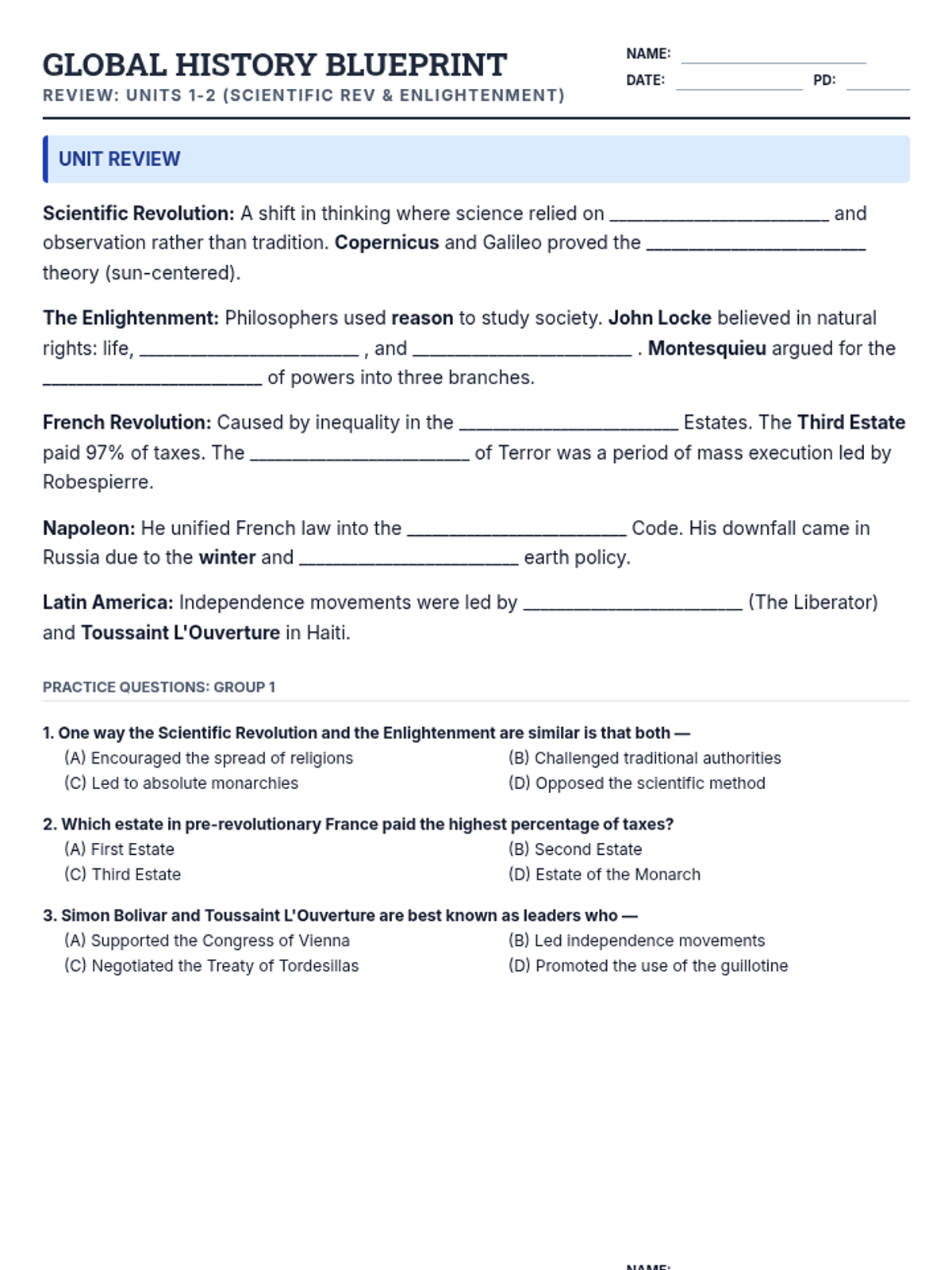
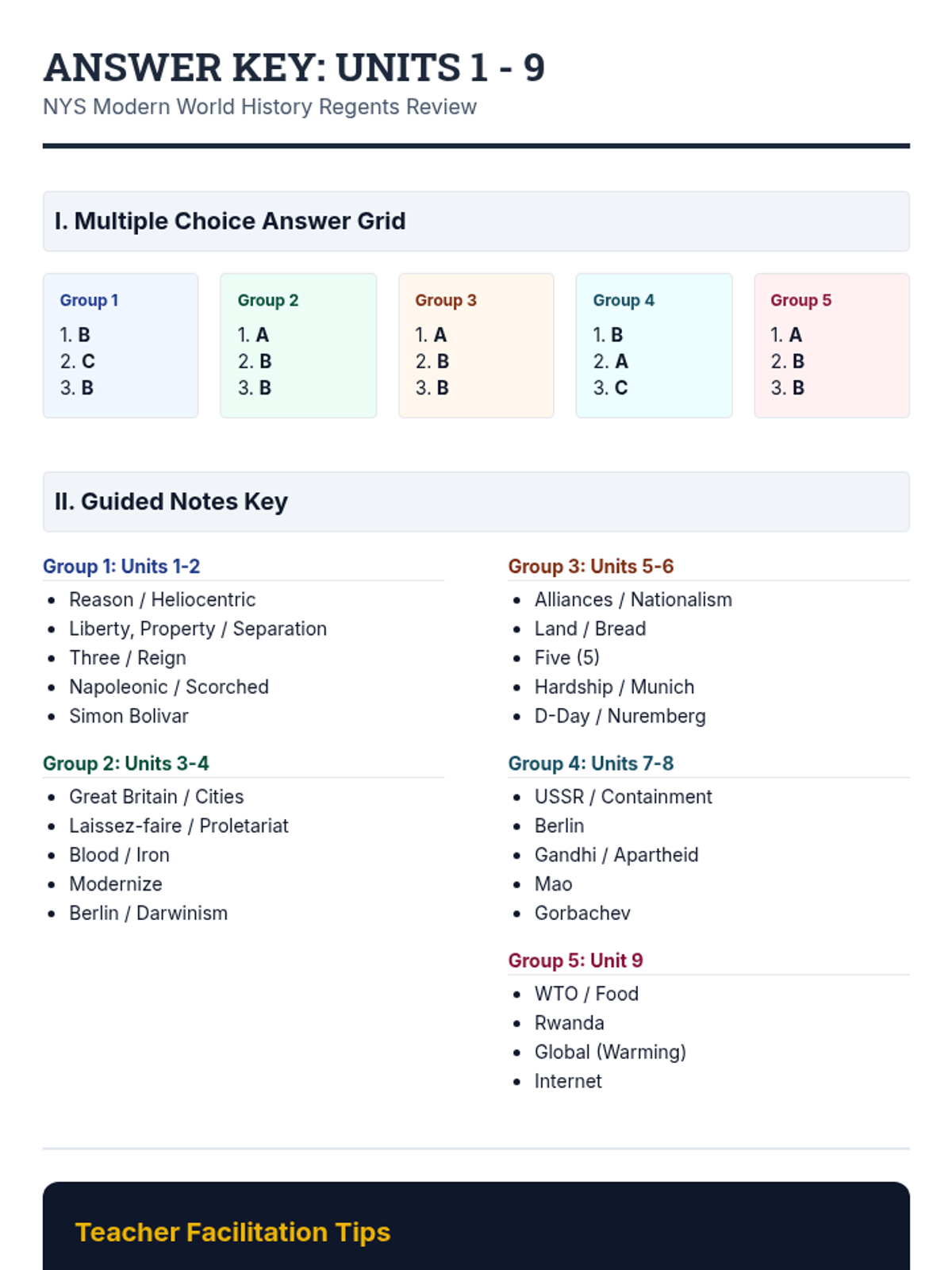
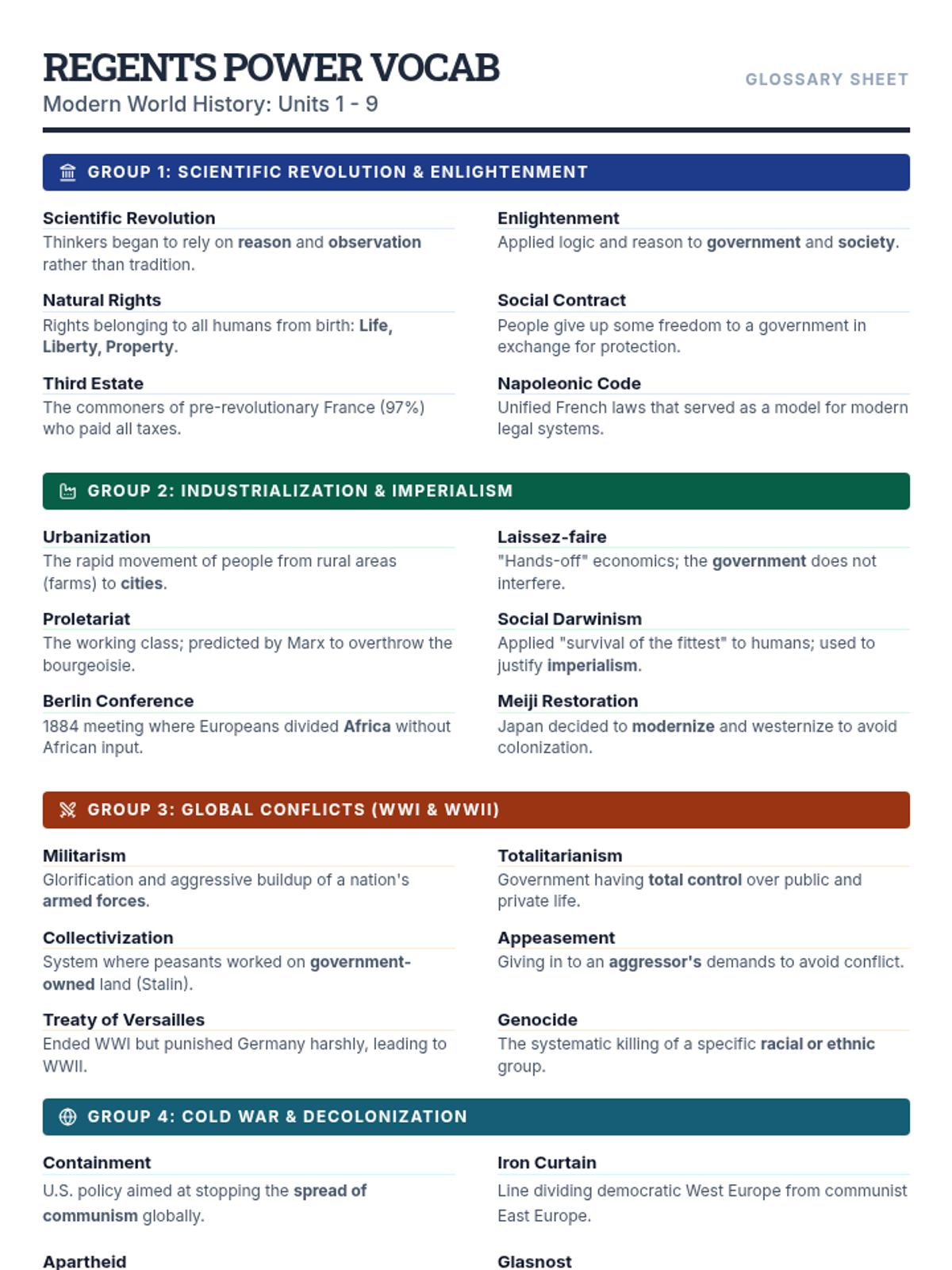
A collection of high-leverage US History warm-ups designed to prepare students for the STAAR EOC through stimulus-based practice and quick-hit review.
A comprehensive review unit designed to solidify student understanding of early American government foundations through interactive gameplay and independent analysis.
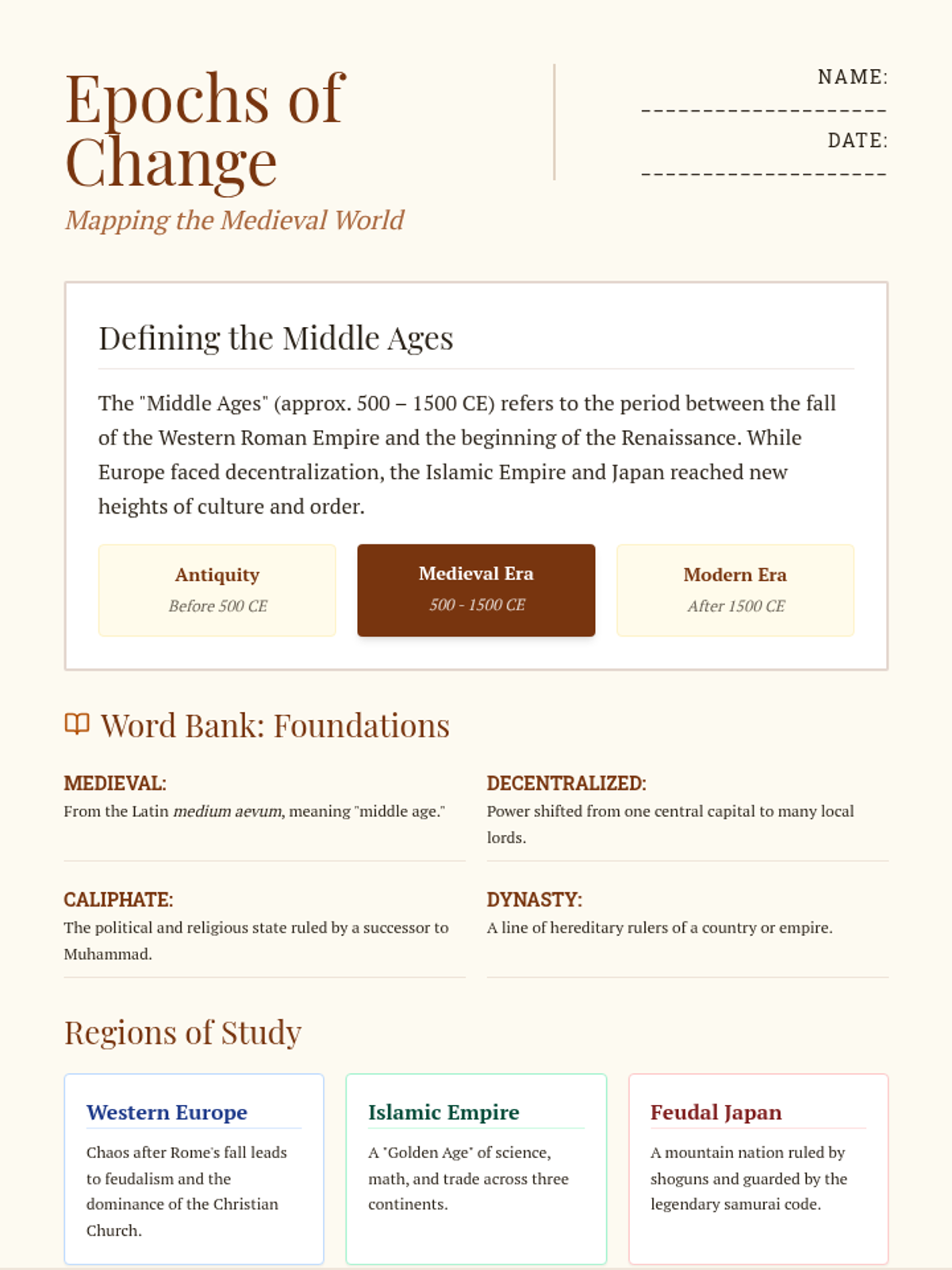
A comprehensive unit exploring Japan's transition from a feudal isolationist state to a modern global power, covering the decline of the Shogunate and the rapid modernization of the Meiji era.
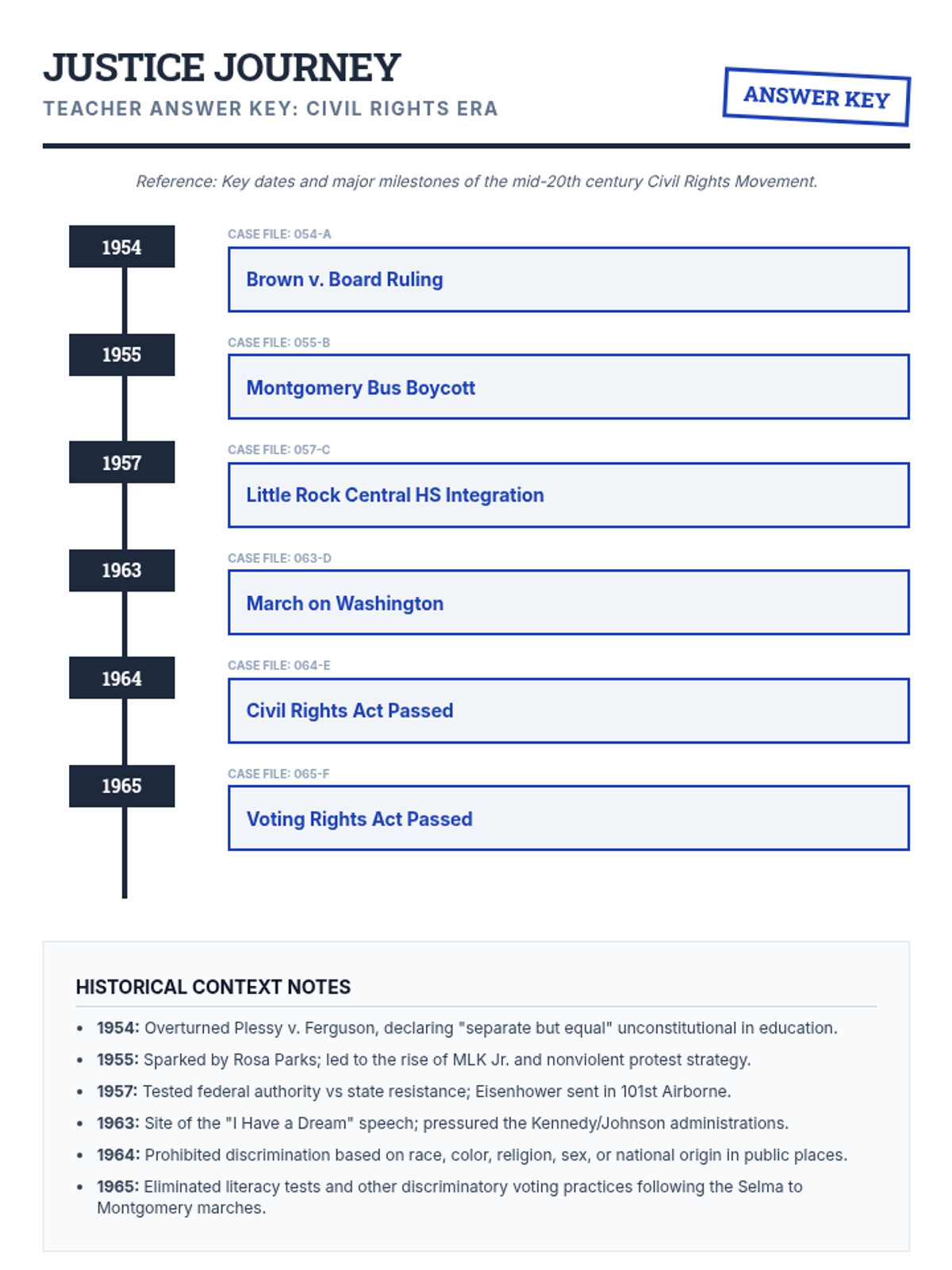
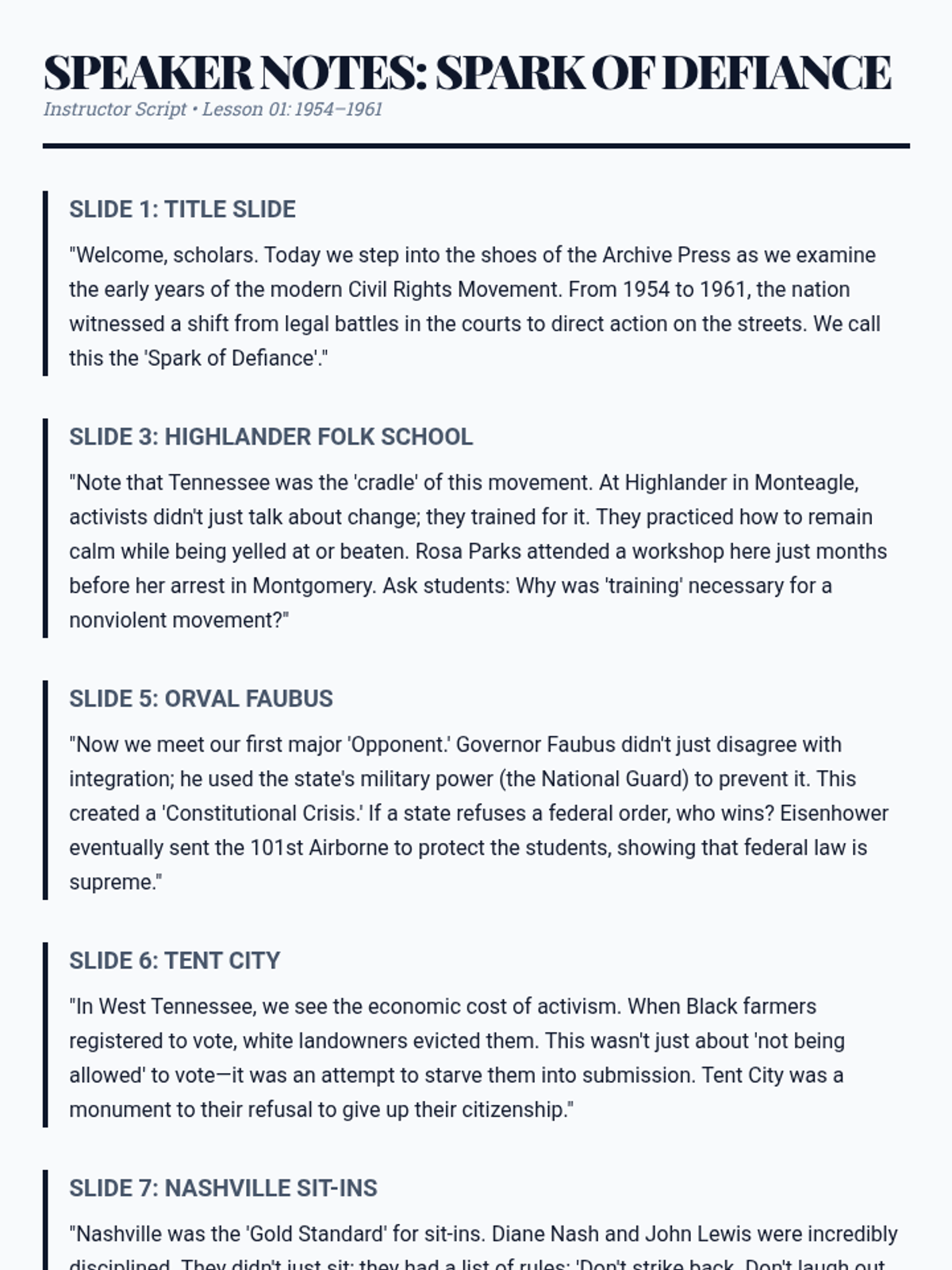
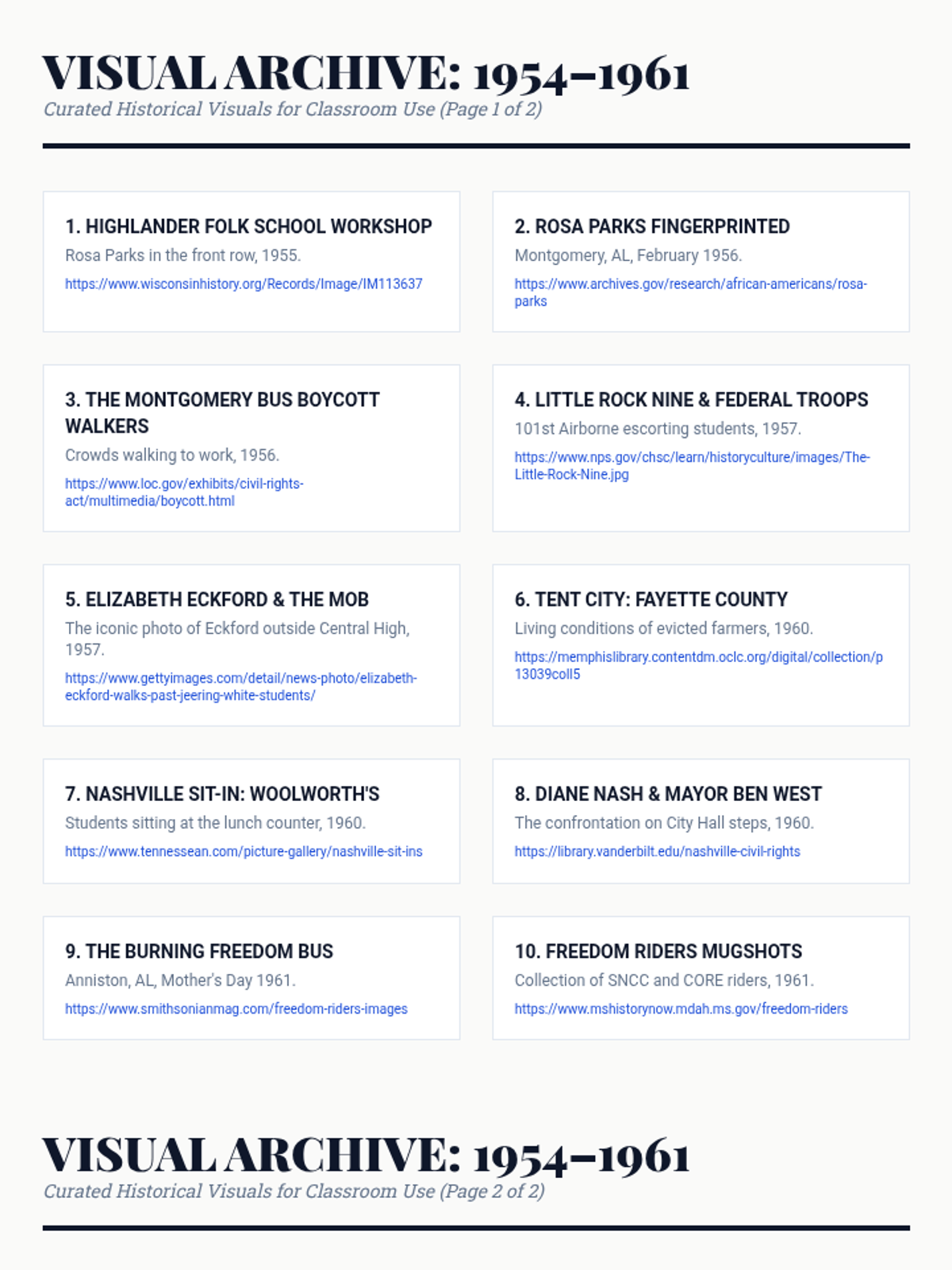
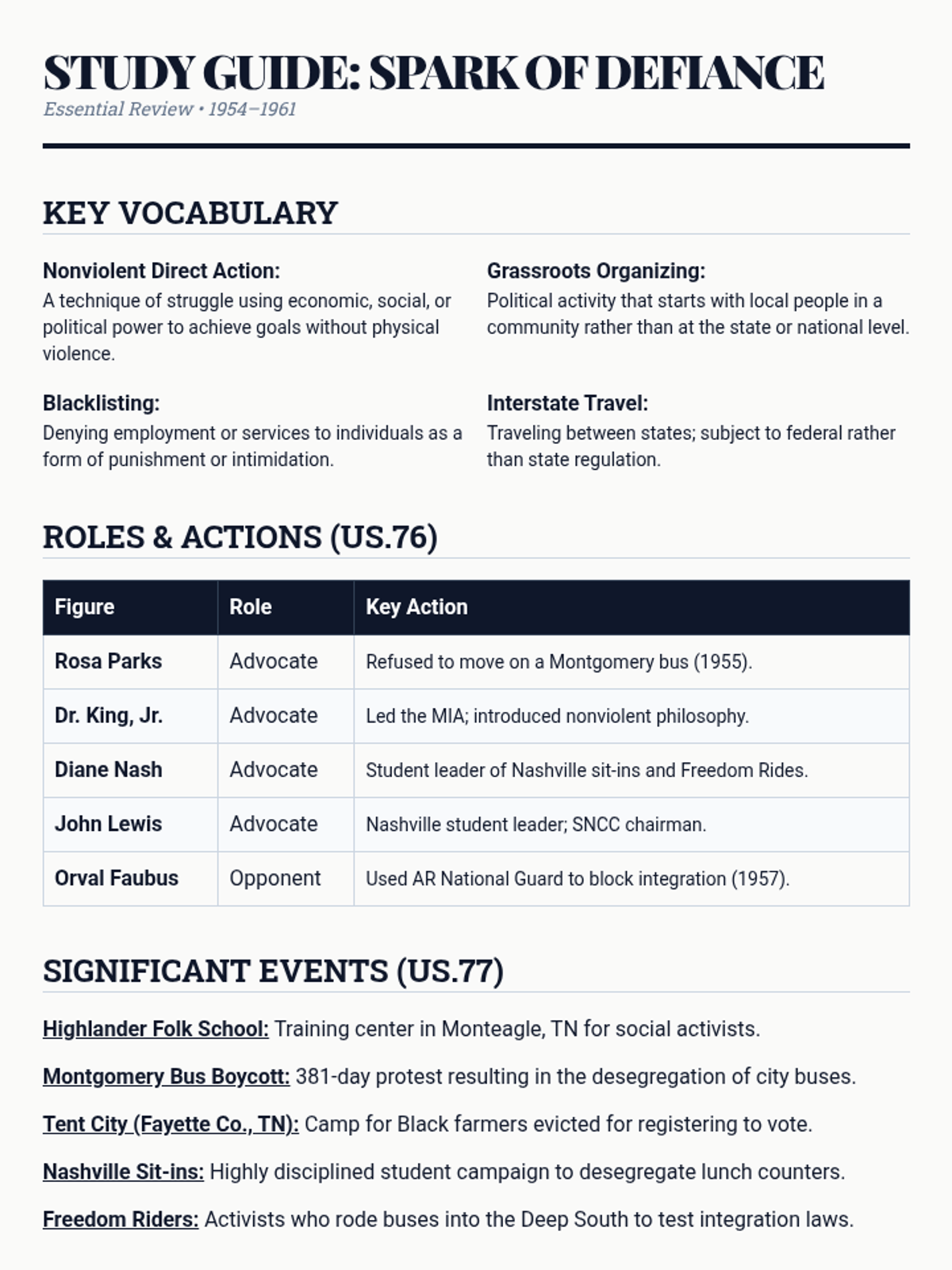
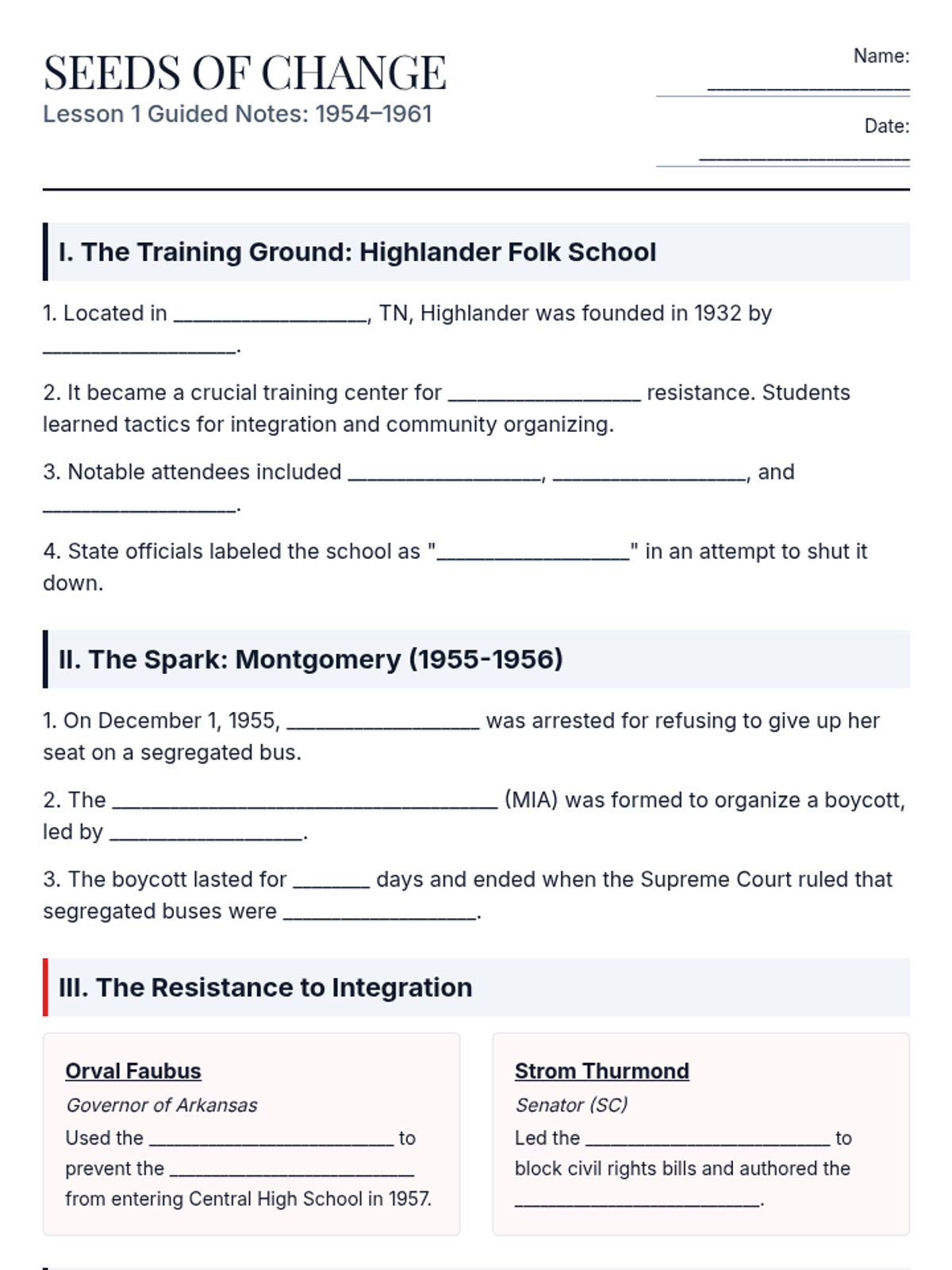
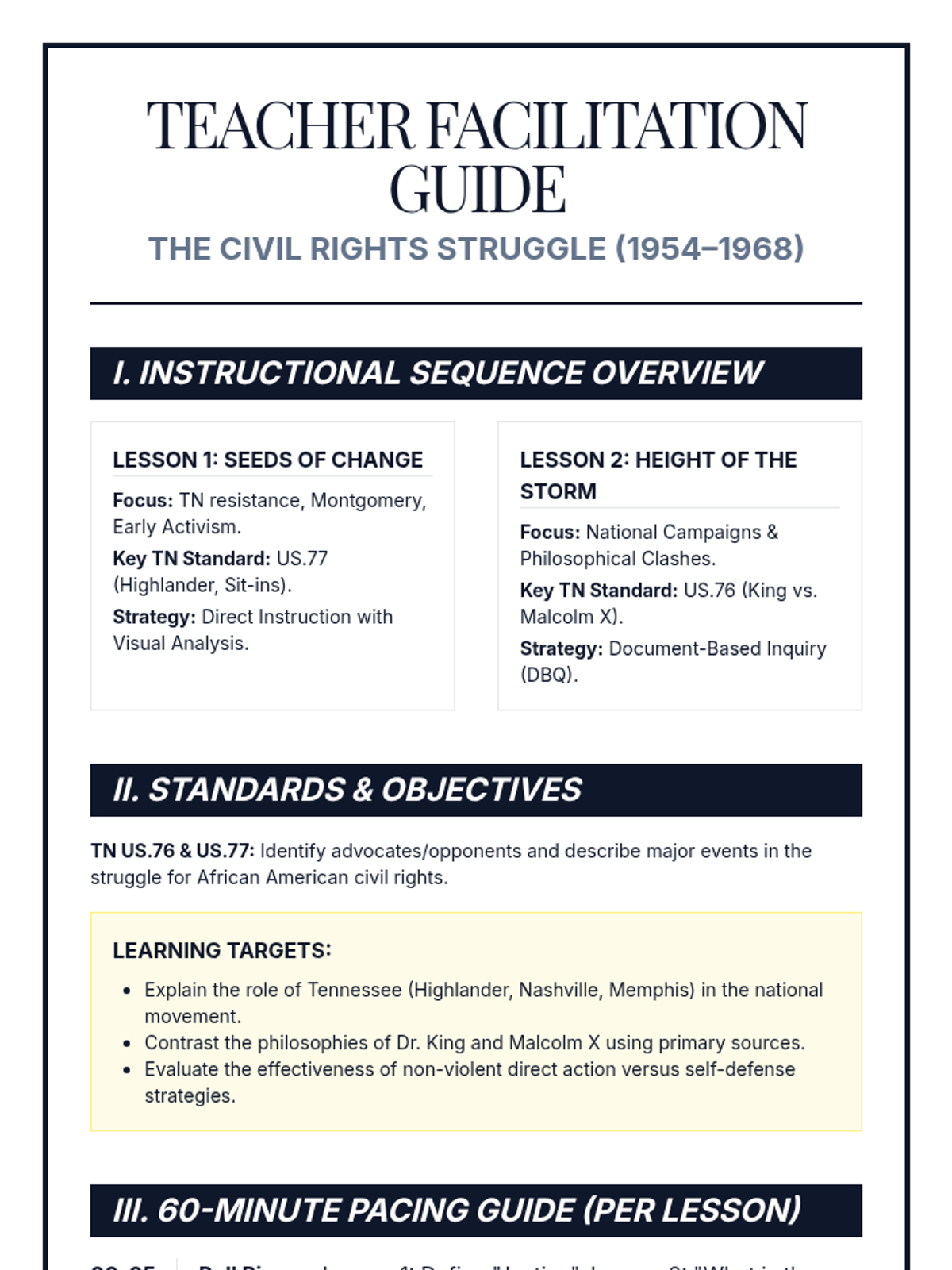
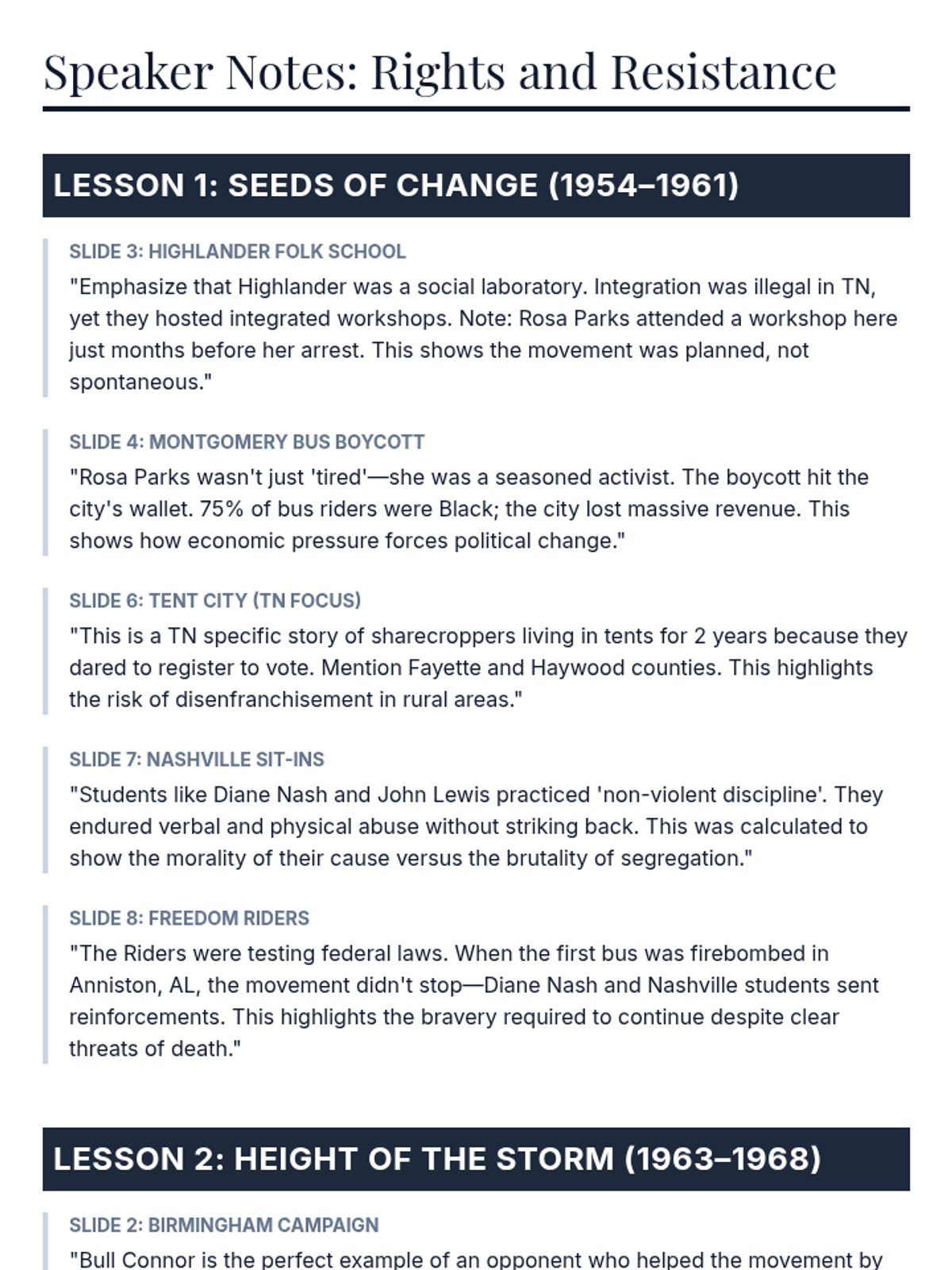
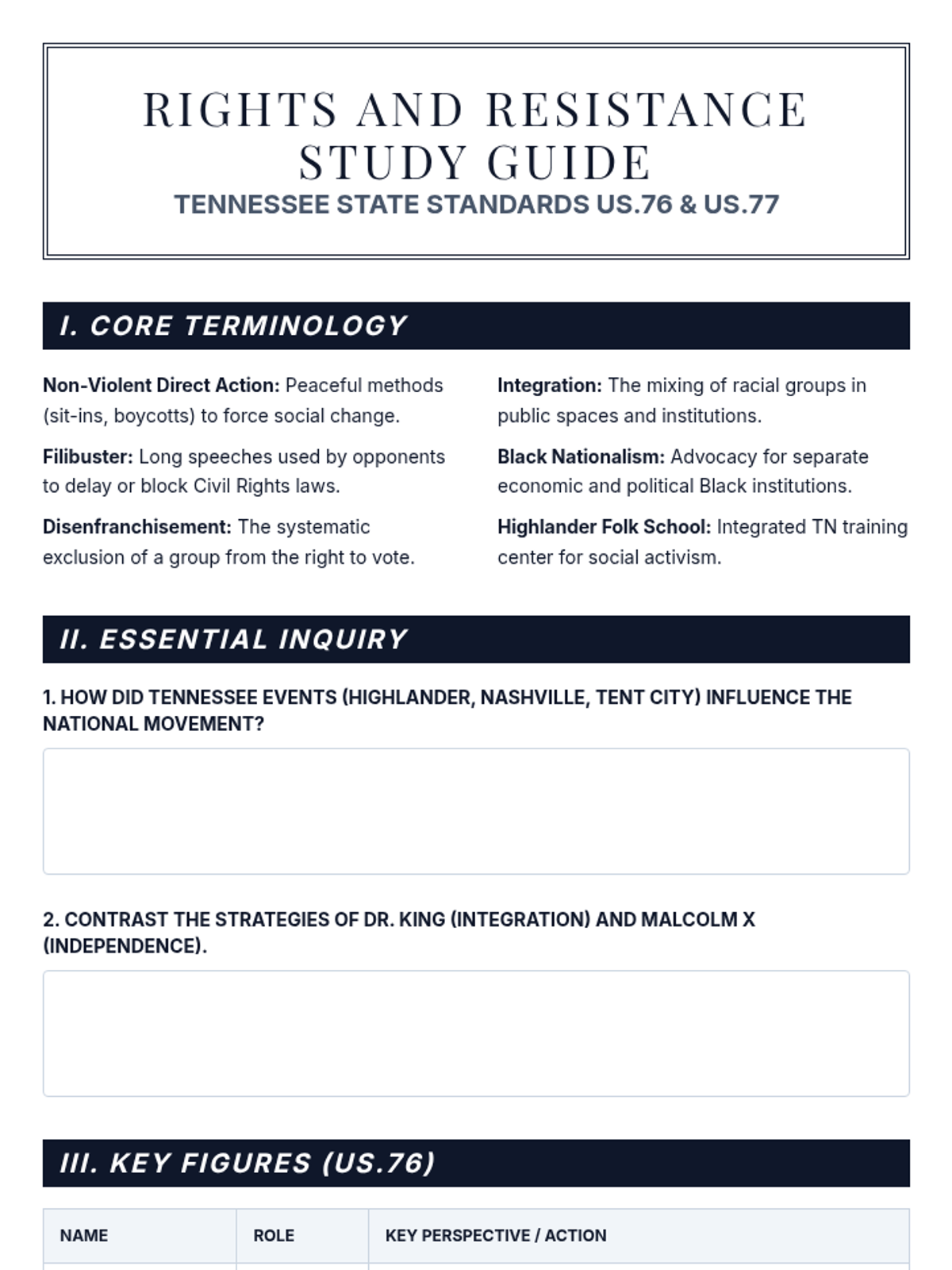
A series of lessons examining the hidden narratives of social justice movements and the diverse leaders who shaped American history through advocacy and resilience.
A comprehensive unit on the life, conquests, and lasting impact of Alexander the Great, featuring instructional refreshers, investigative mysteries, and critical source analysis.
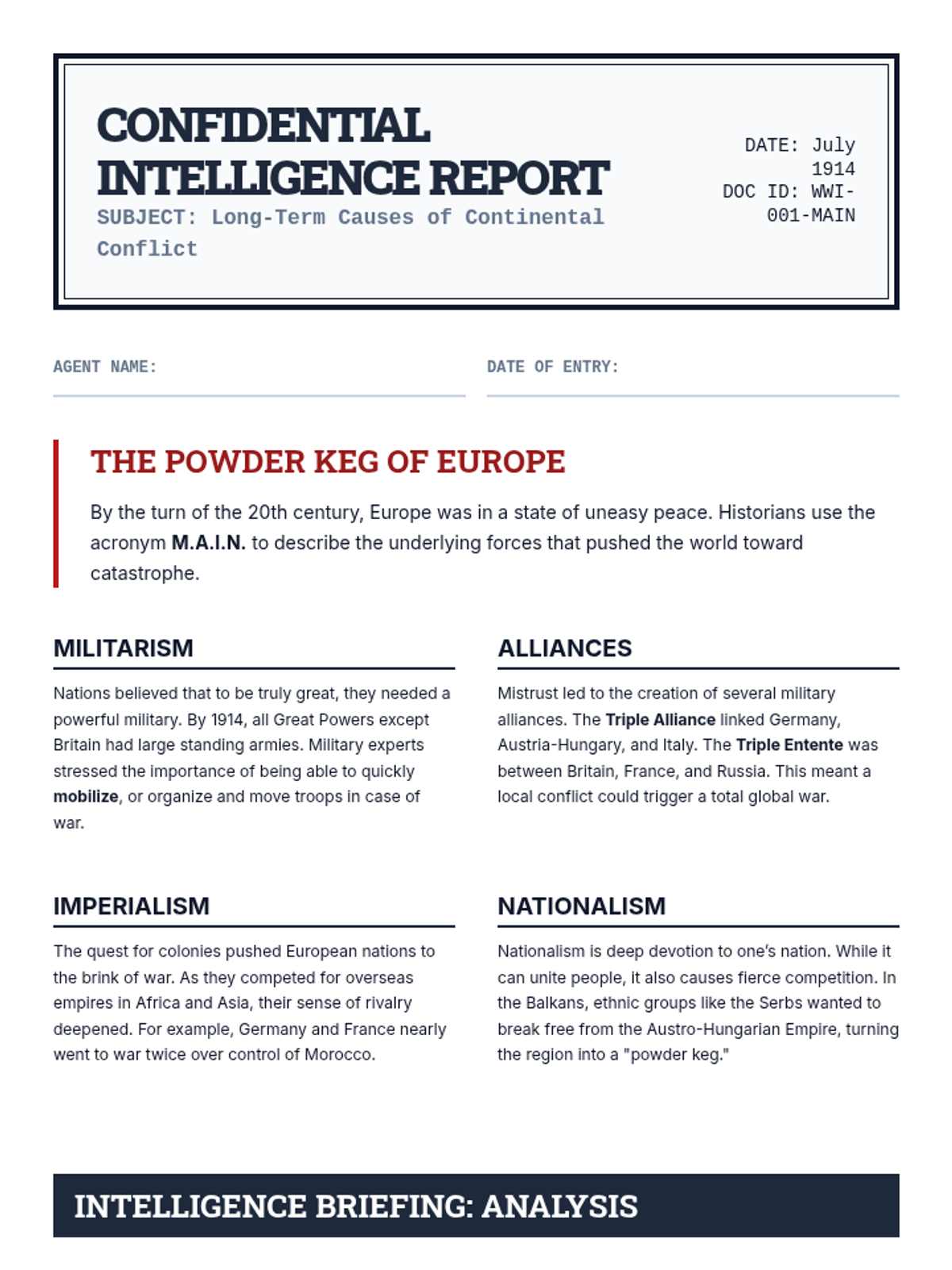
A comprehensive multi-day unit exploring World War I through a Texas lens, covering global causes, revolutionary military technology, the significant contributions of Texans, and the complex aftermath of the war.
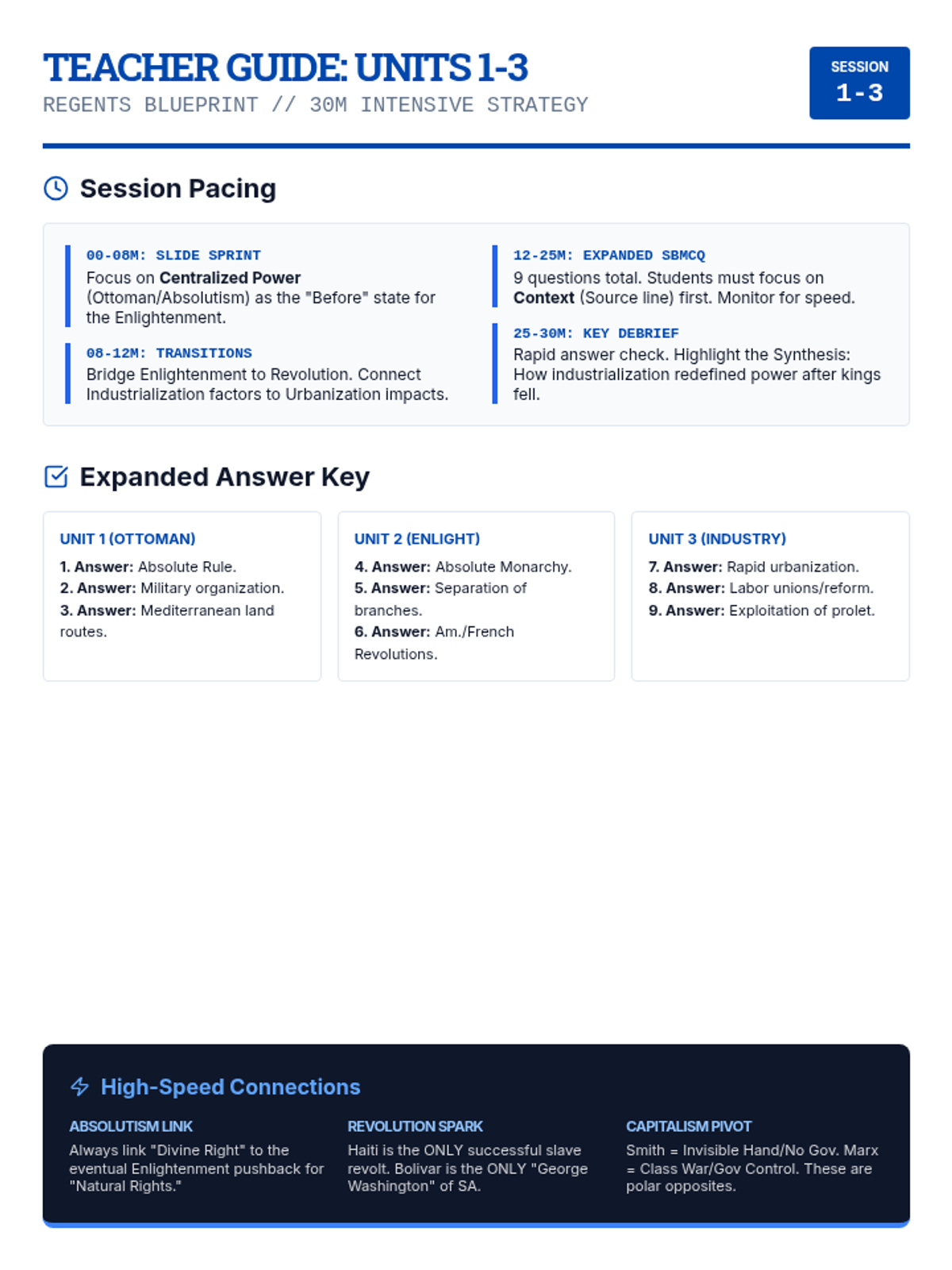
A modified Modern US History curriculum (Founding to Present) for Tier 2 and 3 special education students, based on Grade 11 Social Studies standards. Focuses on government, industrialization, world wars, and civil rights.
A comprehensive US History curriculum designed for Tier 2 and 3 special education support, focusing on core concepts, simplified vocabulary, and essential historical skills across four major units of power and progress.
A modified World Studies 2 curriculum for Tier 2 and 3 special education students, focusing on the evolution of power, rights, and technology from early democracies through the Industrial Revolution.
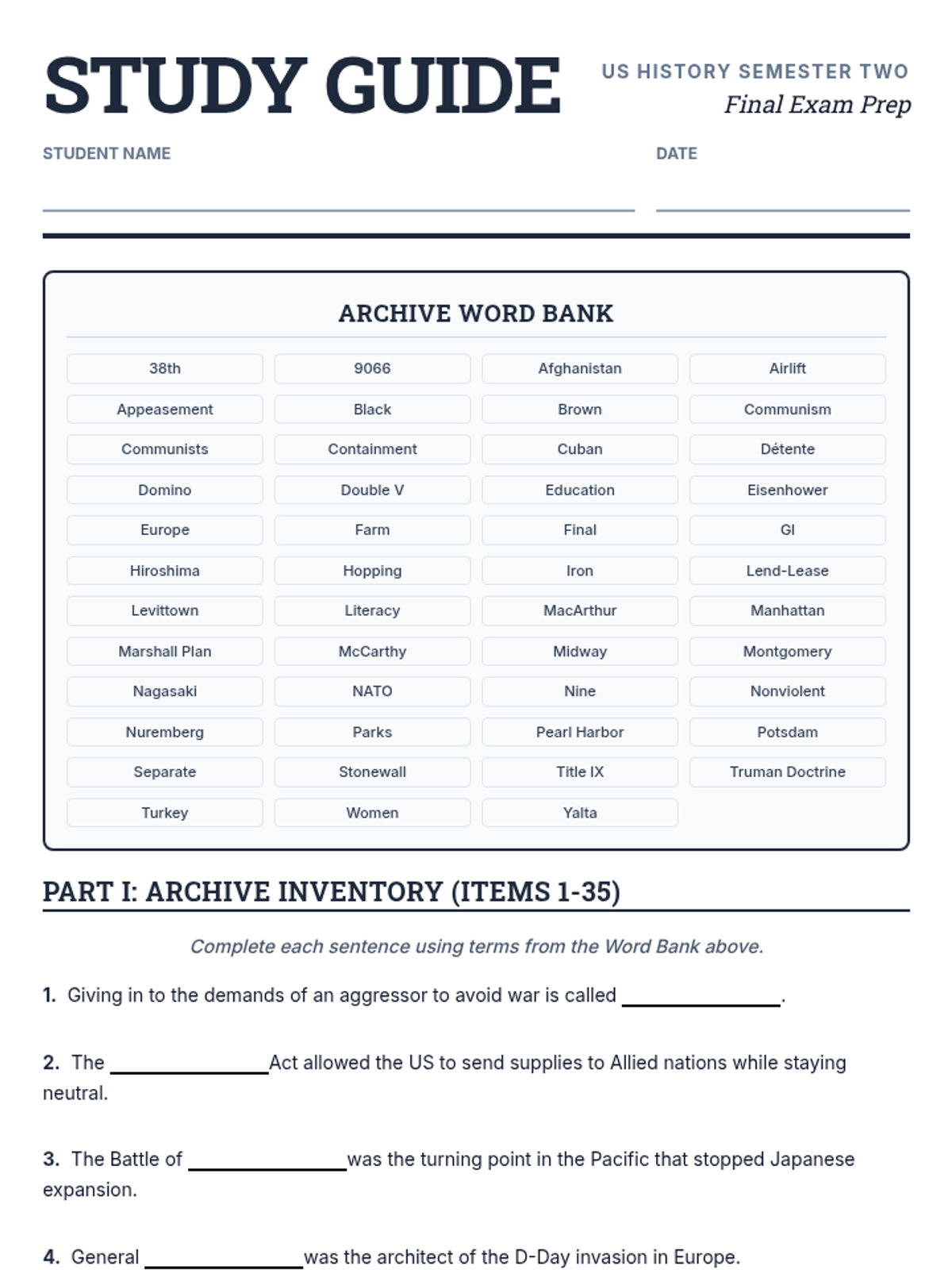
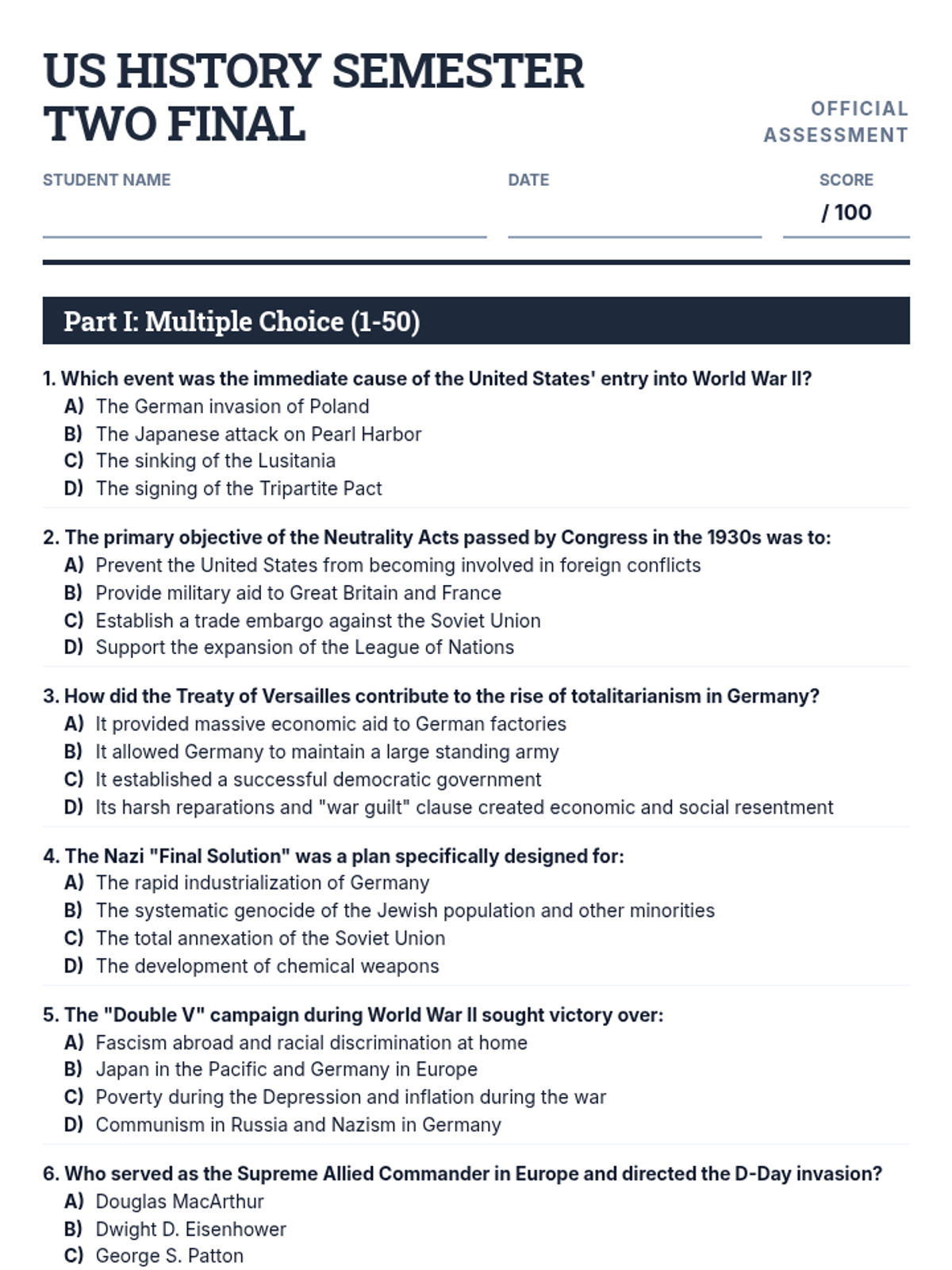
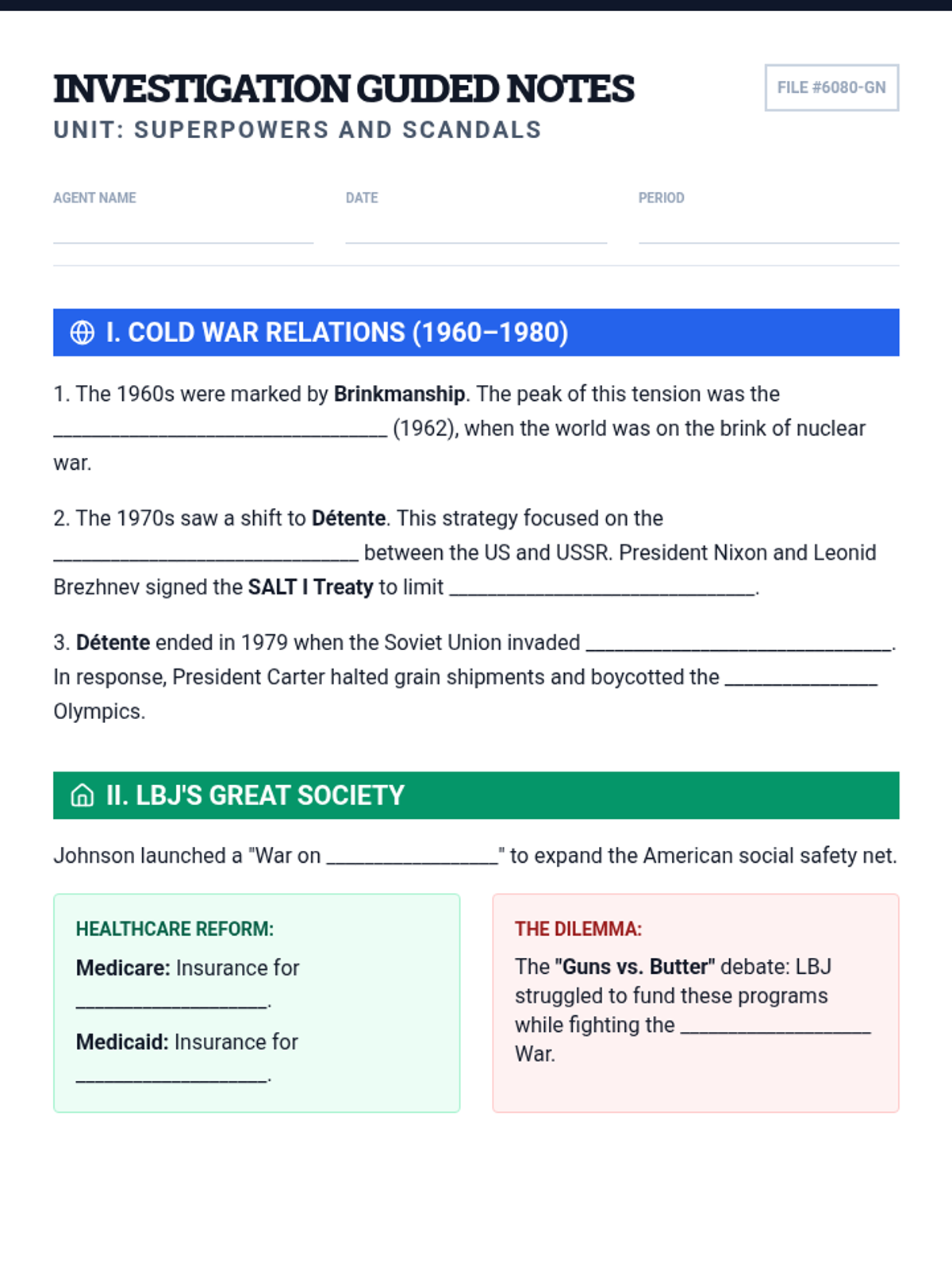
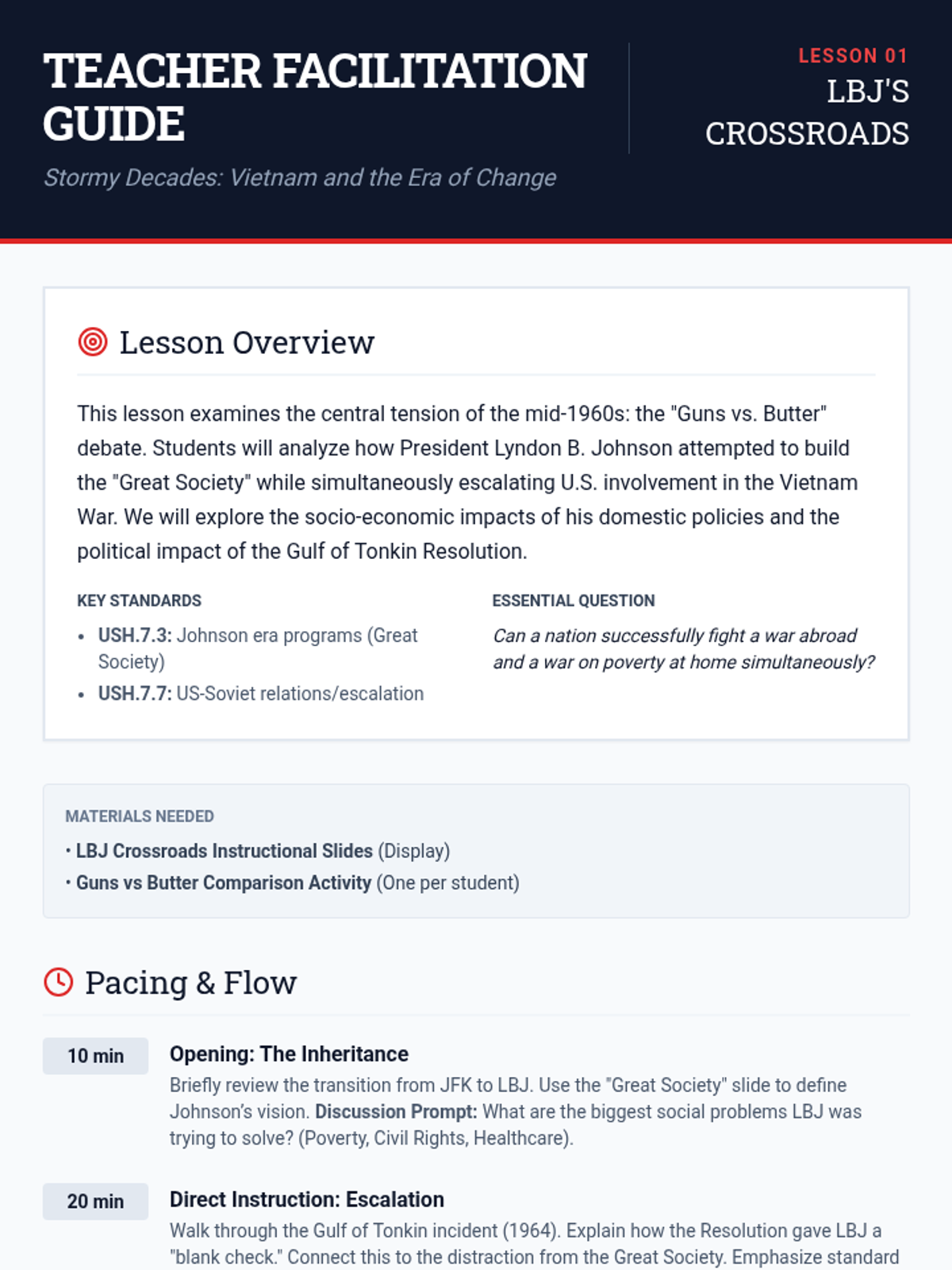
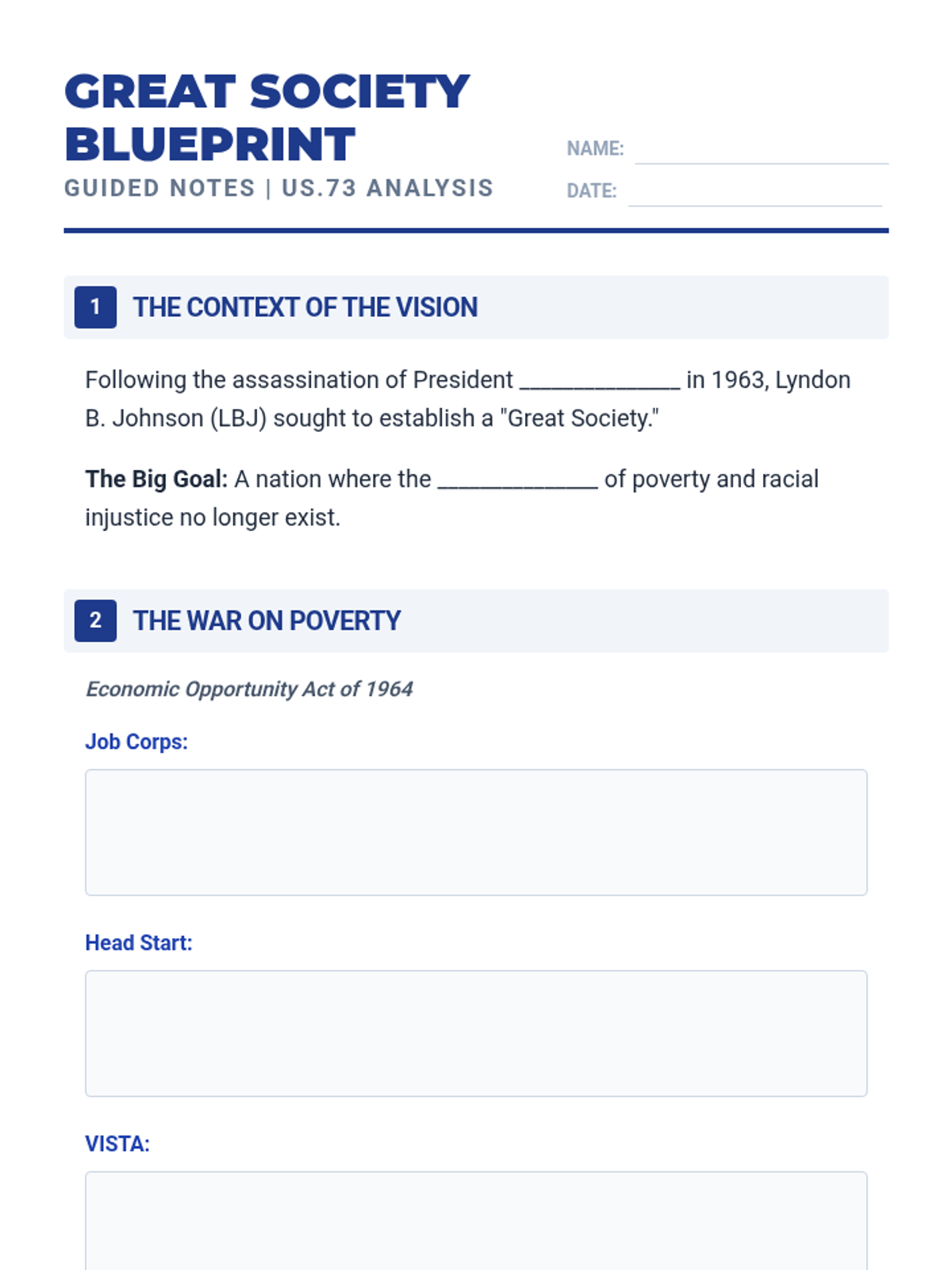
A comprehensive journey through United States history from the aftermath of the Civil War to the contemporary era, exploring the social, political, and economic shifts that shaped the modern nation.
A unit exploring the structural and ideological development of the American government from the Articles of Confederation to the ratification of the Constitution.
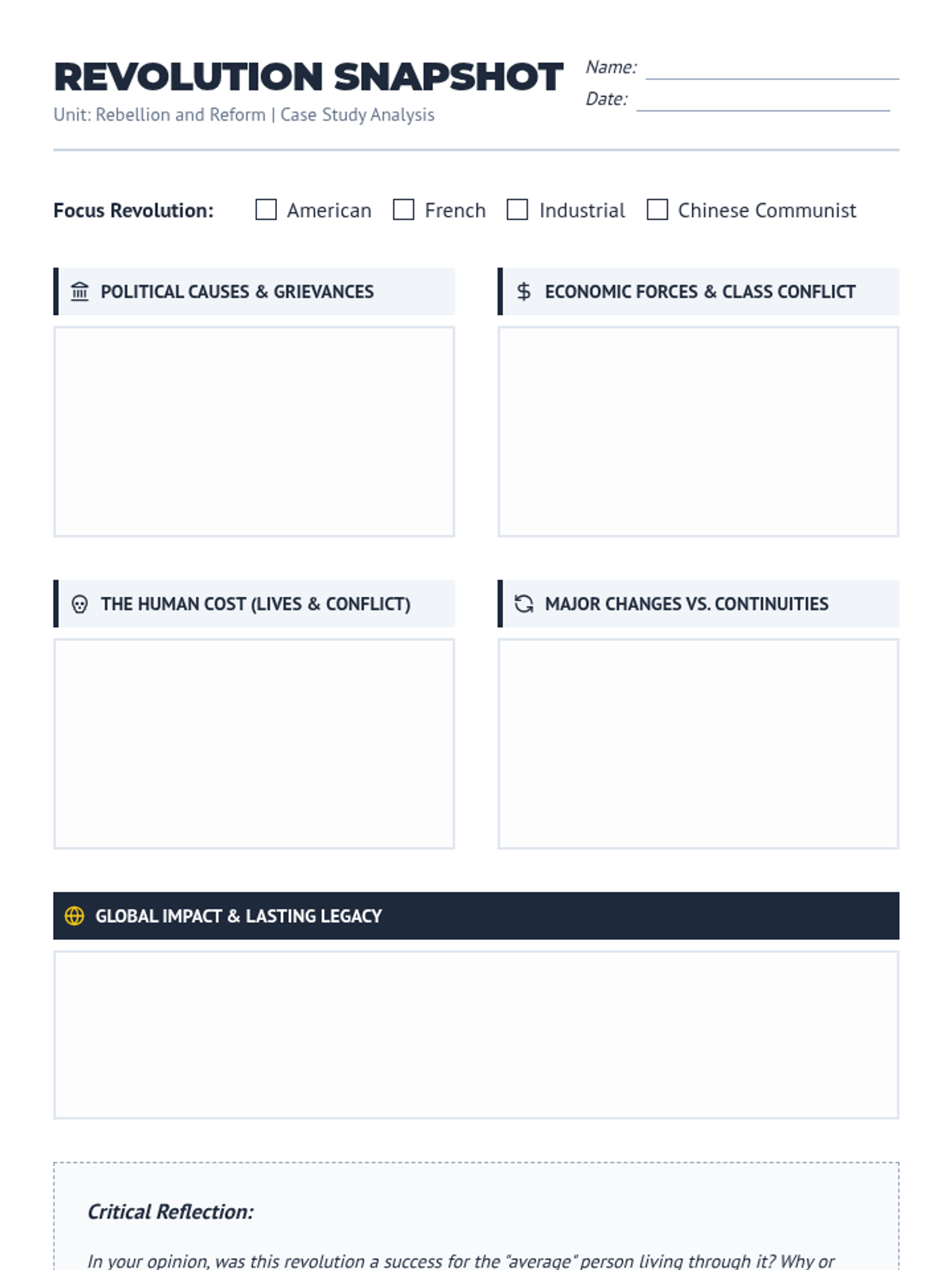
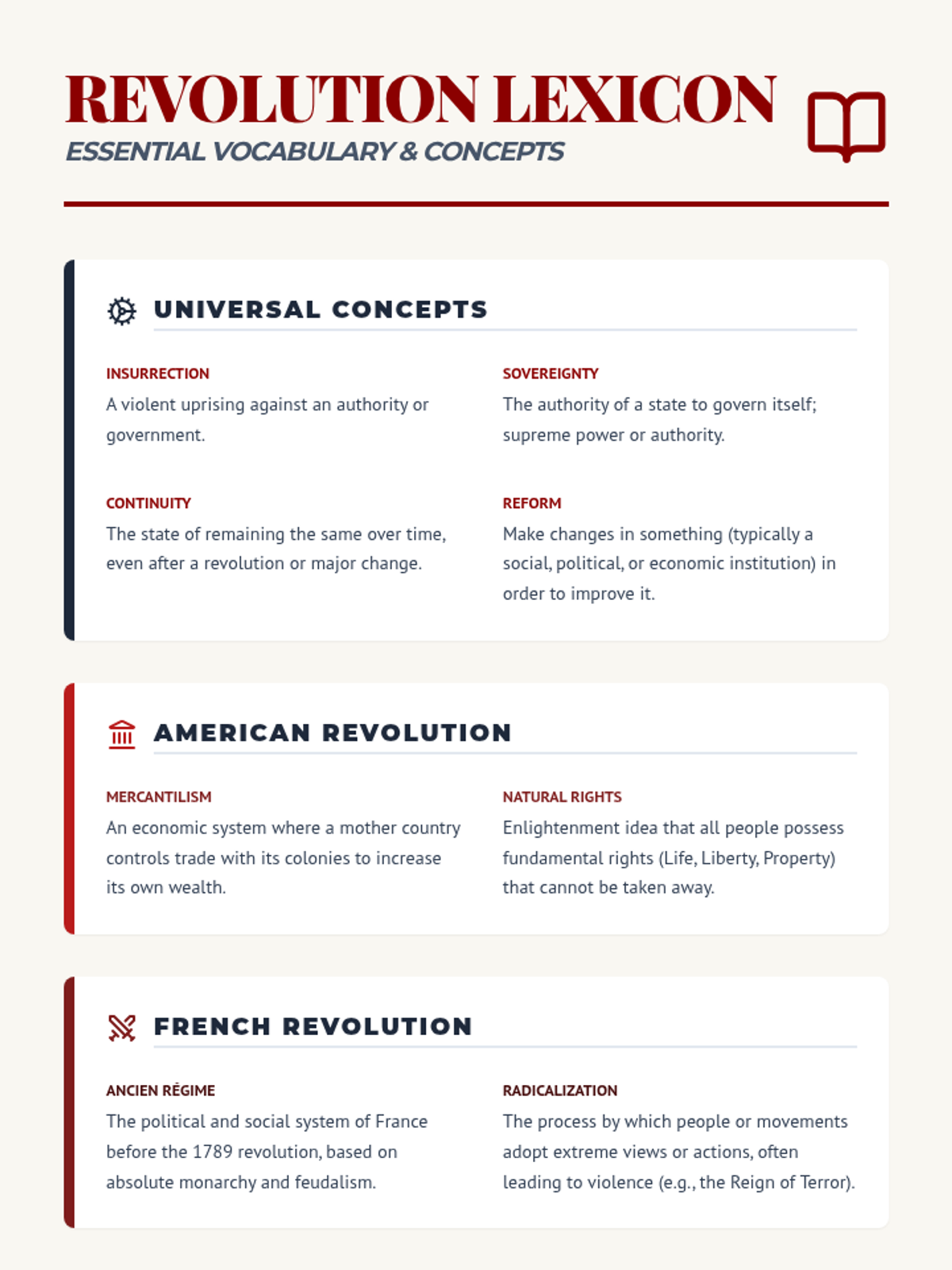
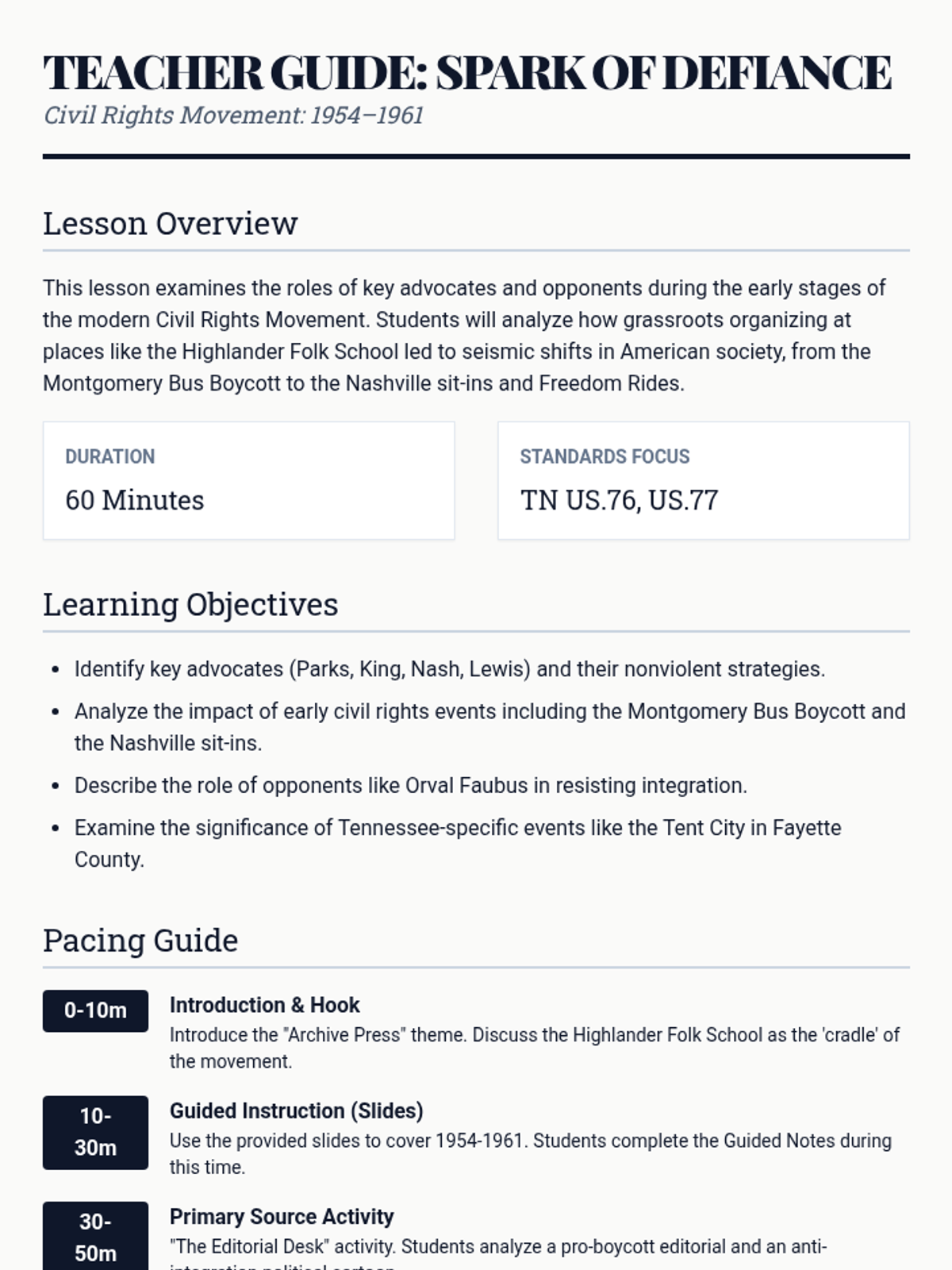
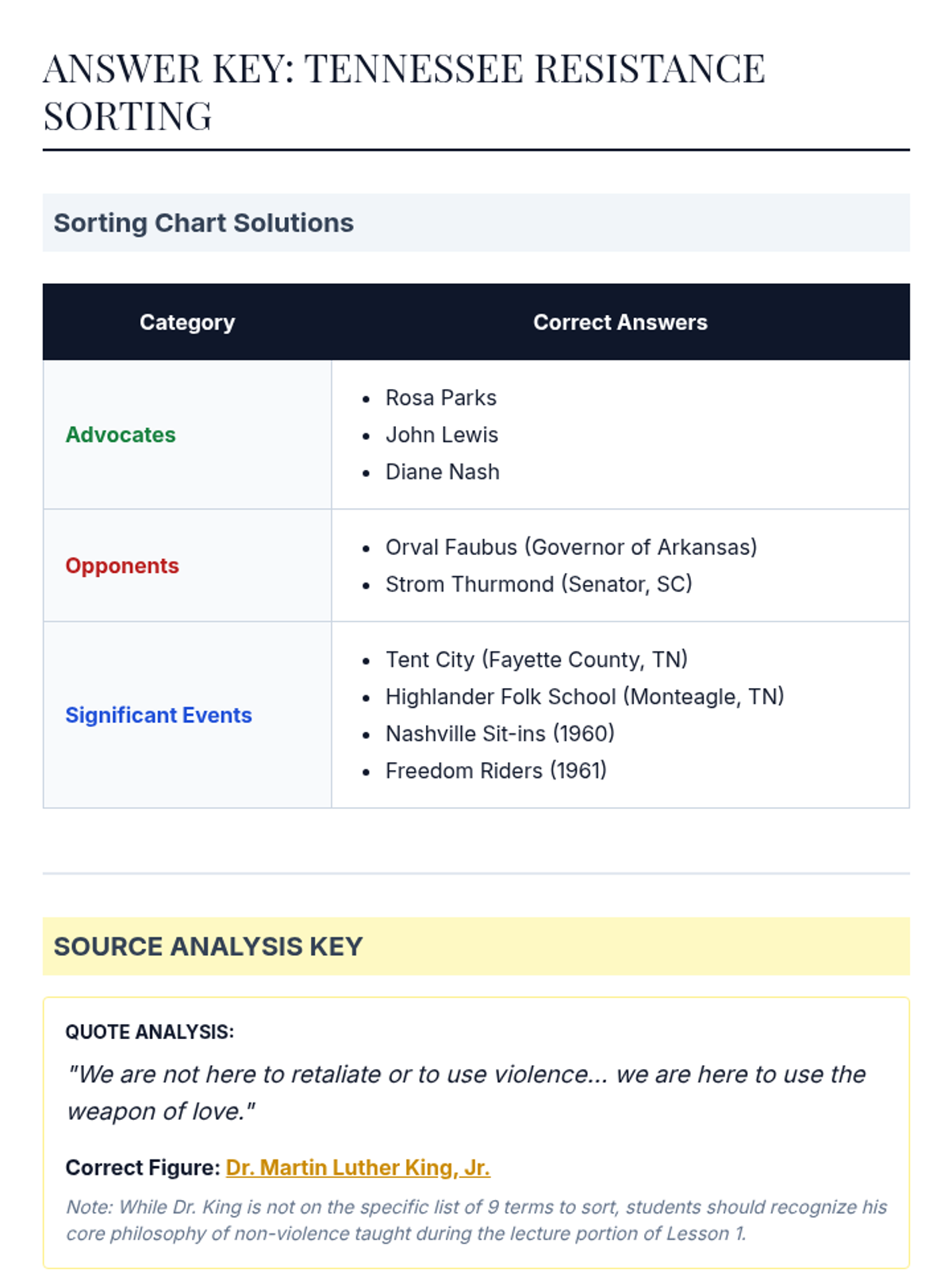
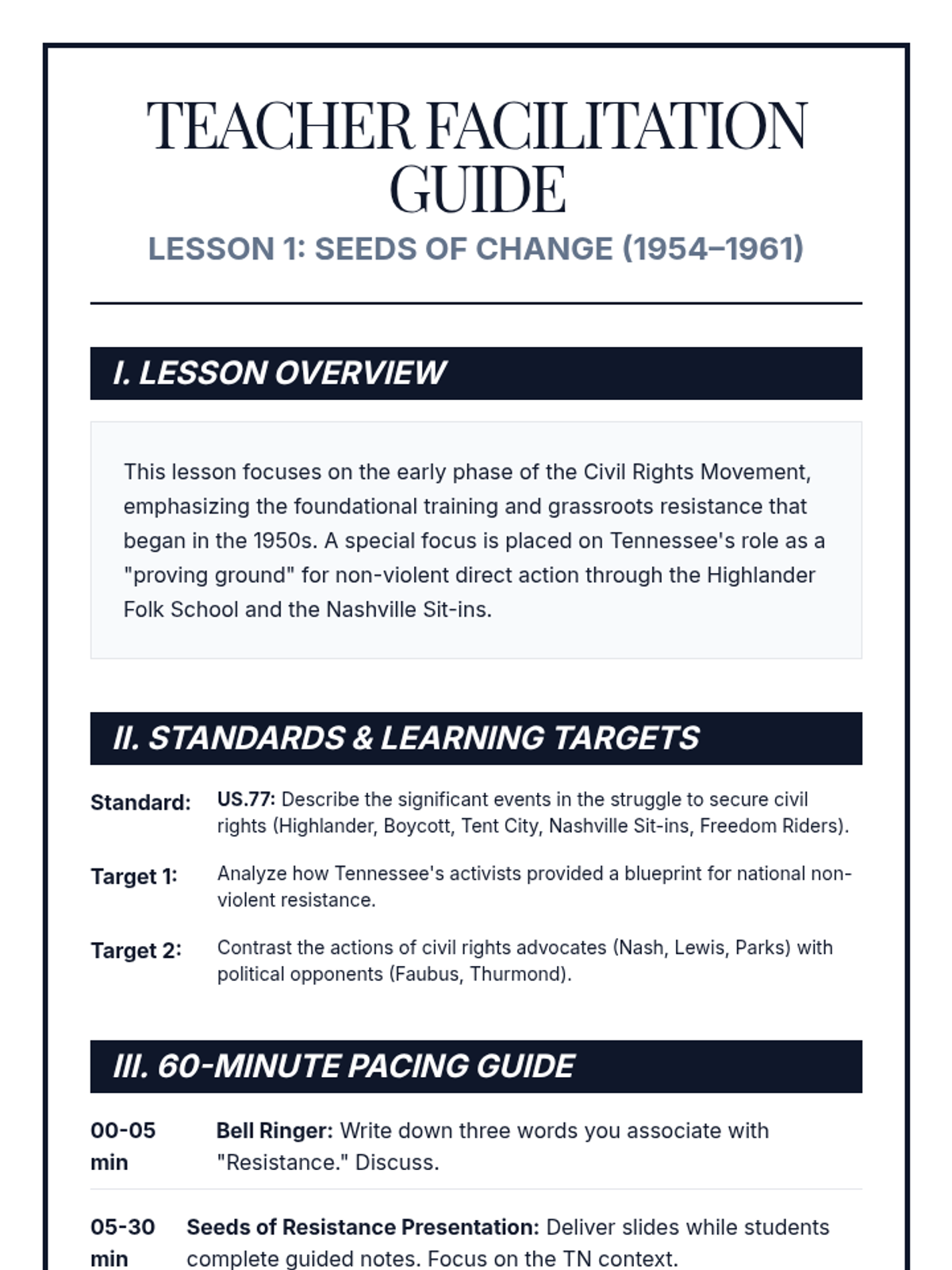
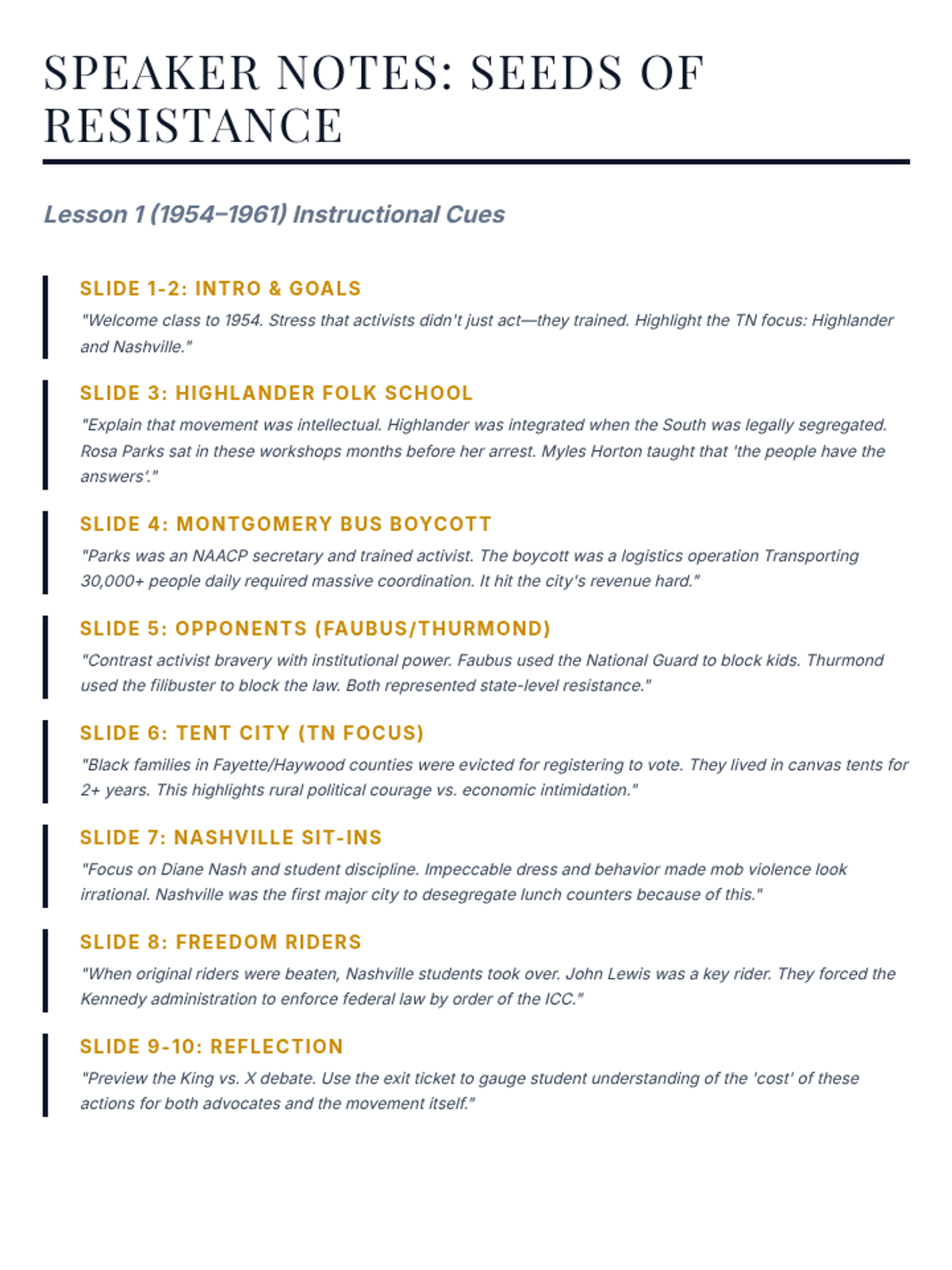
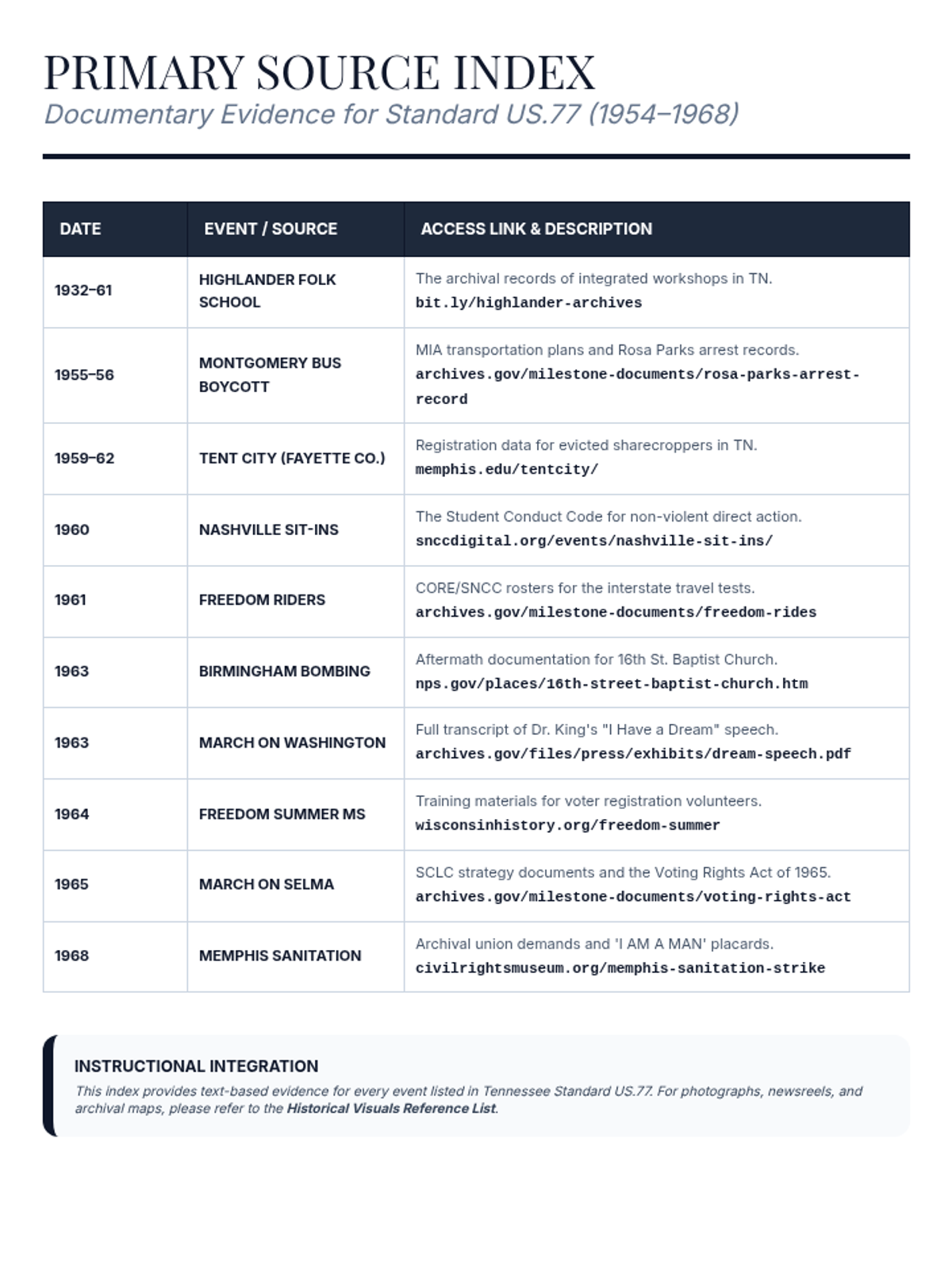
A two-part exploration of resistance movements, comparing the strategies, causes, and effects of nonviolent civil disobedience and armed rebellion through historical case studies.
A specialized lesson sequence designed for 9th-grade English Language Learners to explore the life and legacy of Cesar Chavez through the four domains of language acquisition: Reading, Writing, Speaking, and Listening. The materials are aligned with TELPAS criteria and emphasize civil rights history and labor activism.
An in-depth exploration of First Amendment law, focusing on the tension between individual liberty and the public good through various categories of restricted speech.
Une séquence complète de 5 séances pour explorer les espaces de faibles densités en France, leurs dynamiques, leurs contraintes et leurs atouts, se terminant par une réalisation cartographique de synthèse.
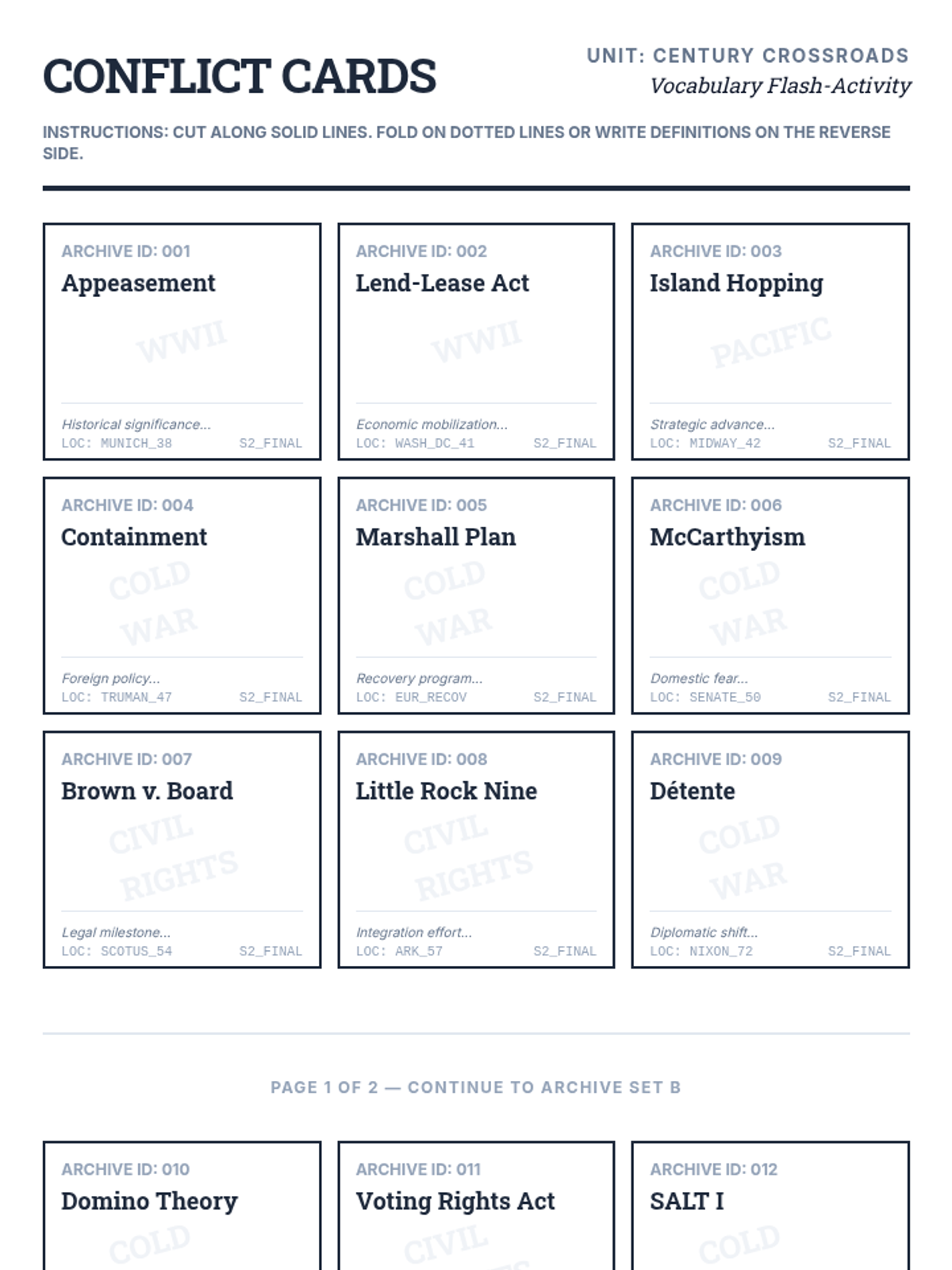
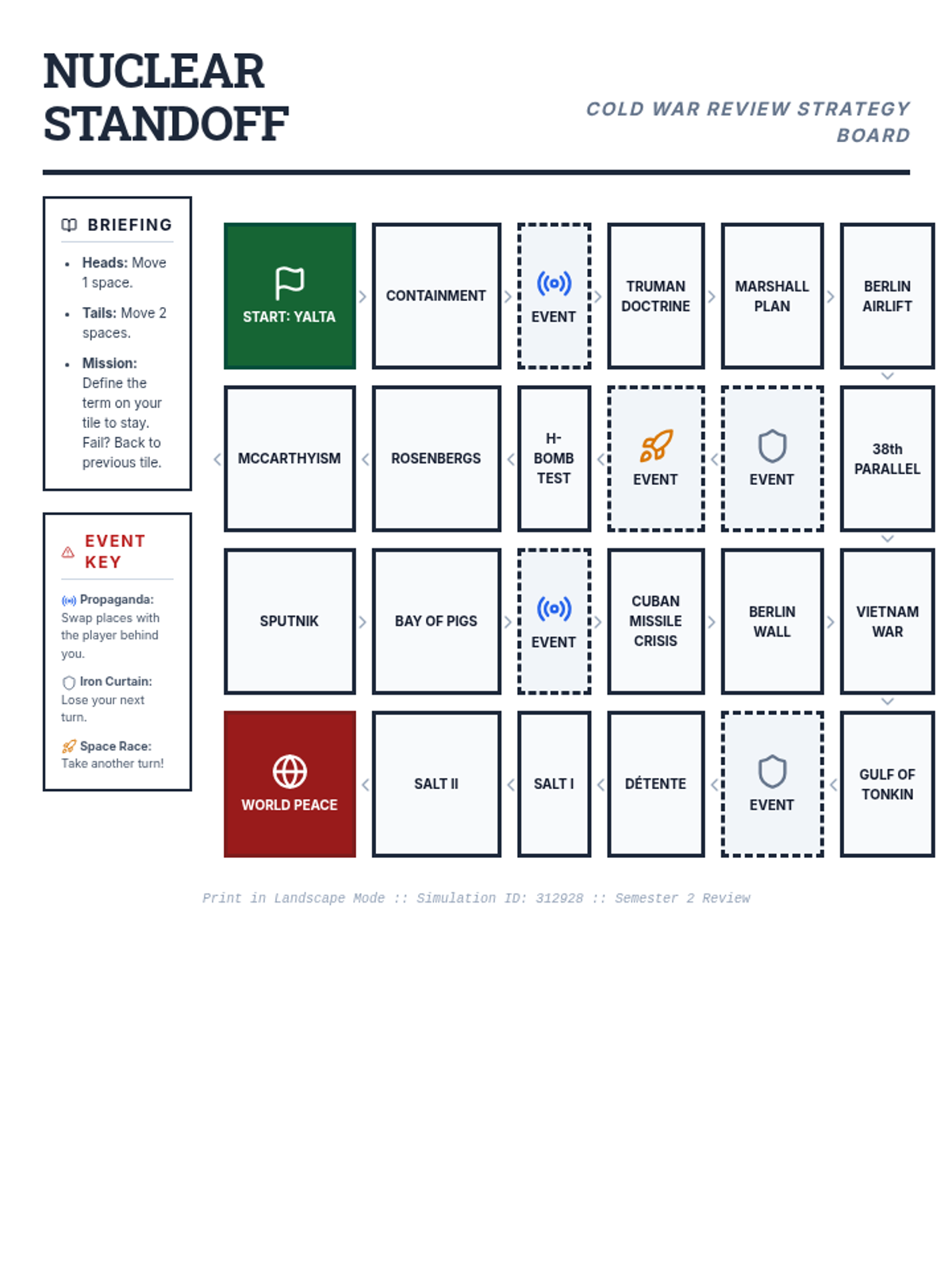
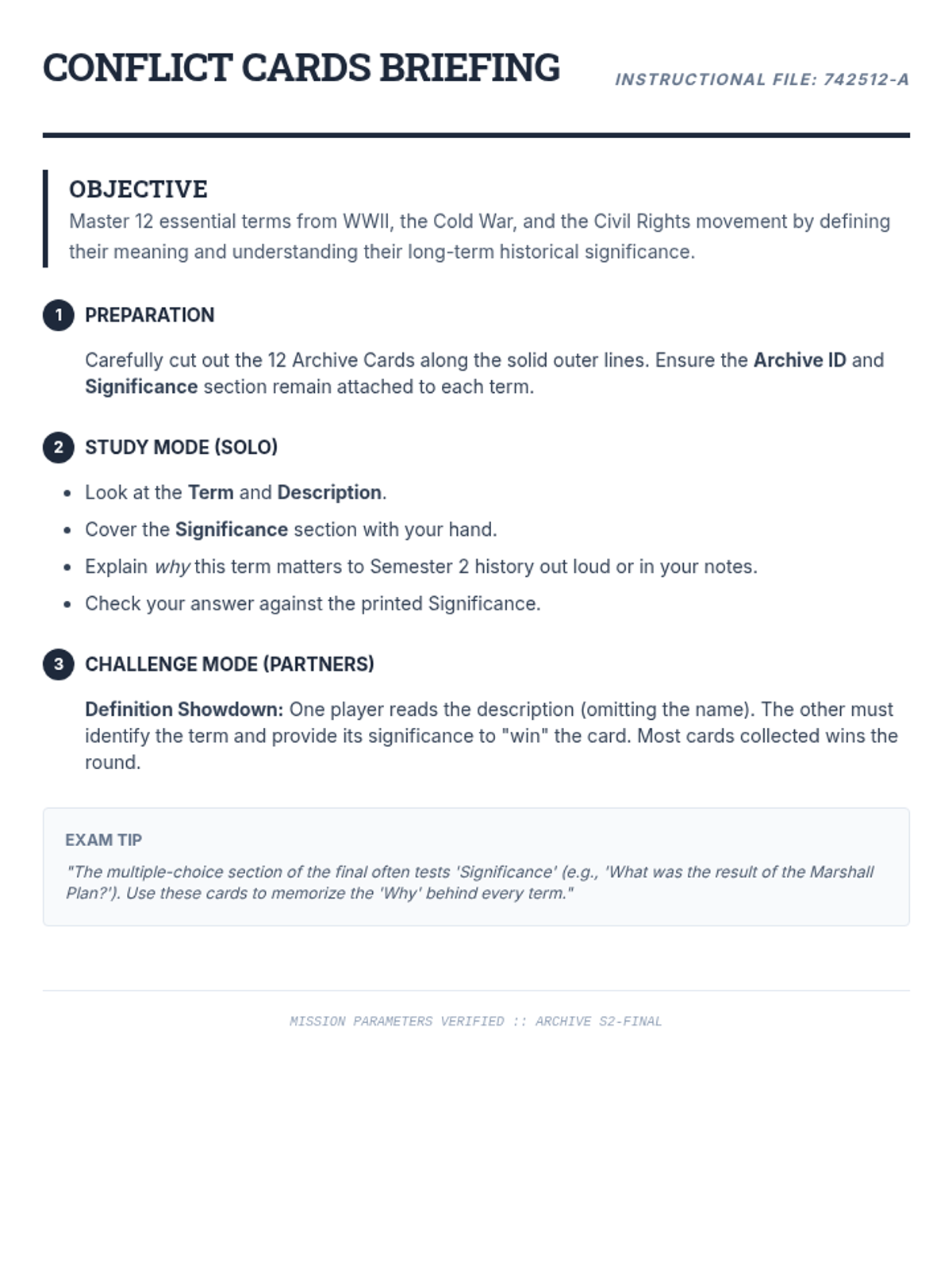
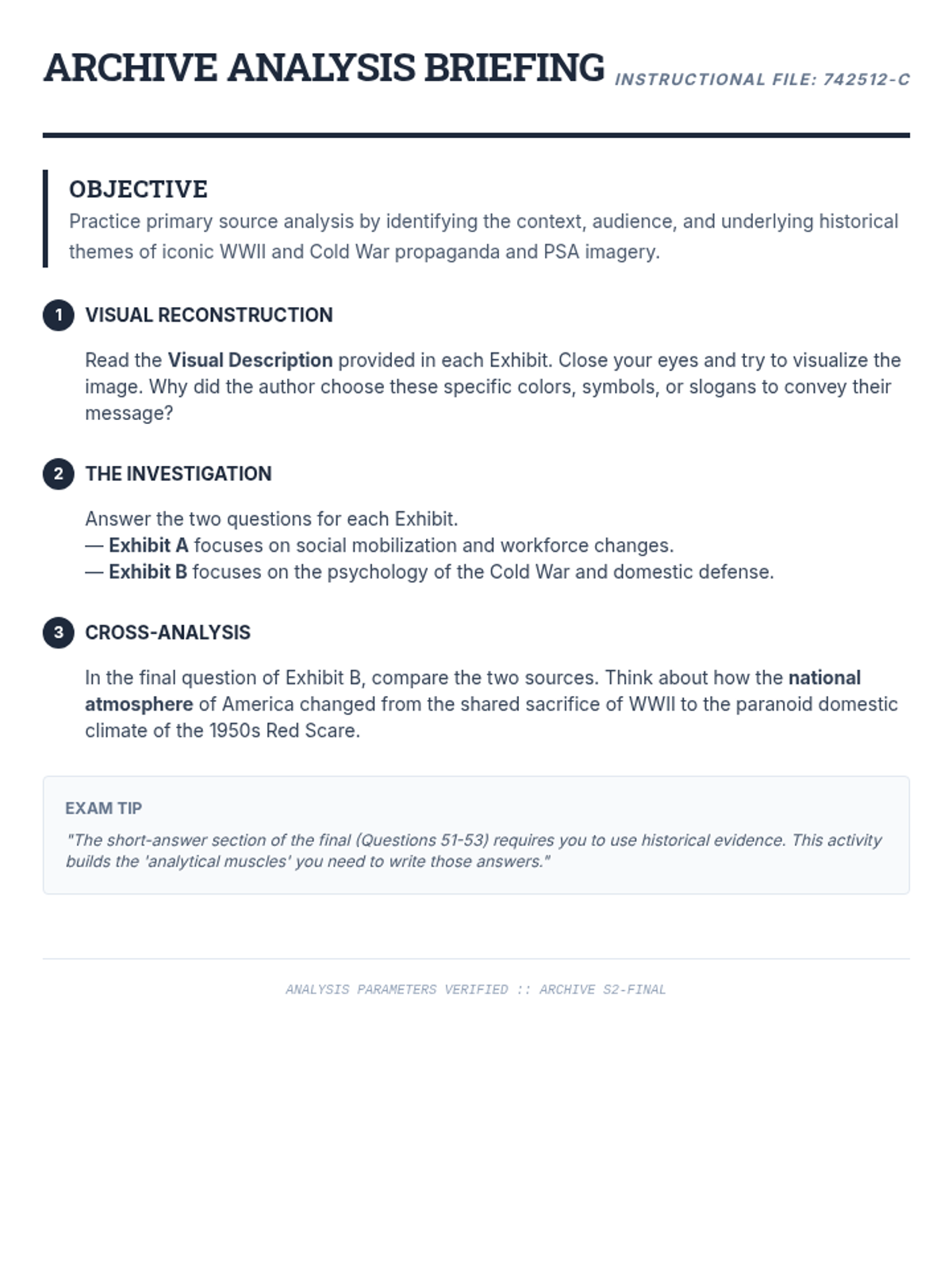
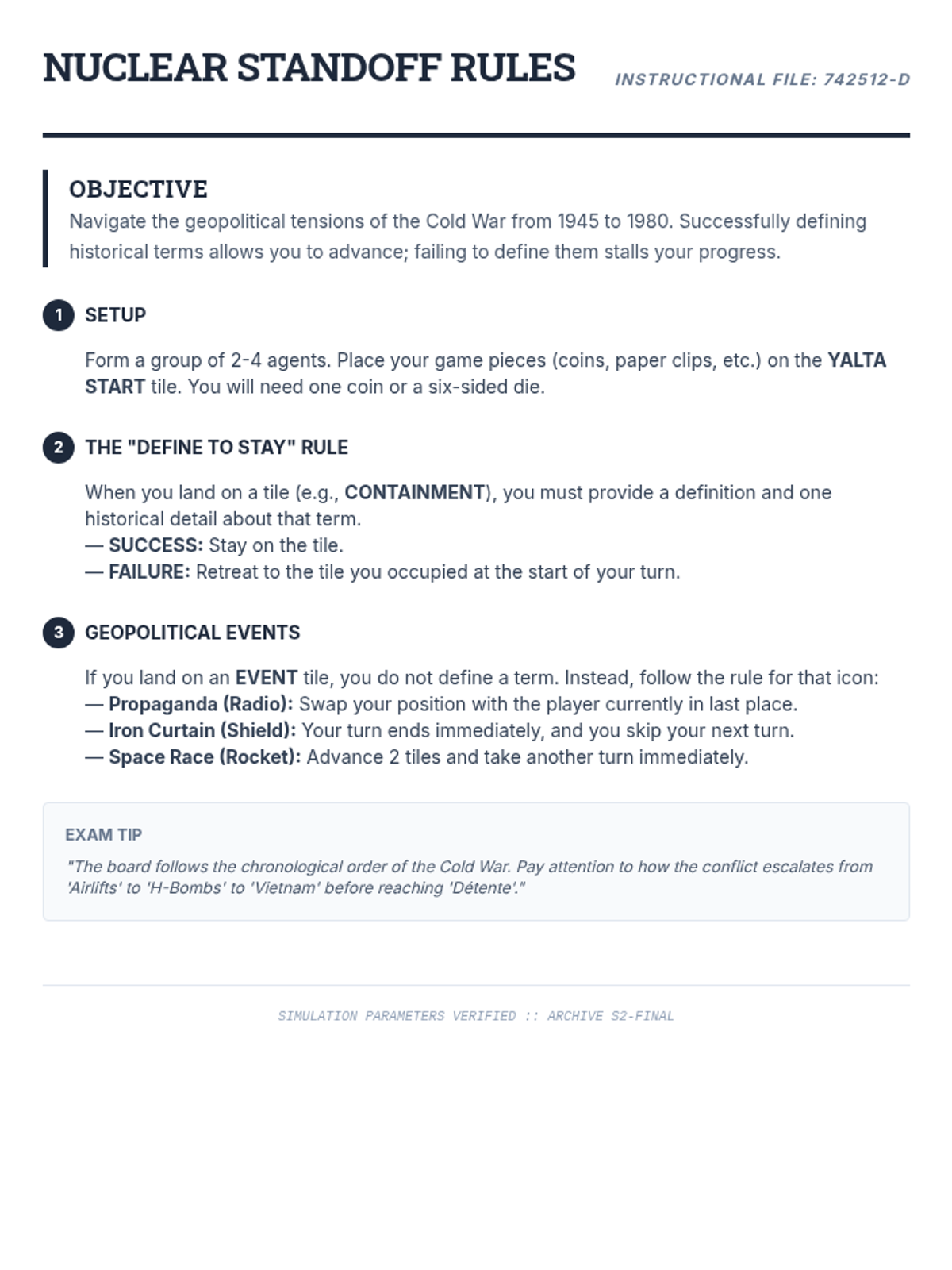
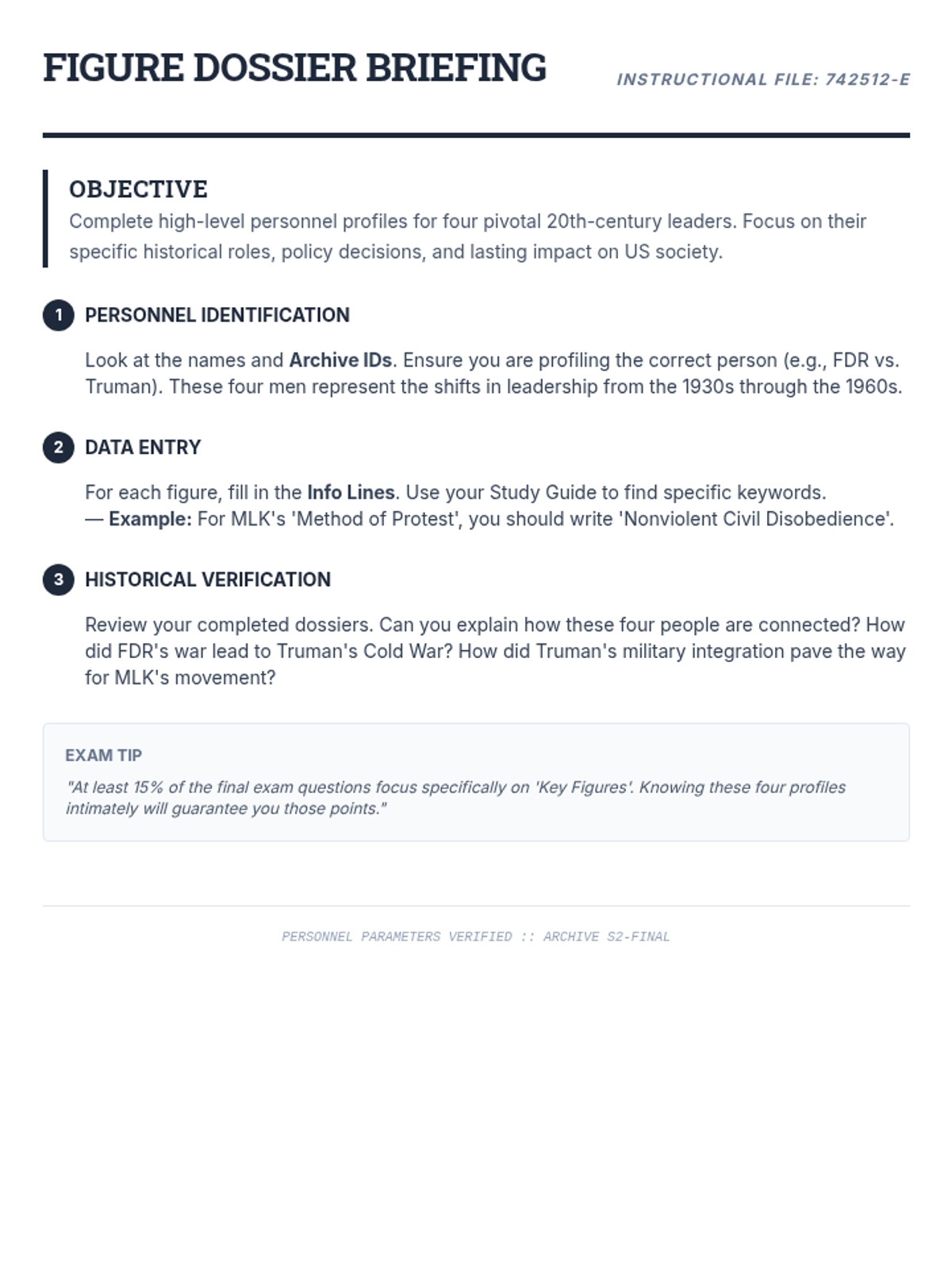
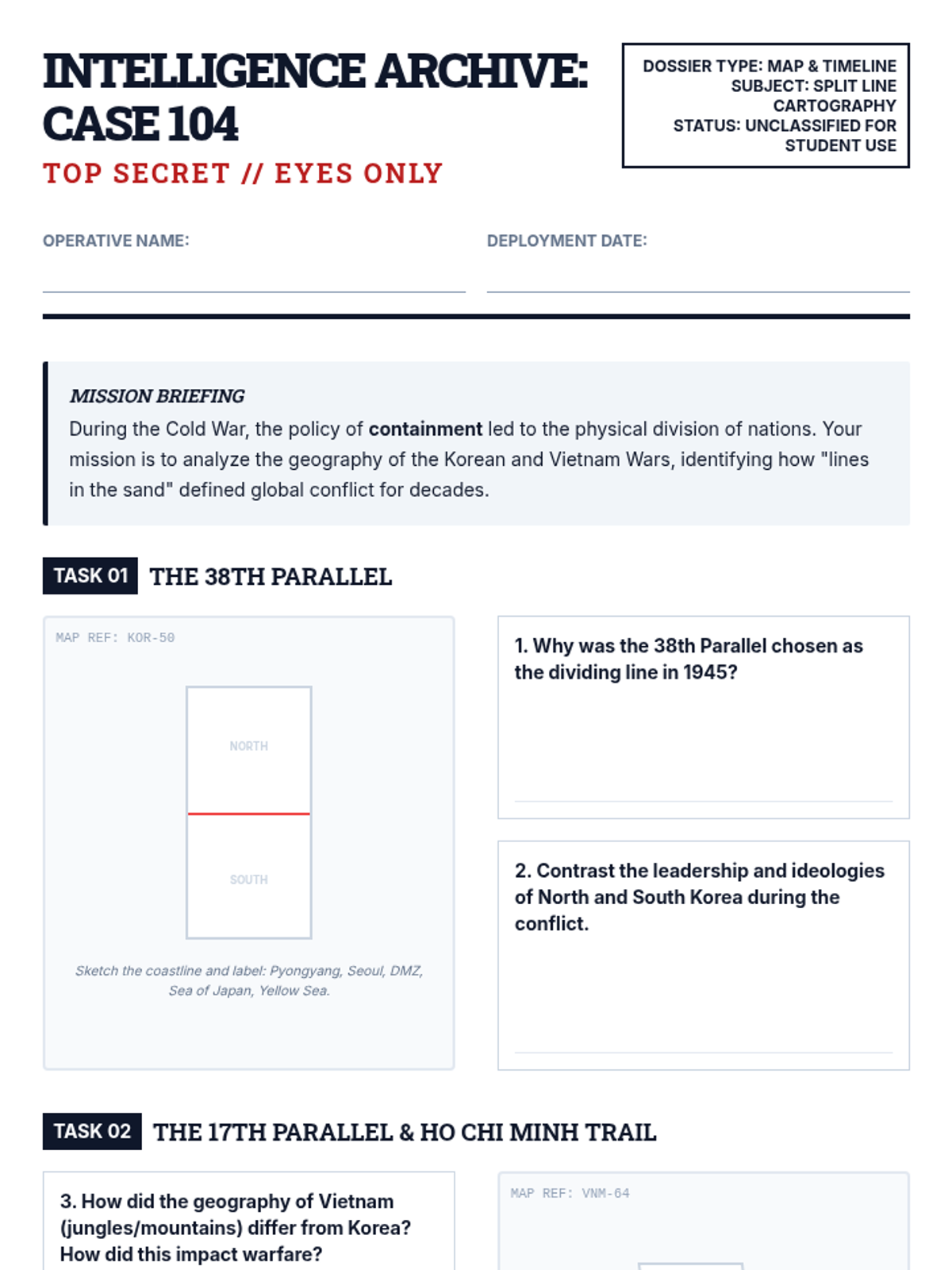
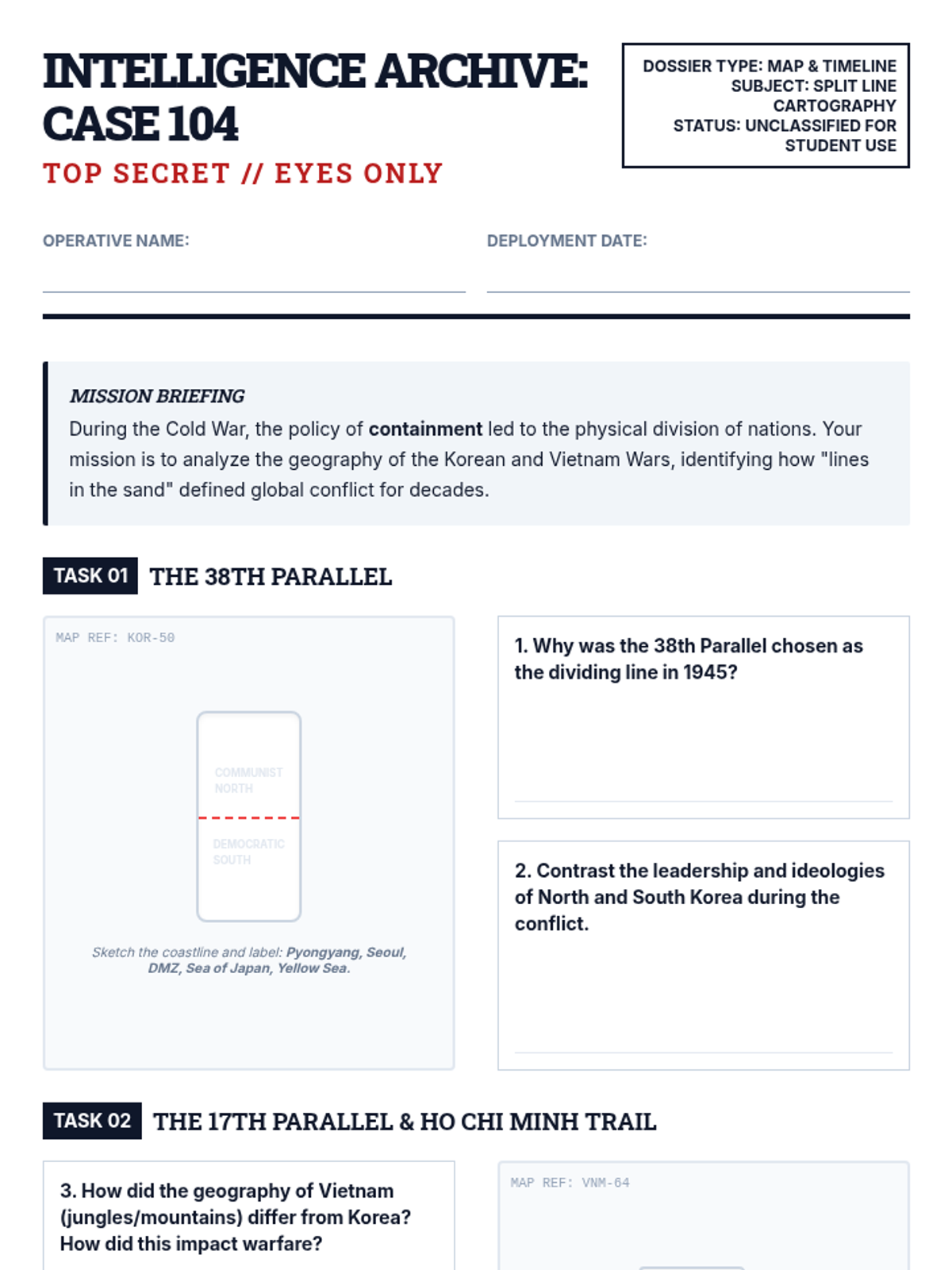
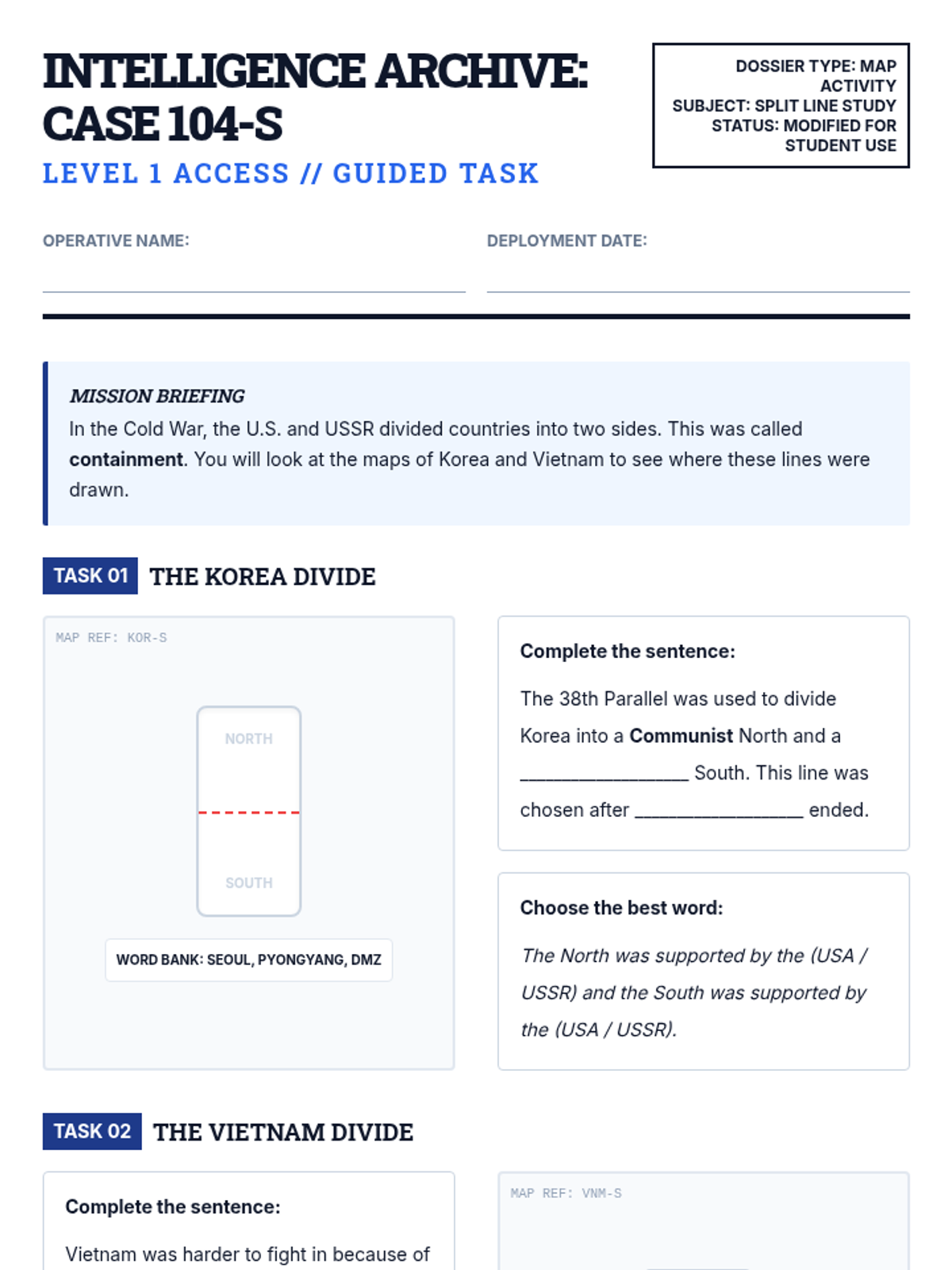
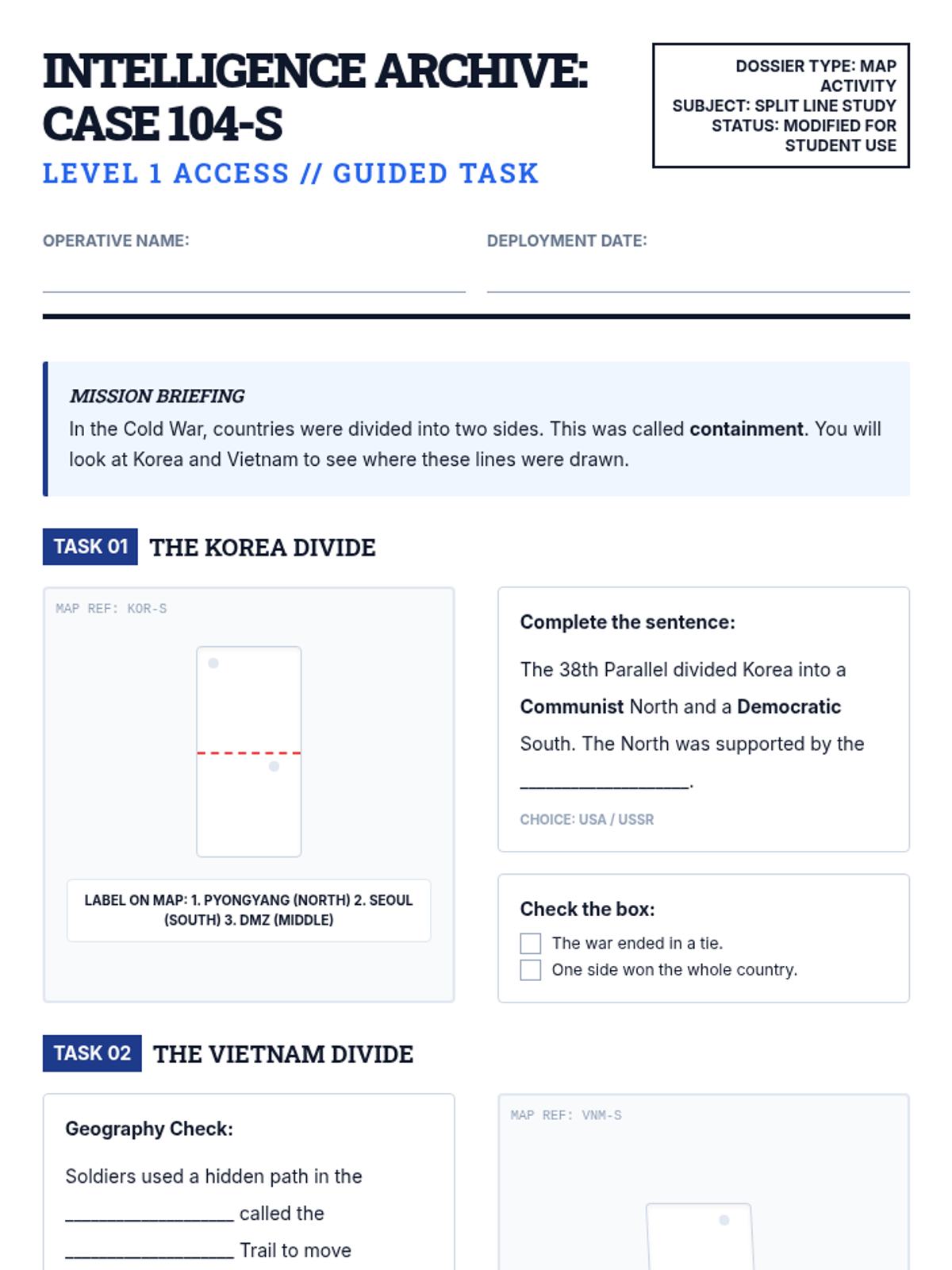
An immersive unit on the Cold War, styled as a series of declassified intelligence briefings exploring the global struggle for power between 1945 and 1991.
A grade 6 social studies unit focused on Sub-Saharan Africa's climates and human adaptations, specifically designed for ESL (WIDA levels 1 and 2) students with heavy visual support.
A 3-lesson unit focused on the geography, trade, and kingdoms of Sub-Saharan Africa, specifically designed for WIDA level 1/2 ESL students with heavy visual support and sentence scaffolding.