This sequence explores the central role of the Catholic Church in Medieval Europe, examining how it shaped culture, education, art, and daily life through monasteries, cathedrals, and religious authority.
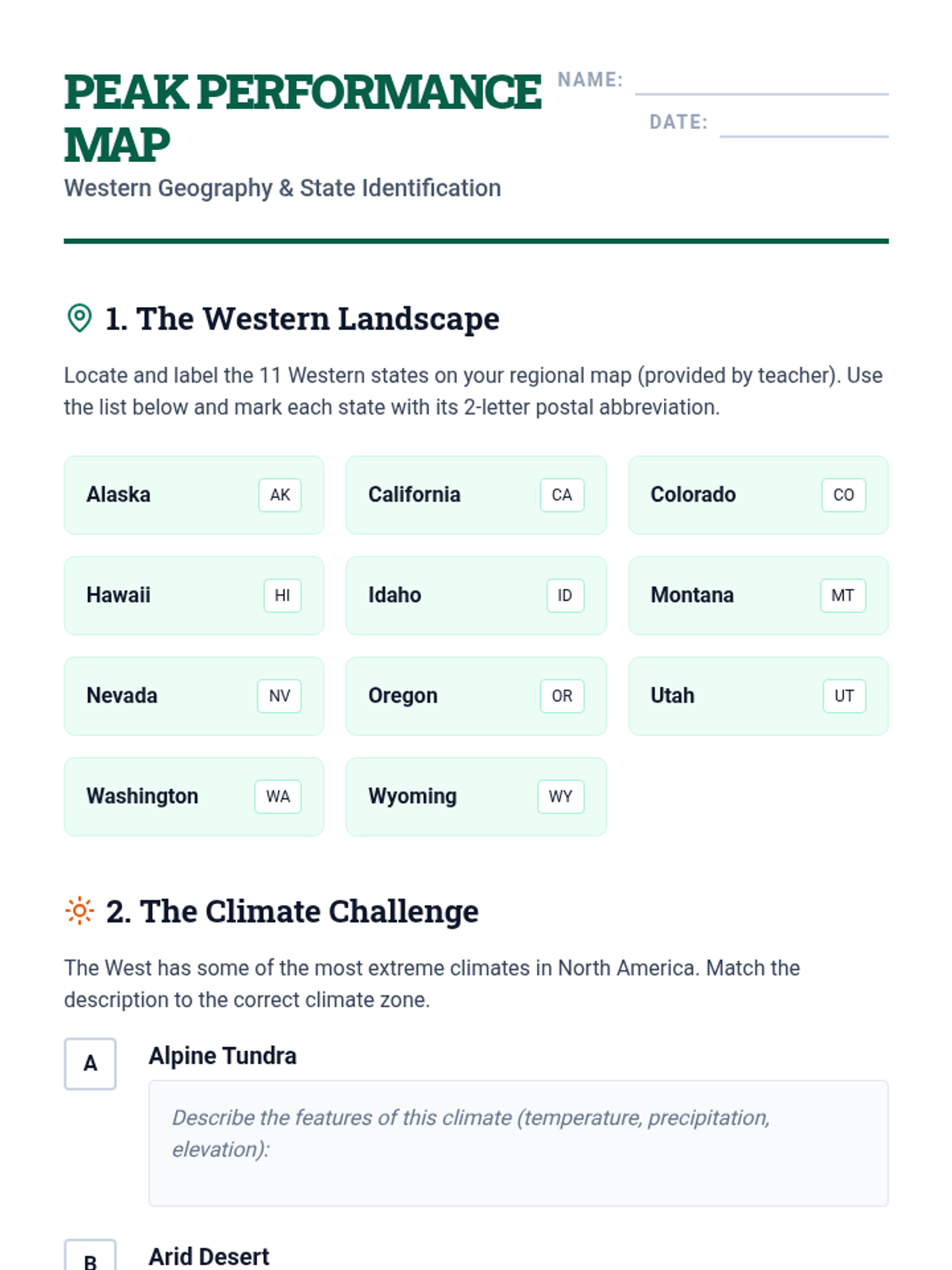
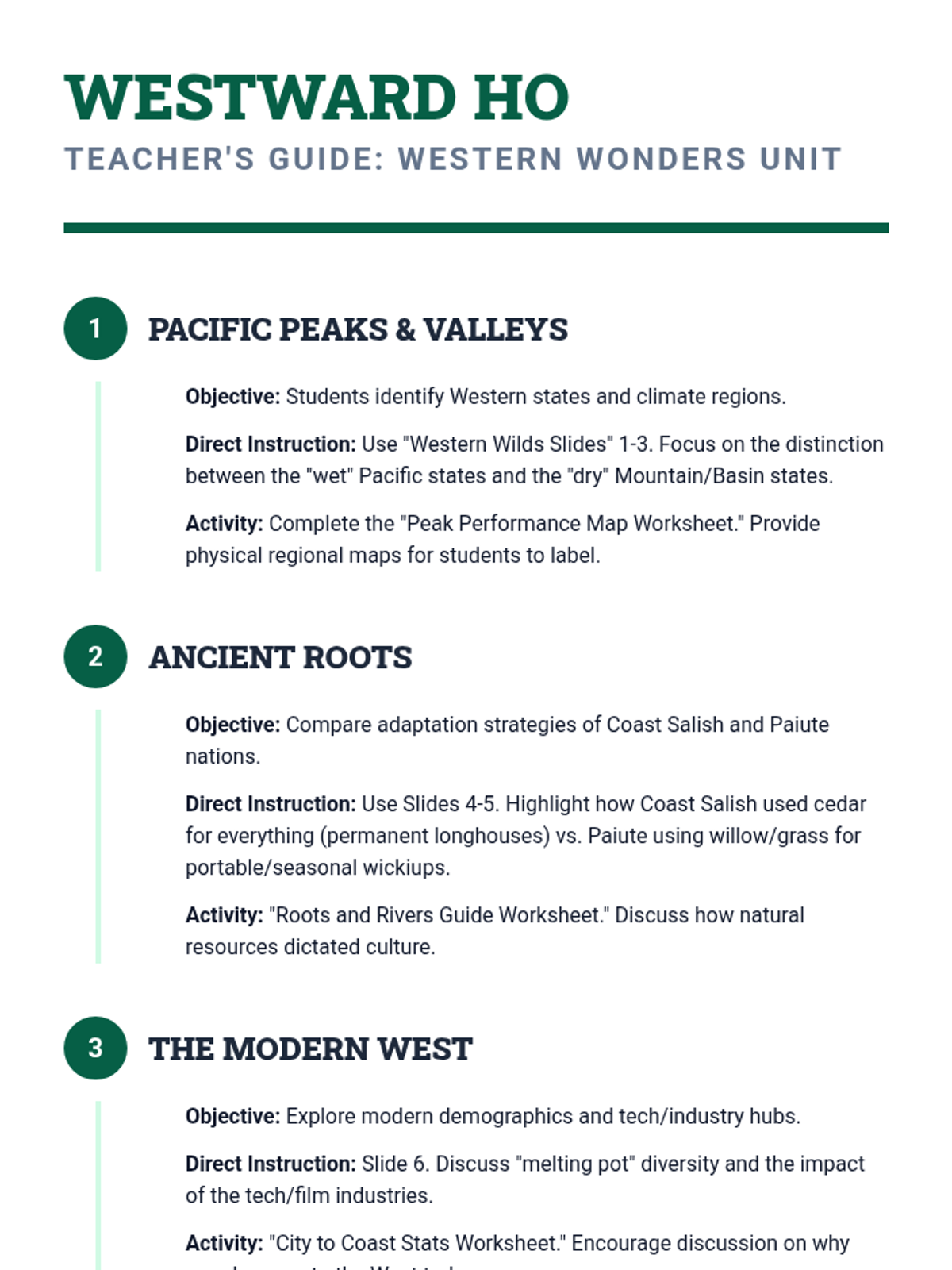
A comprehensive 5-lesson exploration of the West region of the United States, covering geography, climate, resources, culture, and states/capitals through reading passages and interactive activities.
A comprehensive 5-lesson unit exploring the unique geography, climate, natural resources, diverse cultures, and political boundaries of the Southwest region of the United States.
A high school psychology unit exploring the biological and environmental underpinnings of addiction, focusing on the nature vs. nurture debate and the brain's capacity for adaptation.
A comprehensive psychology lesson for high schoolers analyzing the biological and psychosocial components of depression, focusing on clinical definitions, the medical model of mental health, and providing supportive communication.
A High School Civics lesson focused on neurodiversity as a civil rights and workforce inclusion issue, featuring a design-thinking activity to create inclusive environments.
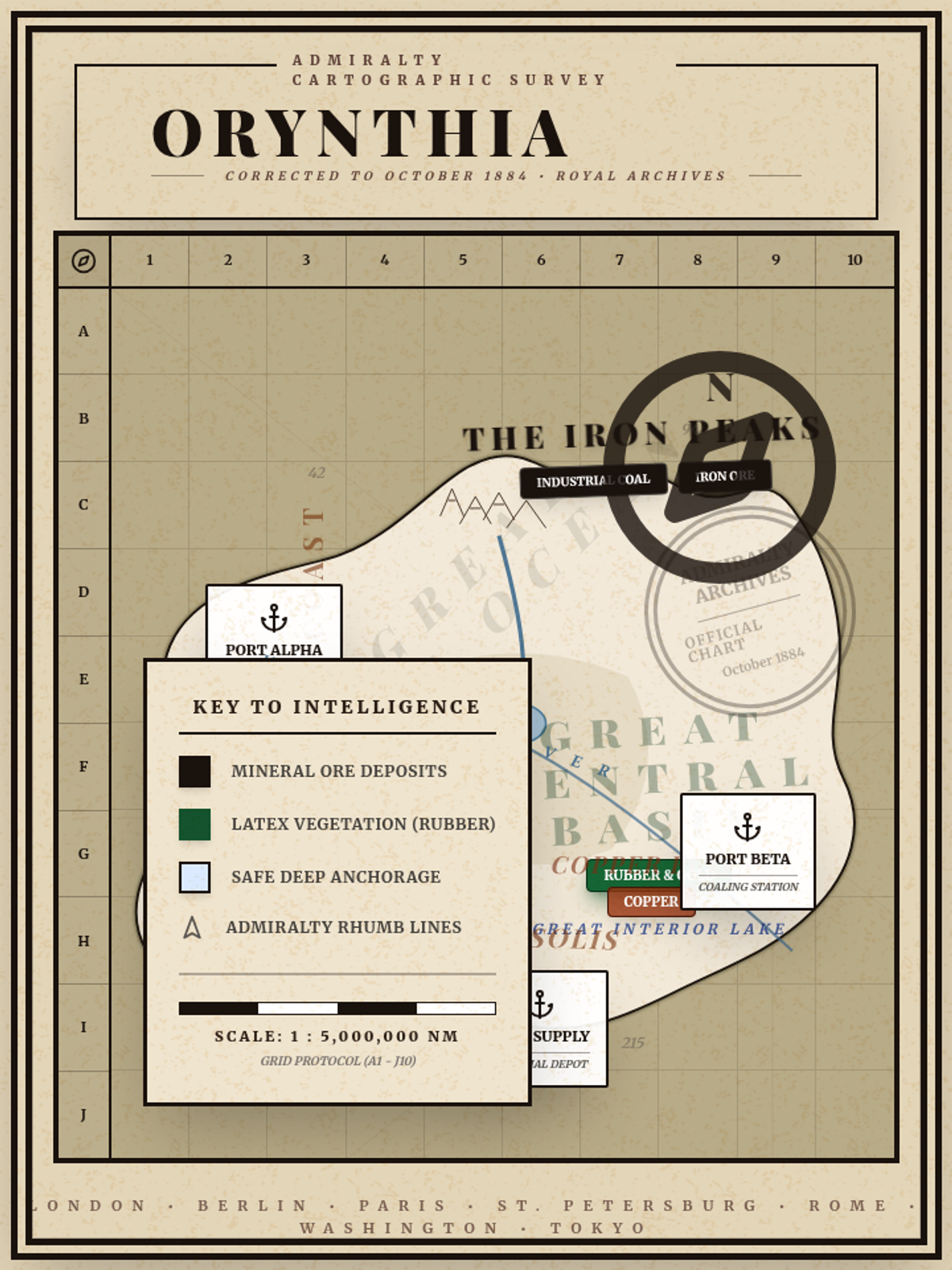
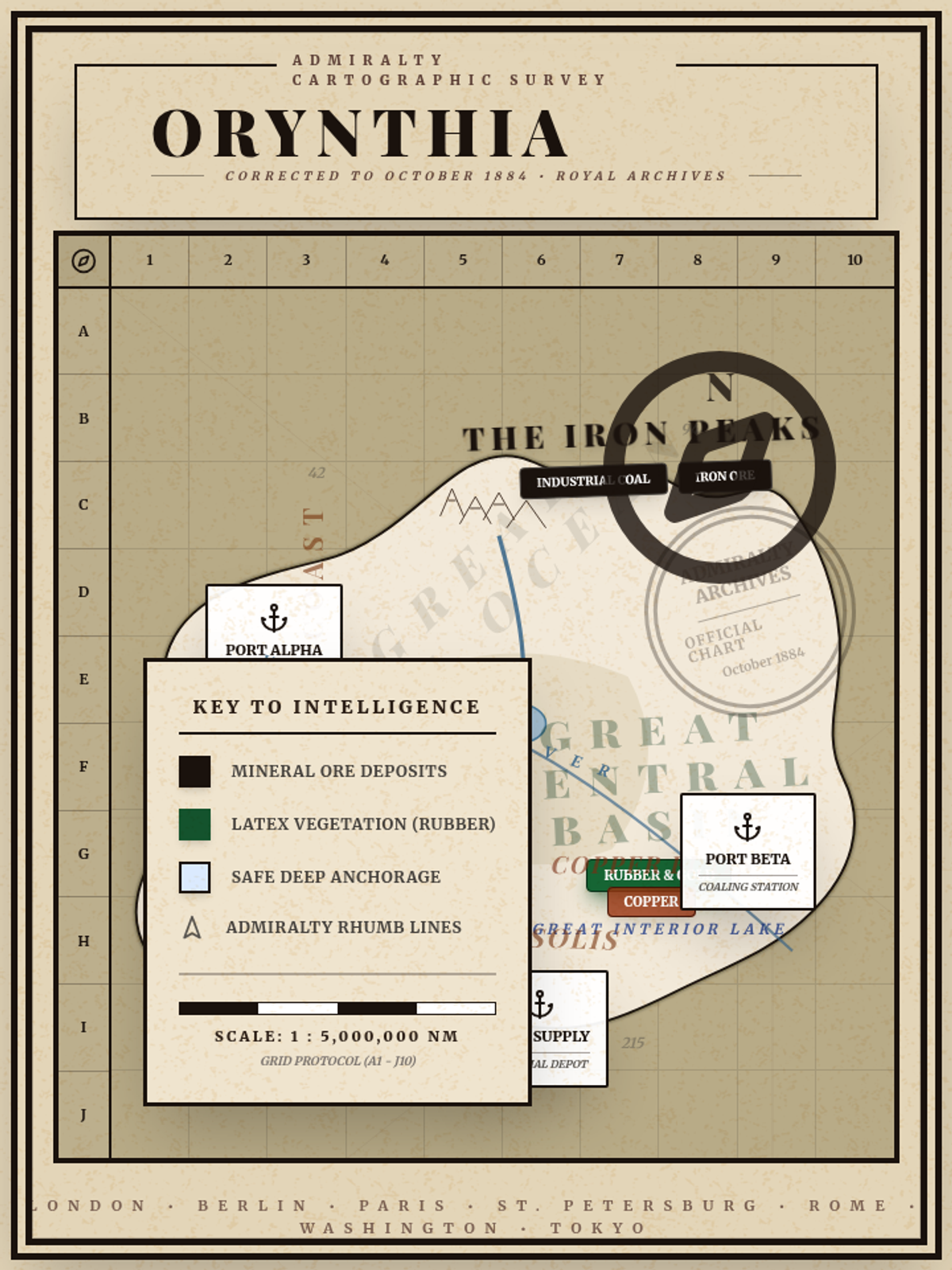
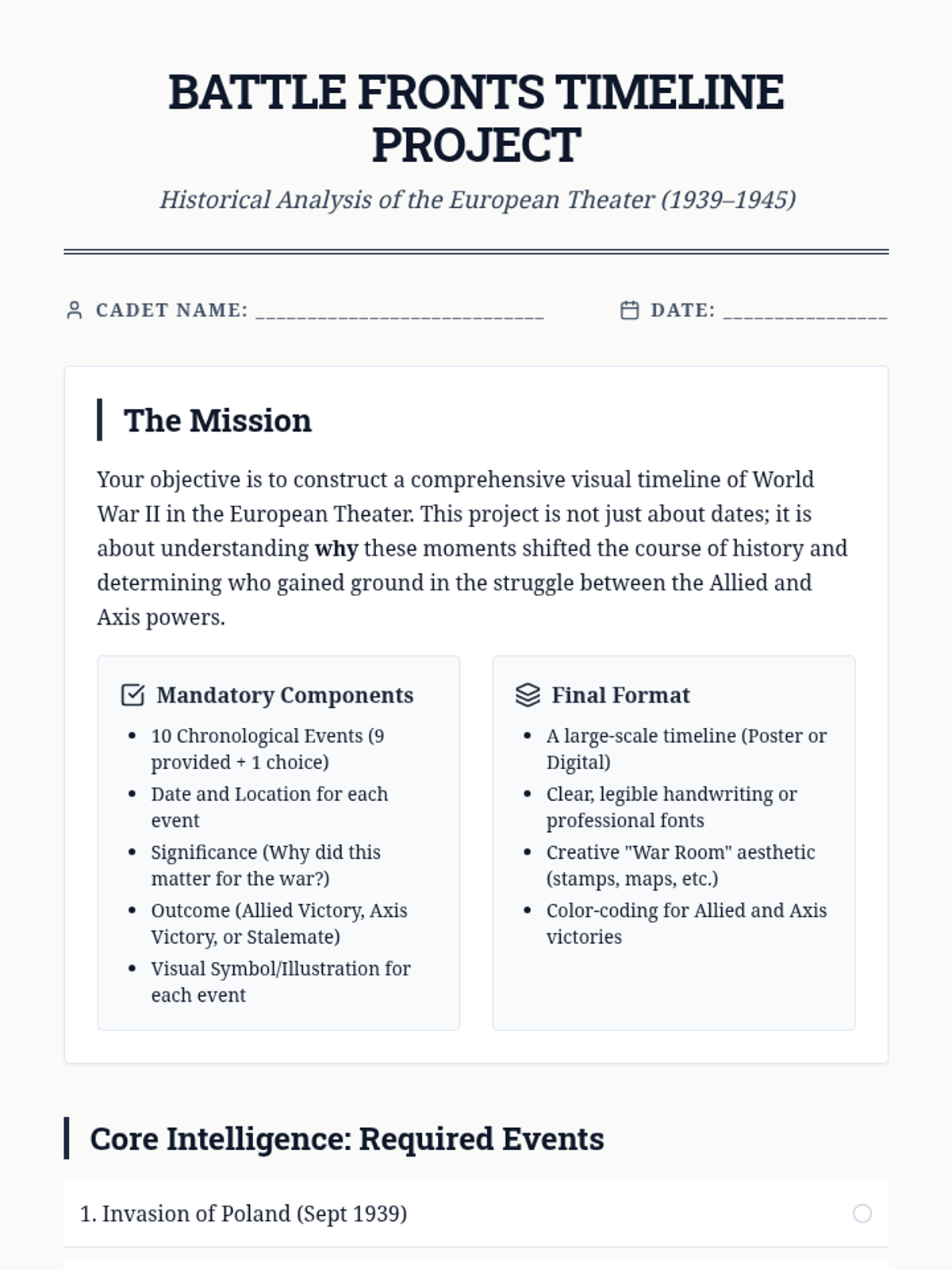
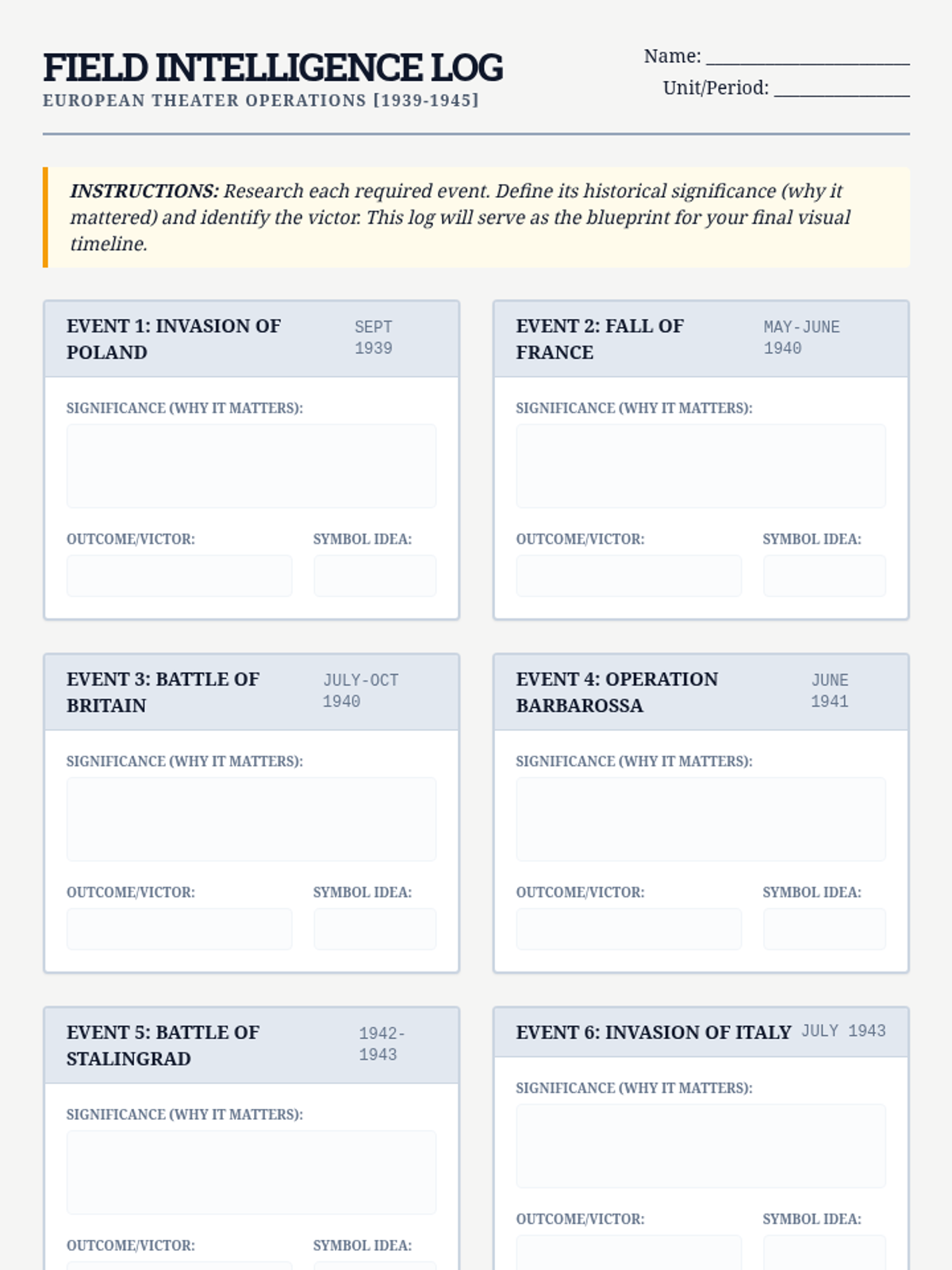
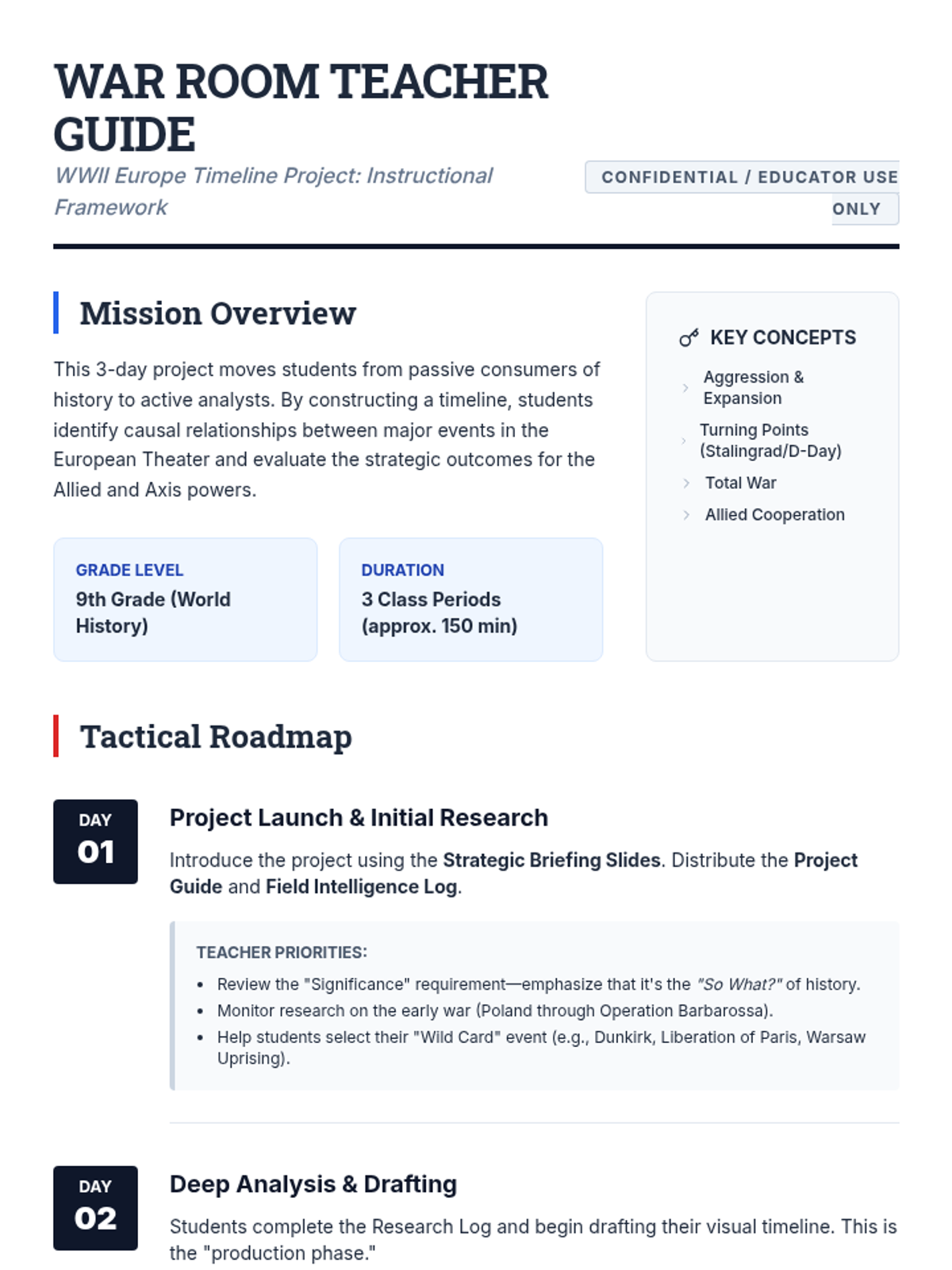
A comprehensive 9th-grade history unit focusing on the global causes and conflicts of World War II, intentionally centering European and Asian perspectives over the US-centric narrative. The unit explores the failures of diplomacy, the brutal scale of the Eastern Front, and the expansionist goals of Imperial Japan.
A comprehensive 6-lesson Black History Month curriculum for 5th-8th graders, exploring historical excellence, emotional expression, and community through the lens of five core values: Virtus, Kenkyo, Sankofa, Ubuntu, and Ganas. Inspired by a century of resilience and brilliance.
A sequence exploring the transformative power of listening in historical contexts, from diplomatic negotiations to the preservation of oral histories. Students analyze how listening (or the lack thereof) shaped major world events and learn to apply these skills to primary source analysis.
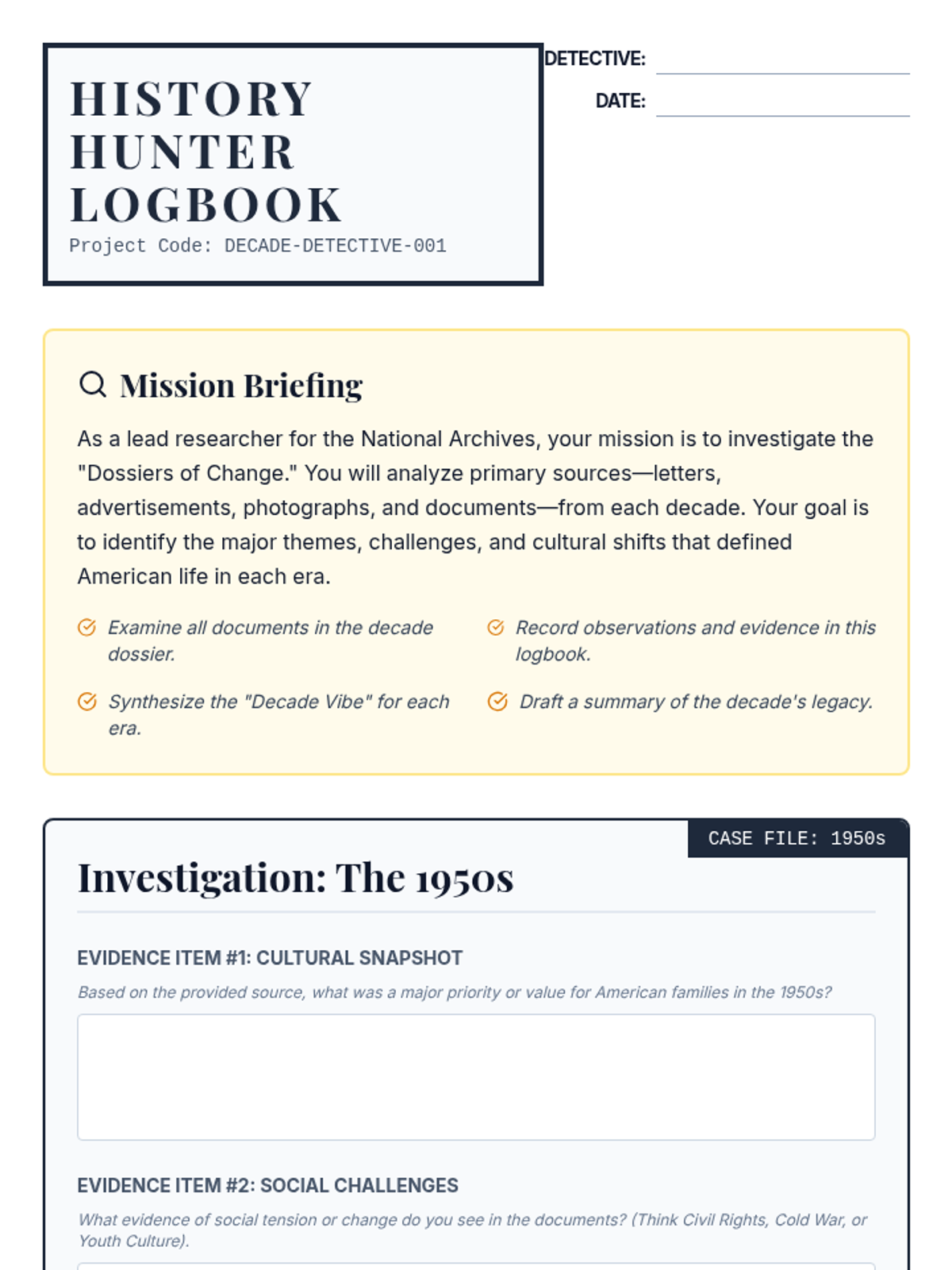
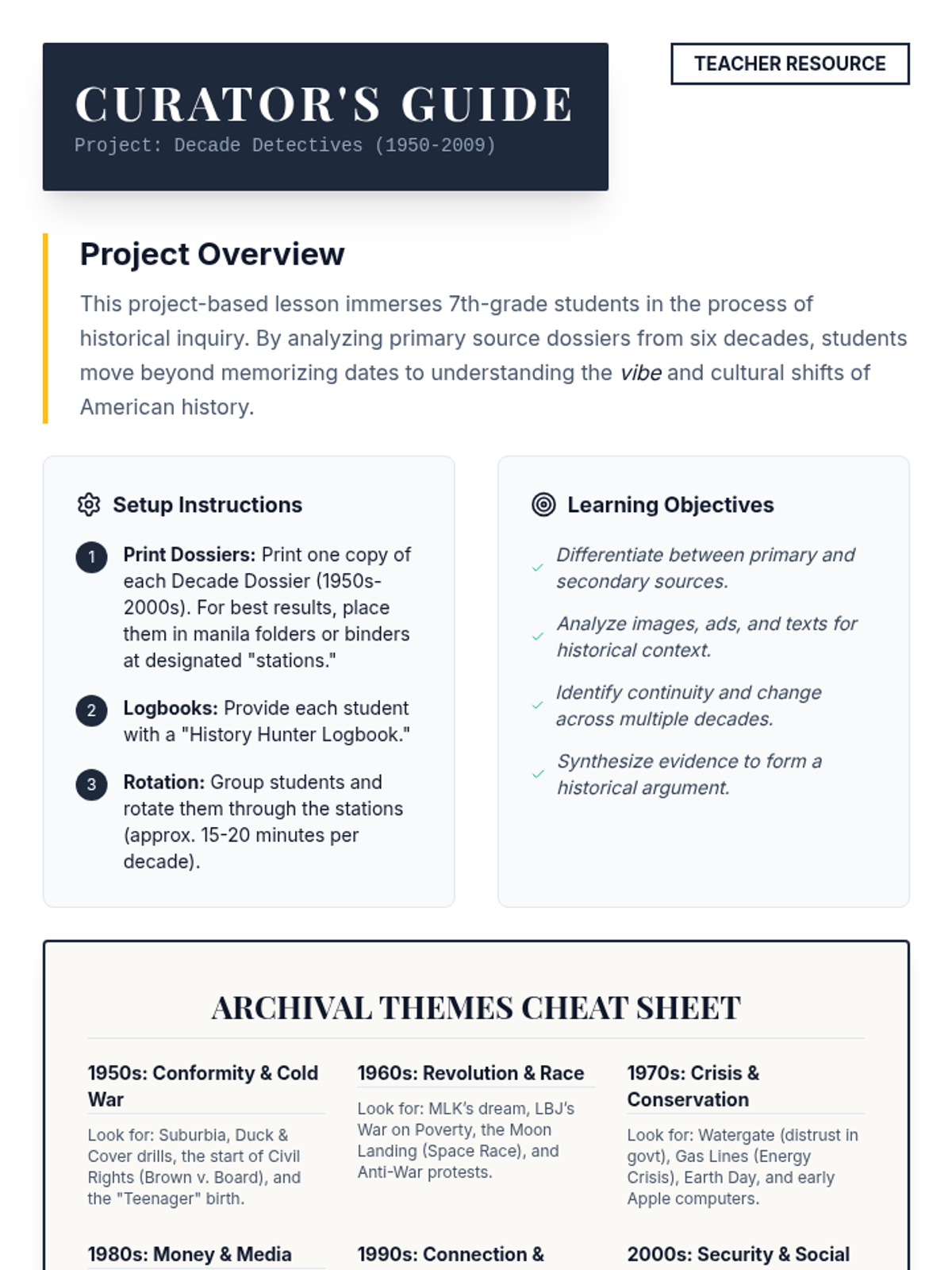
A comprehensive 4-day station rotation covering US history from the 1970s to the 2000s, aligned with TEKS 10 and 11. Students explore major political, economic, and social shifts through primary sources, data analysis, and interactive tasks.
A 6-lesson sequence divided by grade level (5th, 6th, and 7th), celebrating 100 years of Black history through school values. Each grade explores two distinct lessons focusing on community joy, personal excellence, and mental health advocacy.
A 6-day RLA unit for 8th grade focusing on 'The Bass, the River, and Sheila Mant'. Students explore character complexity (8.9F) and non-linear plot elements (8.9A) through the lens of sacrifice and love.
A 4th-grade unit focused on kindness, fairness, and understanding how our words can make everyone feel like they belong, regardless of their background or skin color.
A series of three investigative modules where middle school students analyze hypothetical disruptions to science, history, and society to develop critical cause-and-effect reasoning skills.
A high-stakes review series for the U.S. History STAAR exam, focusing on major eras, turning points, and key figures using a 'Mission-Based' archival theme.
A comprehensive unit on the American Abolitionist movement, examining the rhetorical strategies, diverse perspectives, and historical impact of leading abolitionist voices through primary source analysis.
A lesson sequence exploring the early American debate over federal vs. state power, focusing on the Alien and Sedition Acts and the Kentucky Resolutions.
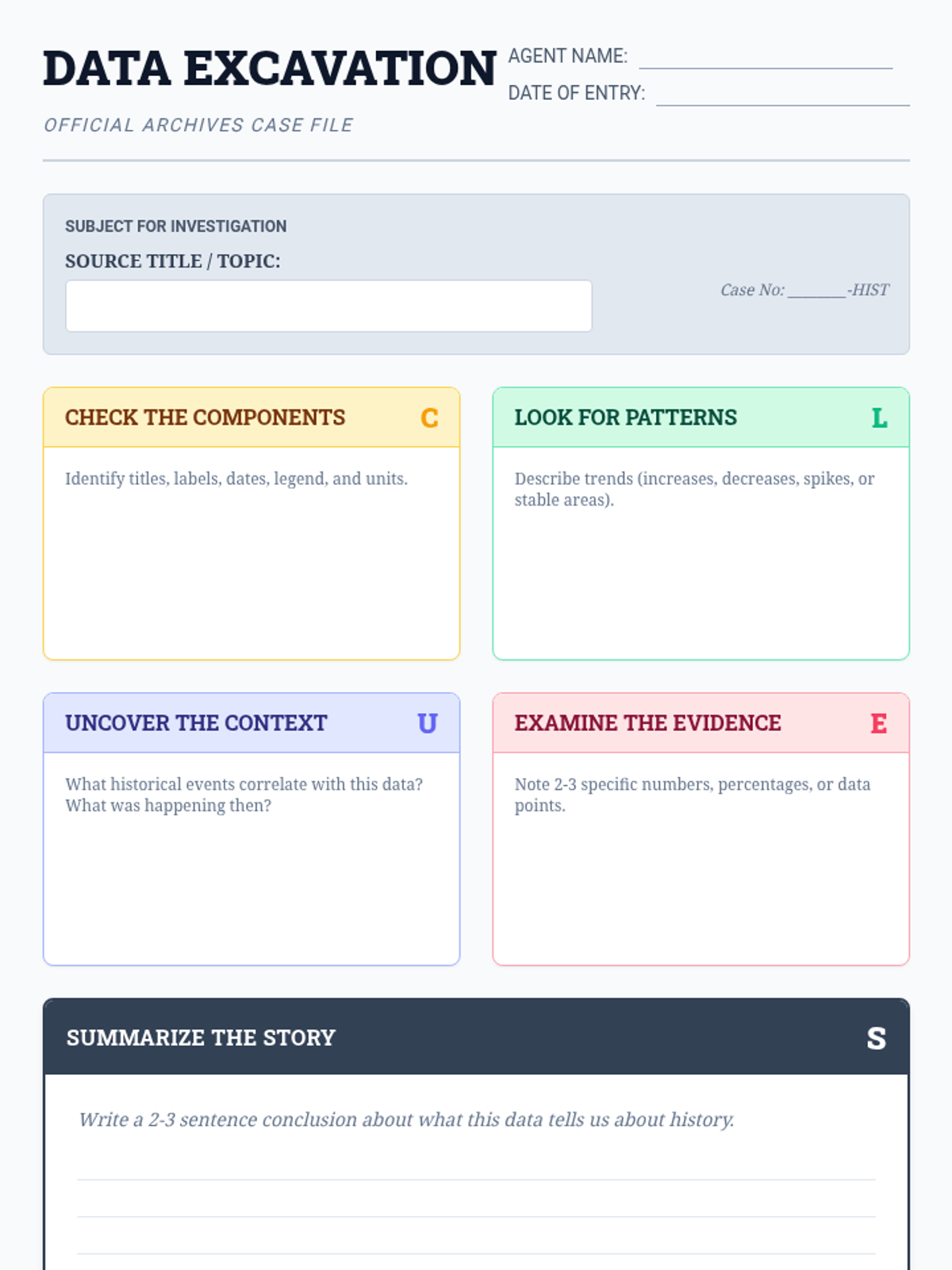
This Economics lesson investigates the causes and consequences of hyperinflation in Weimar Germany following World War I. Students will analyze historical data to understand how printing money led to one of the most famous economic collapses in history.
A high school social studies sequence focused on the dynamics of domestic policy, federalism, and the 'tug-of-war' between state and federal jurisdictions. Students explore how policy is created, categorized, and contested in the American system.
A comprehensive unit introducing the foundational concepts of geography, focusing on the Five Themes of Geography as a framework for understanding human and physical world interactions.
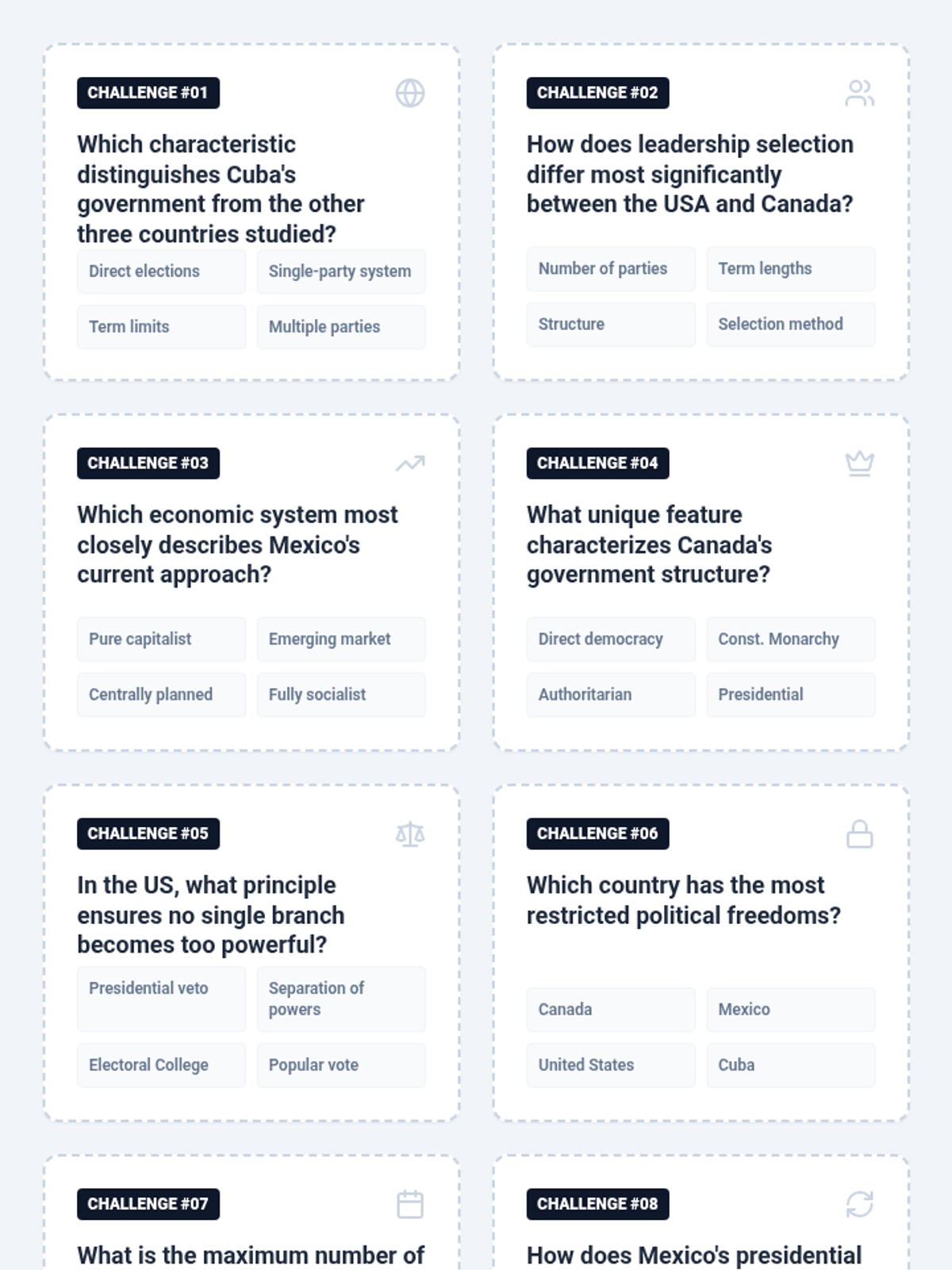
A geography sequence exploring the economic relationships between North American countries, focusing on the role of geography, infrastructure, and trade agreements in creating economic interdependence.
A lesson examining the symbiotic relationship between Venice and the Ottoman Empire, focusing on how geography shaped their economic and political power. Students analyze trade networks, resource interdependence, and the eventual shift in global exploration.
A lesson examining the Populist Party's Omaha Platform of 1892, its agrarian roots, and its long-term impact on American political and economic policy through the Progressive Era.
A comprehensive unit exploring the geopolitical shifts, ideological conflicts, and strategic failures that led the world into the Second World War.
A unit exploring the human geography of the United States, focusing on population distribution, migration waves, and urban challenges.
A high school history unit exploring the underlying economic and resource-driven motivations of World War II, moving beyond purely ideological narratives to understand the role of scarcity and expansionism.
A unit exploring the modern challenges and historical legacy of Eastern Europe, focusing on the intersection of geography, economy, and culture.
A geography sequence focused on the physical characteristics and climate patterns of Southwestern Europe, highlighting the diverse environmental conditions found across the region.
A lesson sequence focusing on the sectional differences (economic, cultural, and political) that led to the American Civil War, featuring map analysis and a cause-and-effect chain activity.
A comprehensive lesson sequence for AP Government students exploring the constitutional tension between the Supremacy Clause and State Rights through the lens of Judicial Review, featuring case studies and video analysis.
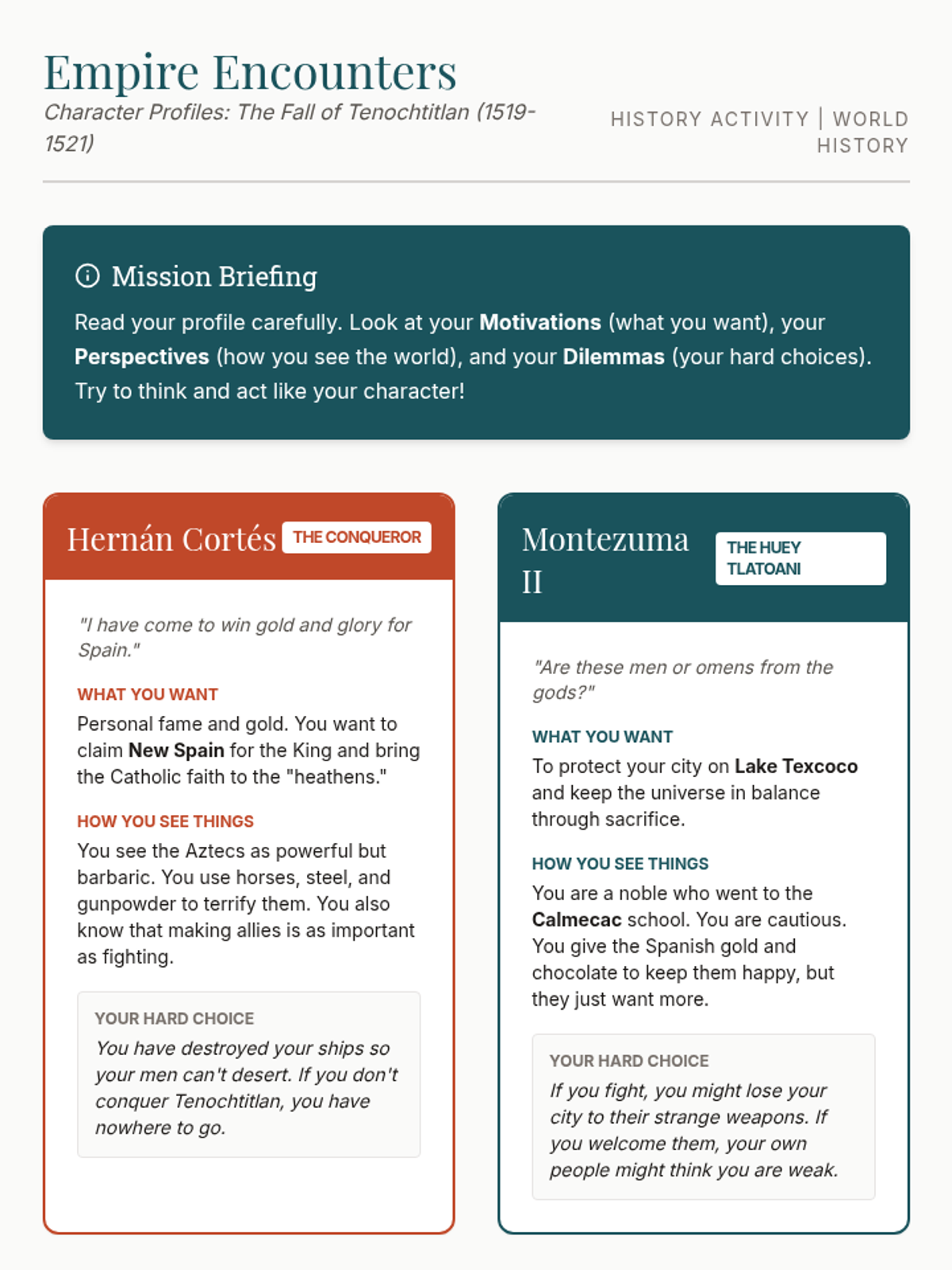
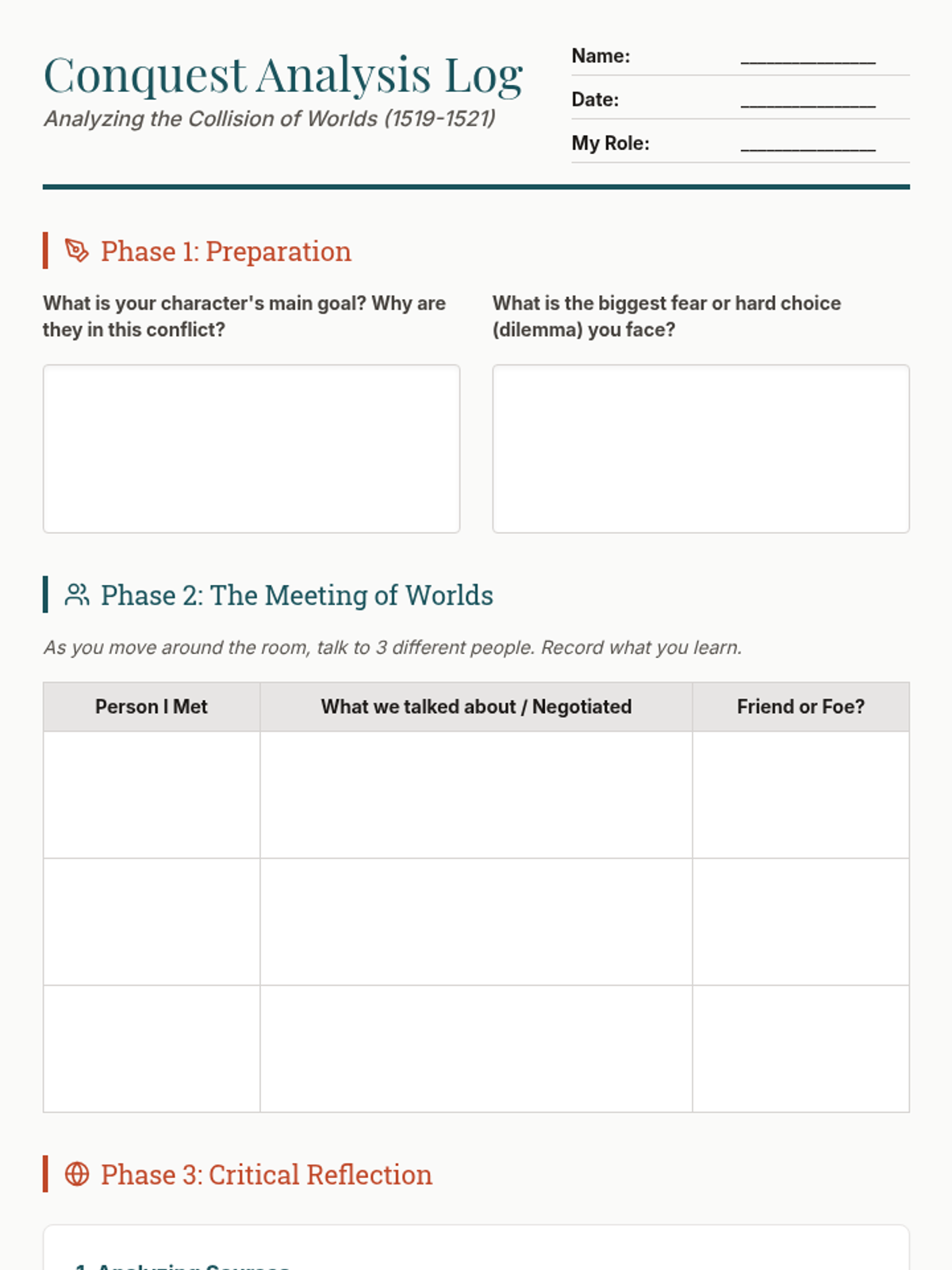
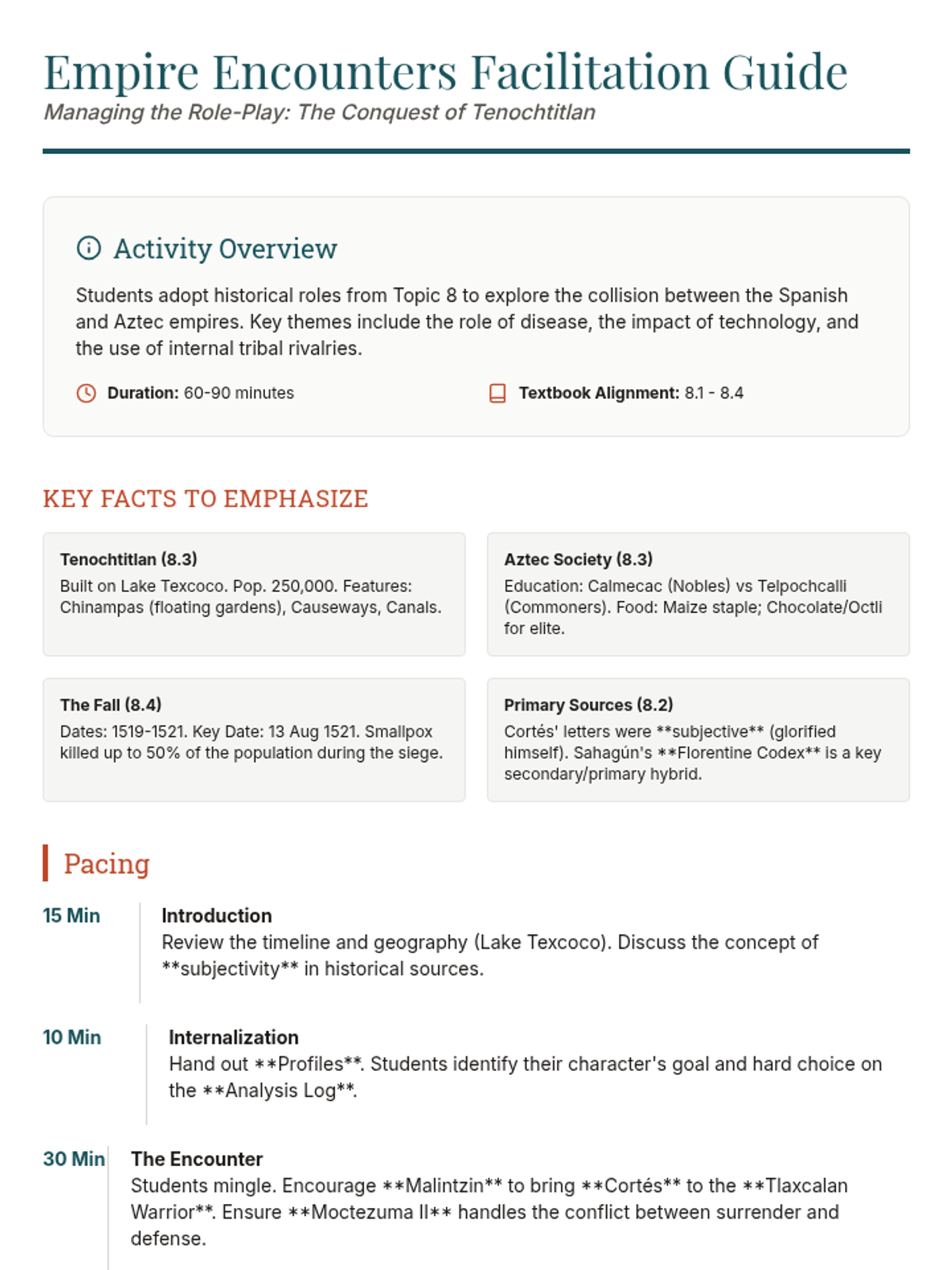
A series of lessons exploring the rise and impact of major global empires, focusing on their geographical expansion, governance strategies, and cultural legacies during the first global age.