An inquiry-based exploration of how North American biomes shaped the economic, social, and cultural structures of Indigenous nations before European contact.
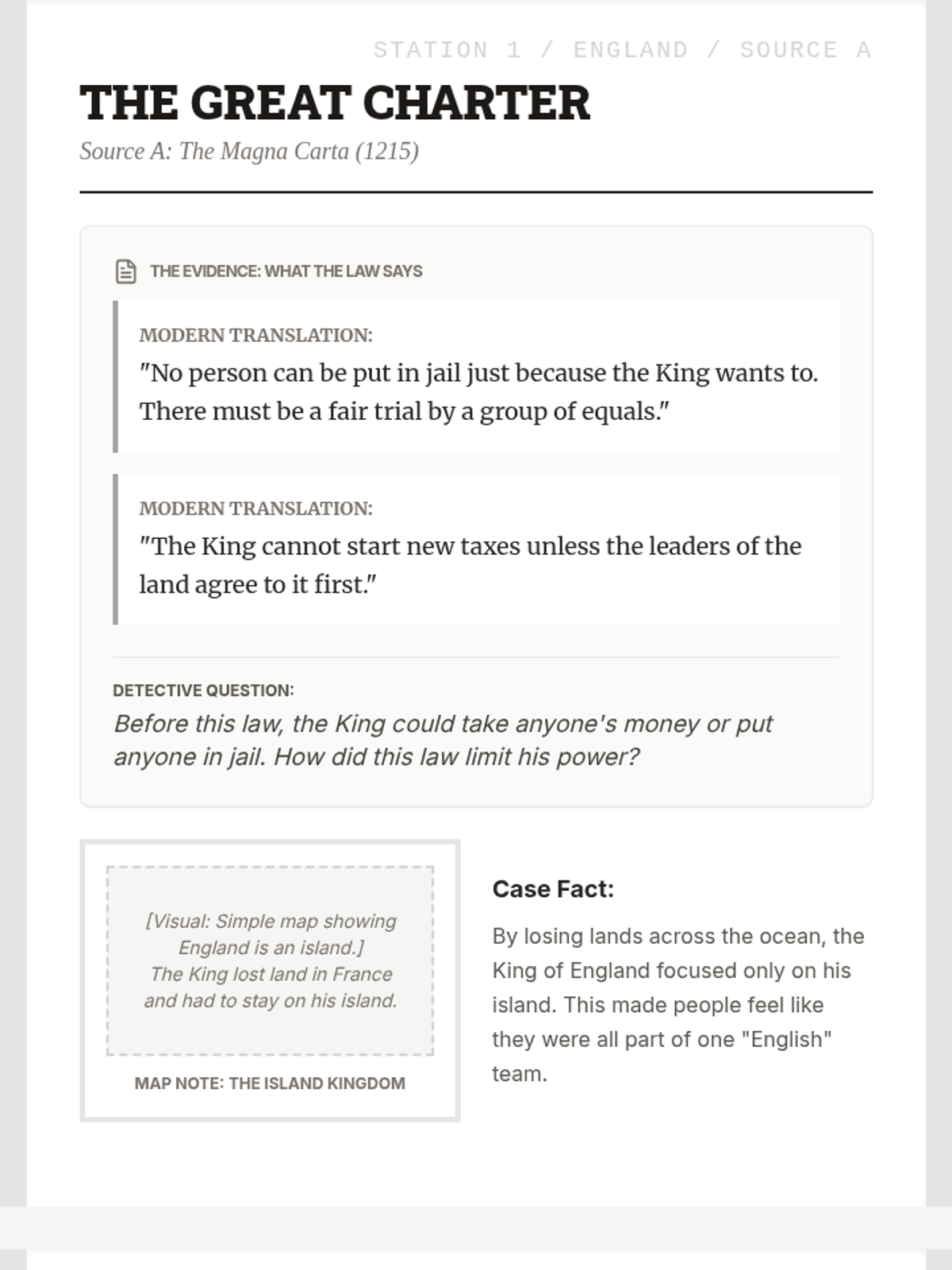
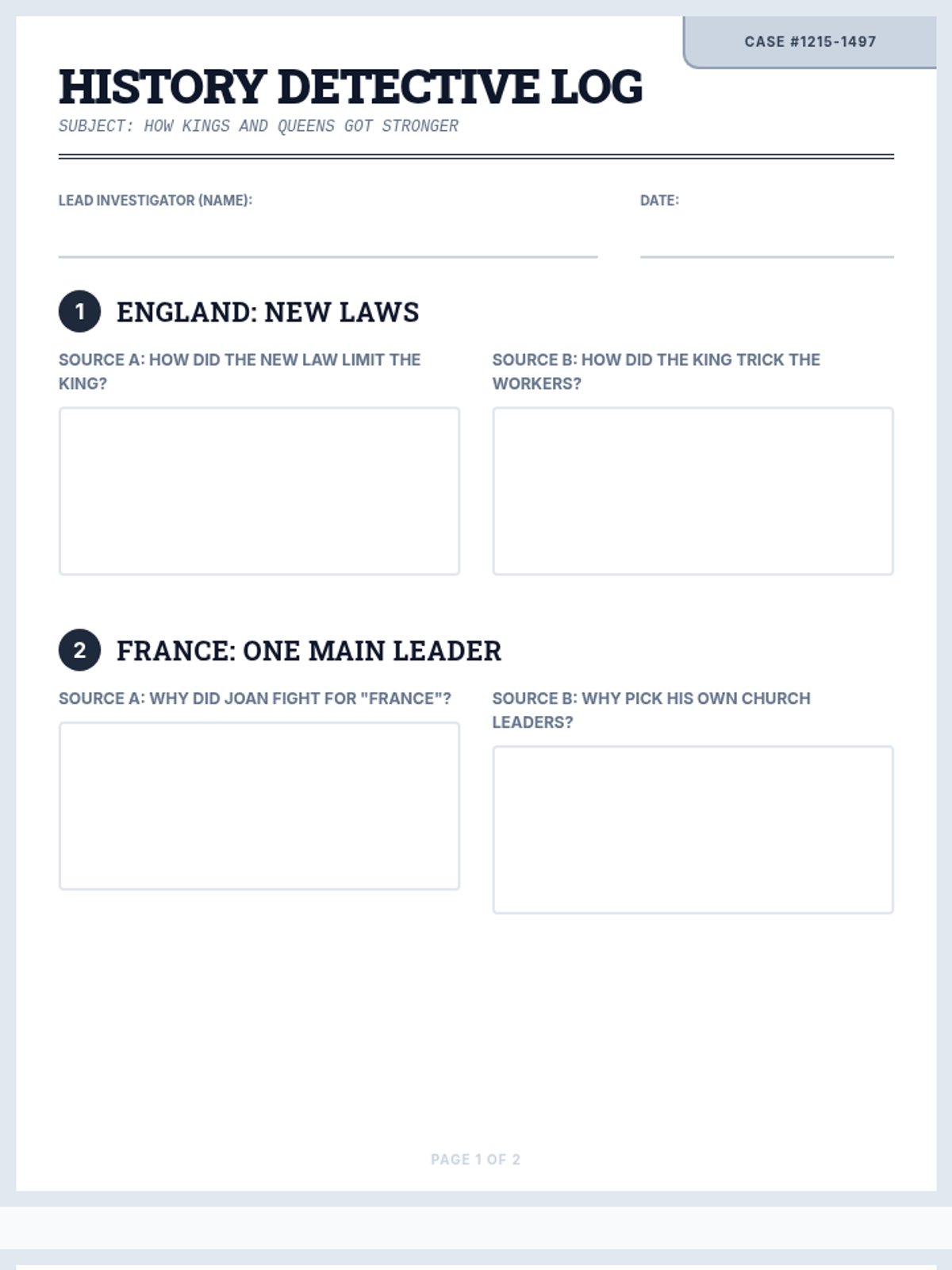
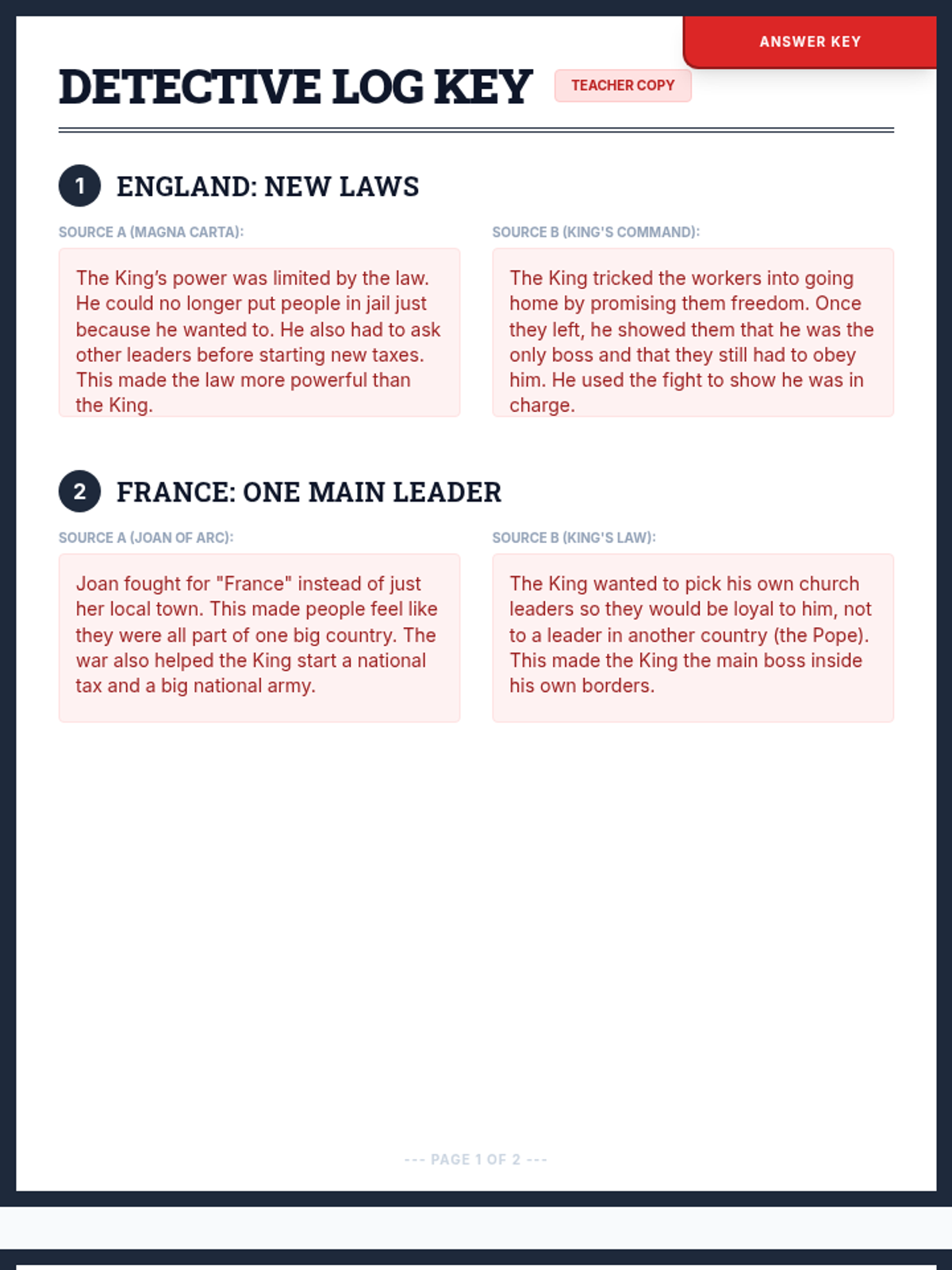
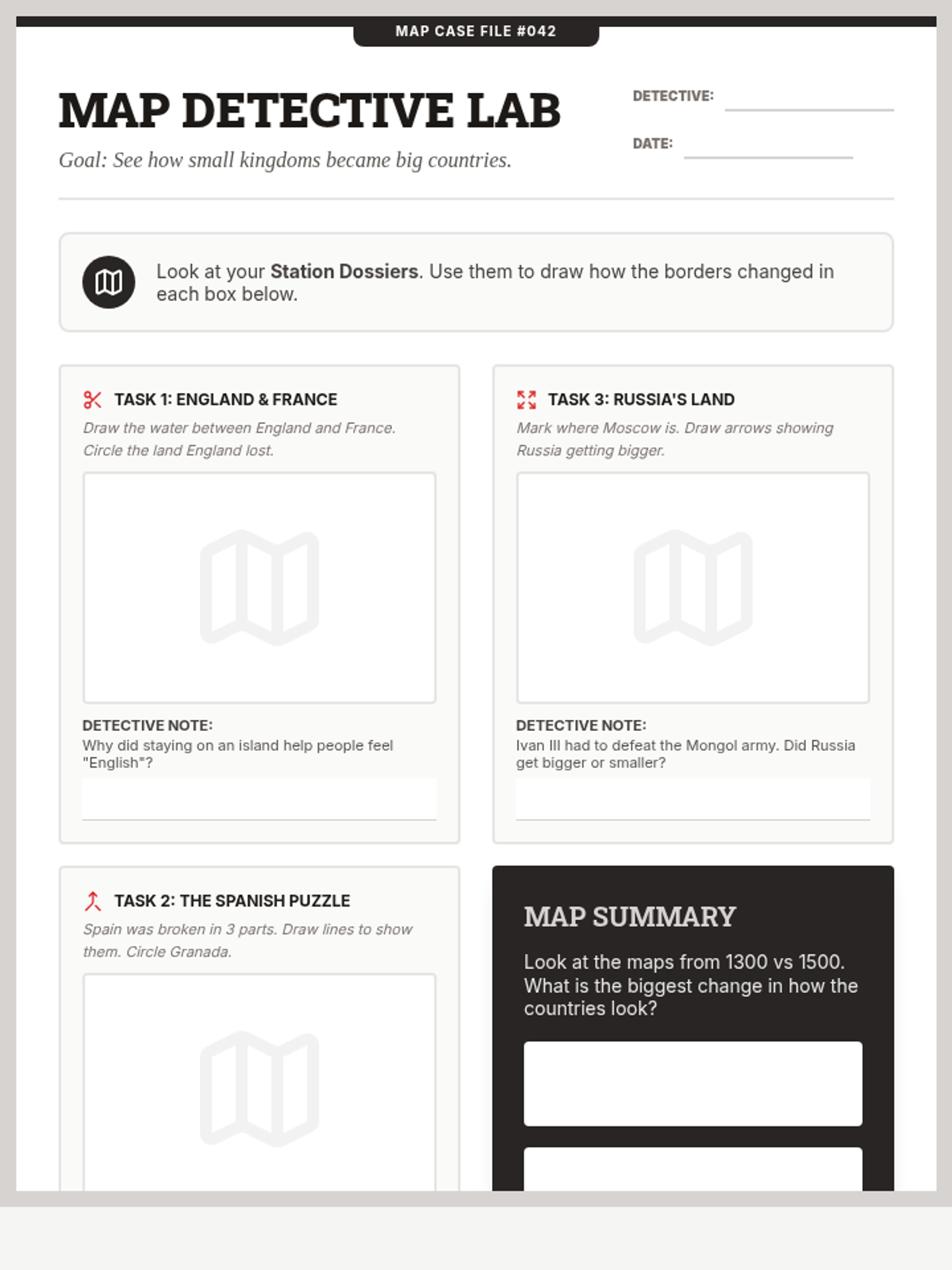
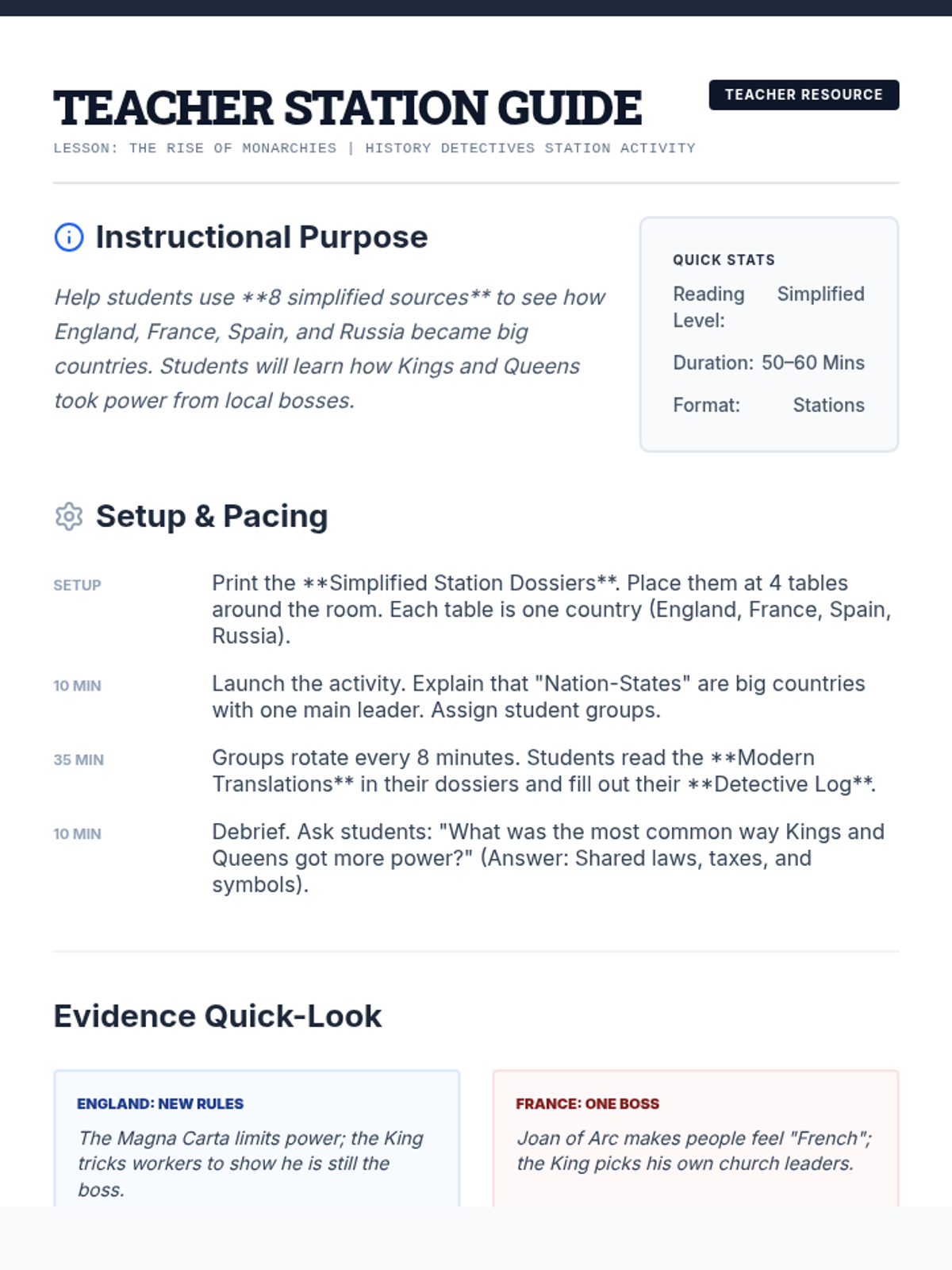
A comprehensive middle school history unit where students act as 'history detectives' to investigate the rise of nation-states in England, France, Spain, and Russia through primary source analysis.
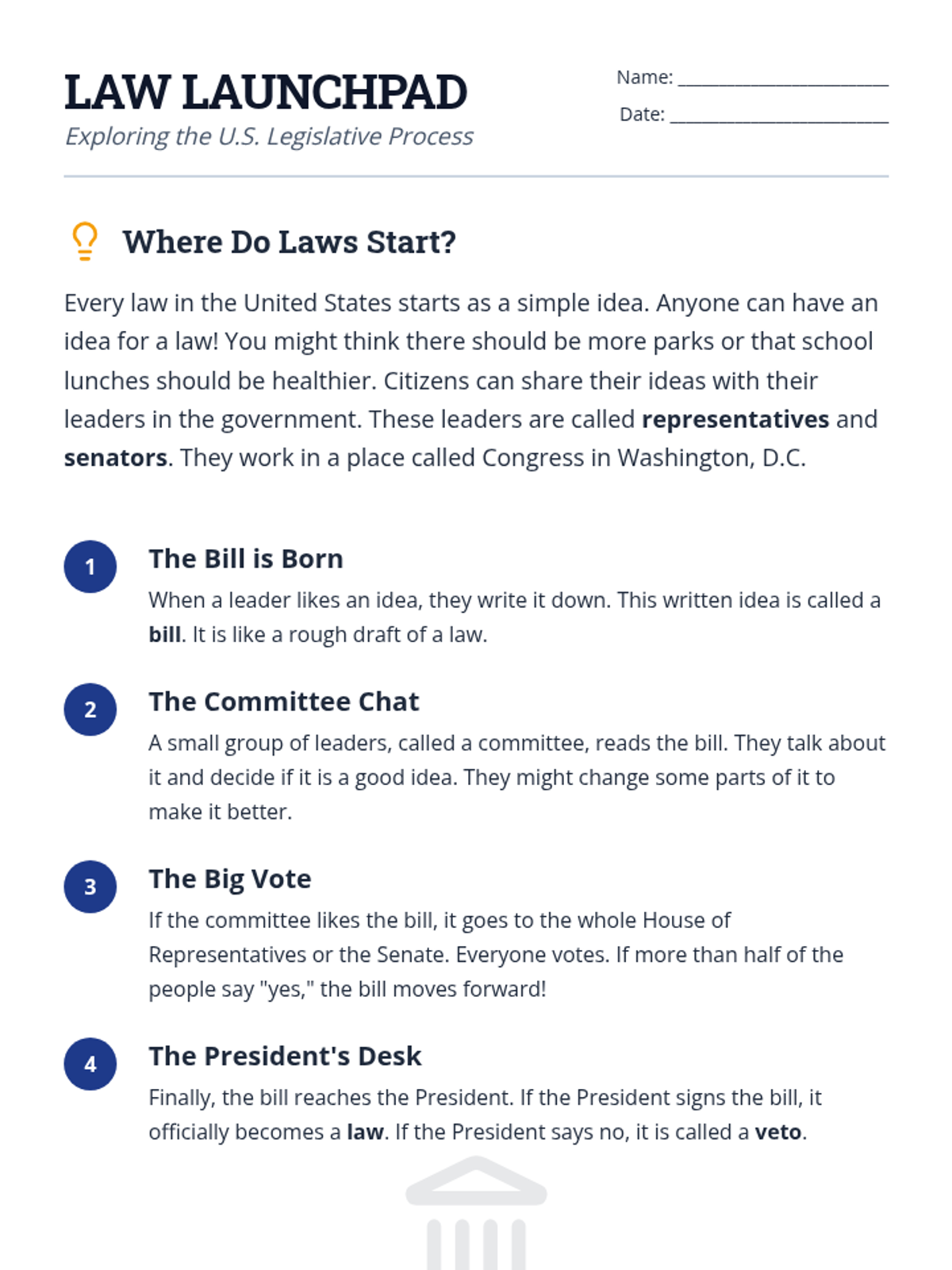
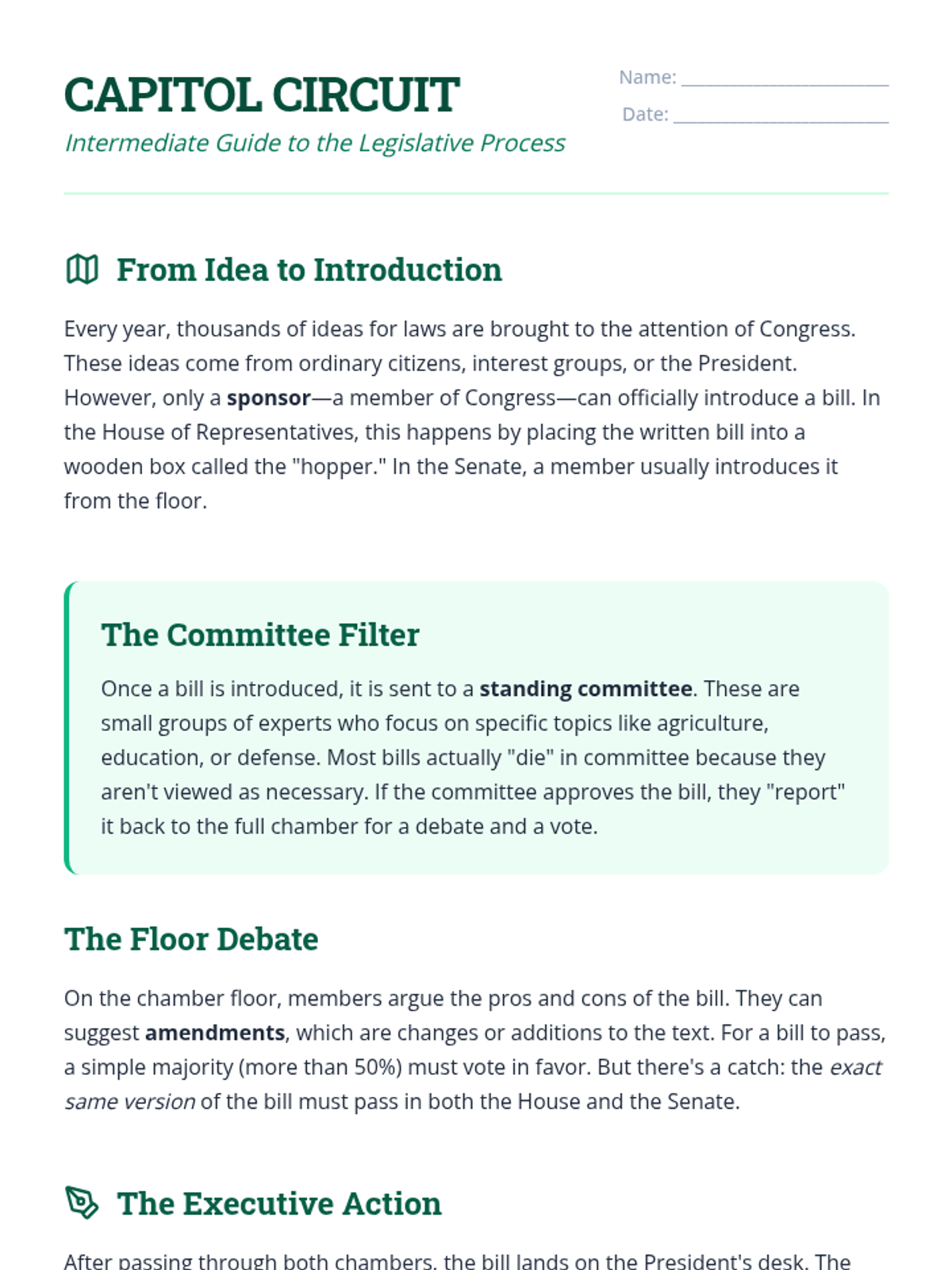
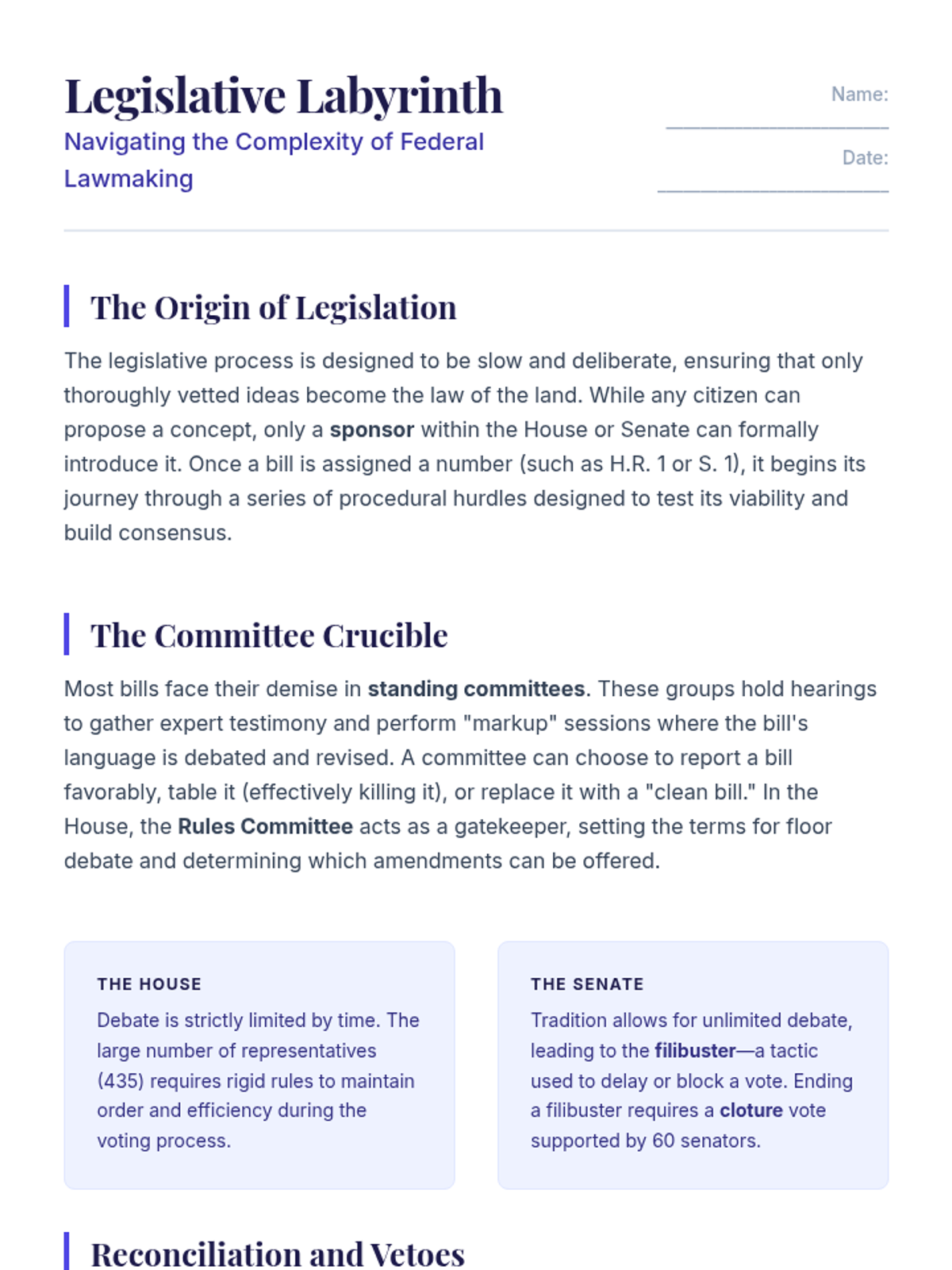
A series of lessons exploring the foundational documents and processes of the United States government, from the birth of the nation to the creation of modern laws.
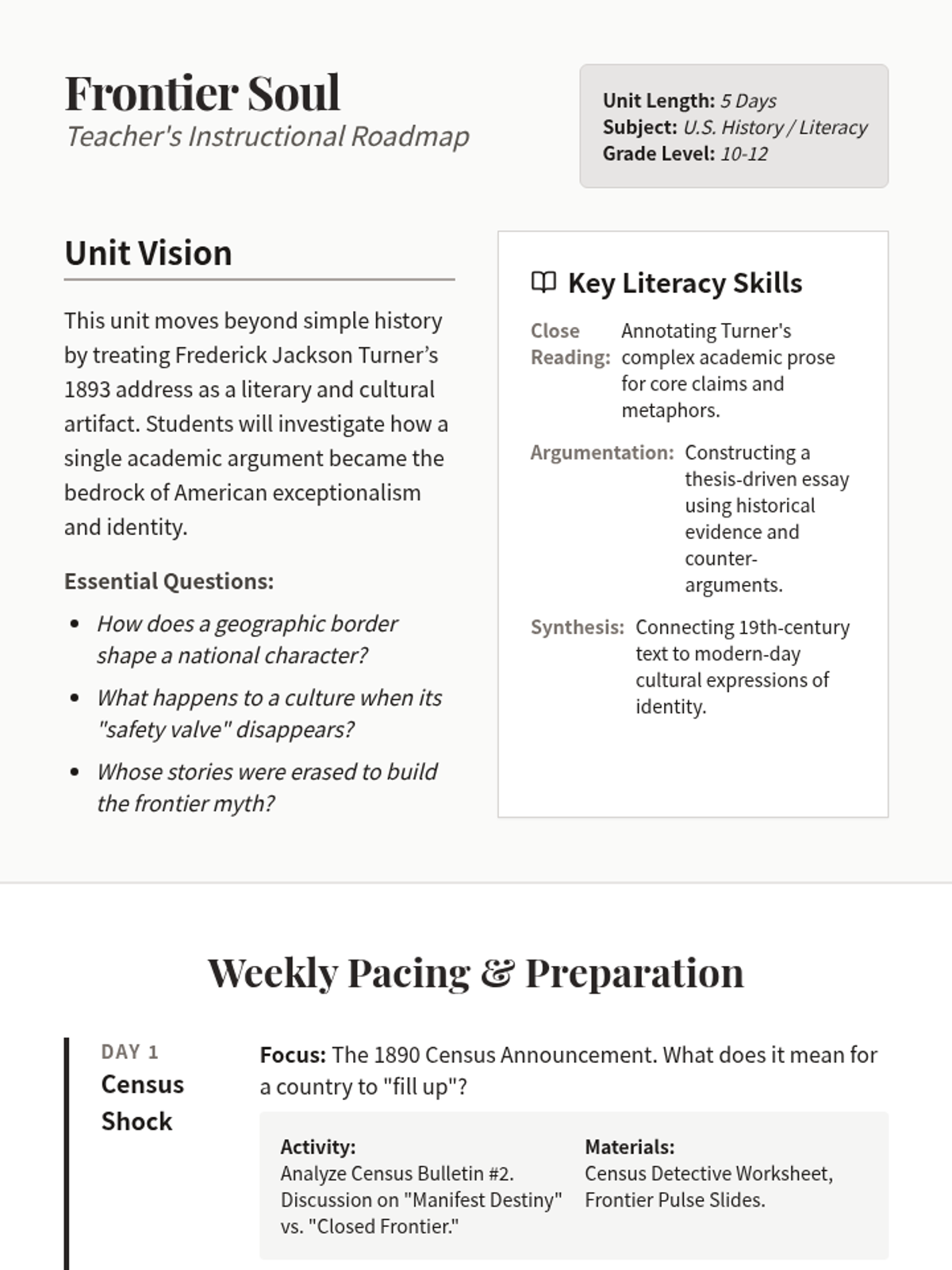
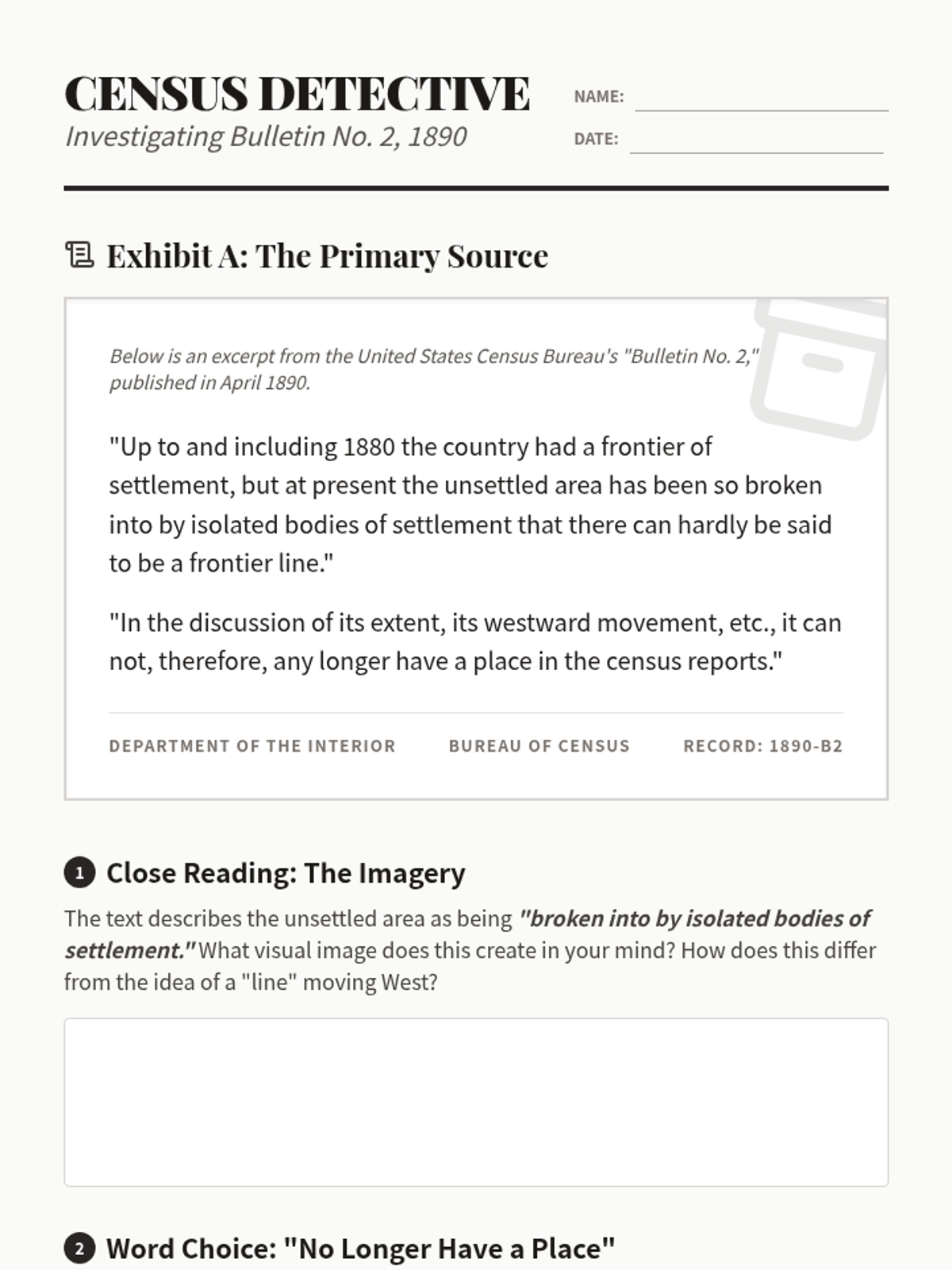
A weeklong exploration of Frederick Jackson Turner's Frontier Thesis, focusing on close reading, historical analysis, and the construction of American national identity. Students will engage with primary sources to understand how the concept of the frontier shaped democratic ideals, individualistic traits, and the exclusion of diverse perspectives.
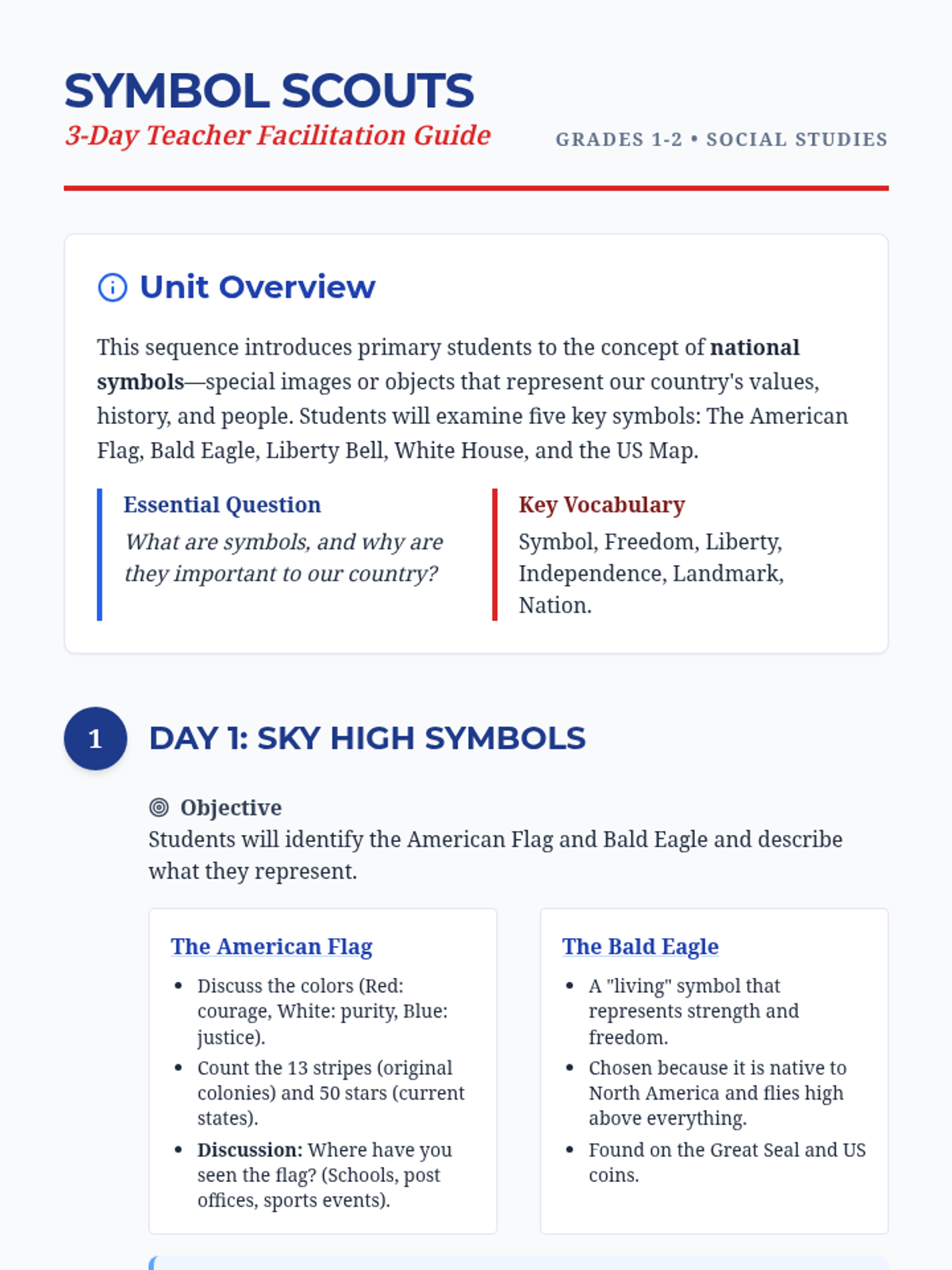
A 3-day exploration of iconic US symbols designed for 1st and 2nd grade students, featuring the American Flag, Bald Eagle, Liberty Bell, White House, and the US Map.
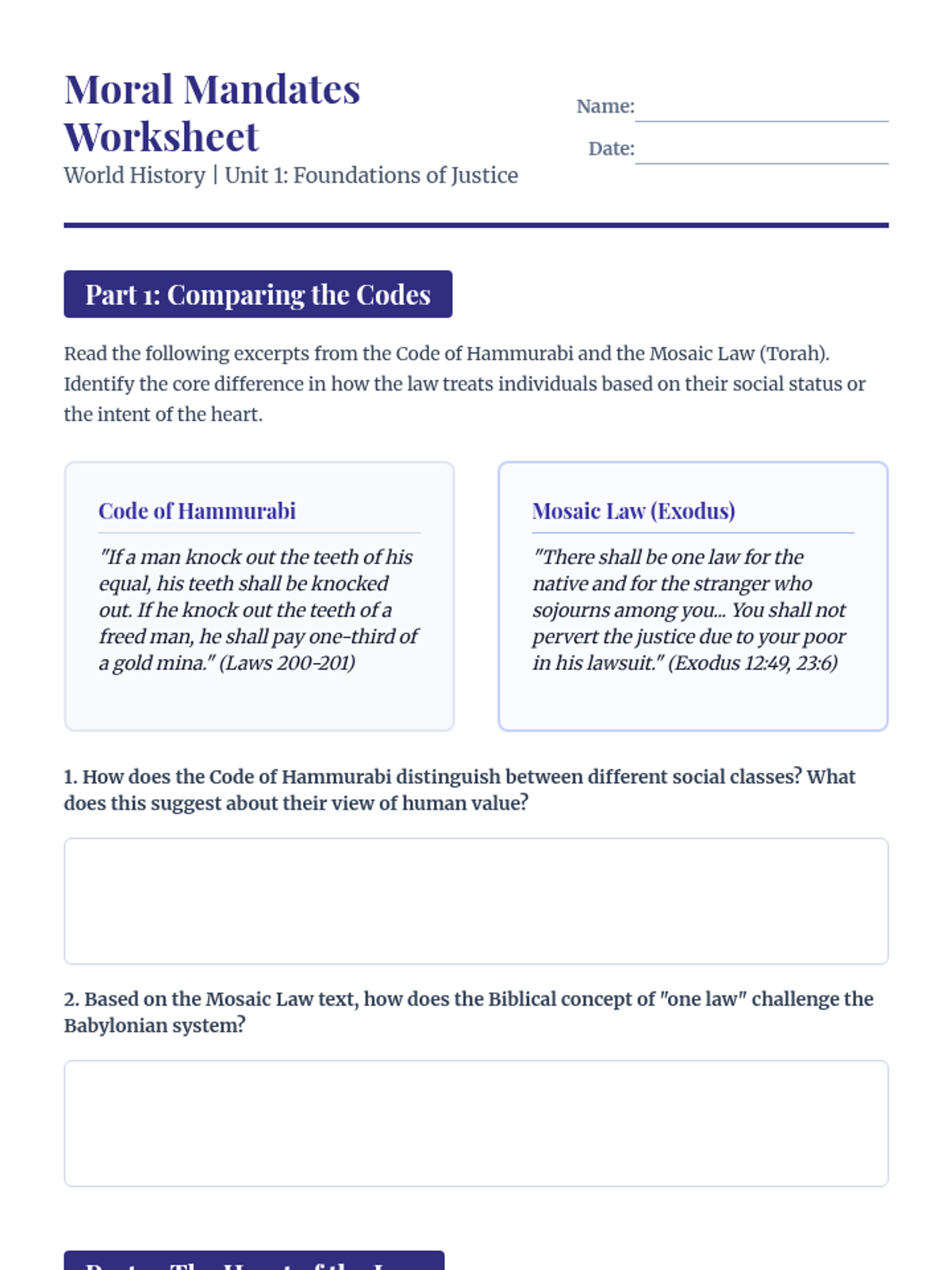
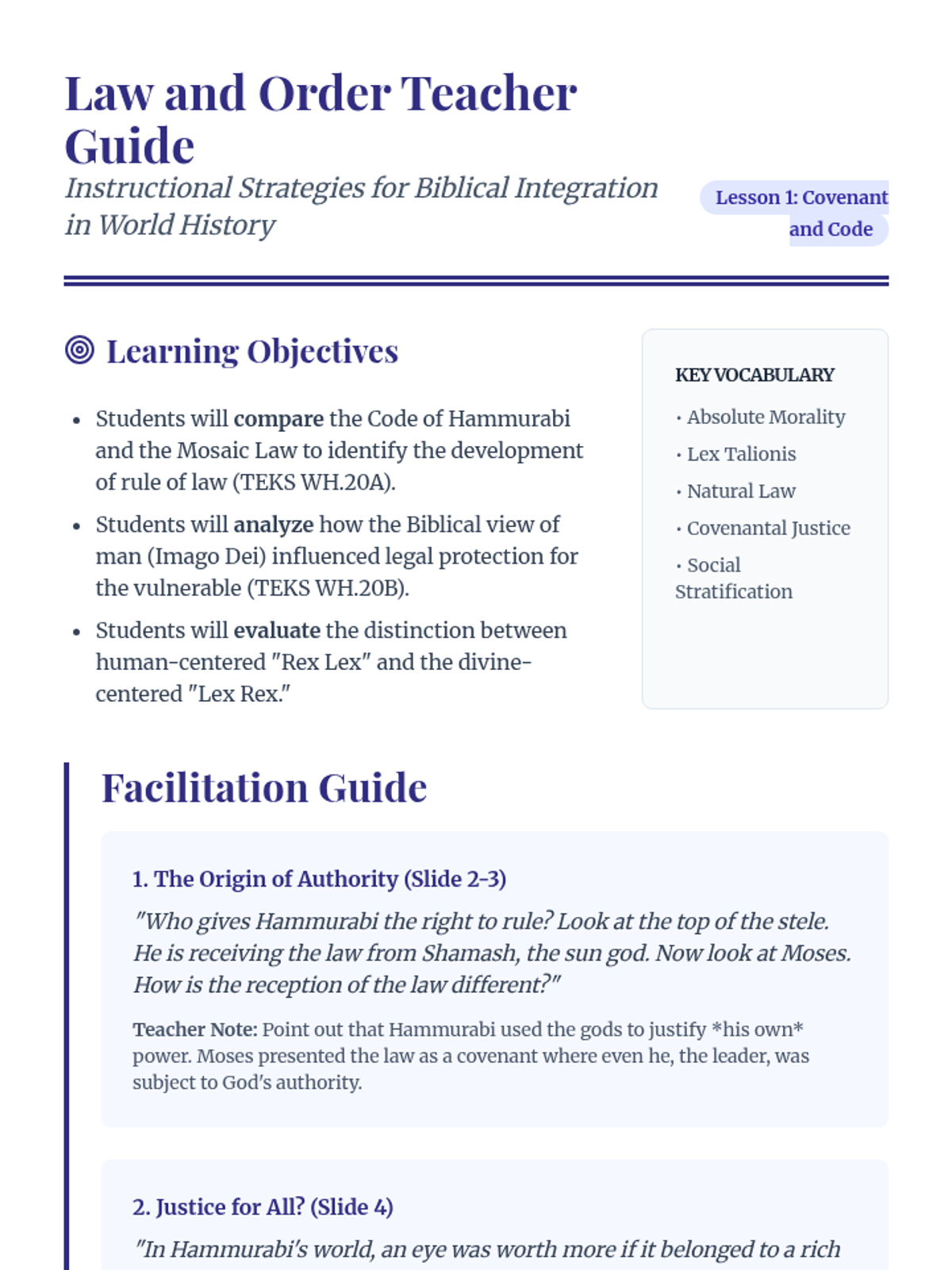
A World History sequence for 10th grade focused on the evolution of law and ethics from ancient civilizations to the modern era. This course integrates Biblical perspectives on absolute morality, the nature of man, and the foundations of justice within the framework of the Texas Essential Knowledge and Skills (TEKS).
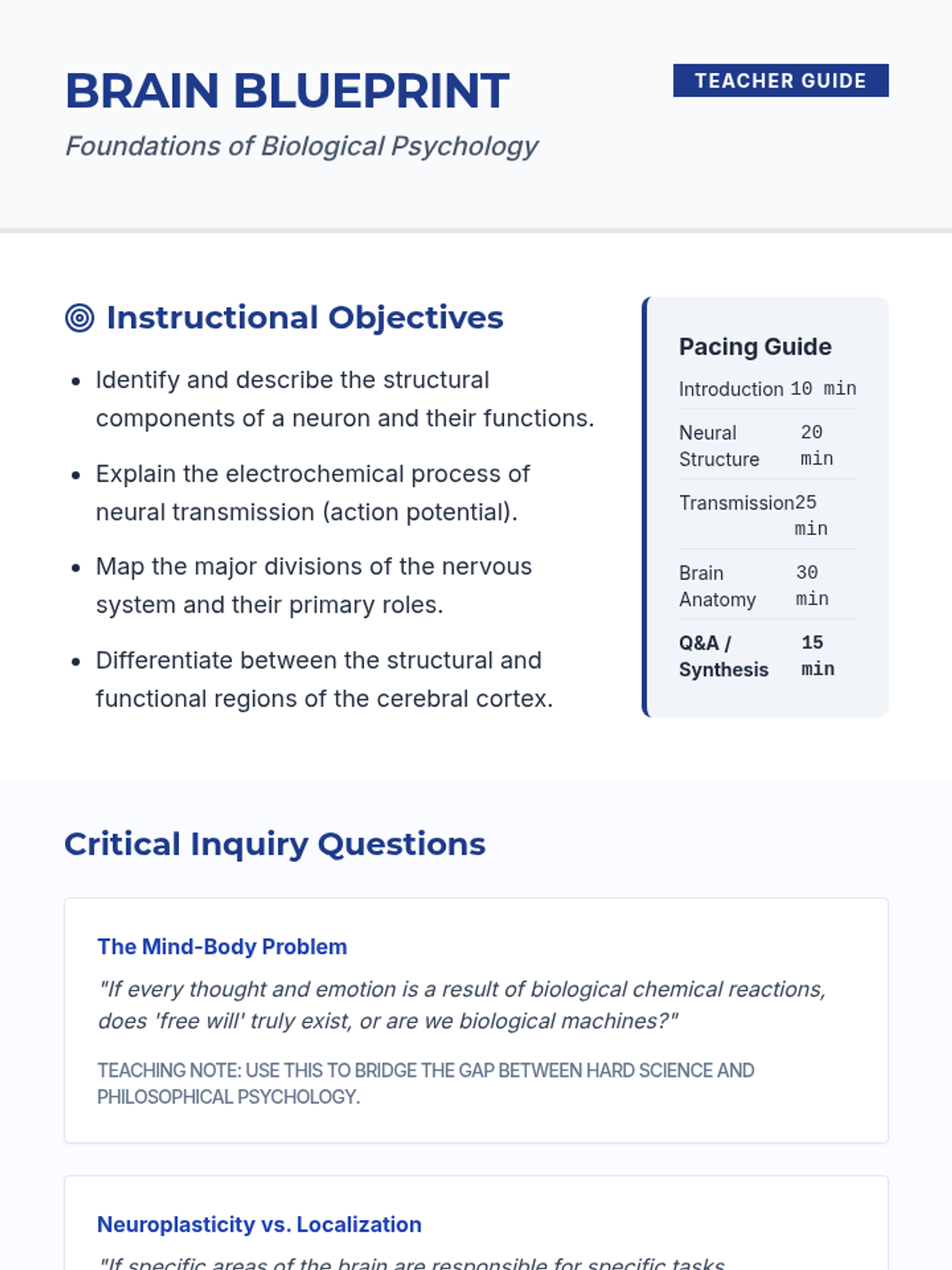
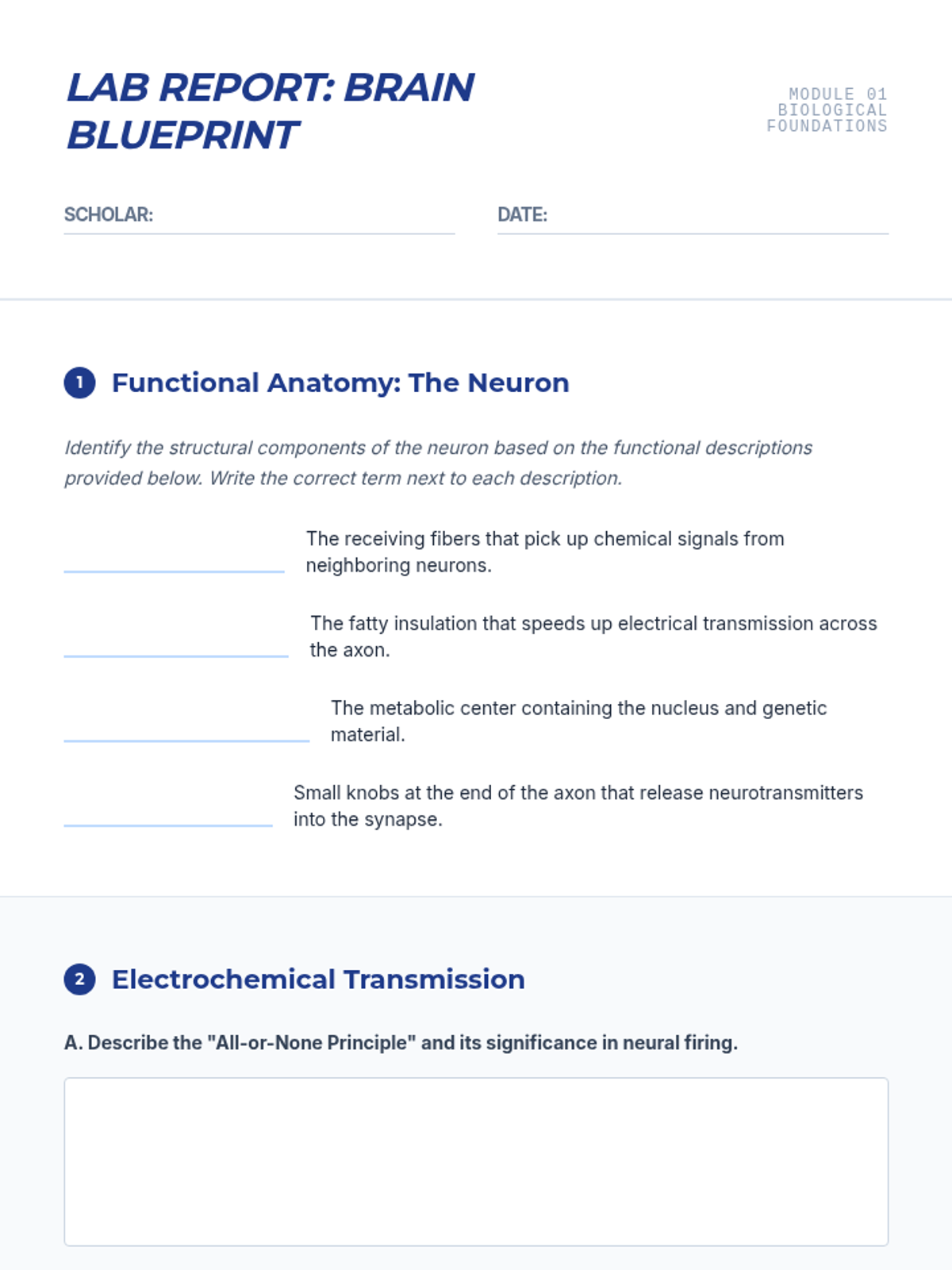
A foundational university-level psychology curriculum covering biological bases, cognitive processes, behavioral theories, and social dynamics. This sequence provides a rigorous introduction to the scientific study of the human mind and behavior.
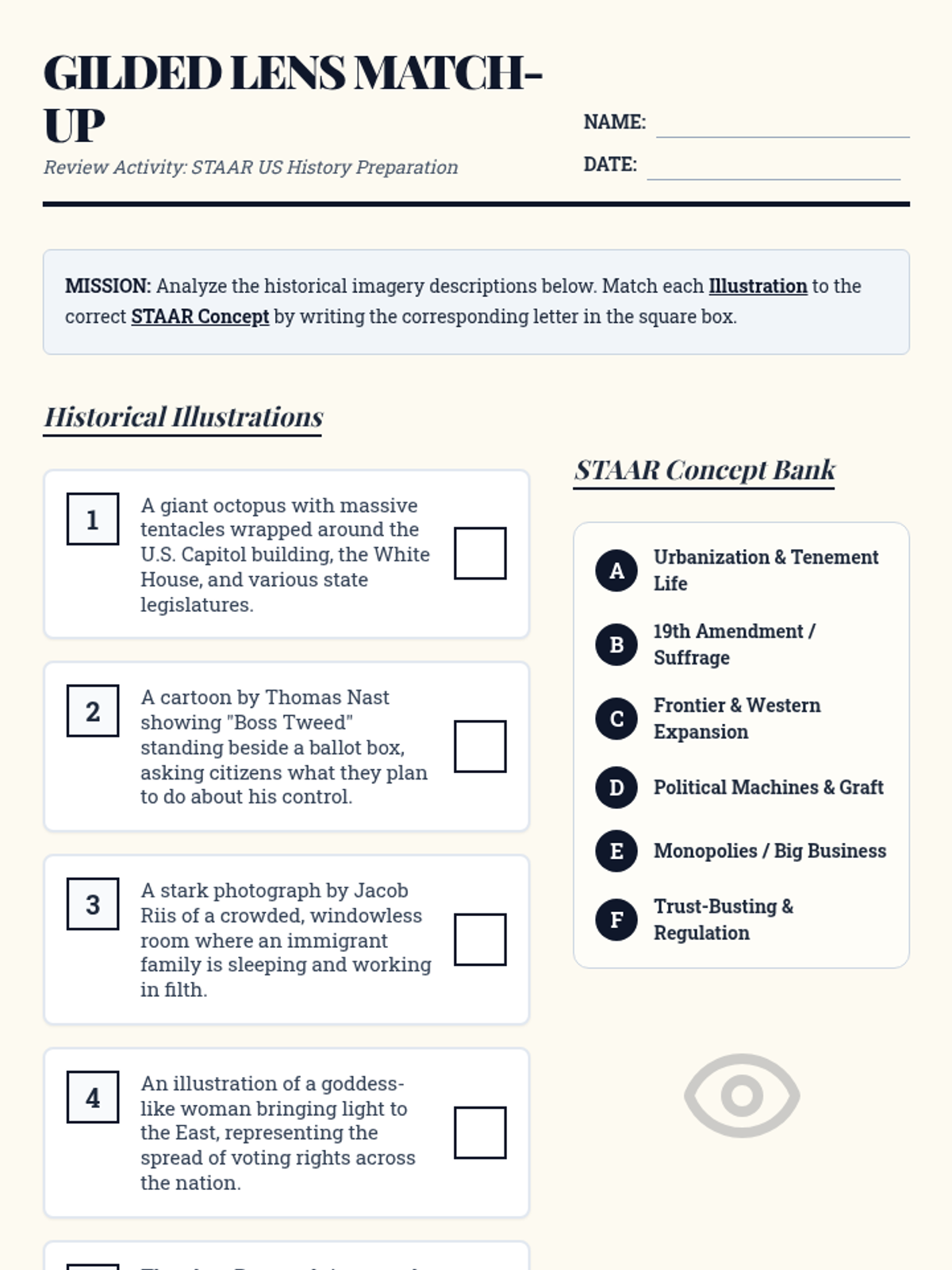
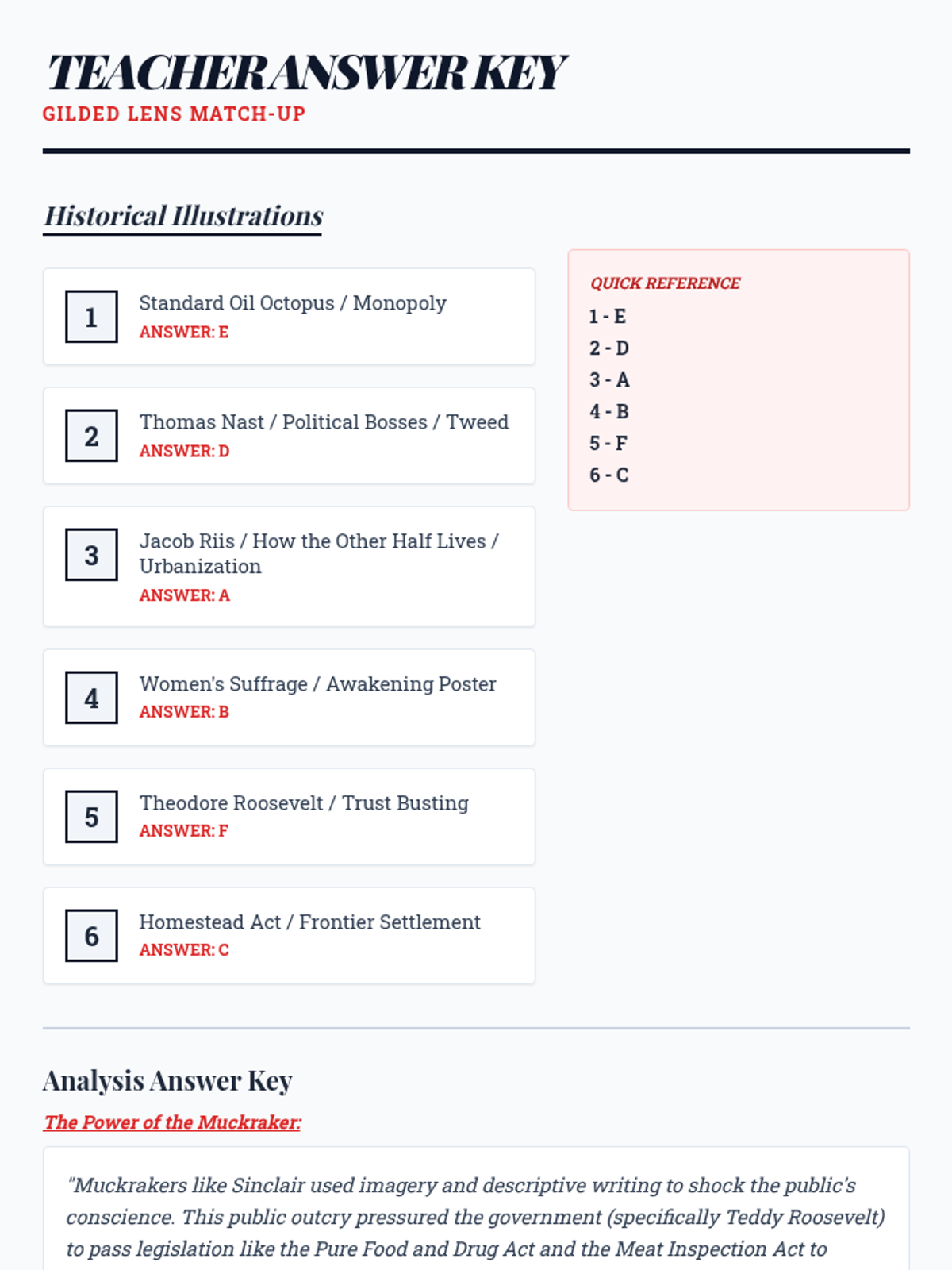
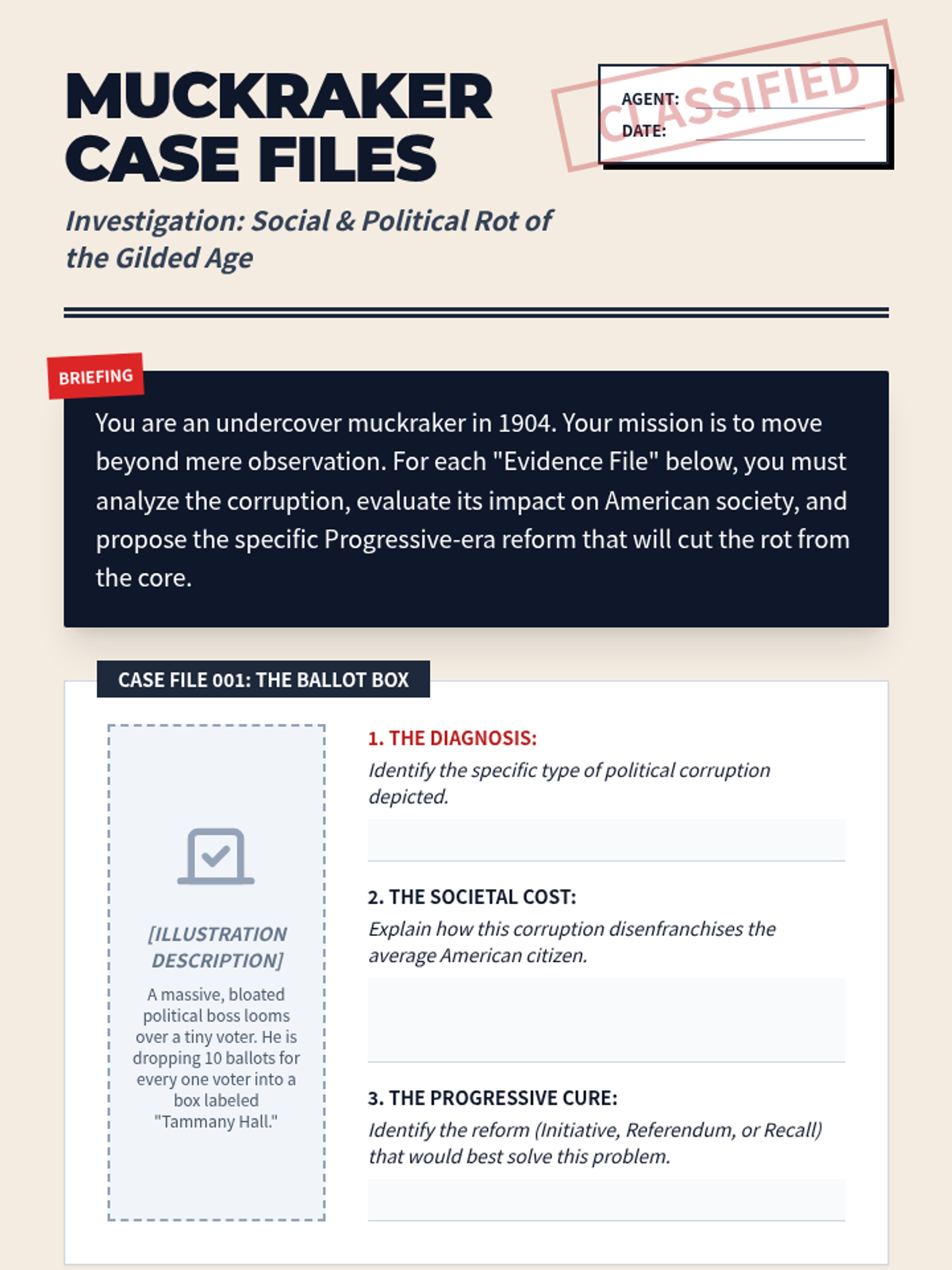
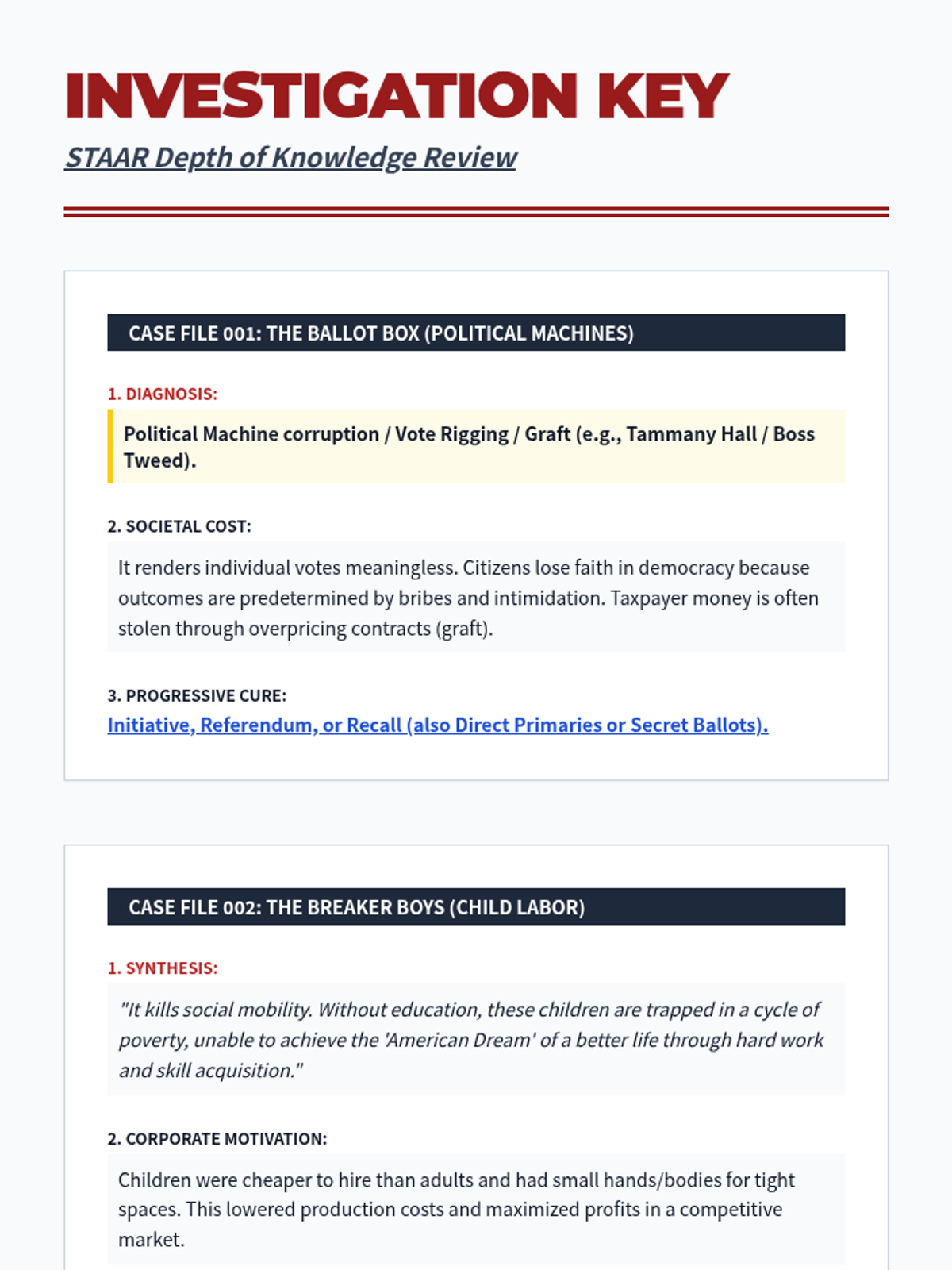
A comprehensive review sequence focusing on the Gilded Age and Progressive Era through the analysis of historical imagery and political cartoons, specifically designed for Texas STAAR preparation.