A calculus-based physics sequence for undergraduates focusing on the relationship between potential energy functions and physical forces, stability analysis, and mathematical modeling of physical systems from the atomic to the macroscopic scale.
Une séquence approfondie sur les phases claires de la photosynthèse, destinée aux étudiants de première année de licence. Elle couvre la capture de l'énergie lumineuse, les pigments photosynthétiques et la chaîne de transfert d'électrons.
Une séquence exhaustive sur le métabolisme pour les classes préparatoires BCPST, couvrant l'hétérotrophie, l'autotrophie au carbone et à l'azote, ainsi que la chimiolithotrophie. La séquence met l'accent sur les bilans énergétiques, les flux de protons et l'intégration des voies métaboliques.
A sequence exploring the intersection of biology, psychology, and history regarding human conflict and cooperation.
A high-school level exploration of thermodynamics, focusing on the connection between entropy, enthalpy, and Gibbs Free Energy to predict chemical spontaneity.
A graduate-level sequence focused on systematic hazard identification and risk control. Students master Industrial Hygiene, Job Hazard Analysis (JHA), Hierarchy of Controls, and Hazard Communication (GHS) to develop predictive safety strategies in high-risk environments.
This inquiry-based sequence bridges biology and behavioral science, exploring the neurobiological roots of agitation. Students investigate the 'why' behind physiological changes during escalation to foster an objective, science-based approach to behavioral support.
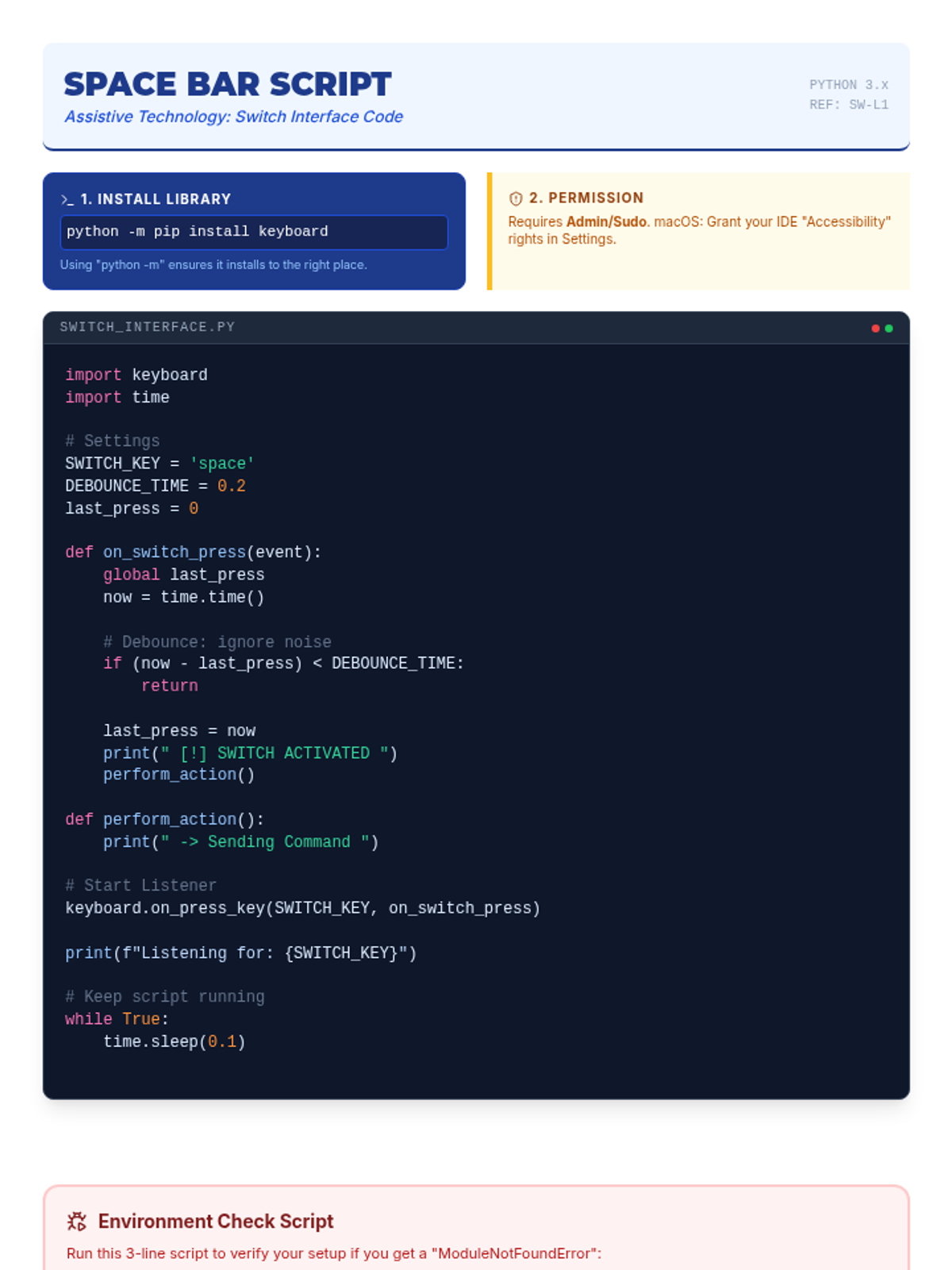
This sequence introduces undergraduate students to the critical role of keyboard navigation in assistive technology, specifically focusing on screen reader interaction. Students will analyze semantic navigation, table traversal, and focus traps to understand how to design and audit for digital accessibility.
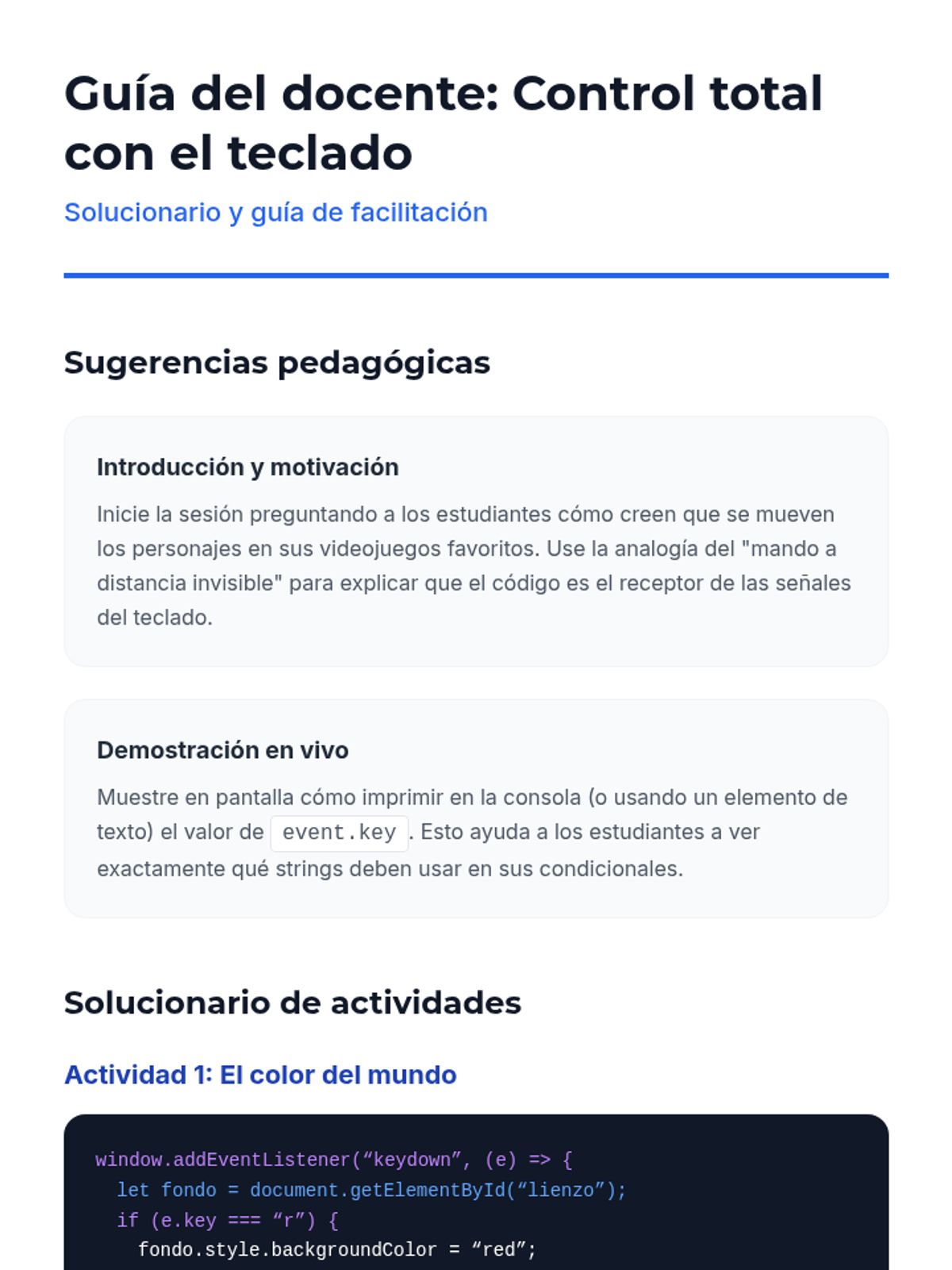
A mastery-based sequence for undergraduate students to learn mouse-less operating system navigation and file management. This series focuses on building muscle memory for keyboard shortcuts to improve accessibility and efficiency.
A comprehensive sequence for 11th-grade students exploring the legal and ethical landscapes of digital publishing. Students examine intellectual property, dark patterns in UX design, data privacy regulations, and open-source ethics to build a foundation for responsible web creation.
A comprehensive sequence for 11th-grade students focusing on responsive web design, mobile-first philosophy, and modern CSS layout techniques including Flexbox and CSS Grid. Students will transition from understanding the 'viewport' to building a fully responsive business landing page.
A foundational sequence for 11th graders to master HTML5 structure and CSS3 styling. Students move from basic tags and the DOM to advanced box model concepts, typography, and professional debugging workflows, culminating in a hand-coded biographical webpage.
A comprehensive sequence for undergraduate students to master CSS from basic styling and selectors to advanced responsive layouts using Flexbox and Grid. The curriculum emphasizes mobile-first design and professional front-end standards.
A capstone sequence for undergraduate students to design, code, and deploy a professional personal portfolio website, focusing on branding, IA, and technical execution.
A comprehensive guide to the operational side of web development, covering DNS, hosting types, FTP, CMS deployment, SEO, and site security. Students learn the technical requirements for establishing and maintaining a professional digital presence.
A comprehensive sequence for undergraduate students focused on the human-centered design of digital interfaces. Students progress from understanding user psychology and personas to technical implementation of Web Content Accessibility Guidelines (WCAG) and usability testing.
A comprehensive introduction to semantic HTML for undergraduate students, focusing on web architecture, content hierarchy, media integration, and accessible layout design. Students progress from basic syntax to building complex, structurally sound website skeletons.
A comprehensive introduction to web development, focusing on semantic HTML5 structure and CSS styling. Students progress from analyzing existing websites to hand-coding a multi-page static site with professional standards.
A comprehensive sequence for high school seniors to plan, design, and build a professional digital portfolio. Students move from brand strategy and content curation to high-fidelity coding and peer-led usability testing.
A comprehensive unit on web accessibility focusing on WCAG standards, semantic HTML, ARIA roles, and inclusive design principles. Students move from empathy-building simulations to conducting professional accessibility audits and remediating code to meet international standards.
A comprehensive unit on modern web design, focusing on User Experience (UX), flexible layout systems (Flexbox and CSS Grid), and responsive design principles using a mobile-first philosophy.
A comprehensive graduate-level sequence covering professional web publishing workflows, version control, hosting, CMS evaluation, and performance optimization. Students transition from local development to professional DevOps practices for content creators.
A comprehensive graduate-level sequence on web accessibility, covering WCAG standards, legal compliance, technical implementation of ARIA, and professional auditing techniques.
A comprehensive sequence for graduate students exploring the intersection of cognitive psychology and web design. Students move from theoretical usability heuristics to practical wireframing and usability testing, focusing on creating evidence-based digital experiences.
A comprehensive graduate-level sequence on professional CSS architecture, covering the cascade, Flexbox, CSS Grid, mobile-first responsiveness, and scalable design systems using BEM and variables.
A graduate-level exploration of web architecture, semantic markup, and information hierarchy. Students learn to create accessible, SEO-optimized digital structures using HTML5, focusing on the DOM, semantic tags, and advanced data representation.
A comprehensive graduate-level sequence on Experimental Functional Analysis (FA). Students will progress from understanding the limitations of descriptive assessments to designing, implementing, and interpreting rigorous experimental conditions to identify behavioral functions.
A graduate-level exploration of sustainable set design, focusing on ecoscenography, material science, modular engineering, and digital fabrication to move the theater industry toward a circular economy.
This sequence introduces undergraduate students to the three-term contingency in Applied Behavior Analysis (ABA). Students move from defining observable behaviors to identifying antecedents, setting events, and consequences, ultimately synthesizing complex clinical data into professional narratives.
This sequence establishes the foundational skills necessary for objective behavioral analysis, moving students from casual observation to professional data collection. Students master operational definitions, the ABC model, quantitative measurement techniques, and data visualization while exploring ethical reporting and bias.
This graduate-level sequence explores the theoretical and neurobiological foundations of positive reinforcement, moving from historical operant principles to modern neuroscience and clinical assessment techniques.
A comprehensive undergraduate sequence on the clinical application of positive reinforcement, focusing on preference assessments and differential reinforcement strategies. Students progress from categorizing reinforcers to designing complex behavioral interventions using shaping, chaining, and differential reinforcement protocols.
A comprehensive undergraduate sequence exploring the mathematical and temporal mechanics of reinforcement schedules, culminating in the practical design of token economies and analysis of behavioral persistence.
This undergraduate sequence explores the cognitive mechanisms of exposure therapy, shifting from the traditional habituation model to the modern inhibitory learning framework. Students analyze ethical dilemmas, research-based optimization strategies, and treatment failures to develop a sophisticated understanding of how fear extinction works.
This graduate-level sequence bridges the gap between vocal science and pedagogical practice, exploring acoustics, registration, and diagnostics. Students move from theoretical physics of sound to practical clinical observation of the singing voice.
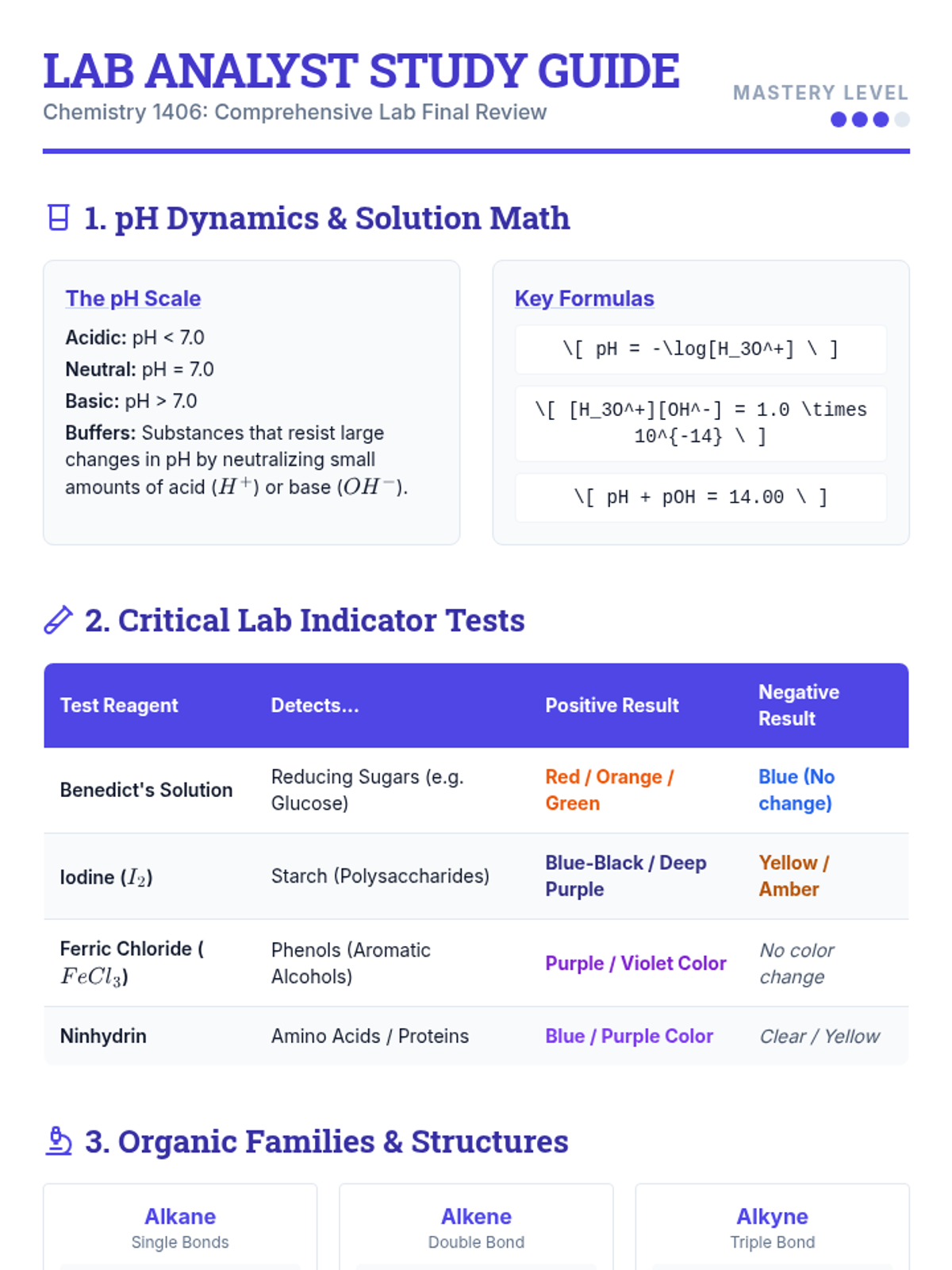
A comprehensive sequence on the physics and chemistry of chromatography, covering stationary and mobile phases, Rf value calculations, polarity, and forensic applications. Students progress from basic paper chromatography to thin-layer chromatography (TLC) in a series of inquiry-based labs.
A comprehensive workshop-based sequence exploring thermal separation techniques, from basic evaporation to industrial fractional distillation. Students master the physics of phase changes and boiling points to separate liquid mixtures.
A project-based sequence where 12th-grade students act as environmental engineers to design, test, and optimize a multi-stage separation protocol for a complex hazardous waste mixture. Students apply physical principles of density, solubility, and boiling points to isolate pure substances.
This sequence explores the physics of colloids, suspensions, and heterogeneous systems. Students investigate particle size scales, light scattering (Tyndall effect), fluid dynamics (Stokes' Law), and surface tension to understand how complex mixtures behave and how to engineer stable consumer products.
This sequence explores the thermodynamic principles governing the separation of mixtures through phase changes. Students analyze intermolecular forces, vapor pressure (Raoult's Law), fractional distillation, crystallization kinetics, and membrane-based desalination, bridging the gap between molecular physics and industrial applications.