A high-energy, game-based sequence for 6th-grade students focusing on homophones, contractions, and tricky spelling patterns like the schwa sound. Students use visual mnemonics and context-based strategies to master frequent spelling errors.
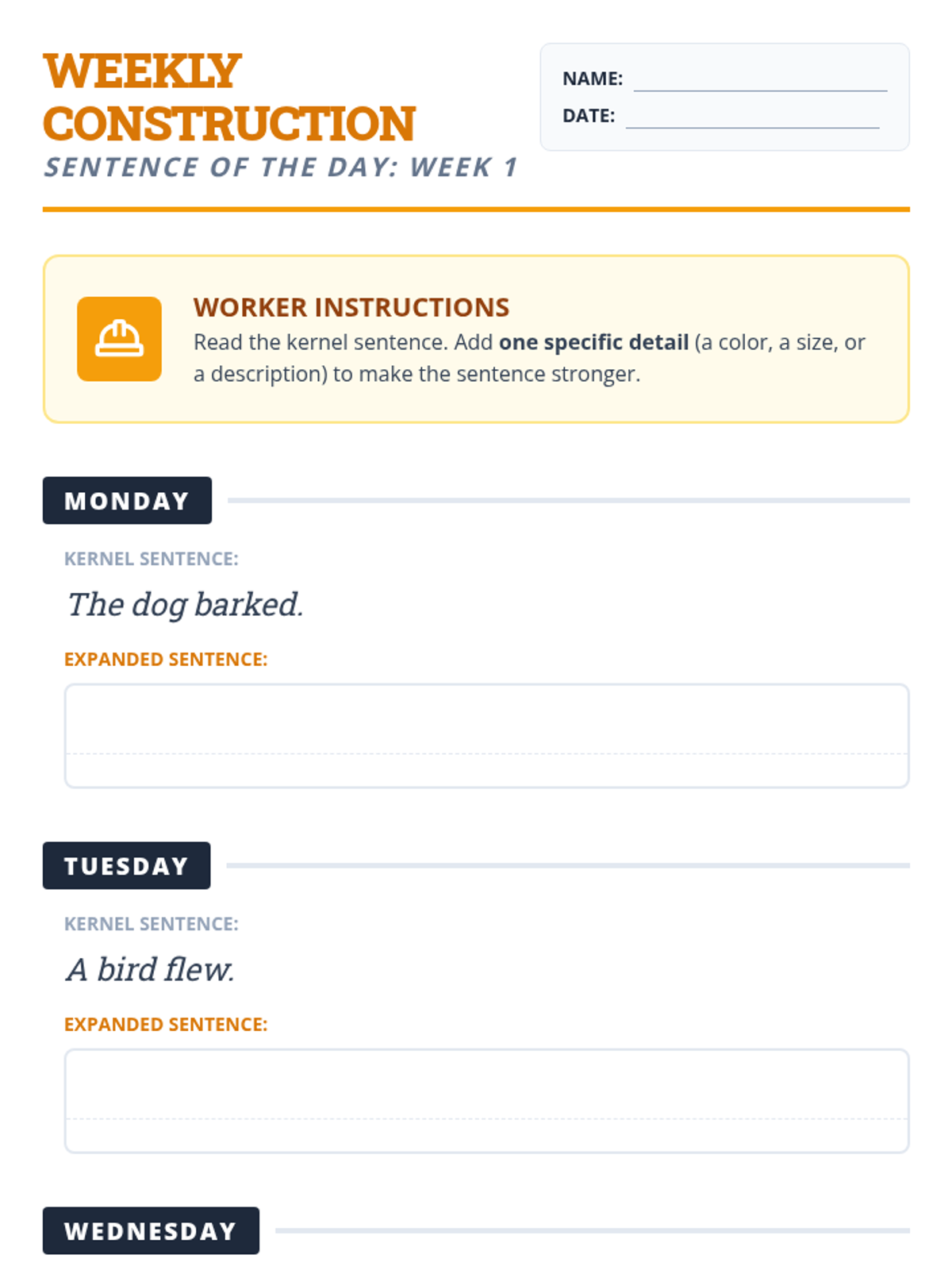
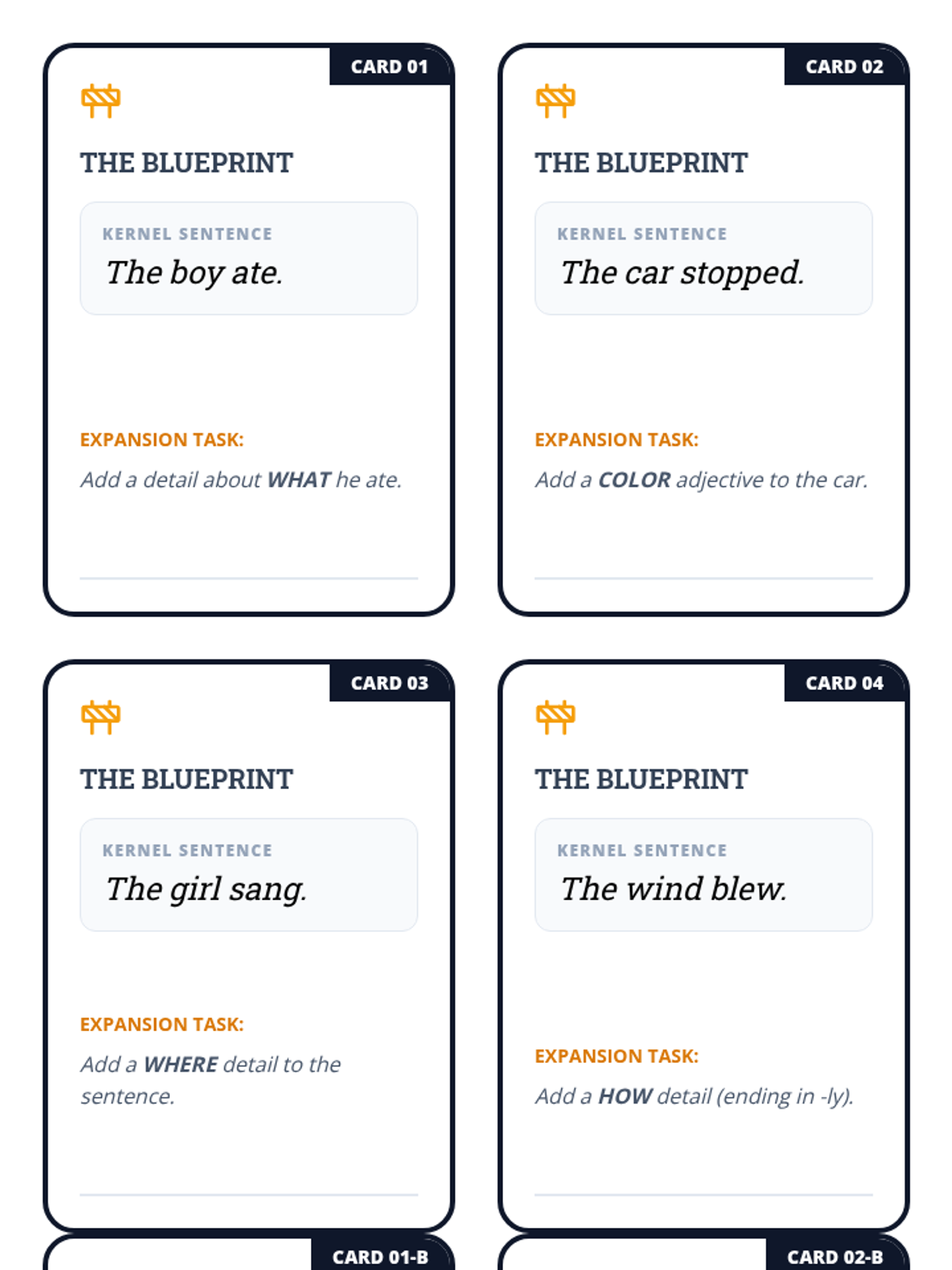
A comprehensive sequence focused on sentence expansion using the Hochman Method (The Writing Revolution). Students move from distinguishing fragments to expanding kernel sentences with 'Who, What, Where, When, Why' and logical conjunctions.
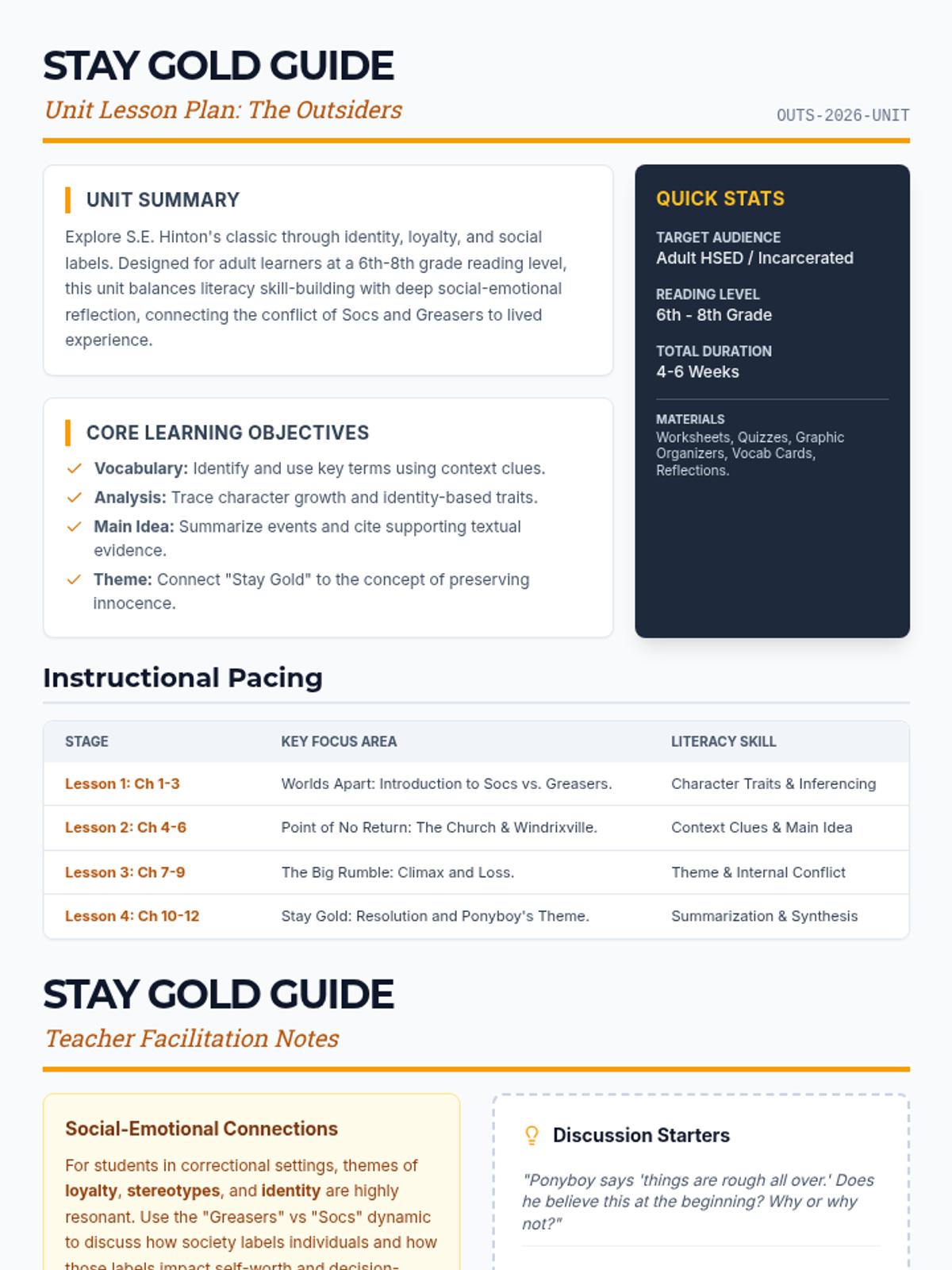
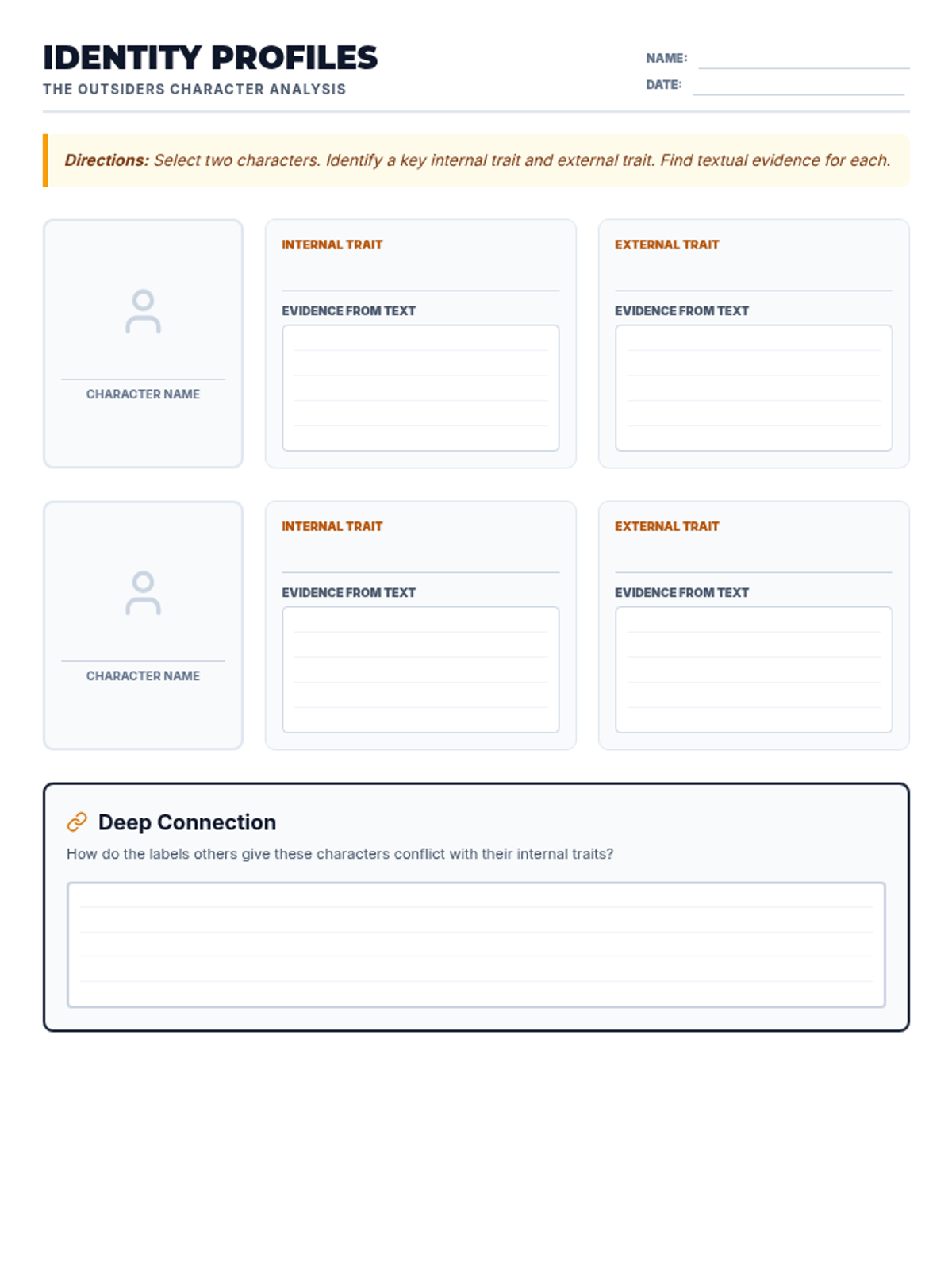
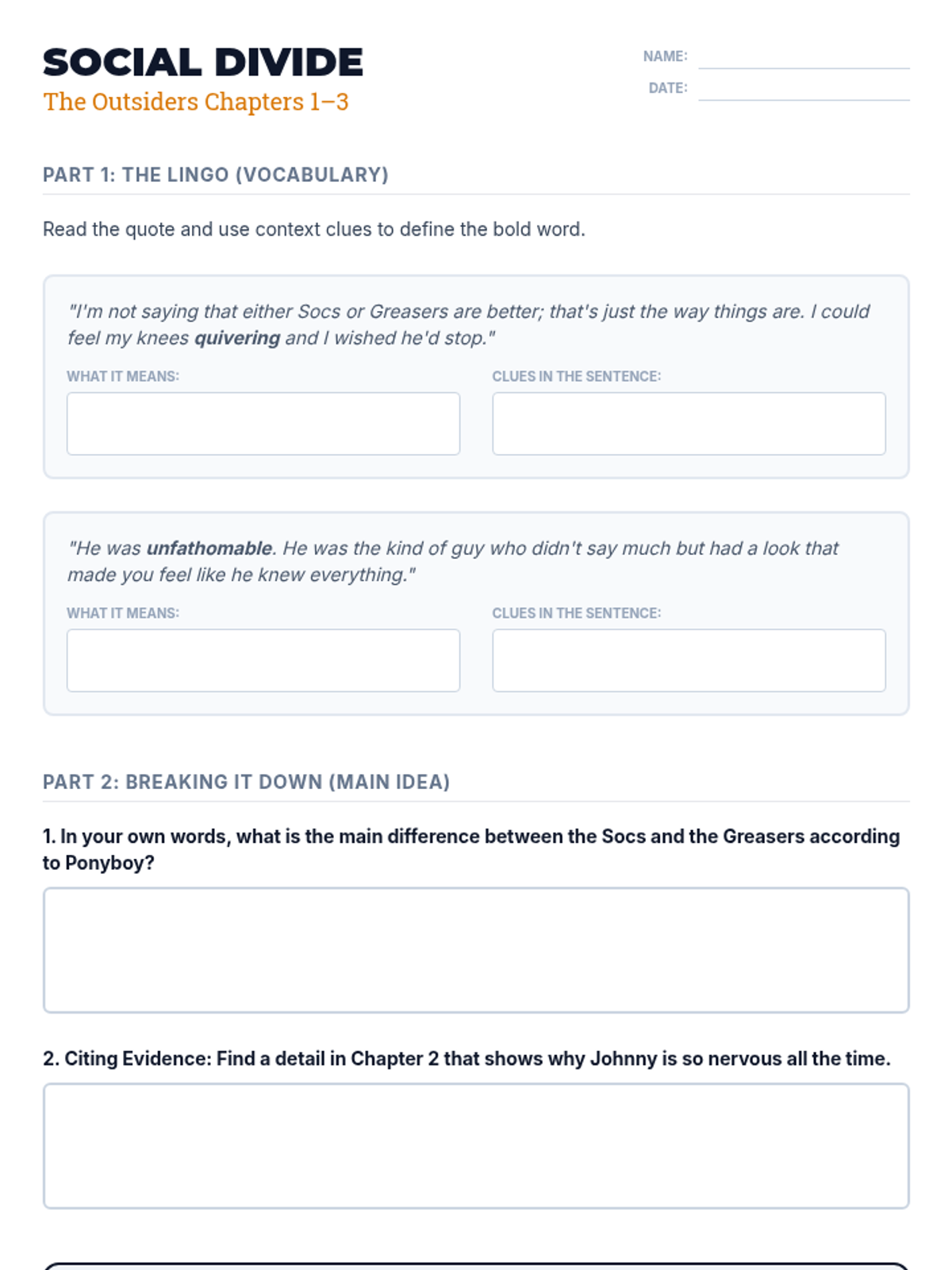
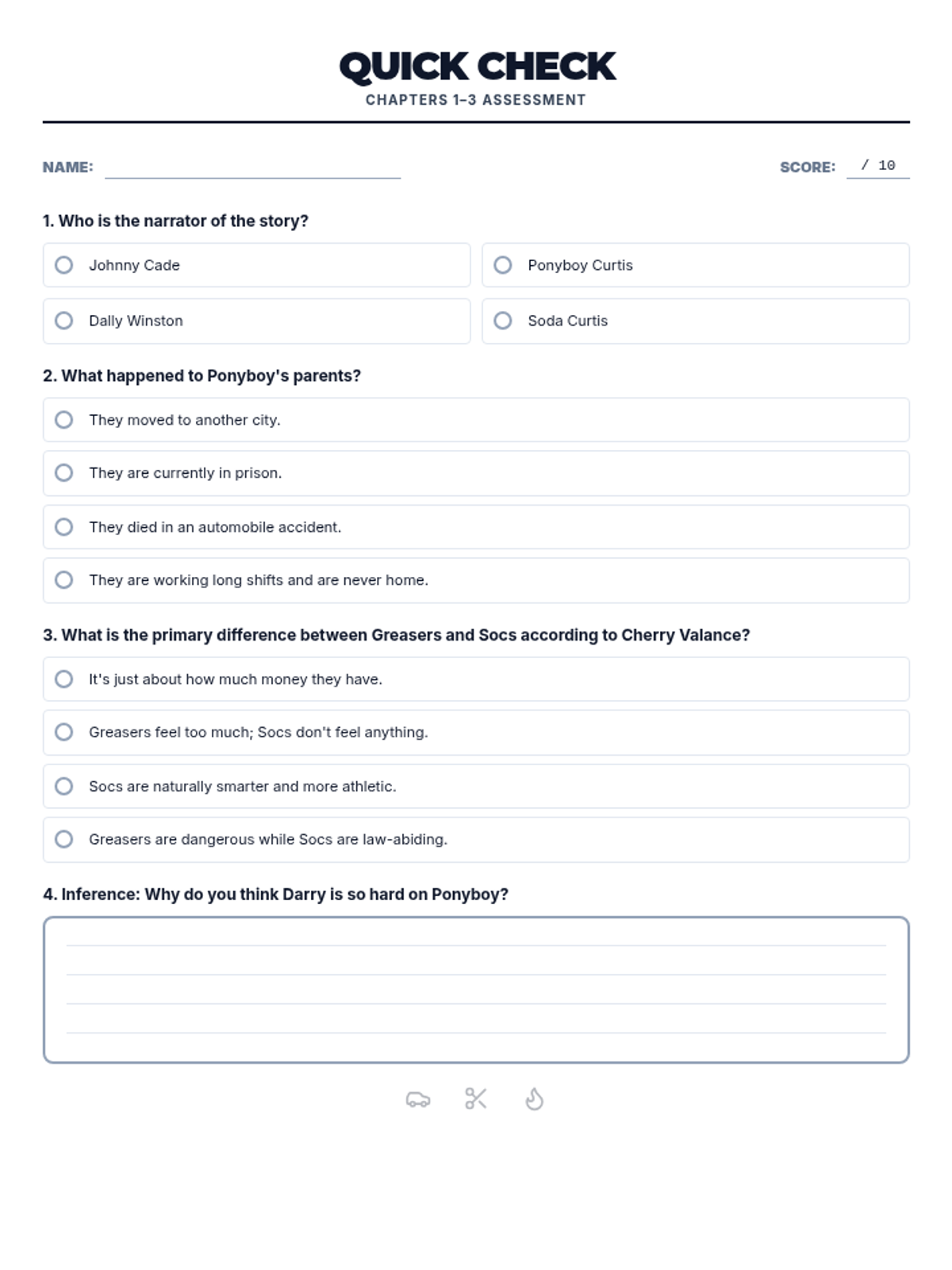
A comprehensive book study on S.E. Hinton's 'The Outsiders' designed for HSED adult students in a correctional setting. This unit focuses on character development, social dynamics, and critical reading skills while maintaining high-interest engagement.
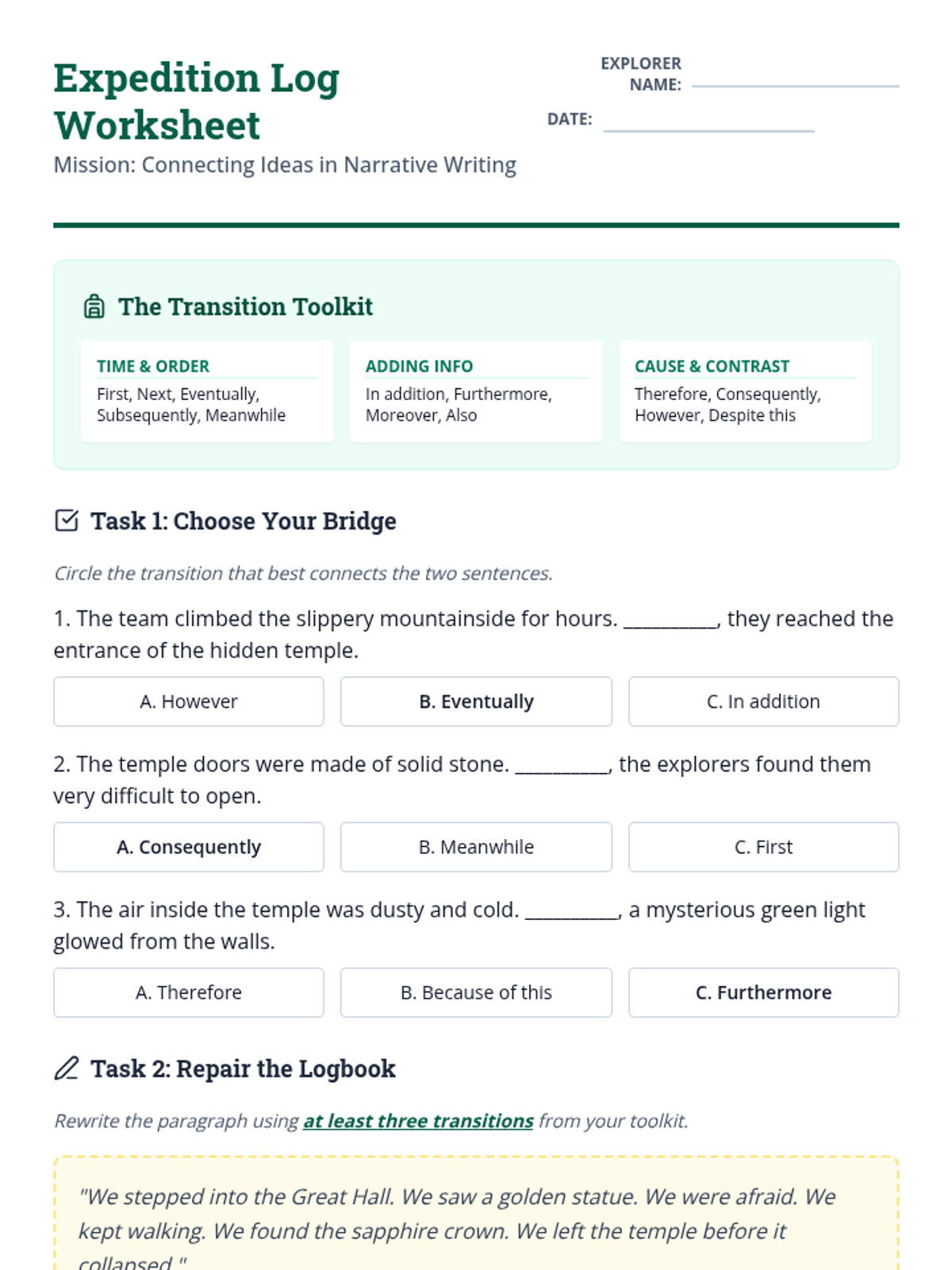
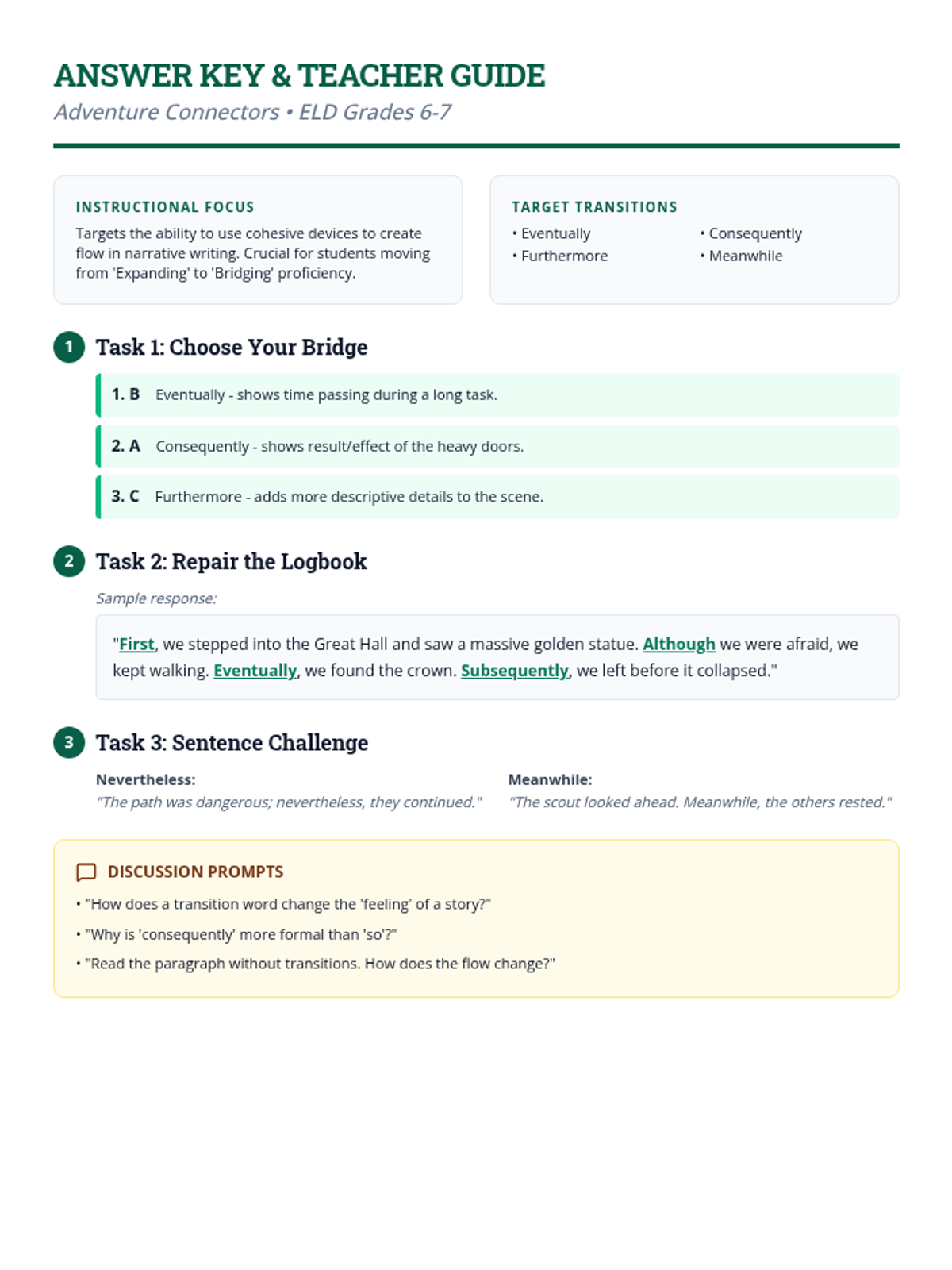
A series of ELD lessons focused on academic language and complex sentence structures through the lens of adventure and exploration.
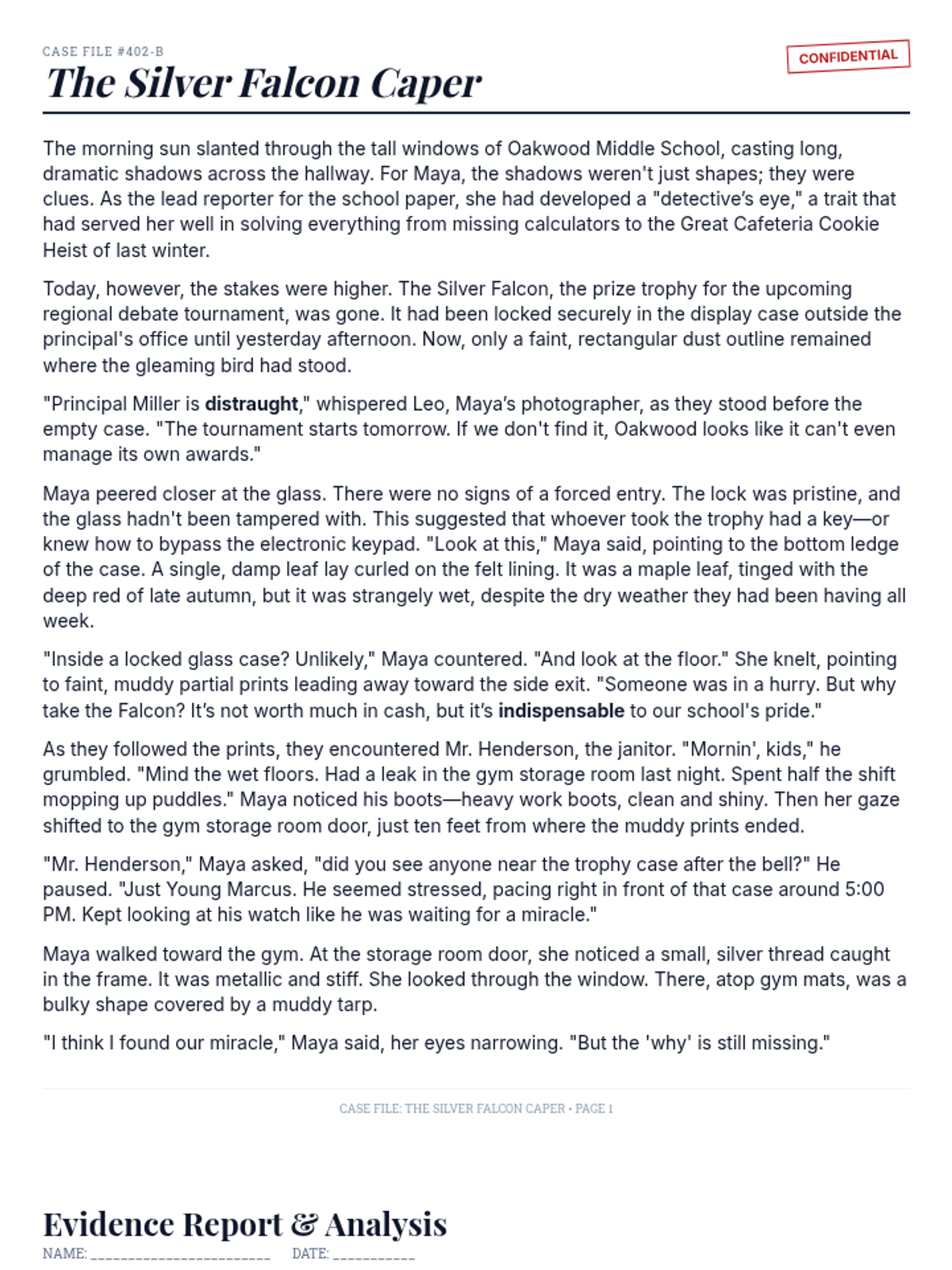
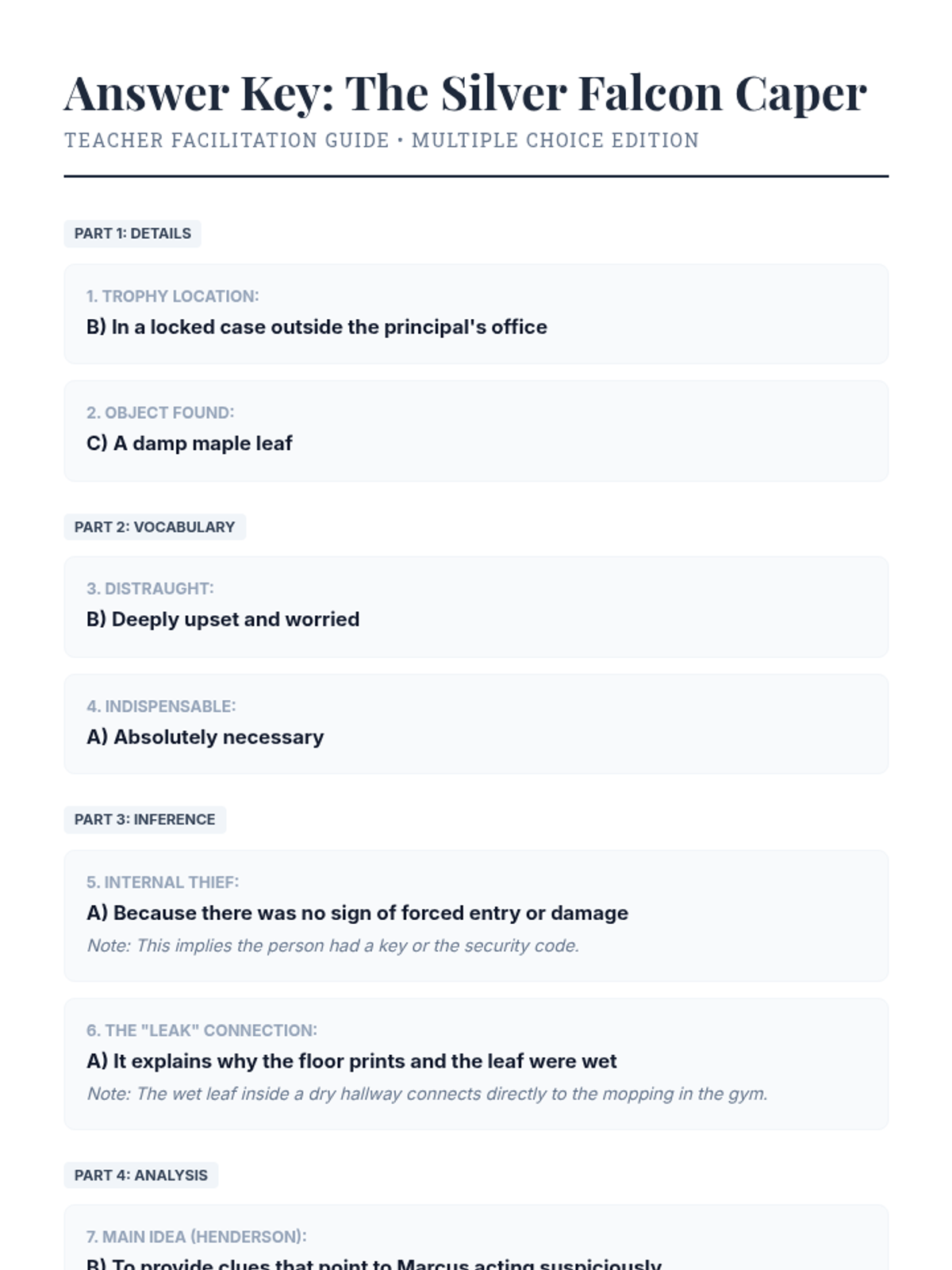
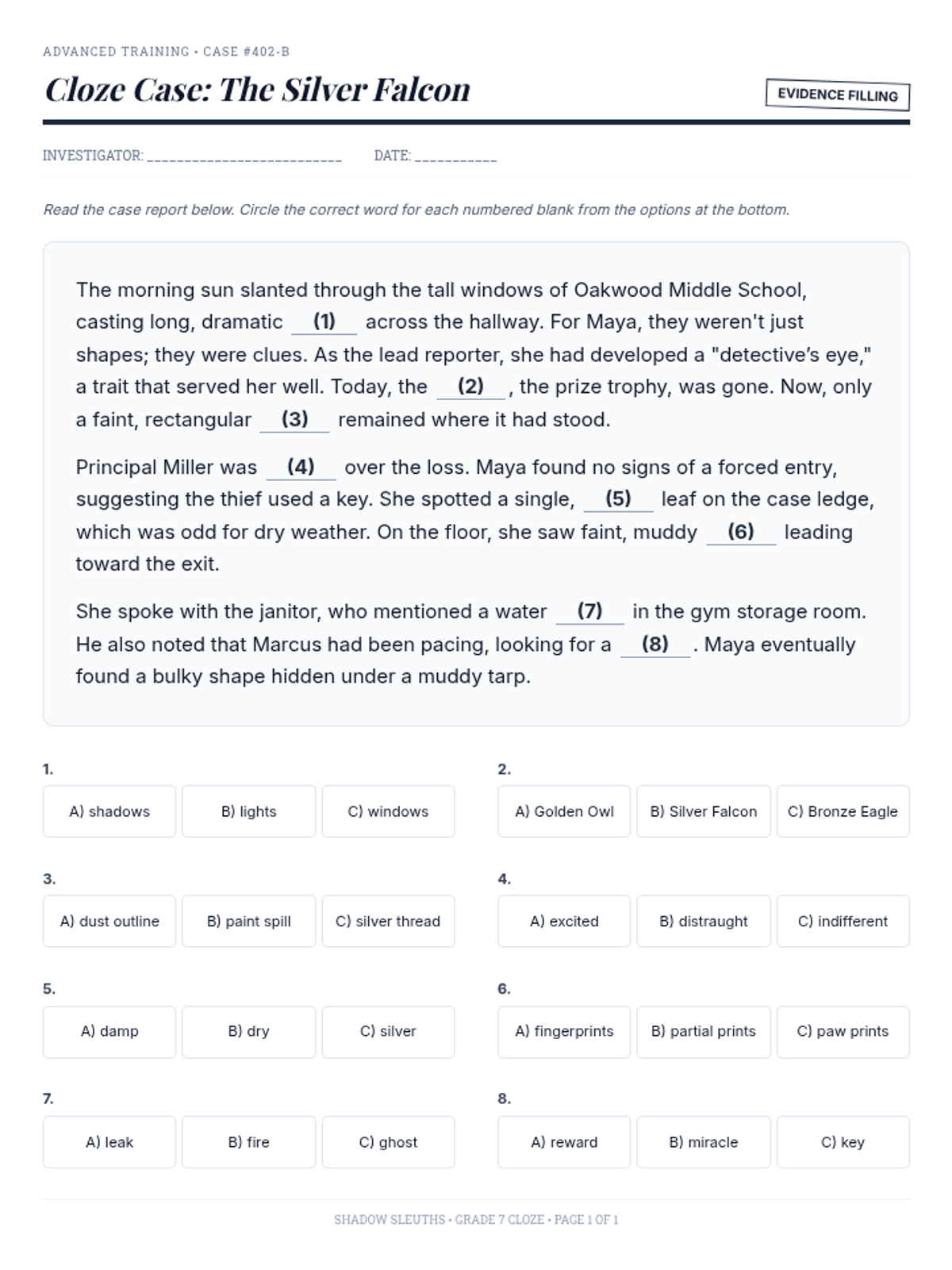
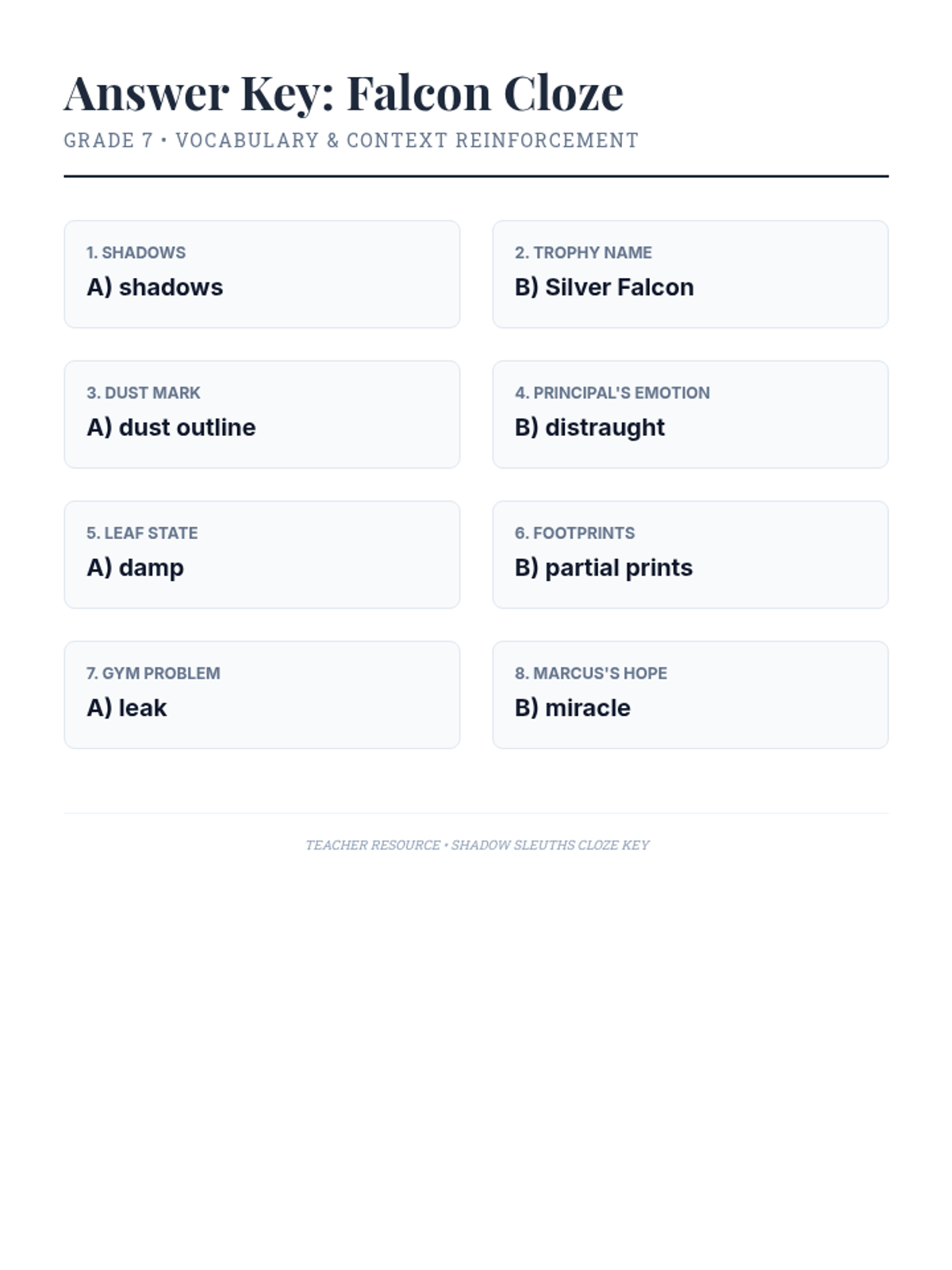
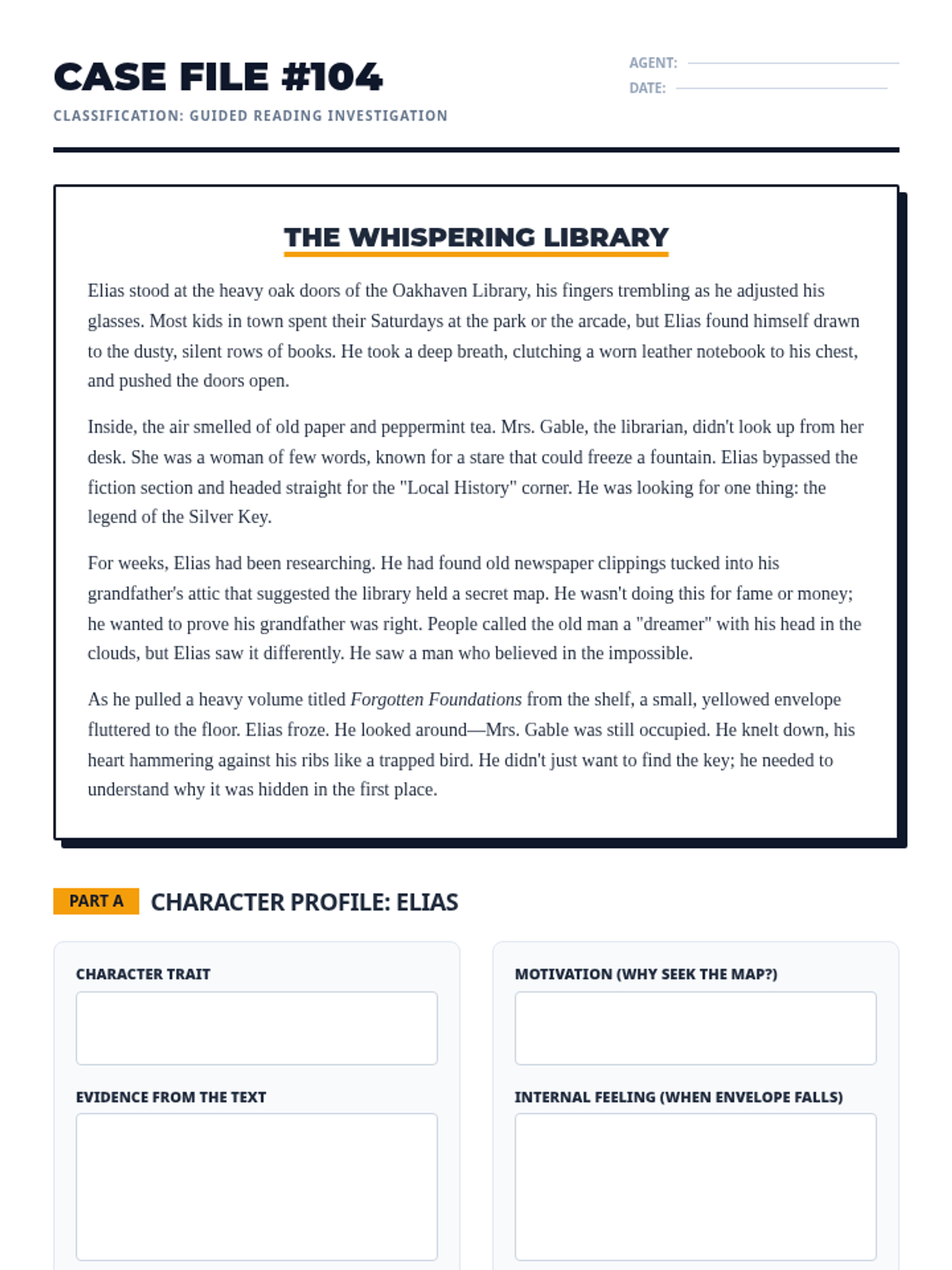
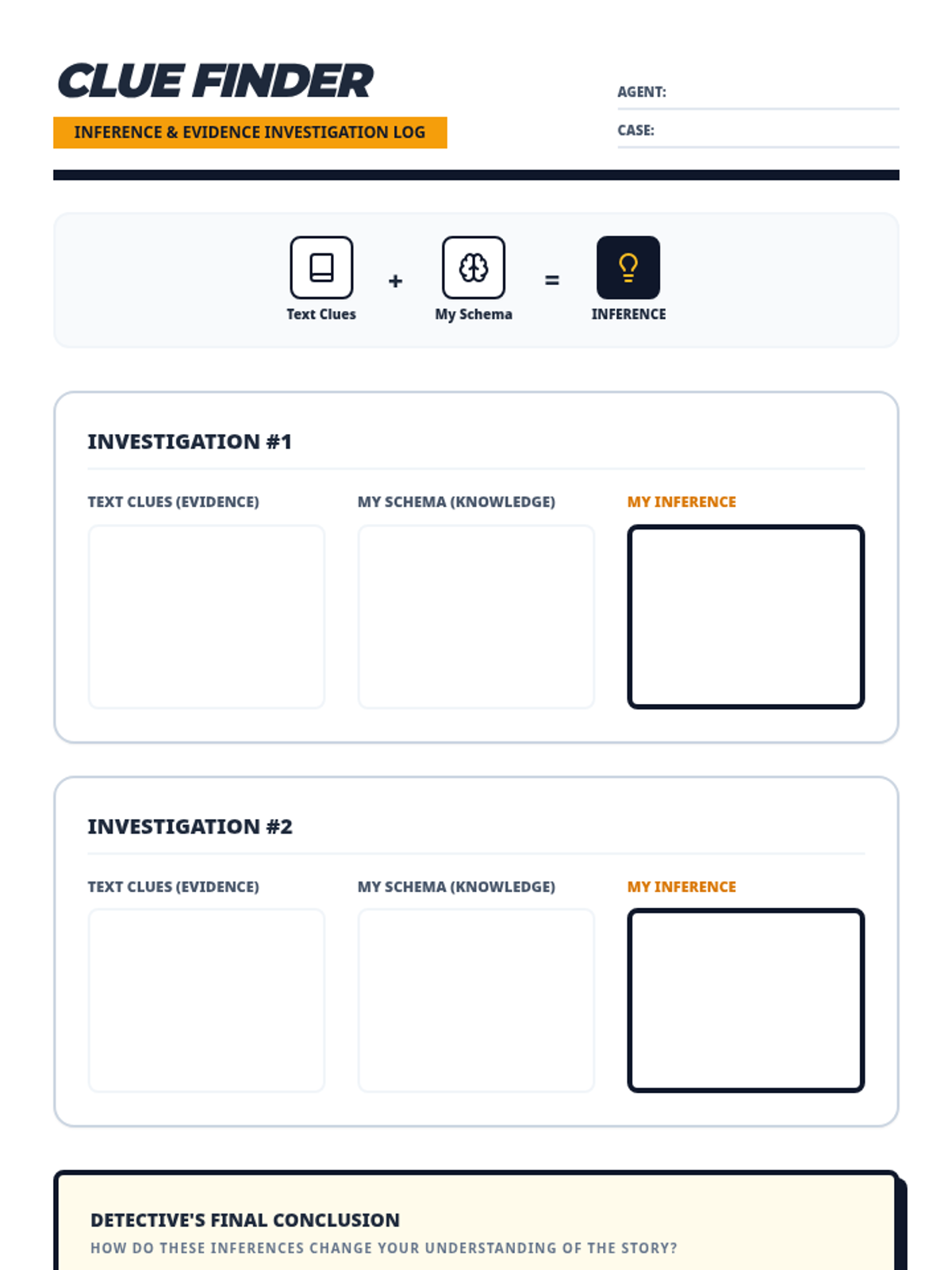
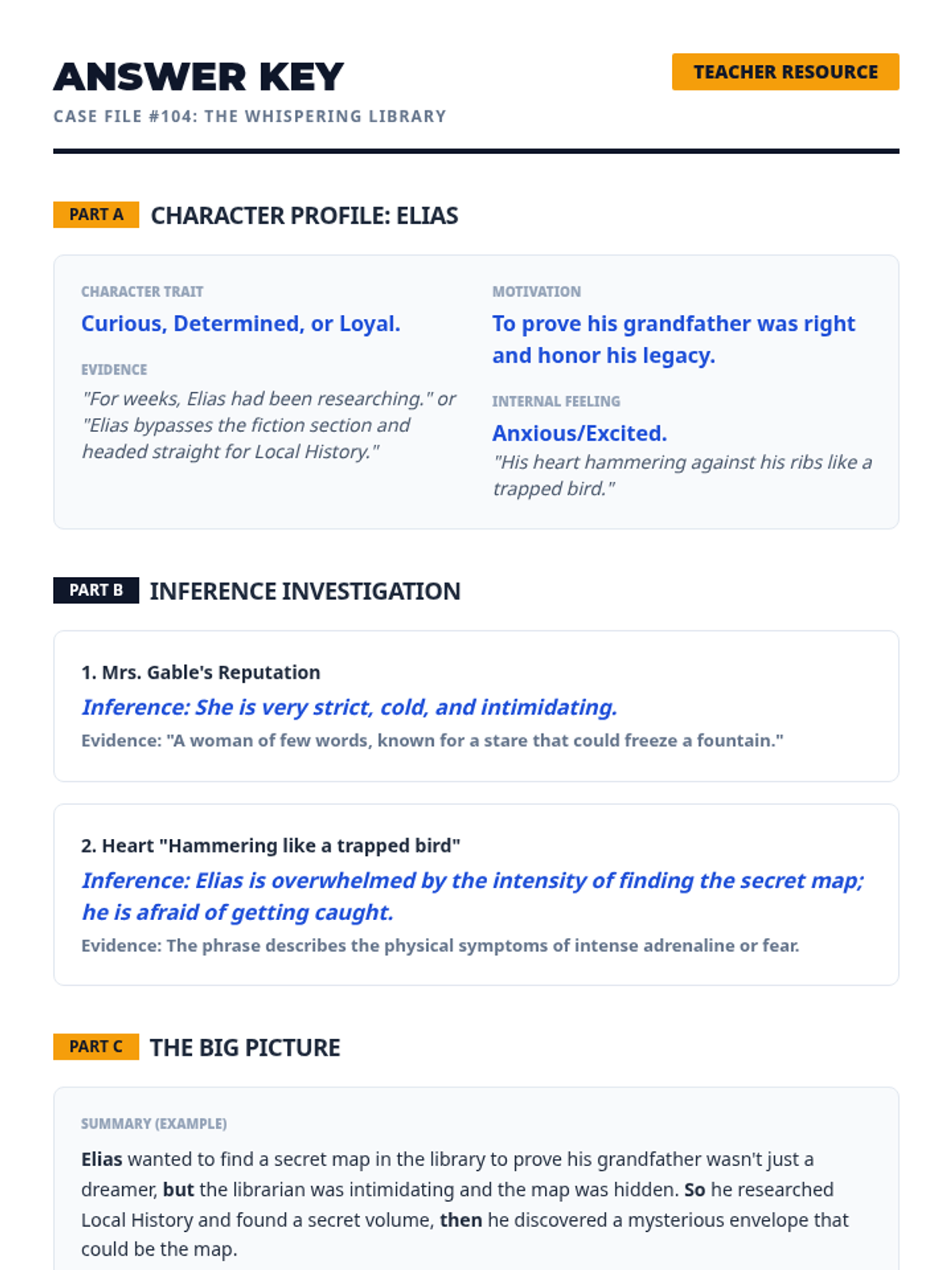
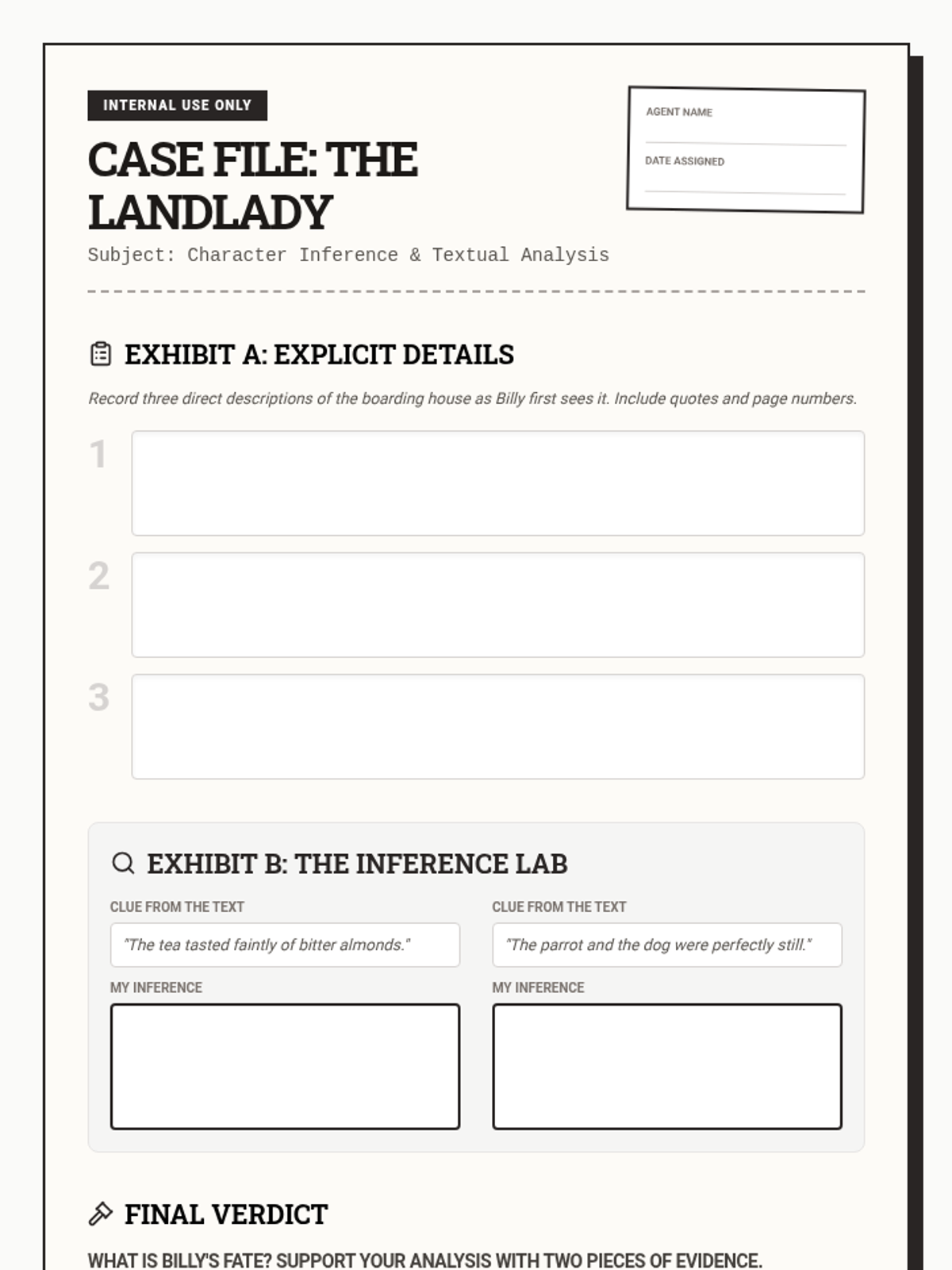
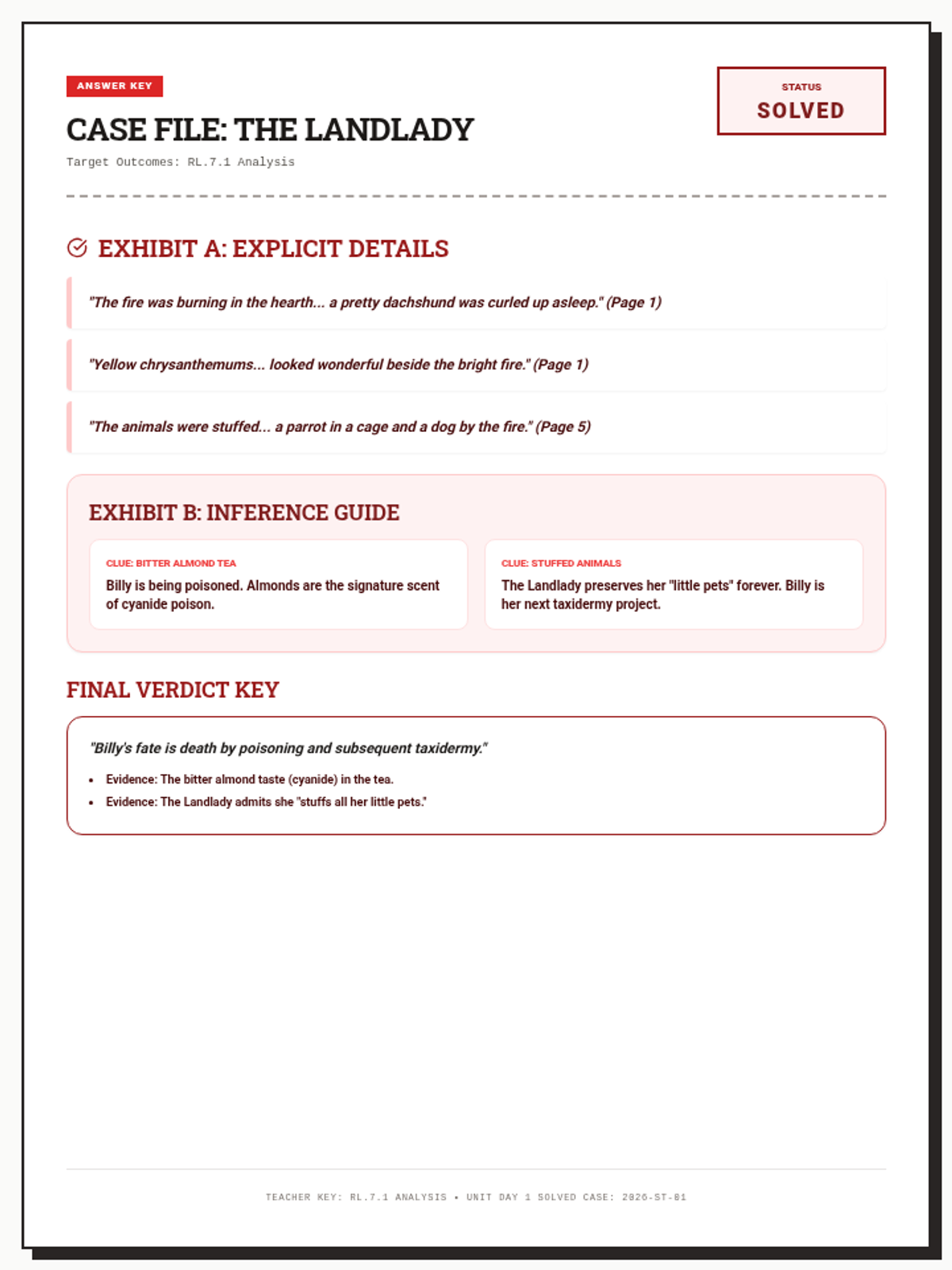
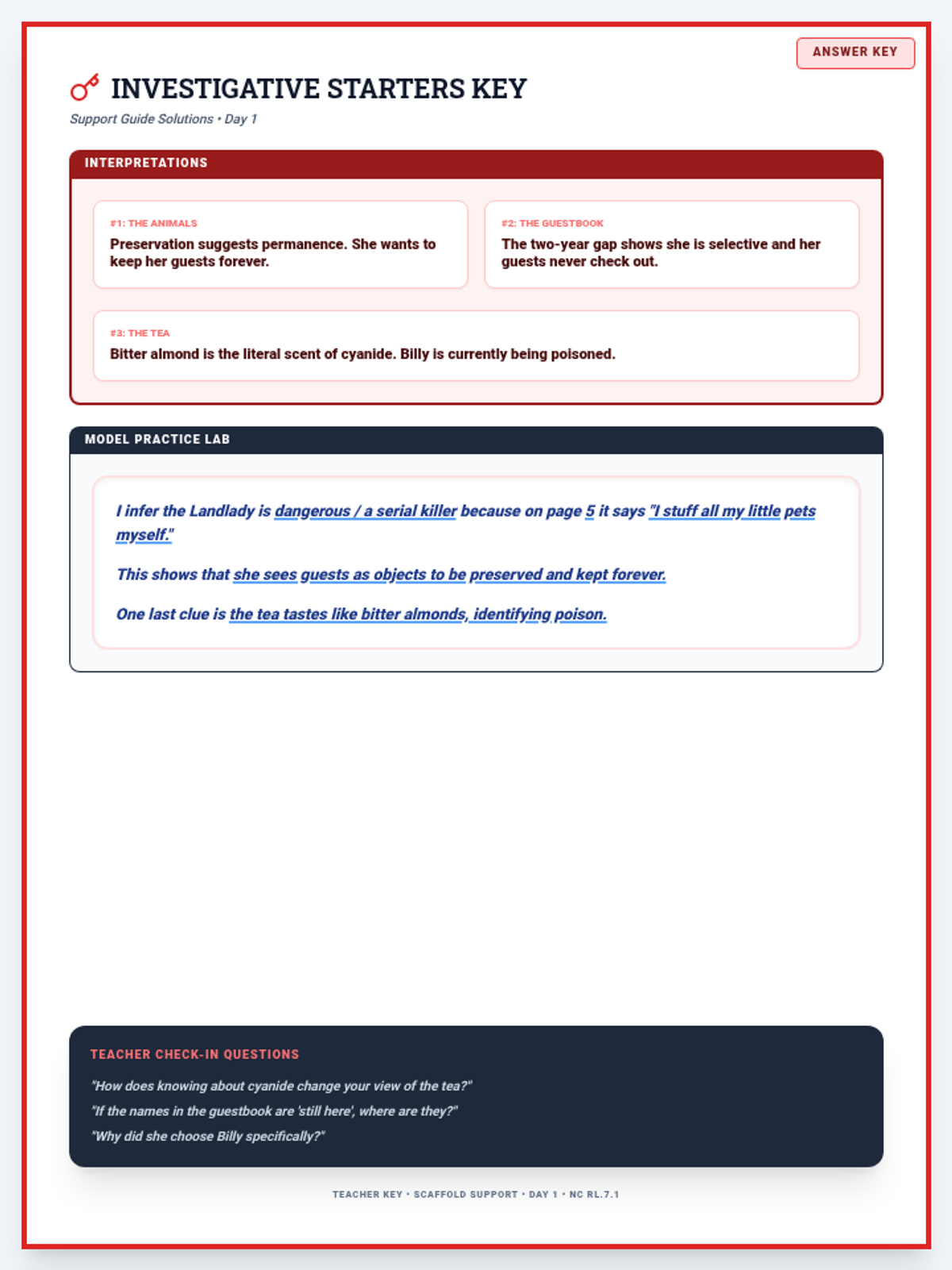
A reading comprehension unit focused on mystery stories across multiple grade levels, targeting skills in inferencing, explicit details, context clues, and identifying main ideas.
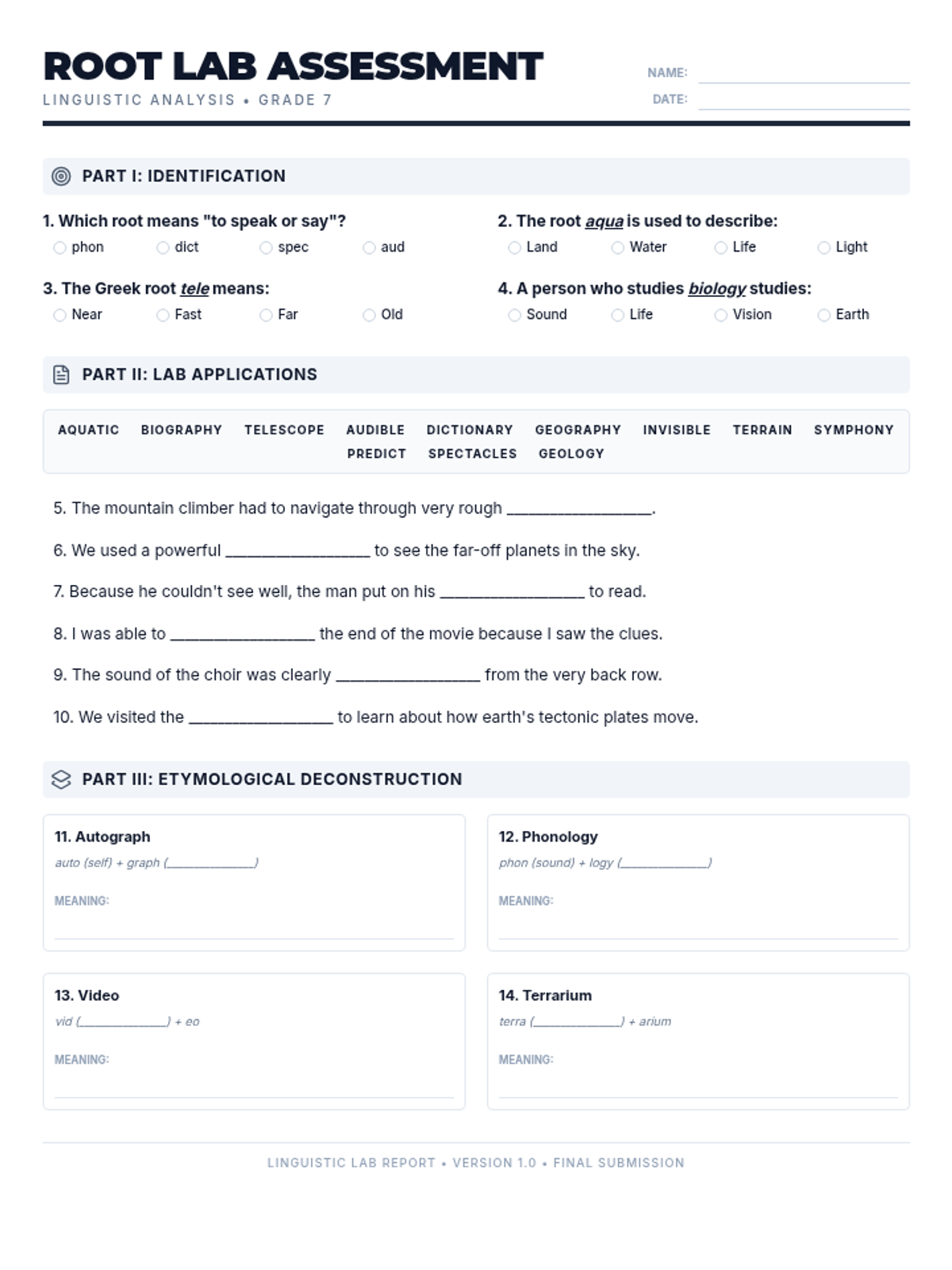
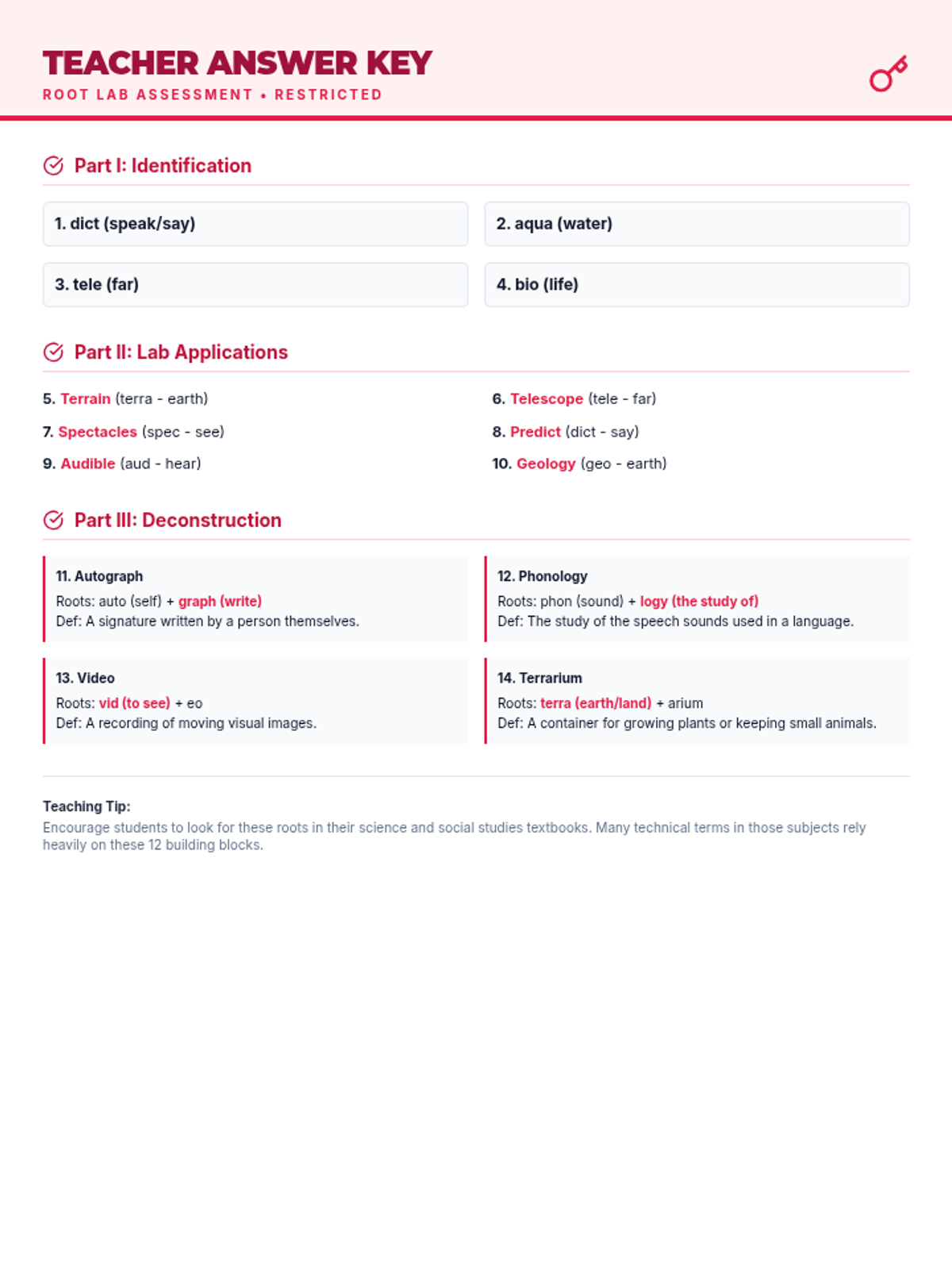
A deep dive into common Greek and Latin roots to help students decode complex vocabulary and improve reading comprehension through etymological analysis.
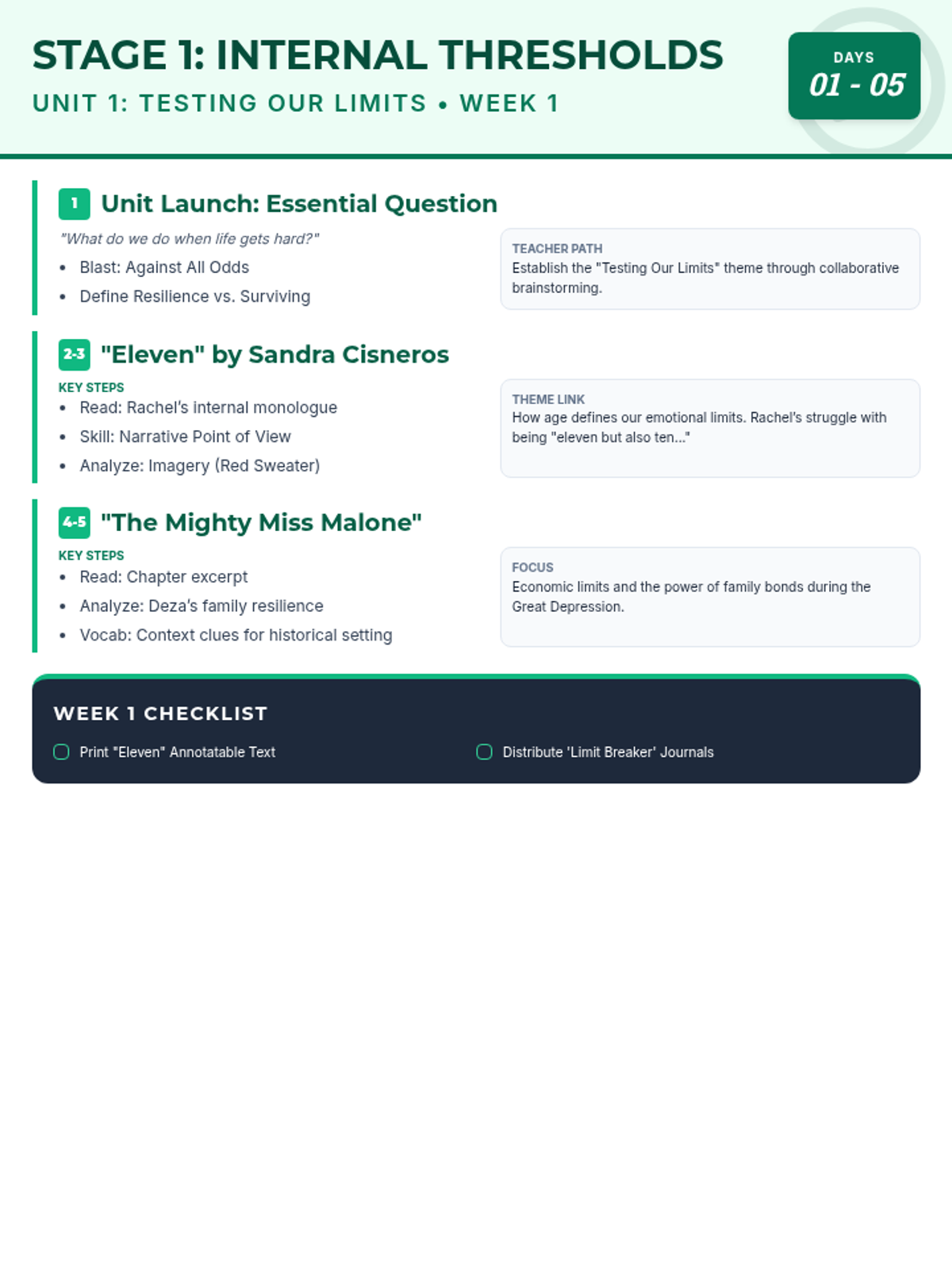
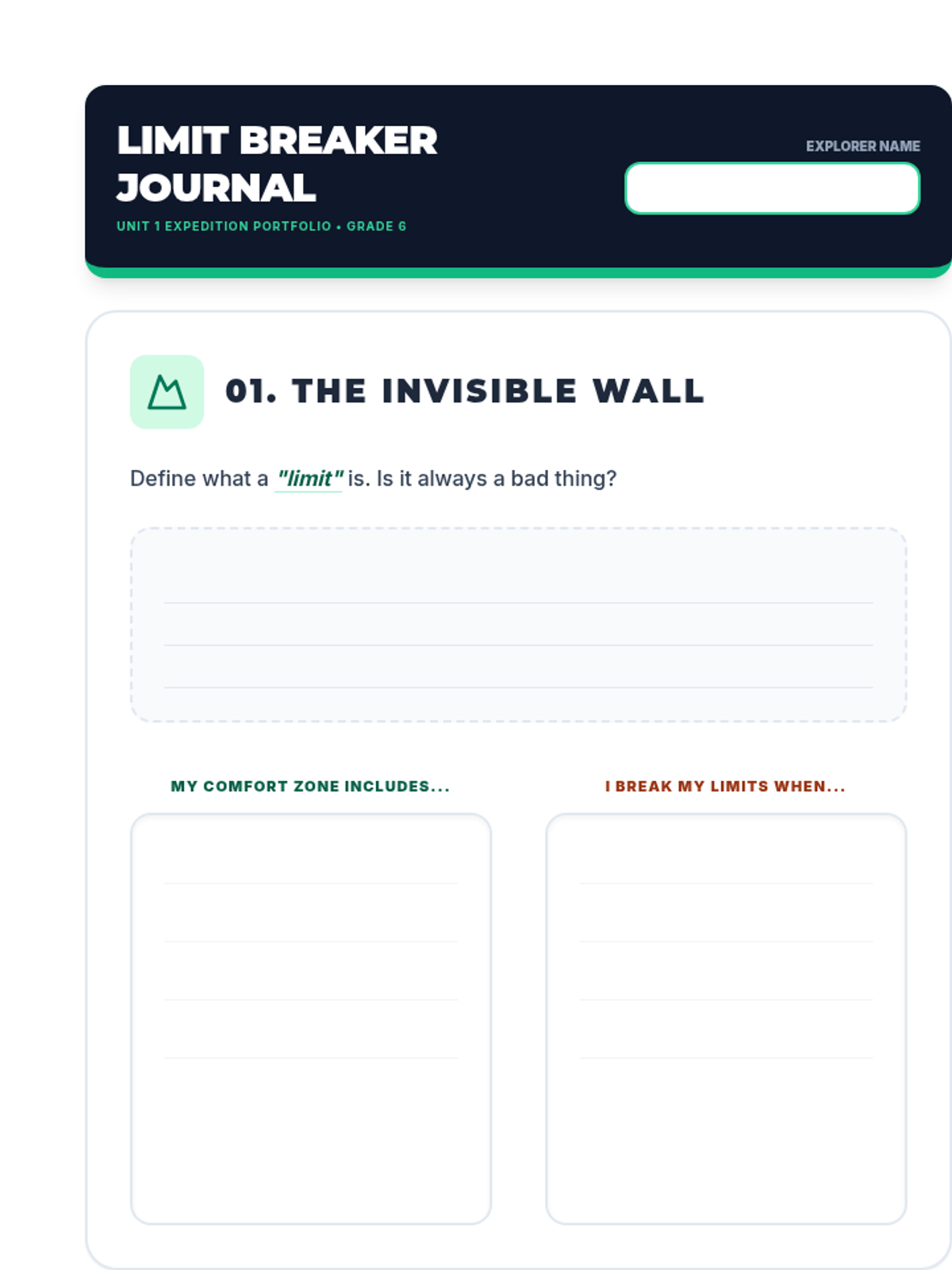
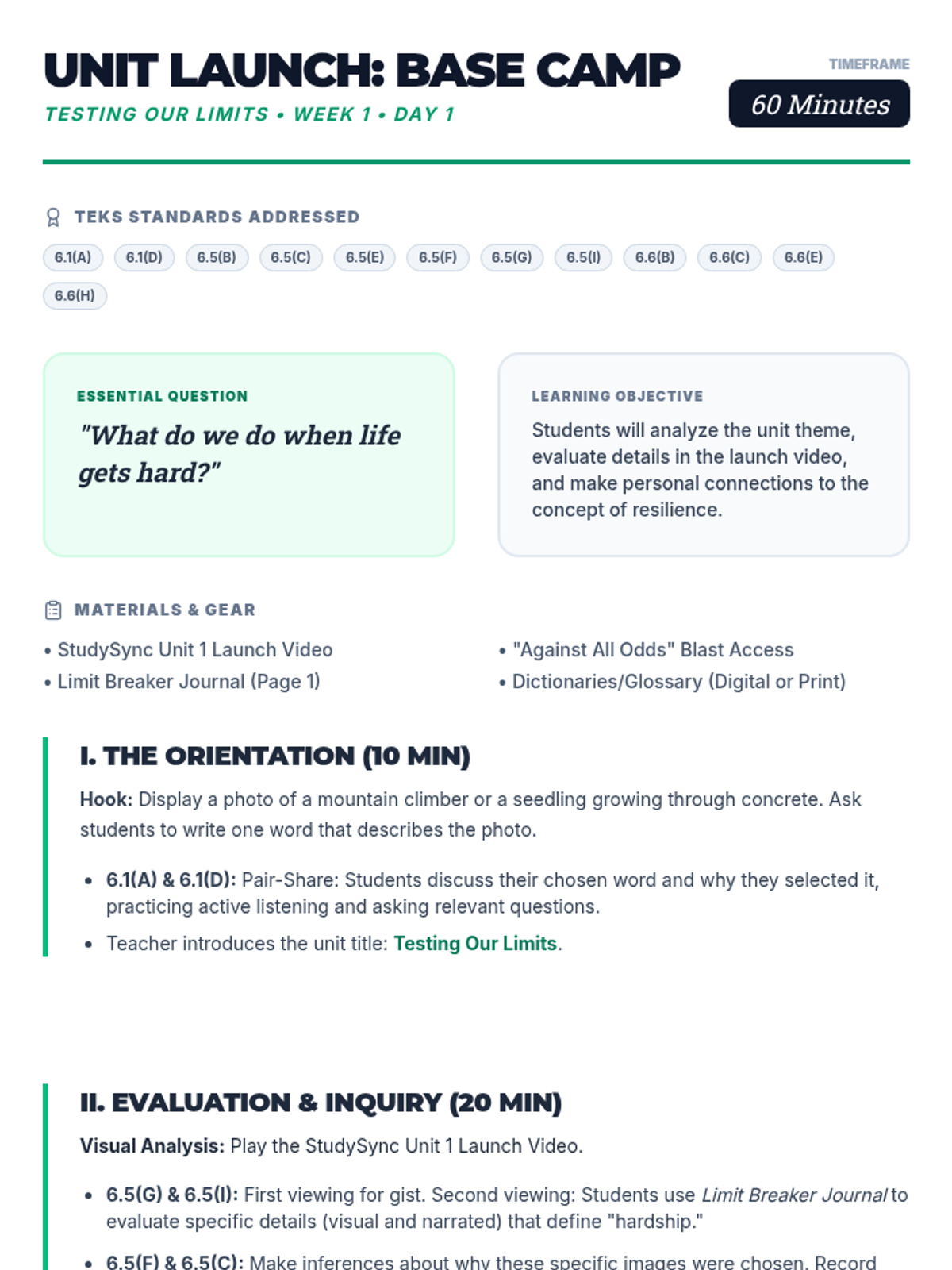
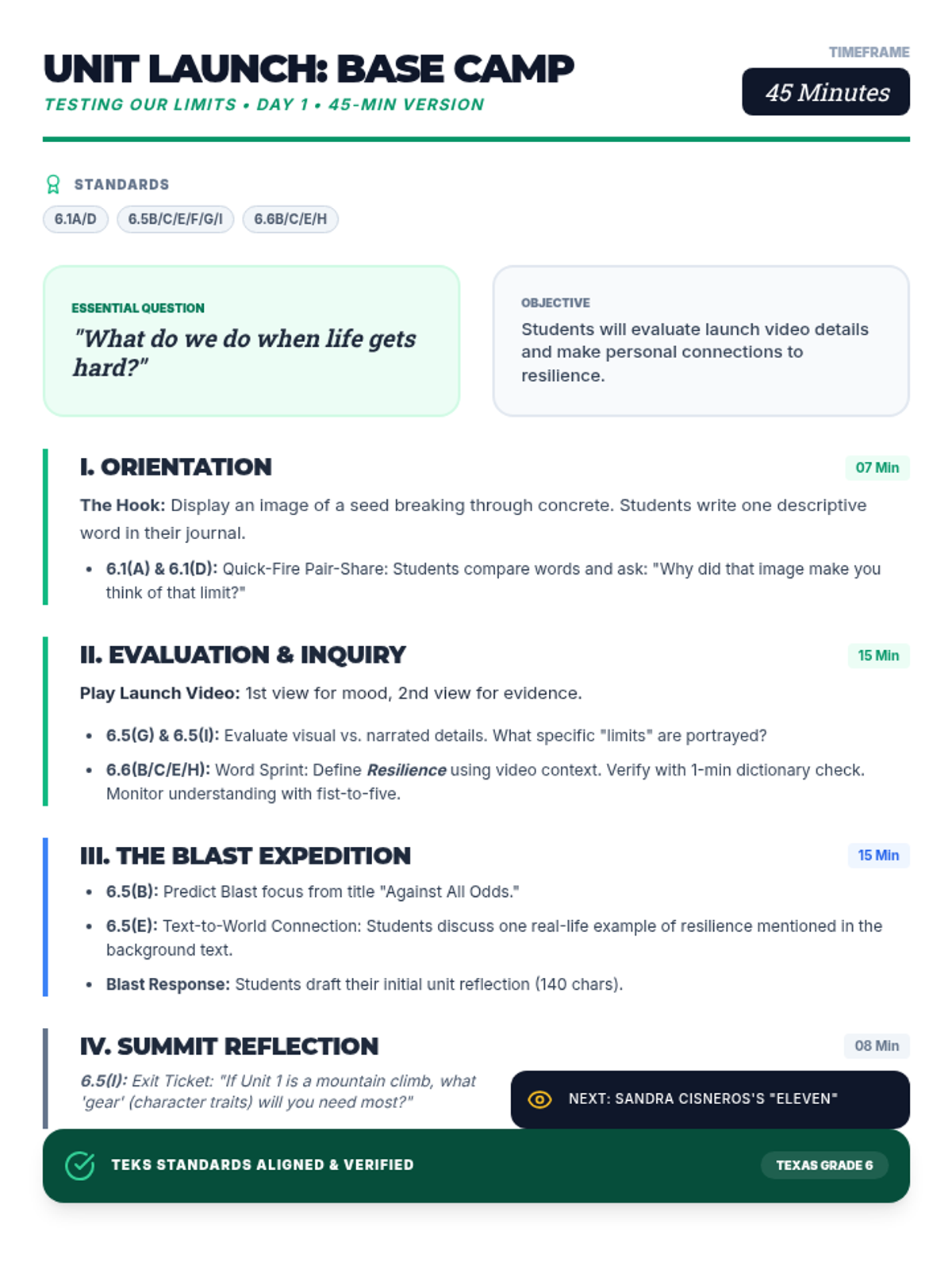
A comprehensive 25-day instructional sequence for Grade 6 Unit 1 'Testing Our Limits', focusing on resilience, narrative structure, and character development through diverse literary and informational texts.
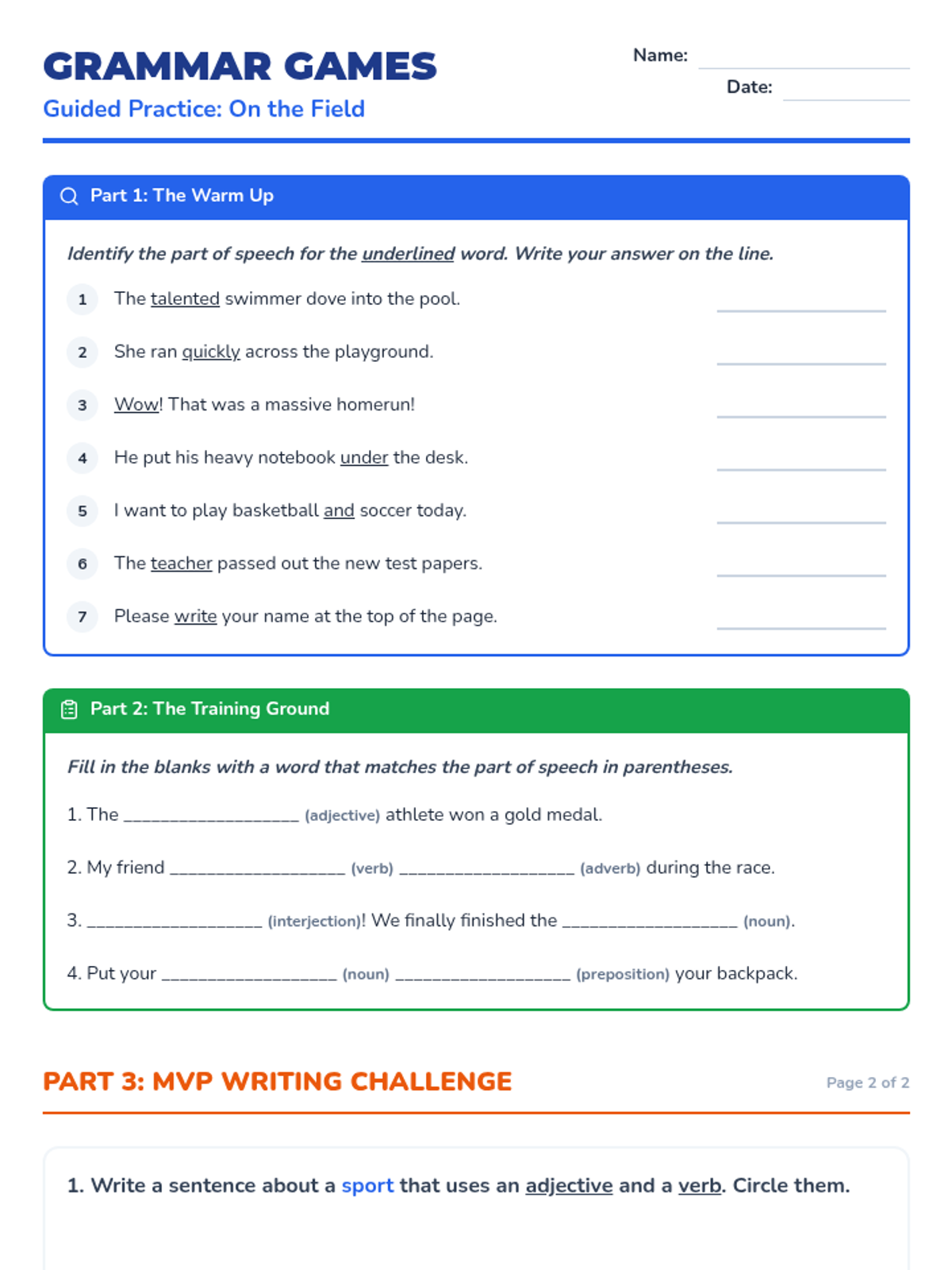
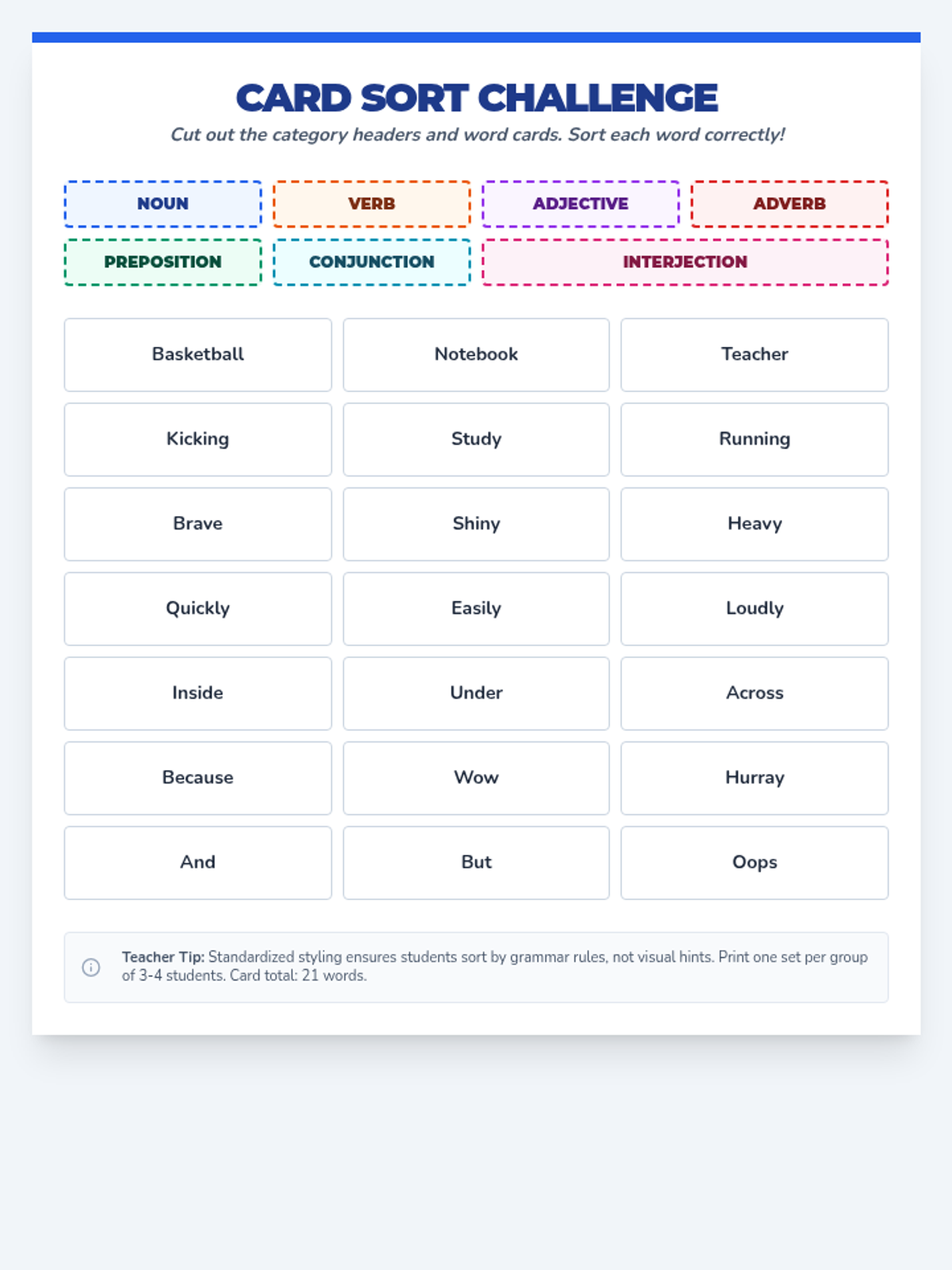
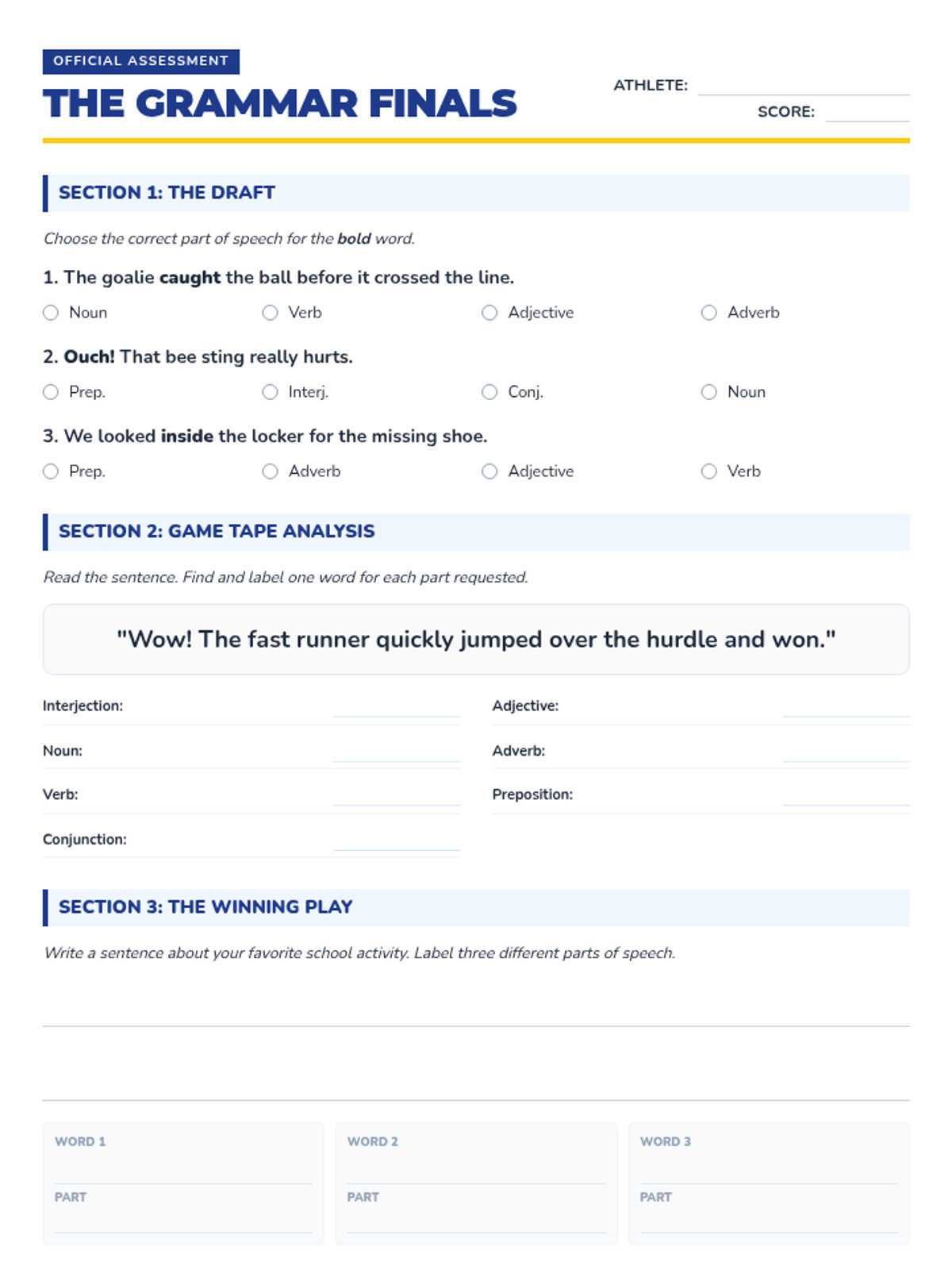
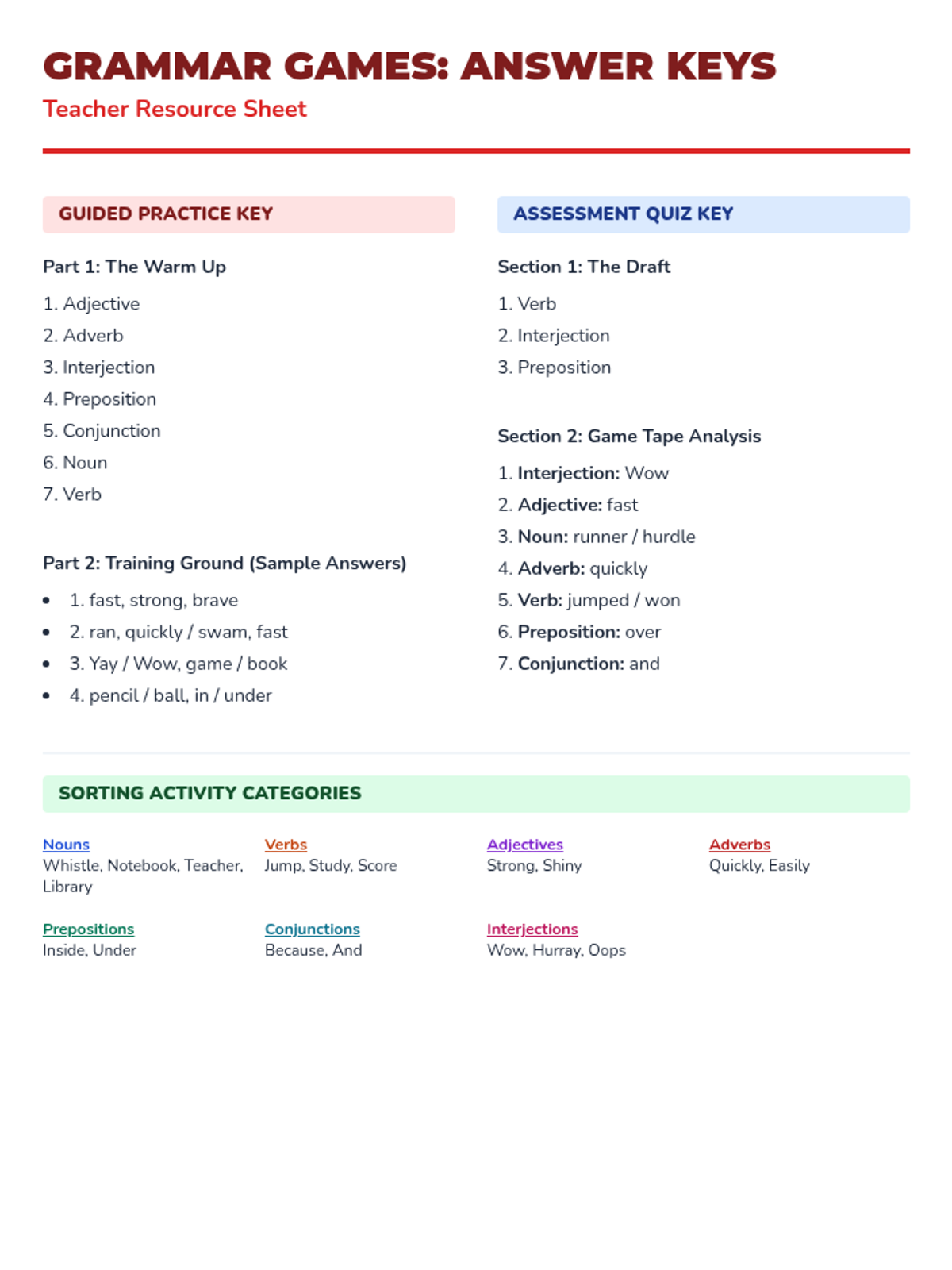
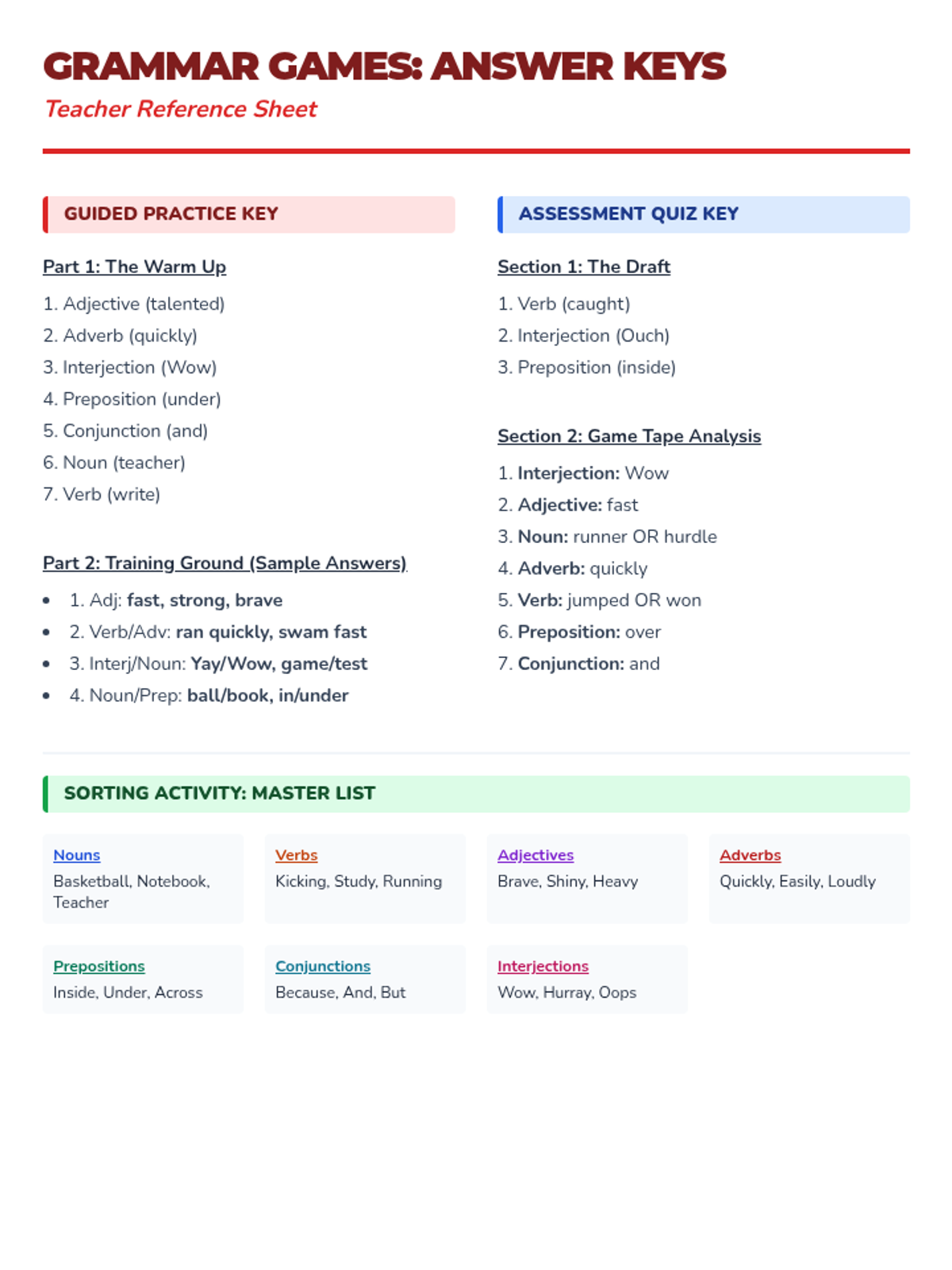
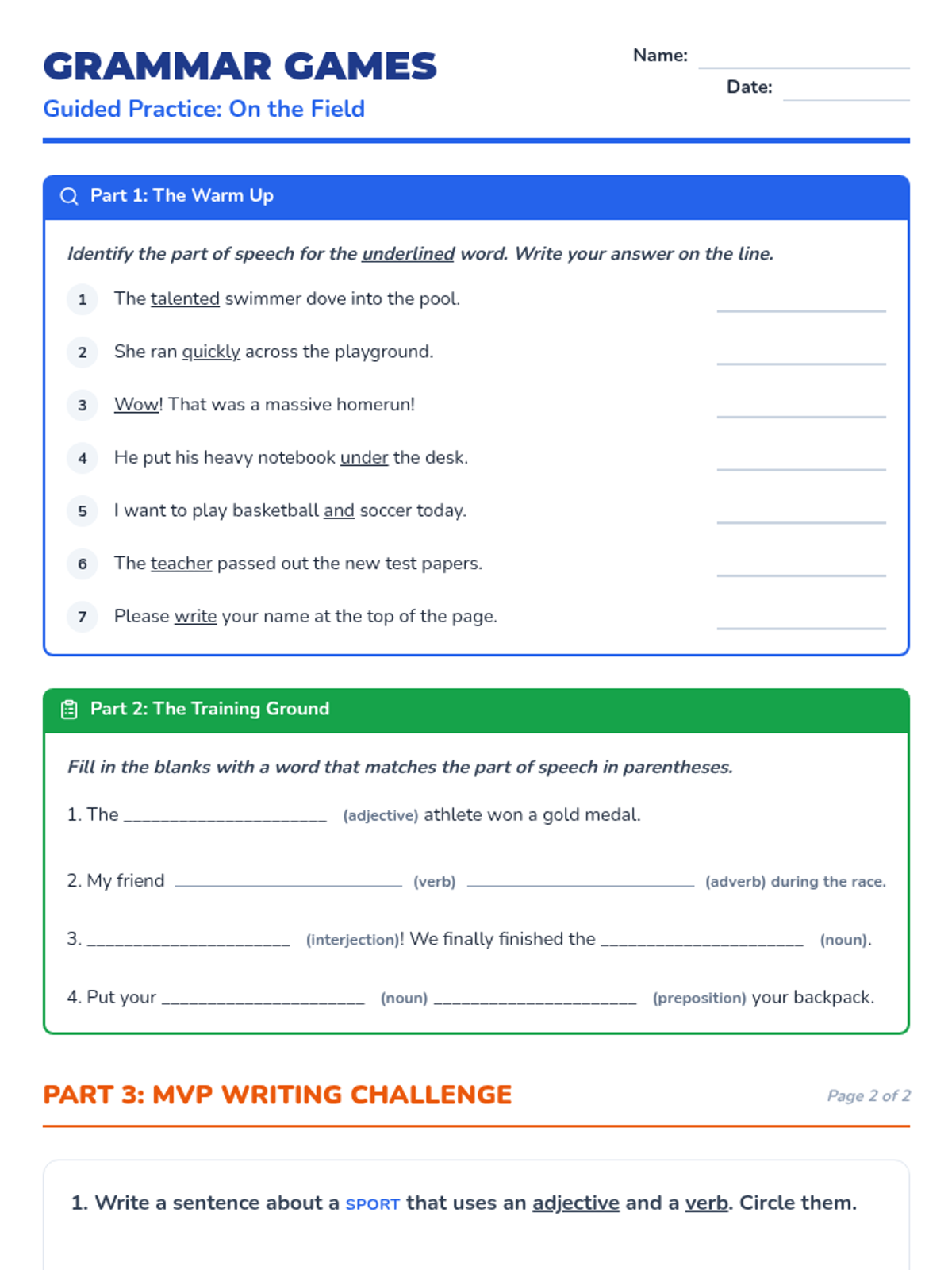
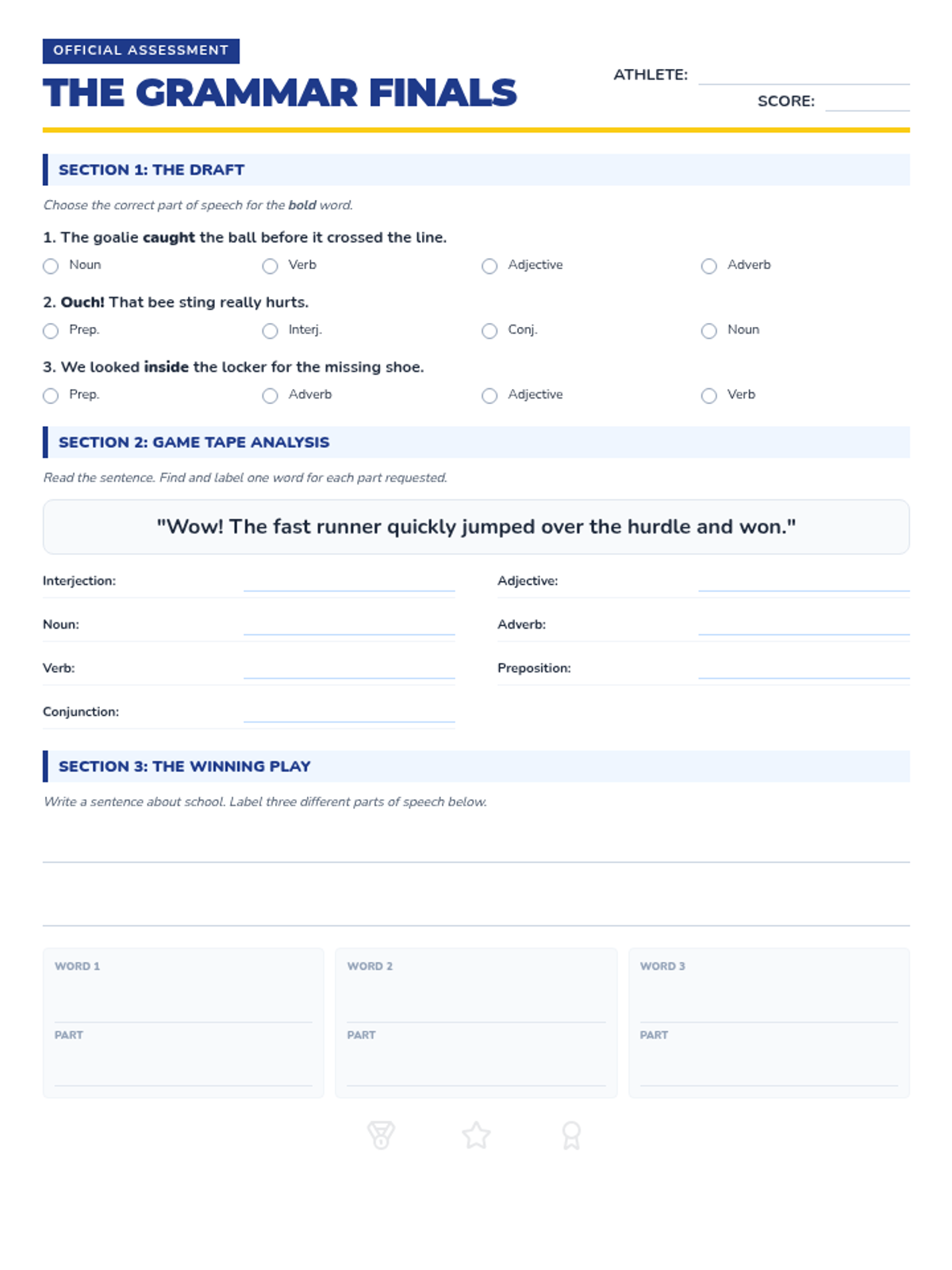
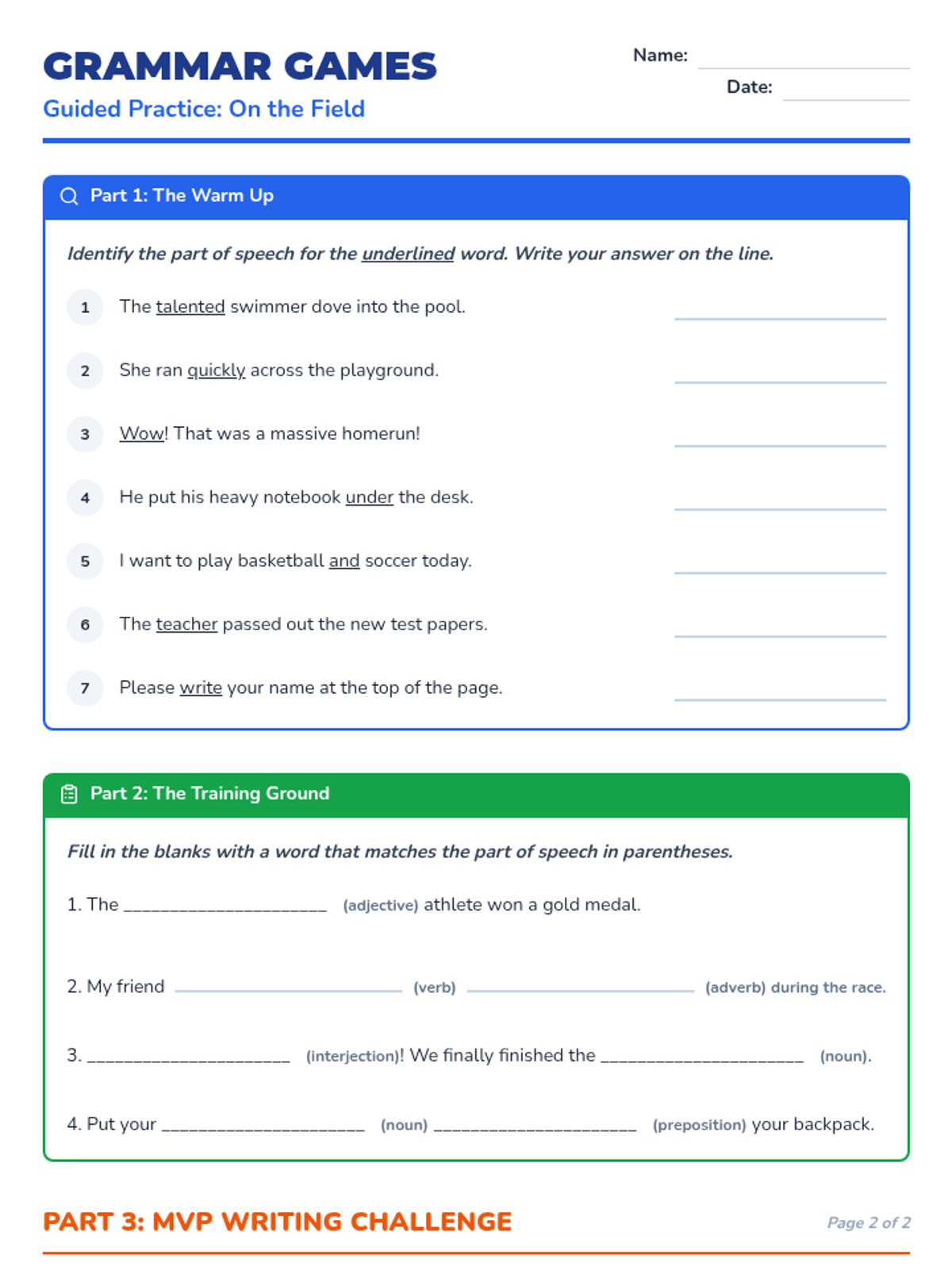
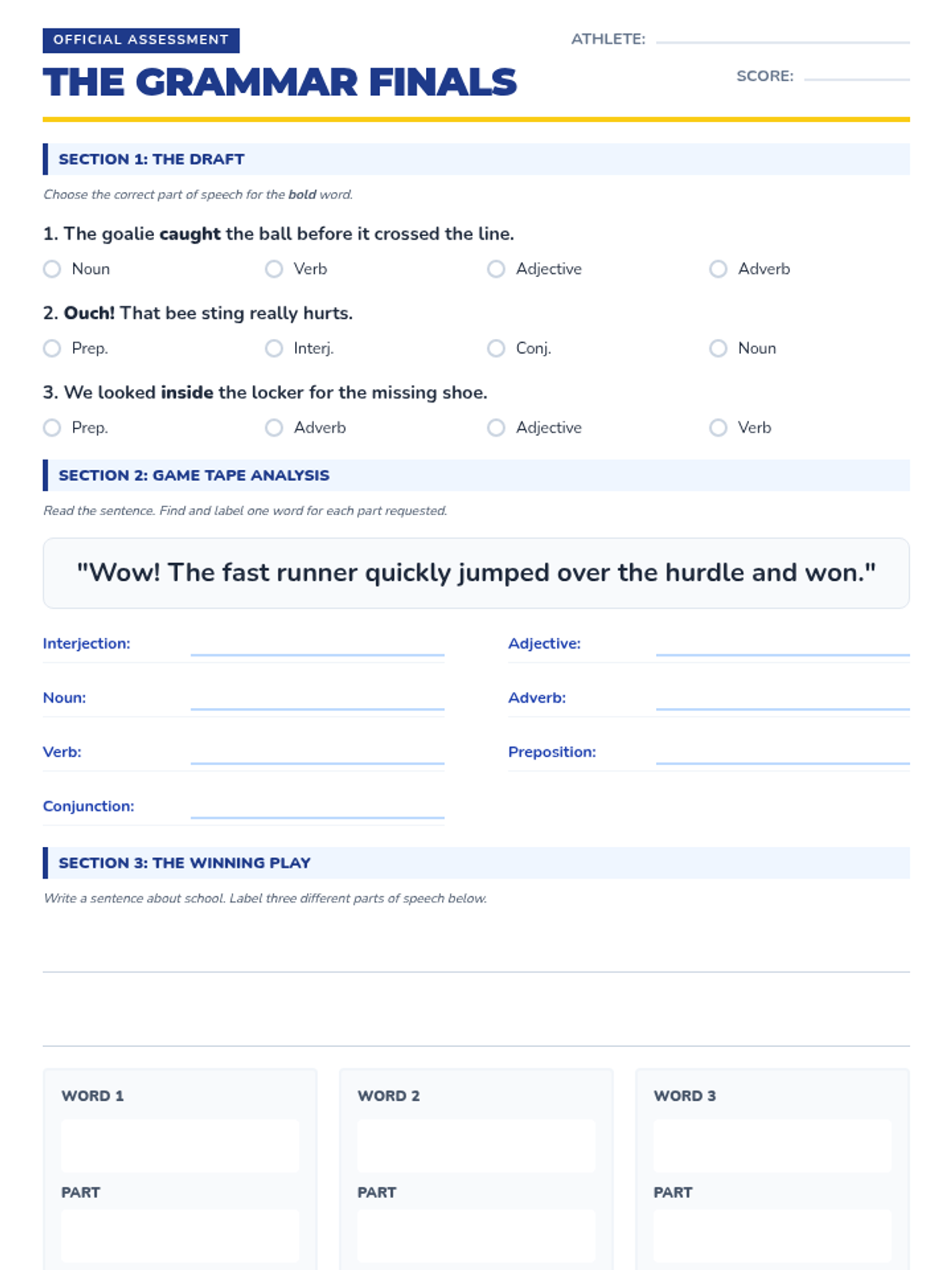
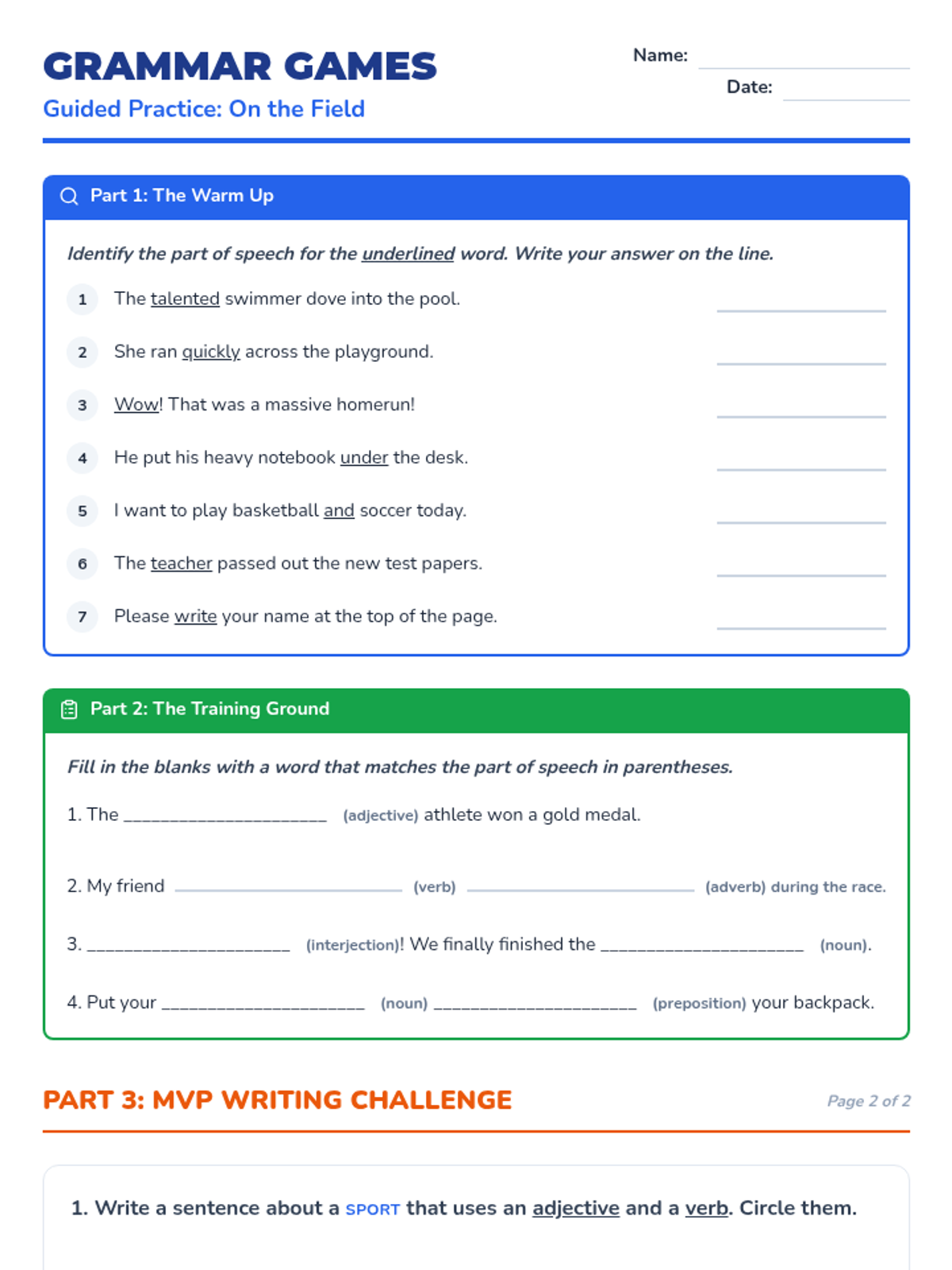
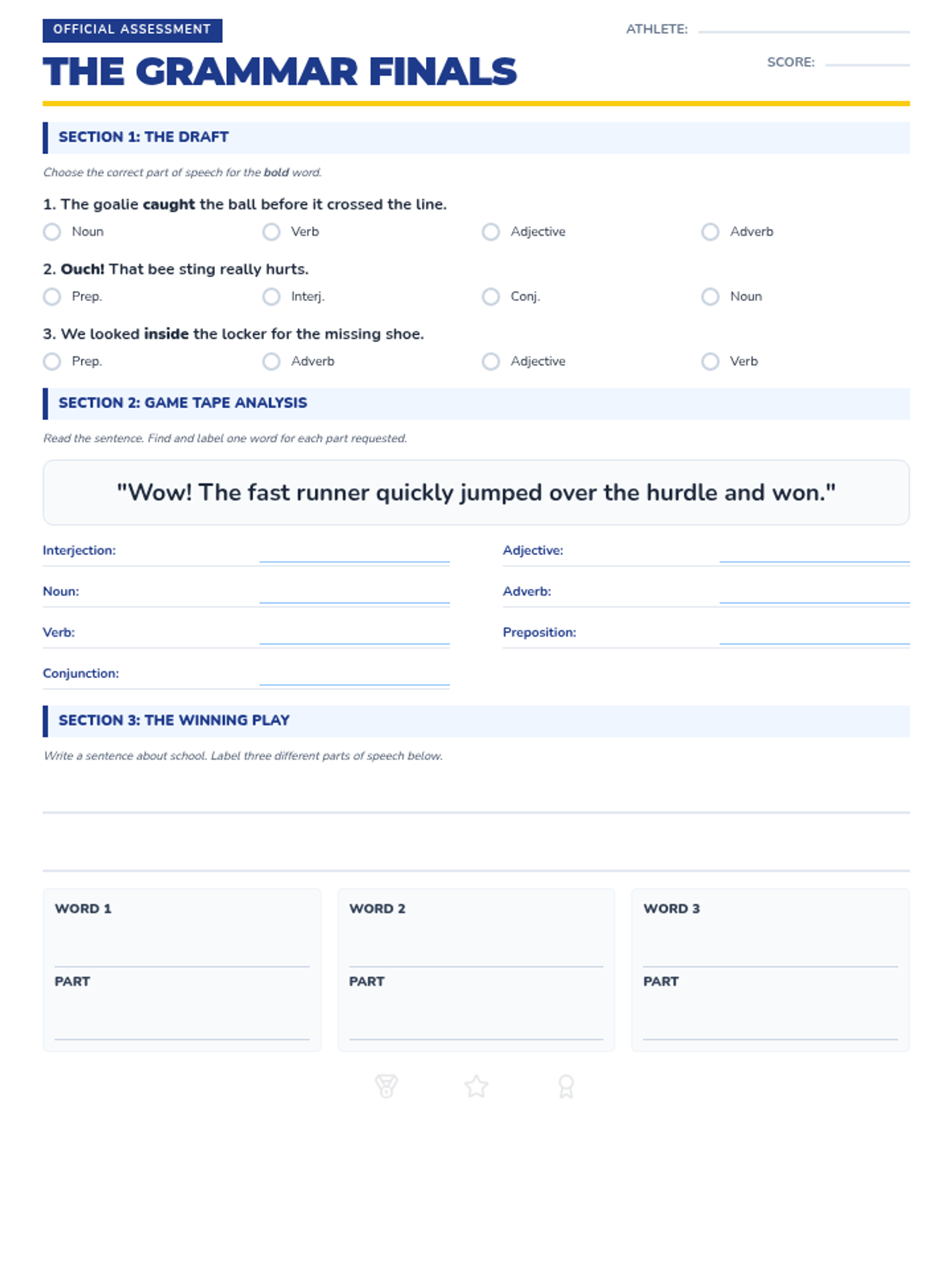
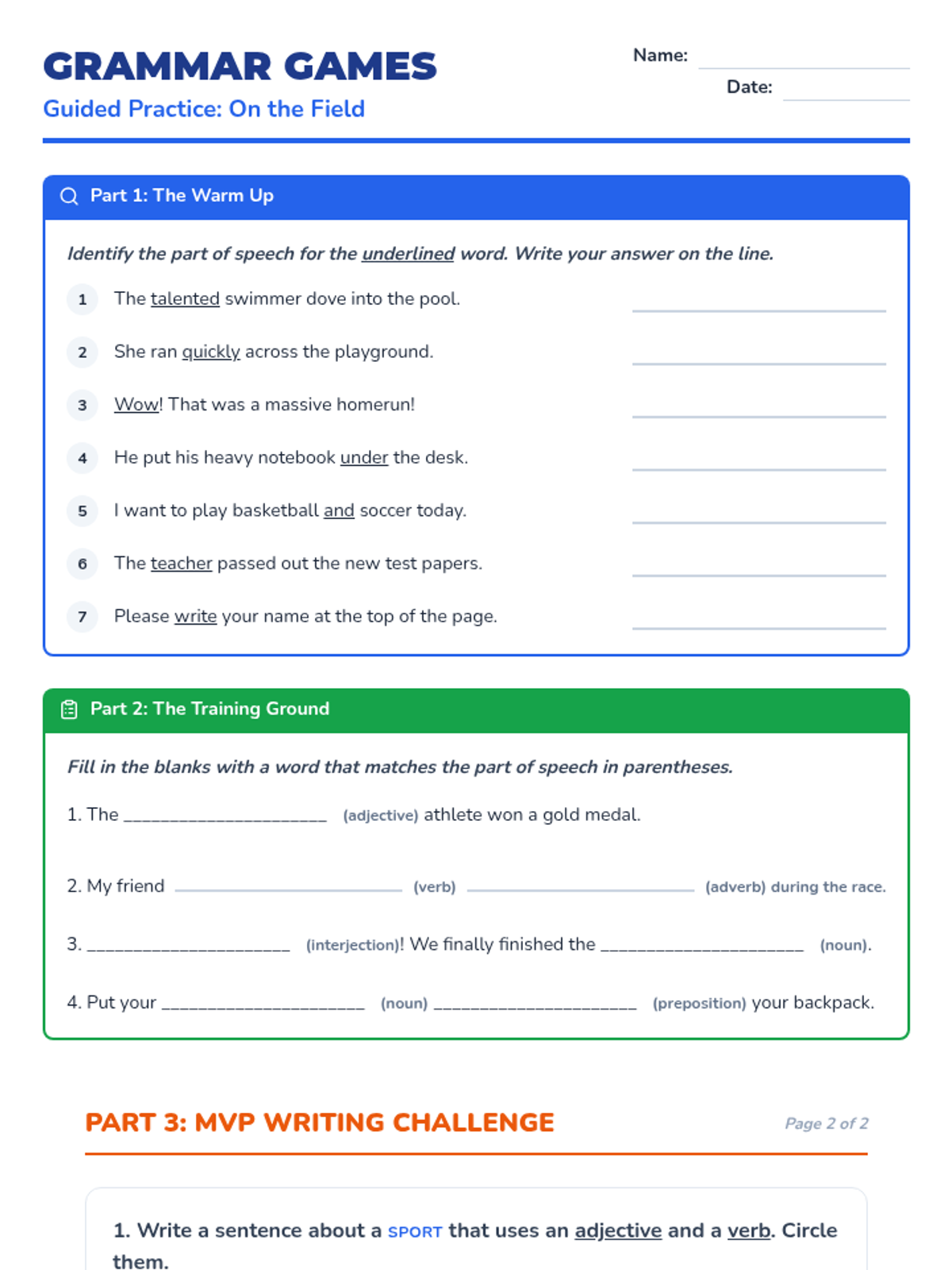
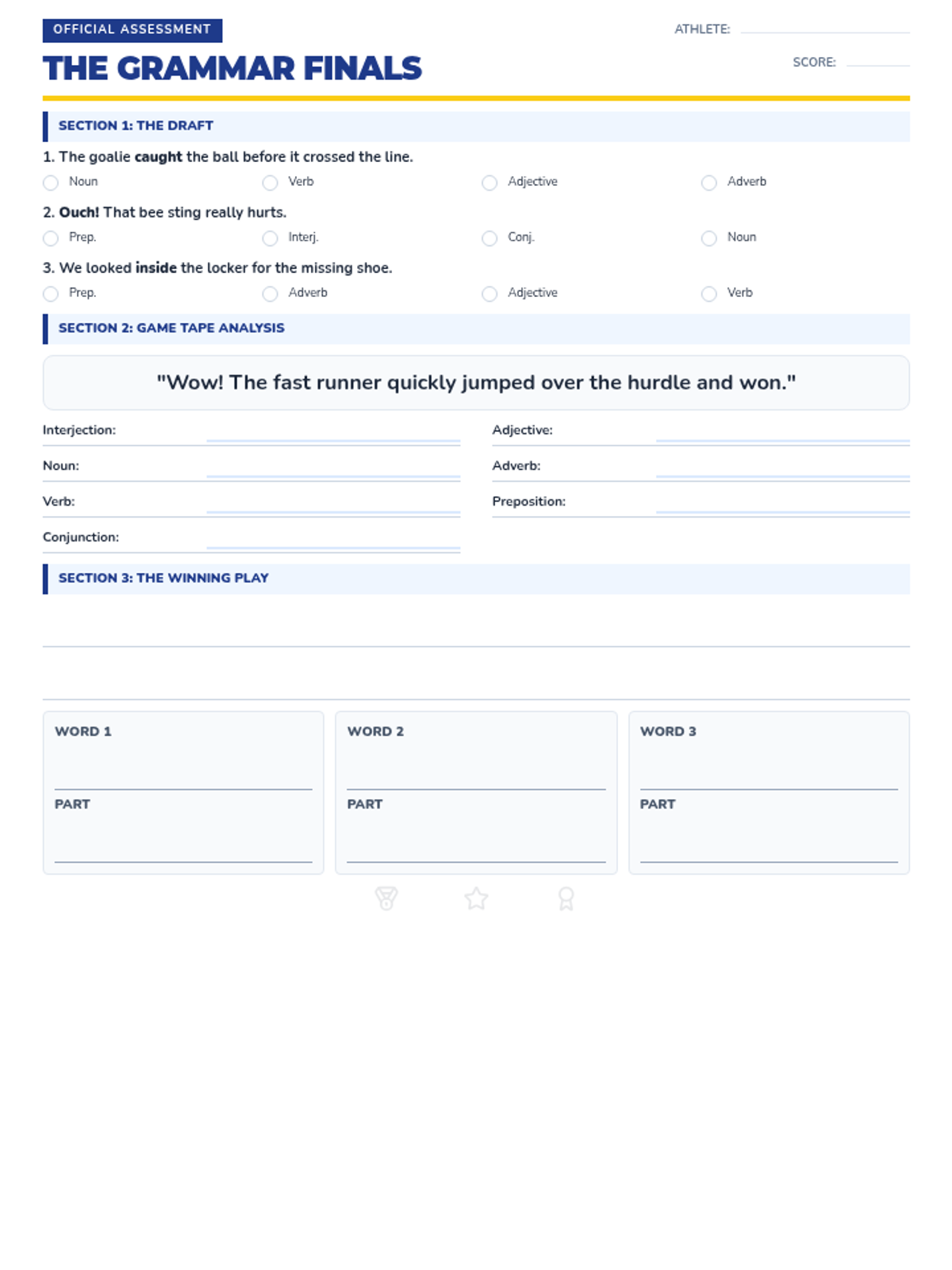
A comprehensive unit on identifying and using the seven primary parts of speech through the lens of sports, hobbies, and school life. Students progress from basic identification to complex sentence construction.
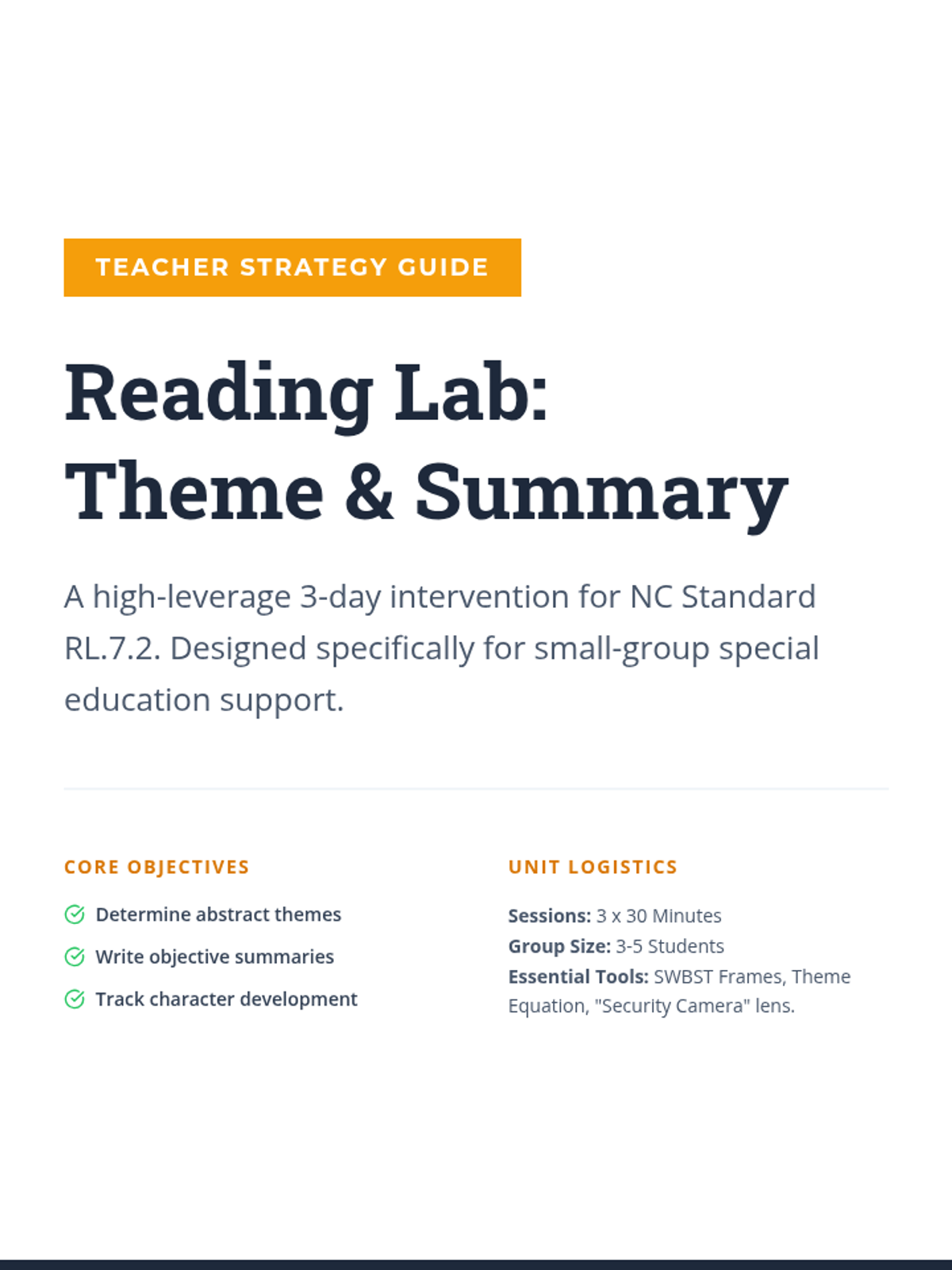
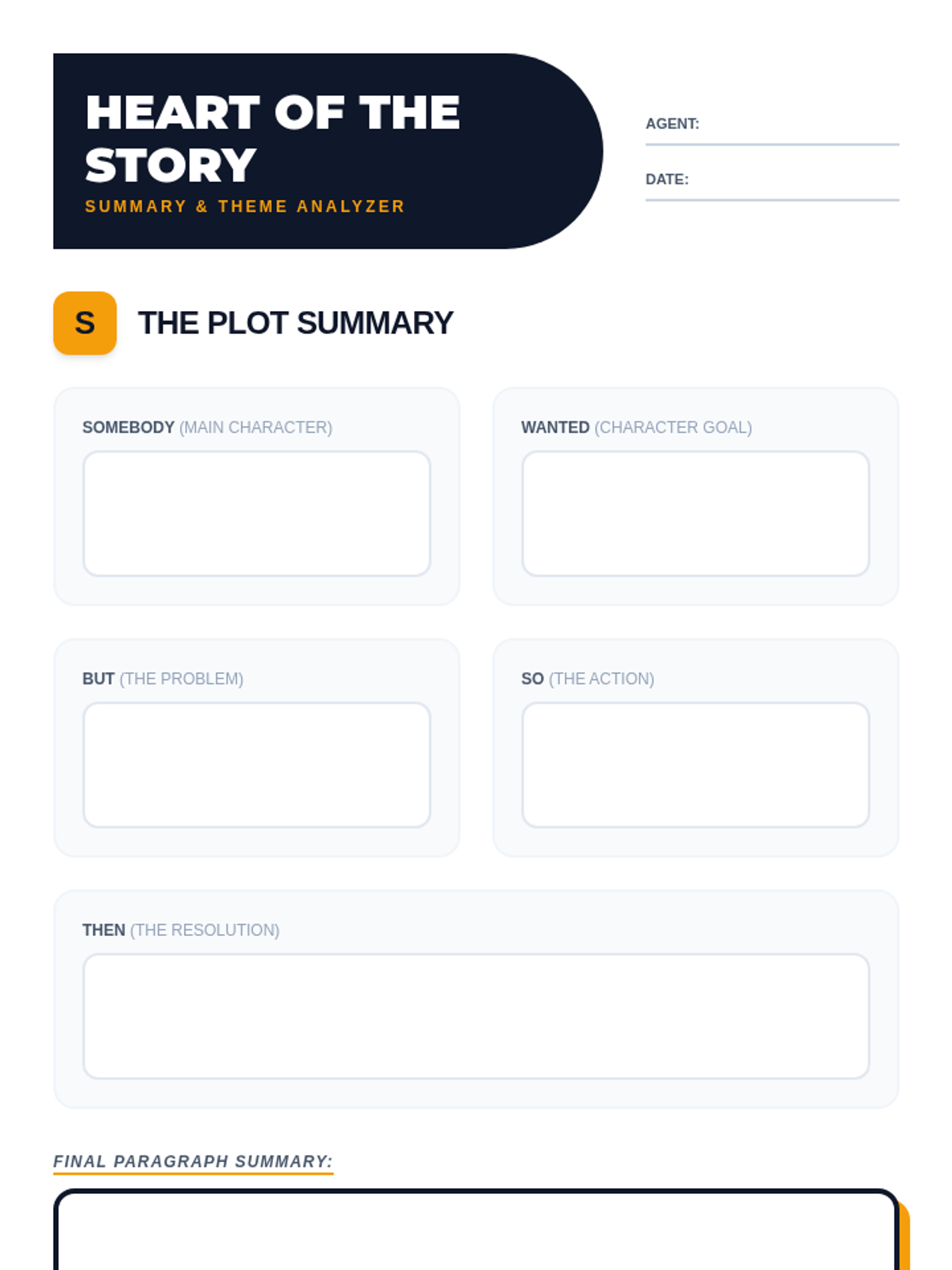
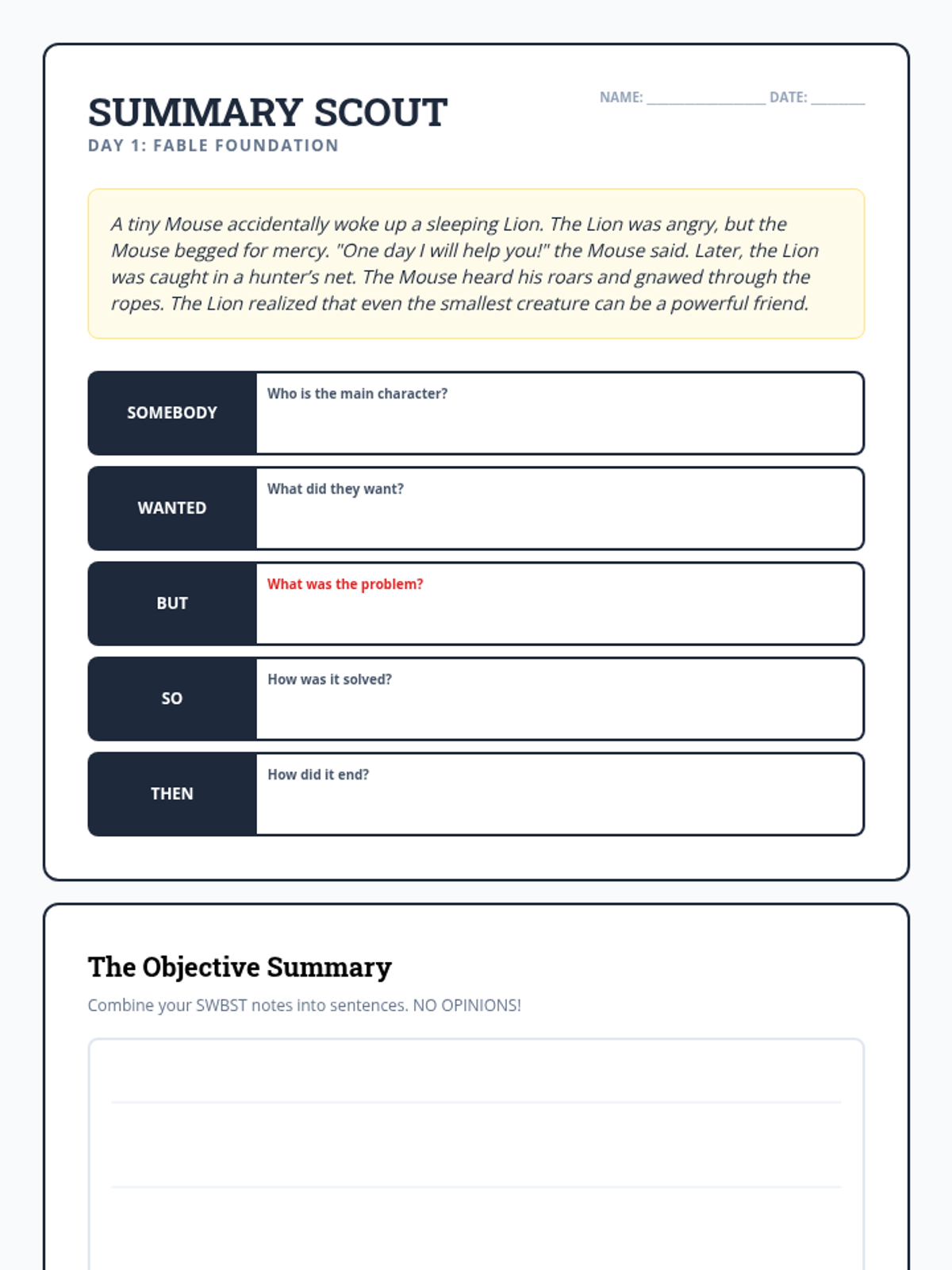
A 3-day intensive small-group sequence focused on NC Standard RL 7.2 (Theme and Objective Summary). Designed for 7th-grade special education students, this unit provides heavy scaffolding through SWBST frames, graphic organizers, and EOG-style multiple choice practice using fables, Gary Soto's 'Seventh Grade', and original realistic fiction.
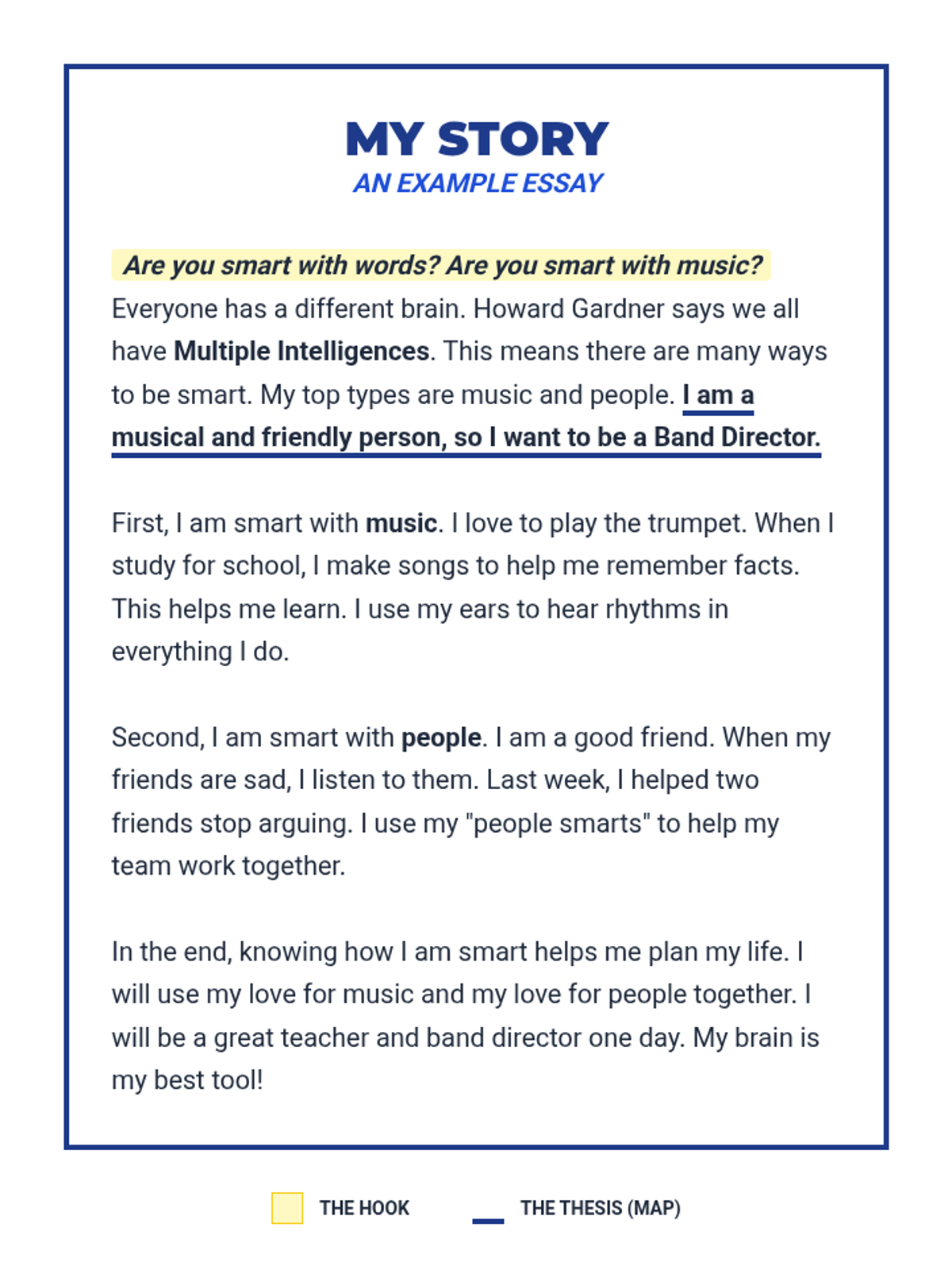
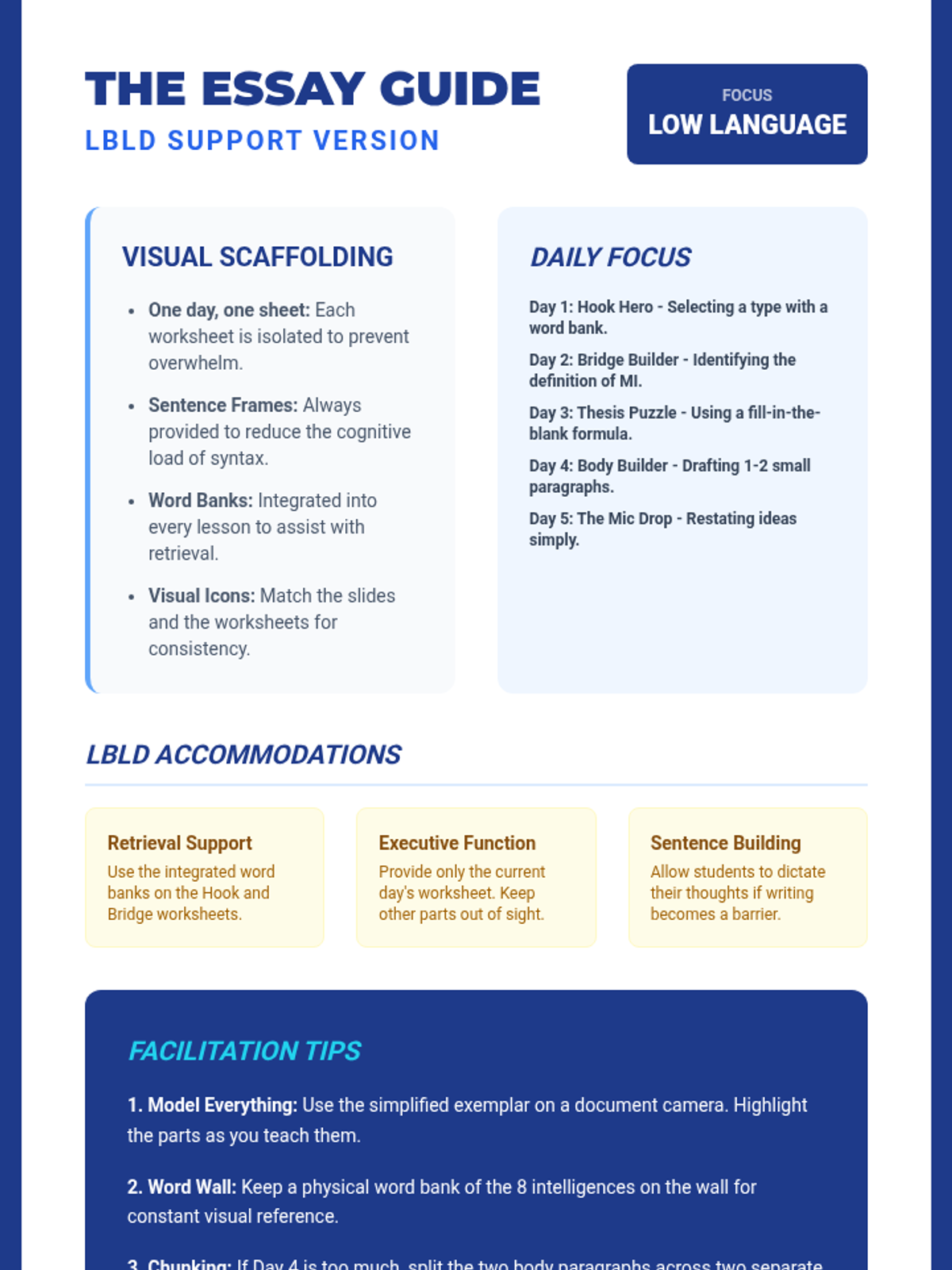
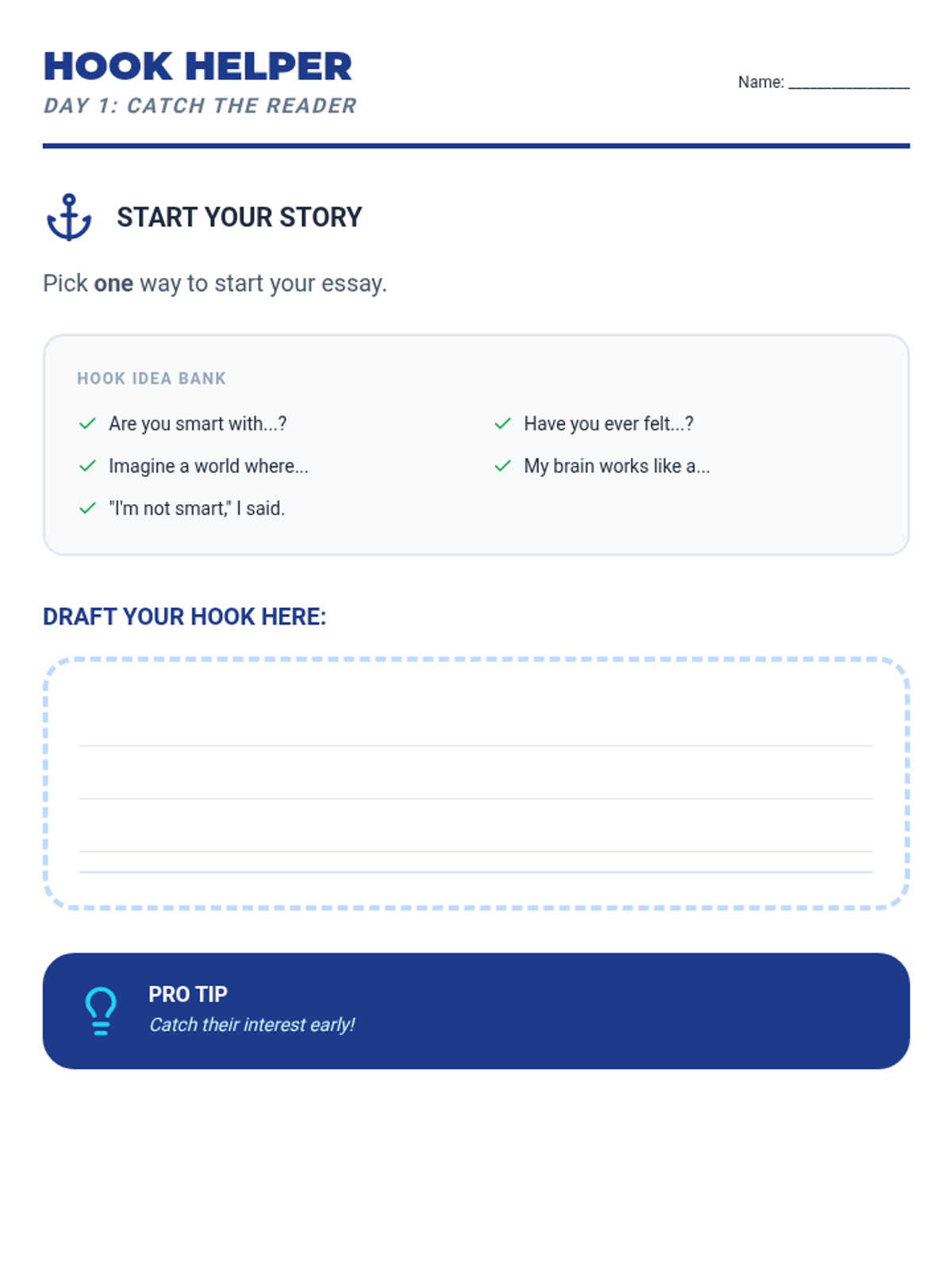
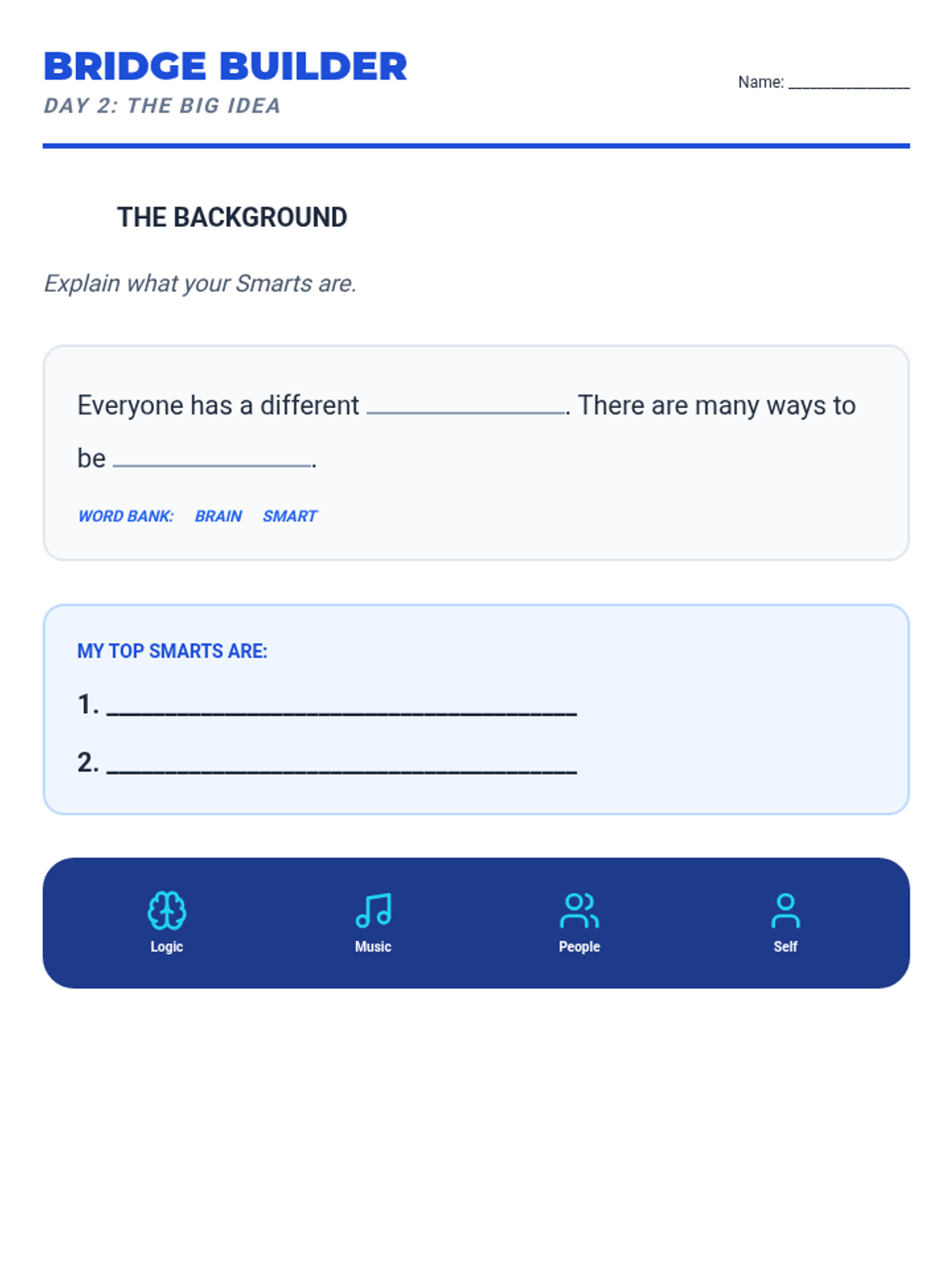
A 5-day writing unit where students explore their multiple intelligences and future aspirations through the structure of a personal essay. Students master the mechanics of hooks, background building, and thesis construction to create a professional self-portrait.
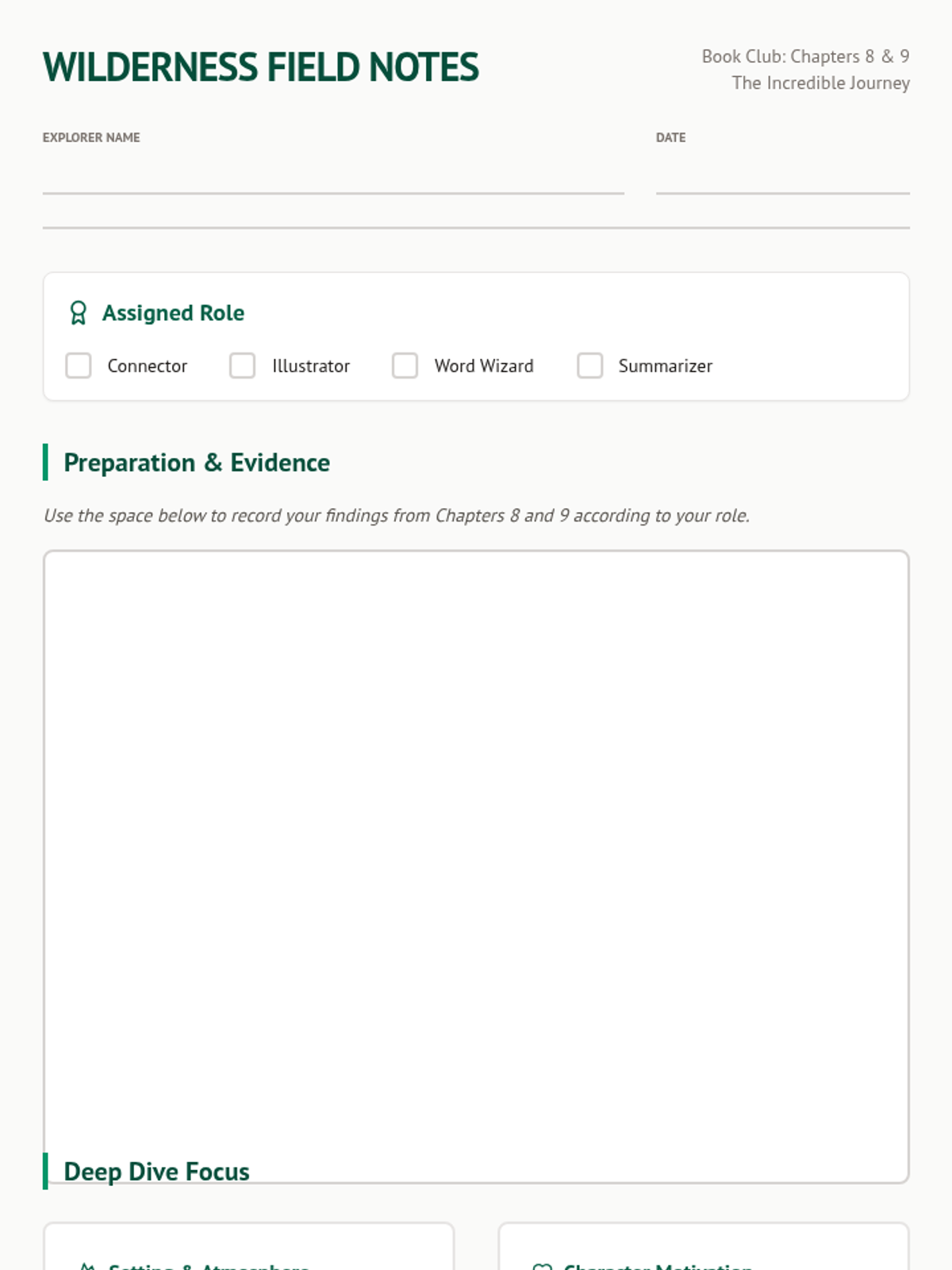
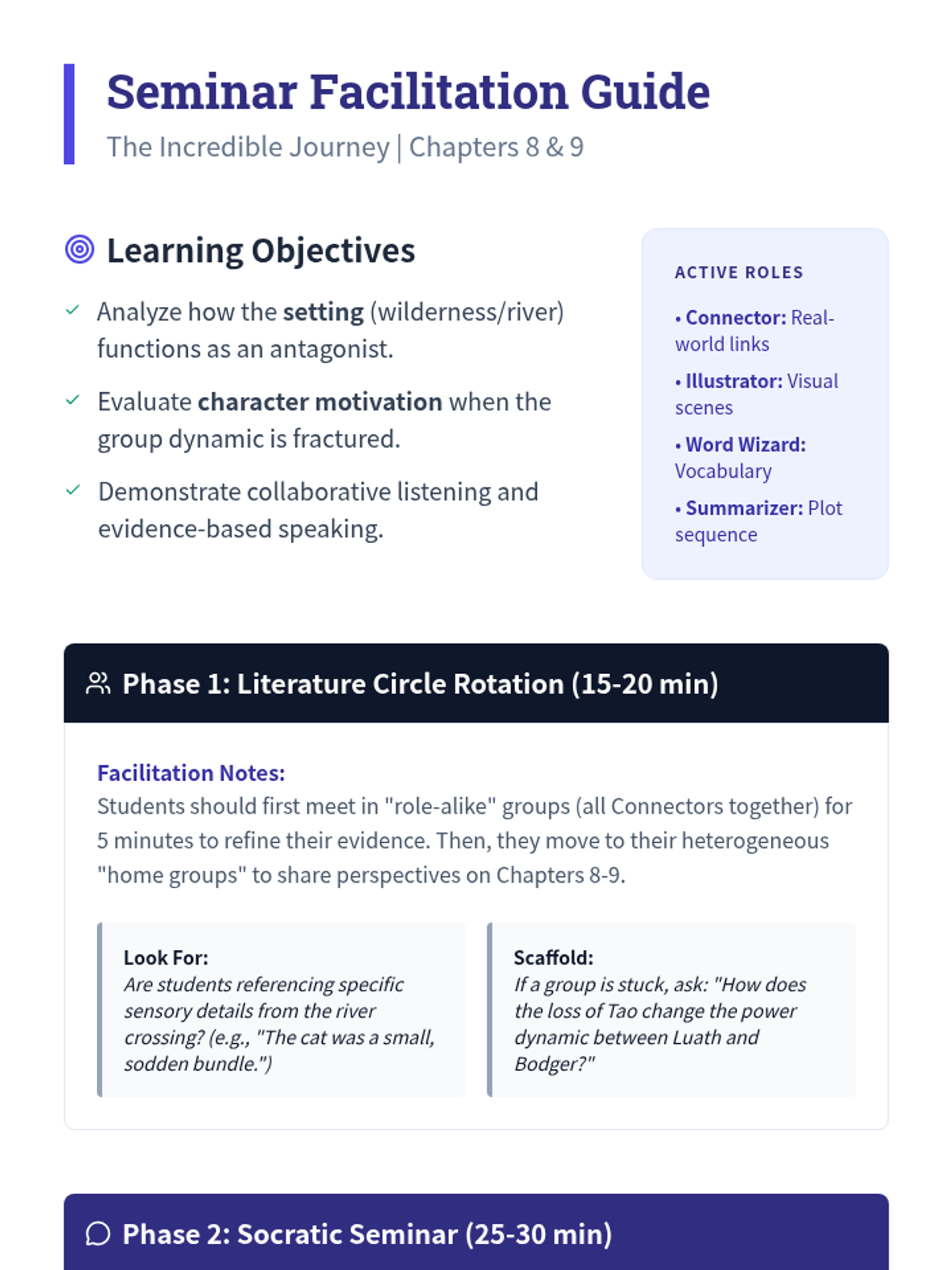
A literary exploration of survival stories and the bonds between animals and humans, centered on 'The Incredible Journey'. This unit emphasizes literary analysis through collaborative discussion and role-based inquiry.
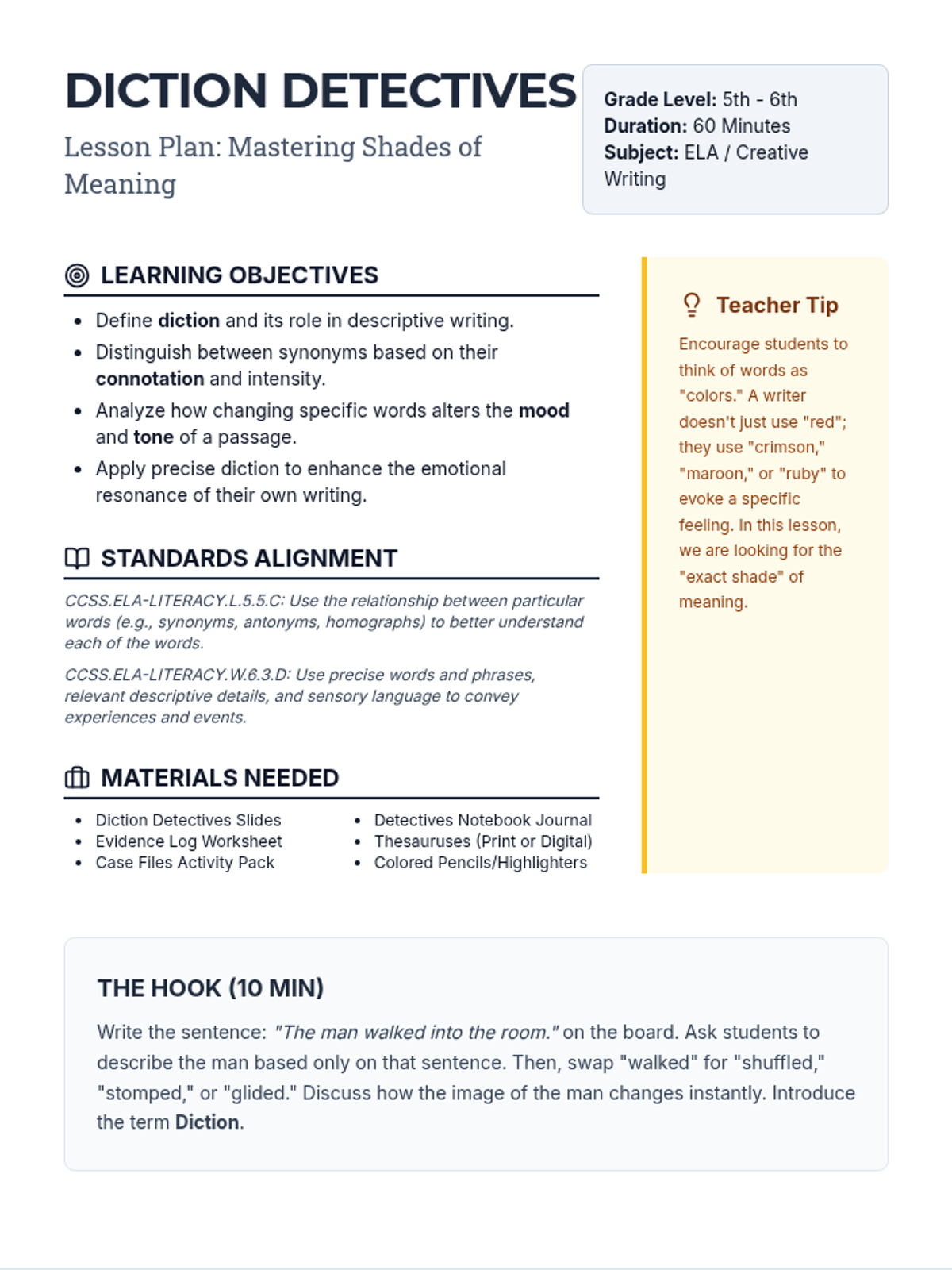
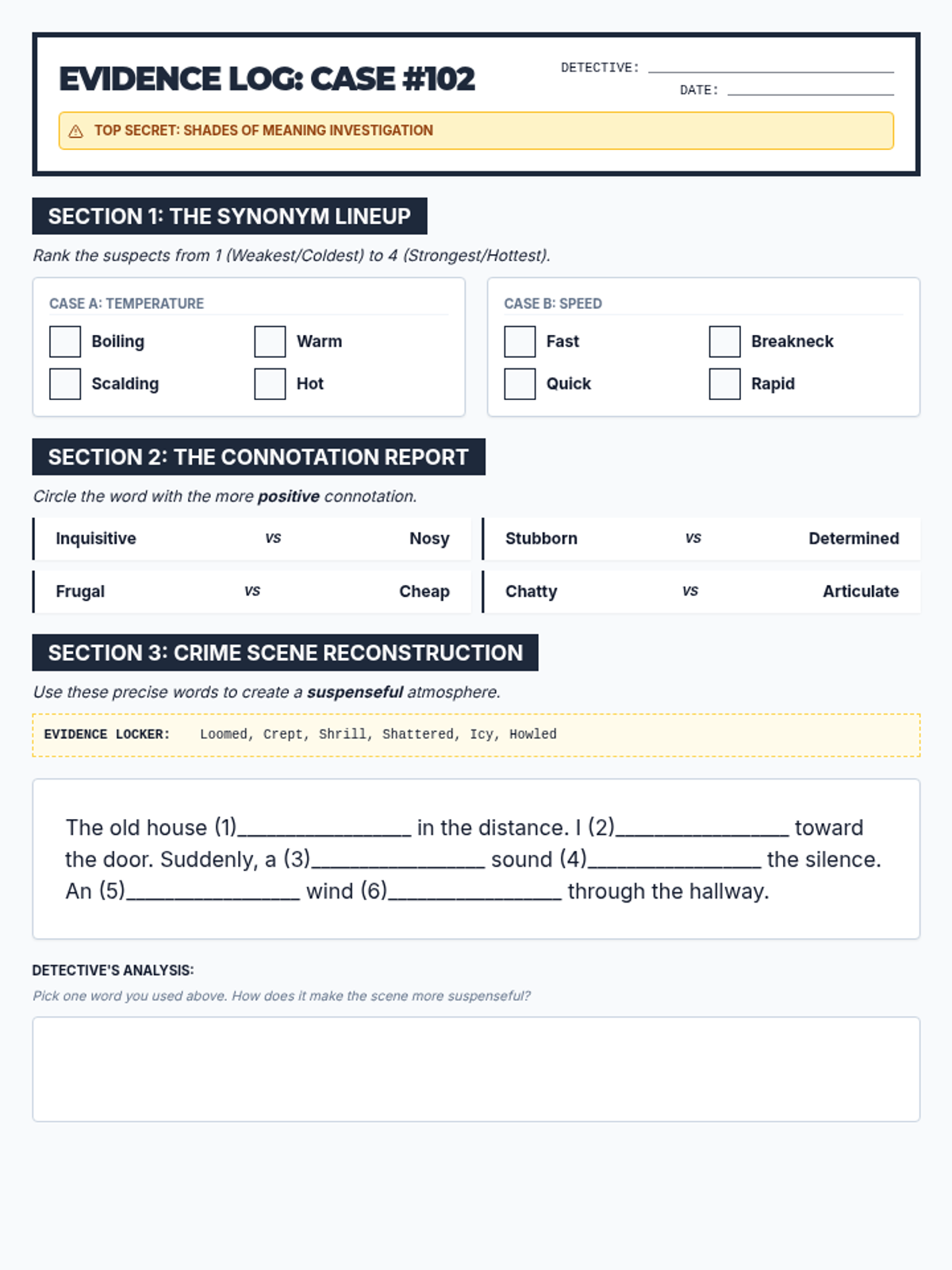
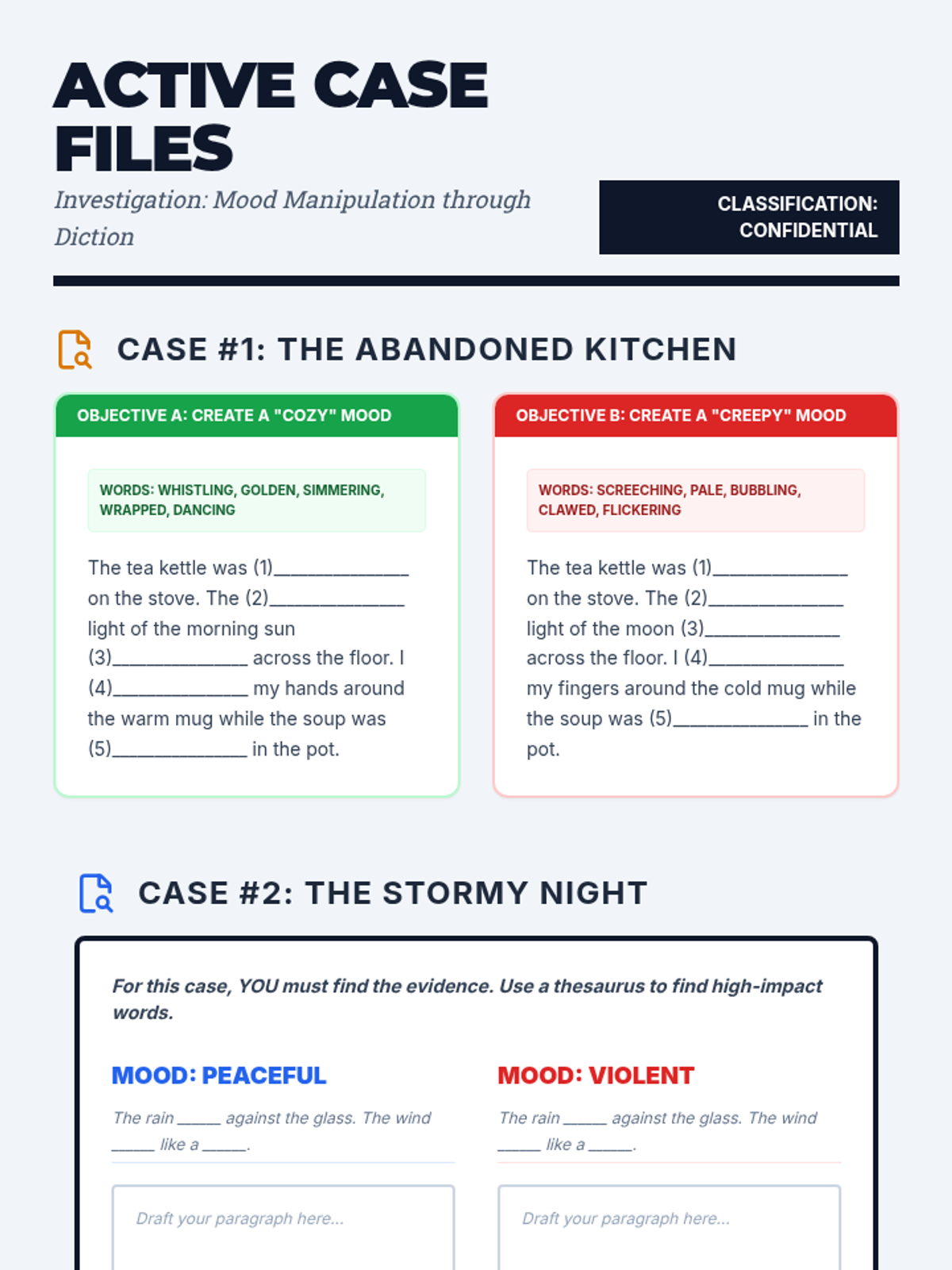
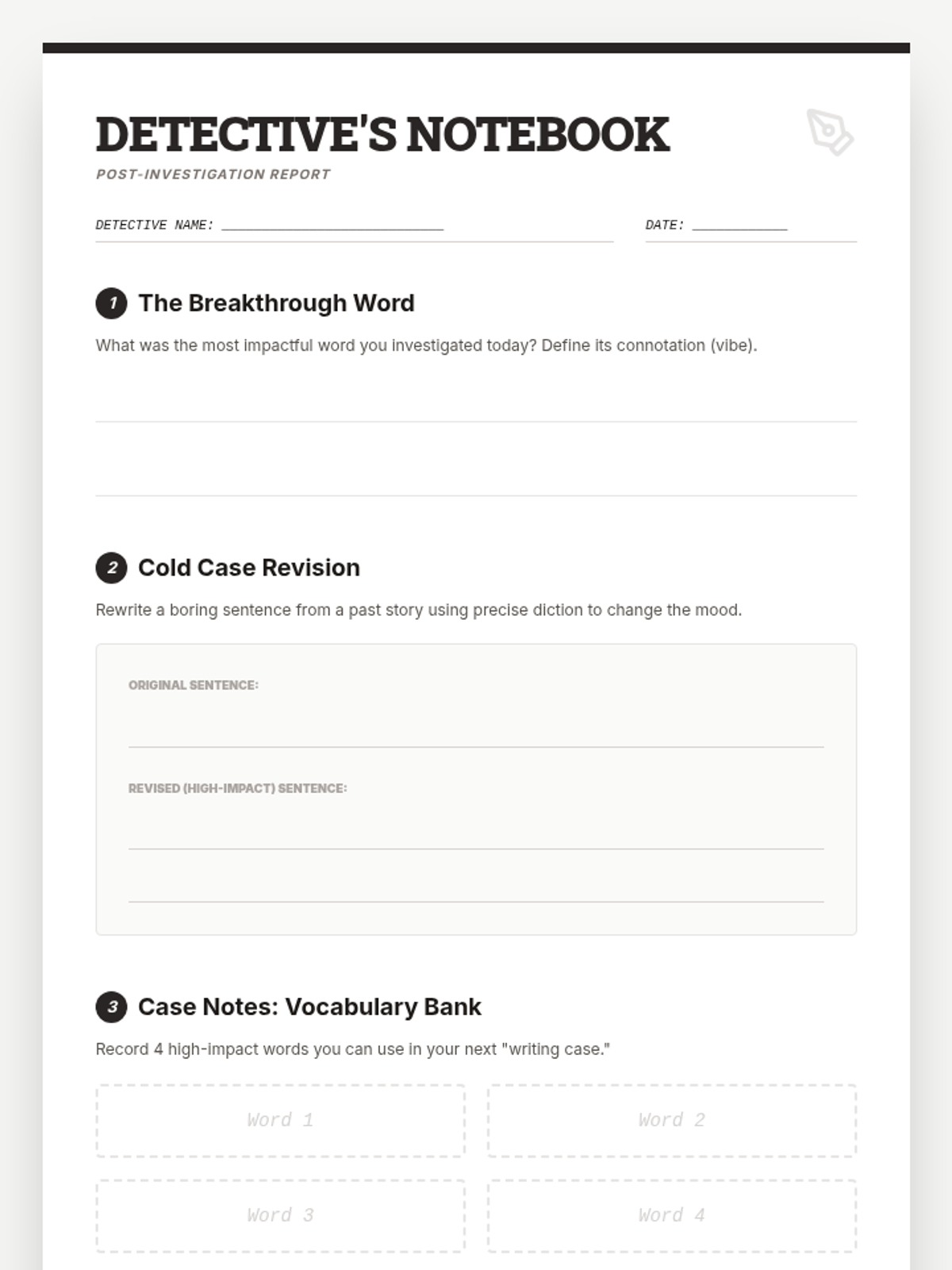
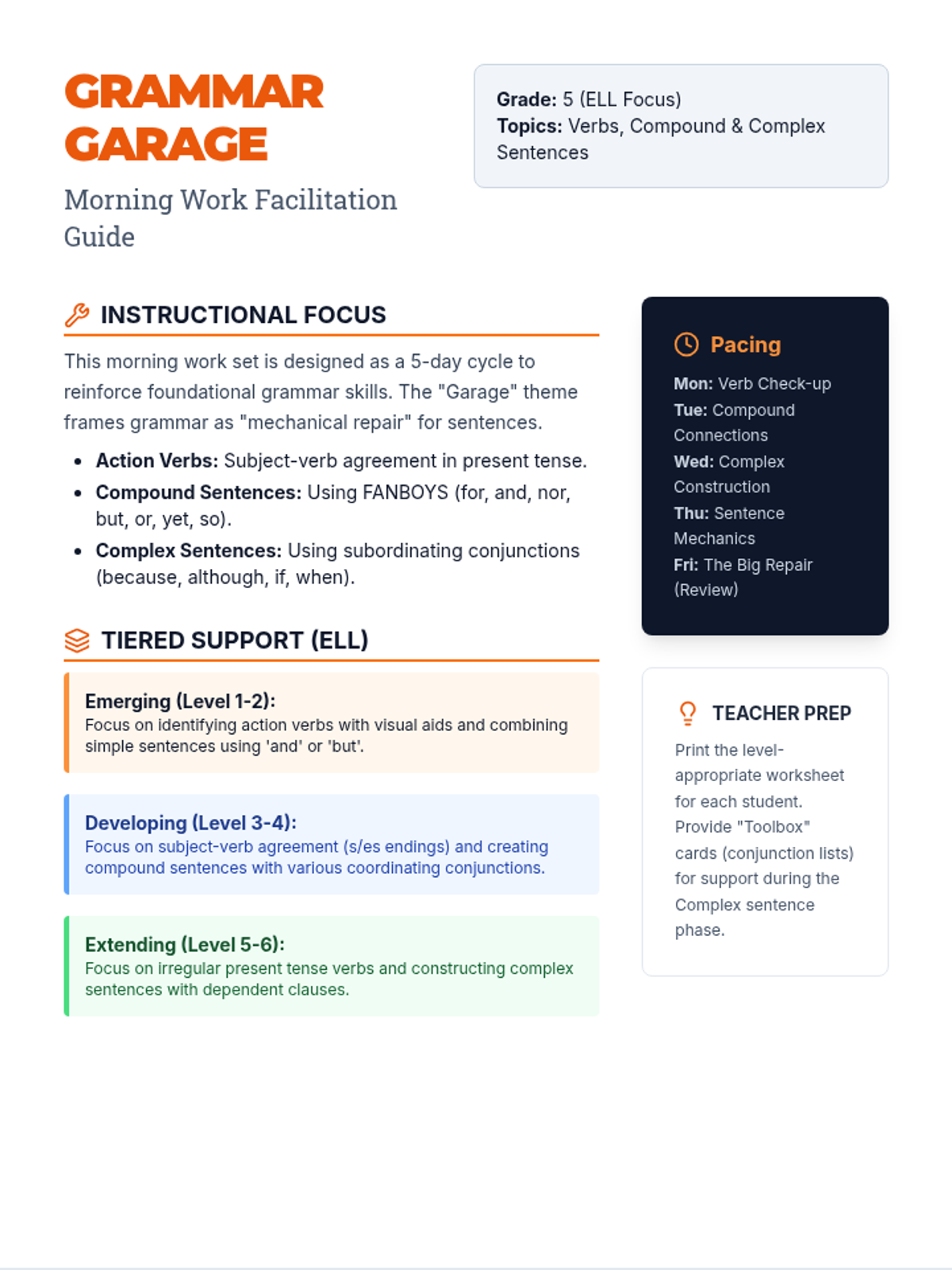
A collection of ELA resources focused on expanding vocabulary, refining diction, and mastering grammar mechanics through engaging, tiered activities.
A series of listening comprehension lessons for 8th graders using high-interest, modern topics like gaming, tech, and sports to practice factual recall and inferential reasoning.
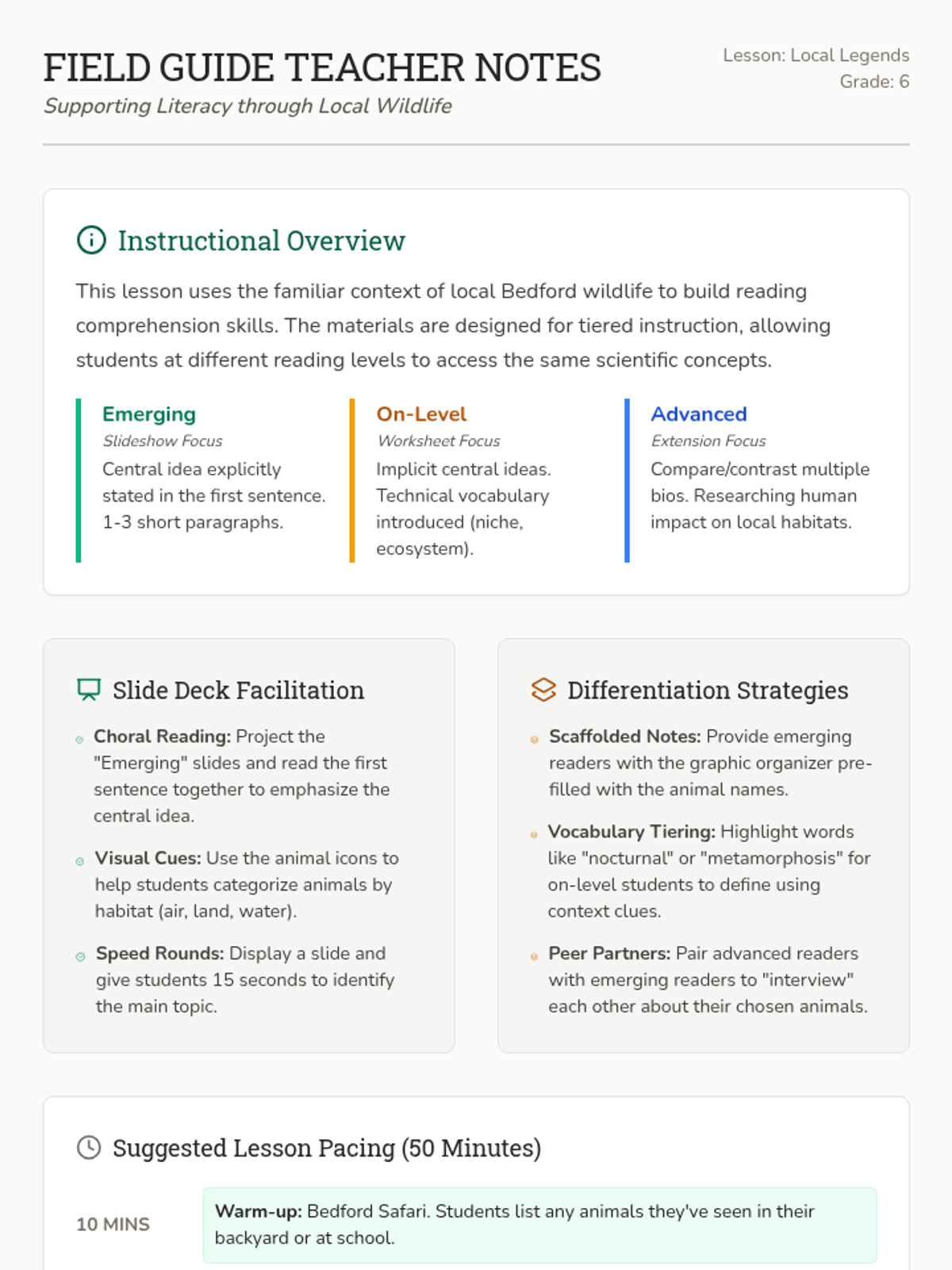
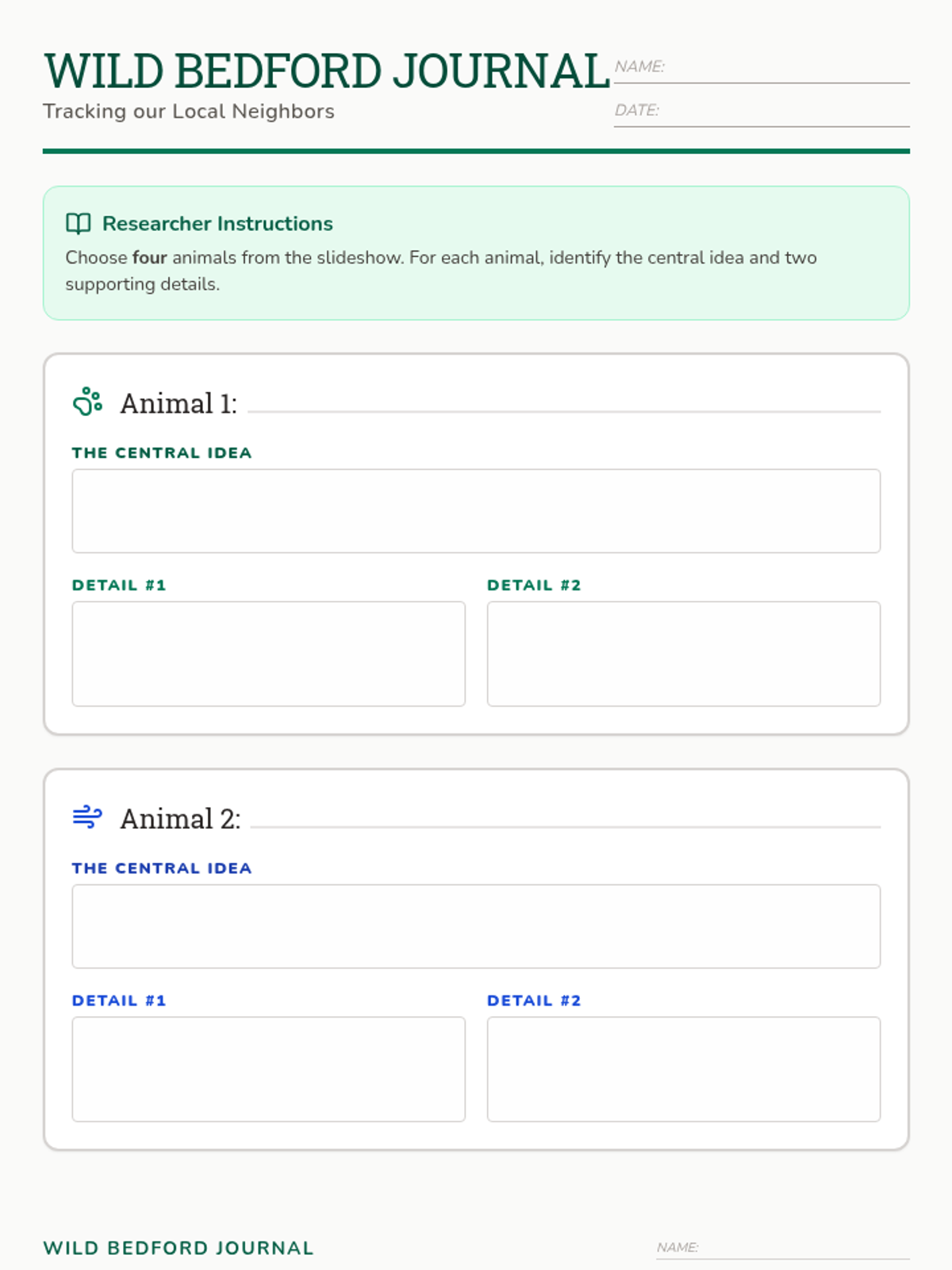
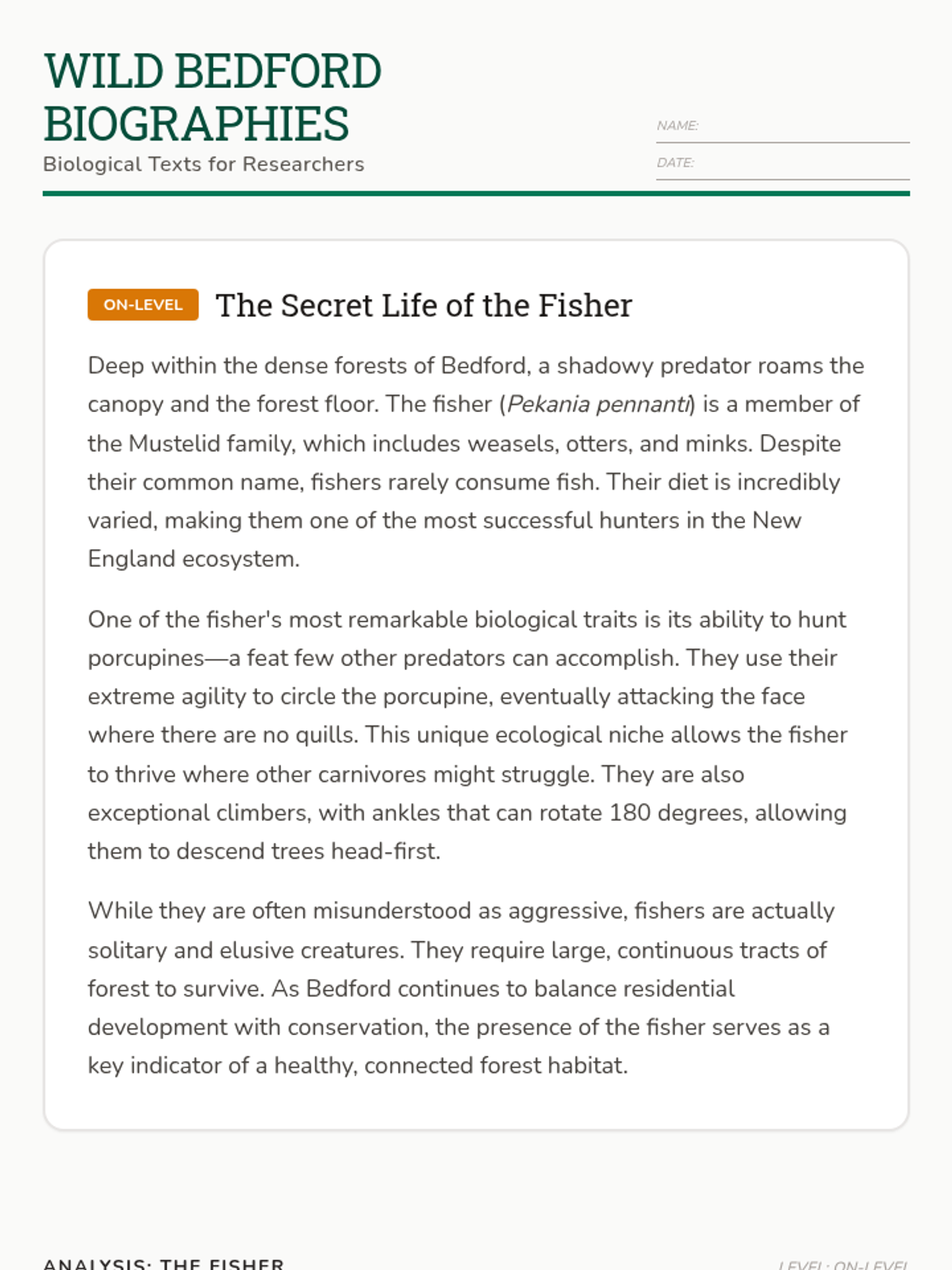
A comprehensive look at the diverse wildlife found in Bedford, Massachusetts, focusing on reading comprehension through animal biographies at multiple levels.
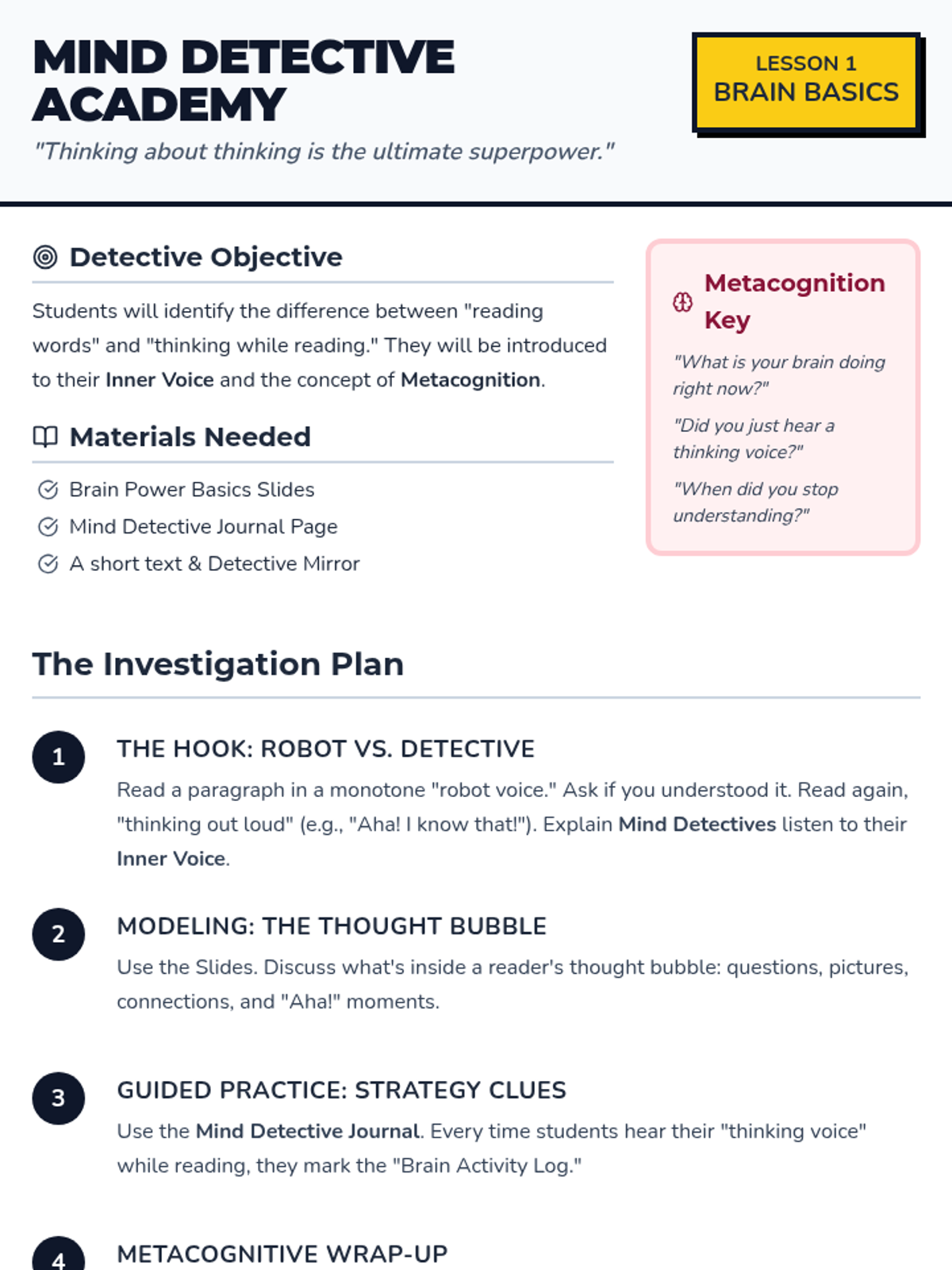
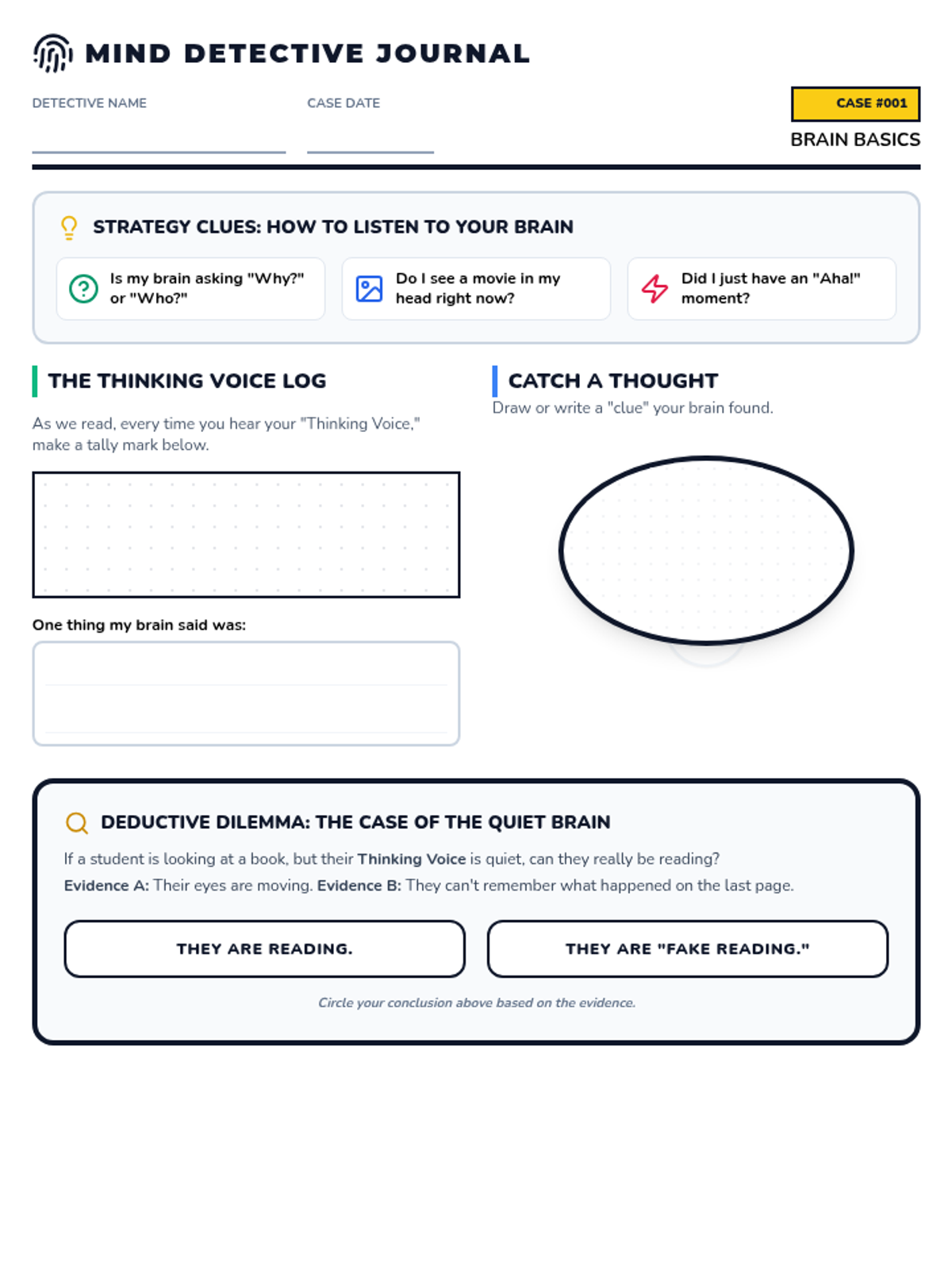
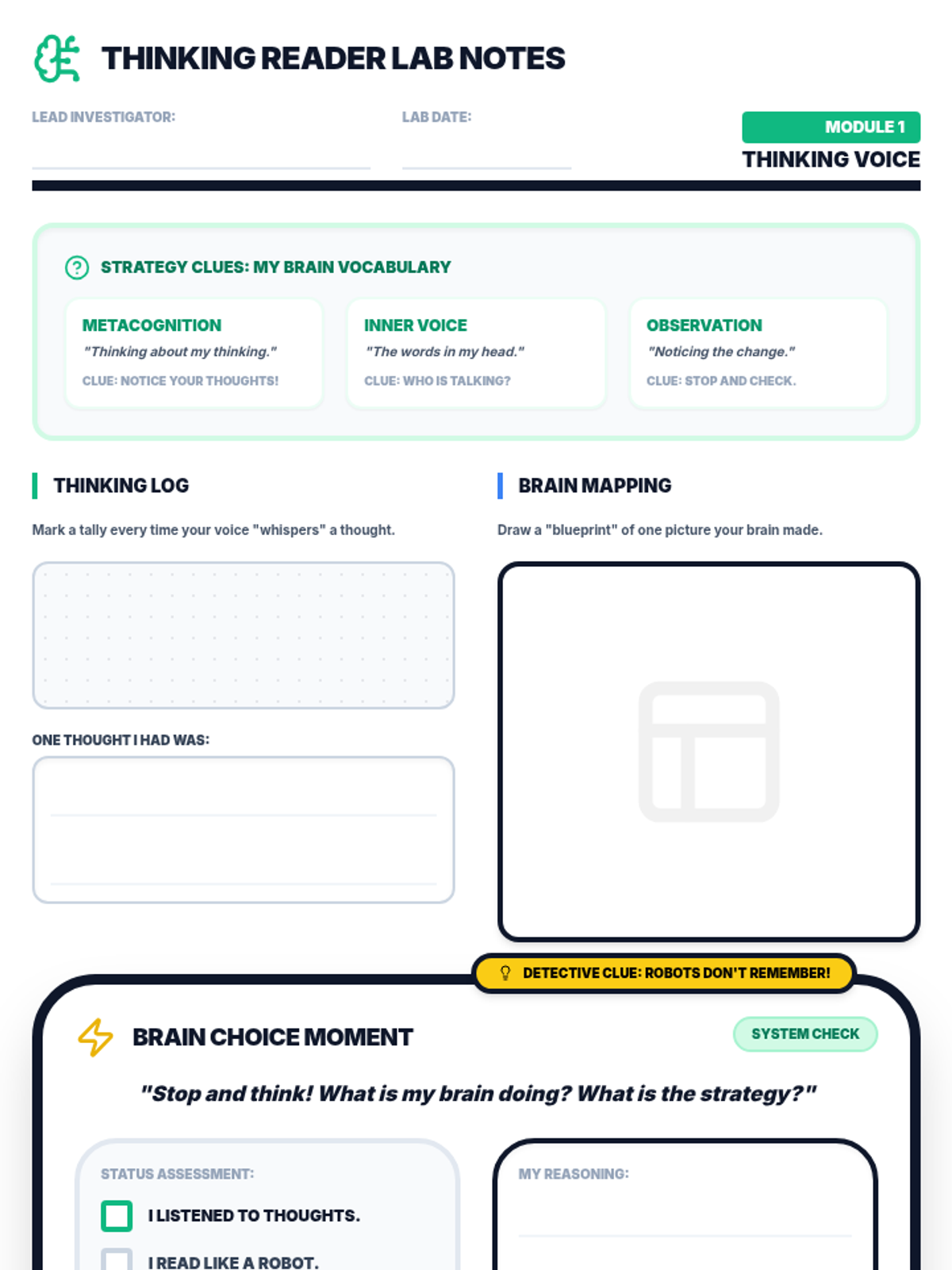
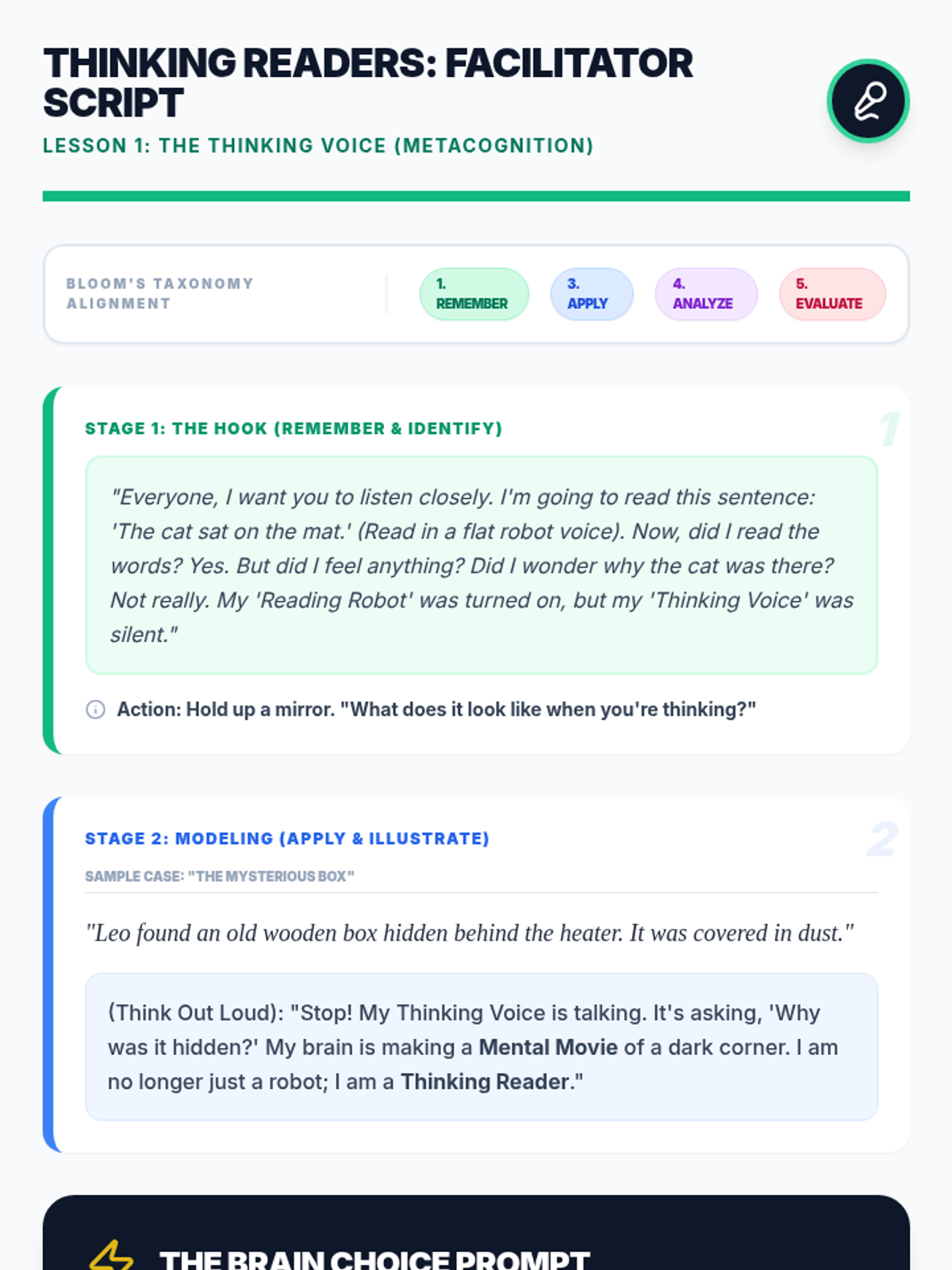
A 12-lesson comprehension mastery program focused on metacognition, reasoning, and evidence-based thinking. Students progress from basic thinking awareness to complex deductive reasoning and synthesis. Inspired by Reading Detective and Comprehension Connections.
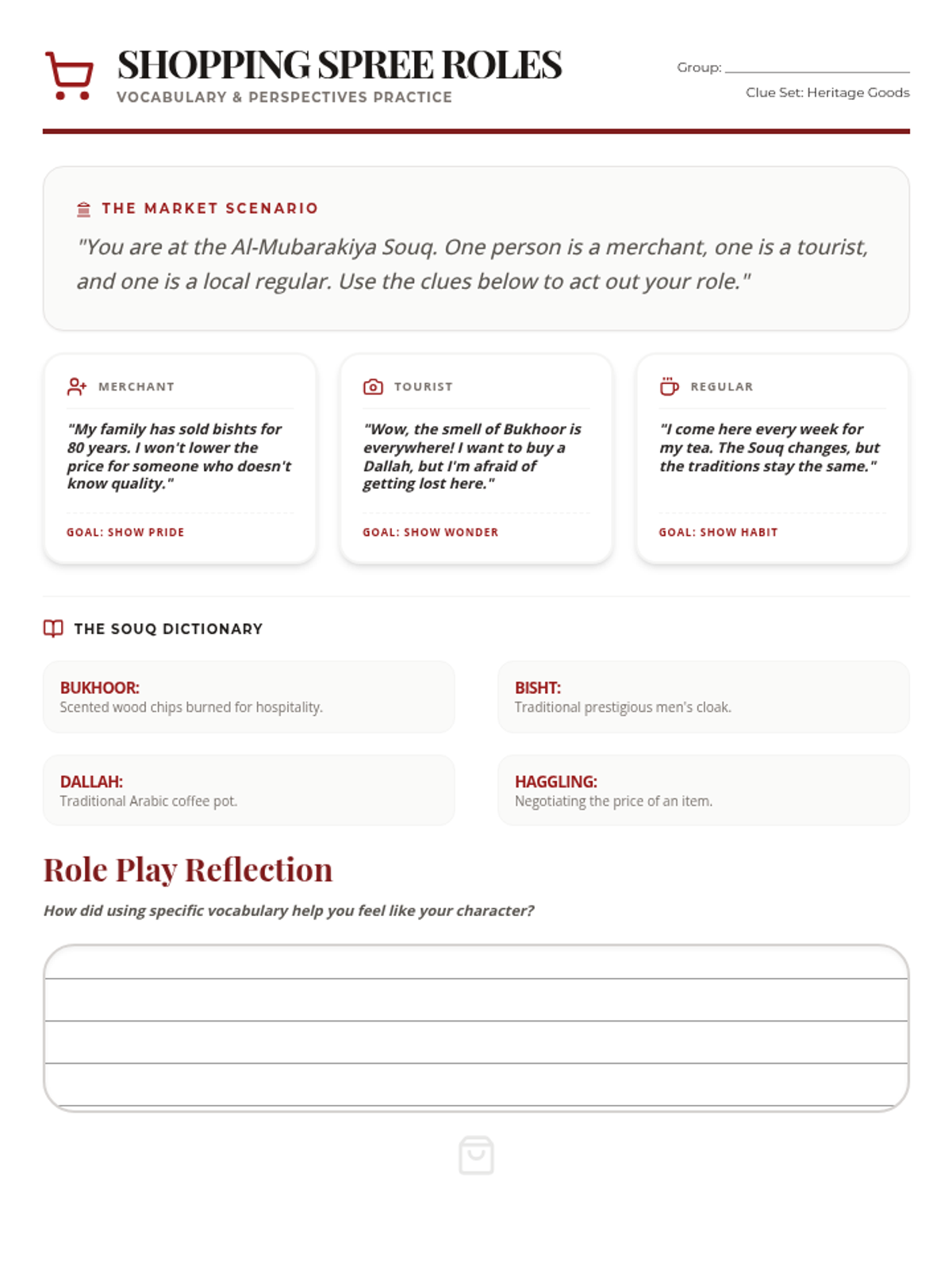
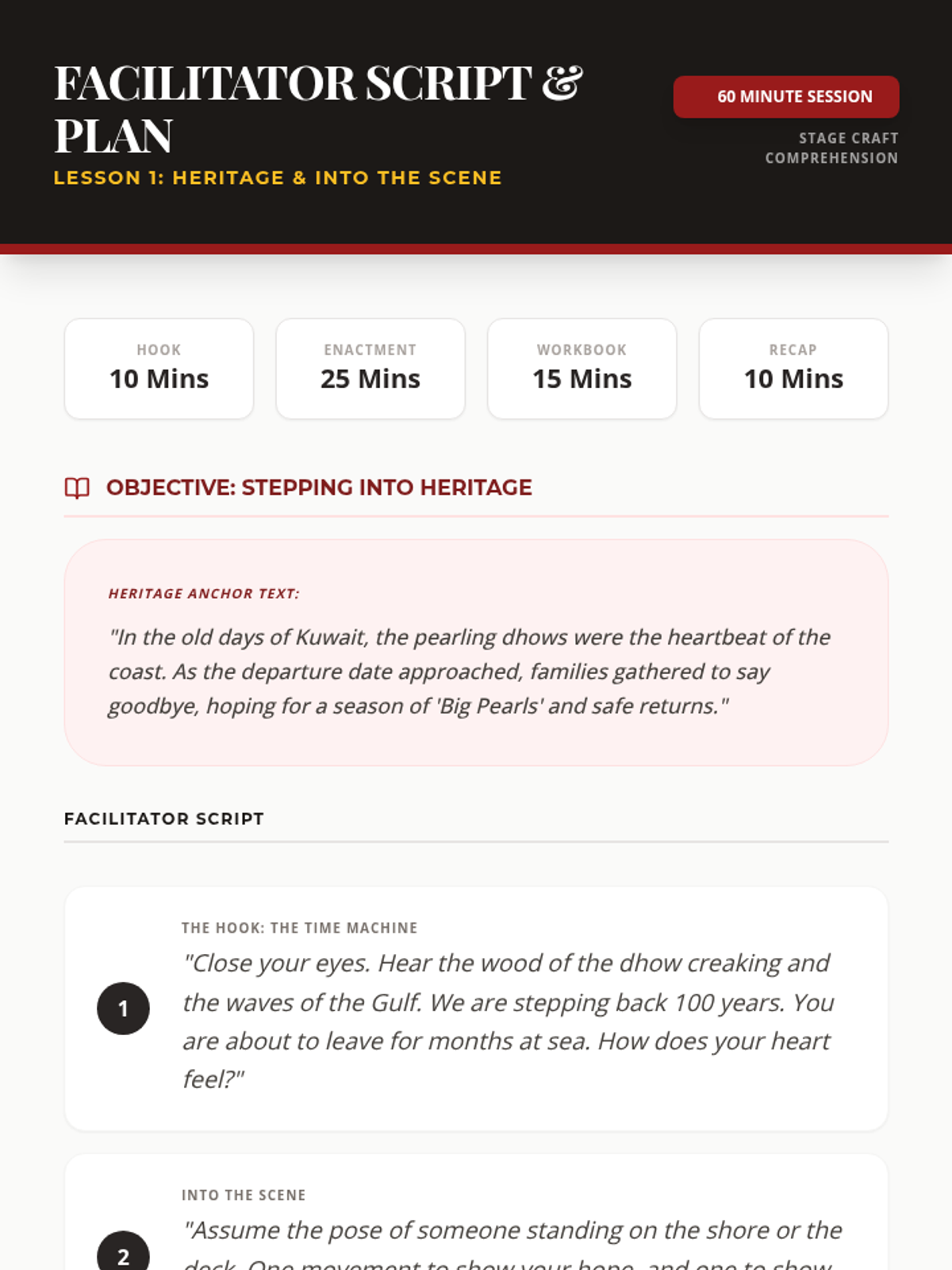
A 12-lesson unit utilizing drama and enactment techniques to deepen reading comprehension, themed around Kuwaiti heritage, global travel, healthy lifestyles, and environmental science for grades 3-8. Focused on skills in action across Before, During, and After reading phases.
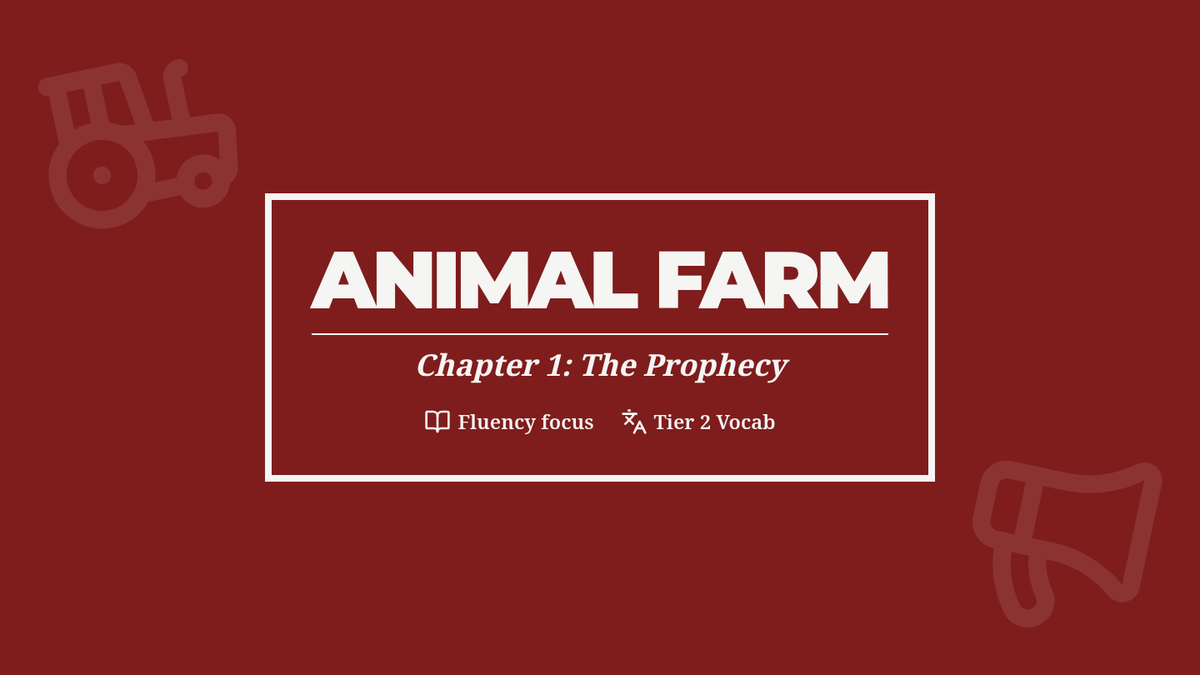
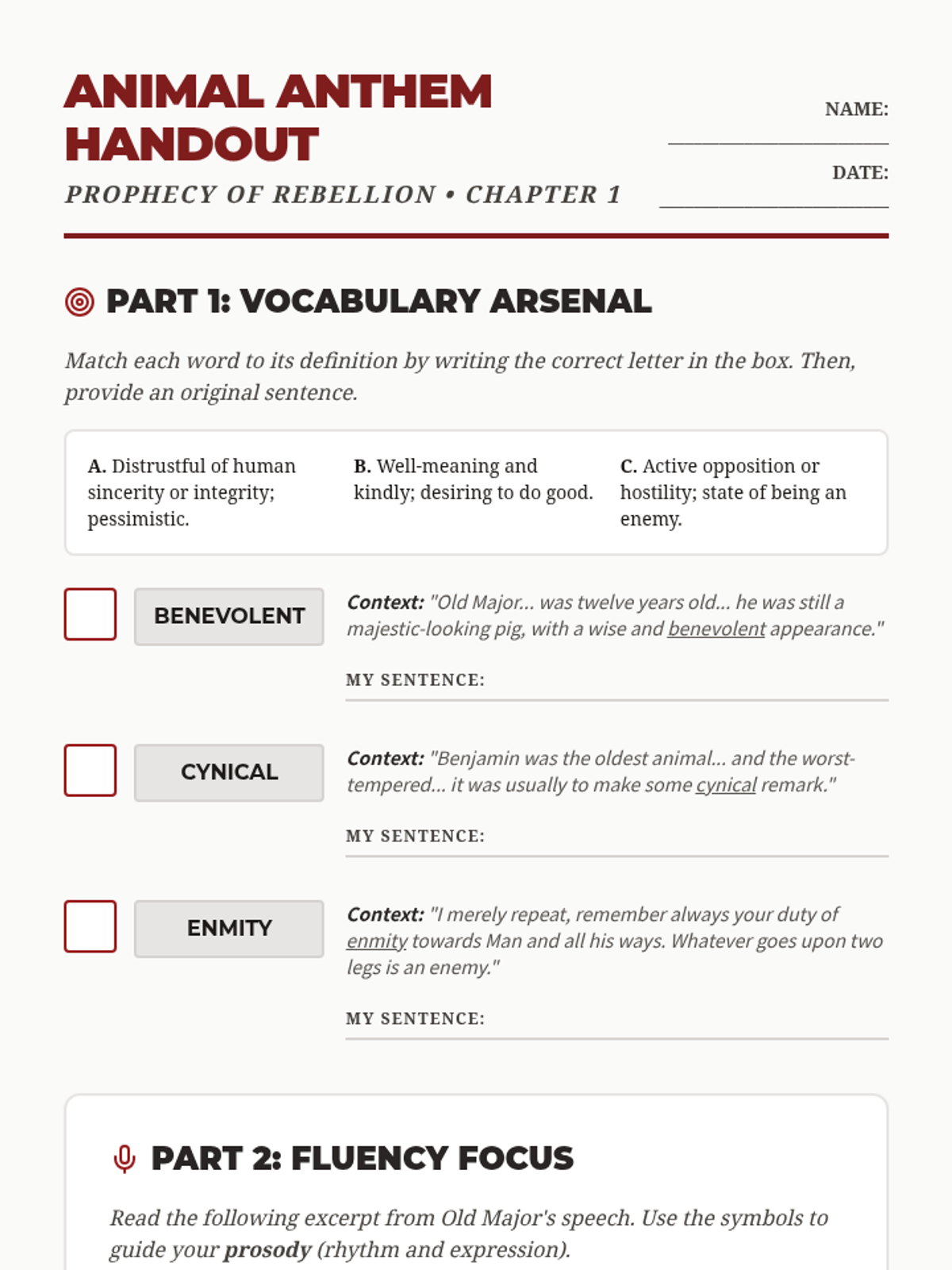
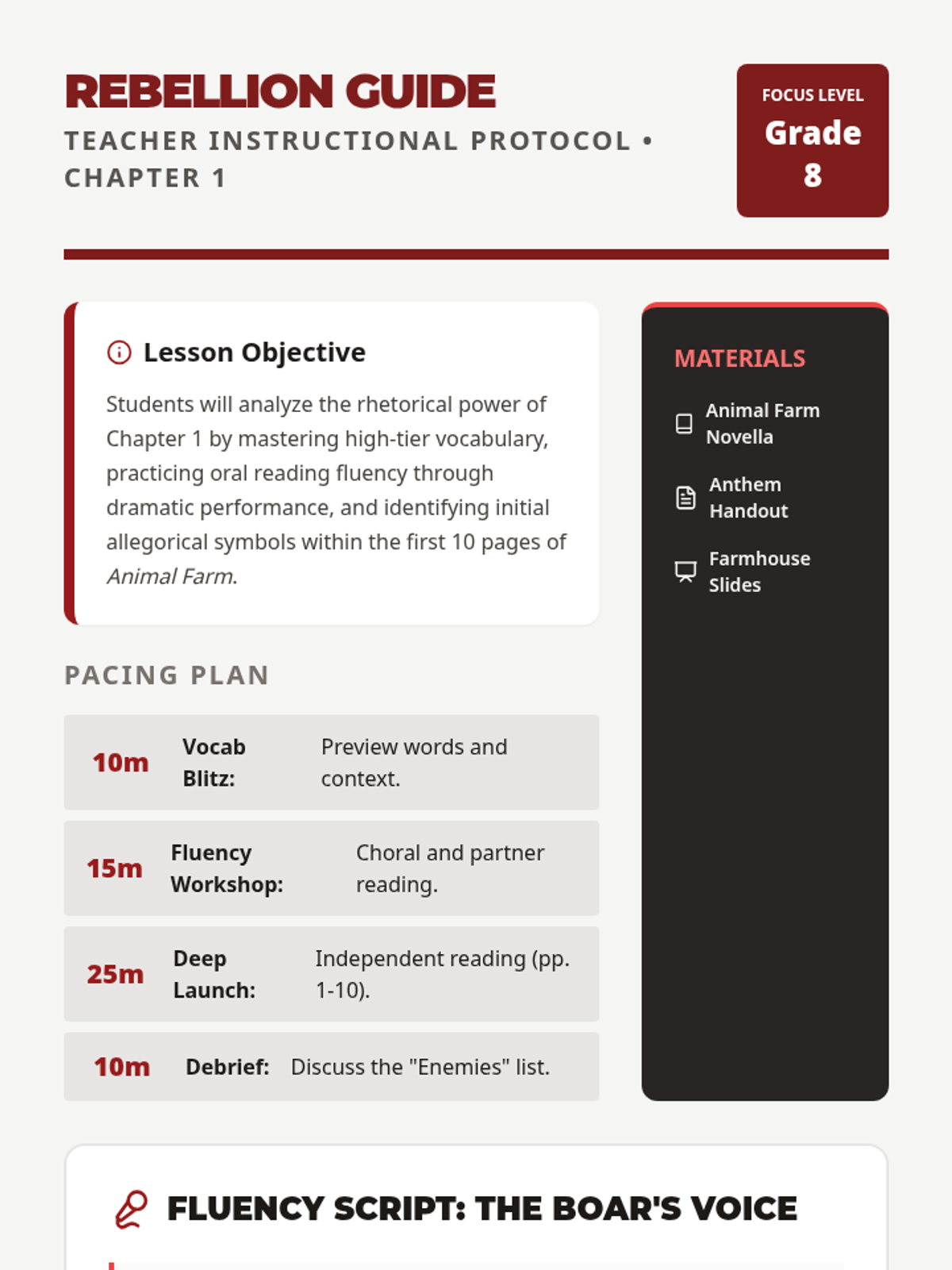
A deep dive into George Orwell's classic novella, focusing on the rhetorical power of language, the mechanics of rebellion, and the evolution of power on Manor Farm. This sequence prepares students to analyze allegory and political satire through the lens of 8th-grade literature standards.
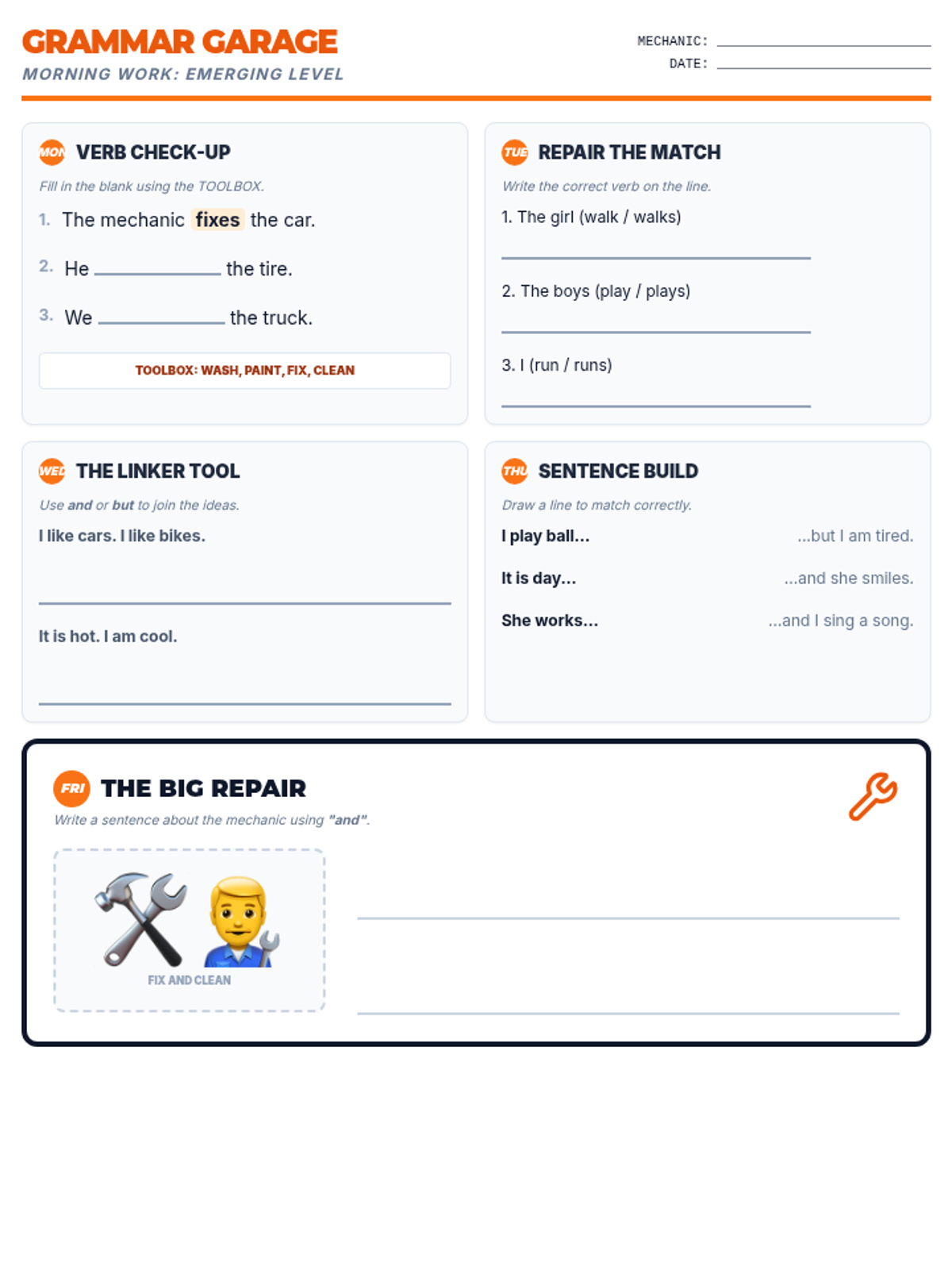
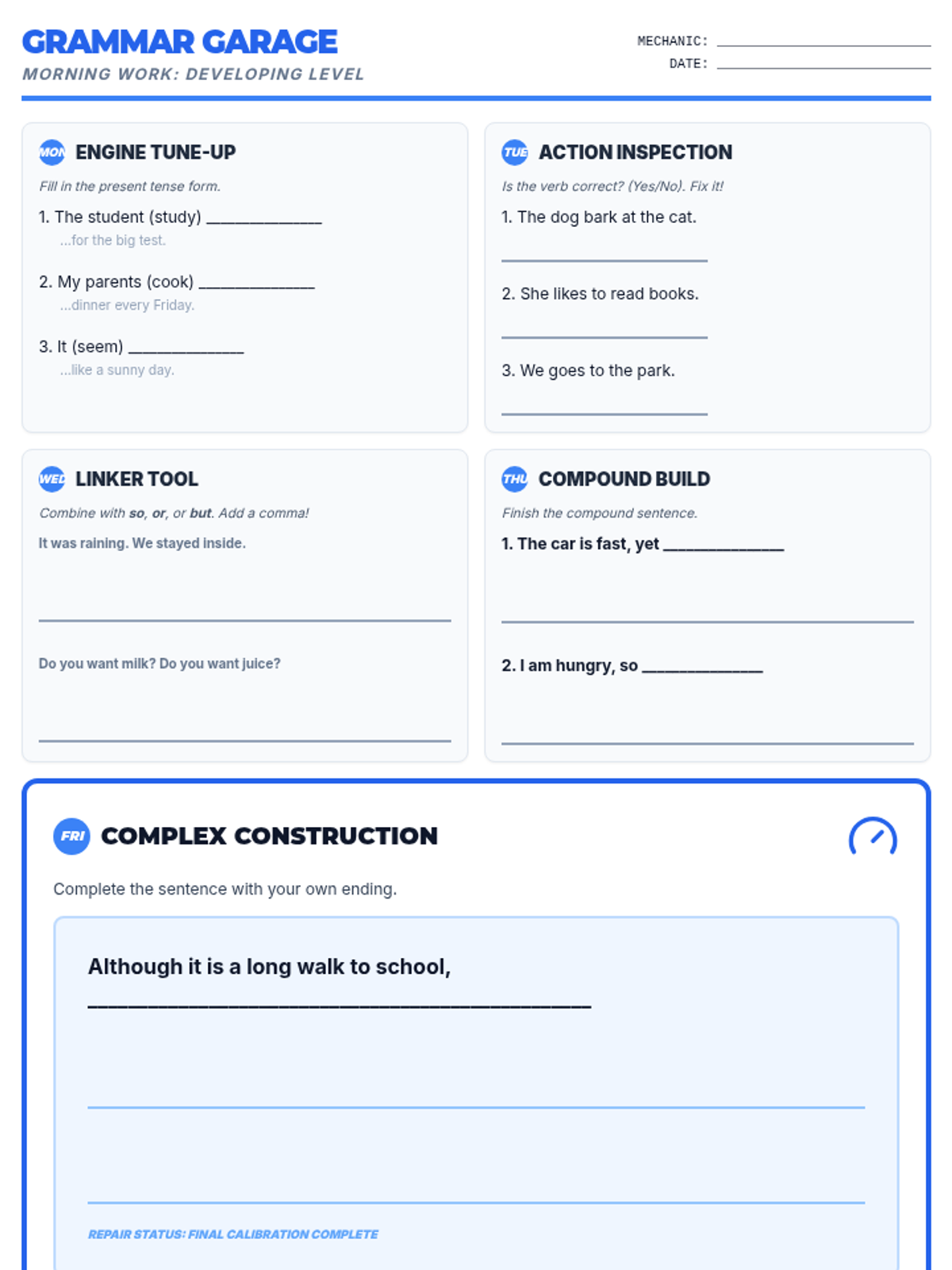
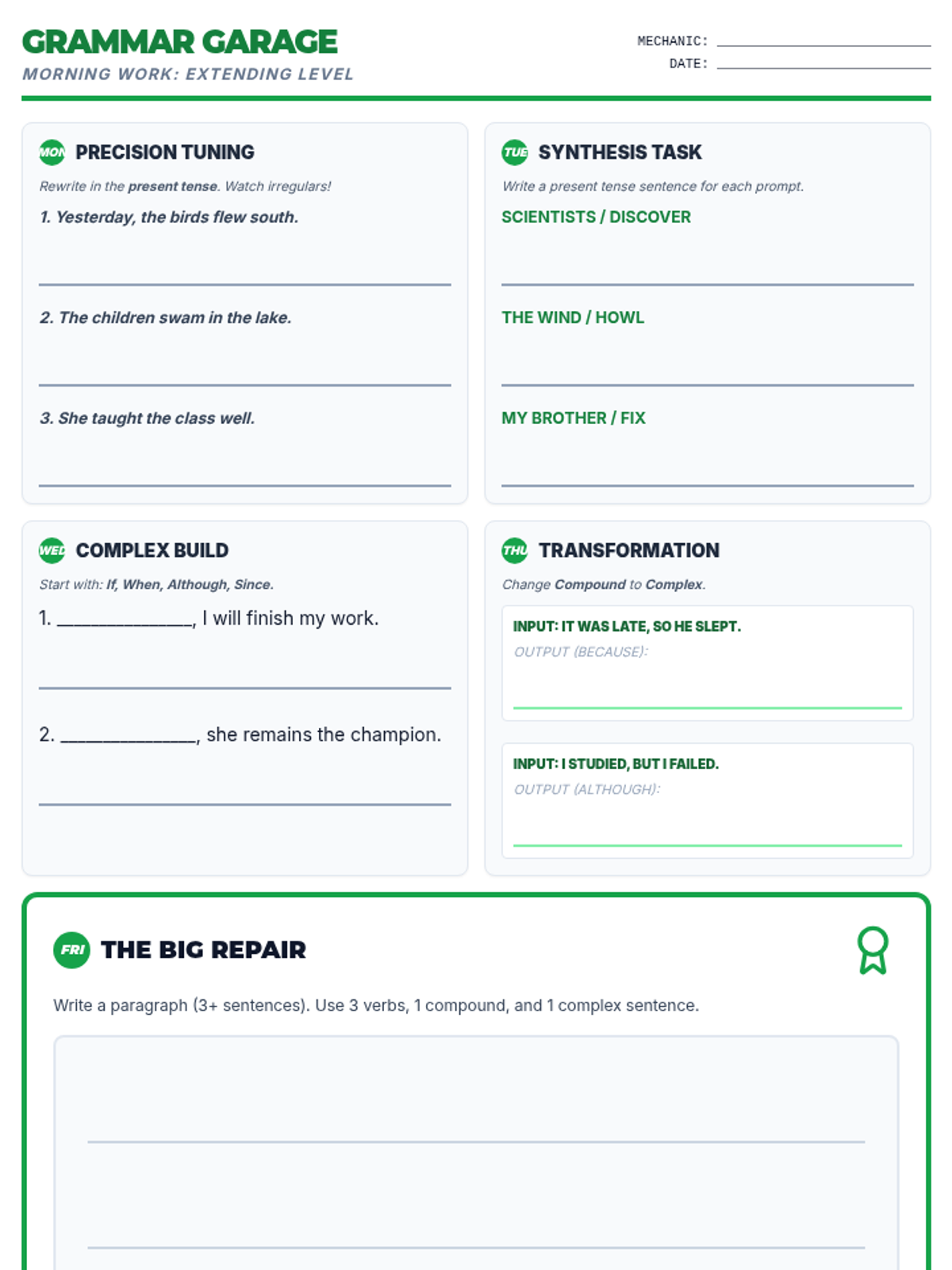
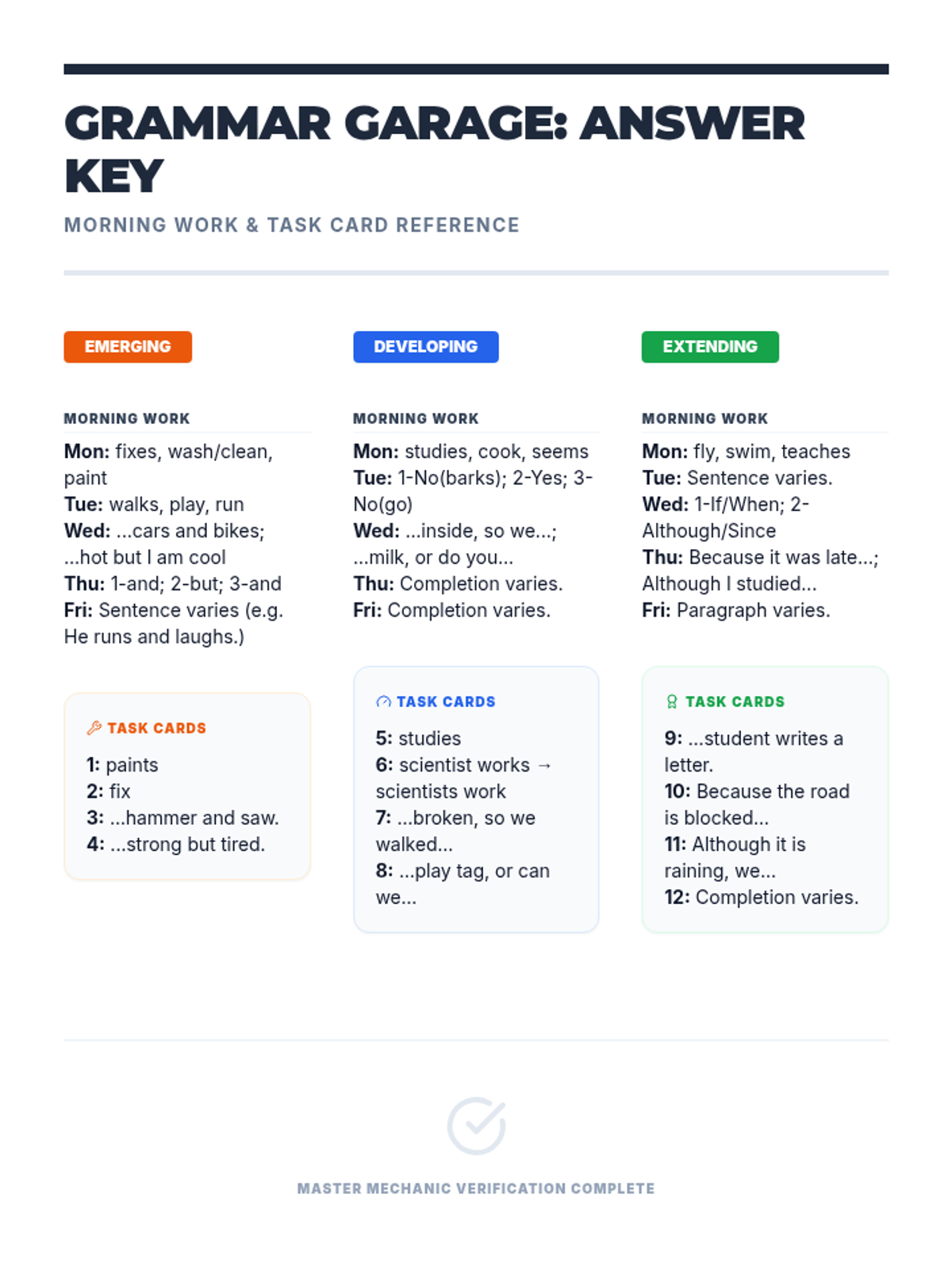
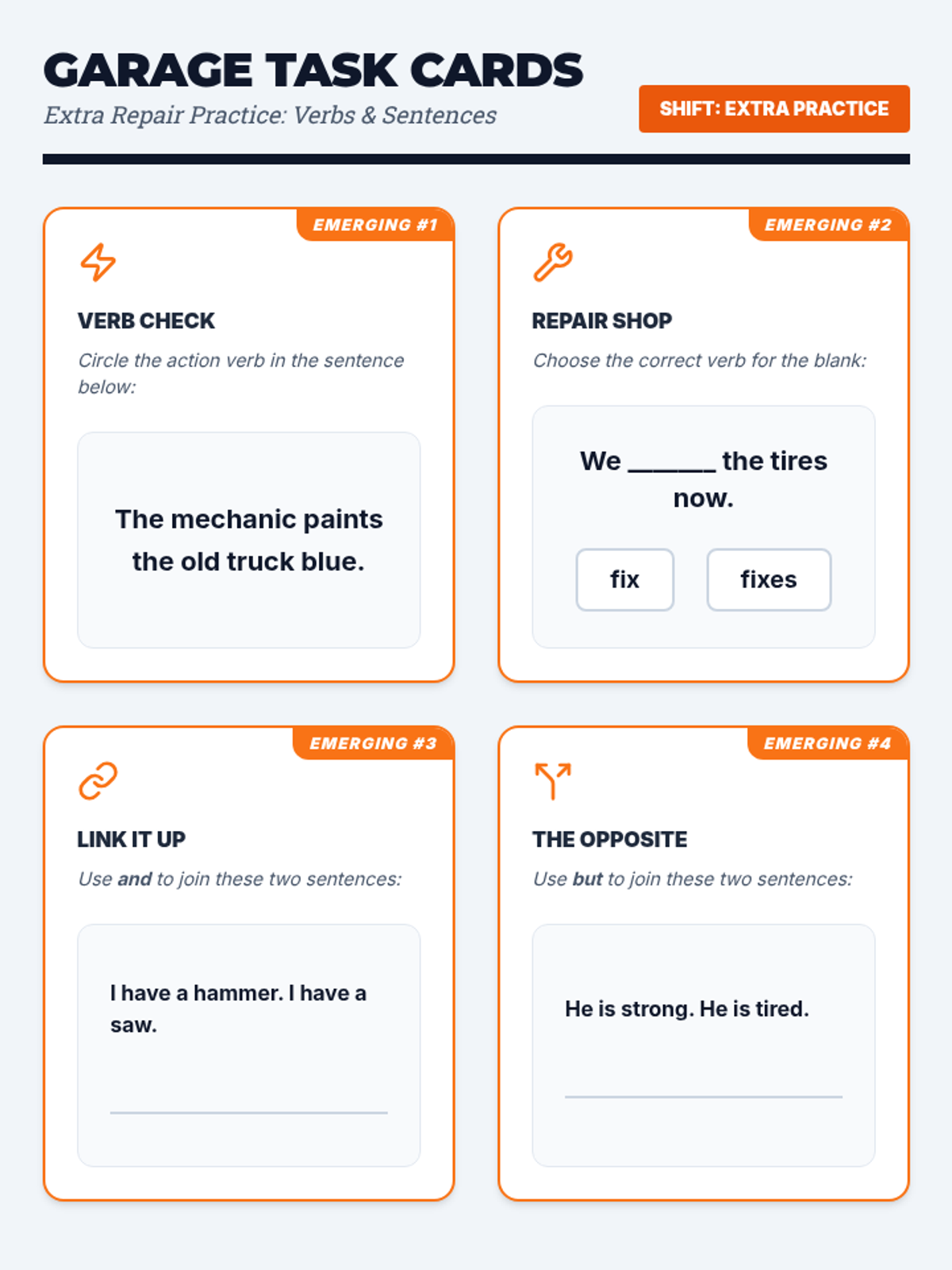
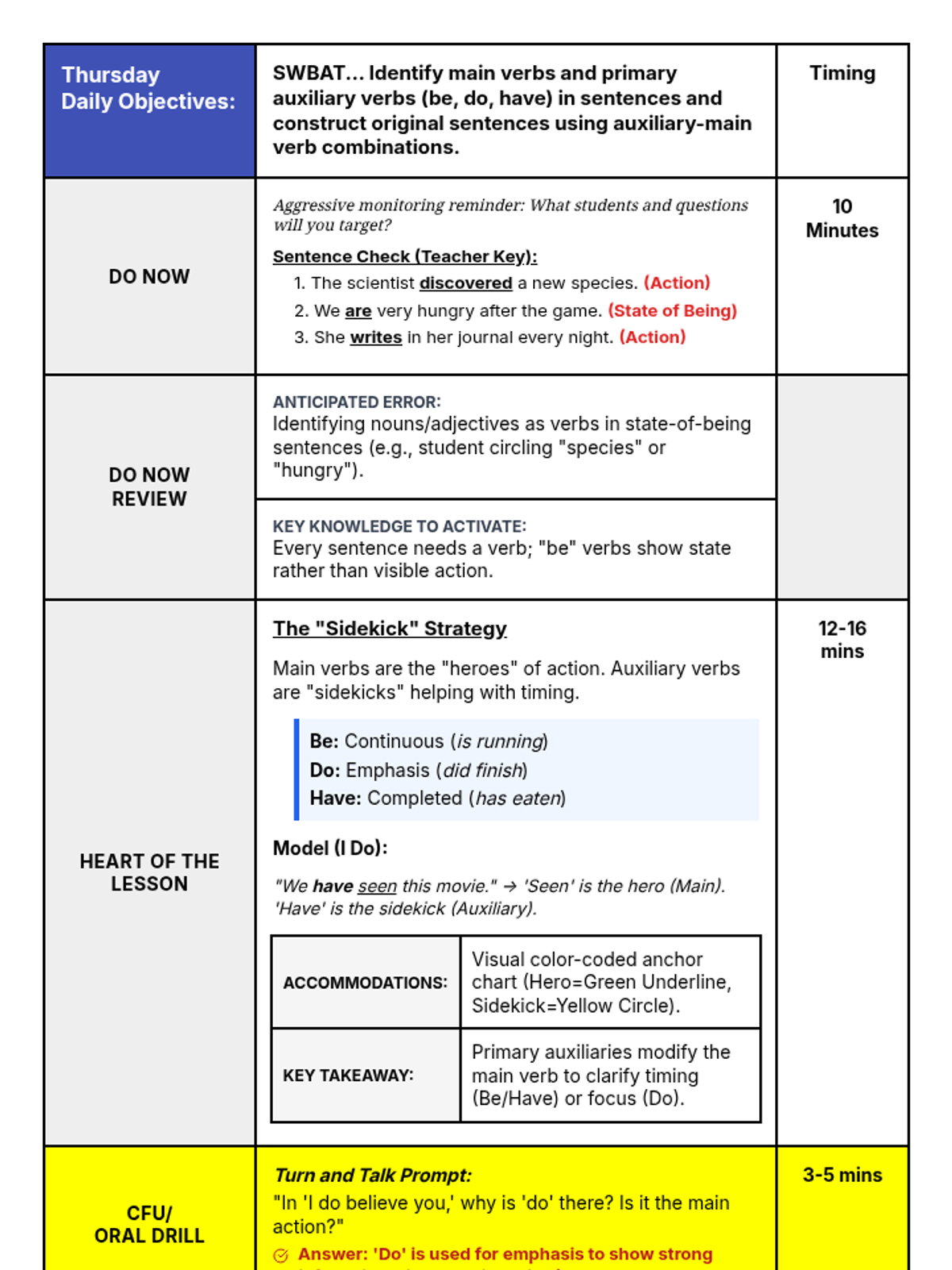
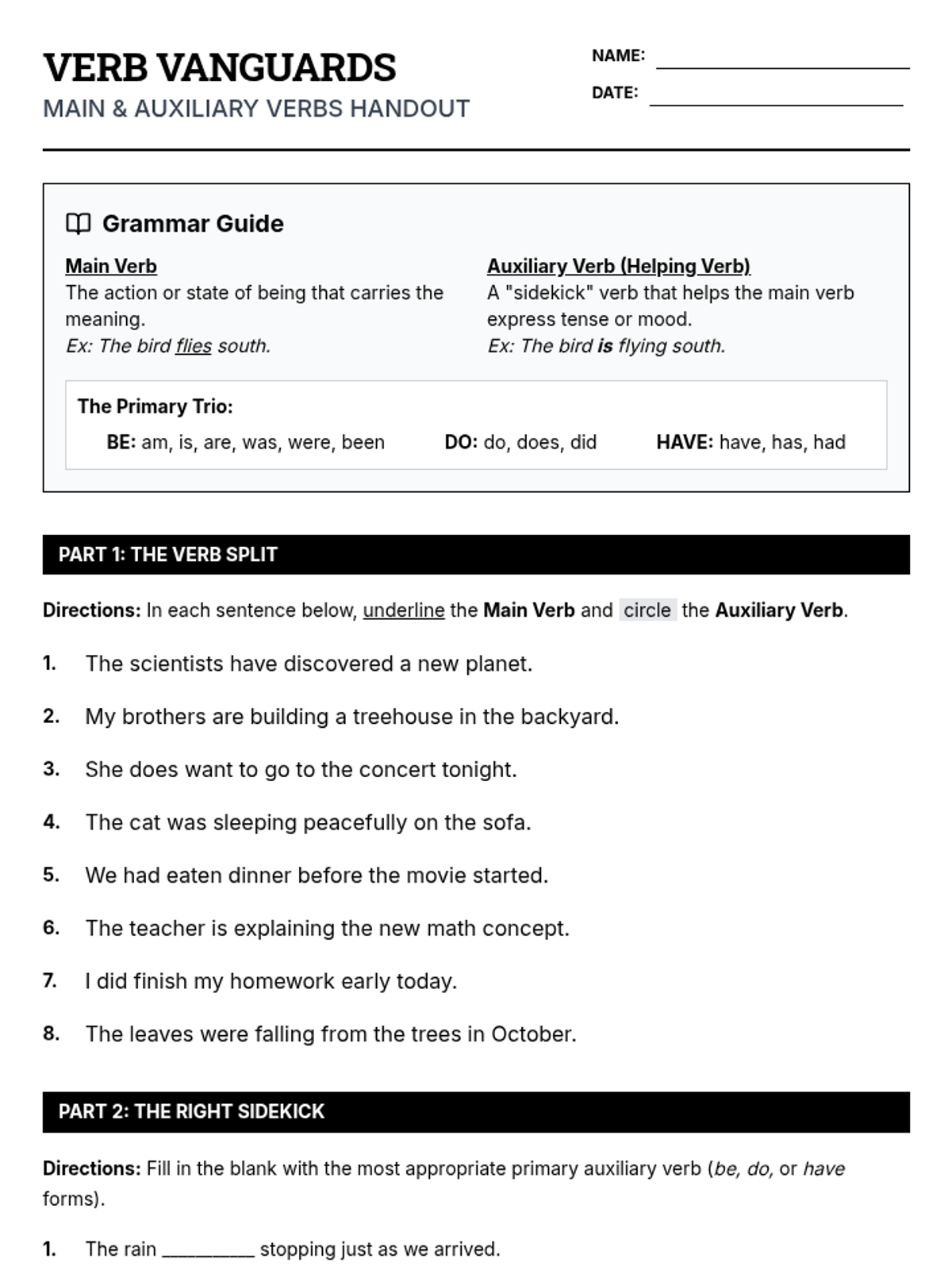
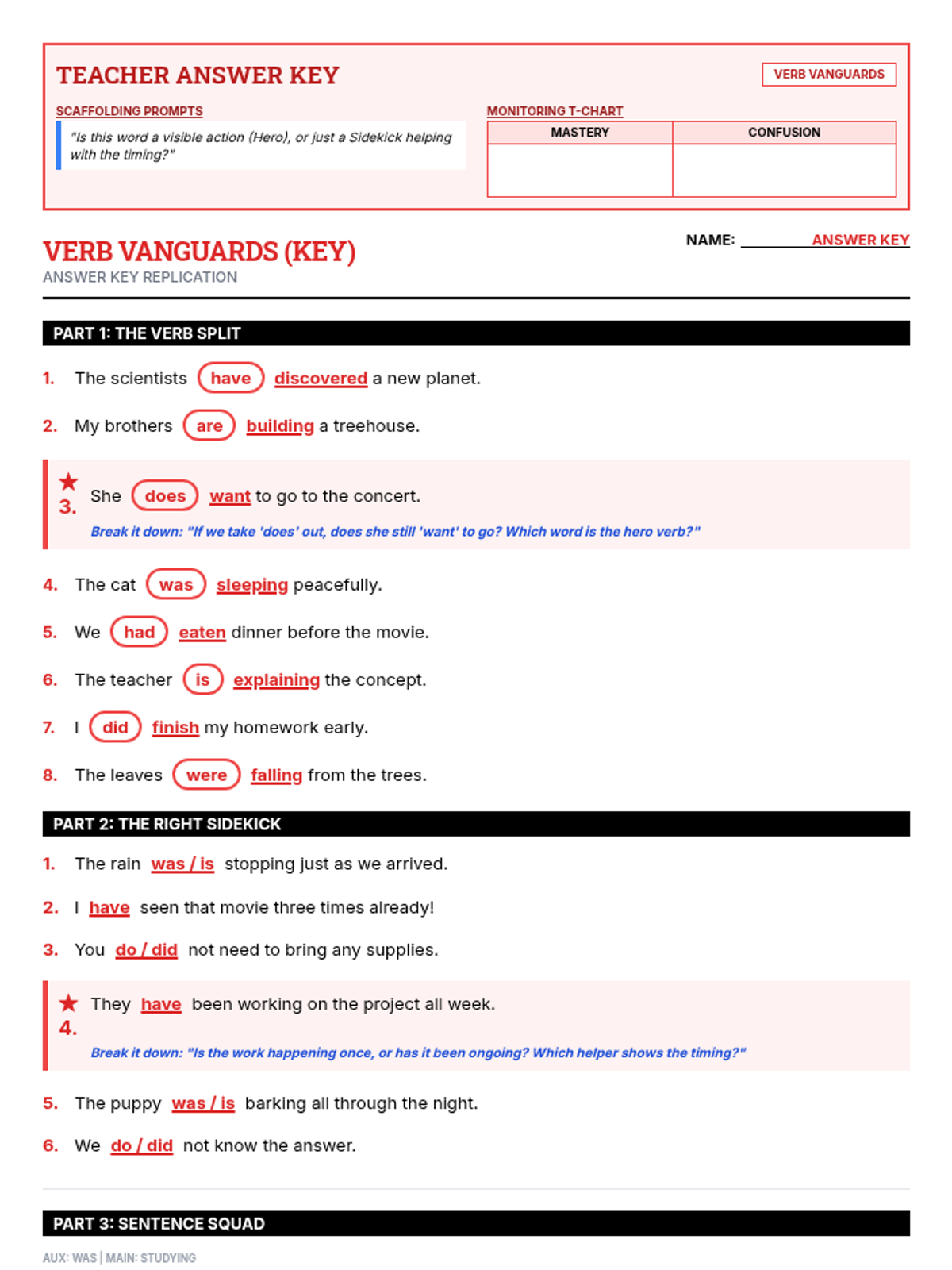
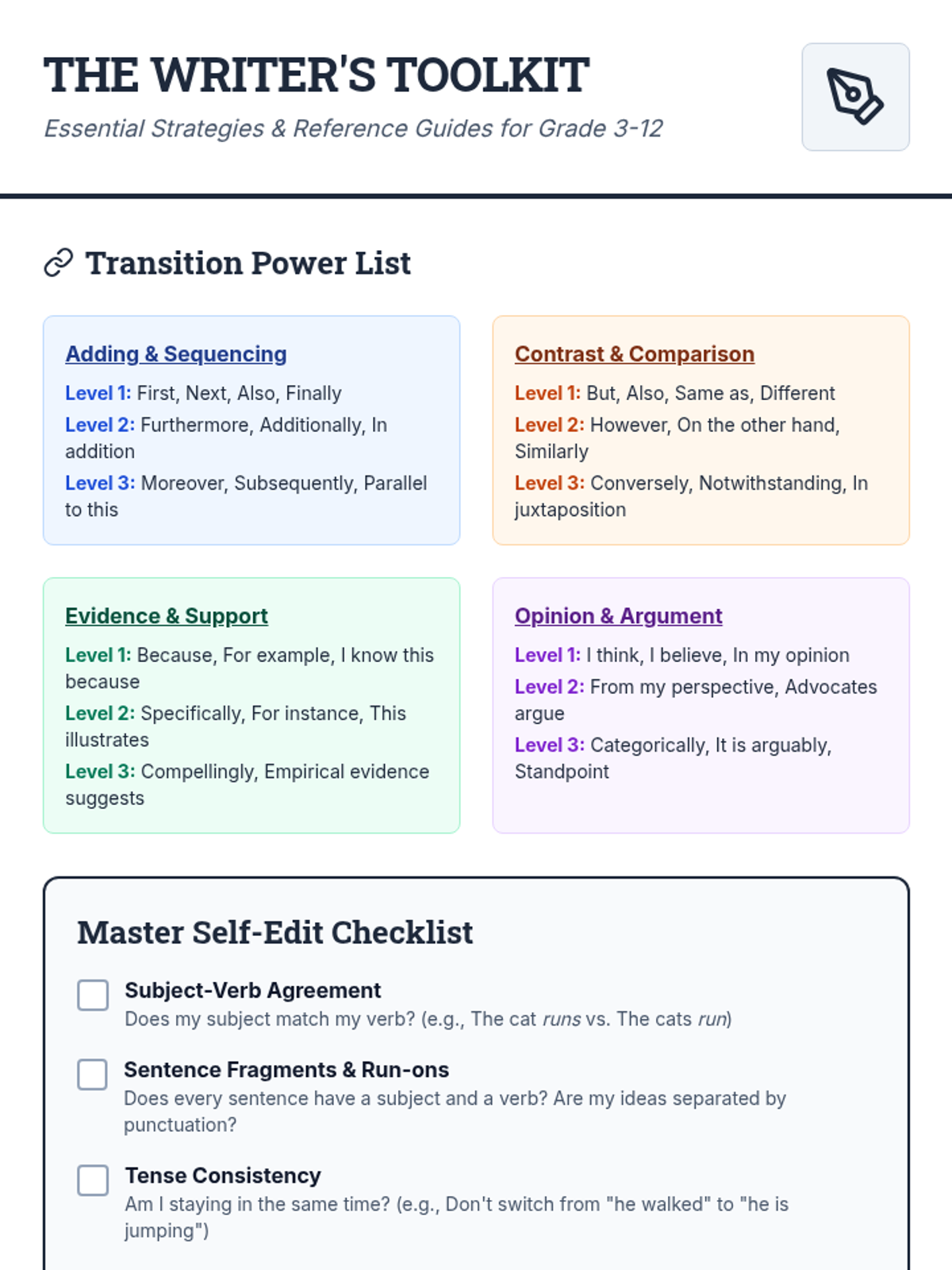
A unit on essential writing and grammar skills, focusing on sentence structure and cohesion through verbs and transition words.
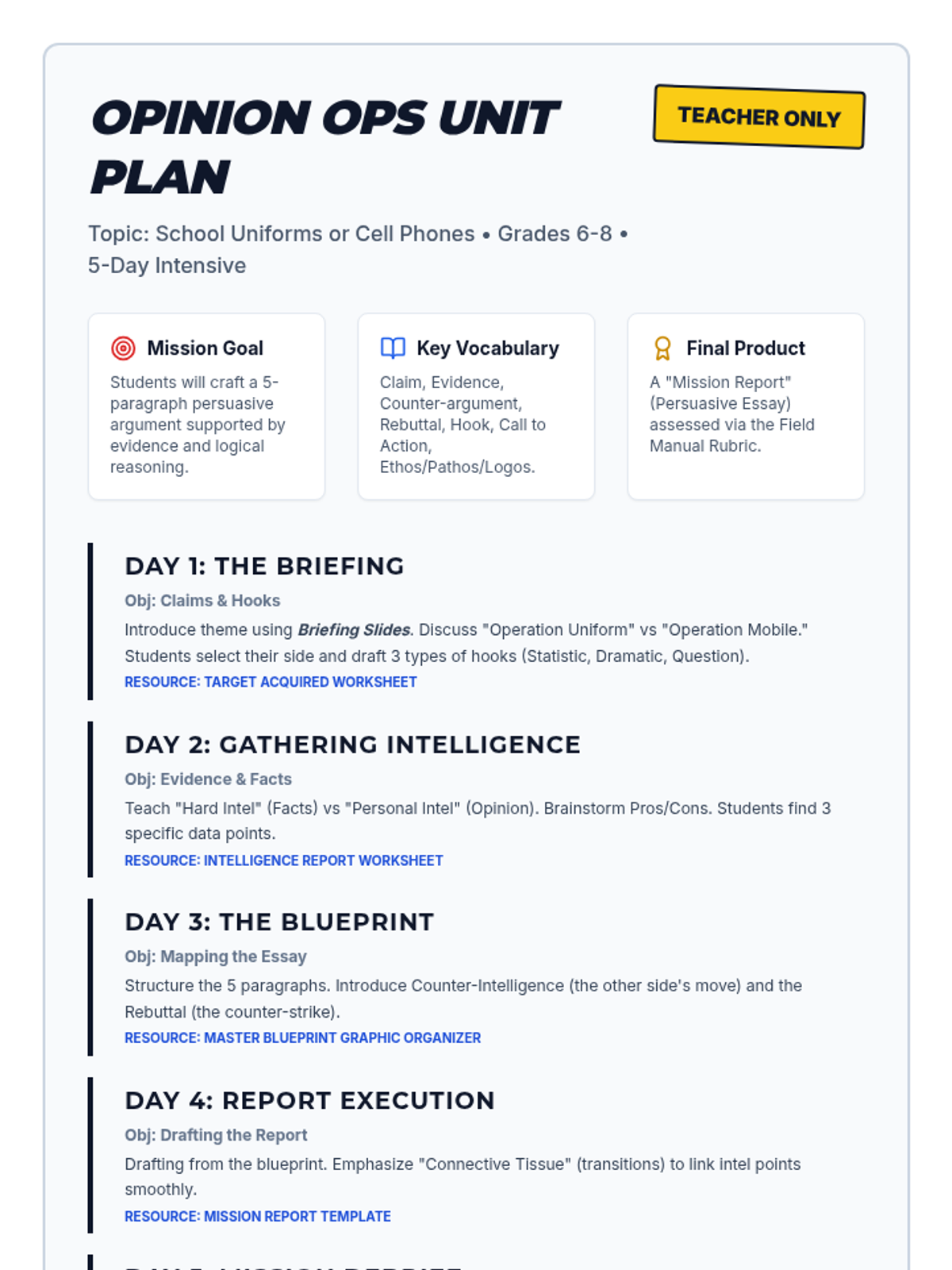
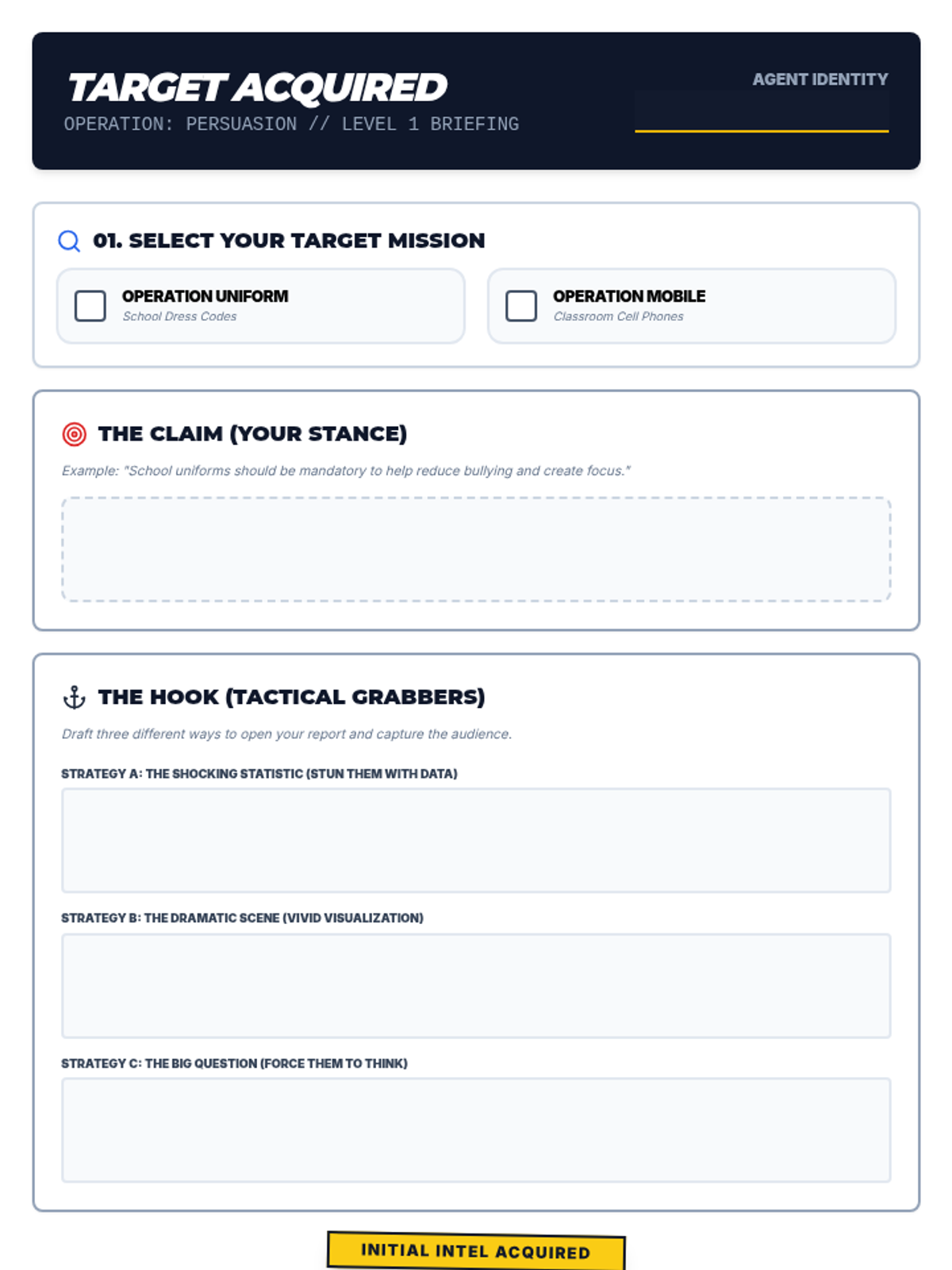
A 5-day persuasive writing unit themed as 'Opinion Ops,' where students act as secret agents building a case for or against school uniforms or cell phones in school. Includes graphic organizers, daily worksheets, and a comprehensive grading rubric.
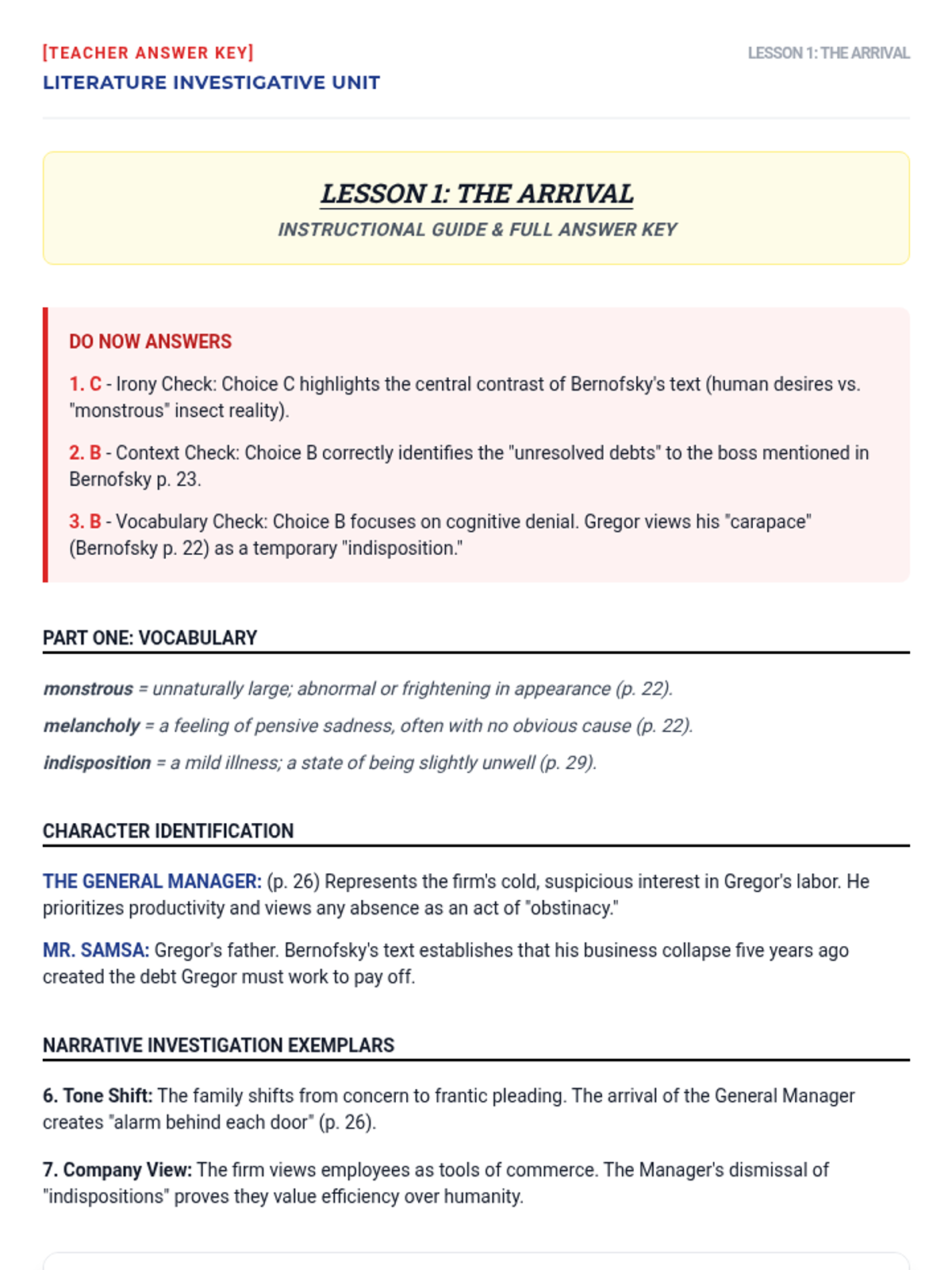
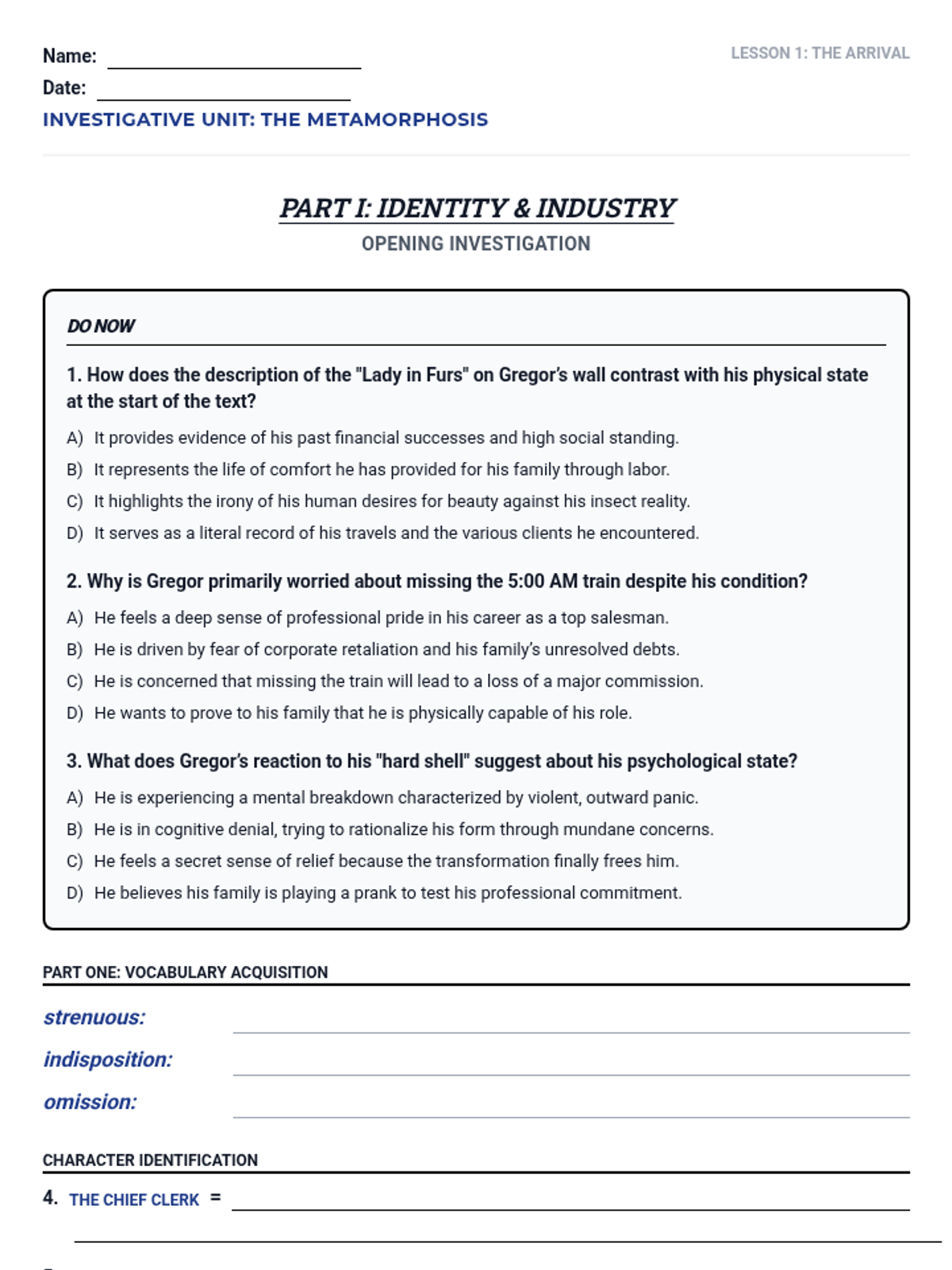
An intensive investigative unit on Franz Kafka's *The Metamorphosis* following the North Star/Uncommon Schools instructional model. The unit focuses on the thematic intersection of labor, identity, and dehumanization. Students analyze Gregor's alienation from his family and society through a structured rigorous framework including vocabulary acquisition, character identification, and thematic synthesis.
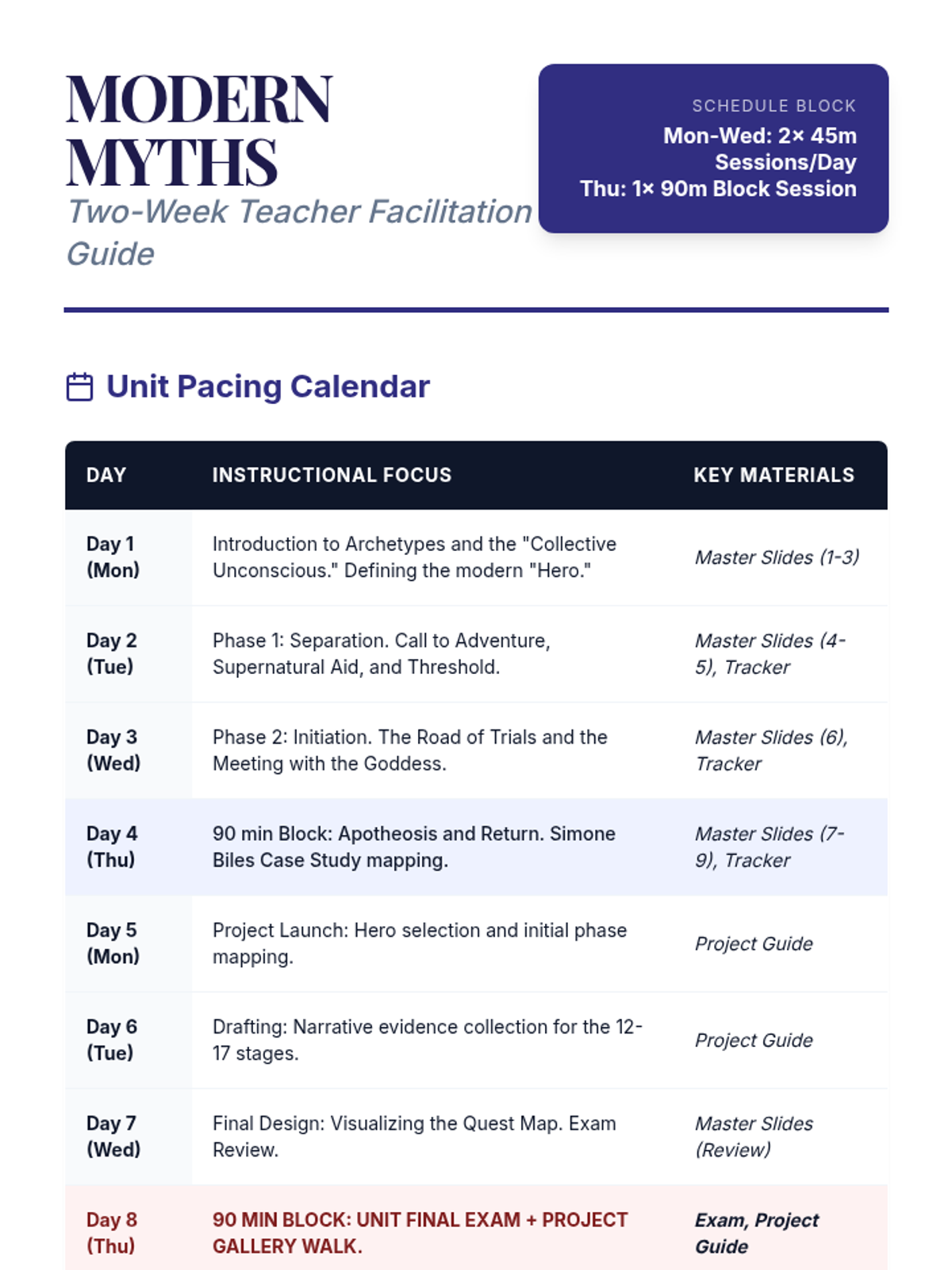
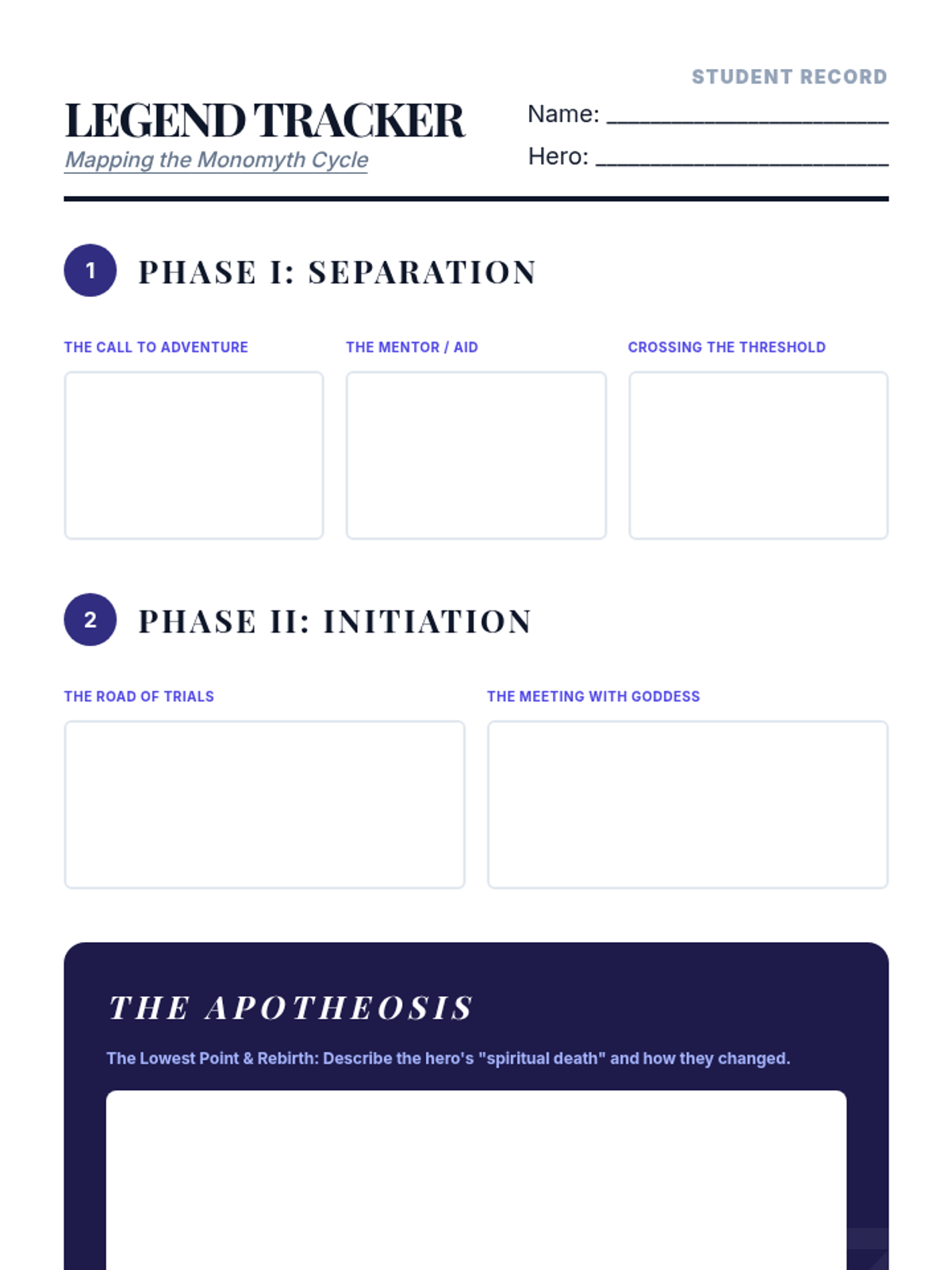
A two-week unit exploring the Hero's Journey monomyth, using Simone Biles as a modern anchor and culminating in a creative mapping project and traditional exam.
A collection of diverse instructional units designed to build both literary analysis skills and practical life knowledge, preparing students for complex texts and real-world challenges.
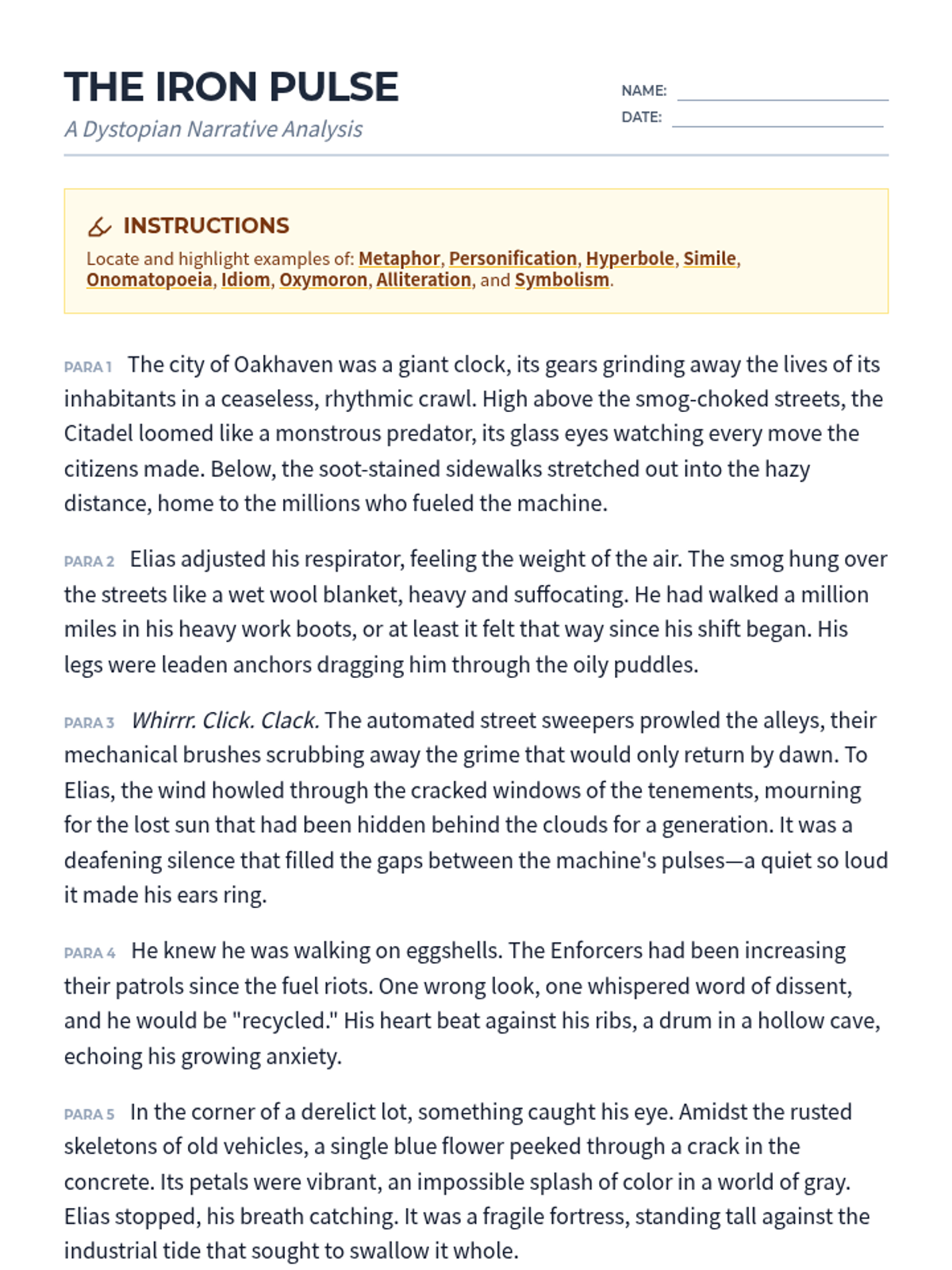
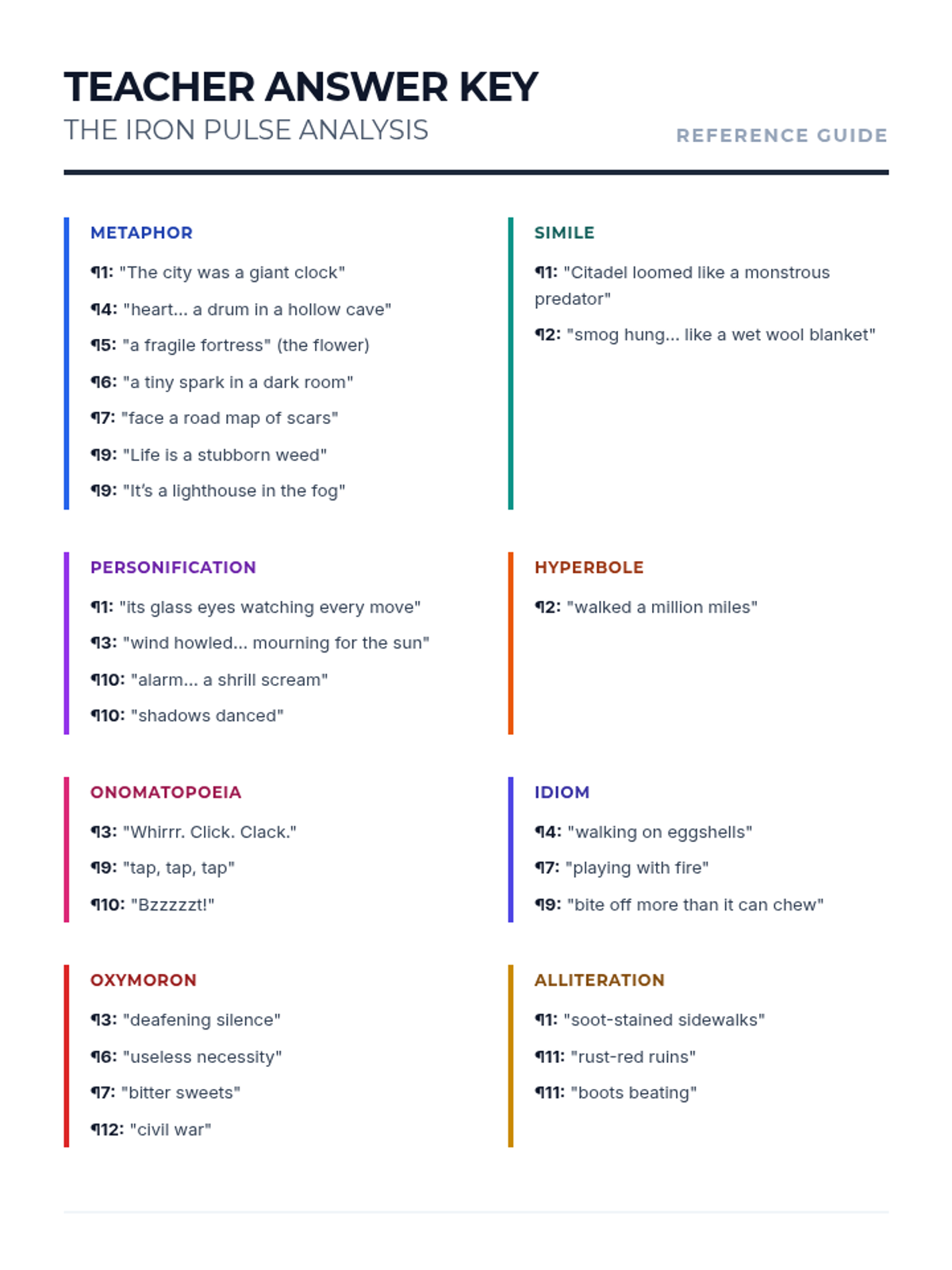
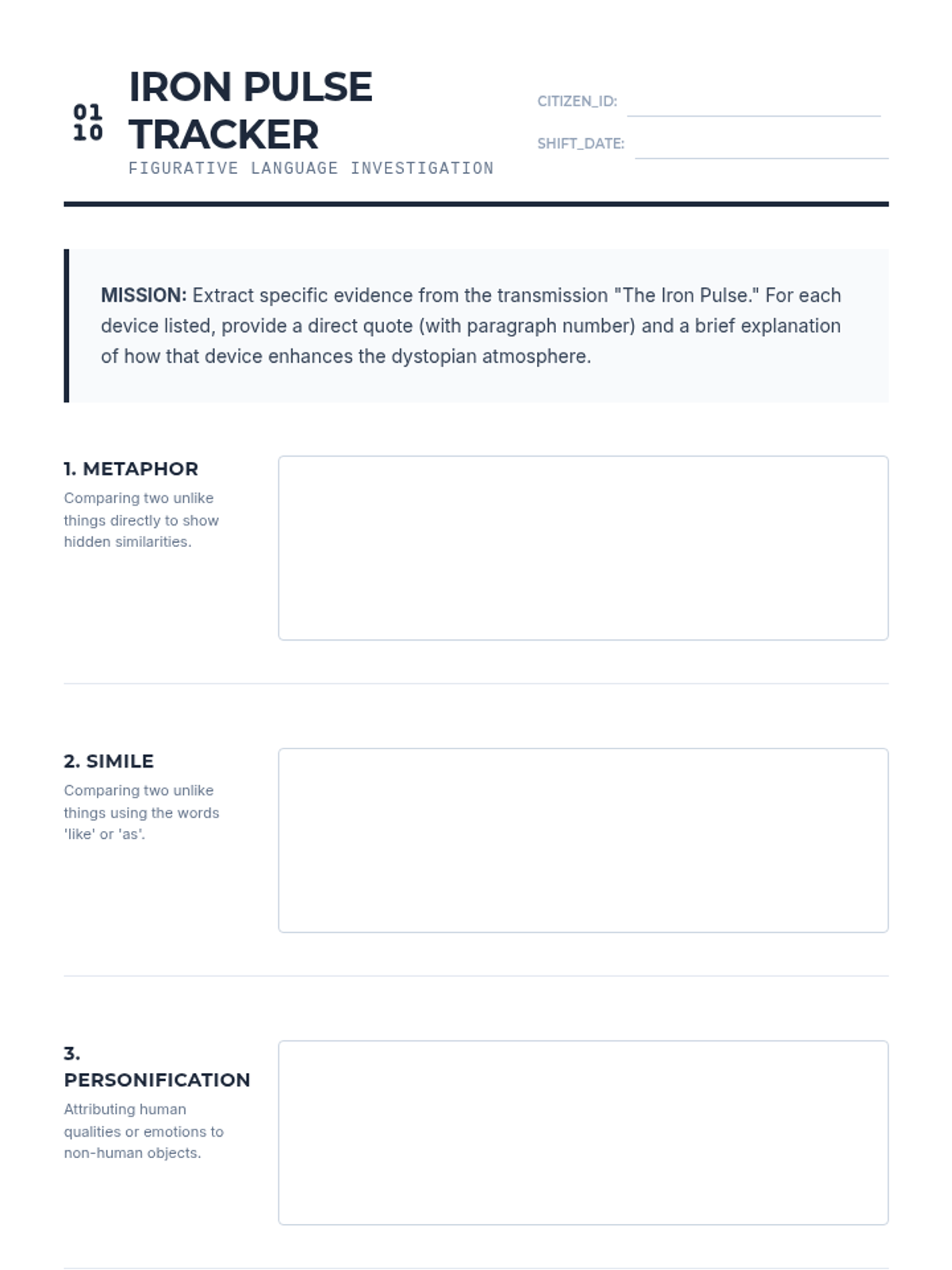
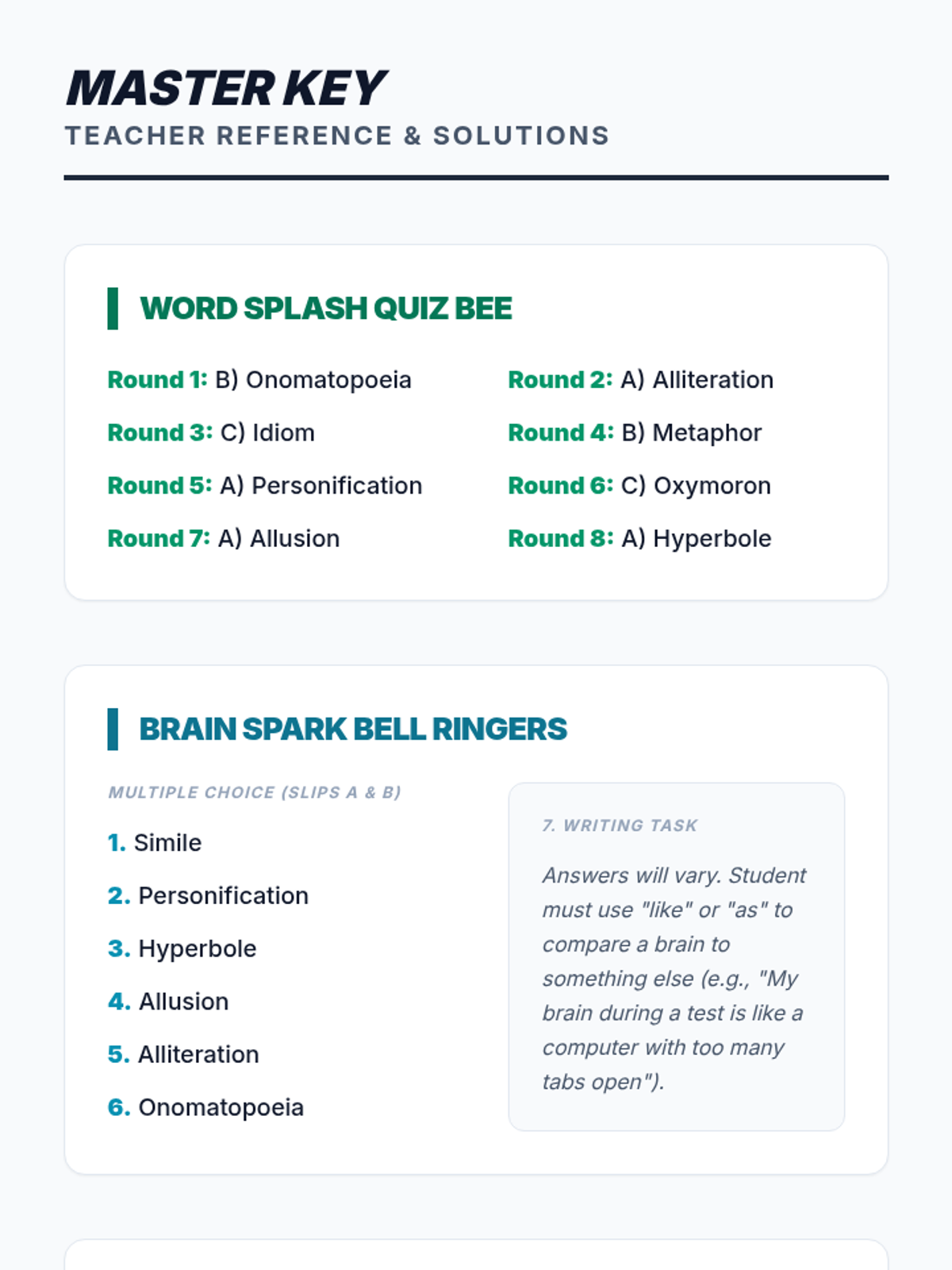
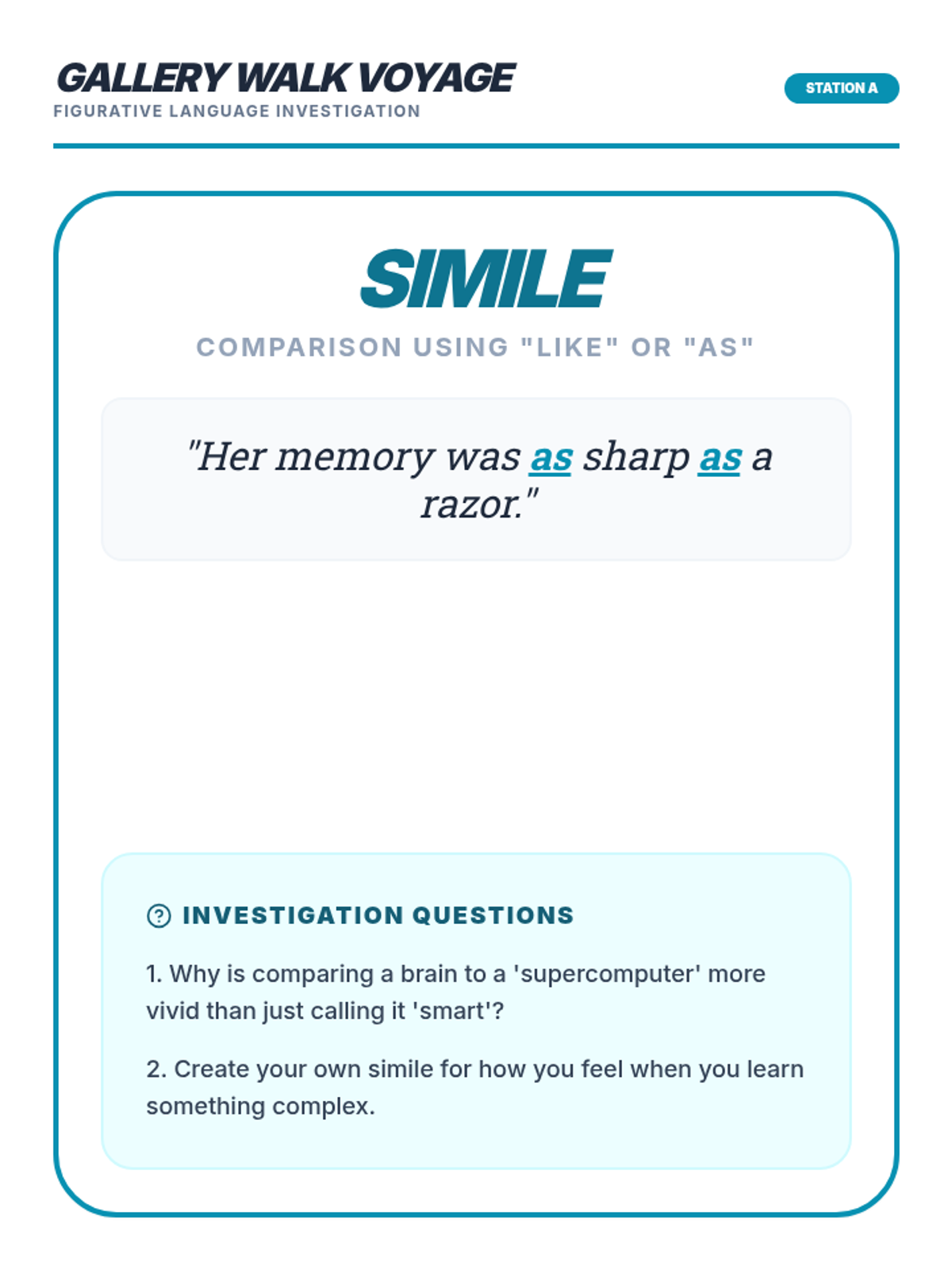
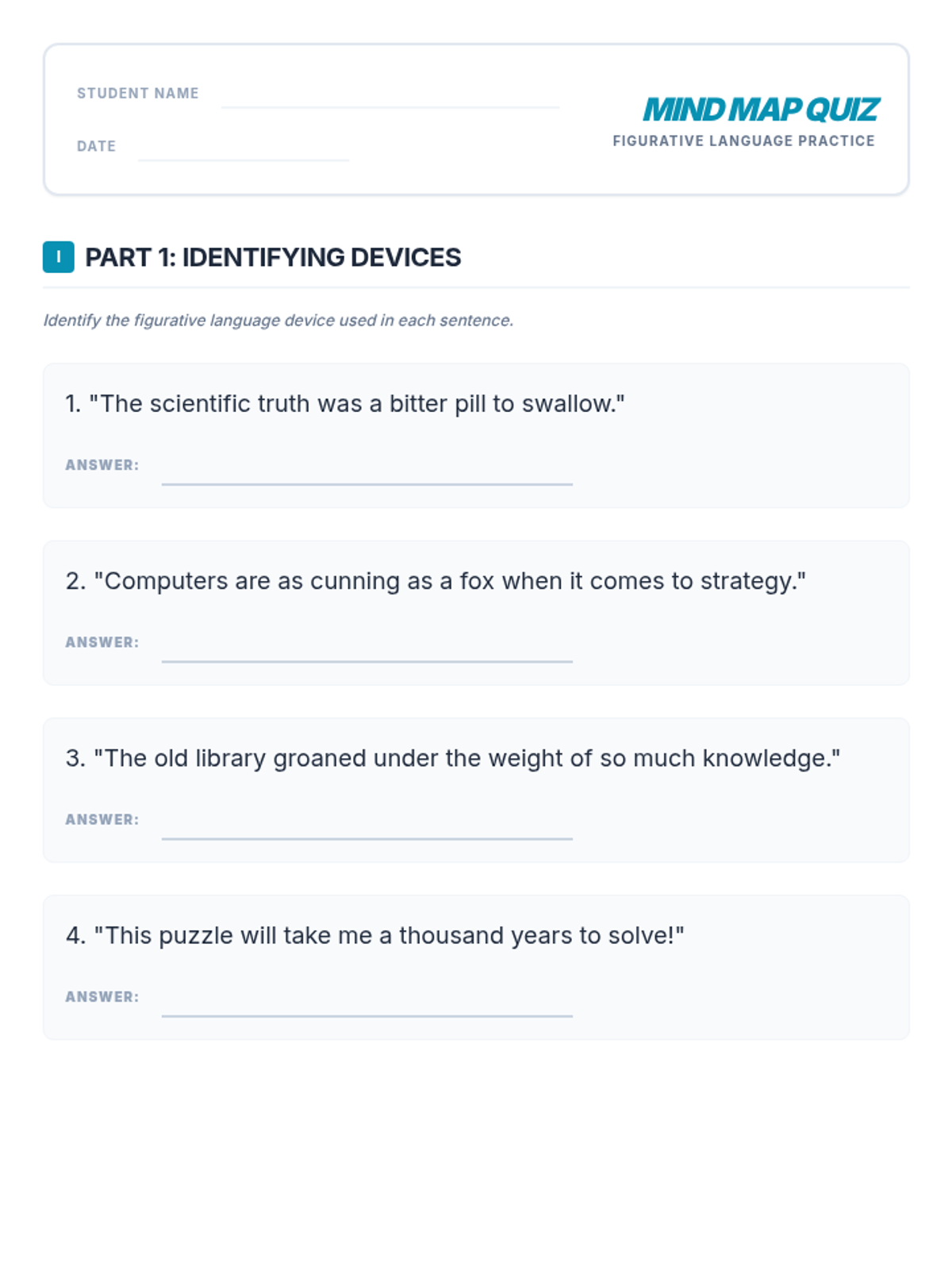
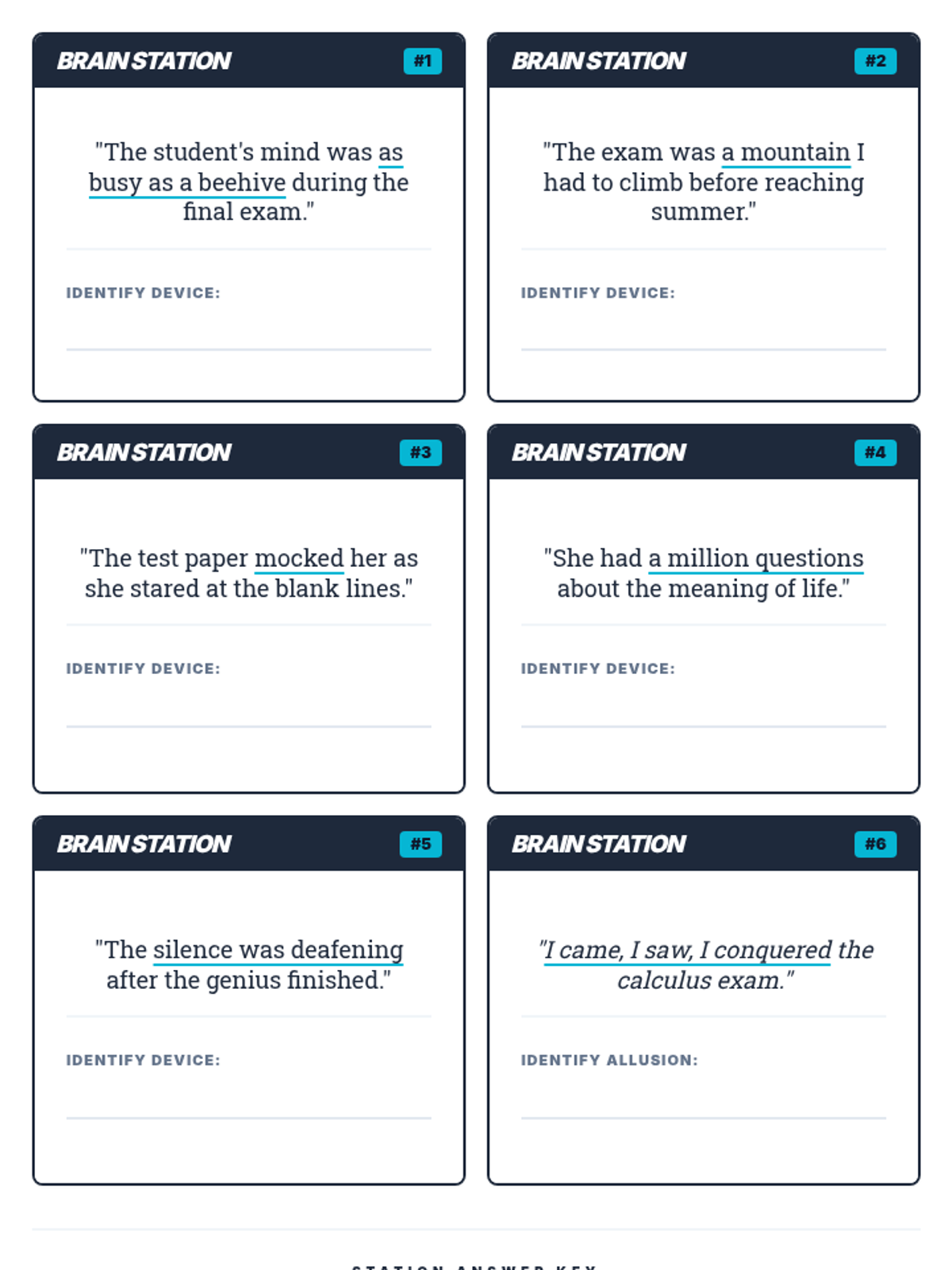
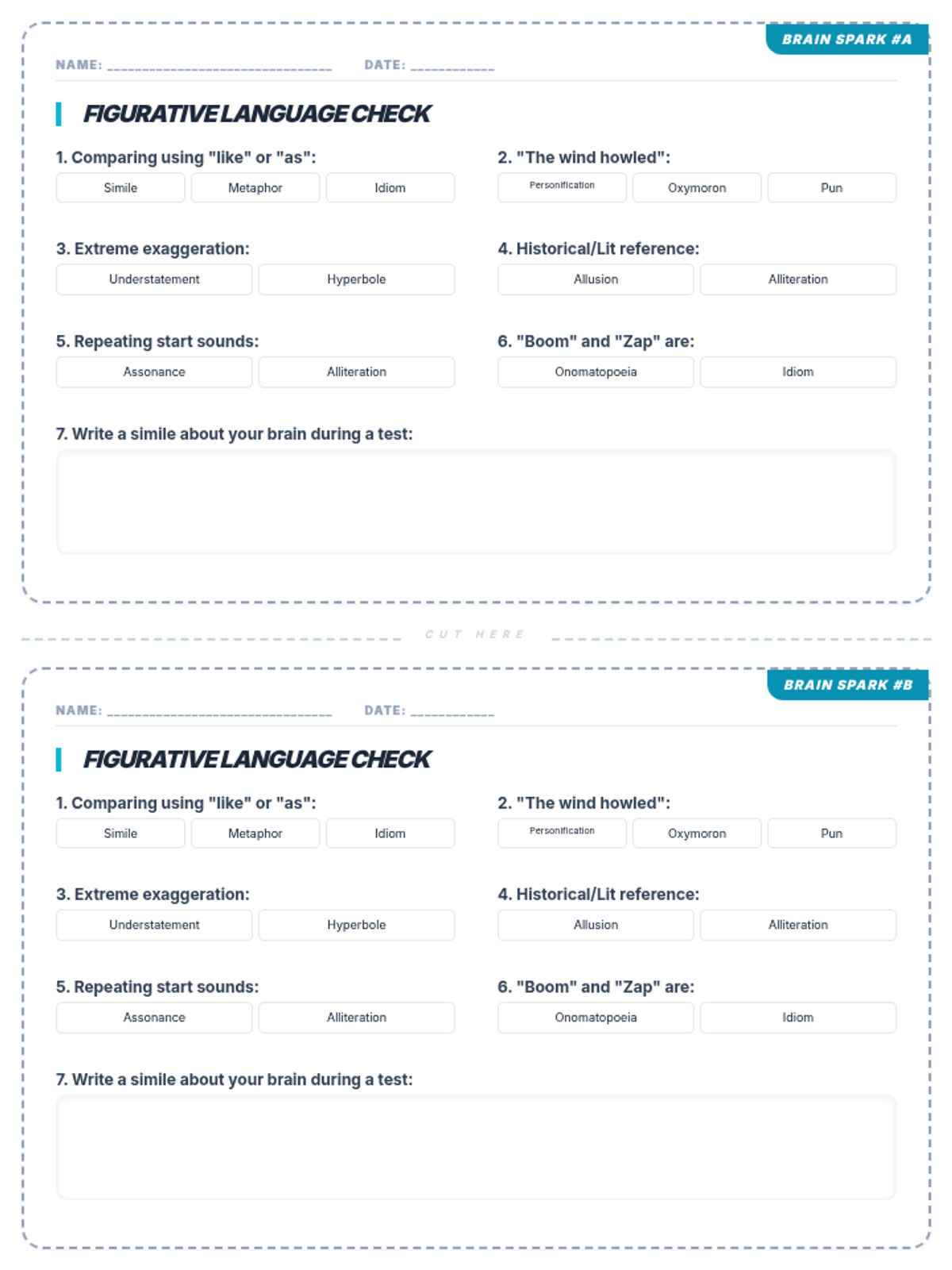
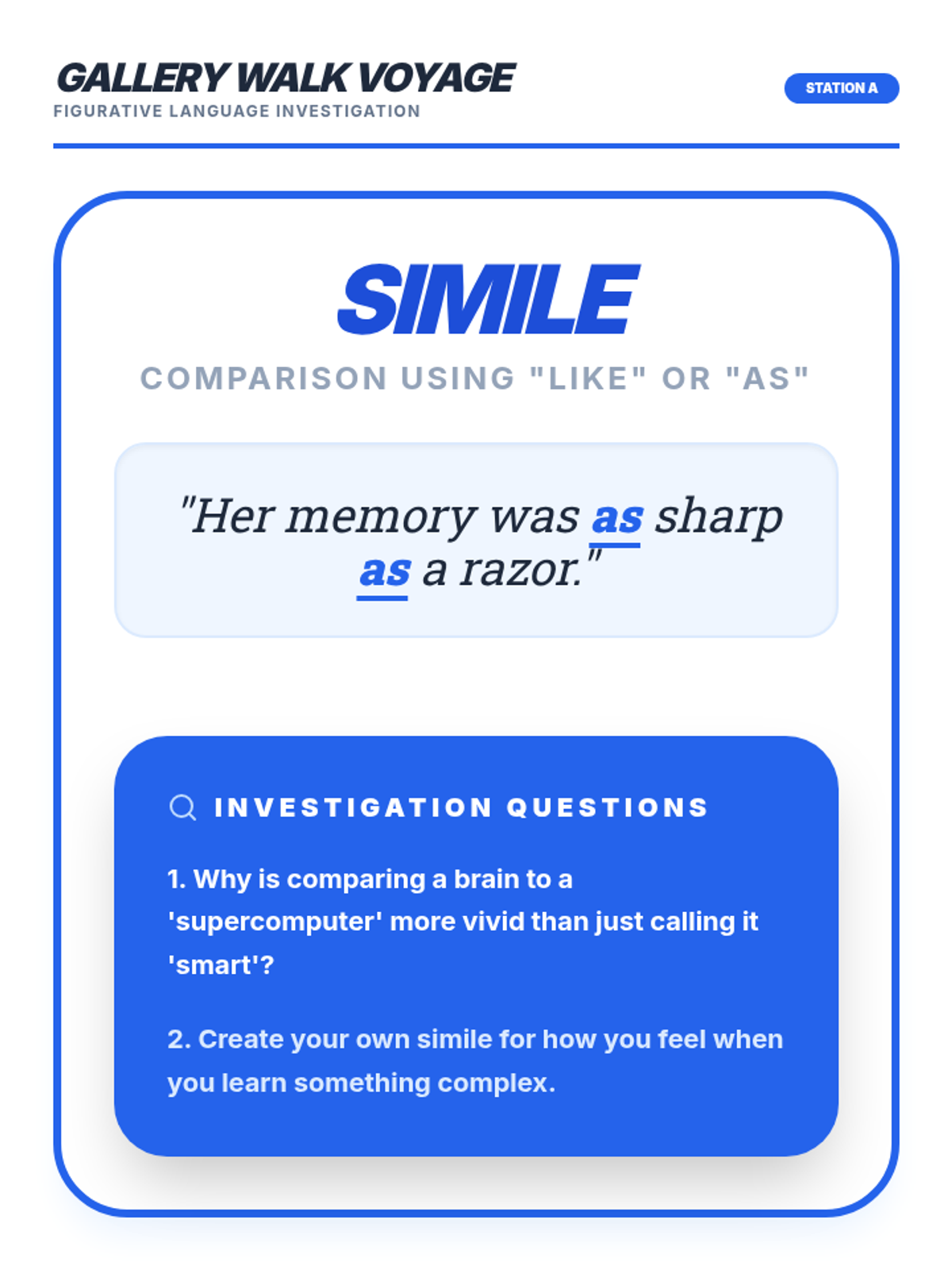
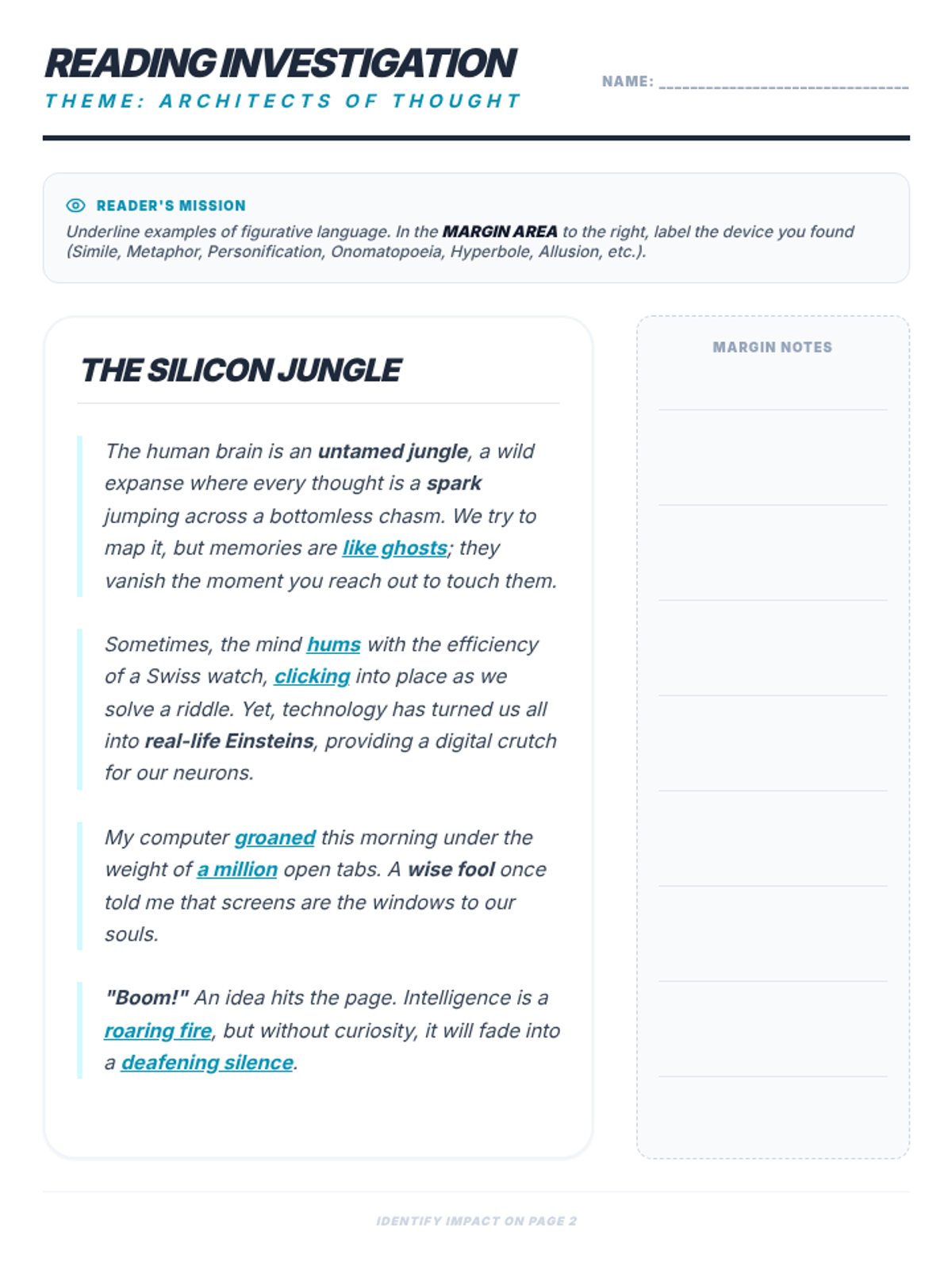
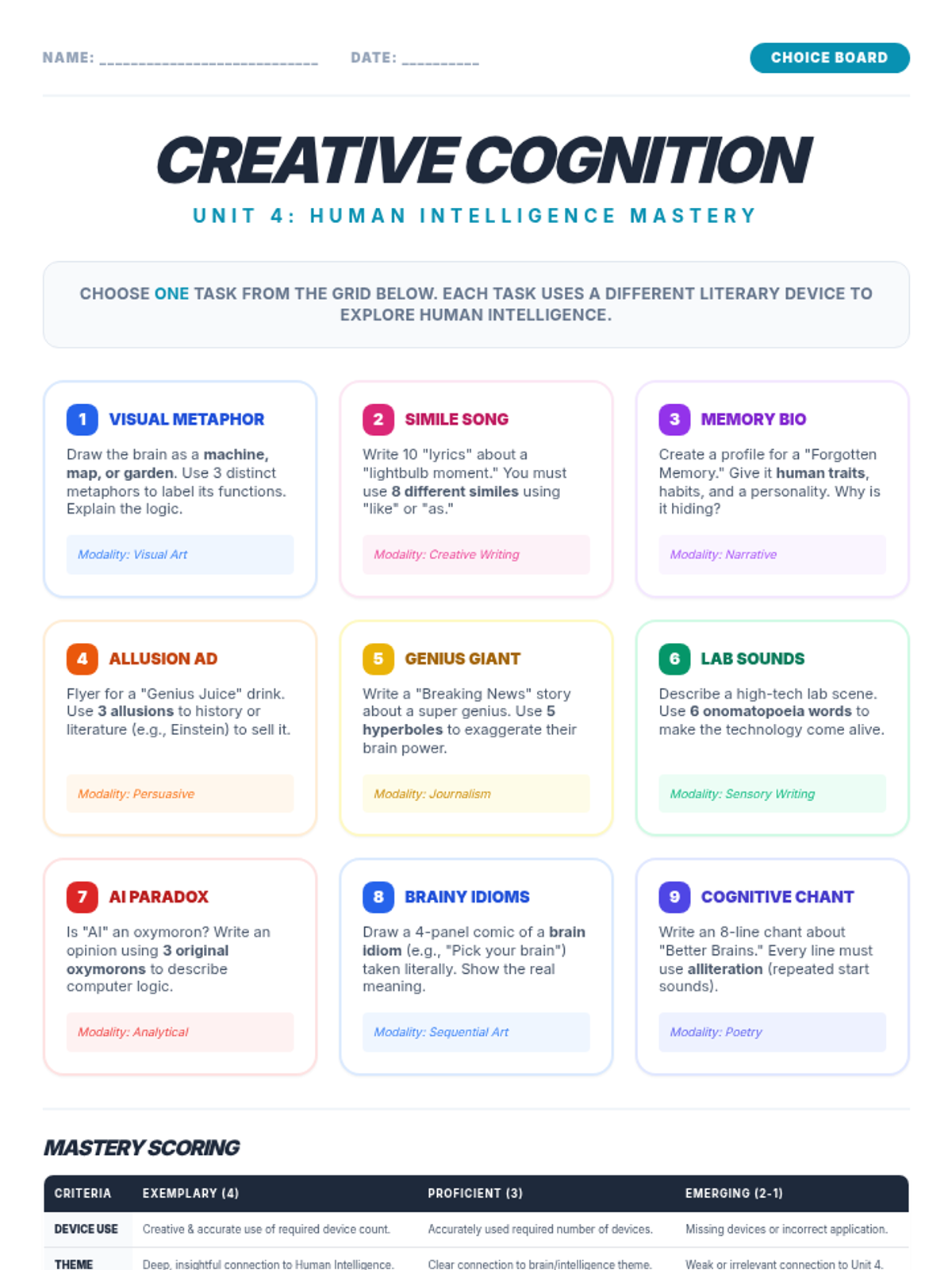
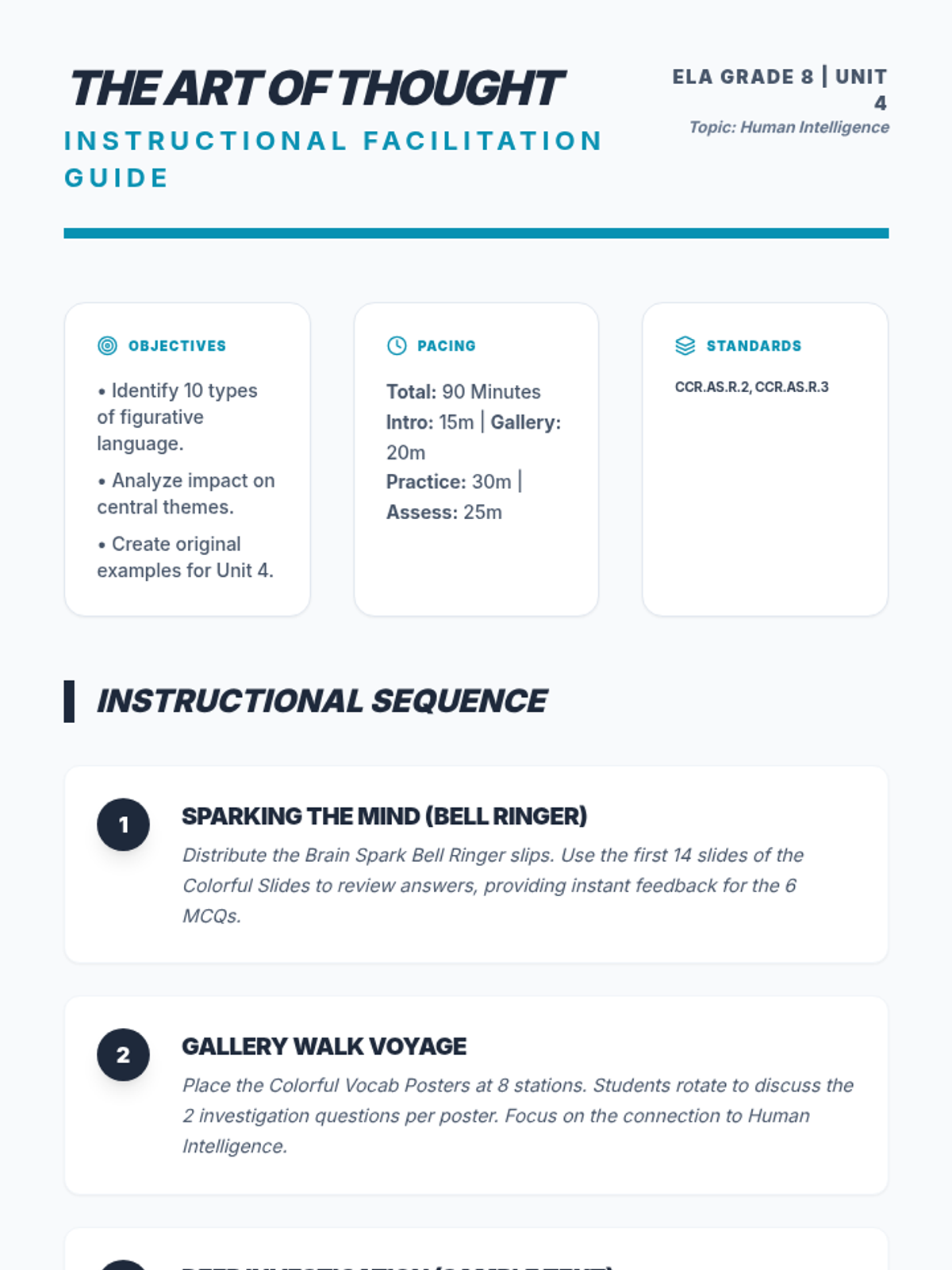
An ELA unit exploring the complexities of the human mind, artificial intelligence, and cognitive growth through the lens of figurative language and central theme analysis.
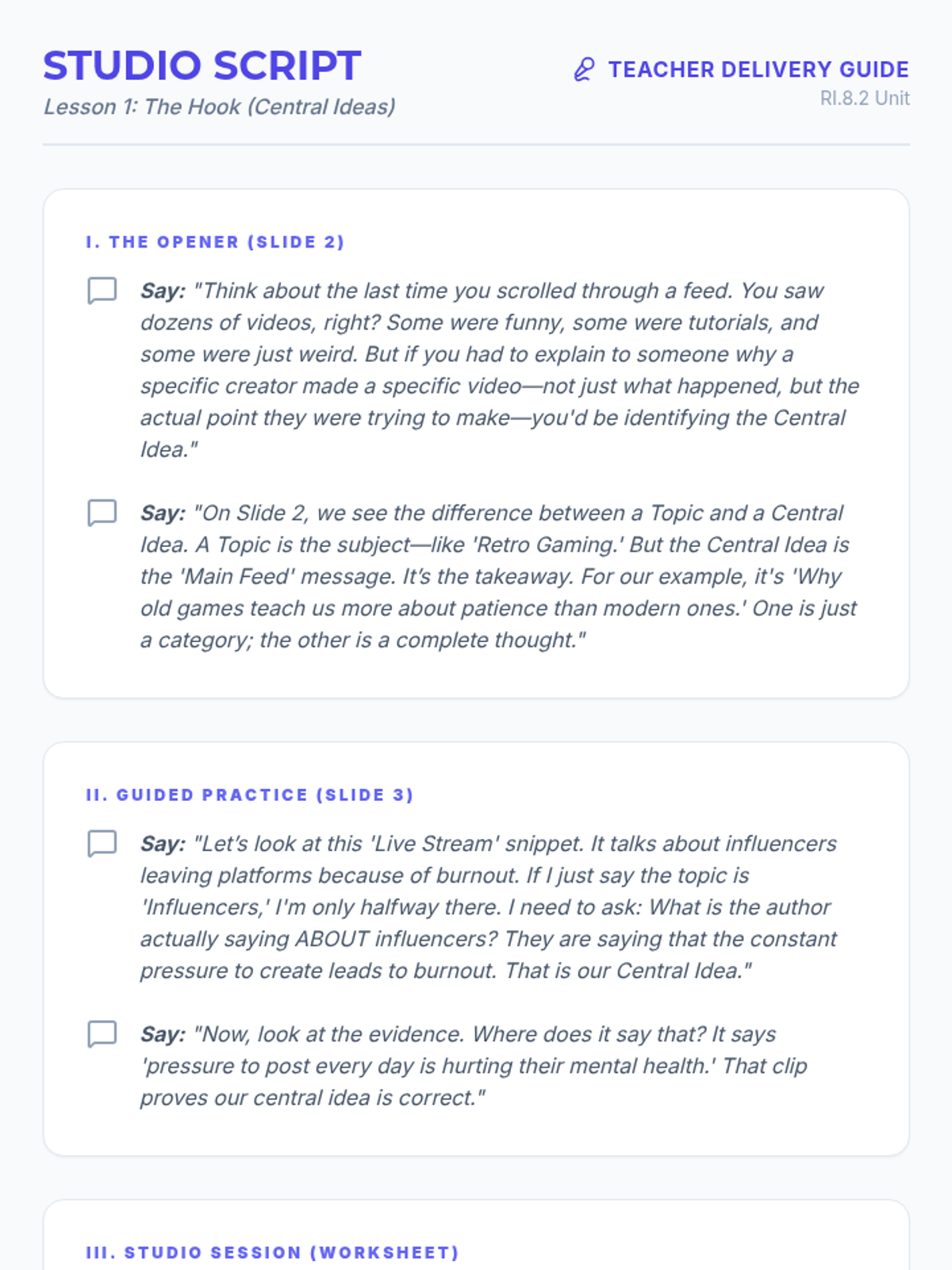
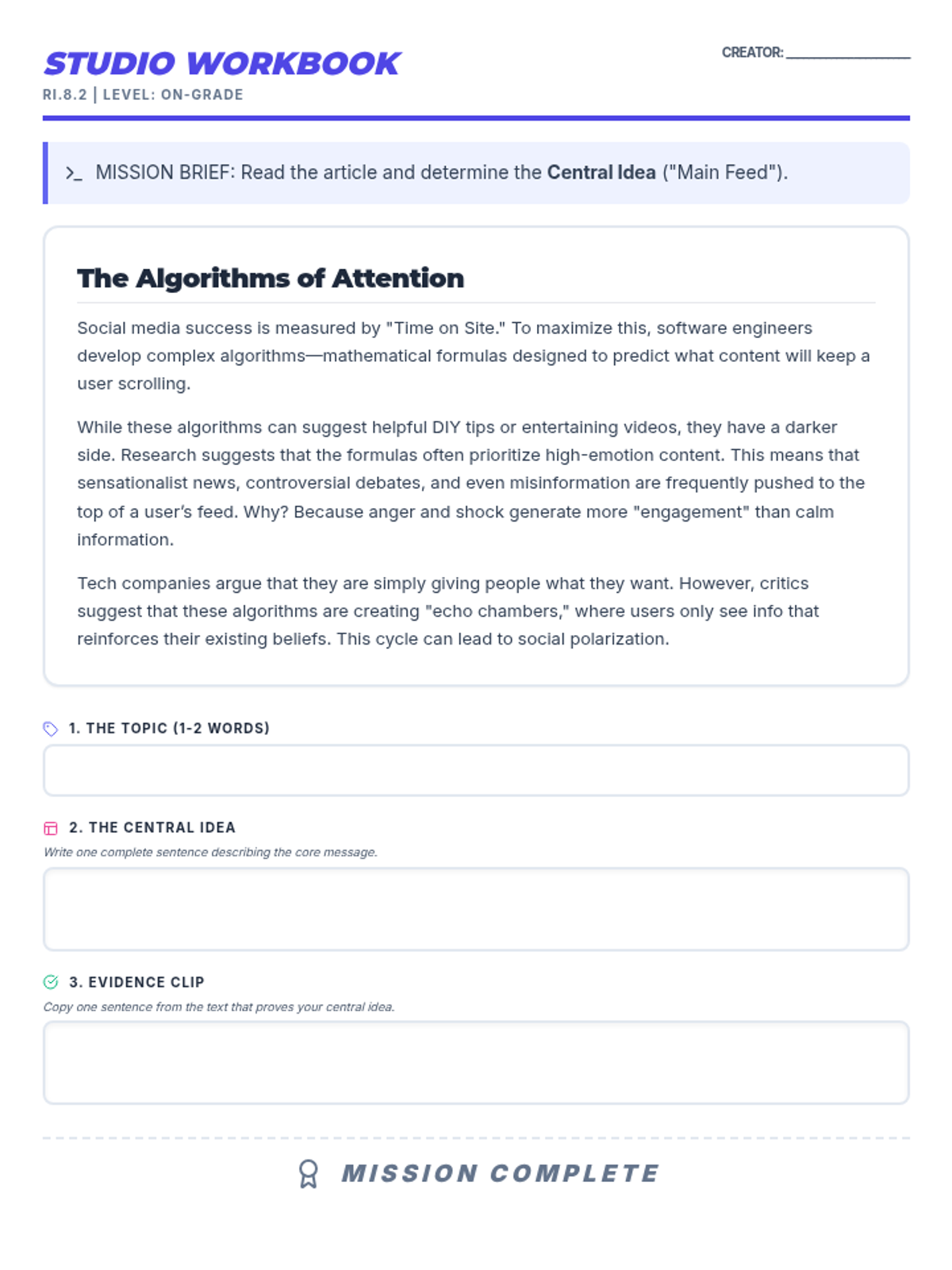
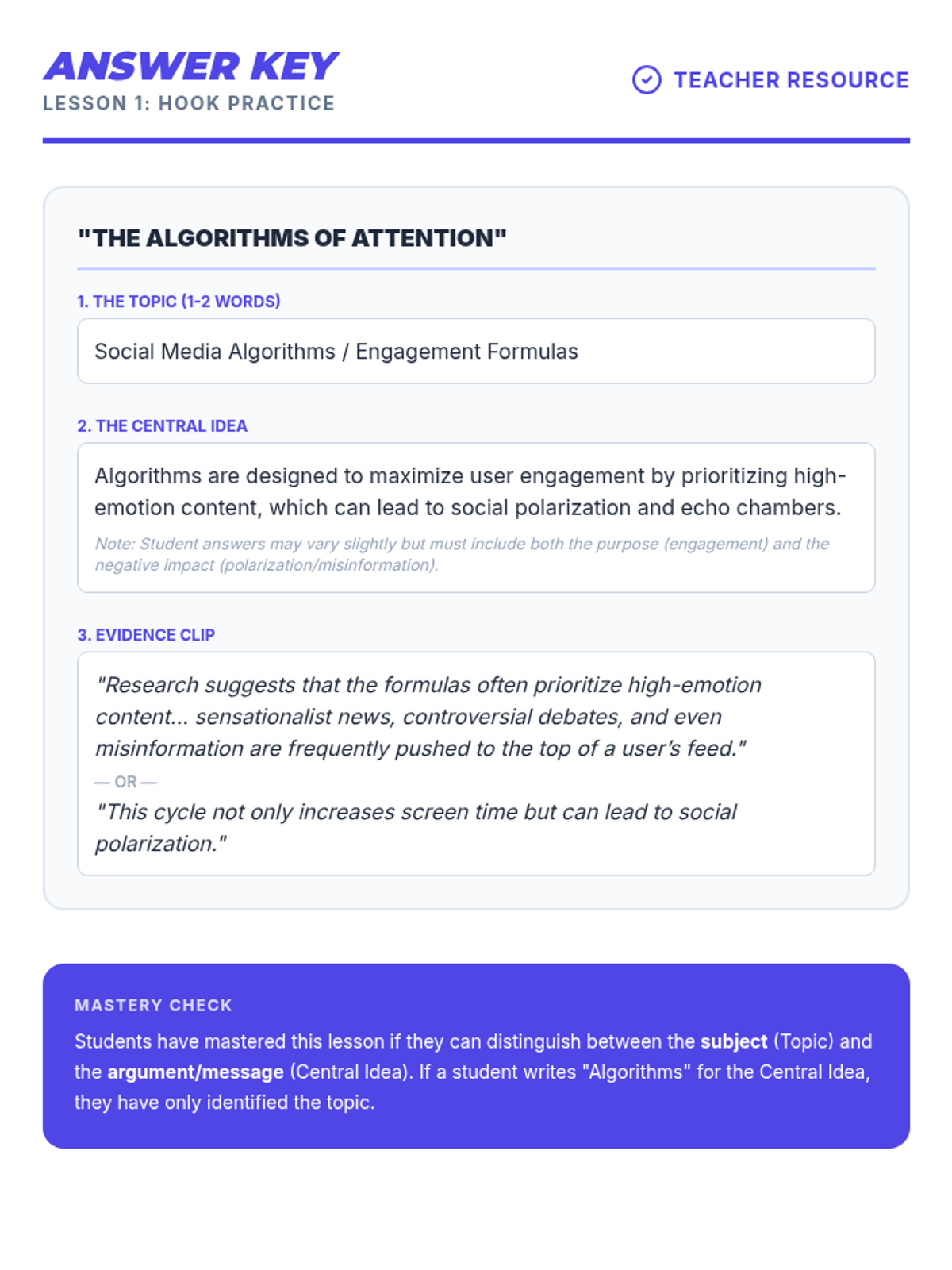
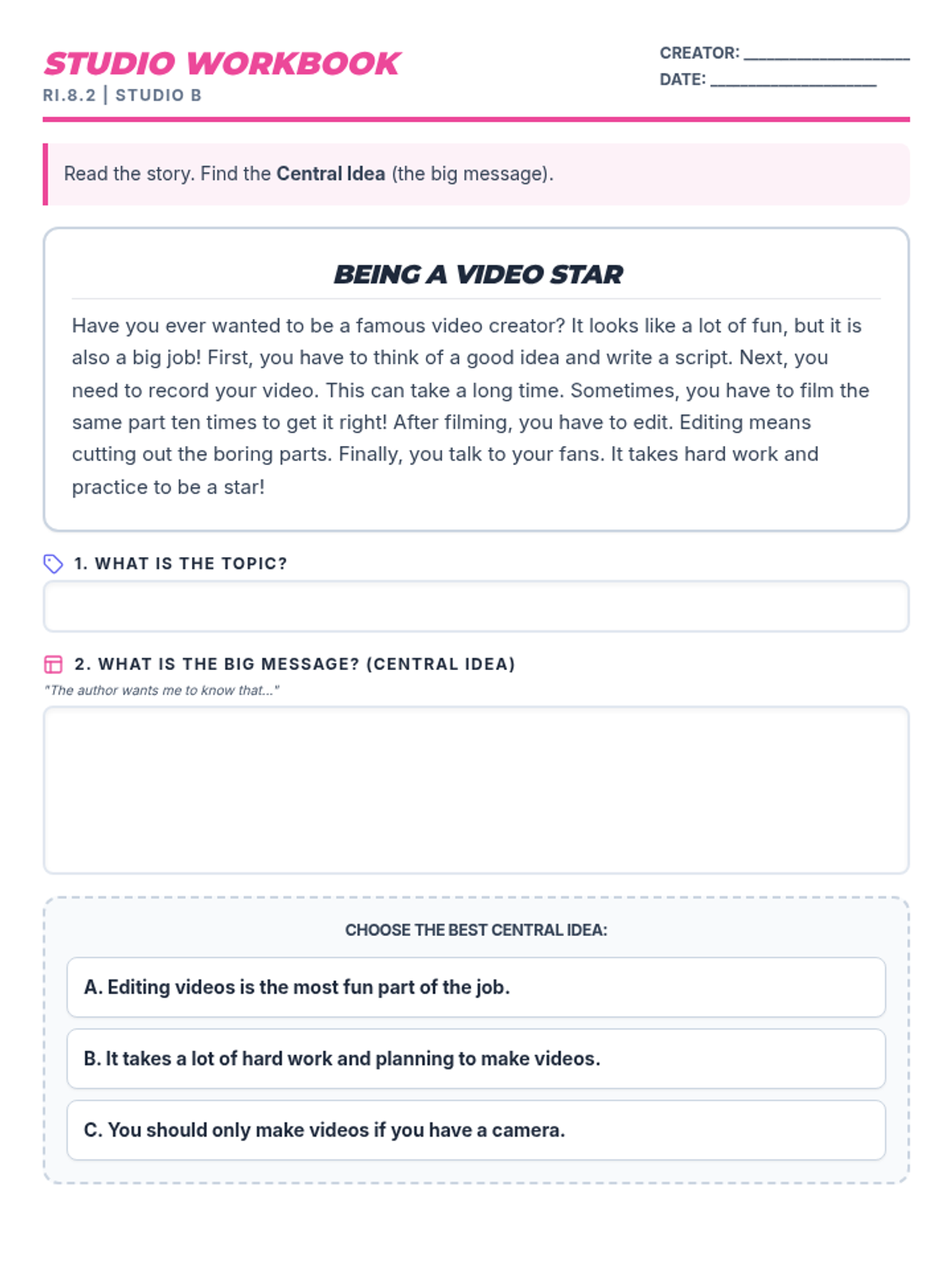
A 5-day mastery unit for RI.8.2 using a Content Creator Studio theme. Students learn to determine central ideas, analyze their development, and write objective summaries through the lens of digital media production.
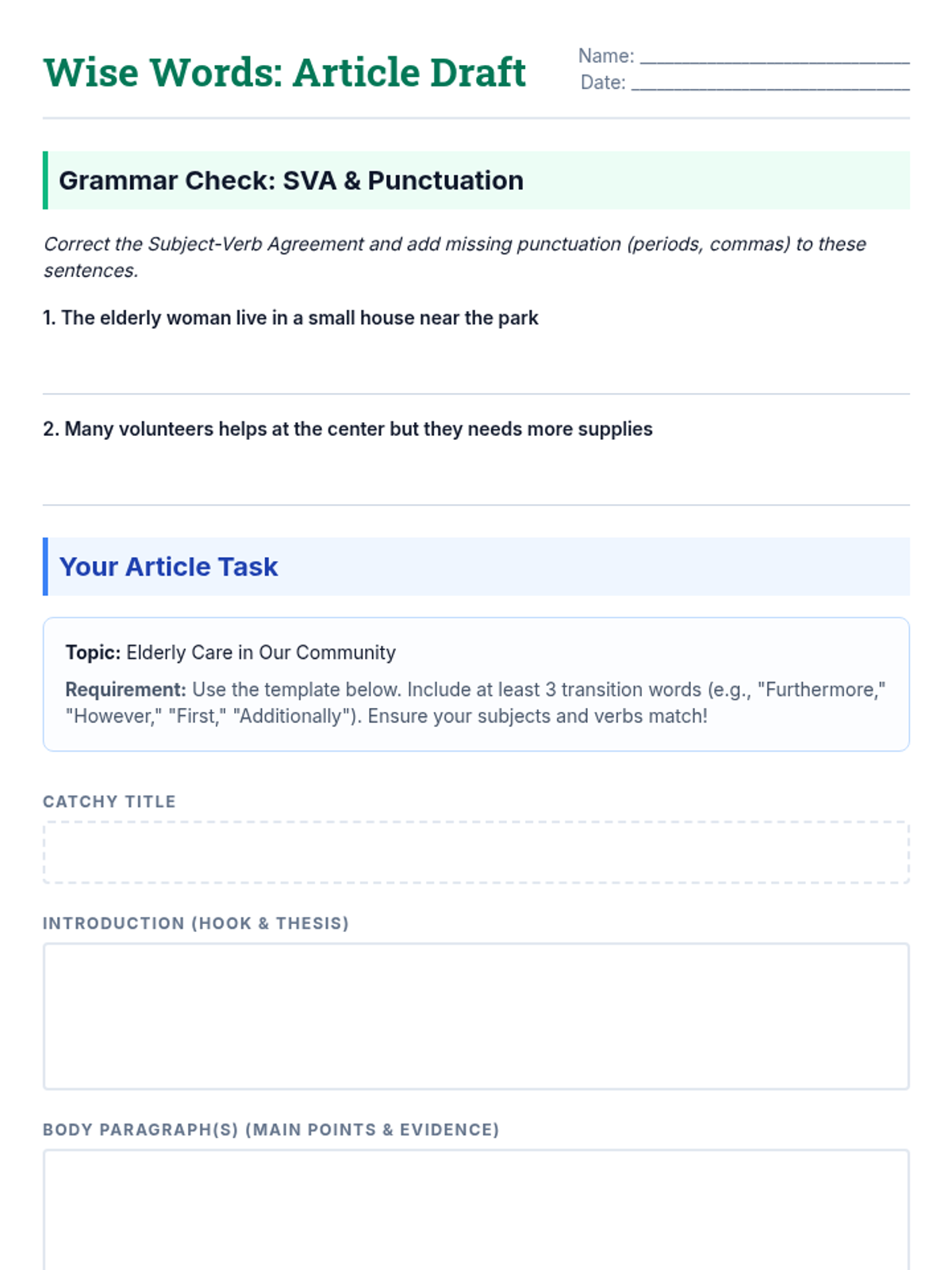
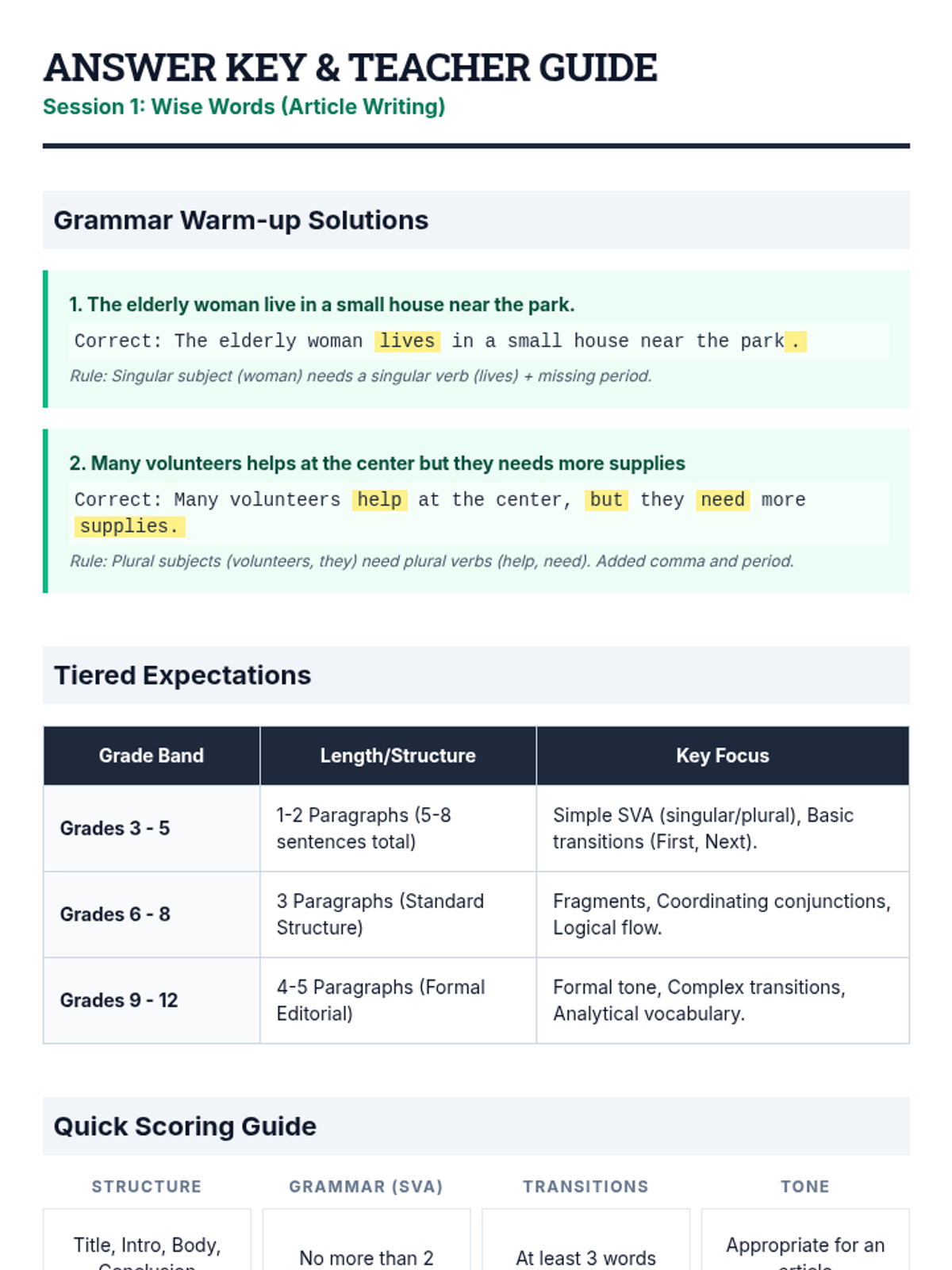
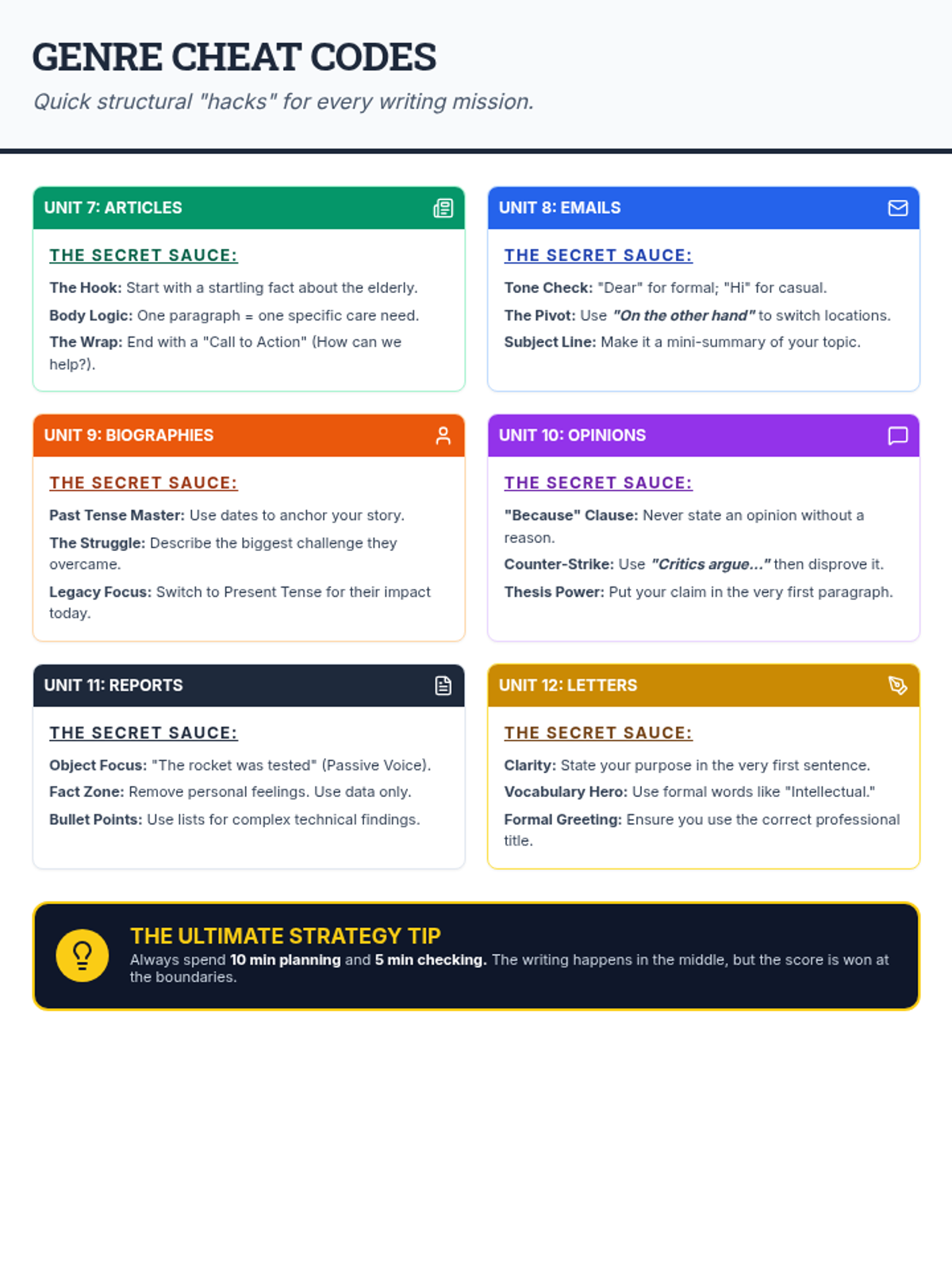
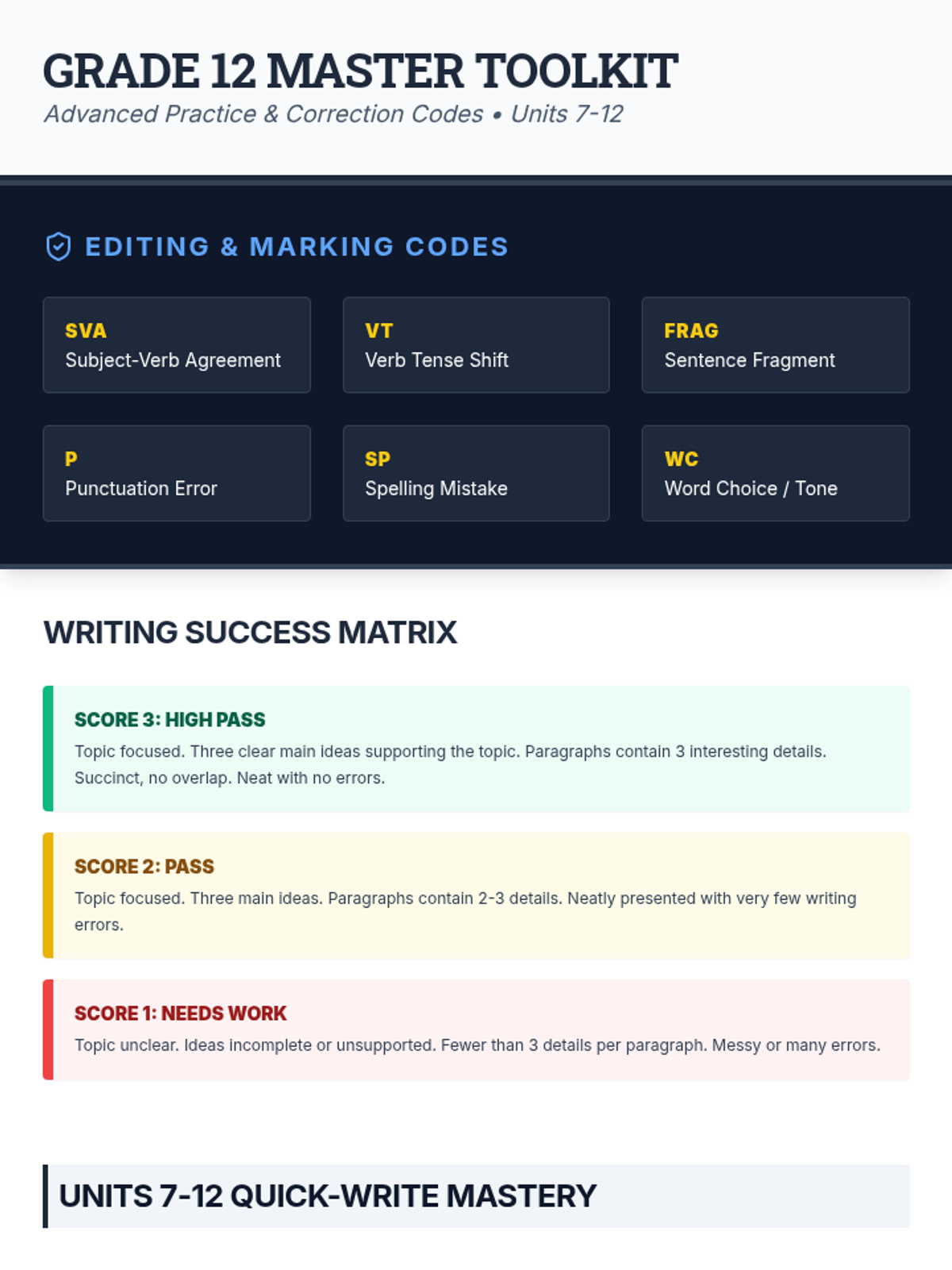
A comprehensive writing program for grades 3-12 focused on sentence and paragraph composition across six different genres, culminating in exam preparation and final assessments. The curriculum balances grammar foundations with creative and formal writing structures.
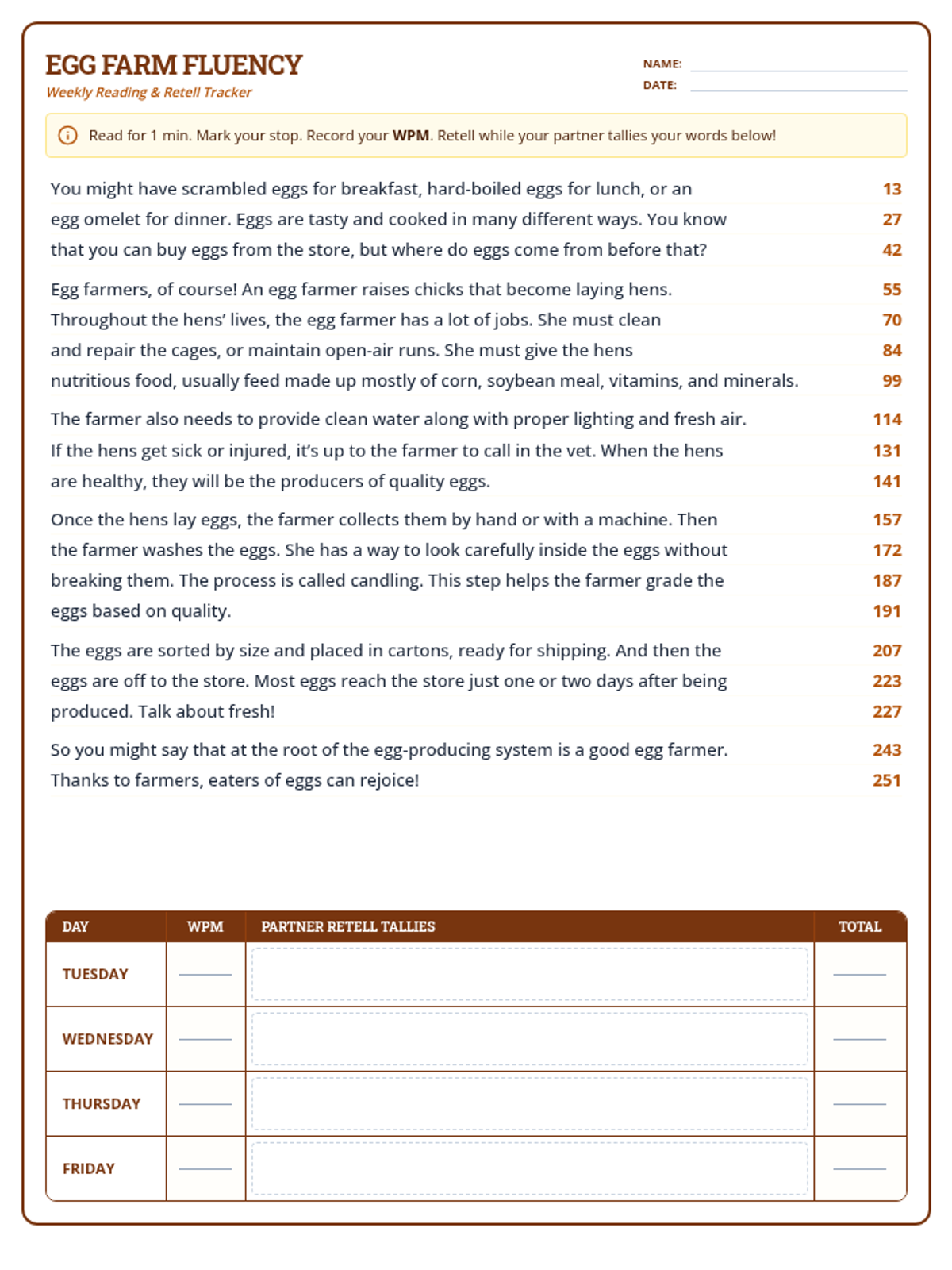
A collection of thematic reading fluency worksheets designed to improve student reading speed, accuracy, and comprehension through repeated readings and partner retelling.
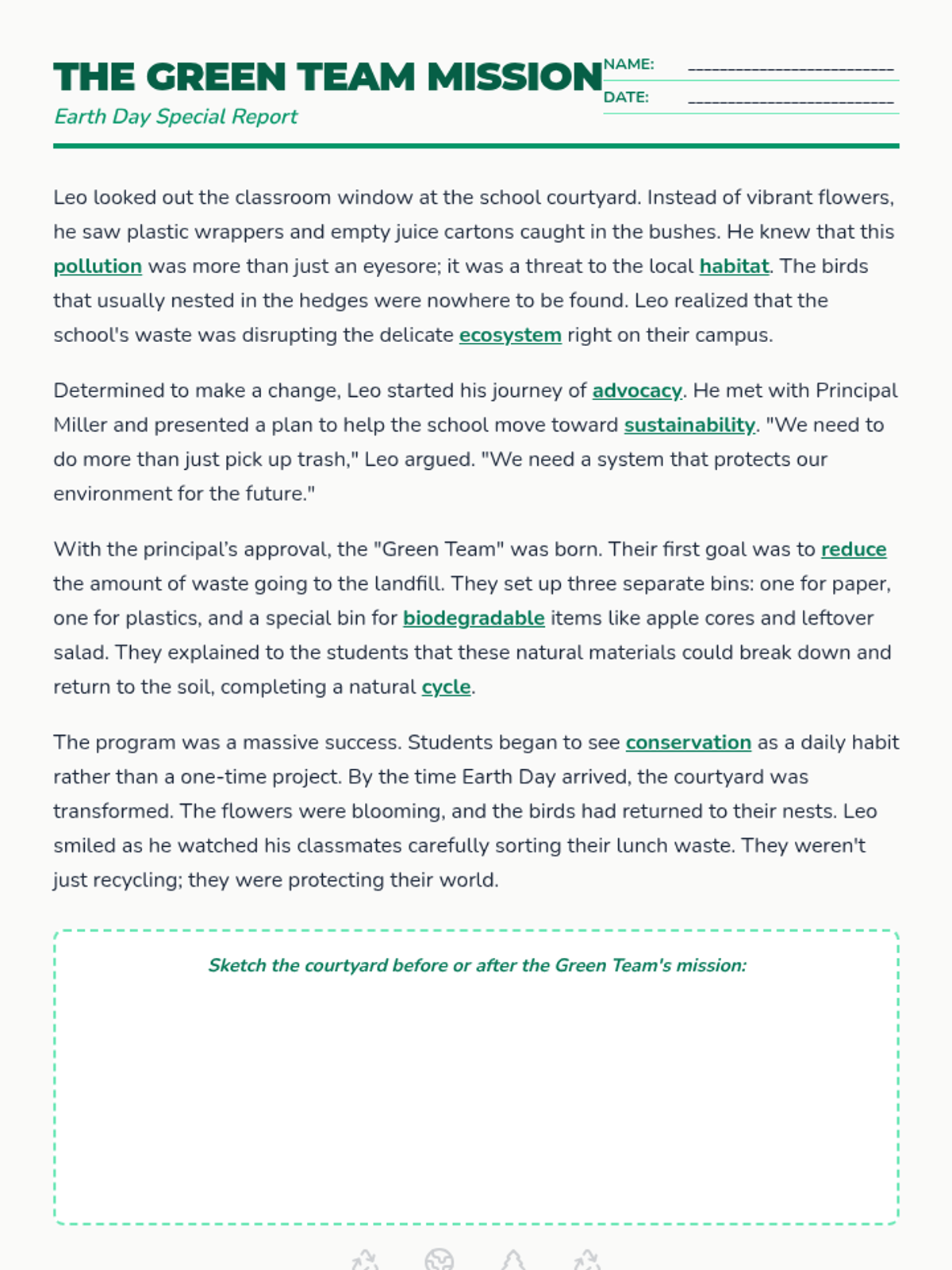
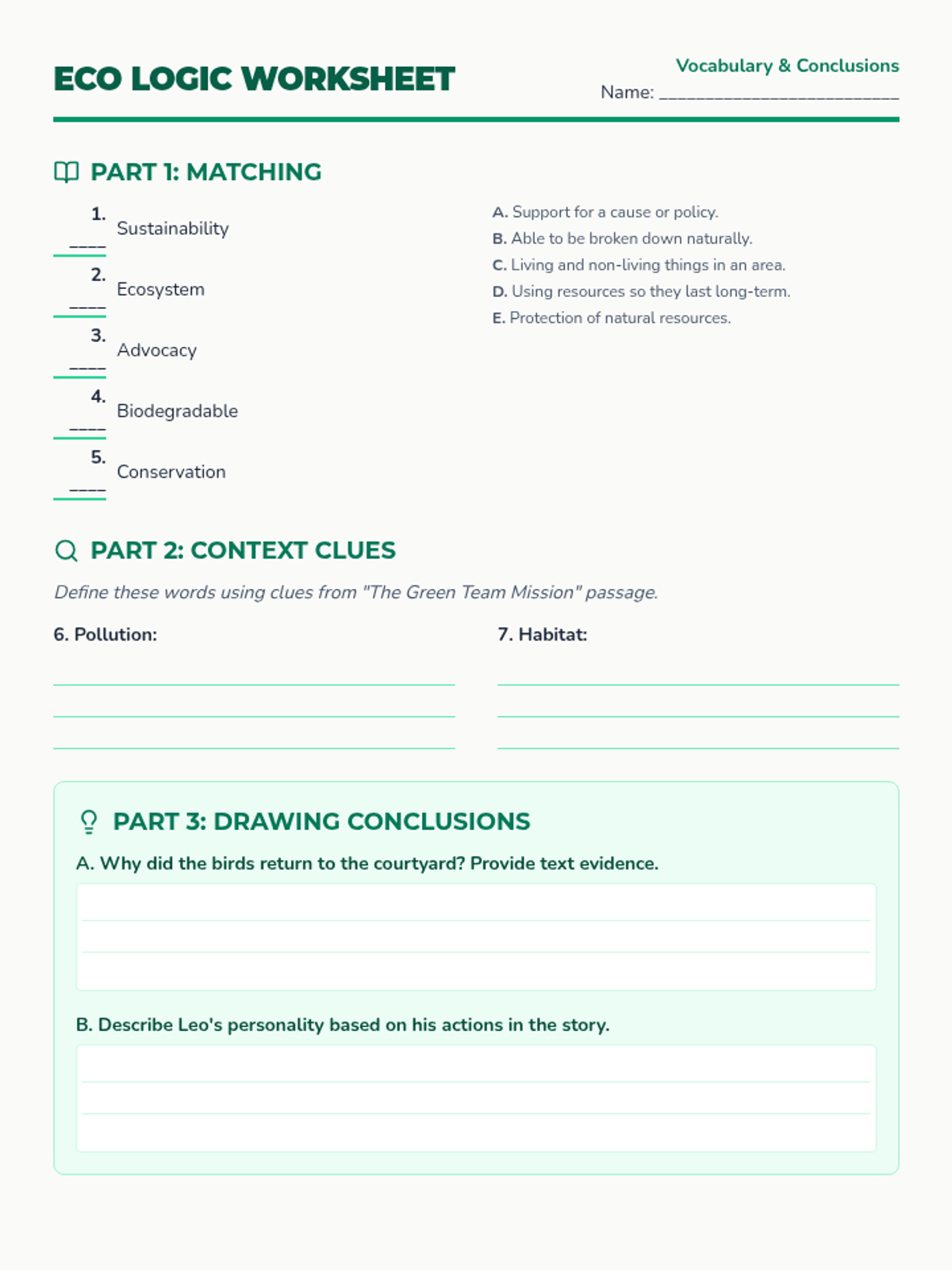
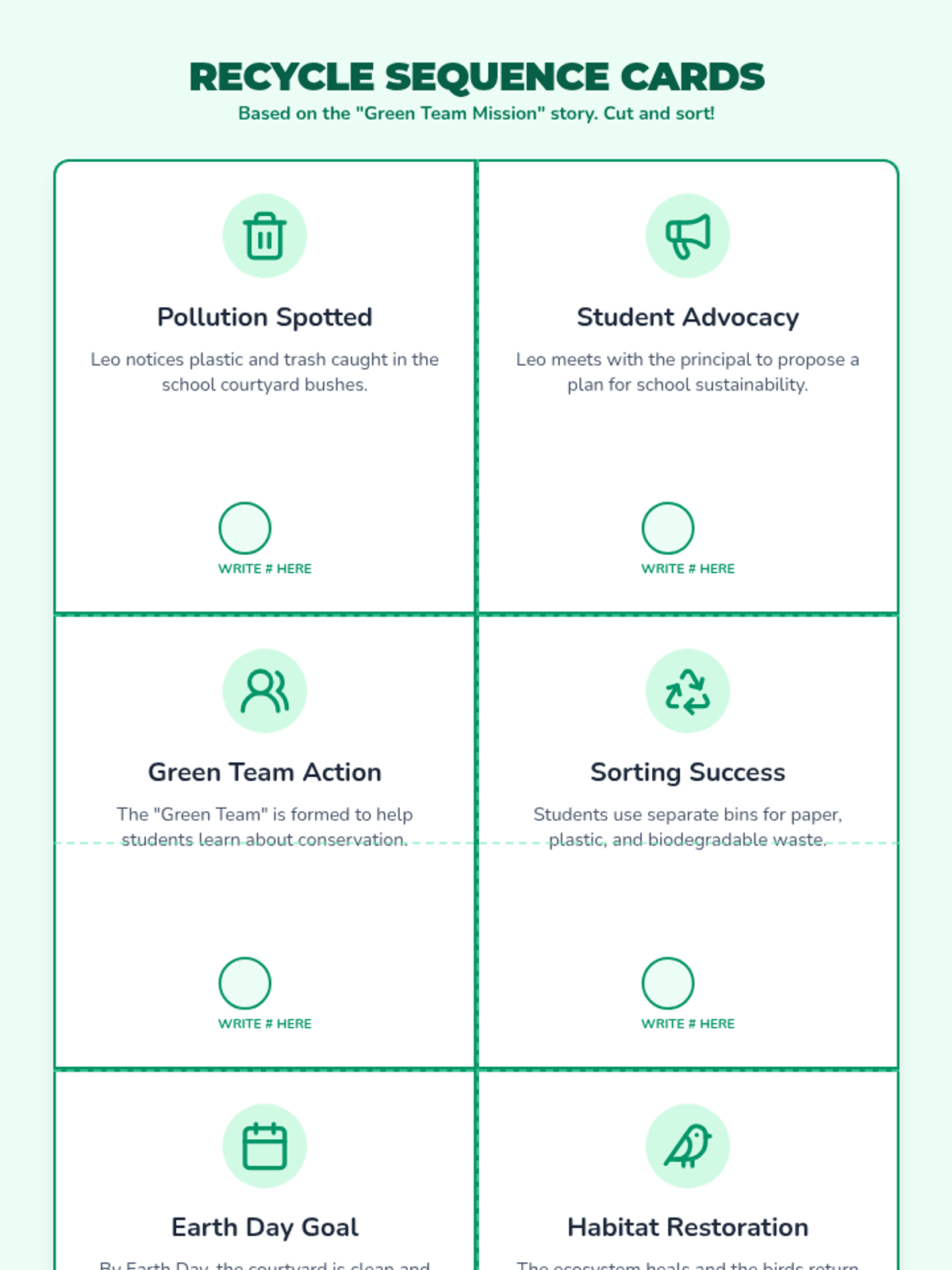
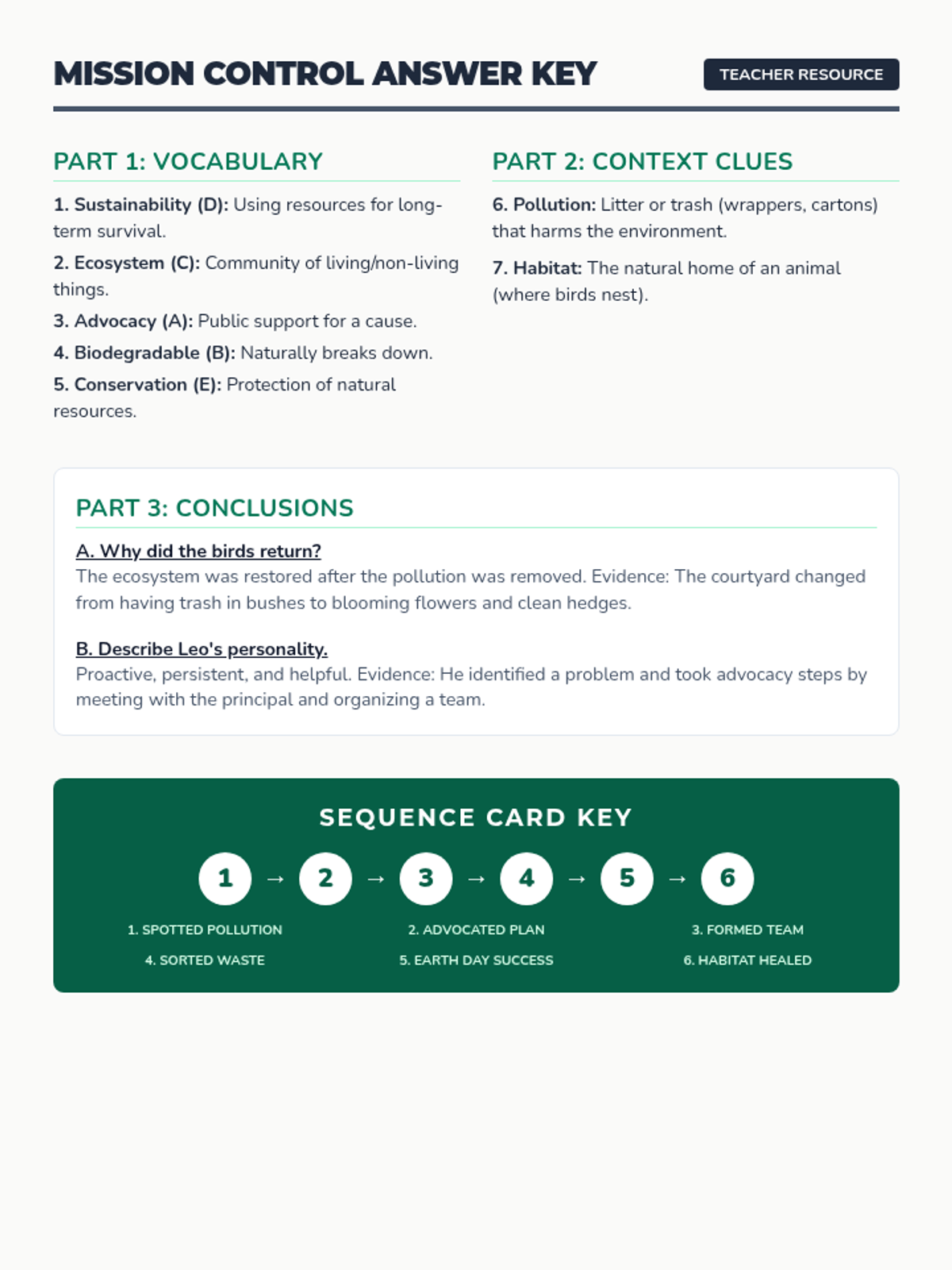
A unit exploring environmental responsibility and school-based sustainability efforts through reading, sequencing, and critical thinking.
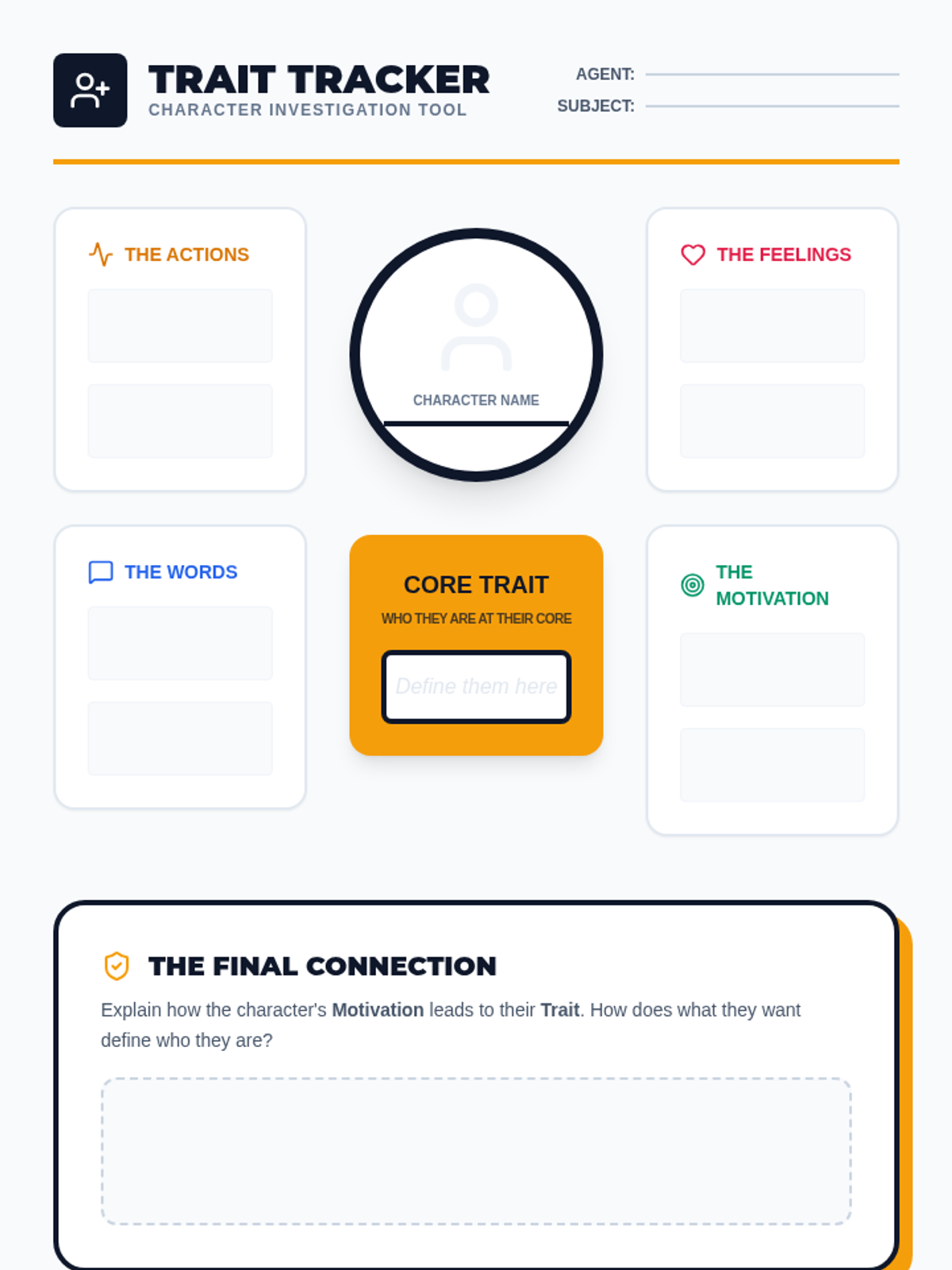
A comprehensive unit focusing on essential literature skills: character analysis, making inferences with text evidence, and identifying themes and summaries. Students act as literary detectives to uncover deeper meanings in texts.
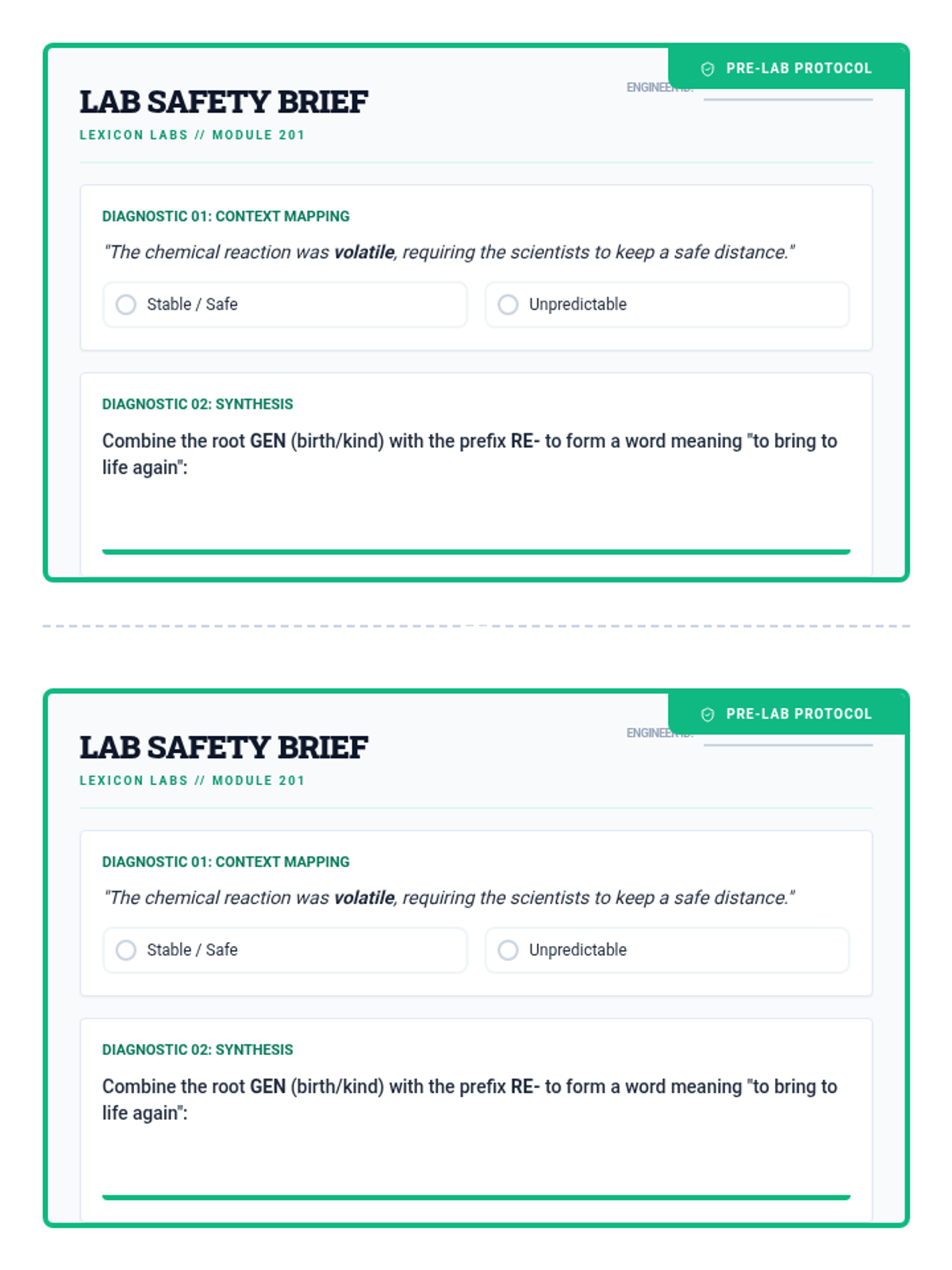
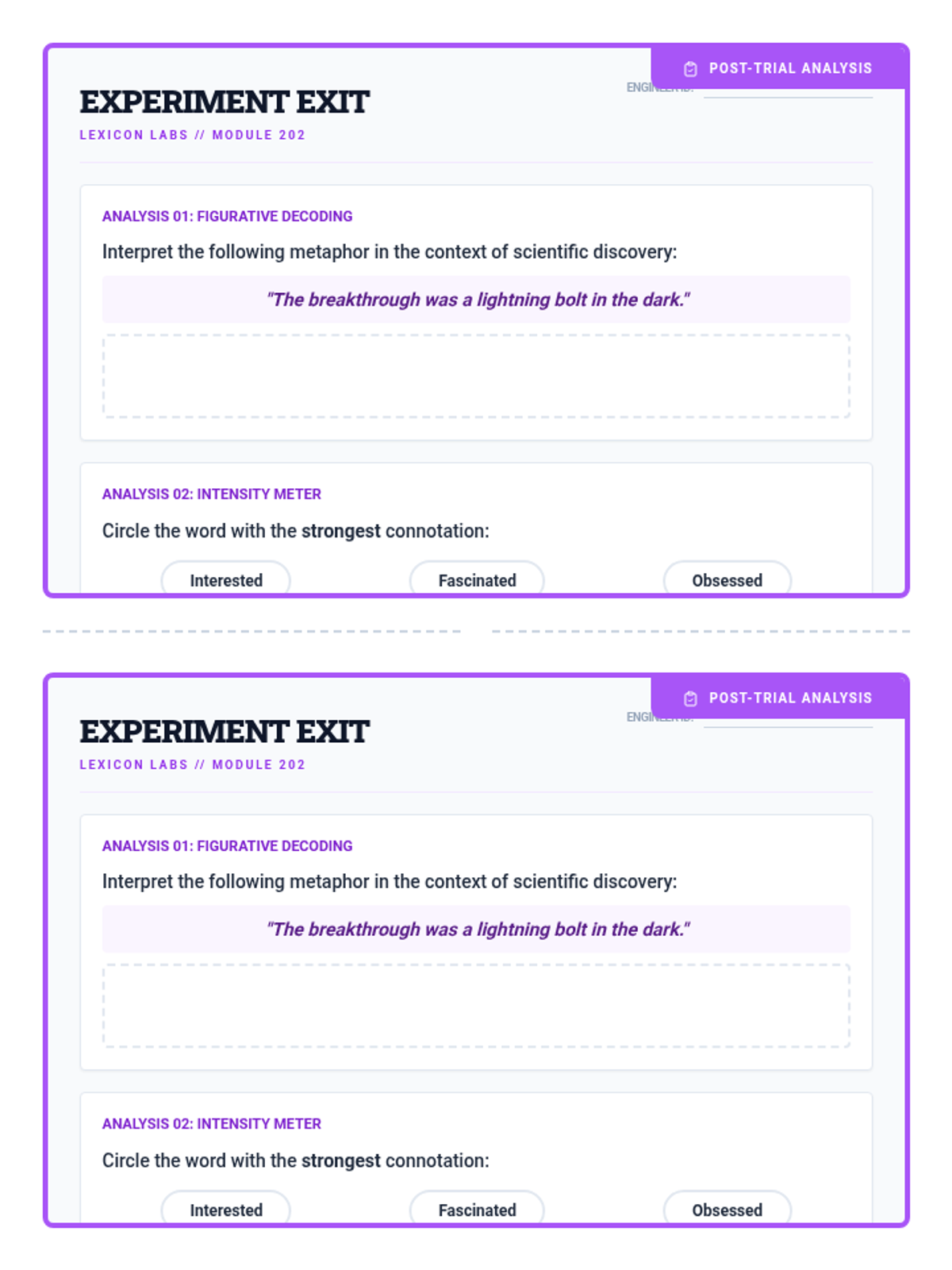
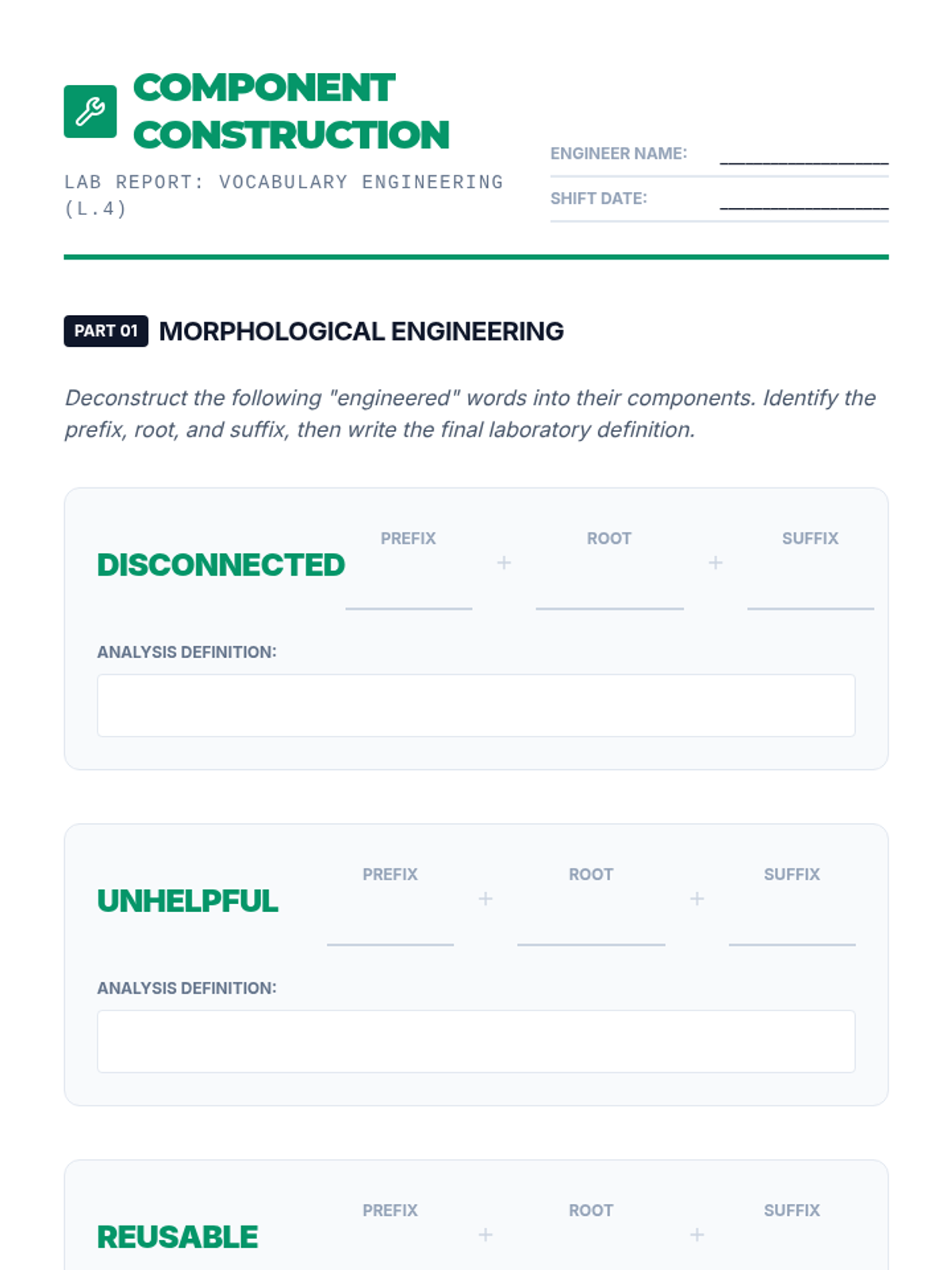
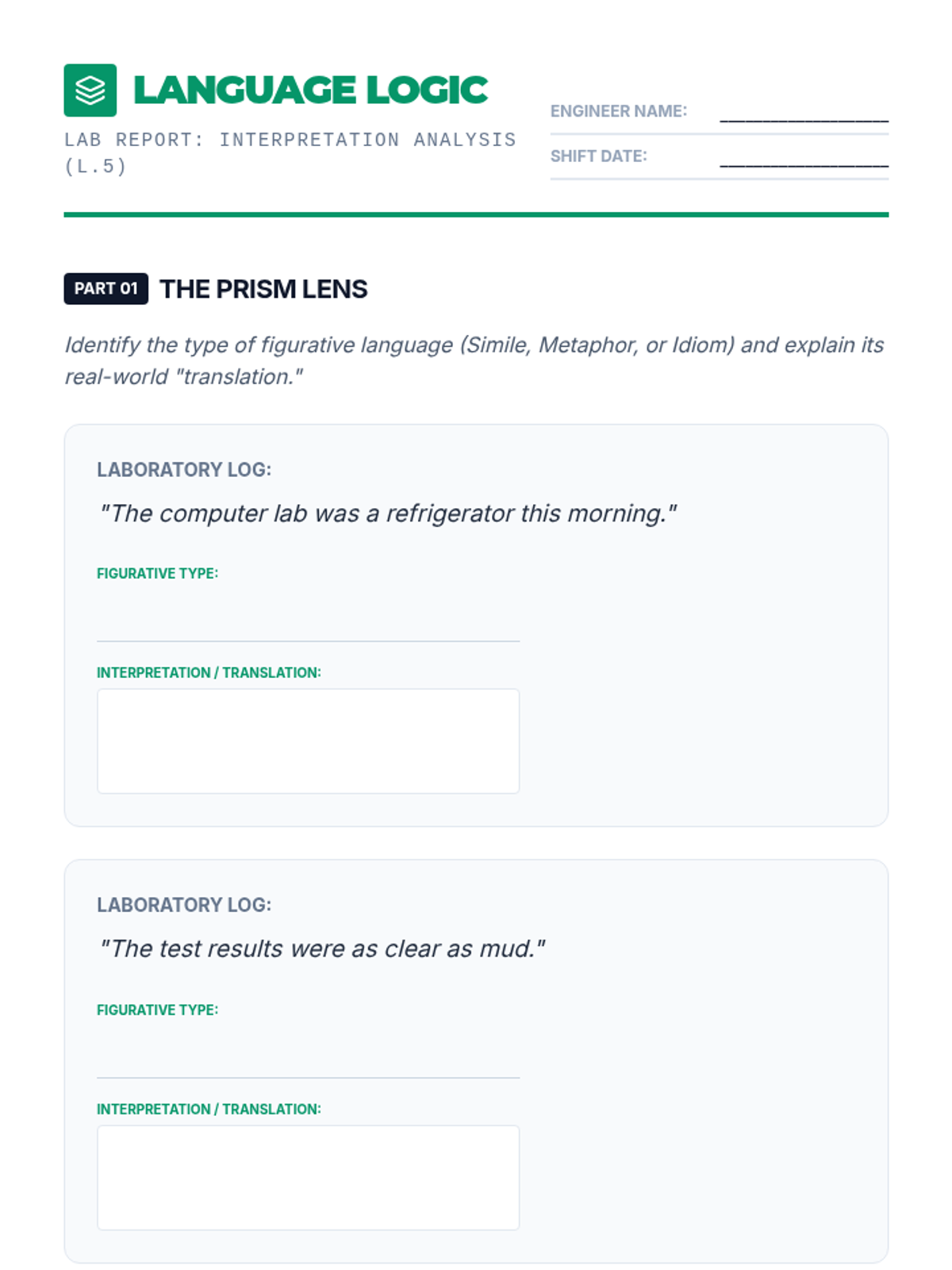
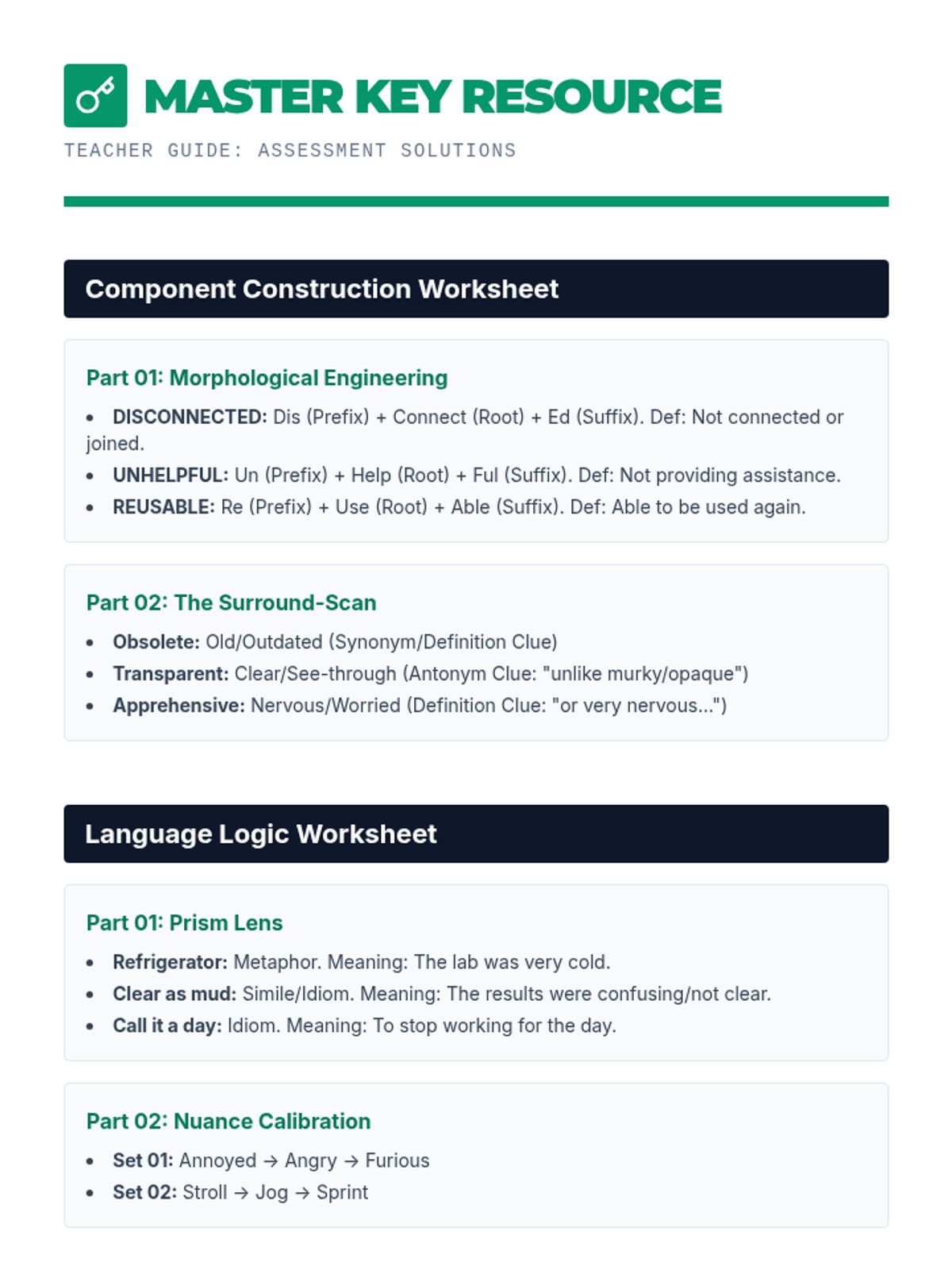
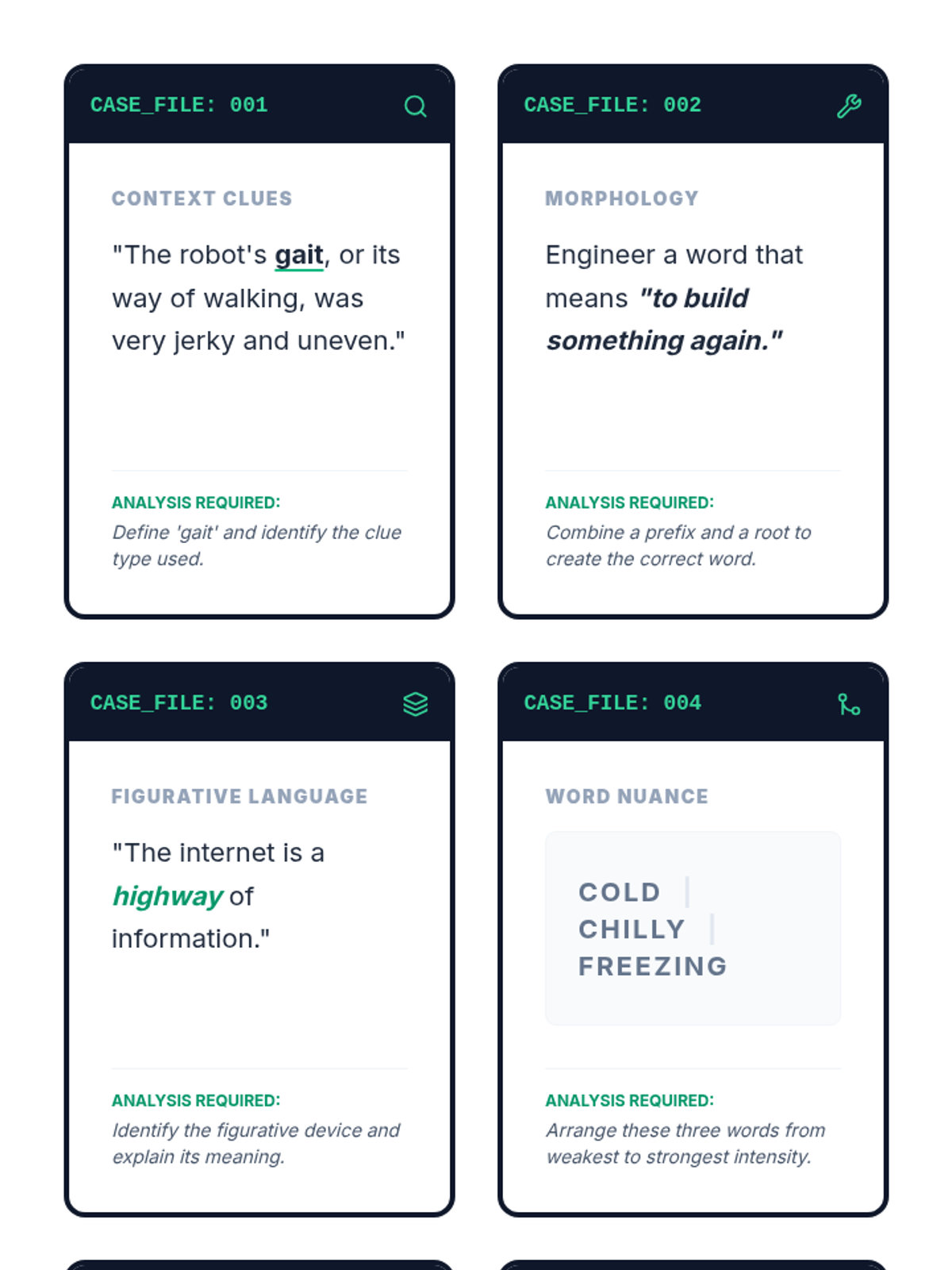
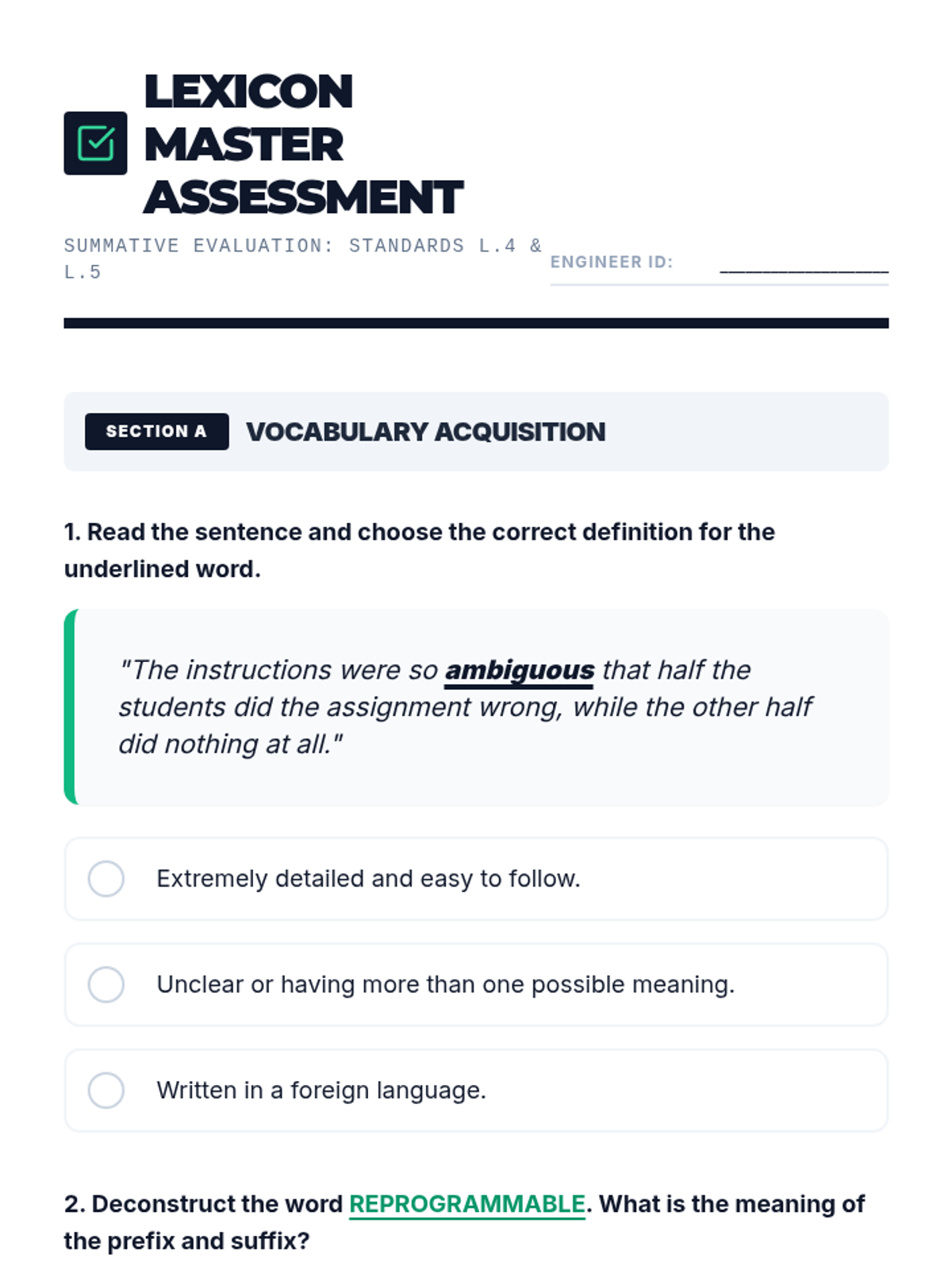
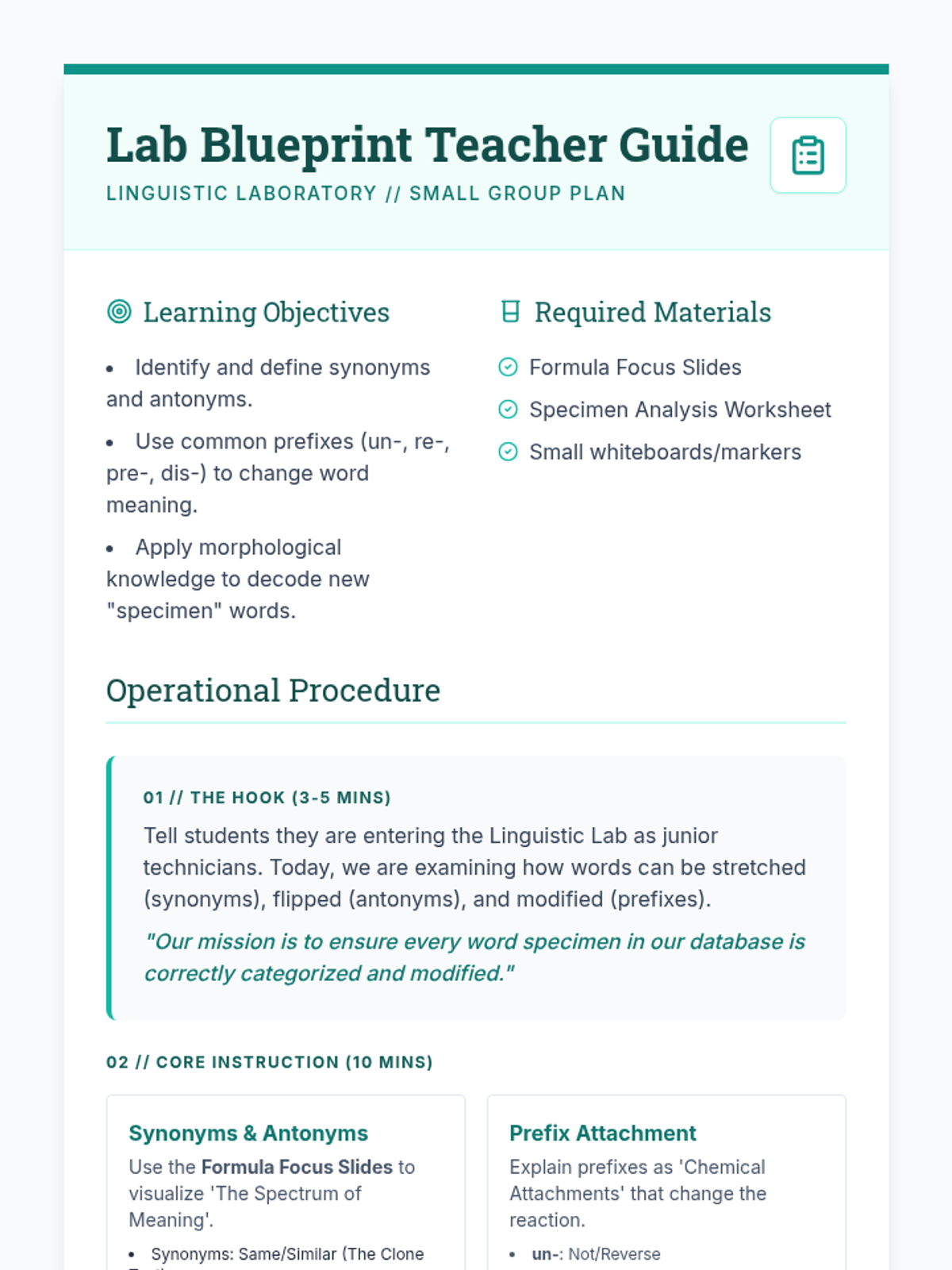
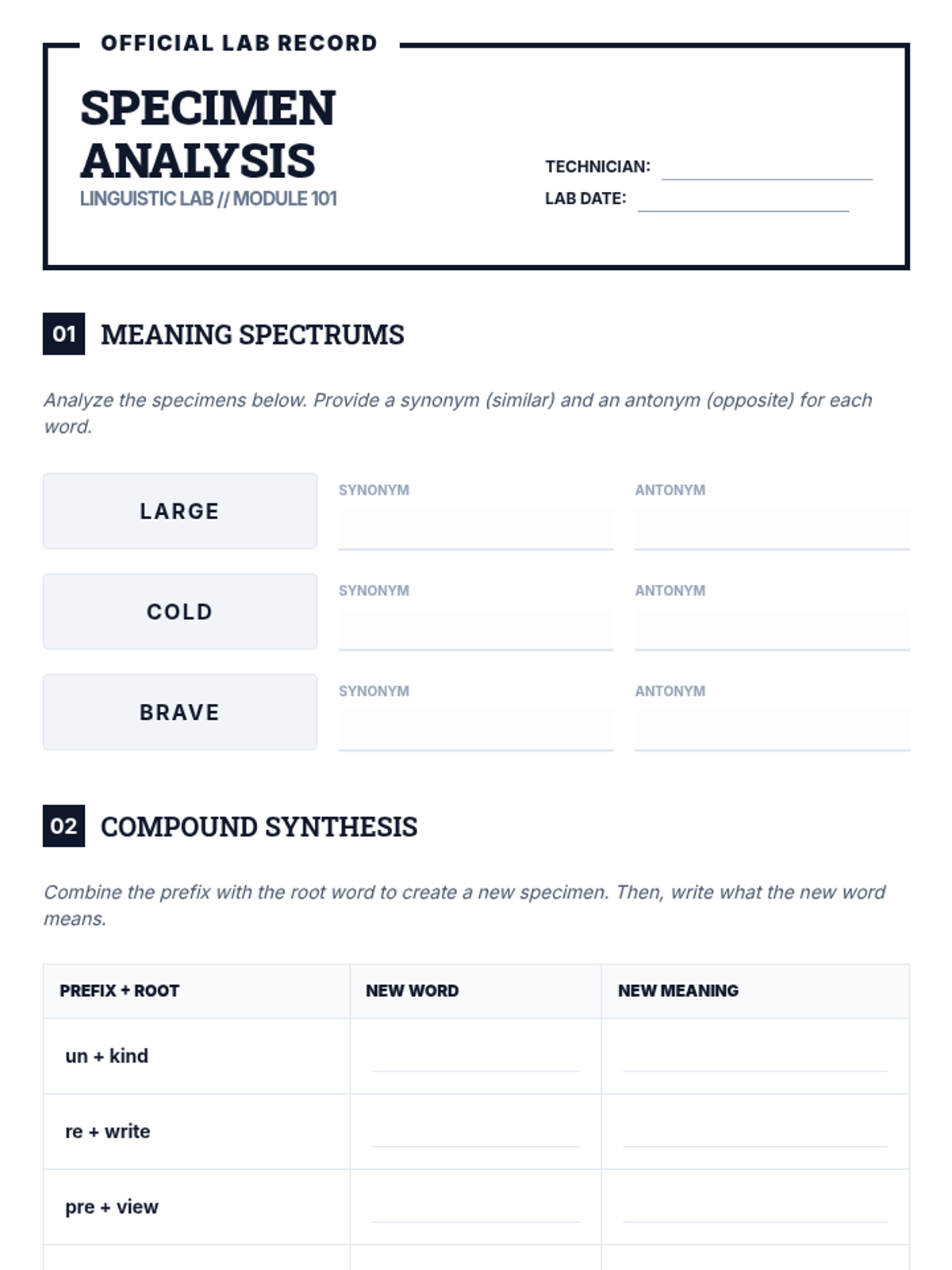
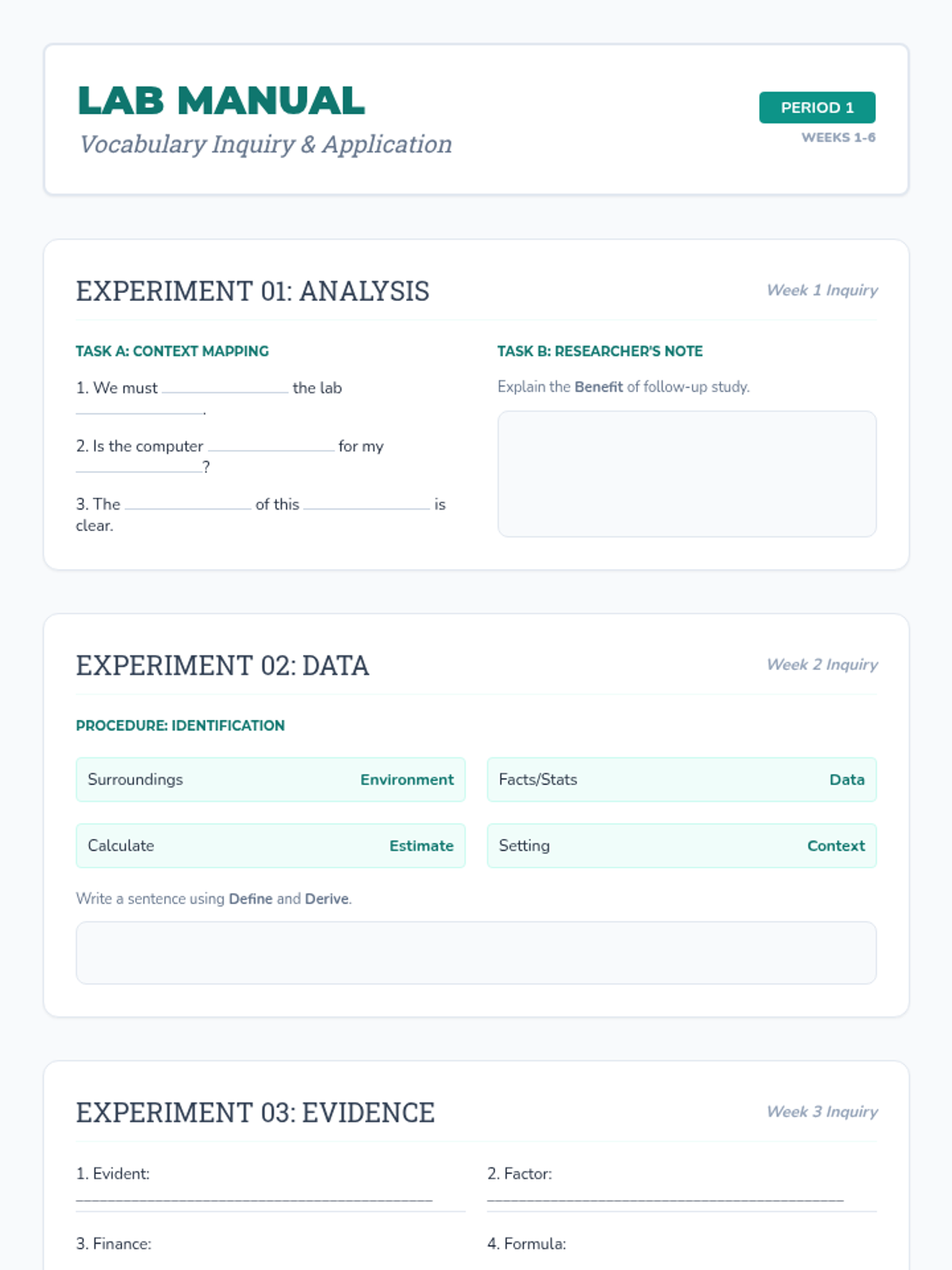
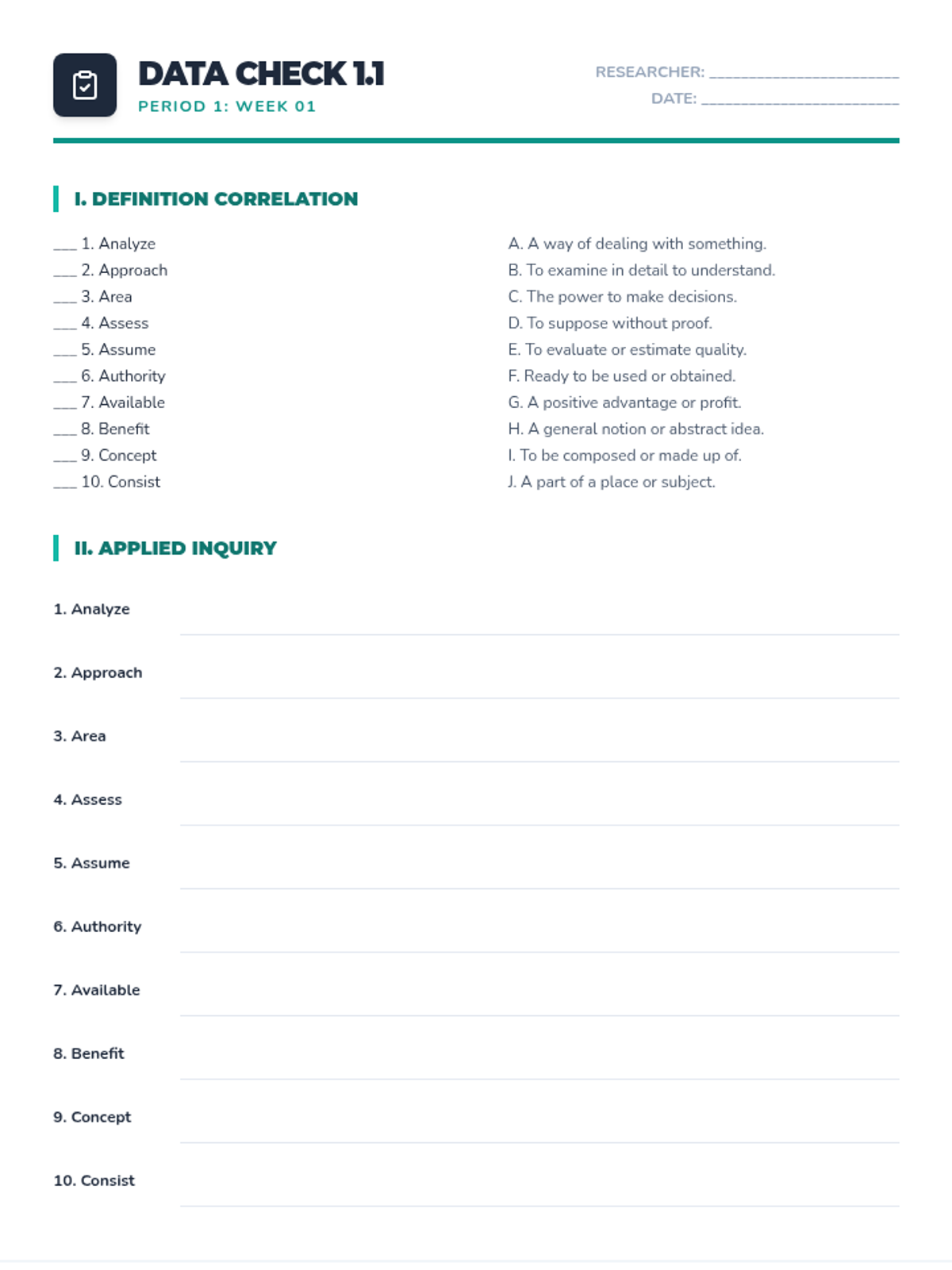
A comprehensive unit focusing on vocabulary acquisition and word relationships (L.4 and L.5). Students act as 'Lexicon Engineers' to decode meanings, analyze affixes, and master figurative language through a high-tech laboratory lens.
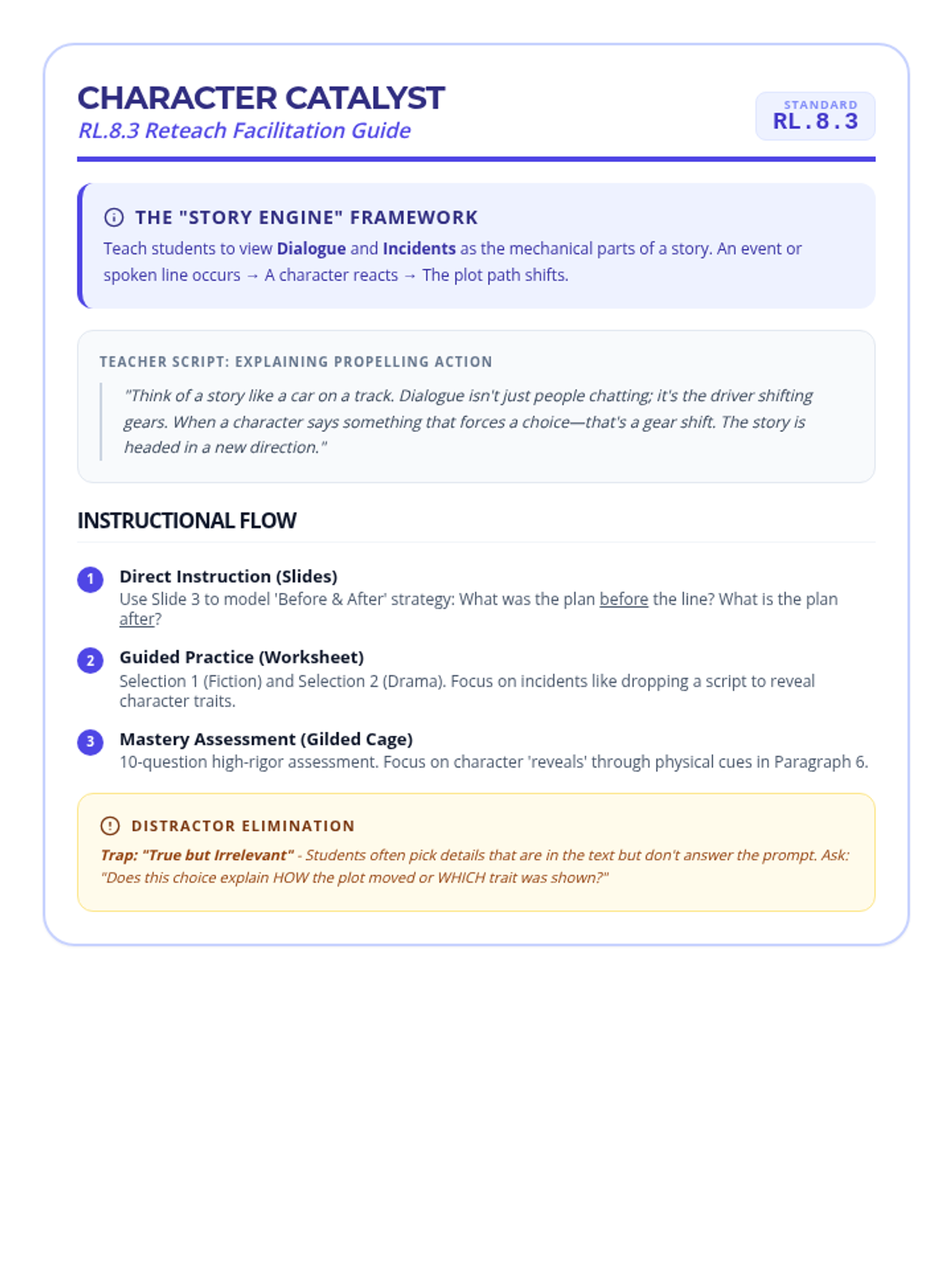
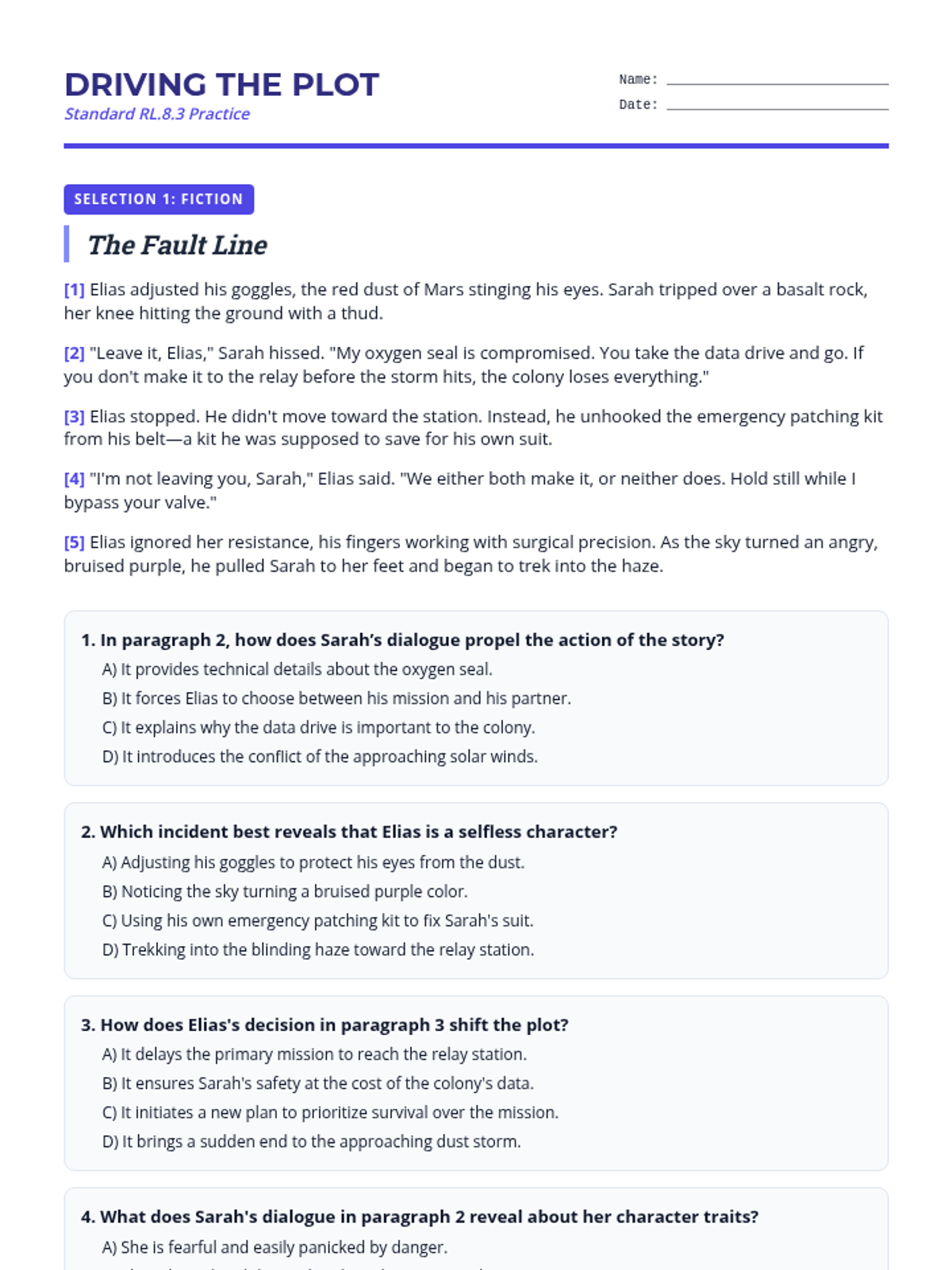
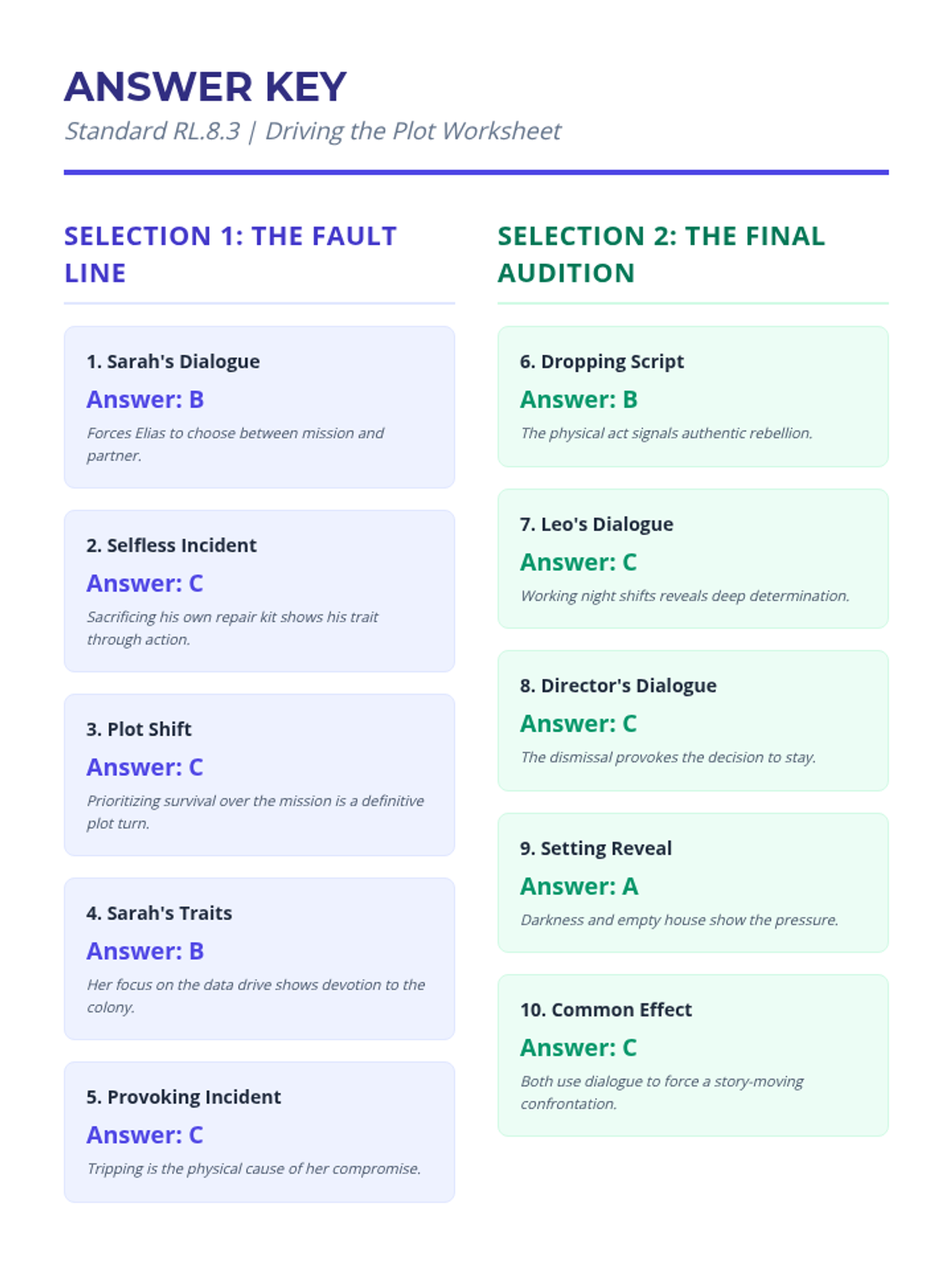
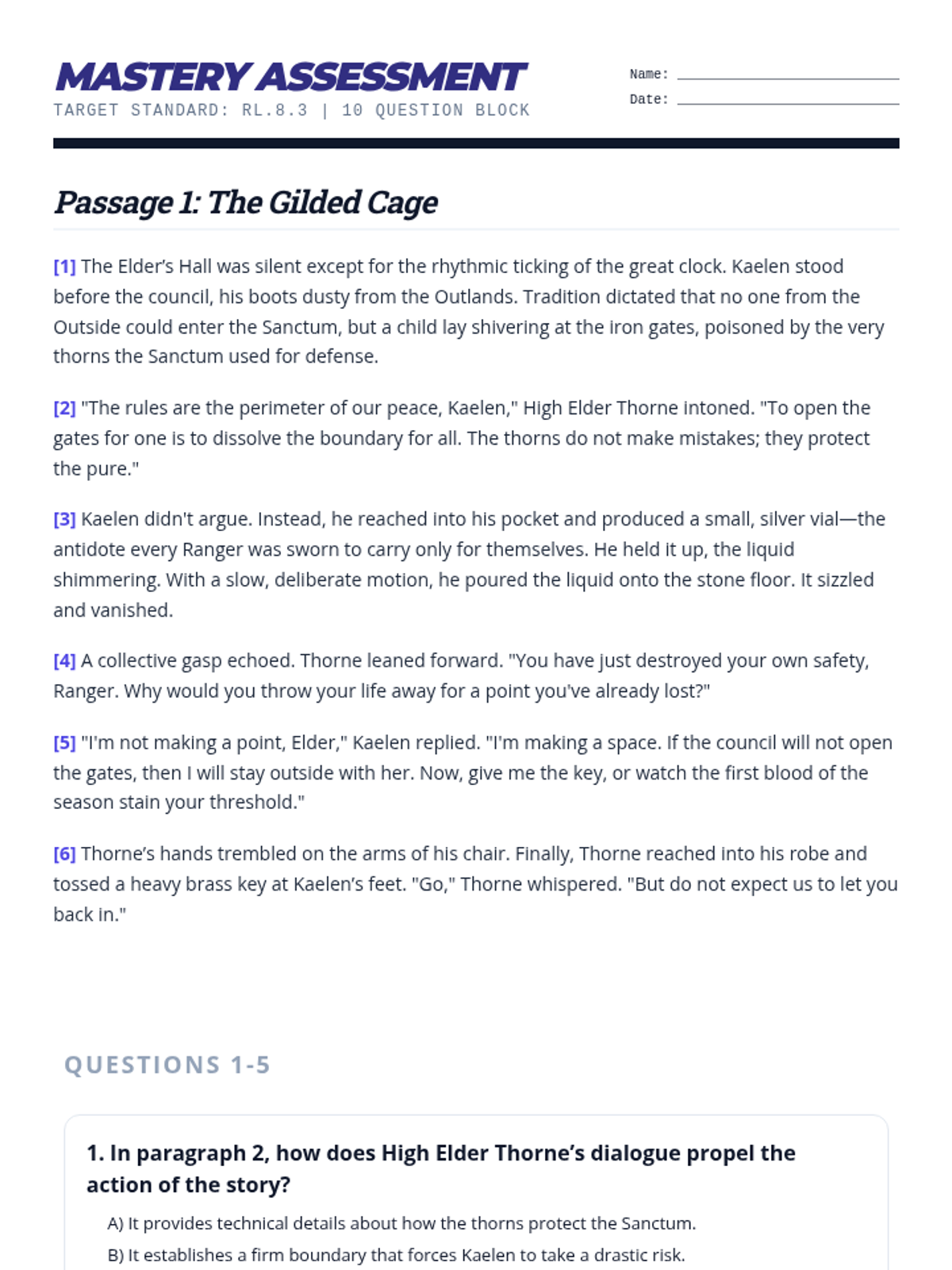
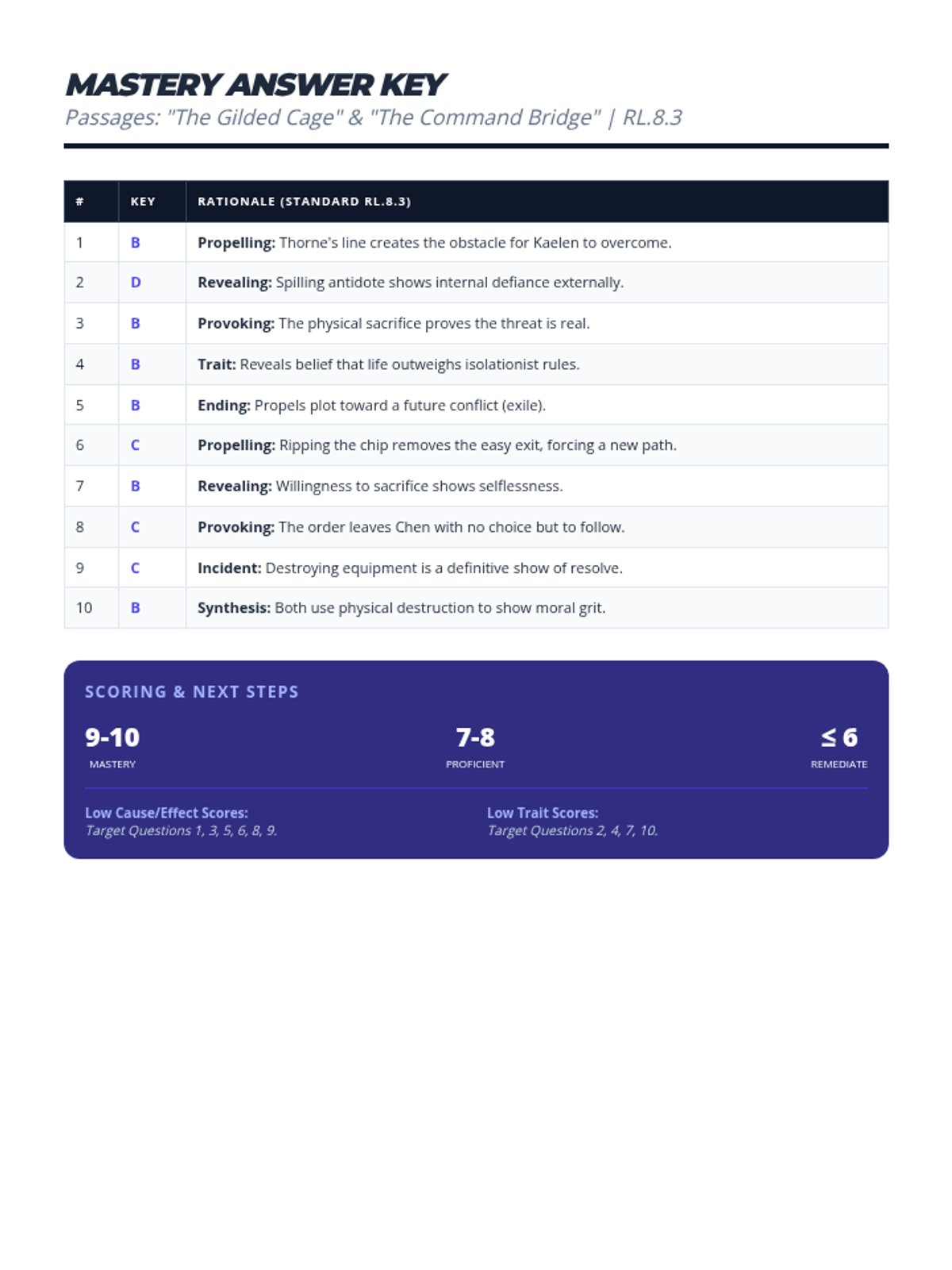
A targeted reteach unit focused on RL.8.3, helping students analyze how dialogue and incidents drive plot and reveal character traits in both prose and drama.
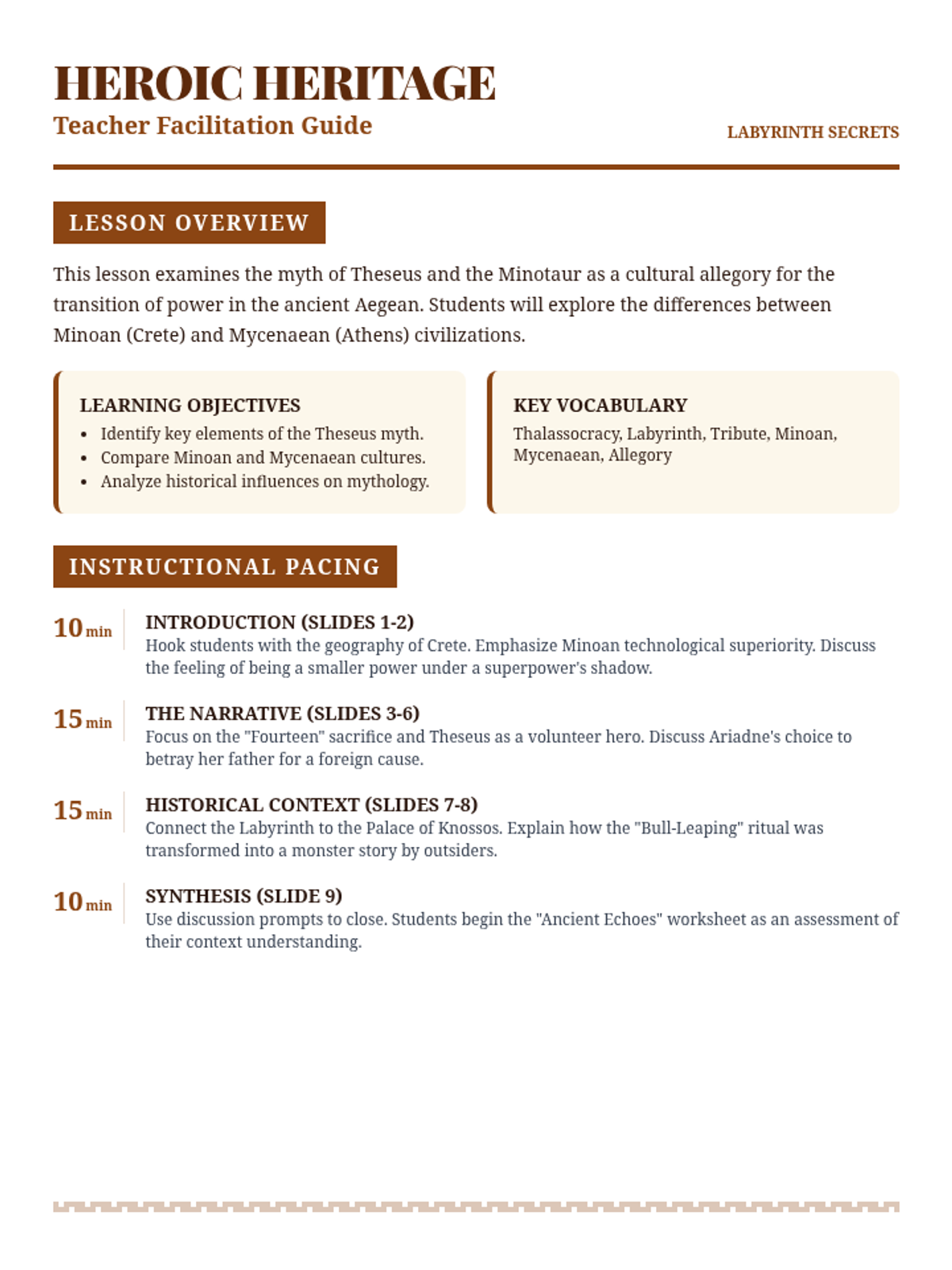
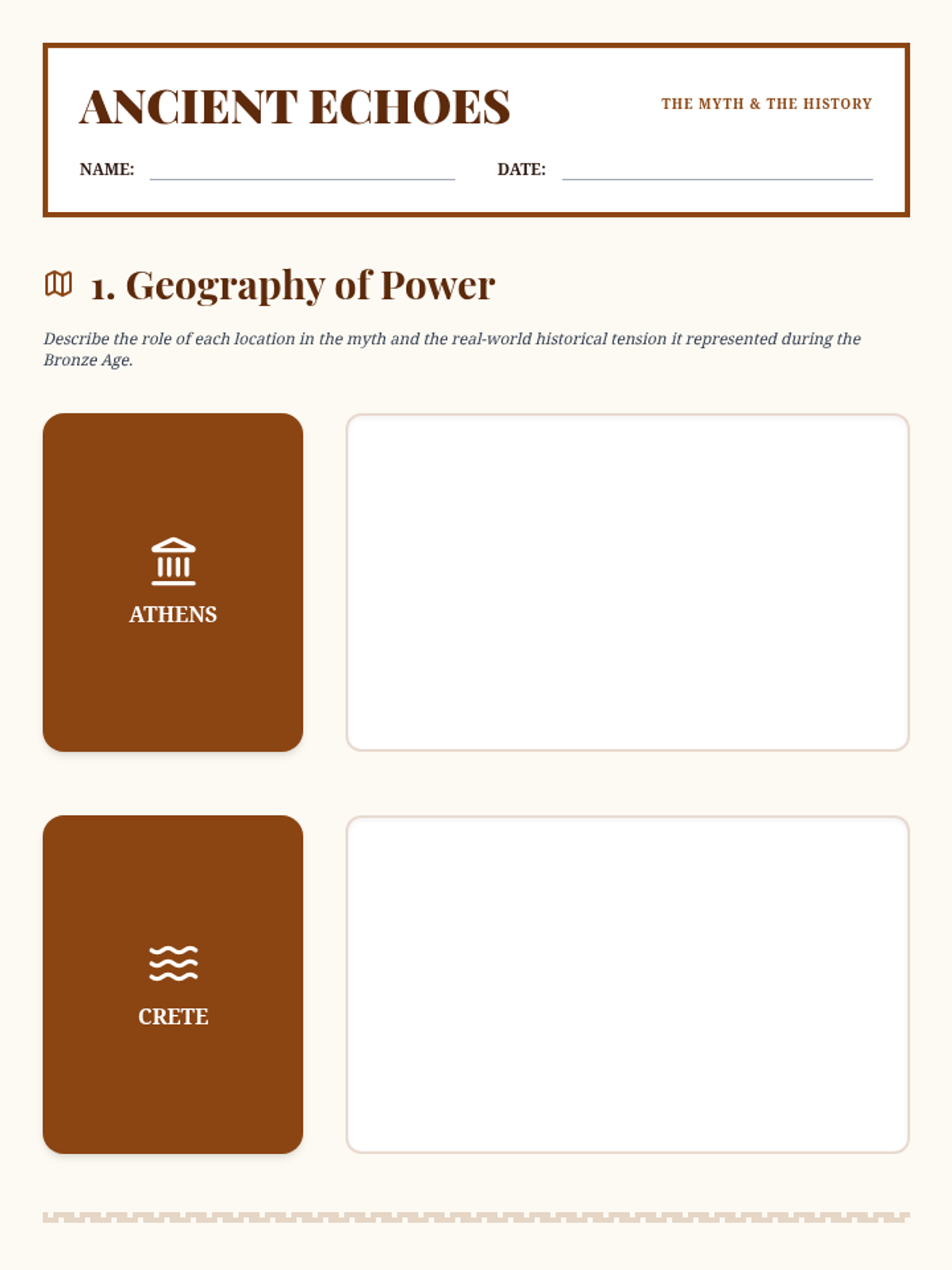
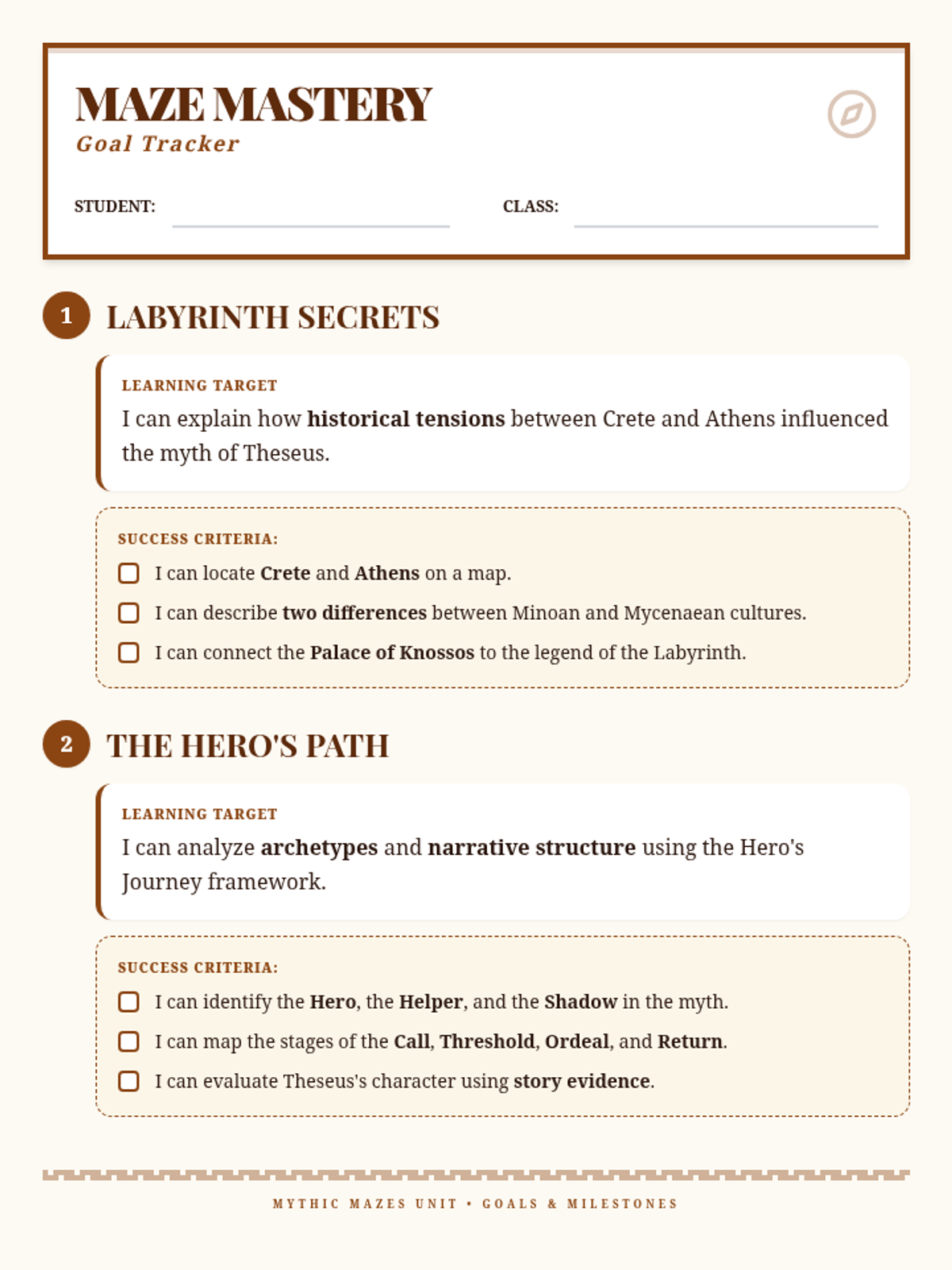
A comprehensive exploration of the Theseus and Minotaur myth, covering historical origins, narrative structure, and character archetypes.
A literary analysis unit focusing on how structure and perspective shape the theme of resilience across poetry and short stories.
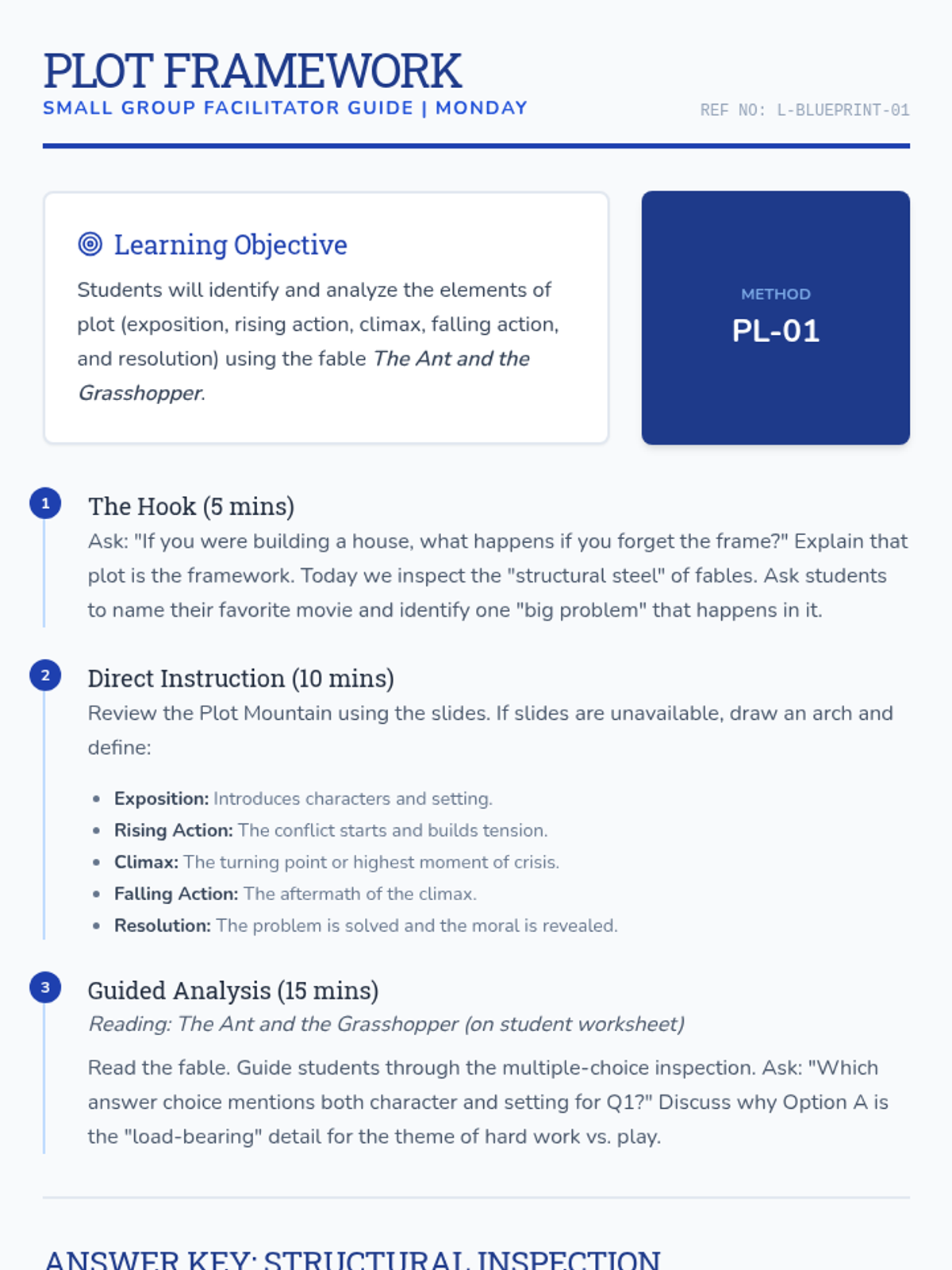
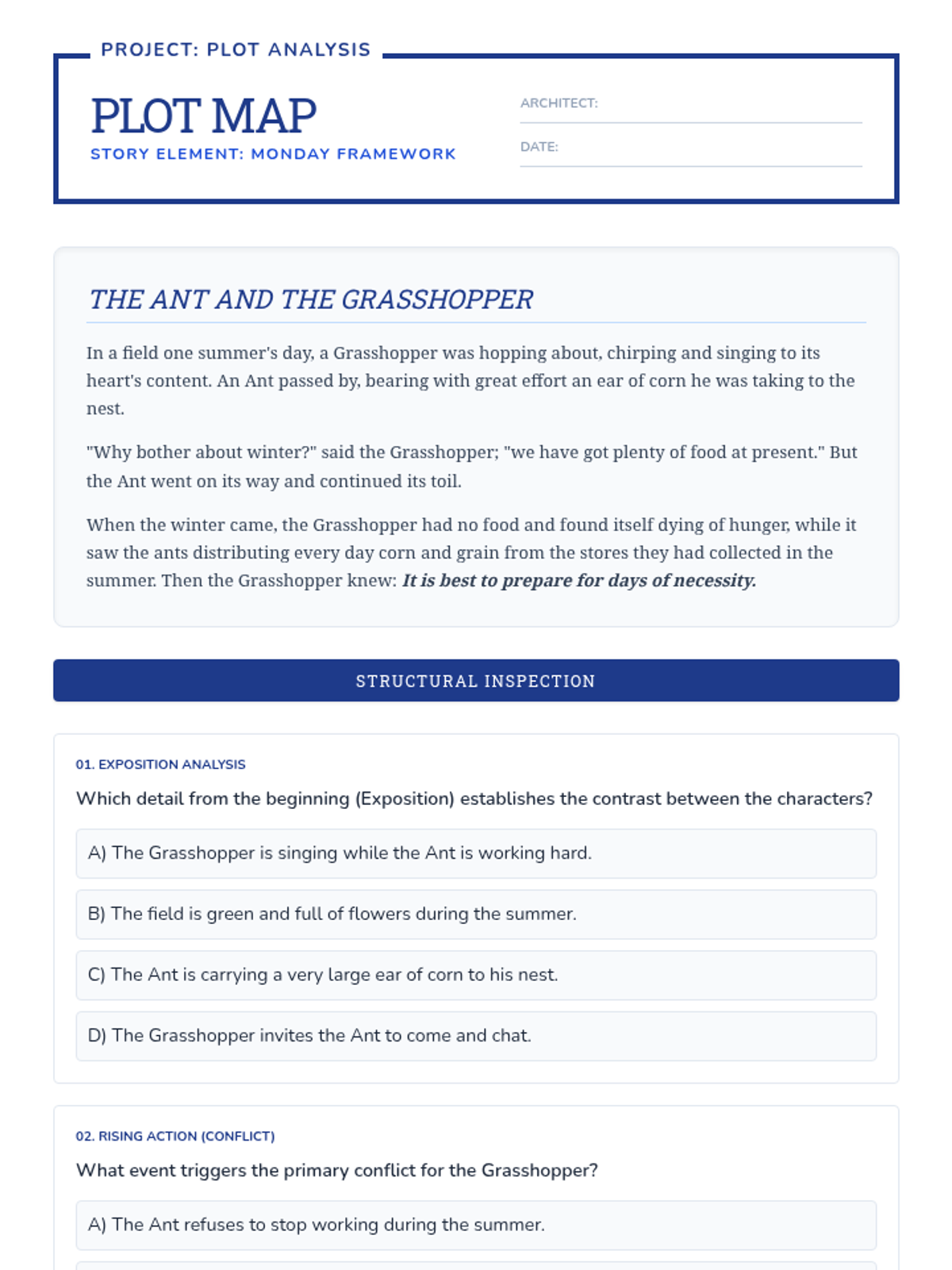
A week-long exploration of literary elements using fables, myths, and realistic fiction. Students act as 'Story Architects' to deconstruct plot, character, theme, and setting.
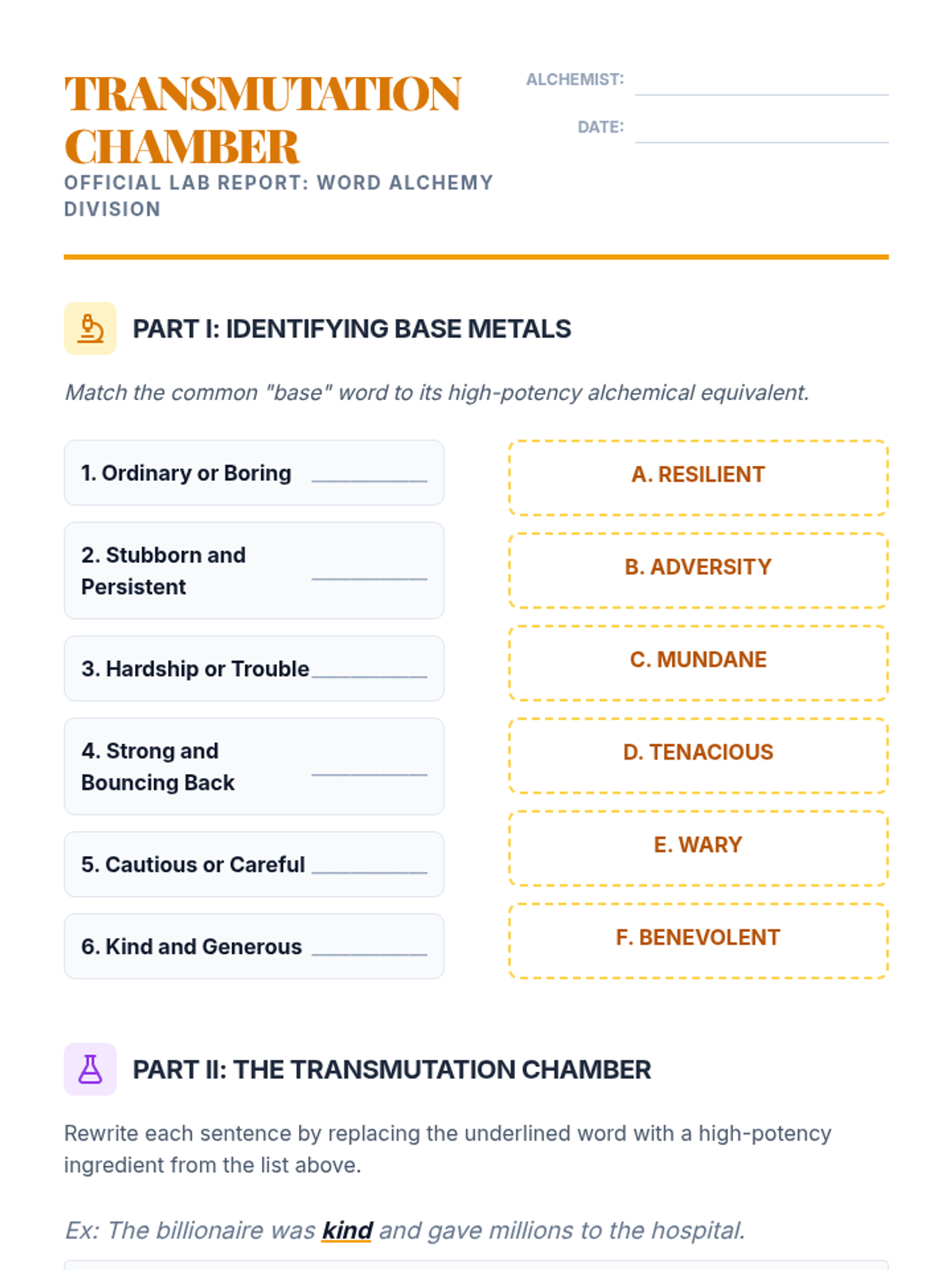
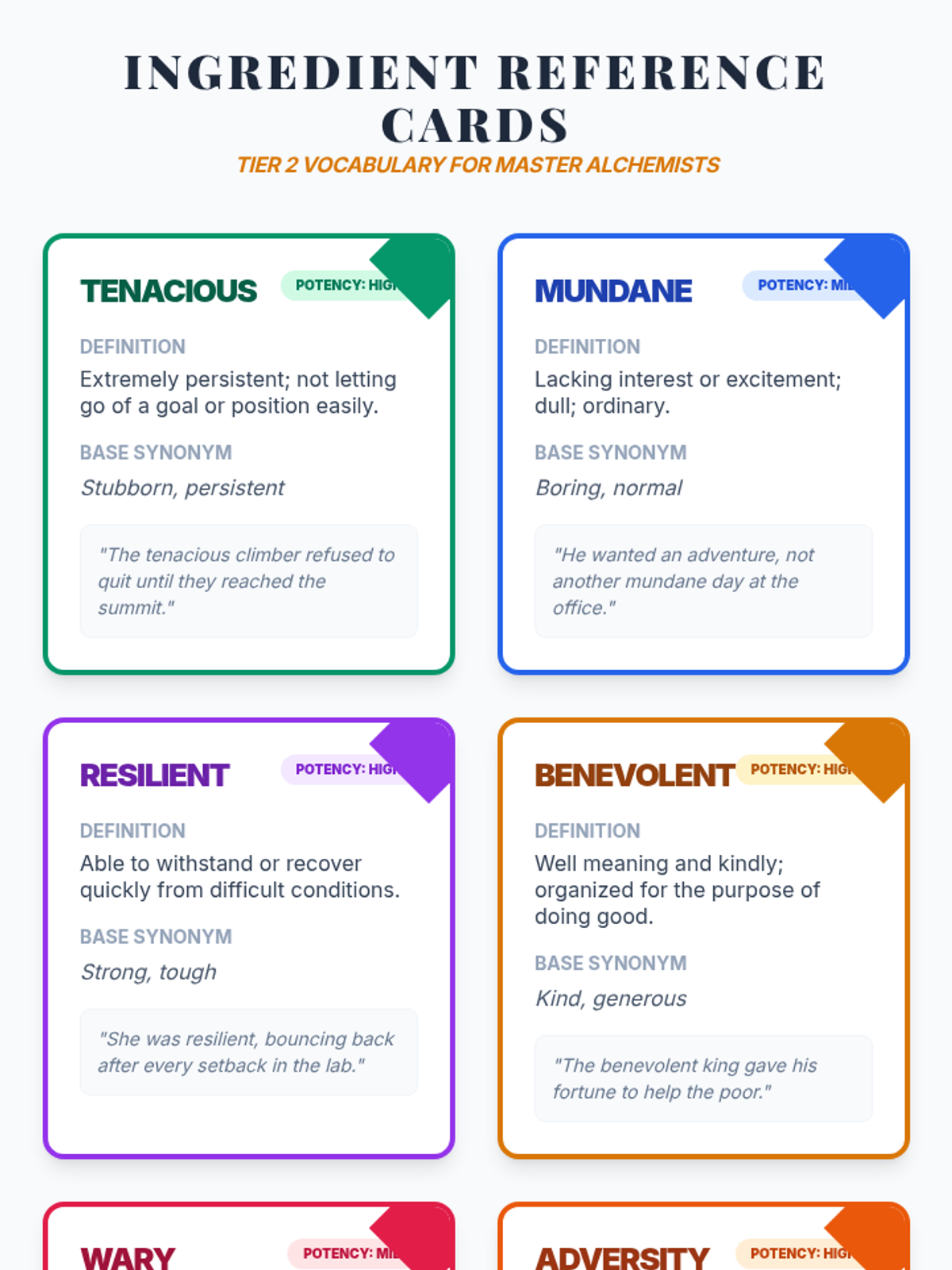
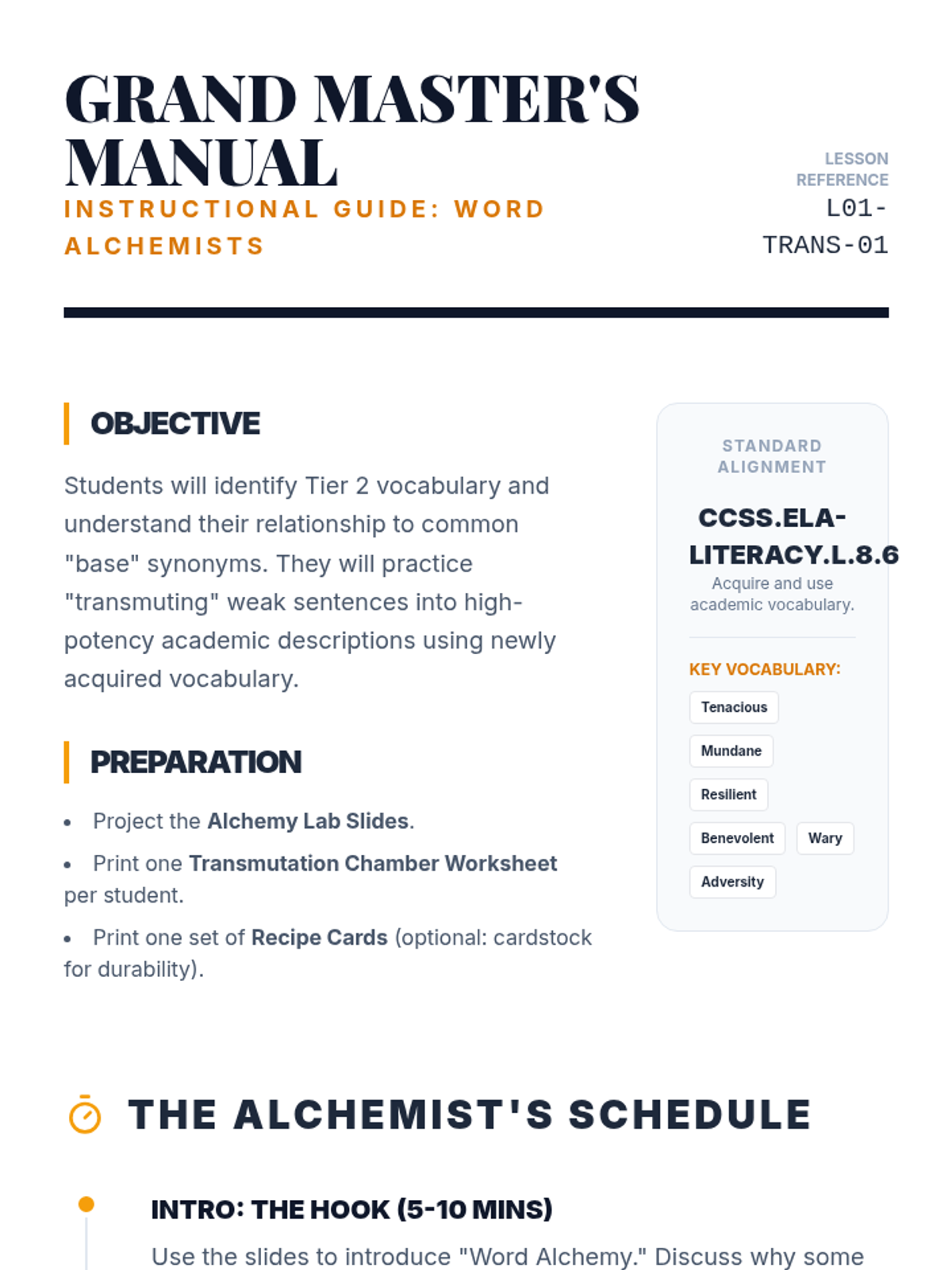
A vocabulary-building journey where students master academic language by framing word acquisition as magical alchemy and linguistic experimentation.
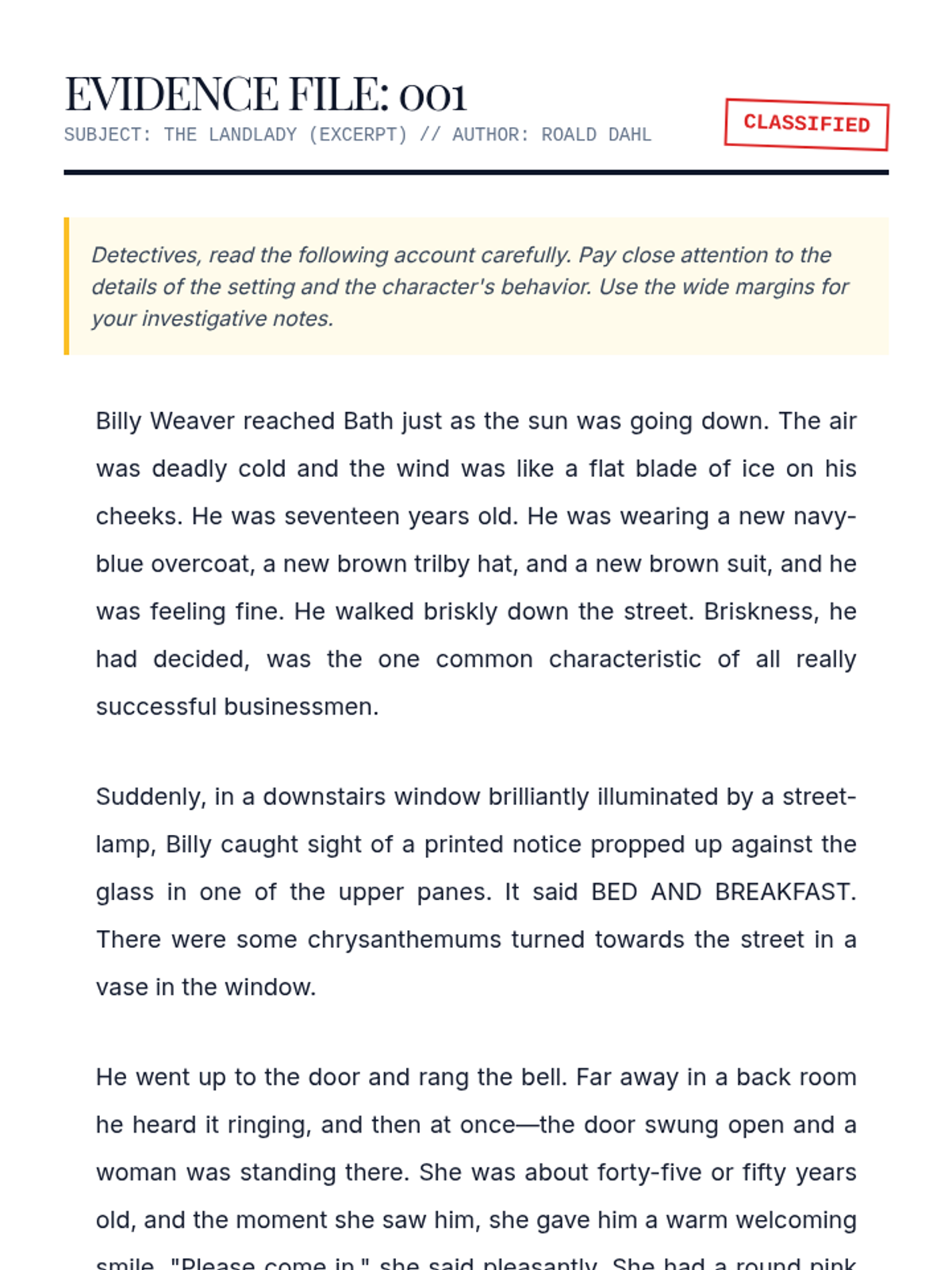
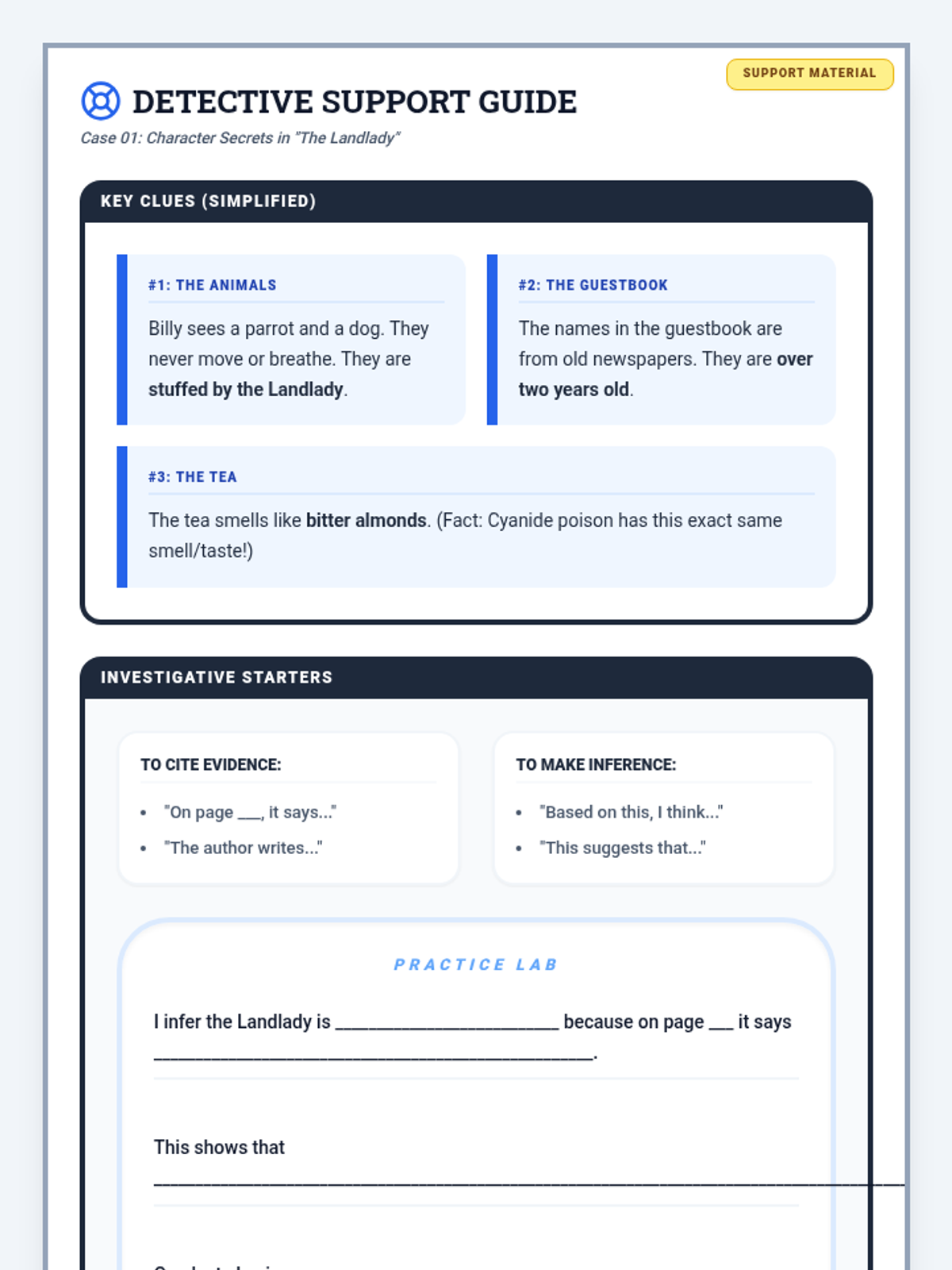
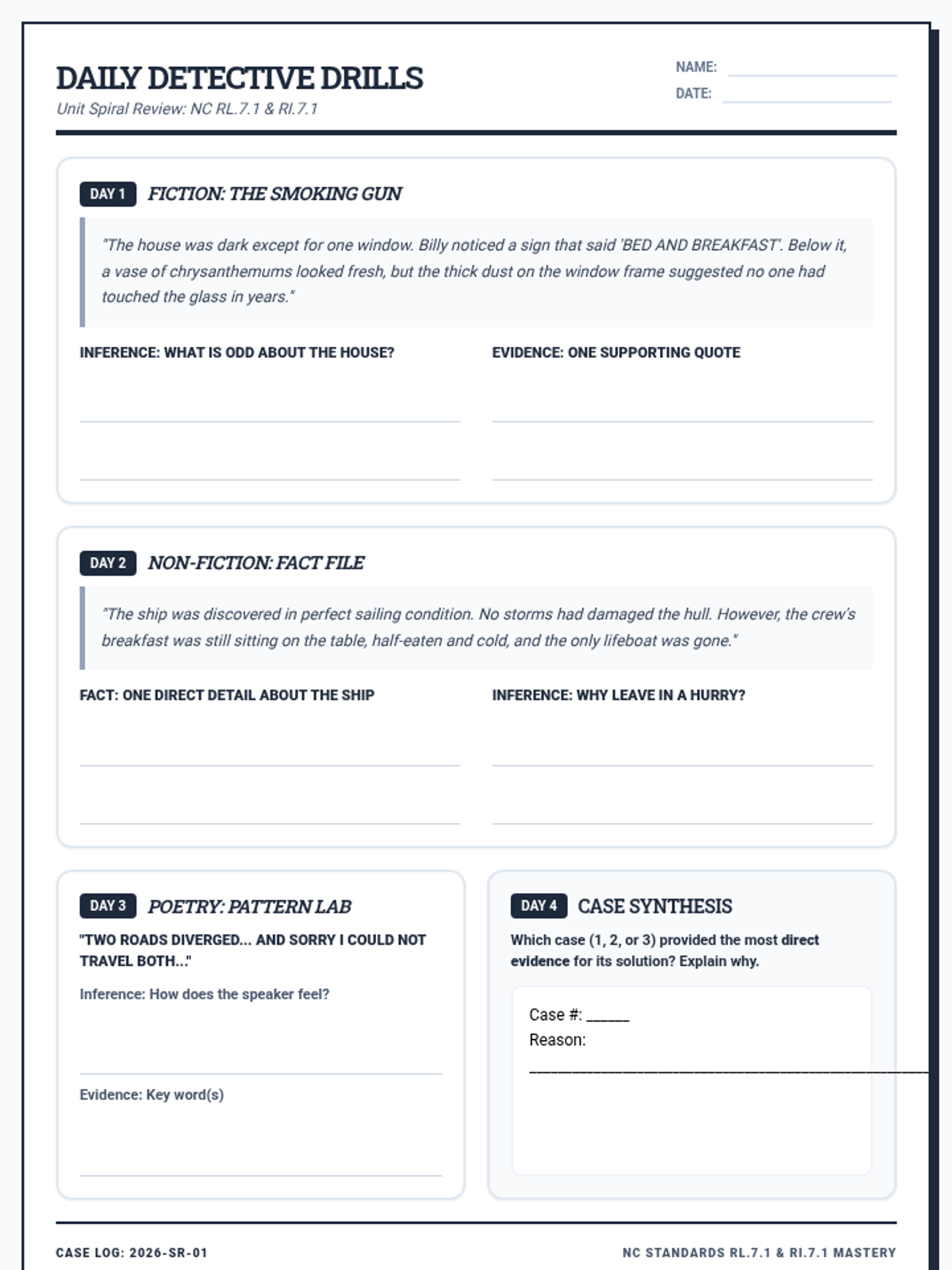
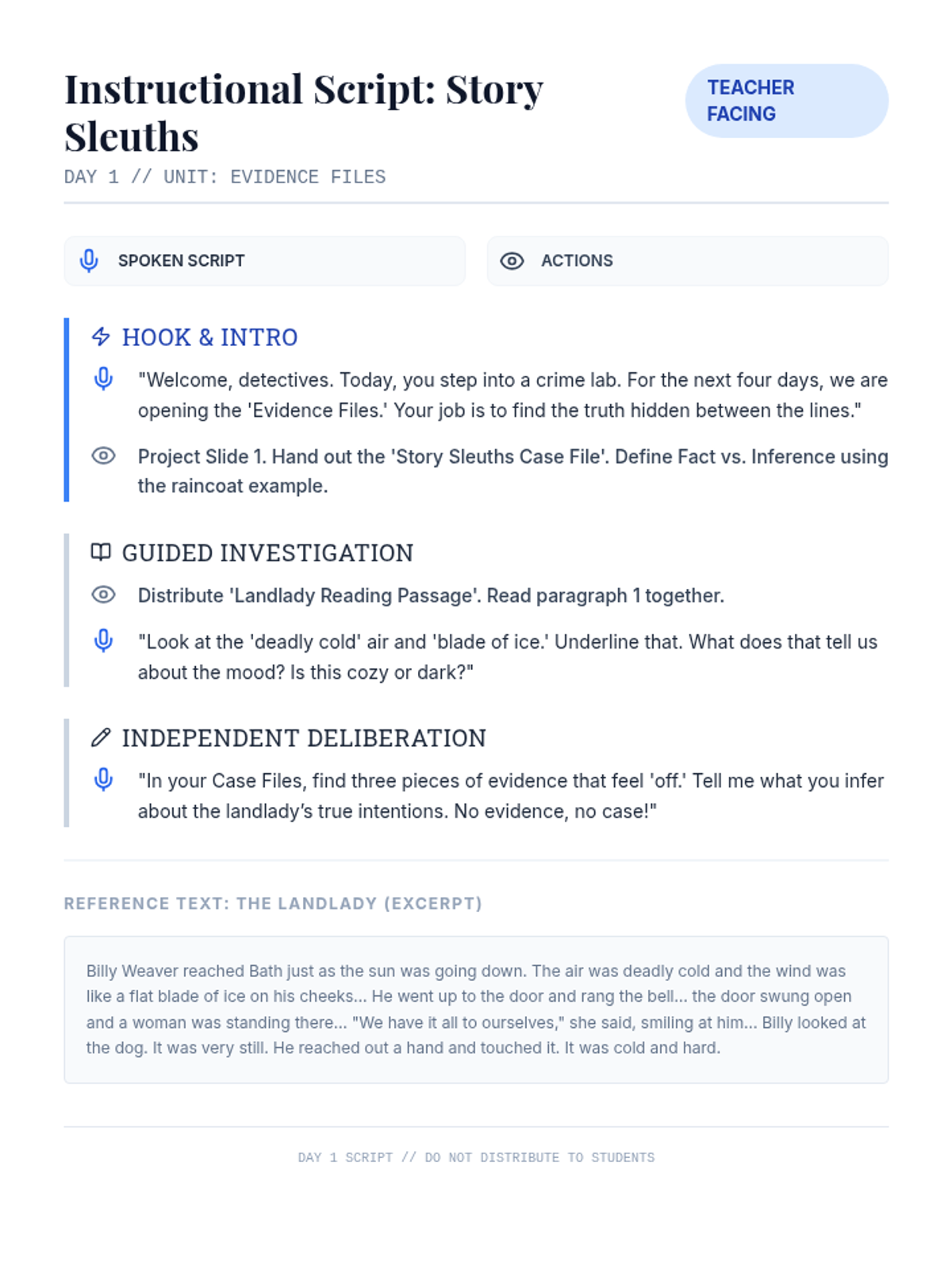
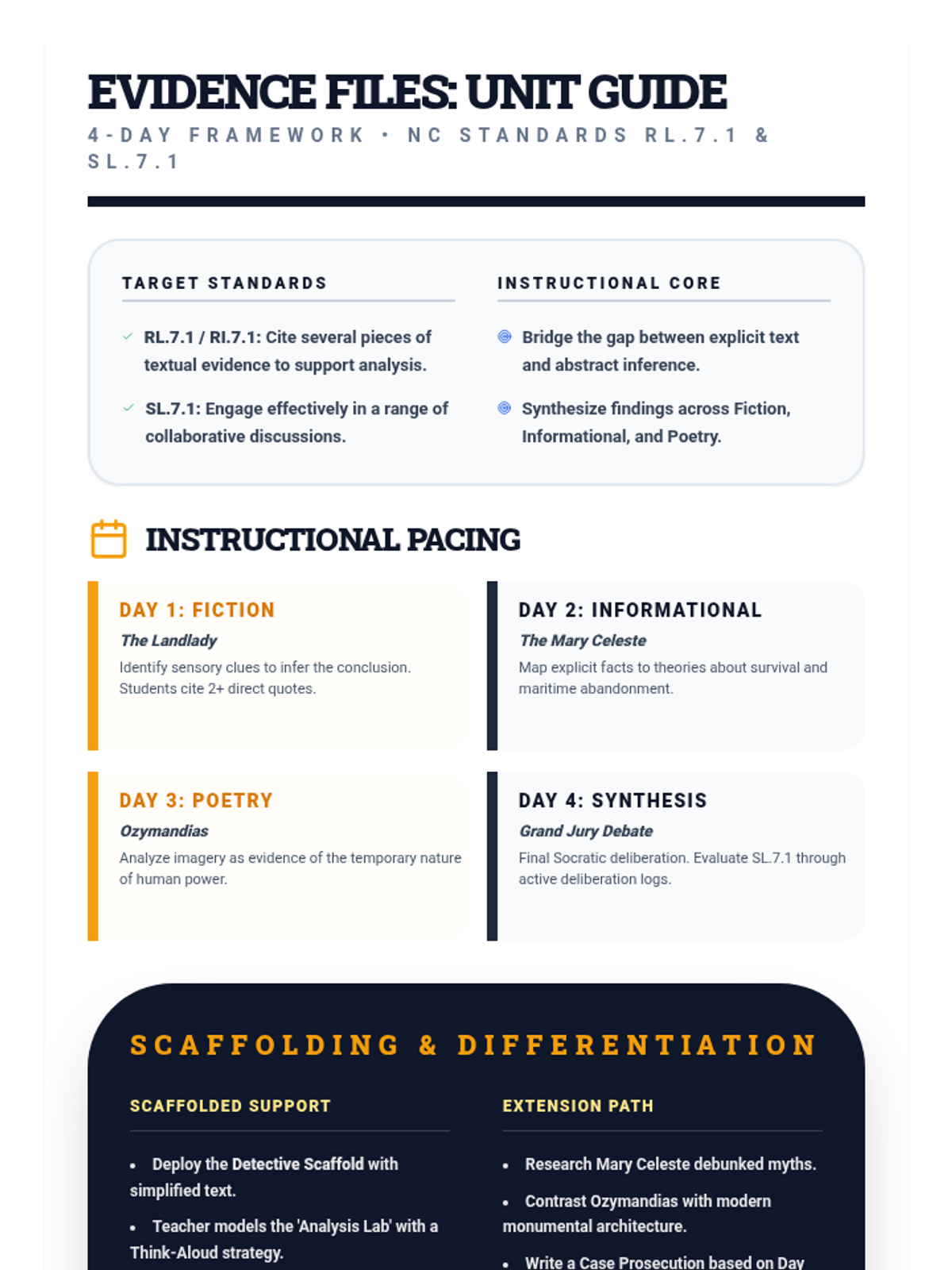
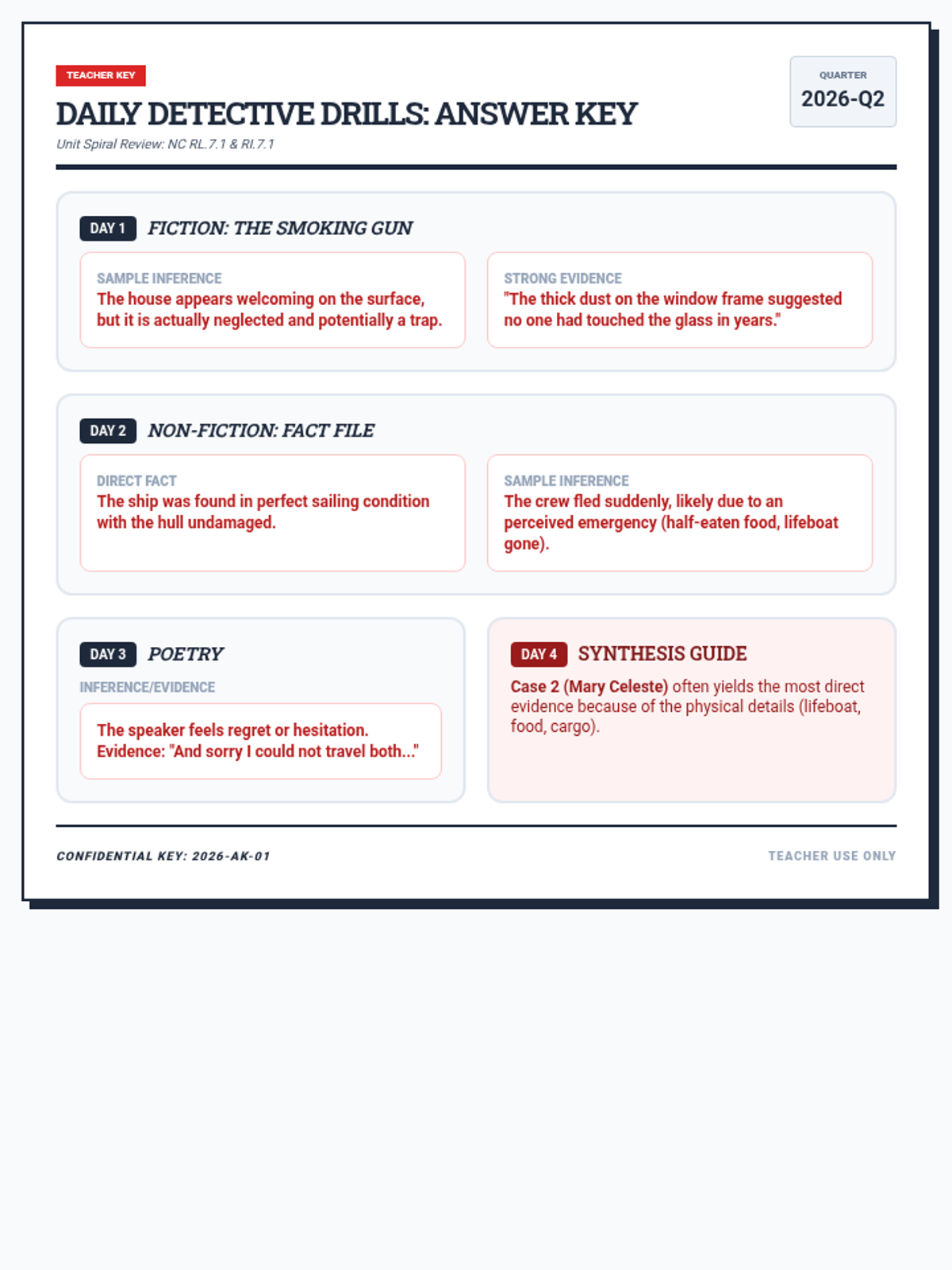
A four-day investigative unit focused on citing textual evidence and making inferences across various genres, including short stories, non-fiction, and poetry. Students act as 'Evidence Detectives' to solve literary and factual mysteries while engaging in collaborative discussions.
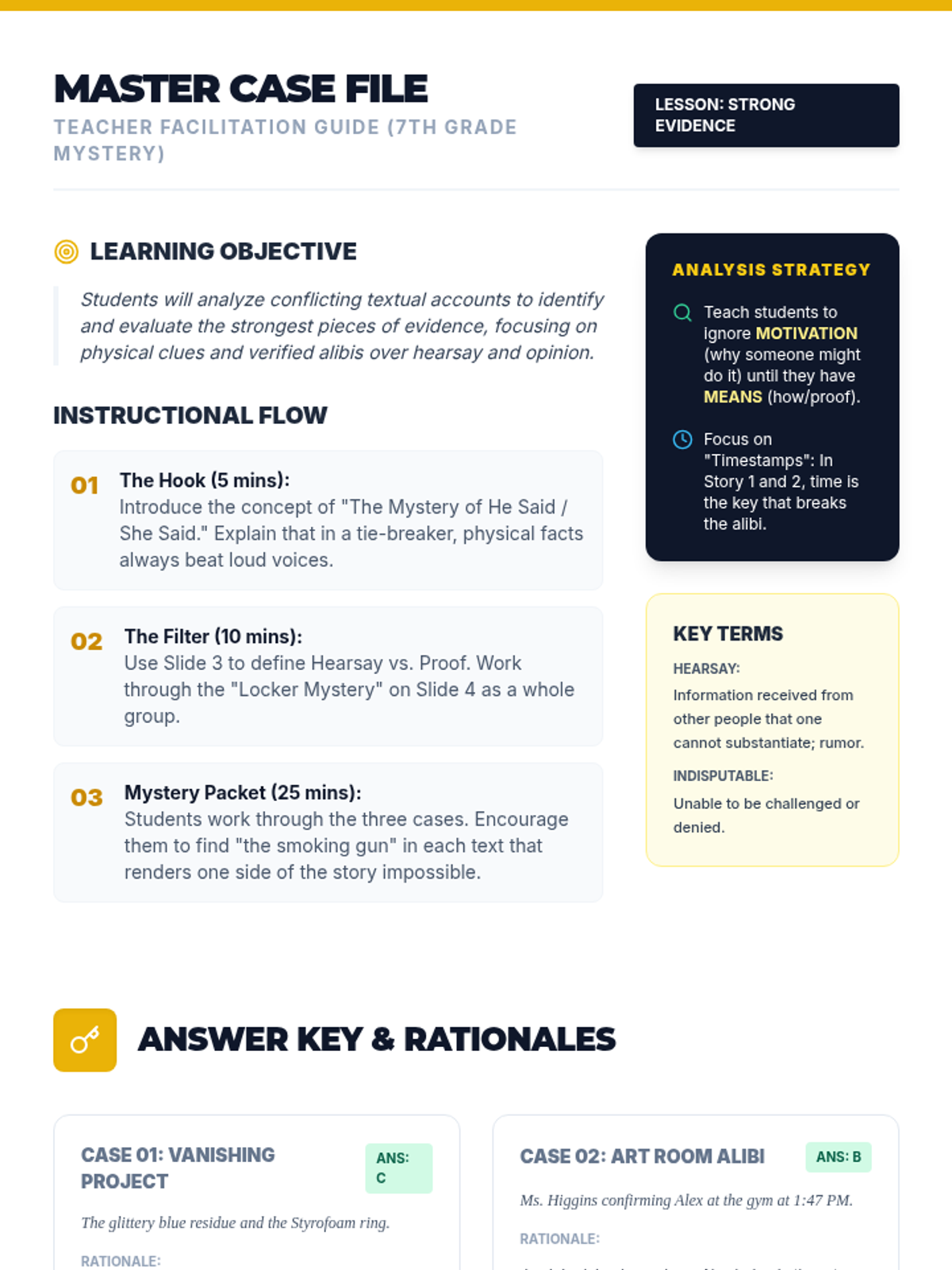
A unit focused on teaching middle school students how to identify and evaluate the strongest textual evidence to support claims. Students transition from simply finding any evidence to selecting the most relevant and specific details from high-interest short stories.
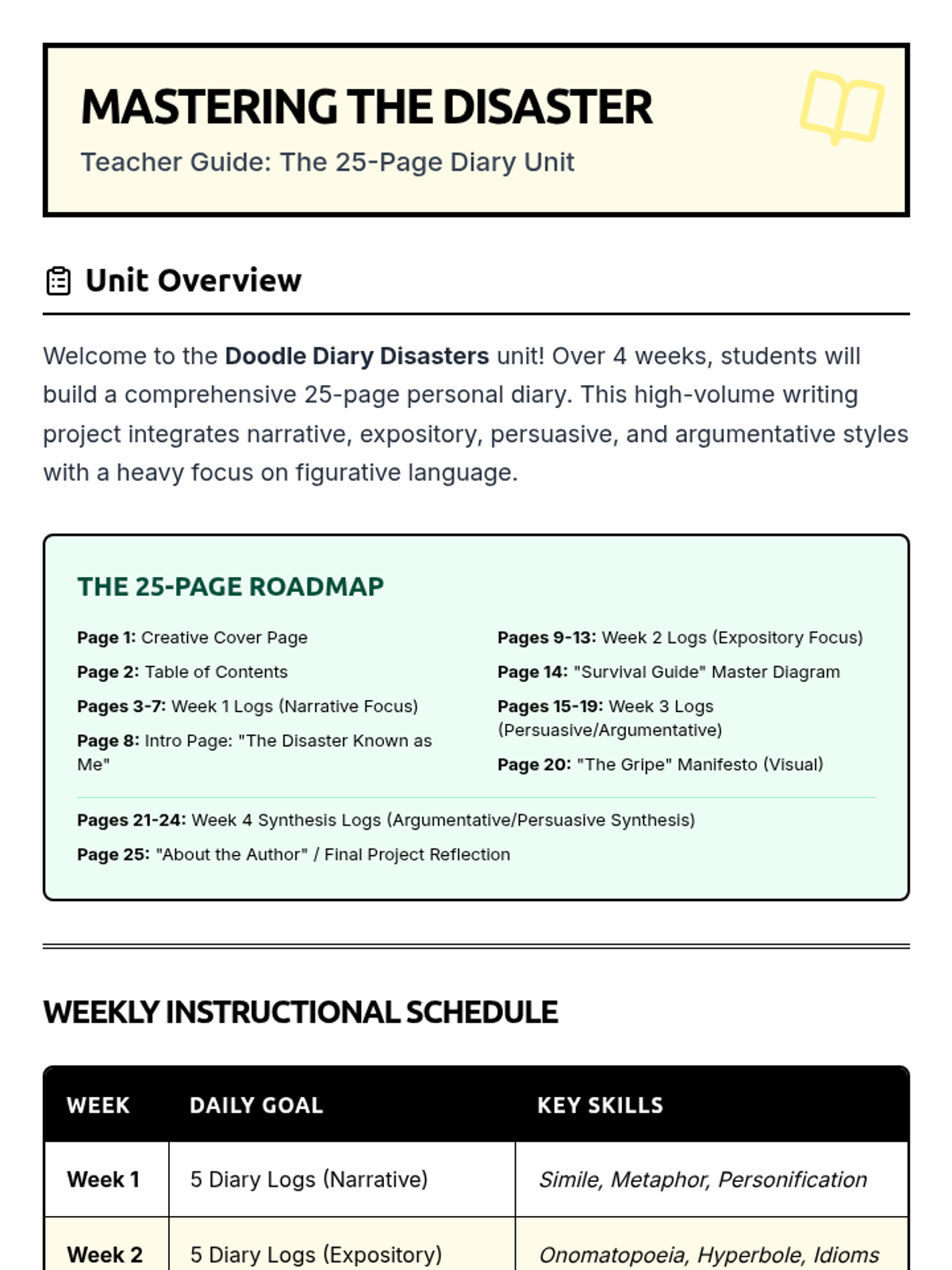
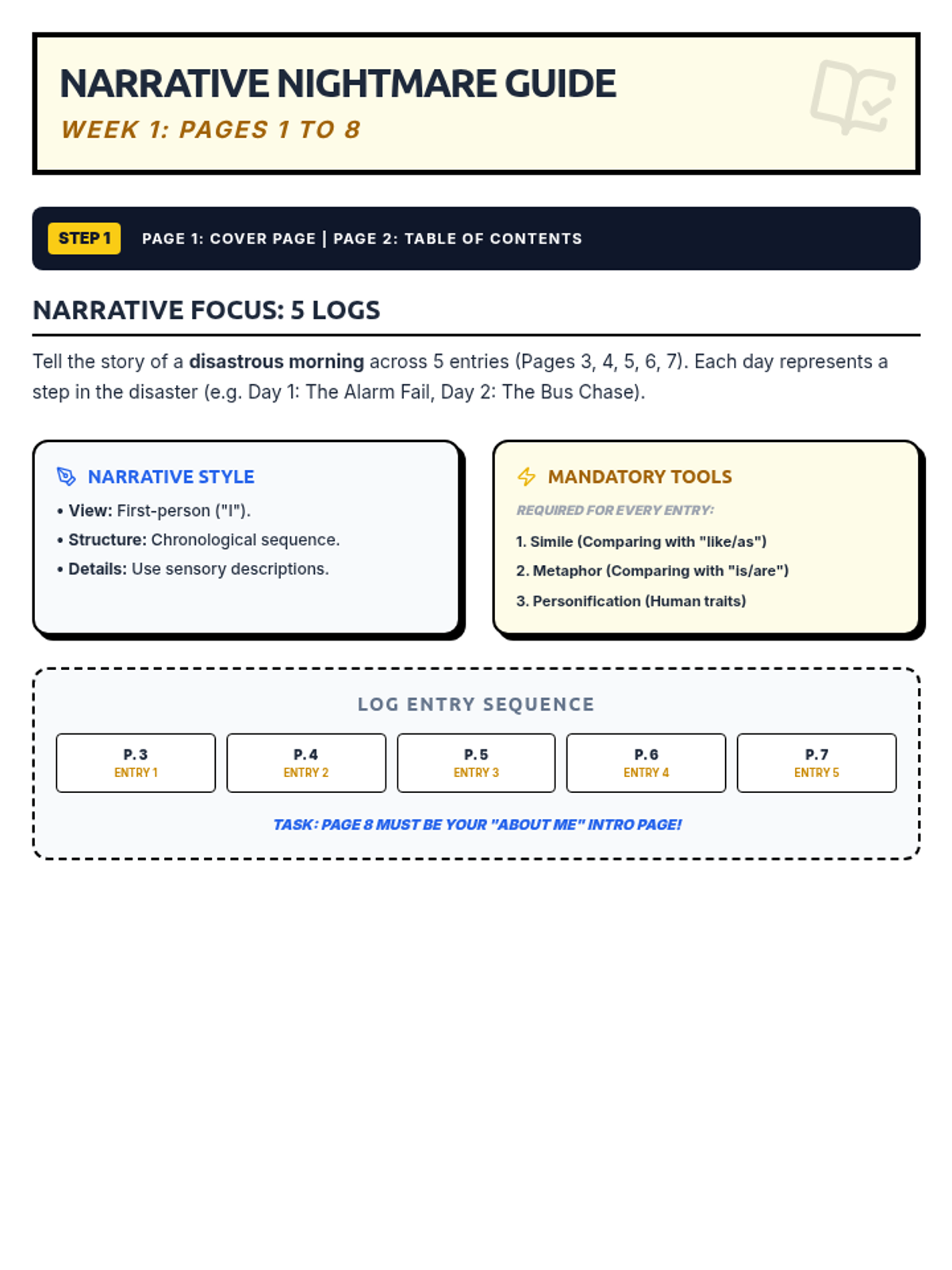
A 4-week writing unit where students create their own 'Wimpy Kid' style diary, exploring narrative, expository, argumentative, and persuasive writing alongside specific figurative language techniques.
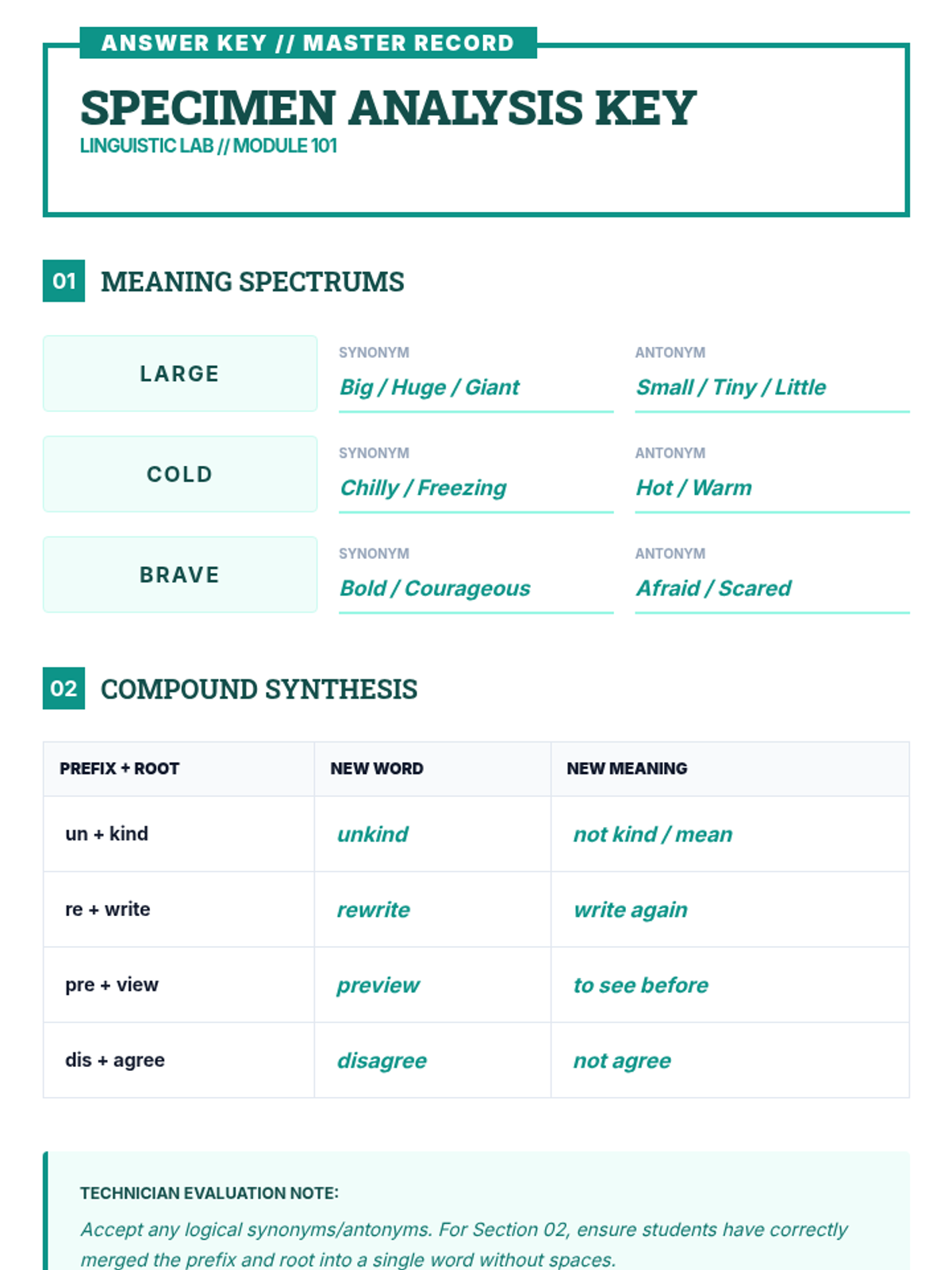
A unit focused on word mechanics, morphology, and meaning-making strategies through a cohesive laboratory and data-analysis theme.
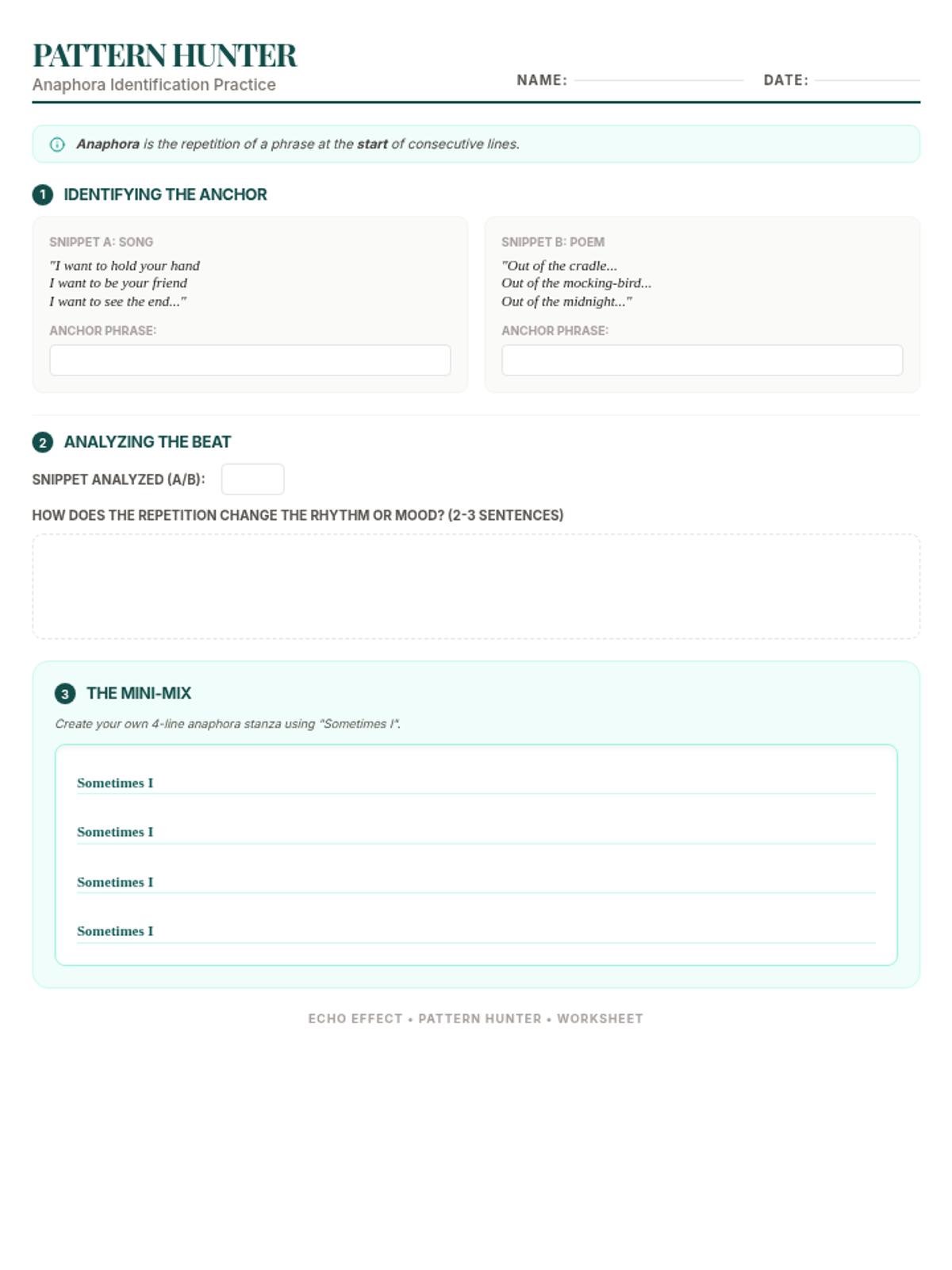
A three-lesson sequence exploring the poetic device of anaphora through songs and poems. Students will learn to identify patterns, analyze emotional resonance, and compose their own rhythmic works.
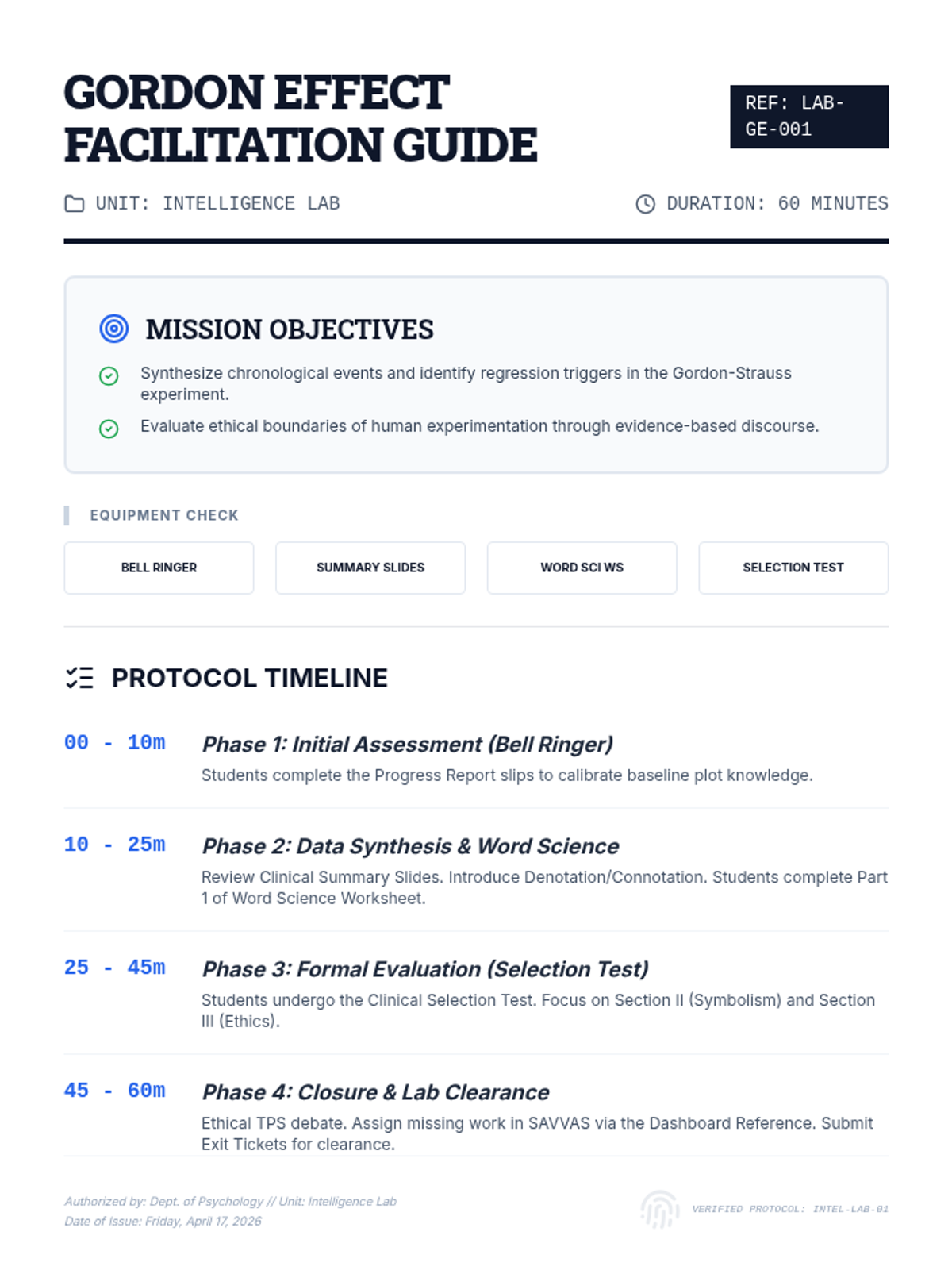
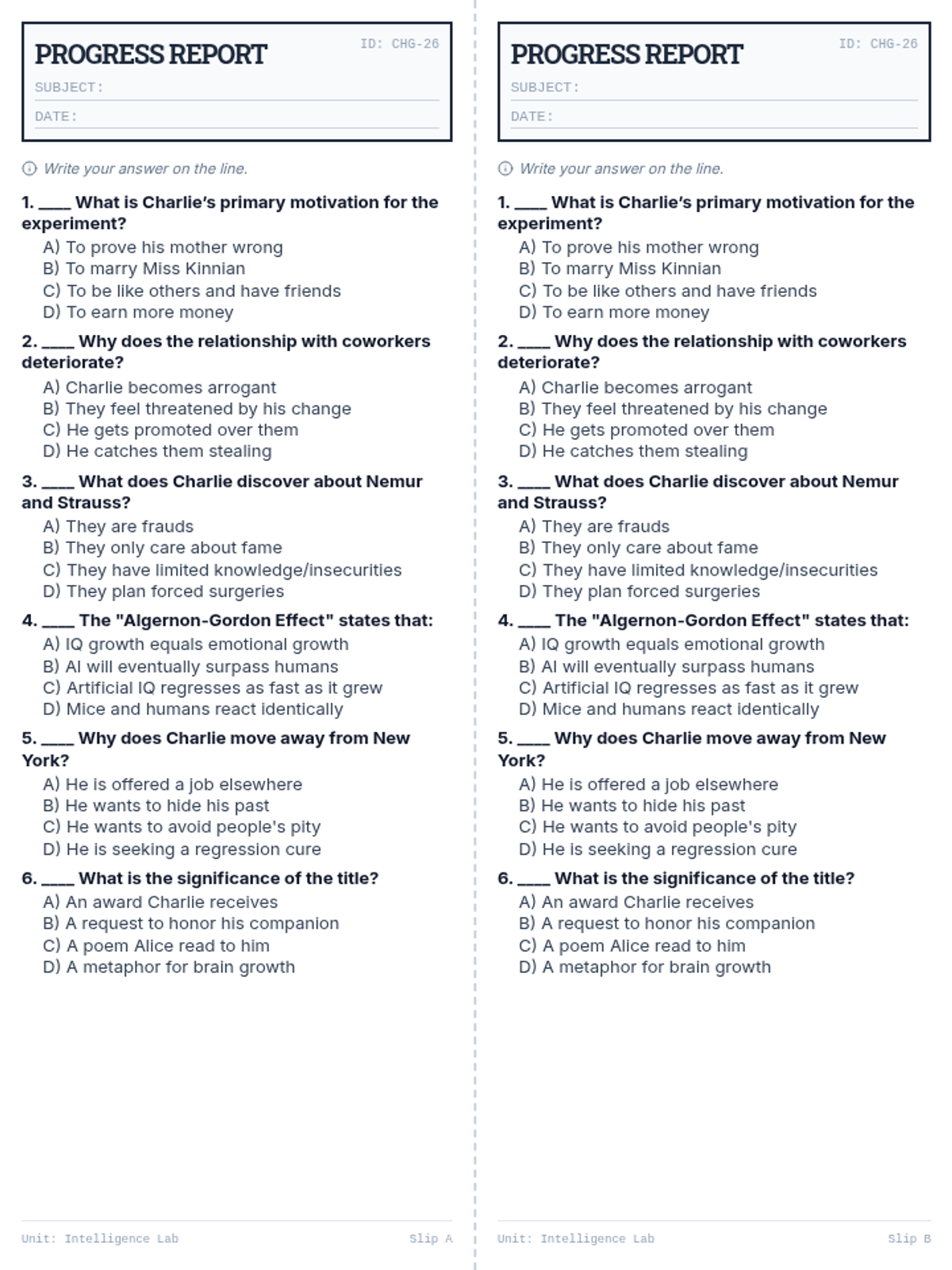
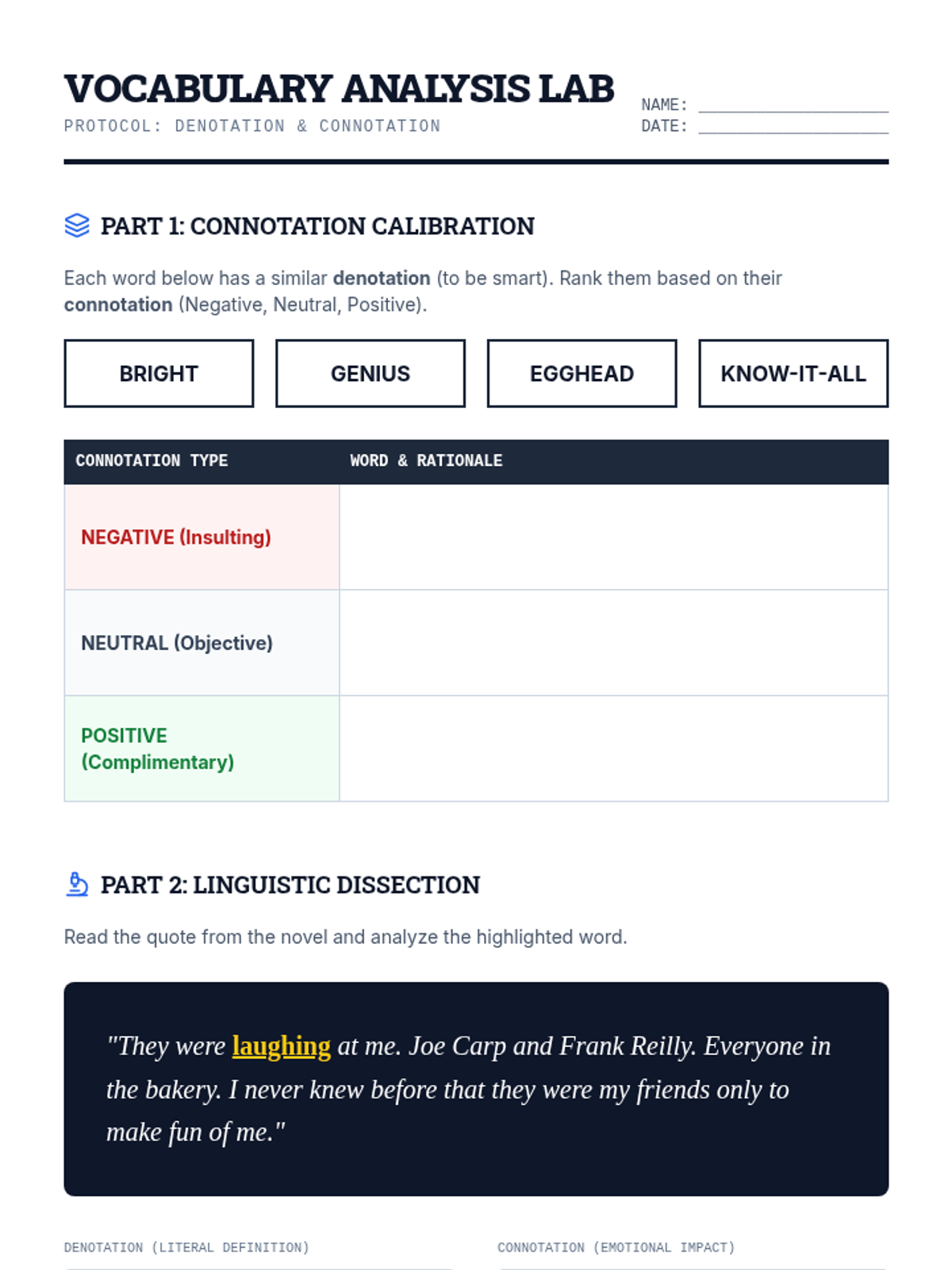
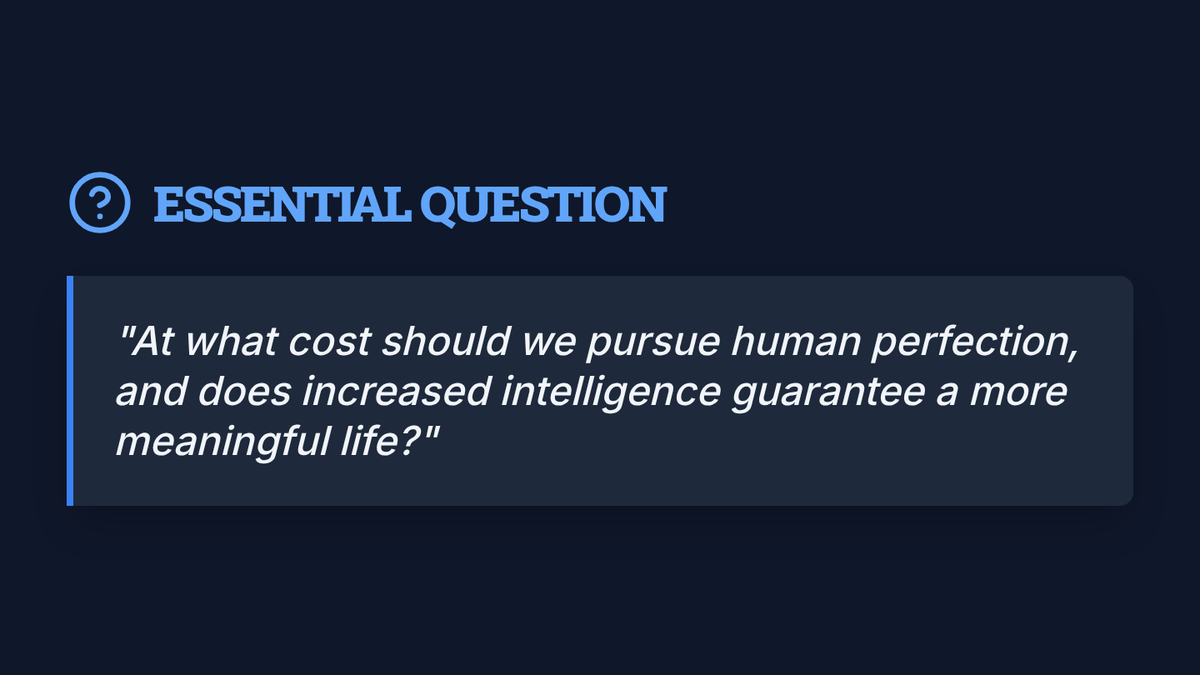
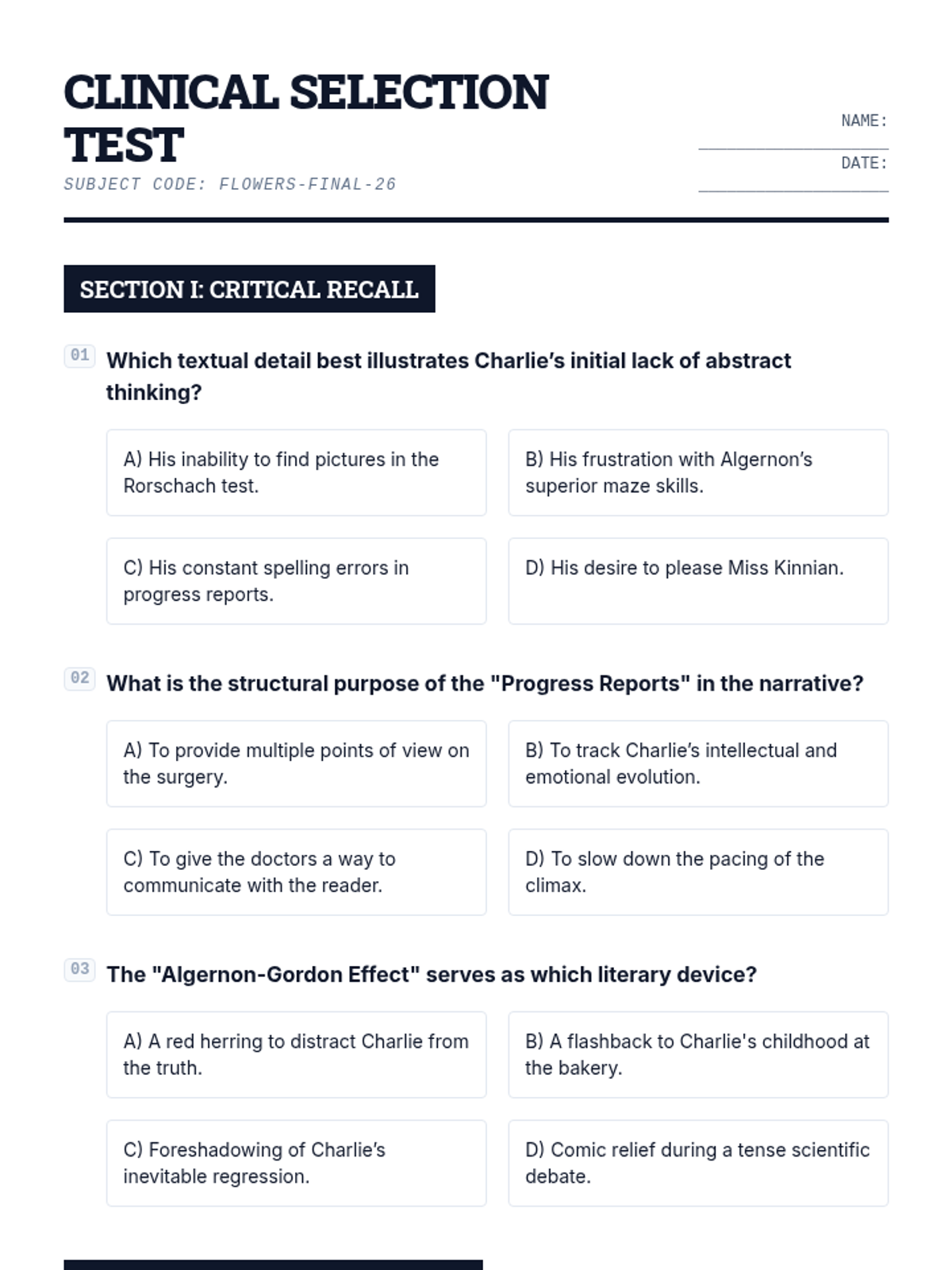
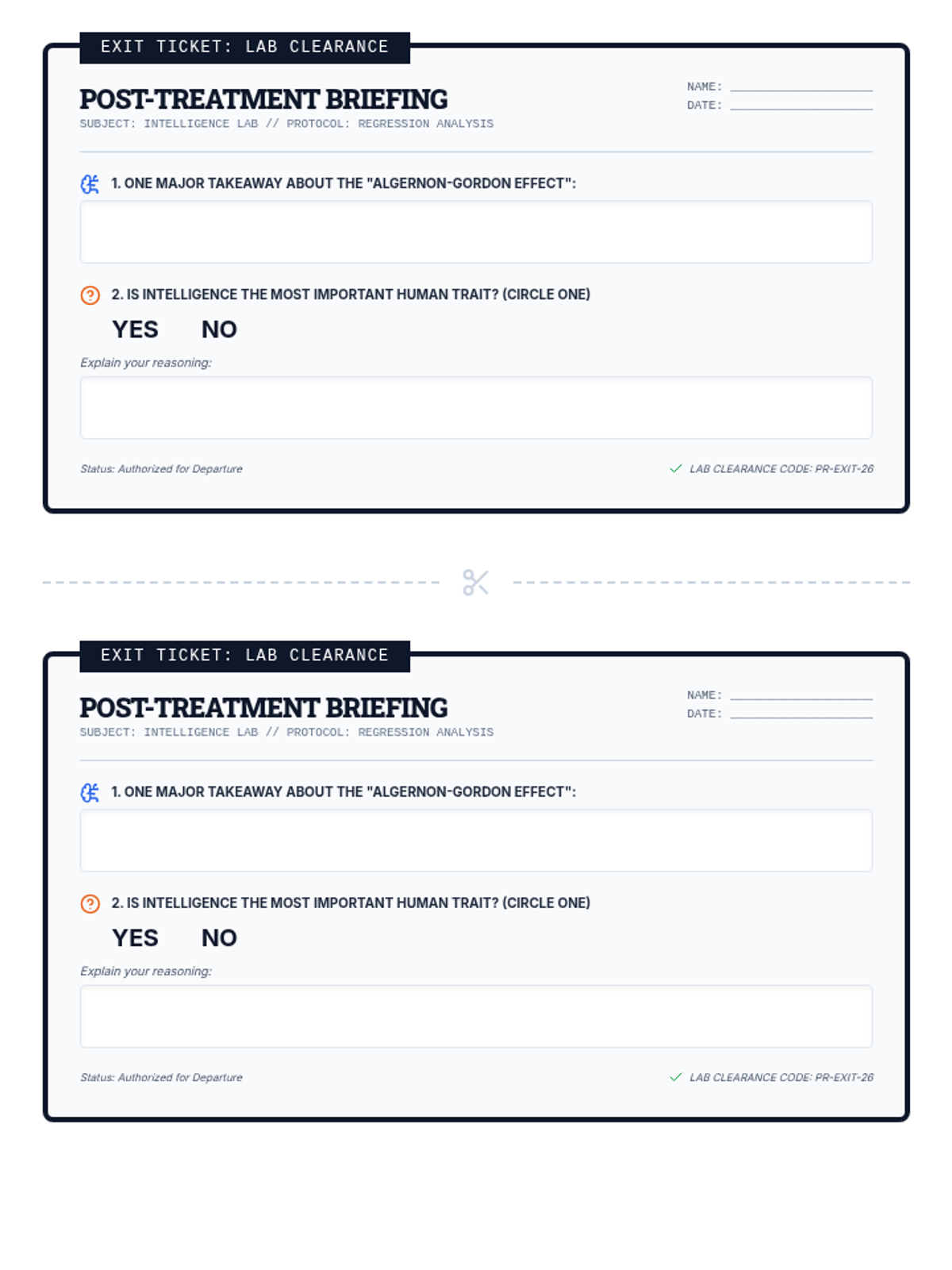
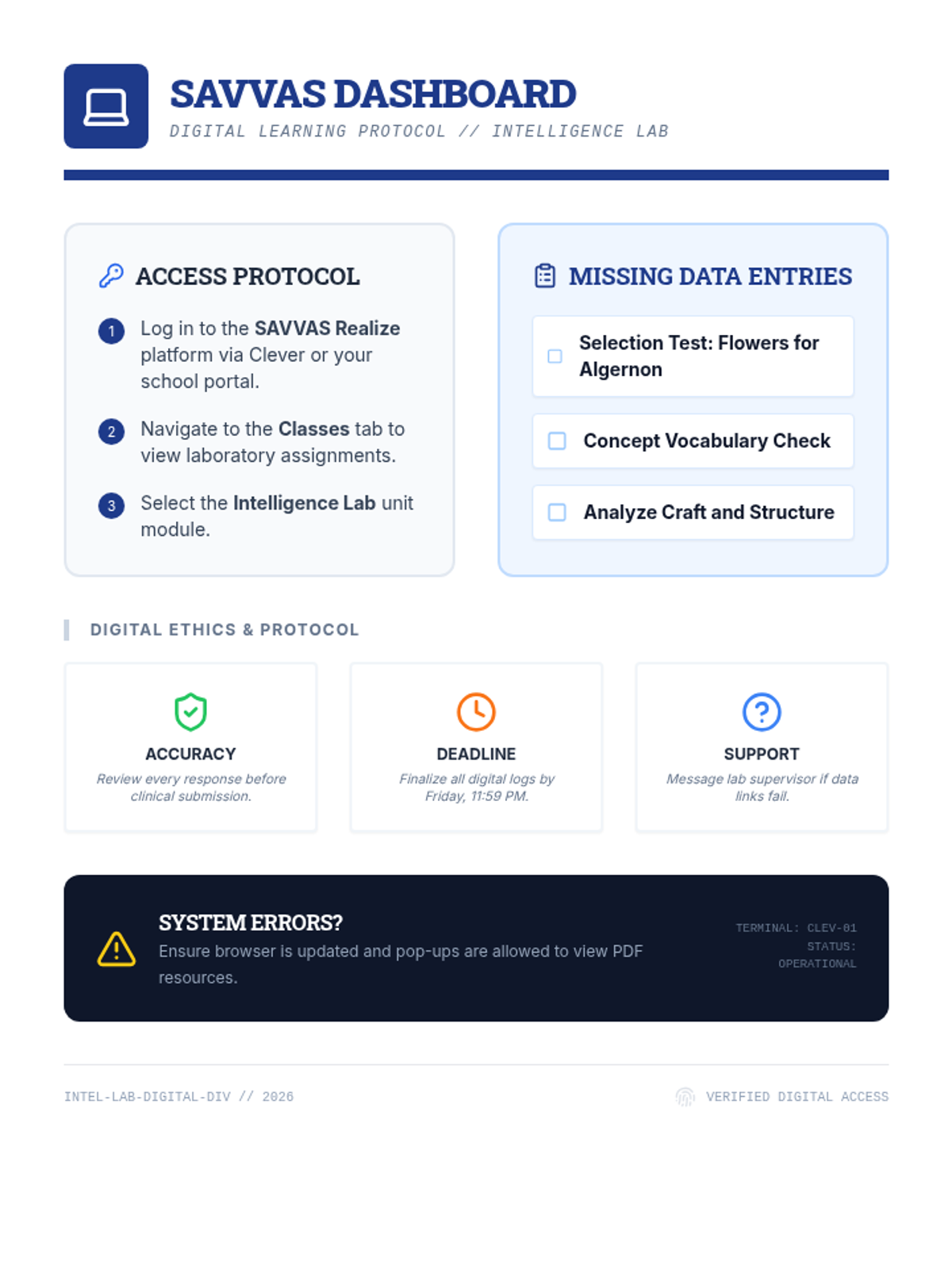
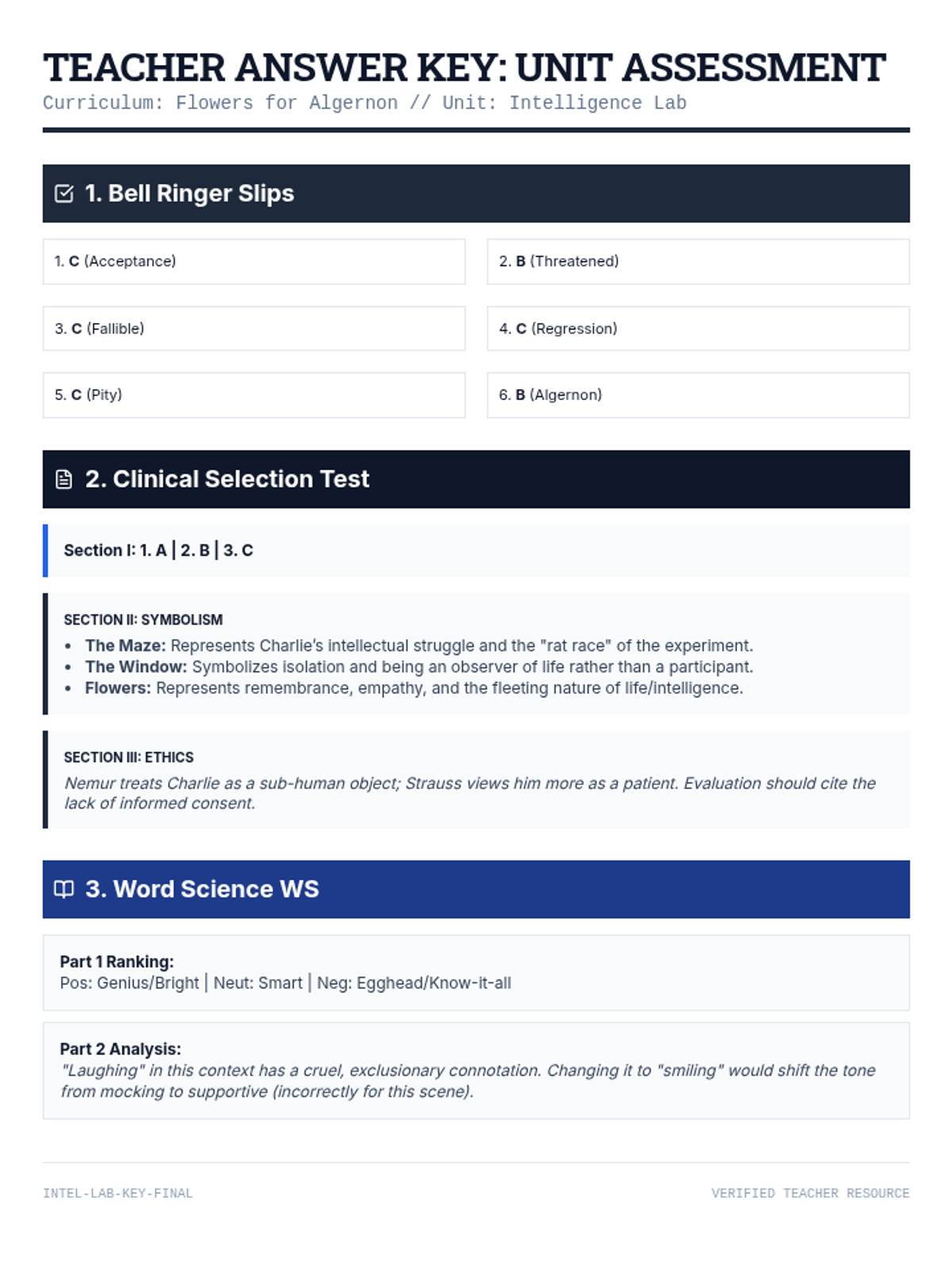
A comprehensive unit exploring the psychological and ethical themes of Daniel Keyes' 'Flowers for Algernon', focusing on character development, scientific ethics, and the nature of human intelligence.
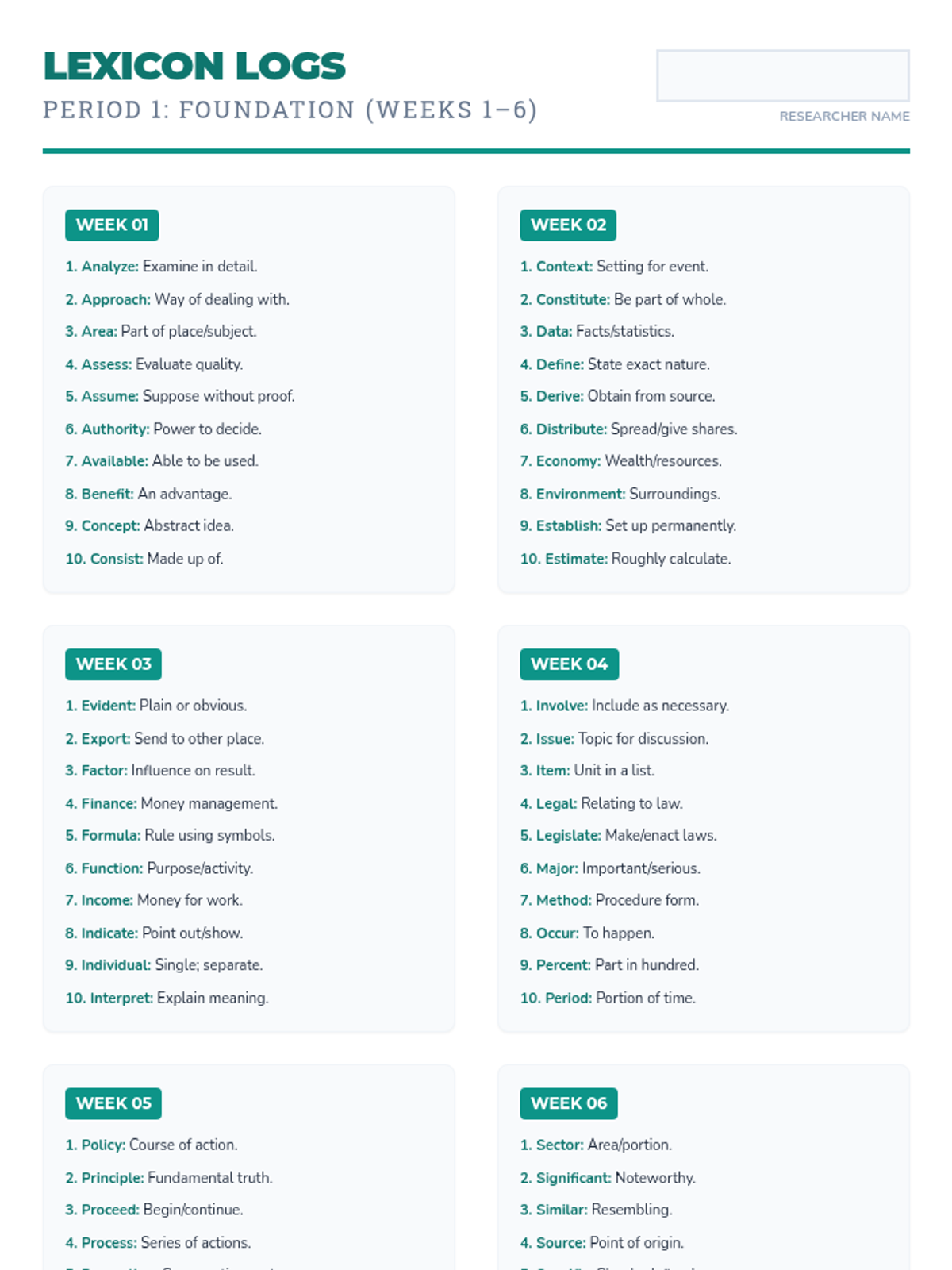
A comprehensive 36-week 7th-grade vocabulary curriculum focusing on Tier 2 academic words. The curriculum is organized into six 6-week periods, each featuring weekly word lists, practice activities, and assessments in a laboratory notebook theme.