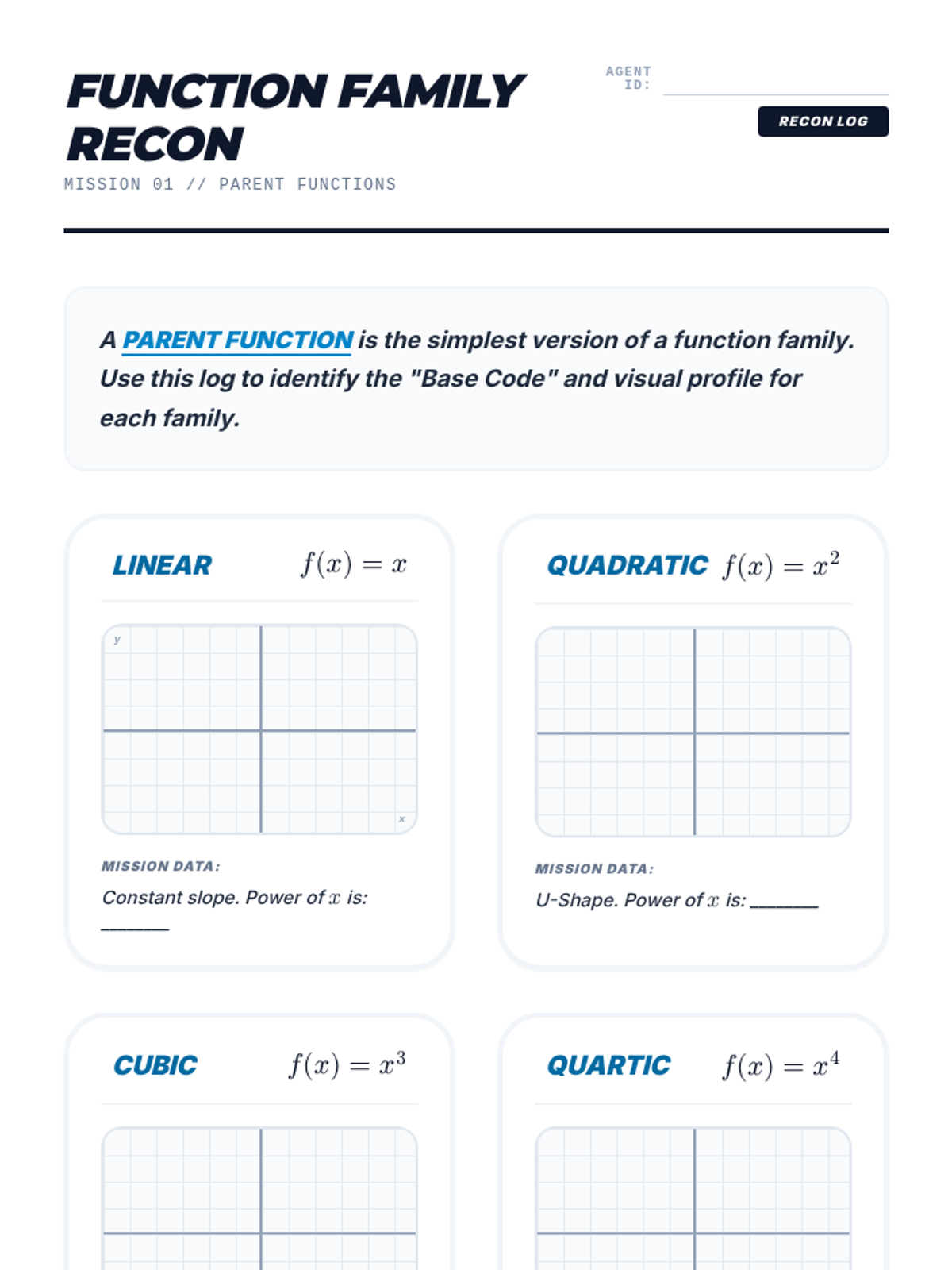
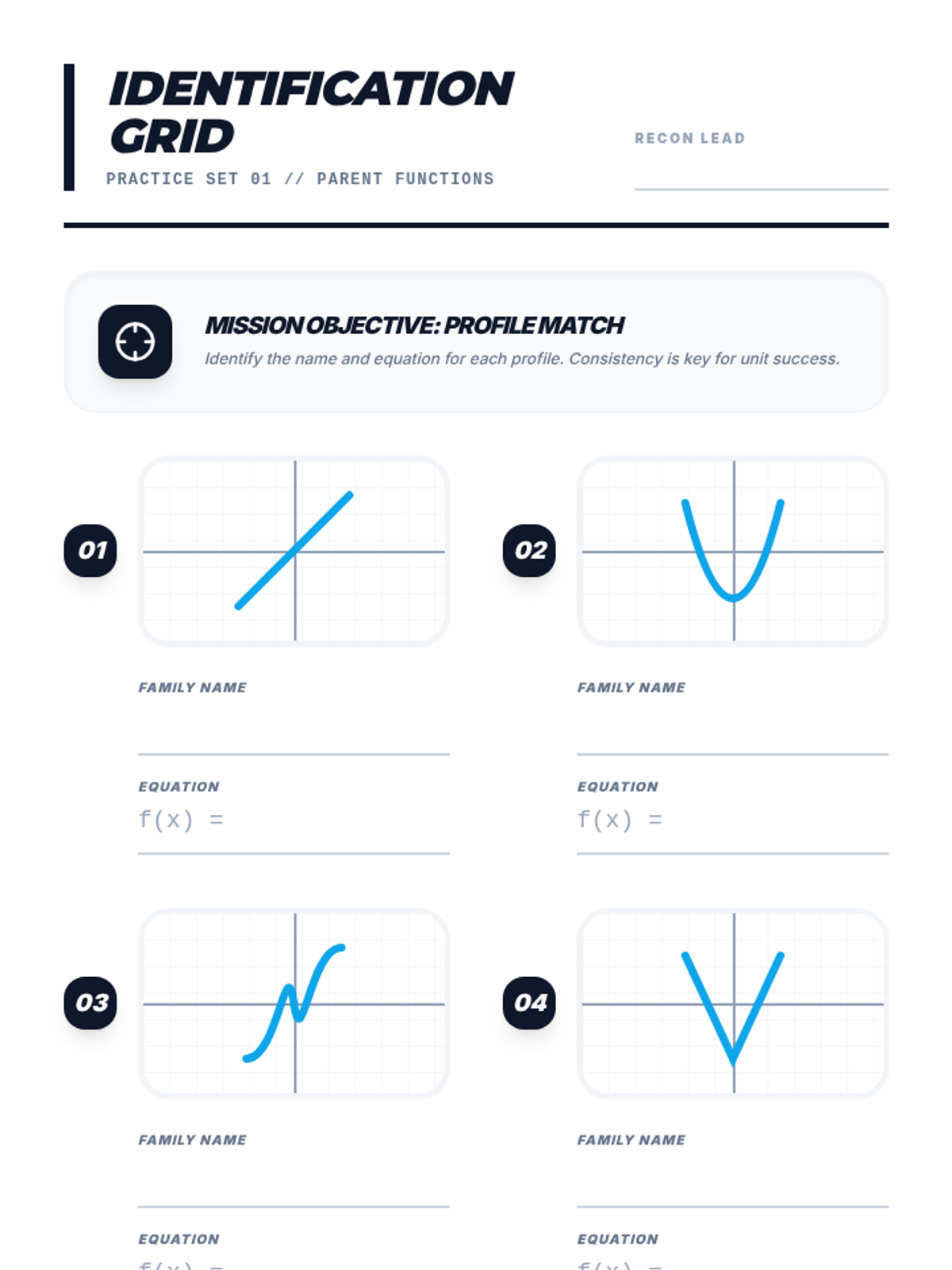
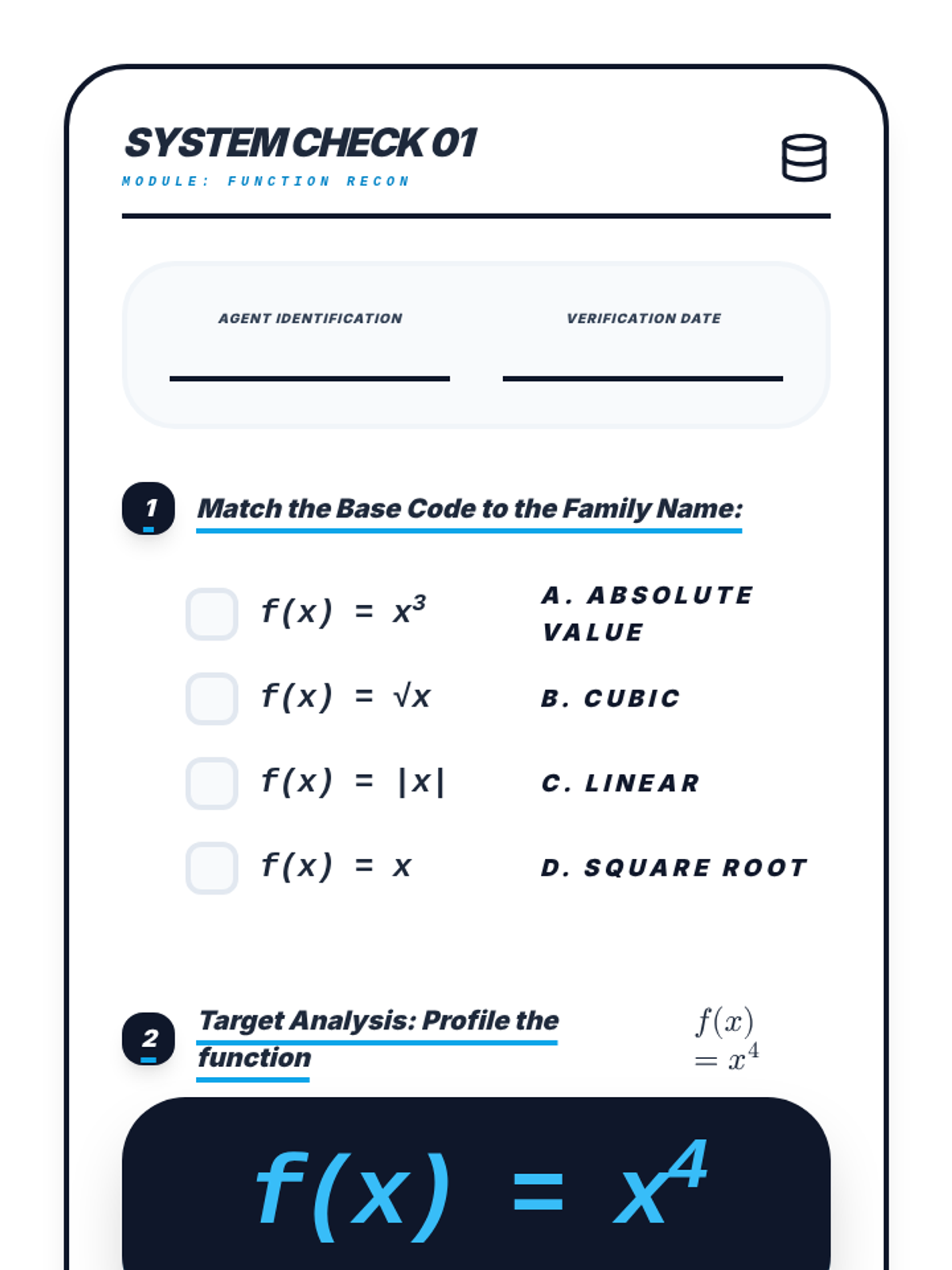
An advanced calculus sequence covering the calculation of area between curves and the volume of solids of revolution using disk, washer, and shell methods. Students transition from 2D area analysis to 3D spatial visualization and integration.
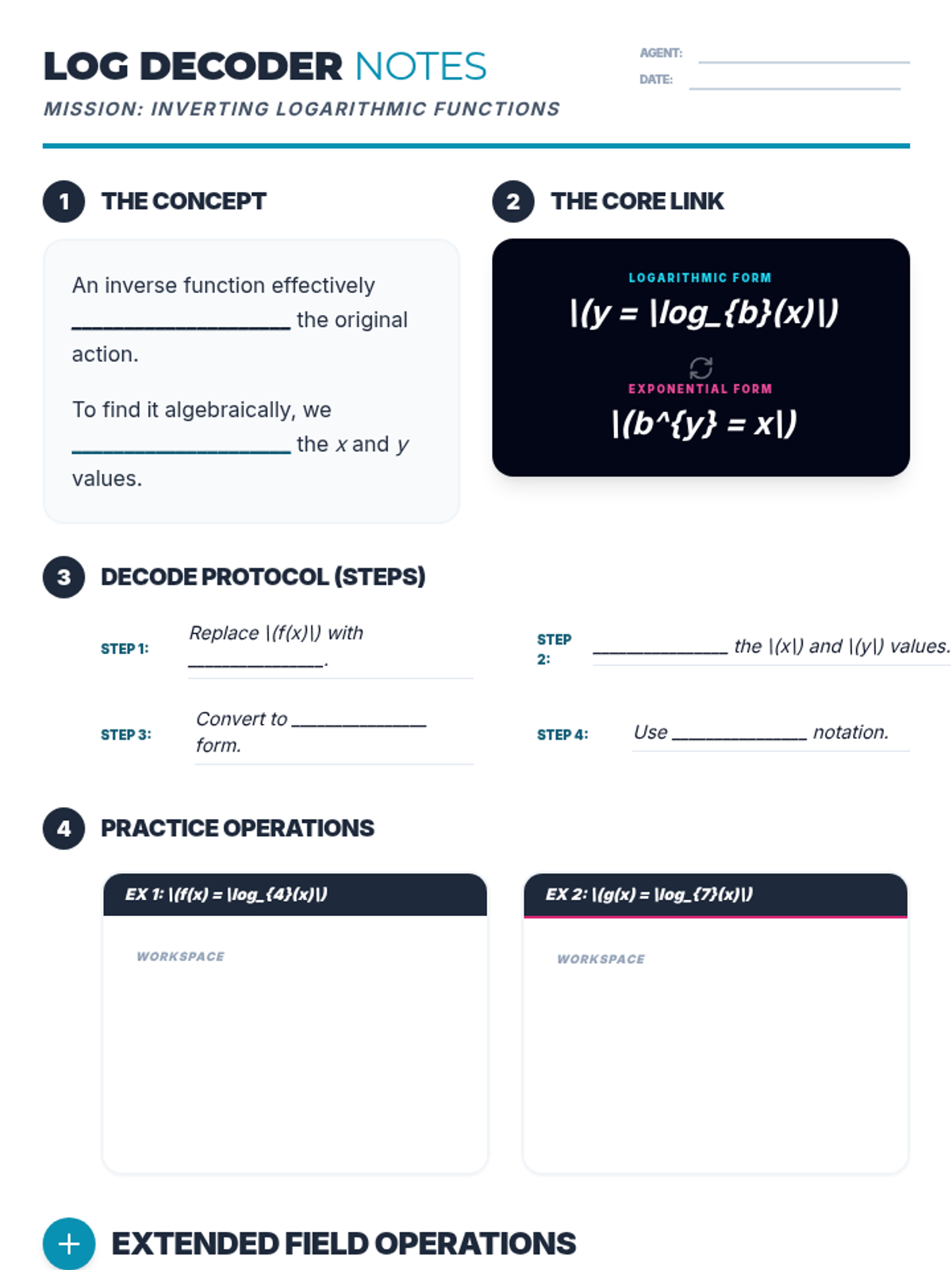
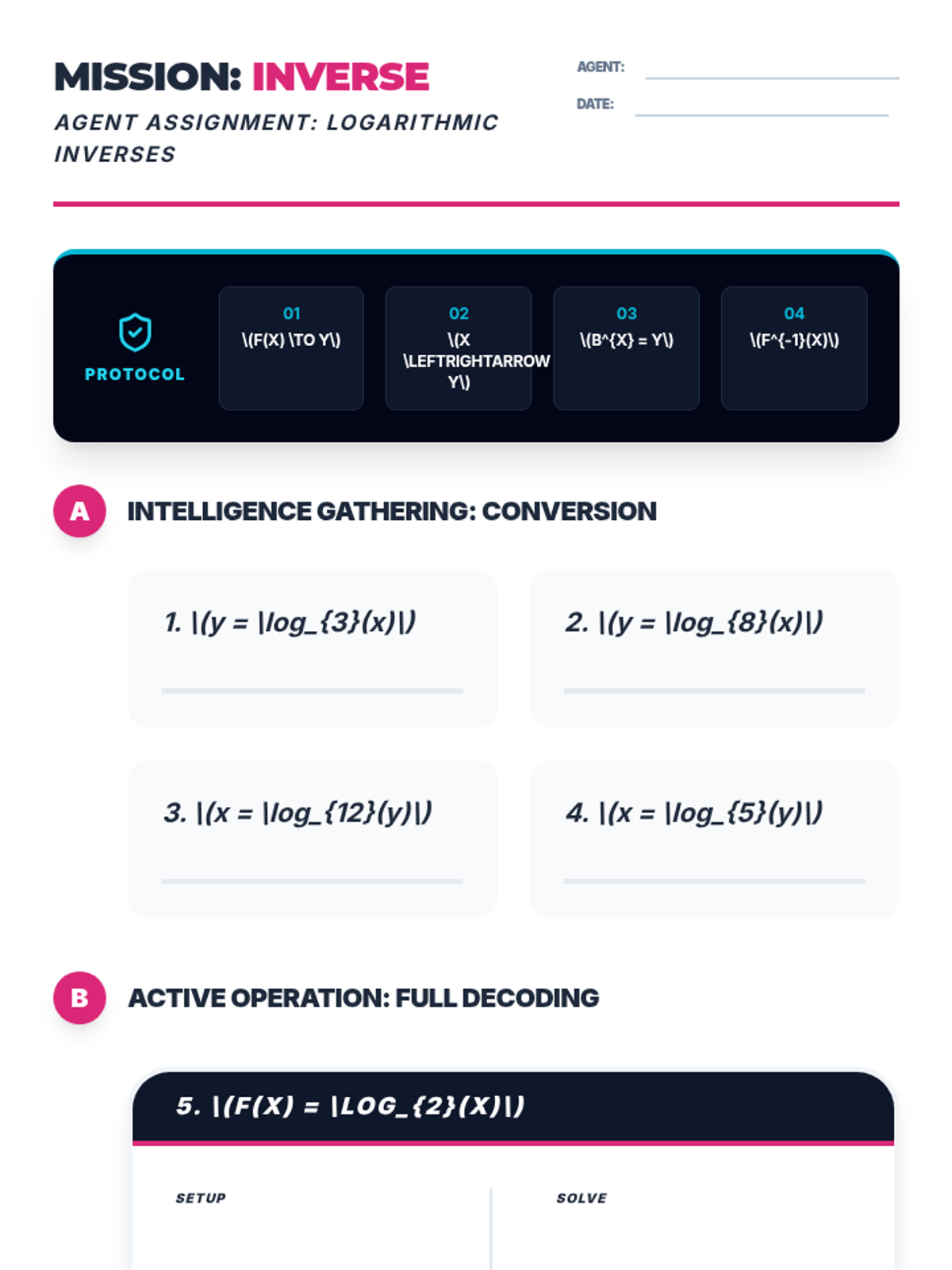
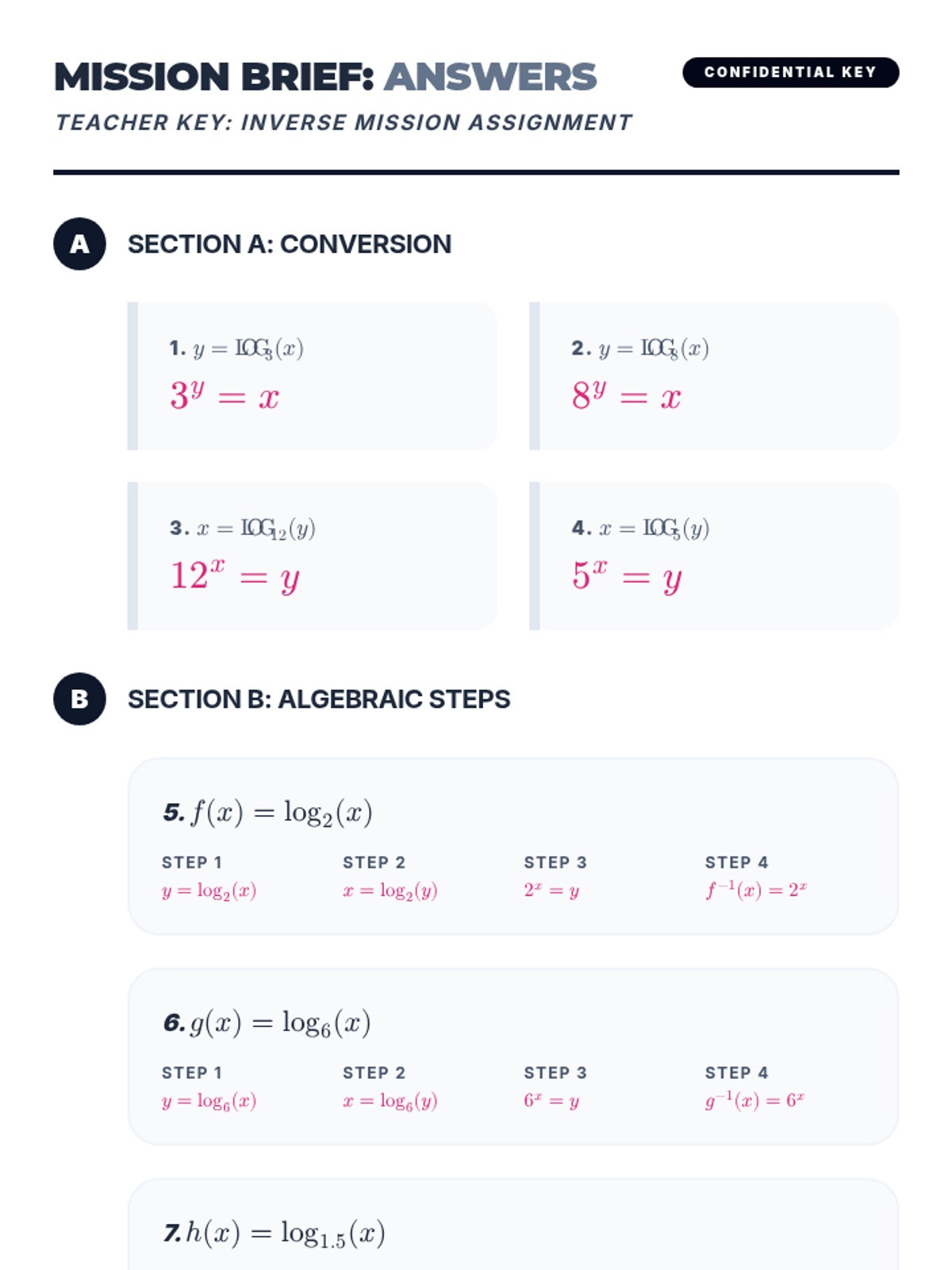
A focused sequence on finding the inverse of logarithmic functions using algebraic switching, featuring a high-tech 'Log Decoder' theme.
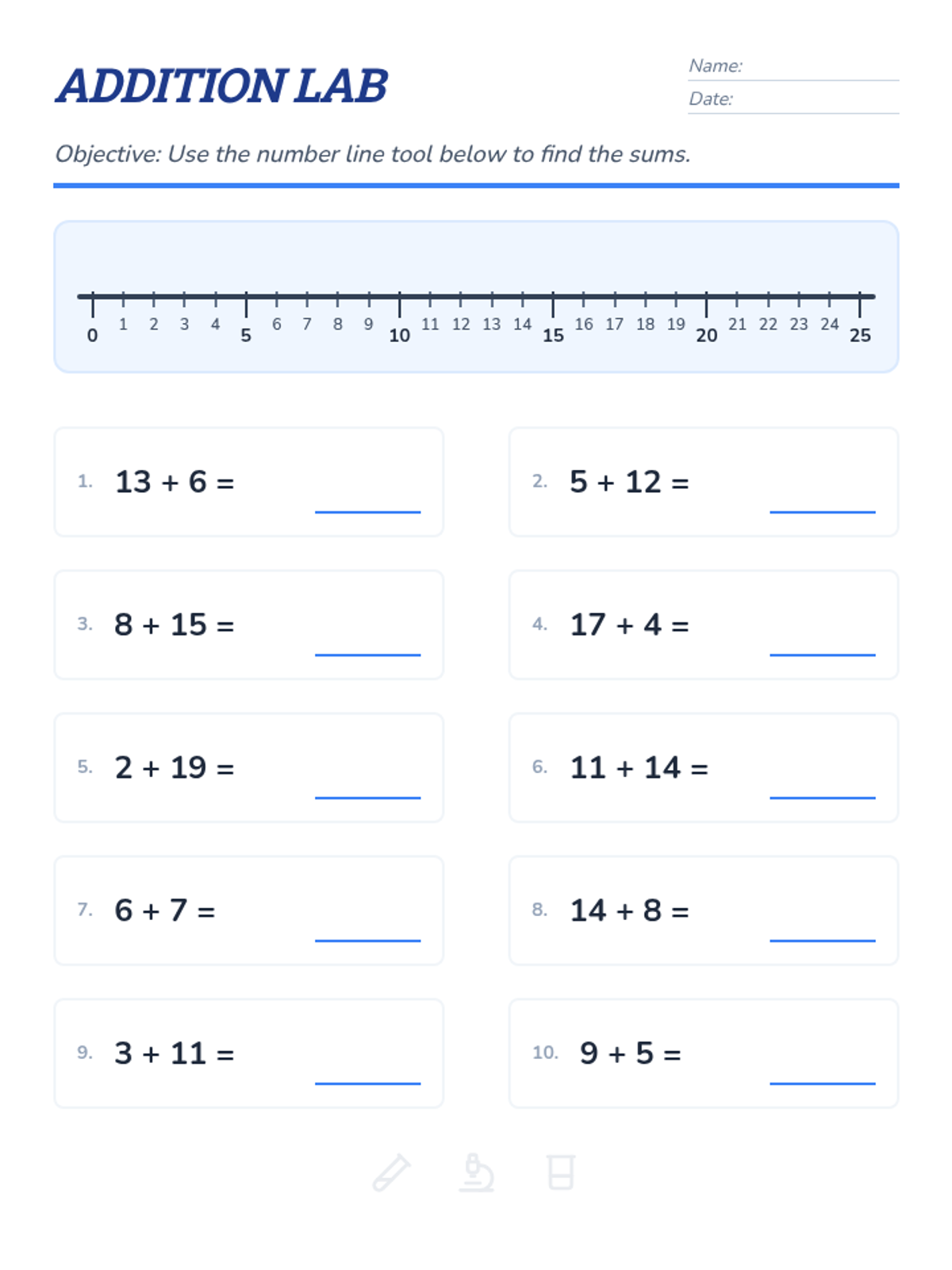
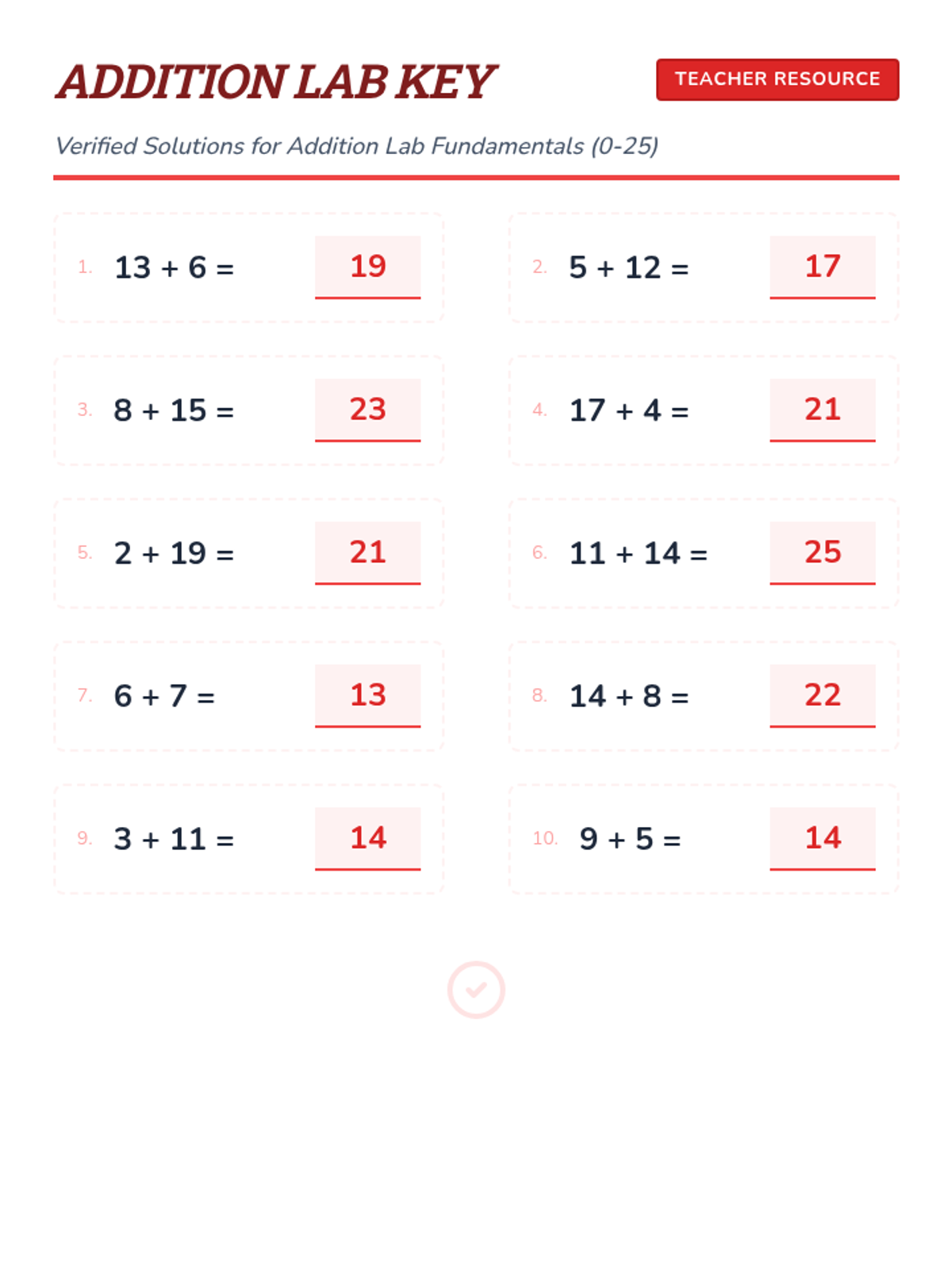
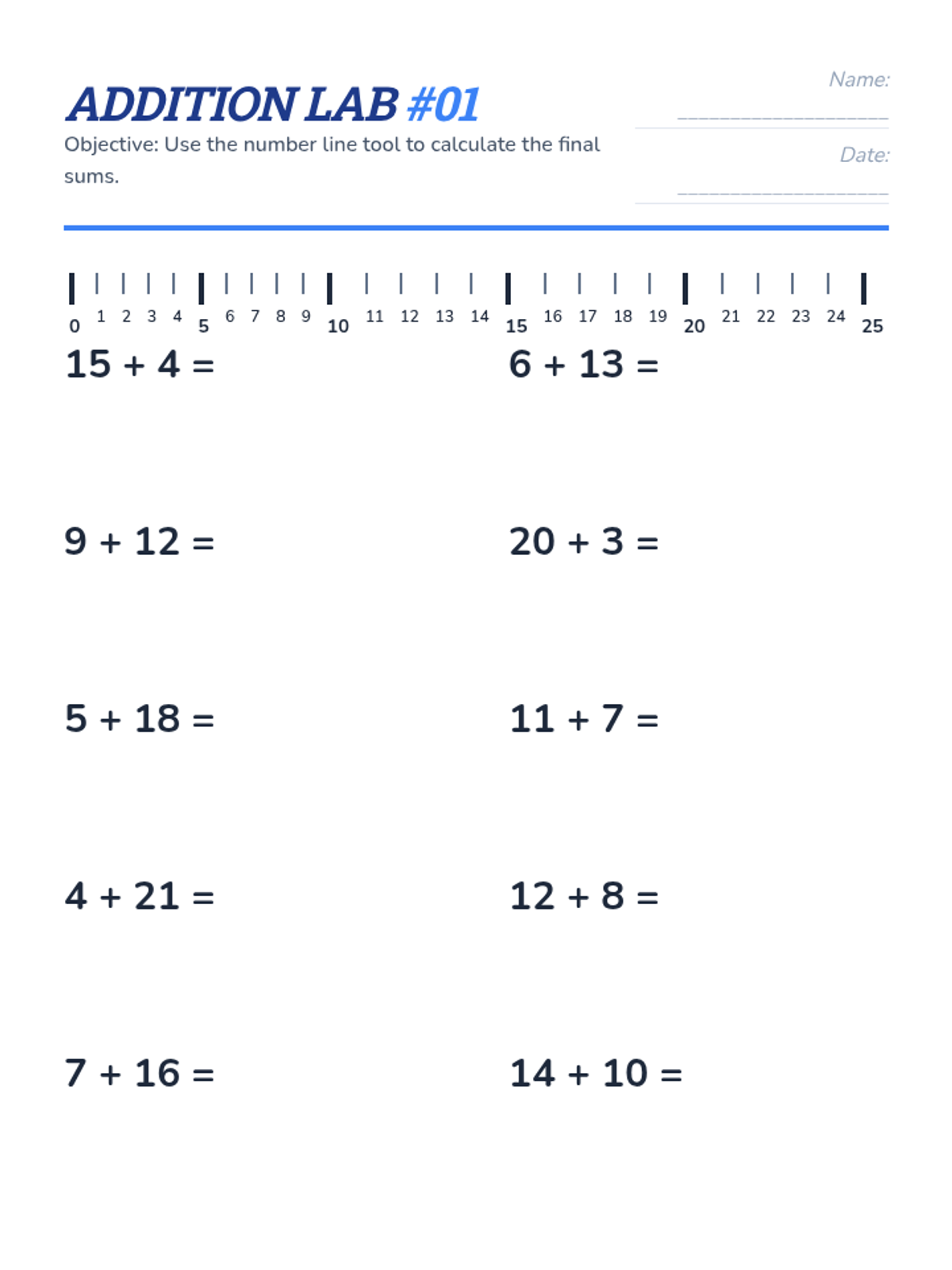
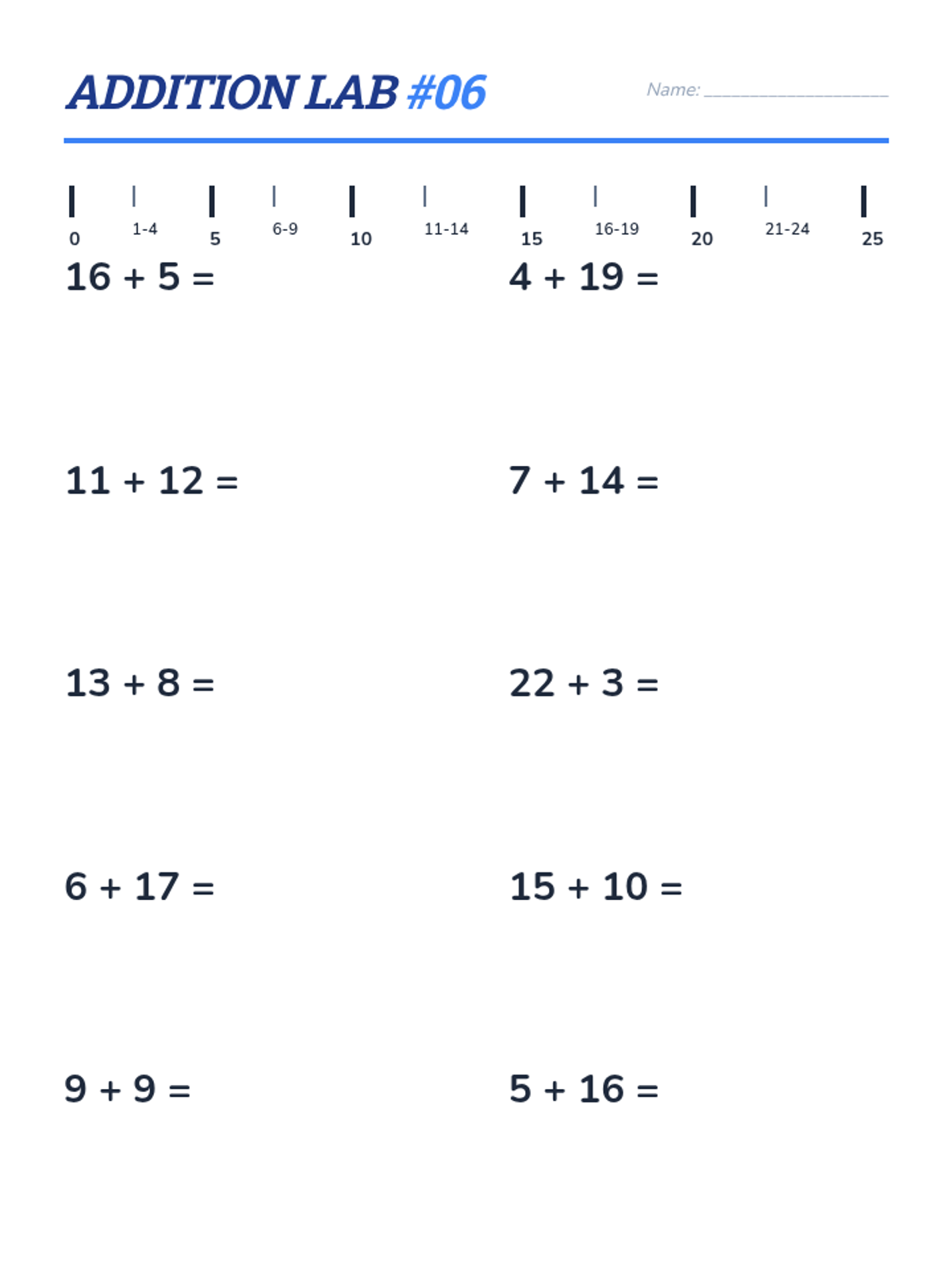
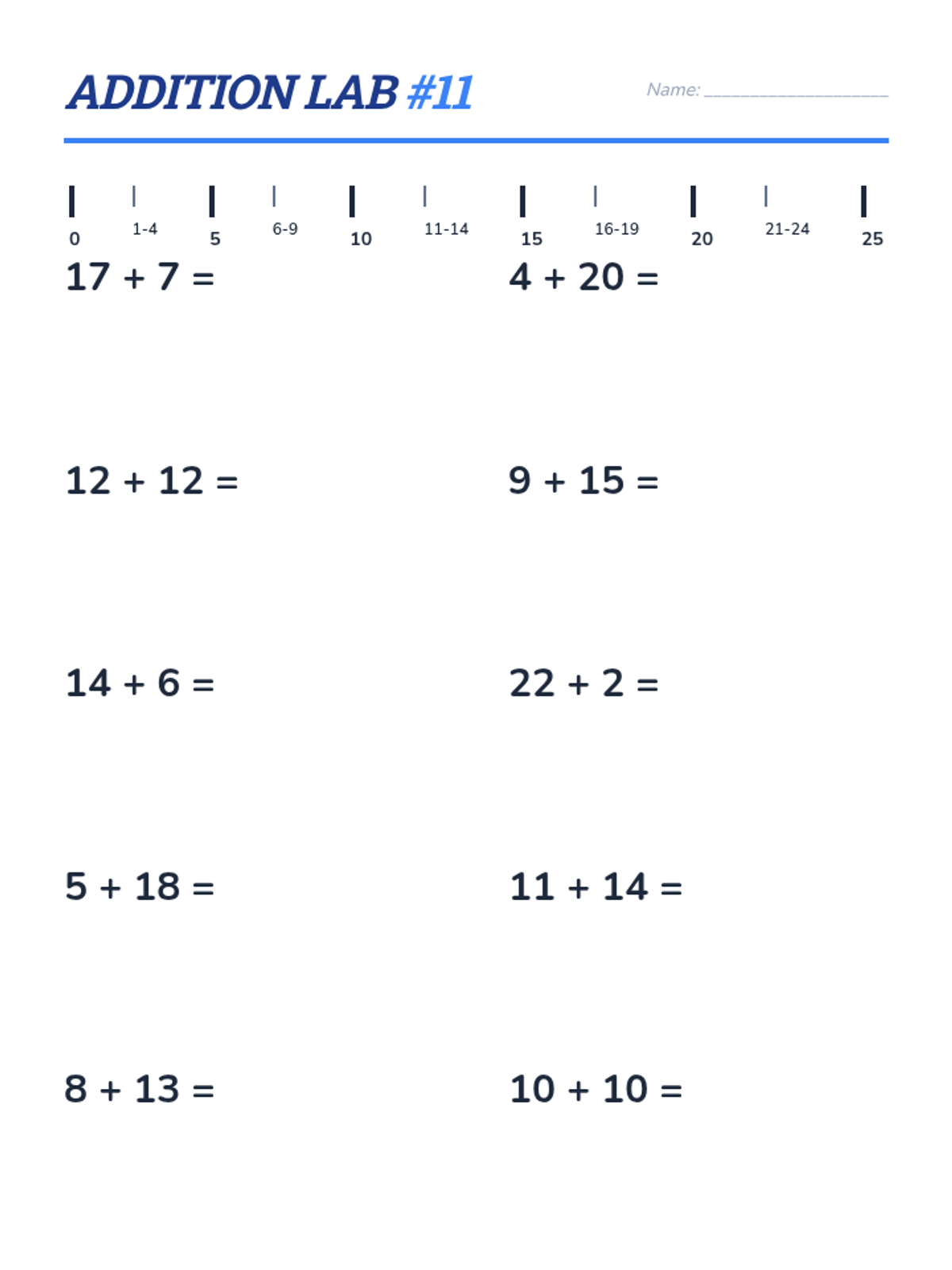
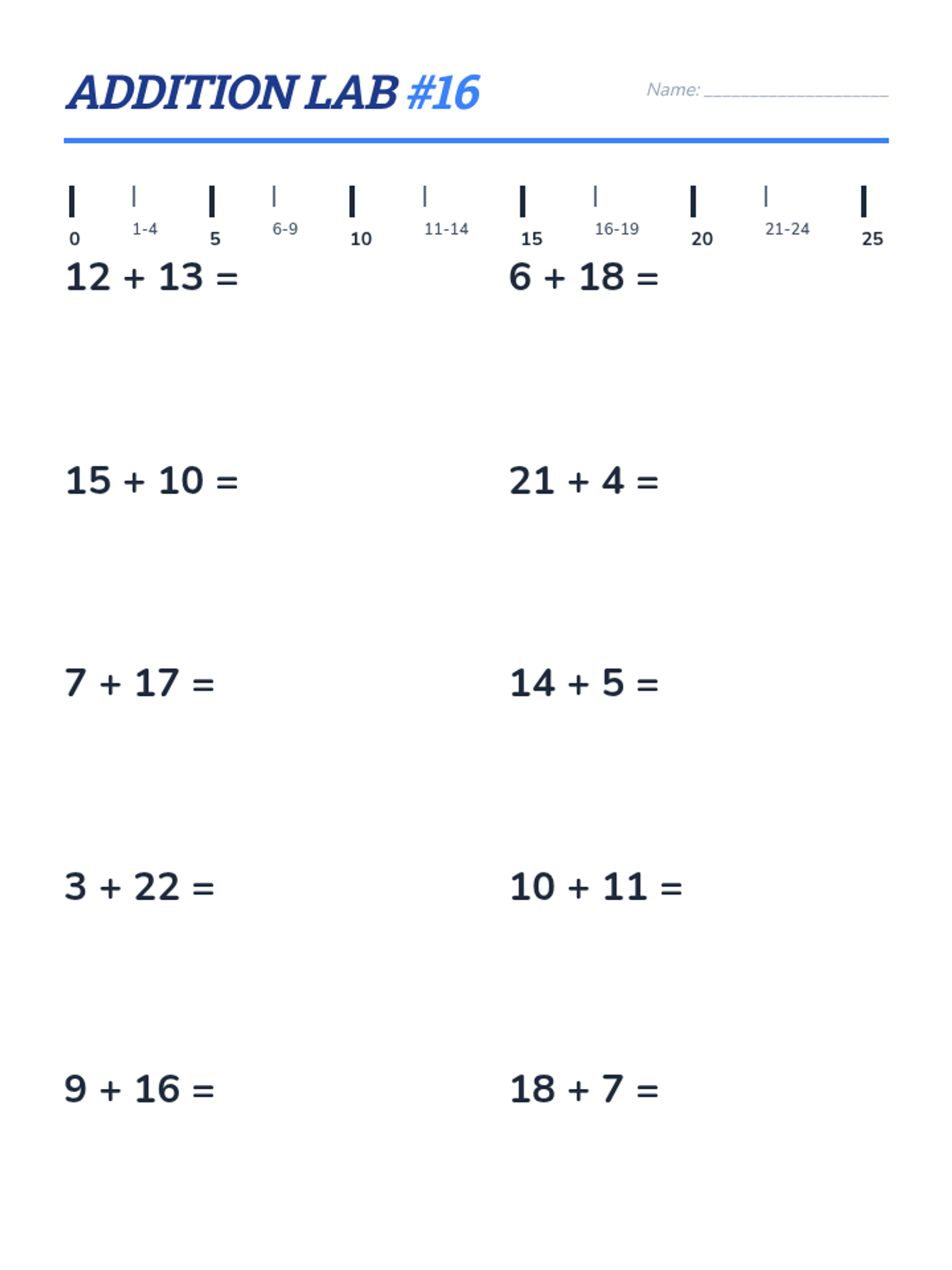
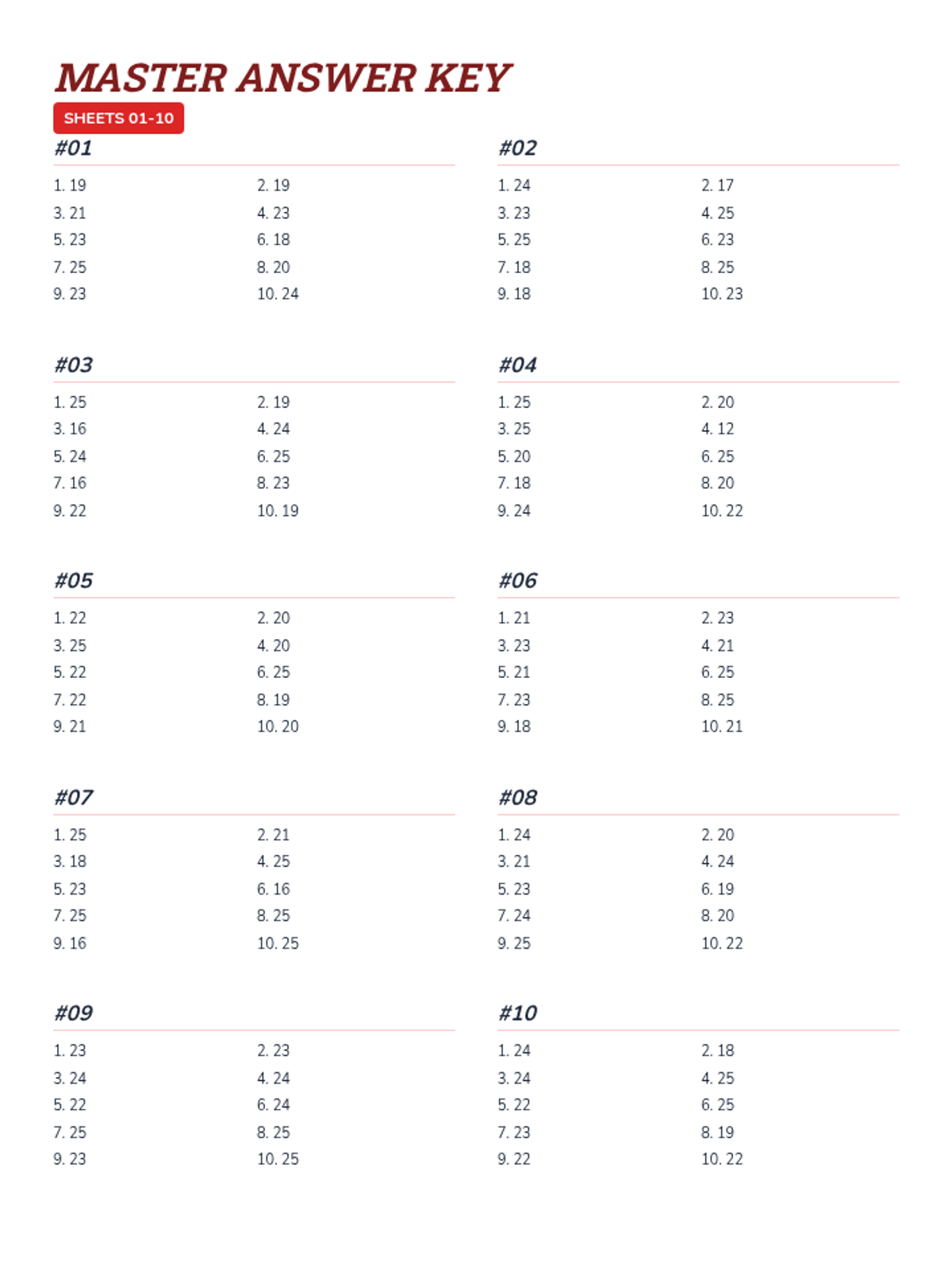
A comprehensive practice series for addition within the 0-25 range. This sequence provides 20 unique practice sheets with a consistent number line tool to build fluency and confidence.
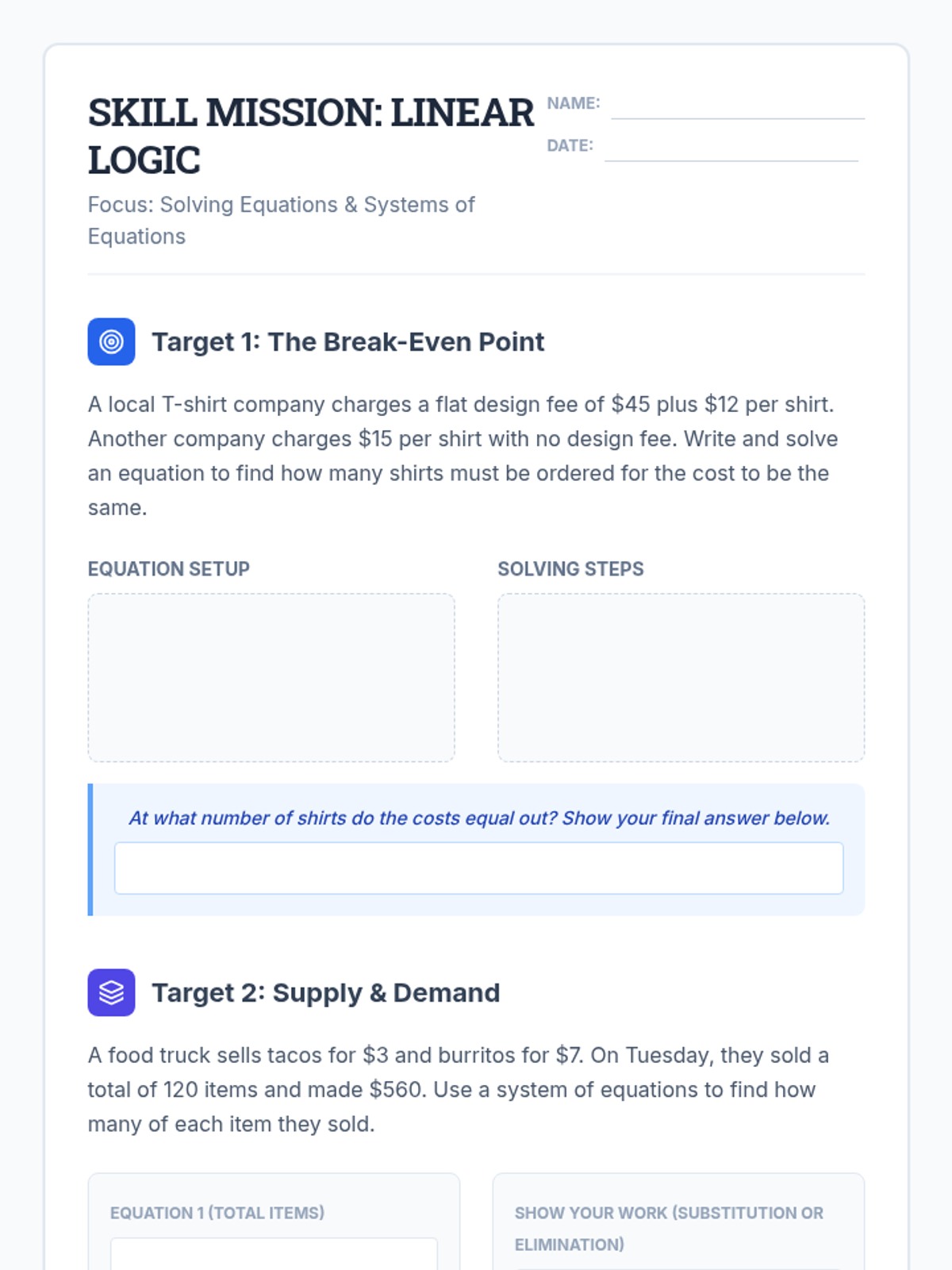
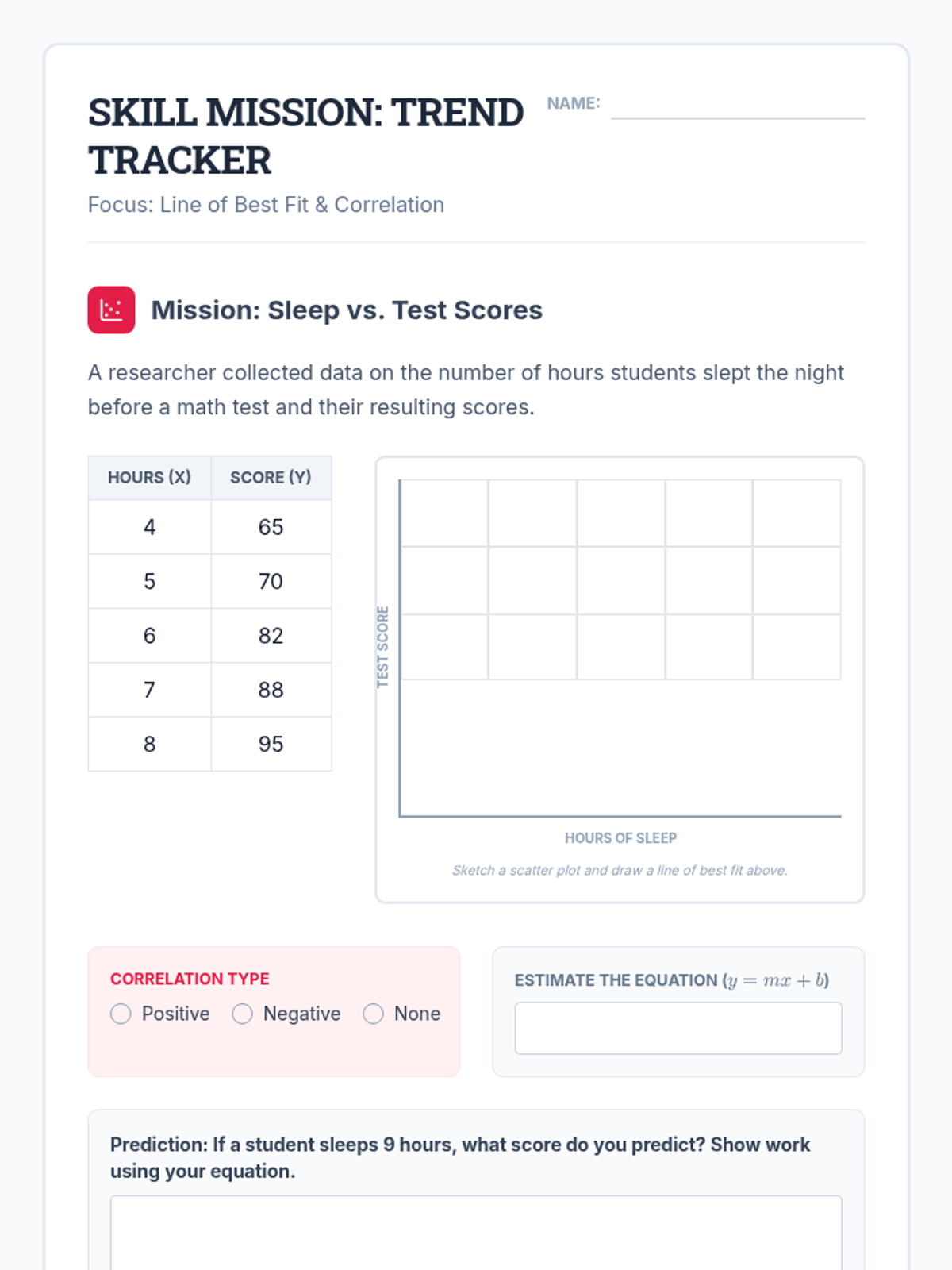
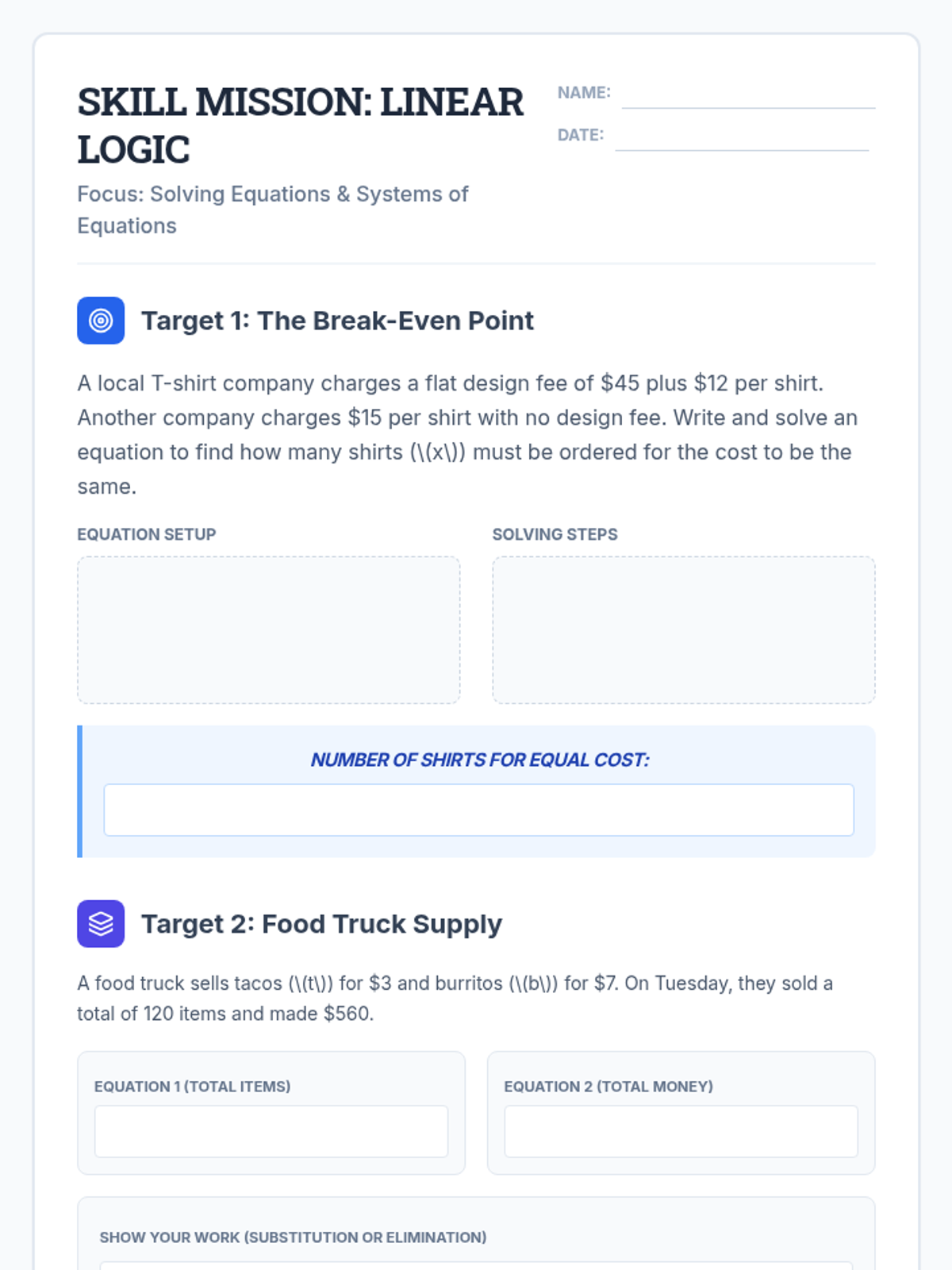
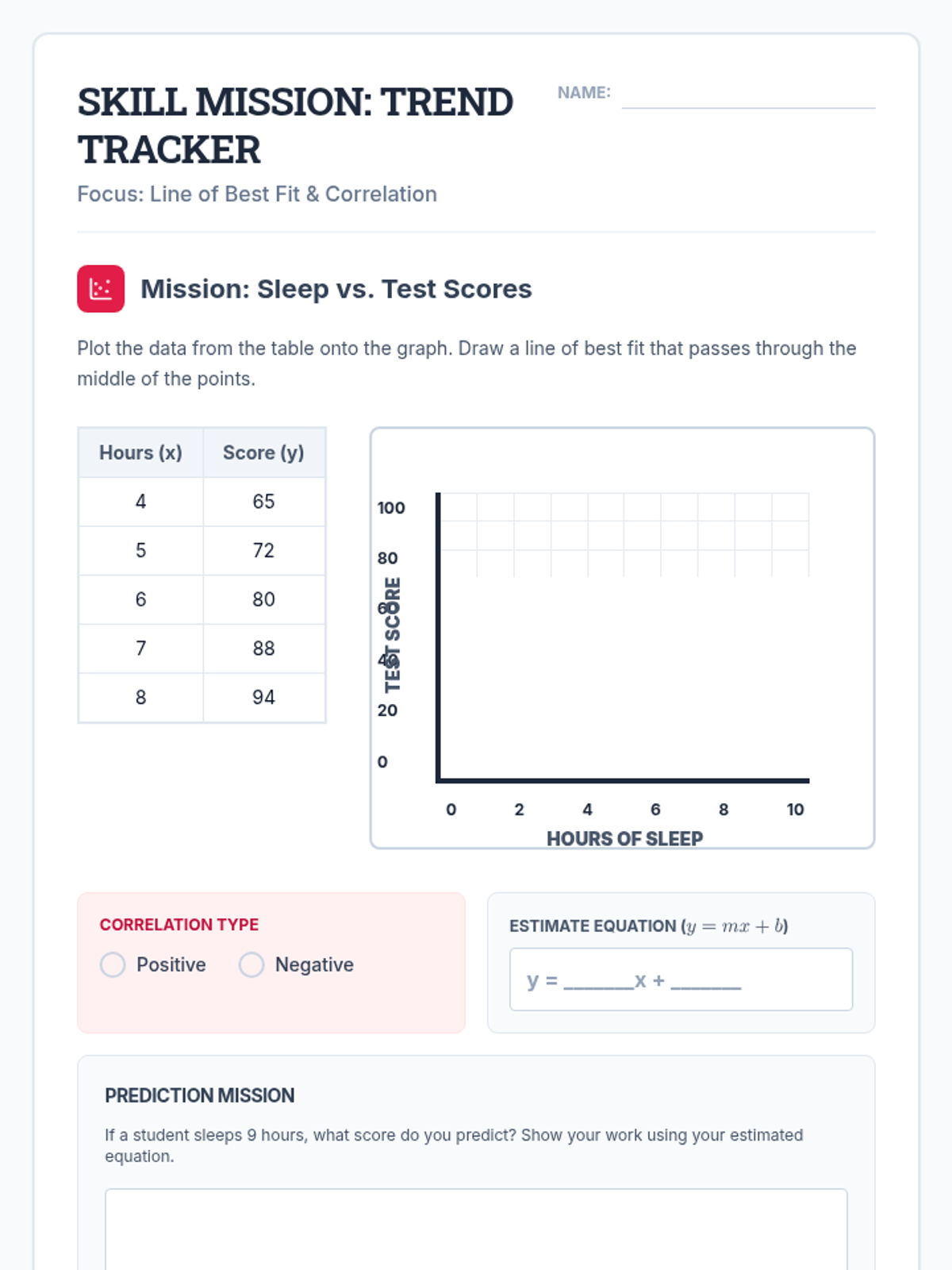
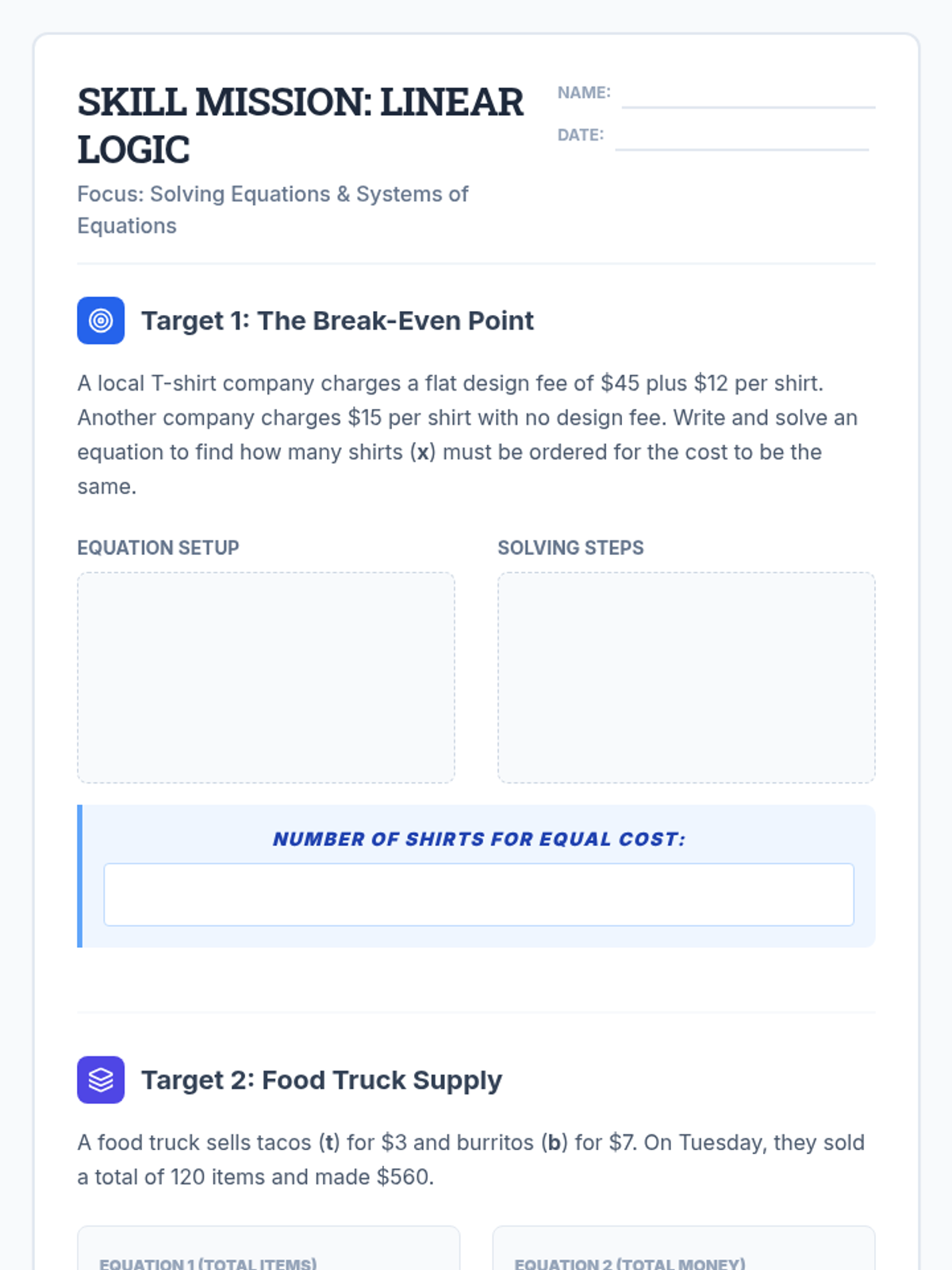
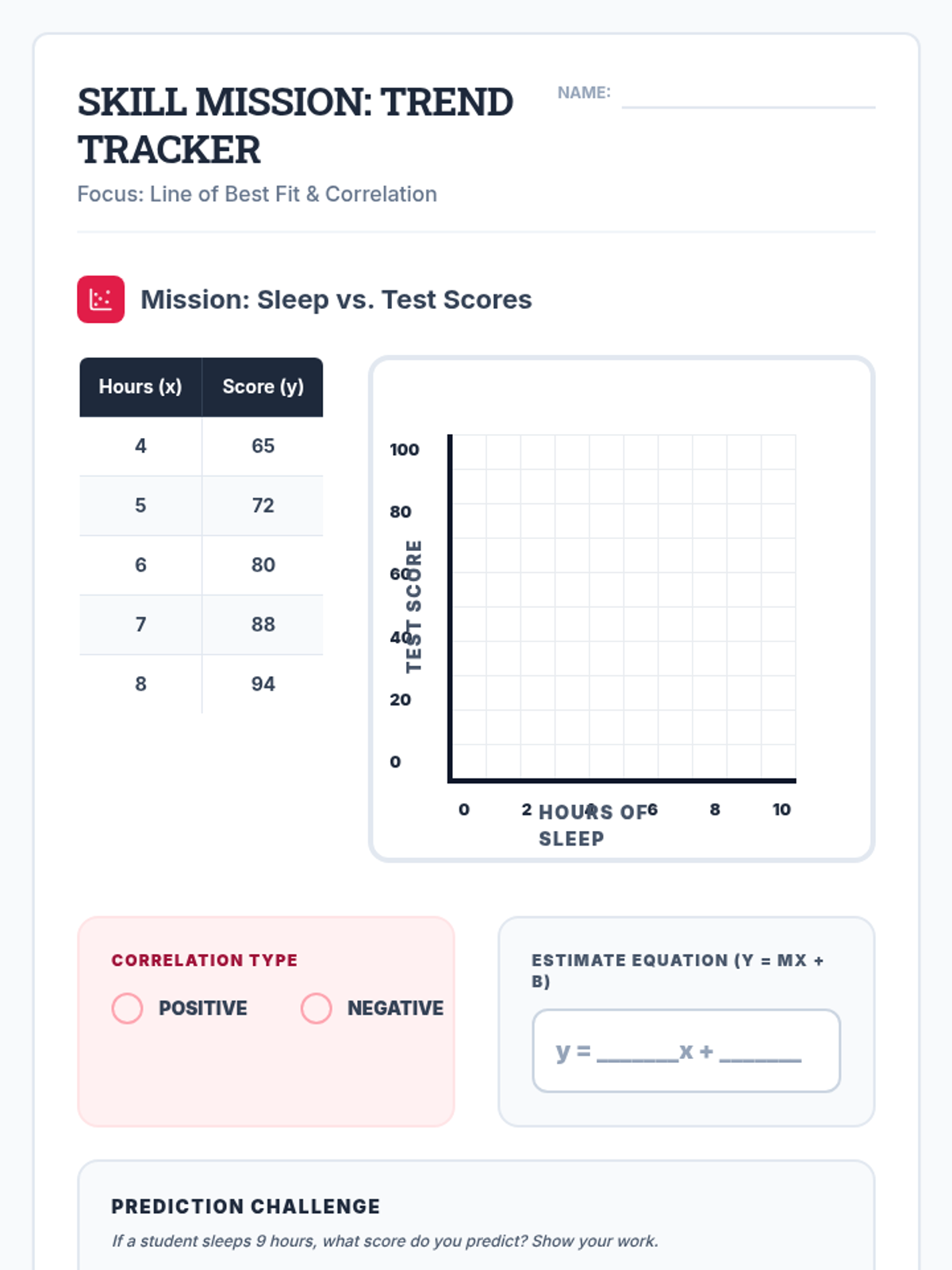
A comprehensive final project for high school math, integrating linear equations, systems, sequences, data analysis, and polynomials through three real-world career paths. Includes scaffolded 'Skill Missions' to prepare students for the final choice-based project.
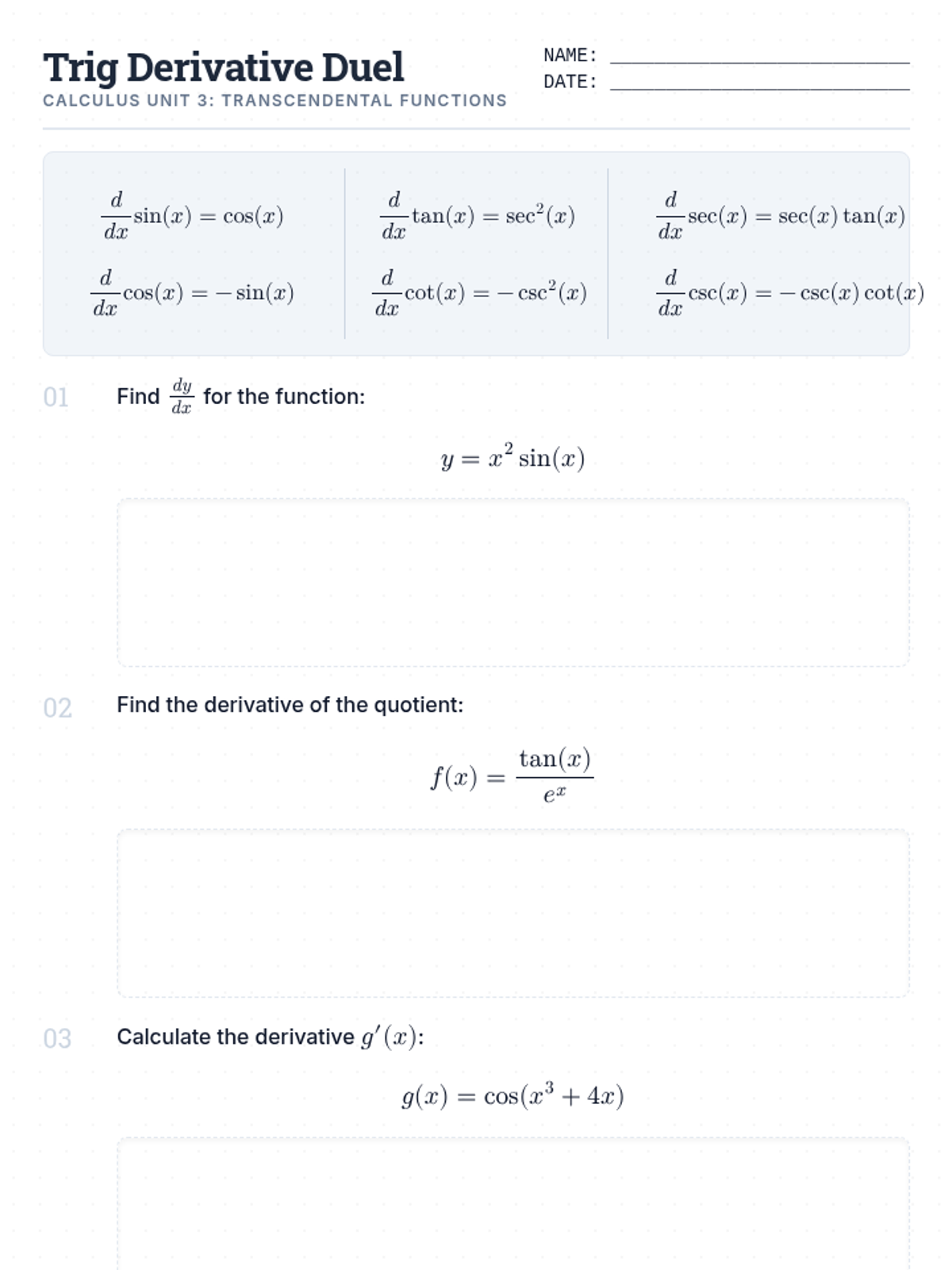
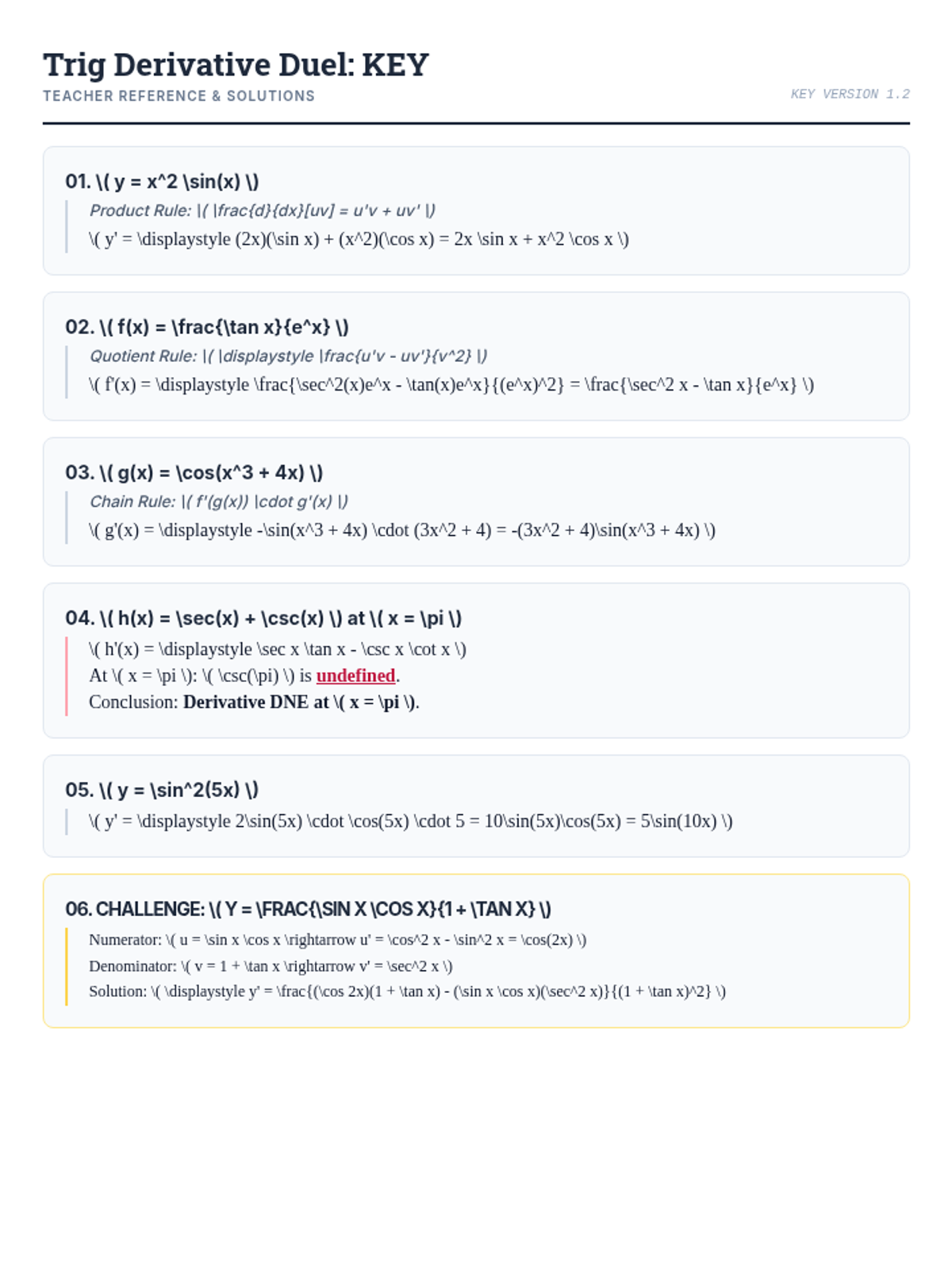
A diverse collection of resources spanning high-level mathematics and early literacy, providing targeted practice for trigonometric derivatives and foundational letter formation.
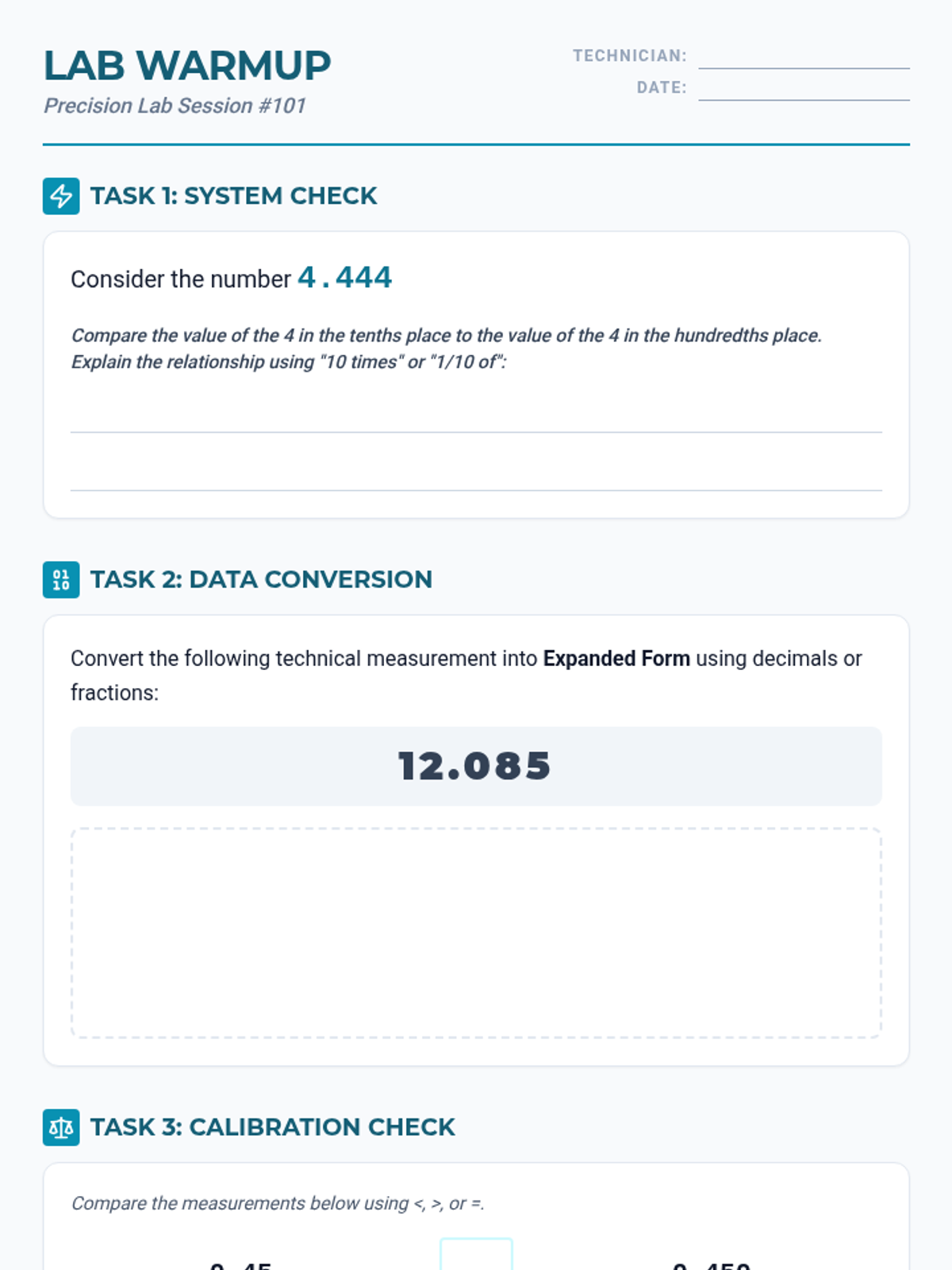
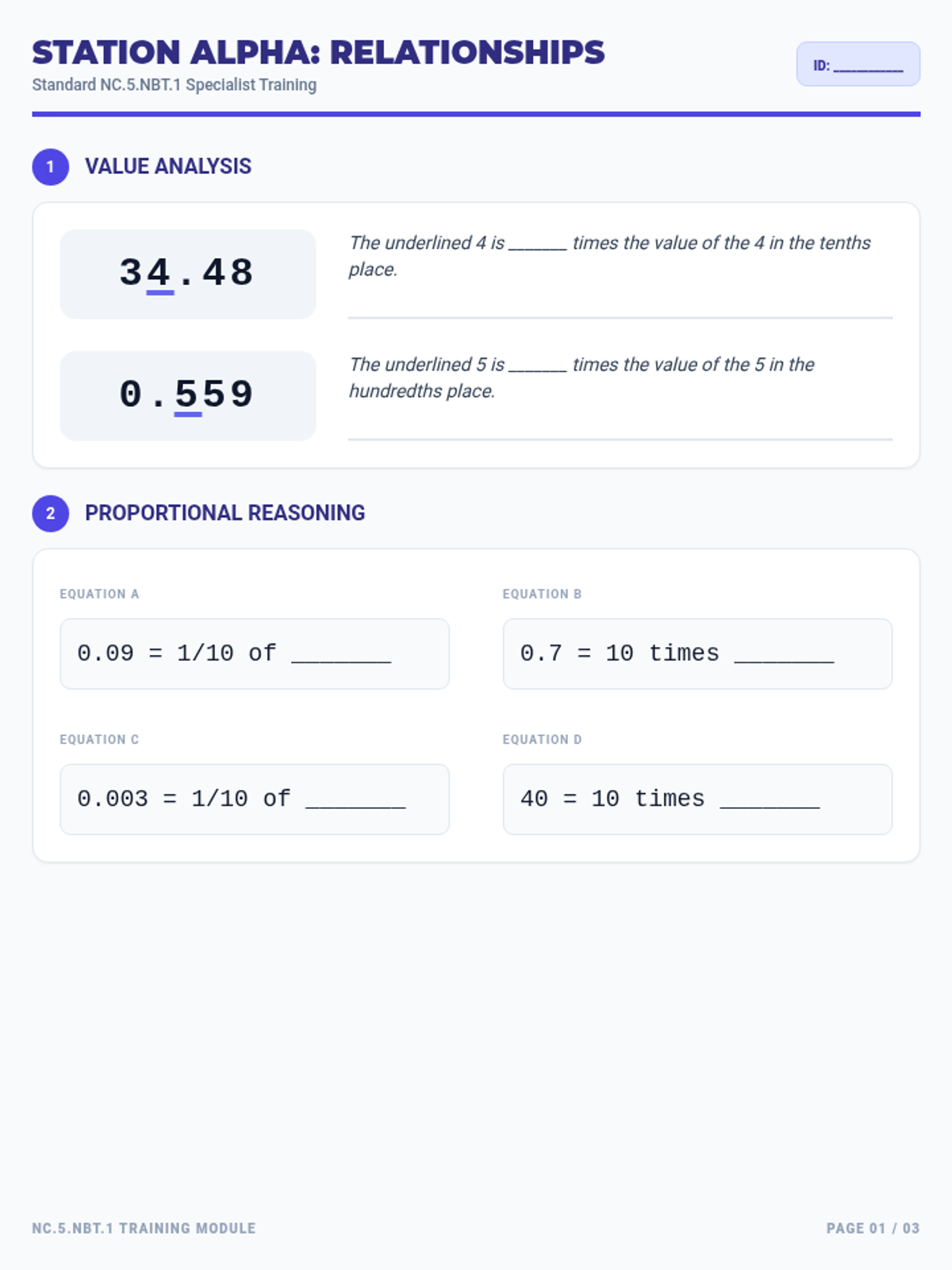
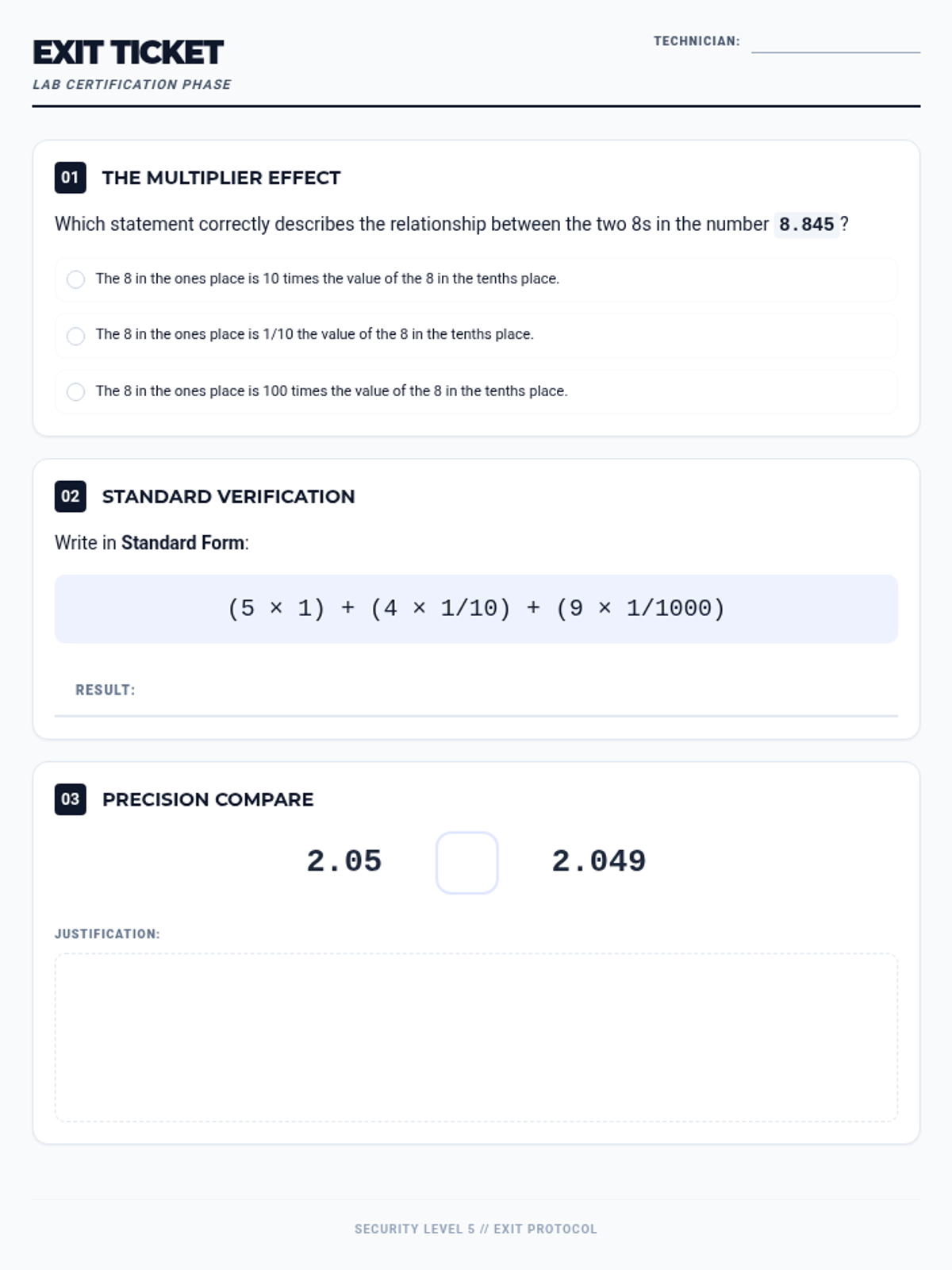
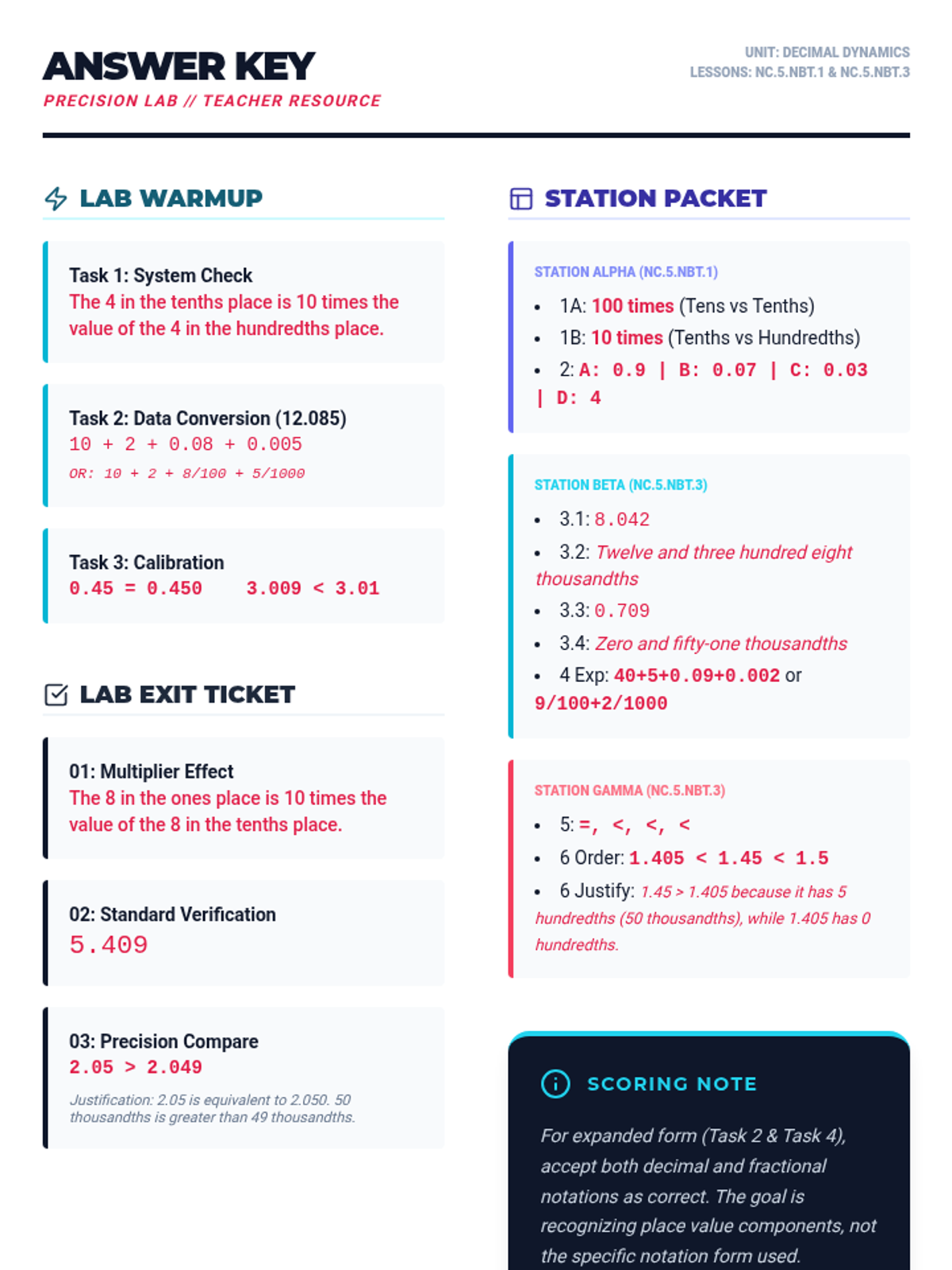
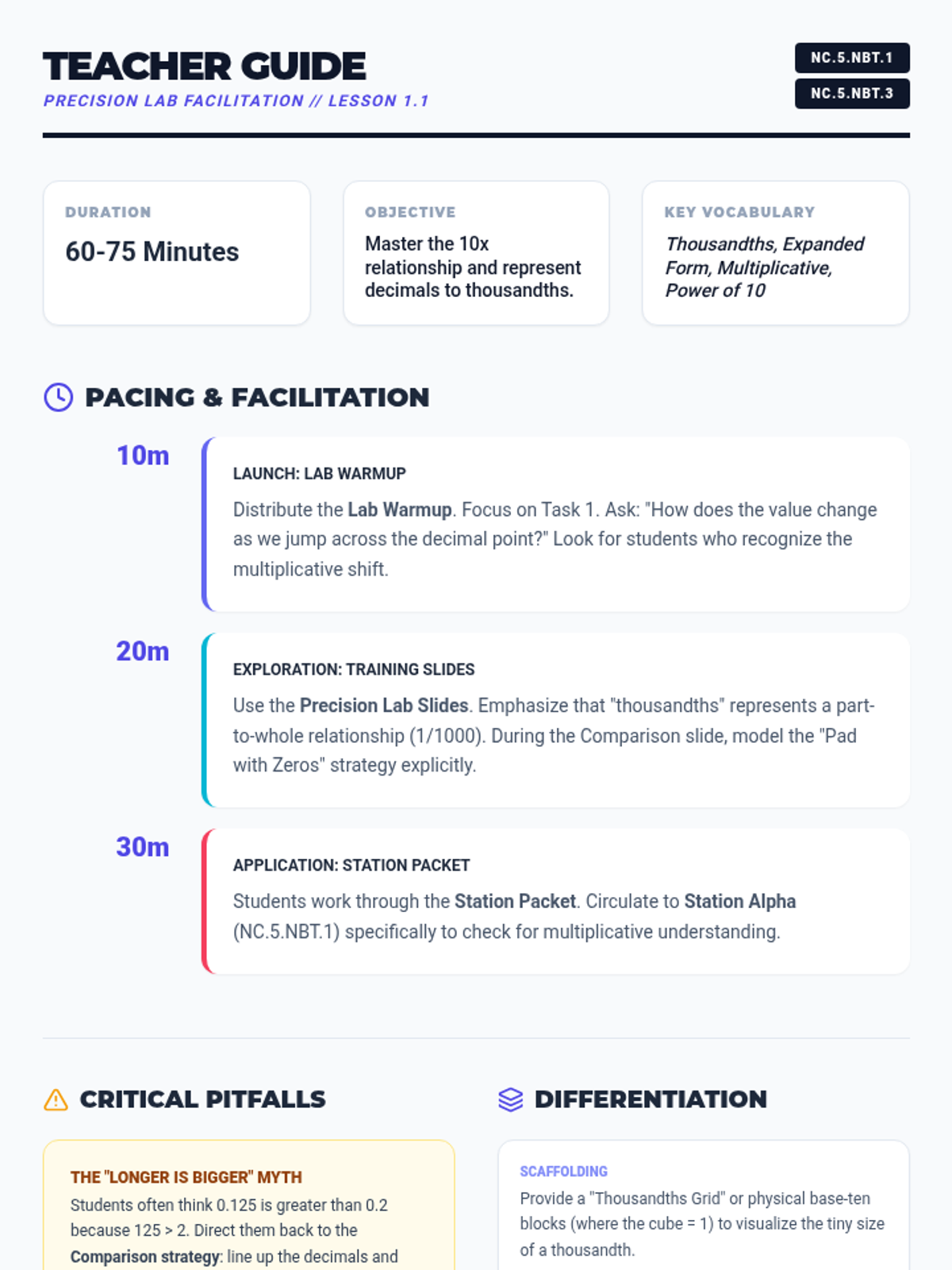
A comprehensive unit on 5th-grade decimal place value, covering the 10x relationship between digits and the reading, writing, and comparison of decimals to the thousandths place.
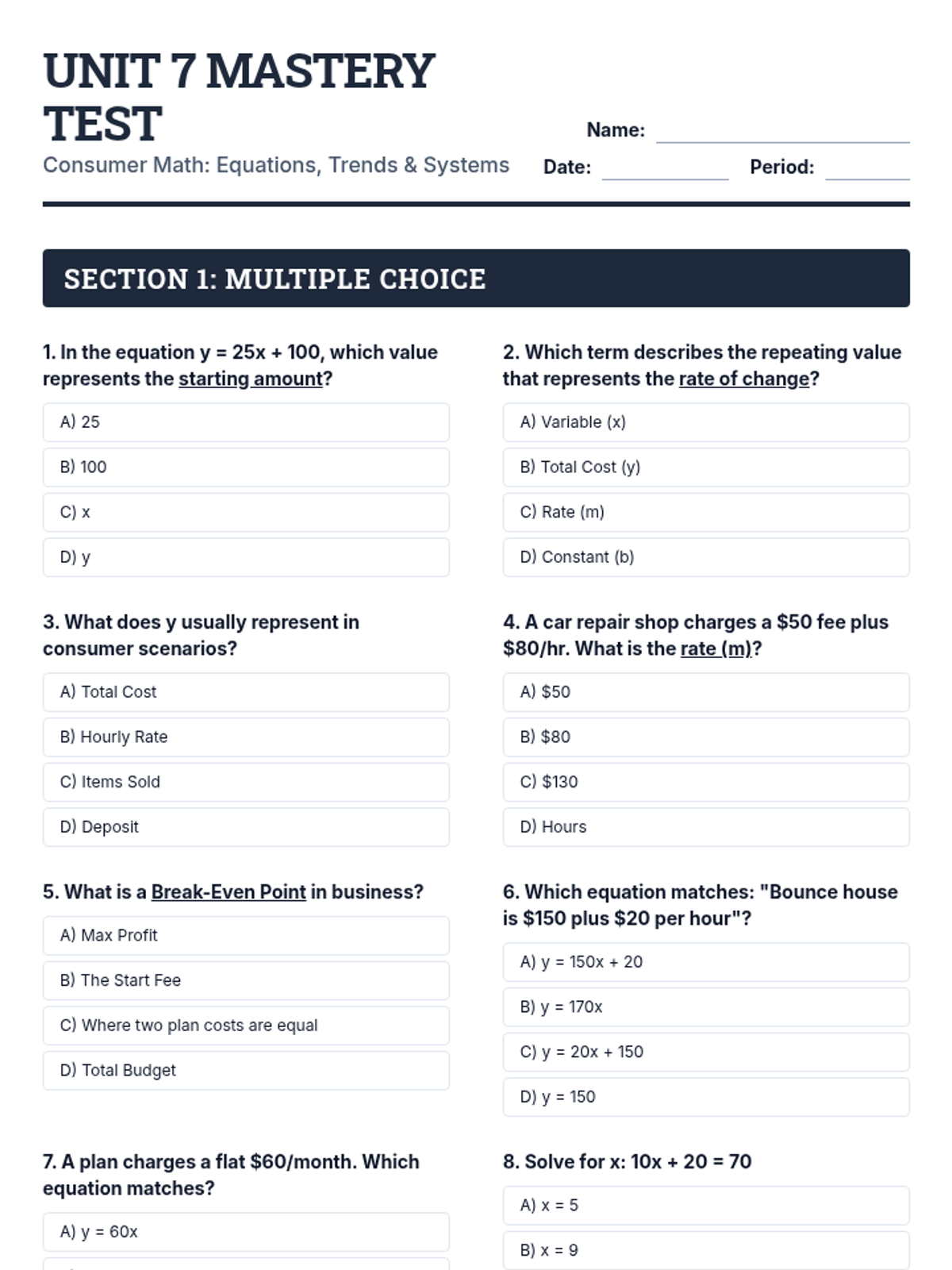
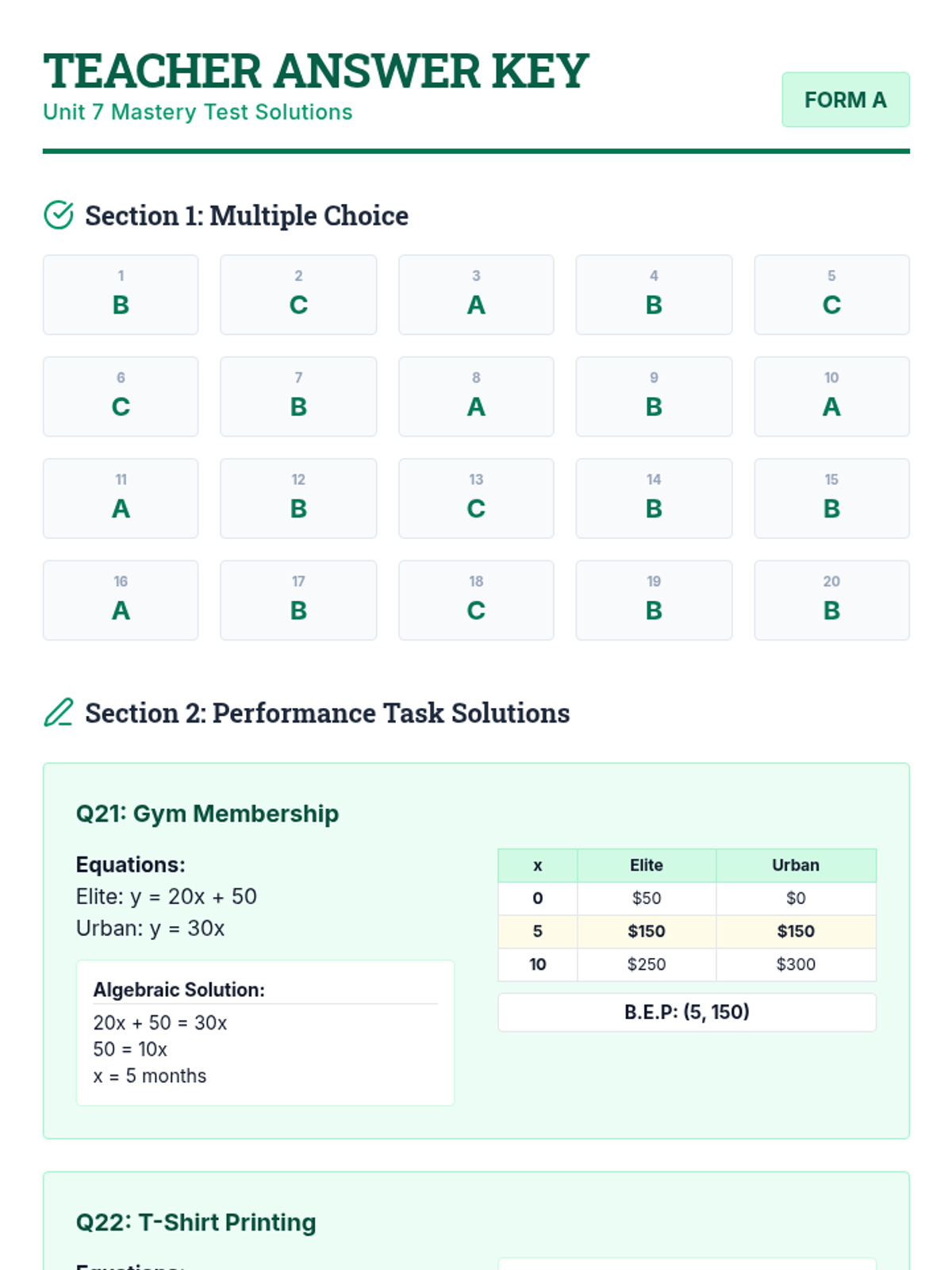
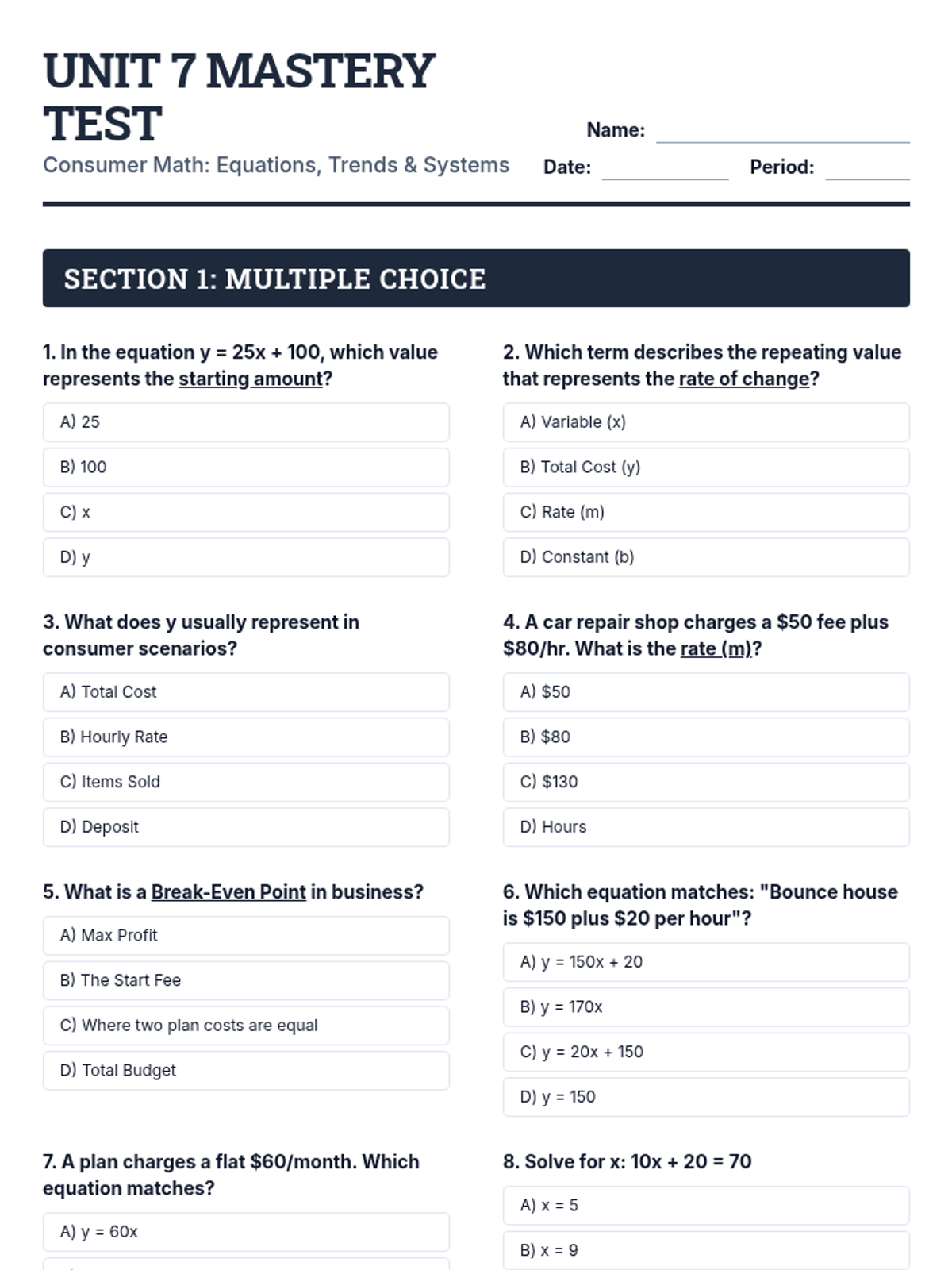
A comprehensive assessment sequence focused on consumer mathematics, linear equations, and systems of equations through the lens of real-world scenarios like business comparisons and service fees.
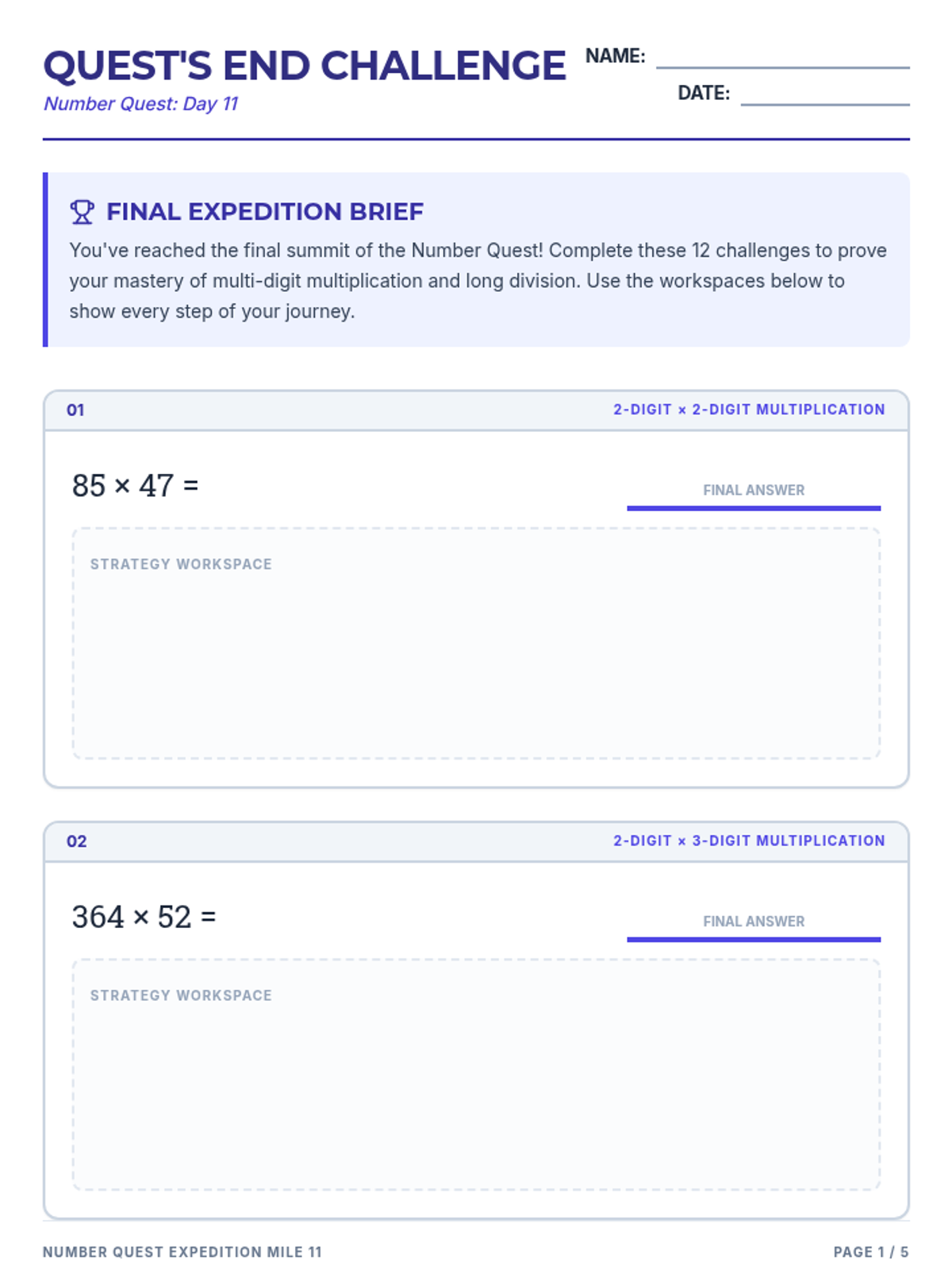
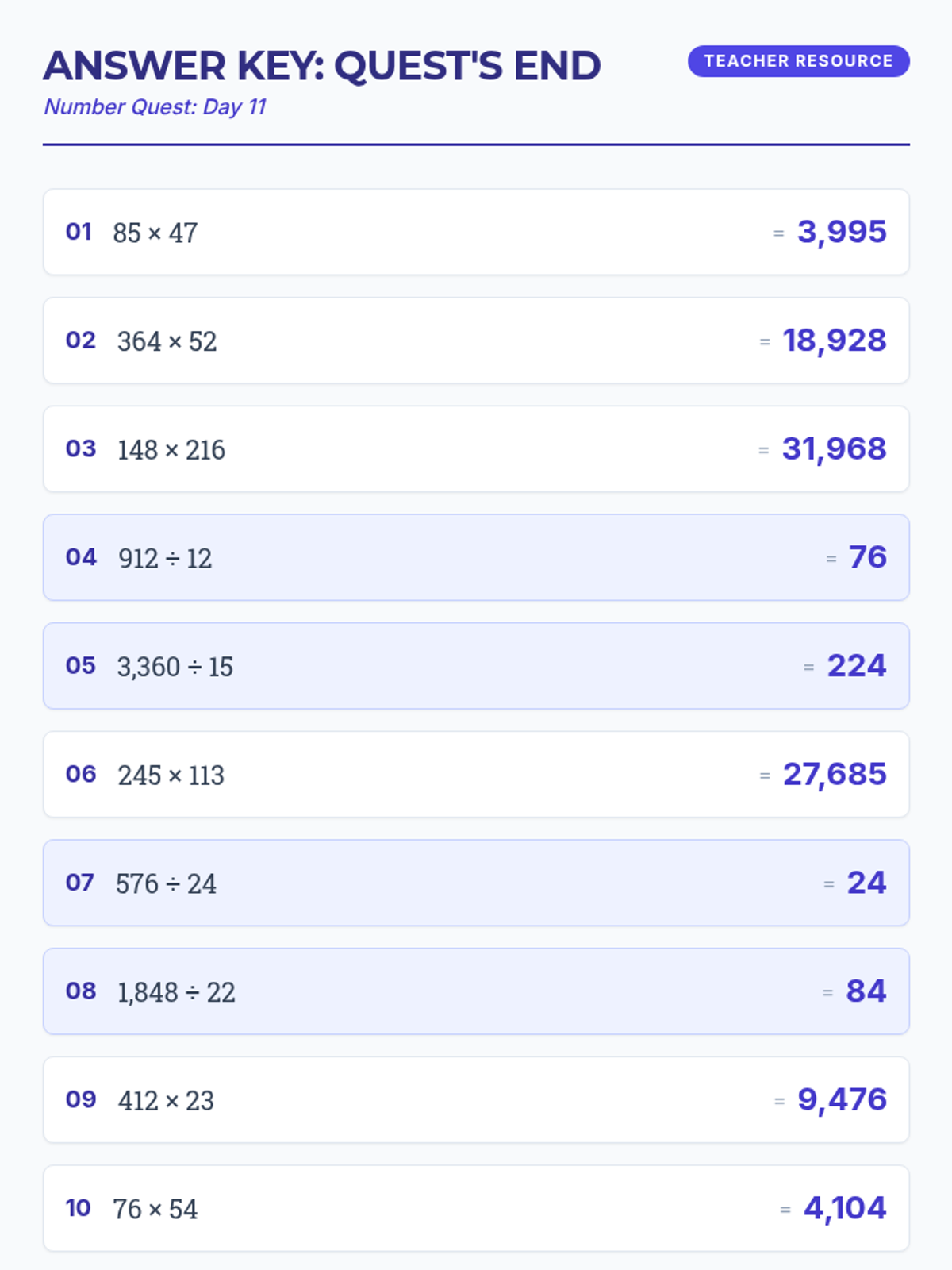
An 11-day math fluency program for 5th graders focusing on whole number multiplication and division through an adventure-themed quest. Each day provides 10 rigorous practice problems designed to be completed in 20 minutes.
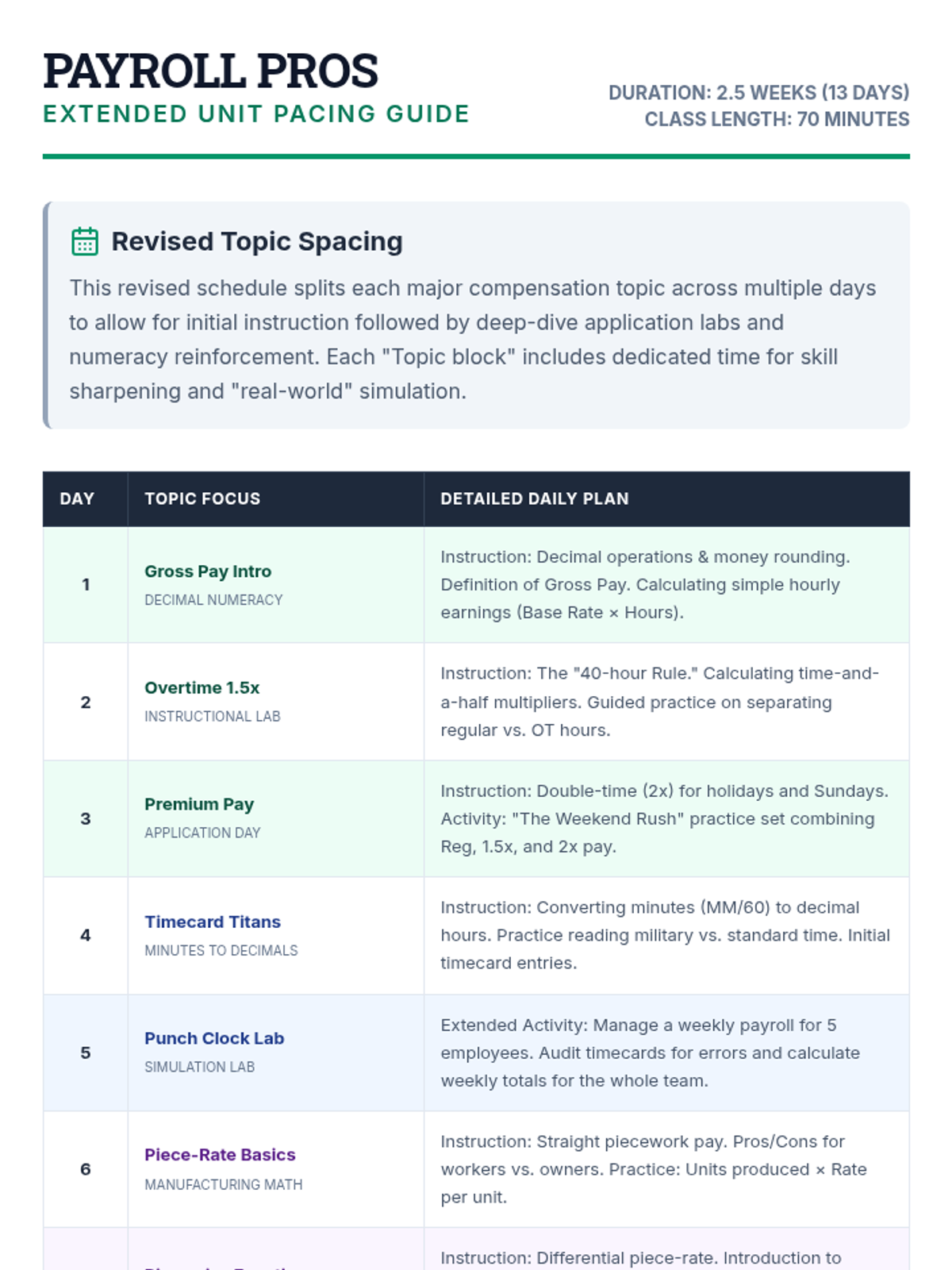
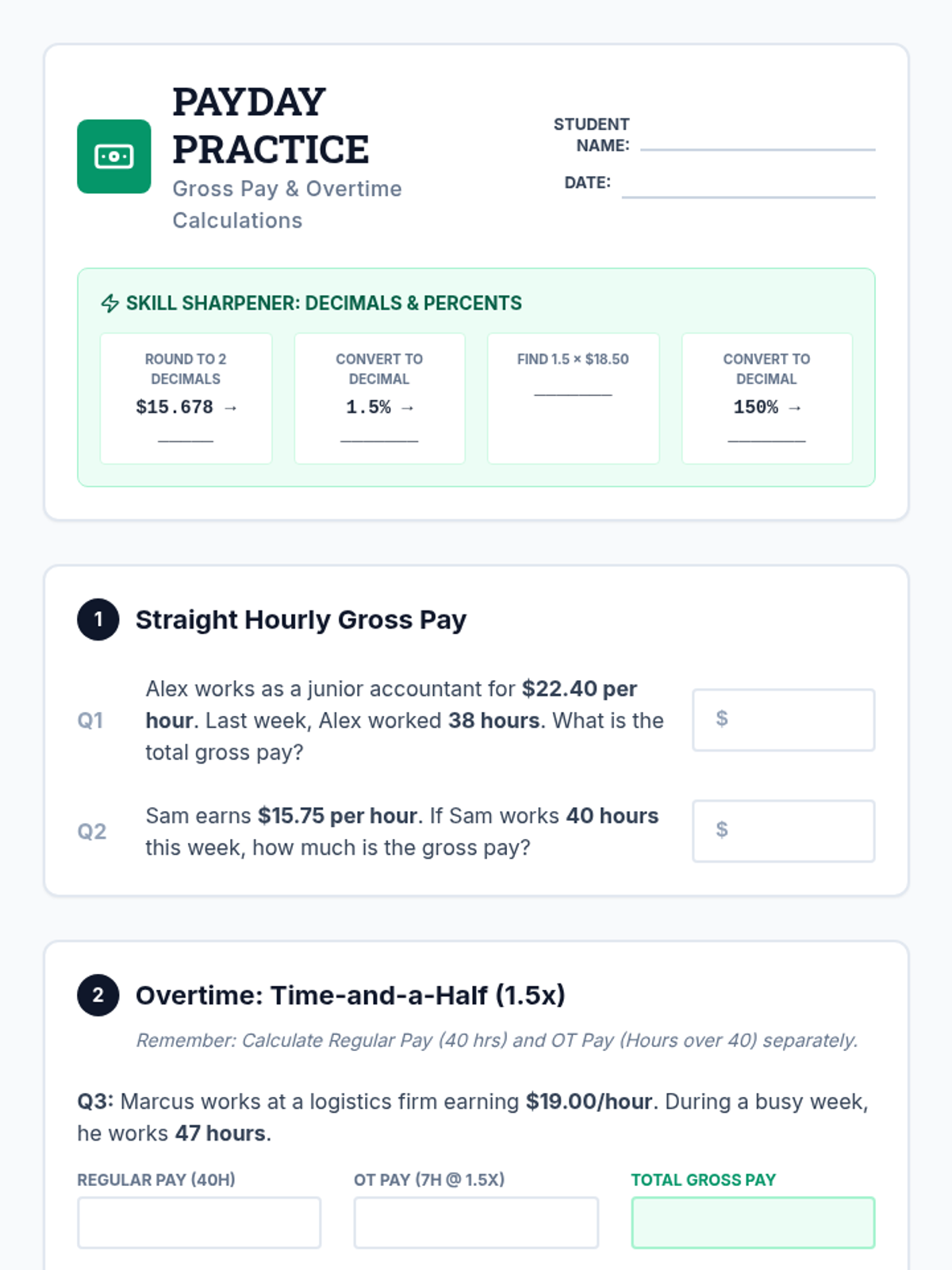
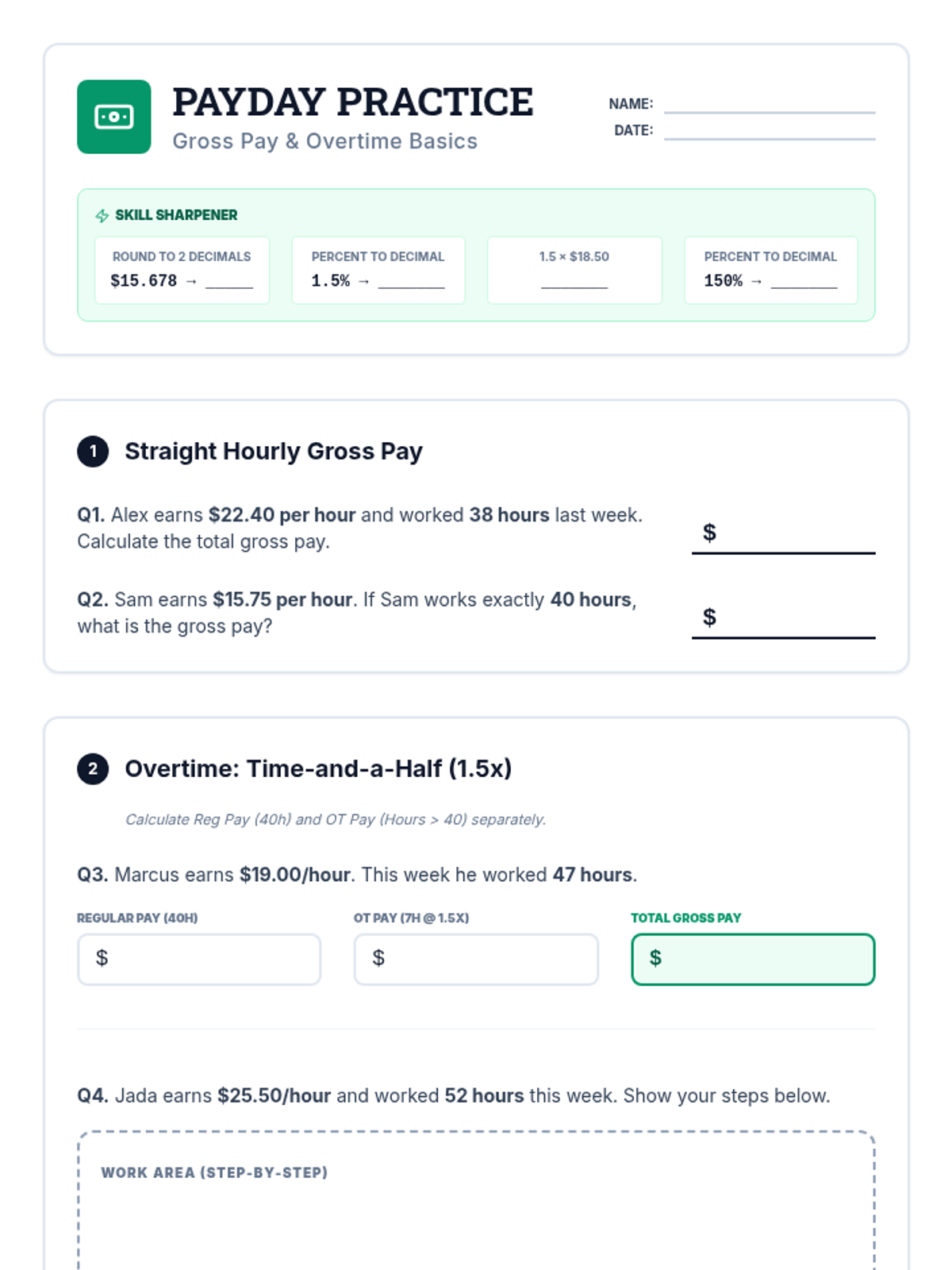
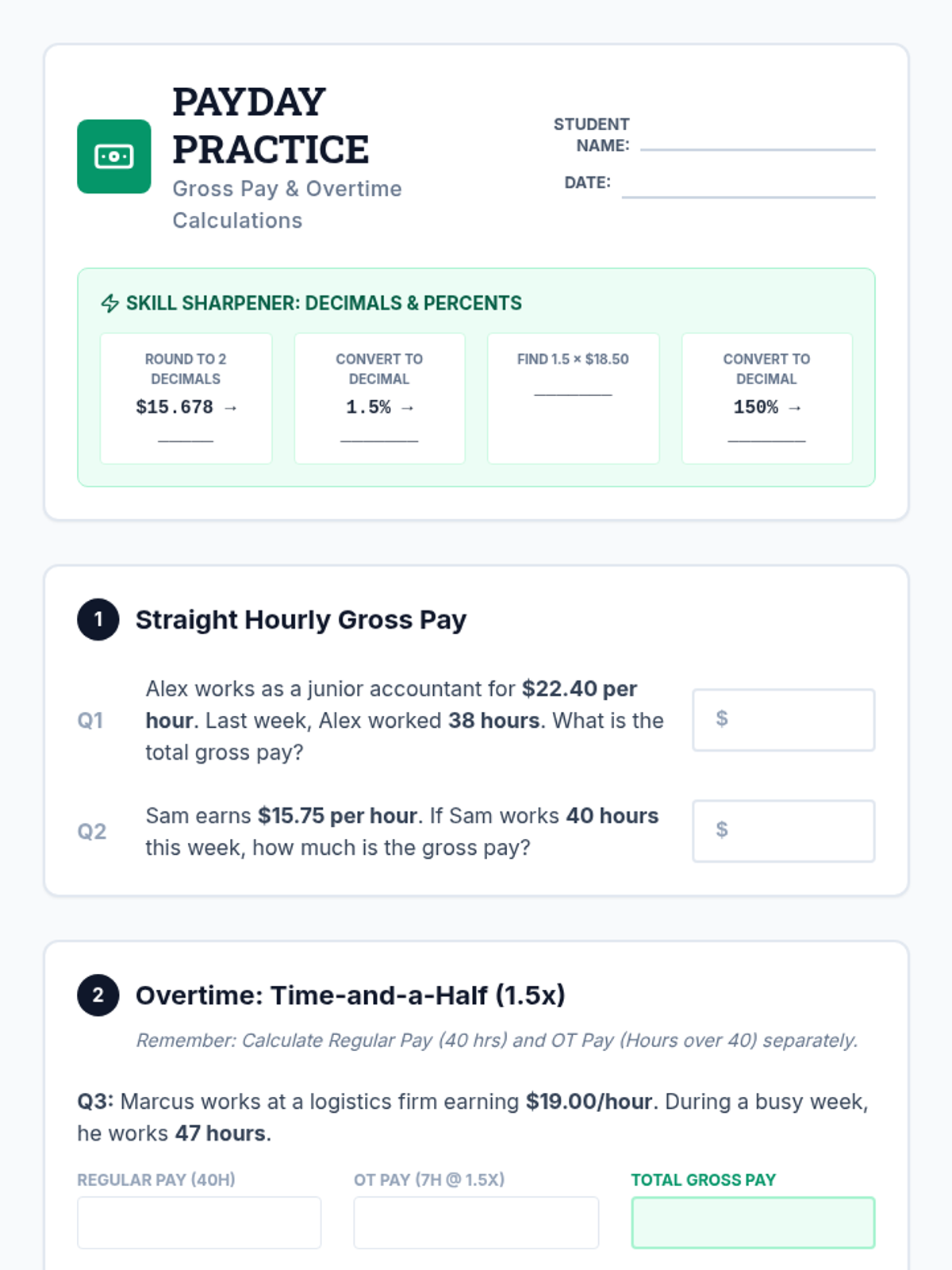
A comprehensive 2.5-week unit on business mathematics focusing on compensation structures, including hourly wages, overtime, timecards, piecework, piecewise pay functions, and commission, with integrated numeracy reviews.
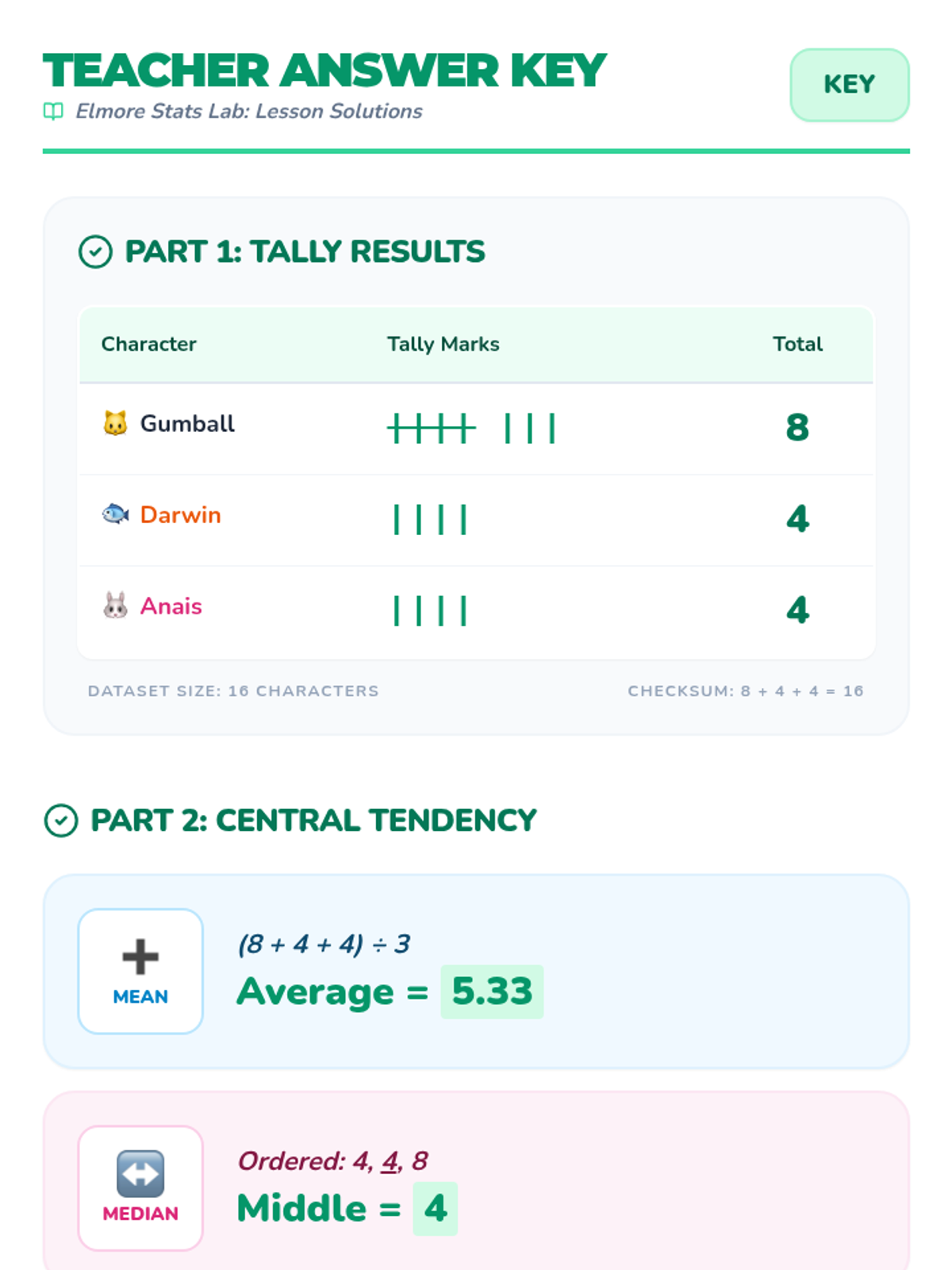
A collection of lessons exploring mathematical concepts through pop-culture themes to engage students with diverse learning needs.
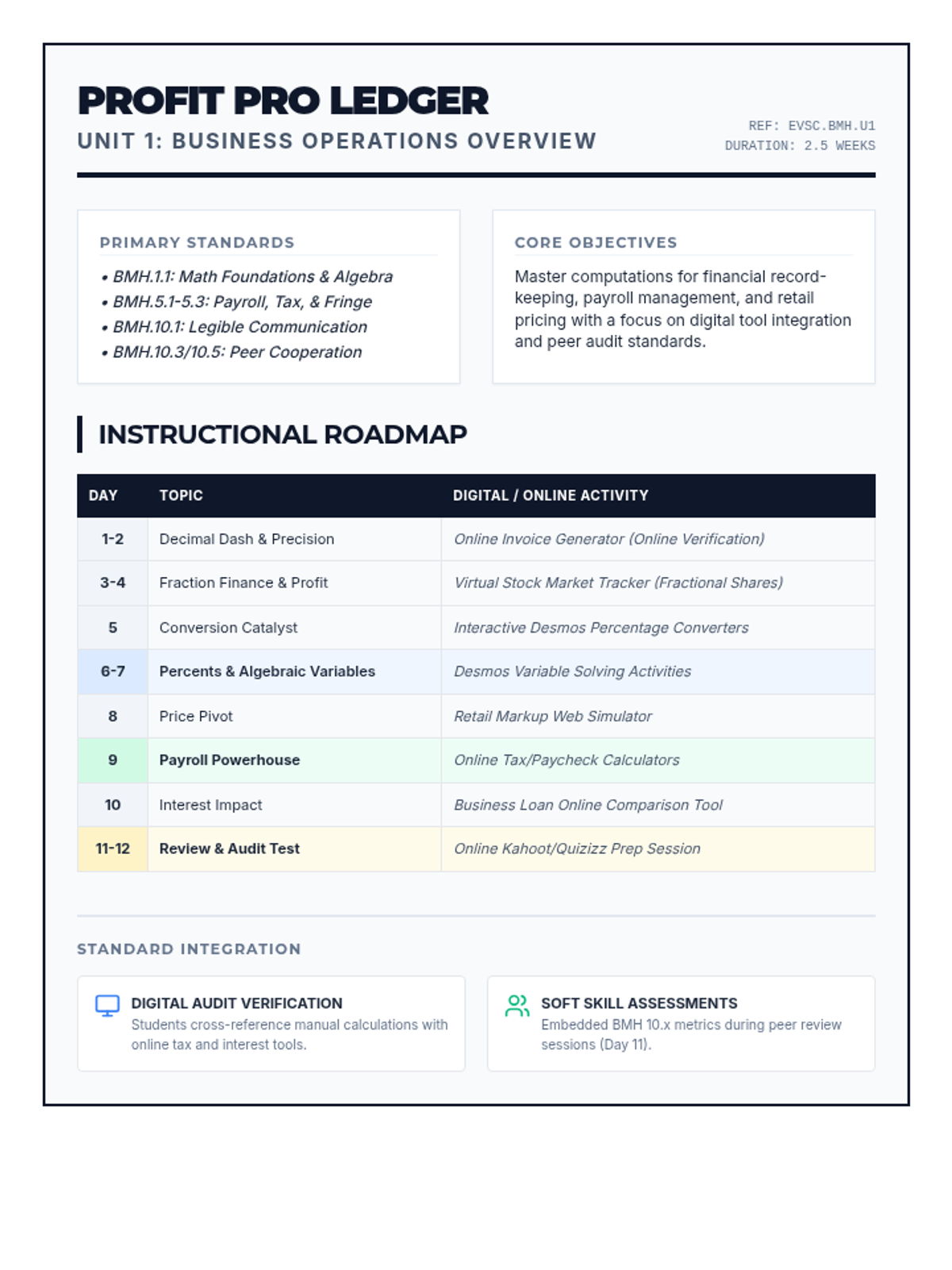
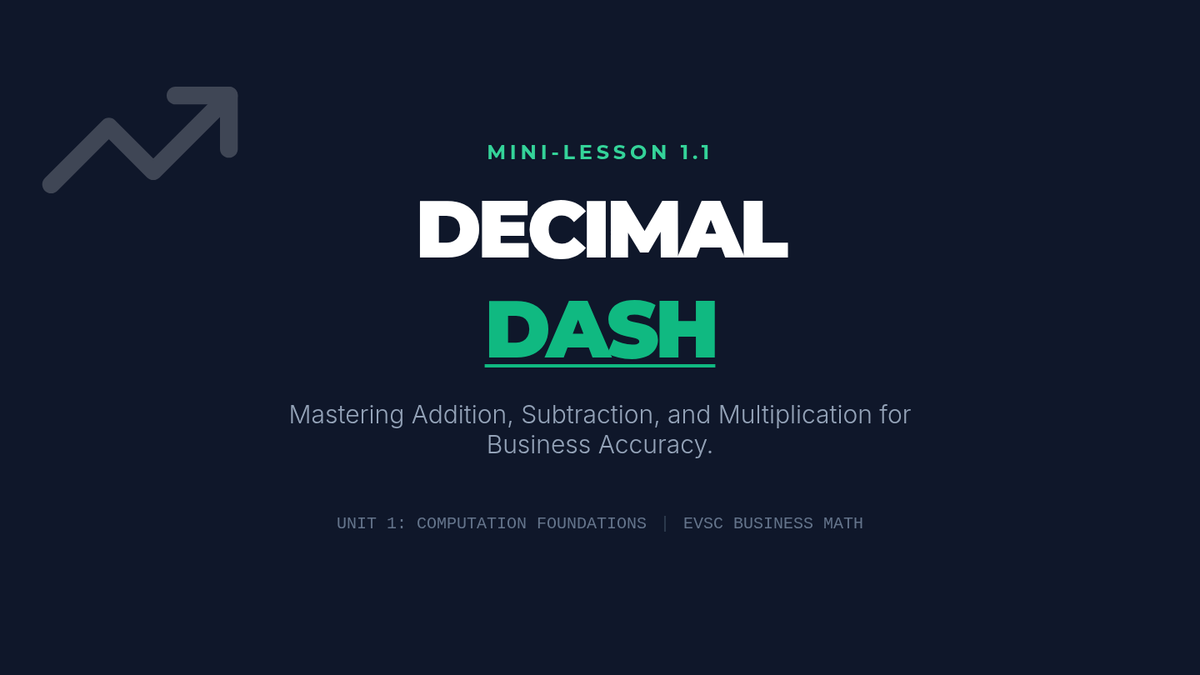
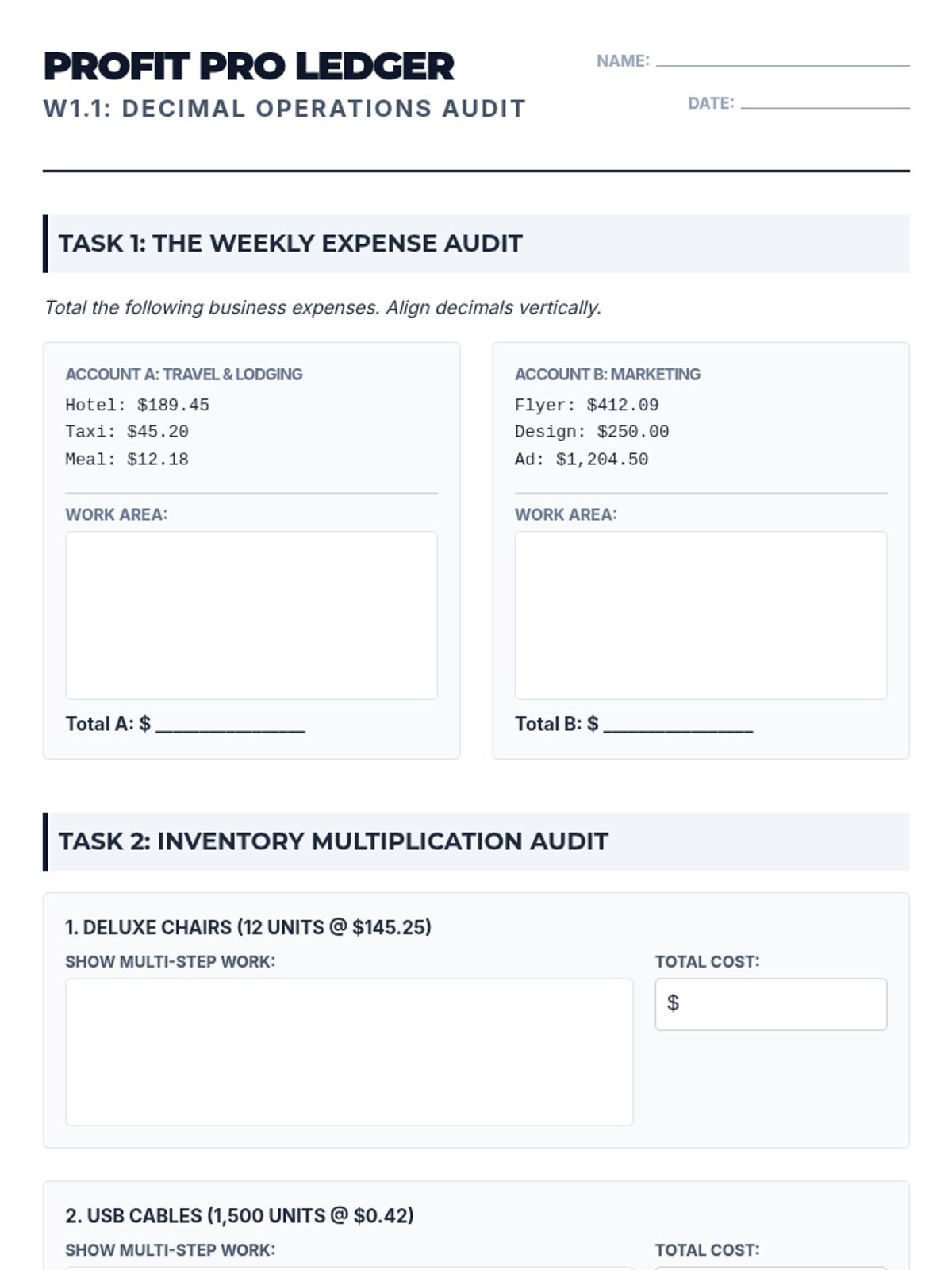
A comprehensive 2.5-week introductory unit for Business Math focusing on decimal, fraction, and percentage operations, algebraic solving, and payroll management. This unit aligns with Indiana BMH standards (1.1, 5.1-5.3, 10.1-10.5), preparing students for practical financial applications through 70-minute instructional blocks.
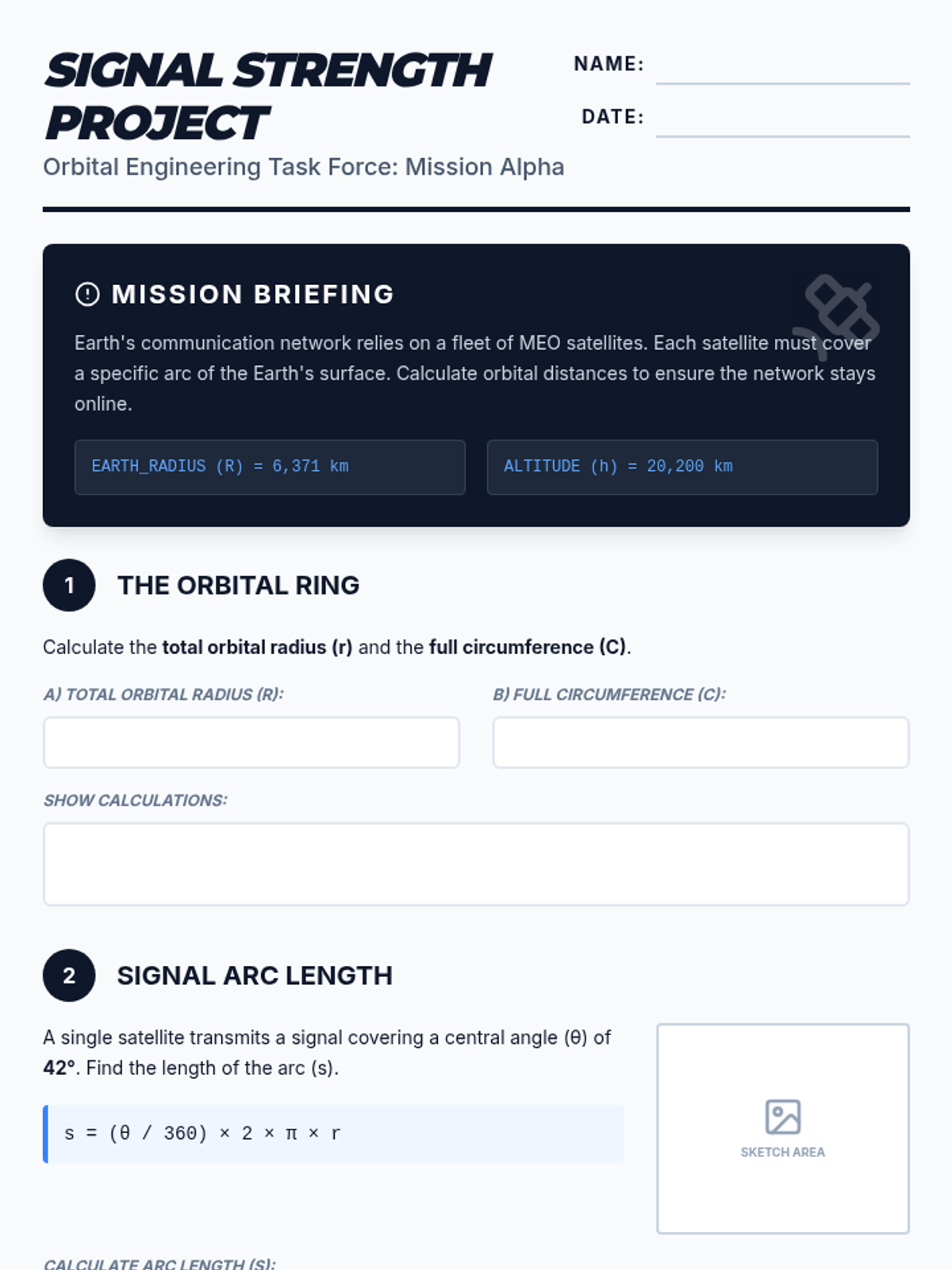
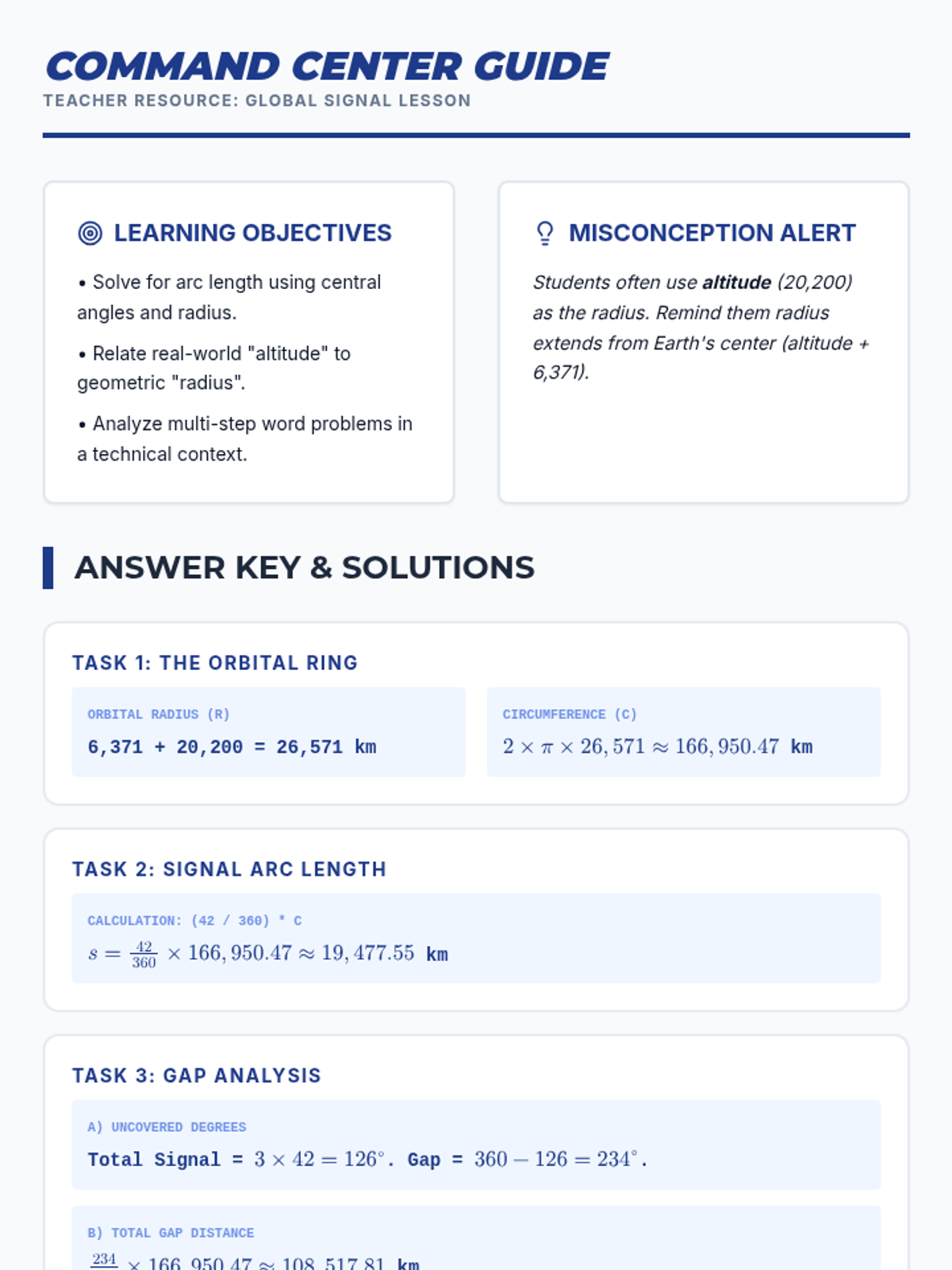
A problem-based learning unit exploring the mathematics of circles and arcs through the lenses of satellite technology and landscape architecture. Students apply arc length and sector area formulas to solve real-world design and engineering challenges.
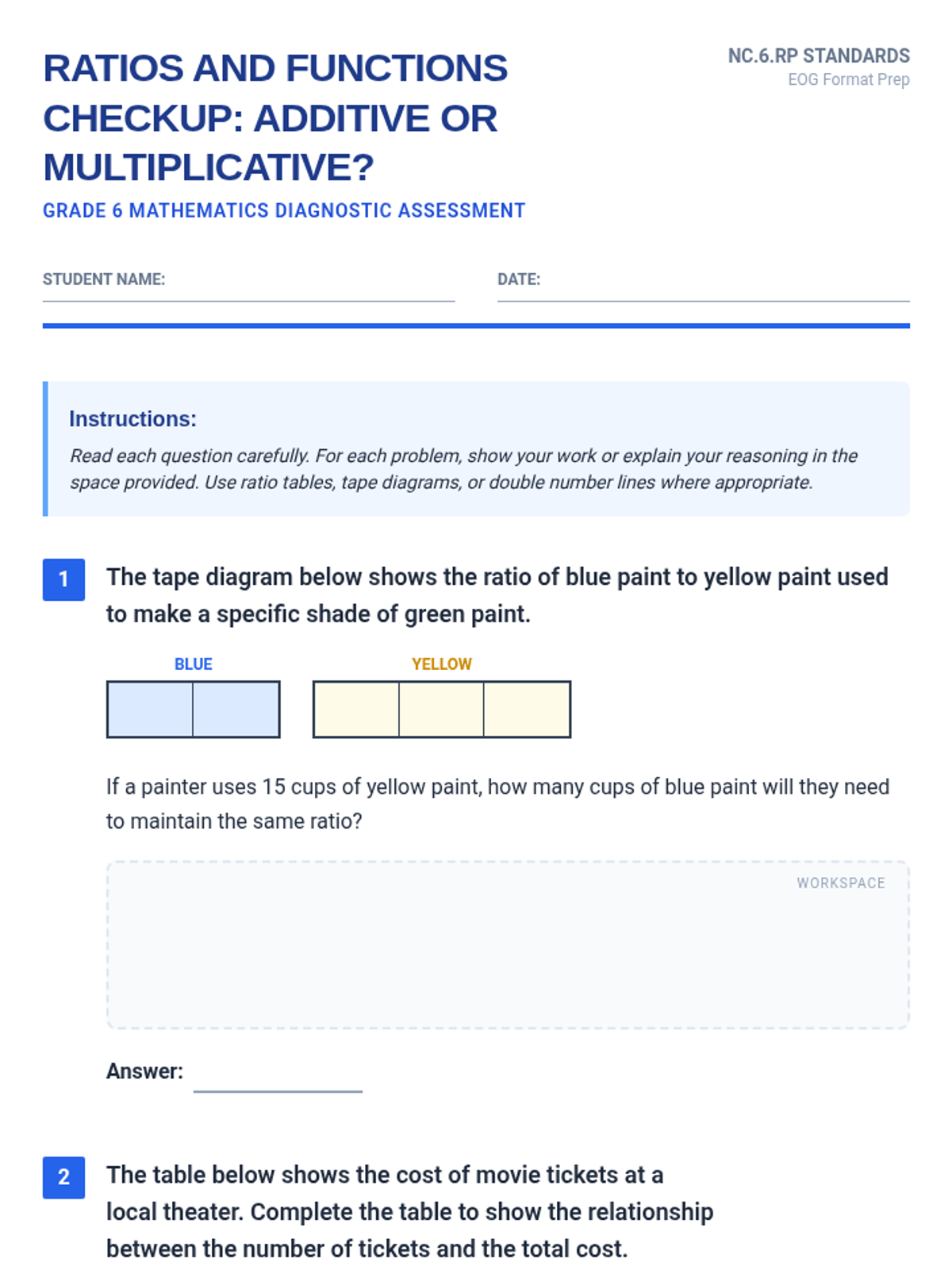
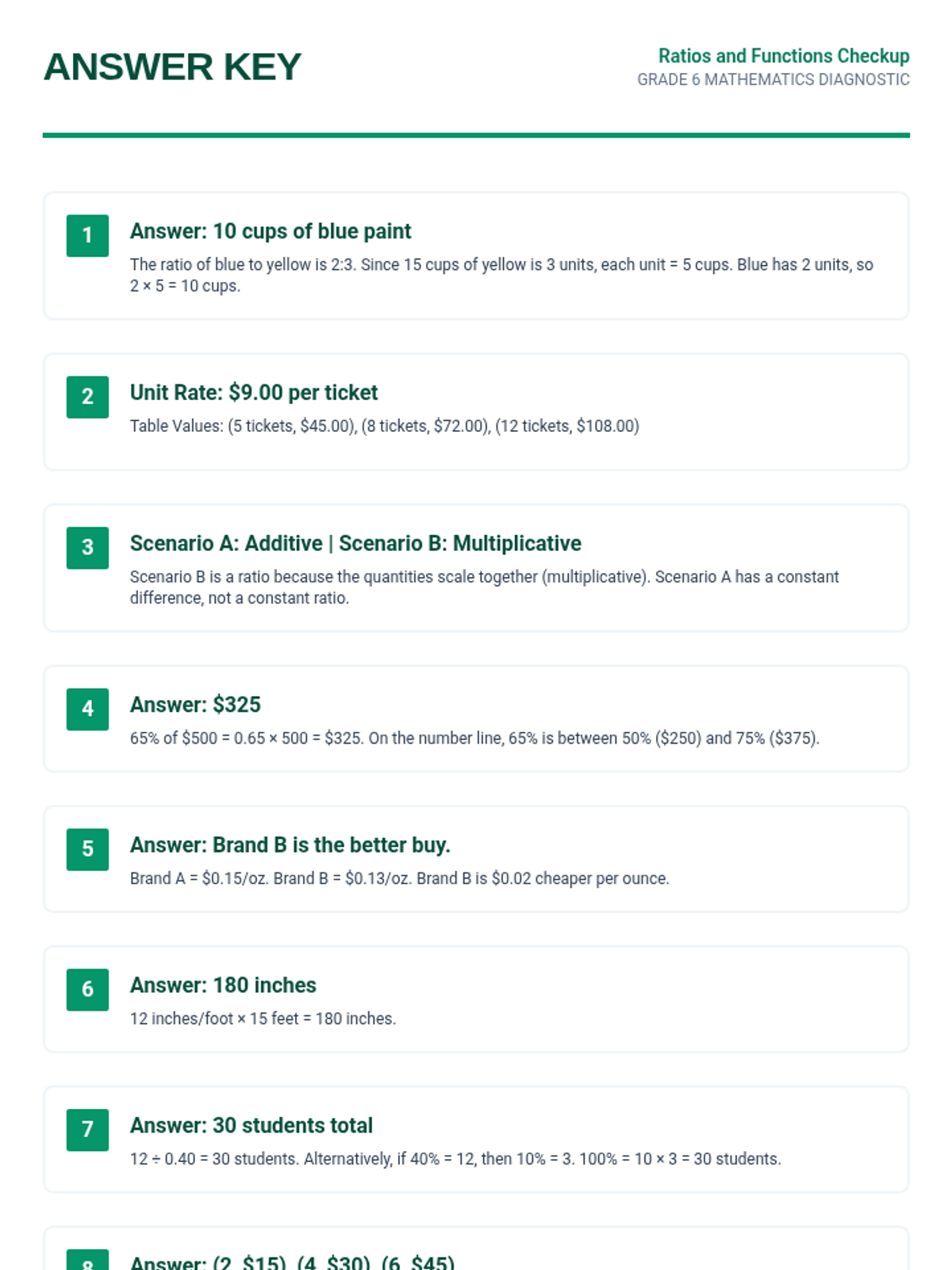
A comprehensive Grade 6 ratio sequence including a 3-day intensive intervention for below-grade level students followed by a formal diagnostic assessment.
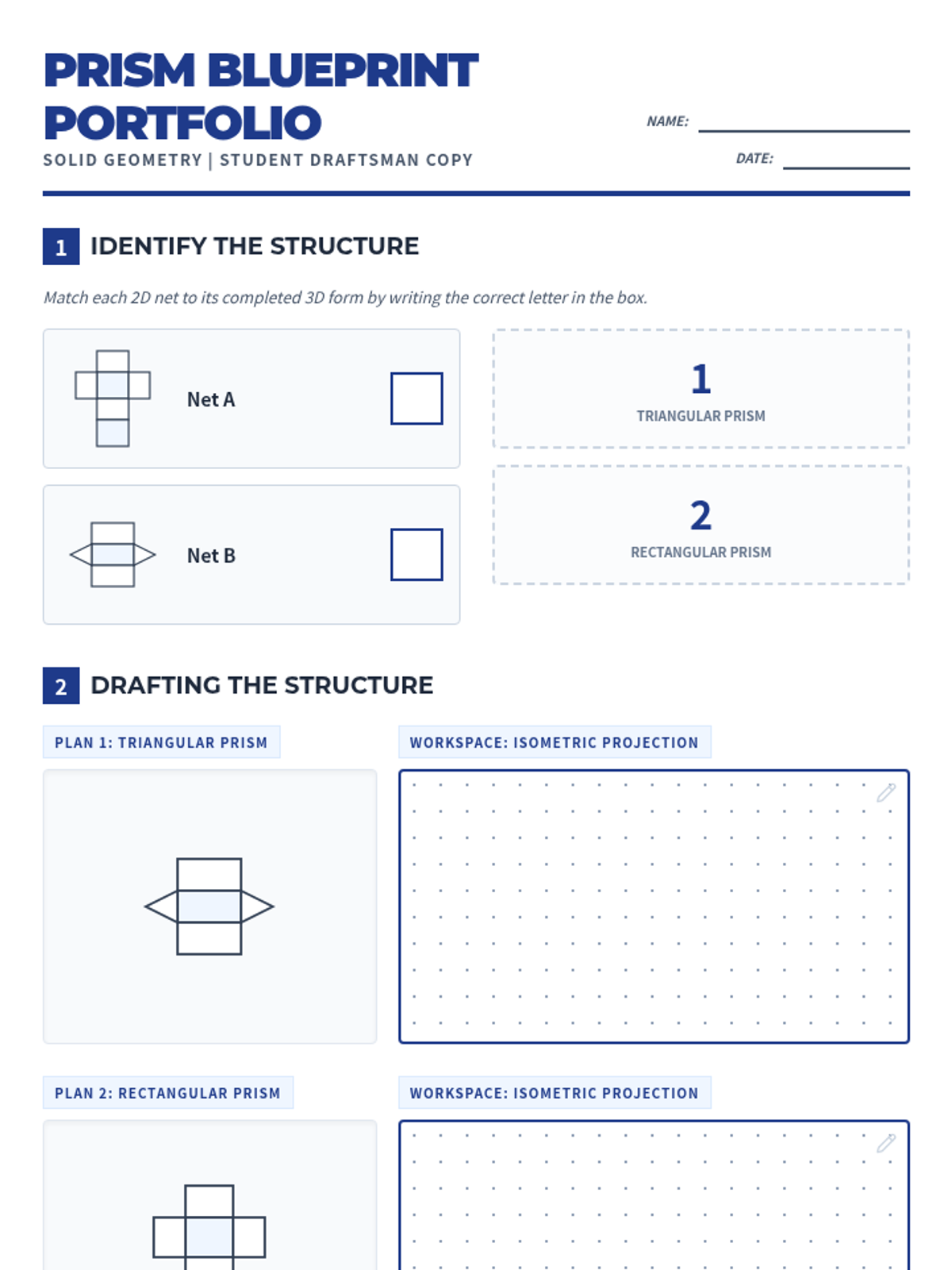
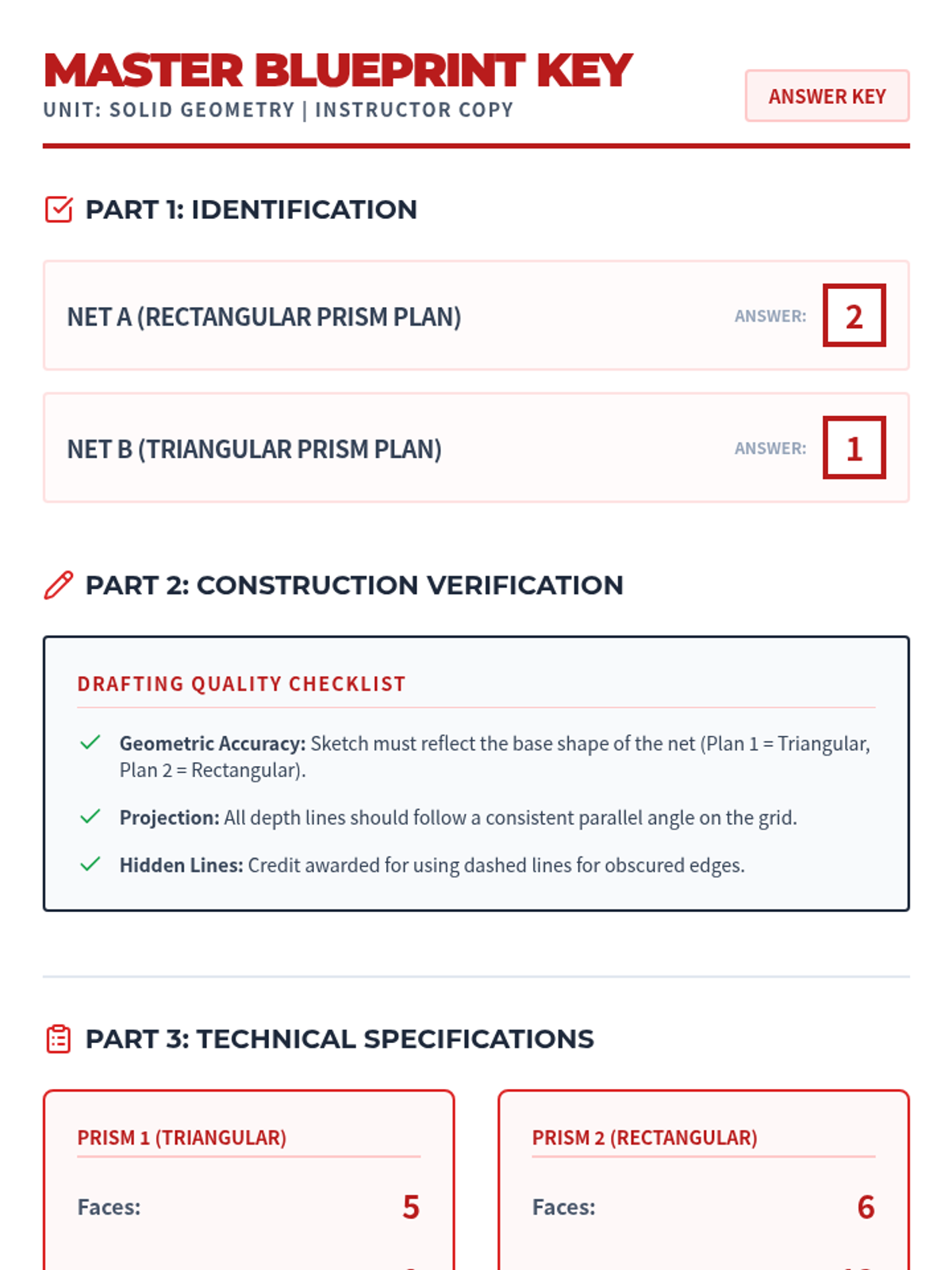
A comprehensive unit on solid geometry, exploring the properties, surface areas, and constructions of various three-dimensional shapes.
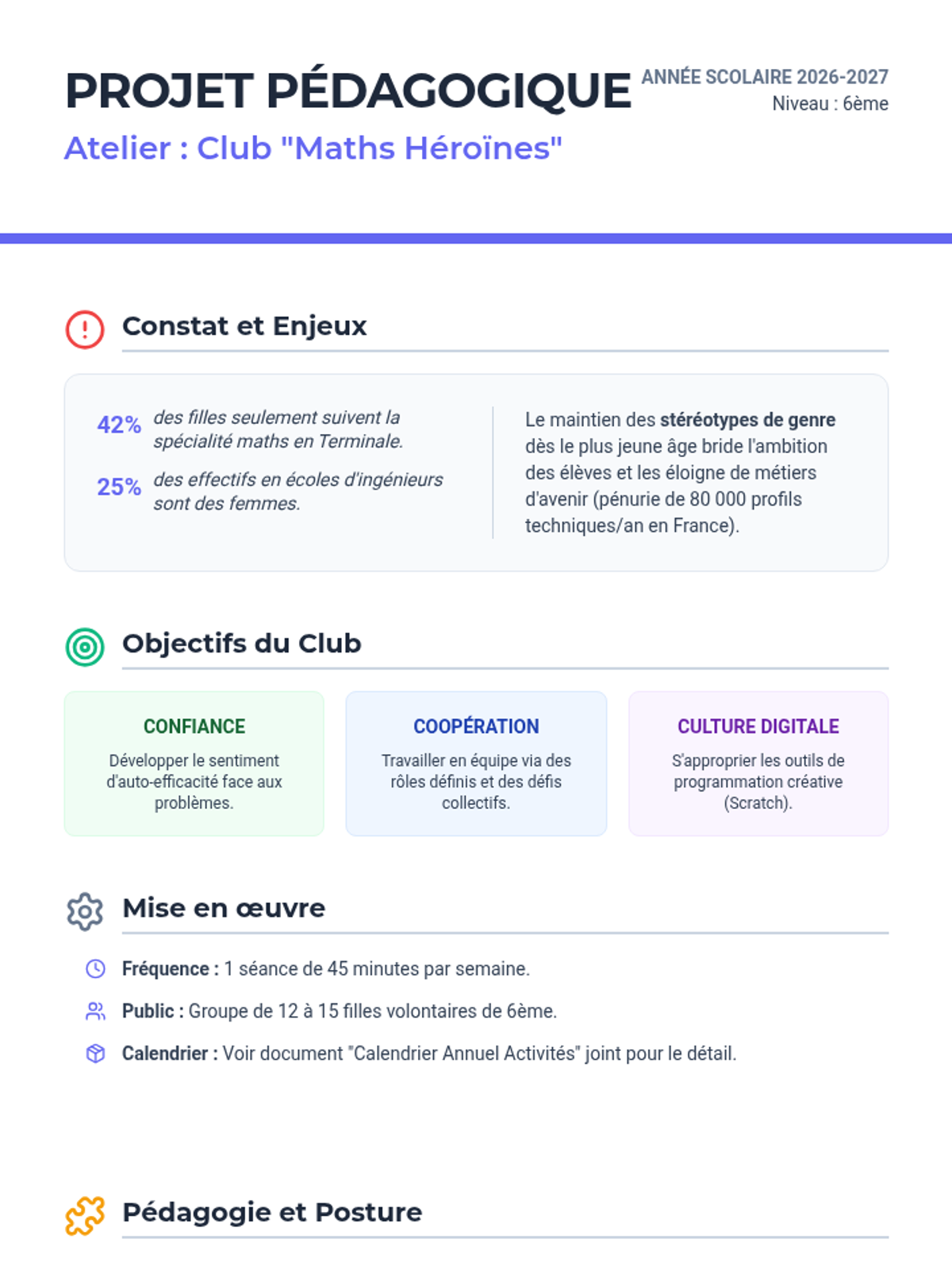
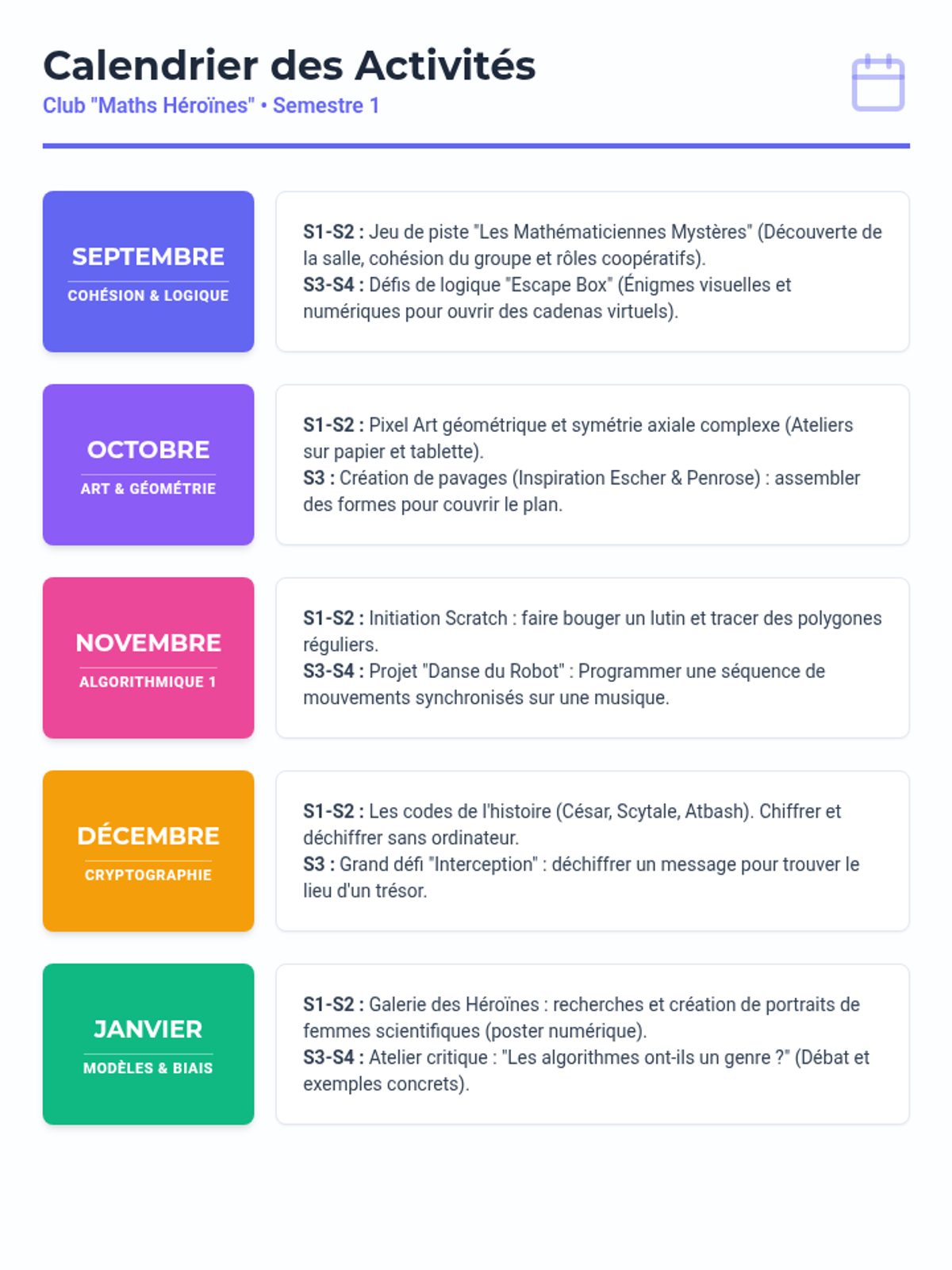
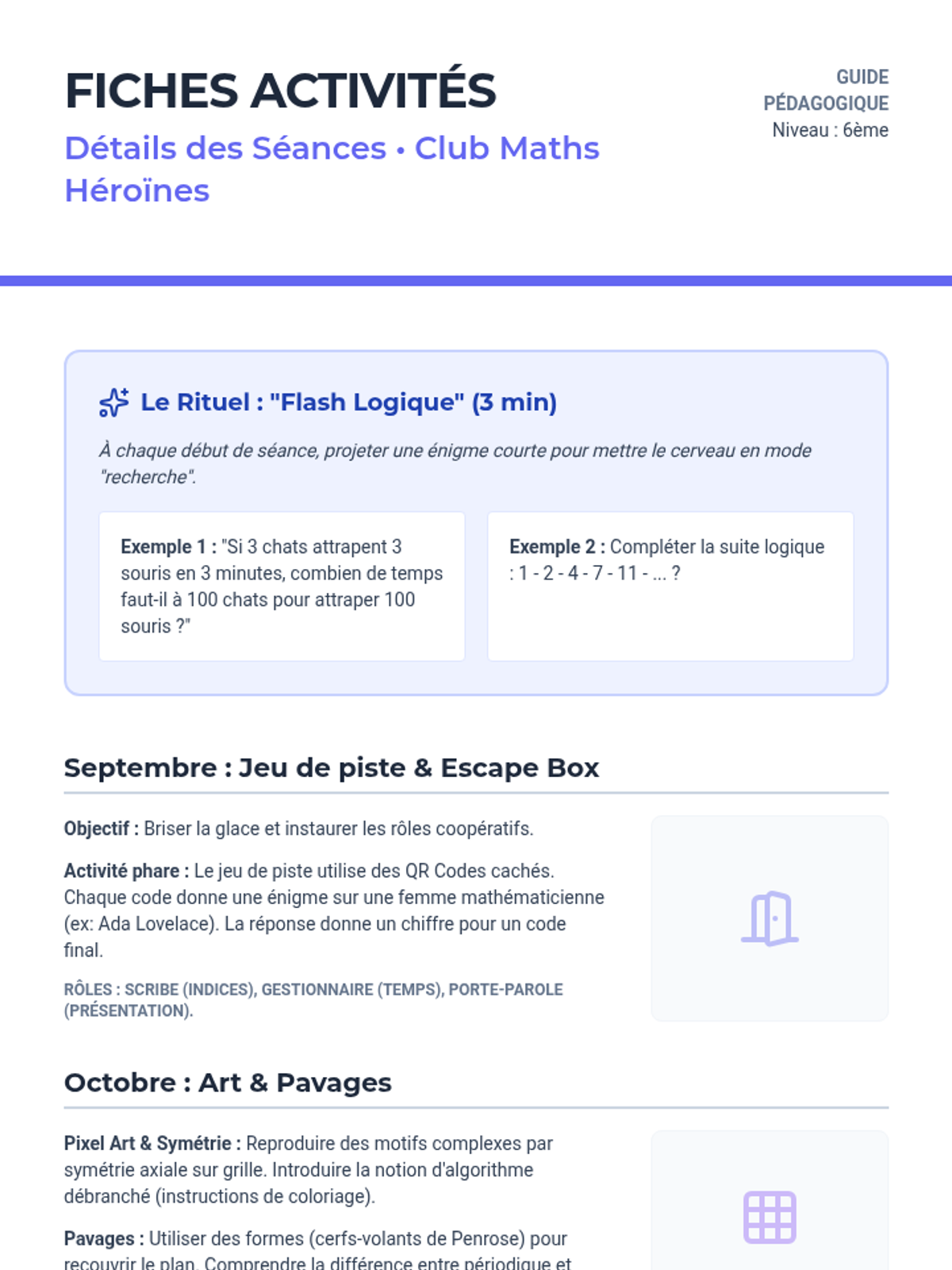
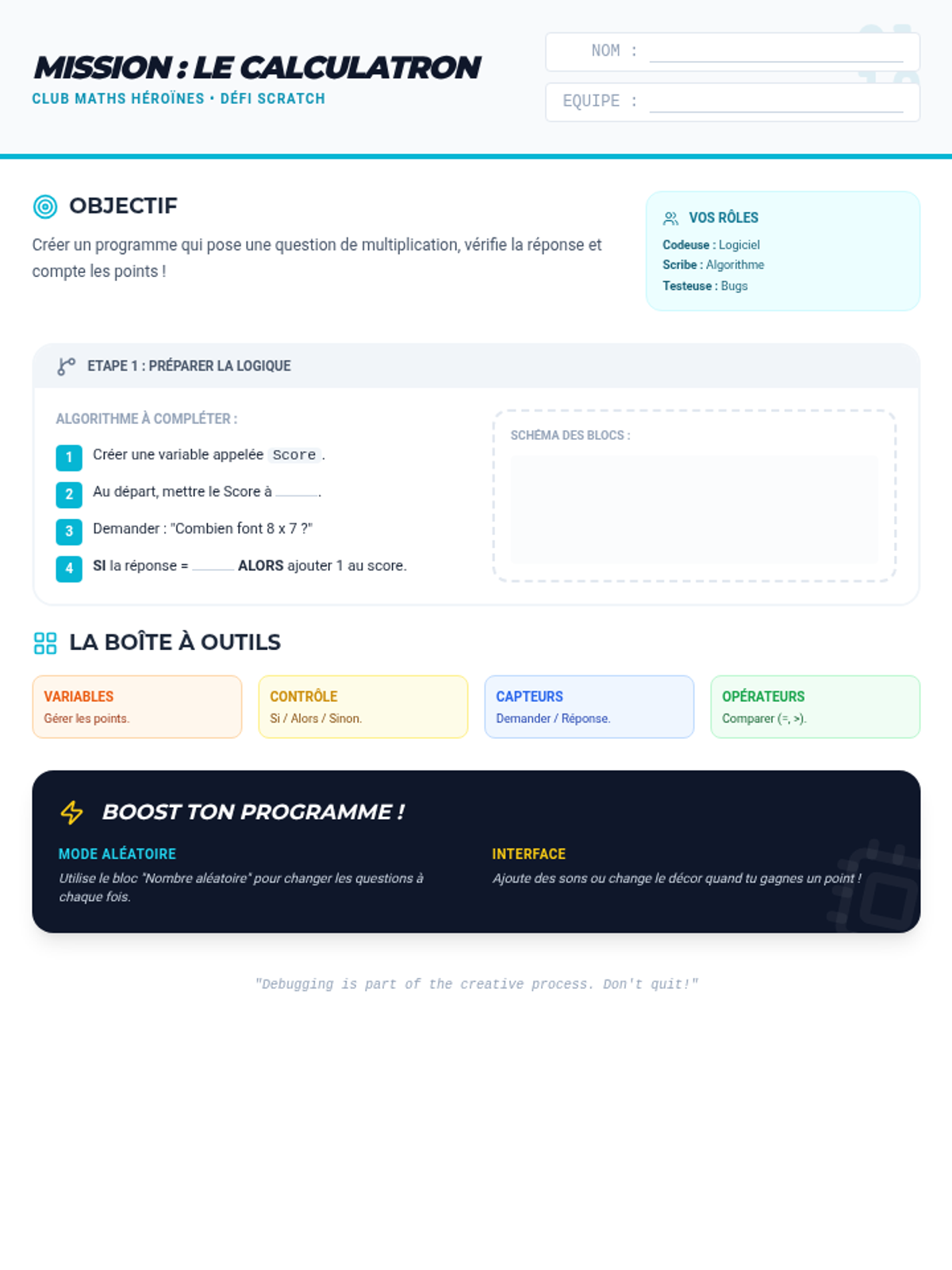
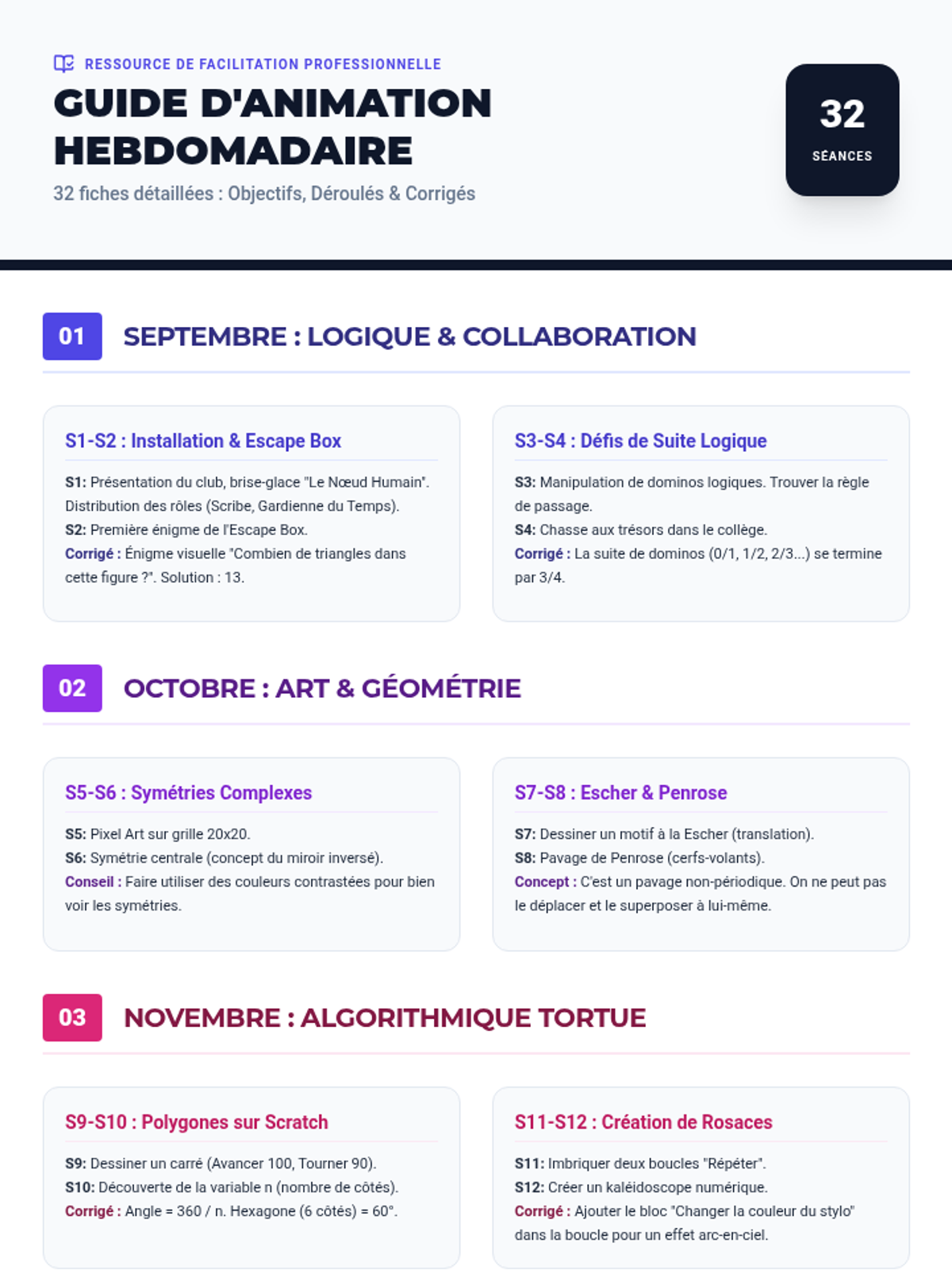
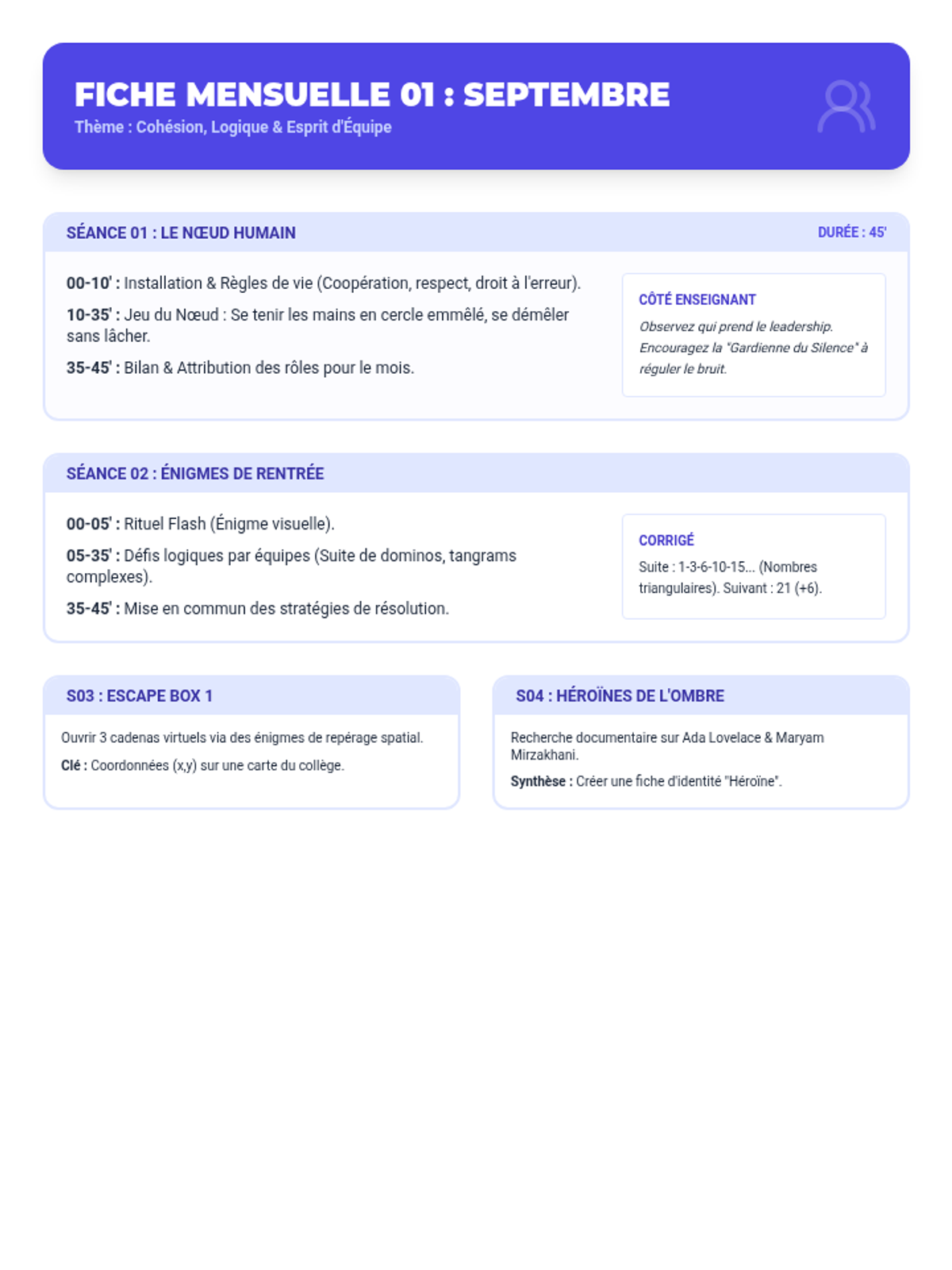
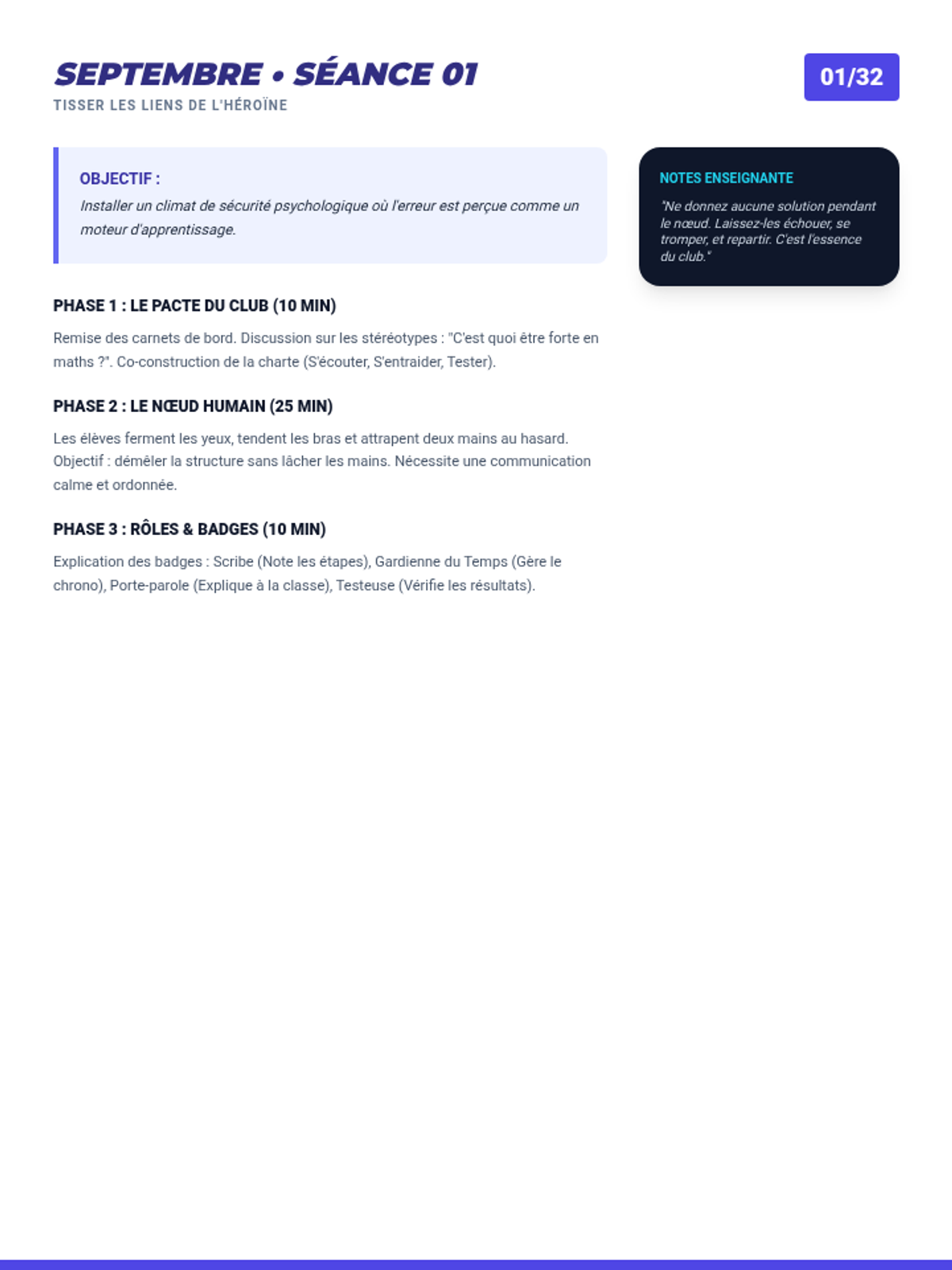
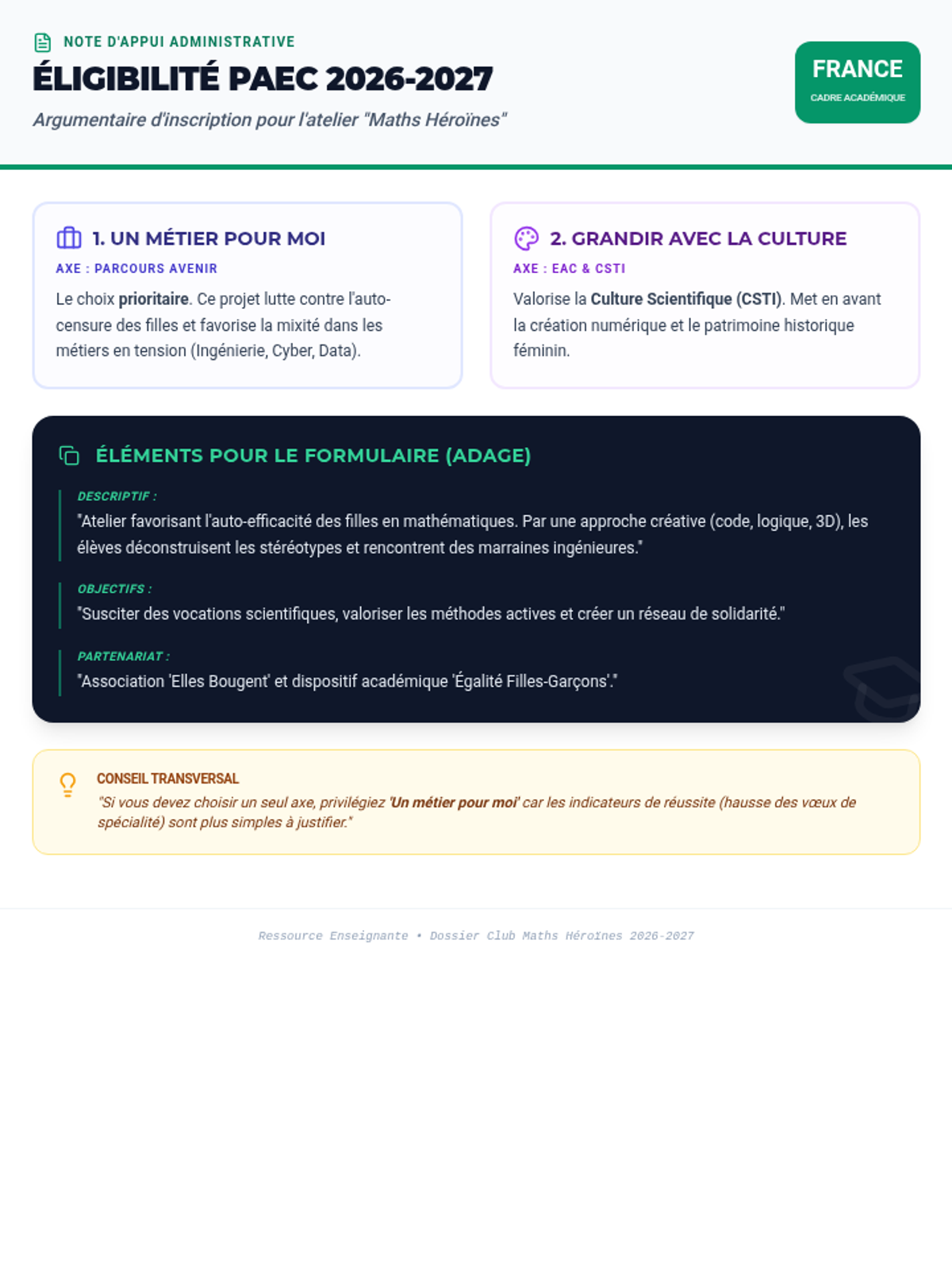
Un projet complet pour un atelier "Filles et Maths" destiné aux élèves de 6ème, incluant un dossier de présentation pour la direction et un calendrier annuel d'activités basées sur la logique et le numérique.
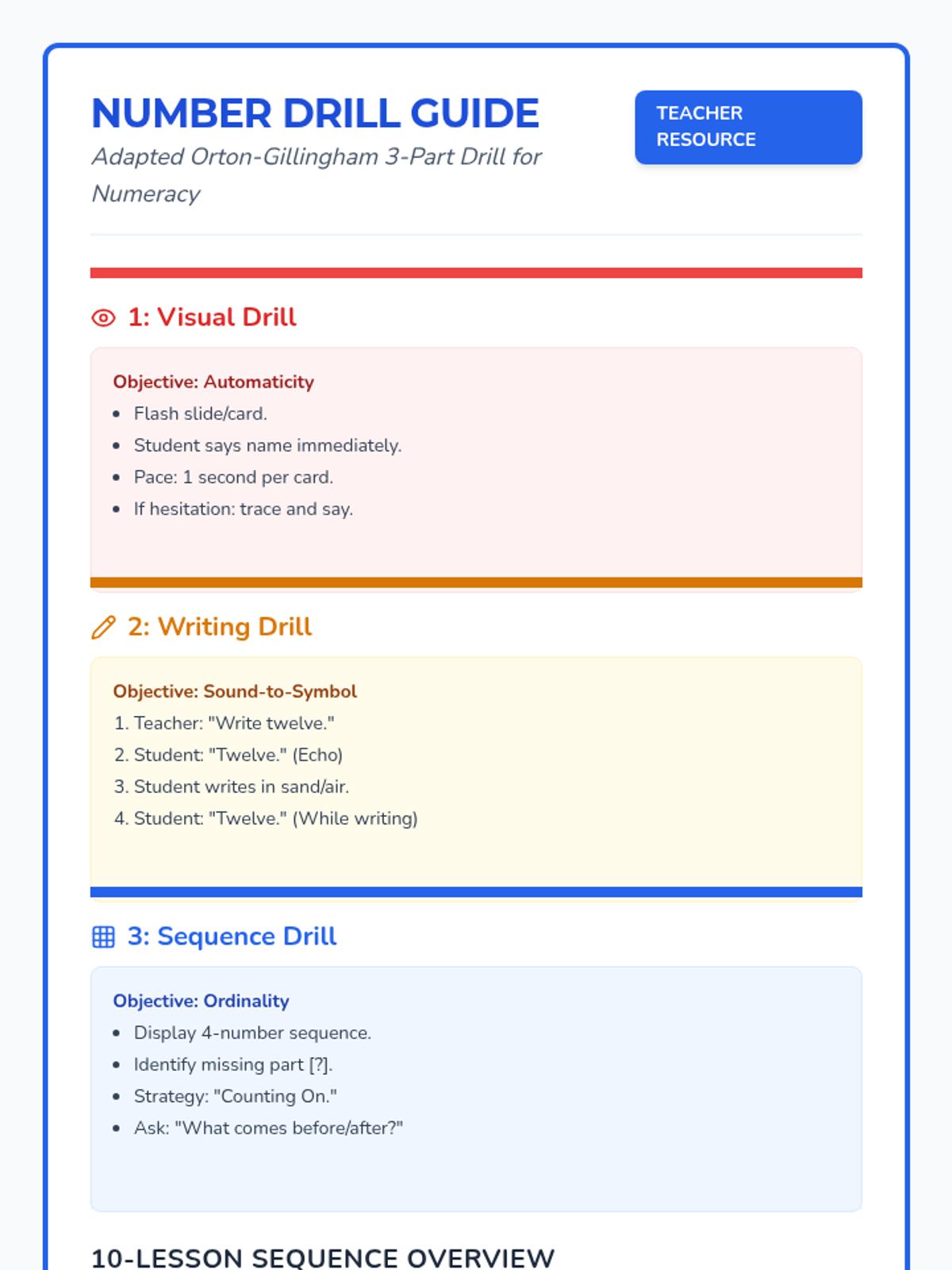
A comprehensive 10-lesson intervention sequence designed for Kindergarten students to master number identification (1-20) using an adapted Orton-Gillingham 3-part drill structure. Each lesson includes a visual drill, an auditory/kinesthetic writing drill, and a conceptual sequence drill.
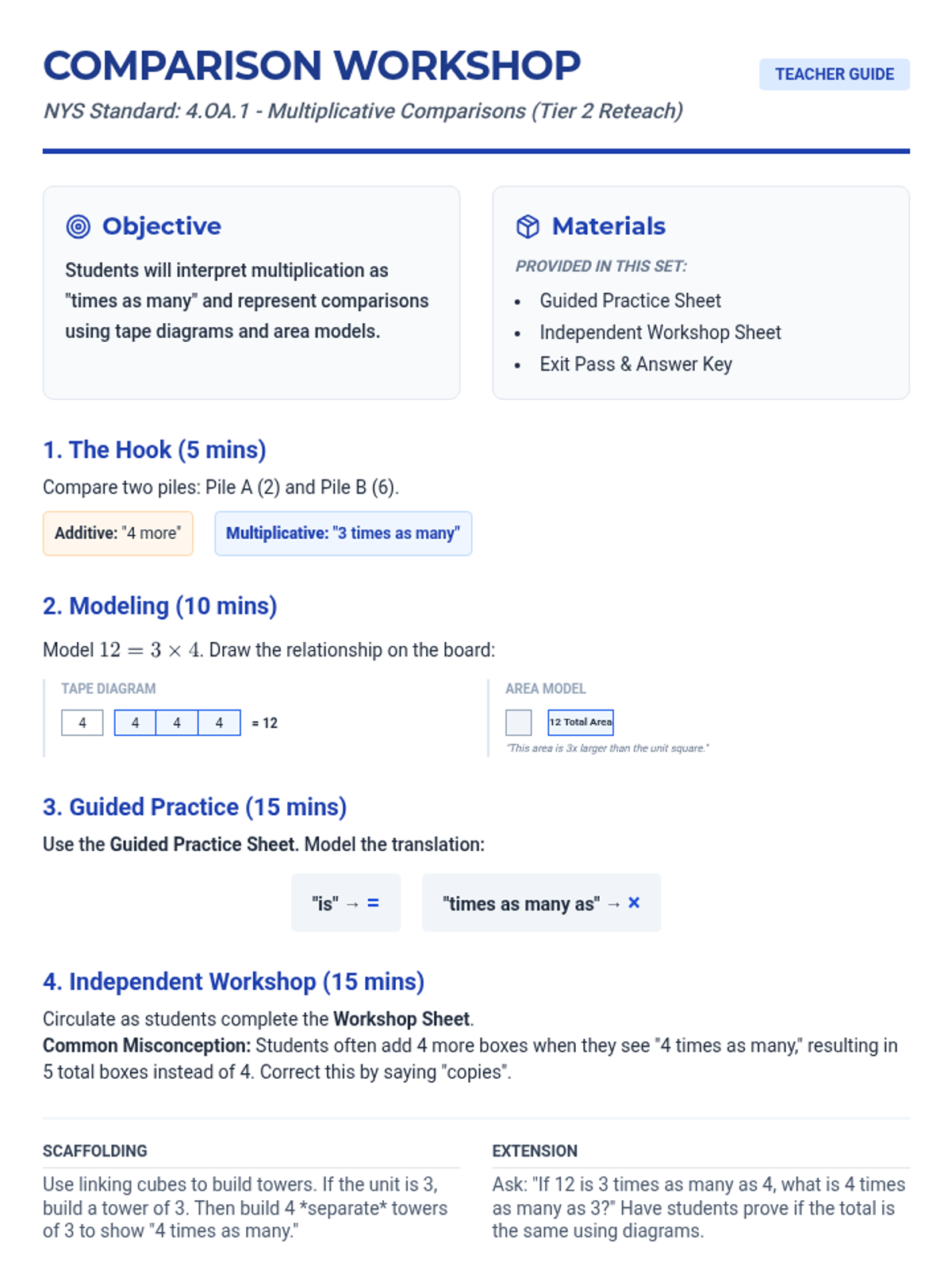
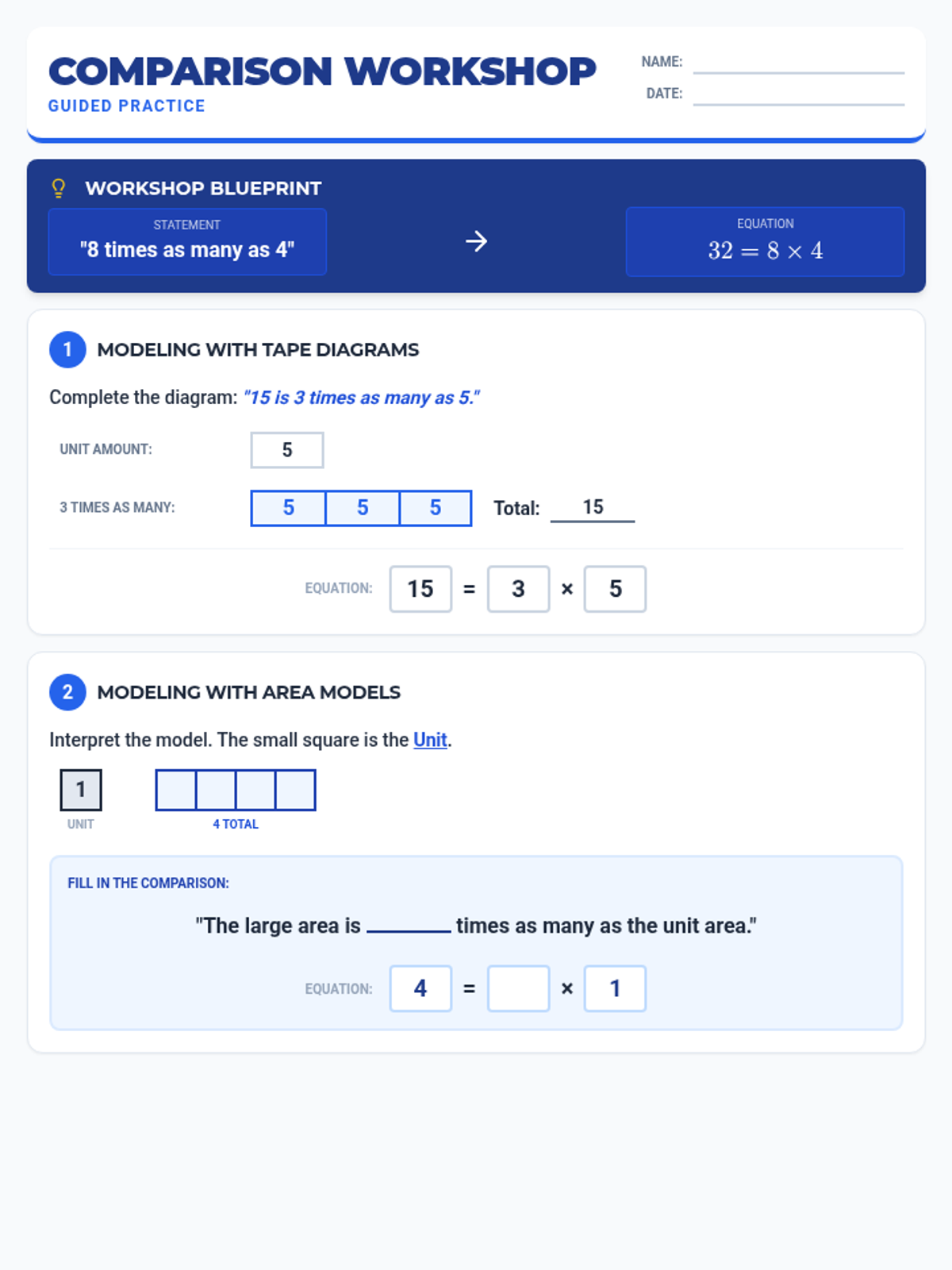
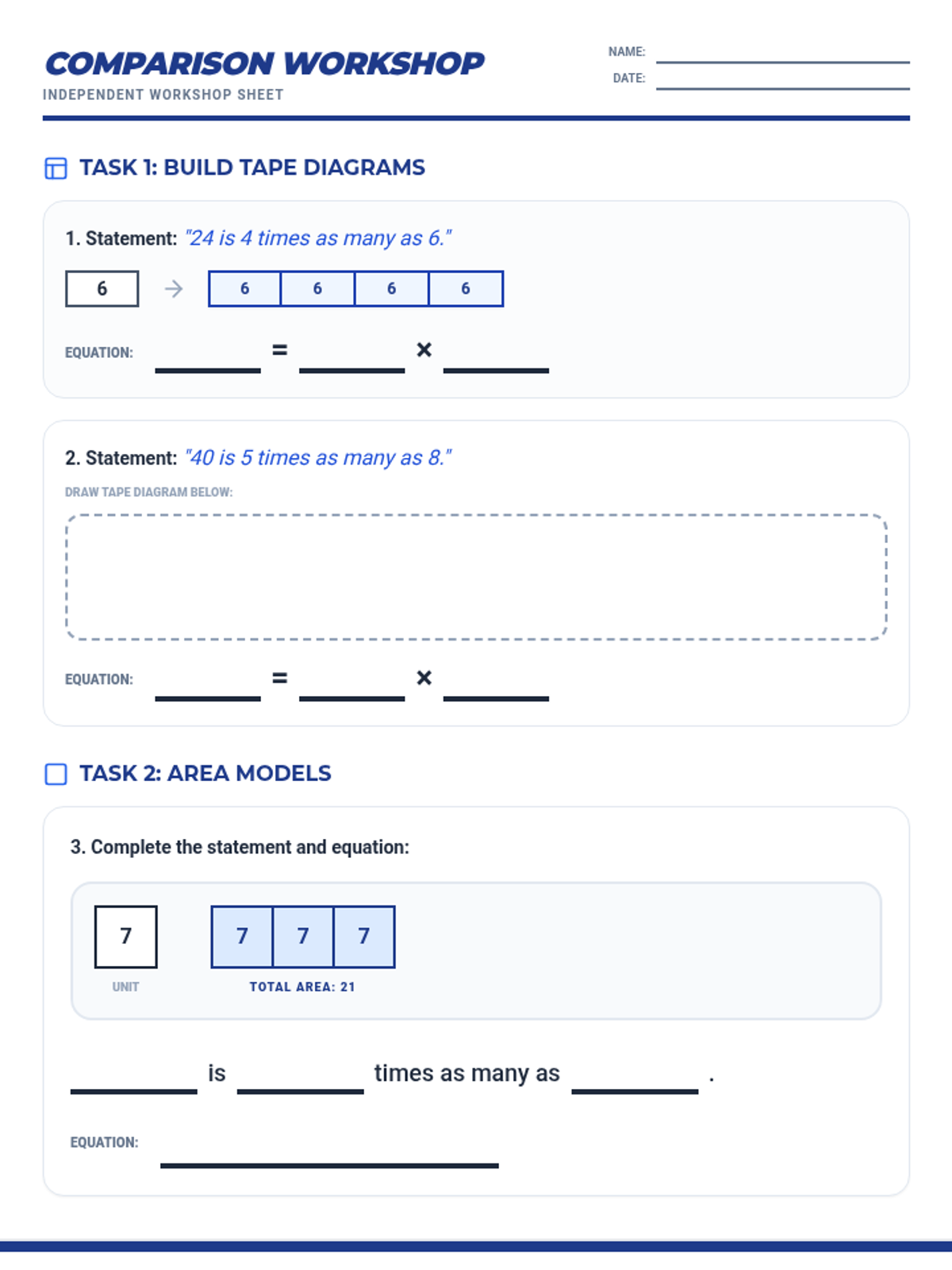
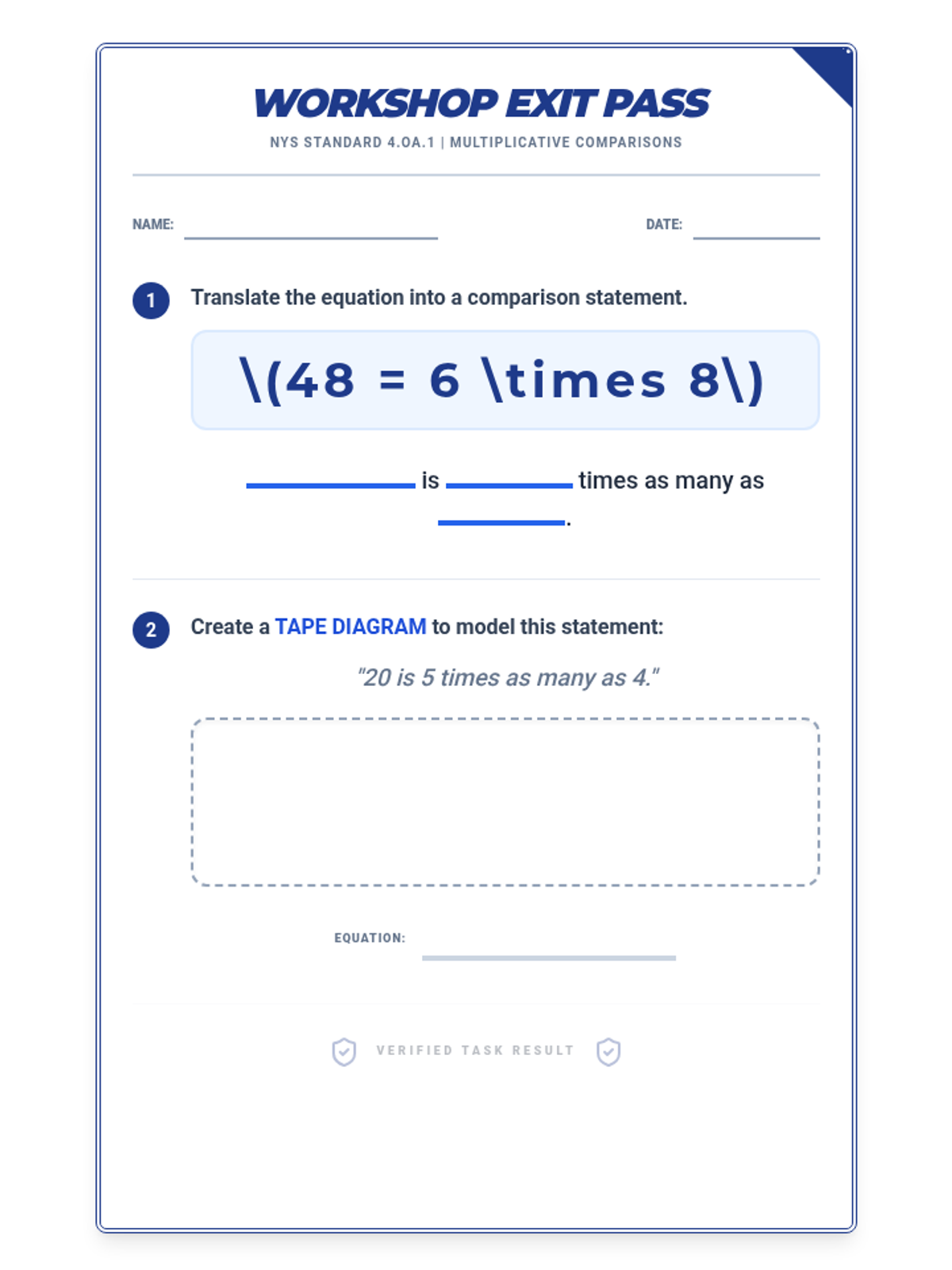
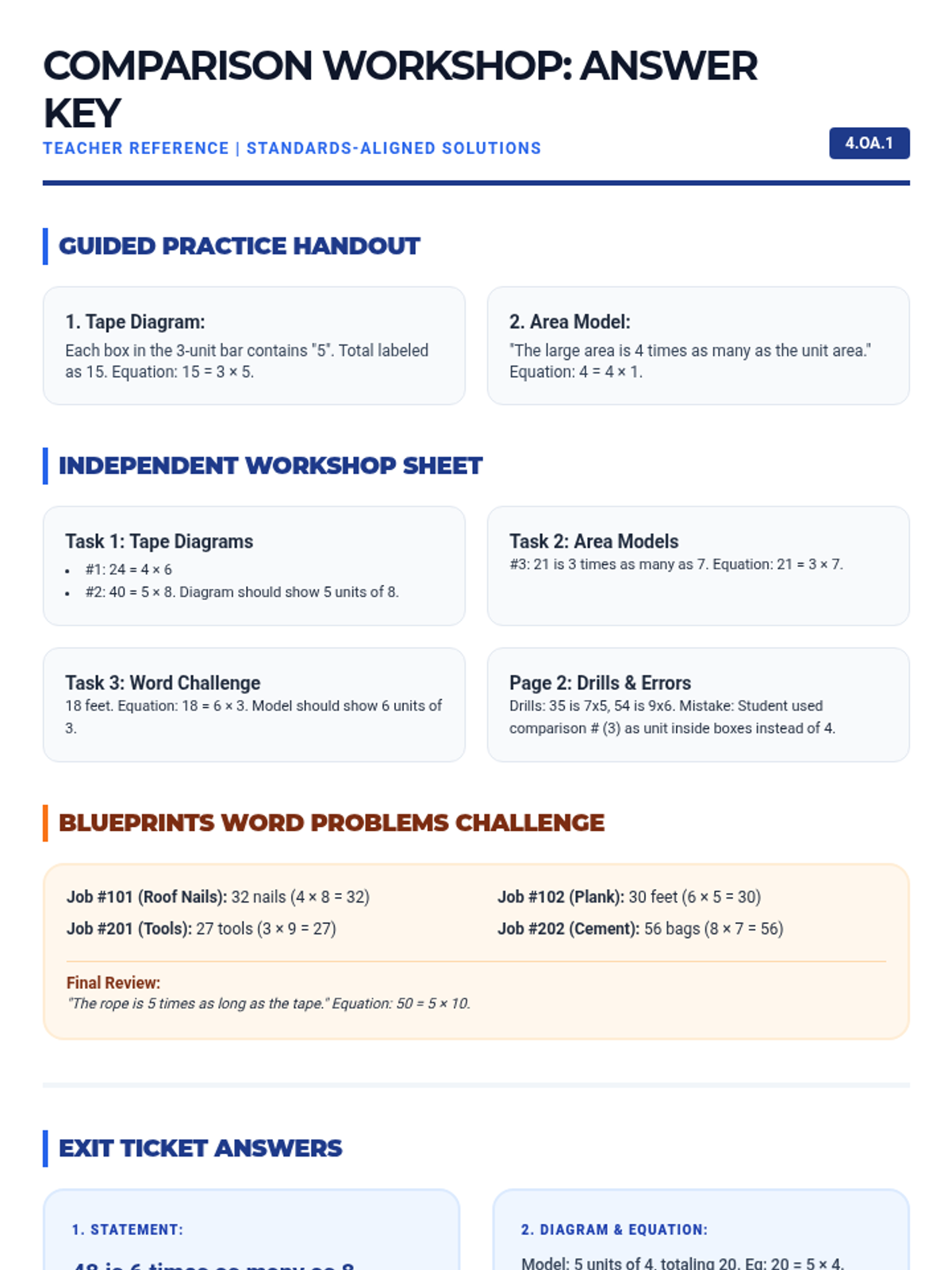
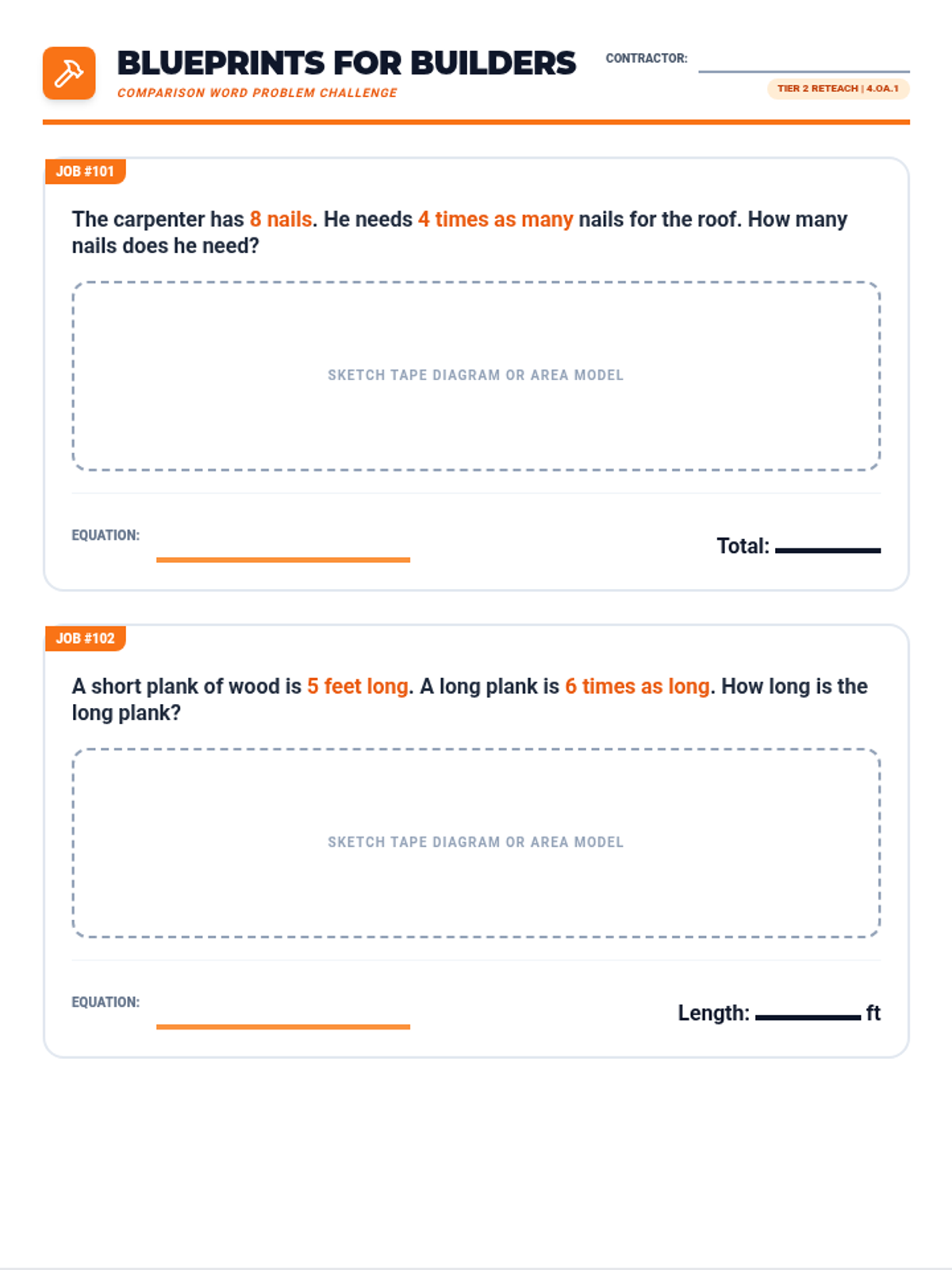
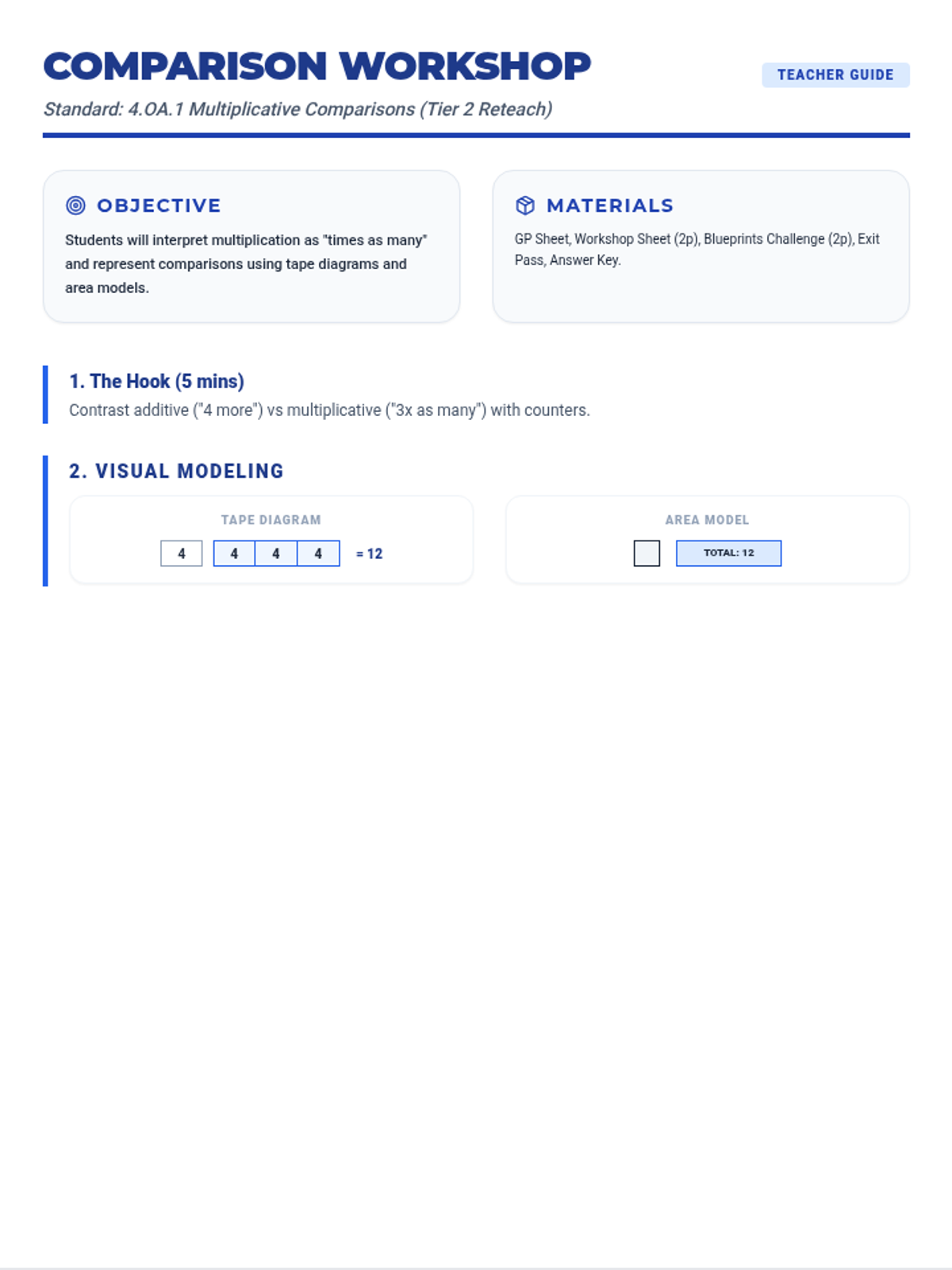
A comprehensive collection of Tier 2 reteach lessons for every 4th grade NYS Math standard, using consistent visual models, thematic elements, and tiered support structures.
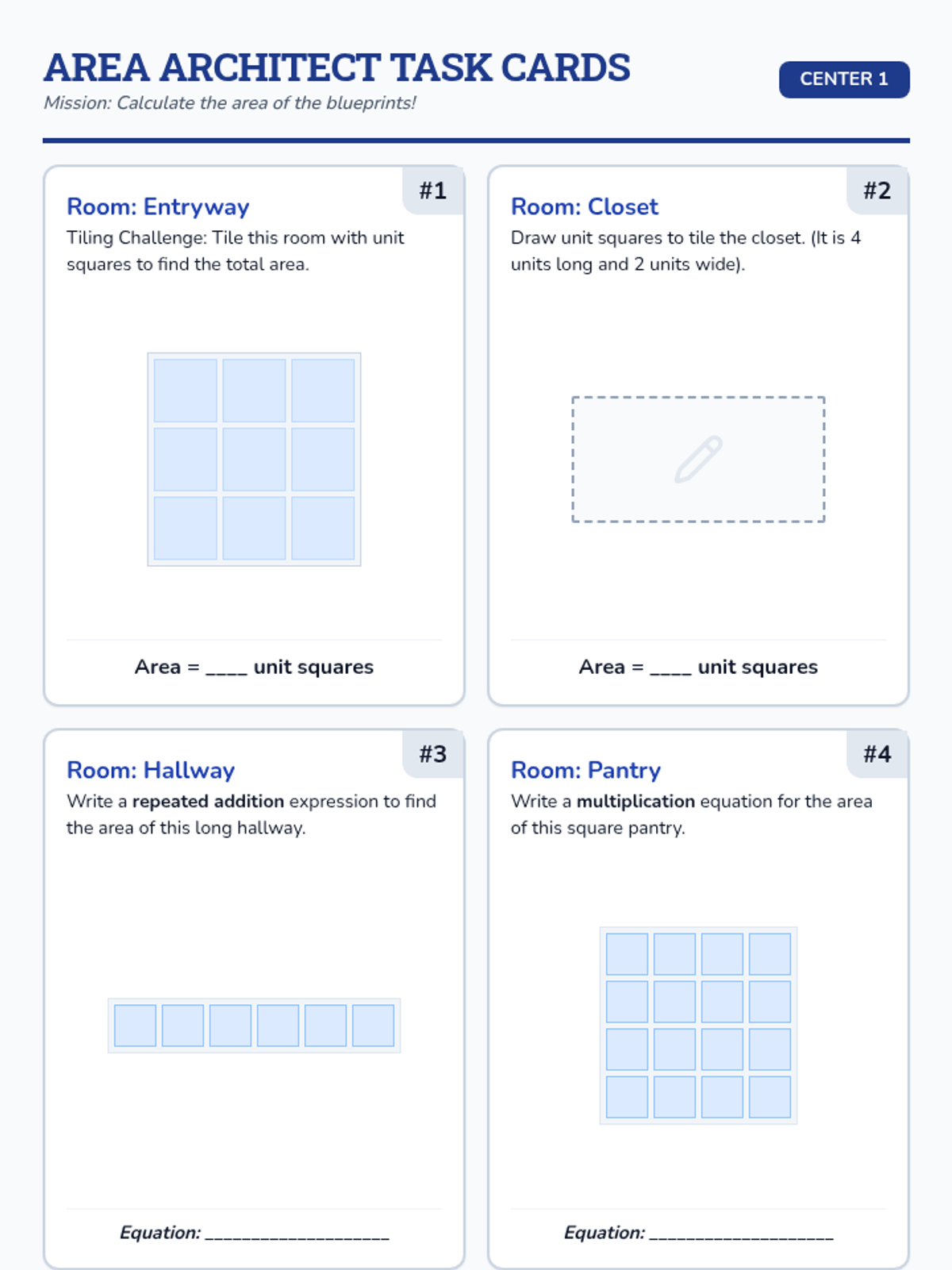
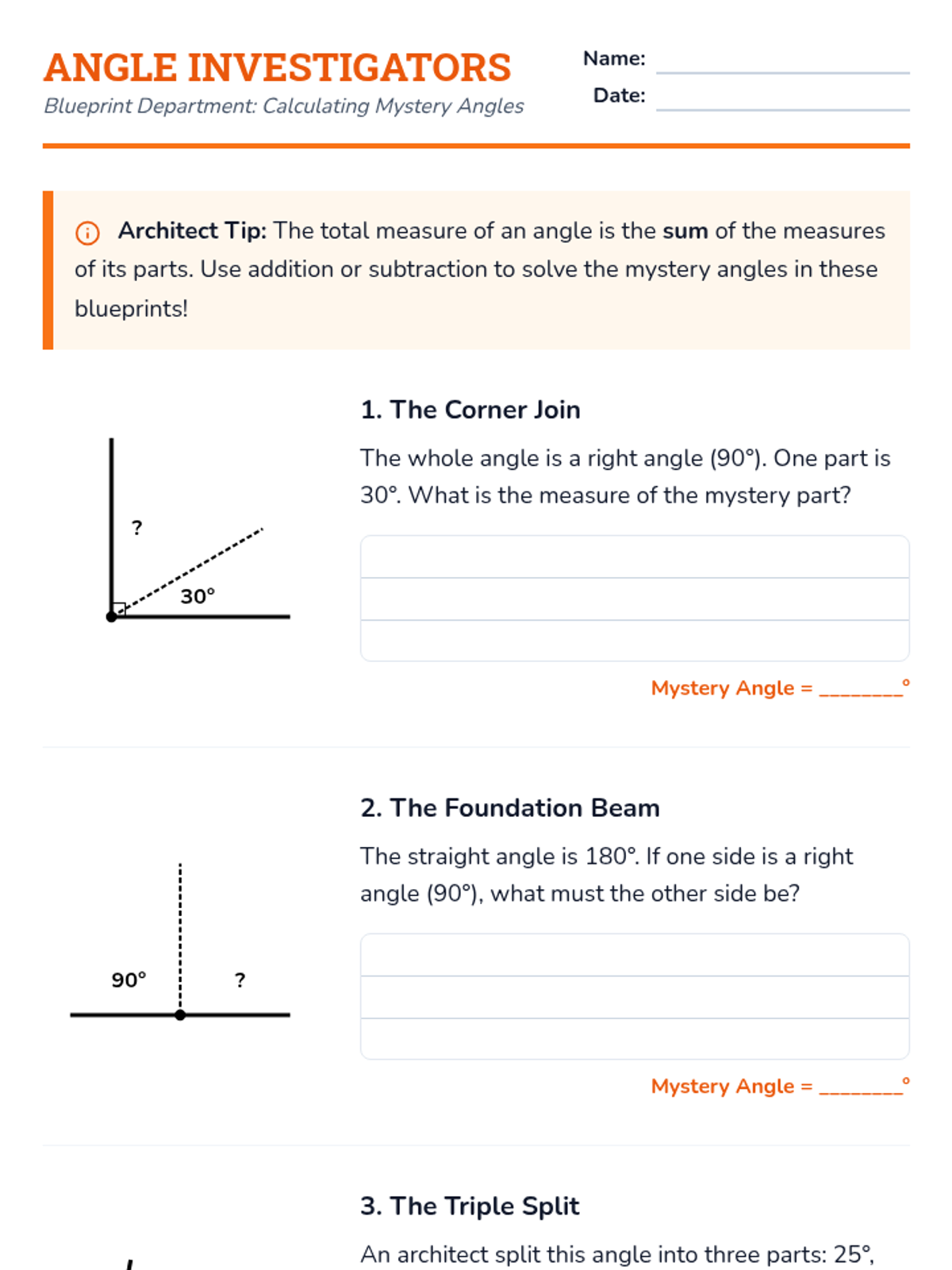
A hands-on geometry and measurement unit focused on area concepts and angle properties for third-grade students. Students explore tiling, equations for area, and the additive property of angles through a construction-themed approach.
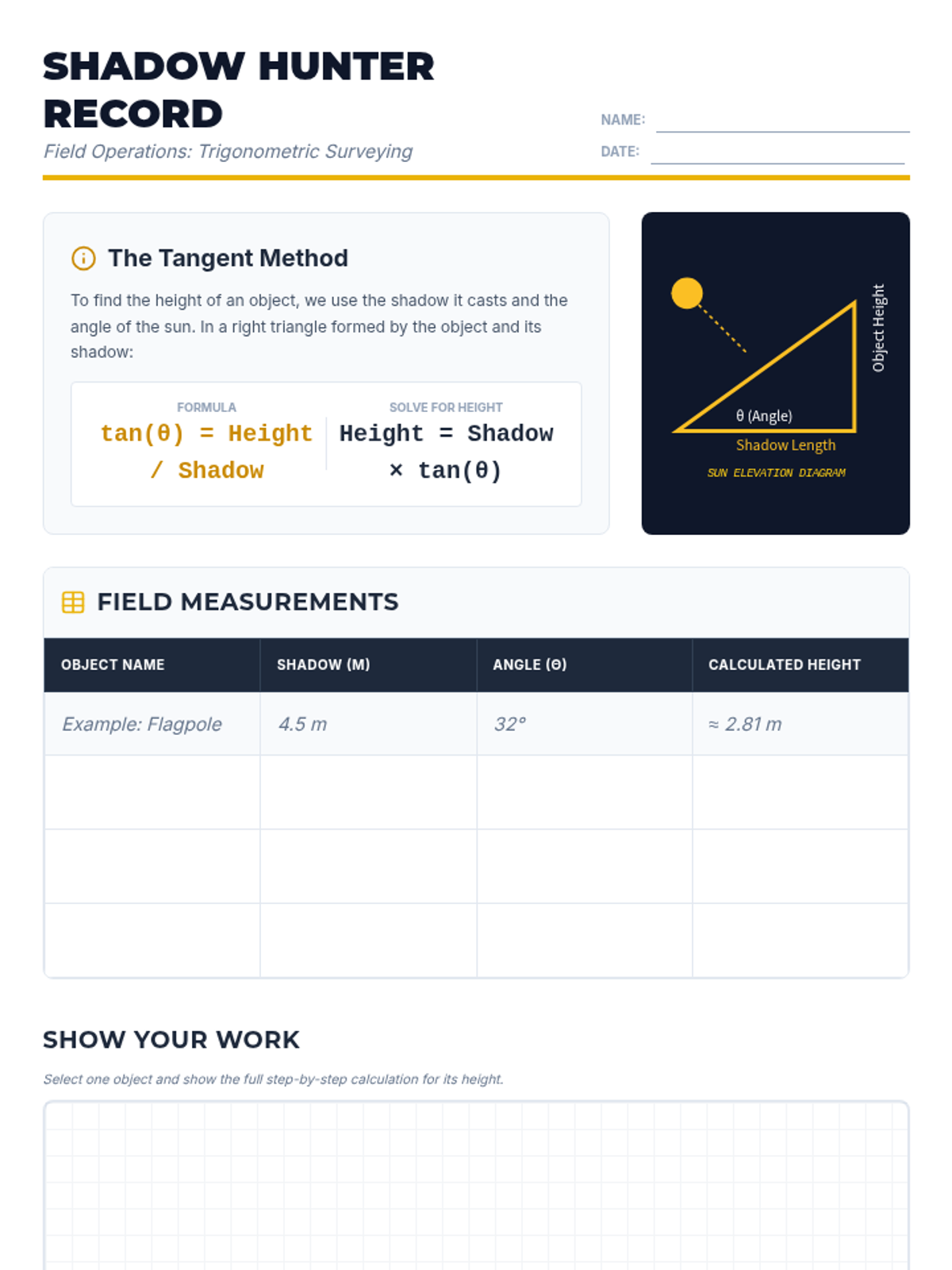
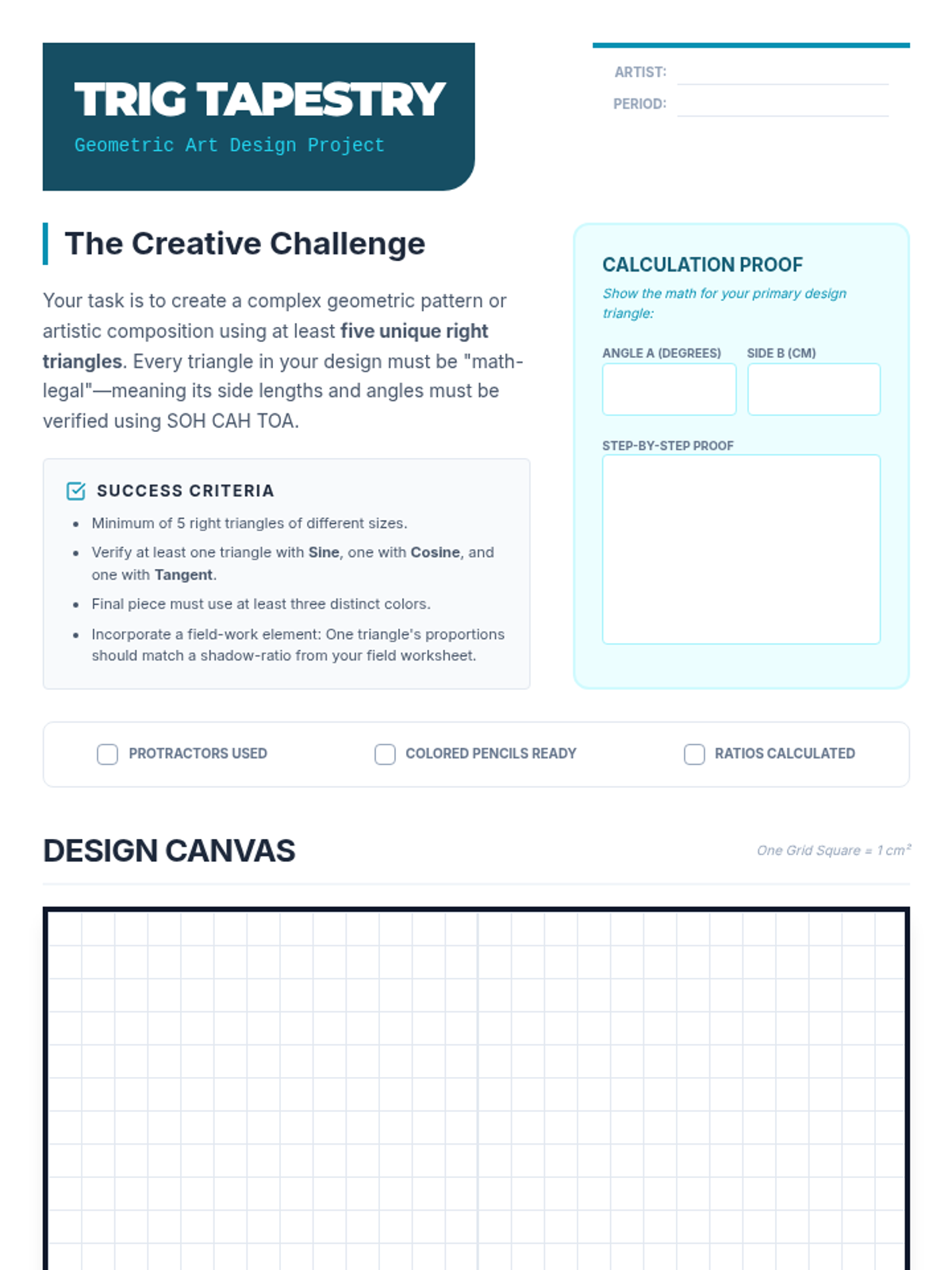
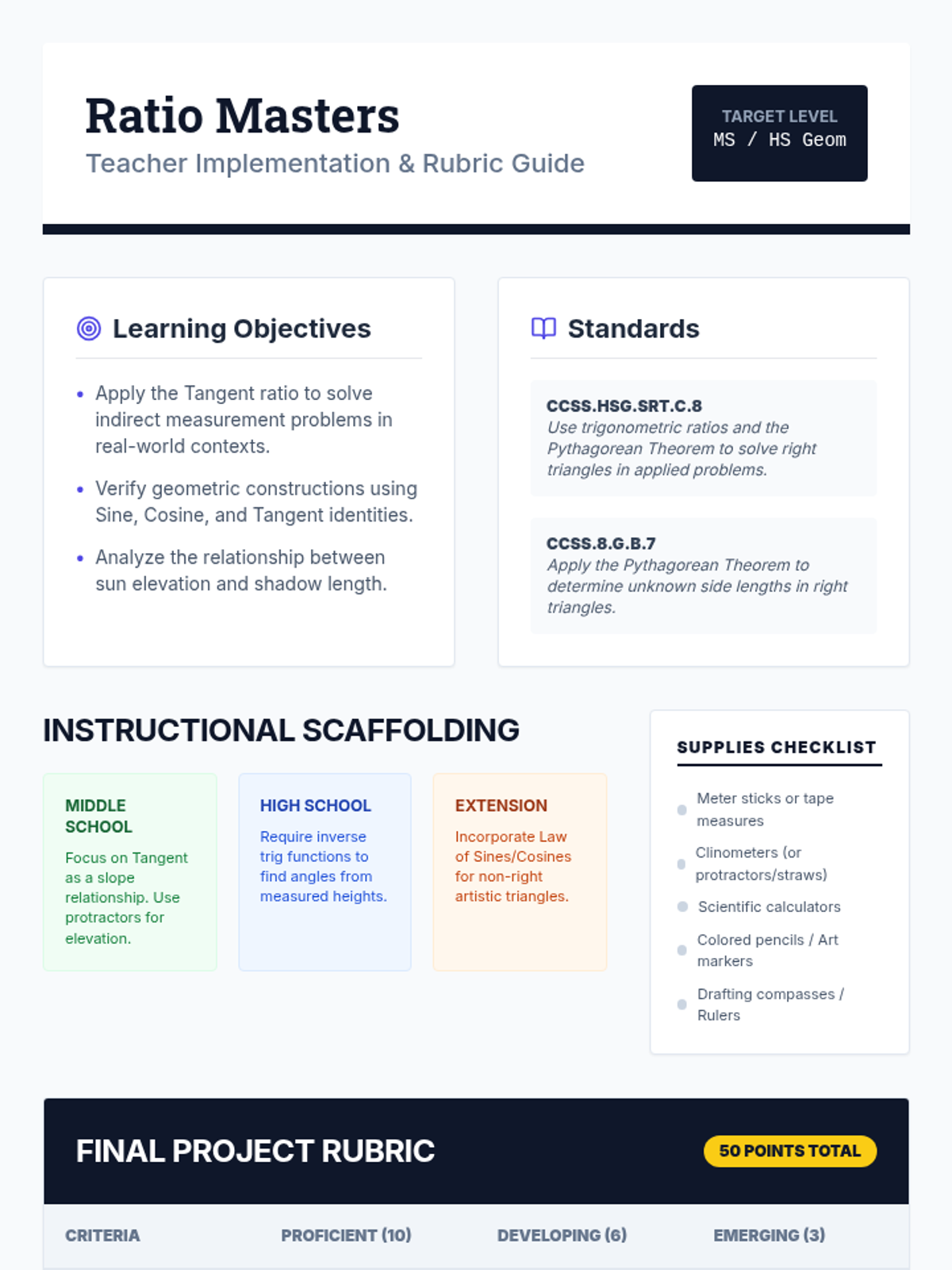
A comprehensive project-based learning unit where students apply trigonometric ratios to measure the heights of local landmarks and create intricate geometric art based on mathematical proportions.
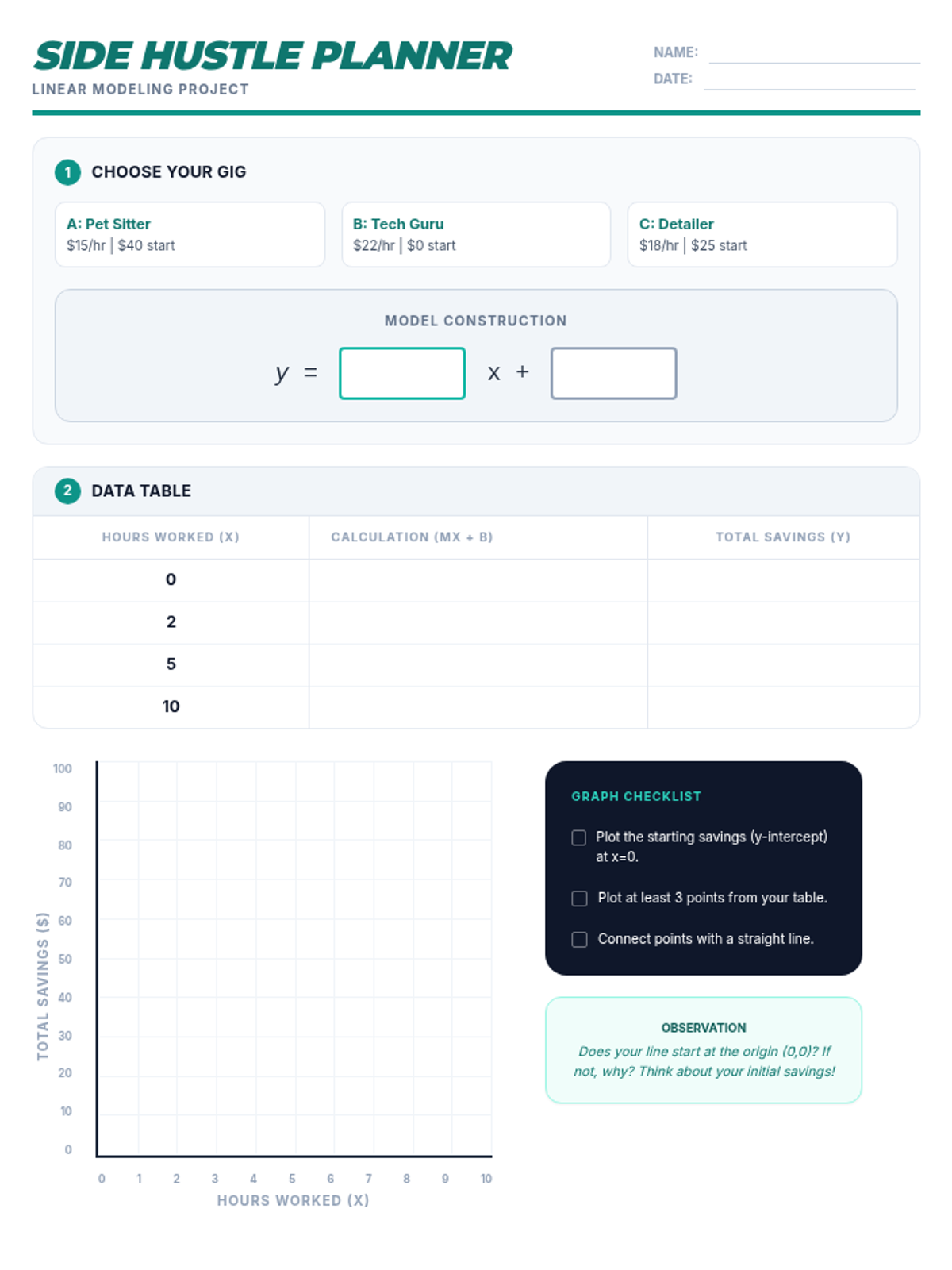
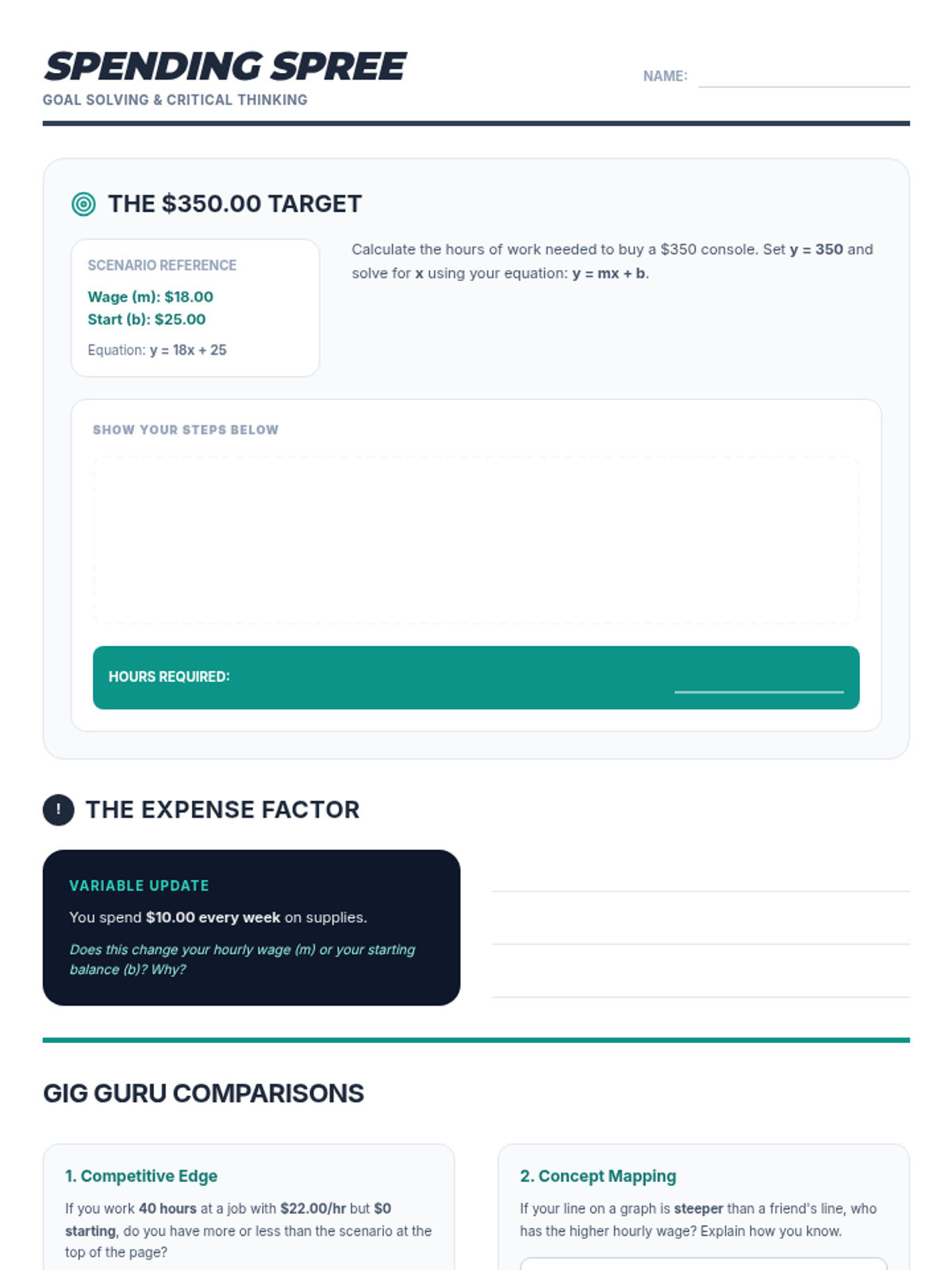
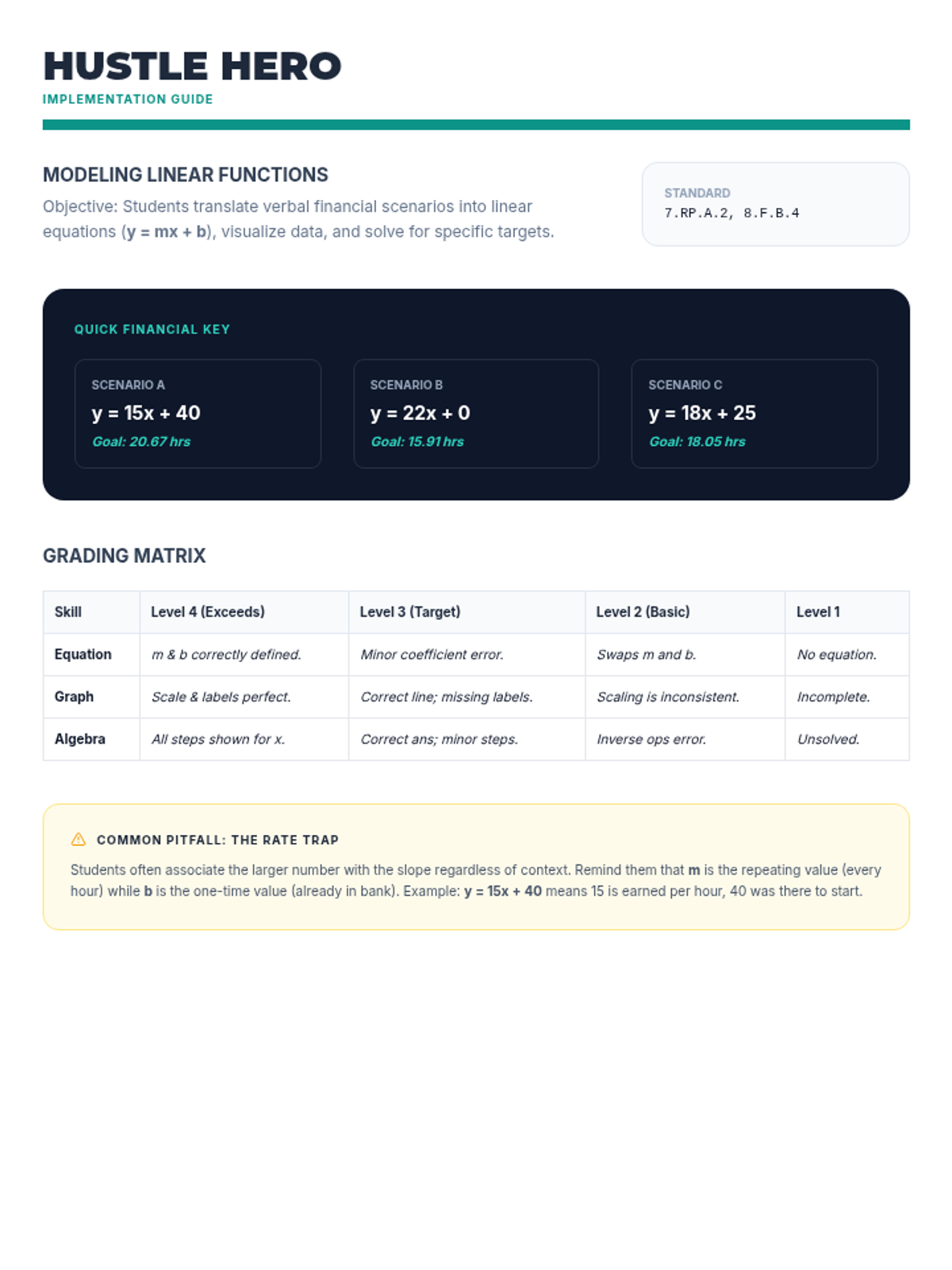
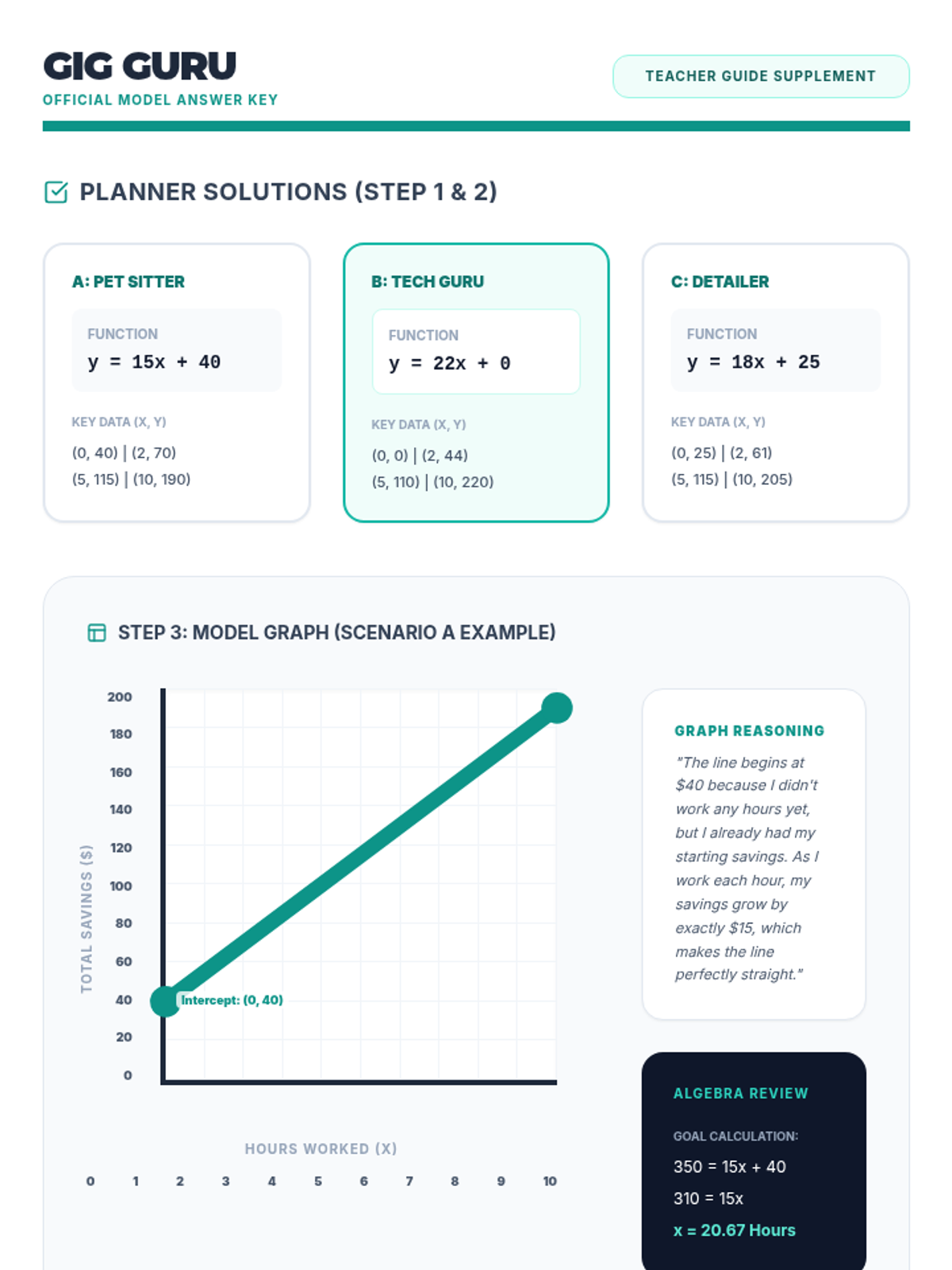
A real-world project where students use linear functions to model earnings from a summer job and manage a budget to reach a savings goal. Students will define variables, write equations, create tables, and graph their financial progress.
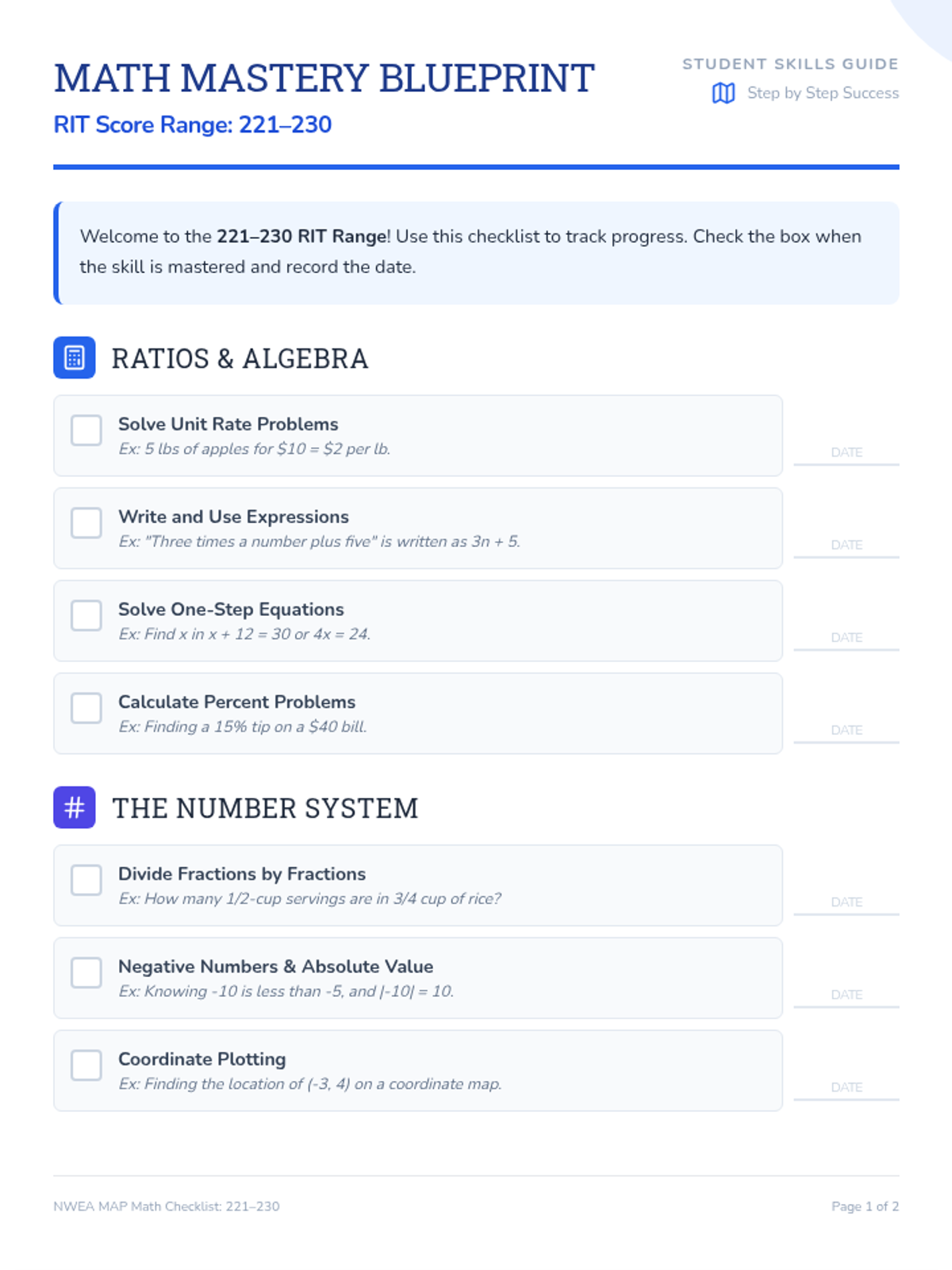
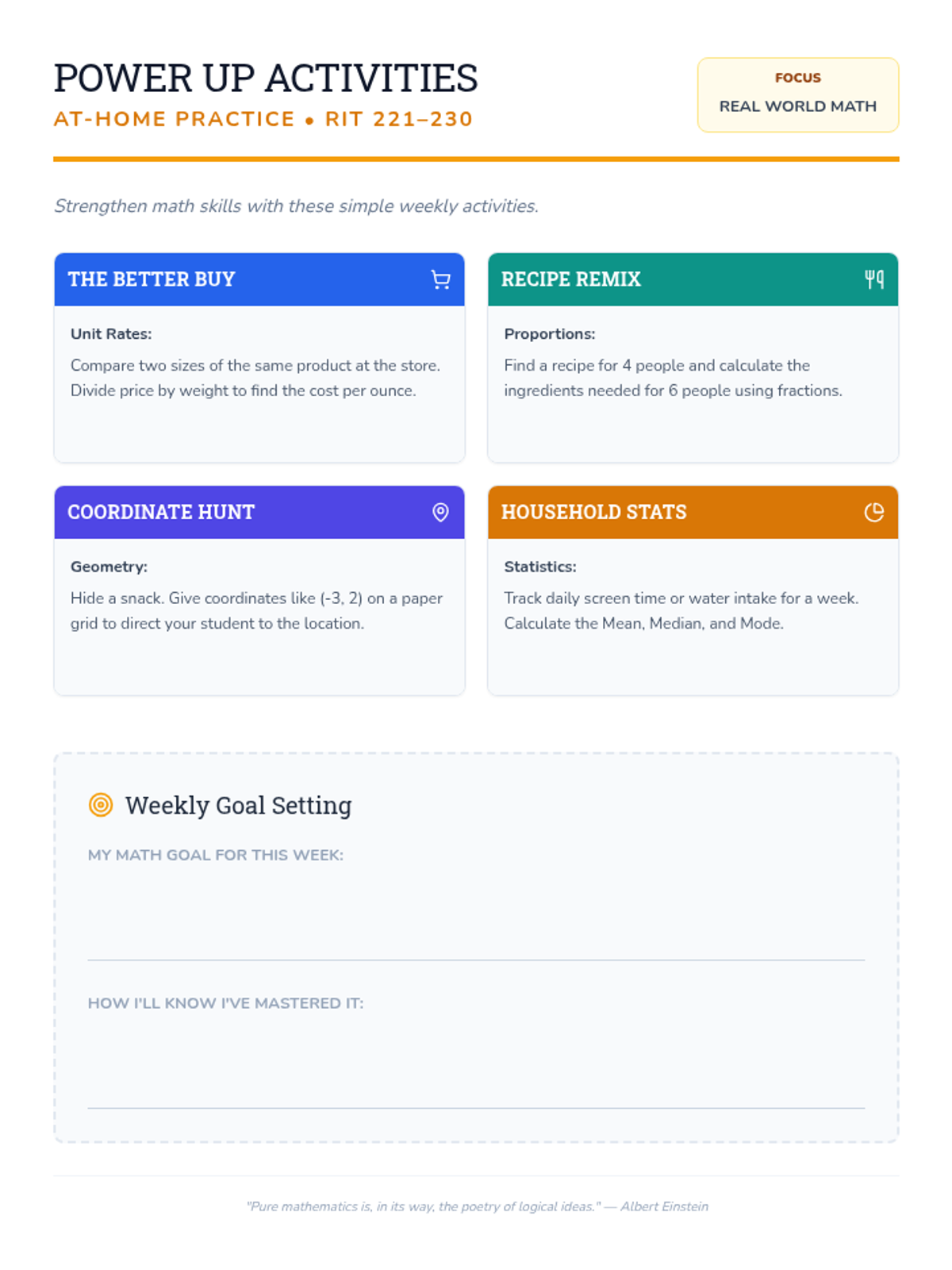
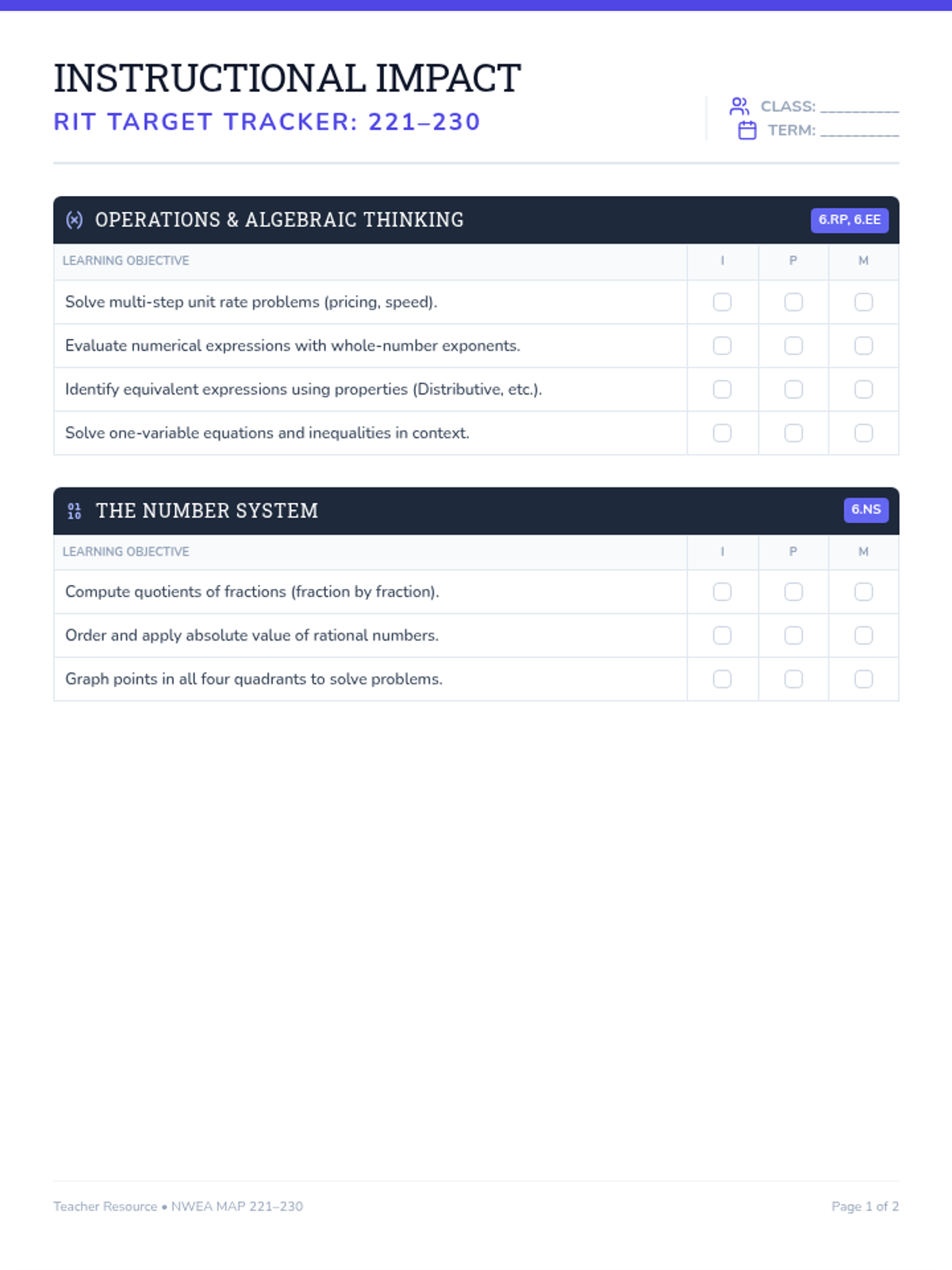
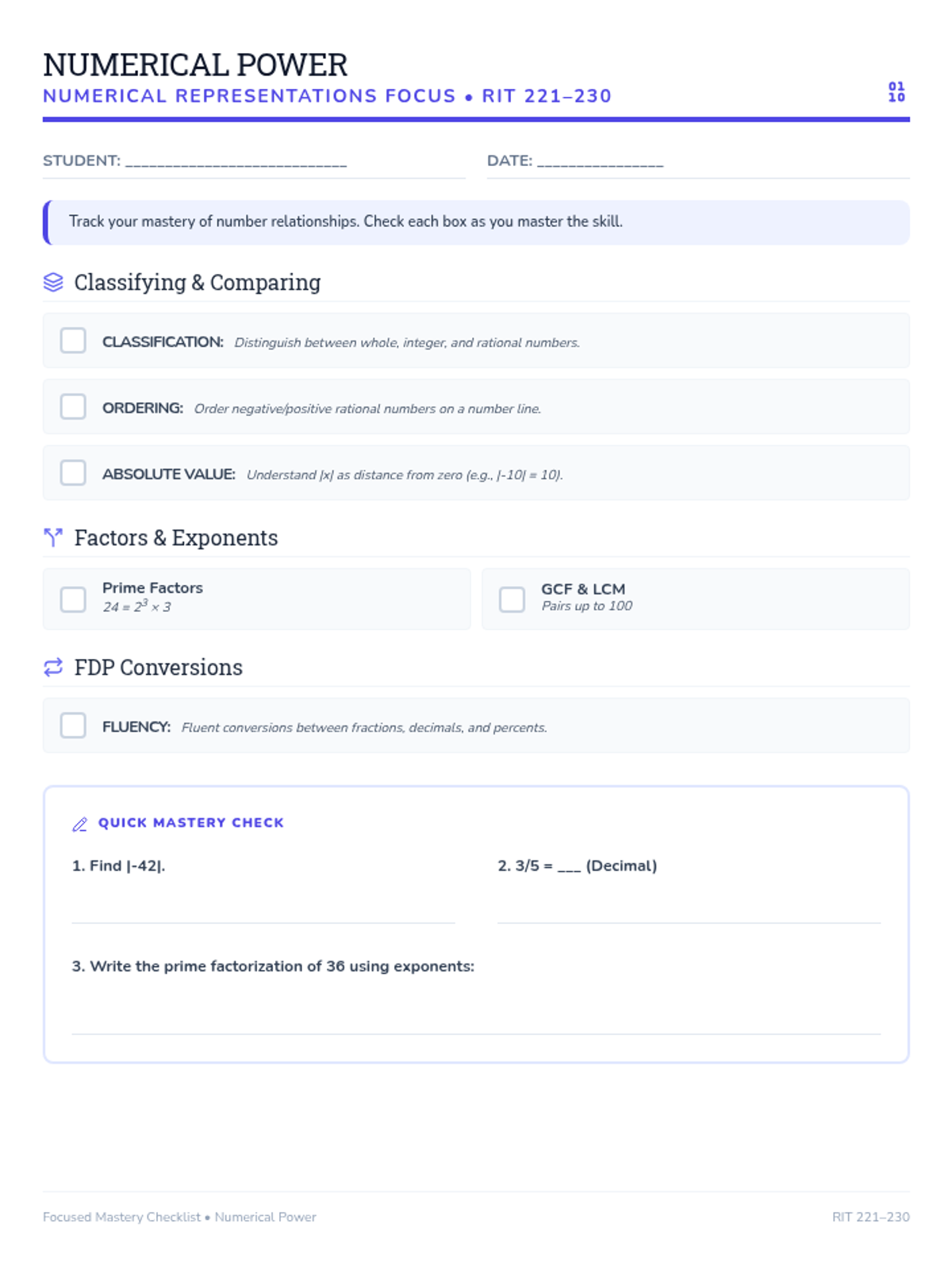
A comprehensive collection of RIT-aligned math mastery resources for student and teacher tracking across key mathematical development ranges.
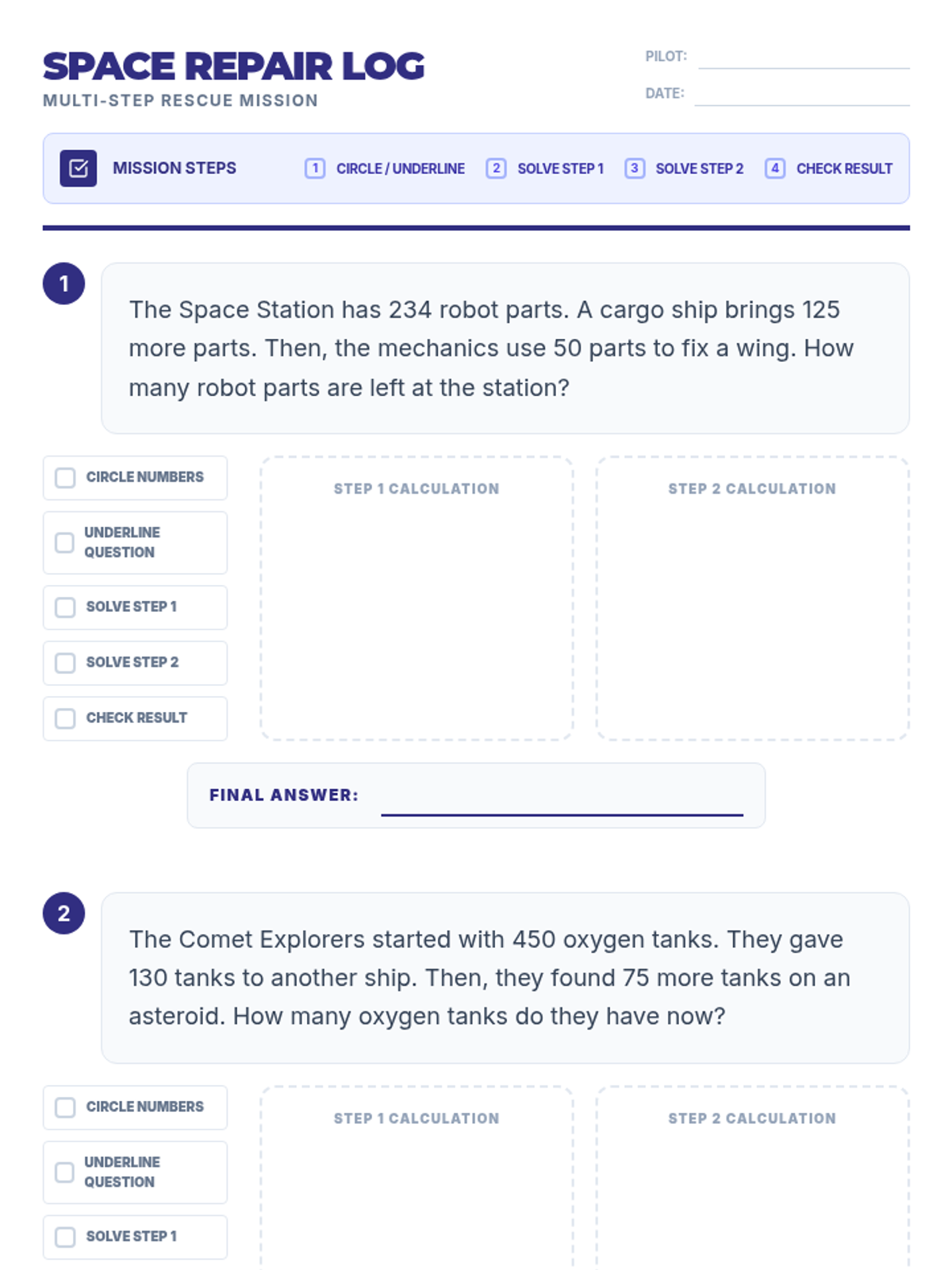
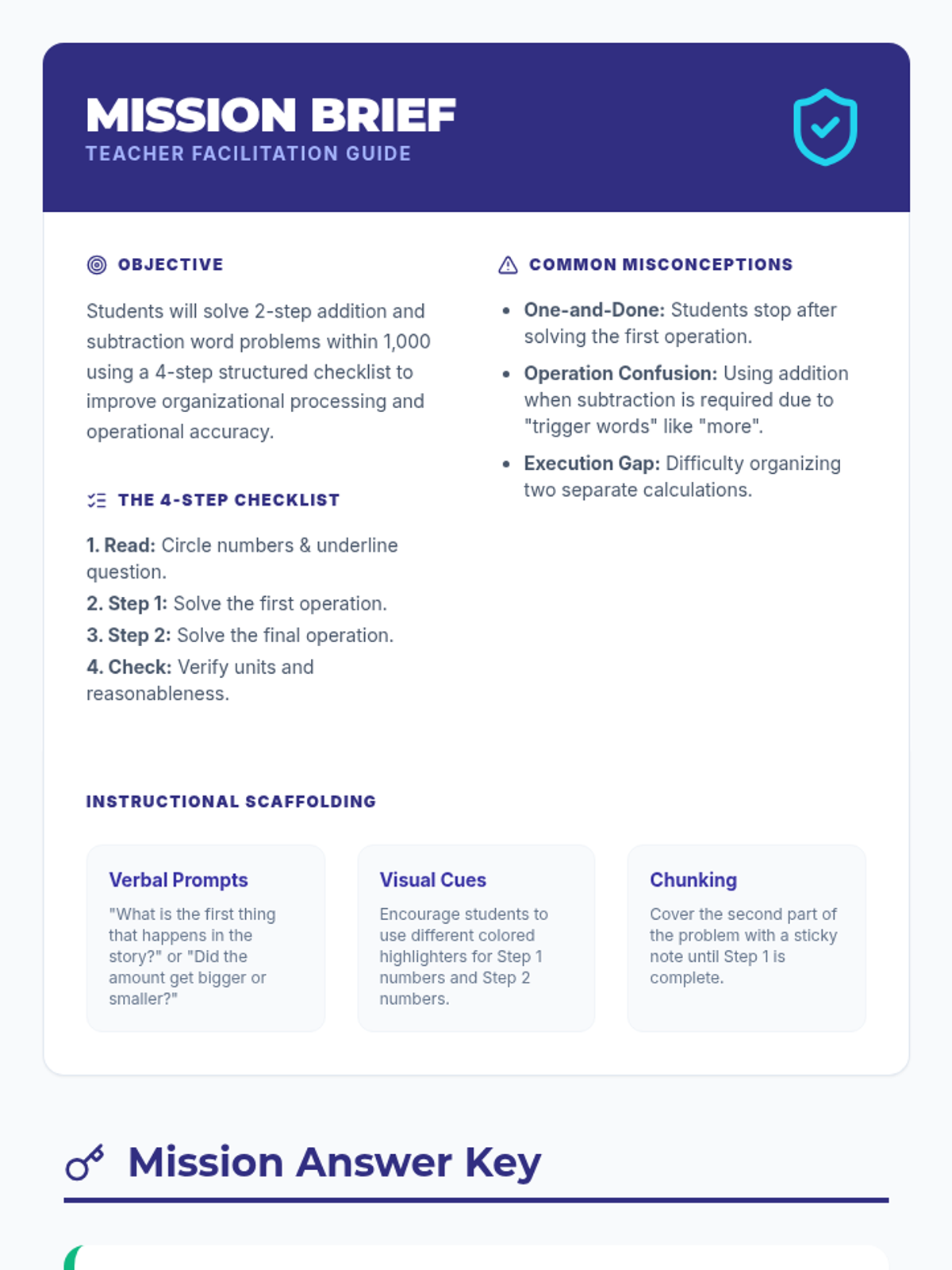
A unit focused on mastering multi-step operations through scaffolded strategies and visual aids.
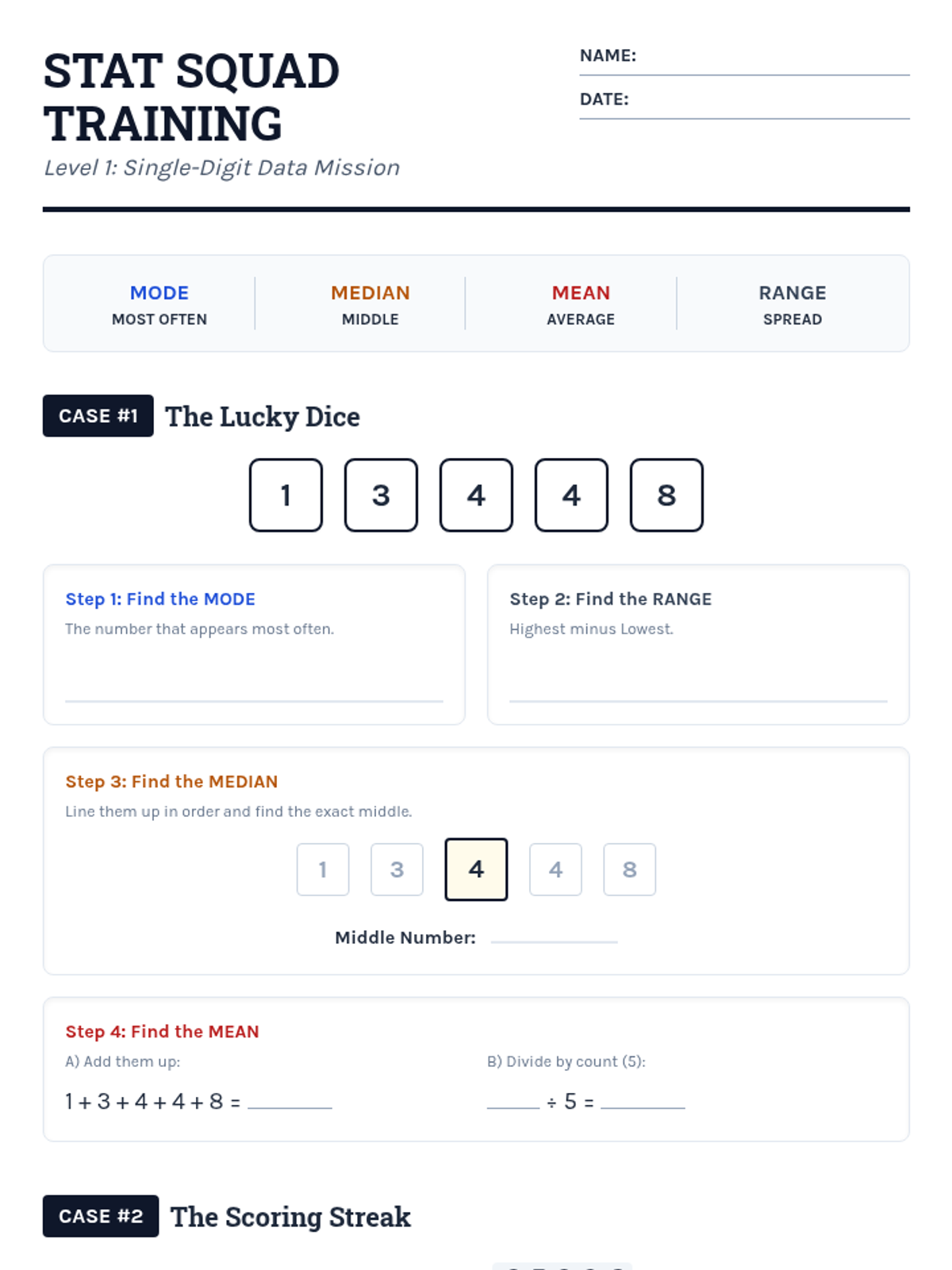
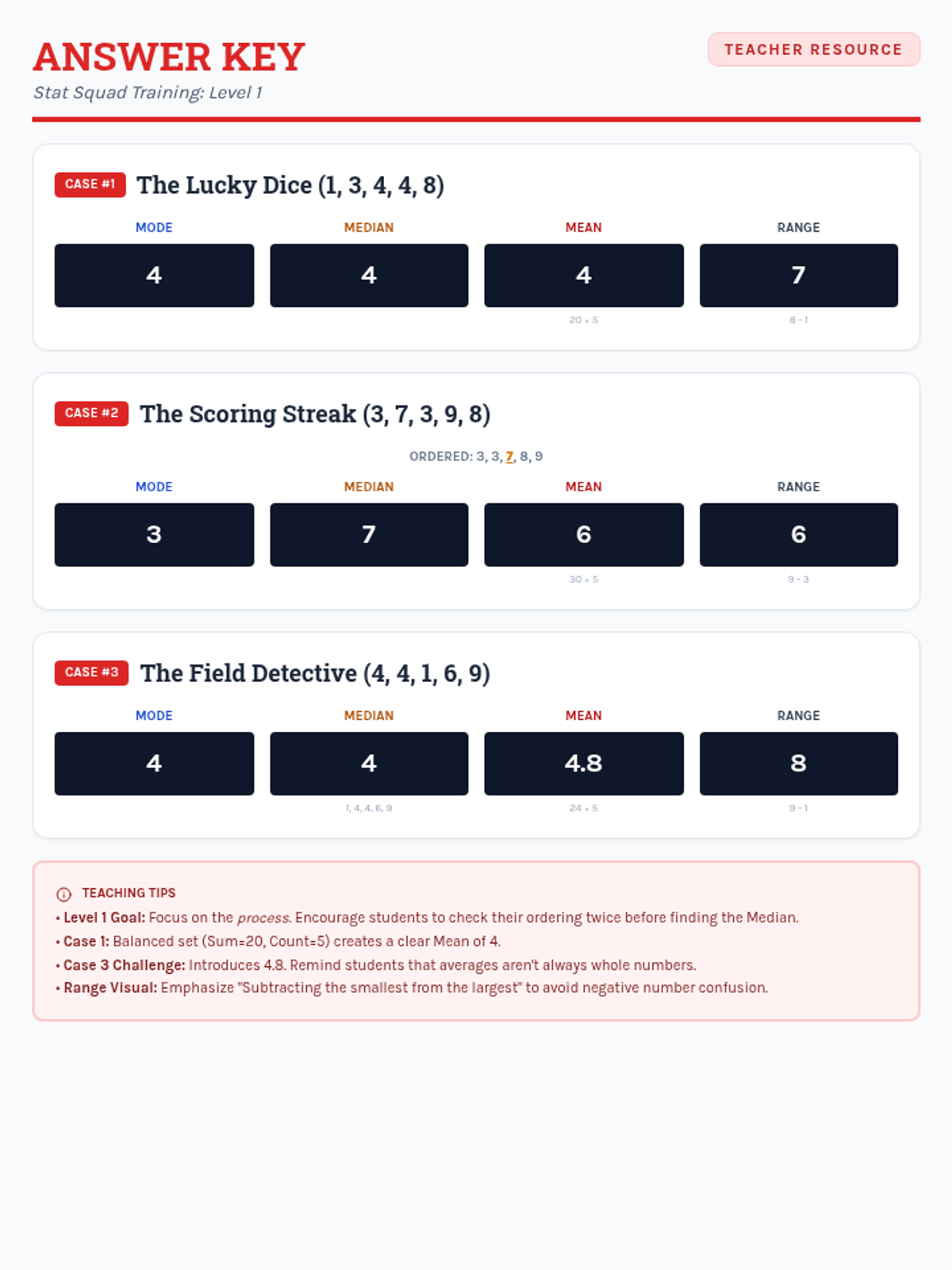
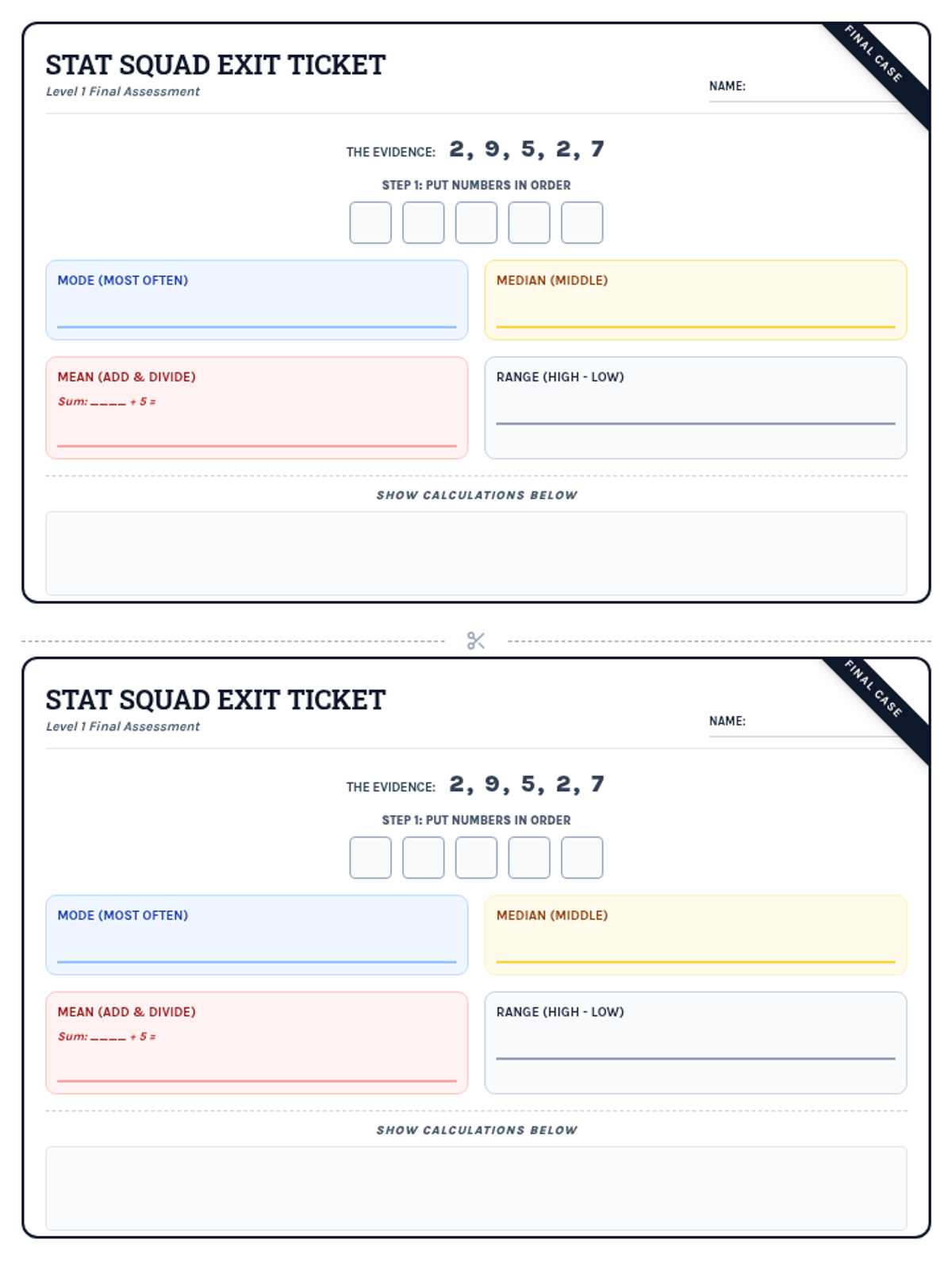
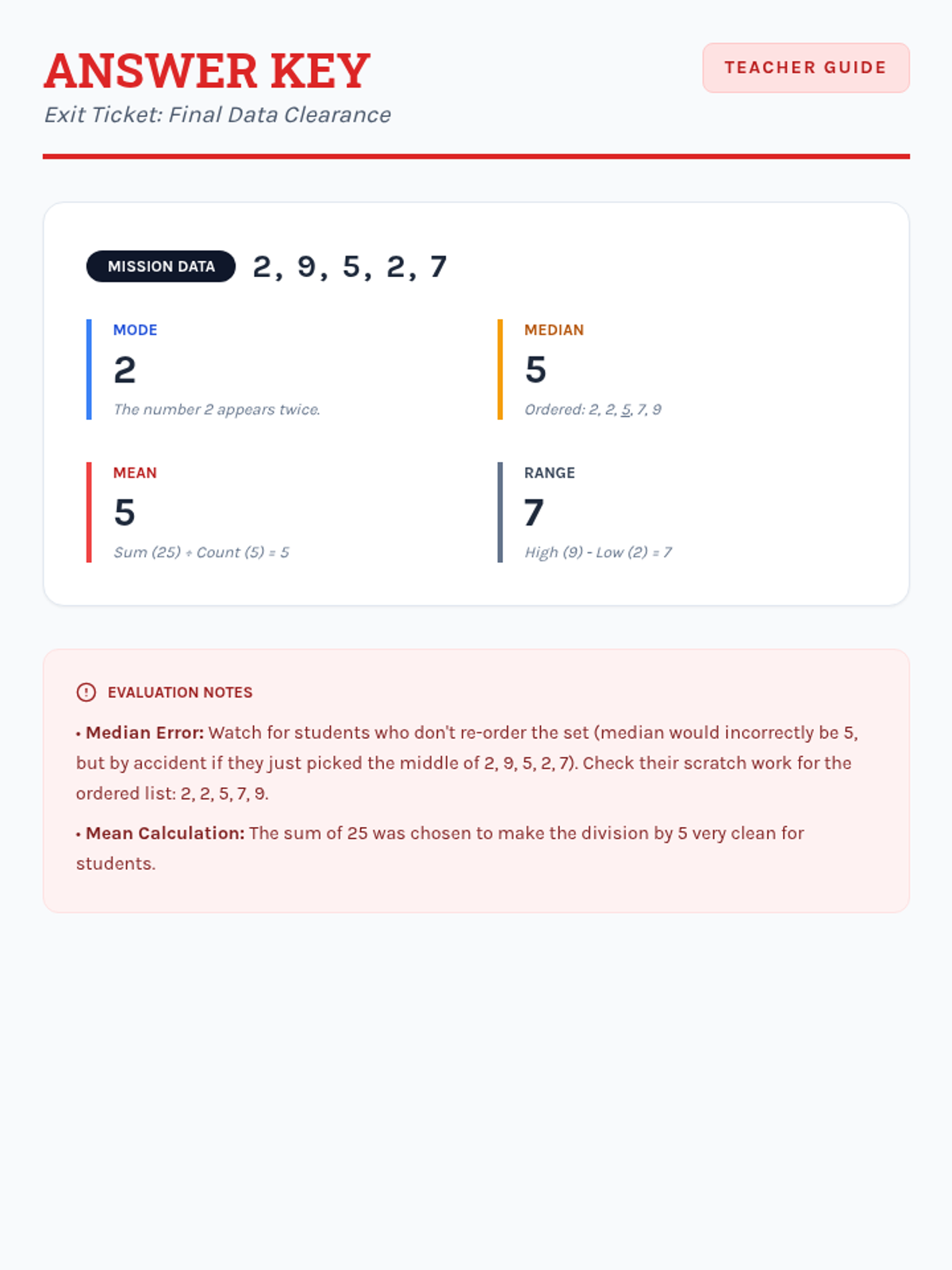
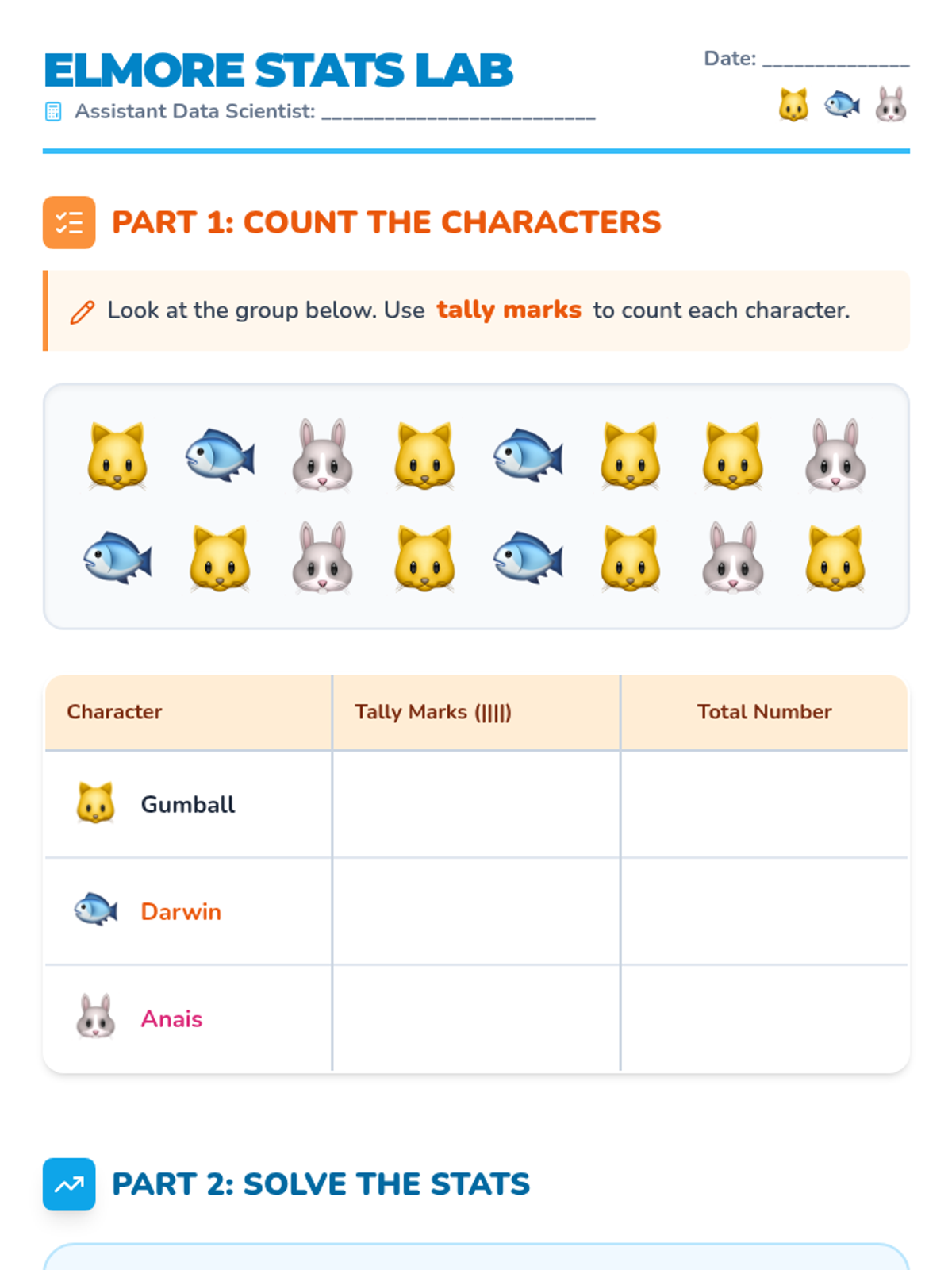
A comprehensive progression through descriptive statistics, from foundational calculations to high-school level analytical applications, including outlier effects and algebraic problem-solving.
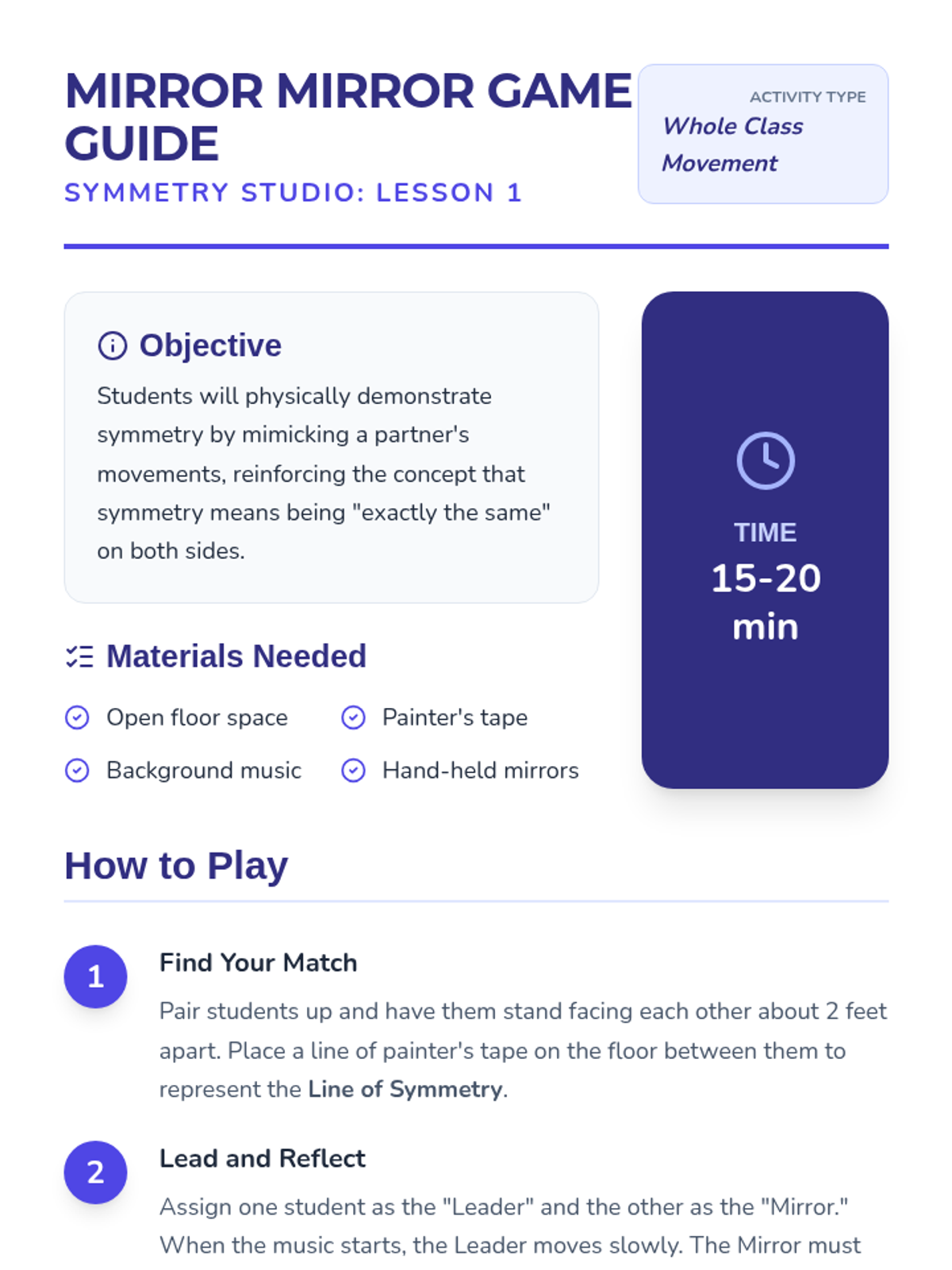
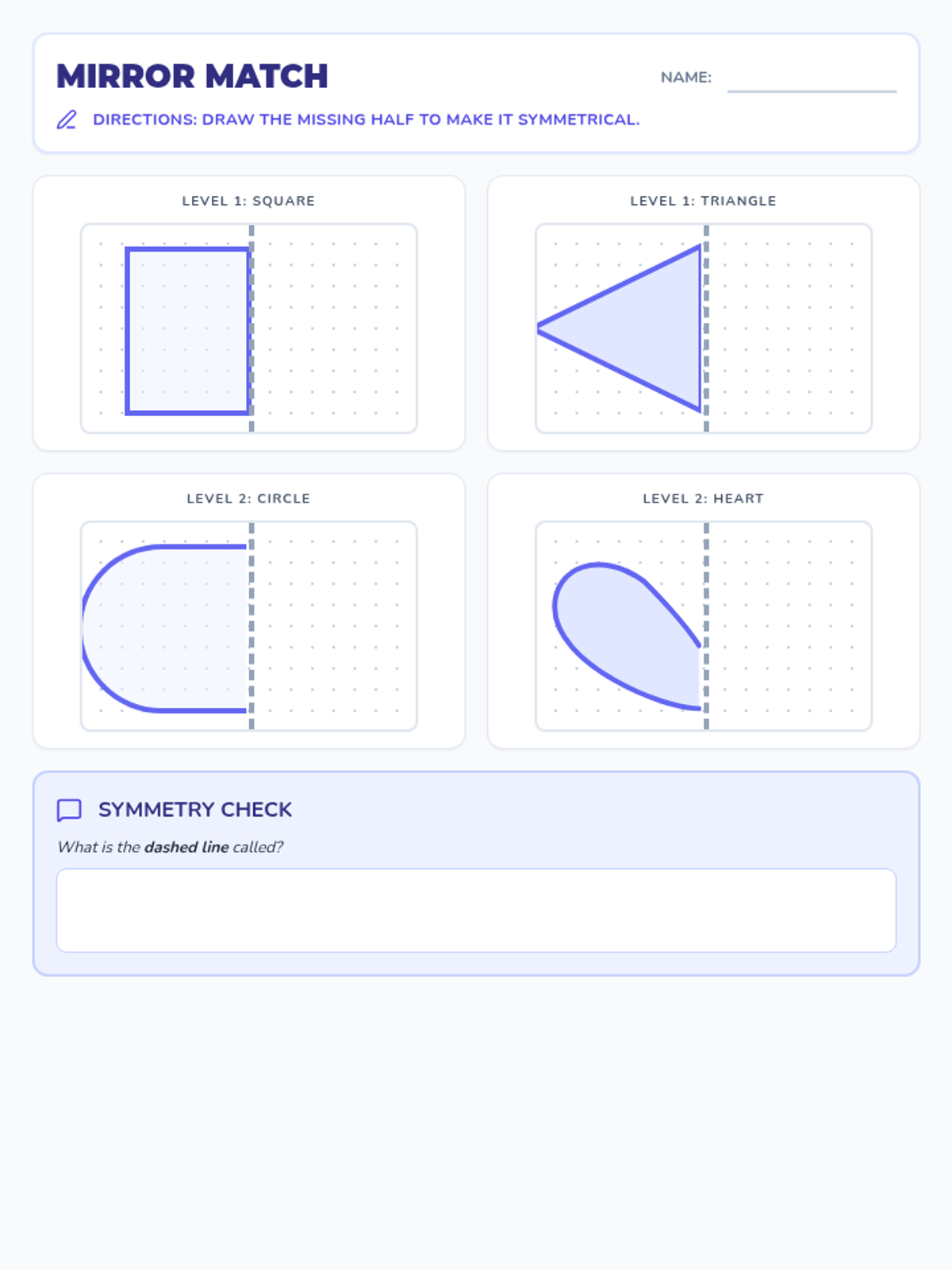
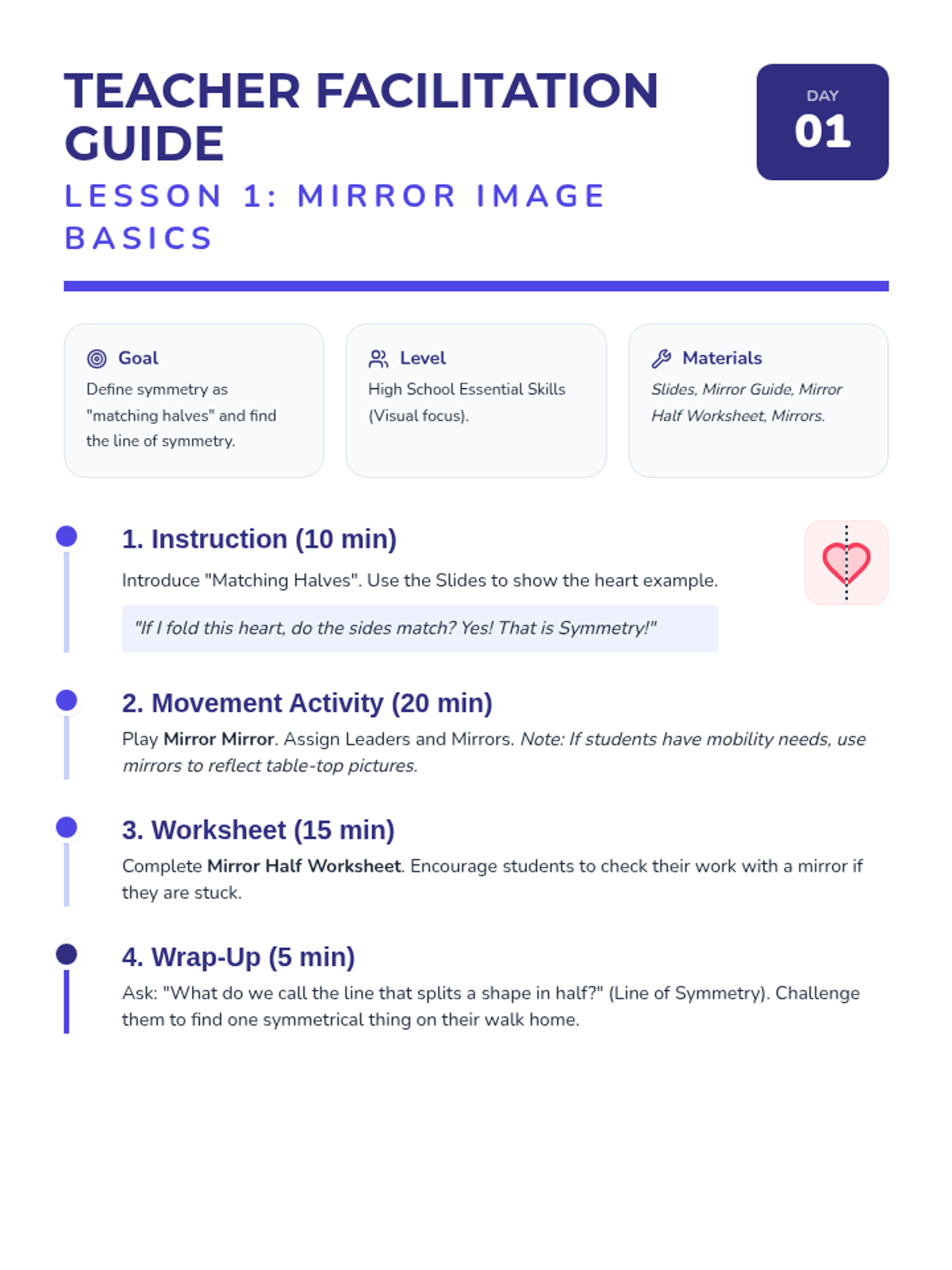
A four-day unit for high school essential skills students focused on identifying and creating symmetry in geometric shapes and everyday objects through hands-on activities and visual supports.
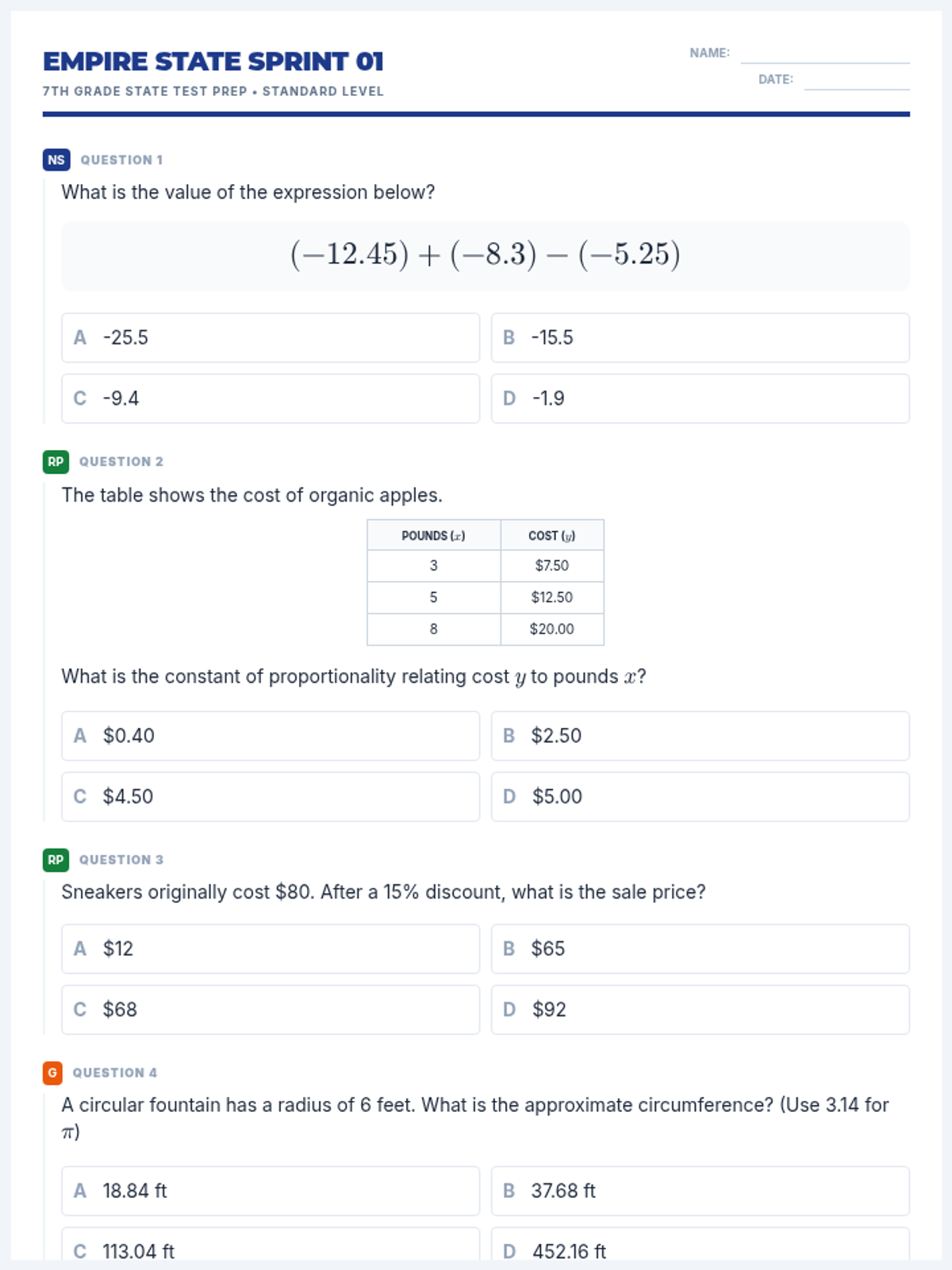
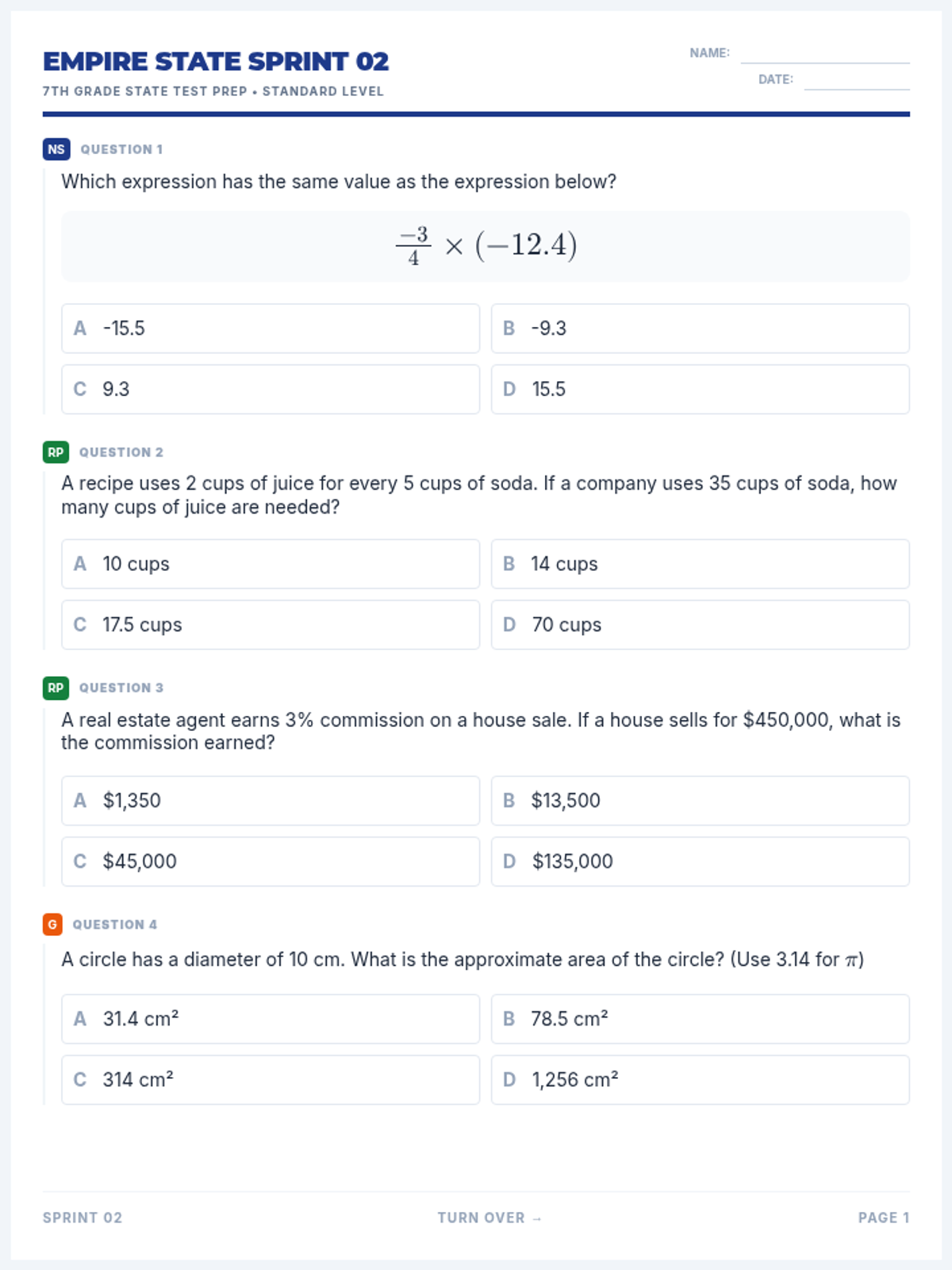
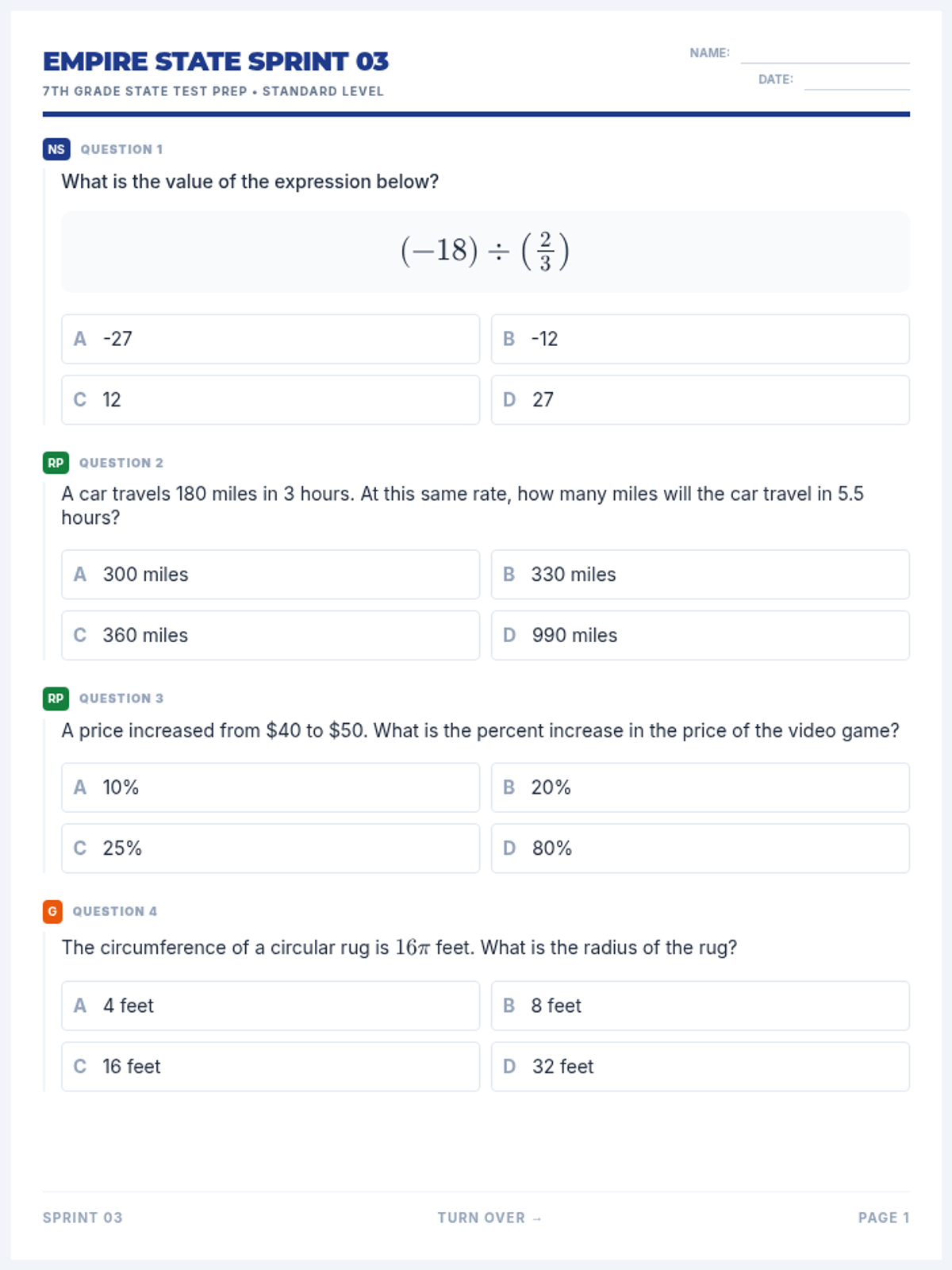
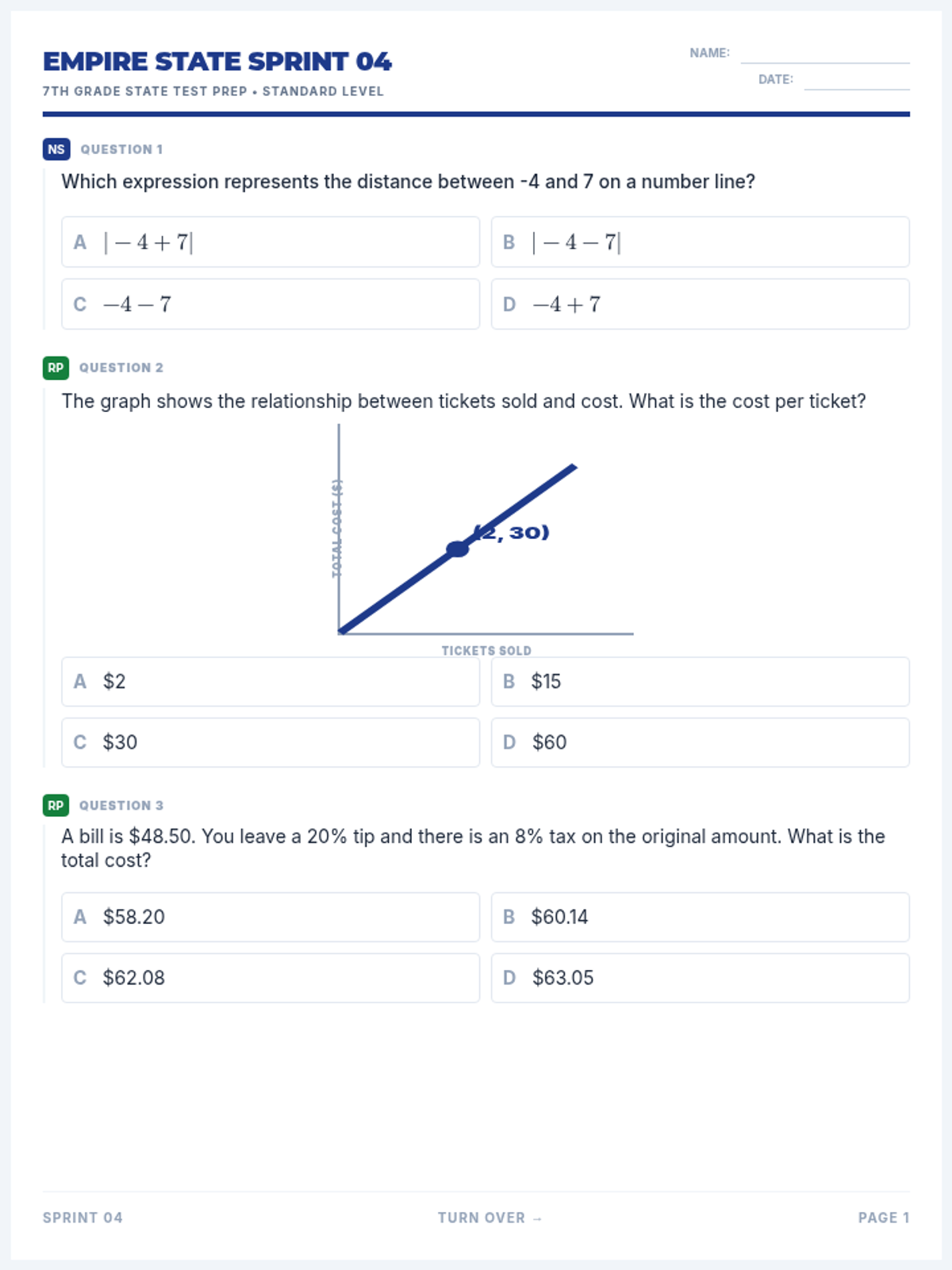
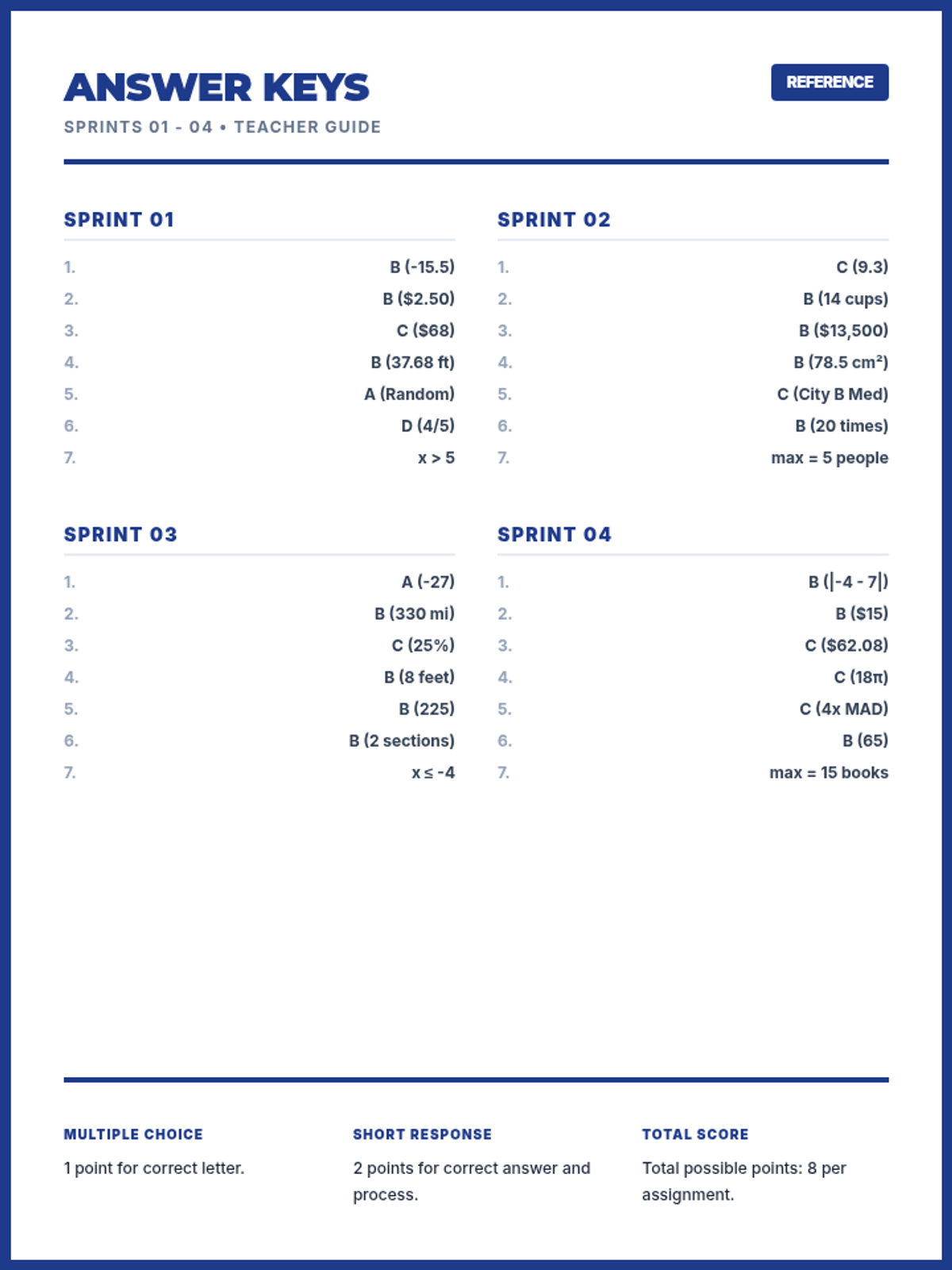
A series of four targeted homework assignments designed to prepare 7th-grade students for the New York State Mathematics Test. Each assignment covers key domains including Number Systems, Ratios and Proportions, Geometry, Statistics, and Probability in a standardized format.
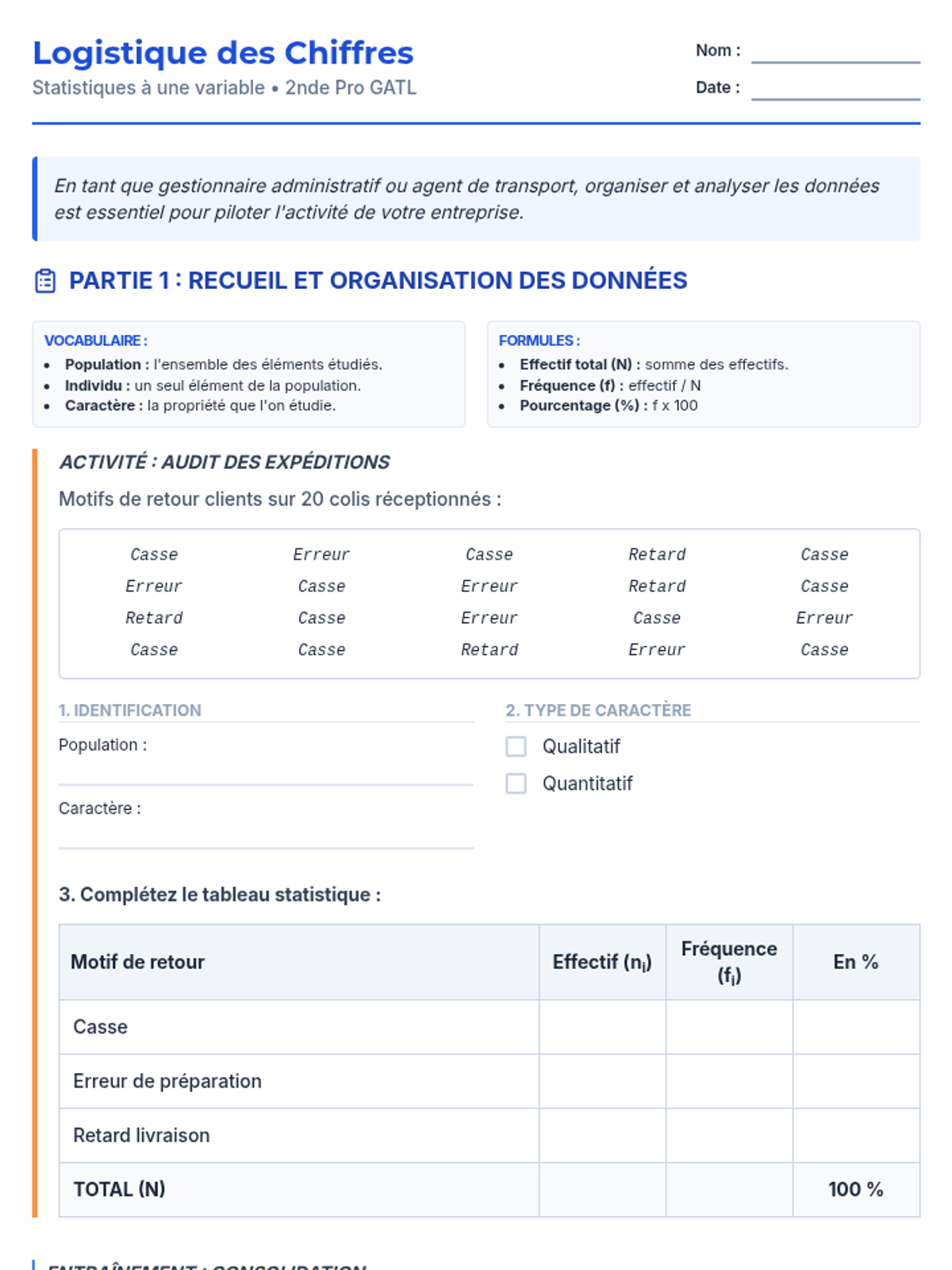
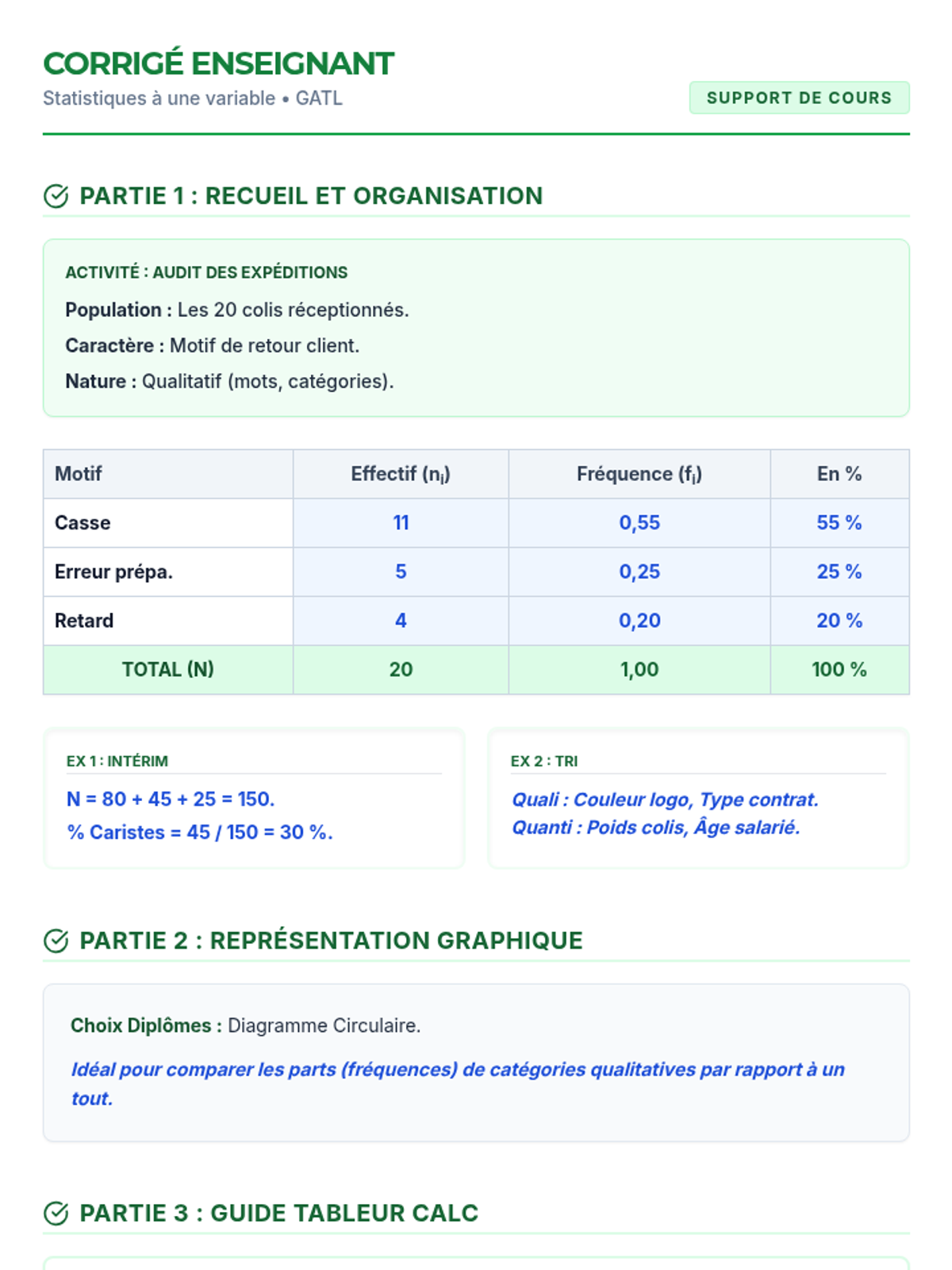
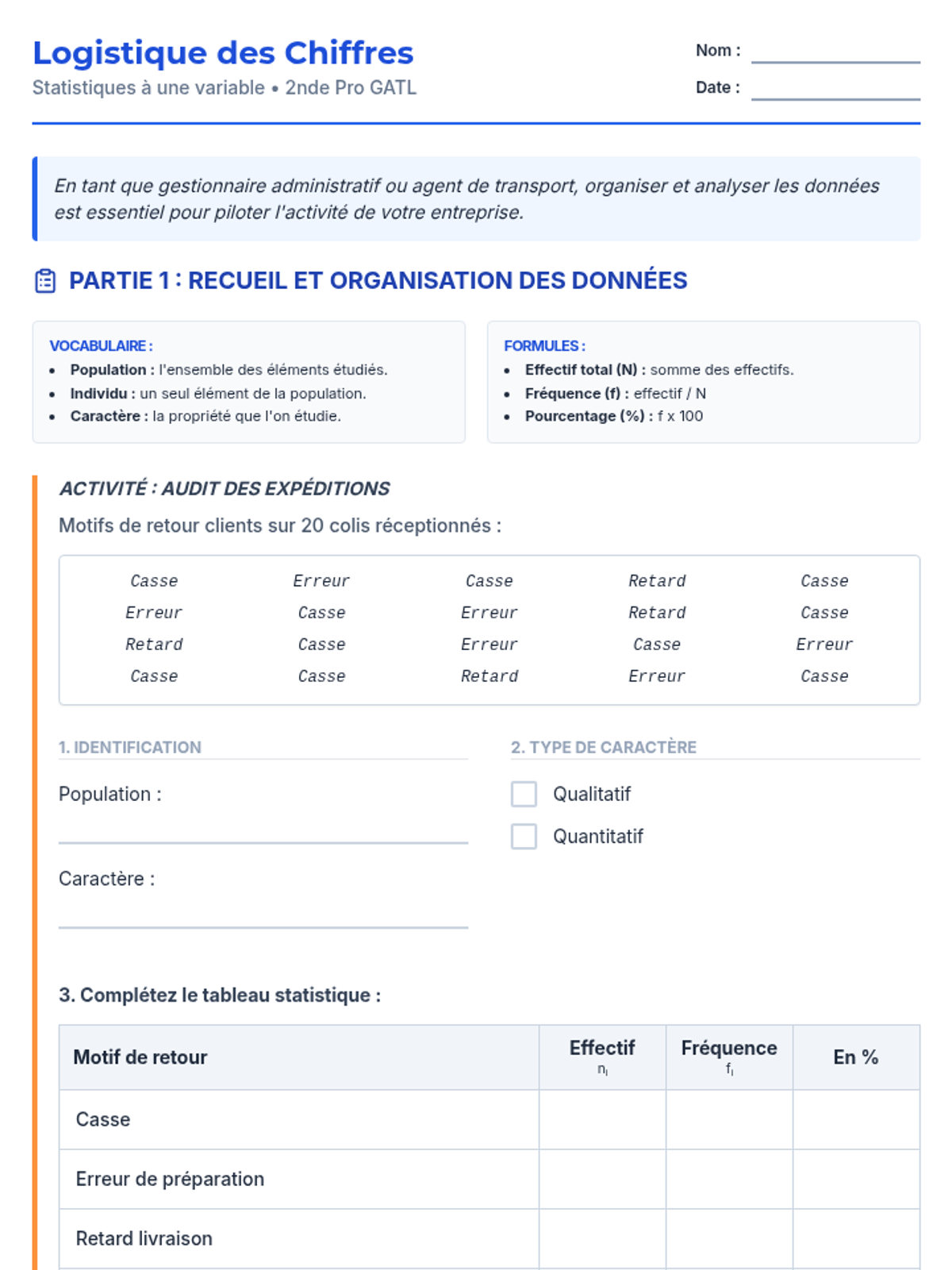
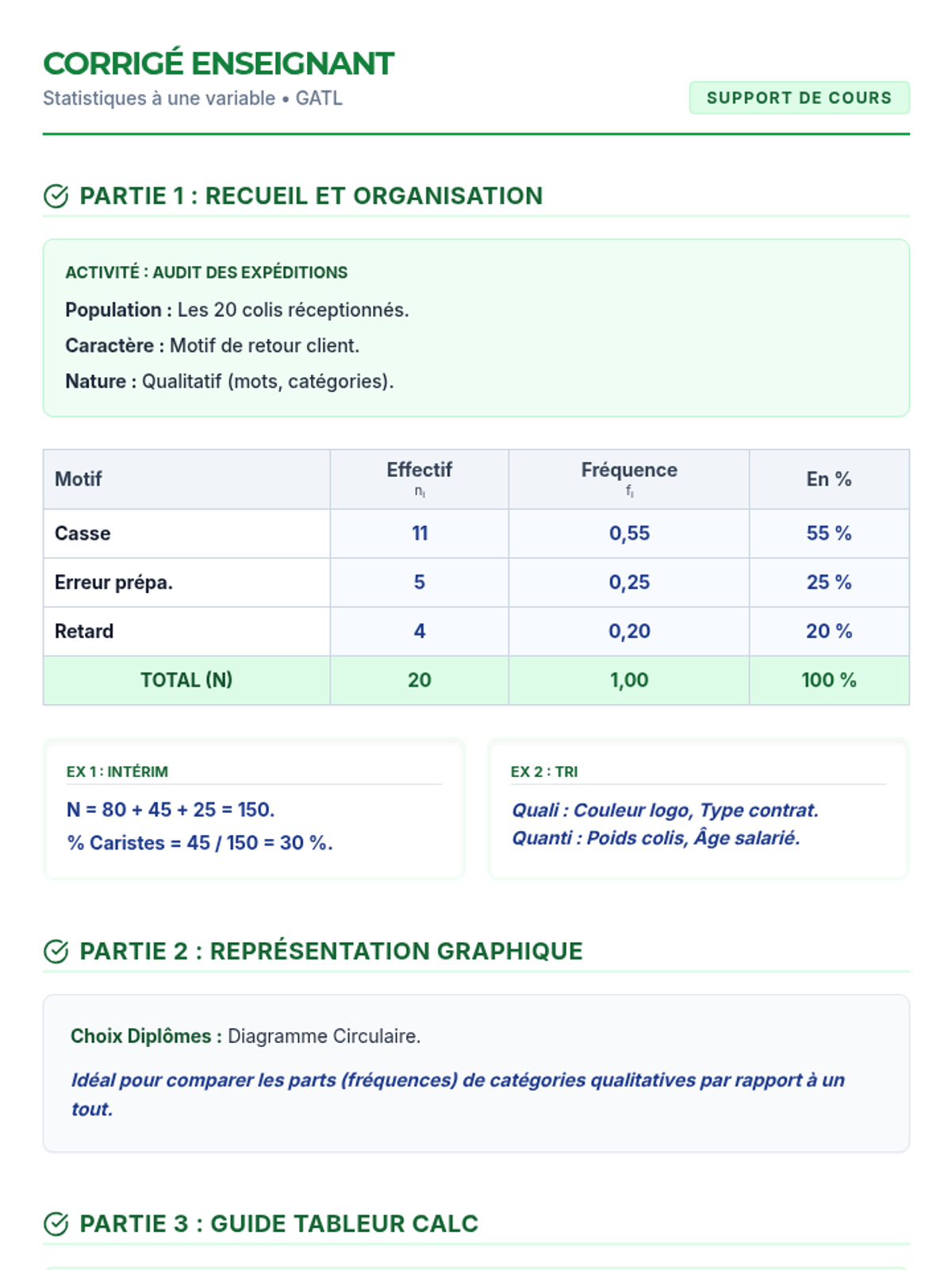
Unité d'apprentissage complète sur les statistiques à une variable appliquée au contexte professionnel GATL (Gestion-Administration, Transport, Logistique), couvrant la collecte, l'organisation, la représentation et l'usage du tableur.
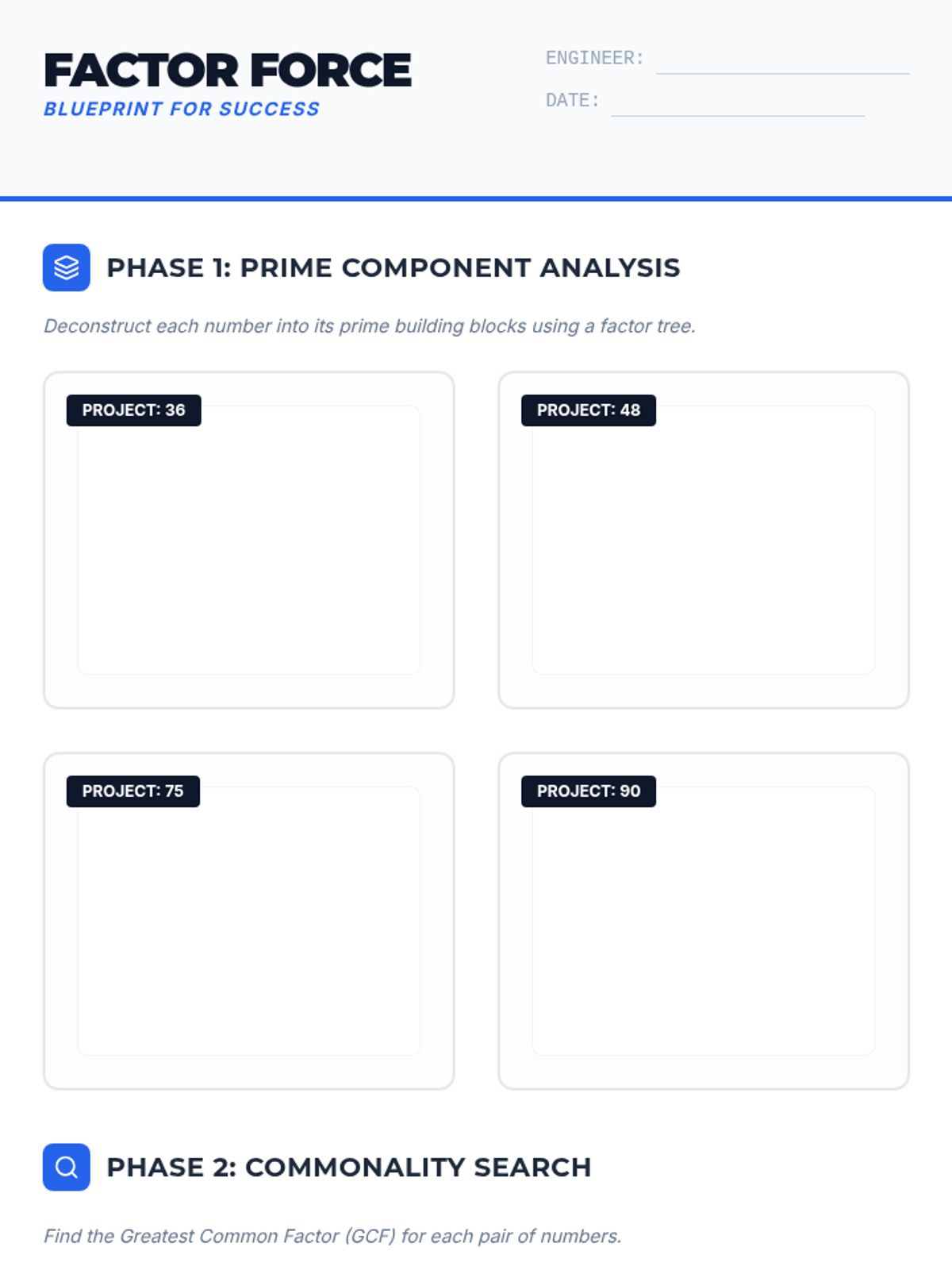
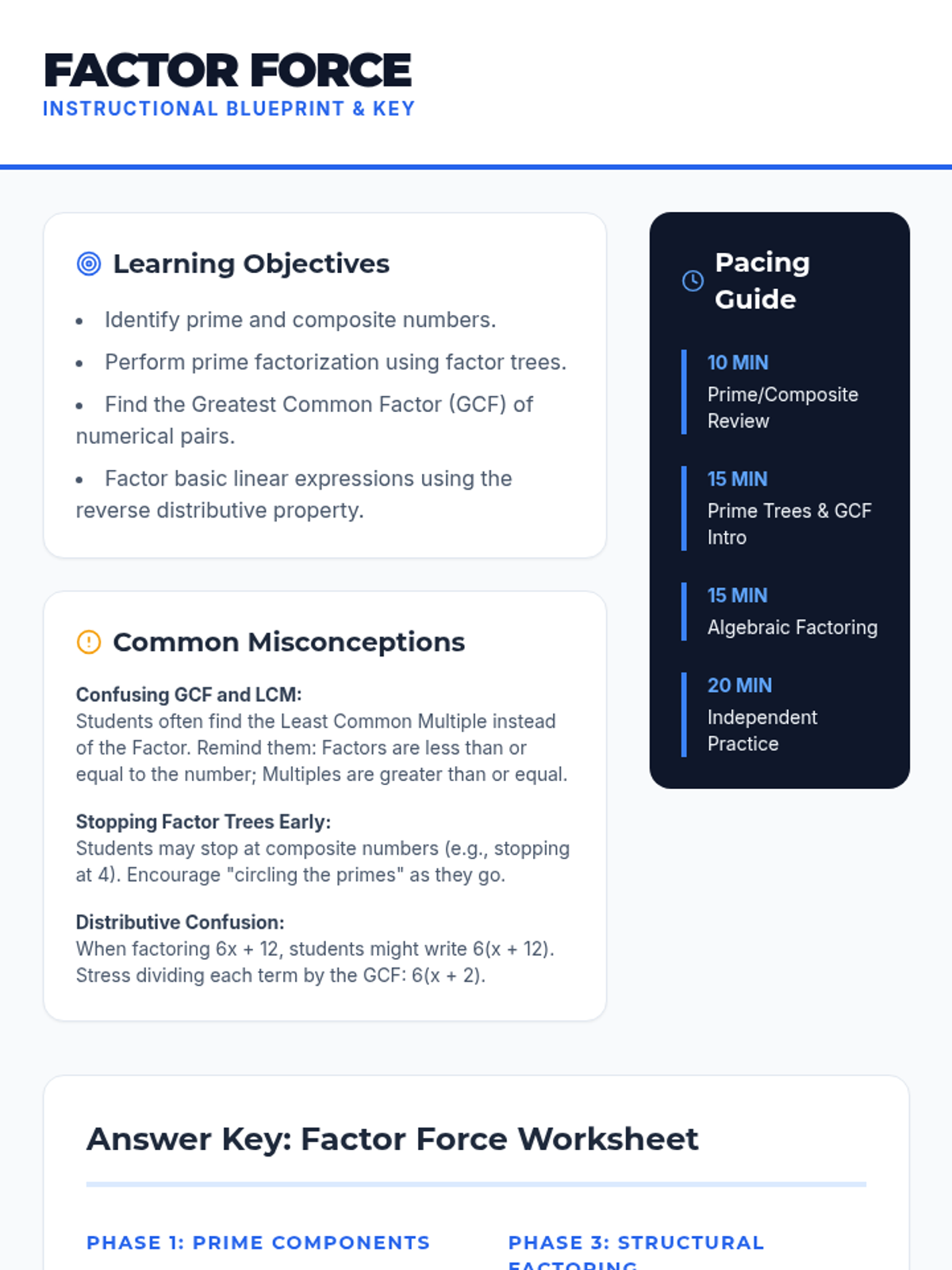
A sequence focused on the foundational skills of factoring, including prime factorization, finding the Greatest Common Factor (GCF), and introducing the distributive property in reverse for grades 6-7.
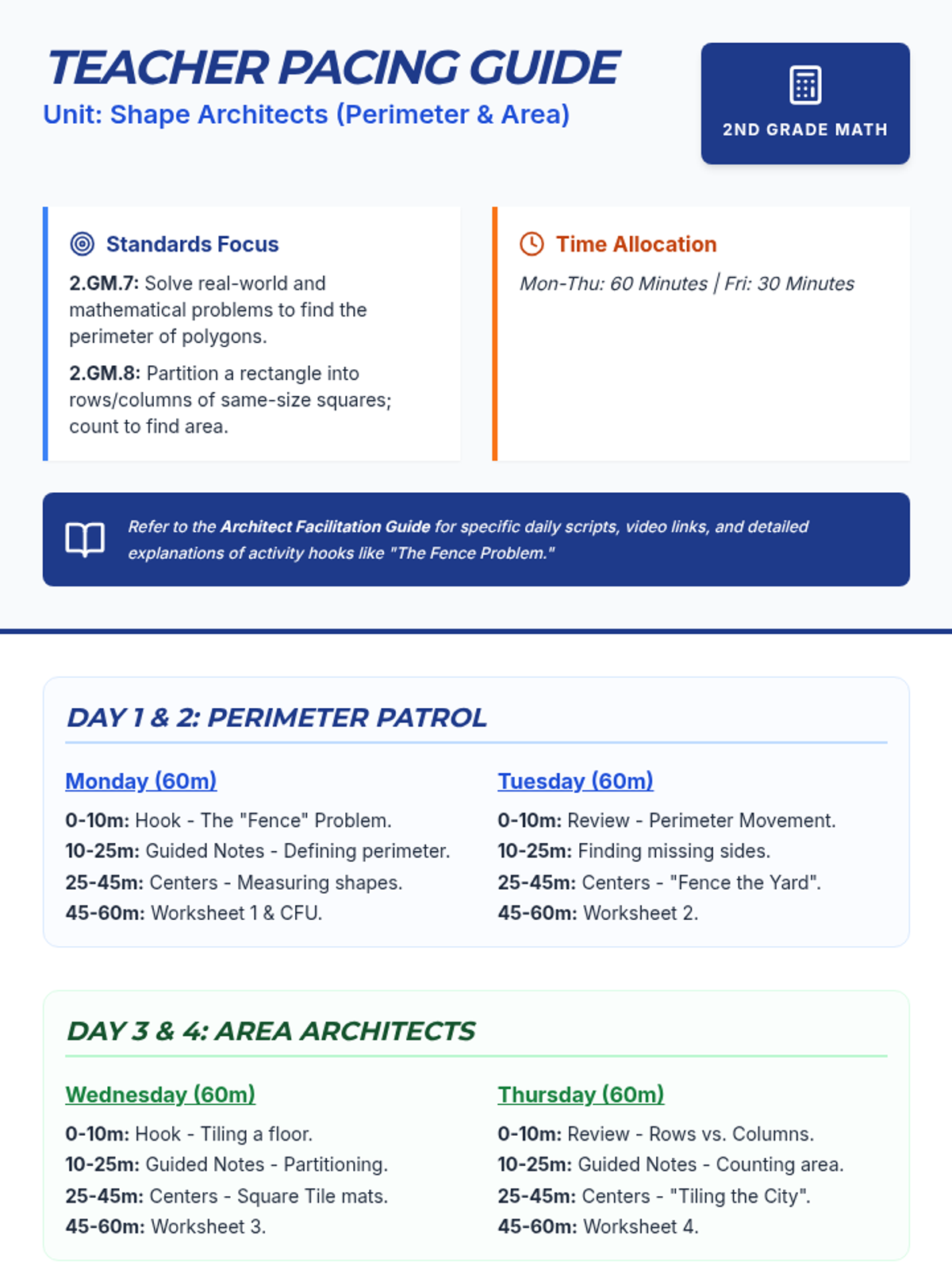
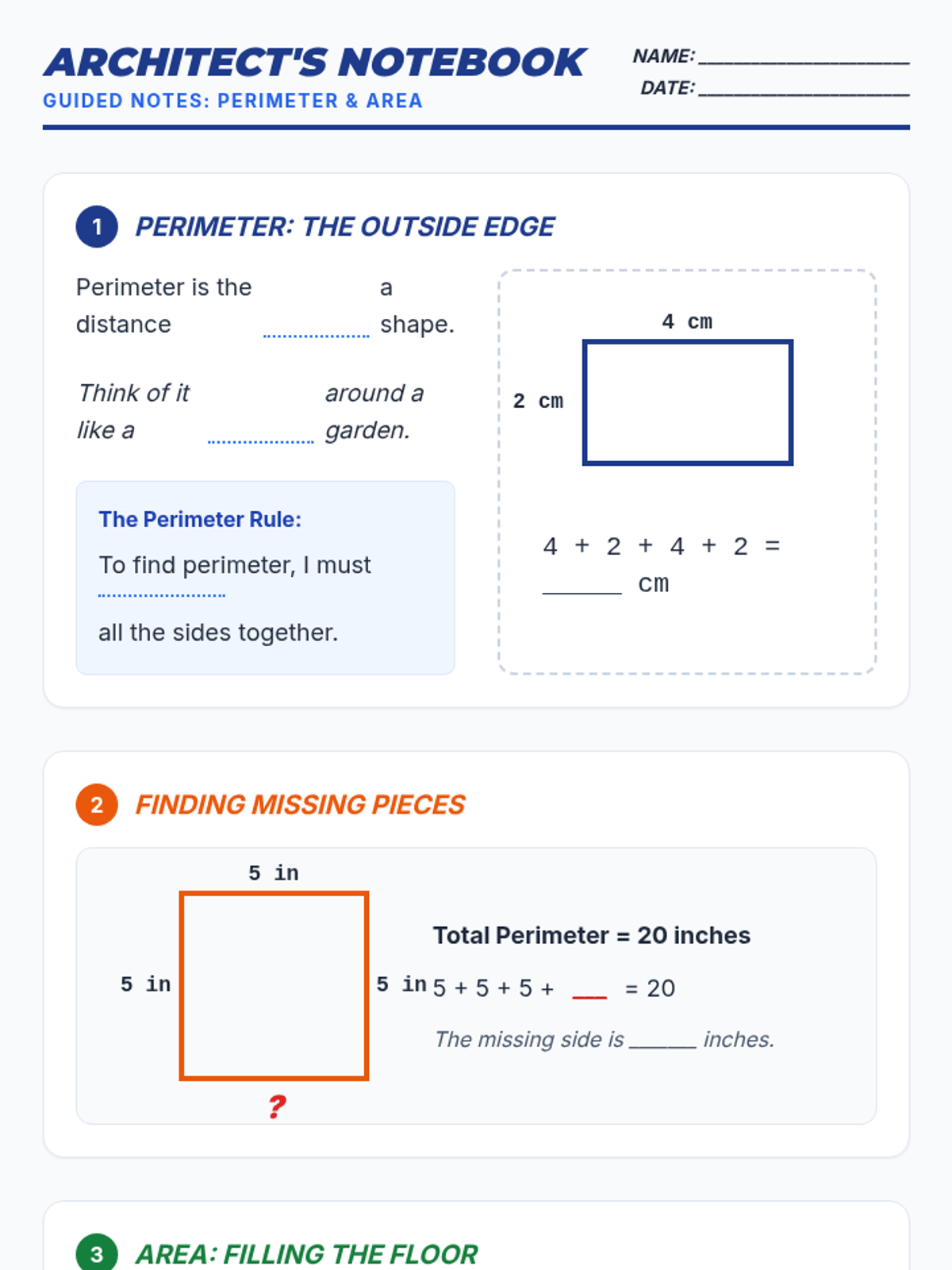
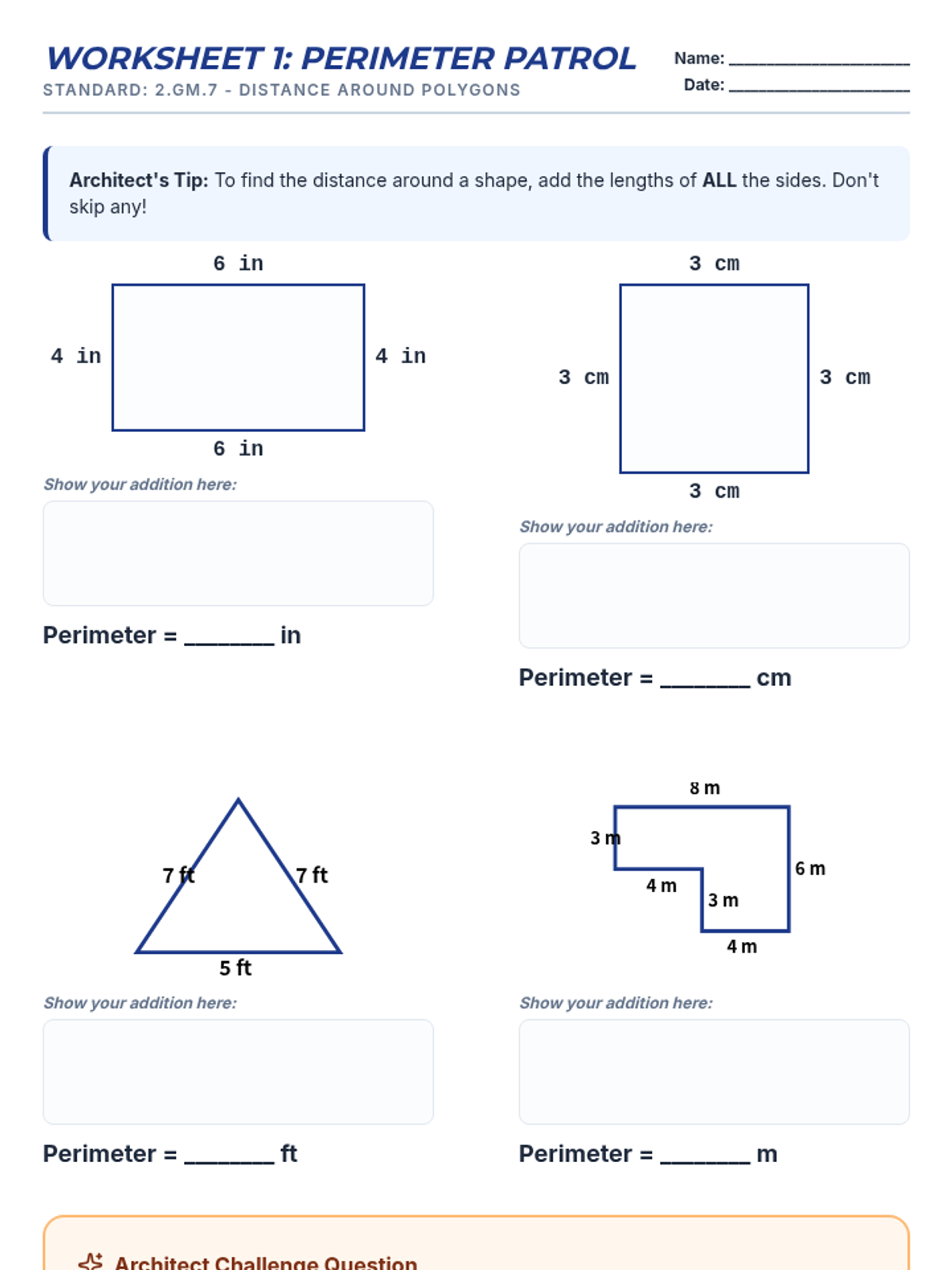
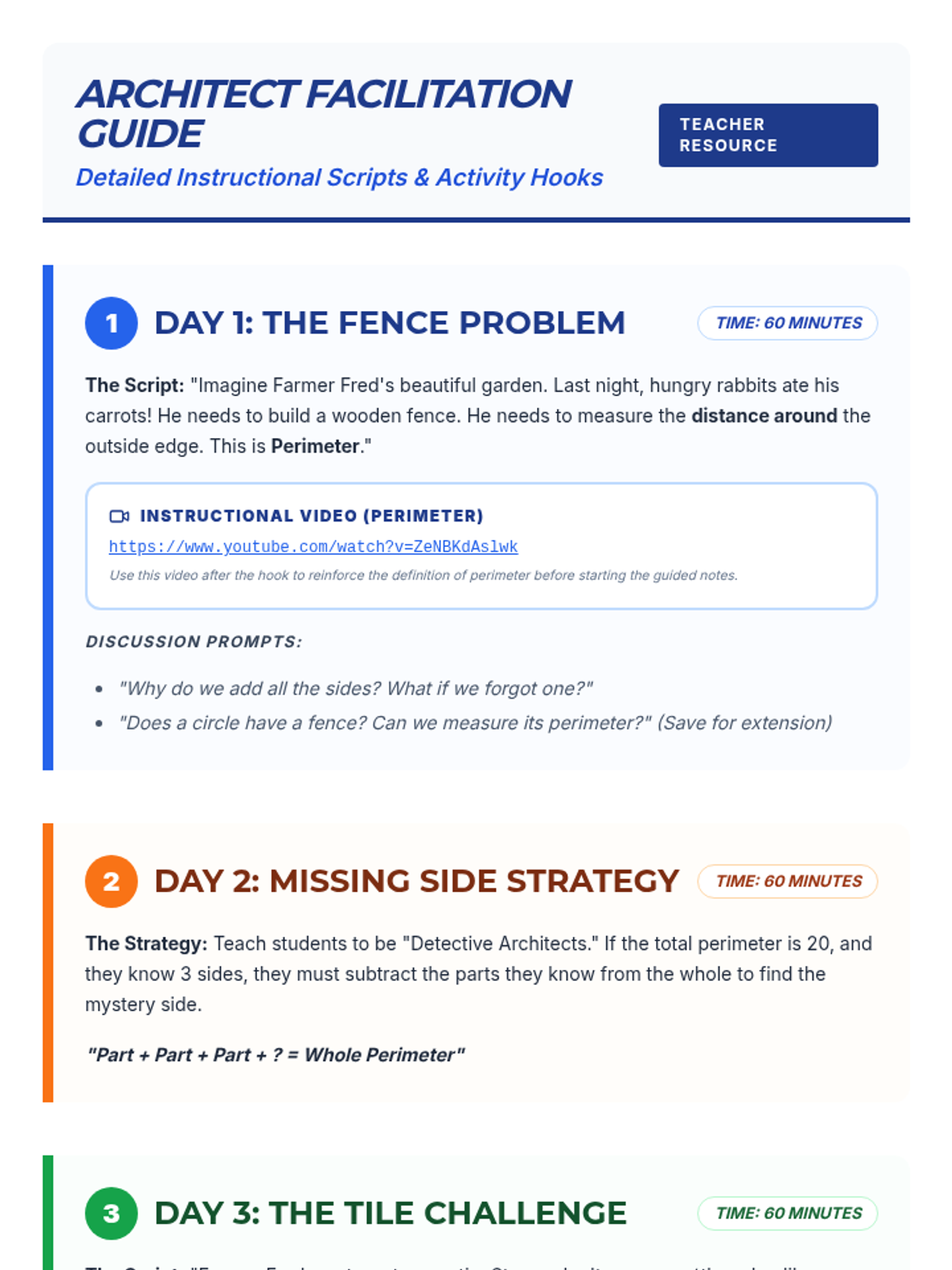
A week-long math unit for 2nd grade focusing on perimeter of polygons and partitioning rectangles to find area. Students act as 'Shape Architects' to design, measure, and calculate blueprints.
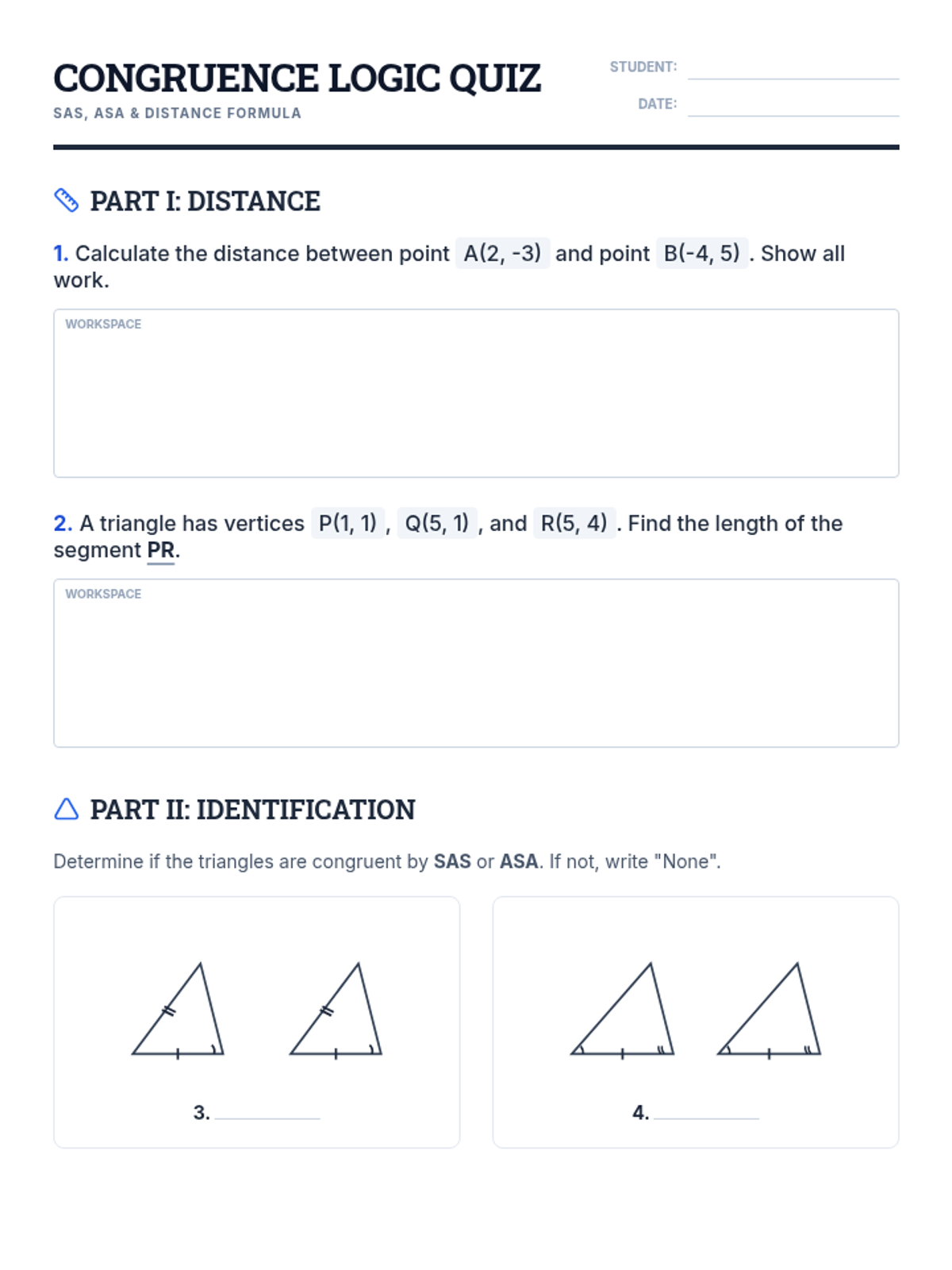
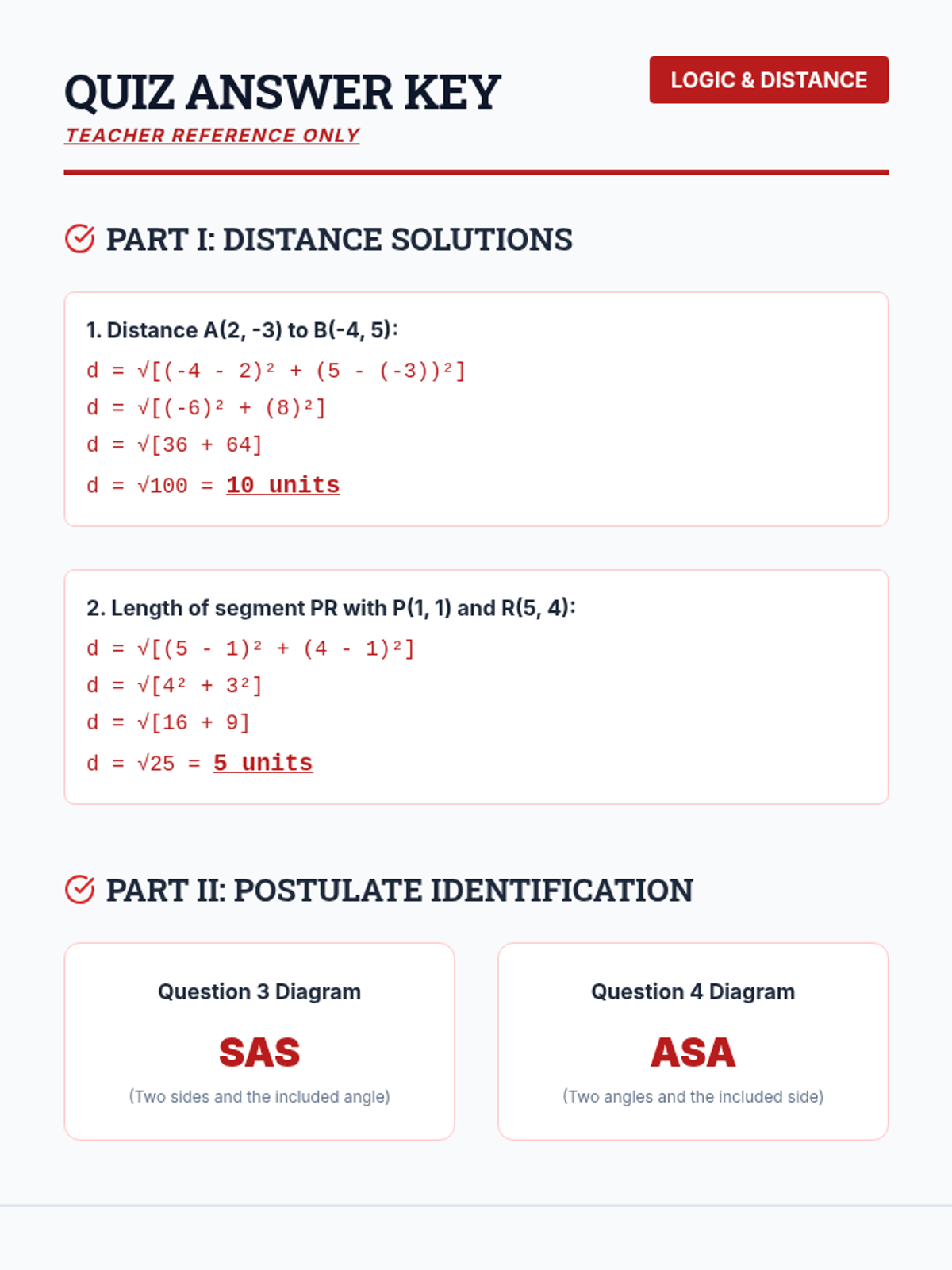
An exploration of geometric congruence, coordinate geometry, and the formal logic required for mathematical proofs.
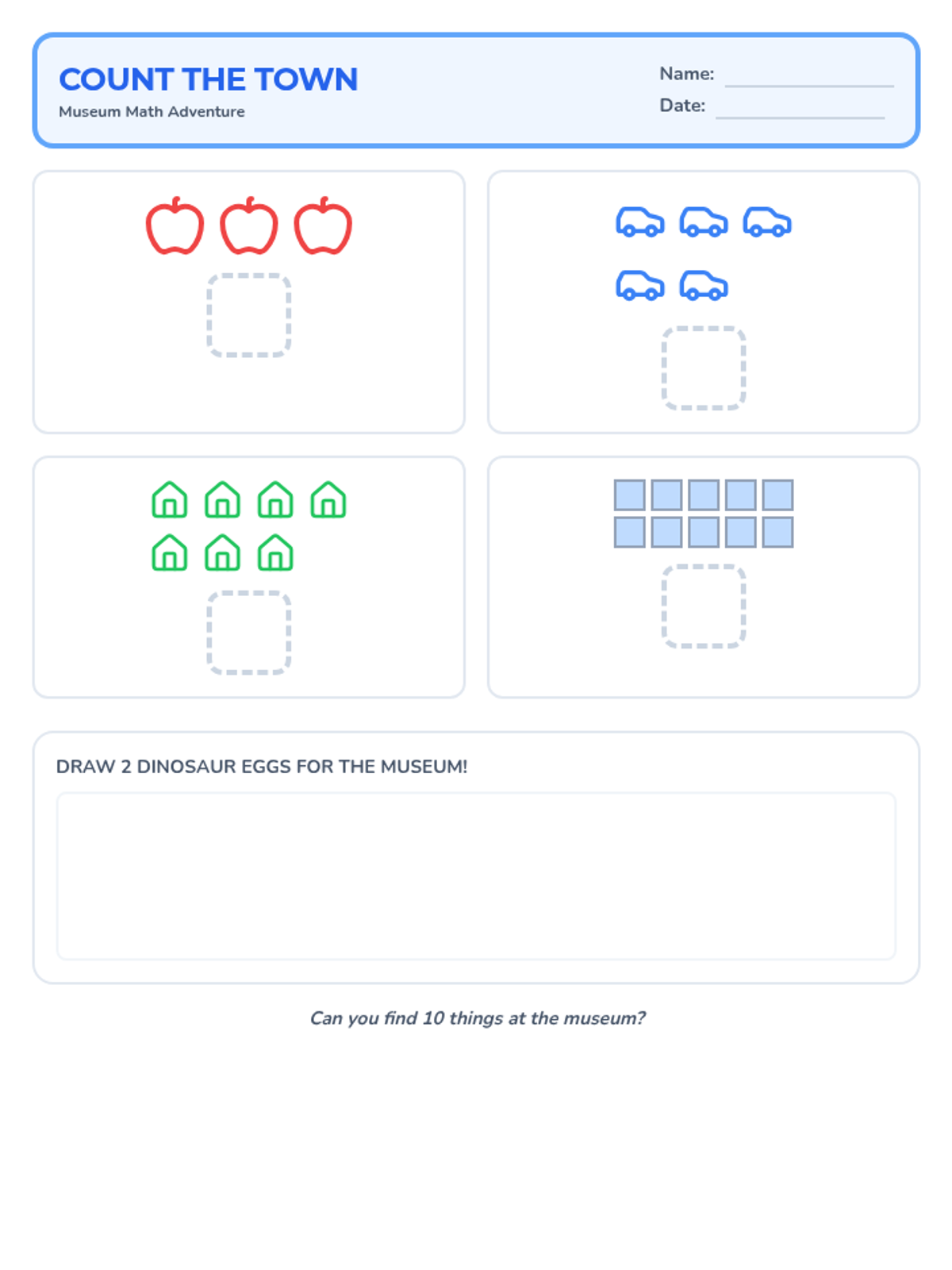
A series of interactive math lessons themed around a trip to Play Street Museum, specifically designed for preschool students with special needs to practice numbers, addition, and size comparison through imaginative play contexts.
A comprehensive Algebra II unit on quadratic functions, covering parent functions, graphing, key features (vertex, intercepts, AOS), and solving via factoring and the quadratic formula, with a focus on real rational roots.