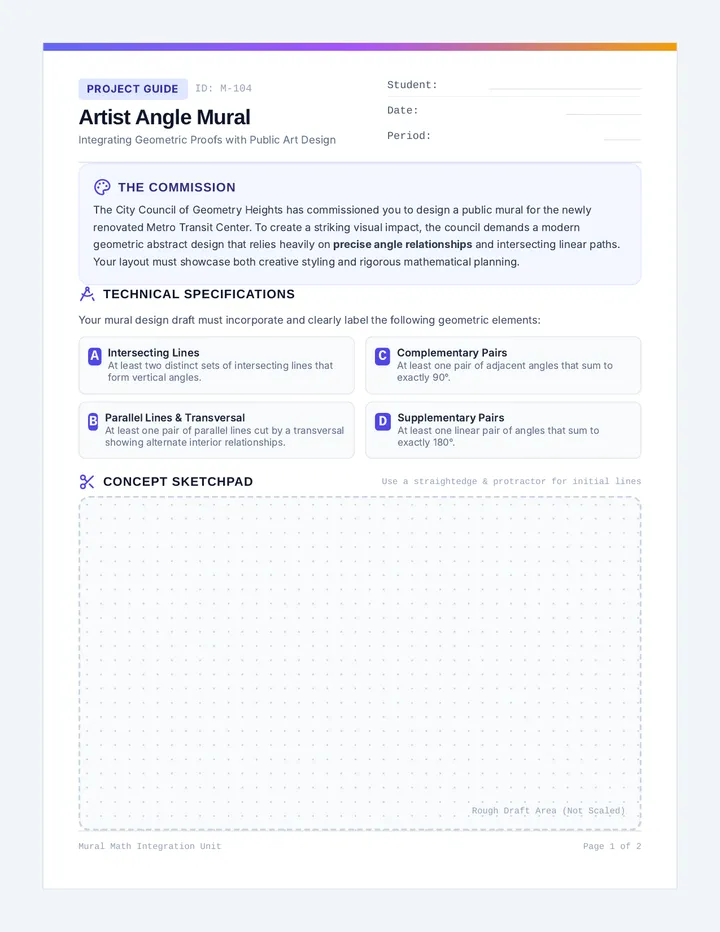
A targeted small group intervention for Grade 7 students focusing on using geometric relationships to solve algebraic equations for unknown angles. The sequence emphasizes scaffolded transitions from visual diagrams to formal algebraic solutions.
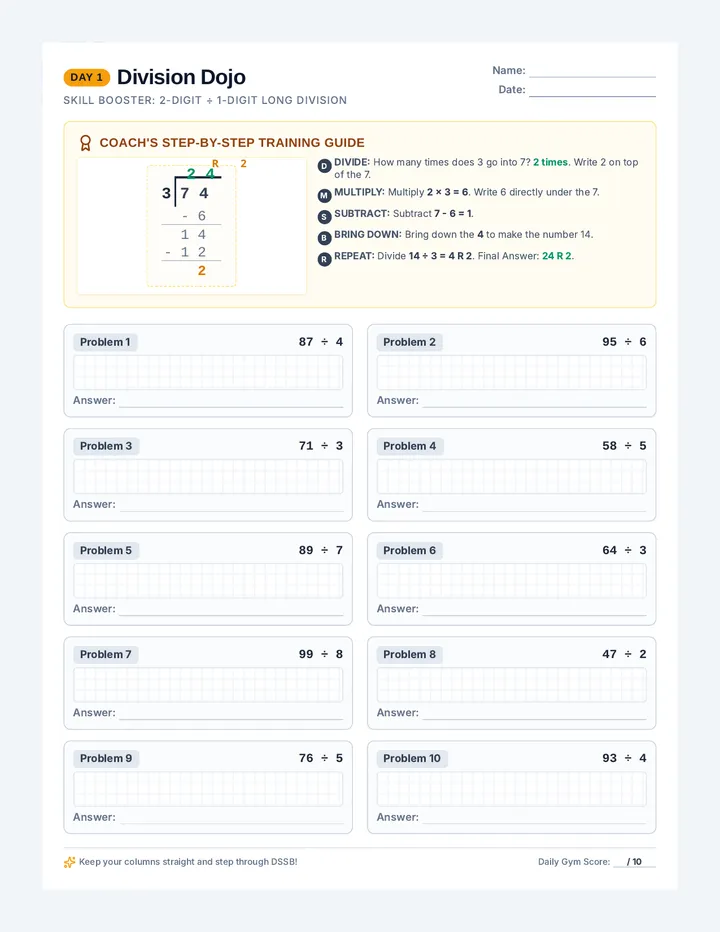
A Tier 2 intervention series focusing on multi-digit division using partial quotients and the standard algorithm. Designed for 15-minute daily sessions to build fluency and confidence in 6th grade students.
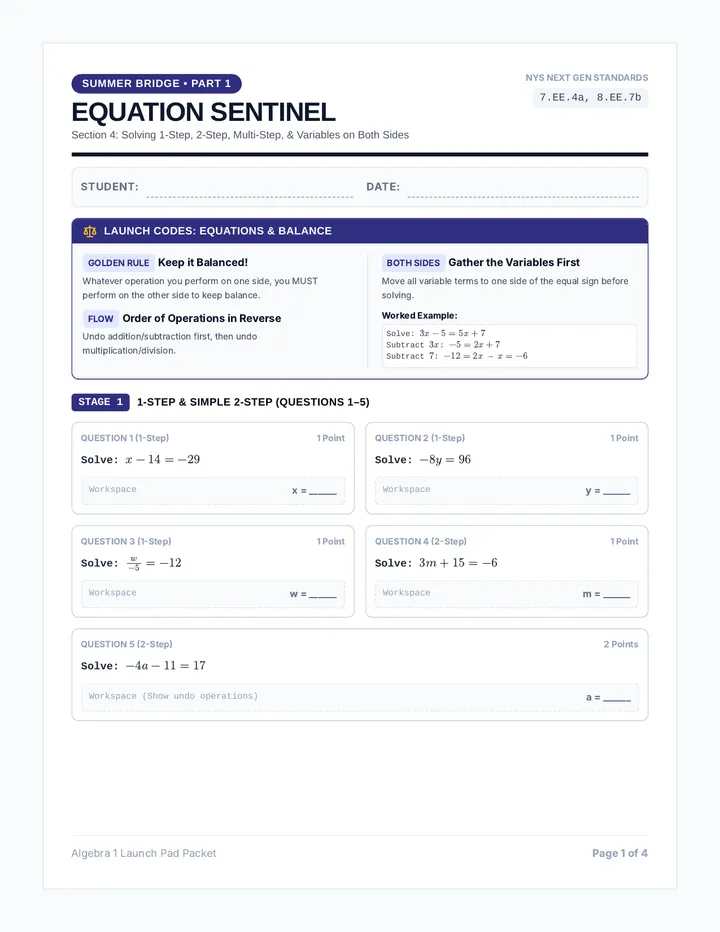
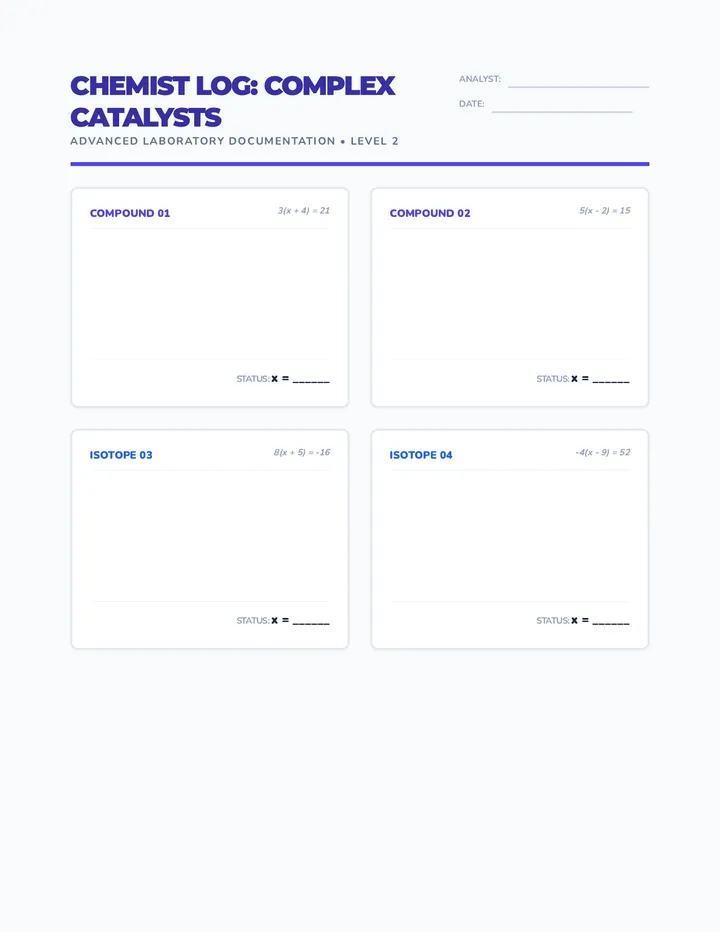
A comprehensive Tier 2 intervention designed to move 7th graders from foundational one-step equations to complex multi-step real-world problems using a 'structural engineering' theme.
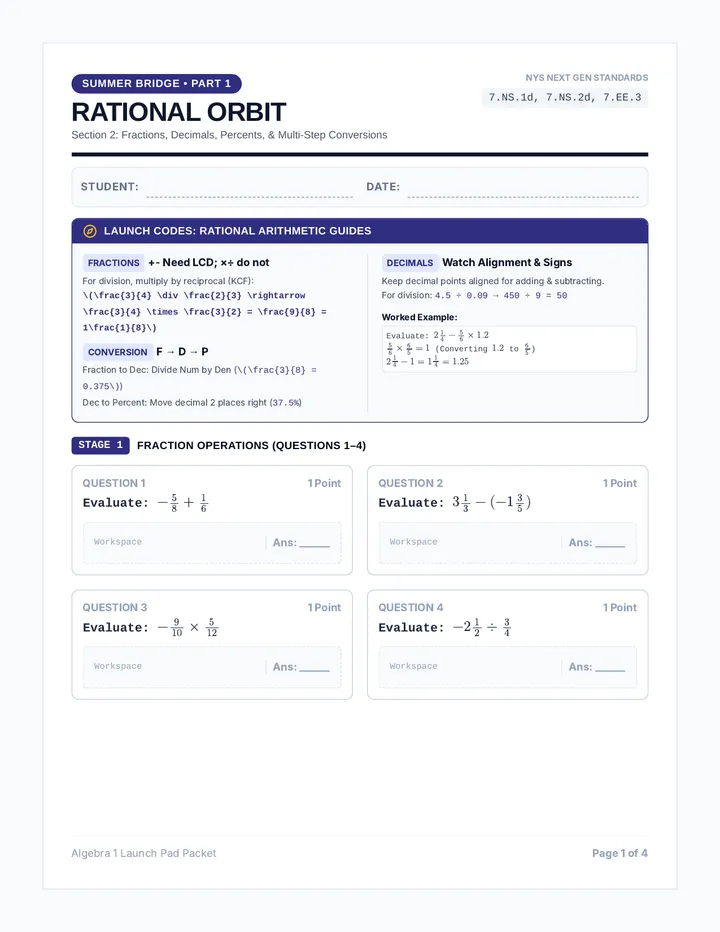
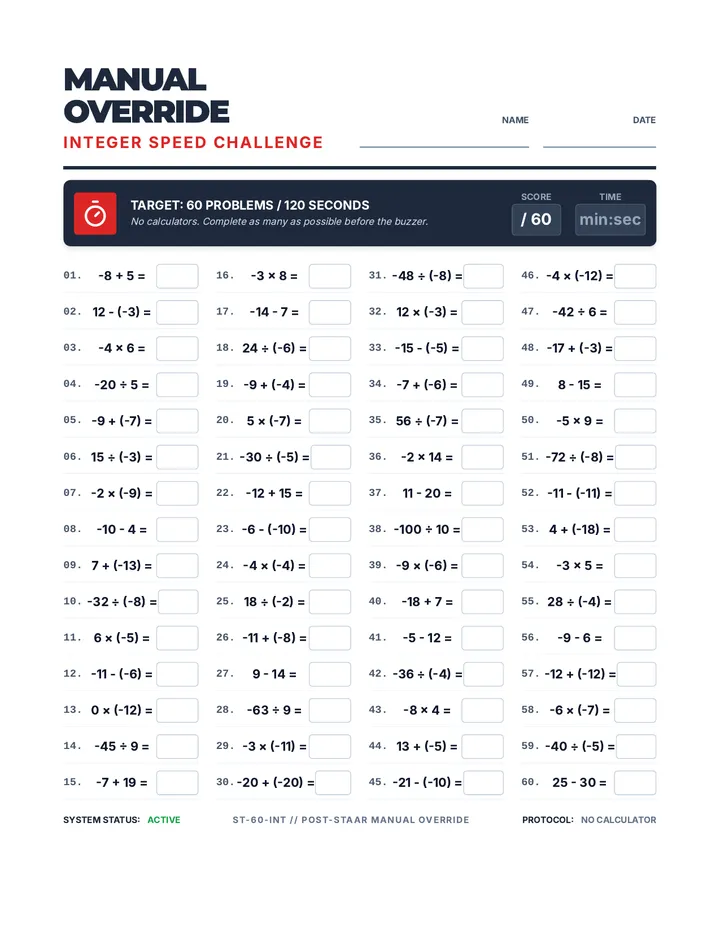
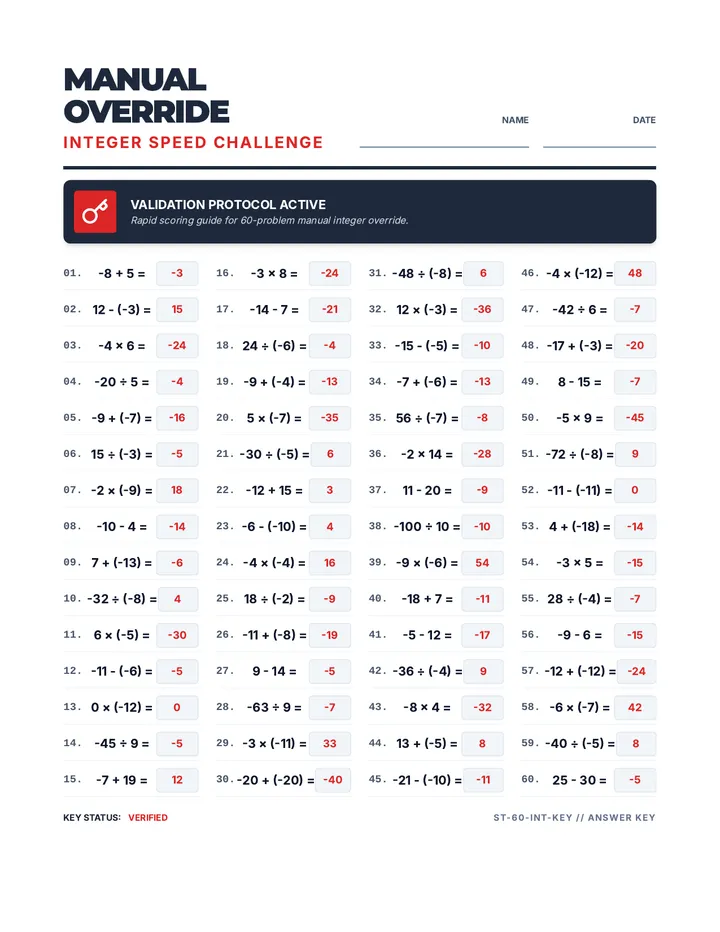
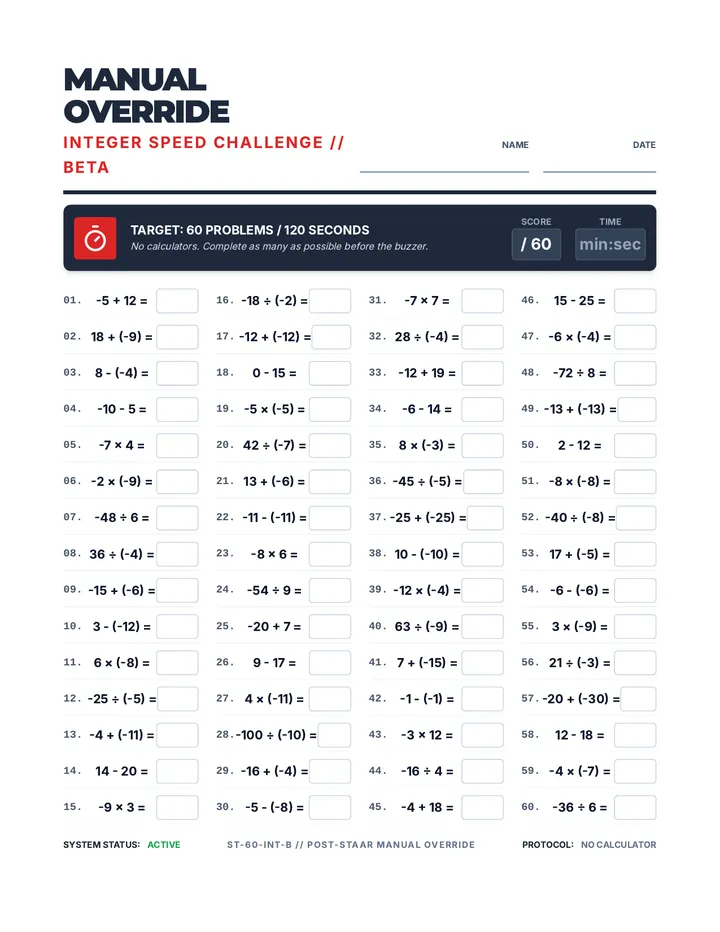
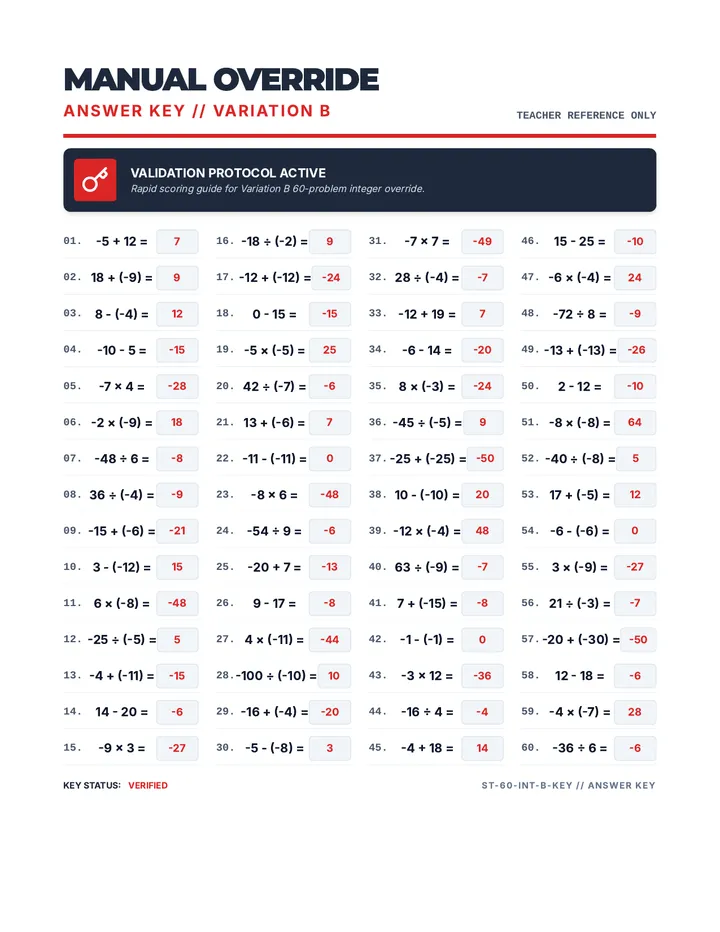
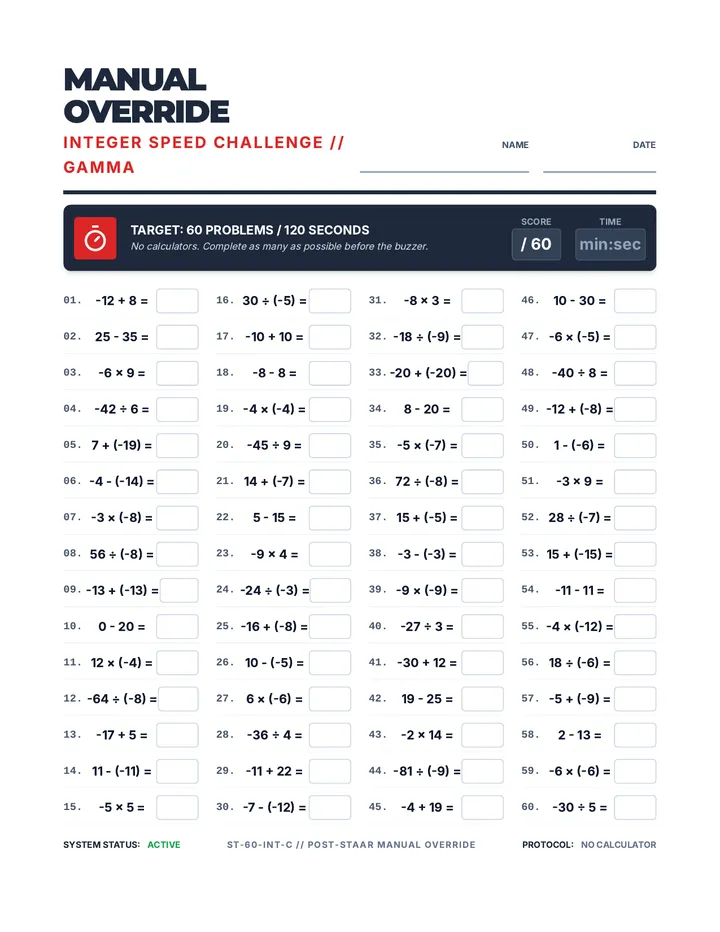
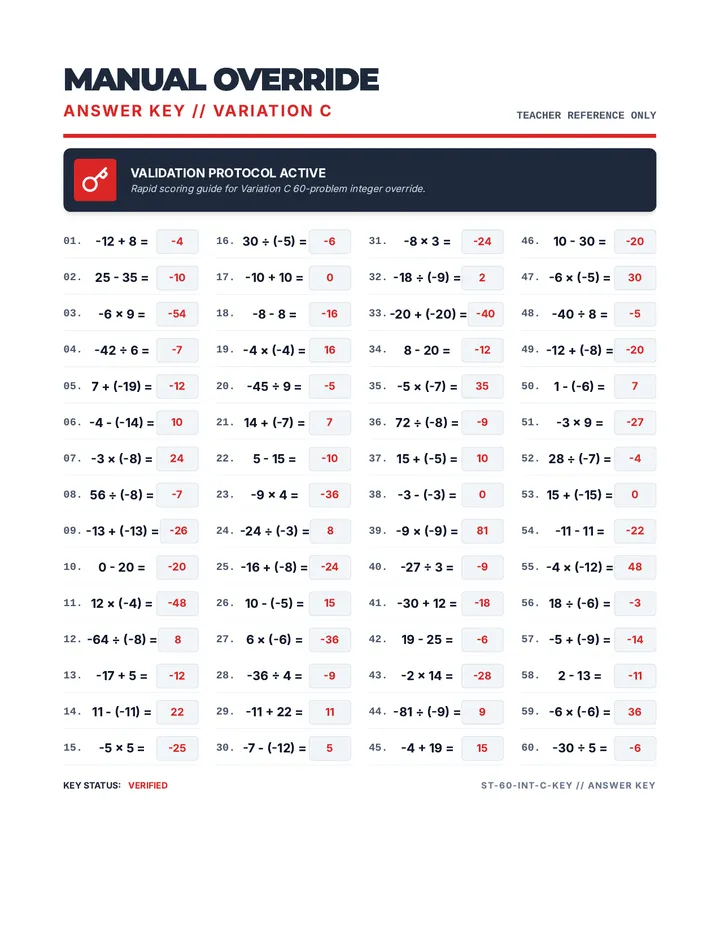
A Tier 2 intervention sequence focused on rational number operations for 7th graders. Students navigate deep-sea depths to master integer addition, subtraction, multiplication, and division, as well as operations with fractions and decimals in real-world contexts.
Une série de micro-leçons de 10 minutes centrée sur l'optimisation de l'espace papier. Les élèves apprennent à mettre à l'échelle une mise en page de 6 photos (format A4) vers le format Raisin (50x65 cm) en minimisant les chutes.
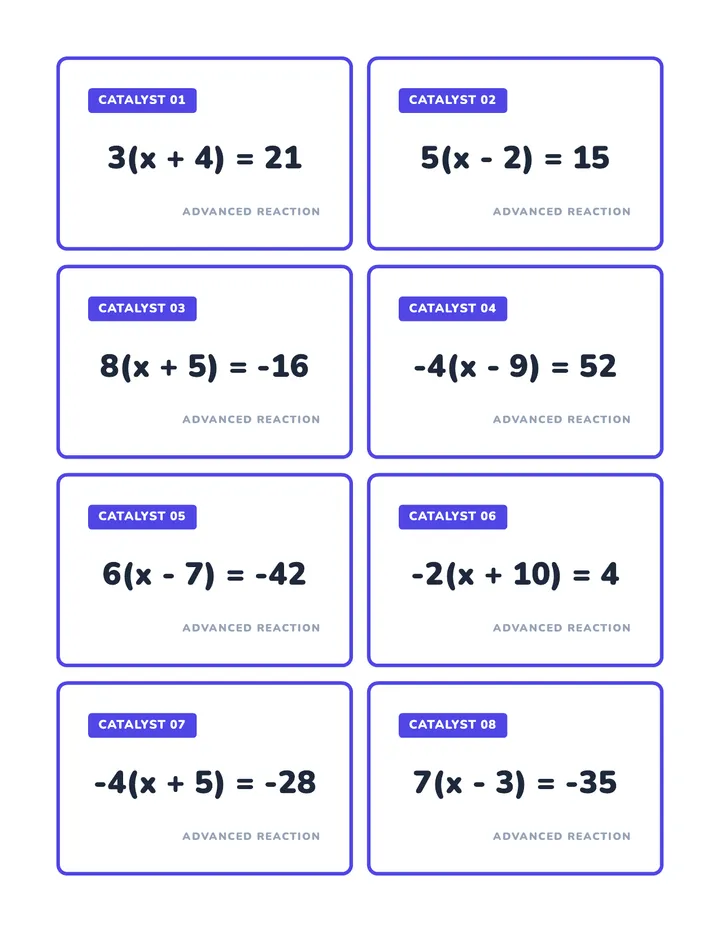
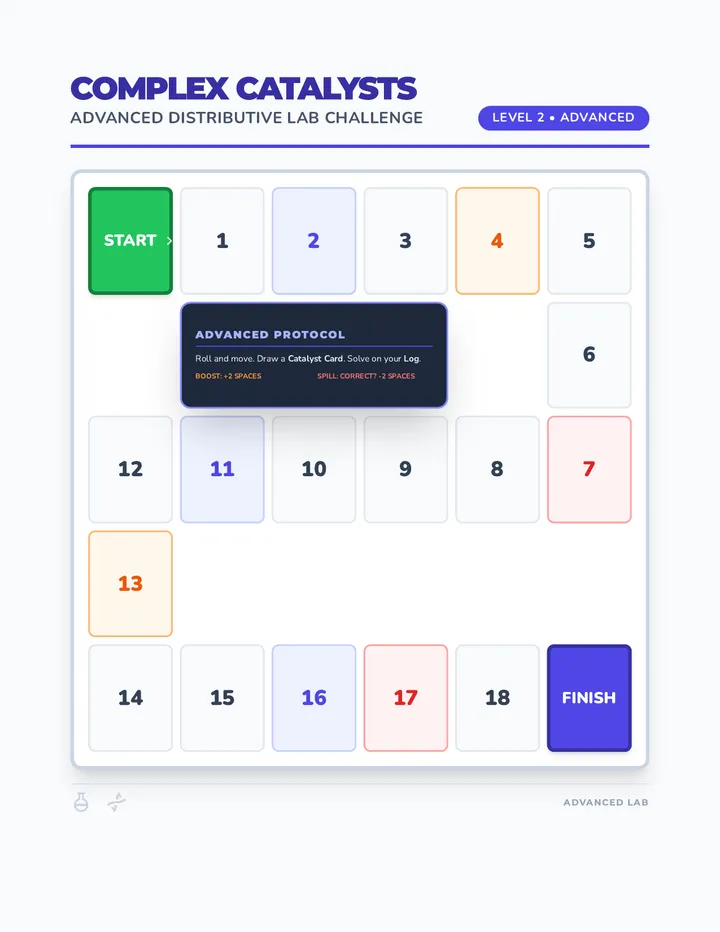
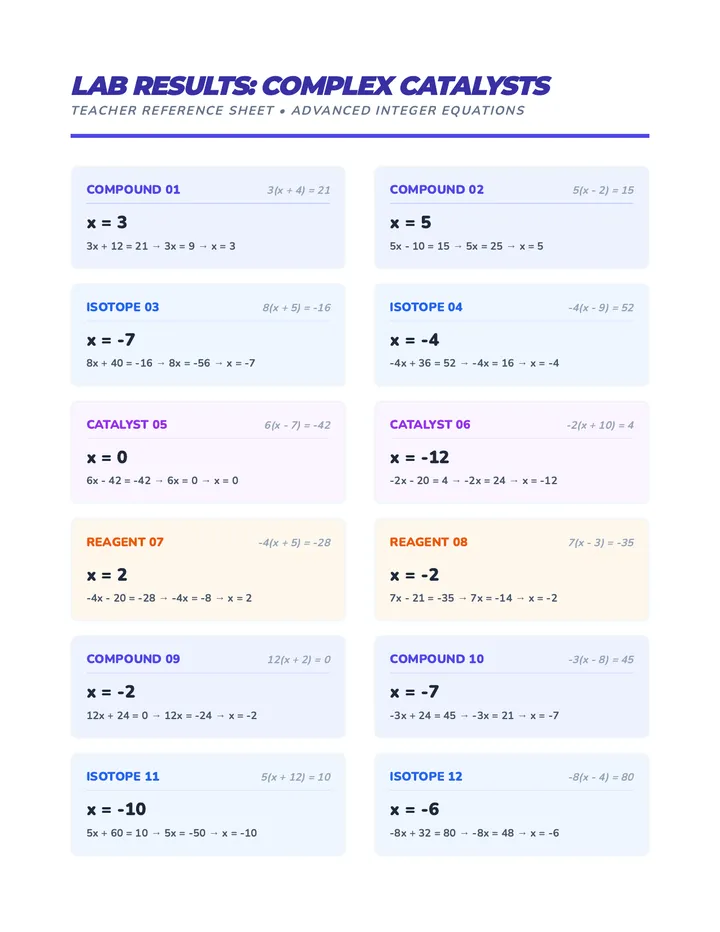
A comprehensive small-group intervention toolkit designed to help students master multi-step equations through scaffolded practice, error analysis, and real-world translation.
A comprehensive 5-lesson unit on linear relationships, focusing on conceptual understanding of slope as a rate of change through real-world scenarios, multiple representations, and error analysis.
A Tier 2 intervention unit focused on mastering the four-quadrant coordinate plane and calculating distances between points using absolute value, aligned with Colorado standard 6.NS.8.
A targeted intervention sequence focusing on helping students master measurement conversions through ratio reasoning and unit cancellation.
A targeted intervention sequence focused on compound probability, designed for small groups to master sample space construction and simulations.
A targeted intervention sequence focused on understanding probability through experimental data, recording frequencies, and observing how relative frequency stabilizes over many trials.
A Tier 2 intervention sequence focused on uniform and non-uniform probability models. Students use fair and weighted dice to compare theoretical models with experimental data, developing a deep understanding of why discrepancies occur.
A Tier 2 intervention sequence focused on foundational probability concepts for 7th grade, specifically interpreting the 0-1 scale and real-world likelihood.
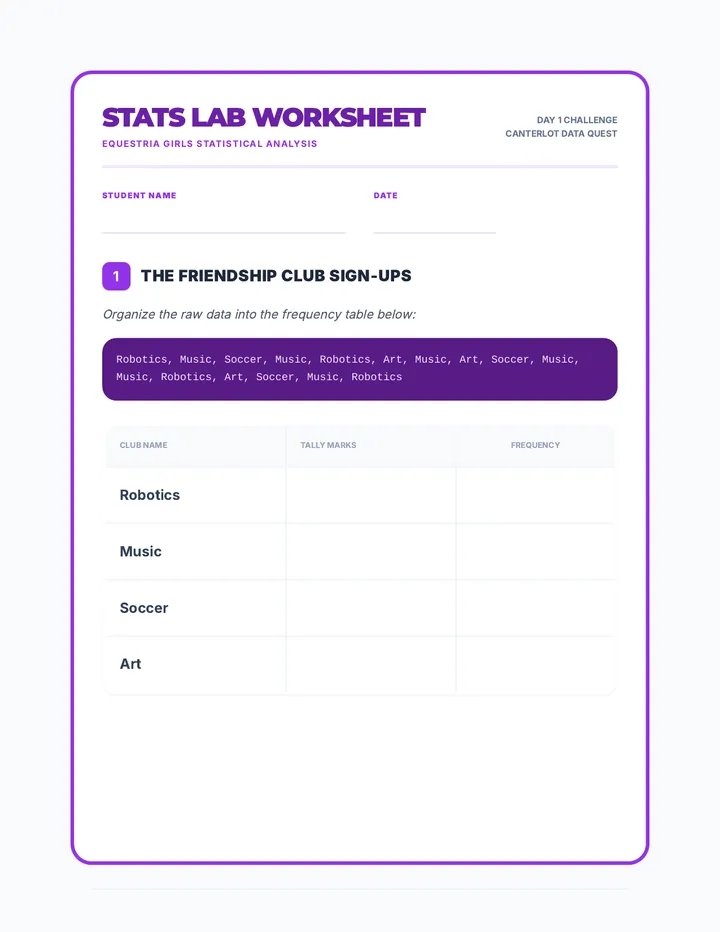
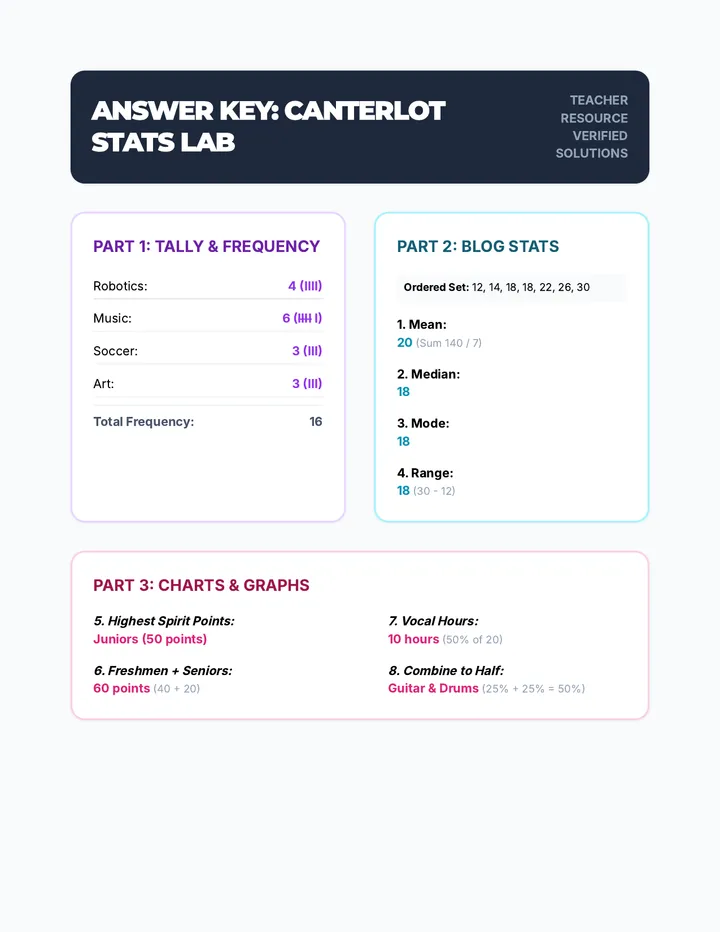
A targeted intervention sequence focused on helping students use measures of center and variability to compare two different populations from sample data. Students engage in scaffolded calculations and collaborative projects to build statistical reasoning.
A specialized intervention sequence for 7th grade students focusing on multiplying and dividing rational numbers. This sequence emphasizes visual models, sign rules, and real-world application of decimal conversion.
A comprehensive Tier 2 intervention sequence focused on multiplying and dividing rational numbers. Students move from concrete modeling with fraction tiles to abstract long division and fluency practice.
A specialized intervention sequence focused on data analysis and informal inferences, helping students bridge the gap between calculating statistics and interpreting their real-world meaning through comparative analysis.
A Tier 2 intervention sequence focused on mastering multistep ratio and percent problems, specifically targeting percent error and fees for 7th-grade students. This sequence uses visual modeling and gradual release to build proportional reasoning.
A specialized intervention sequence focused on understanding how multiple samples provide a clearer picture of a population and how variability affects predictions. Students engage in hands-on simulations and visual data analysis to master seventh-grade sampling standards.
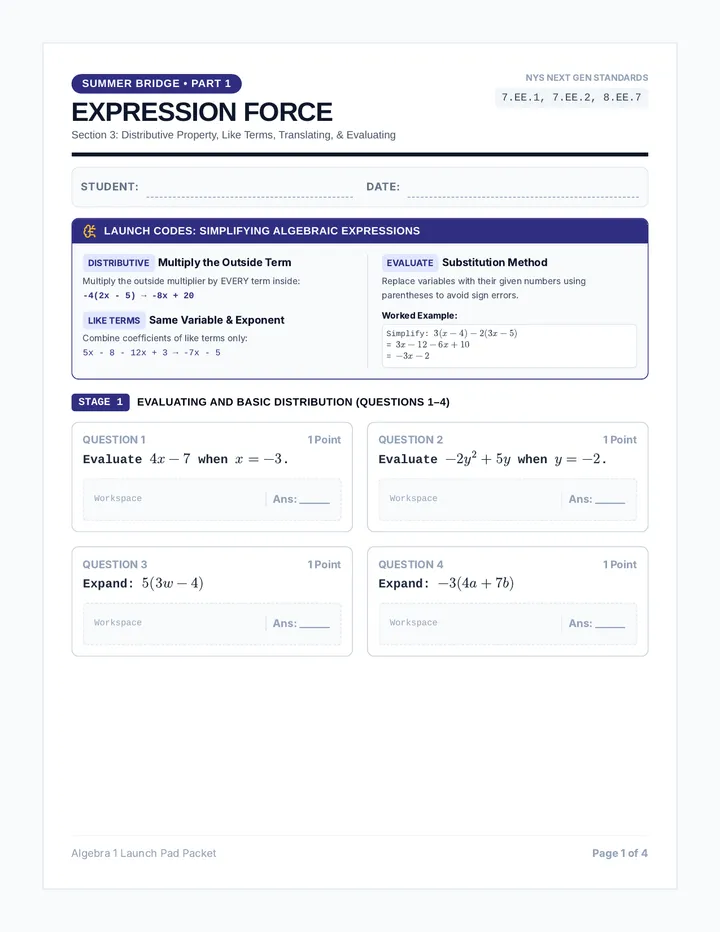
A specialized intervention sequence focused on mastering linear expressions through visual models and properties of operations. Students move from concrete algebra tiles to abstract manipulation of rational coefficients.
A 2-lesson intervention sequence focused on mastering the first quadrant of the coordinate plane through hands-on exploration and pattern-based plotting. Students develop a strong foundation in the 'over, then up' protocol to bridge the gap between basic graphing and algebraic patterns.
A 4-lesson intervention sequence focused on the fundamentals of the coordinate plane, specifically the first quadrant. Students progress from identifying axes to plotting patterns from numerical rules using a consistent 'Run then Jump' protocol.