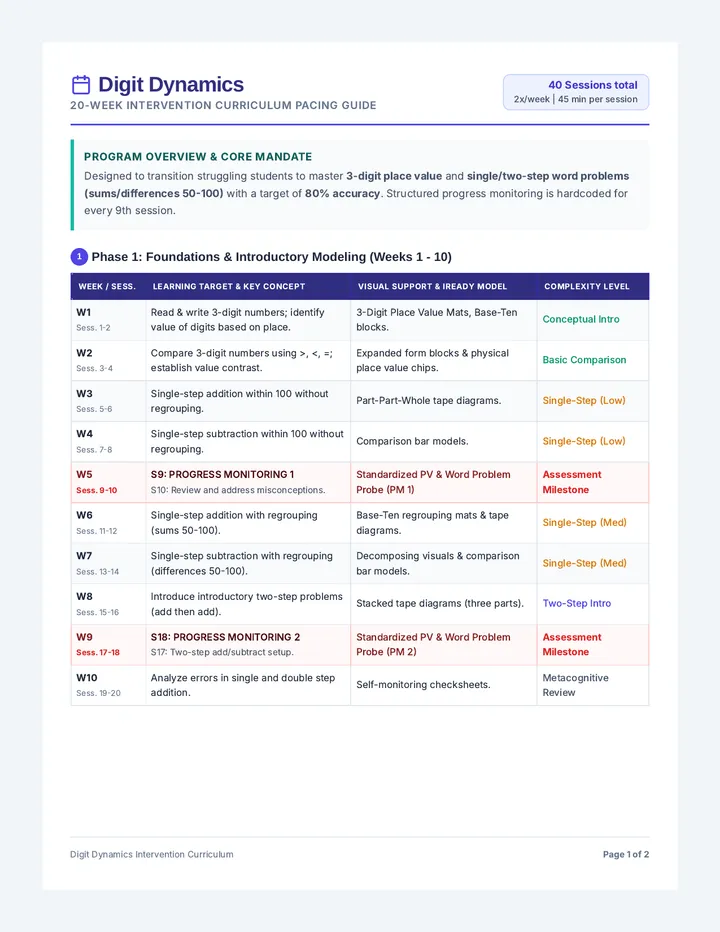
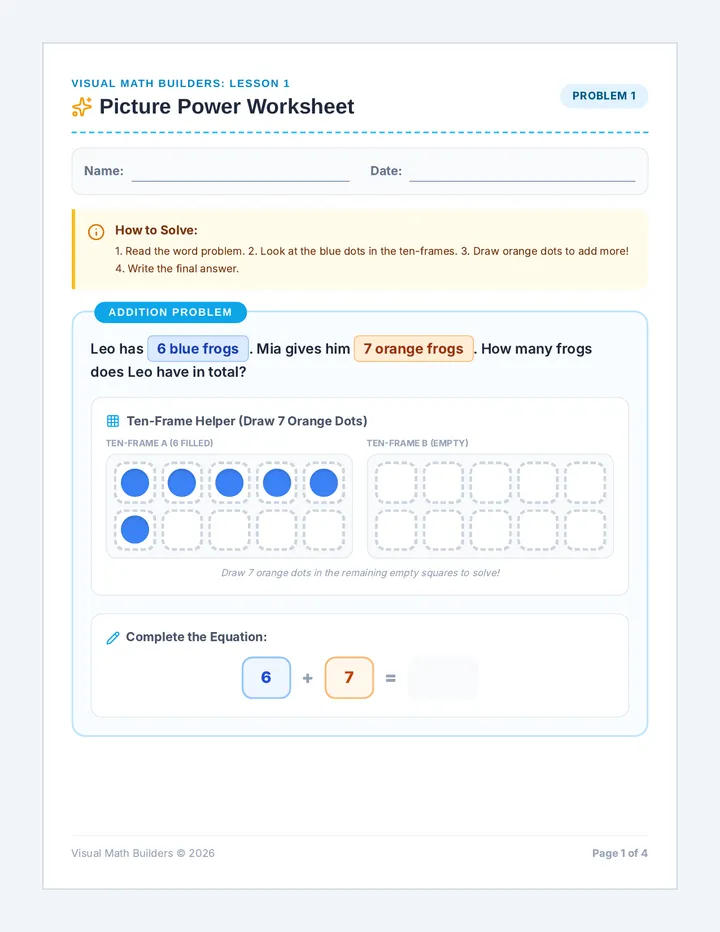
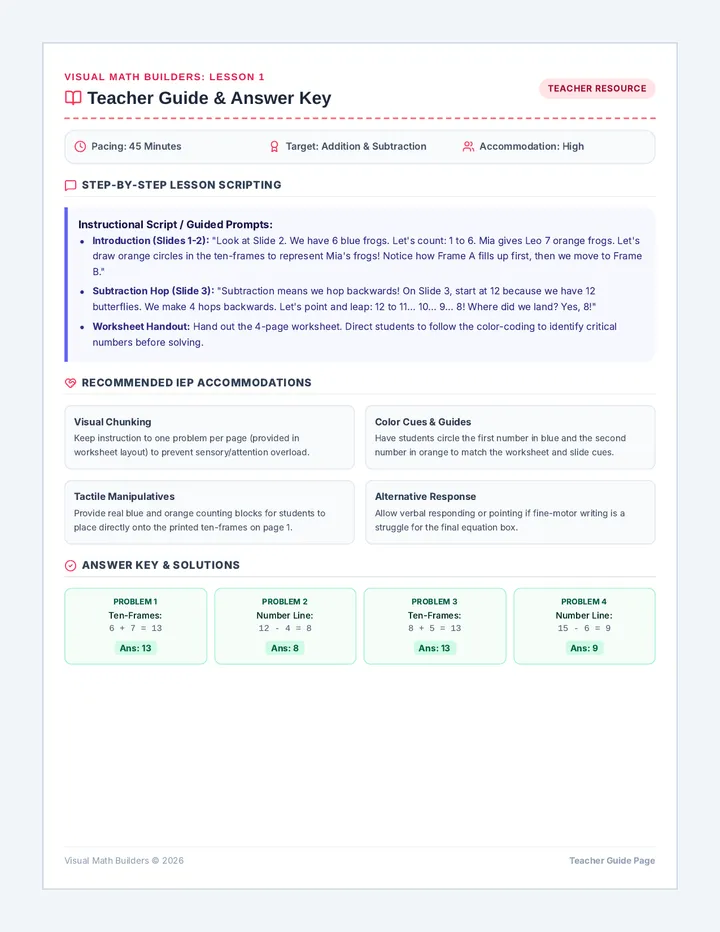
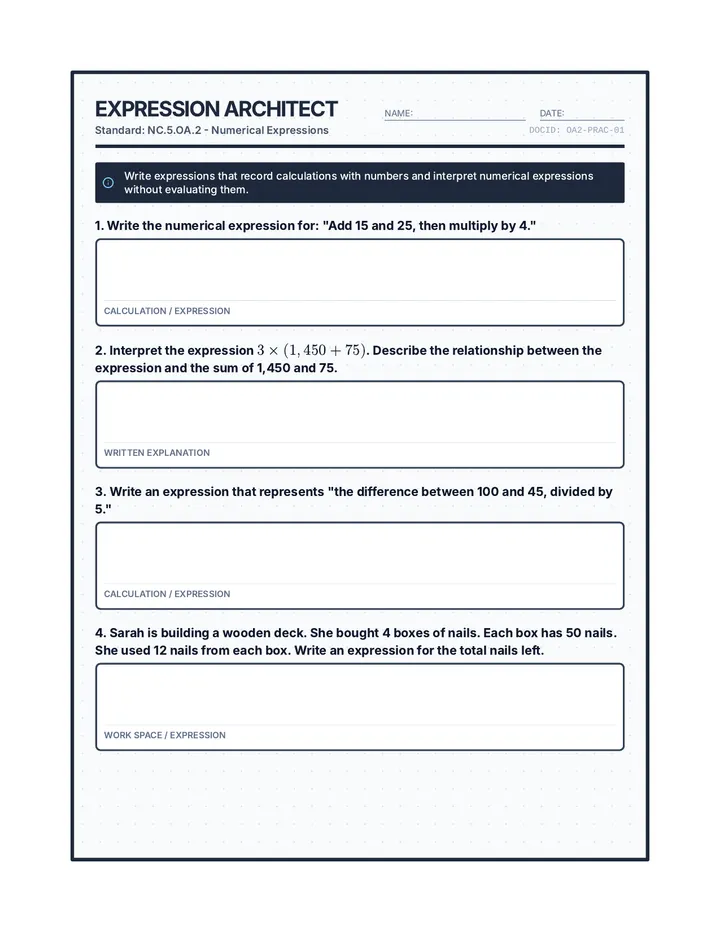
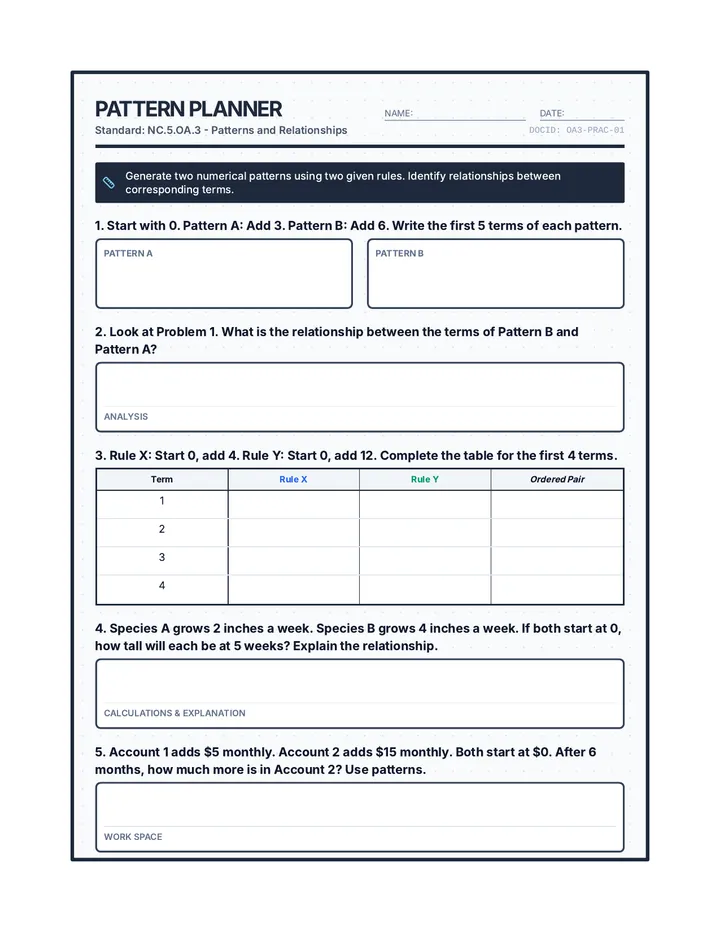
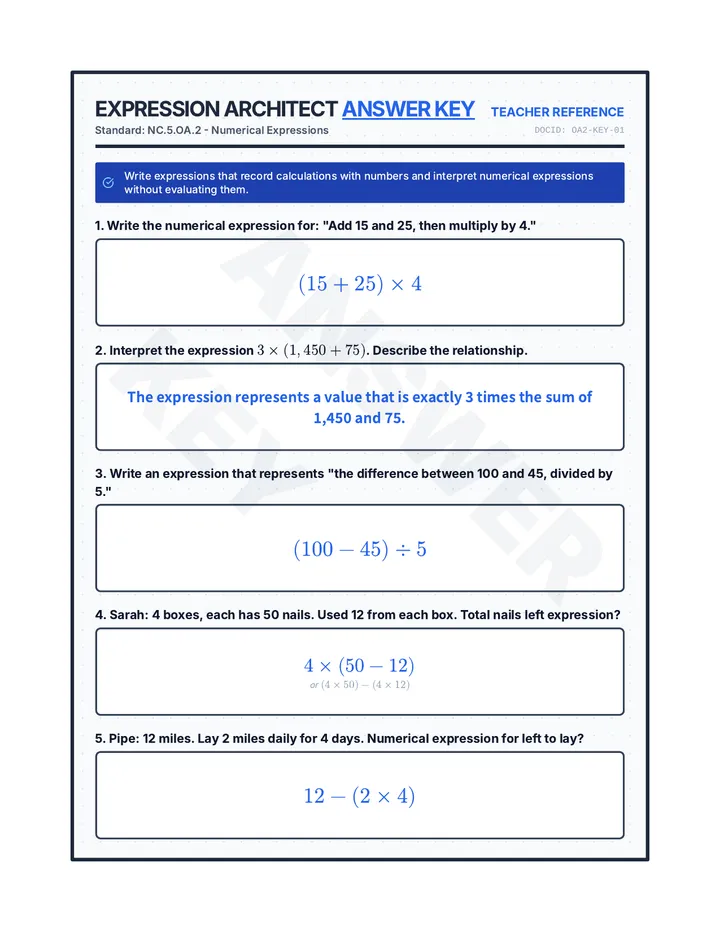
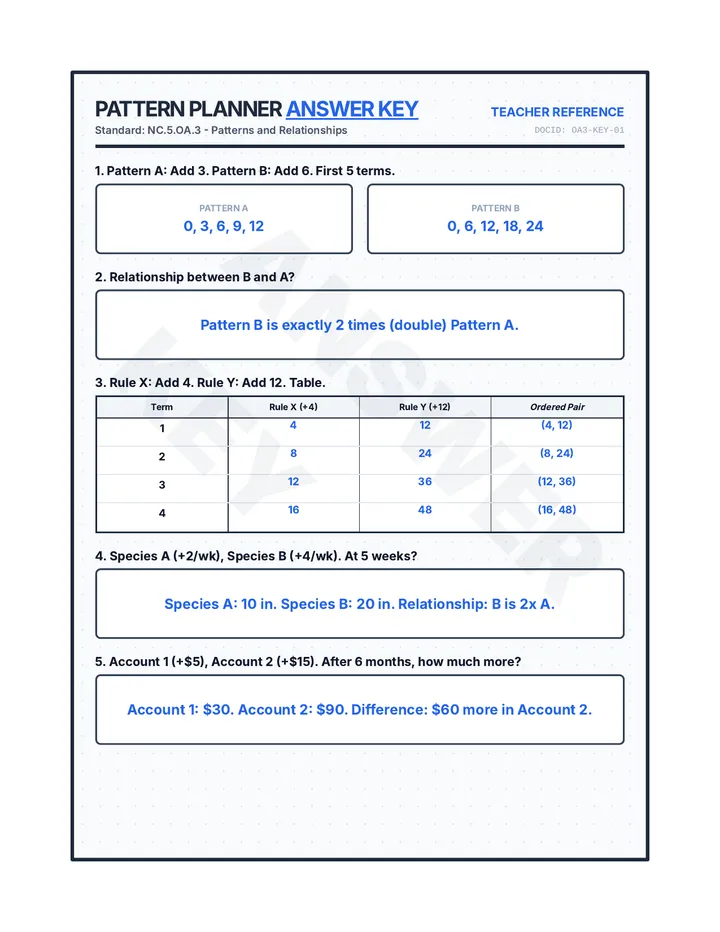
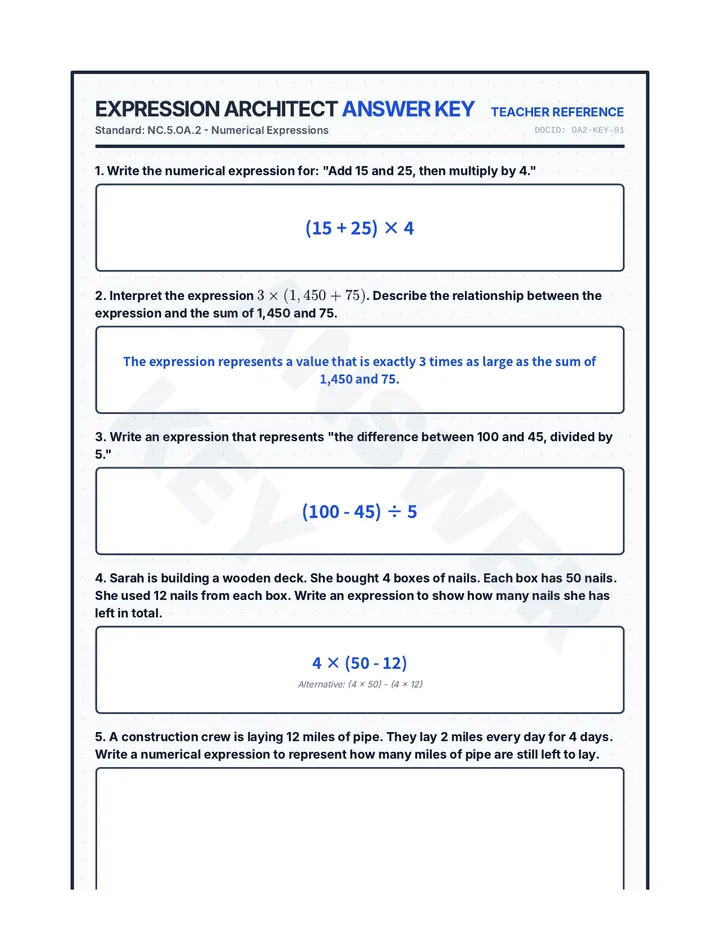
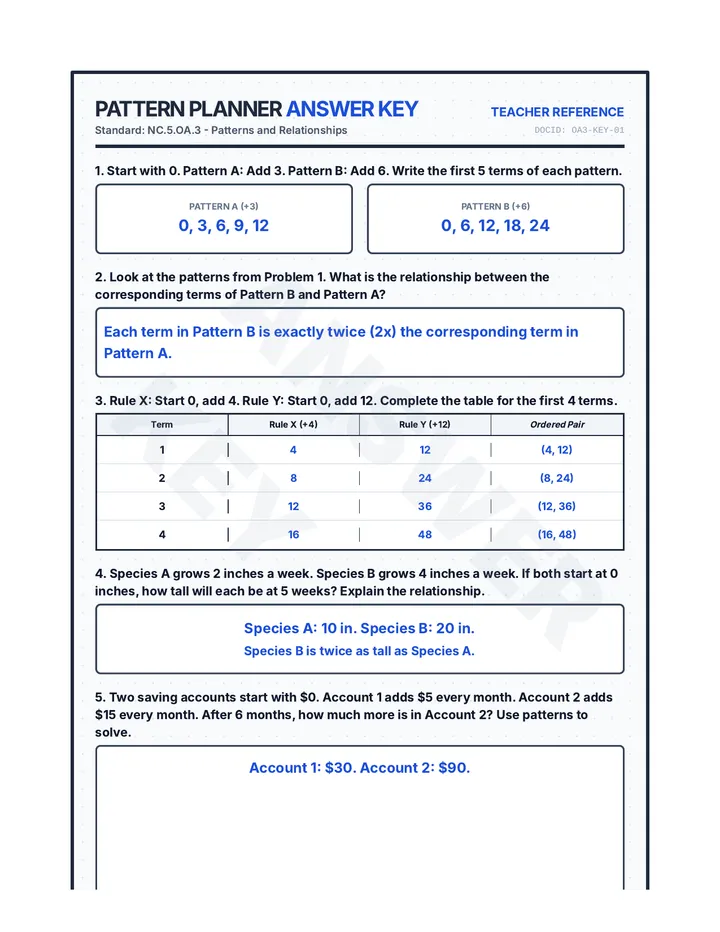
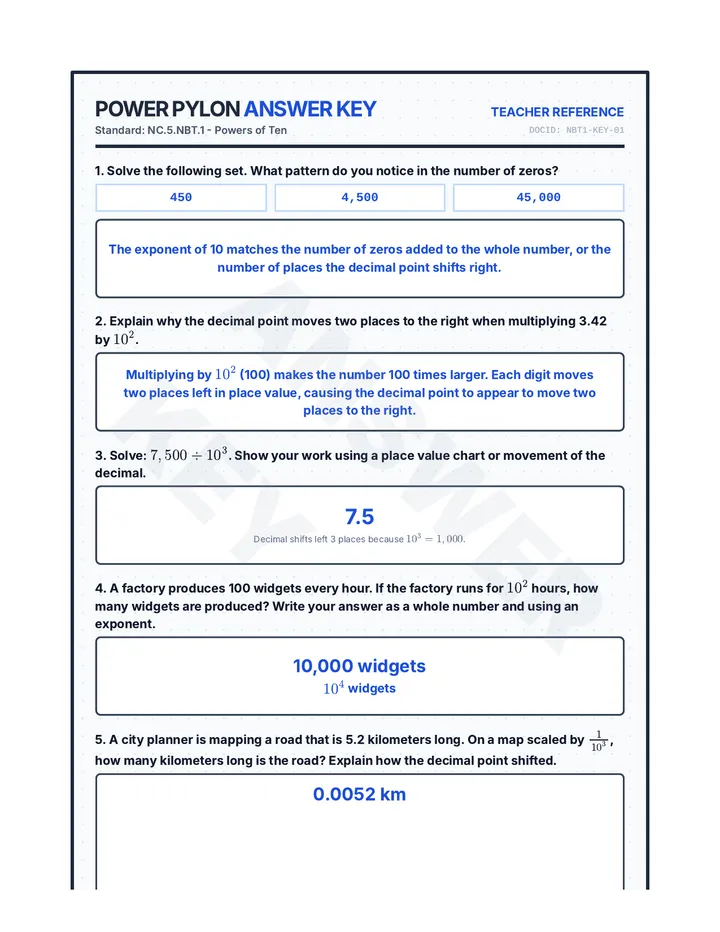
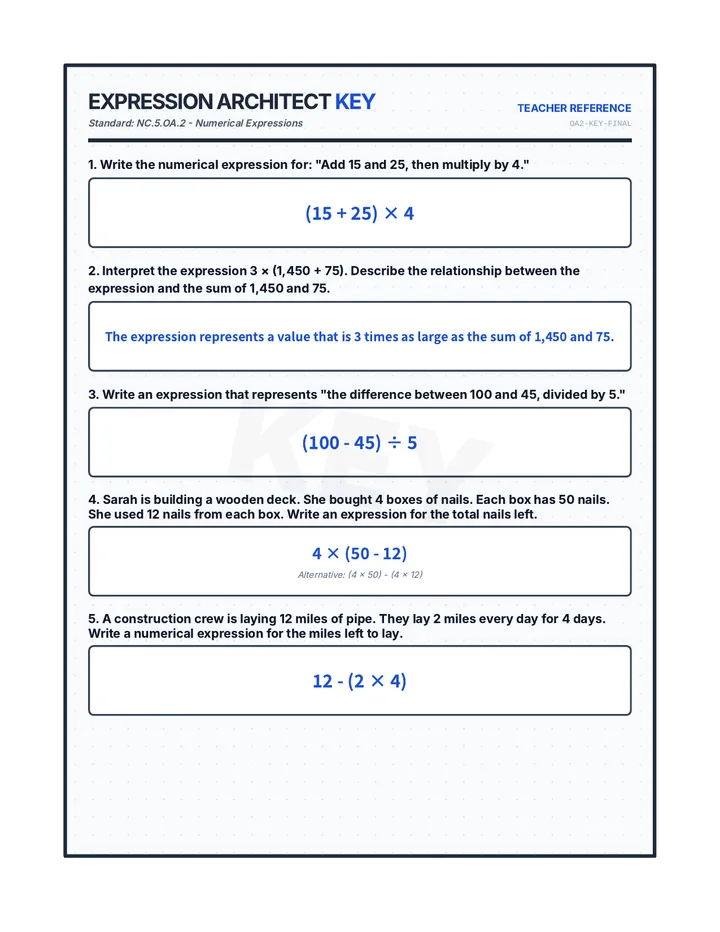
A series of lessons focused on building algebraic thinking and problem-solving skills for elementary students, moving from basic expressions to multi-step equations.

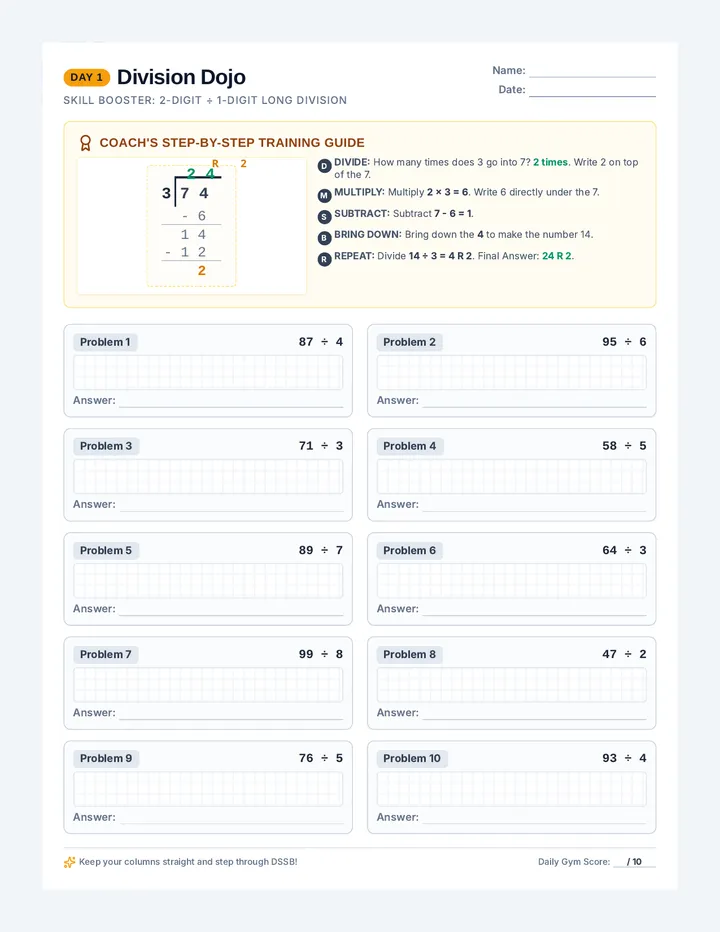
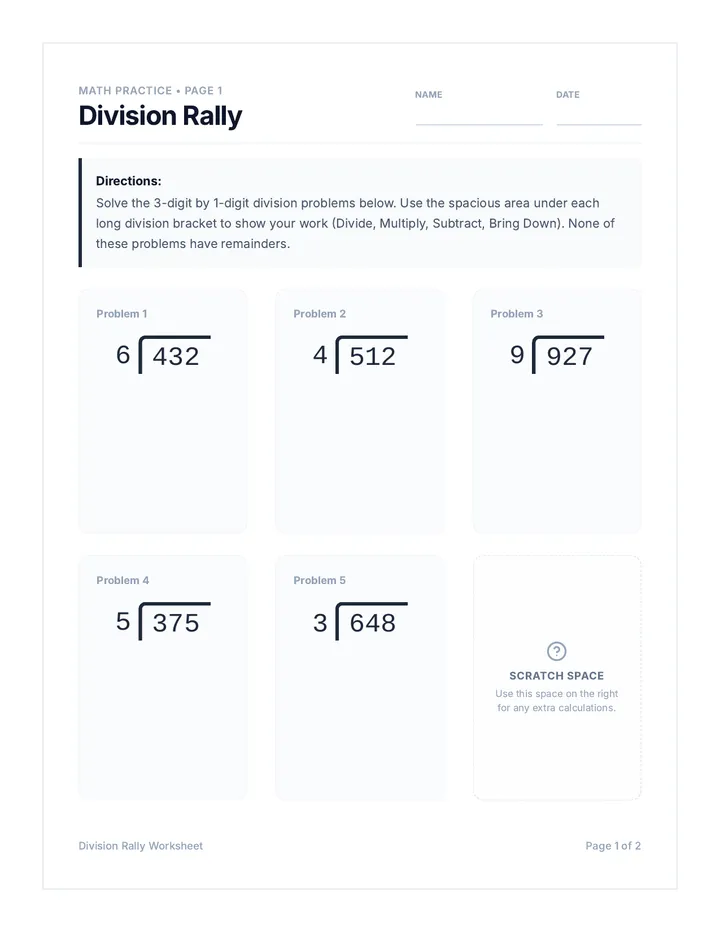
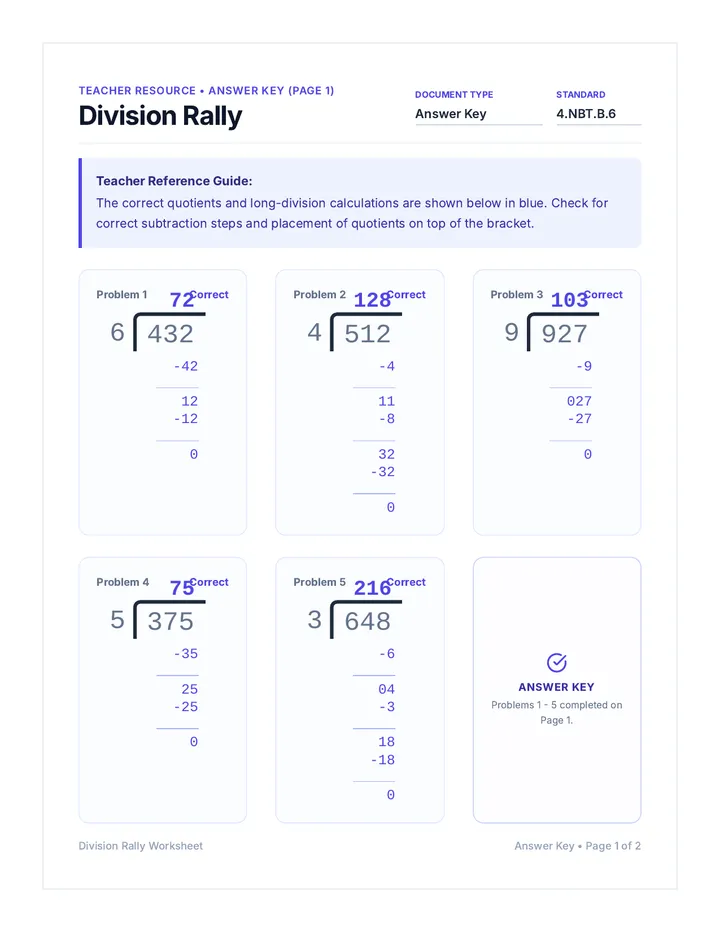
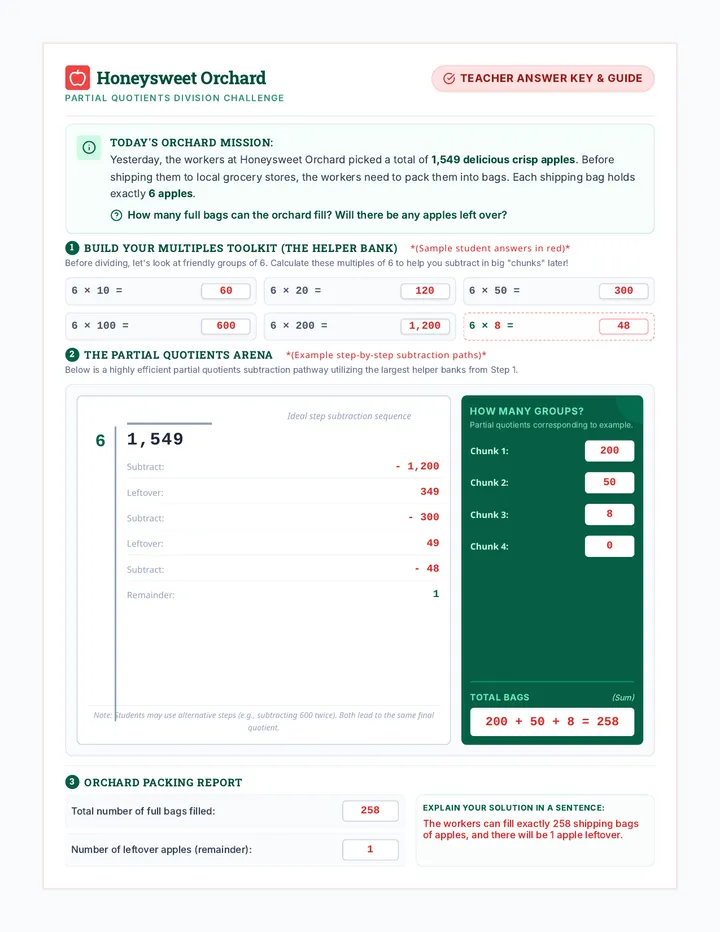
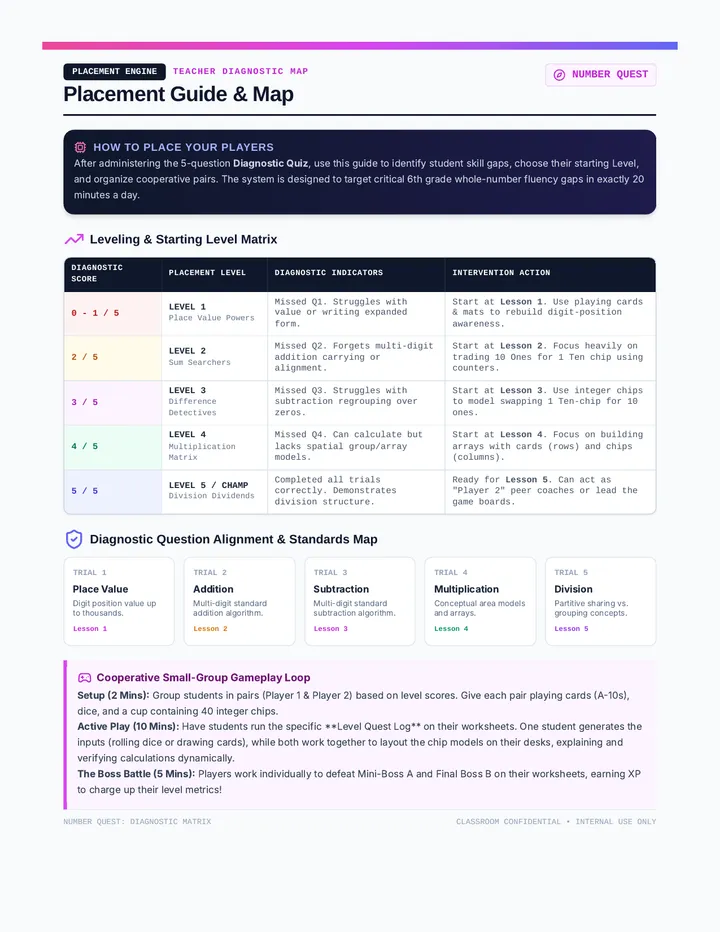
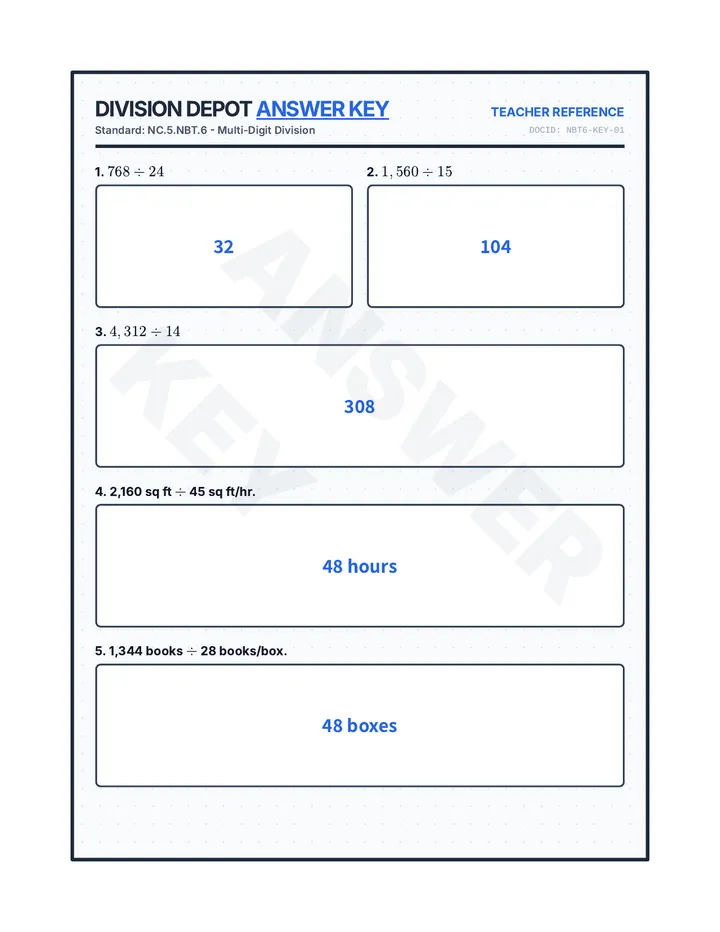
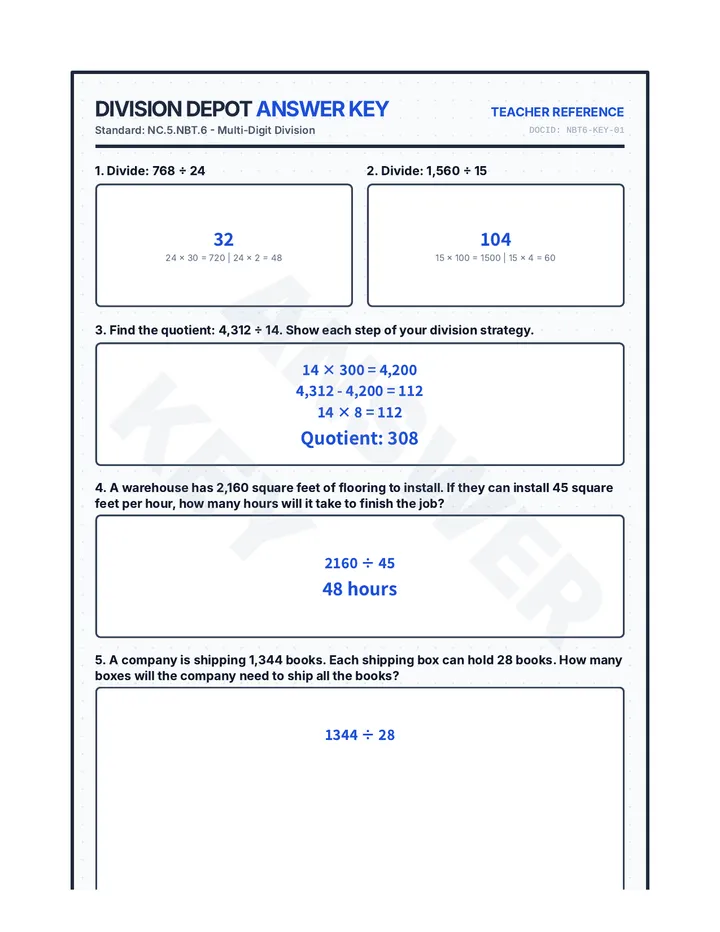
A Tier 2 intervention series focusing on multi-digit division using partial quotients and the standard algorithm. Designed for 15-minute daily sessions to build fluency and confidence in 6th grade students.
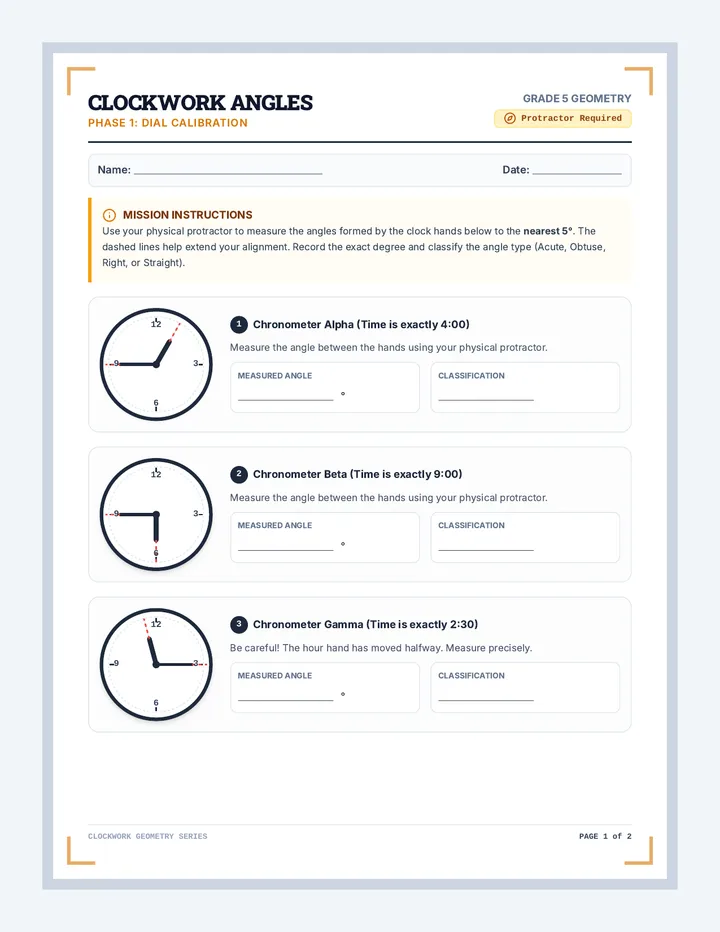
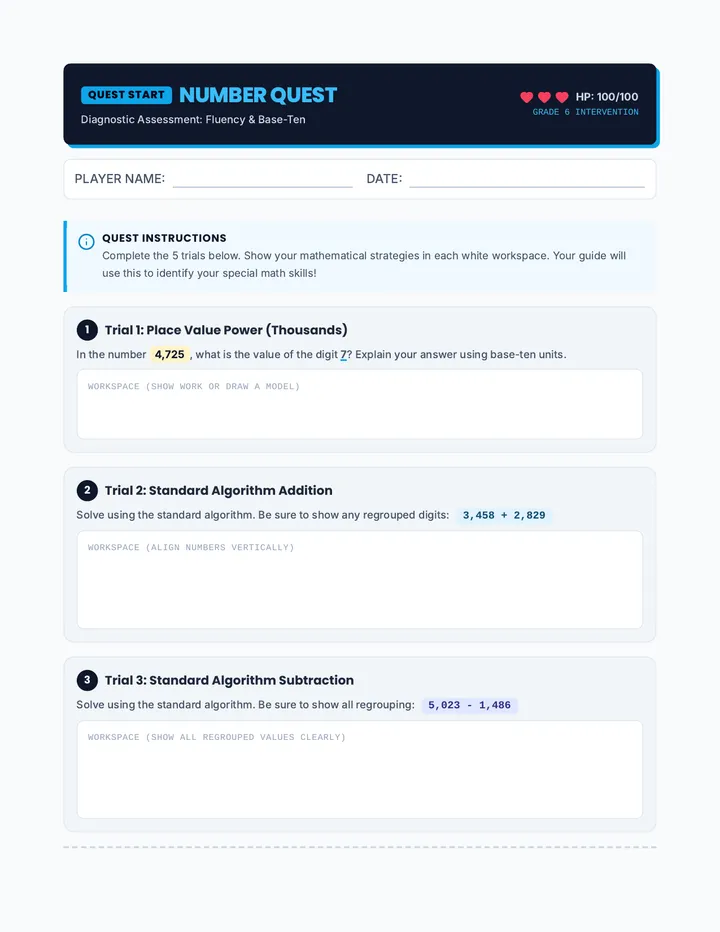
A series of lessons designed to bridge 3rd-grade math concepts with foundational algebraic thinking, focusing on solving for variables through visual modeling and tactile interactive components.
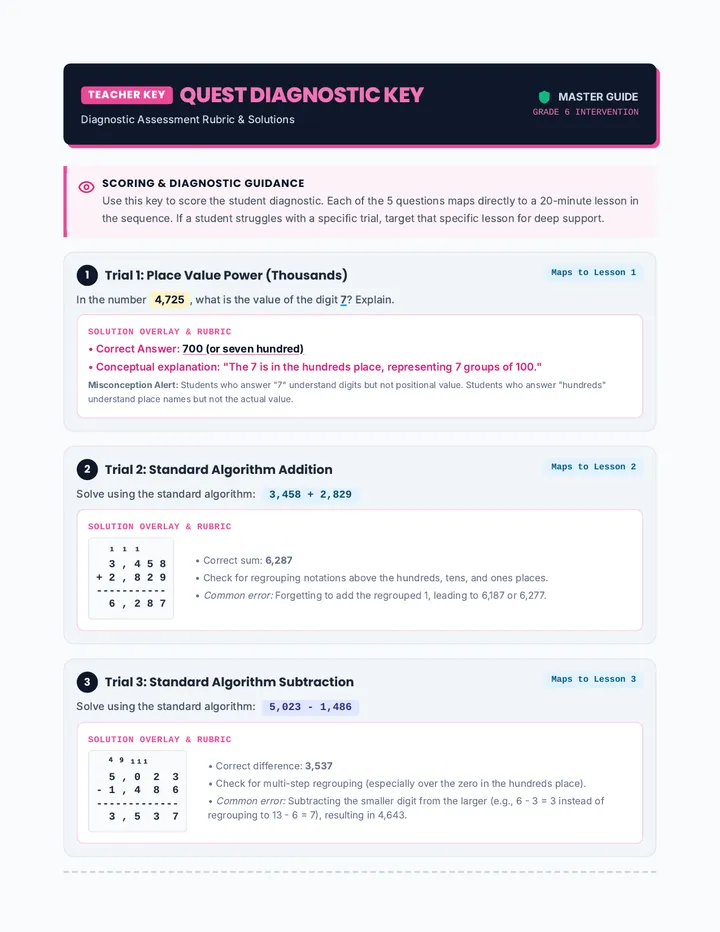
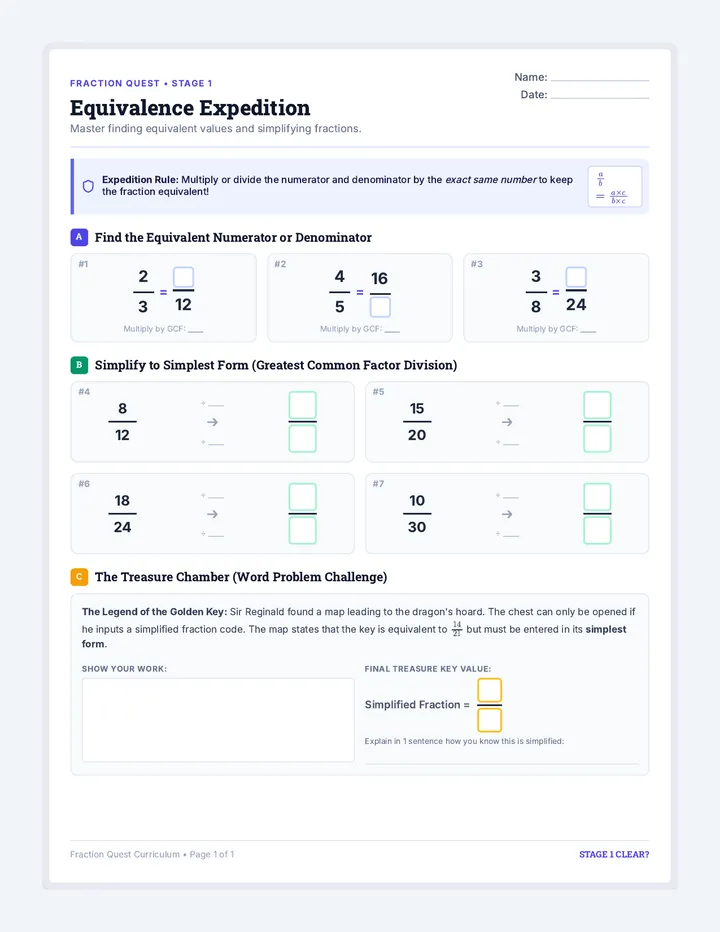
A series of small-group sessions designed to build foundational fraction skills, from basic identification of parts of a whole to understanding fractions greater than one and fractions of a set. Each session is designed for a 15-20 minute timeframe.
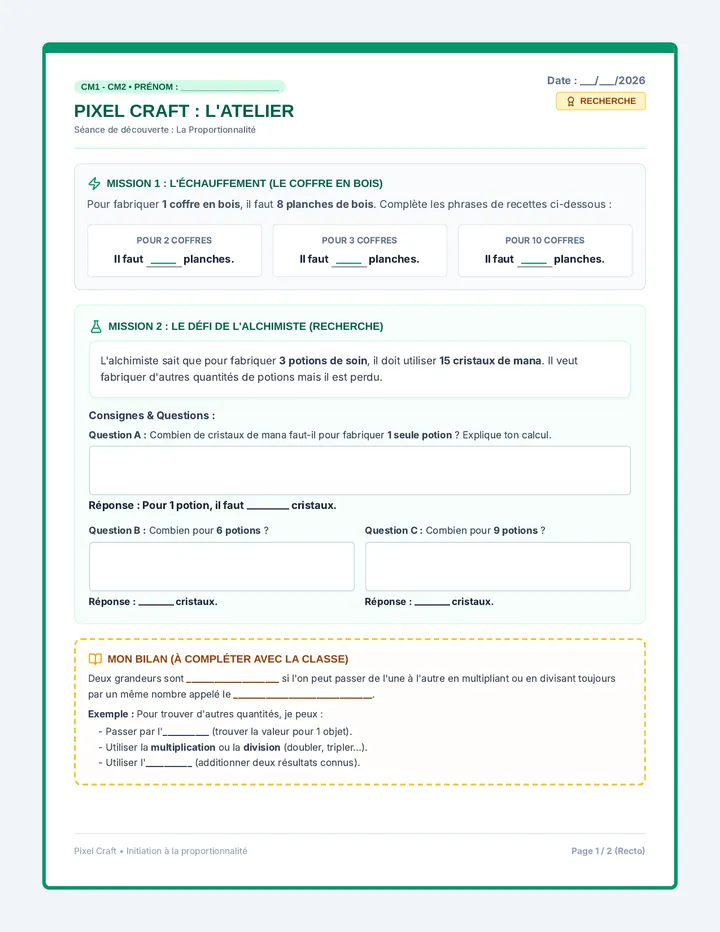
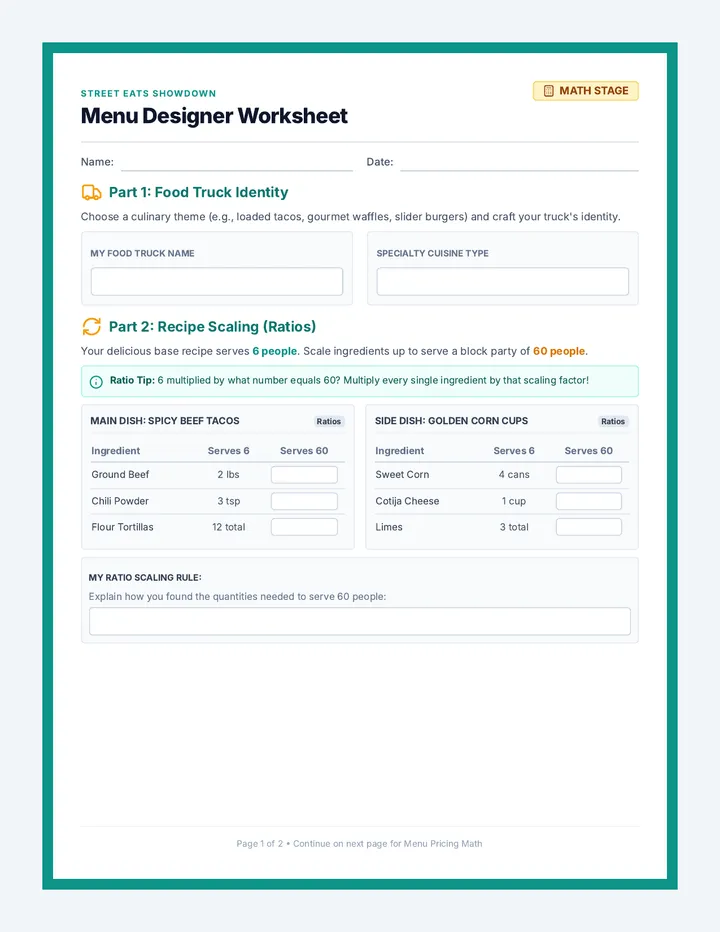
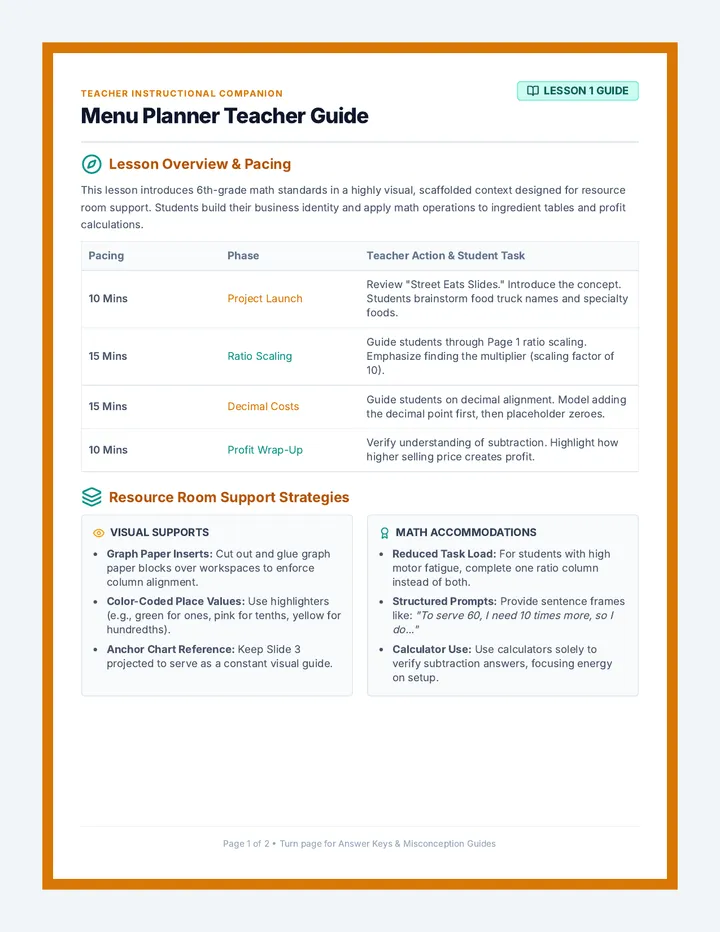
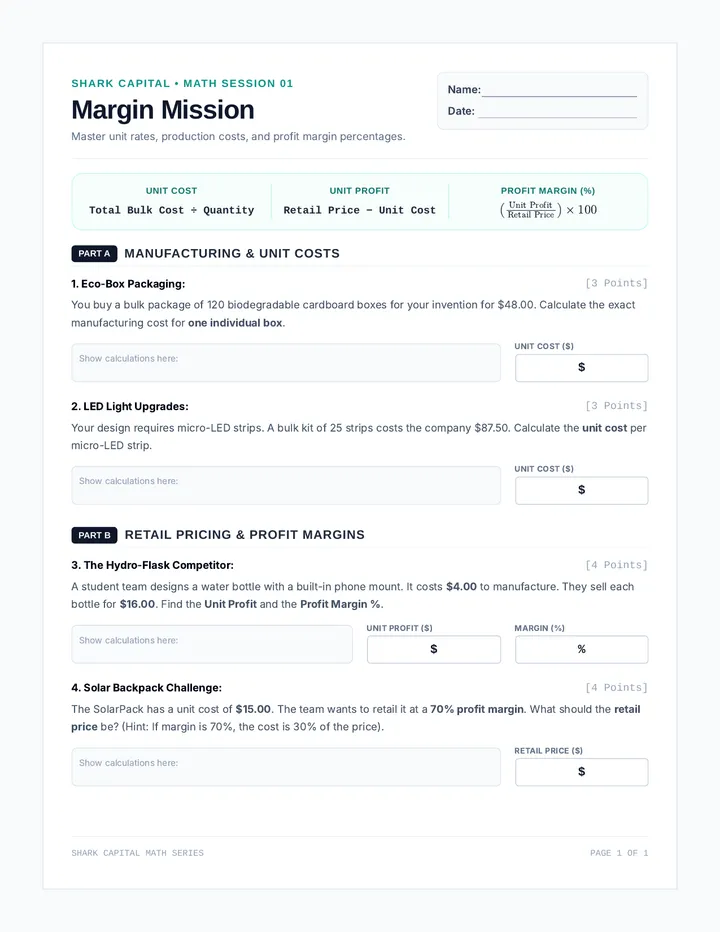
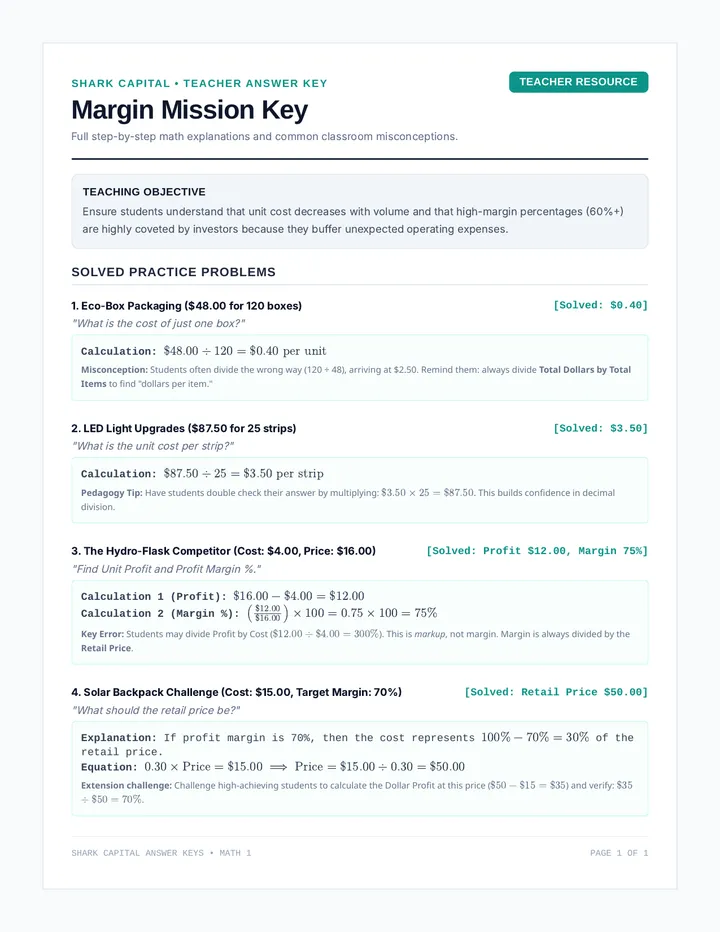
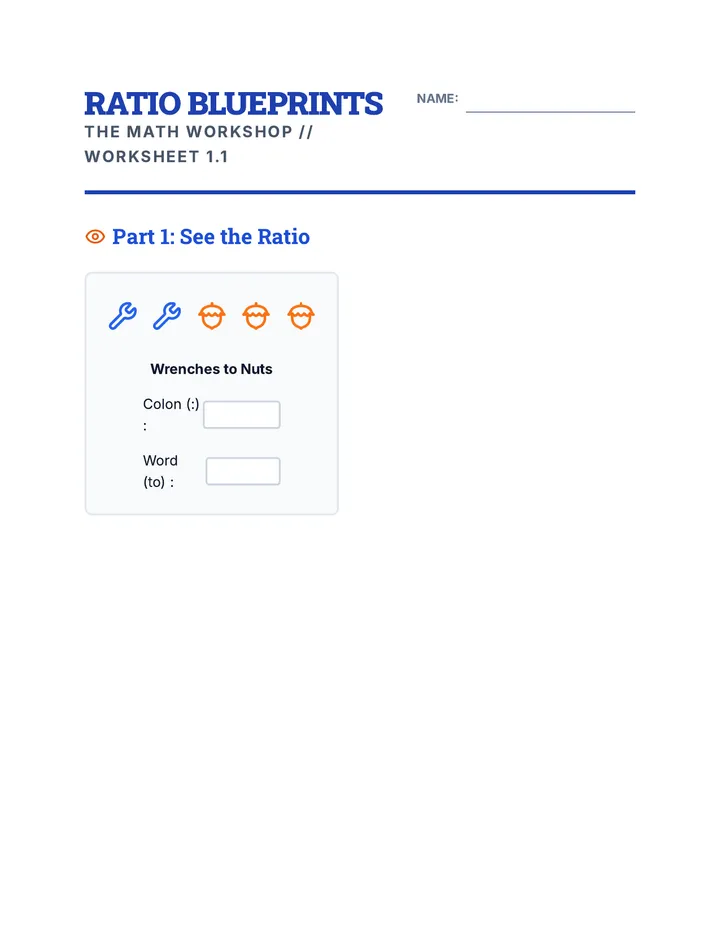
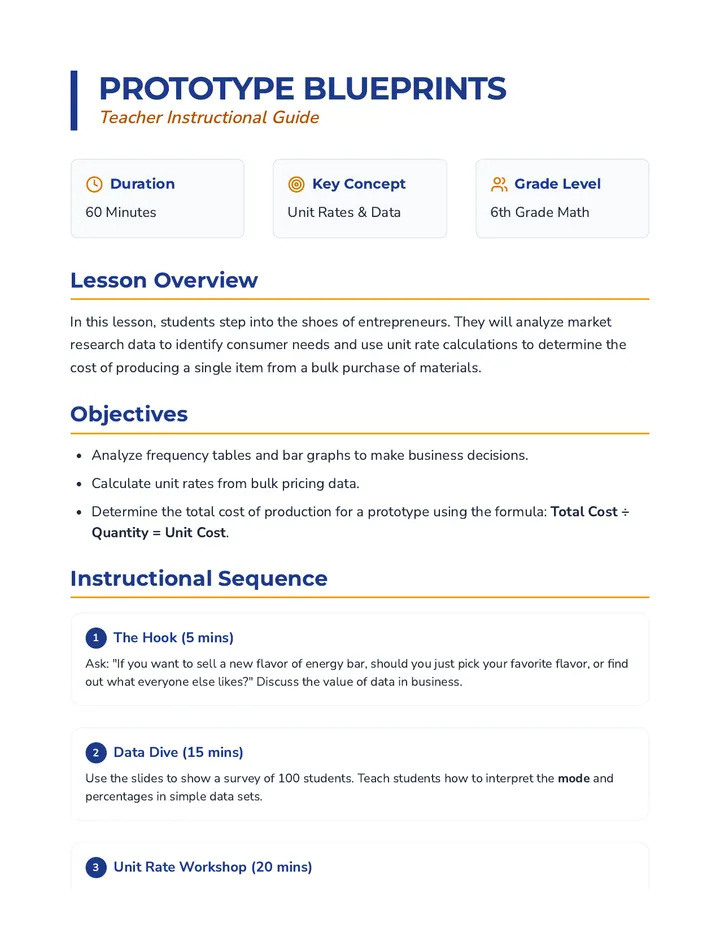
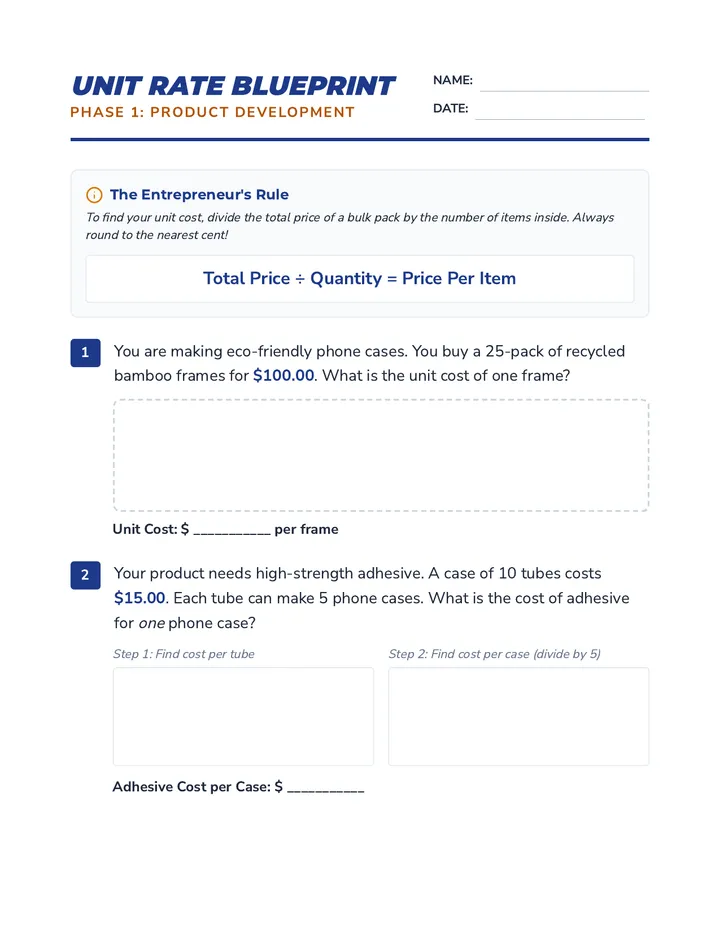
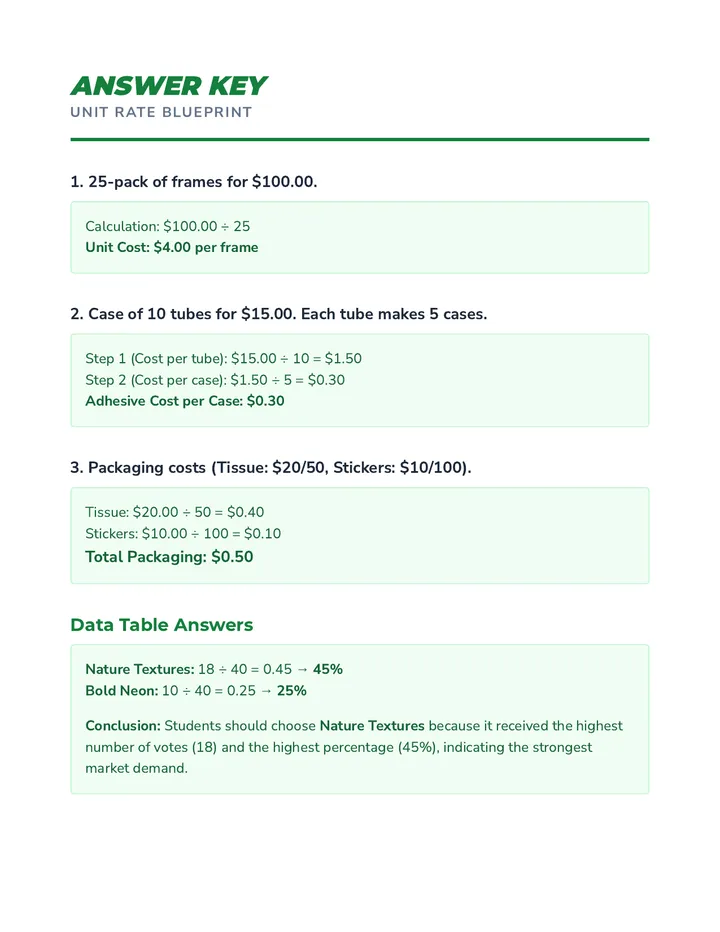
A comprehensive Tier 2 intervention sequence focused on building conceptual understanding of ratios, unit rates, and percents through visual models and real-world applications for 6th-grade students.
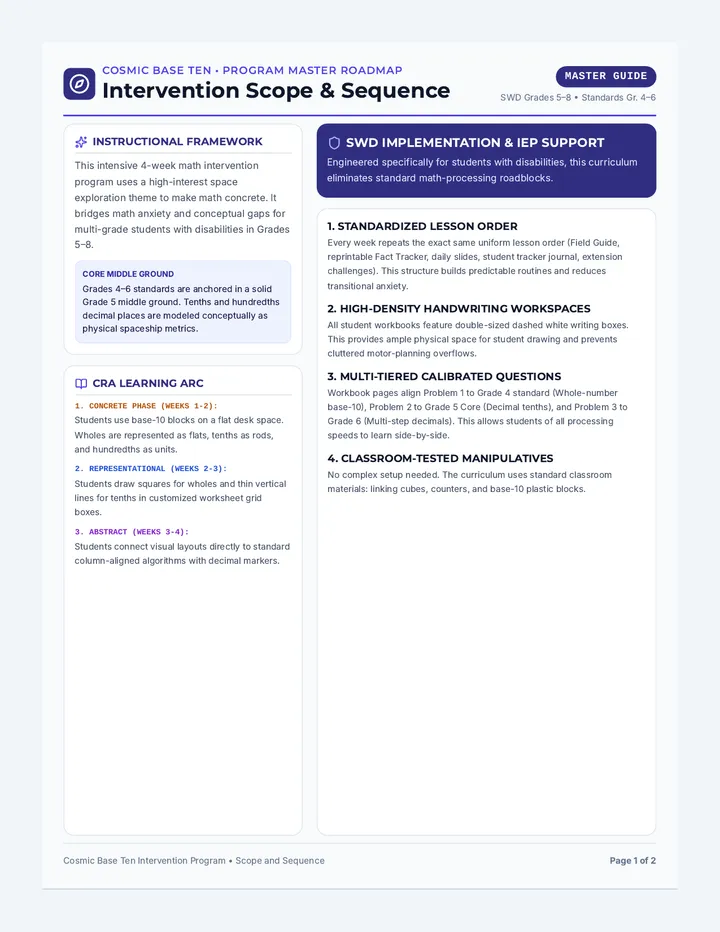
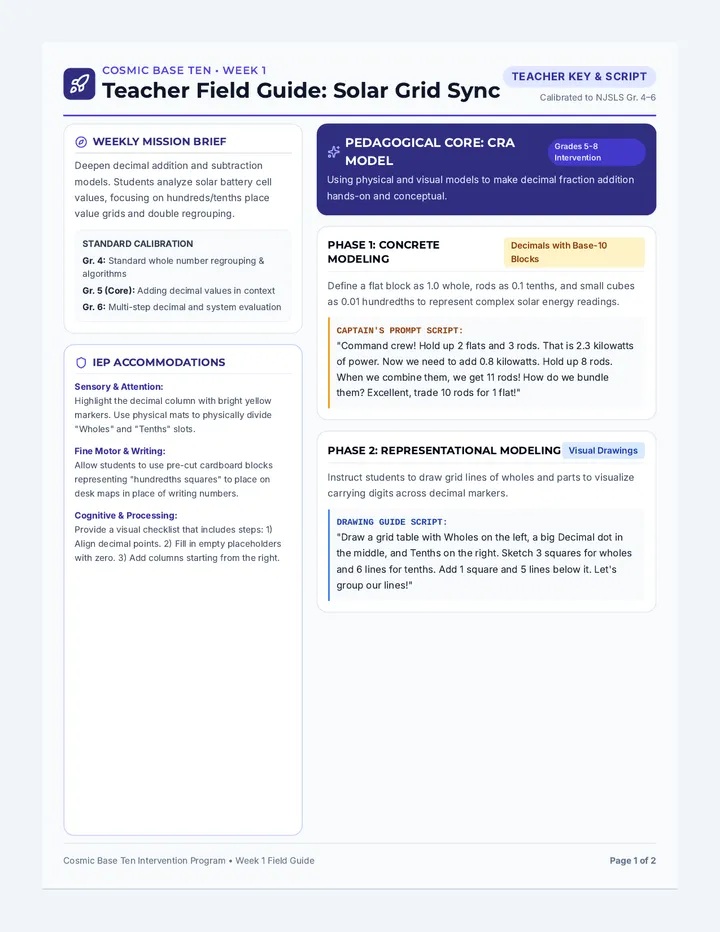
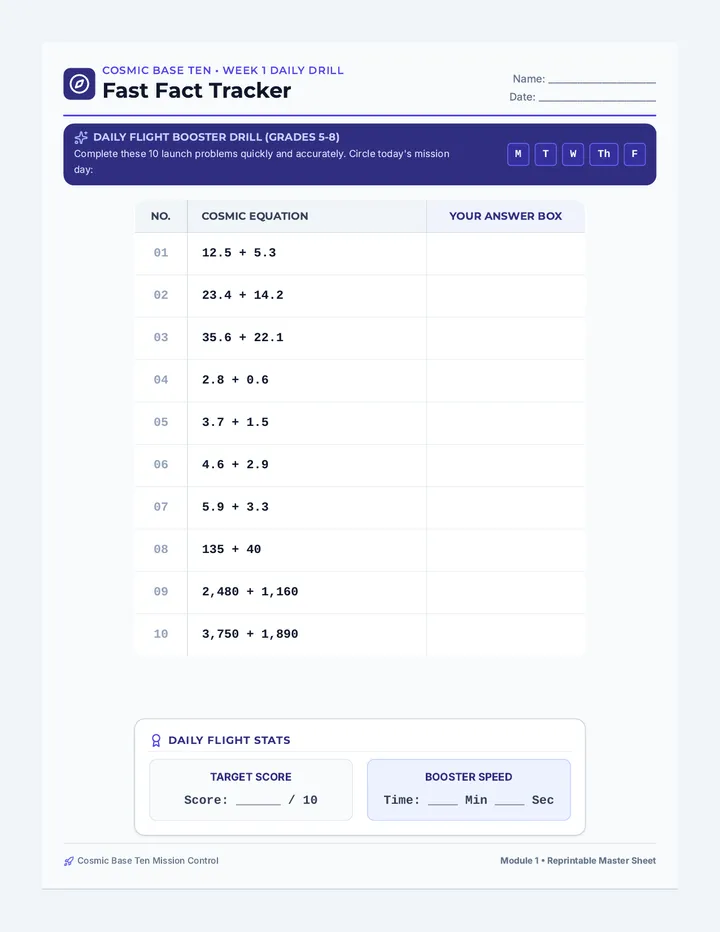
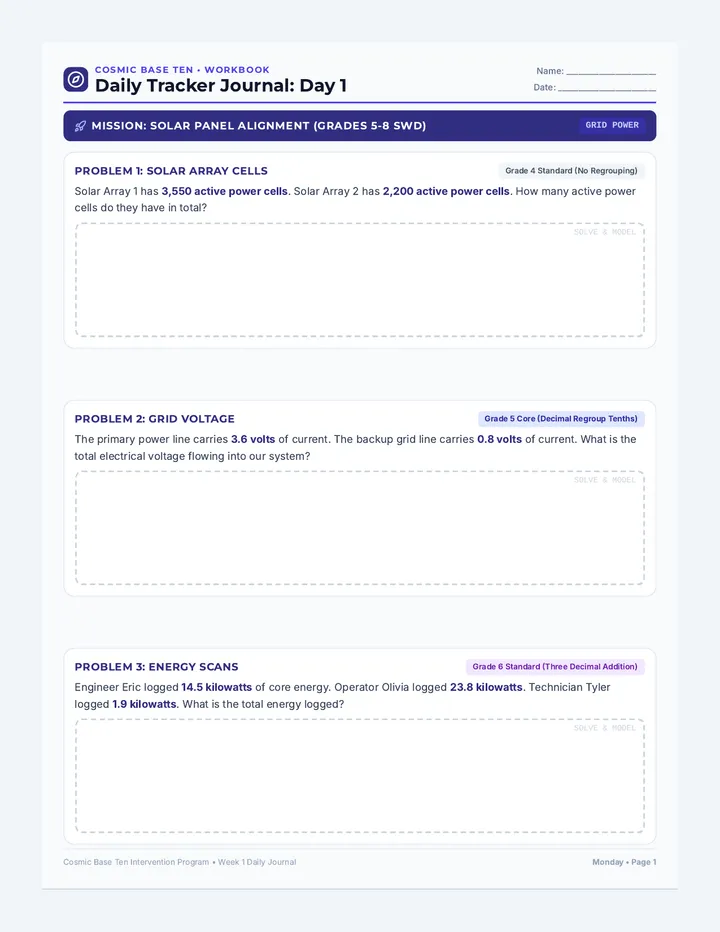
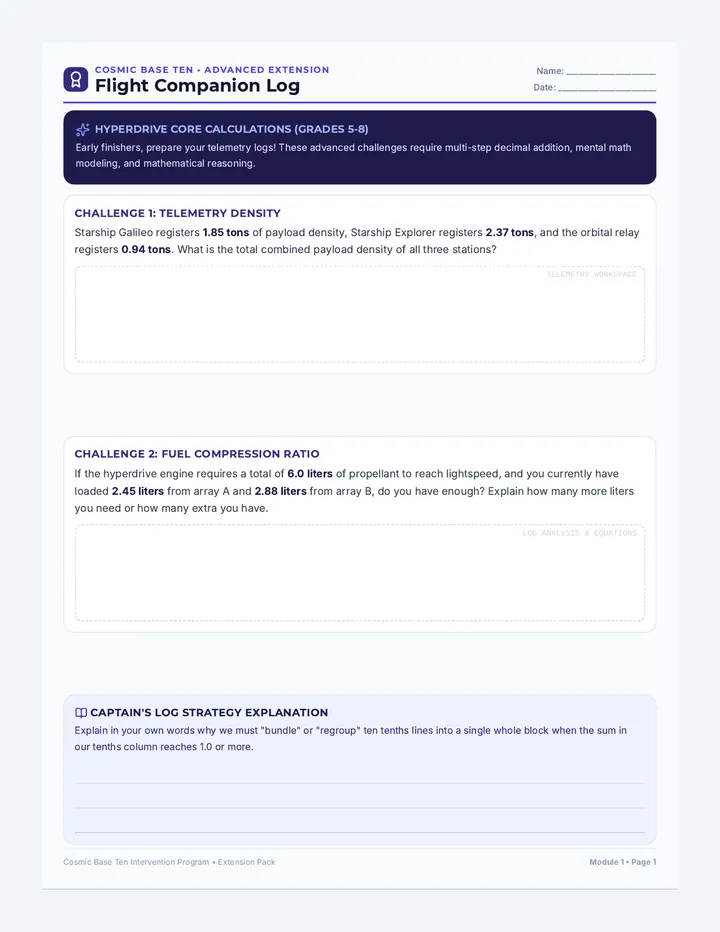
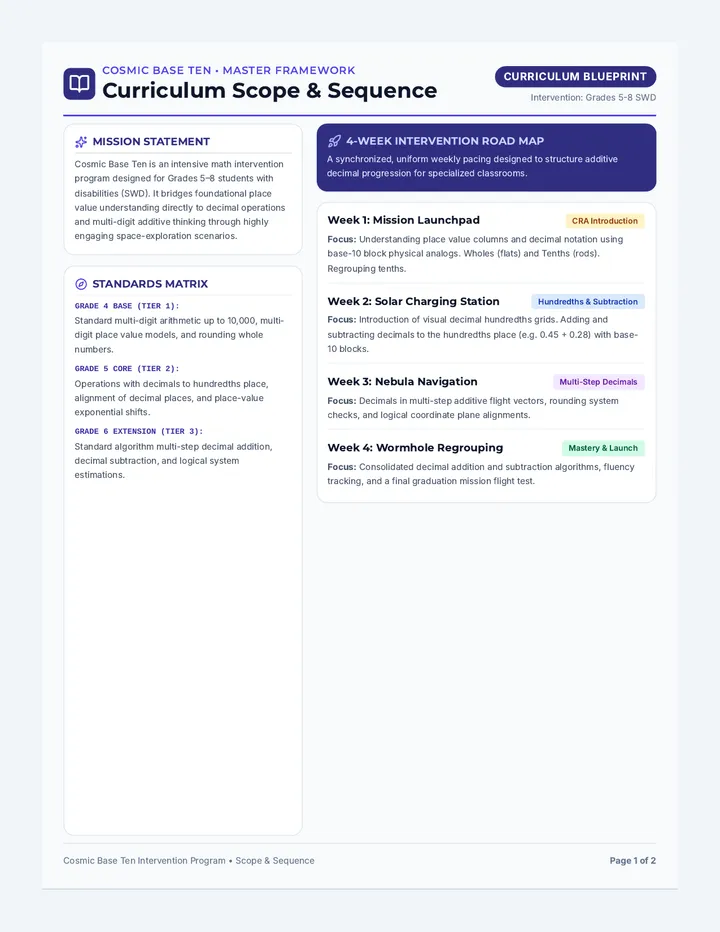
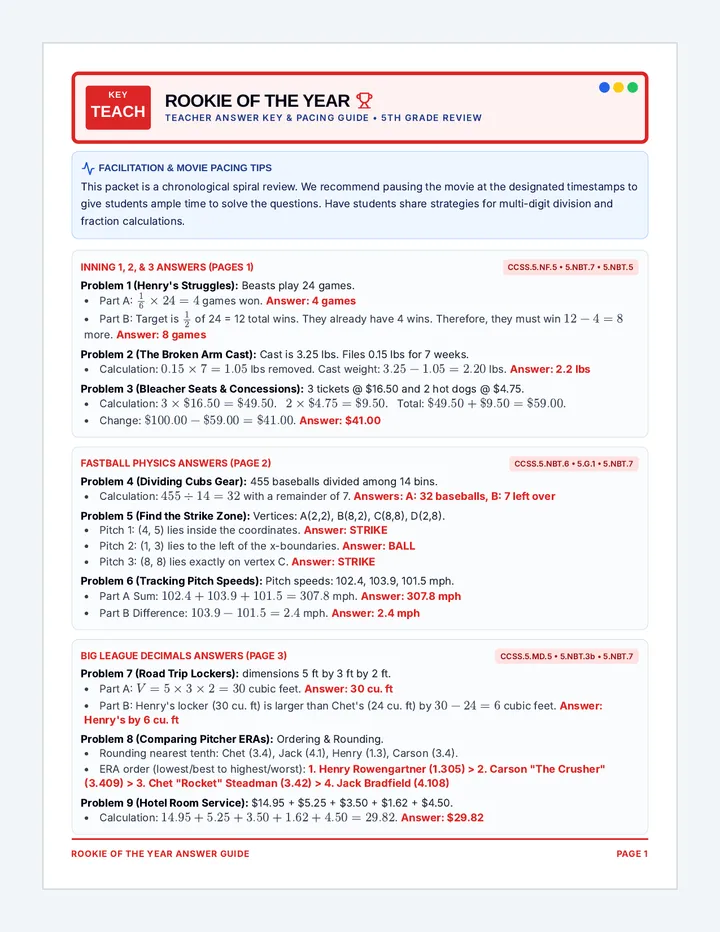
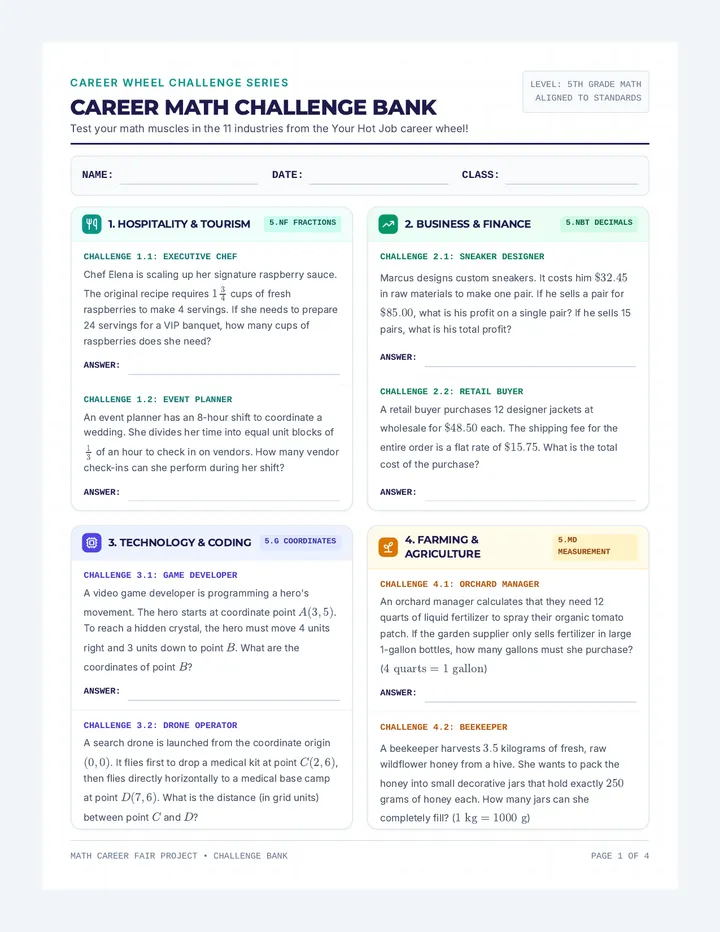
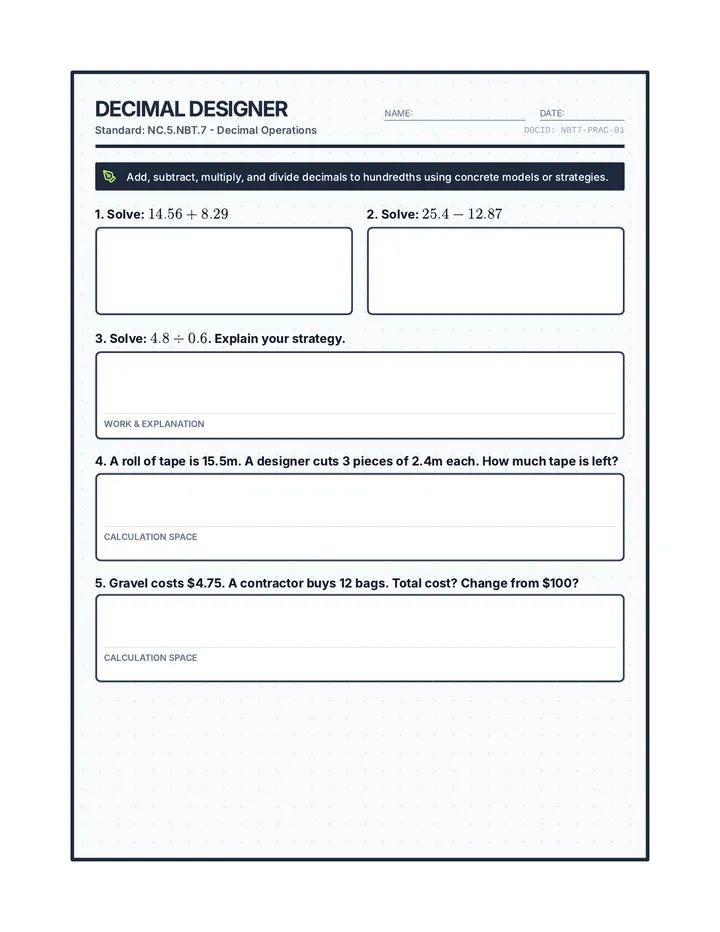
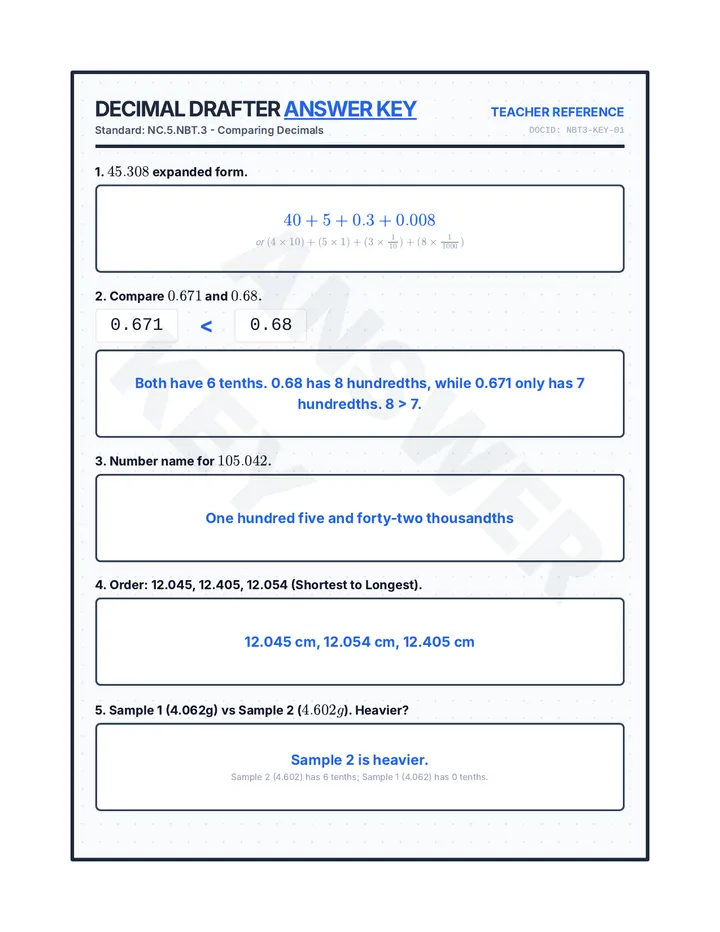
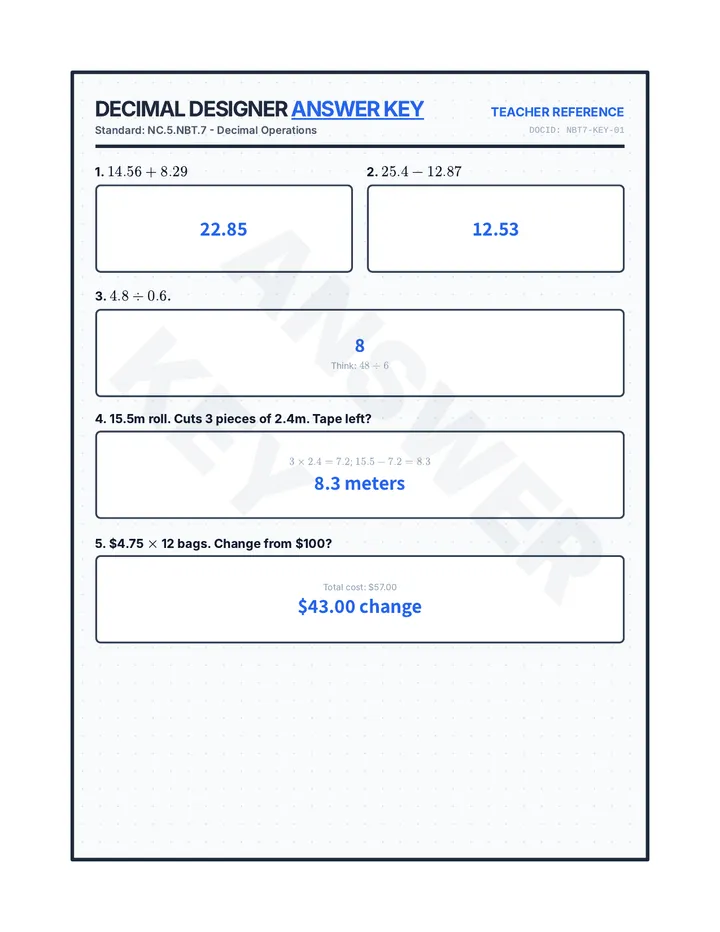
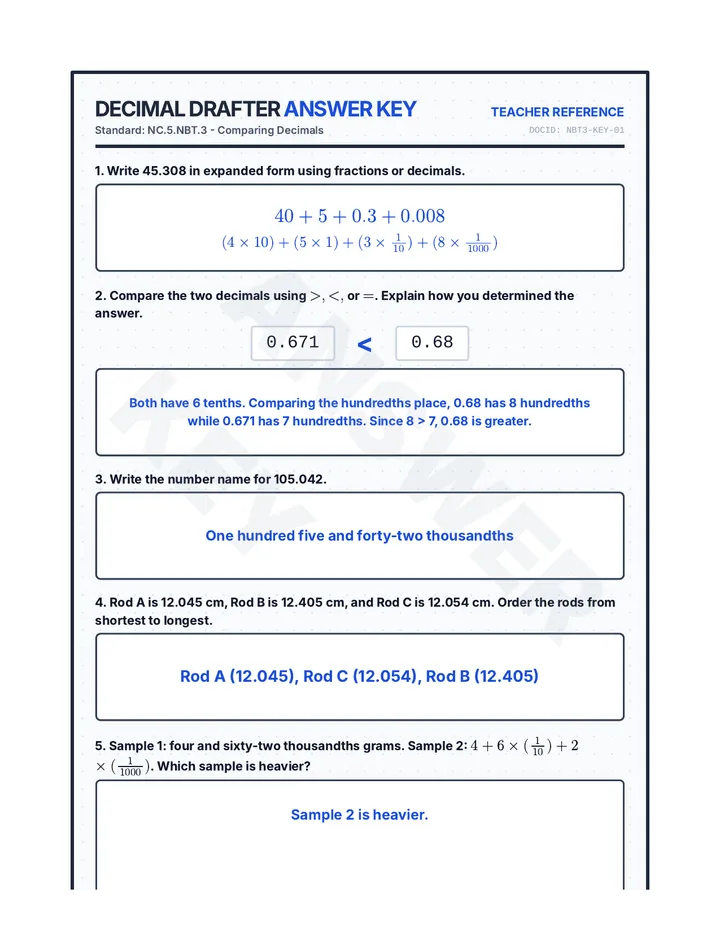
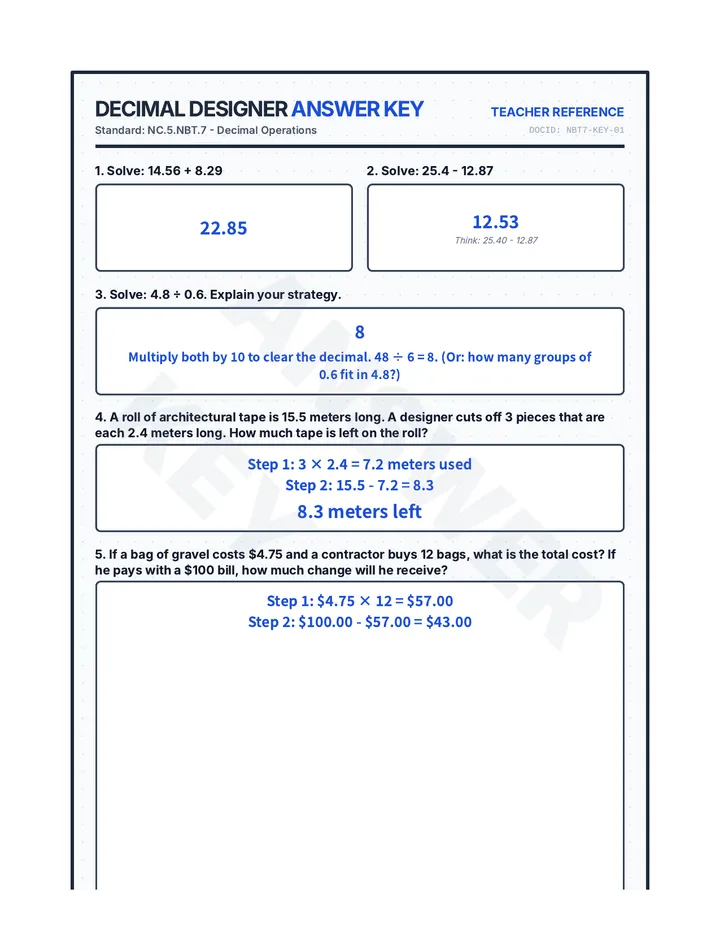
A Tier 2 intervention sequence focused on mastering decimal operations to the hundredths place using place value models, estimation, and real-world contexts. Designed for 5th-grade students needing targeted support with Colorado Standard 5.NBT.B.7.
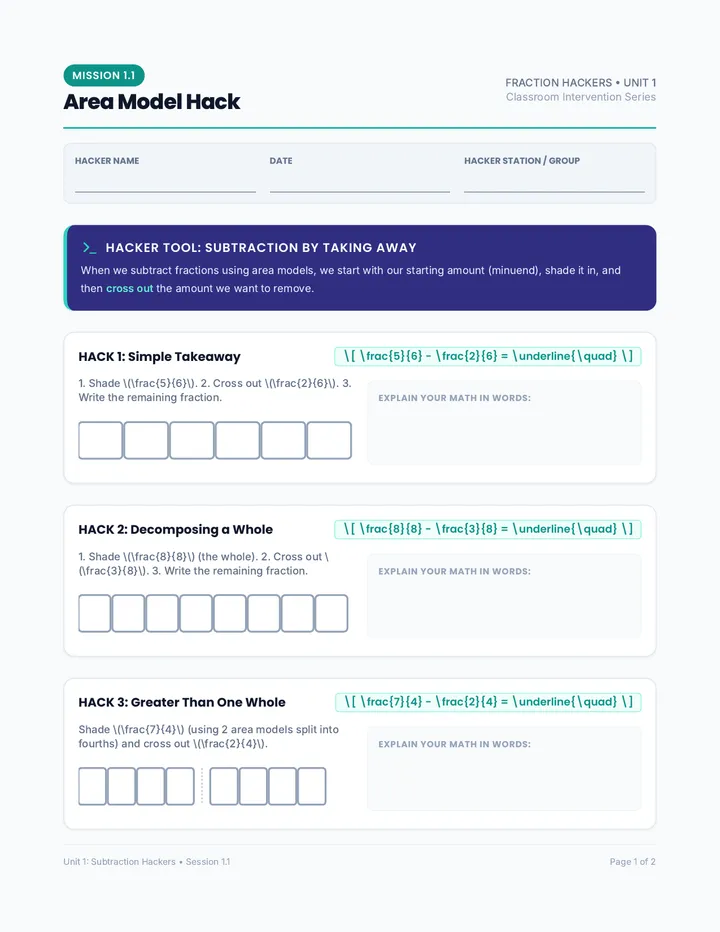
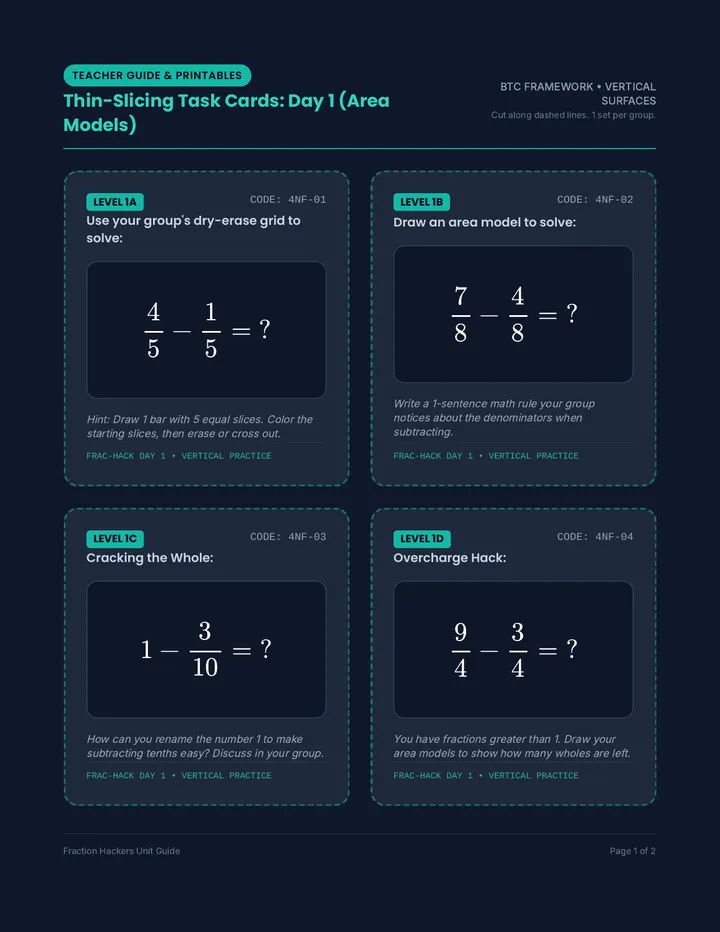
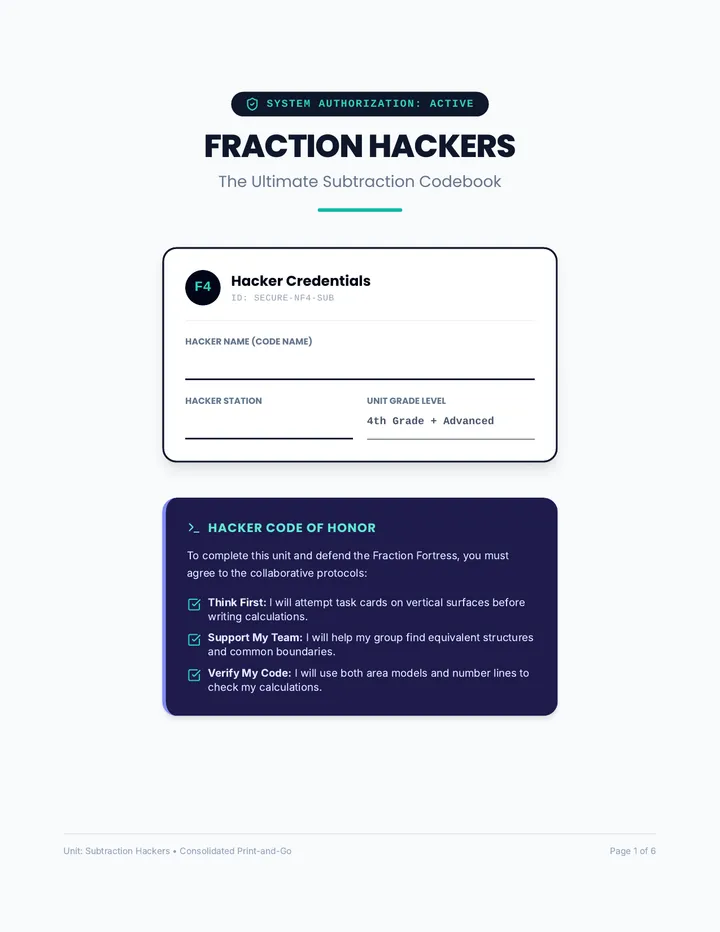
A Tier 2 intervention sequence designed for 5th-grade students struggling with adding and subtracting fractions with unlike denominators. The sequence follows a concrete-representational-abstract (CRA) progression, moving from visual models to standard algorithms and mixed numbers.
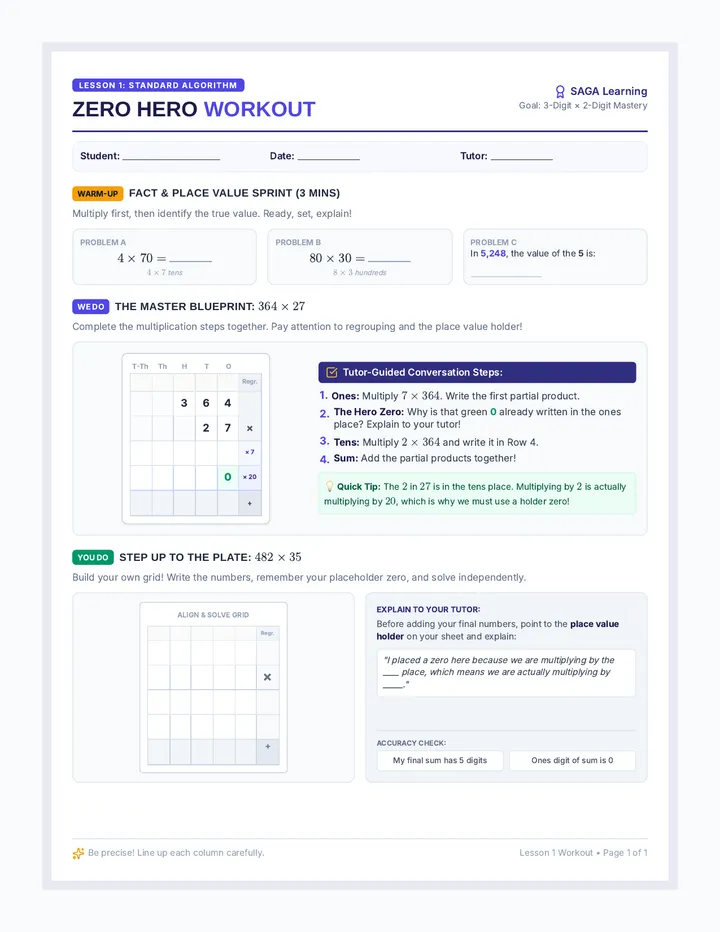
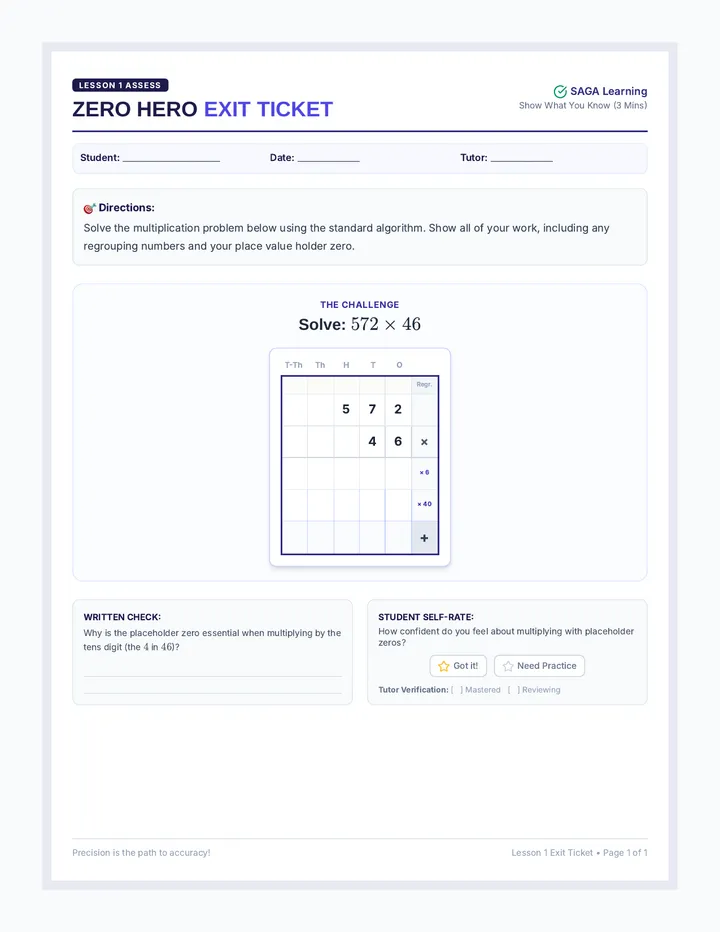
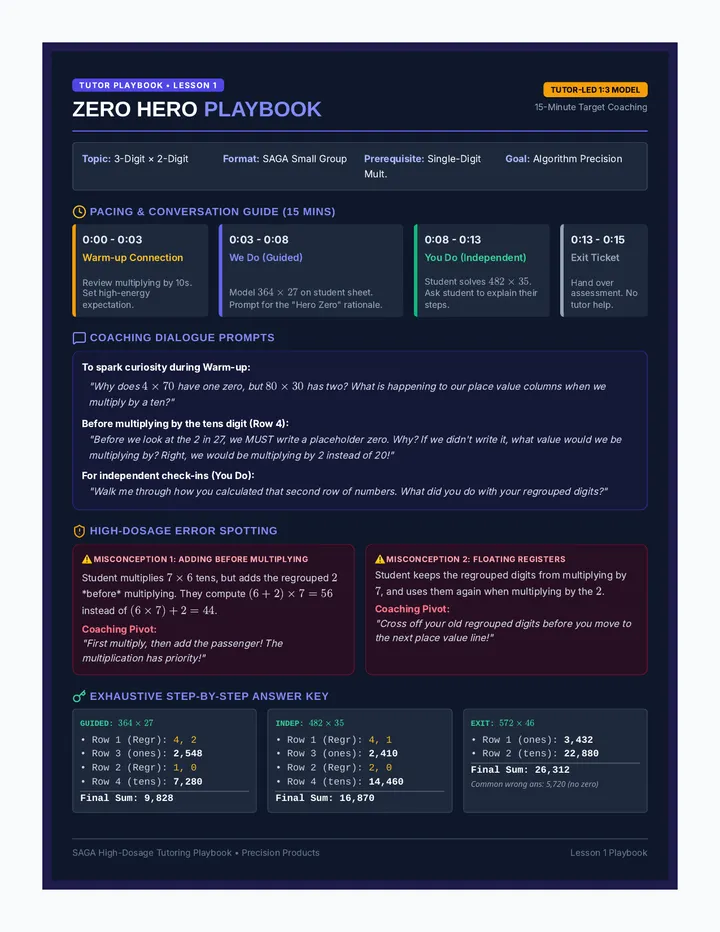
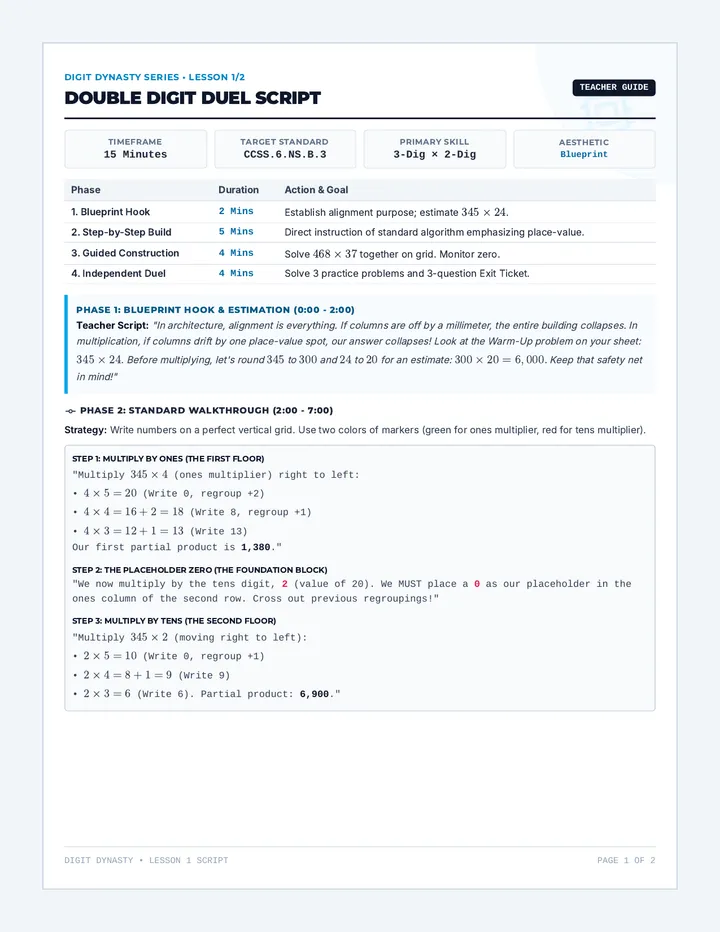
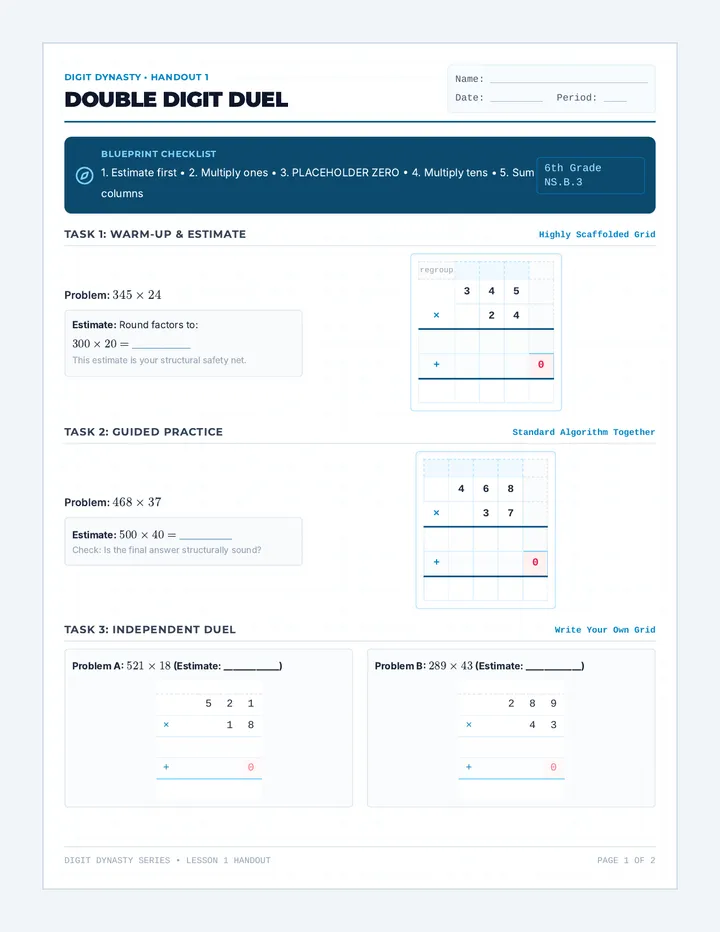
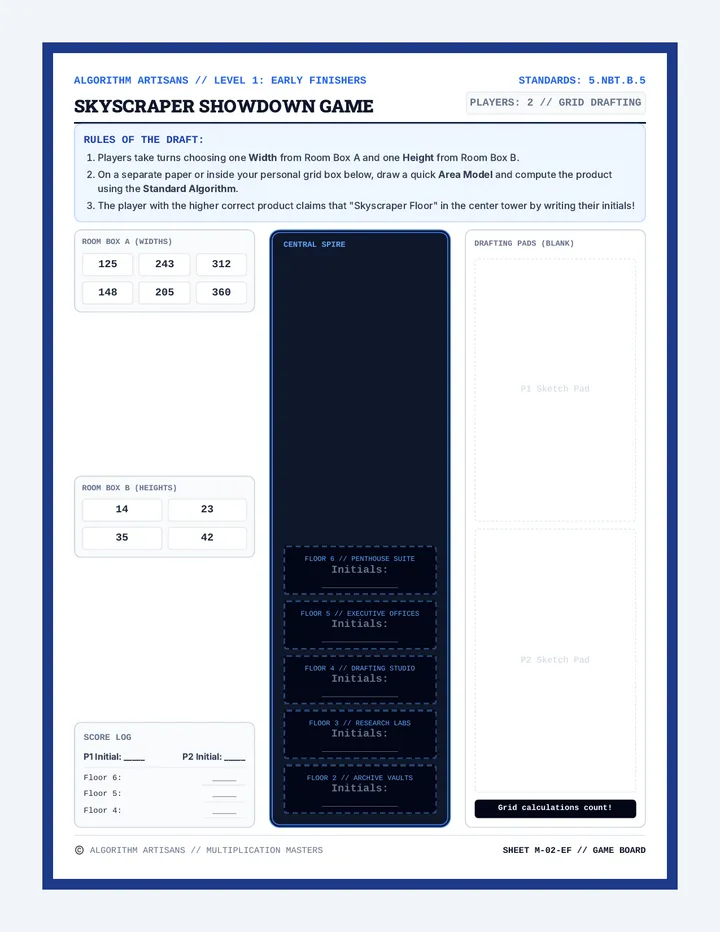
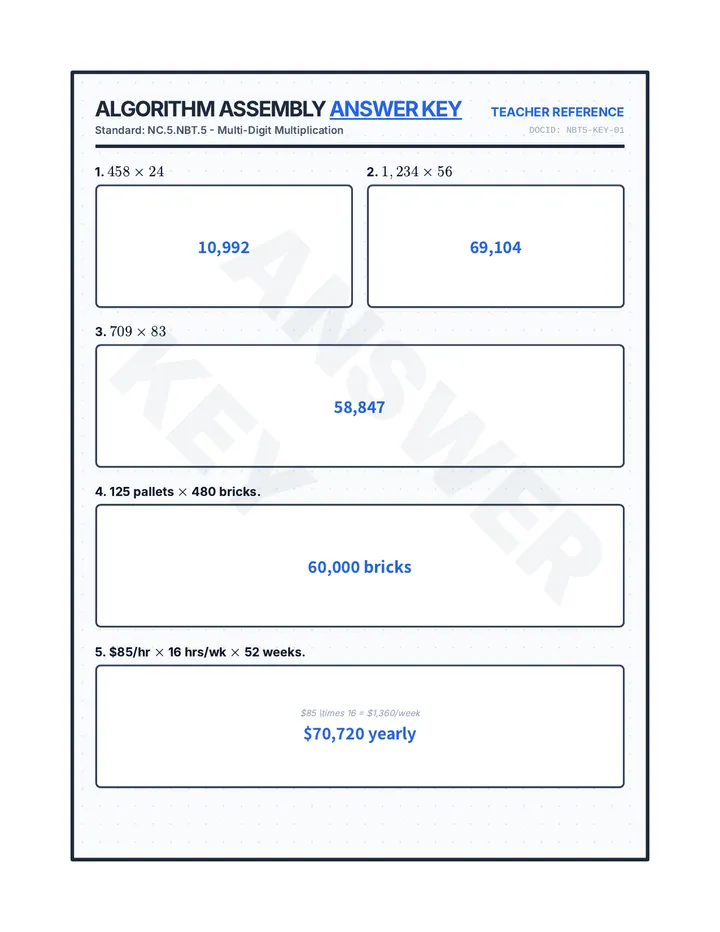
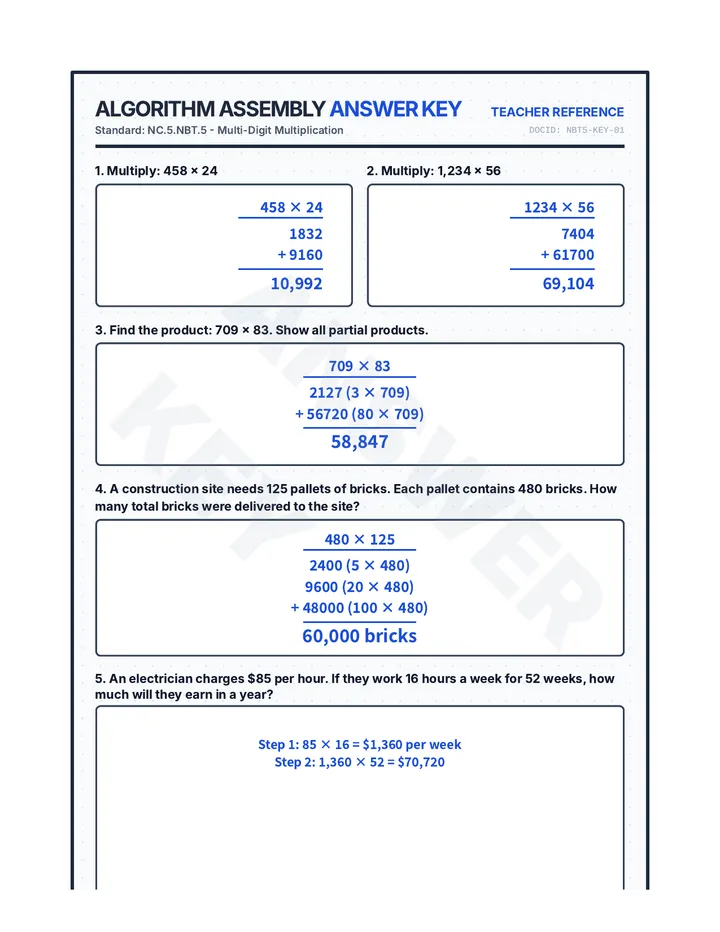
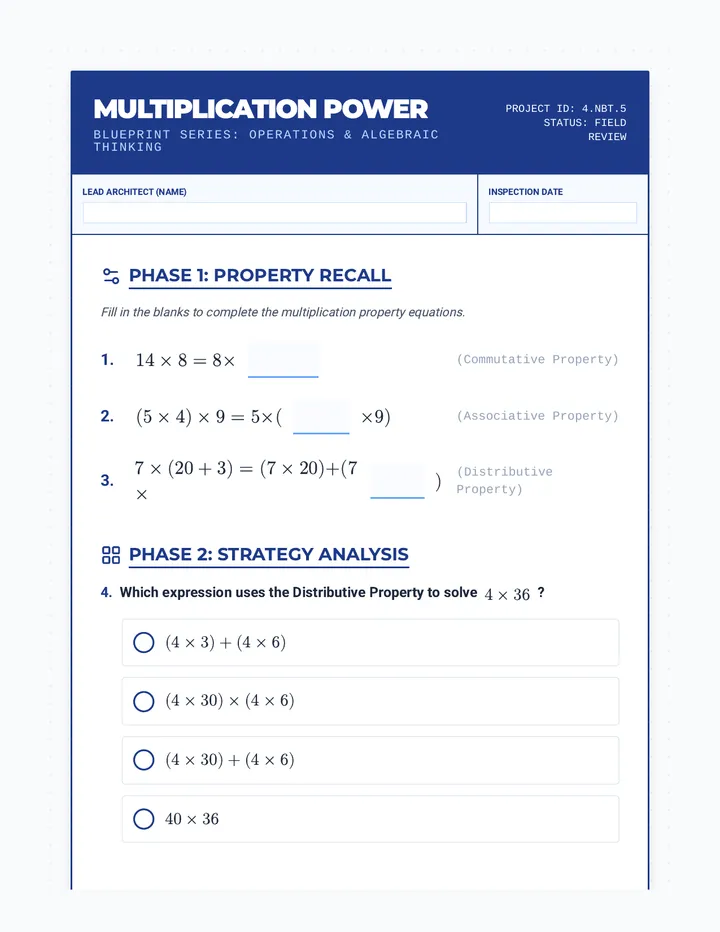
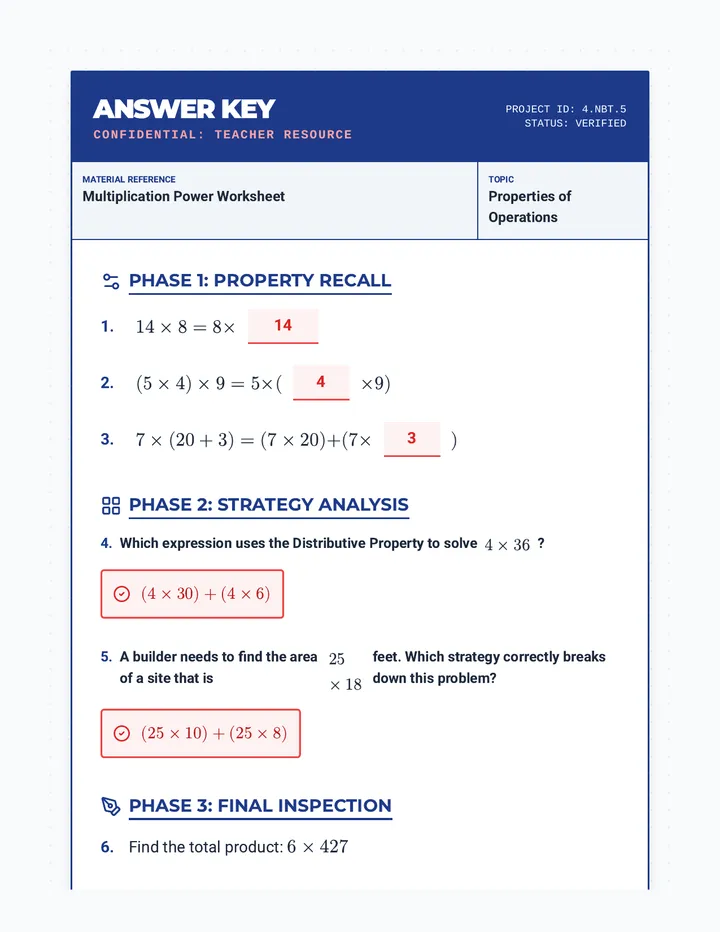
A targeted Tier 2 intervention sequence for 4th graders focusing on multi-digit multiplication using place value strategies, area models, and partial products. Students progress from concrete arrays to the standard algorithm with a focus on estimation and reasonableness.
A foundational math sequence for special education students (grades 5-6) focusing on algebraic thinking and spatial reasoning through highly visual, themed units.
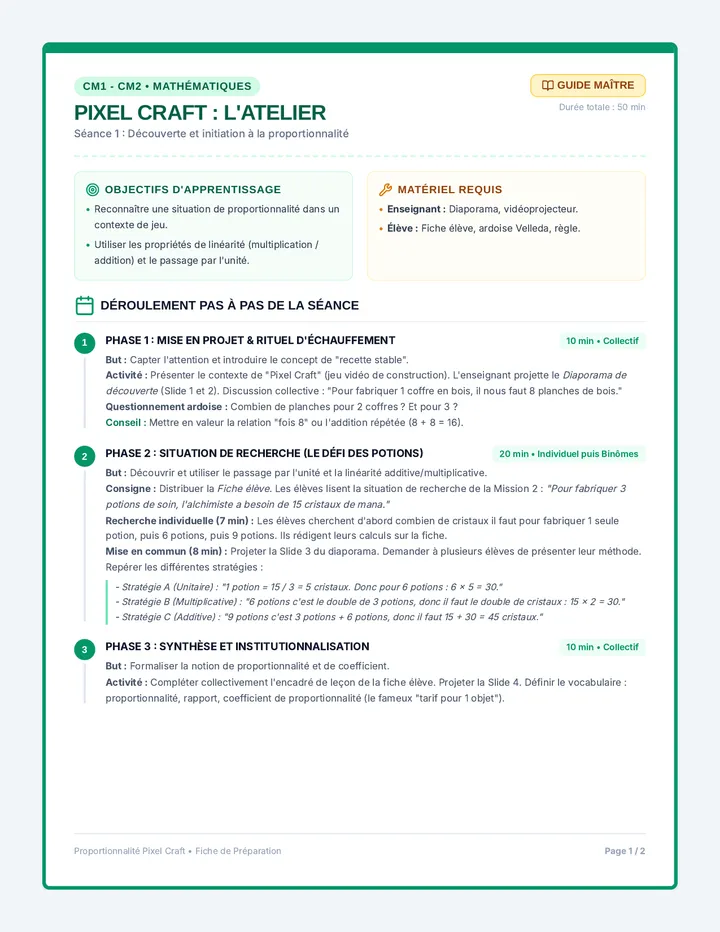
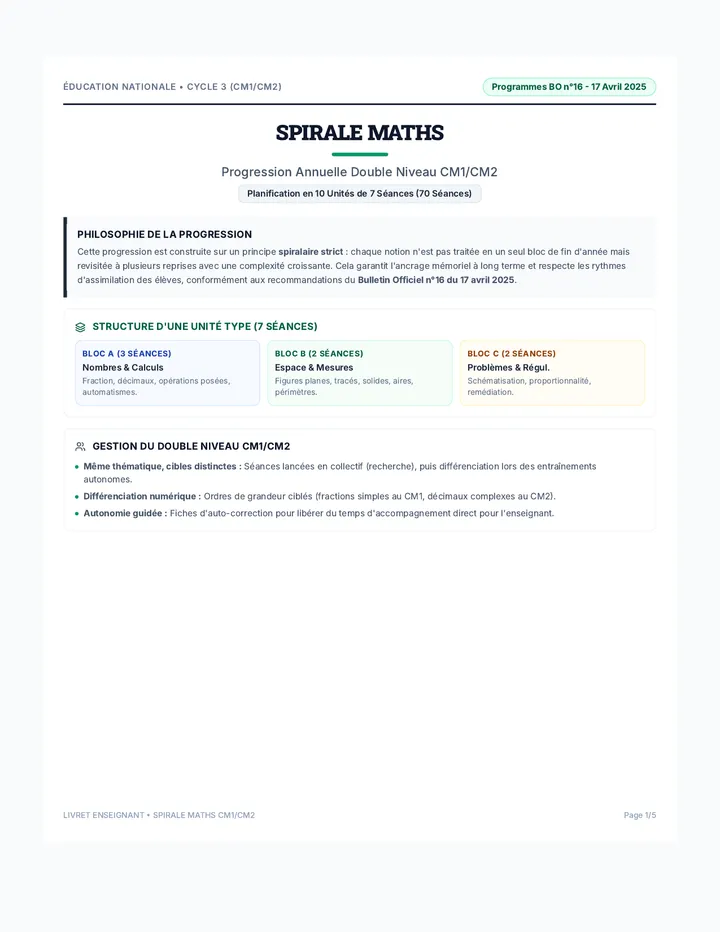
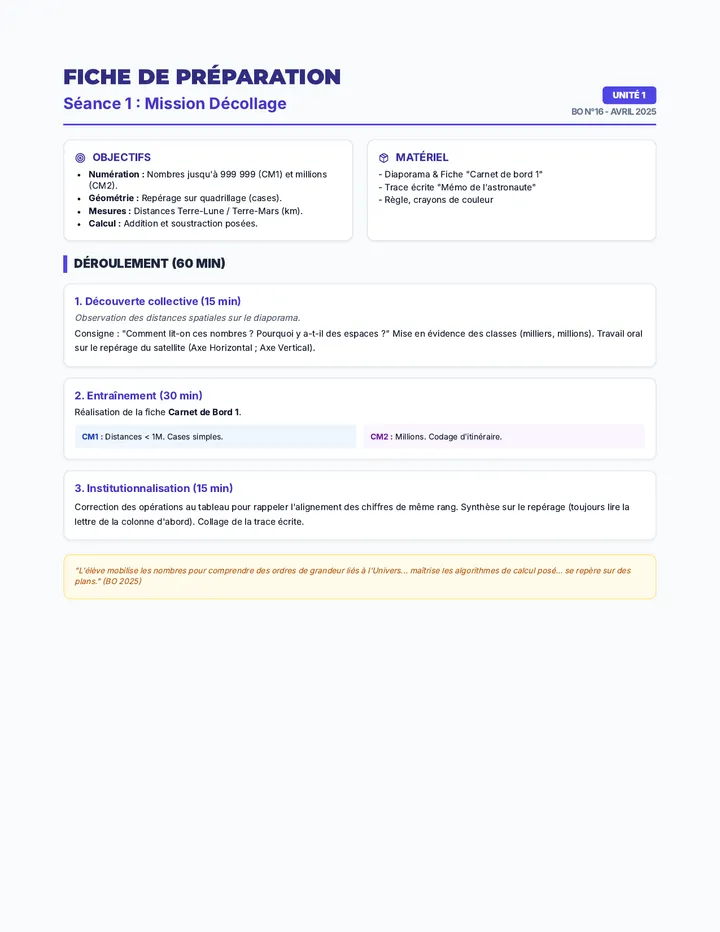
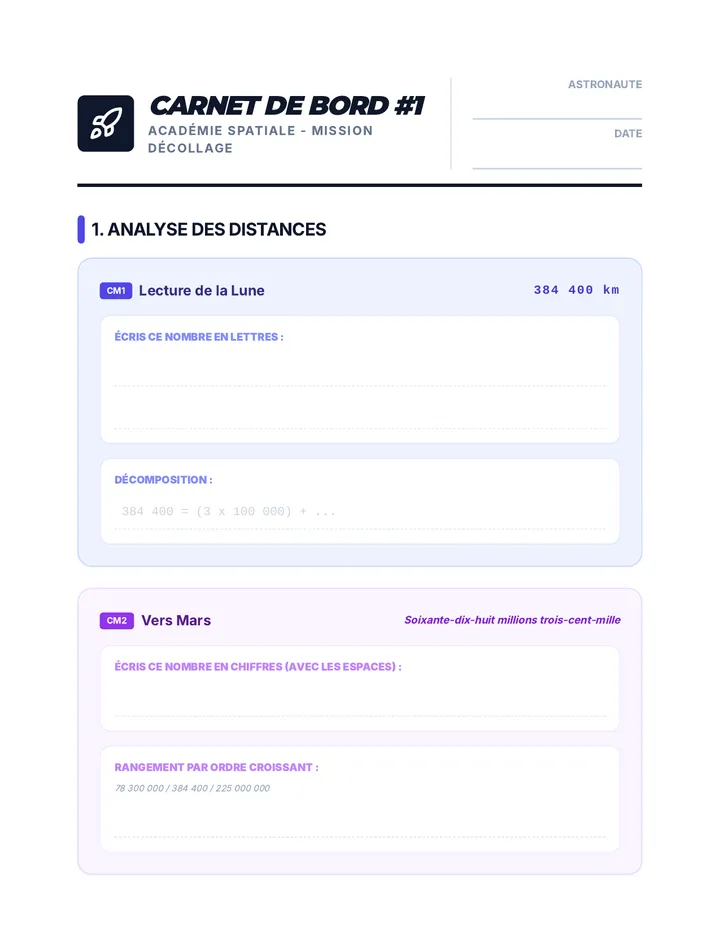
Une série de micro-leçons de 10 minutes centrée sur l'optimisation de l'espace papier. Les élèves apprennent à mettre à l'échelle une mise en page de 6 photos (format A4) vers le format Raisin (50x65 cm) en minimisant les chutes.
A collection of Valentine's Day math packets at two different levels (Level 1 and Quest), covering budgeting, graphing, measurement, time, and word problems.
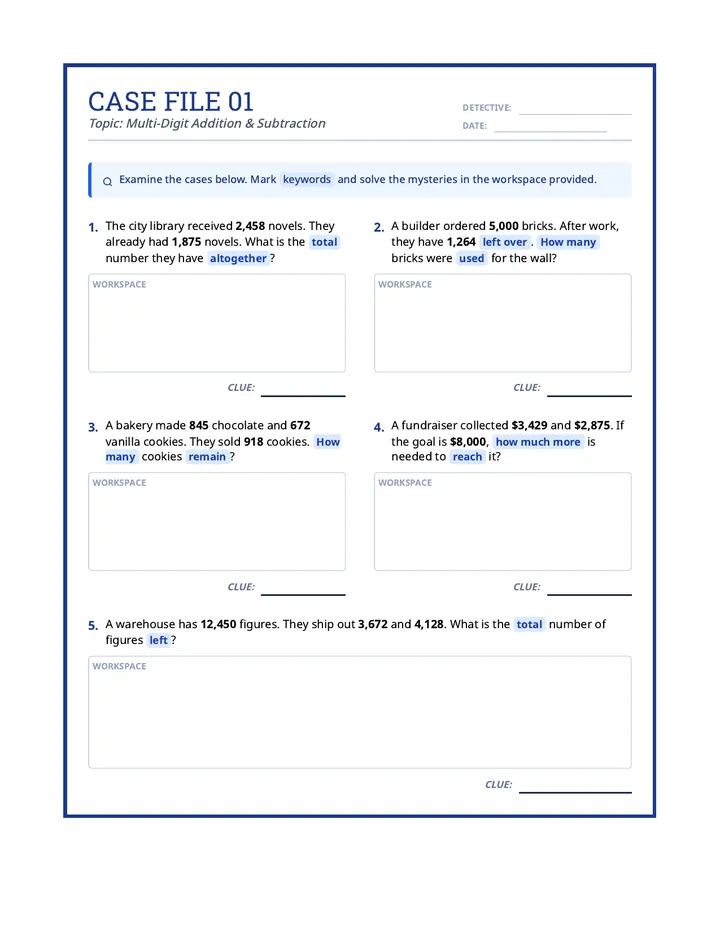
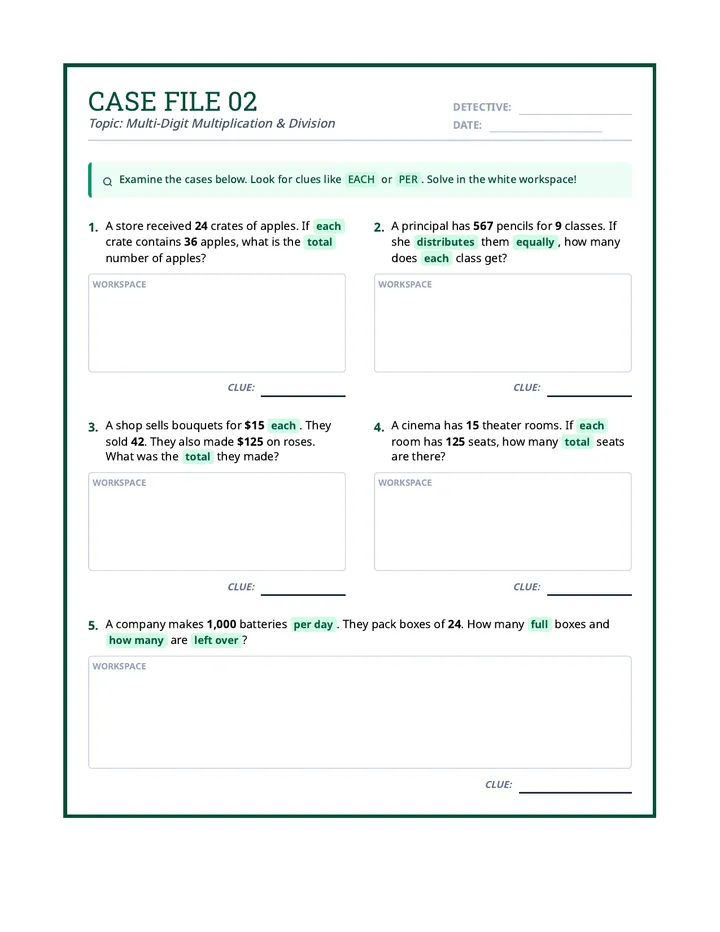
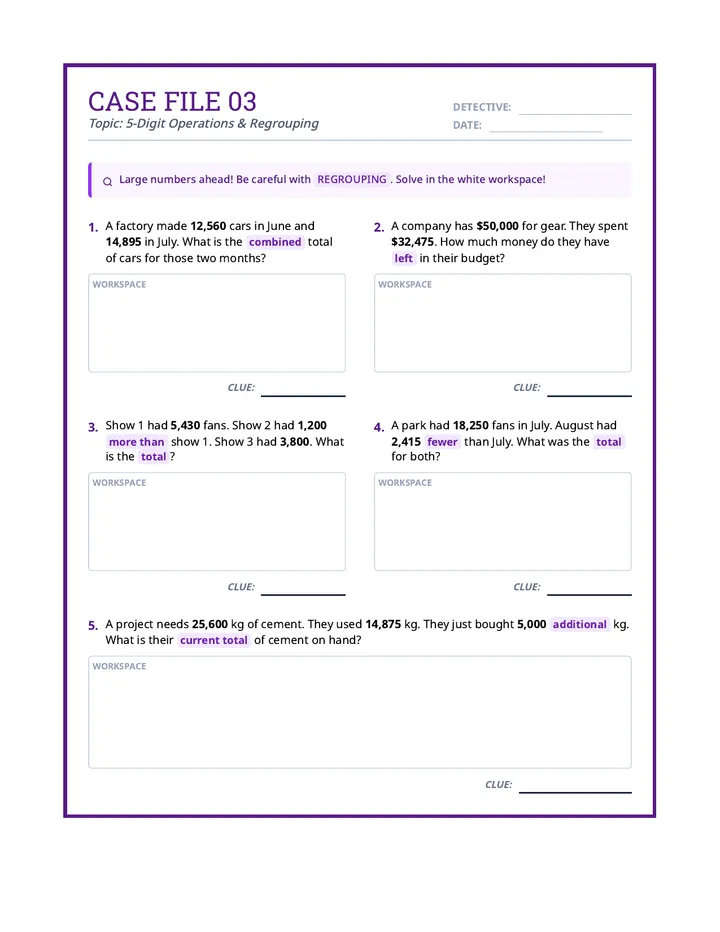
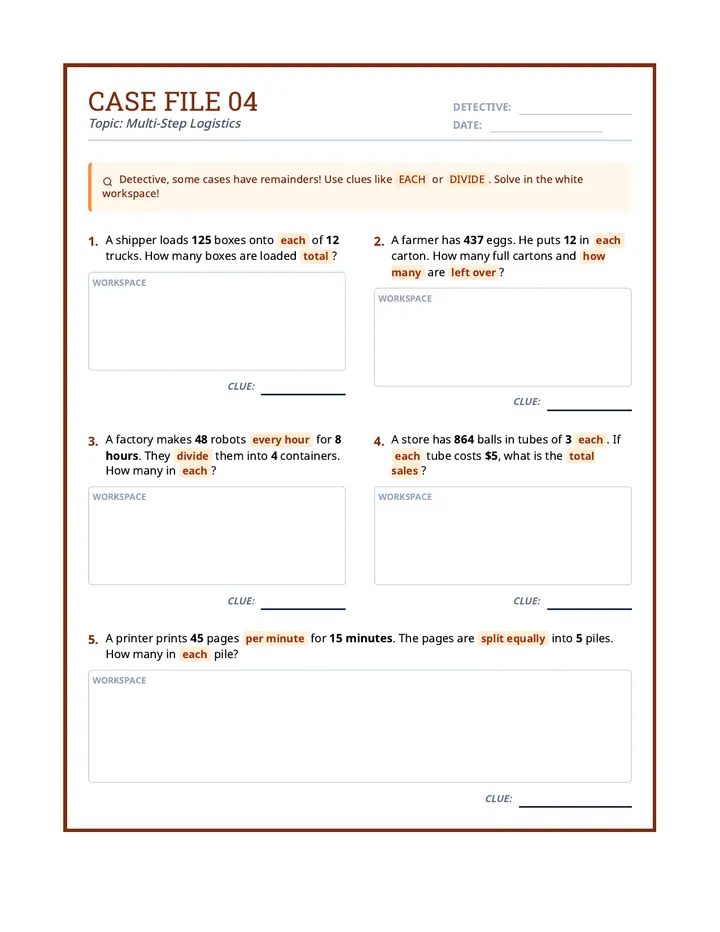
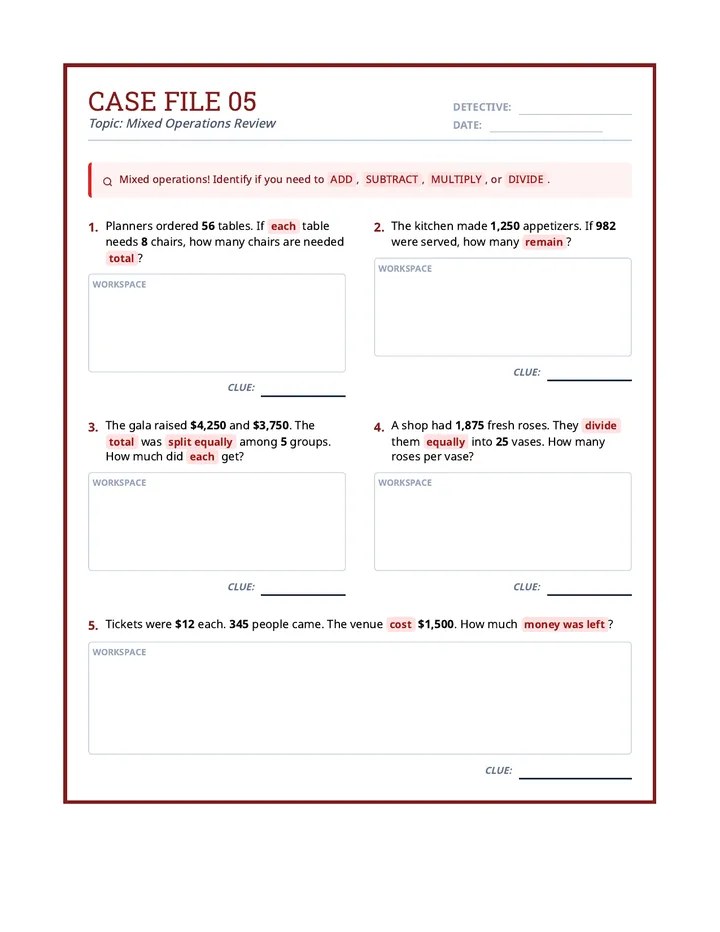
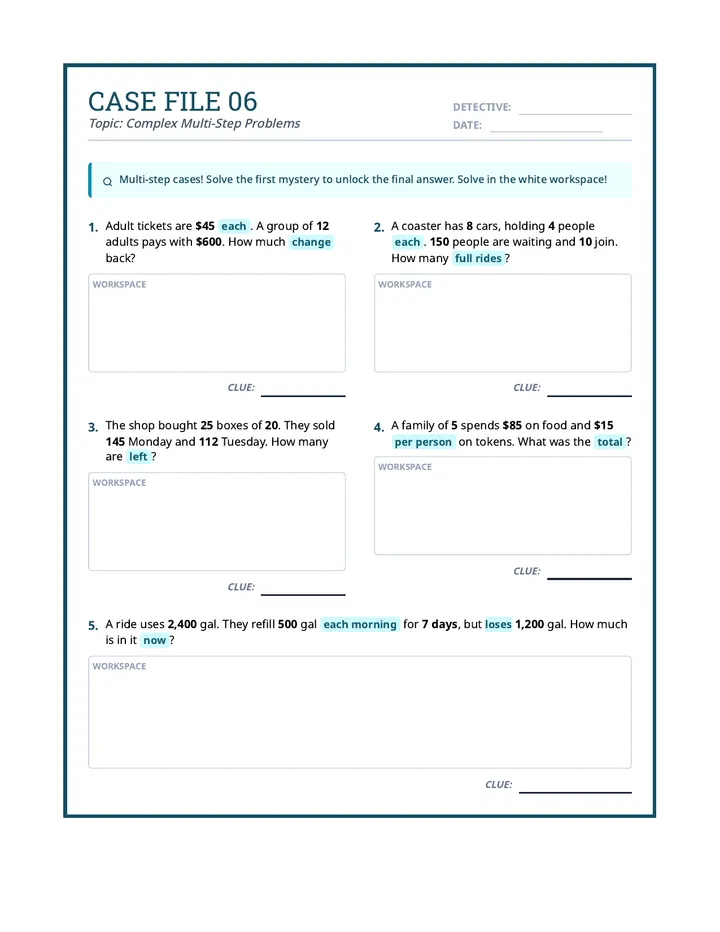
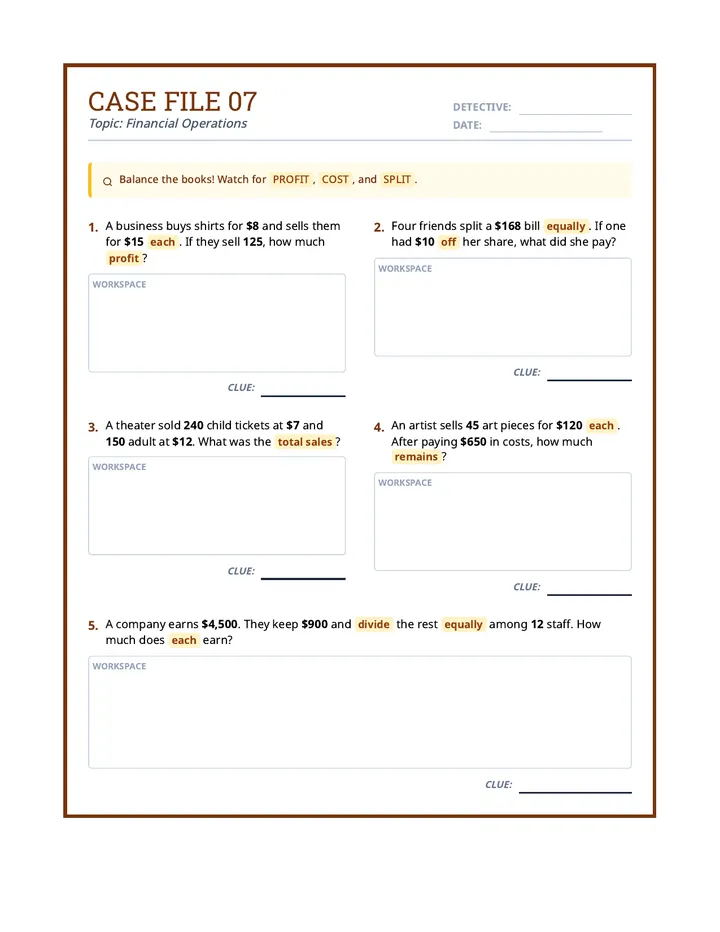
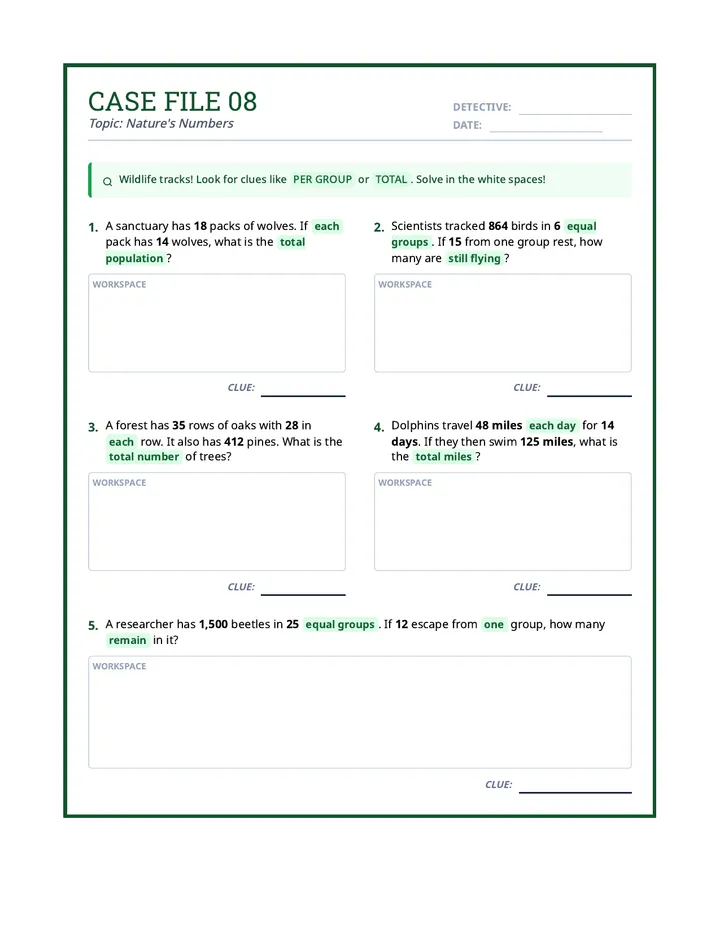
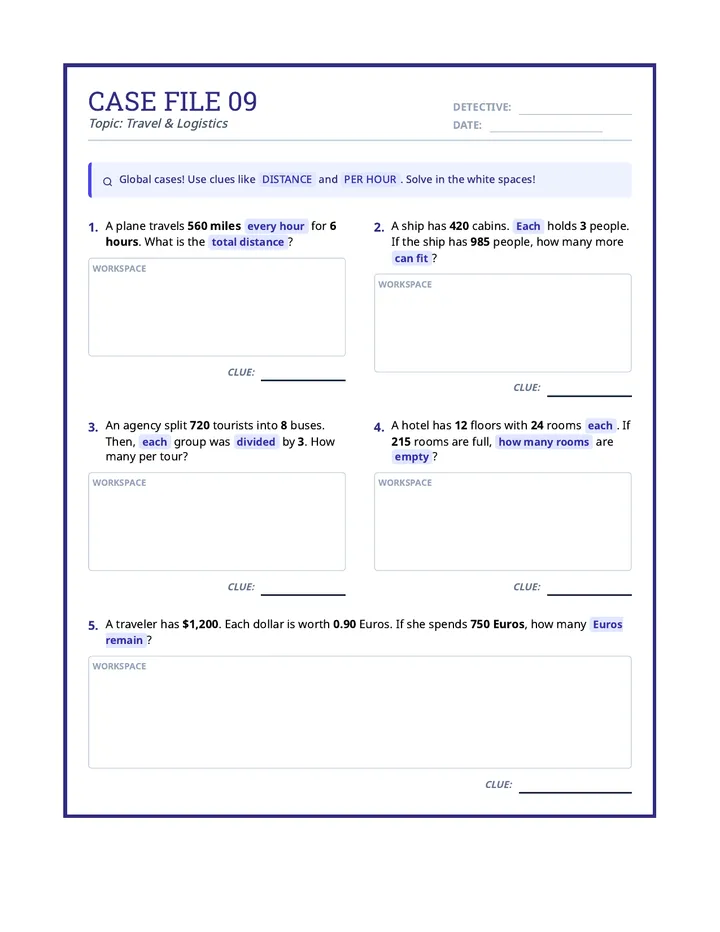
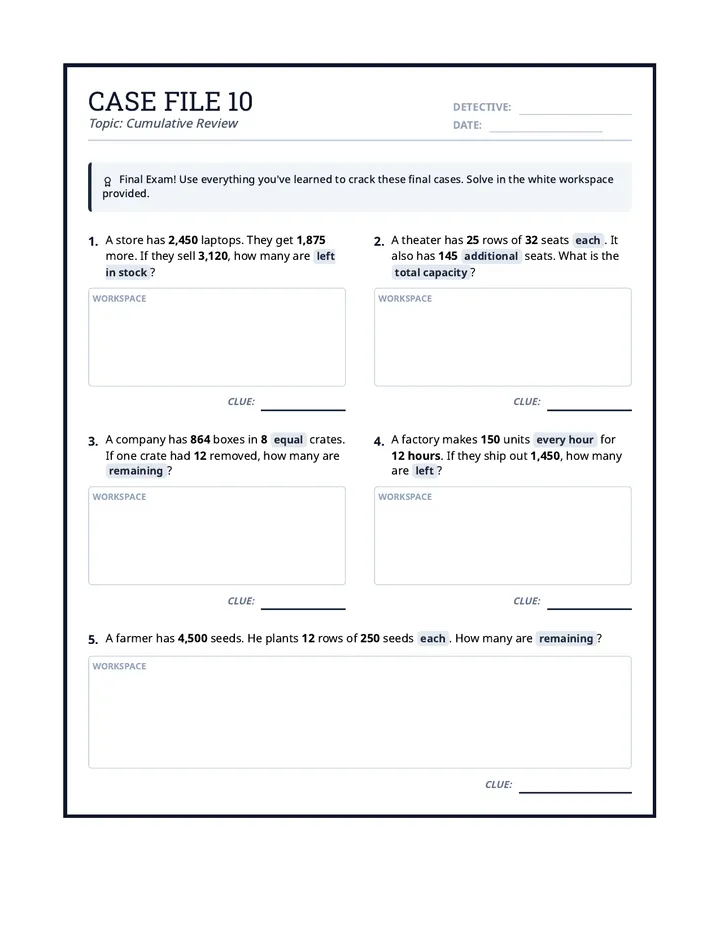
A comprehensive suite of strategies and visual supports designed to help K-5 students decode and solve addition, subtraction, multiplication, and division word problems using a detective-themed approach.
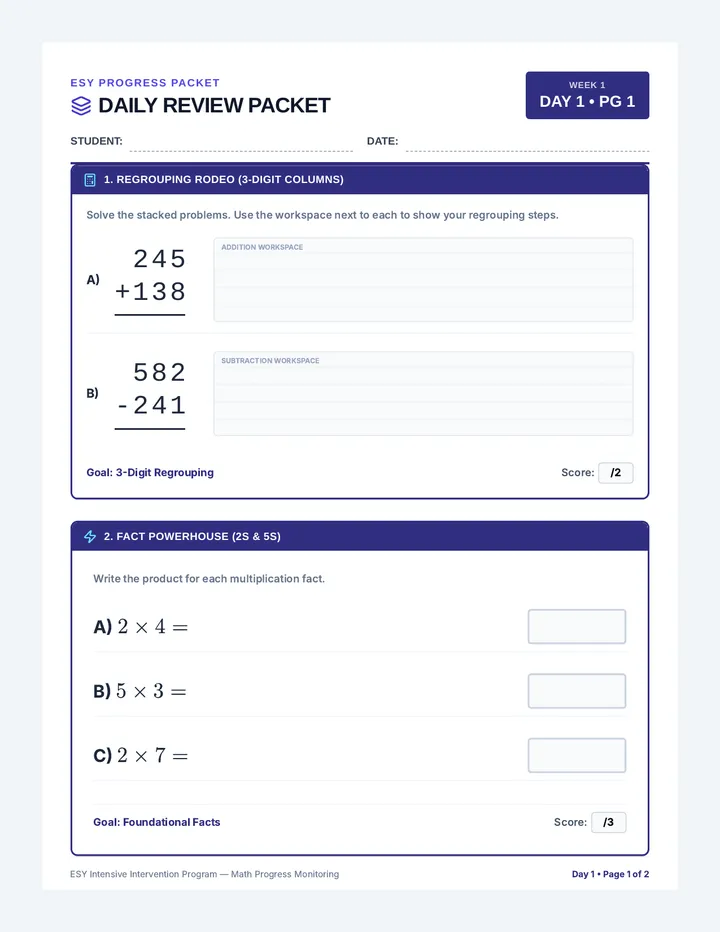
A specialized Tier 3 intervention sequence for 8th-grade students performing at a 5th-grade level, focusing on bridging foundational arithmetic to high school algebra concepts. This sequence uses concrete-representational-abstract (CRA) methods to explore area modeling, systems of equations, exponential patterns, and inequalities.
A 3-day small group math unit for 4th grade focused on TEKS 4.5(D), solving area and perimeter problems using the Read-Draw-Write strategy and blueprint-themed reference materials.
A 3-day small group math sequence for 5th grade focused on TEKS 5.3K. Students learn to fluently add and subtract positive rational numbers by converting between fractions and decimals and using the Read-Draw-Write strategy for STAAR-aligned word problems.
A comprehensive 3-day math sequence focused on TEKS 5.3K, where students learn to fluently add and subtract positive rational numbers involving both decimals and fractions in the same expressions through a construction-themed 'Rational Builders' unit.
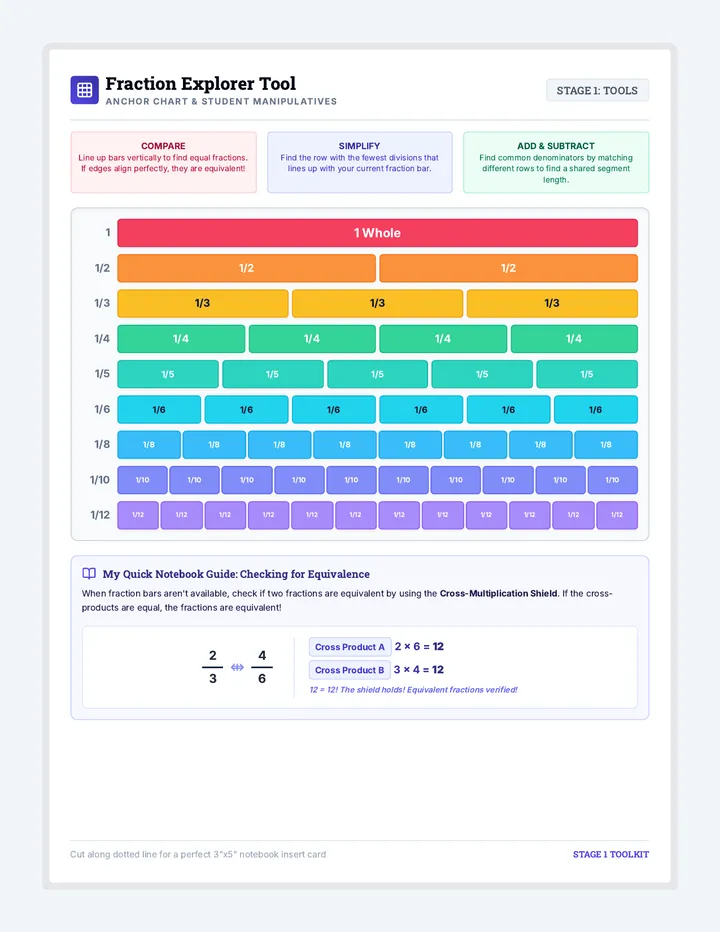
A comprehensive 7-lesson intervention sequence designed to build conceptual fraction understanding through visual models, number lines, and scaffolded practice. The sequence moves from basic area models to adding and subtracting with unlike denominators, prioritizing 'why' over 'how'.
A comprehensive math and SEL integration designed for Grades 5-6, focusing on multi-step fraction word problems through the lens of growth mindset and productive struggle. Students learn to reframe mistakes as data points and persistence as a measurable skill.
A series of targeted interventions focusing on foundational fraction concepts, specifically partitioning and representing fractions on number lines.
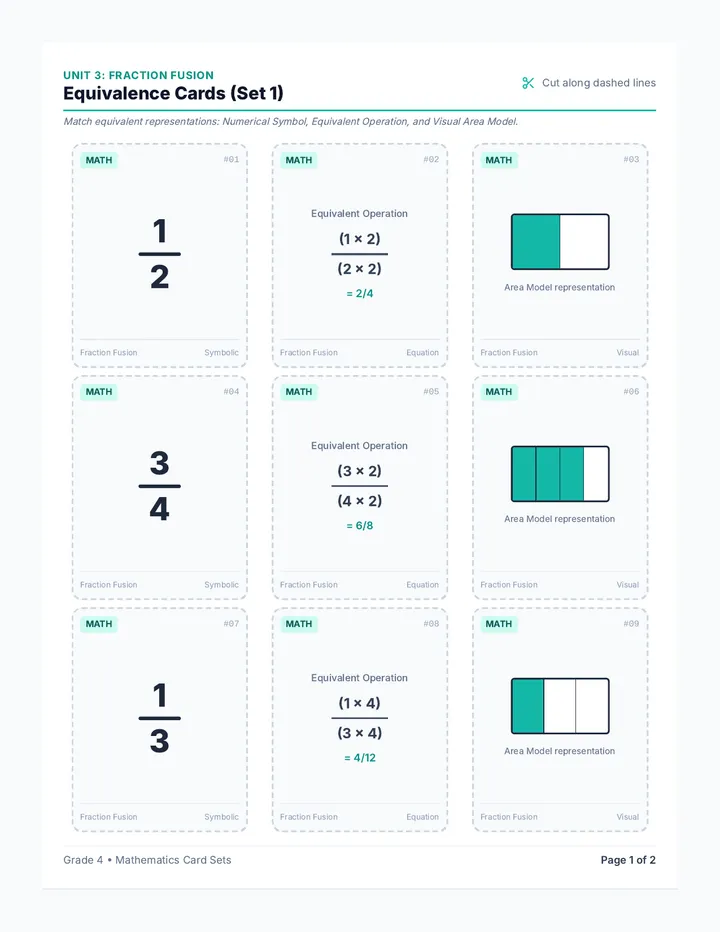
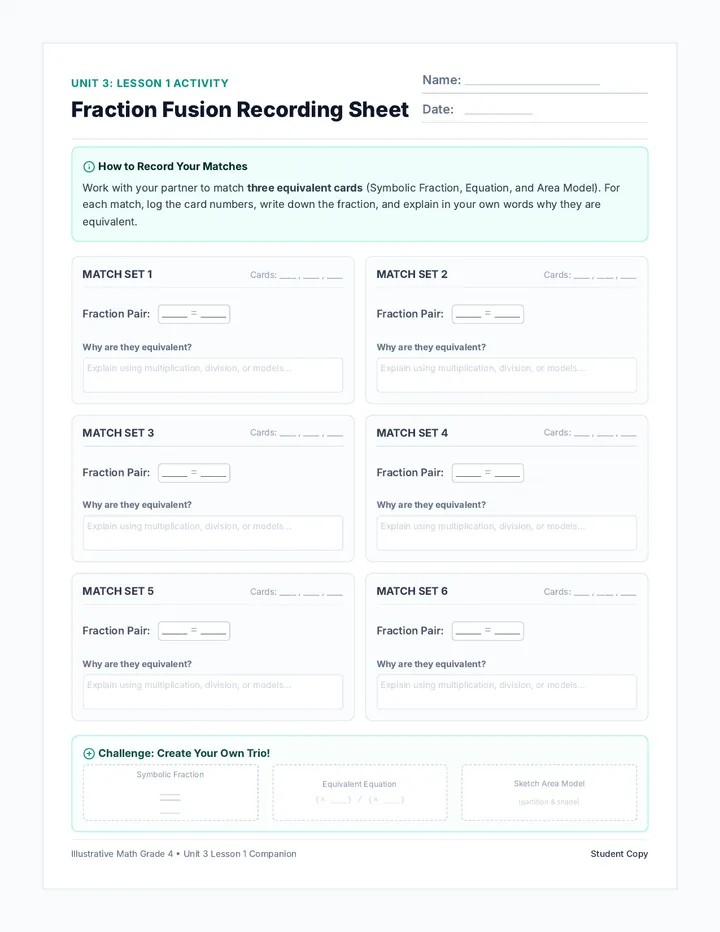
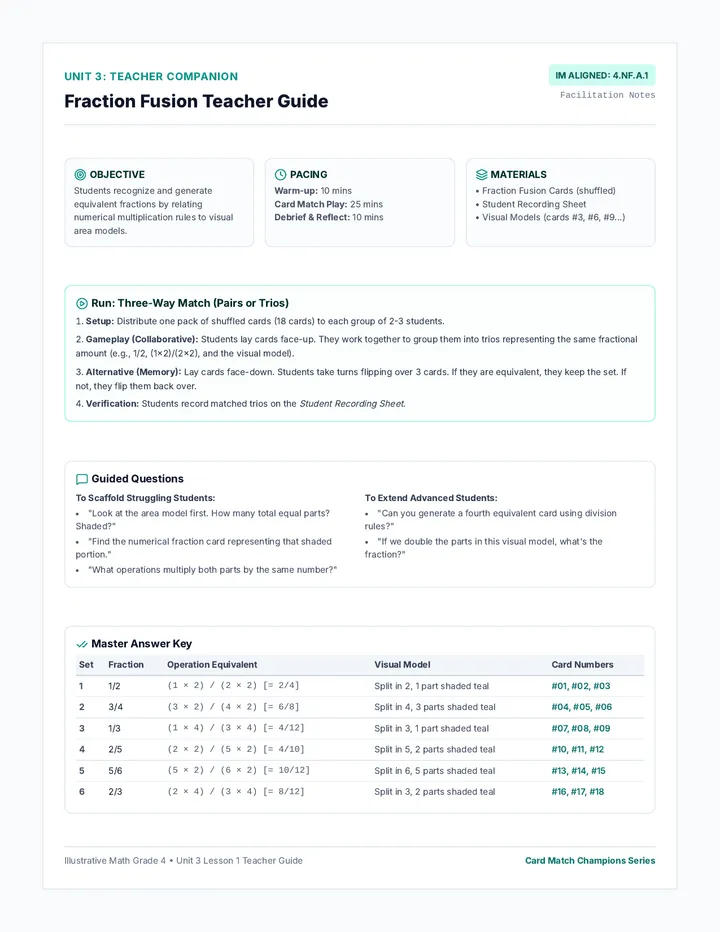
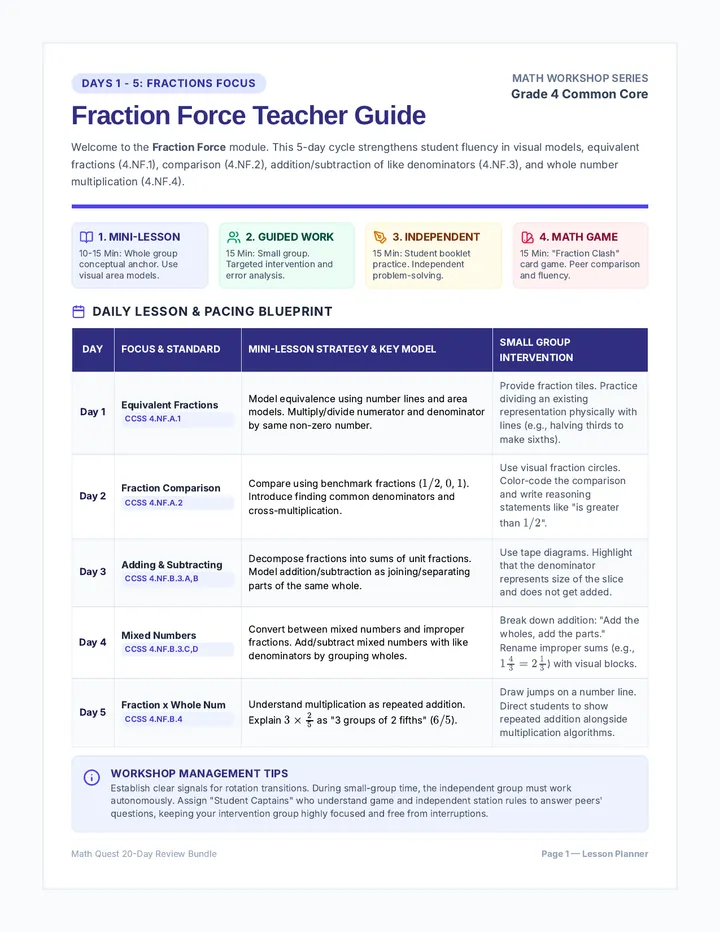
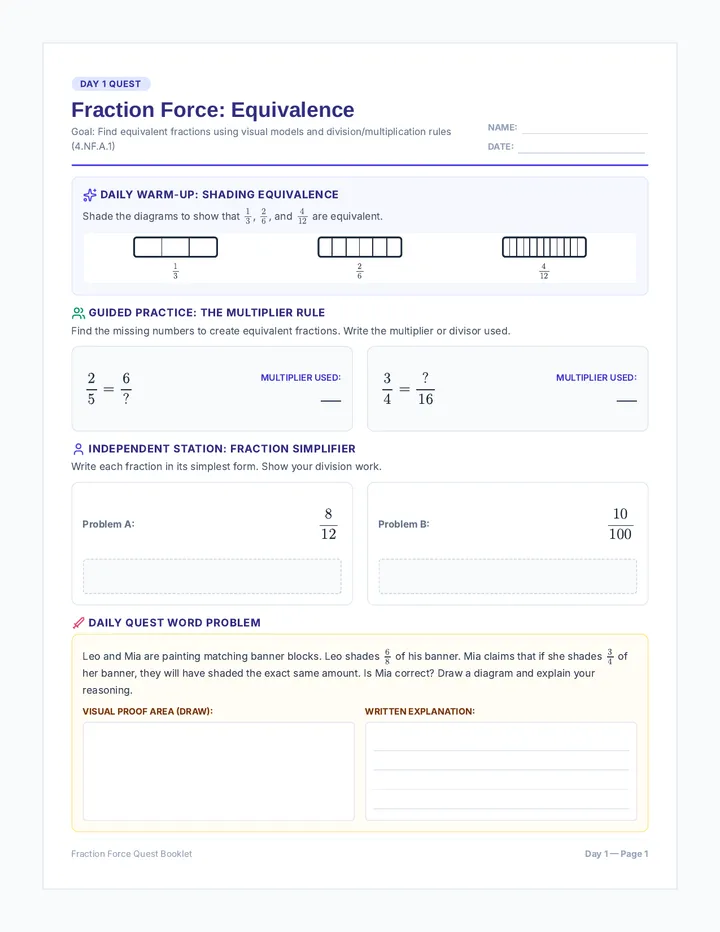
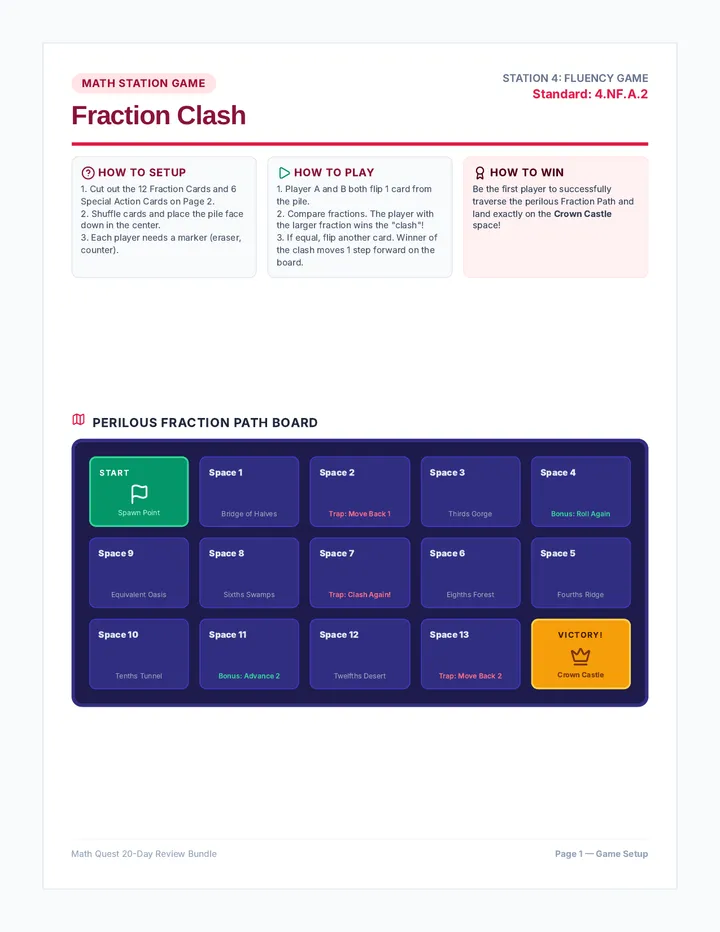
A specialized intervention series for Grade 4 students to master fractional equivalence and operations with denominators of 10 and 100.
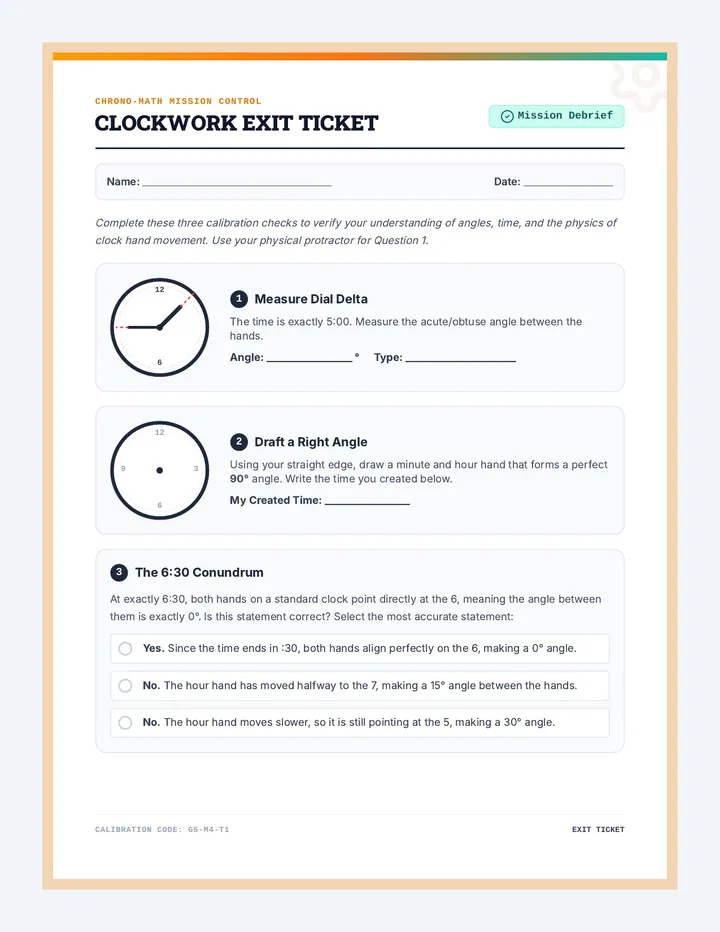
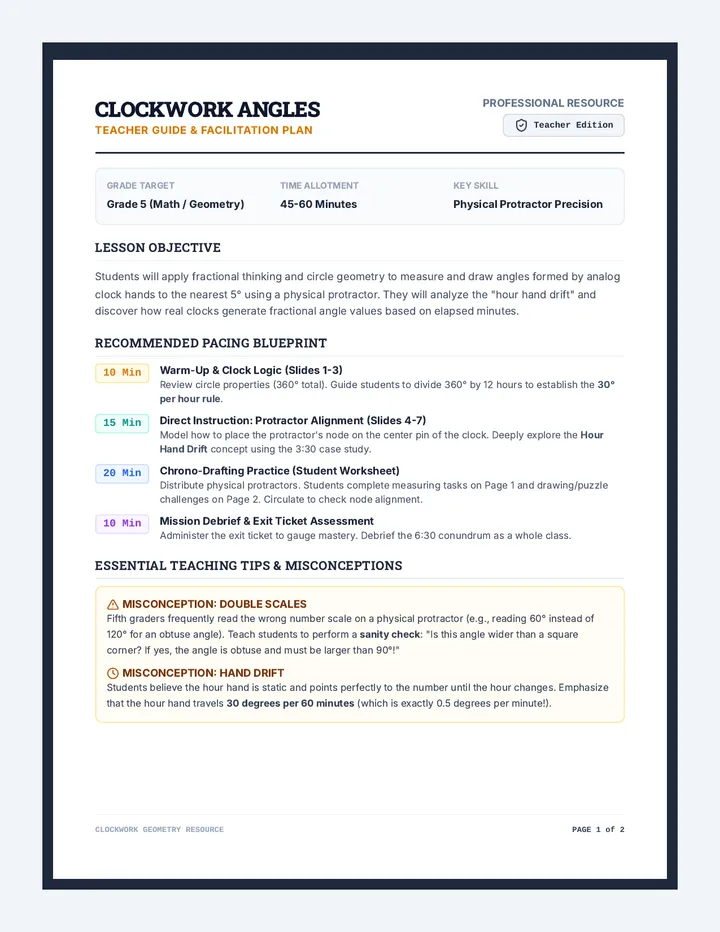
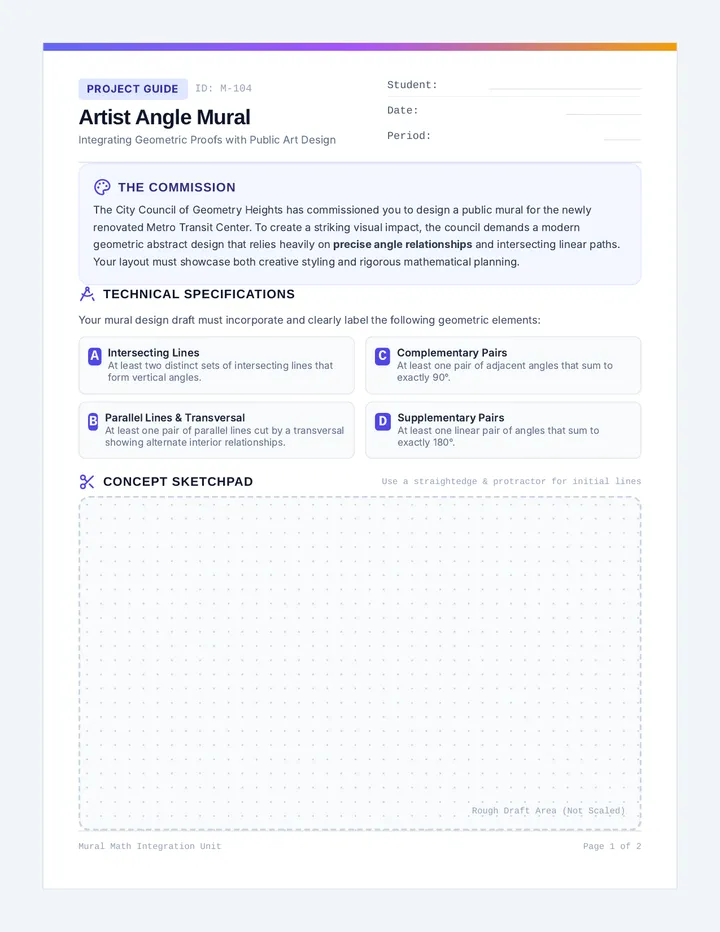
A targeted intervention sequence for Grade 4 students to master the classification of 2D figures using properties of lines and angles. The theme of a 'Shape Detective Agency' provides an engaging context for rigorous attribute analysis and evidence-based justification.
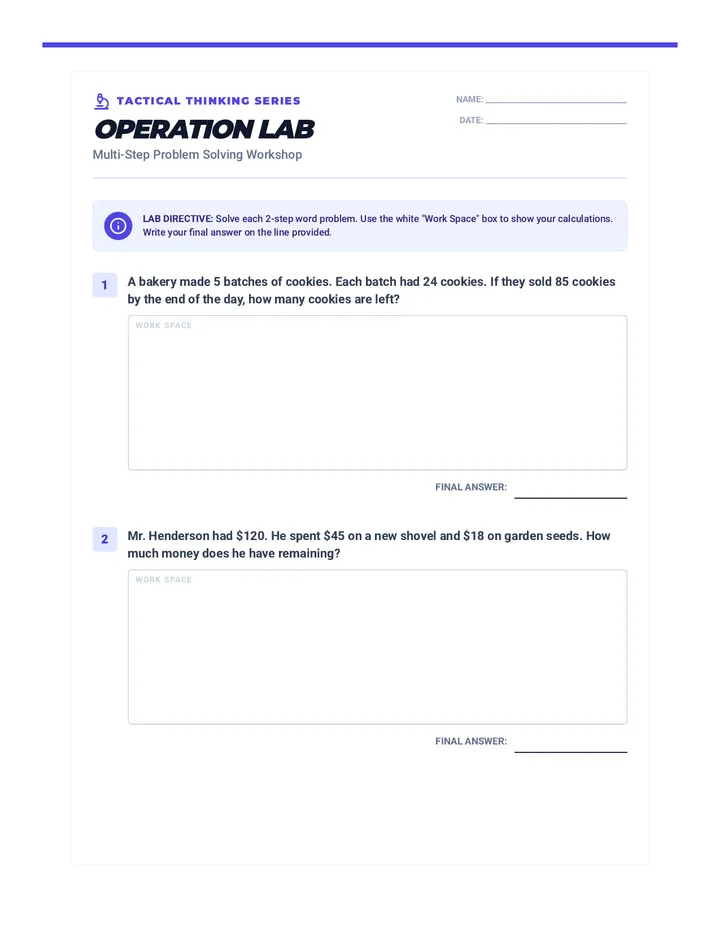
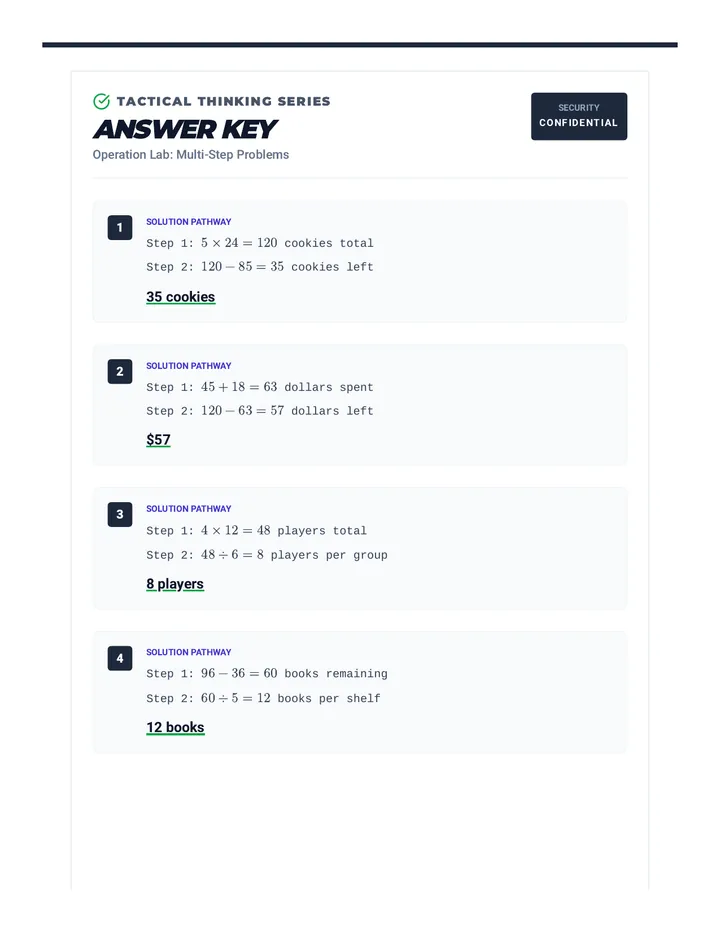
A Tier 2 intervention sequence focused on solving measurement word problems involving distance, time, volume, mass, and money. Students use number lines and manipulatives to master complex multi-step problems with fractions and decimals.
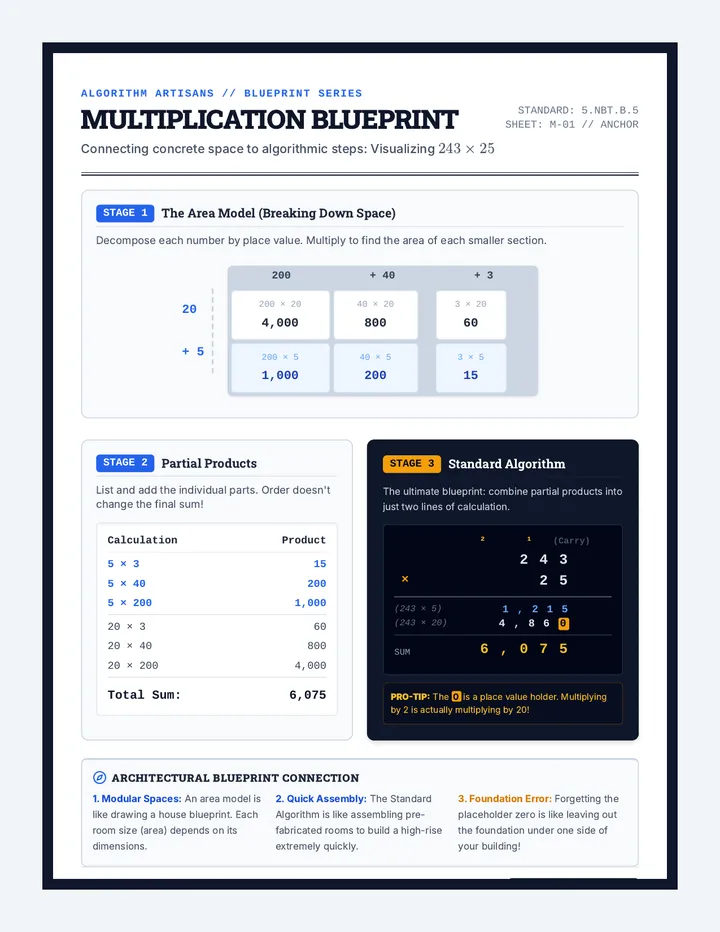
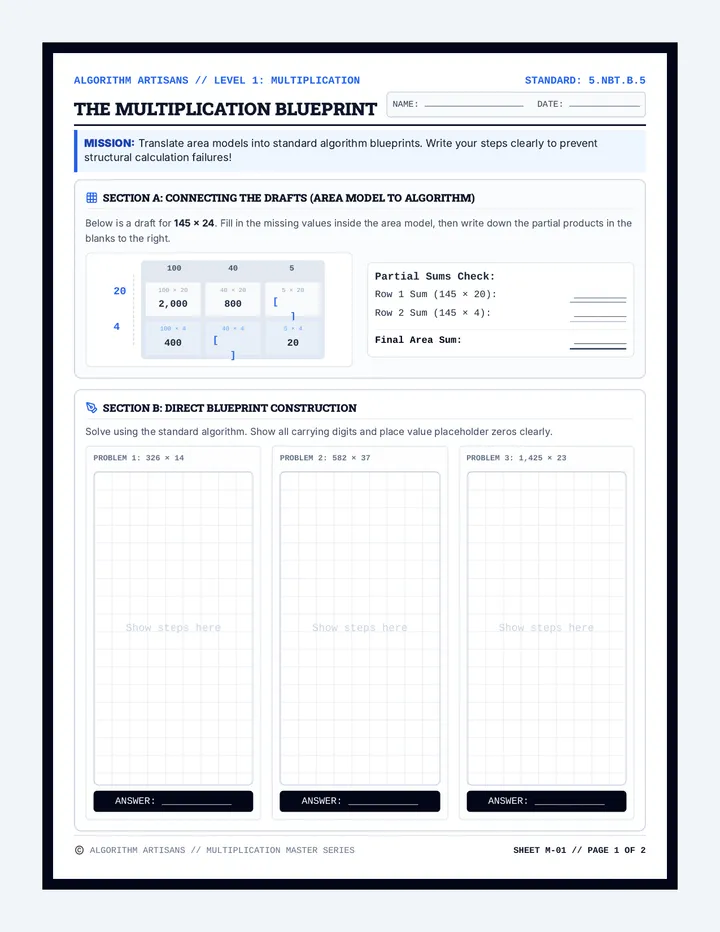
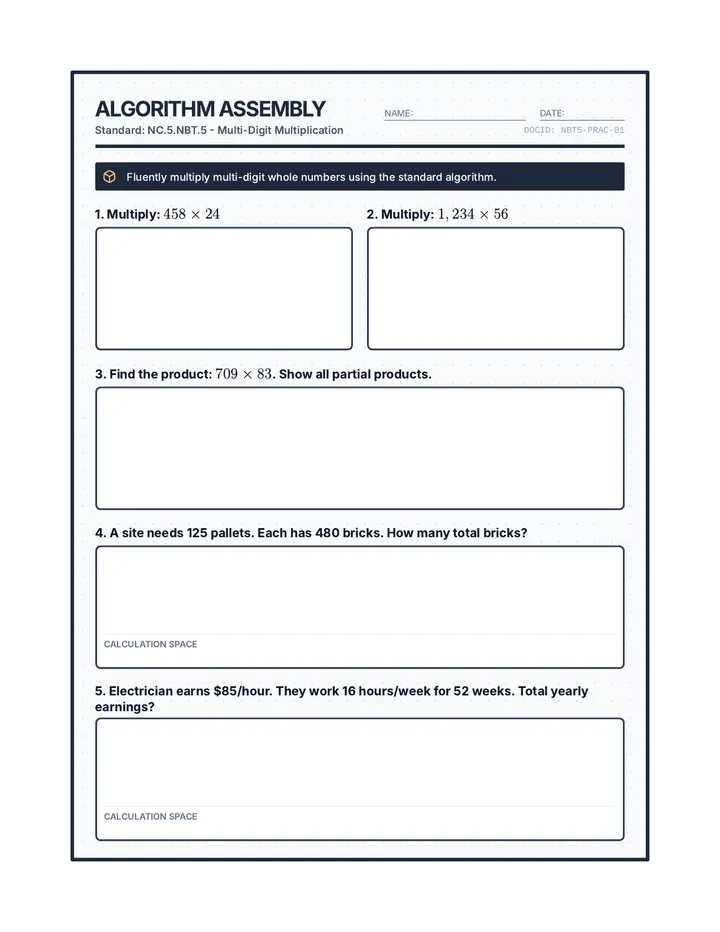
A targeted Tier 2 intervention sequence designed to help 4th-grade students master multi-digit multiplication through the CRA (Concrete-Representational-Abstract) framework. The sequence moves from physical/visual models of place value to the area model and partial products.
A targeted intervention sequence for 4th-grade students struggling with multiplicative comparison word problems, focusing on visual modeling with linking cubes and translating scenarios into equations.
A Grade 4 Tier 2 intervention sequence focused on solving measurement word problems using all four operations and unit conversions. This sequence emphasizes visual models, step-by-step scaffolding, and concrete-to-abstract transitions.
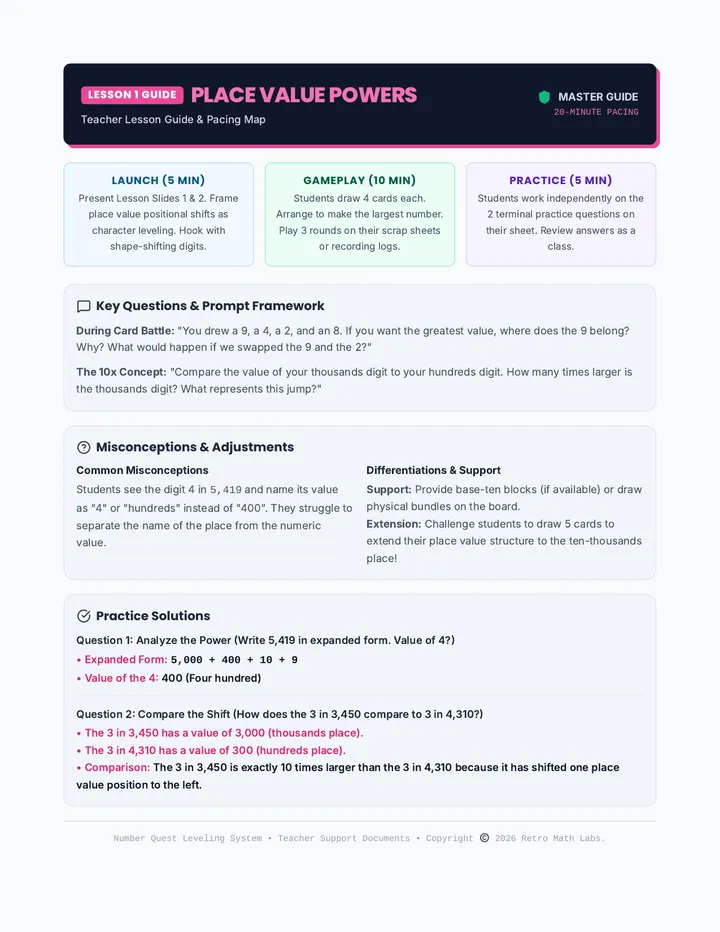
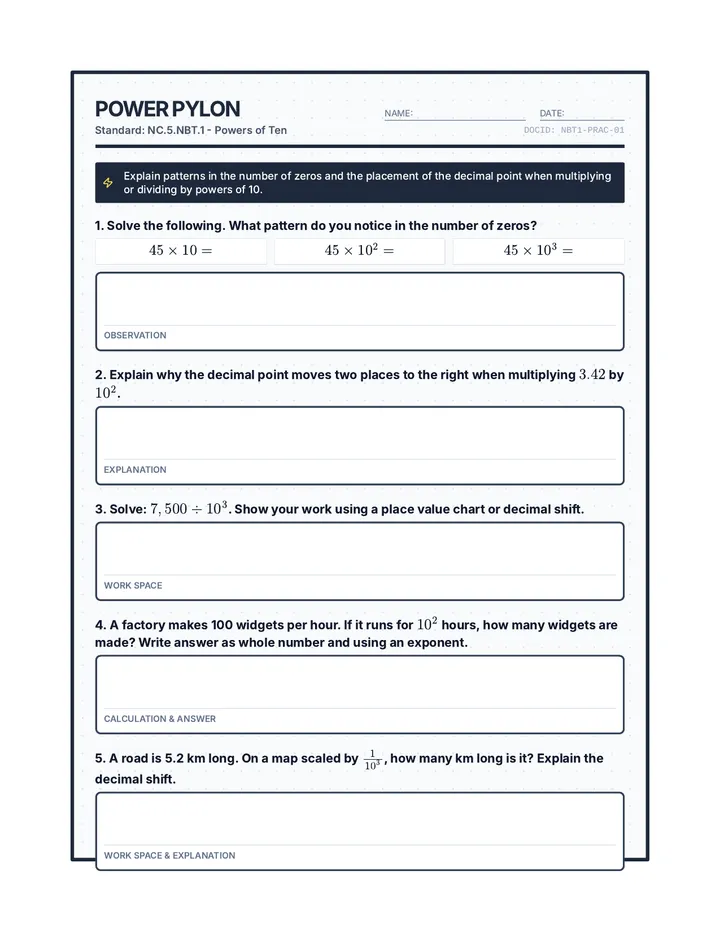
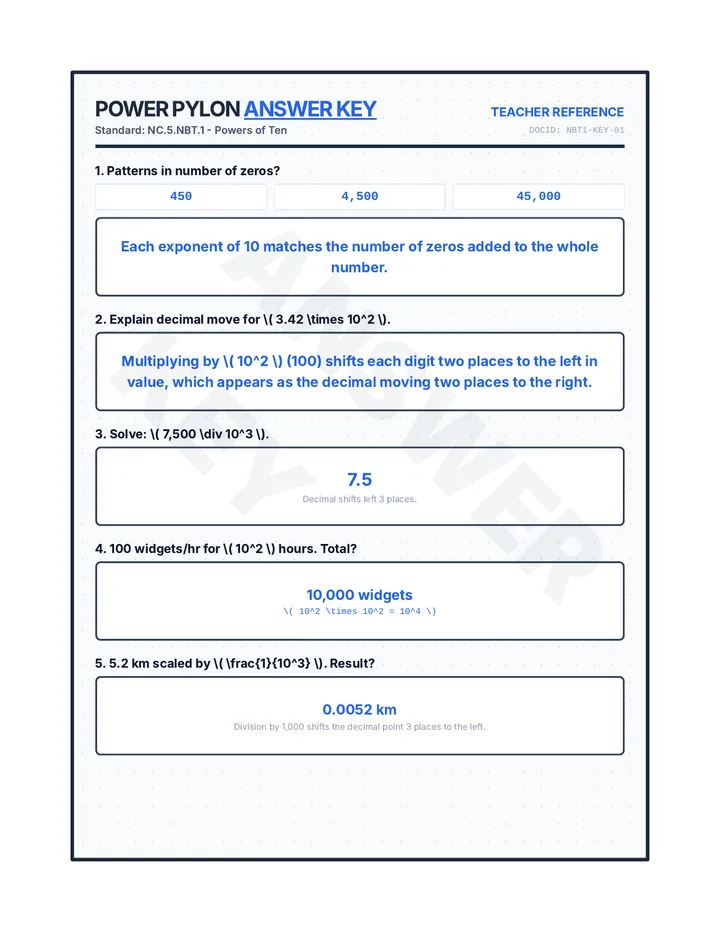
A Tier 2 intervention sequence focused on foundational place value relationships, specifically the 10x principle of moving between places in the base-ten system. This sequence uses the Concrete-Representational-Abstract (CRA) approach to help Grade 4 students master 4.NBT.A.1.
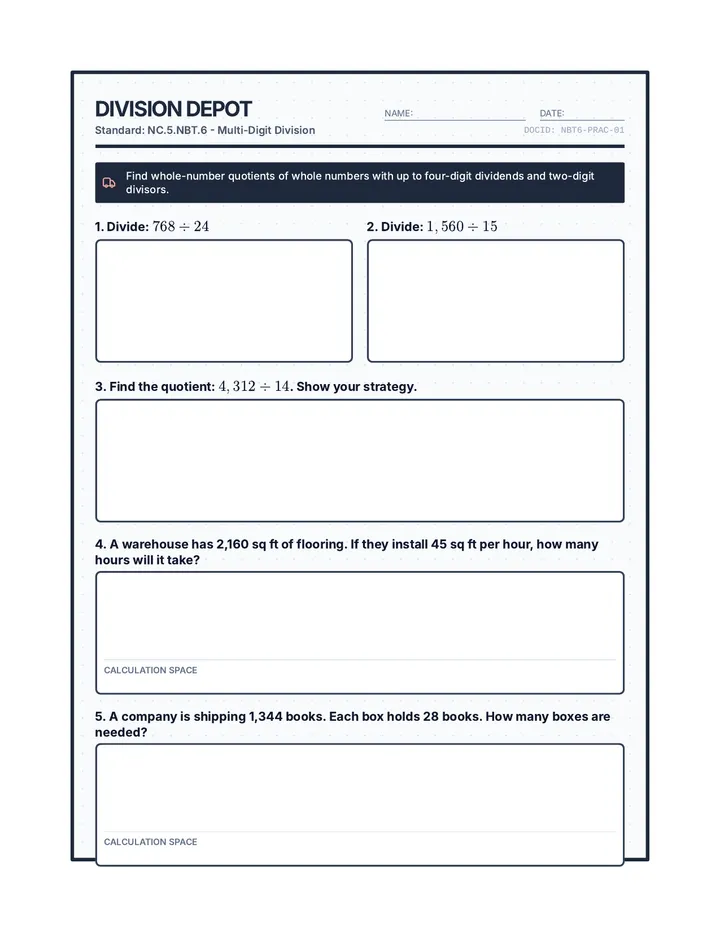
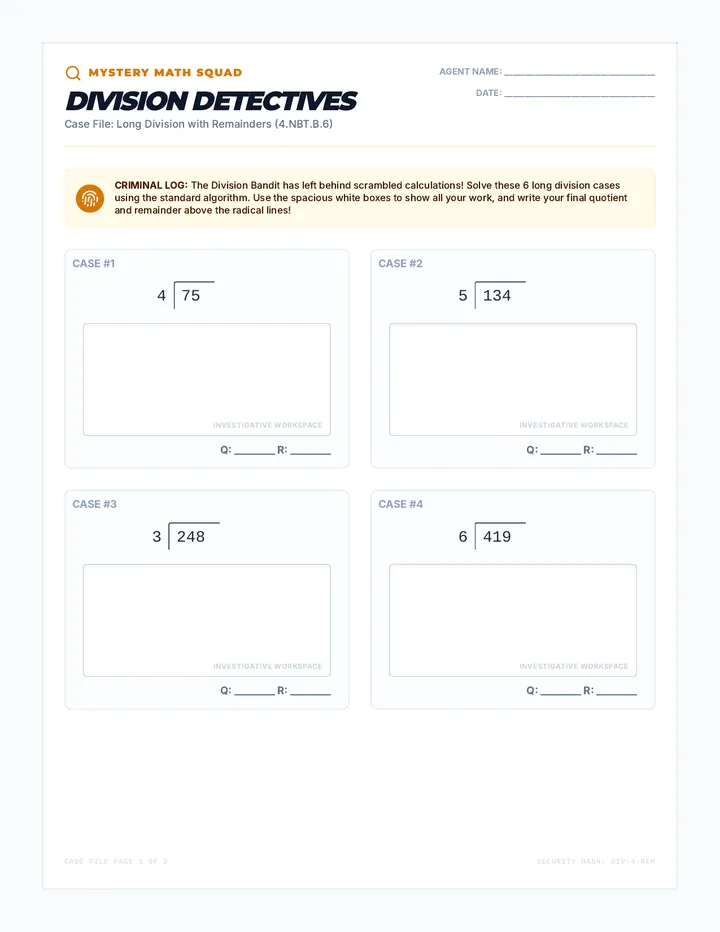
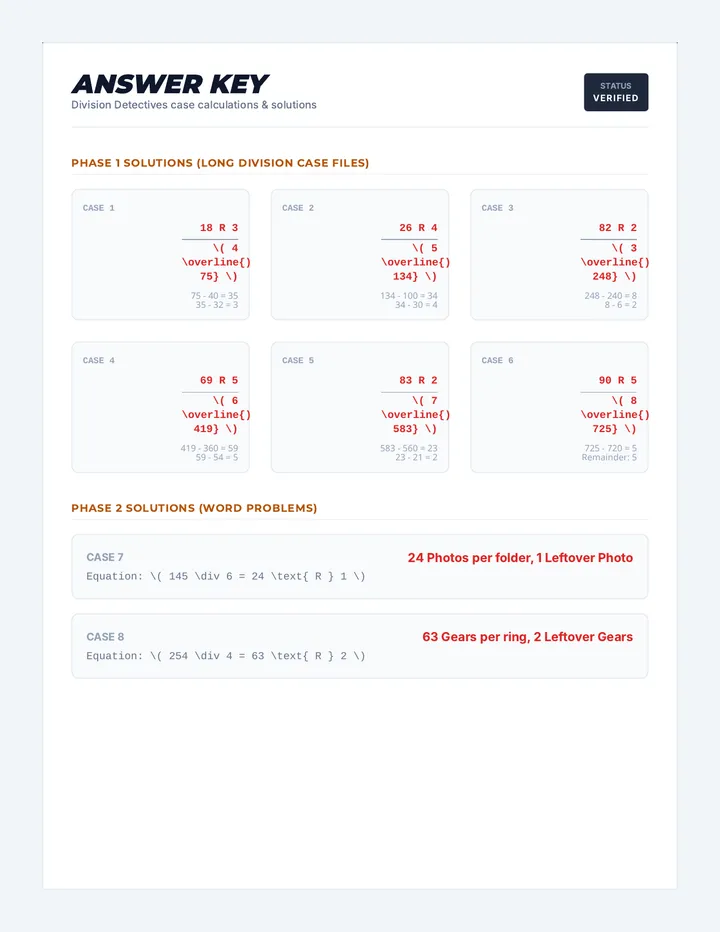
A Tier 2 intervention sequence focused on helping 4th-grade students master multi-digit division with remainders through concrete arrays and partial quotients. Students progress from physical sharing to mathematical modeling using the 'Big 7' method.
A Tier 2 intervention sequence focused on developing conceptual understanding of fraction comparison through multiple strategies including common denominators, common numerators, and benchmark fractions.
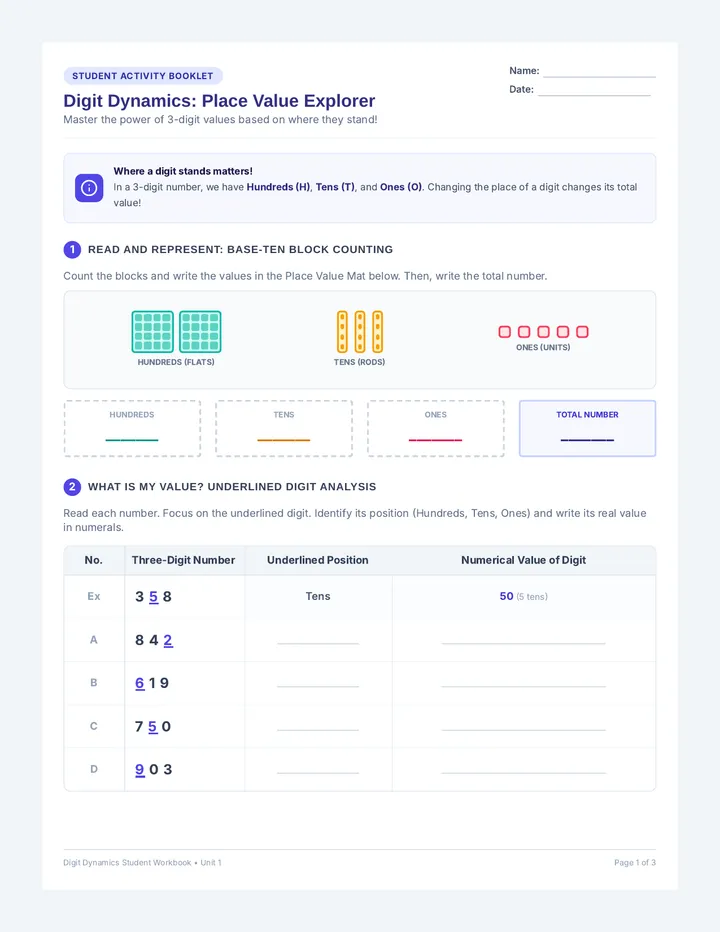
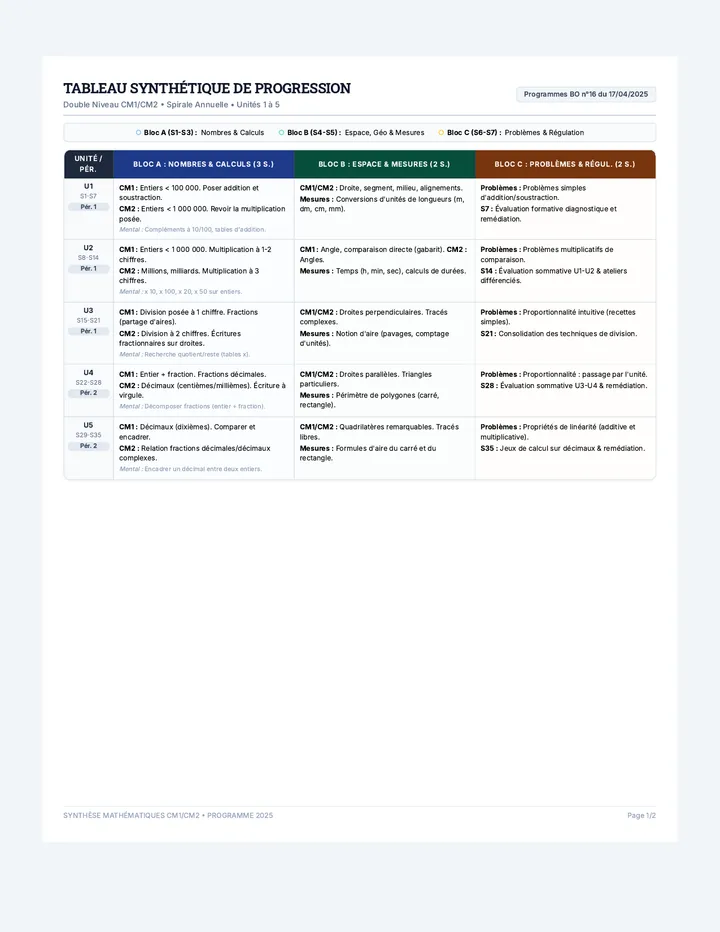
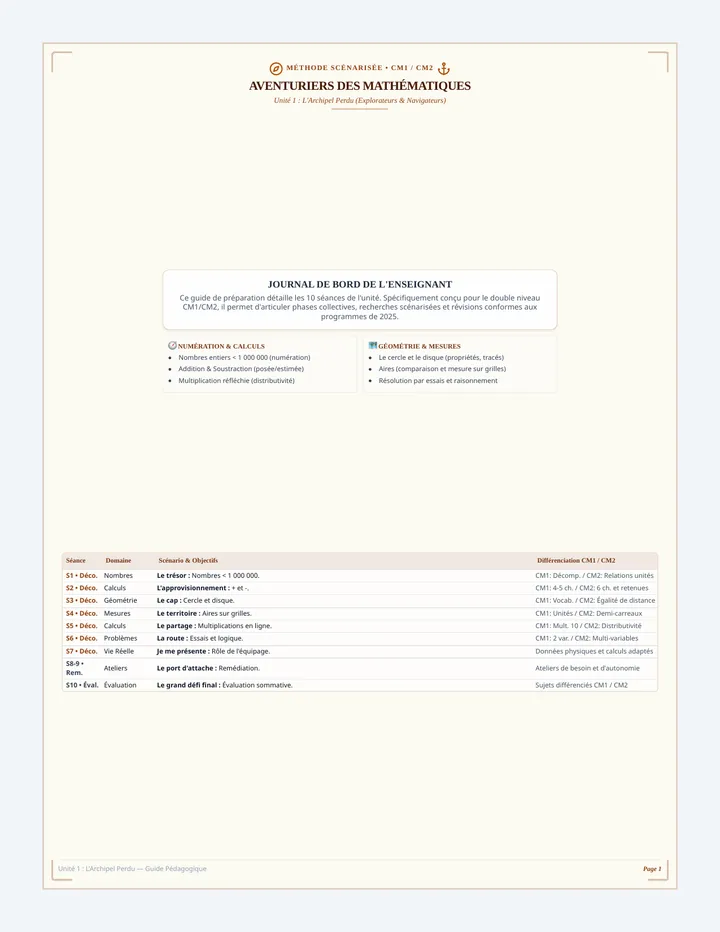
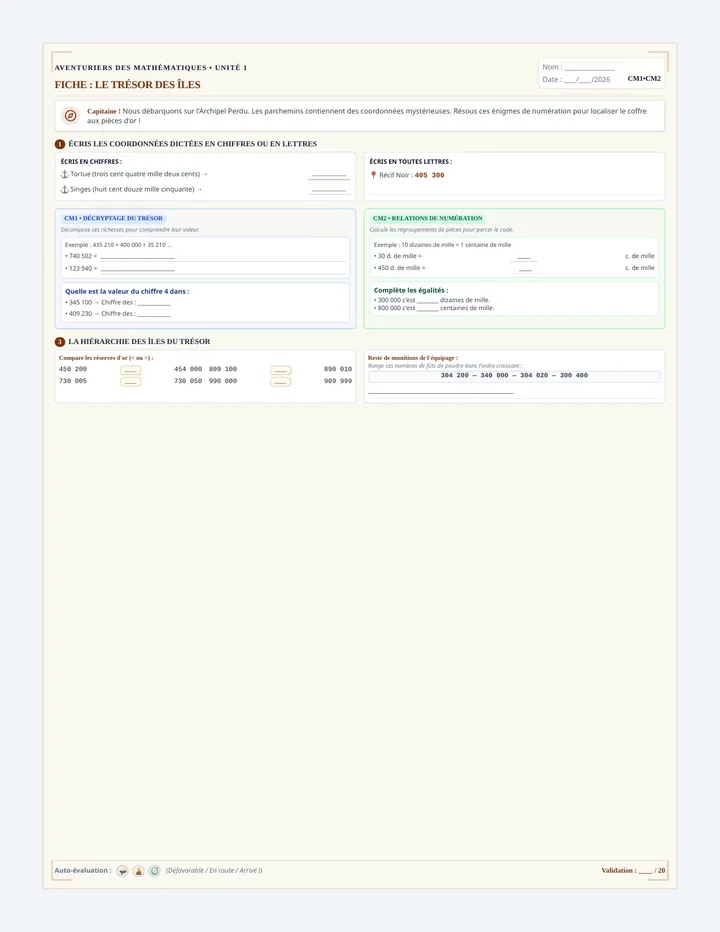
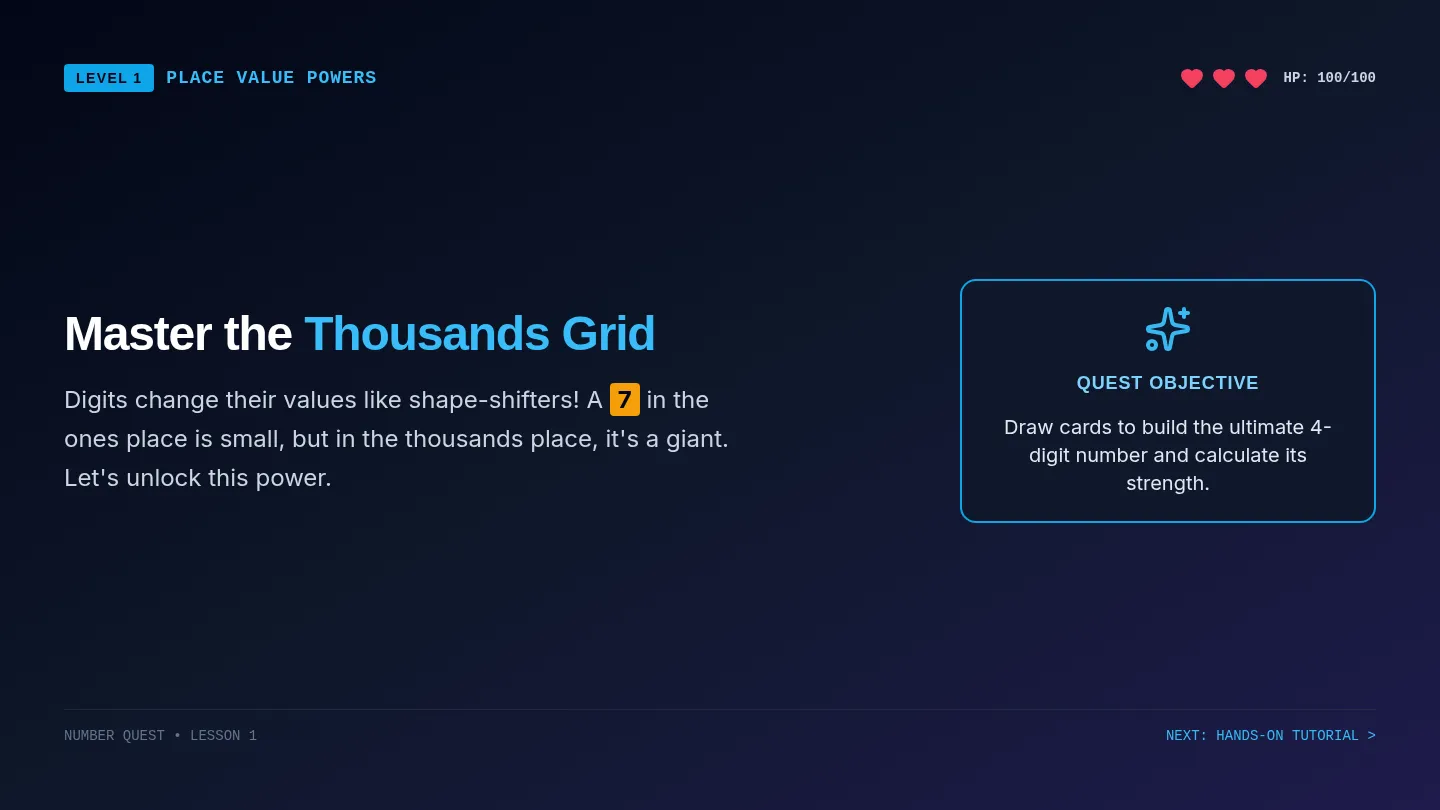
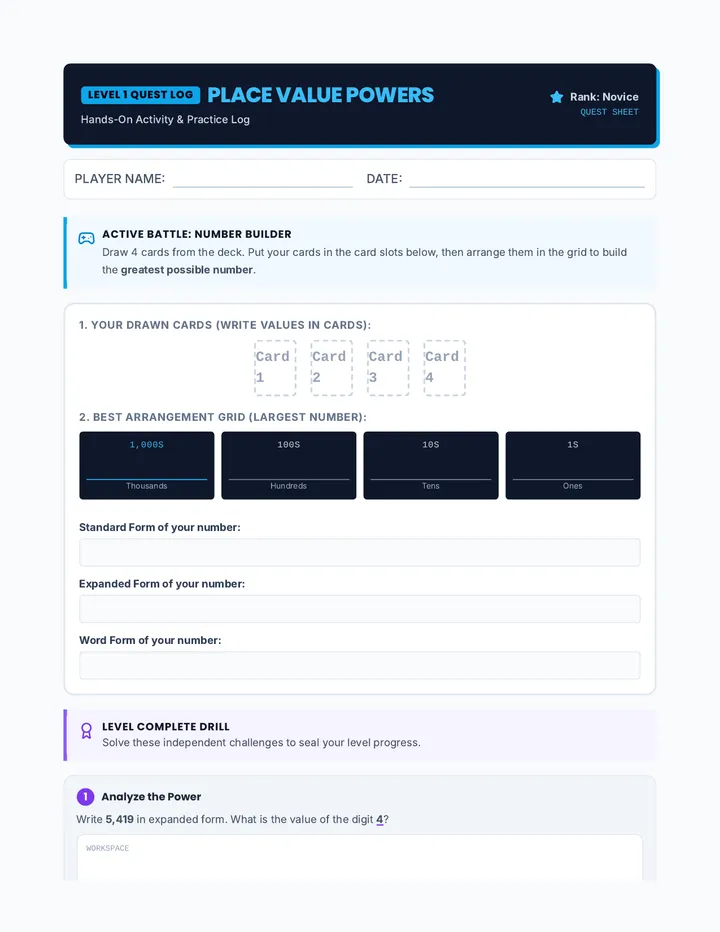
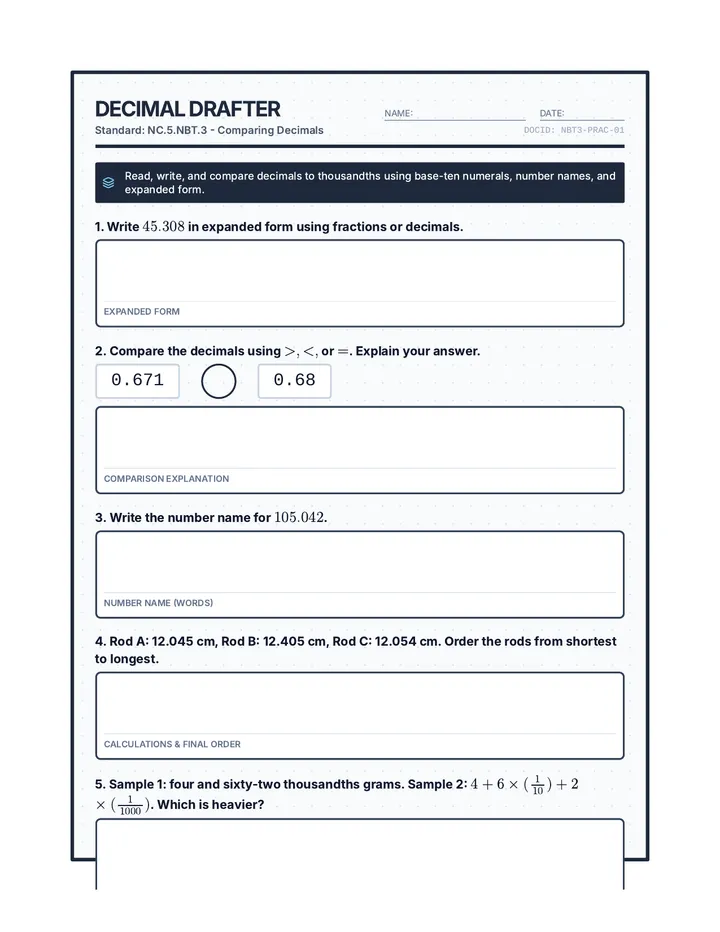
A series of intervention lessons focused on building deep conceptual understanding of multi-digit whole numbers through place value exploration, multiple representations, and comparative analysis.
A Tier 2 intervention unit focused on the hierarchical classification of two-dimensional figures, helping students understand that subcategories inherit the attributes of their parent categories.
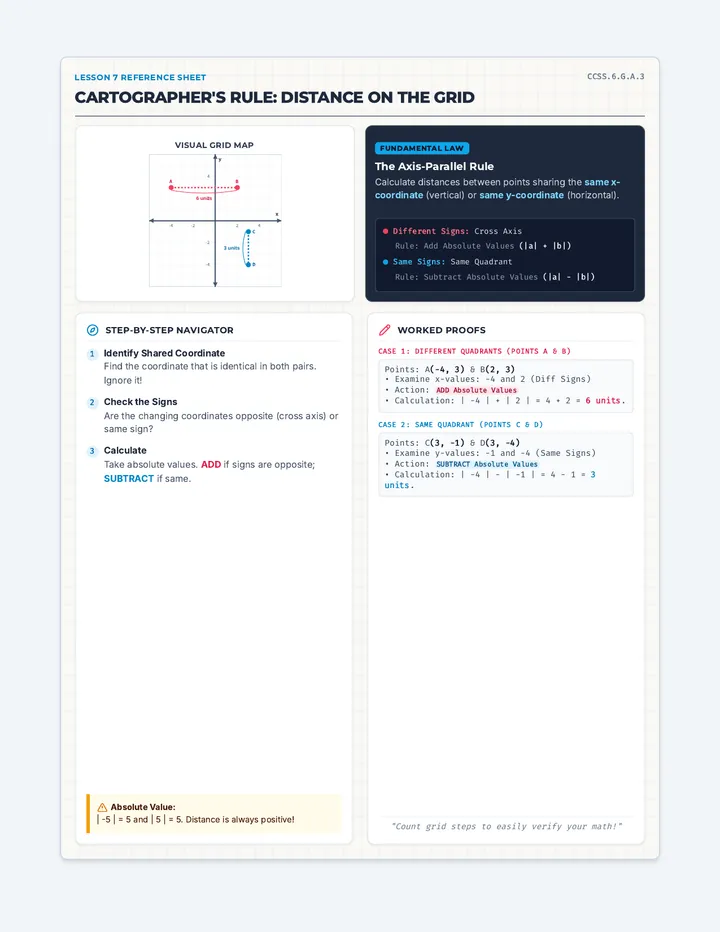
A Grade 5 intervention sequence focused on mastering the first quadrant of the coordinate plane through real-world contexts like hiking and plant growth. Students learn to plot points and interpret their meaning in specific mathematical and physical situations.
A Tier 2 intervention sequence for 5th-grade students focusing on solving complex volume problems. Students act as 'Volume Architects,' using blueprints and unit cubes to master multiplication formulas and the additive property of volume for composite figures.
A targeted Tier 2 intervention for 6th-grade students focused on writing simple inequalities and graphing their solutions on number lines. This sequence uses real-world constraints and hands-on manipulatives to build conceptual understanding of inequality symbols and their visual representations.
A Grade 6 intervention unit focused on using substitution to determine if values are solutions to equations and inequalities. This sequence targets Tier 2 support for standard 6.EE.5 through scaffolded reasoning and investigative activities.