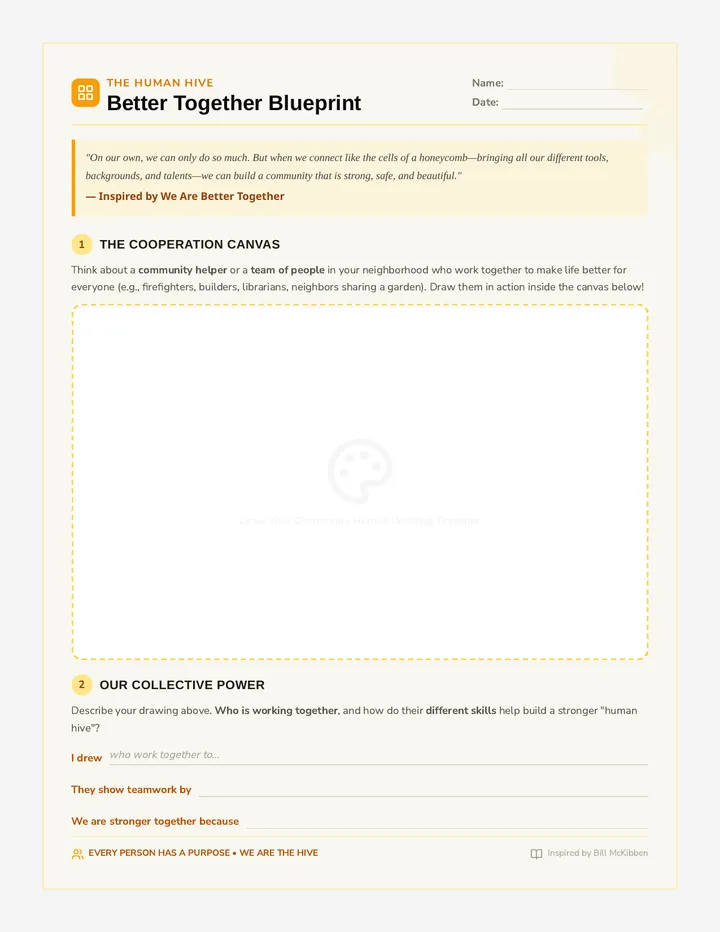
A reflection worksheet for students to record their observations and feelings after the scarcity simulation, encouraging problem-solving analysis.
A teacher-facing guide providing the answer key for the passage and a geographic layout guide for the community mapping activity.
An activity sheet featuring a grid-based map of Sunnyvale where students practice drawing symbols and filling out a map key based on descriptive text.
A reading passage about the community of Sunnyvale that introduces students to map symbols and keys, followed by comprehension questions.
A visual presentation teaching students the purpose of maps, how to use a map key, and the importance of symbols in geographic navigation.
Two acrostic poem templates for the words "HERO" and "HONOR" with large decorative lettering and writing lines. Revised with a "plaque" aesthetic, ornate borders, and watermark details. Vertical stack provides wider writing lines and fills the entire page. All elements aligned for polish.
A collection of three traditional Peruvian recipe cards (Alfajores, Papa a la Huancaína, and Chicha Morada) formatted for printing and cutting. Each card is sized approximately 5x7 inches with distinct decorative borders and clear instructions. Optimized for single-page printing.
A set of 6 trivia challenge cards designed to engage visitors at a cultural fair booth. Each card covers a different topic (history, animals, food, etc.) with upside-down answers directly tied to the Peru Explorer Fact Sheet. Features improved layout for single-page printing.
An expanded, infographic-style fact sheet about Peru featuring geography, history, symbols, wildlife, food, landmarks, and cultural traditions. Features multiple examples per category and optimized single-page layout with high-contrast text.
A teacher's guide for organizing and executing a Memorial Day bulletin board project. Revised with more condensed spacing to ensure all content fits on a single page.
An elegant, guided letter-writing template for students to express gratitude to a fallen hero. Features a sophisticated "patriotic elegance" theme with a double border, corner accents, and high-quality typography. Revised to fill the entire 8.5x11 page with generous writing lines for maximum impact.
A poppy-themed craft and writing worksheet where students respond to sentence starters inside the petals of a poppy flower. Revised with higher contrast, organic petal shapes, and a single-page layout.
A matching worksheet where students link state names to their official nicknames. Focuses on states with distinct nicknames or recognizable geography. Revised layout and header.
A printable set of flashcards featuring Alabama, Alaska, Arizona, Arkansas, California, and Colorado. Includes capitals, nicknames, and fun facts. Revised with fixed layout.
A large-print tracing worksheet for learning the names and capital cities of Northeastern states. Features wide spacing for handwriting practice and refined layout. Revised instructions and contrast.
A cut-and-paste activity focusing on state identification through symbols for the Northeast and Southeast regions. Includes a dedicated symbol cut-out sheet. Revised layout for easier cutting.
A colorful introductory slide deck overviewing the 50 US States, their regions, symbols, and fun facts. Revised with a complete 50-state master list and improved contrast.
A teacher's guide for small group instruction focusing on five core vocabulary words: discrimination, equal rights, nonviolence, suffrage, and First Lady. Includes adapted rules for three interactive games designed for quick reinforcement and mastery.
A student reference sheet focusing on five core vocabulary words from the 'Fighting for a Cause' unit. Each word features a clear definition, a visual icon, and a connection to a historical figure or unit theme, designed for small group support.
A printable card set for matching games focusing on five core vocabulary words: discrimination, equal rights, nonviolence, suffrage, and First Lady. Includes term/definition pairs and person/connection pairs for reinforced learning in small groups.
A visual presentation focusing on five core vocabulary words from the 'Fighting for a Cause' unit: discrimination, equal rights, nonviolence, suffrage, and First Lady. Each slide defines a term and connects it to a relevant historical figure or concept suitable for small group review.
A 6-page activity packet featuring historical figures. Page 1 includes a 235-word reading passage on Eleanor Roosevelt for second graders followed by 5 multiple-choice comprehension questions with large markers. Other pages include activities for Rosa Parks, MLK Jr., and more.
A student-friendly reference guide summarizing the key historical figures and vocabulary from the 'Fighting for a Cause' unit. Cesar Chavez references removed. expanded vocabulary section added for clarity.
A visual presentation to review the historical figures and key vocabulary terms from the 'Fighting for a Cause' unit. Cesar Chavez references removed. Vocabulary review expanded to three slides to cover all unit terms.
A set of printable matching/memory cards featuring historical figures and key vocabulary words from the 'Fighting for a Cause' unit. Cesar Chavez and related terms removed. Icons added for all cards.
A comprehensive teacher's guide for three different vocabulary and history games: Match-Up Mania, Activist Action Charades, and Rally Race Sorting. Cesar Chavez references removed.
A classroom poster featuring a stylized graphic of a BIPOC student presenting on sustainable fashion and community impact. The poster includes educational tips on avoiding over-consumerism and the benefits of reusing items.
A three-page student worksheet featuring a large empty suitcase for drawing, a packing list section, and a reflection prompt for students to write 3+ sentences about their feelings on immigrating.
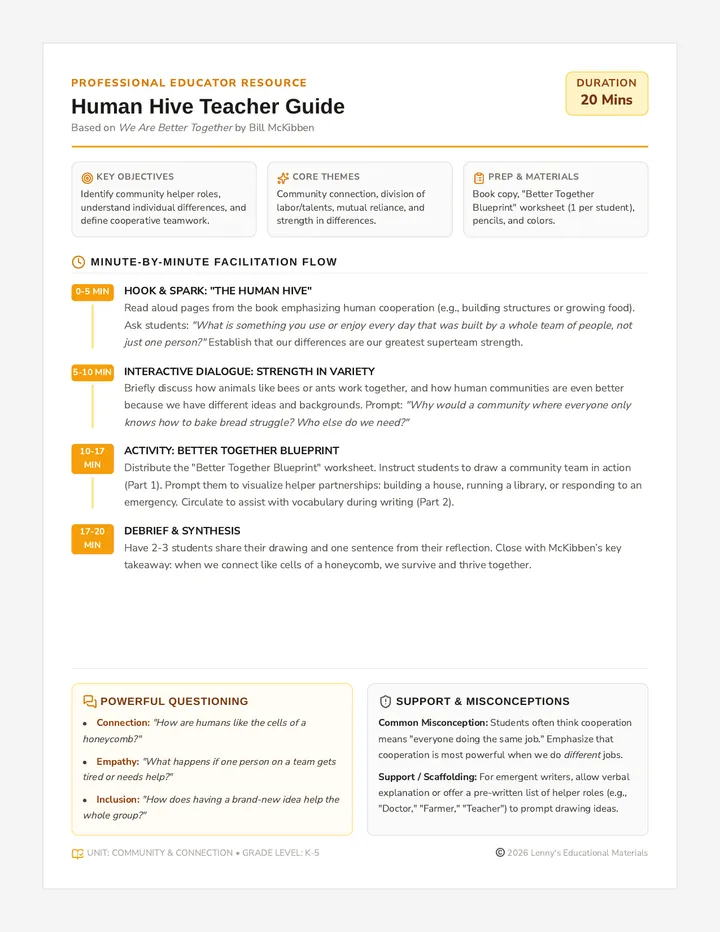
A comprehensive teacher guide for a substitute teacher to facilitate the Immigration Journey lesson, including lesson timing, objectives, and specific instructions for the suitcase activity.
Visual introduction to the immigration suitcase activity, setting the scene for why people immigrate and what they might have carried historically.
Modified the Art Corner to be a half-page panel, consistent with the size of the other panels in the reader. It is now positioned at the top of the final page.
A creative and independent fast-finisher activity where students design a future invention and complete a technology-themed word search. includes visual prompts to support EAL learners.
A scaffolded and simplified version of the technology comparison worksheet designed for 8-year-old EAL students. includes partial pre-filled answers, more visual support, and a choice-based extension task.
A teacher's guide for the 'Tech Time Travel' lesson, including differentiation strategies for EAL students, a lesson pacing guide, and critical thinking questions to facilitate classroom discussion.
An engaging, high-visual slide deck for 8-year-olds exploring technological changes. uses large emojis, clear 'then vs now' comparisons, and focused discussion prompts designed for diverse learners including EAL students.
A comprehensive comparison worksheet and extension task where students analyze how technology has transformed washing, writing, shopping, and learning. includes a scaffolded word bank and a visual self-reflection section.
A polished one-page printout featuring 12 community helpers in a 3x4 grid with realistic photos and clear labels. Reduced padding and adjusted aspect ratios ensure everything fits perfectly on a single page.
A visually bold 8-slide deck for a 1st-5th grade special education class, simplified to a 2nd-grade vocabulary level. Highlights inclusive leadership, diverse abilities, and specifically features biographical slides for Shirley Chisholm and Haben Girma.
A 2nd-grade level student workbook designed for special education classrooms. Features large drawing spaces, simplified vocabulary, and primary-style writing lines to support students in identifying school helpers and inclusive leaders.
A simplified 4-week facilitator guide tailored for 1st-5th grade special education classrooms, using 2nd-grade level vocabulary and concrete instructional tips. Focuses on school neighbors, inclusive leadership, and specific diverse examples.
A hands-on activity sheet where students apply their cartography skills by mapping a real-world location (classroom or playground) with a title, key, and symbols.
A student worksheet focused on decoding map legends (keys) through matching exercises and practicing cardinal directions (North, South, East, West).
A warmup activity designed to help 2nd graders understand the concept of a bird's eye view by comparing side views and top-down views of everyday objects.
A visually engaging slide deck that introduces 2nd graders to bird's eye view, map features (title, key, symbols, compass rose), and cardinal directions.
A comprehensive teacher's guide for "The Map Maker's Journey" lesson, including objectives, materials, step-by-step instructions, and differentiation strategies.
Final version of the Egypt Writing Reader. The Word Bank now features a Vocab Words section with 'hieroglyphs', 'information', and 'Papyrus', while CVC words and Topic Words have been removed. All sight words and vocabulary terms are consistently highlighted throughout the text. Grammar and sentence updates have been applied to pages 3, 4, and 5.
Final version of the Egypt Writing Reader. The Word Bank now features a Vocab Words section with 'hieroglyphs', 'information', and 'Papyrus', while CVC words and Topic Words have been removed. All sight words and vocabulary terms are consistently highlighted throughout the text.
Updated Egypt Writing Reader with the Topic Words section removed from the Word Bank. Instructional supports for sight words and CVC words remain consistent throughout the narrative and Reading Check pages.
An updated decodable reader with more complex sentences and a new image of hieroglyphs on page 5. The reader now uses the user's specific sentences for pages 2, 3, and 5 while maintaining consistent instructional support. All images are centered and sized to fit.
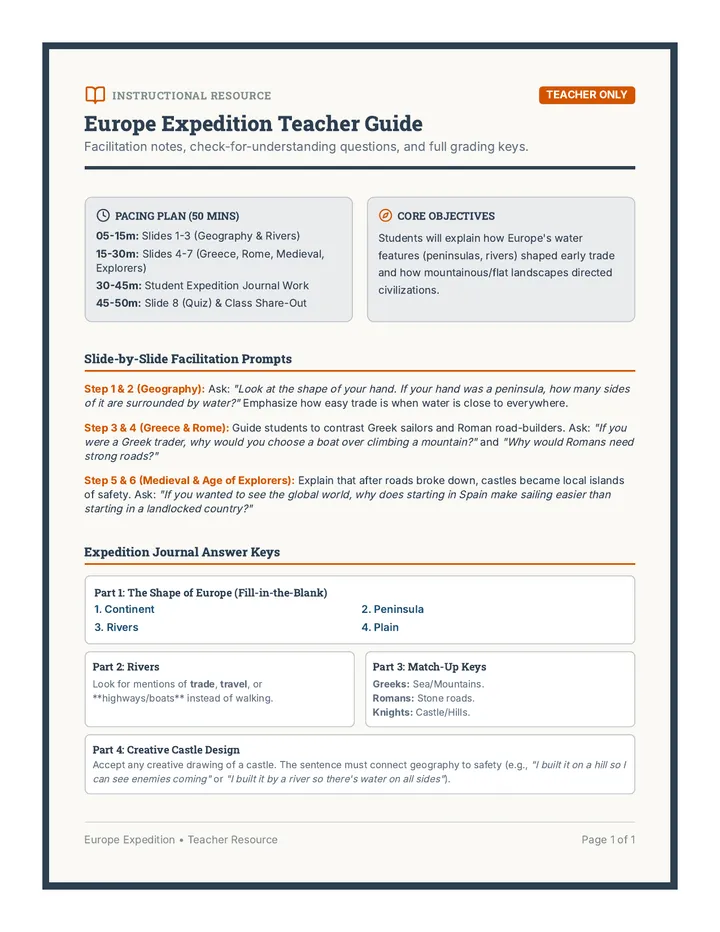
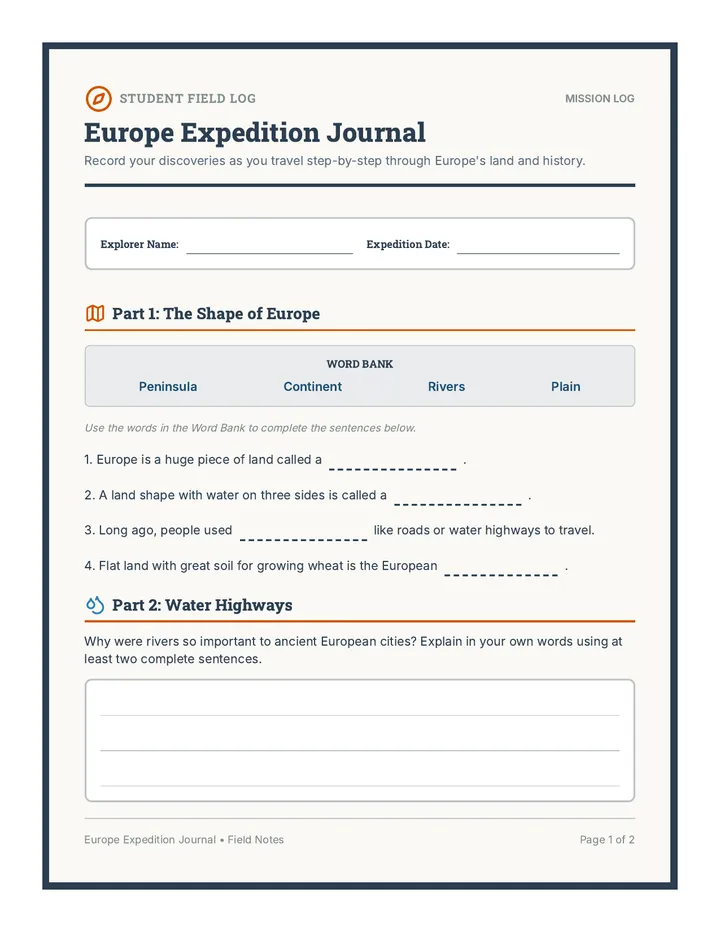
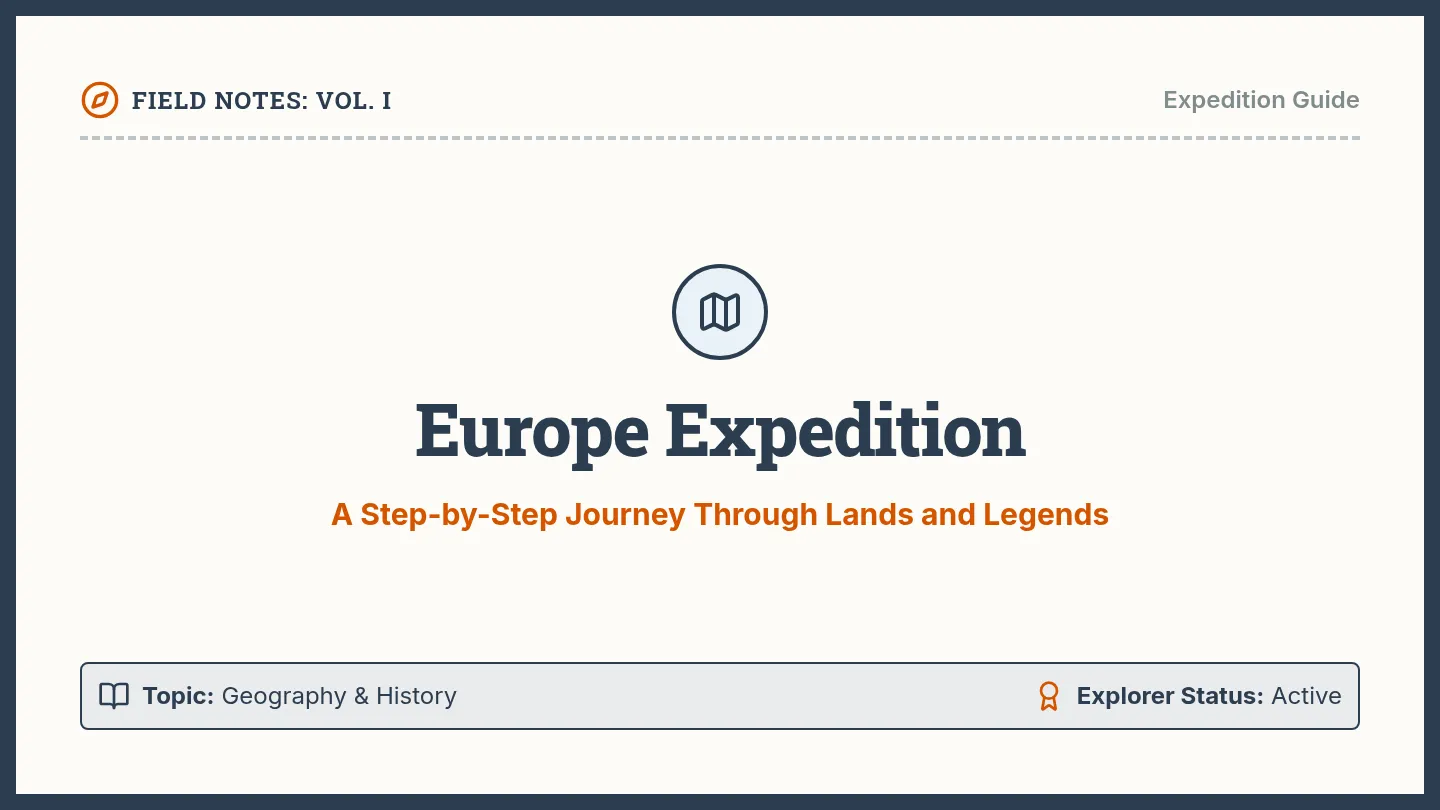
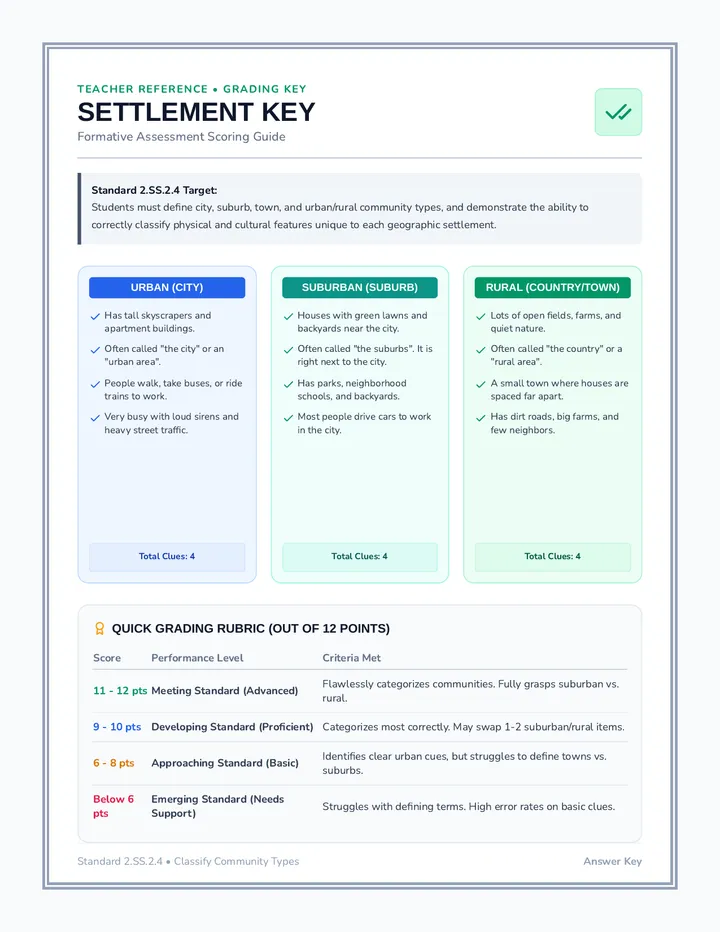
Updated Egypt Writing Reader with Page 4 removed and content shifted. The reader now features hierarchical story flow from hieroglyphs and scribes to messengers and papyrus. All instructional highlights are consistently applied and images are centered.