A teacher resource for facilitating the Market Masterminds PBL project. Includes a simulation flow, supply list, specific math focus areas, and prompt scripts for classroom management and instructional guidance.
A graphic organizer for structuring philosophical arguments, featuring dedicated spaces for core claims, supporting evidence, counter-points, and steelmanning.
A logic worksheet exploring the Ship of Theseus through progressive scenarios, ranging from simple part replacement to the complex "Two Ships" paradox.
A teacher's guide for facilitating the Ship of Theseus lesson, featuring pacing suggestions, Socratic questions, and historical context.
Visual presentation for a lesson on the Ship of Theseus paradox, covering the historical legend, the philosophical question, and key logic terms for debate.
A teacher's guide providing instructional strategies, activities, and differentiation tips for using the Nile Rulers vocabulary flashcards in both elementary and high school classrooms.
Elementary-level vocabulary flashcards for Ancient Egyptian government, using simple definitions and emojis to explain roles like the Pharaoh, Scribes, and Viziers. Added fold guides and optimized layout.
High school level vocabulary flashcards for Ancient Egyptian government, focusing on complex political and religious concepts like Ma'at, Theocracy, and Bureaucracy. Redesigned layout for improved readability and printing. Added fold guides and optimized layout.
An updated 'Nile Is Life' decodable reader with page 3 removed and content shifted. Page 6 now features a new map image and the summary text: "The Nile helped the people. It is the gift of Egypt." The reading check was also updated to reflect the removal of the mud-vitamin content and standardized answer styling.
A teacher's facilitation guide for the immigration kickoff lesson, including pacing, vocabulary, and discussion prompts.
A hands-on activity worksheet where students draw items they would pack for a move to a new country and identify their push and pull factors.
A visual presentation introducing the concept of immigration, the distinction between push and pull factors, and the emotional reality of moving to a new country.
An updated one-page printable reference sheet with a more detailed geographically accurate map and chronological timeline of the 13 American colonies.
A teacher facilitation guide for a 20-30 minute lesson on Indiana's Article 1 rights. Includes pacing, key concepts, discussion prompts, and an answer key for the associated worksheet.
A 1-page application worksheet for 4th graders to practice identifying and explaining individual rights under Article 1 of the Indiana Constitution. Includes matching, scenario analysis, and a creative reflection section.
A set of instructional slides for 4th graders introducing Article 1 of the Indiana Constitution, focusing on freedom of speech, religion, and assembly. Includes clear definitions, historical context, and a scenario-based check for understanding.
A concise teacher guide and answer key for the Cultural Mosaic lesson, including instructional pacing, correct answers for student notes, and differentiation strategies.
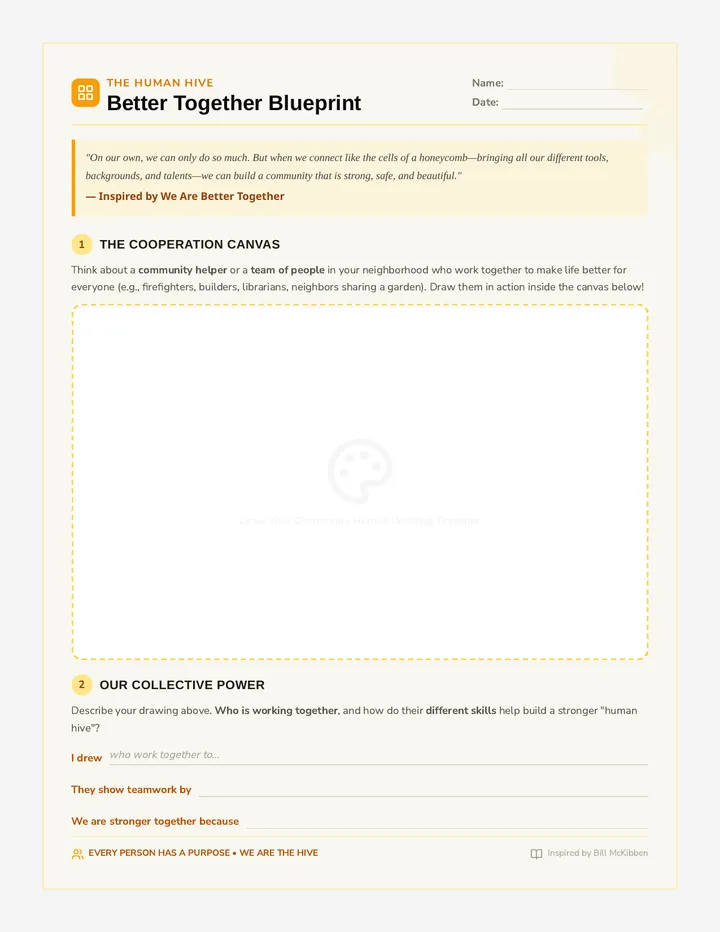
A student activity sheet where they act as 'detectives' to identify real-world cultural influences in their local community, focusing on food, language, and celebrations.
A guided note-taking sheet for students to use during the 'Heritage Hunter' lesson. It includes fill-in-the-blanks and a short reflection question to help students internalize key cultural concepts.
A visually engaging slide deck for a 20-minute mini-lesson on cultural diversity and contributions. It covers the definition of culture, Indigenous roots, and global influences on music, food, and language.
A high-visibility classroom anchor chart highlighting five major turning points of the American Civil War. Designed with large, readable text and historical motifs for middle school classroom display.
Answer key for the Desert Kings Challenge Sheet, providing correct answers for all 10 challenges including true/false, multiple choice, sequencing, and sample short responses.