A construction-themed graphic organizer helping students categorize prepositions into types (Location, Time, Direction, Relationship) and practice identifying their roles as modifiers.
A print-friendly exit ticket featuring four individual cards per page. Prompts students to reflect on a concrete way they can practice kindness during the week.
A student worksheet for the 'Wonder' lesson, including a vocabulary prediction/context table, a text-based inference writing area, and a personal kindness reflection section.
A visually engaging slide deck to support the 'Wonder' lesson, including learning objectives, vocabulary cards, and discussion prompts. Designed with high contrast and readable 4th-grade typography.
A comprehensive teacher's guide for the 'Wonder' lesson, featuring CCSS alignment, instructional pacing, and connections to the Science of Reading framework.
A consolidated student packet for Level C students (171-180), featuring all 3 days of 'Word Works Lab' missions and a cover page. REVISED: Fixed page breaks and added synthesis conclusion areas.
A consolidated student packet for Level B students (161-170), featuring all 3 days of 'Word Works Lab' missions and a cover page. REVISED: Fixed page breaks, increased contrast, and enlarged student targets.
A consolidated student packet for Level A students (Below 161), featuring all 3 days of 'Word Works Lab' missions. REVISED: Fixed page breaks by using per-question containers and condensed layout to fit content professionally.
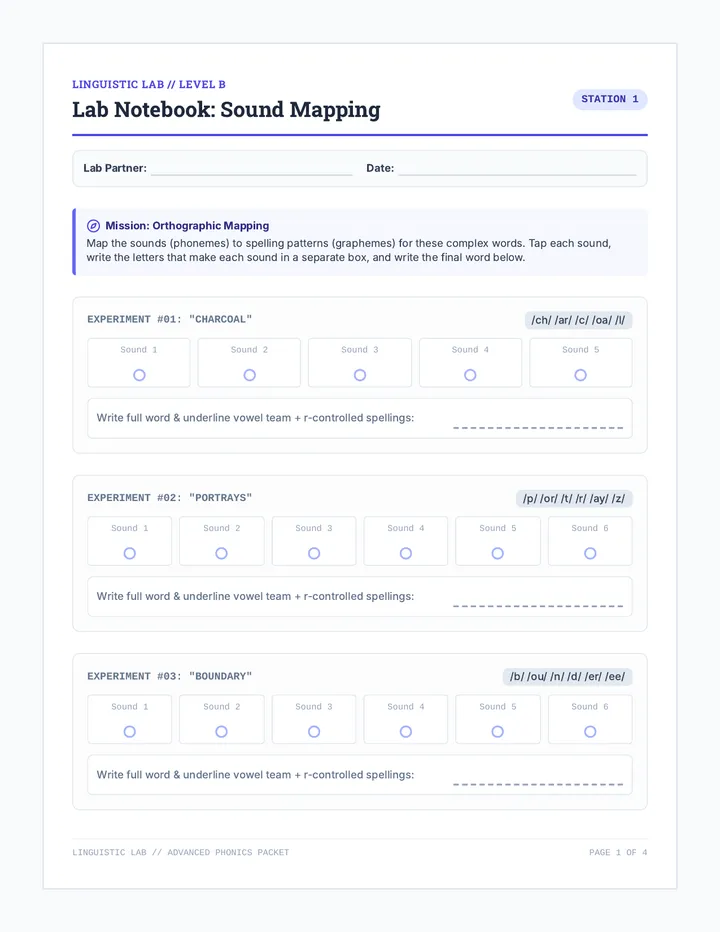
A comprehensive practice packet for the Word Works Lab. REVISED: Fixed page breaks (amenities/unsafe), darkened cover text contrast, and resolved text-wrapping issues in Level C.
Level C (171-180) Day 3 worksheet. REVISED: Fixed page breaks, added handwriting lines, and removed placeholder text.
Level B (161-170) Day 3 worksheet. REVISED: Fixed page breaks, grammar in category questions, and removed placeholder text.
Level A (Below 161) Day 3 worksheet. REVISED: Fixed page breaks, aligned drawing task to specific vocabulary, and improved layout.
Day 3 slides for the Word Works Lab. REVISED: Expanded content for 20-minute duration, added guided practice, and fixed answer choice uniformity.
Level C (171-180) Day 2 worksheet. REVISED: Fixed page breaks, removed placeholder text, and improved layout density.
Level B (161-170) Day 2 worksheet. REVISED: Fixed page breaks, grammar in category questions, and improved student work boxes.
Level A (Below 161) worksheet for Day 2. REVISED: Fixed boat consistency, page breaks, and increased line width for student work.
Day 2 slides for the Word Works Lab focusing on prefixes pre- and mis- and glossary skills. REVISED: Fixed answer uniformity, increased text sizes, and improved layout.
A Level C (171-180) worksheet focusing on prefixes (un-, re-) and context clues. REVISED: Fixed page breaks, added handwriting lines, and removed placeholder text.
A Level B (161-170) worksheet focusing on using context clues and glossaries to identify semantic categories. REVISED: Fixed page breaks, removed placeholder text, and improved layout density.
A Level A (Below 161) worksheet focused on matching simple words to pictures in context. REVISED: Fixed answer choice uniformity, page breaks, and text wrapping.
A visual slide deck for Day 1 of the Word Works Lab, providing specific instruction for three readiness levels: Picture Detectives, Glossary Guides, and Prefix Power. REVISED: Fixed answer choice sizes and prefix layout.
A 2-page student worksheet designed for guided annotation and deep reflection on Tupac Shakur's poem. Includes specific structural analysis tasks and a theme synthesis section.
A visually striking slide deck for a 20-minute mini-lesson. It covers the concept of structural paradox, defines key analysis terms, and provides guided focus for the Tupac Shakur poem.
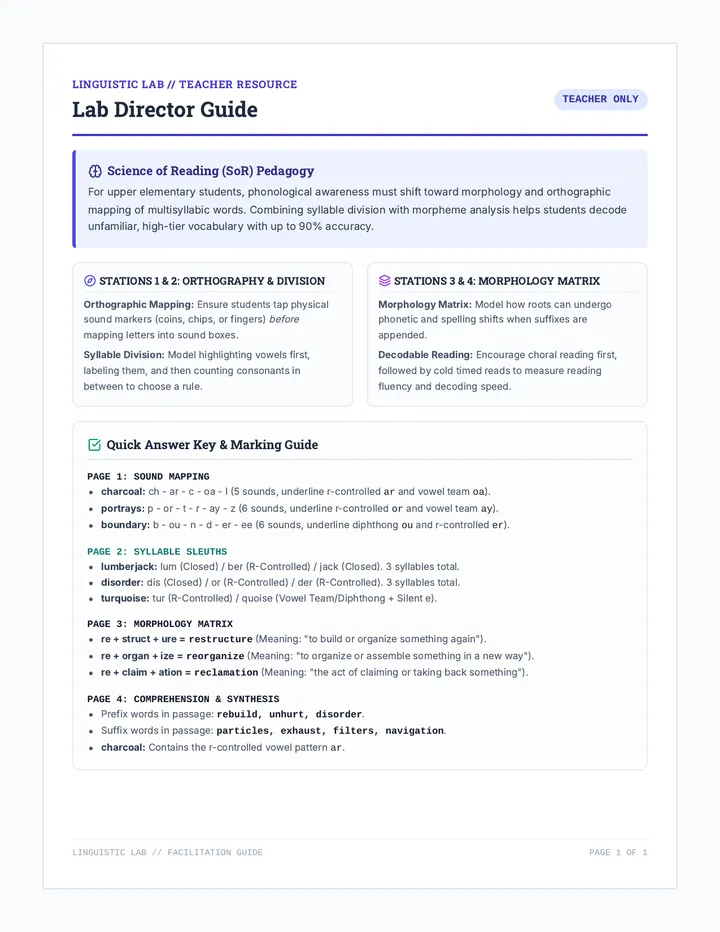
A detailed teacher guide for a 20-minute mini-lesson on Tupac Shakur's poem, including pacing, discussion prompts, and an answer key for the guided annotation.
A teacher's answer key for the 'Case Closed' exit ticket. It provides correct answers for multiple-choice and short-answer questions, along with a detailed explanation of the common 'its' vs 'it's' mistake and a suggested grading rubric.
A comprehensive teacher's answer key for the 'Property Patrol' worksheet. It provides clear solutions for singular and plural possessive noun exercises, including irregular forms and sample sentence constructions.
Instructional slides explaining the concept of theme, the difference between plot and theme, and setting up the student investigation activity.
Teacher answer key for the Storybook Secrets worksheet, providing sample answers for themes and text evidence.
A two-page worksheet where students read four classic fairy tales and identify their themes using guided questions and text evidence. Spacing optimized for clear student work areas.
Teacher answer key for the Golden Whistle mystery. Provides structured inference solutions and a grading rubric note for 6th-grade ELA assessment.
A two-page mystery worksheet for 6th graders. Page 1 contains the full 'Gilded Whistle' mystery passage with a 'case file' aesthetic. Page 2 provides 8 inference-based questions with ample workspace for student responses.
A comprehensive teacher facilitation guide for the 'Destination Summary Discovery' lesson. It includes pacing instructions, pedagogical tips for the 5 W's strategy, and differentiation strategies for 6th-grade educators.
A scaffolded graphic organizer and writing sheet that guides 6th-grade students through the 5 W's summarization process. It includes dedicated sections for note-taking and final summary drafting with a thematic travel-log design.
A visual slide deck designed for 6th-grade students to master the 5 W's summarization technique. It features clear modeling with Japan and guided practice for Italy and Portugal within the 'Orange Team Travels Abroad' unit theme.
Two-per-page exit tickets for quick formative assessment. Includes multiple-choice and short-answer questions focused on singular and plural possessive nouns, as well as the 'its' vs. 'it's' rule.
A high-contrast visual anchor chart for classroom display. It breaks down the three main rules of possessive apostrophes (singular, plural, irregular) and clarifies the 'it's' vs. 'its' trap using bold colors and clear examples.
A student-facing practice worksheet with three sections: singular possession practice, plural possession tables, and phrase rewriting. Includes a 'final challenge' sentence writing task.
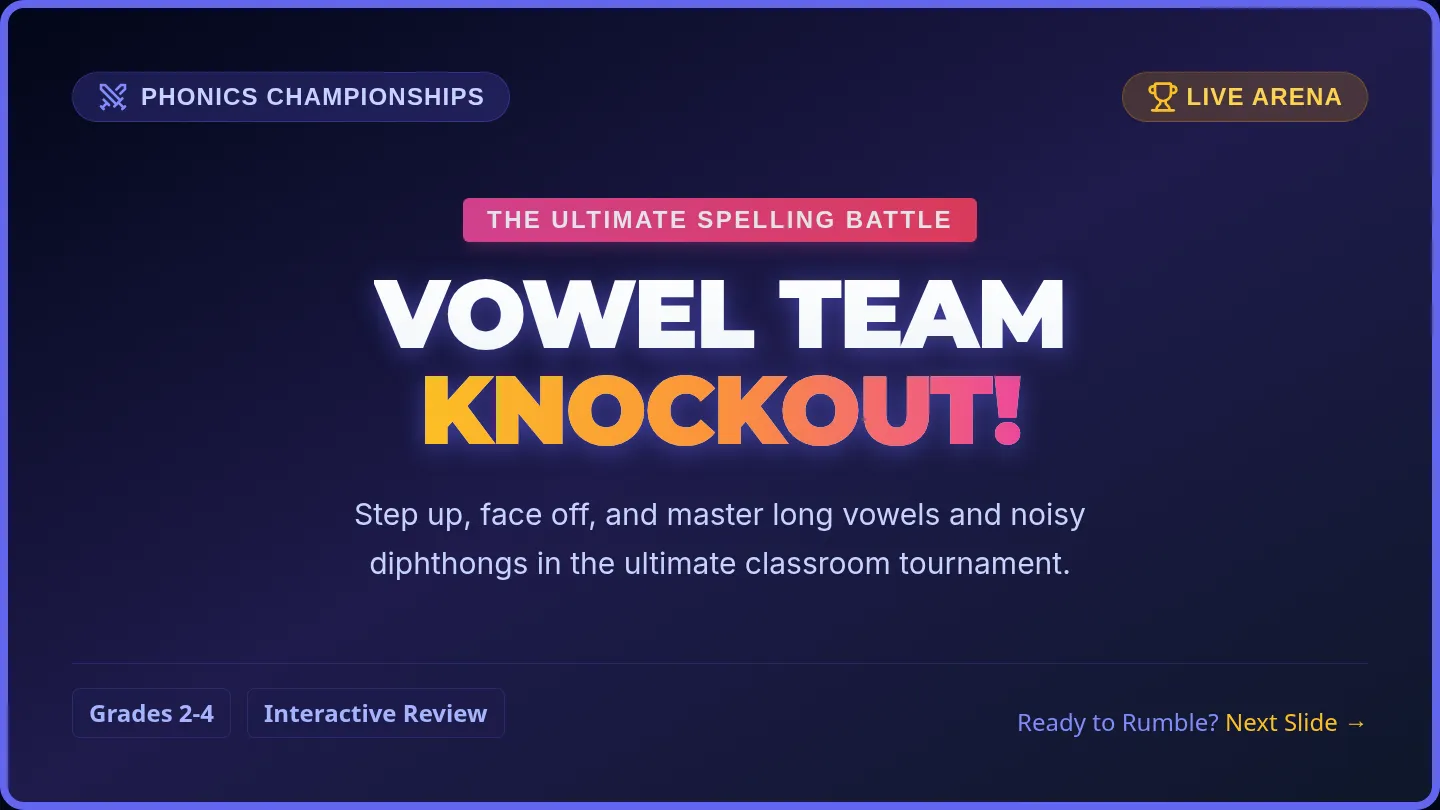
A high-energy, detective-themed slide deck that teaches the rules for using apostrophes for singular and plural possessive nouns. Features clear examples, visual formulas, and guided practice slides.
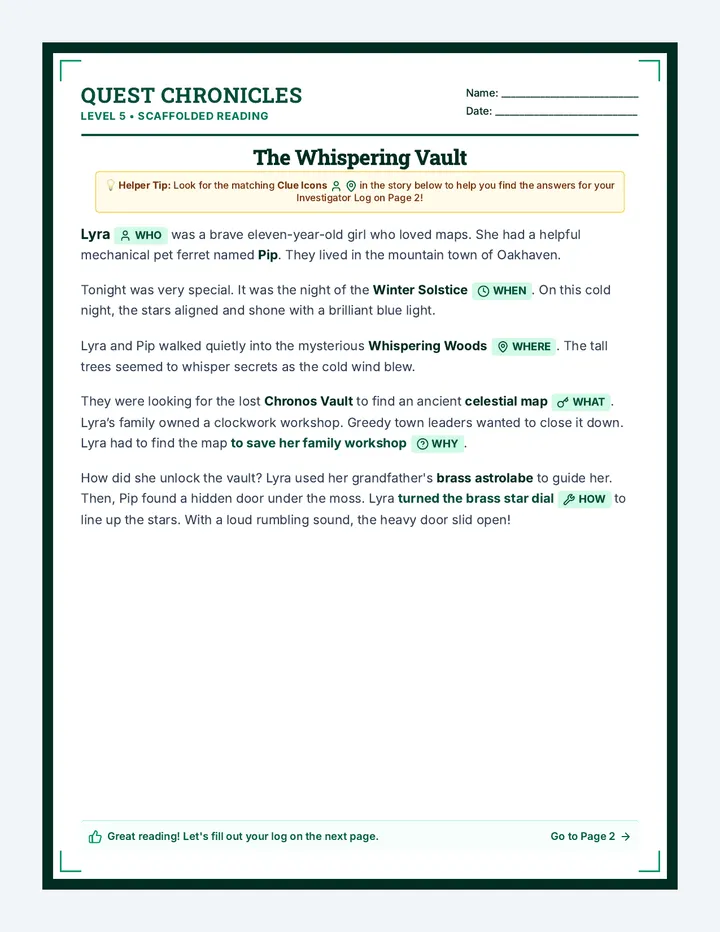
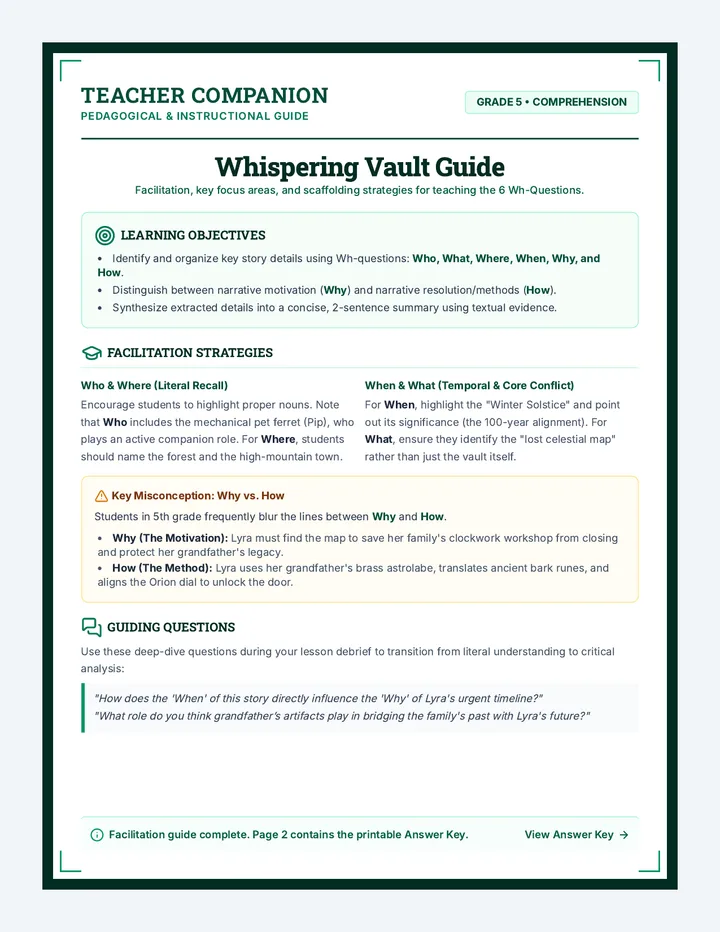
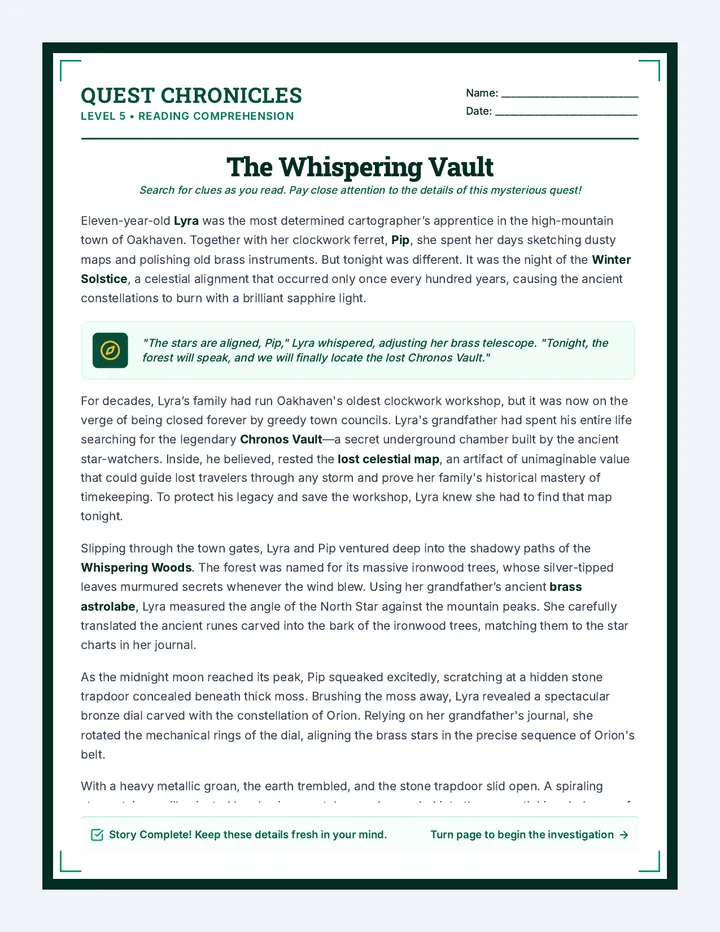
A detailed teacher's lesson plan for the 'Property Patrol' unit, outlining objectives, CCSS standards, step-by-step instructional procedures, and differentiation strategies for teaching possessive nouns.
Tiered reading passages for on-level and advanced 6th-grade students. Spaced across four pages to ensure reading passages and question sets remain grouped and easy to read. Features large writing areas and improved layout logic.
A 33-slide "Field Log" presentation featuring high-interest observations of over 30 local animals in Bedford, MA. Each slide provides rich supporting details and narrative hooks without explicitly stating the central idea in the first sentence, encouraging students to synthesize the information themselves. The theme uses a naturalist's notebook aesthetic with field notes and behavior logs.
A student-facing graphic organizer for tracking central ideas and supporting details from the local wildlife biographies. Optimized to 2 pages with 2 animal sections per page and clear identification headers. Provides expanded writing areas for 6th-grade students.
A comprehensive teacher guide for implementing a lesson on local wildlife differentiation, featuring instructional strategies, pacing suggestions, and an answer key for identifying central ideas in animal biographies.
A multi-disciplinary extension project for AIG students that offers three pathways (Policy, Campaigning, or Ecology) to deepen their understanding of conservation. Optimized for a 2-page layout.