Root cause analysis and brainstorming techniques for everyday problem-solving. Equips learners with ethical frameworks and risk-benefit evaluation skills to predict consequences and make informed choices.
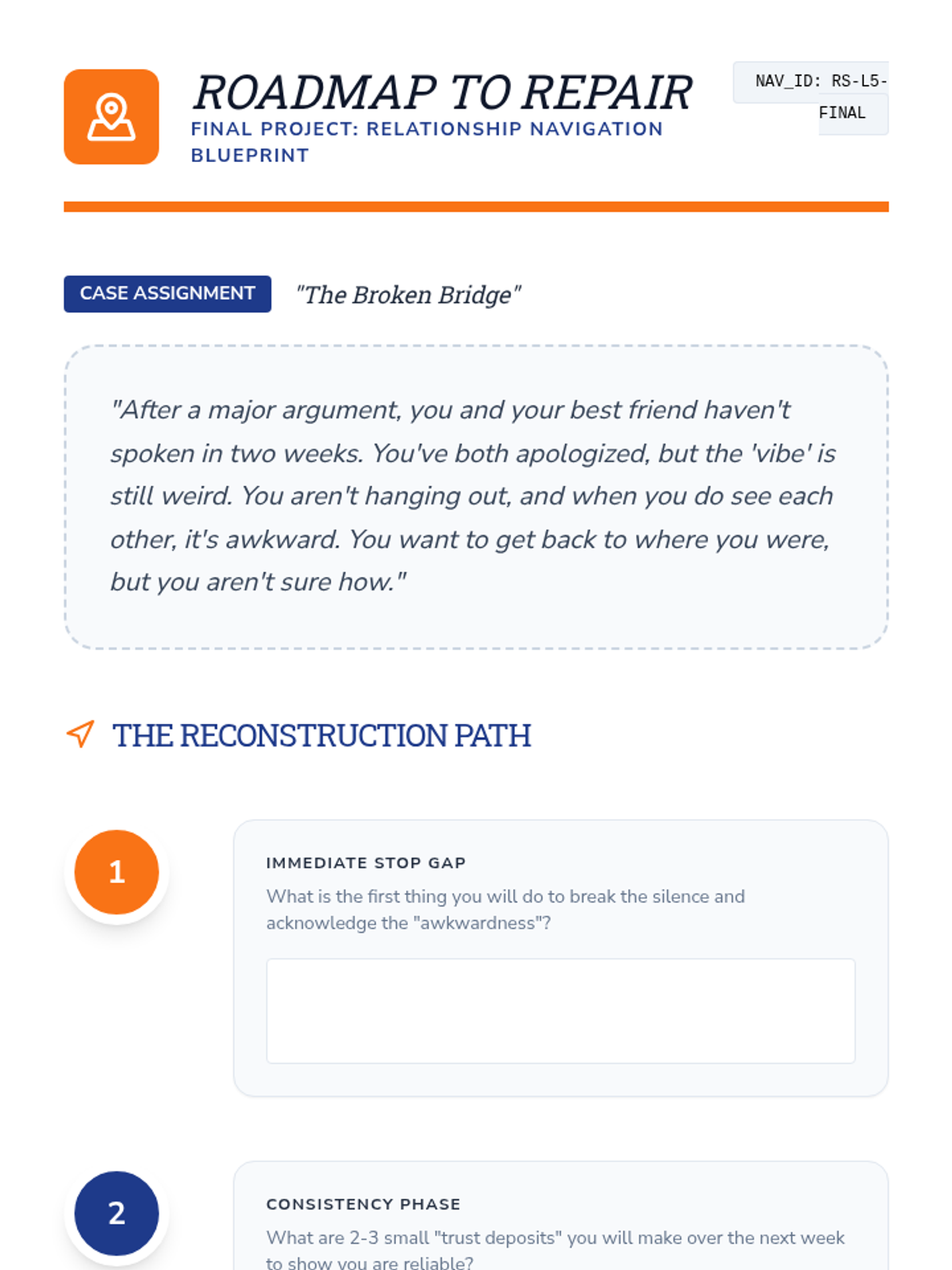
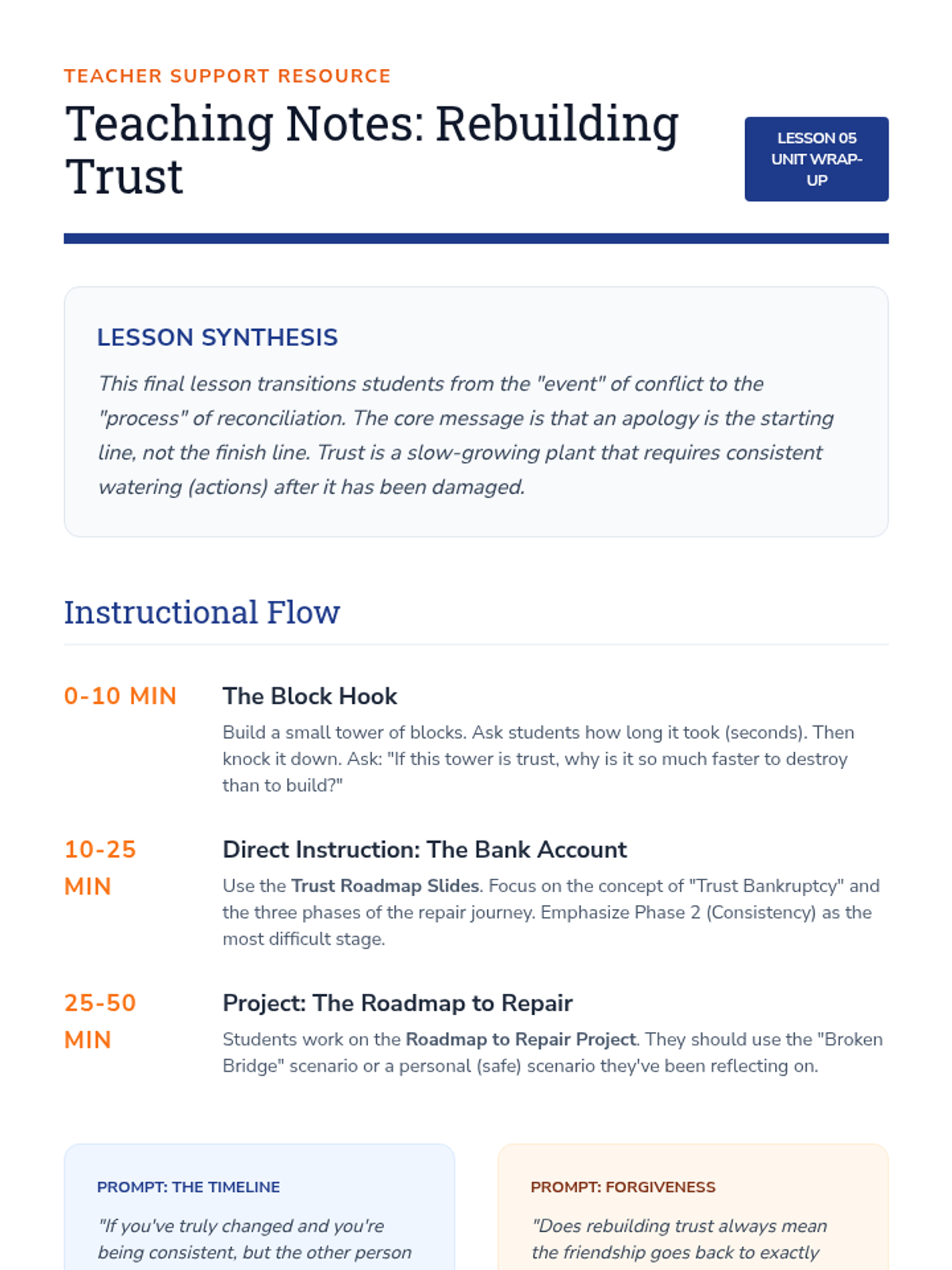
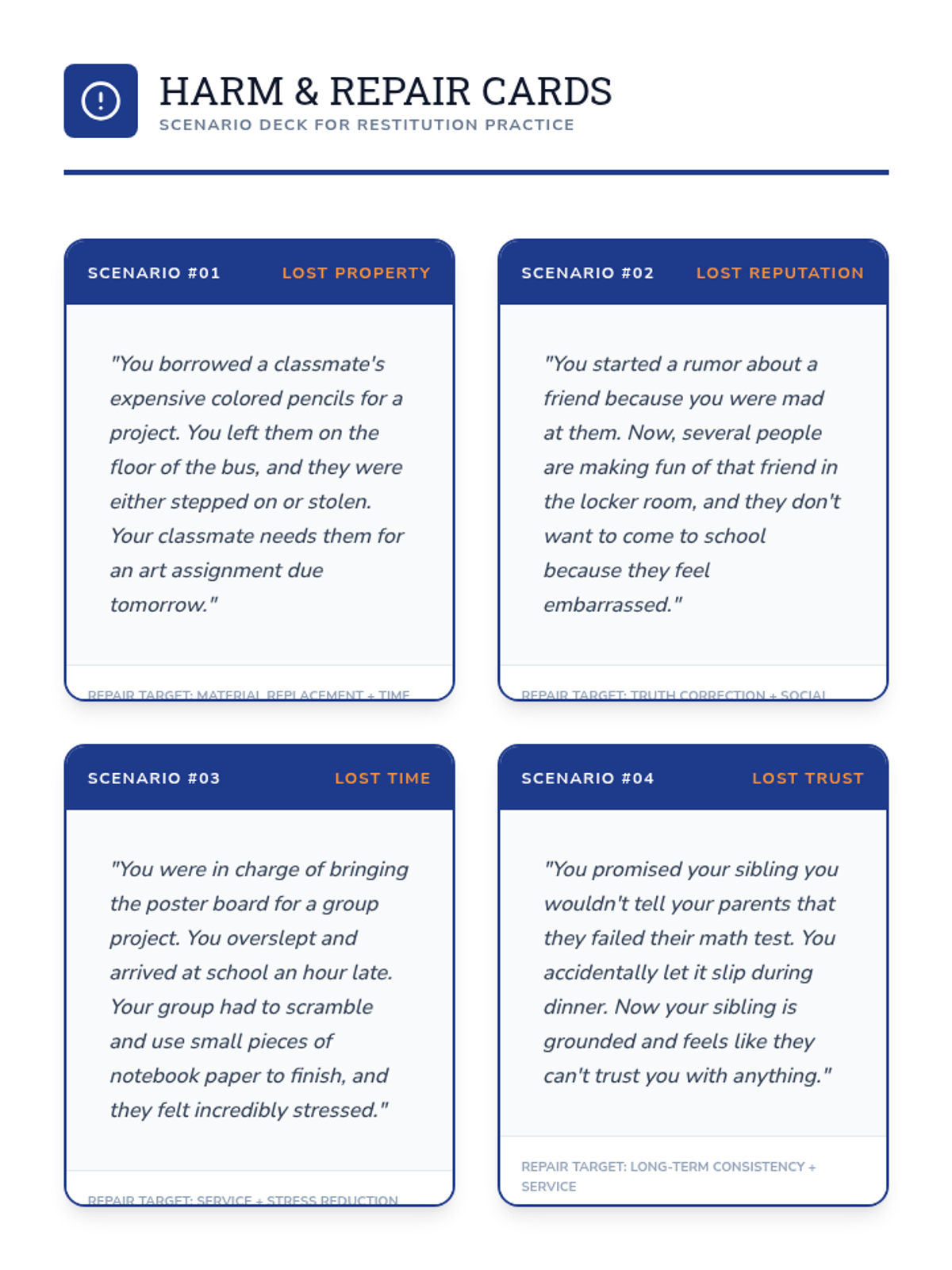
Students learn that trust is built slowly over time and create a 'Roadmap to Repair' outlining consistent actions needed to re-establish a friendship.
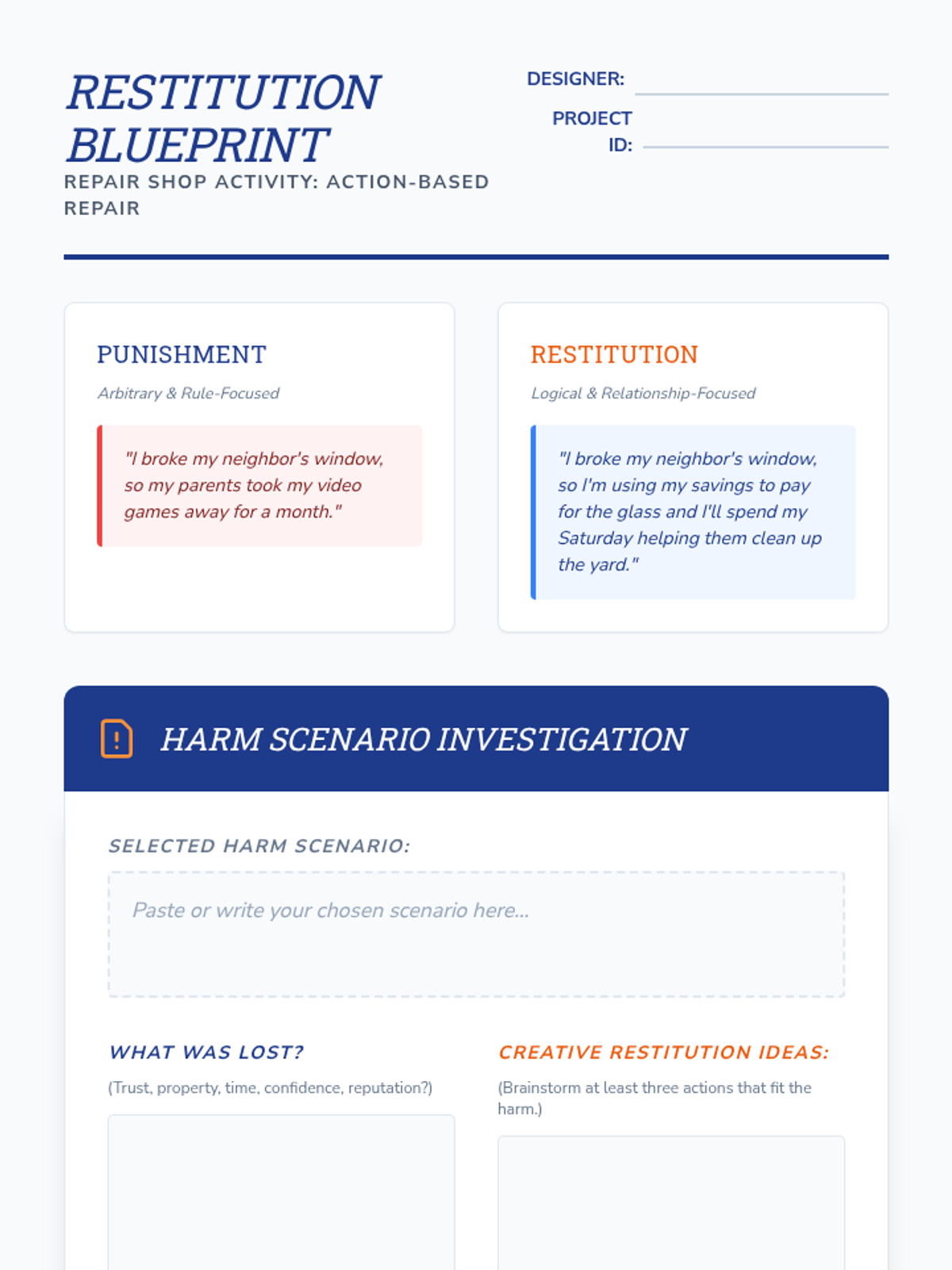
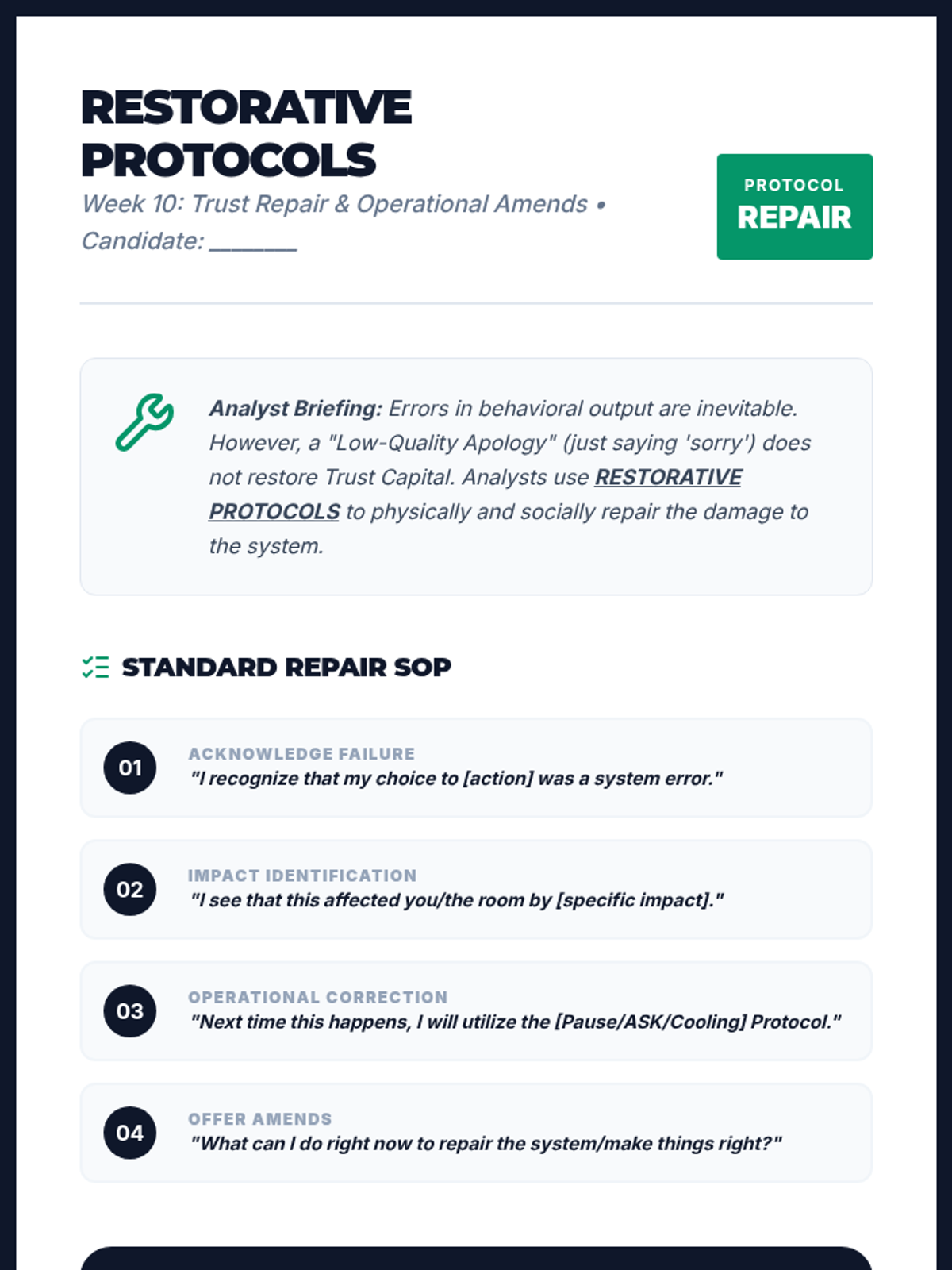
This lesson moves beyond words to action, brainstorming creative ways to 'make it right' or offer restitution relevant to the harm caused.
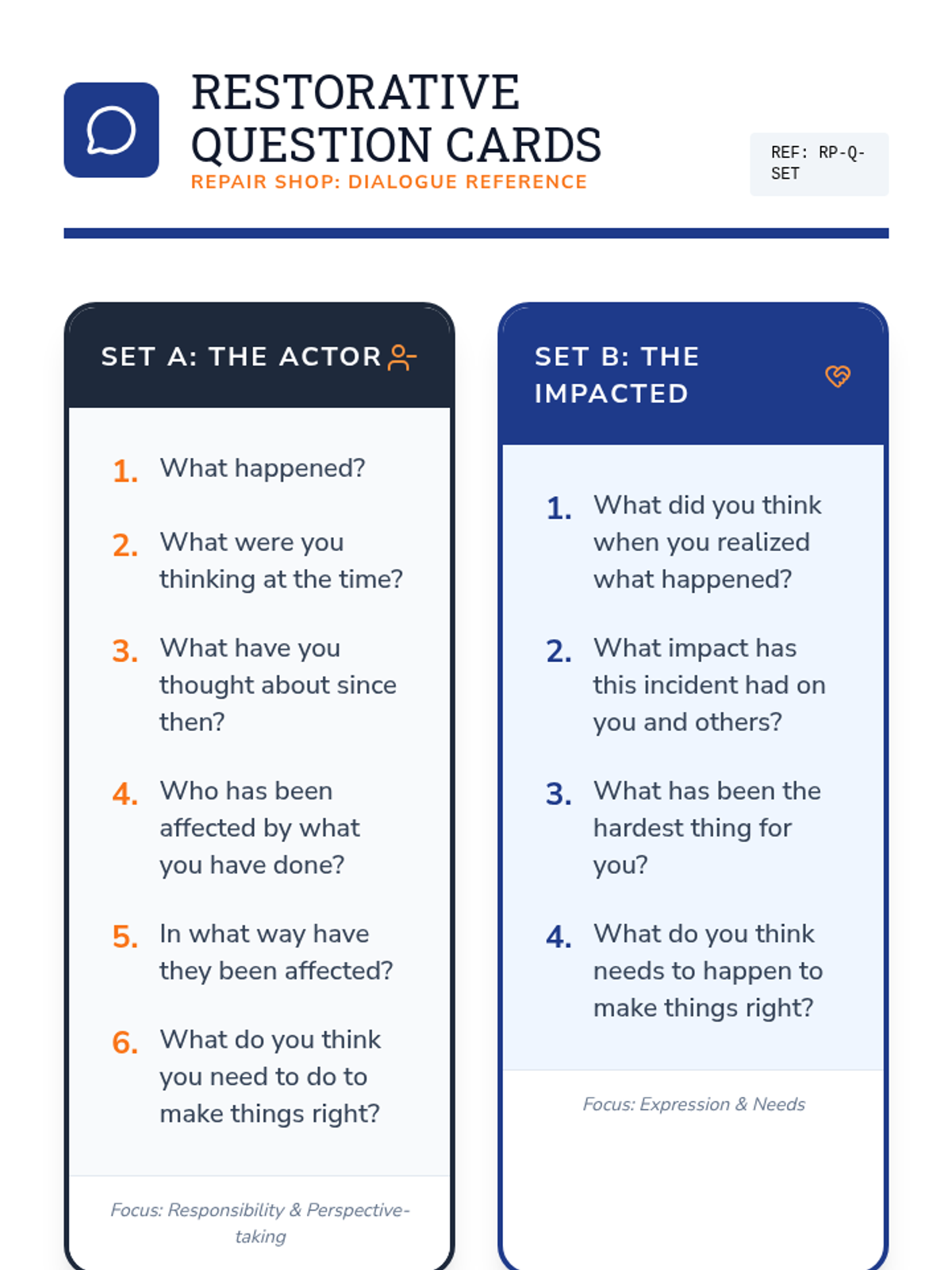
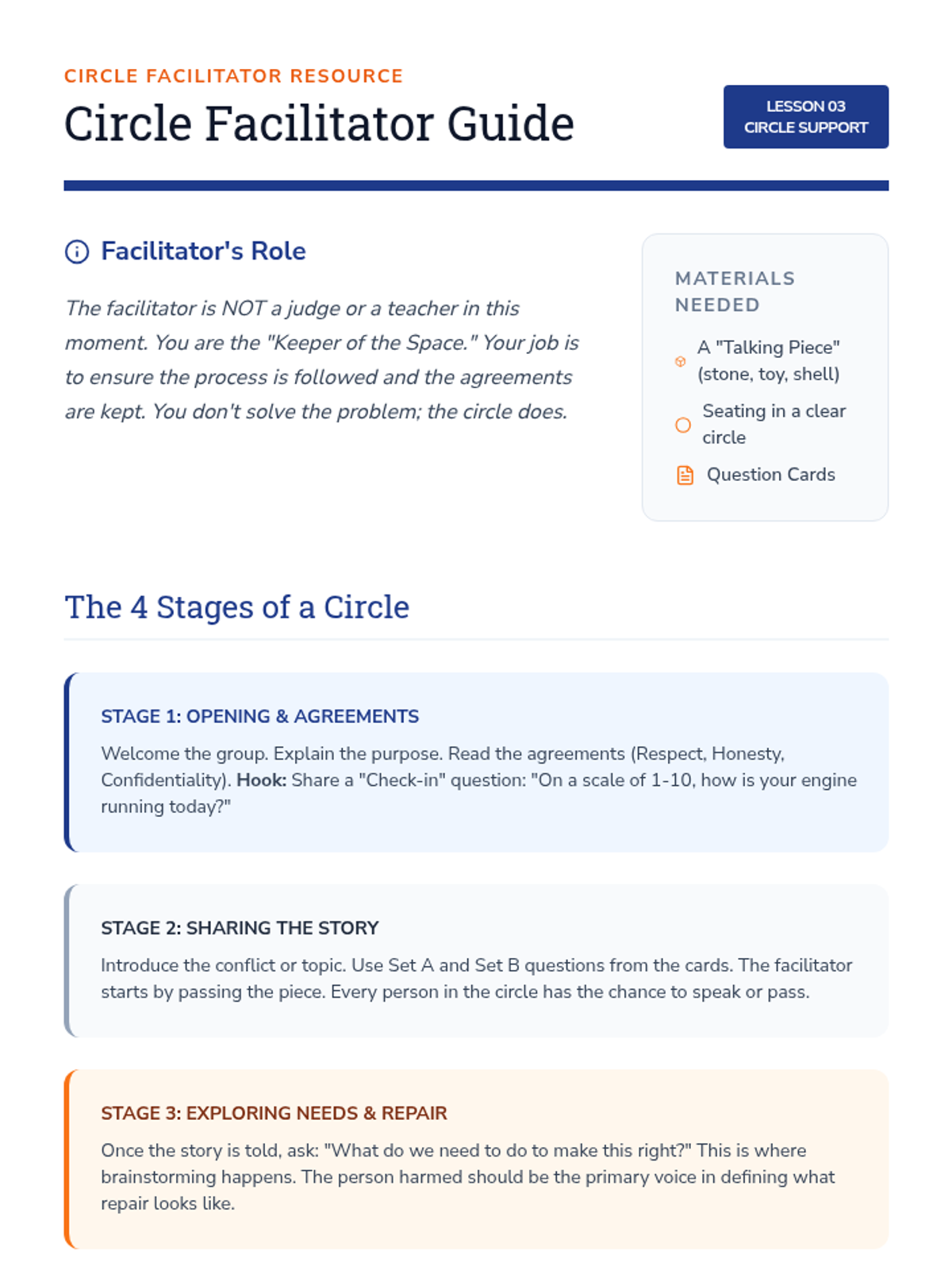
Students participate in a structured circle process to practice sharing feelings and listening to others' experiences of harm using restorative justice questions.
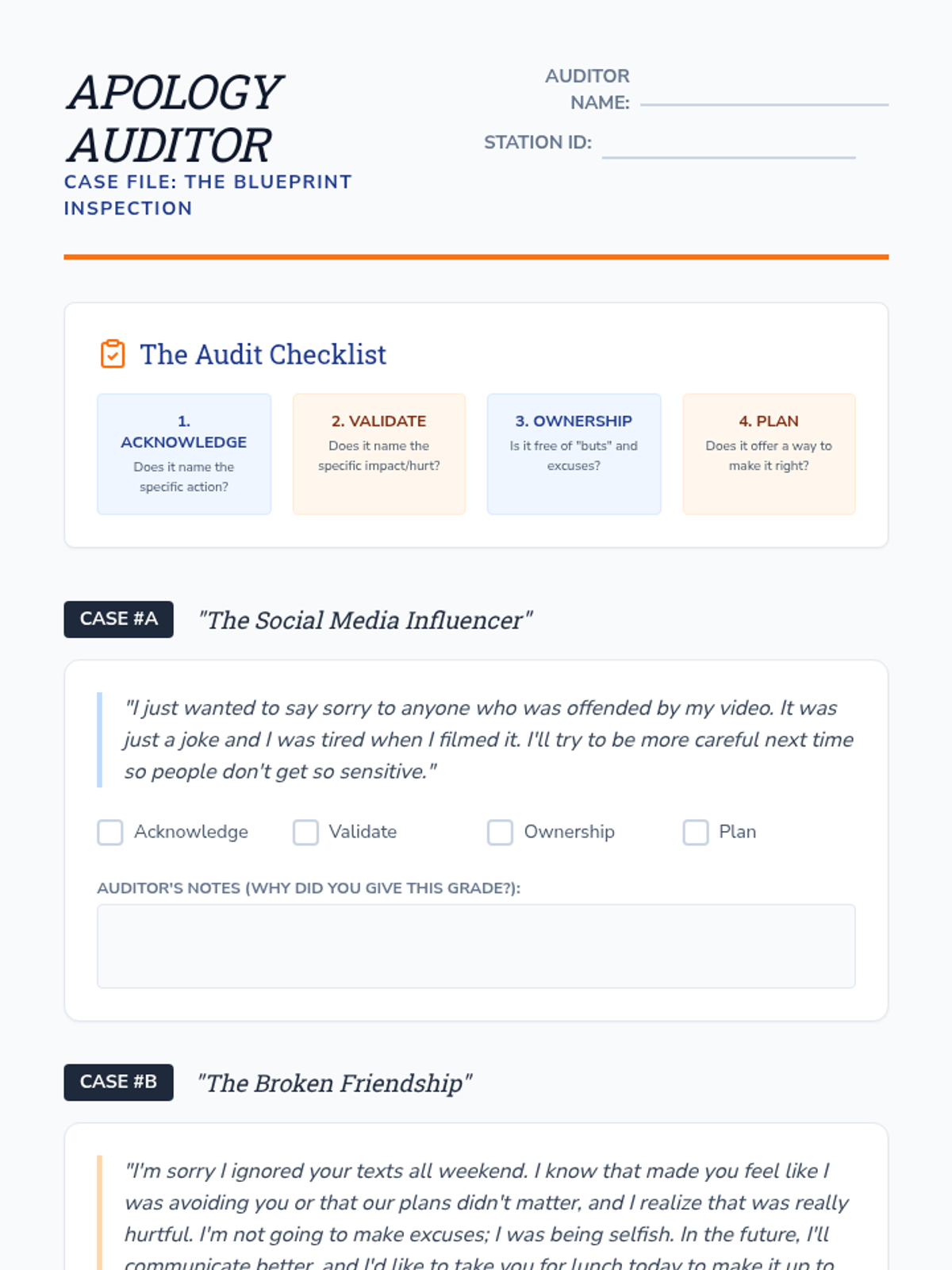
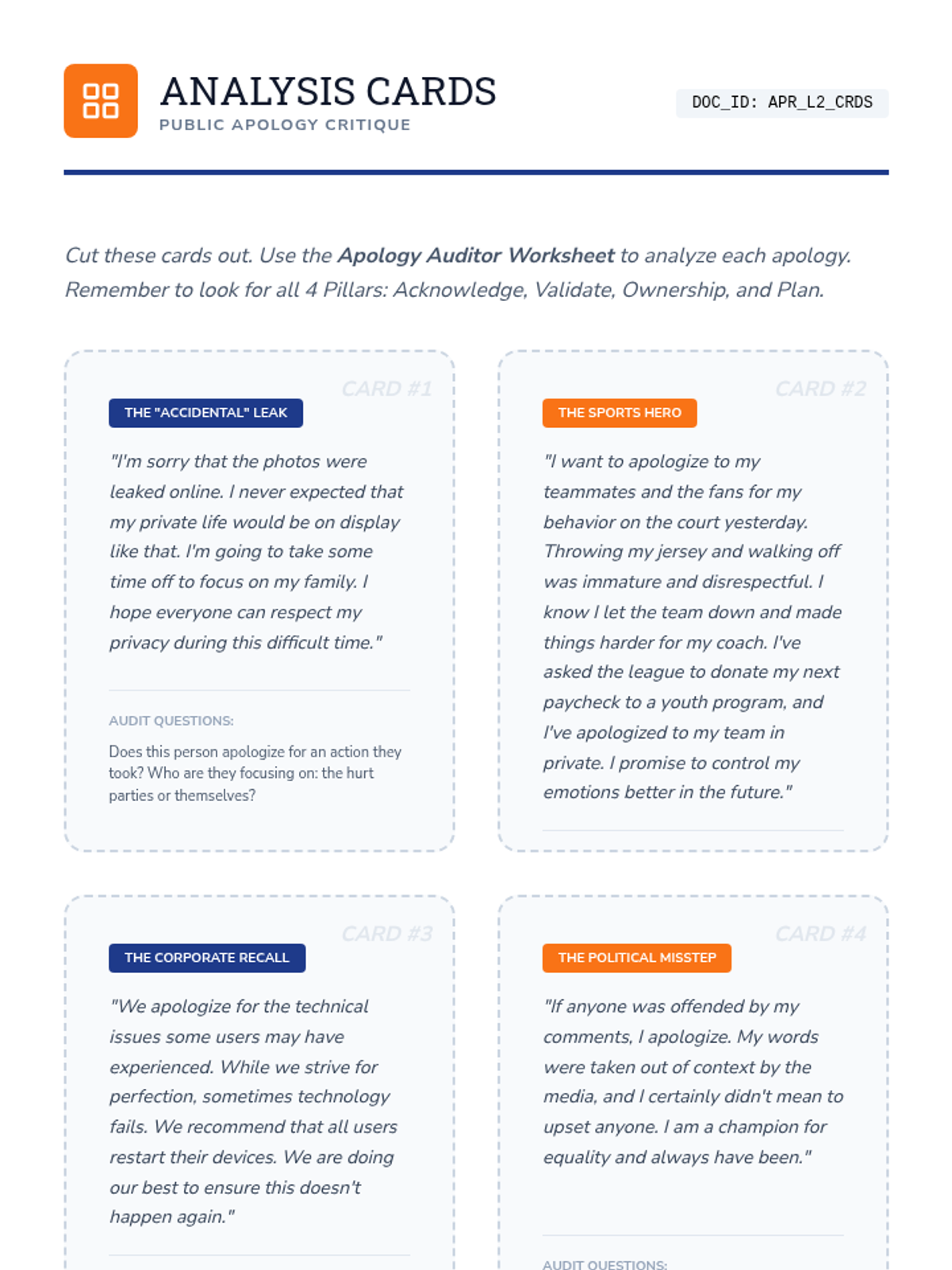
Students deconstruct apologies to identify key components: acknowledging the act, validating hurt, accepting responsibility, and making a plan for change. They critique public apologies.
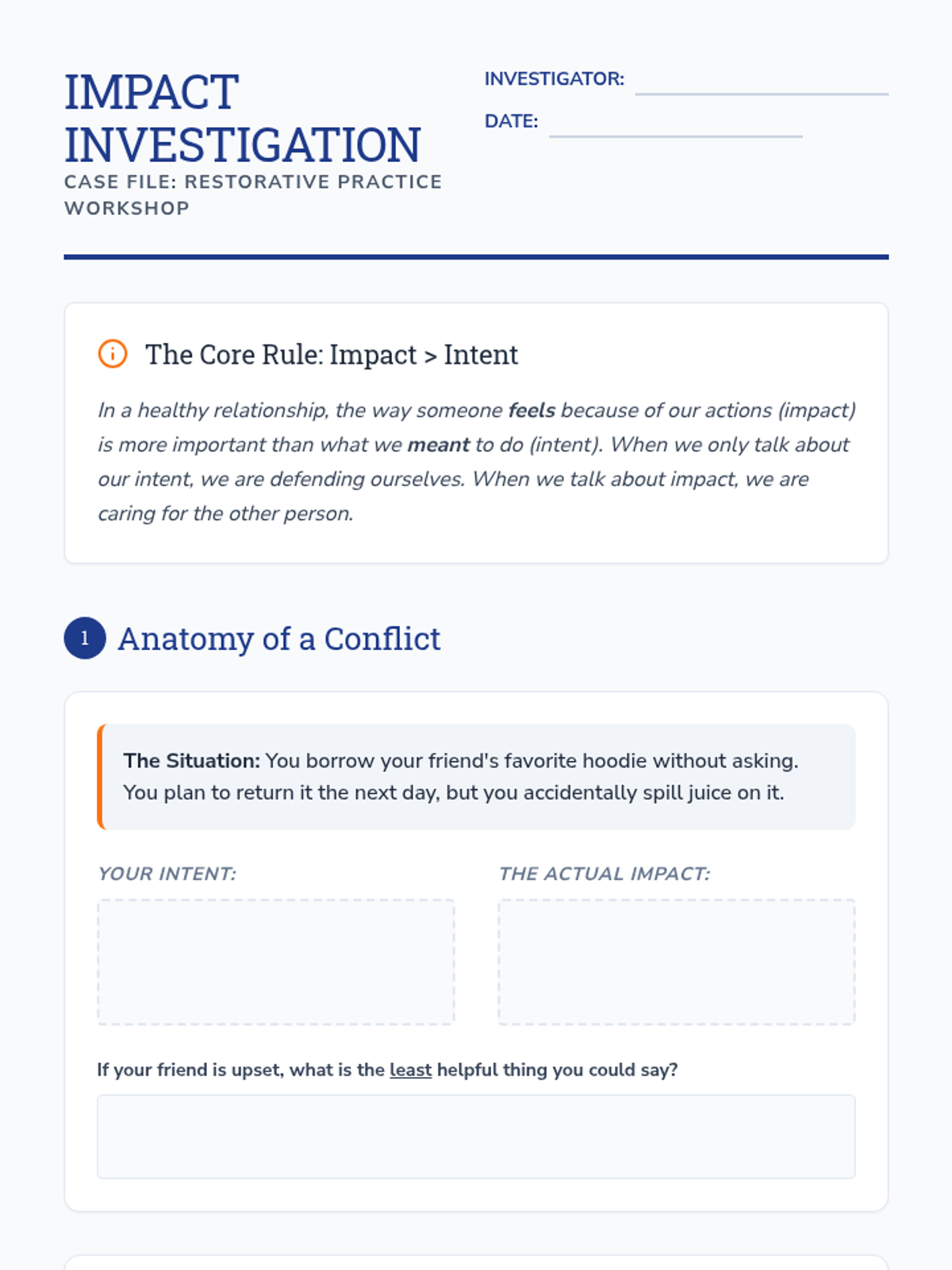
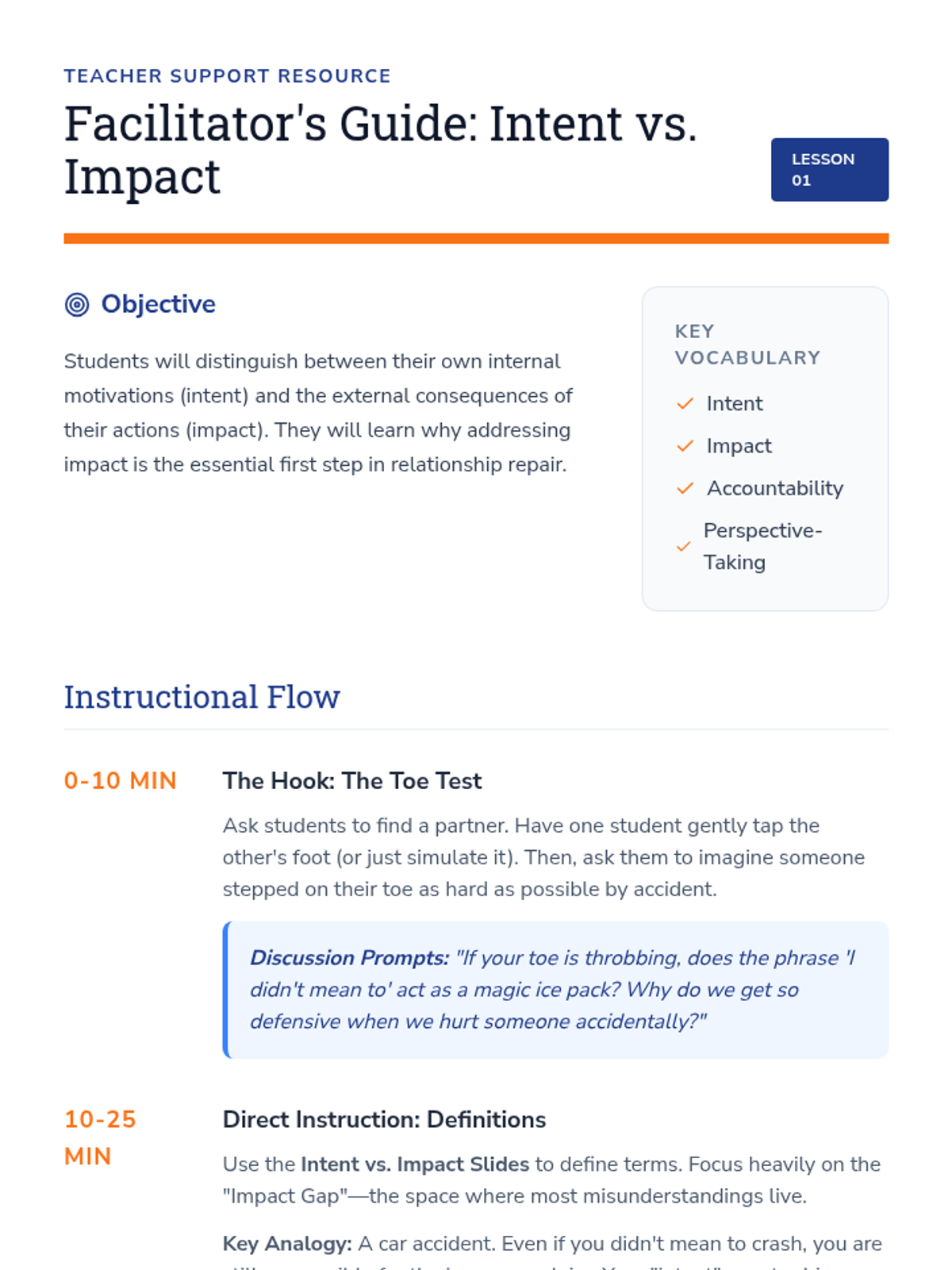
Students explore the gap between what they meant to do (intent) and how it affected others (impact). They analyze scenarios where good intentions still caused harm and discuss why impact must be addressed first.
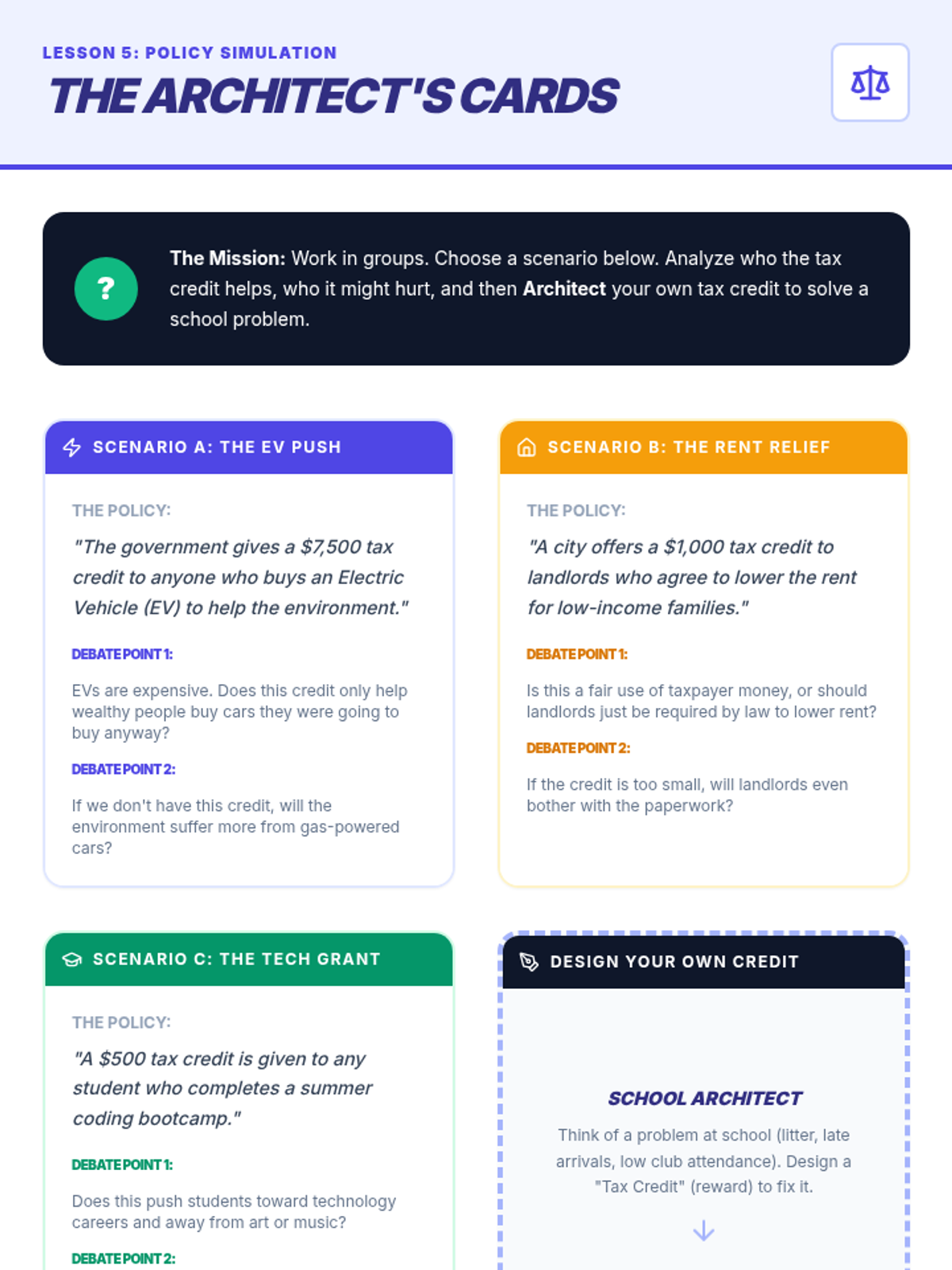
Students explore how tax credits and incentives shape behavior and society, ending with a debate on the ethical use of taxation to encourage specific actions.
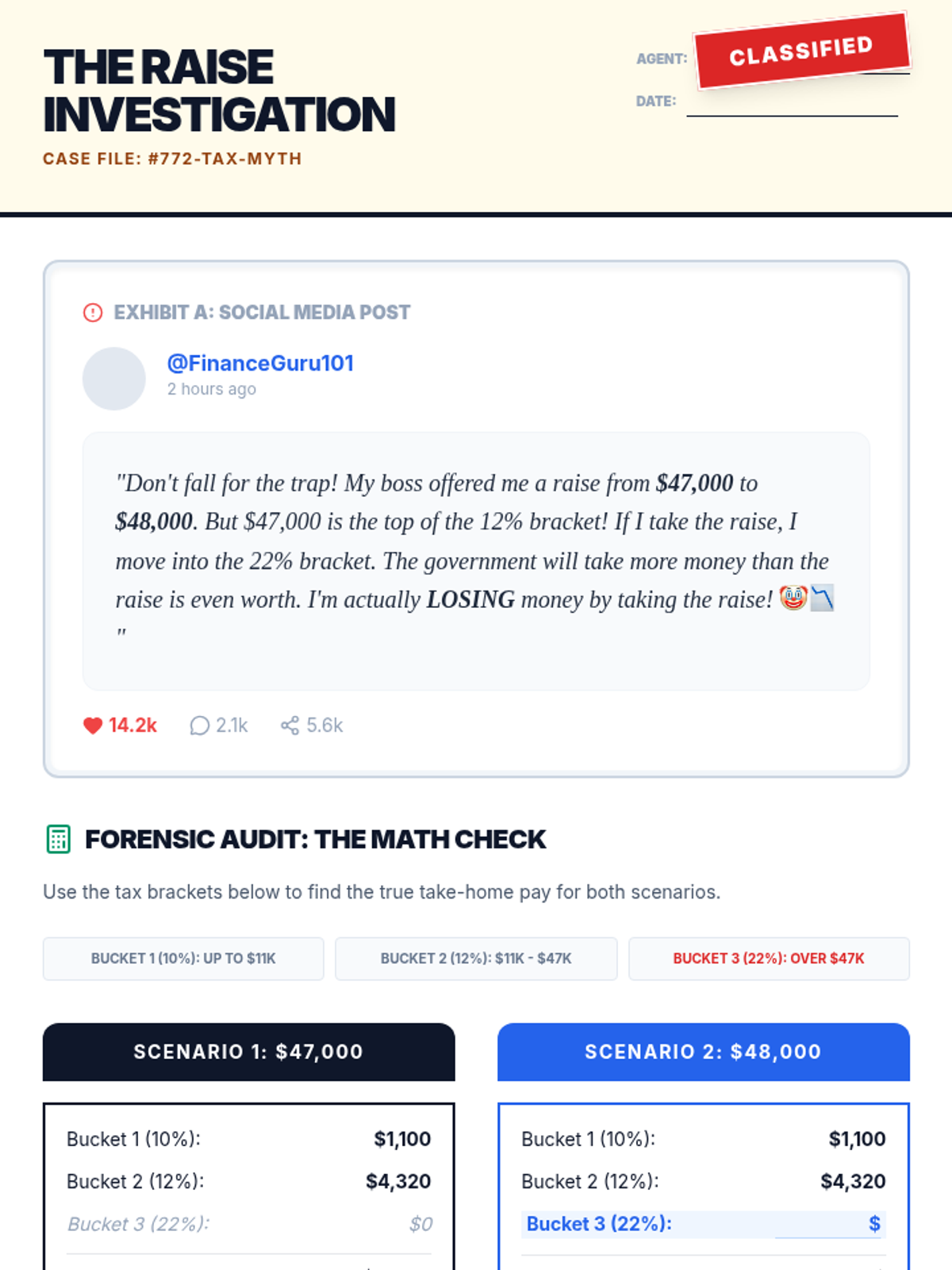
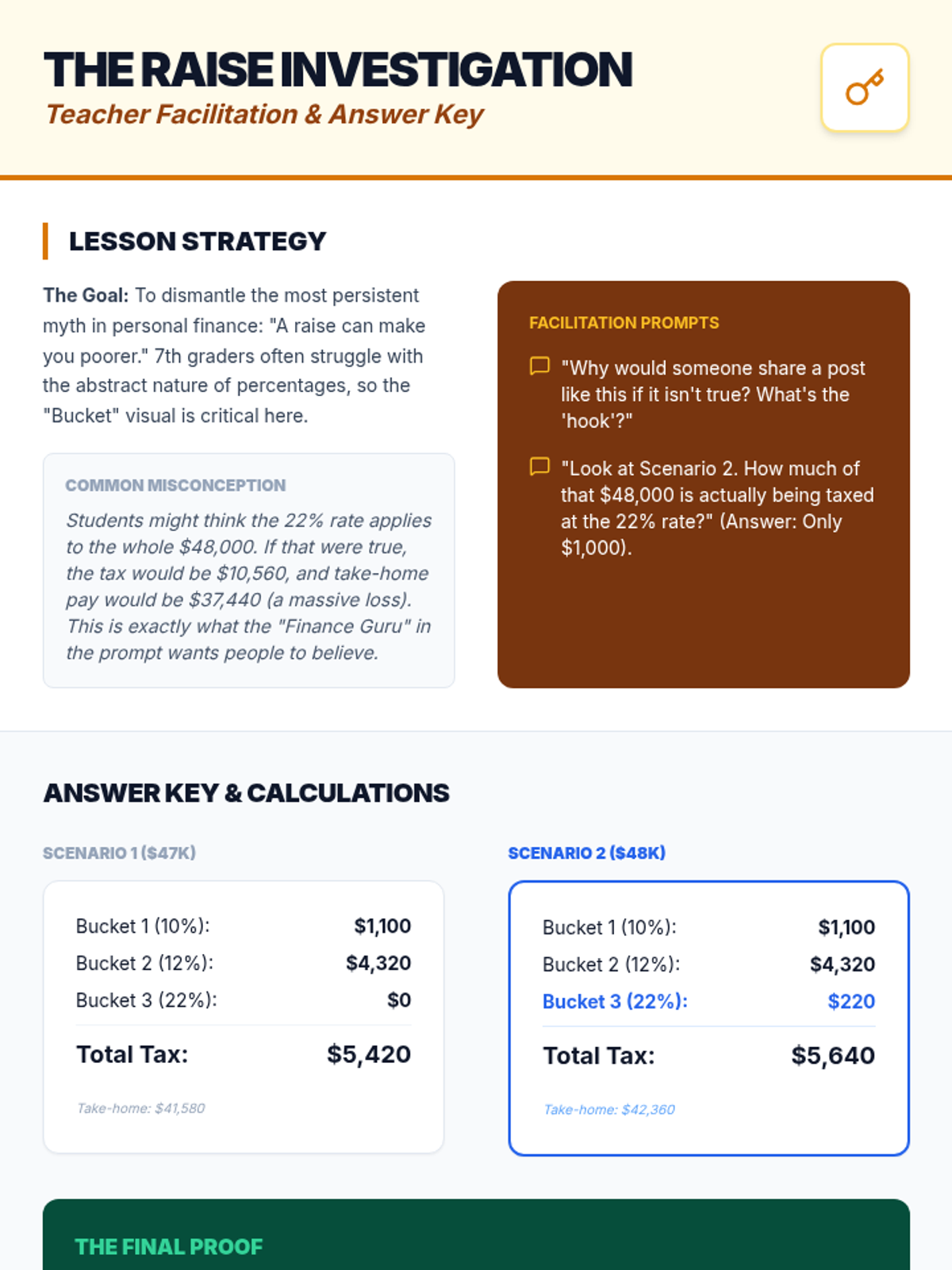
Students act as financial fact-checkers to solve 'The Raise Dilemma,' proving that earning more money almost never results in less take-home pay due to tax brackets.
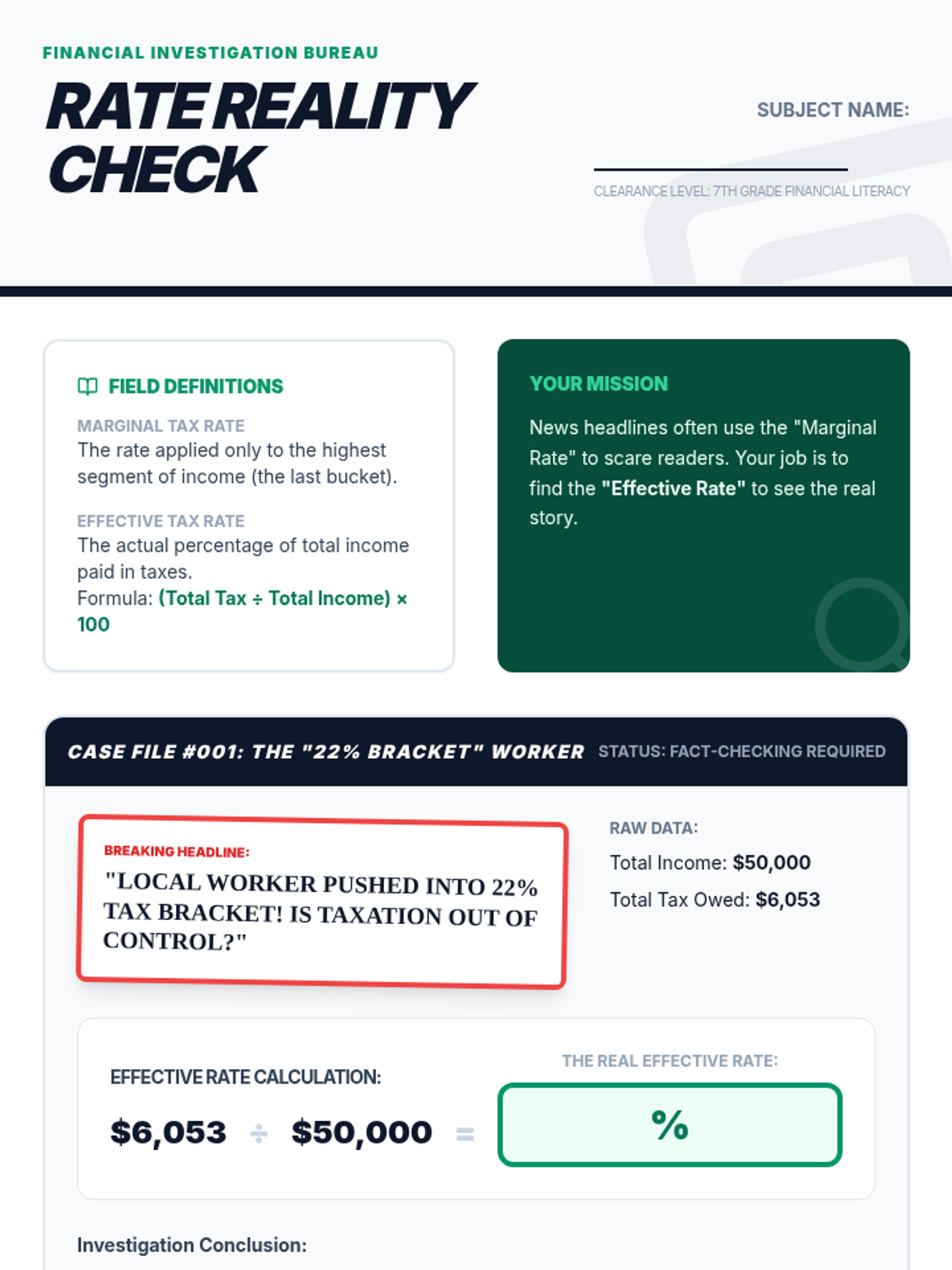
Students calculate the difference between marginal and effective tax rates, learning to look past sensationalized headlines to find the real percentage of income paid.
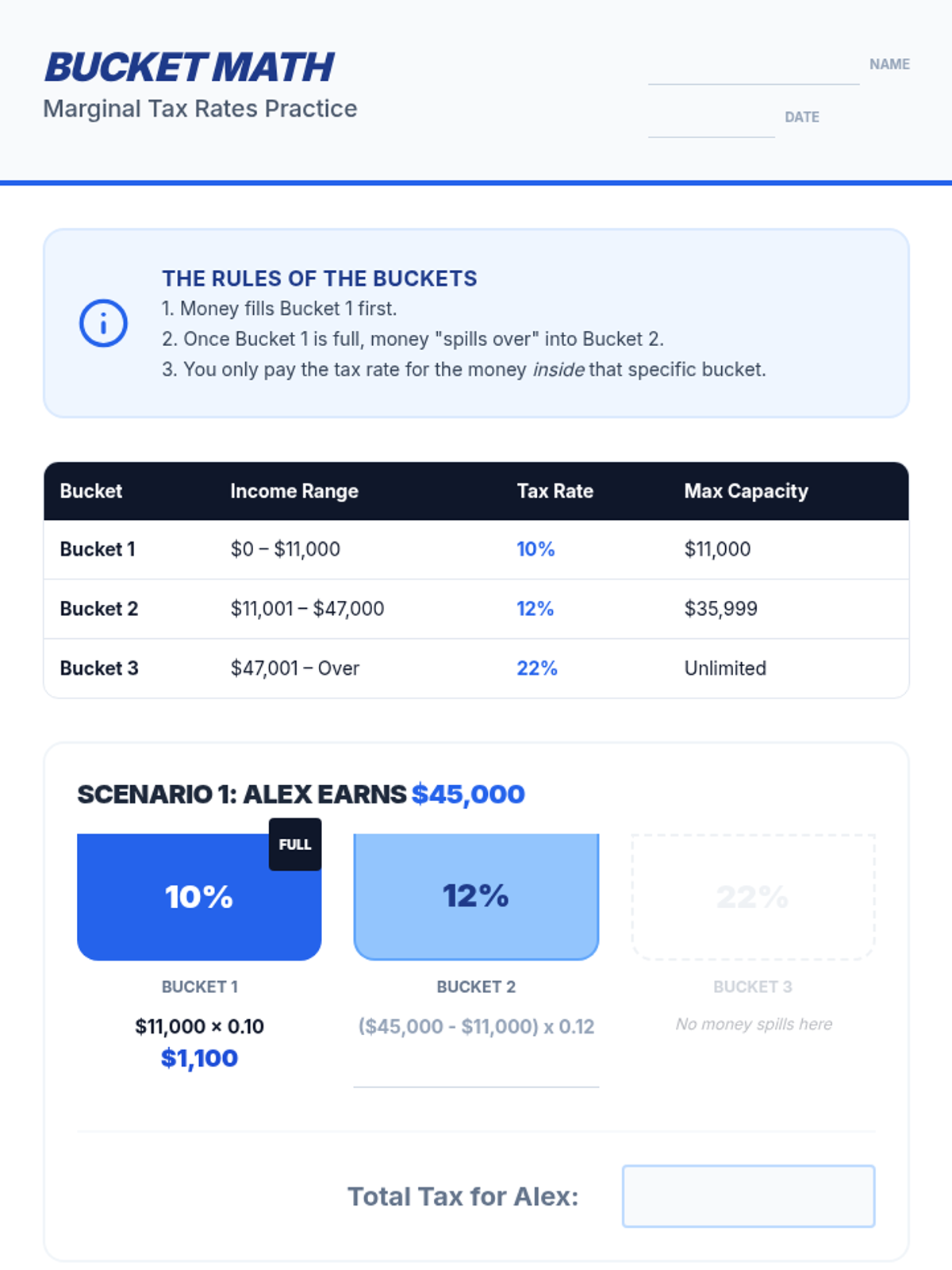
Students debunk the 'higher bracket' myth using the bucket analogy to visualize marginal tax rates. They learn that only income within a specific range is taxed at that range's rate.
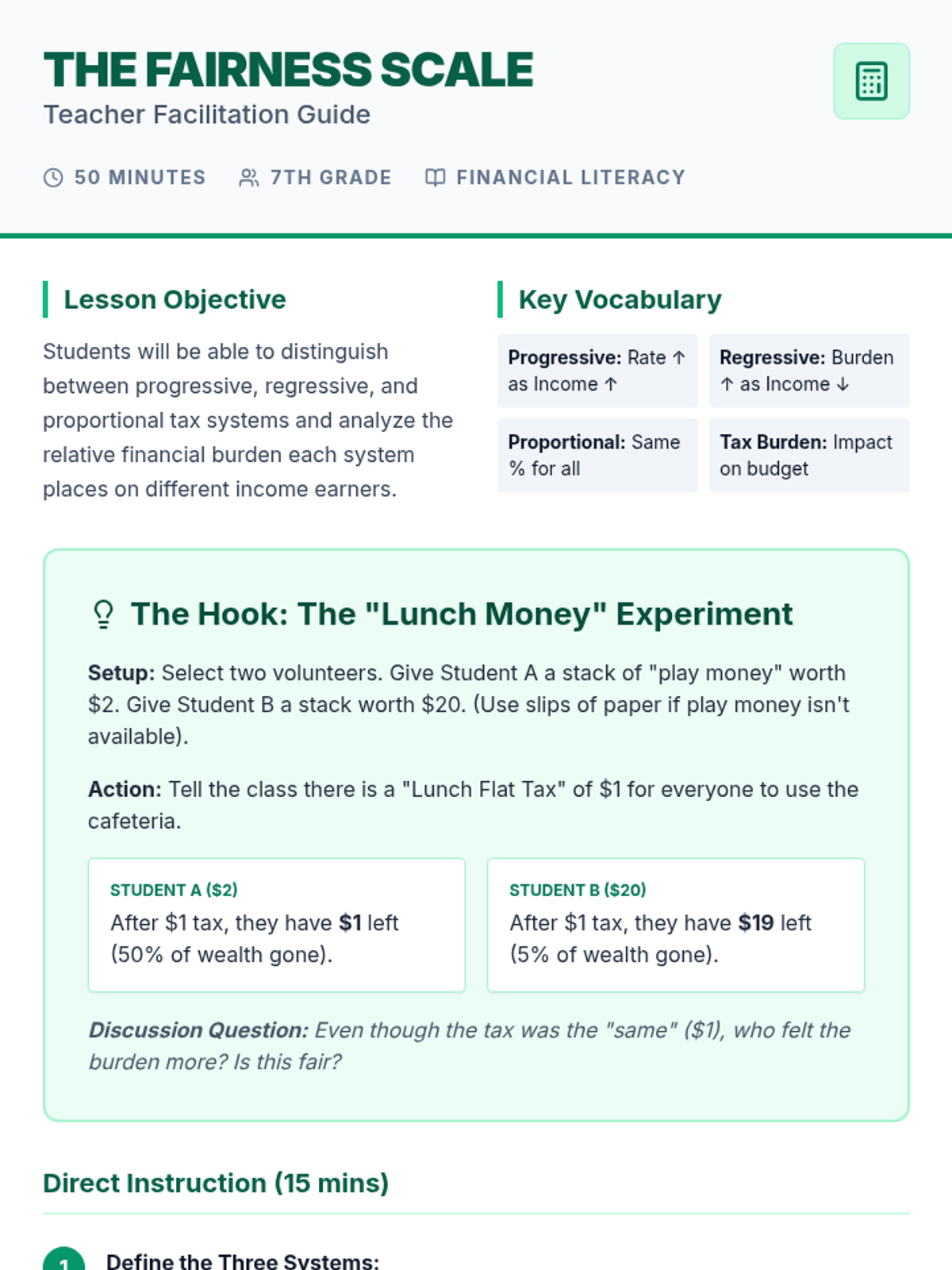
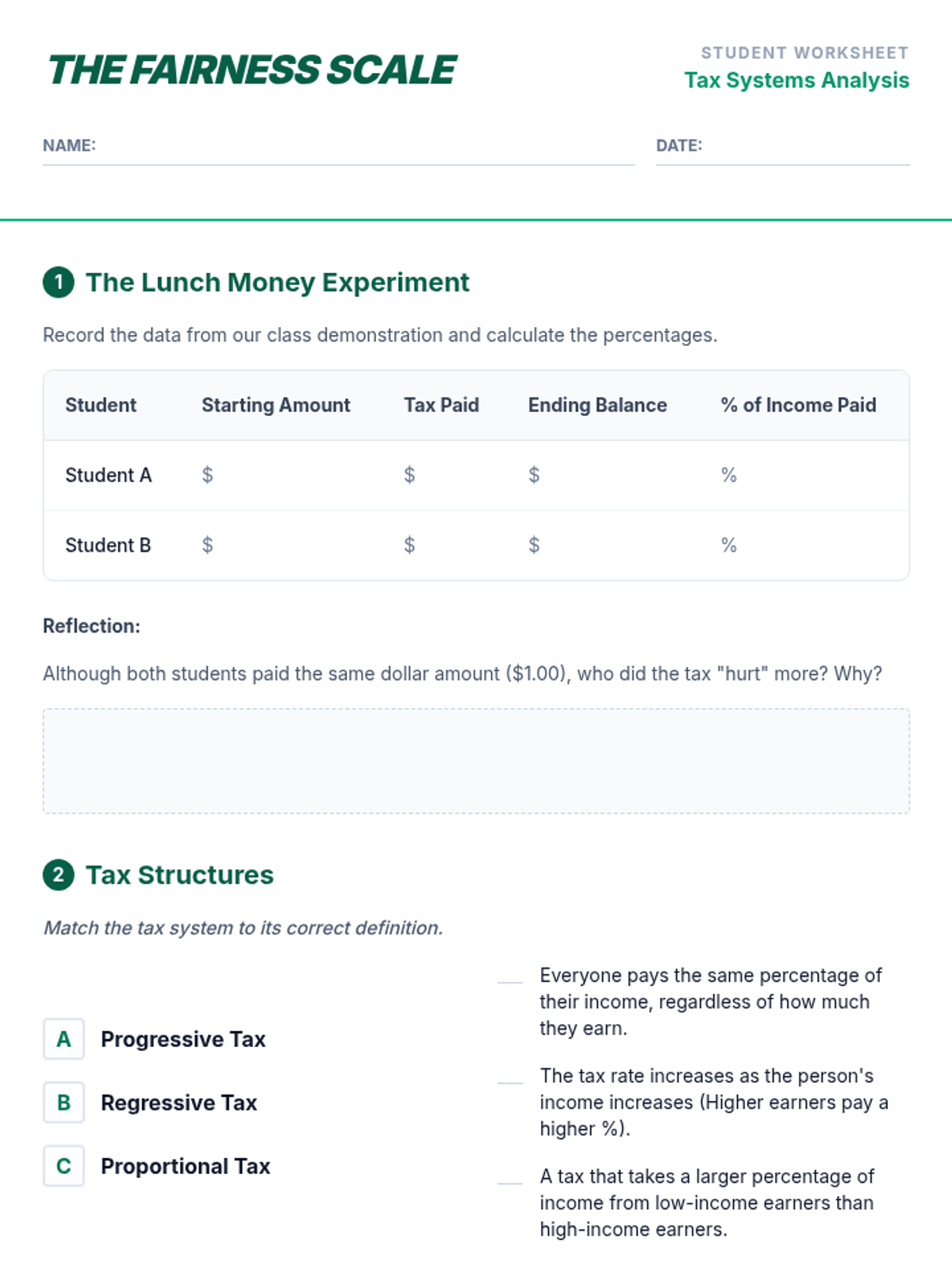
Students define and compare progressive, regressive, and proportional tax structures through the 'Lunch Money' experiment. They analyze how different taxes place varying burdens on different income levels.
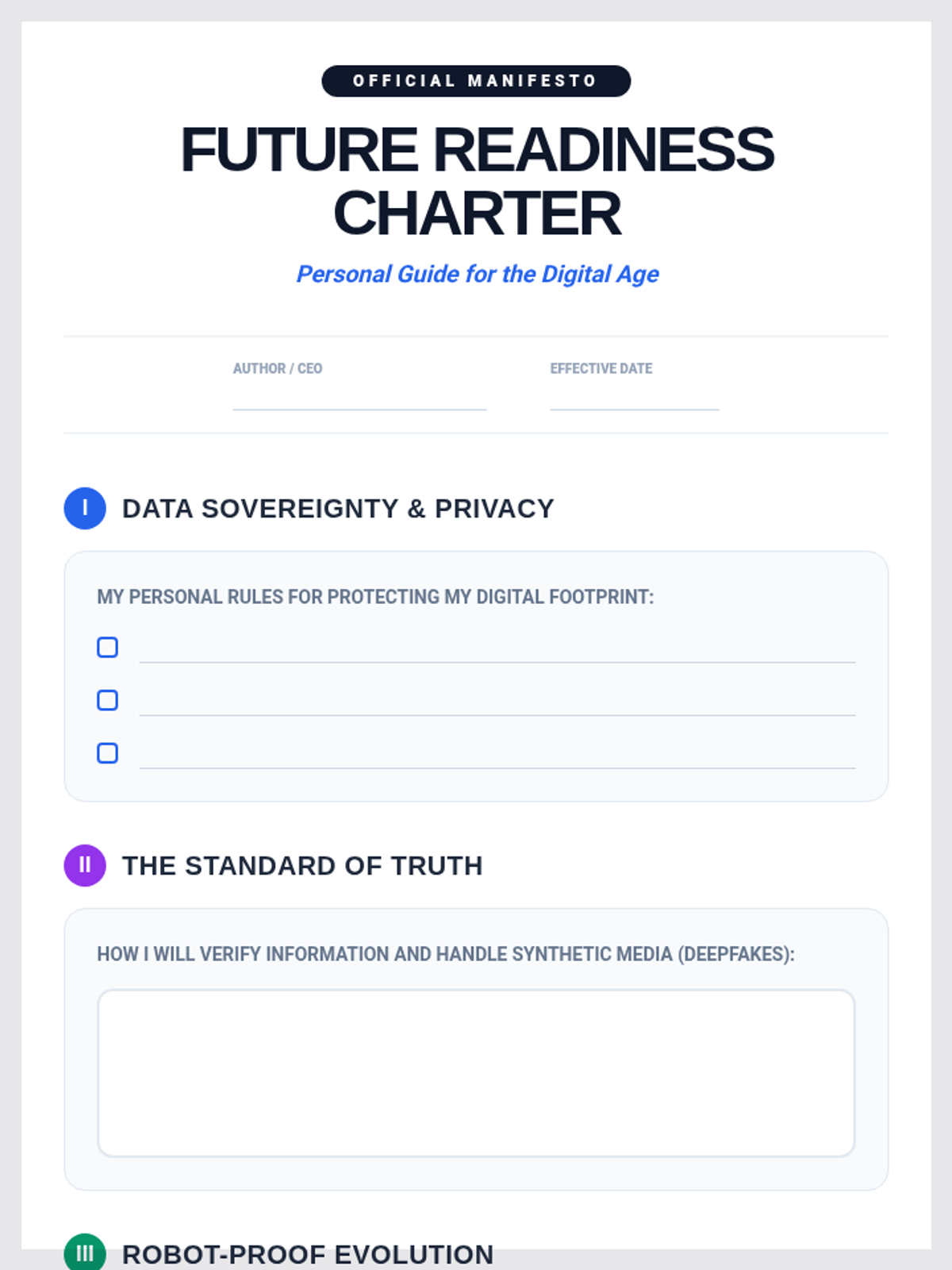
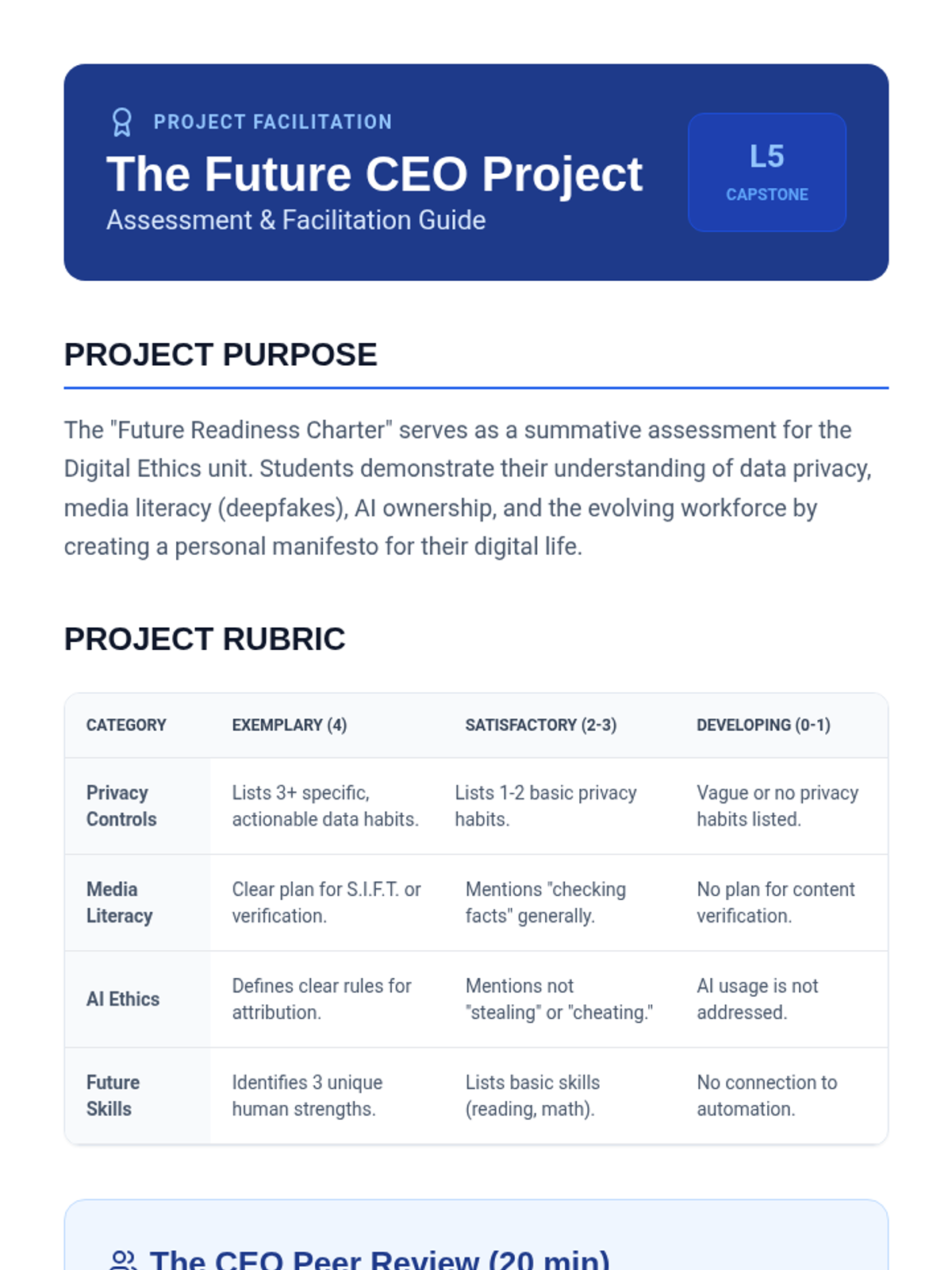
The culminating project where students synthesize their learning into a personal manifesto for ethical and safe technology use in their future lives.
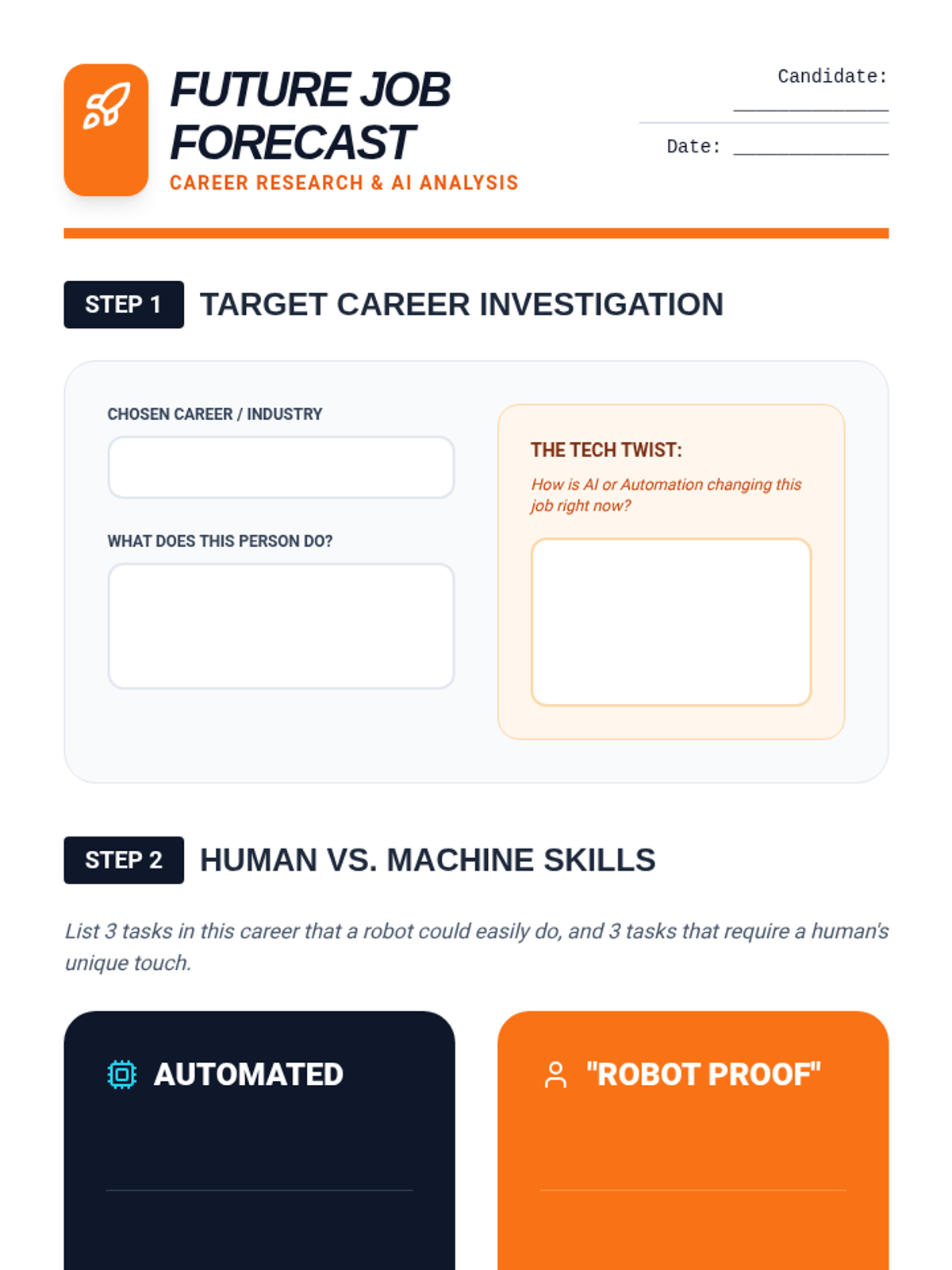
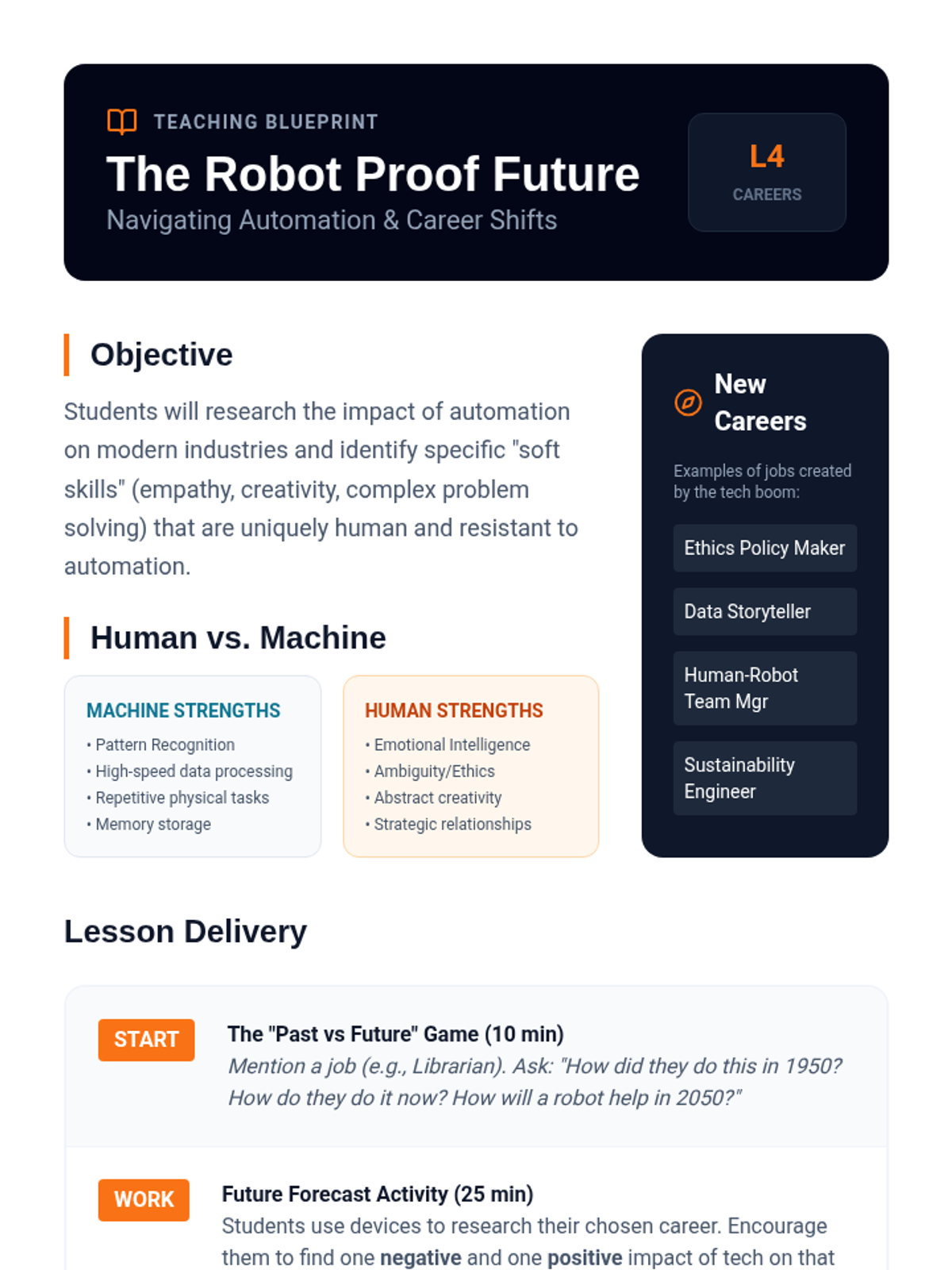
A forward-looking lesson on how automation is reshaping the workforce, focusing on the unique human skills that remain essential in the age of robots.
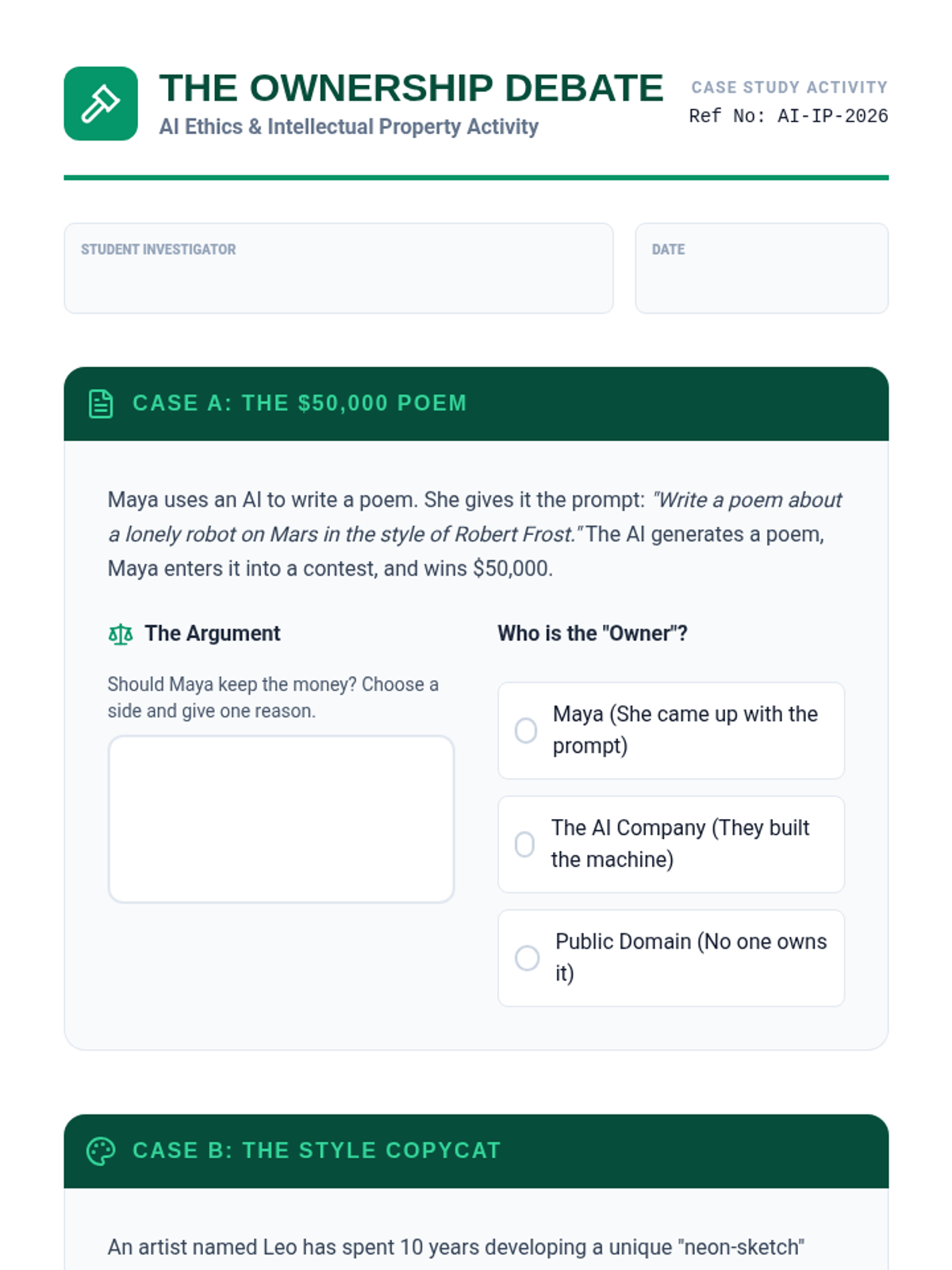
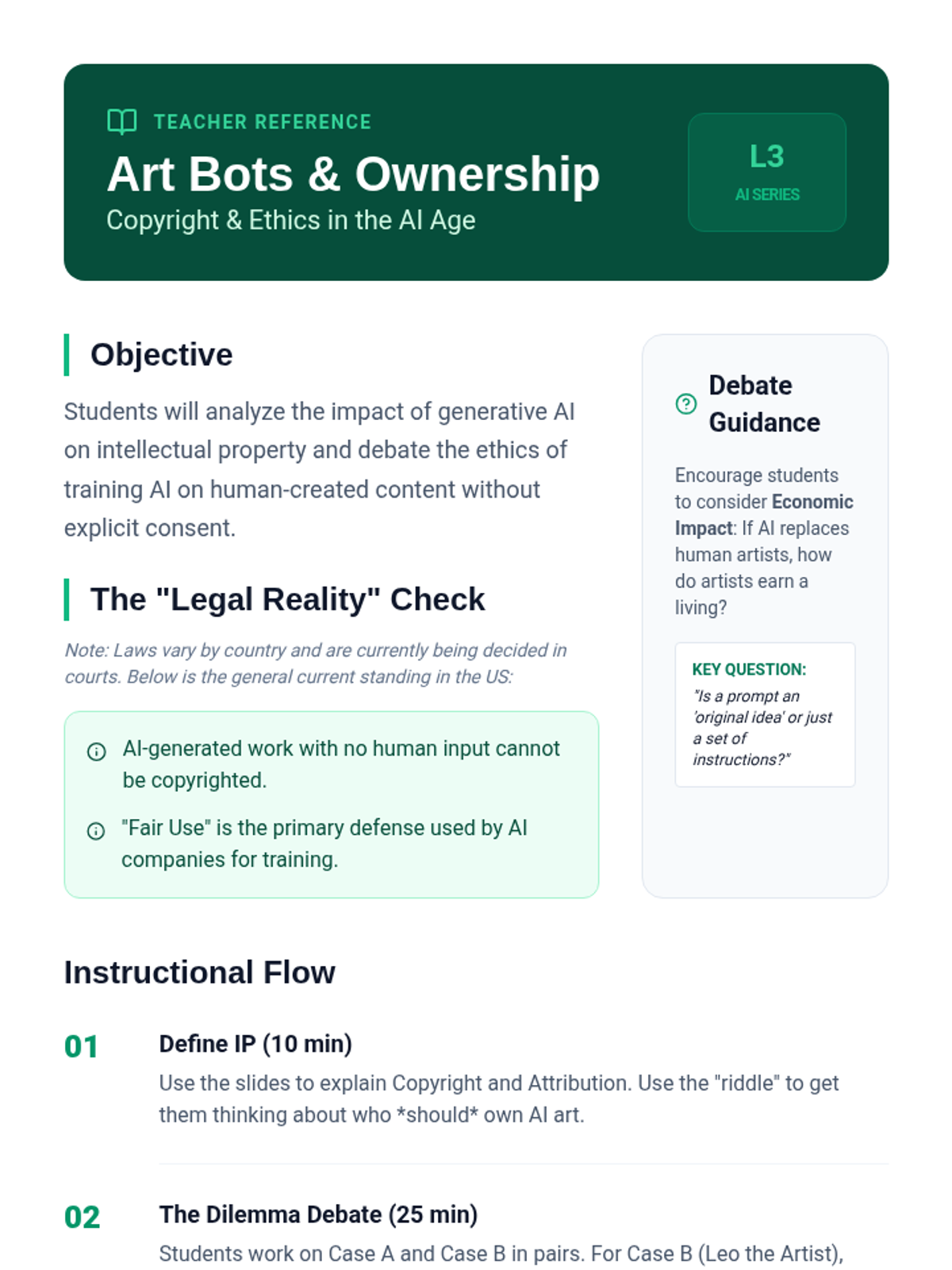
Students debate the complexities of copyright and ownership in the age of generative AI, learning how to ethically attribute work in an automated world.
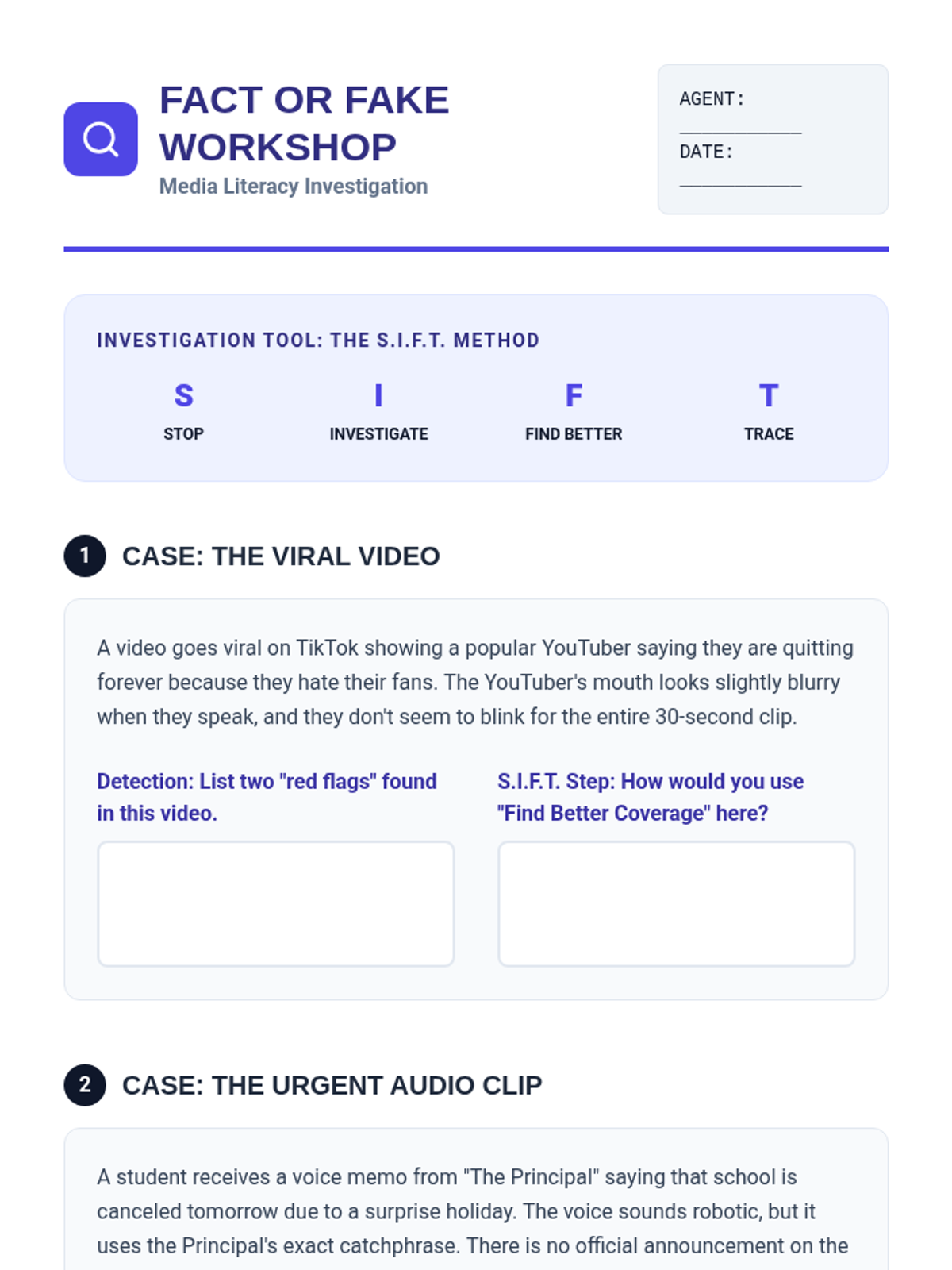
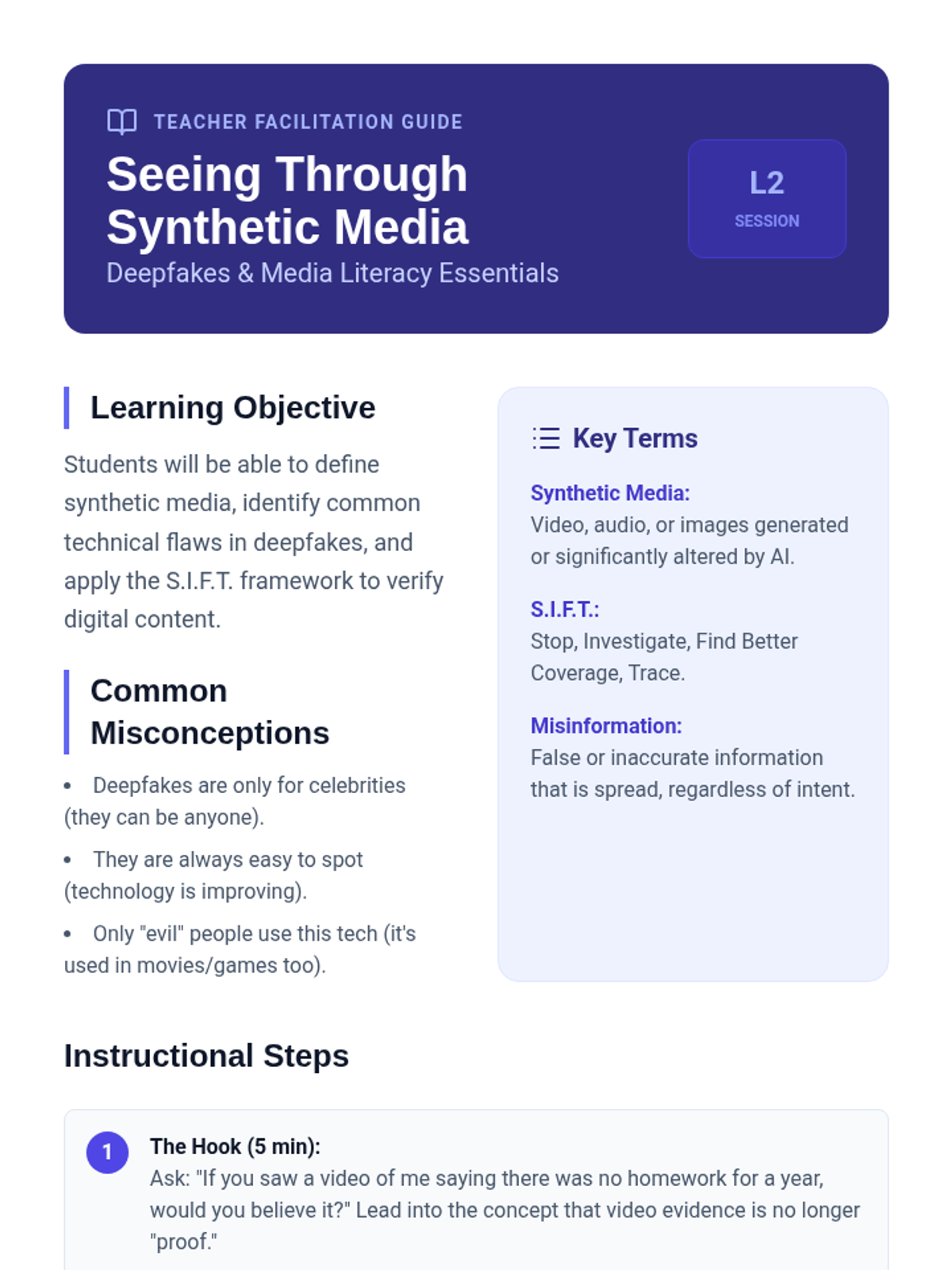
An exploration of synthetic media and deepfakes, teaching students to critically evaluate digital content and understand the ethical risks of misinformation.
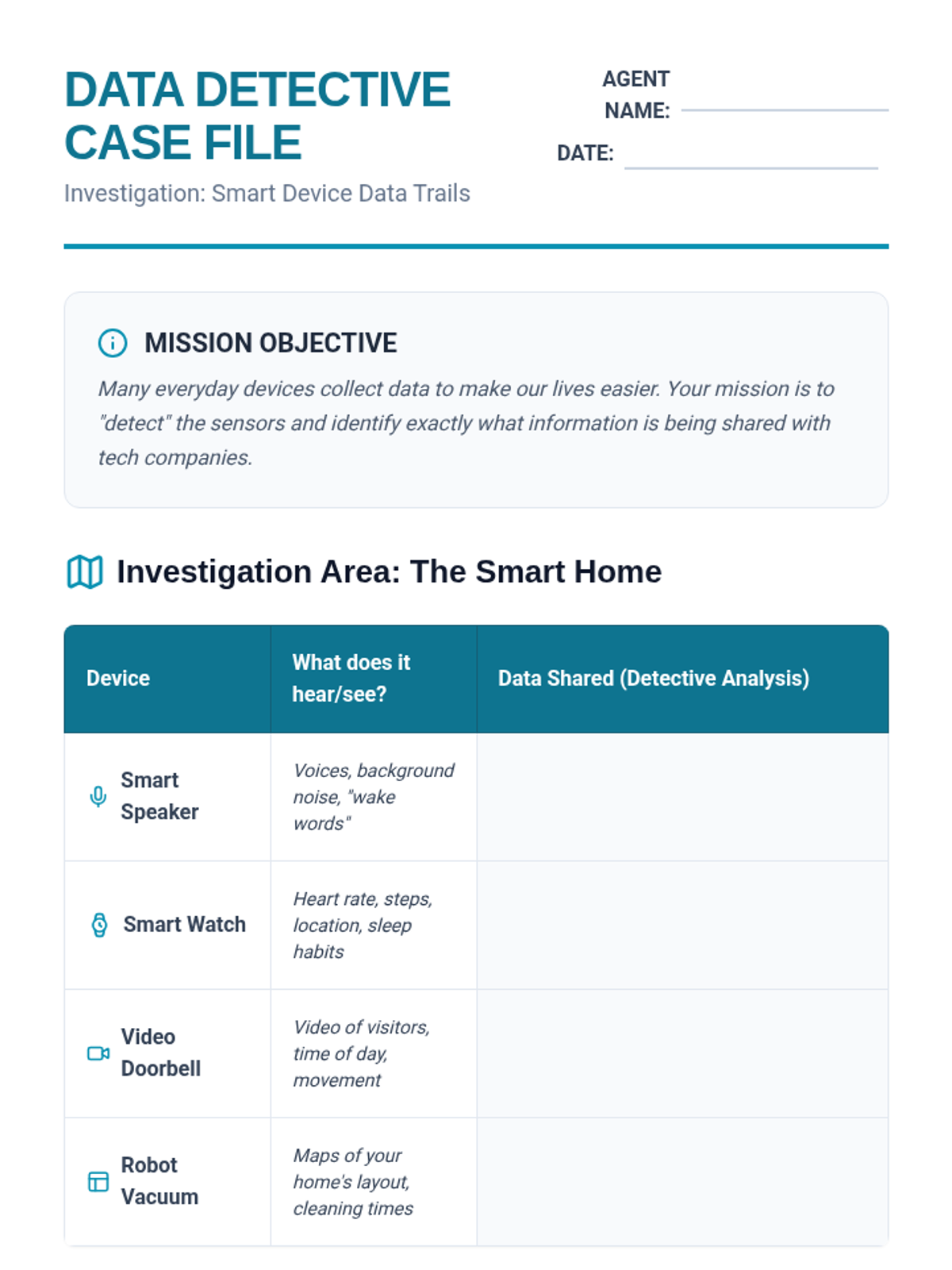
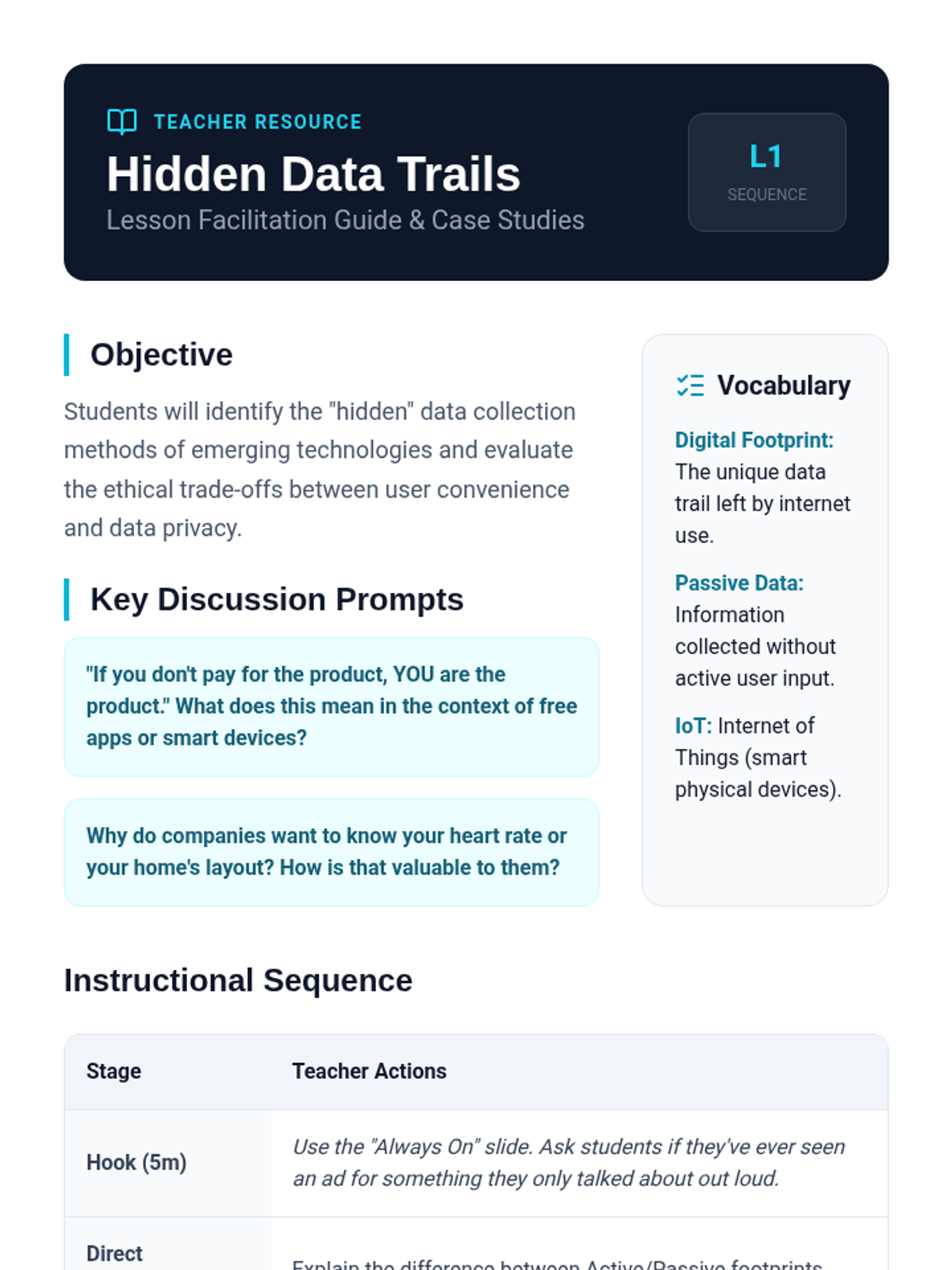
Students investigate how smart devices and AI assistants collect personal data, analyzing the trade-offs between technological convenience and individual privacy.
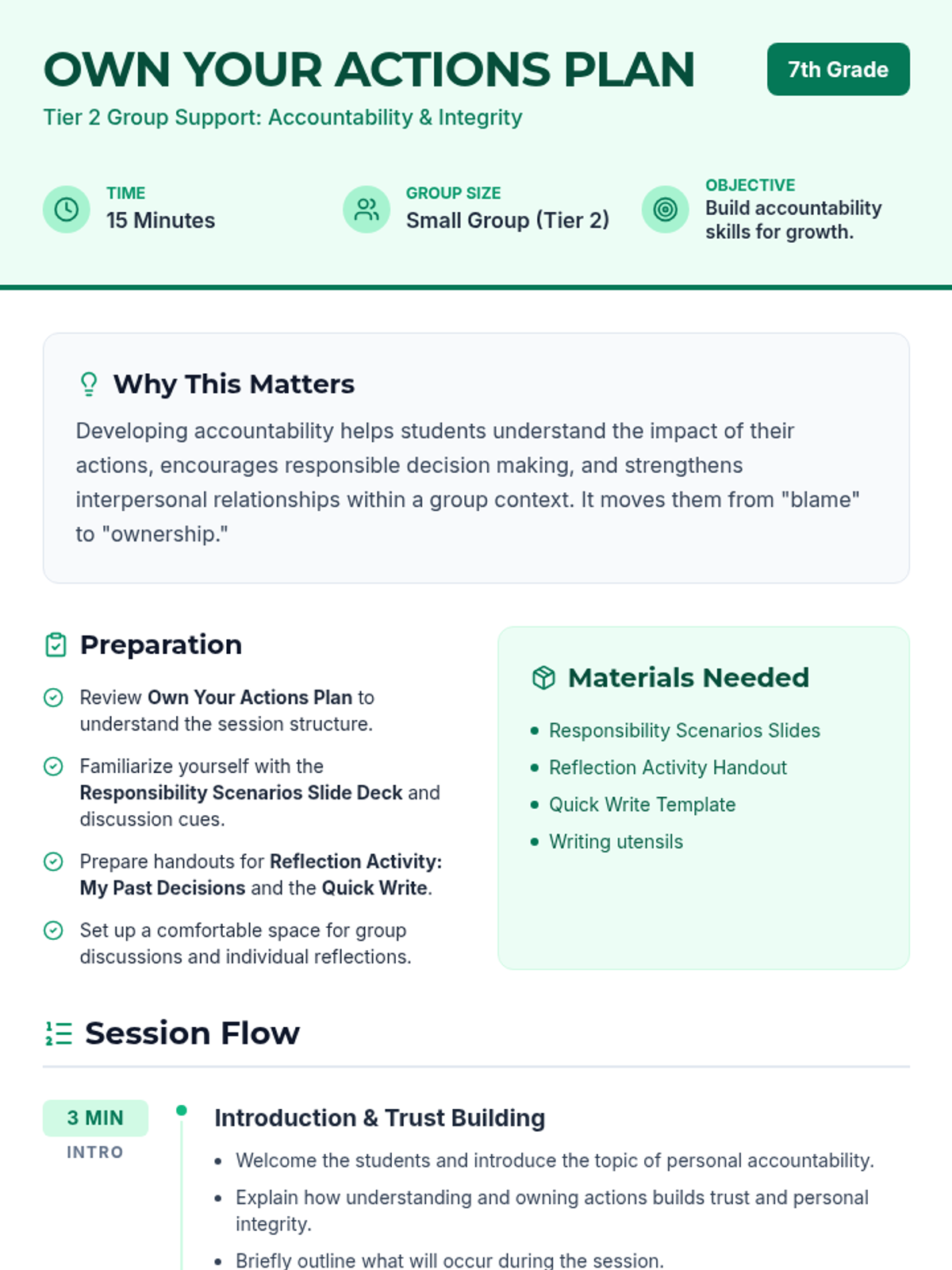
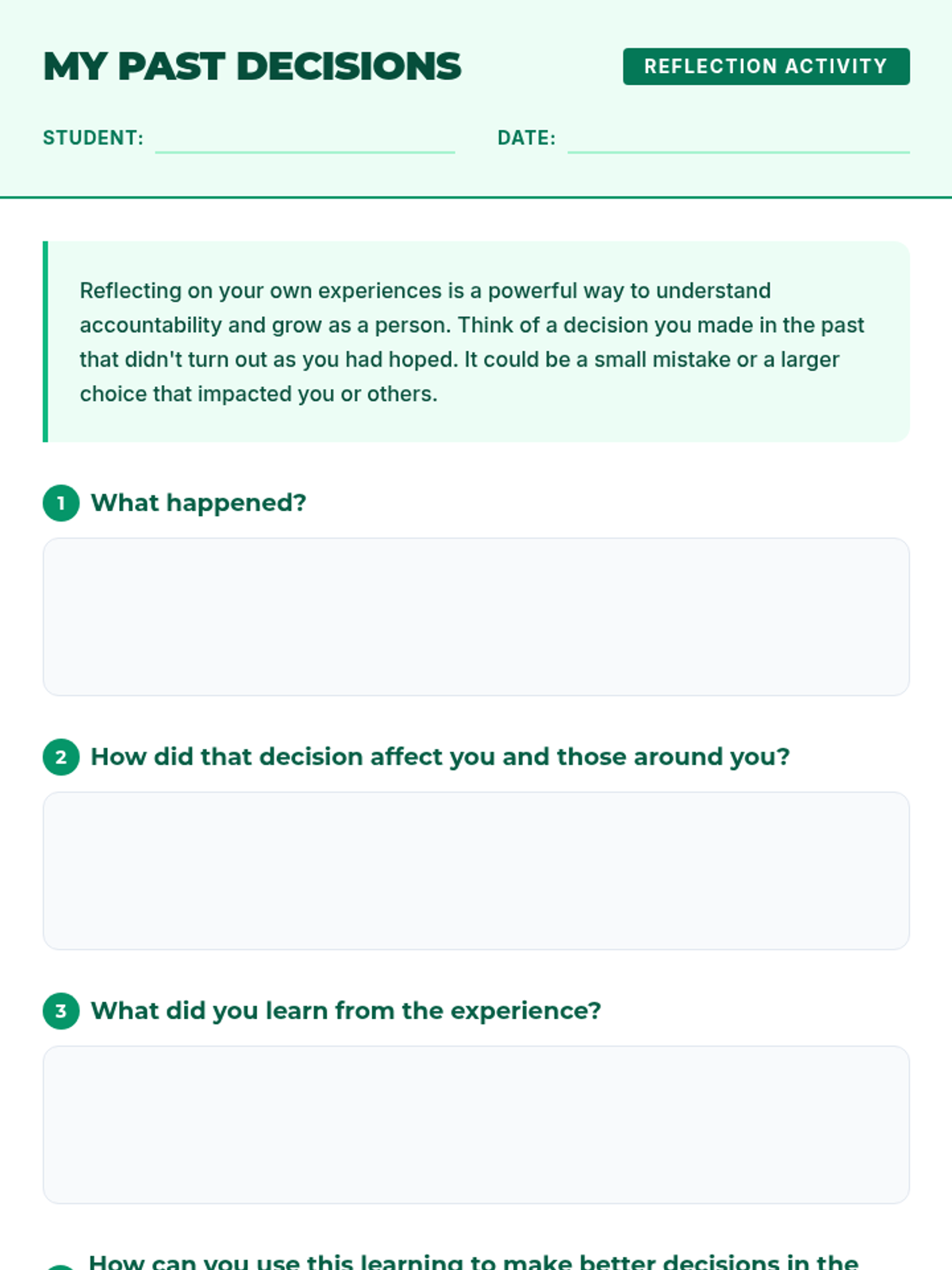
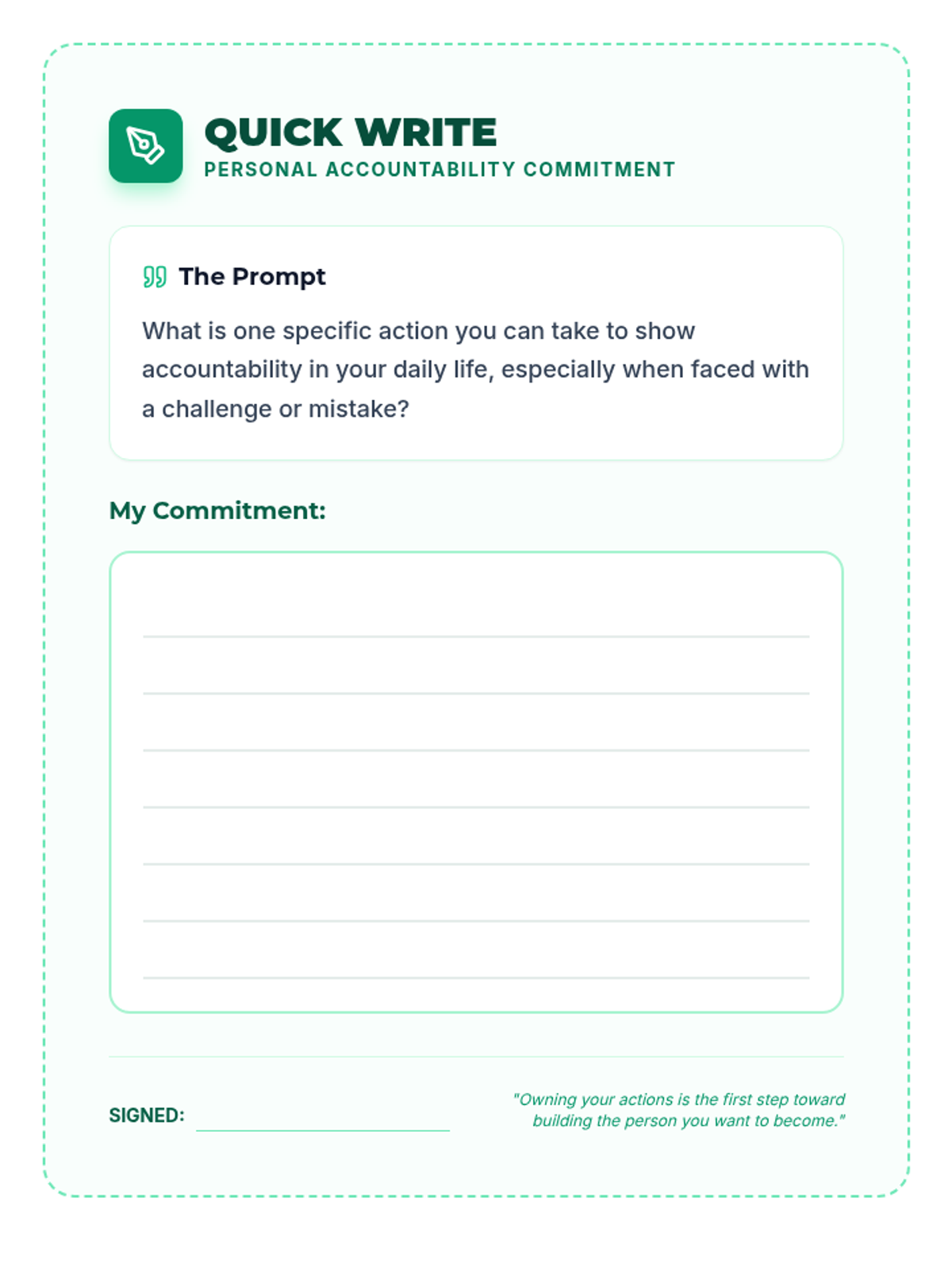
A 15-minute Tier 2 small group lesson for 7th graders focused on personal accountability, using real-life scenarios and individual reflection to build integrity and relationship skills.
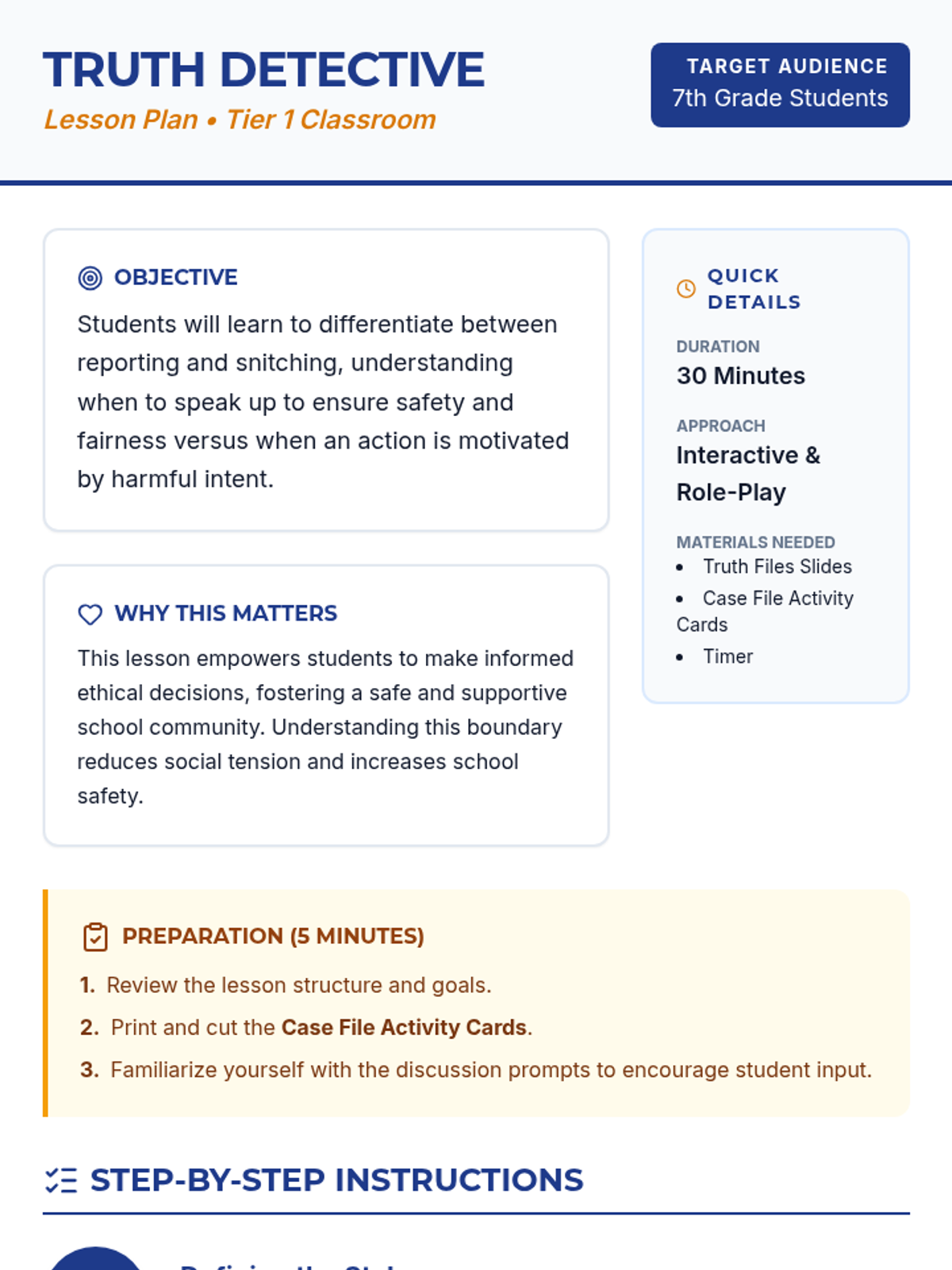
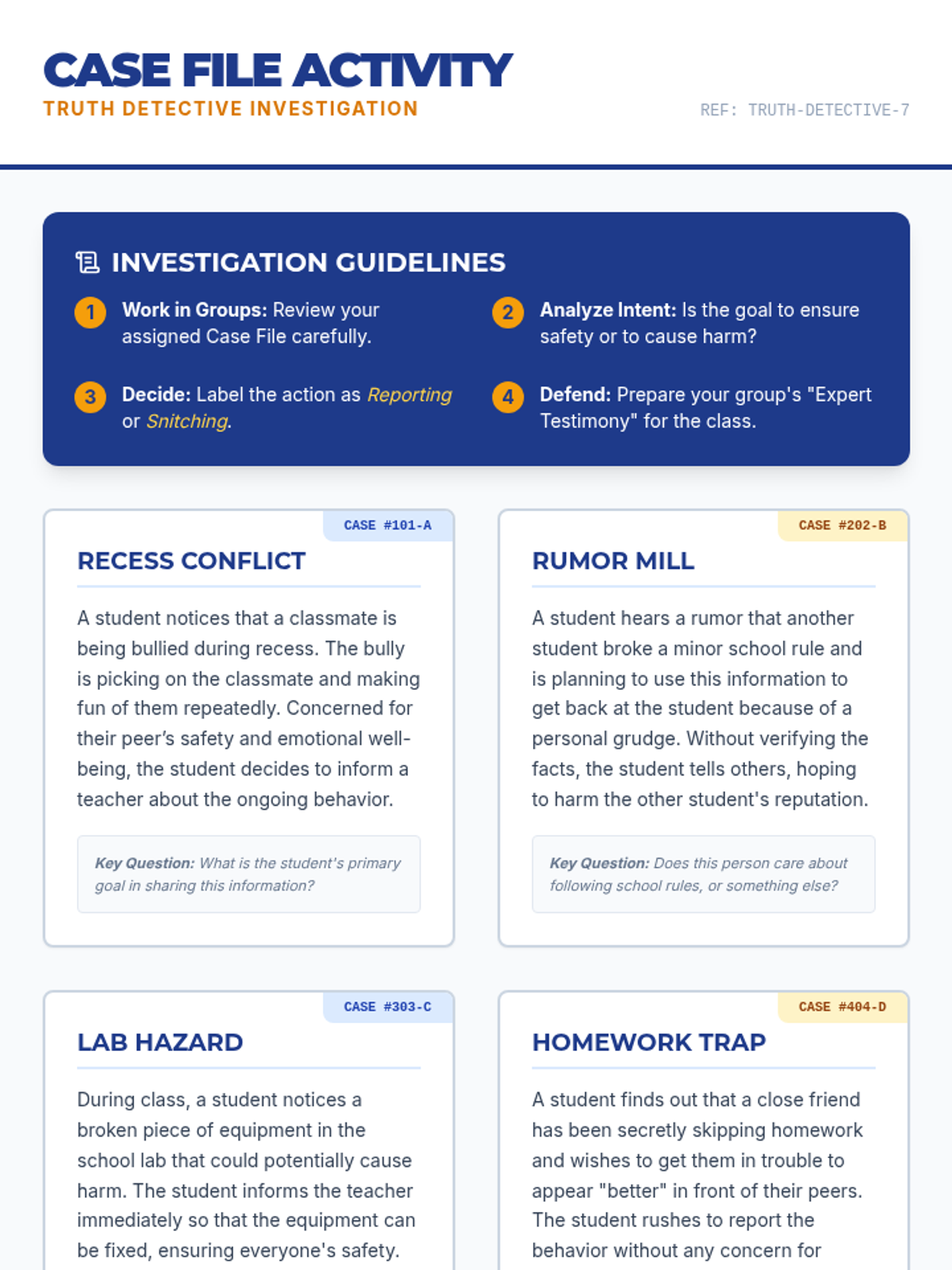
This lesson helps 7th-grade students distinguish between reporting and snitching, focusing on the ethics of safety versus betrayal. Through role-play and discussion, students build a toolkit for responsible decision-making in a school environment.
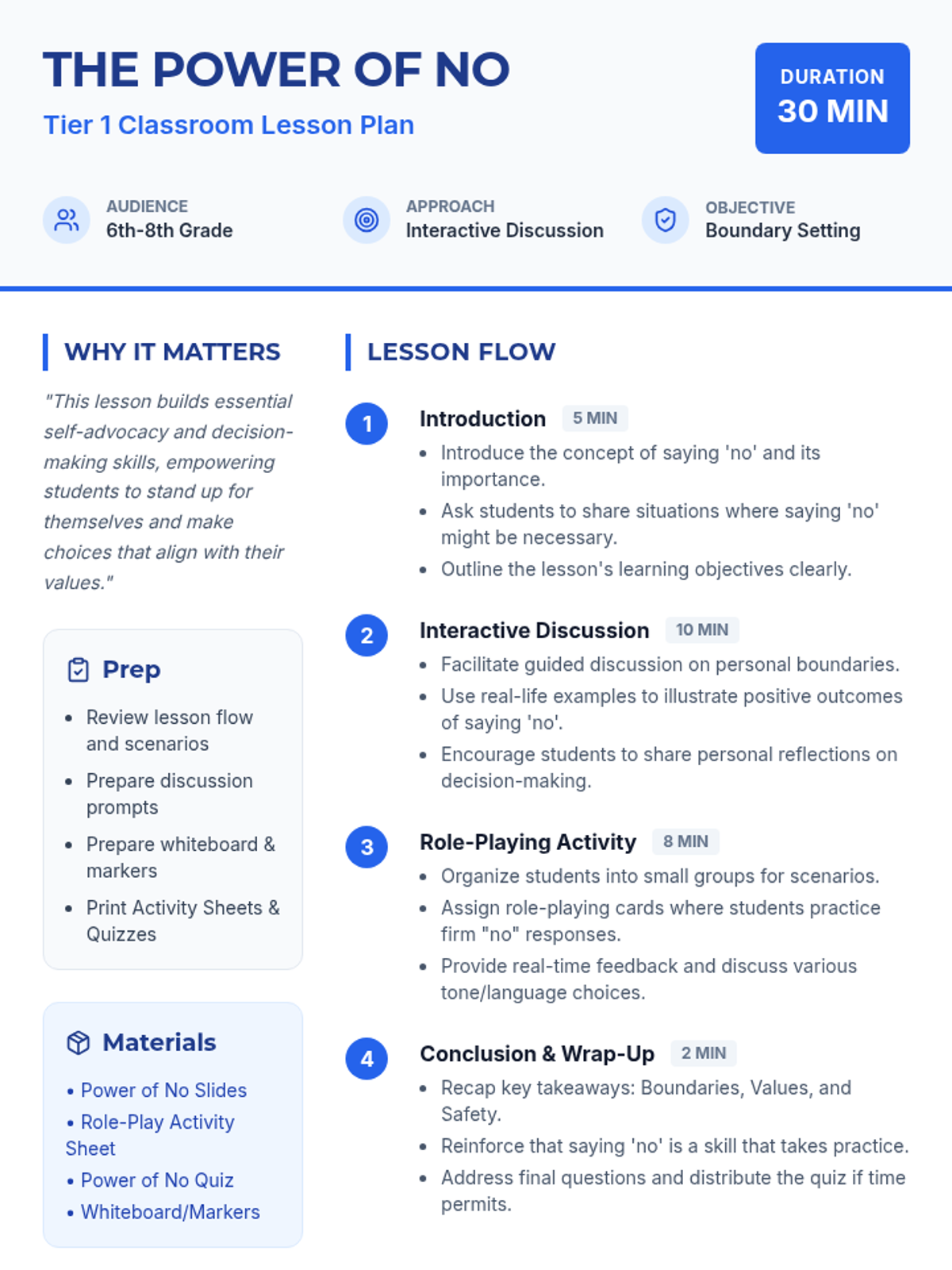
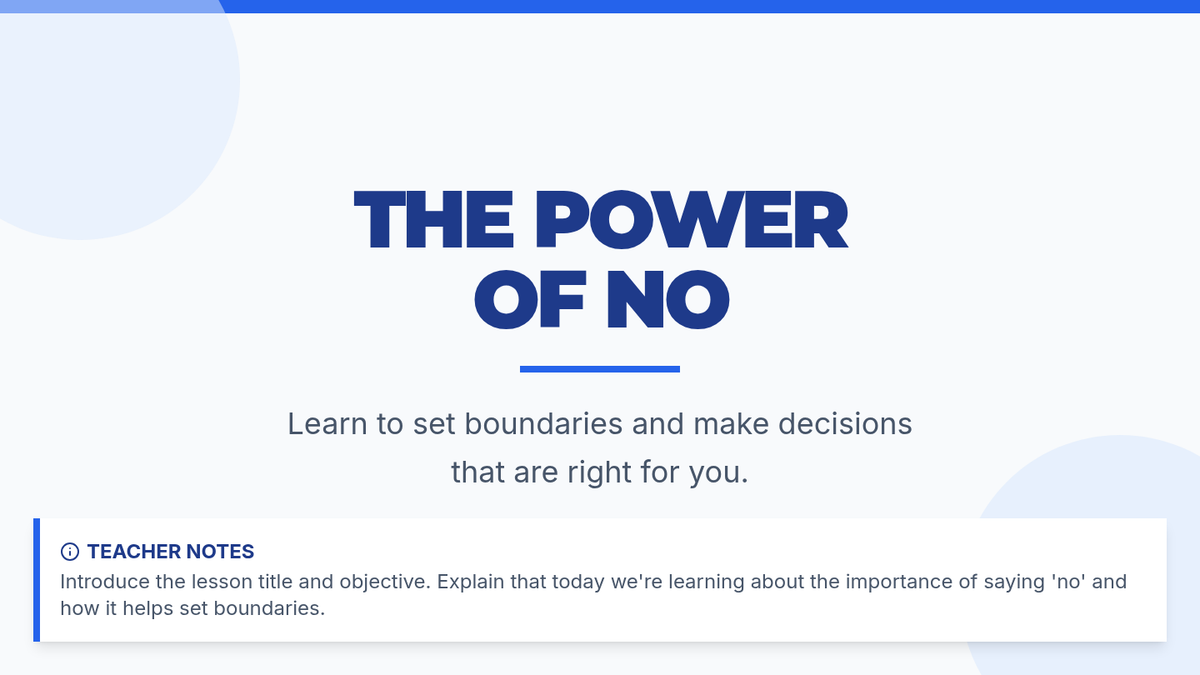
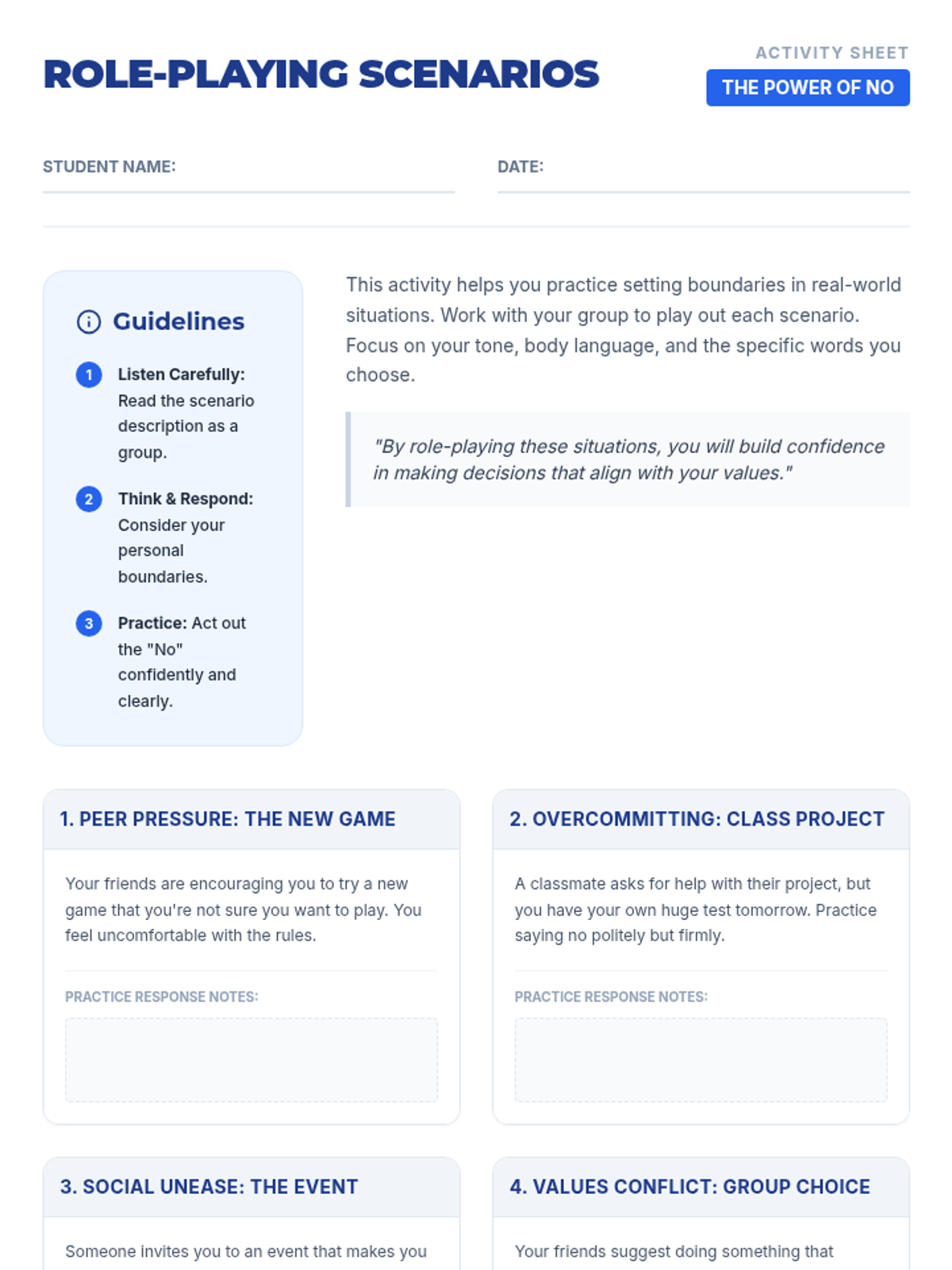
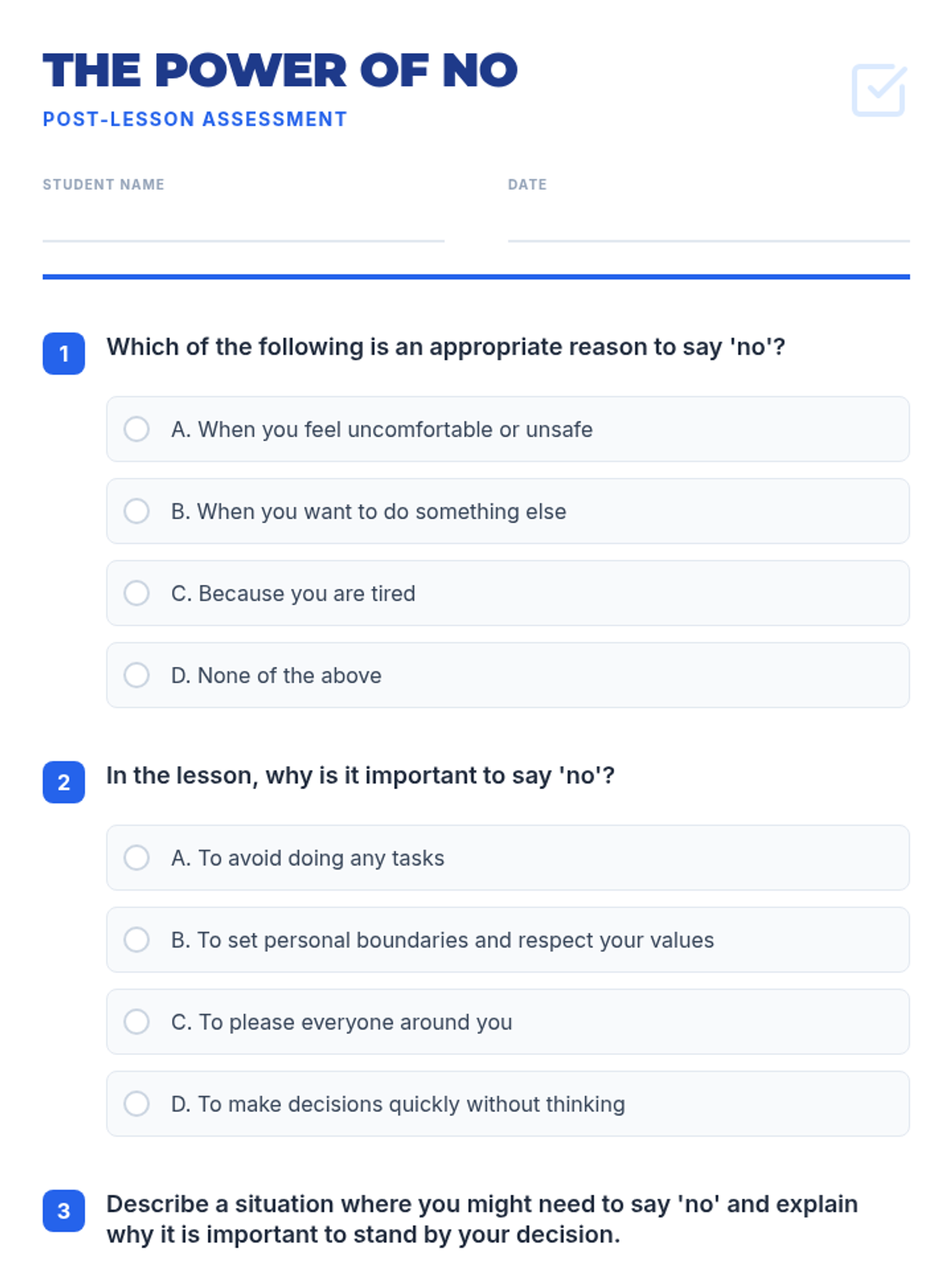
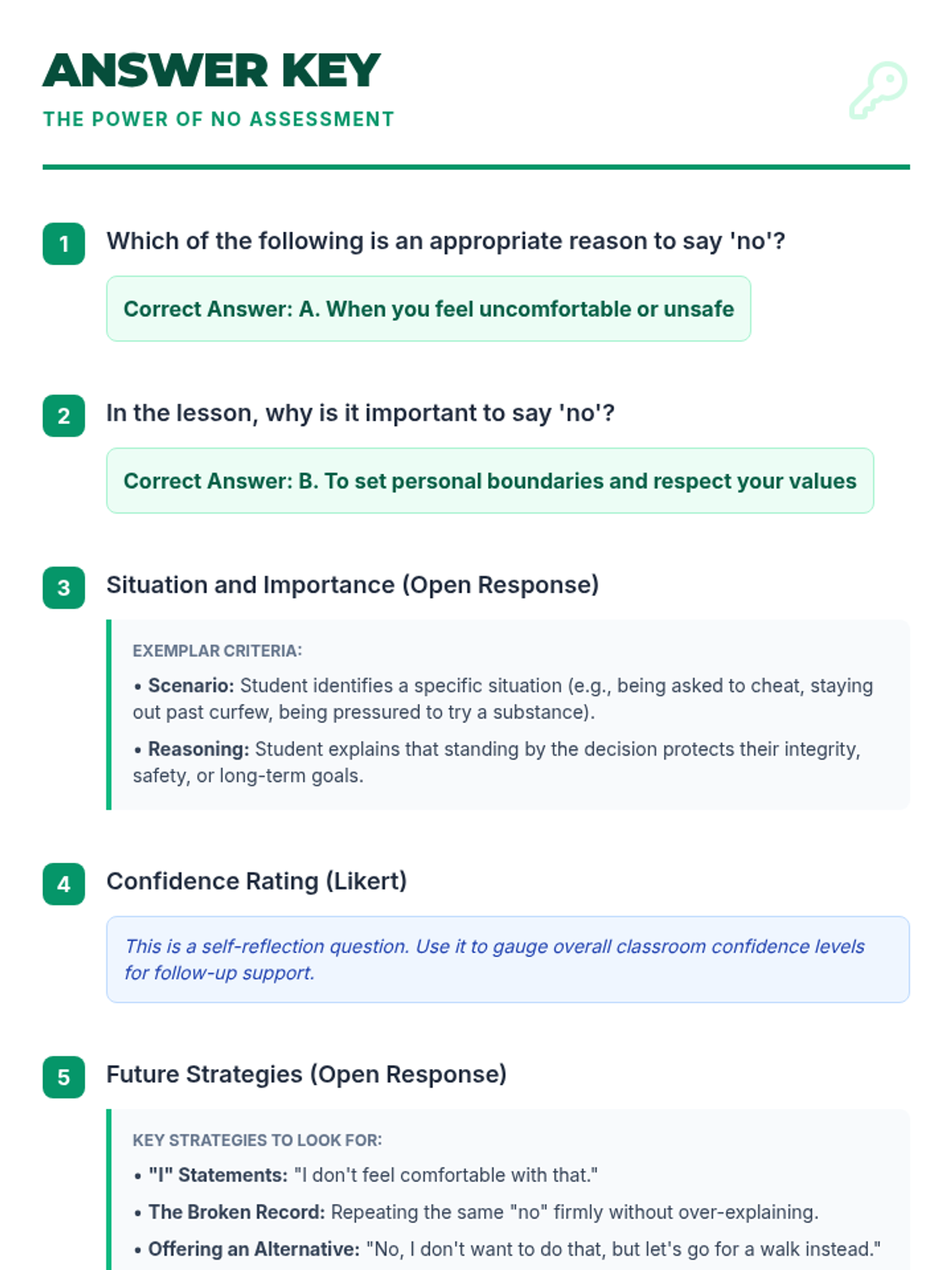
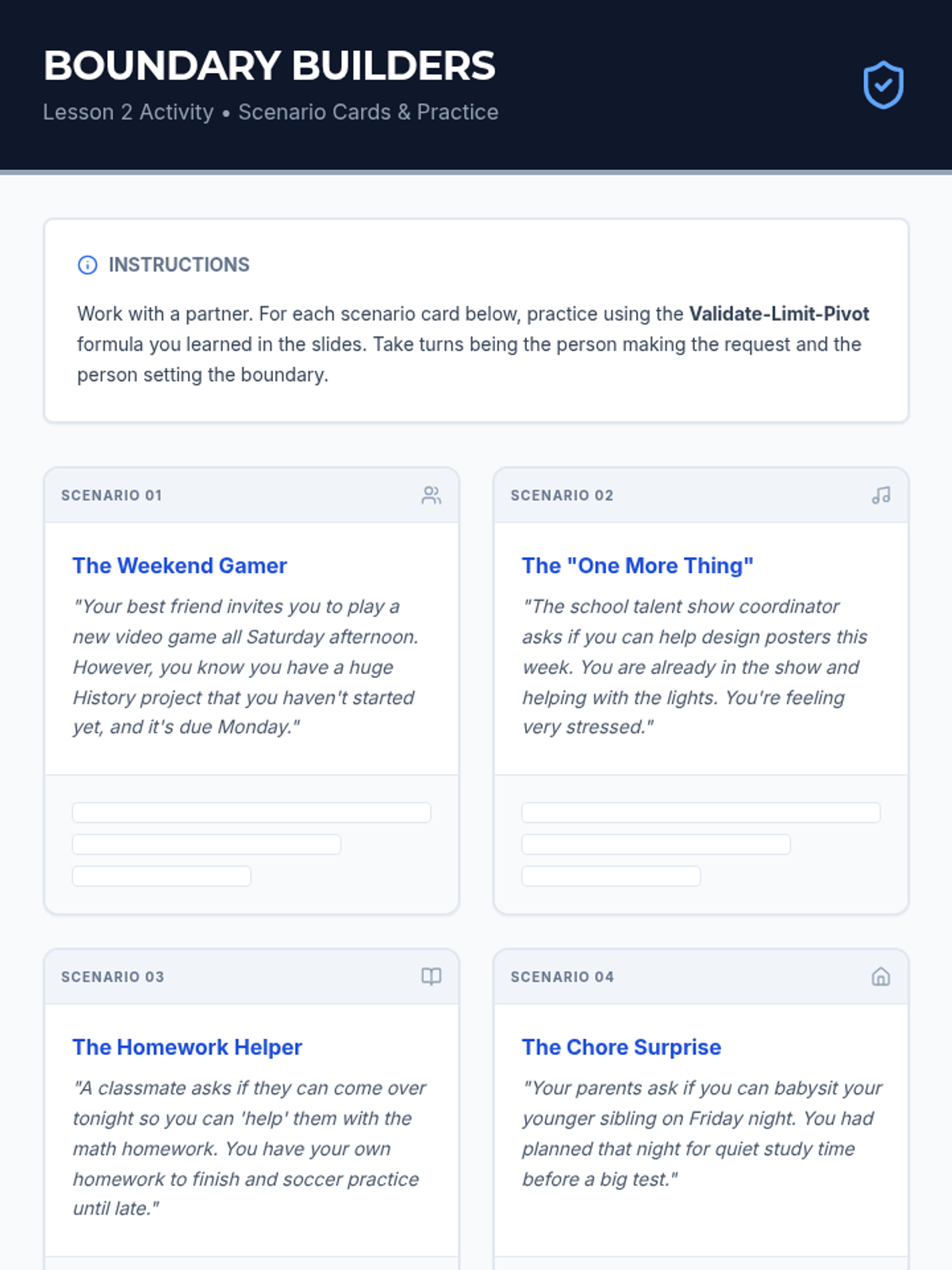
A 30-minute Tier 1 lesson for 6th-grade students focused on building confidence in setting boundaries and saying 'no' to align with personal values.
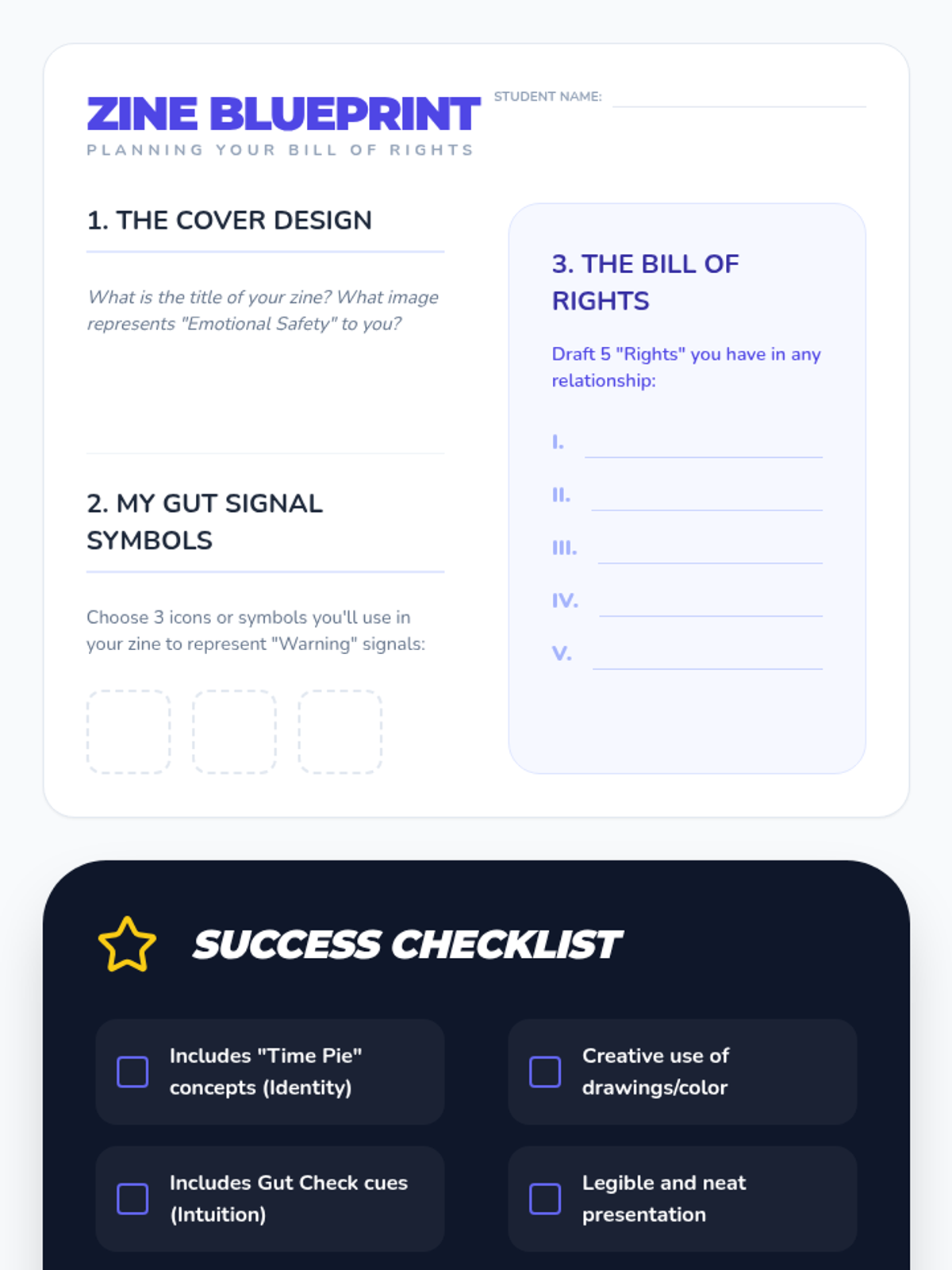
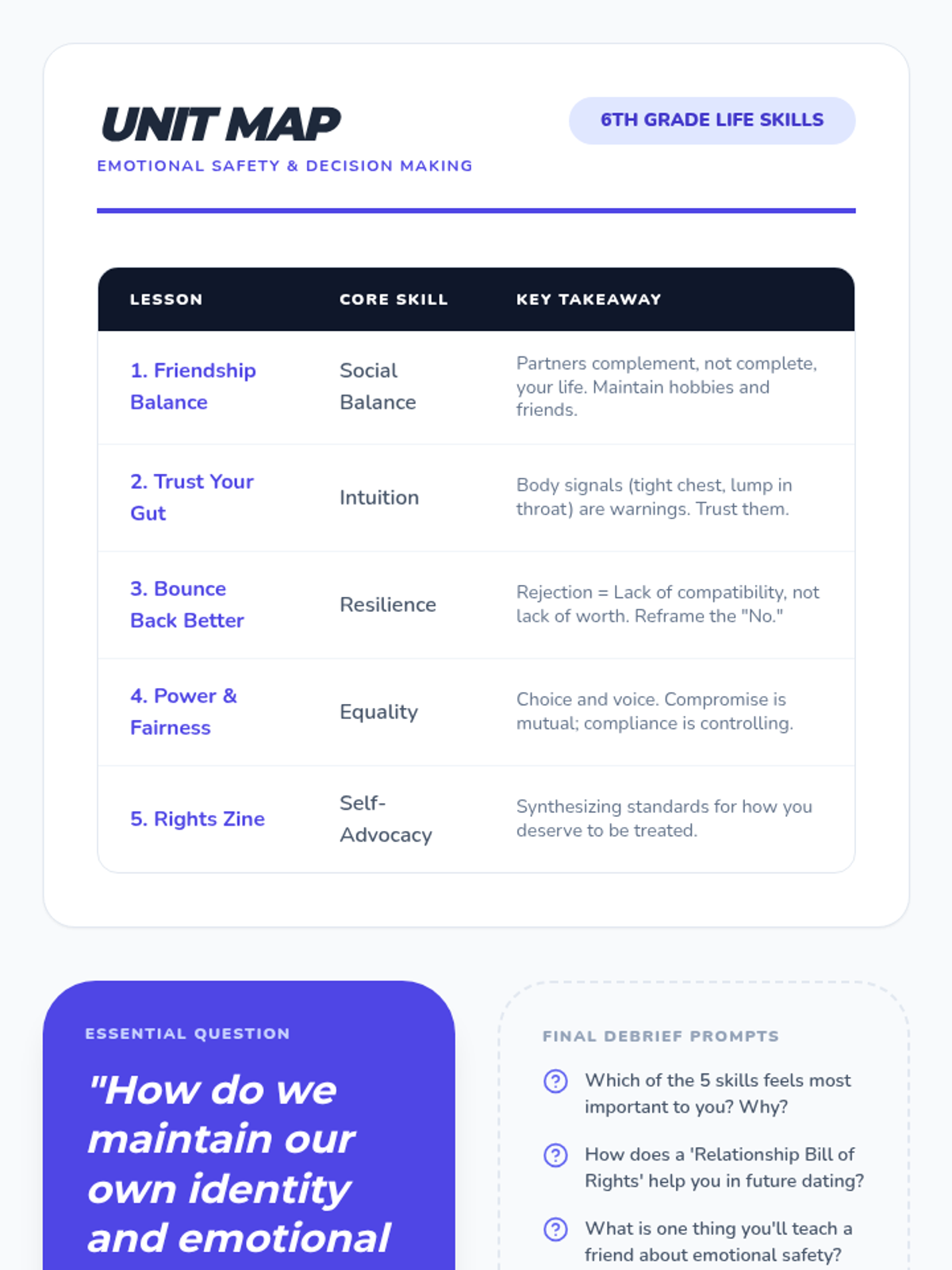
A cumulative project where students synthesize their learning into a personal Zine outlining their standards for emotional safety and relationship rights.
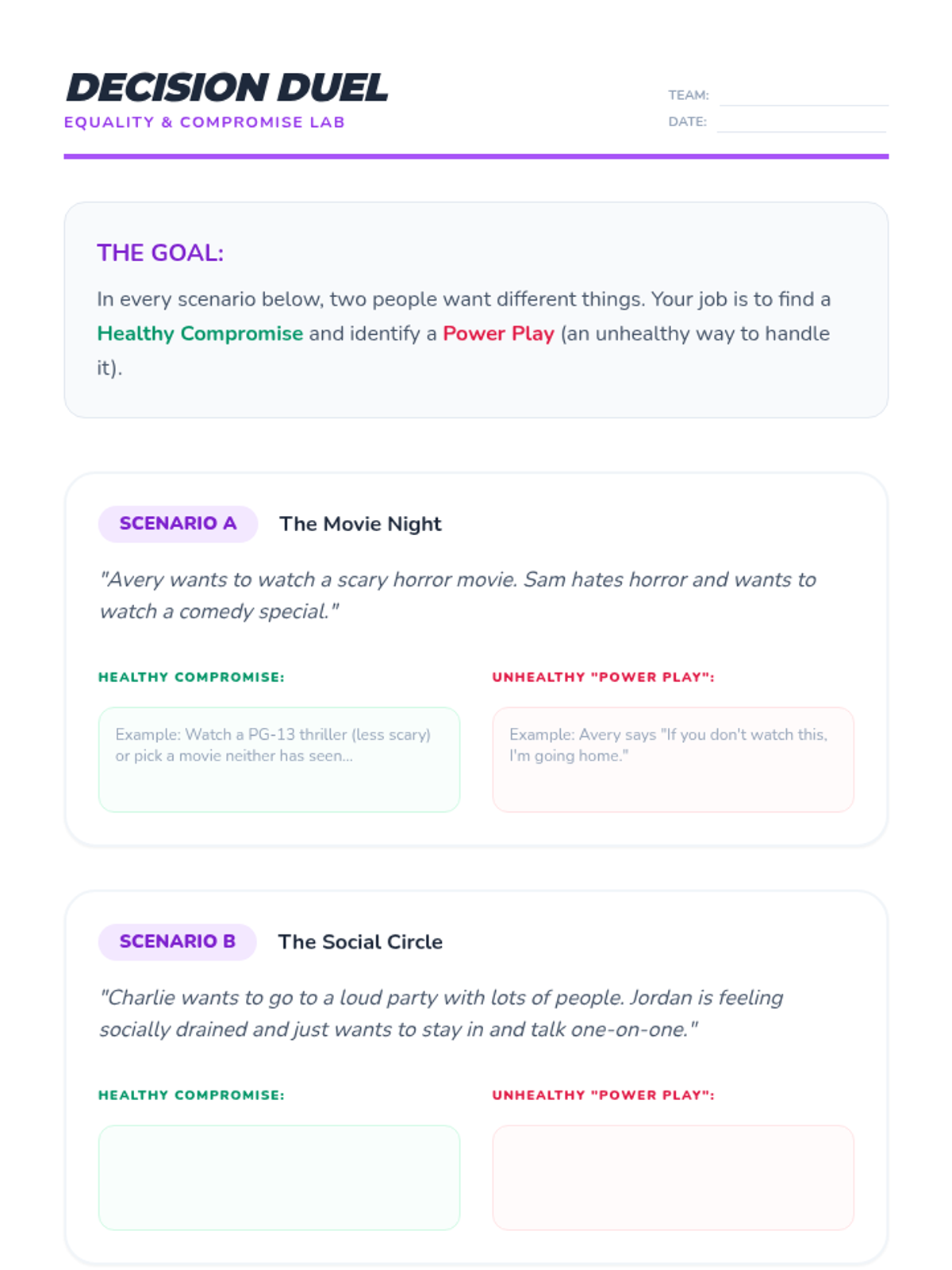
An investigation into power dynamics and equality in decision-making. Students identify healthy compromise and recognize subtle signs of control in relationships.
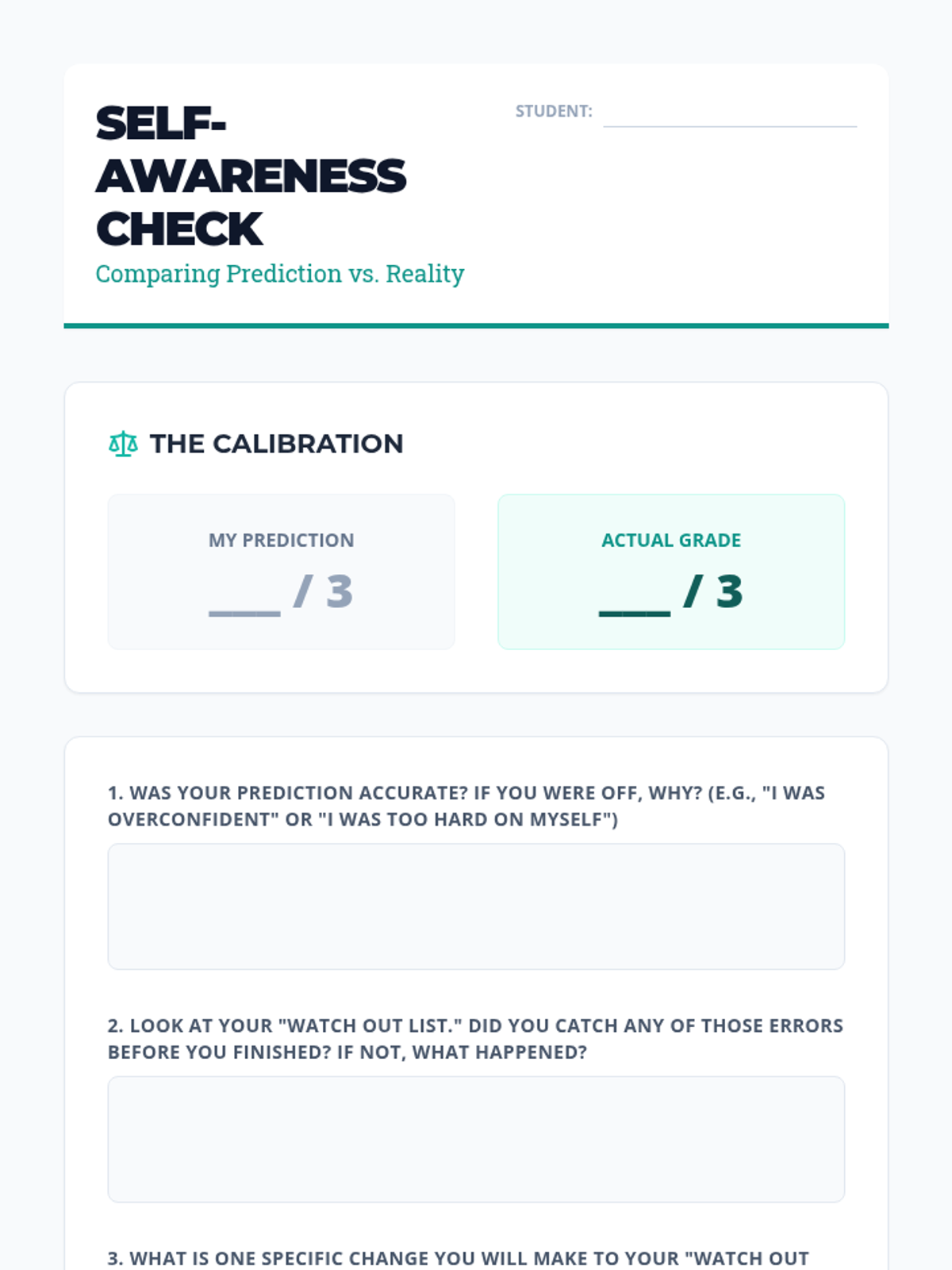
Students take a short assessment and immediately apply their error analysis protocol. They verify if their 'Watch Out' list helped them avoid previous habitual mistakes.
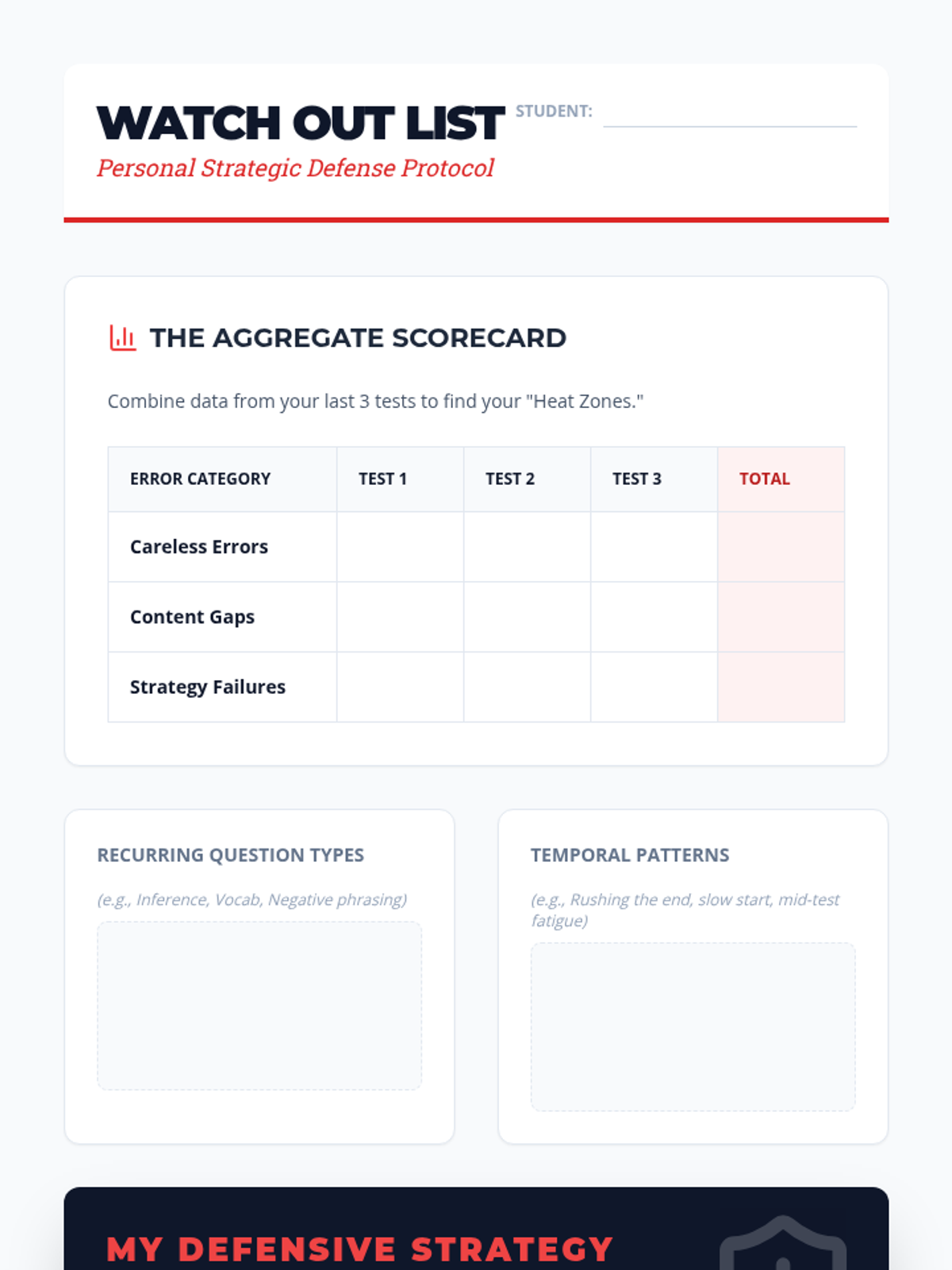
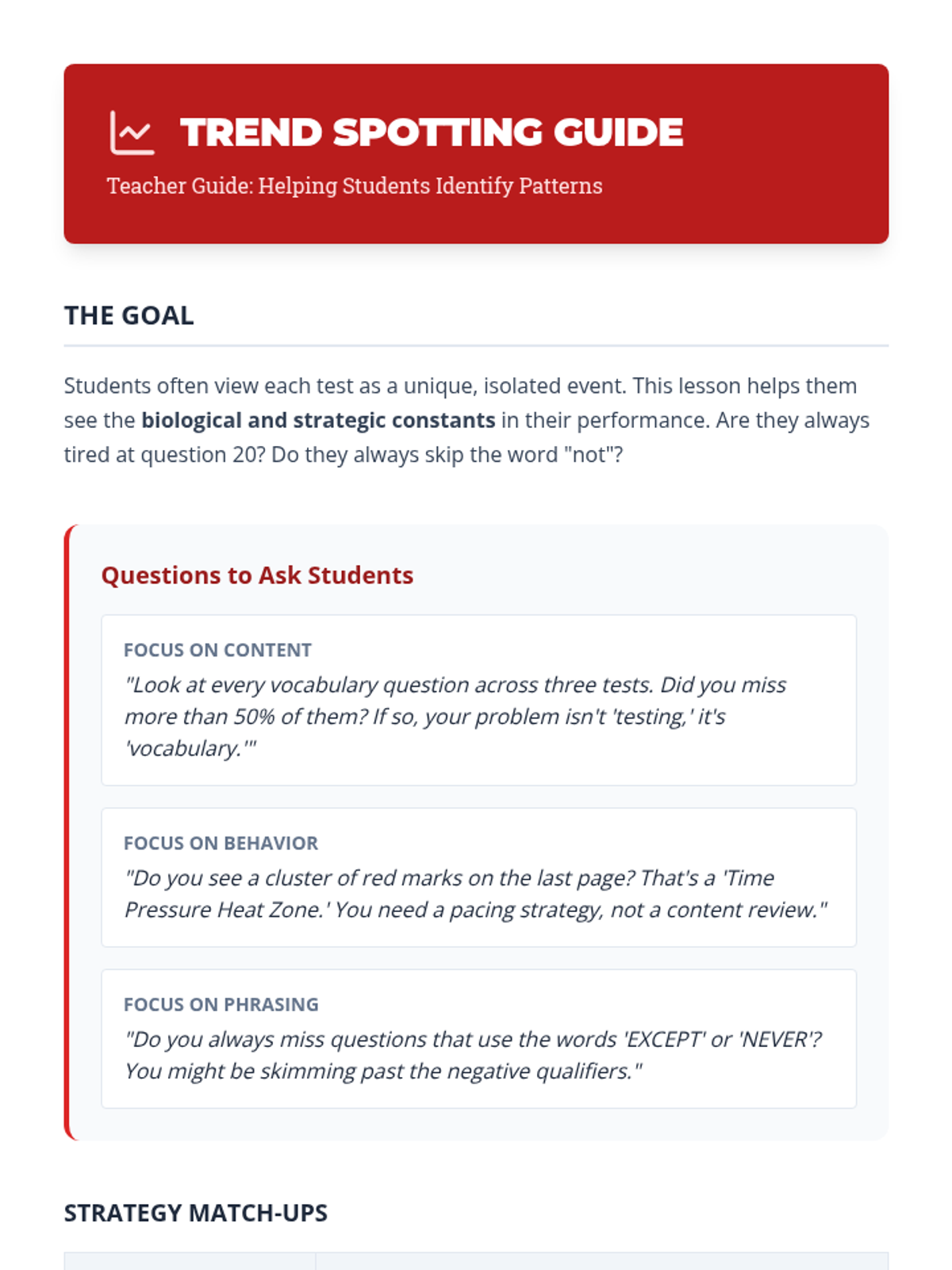
Students aggregate their error data to find personal patterns (e.g., 'I always miss inference questions' or 'I rush the last 5 minutes'). They create a personal 'Watch Out' list for future exams.
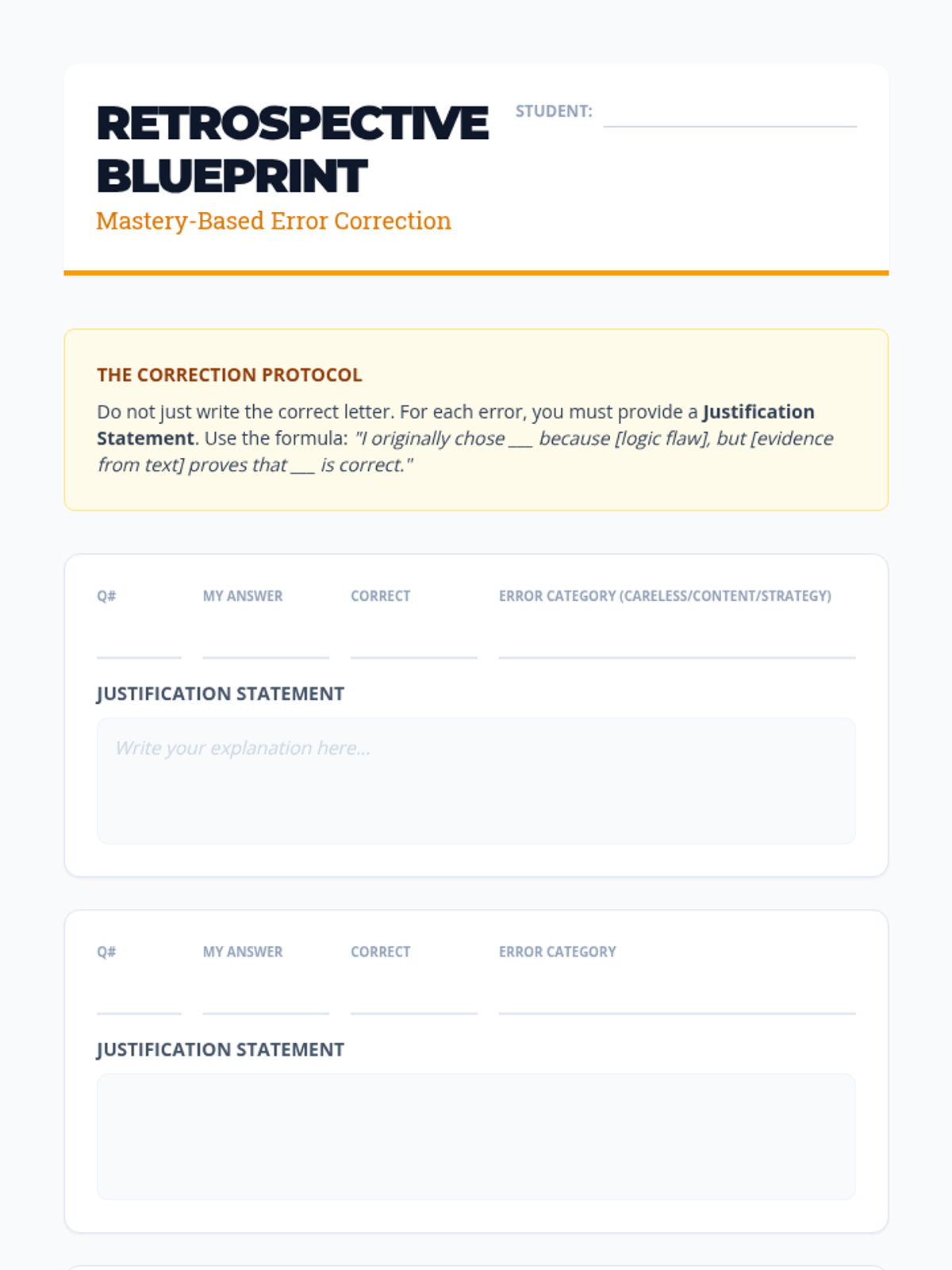
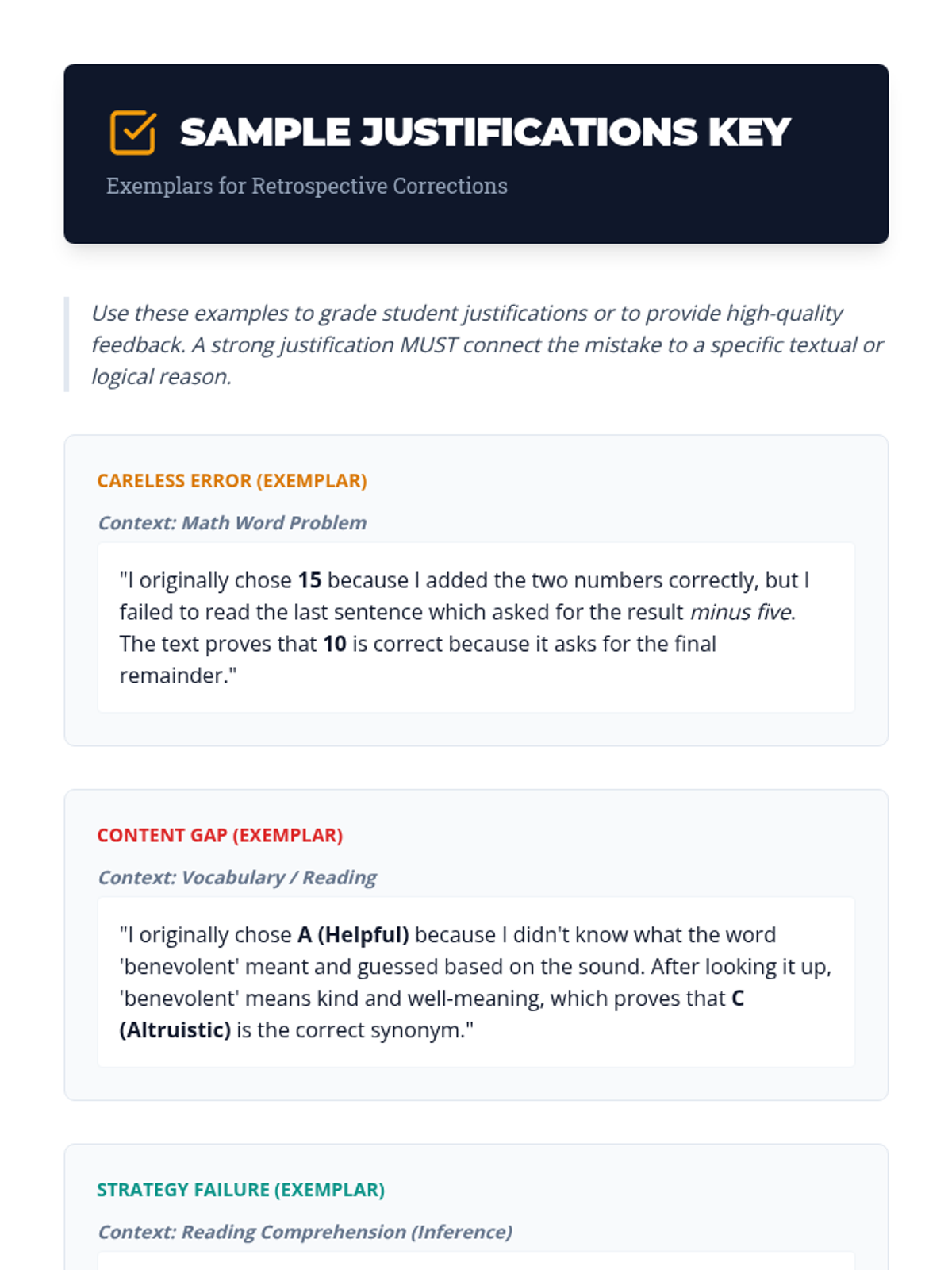
Instead of just marking correct answers, students must write a sentence explaining *why* their original answer was wrong and *why* the new answer is right. This ensures deep processing of the error.
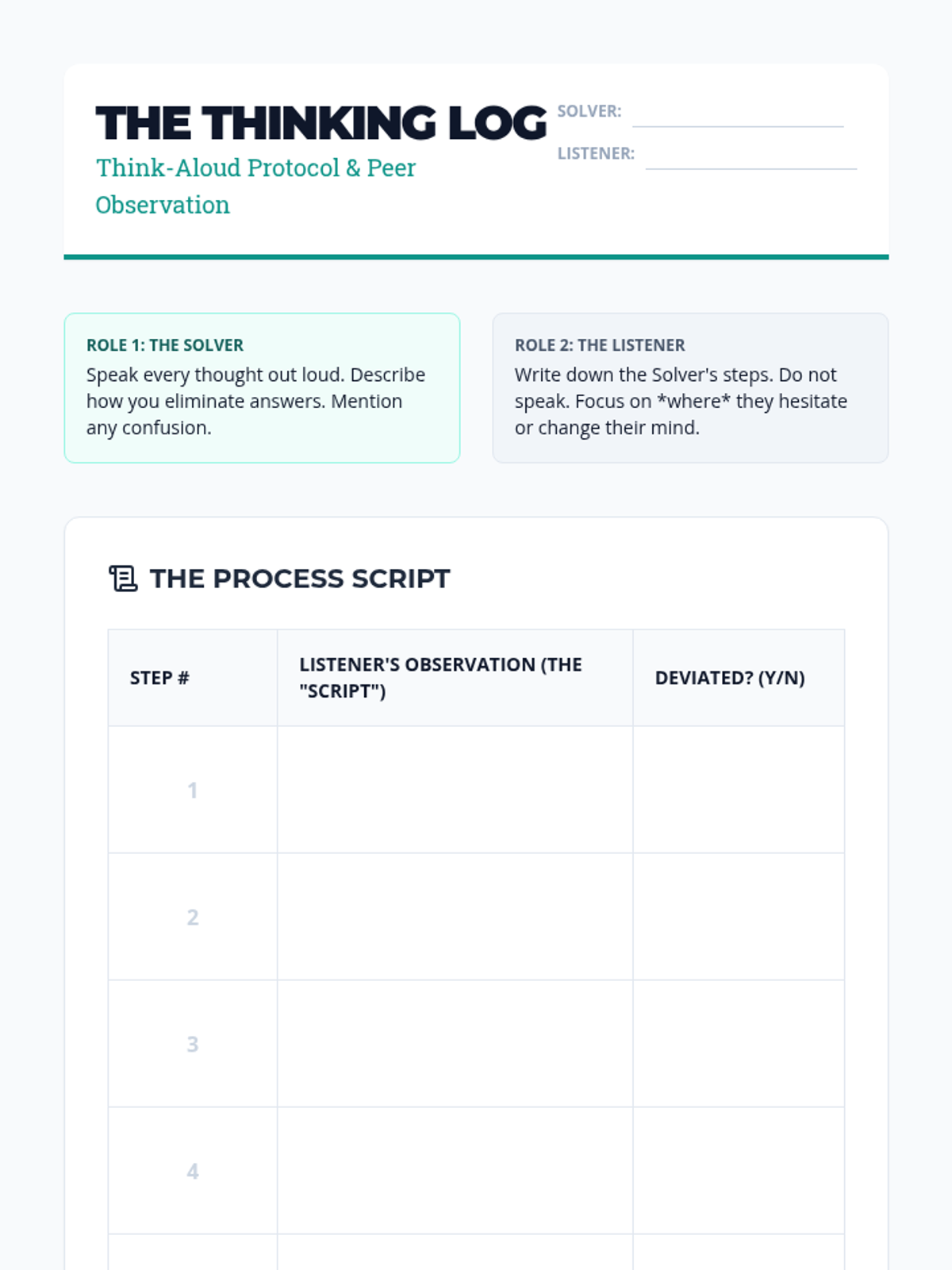
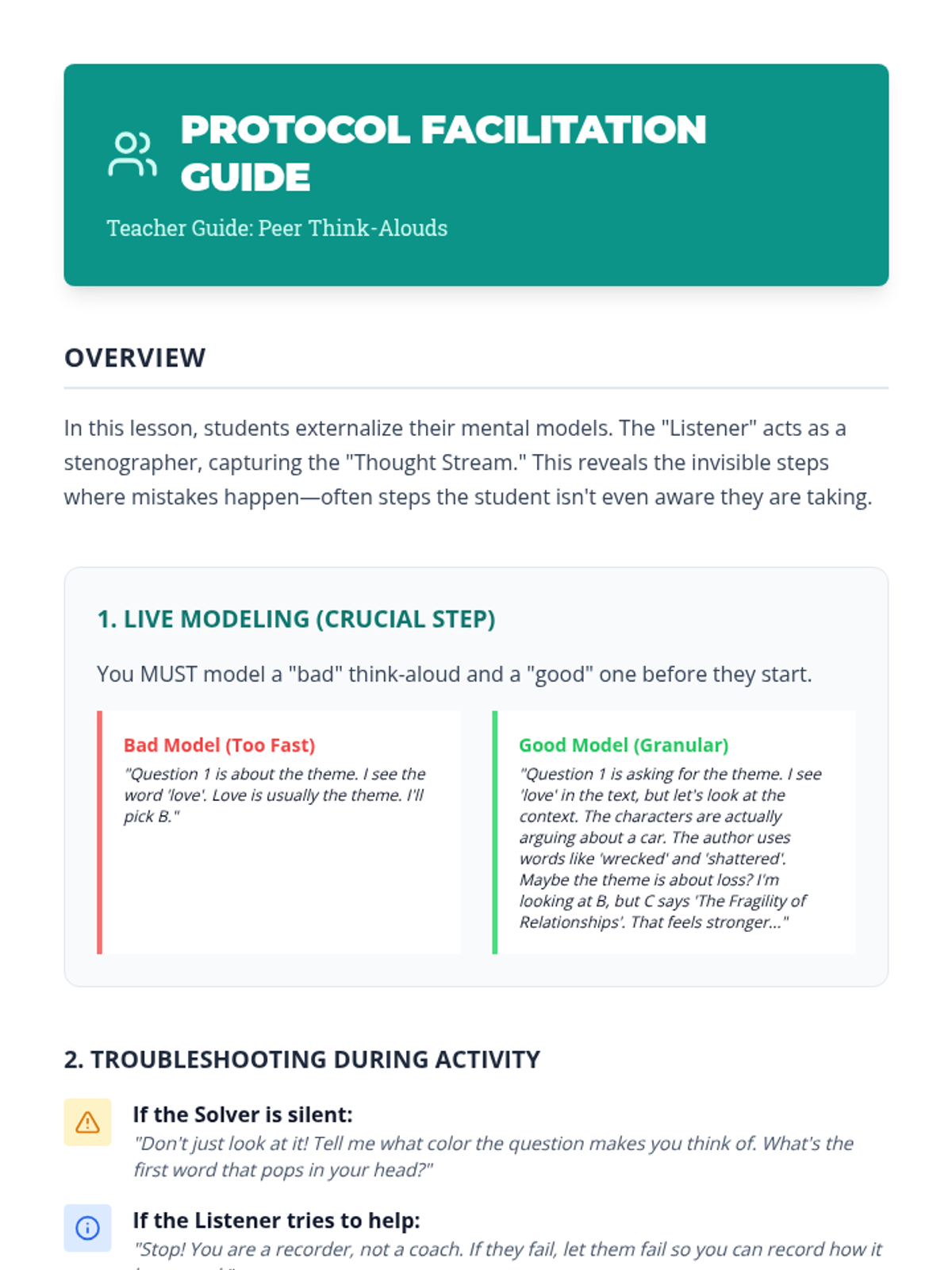
Working in pairs, students vocalize their thinking process while solving a problem while a partner records their steps. They analyze these recordings to identify where their logic deviated from the correct path.
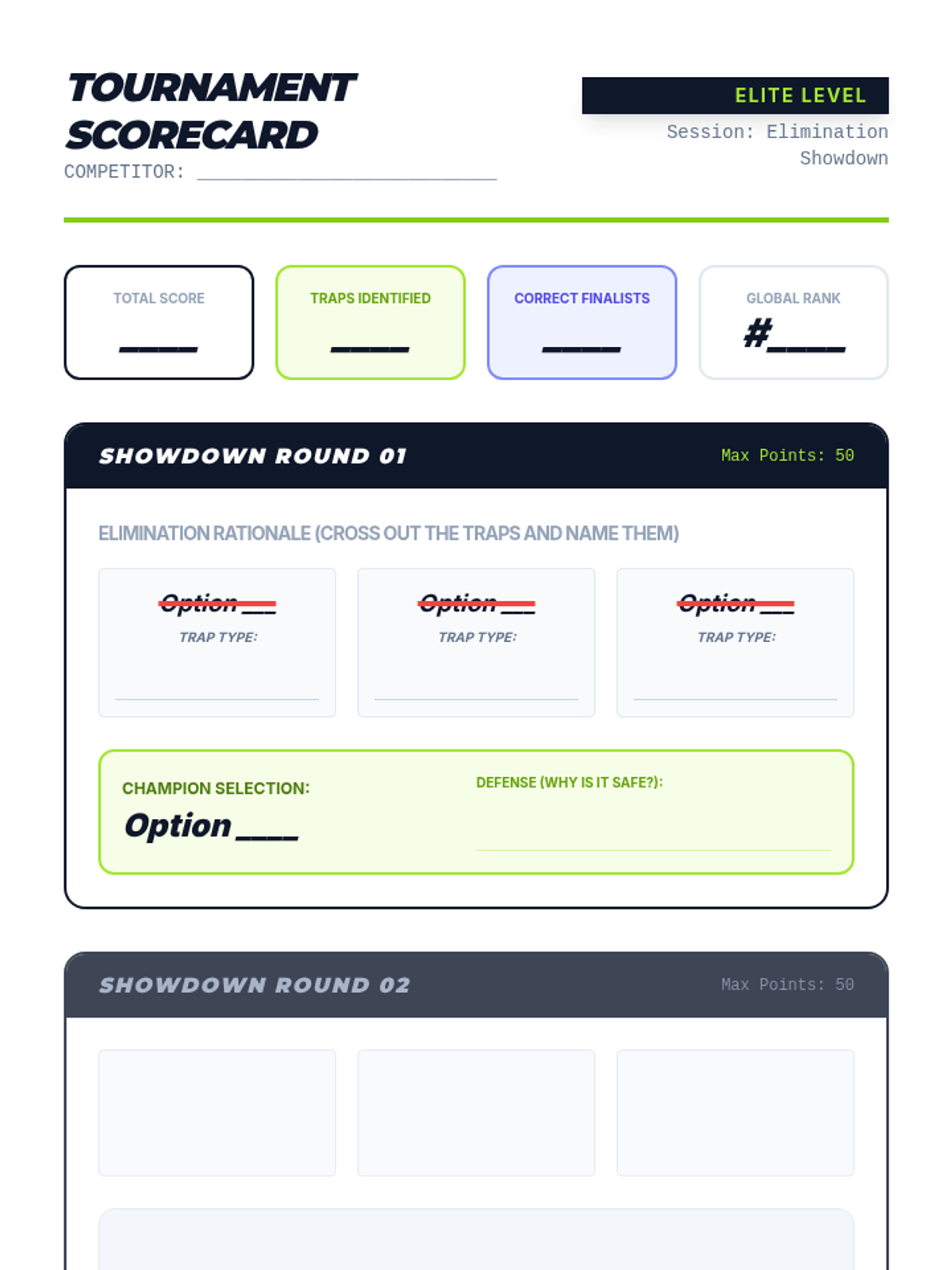
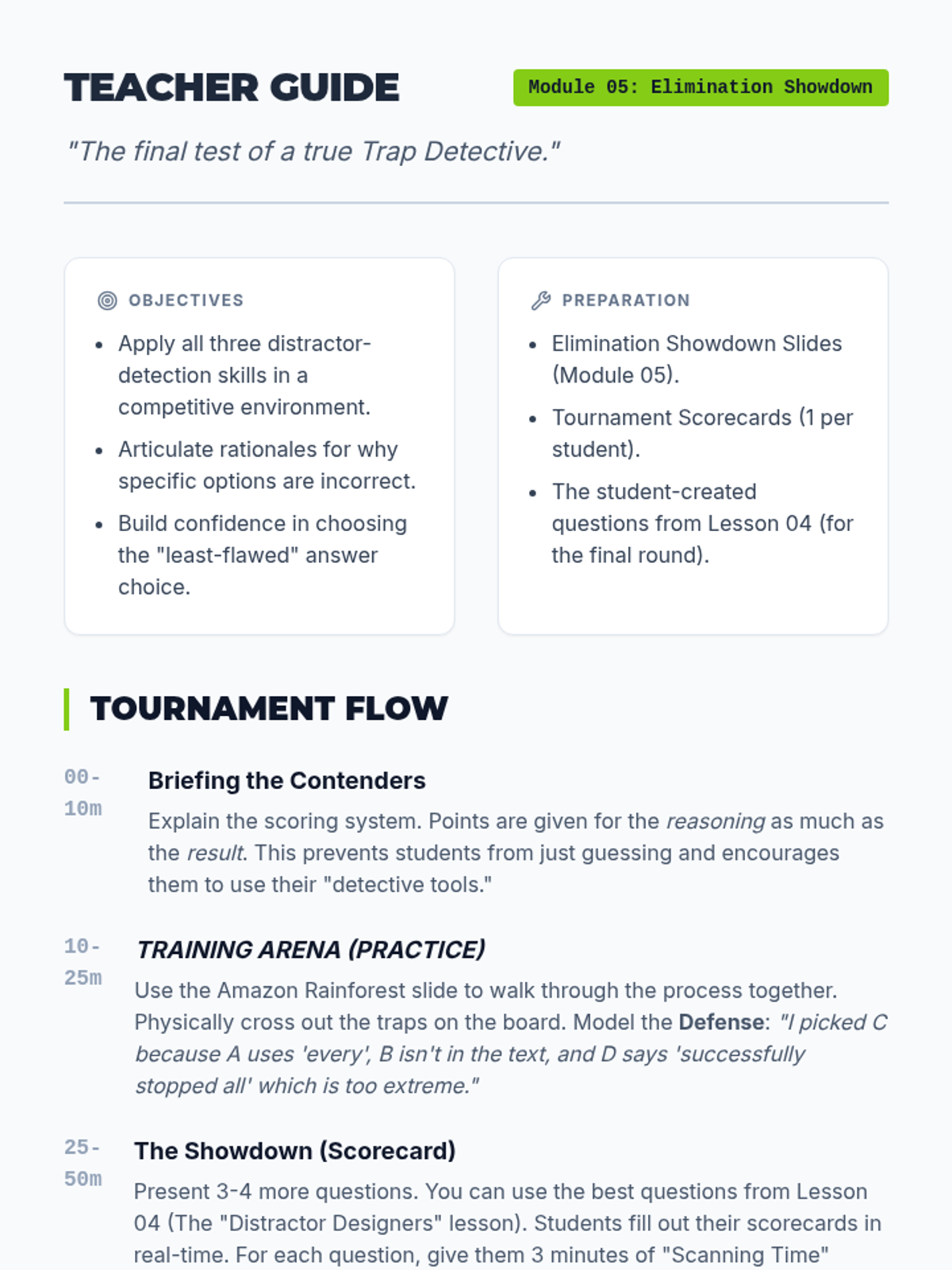
A competitive review tournament where students physically eliminate distractors with a rationale. Points are awarded for identifying specific trap types before selecting the correct answer.
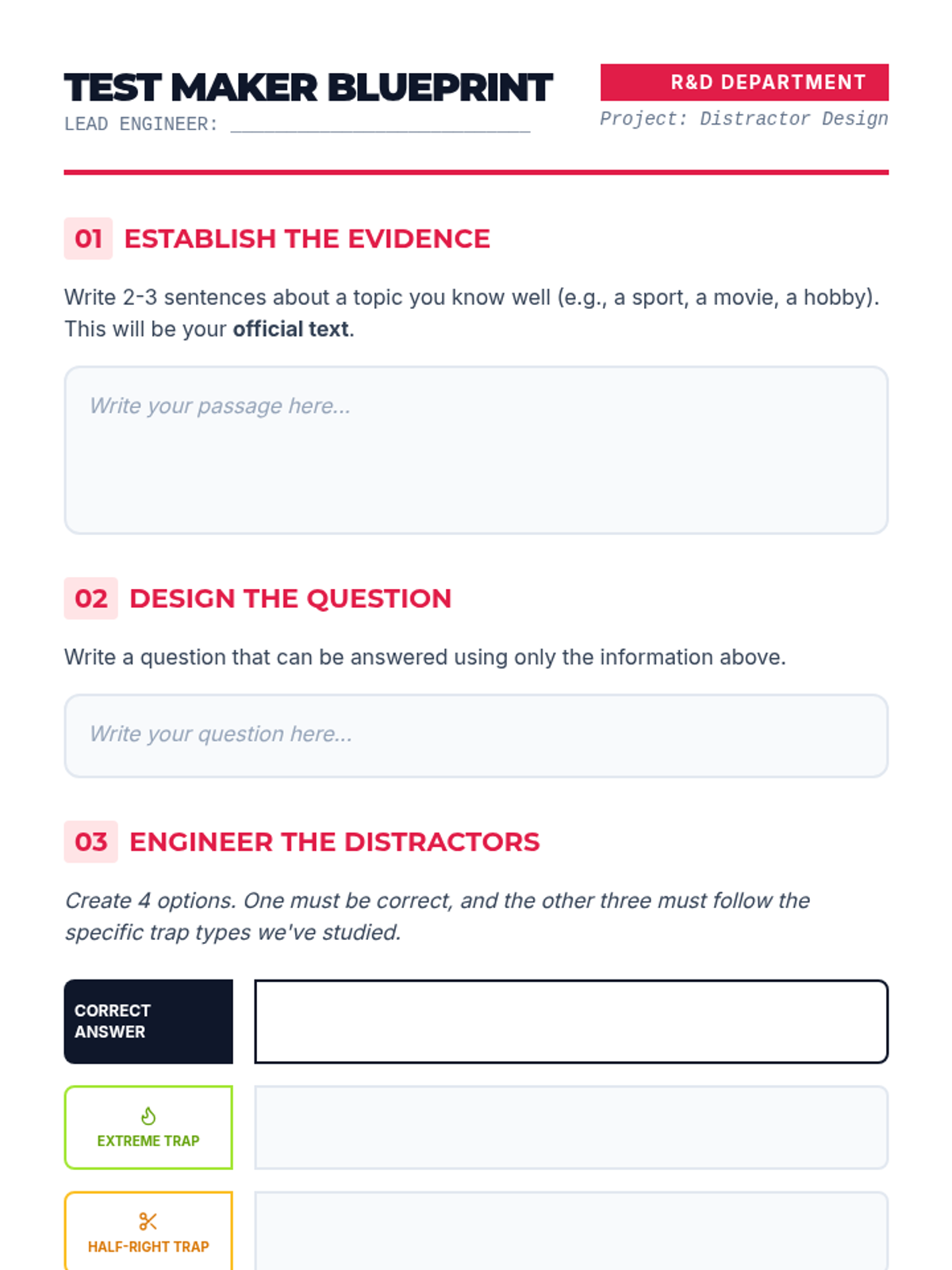
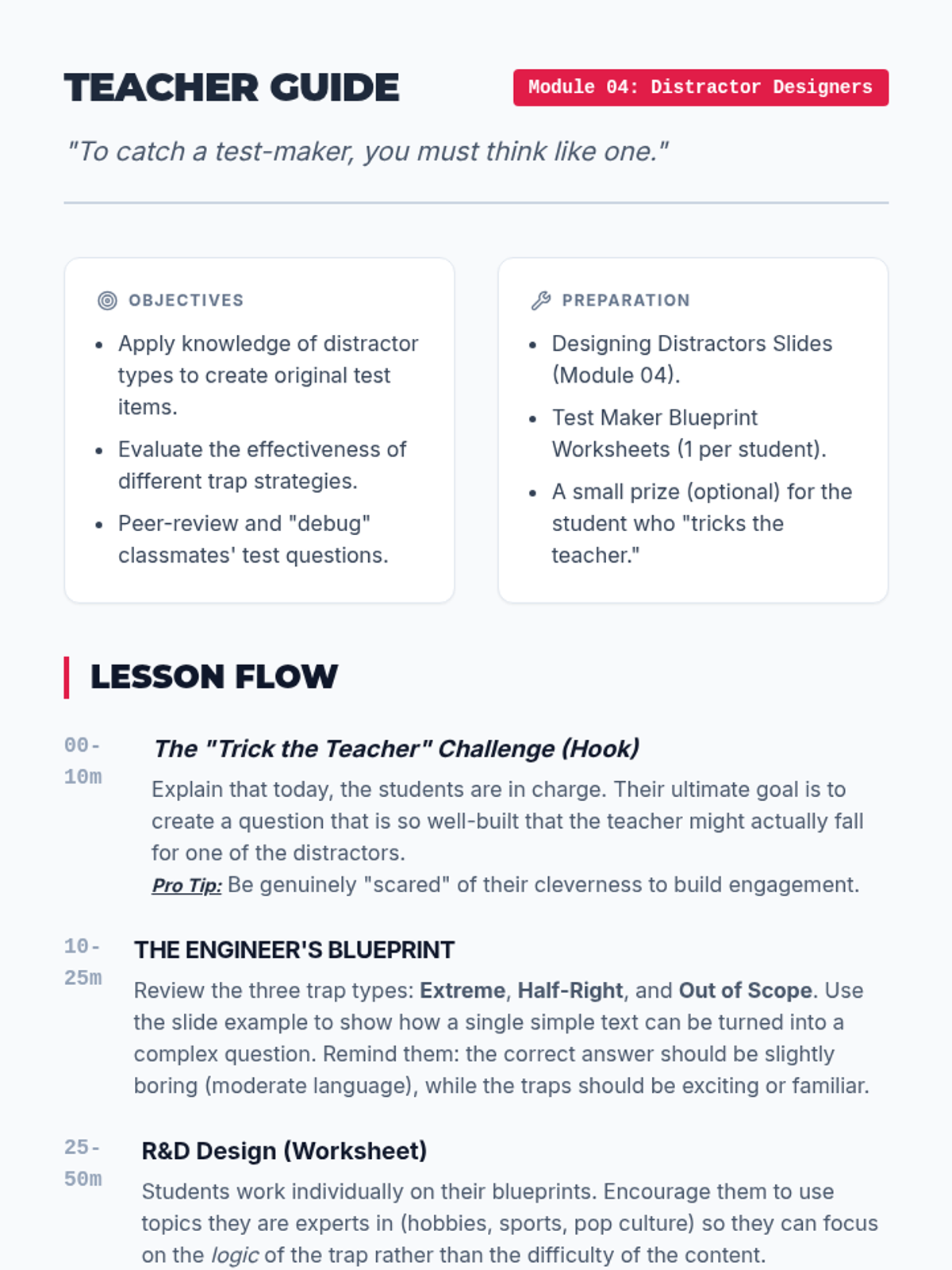
Students become test-makers by writing their own multiple-choice questions with deliberate traps. This role-reversal helps them internalize the logic behind distractor construction.
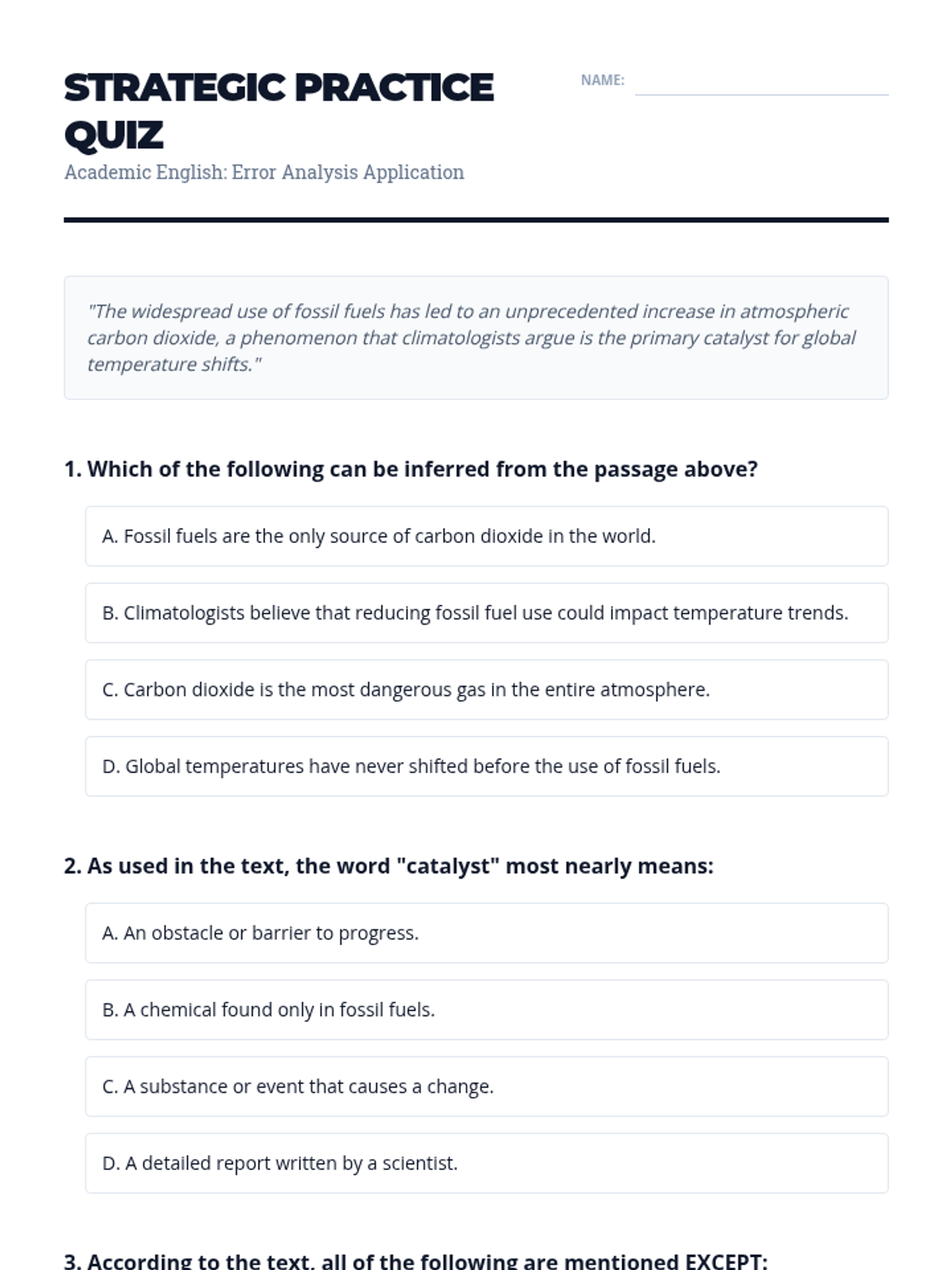
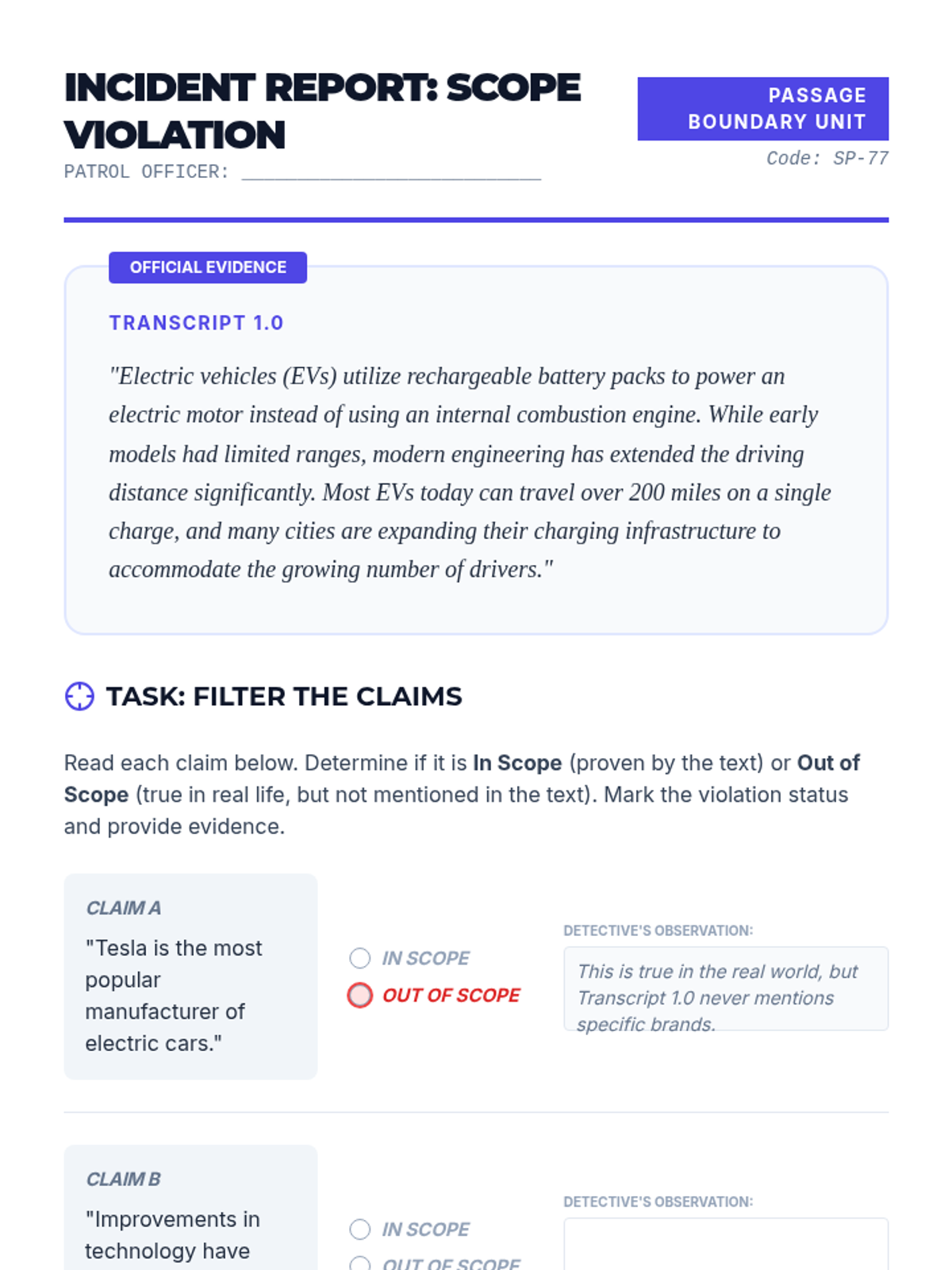
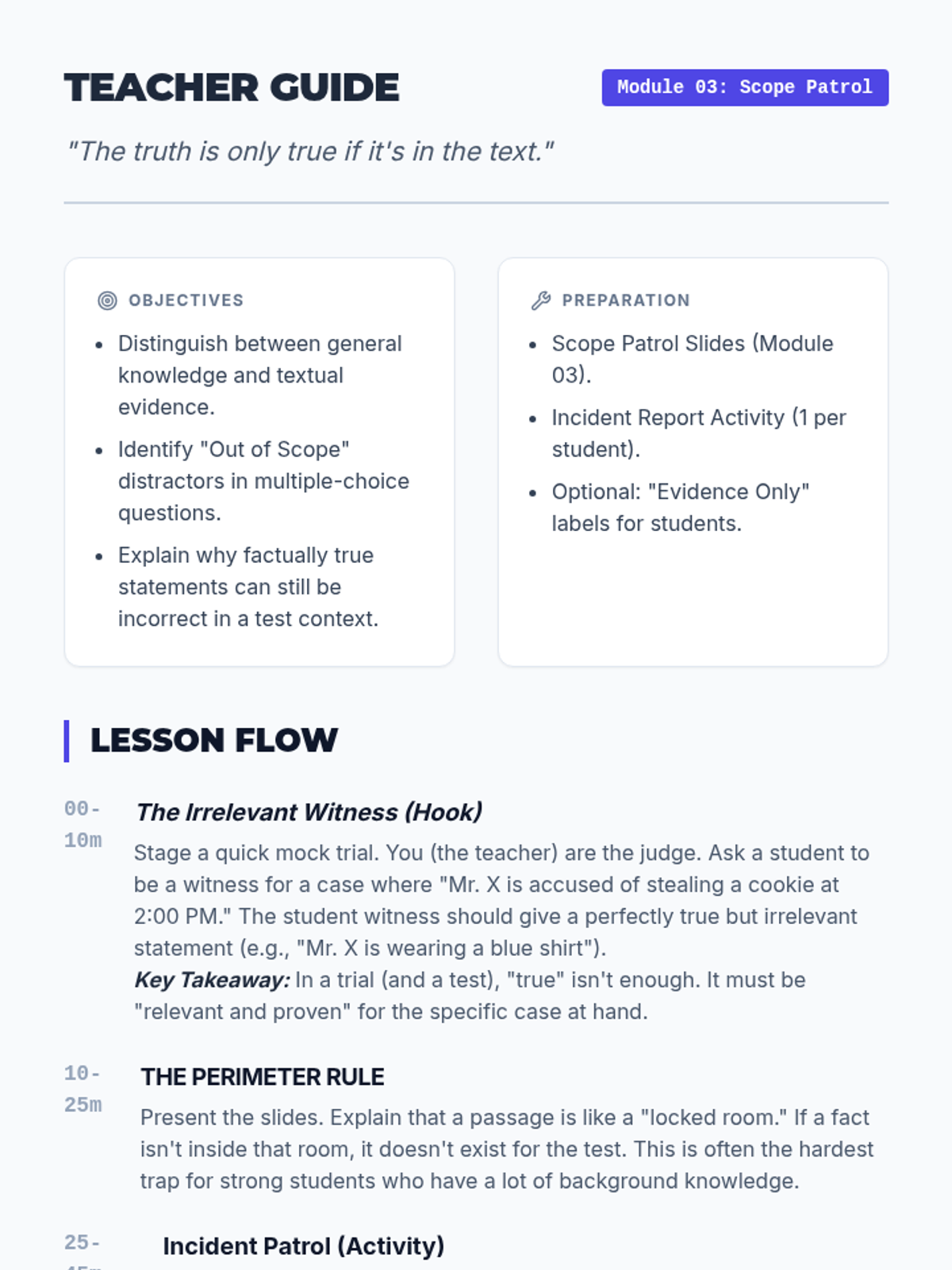
Students identify statements that are factually true in the real world but are not supported by the specific text provided. The focus is on maintaining evidence-based focus within the scope of the passage.
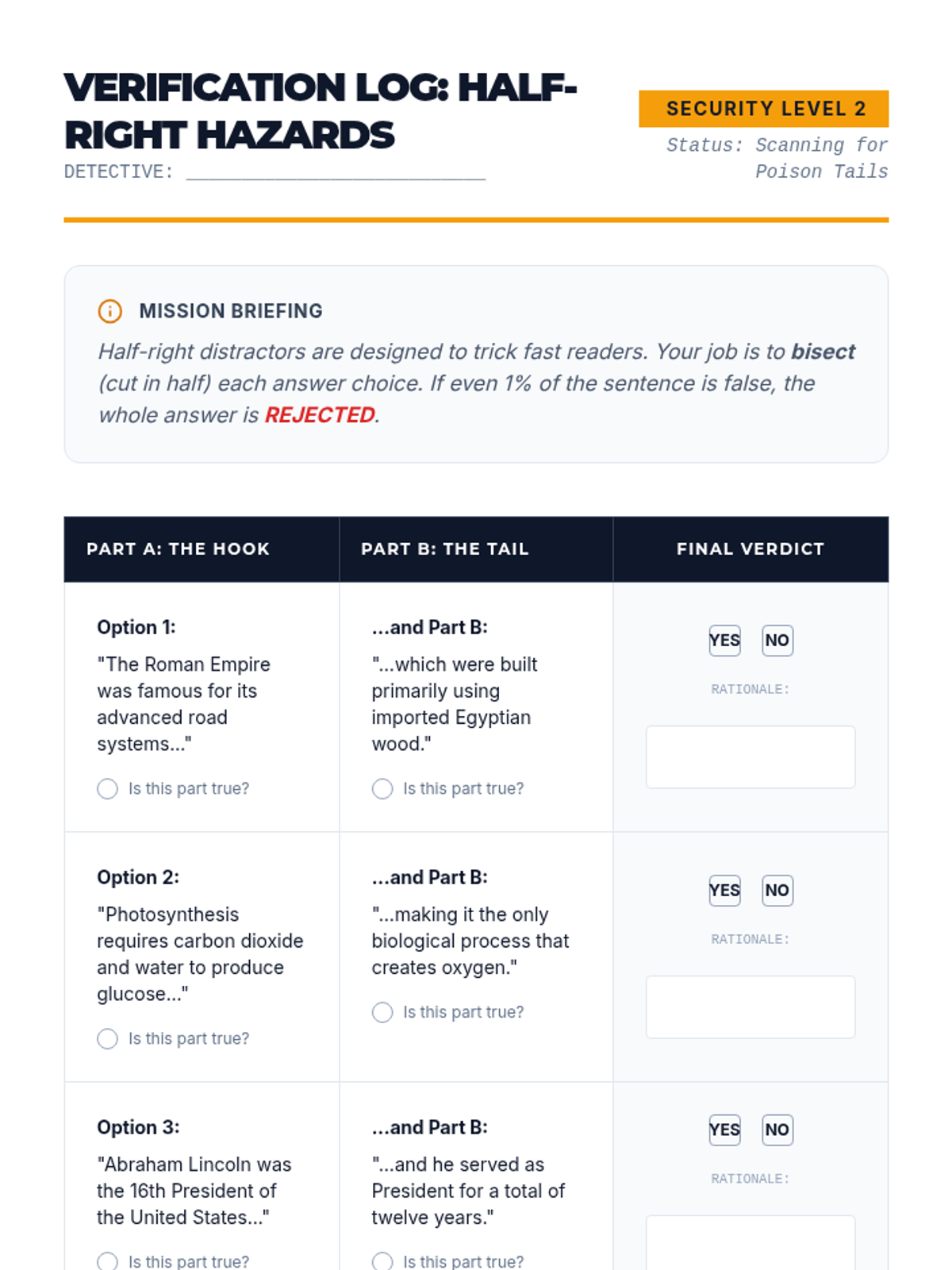
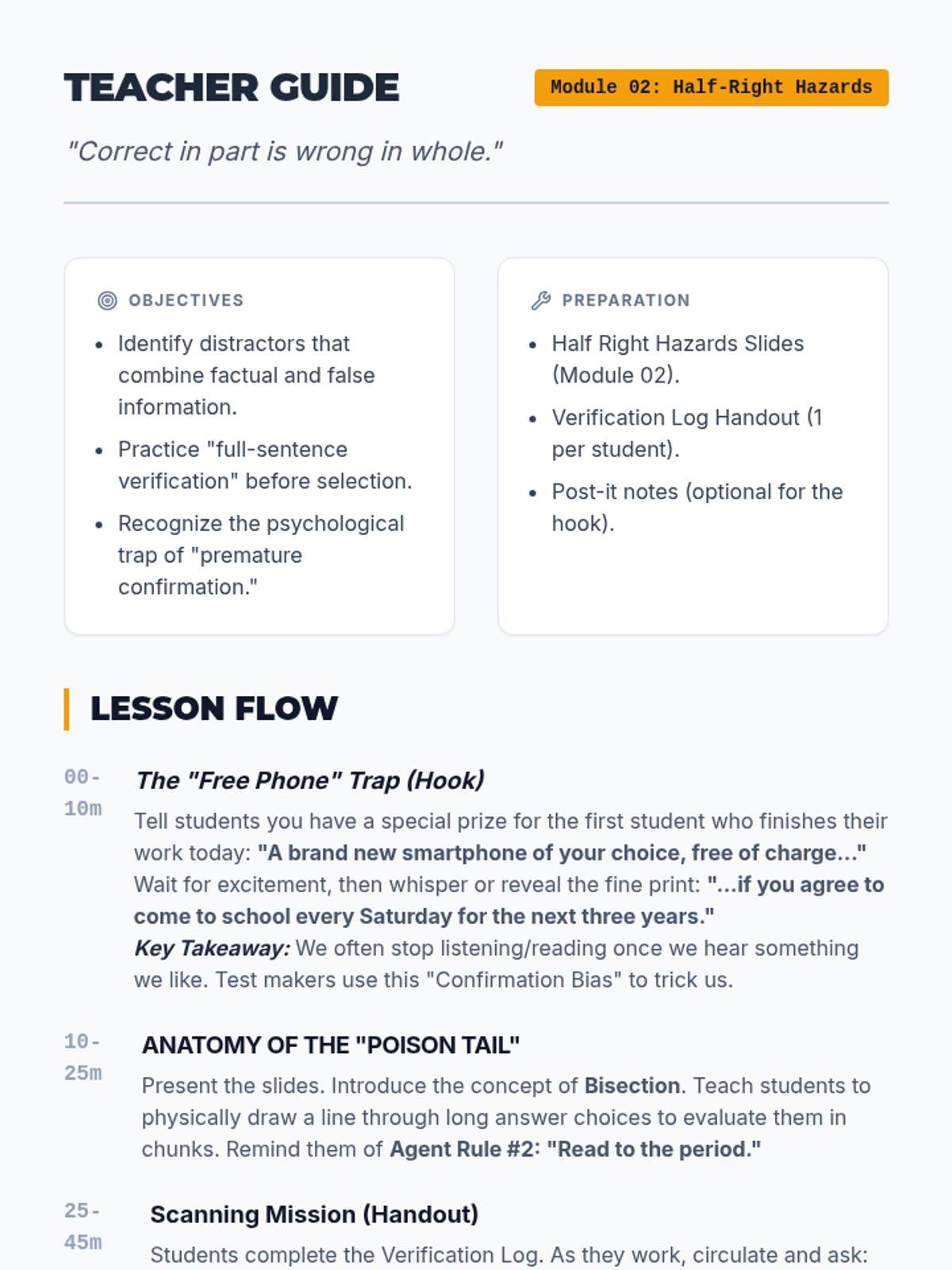
Learners analyze options that are partially correct but ultimately false. This lesson emphasizes the importance of reading every word of an answer choice to catch subtle inaccuracies.
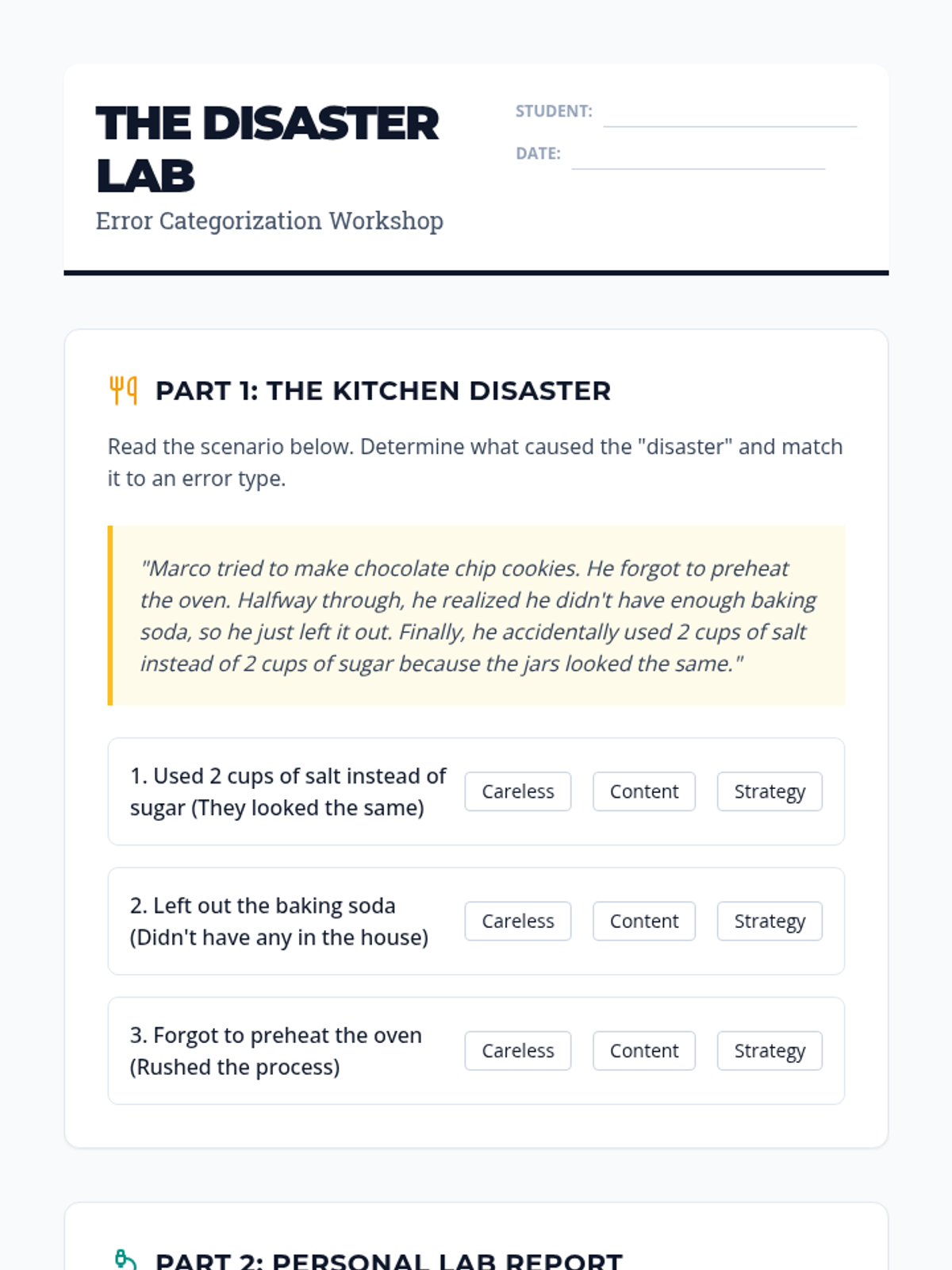
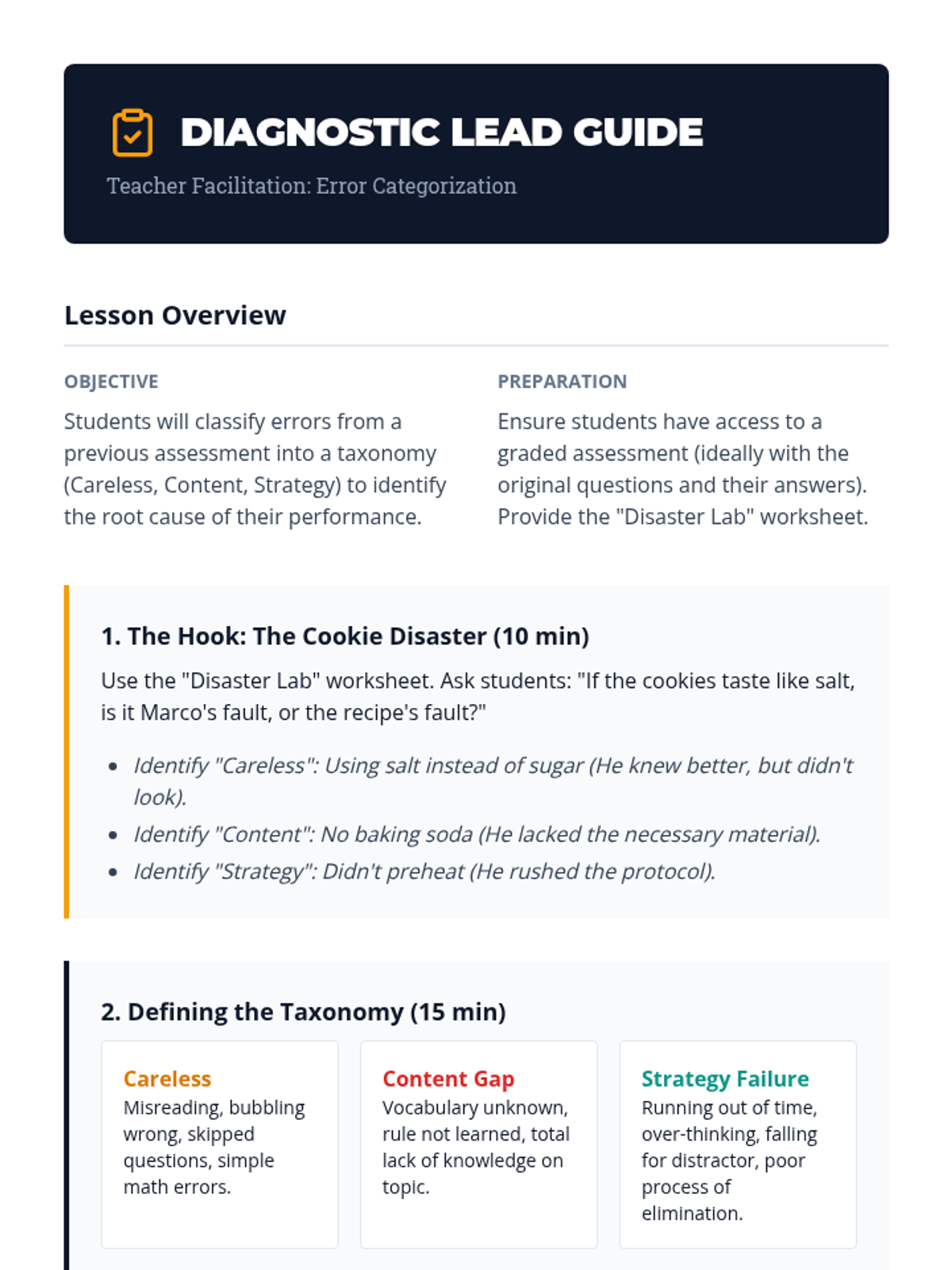
Students review a past assessment and categorize every incorrect answer as a 'Careless Error,' 'Content Gap,' or 'Strategy Failure.' This taxonomy helps them understand that not all mistakes are created equal.
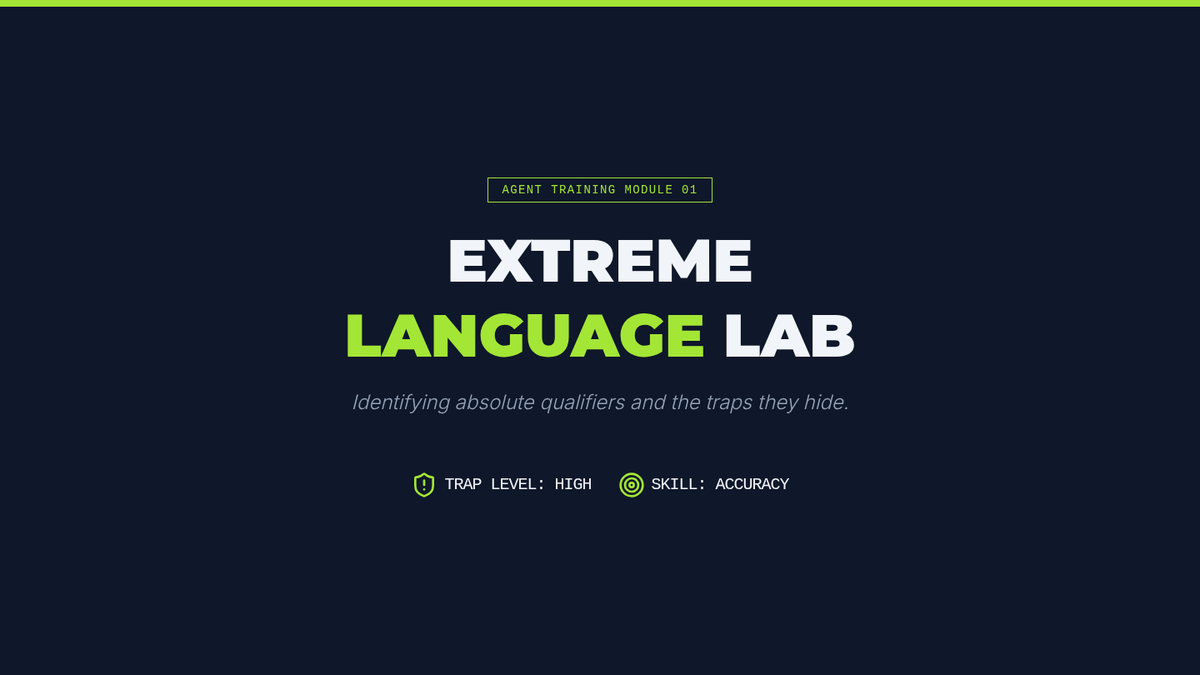
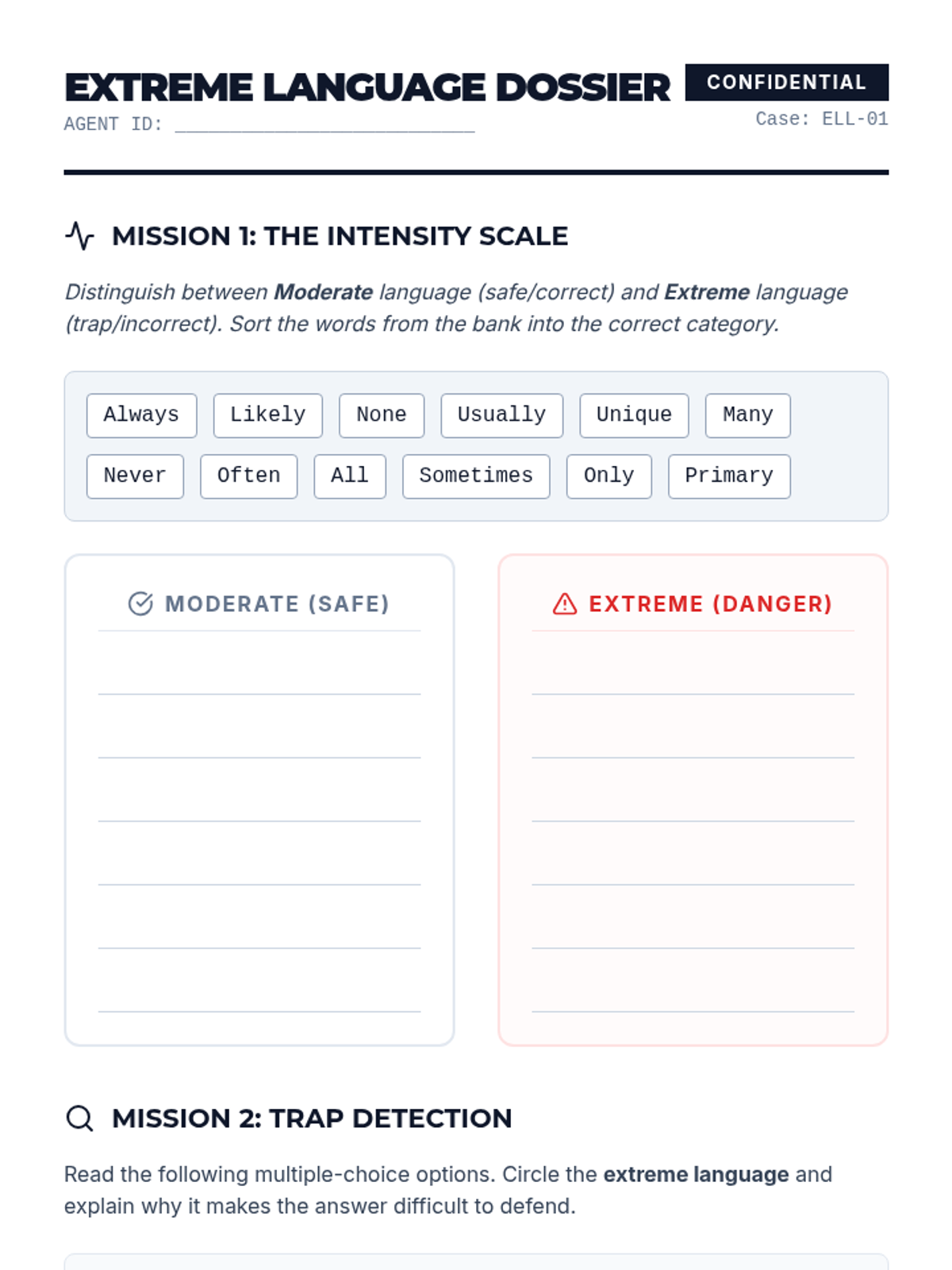
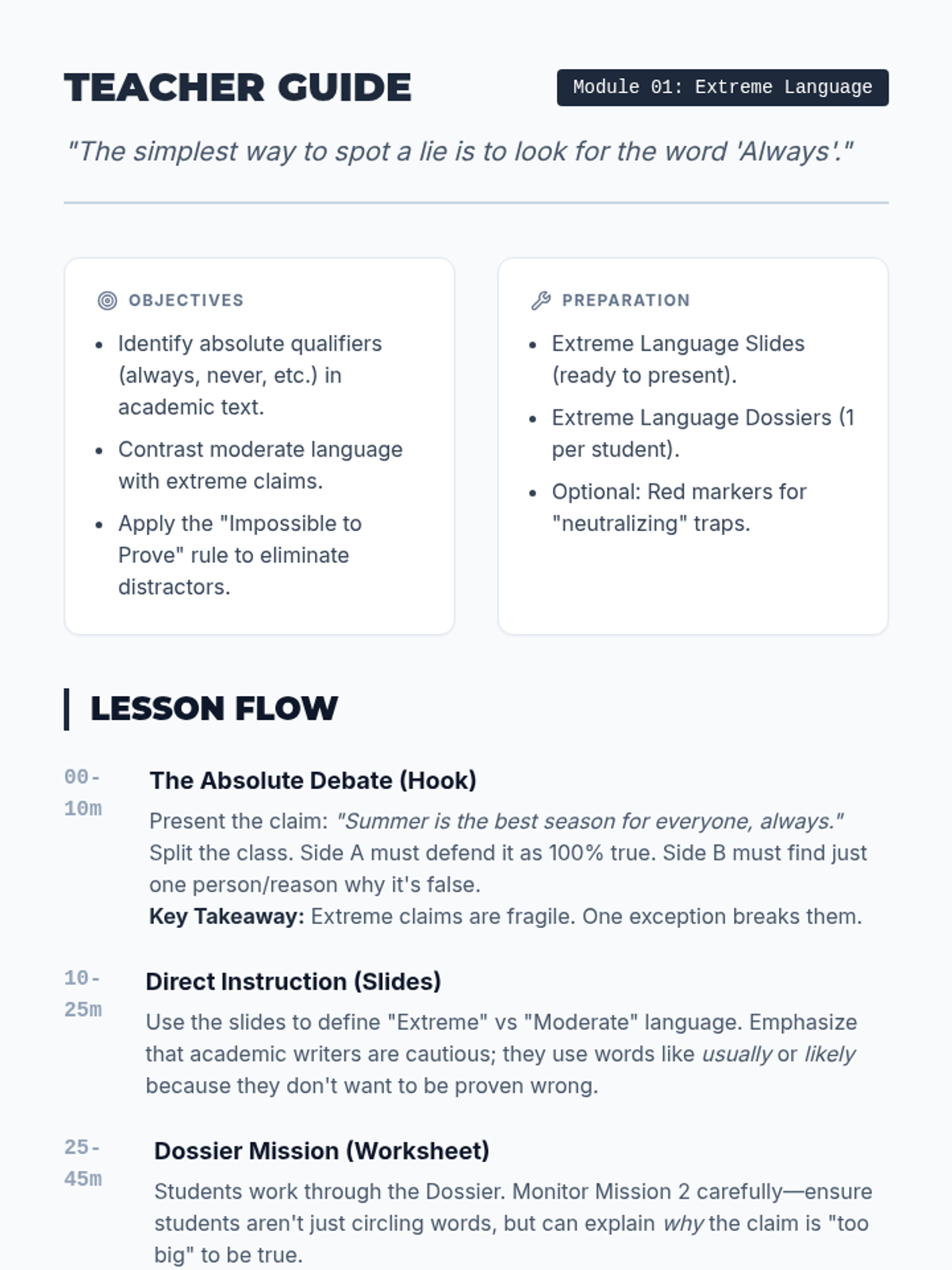
Students learn to identify absolute qualifiers like 'always' and 'never' that signal incorrect answers. They practice categorizing statements by their degree of intensity to evaluate their validity in a test context.
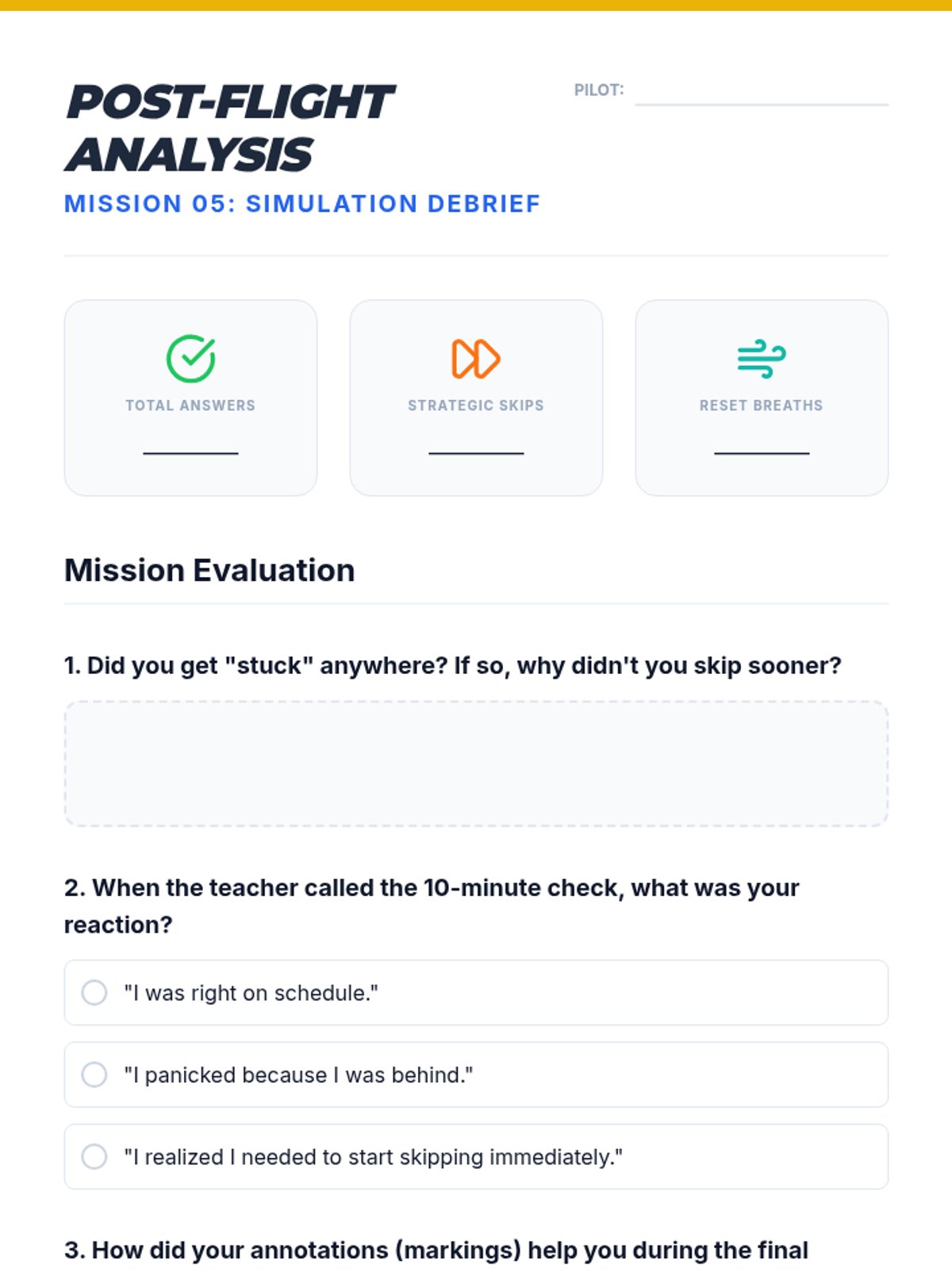
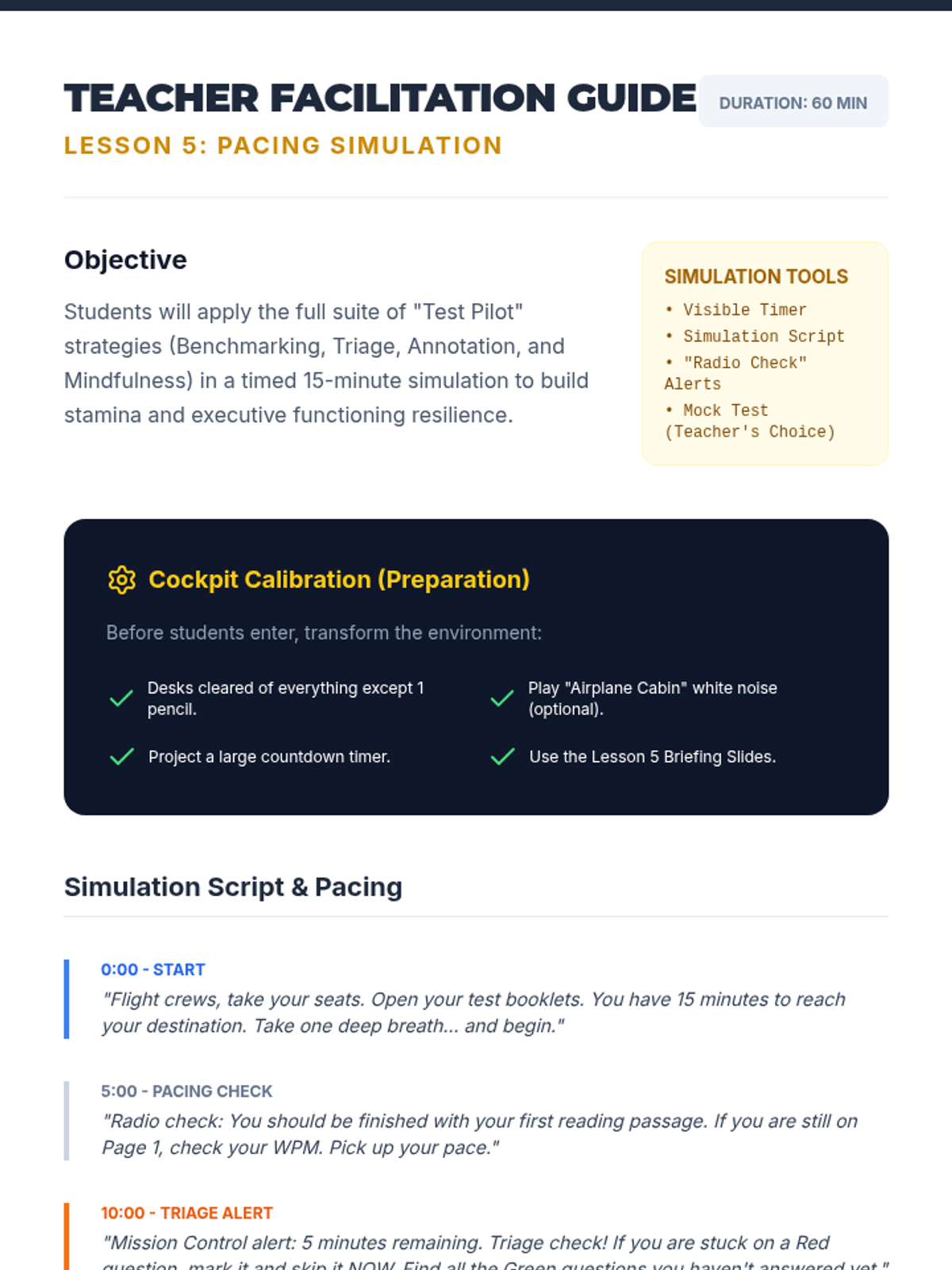
A cumulative simulation where students apply time management and emotional regulation skills in a timed testing environment, followed by a reflective debrief.
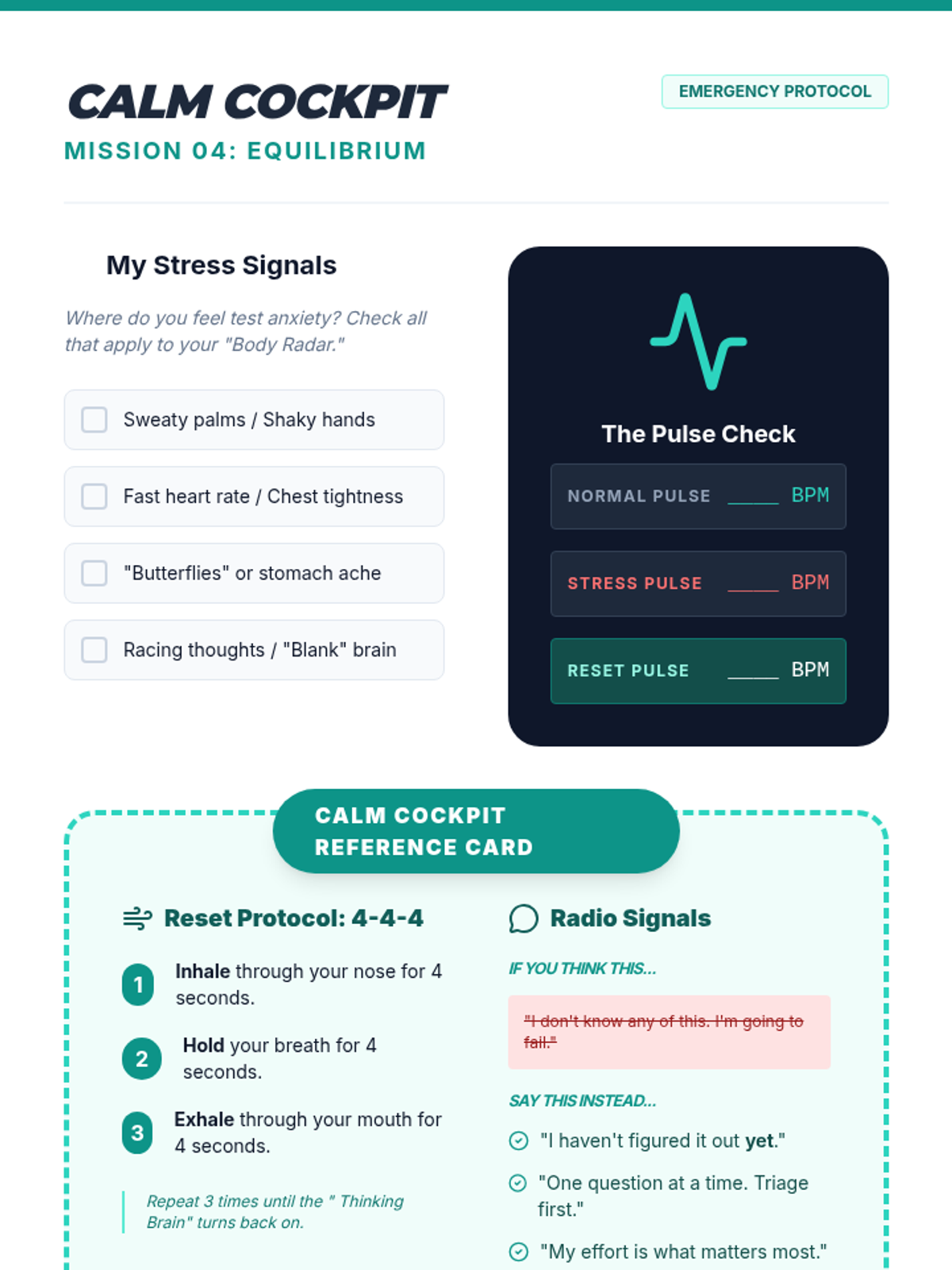
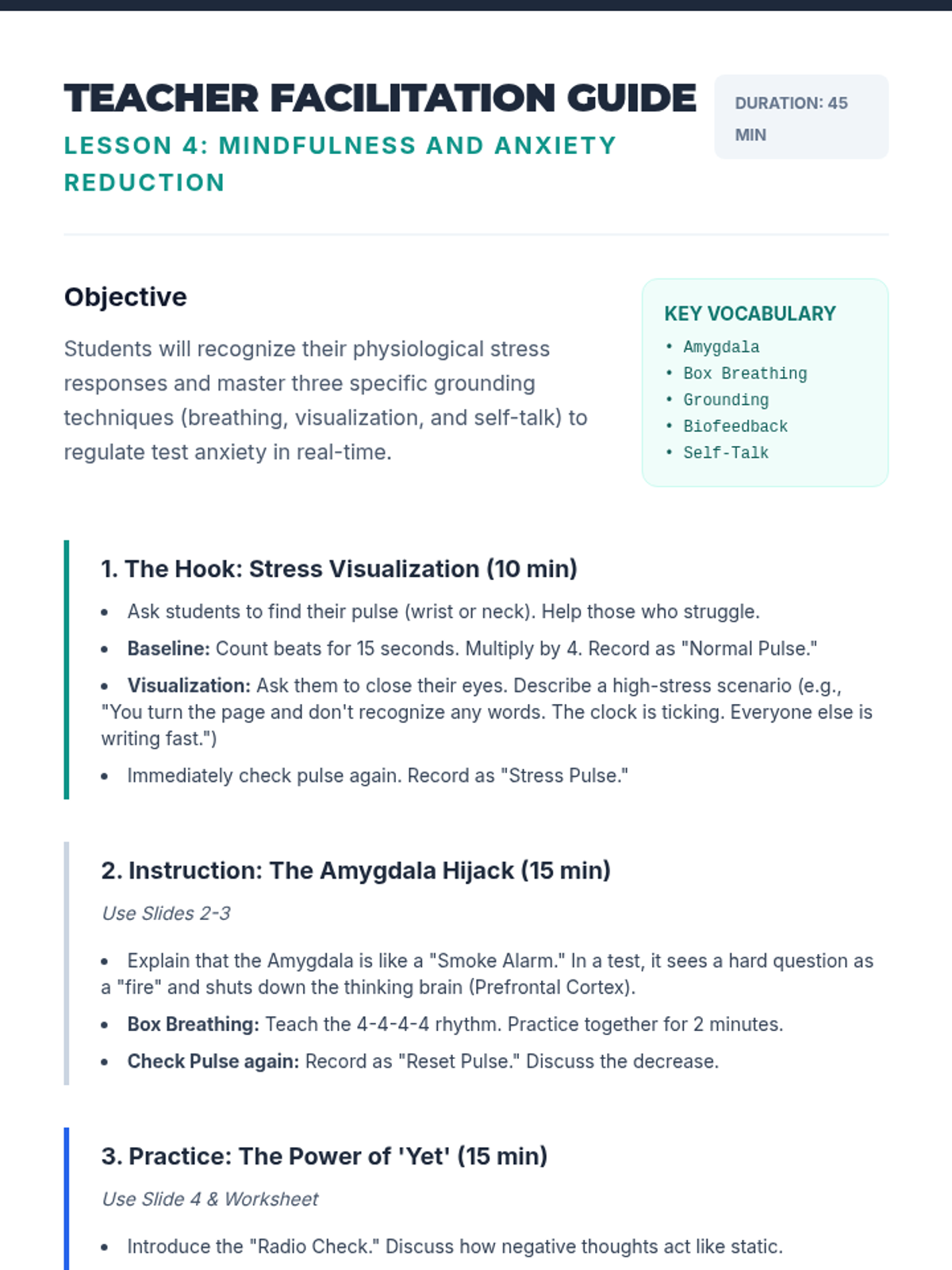
Exploring the physical and mental effects of test anxiety and learning grounding techniques to stay calm and focused during high-stakes moments.
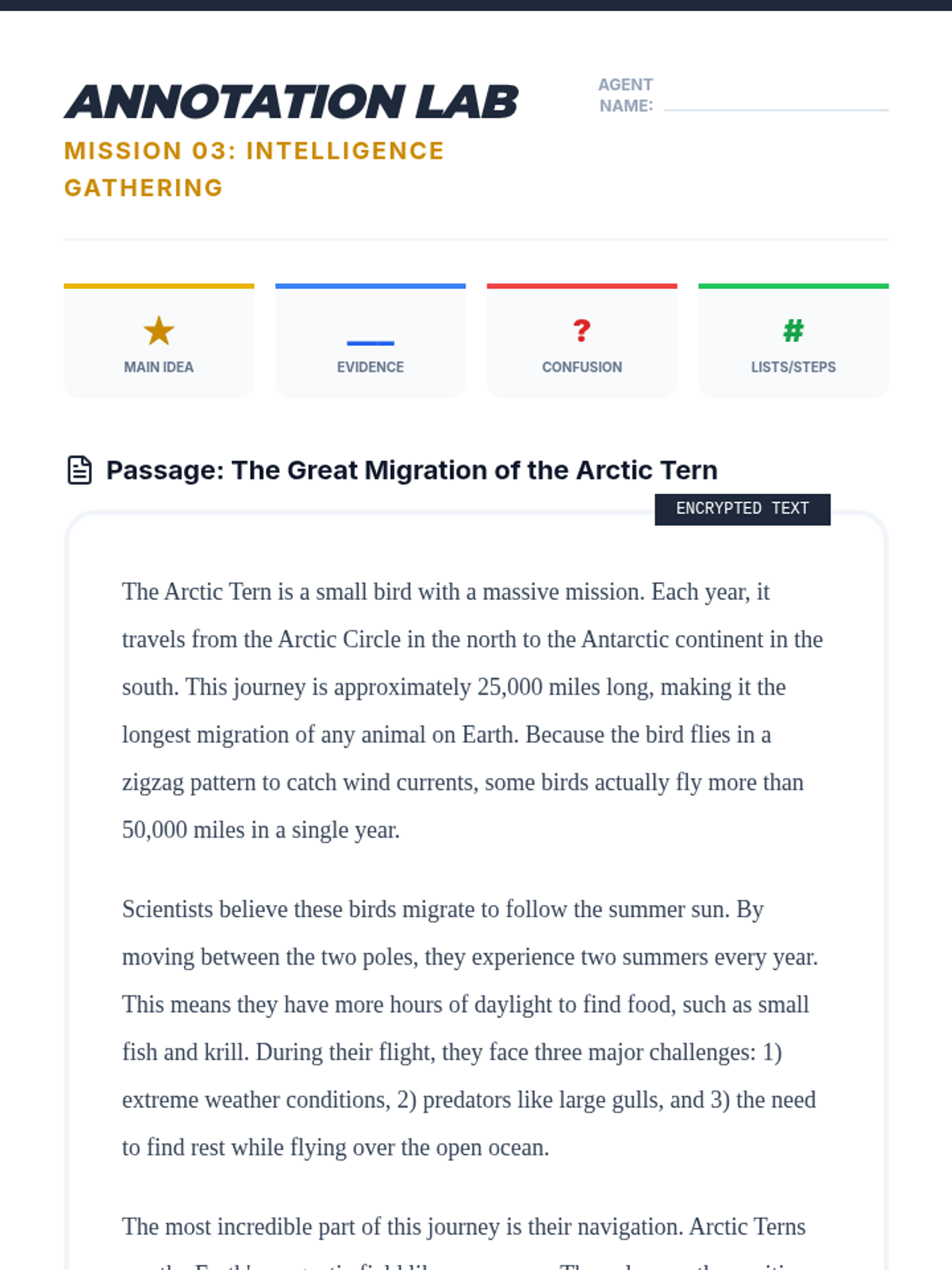
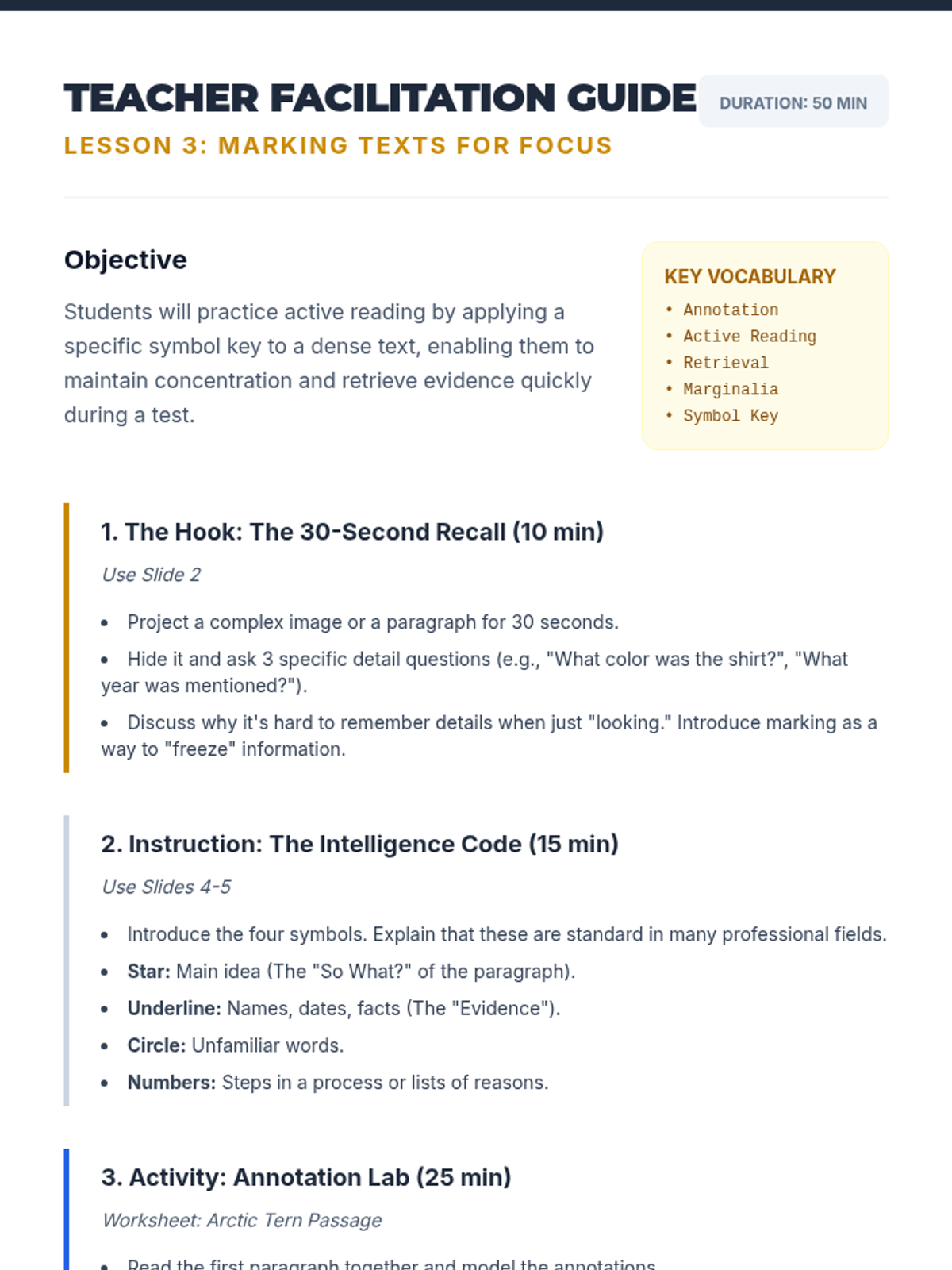
Active reading strategies for testing, focusing on specific annotation systems that help maintain focus and allow for quick evidence retrieval.
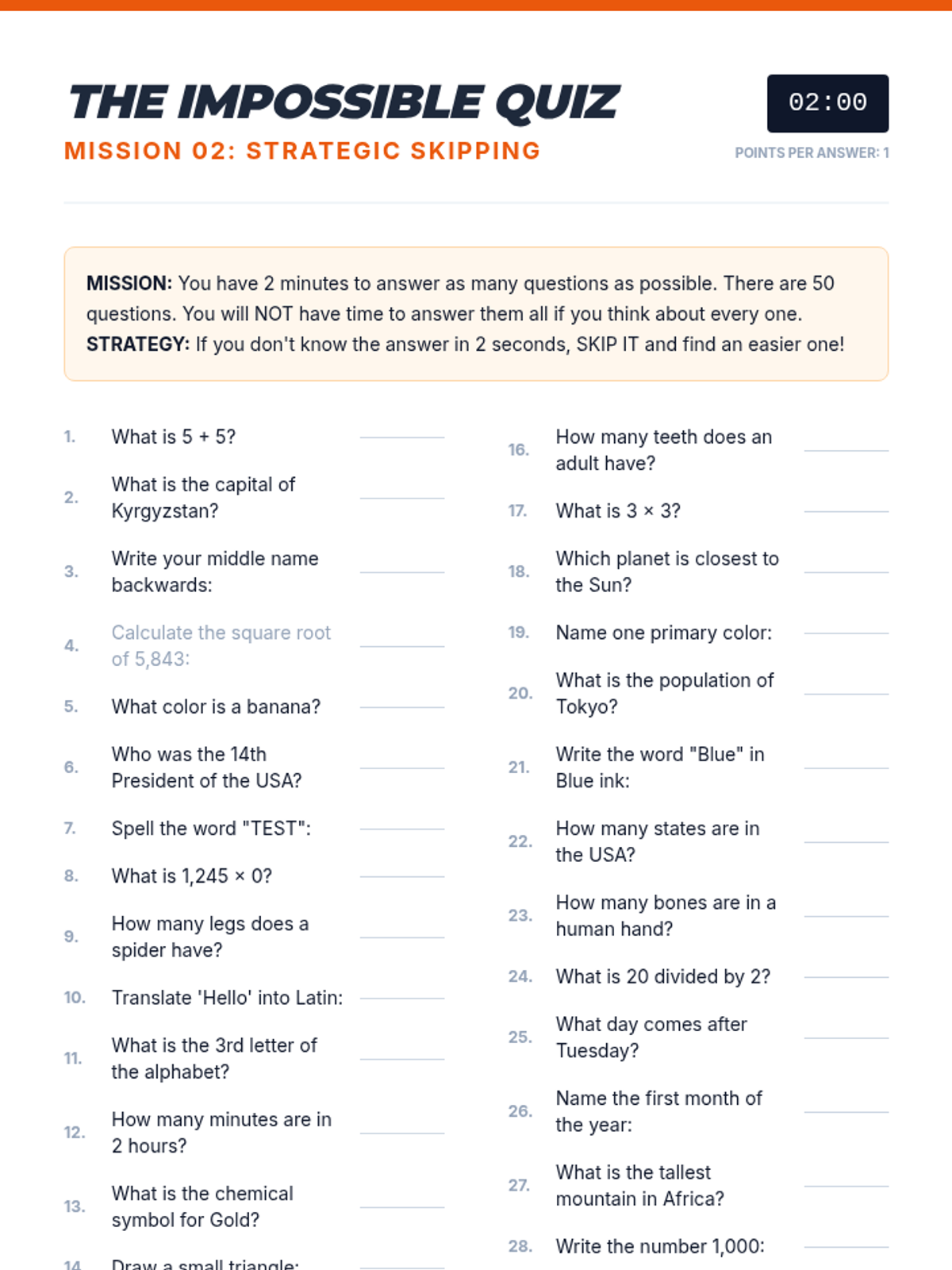
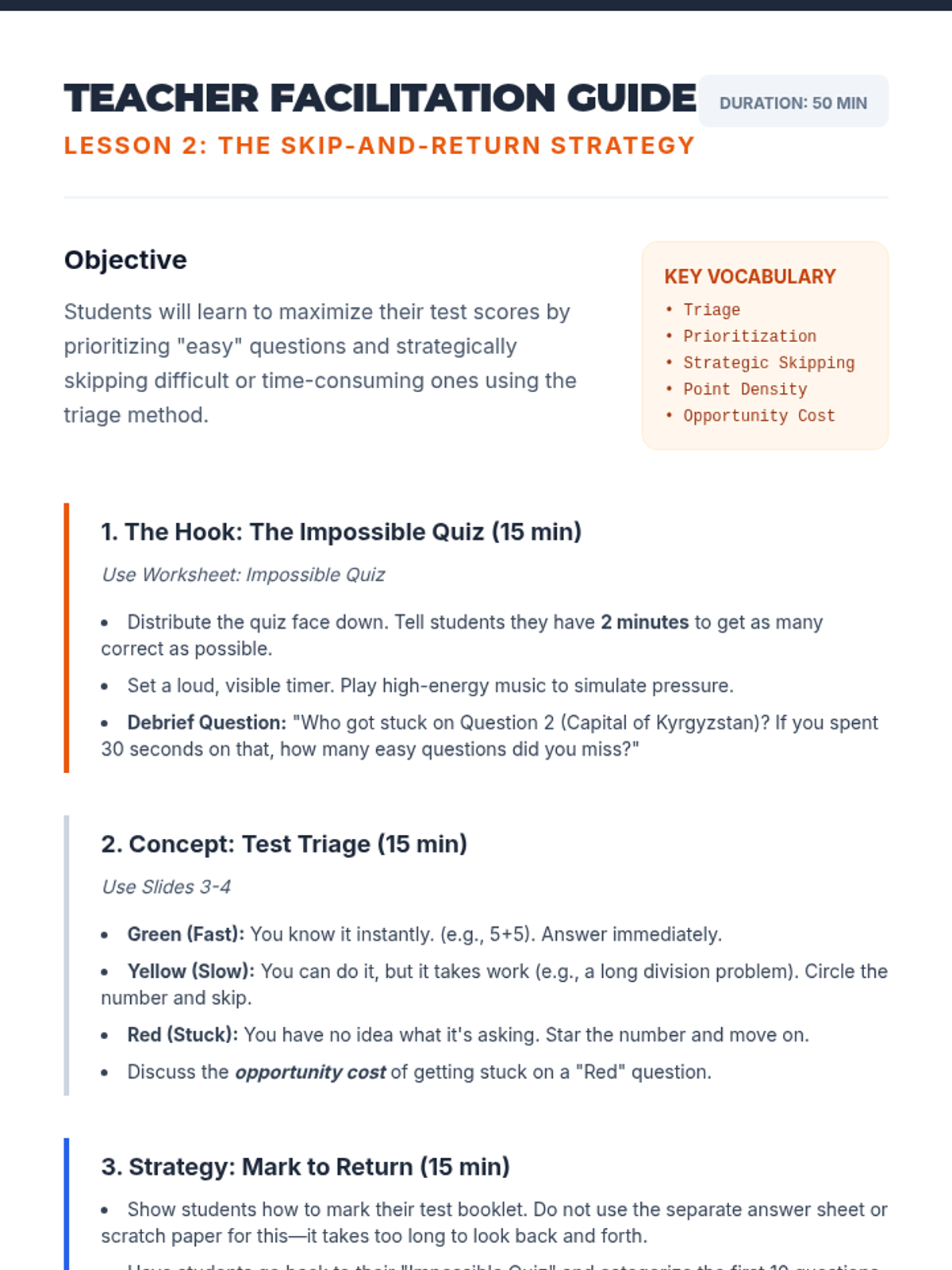
Students learn the 'triage' method for tests, identifying which questions to answer immediately and which to 'skip and return' to maximize points.
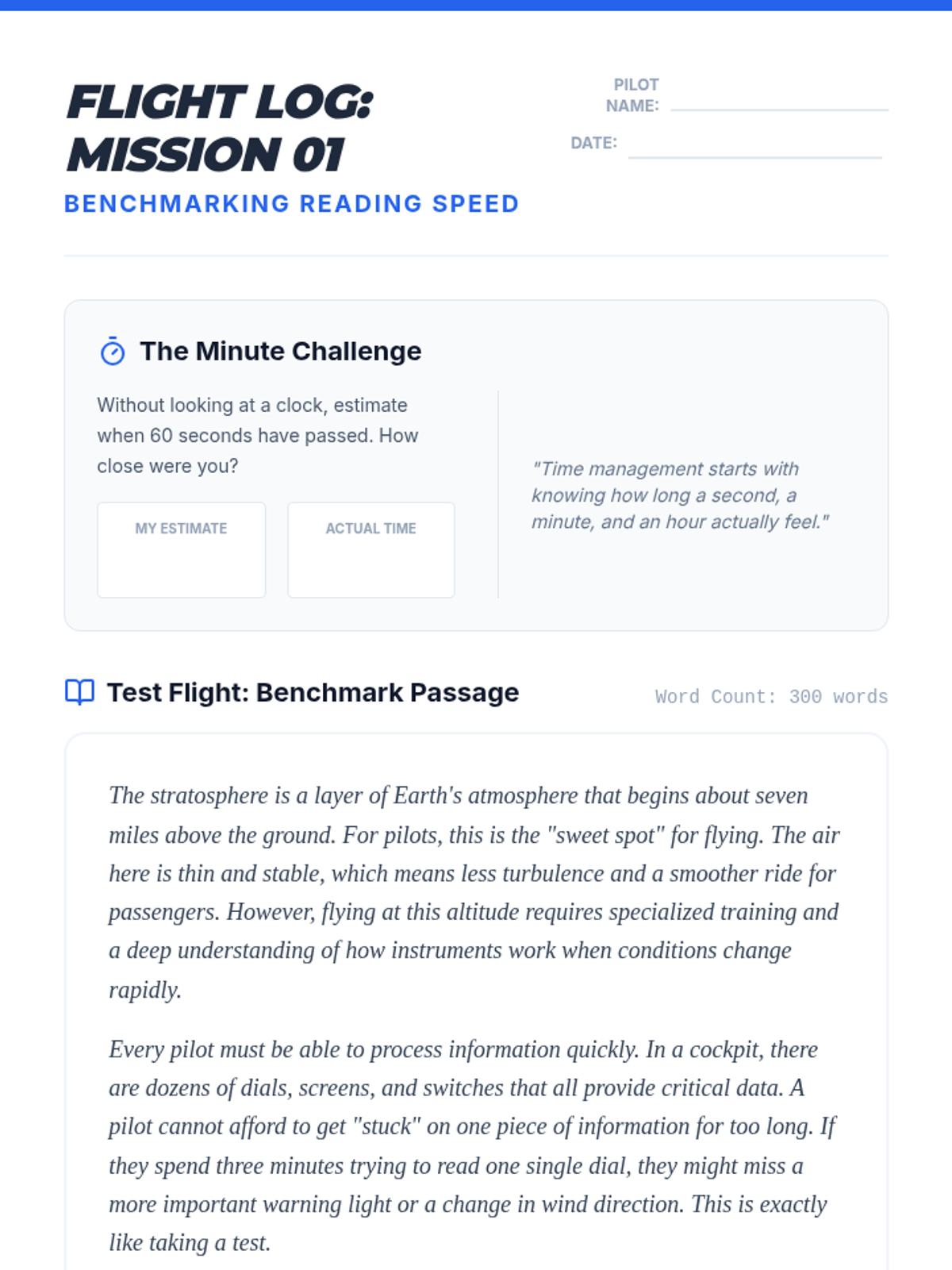
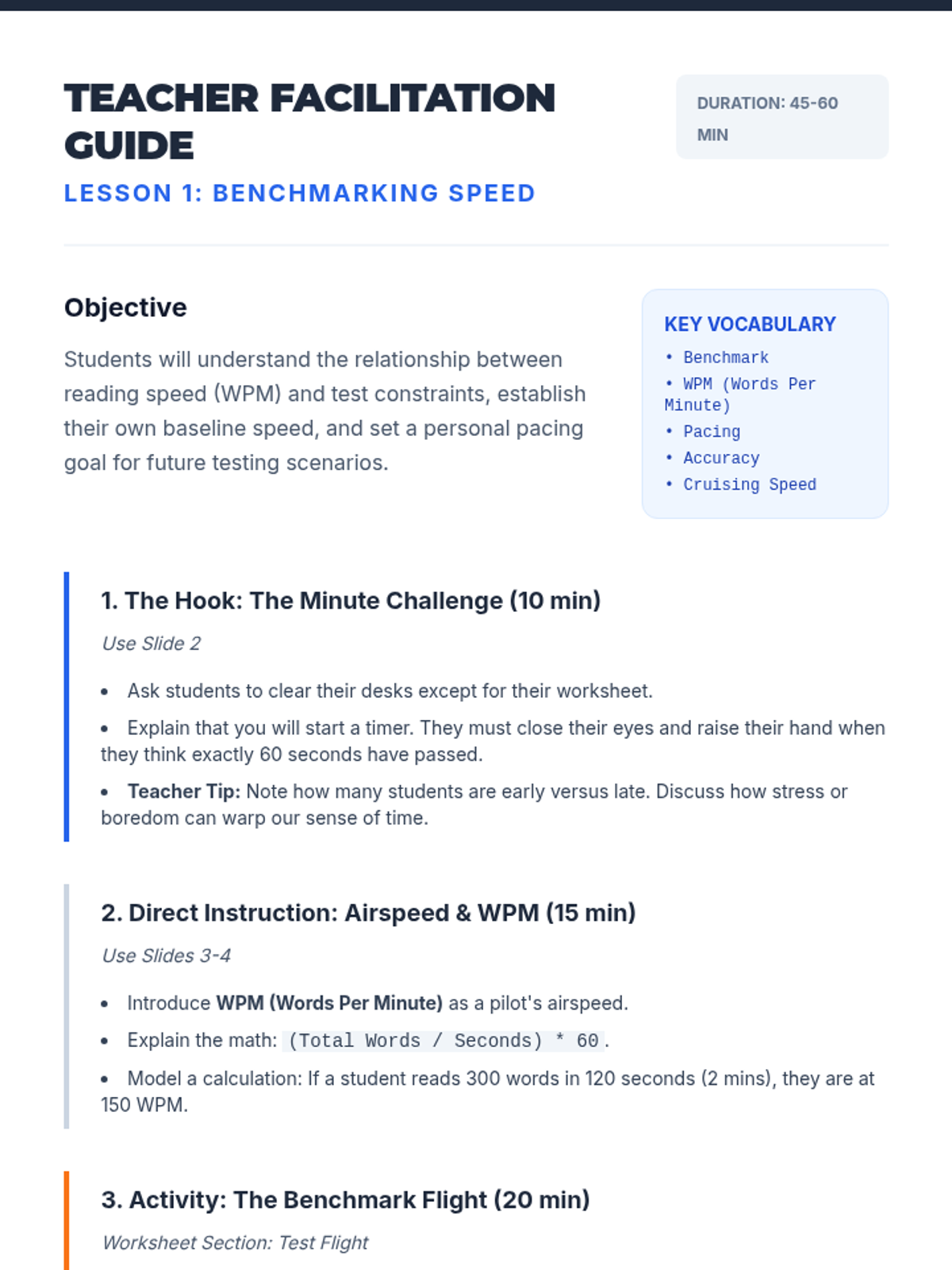
Students establish a baseline for their reading speed and understand how it relates to test time constraints. They learn to calculate Words Per Minute (WPM) and set realistic pacing goals.
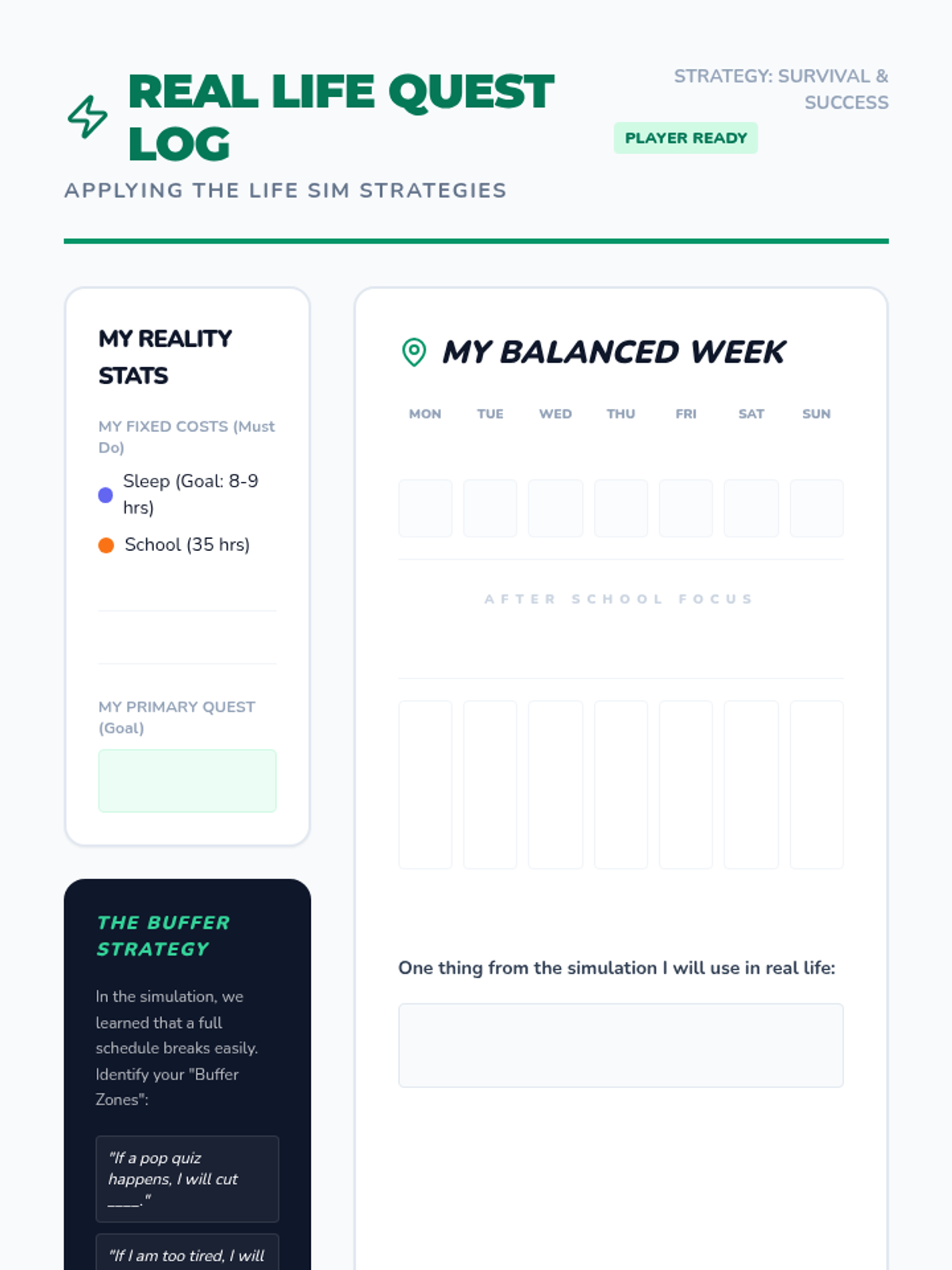
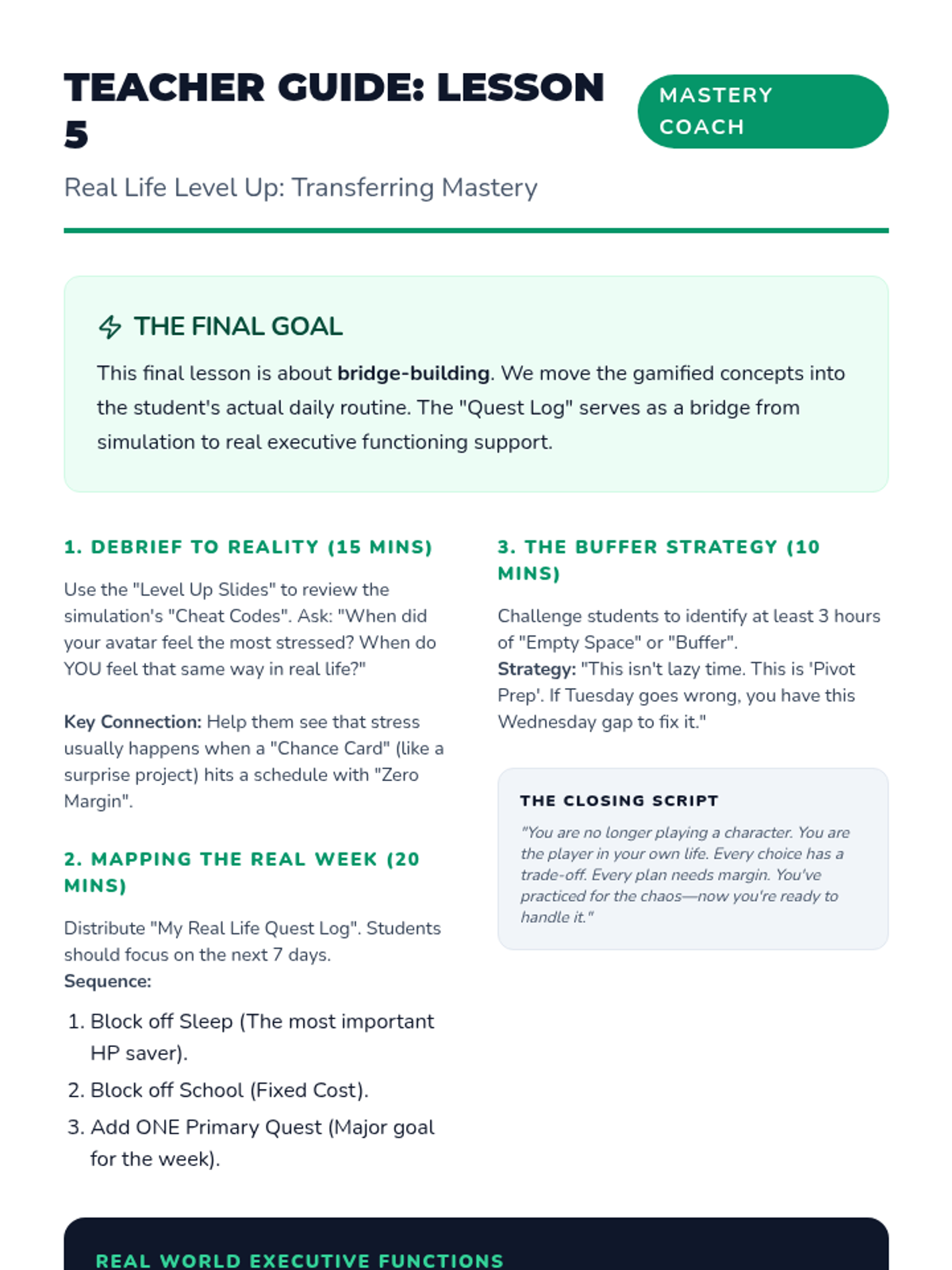
Students translate the 'Life Sim' strategies into real-world tools. They create a personal strategy for their own actual weekly commitments.
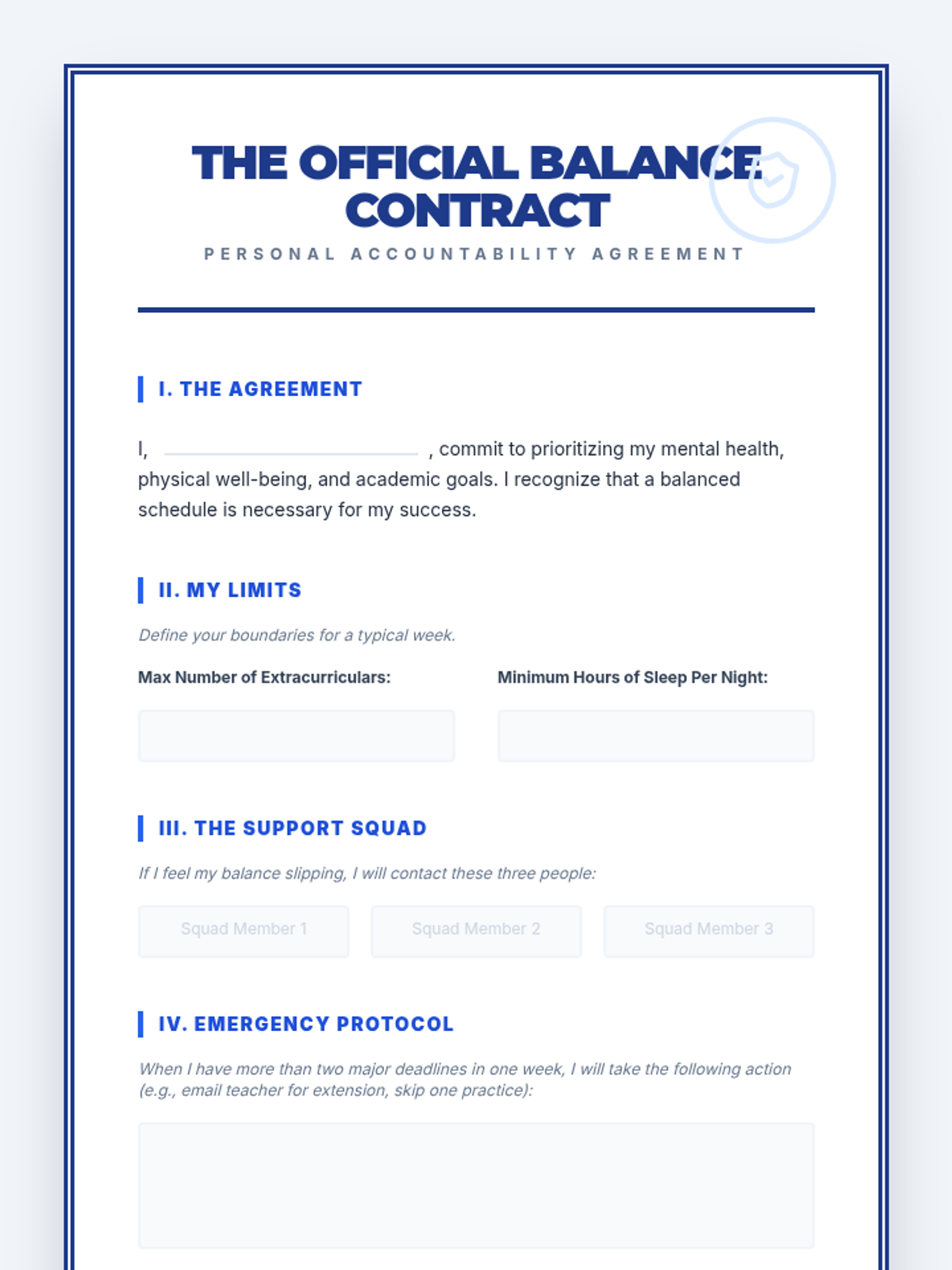
Students create a personal 'Balance Contract' to outline their limits and establish a protocol for managing future stress.
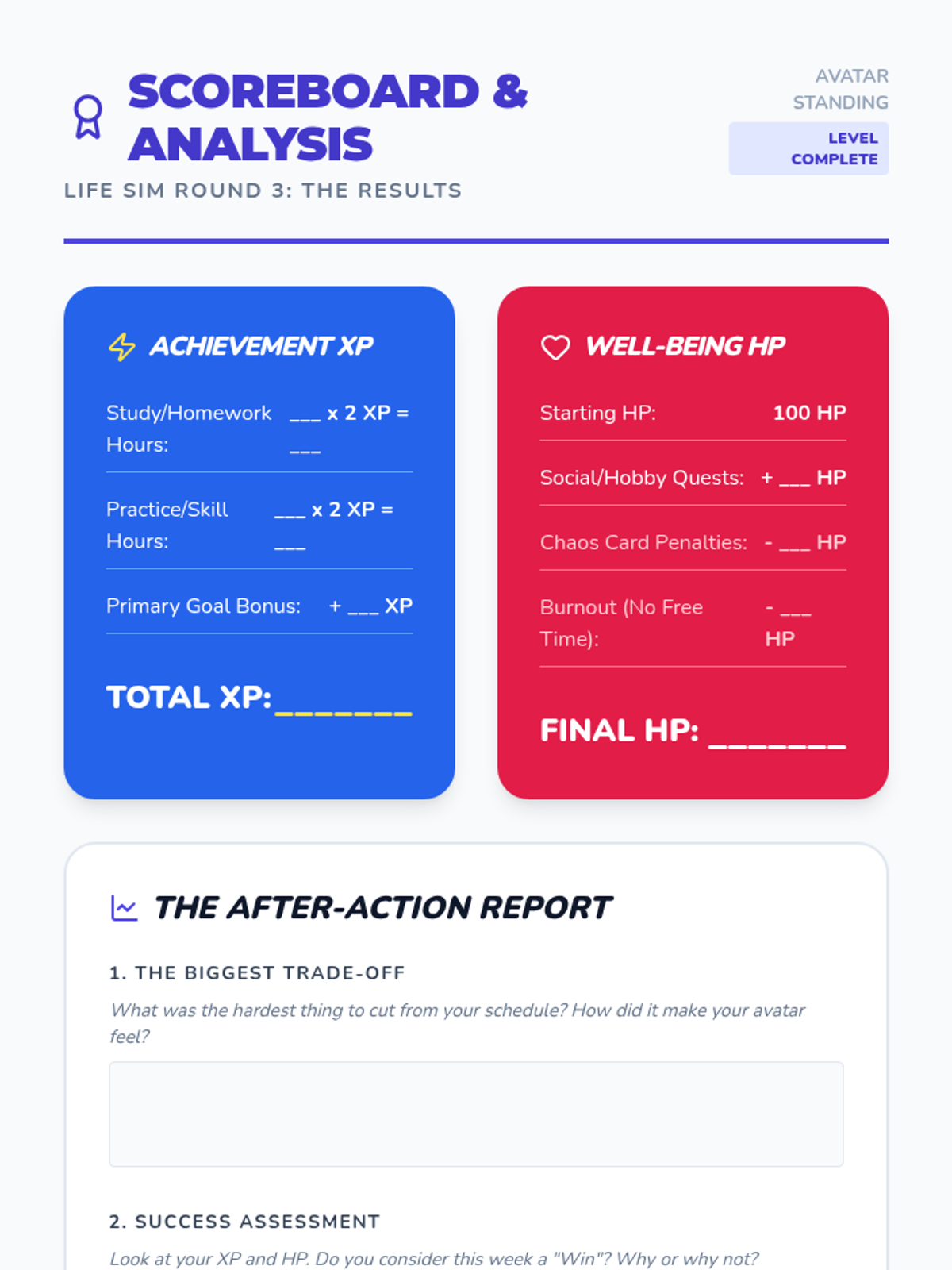
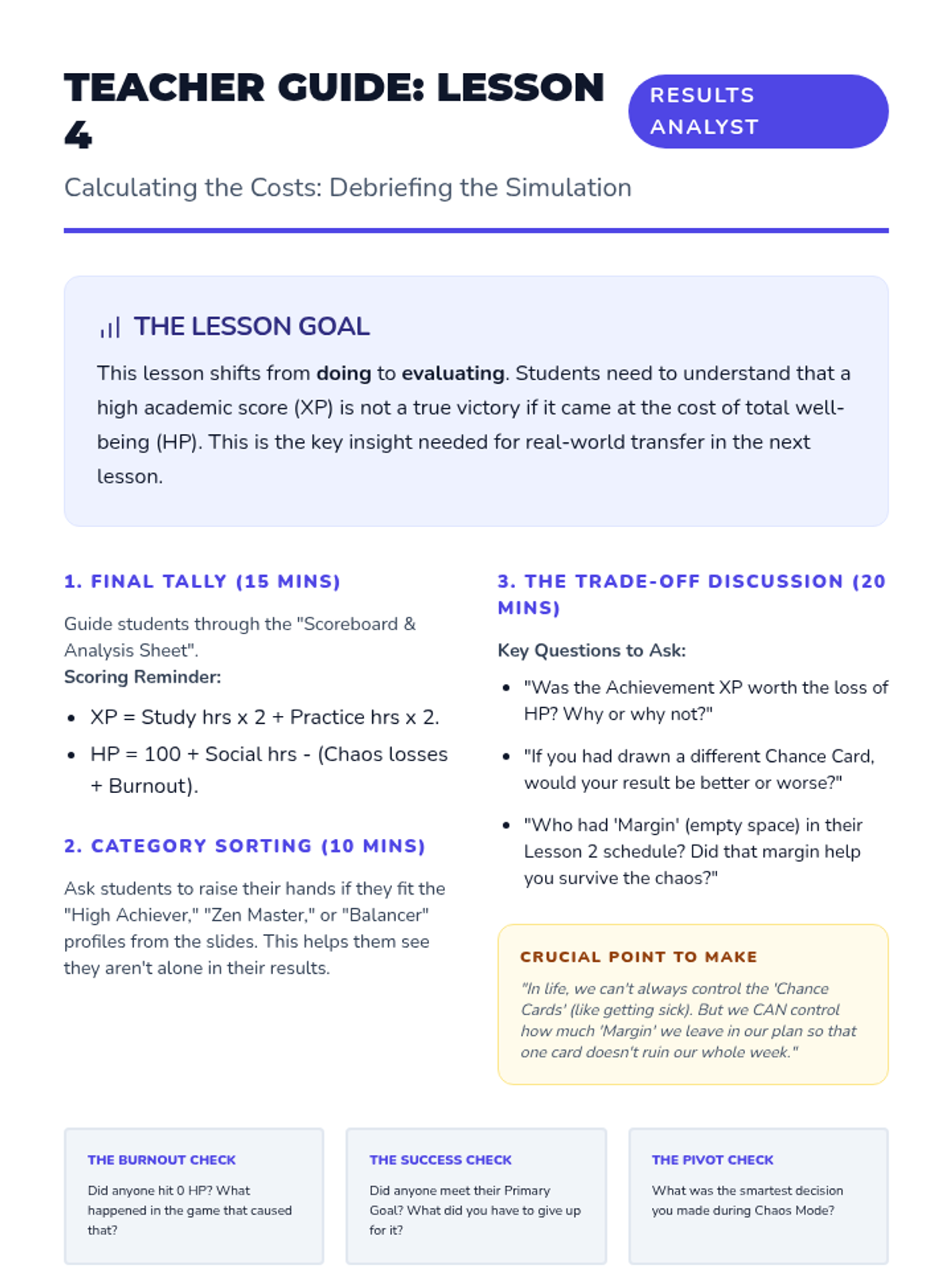
Students evaluate their simulation results by calculating their Achievement XP and Well-being HP. They analyze the impact of their choices on their overall 'score'.
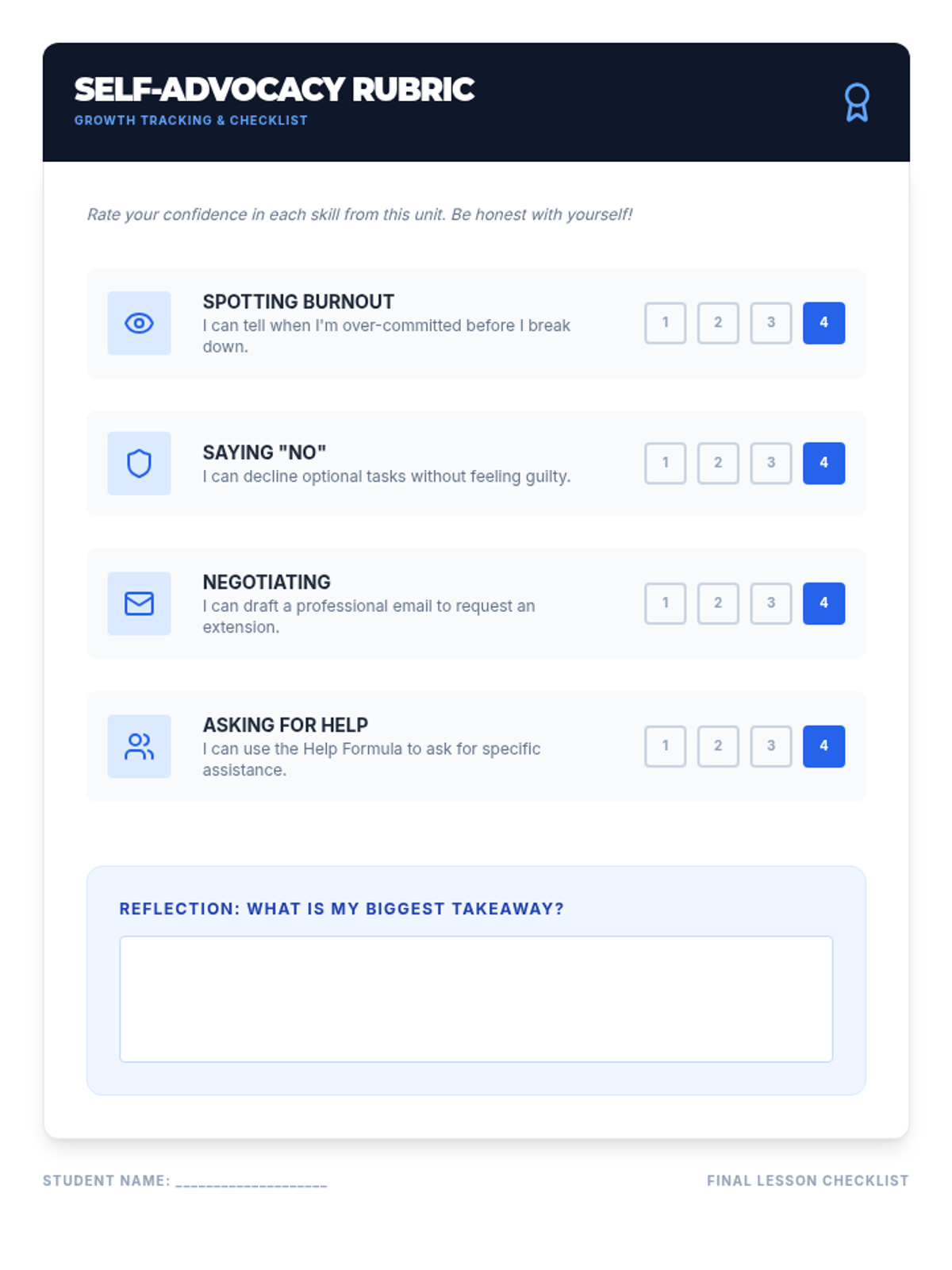
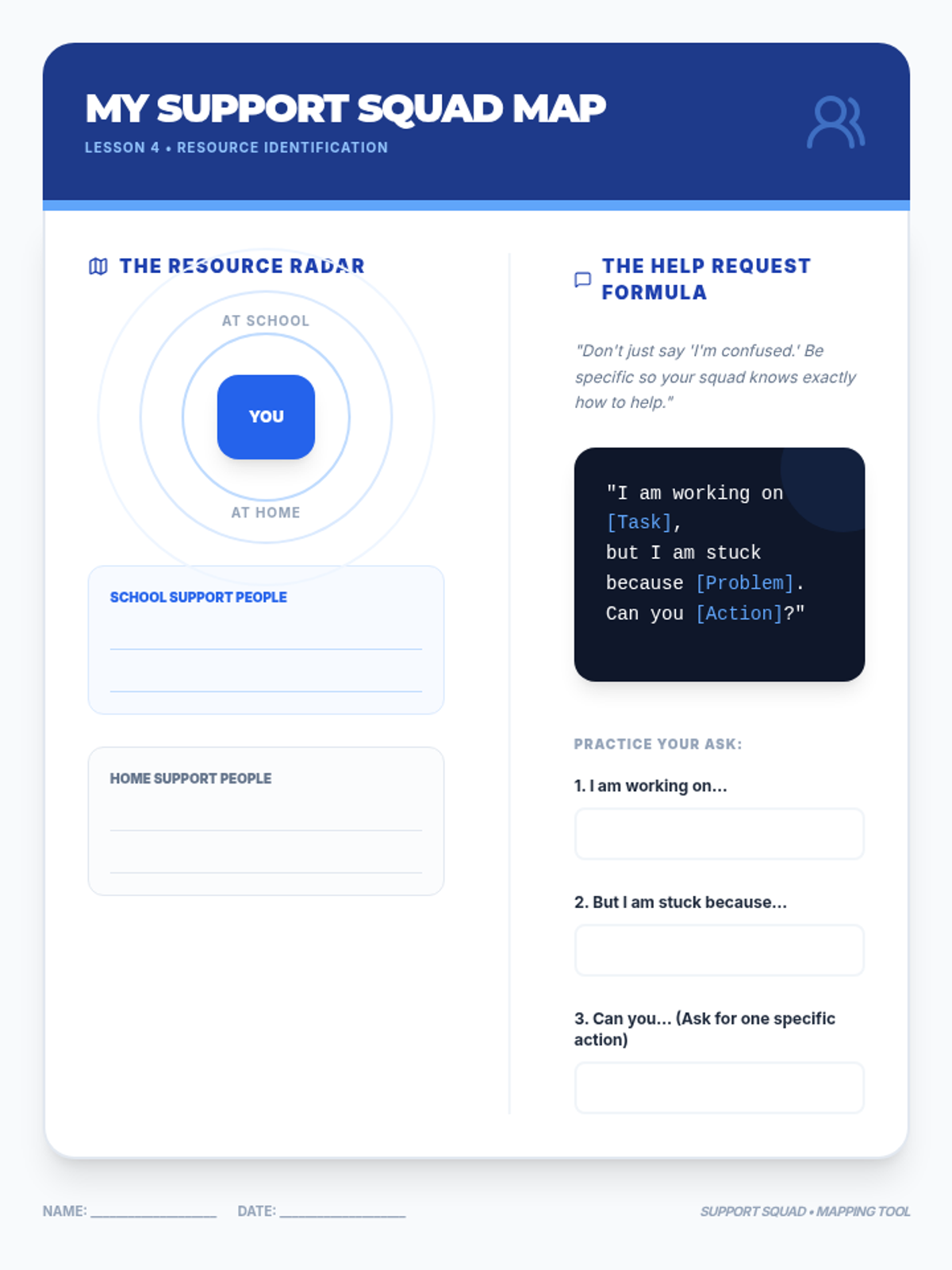
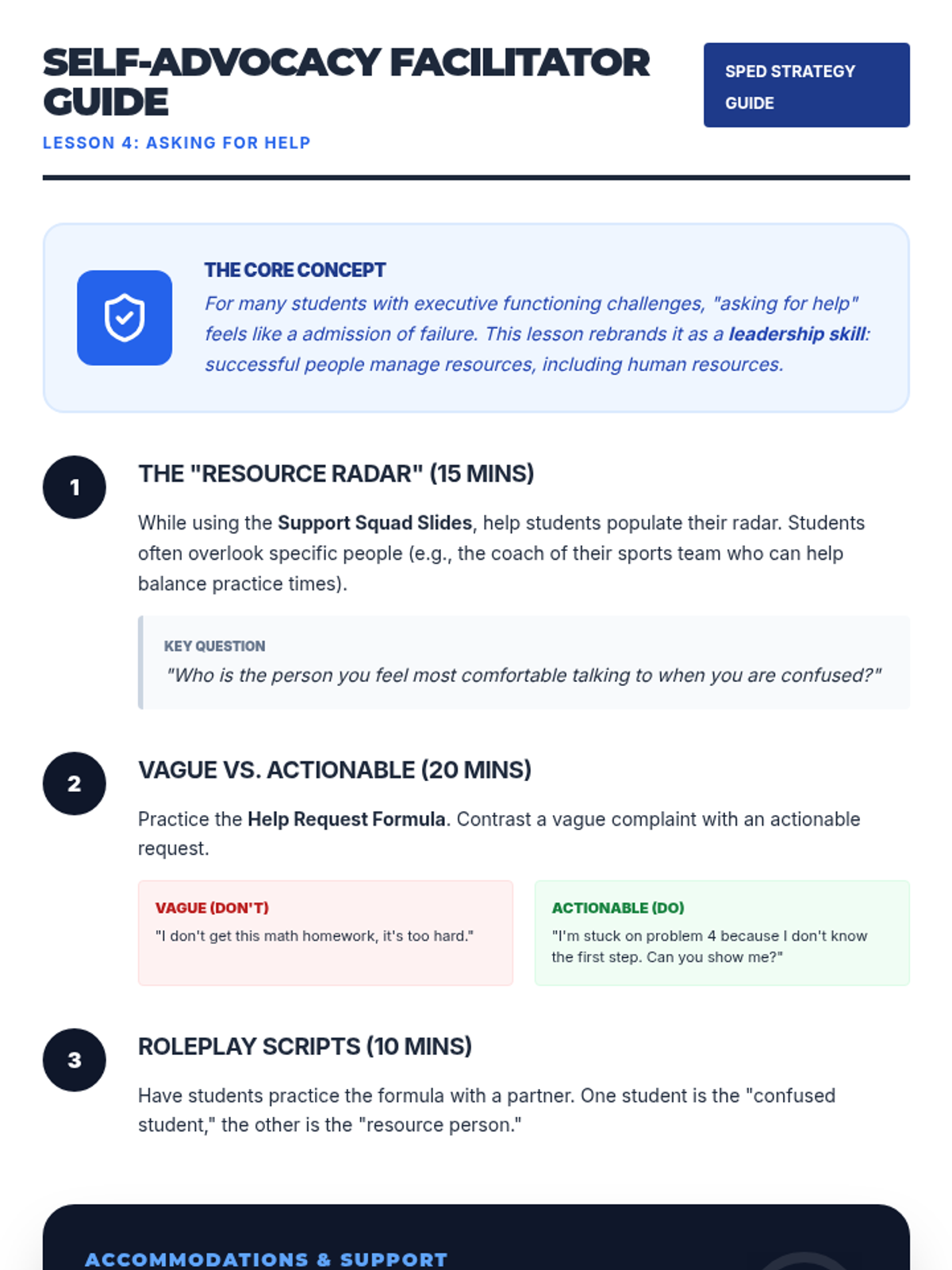
Students identify their support network and practice making specific, actionable requests for assistance.
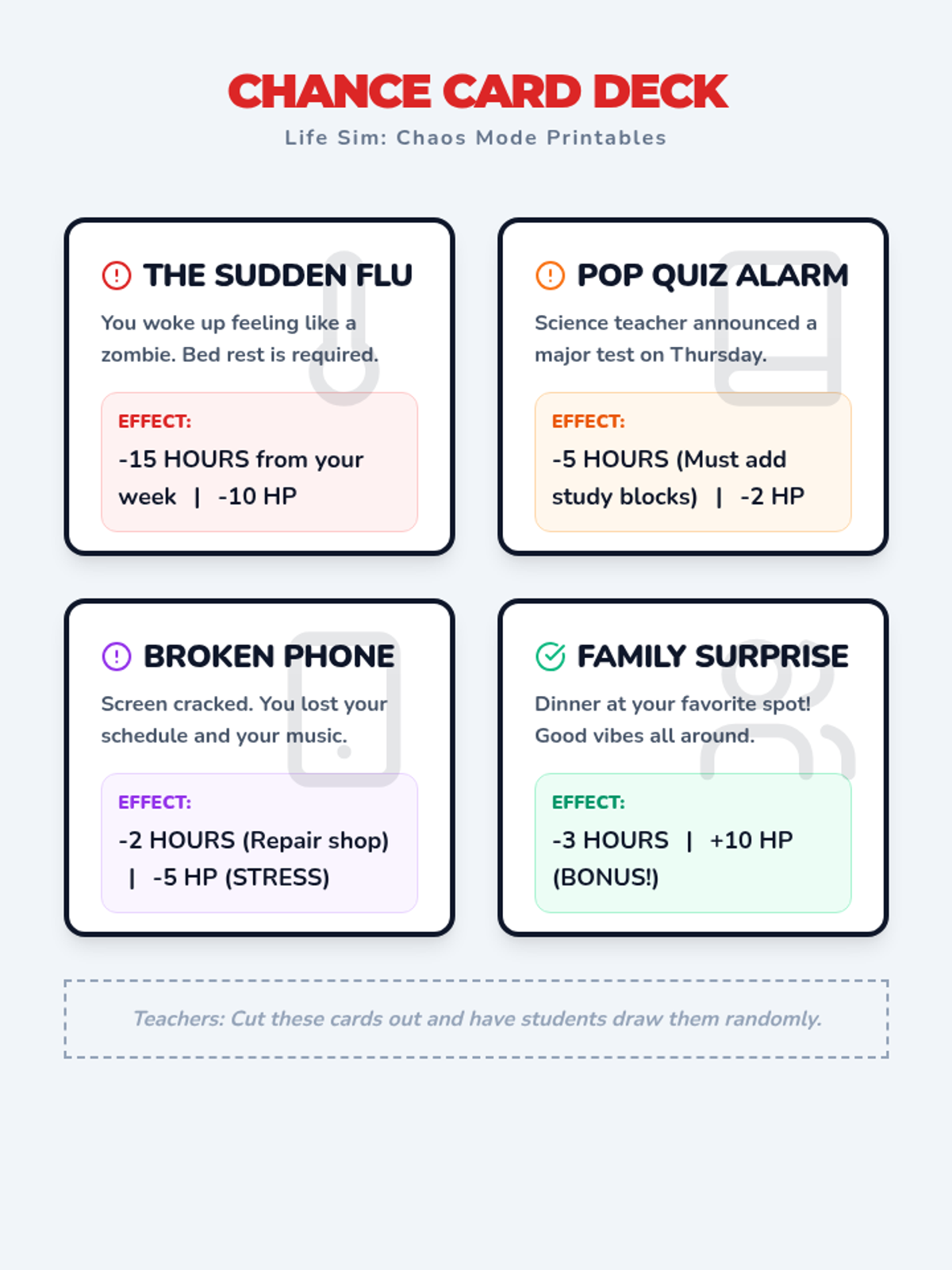
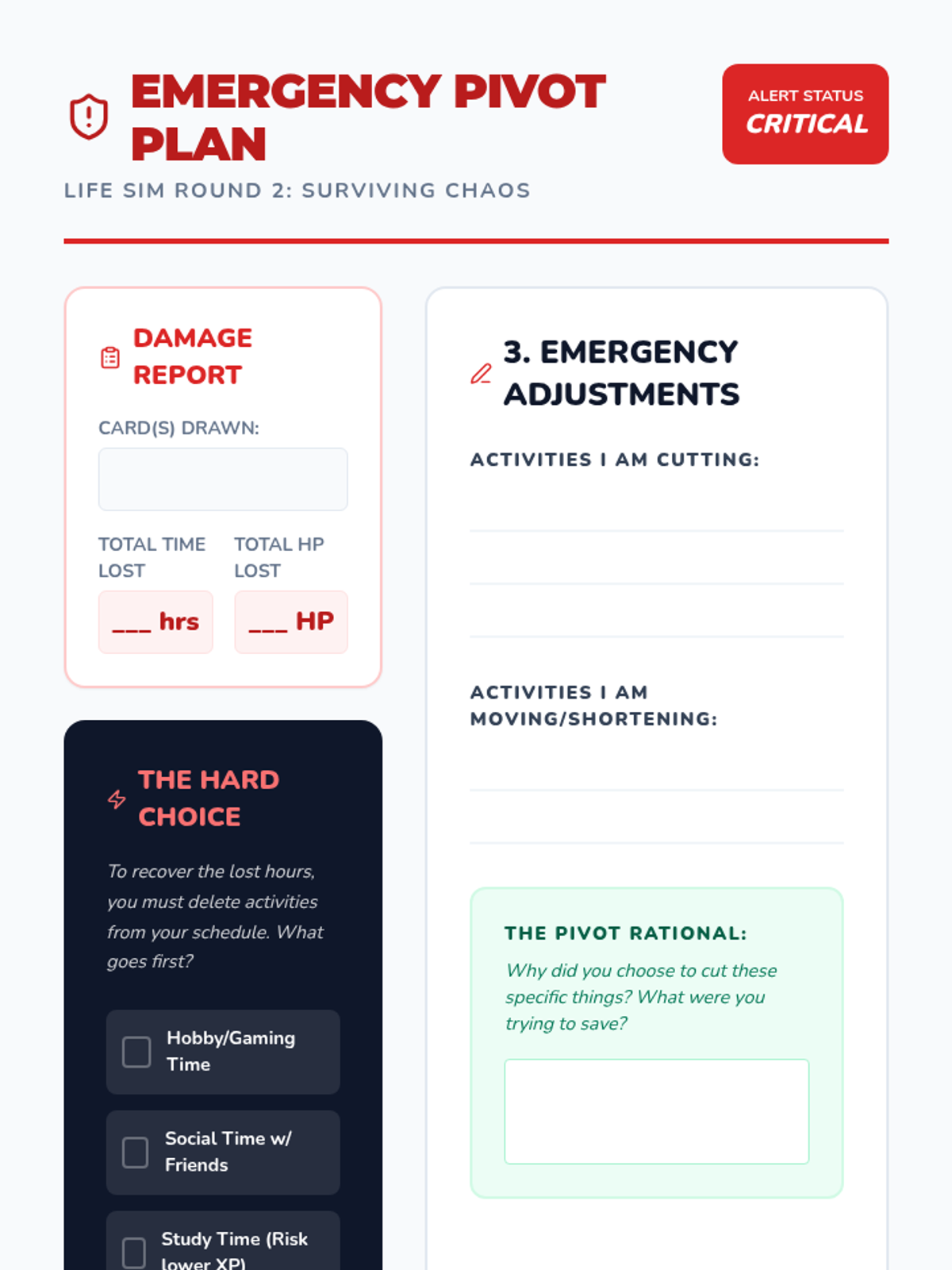
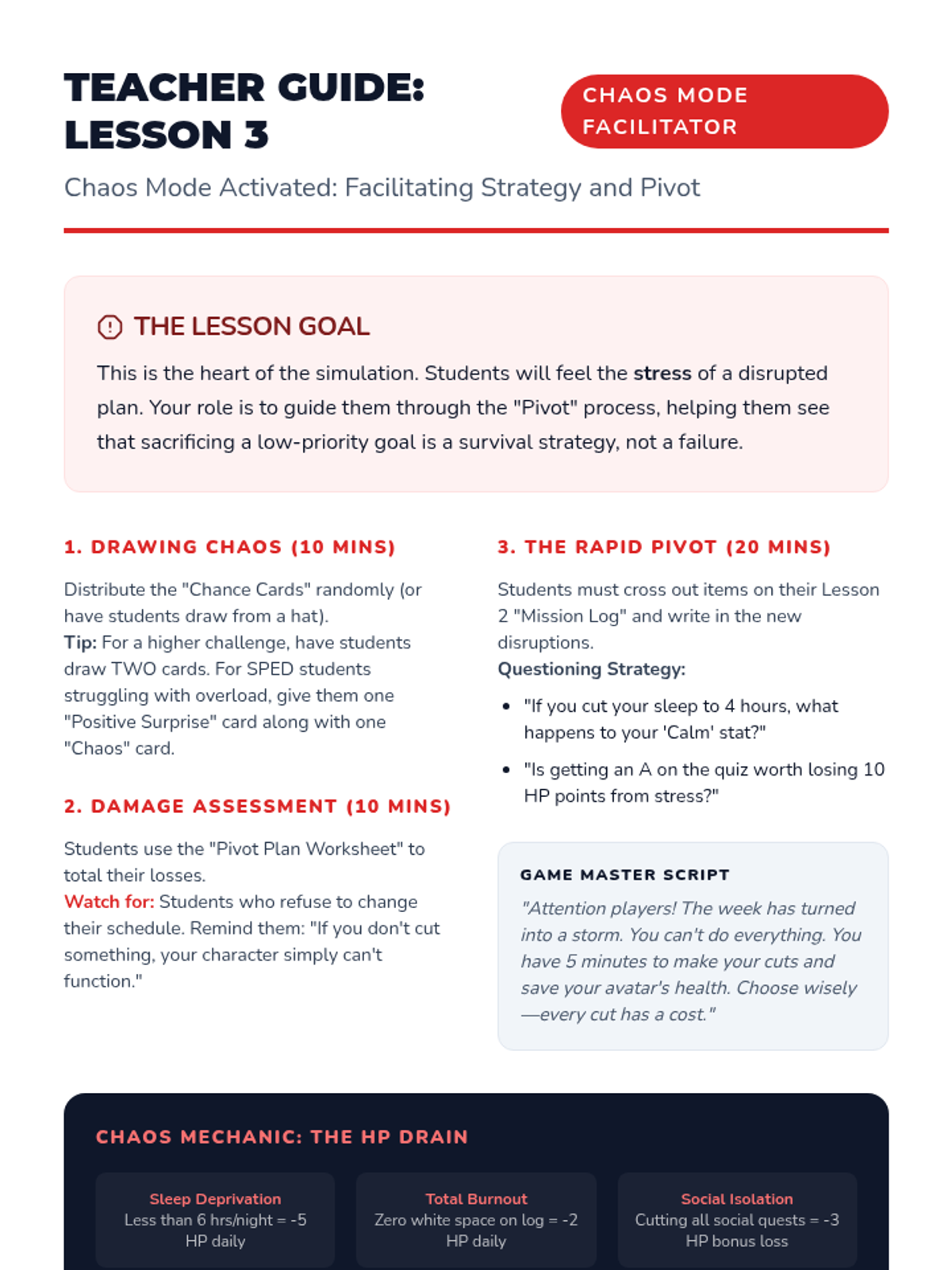
The simulation gets difficult as random events disrupt the students' perfect plans. Students must make rapid decisions about what to cut and what to keep.
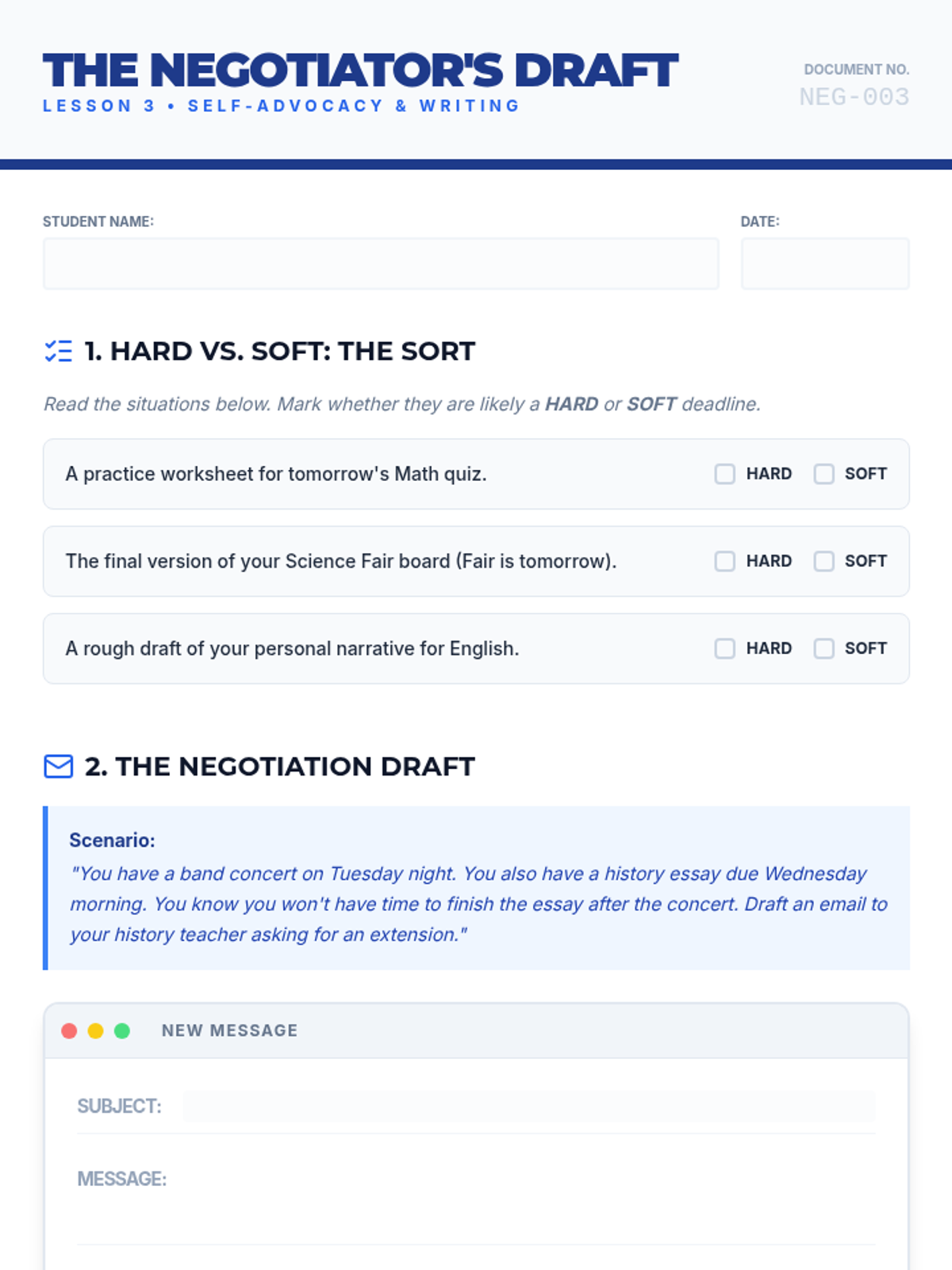
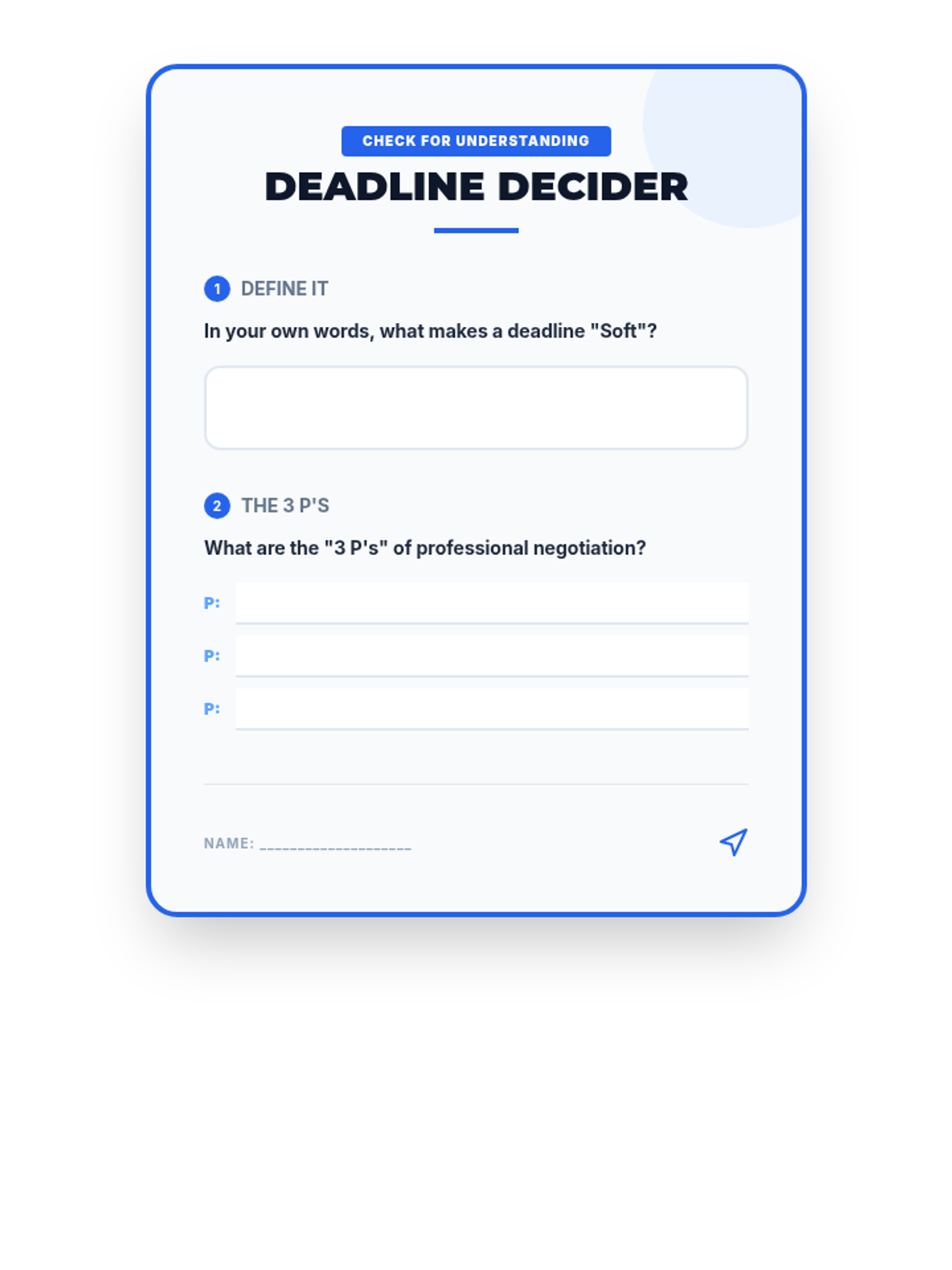
Students learn to differentiate between hard and soft deadlines and practice professional email communication to negotiate alternatives.
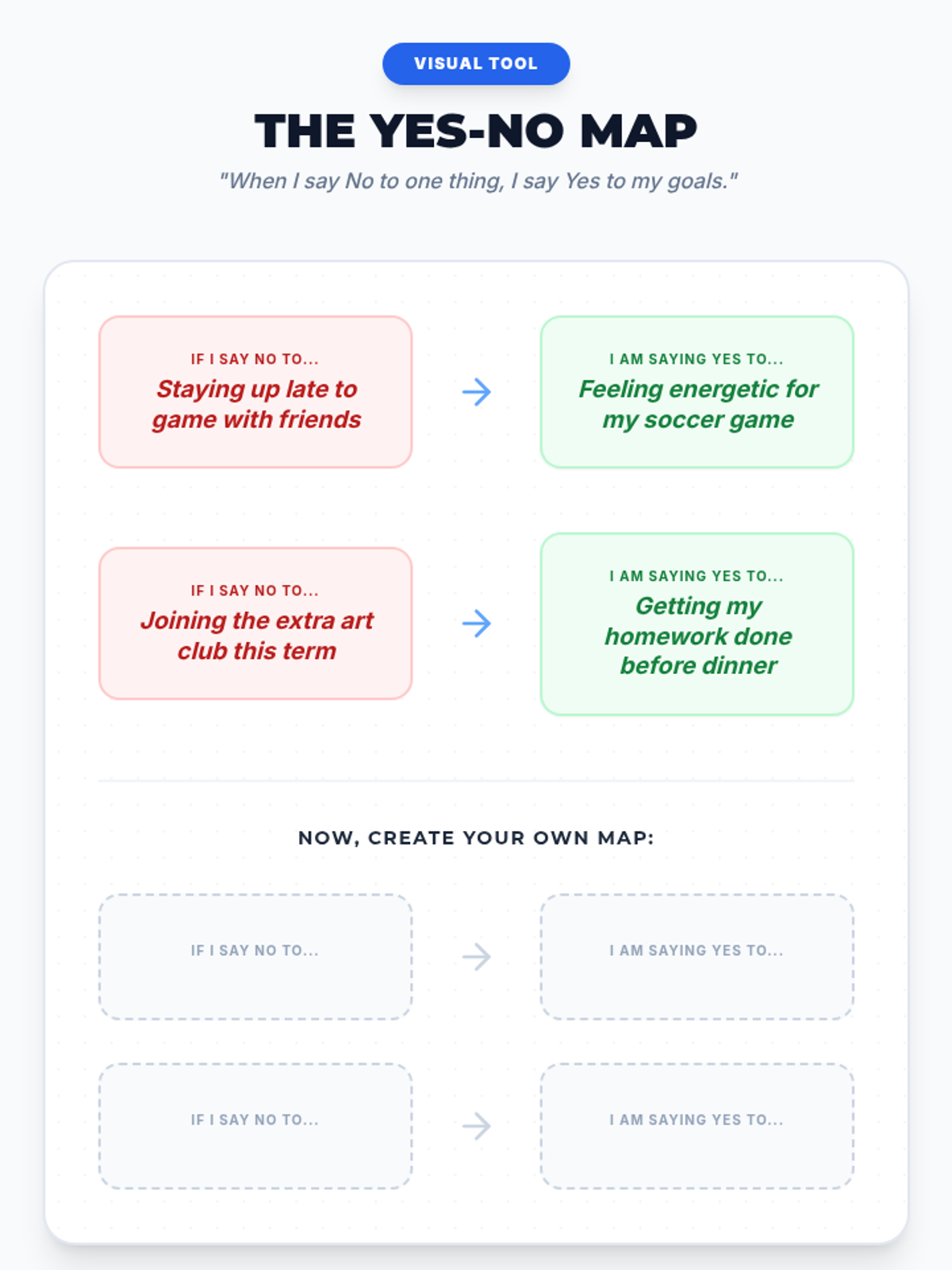
Students practice scripts for declining optional commitments politely but firmly, learning that every 'no' is a 'yes' to their own well-being.
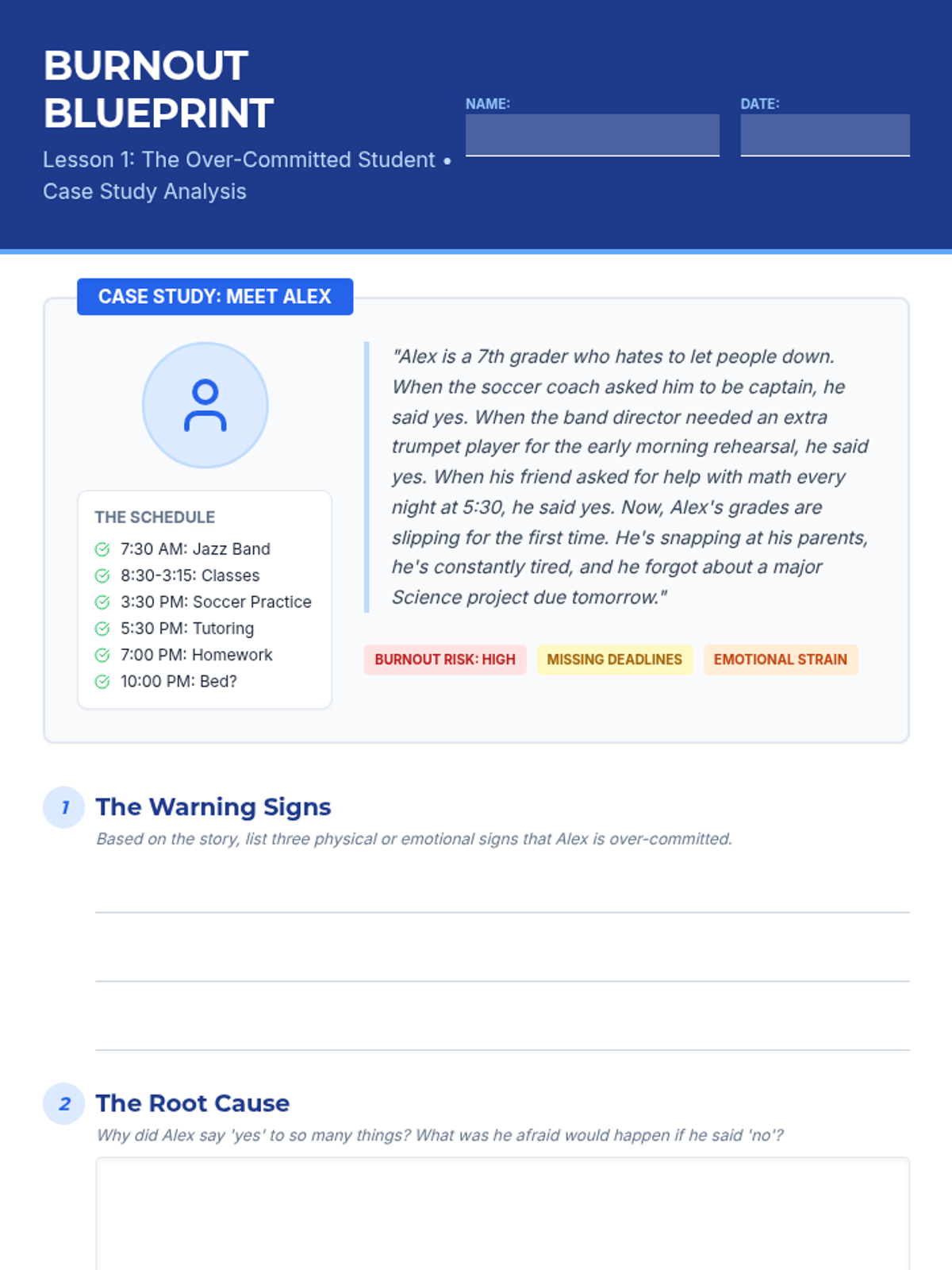
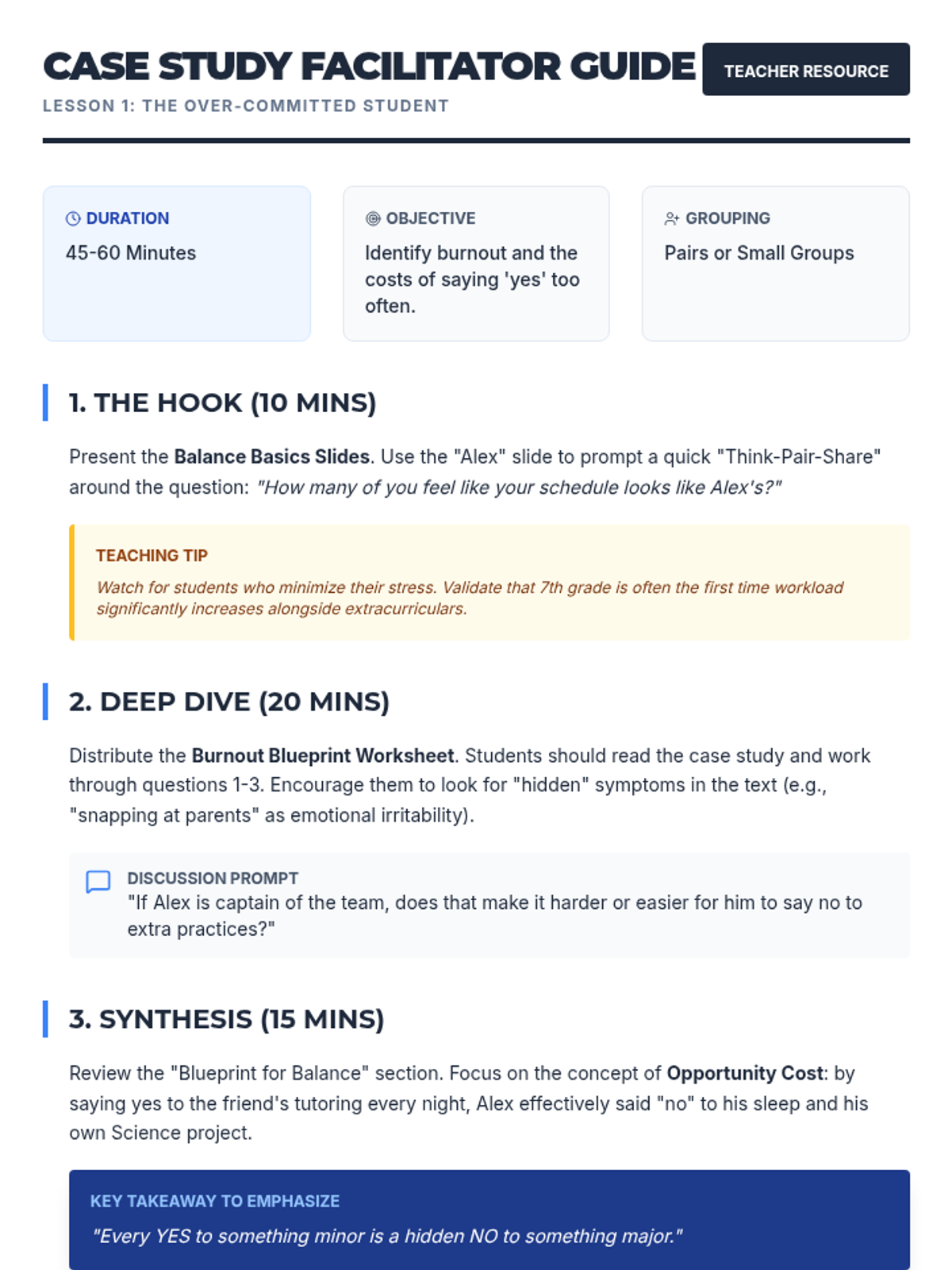
Students analyze case studies of 'over-committed' individuals to identify warning signs of burnout and the consequences of poor boundary setting.
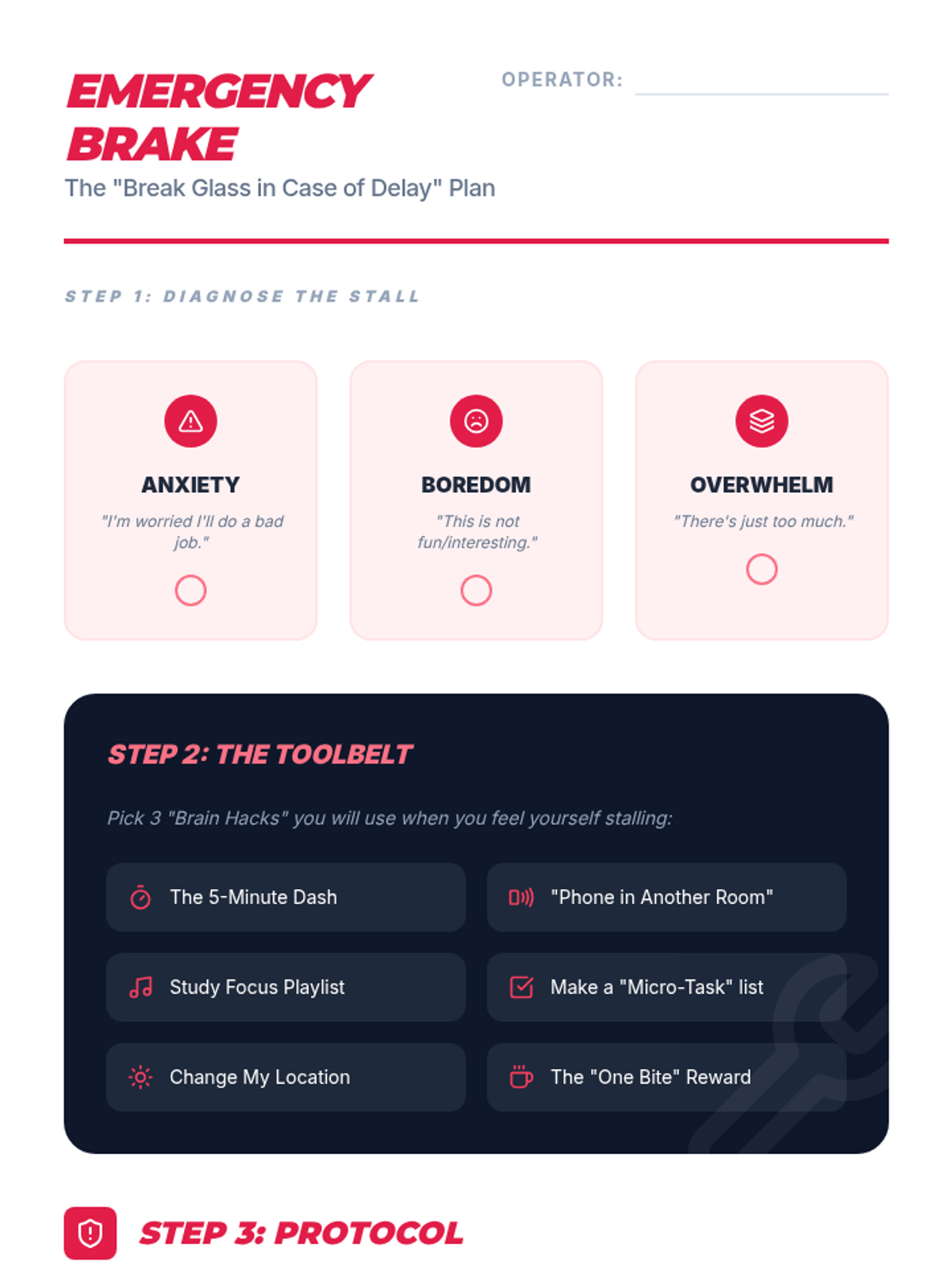
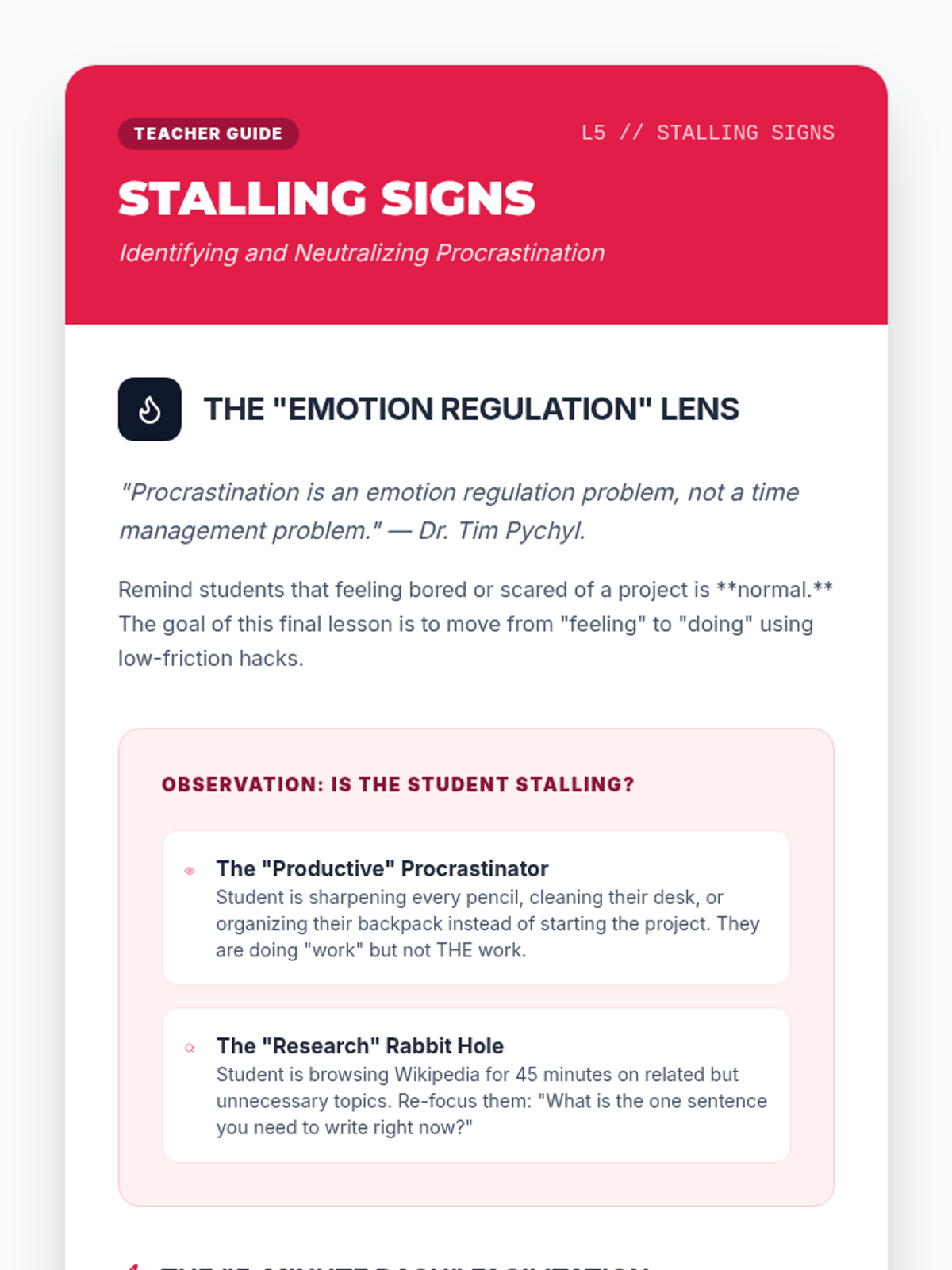
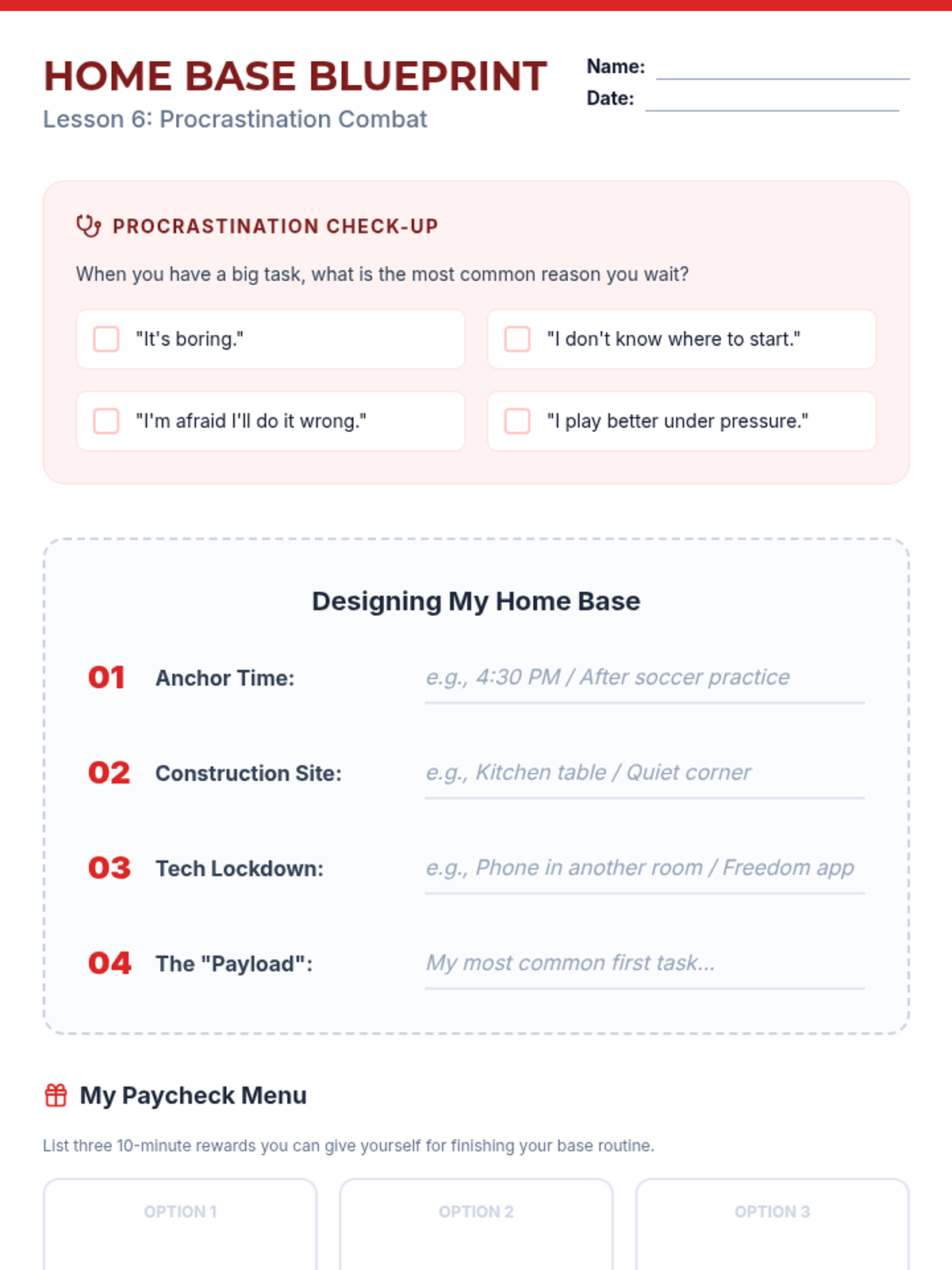
Students identify personal procrastination triggers and develop specific strategies to overcome them, including a 'Break Glass in Case of Emergency' plan for when they fall behind.
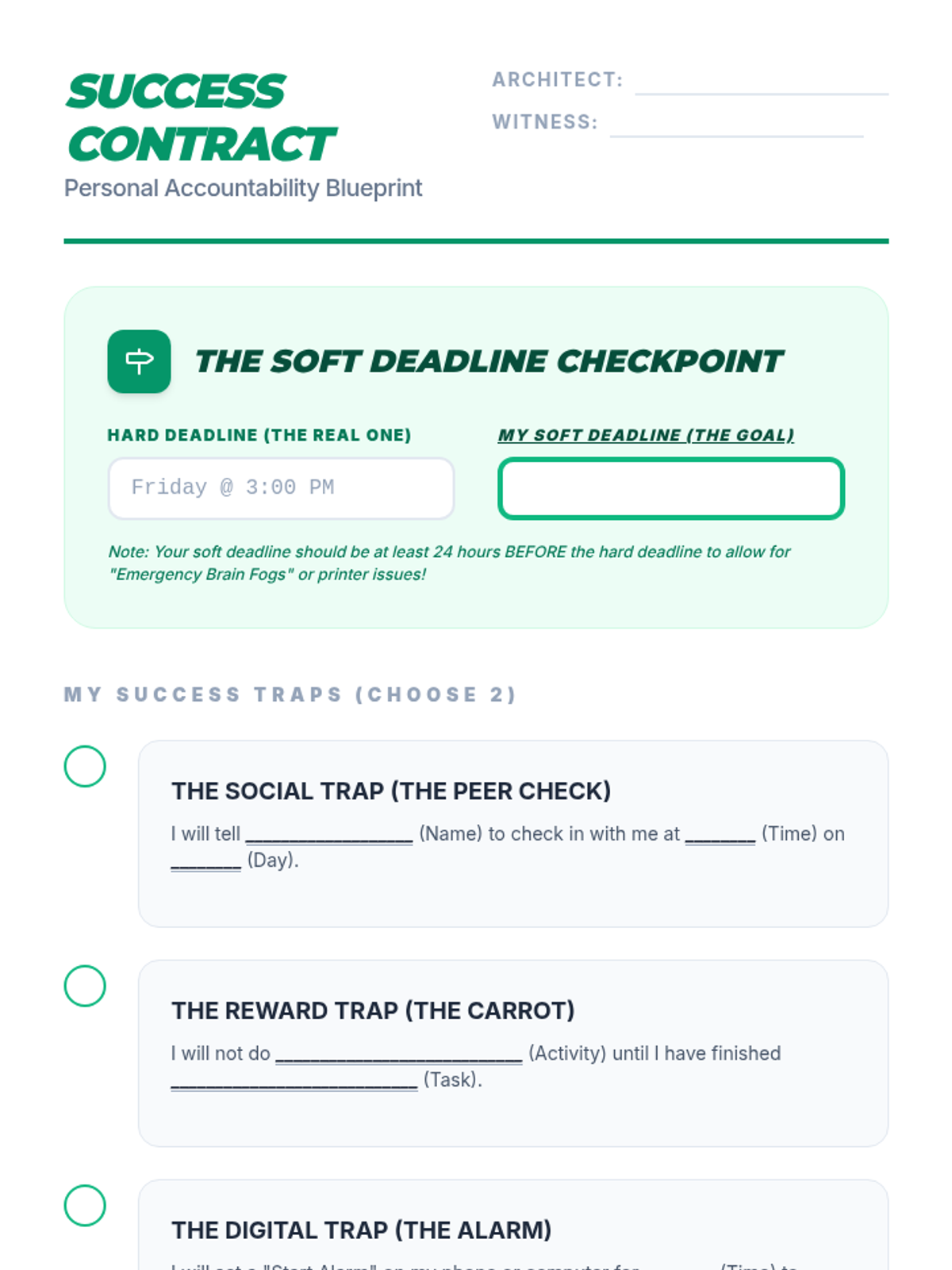
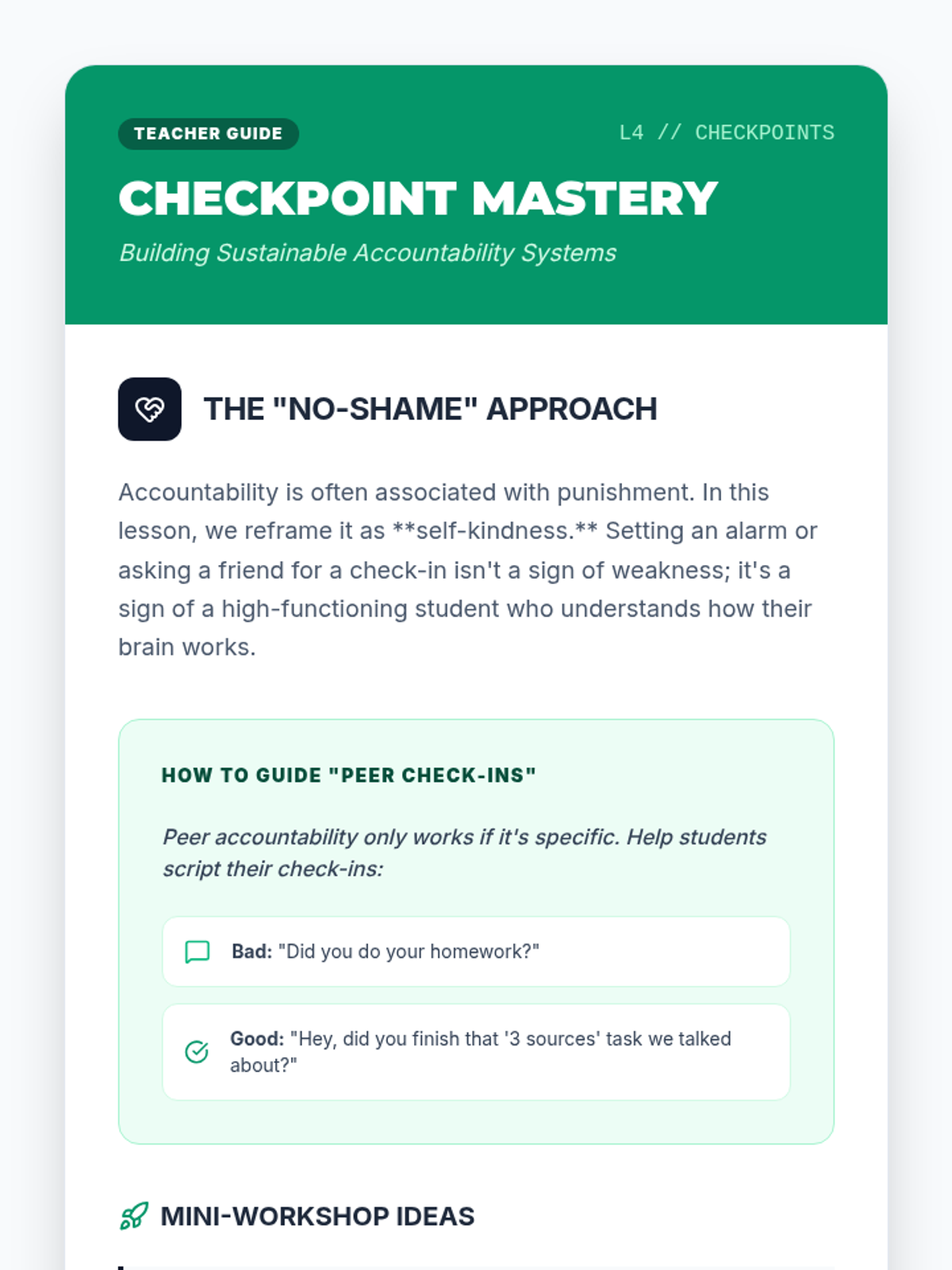
Students establish personal 'soft deadlines' and design accountability mechanisms, such as peer check-ins or reward systems, to stay on track.
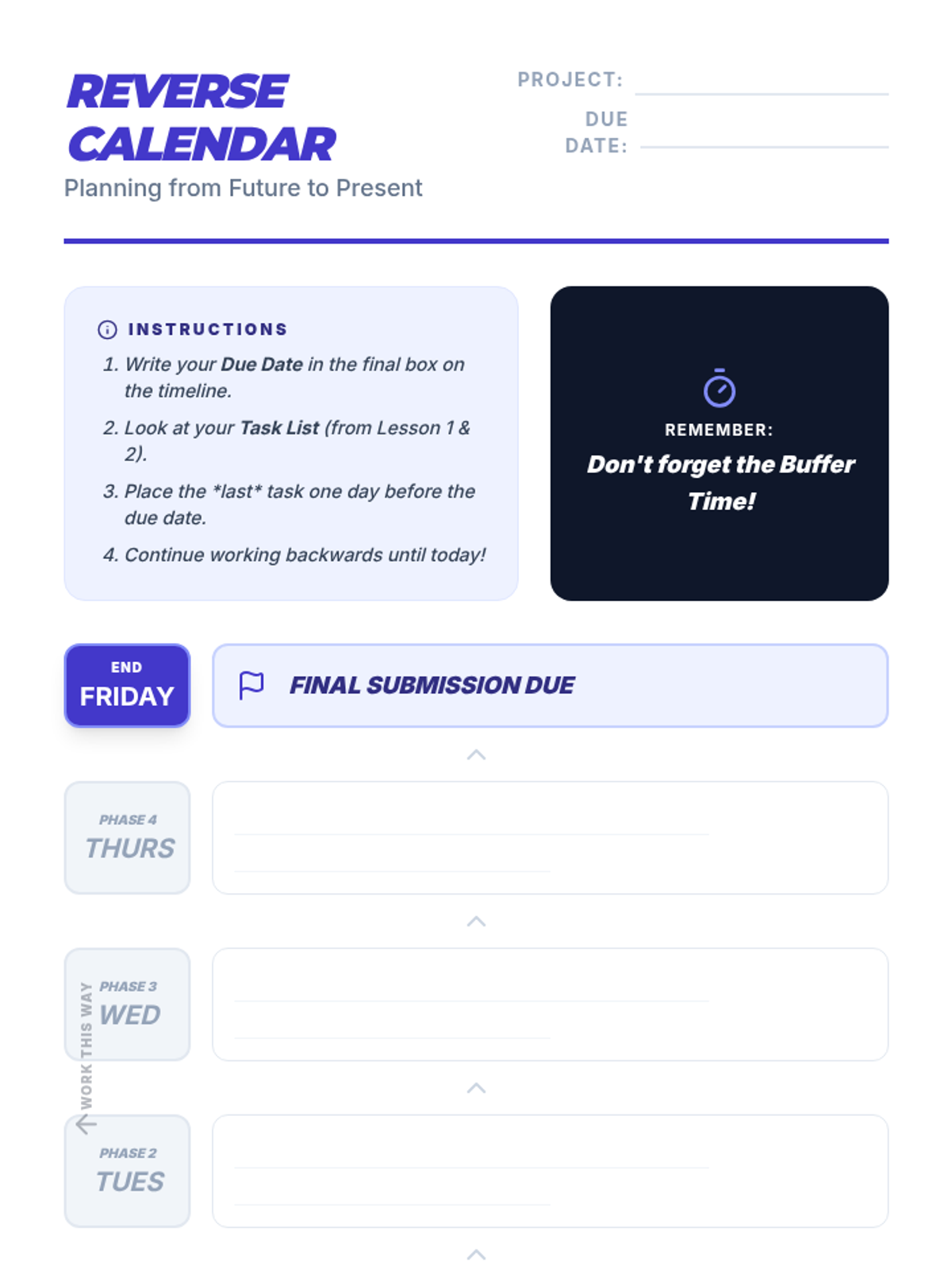
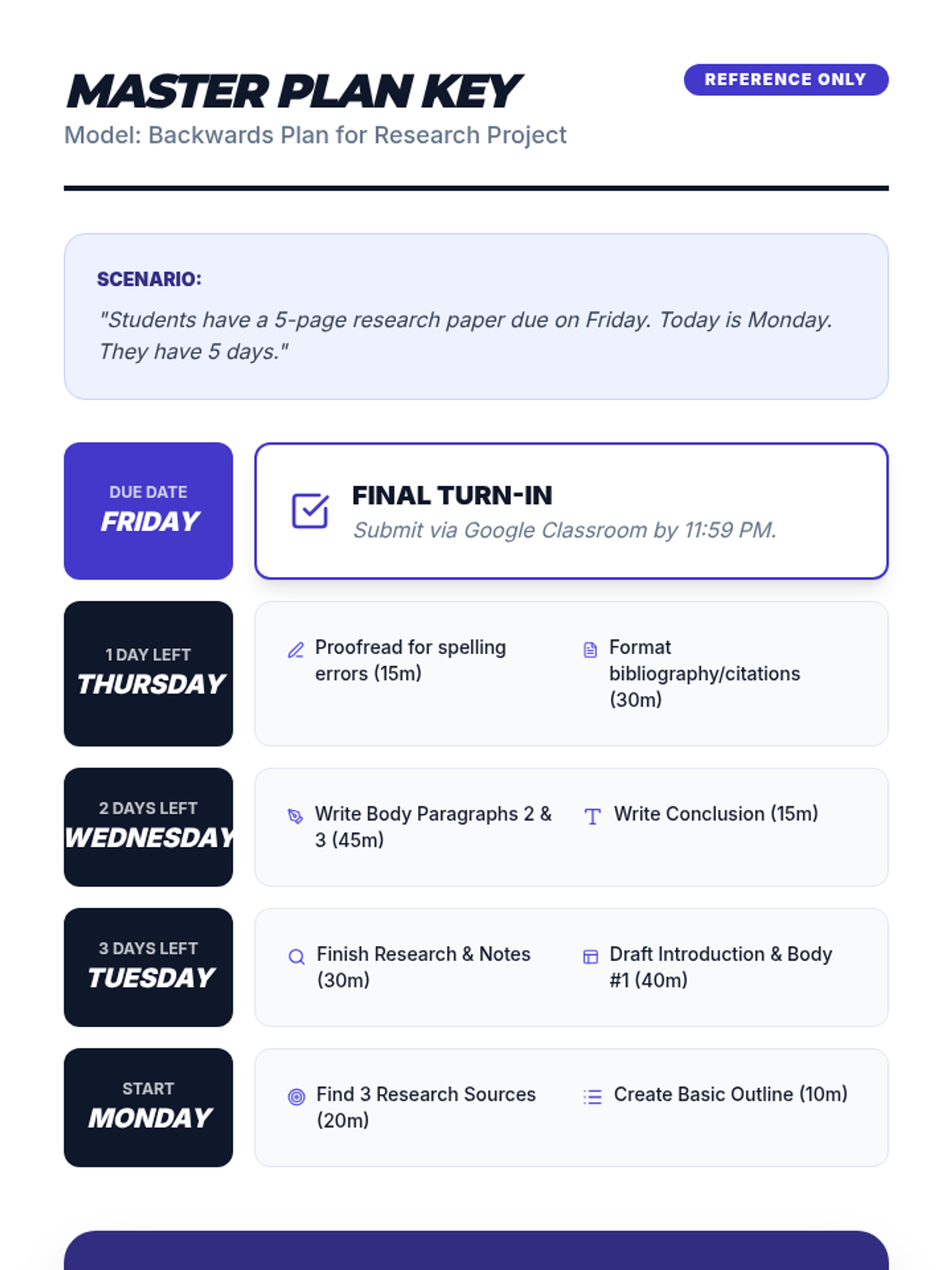
Starting from a due date and working backward to the present, students map out their sub-tasks on a calendar to visually distribute workload and avoid 'cramming'.
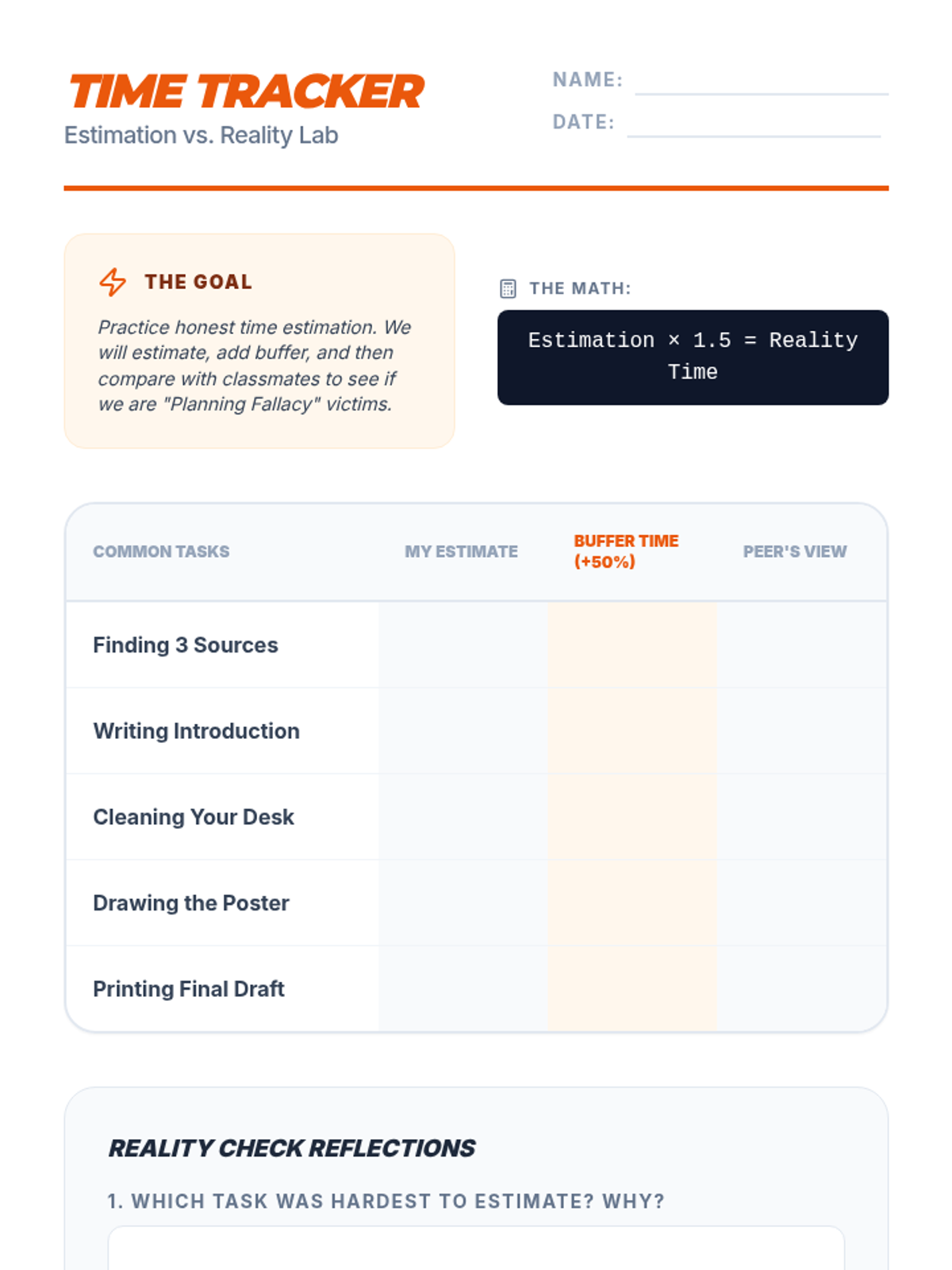
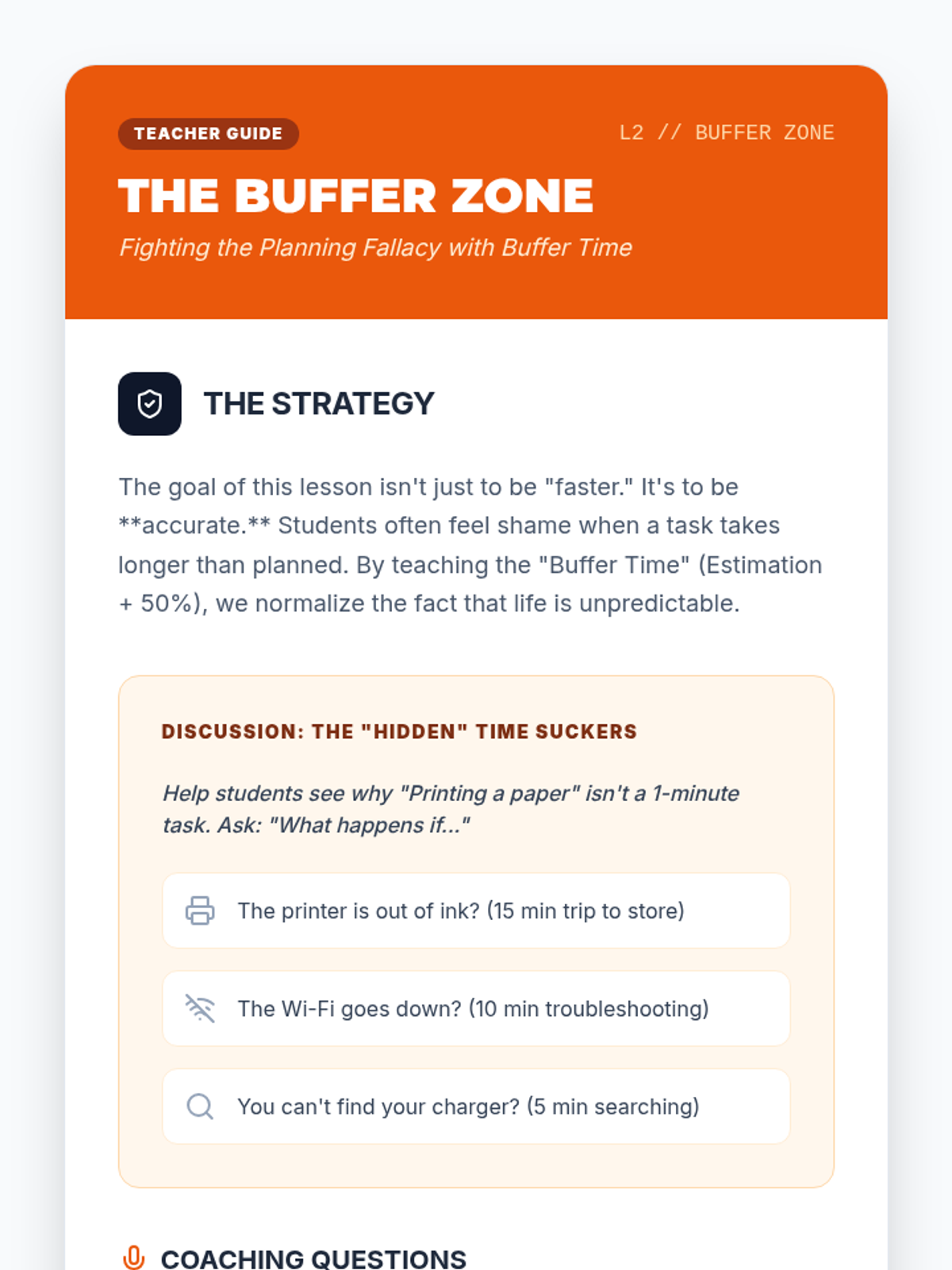
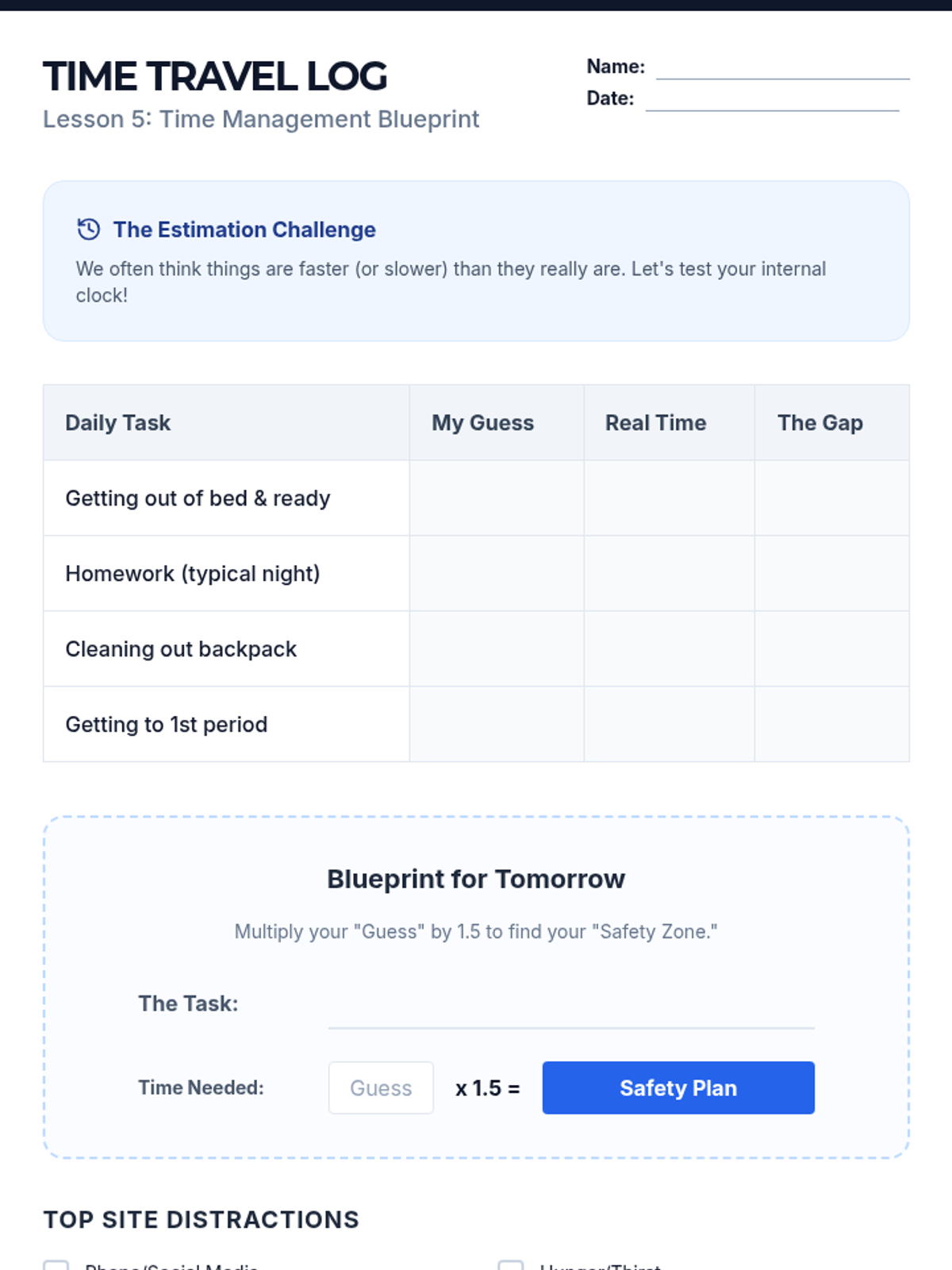
Students assign estimated time values to sub-tasks and compare them with peers to check for realism, learning about the 'planning fallacy' and the importance of adding buffer time.
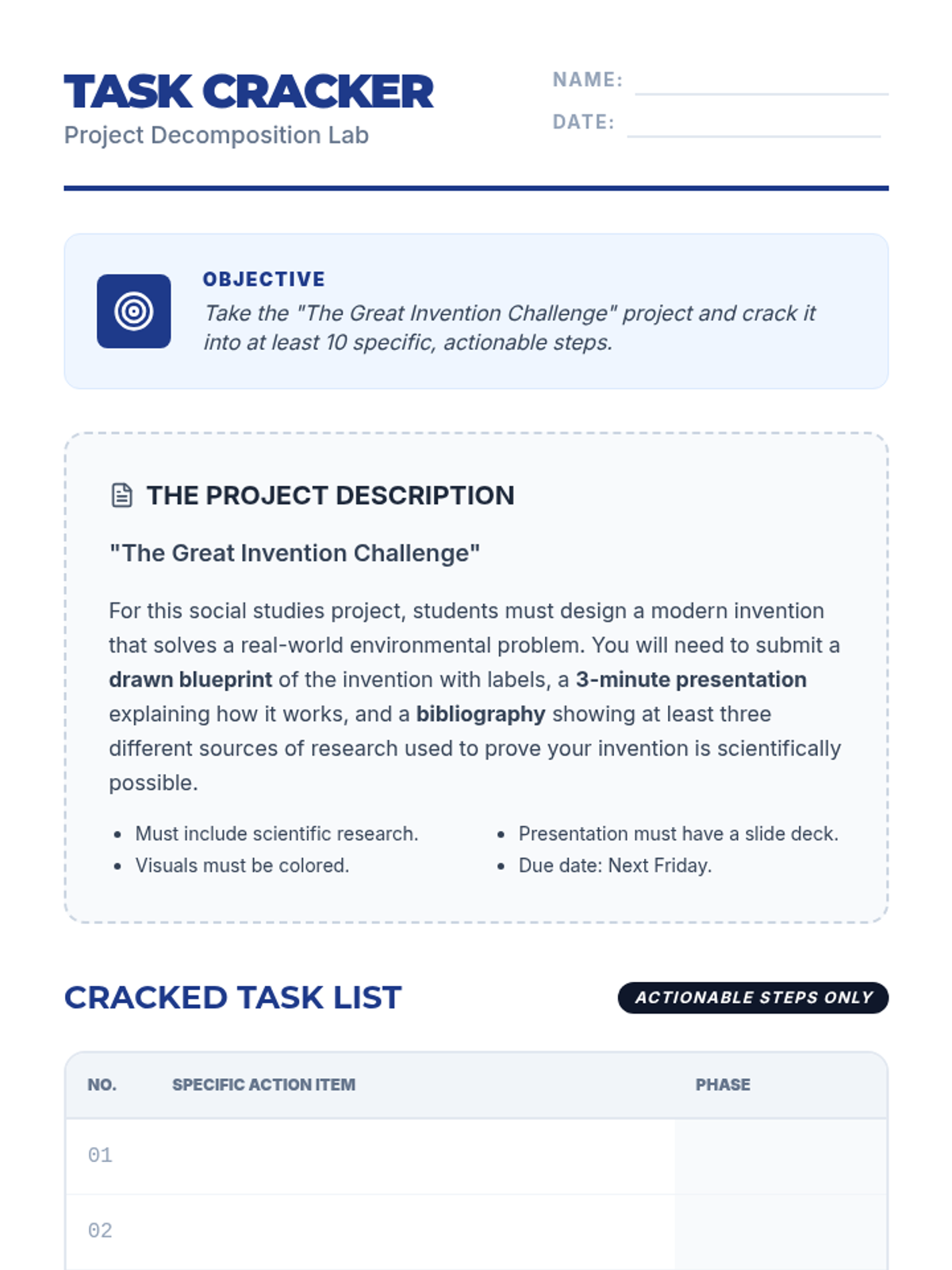
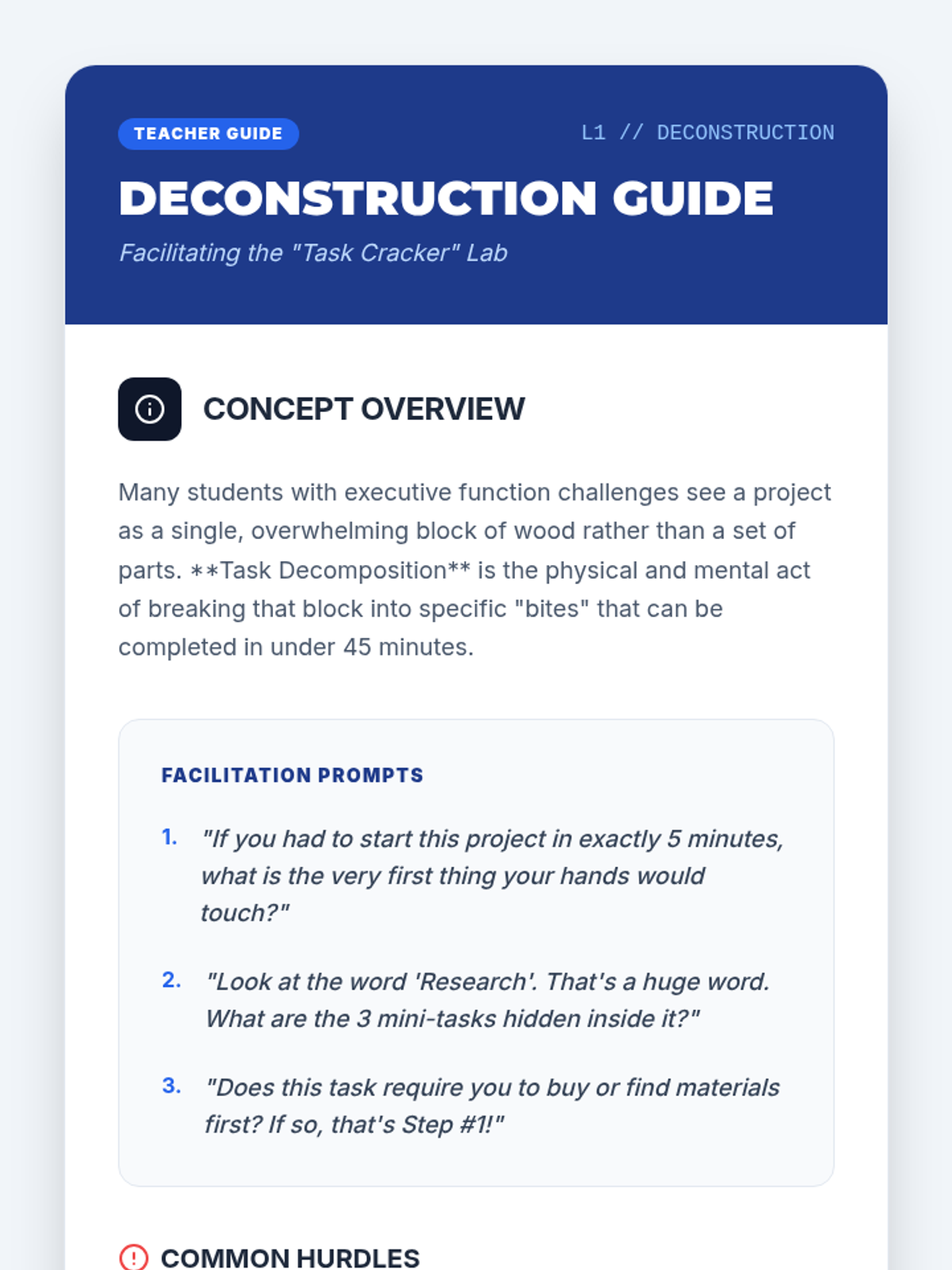
Students analyze a complex project rubric to identify every sub-task required for completion, learning the skill of 'decomposition'—breaking a large whole into small, actionable parts.
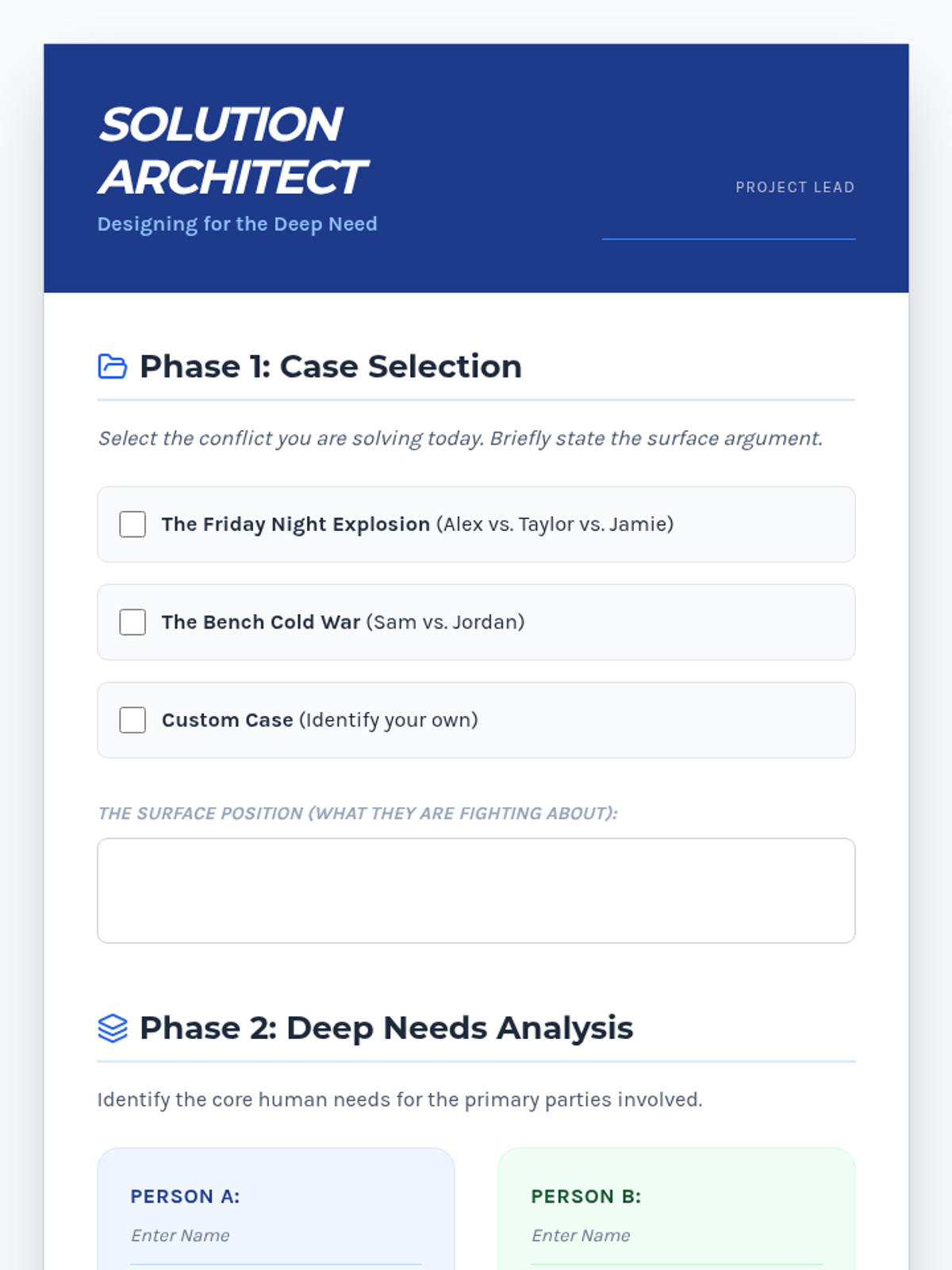
Students synthesize their learning to propose solutions that address underlying needs rather than surface-level compromises.
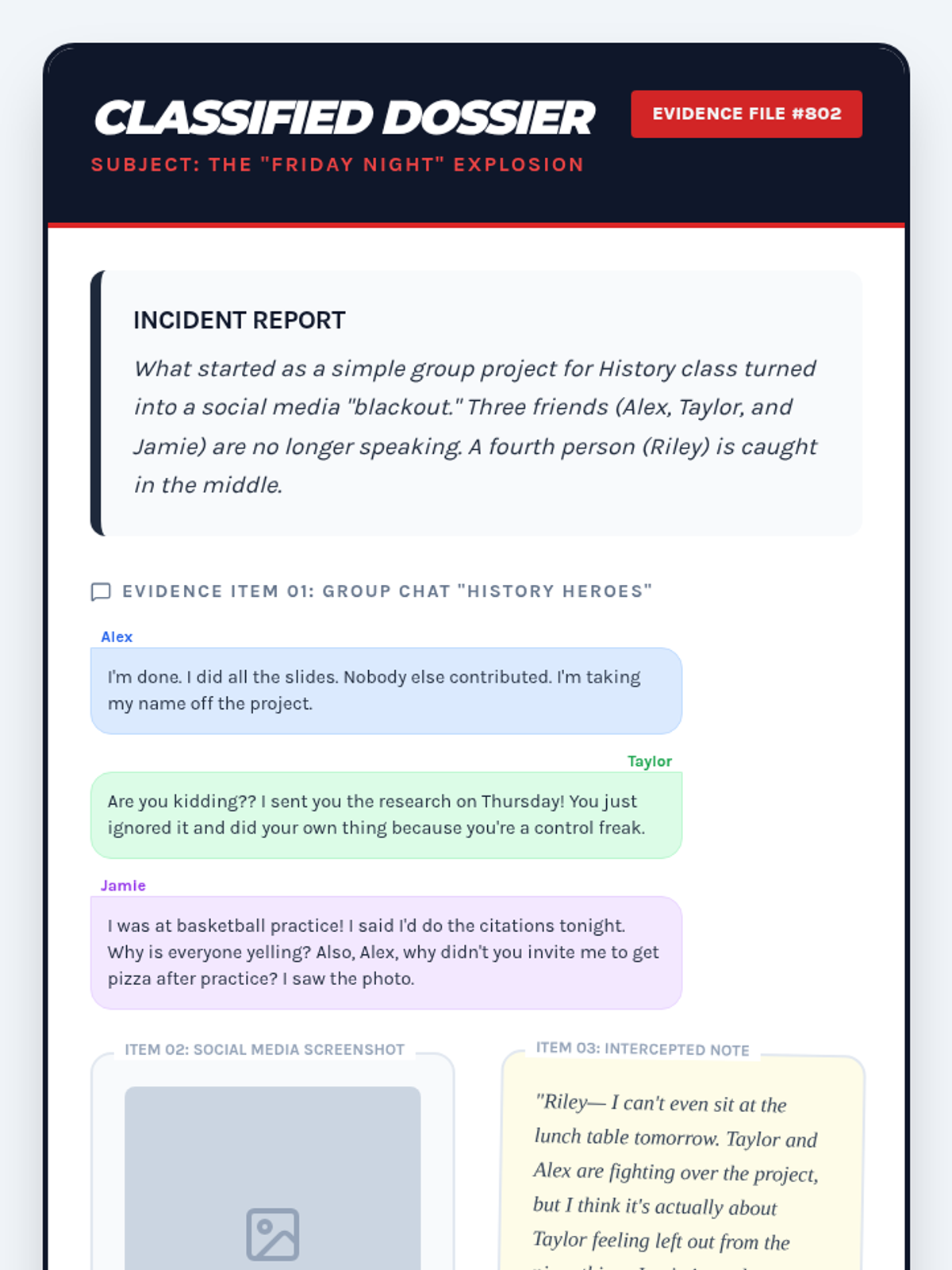
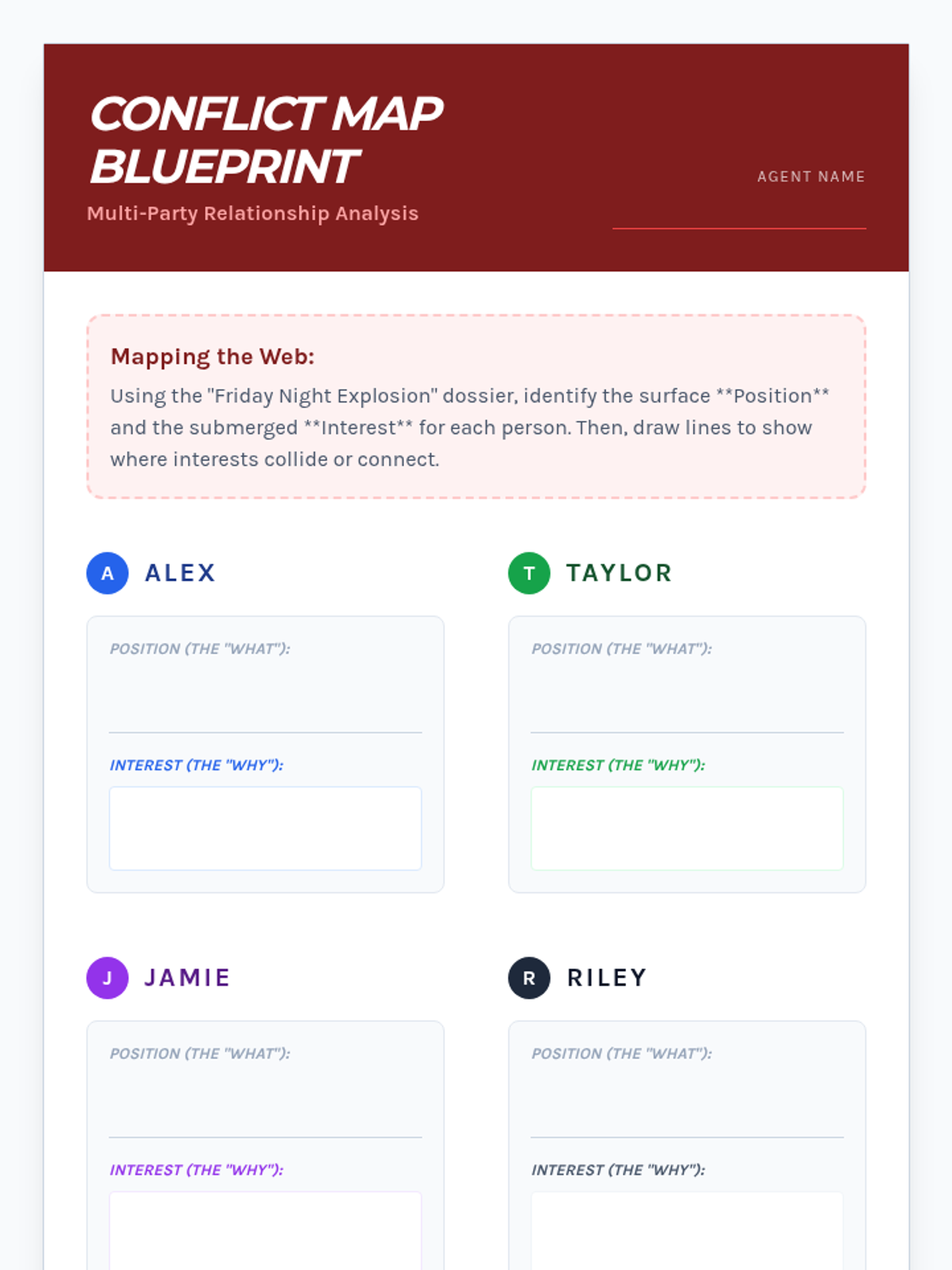
Students analyze and map complex, multi-party conflicts to visualize how different interests intersect and collide in social groups.
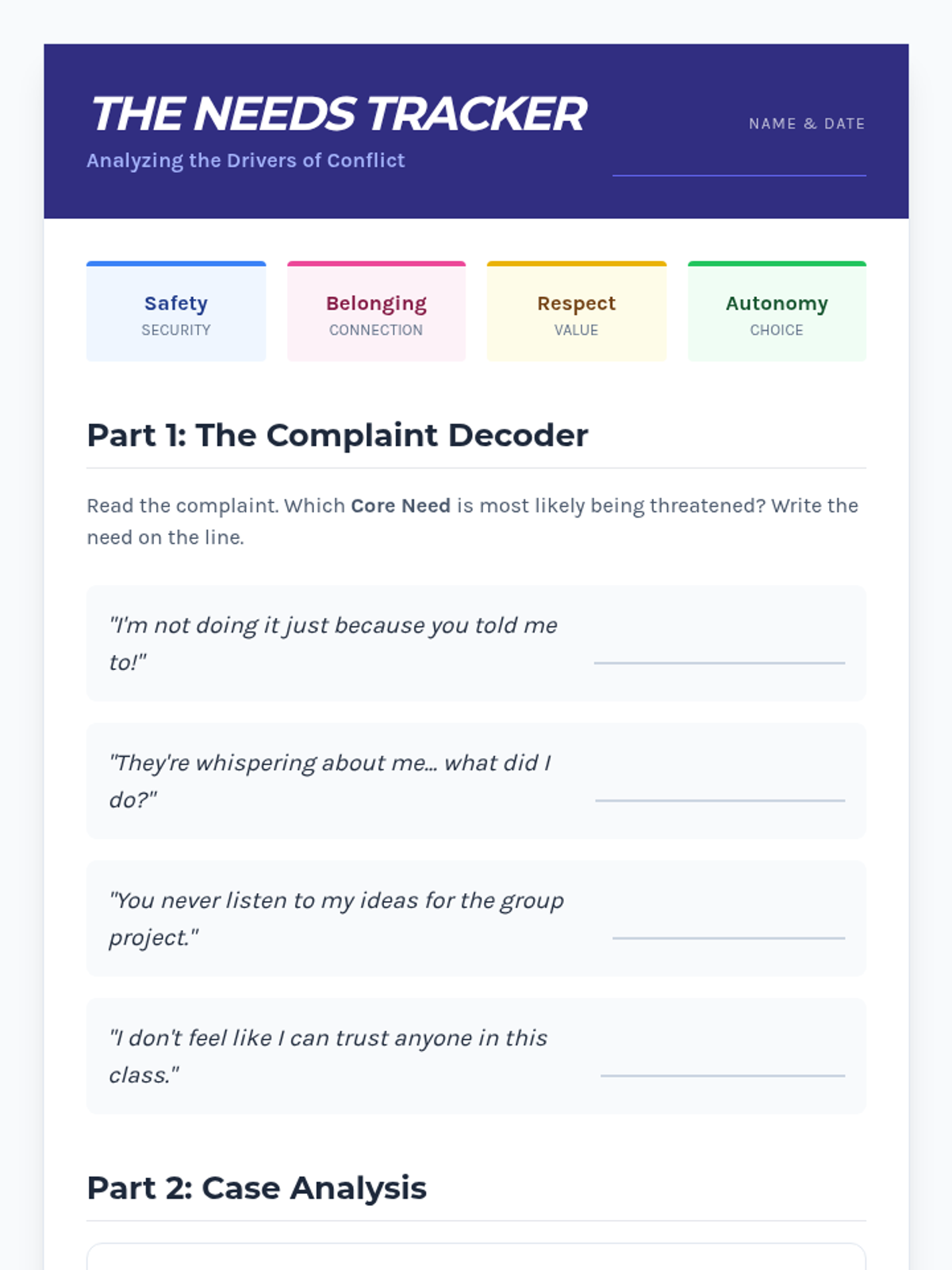
Students identify and categorize core human needs (safety, belonging, respect, autonomy) that drive behavior in conflicts.
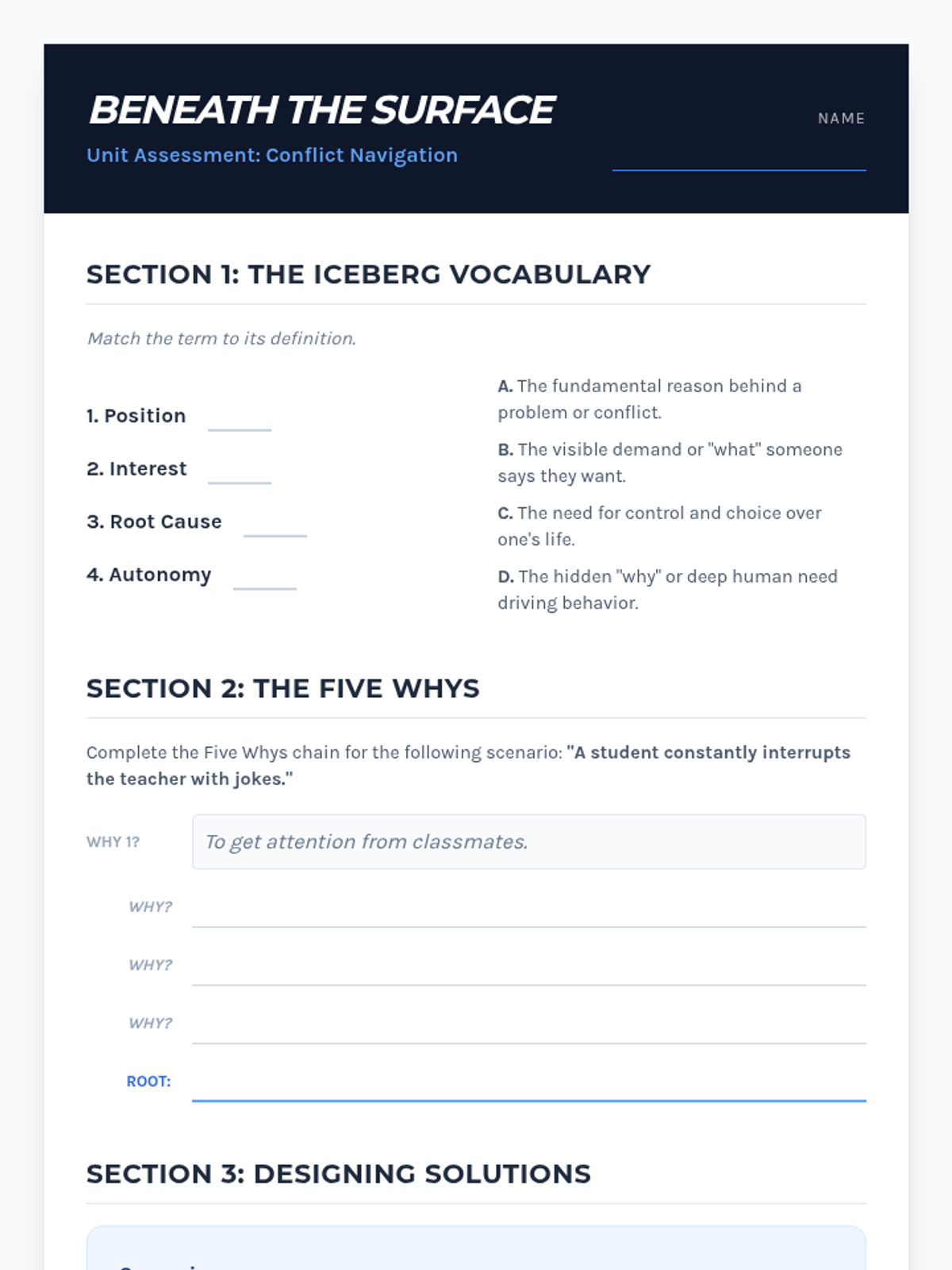
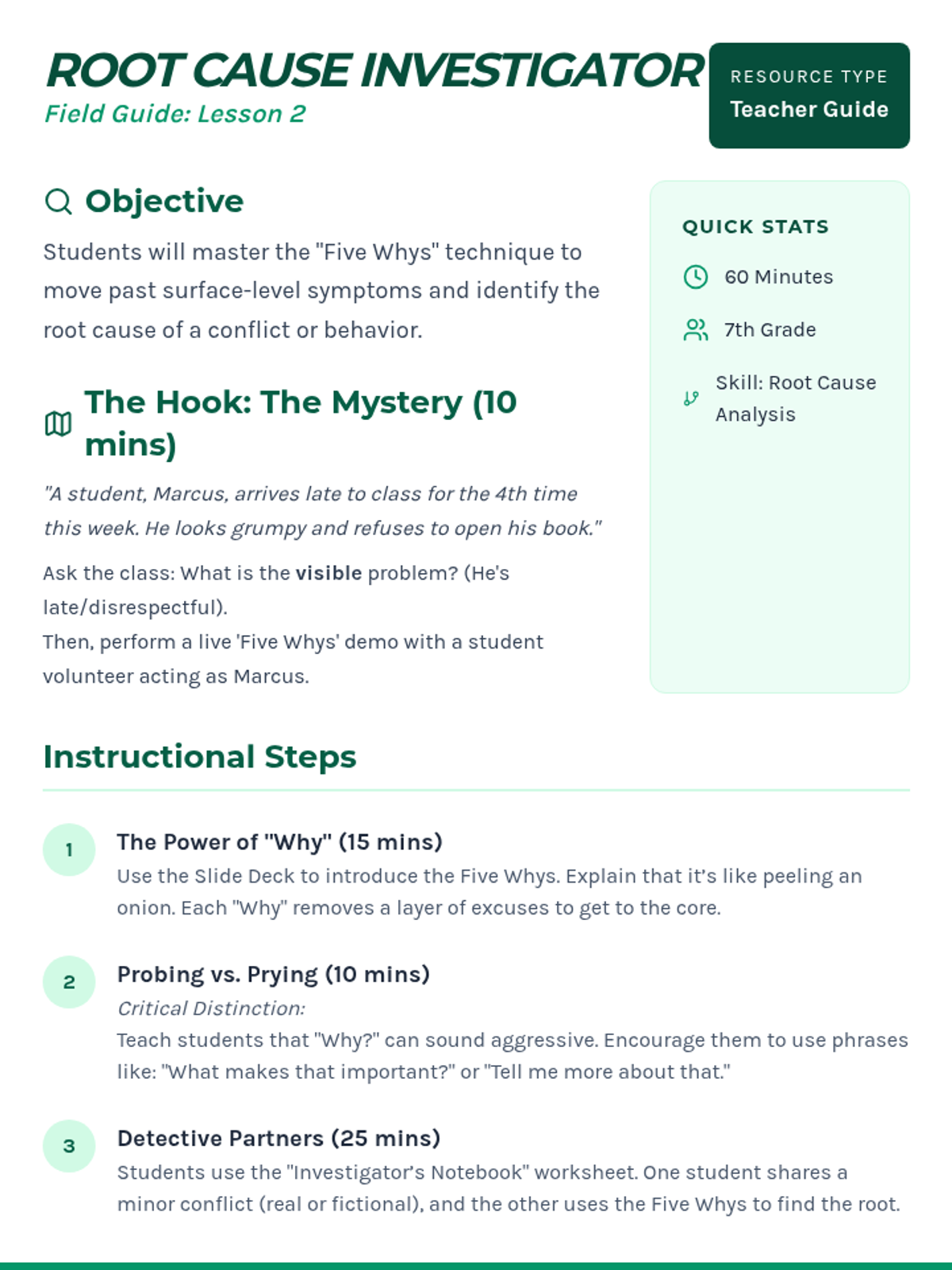
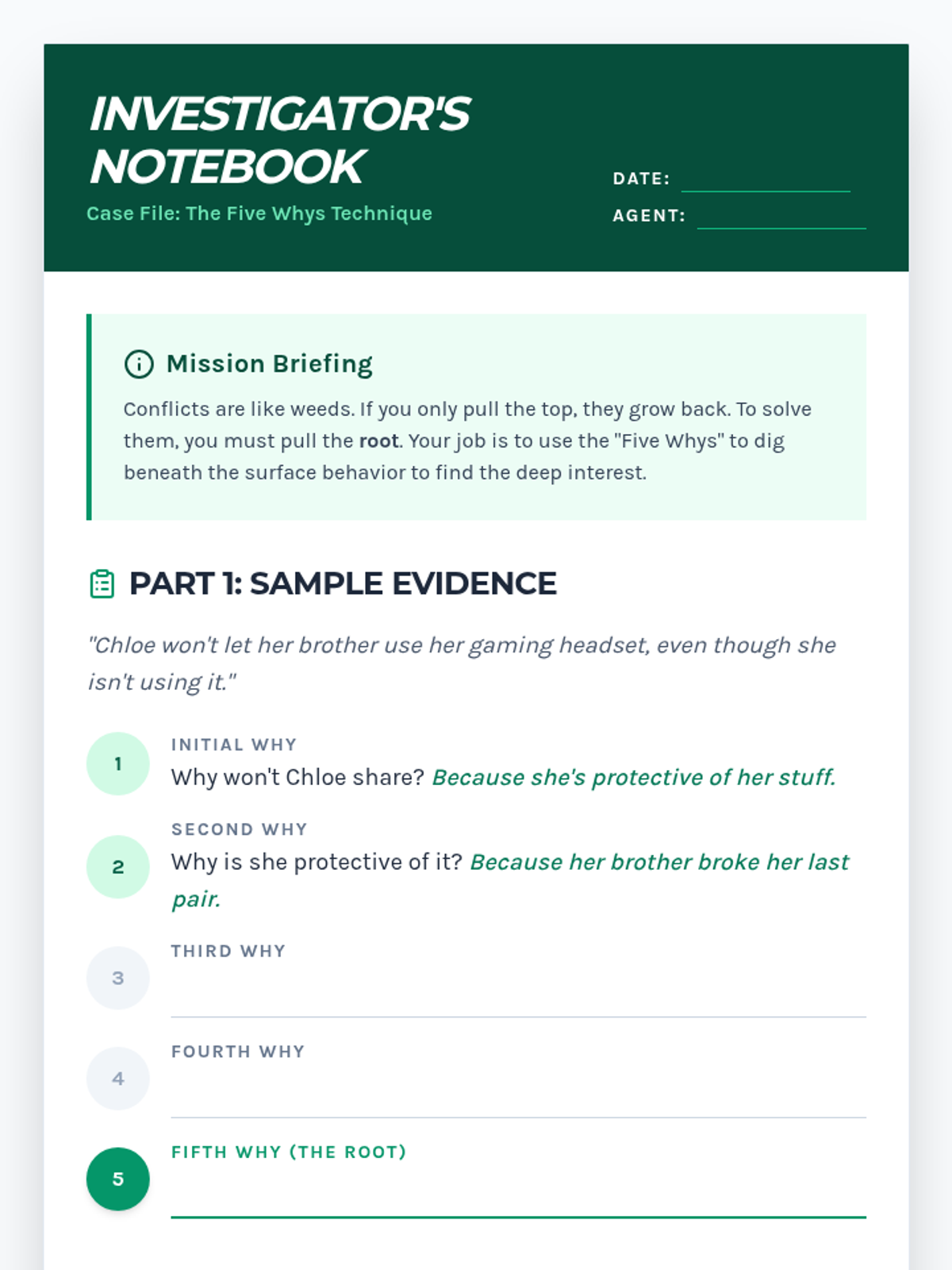
Students learn the 'Five Whys' technique to drill down from a surface-level conflict to its root cause, practicing through investigative interviews.
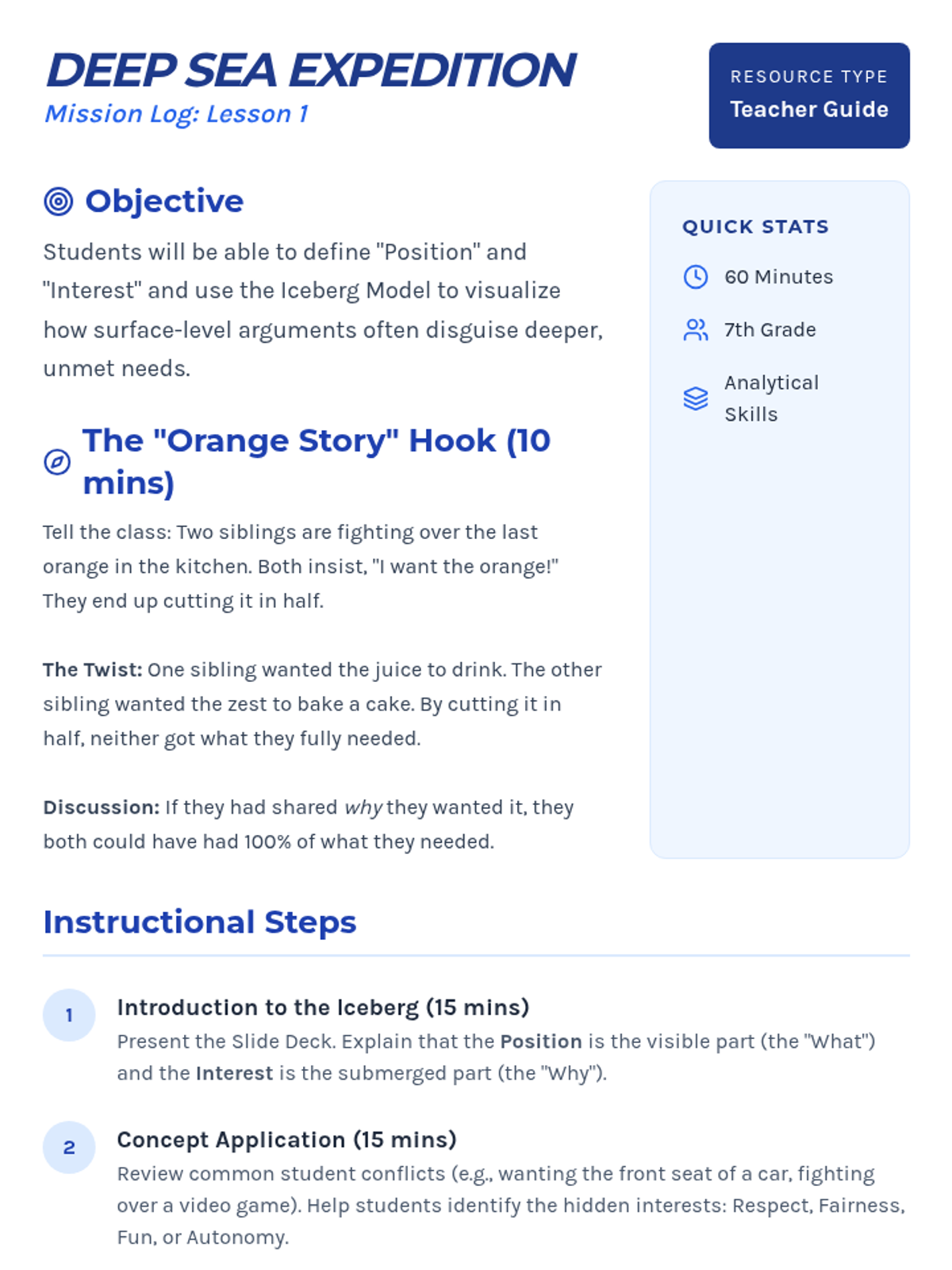
Students are introduced to the Iceberg Model of conflict, learning to distinguish between what people say they want (positions) and what they actually need (interests).
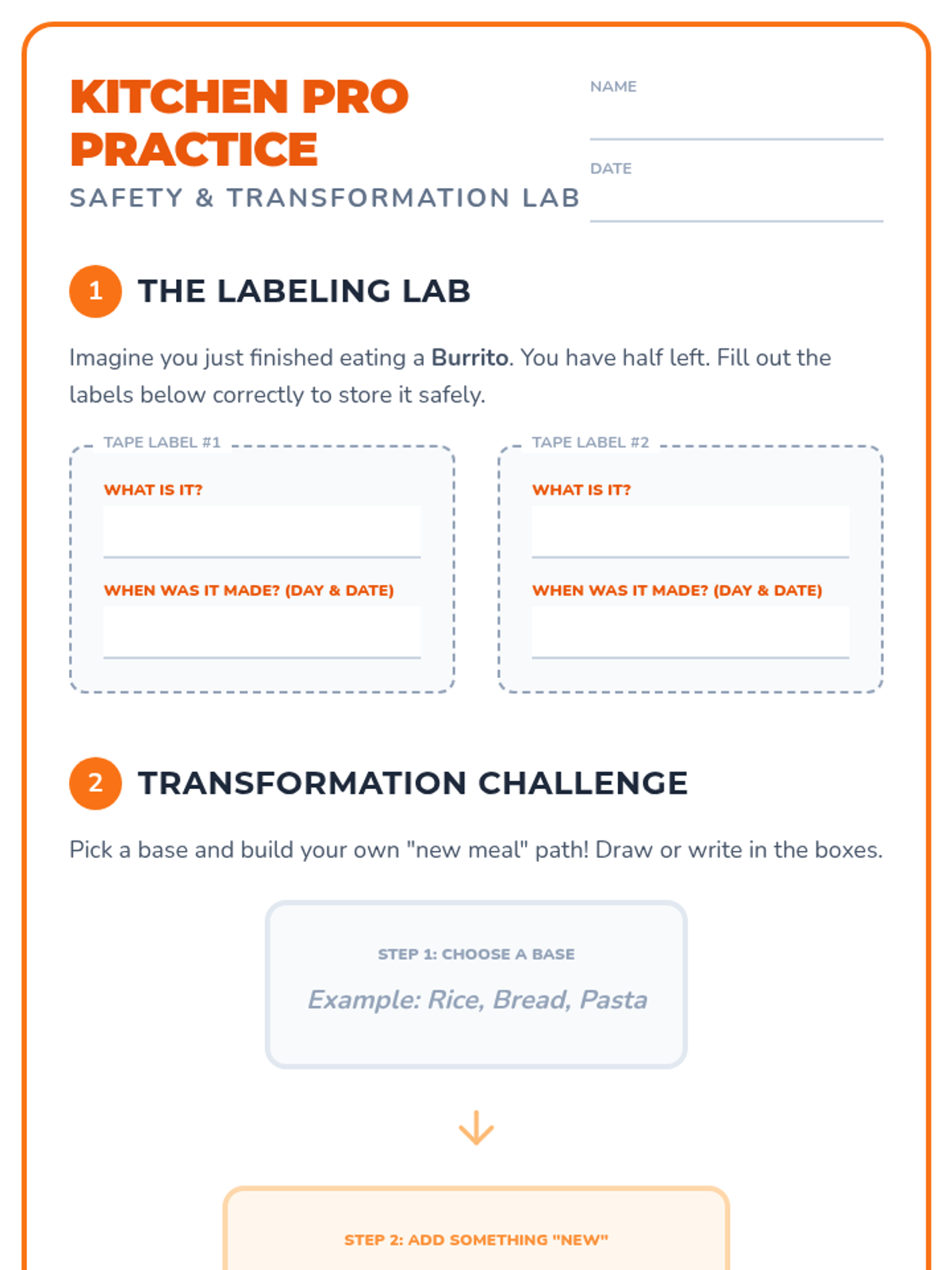
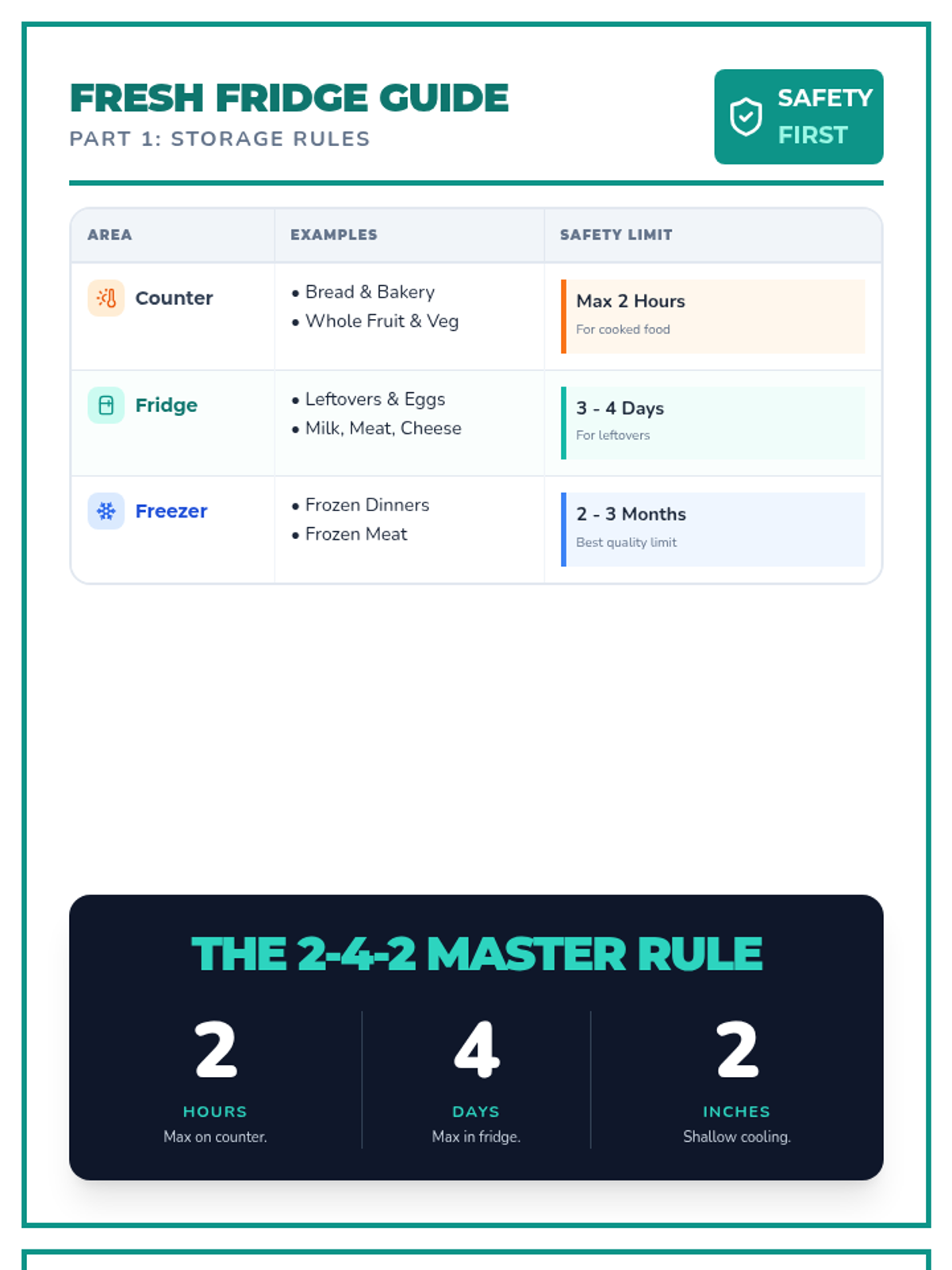
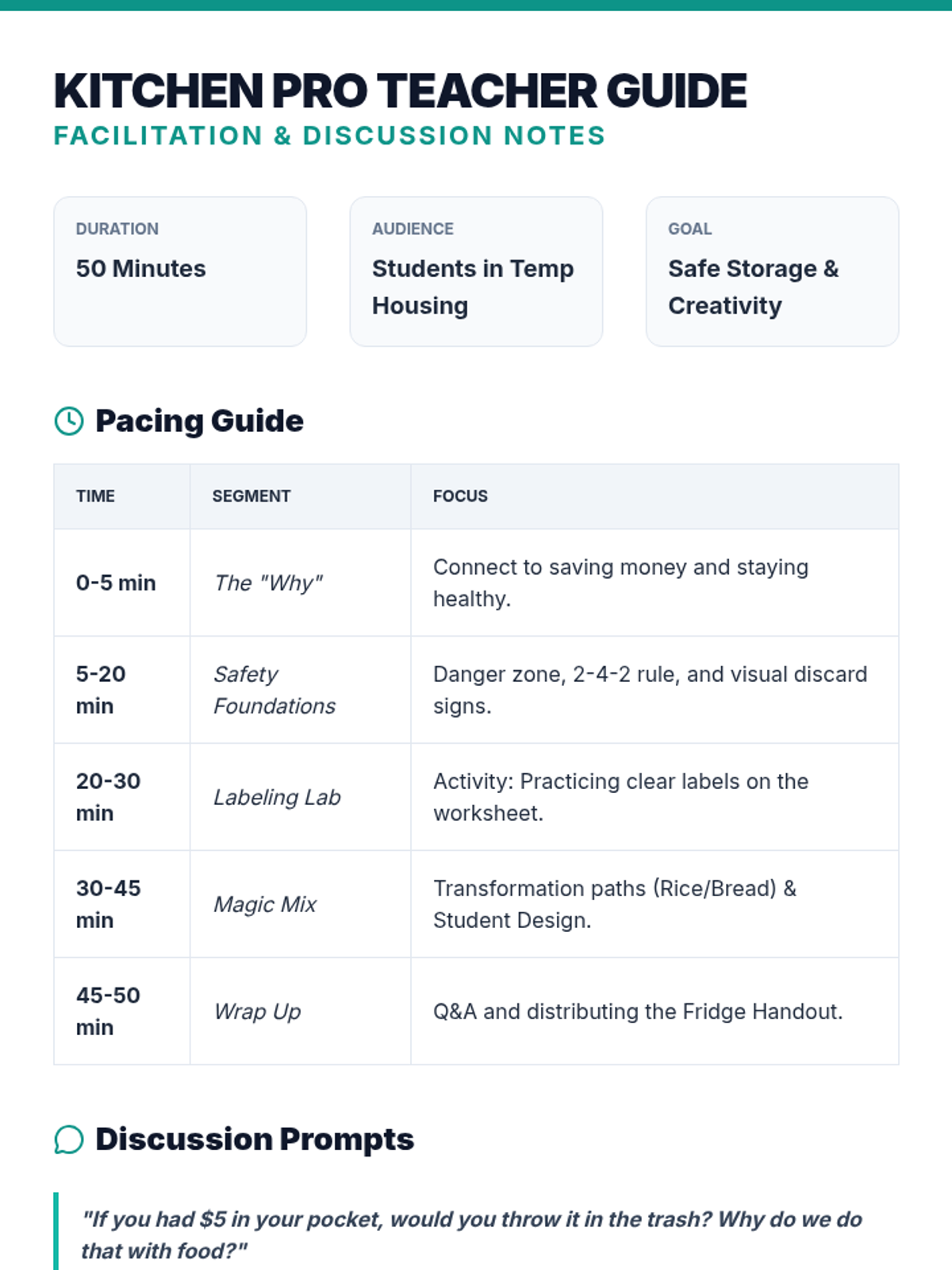
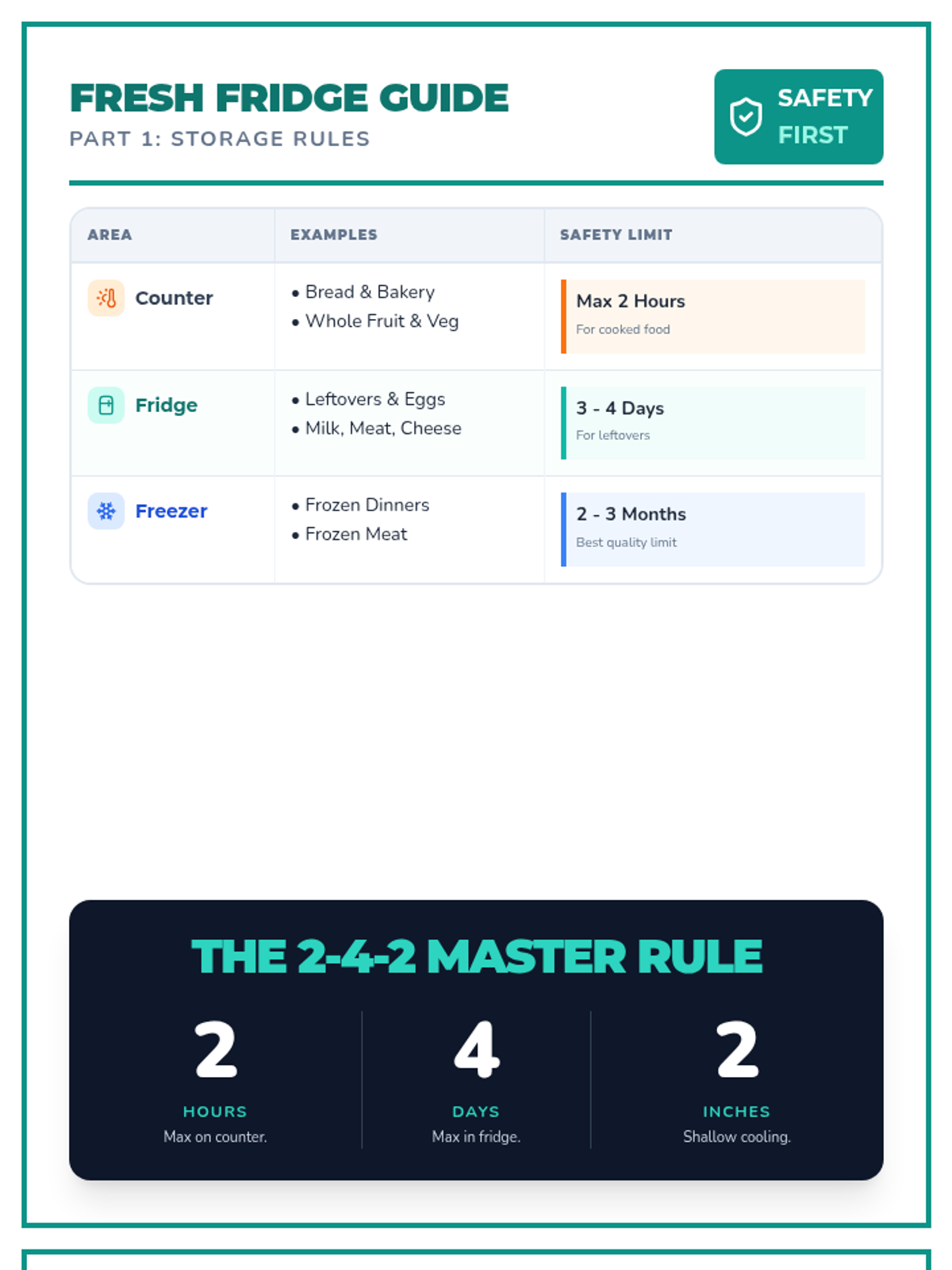
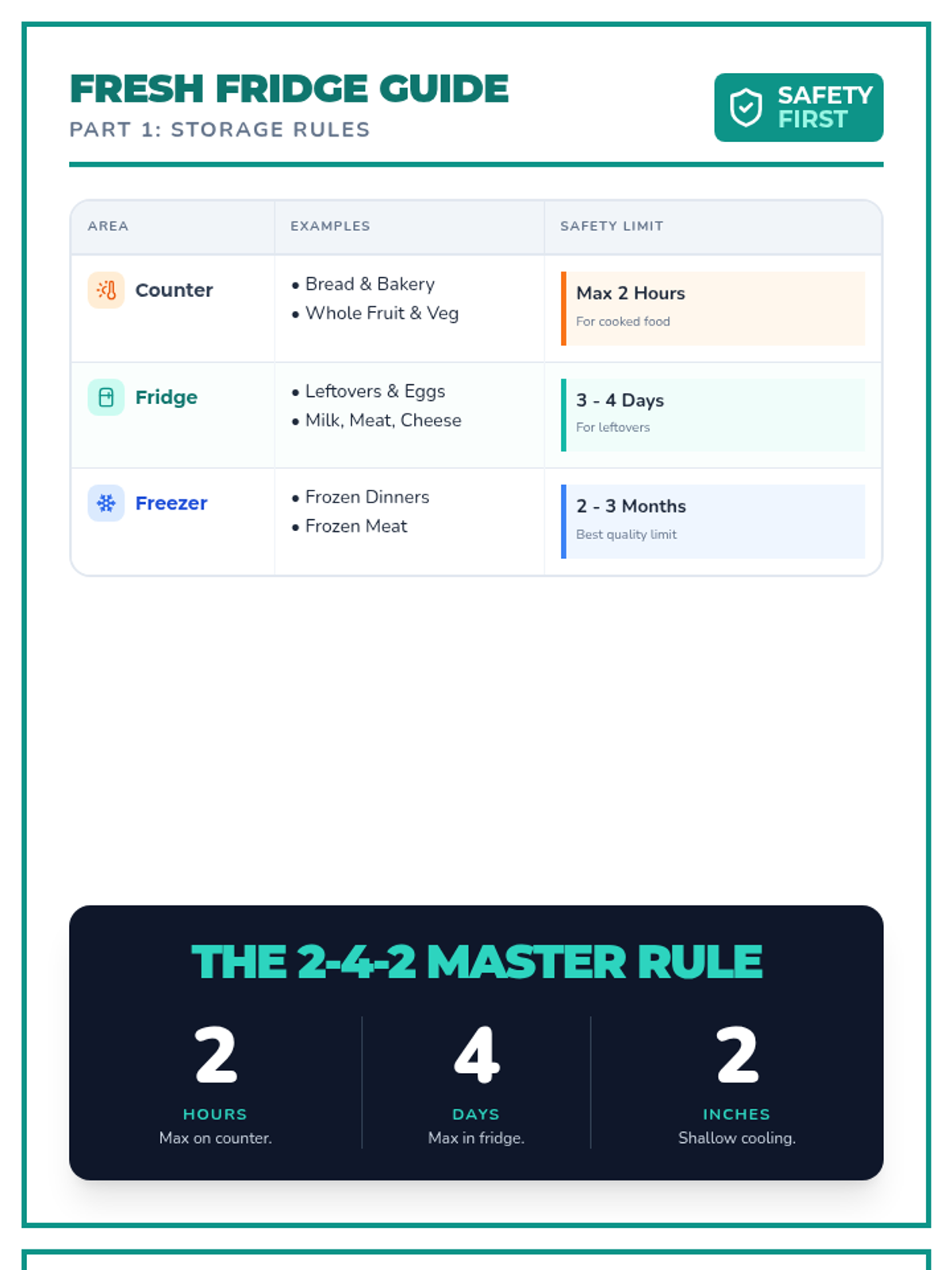
A 50-minute instructional session for students in temporary housing, focusing on safe food storage and creative leftover use through visual guides and sequence flowcharts.
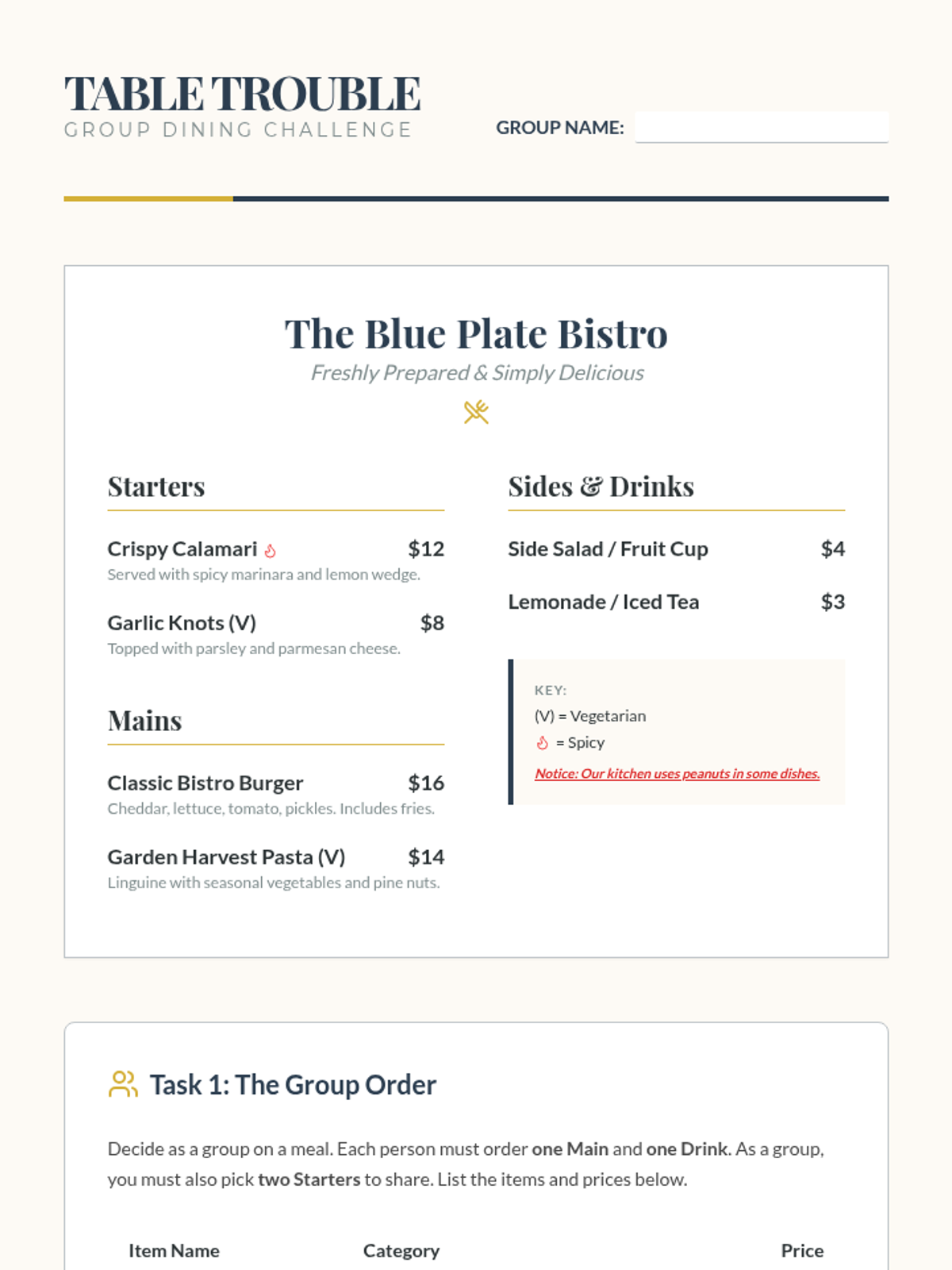
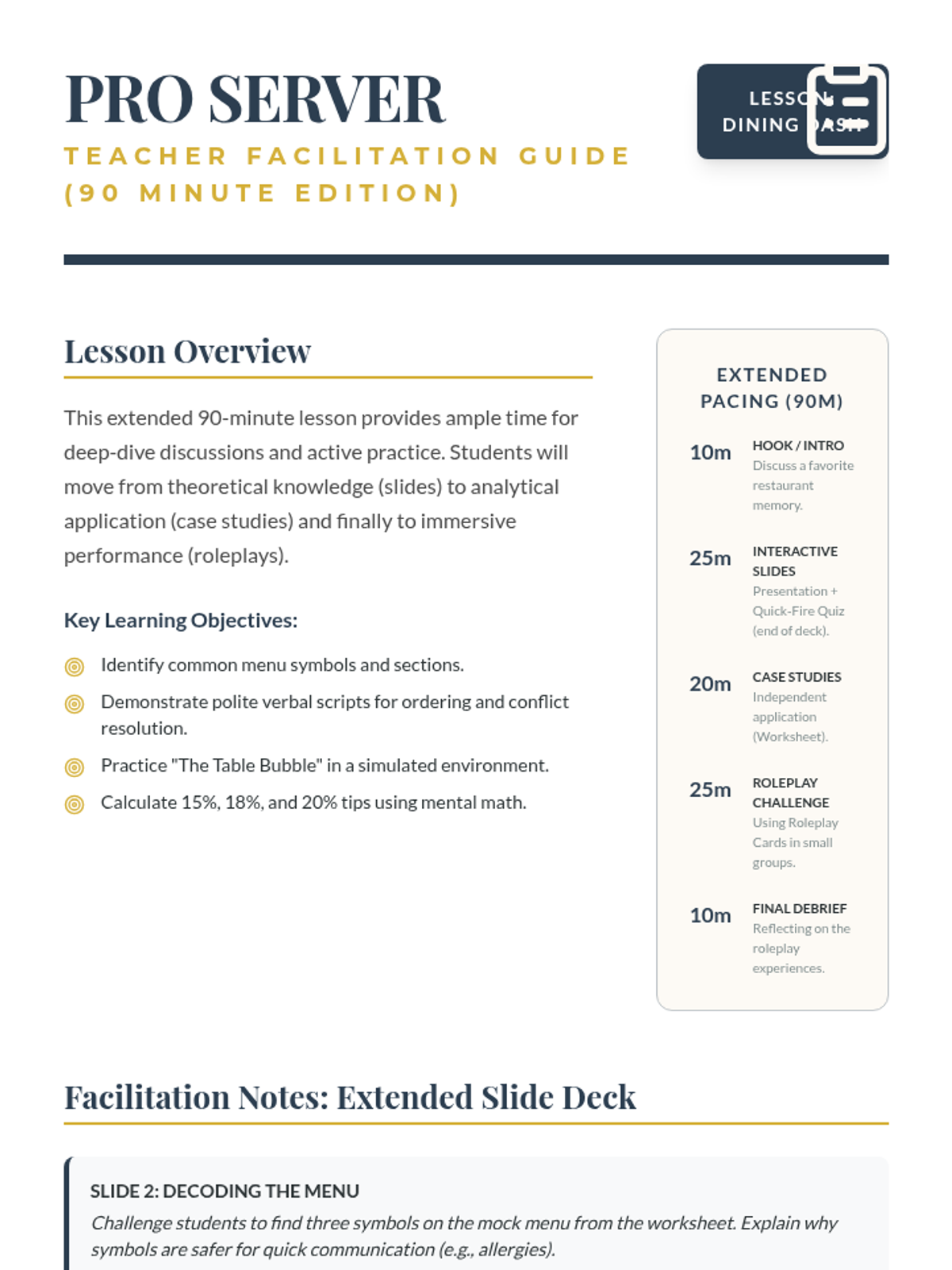
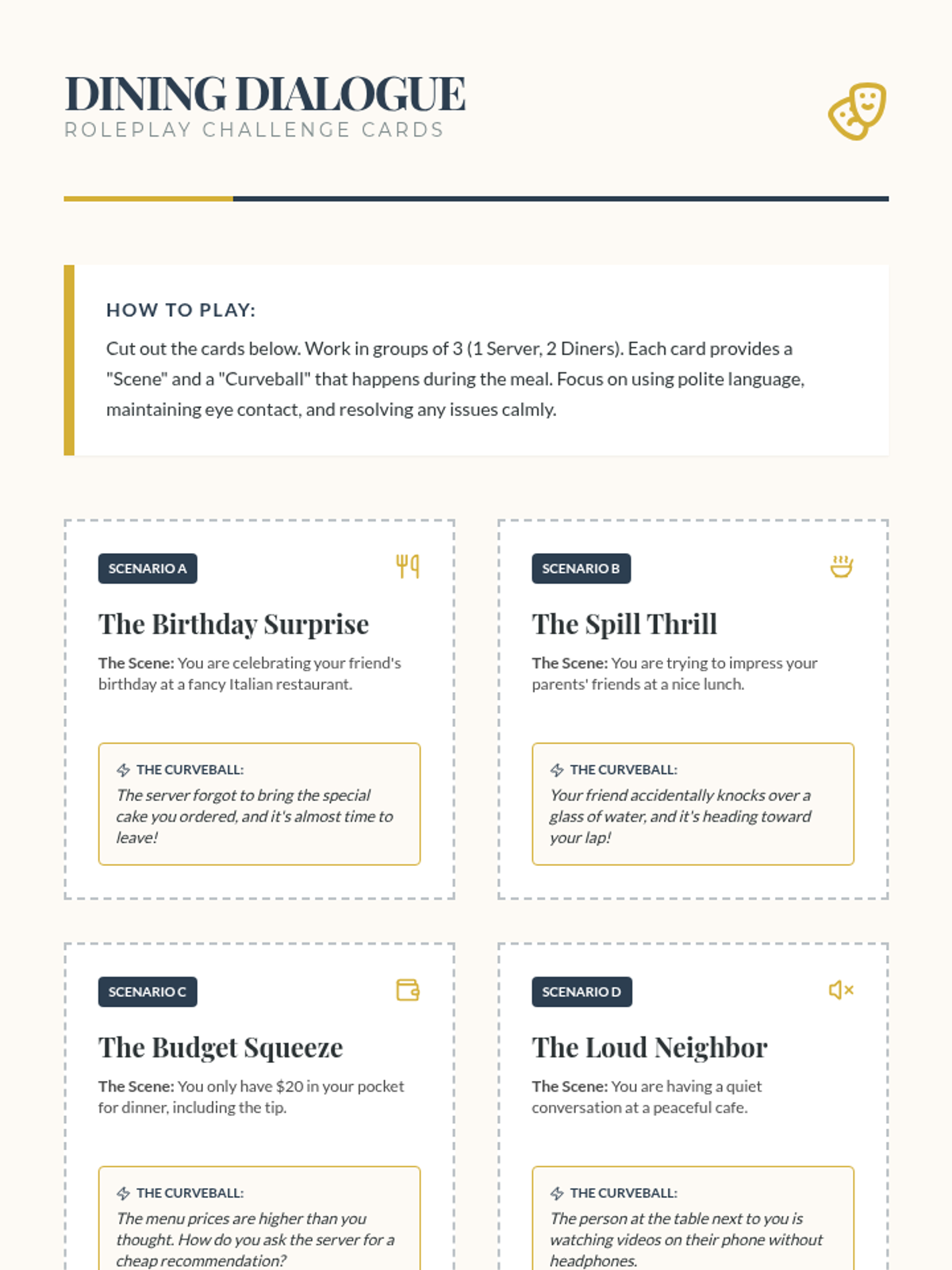
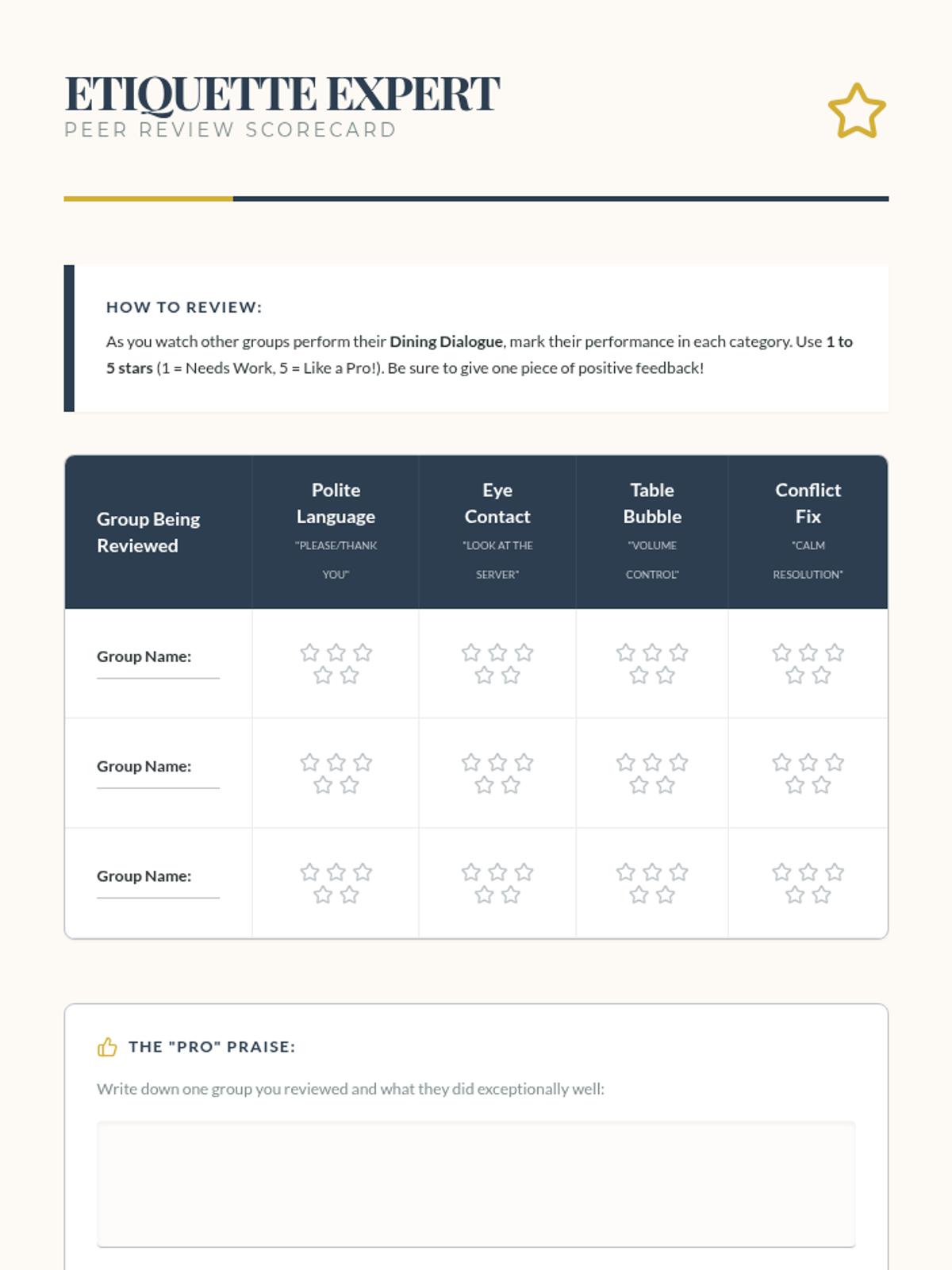
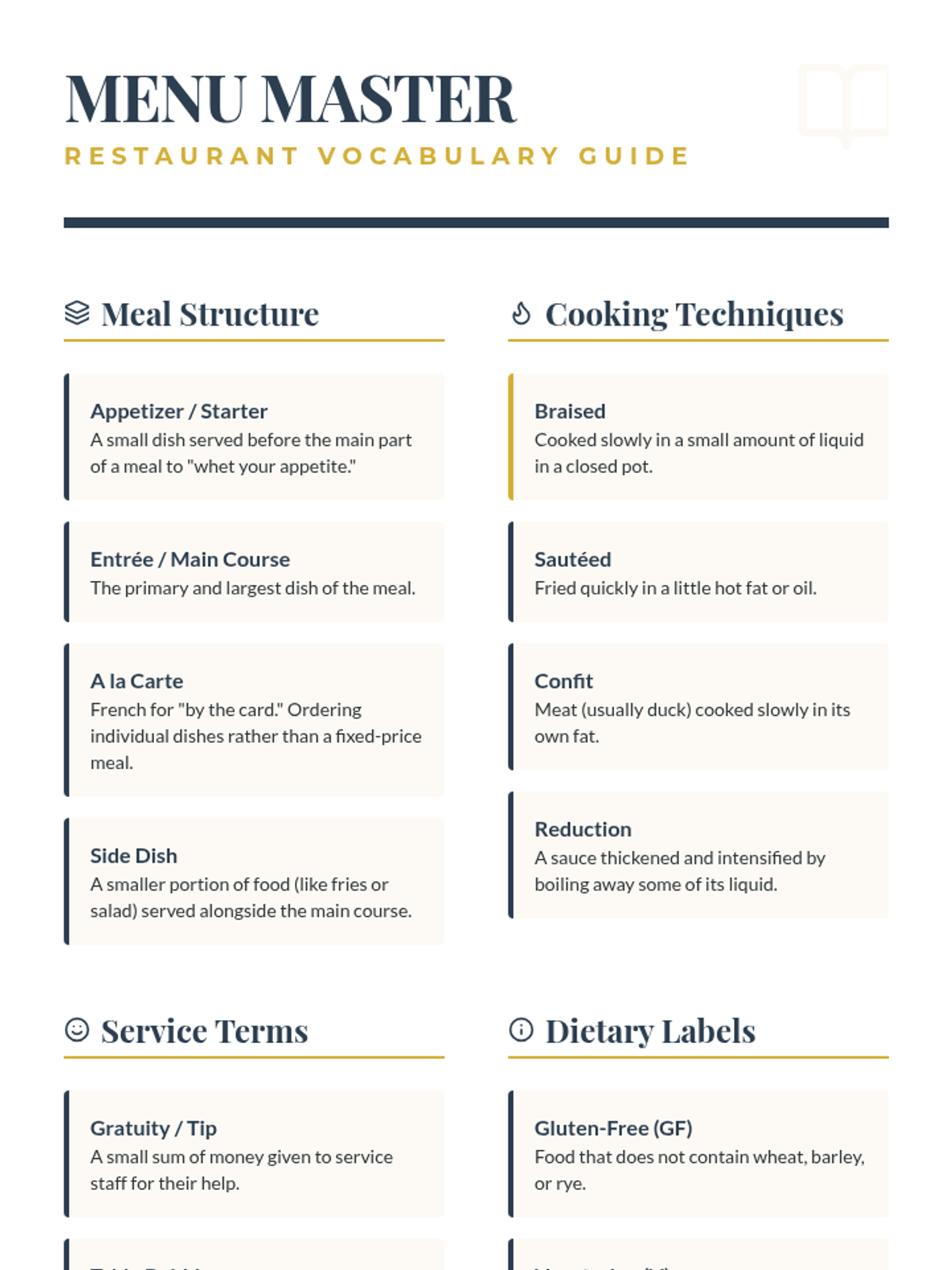
A comprehensive lesson on restaurant etiquette covering menu reading, ordering, manners, volume control, tipping, and conflict resolution.
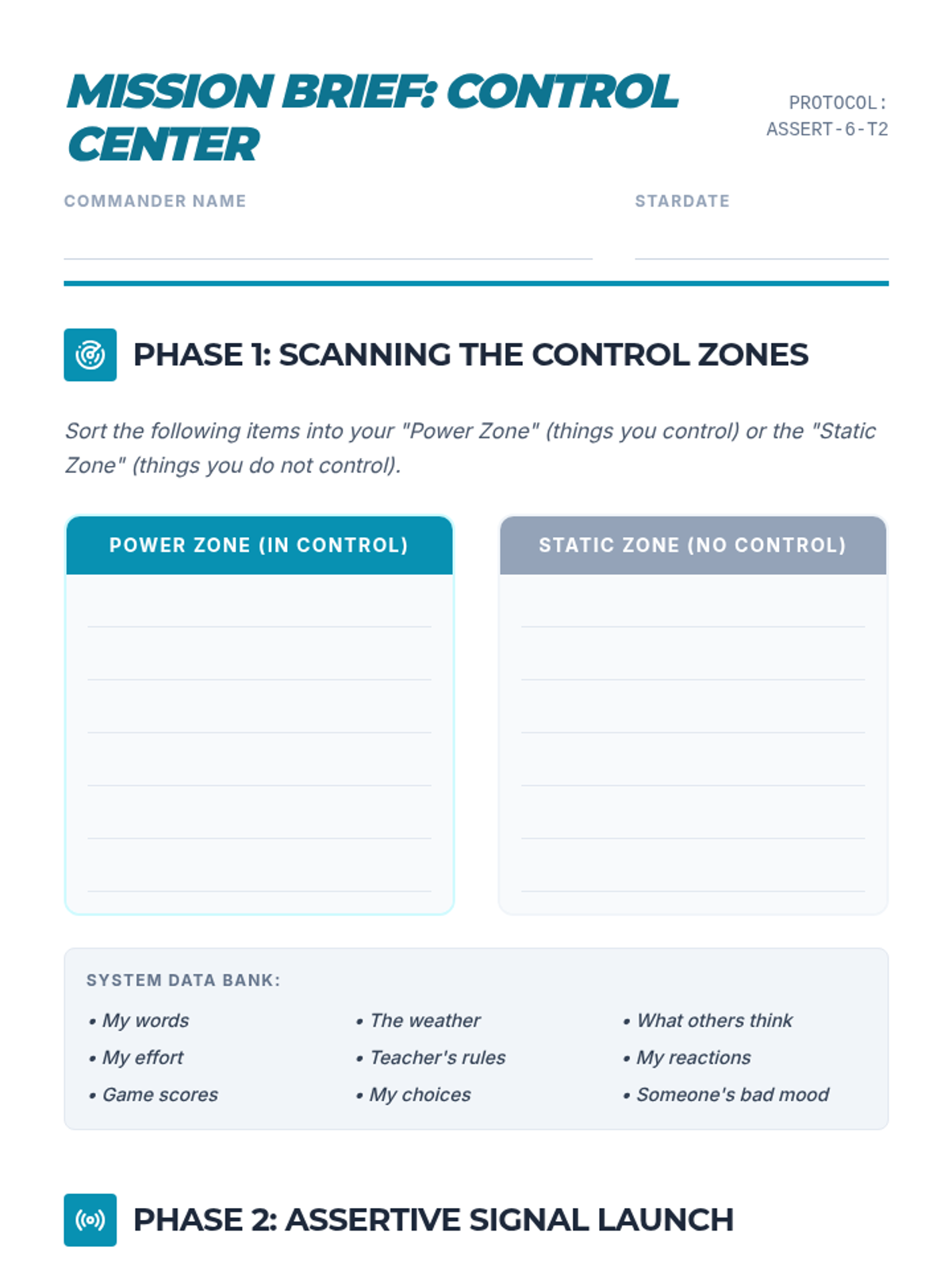
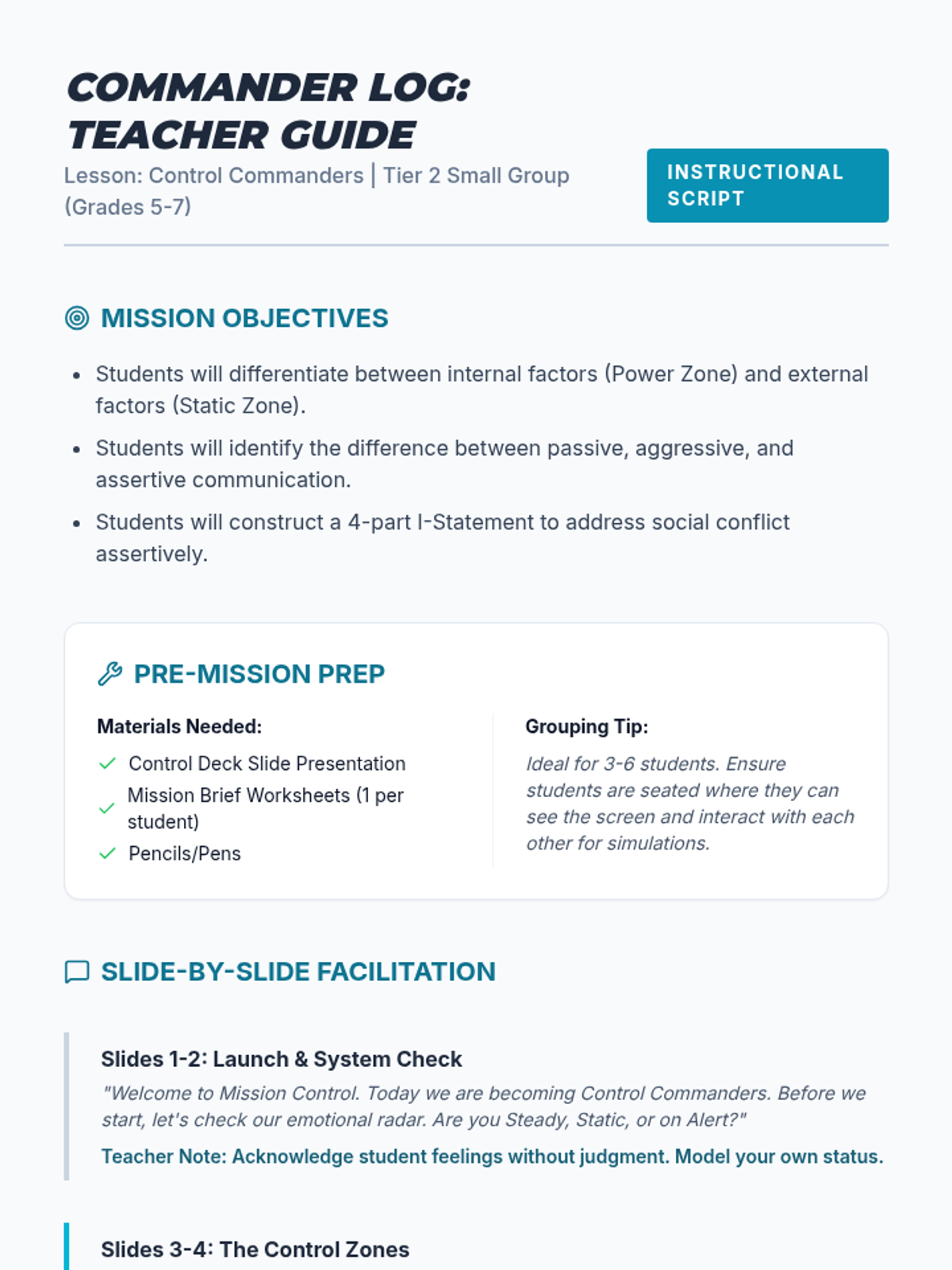
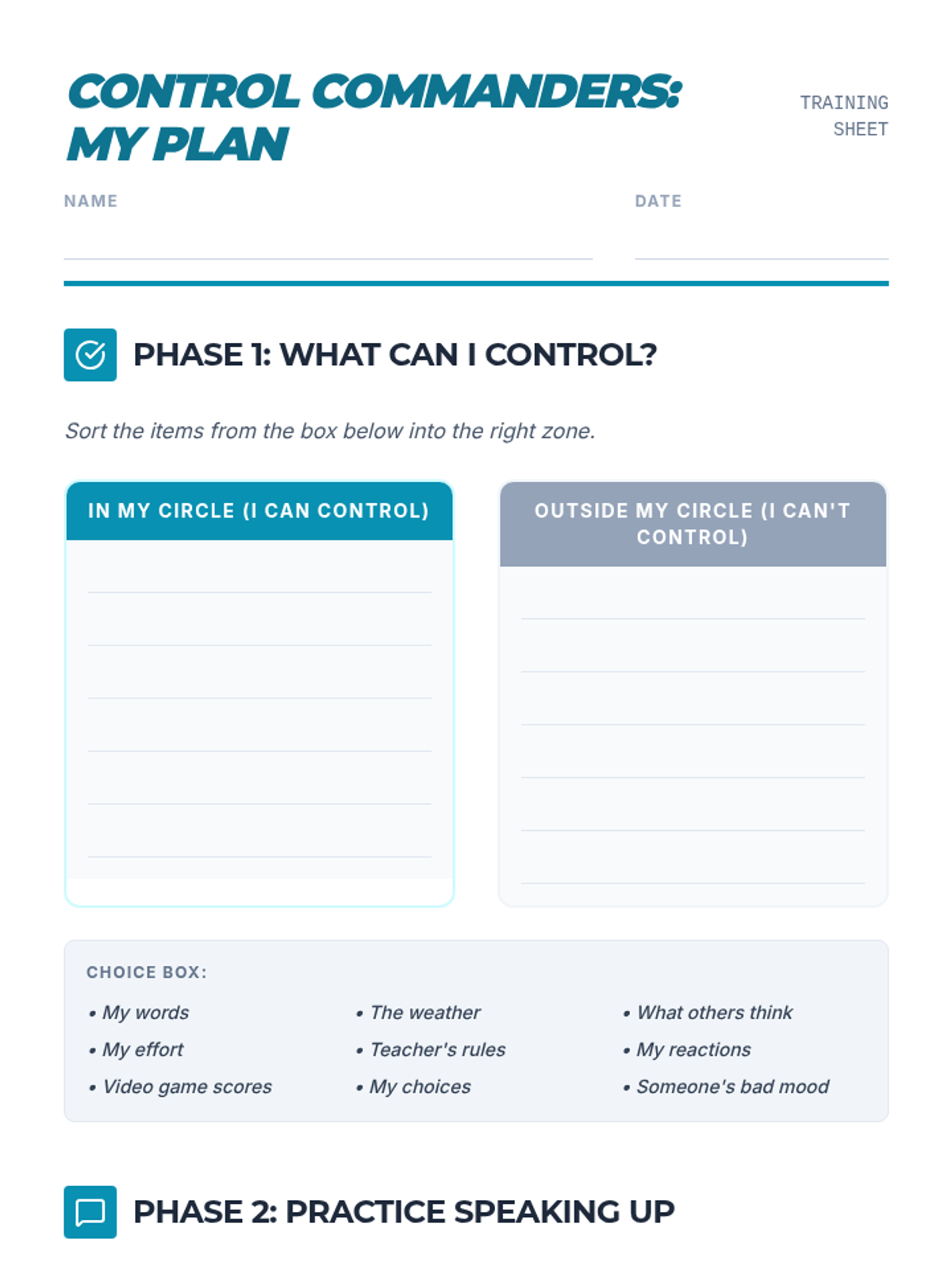
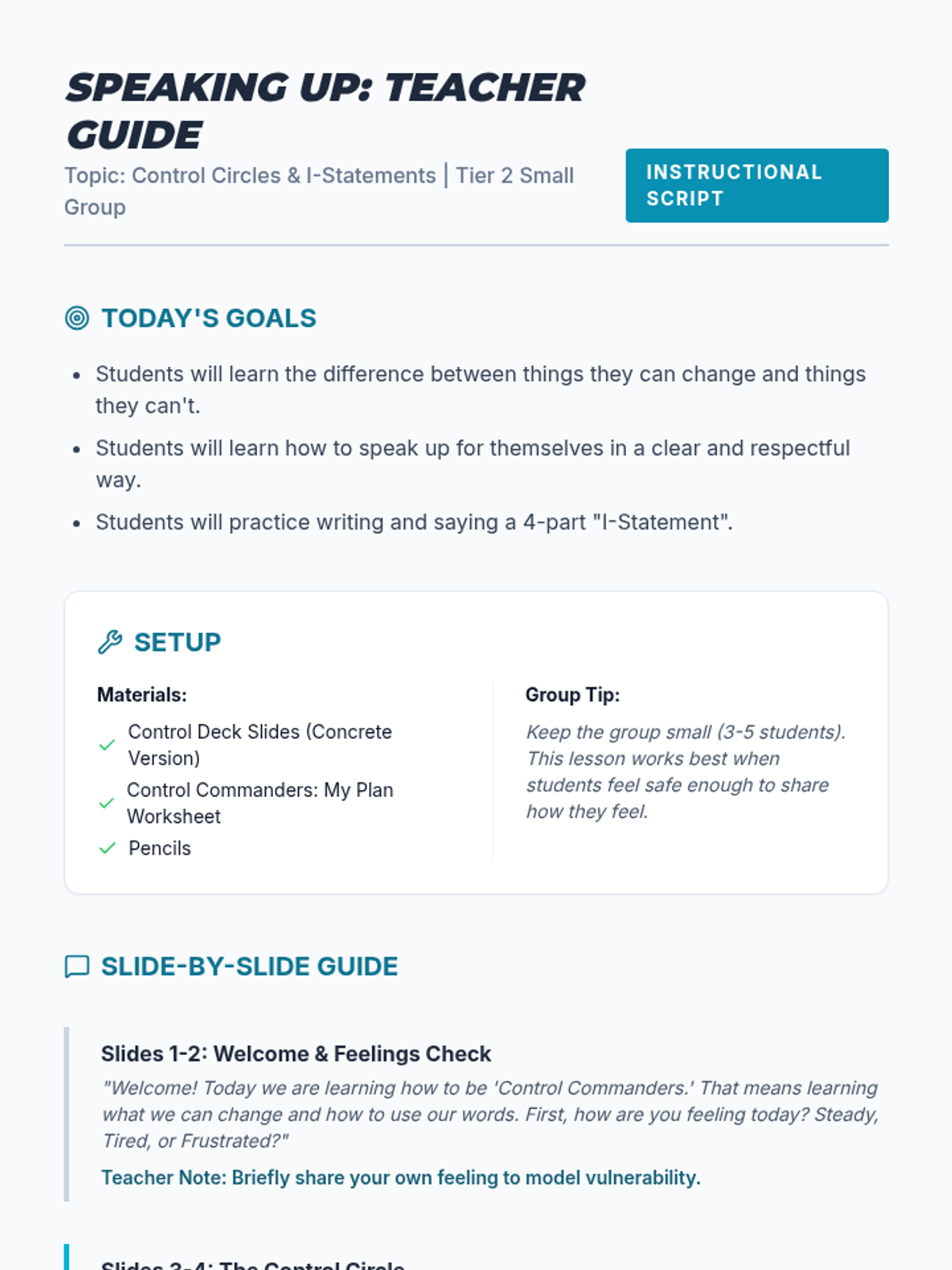
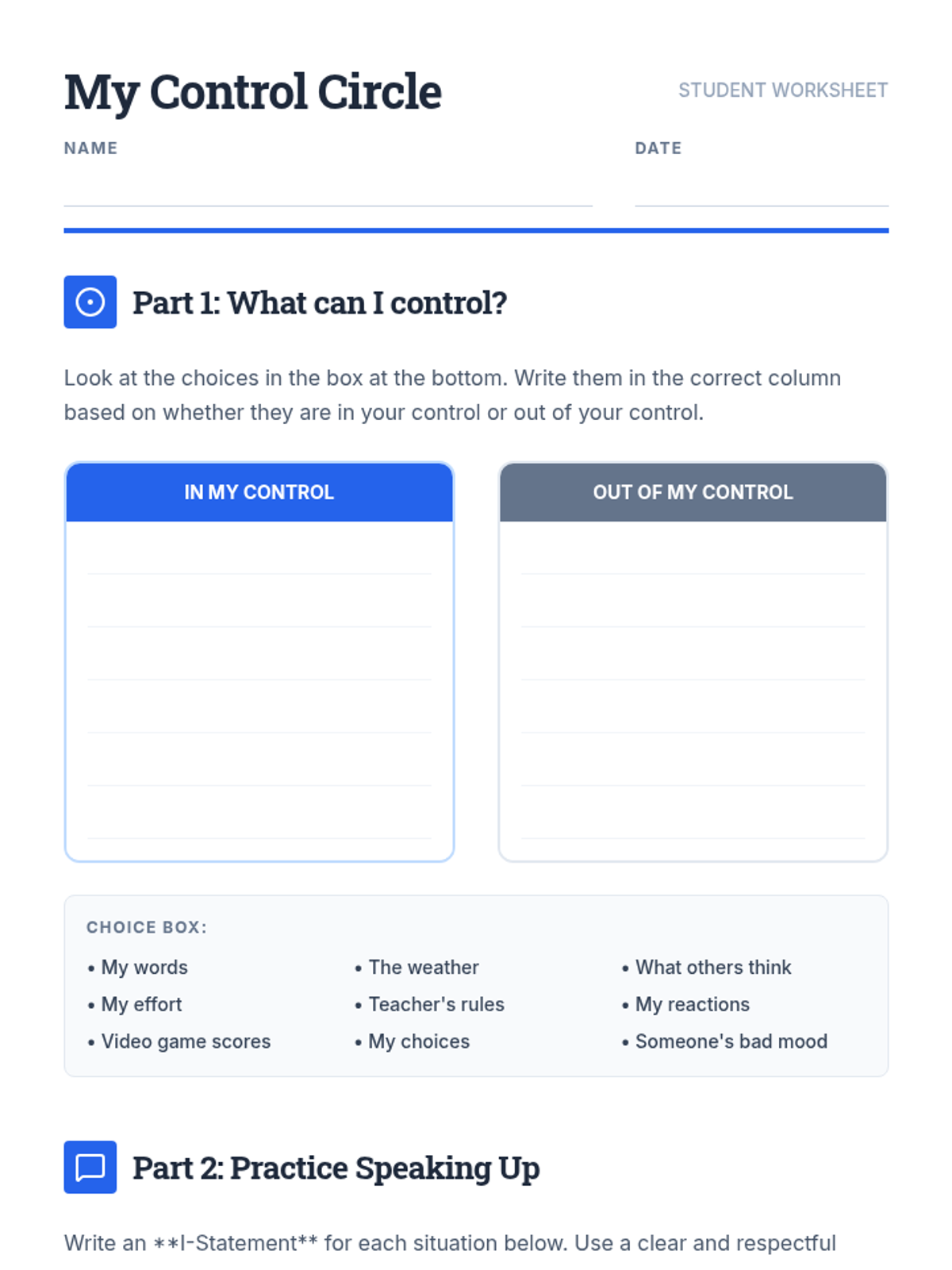
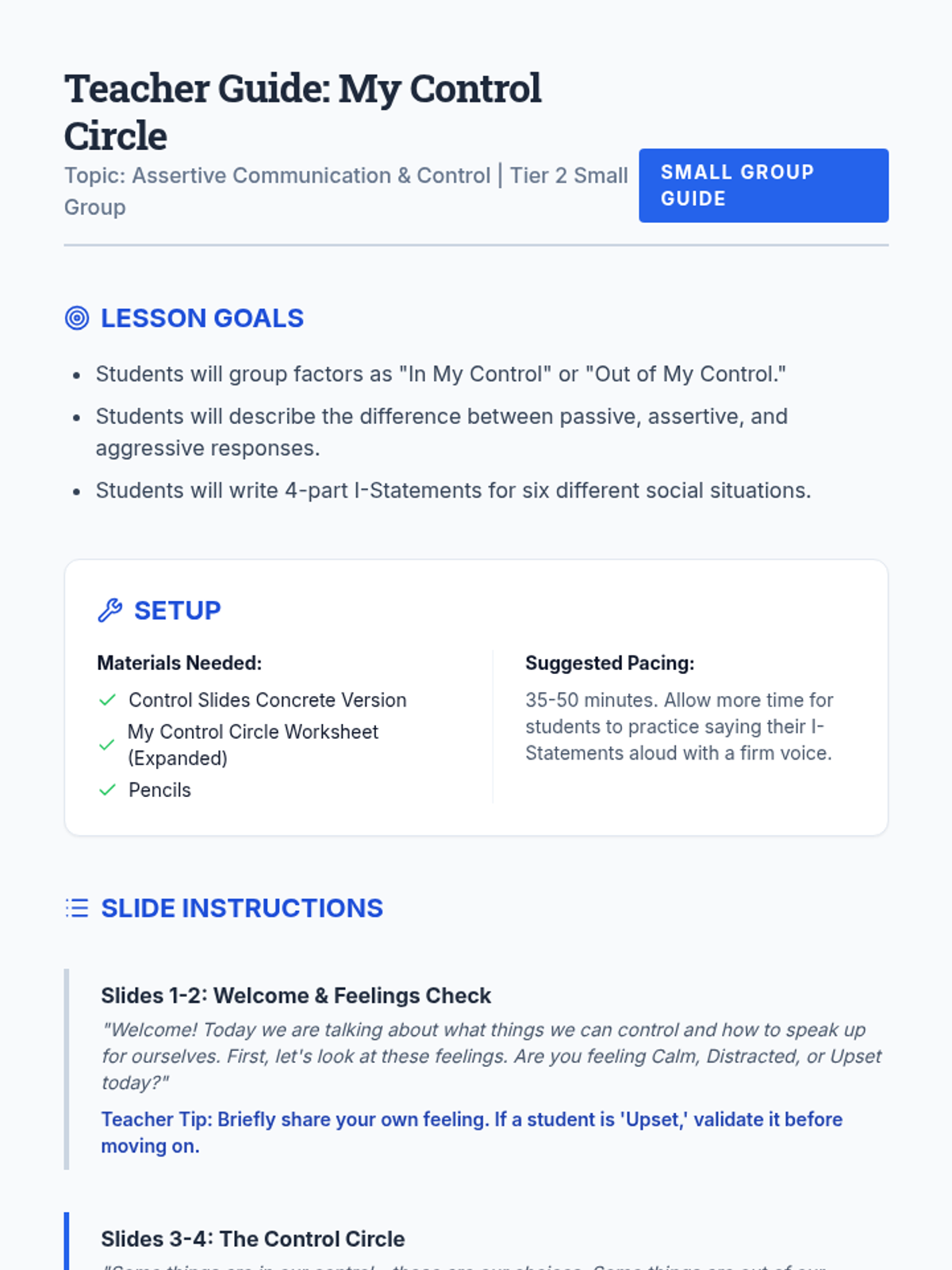
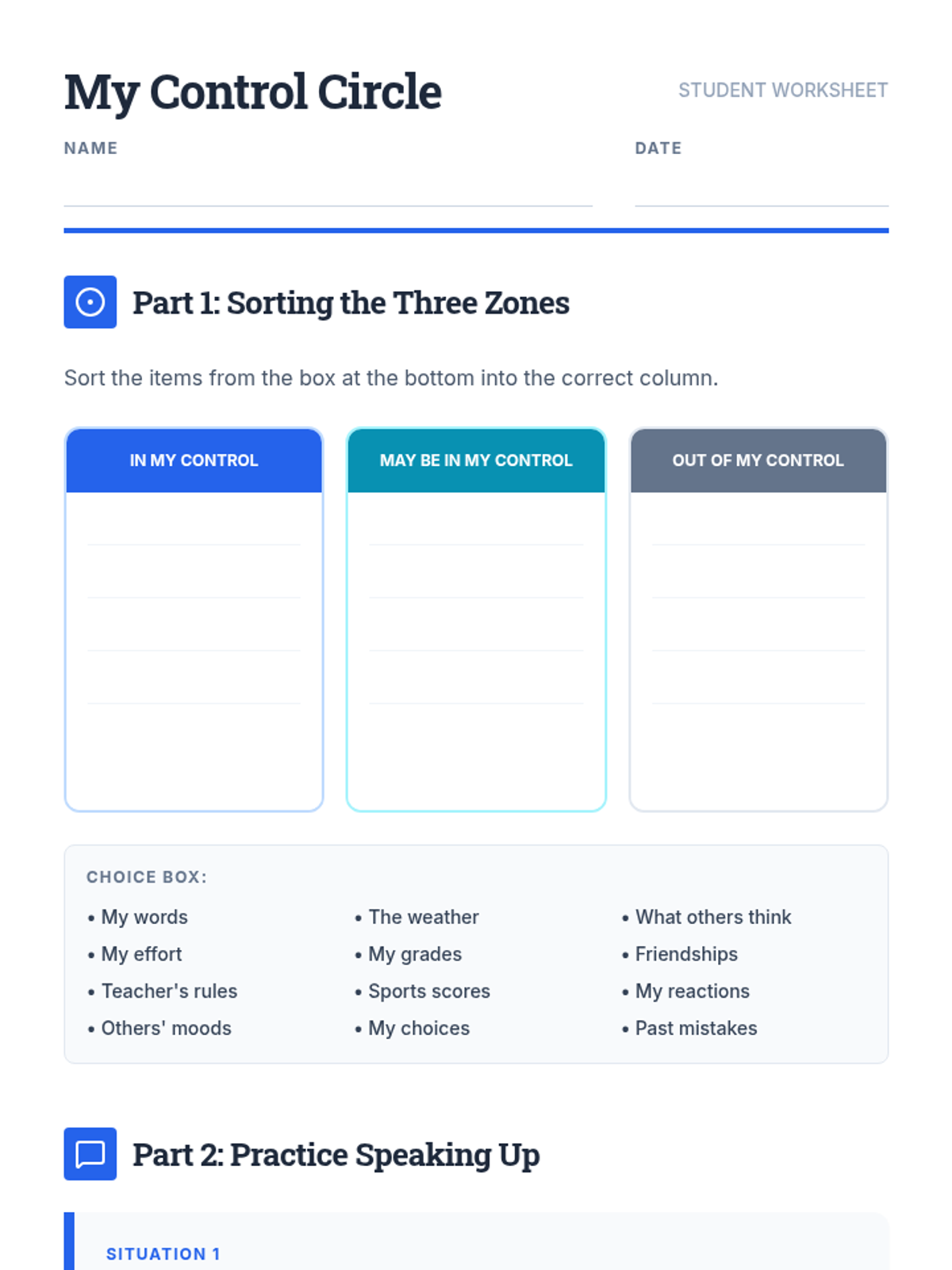
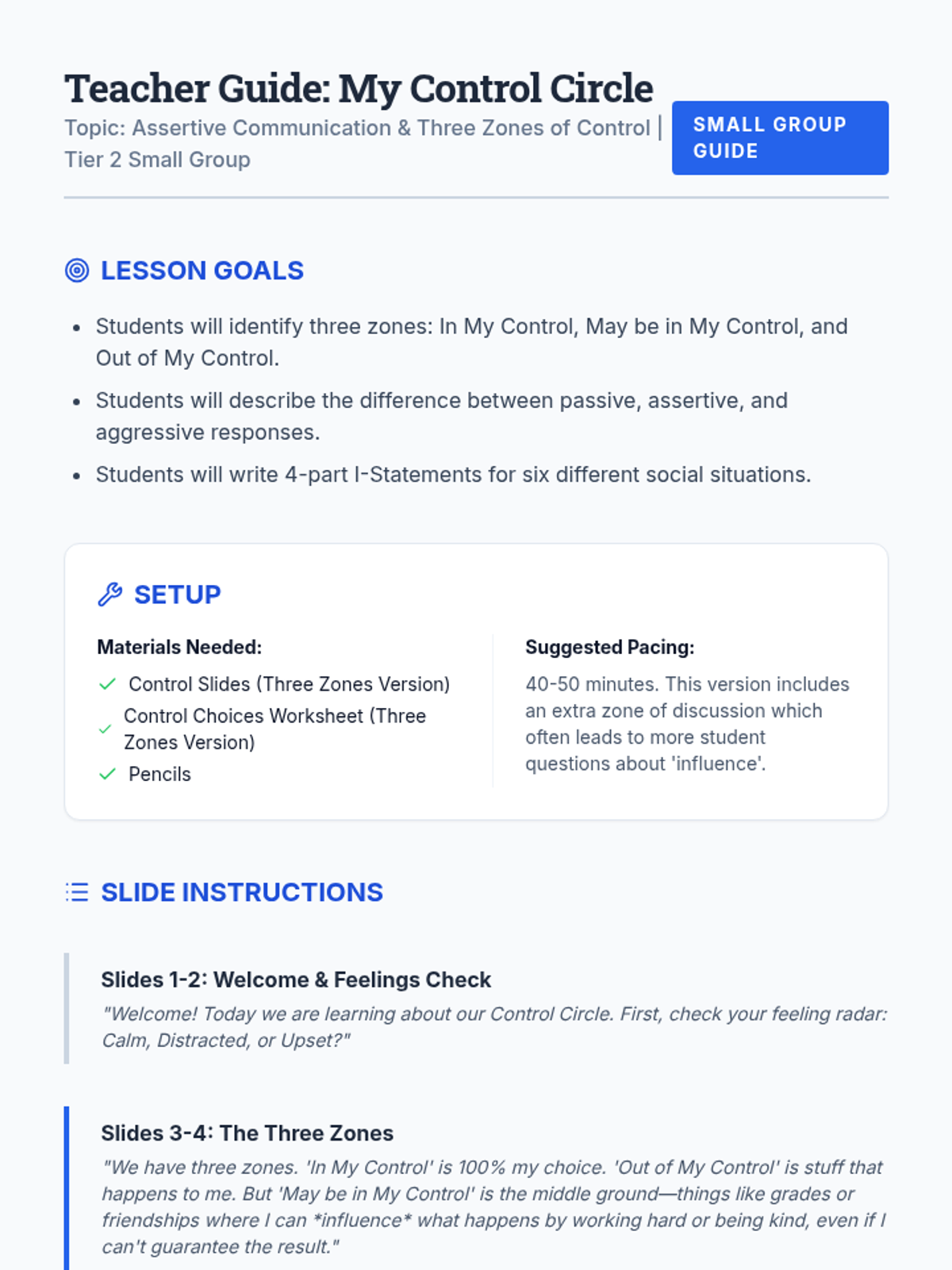
A social-emotional learning lesson for Tier 2 small groups focusing on identifying spheres of control and practicing assertive I-Statements in social scenarios.
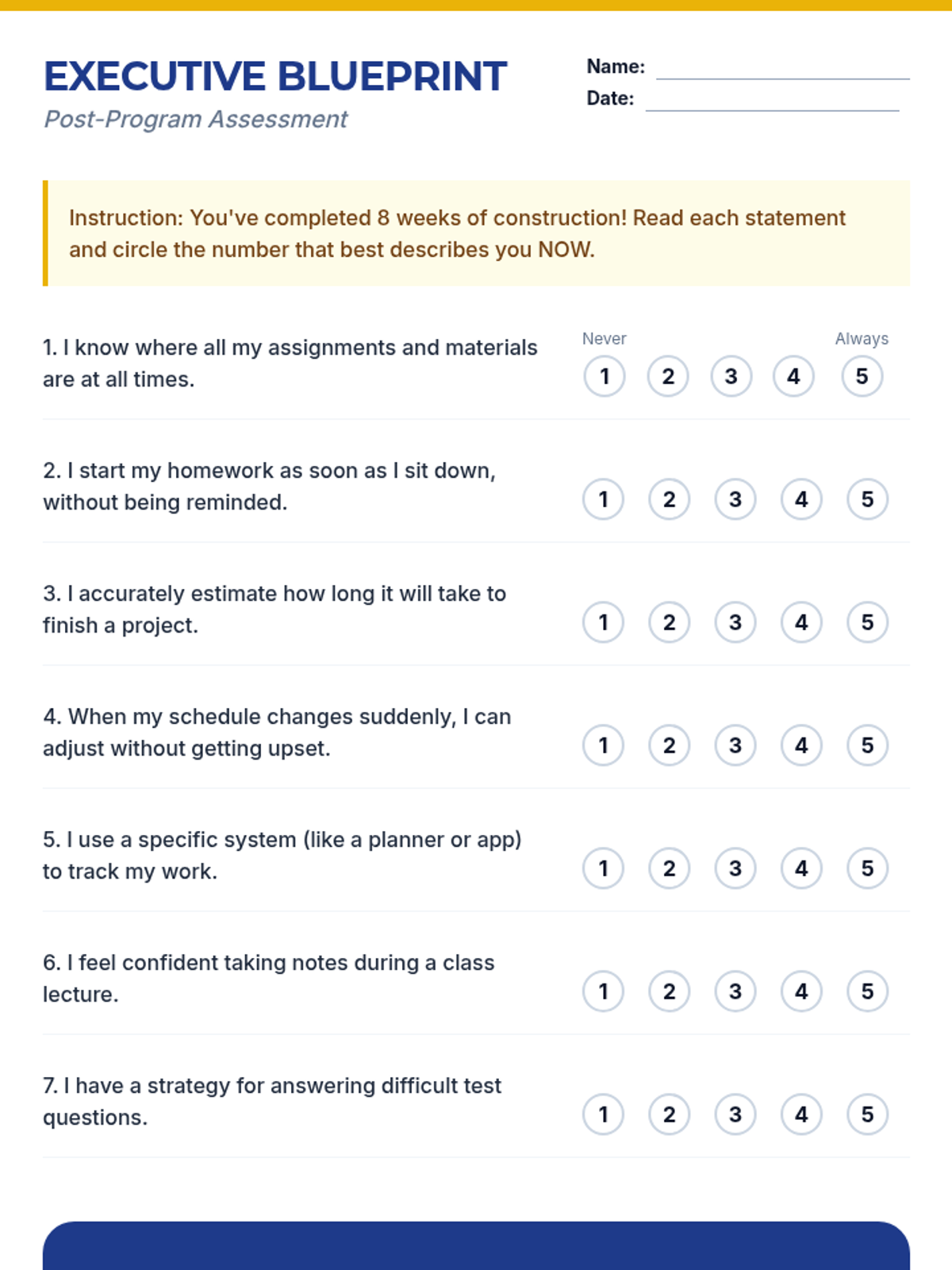
Program review, celebration of growth, and completion of the EF Post-Test.
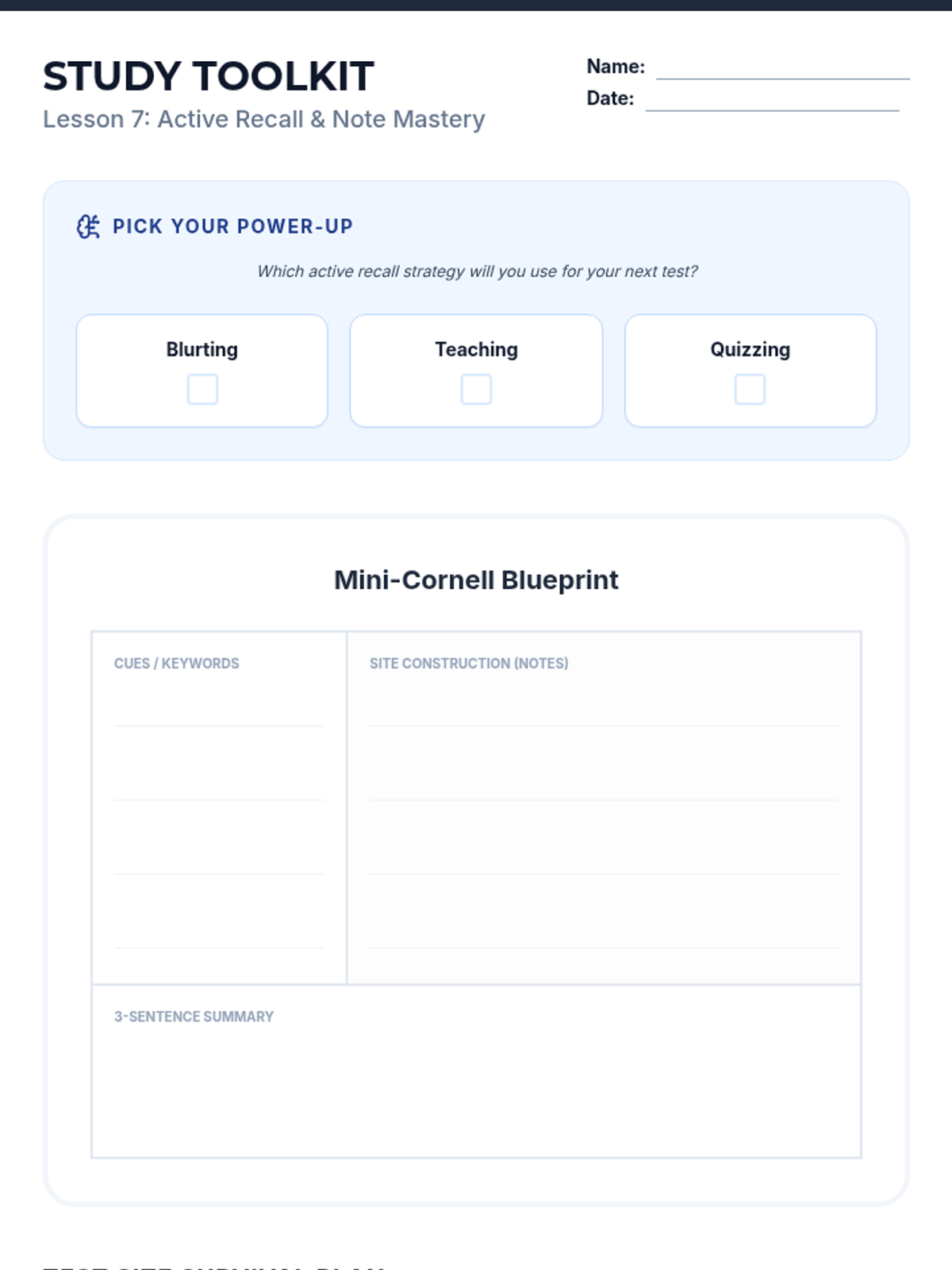
Instruction on effective note-taking and test-taking strategies tailored for middle school.
Practical strategies to defeat procrastination and streamline homework routines.
Building an awareness of time and learning how to estimate how long tasks actually take.
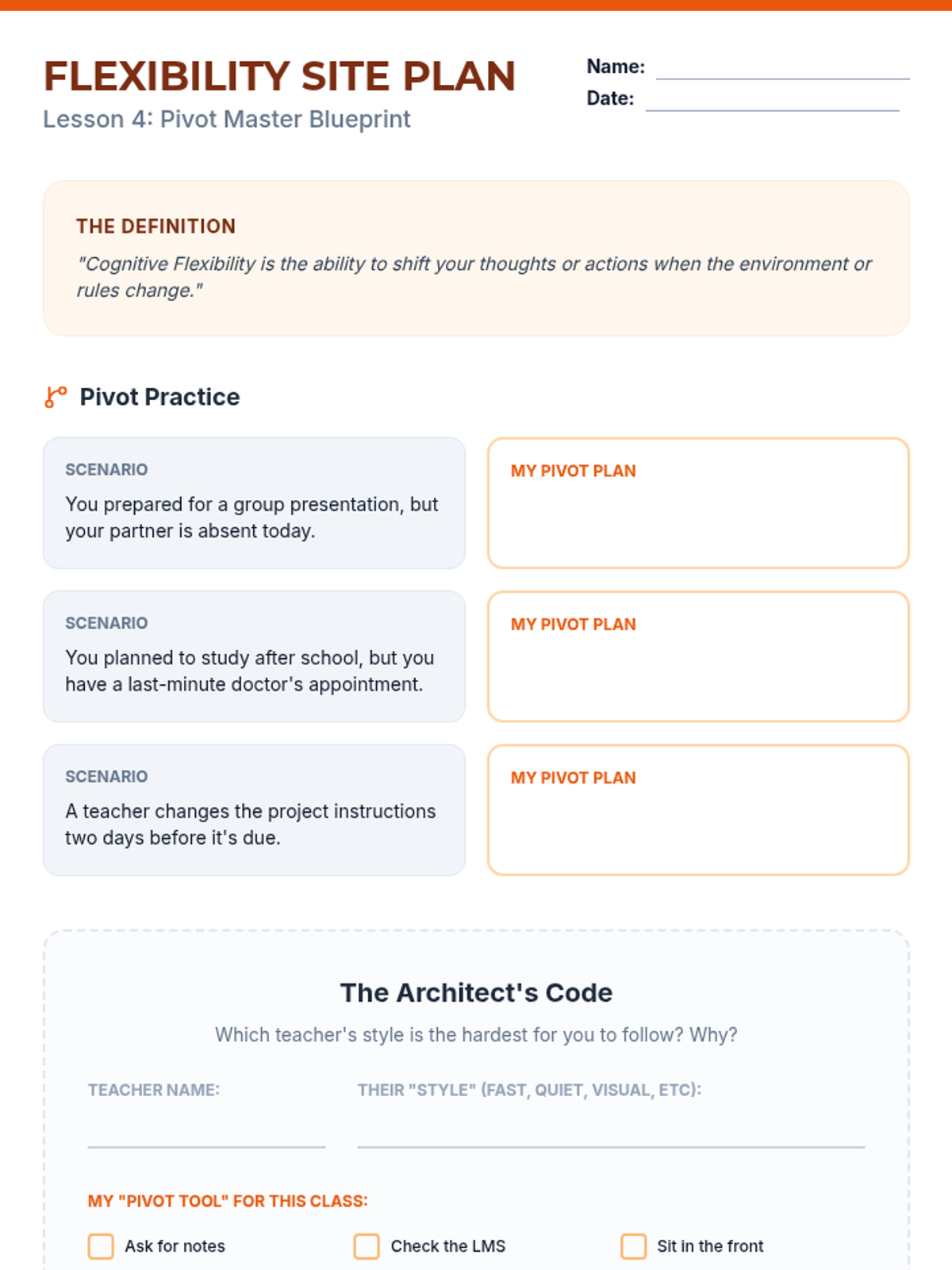
Developing cognitive flexibility to handle changes in schedules and different teaching styles.
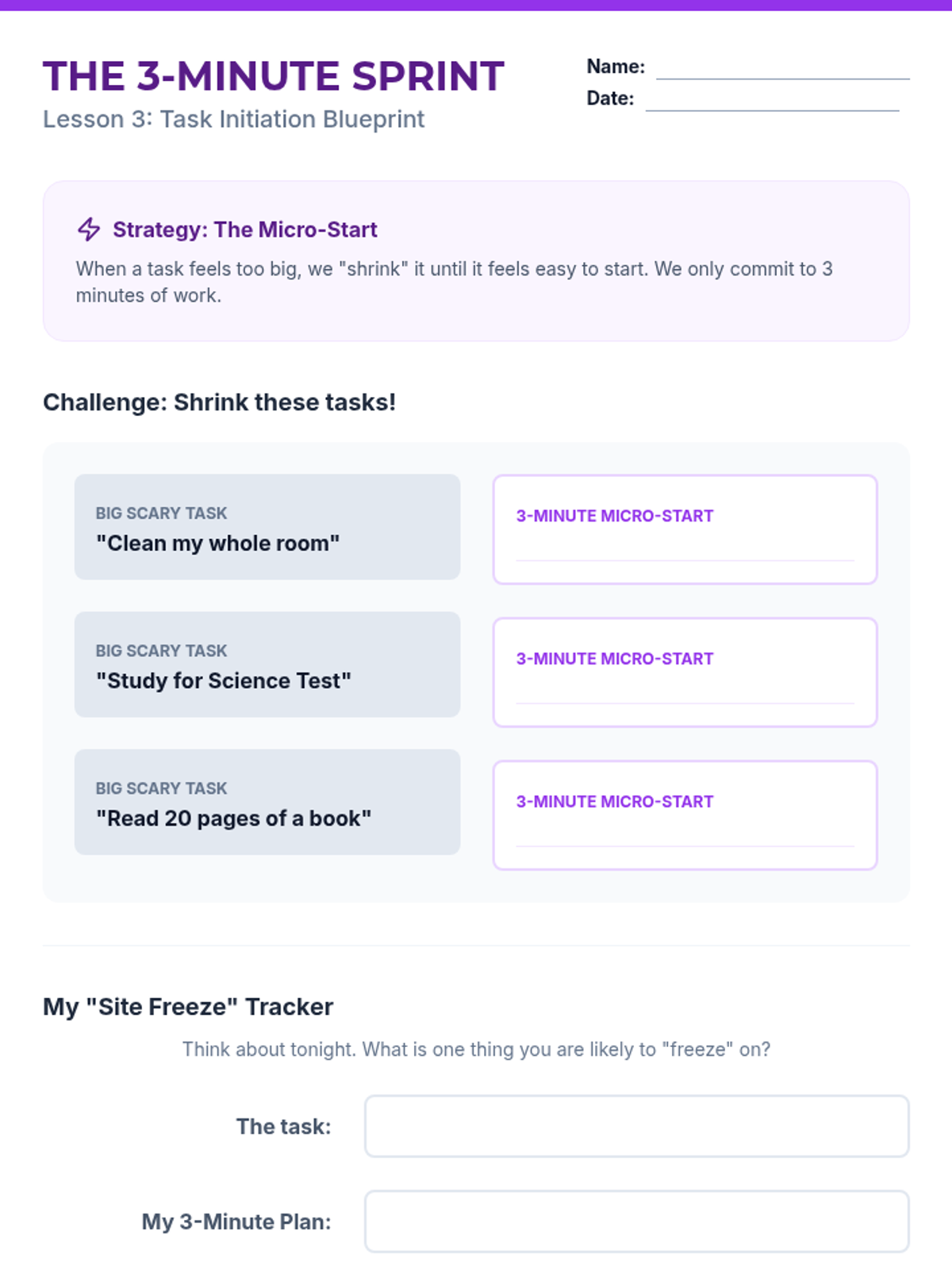
Strategies for overcoming the 'freeze' and getting started on difficult tasks immediately.
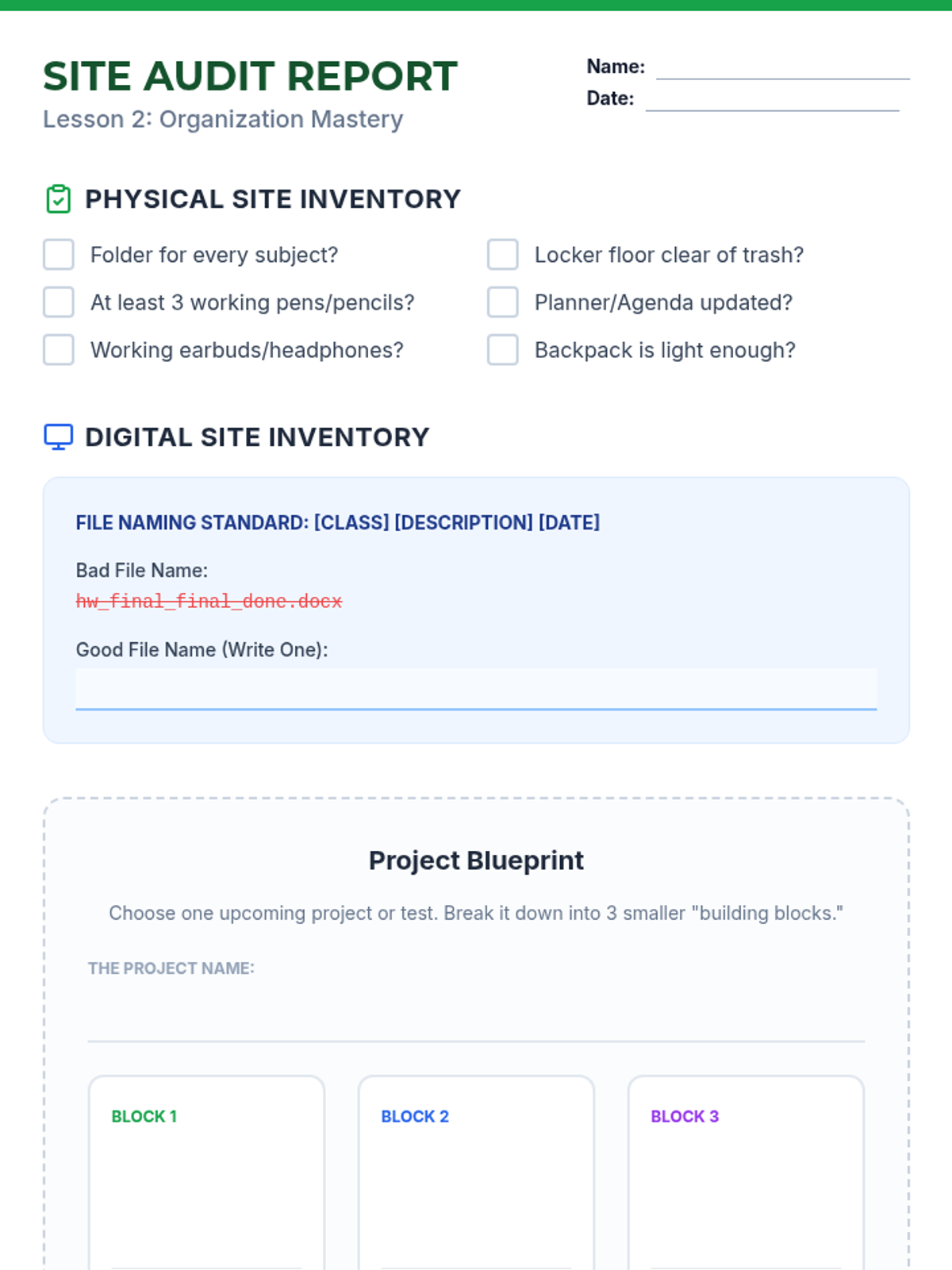
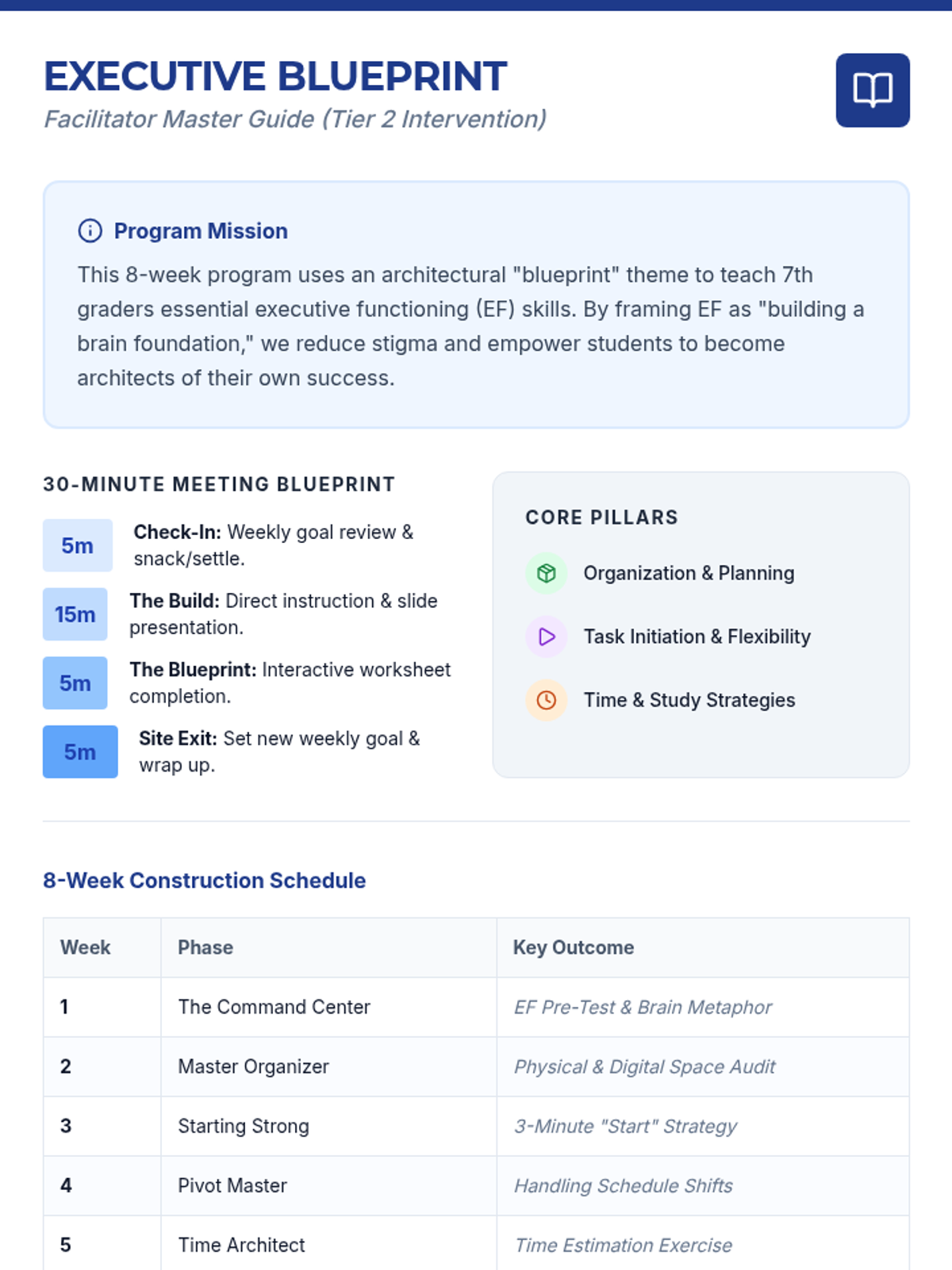
Focuses on organization of physical and digital spaces and long-term project planning.
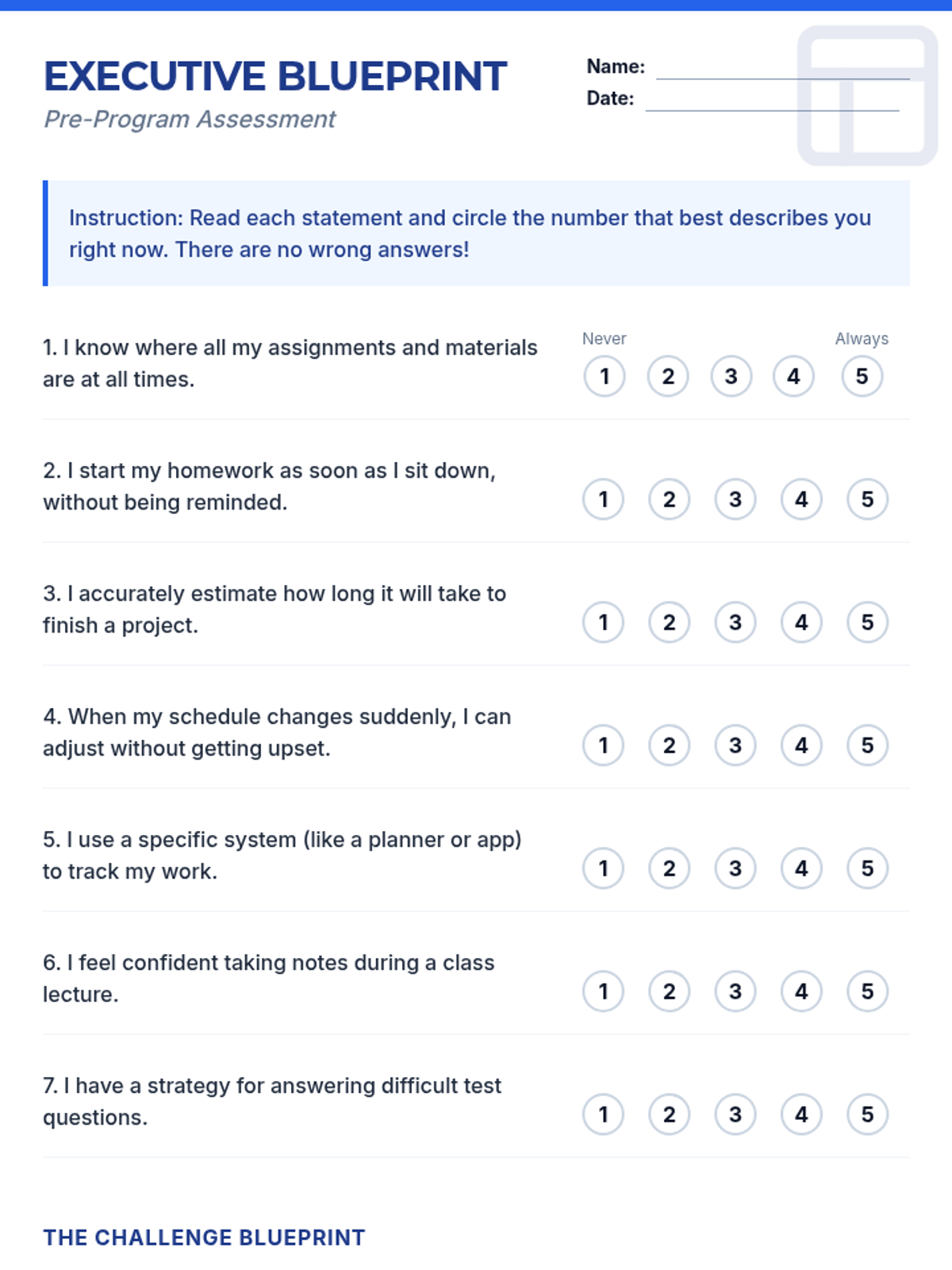
Introduction to the brain's "Command Center," establishing group norms, and completing the EF Pre-Test.
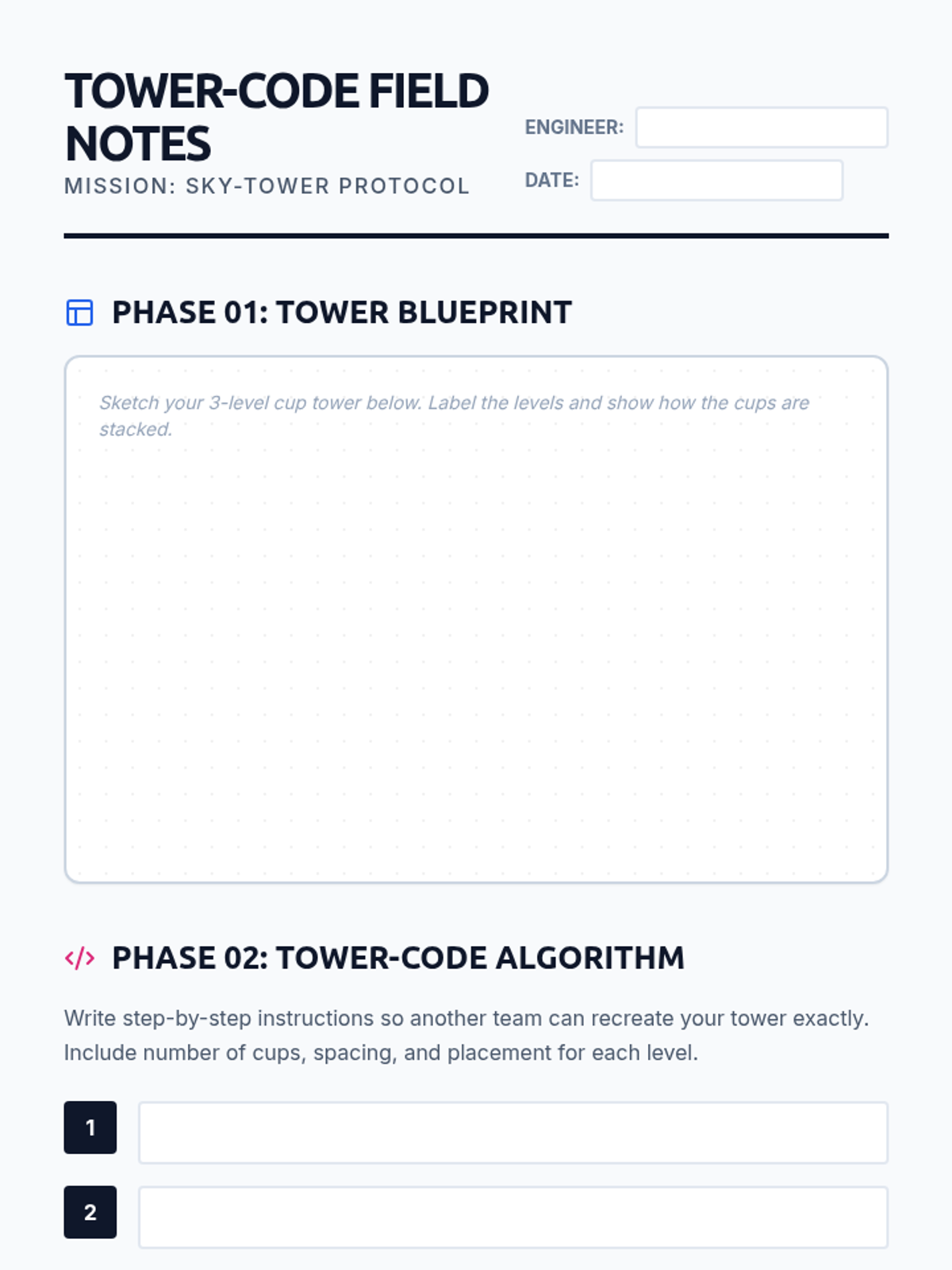
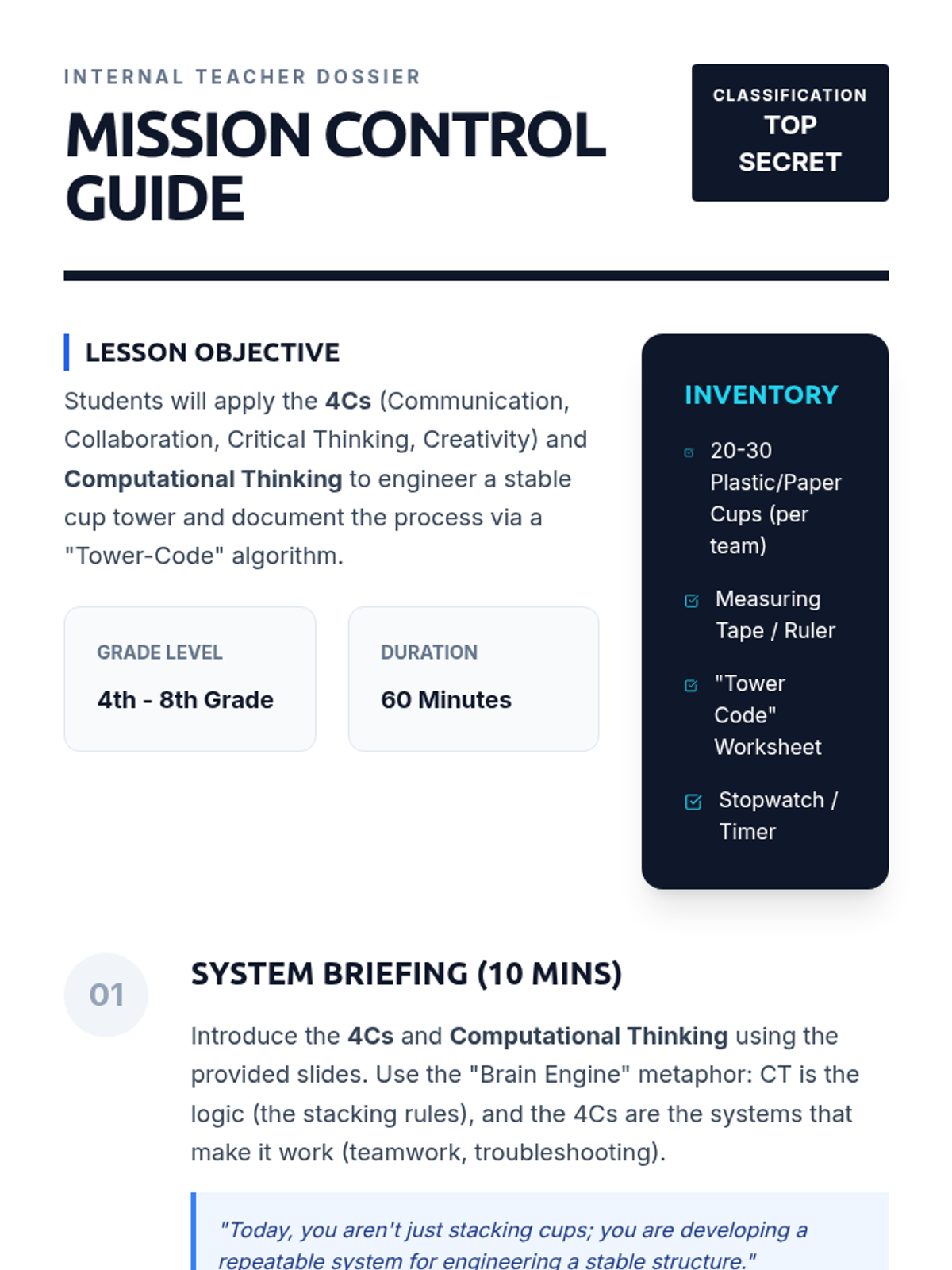
A high-stakes engineering challenge where students use the 4Cs and Computational Thinking to design, build, and document the ultimate cup tower structure.
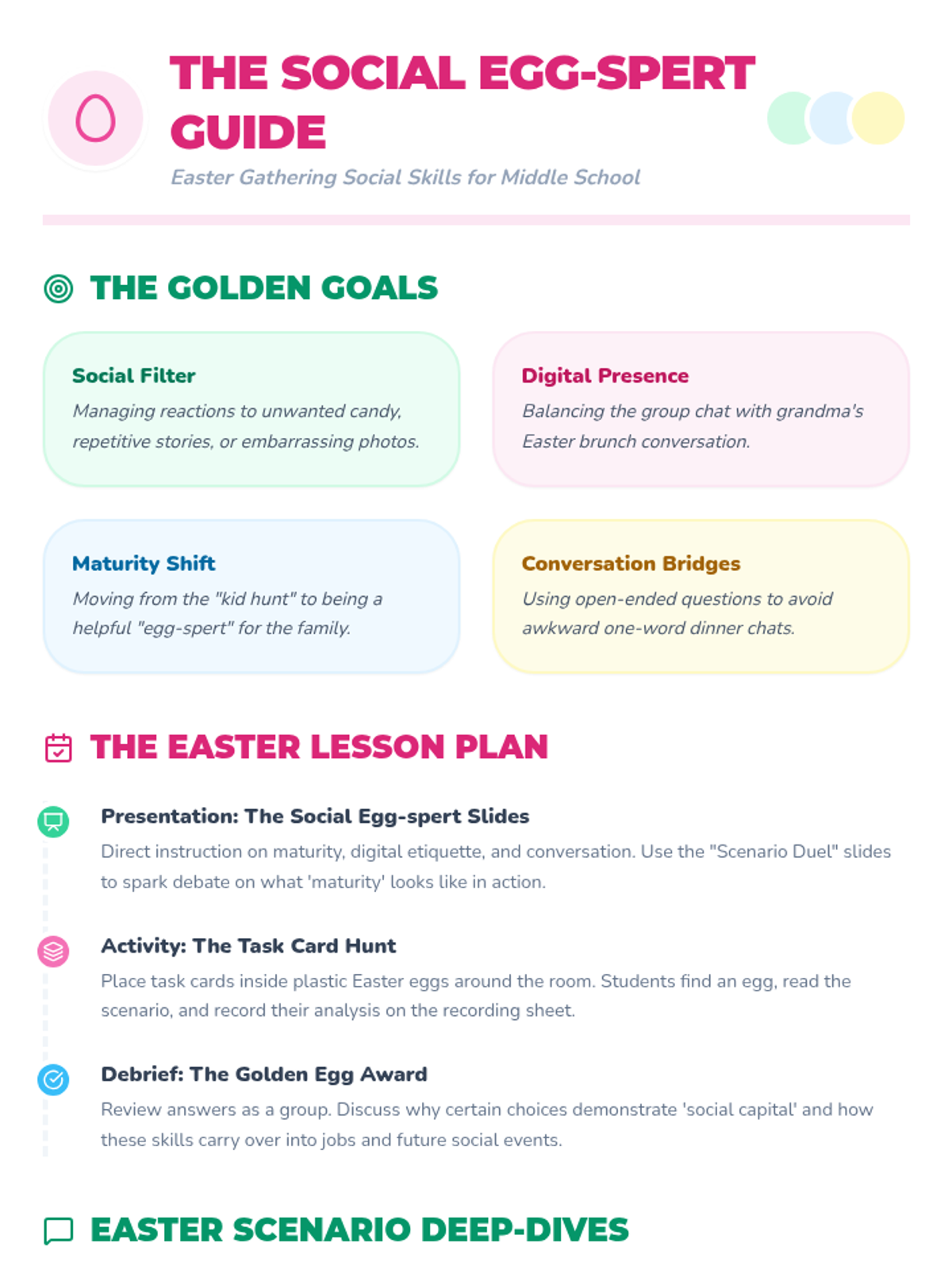
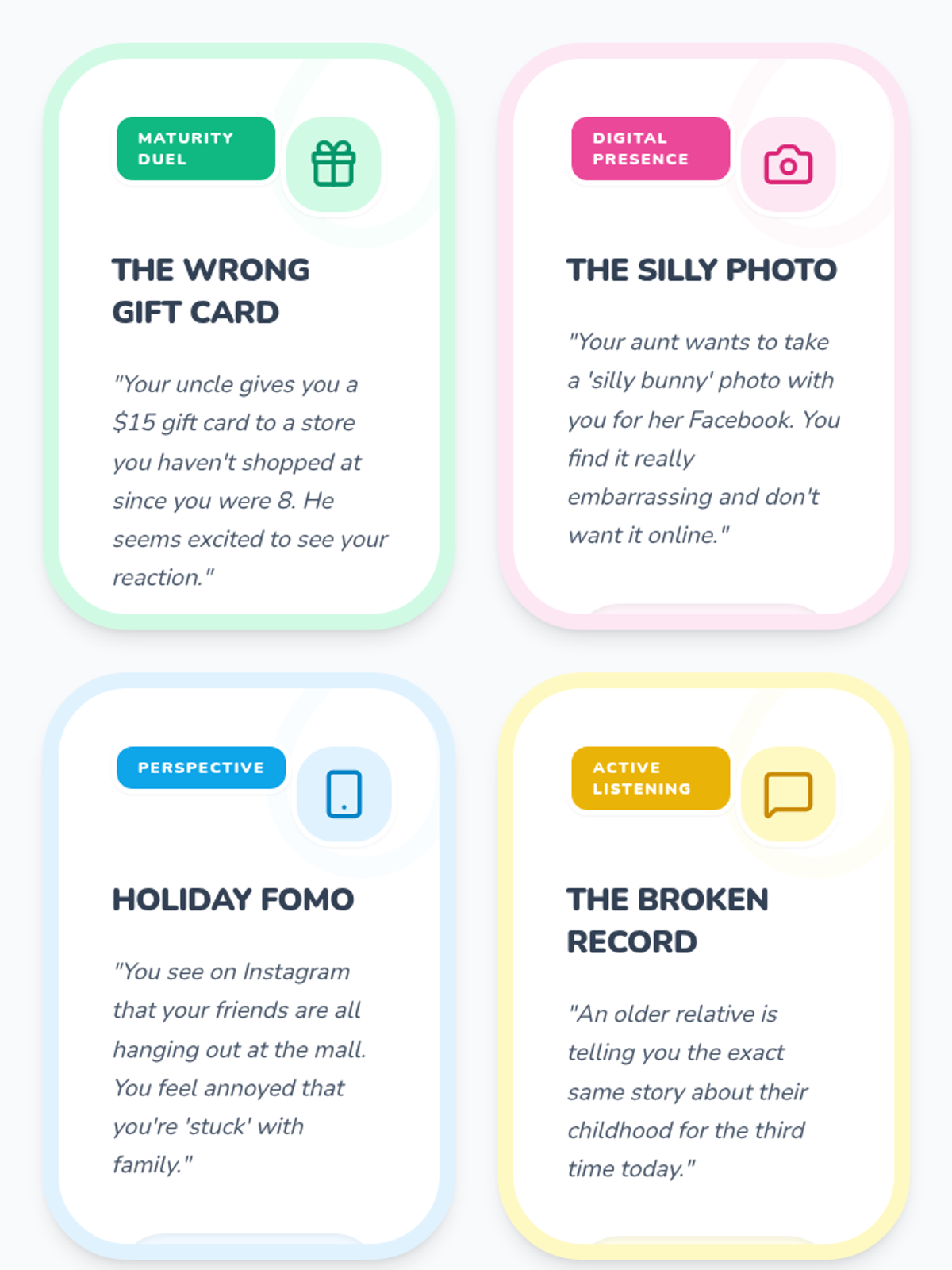
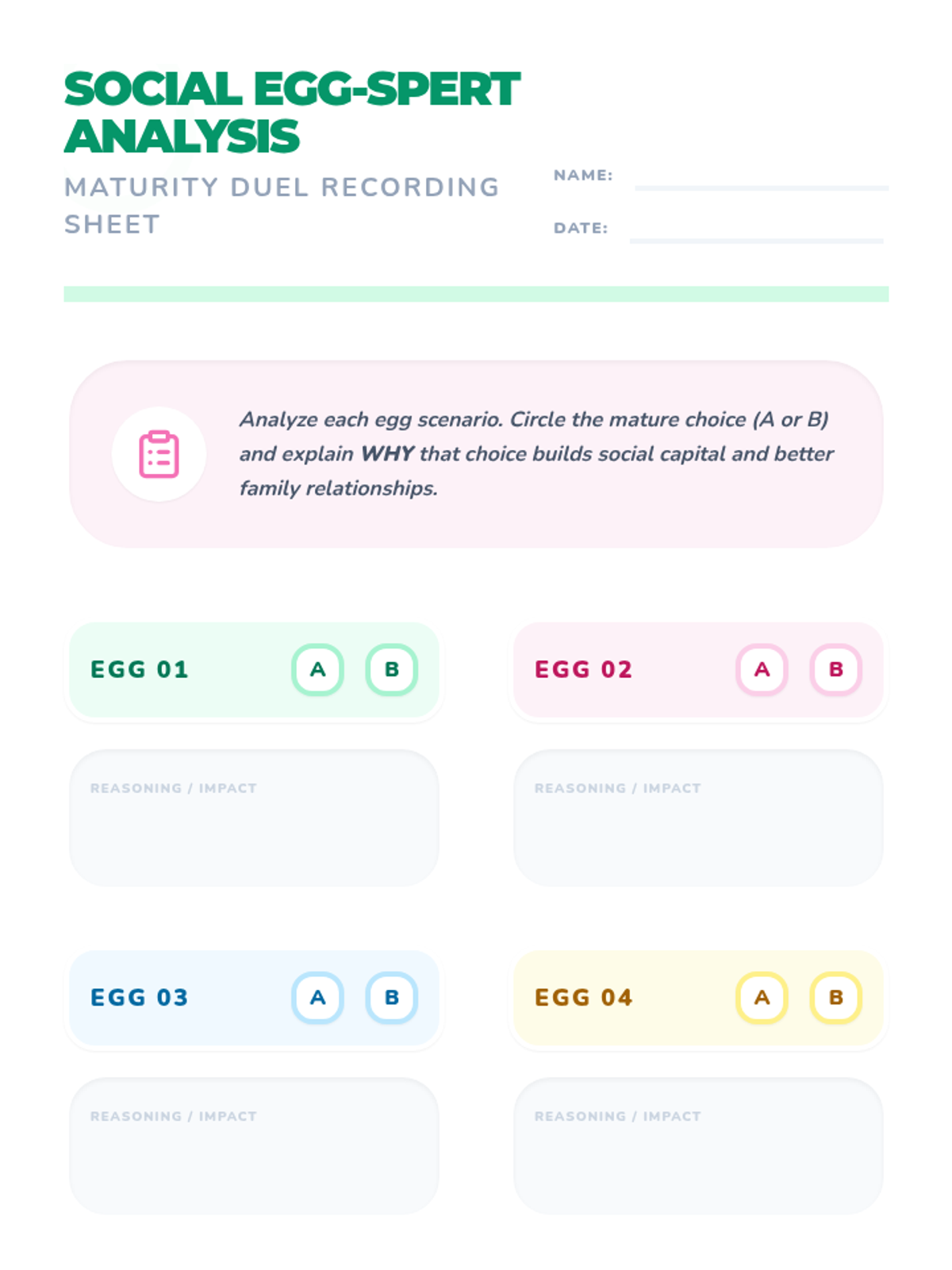
A social skills lesson focused on navigating common holiday situations like family gatherings, egg hunts, and conversations using an Easter theme. Includes interactive slides for group discussion and printable task cards for practice.
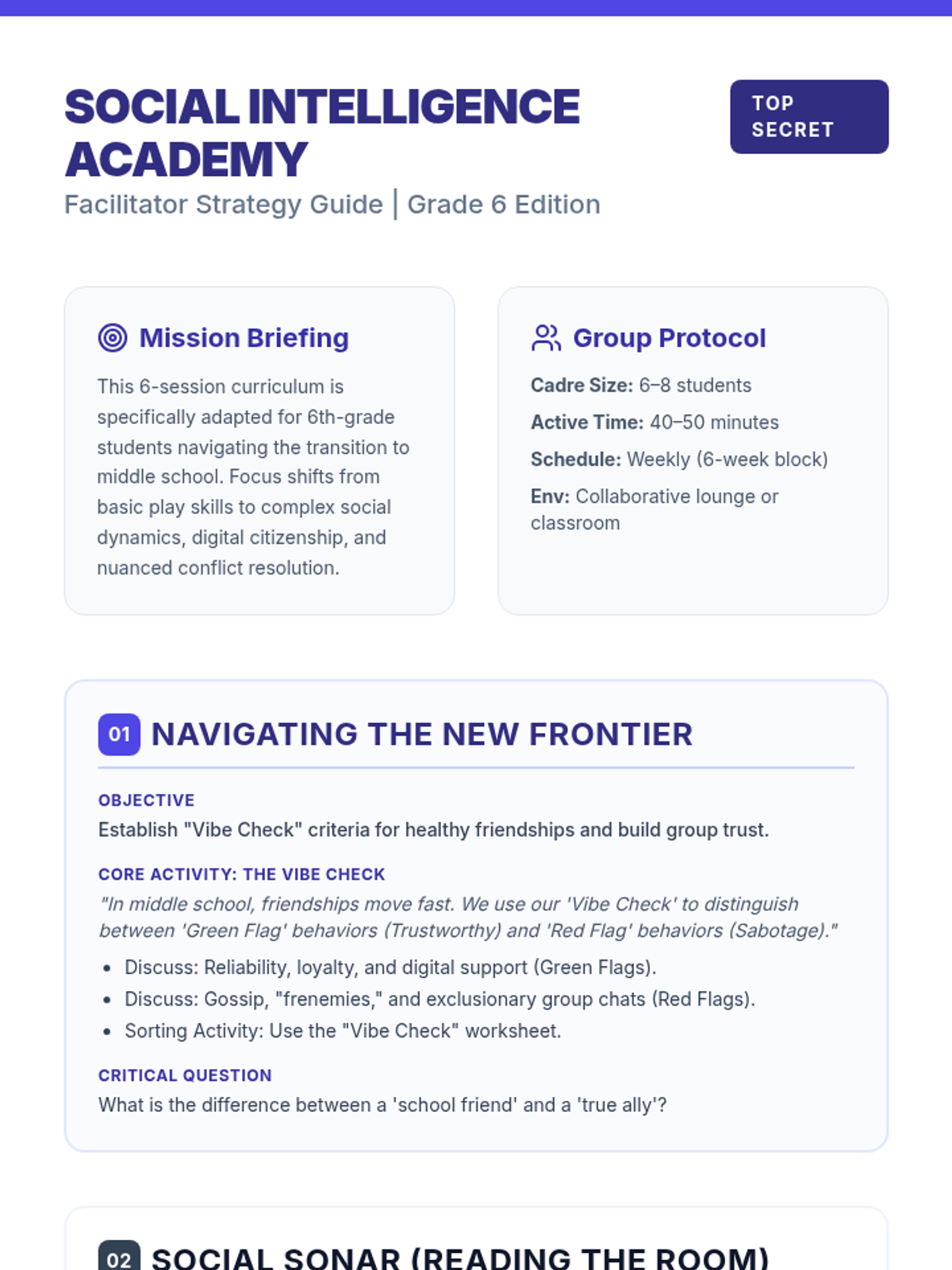
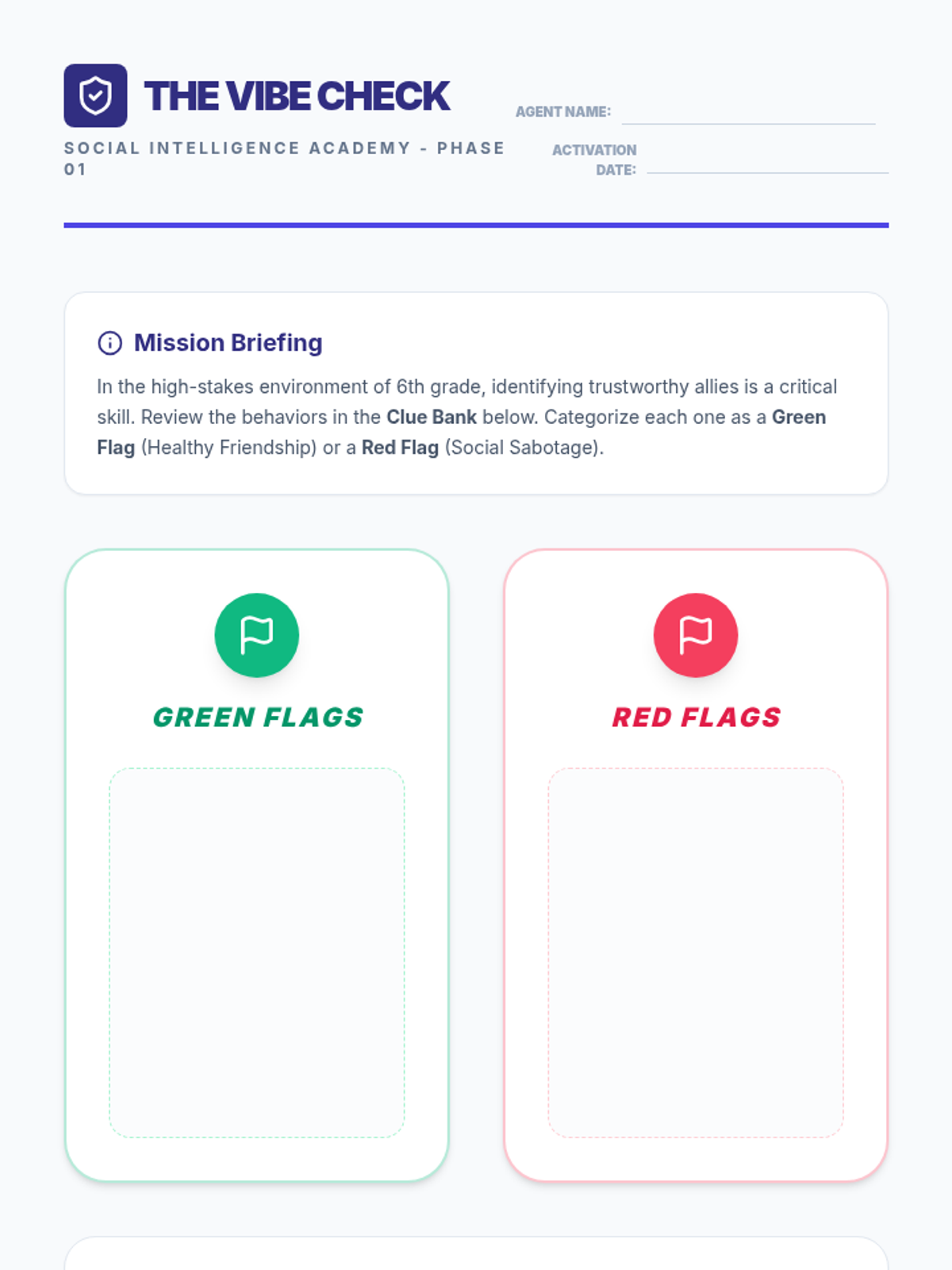
Introduces the Social Intelligence Academy and explores "Vibe Checks"—the criteria for healthy, high-functioning middle school friendships.
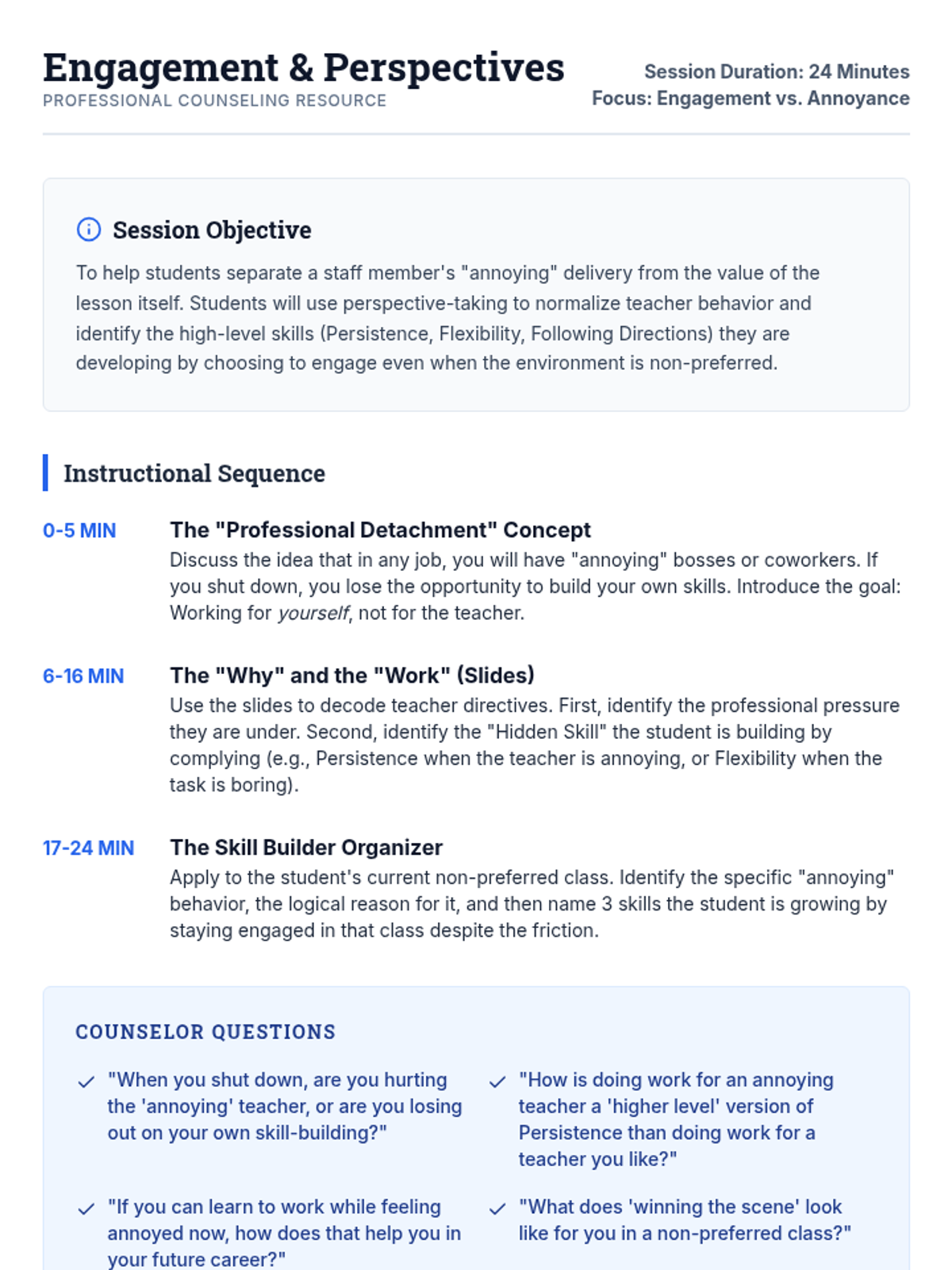
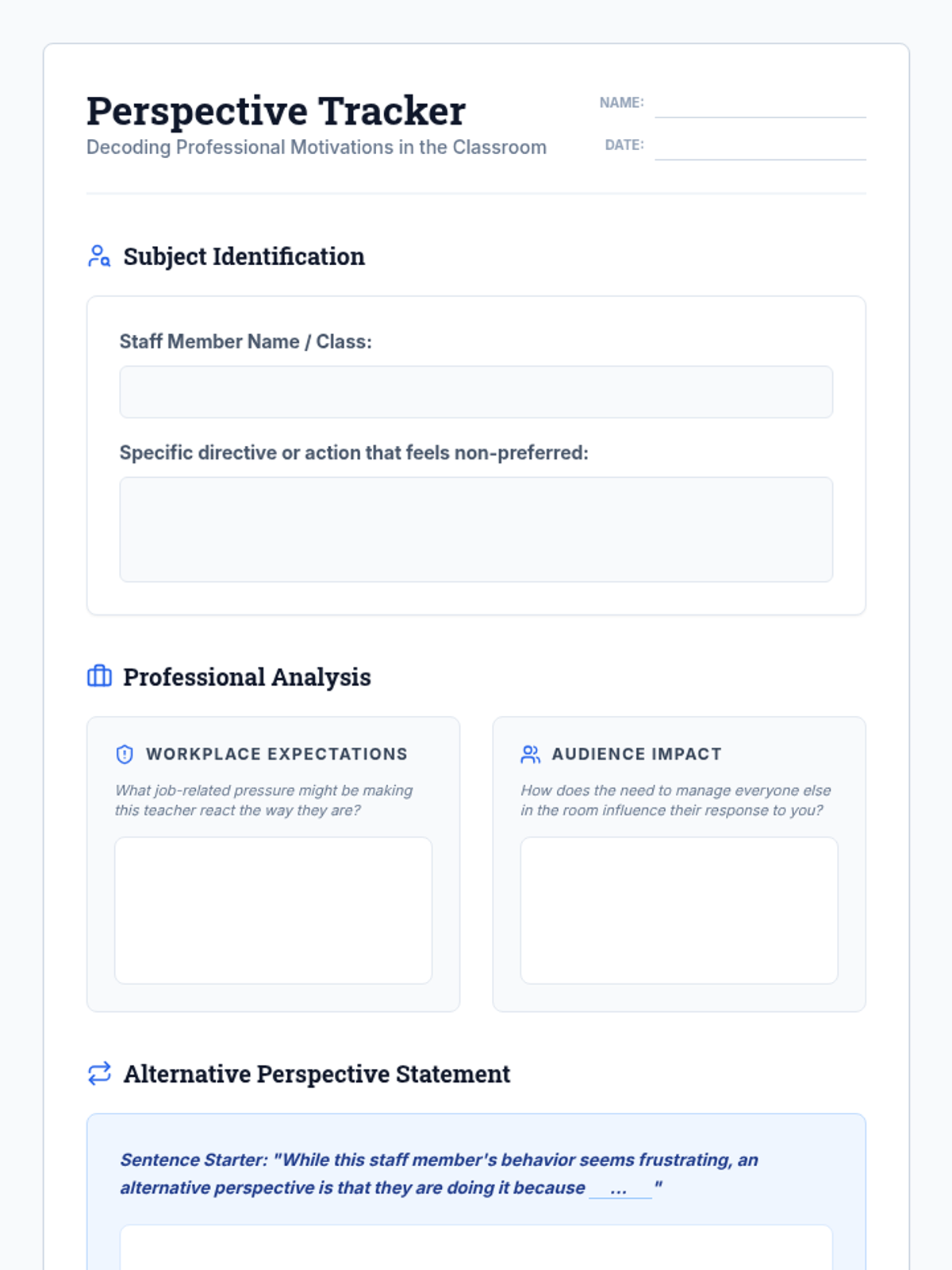
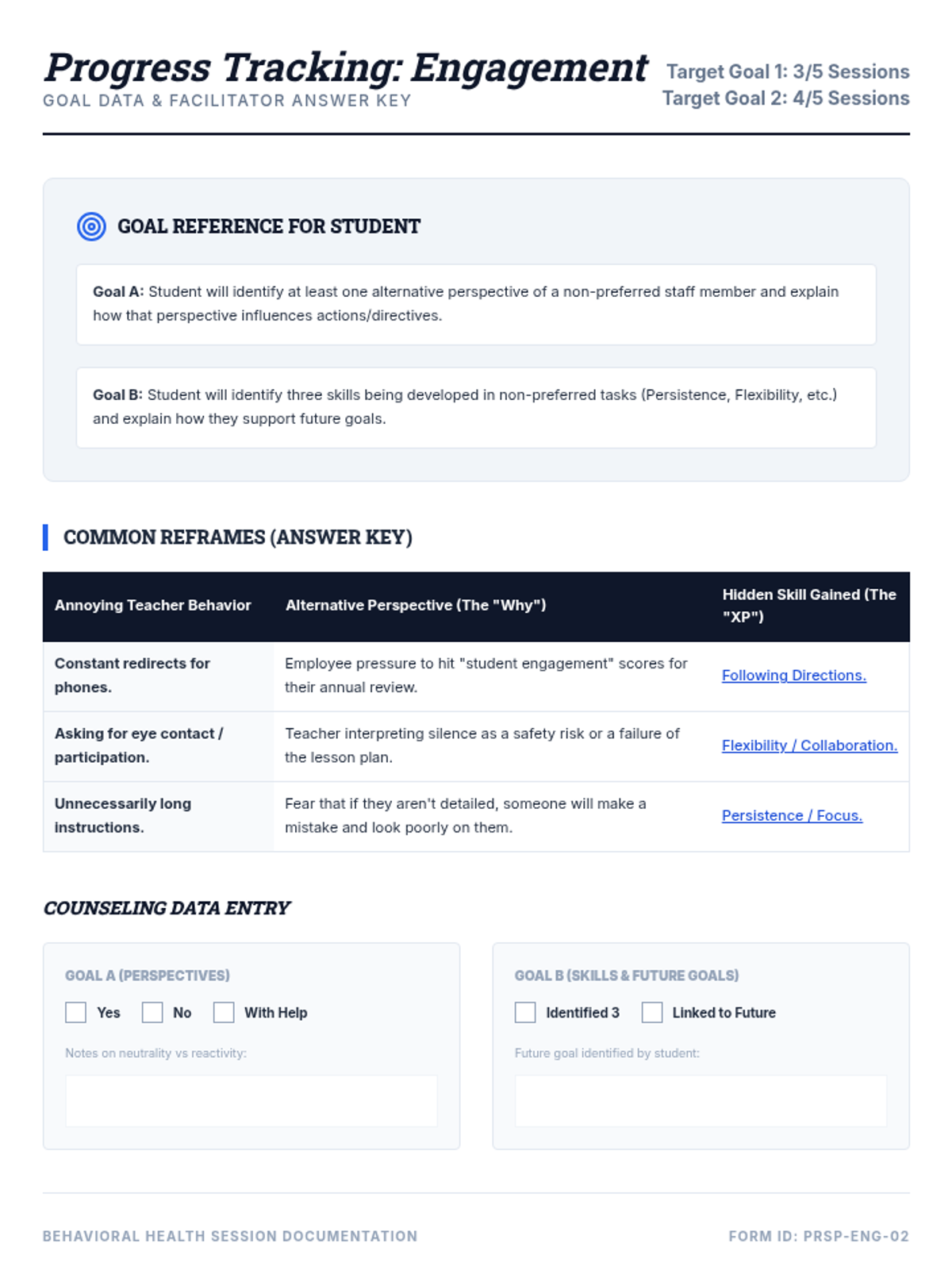
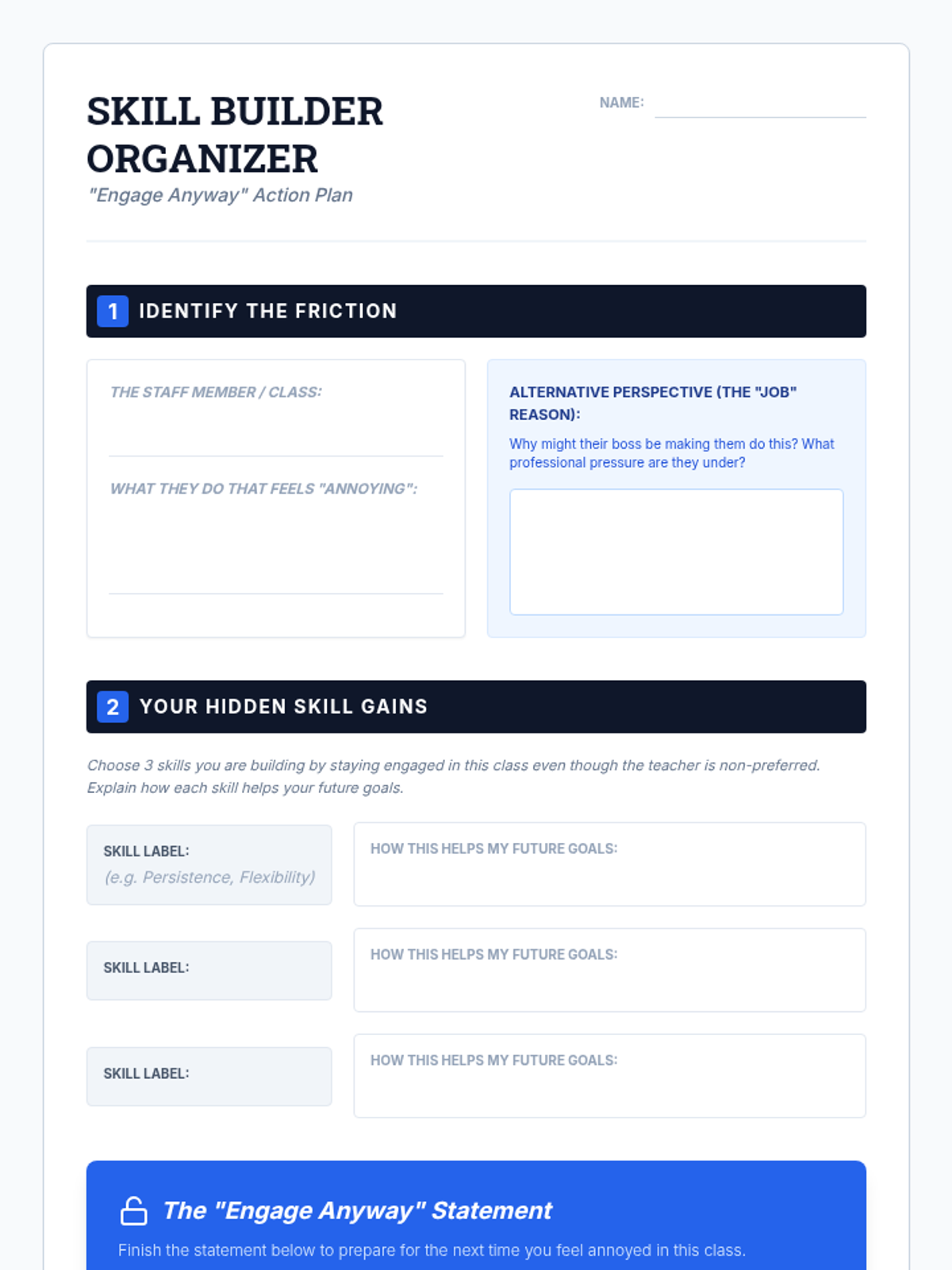
A 24-minute counseling session focused on social perspective-taking, specifically helping students identify the underlying motivations and professional pressures that influence staff member actions and directives.
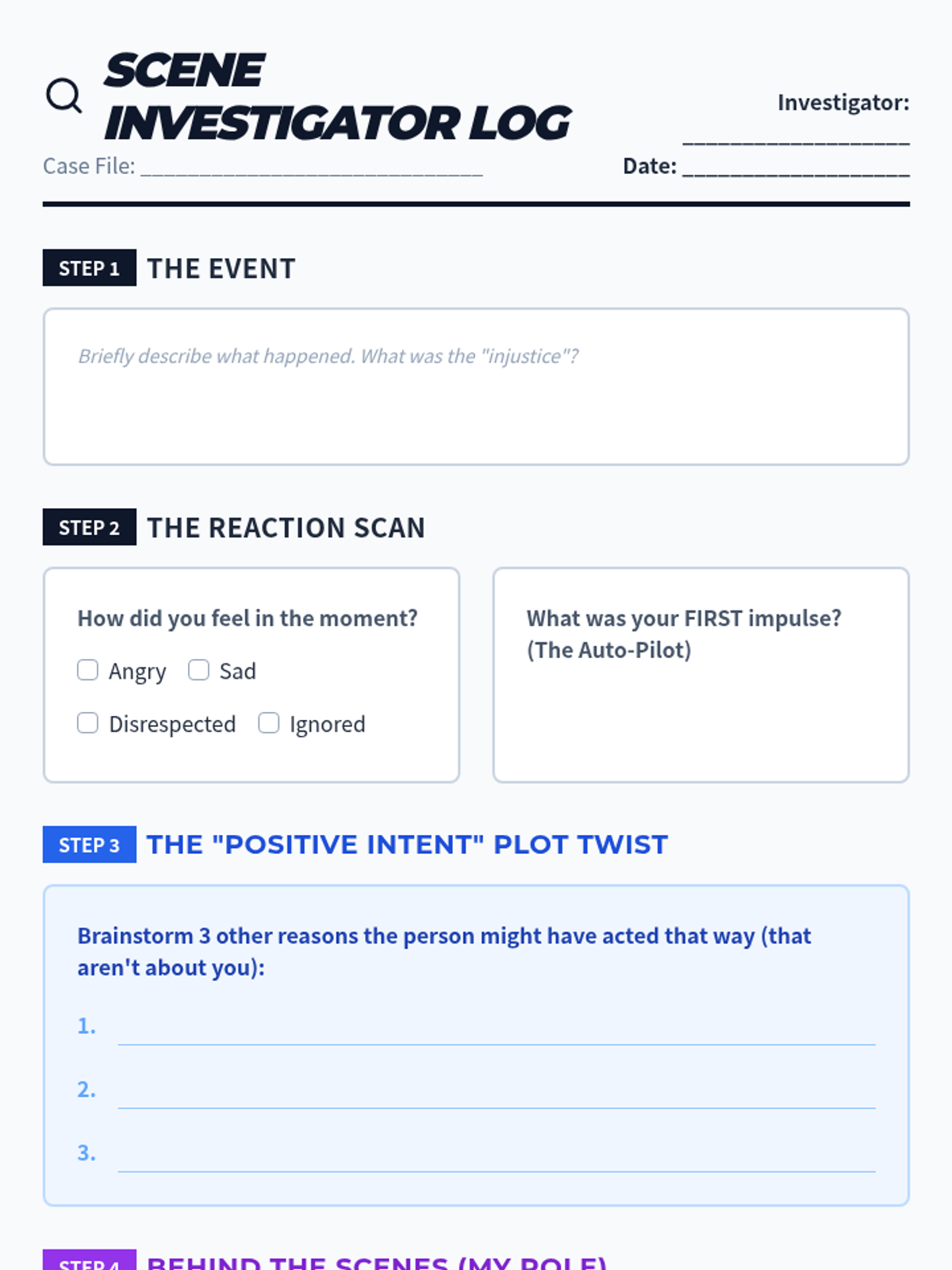
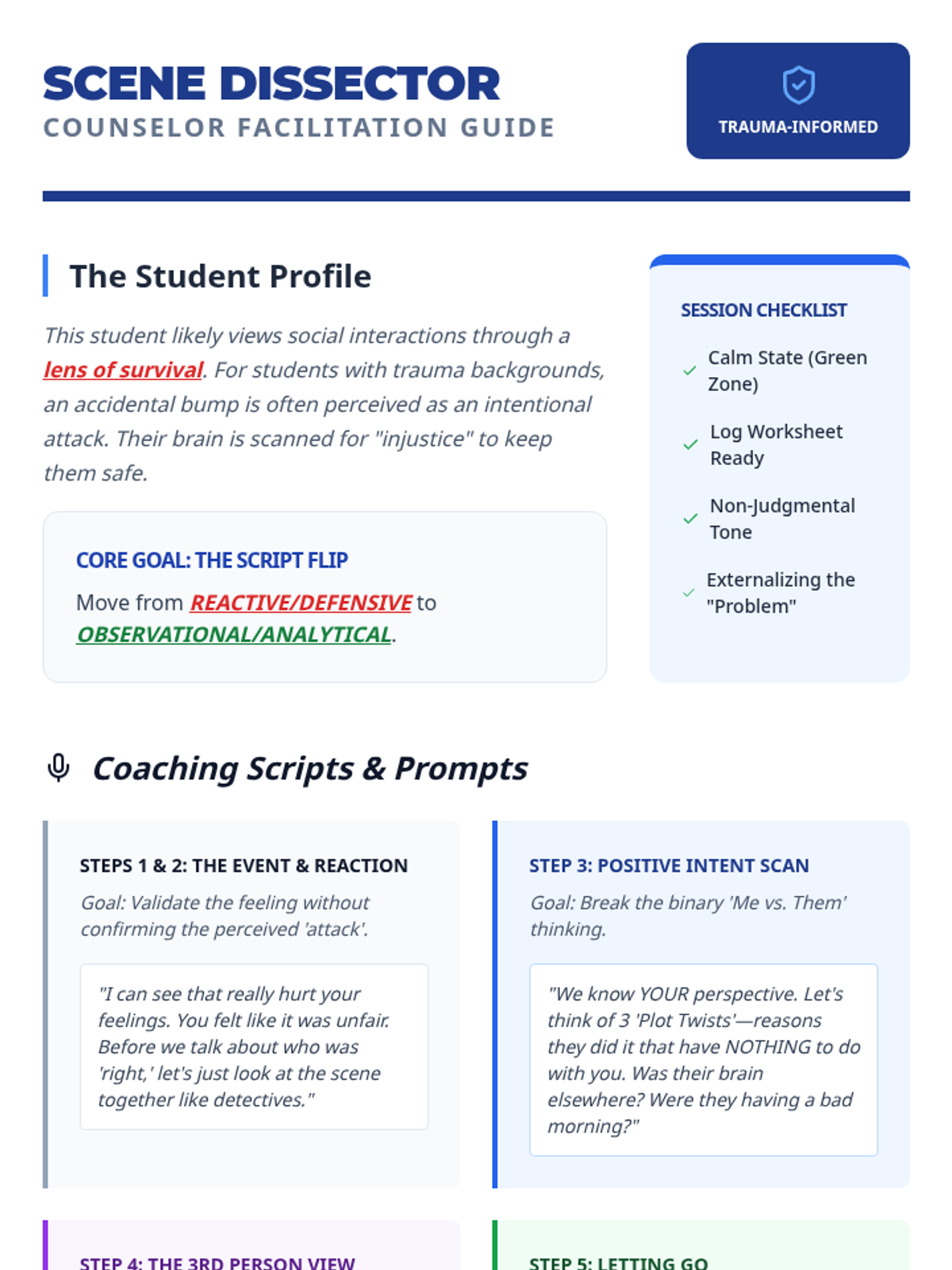
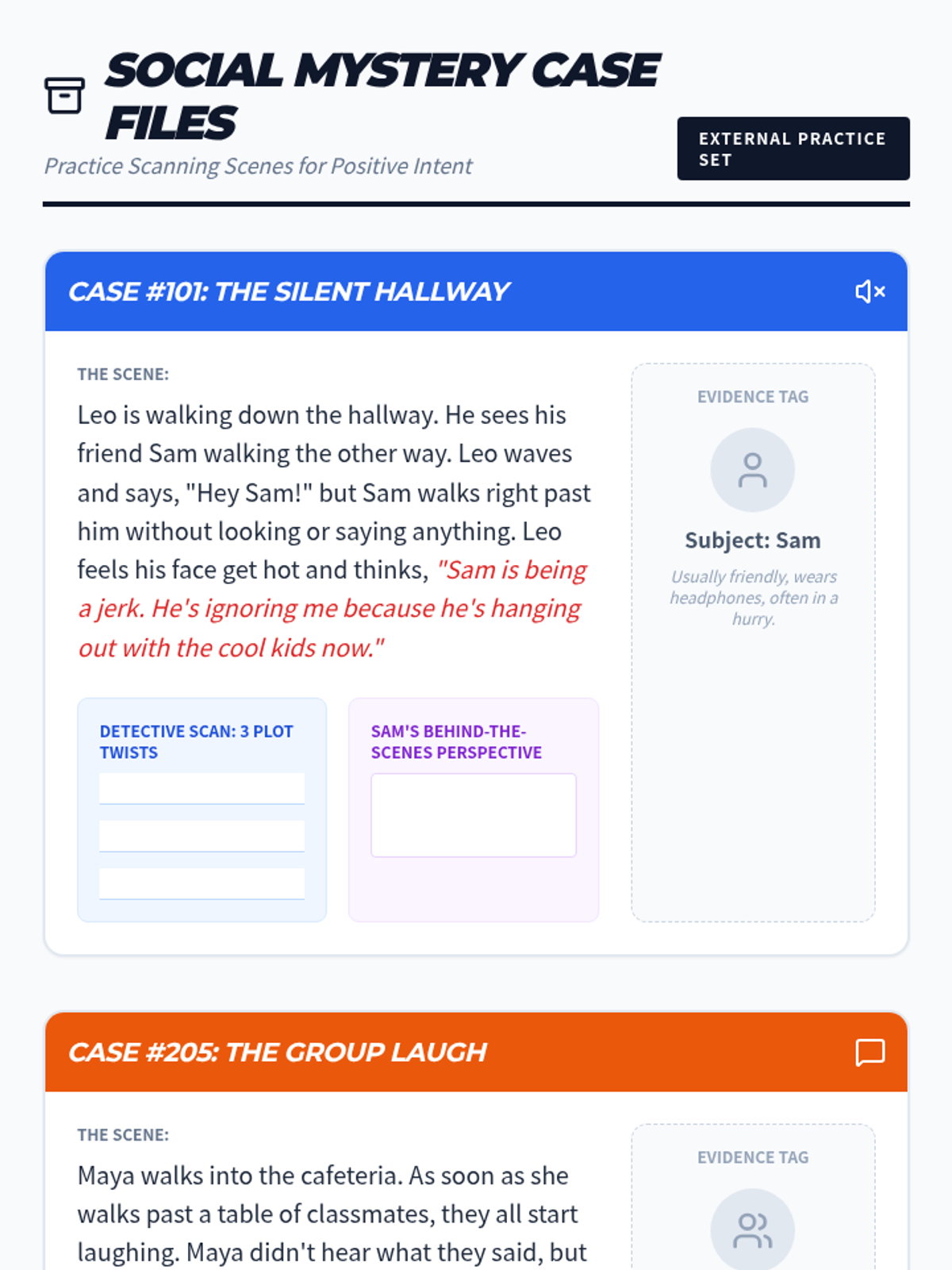
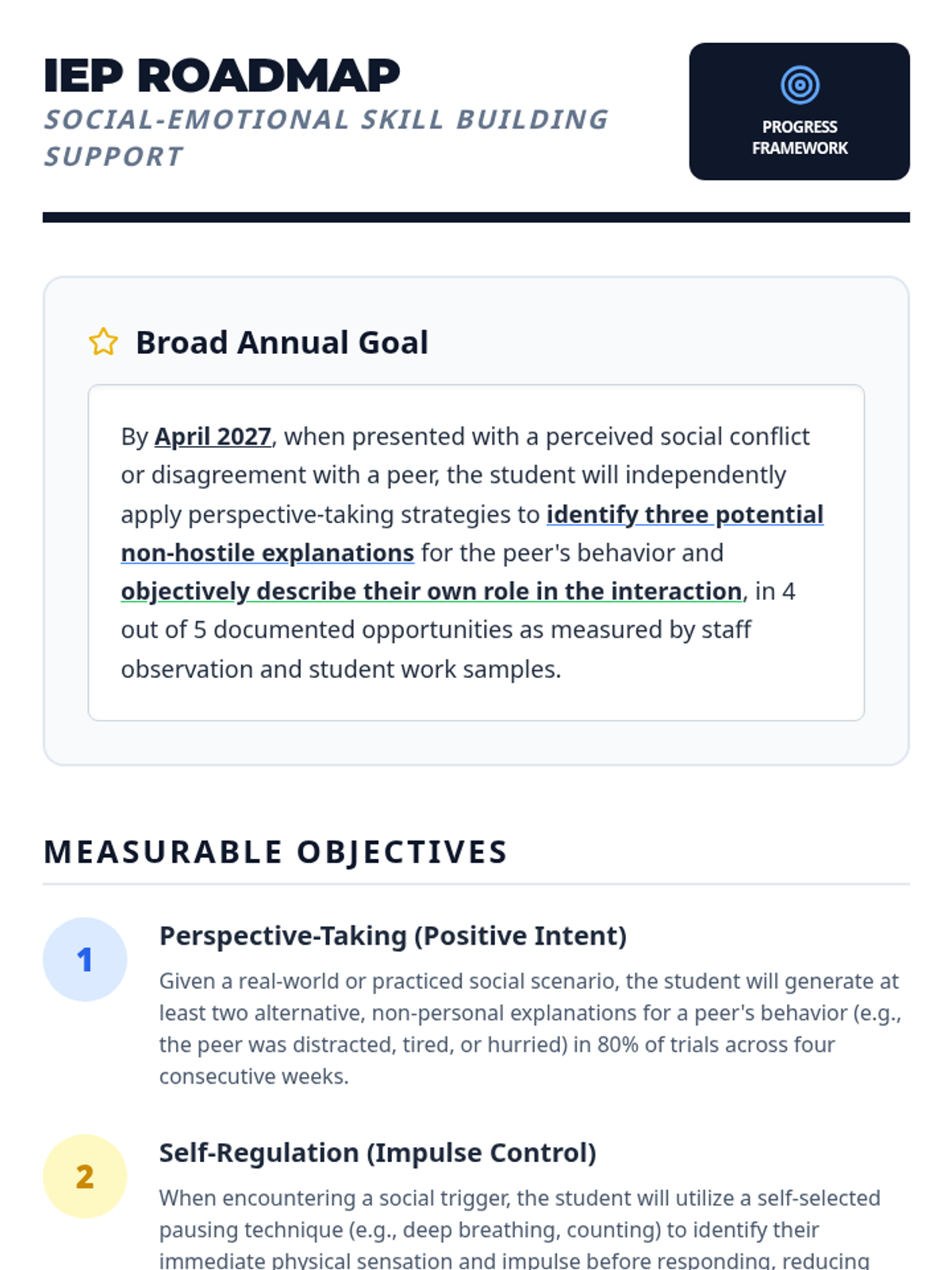
A social-emotional learning lesson designed for students with trauma backgrounds and impulse control challenges. It focuses on 'Scene Scanning'—assuming positive intent and dissecting social interactions through a detective-style lens to improve perspective-taking and reduce reactivity.
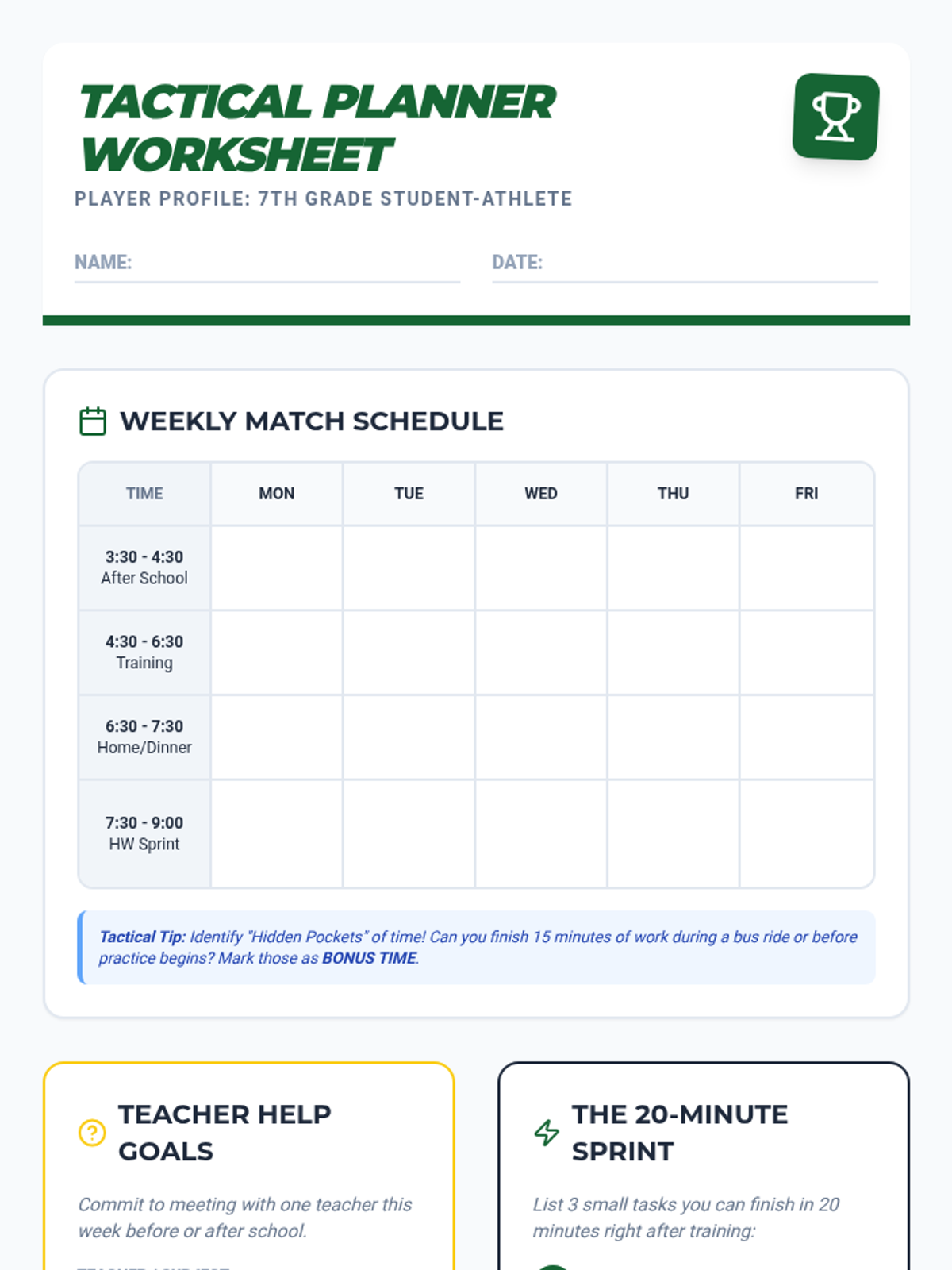
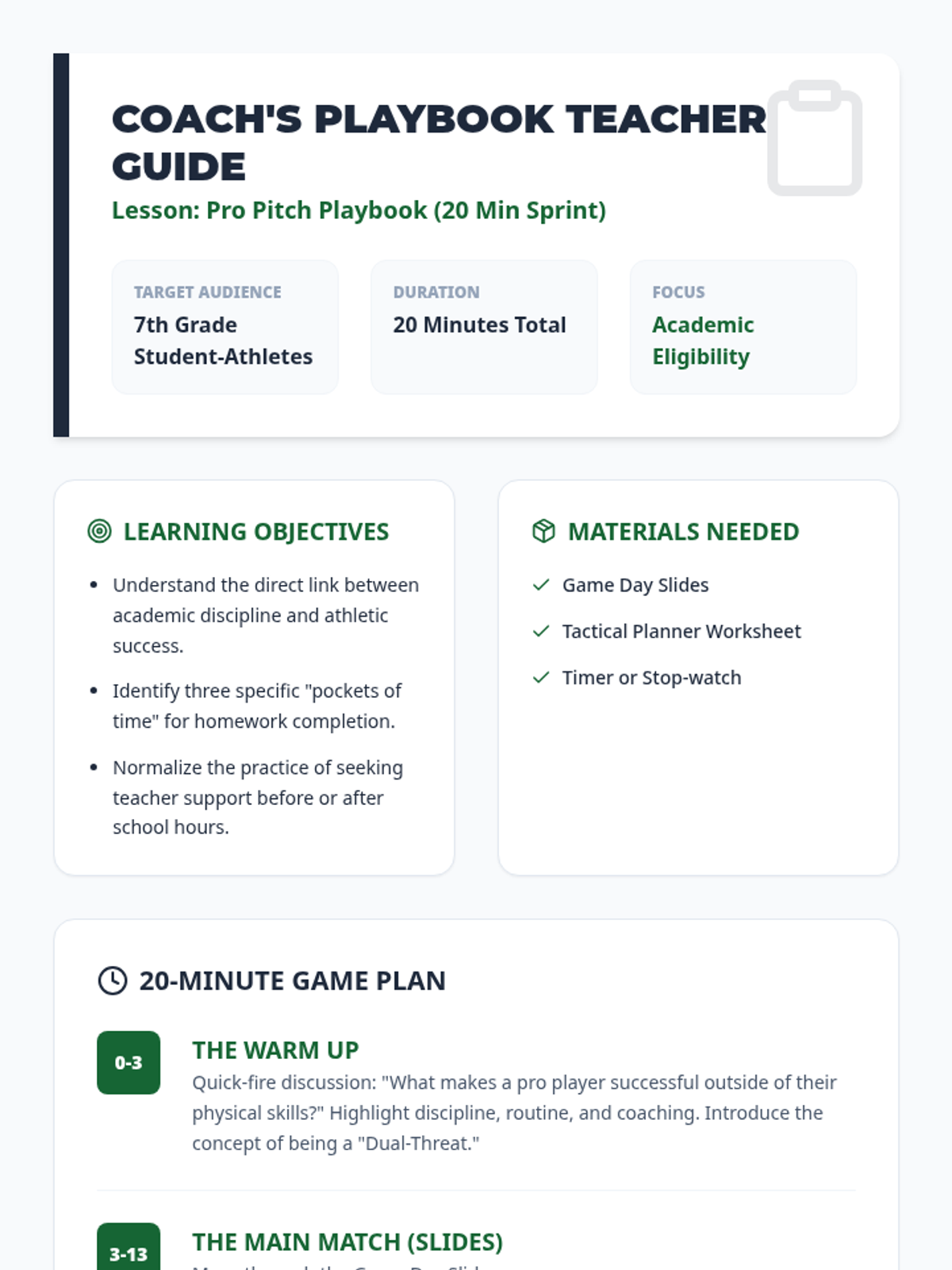
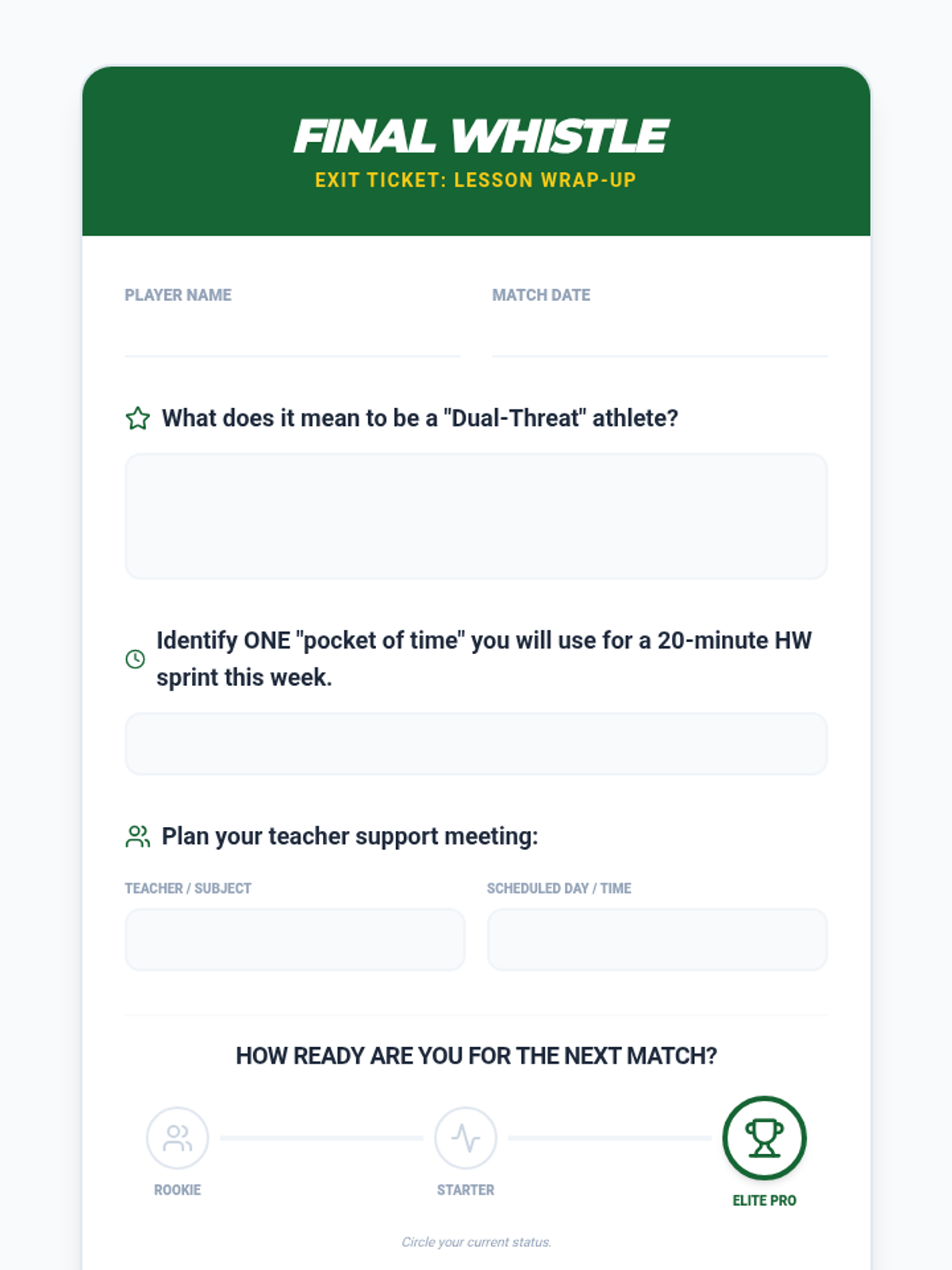
A fast-paced, soccer-themed lesson designed to help student-athletes master their schedule, prioritize homework, and utilize teacher support to maintain academic eligibility and success.
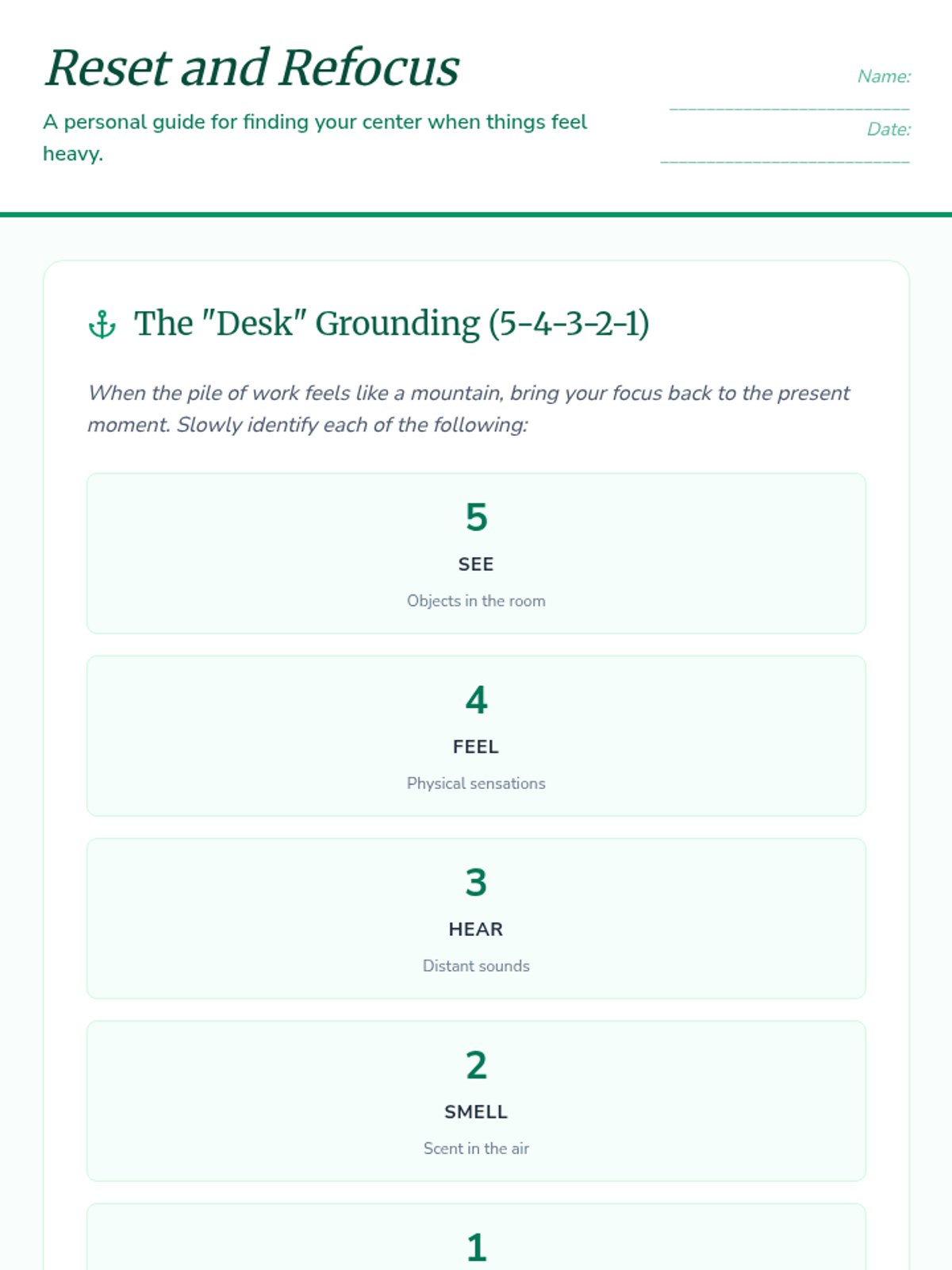
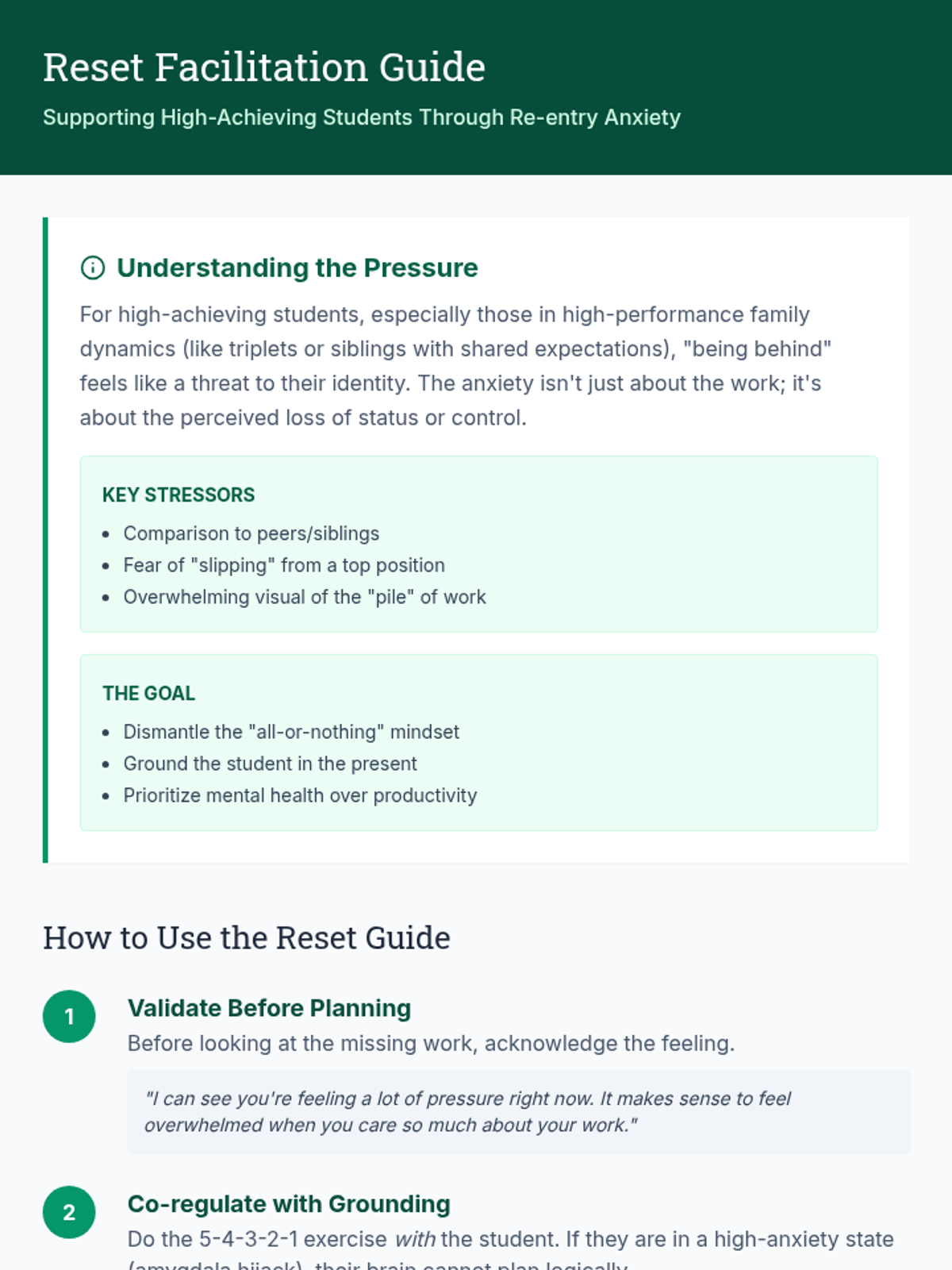
A collection of resources designed to help high-achieving students manage academic anxiety and re-entry stress through mindfulness and grounding.
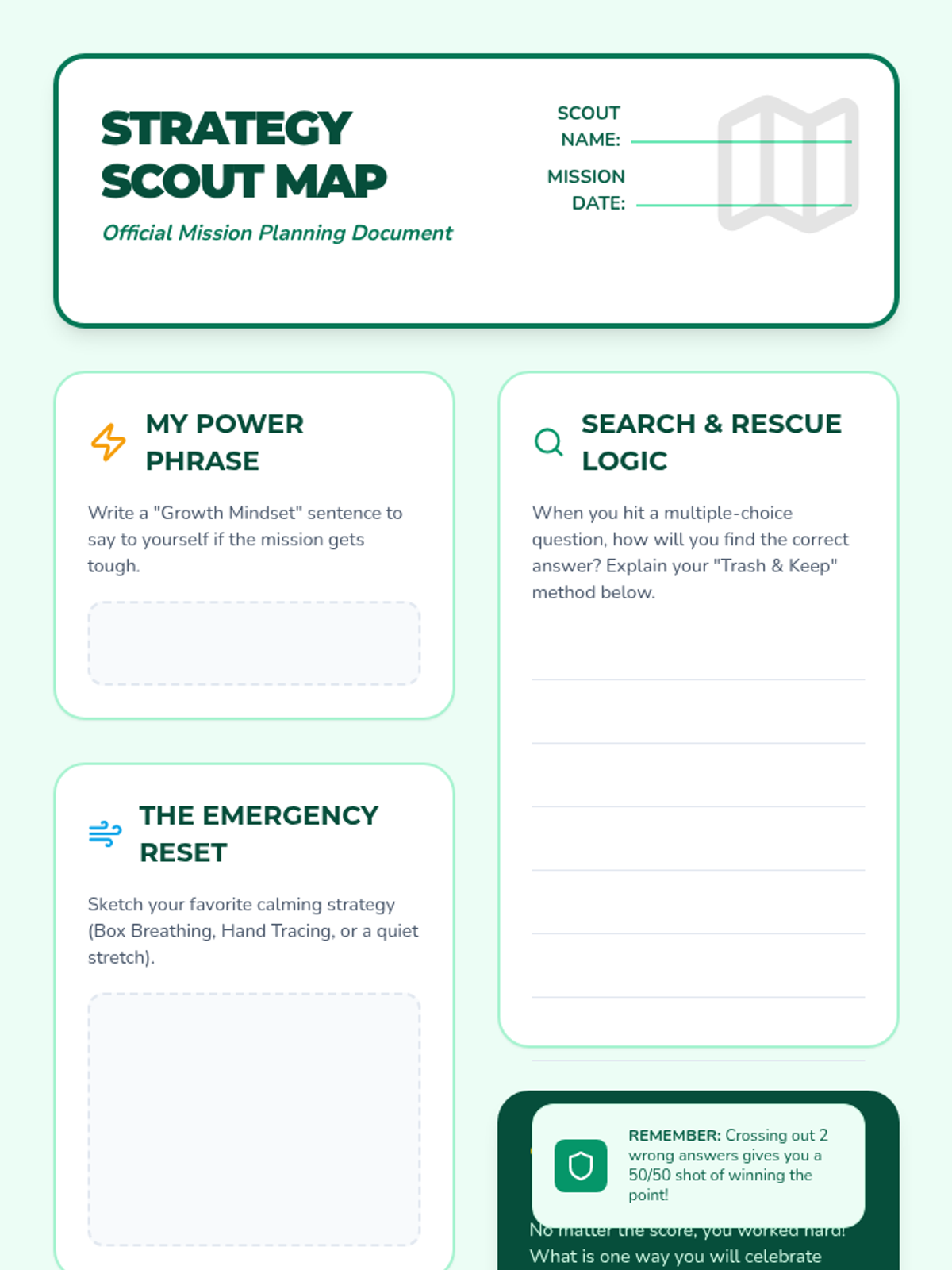
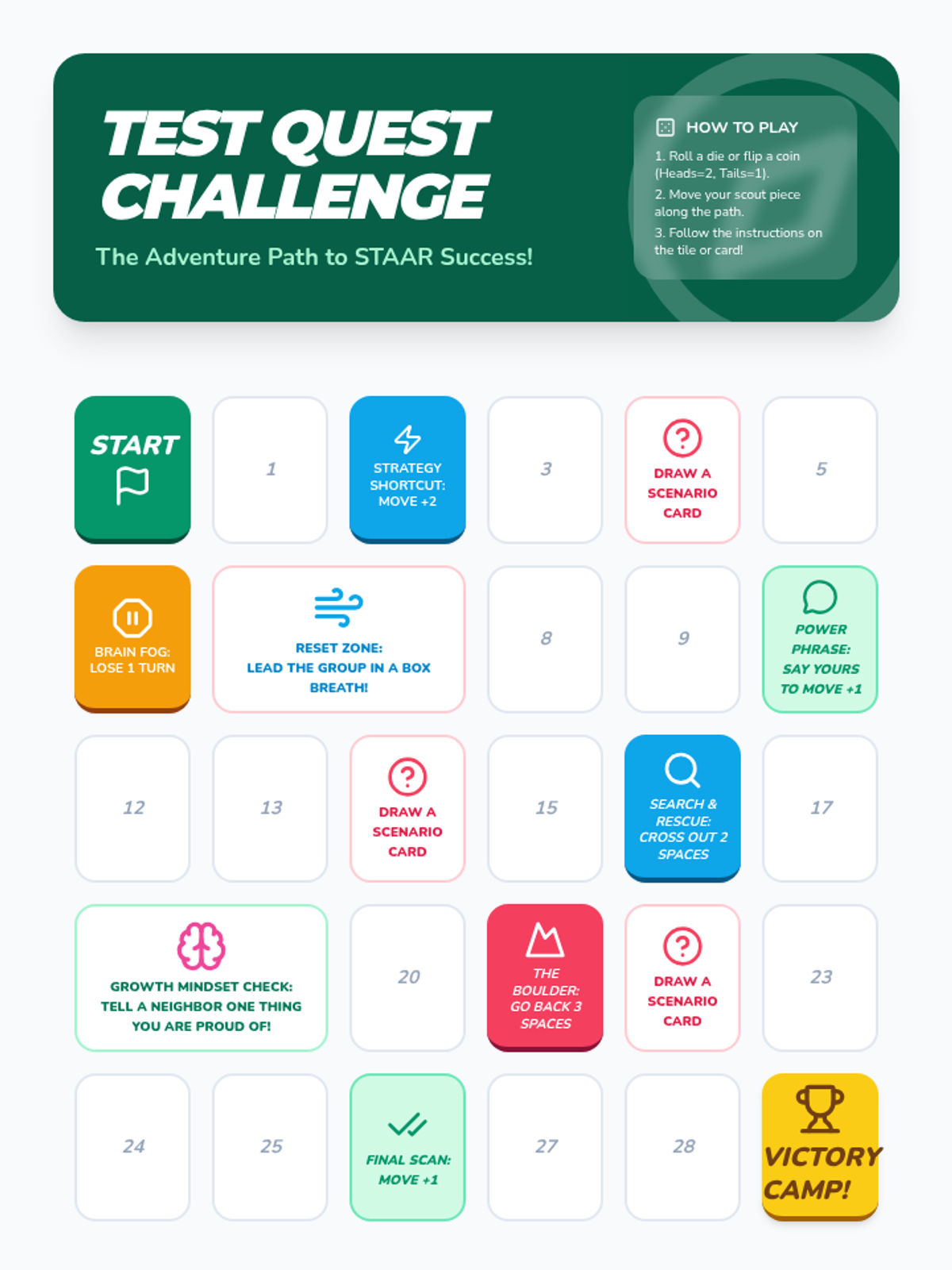
A comprehensive lesson designed to equip students with social-emotional strategies and practical techniques for tackling the STAAR test with confidence and focus.
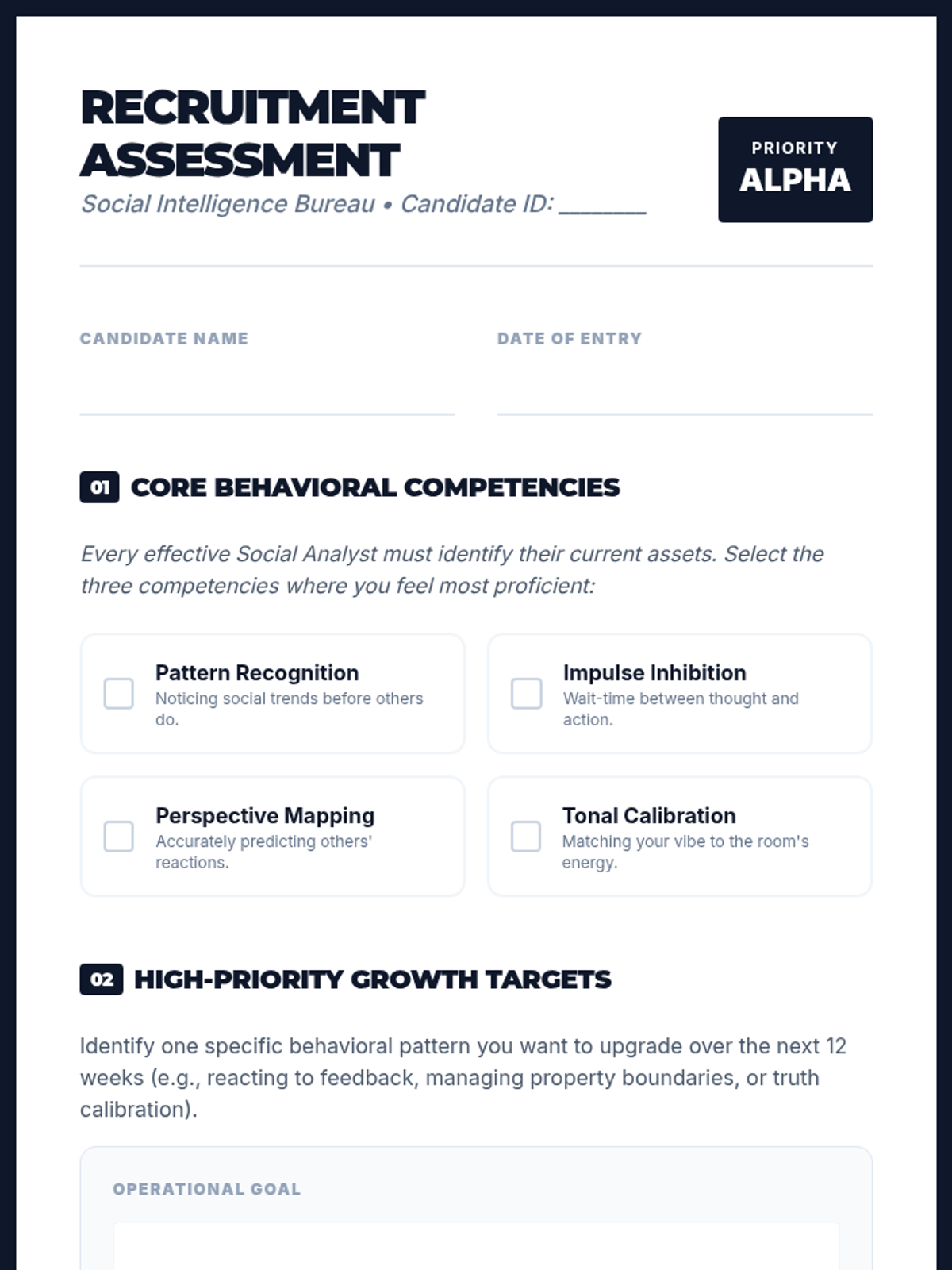
The final three weeks focus on making amends, setting future goals, and celebrating the progress made throughout the Social Detective program.
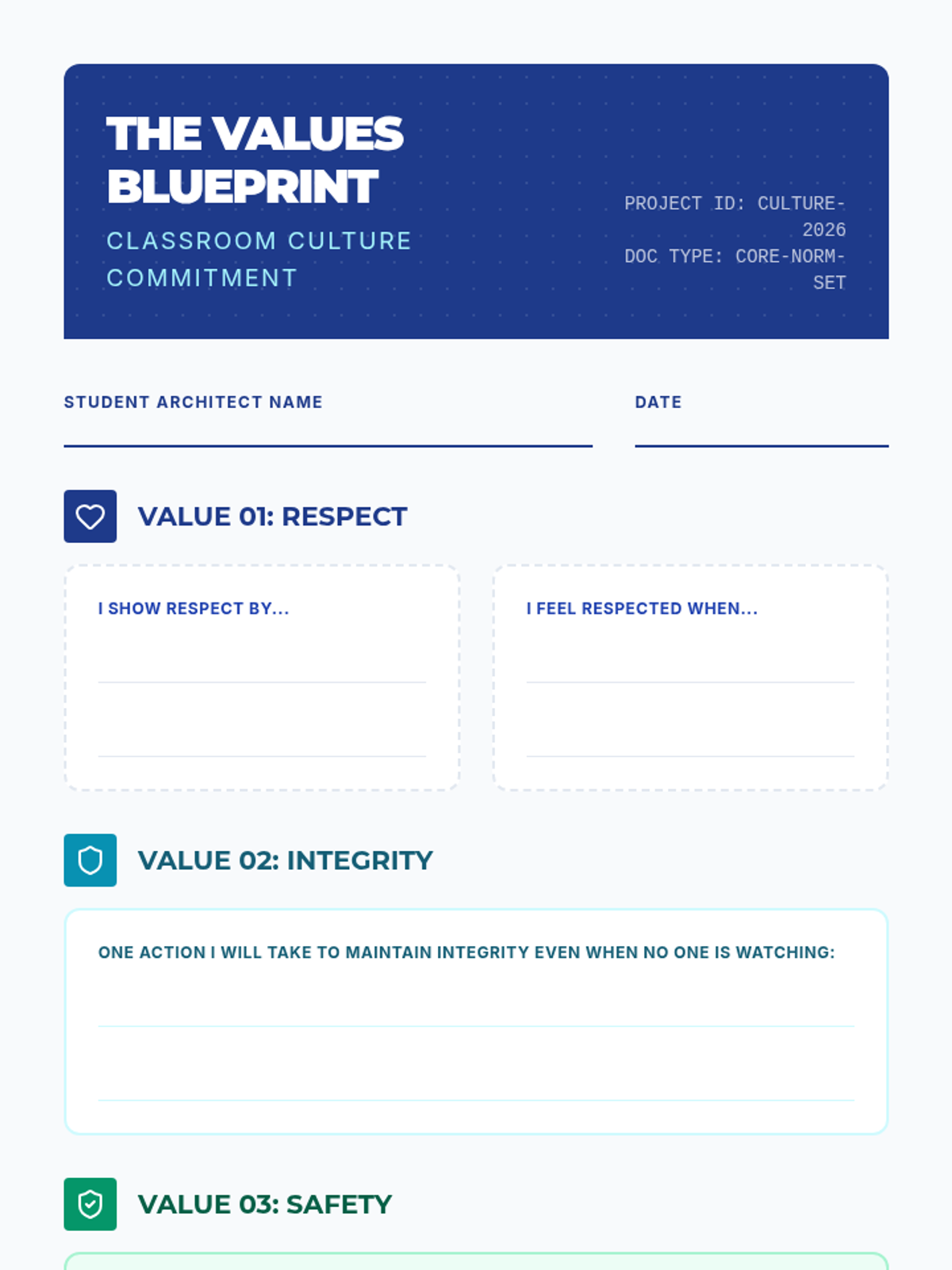
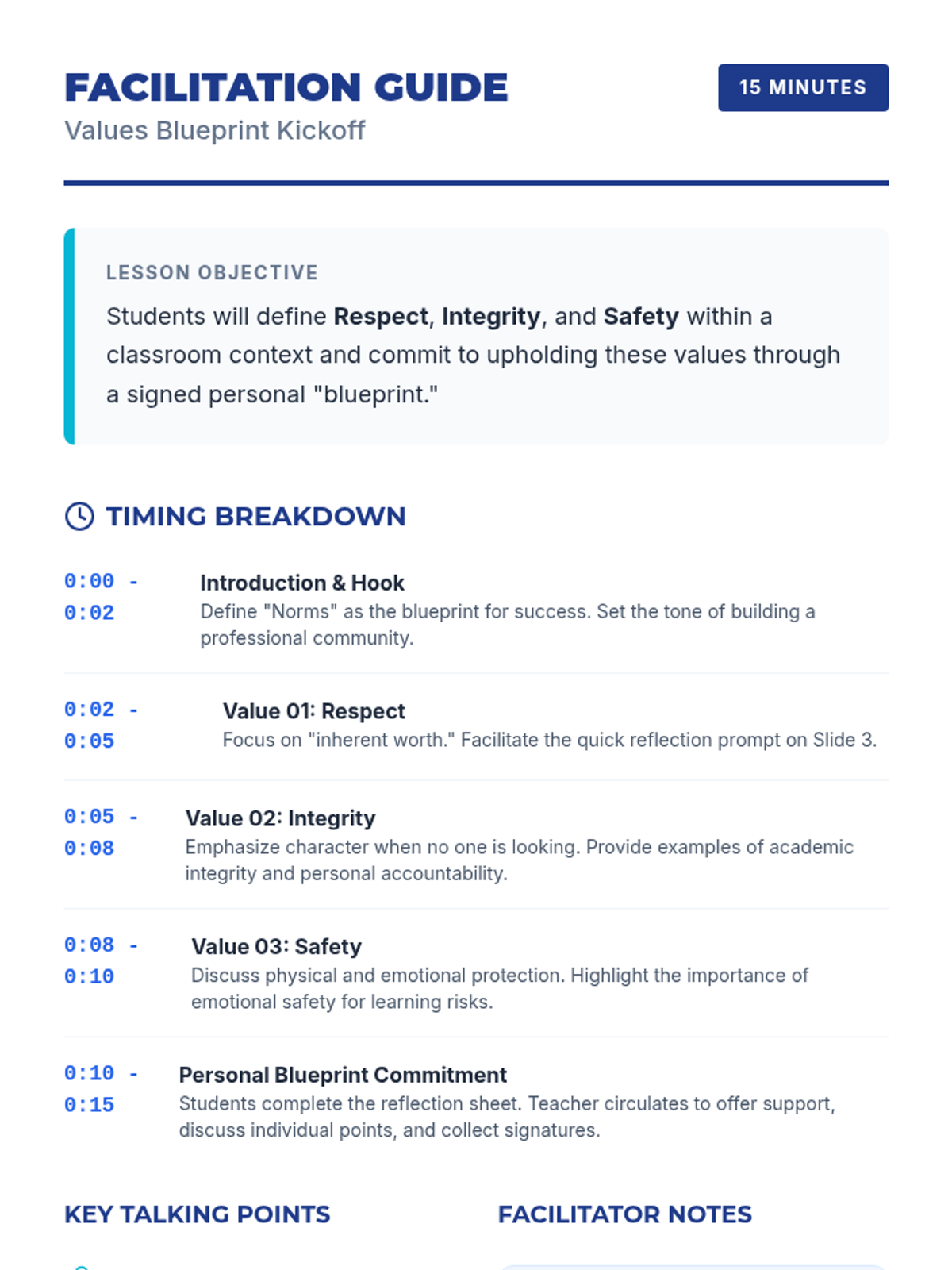
A concise 15-minute introduction to classroom norms centered on the core values of Respect, Integrity, and Safety. Students will define these values and commit to a shared culture of success.
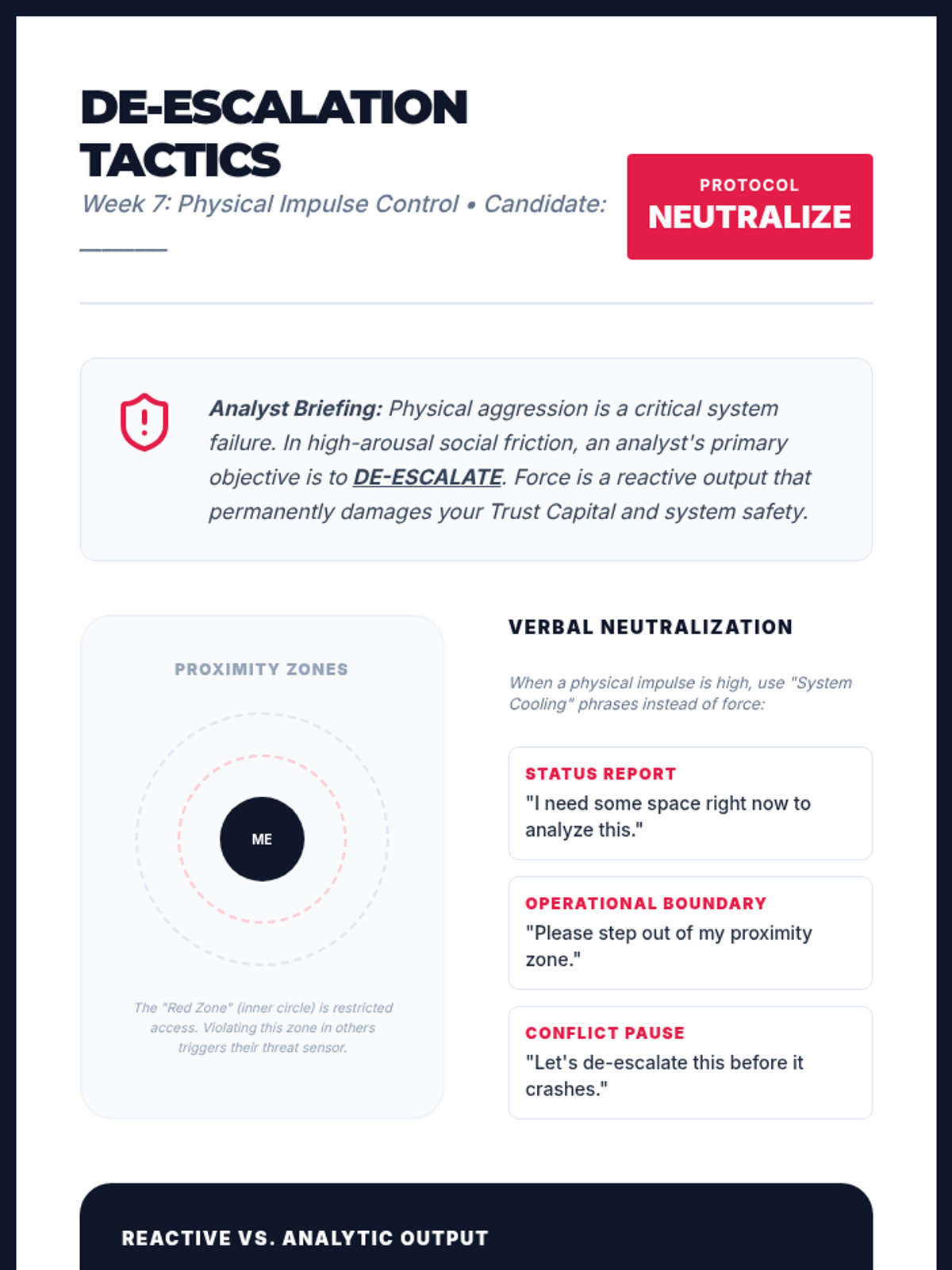
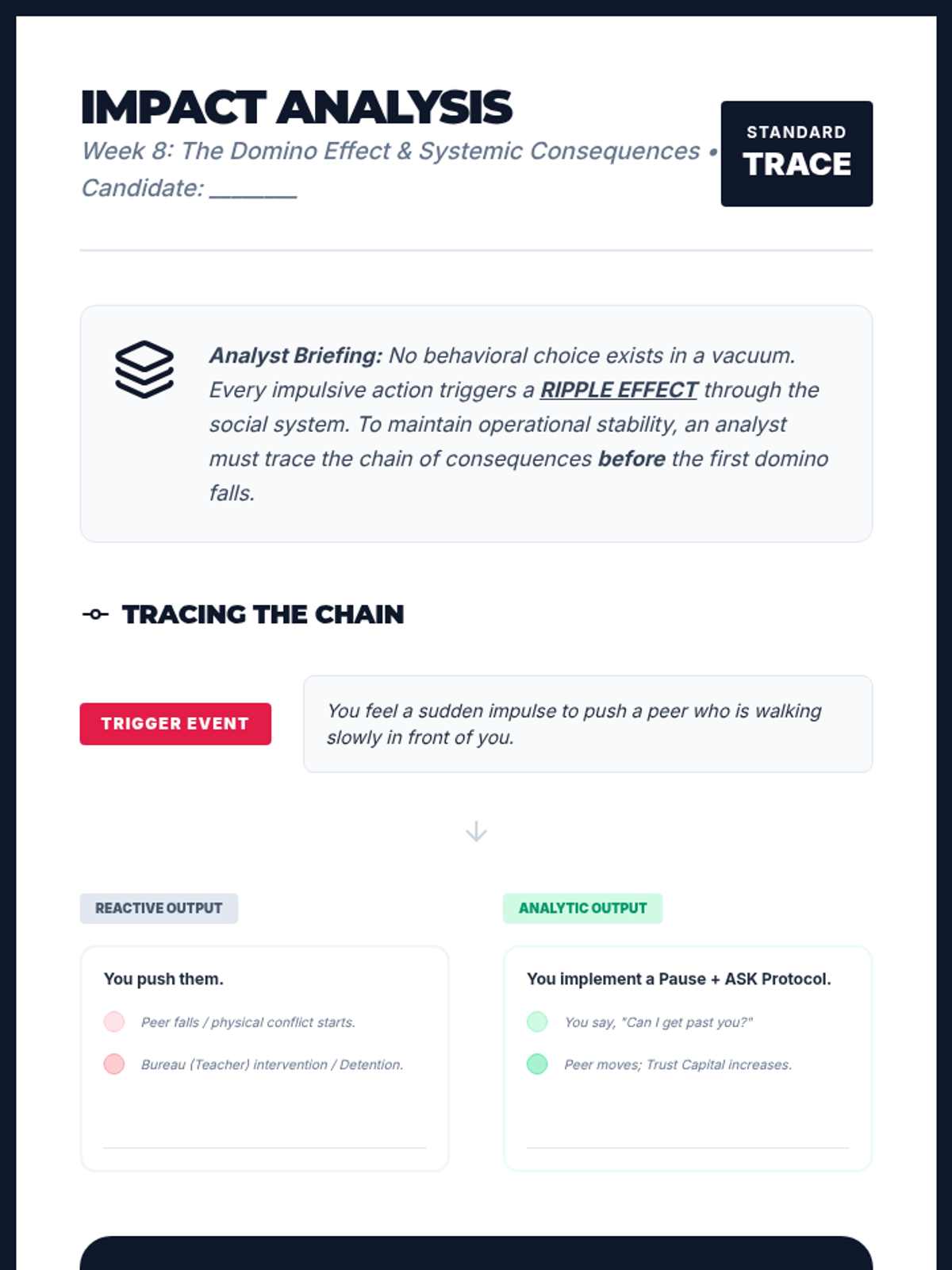
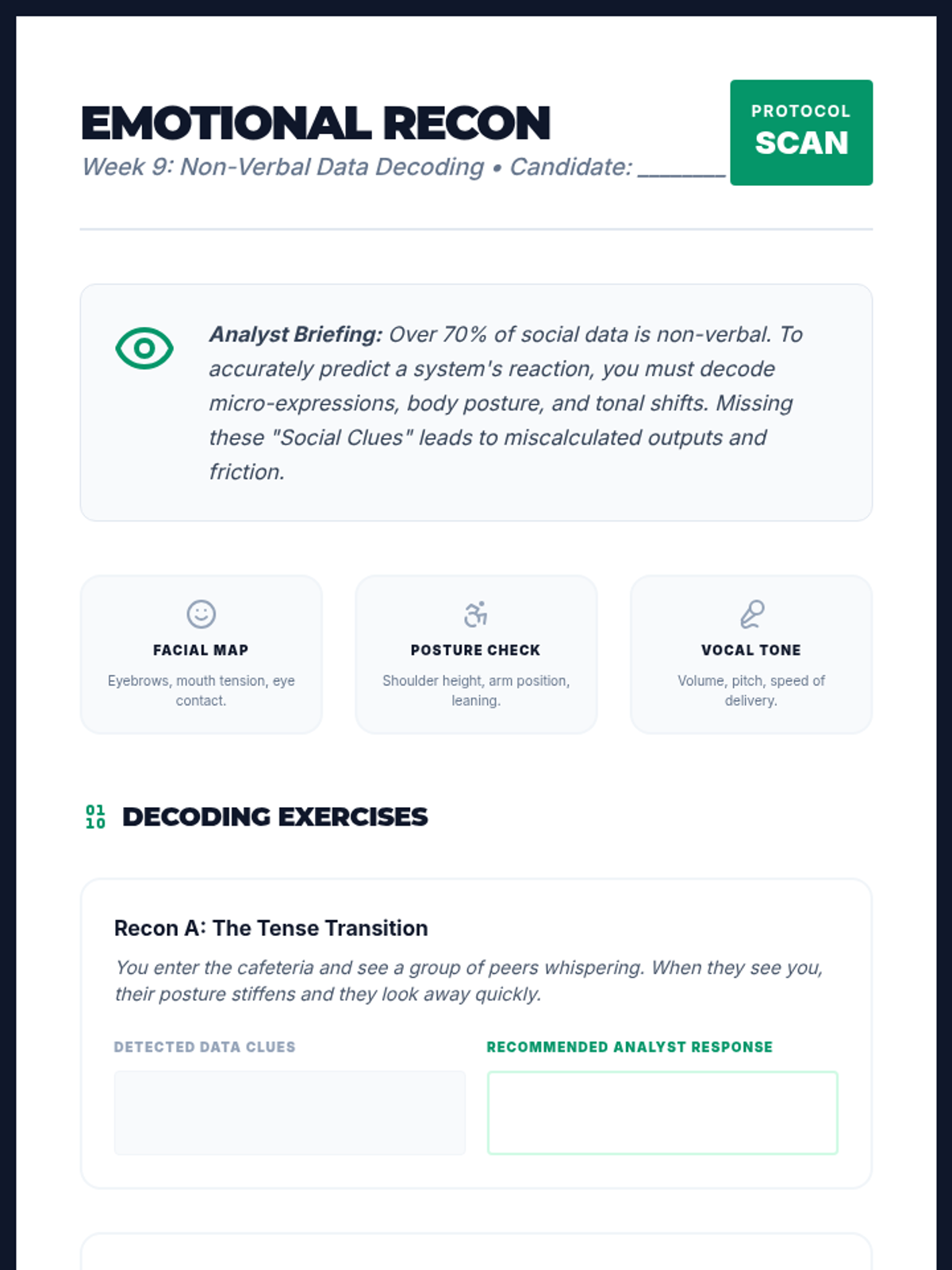
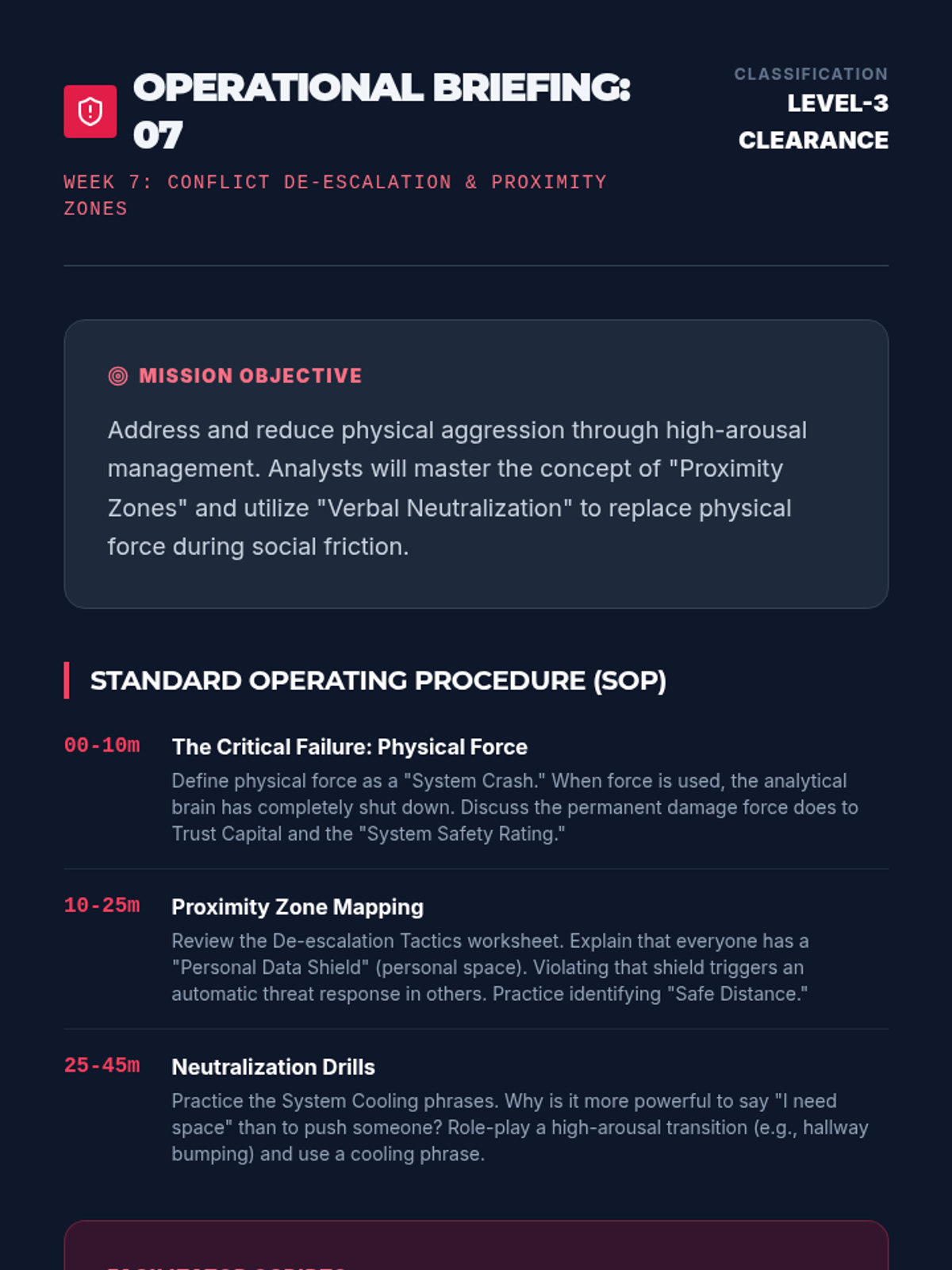
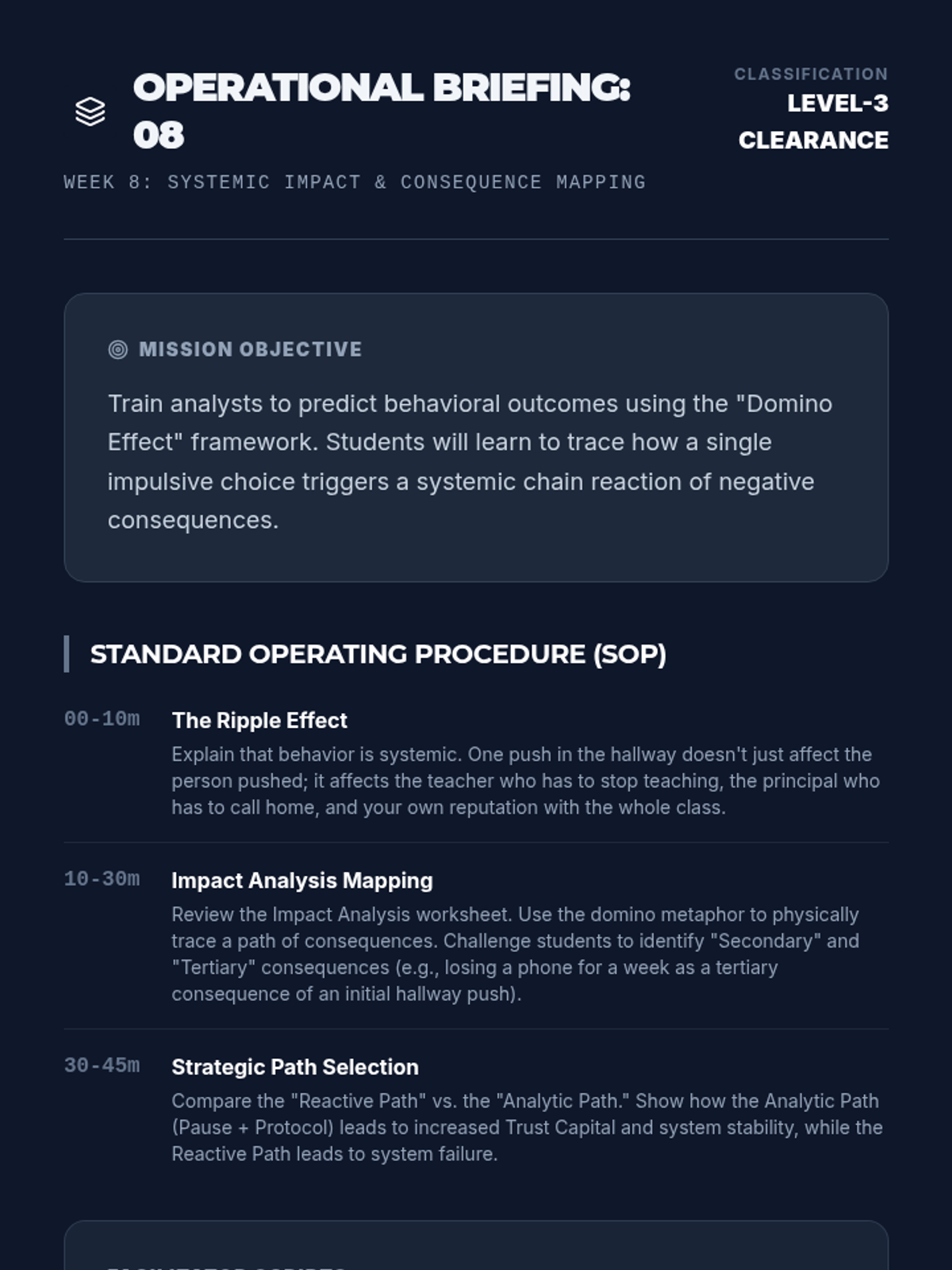
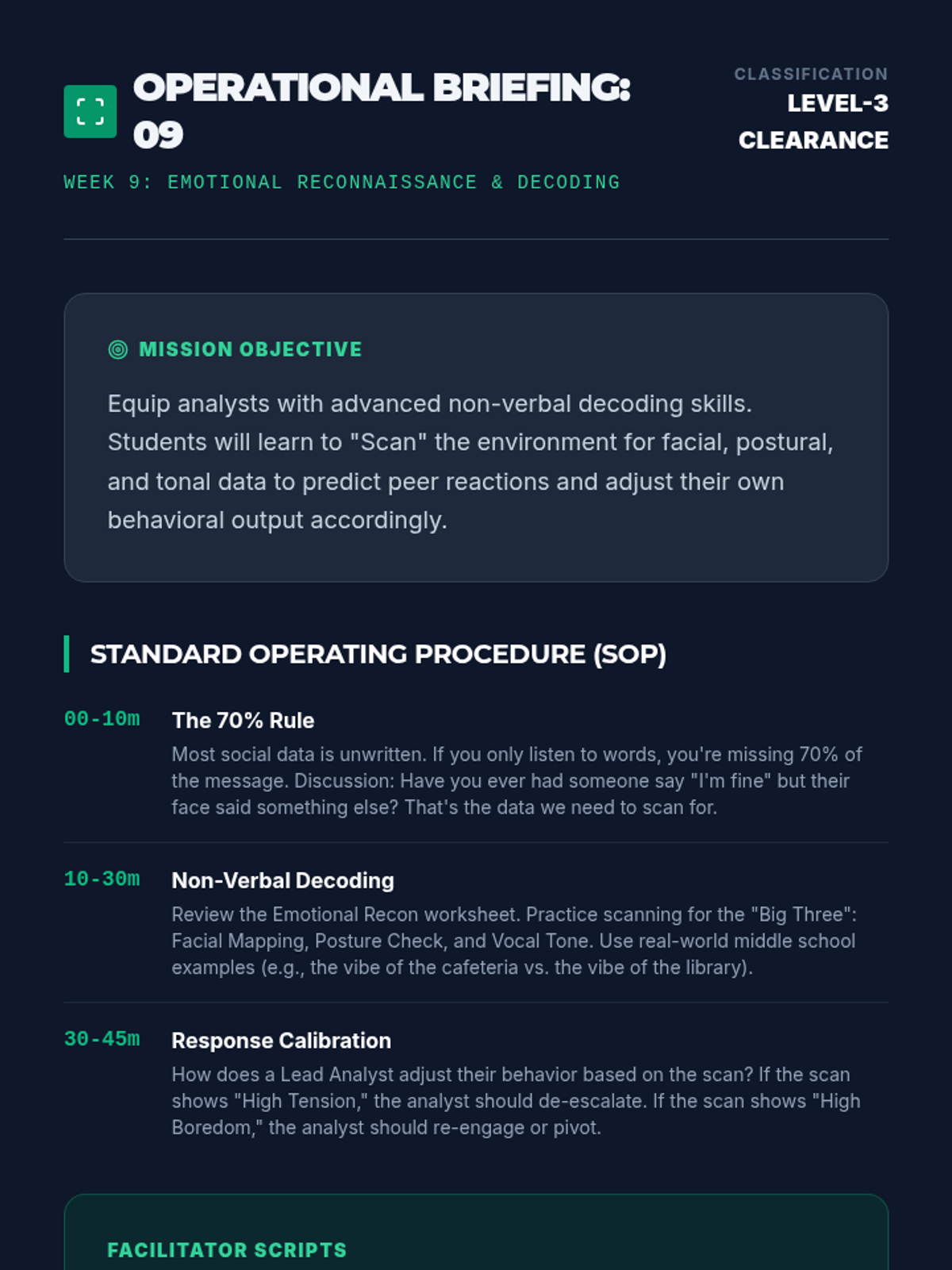
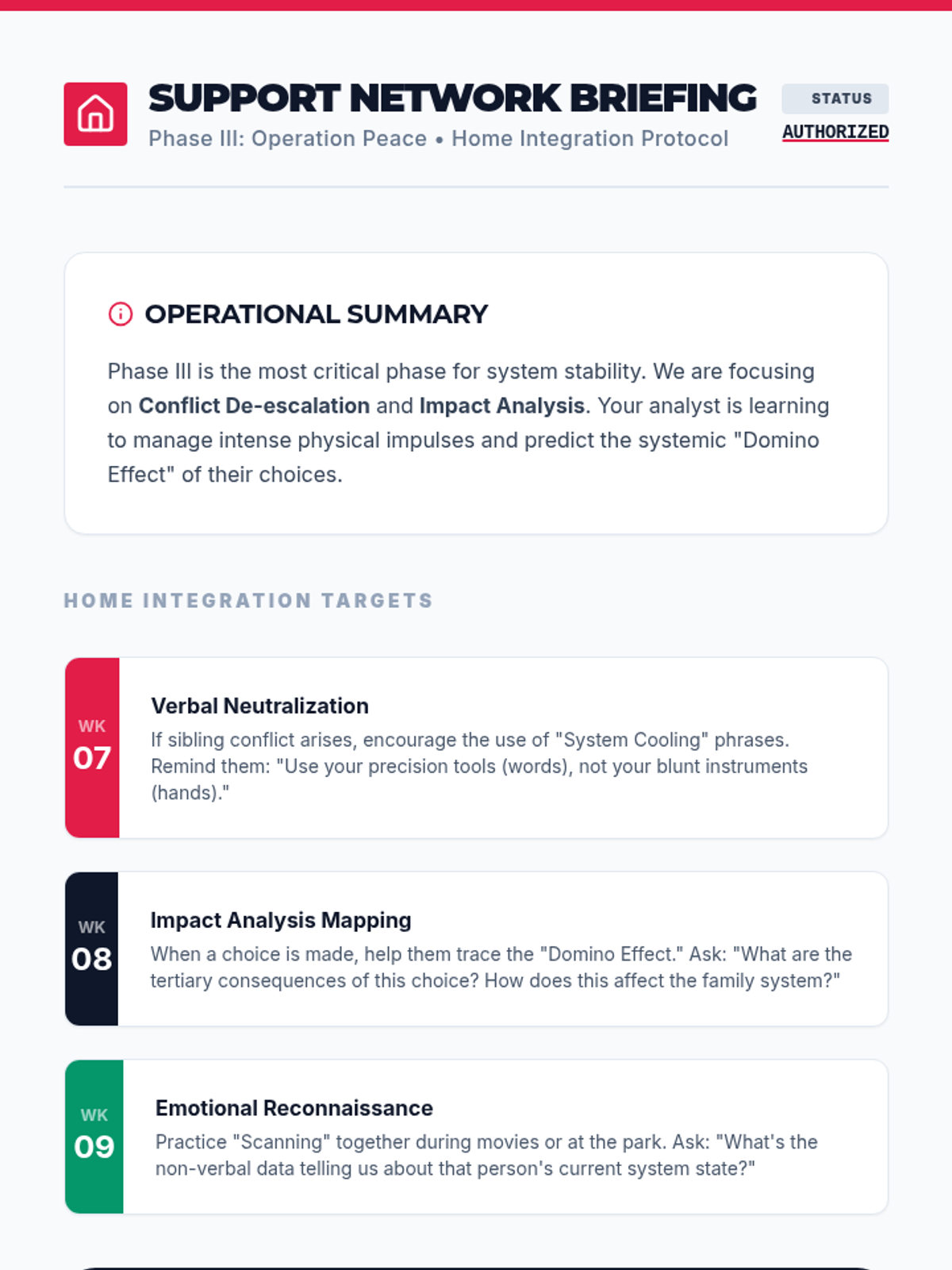
Weeks 7-9 address physical aggression, understanding consequences, and deep-diving into reading social clues to build empathy.
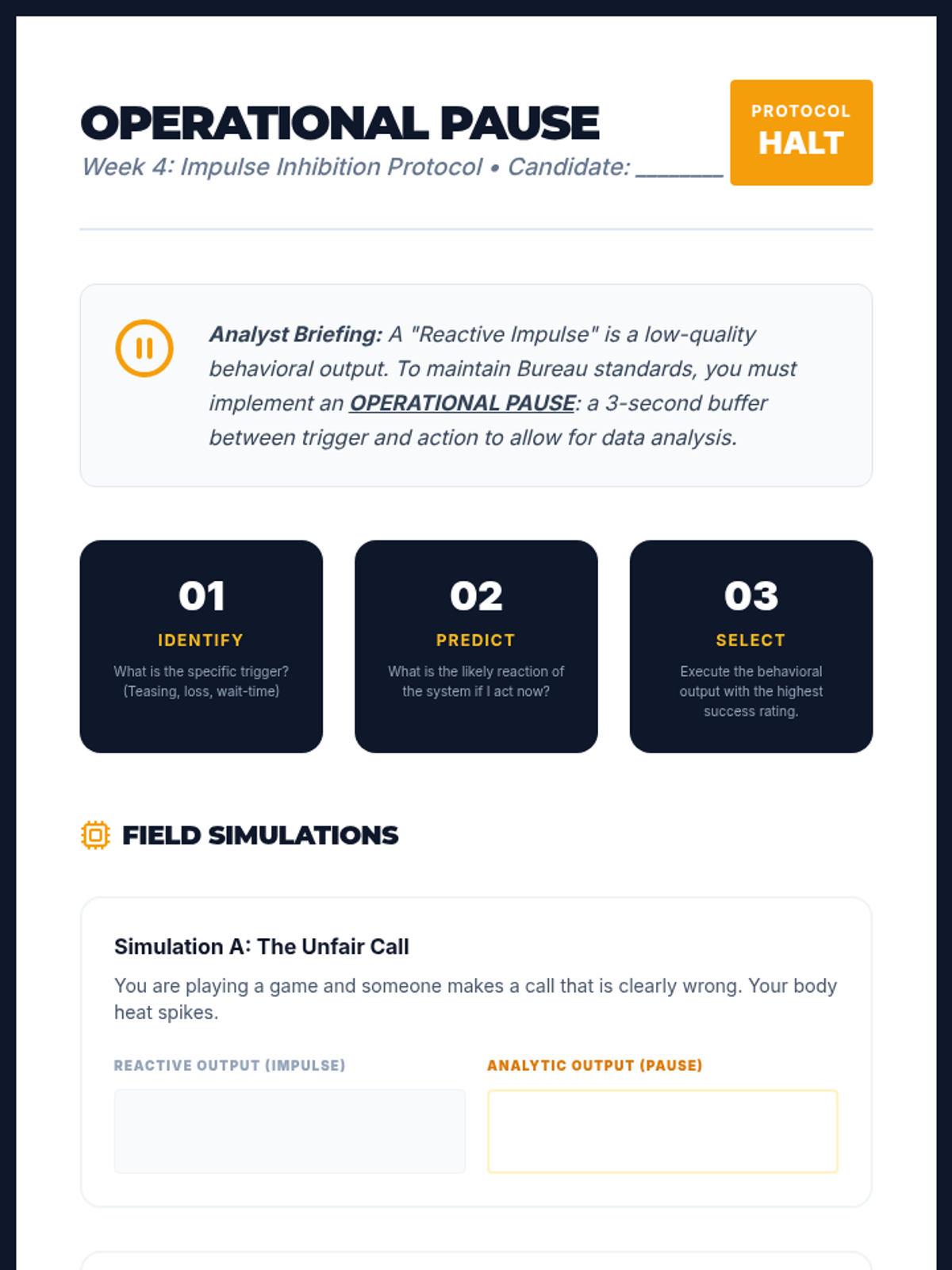
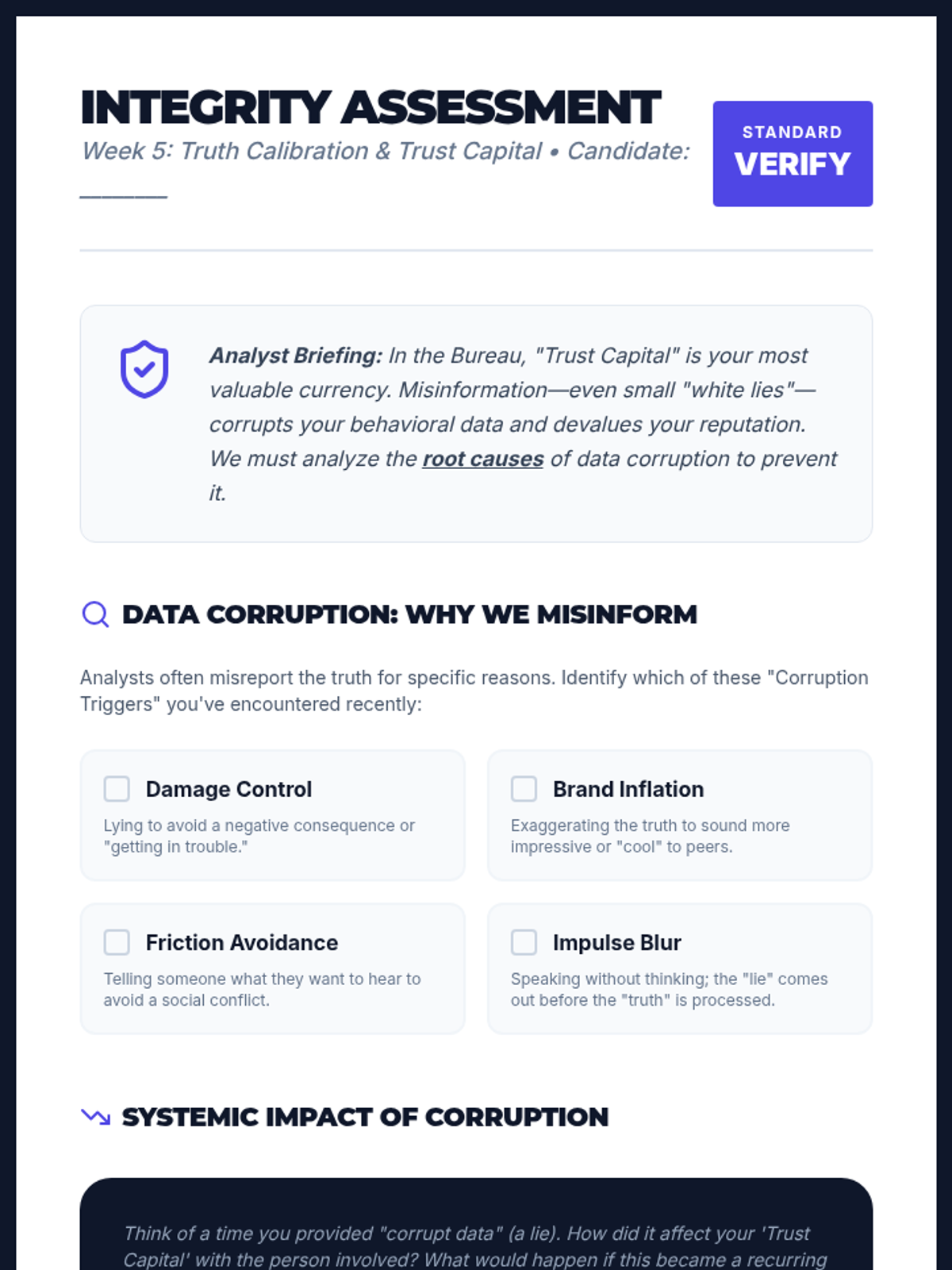
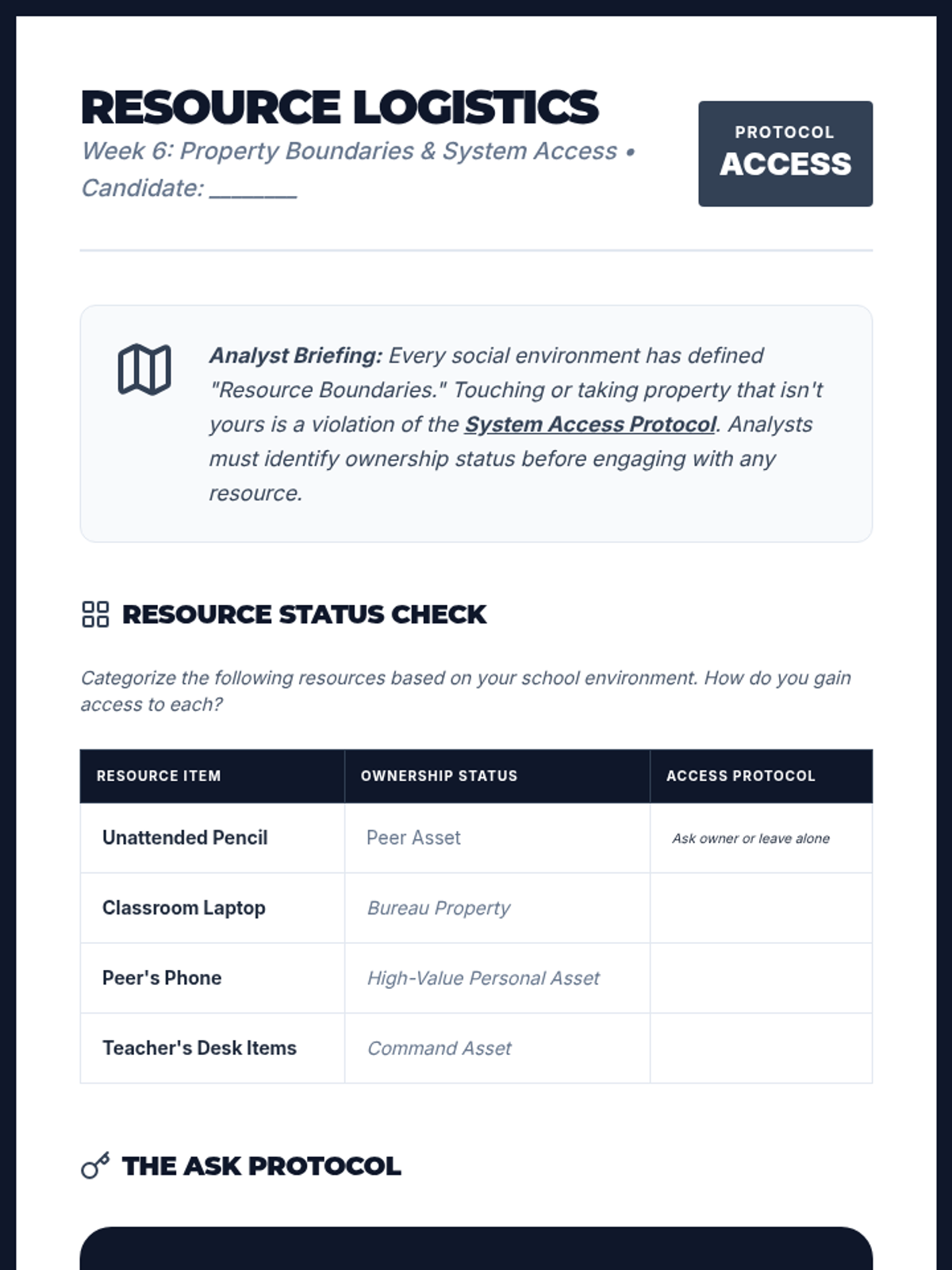
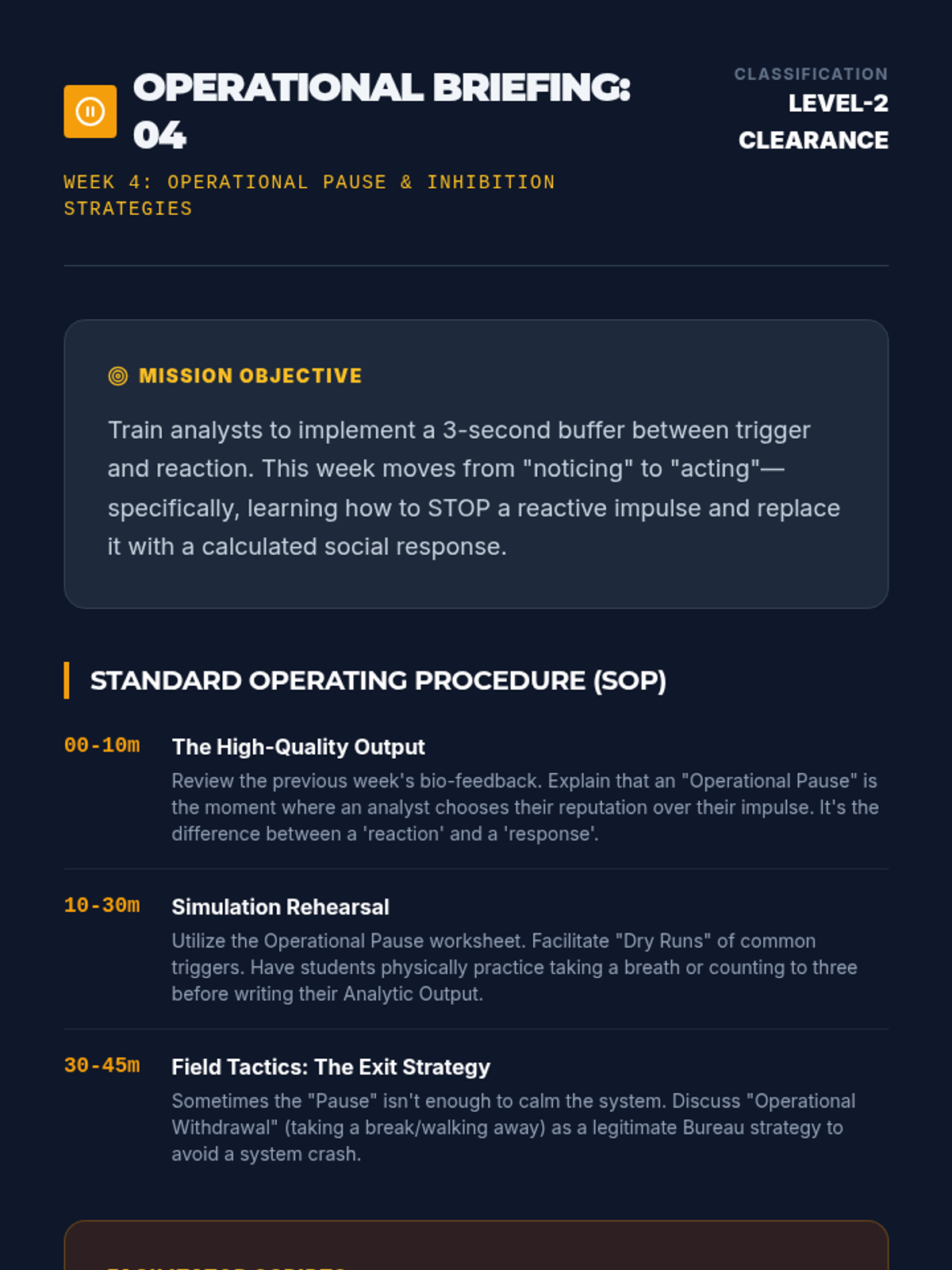
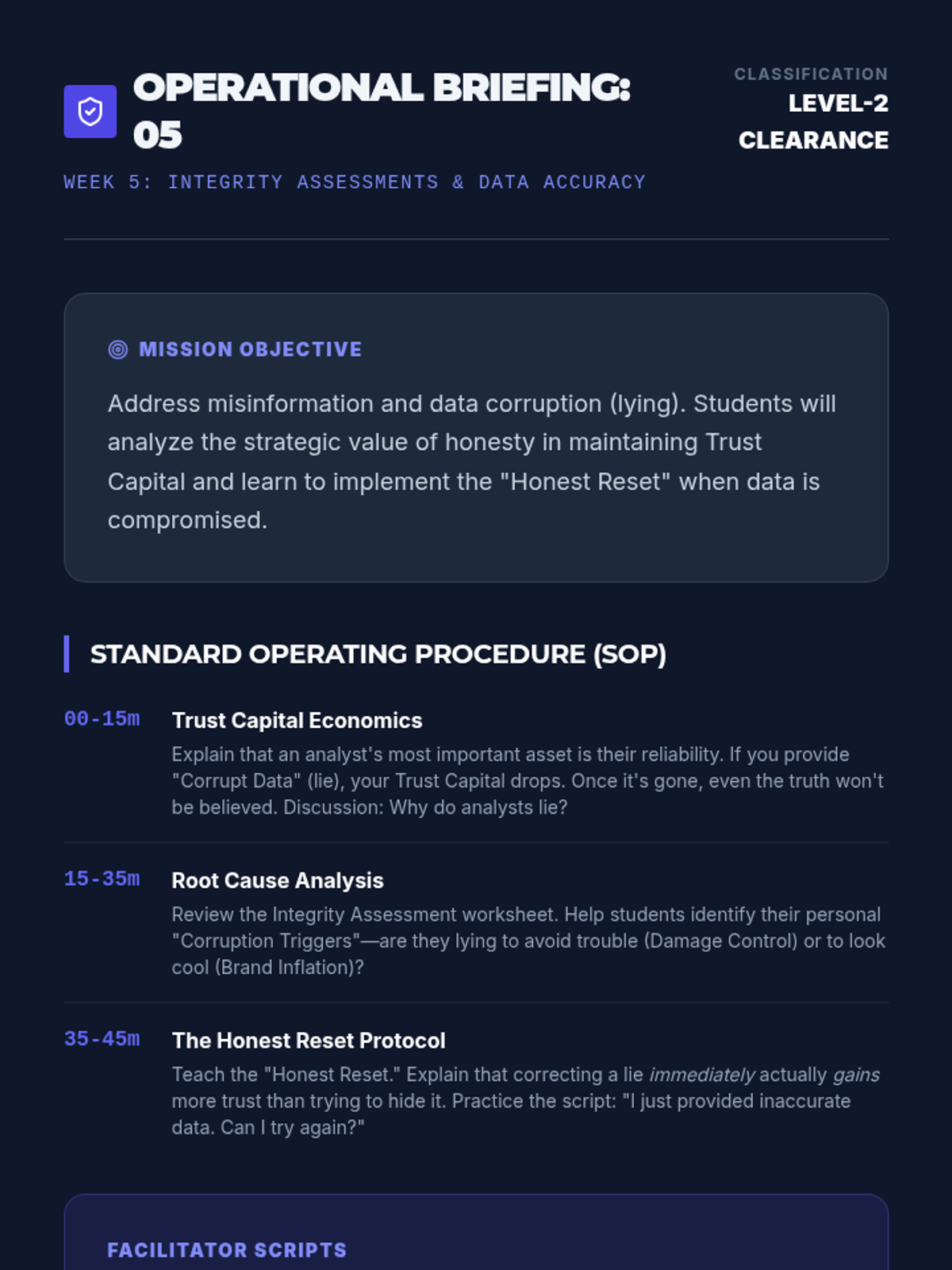
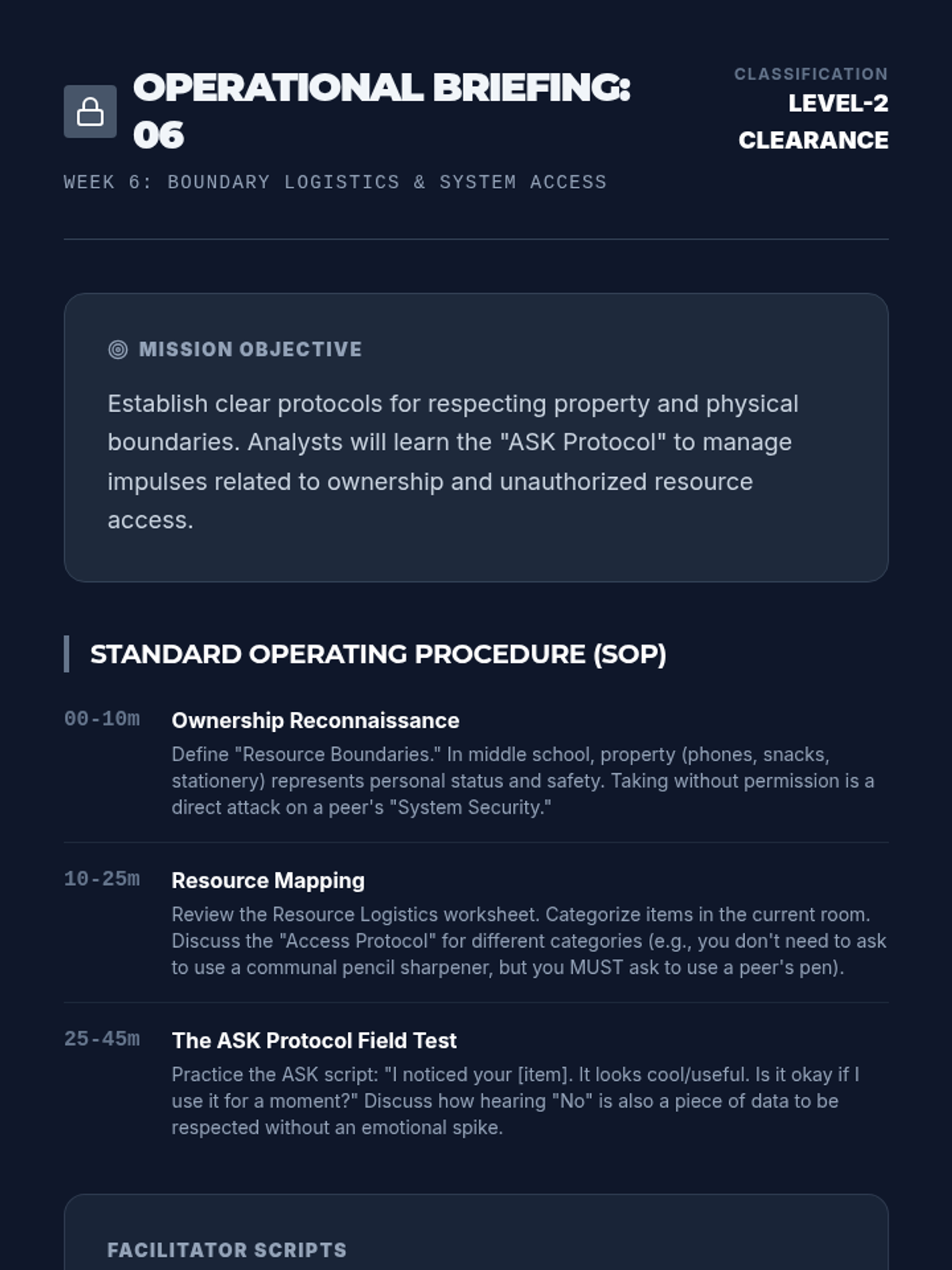
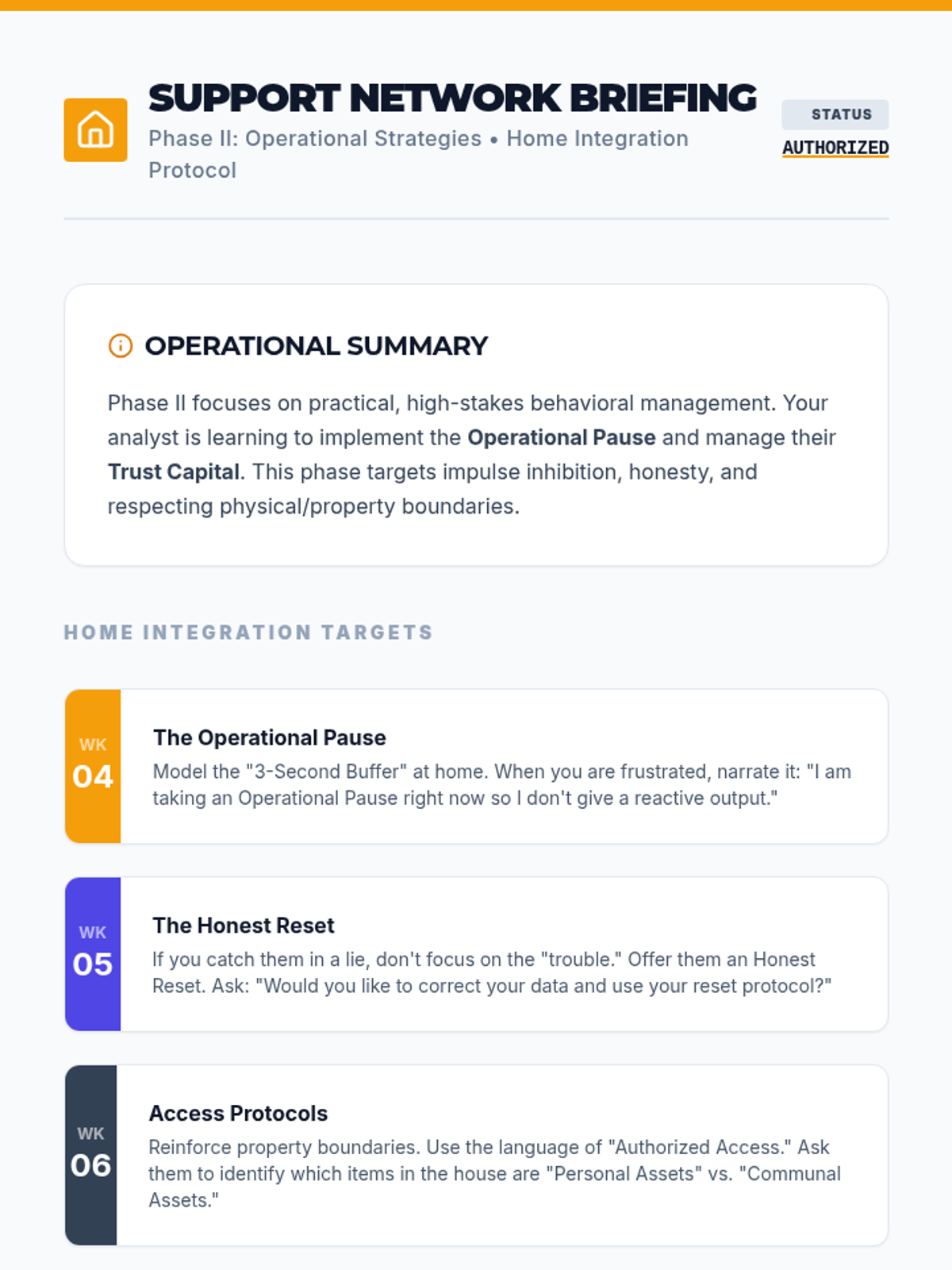
Weeks 4-6 of the intervention, focusing on practical impulse control strategies like the 'Pause Button' and addressing specific behaviors like lying and respecting property.
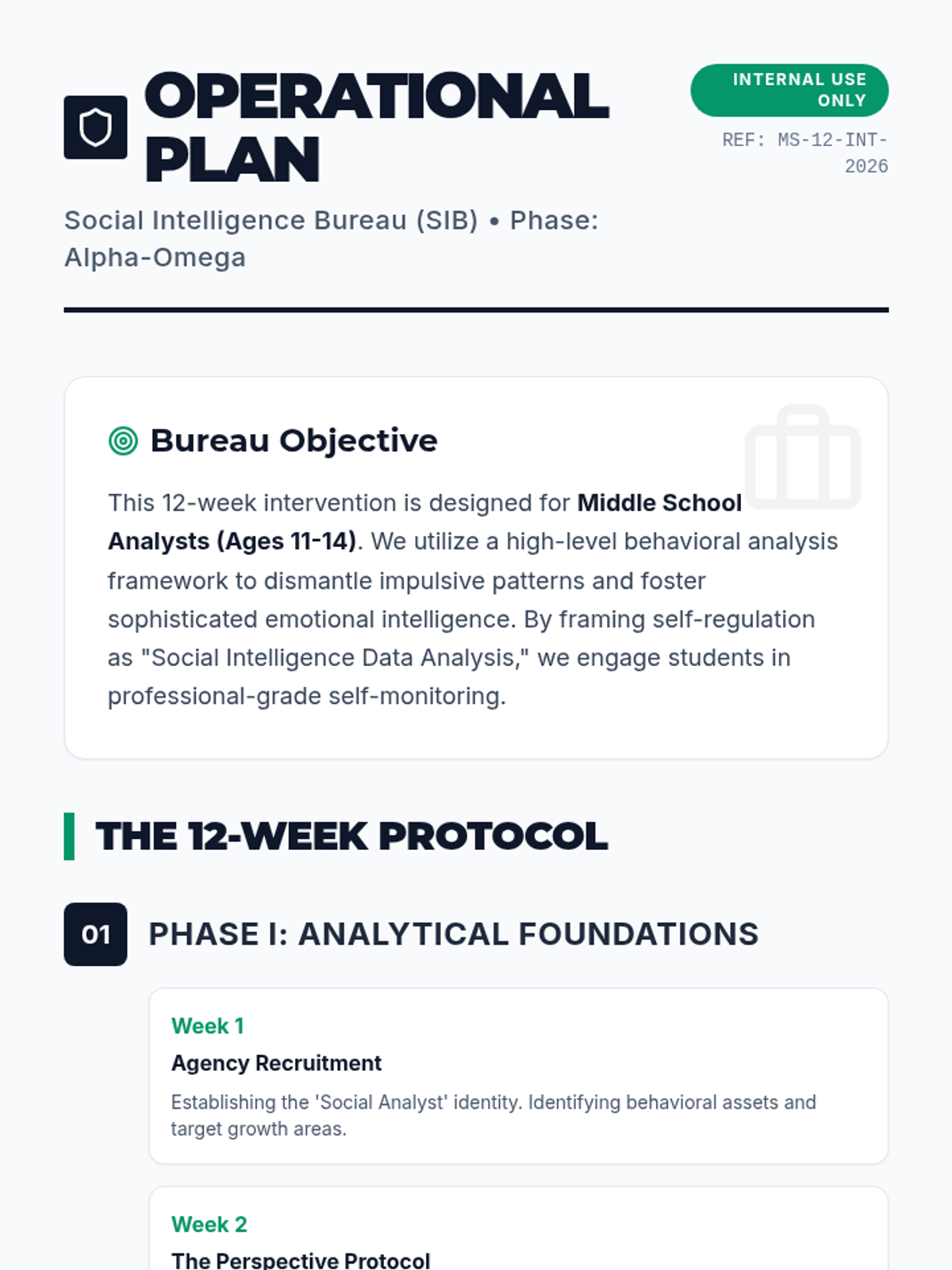
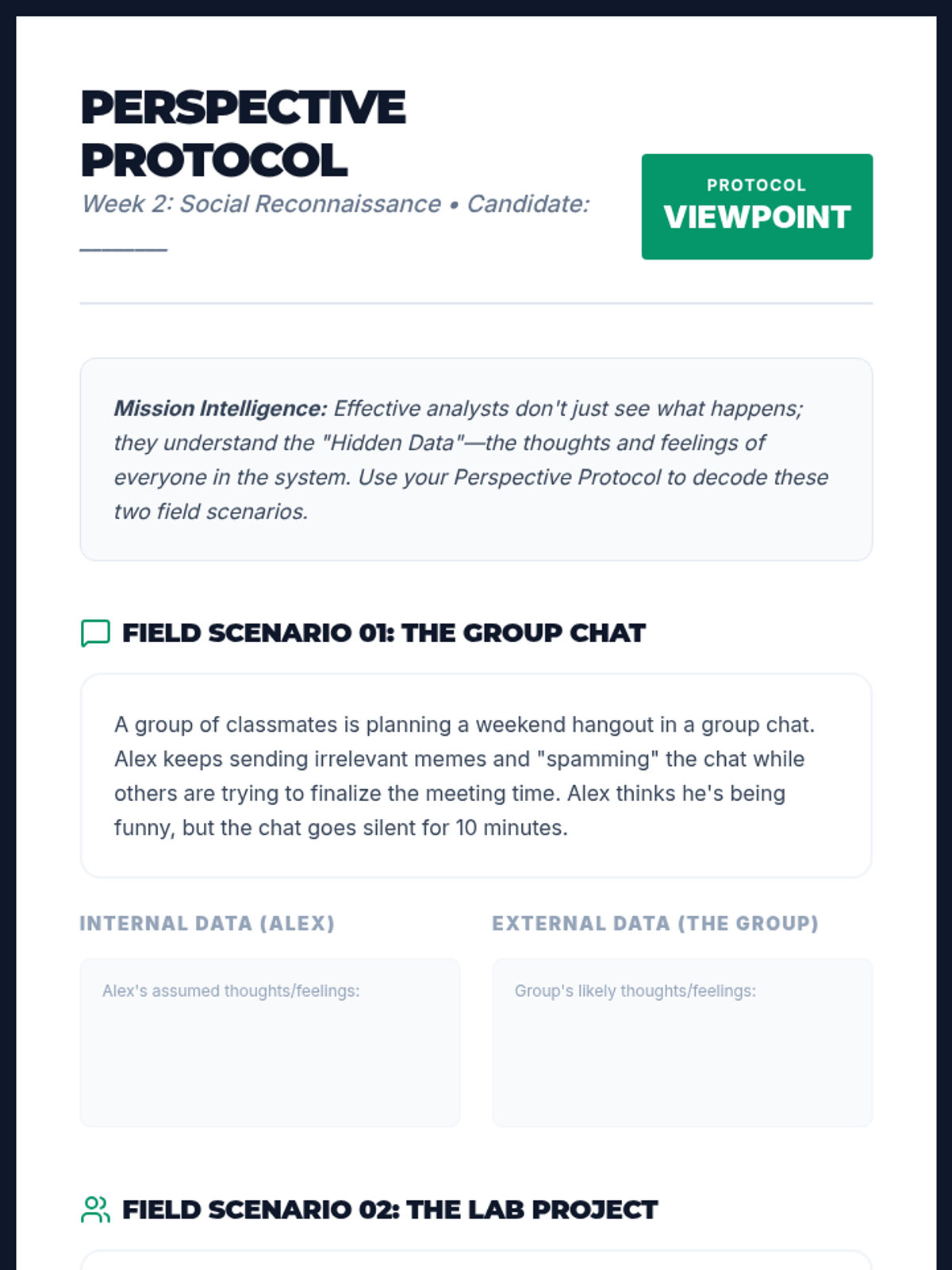
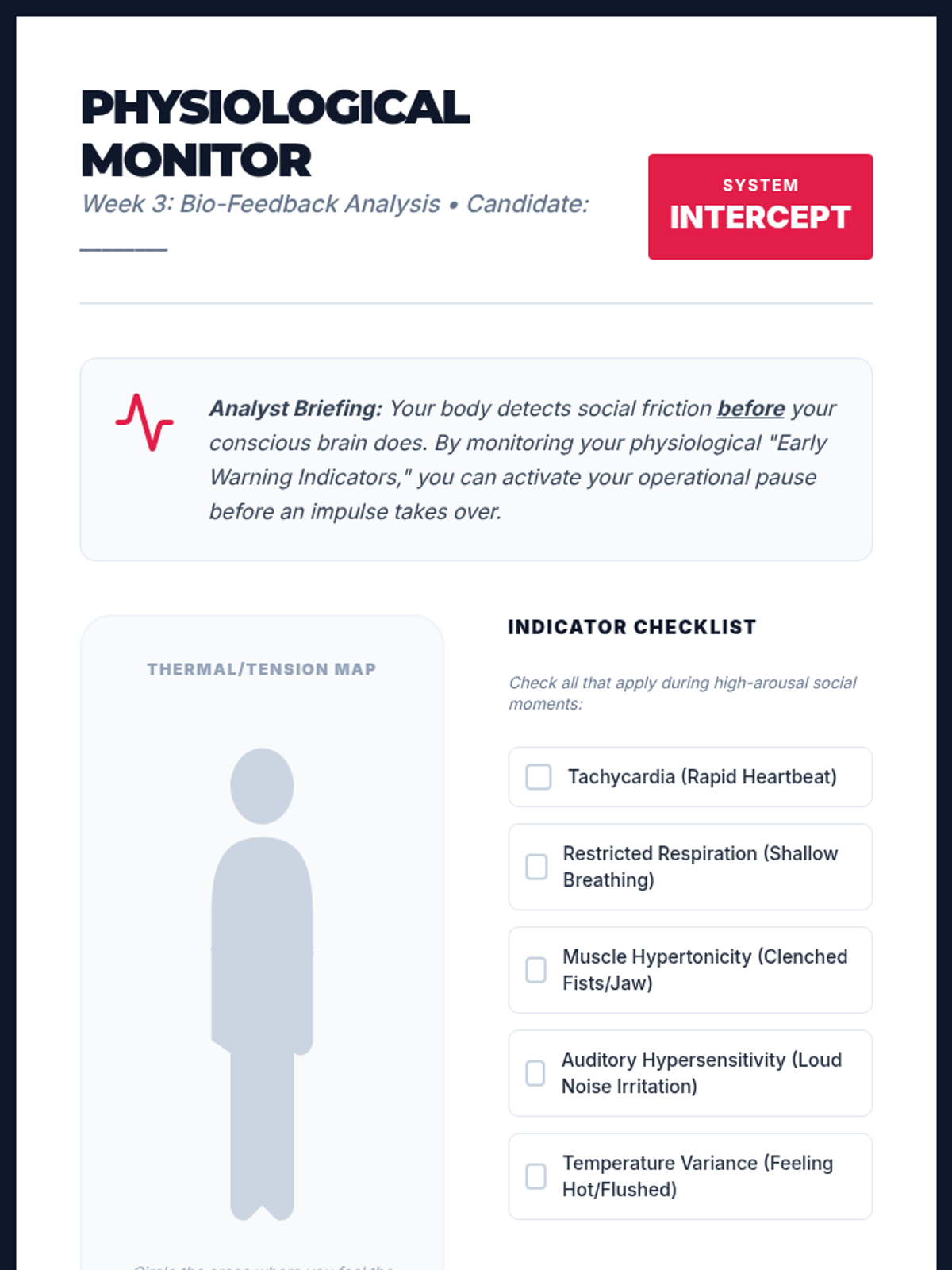
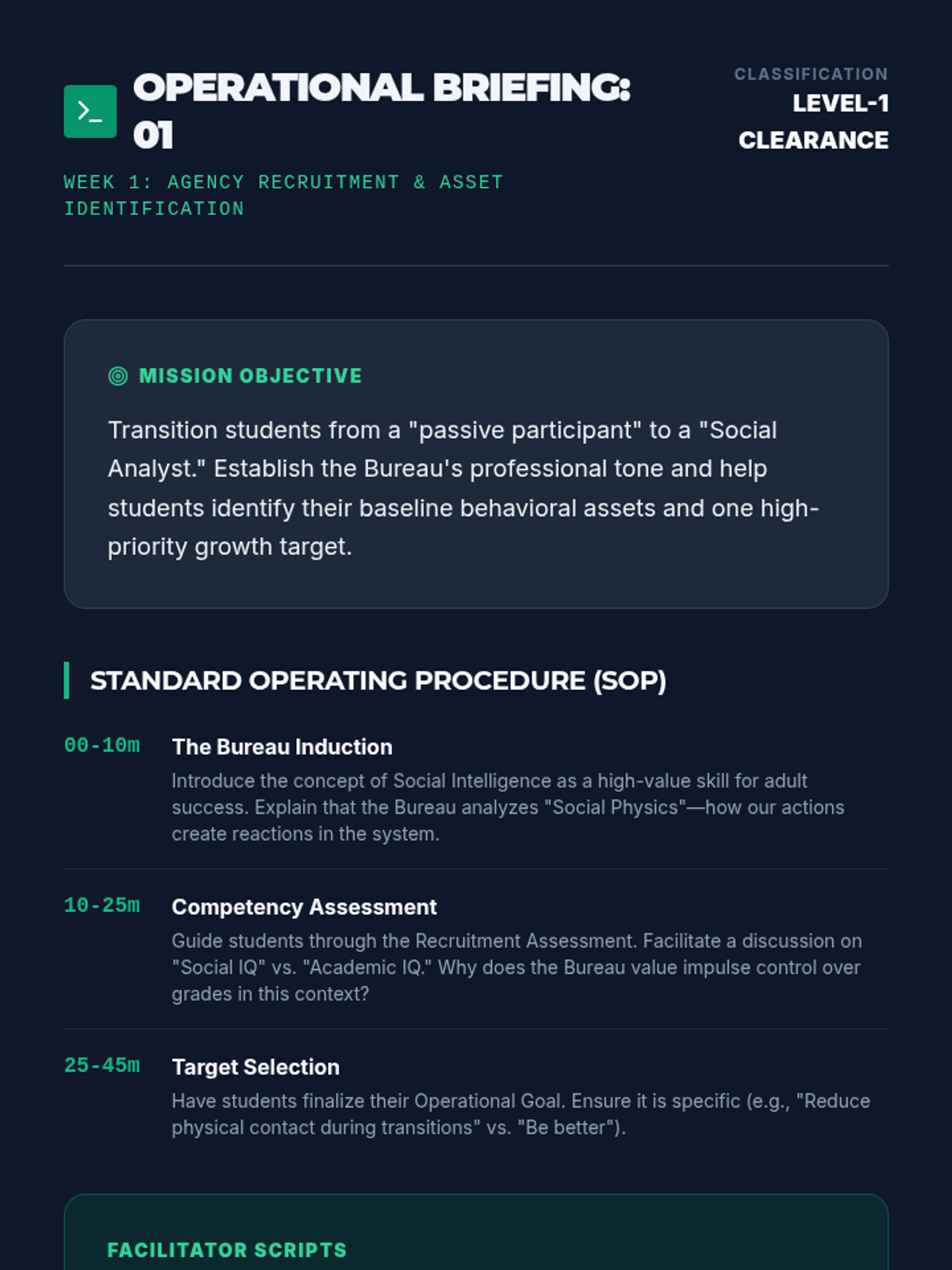
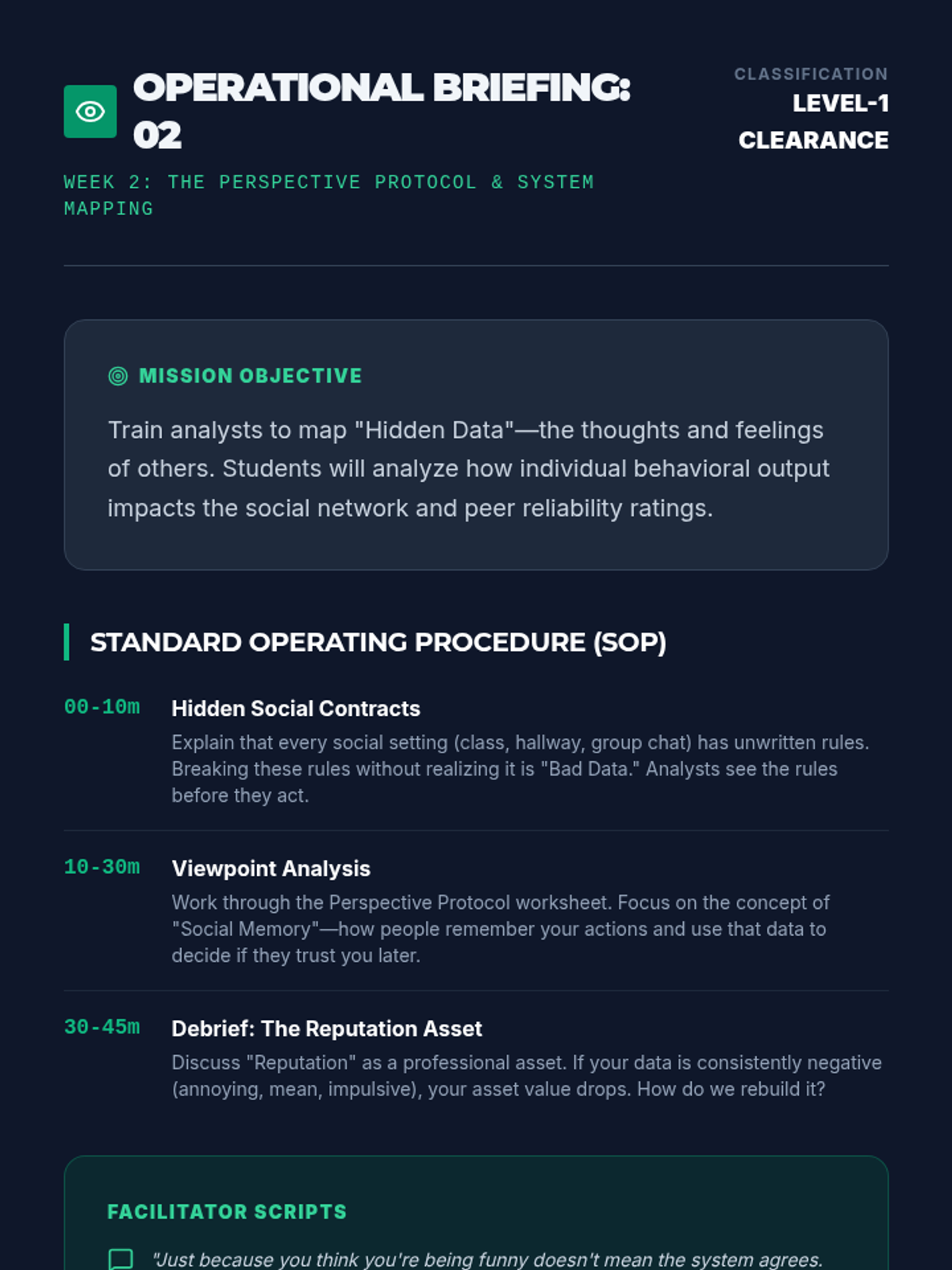
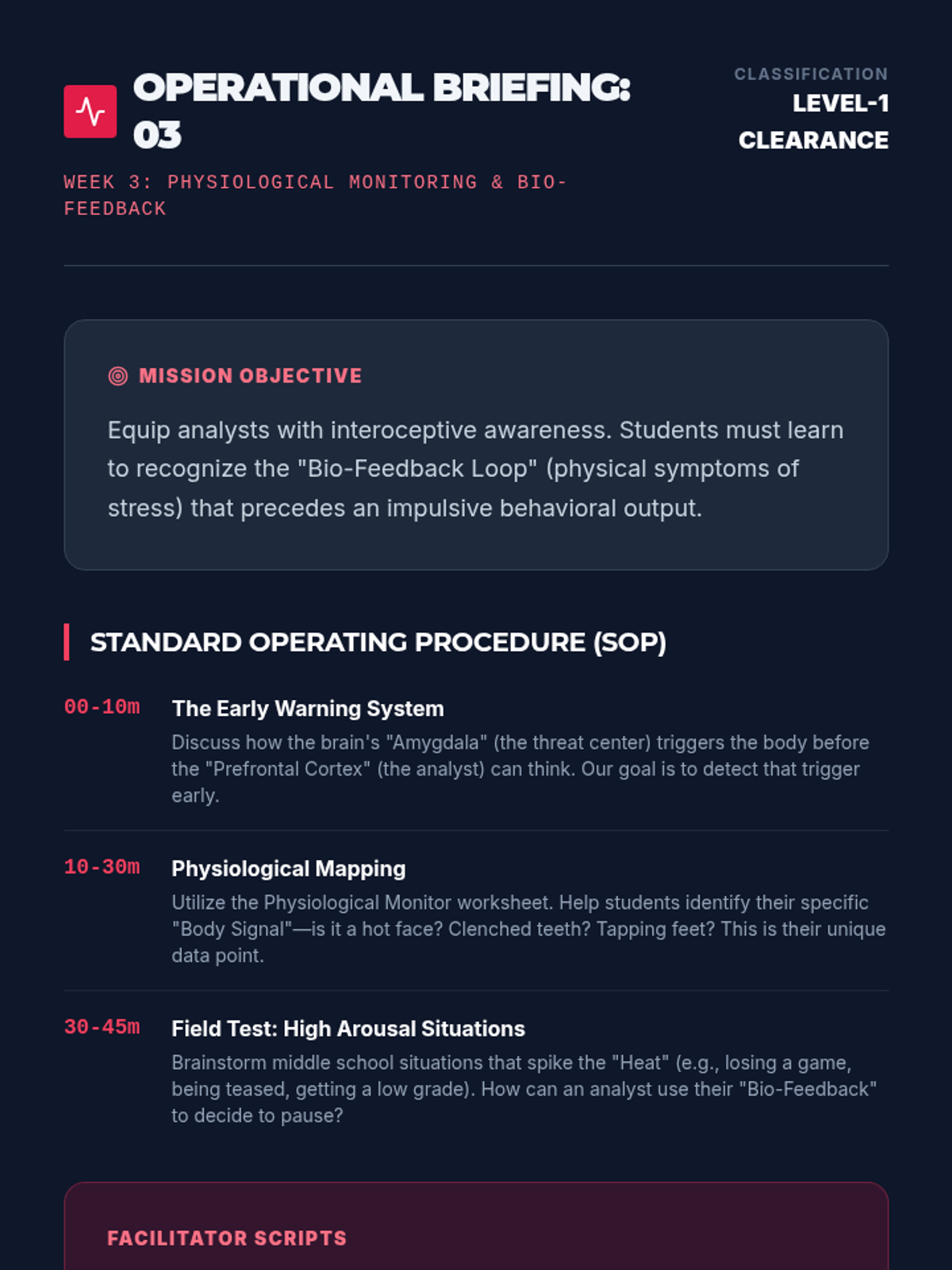
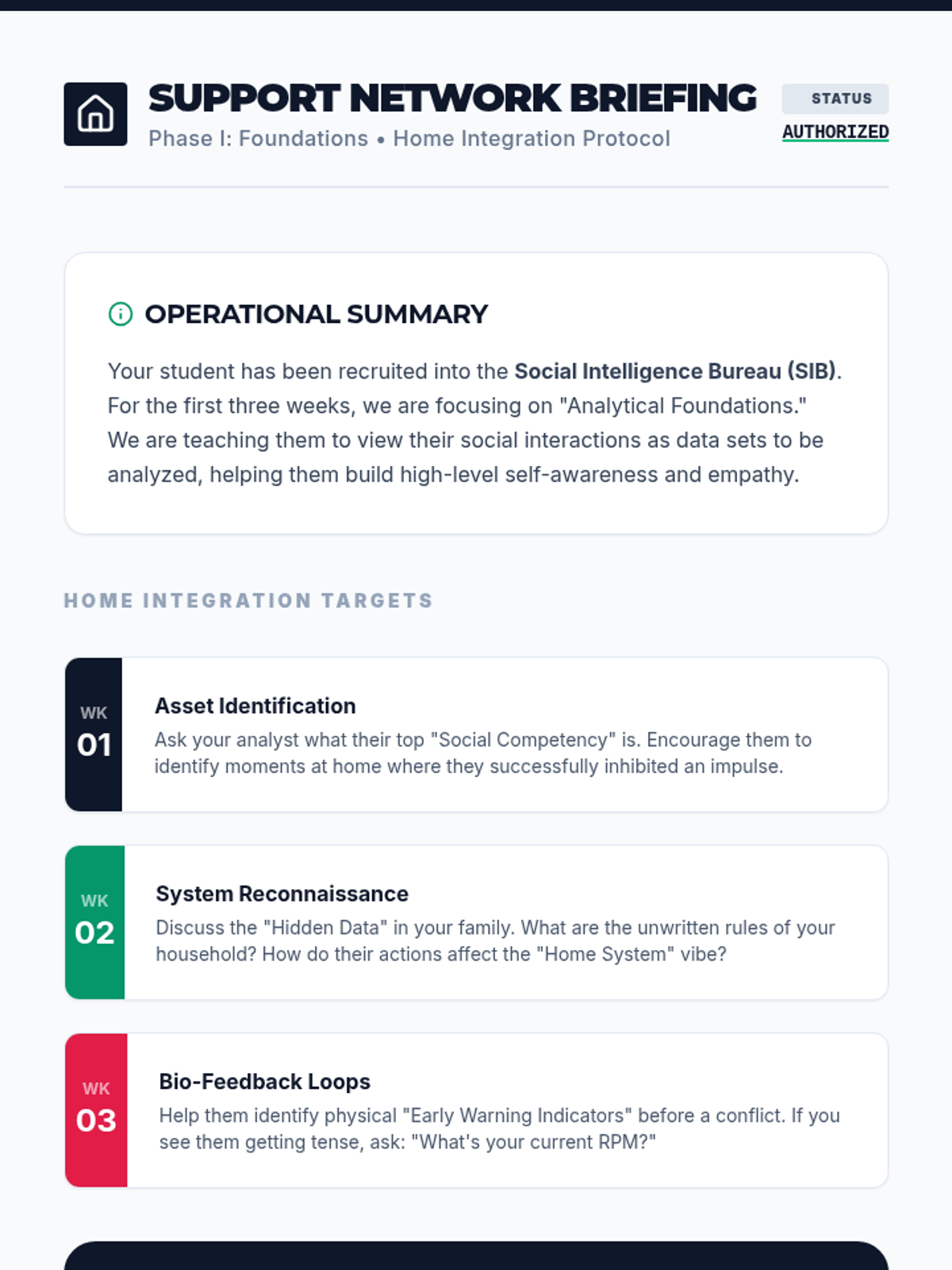
The first three weeks focus on building high-level self-awareness and understanding the core concepts of social perspective-taking and physiological self-monitoring.
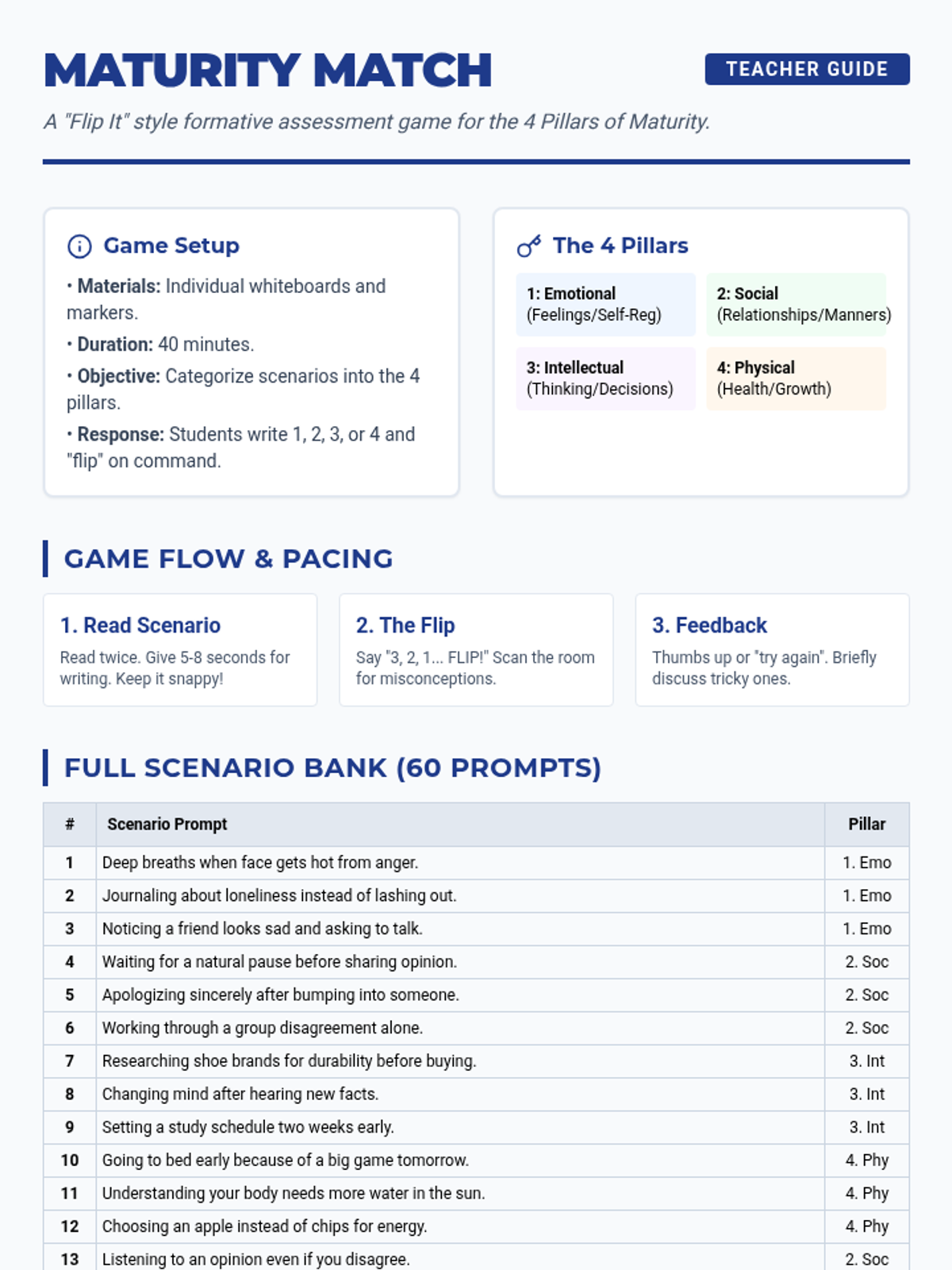
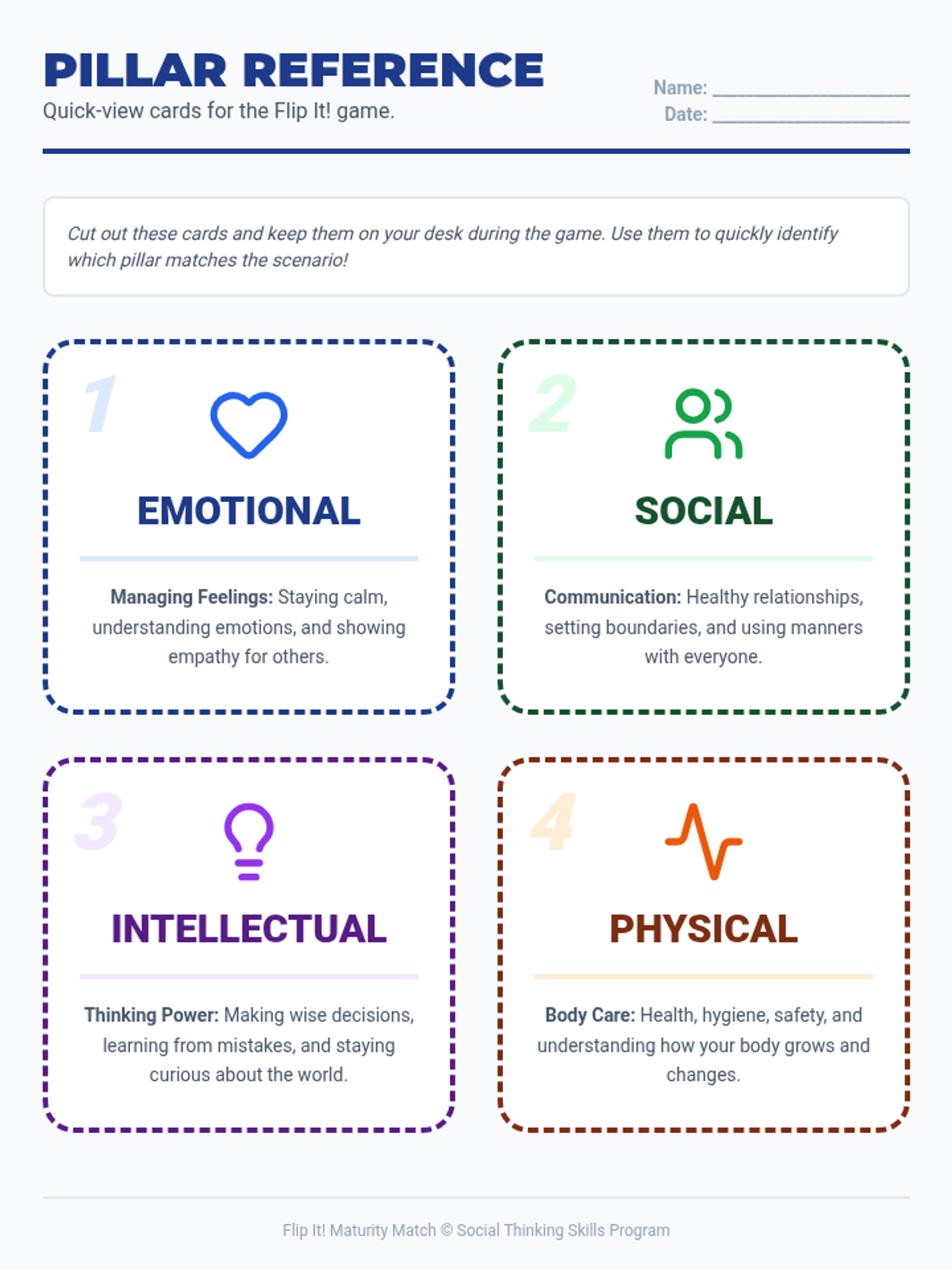
A fast-paced formative assessment game where students identify the four pillars of maturity through real-world scenarios. Includes a visual slide deck, a bank of 60 scenarios for the teacher, and reference cards for students.
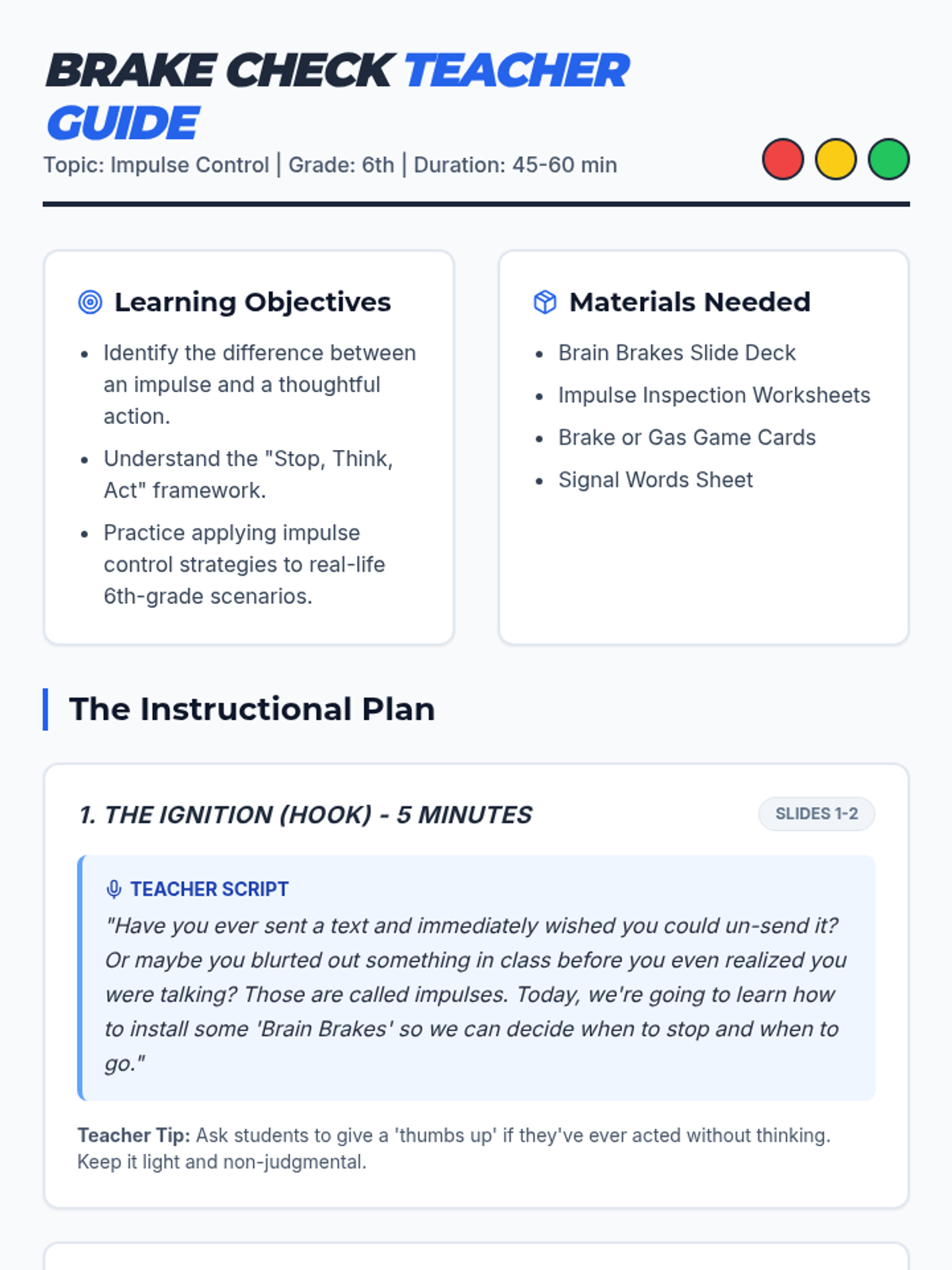
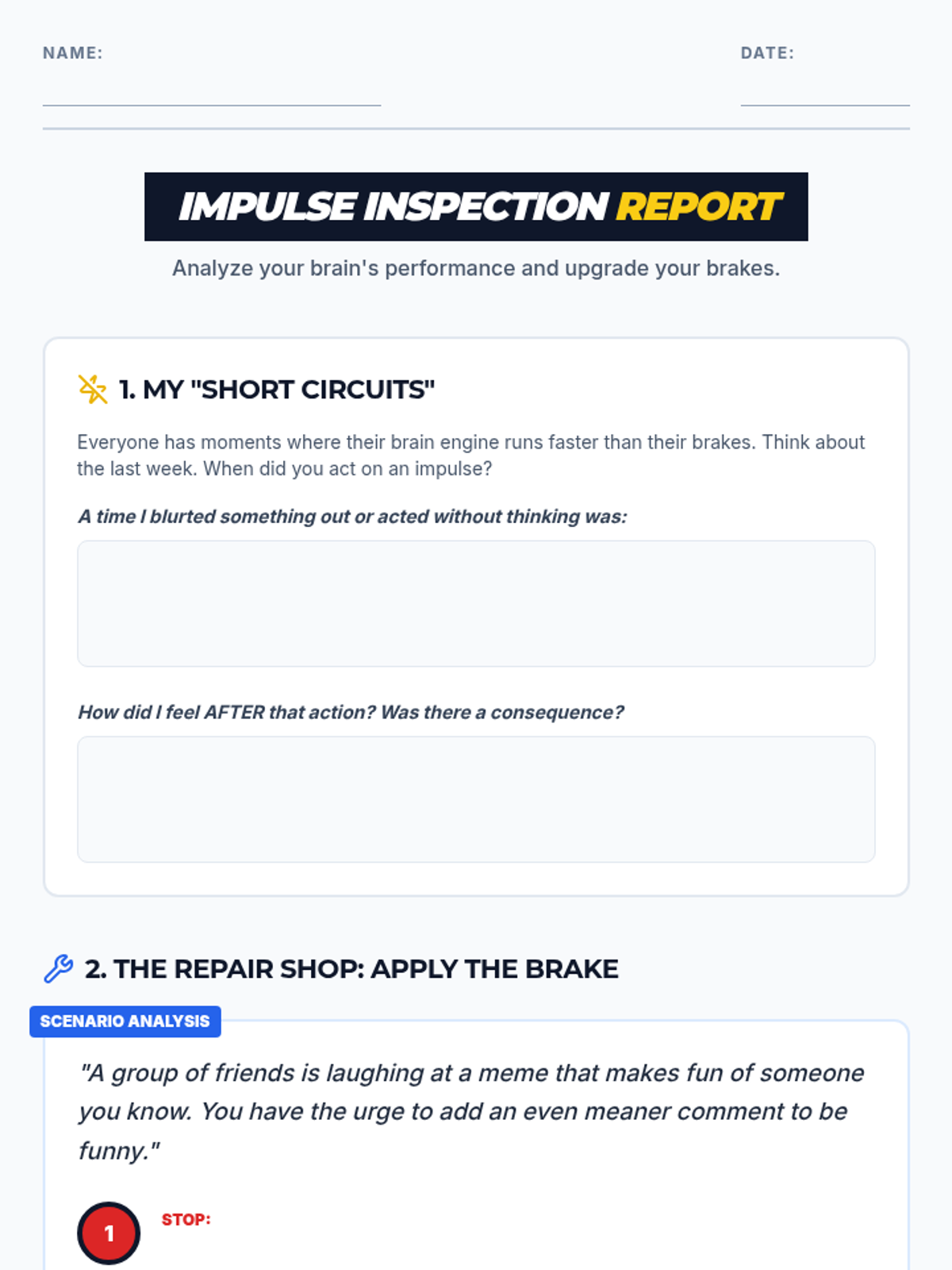
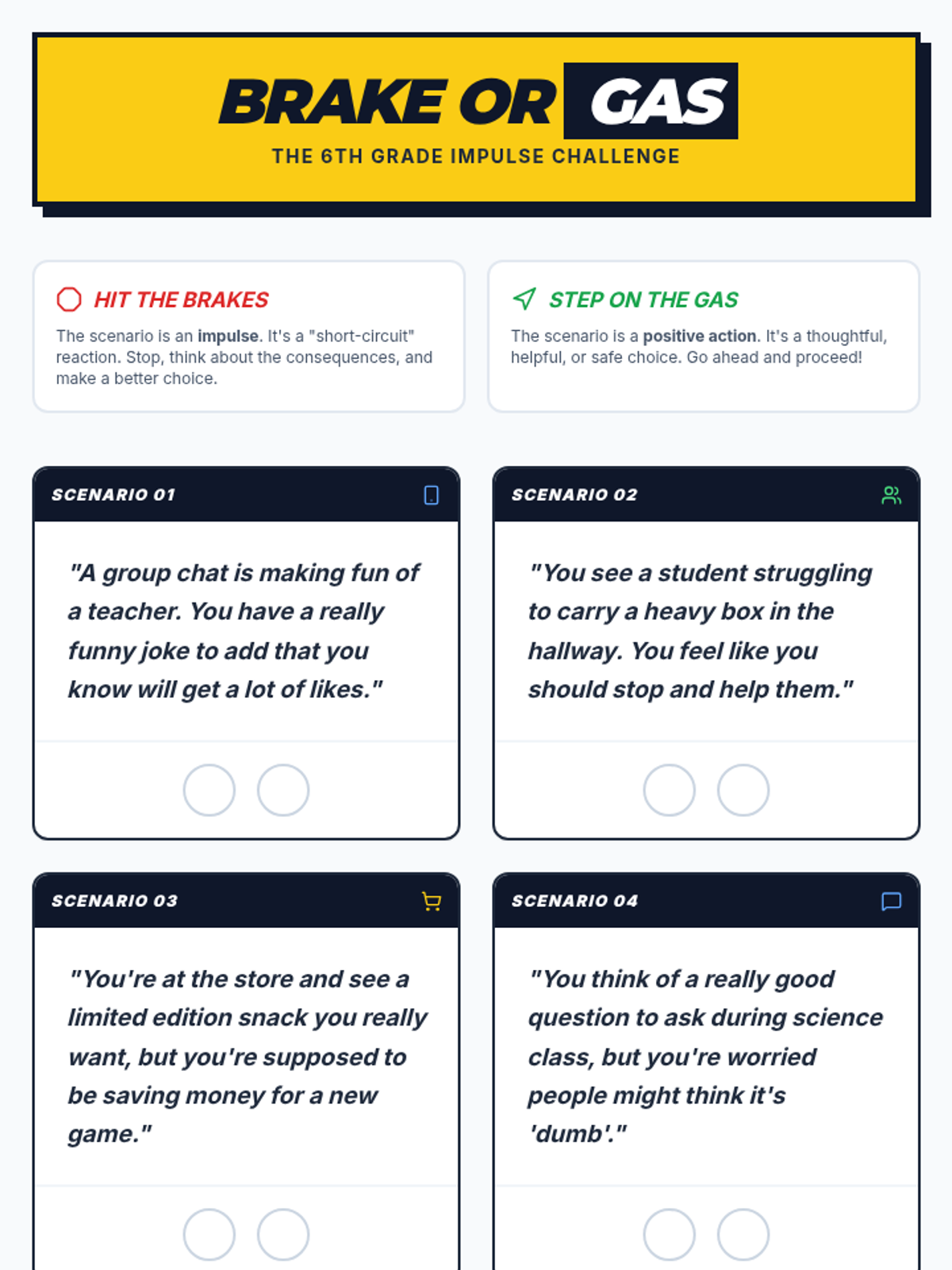
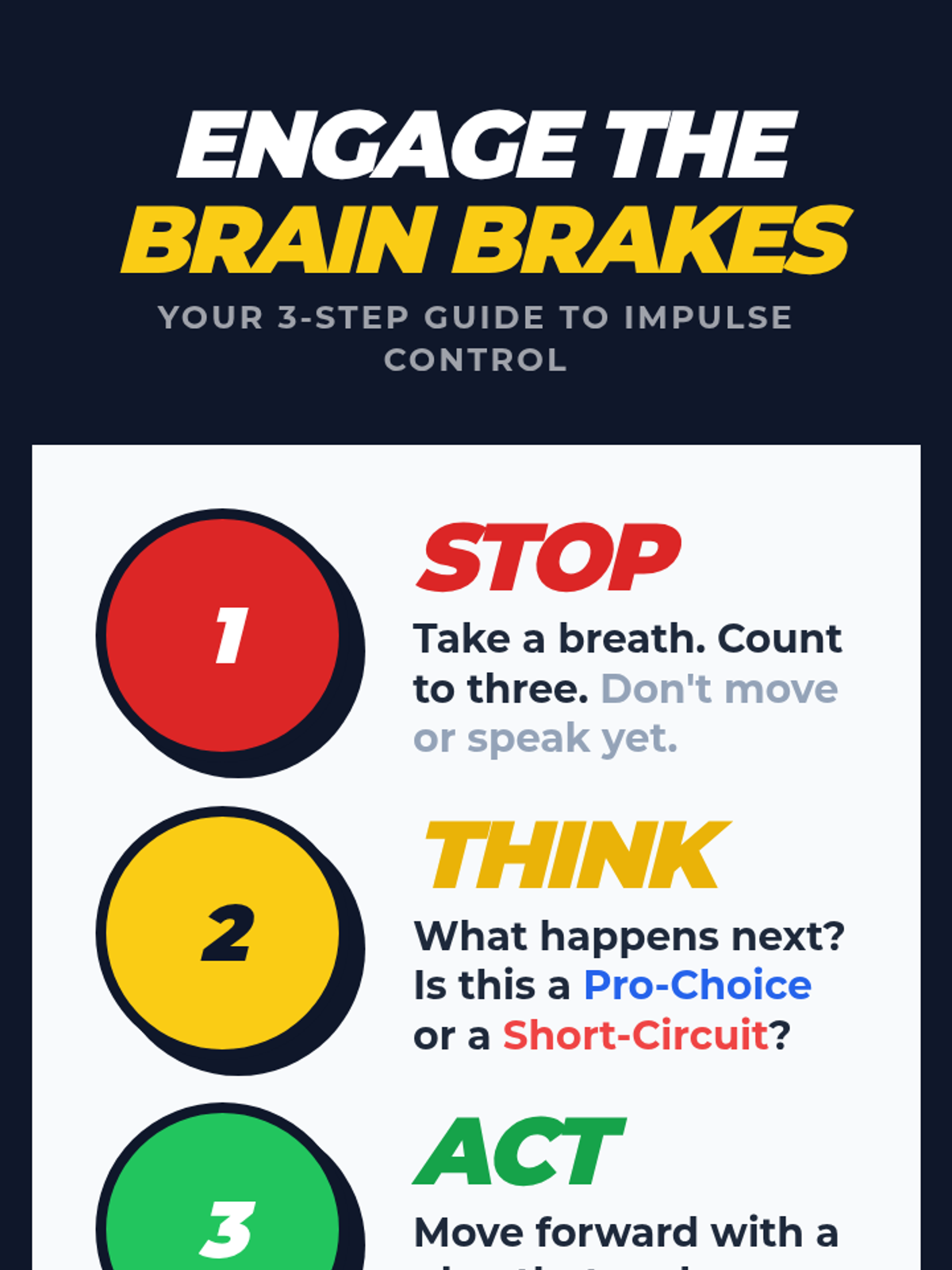
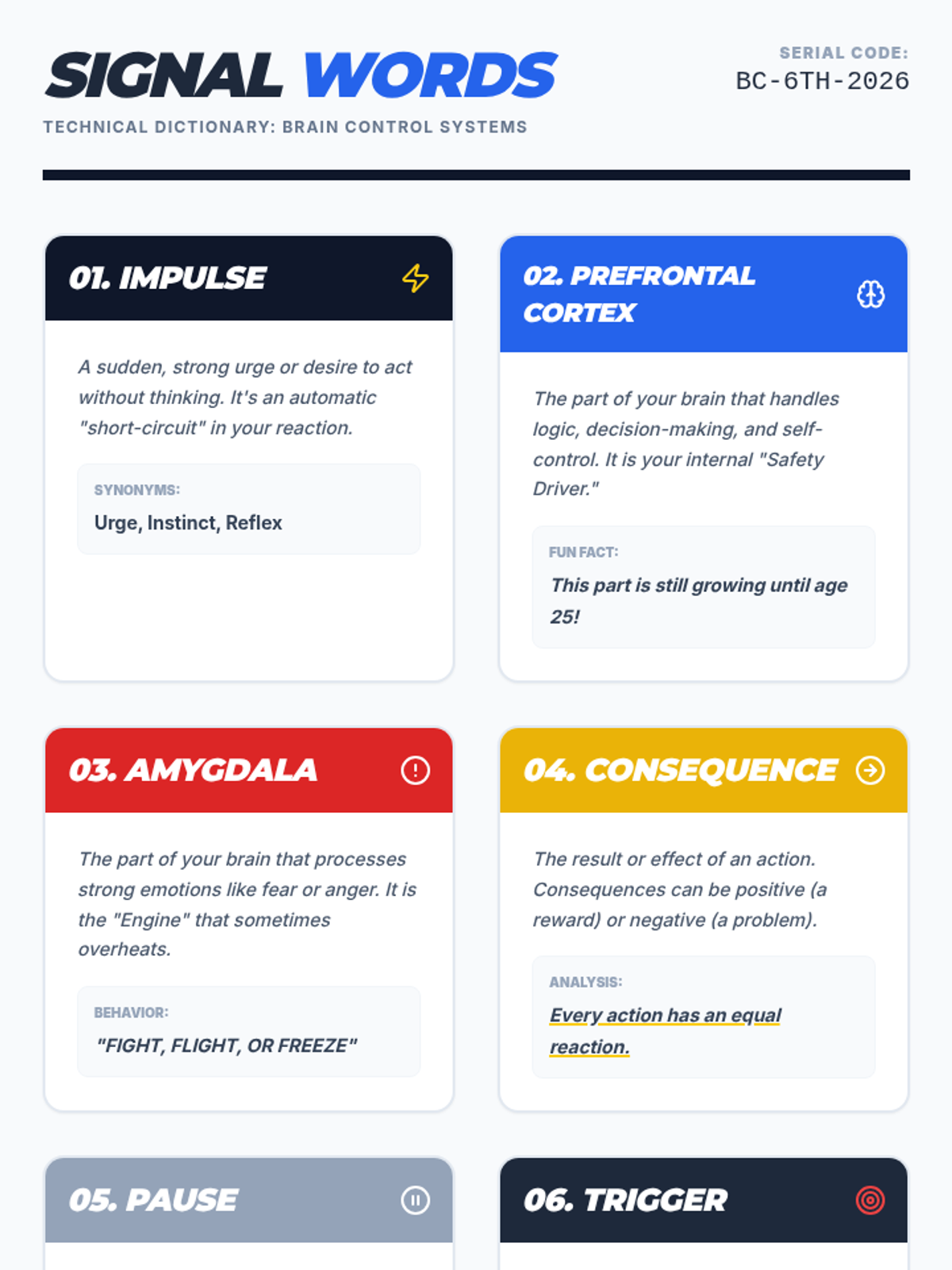
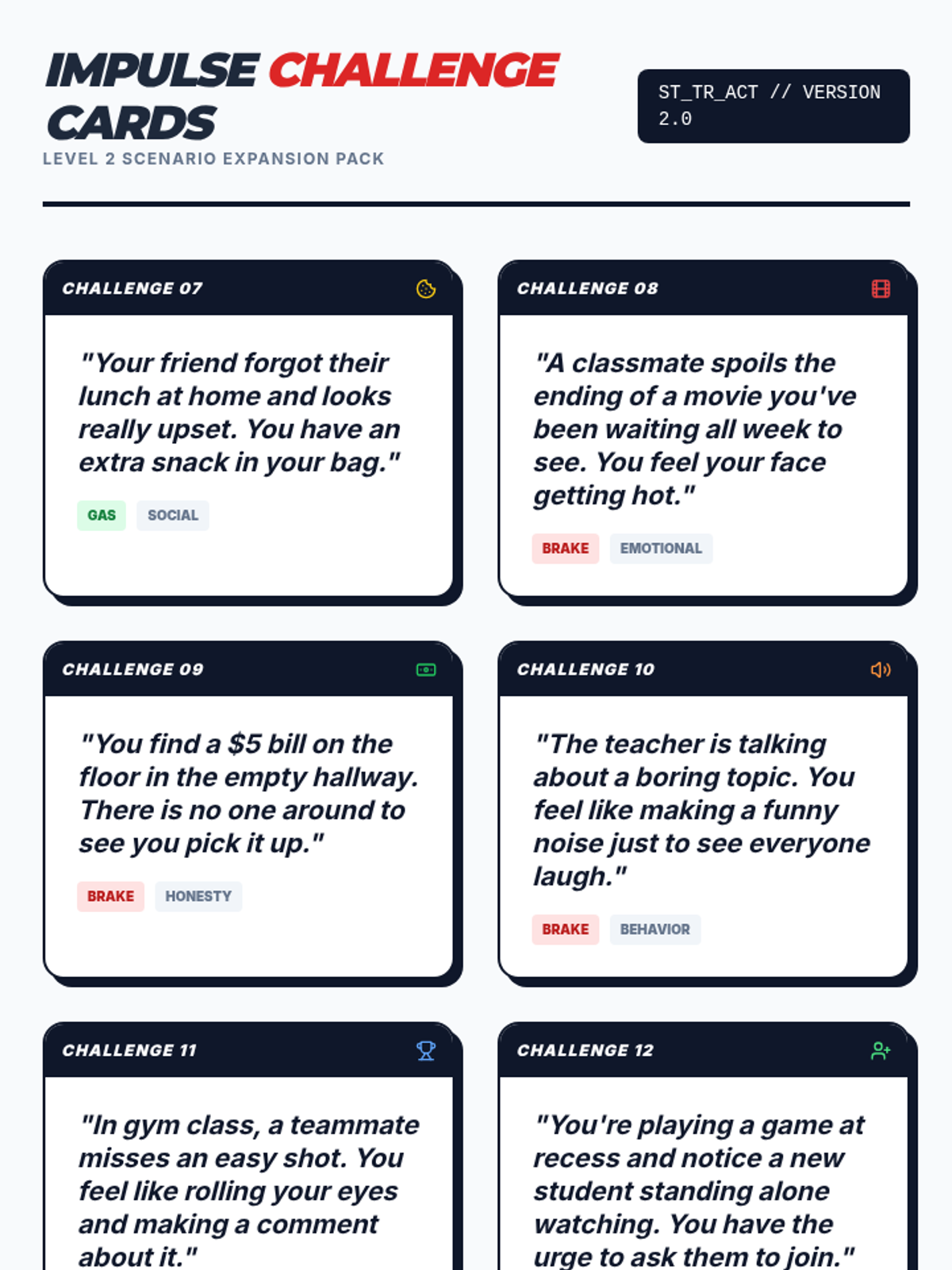
A comprehensive lesson for 6th graders on impulse control, teaching the 'Stop, Think, Act' method through interactive scenarios and reflection.
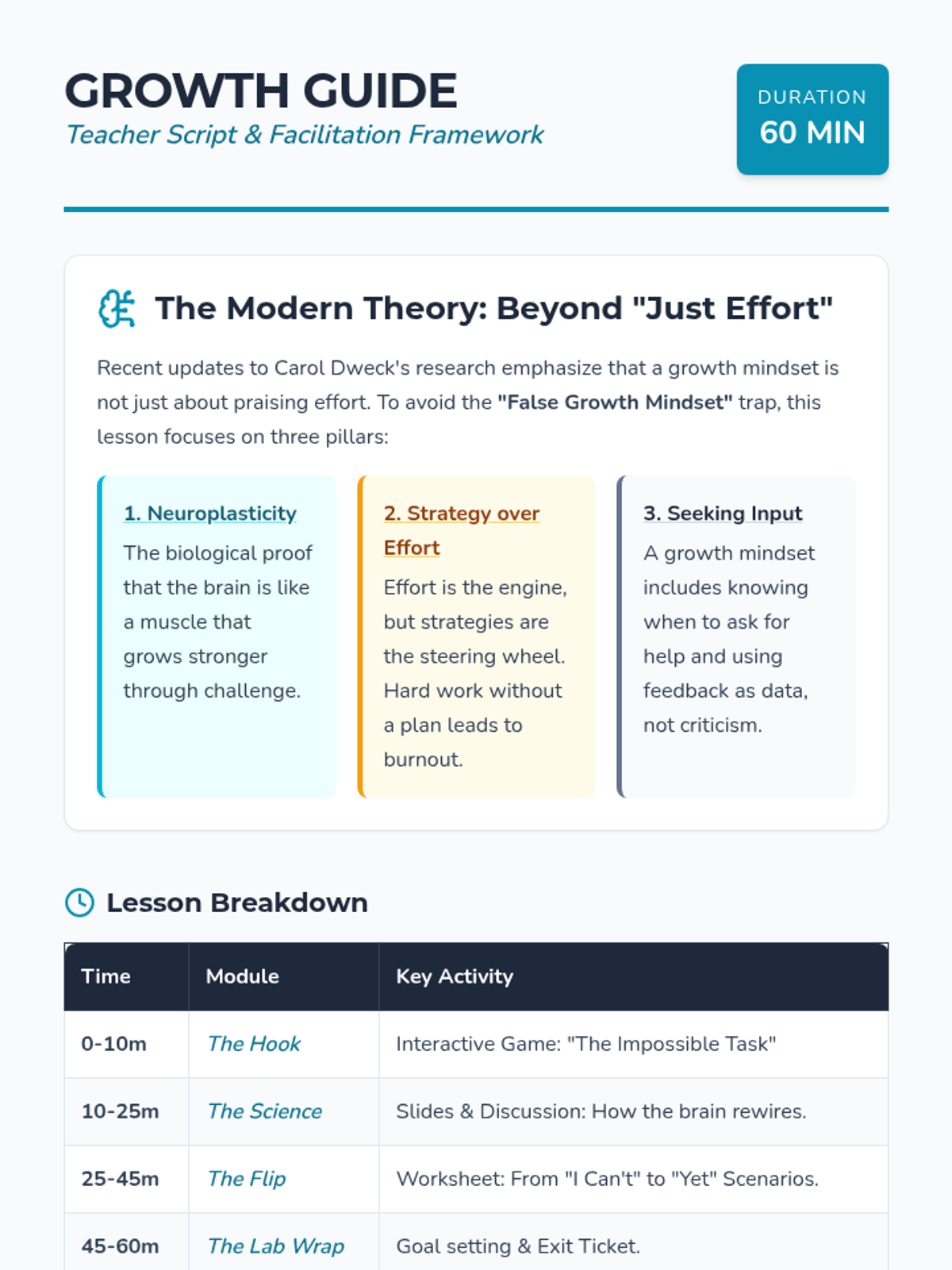
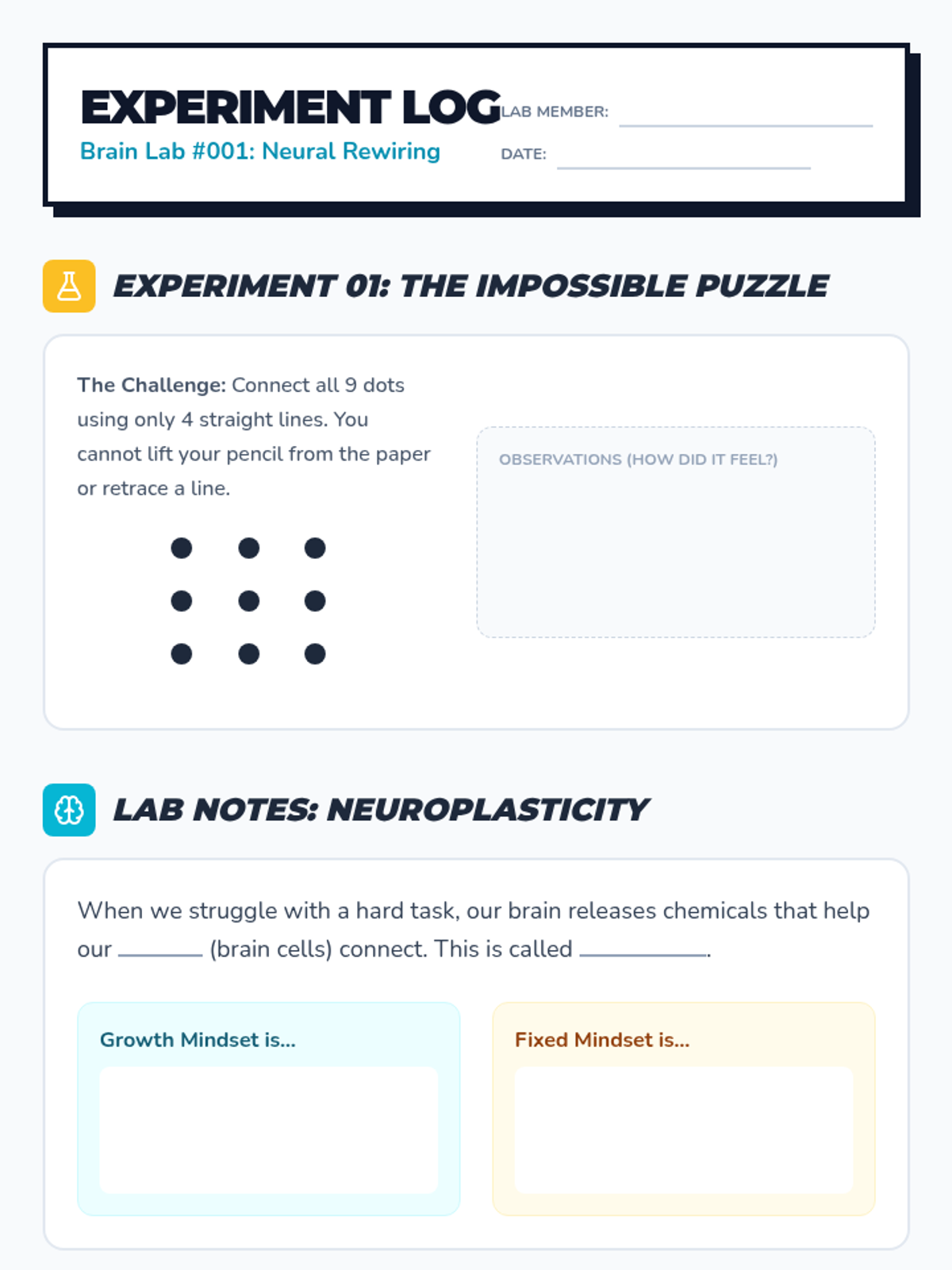
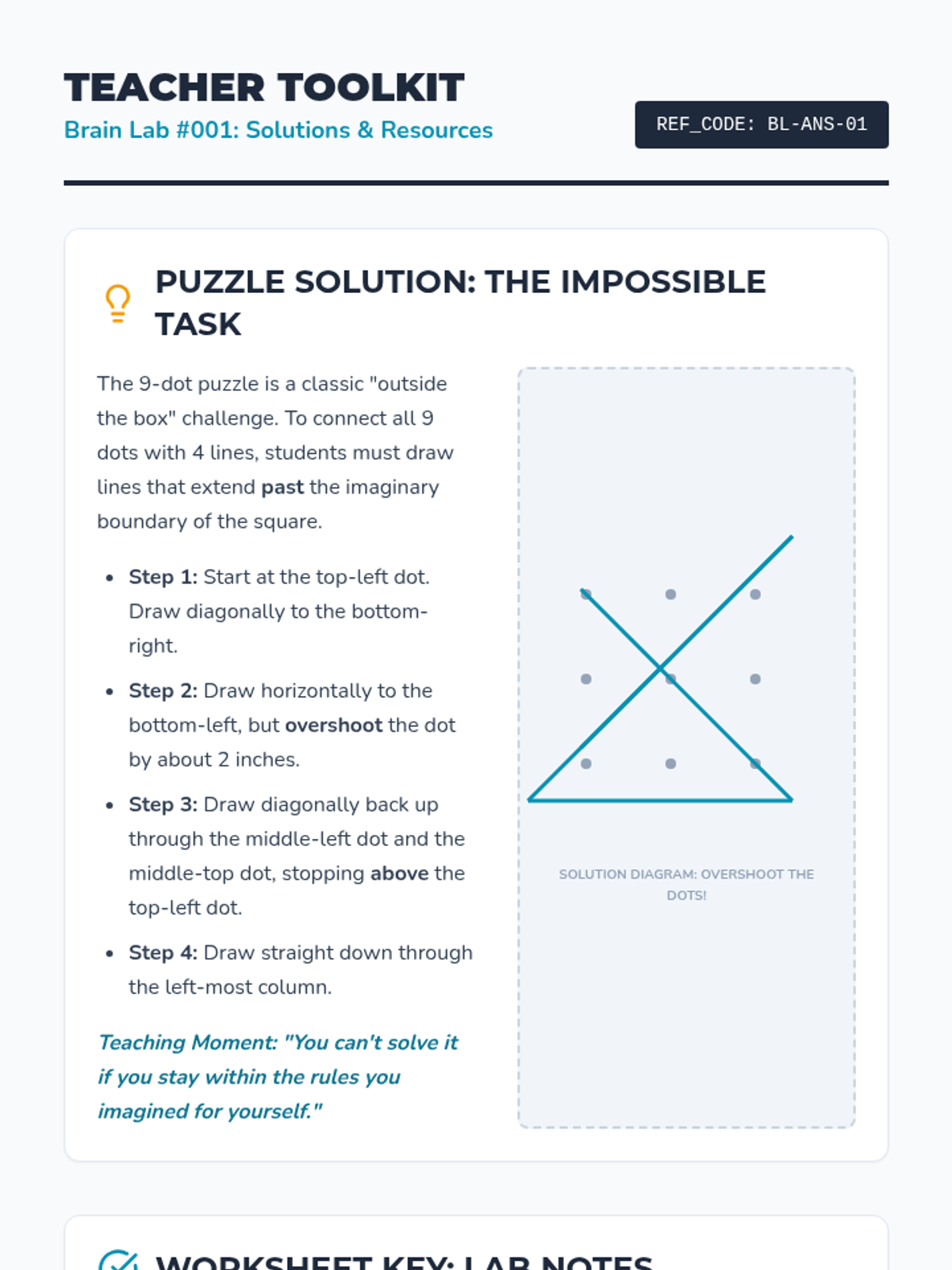
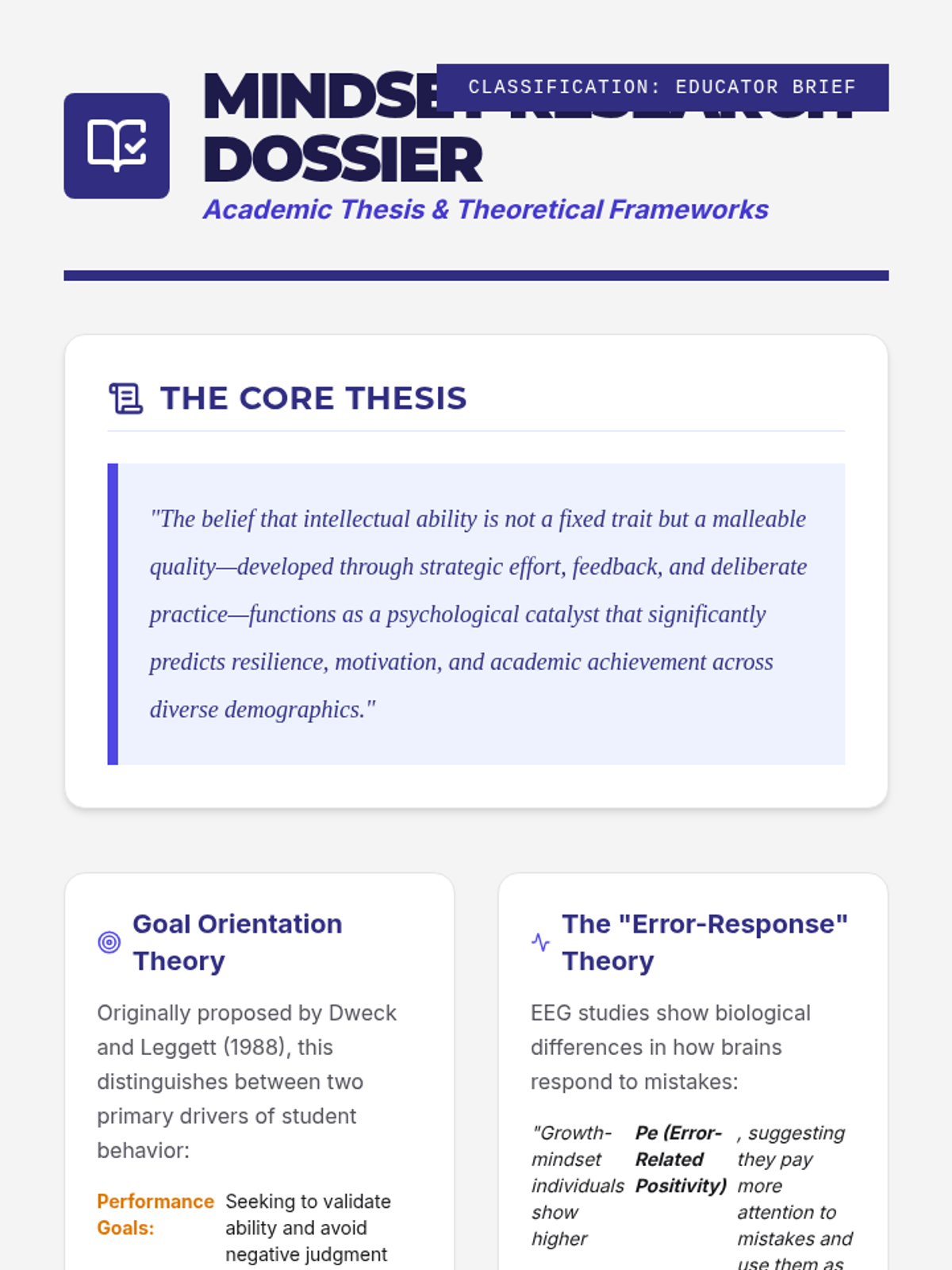
A comprehensive 60-minute session designed to introduce students to the science of neuroplasticity and the practical application of a growth mindset through interactive games, discussion, and reflective work.
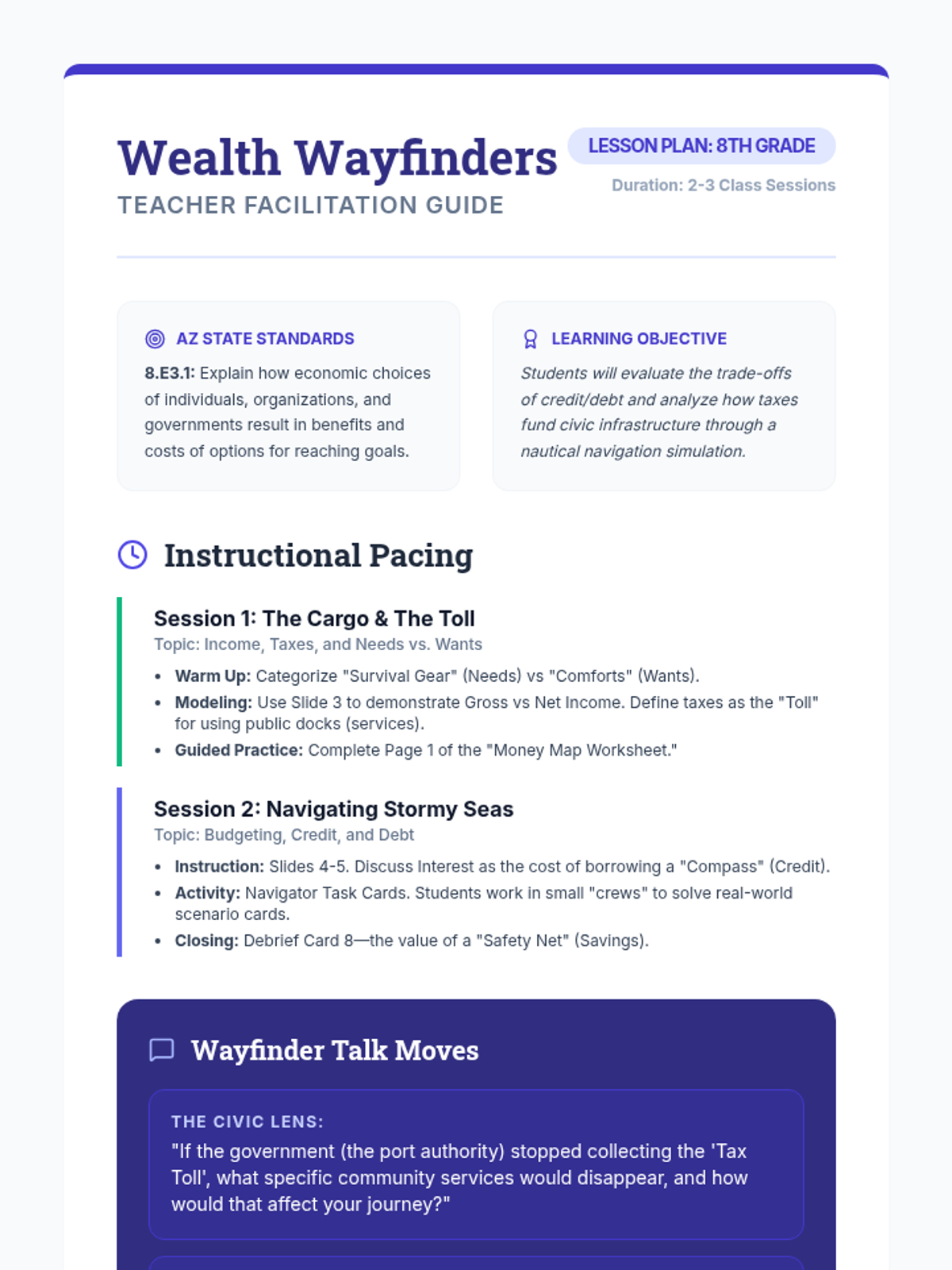
An advanced financial literacy lesson for 8th-grade Social Studies, connecting individual financial choices to broader economic systems and government services. Aligned with AZ Standard 8.E3.1, students analyze the trade-offs of credit, debt, and civic contributions through taxes.