Peer relationship navigation, conversational turn-taking, and stress management strategies within supportive group settings. Develops communal belonging through shared mental health education and collaborative skill practice.
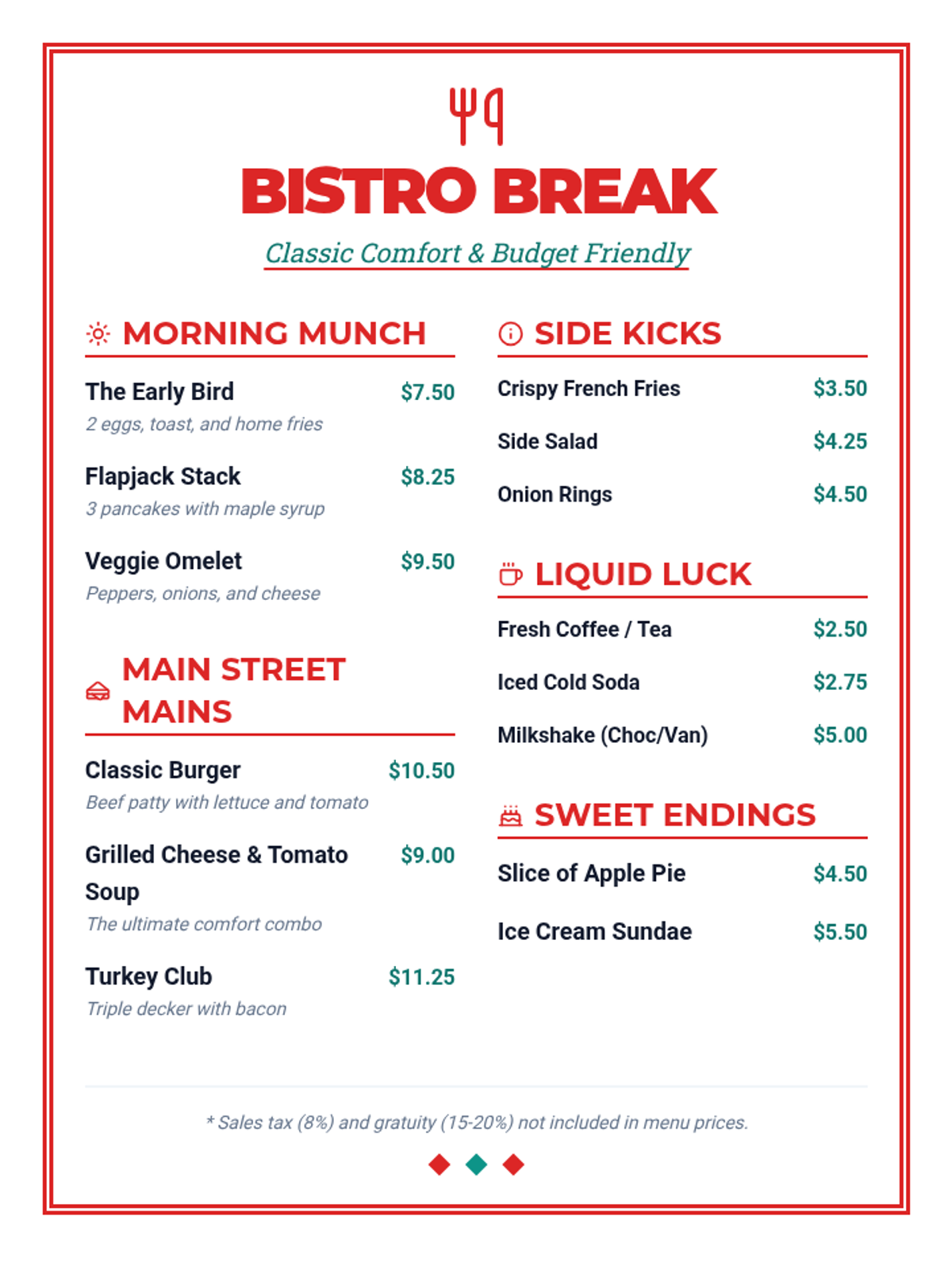
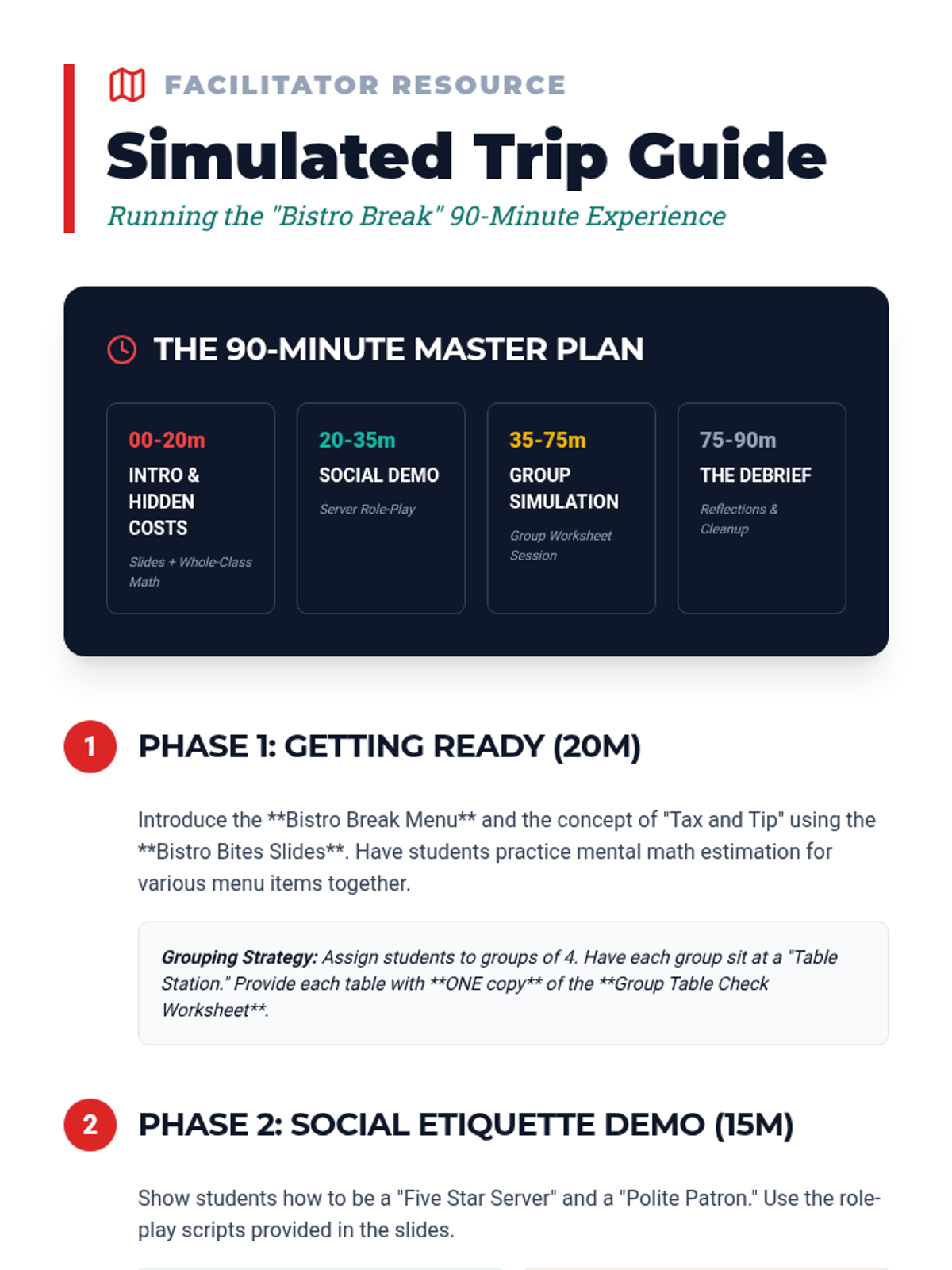
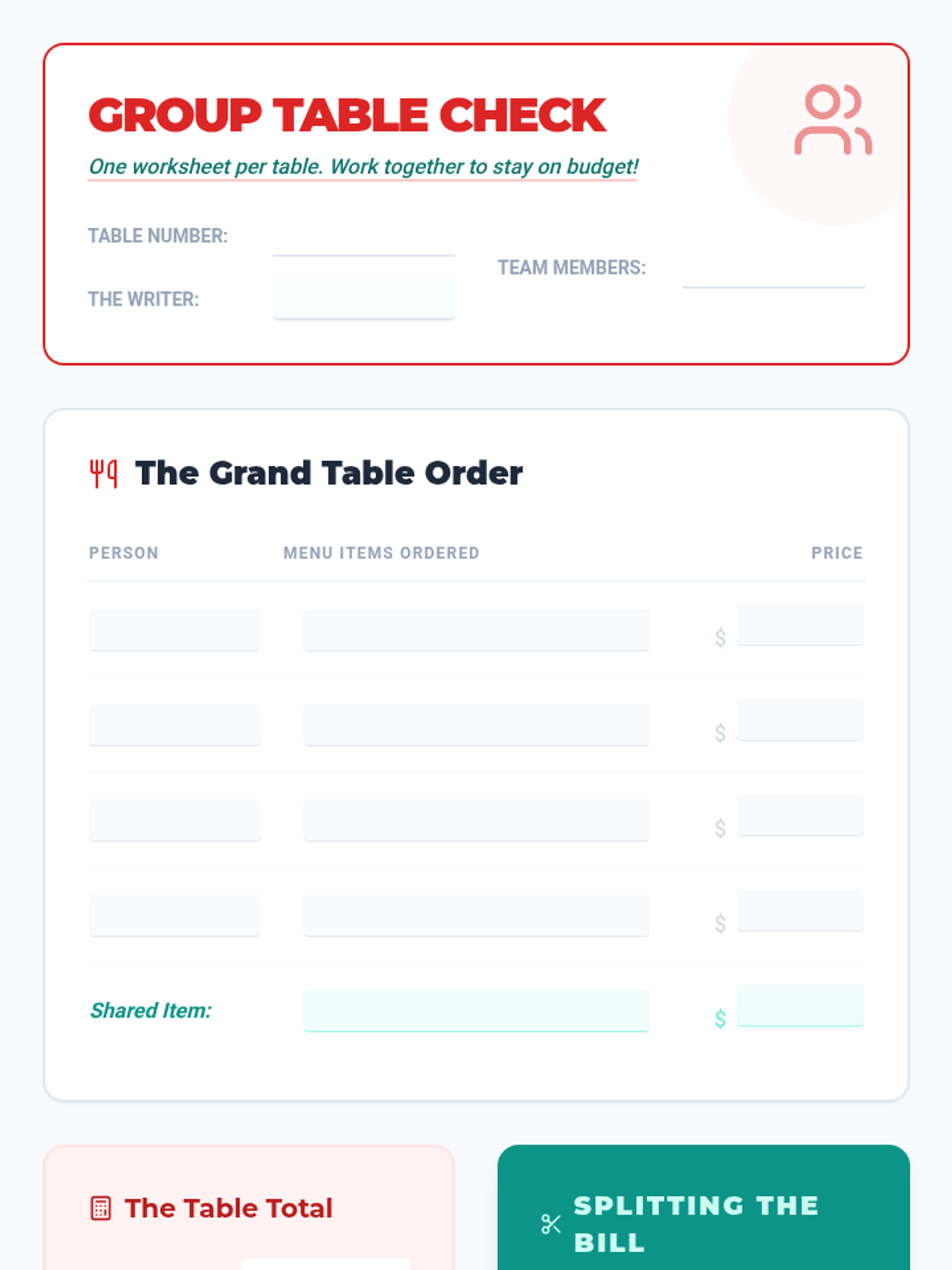
A functional skills lesson focused on navigating a restaurant experience on a budget, covering menu reading, budget planning, social etiquette, and group check splitting.
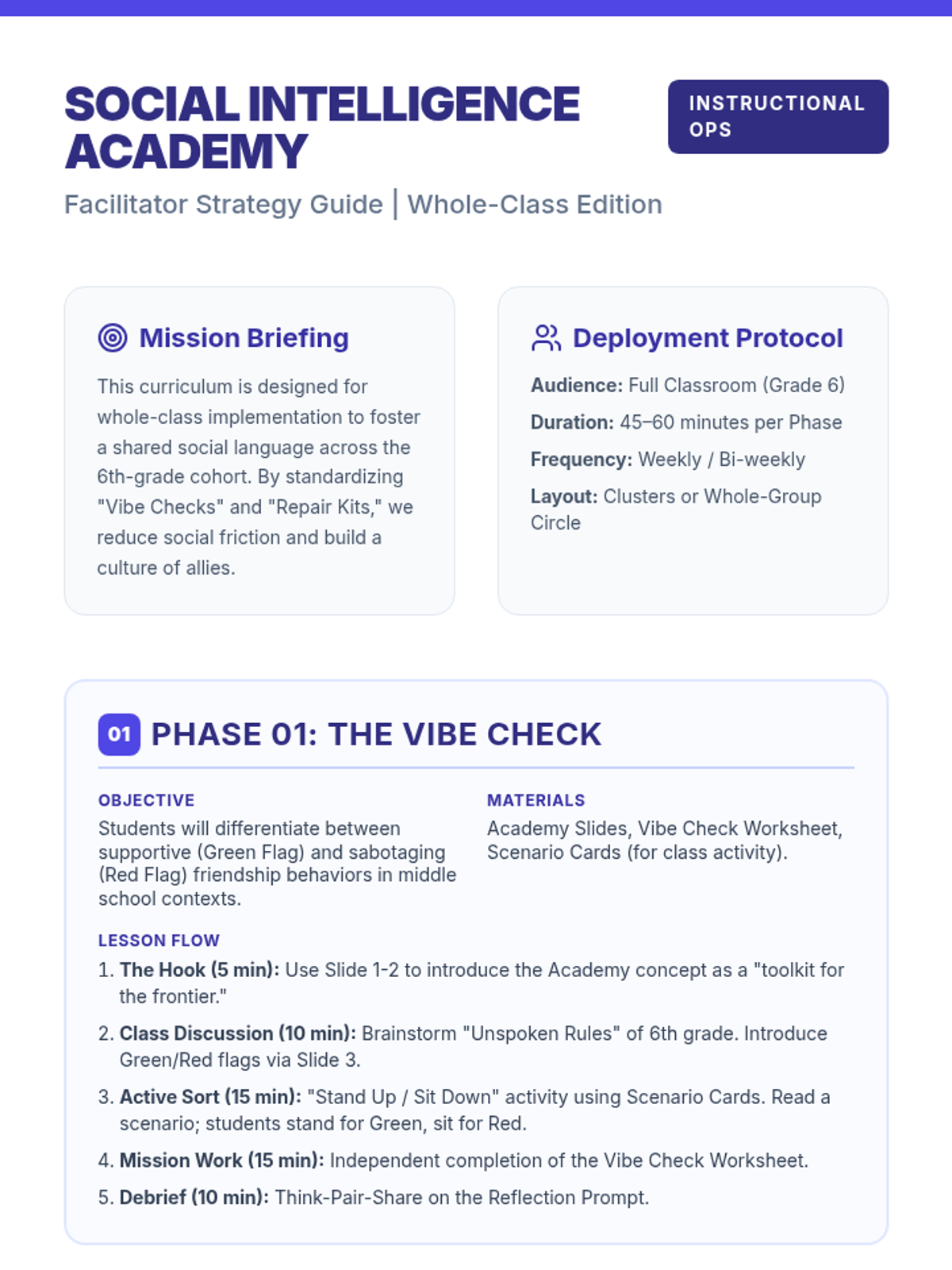
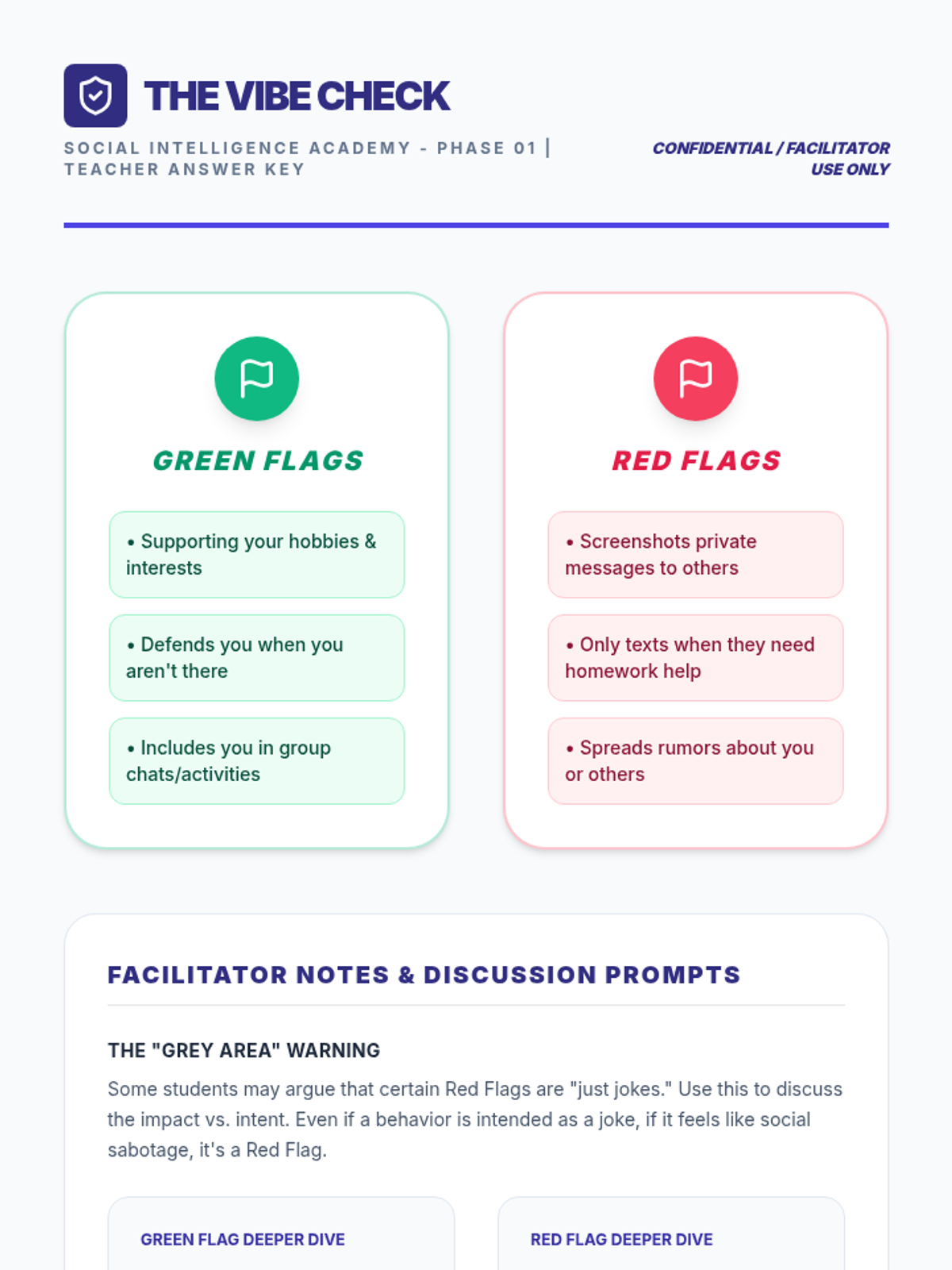
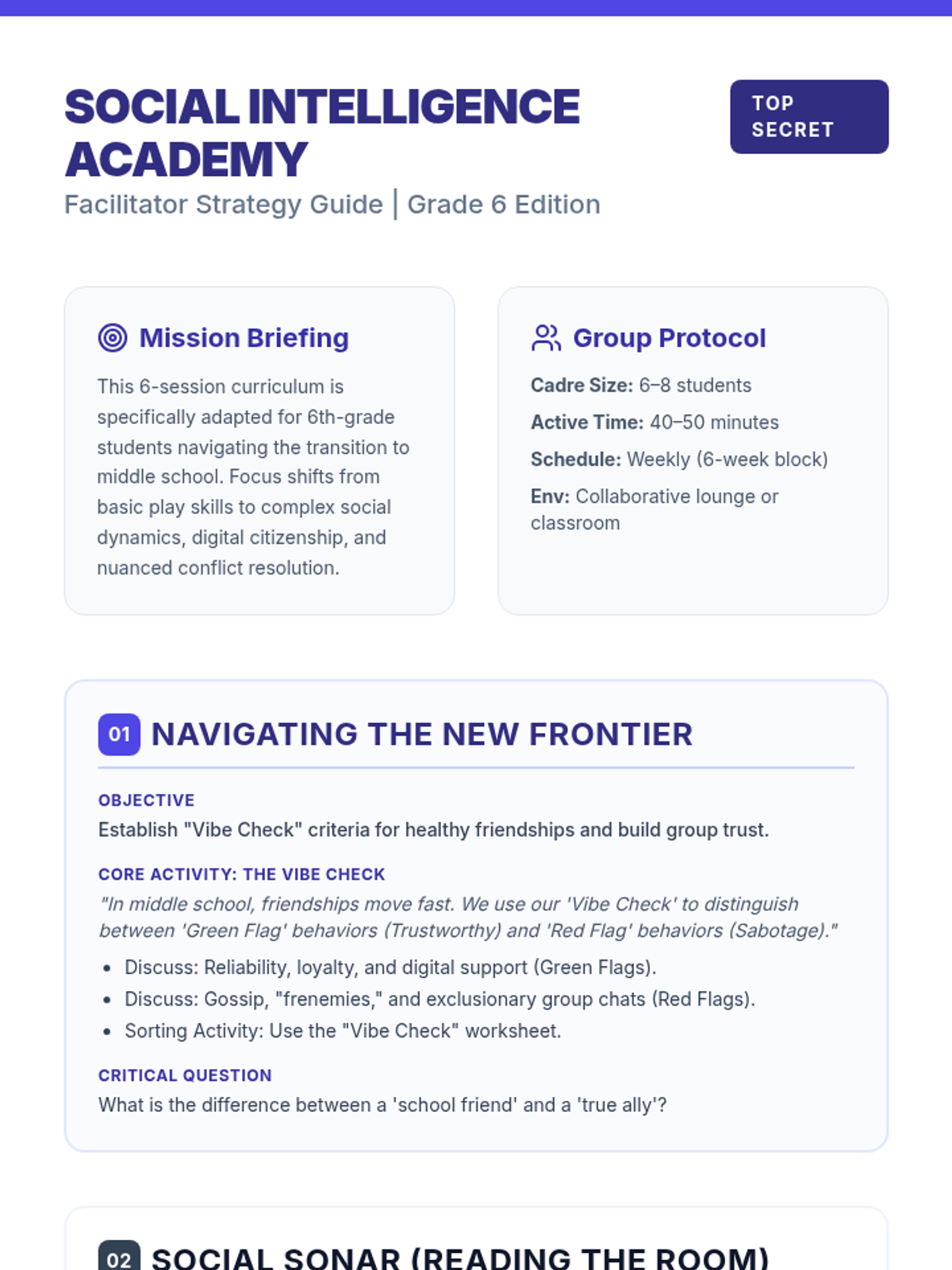
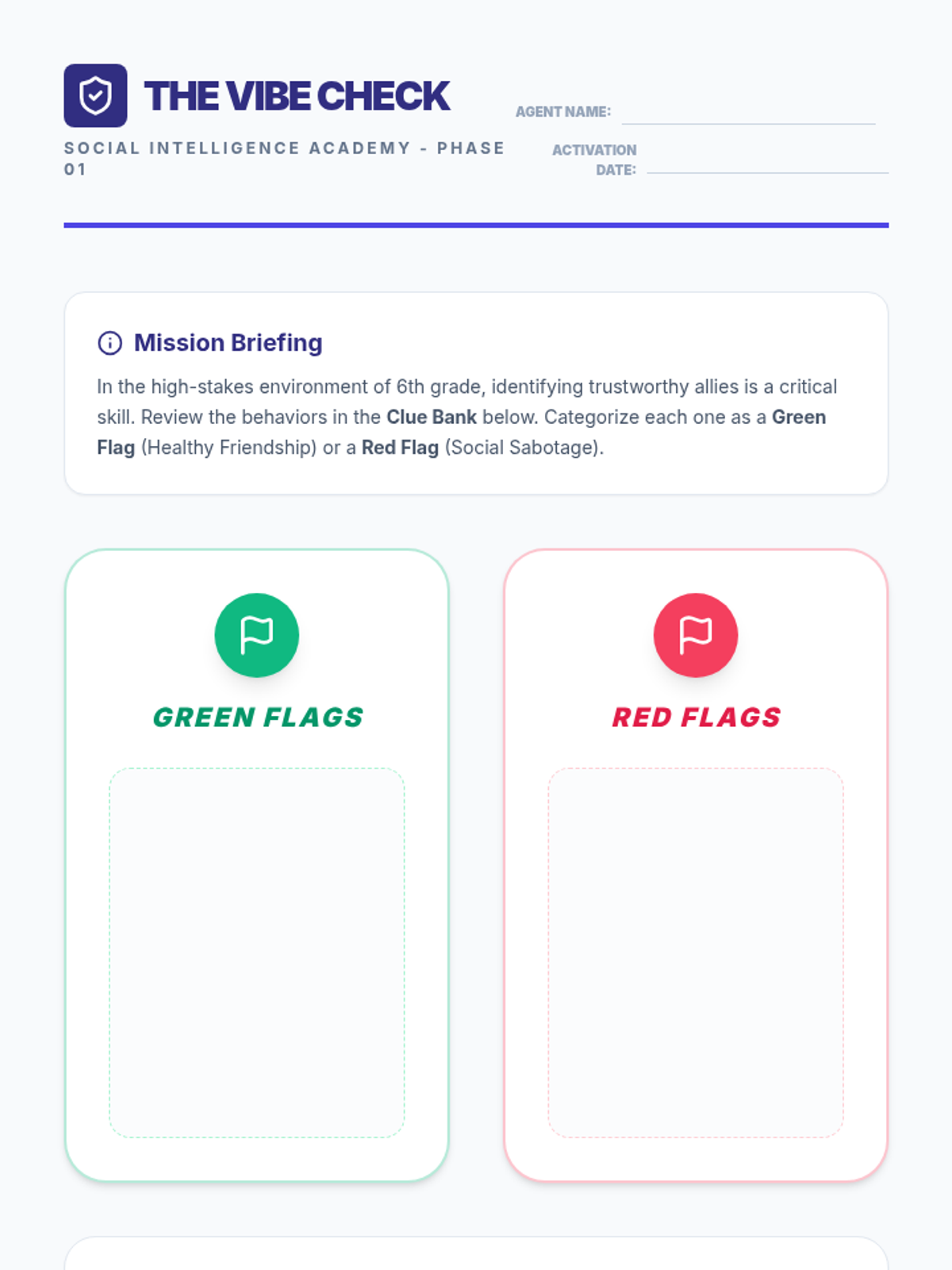
Introduces the Social Intelligence Academy and explores "Vibe Checks"—the criteria for healthy, high-functioning middle school friendships.
The final three weeks focus on making amends, setting future goals, and celebrating the progress made throughout the Social Detective program.
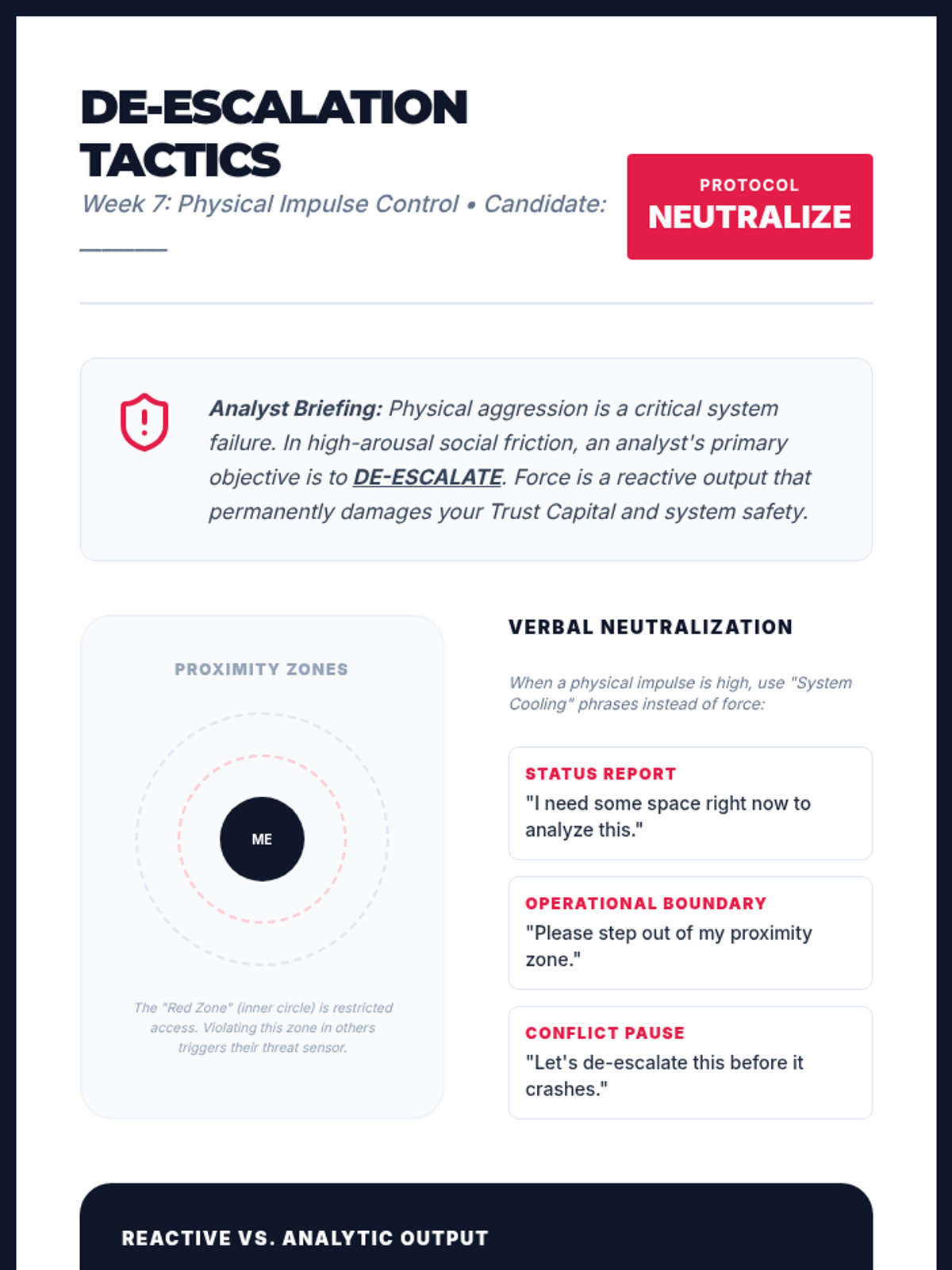
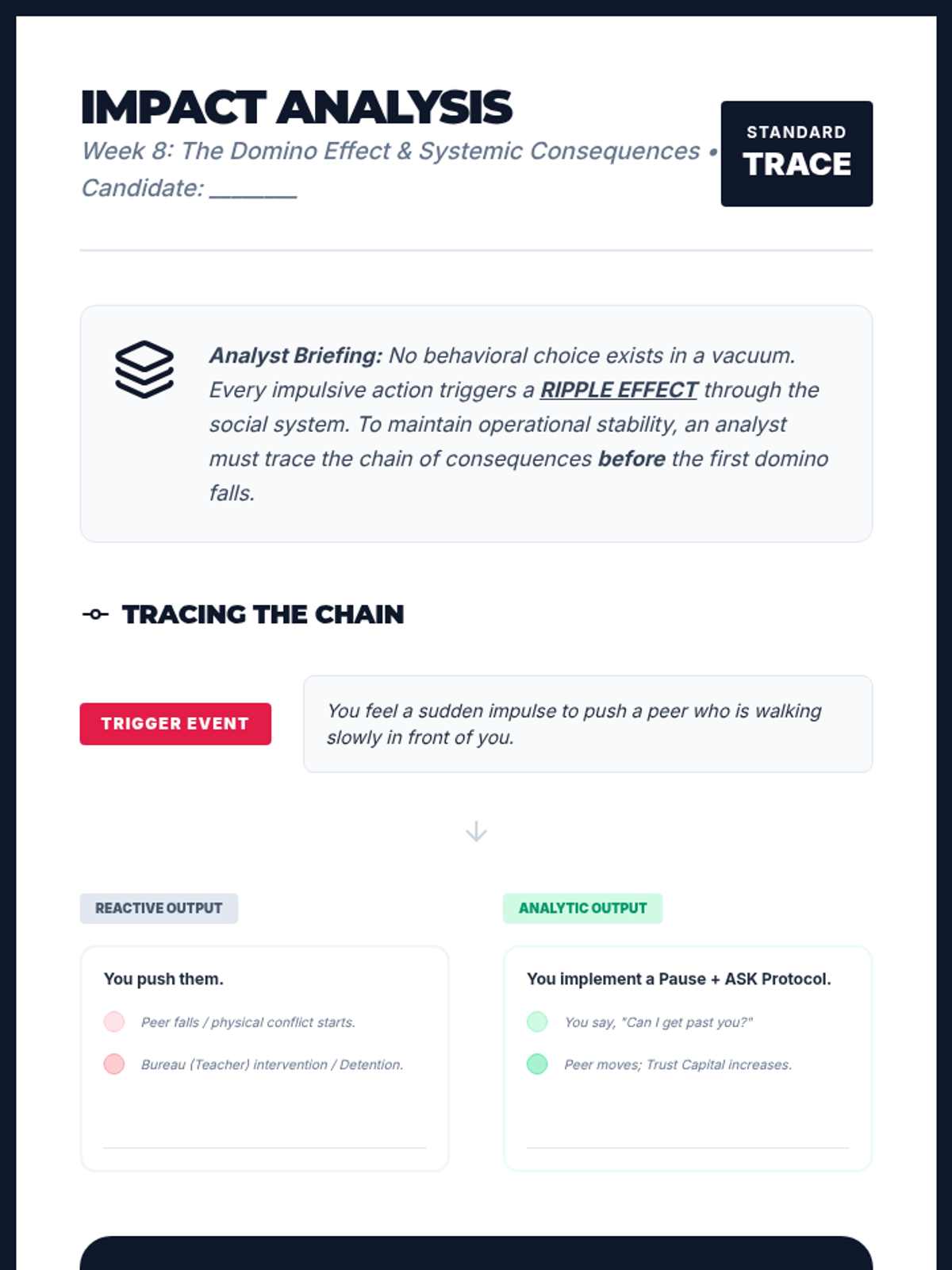
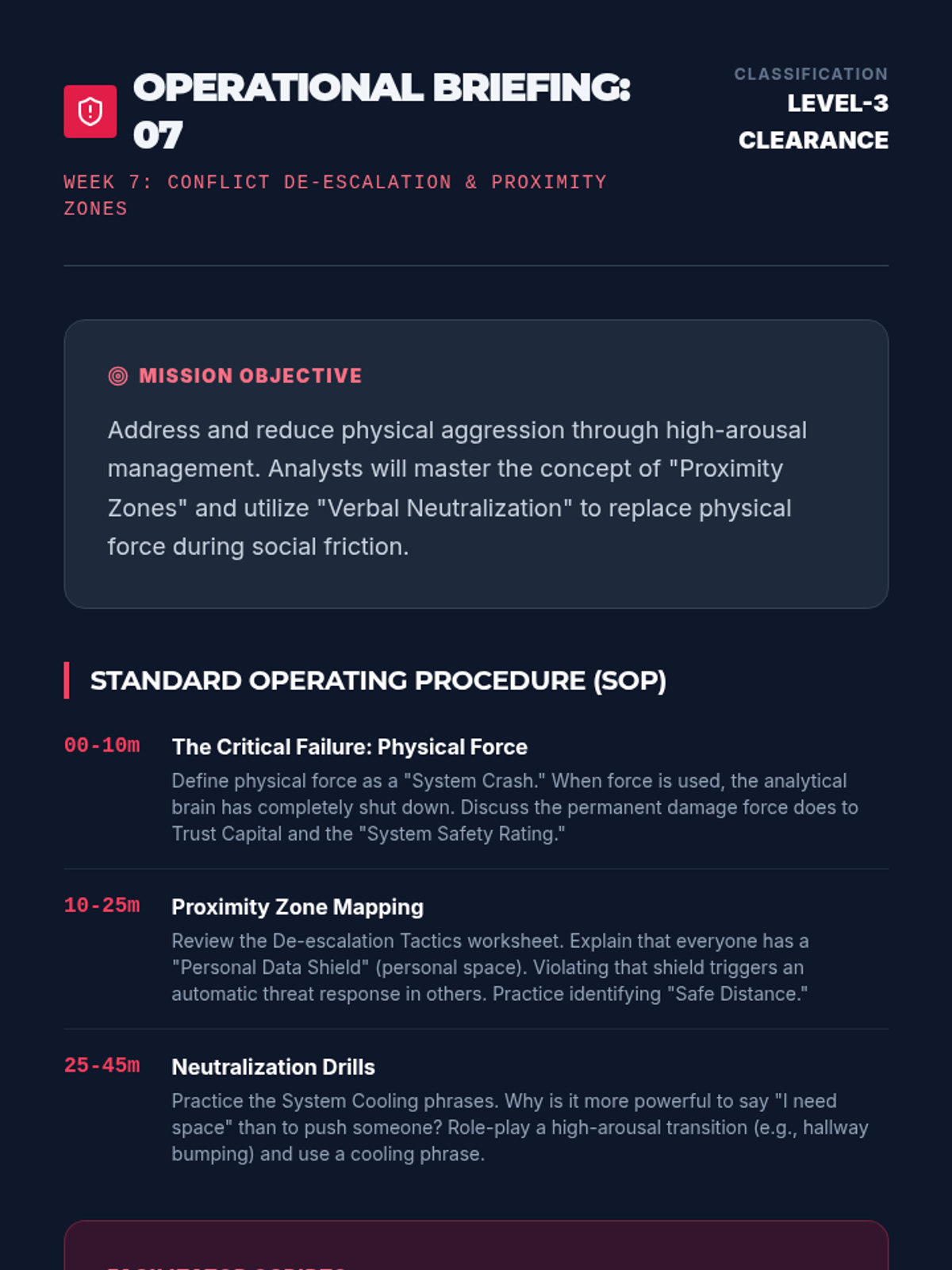
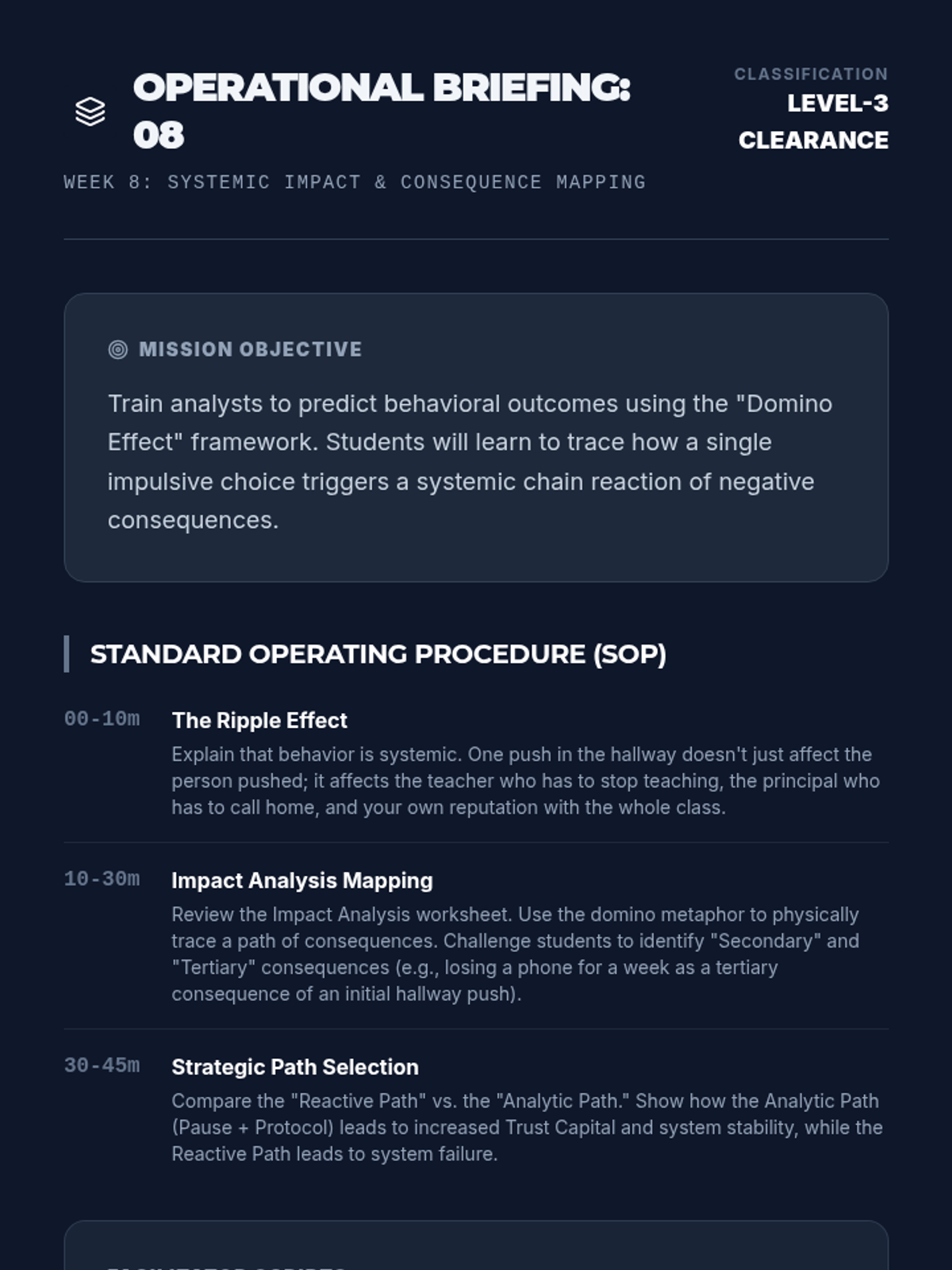
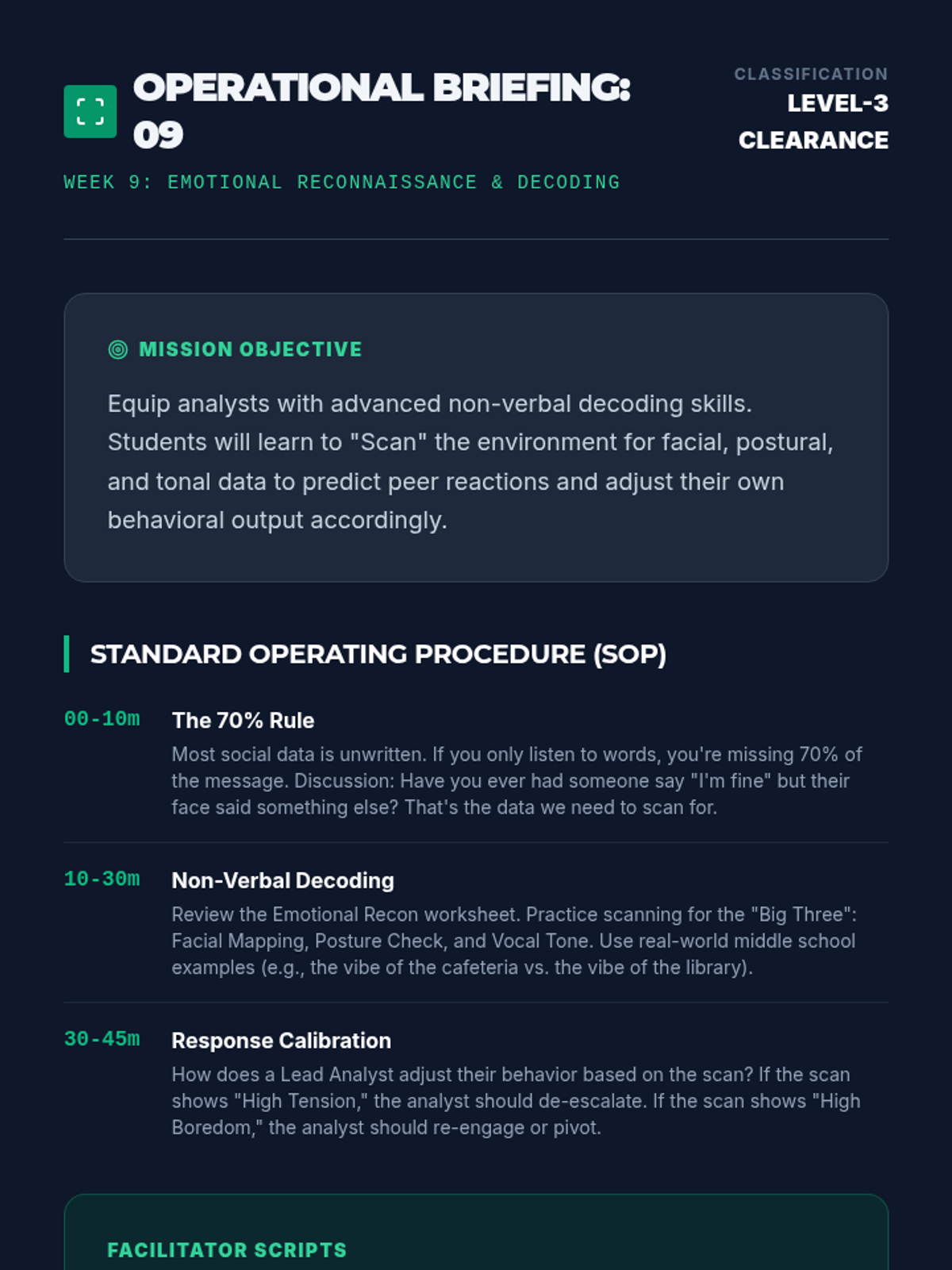
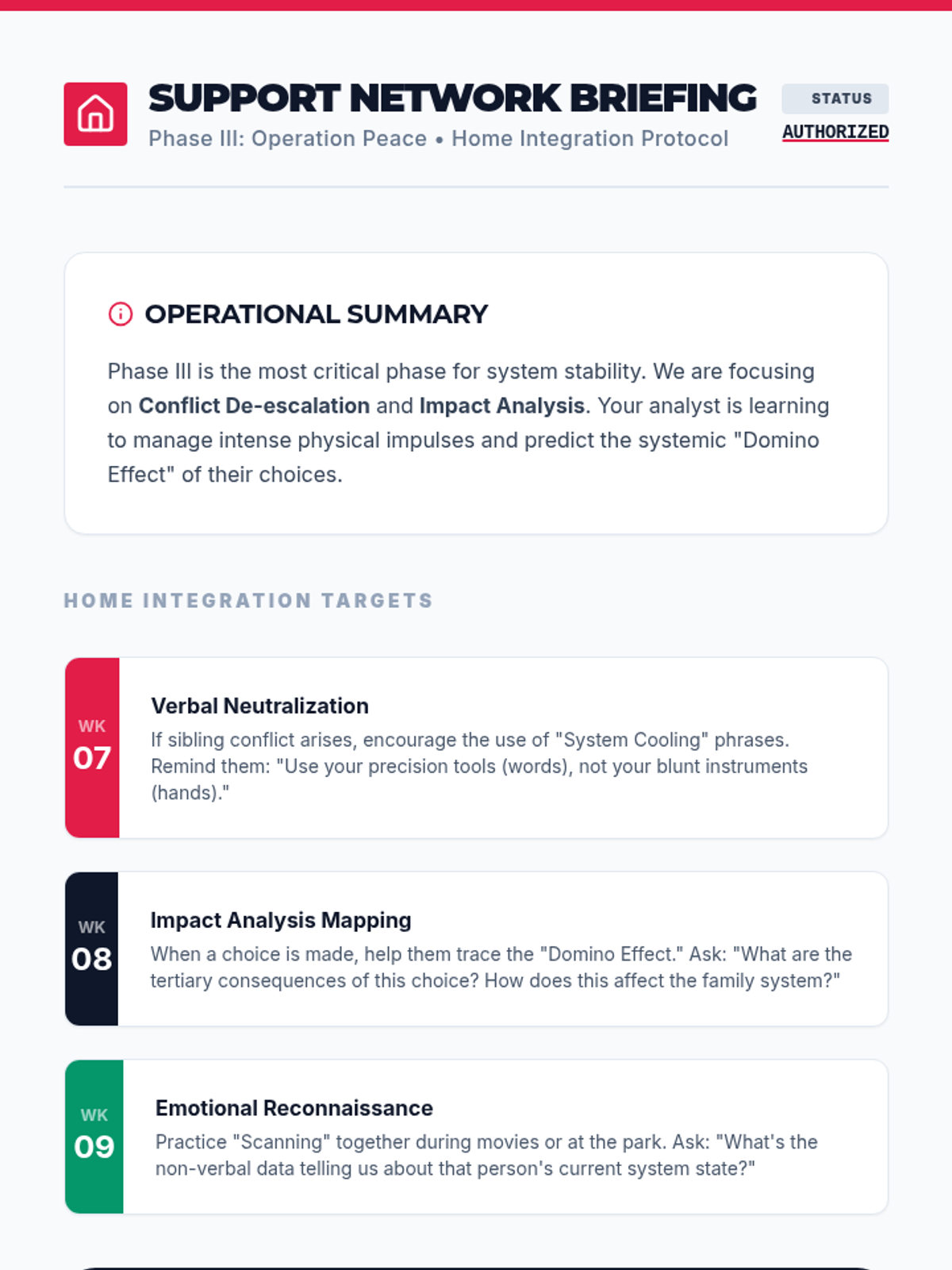
Weeks 7-9 address physical aggression, understanding consequences, and deep-diving into reading social clues to build empathy.
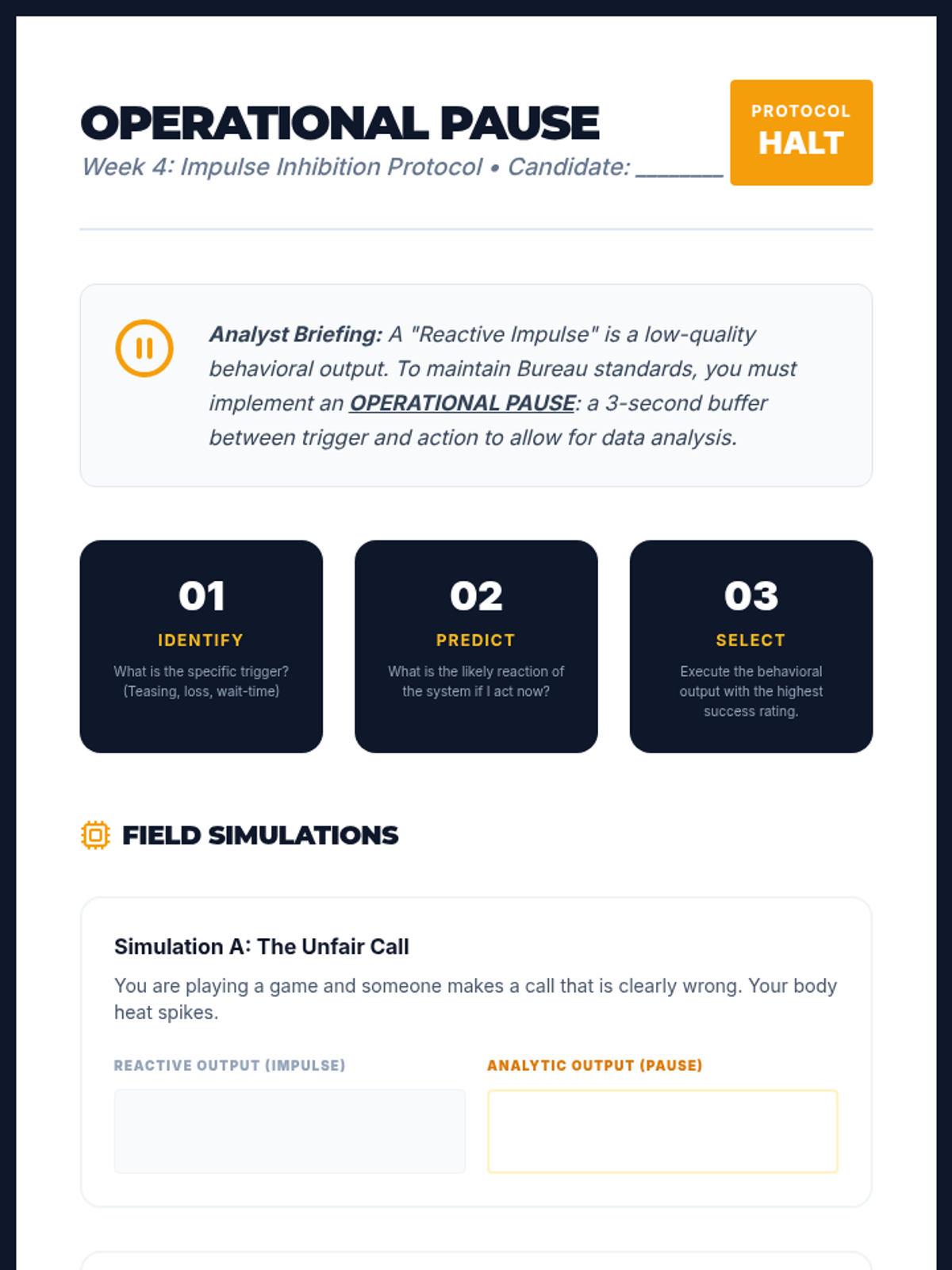
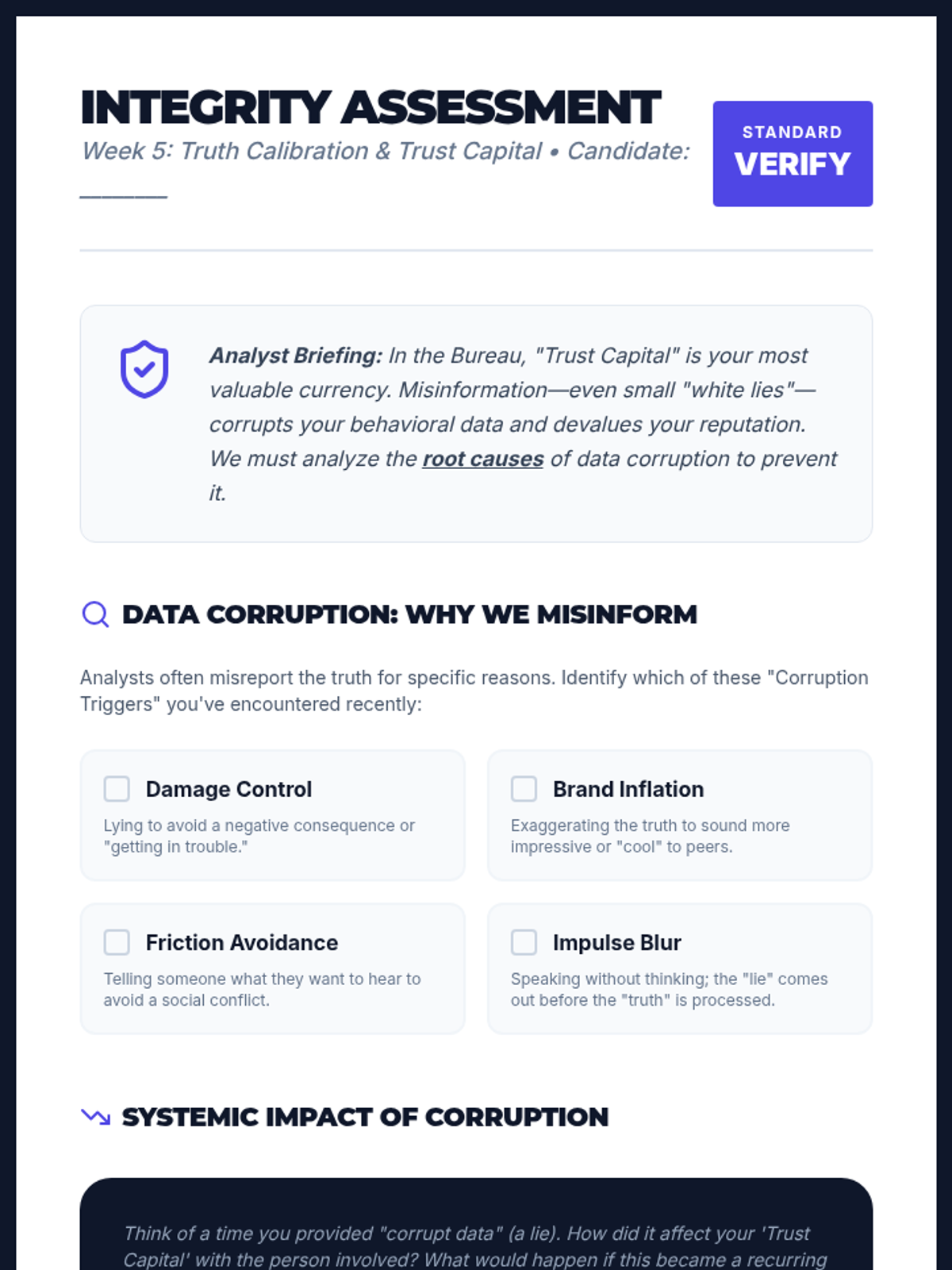
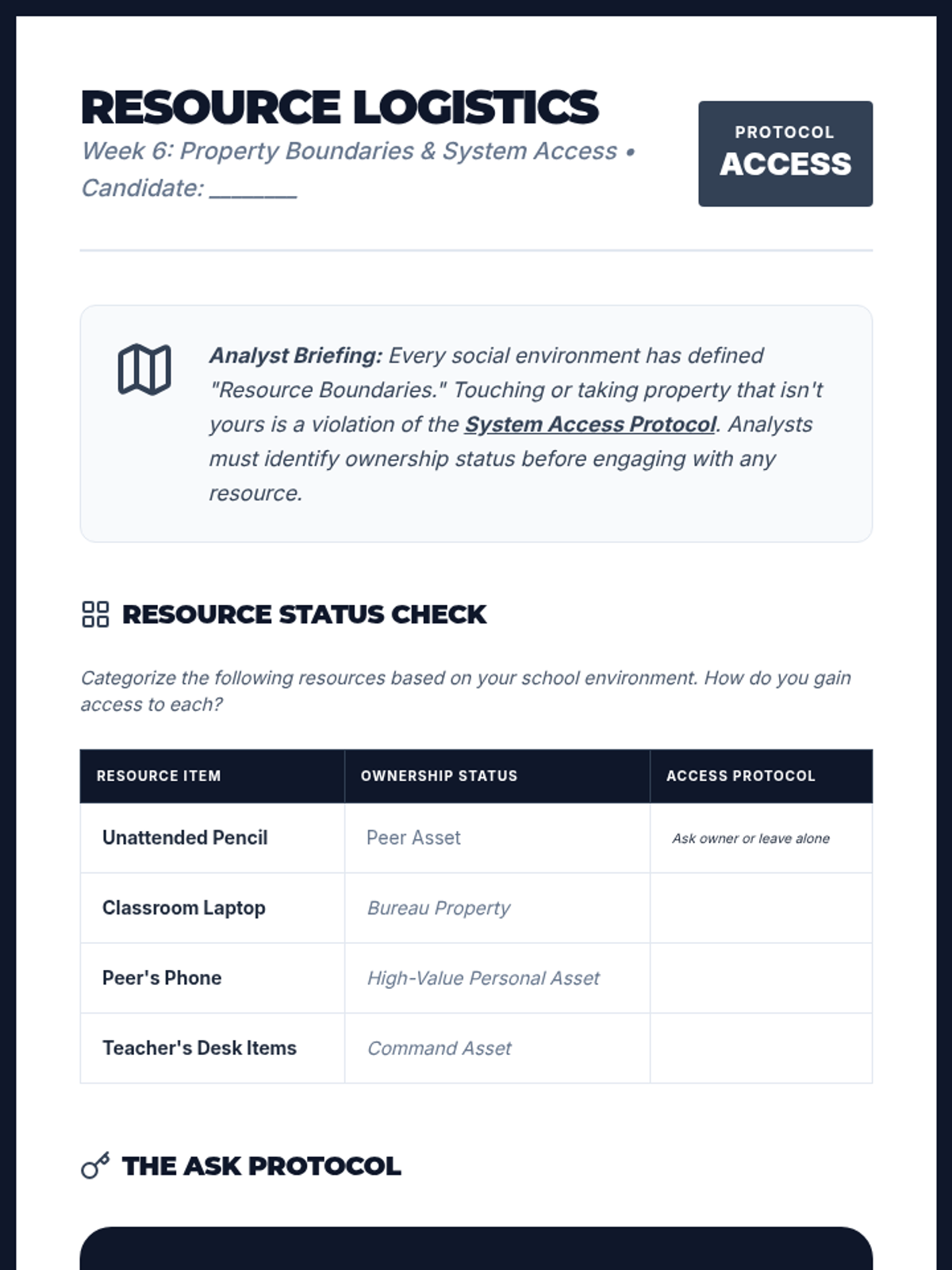
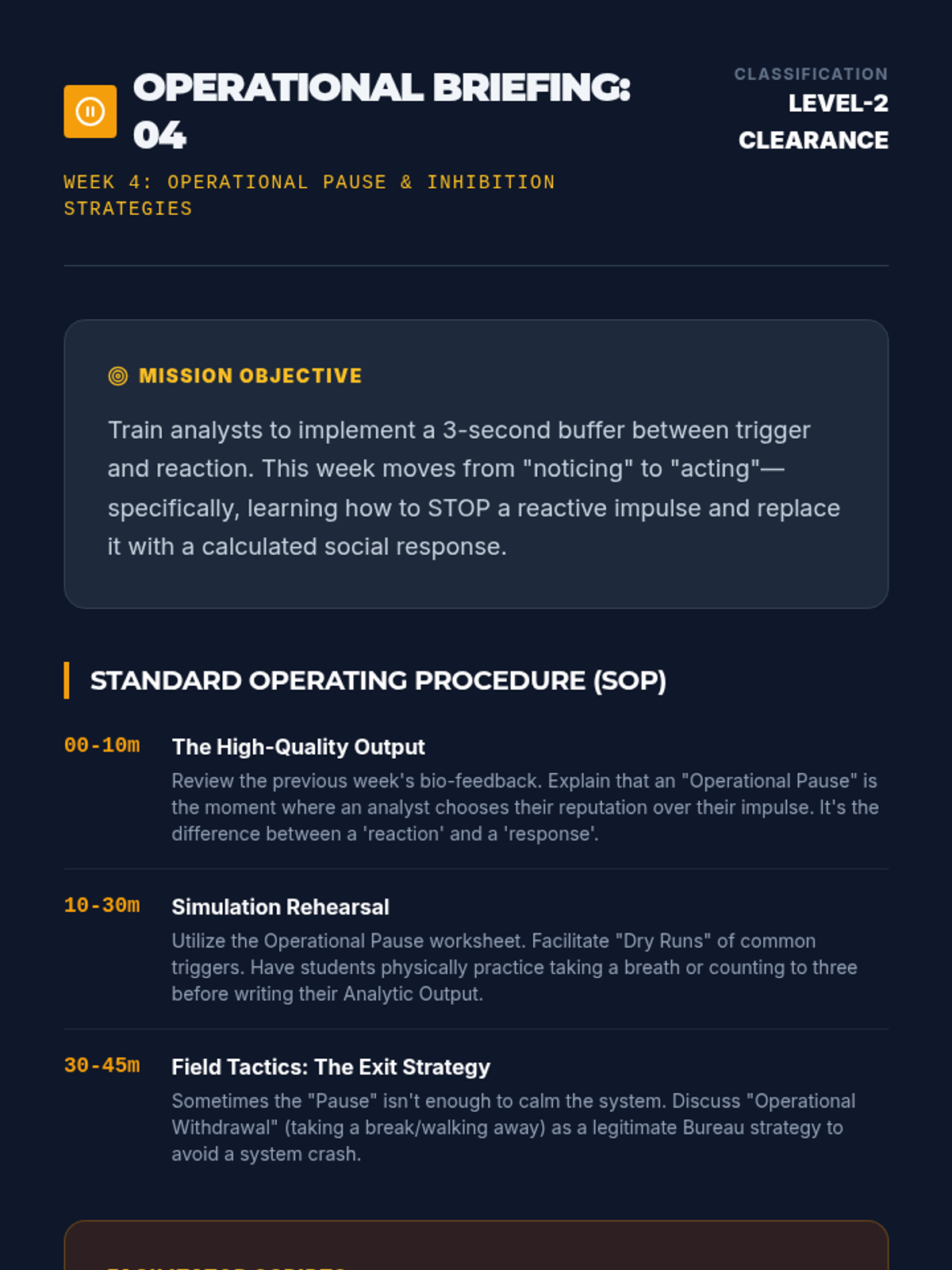
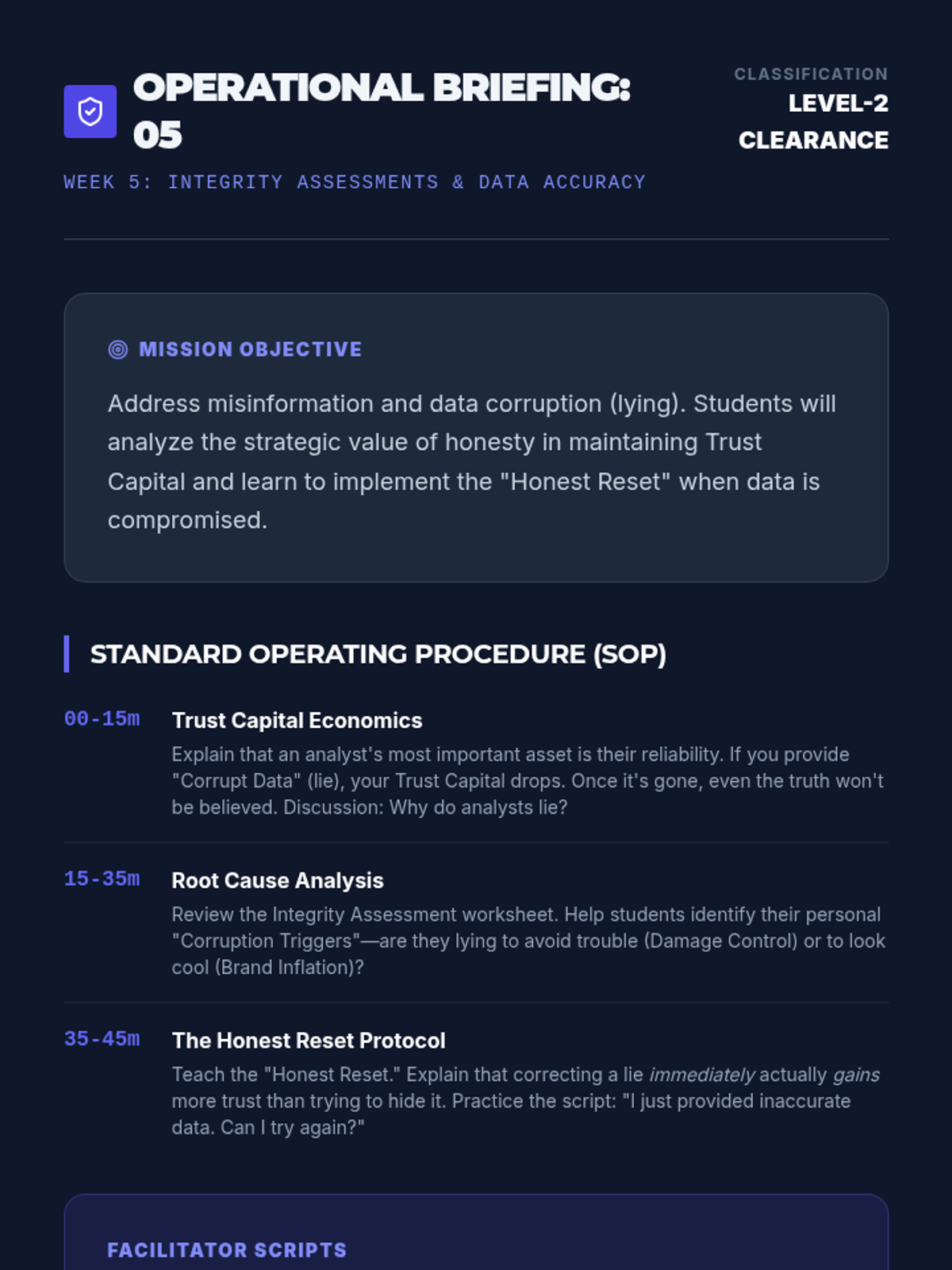
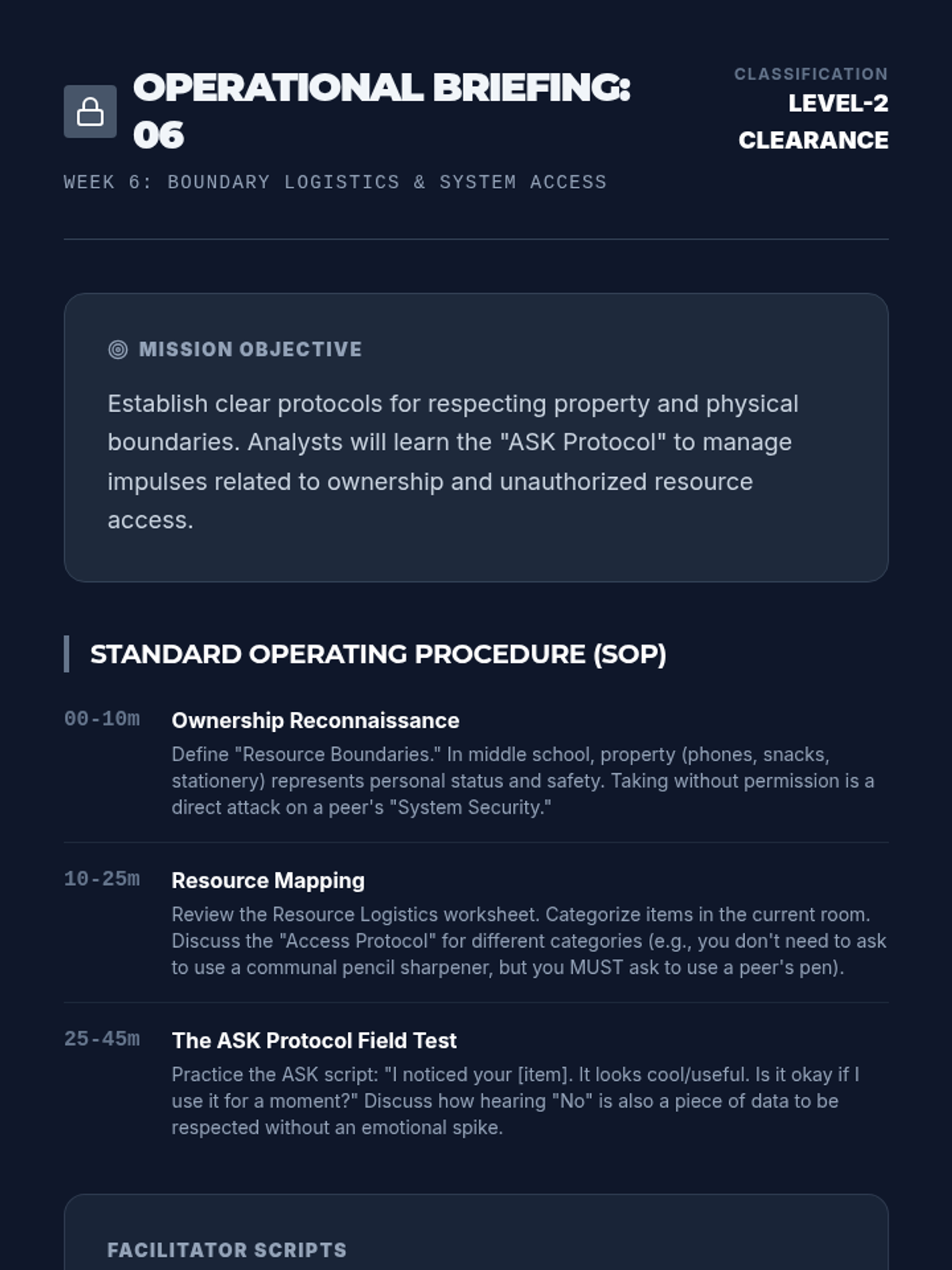
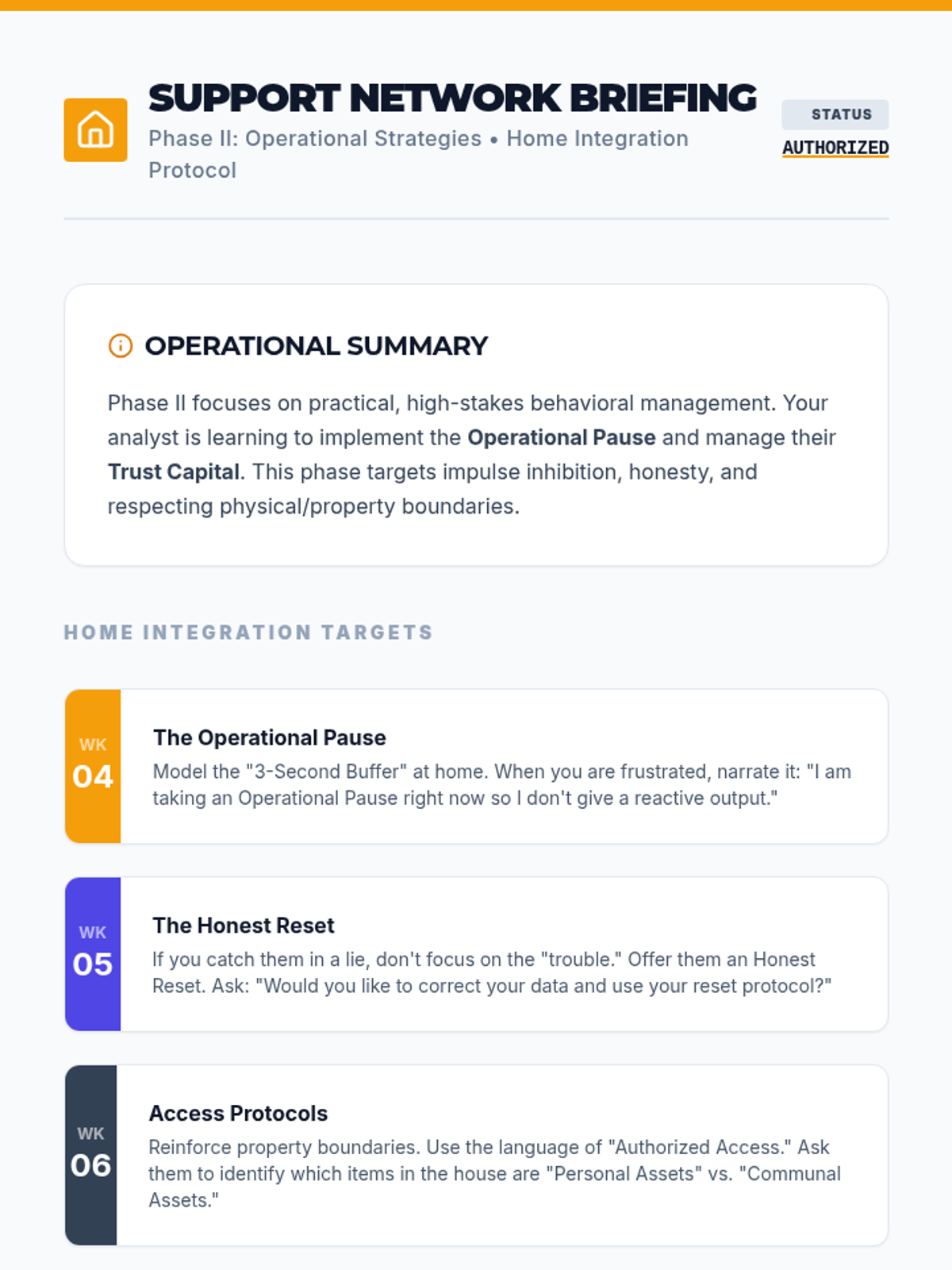
Weeks 4-6 of the intervention, focusing on practical impulse control strategies like the 'Pause Button' and addressing specific behaviors like lying and respecting property.
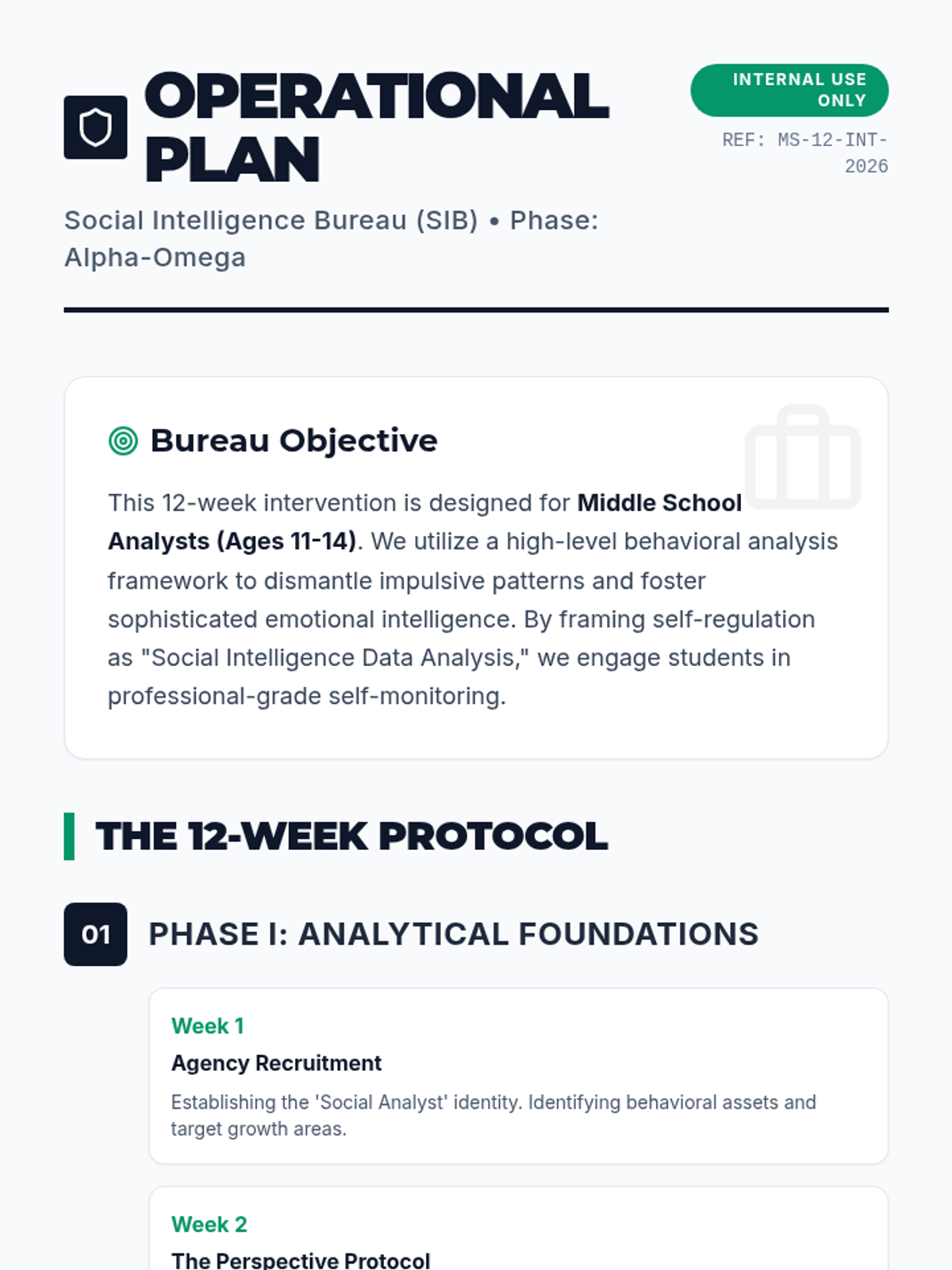
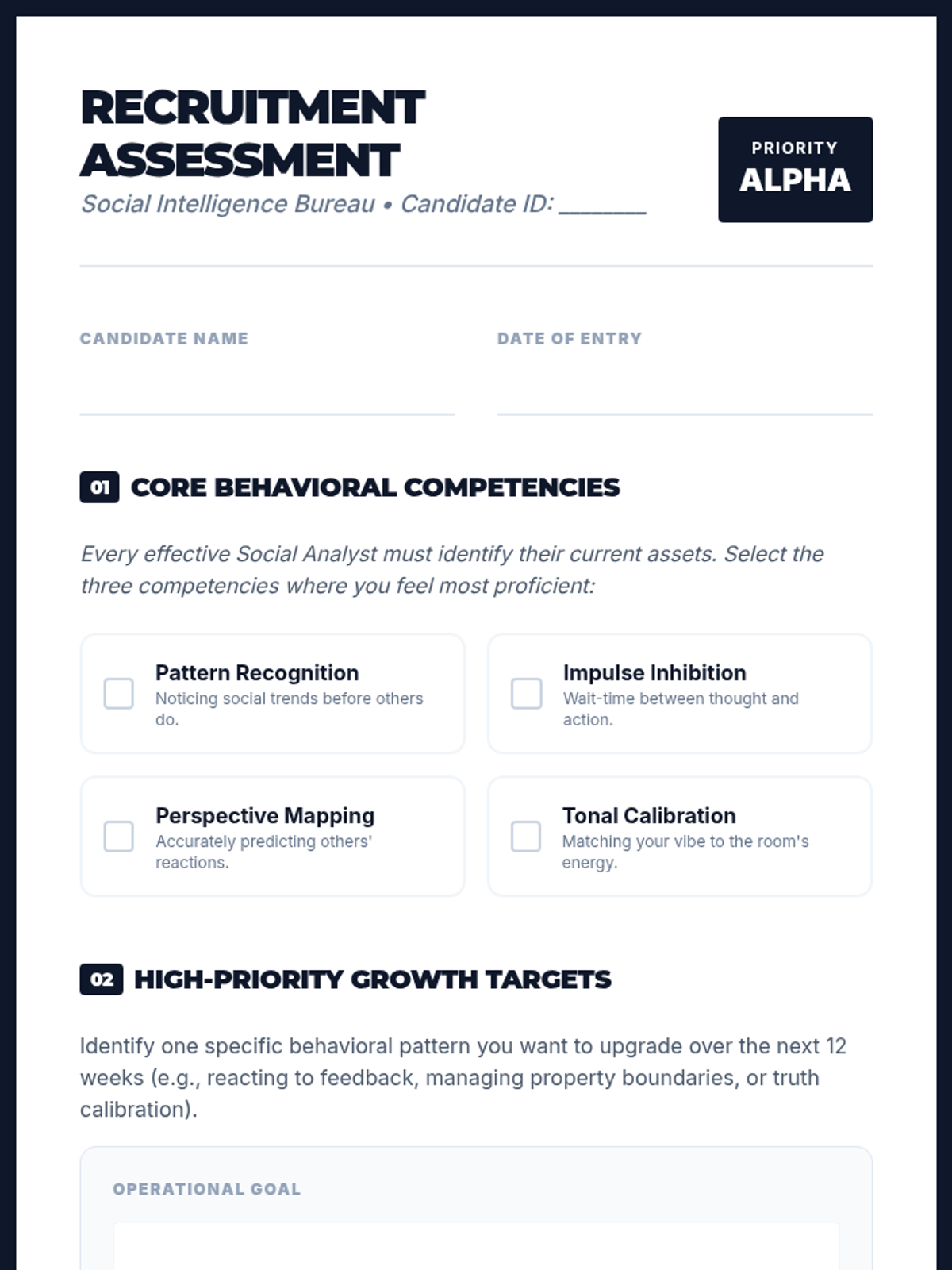
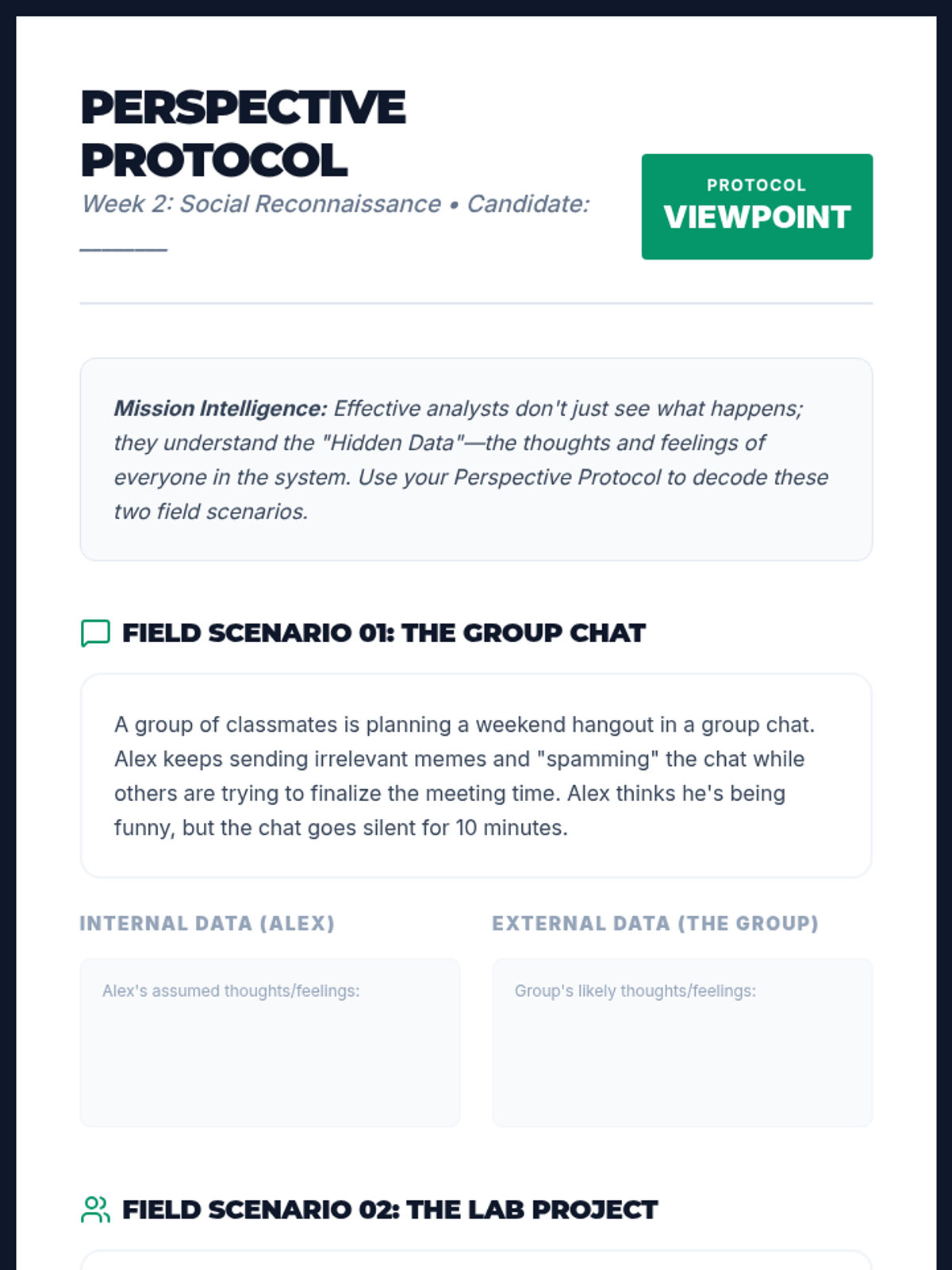
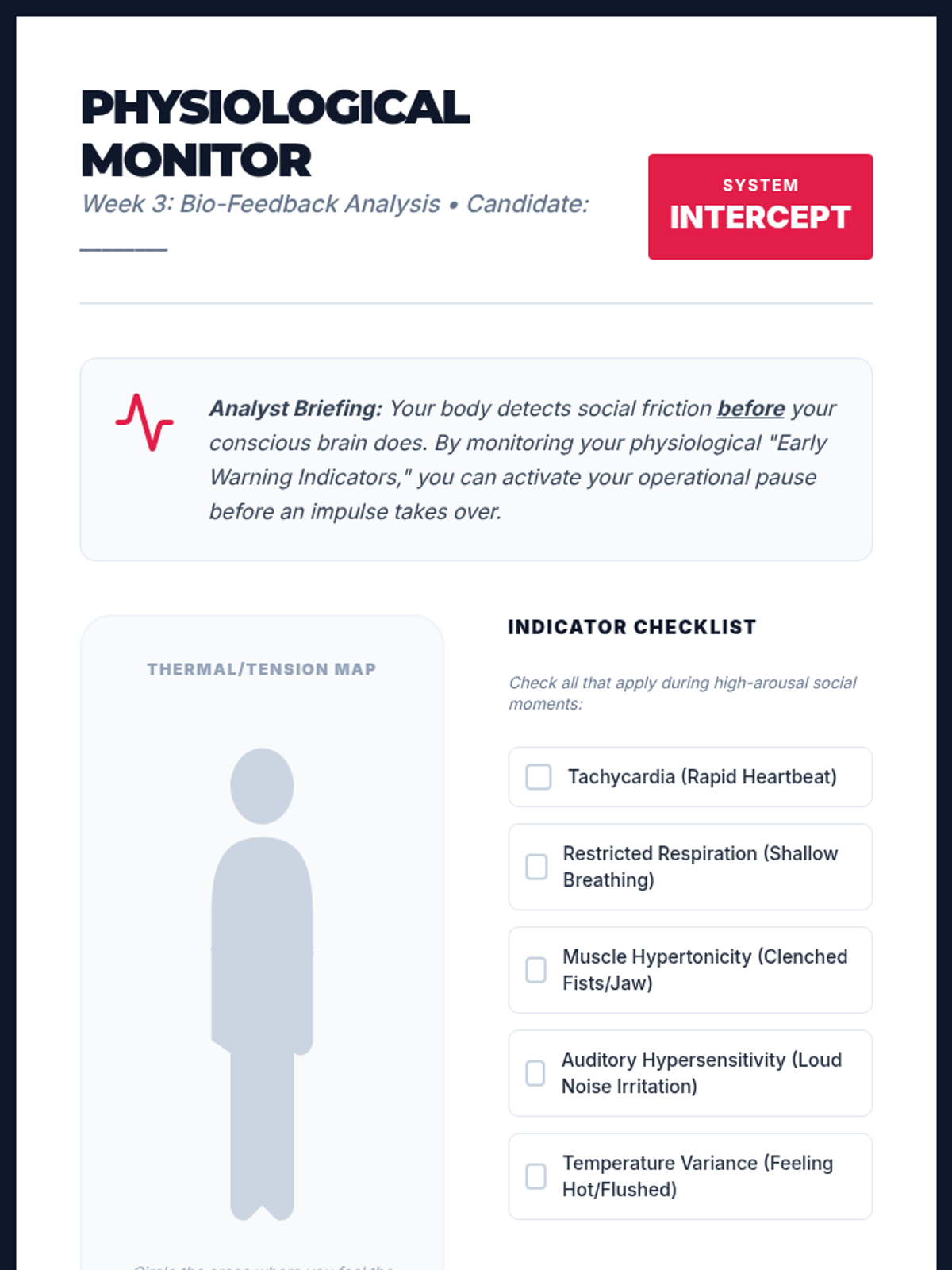
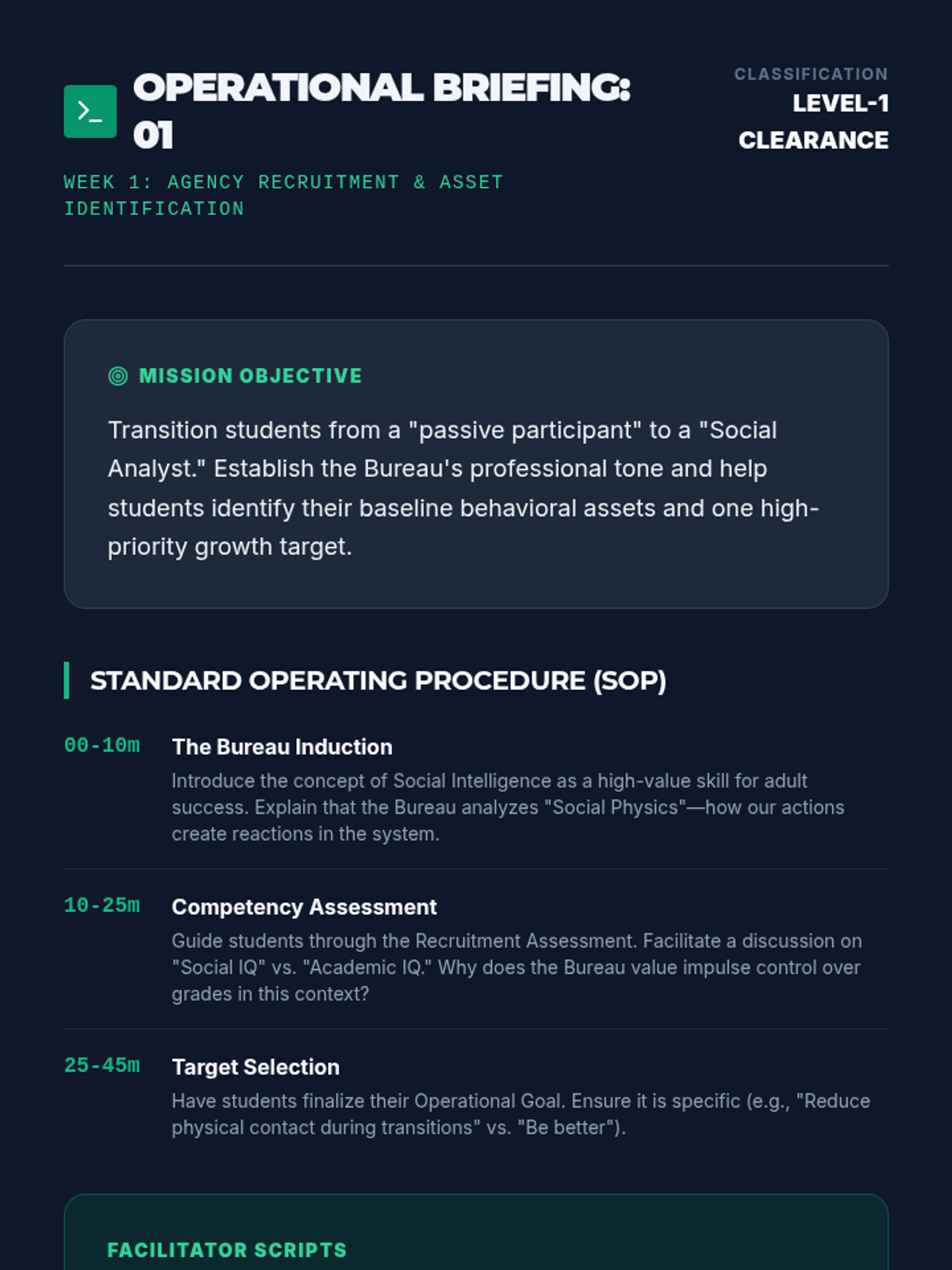
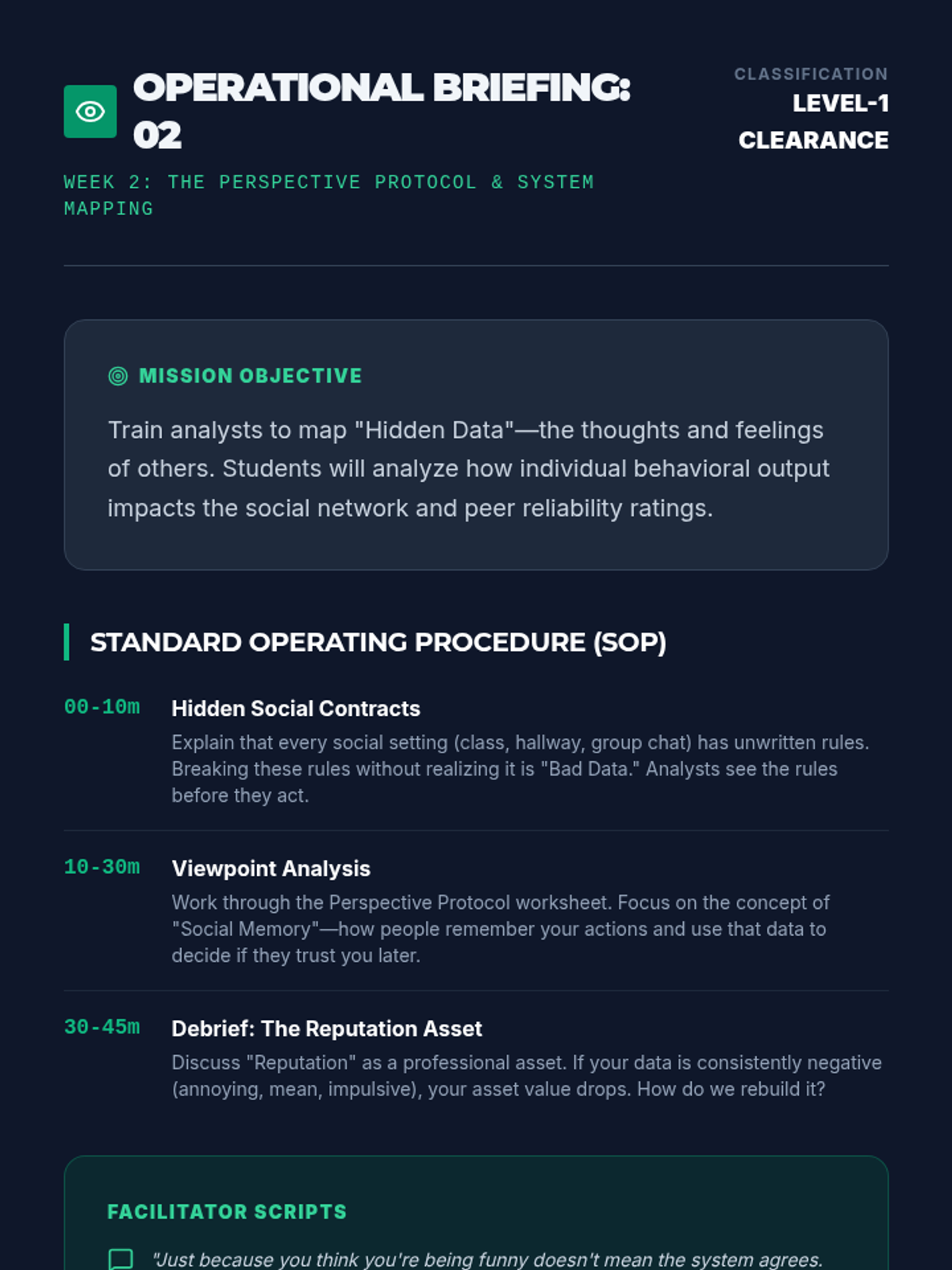
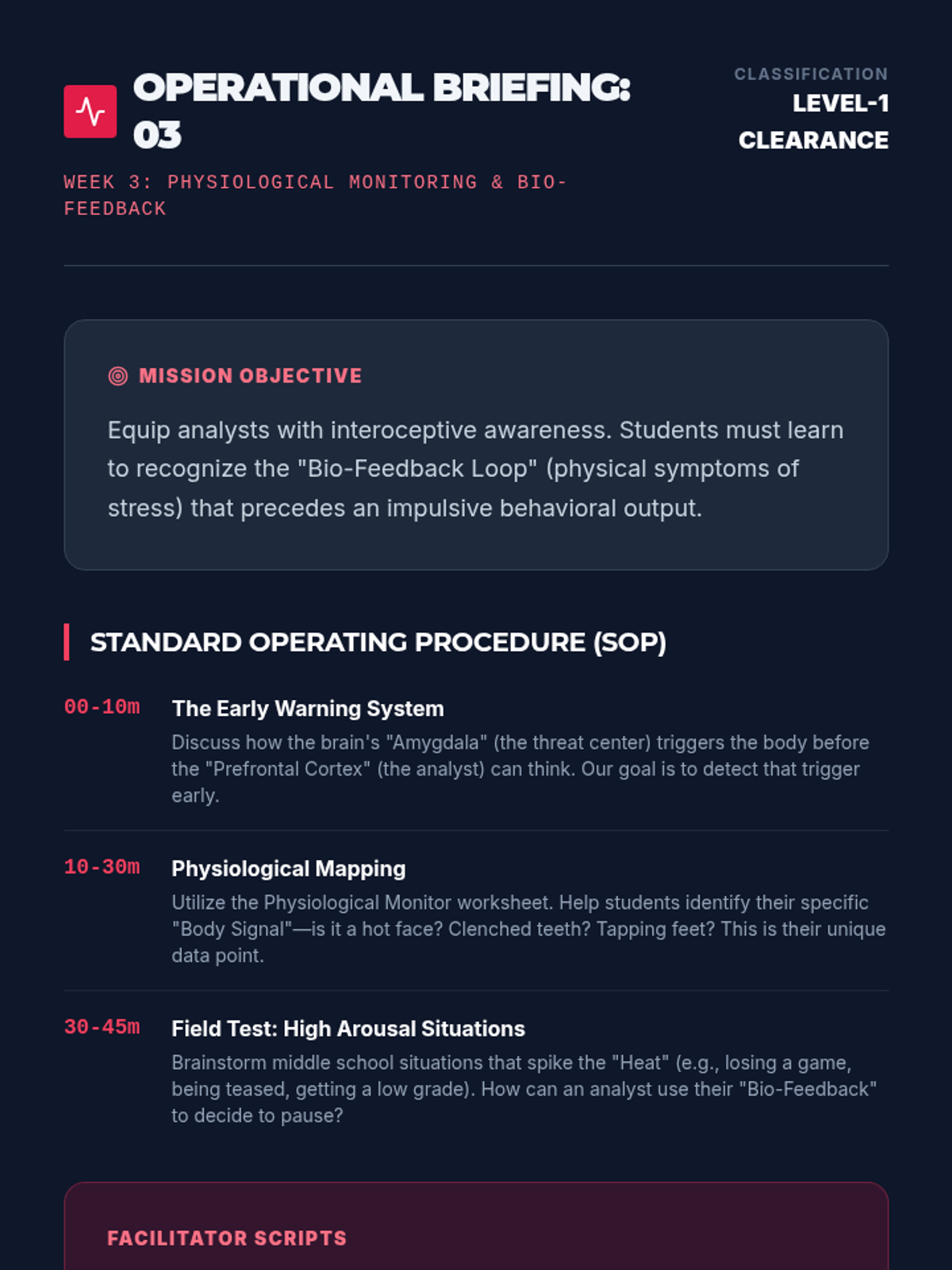
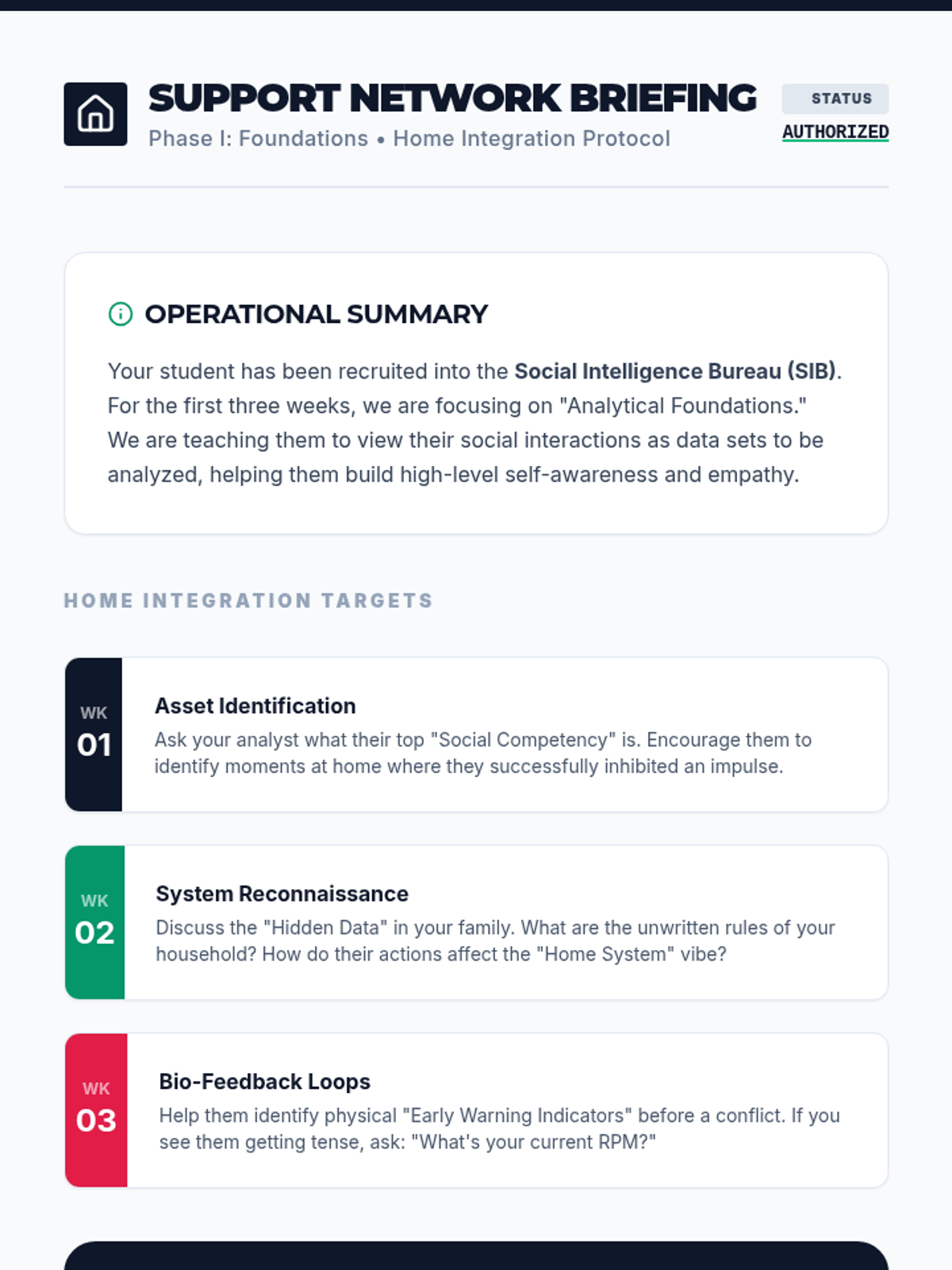
The first three weeks focus on building high-level self-awareness and understanding the core concepts of social perspective-taking and physiological self-monitoring.
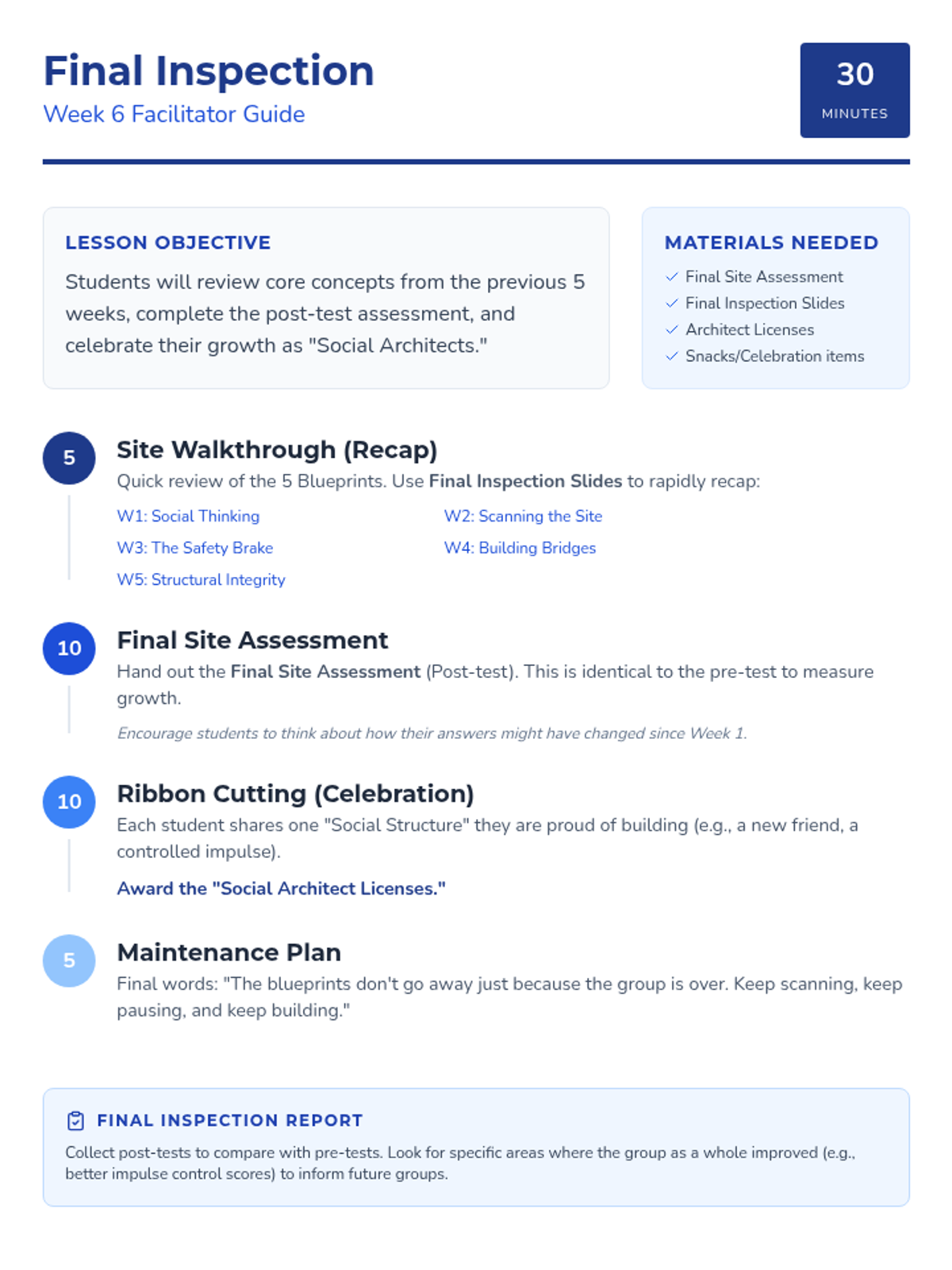
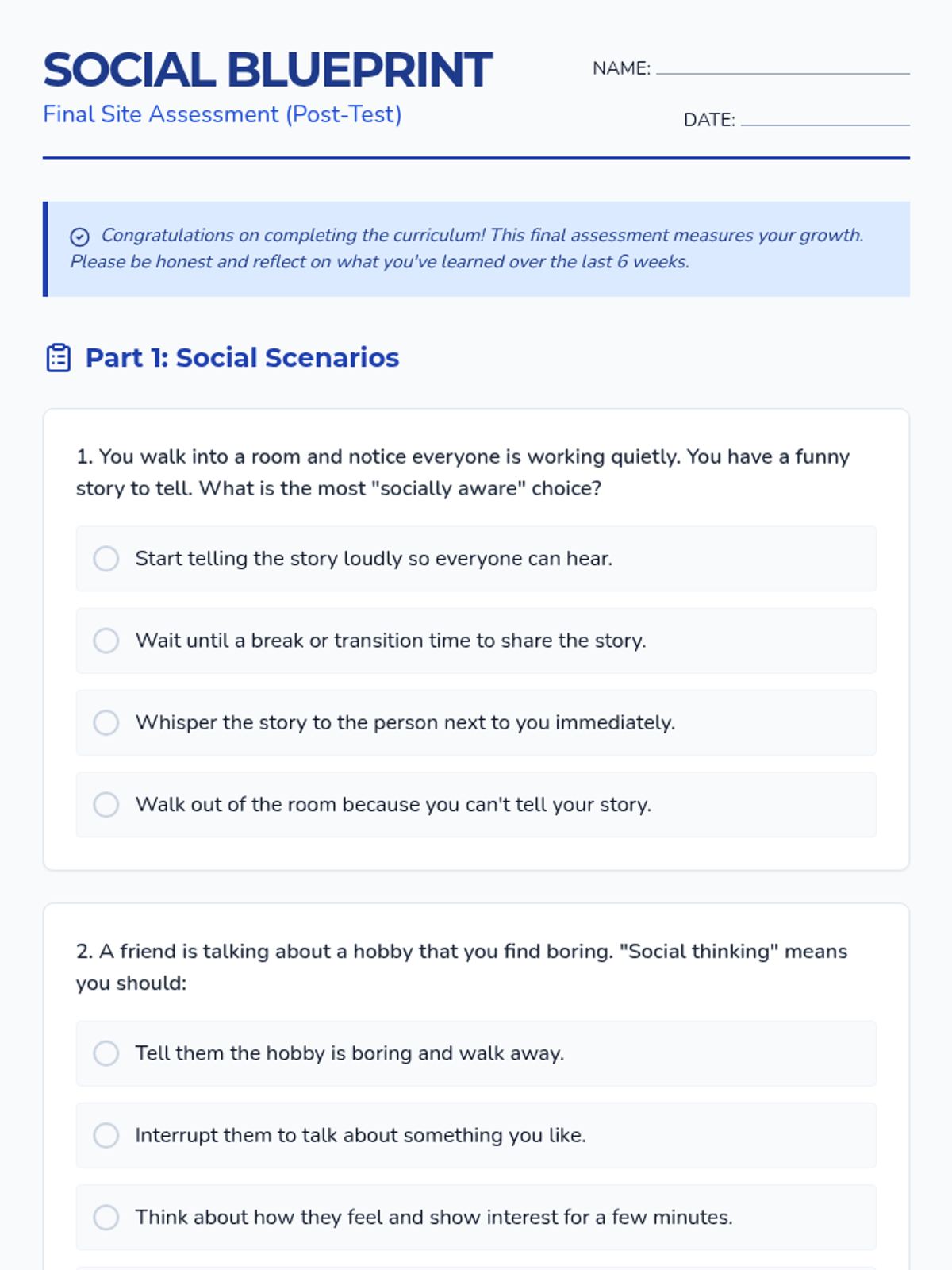
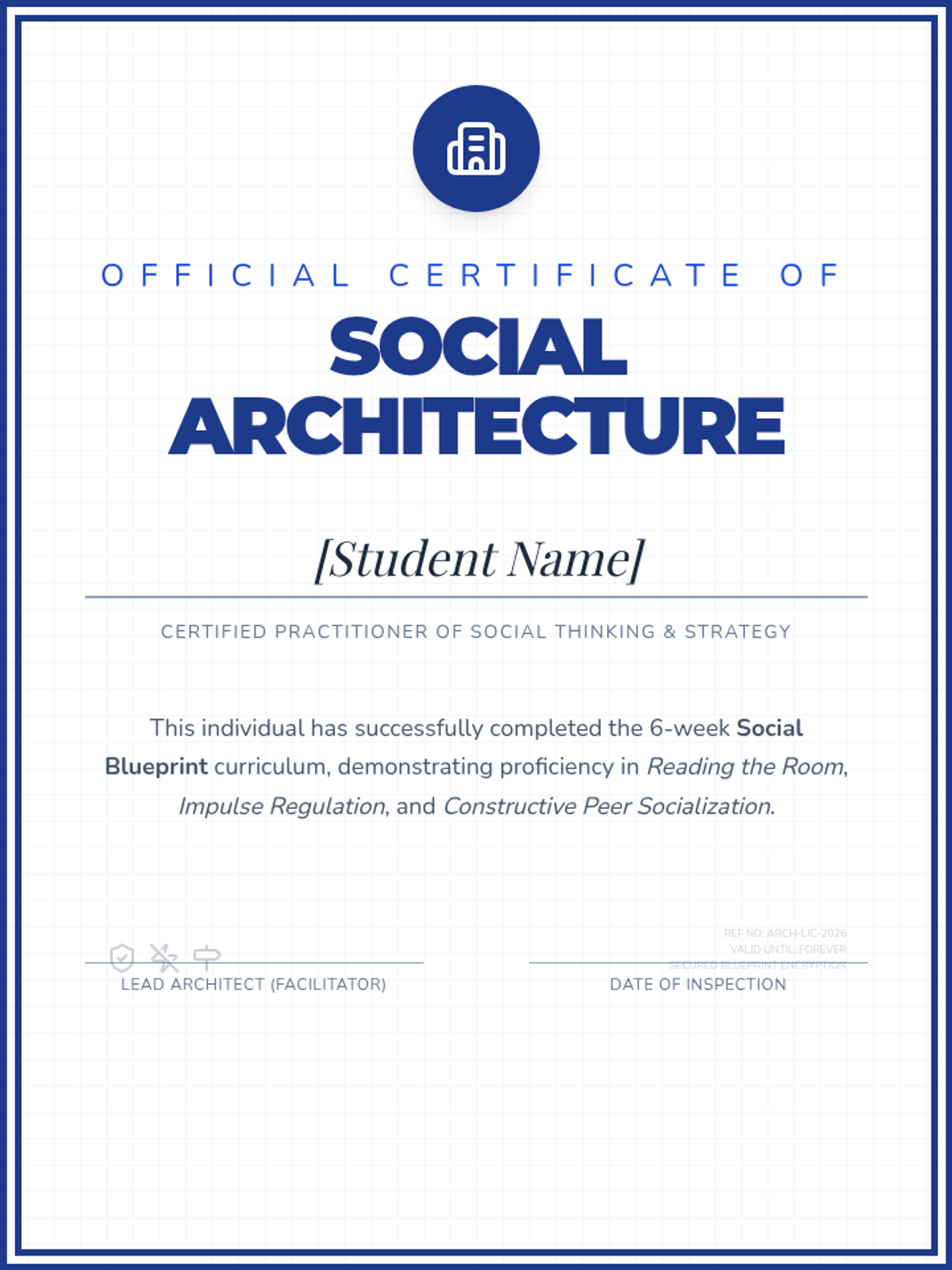
Final review of core concepts, post-test administration, and a group celebration of social growth.
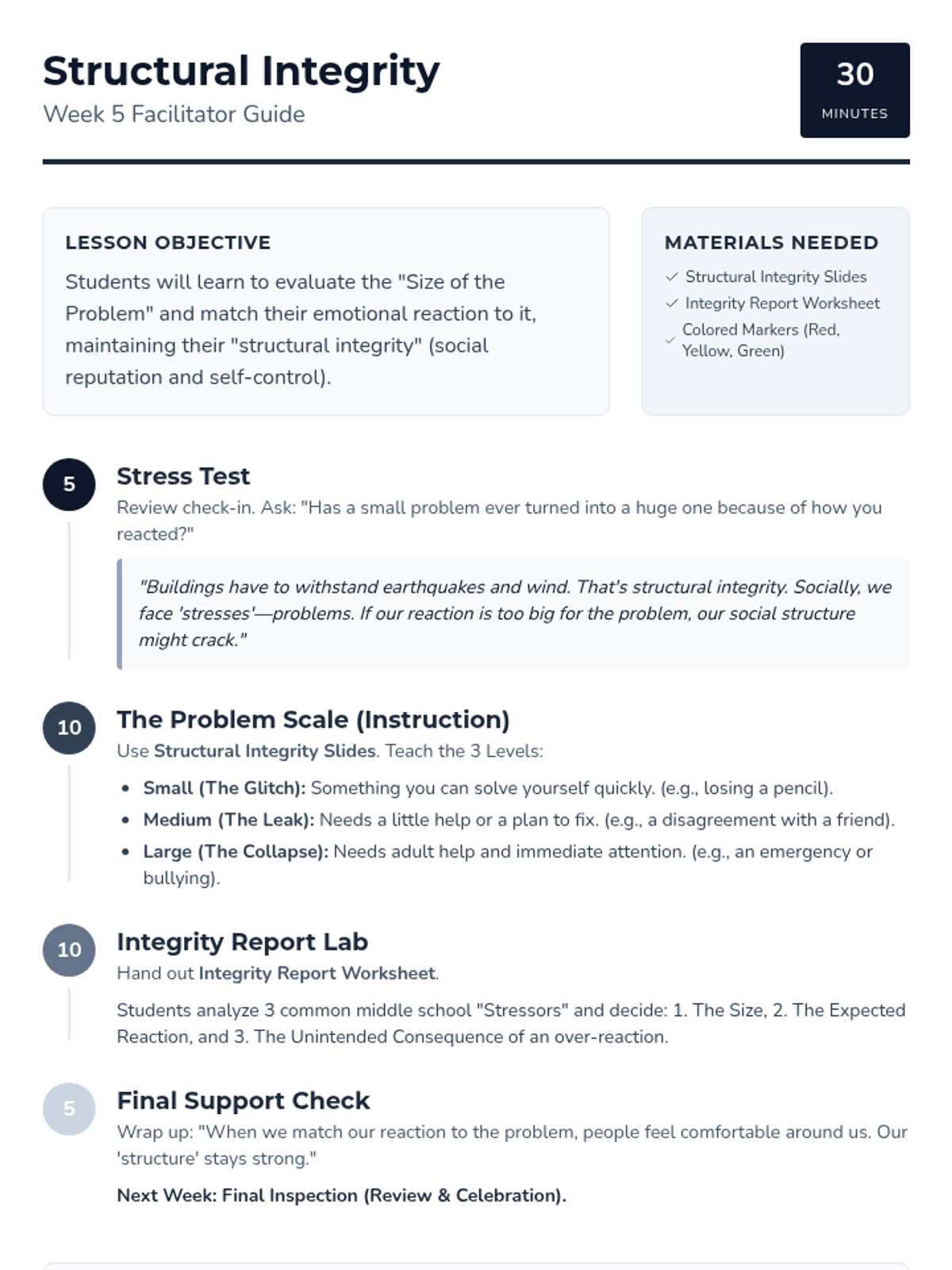
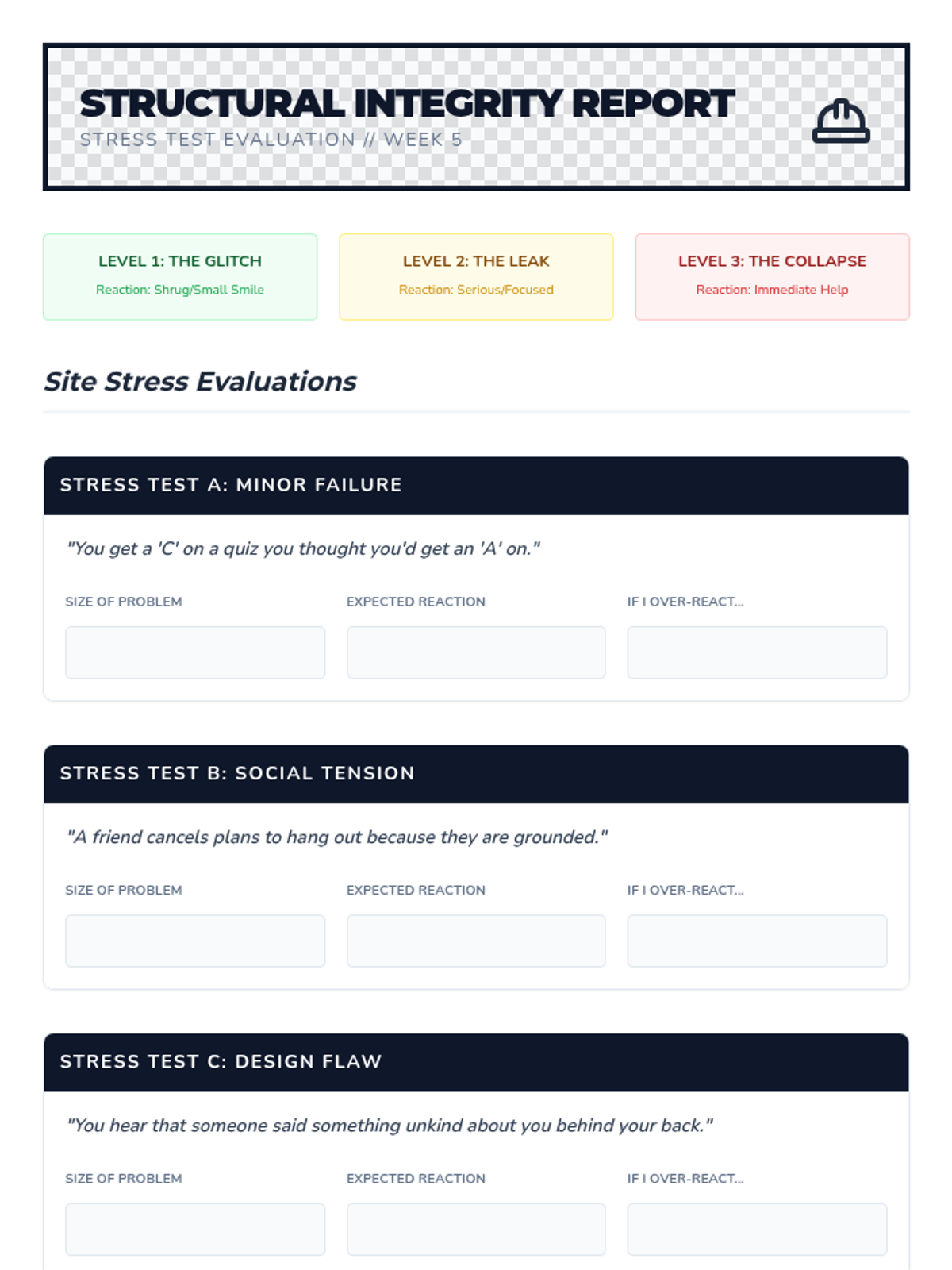
Applying social thinking to problem-solving, focusing on the 'Size of the Problem' and matching reactions accordingly.
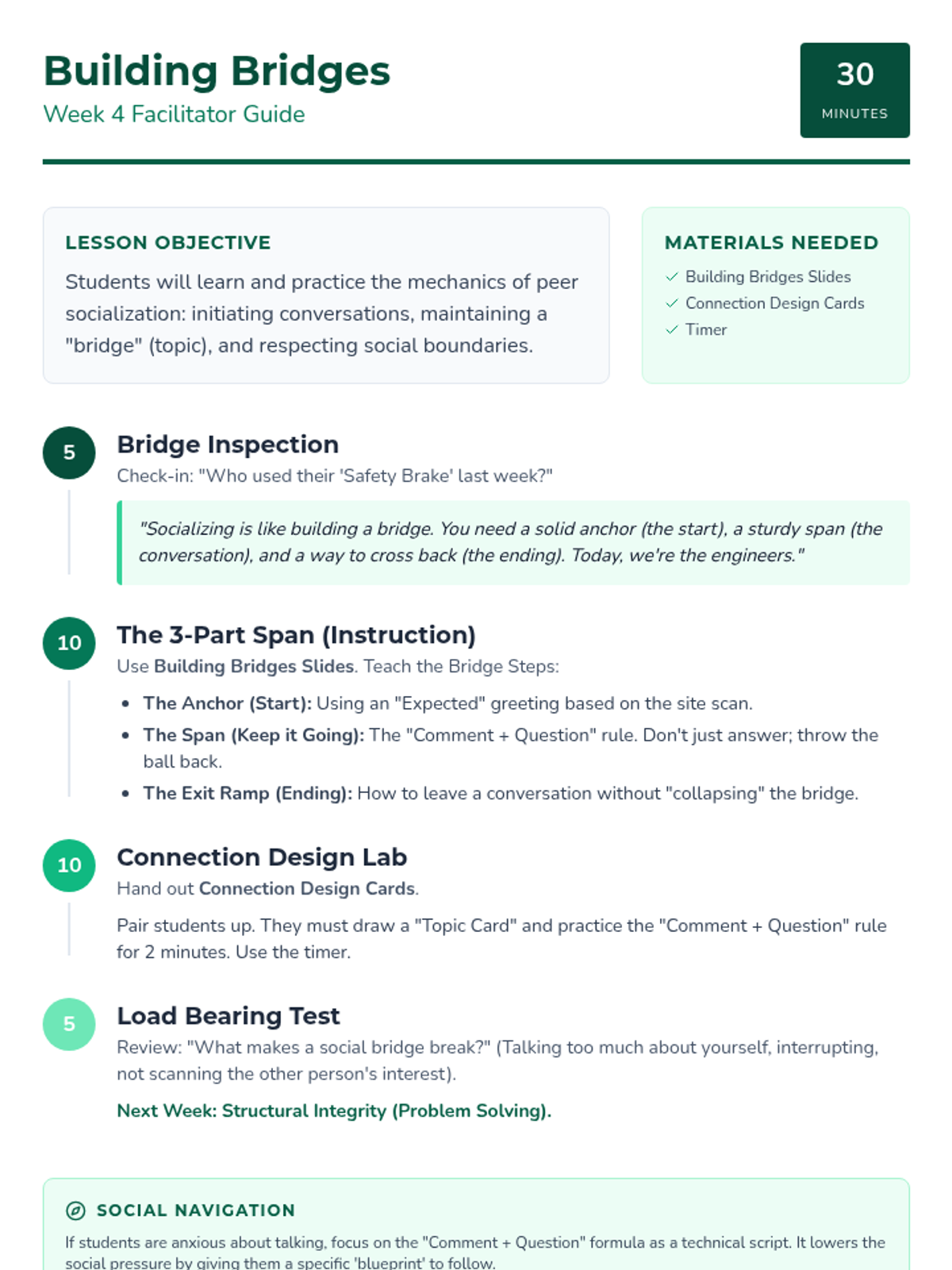
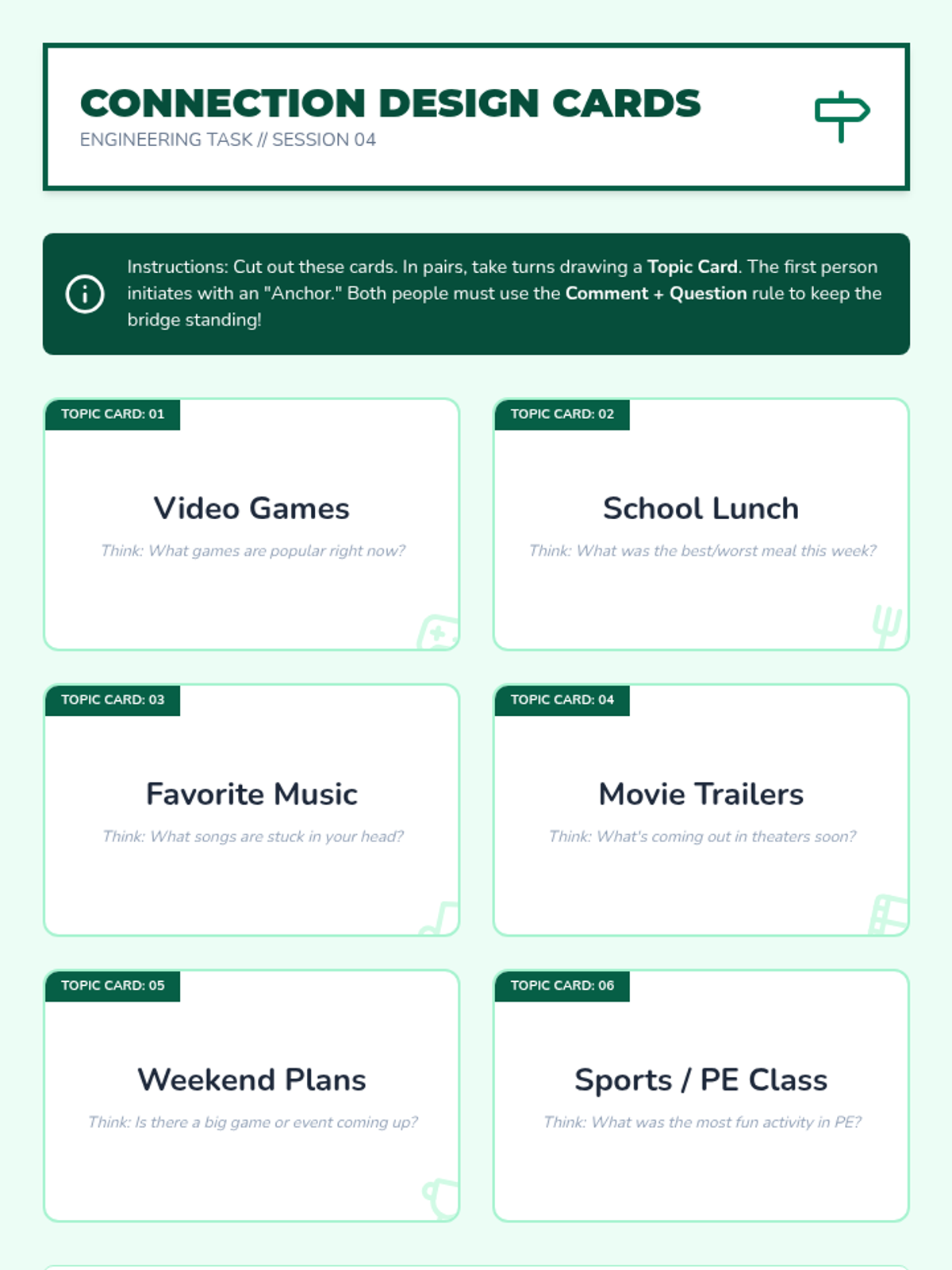
Practicing appropriate peer socialization skills, including starting conversations, maintaining topics, and recognizing social boundaries.
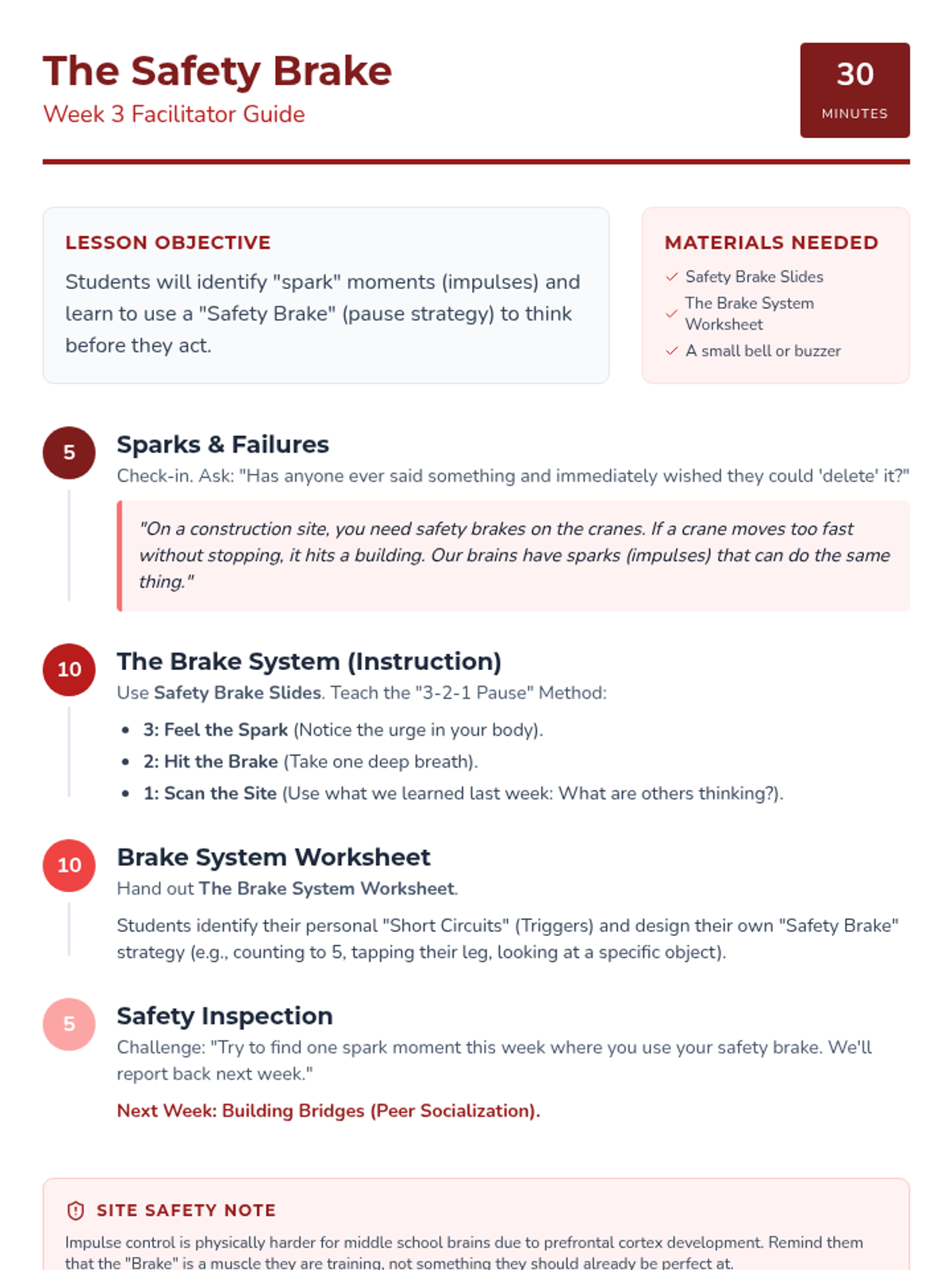
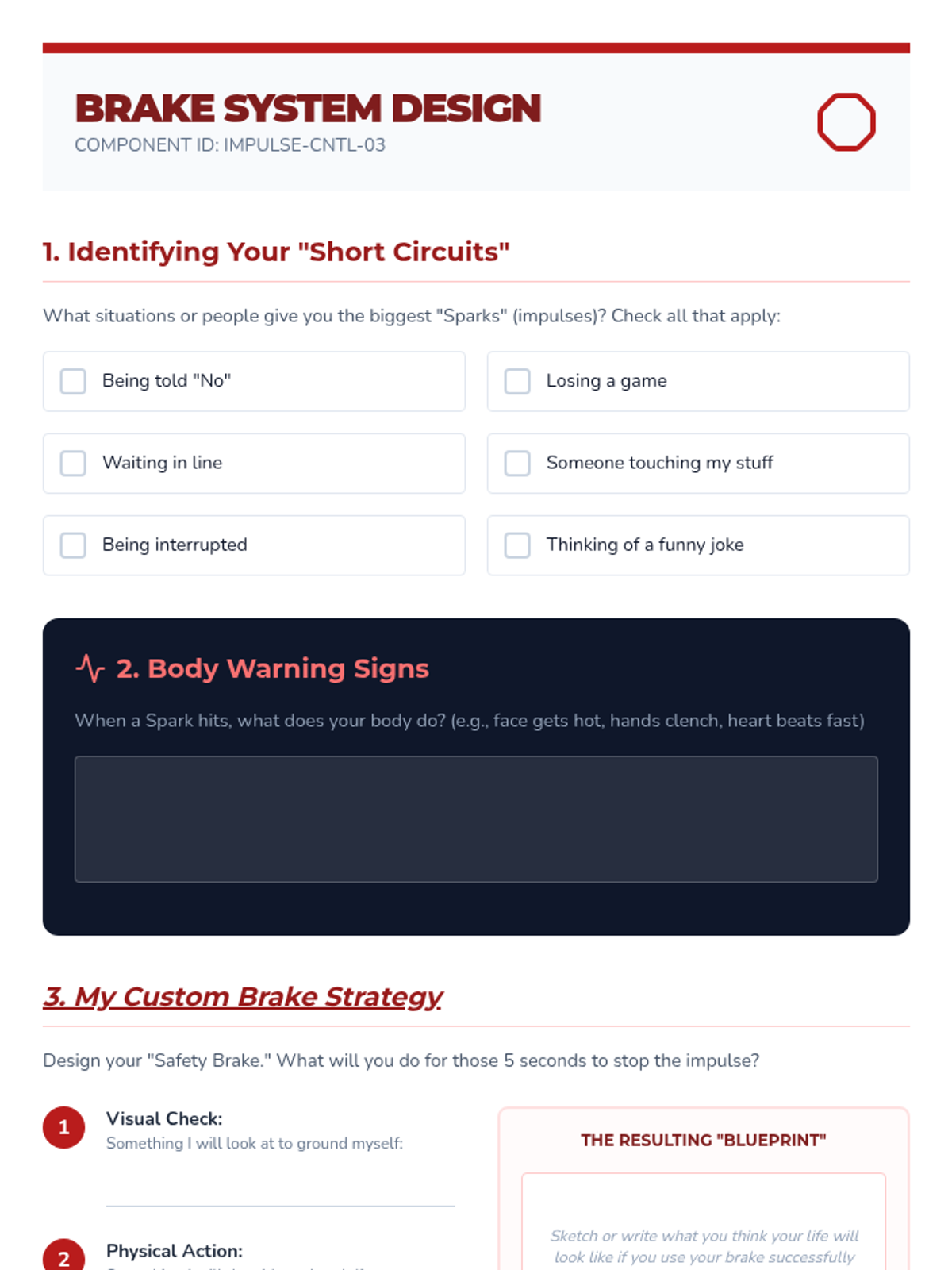
Focusing on impulse control, teaching students to identify 'spark' moments and use strategies to pause before acting.
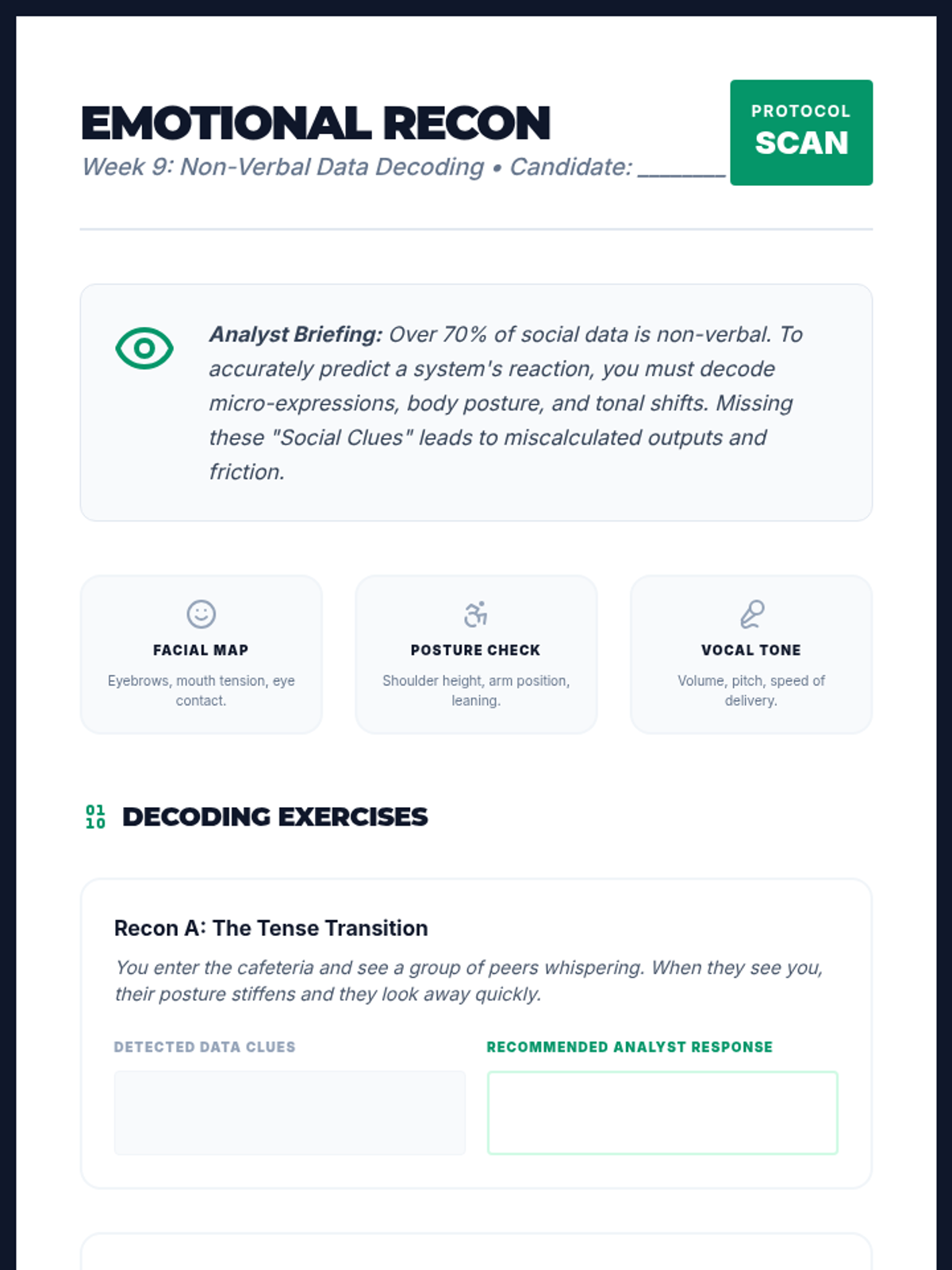
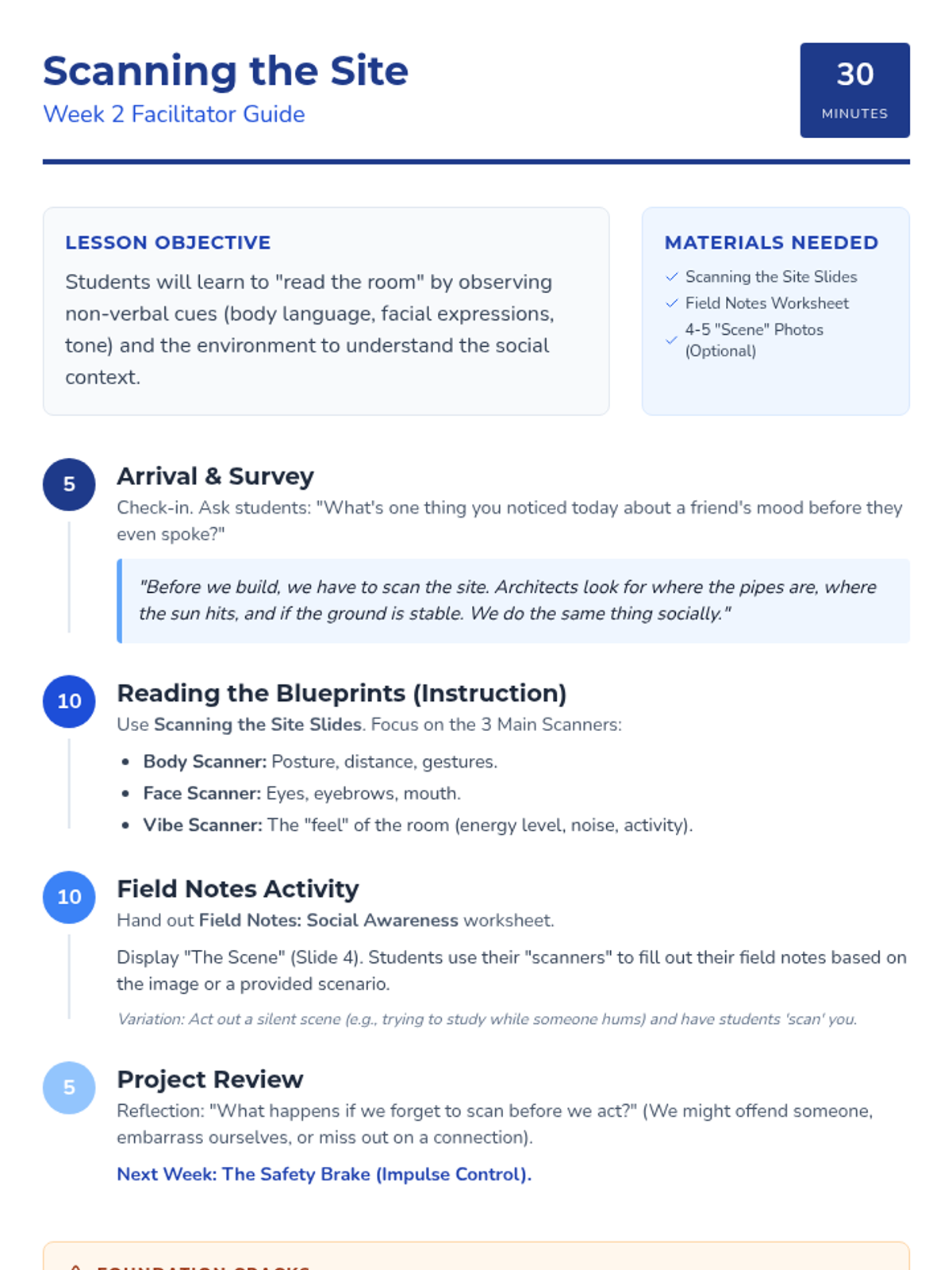
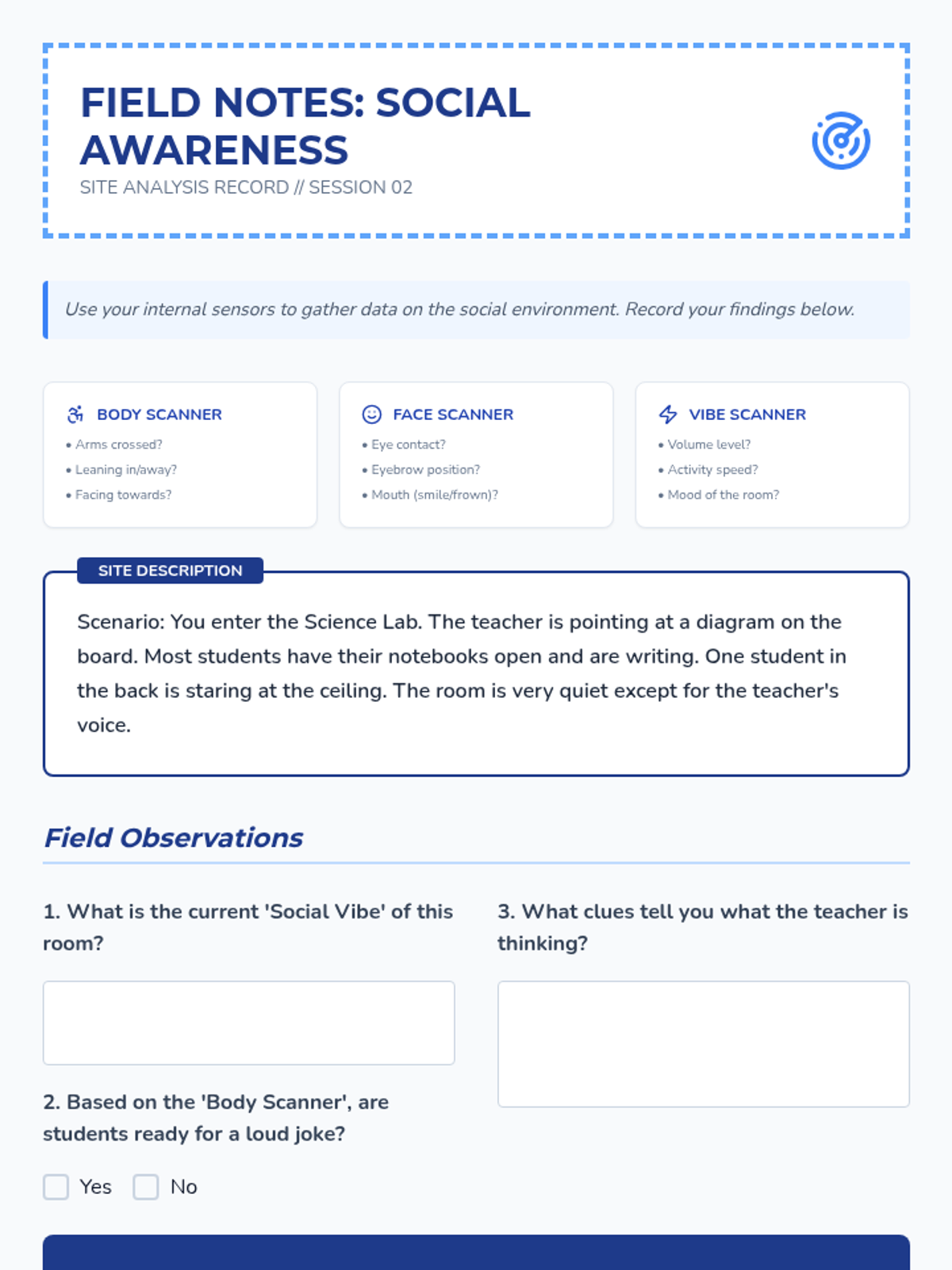
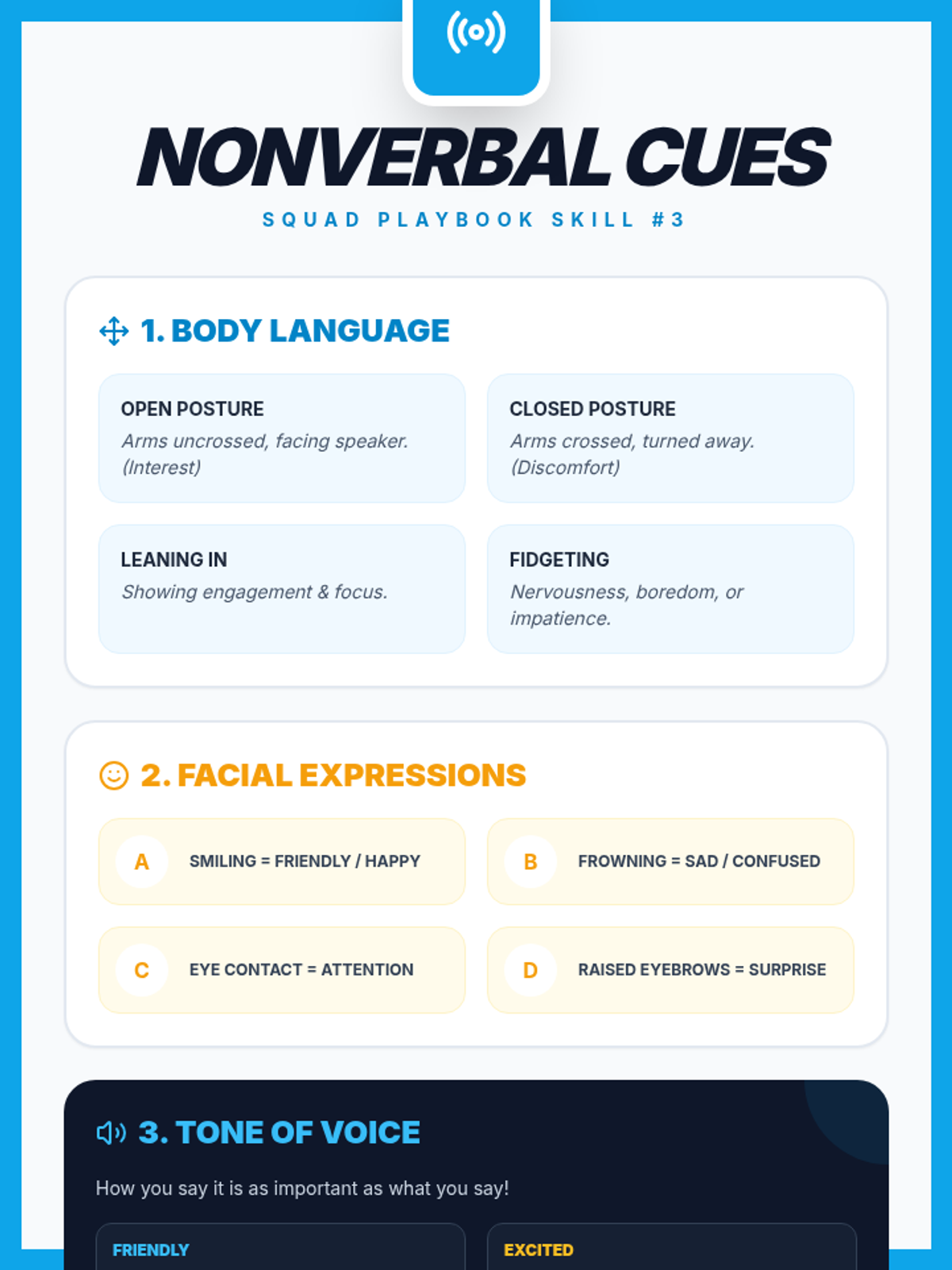
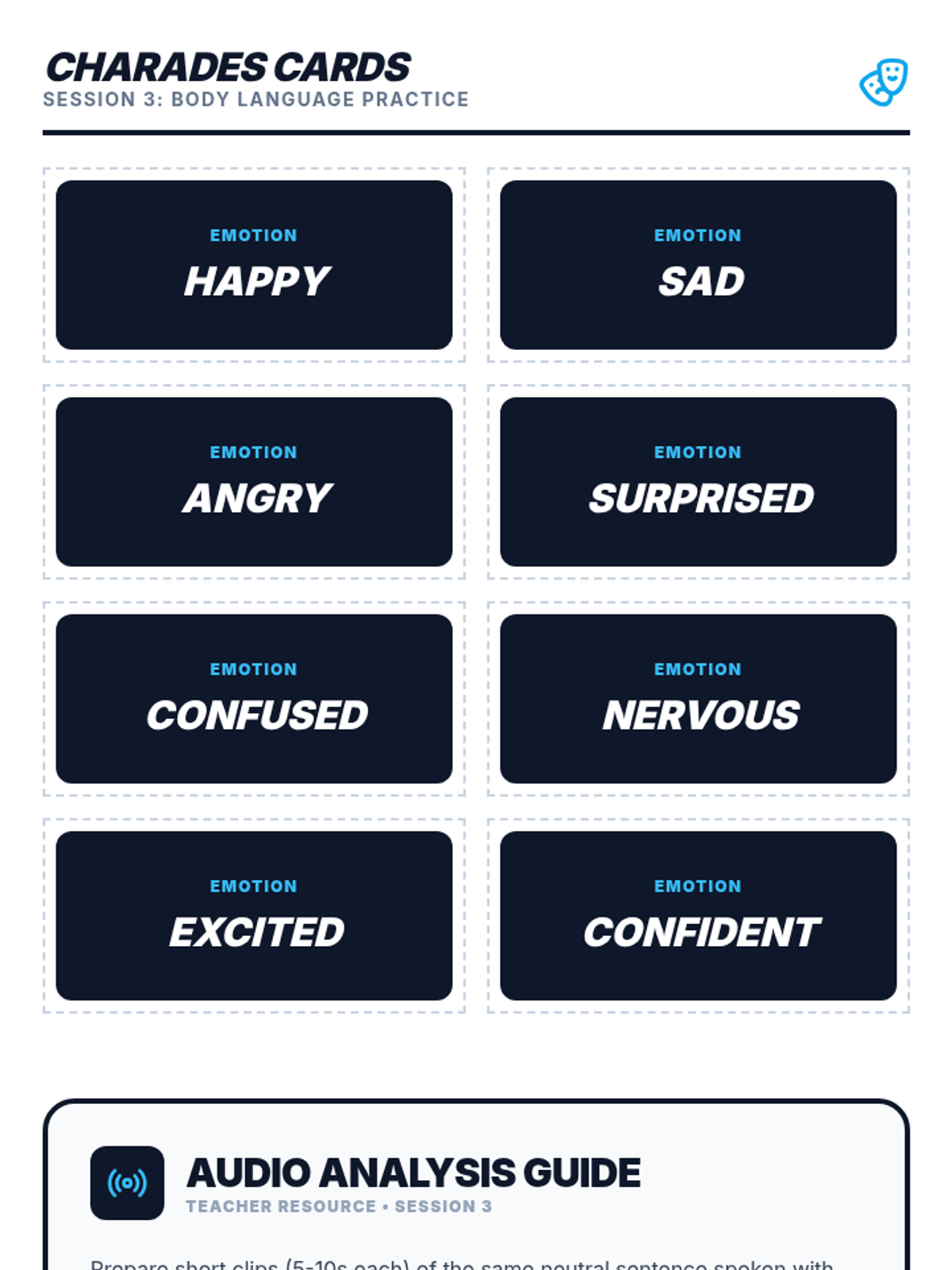
Developing social awareness by learning how to 'read the room' and interpret non-verbal cues like body language and tone of voice.
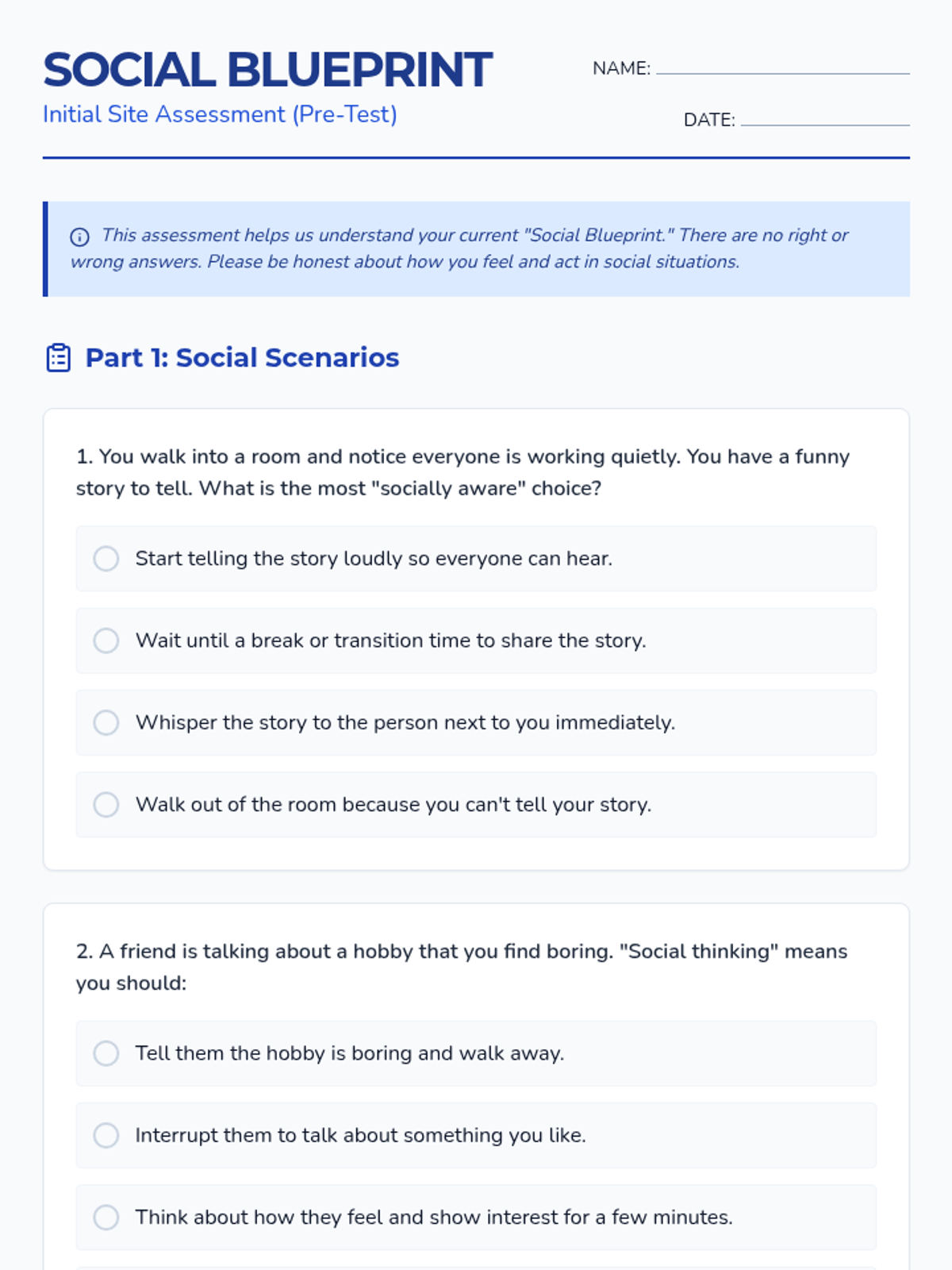
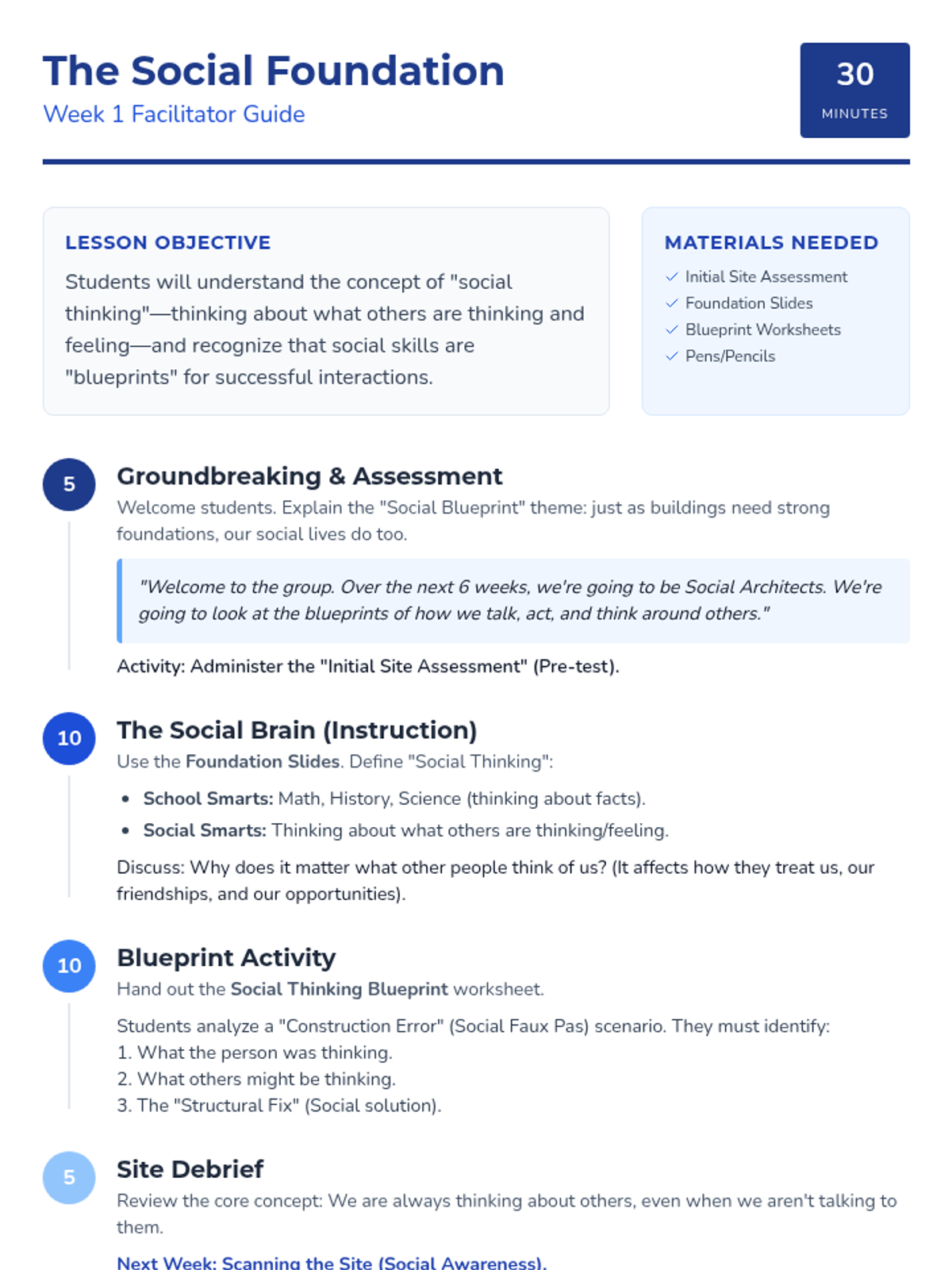
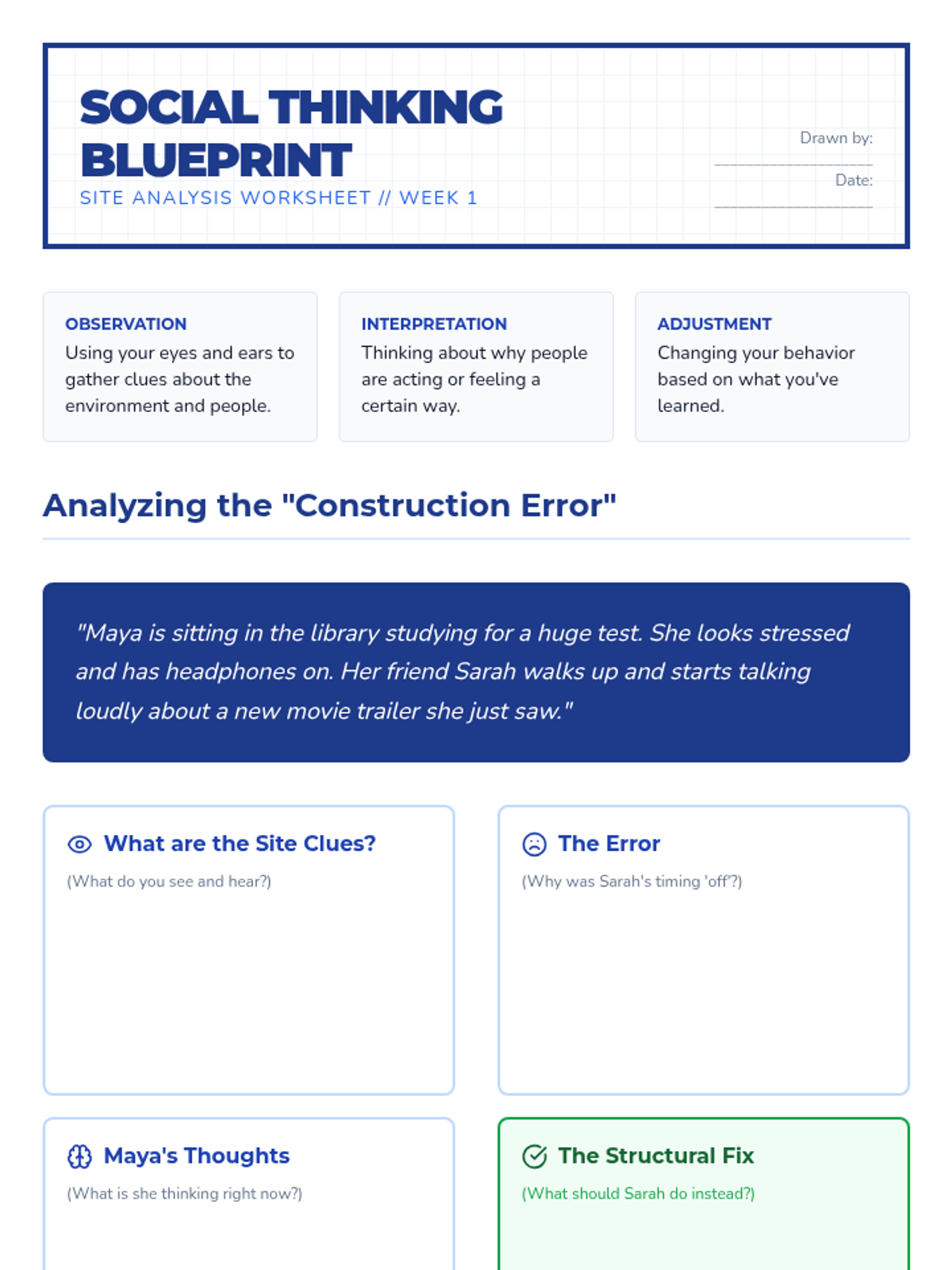
Introduction to the group, pre-test administration, and exploring the concept of social thinking—thinking about what others are thinking and feeling.
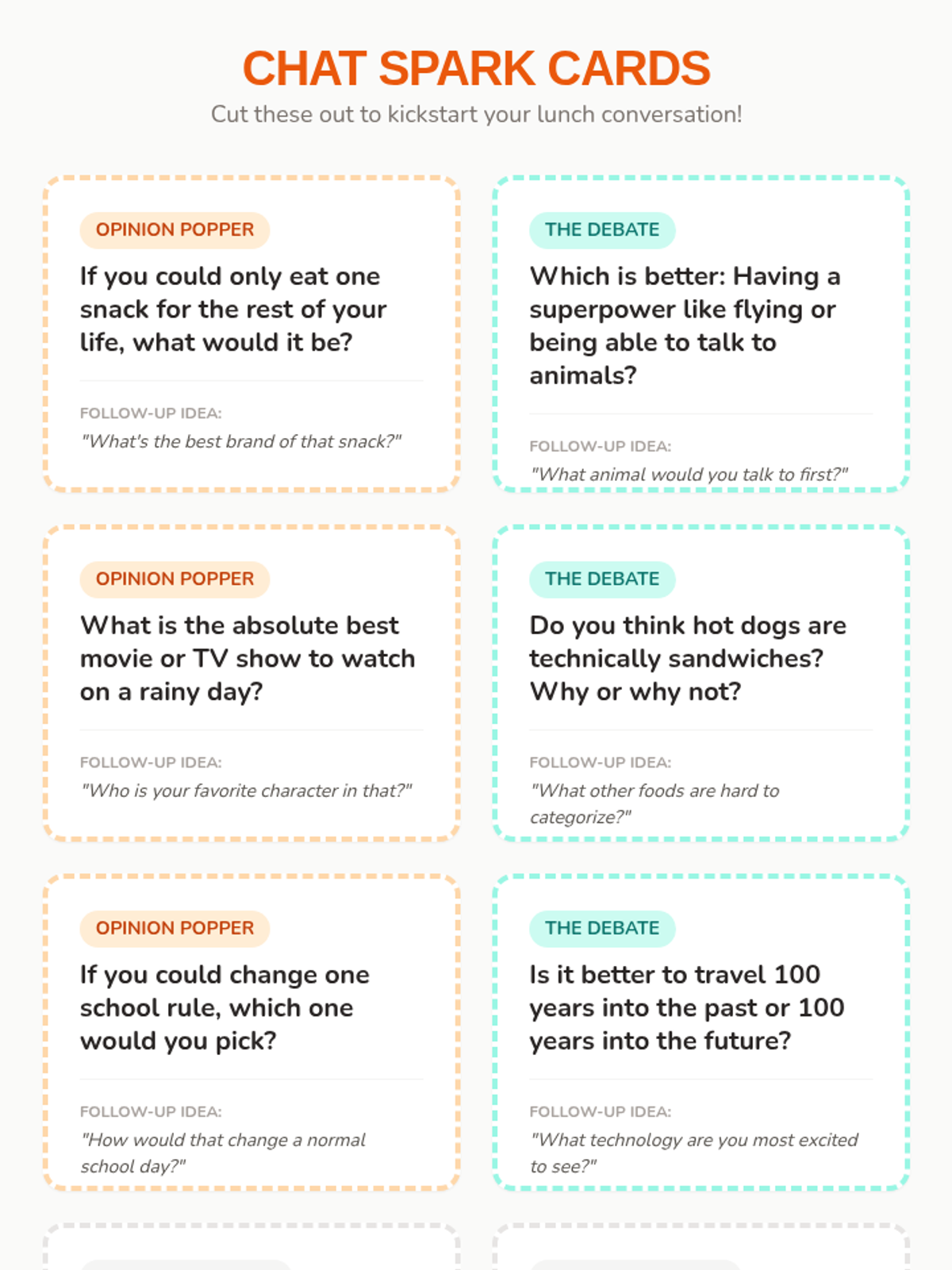
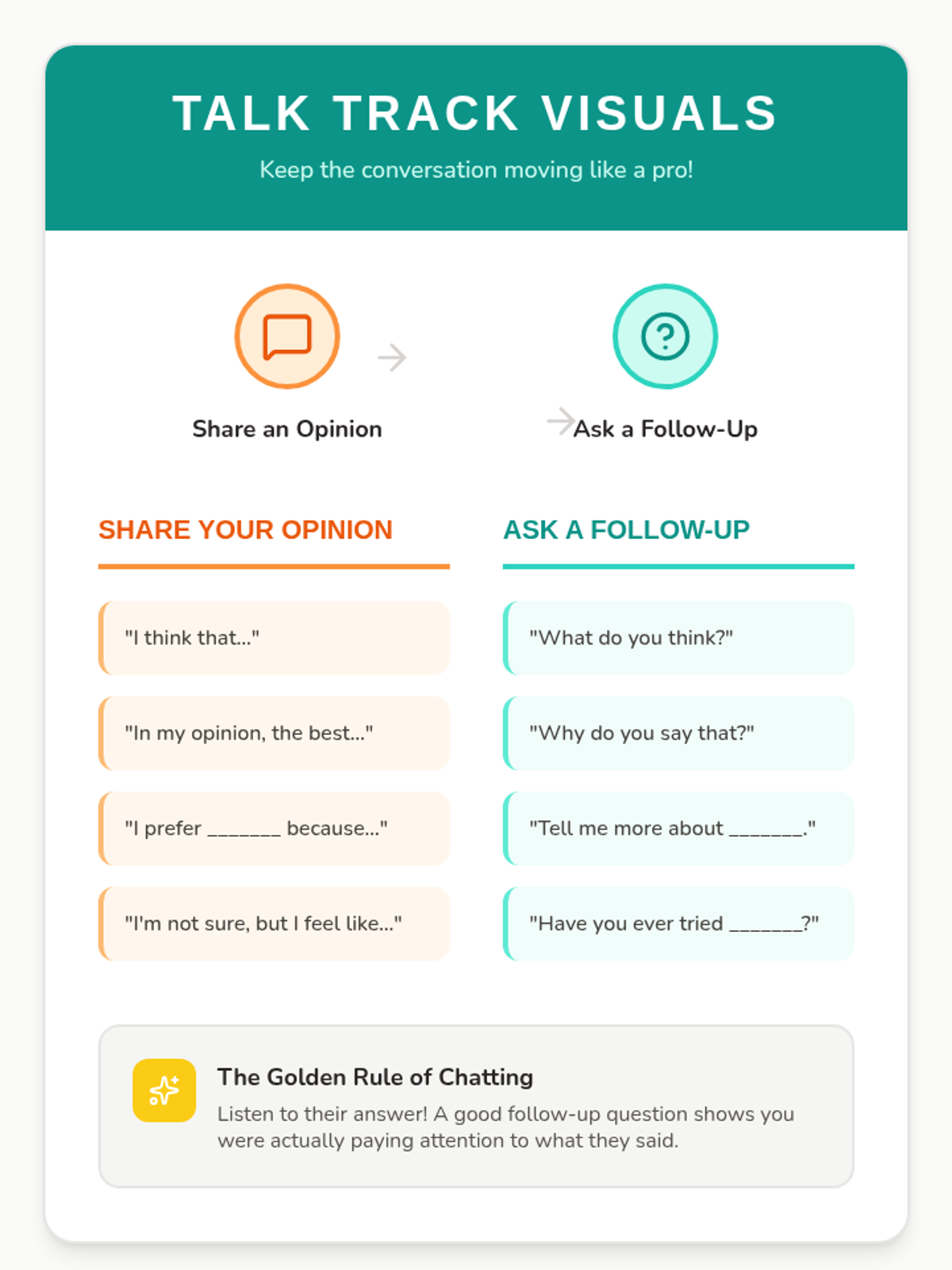
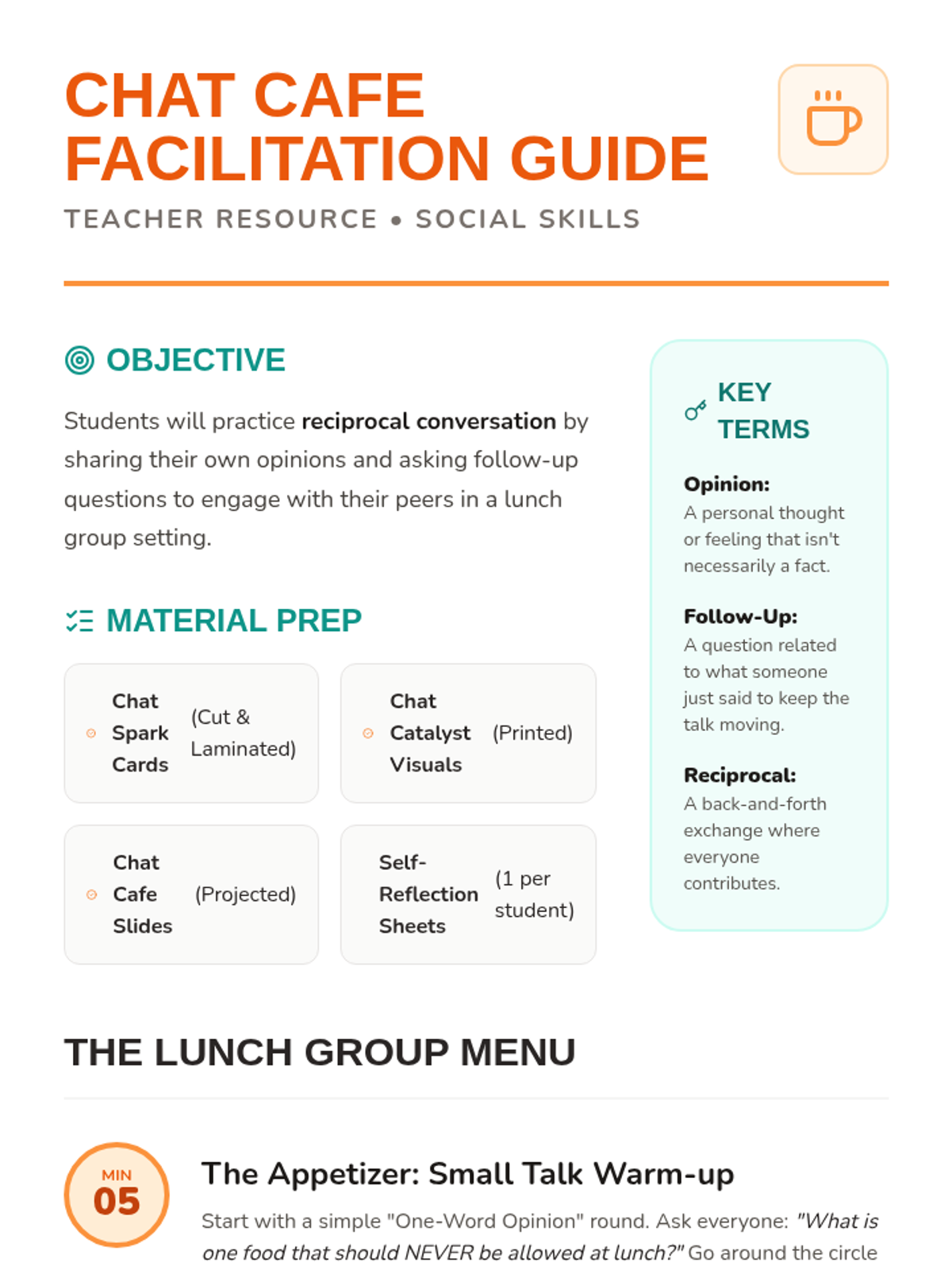
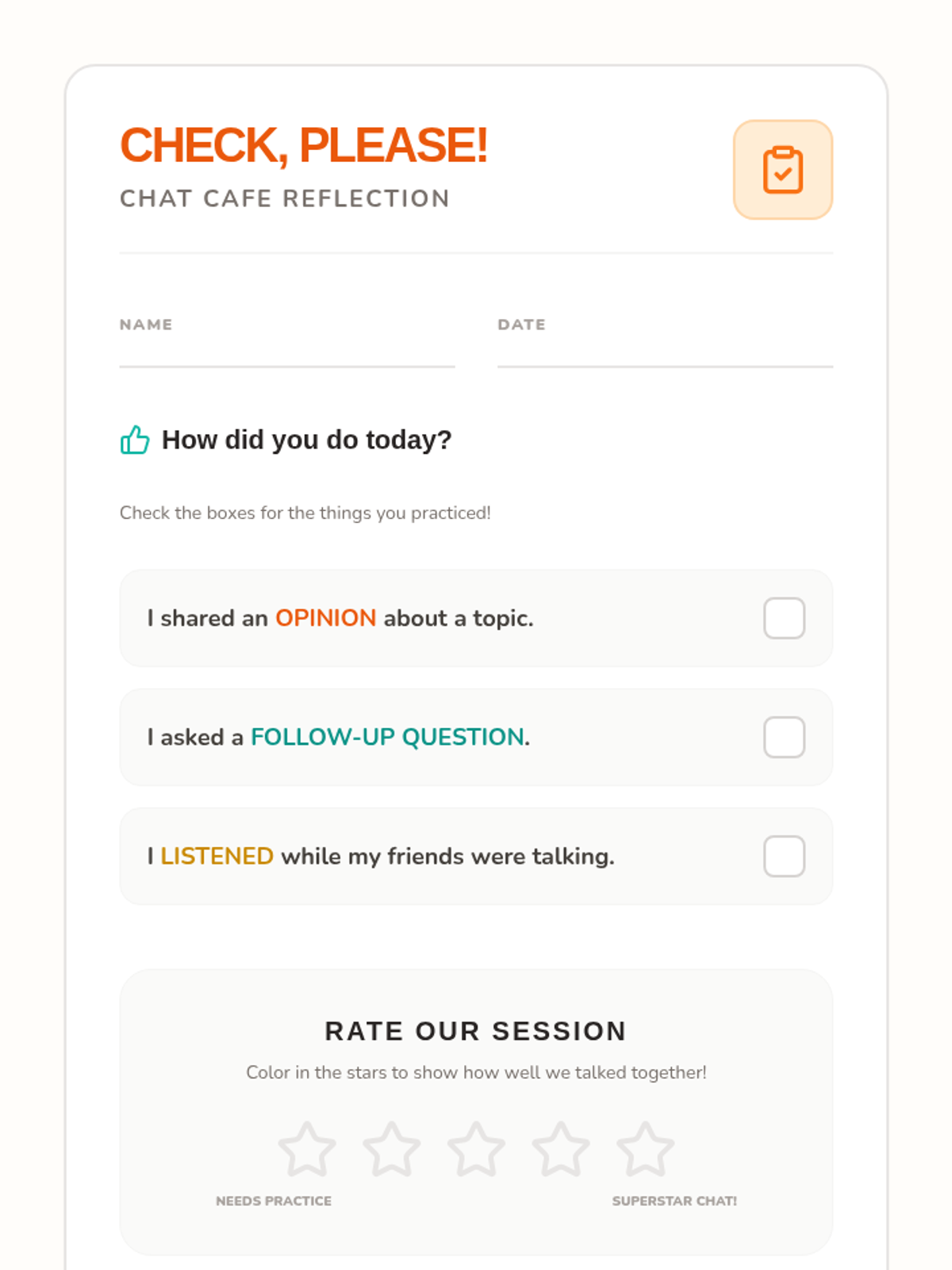
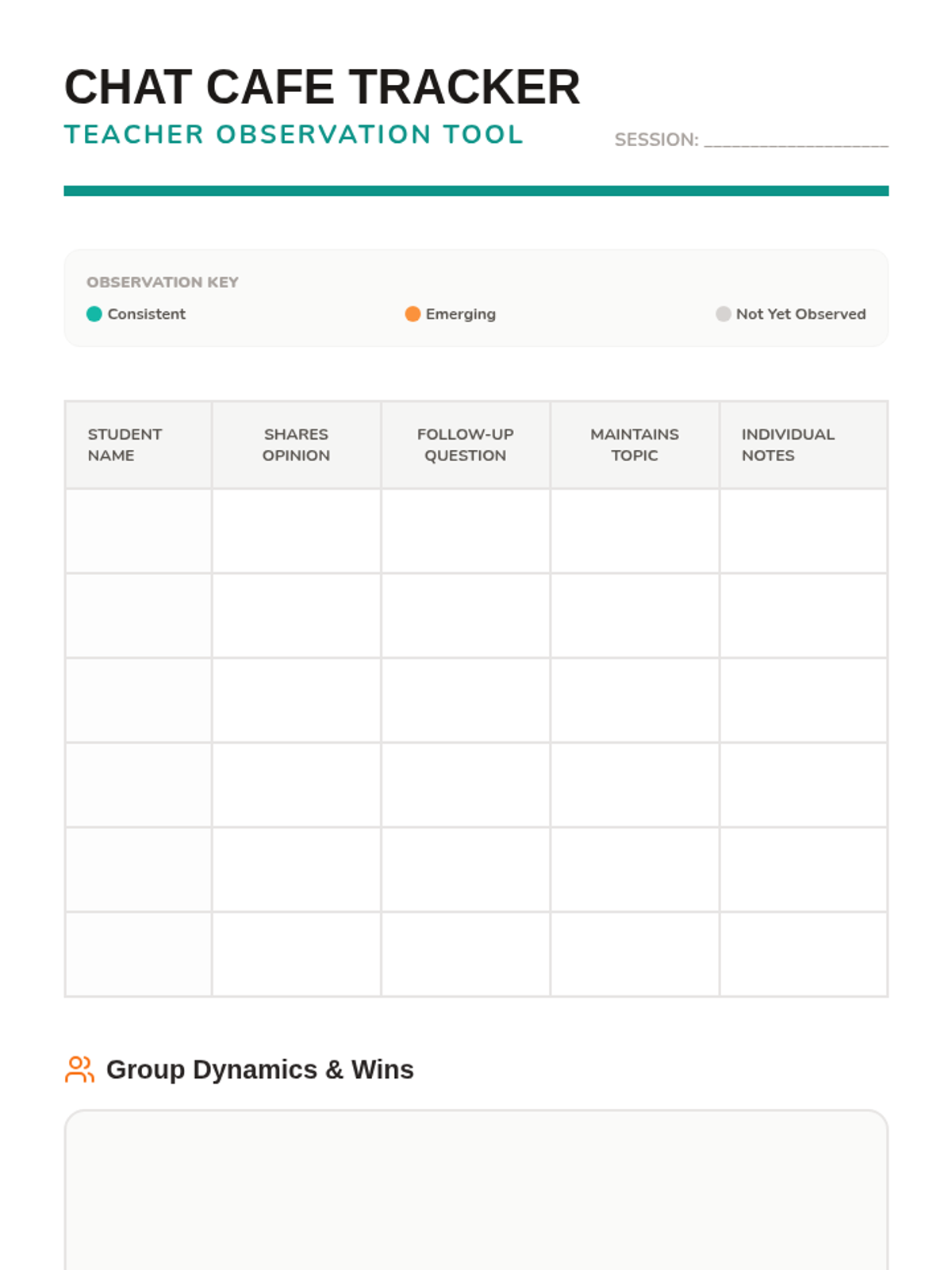
A small group social skills lesson focused on reciprocal conversation, specifically sharing opinions and asking follow-up questions during lunch or social gatherings.
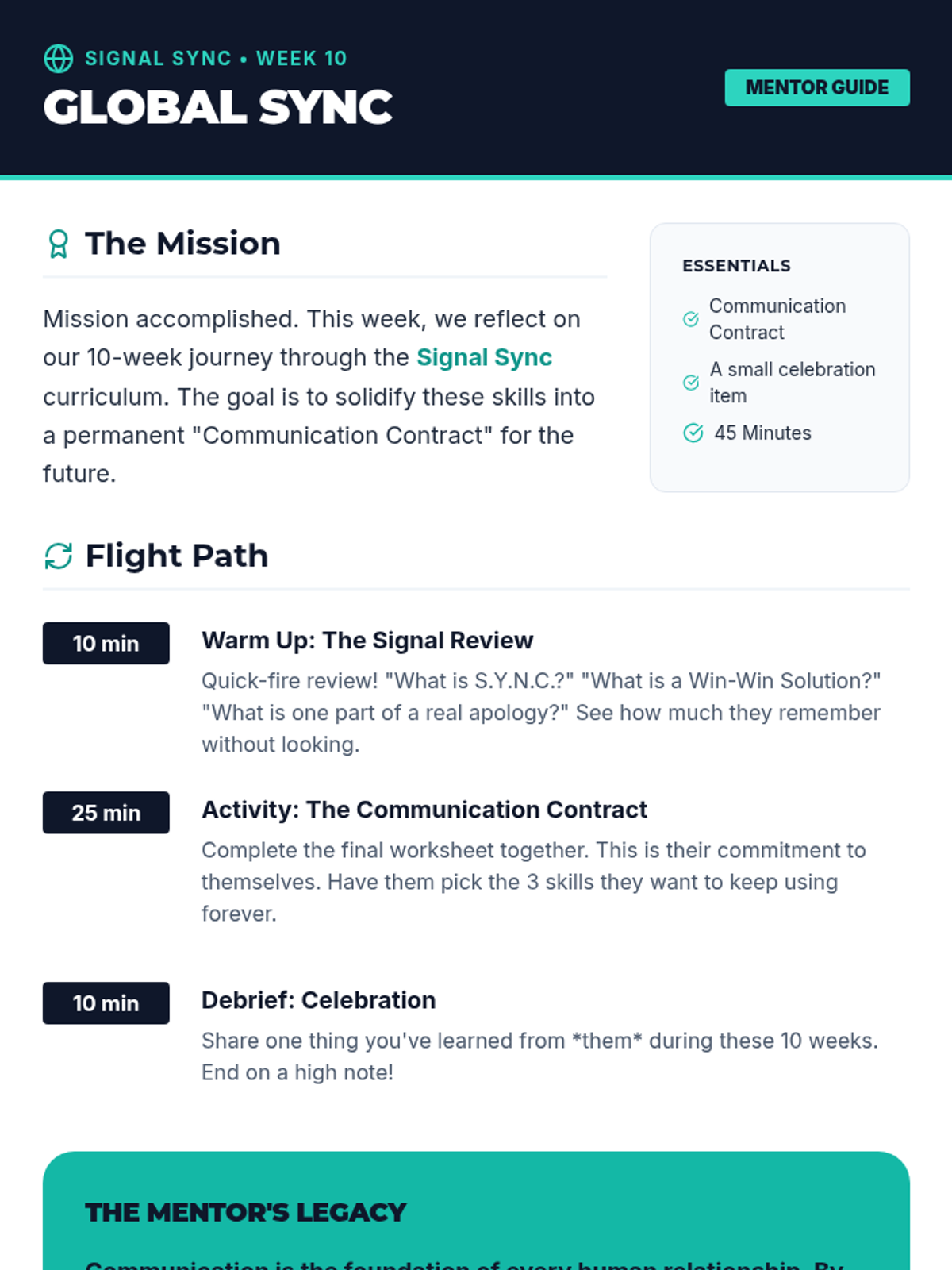
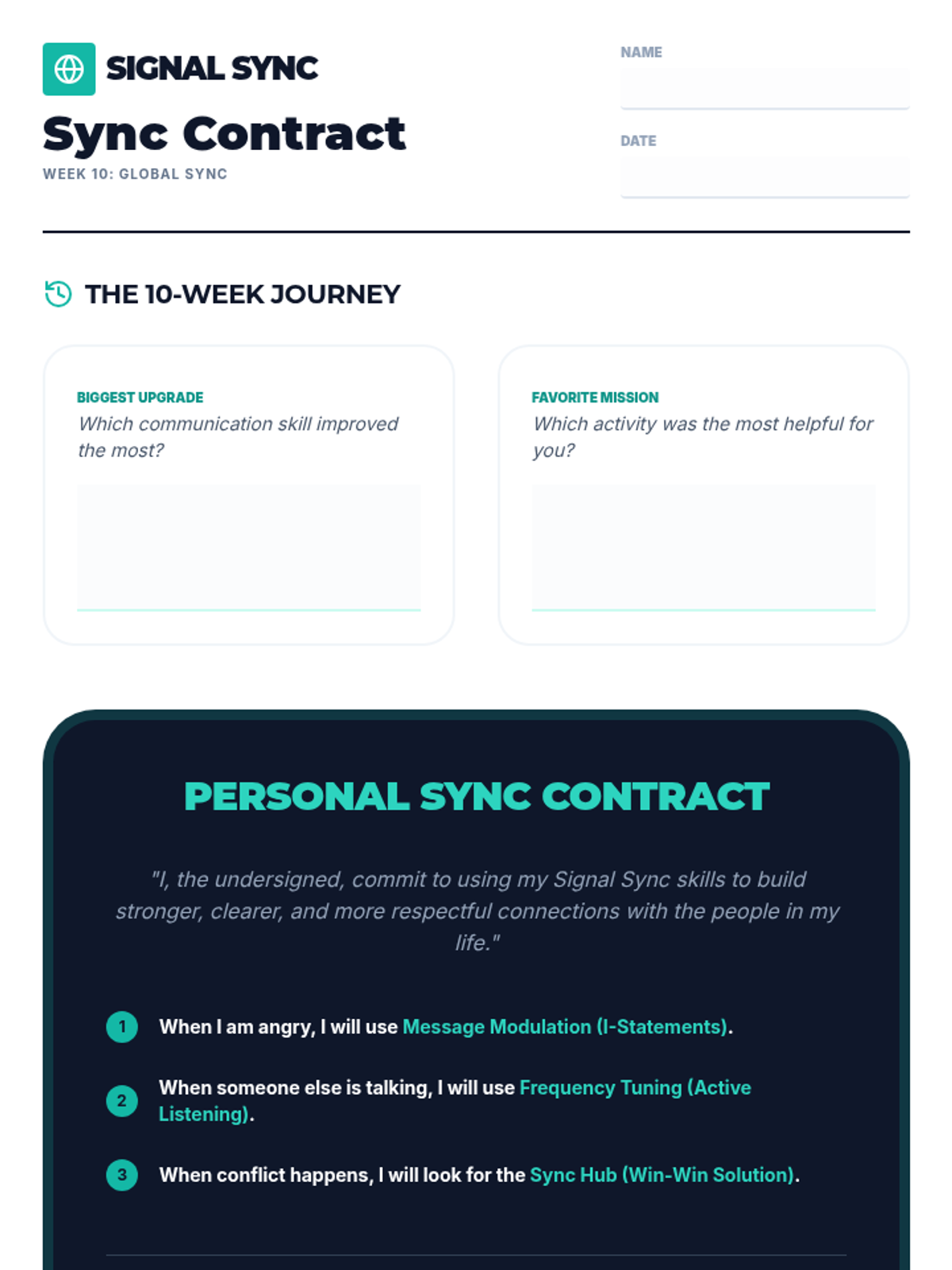
Reflecting on the 10-week journey and creating a personal communication contract for the future.
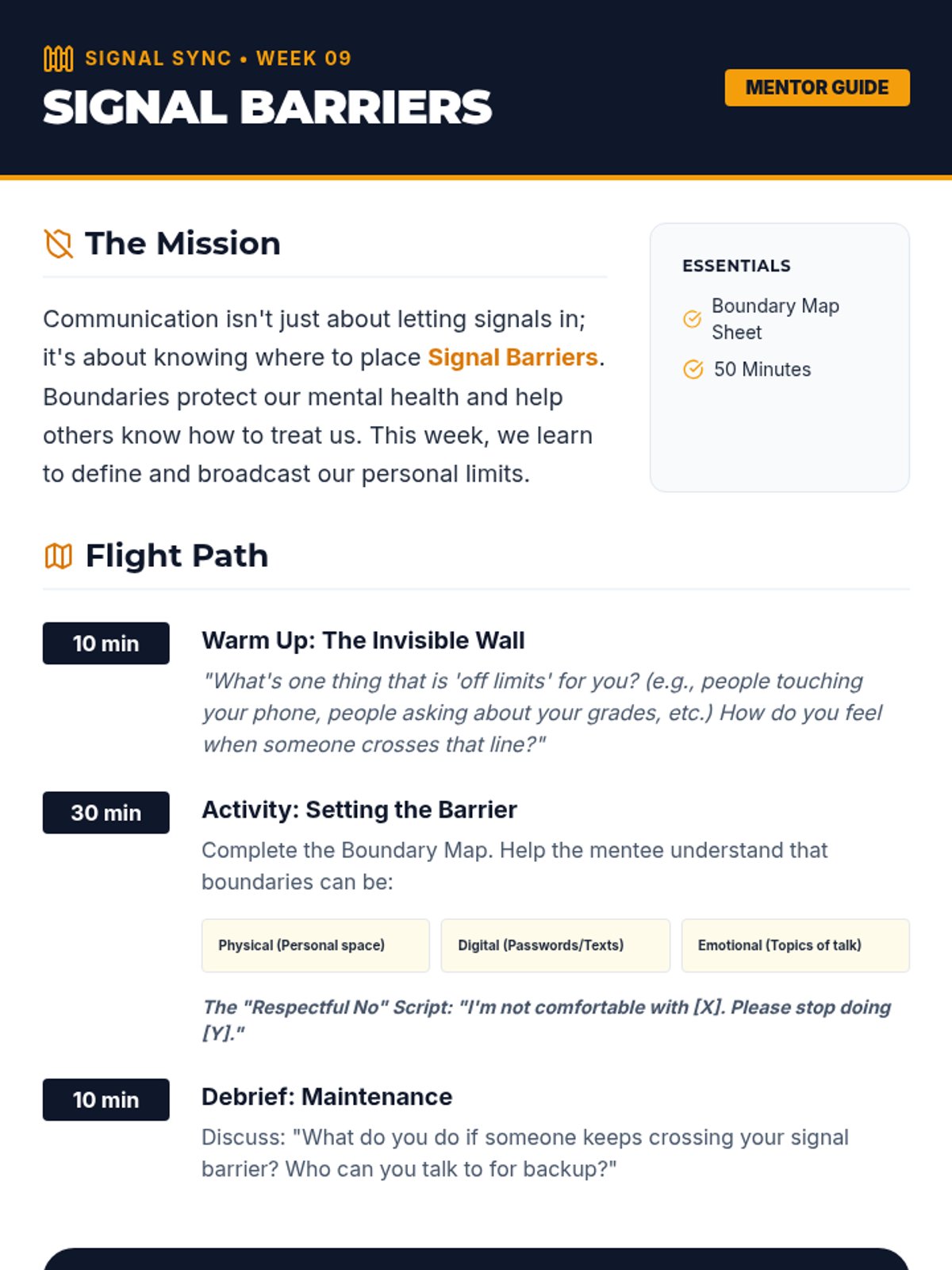
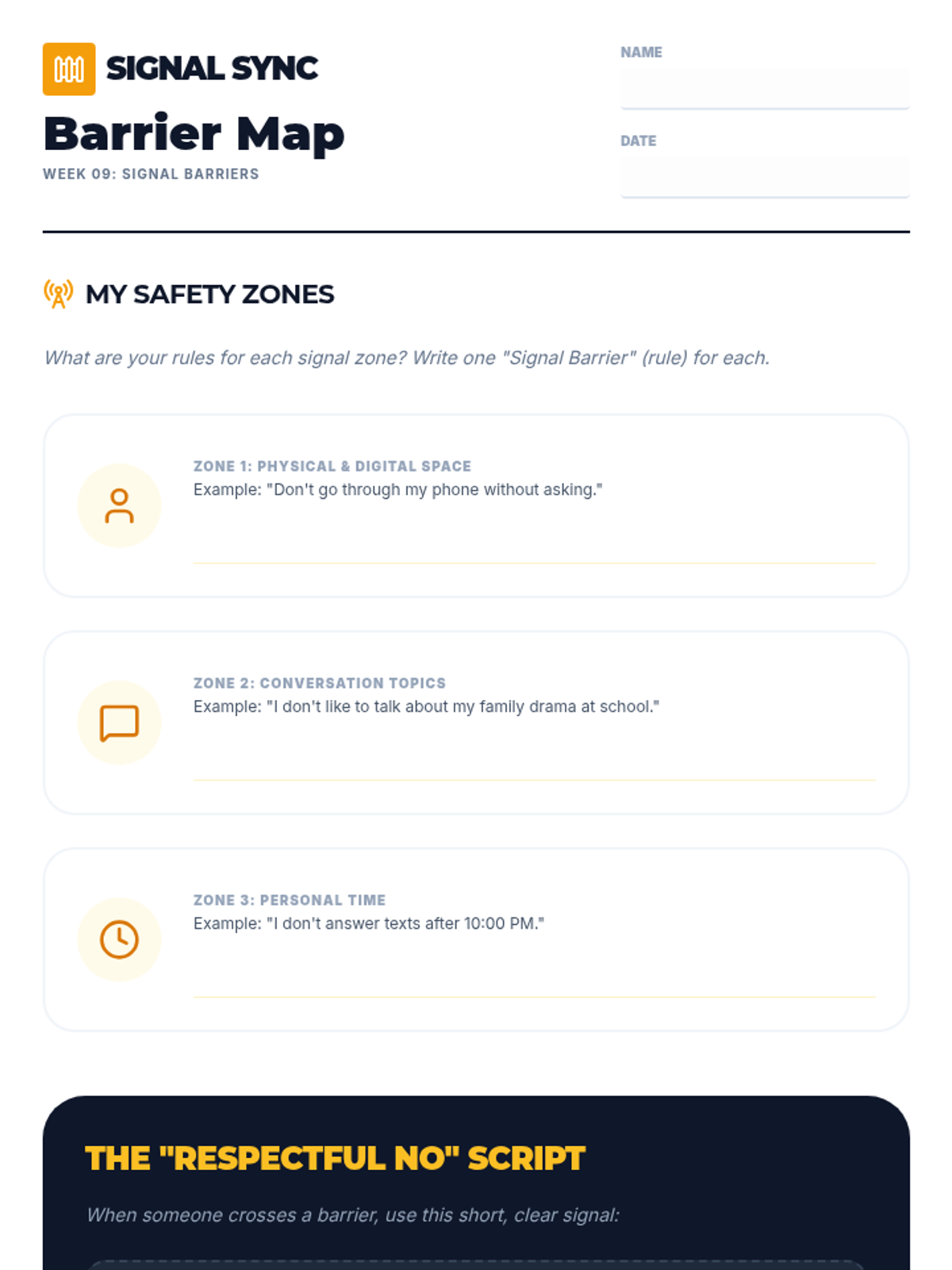
How to define, communicate, and maintain personal boundaries in a healthy way.
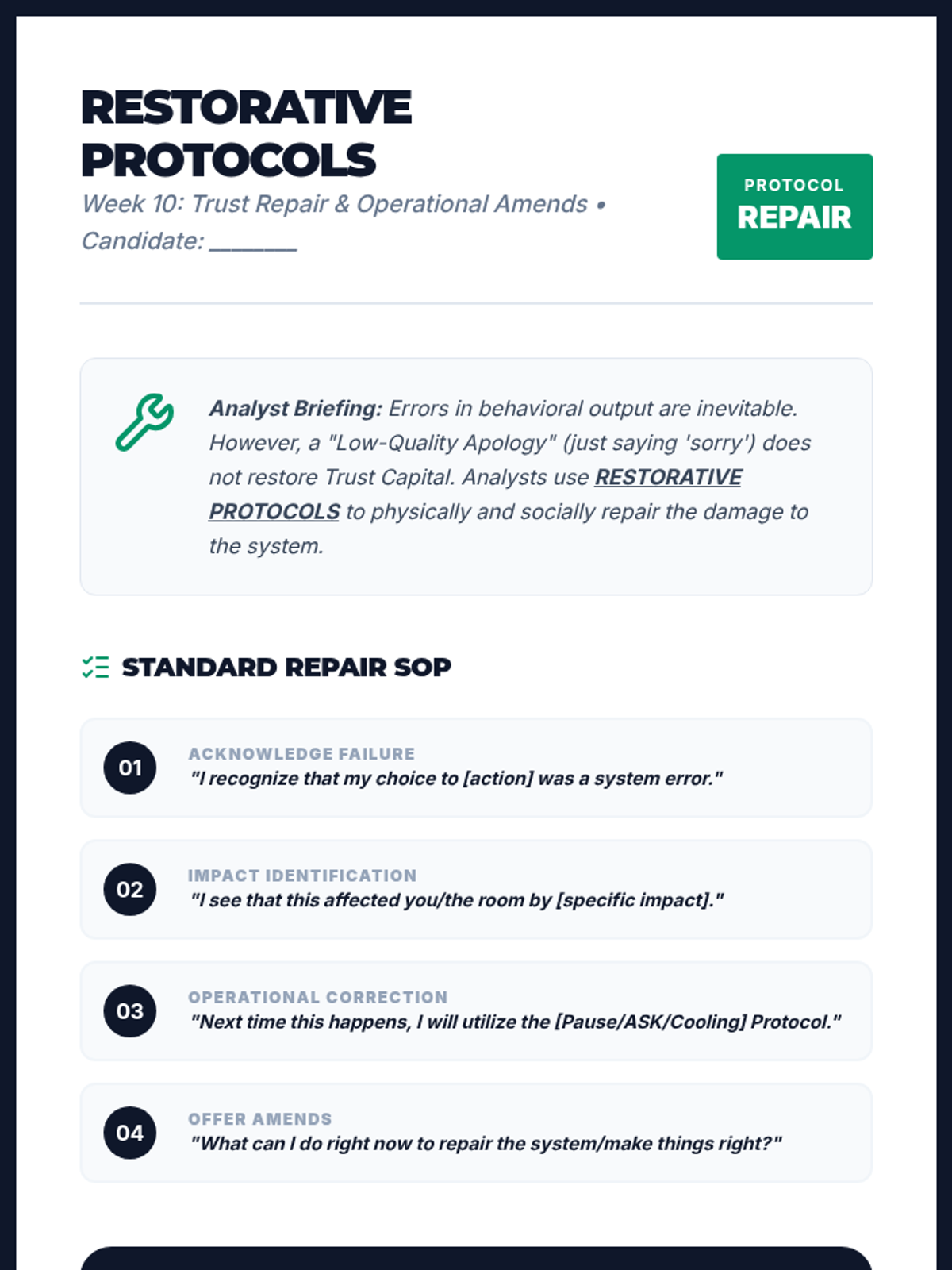
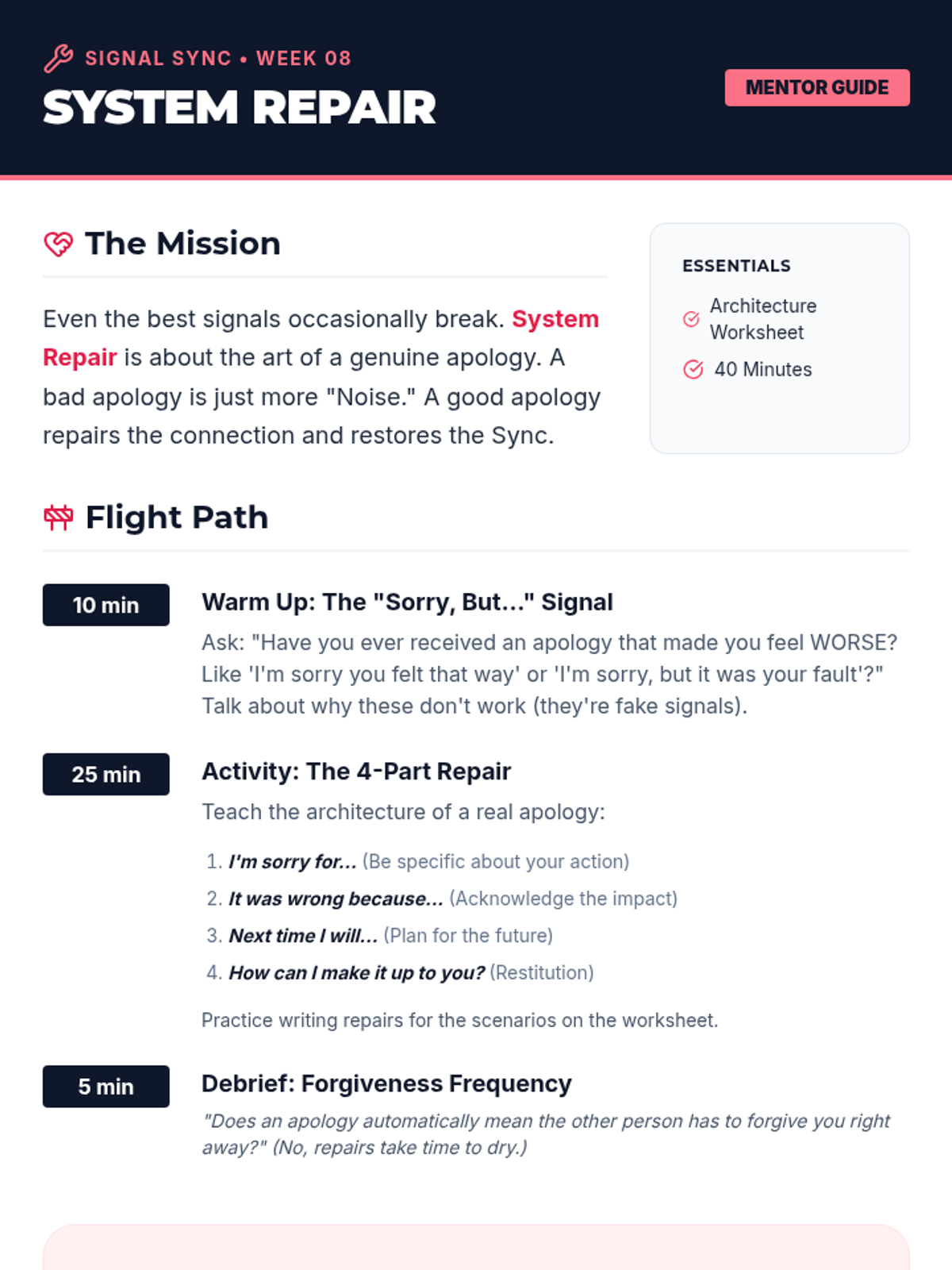
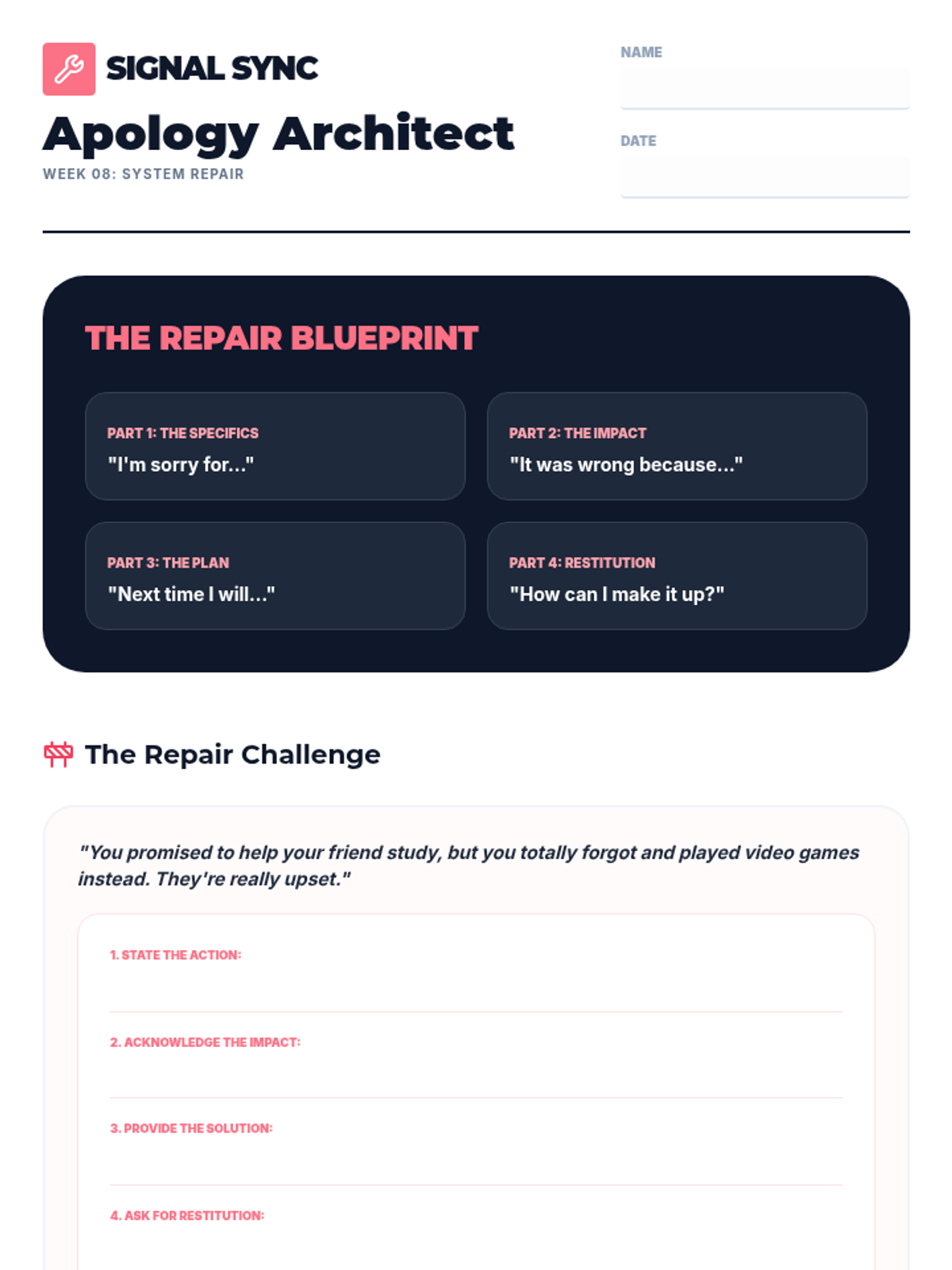
The framework for offering and accepting genuine apologies to repair damaged relationships.
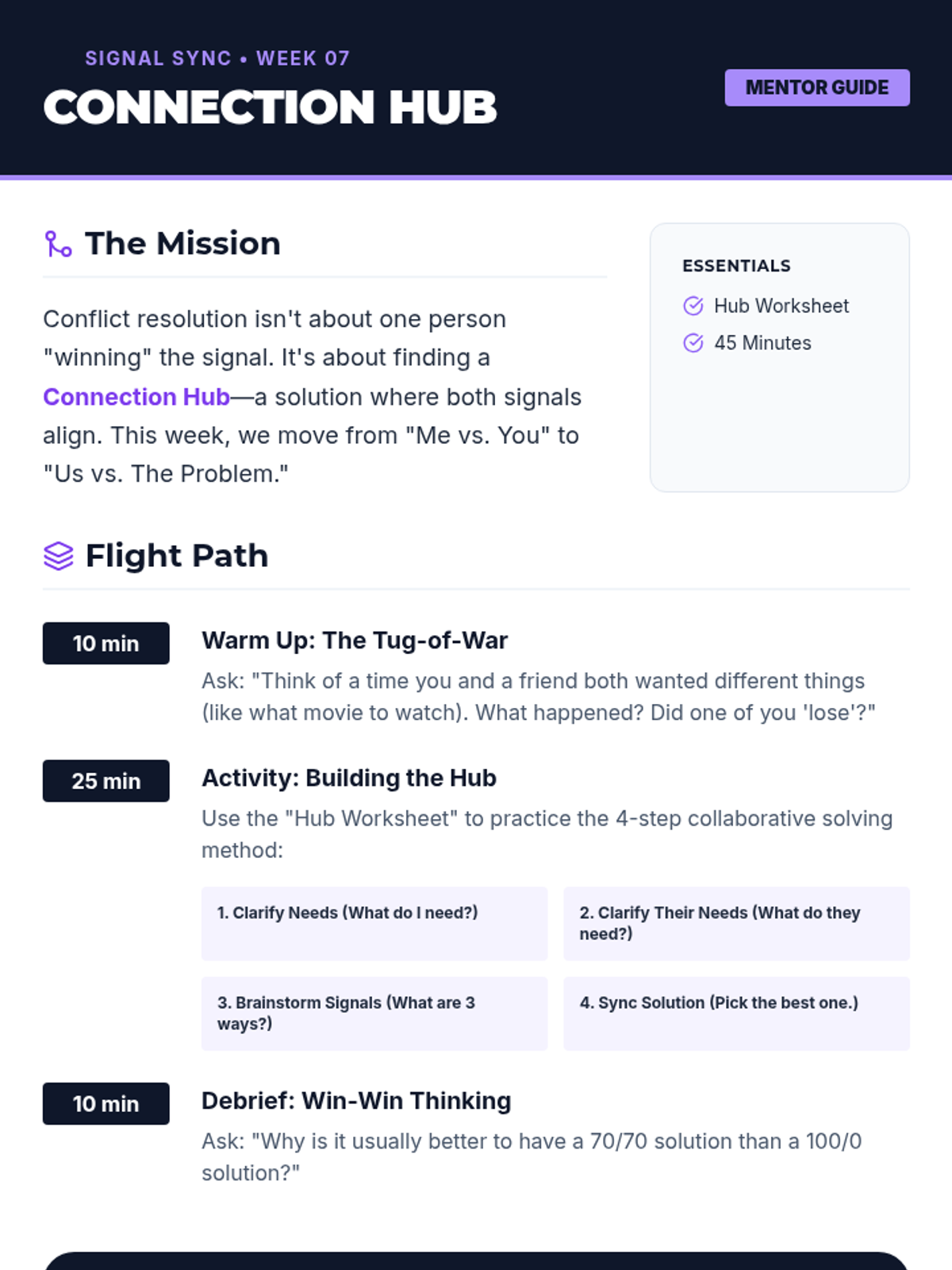
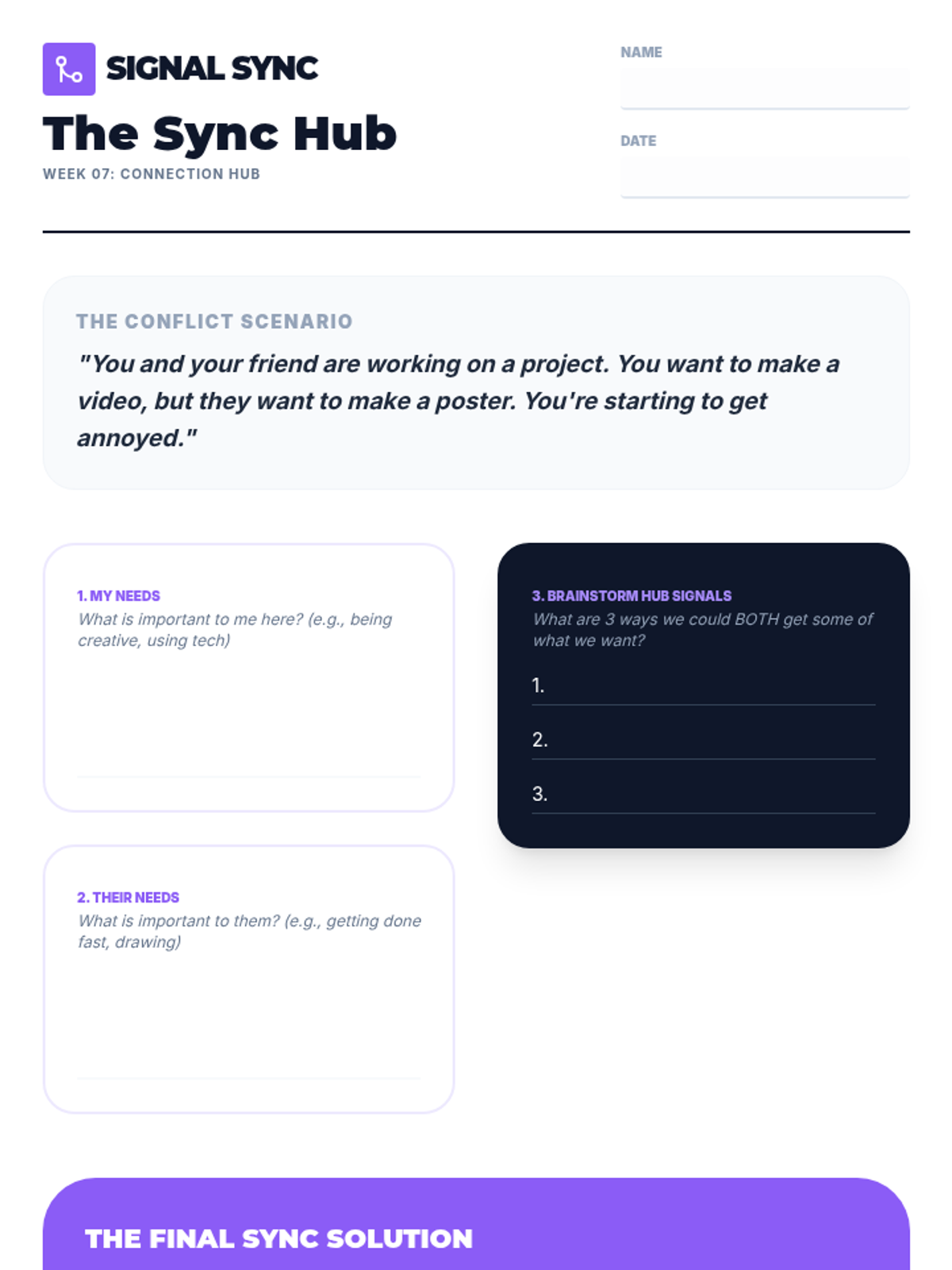
A collaborative approach to problem-solving that seeks 'win-win' outcomes for all involved.
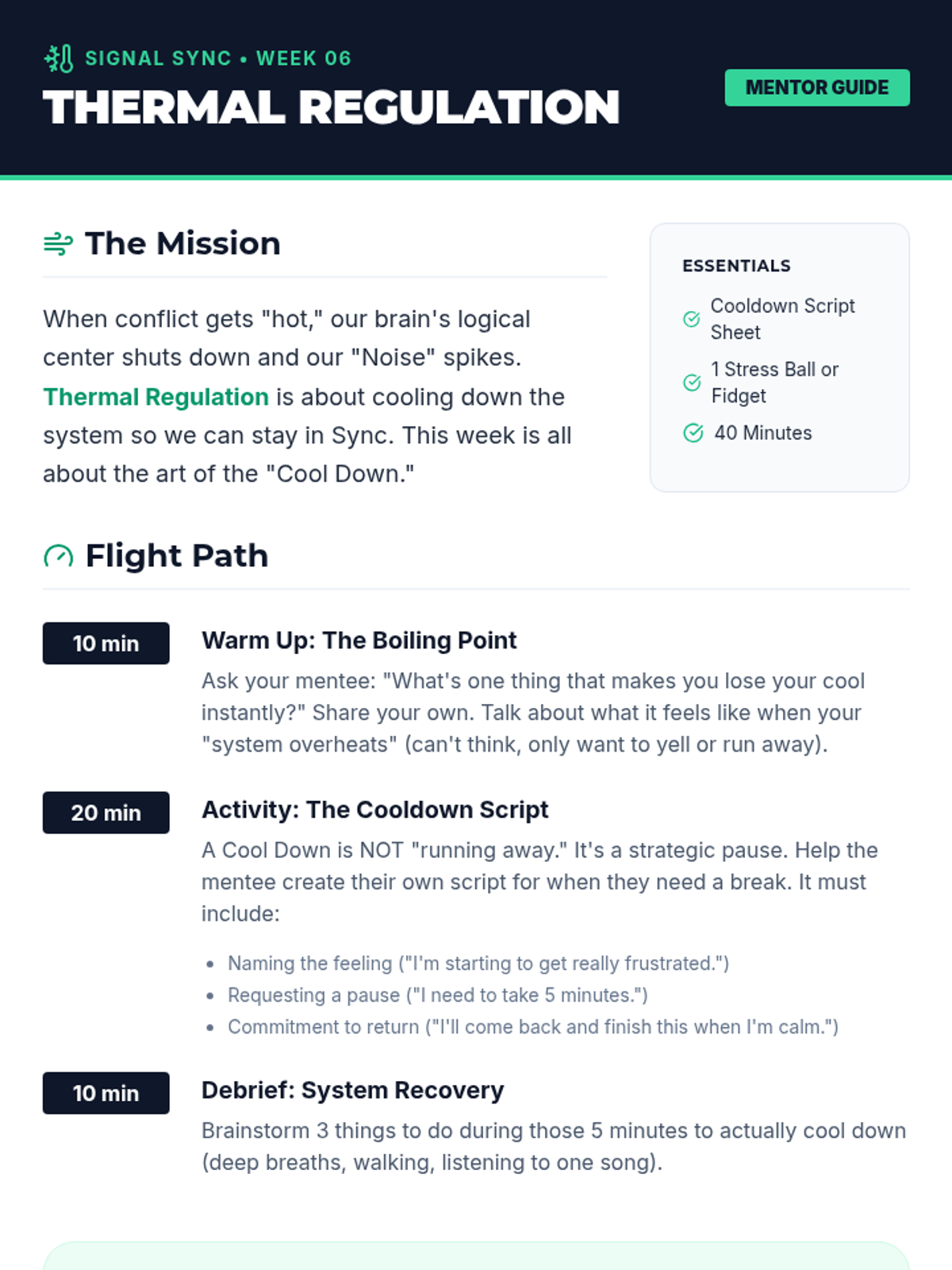
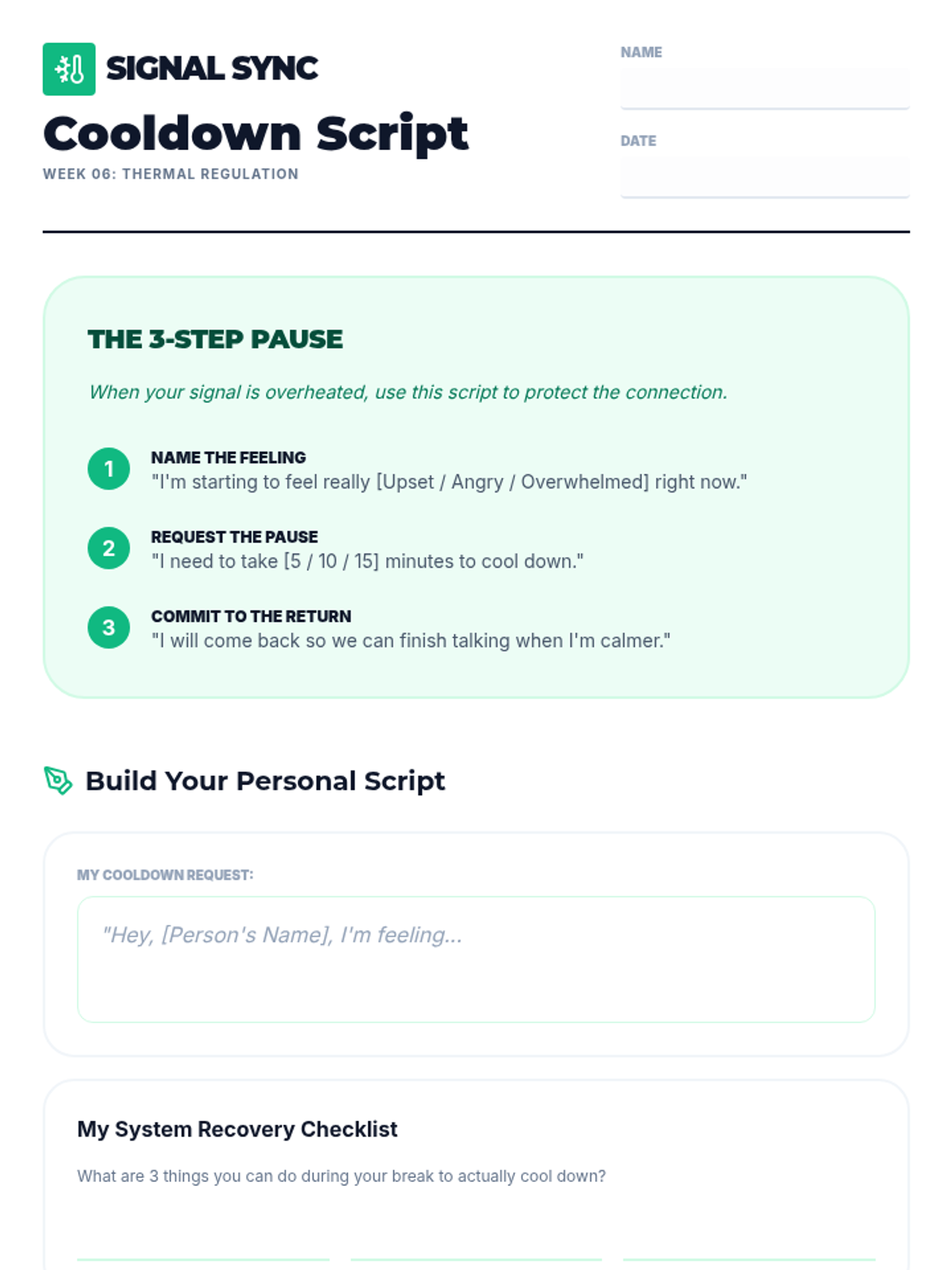
Techniques for emotional regulation and de-escalation when a conversation starts to get 'hot'.
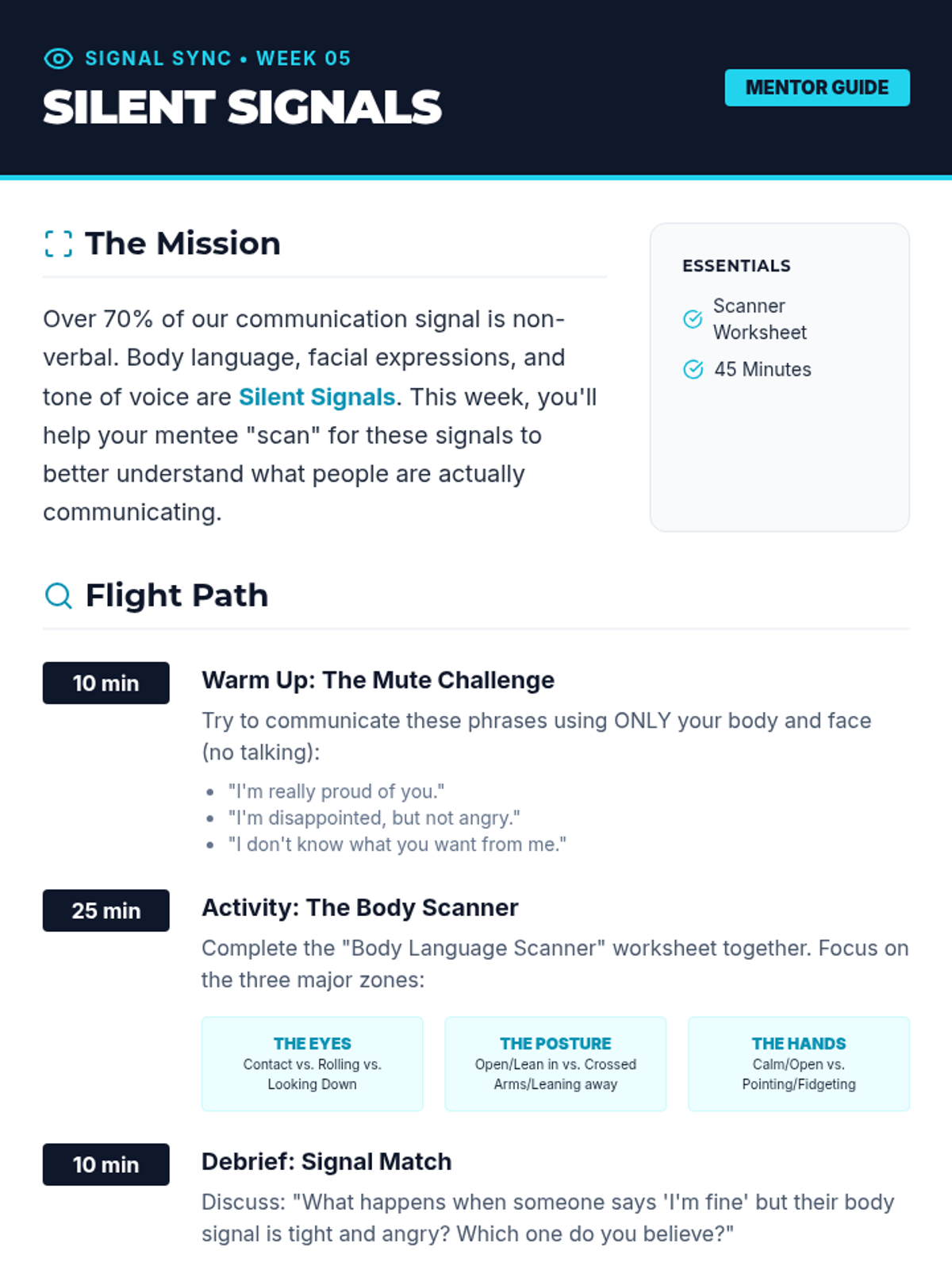
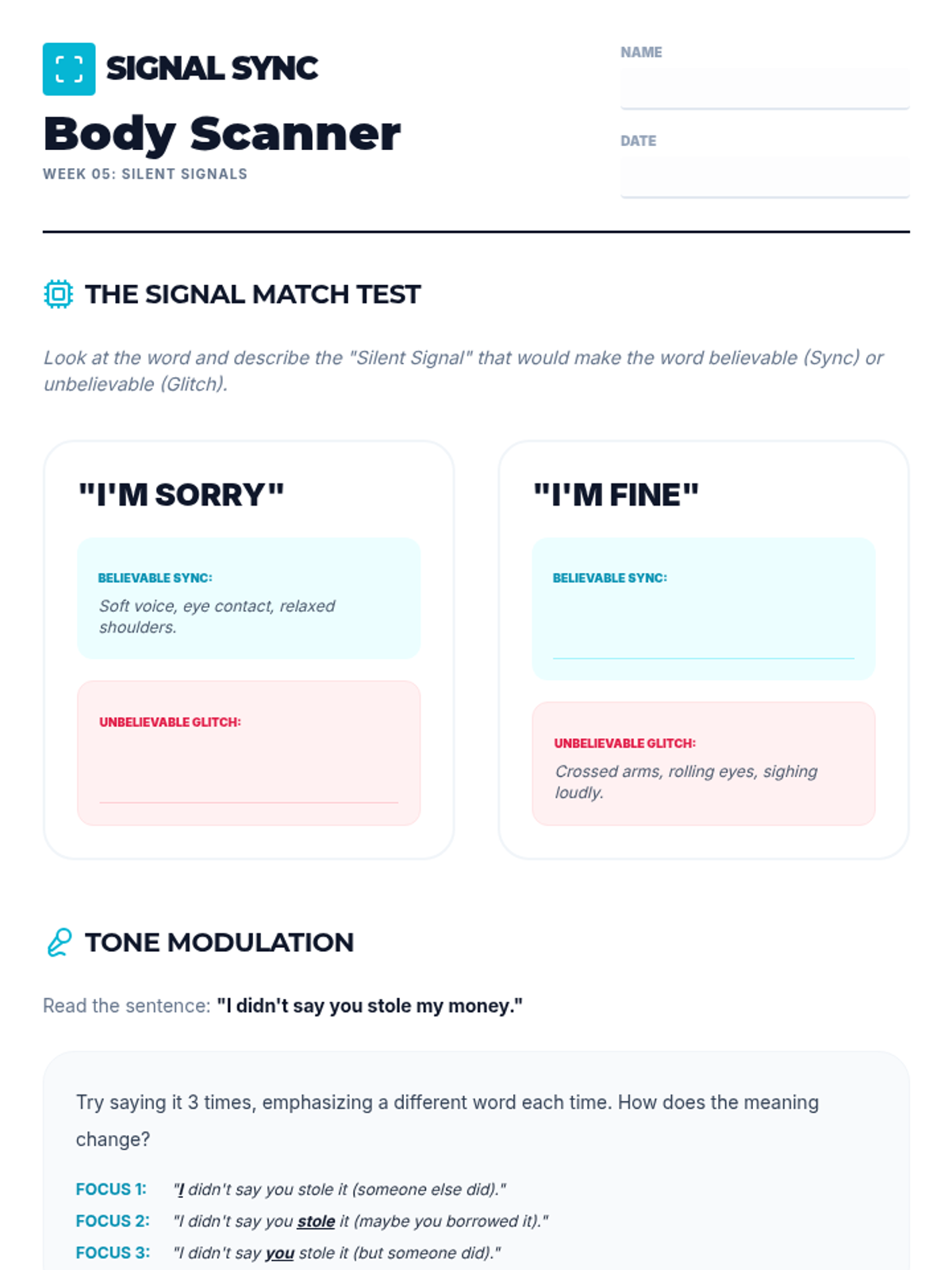
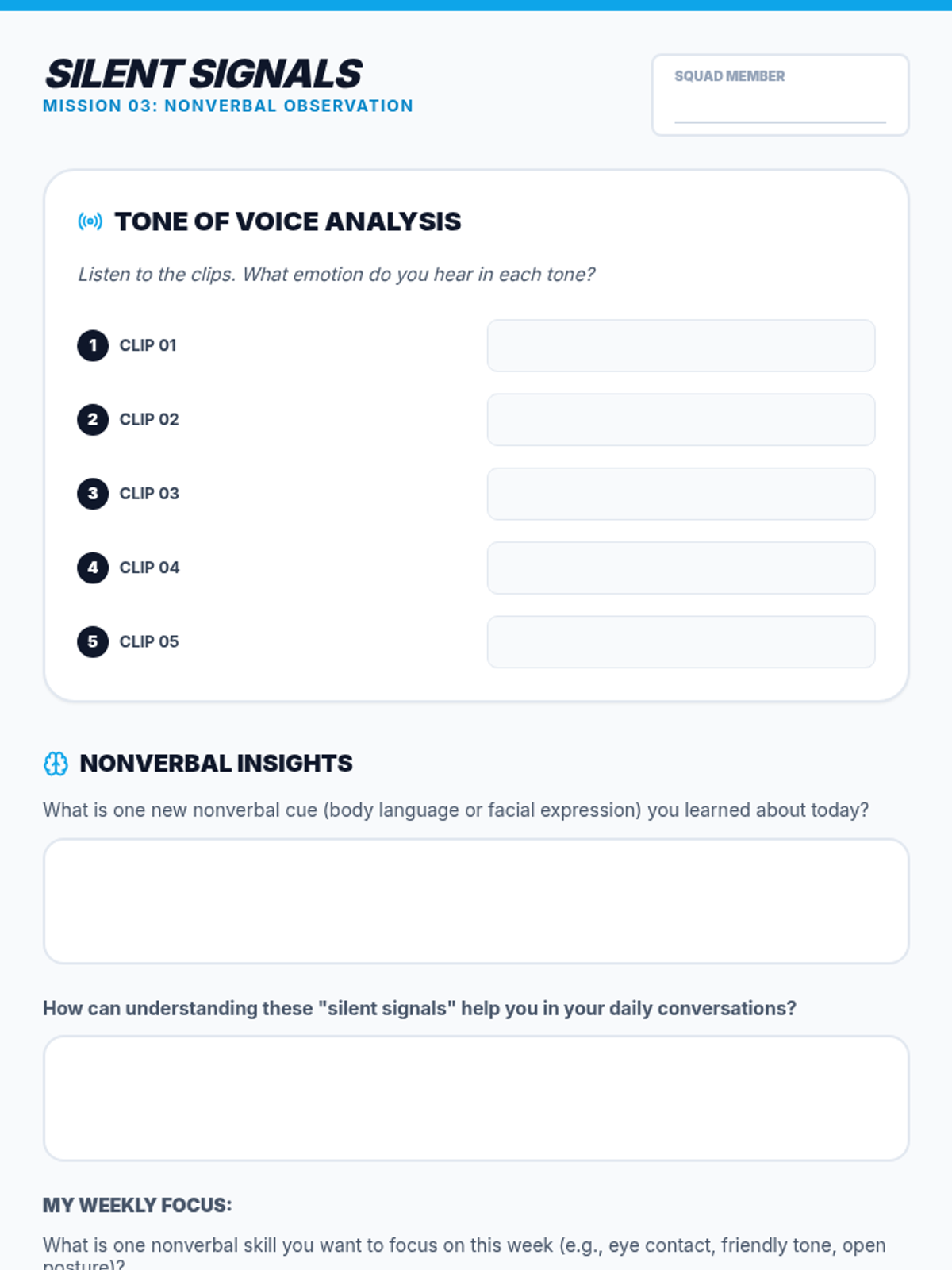
Exploring non-verbal communication, including body language, facial expressions, and tone of voice.
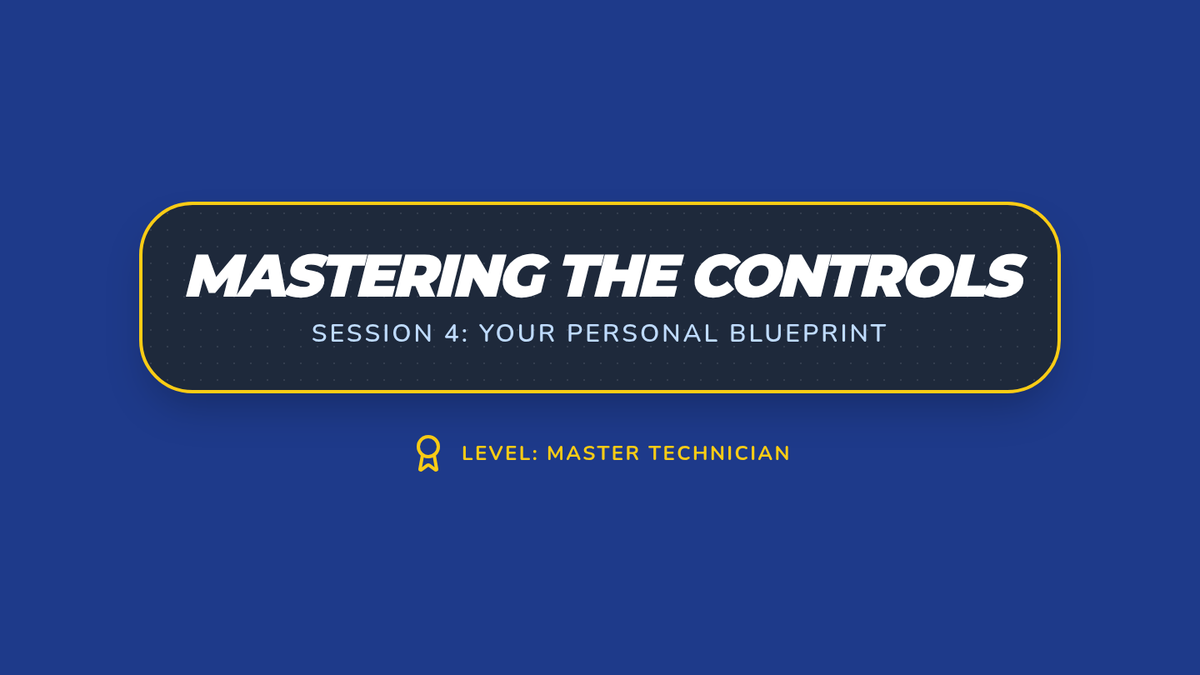
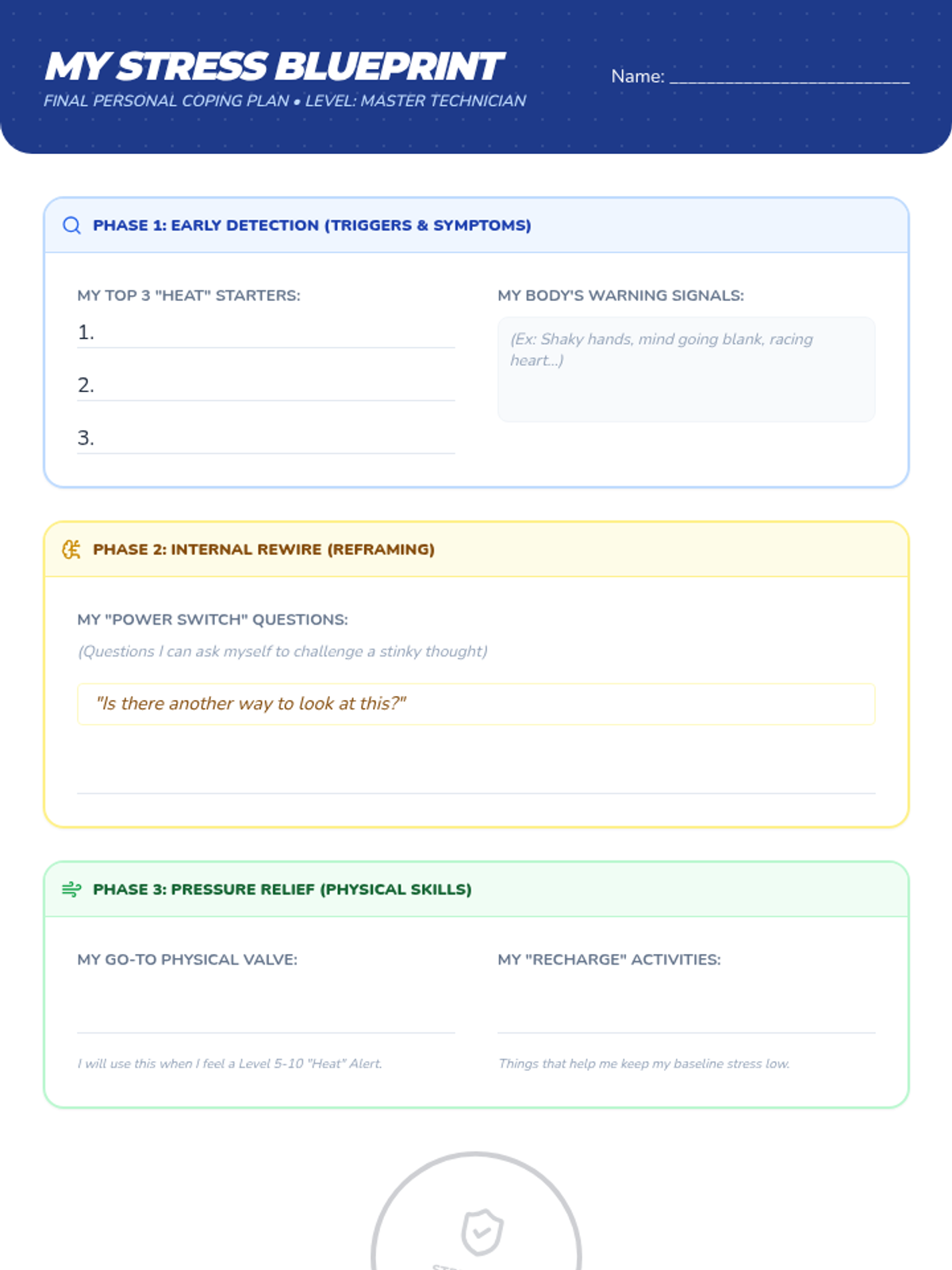
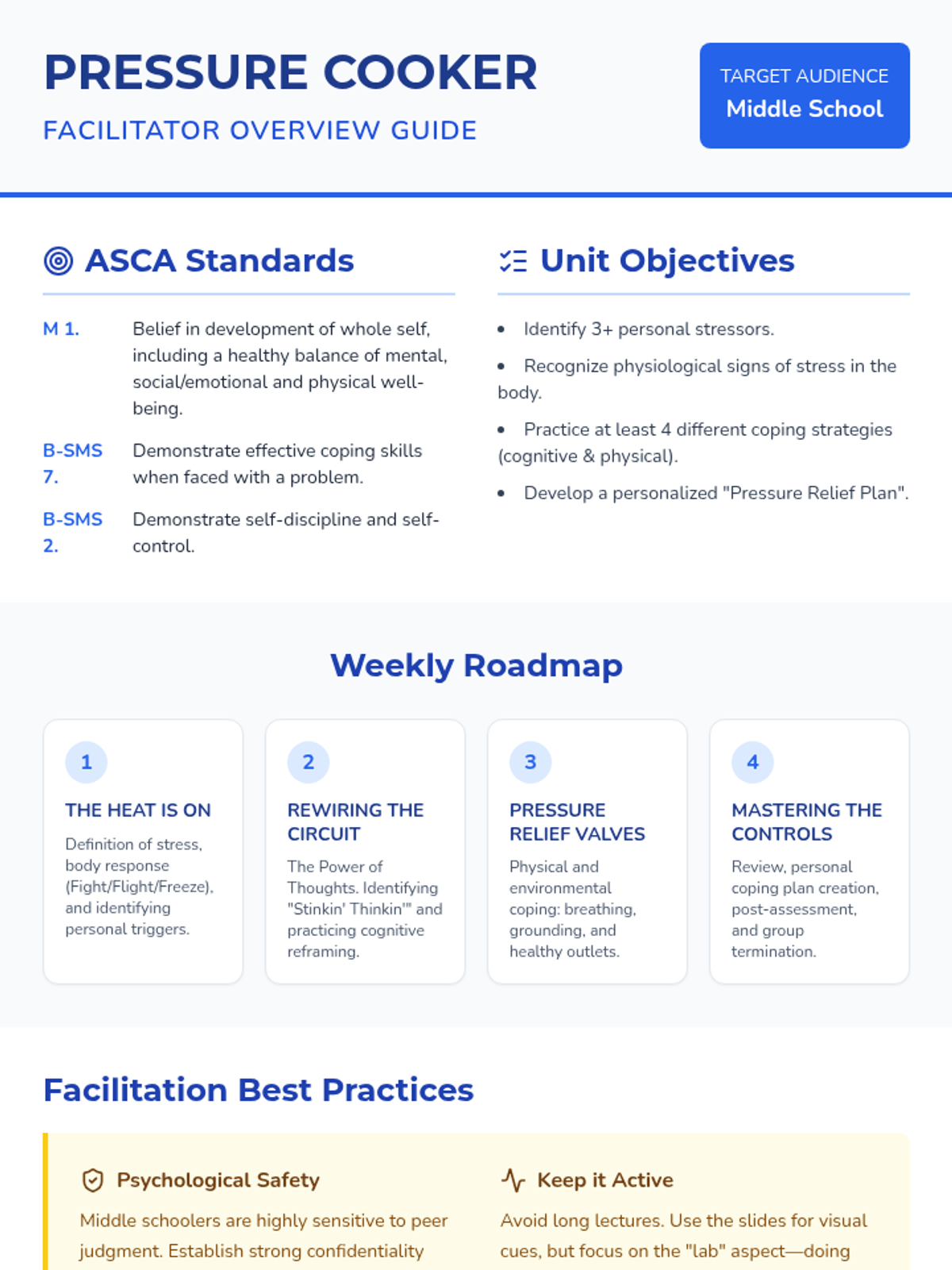
Students synthesize their learning by creating a personal coping plan and reflecting on their growth throughout the group.
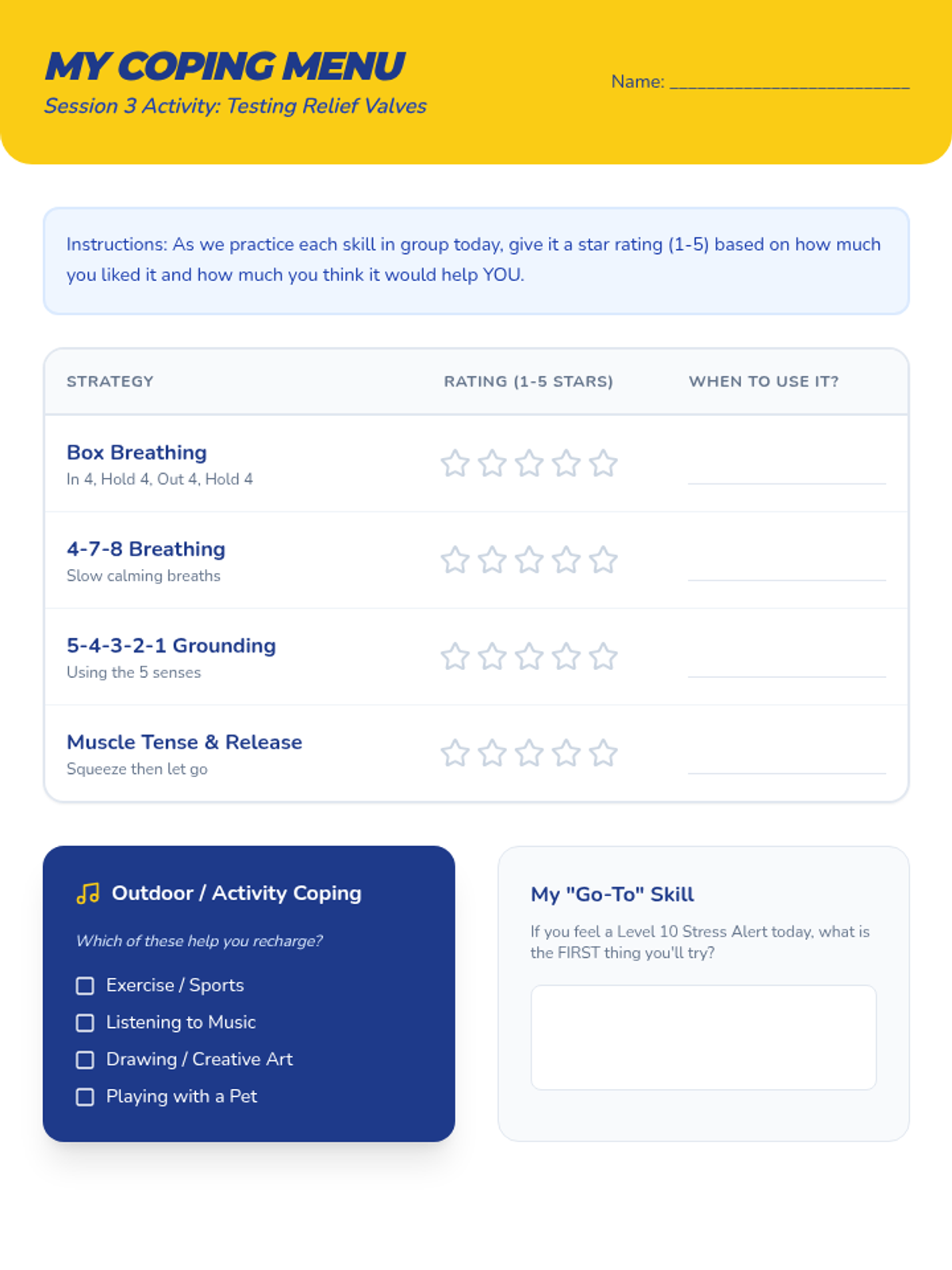
Introduces physical and environmental coping strategies, including deep breathing, grounding techniques, and healthy lifestyle habits.
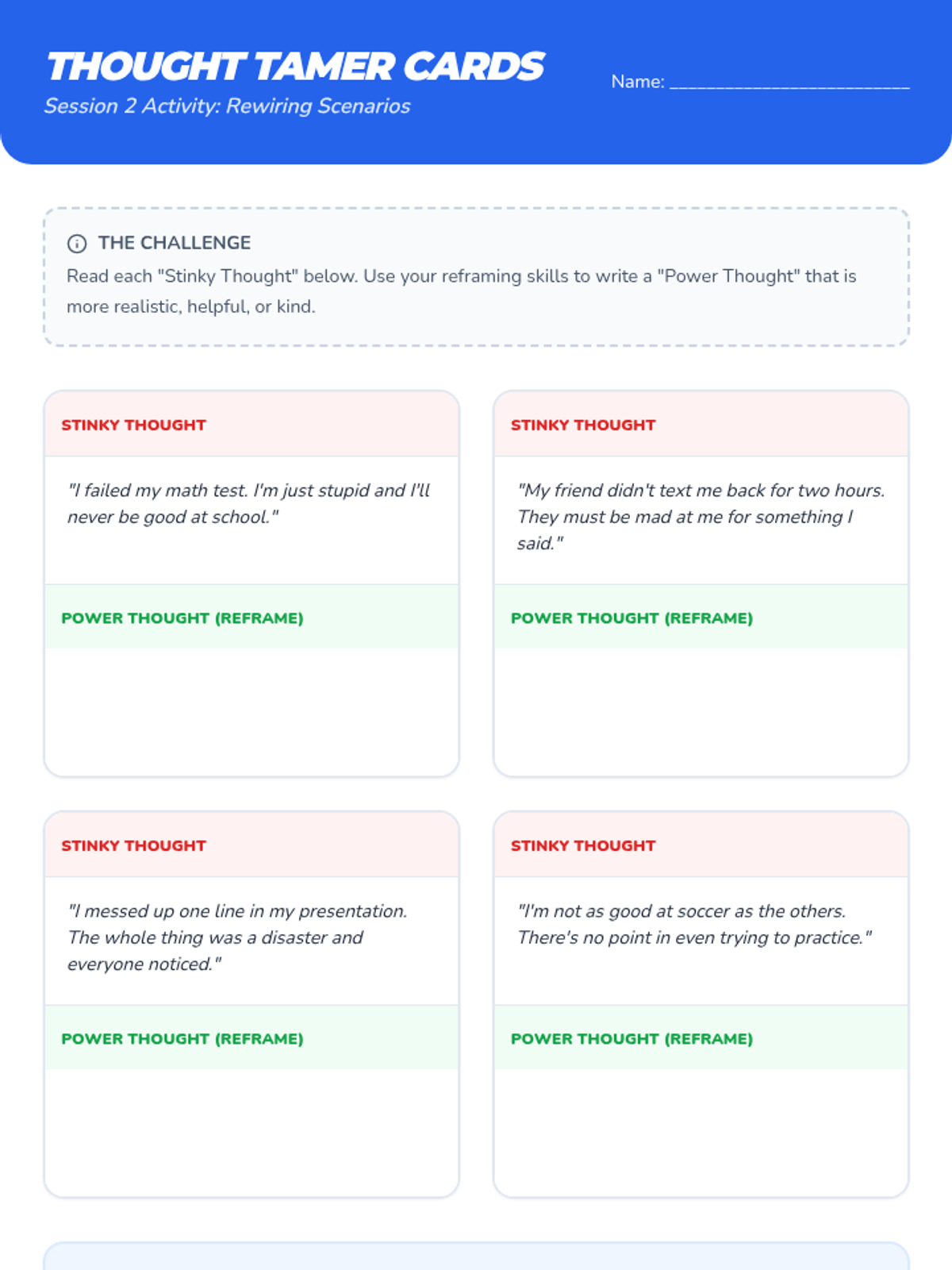
Focuses on the connection between thoughts and feelings, teaching students how to challenge negative self-talk and reframe stressful situations.
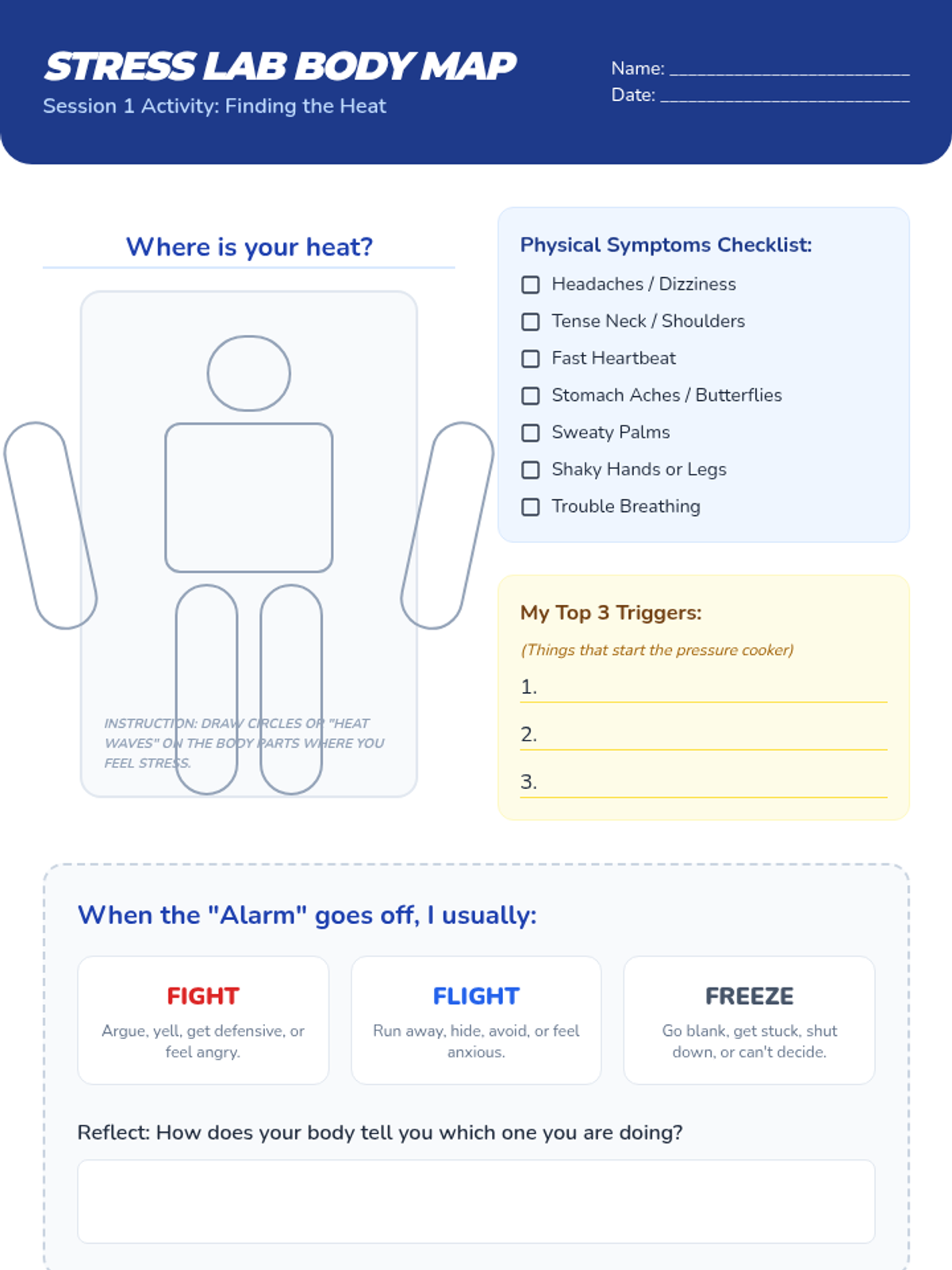
Students will define stress, identify their personal 'stress triggers', and learn how their bodies react to pressure.
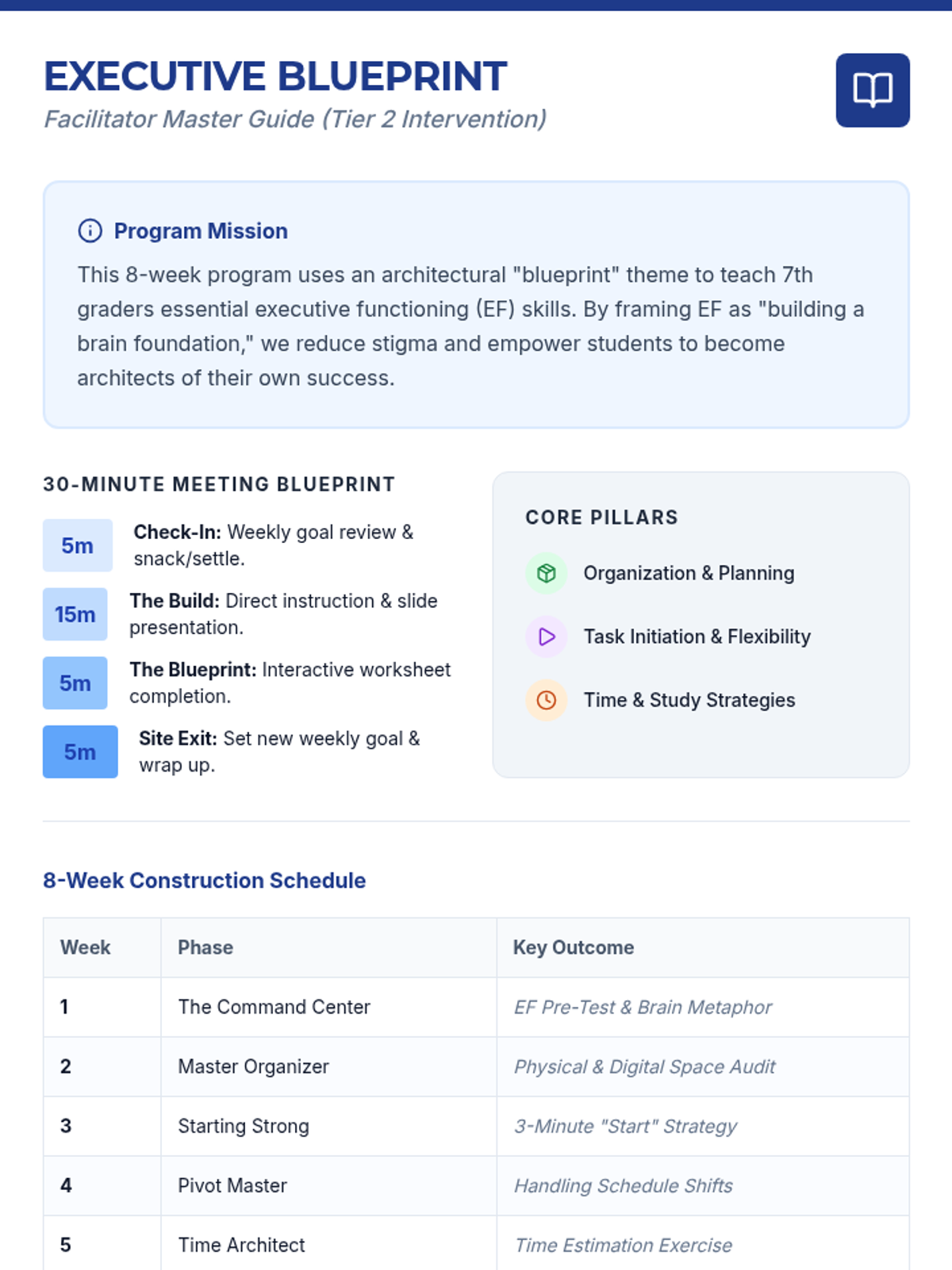
Program review, celebration of growth, and completion of the EF Post-Test.
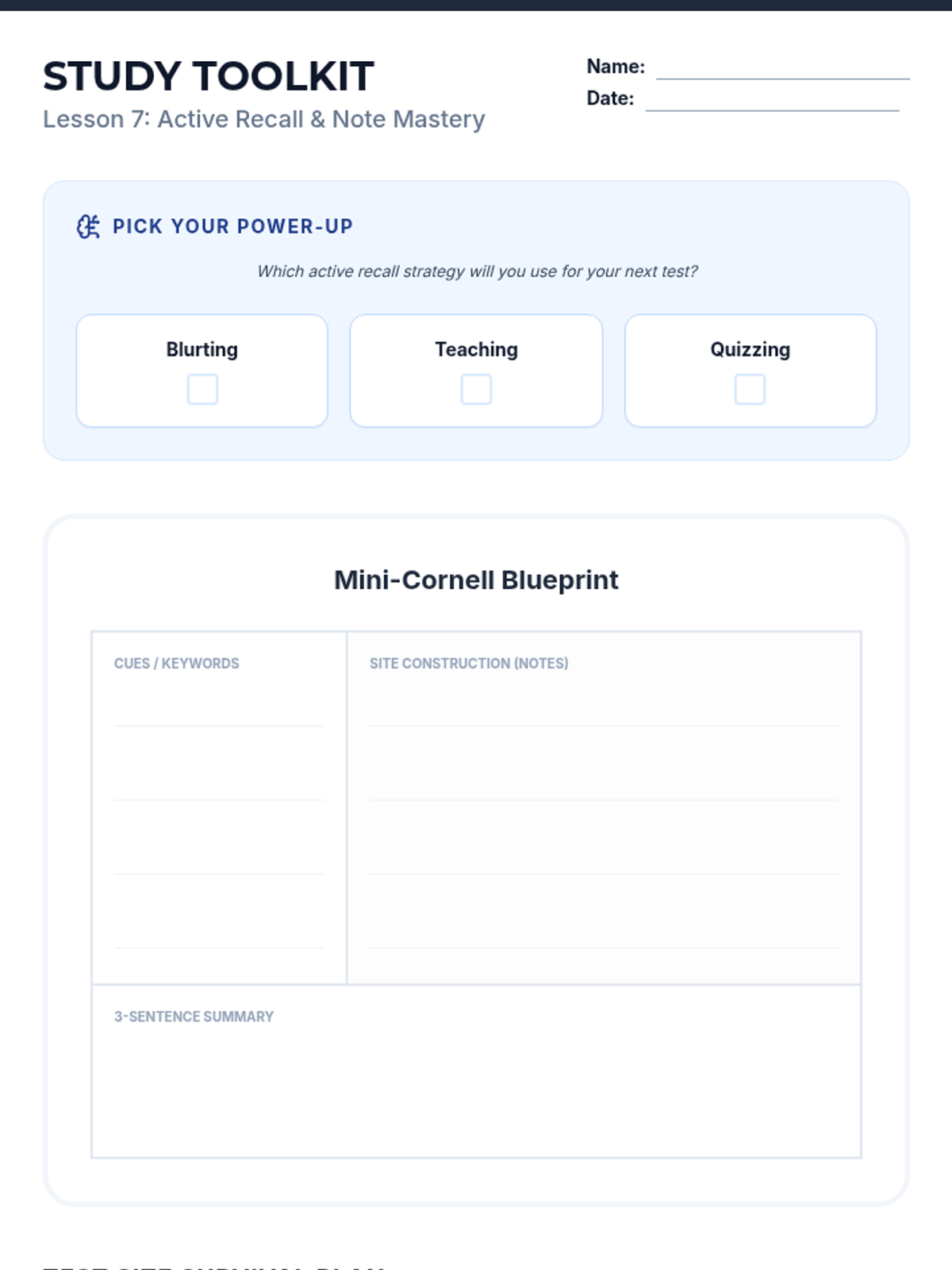
Instruction on effective note-taking and test-taking strategies tailored for middle school.
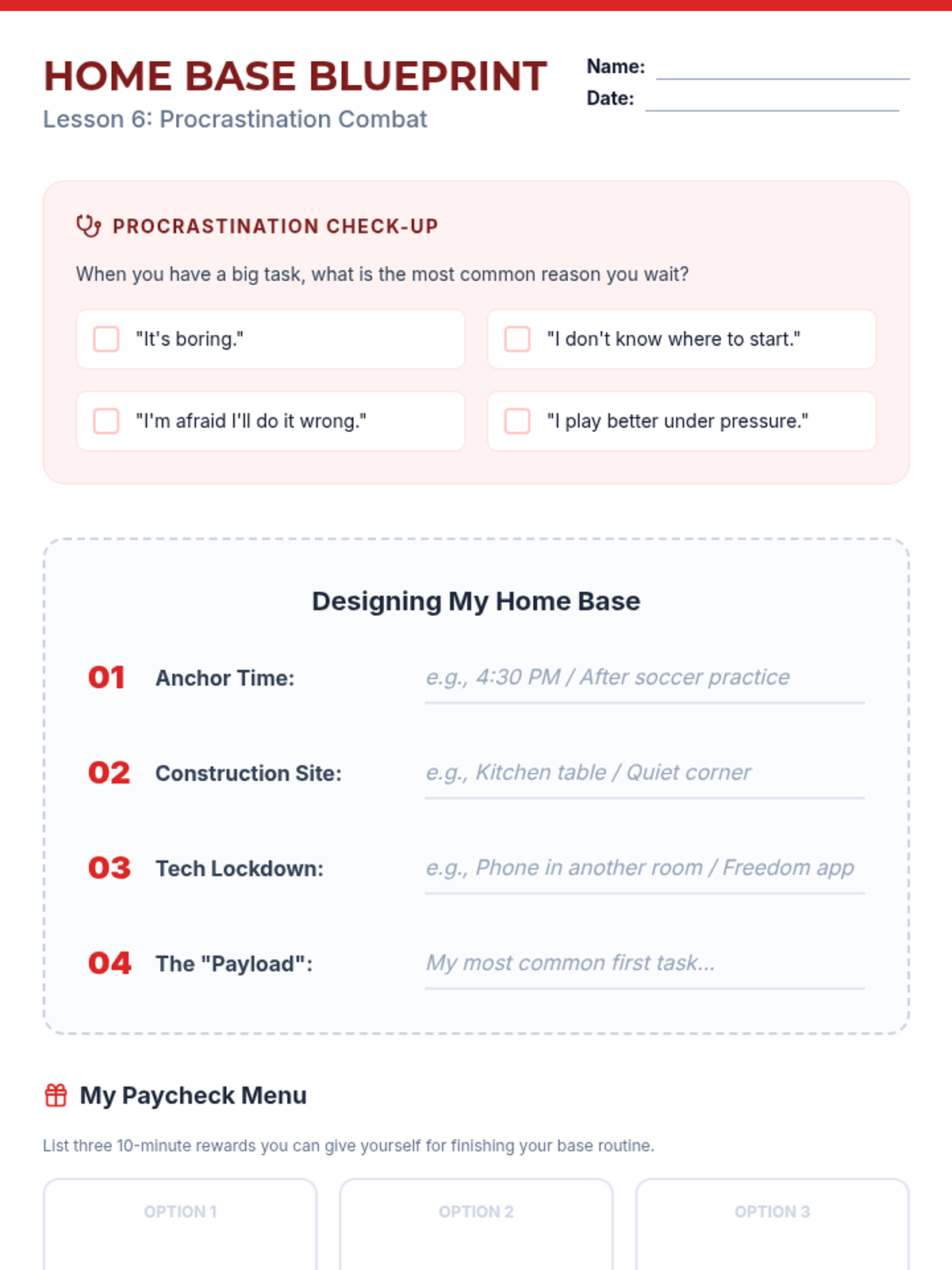
Practical strategies to defeat procrastination and streamline homework routines.
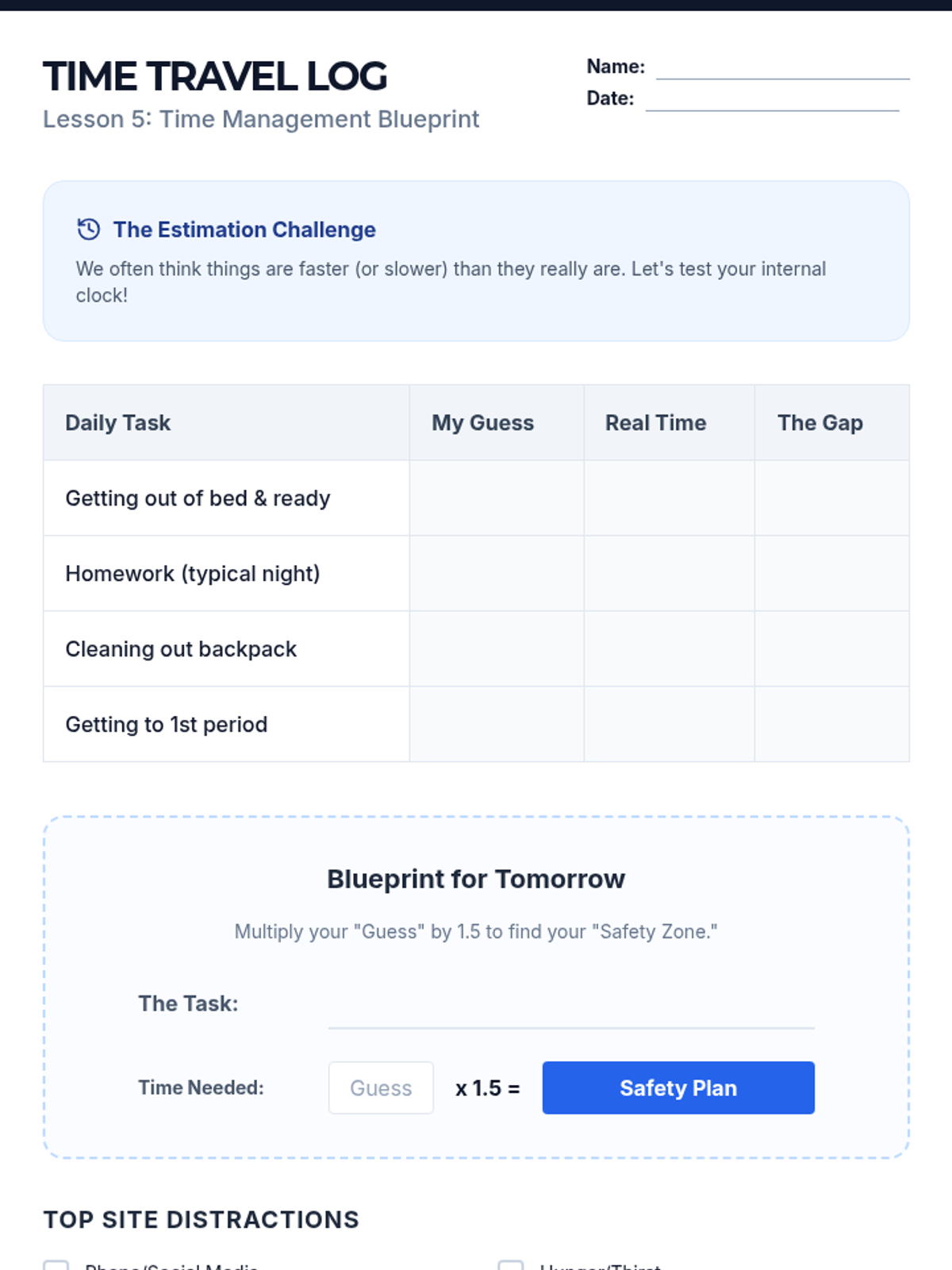
Building an awareness of time and learning how to estimate how long tasks actually take.
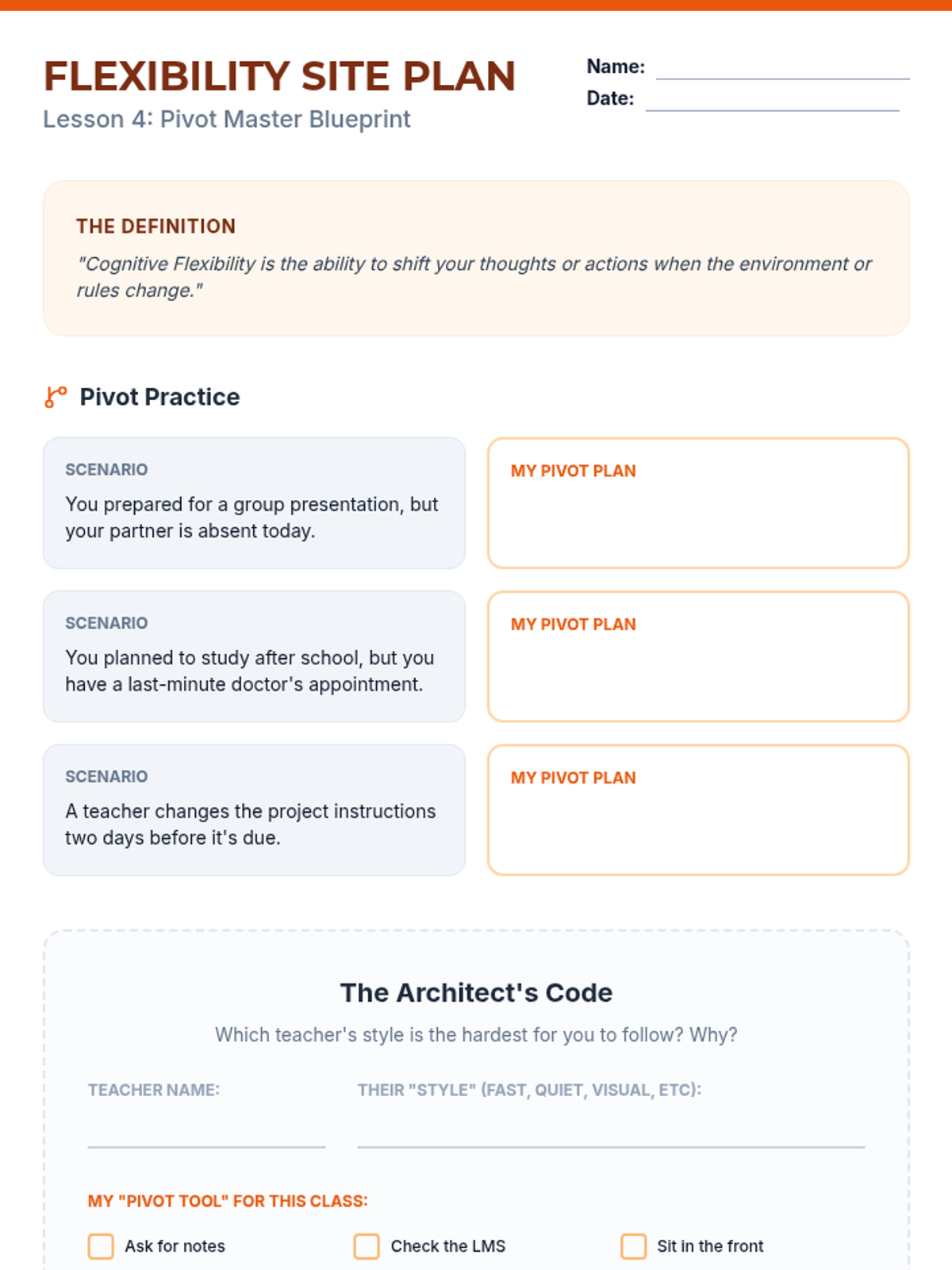
Developing cognitive flexibility to handle changes in schedules and different teaching styles.
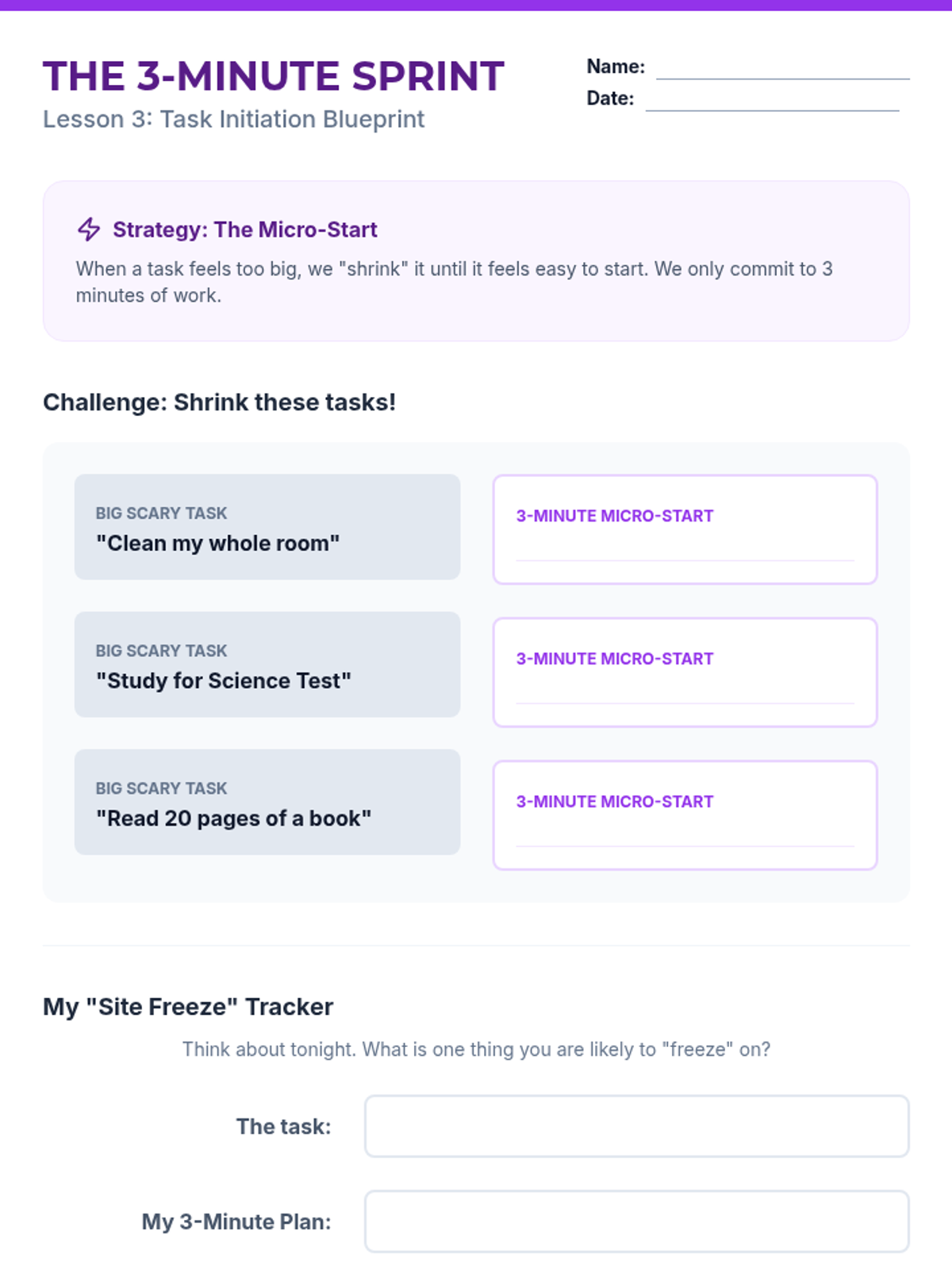
Strategies for overcoming the 'freeze' and getting started on difficult tasks immediately.
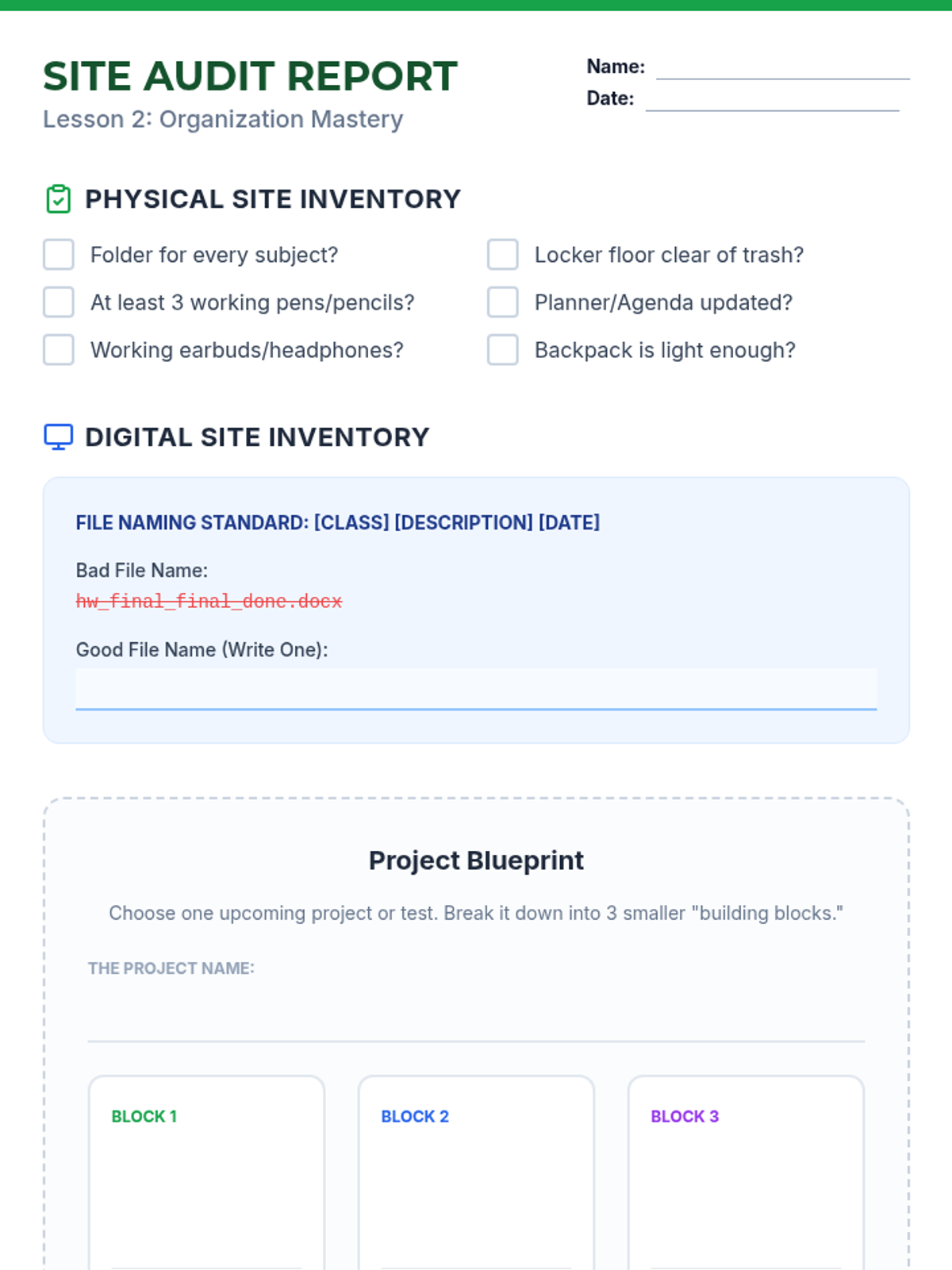
Focuses on organization of physical and digital spaces and long-term project planning.
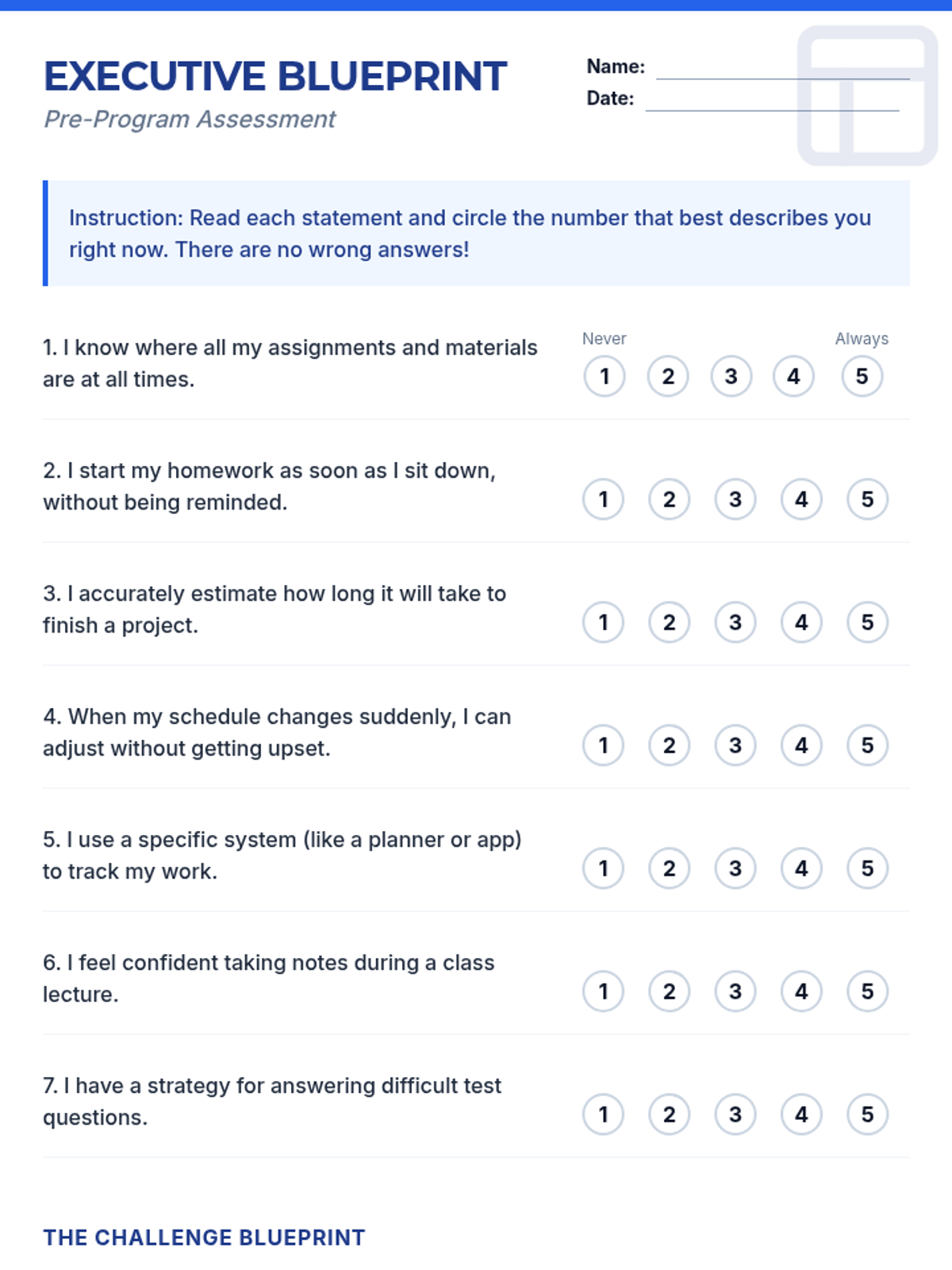
Introduction to the brain's "Command Center," establishing group norms, and completing the EF Pre-Test.
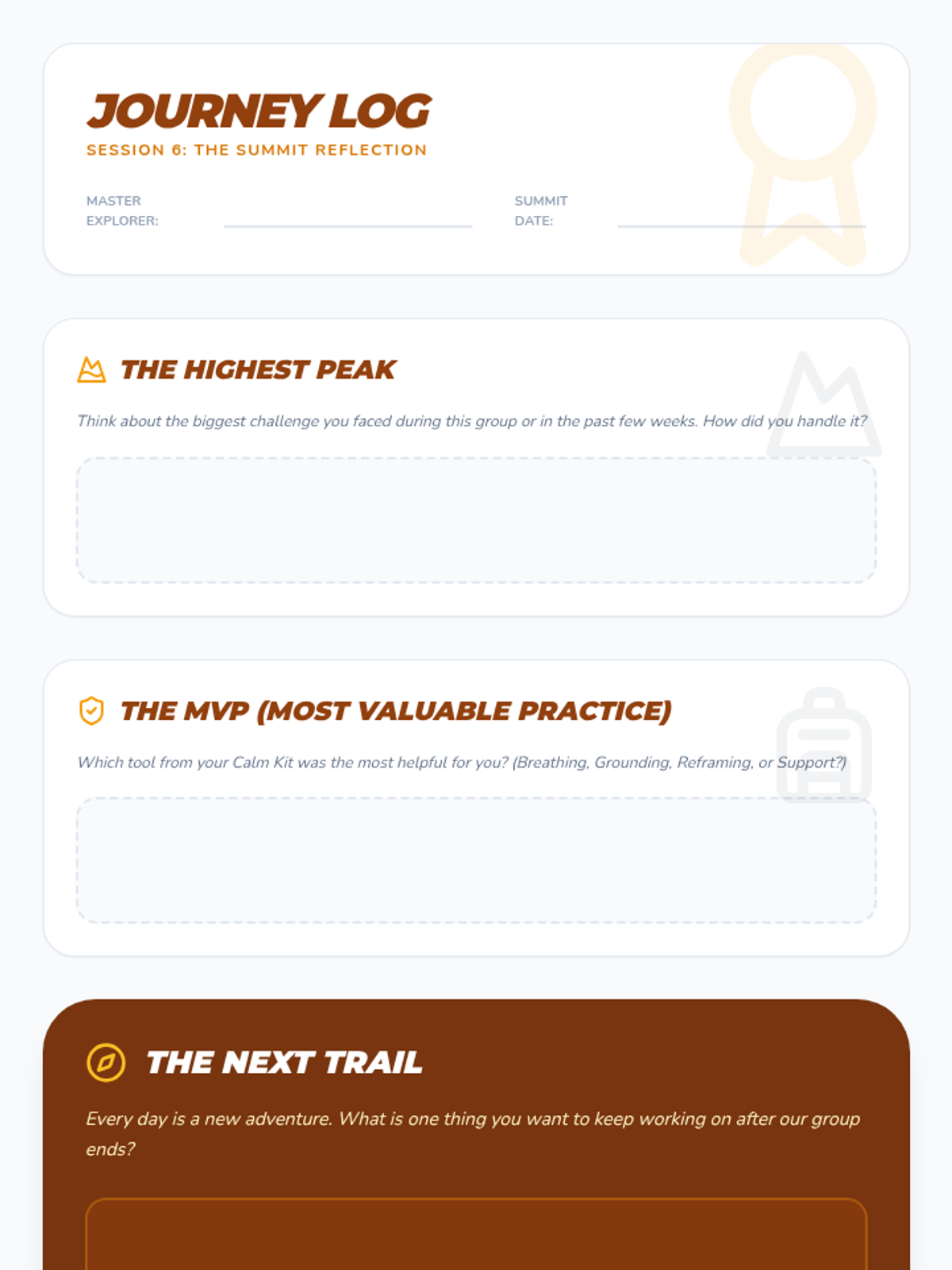
Final reflection, celebration of growth, and planning for the journey ahead.
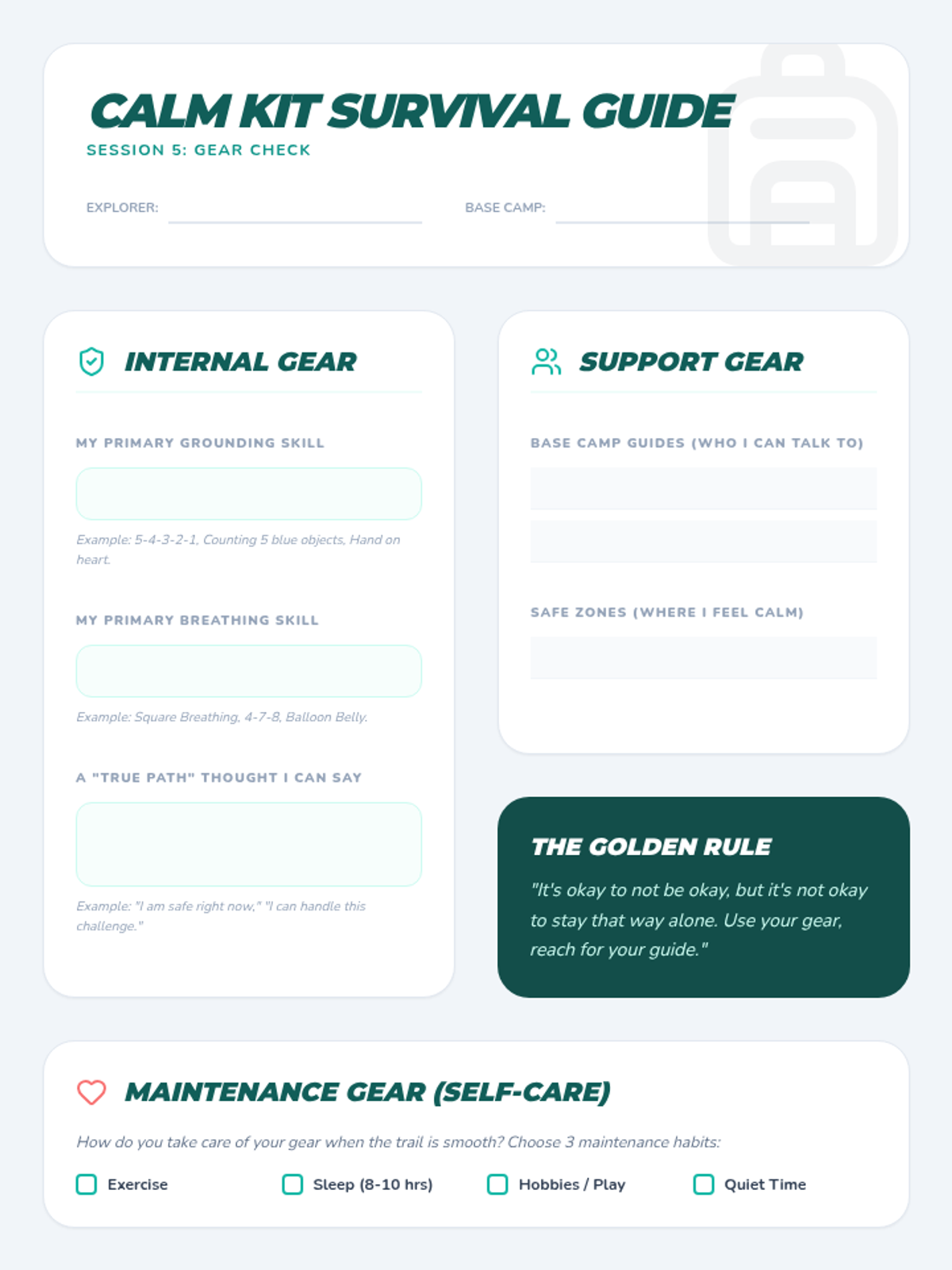
Reviewing various coping skills and creating a personalized 'Survival Kit' for future use.
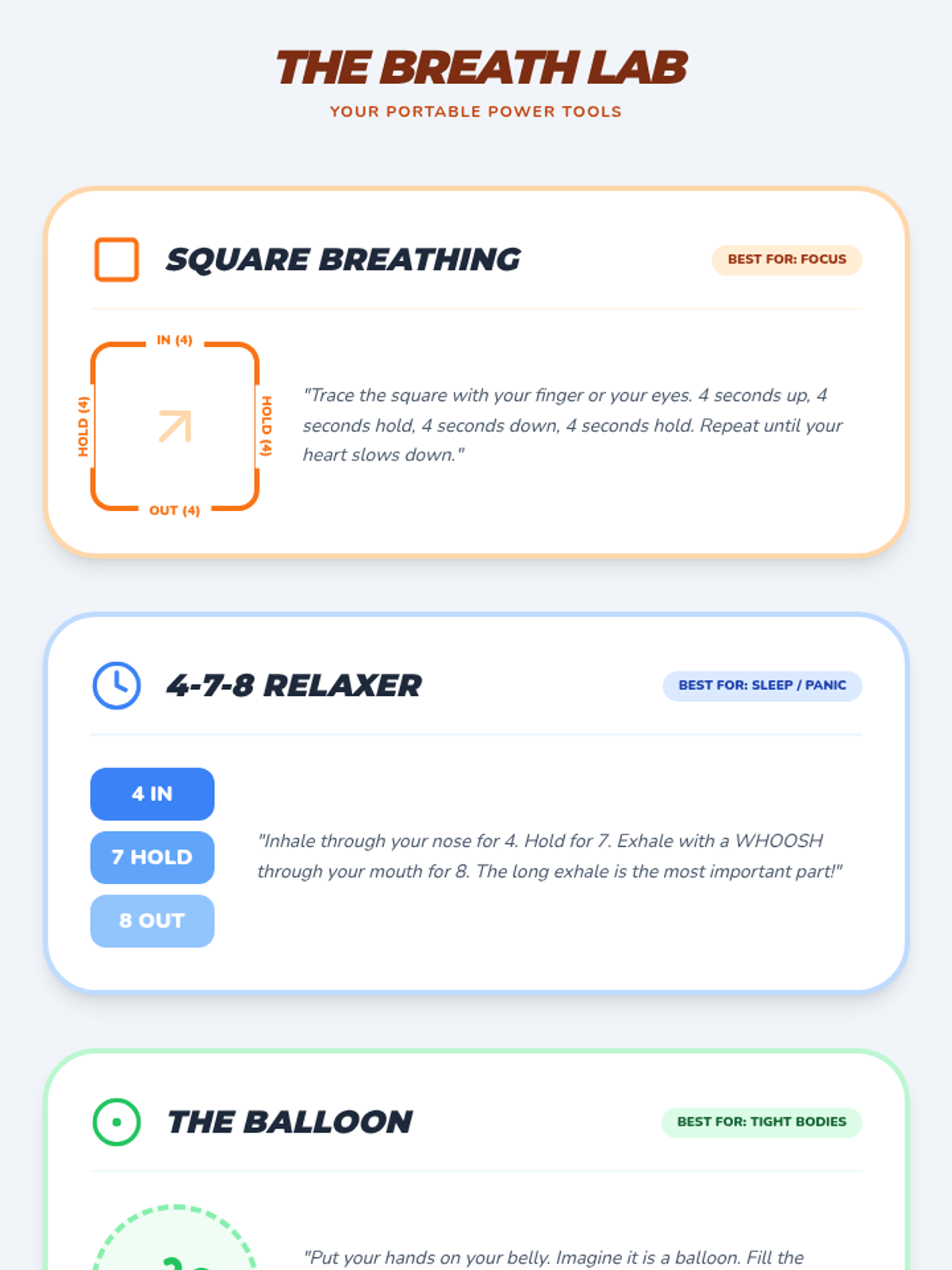
Focusing on the power of breath and mindfulness as internal tools for regulation.
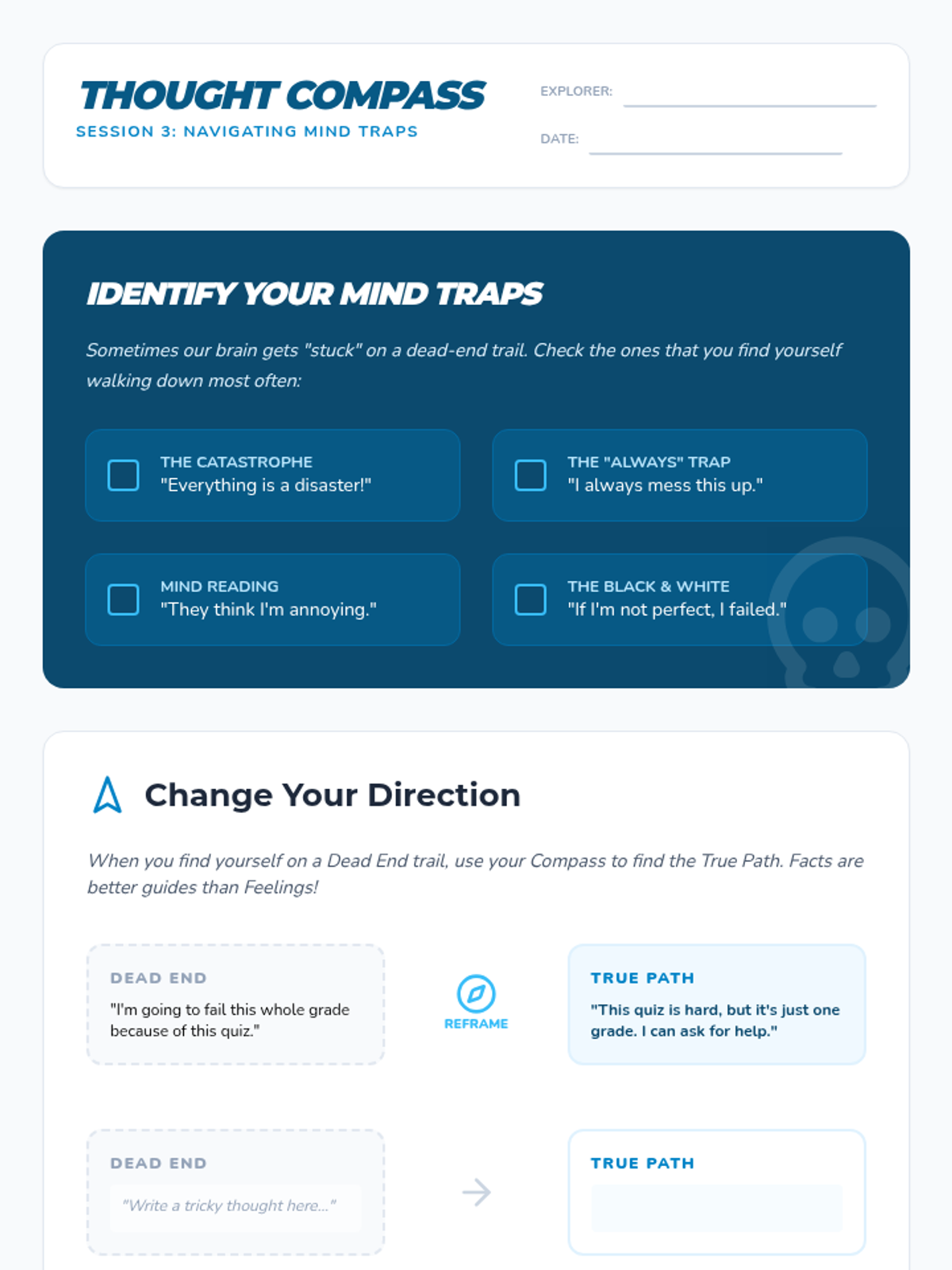
Identifying cognitive distortions or 'tricky trails' and learning to reframe thoughts using a 'Thought Compass'.
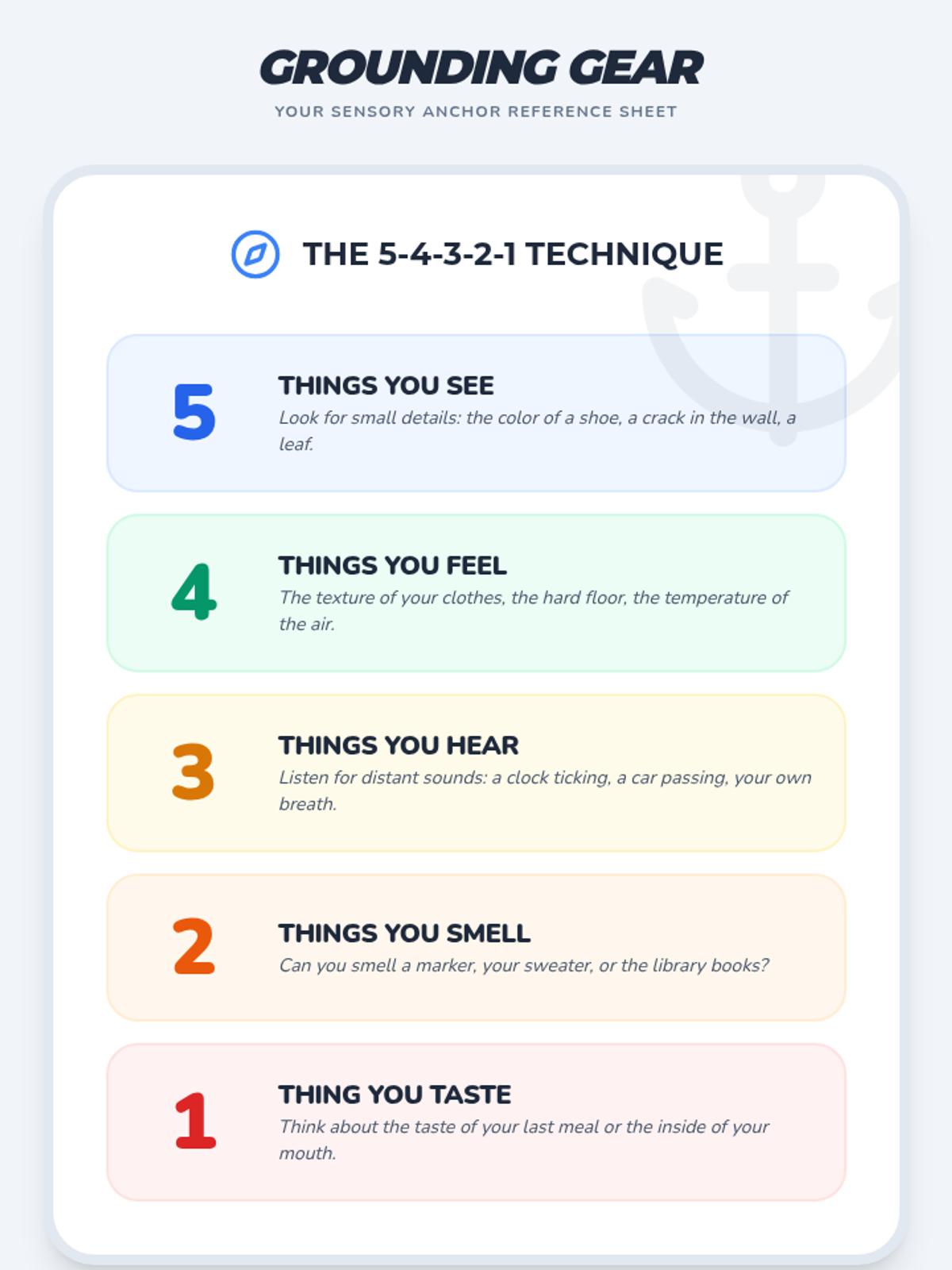
Understanding the physical 'alarm system' of the body and learning grounding techniques to stay present during 'storms'.
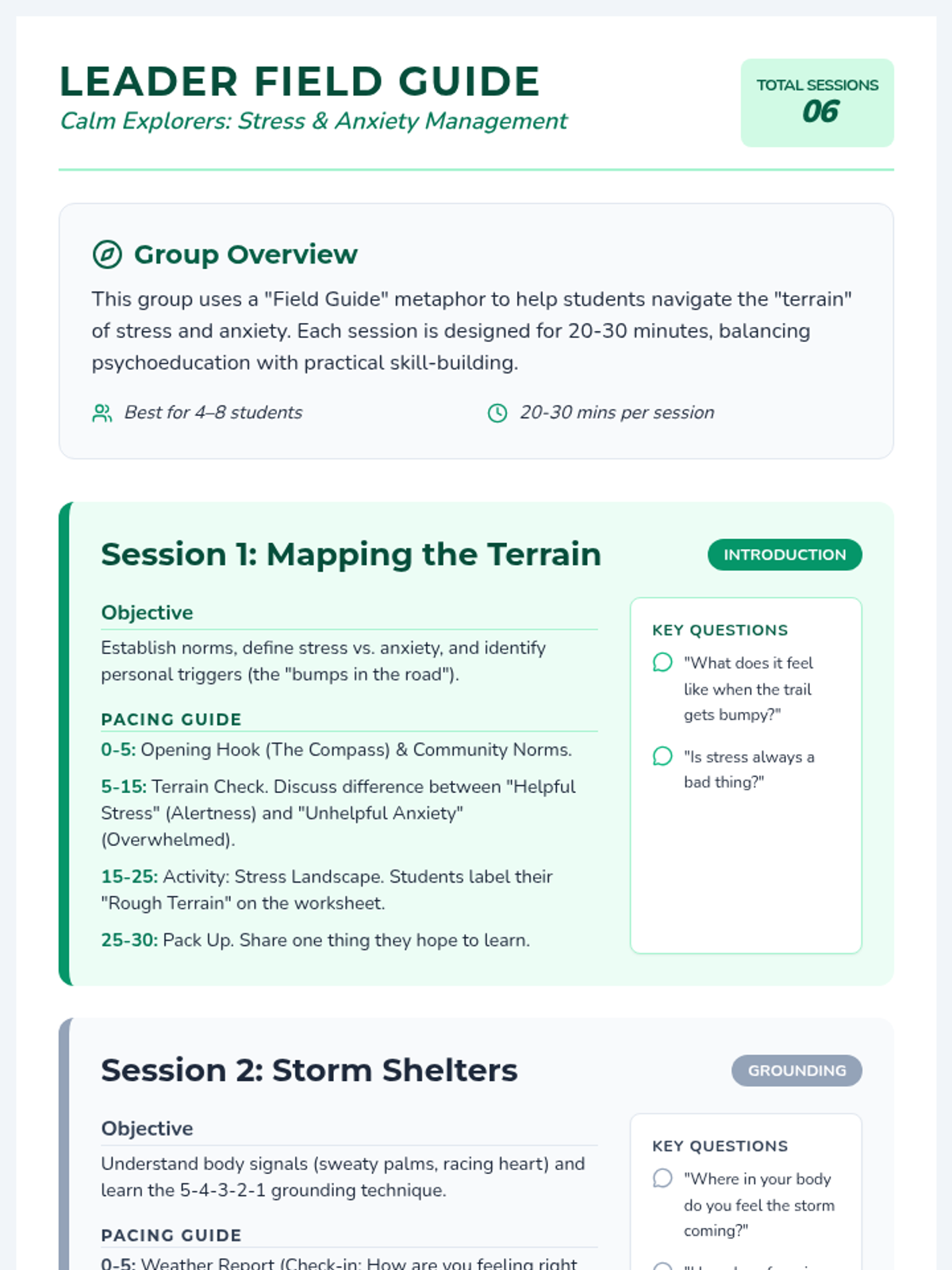
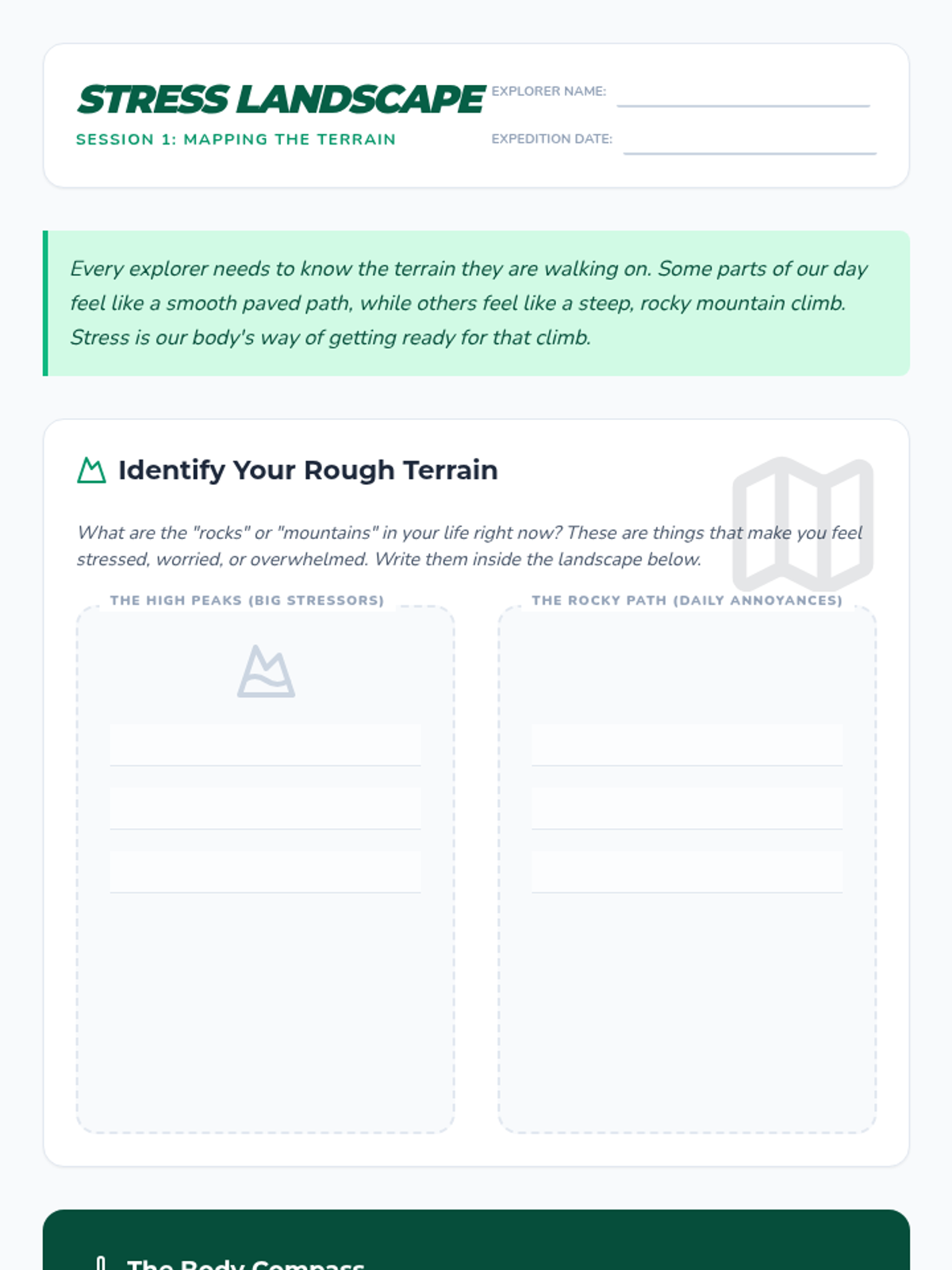
Introduction to the group, establishing norms, and identifying individual stress triggers using the 'Stress Landscape' metaphor.
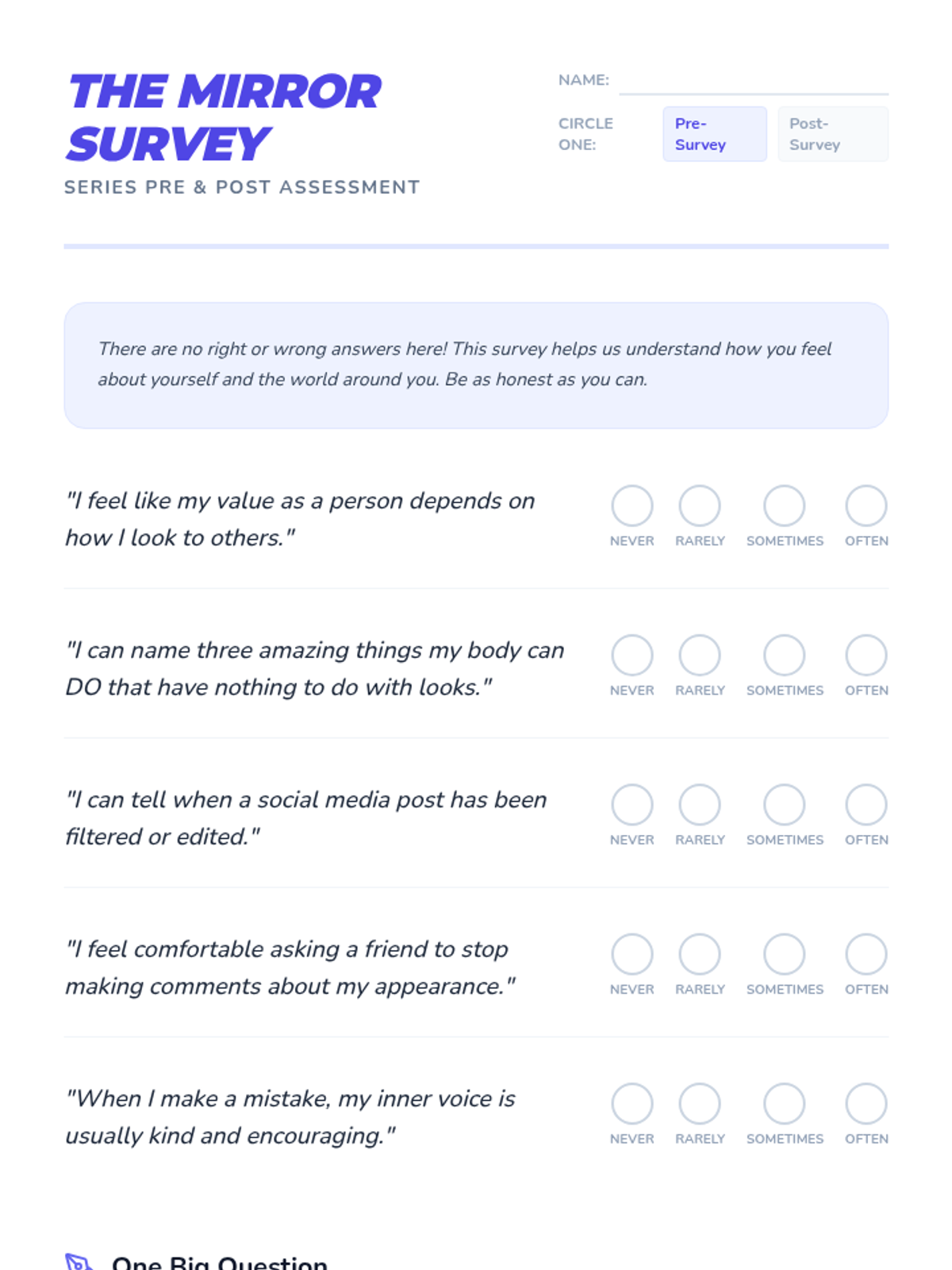
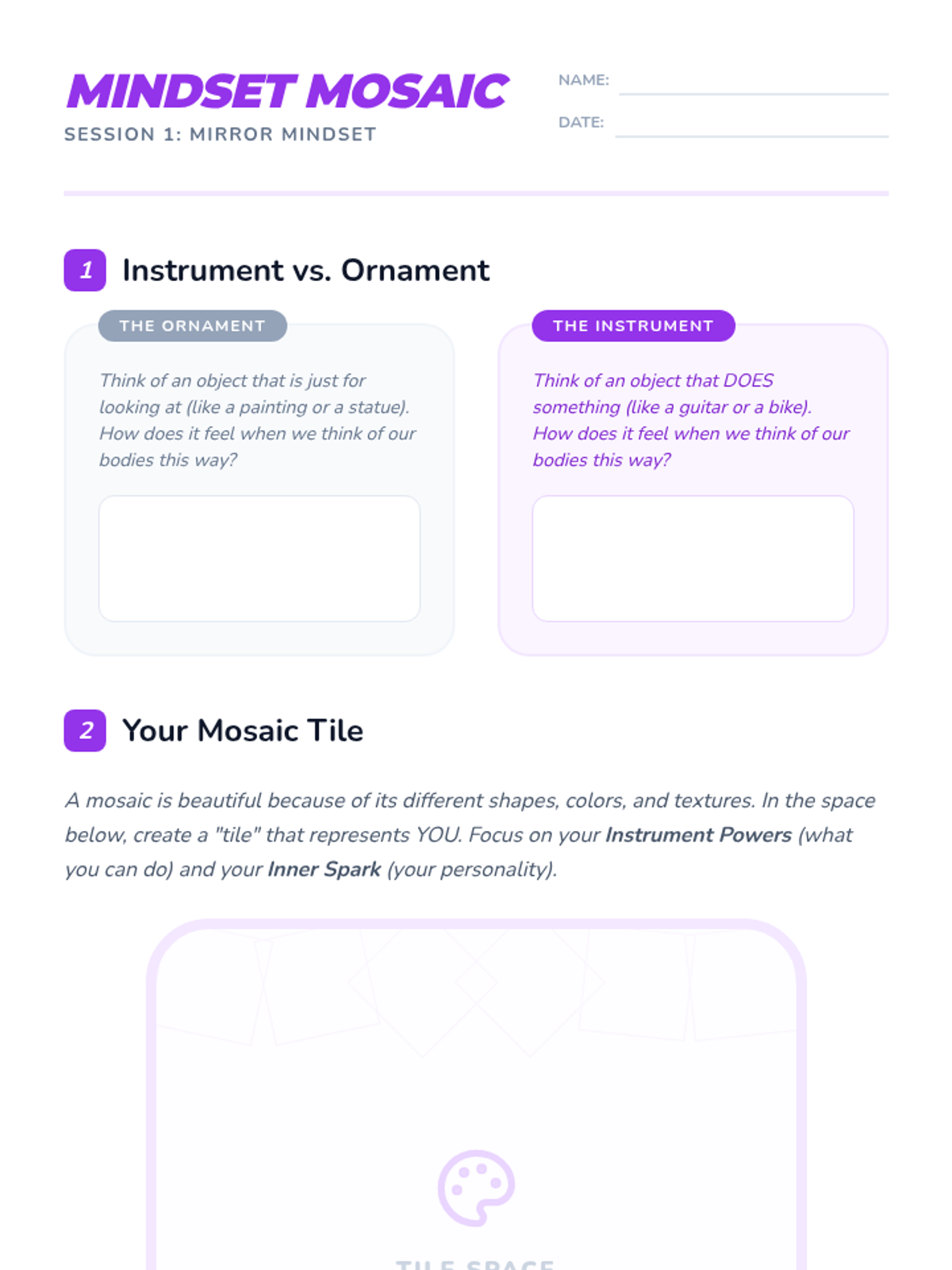
An overview of body diversity, neutrality, and media literacy, shifting focus from ornaments to instruments.
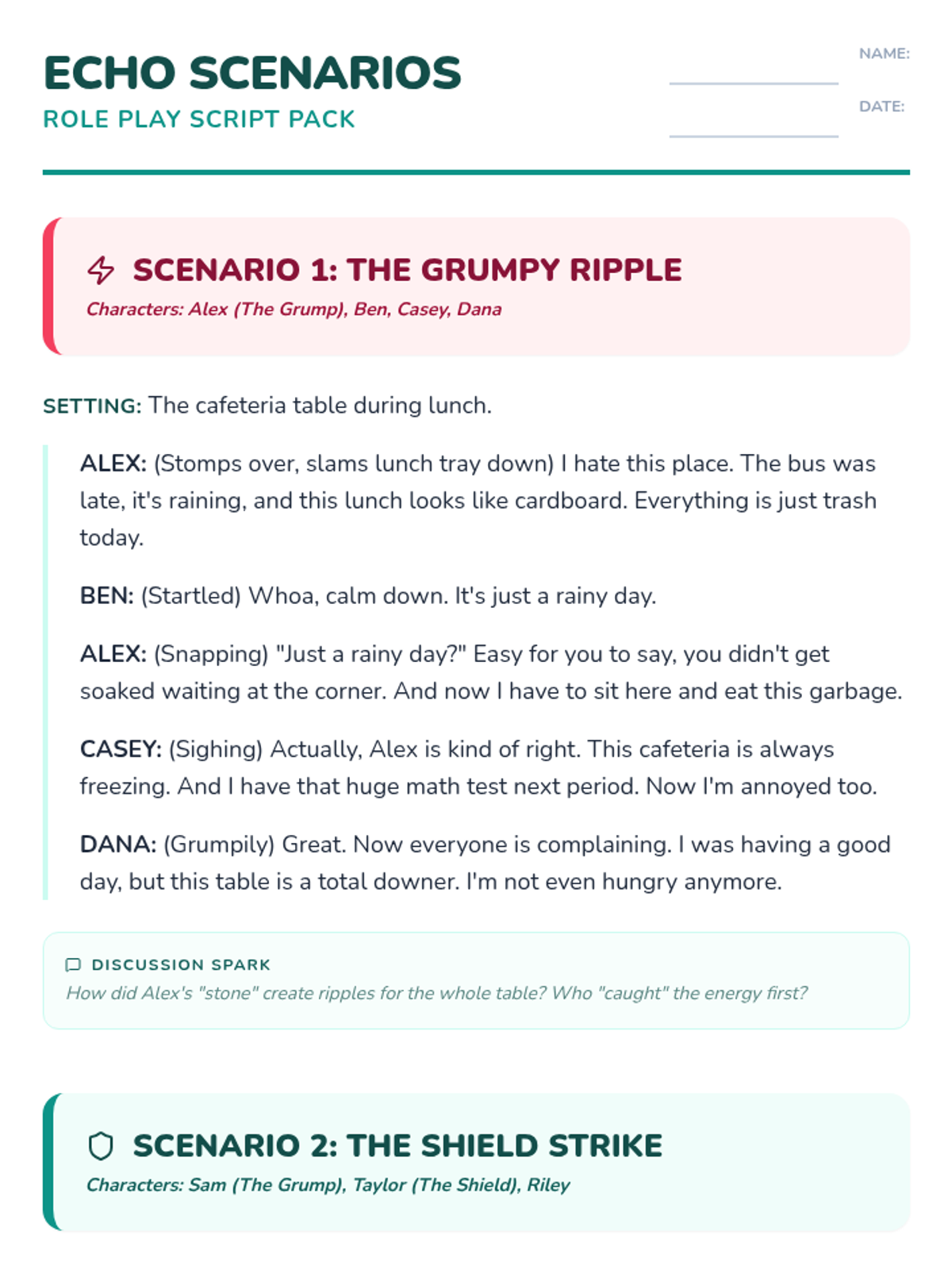
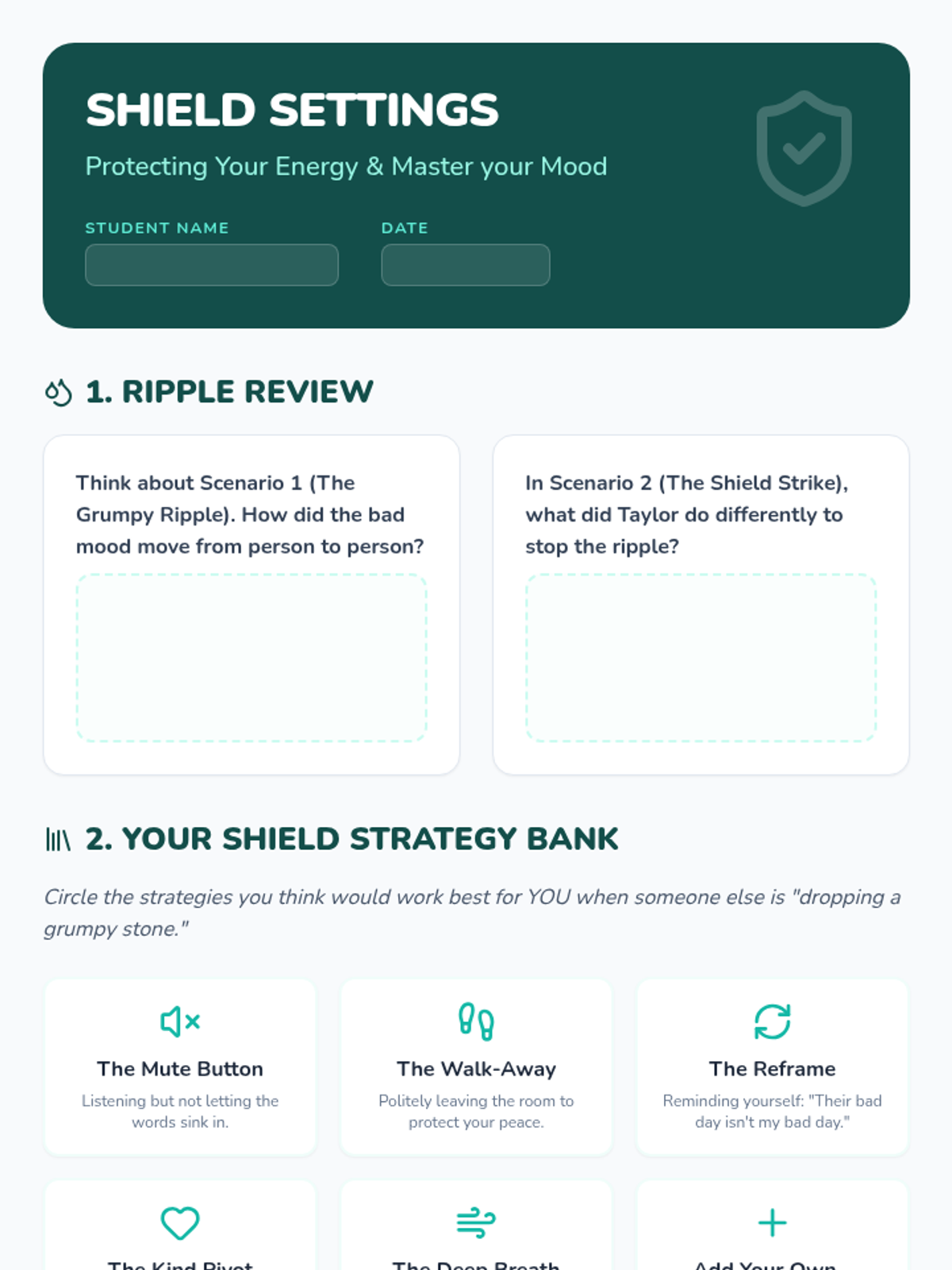
A lesson focused on understanding emotional contagion—how our moods affect others—and developing emotional boundaries to protect our own energy from the moods of others. Students will explore the "ripple effect" through visual metaphors and interactive role-play.
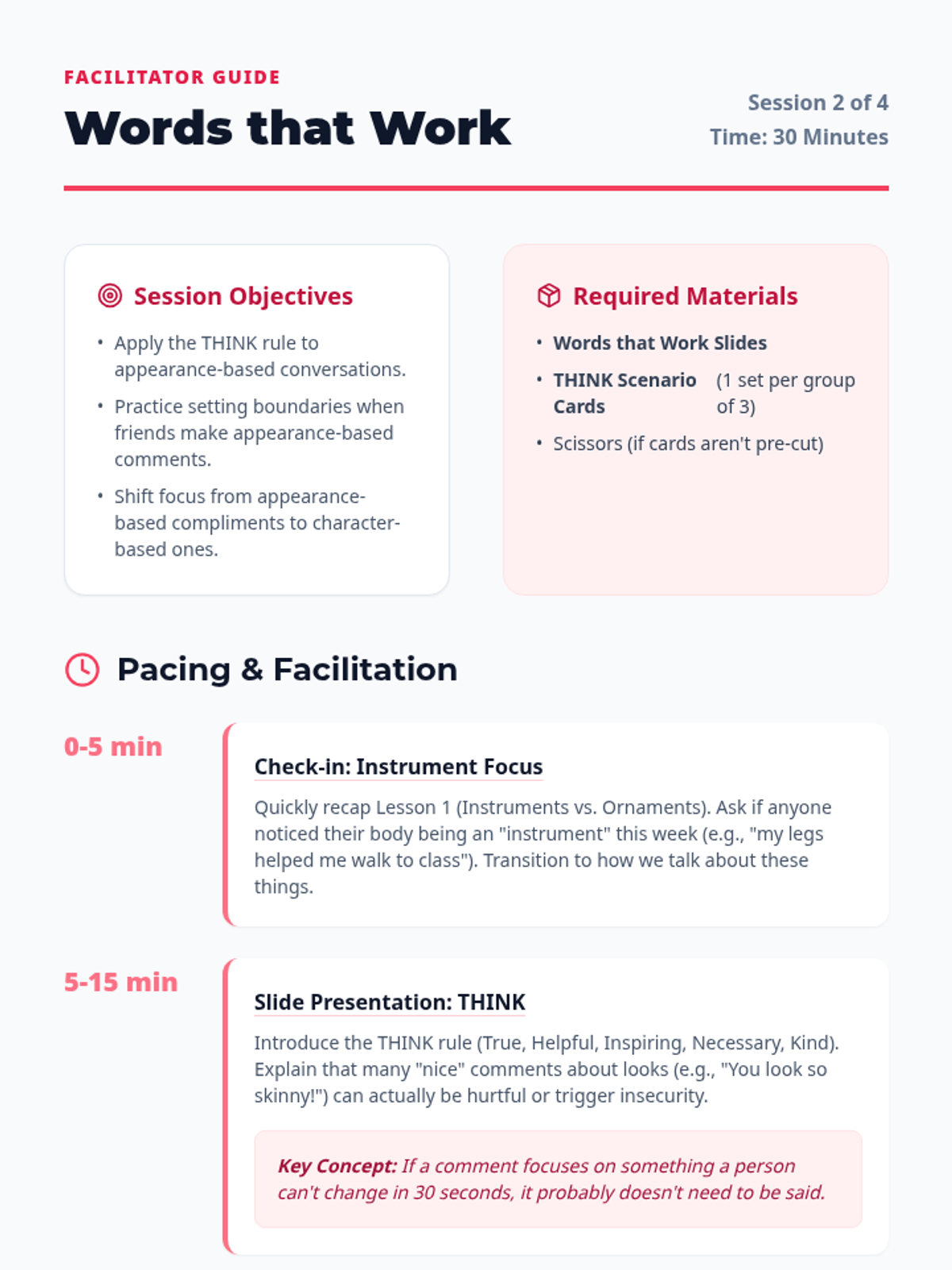
Focusing on interpersonal communication, the THINK rule, setting boundaries, and positive social interactions.
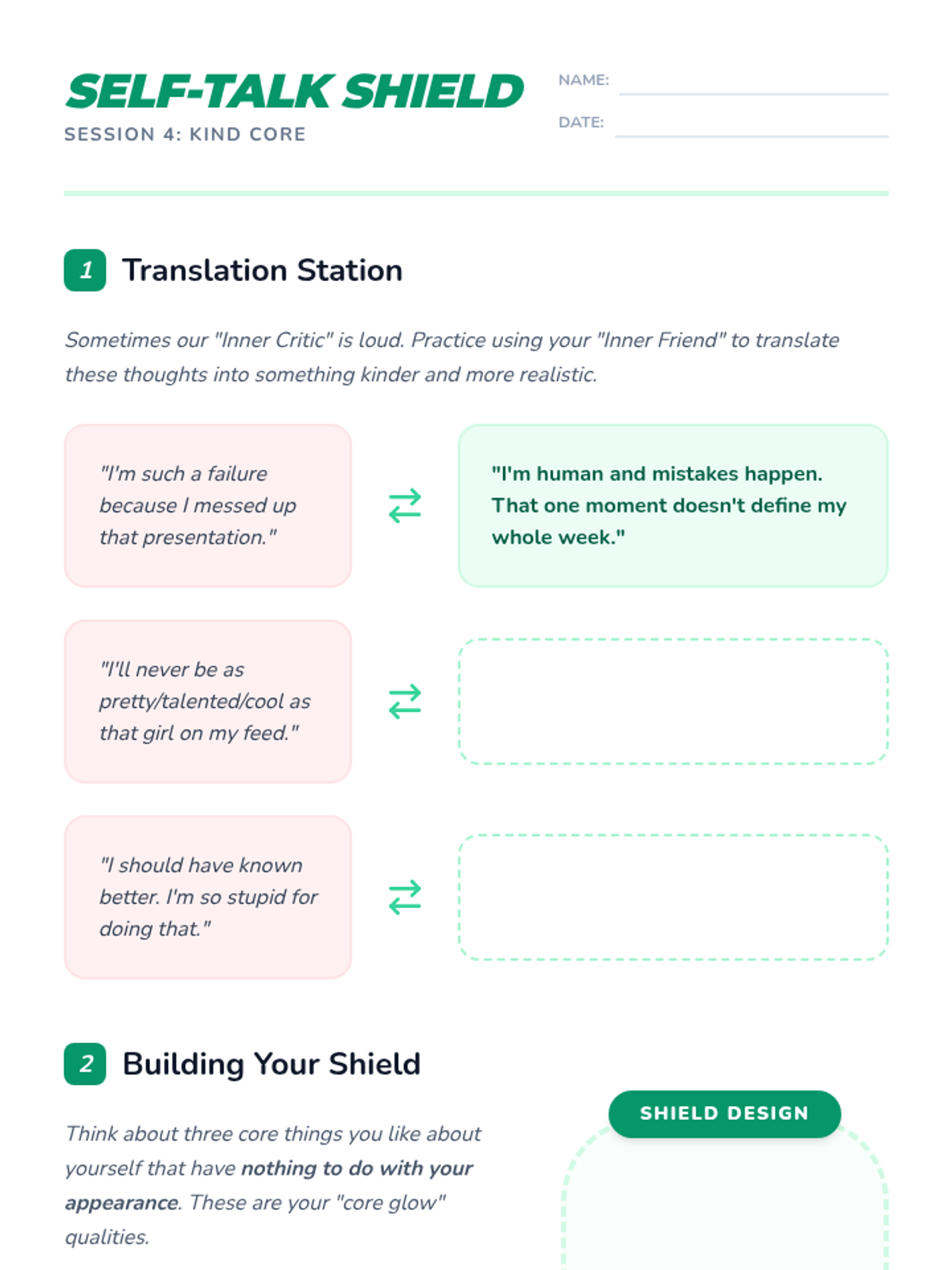
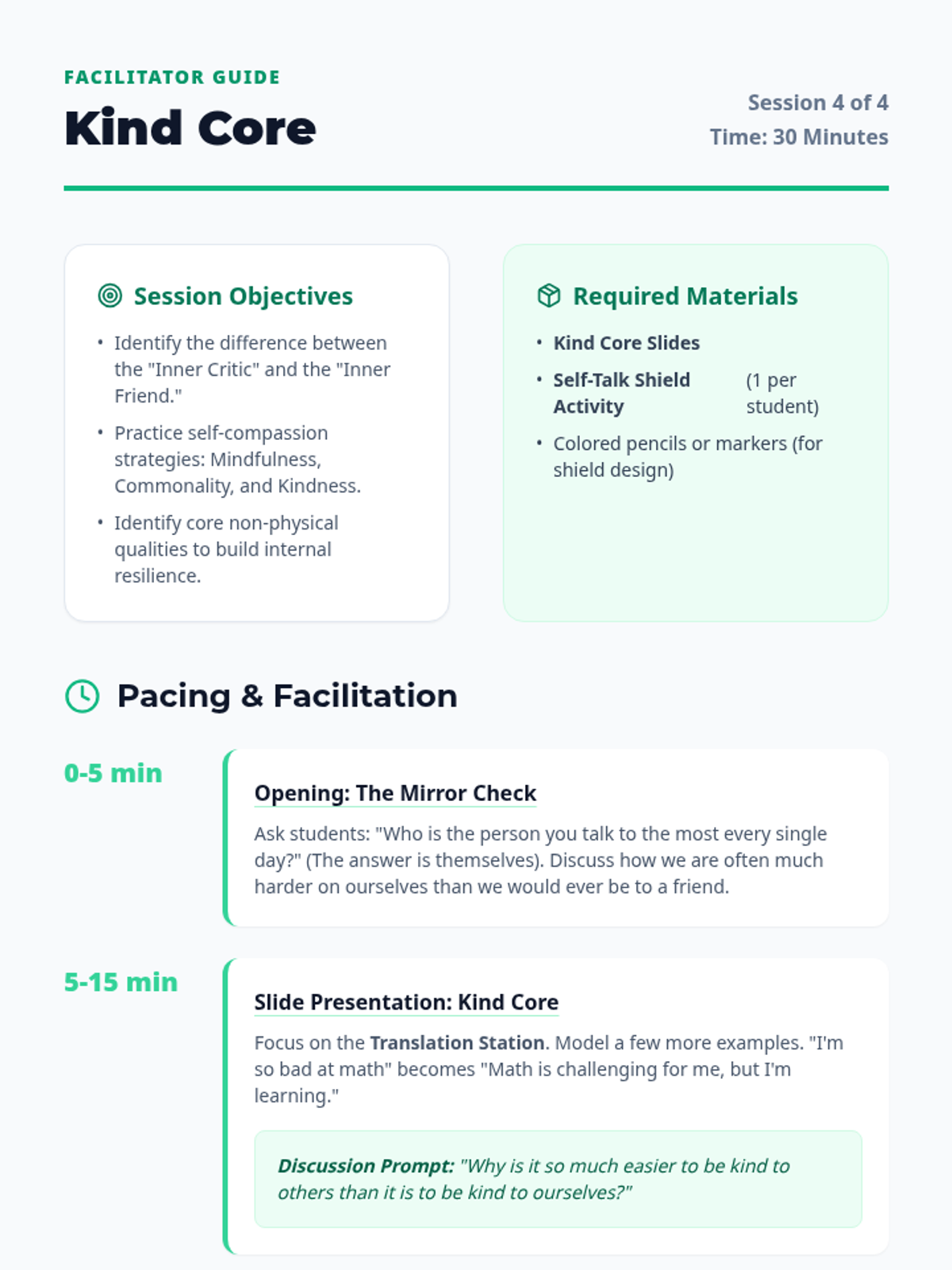
Focusing on building a kinder inner dialogue, transitioning from a self-critical voice to a self-compassionate one, and developing resilience through positive self-talk.
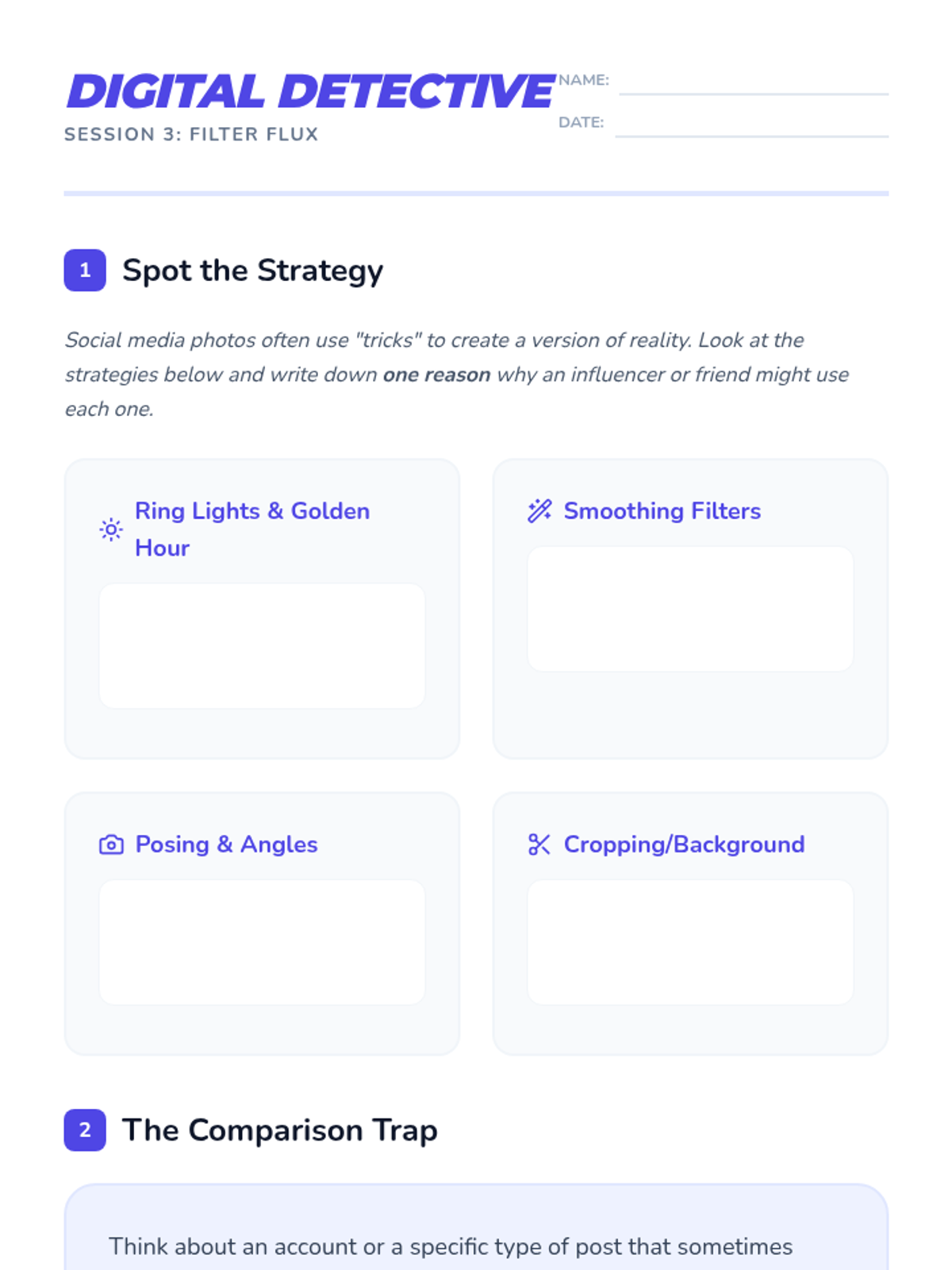
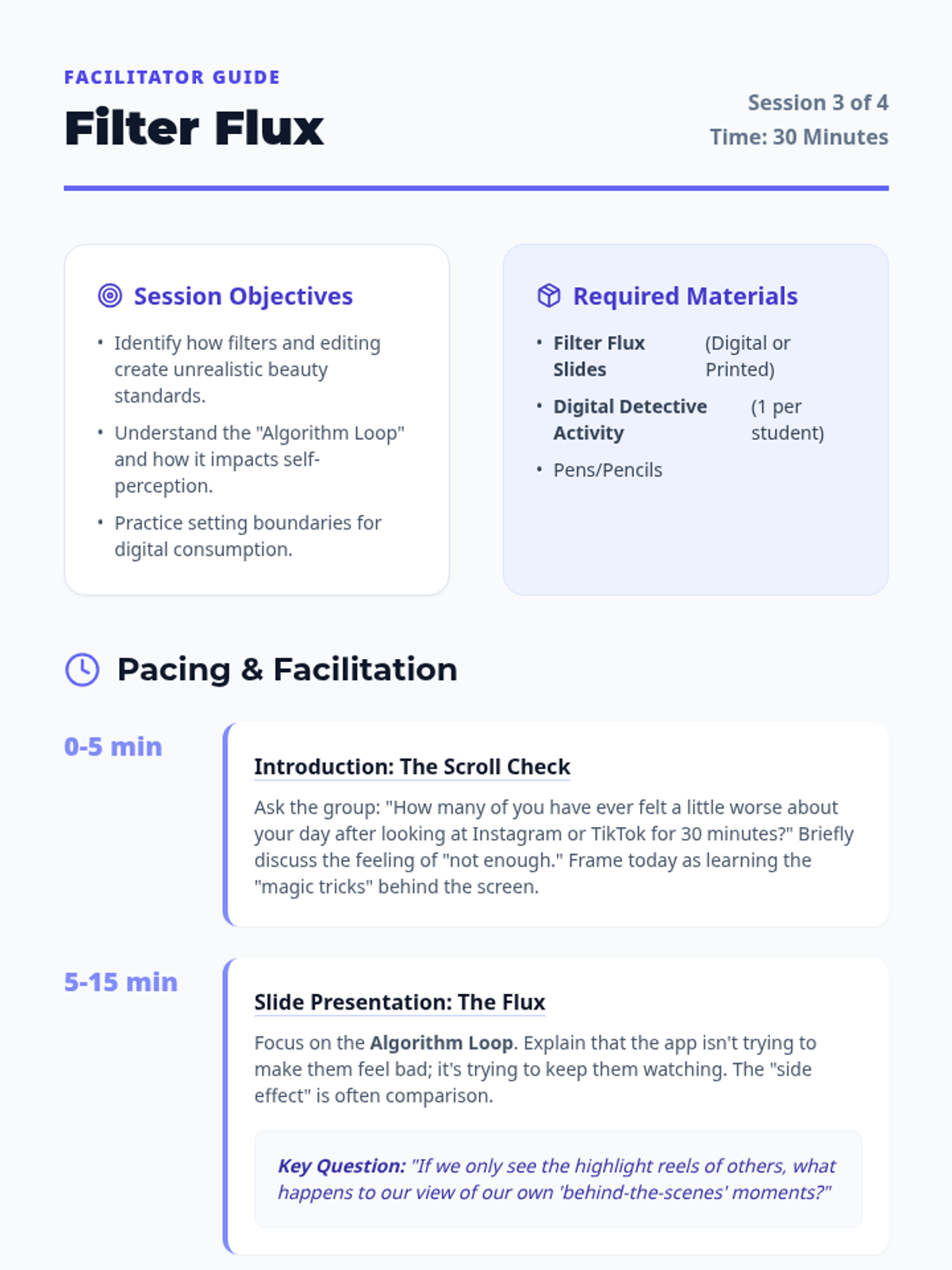
Exploring the world of social media, filters, and algorithms to understand how digital spaces influence our self-perception and how to navigate them authentically.
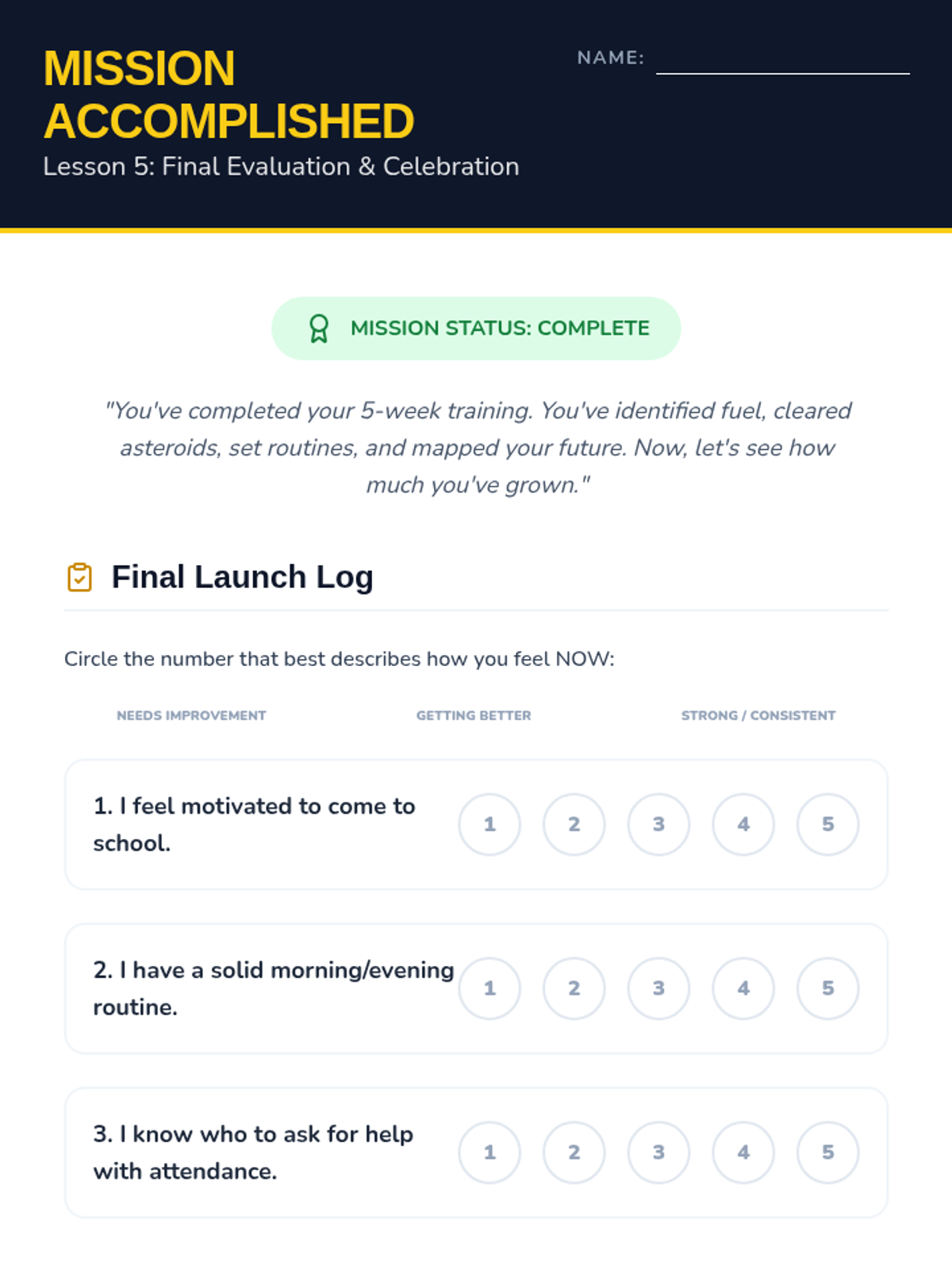
The final session reviews key takeaways, celebrates progress, and includes the 'Mission Accomplished' post-assessment to measure growth in attitudes toward attendance.
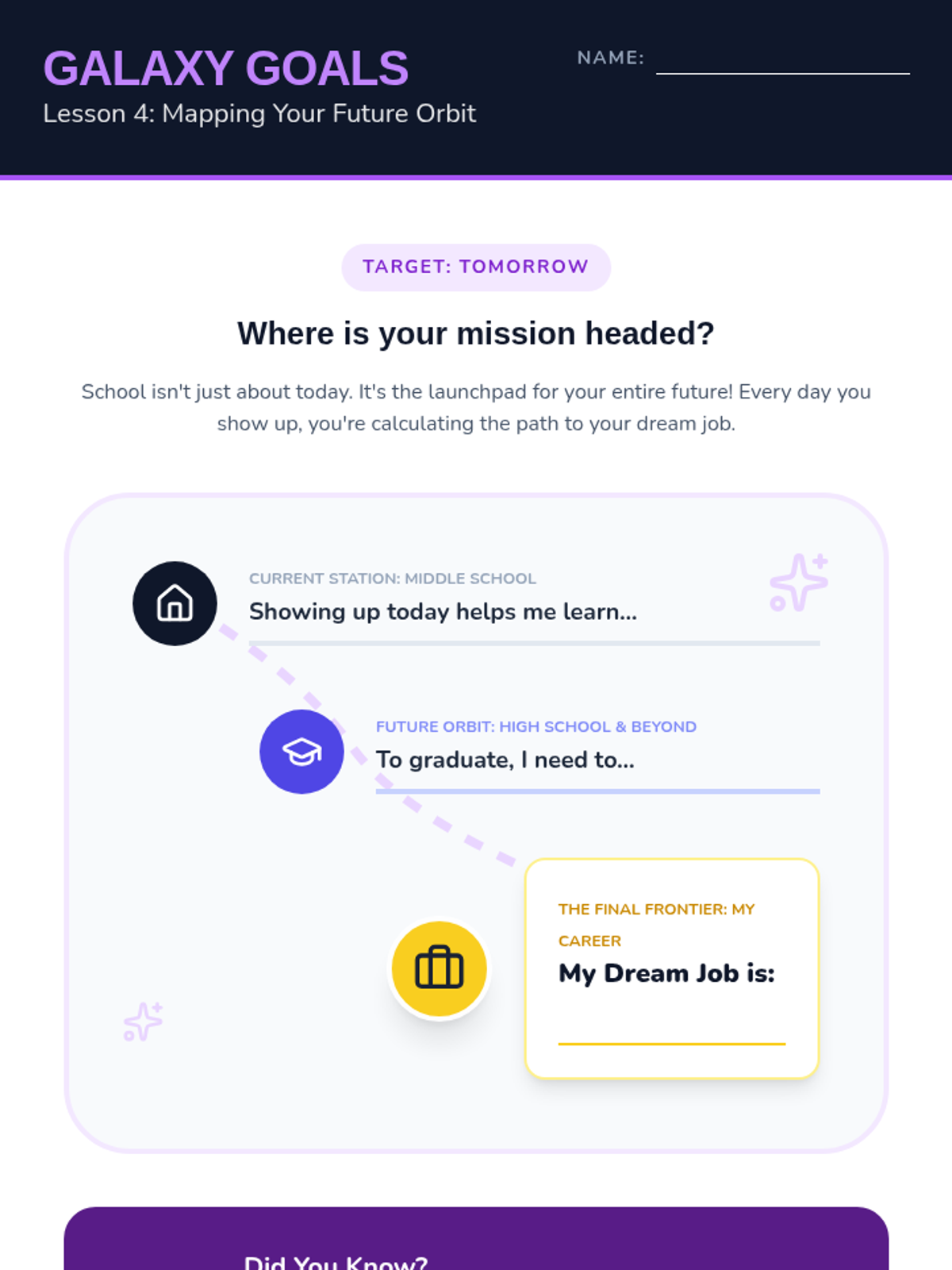
Students connect their daily presence in school to their long-term 'Galaxy Goals' and future career aspirations, understanding that every day in school is a step toward their dreams.
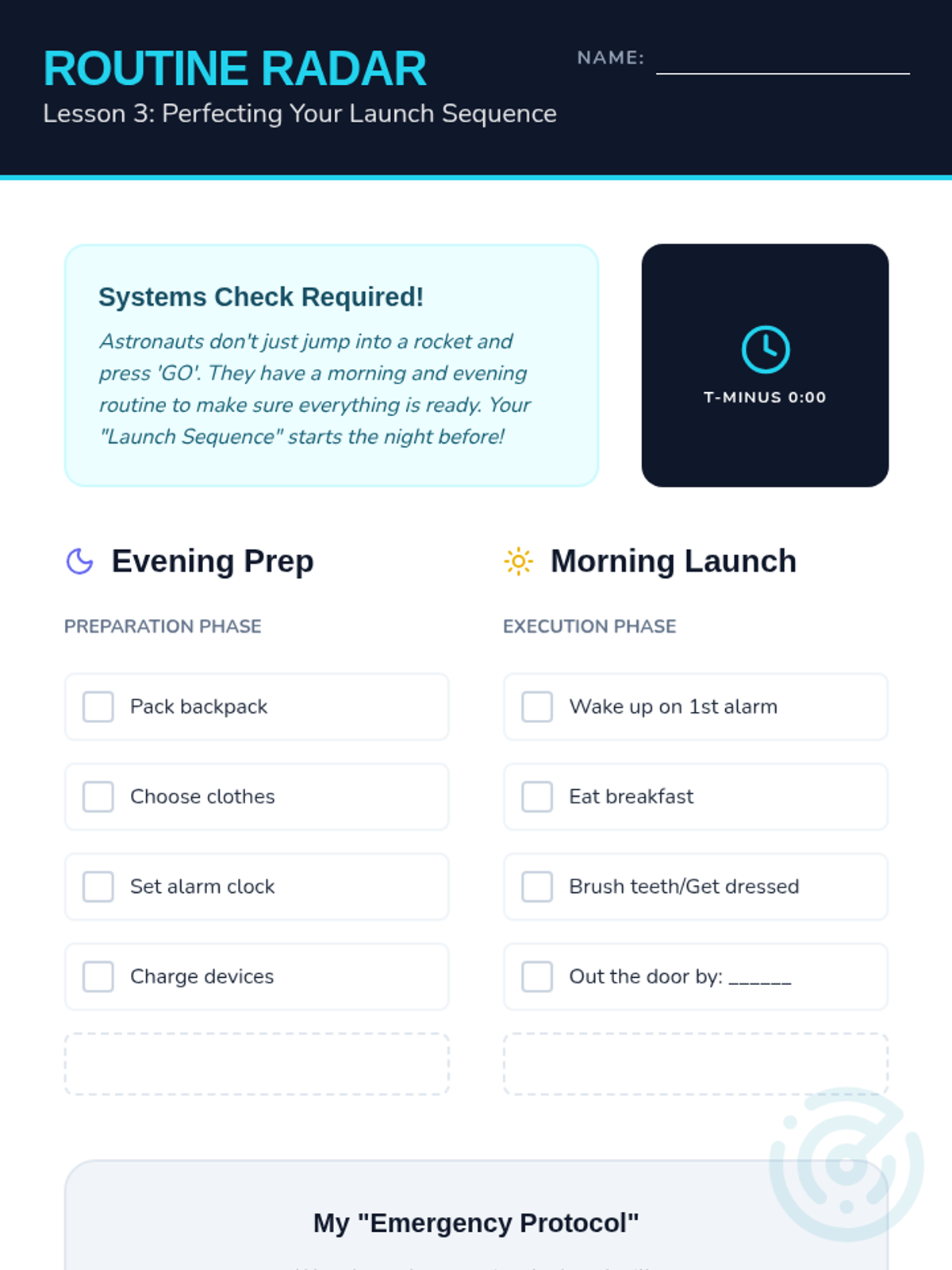
Focuses on building 'System Checks' through morning and evening routines. Students design their own 'Routine Radar' to ensure a smooth launch every school day.
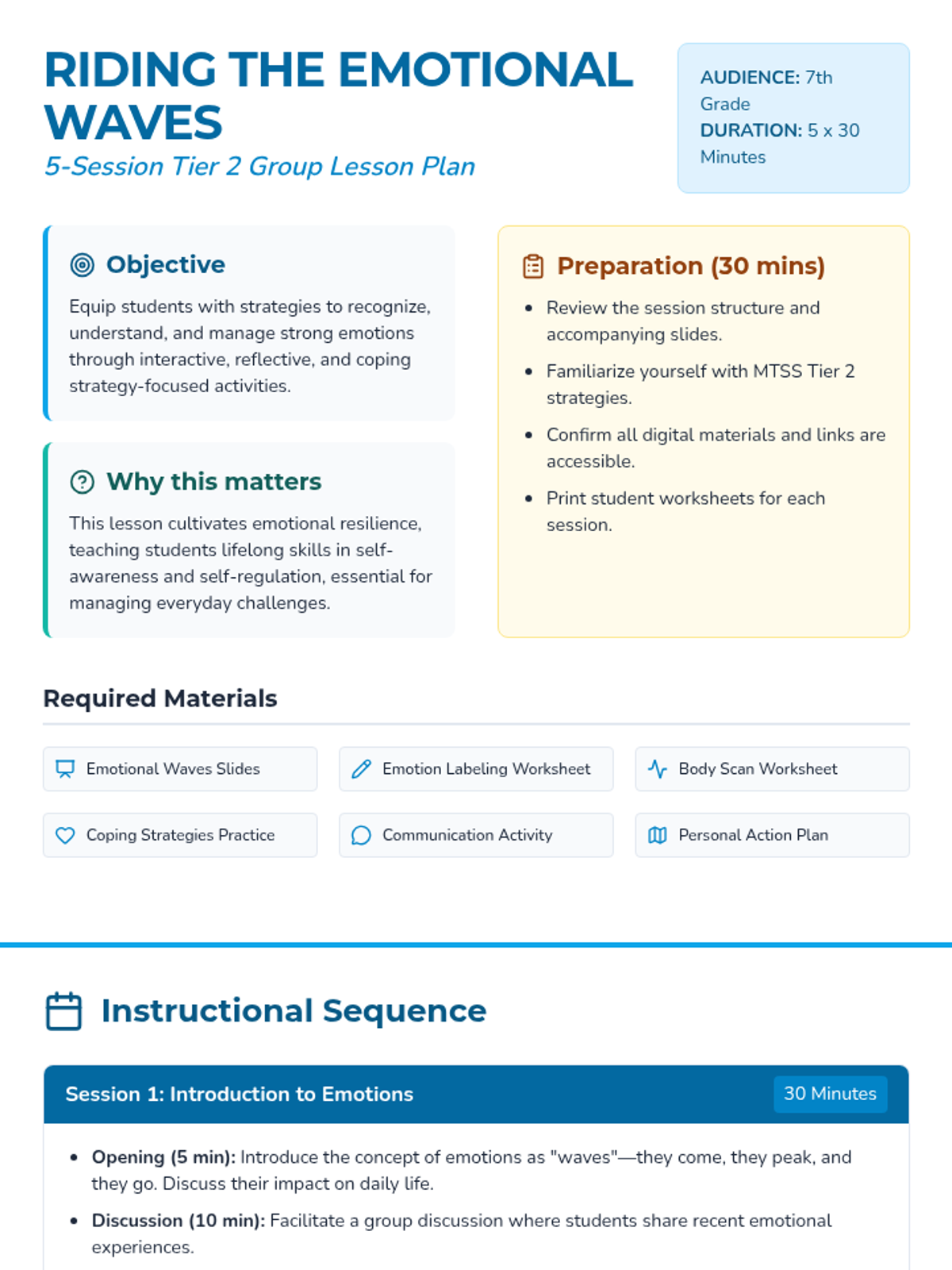
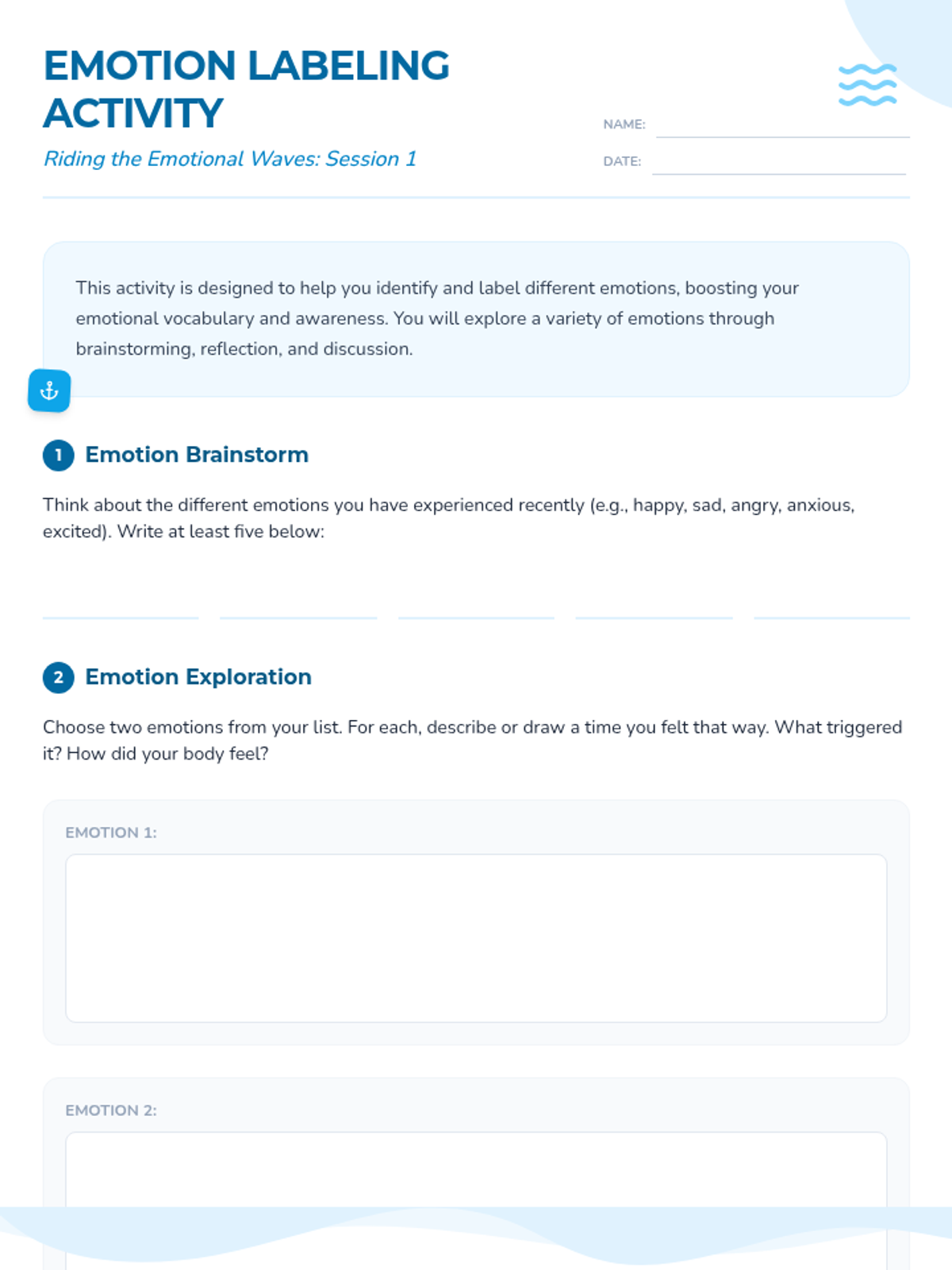
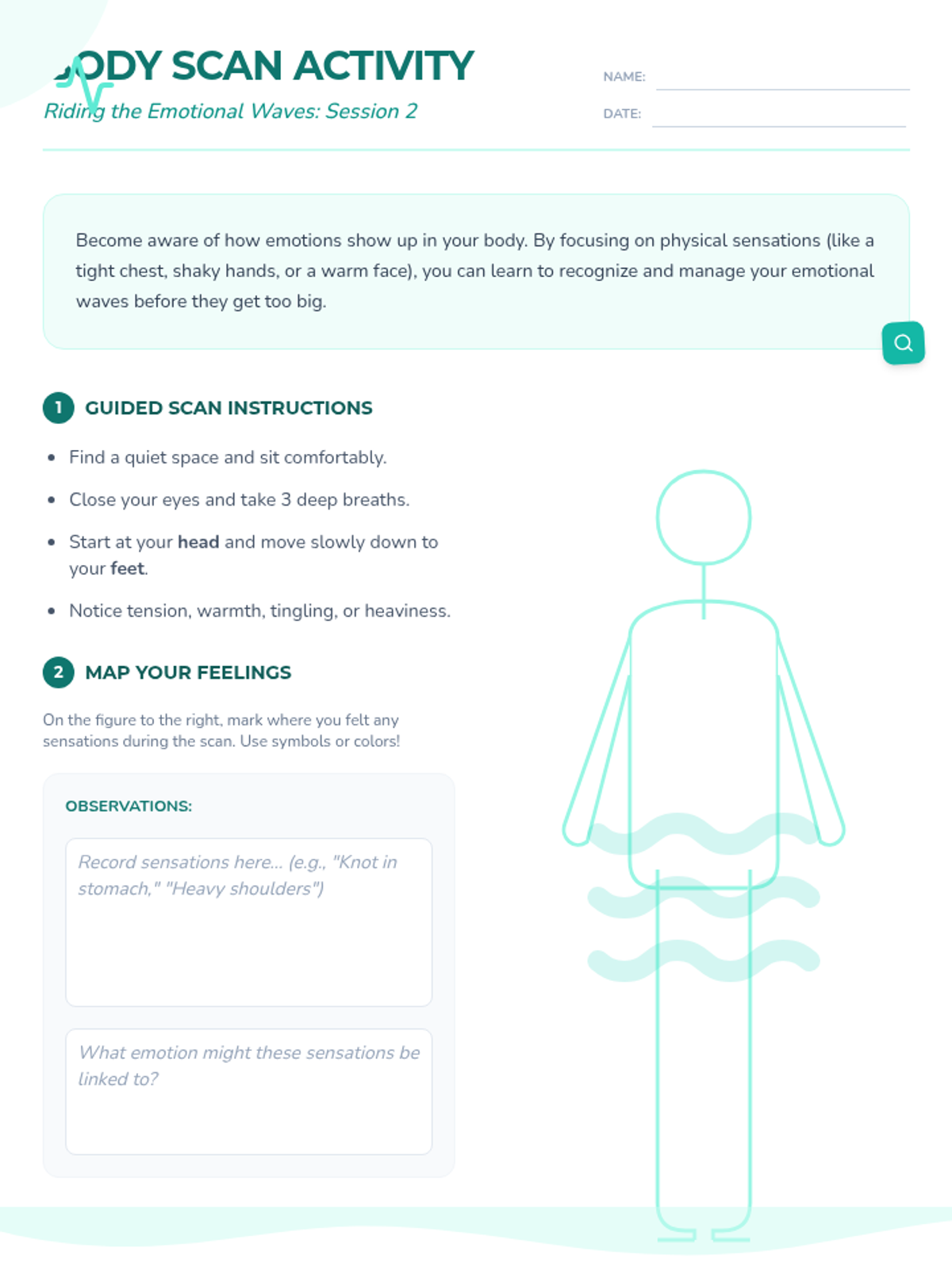
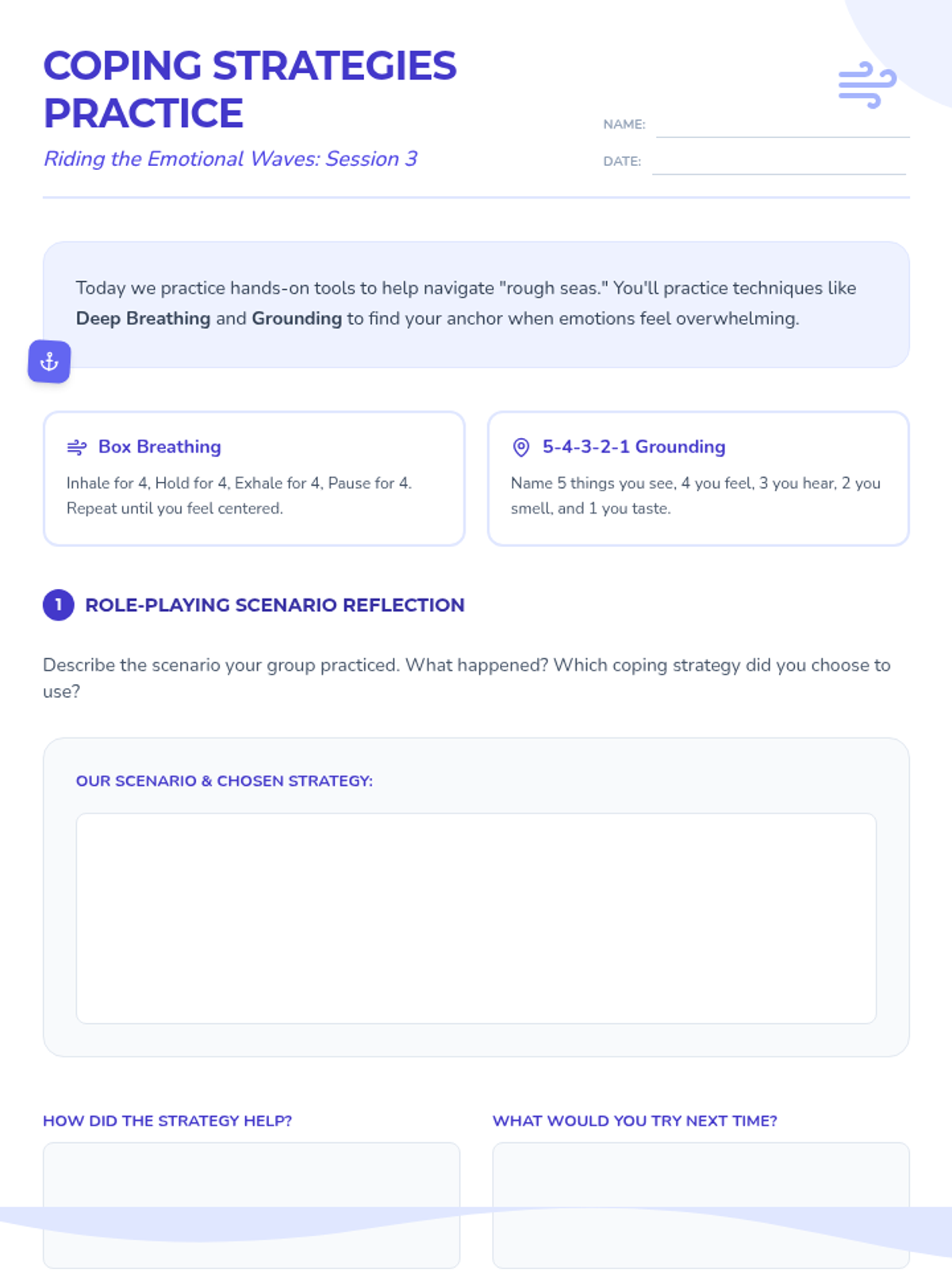
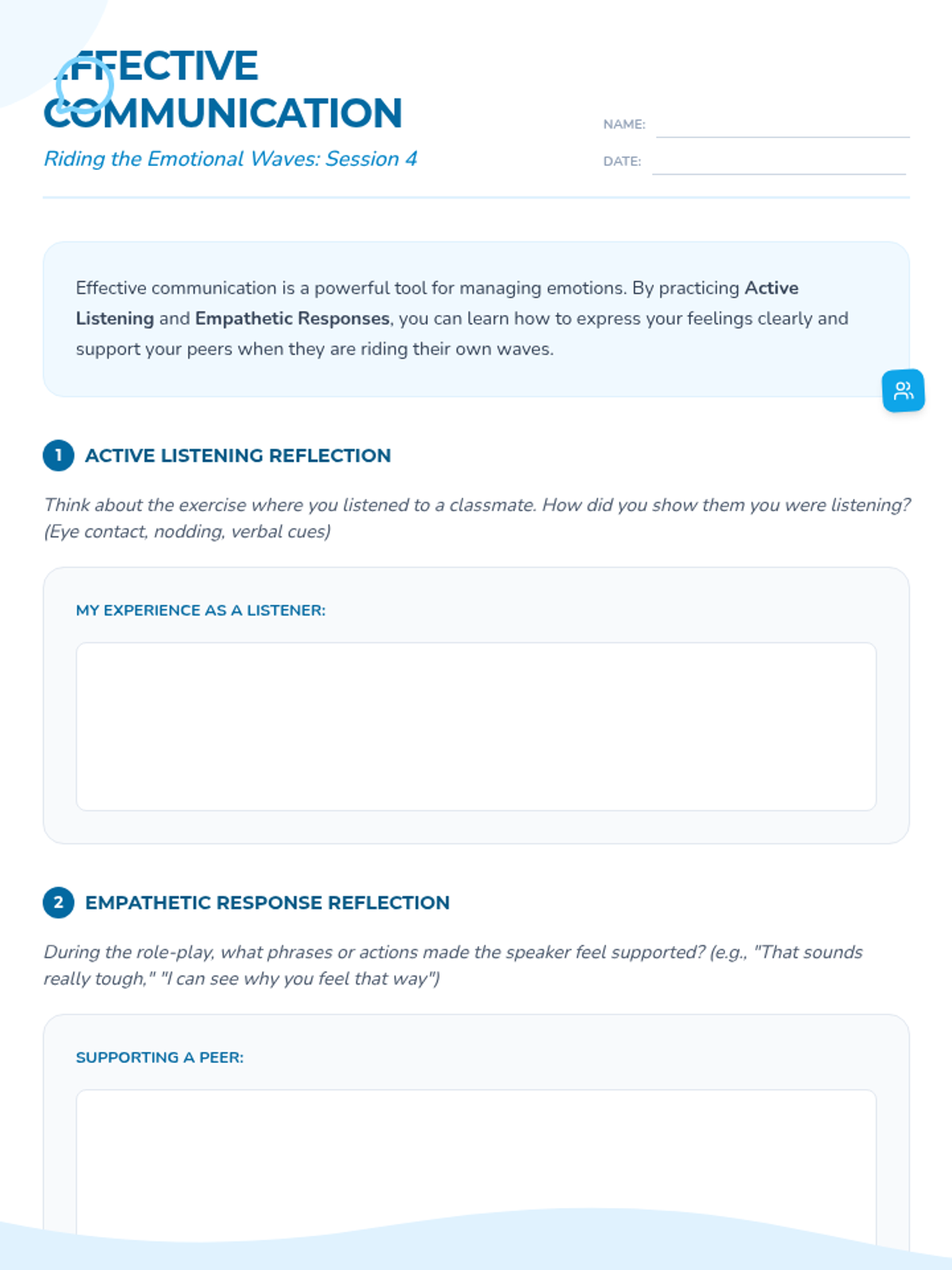
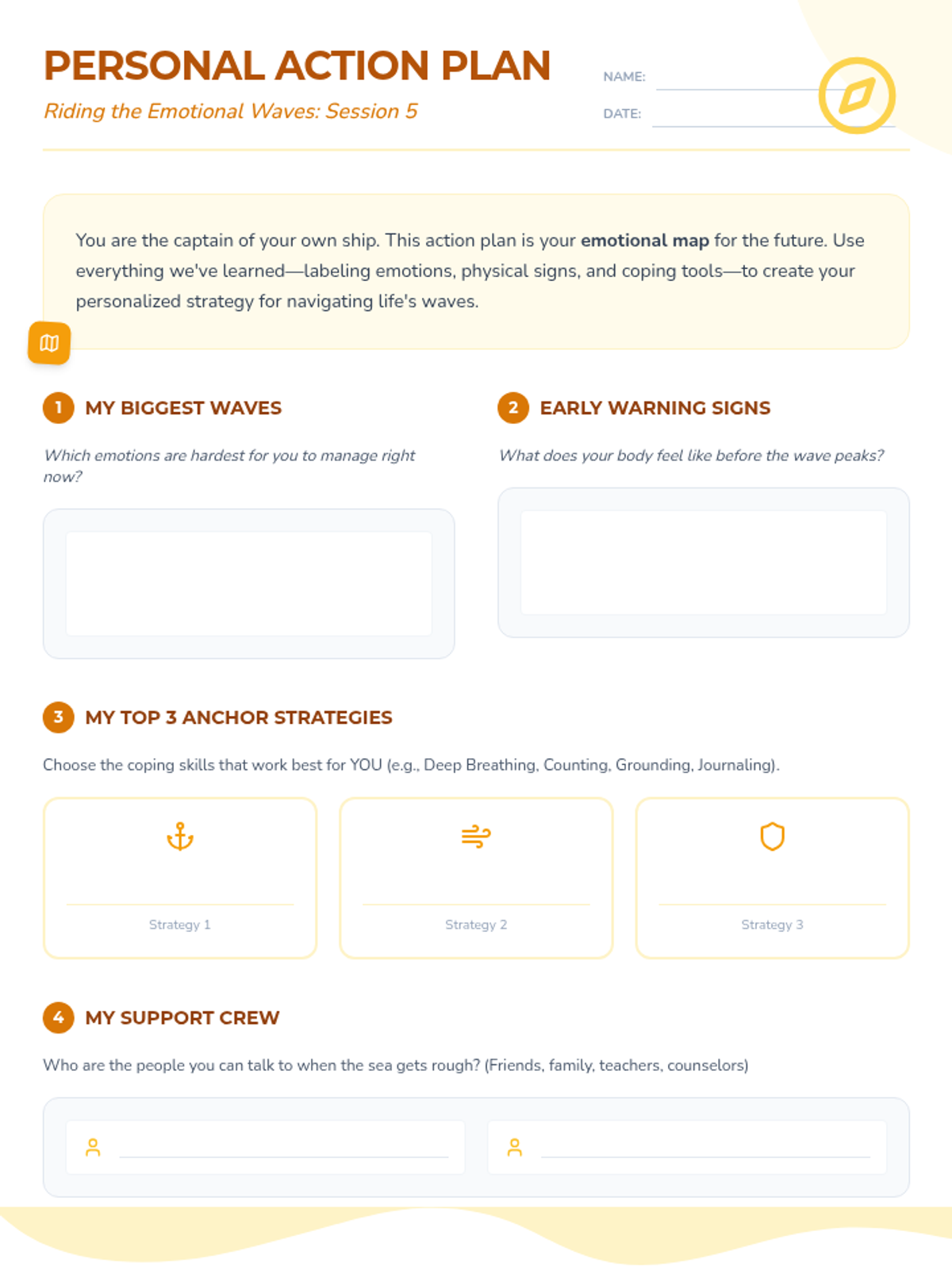
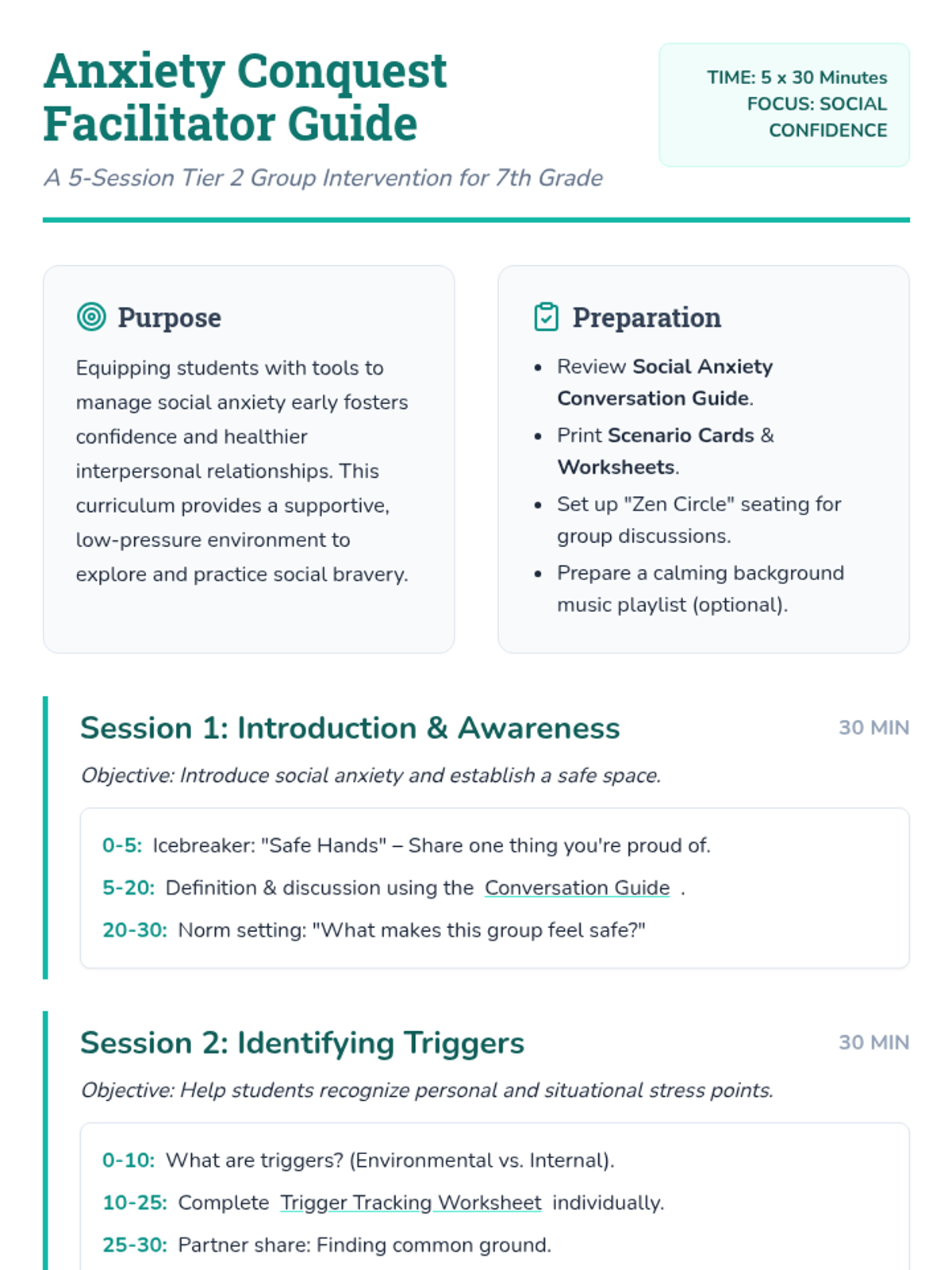
A 5-session Tier 2 group intervention for 7th graders focused on emotional regulation, physical awareness, and coping strategies using an ocean-themed metaphor.
Reflecting on the journey and creating a personalized action plan for ongoing social confidence.
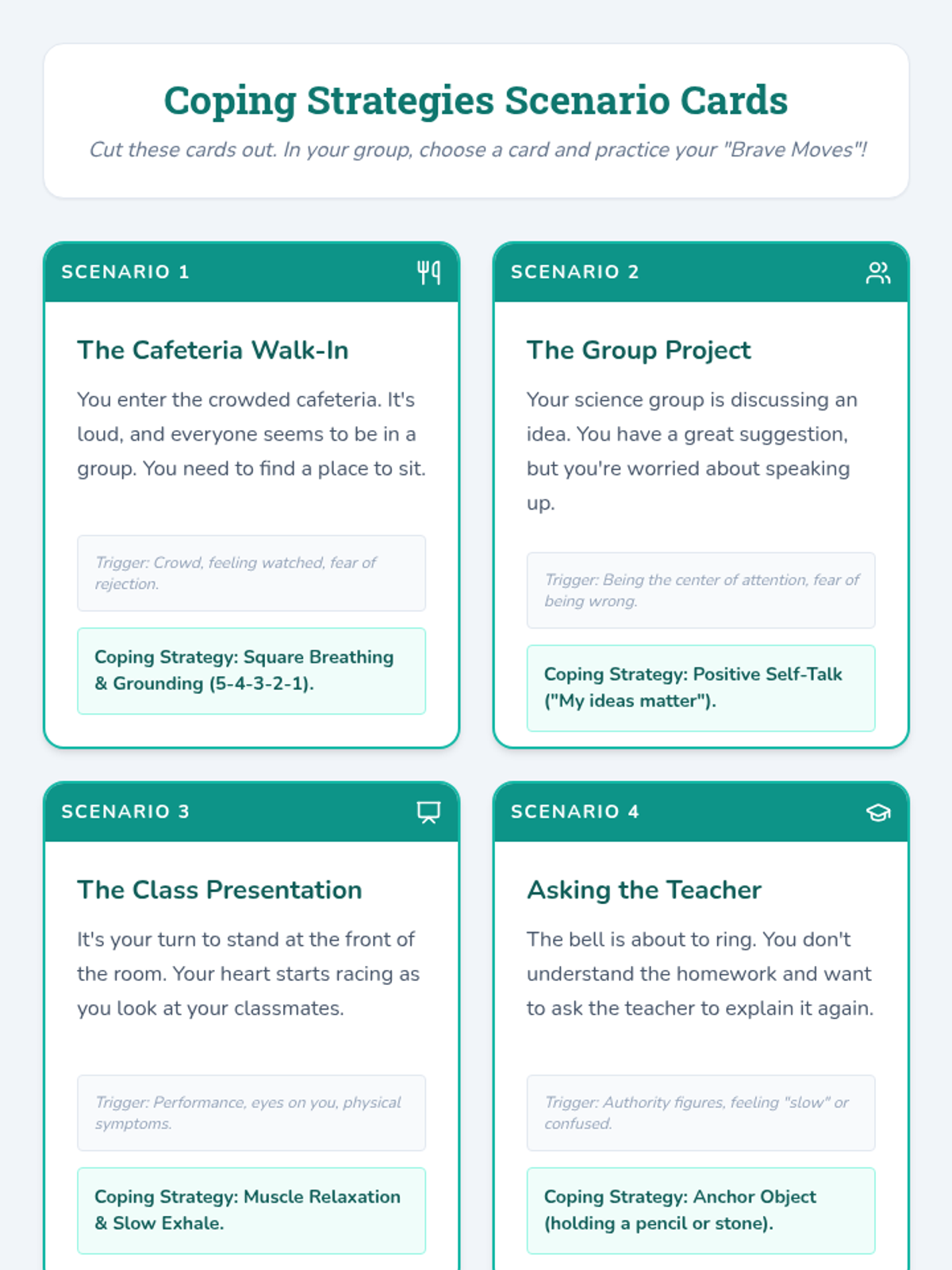
Active practice of coping strategies like deep breathing and positive self-talk through simulated social scenarios.
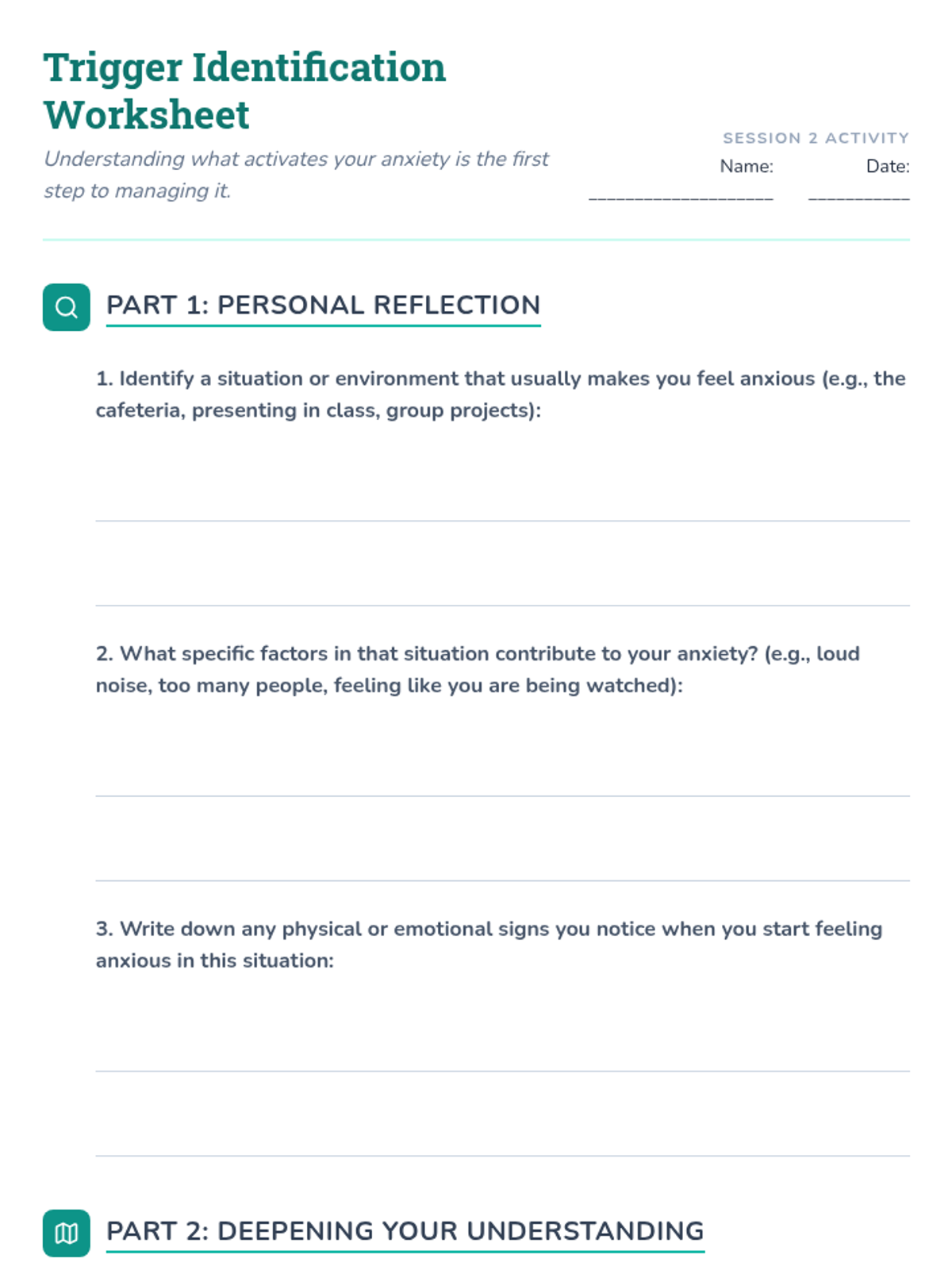
A deep dive into identifying specific situations and environments that trigger feelings of social anxiety.
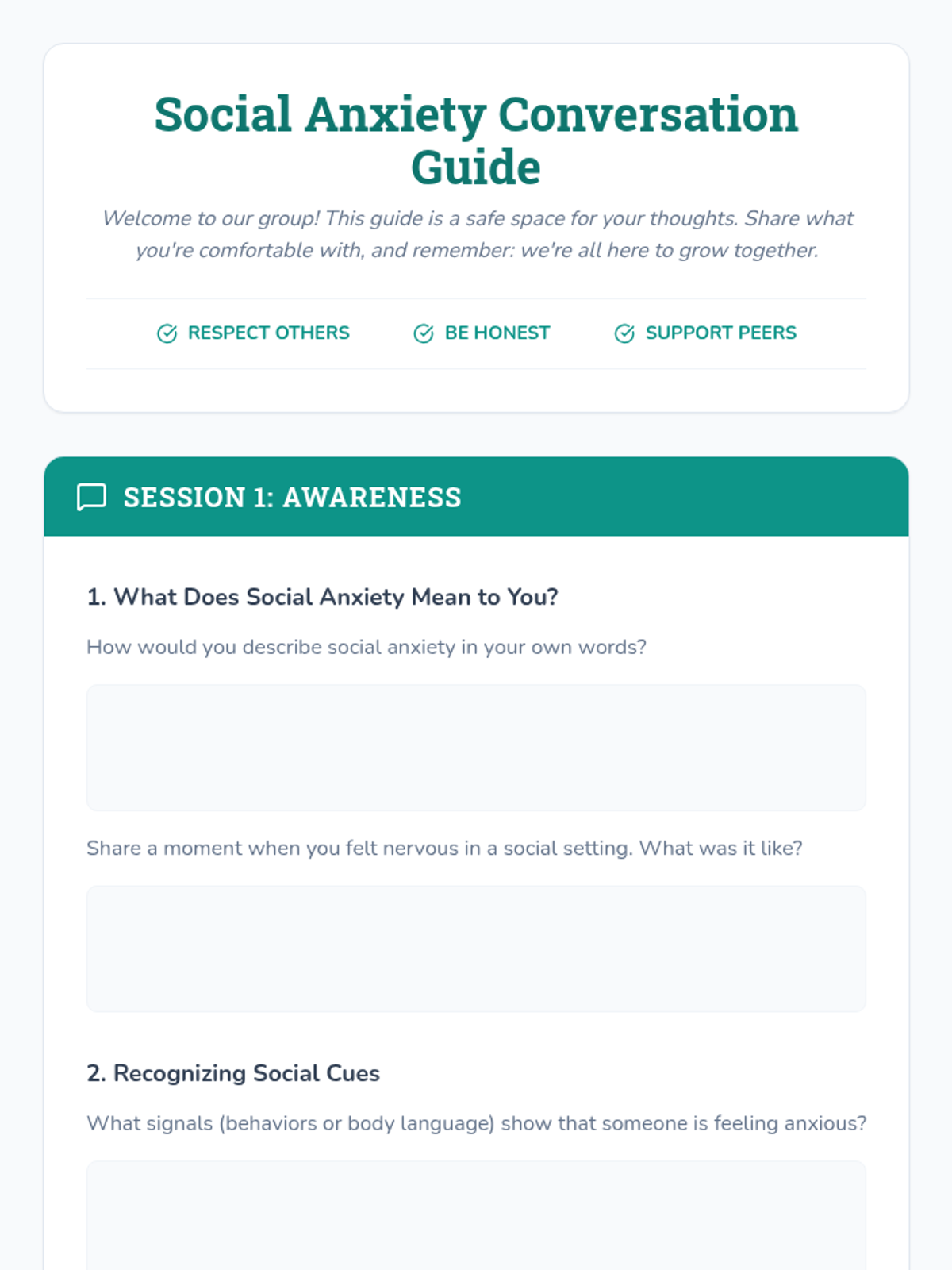
An introduction to the concept of social anxiety, establishing group norms and a safe space for sharing personal experiences.
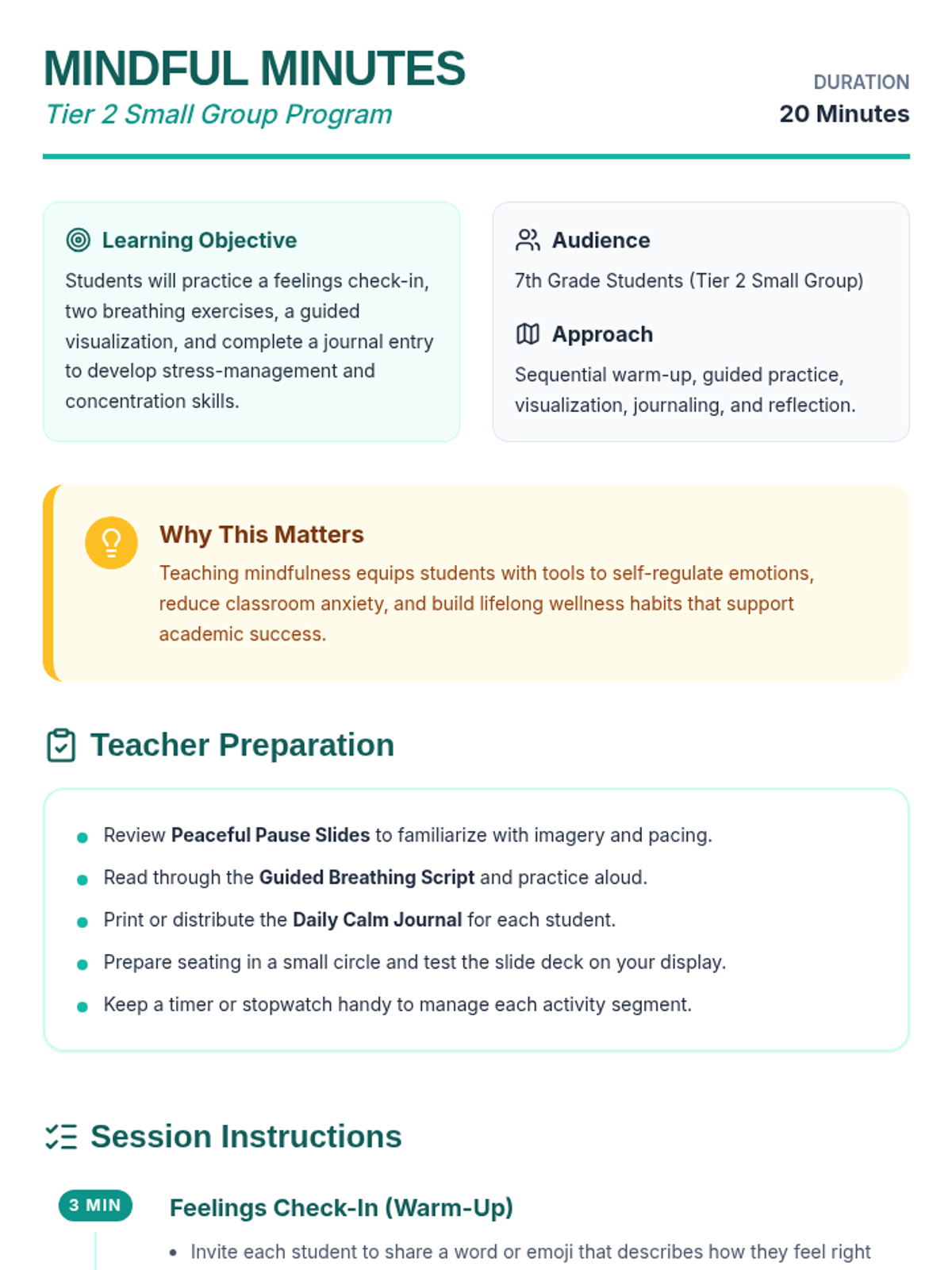
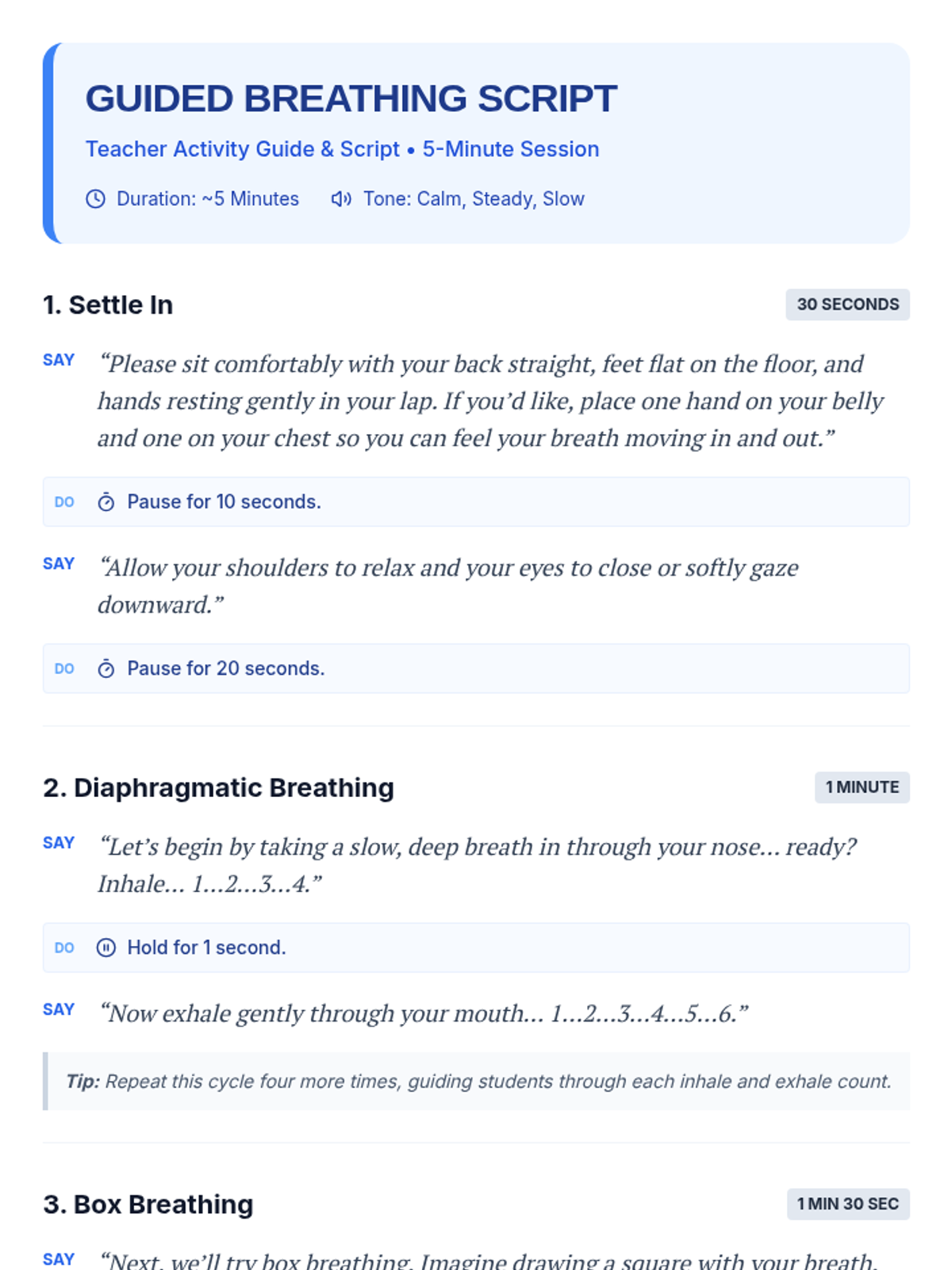
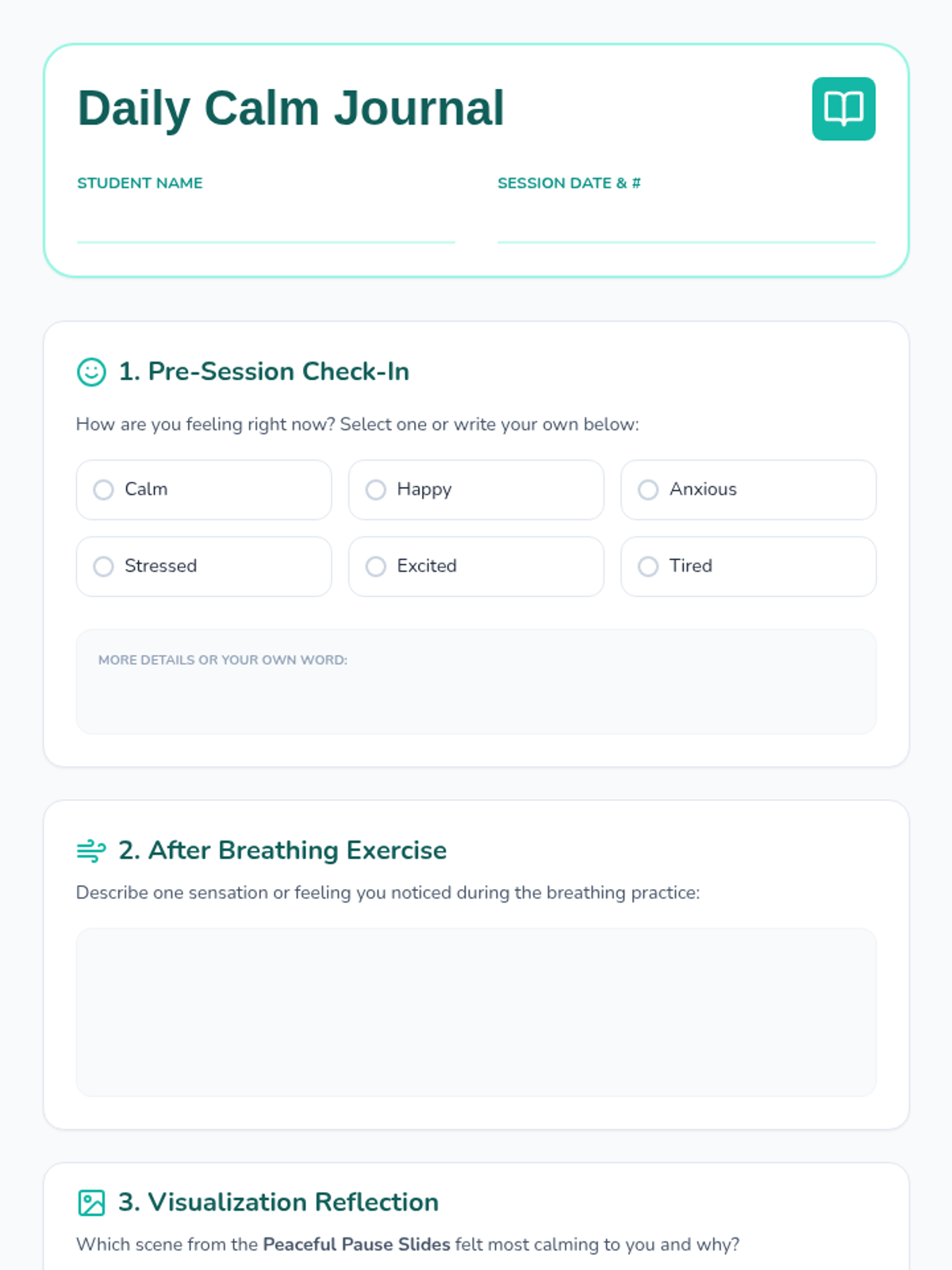
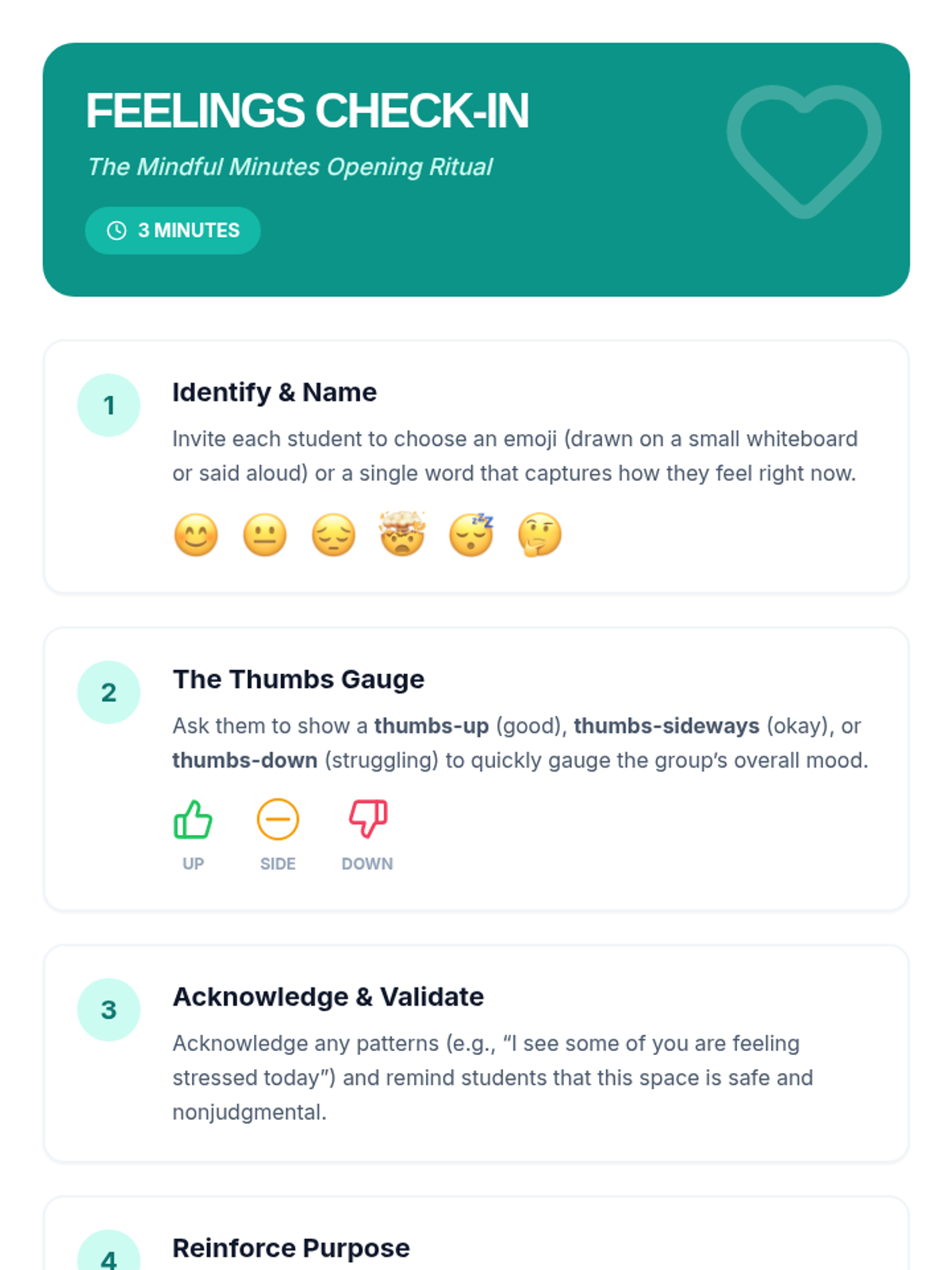
A small-group mindfulness program teaching 7th graders breathing and visualization techniques to reduce stress and improve focus. This Tier 2 group lesson includes 20-minute sessions with structured activities for developing lifelong wellness skills.
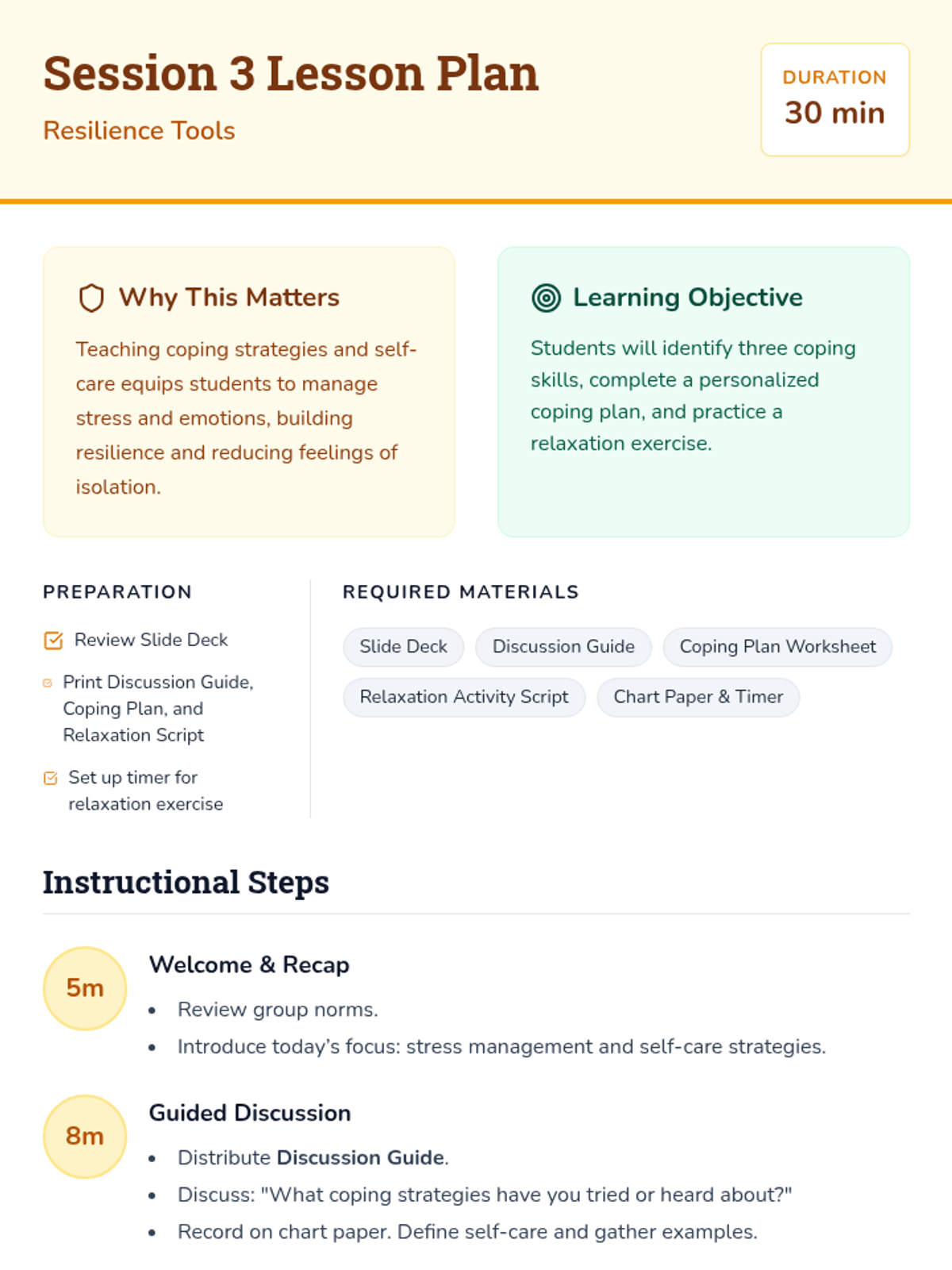
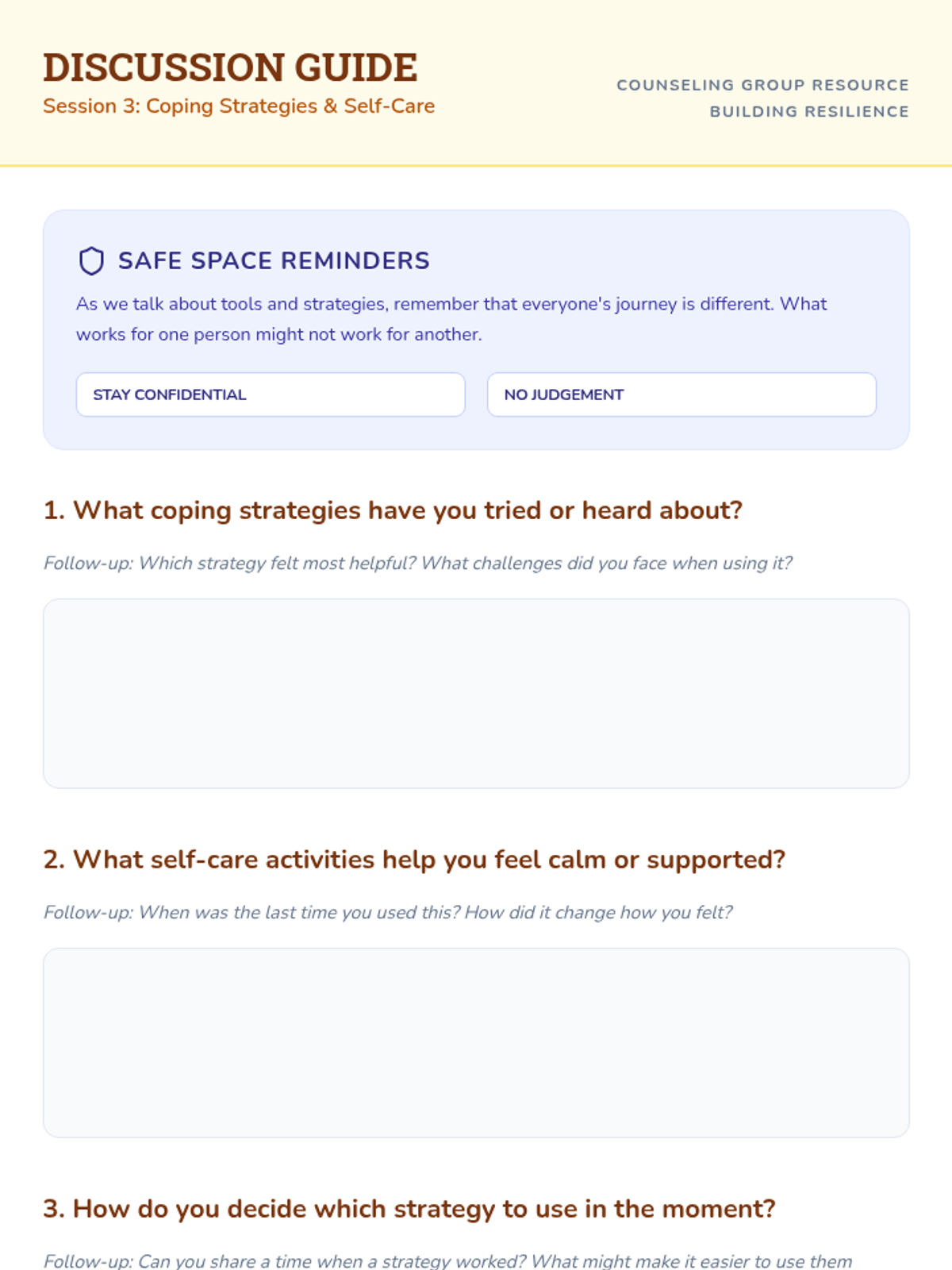
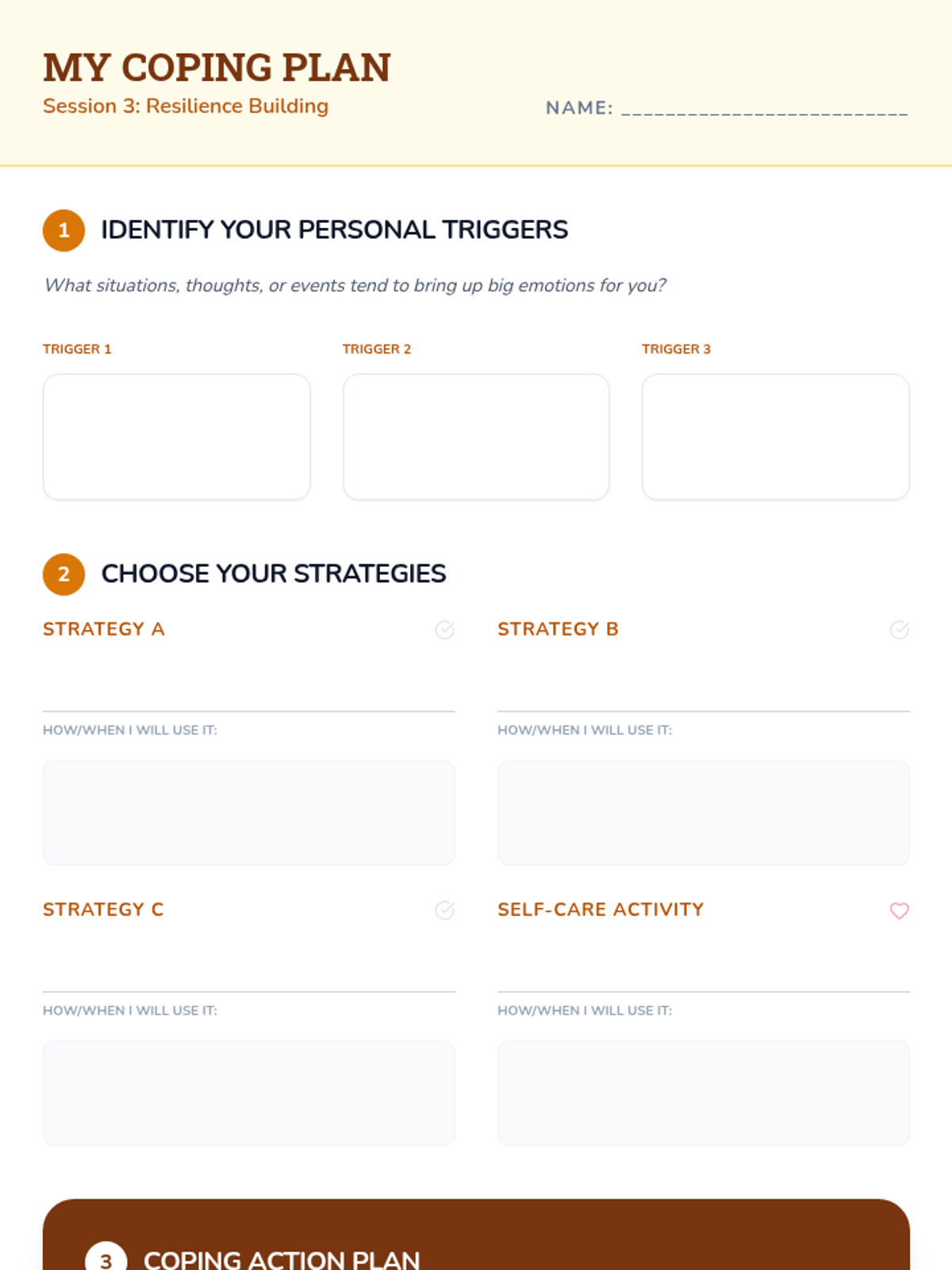
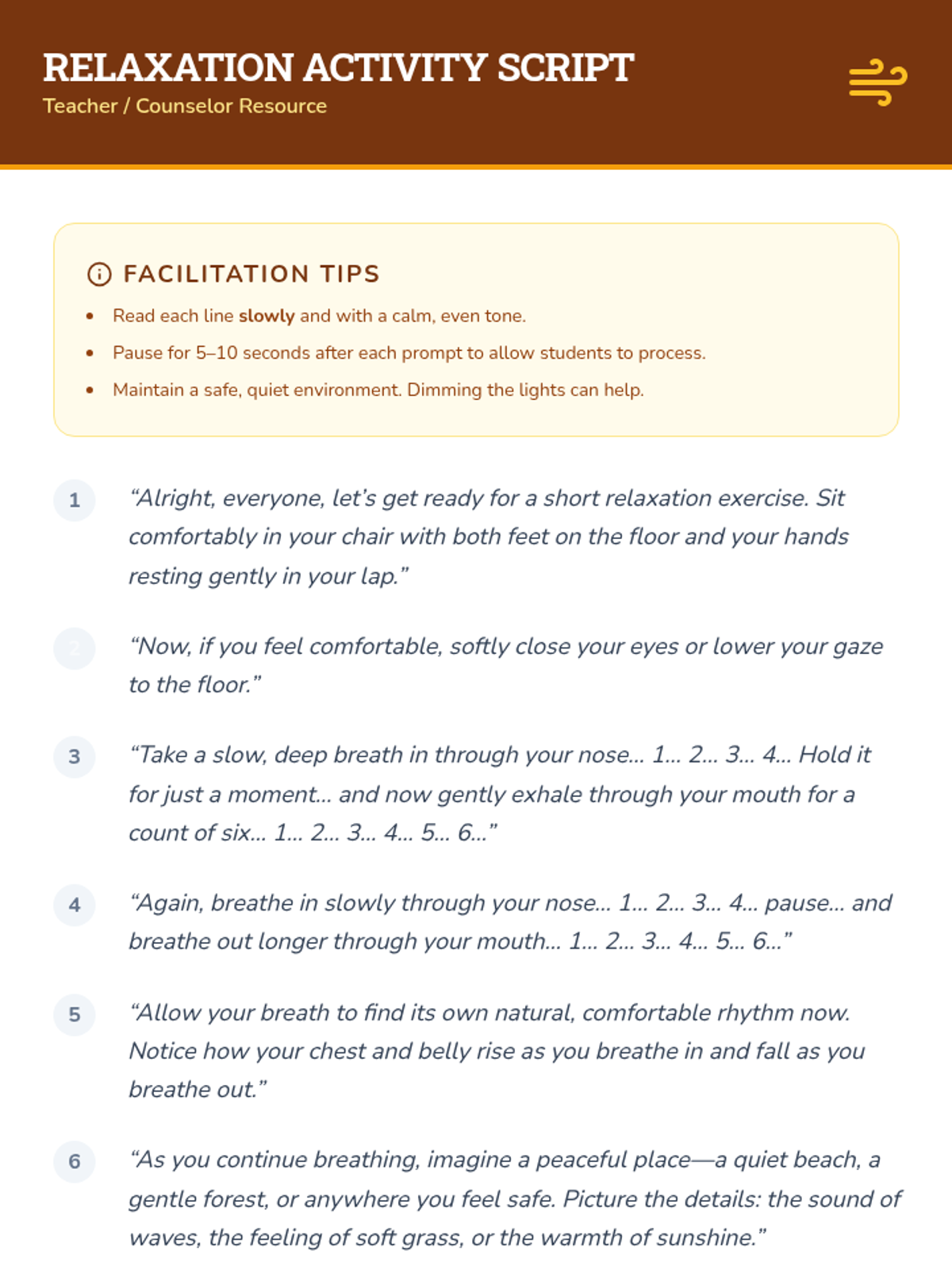
Exploring and practicing practical coping strategies and self-care techniques to manage stress and difficult emotions.
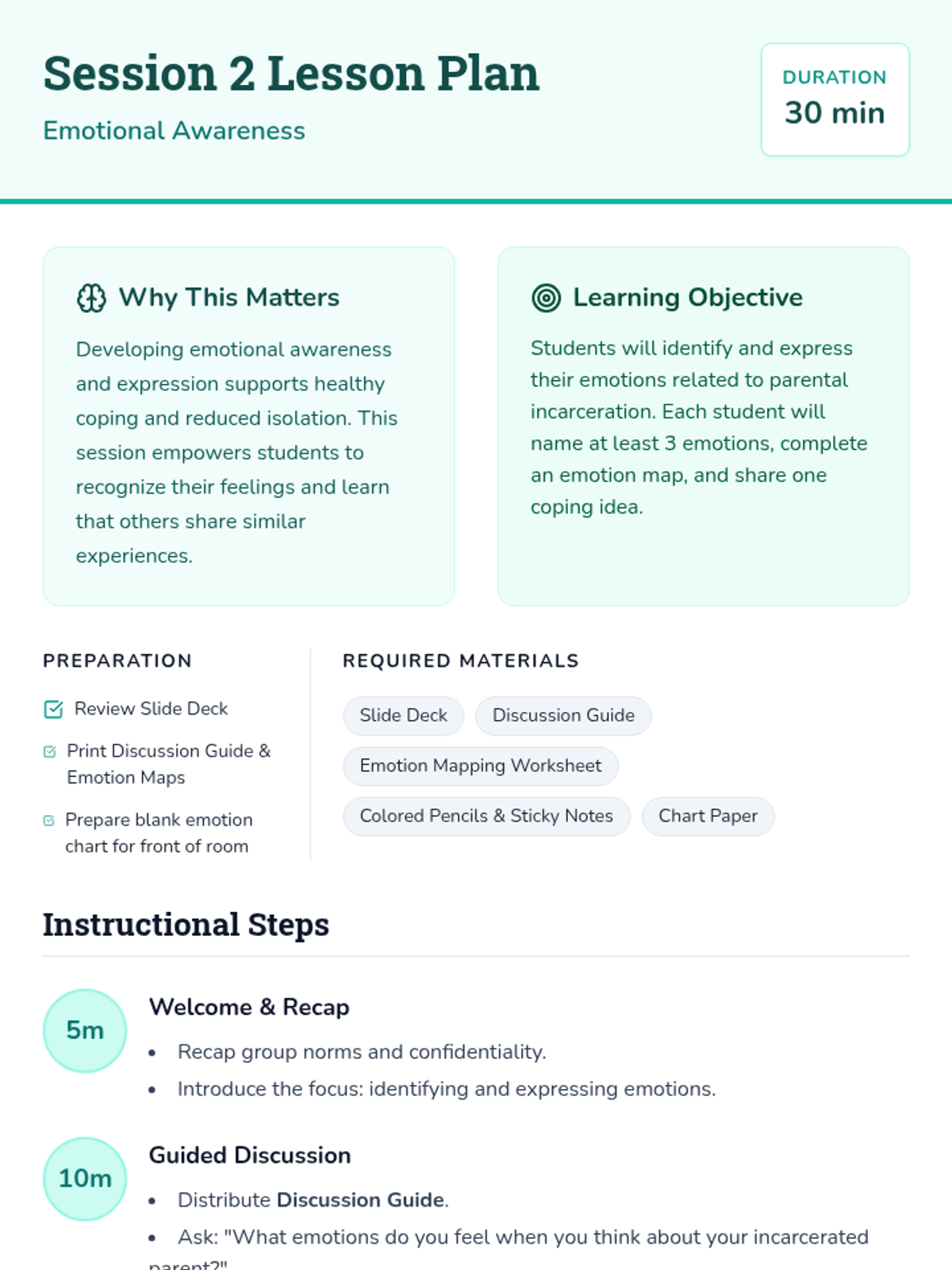
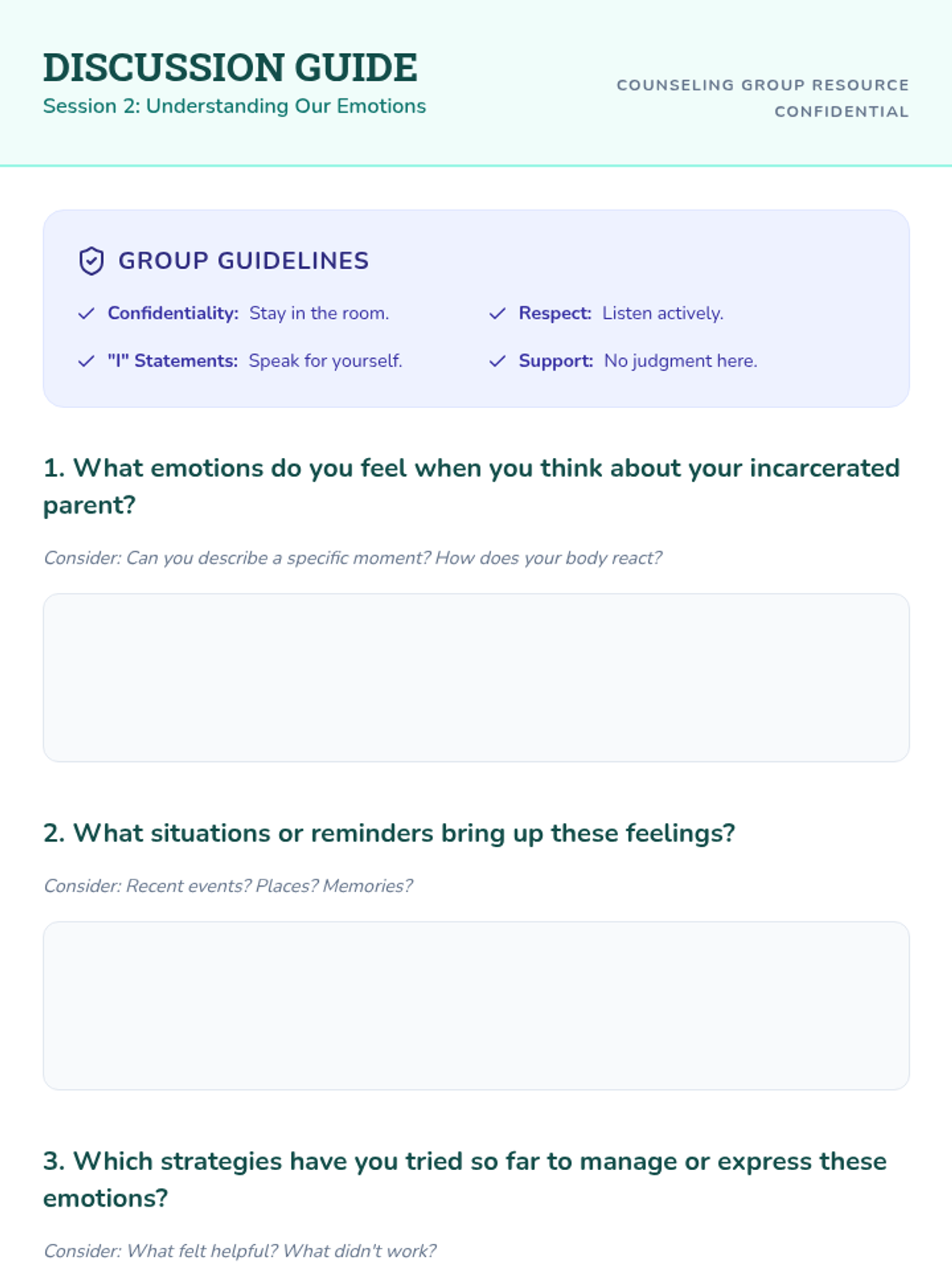
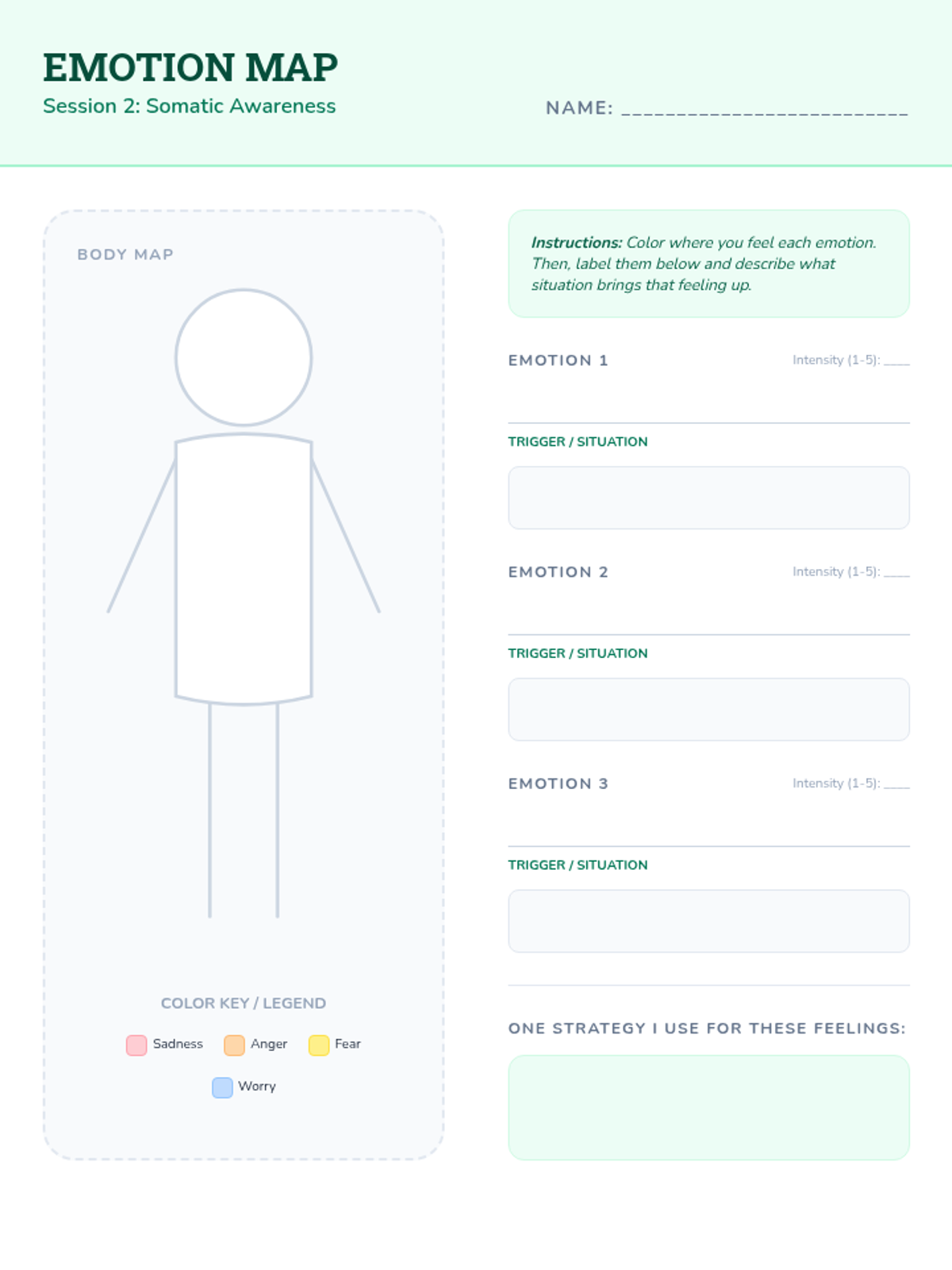
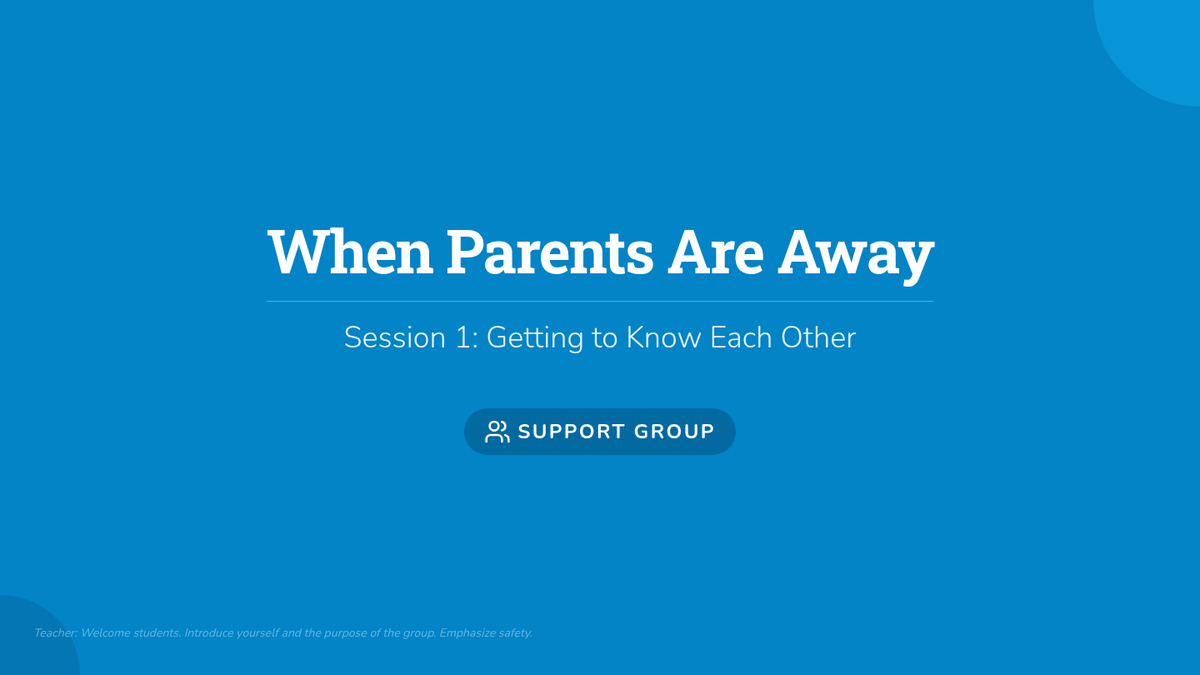
Identifying and expressing complex emotions related to parental incarceration through guided discussion and somatic mapping.
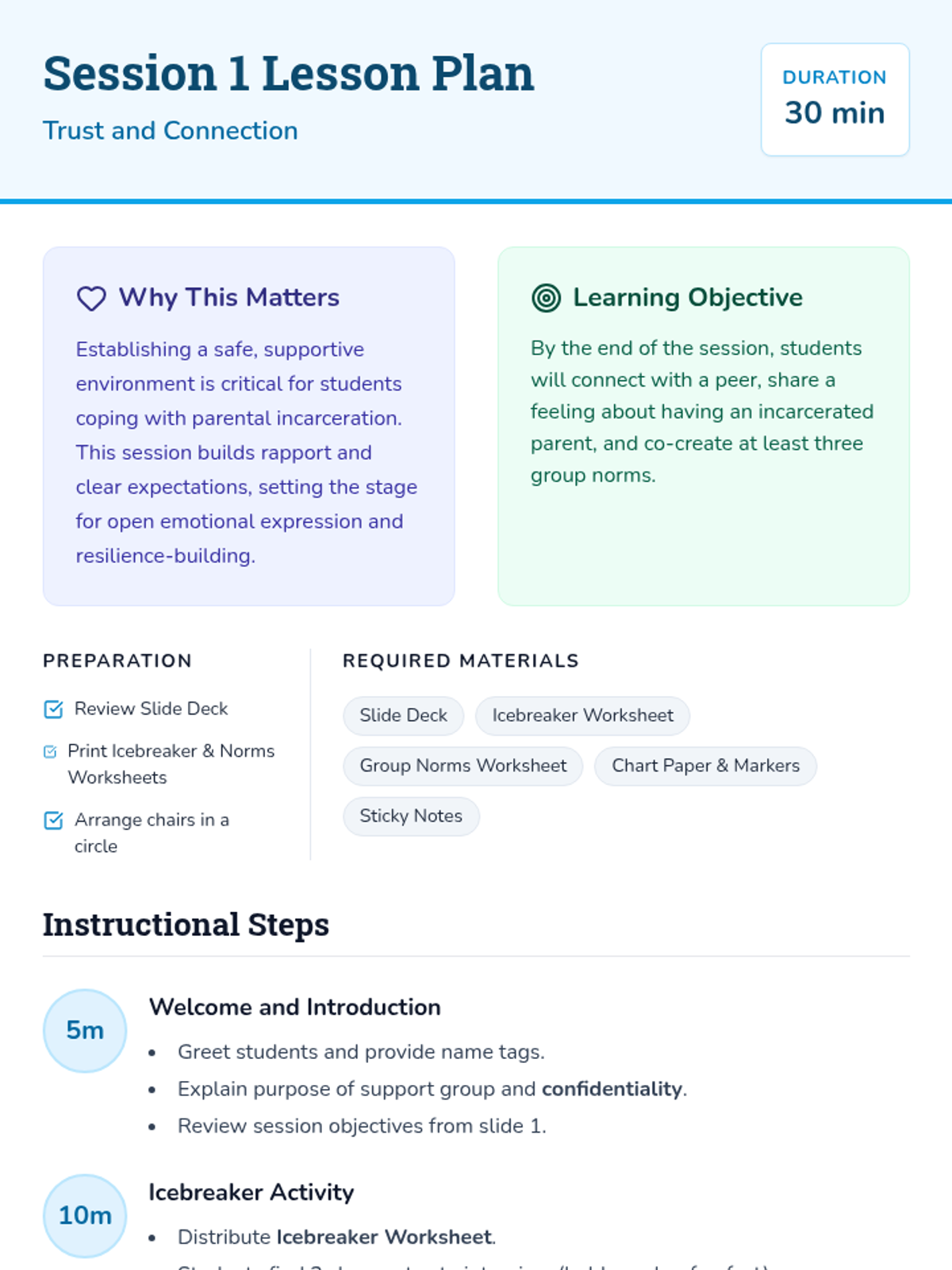
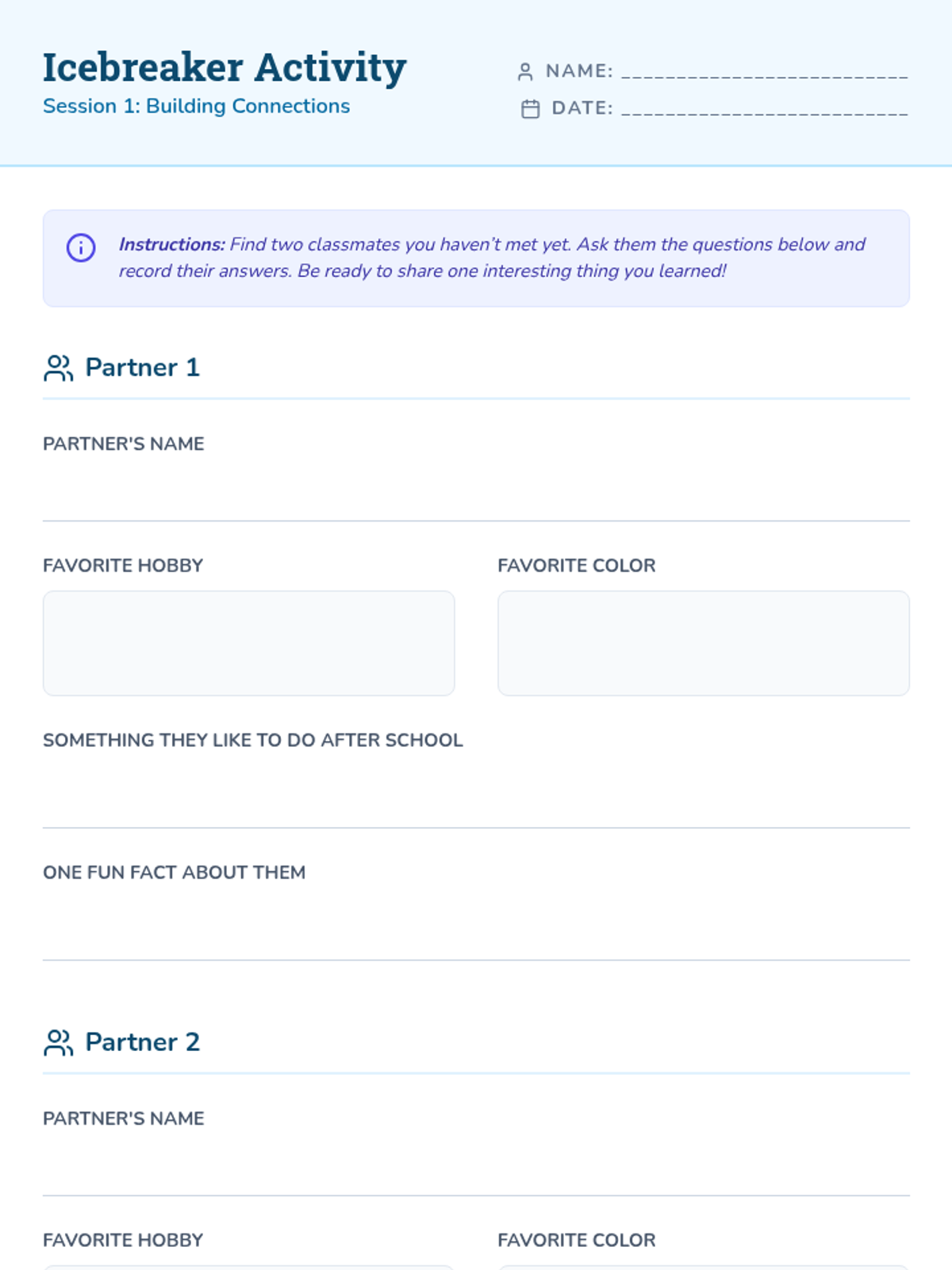
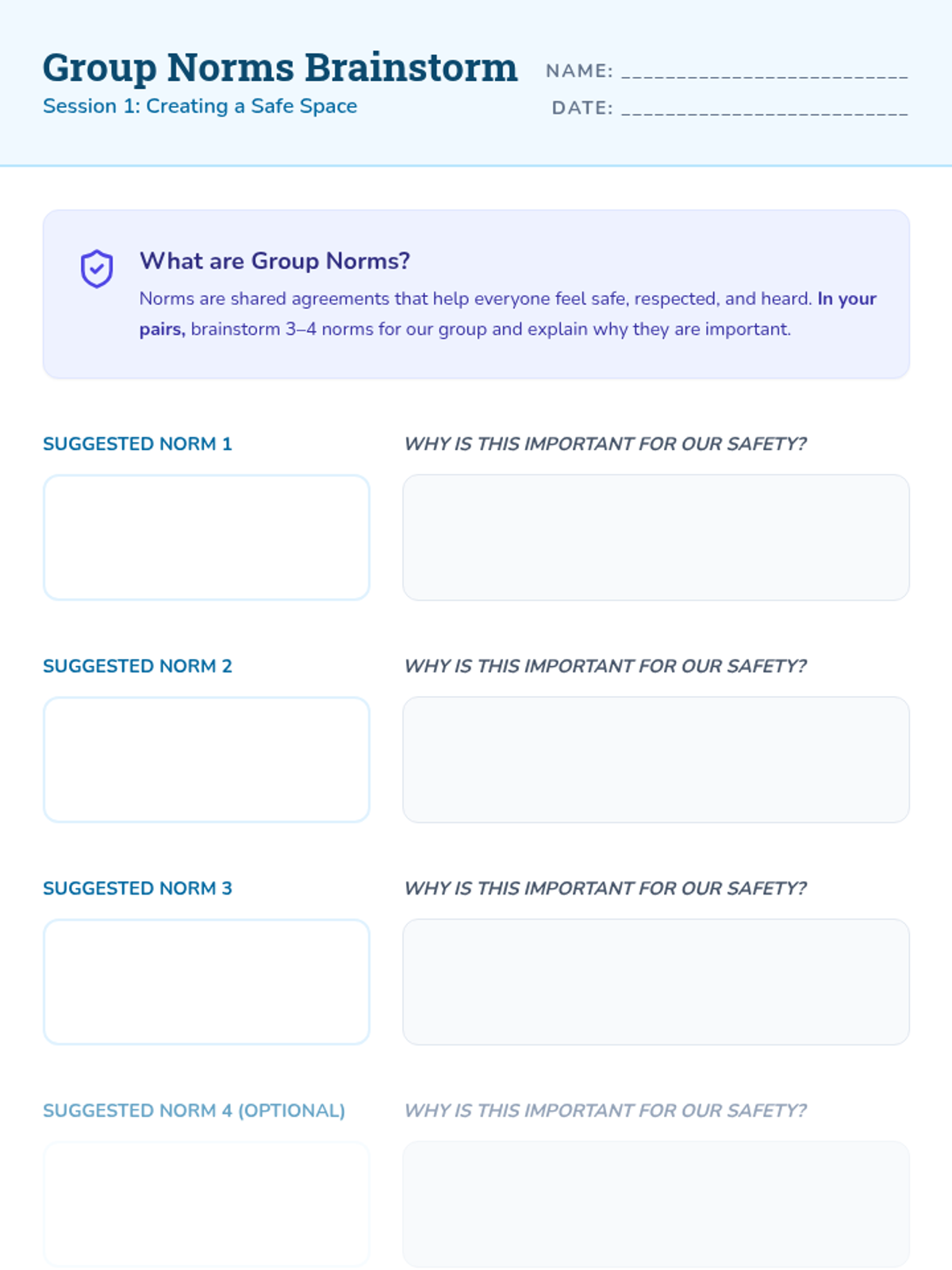
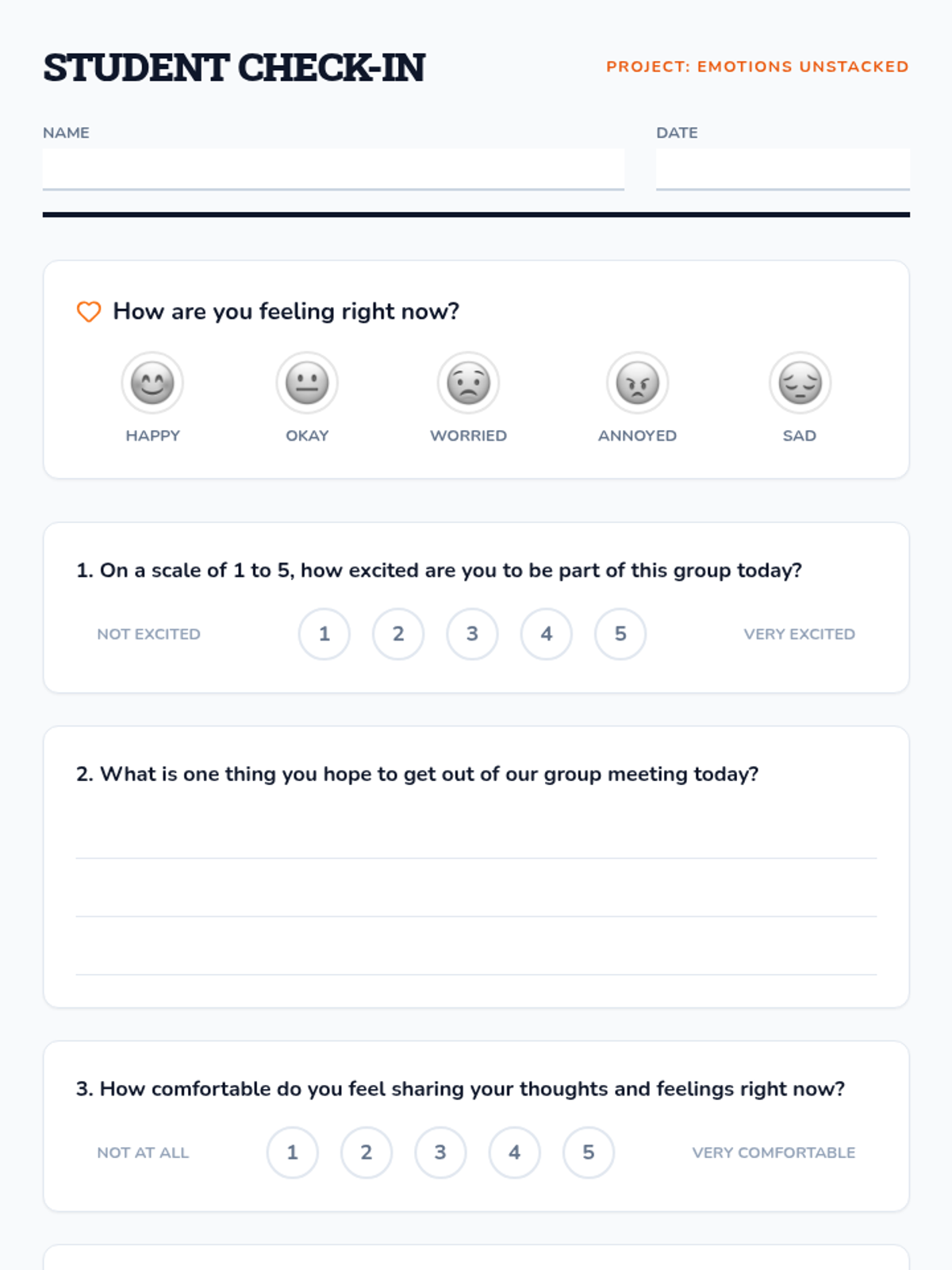
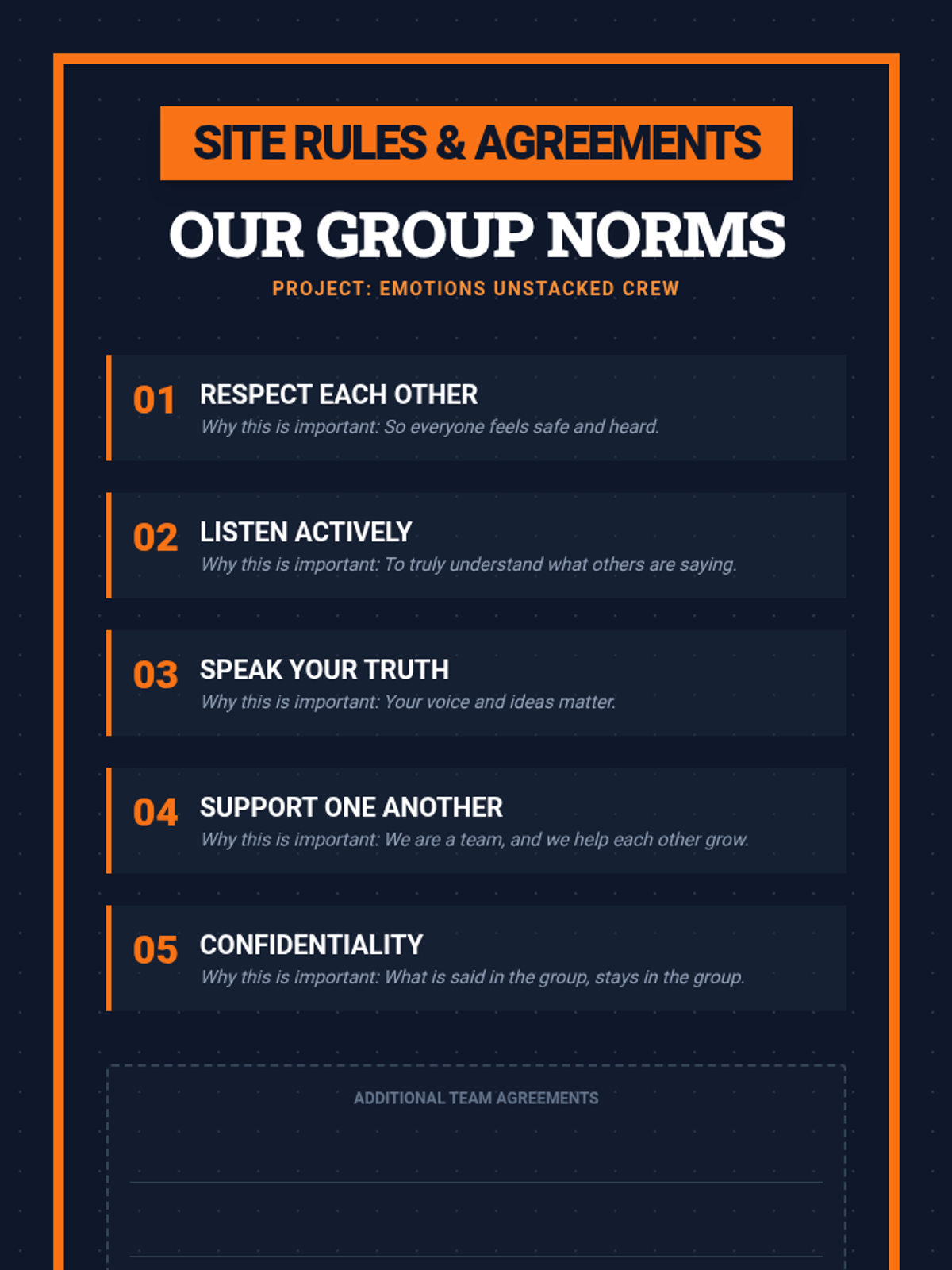
Establishing a safe, supportive environment by building rapport, setting clear expectations, and co-creating group norms.
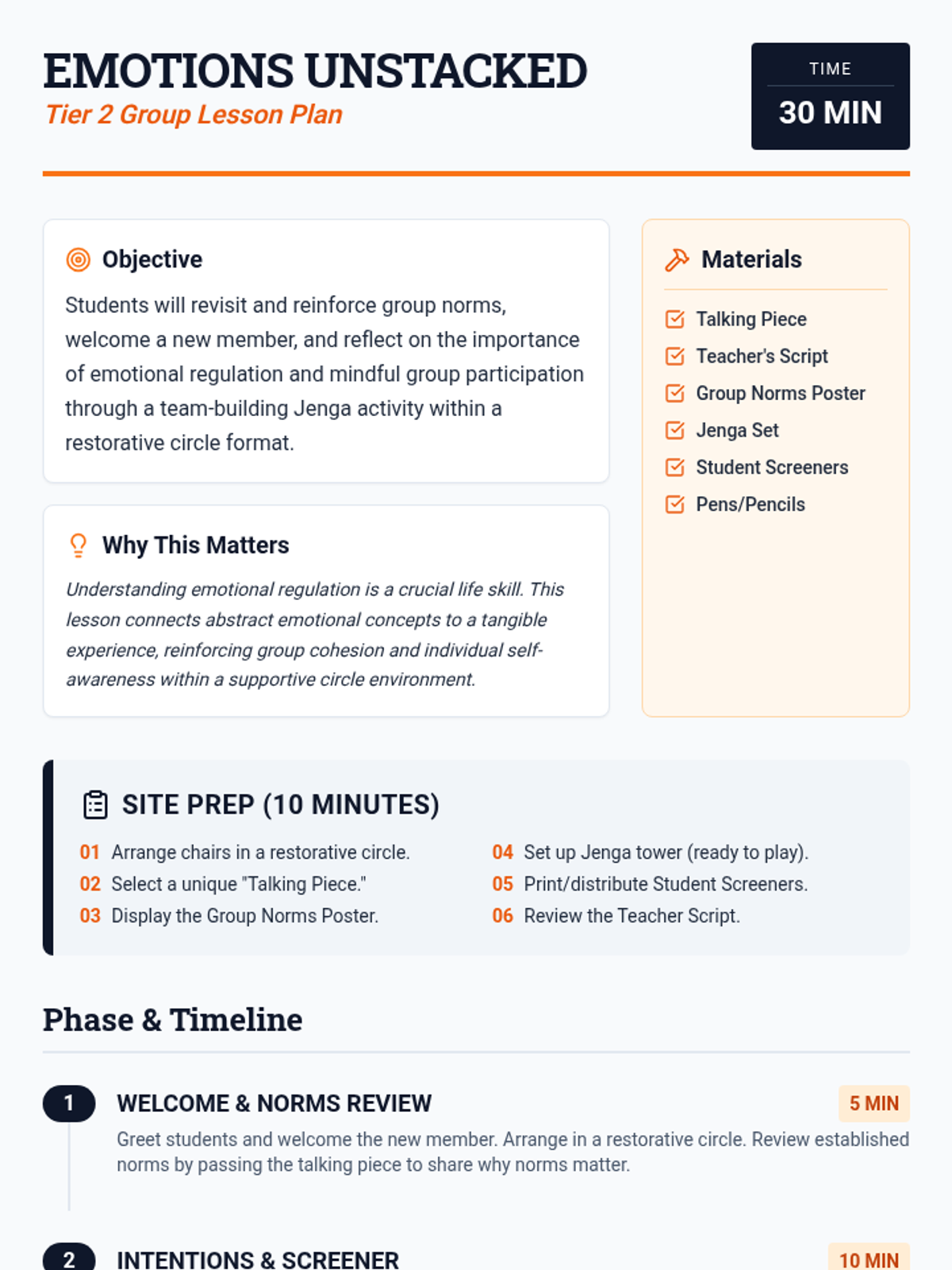
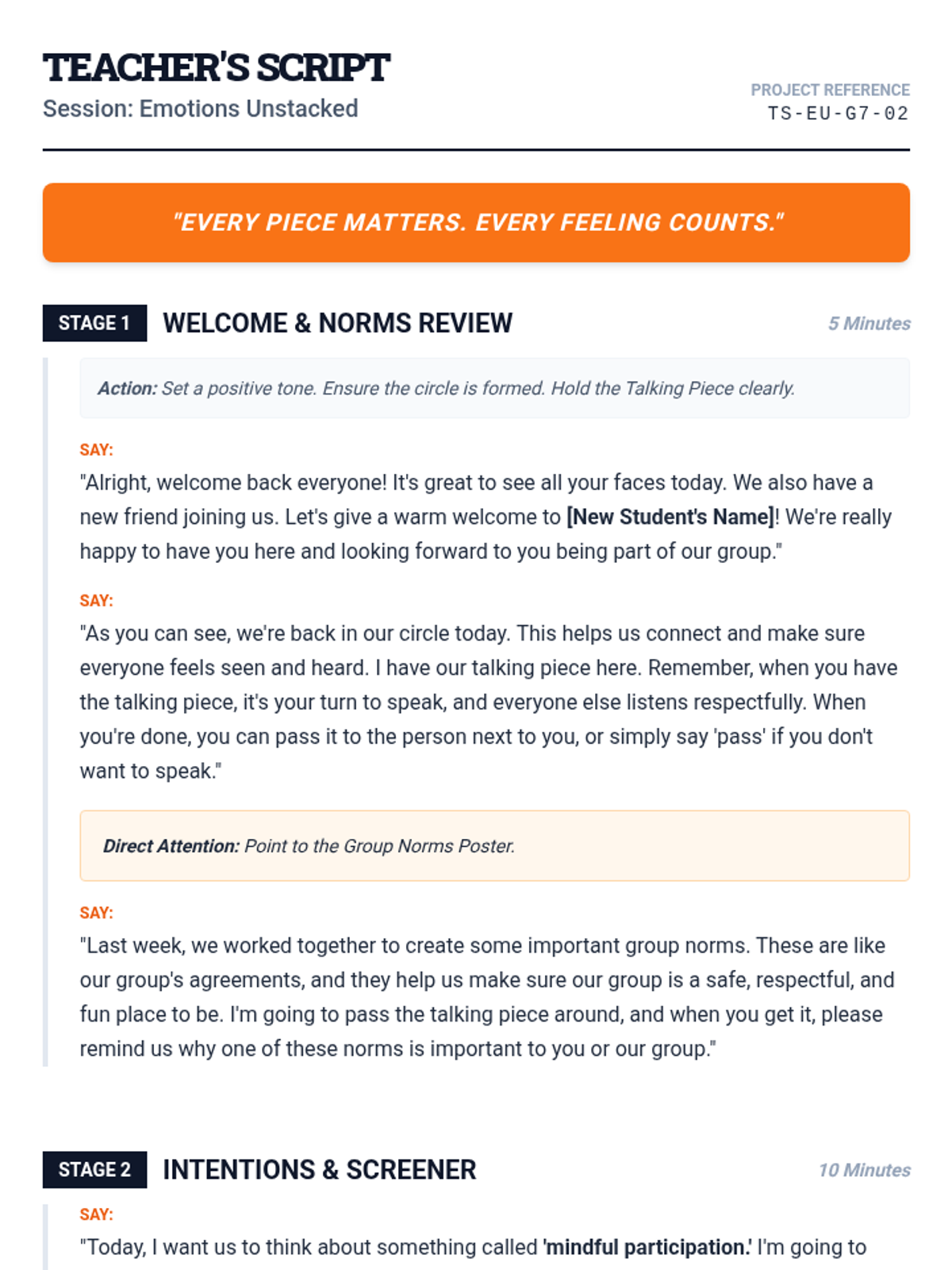
A Tier 2 group lesson for 7th-grade boys focused on reinforcing group norms, welcoming a new member, and exploring emotional regulation through a kinesthetic Jenga activity. This session uses the metaphor of a shaky tower to represent emotional stability and the importance of mindfulness.
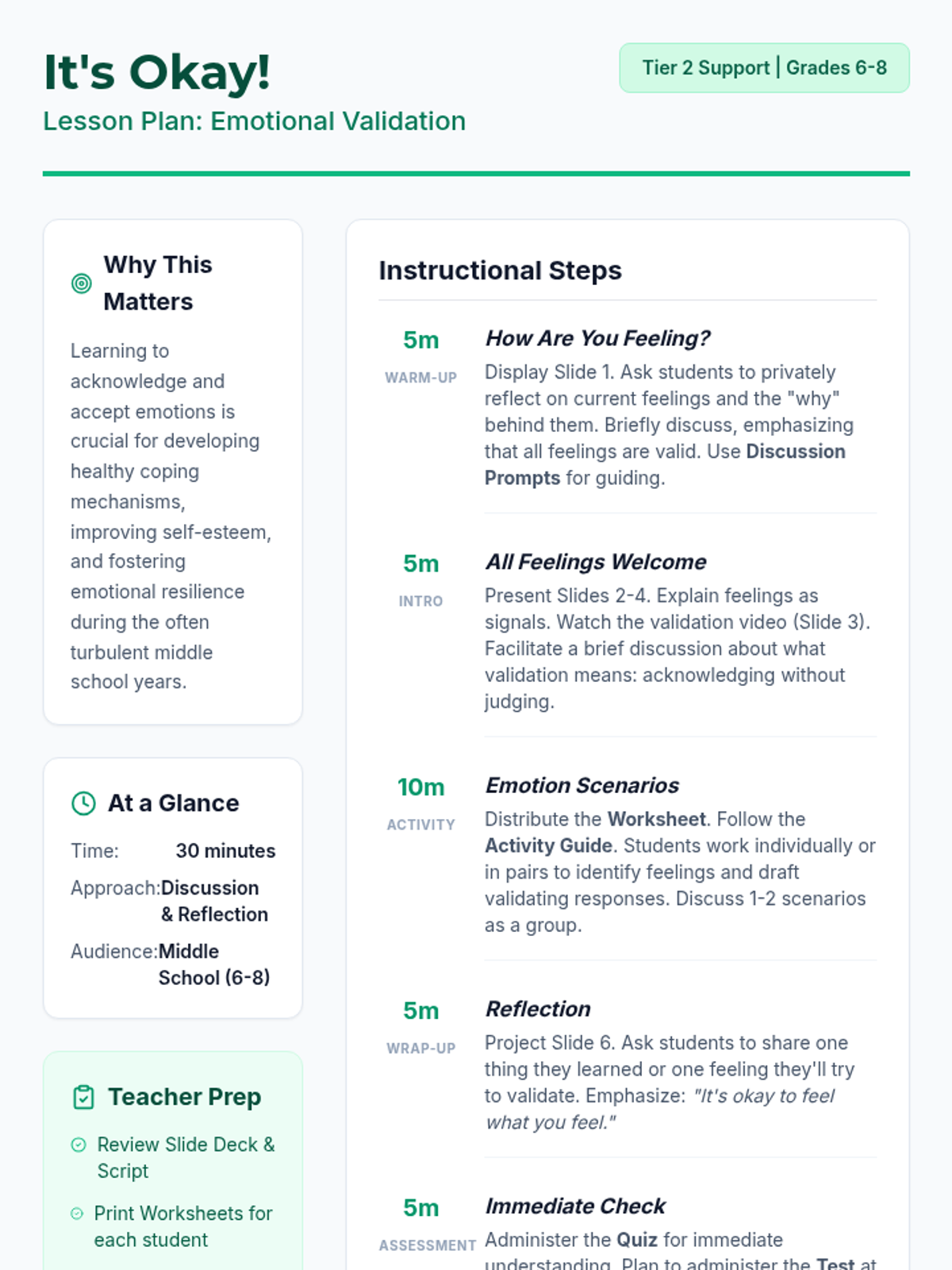
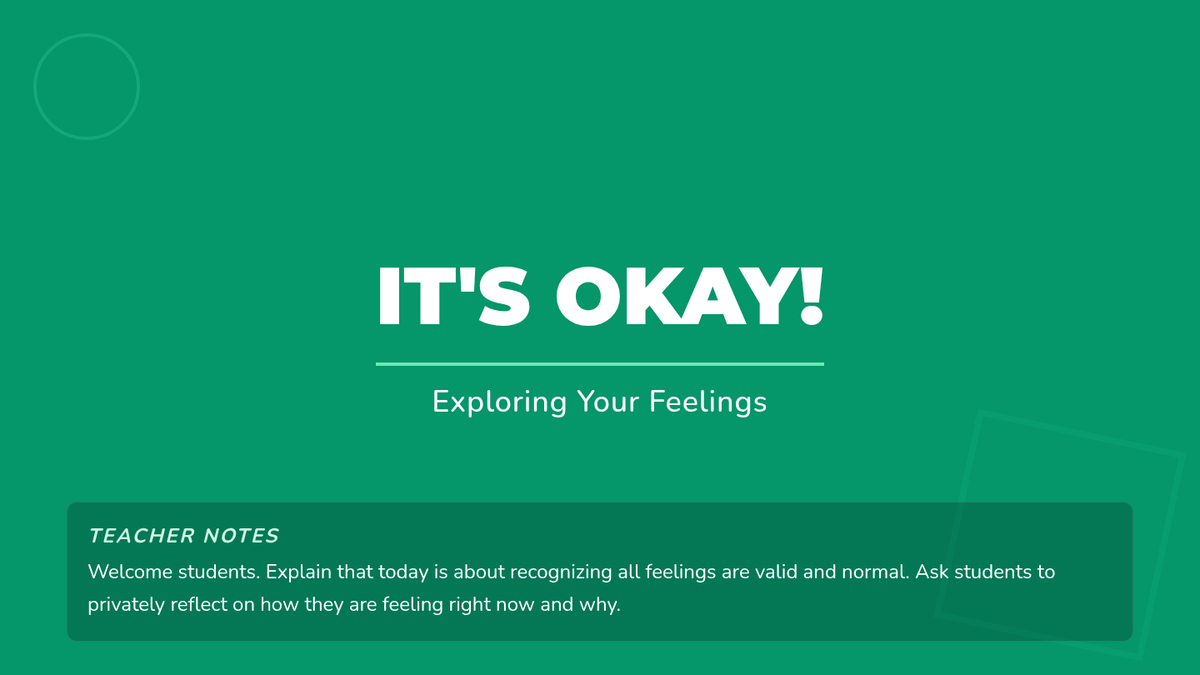
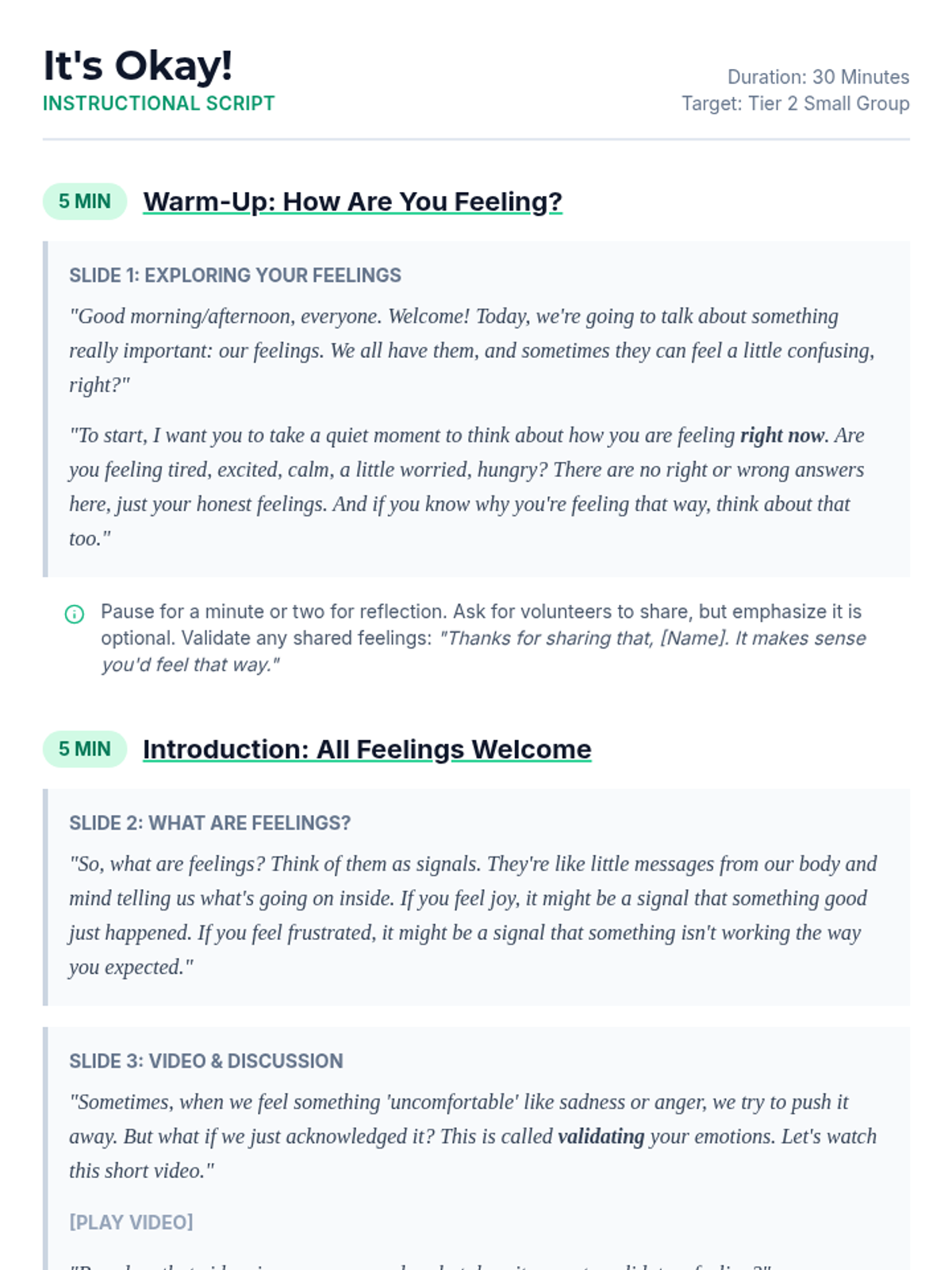
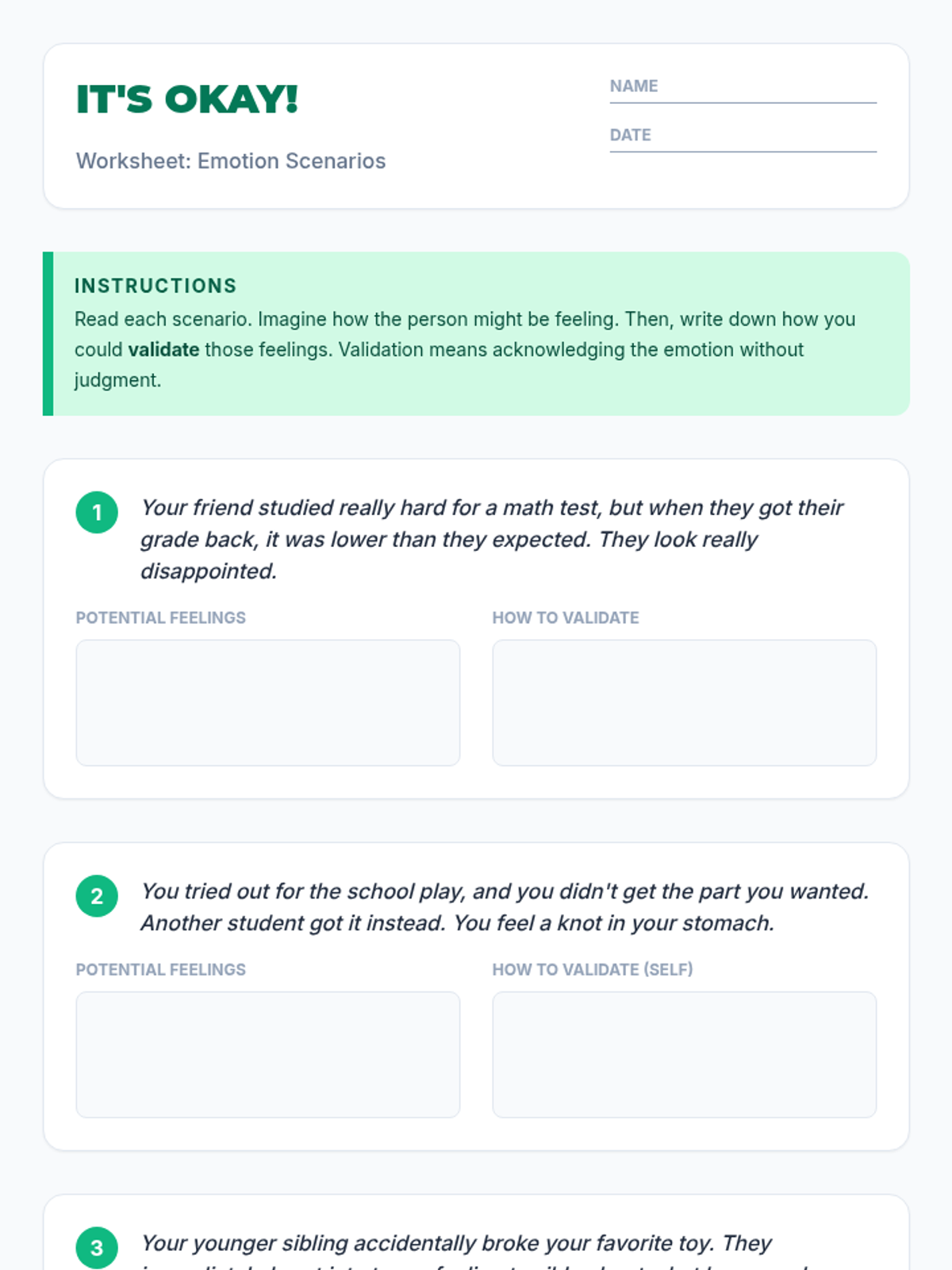
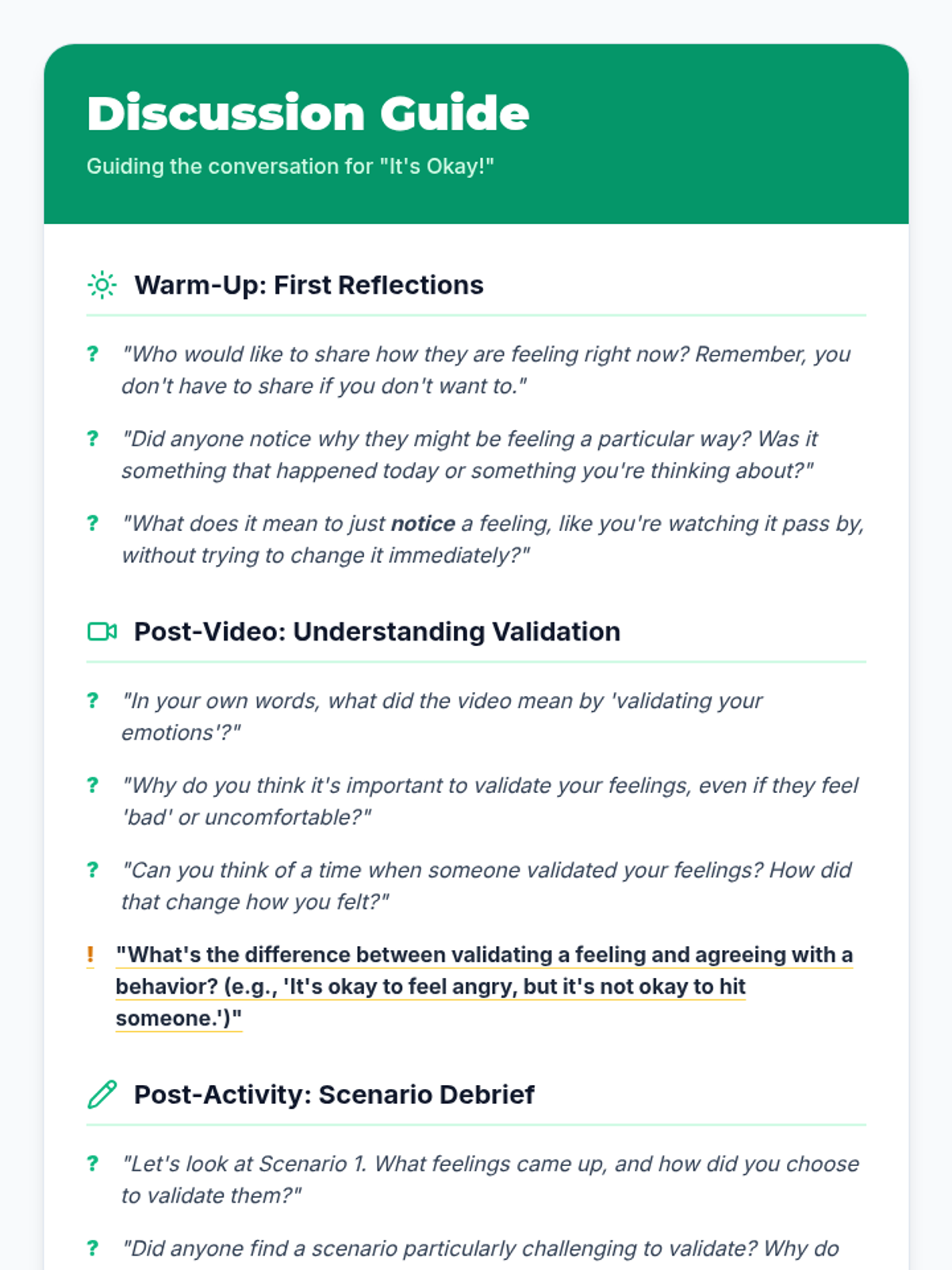
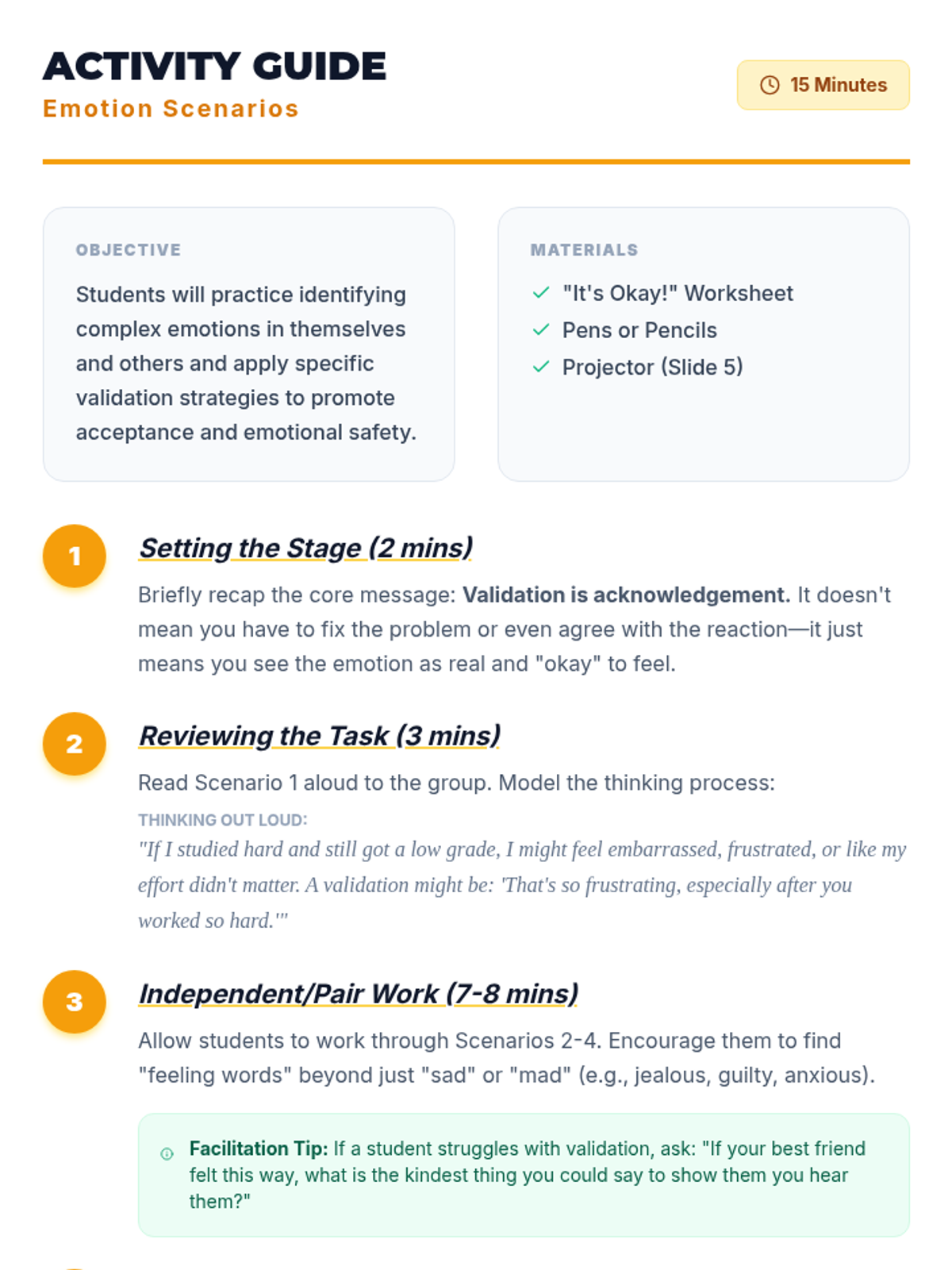
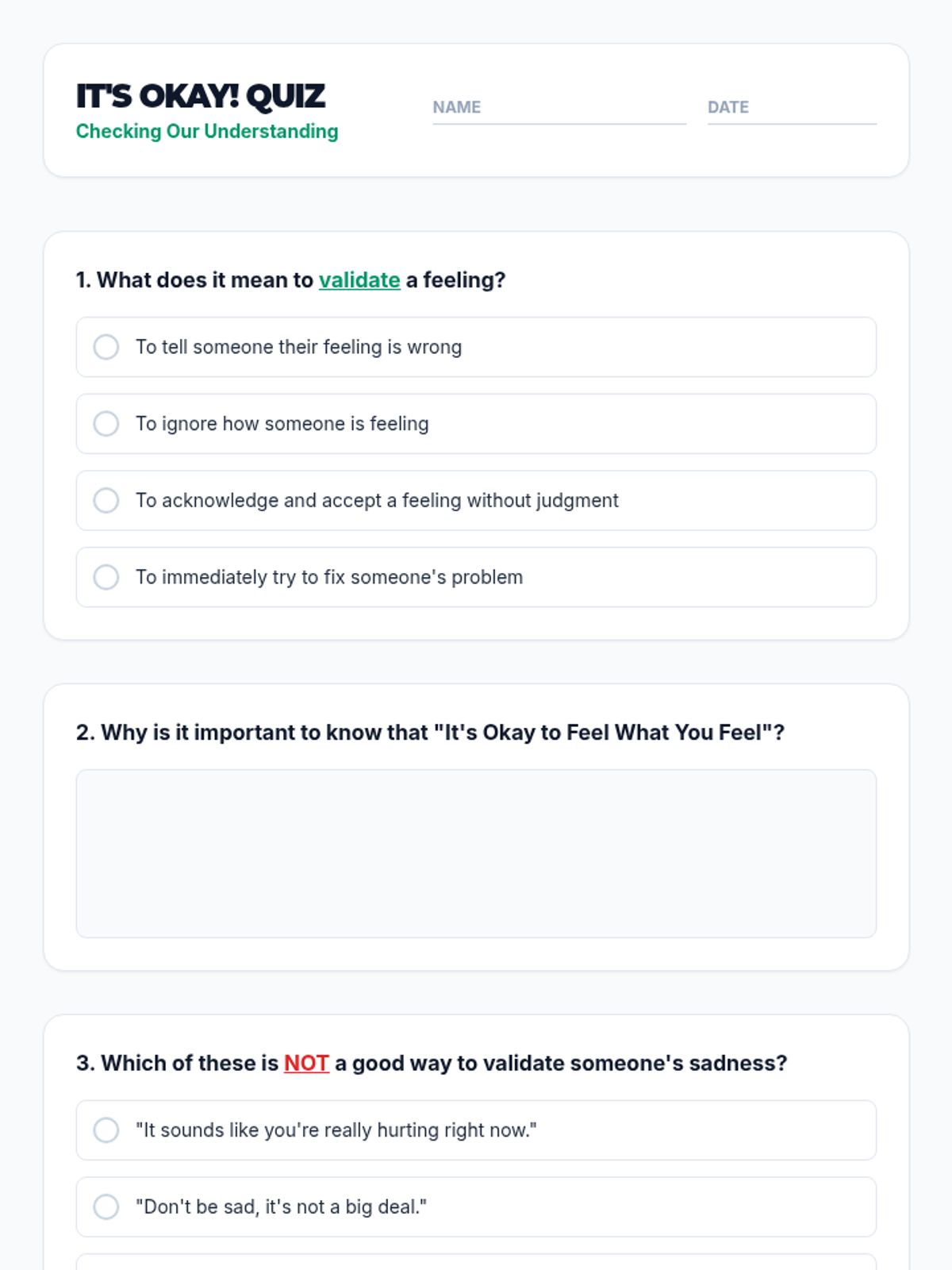
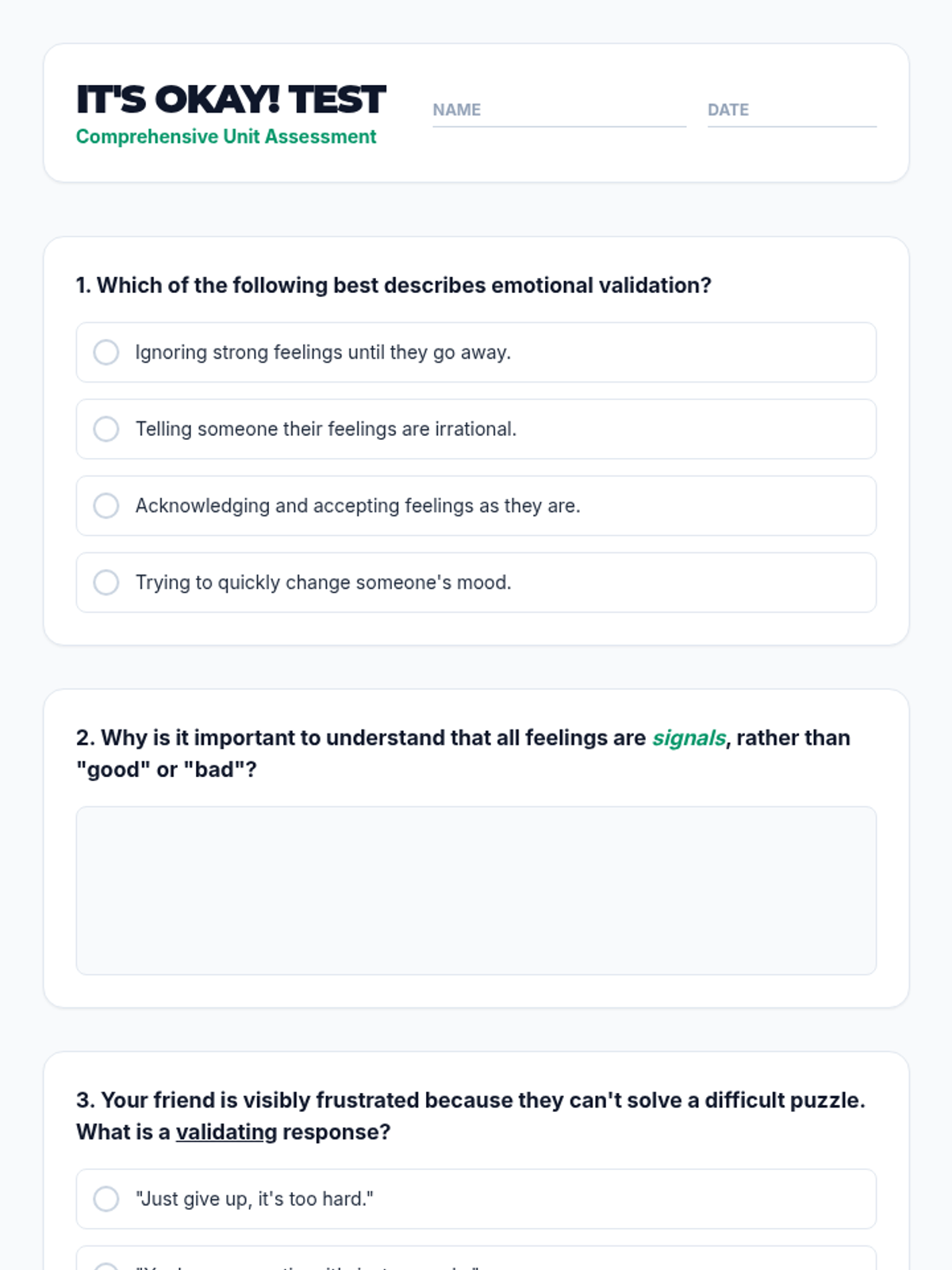
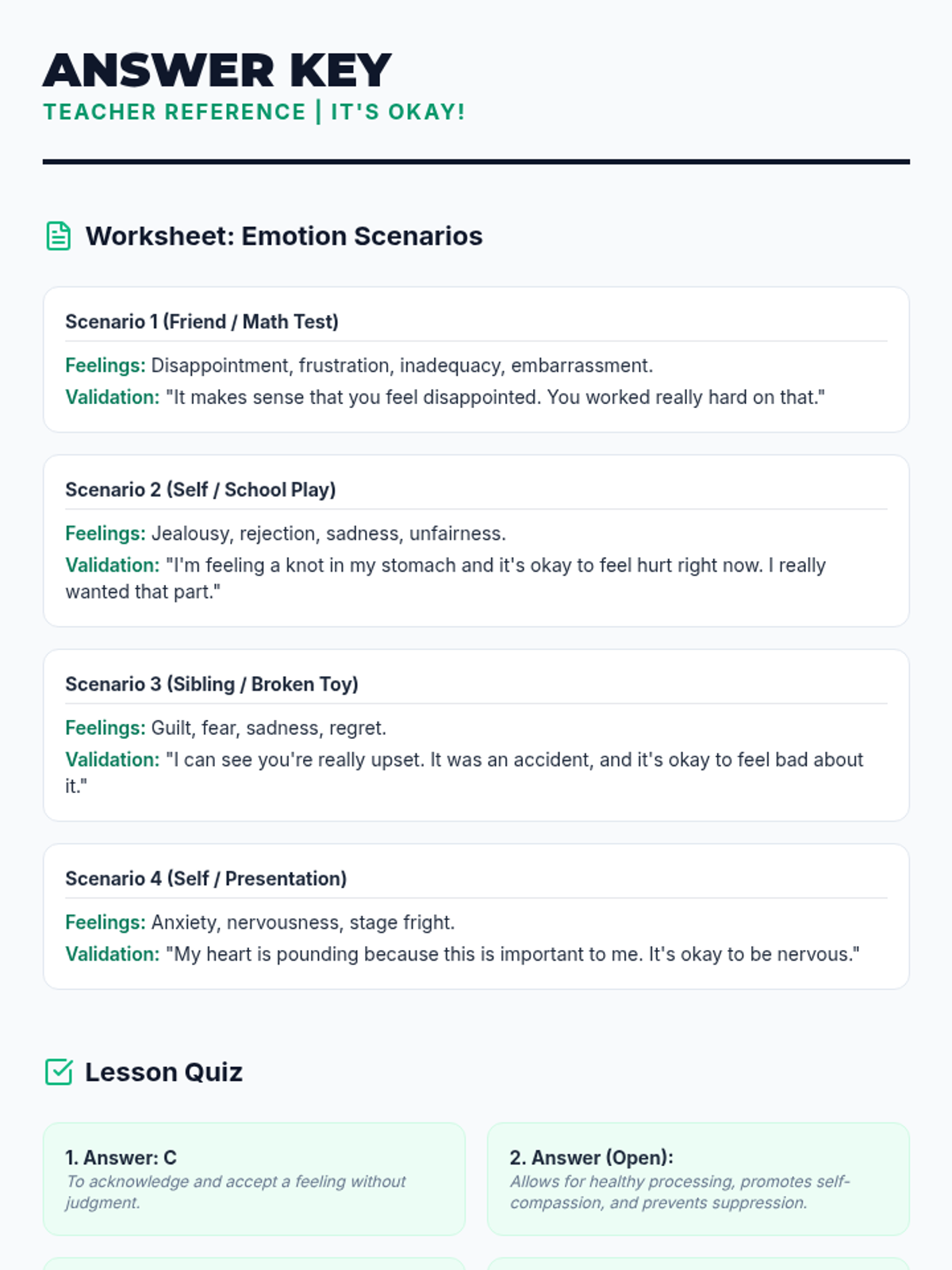
A 30-minute Tier 2 group lesson for middle schoolers focusing on emotional intelligence, identifying feelings, and practicing self-compassion through validation.
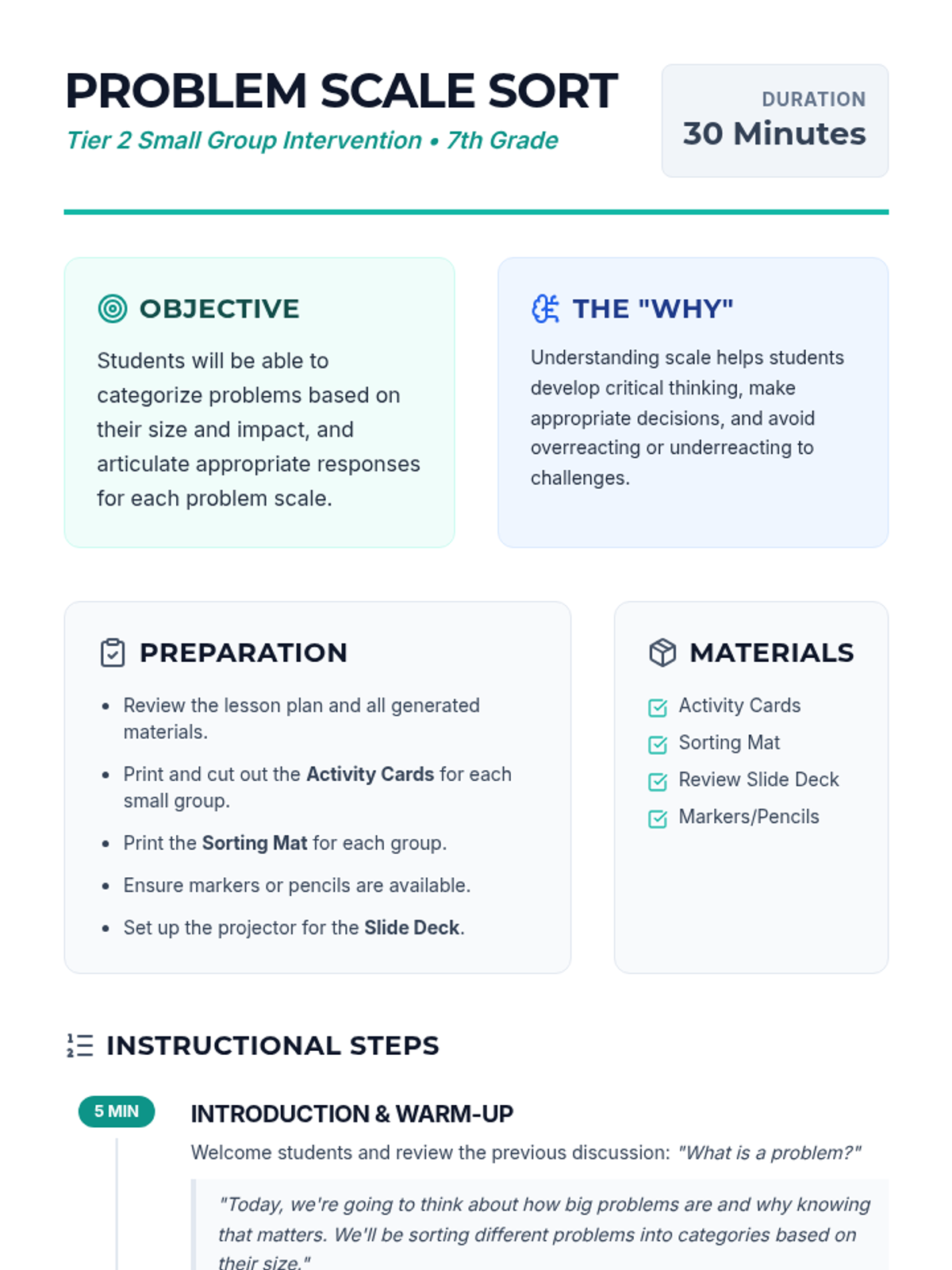
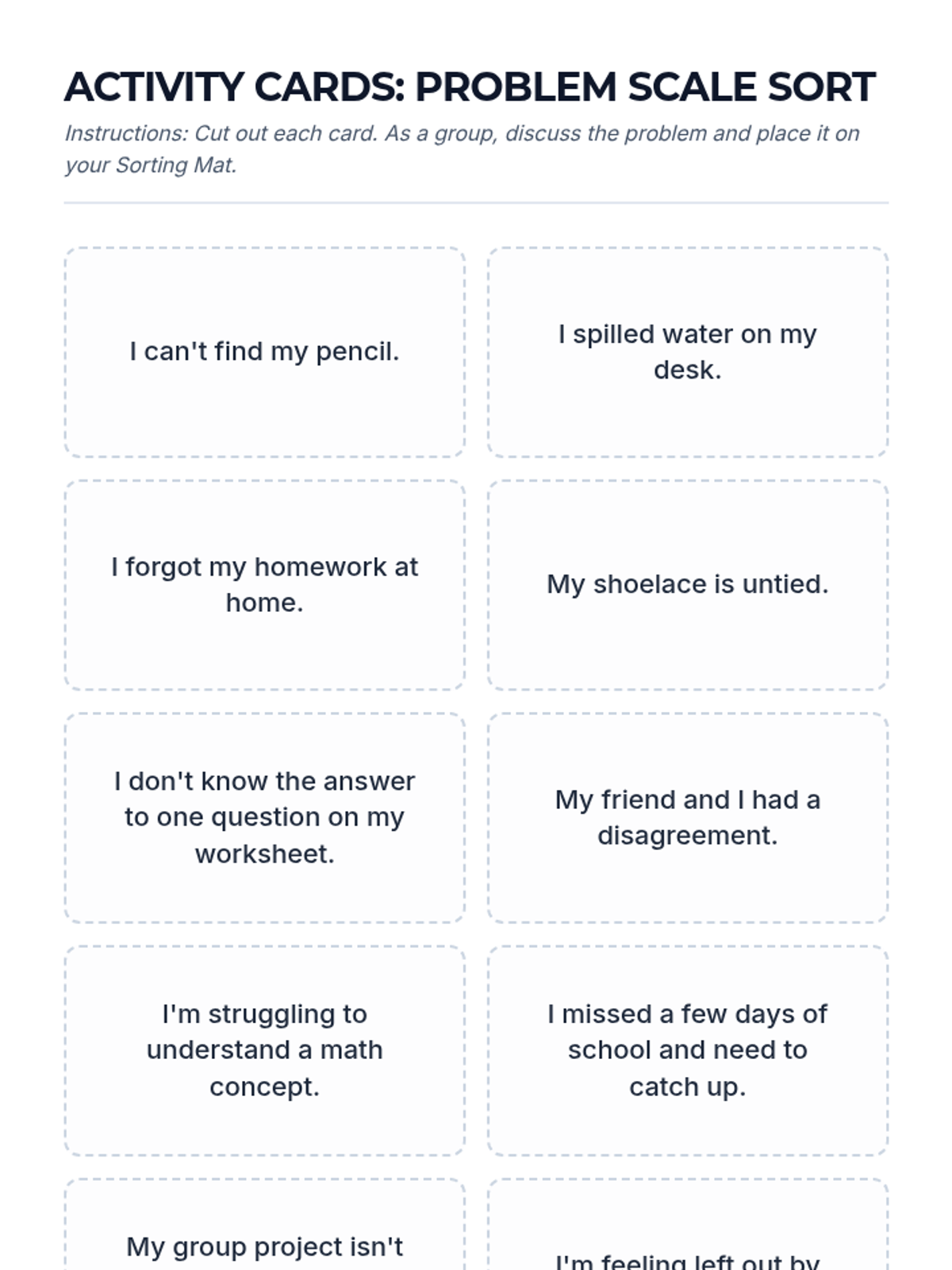
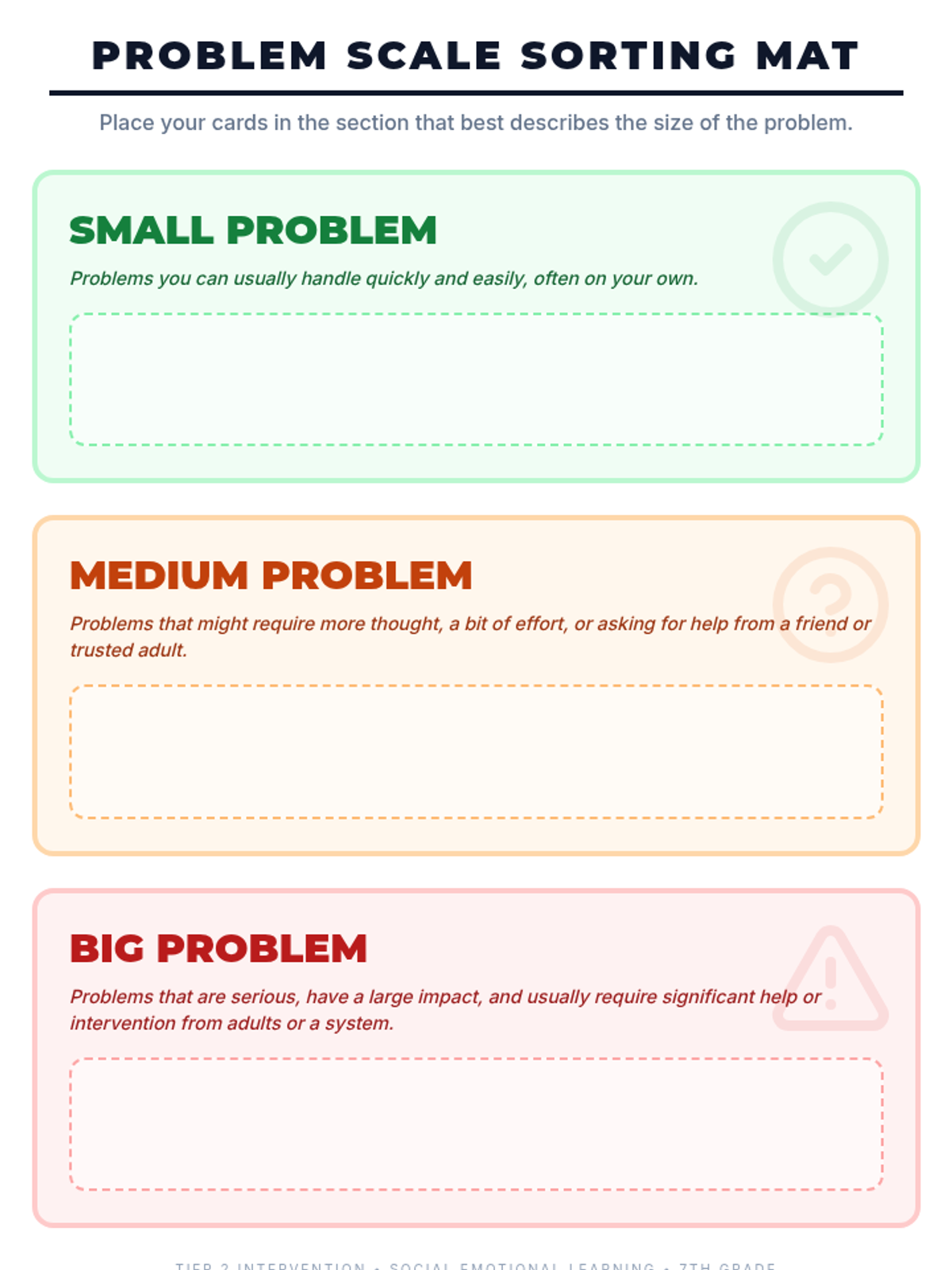
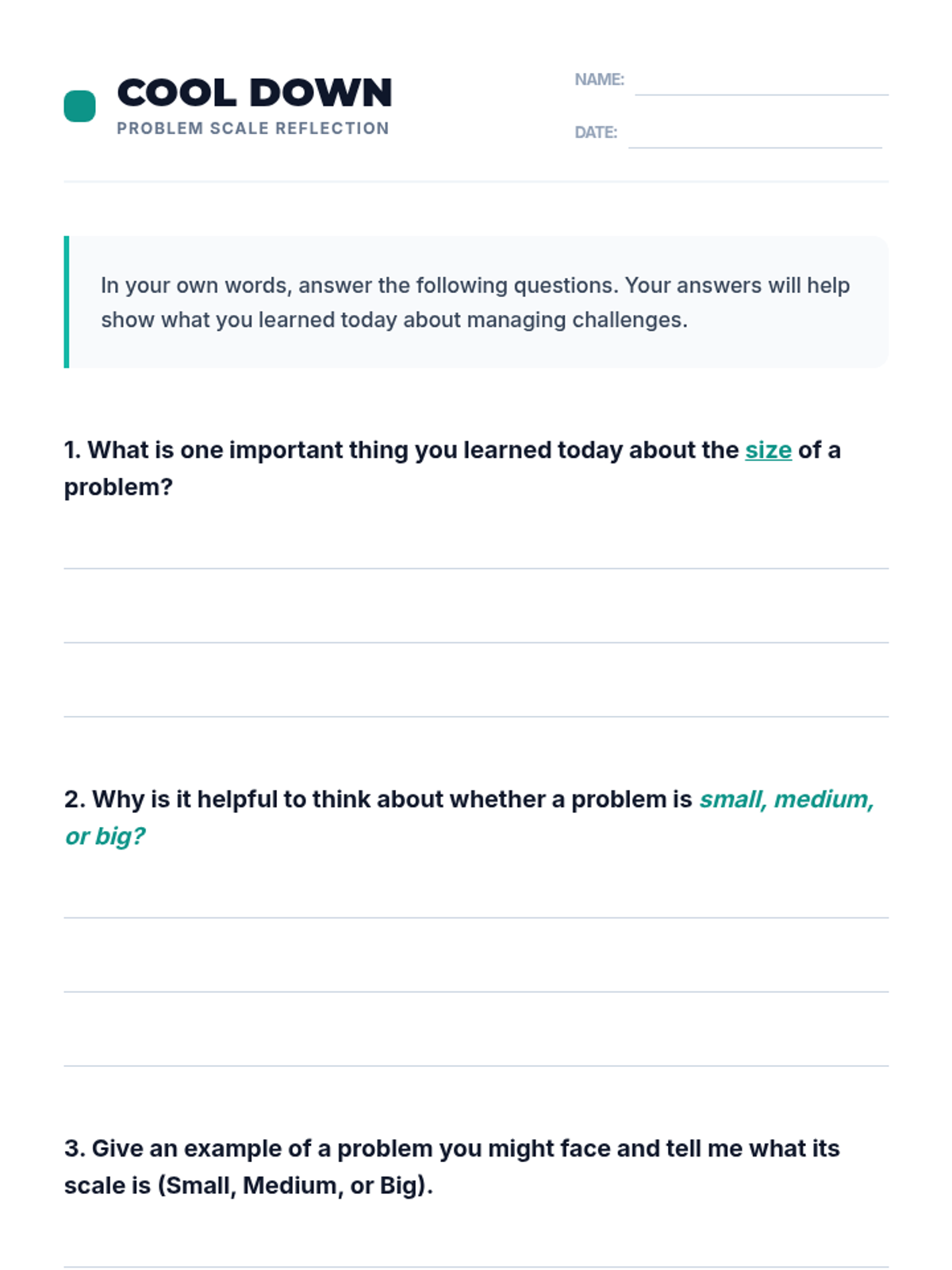
A small-group Tier 2 lesson for 7th graders to help them categorize challenges as Small, Medium, or Big to determine appropriate responses.
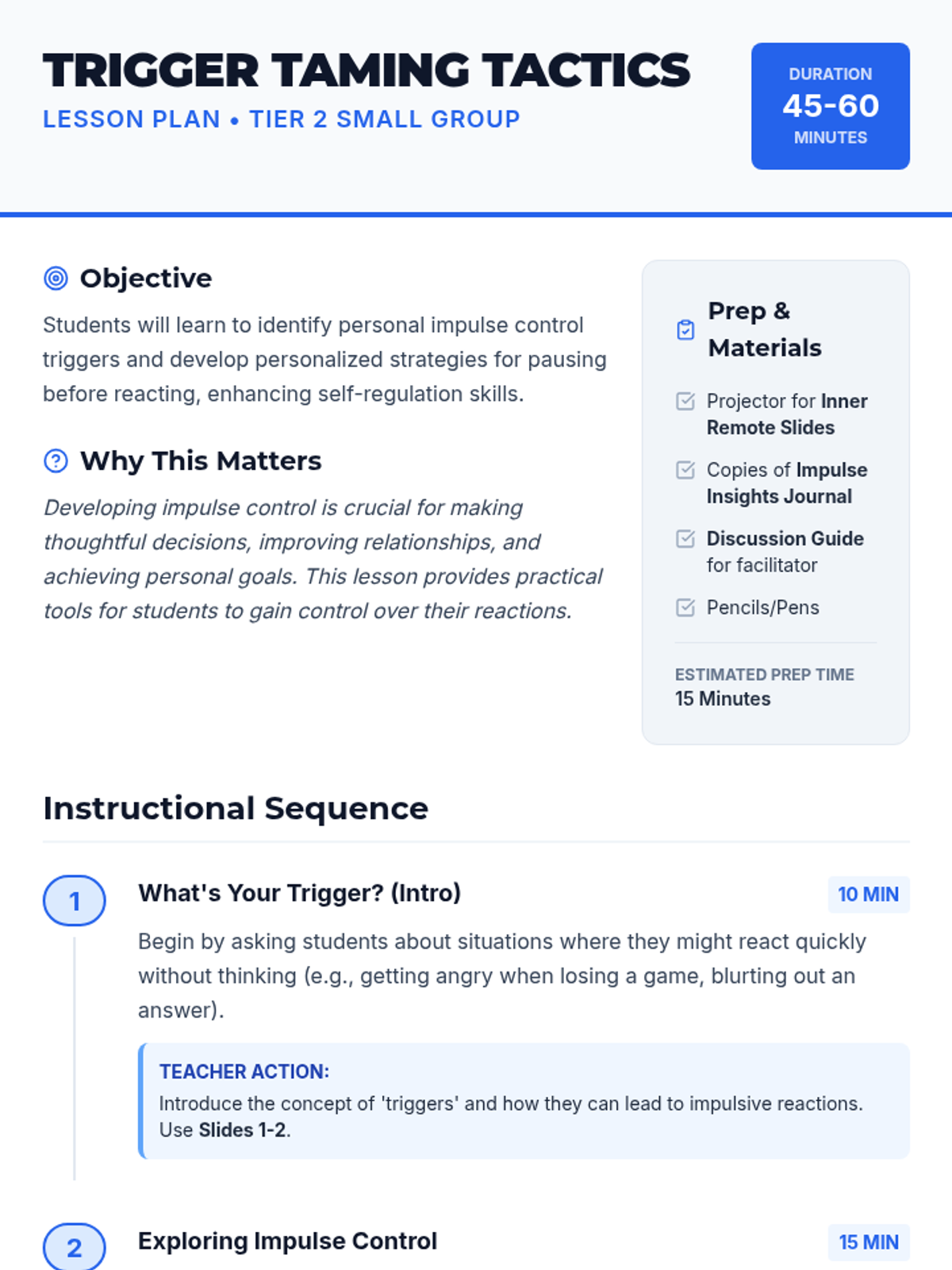
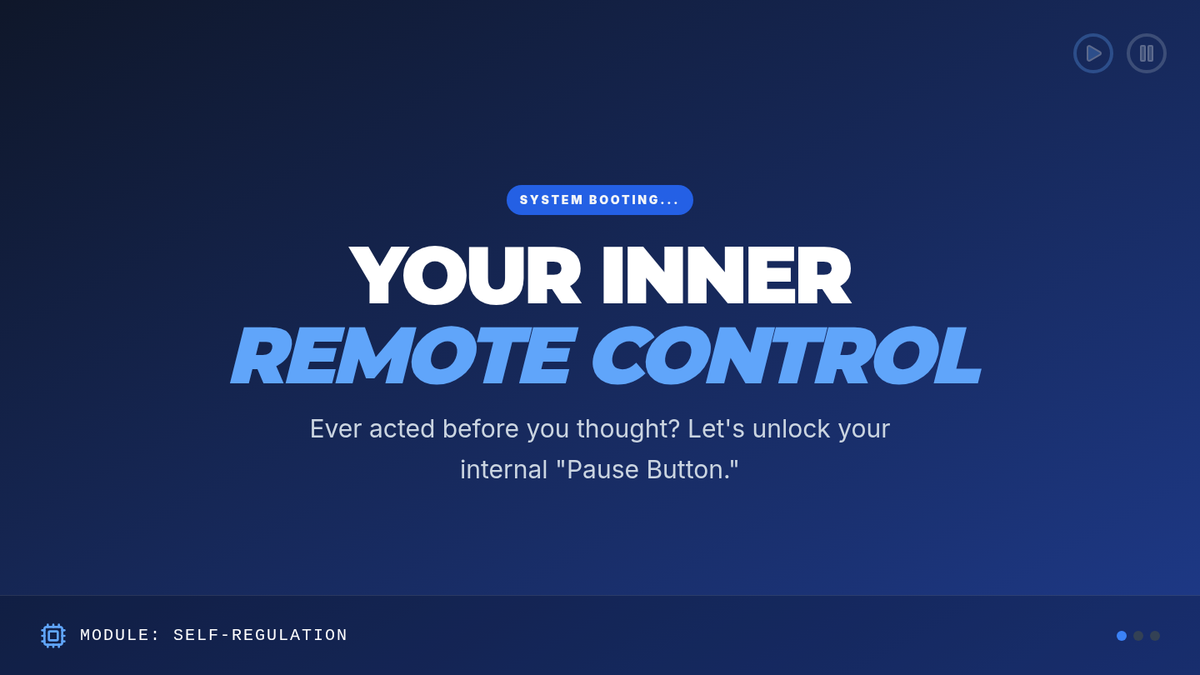
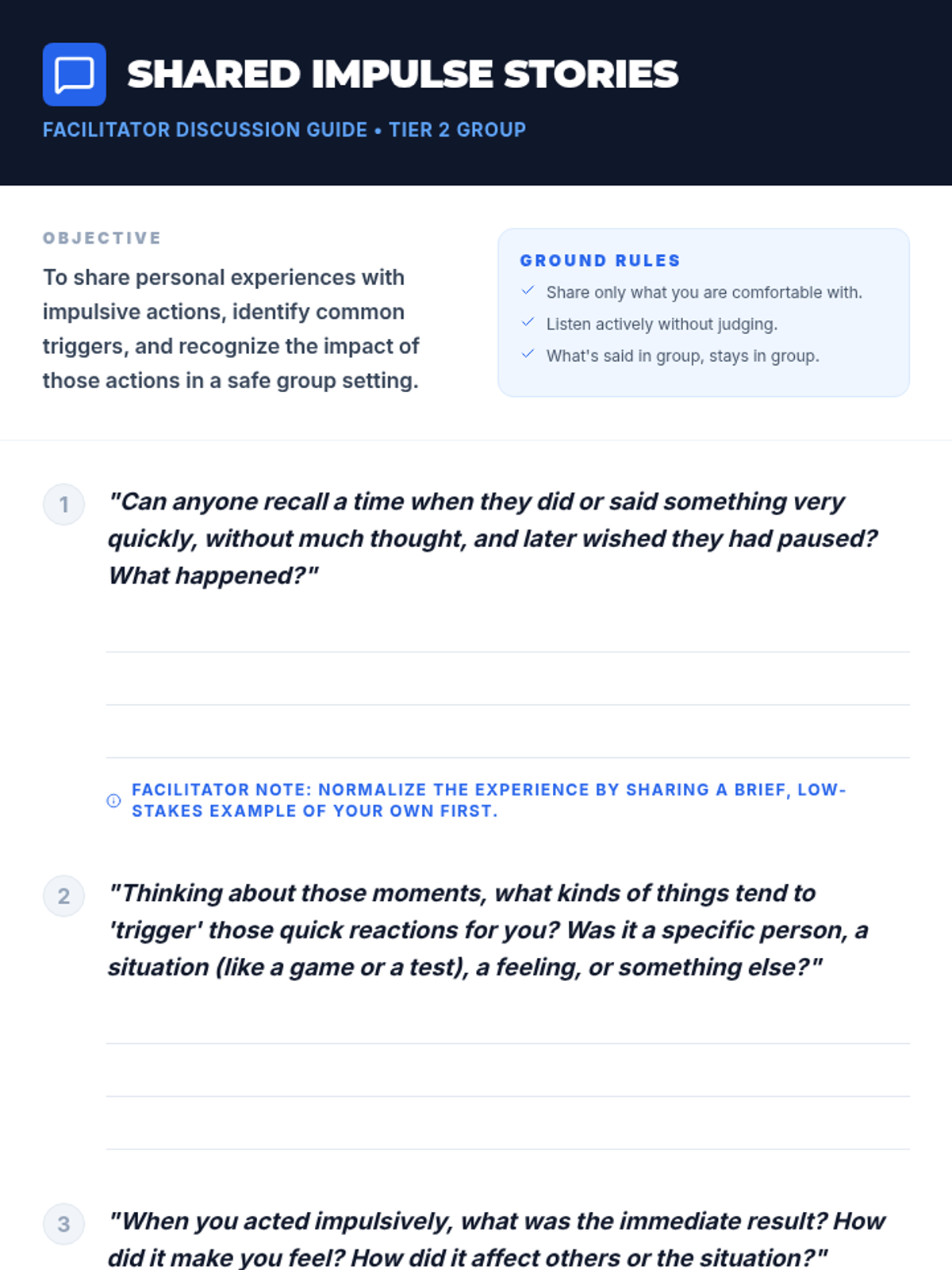
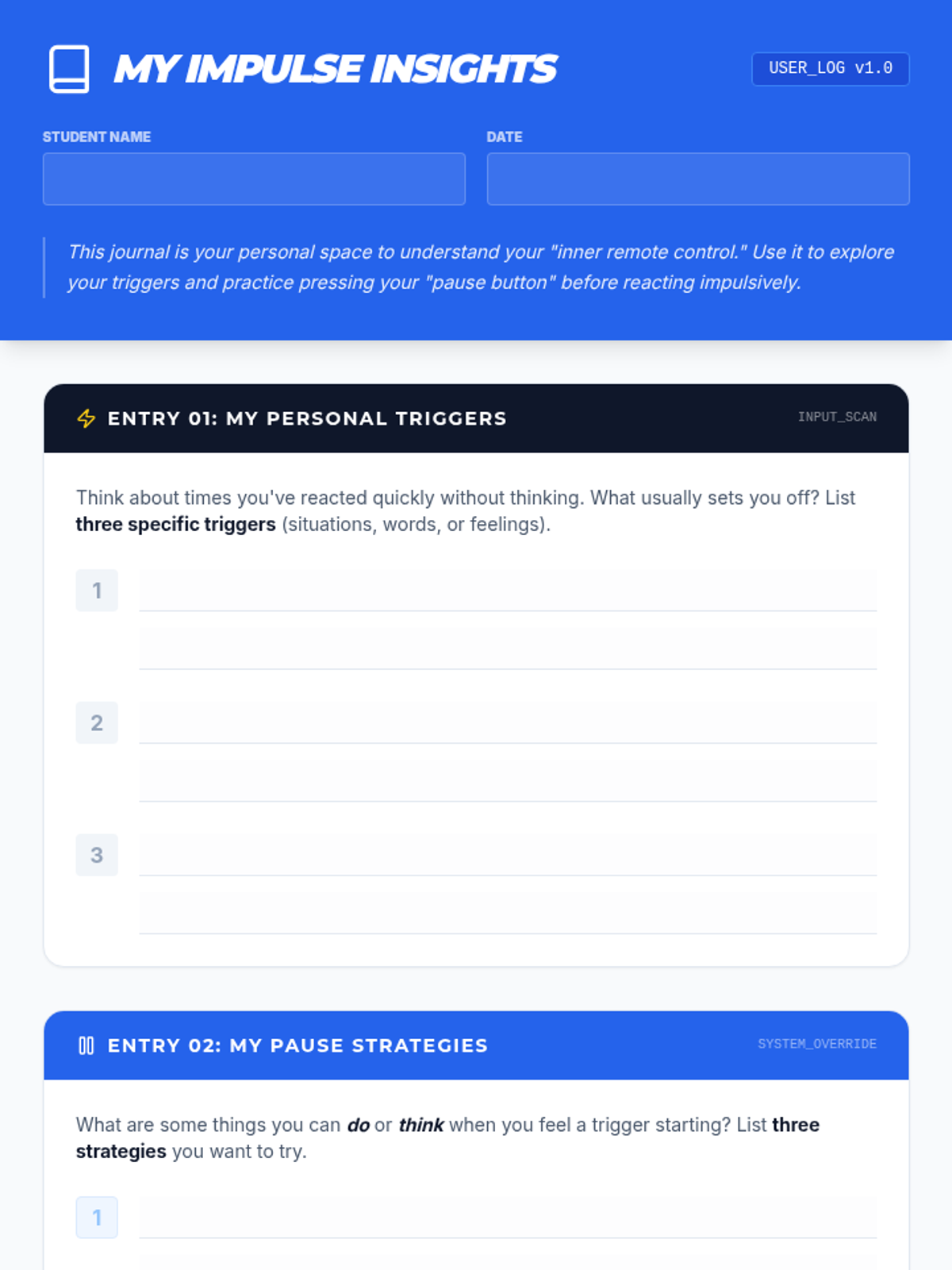
A Tier 2 small group lesson for middle schoolers to identify personal impulse triggers and develop 'pause button' strategies for better self-regulation.
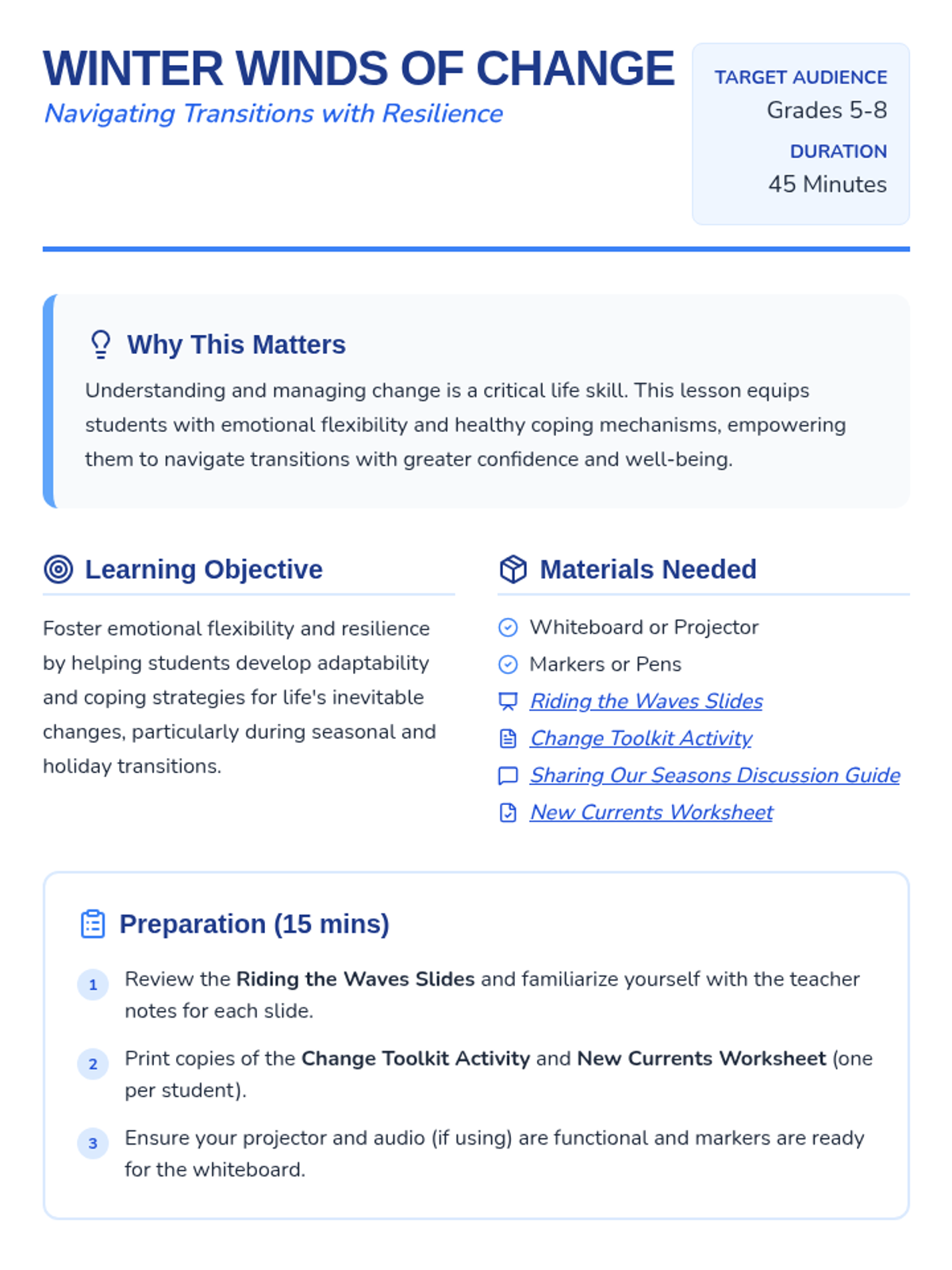
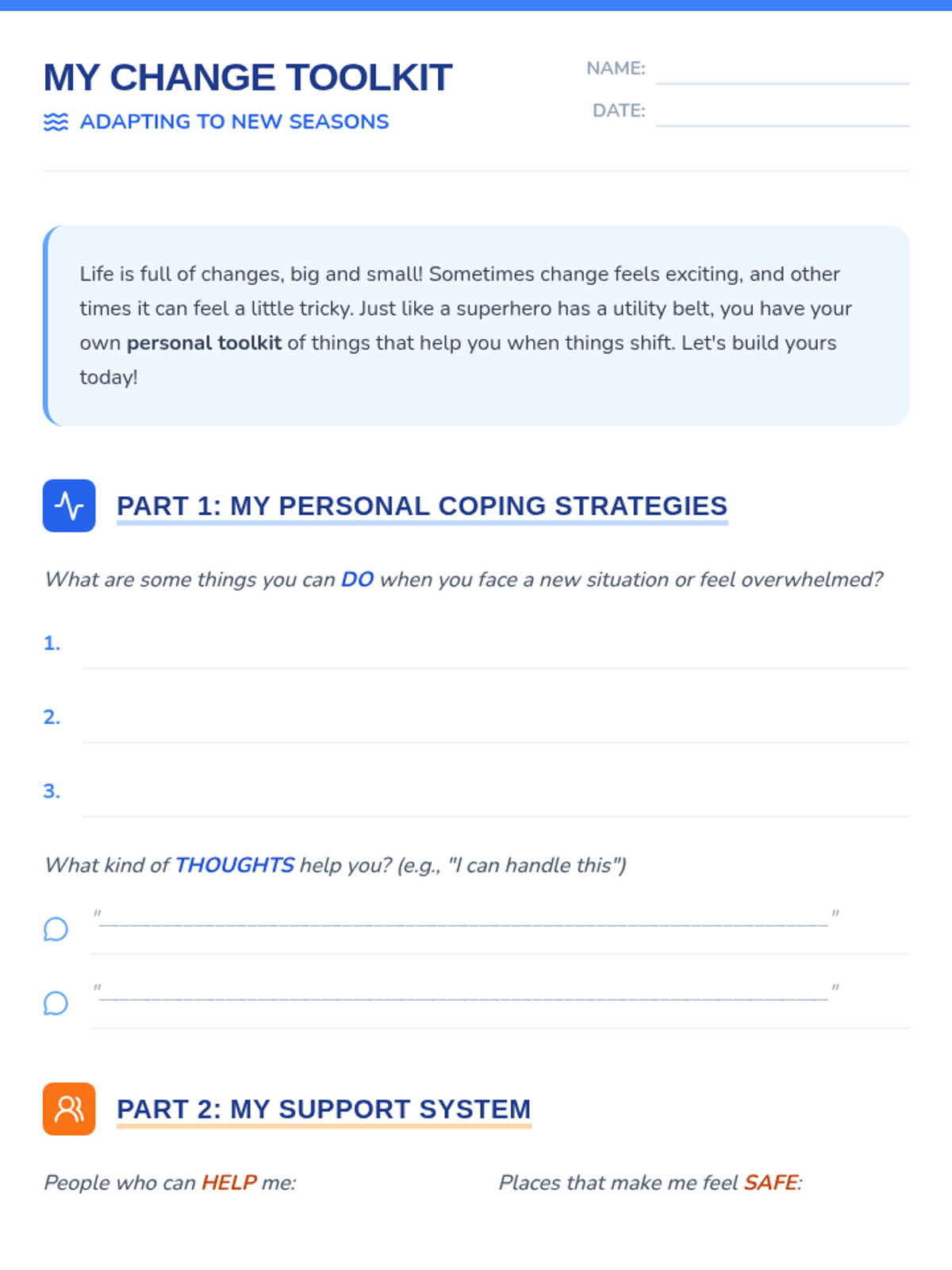
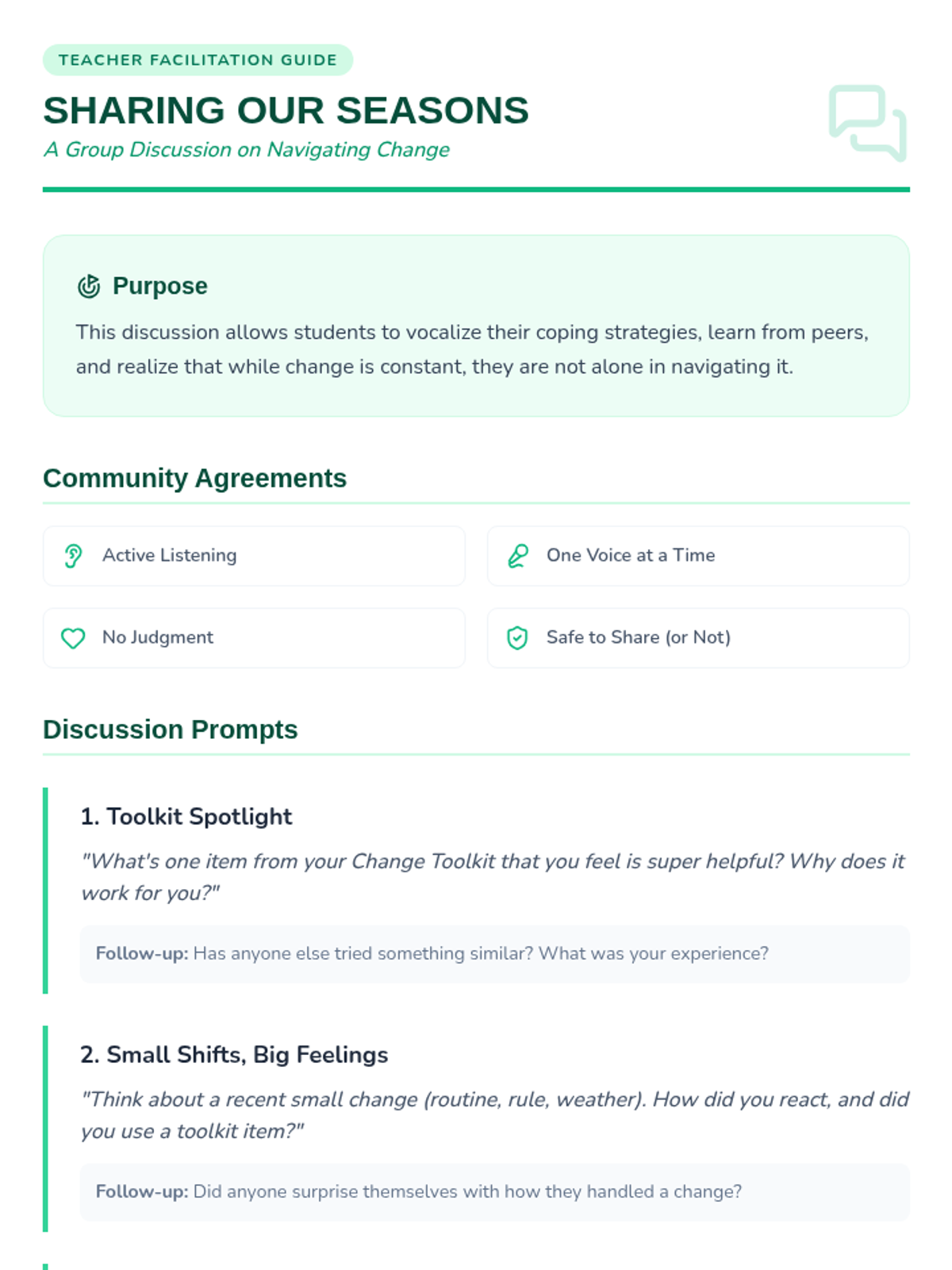
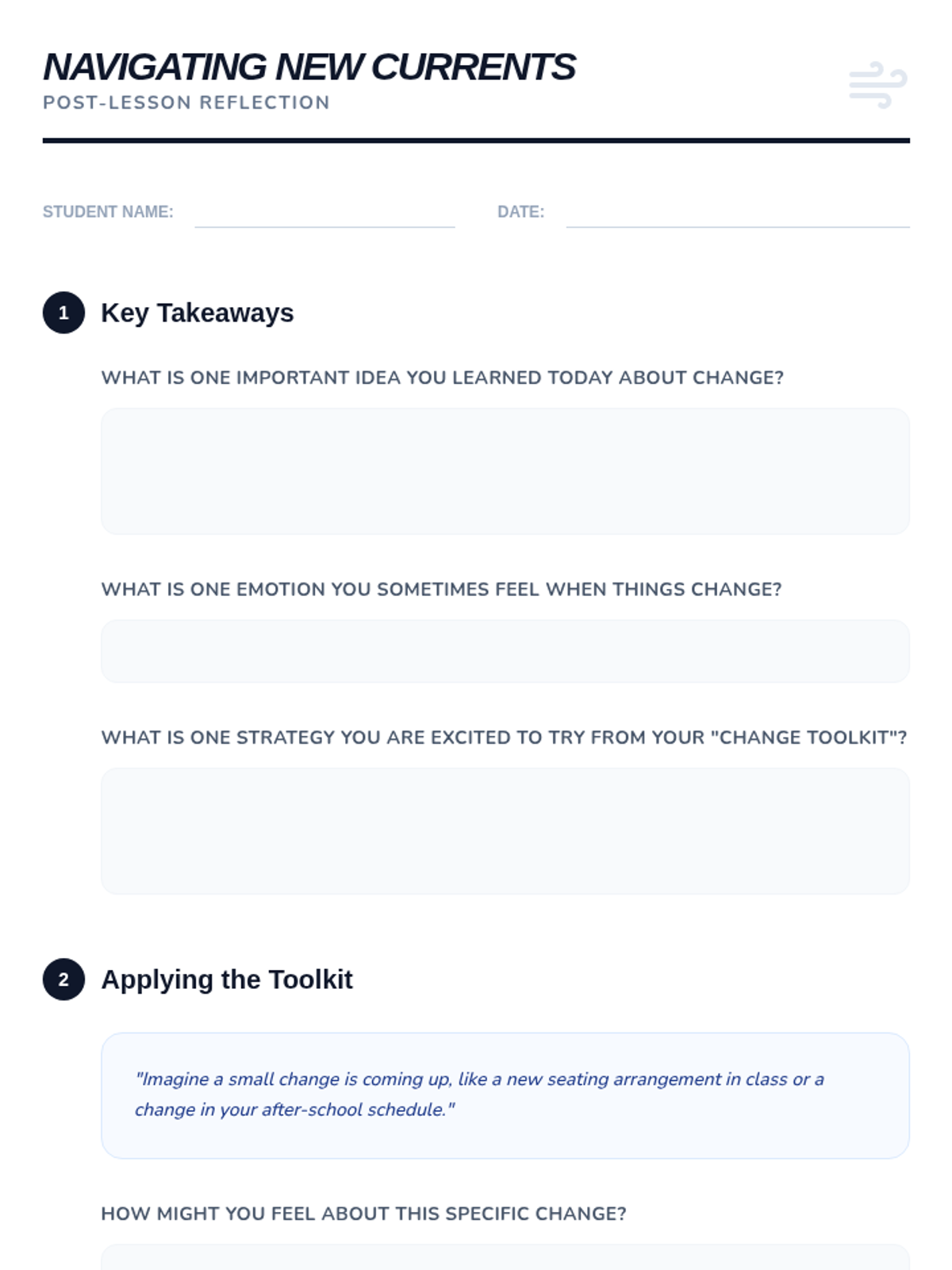
A 45-minute social-emotional learning lesson for grades 5-8 focused on developing adaptability and resilience through seasonal transitions and life changes. Students will identify emotions linked to change, build a personalized 'Change Toolkit' of coping strategies, and discuss ways to embrace new routines with confidence.
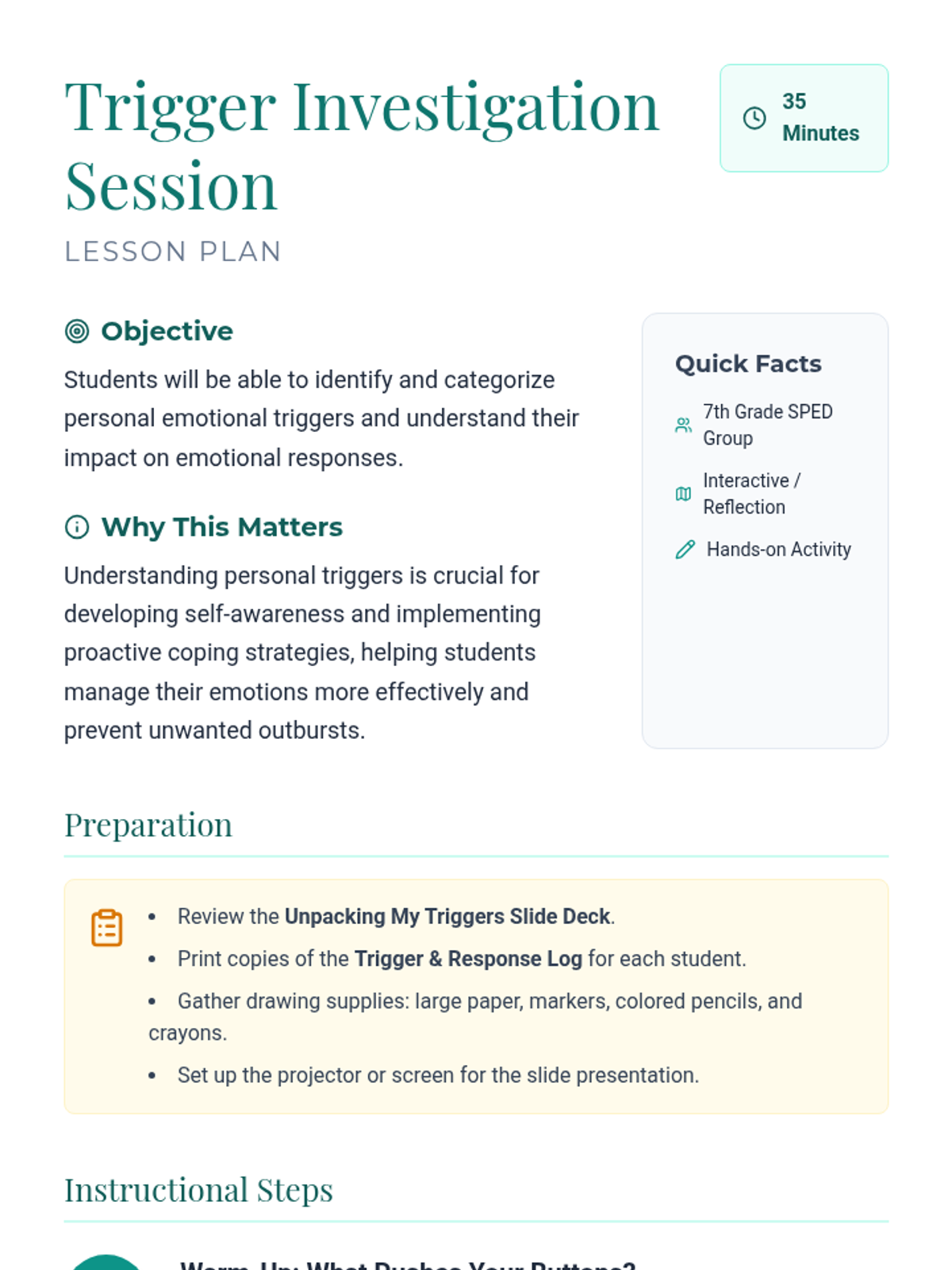
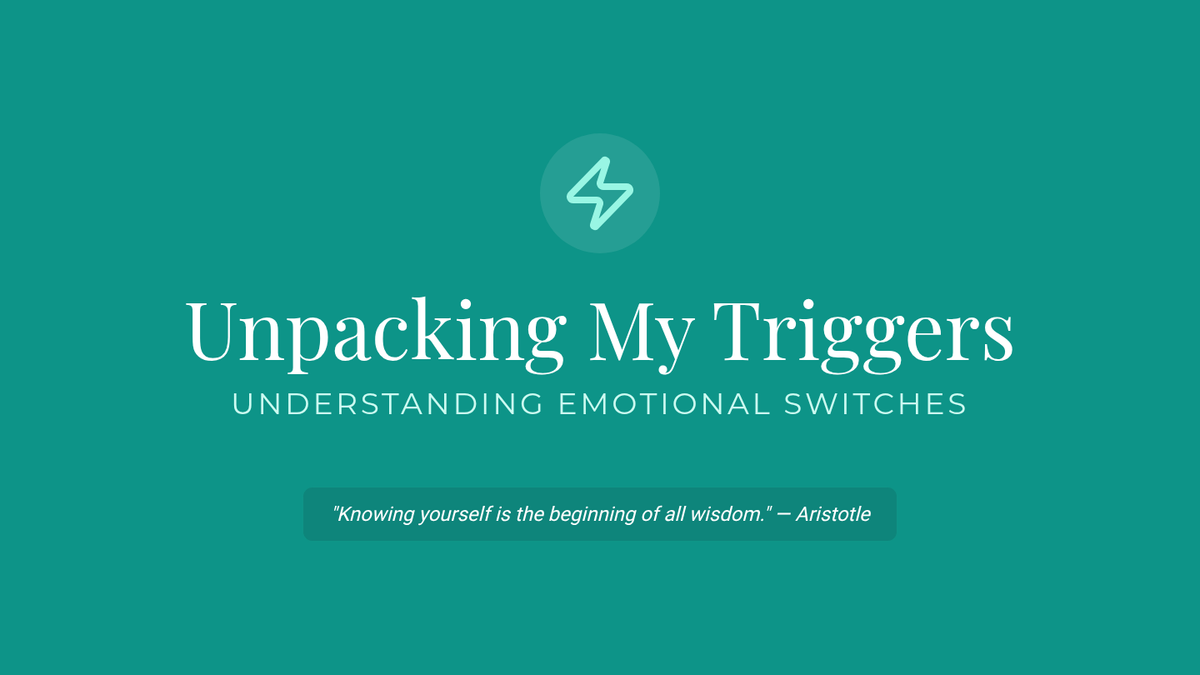
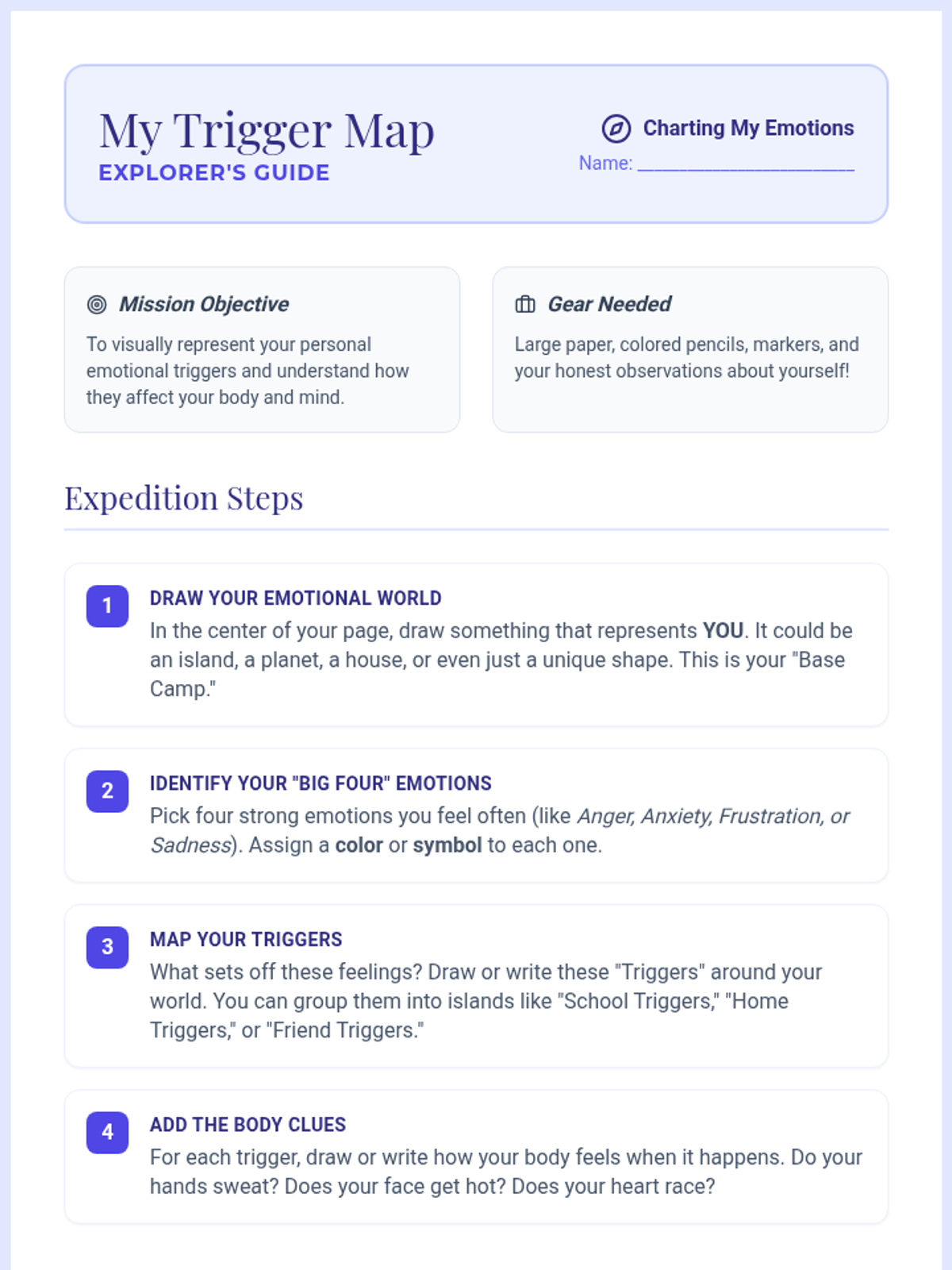
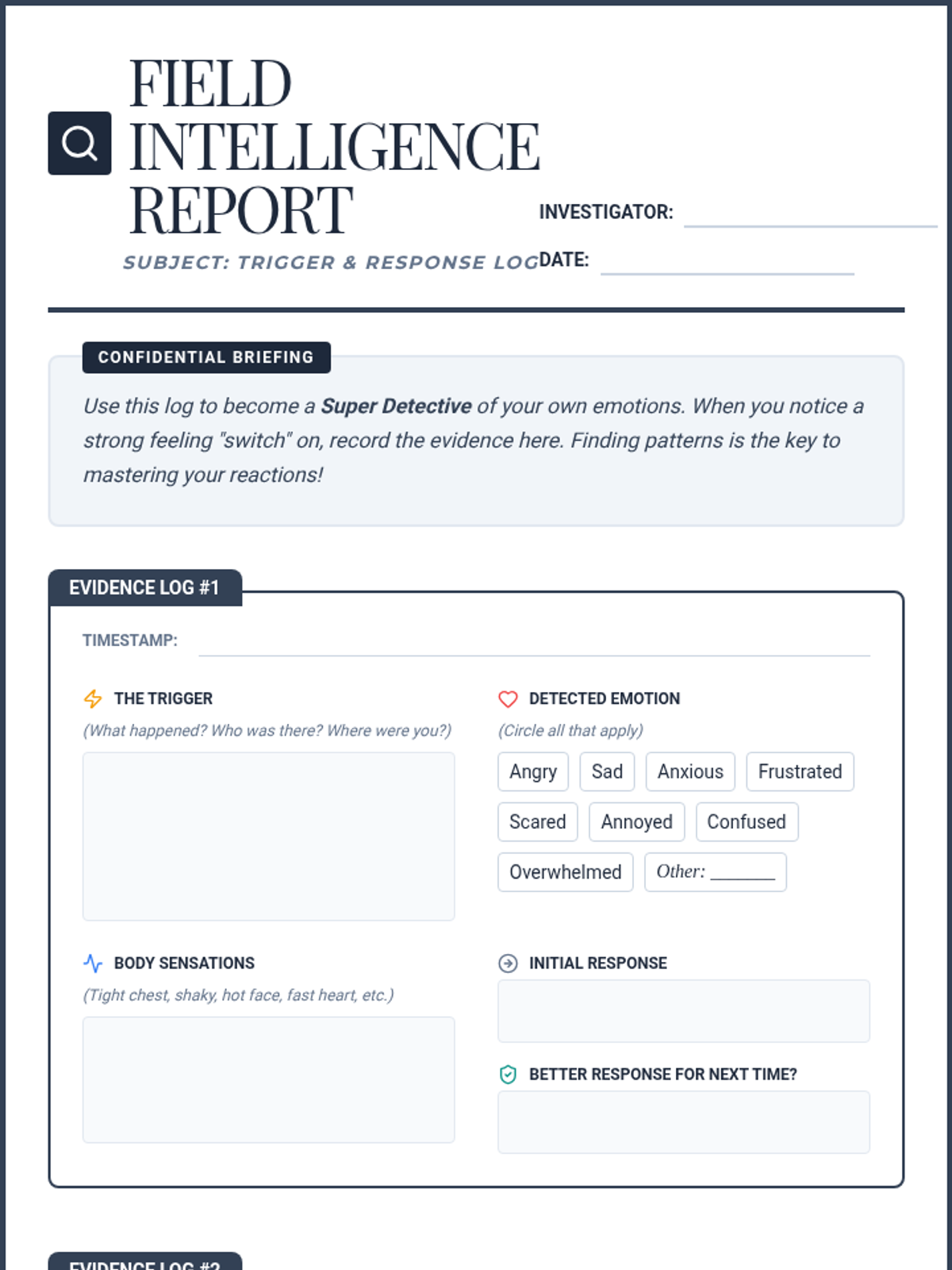
A single-session small group lesson for 7th-grade students to identify personal emotional triggers and understand their impact on behavior and feelings.
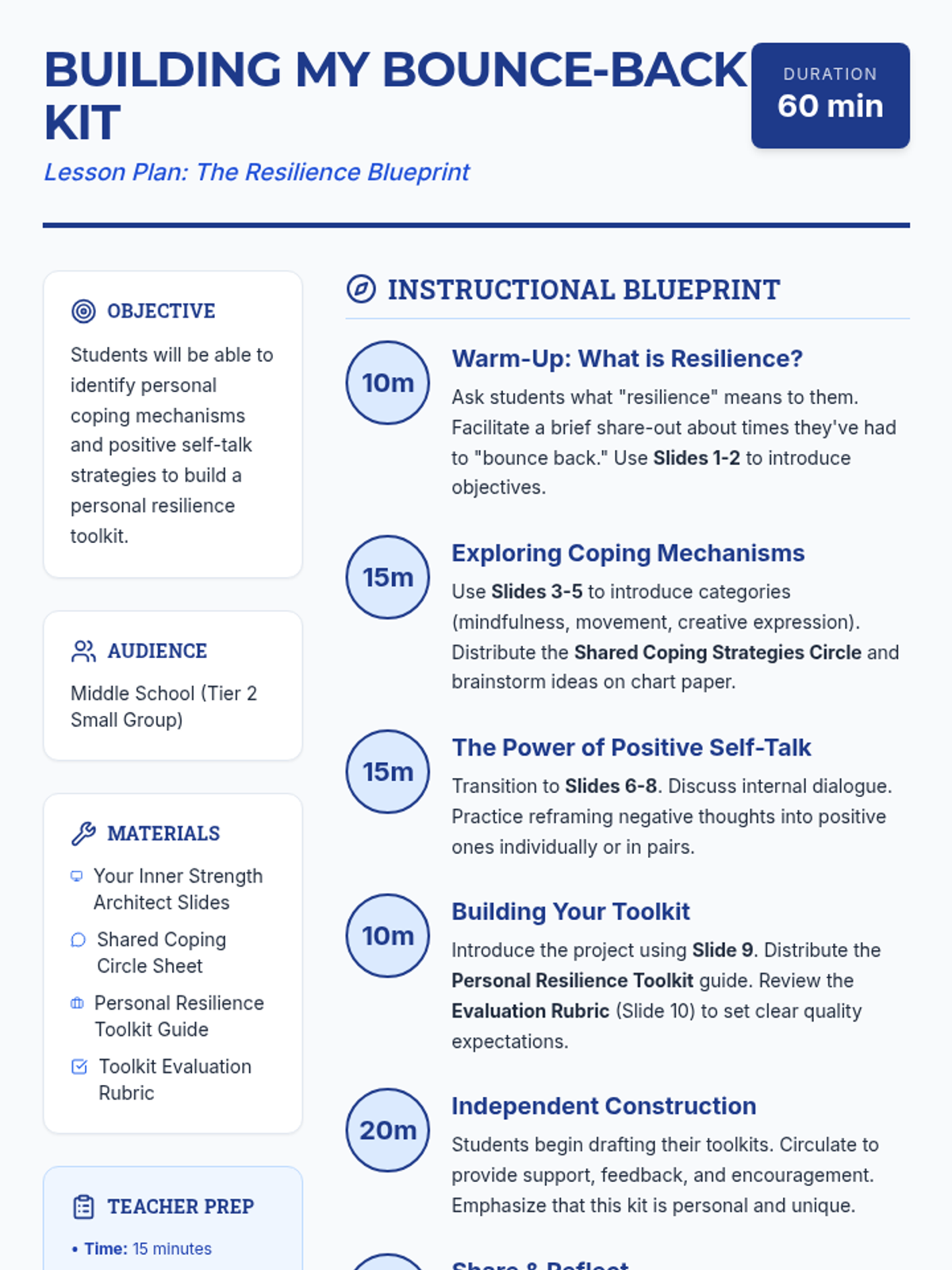
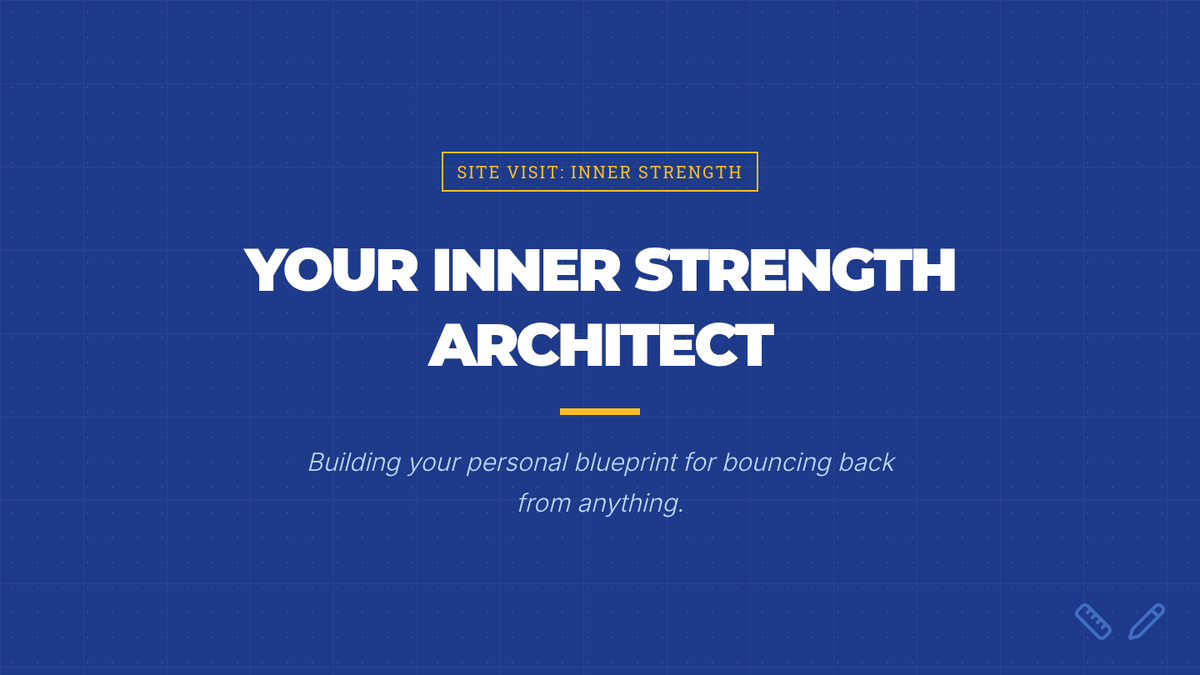
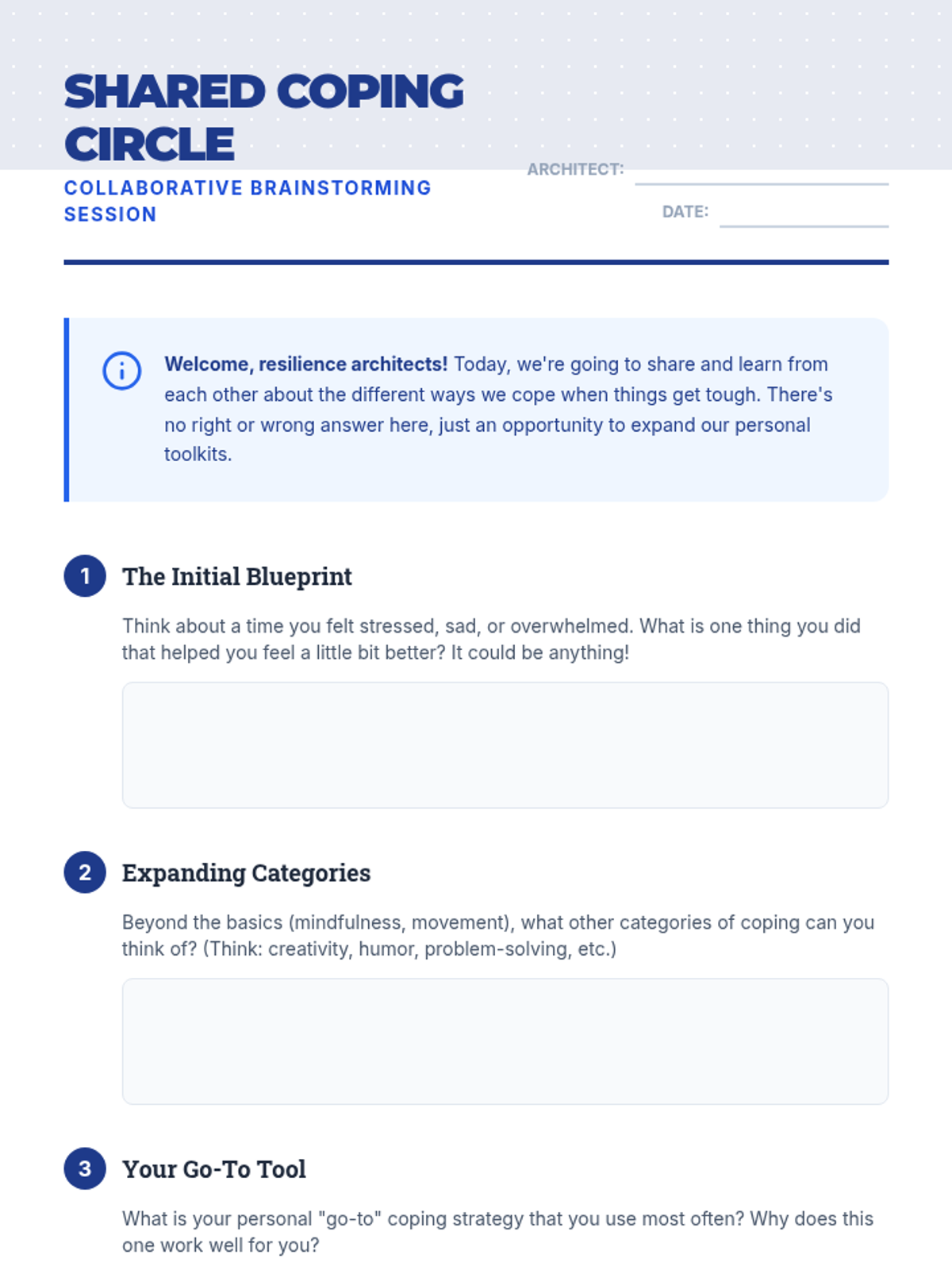
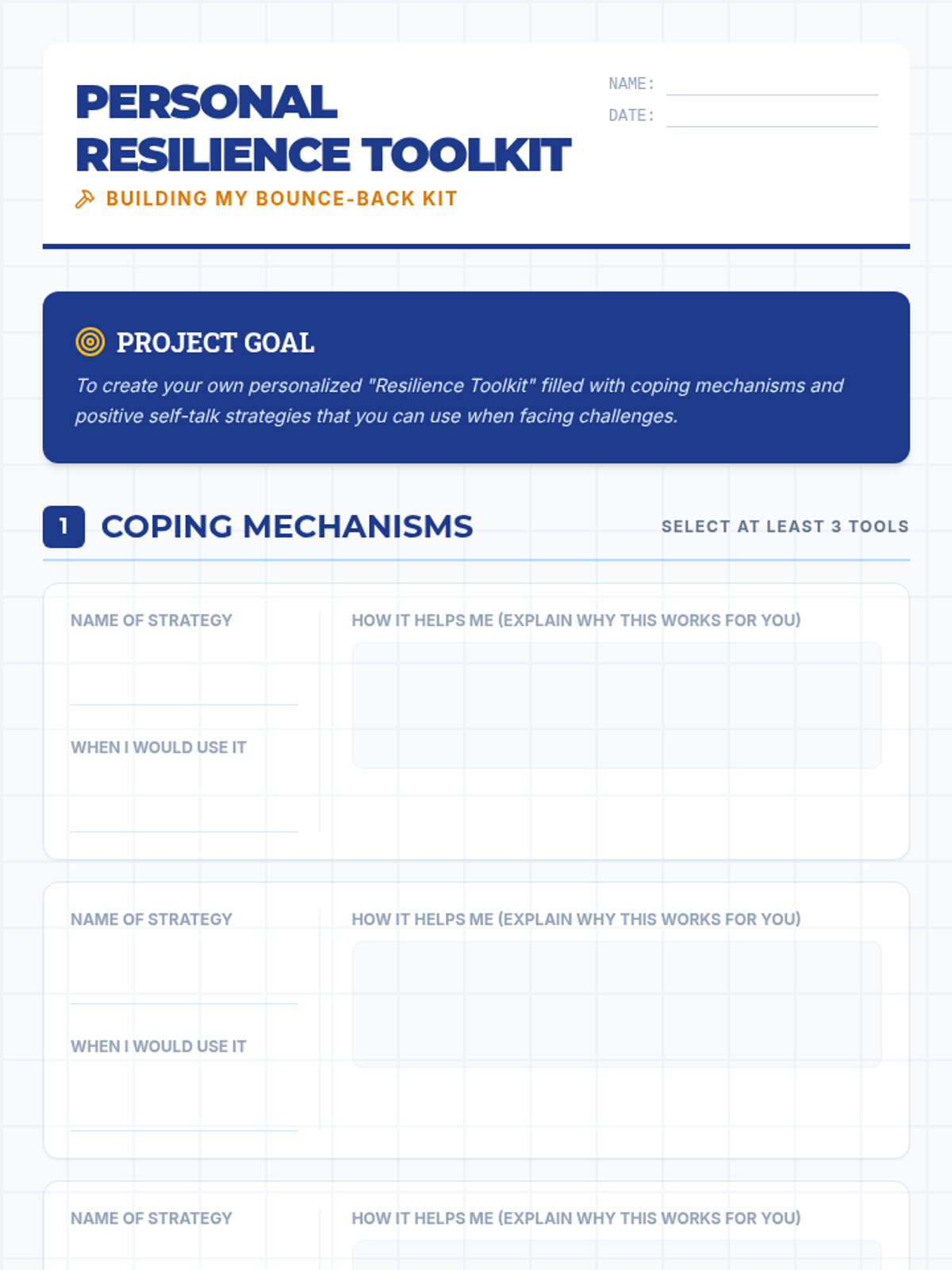
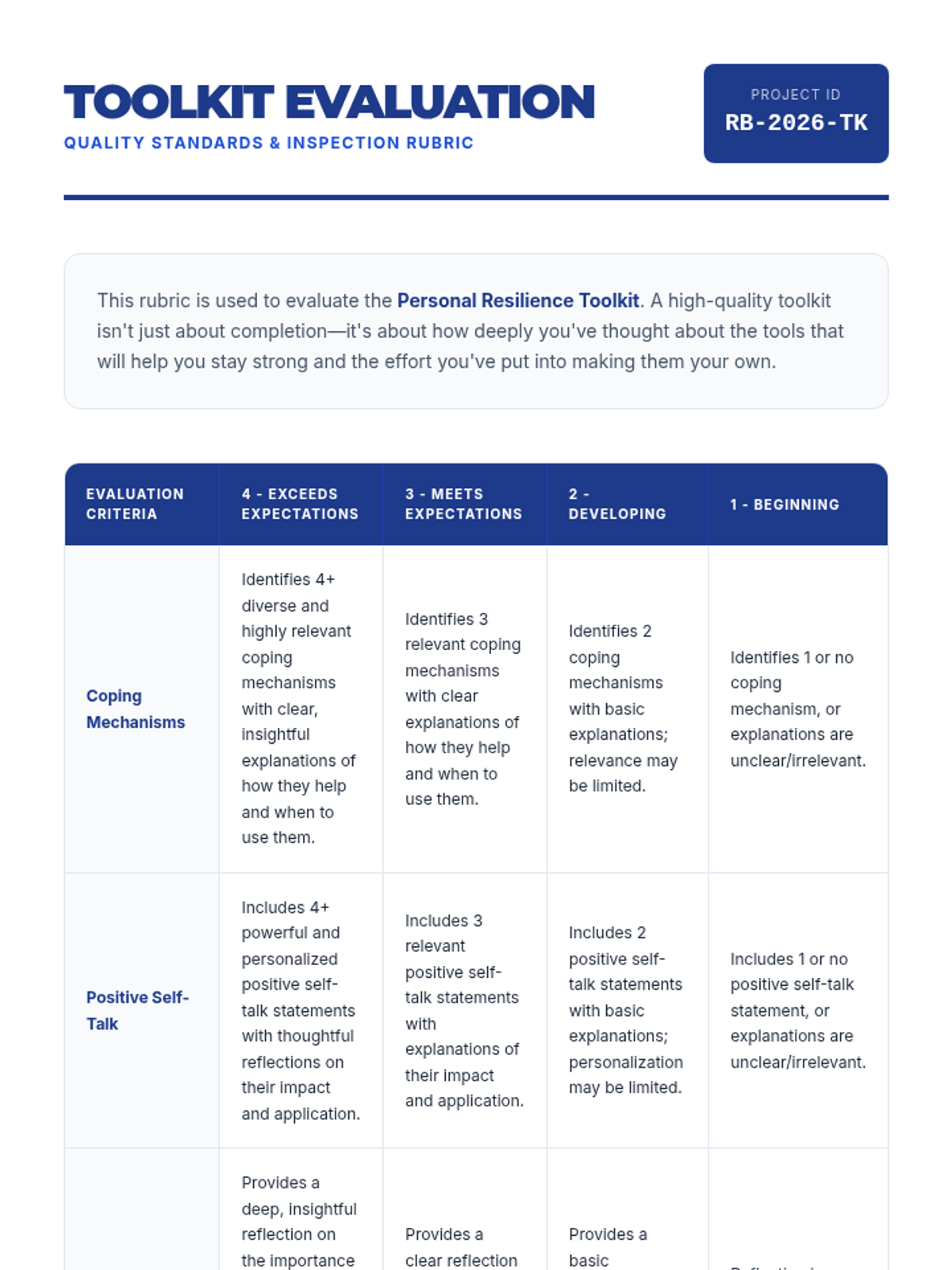
A Tier 2 small group lesson for middle schoolers to build a personal resilience toolkit, focusing on coping mechanisms and positive self-talk strategies through the metaphor of an architect building a blueprint.
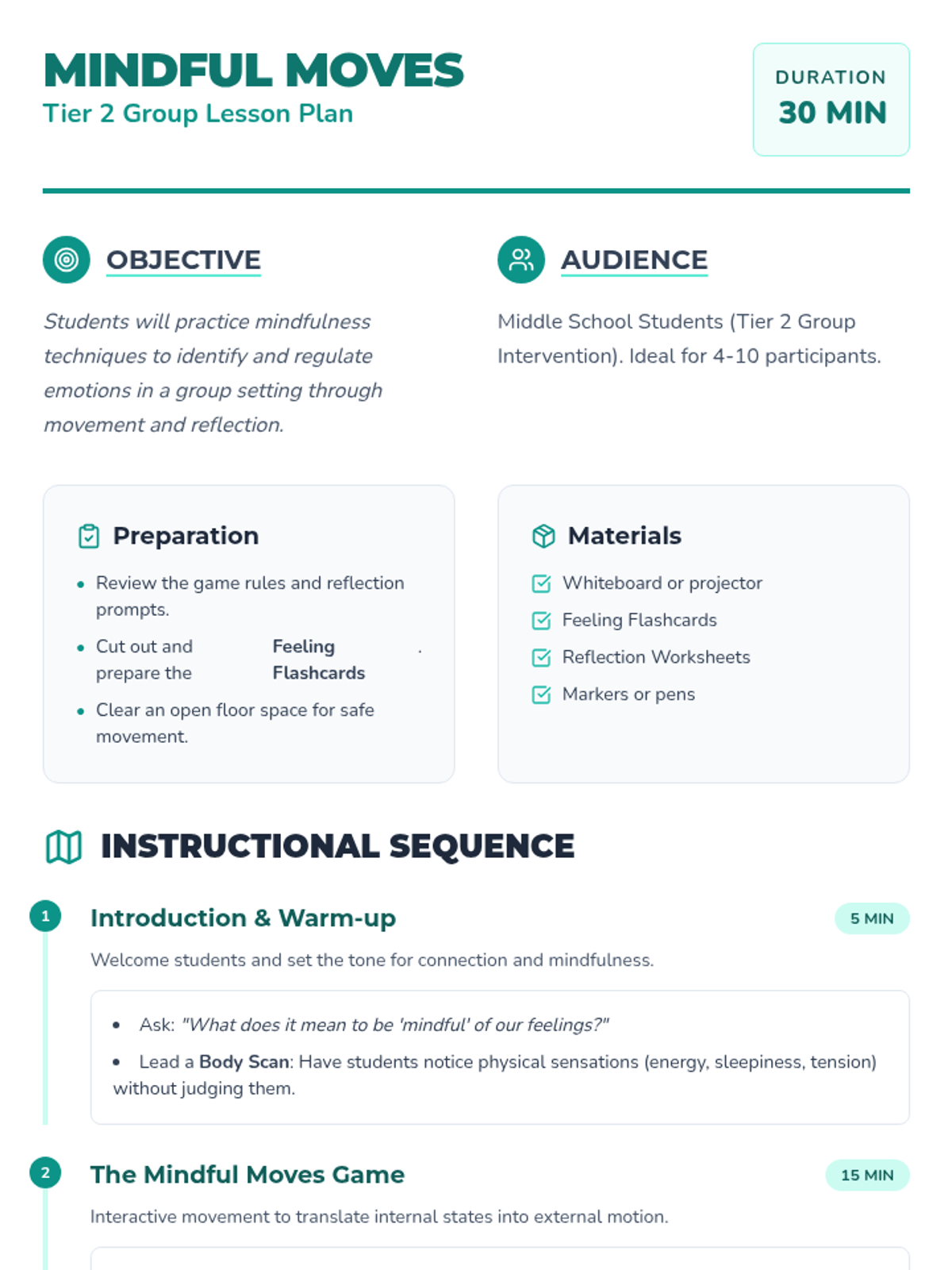
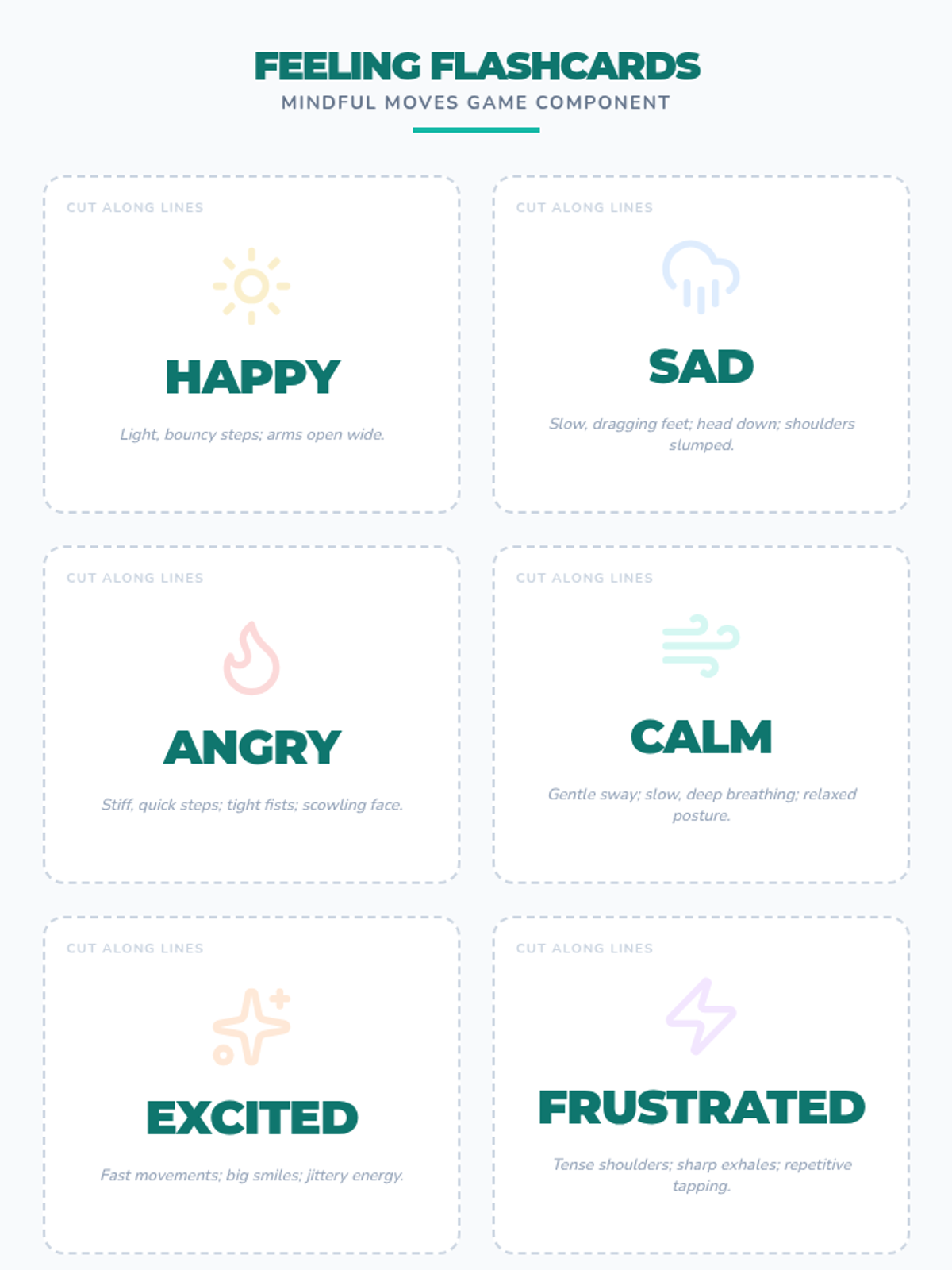
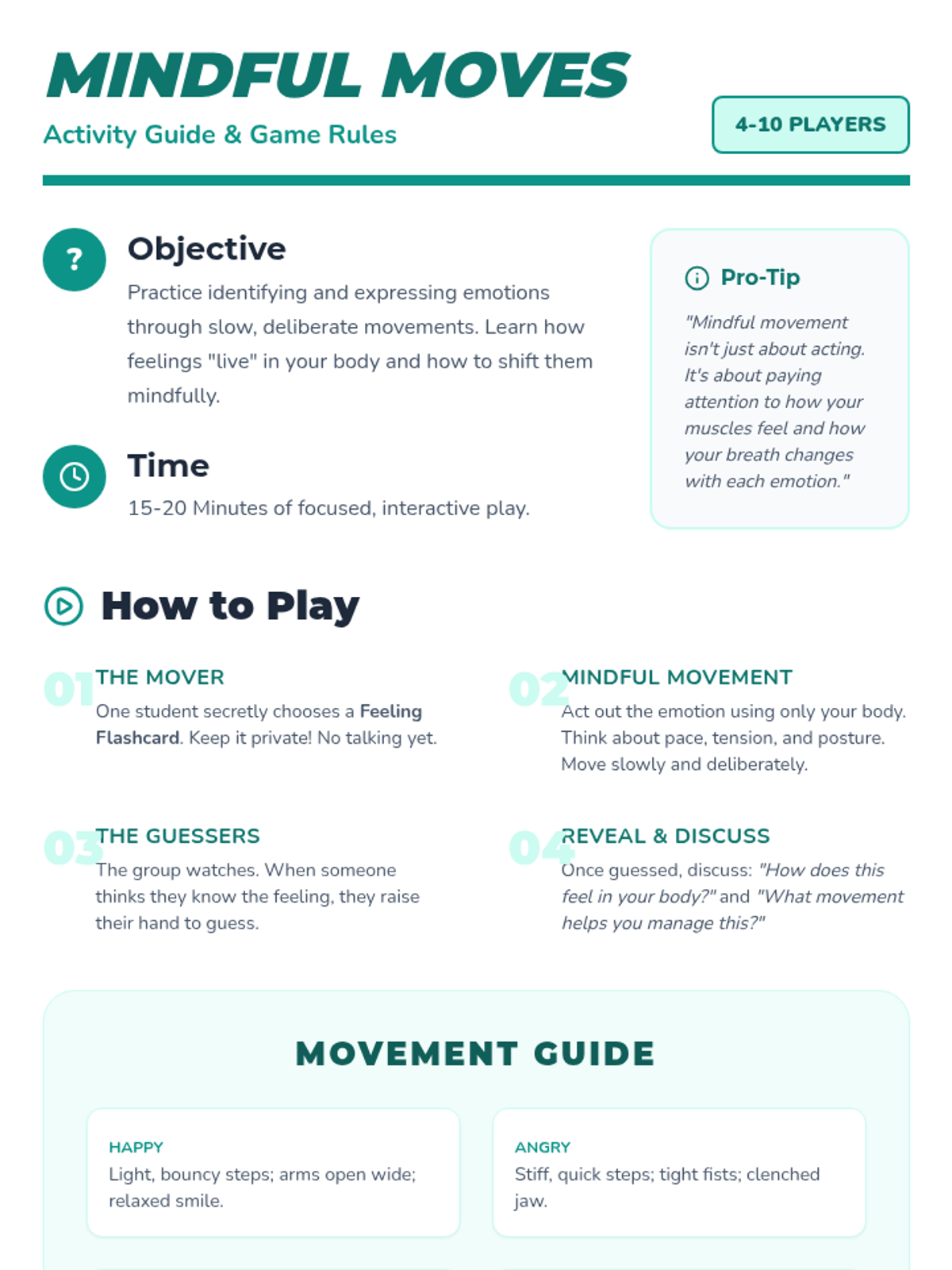
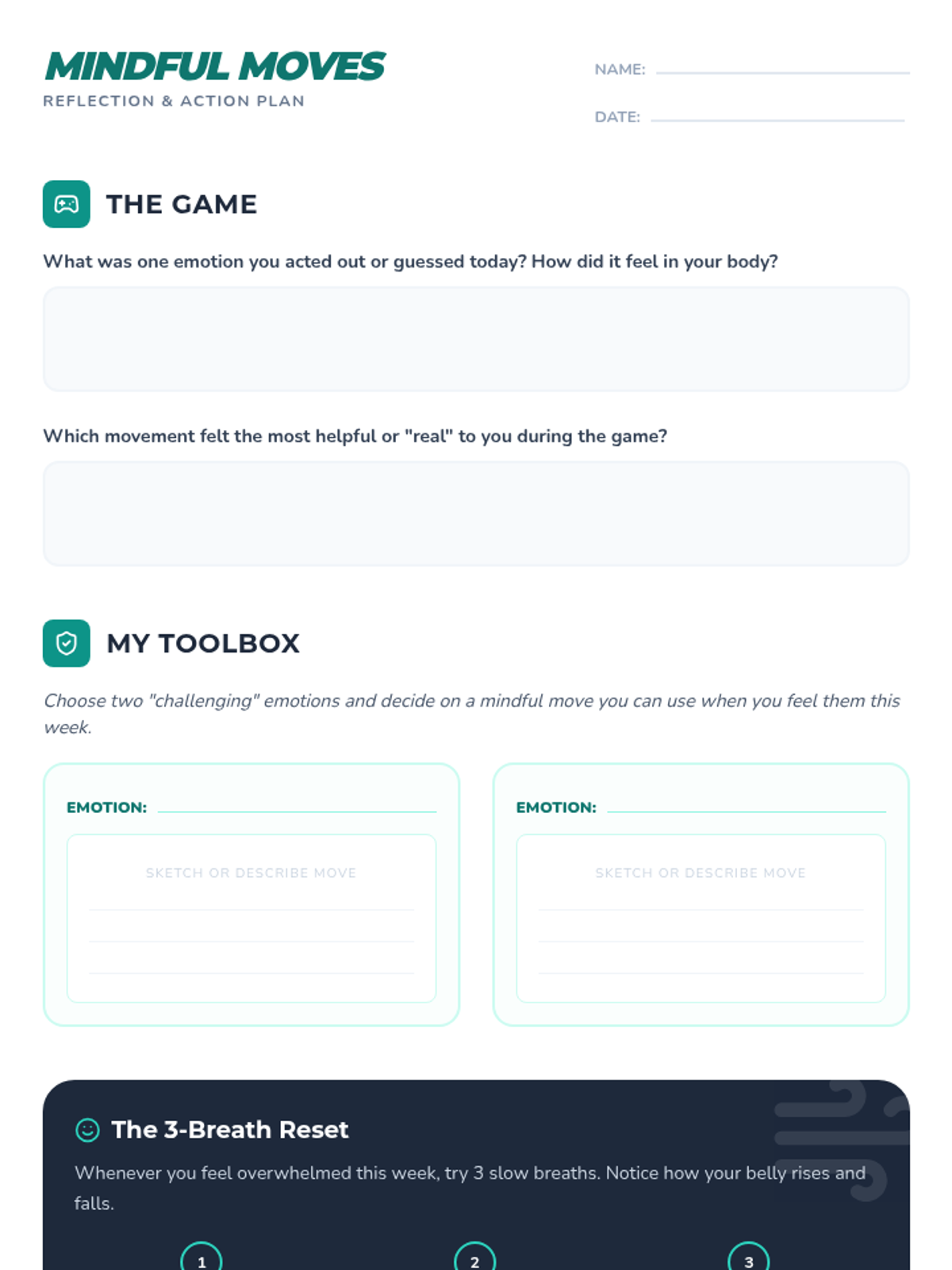
A 30-minute Tier 2 group intervention lesson for middle schoolers using movement to explore and regulate emotions through mindfulness.
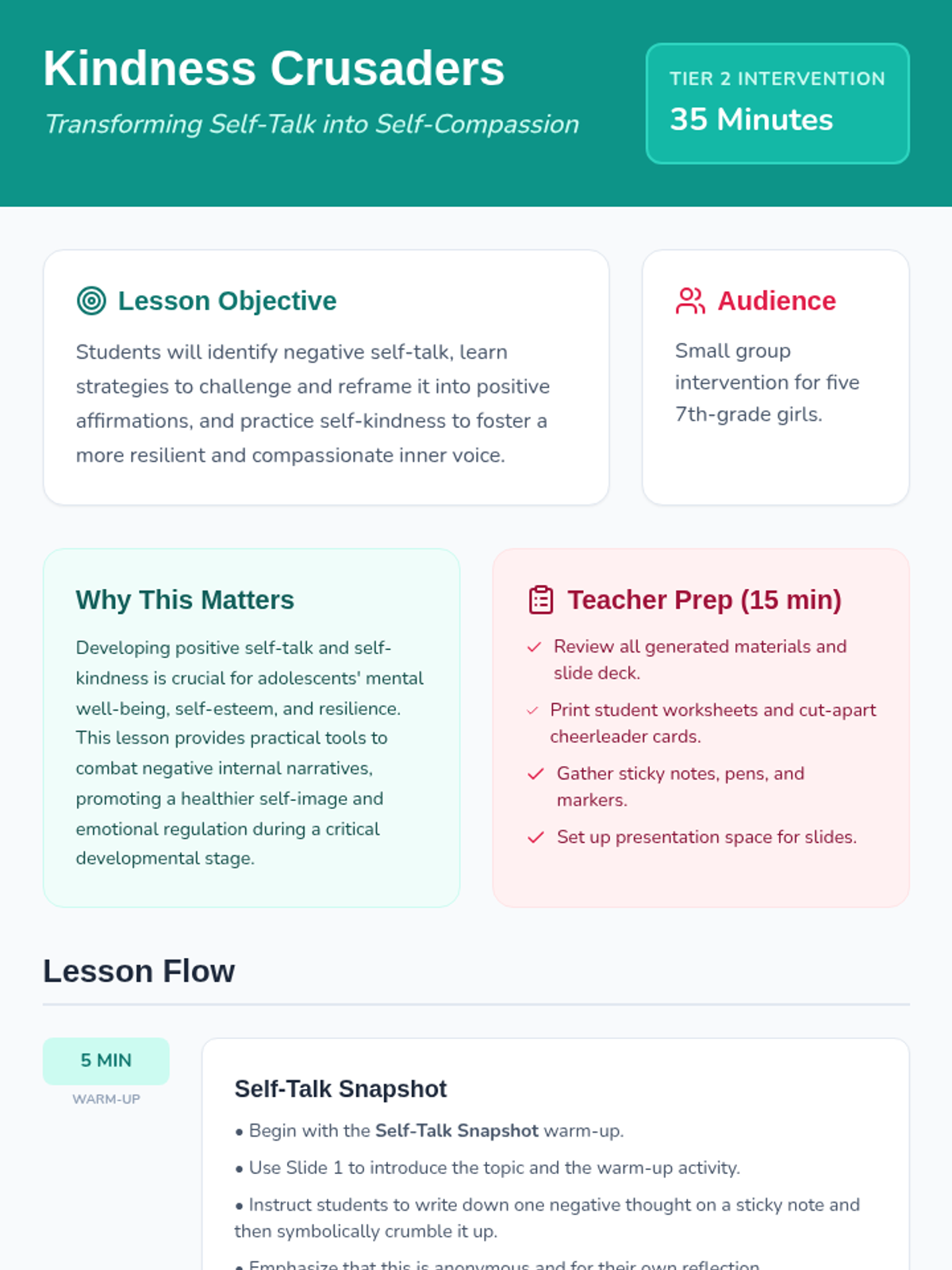
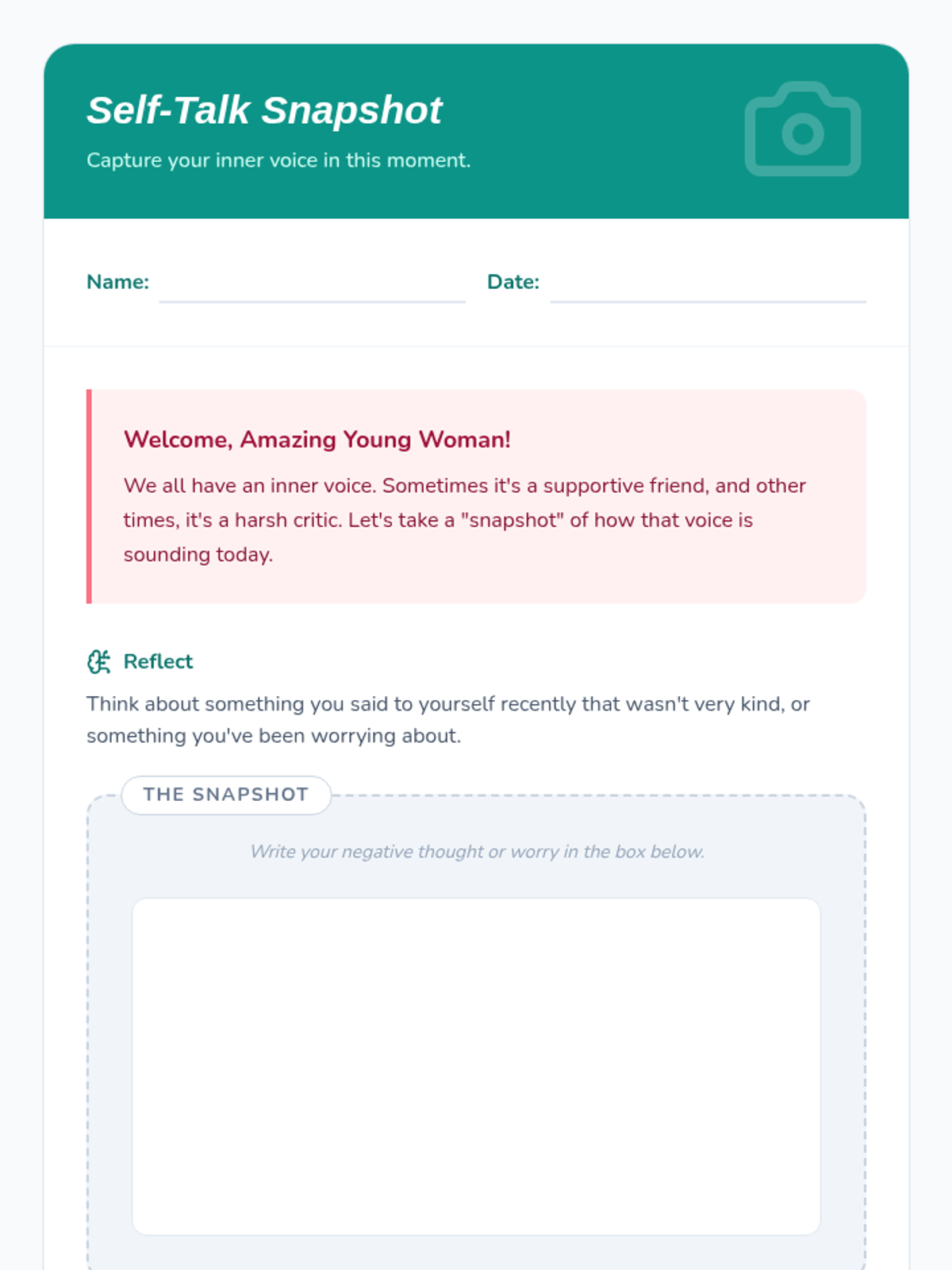
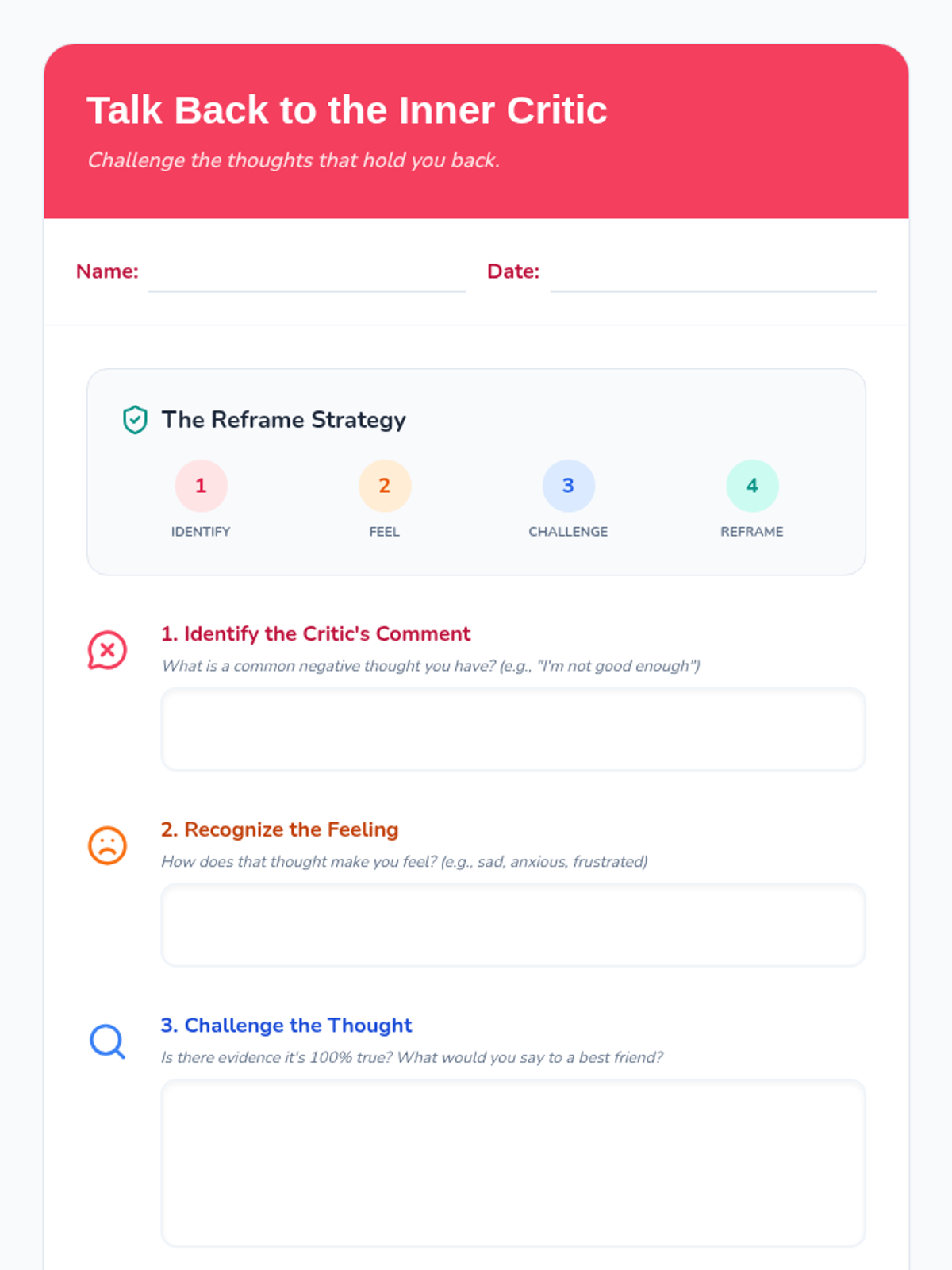
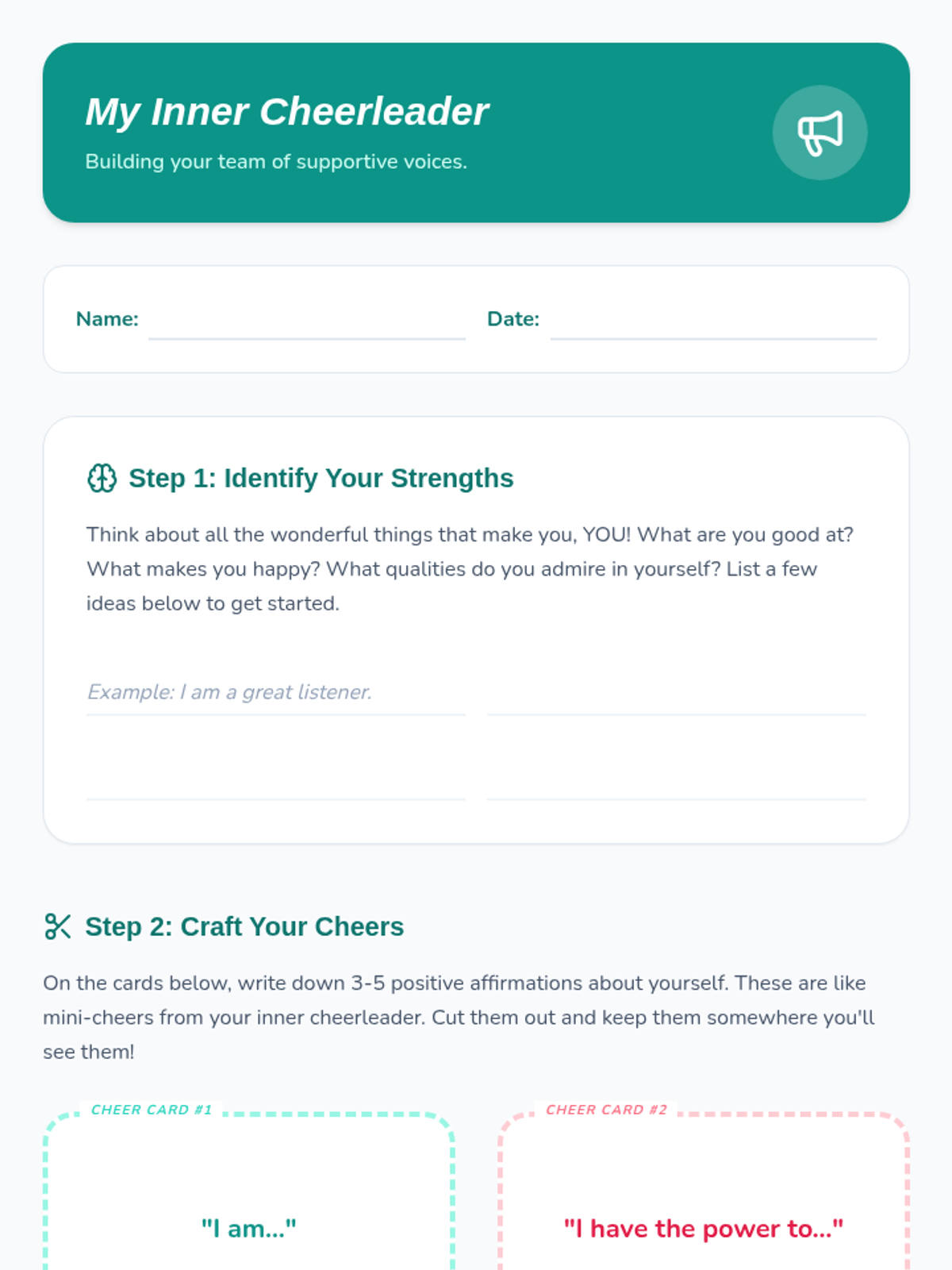
A 35-minute Tier 2 intervention for 7th-grade girls focused on identifying negative self-talk and transforming it into compassionate, positive affirmations through interactive group activities.
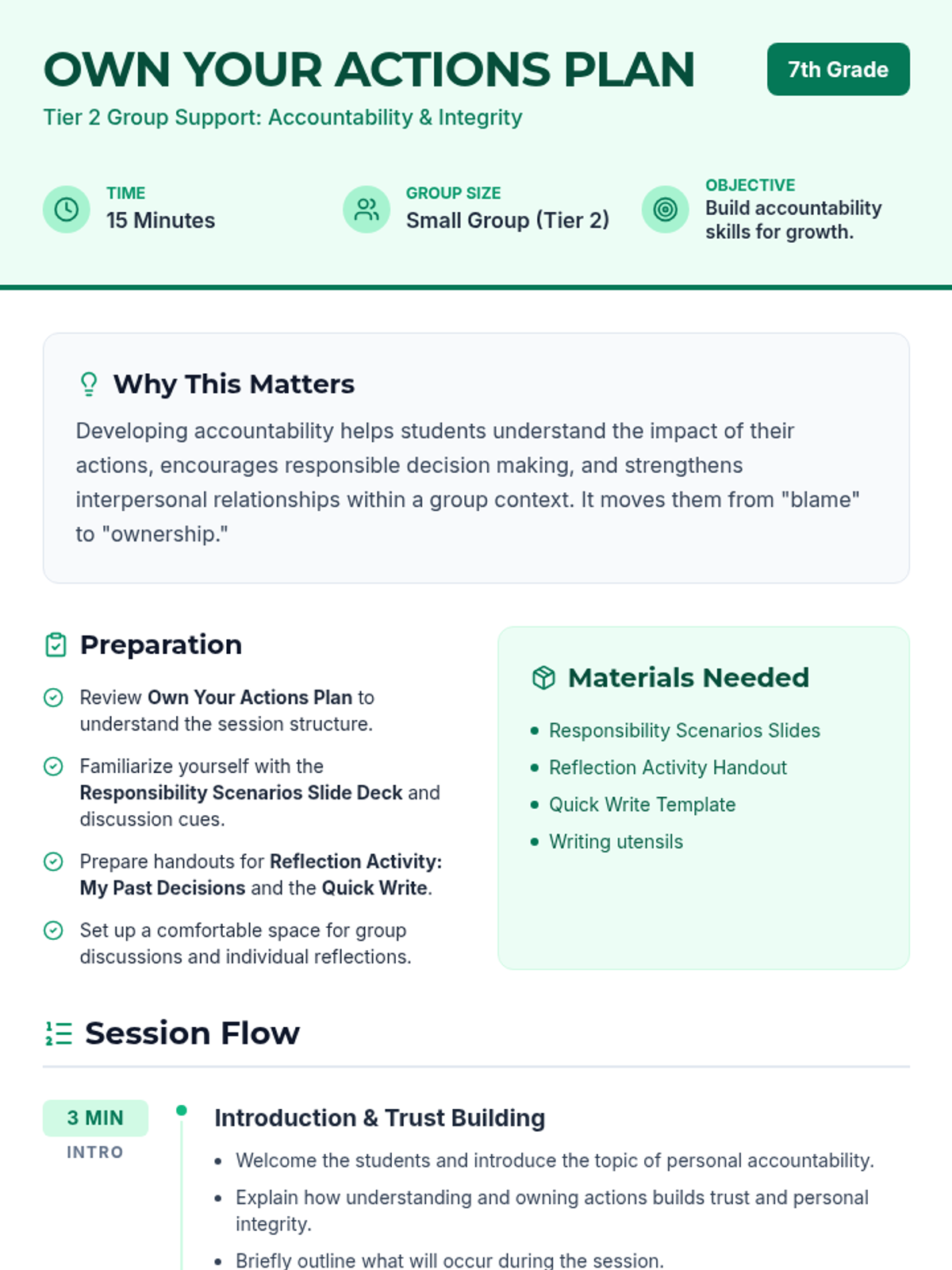
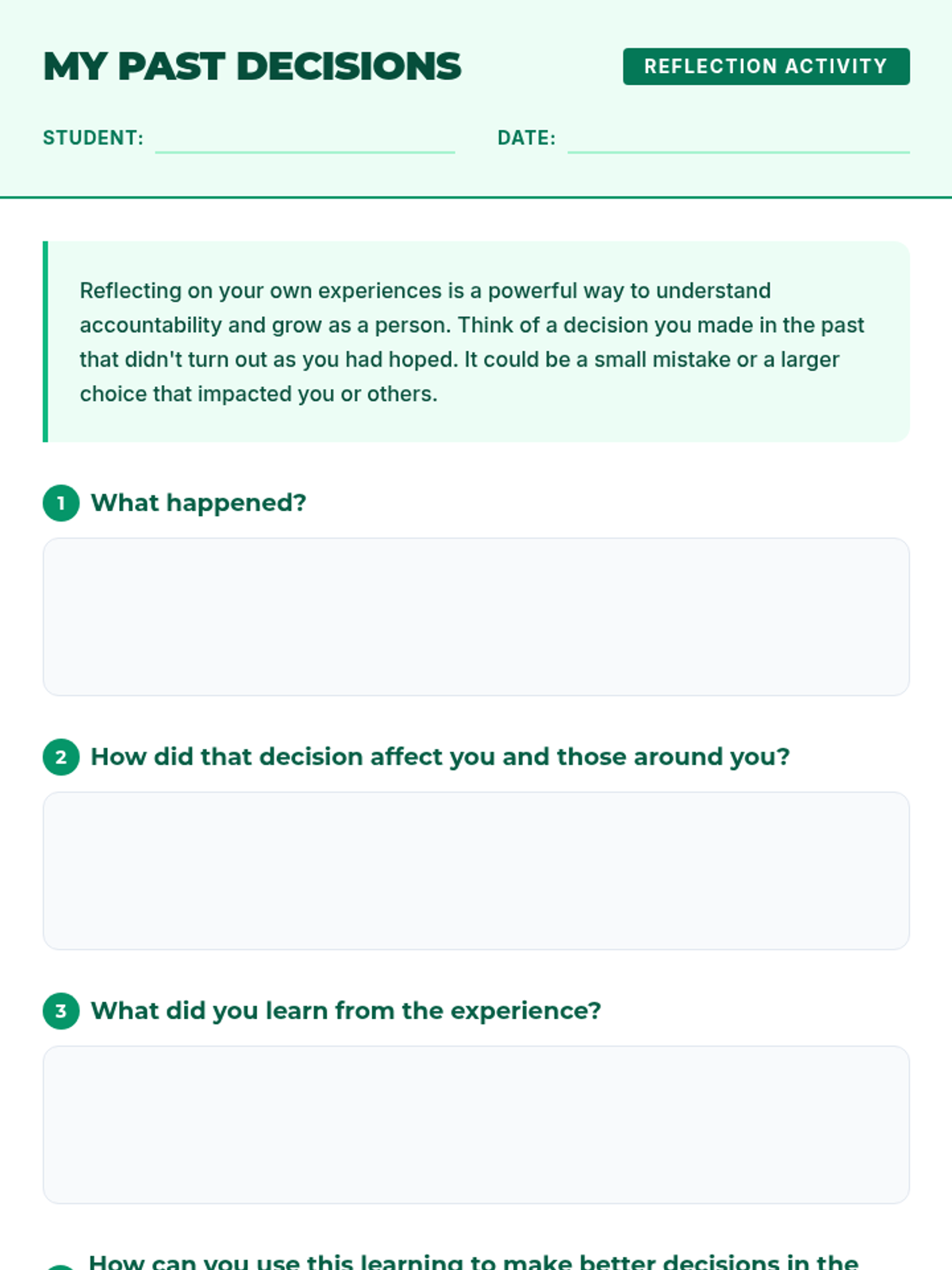
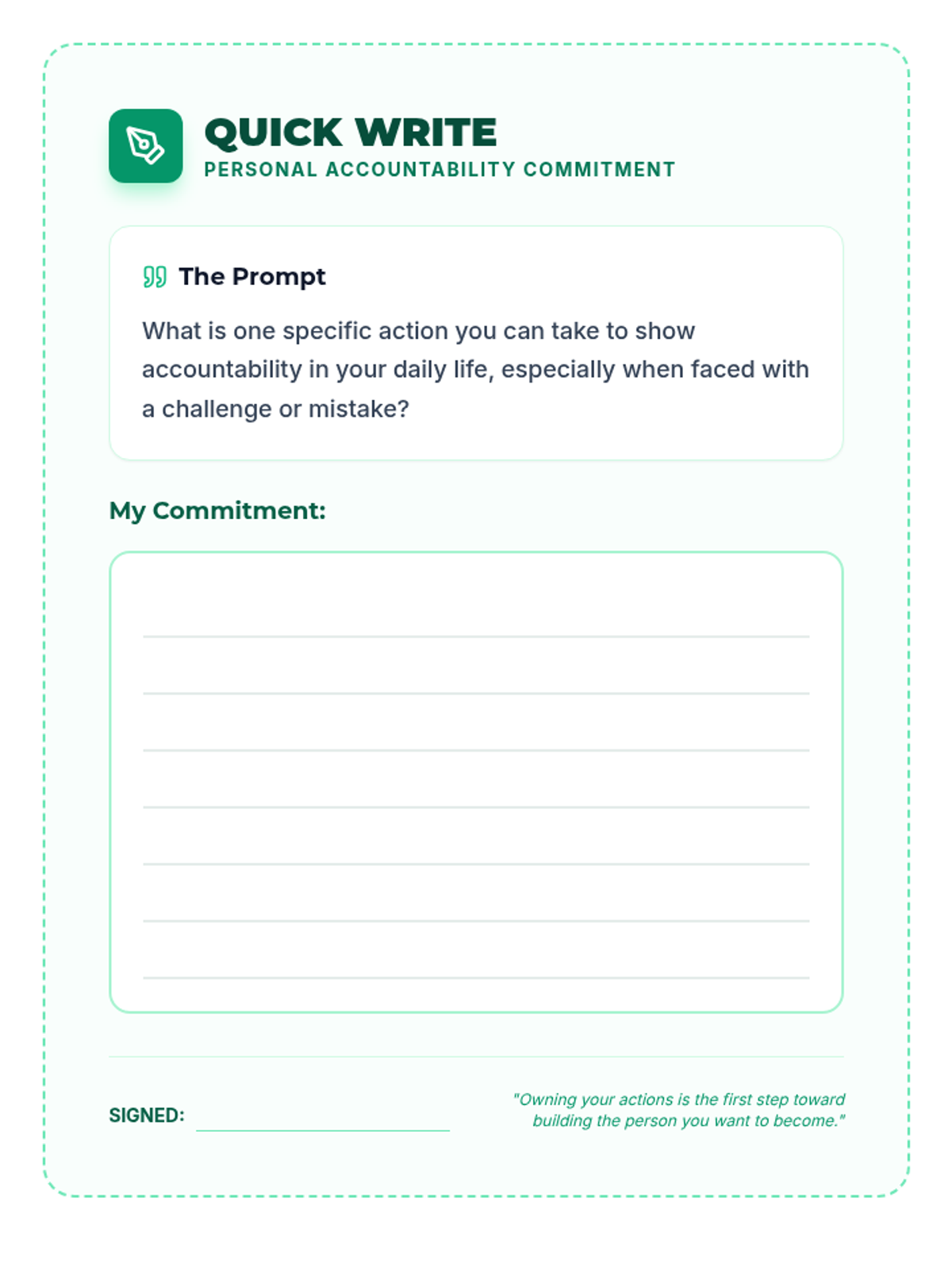
A 15-minute Tier 2 small group lesson for 7th graders focused on personal accountability, using real-life scenarios and individual reflection to build integrity and relationship skills.
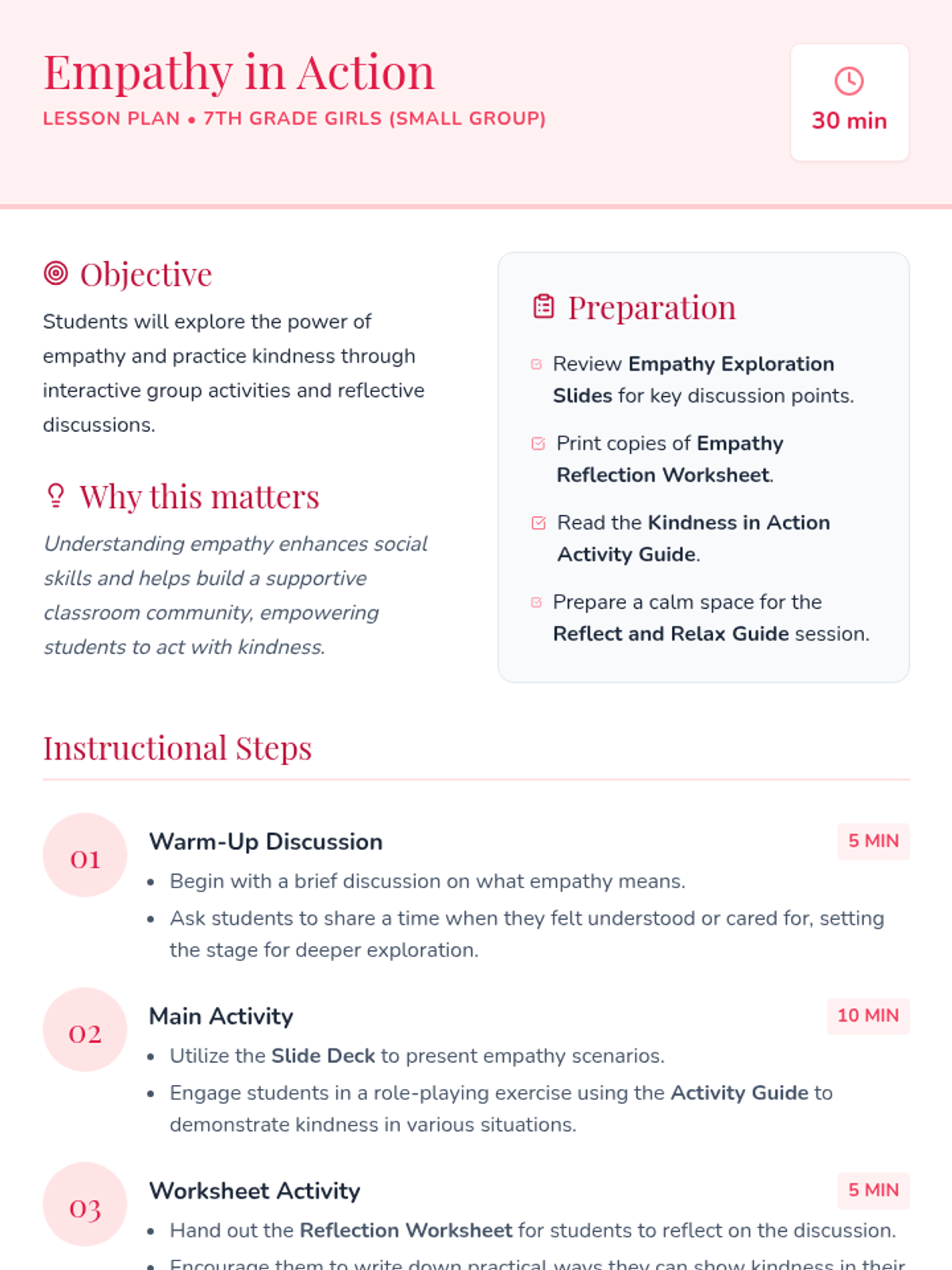
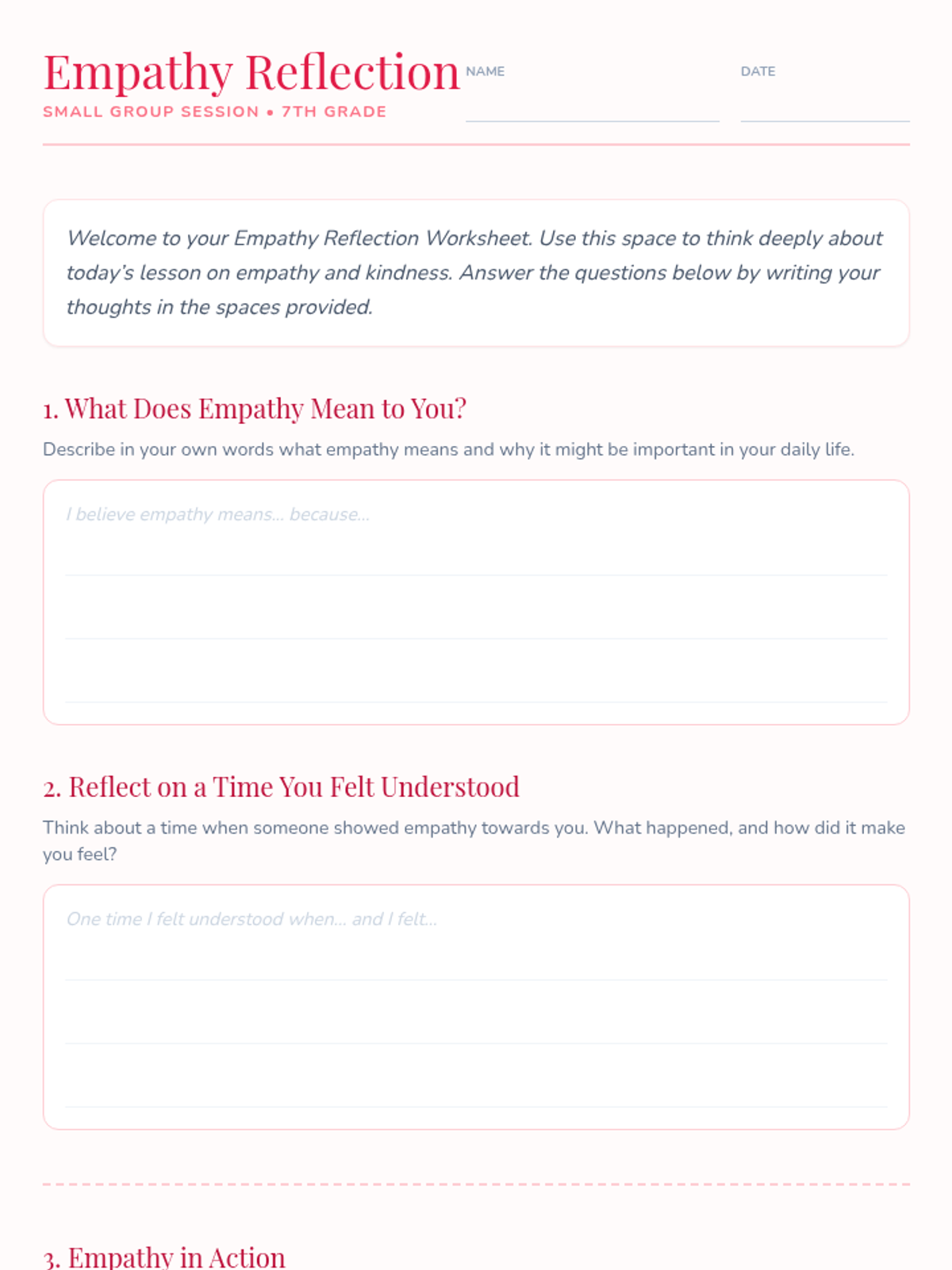
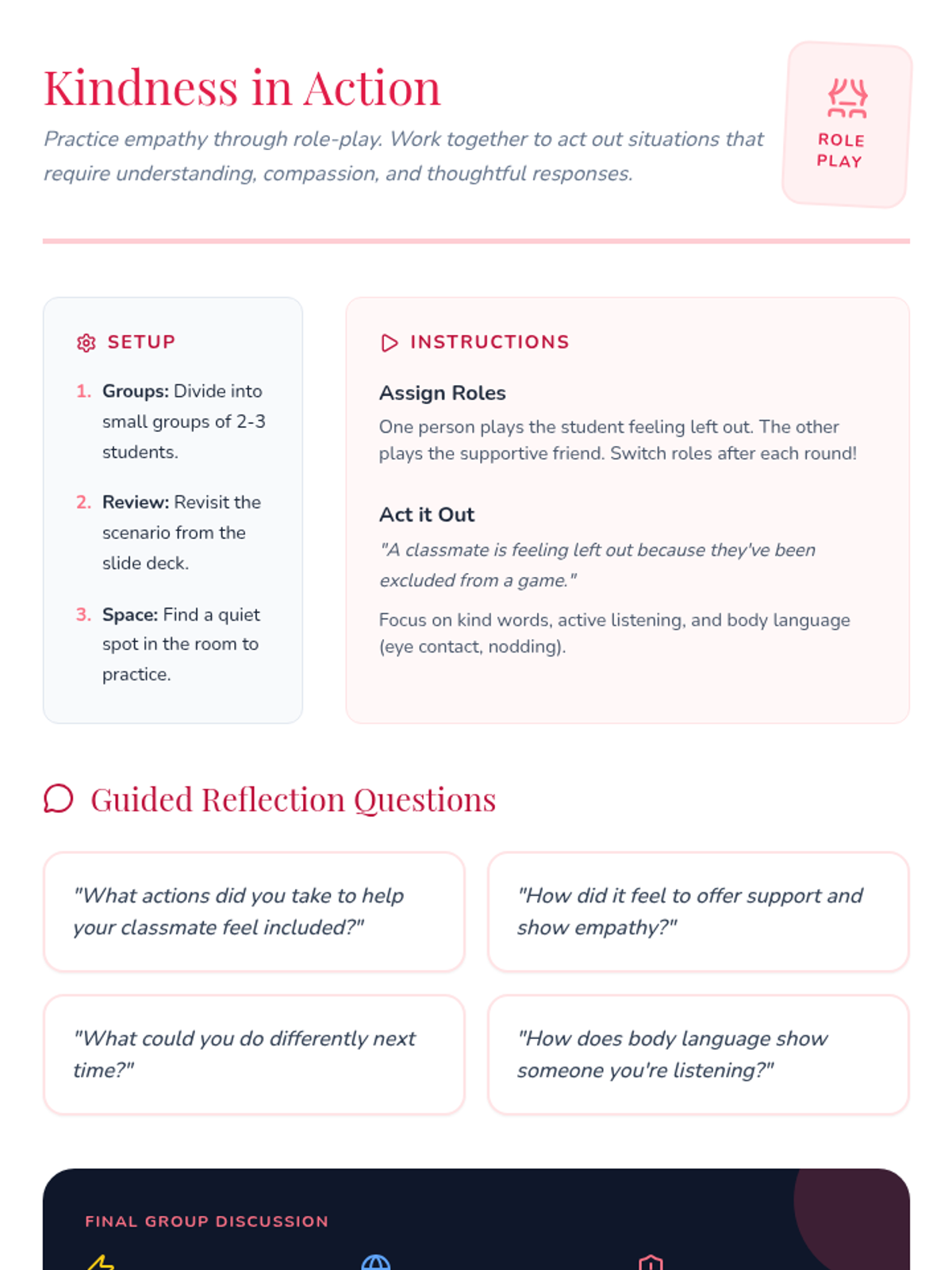
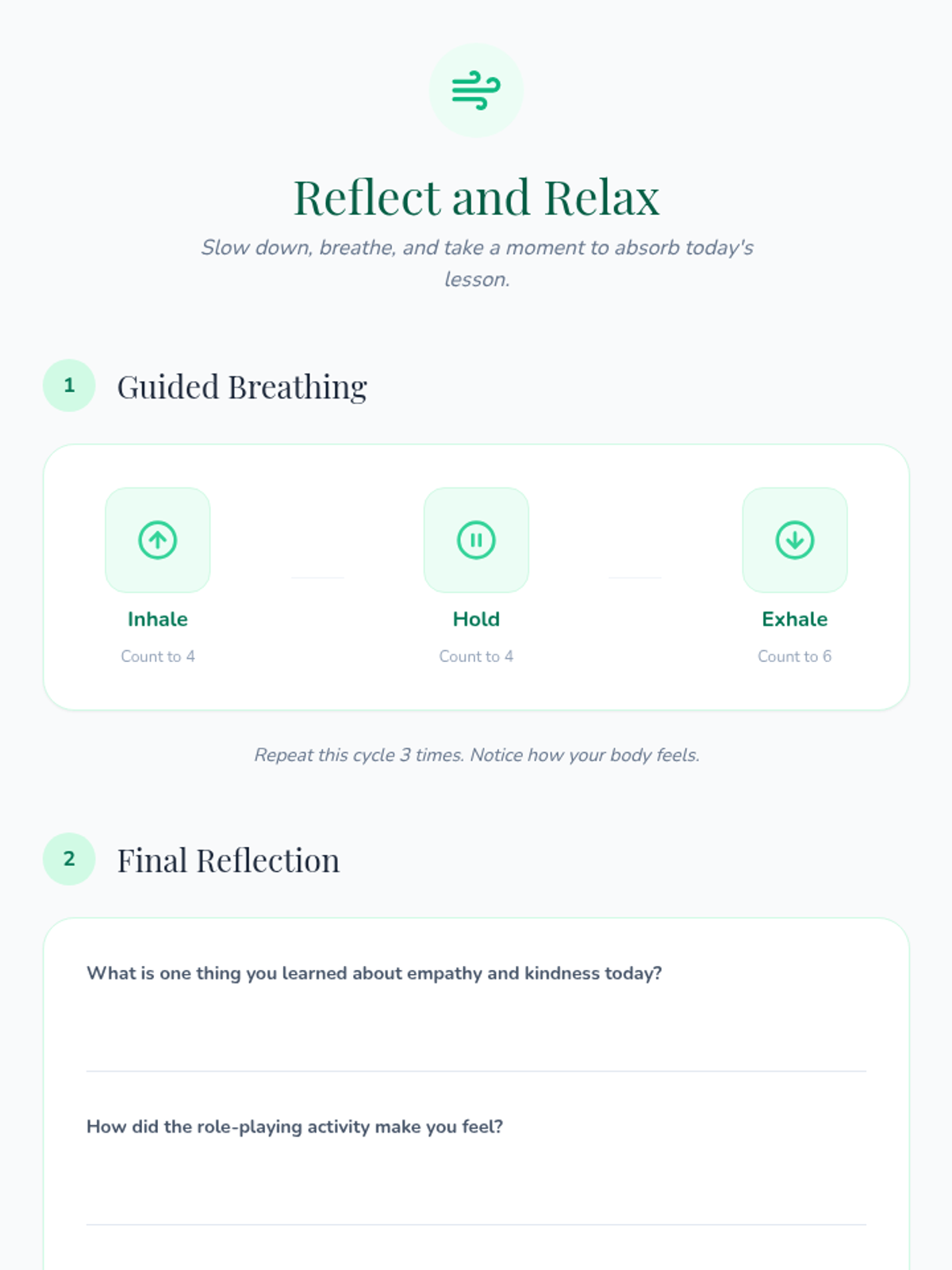
A 30-minute Tier 2 group lesson for 7th-grade girls to explore empathy through discussion, role-play, and reflection. Students will learn the definition of empathy and practice applying kindness in real-world scenarios.
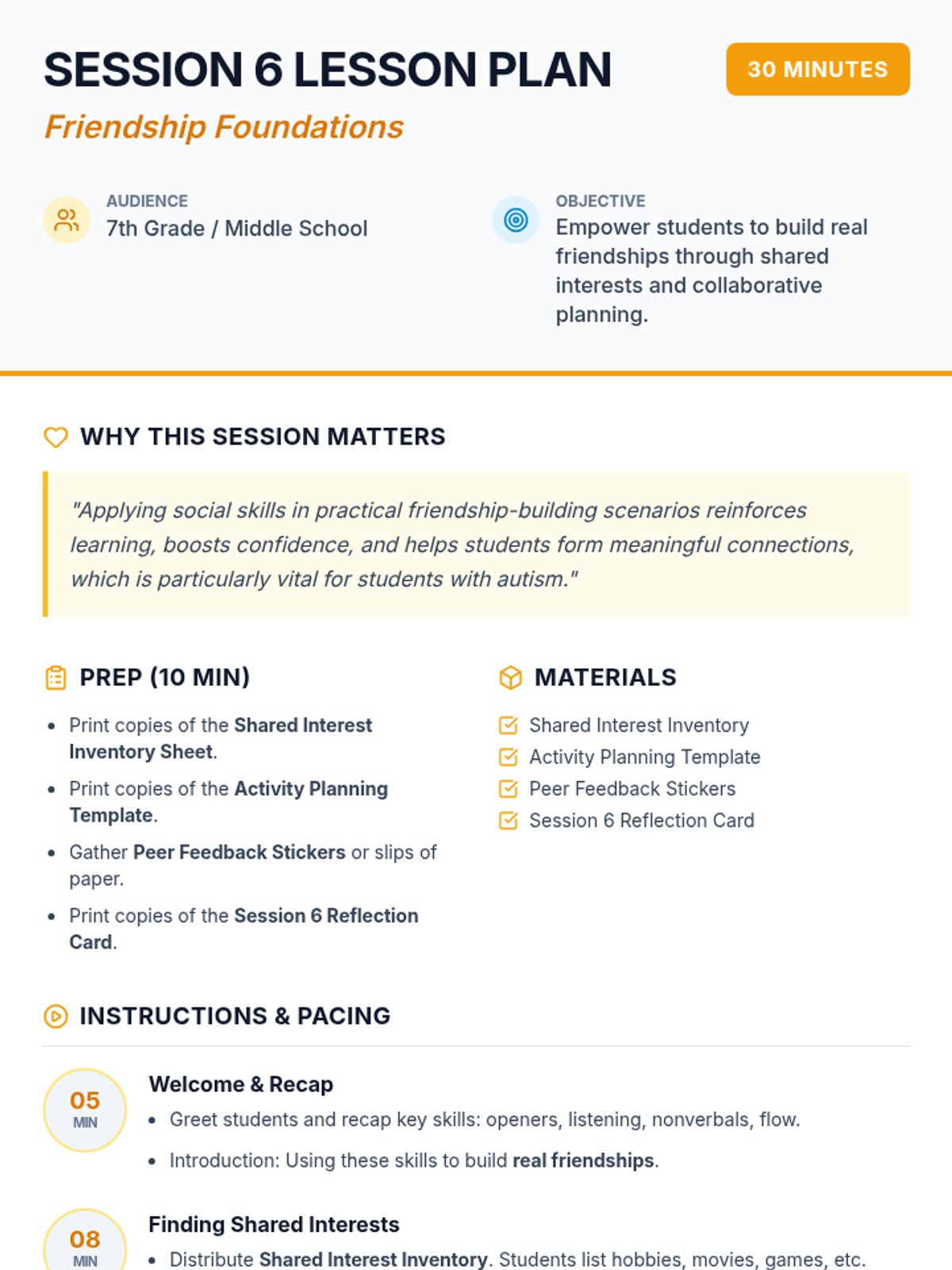
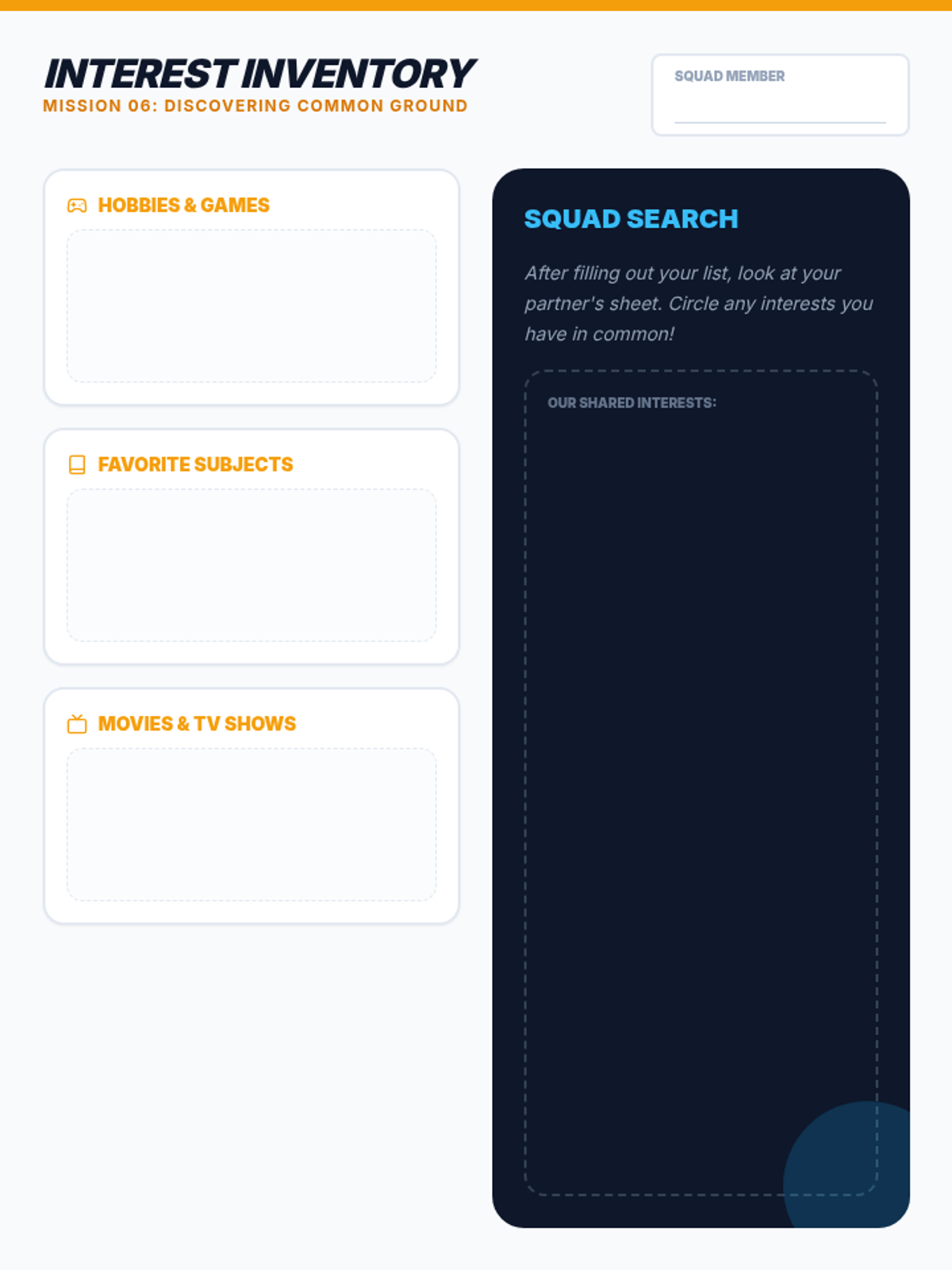
Applying social skills to identify shared interests and plan activities for building lasting friendships.
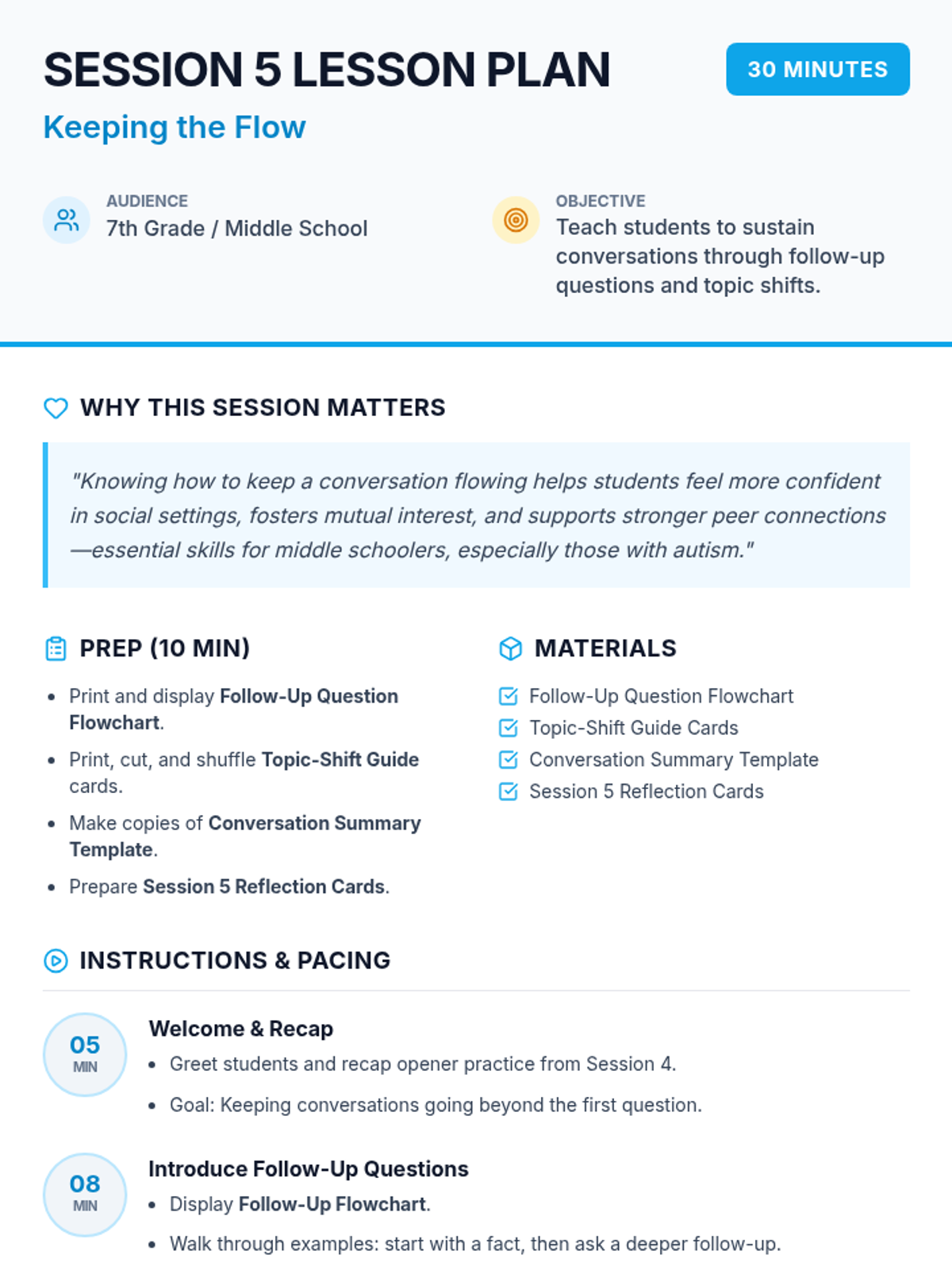
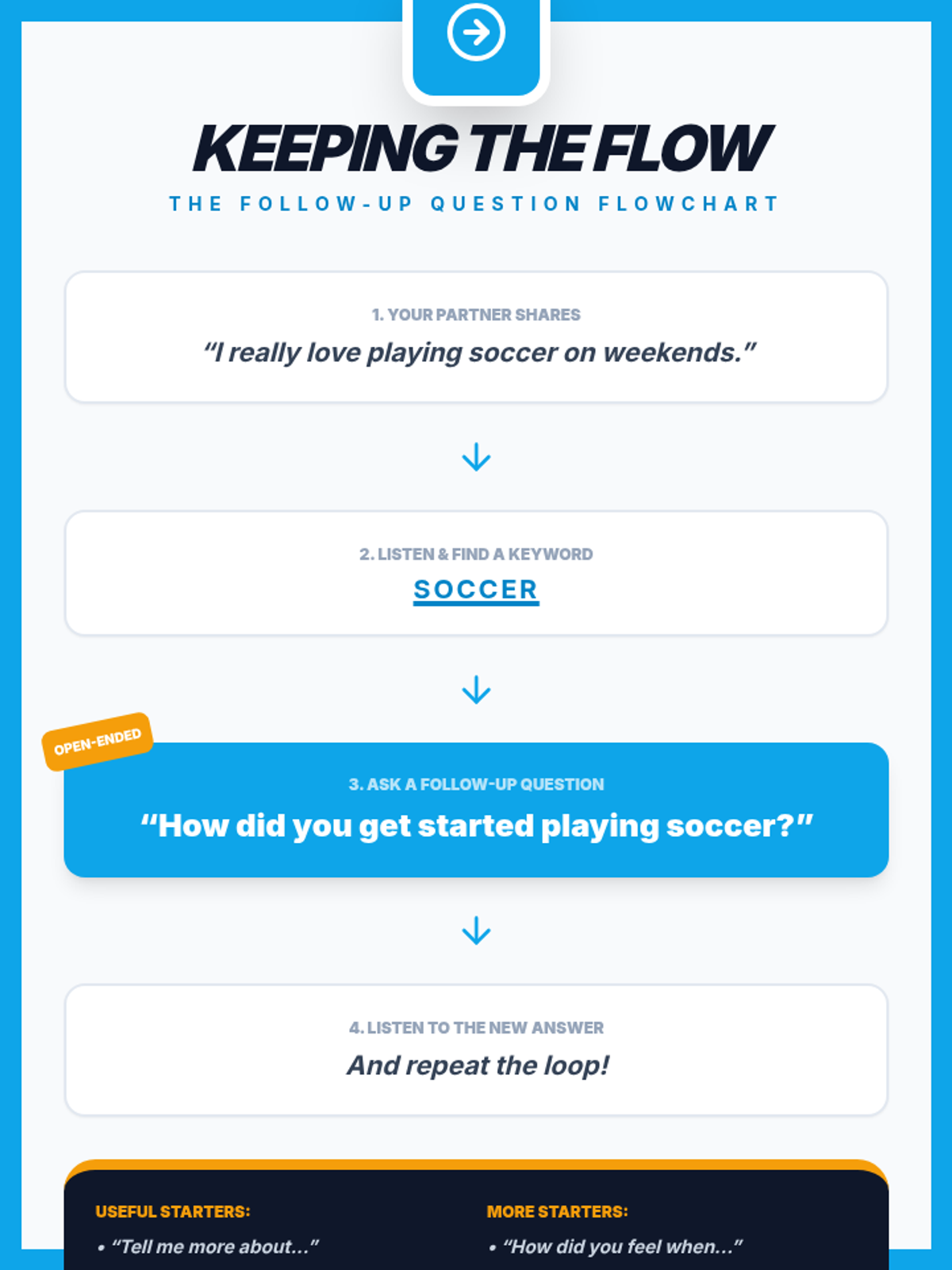
Mastering the art of keeping a conversation going through follow-up questions and topic shifts.
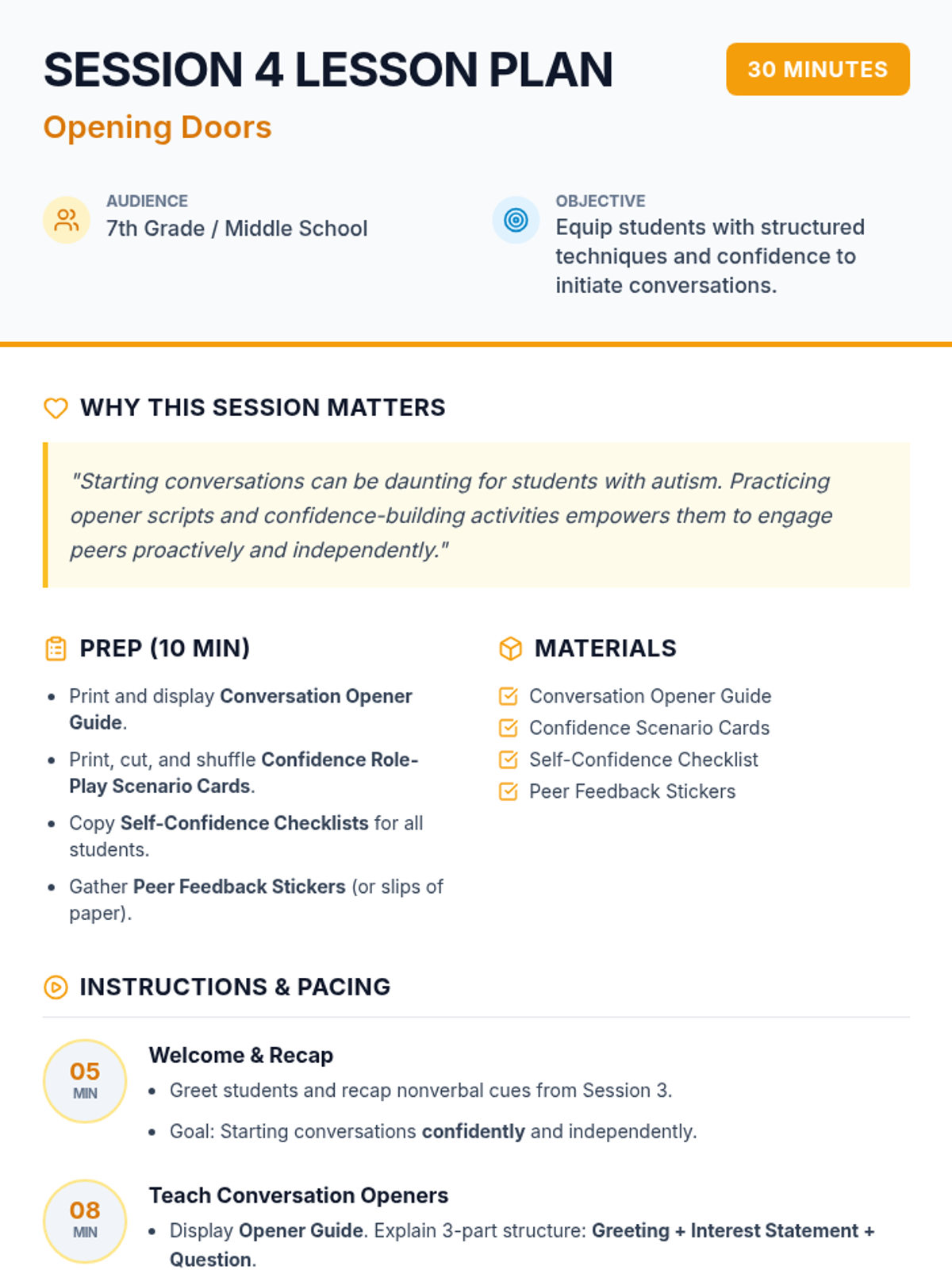
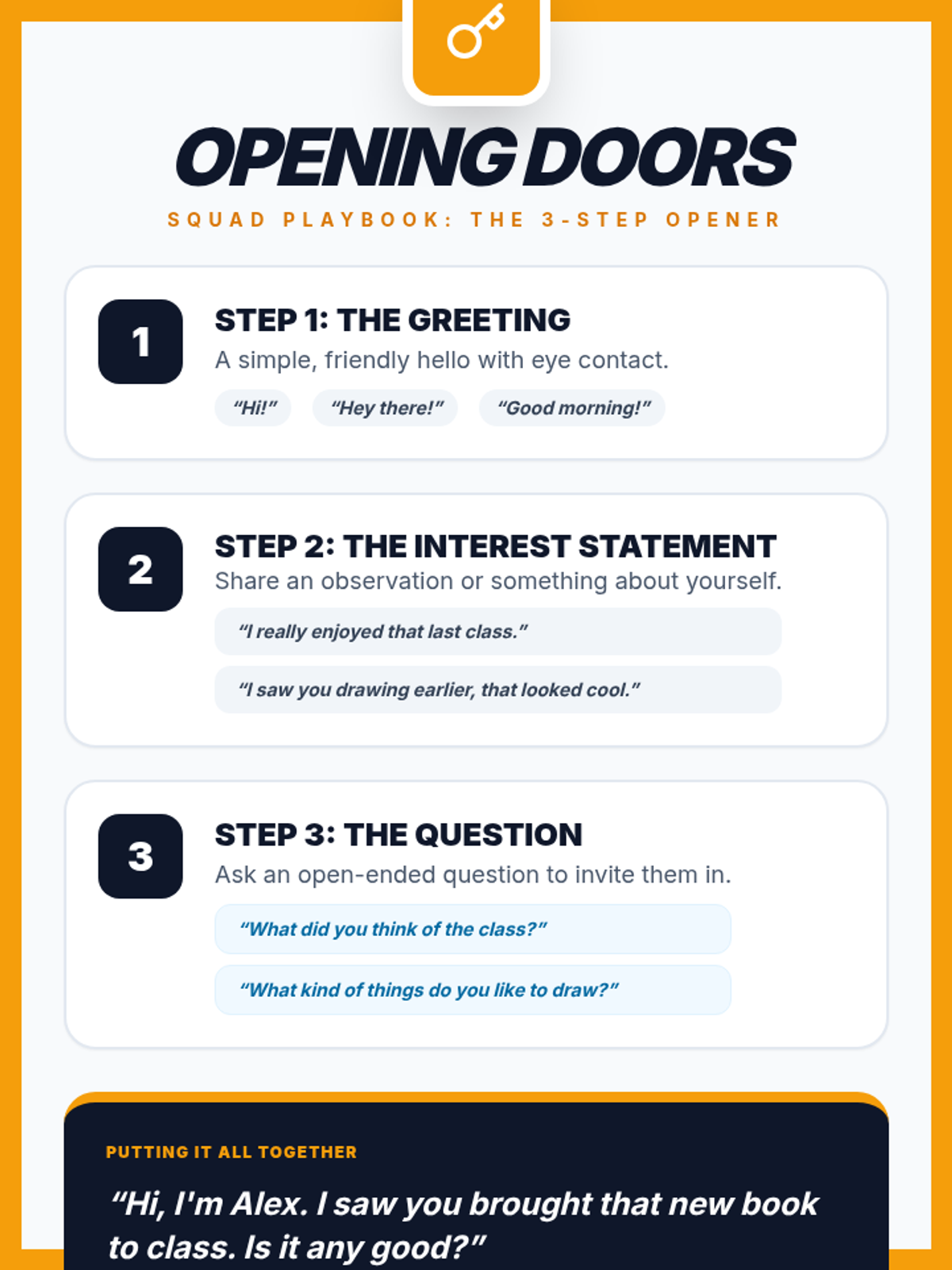
Developing confidence and structure for initiating conversations in various settings.
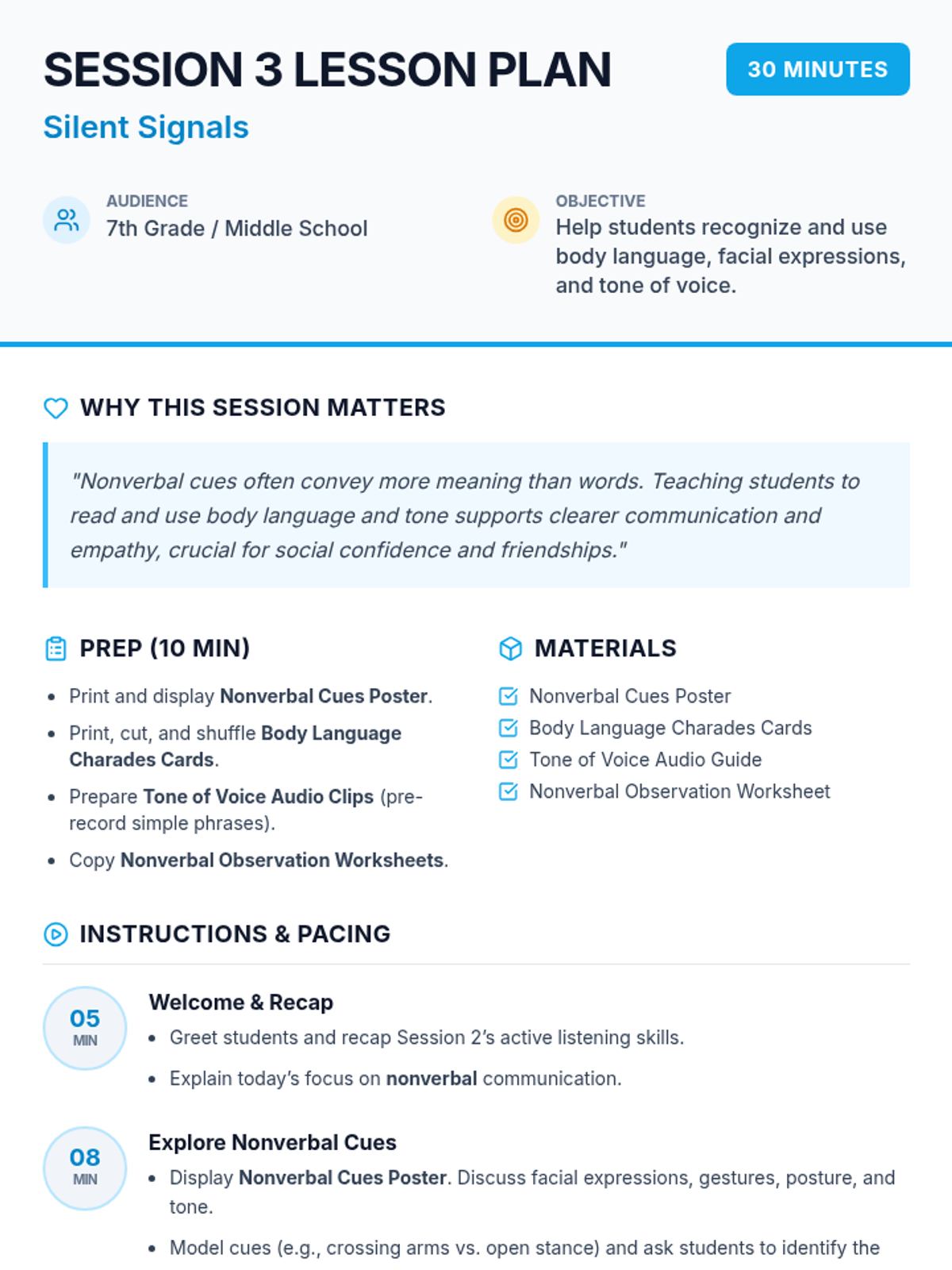
Understanding and interpreting body language, facial expressions, and tone of voice.
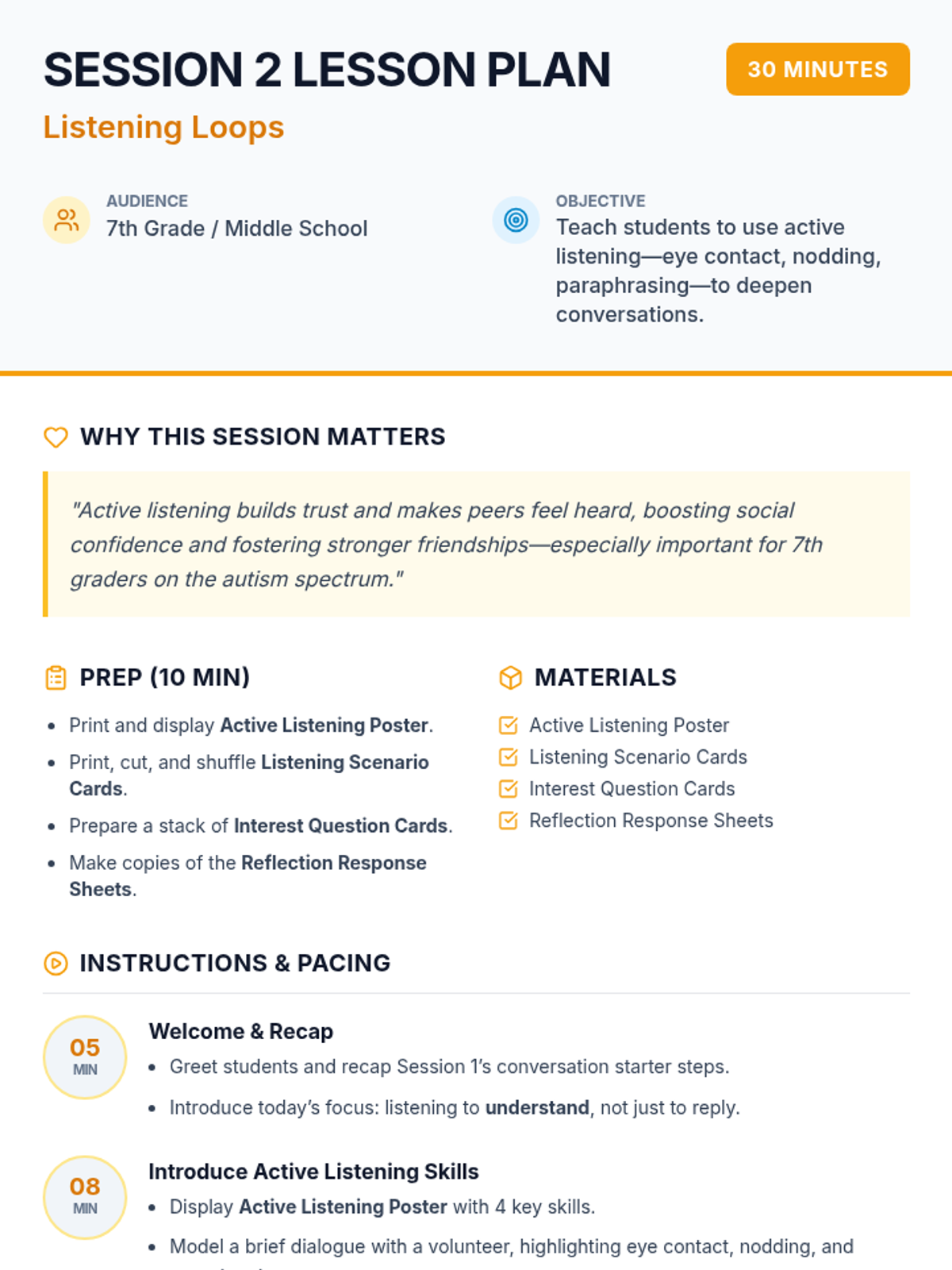
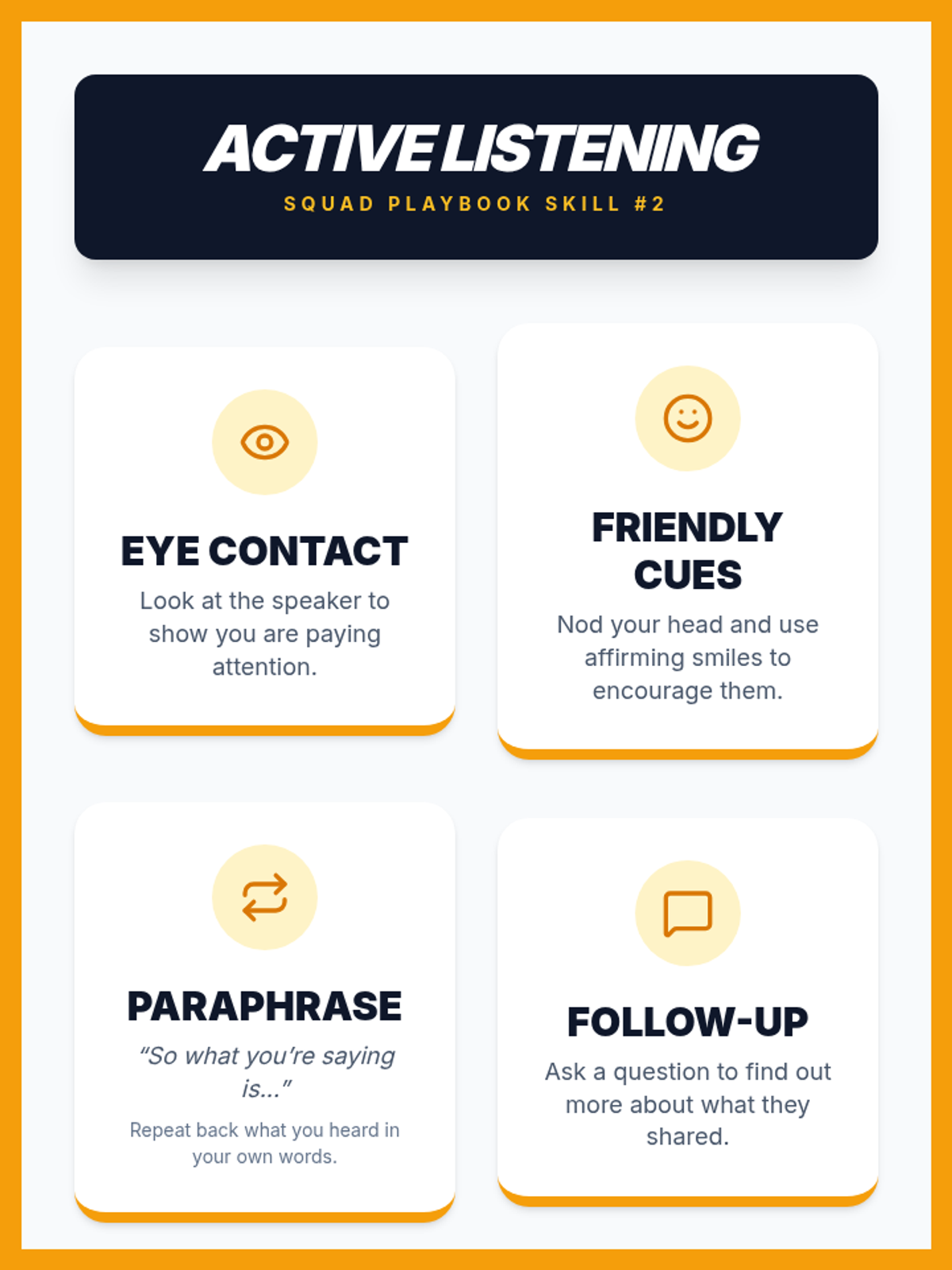
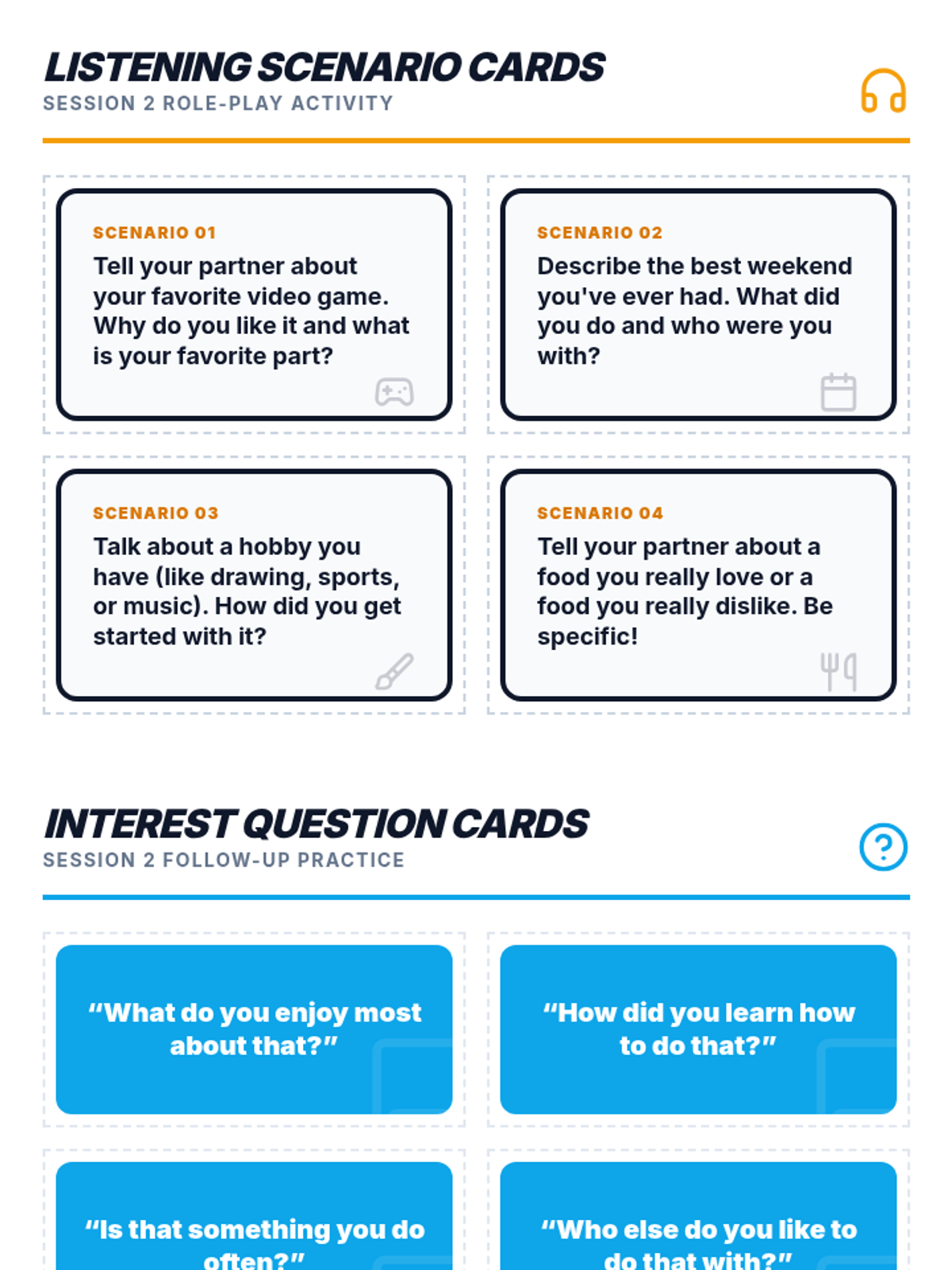
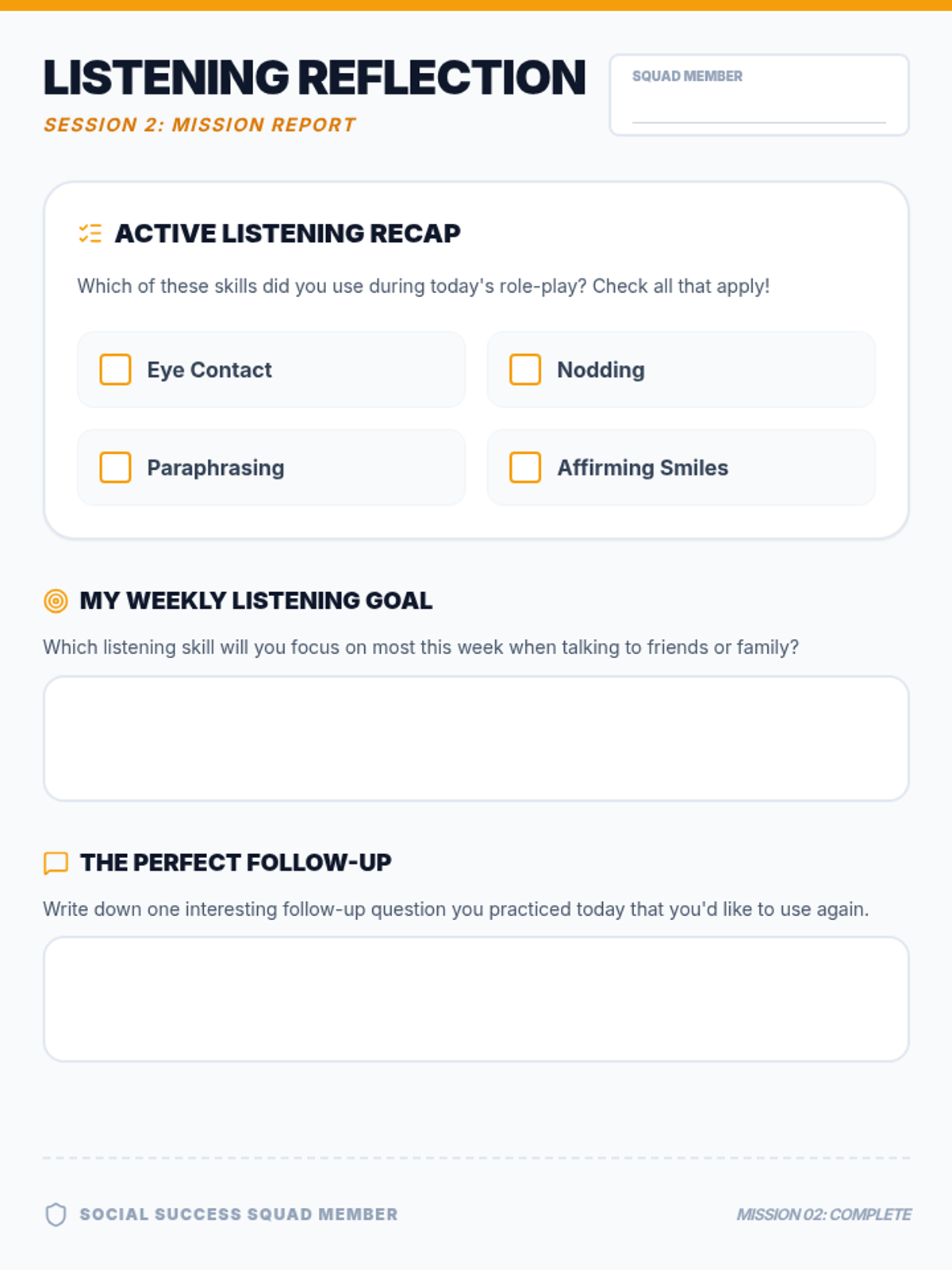
Learning and practicing active listening skills to build trust and connection.
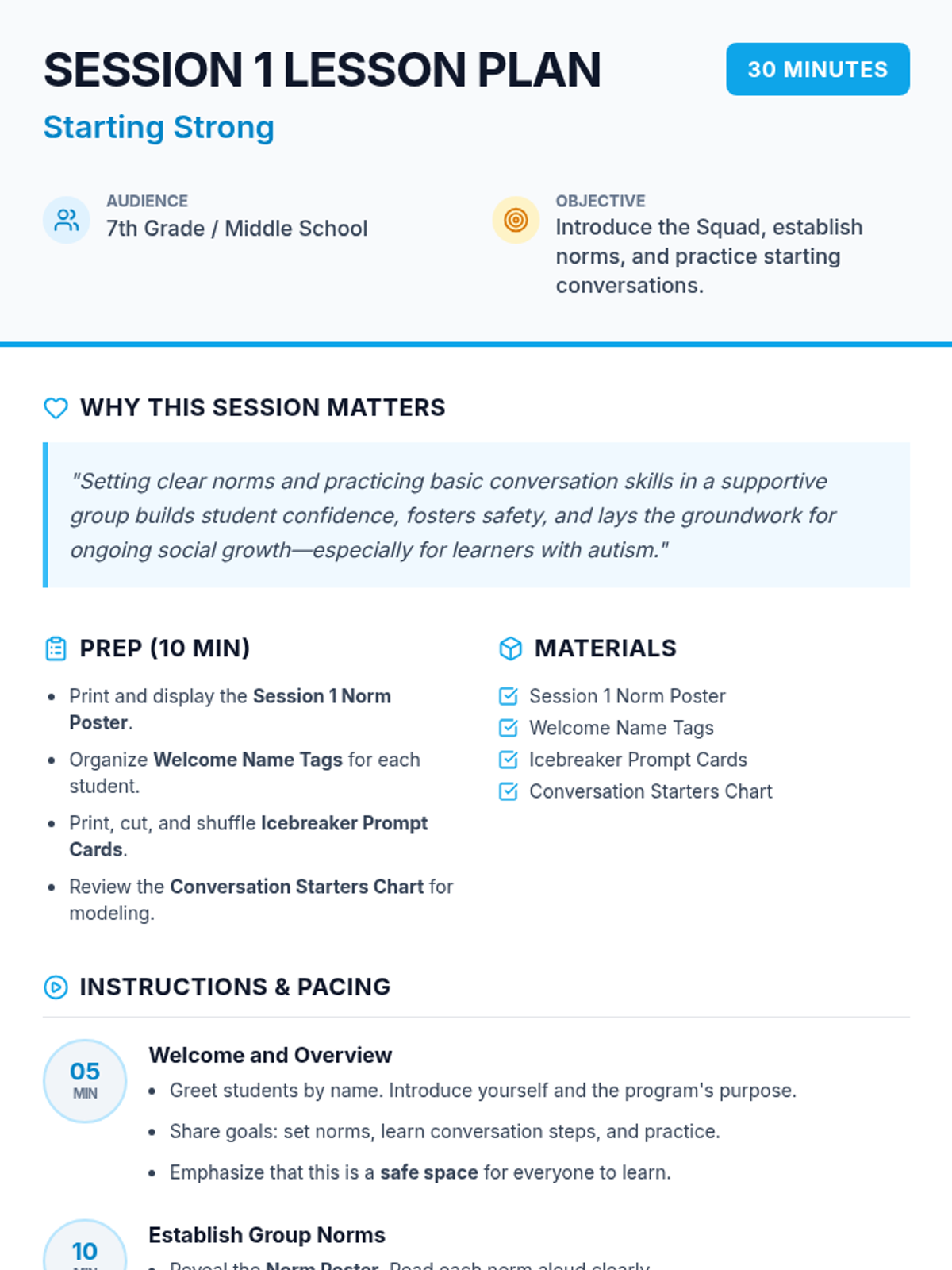
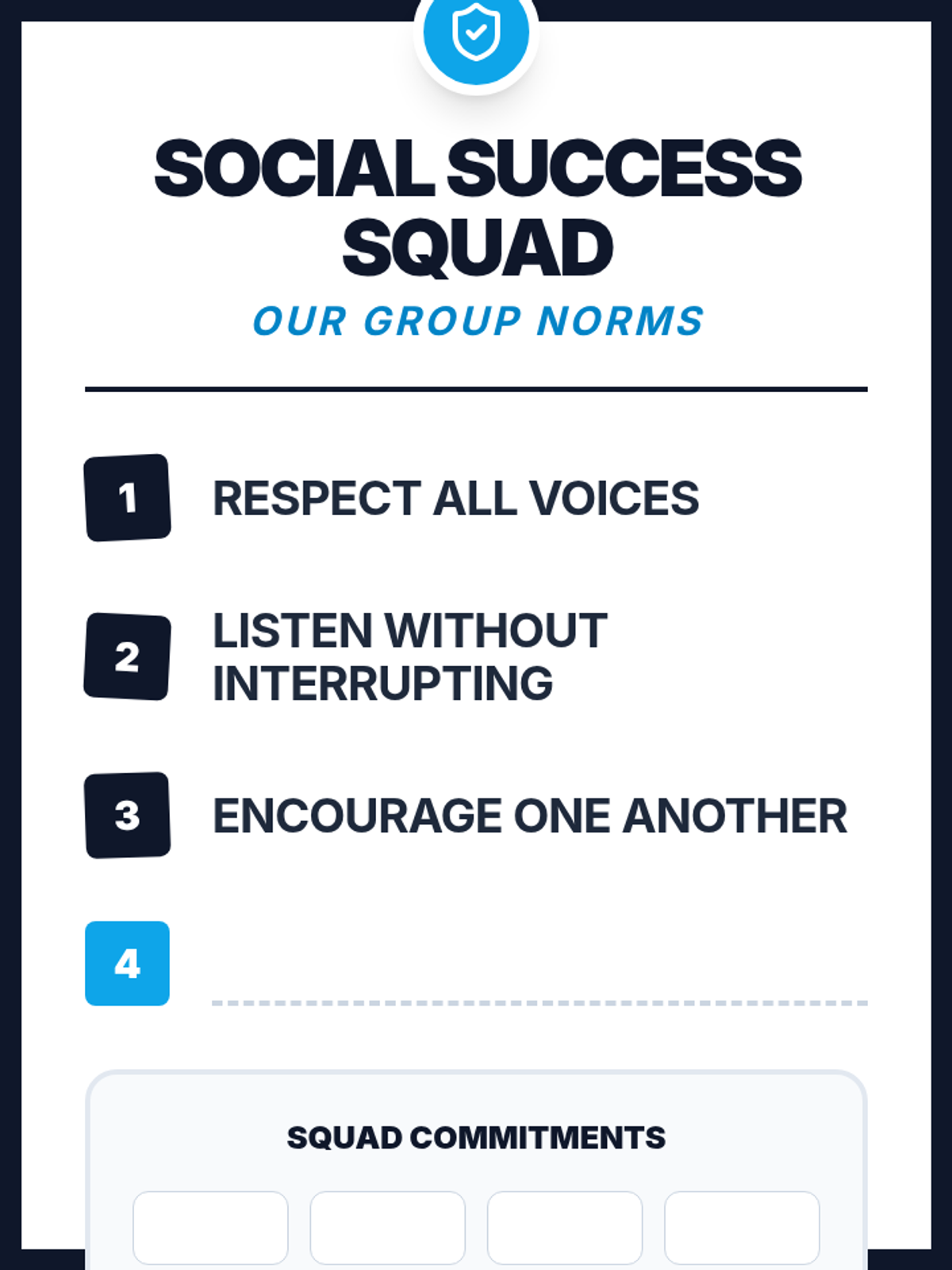
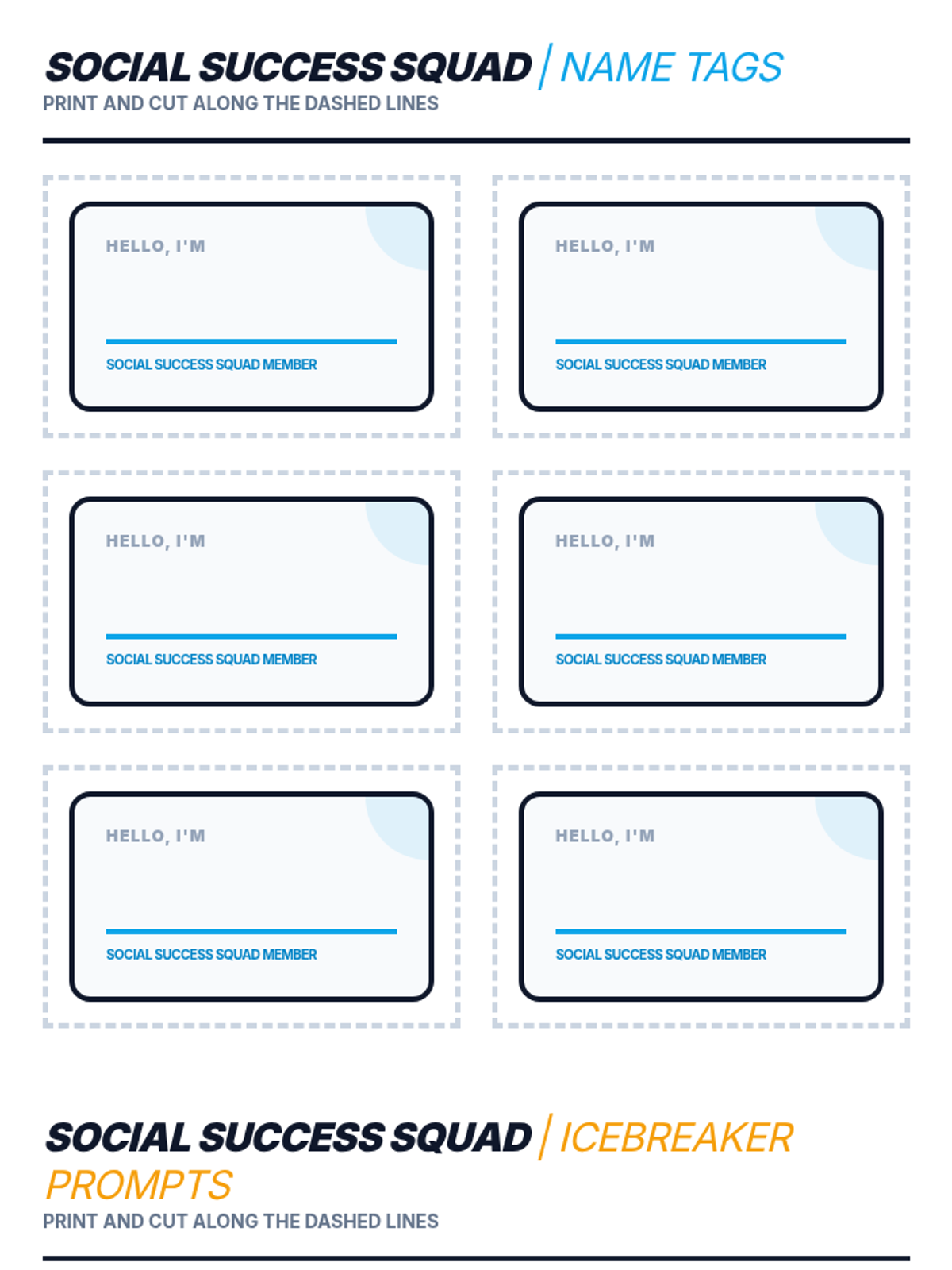
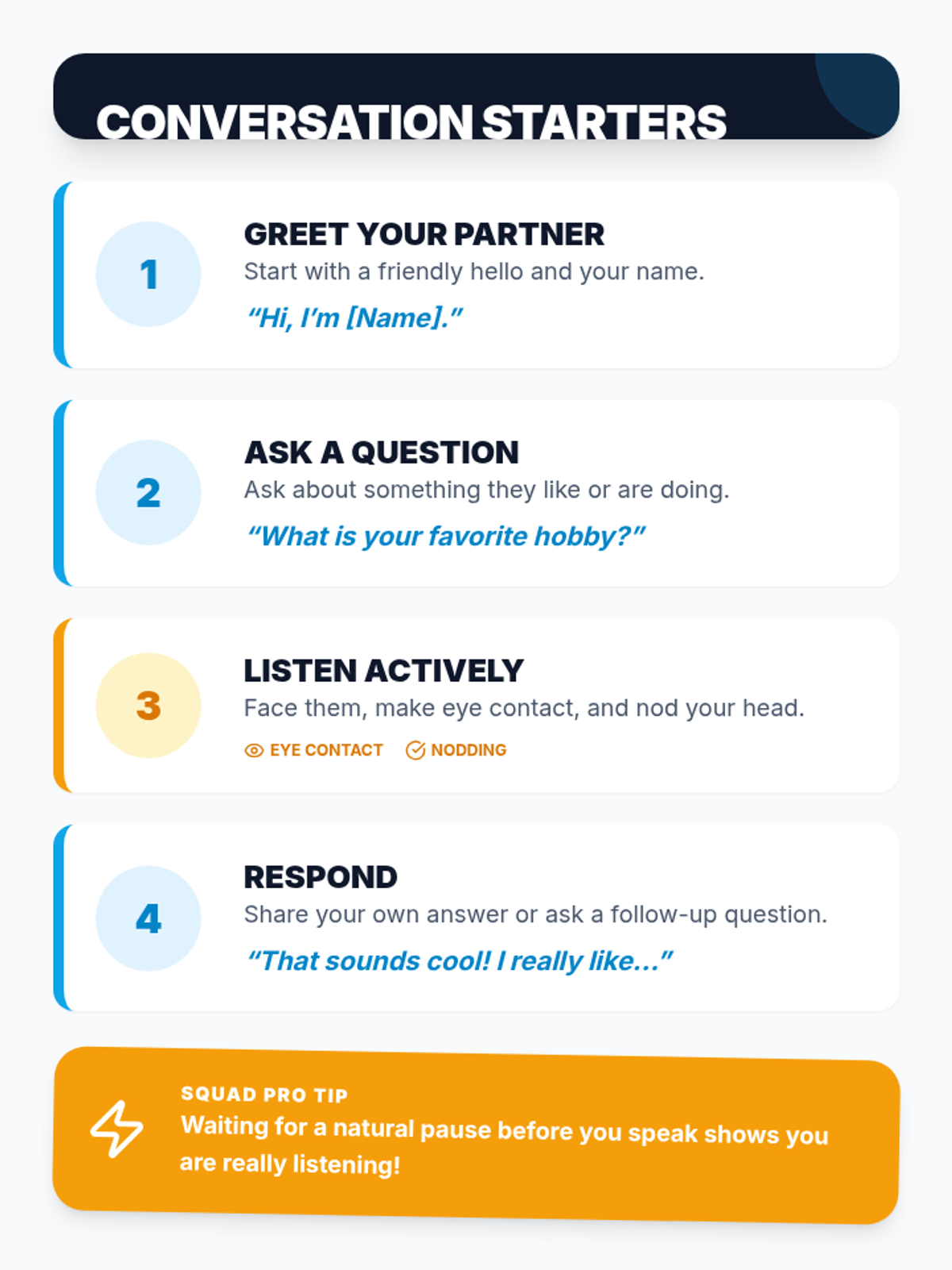
Introduction to the group, setting norms, and practicing basic conversation starters.
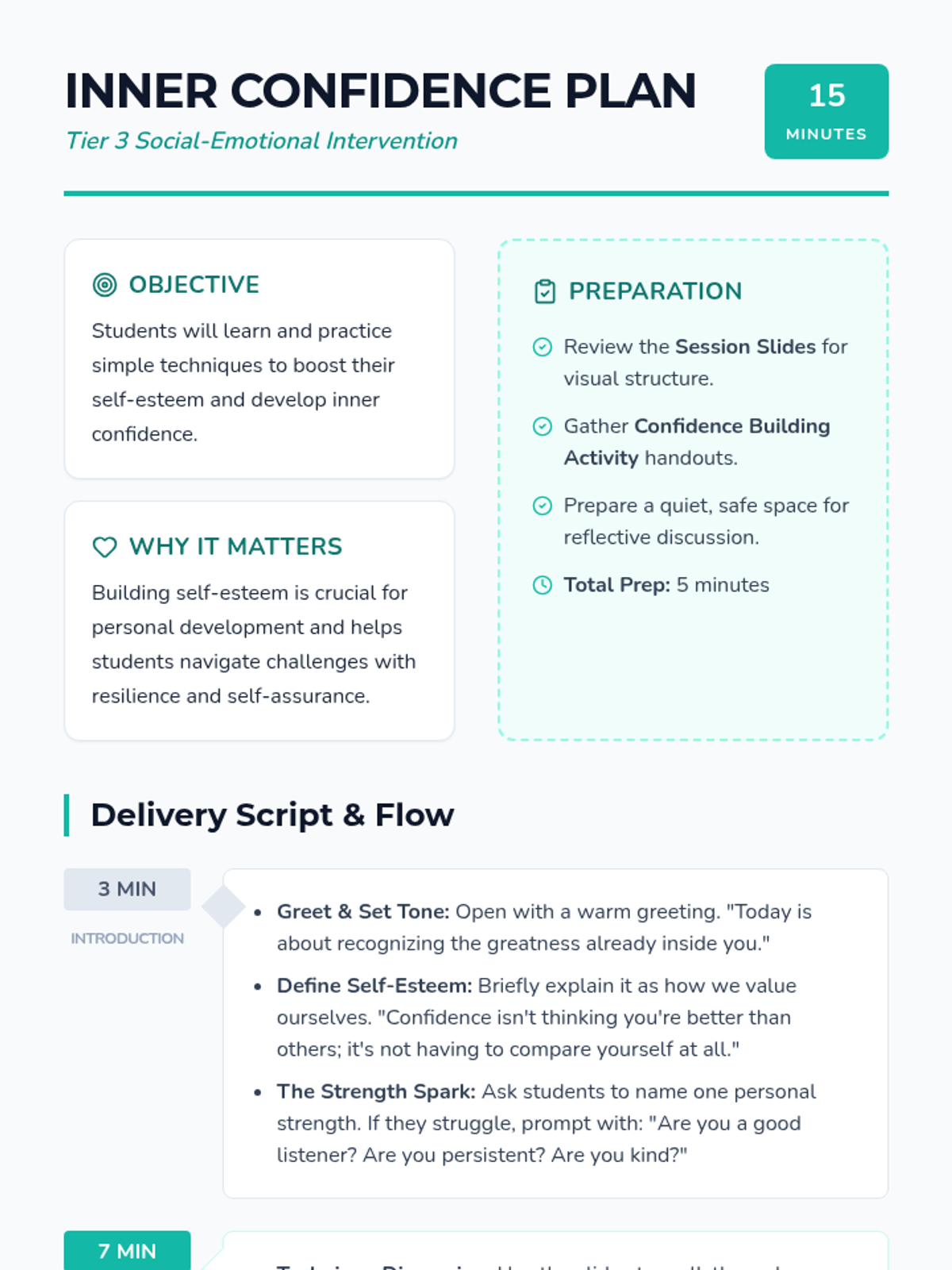
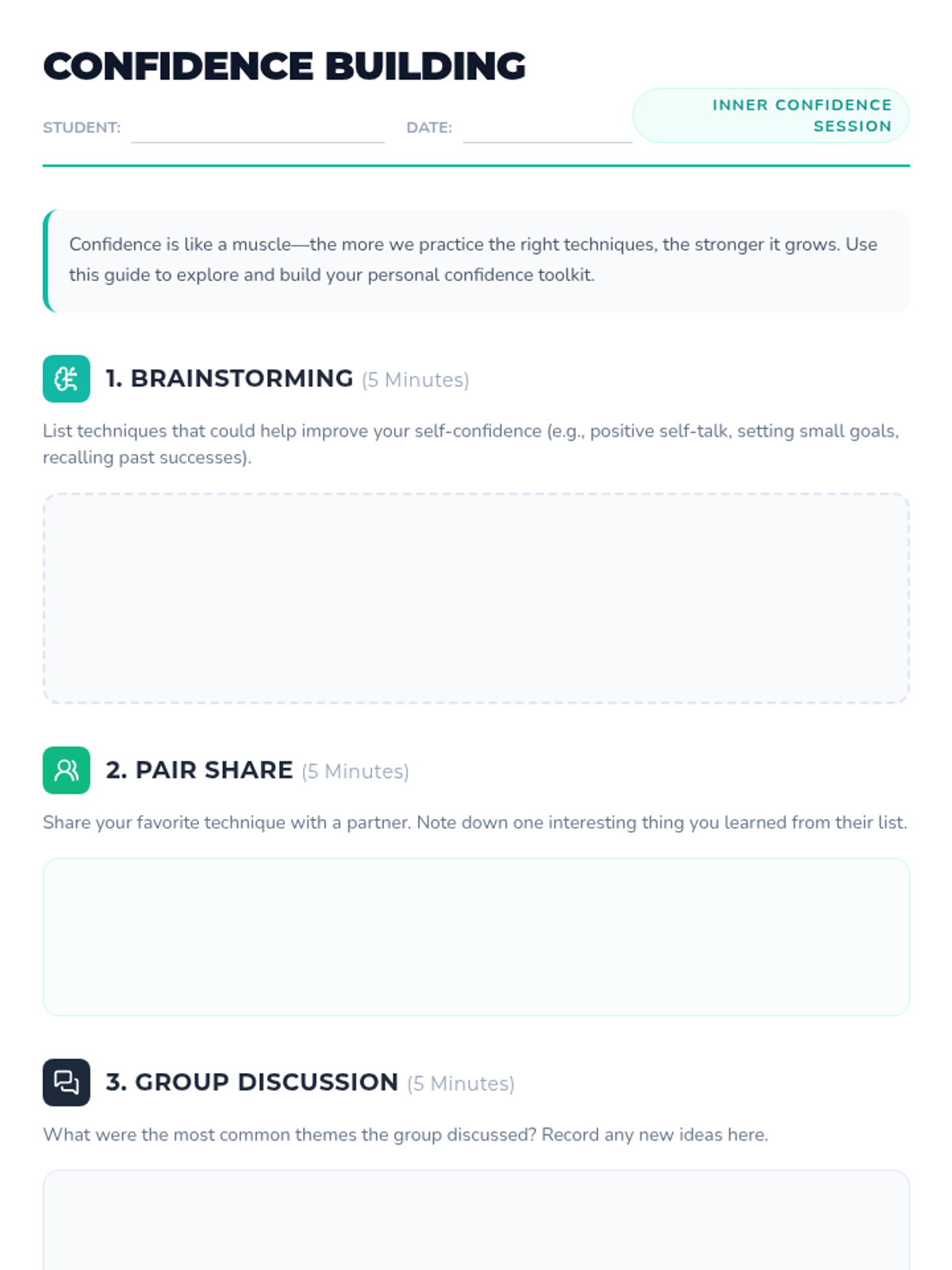
A 15-minute Tier 3 intervention for 7th graders focused on building self-esteem and inner confidence through discussion and reflection.