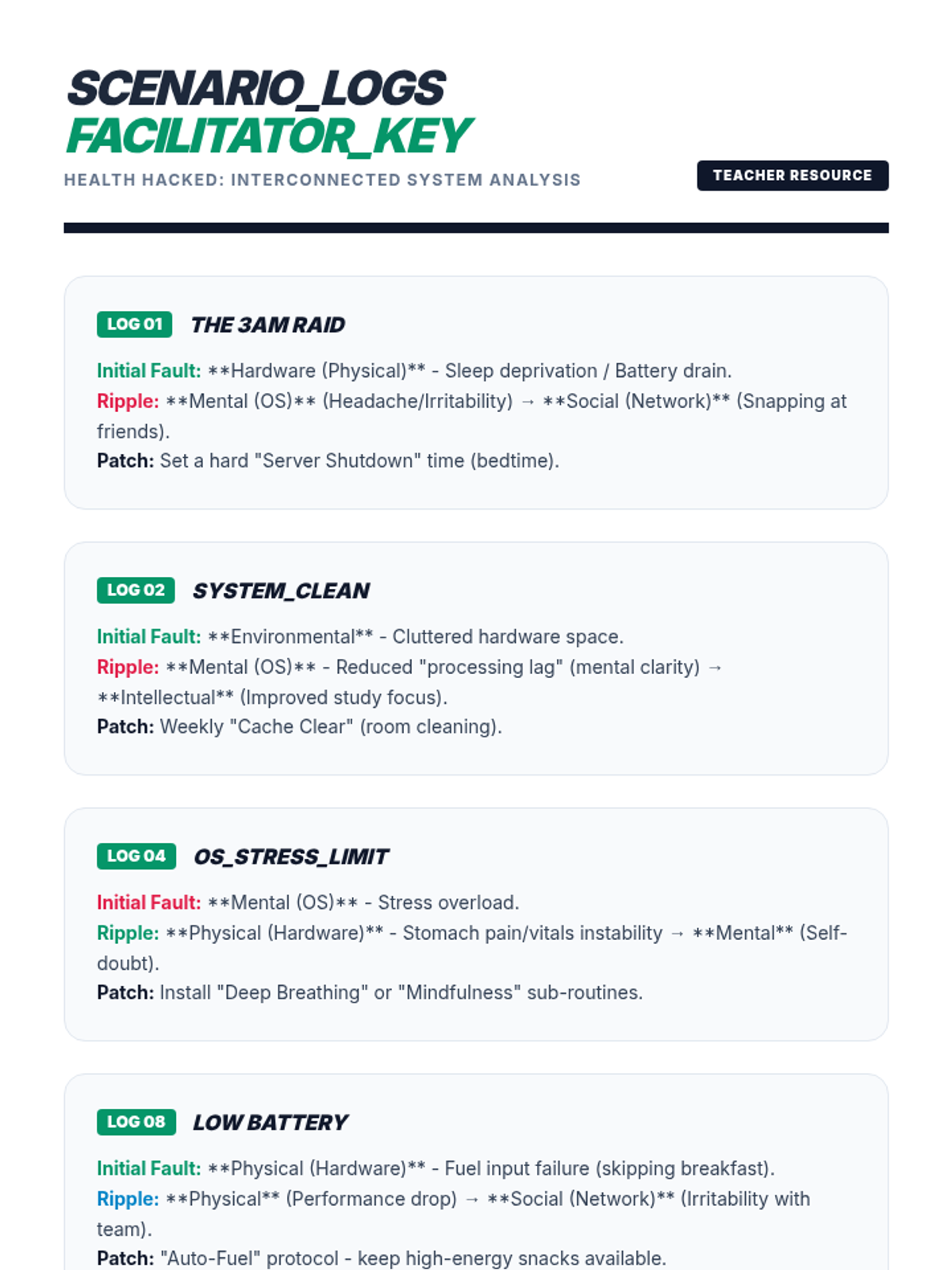
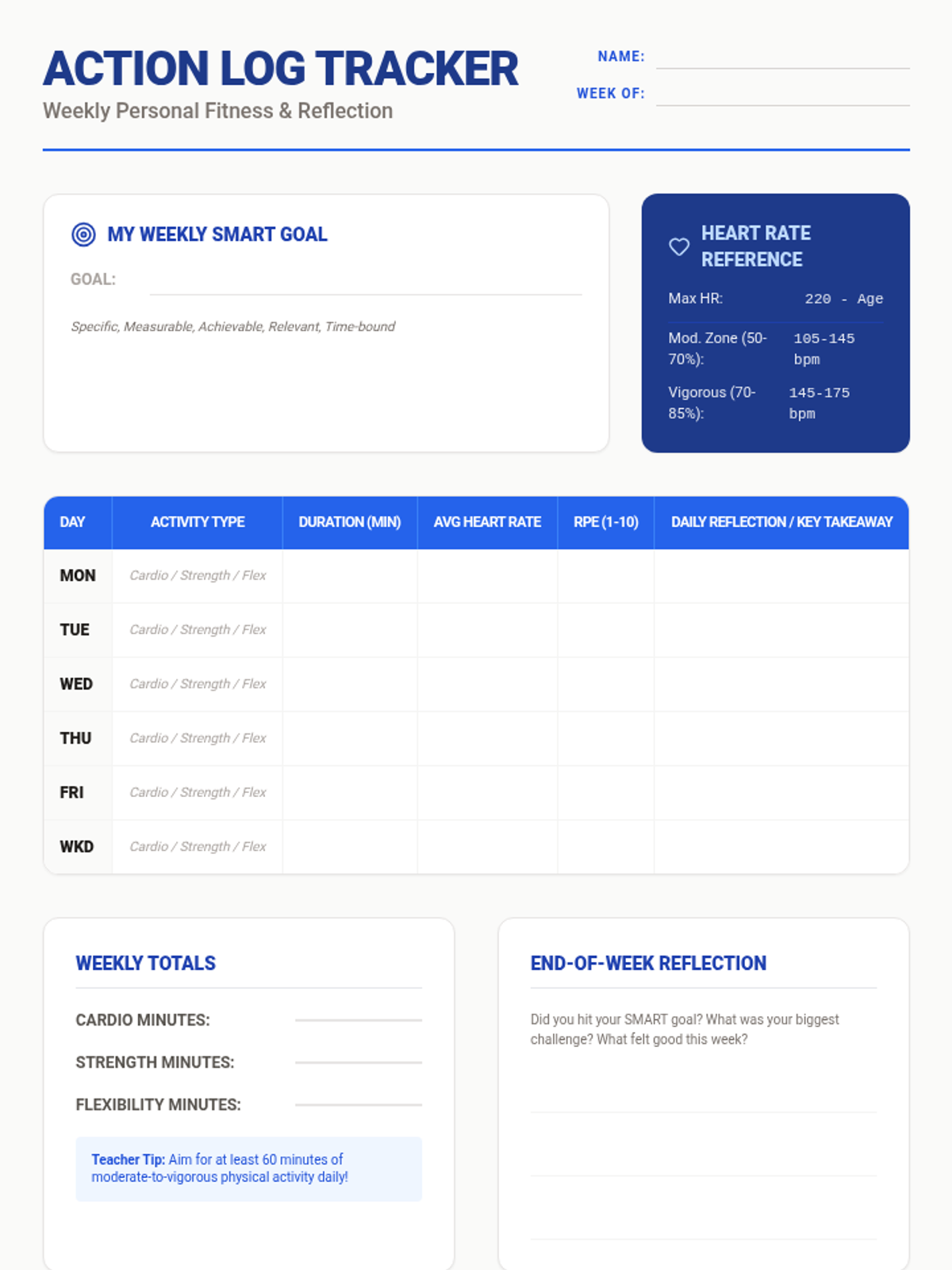
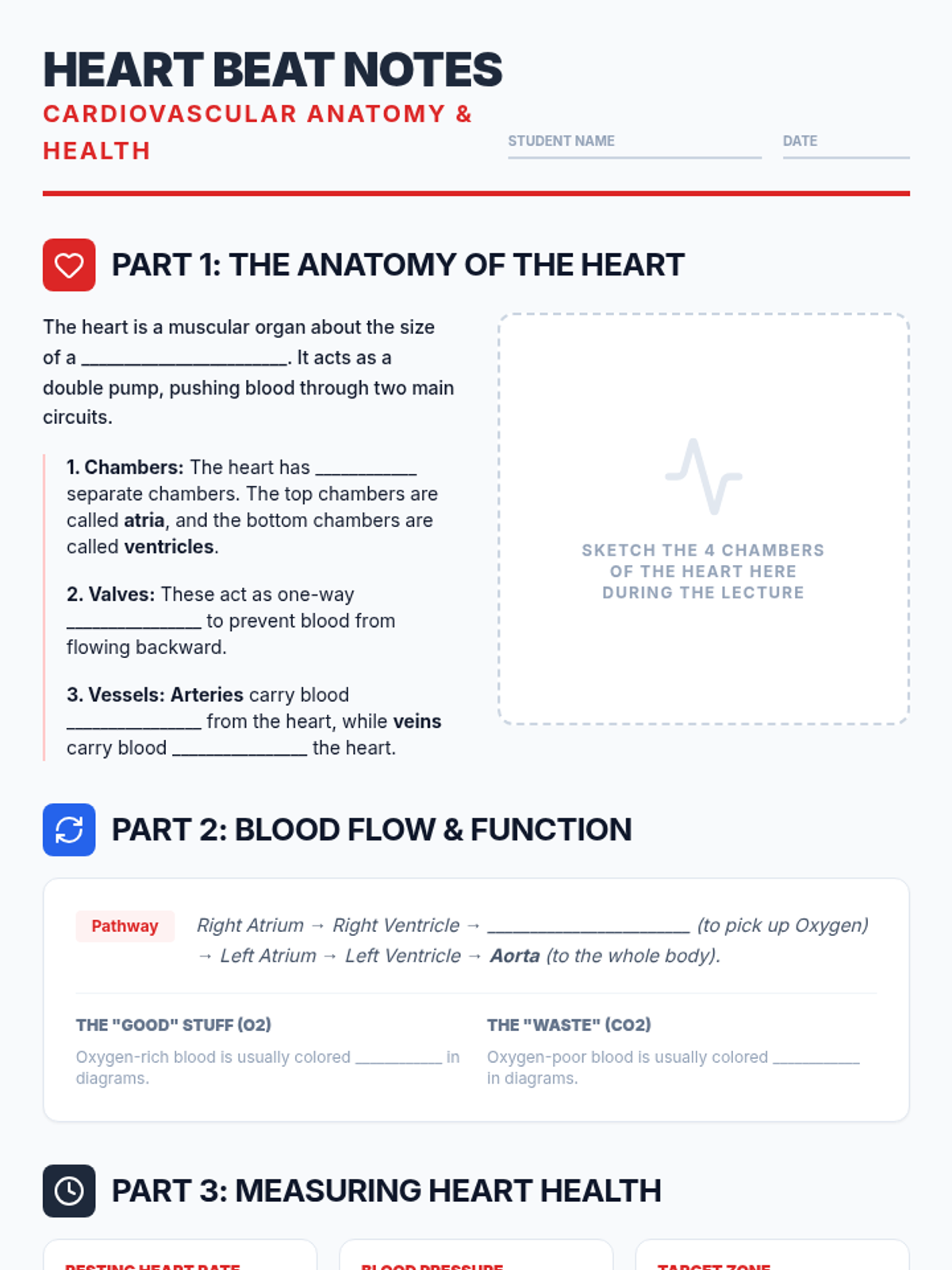
Daily hygiene, hydration, and sleep routines paired with strategies for disease and injury prevention. Builds skills in health decision-making, body awareness, and self-advocacy to support lifelong well-being.
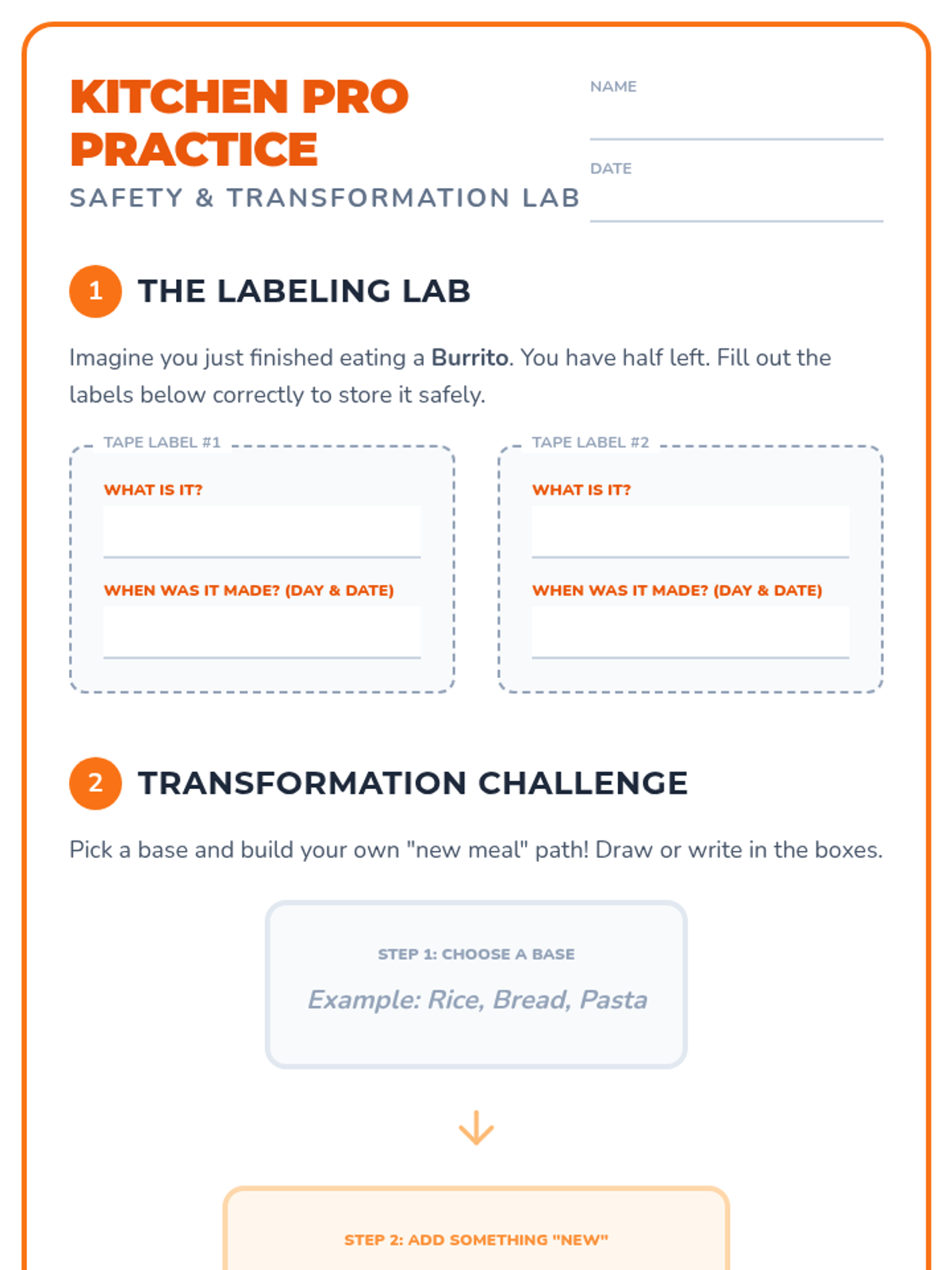
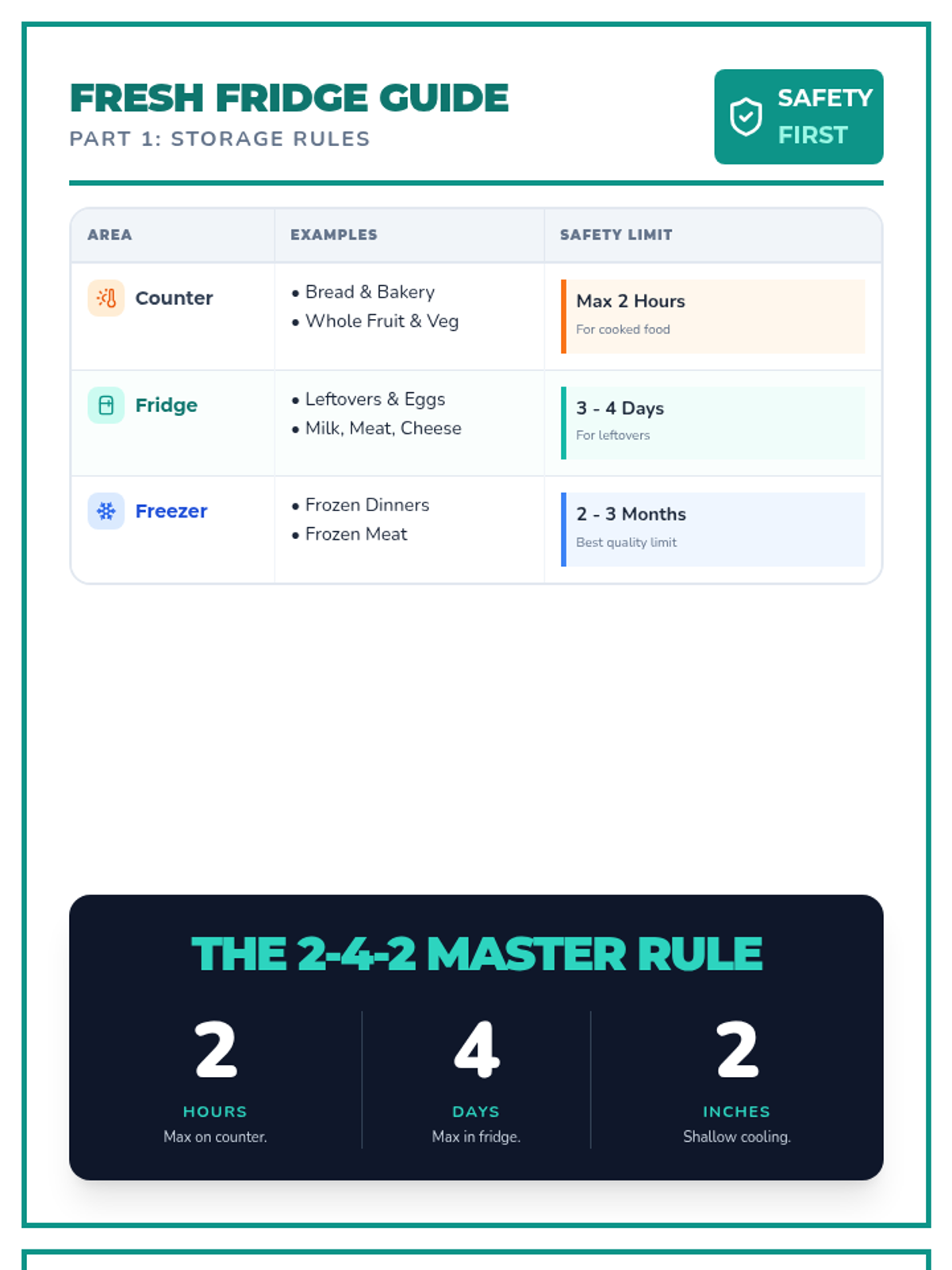
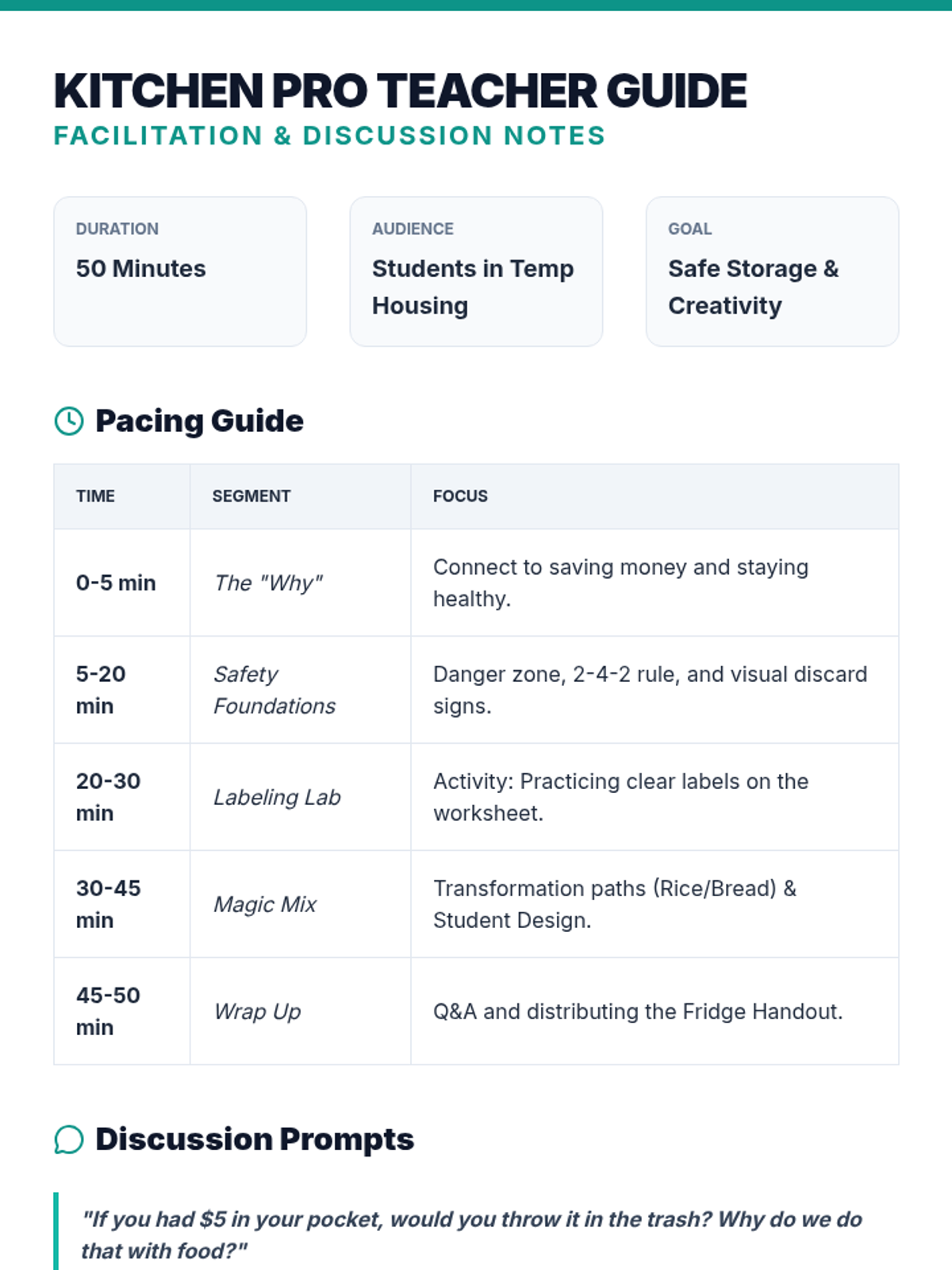
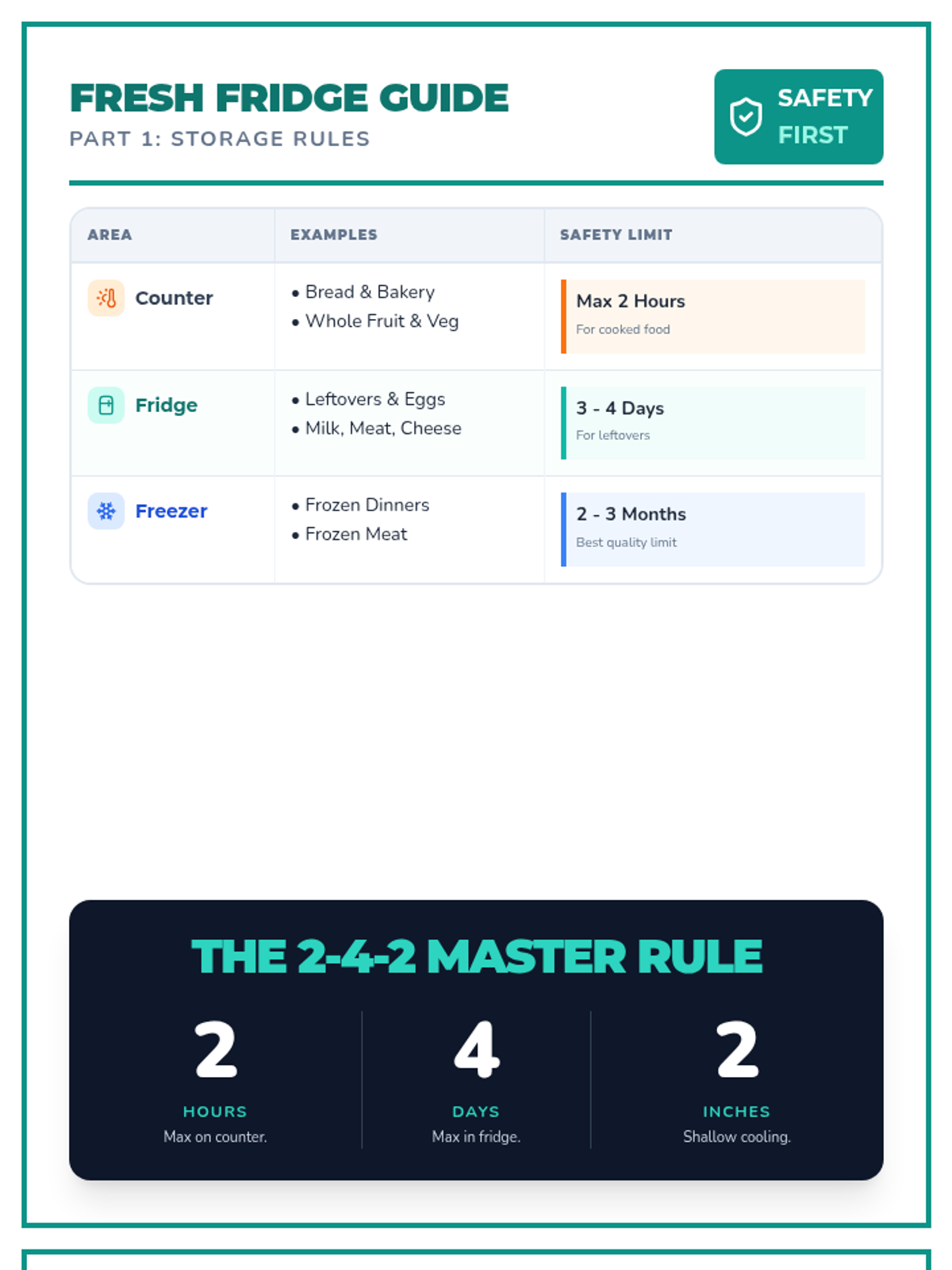
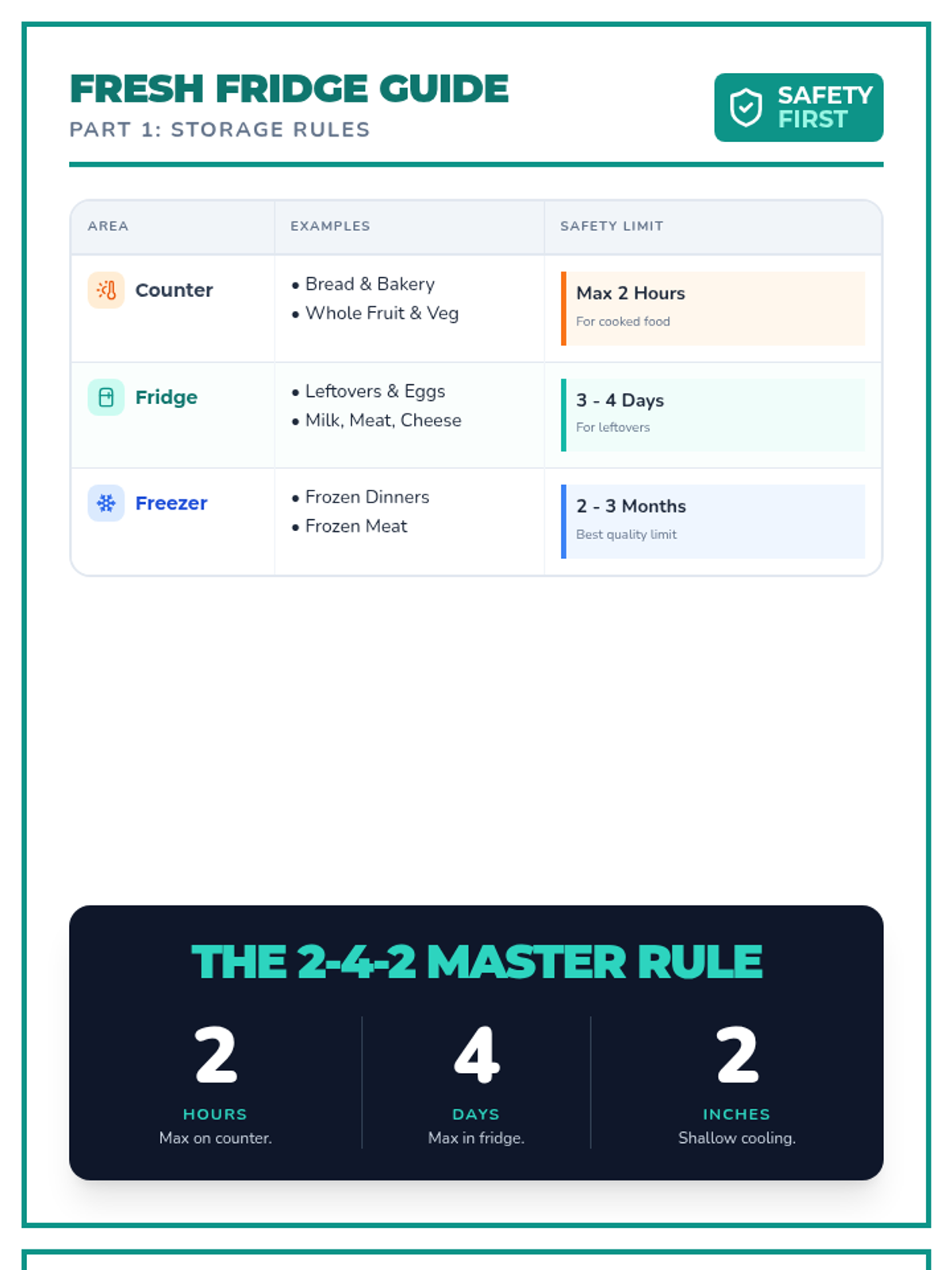
A 50-minute instructional session for students in temporary housing, focusing on safe food storage and creative leftover use through visual guides and sequence flowcharts.
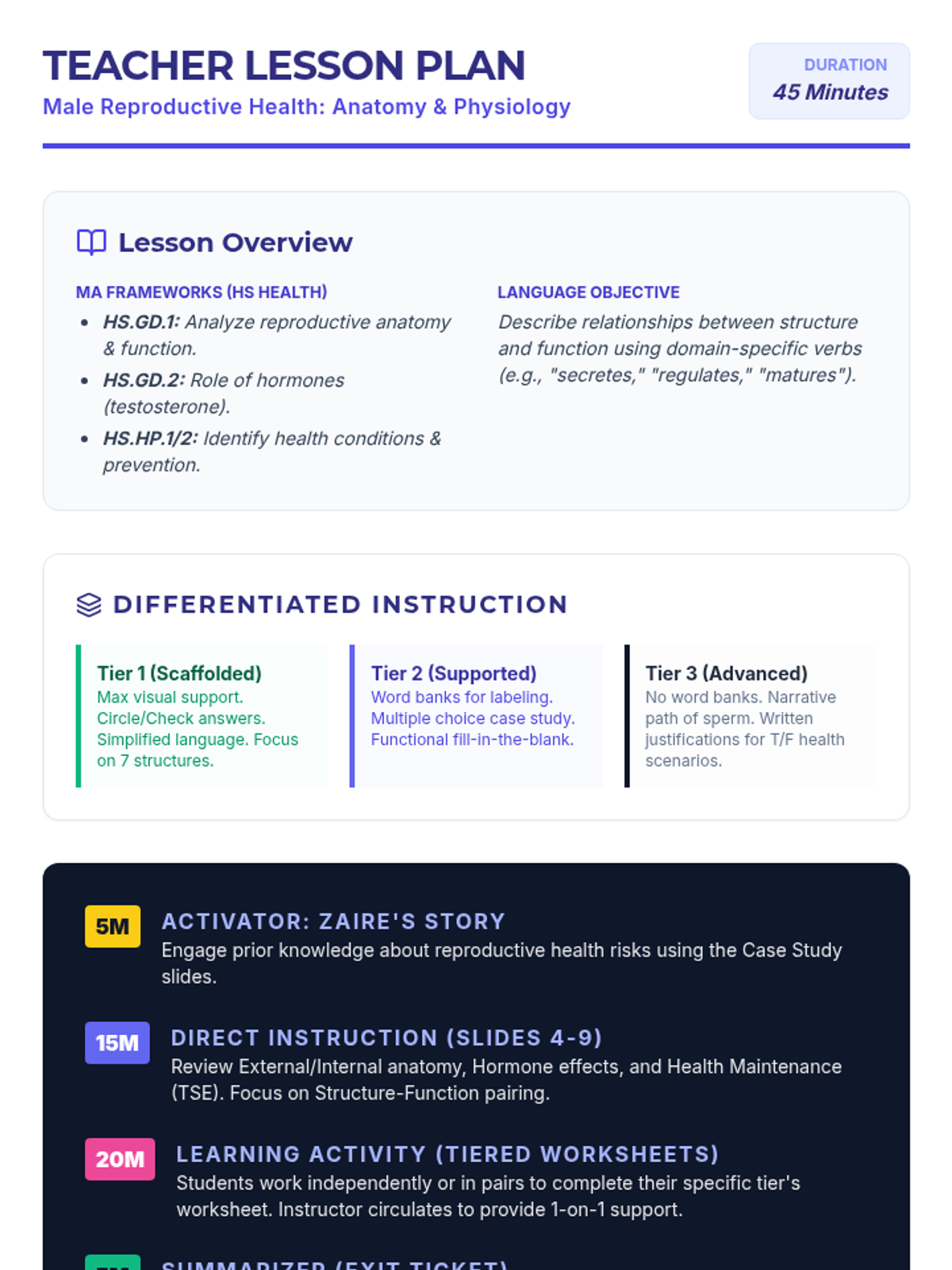
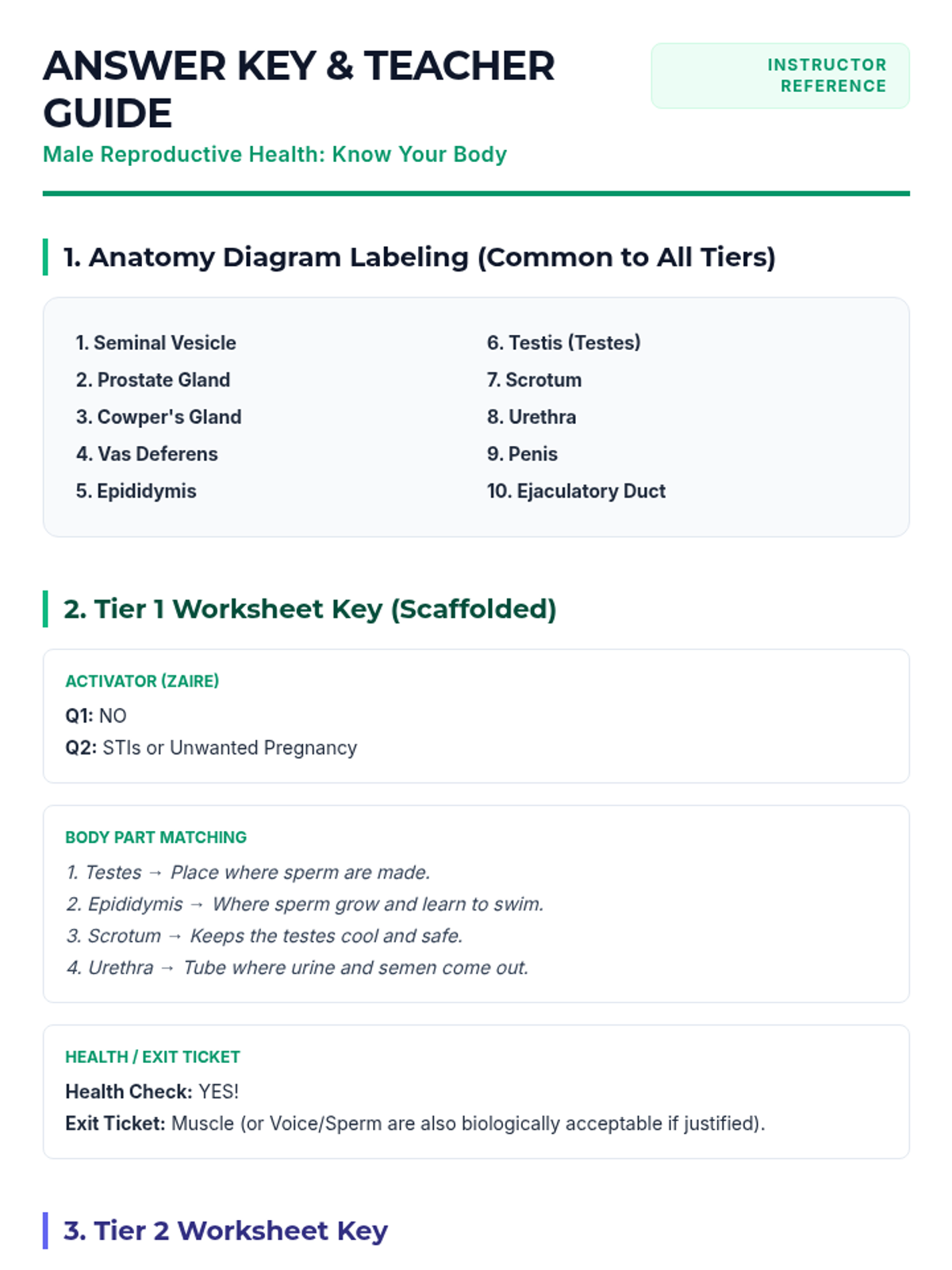
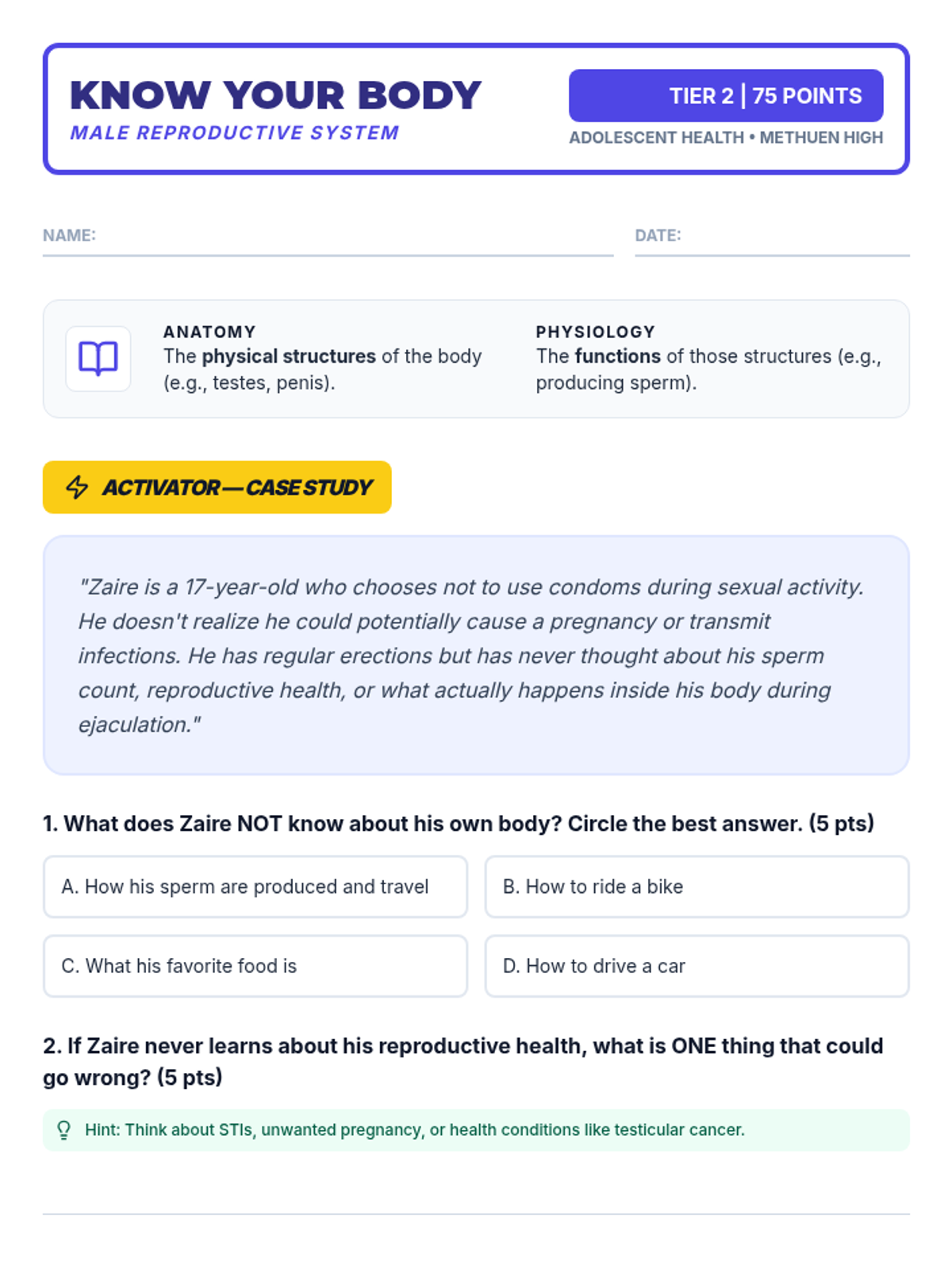
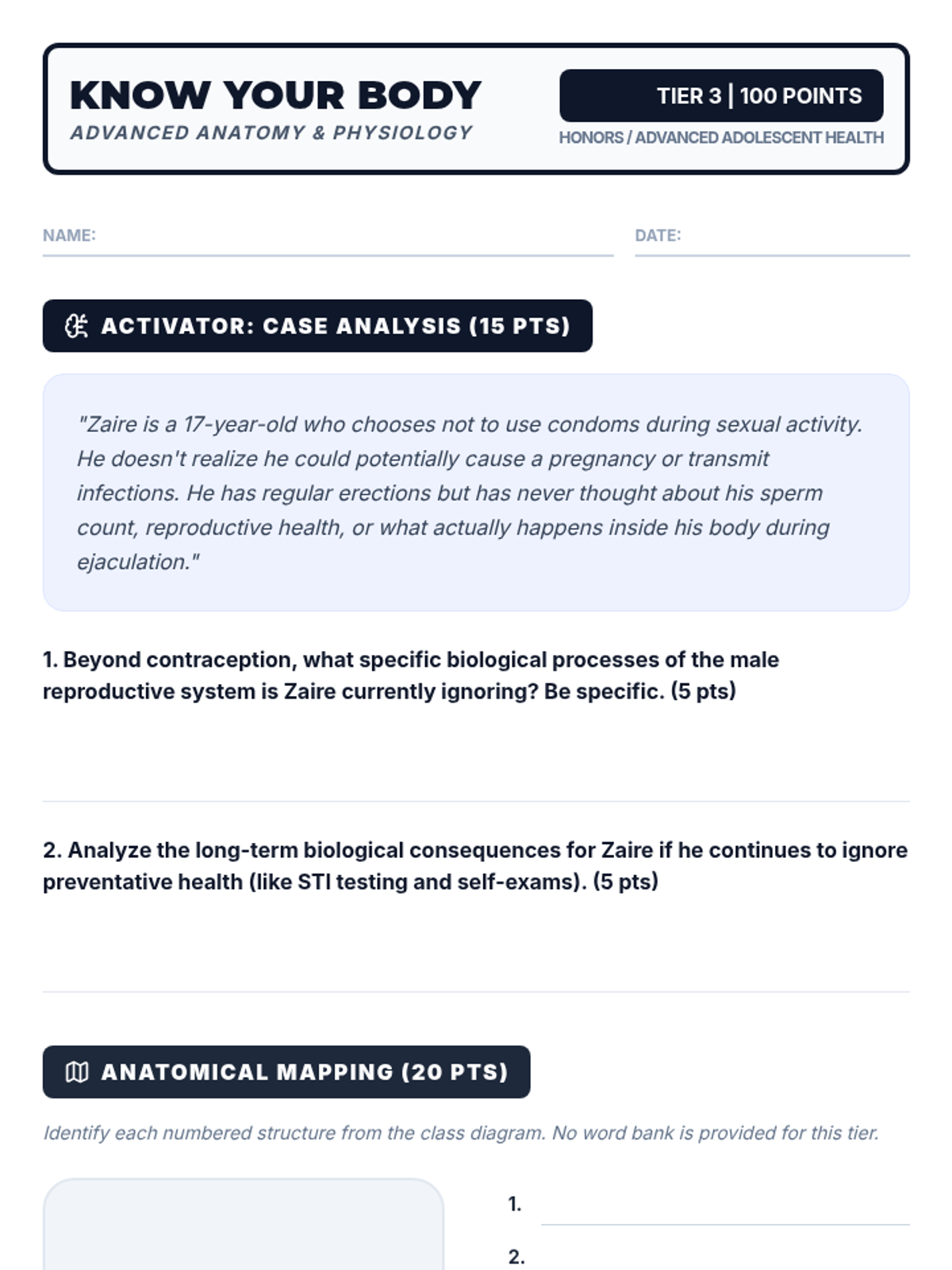
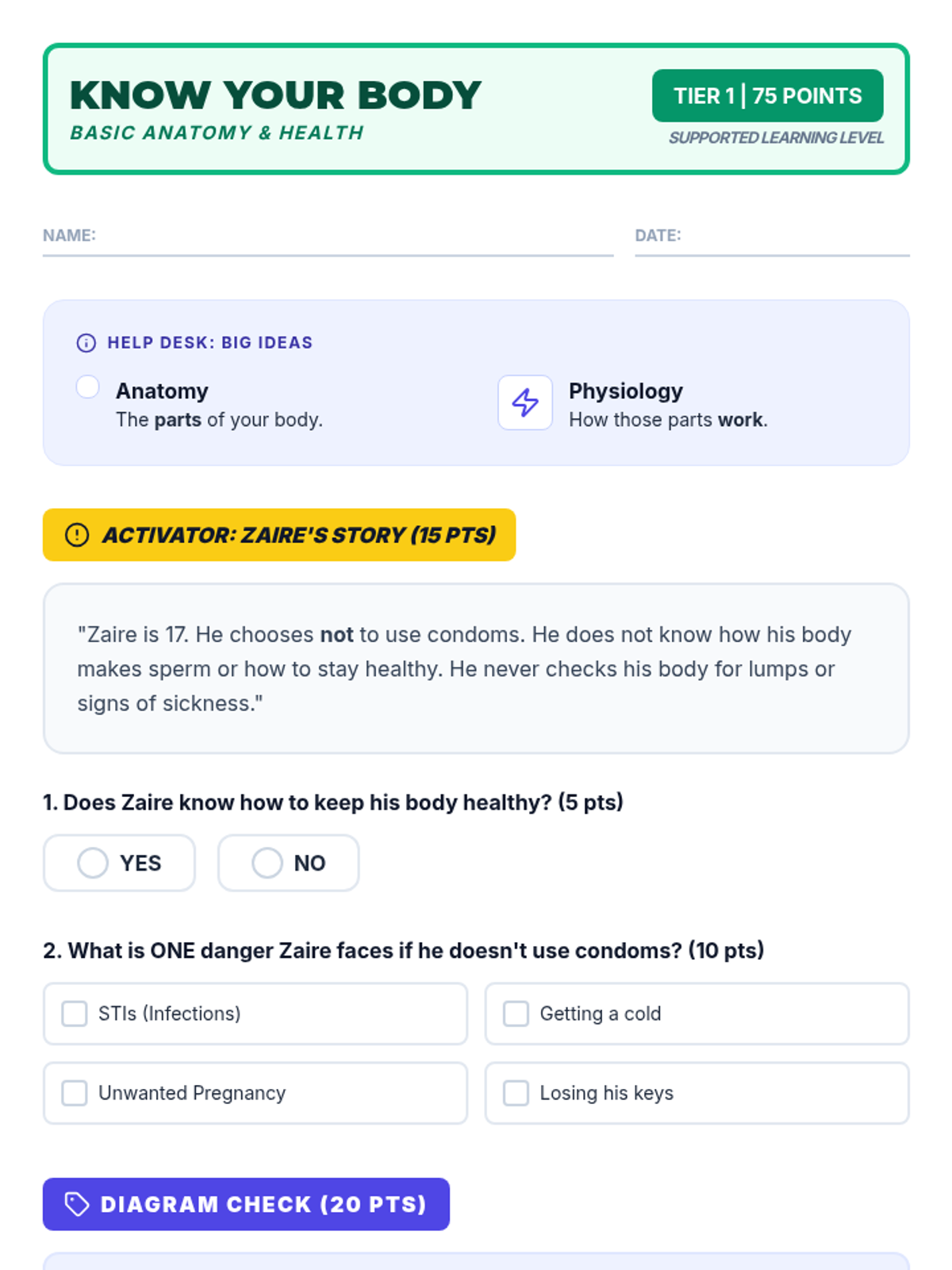
A comprehensive lesson on the male reproductive system focusing on anatomy, physiology, and health maintenance for high school students, featuring tiered instruction and clear learning objectives aligned with Massachusetts standards.
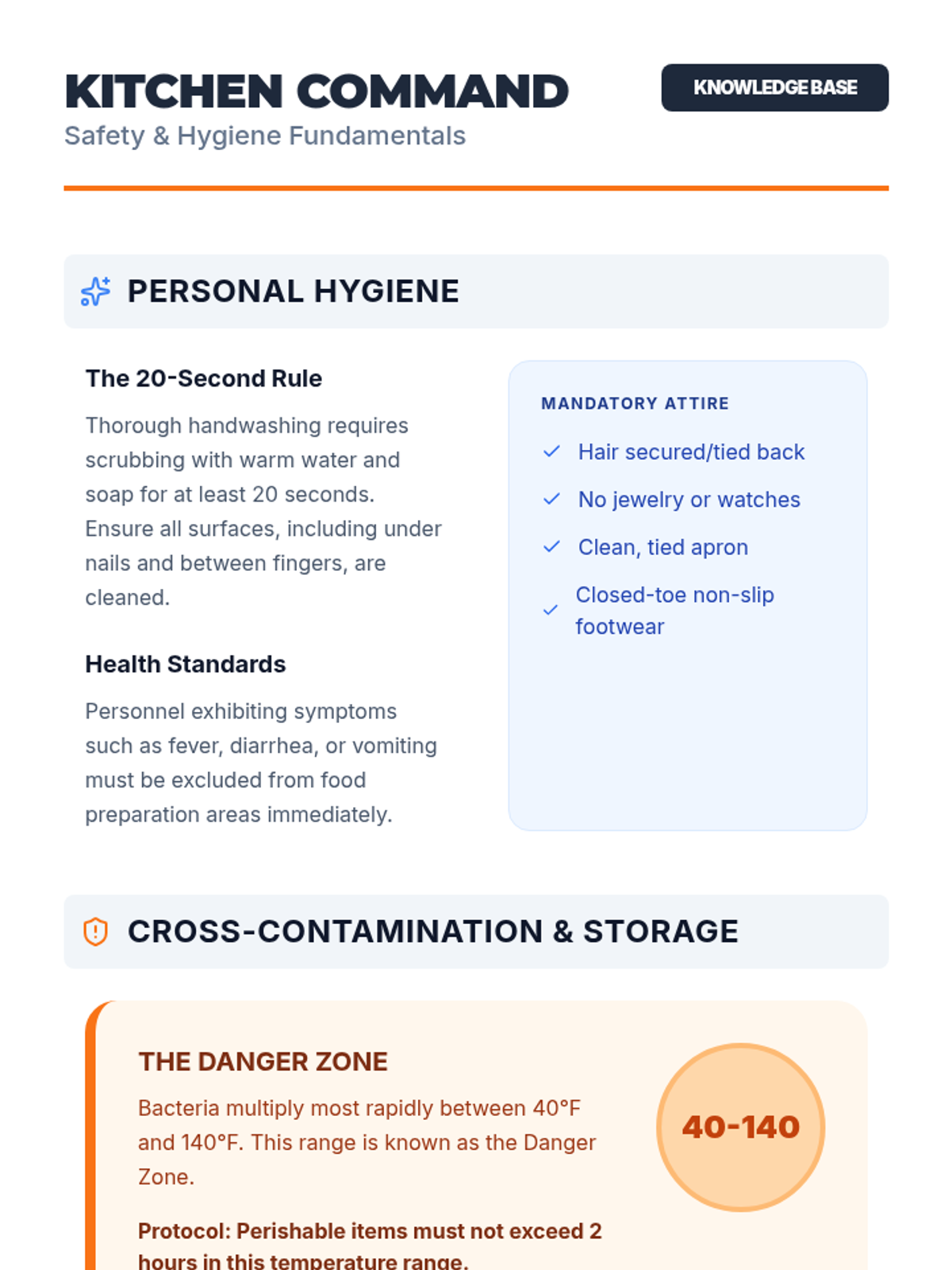
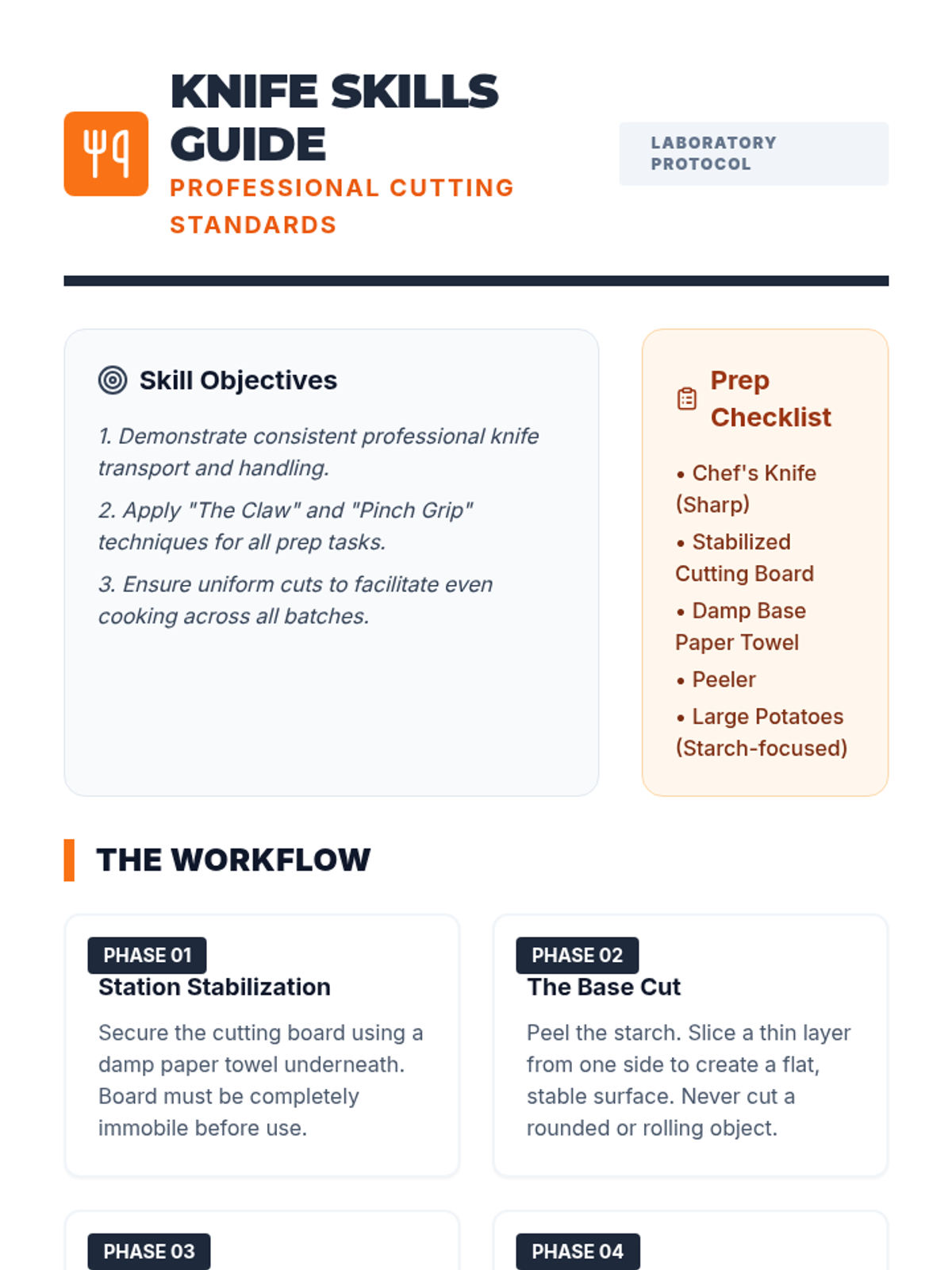
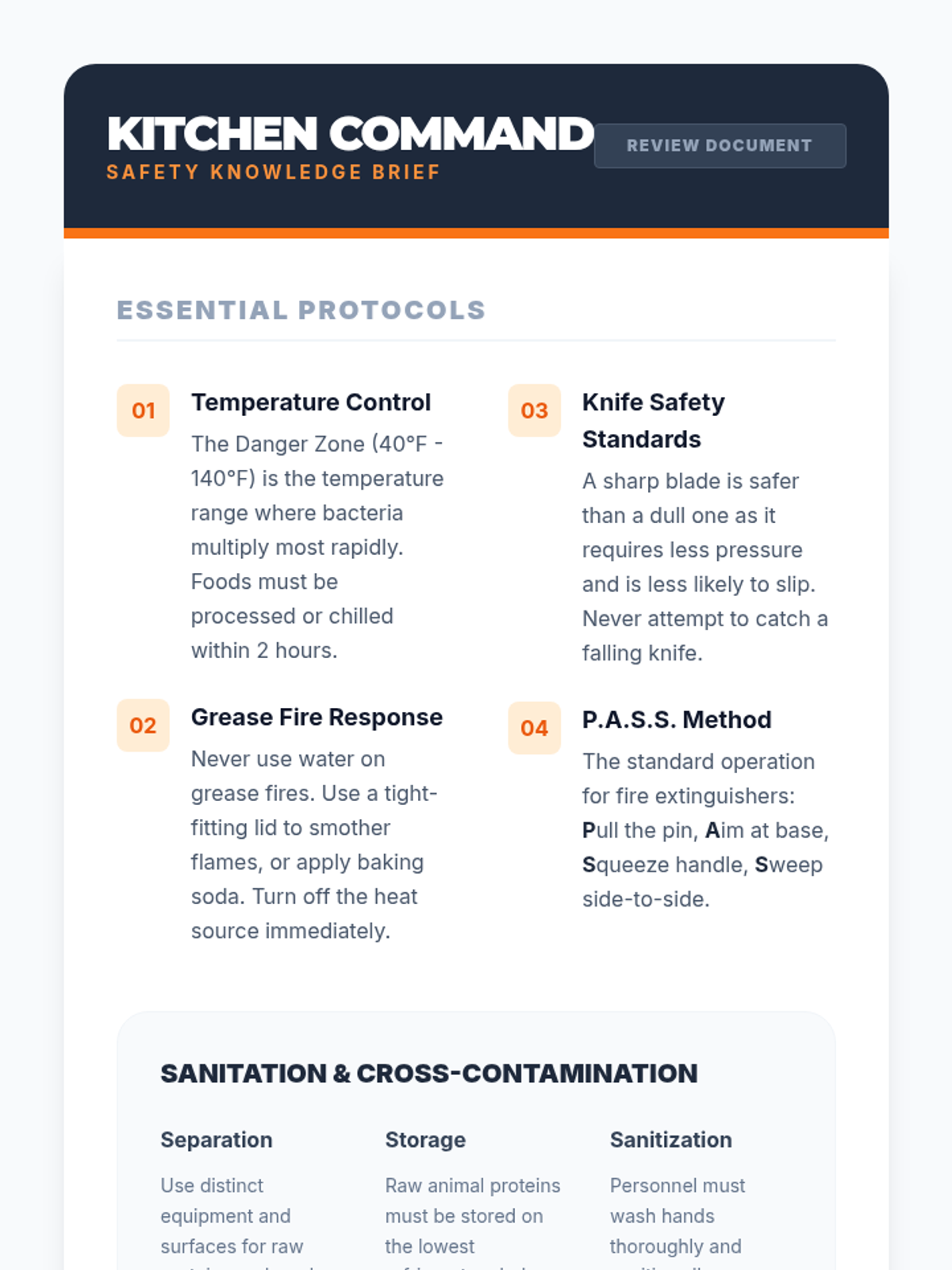
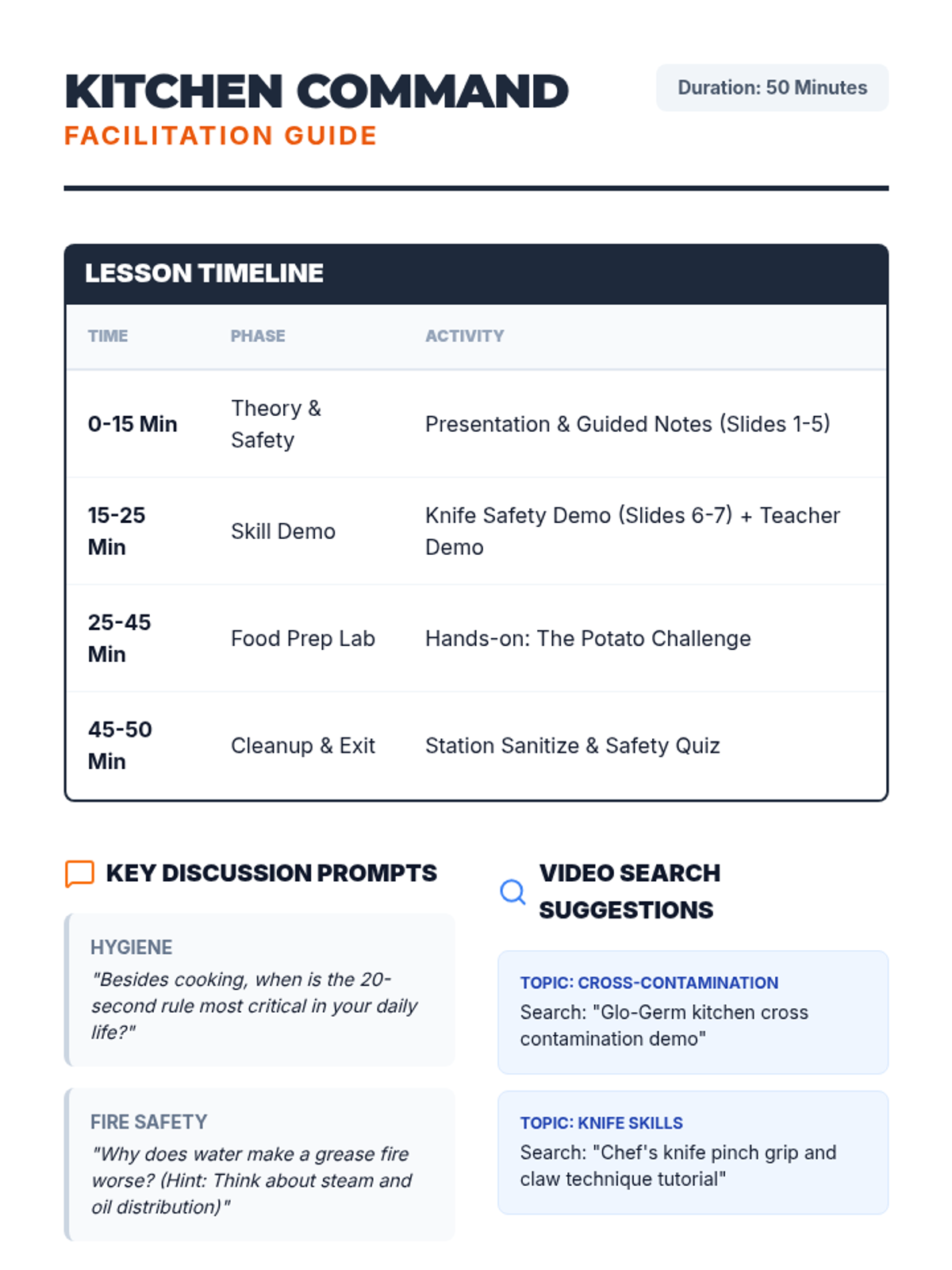
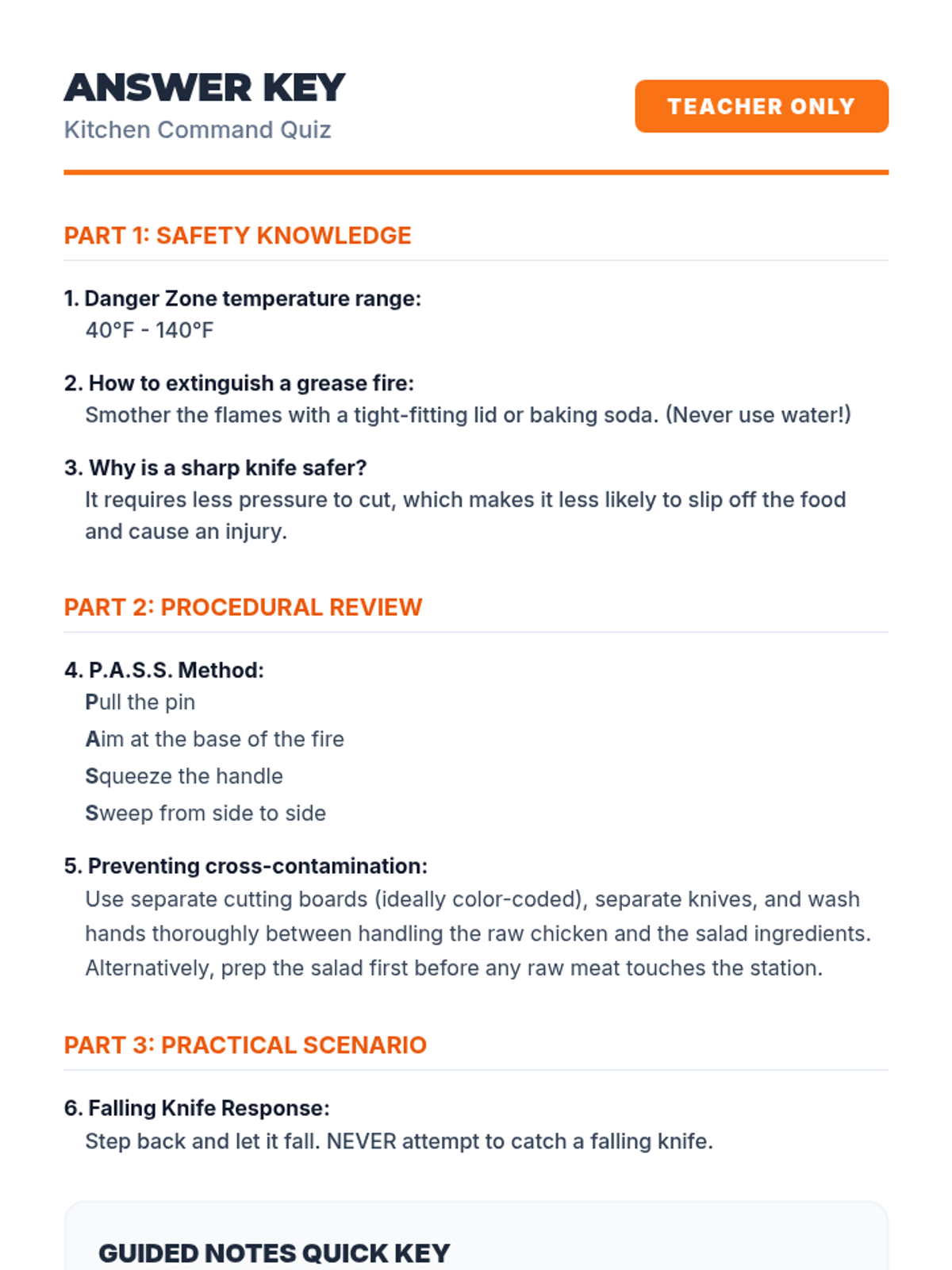
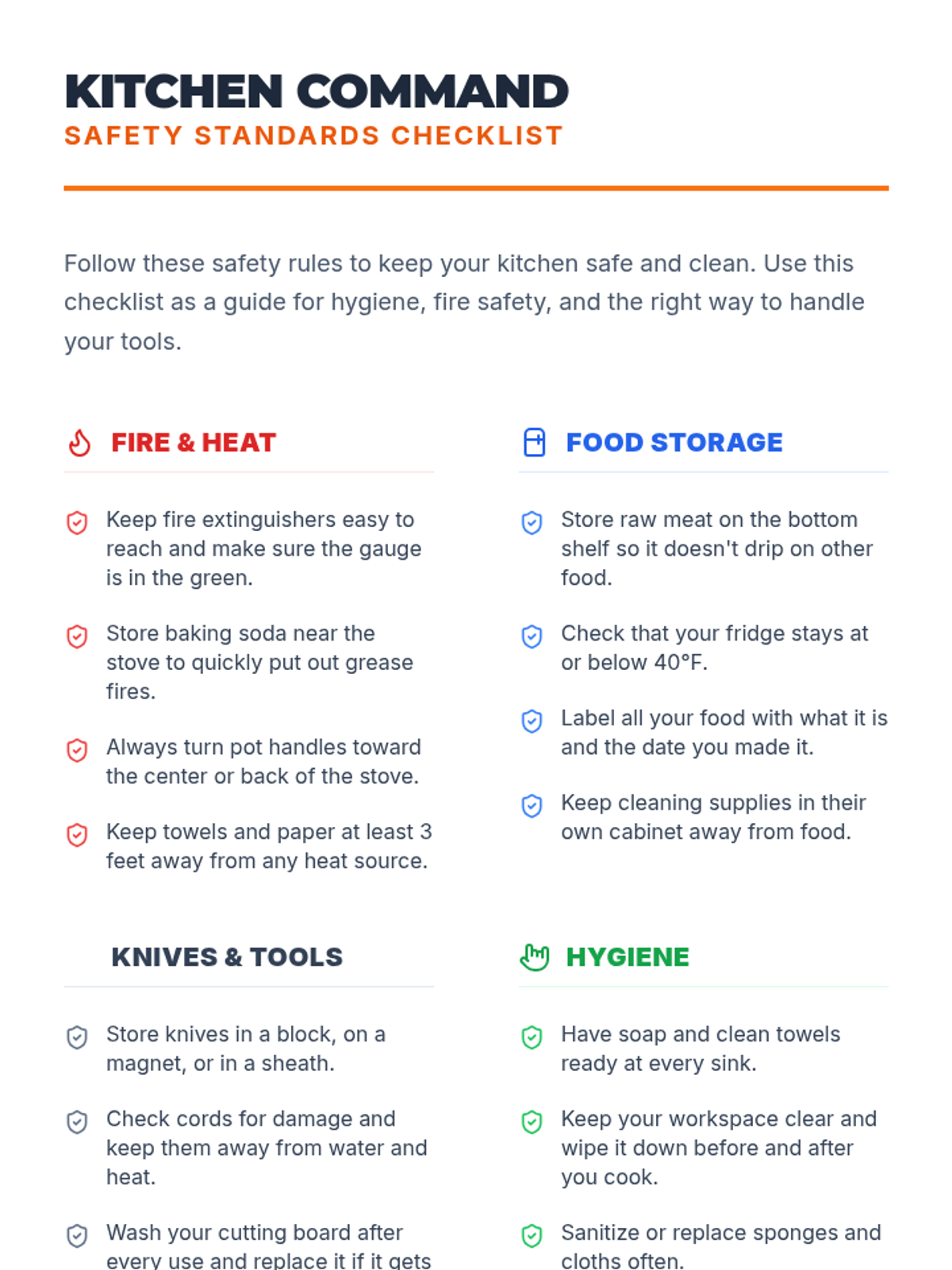
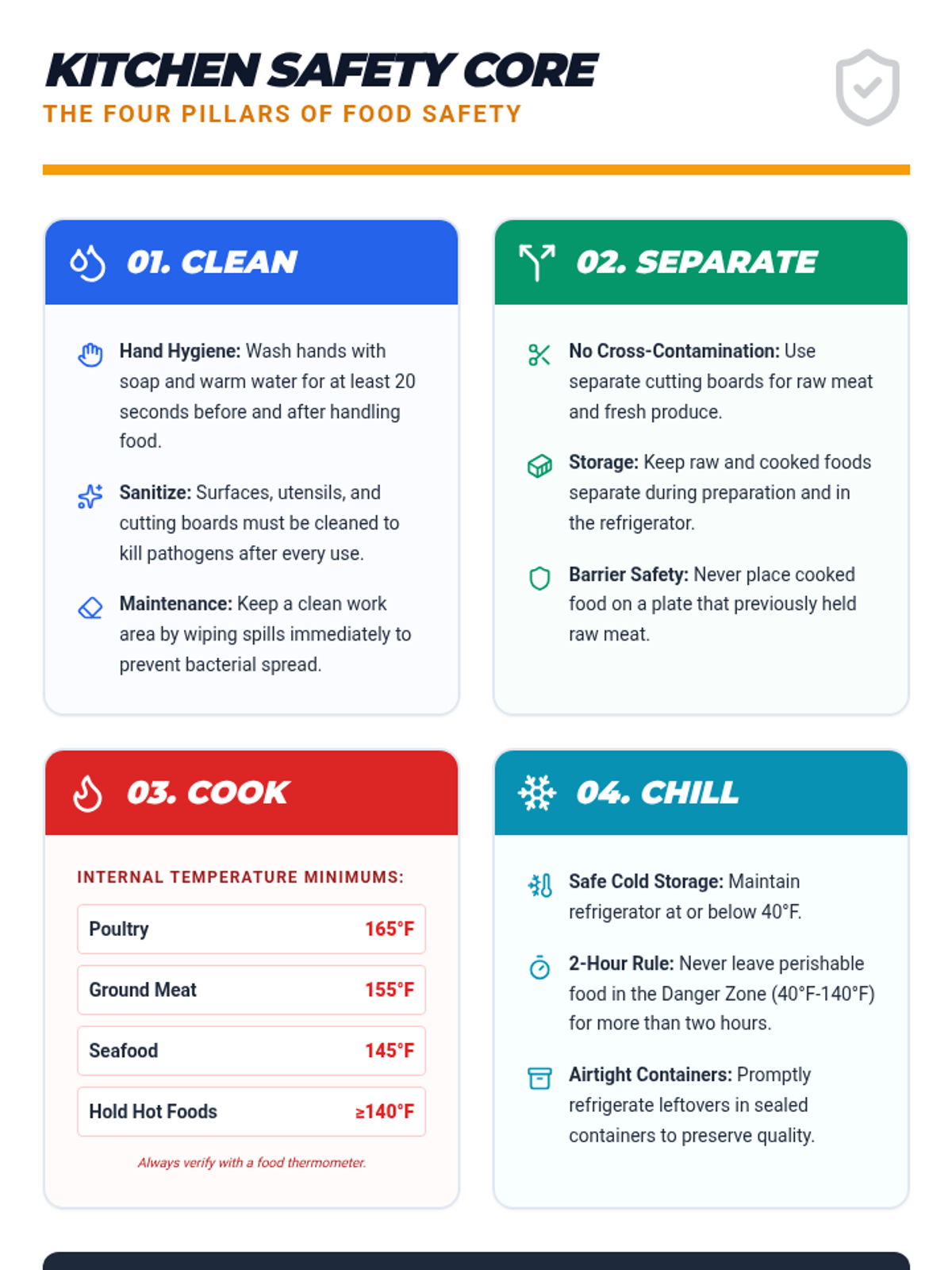
A comprehensive 50-minute introduction to essential kitchen safety and basic cooking skills, featuring a slide presentation, guided notes, and a hands-on knife skills lab.
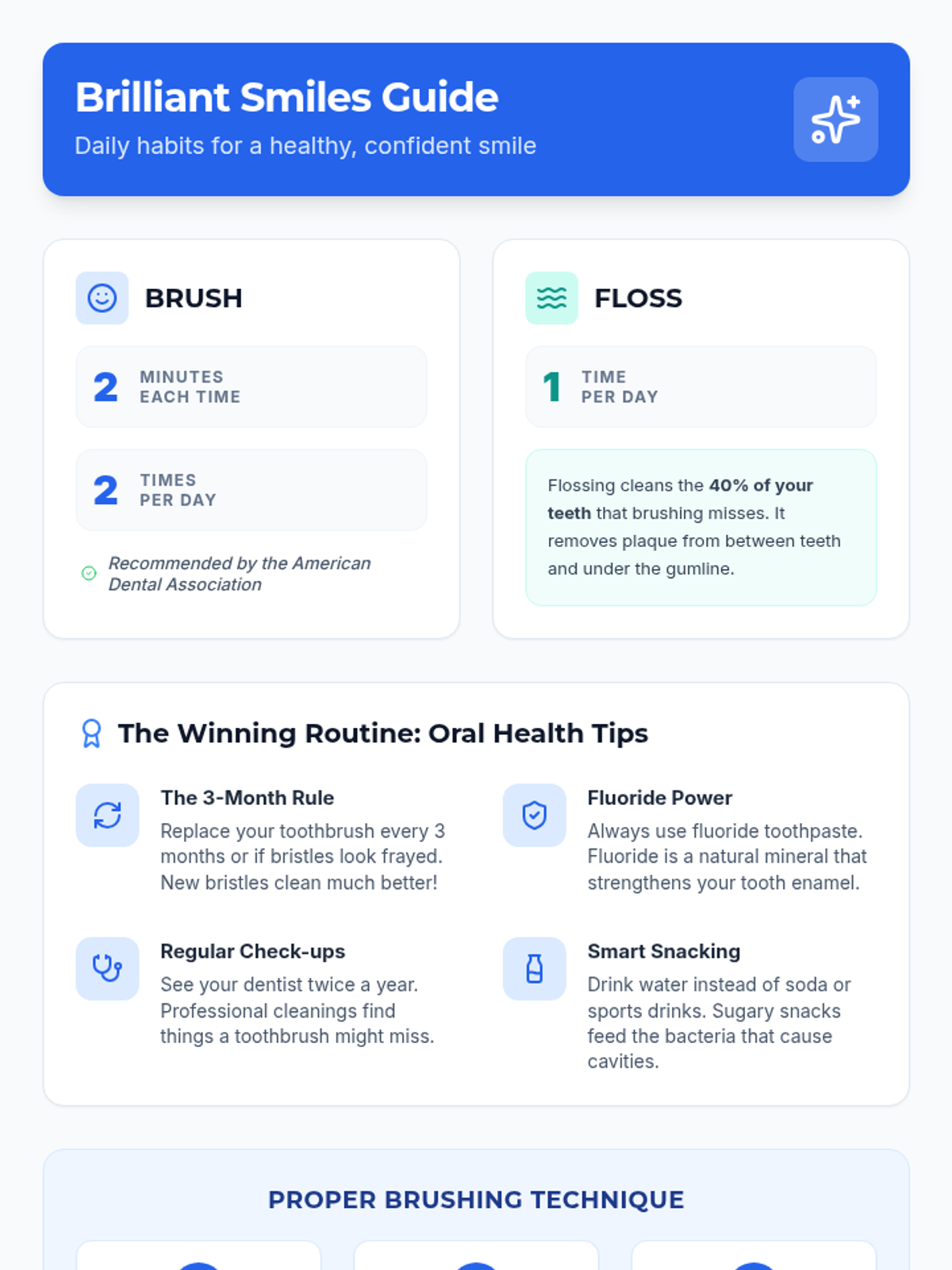
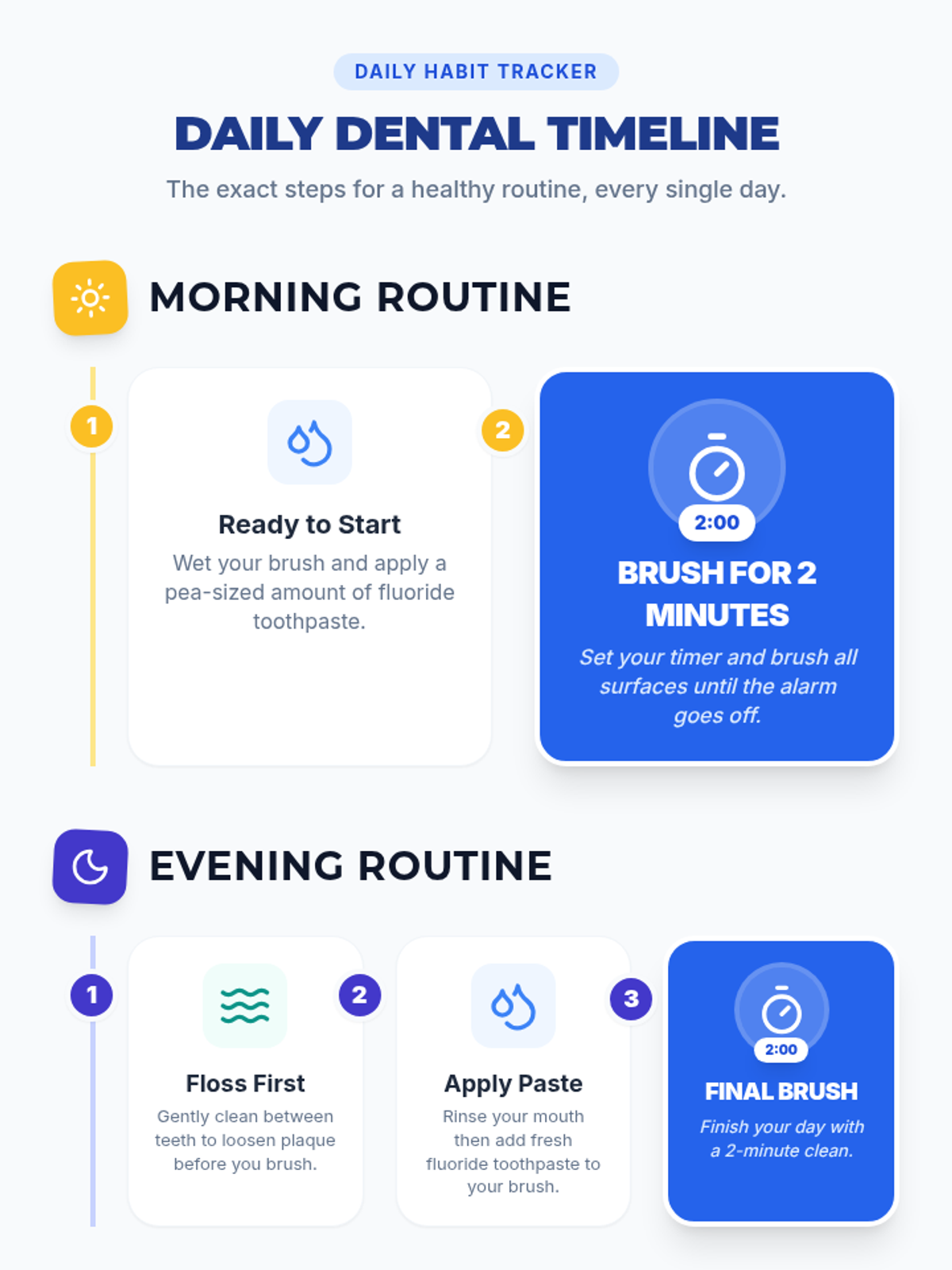
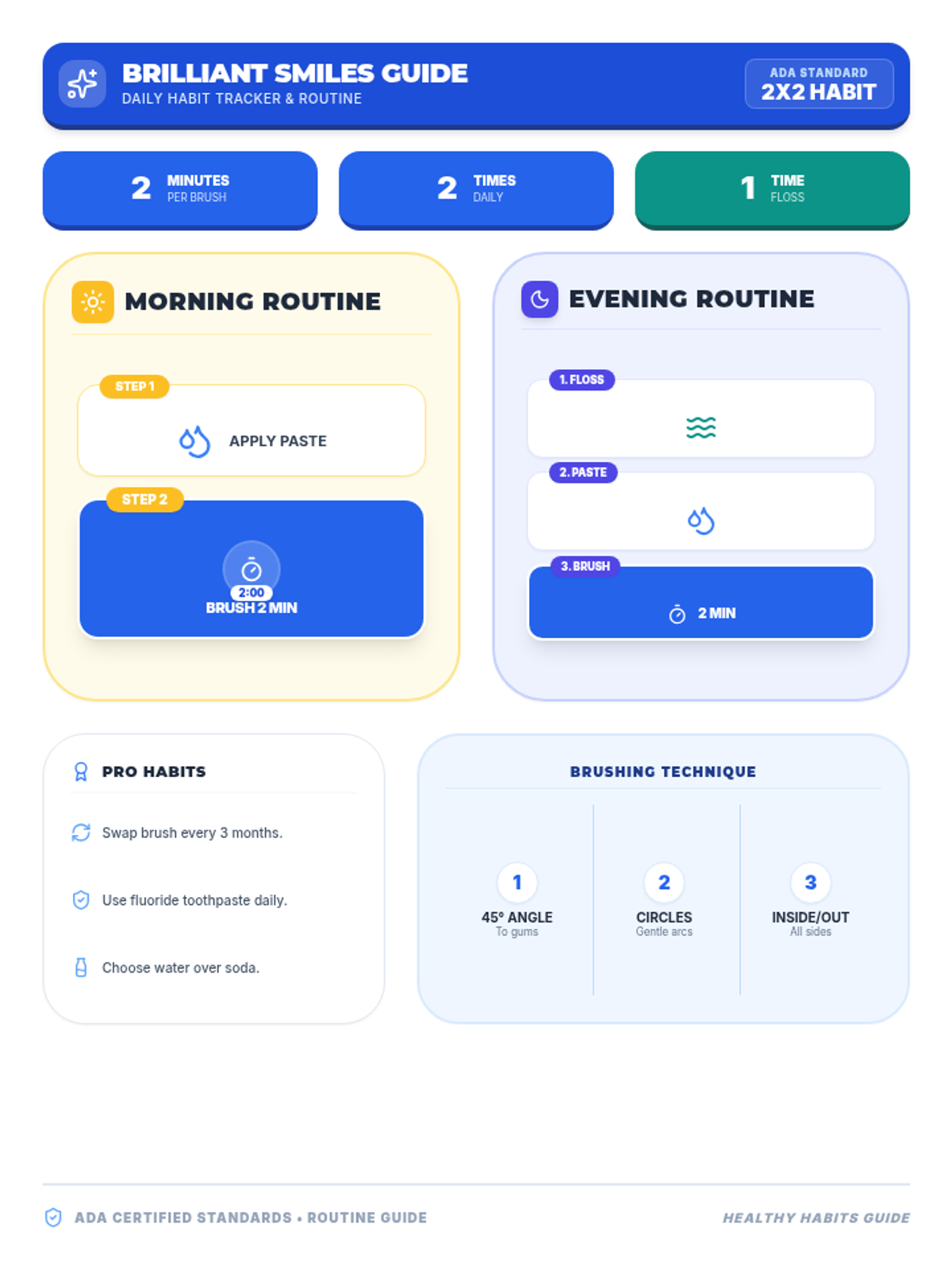
A comprehensive guide to oral hygiene routines for teens, featuring clear visual instructions on brushing, flossing, and maintaining a healthy smile based on ADA guidelines.
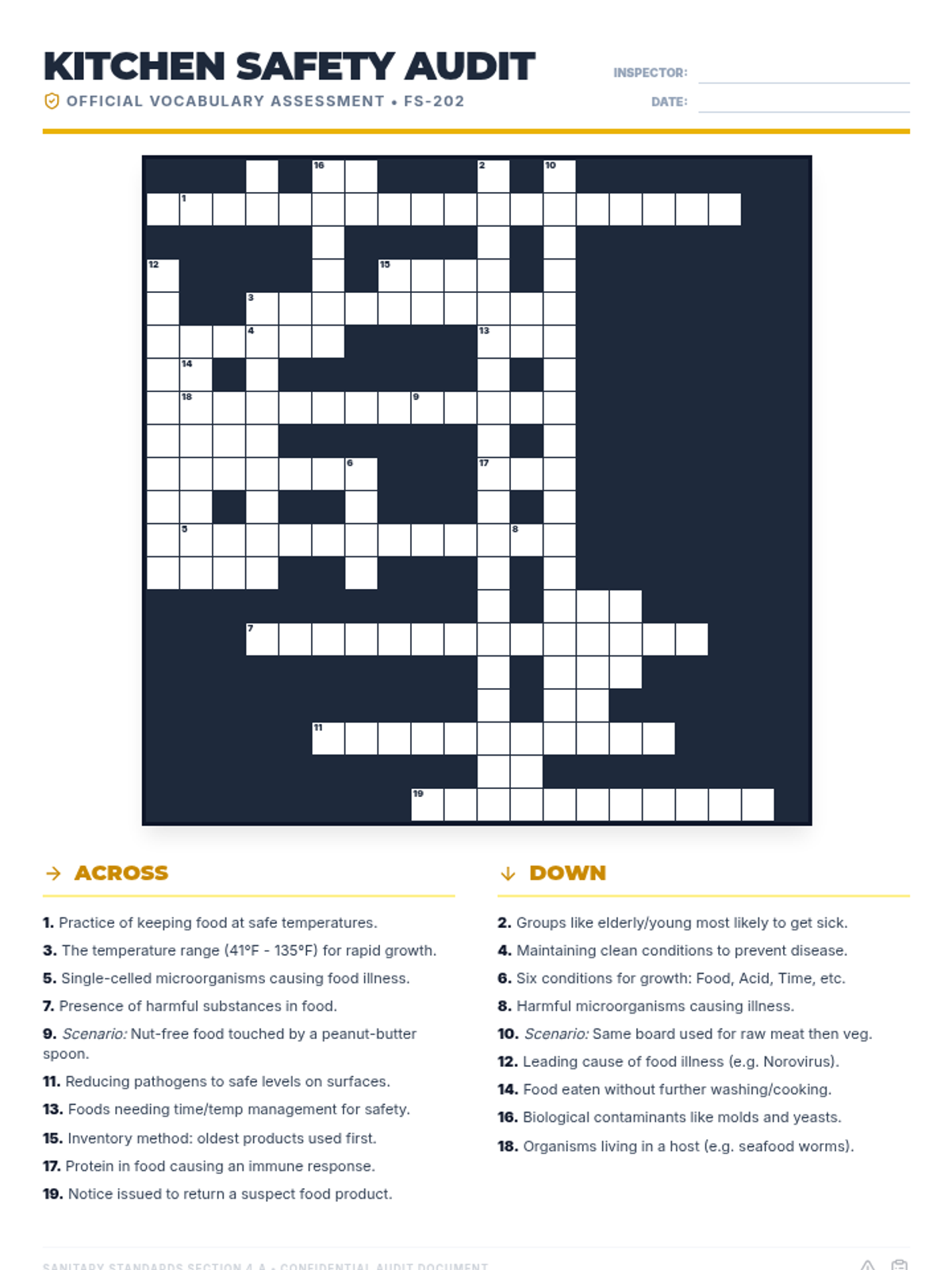
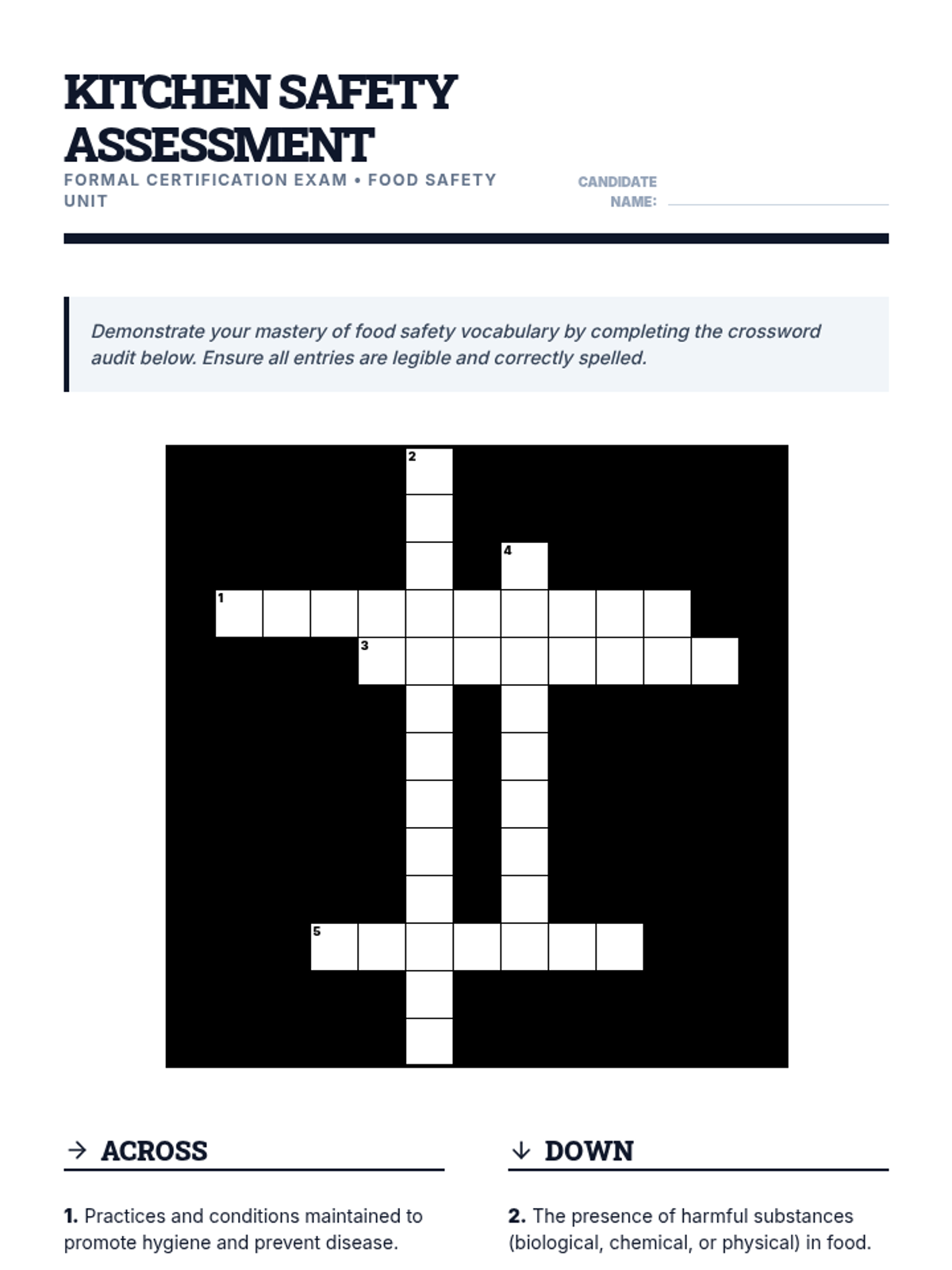
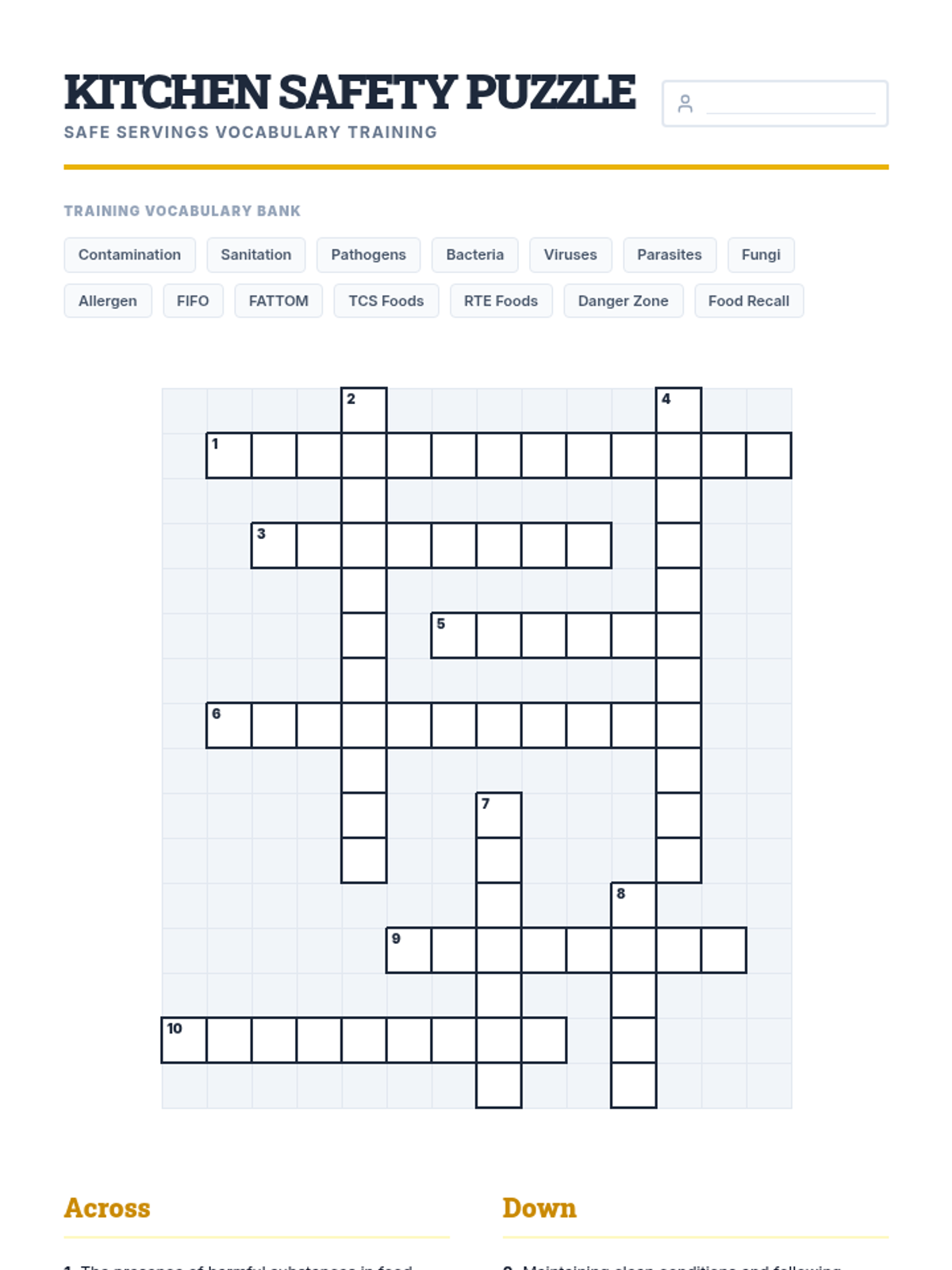
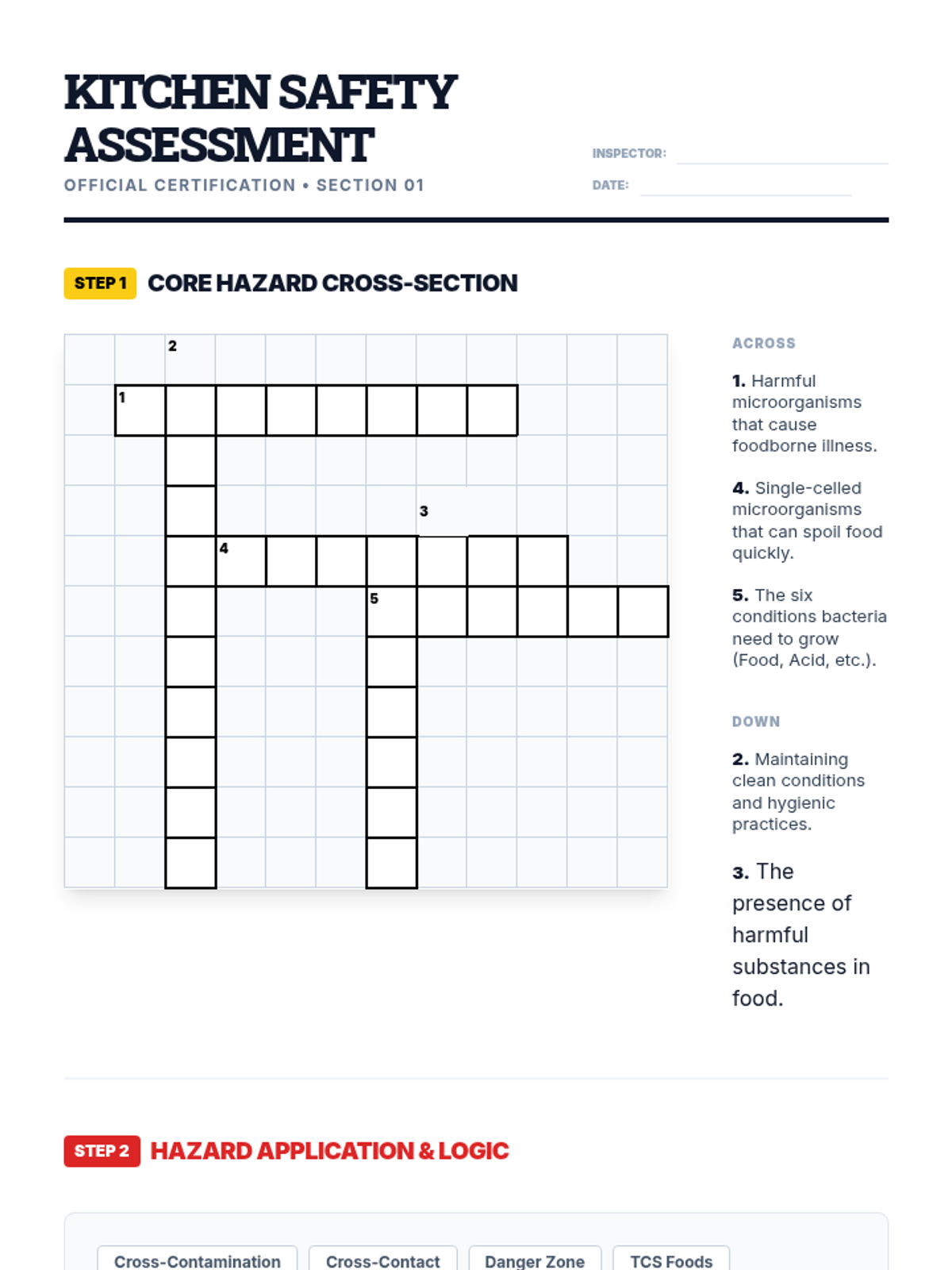
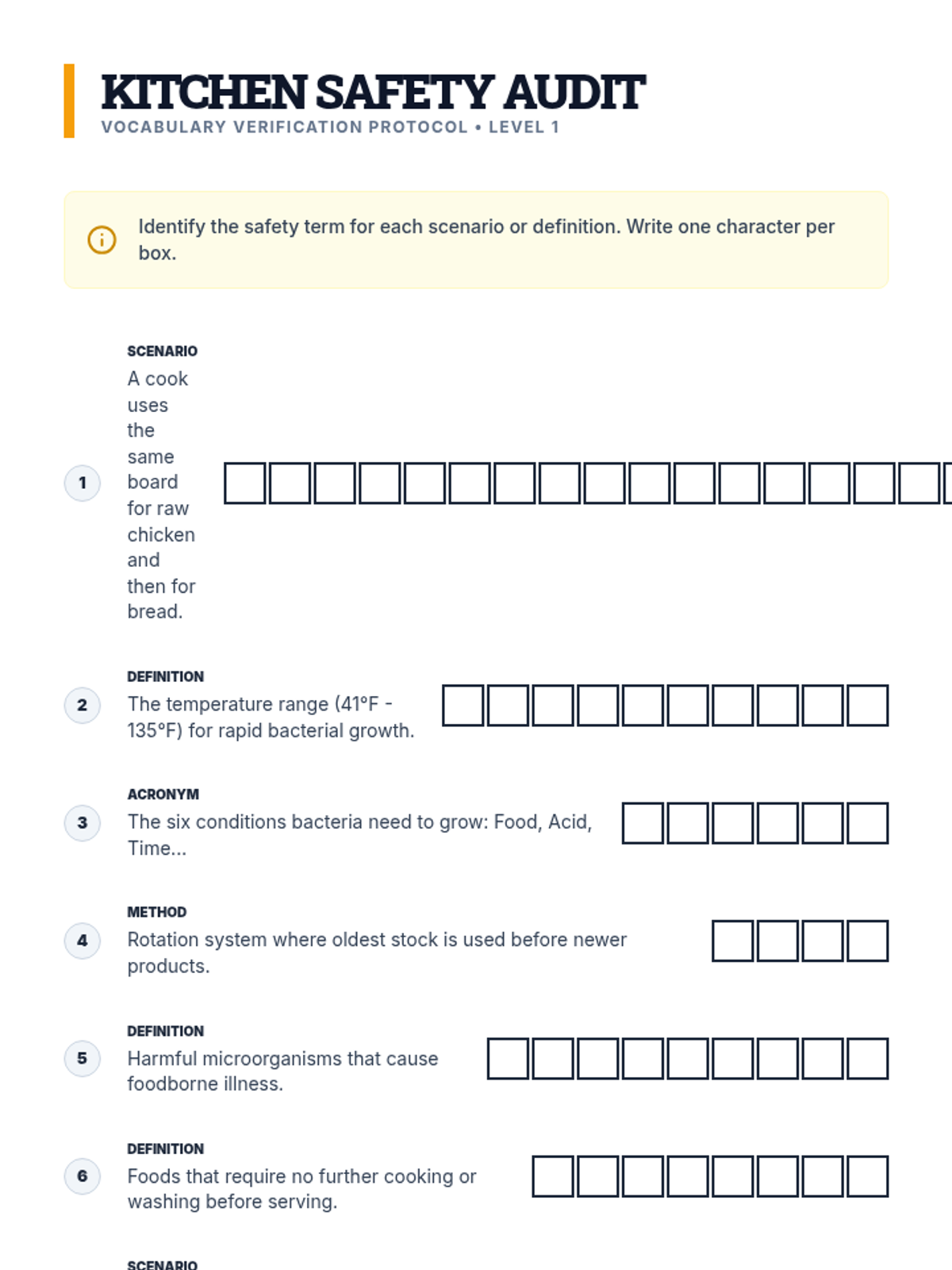
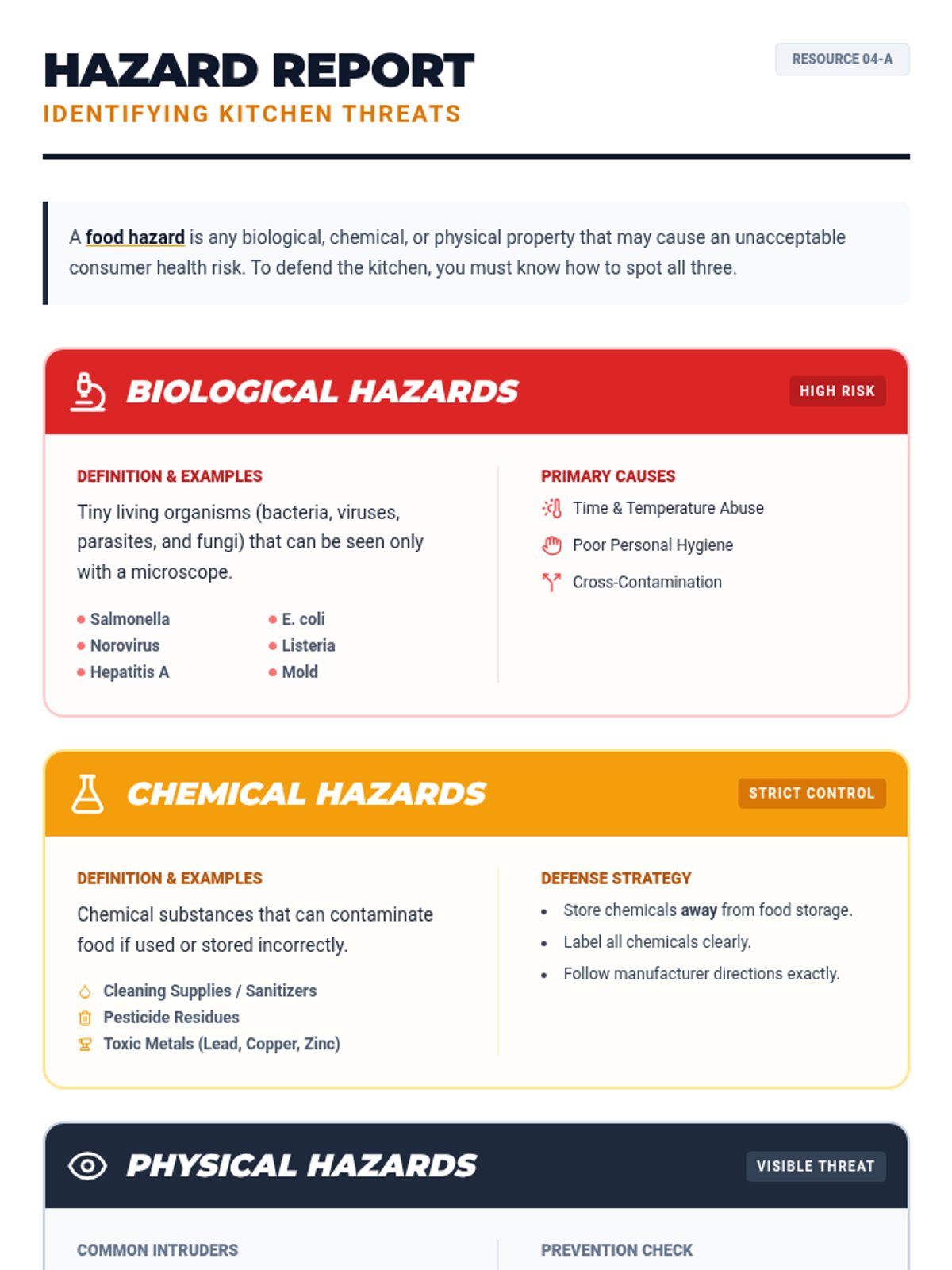
A lesson focused on essential food safety practices, vocabulary, and hazard prevention in a commercial kitchen setting.
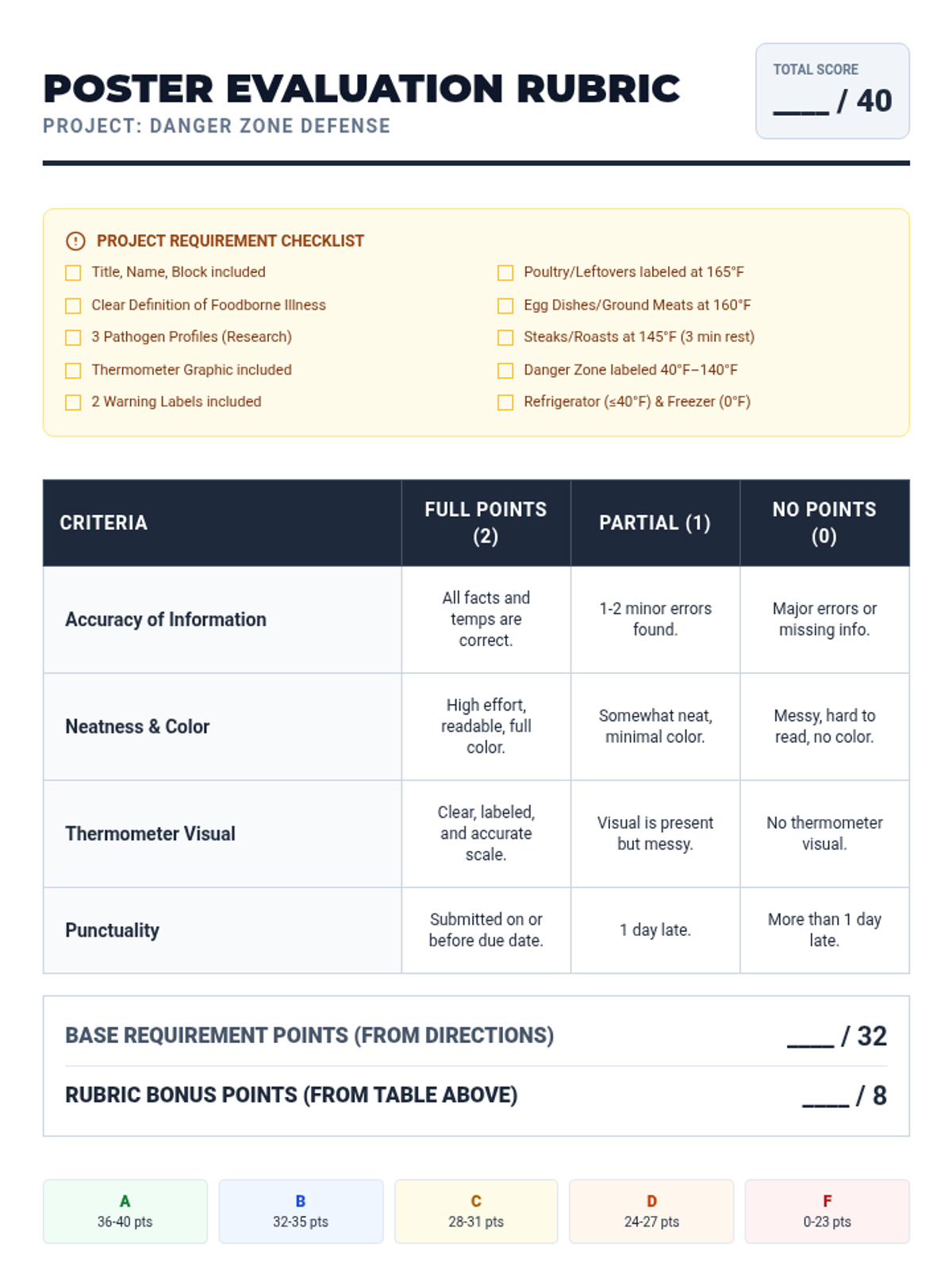
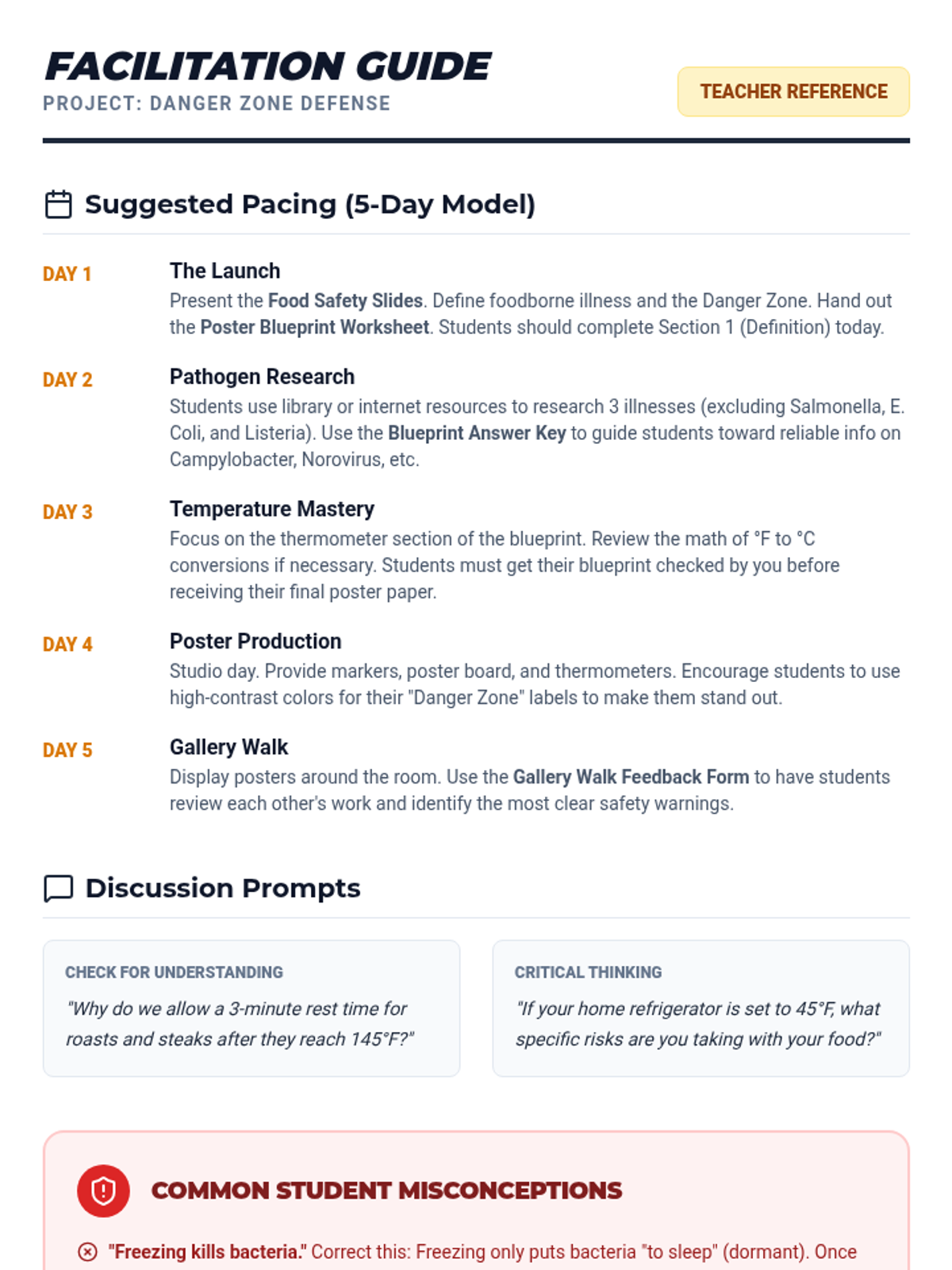
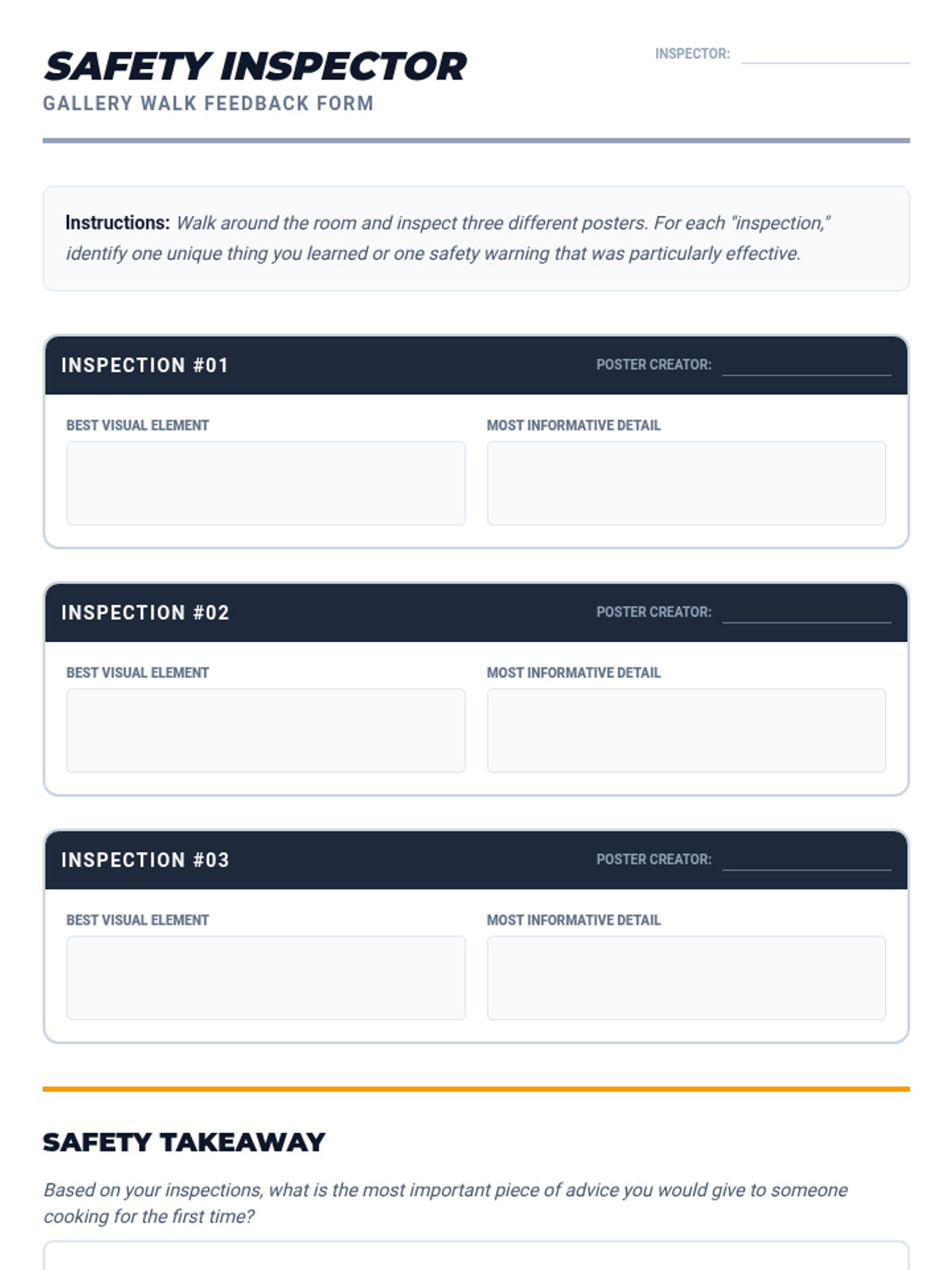
A multi-day project where students research foodborne illnesses and create a visual safety poster centered around proper heating and cooling temperatures. Students will investigate specific pathogens, master temperature guidelines, and understand the science of the 'Danger Zone.'
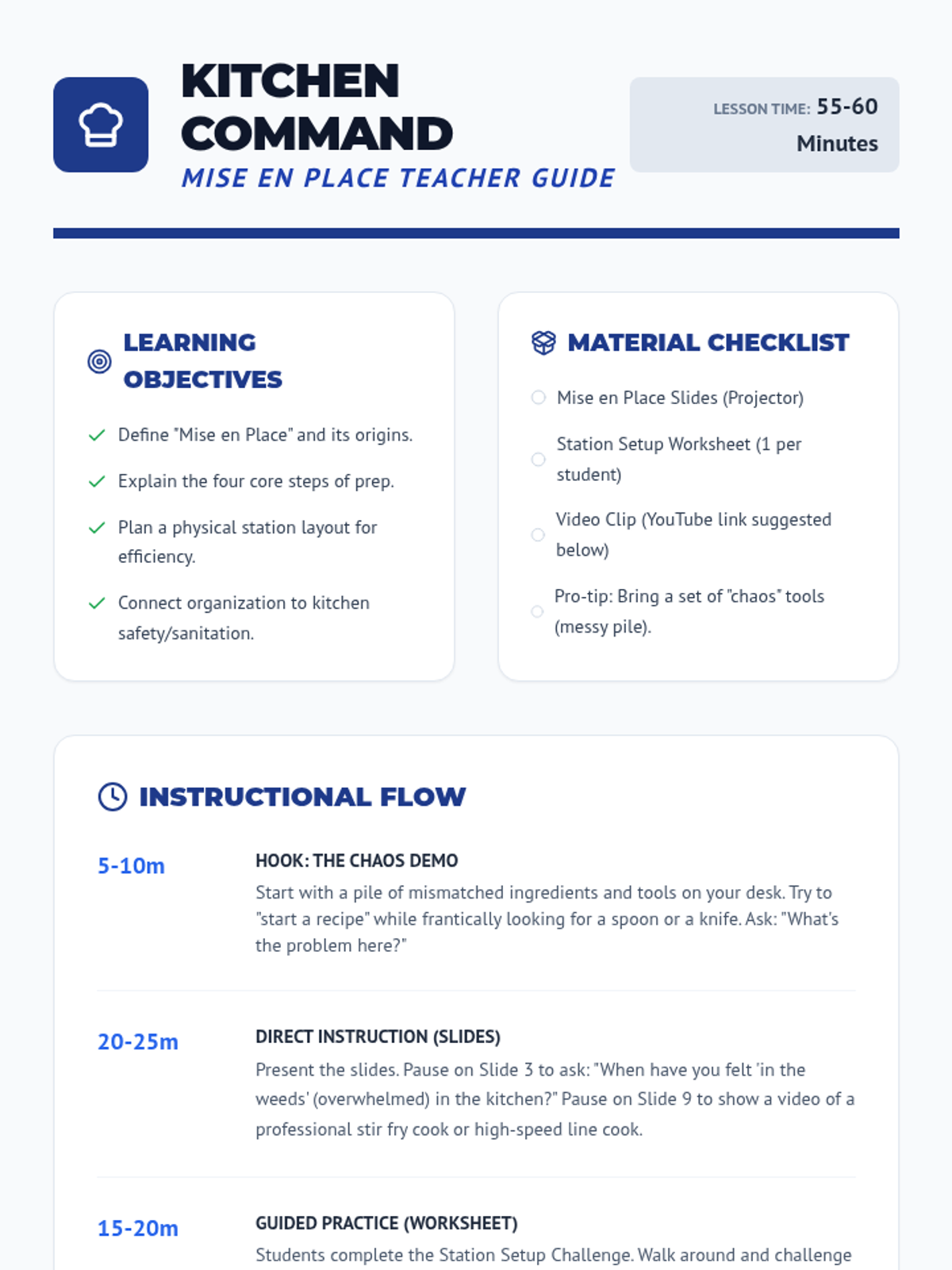
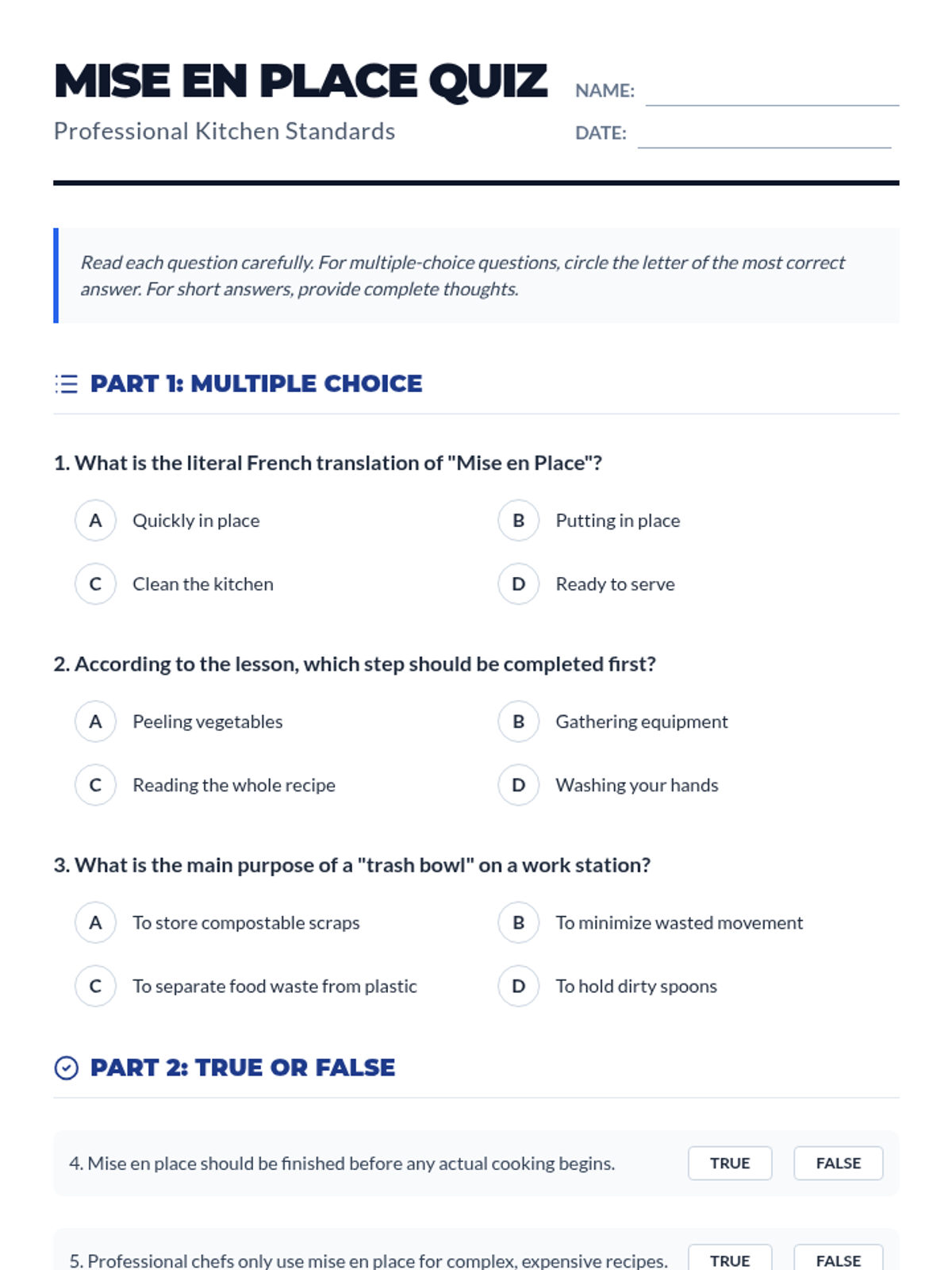
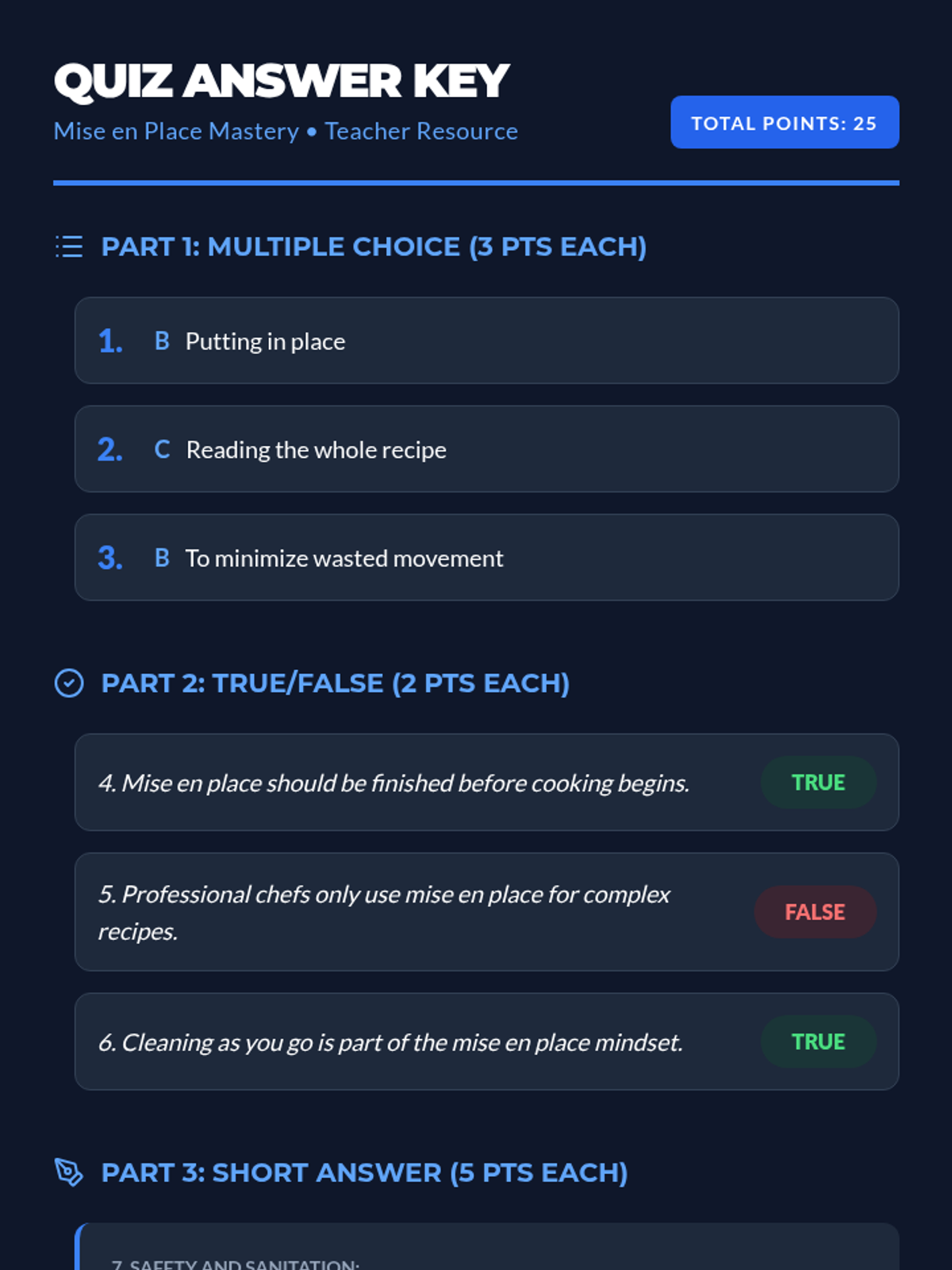
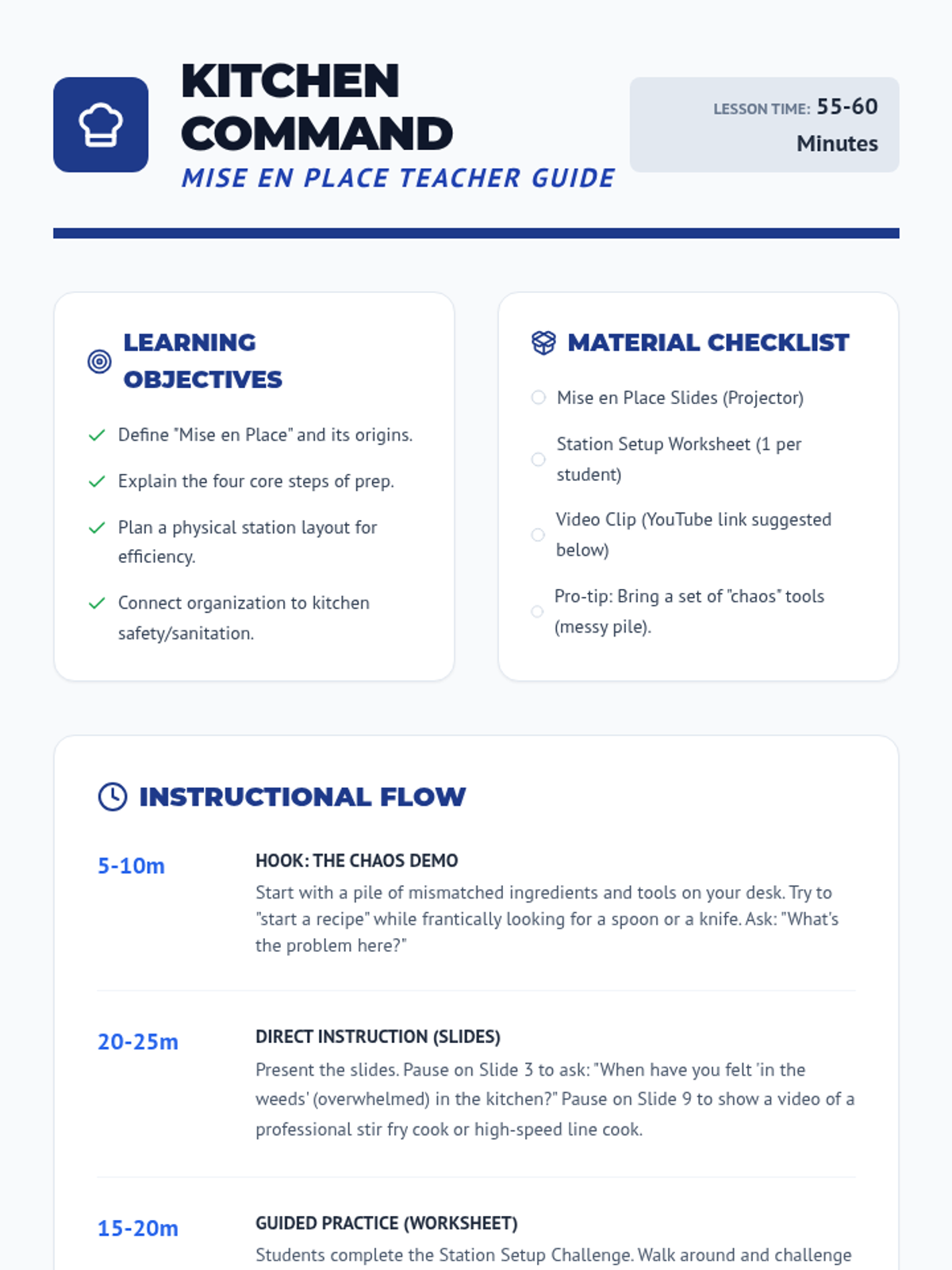
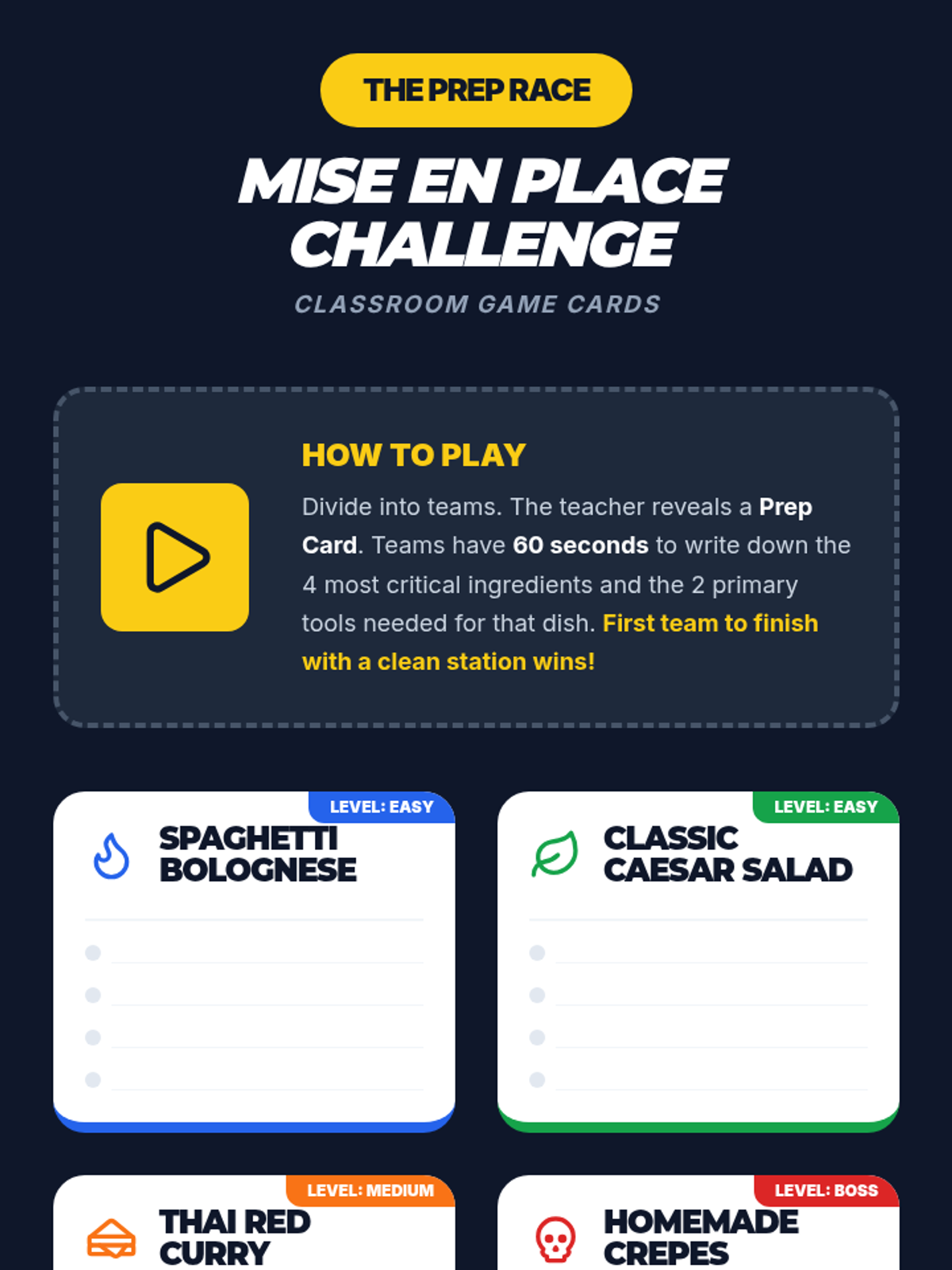
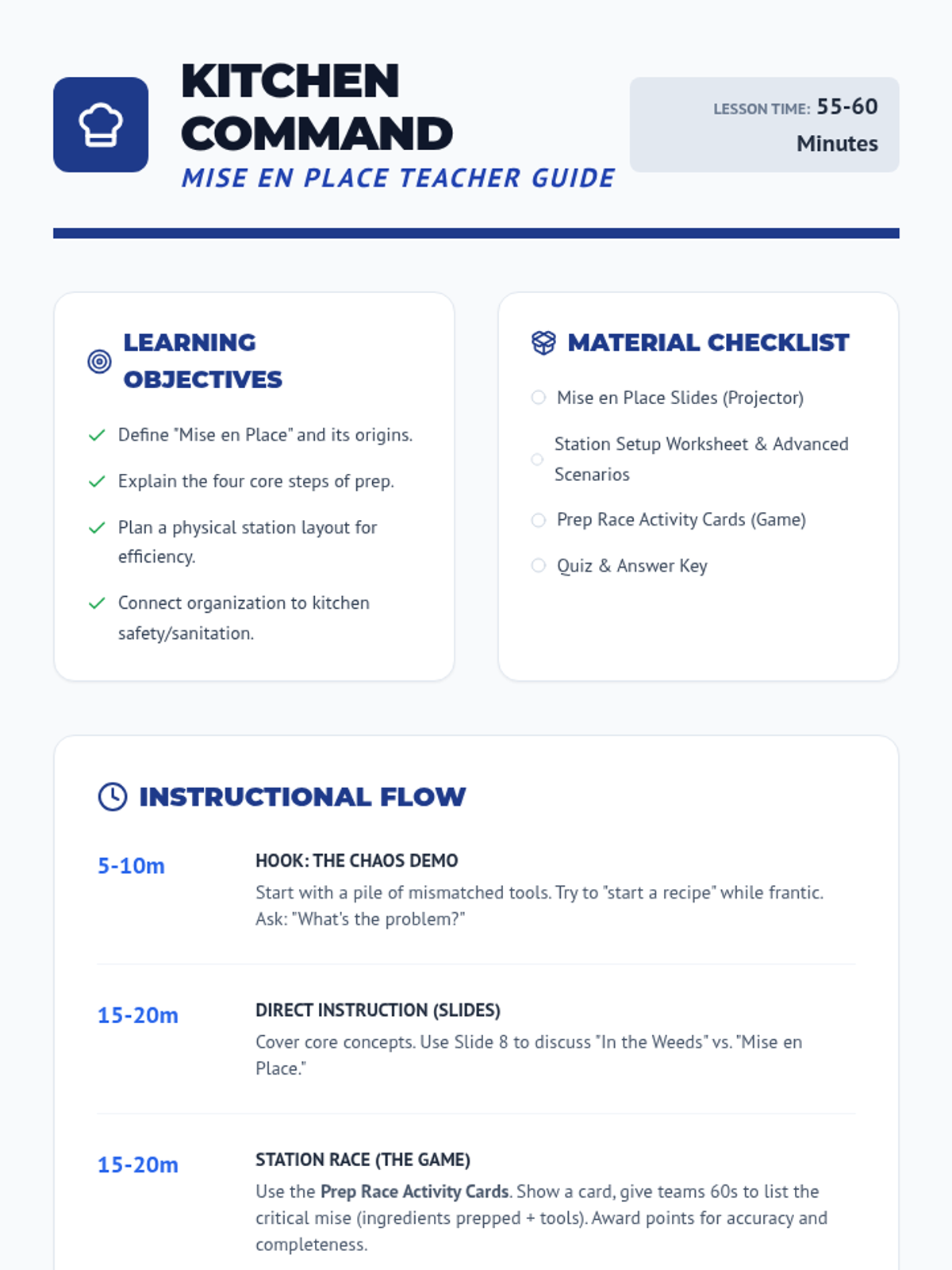
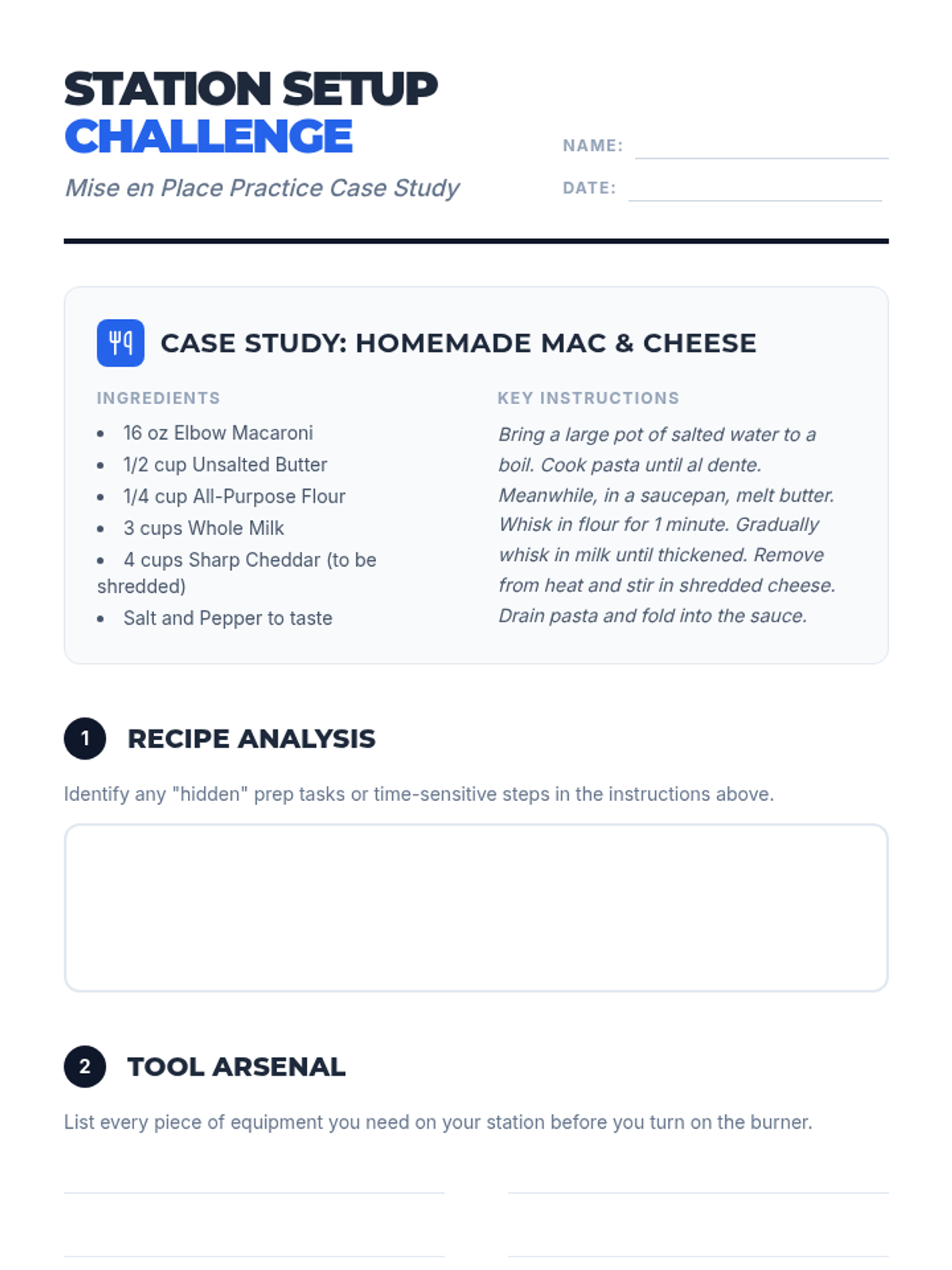
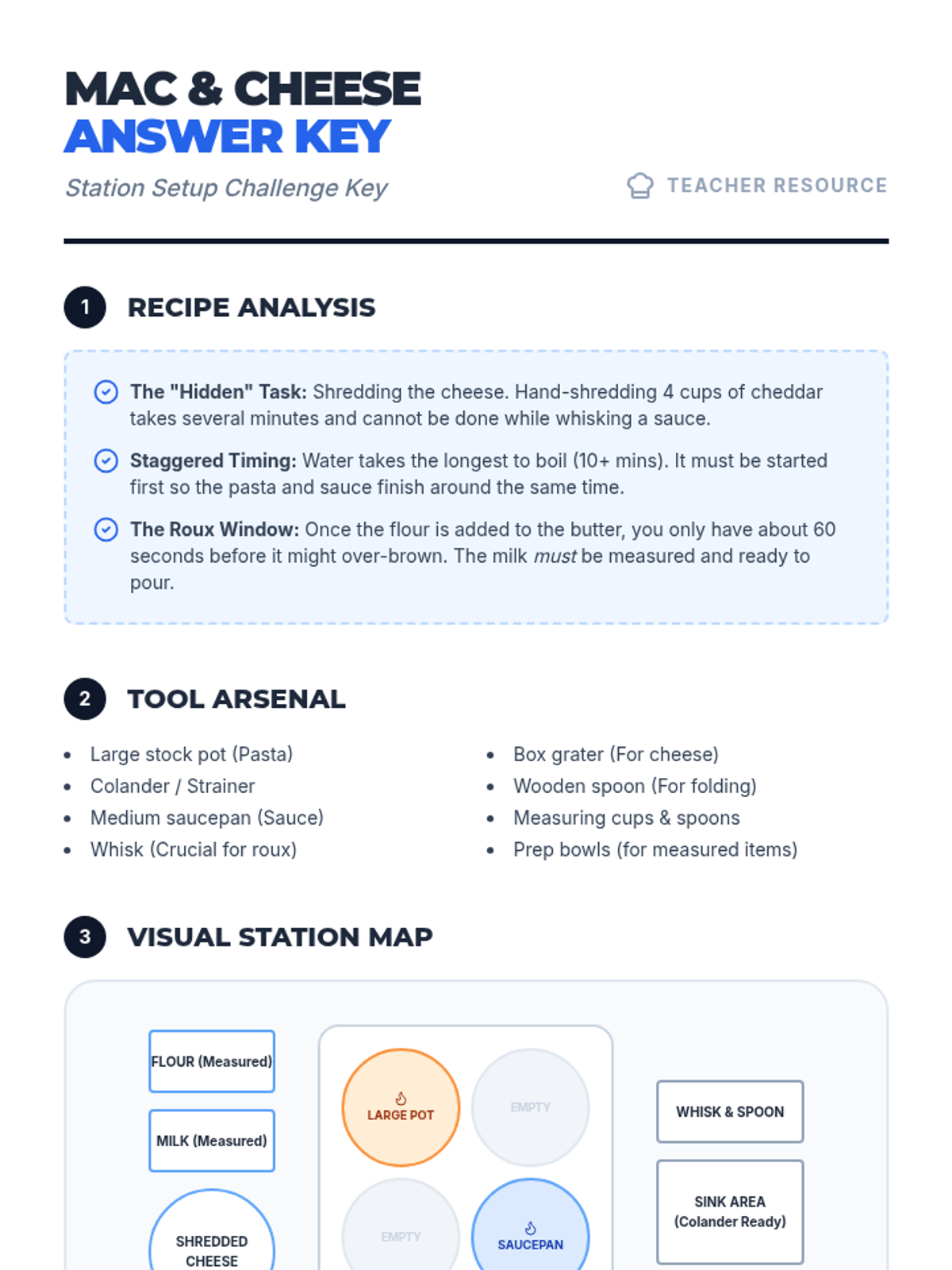
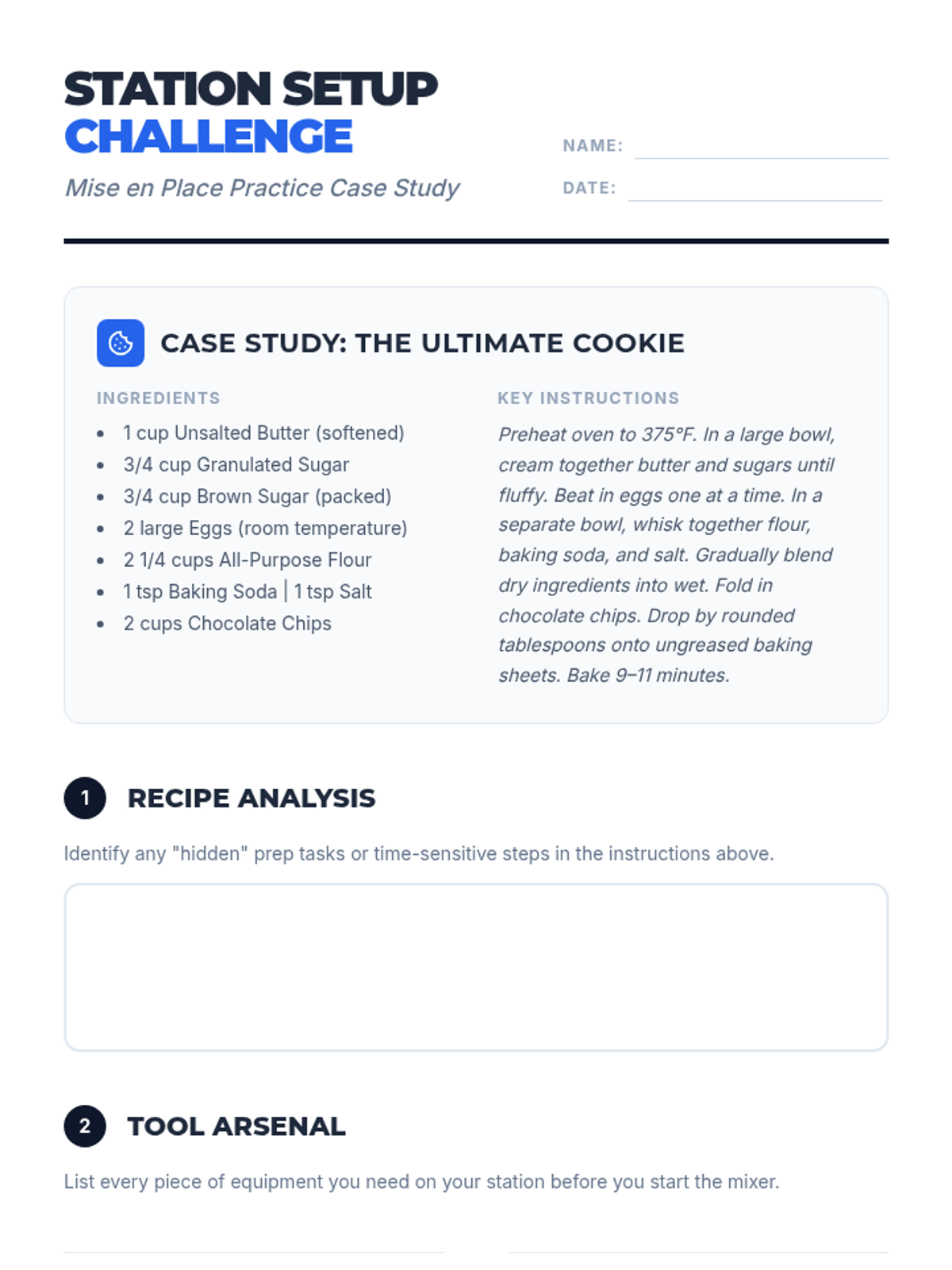
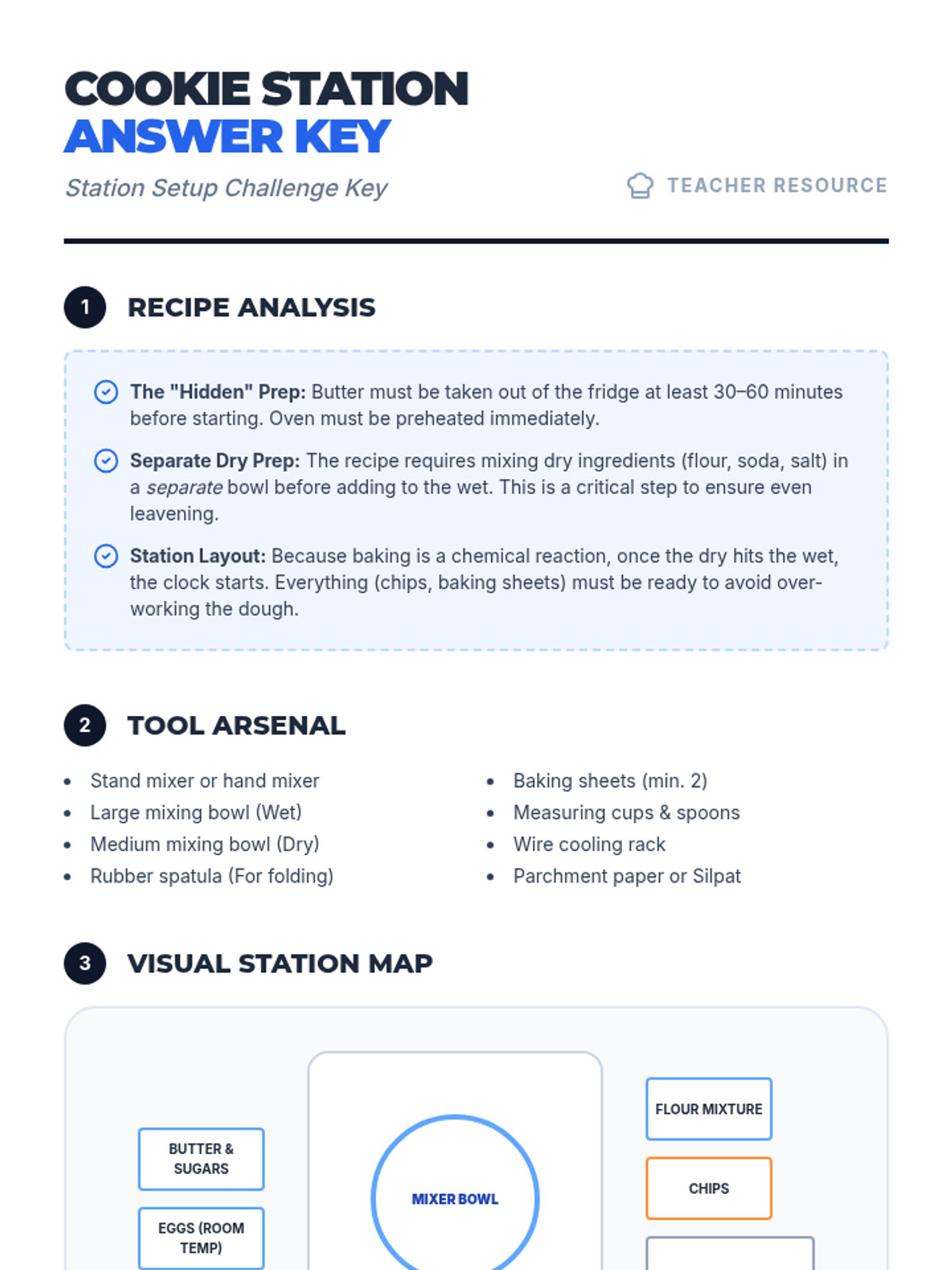
A comprehensive introduction to the essential culinary practice of mise en place, focusing on organization, efficiency, and professional kitchen standards for high school students.
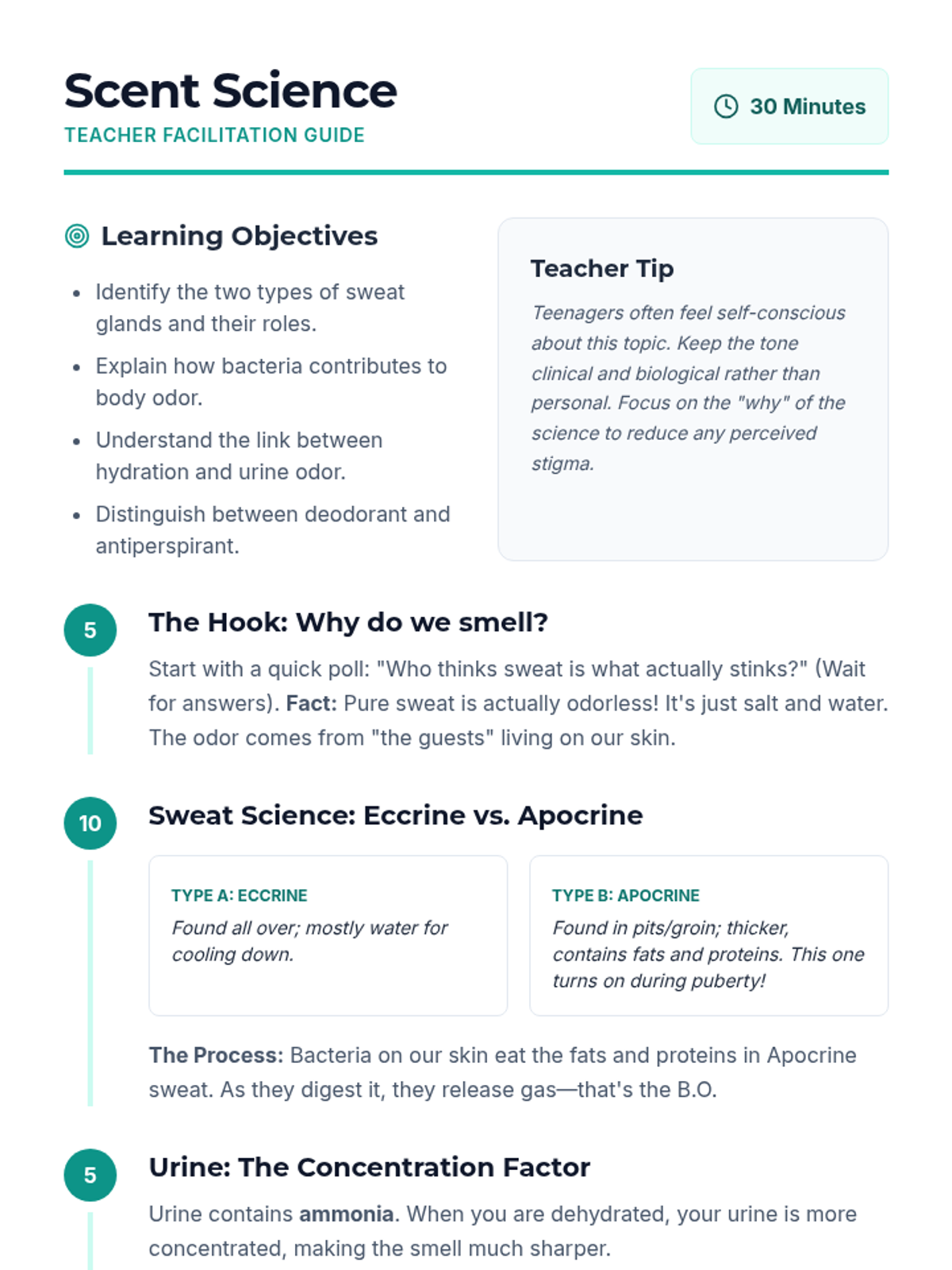
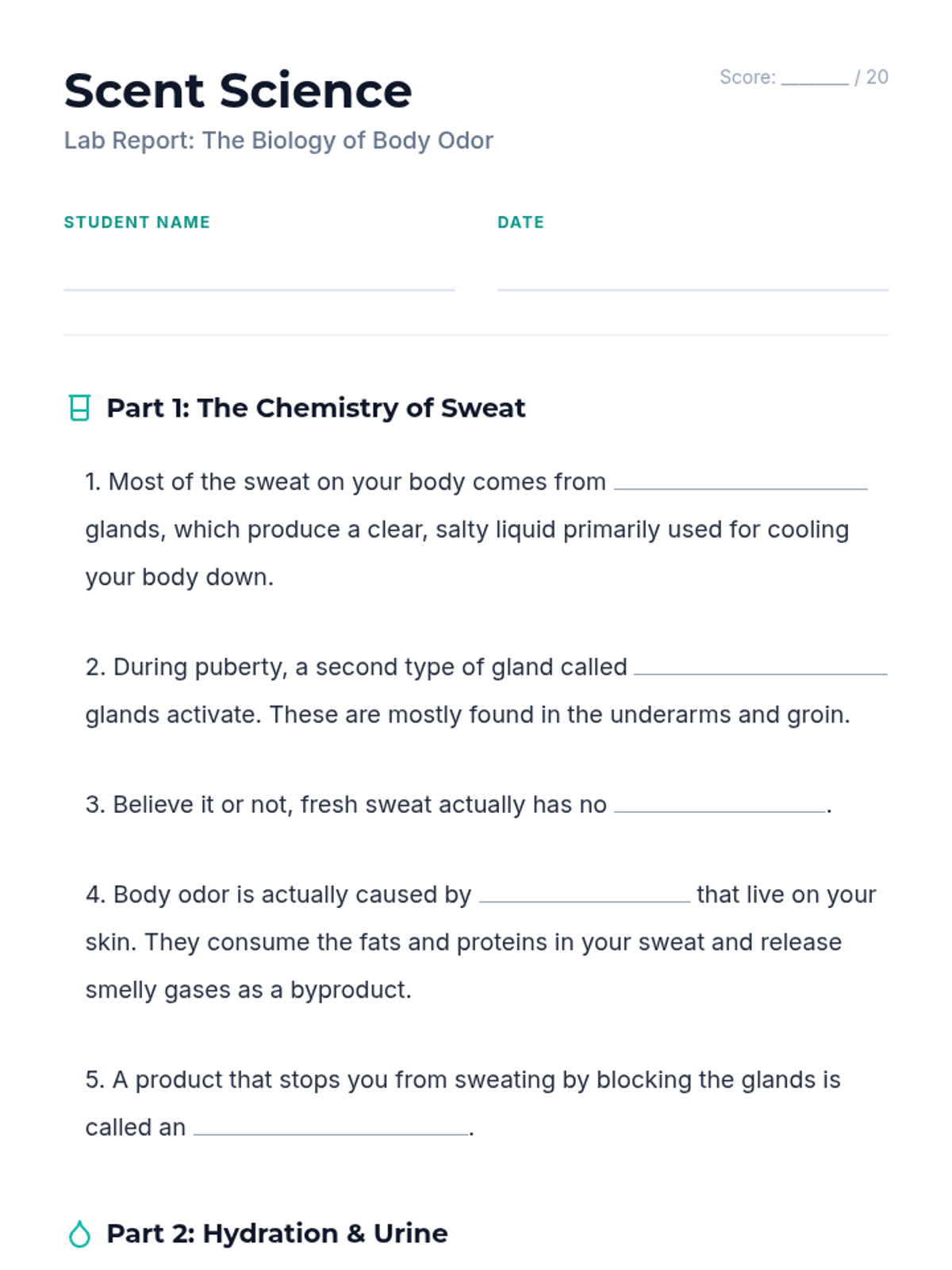
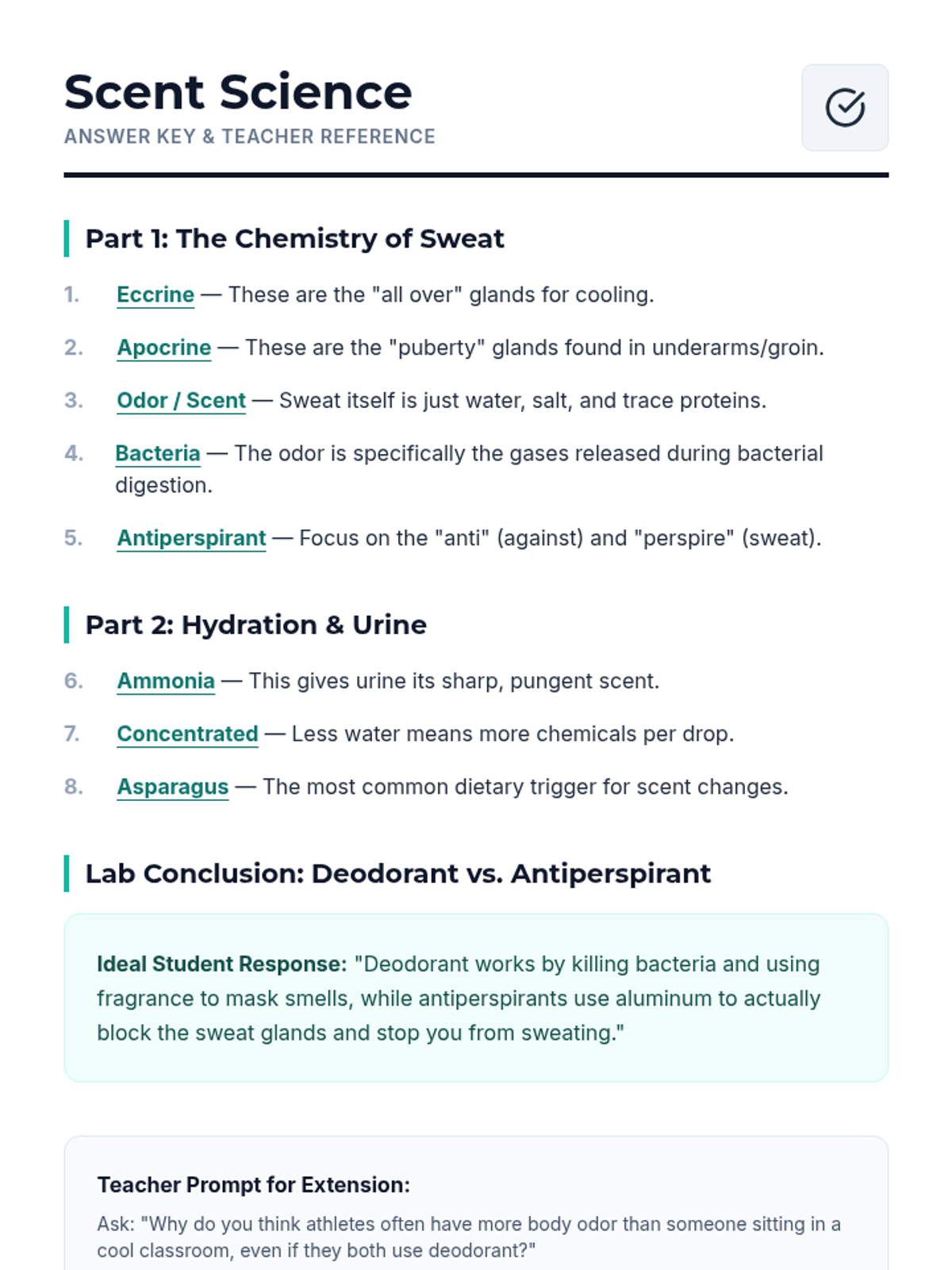
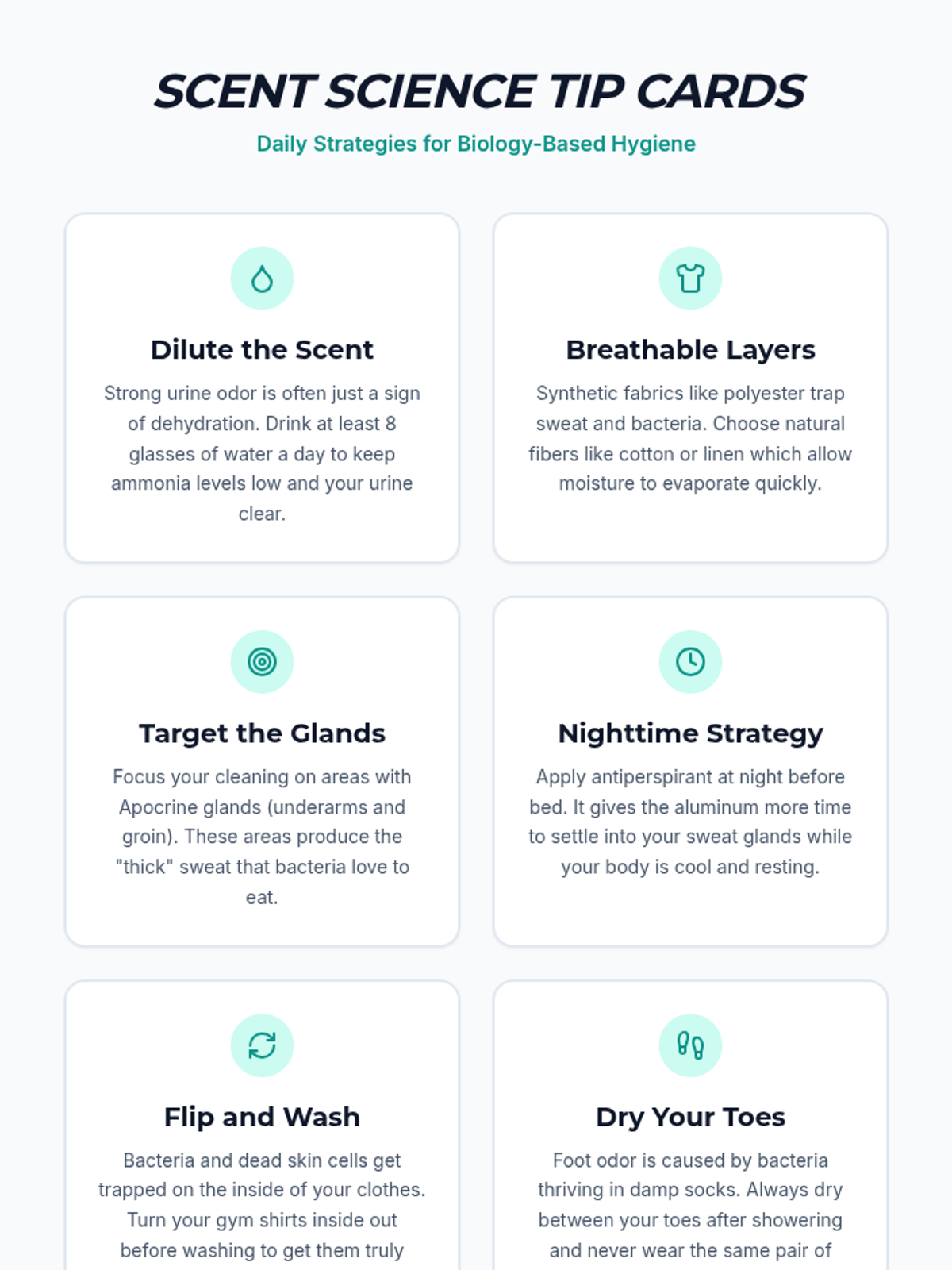
A quick, evidence-based lesson designed to help teenagers understand the biological causes of body odor related to sweat and urine, along with practical management strategies.
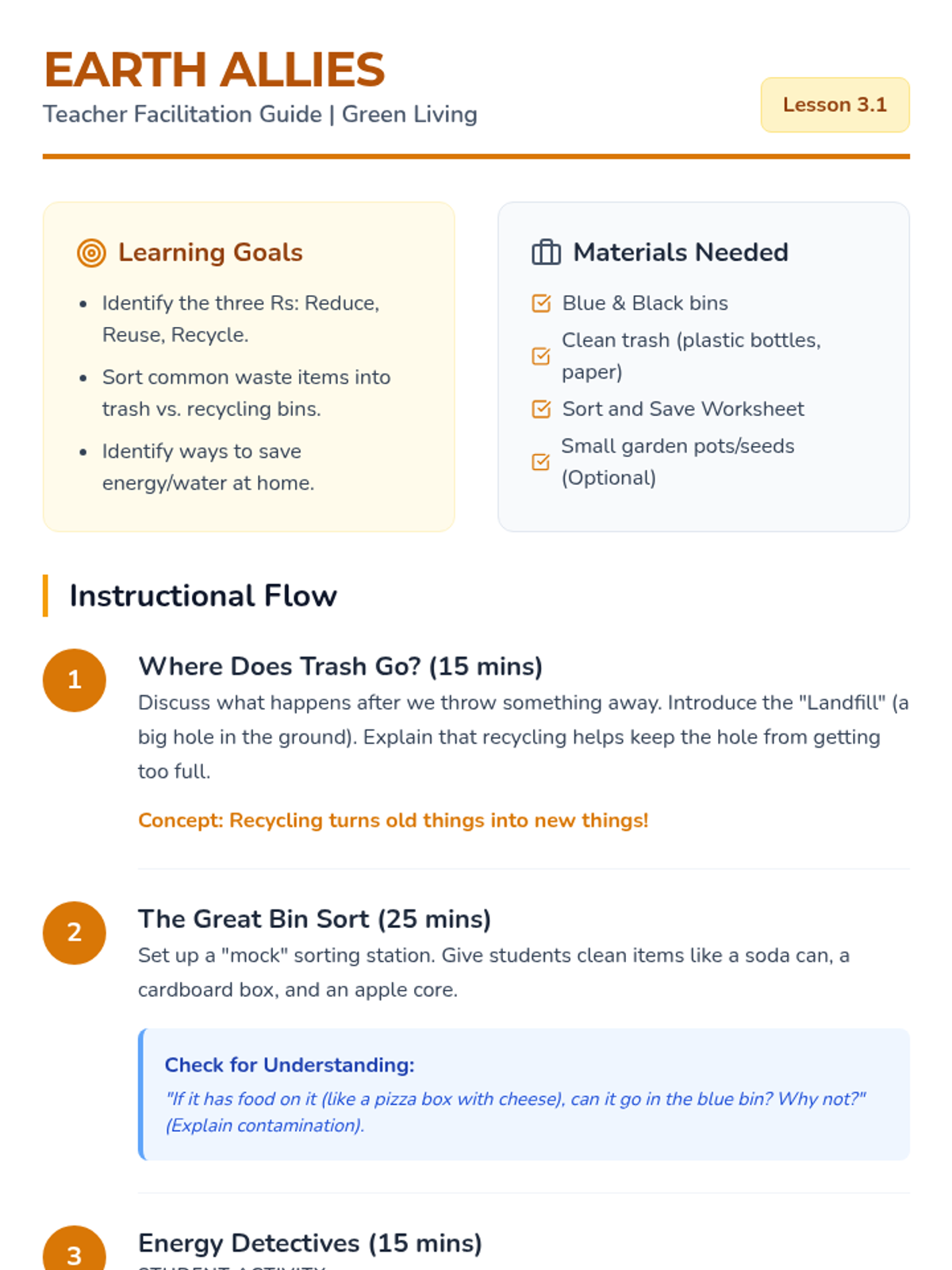
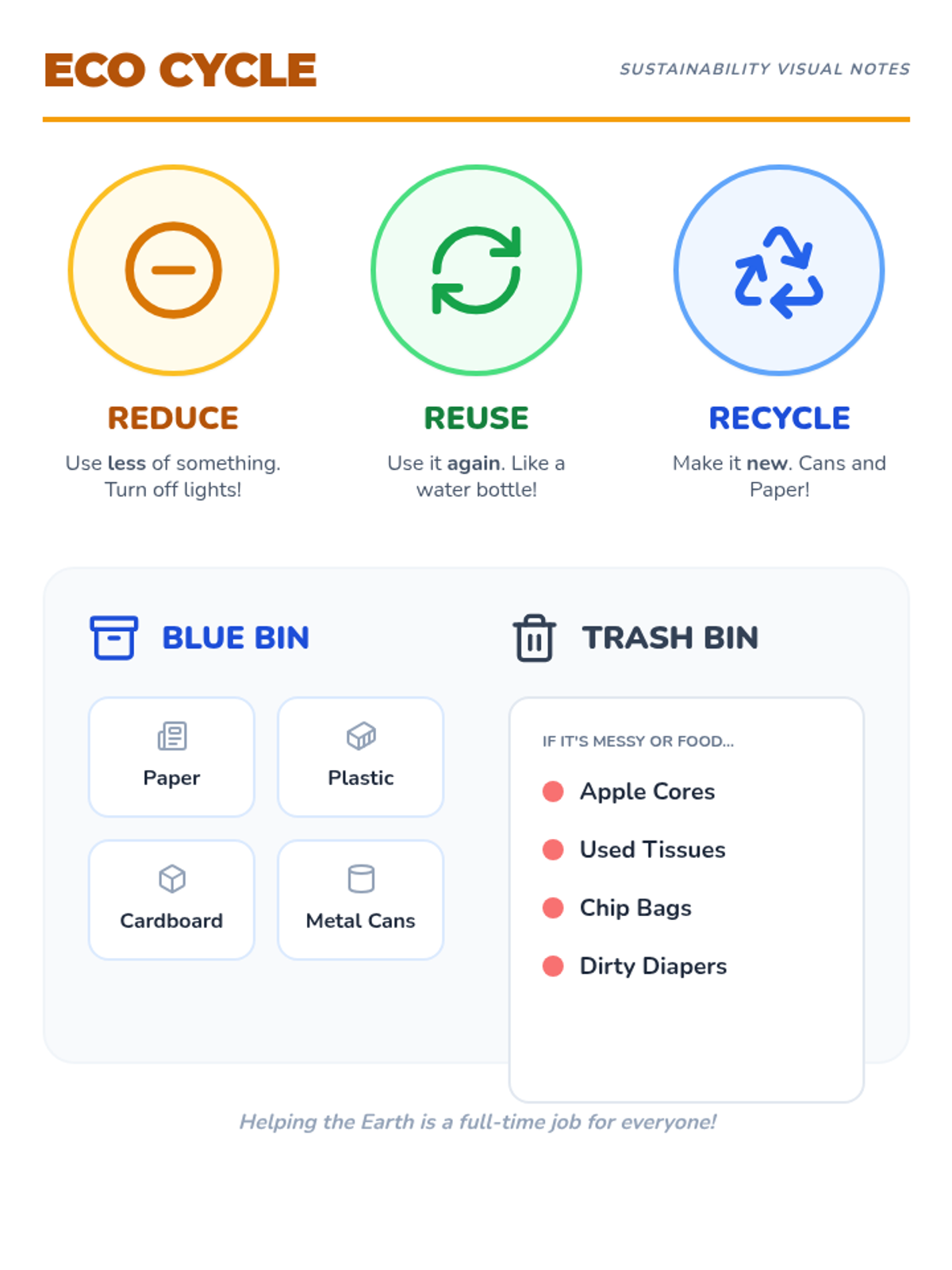
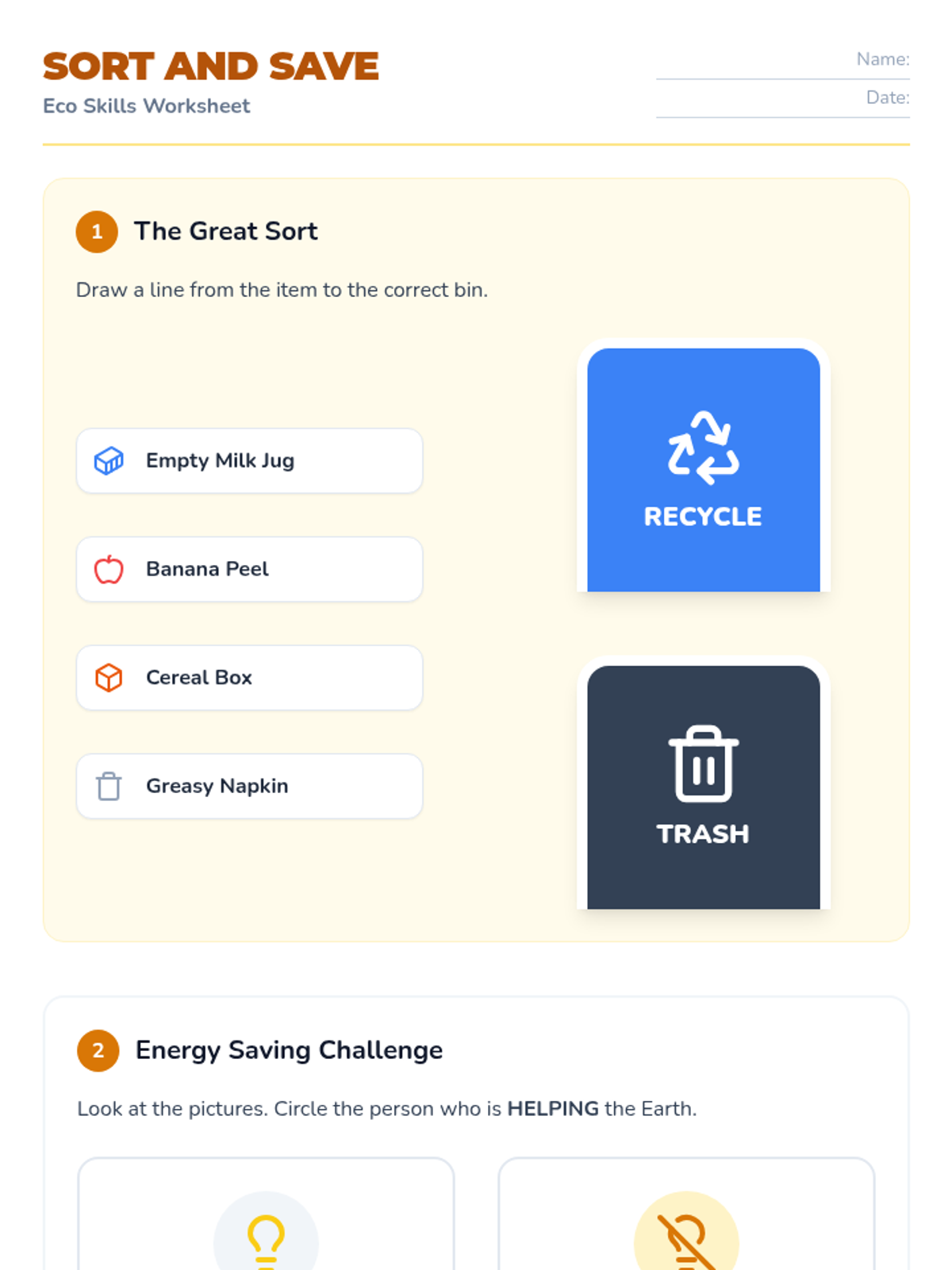
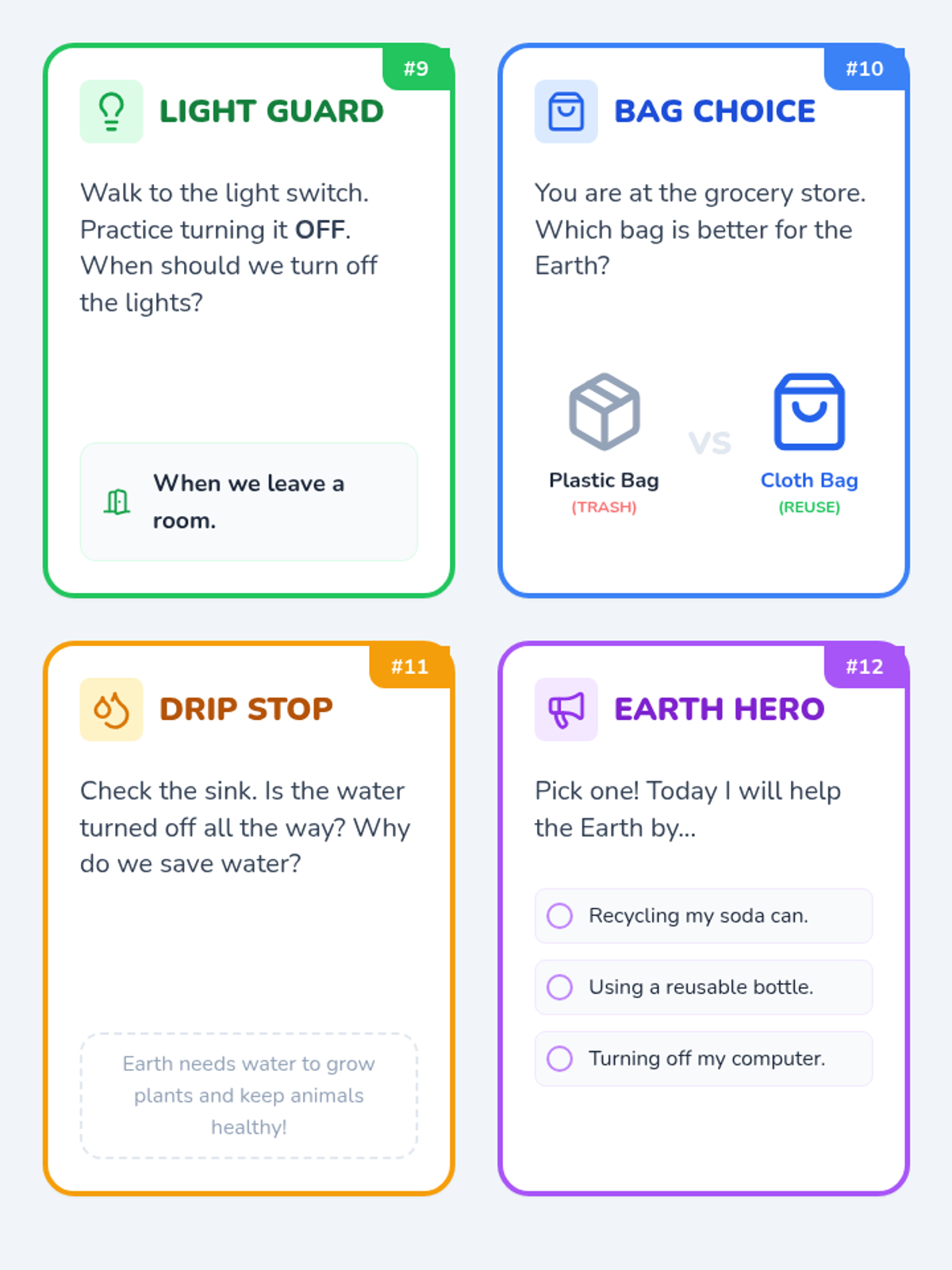
Introduces sustainability through waste reduction, recycling, and understanding how personal choices impact the local environment.
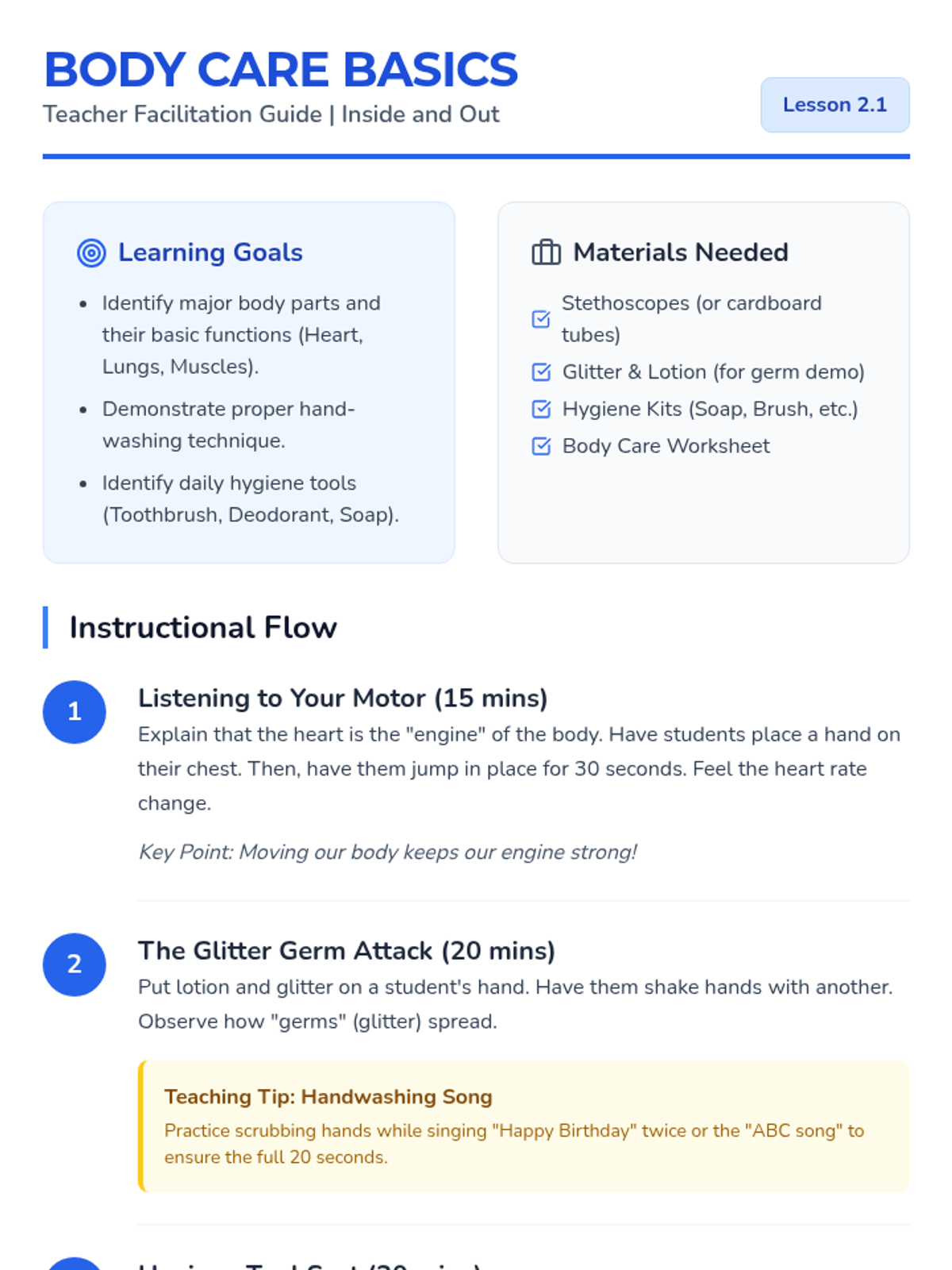
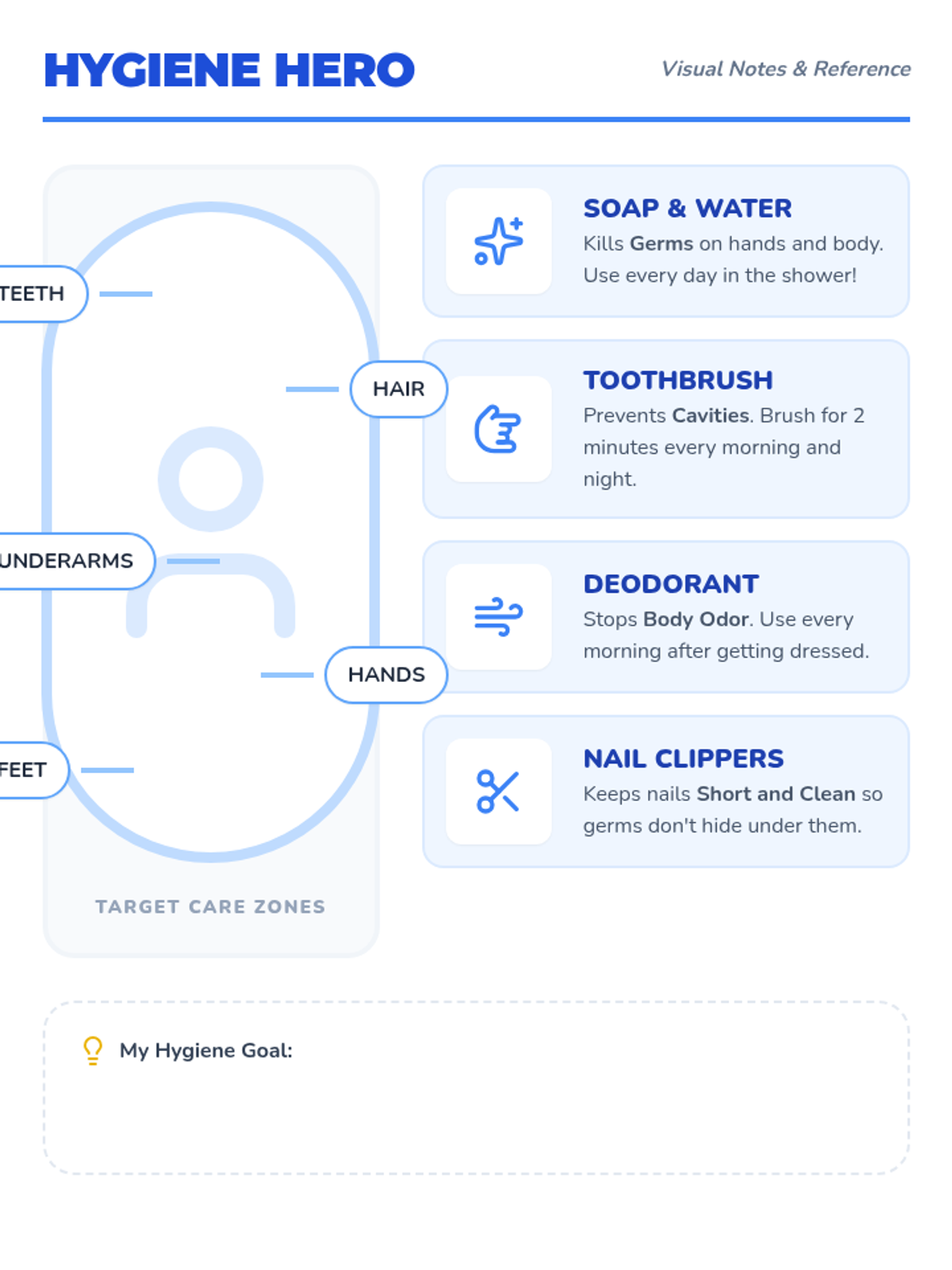
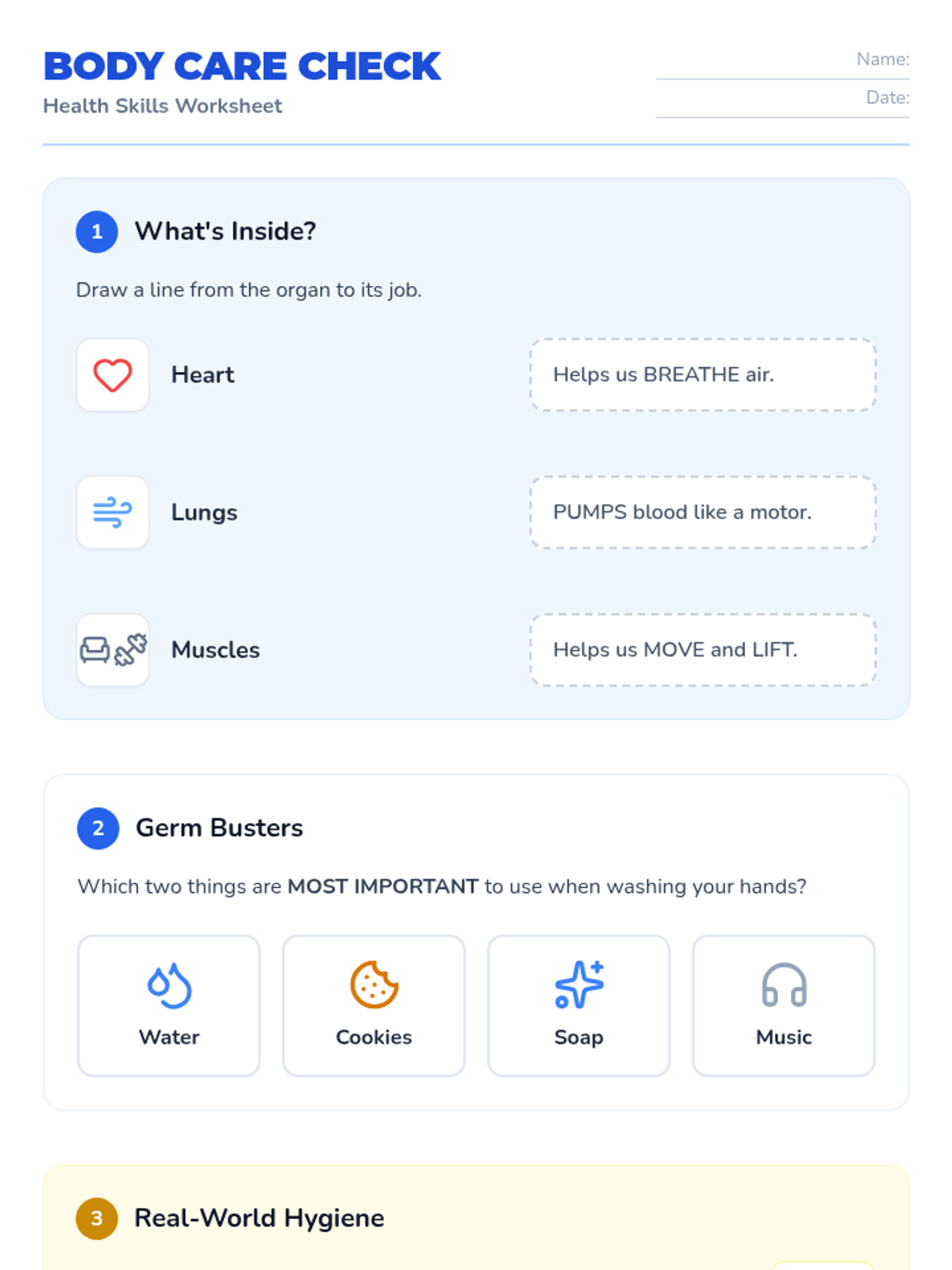
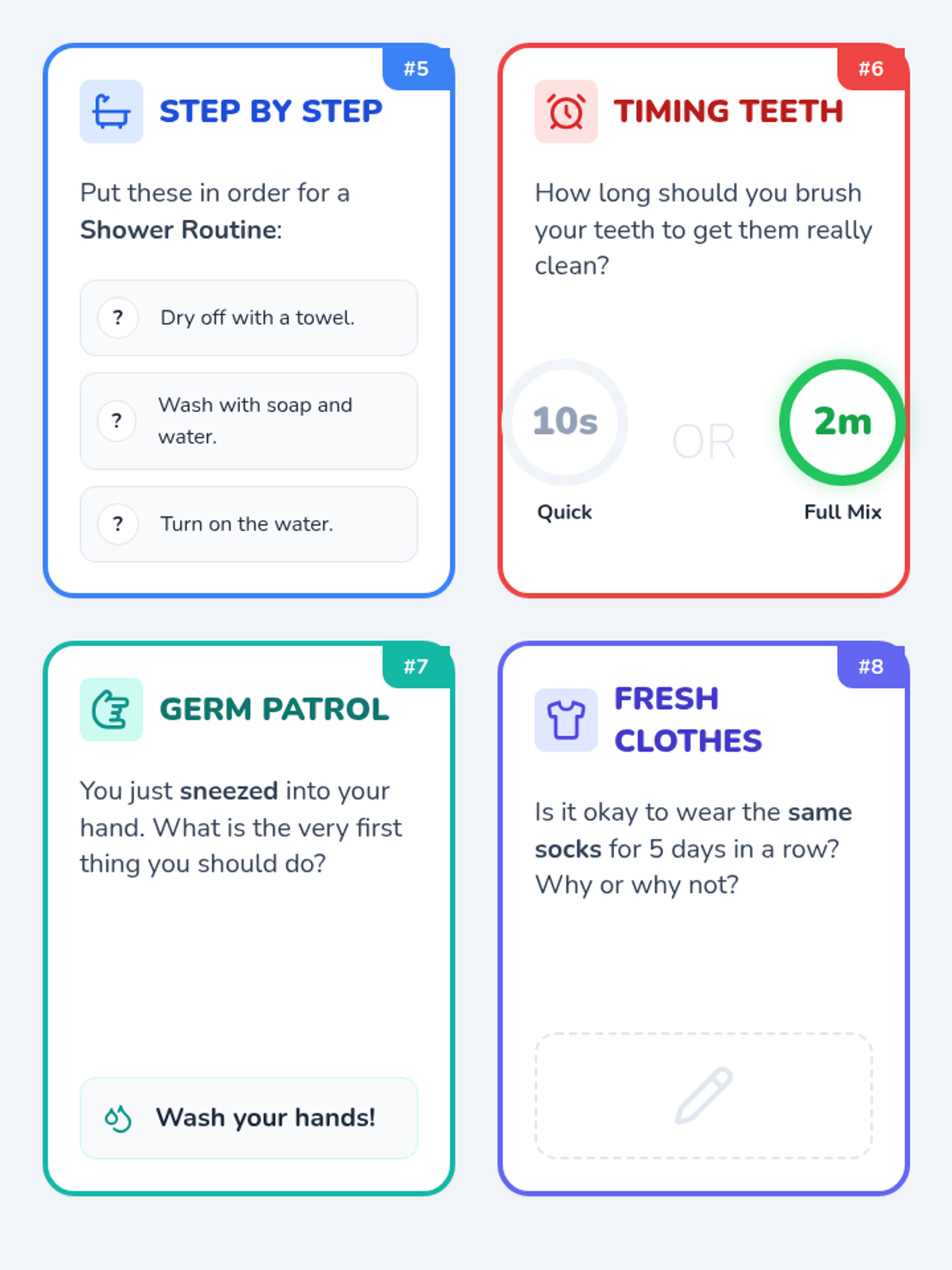
Covers basic human anatomy related to movement and health, alongside essential personal hygiene routines for daily living.
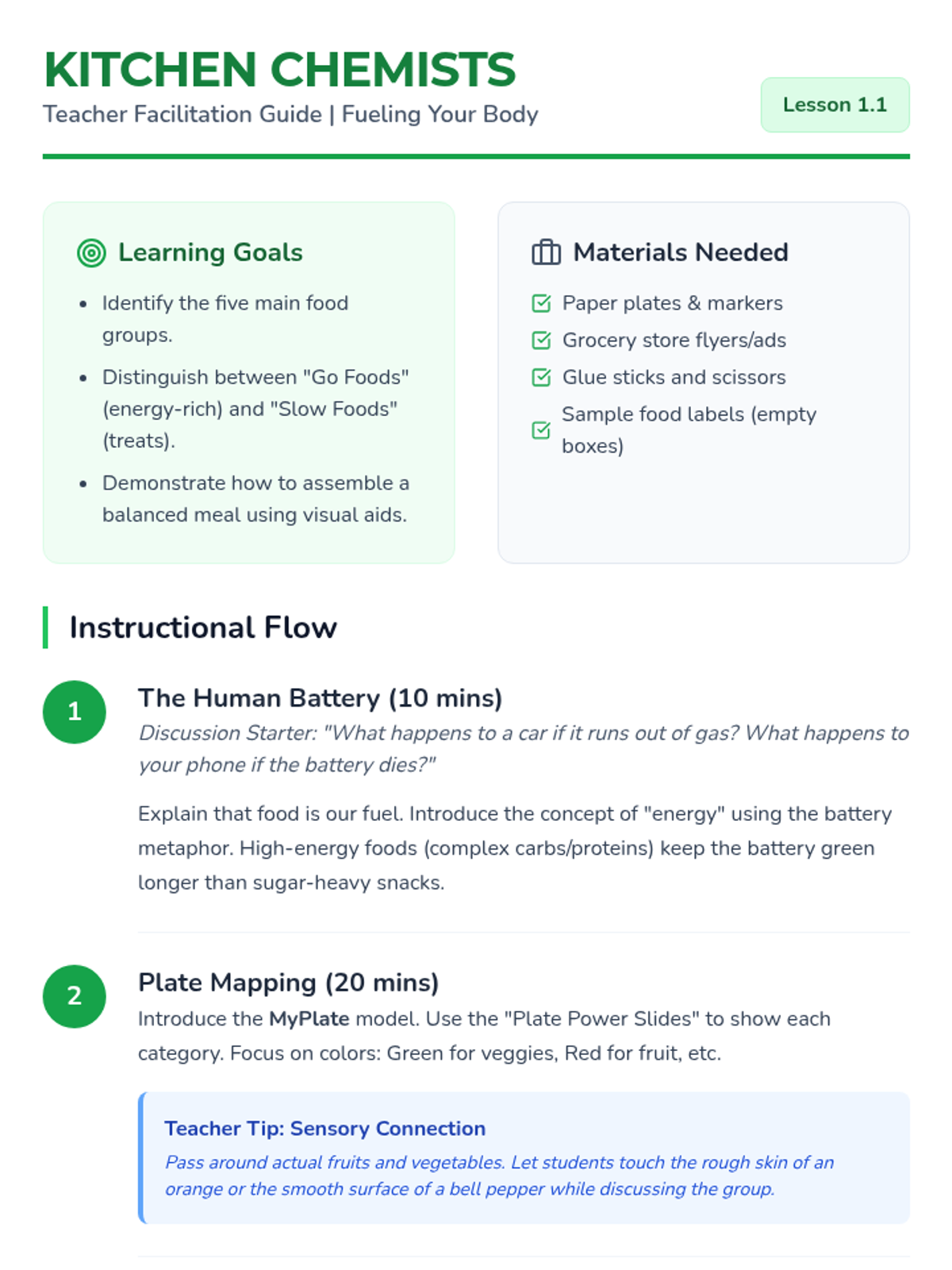
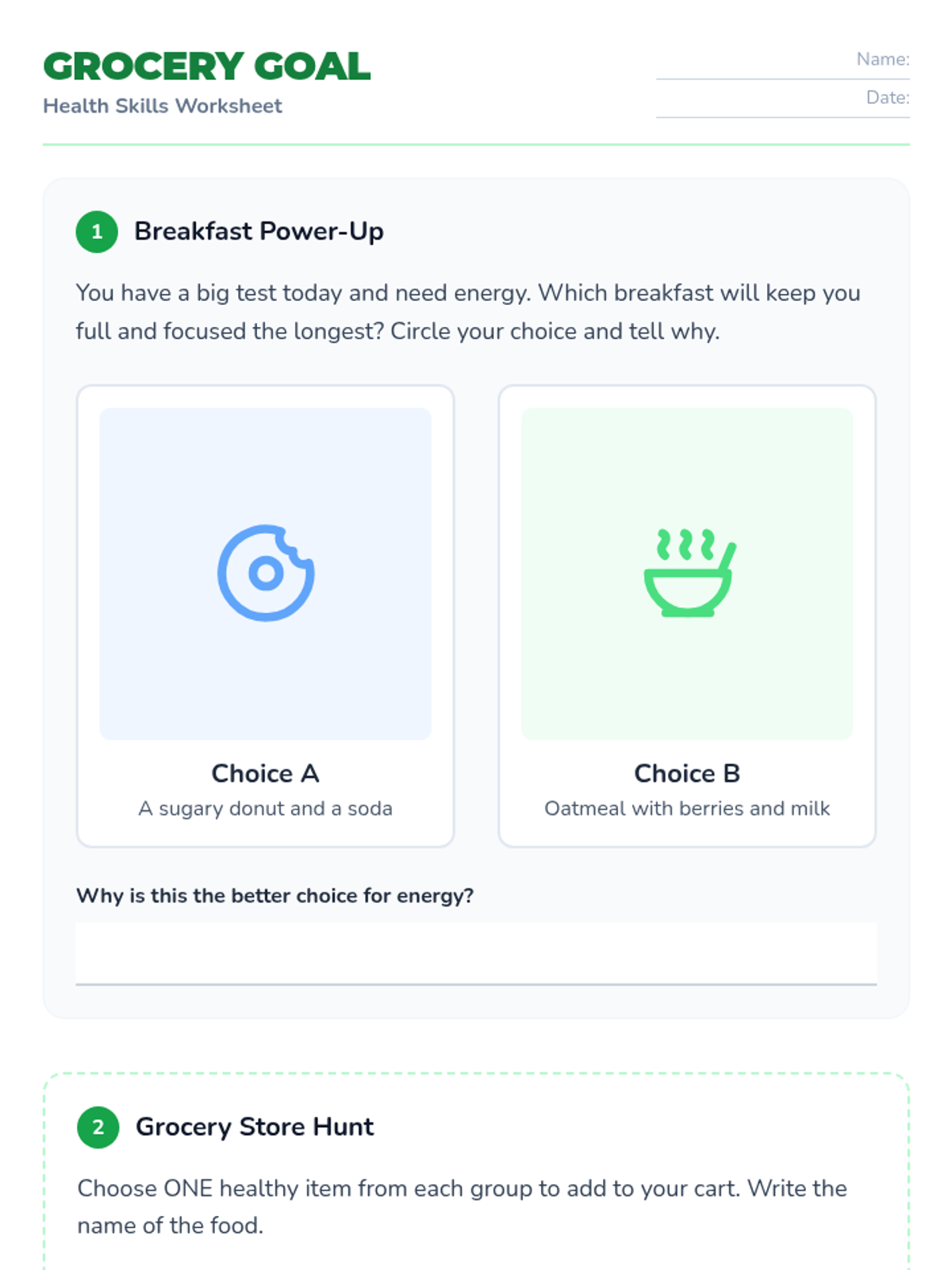
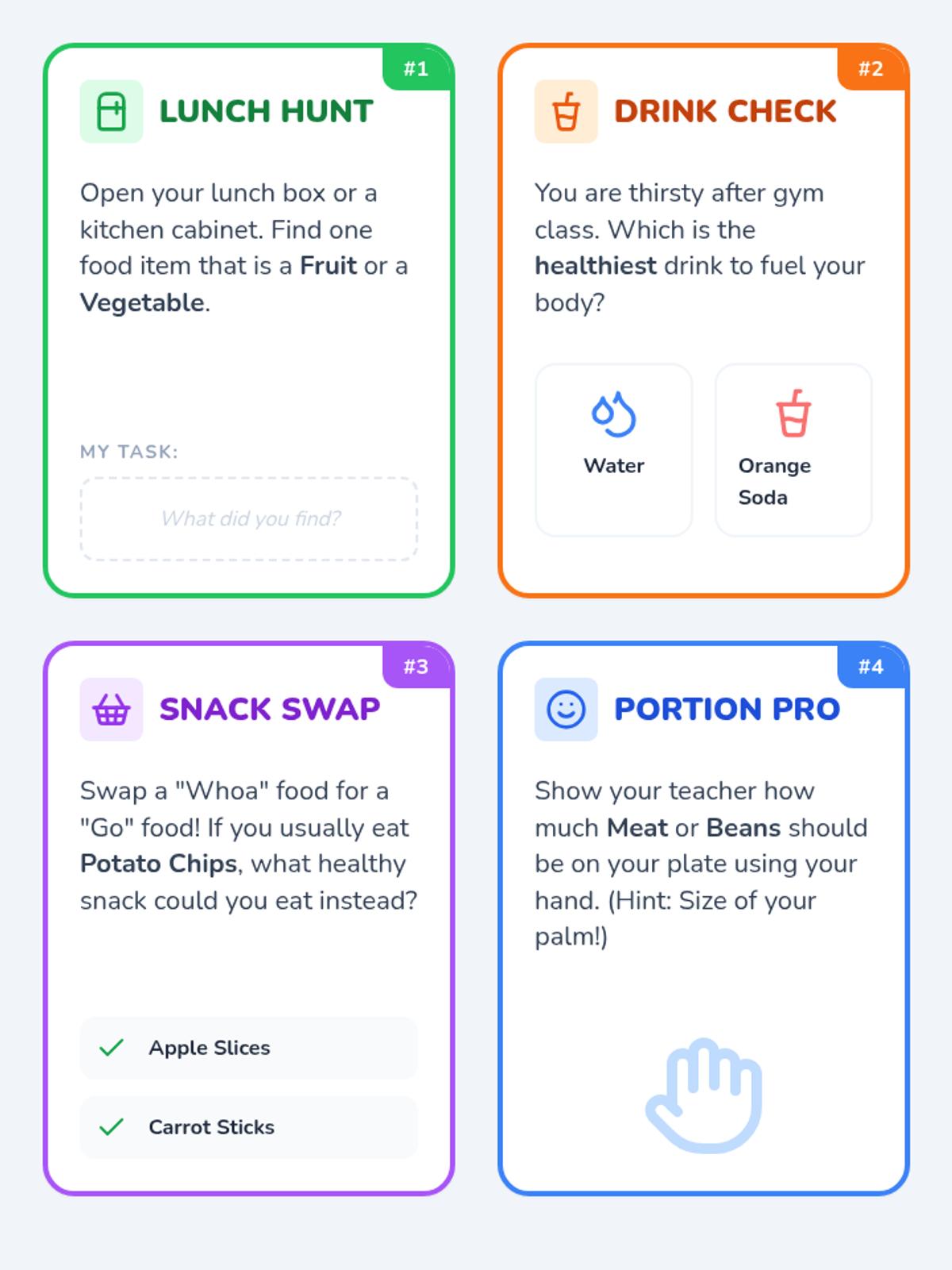
Focuses on identifying healthy food groups, reading simple food labels, and making informed nutritional choices for daily energy.
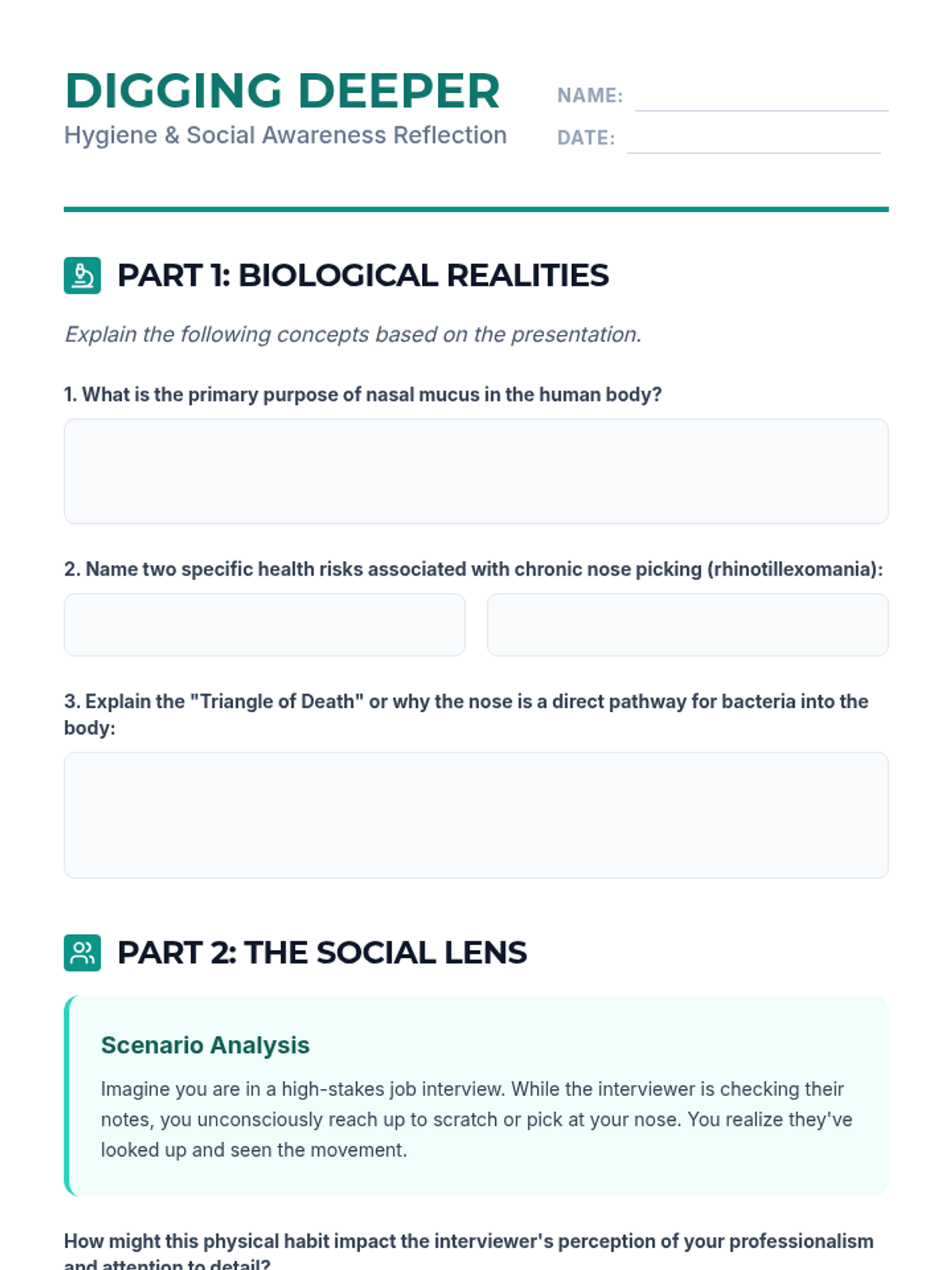
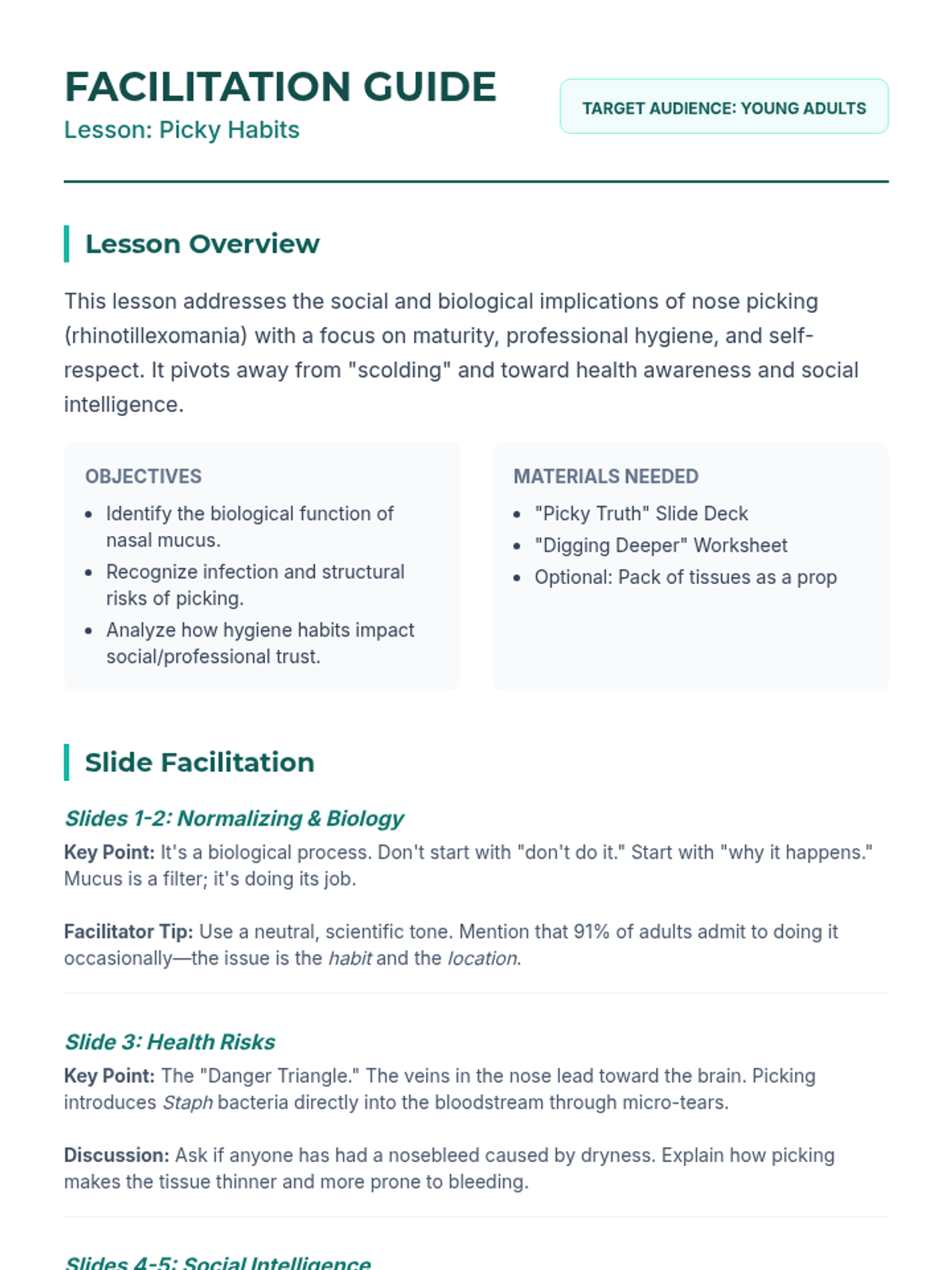
A mature look at the social and biological consequences of nose picking, designed to help young adults navigate personal hygiene with dignity and health awareness.
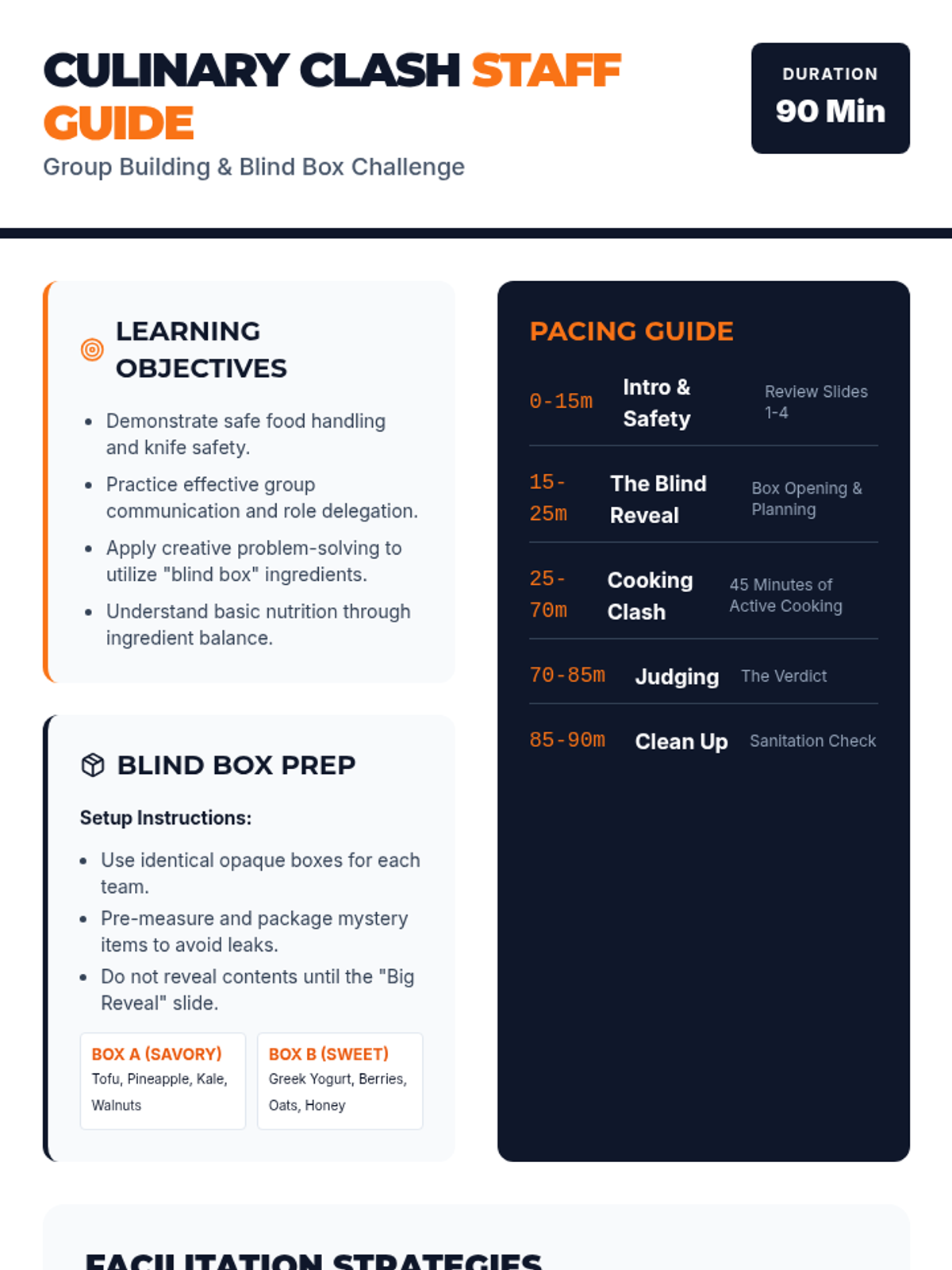
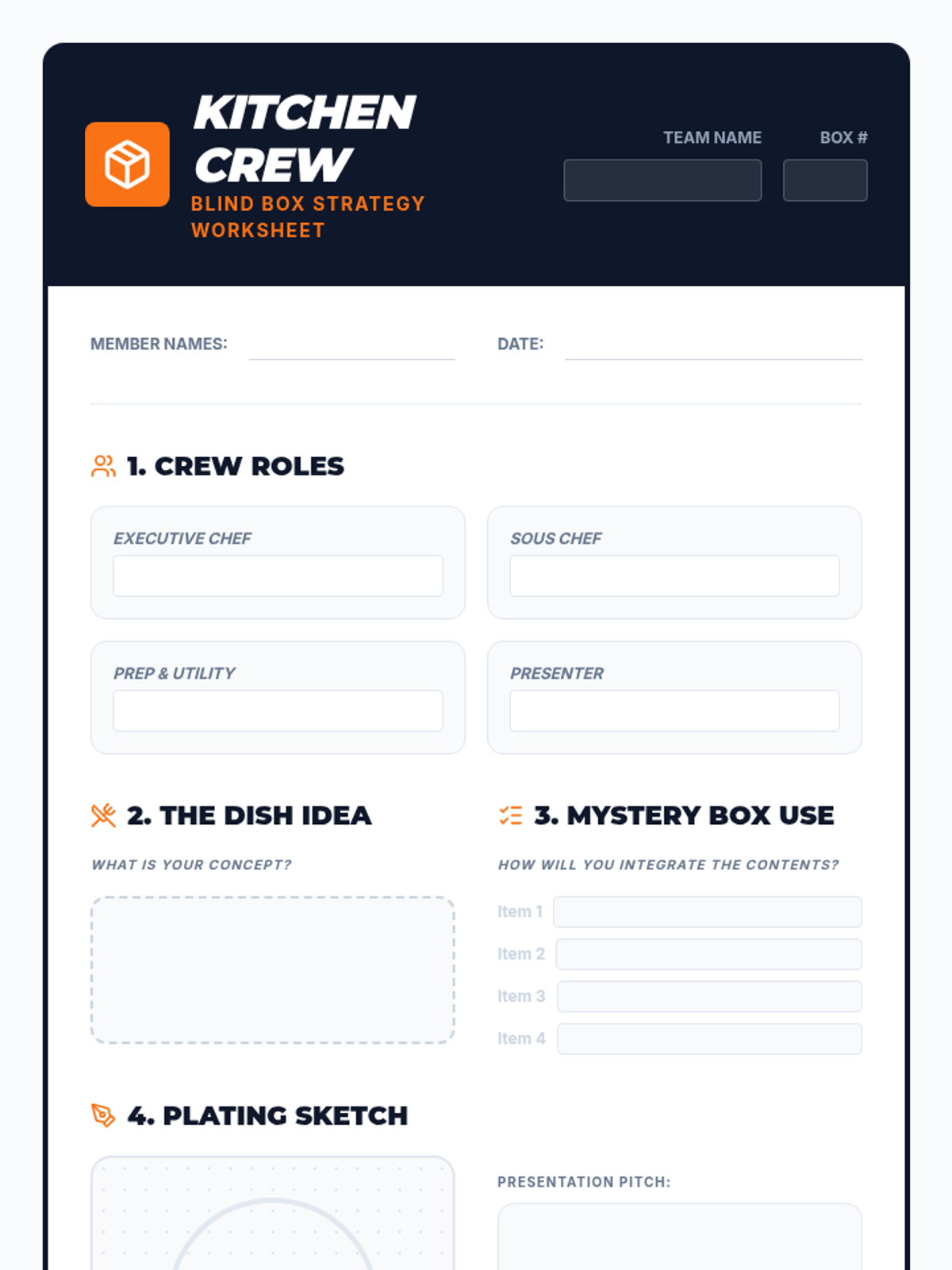
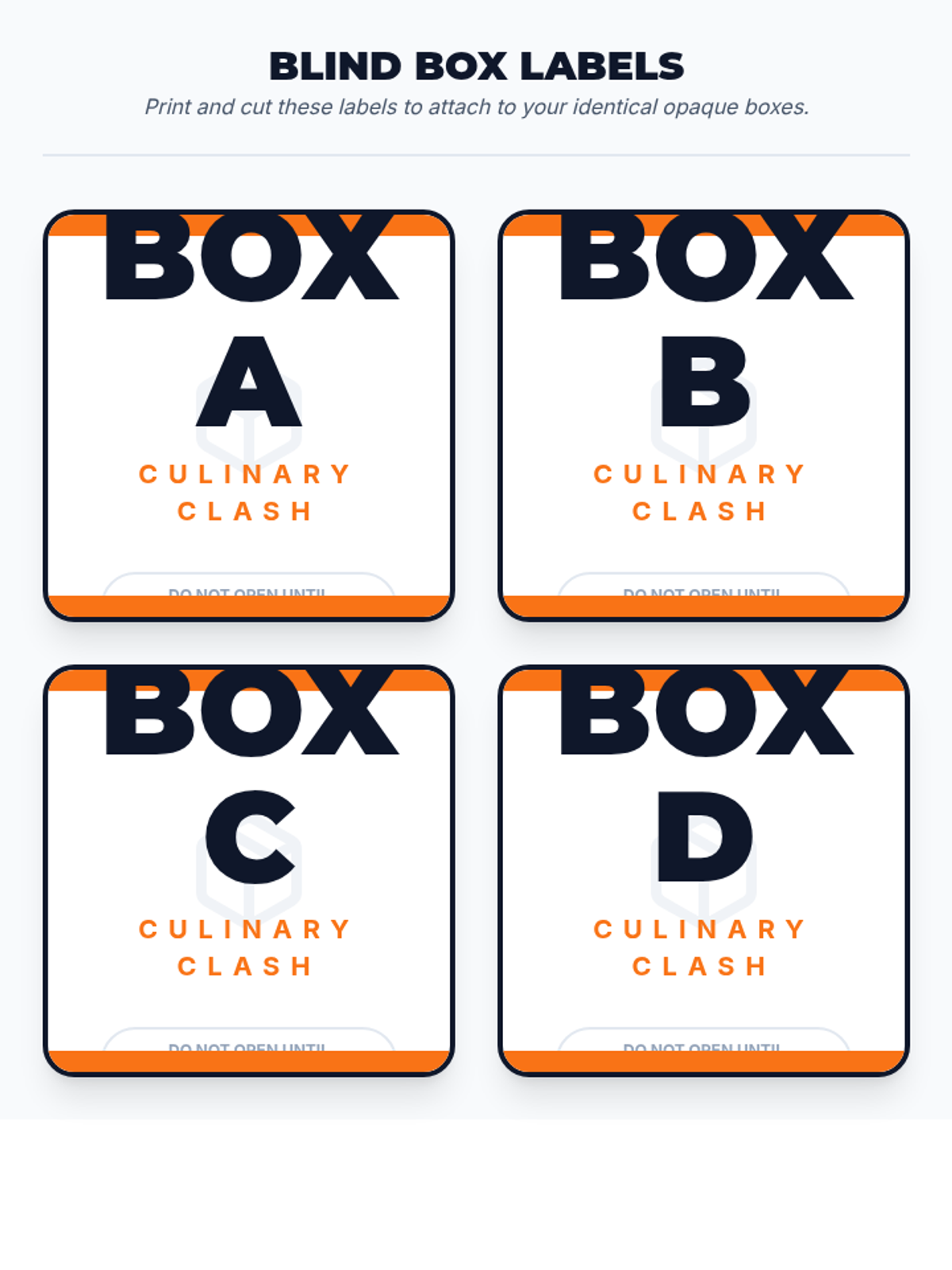
A team-building culinary challenge inspired by the "Chopped" competition style, designed to foster cooperation, creativity, and kitchen safety skills.
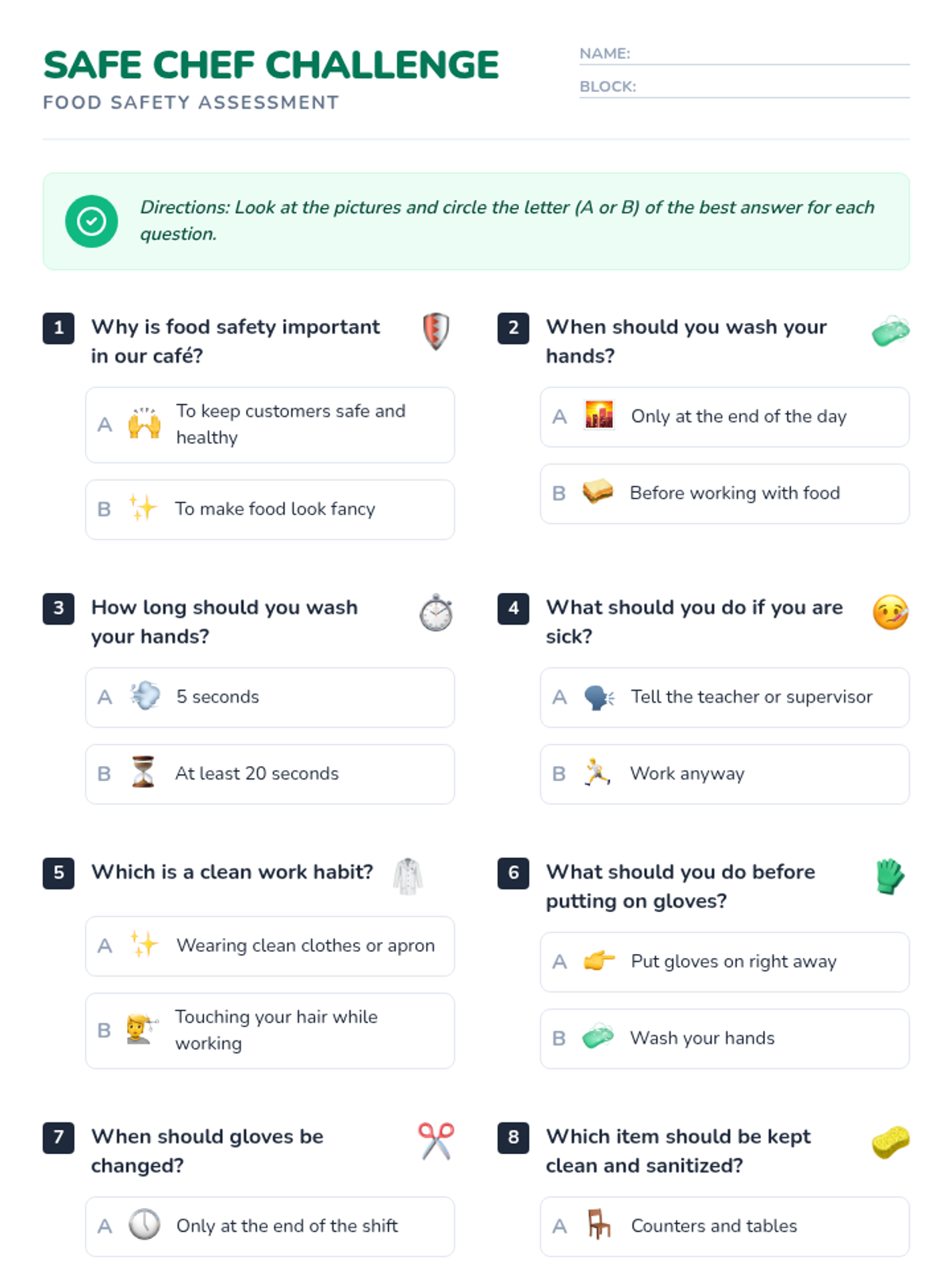
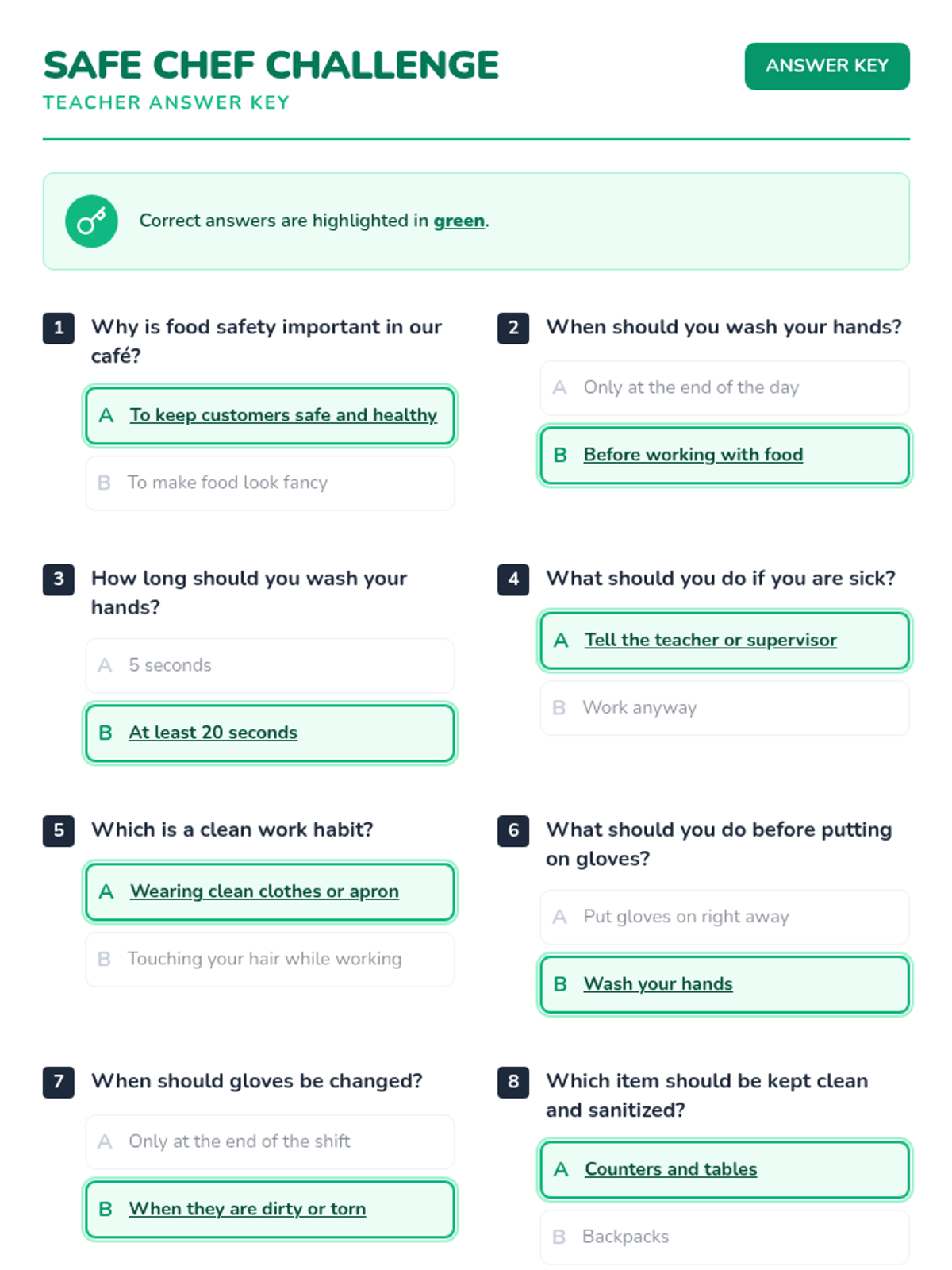
A visual assessment focused on food safety practices in a café or kitchen environment, featuring illustrated questions and answer choices to support student comprehension.
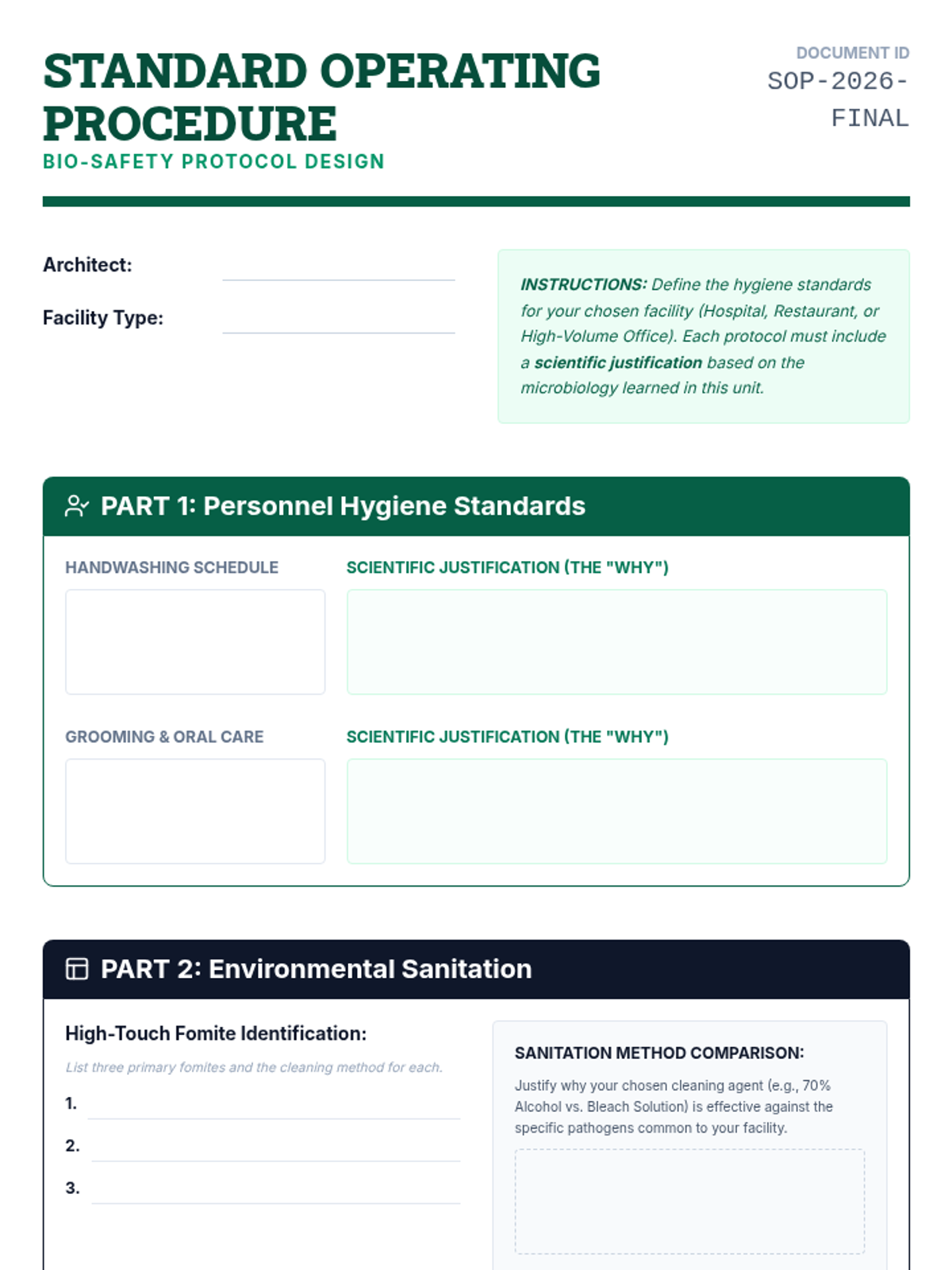
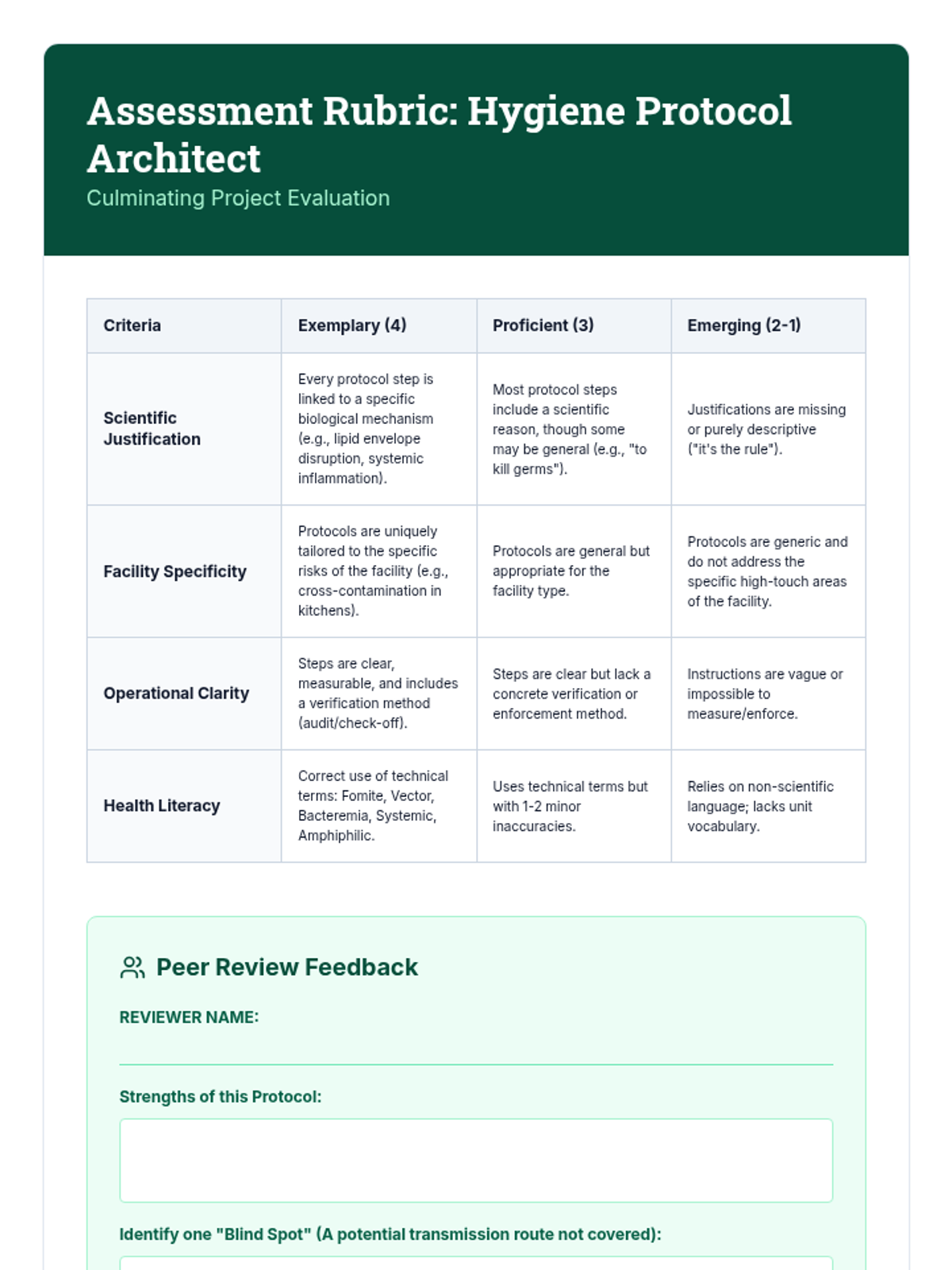
Students synthesize their knowledge to draft a comprehensive hygiene policy for a professional environment (restaurant, hospital, or office). They justify their protocols based on transmission science and peer-review policies for enforceability.
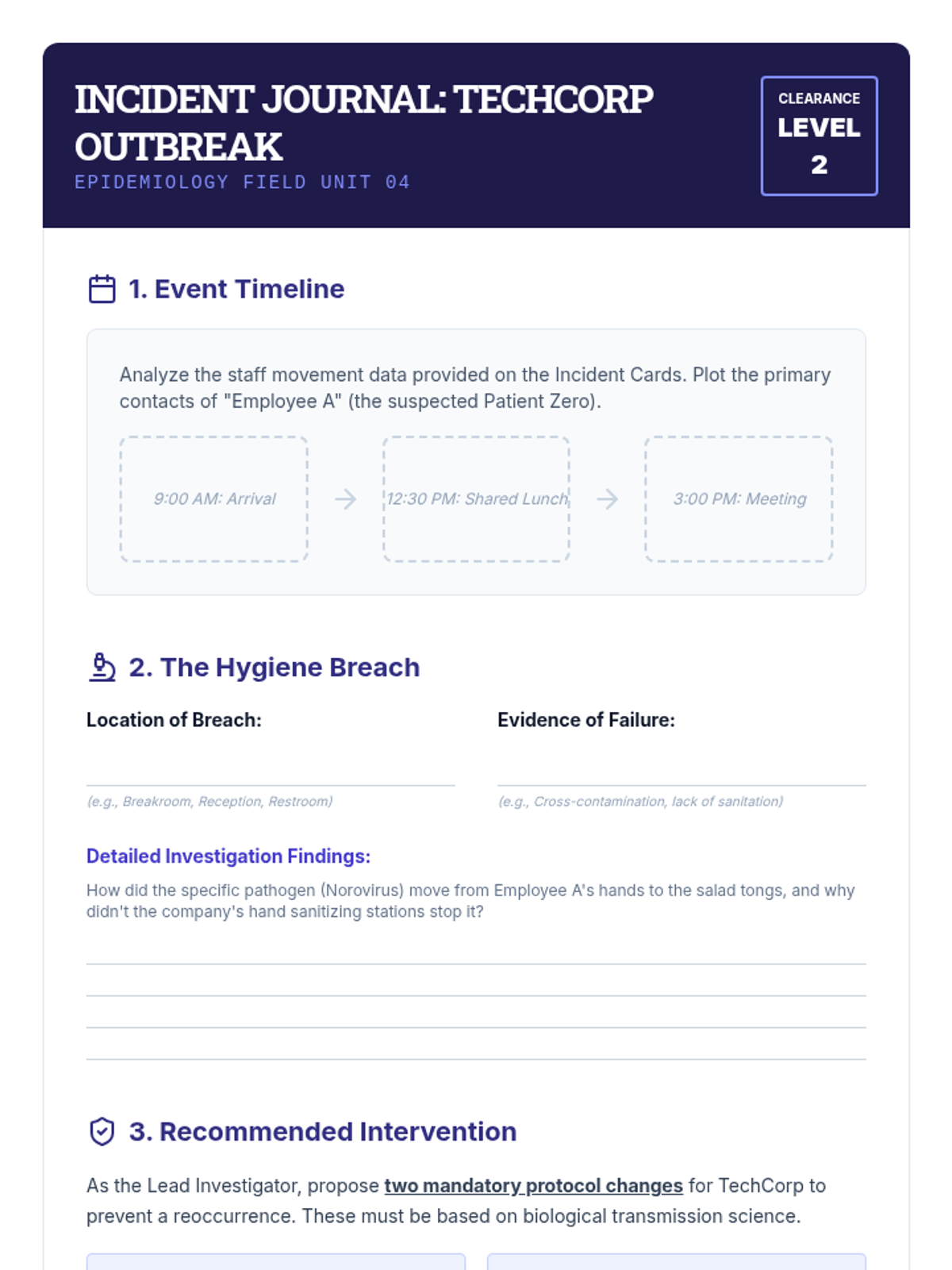
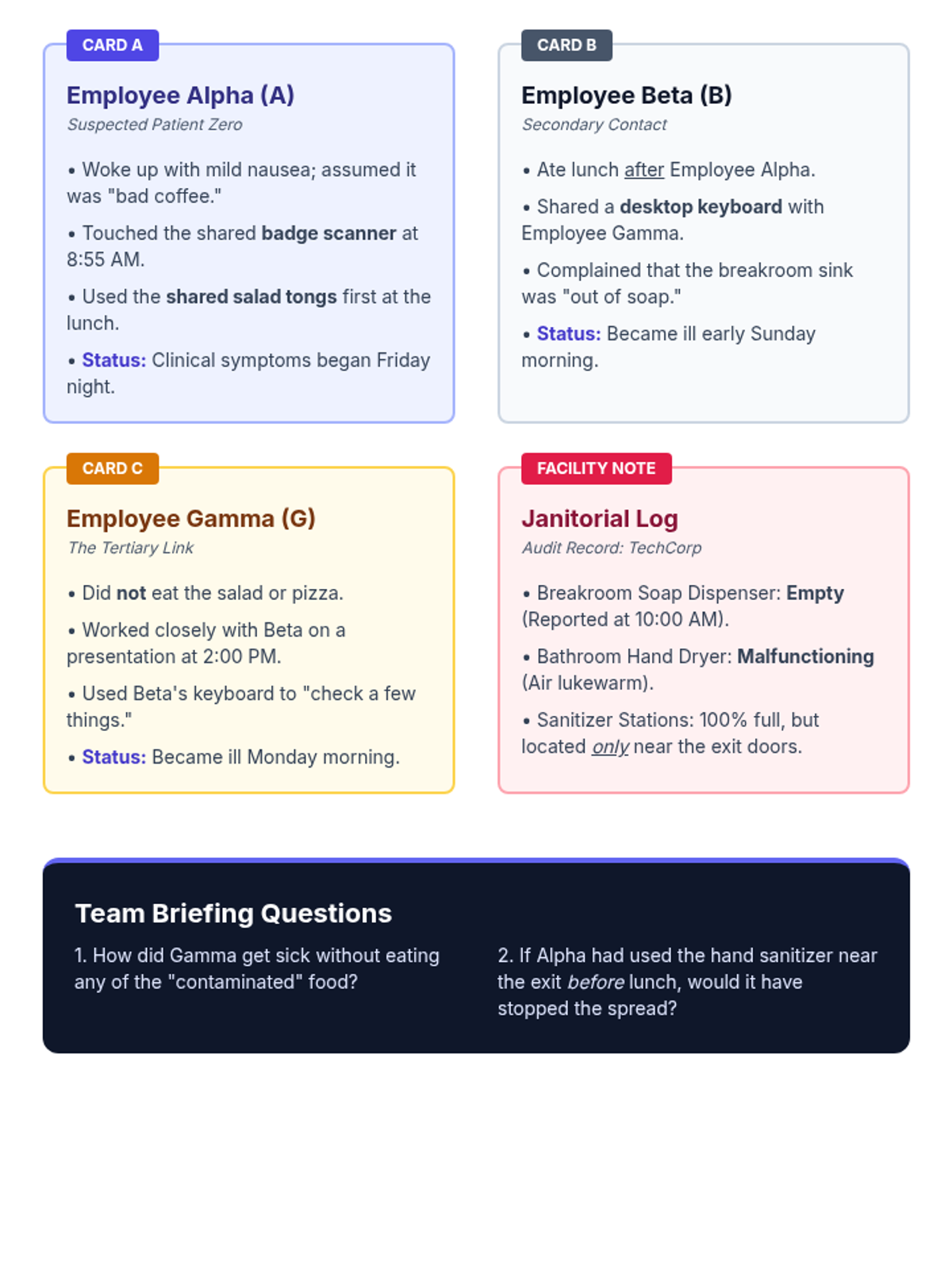
Students take on the role of epidemiologists analyzing a mock norovirus outbreak. They trace the transmission chain to identify hygiene failures and emphasize personal responsibility in community health.
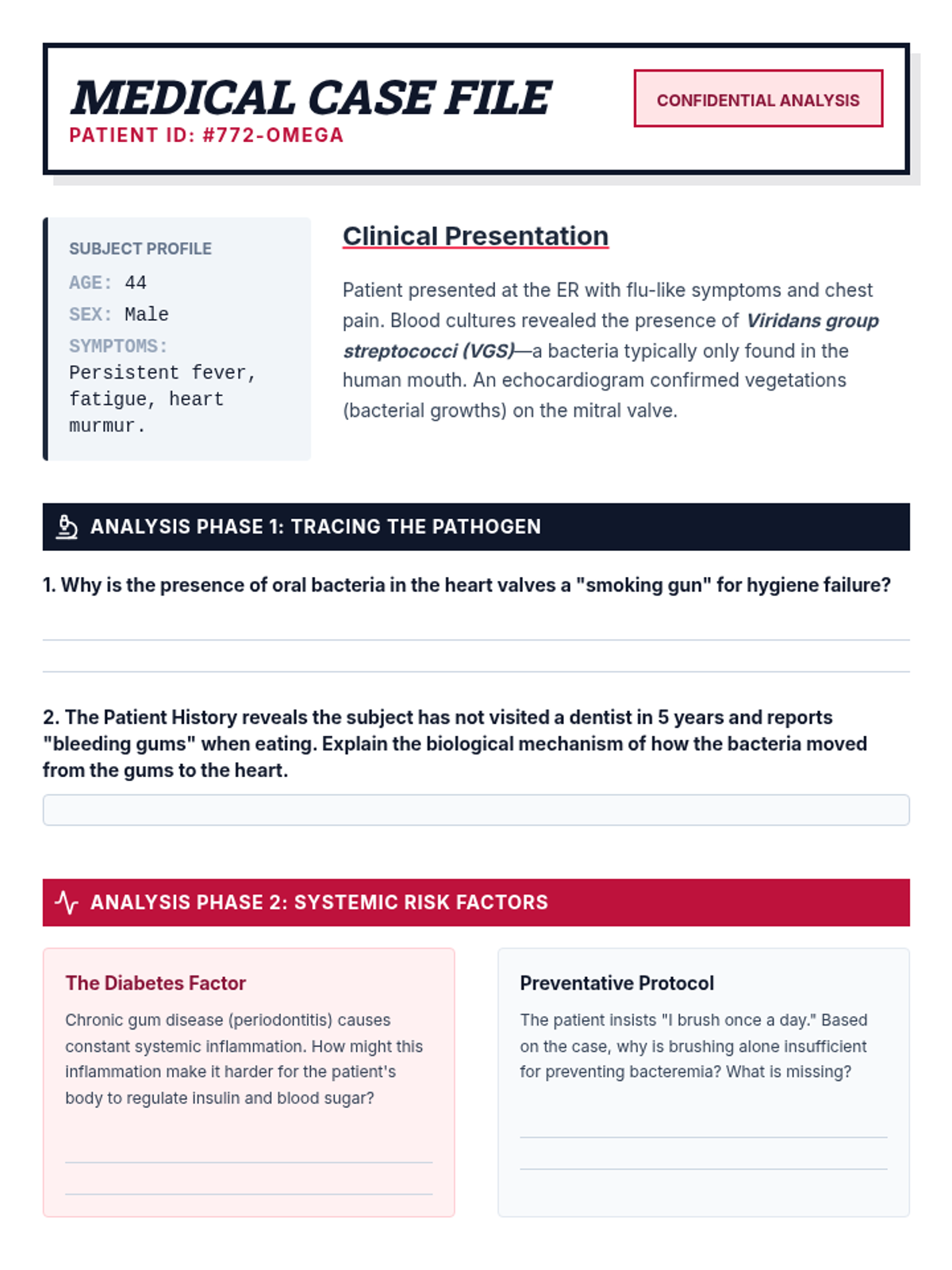
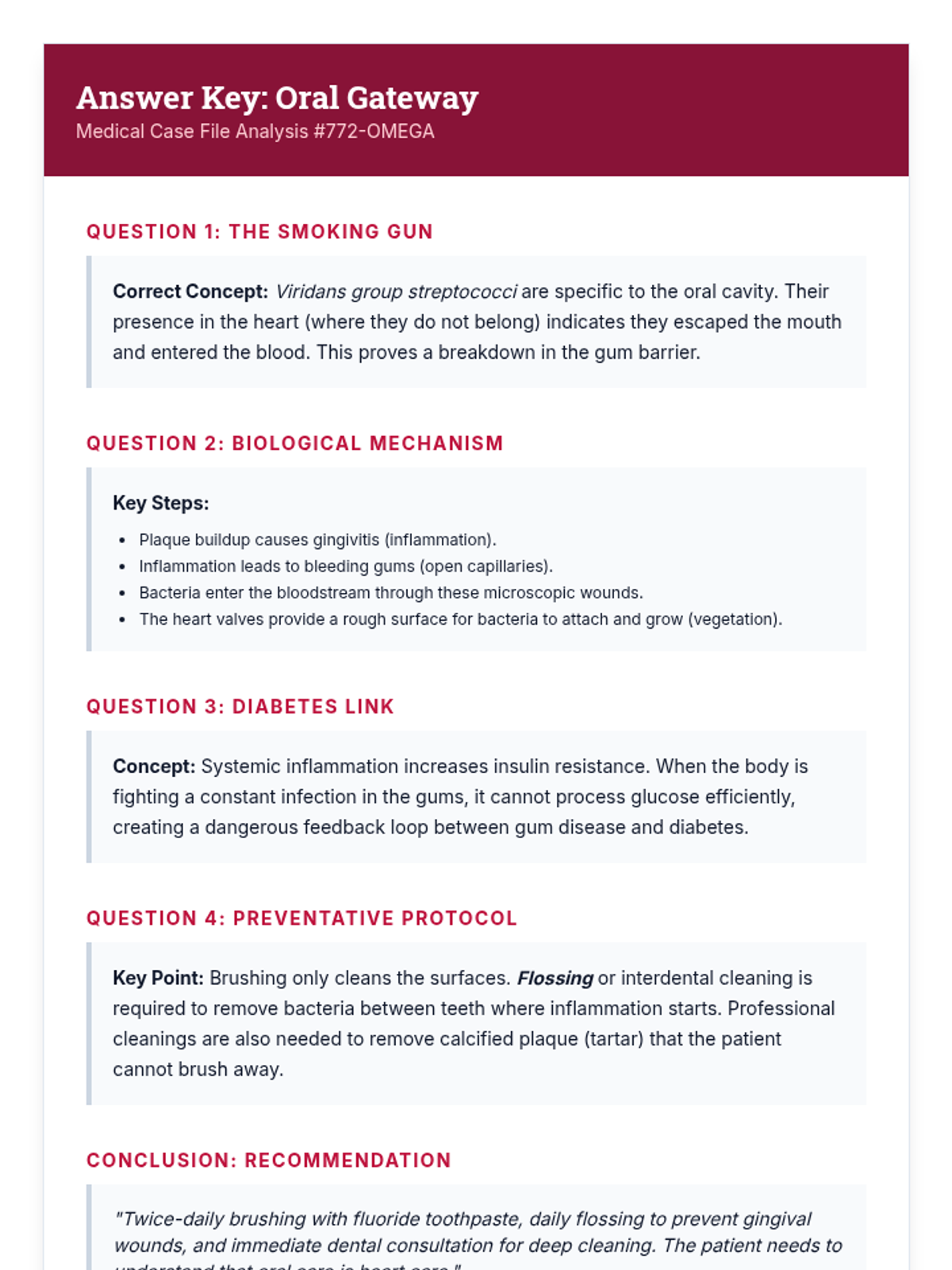
This lesson examines the link between oral hygiene and systemic health issues like heart disease and diabetes. Students analyze a medical case file connecting gum health to endocarditis and review how oral bacteria enter the bloodstream.
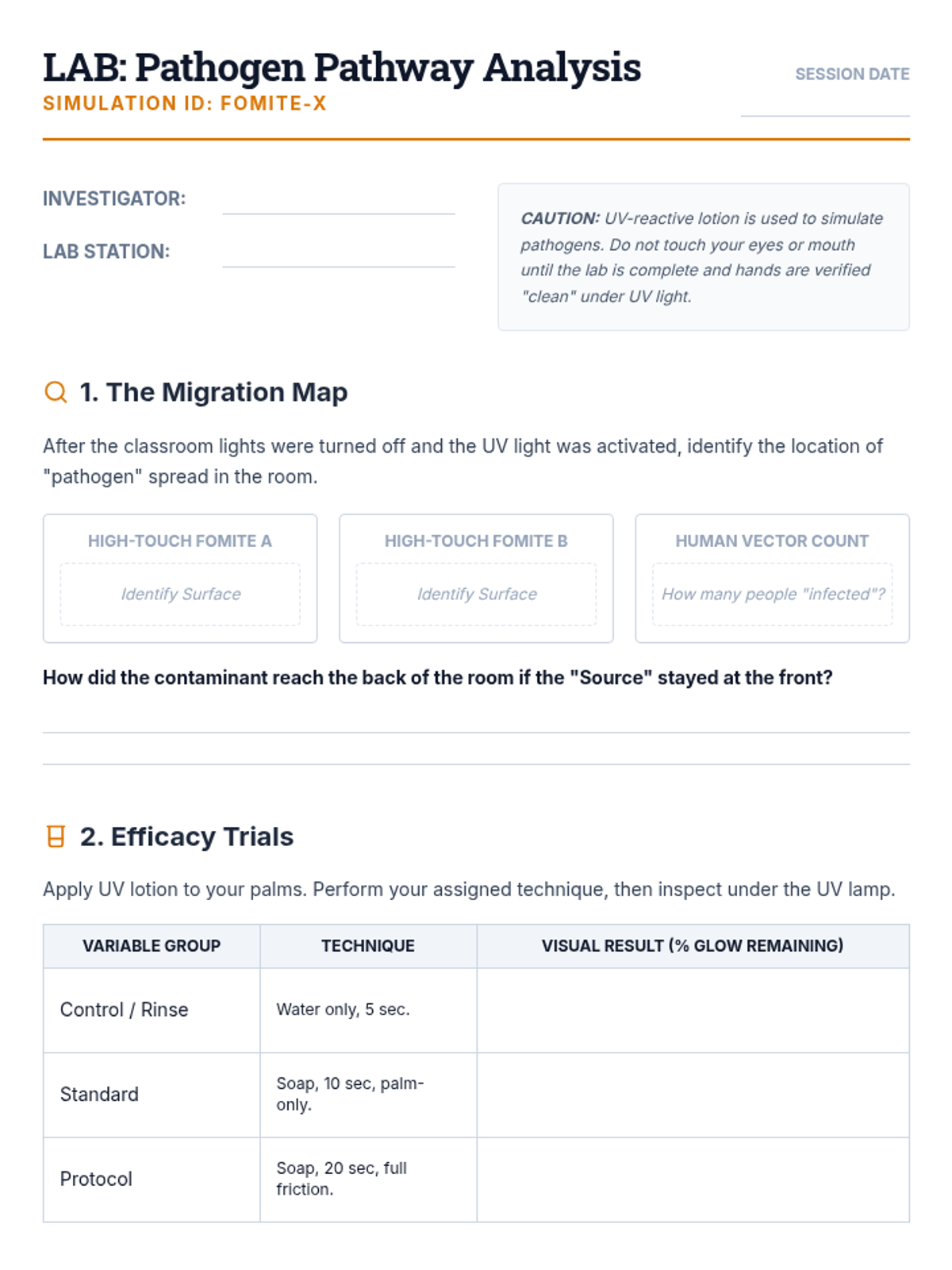
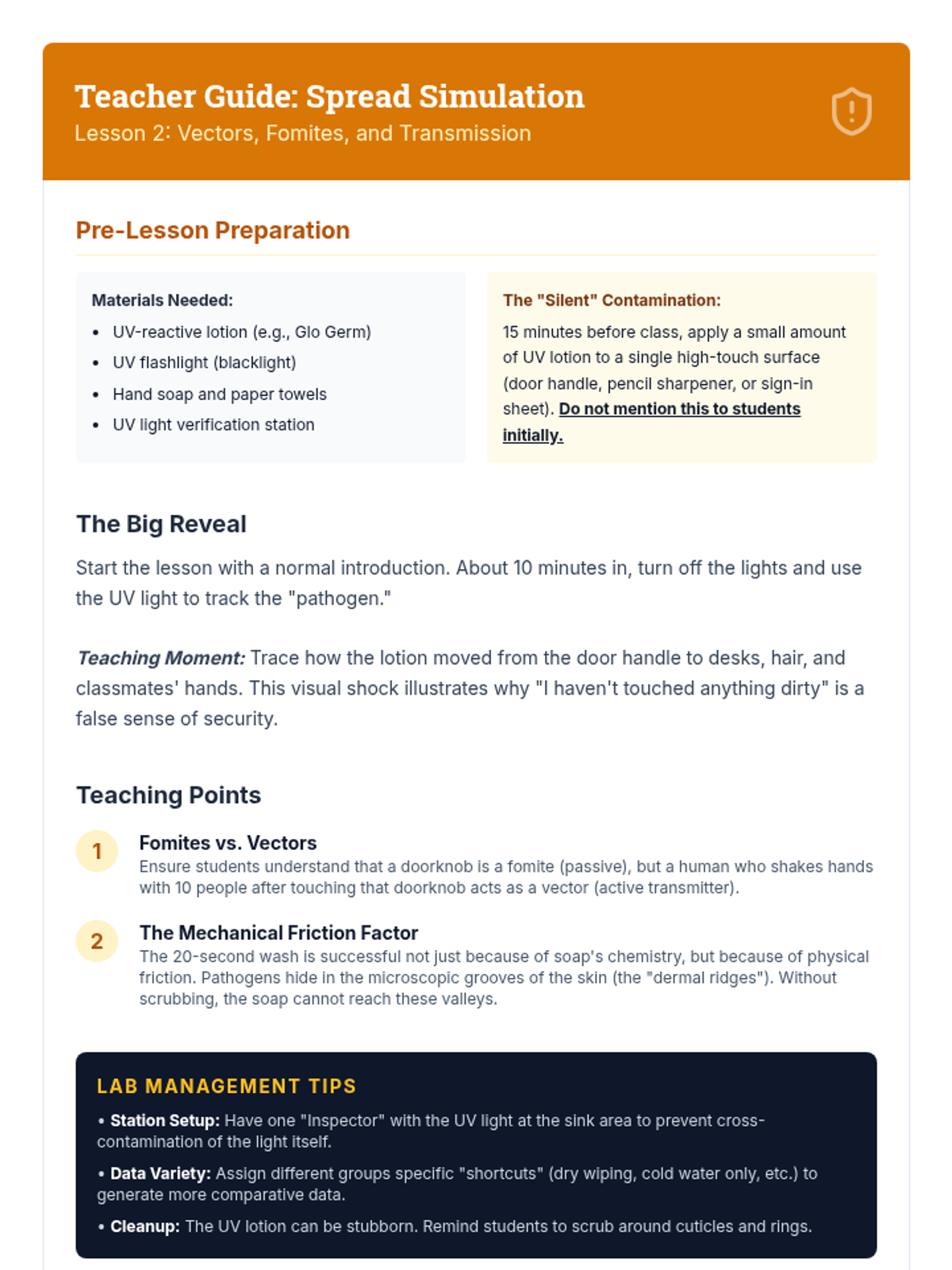
Using a simulated contaminant (UV-reactive lotion), students track the spread of 'germs' through high-touch surfaces. They conduct experiments to test the efficacy of different handwashing durations and techniques, illustrating the concept of cross-contamination.
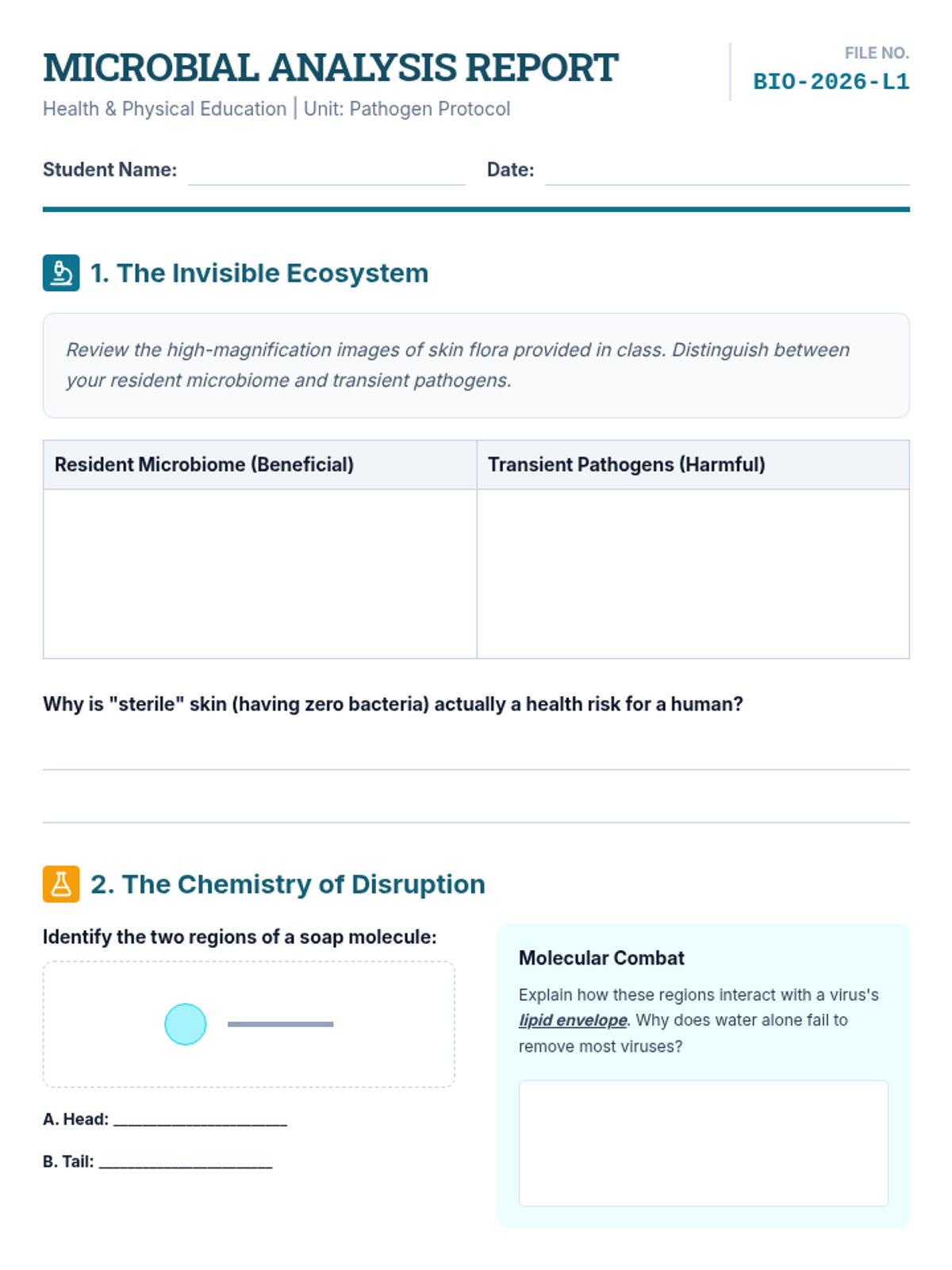
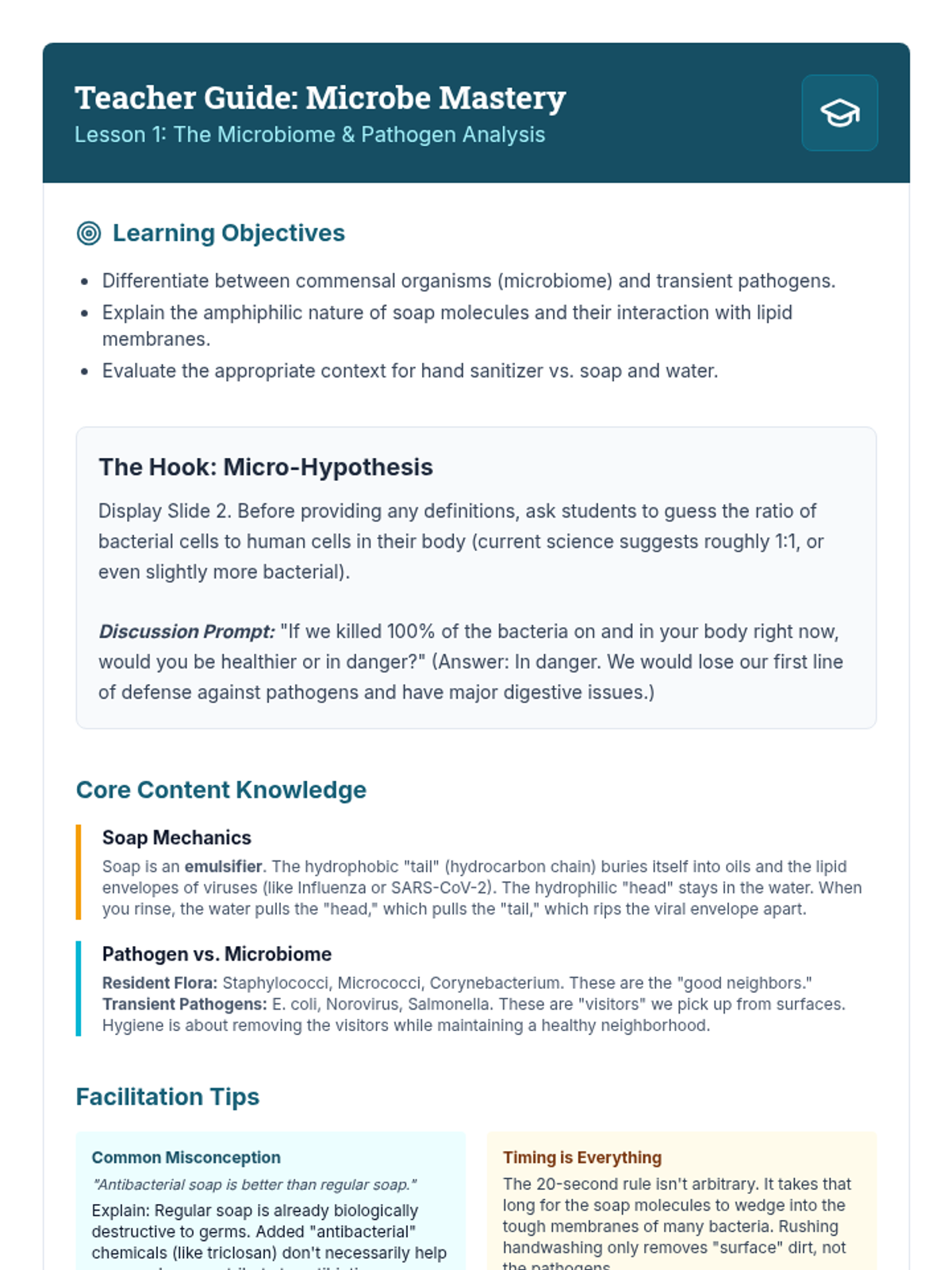
Students explore the biological difference between the body's natural microbiome and harmful pathogens. They analyze the chemical mechanisms of how soap and sanitizers disrupt viral envelopes and bacterial cell walls.
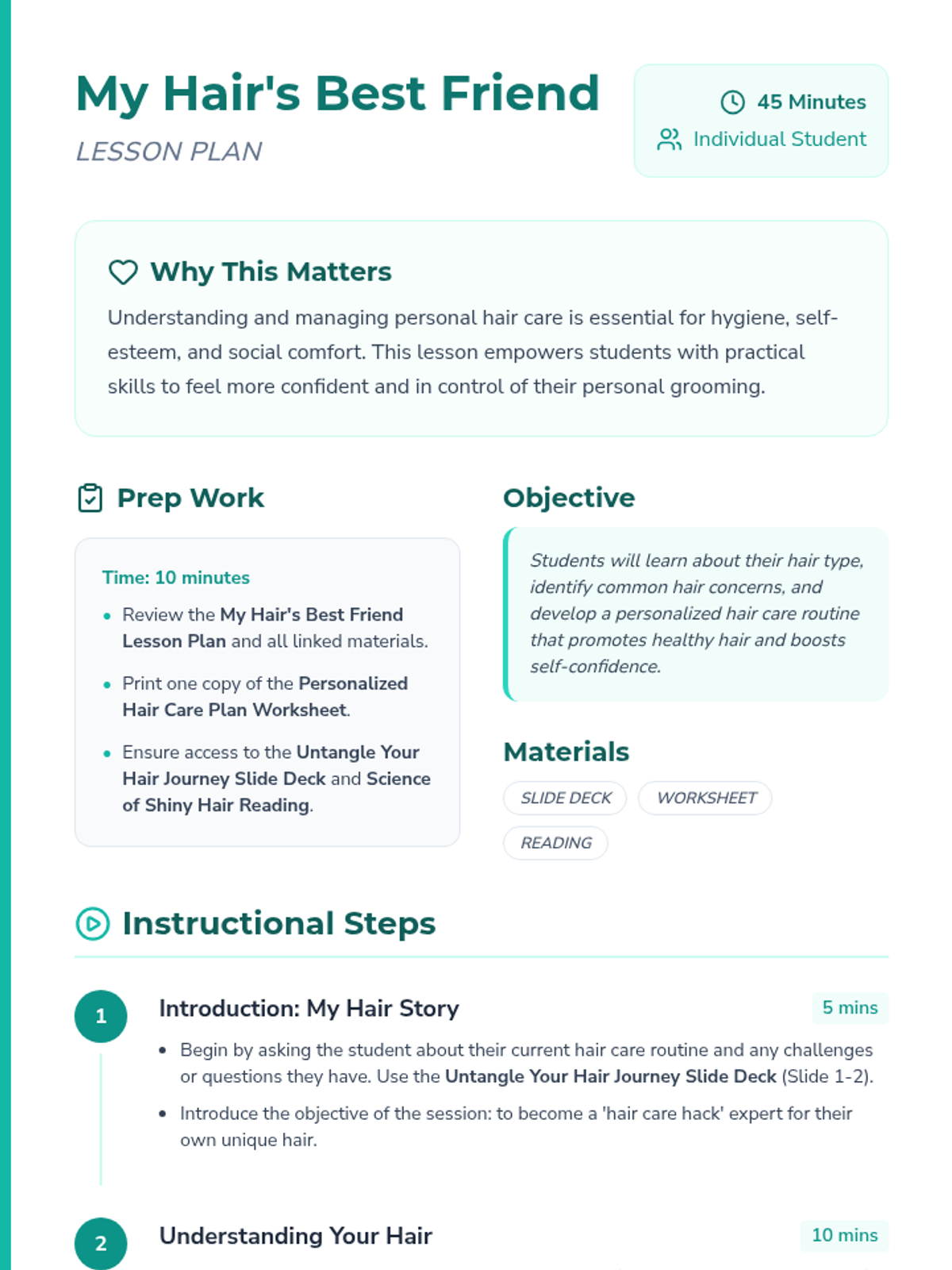
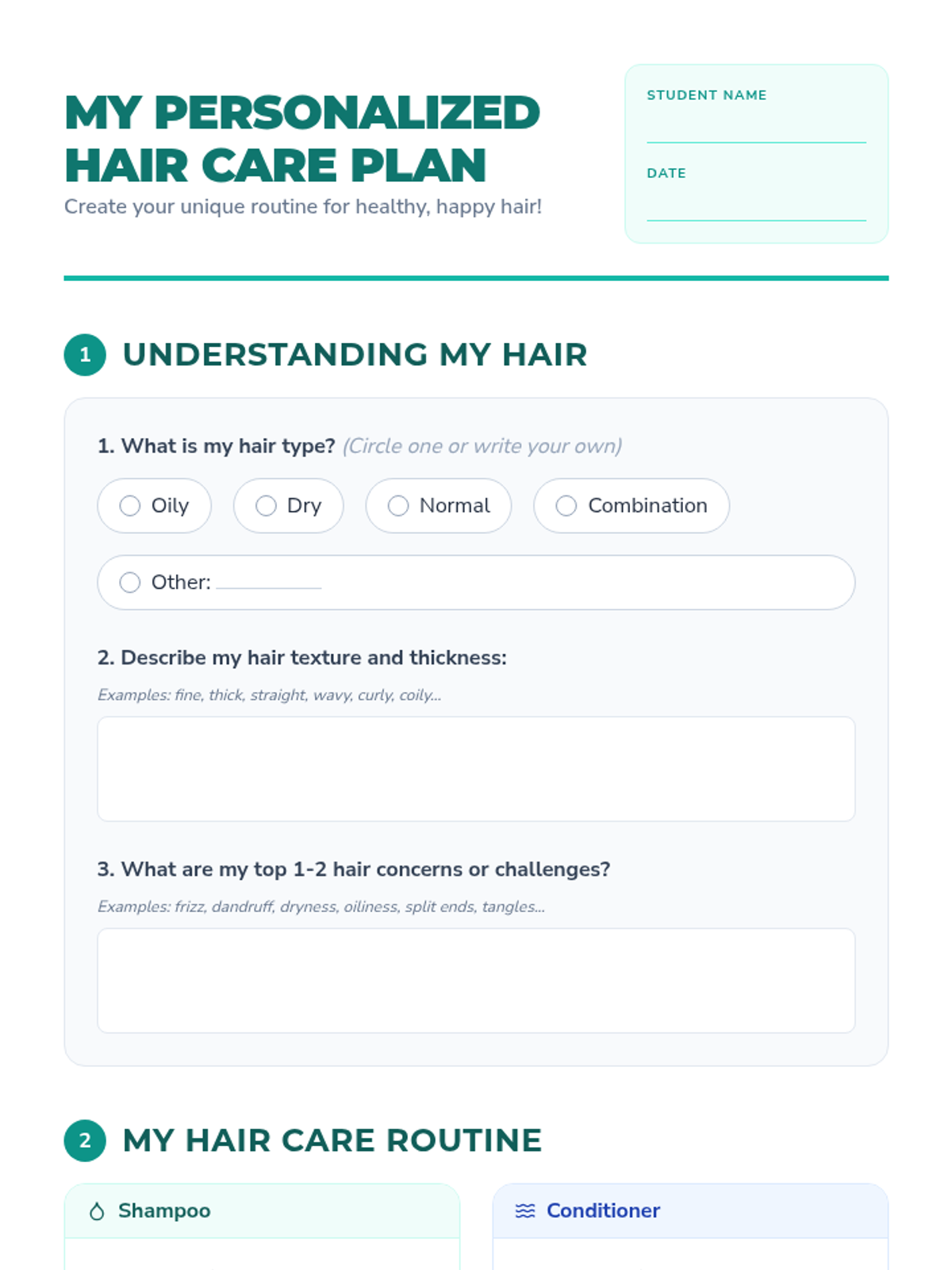
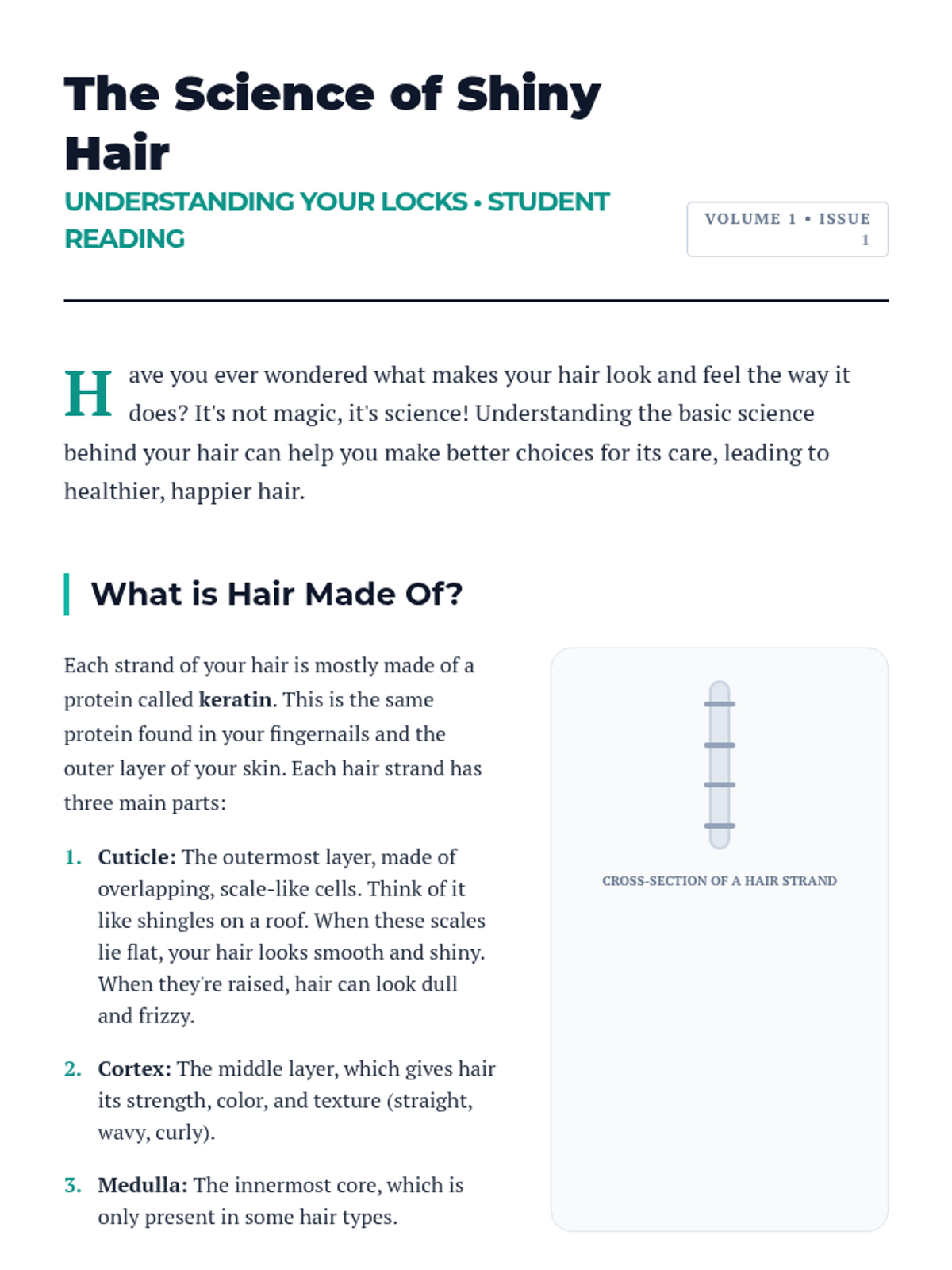
This lesson empowers students with practical hair care tips and personalized routines, addressing common concerns to build confidence and self-efficacy in personal grooming.
Explores the physical, neurological, and emotional transitions of late adolescence, focusing on risk reduction and health promotion.
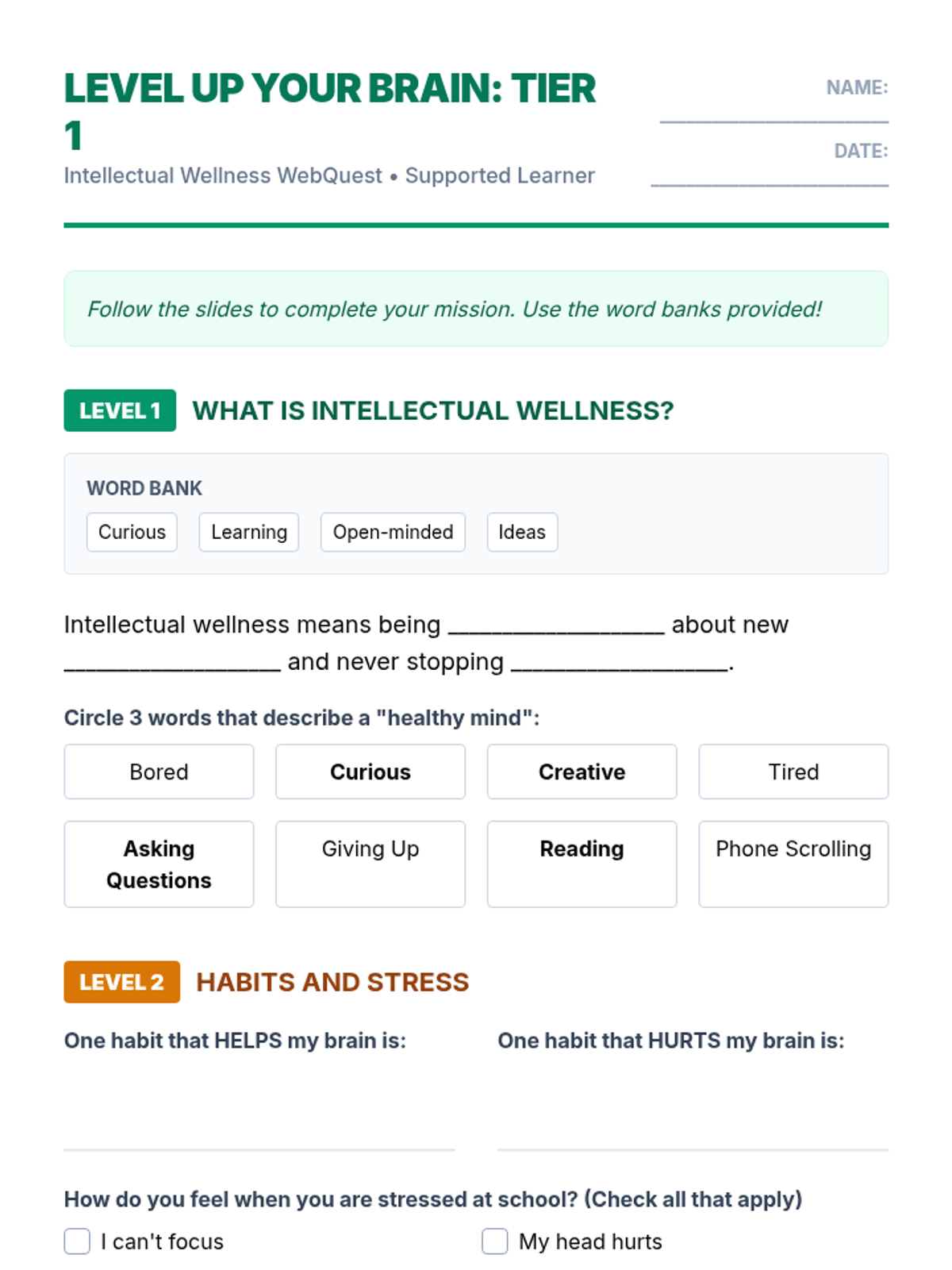
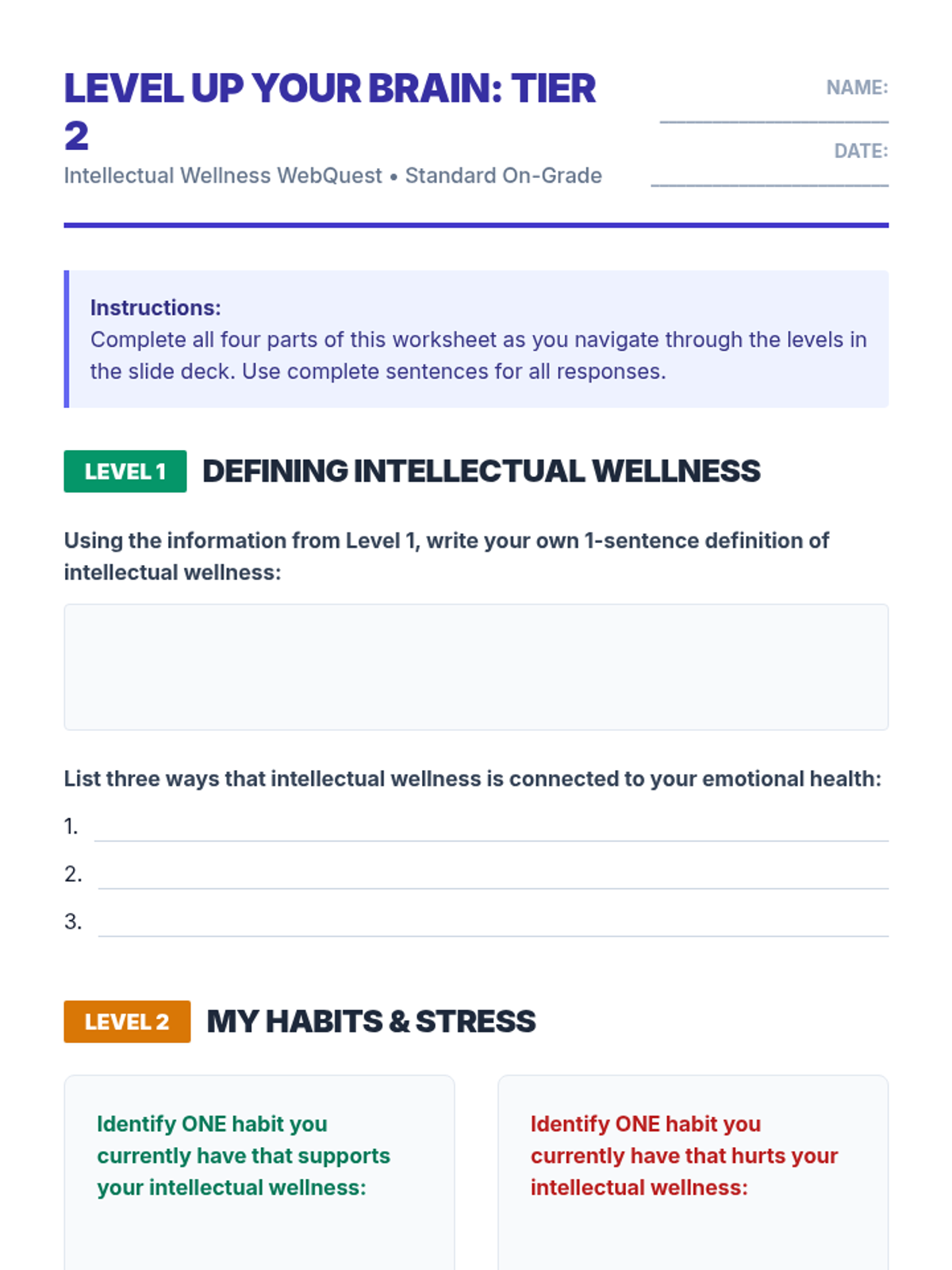
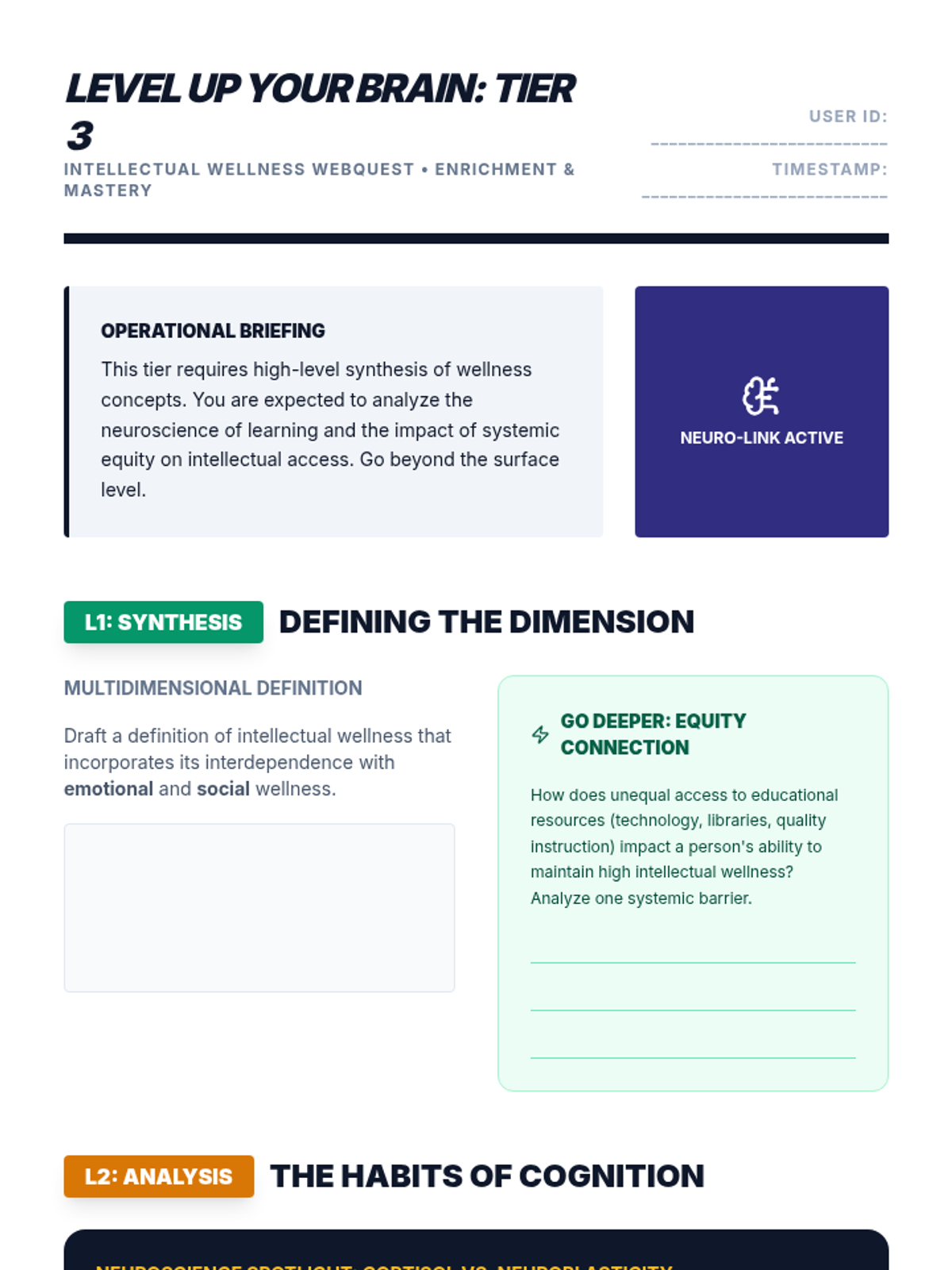
An interactive webquest where students 'level up' their intellectual wellness through four challenge levels, focusing on mindset, habits, and goal-setting. Includes differentiated worksheets to support varied learning needs.
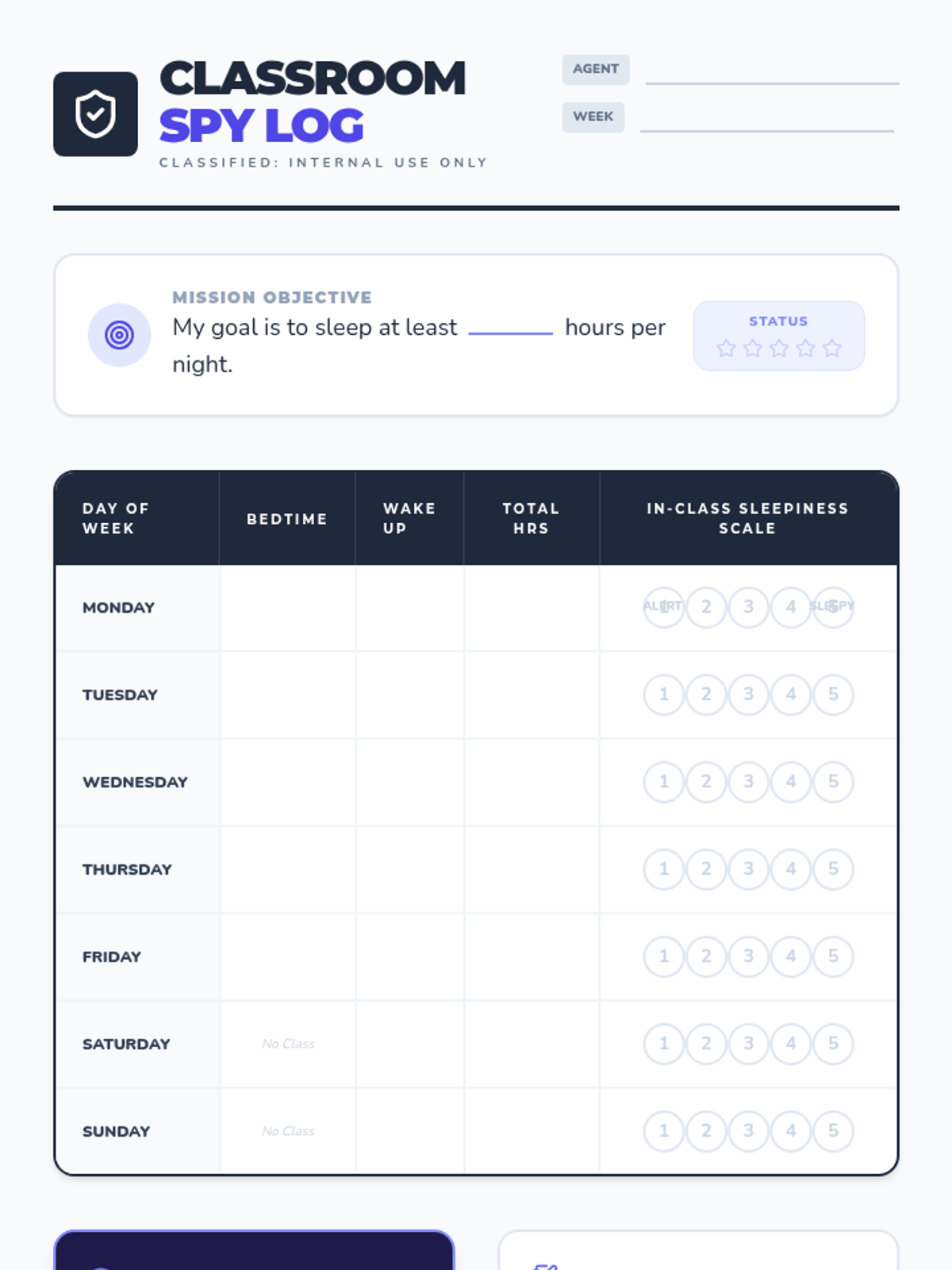
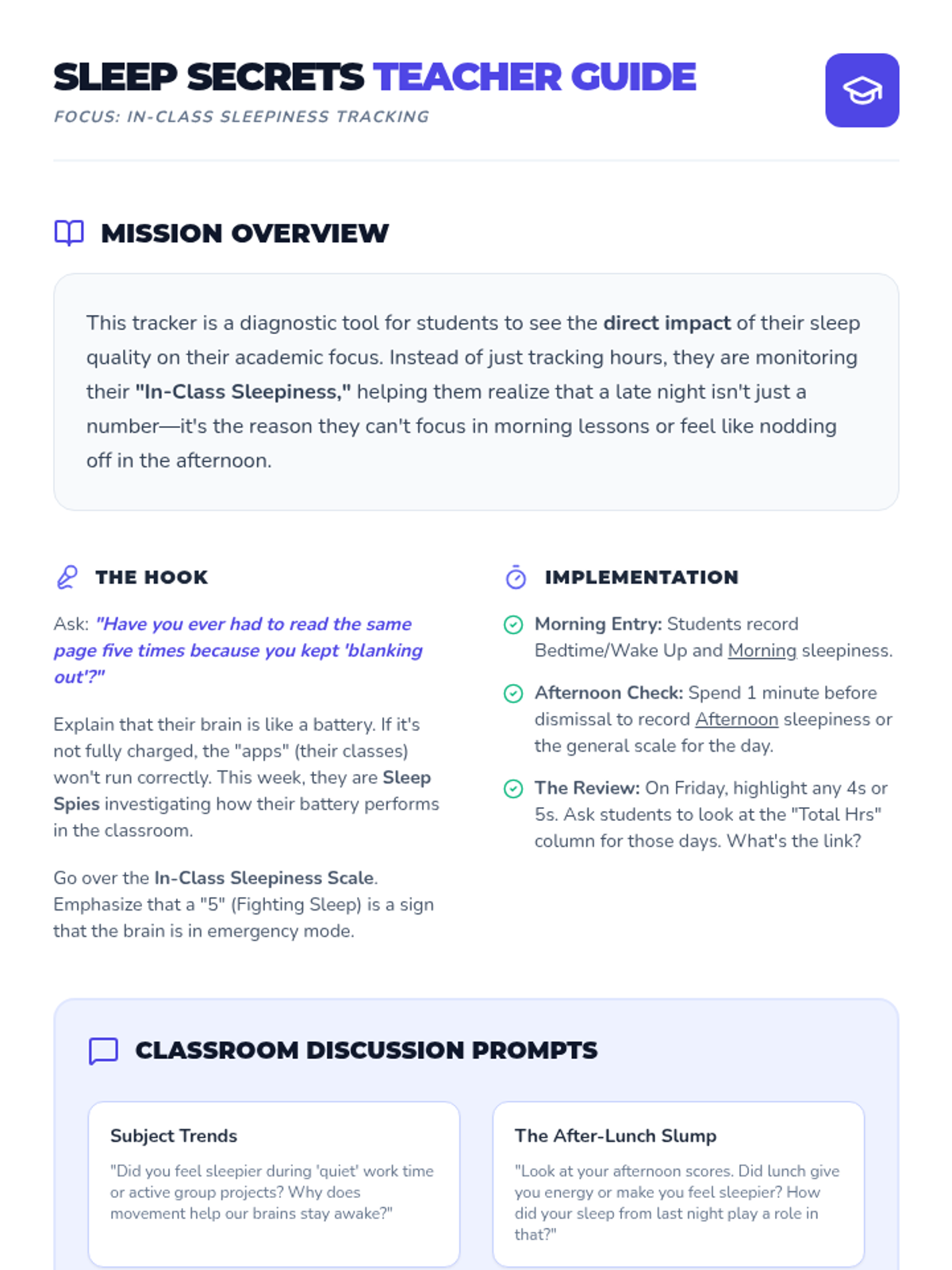
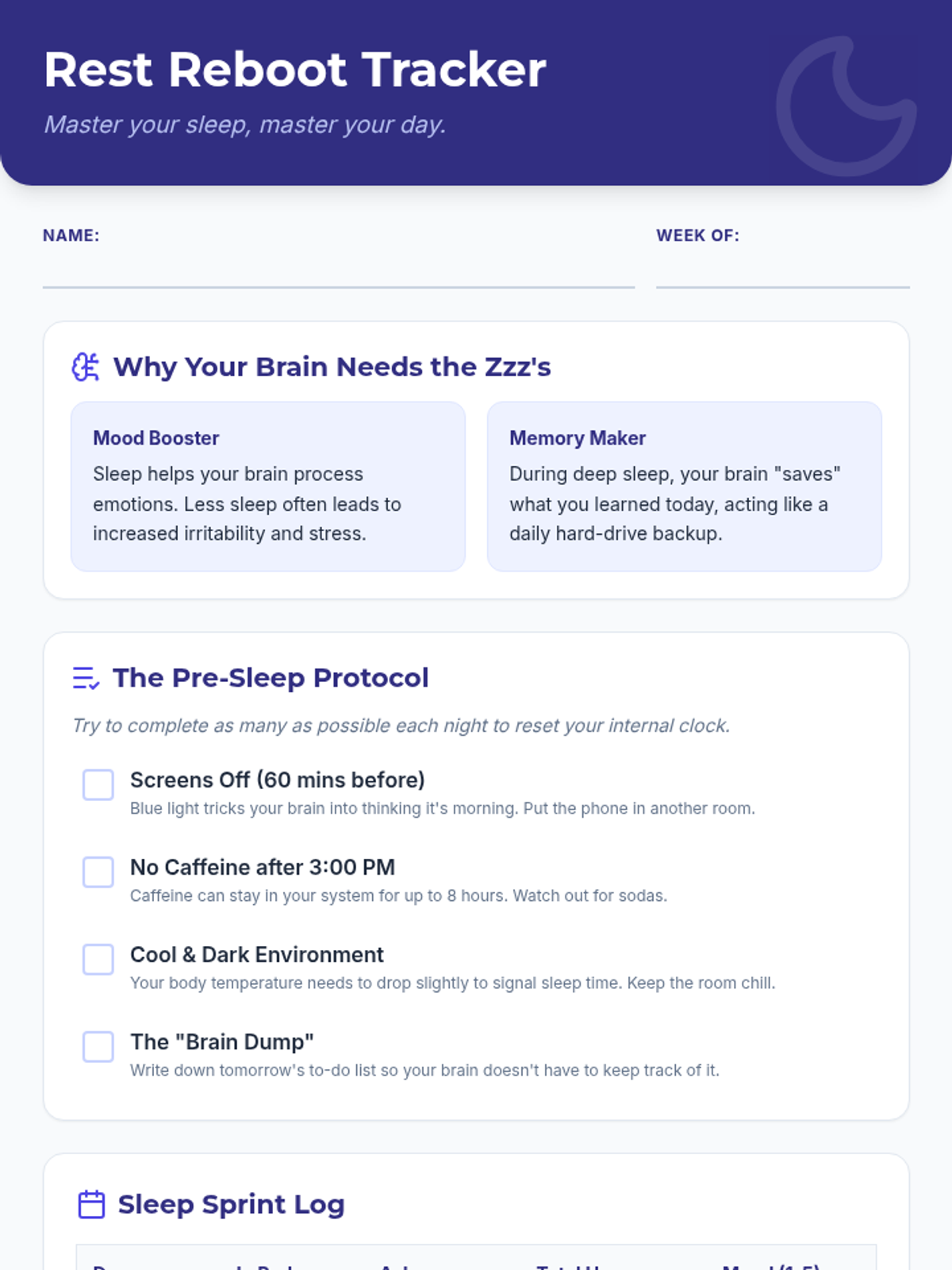
A lesson focused on helping students track and analyze their sleep patterns to understand the impact of rest on their daily energy and mood.
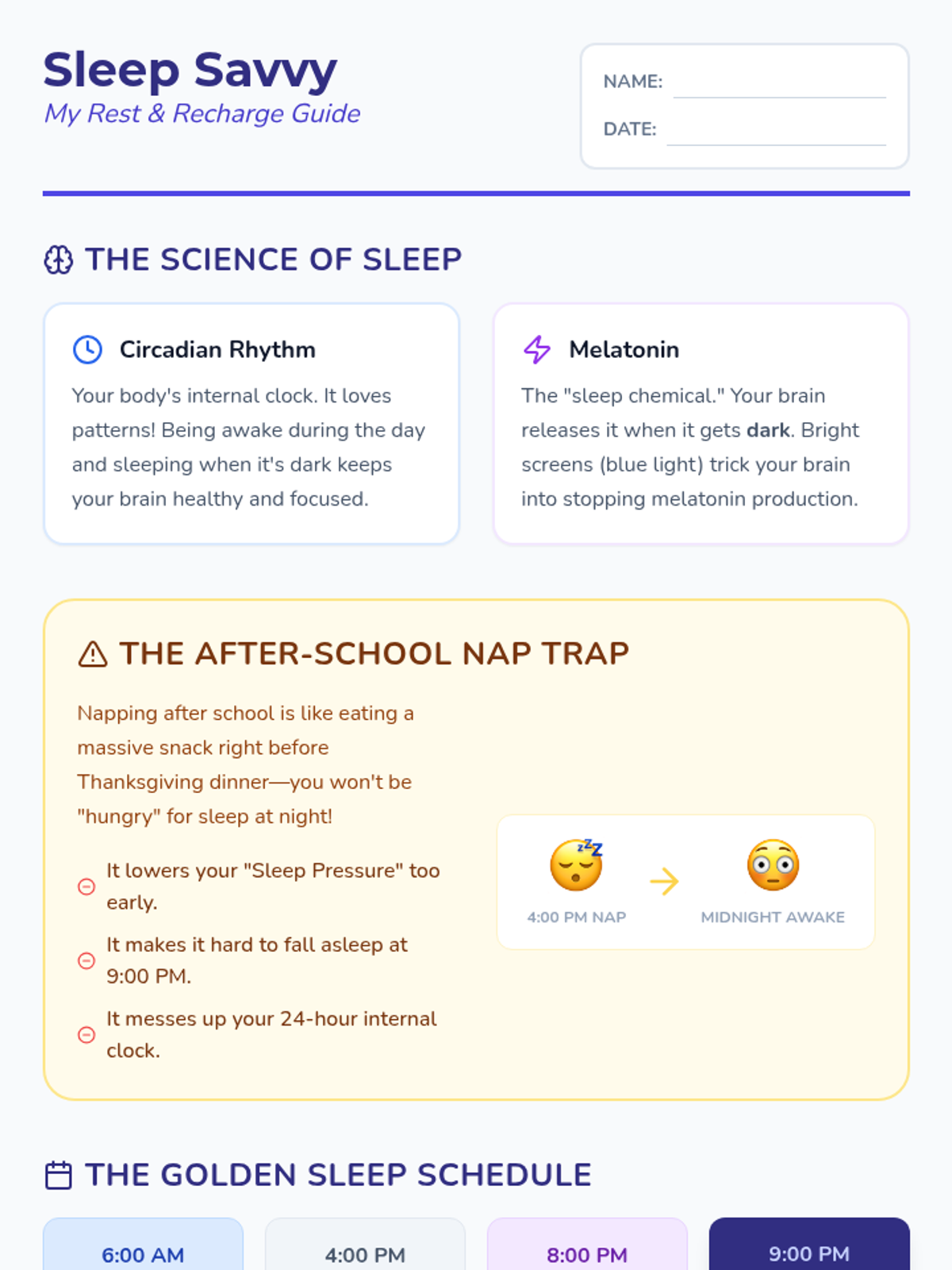
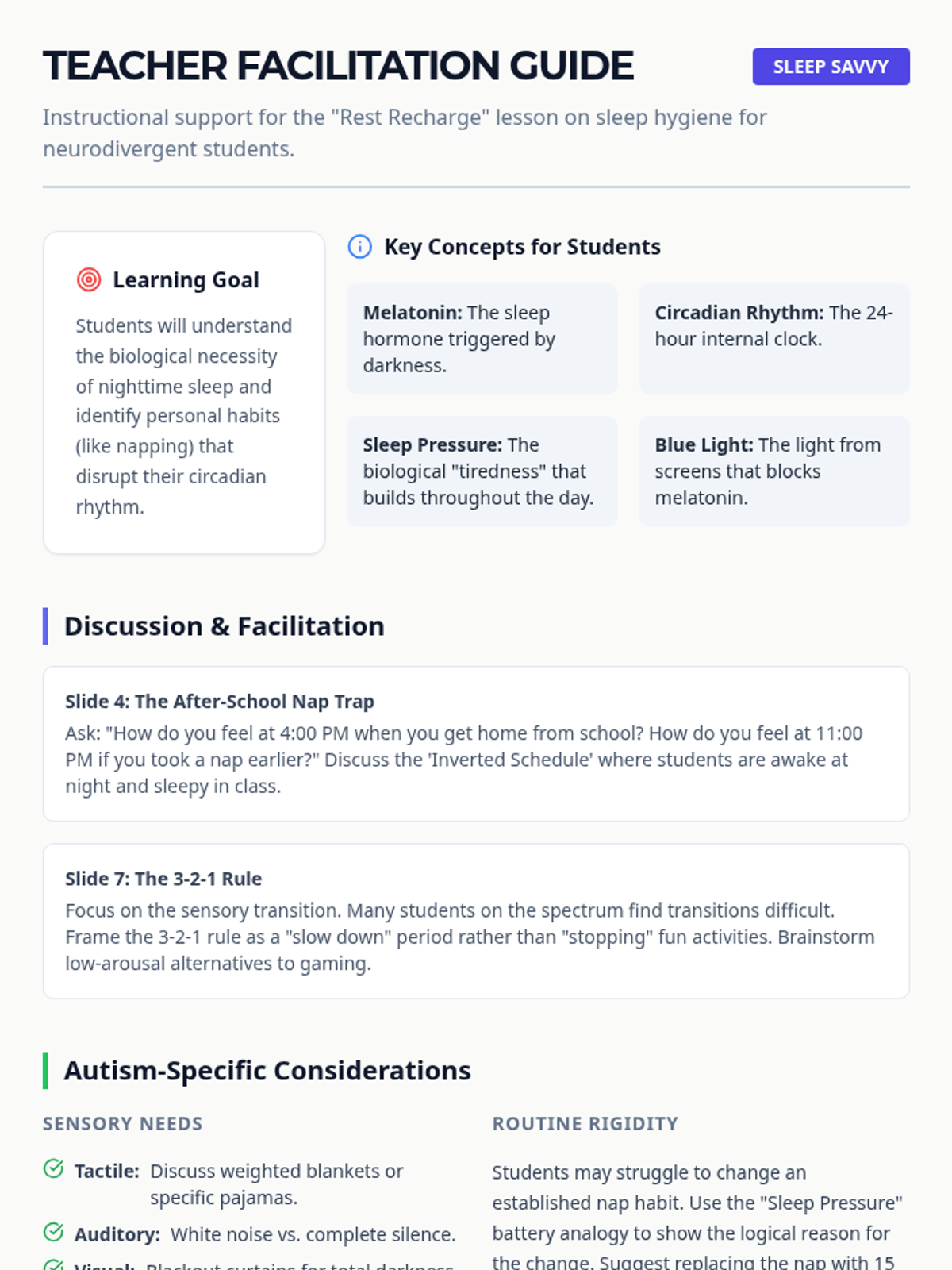
A comprehensive guide for teenagers on the autism spectrum to understand the science of sleep hygiene, the importance of circadian rhythms, and how to maintain a consistent nighttime schedule.
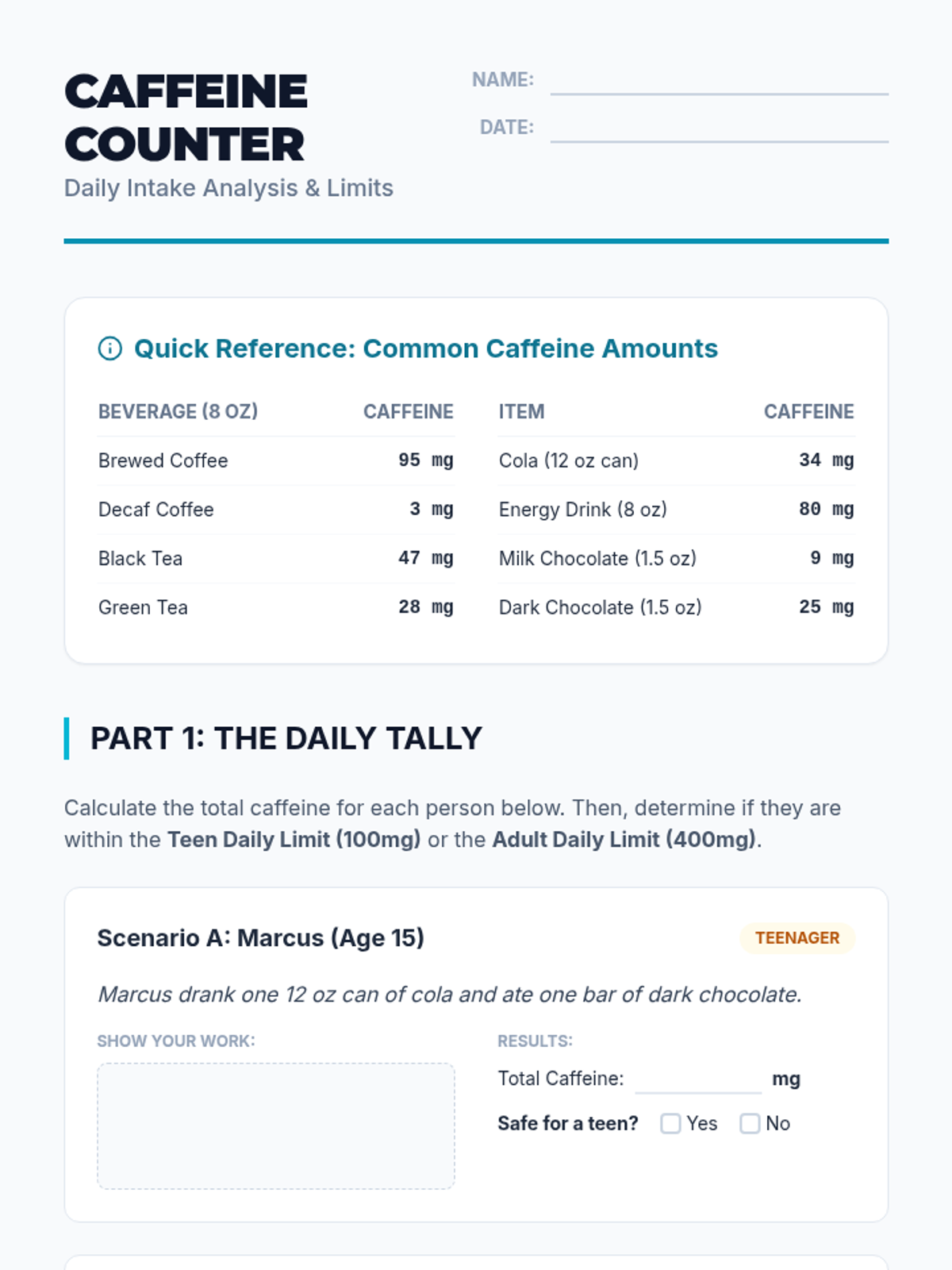
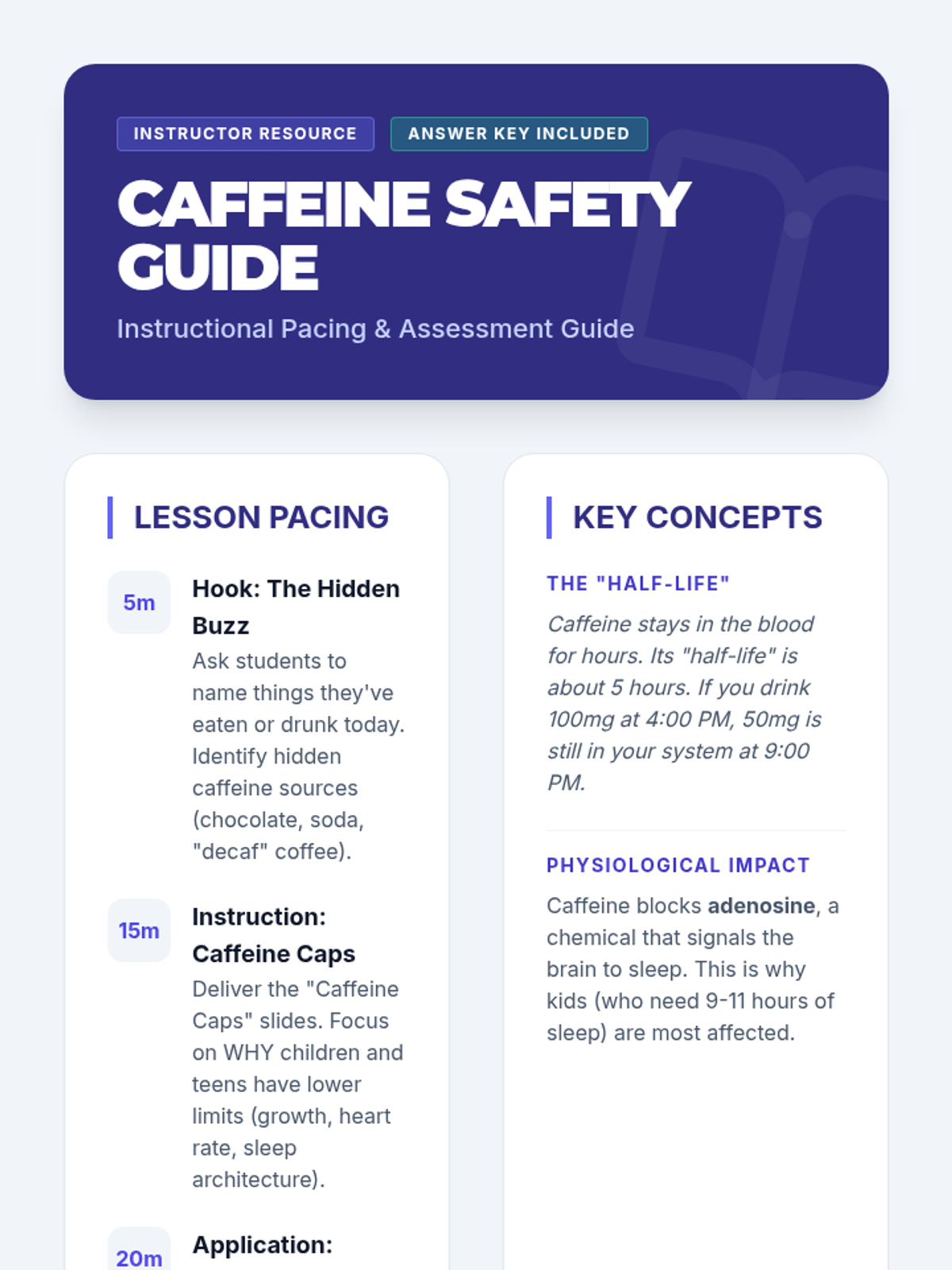
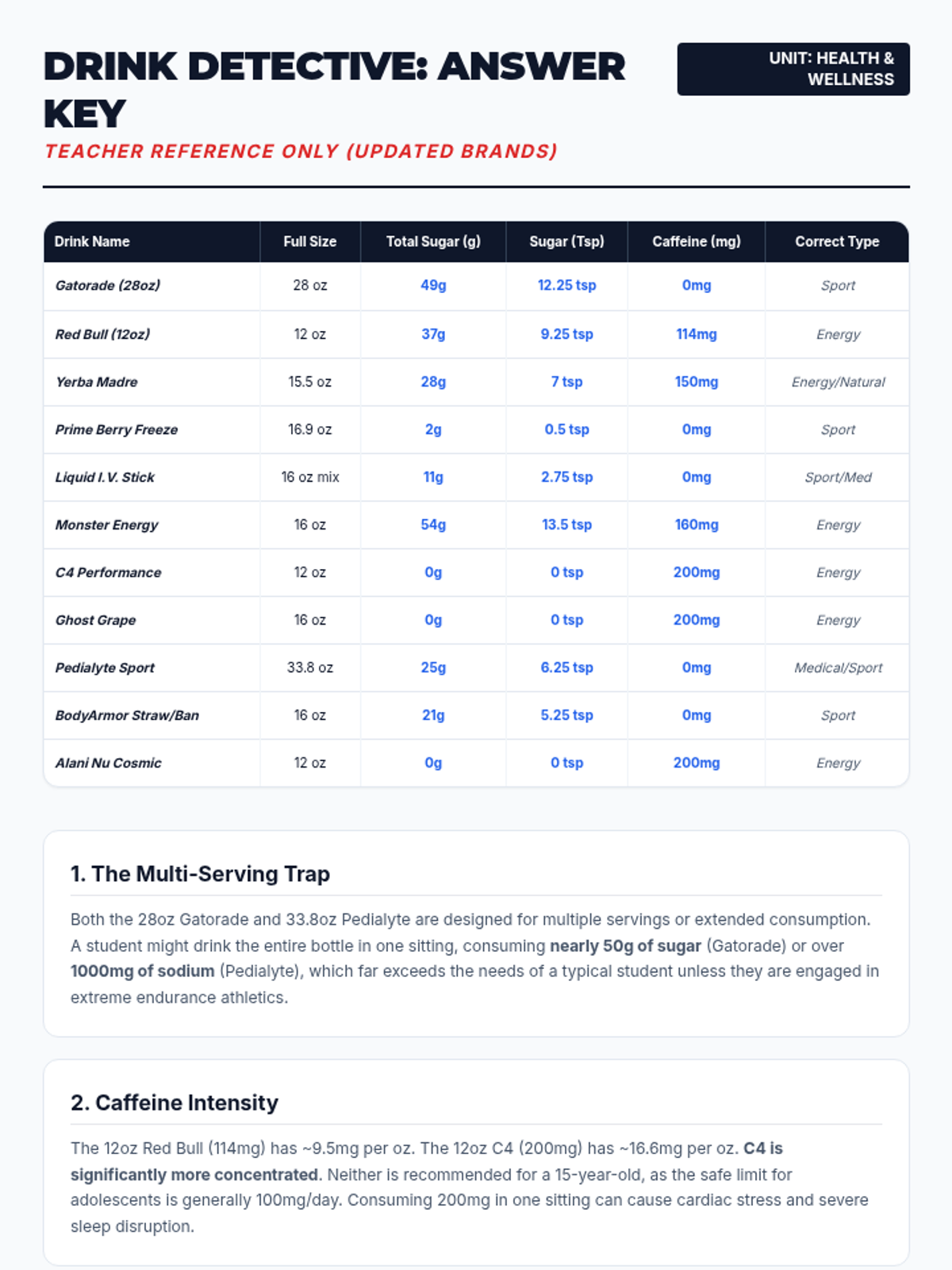
This lesson covers the physiological effects of caffeine on the body and provides clear, evidence-based guidelines for safe consumption across different age groups based on FDA and NIH standards.
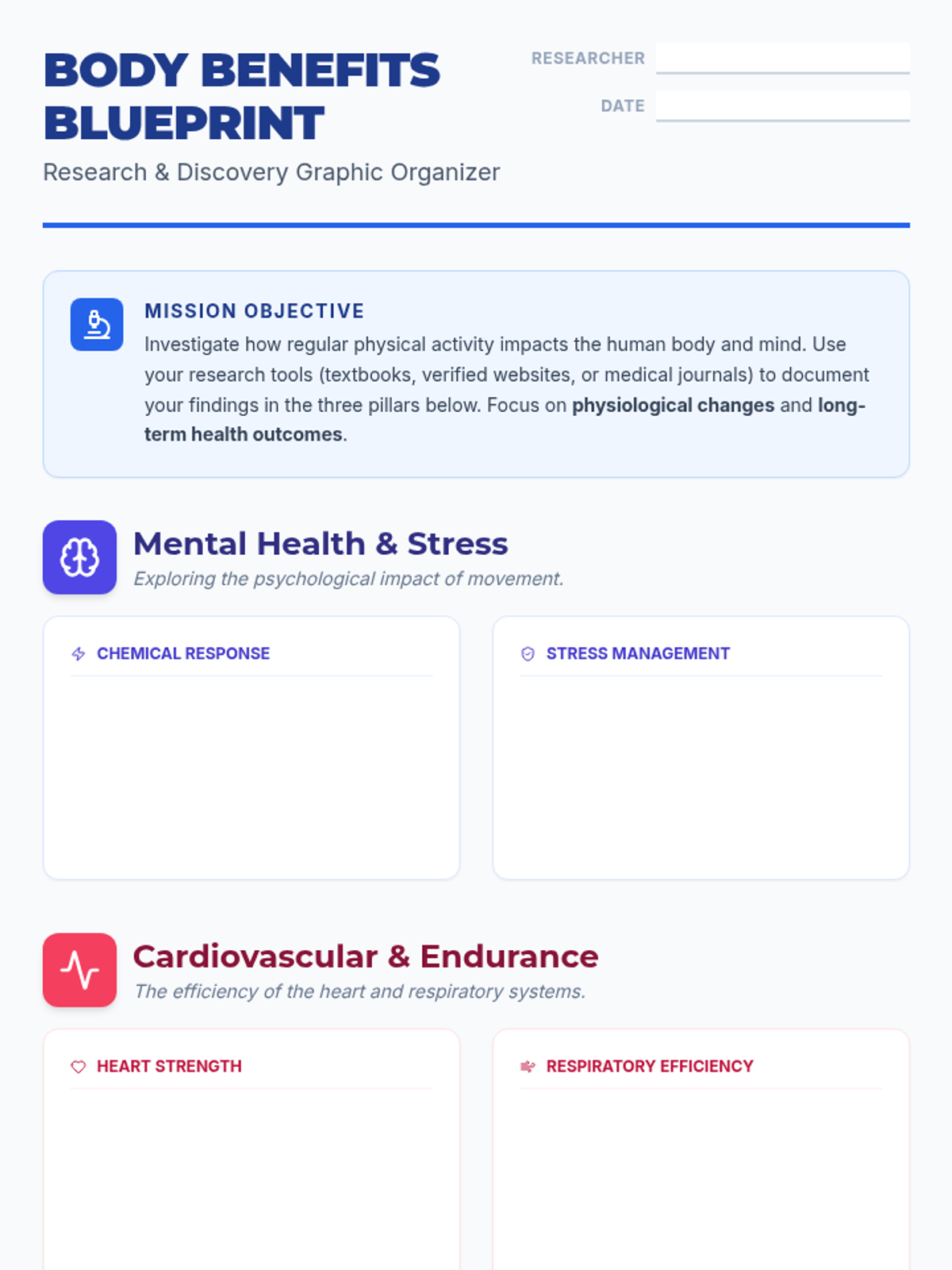
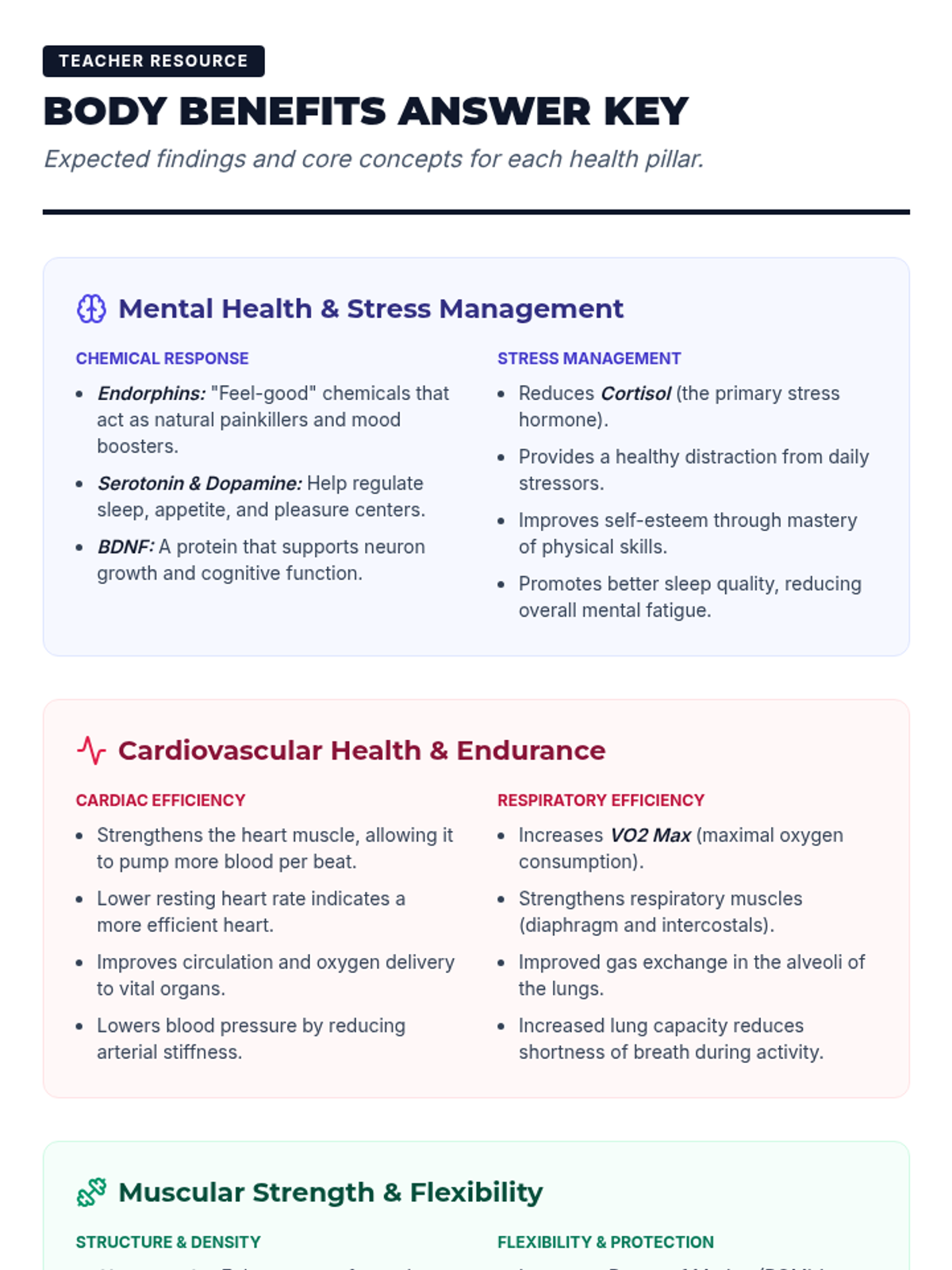
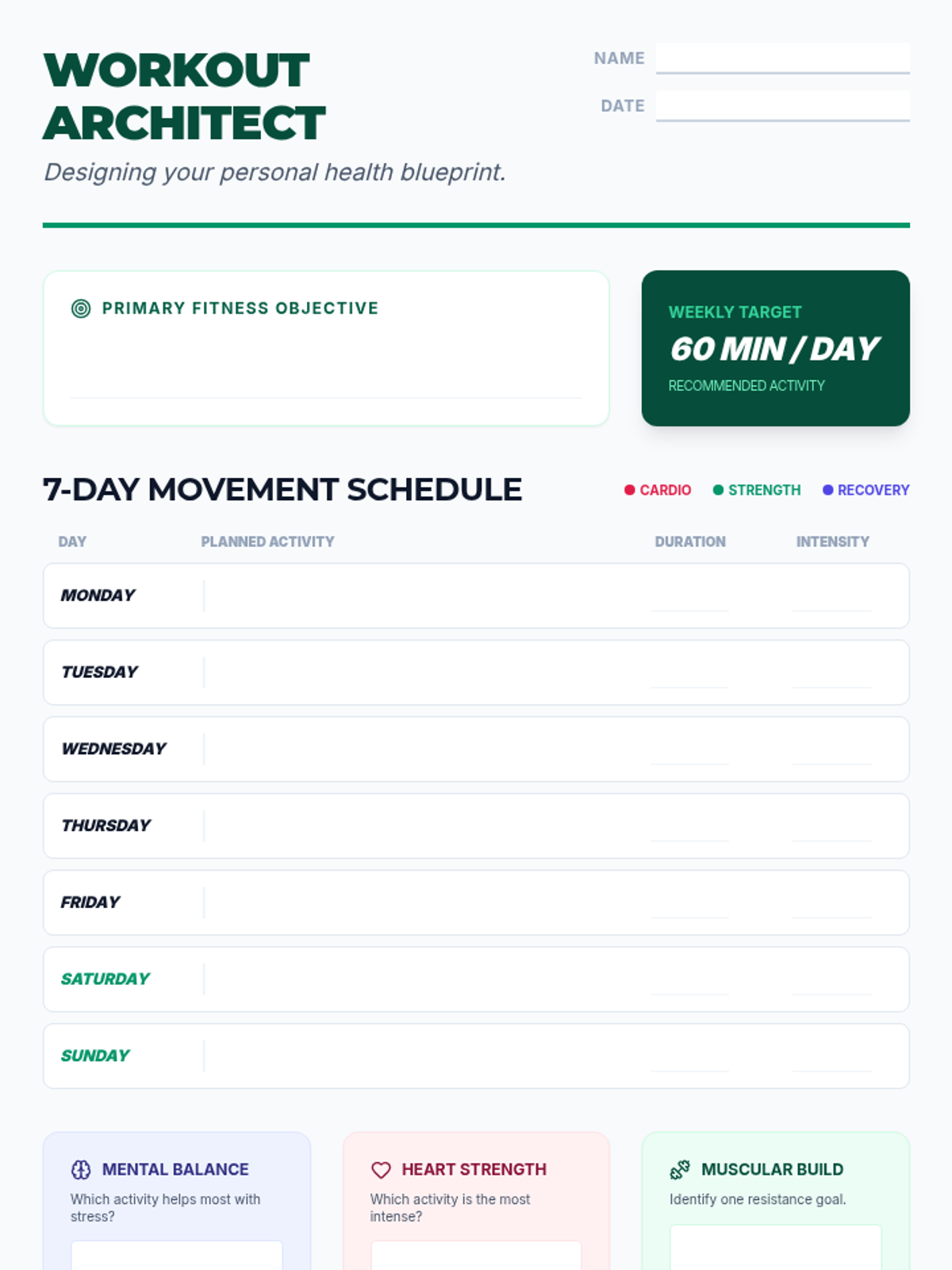
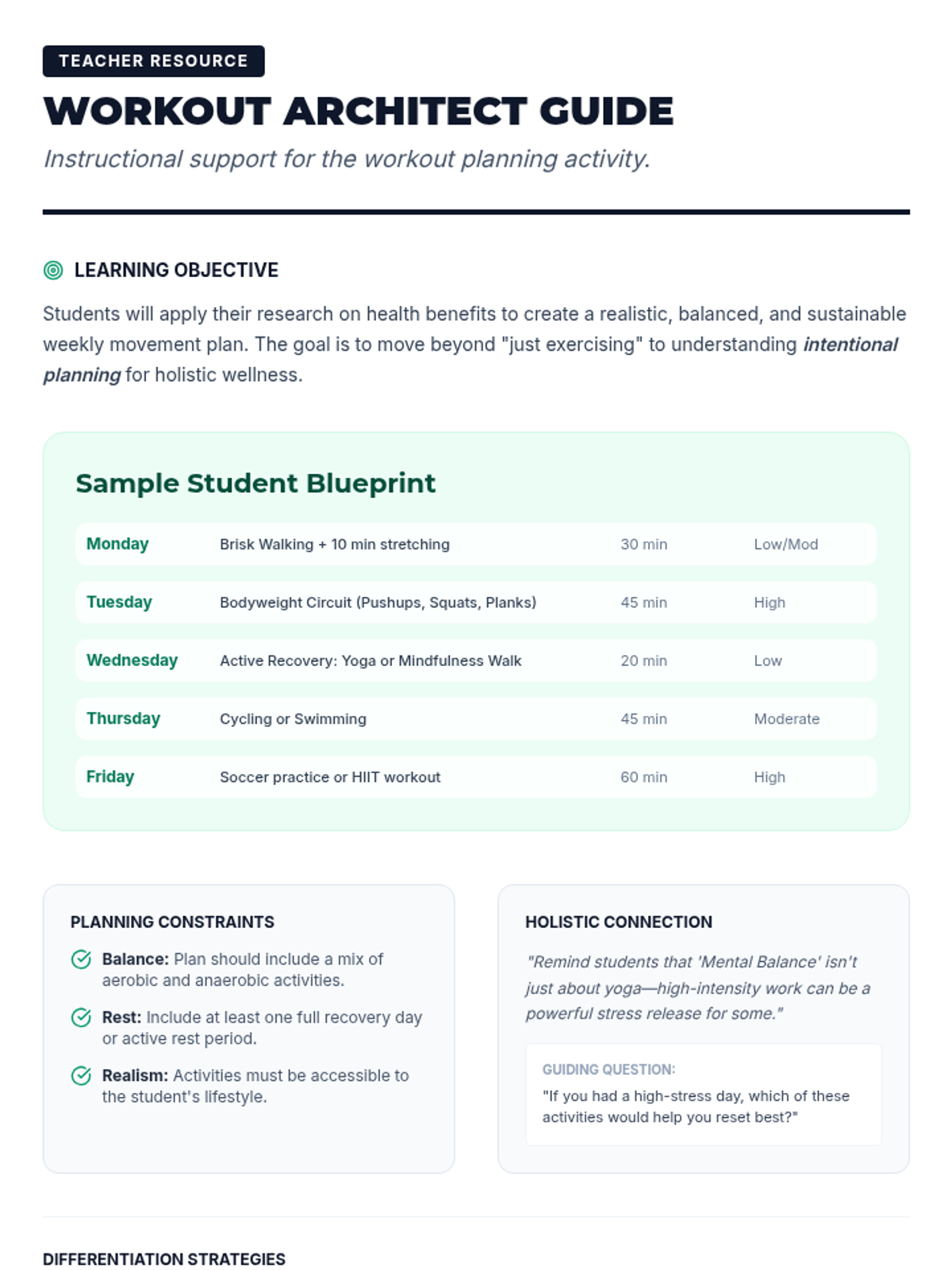
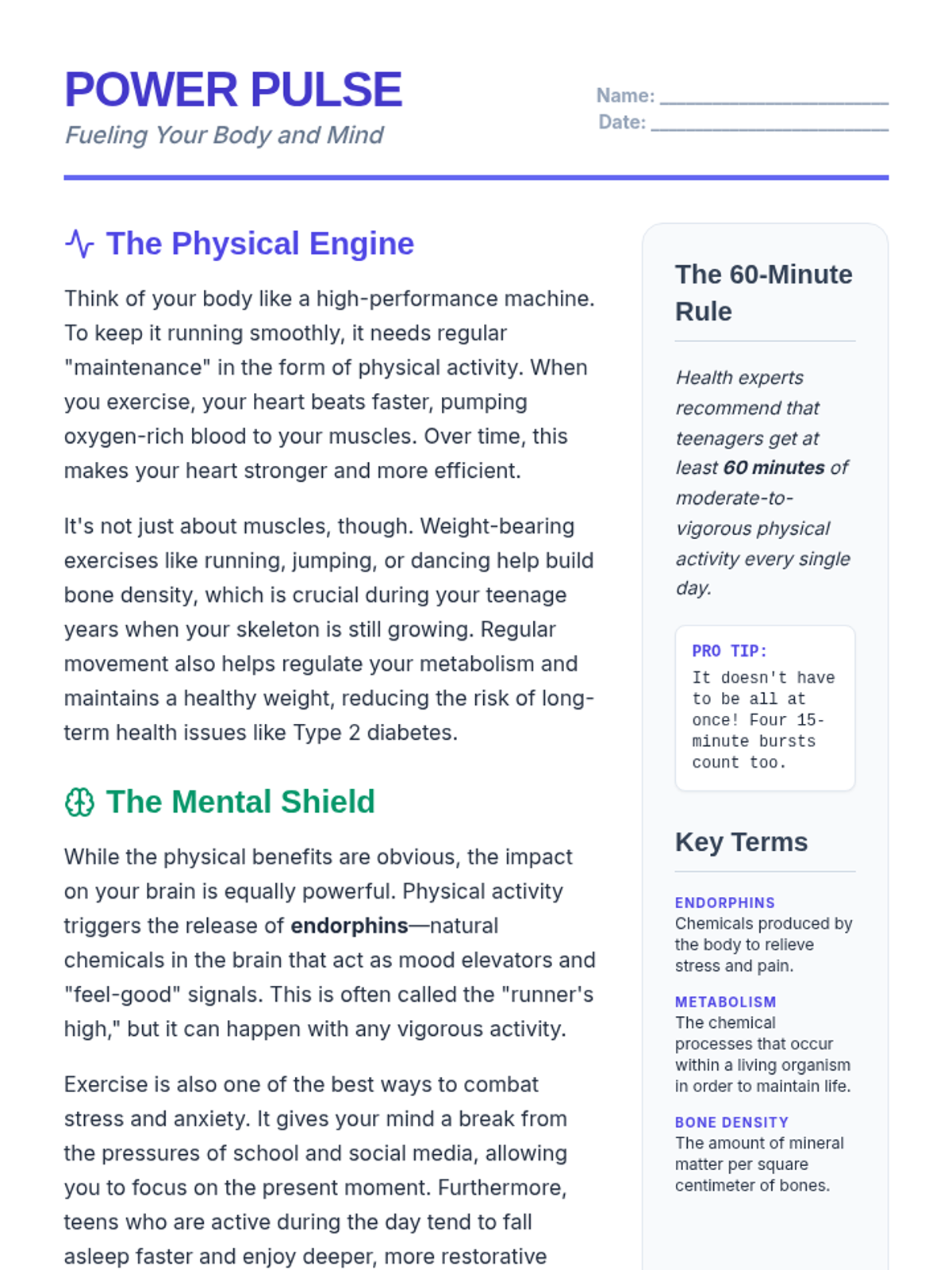
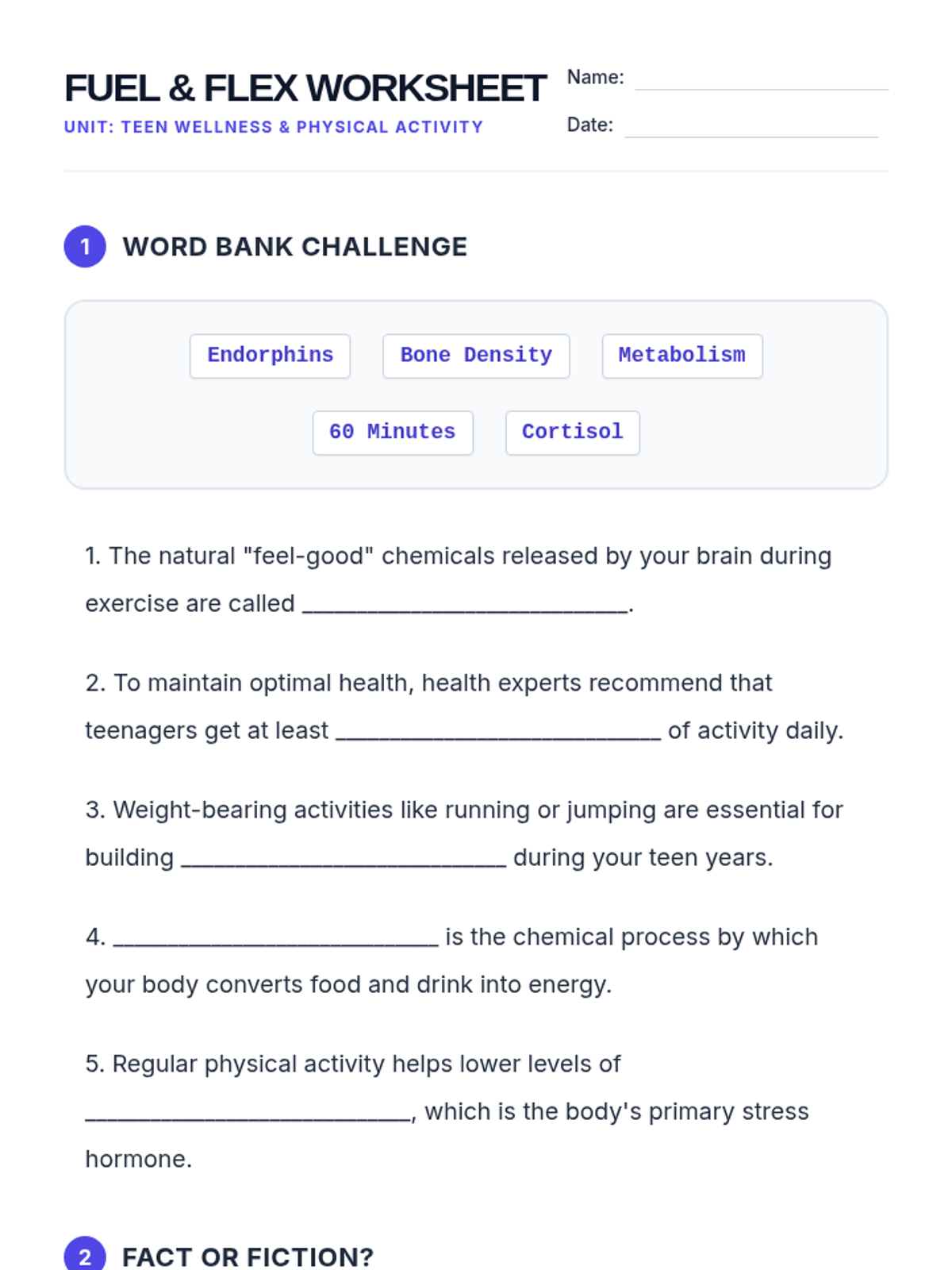
Students research and categorize the various physiological and psychological benefits of regular physical activity, focusing on three key pillars: mental health, cardiovascular health, and muscular fitness.
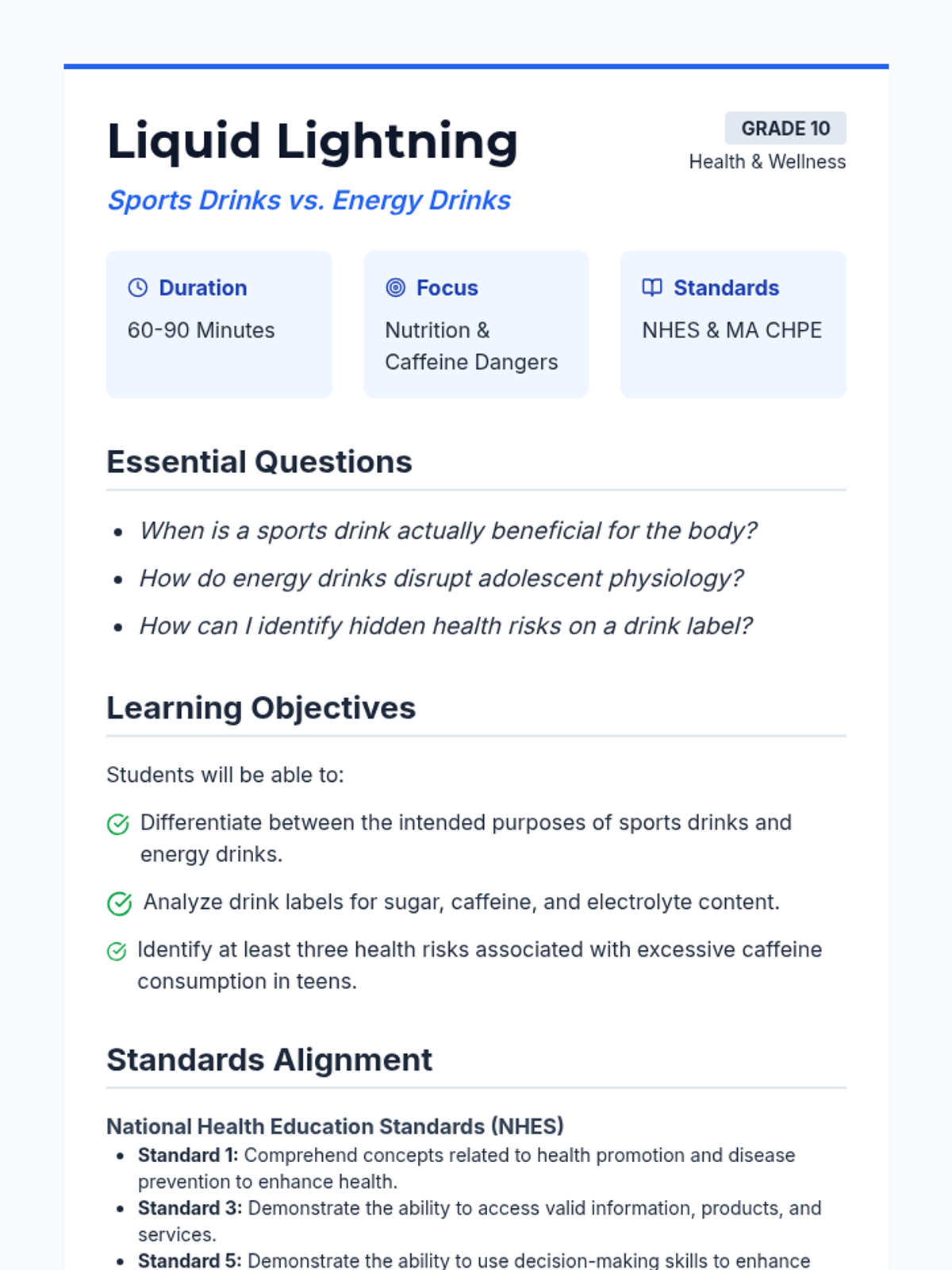
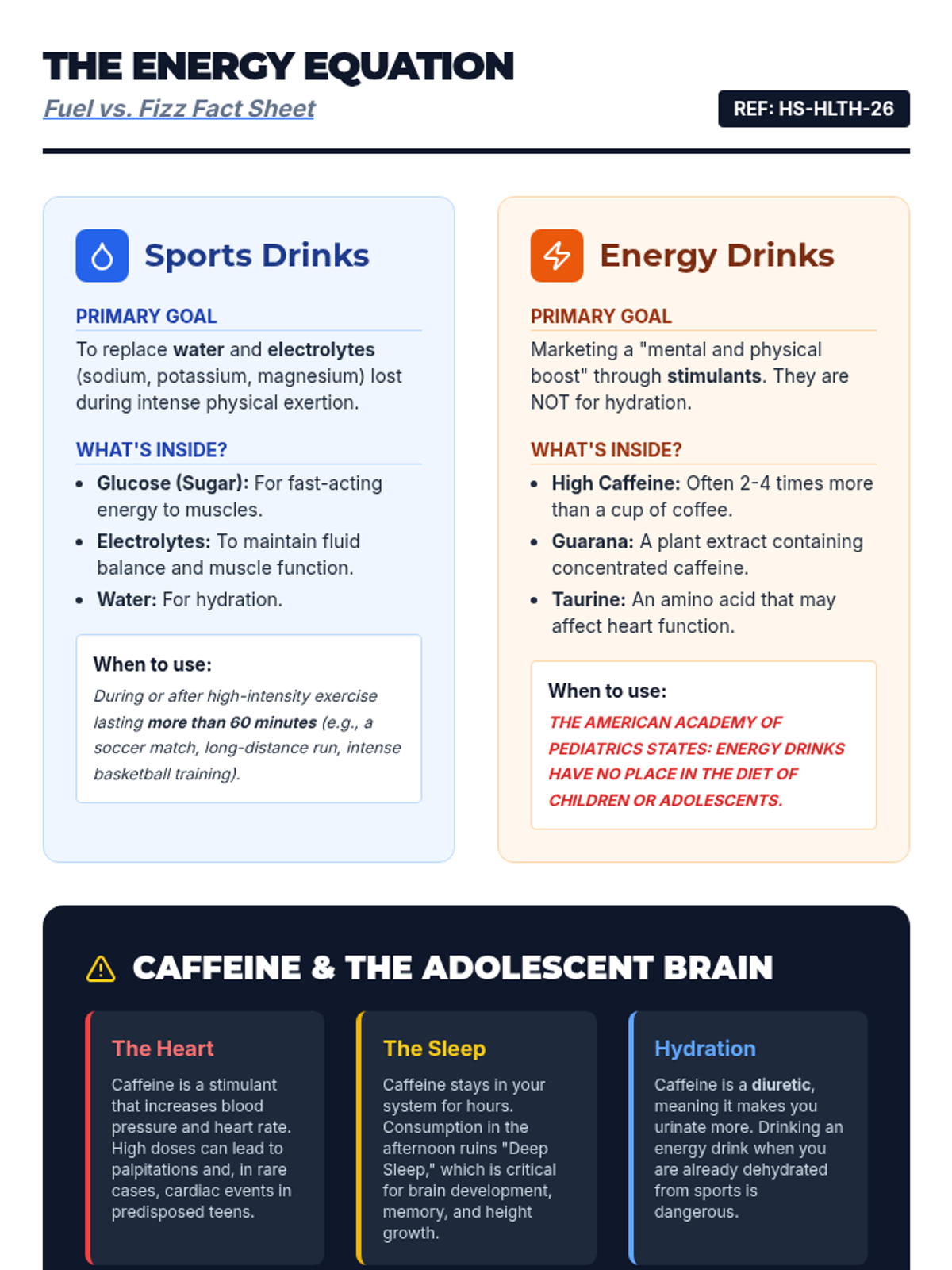
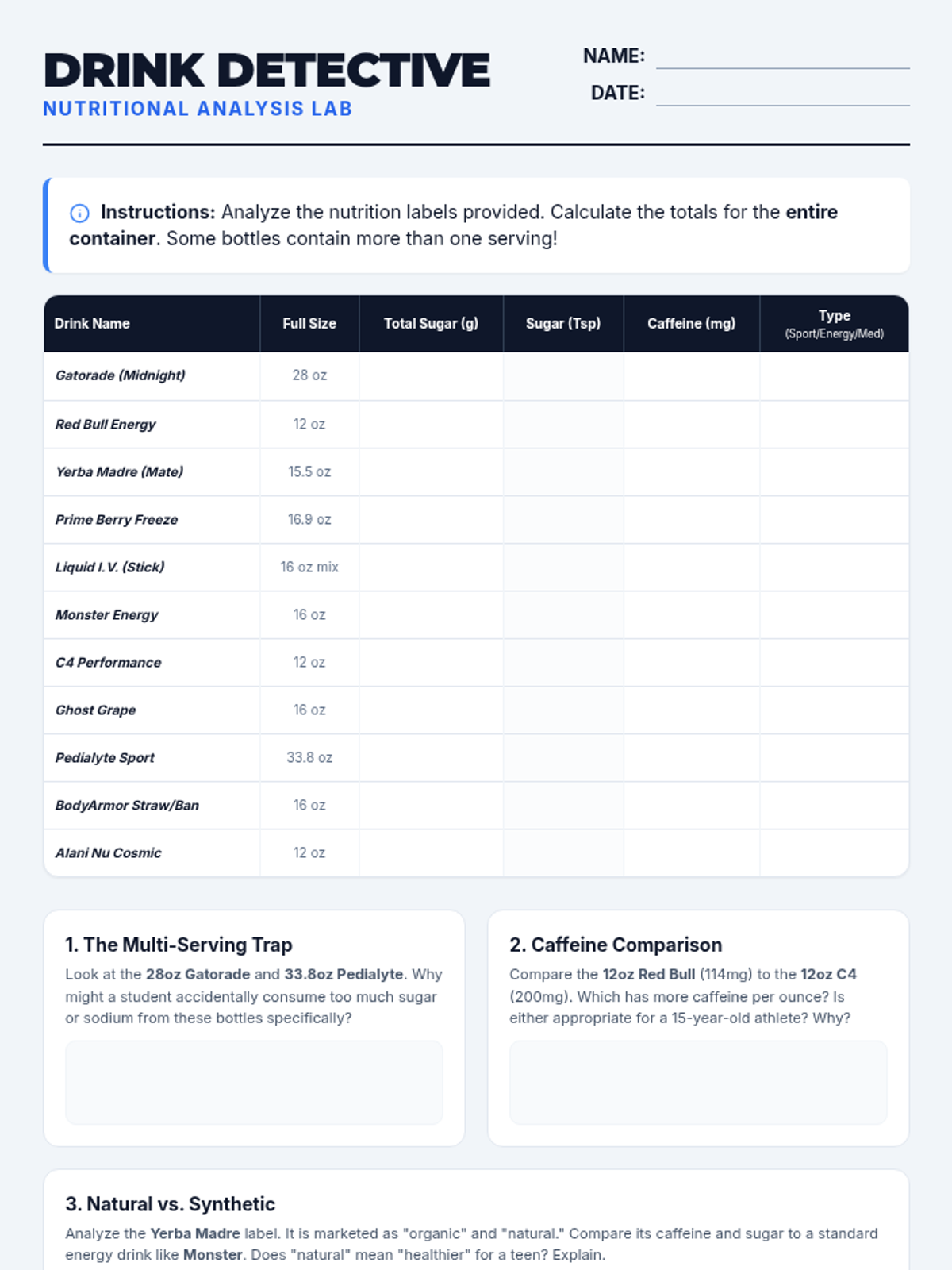
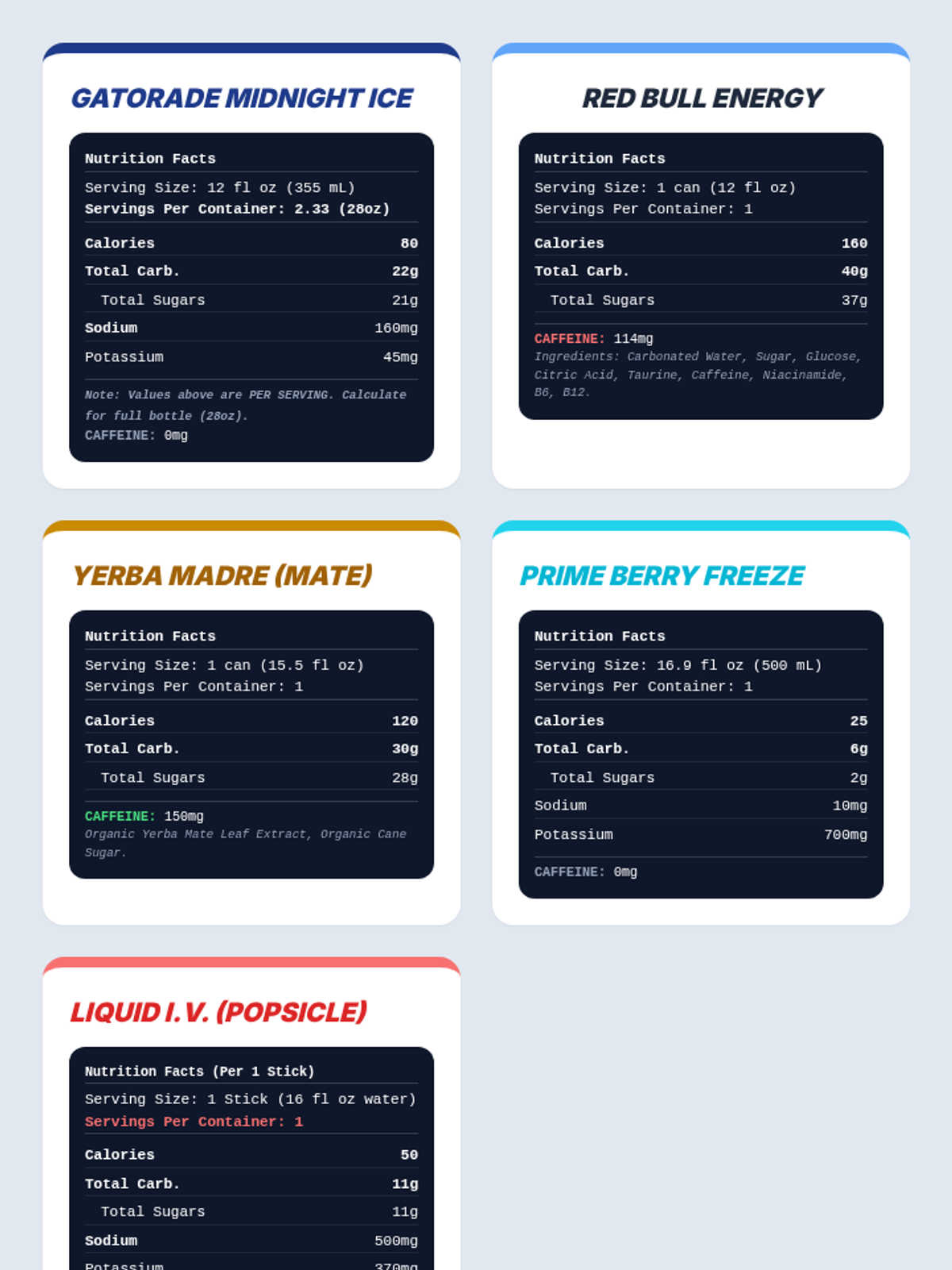
A comprehensive 10th-grade health lesson exploring the physiological effects of sports and energy drinks. Students analyze ingredients, caffeine, and sugar content to make informed decisions about performance fueling and health.
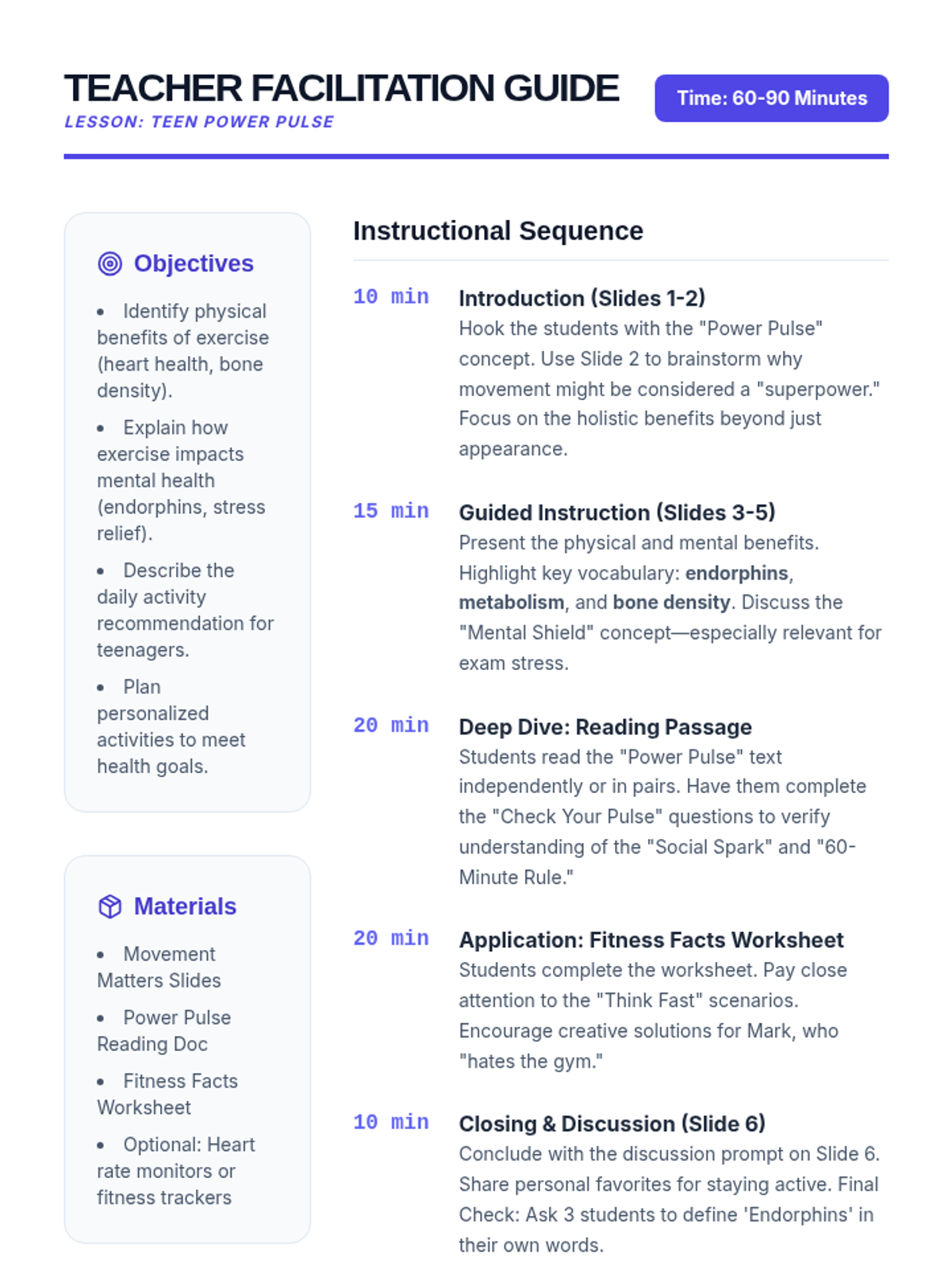
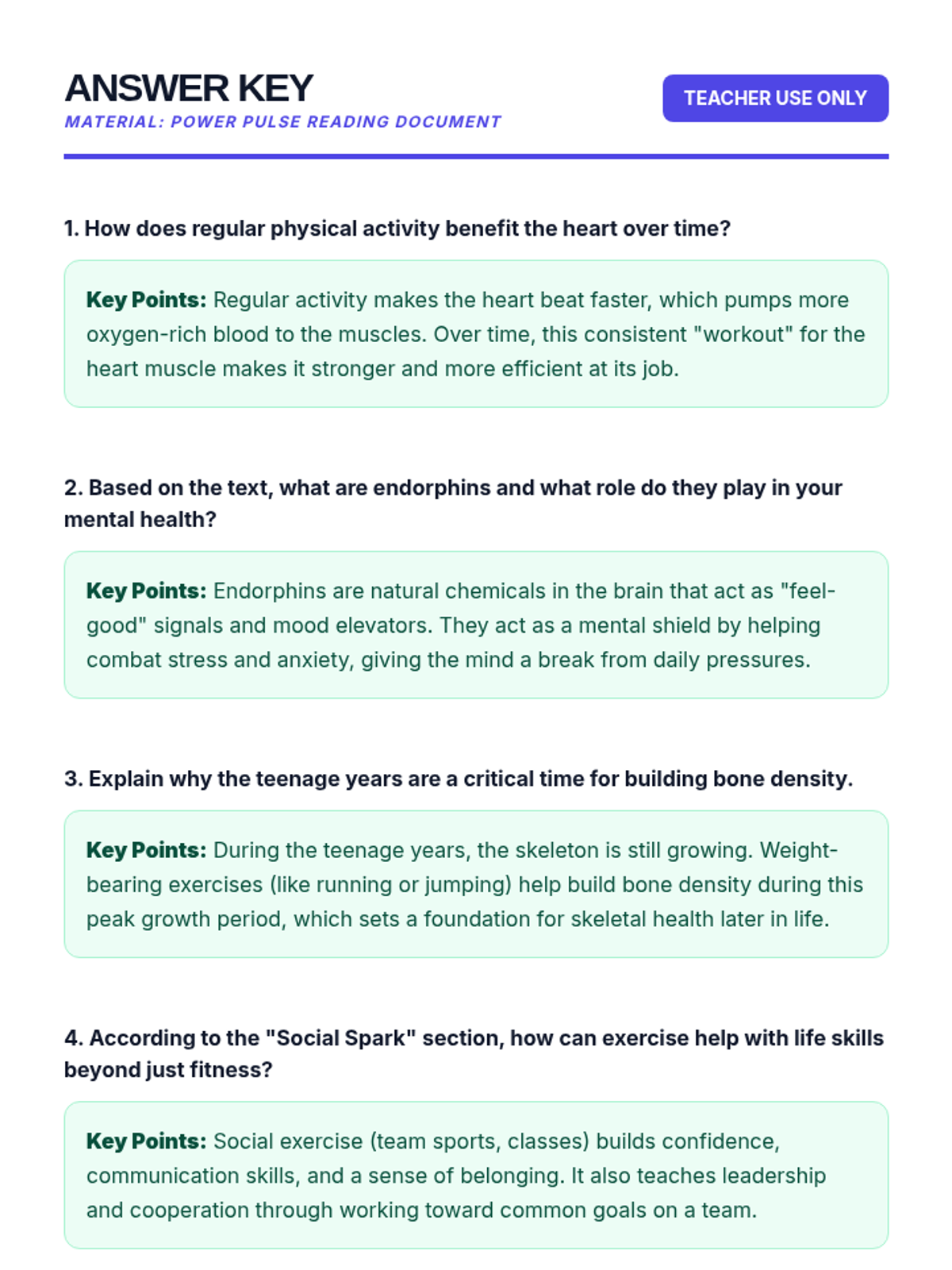
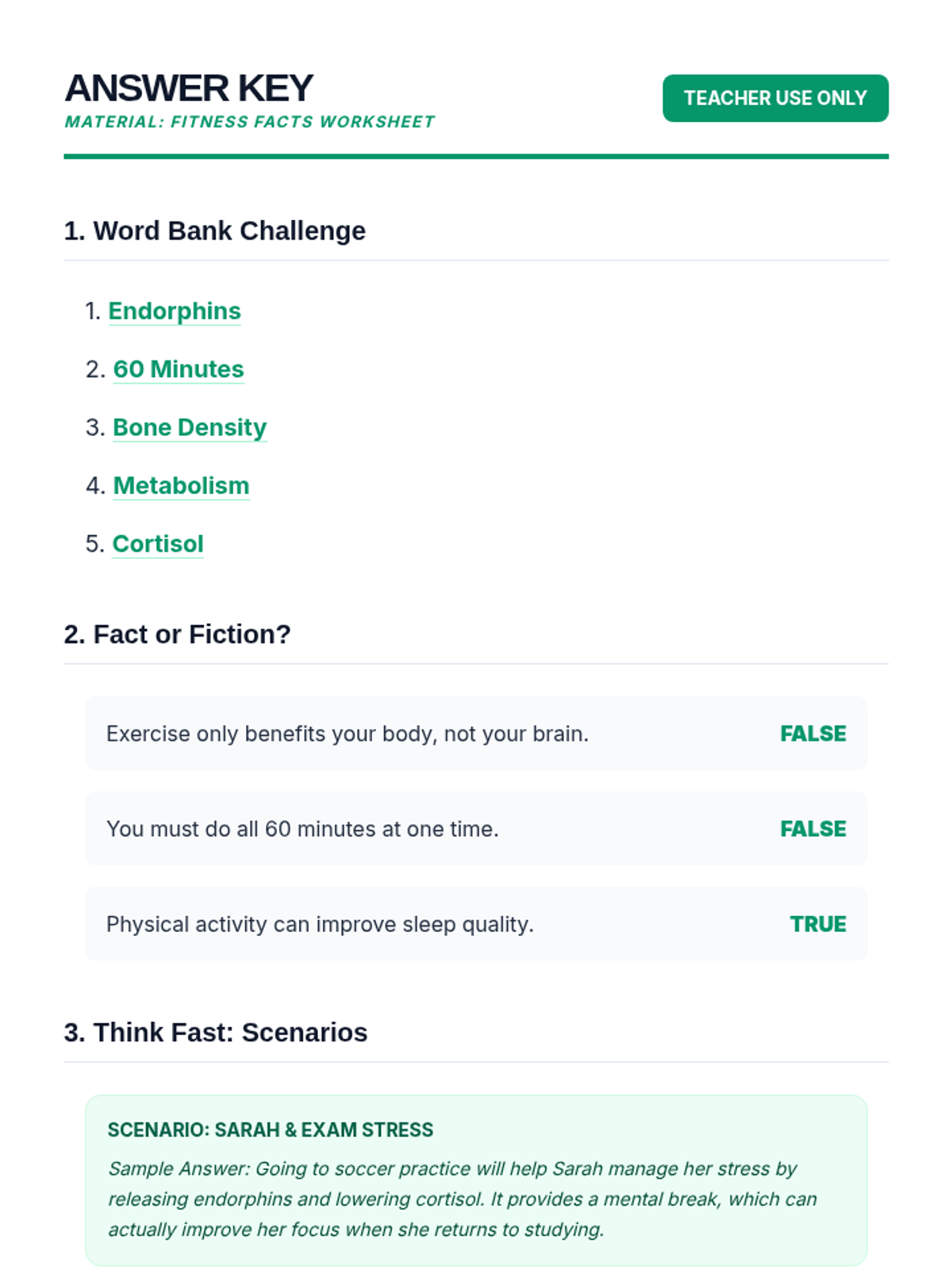
A comprehensive lesson exploring how physical activity boosts both the physical body and mental well-being of teenagers, featuring interactive slides and reading comprehension.
A 40-minute lesson for high school students exploring the multi-dimensional nature of wellness, addressing common barriers, and creating a sustainable personal maintenance plan.
A lesson focused on understanding and implementing stress management techniques to improve sleep quality and hygiene.
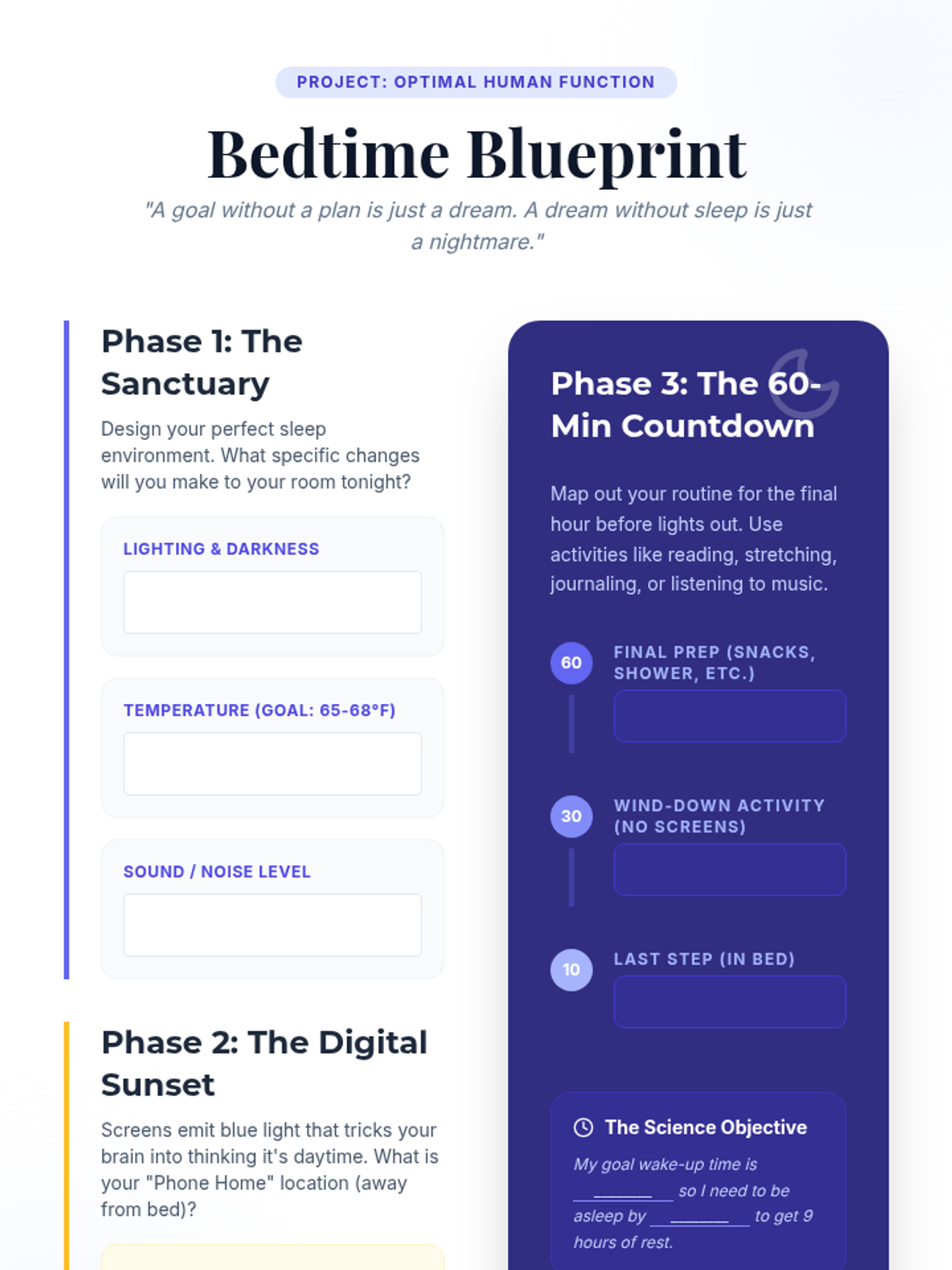
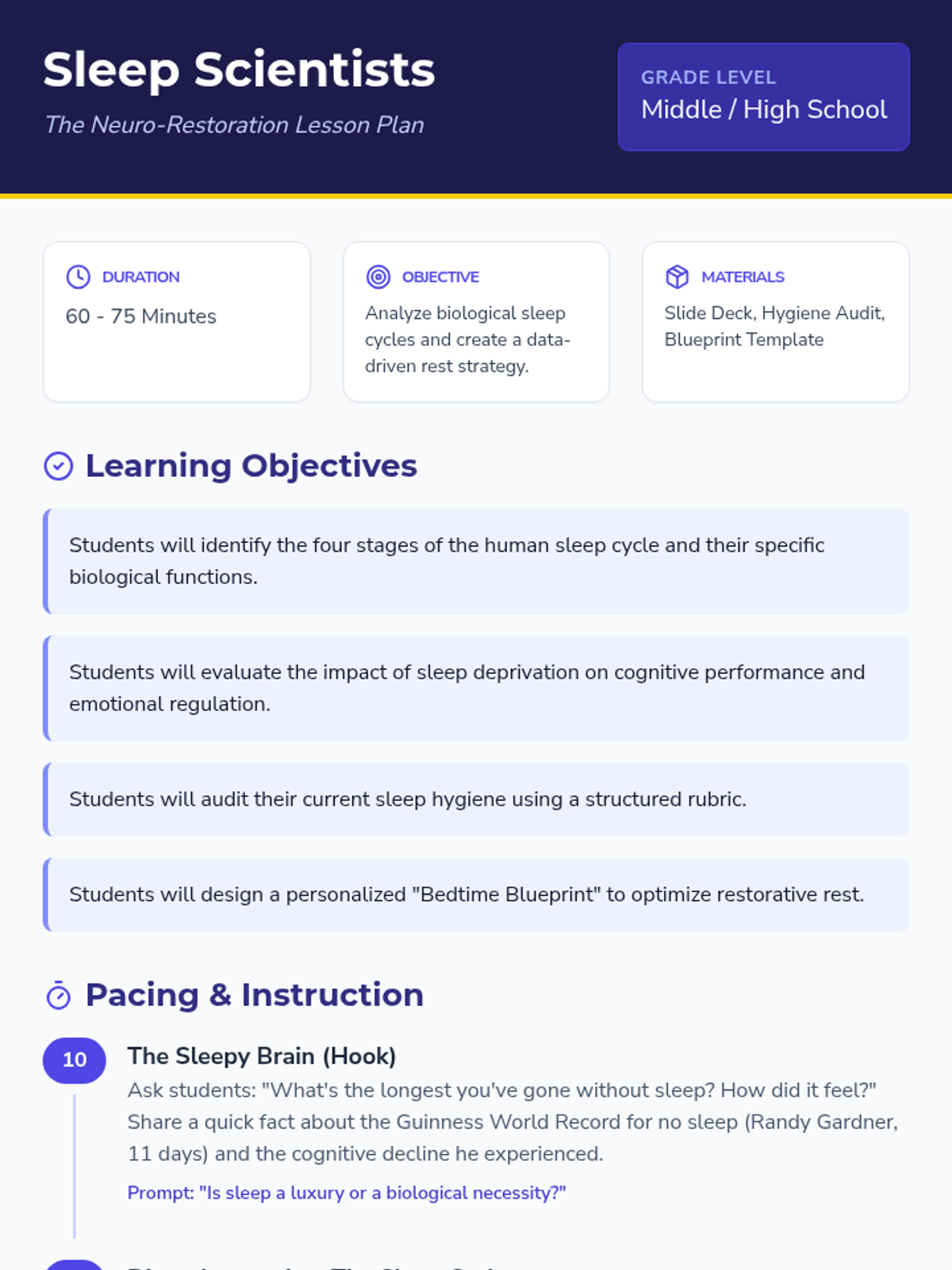
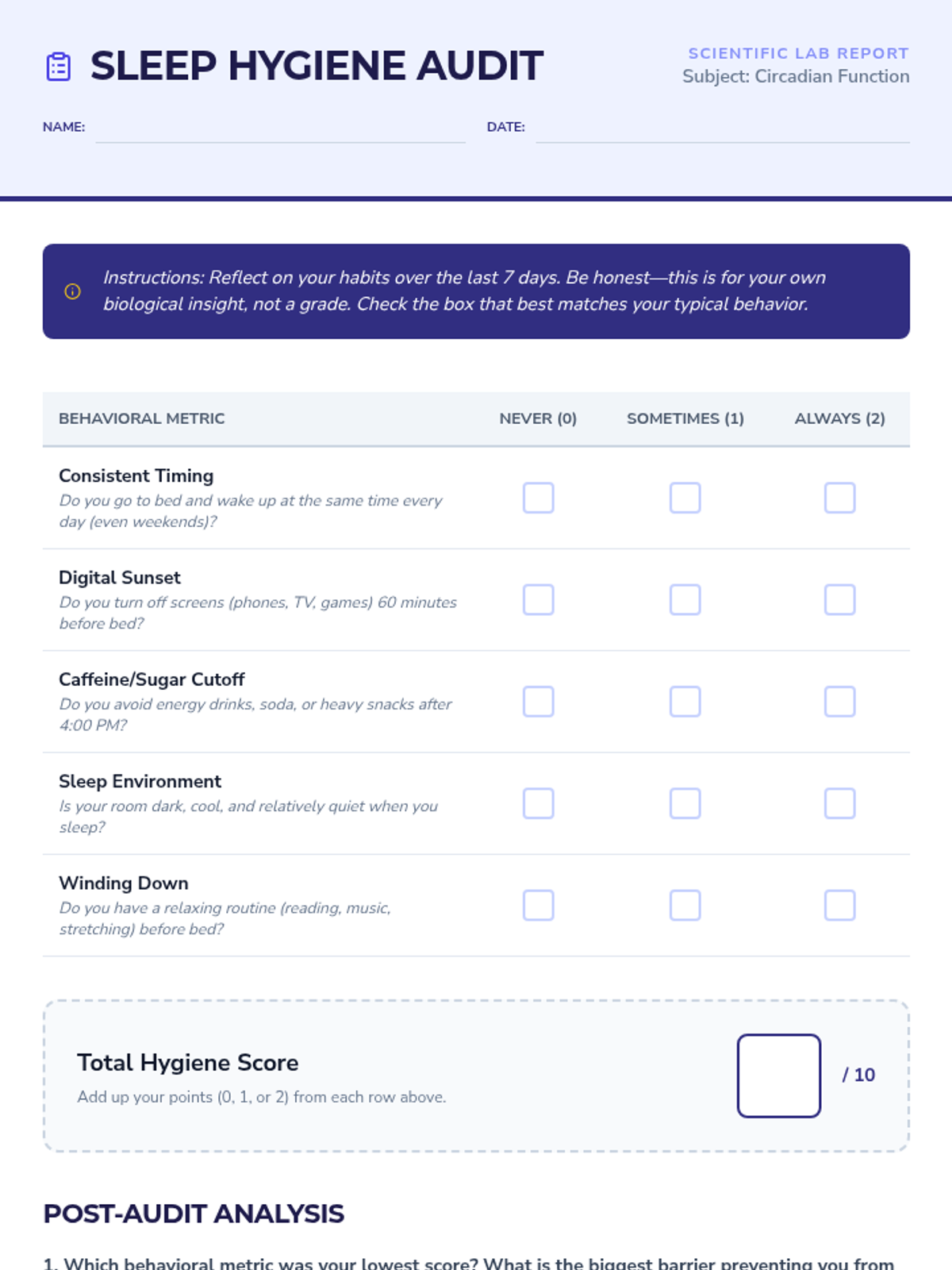
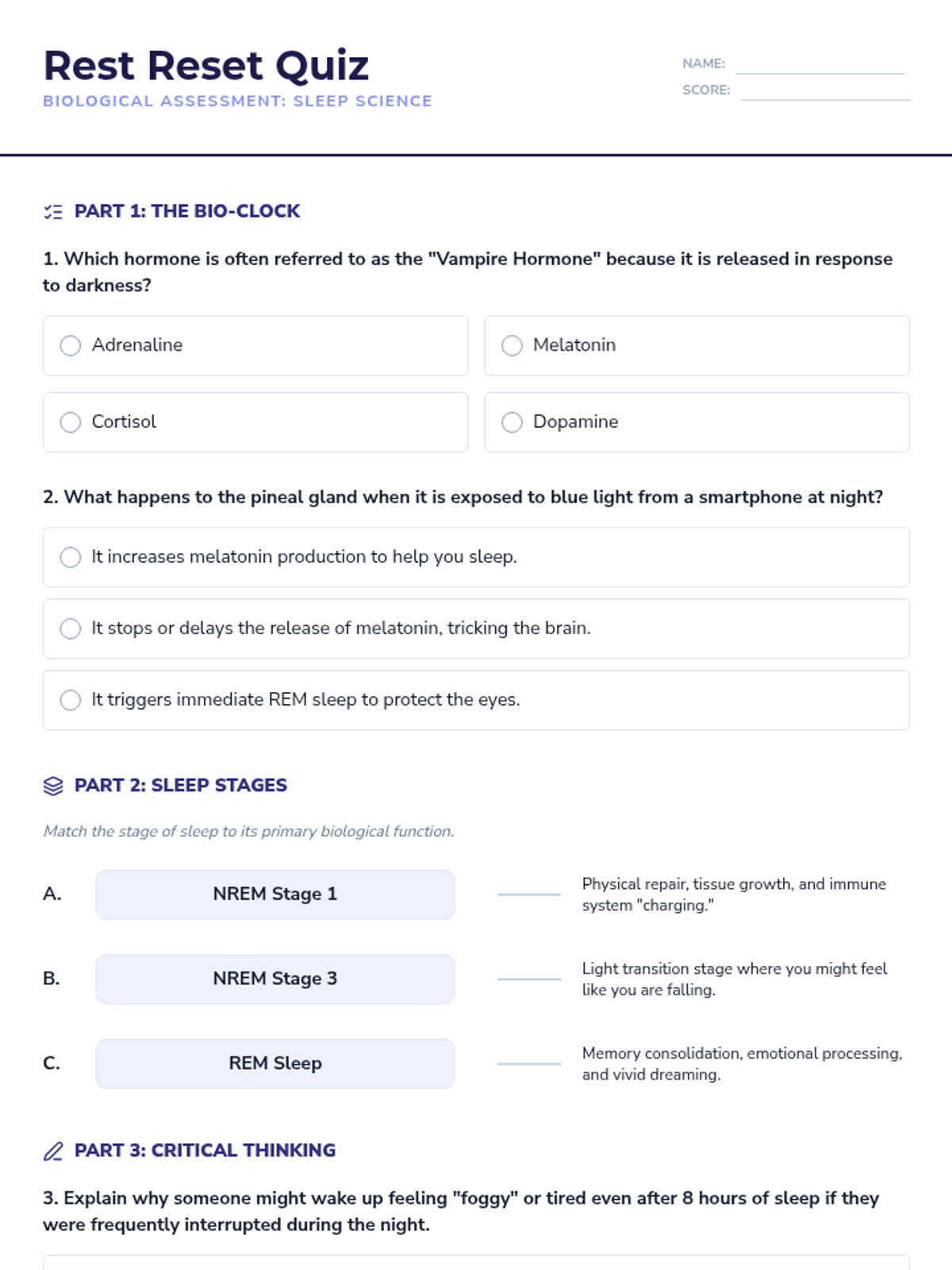
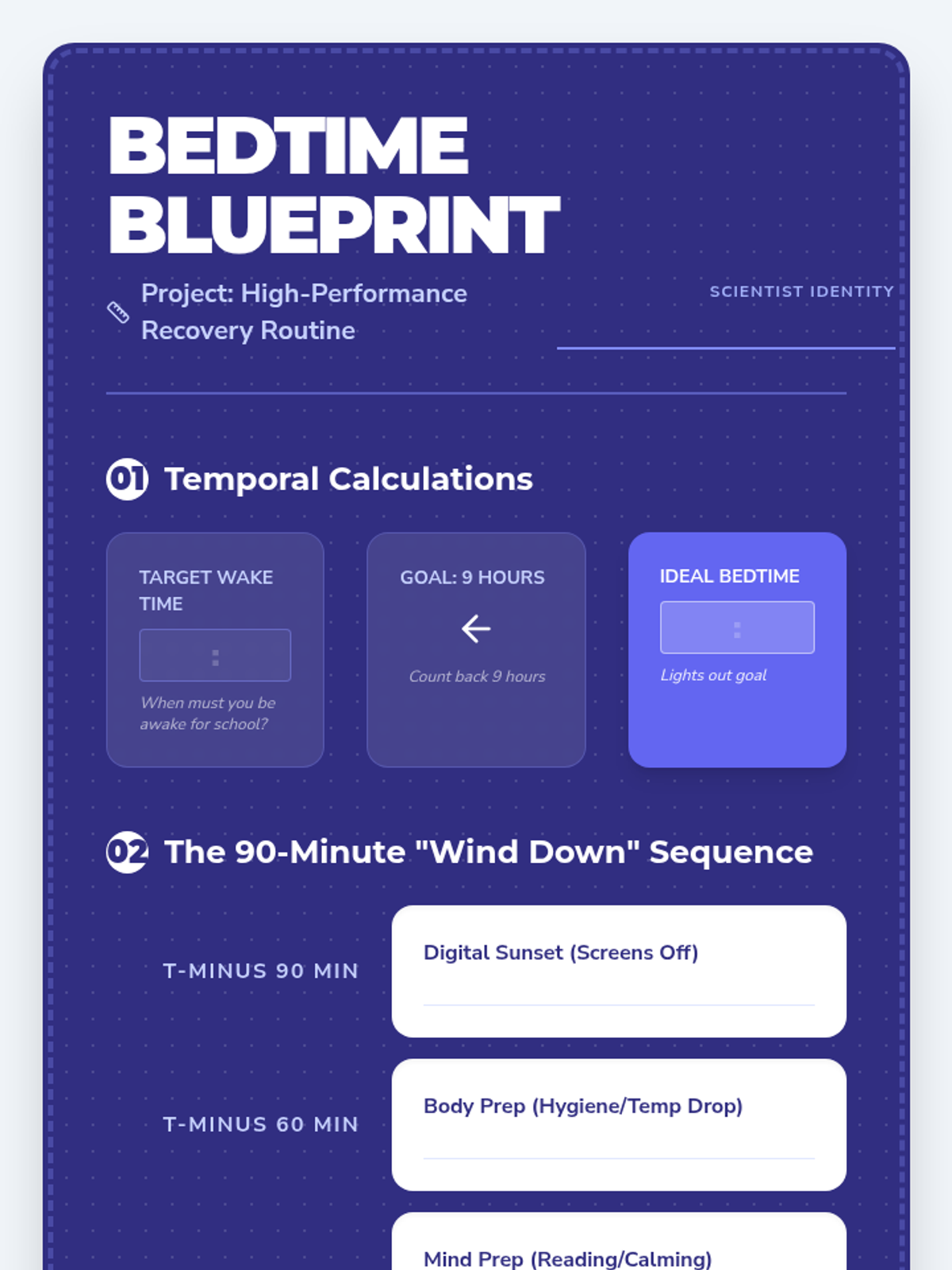
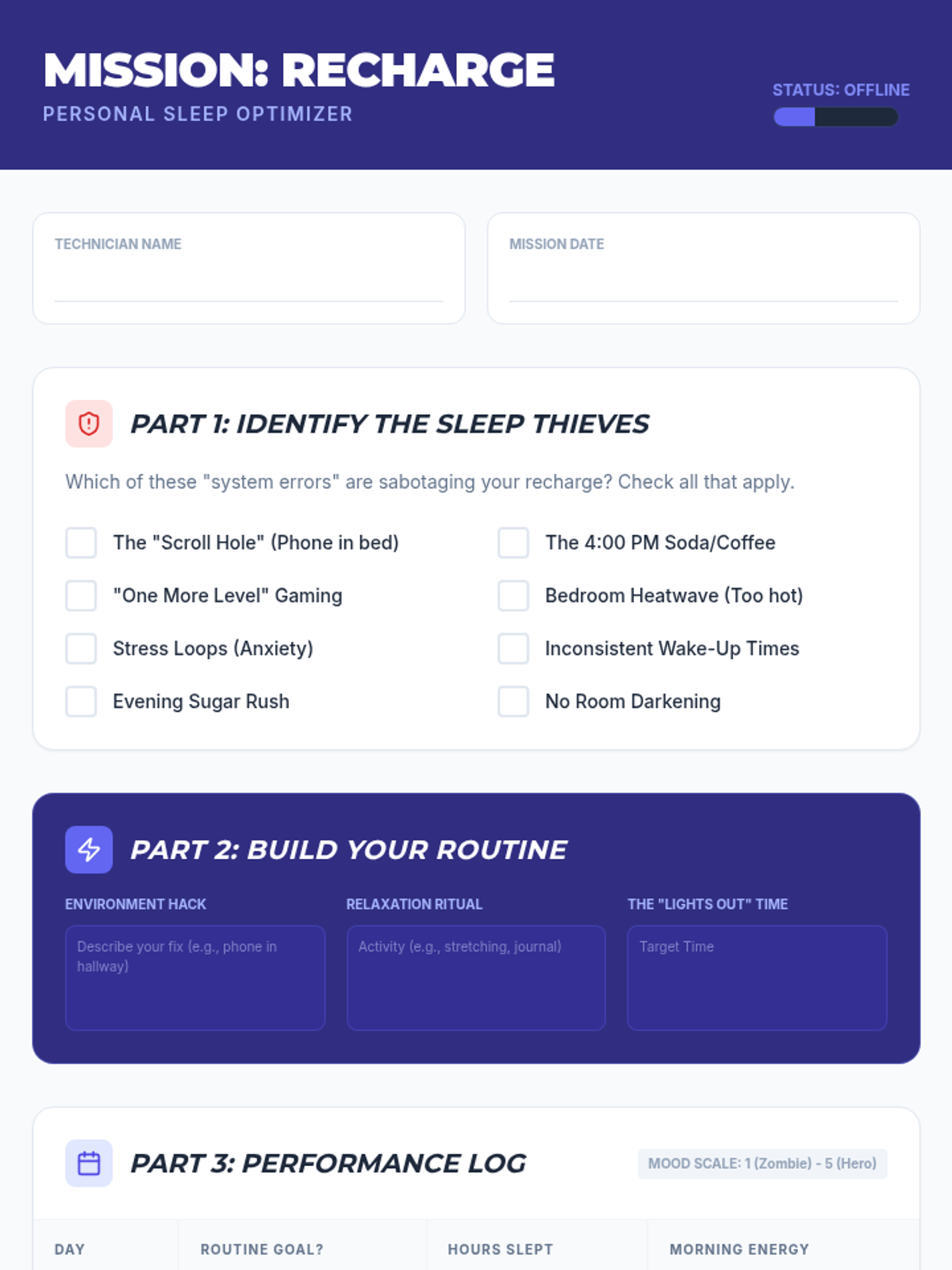
This lesson explores the biological necessity of sleep, the stages of the sleep cycle, and how rest impacts cognitive function and emotional regulation. Students will analyze their own sleep hygiene and develop a 'bedtime blueprint' to improve their quality of rest.
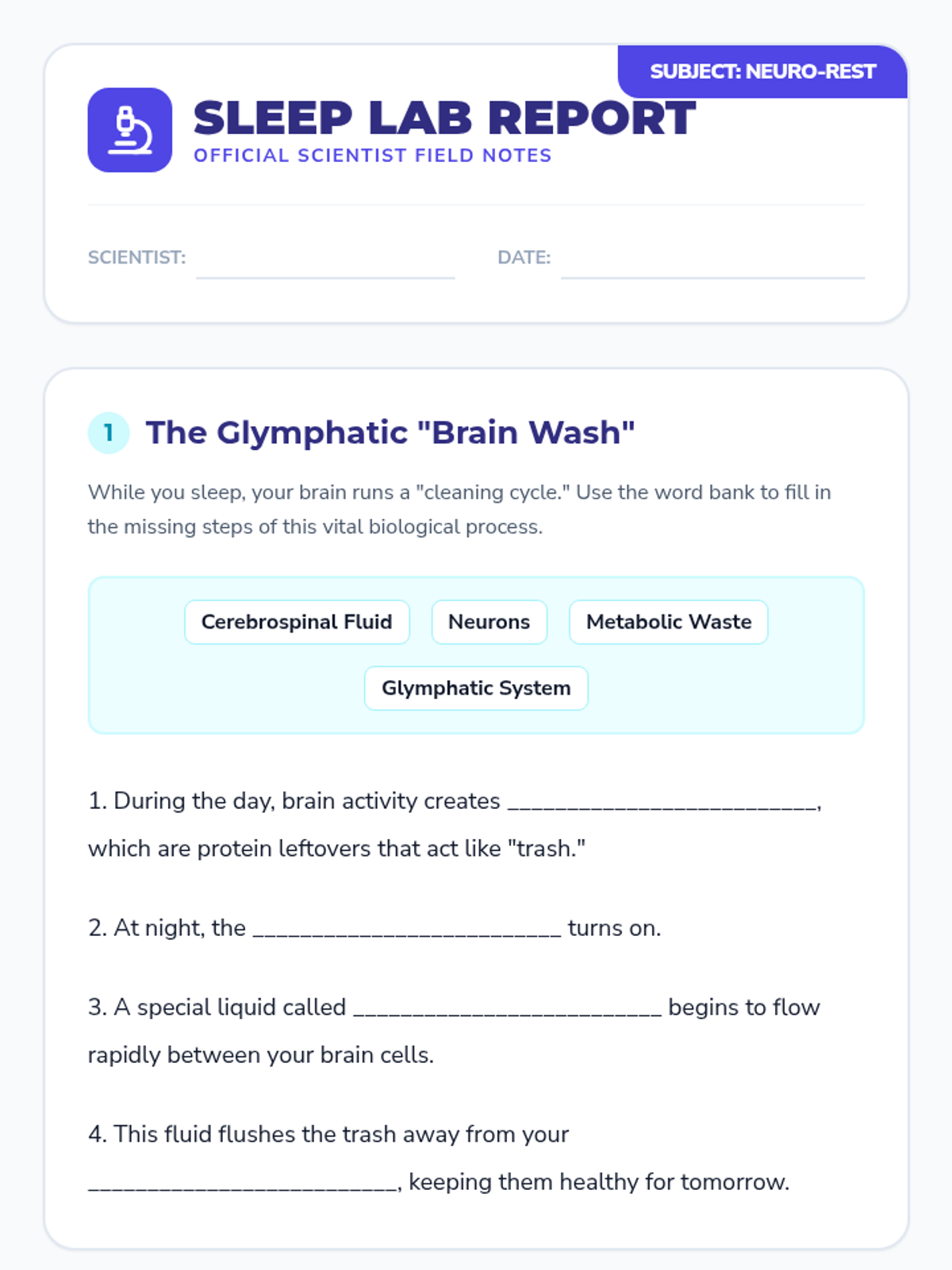
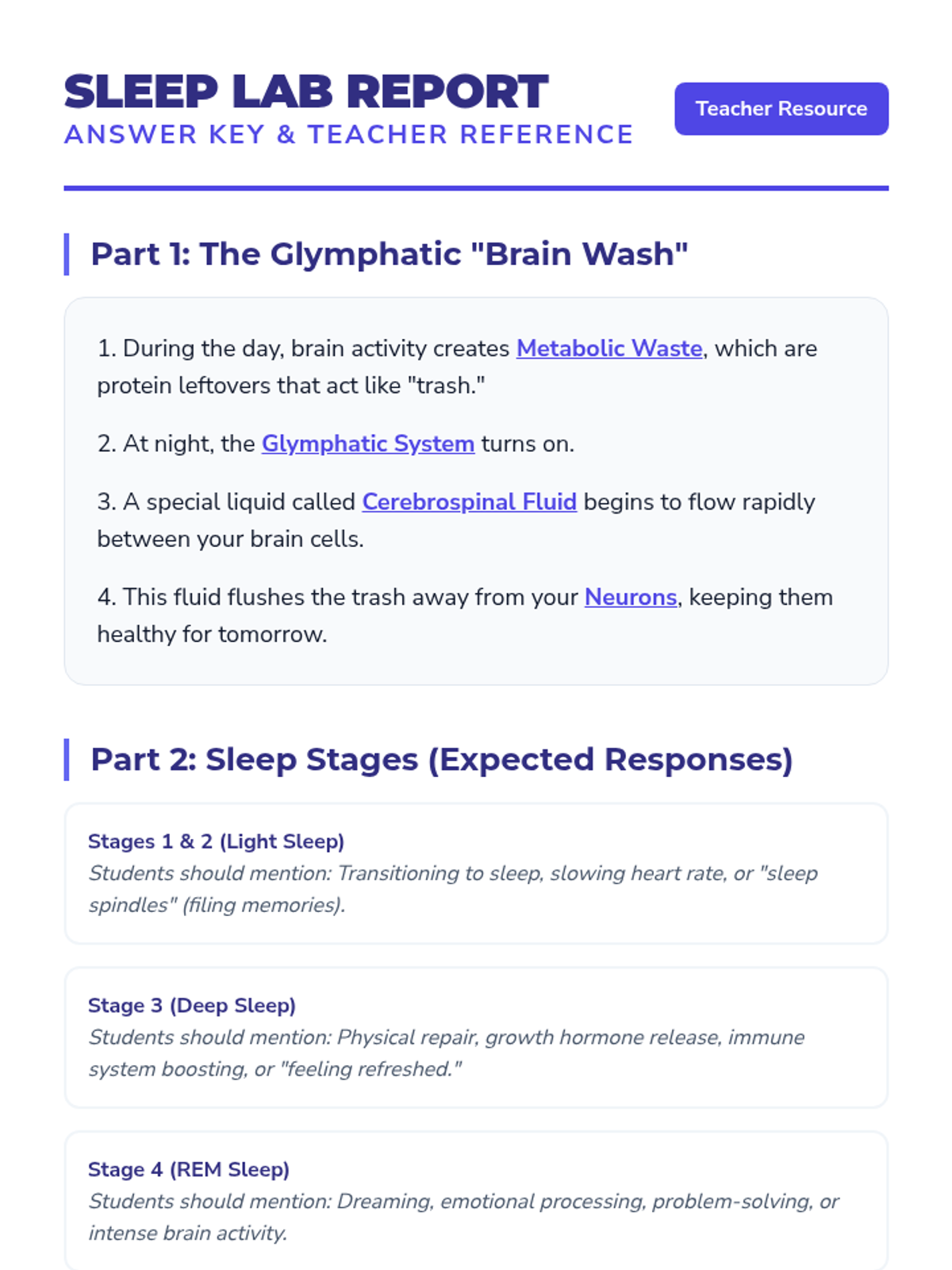
This lesson transforms students into Sleep Scientists to explore the biological necessity of rest. Students will learn about the four stages of sleep, the brain's "cleaning" process during the night, and the direct link between sleep hygiene and emotional/cognitive performance. The lesson culminates in students designing a personalized 'Bedtime Blueprint' to optimize their own recovery.
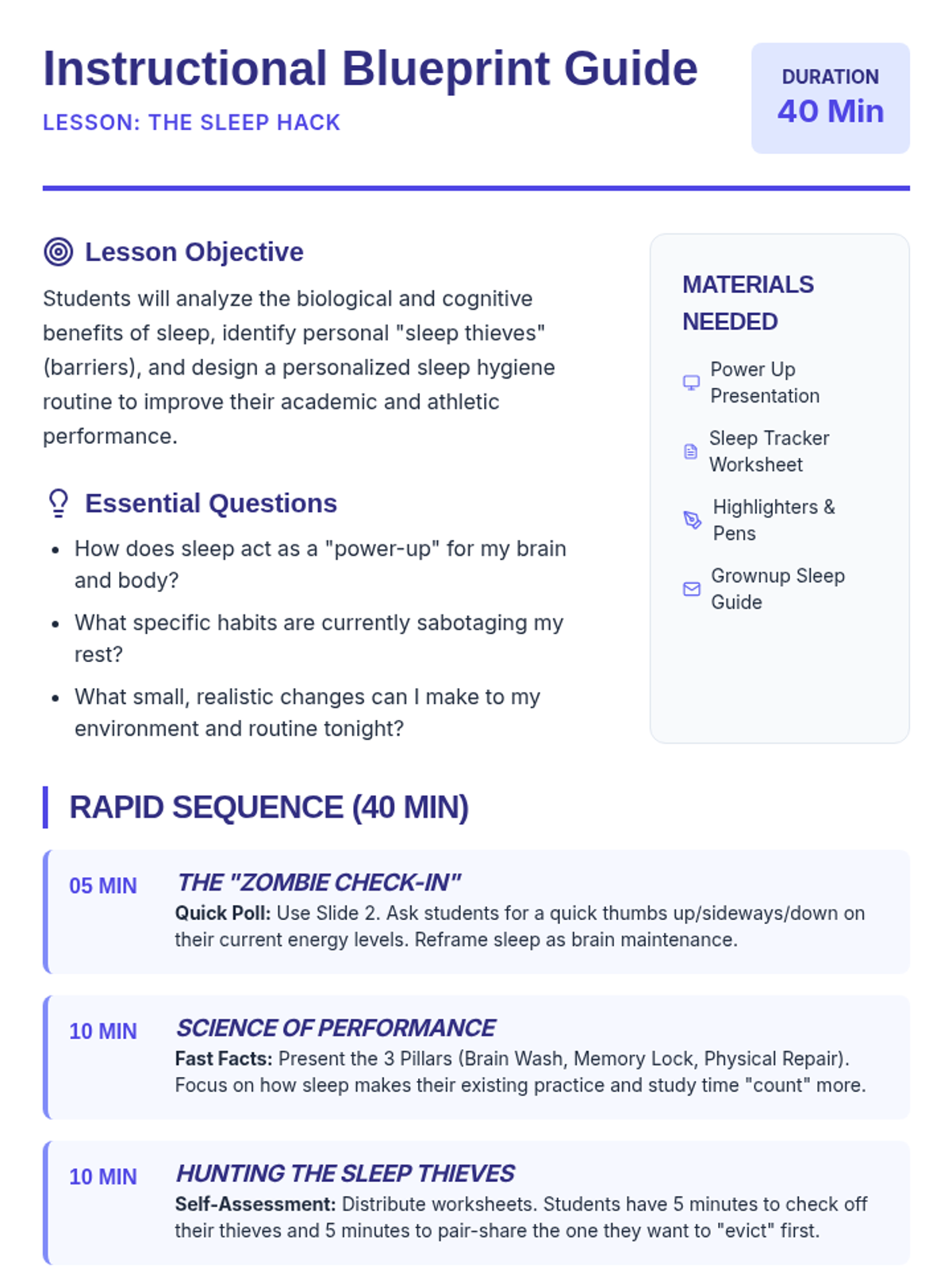
An engaging lesson that breaks down why sleep is a performance-enhancing 'hack' for students and provides practical tools for building a better bedtime routine.
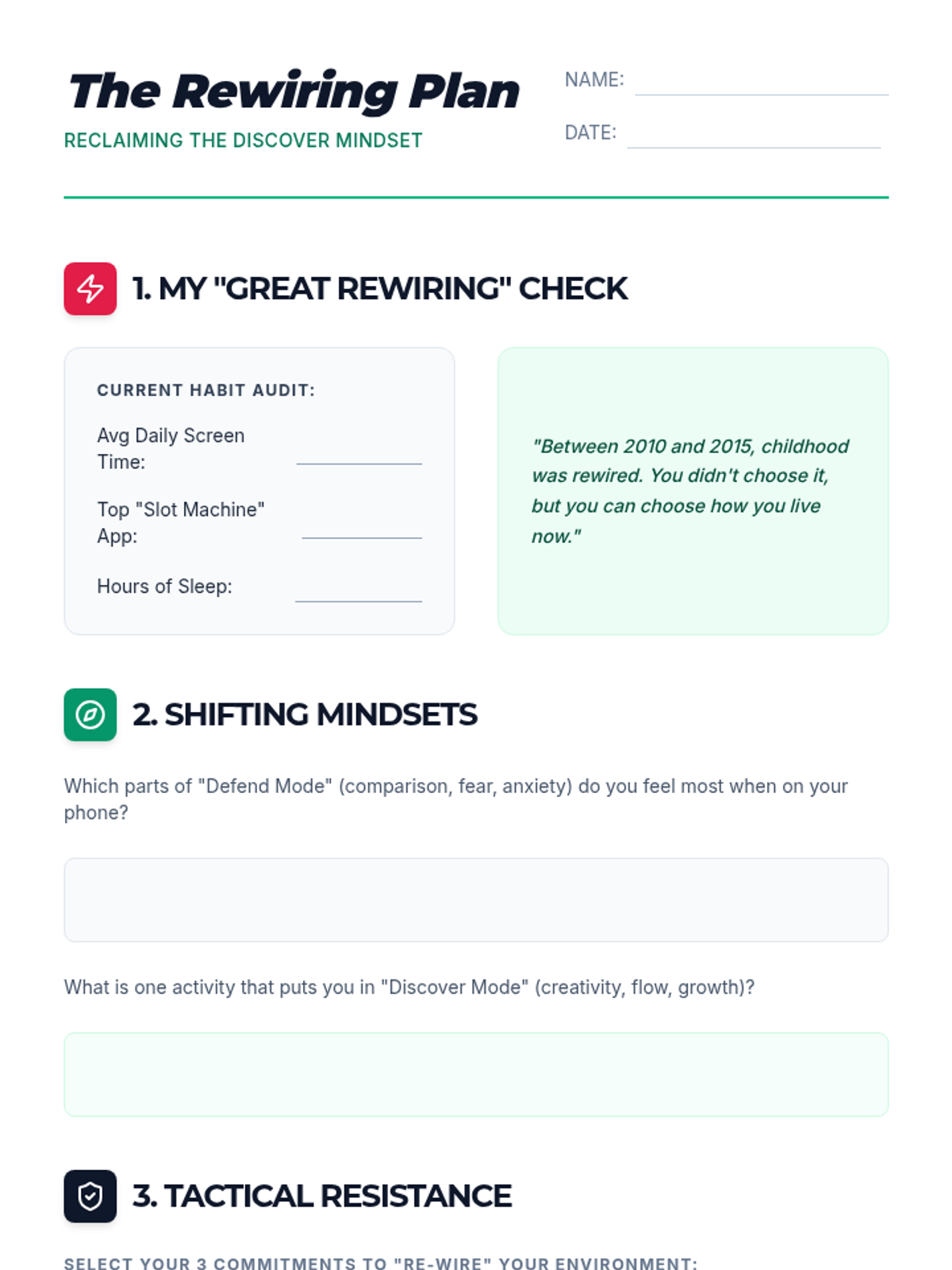
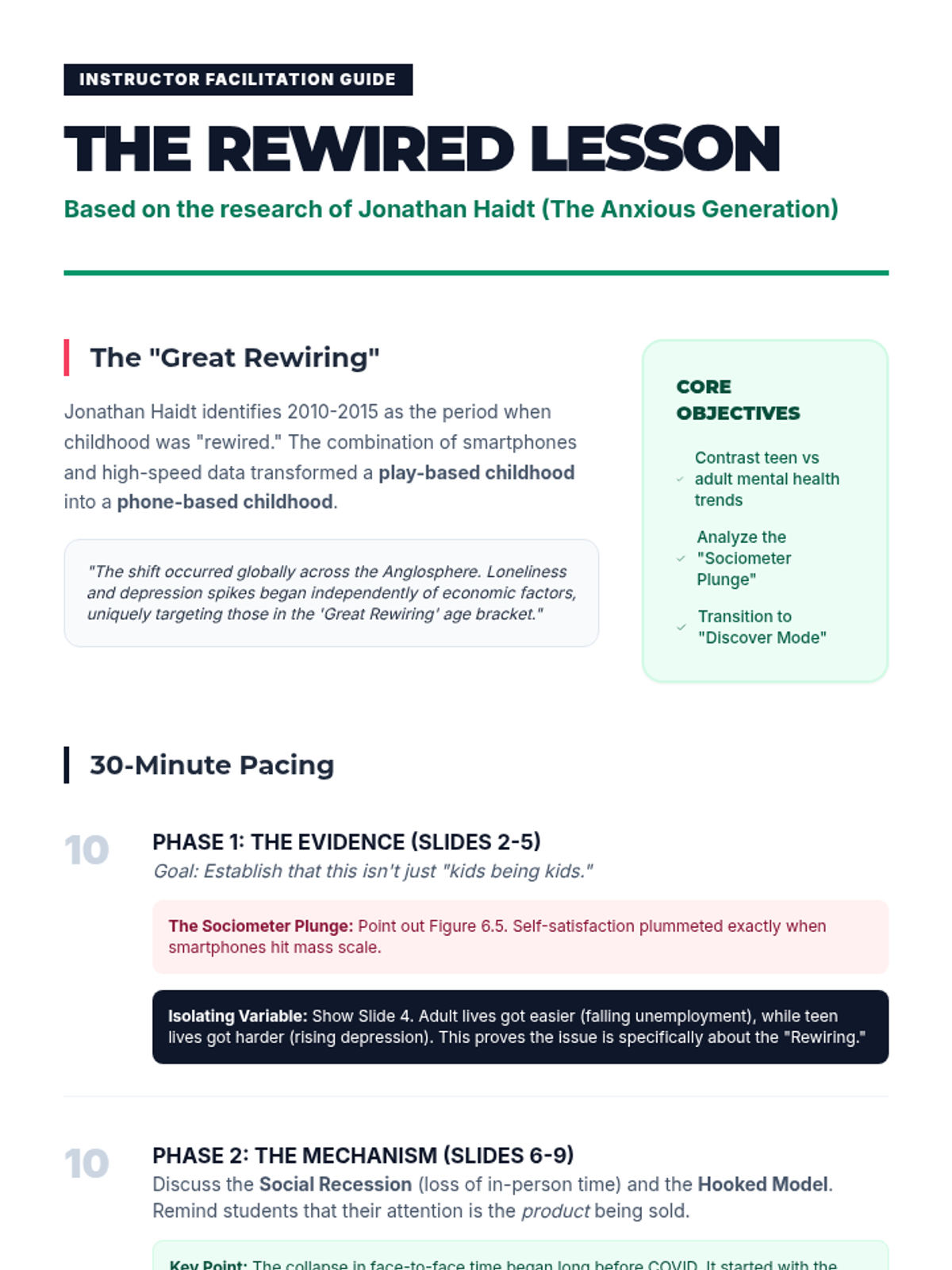
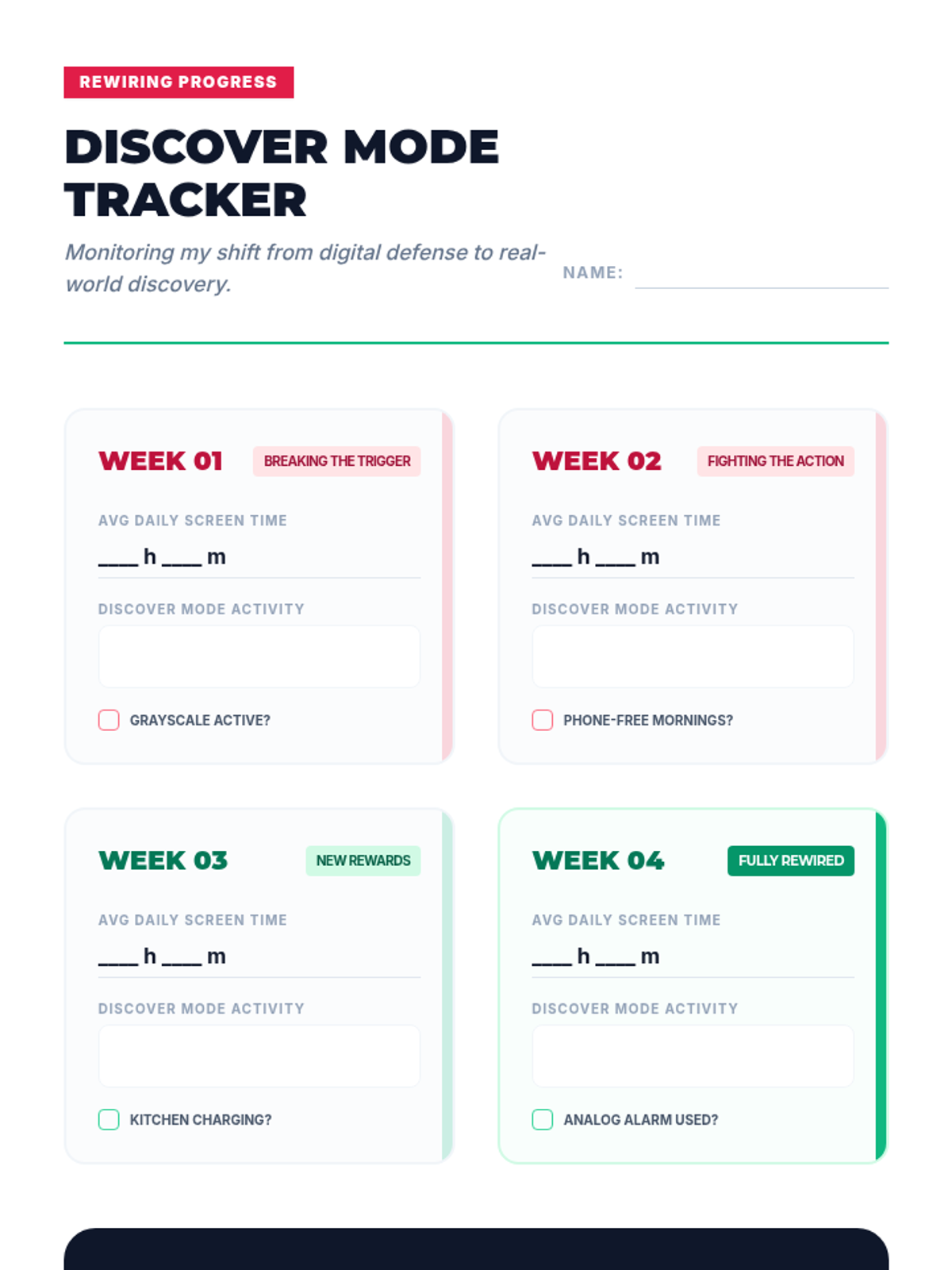
A 30-minute workshop designed for upper high school students to evaluate their digital habits and construct a personalized plan for reducing screen time in favor of real-world engagement.
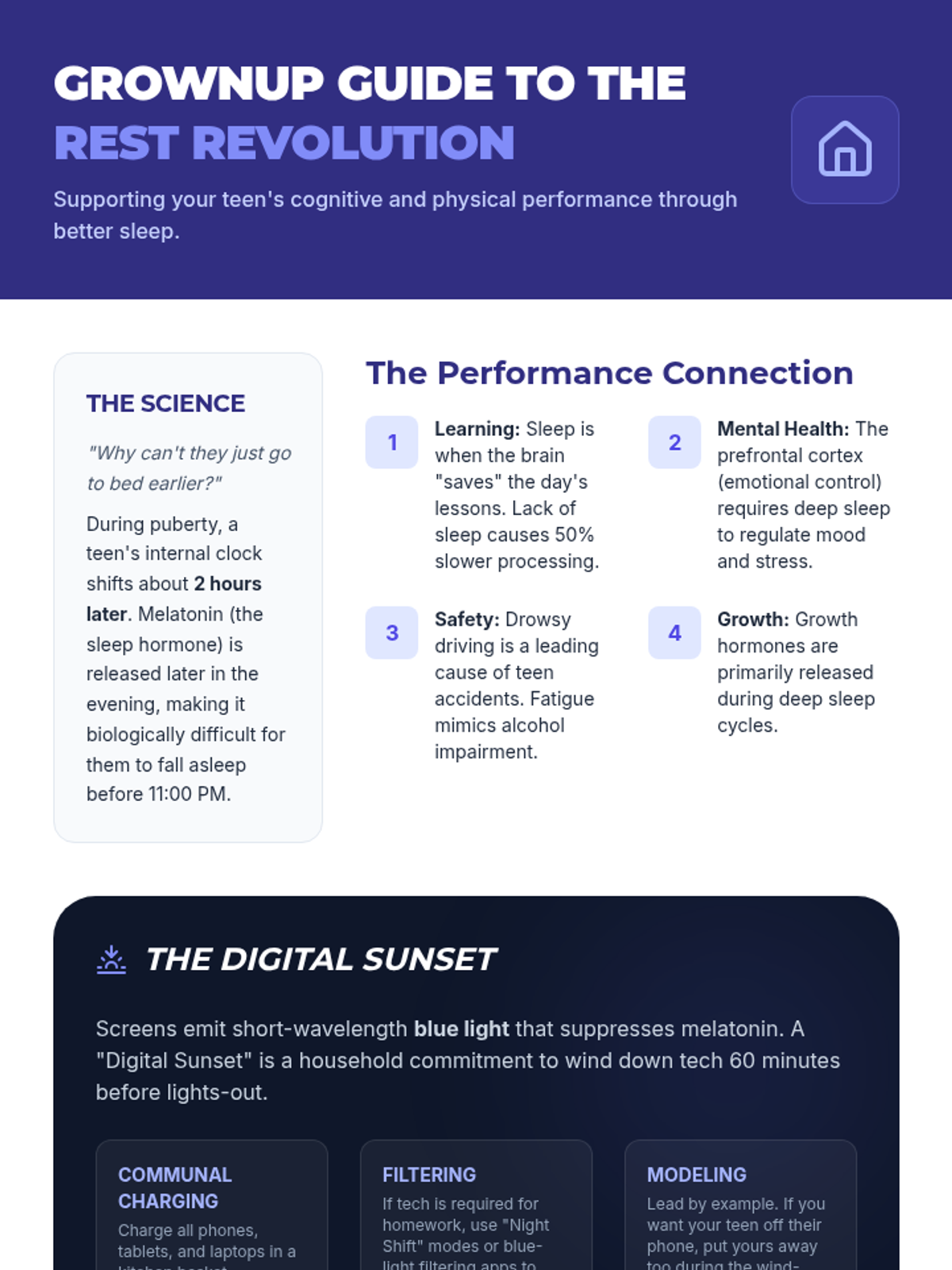
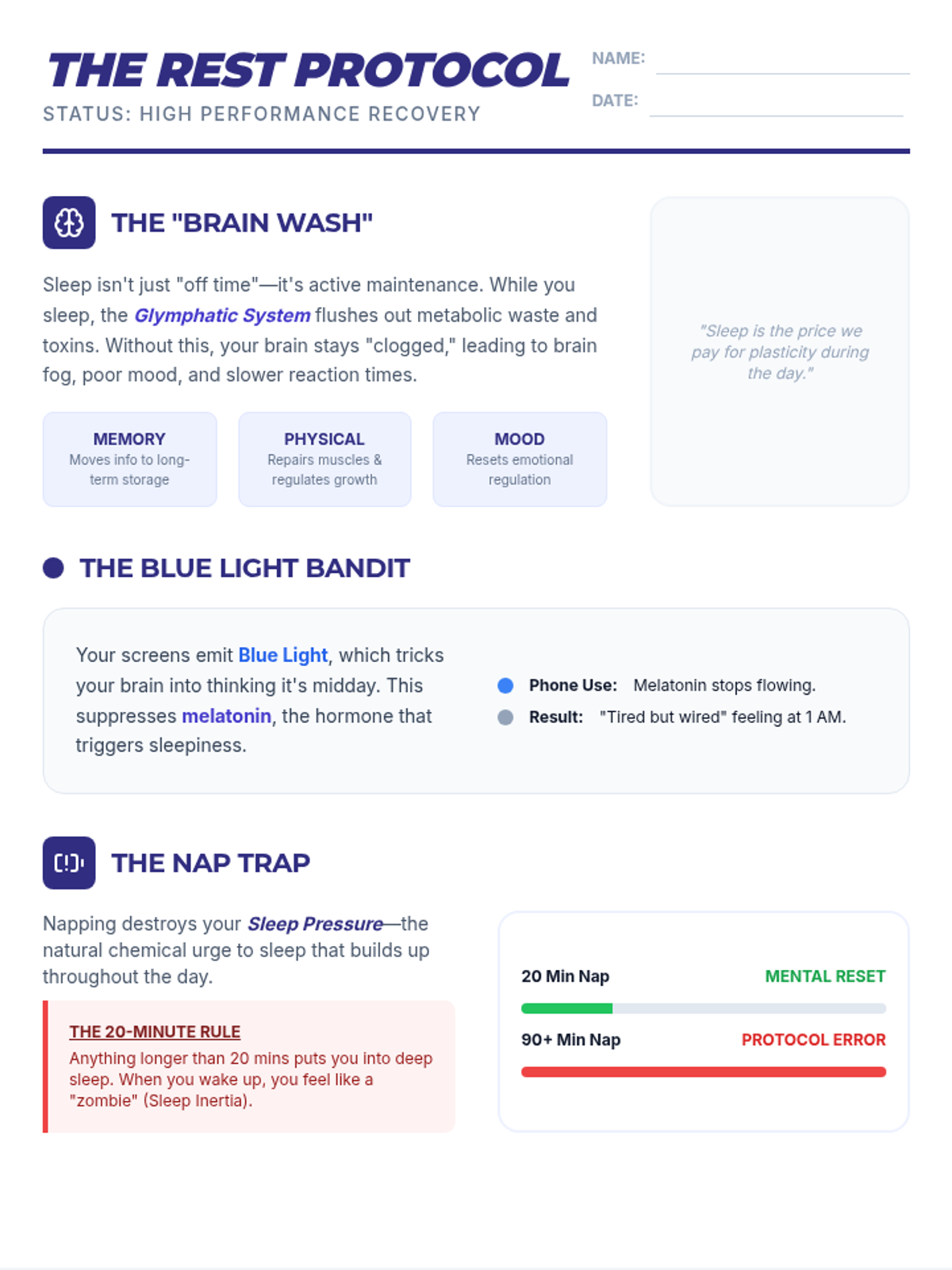
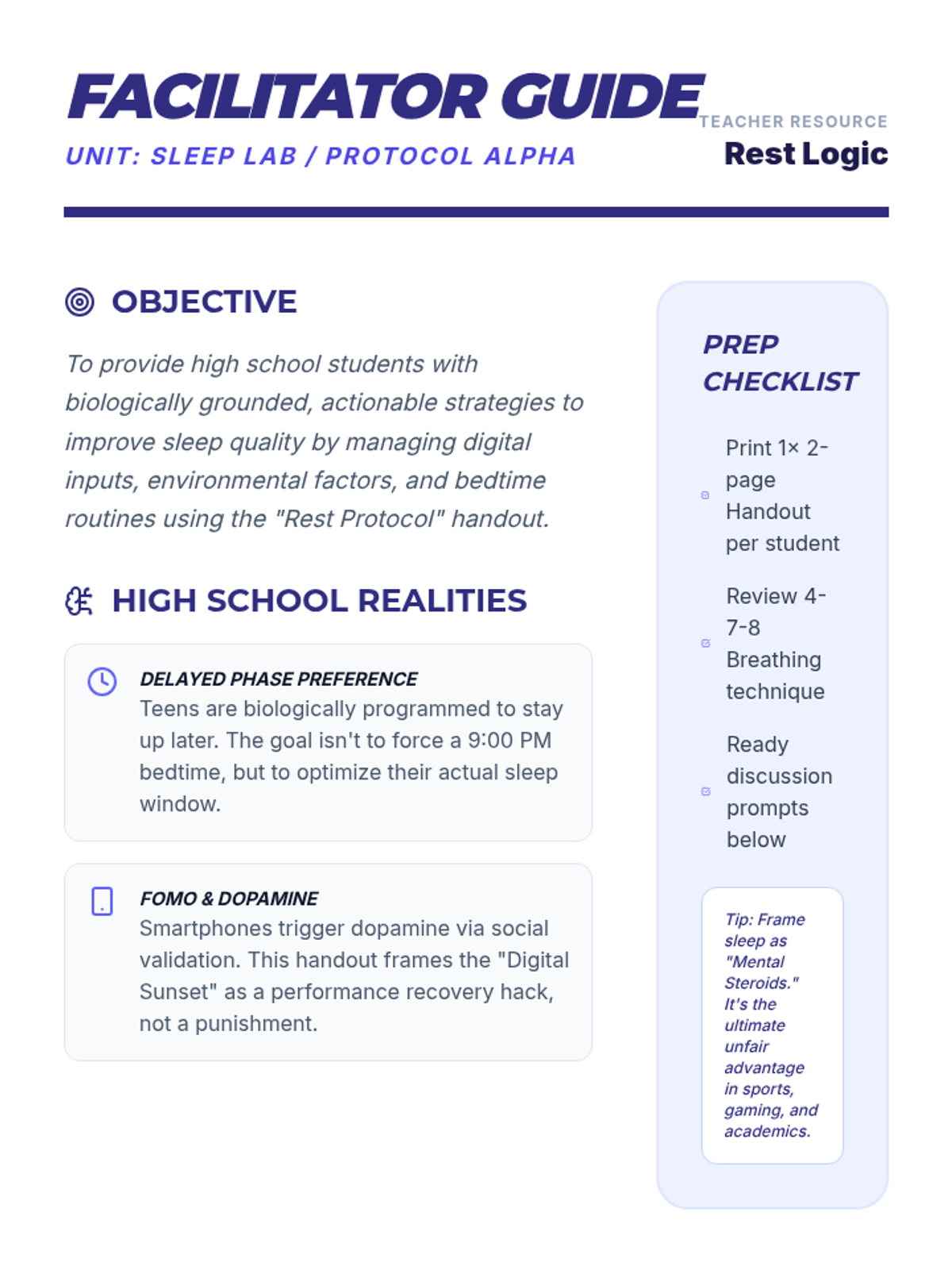
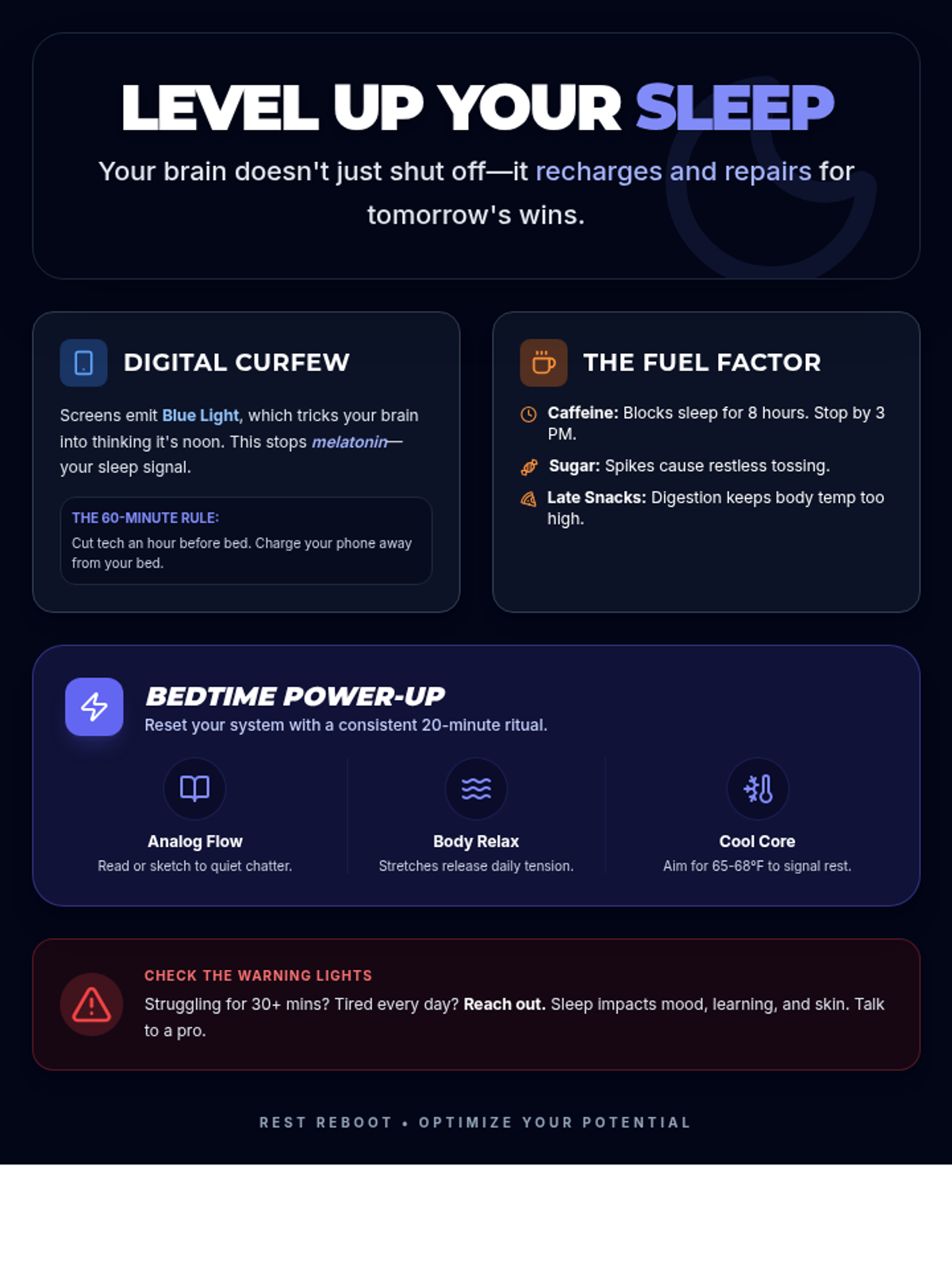
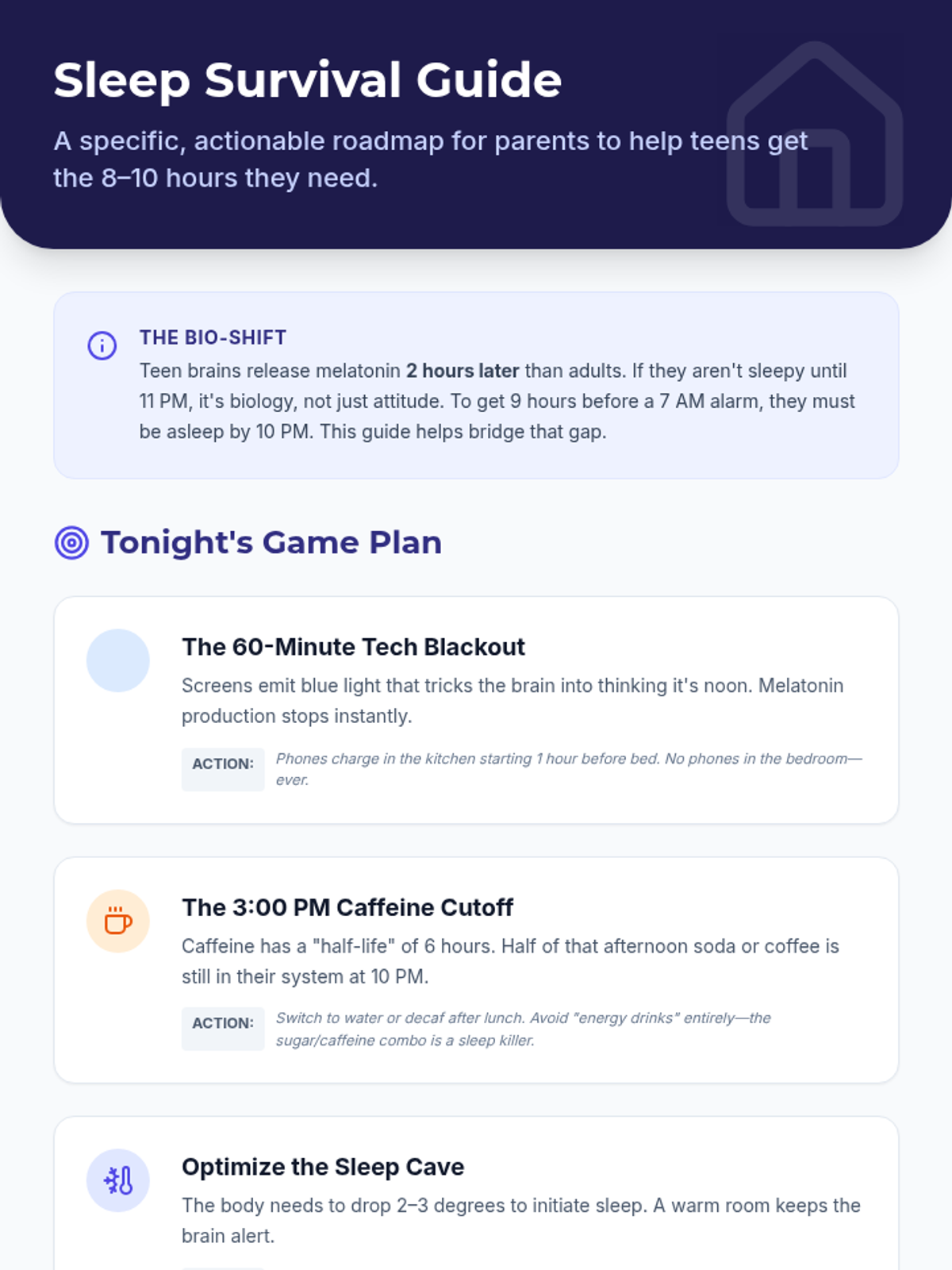
This lesson explores the science of sleep hygiene tailored for high school students, focusing on the biological impact of technology and practical strategies for optimizing rest.
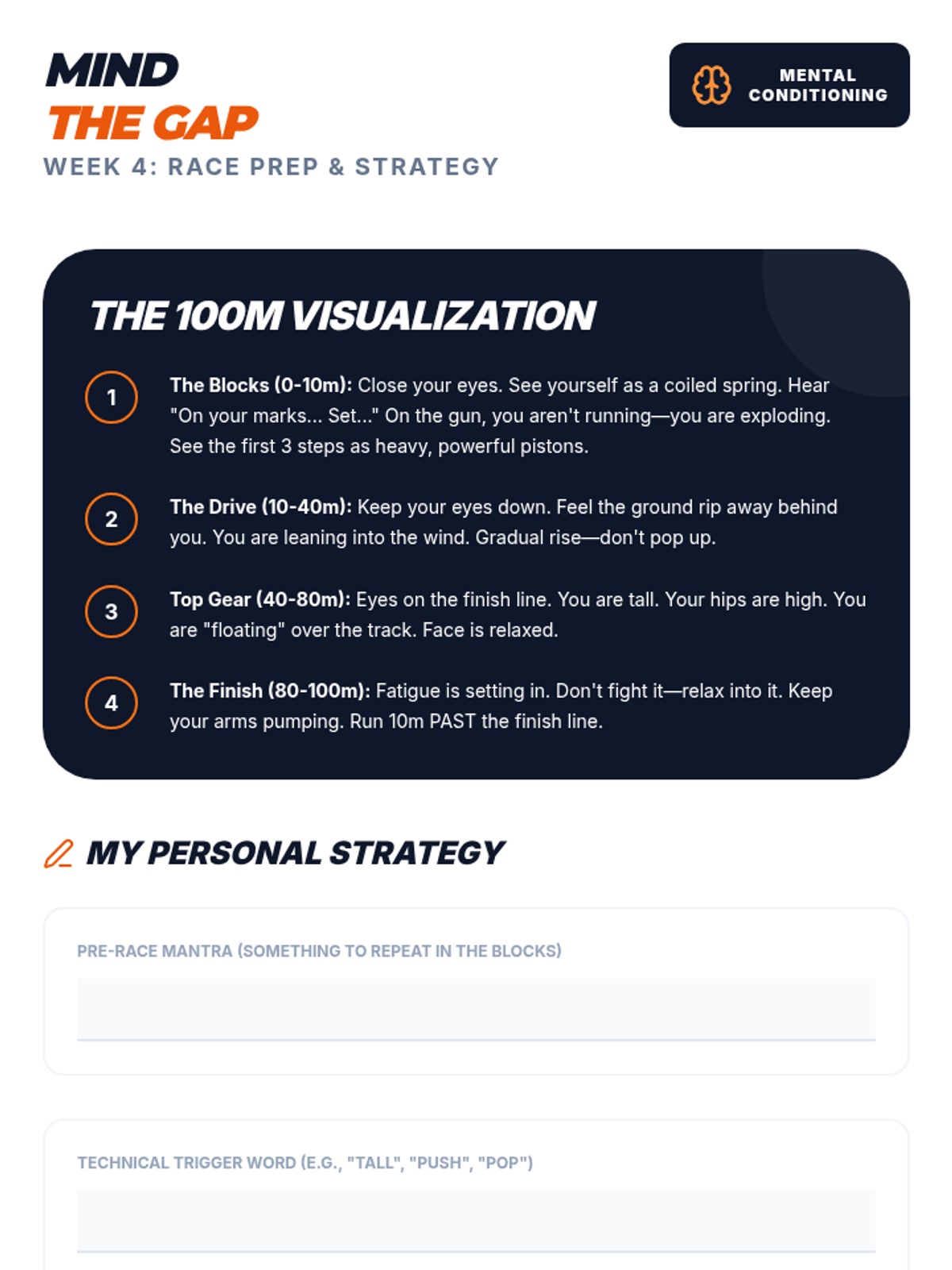
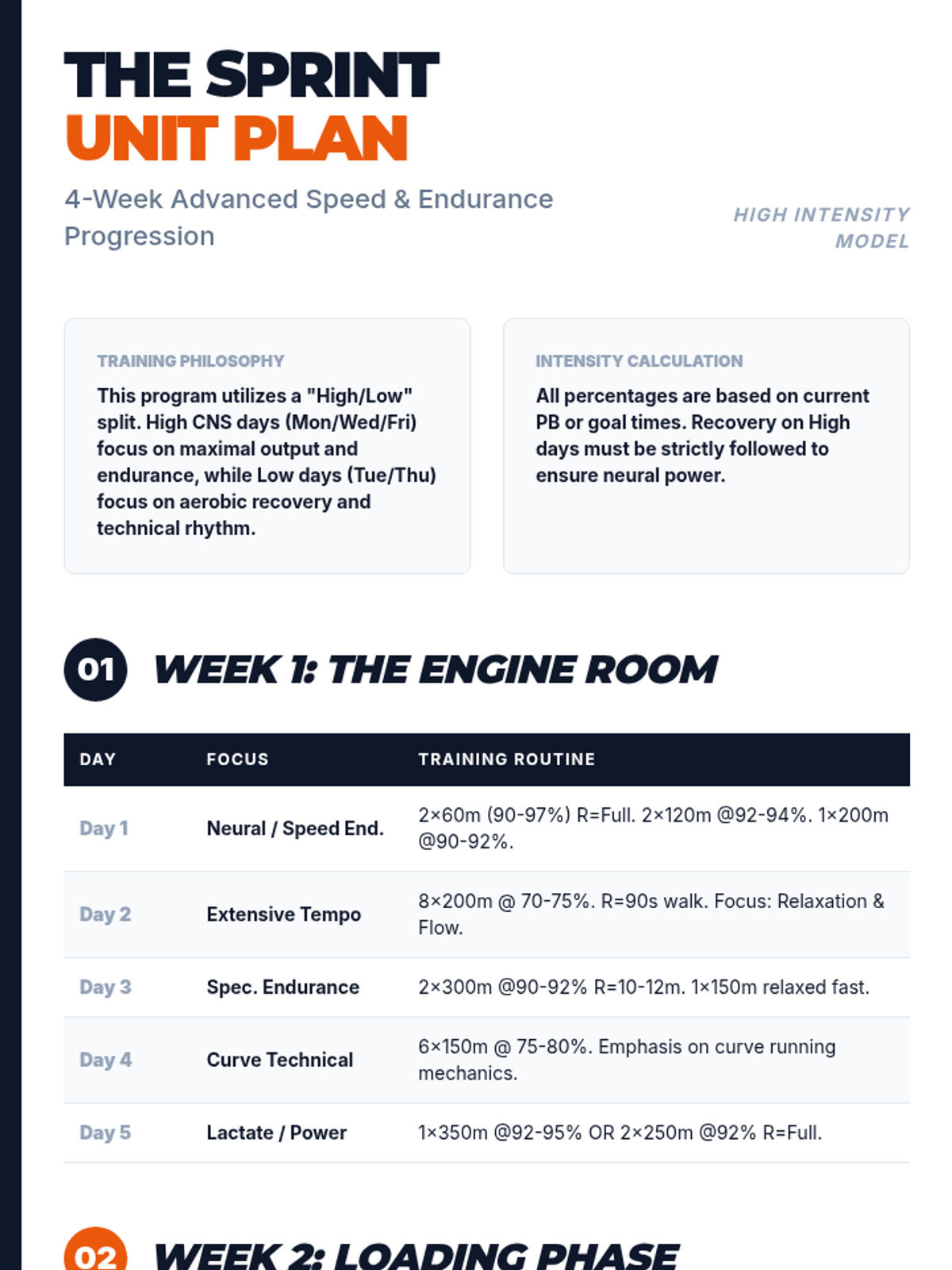
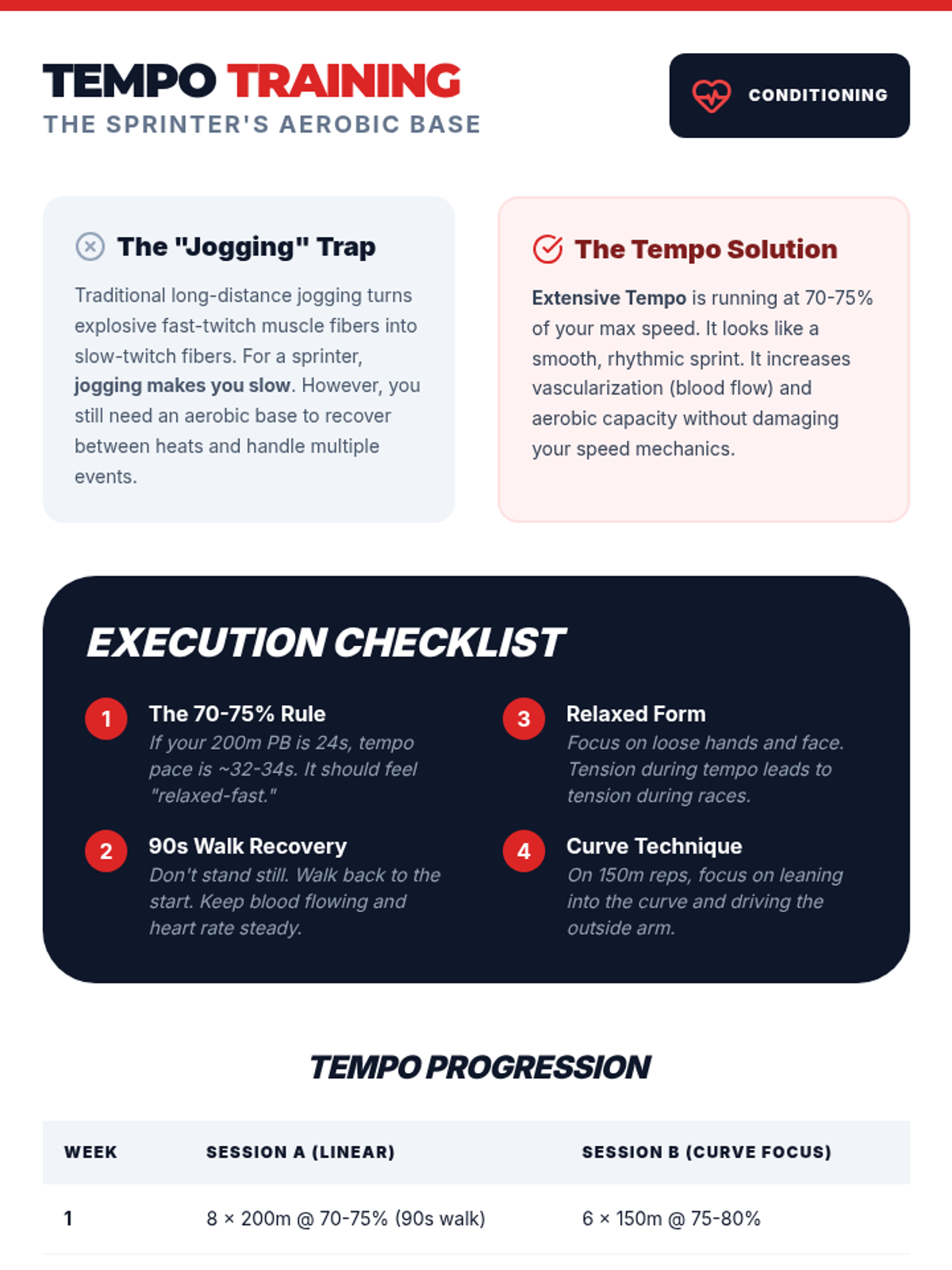
Fine-tuning starts, speed endurance intervals, and preparing for competition-style sprinting.
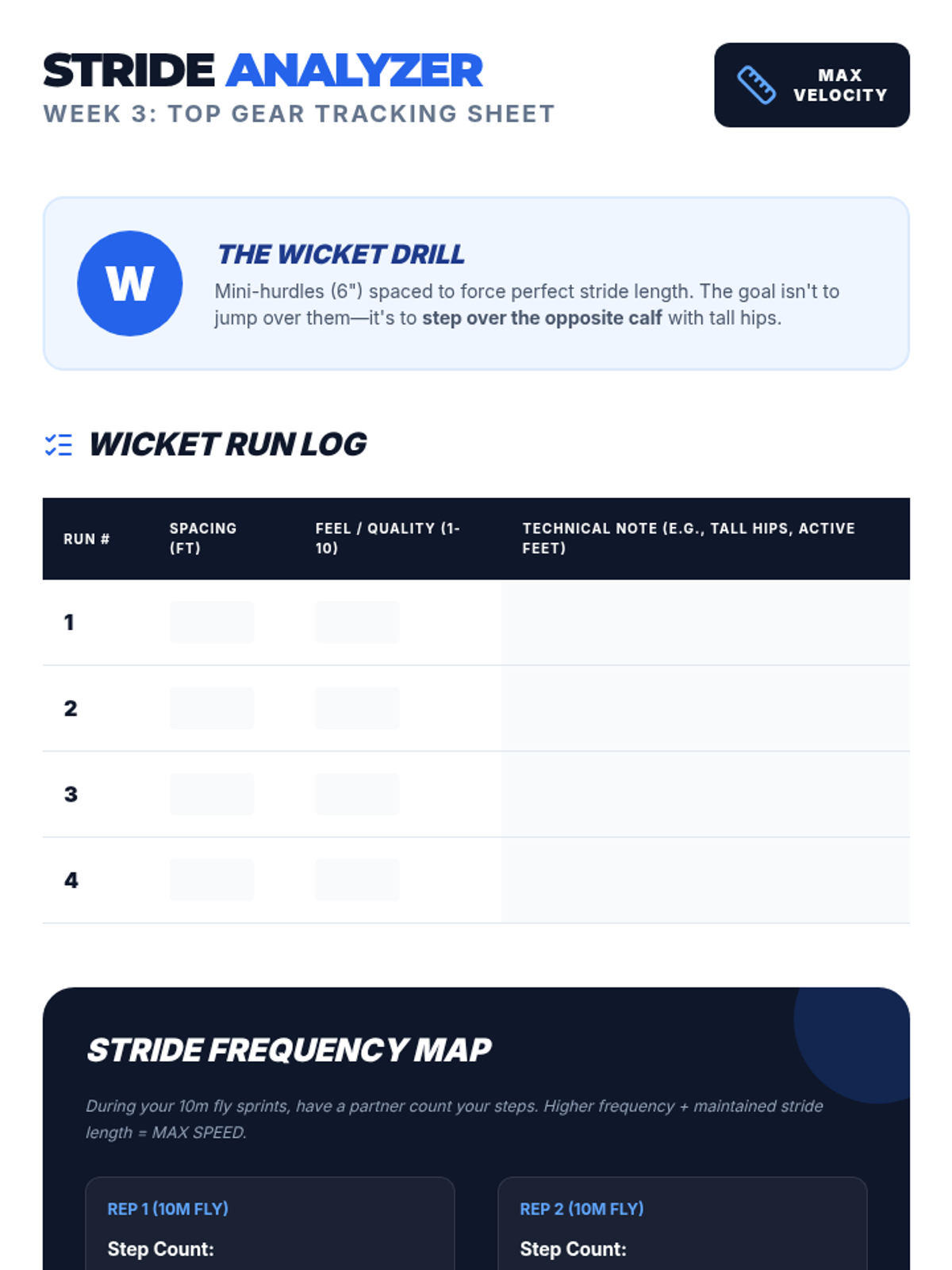
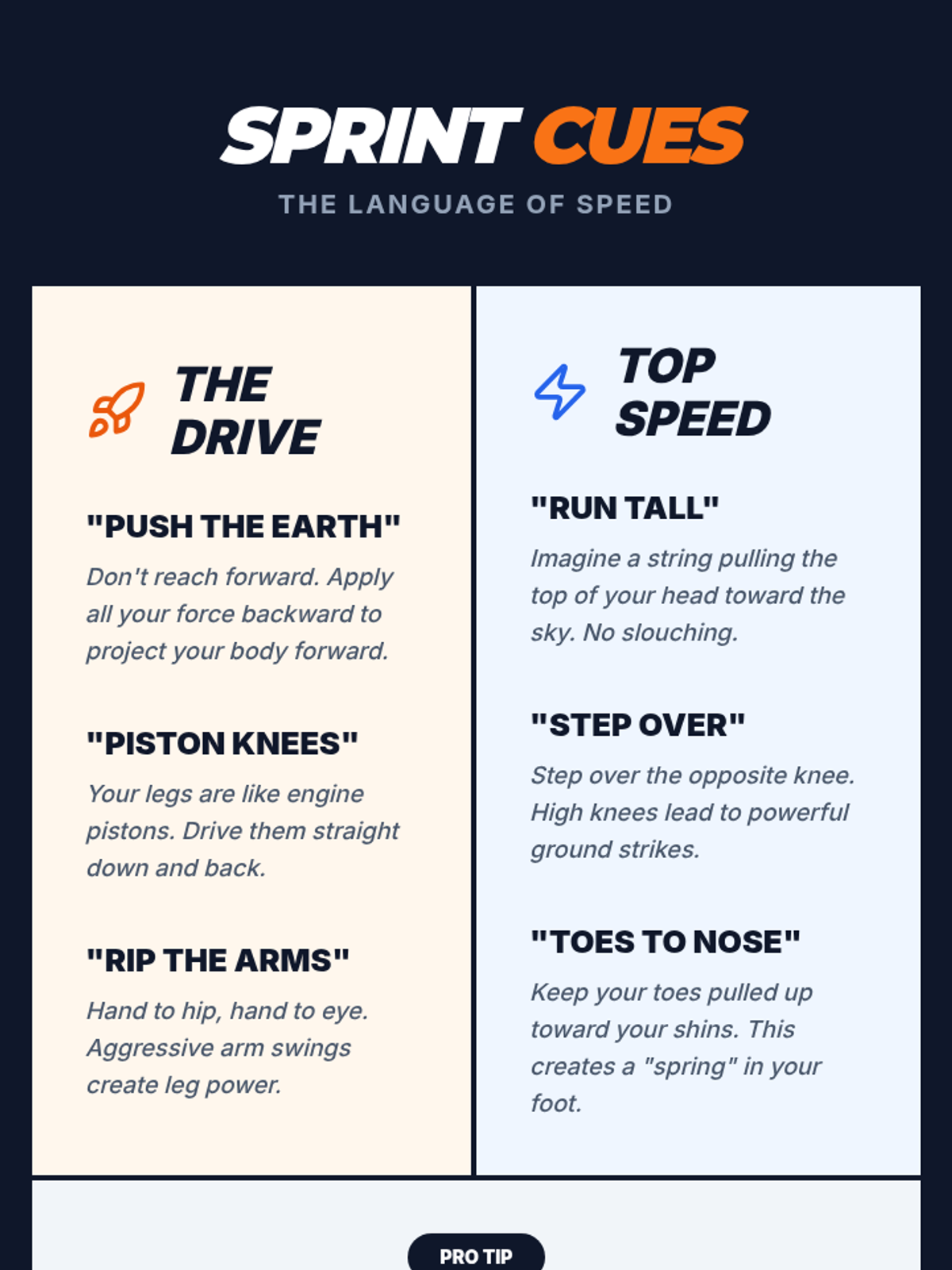
Training upright sprinting mechanics, stride frequency through wicket drills, and maximum velocity maintenance.
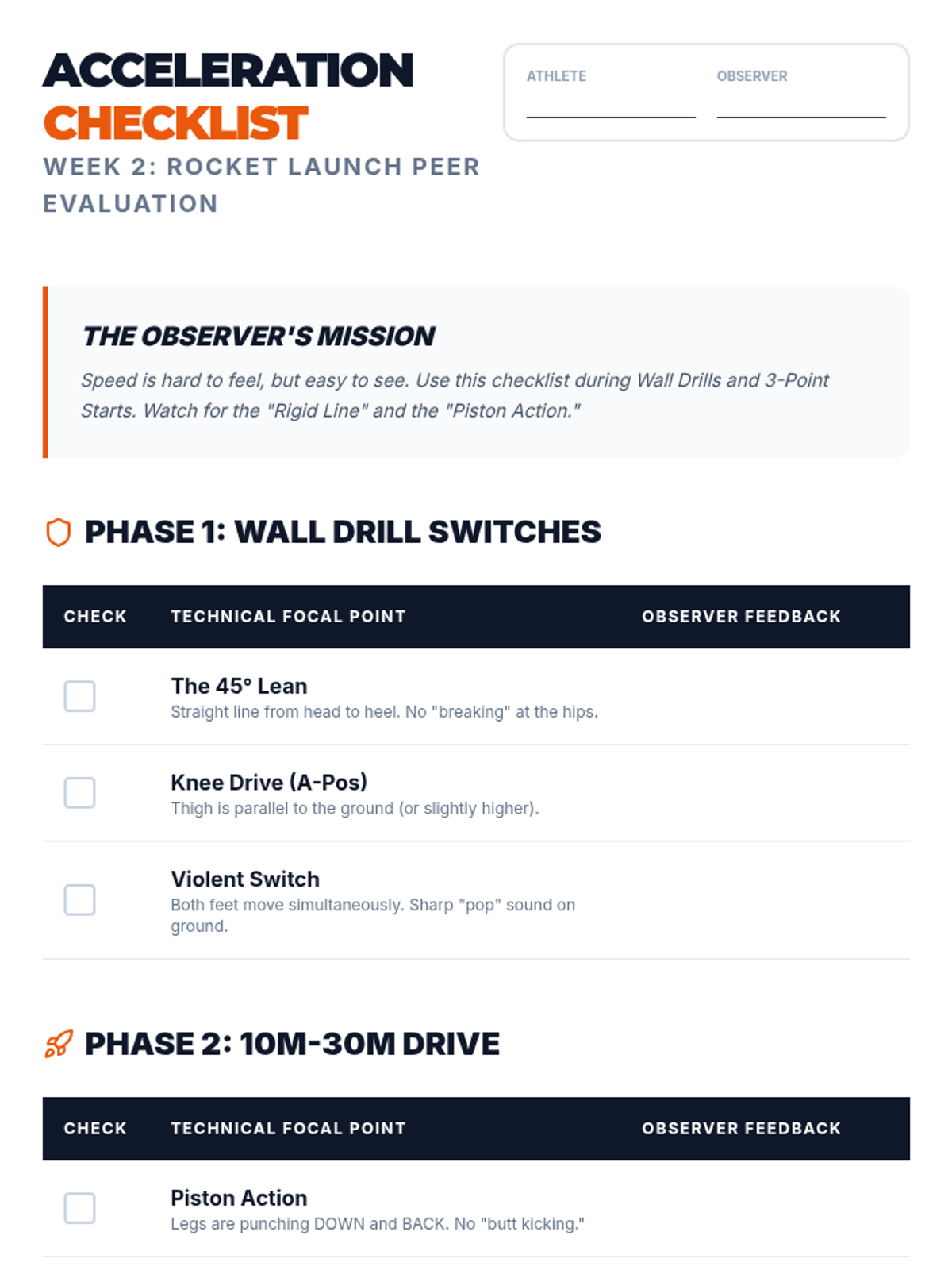
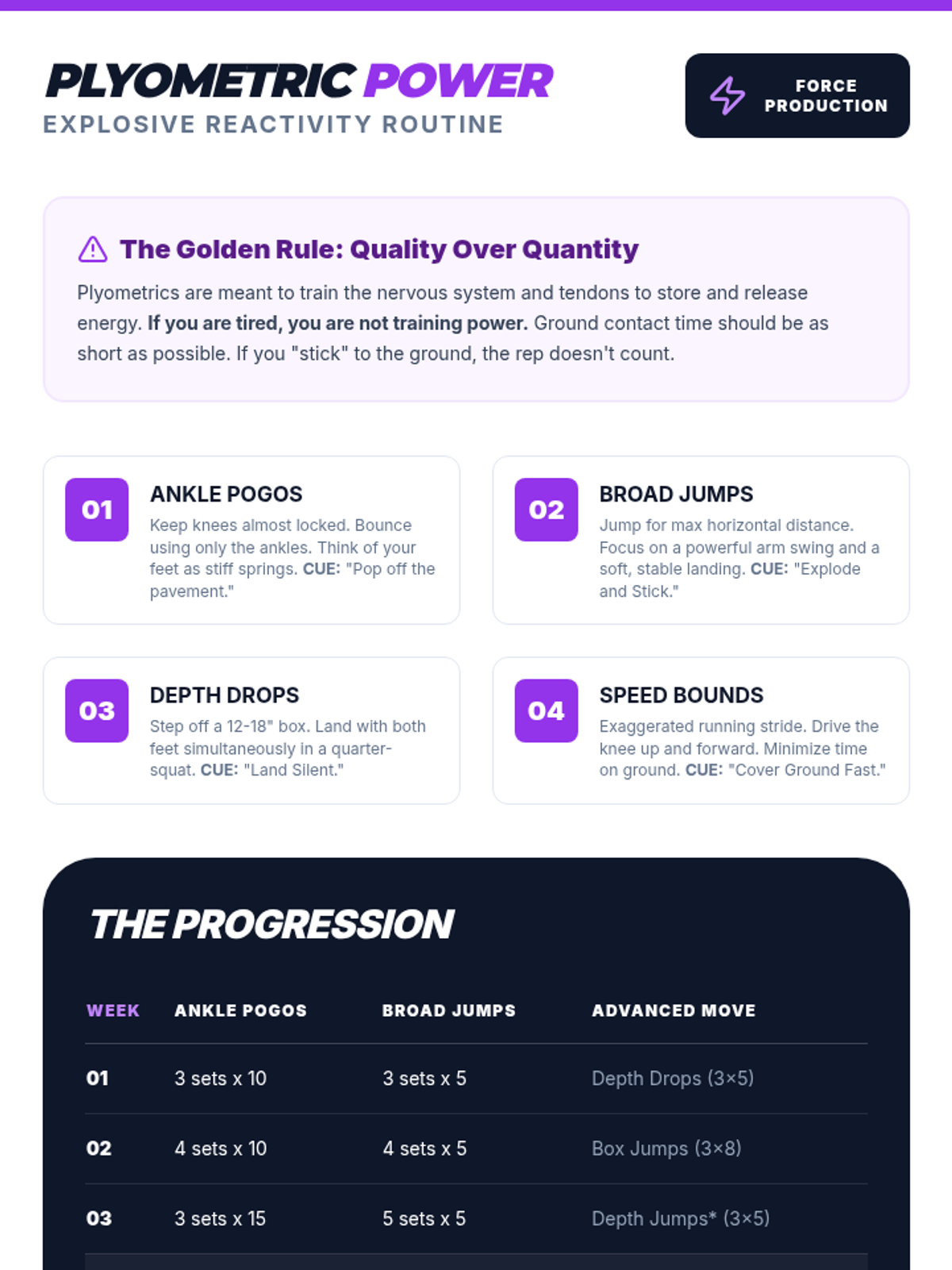
Introducing the drive phase, explosive wall drills, and higher-intensity plyometrics to build raw power.
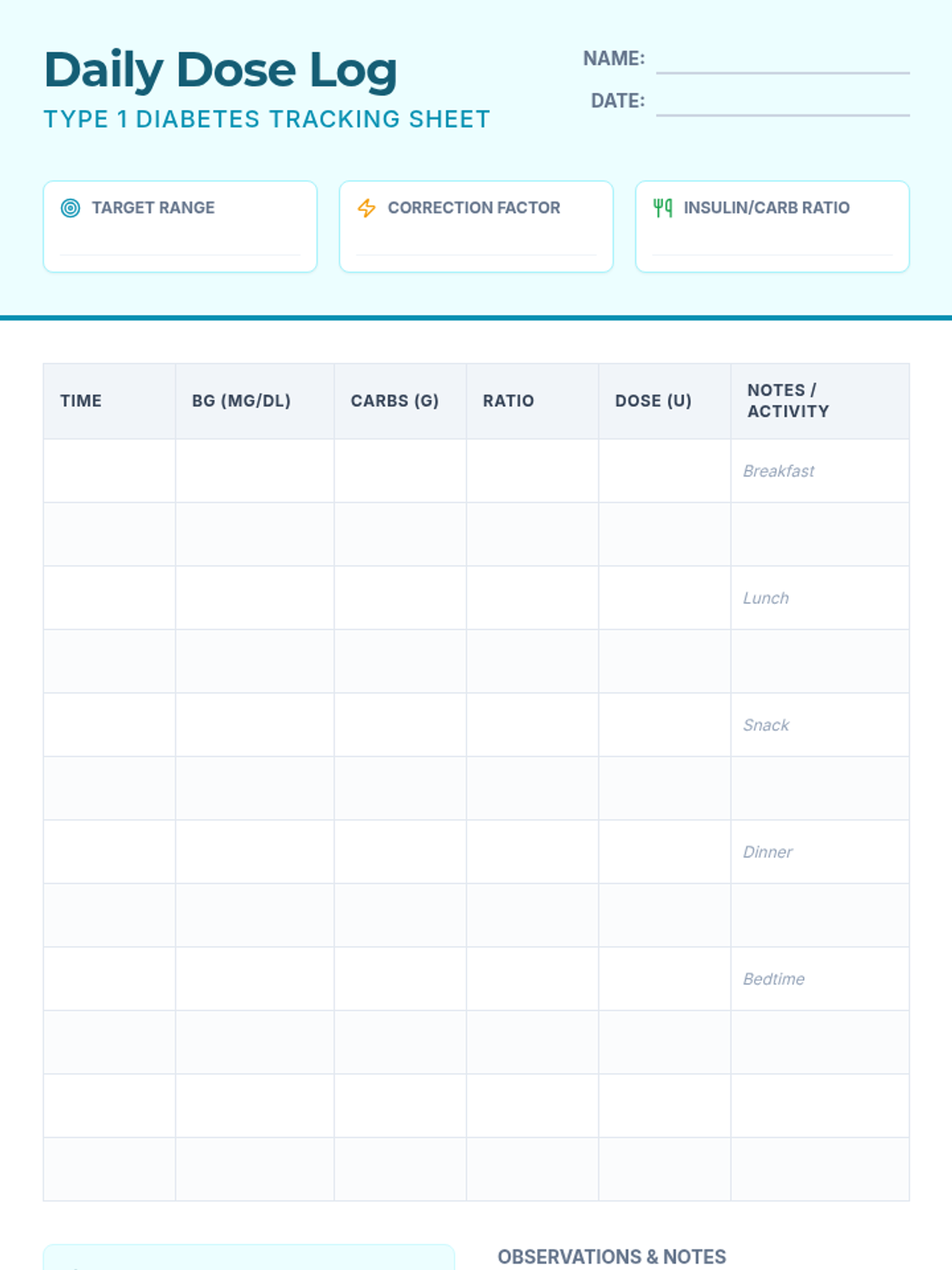
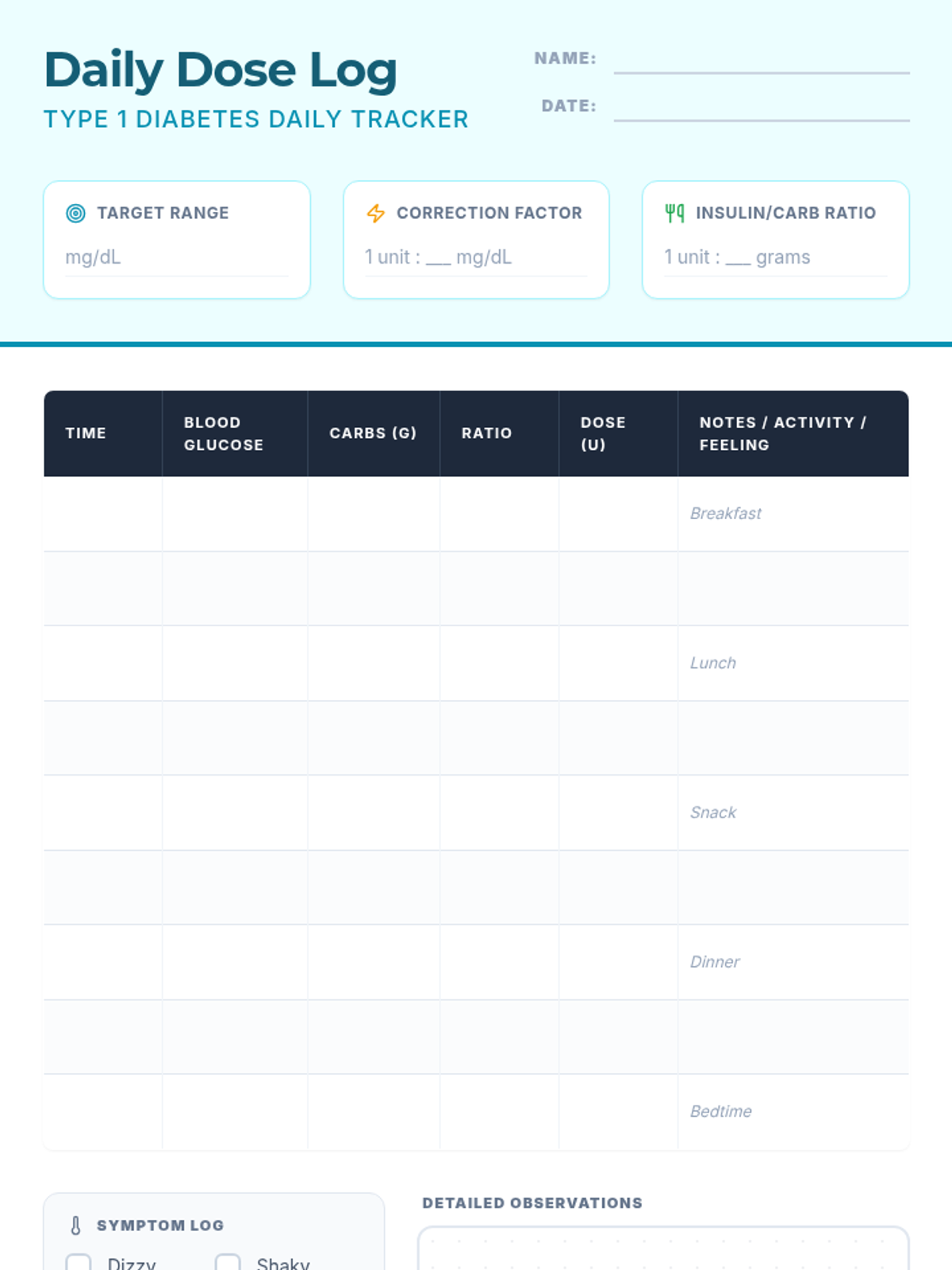
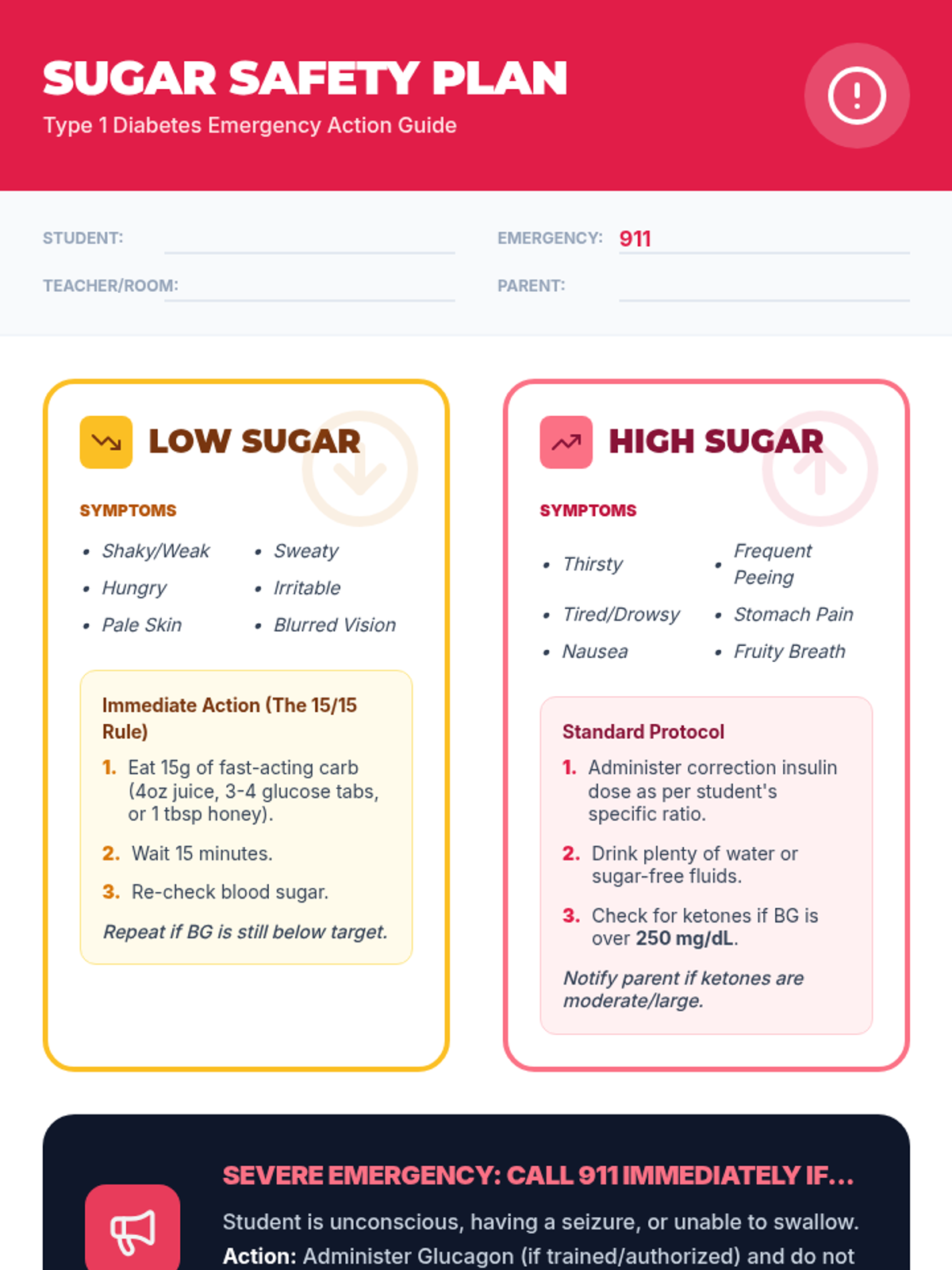
A comprehensive toolkit for tracking and managing Type 1 Diabetes daily routines, designed for students, parents, and school health staff.
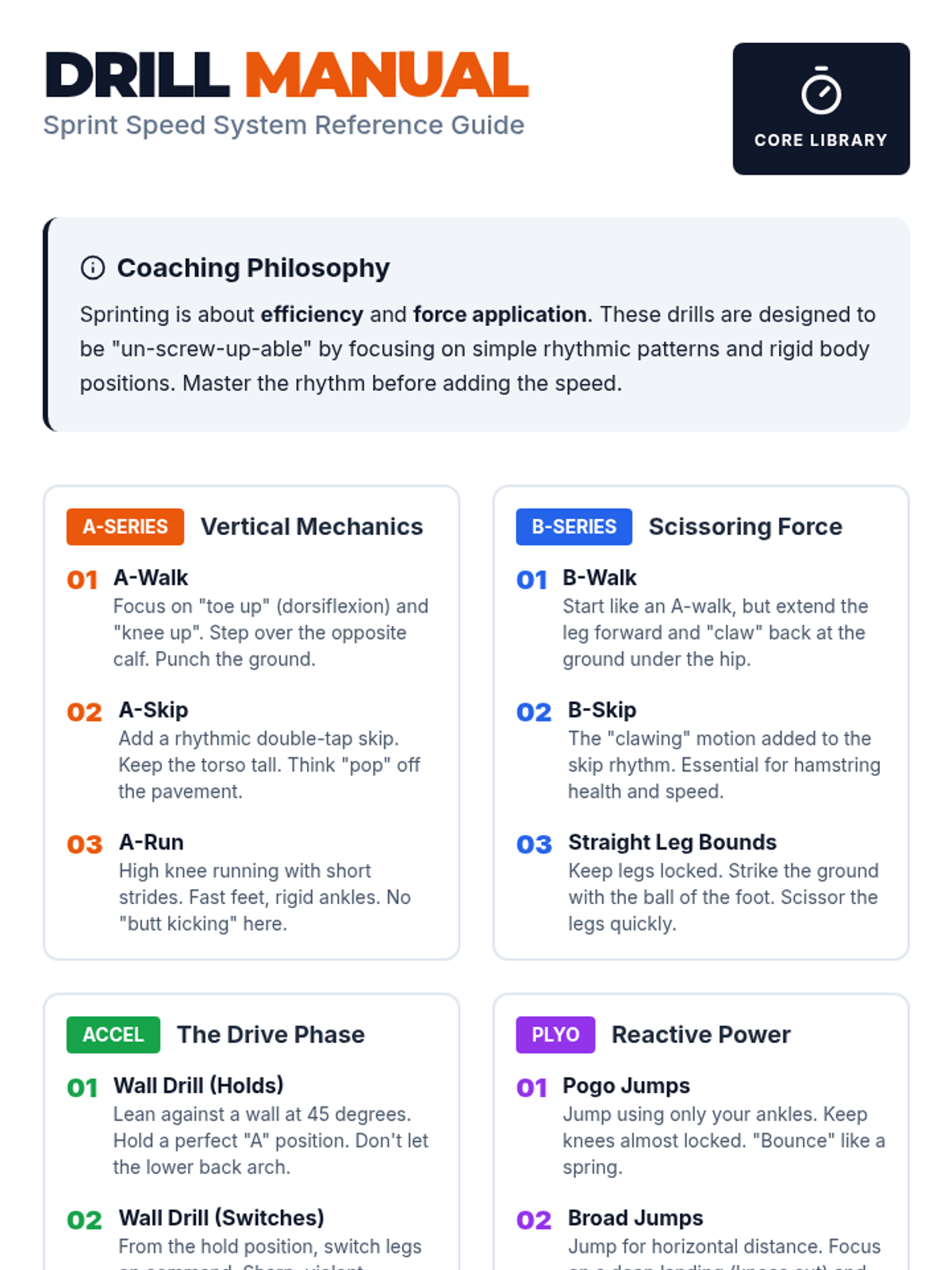
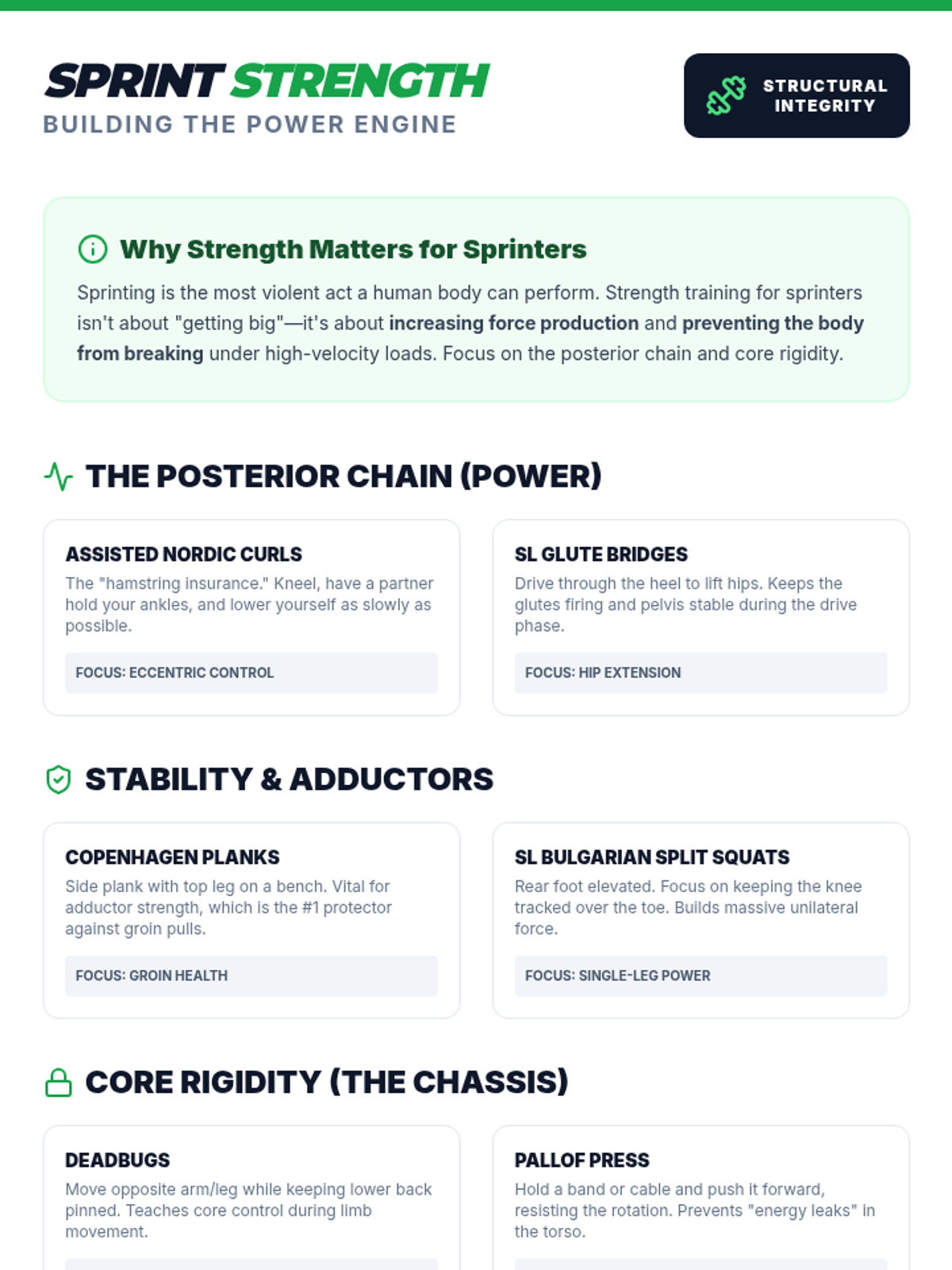
Focus on establishing proper sprint posture, rhythmic drills (A-skips), and basic core strength to prevent injury.
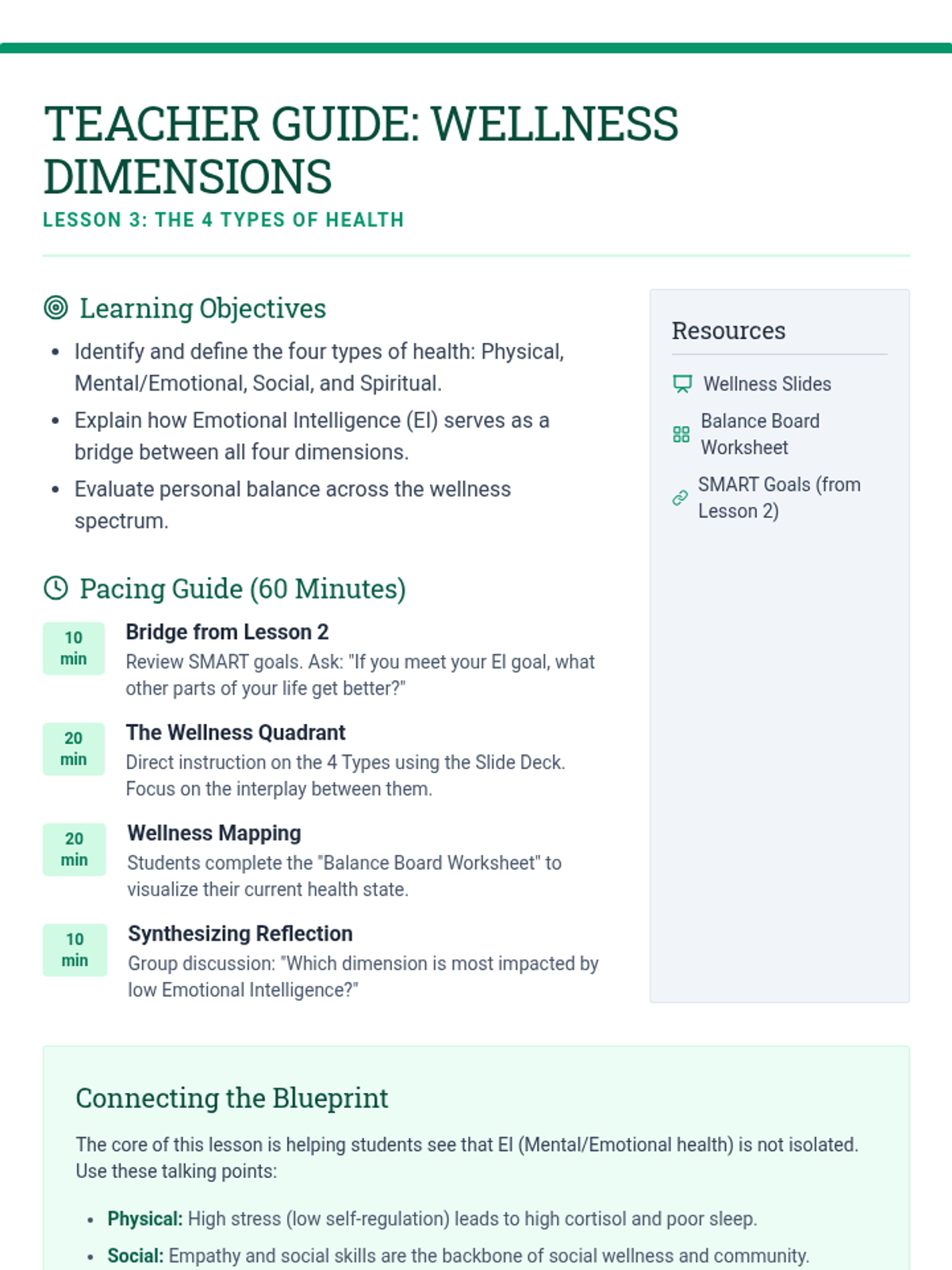
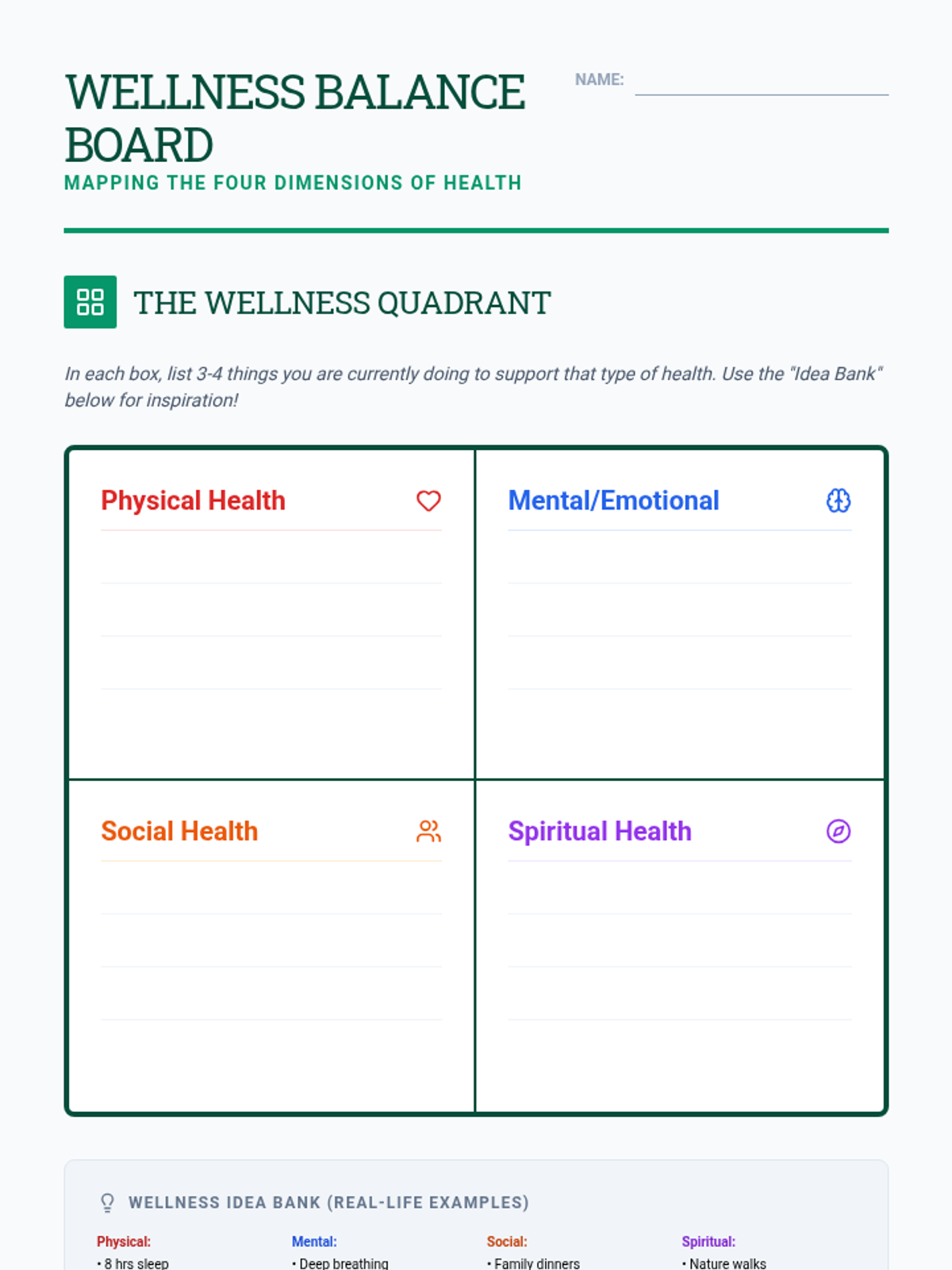
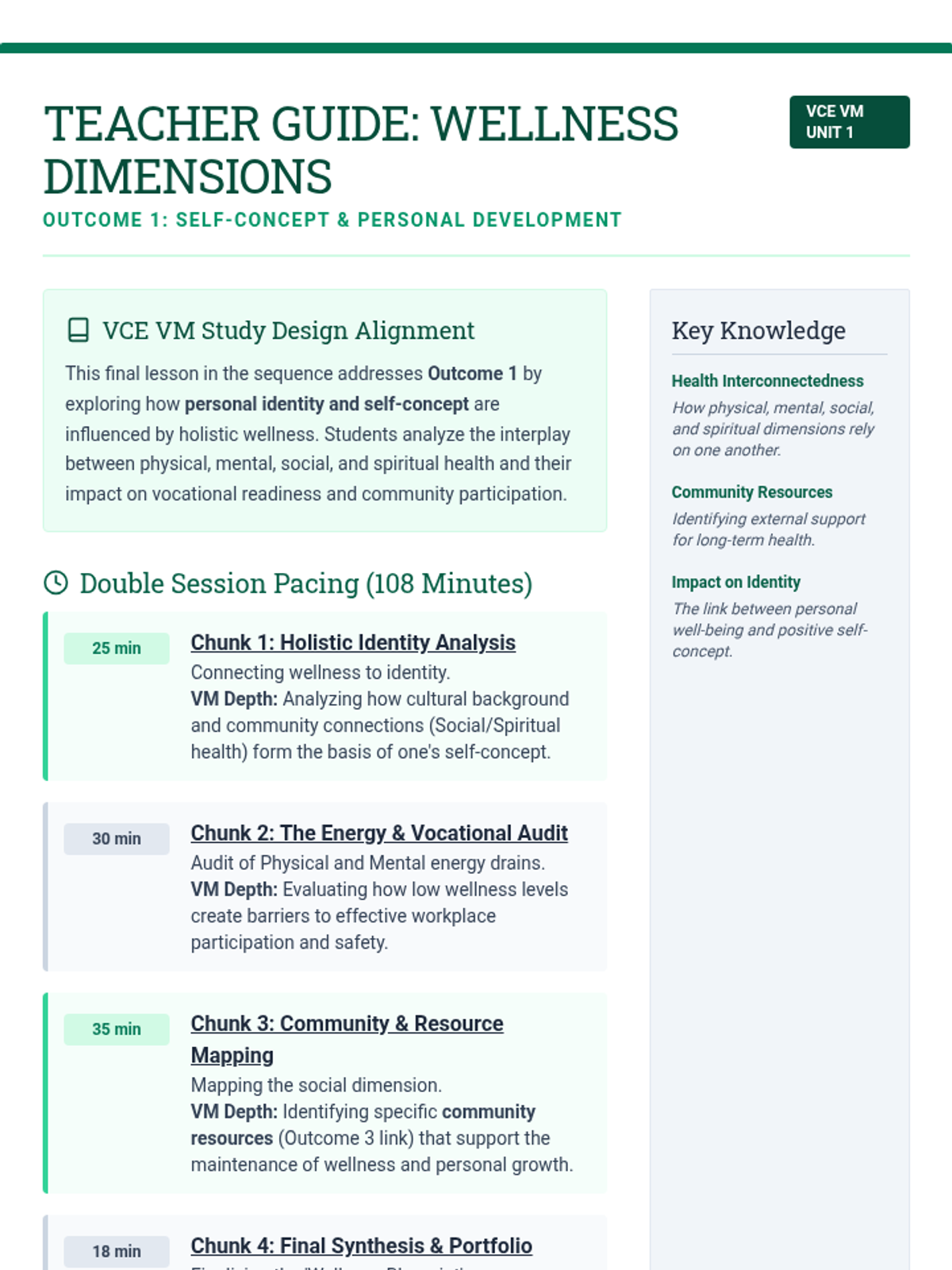
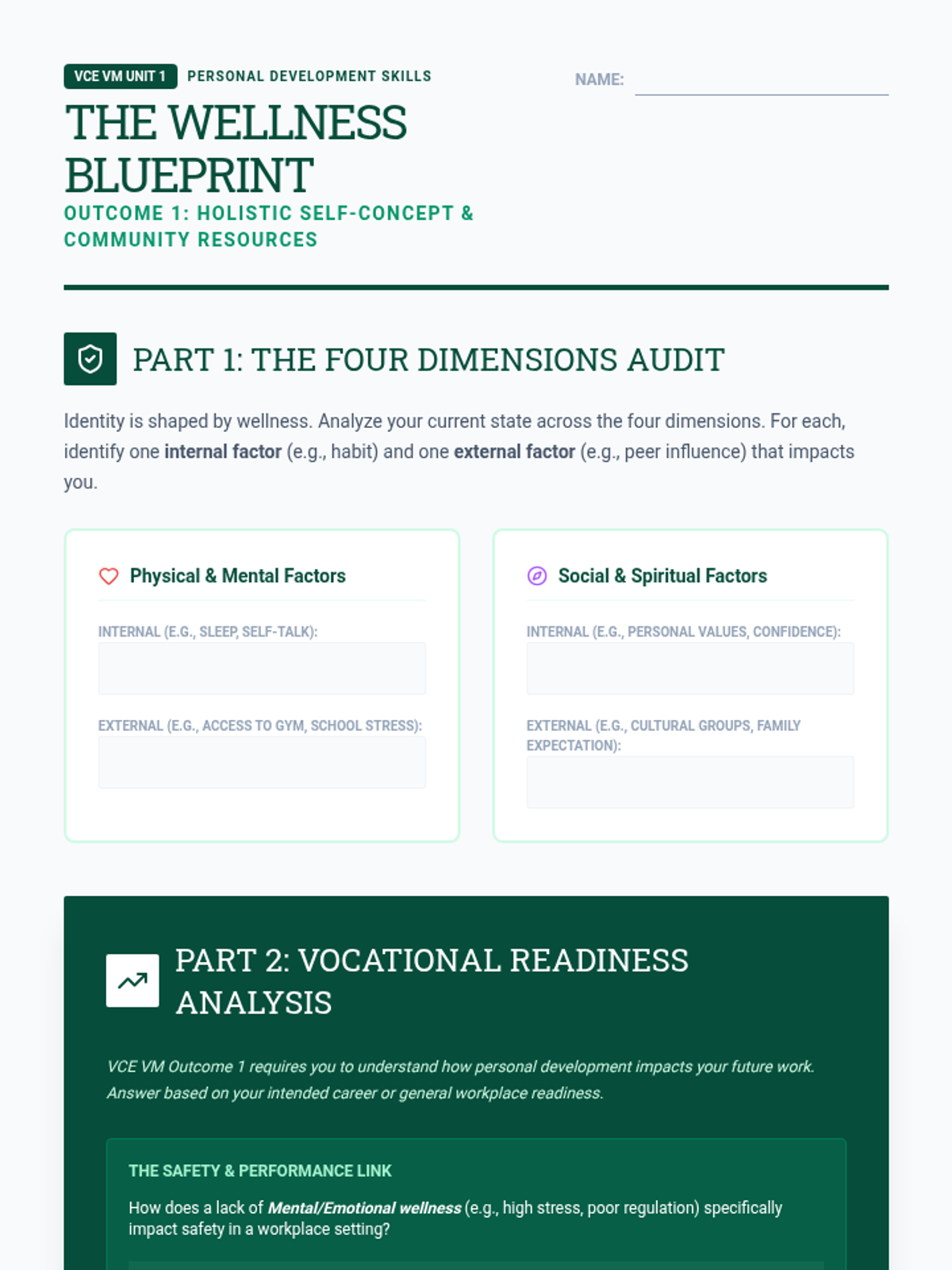
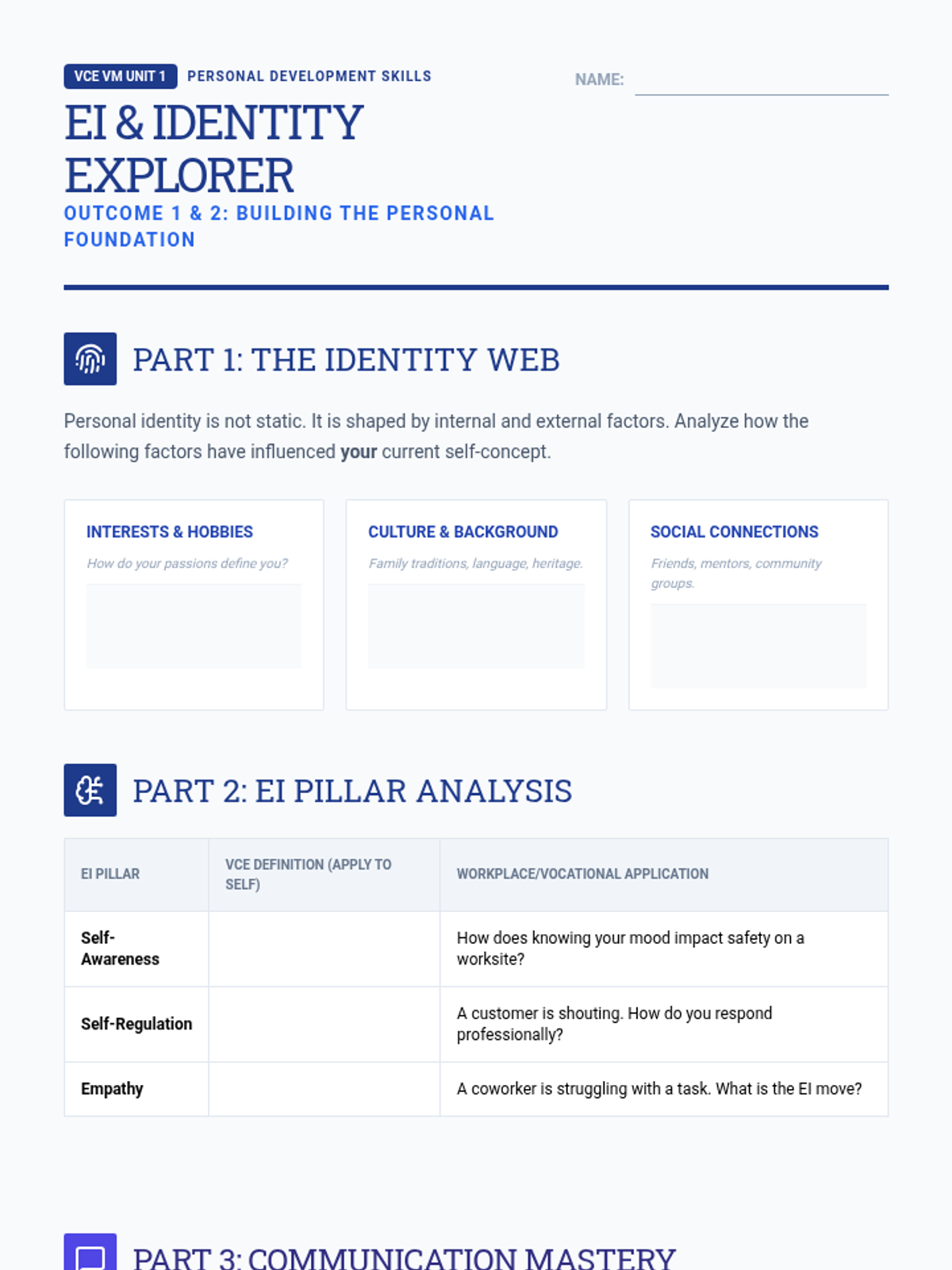
An exploration of holistic health through the four dimensions of well-being. Students analyze how their emotional intelligence goals support their overall health and balance.
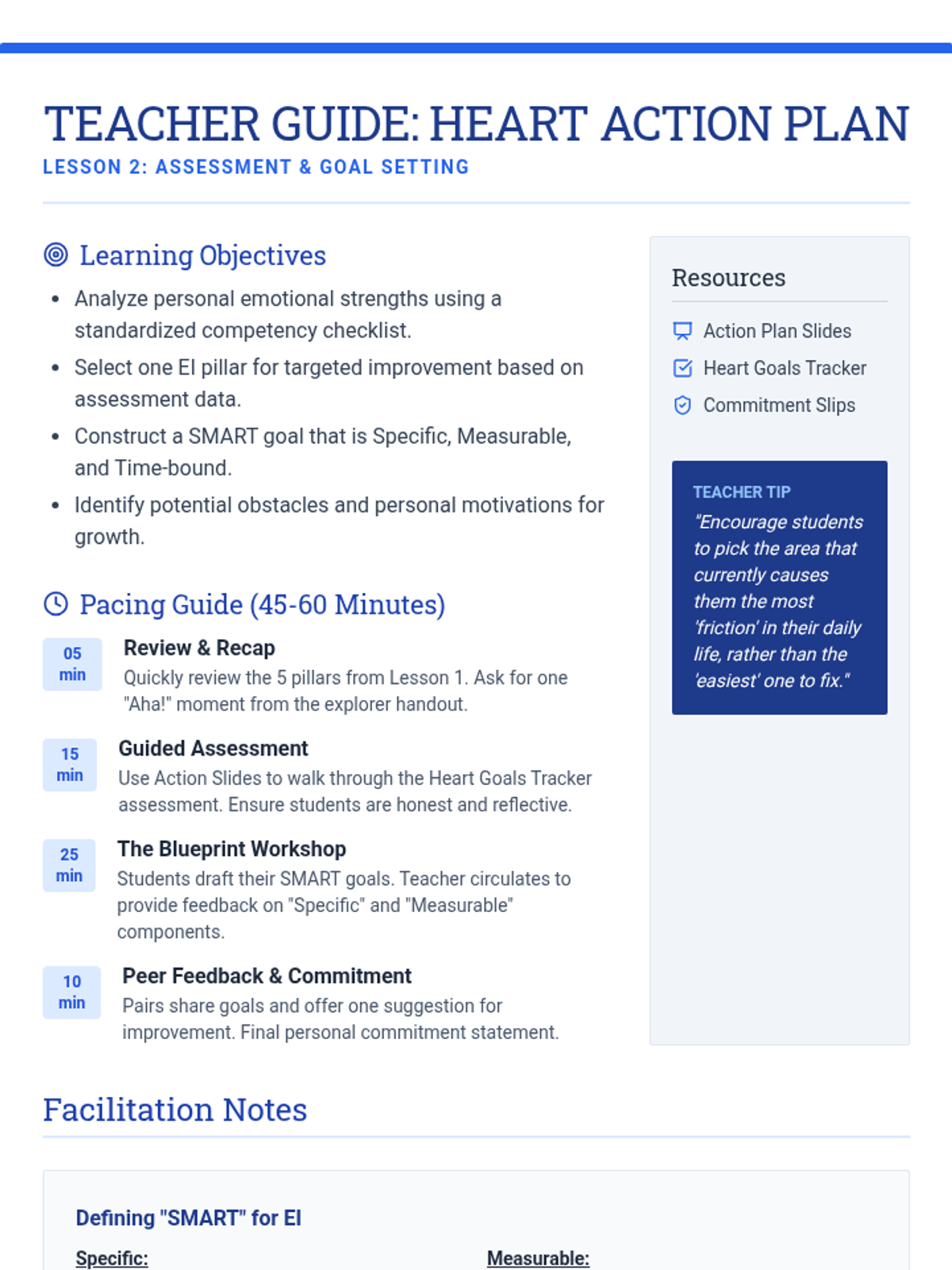
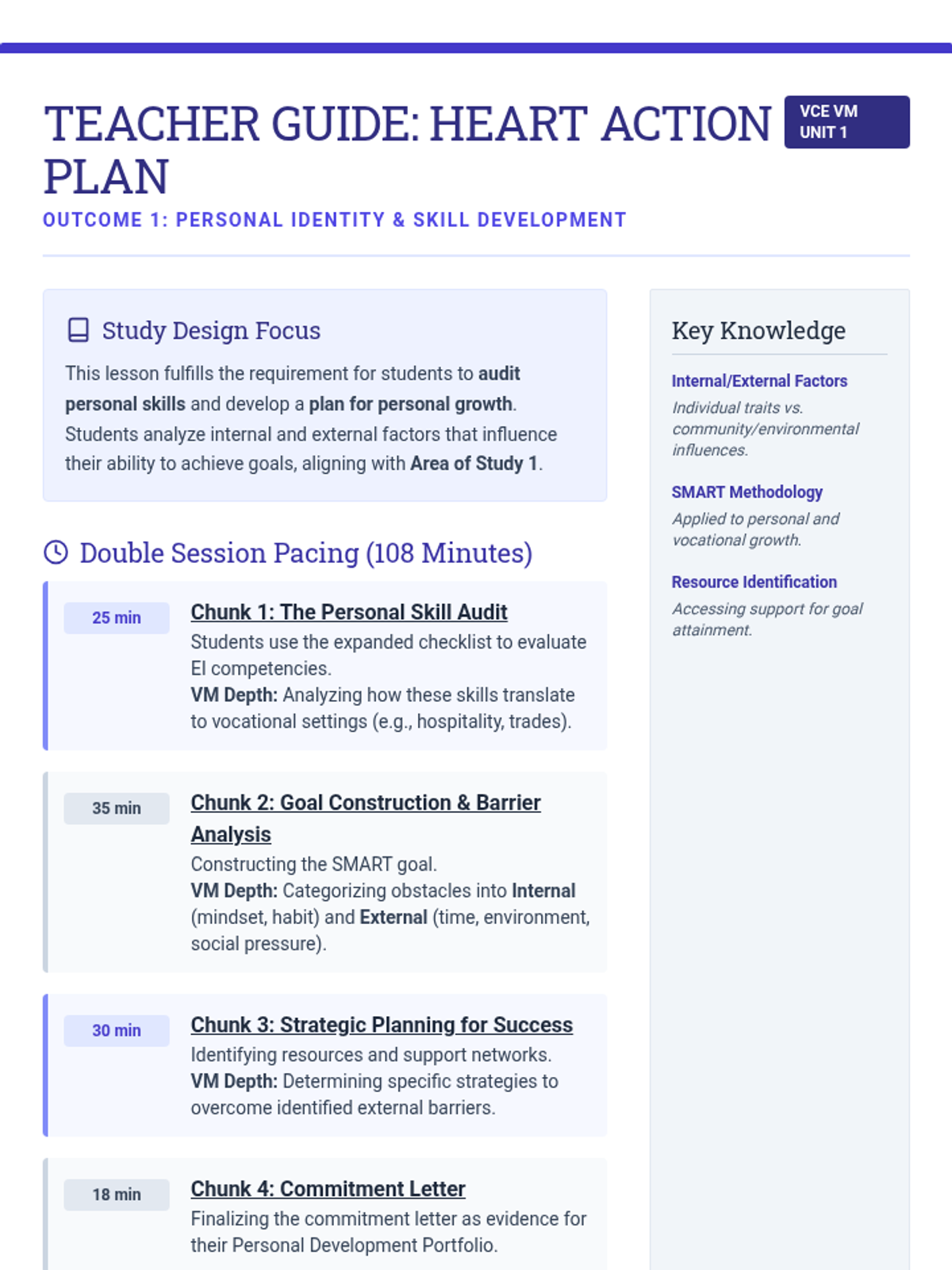
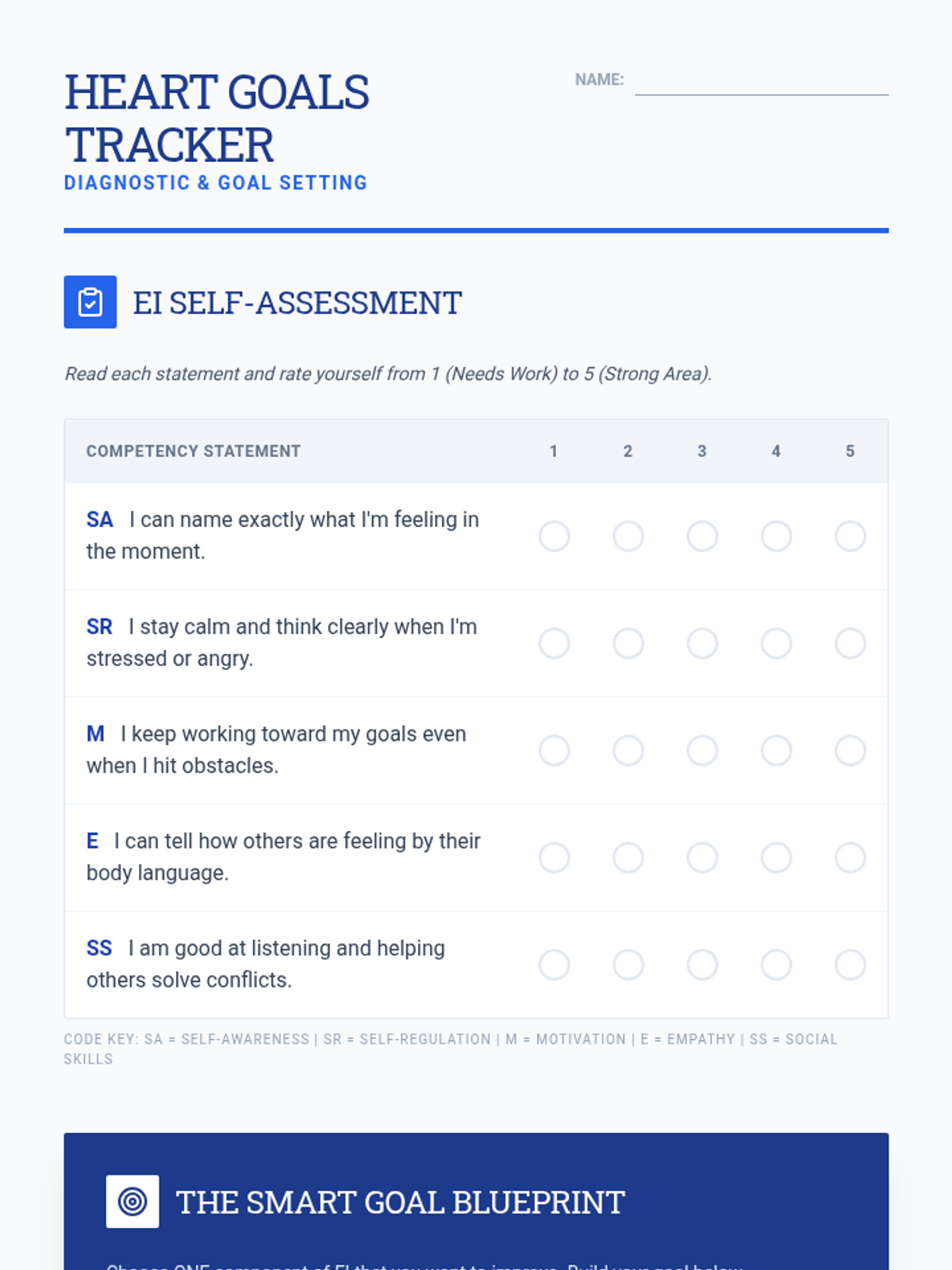
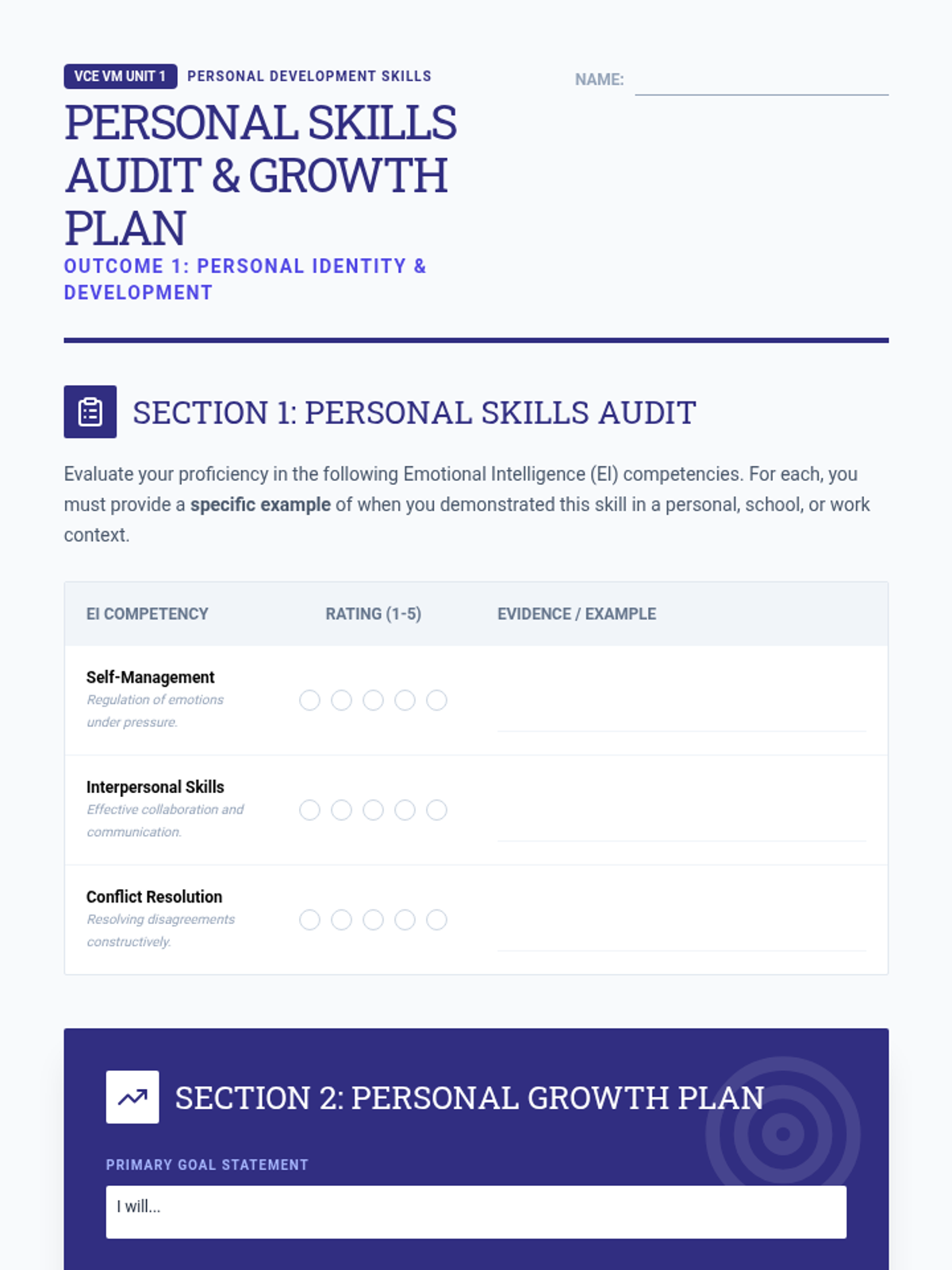
A follow-up workshop focused on personal application. Students perform a deep-dive self-assessment and construct a formal SMART goal plan for their emotional development.
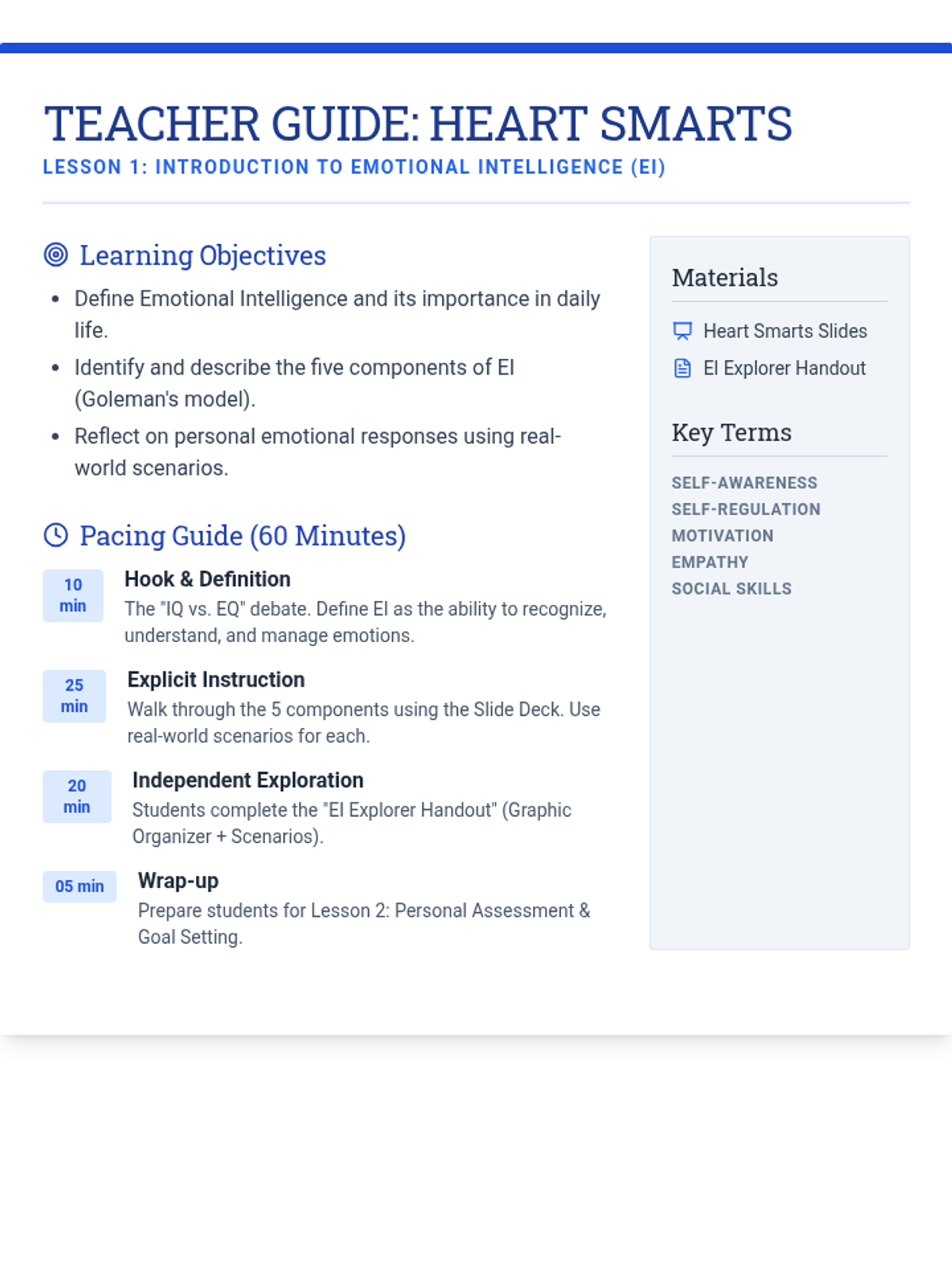
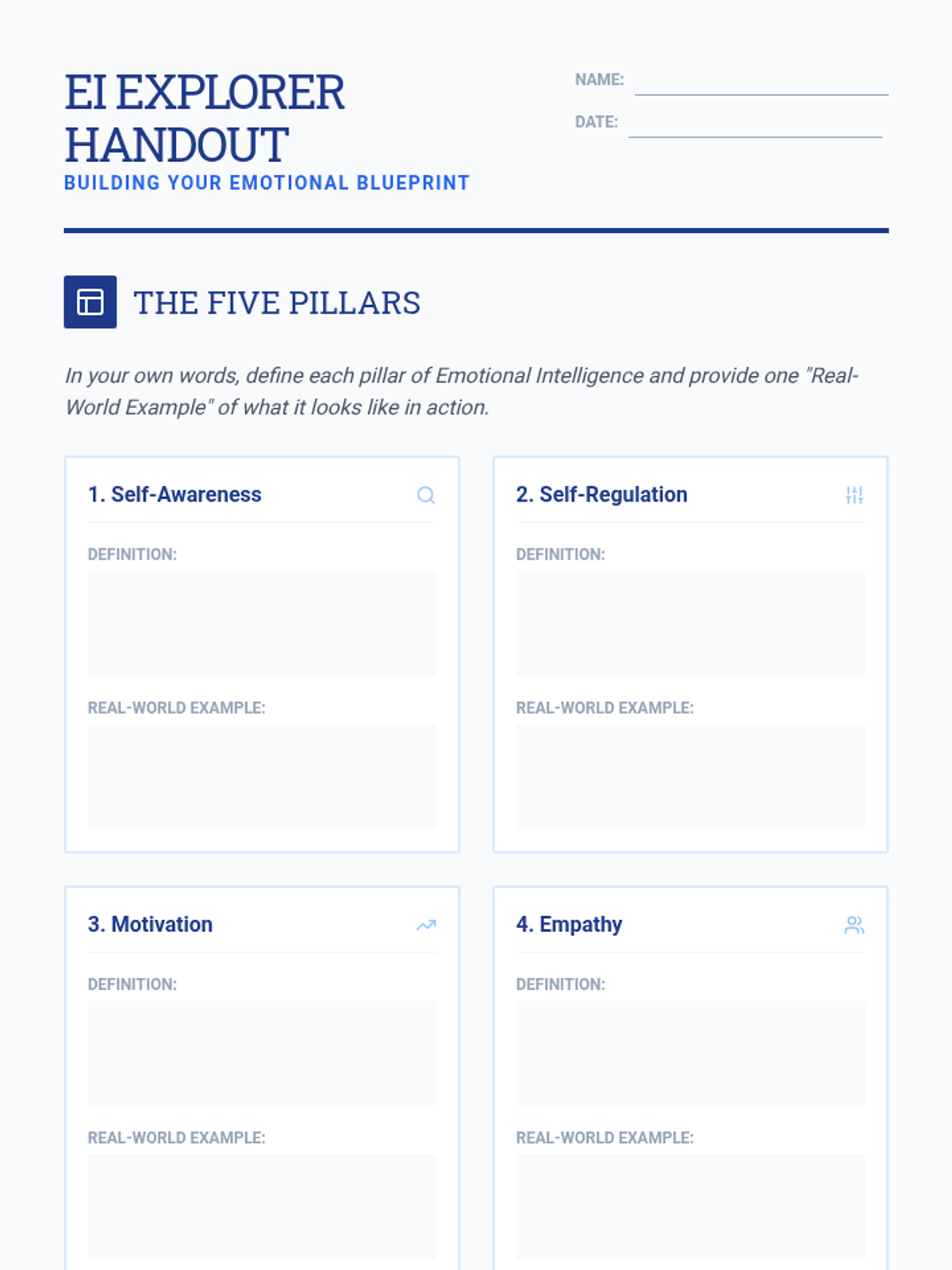
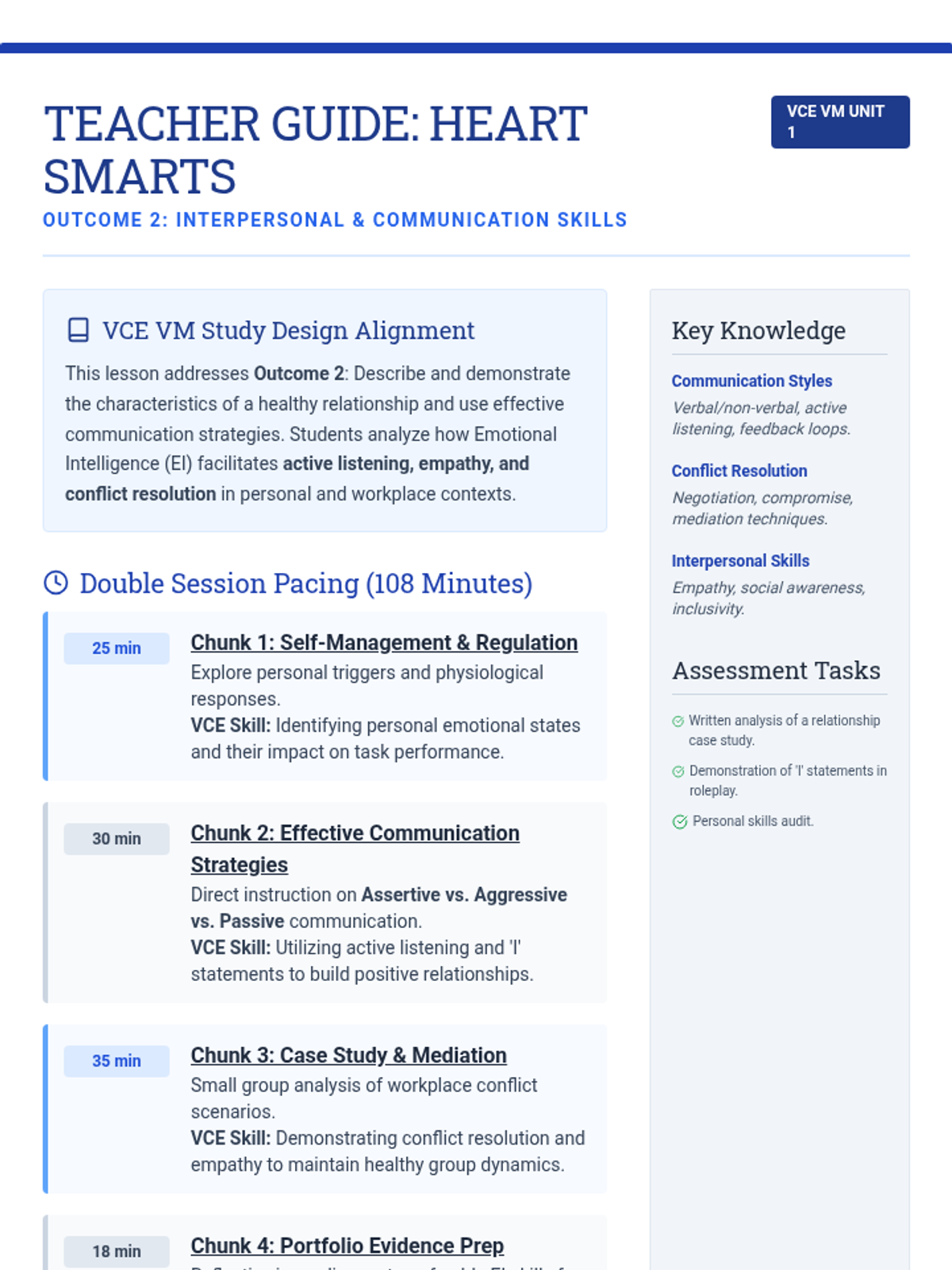
A comprehensive introduction to the five components of Emotional Intelligence: self-awareness, self-regulation, motivation, empathy, and social skills. Students engage through explicit instruction and independent reflection.
A comprehensive introduction to the six dimensions of health, focusing on how they interact to create overall well-being through the 'Wellness Wheel' model.
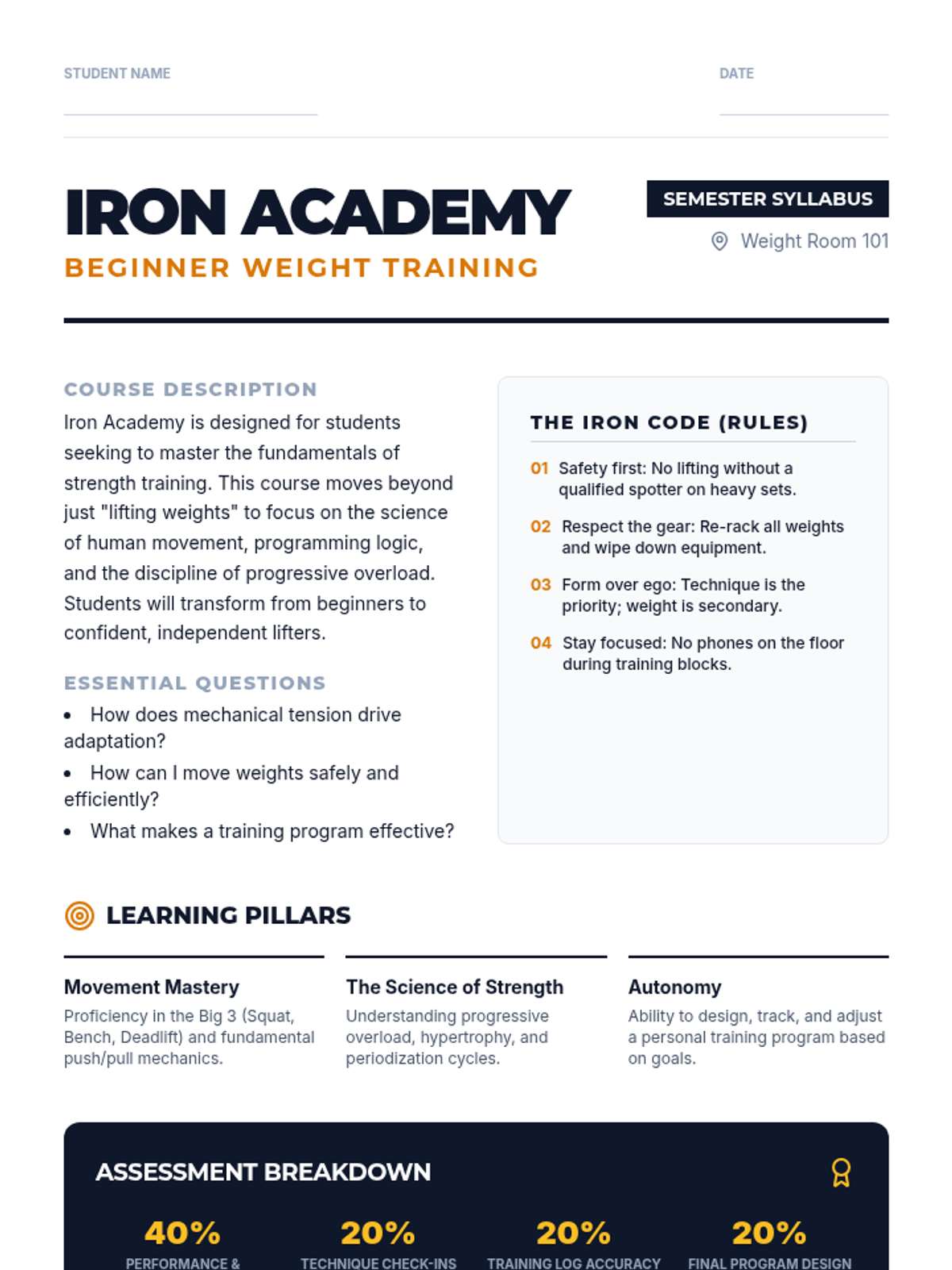
A comprehensive introduction to the Iron Academy weight training course, featuring a detailed syllabus and 18-week course map for a semester-long beginner program.
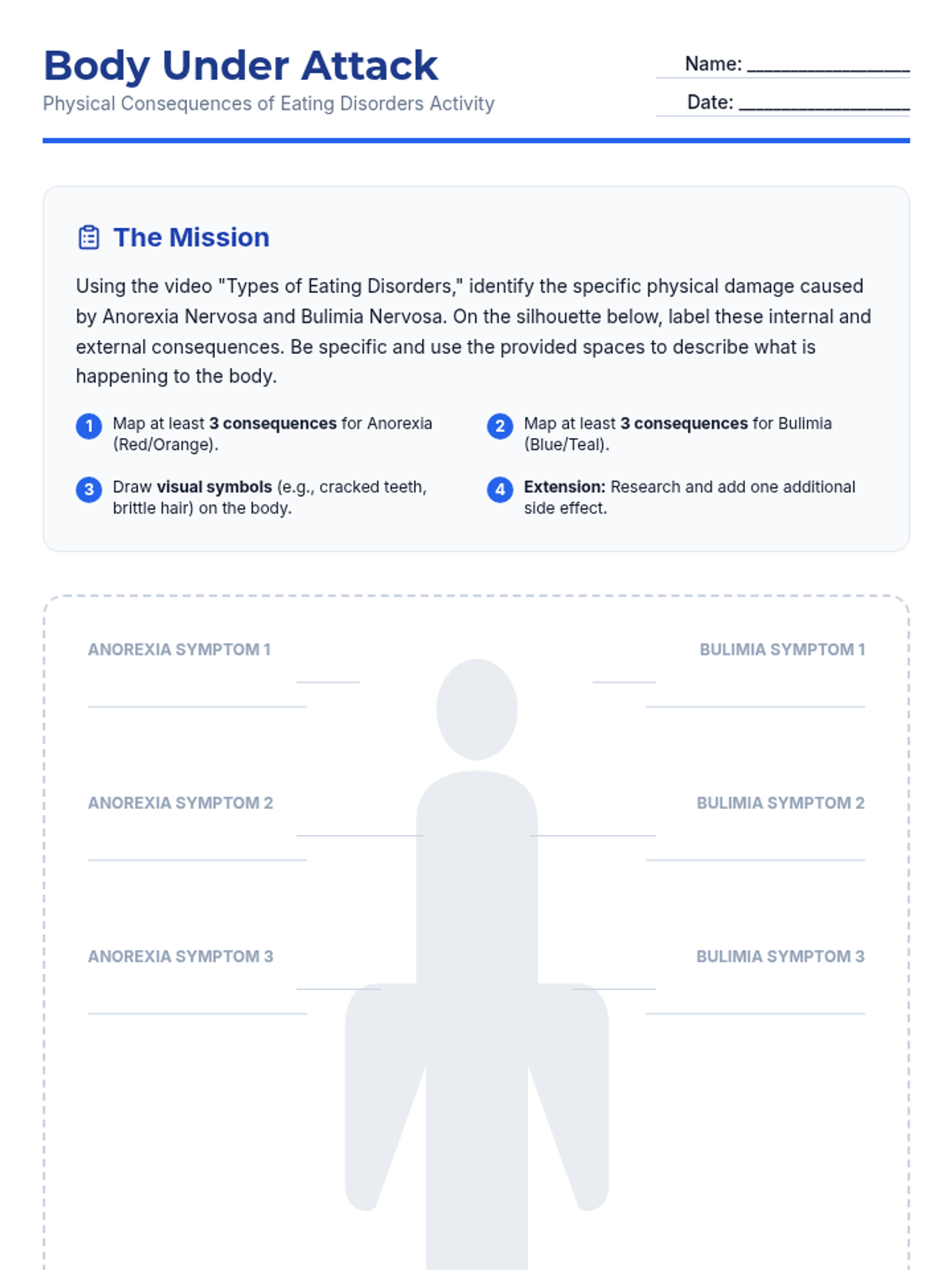
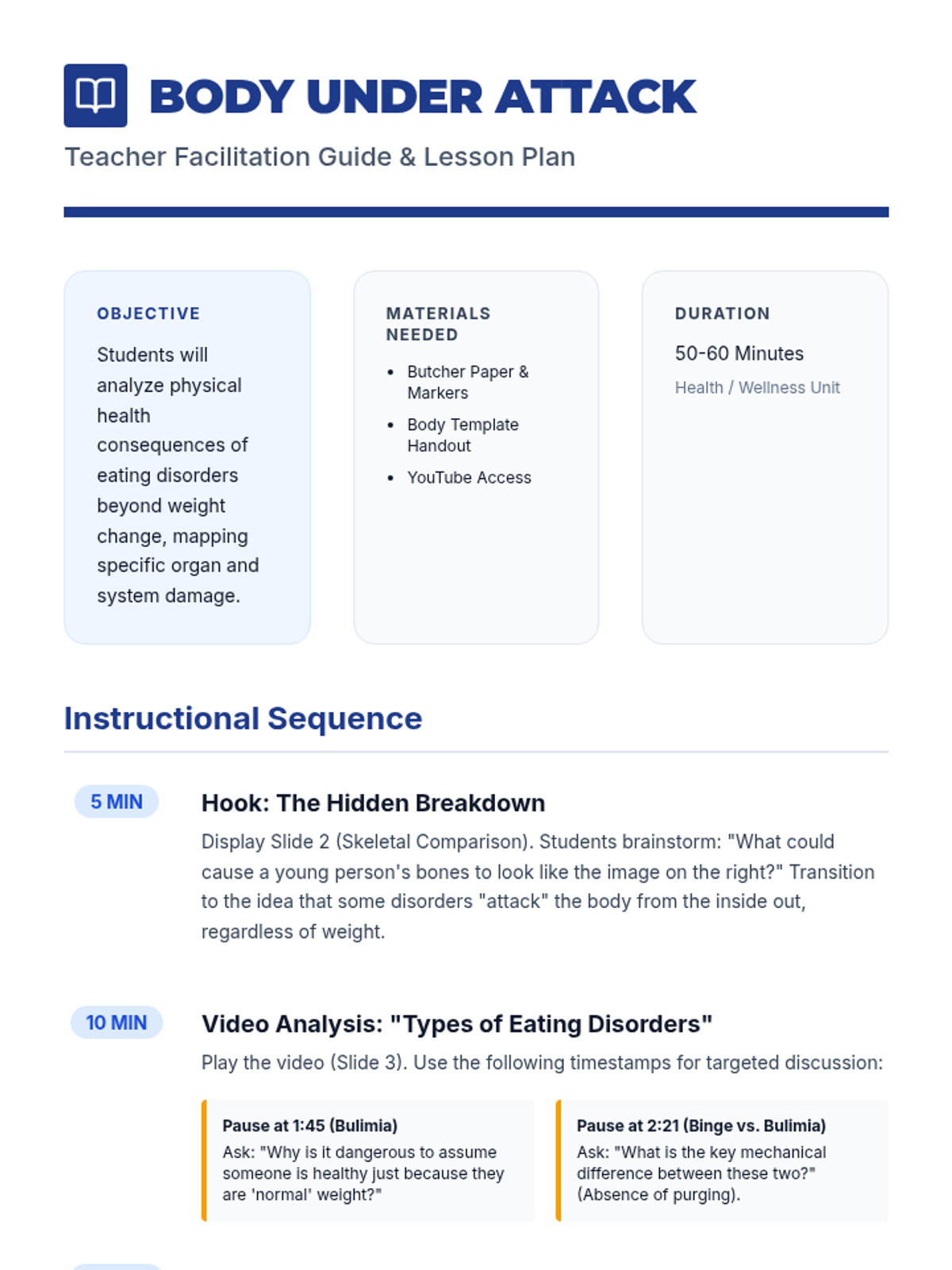
Students analyze the severe physical consequences of eating disorders beyond weight changes, using a video-guided activity to map internal and external damage on a human silhouette.
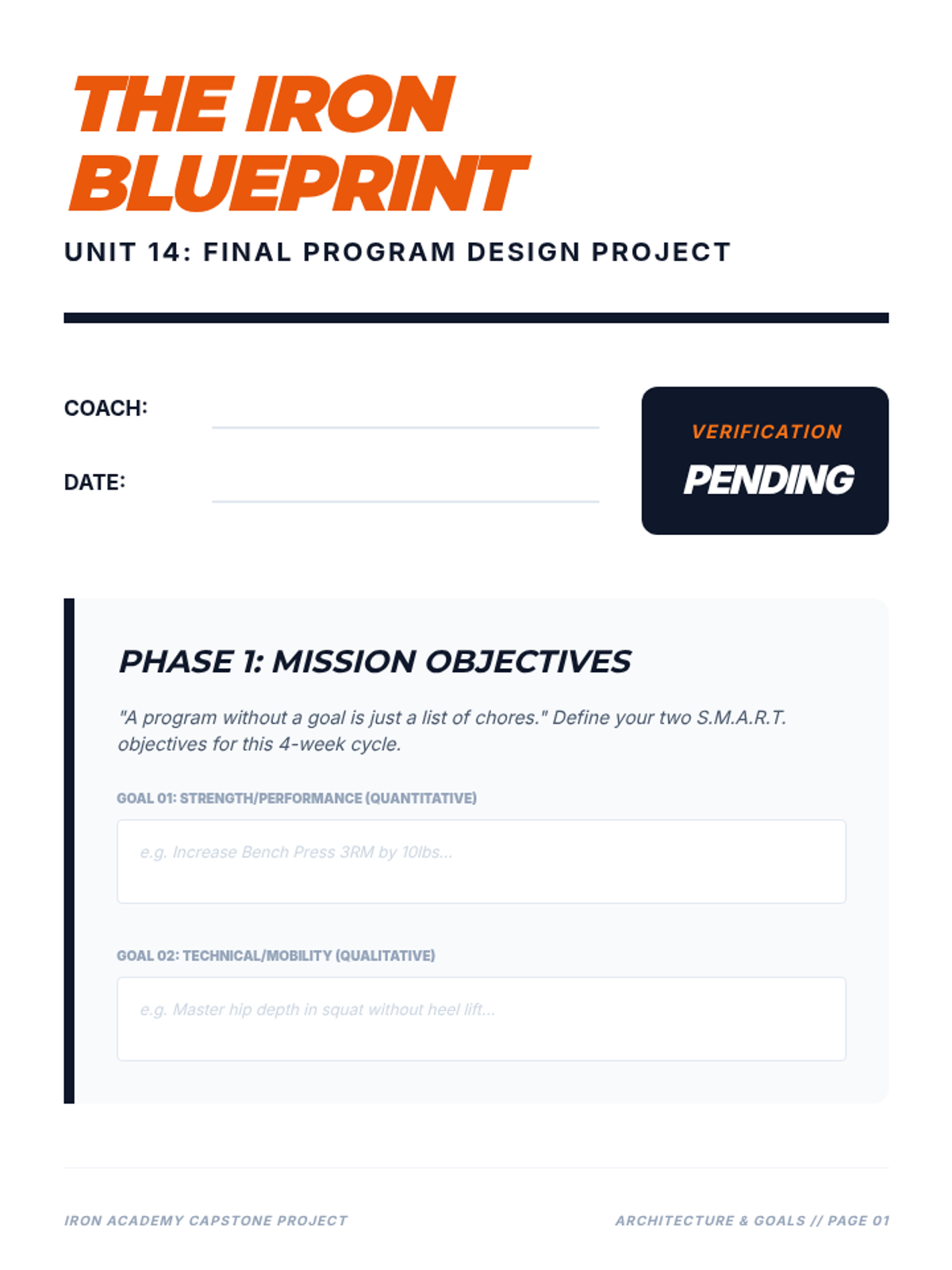
Final synthesis project where students design, justify, and prepare to execute a personalized 4-week training cycle based on the curriculum principles.
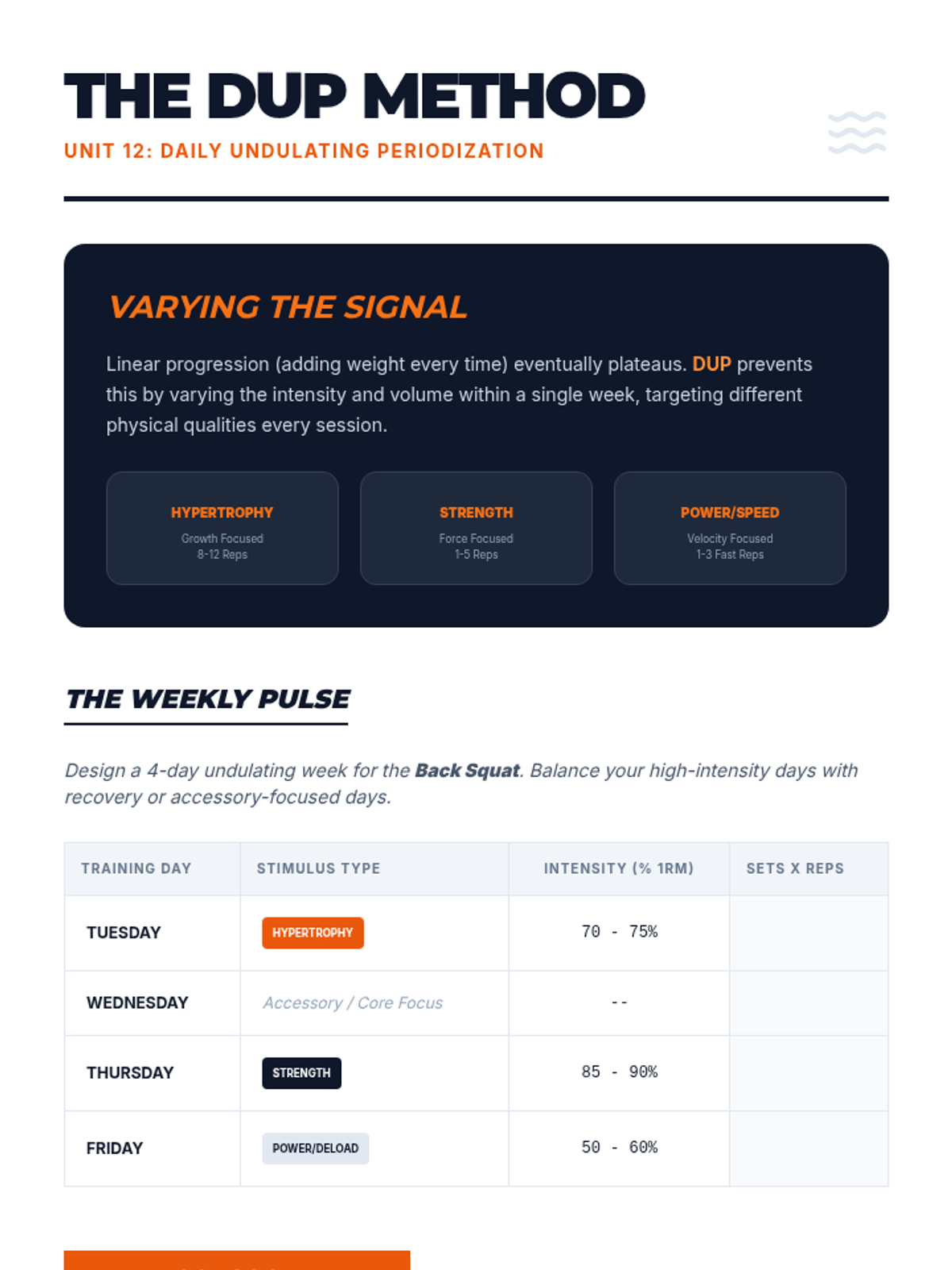
Focuses on advanced periodization, specifically Daily Undulating Periodization (DUP), and the science of exercise selection to drive continued adaptation.
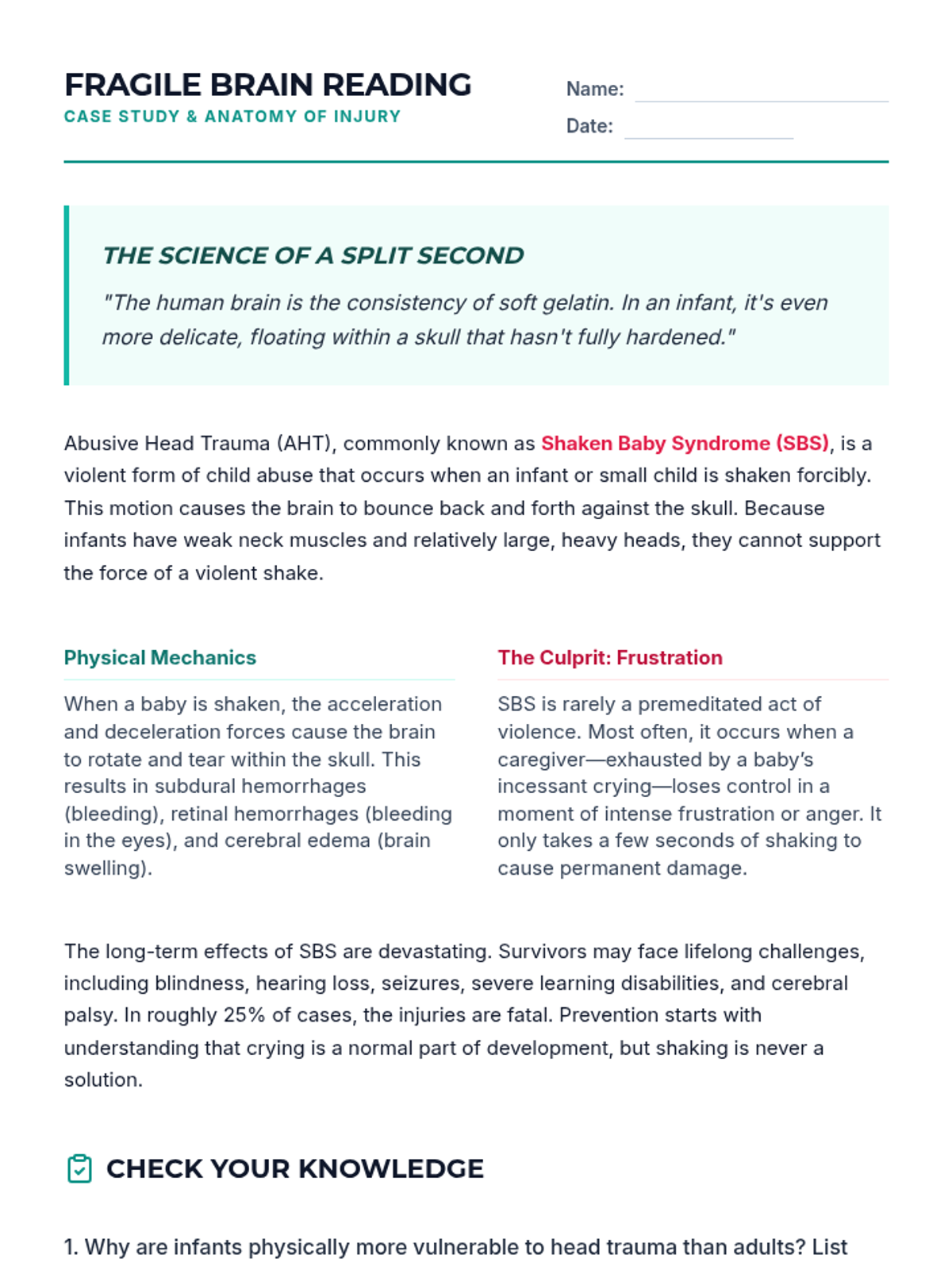
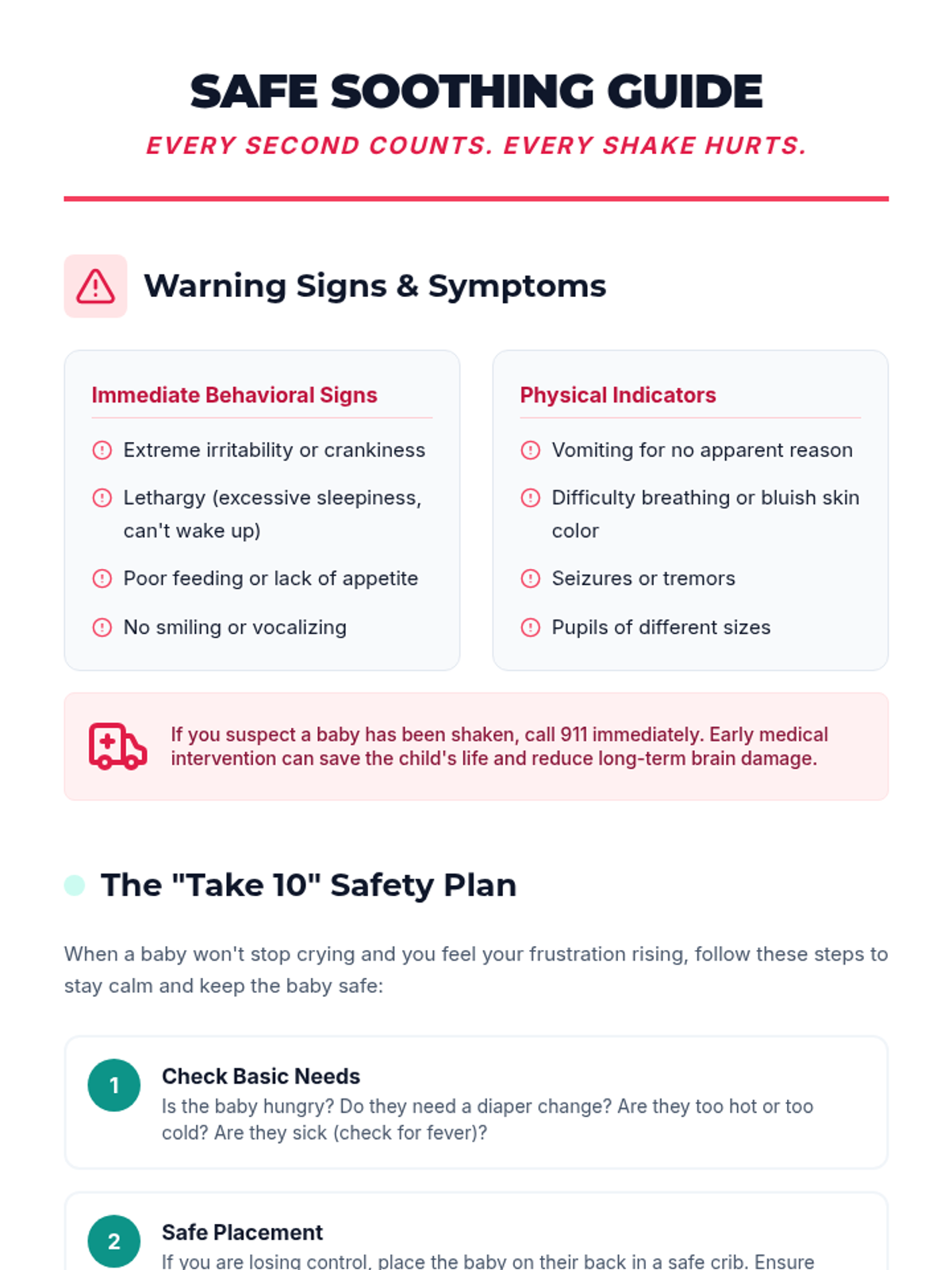
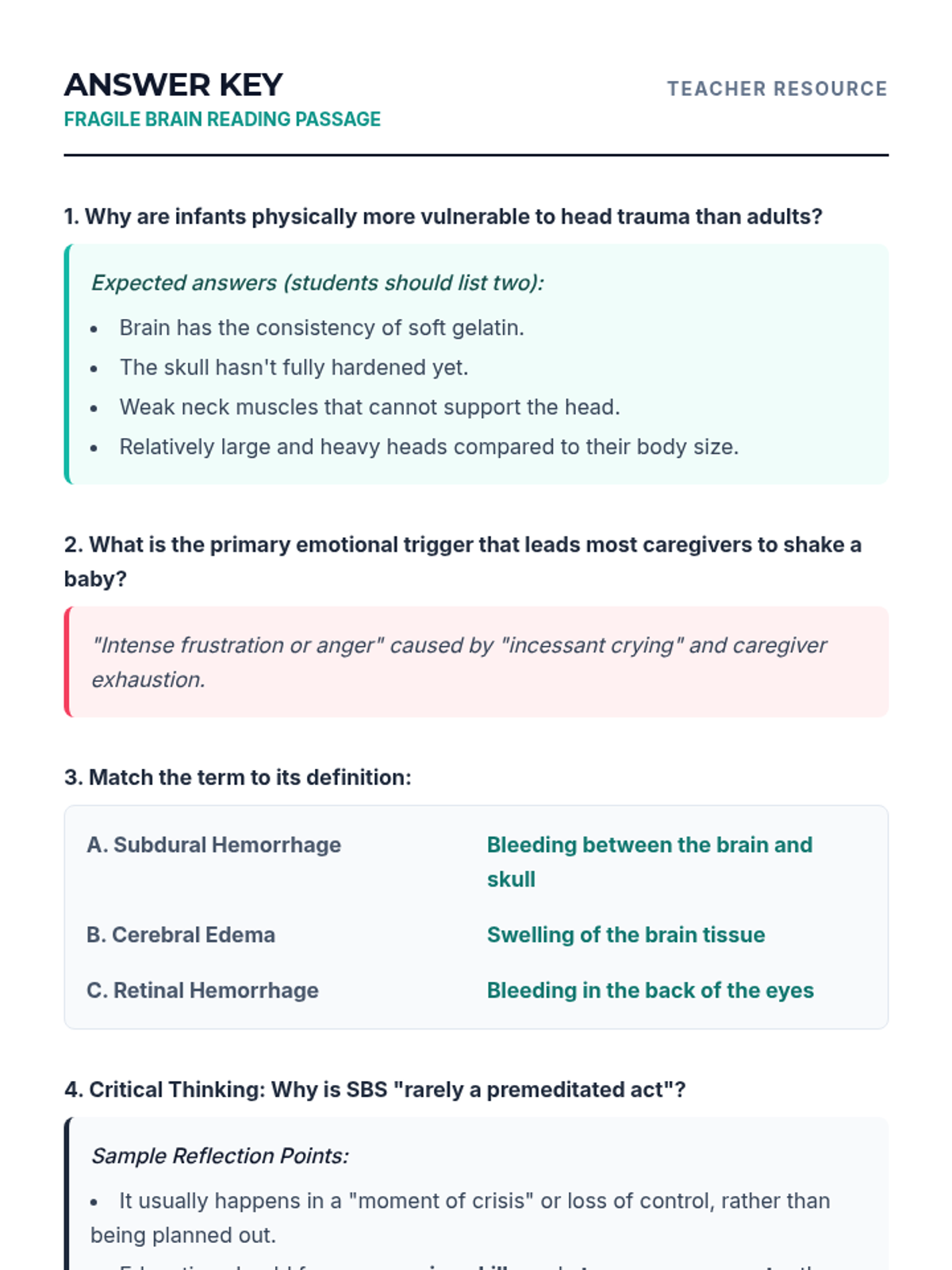
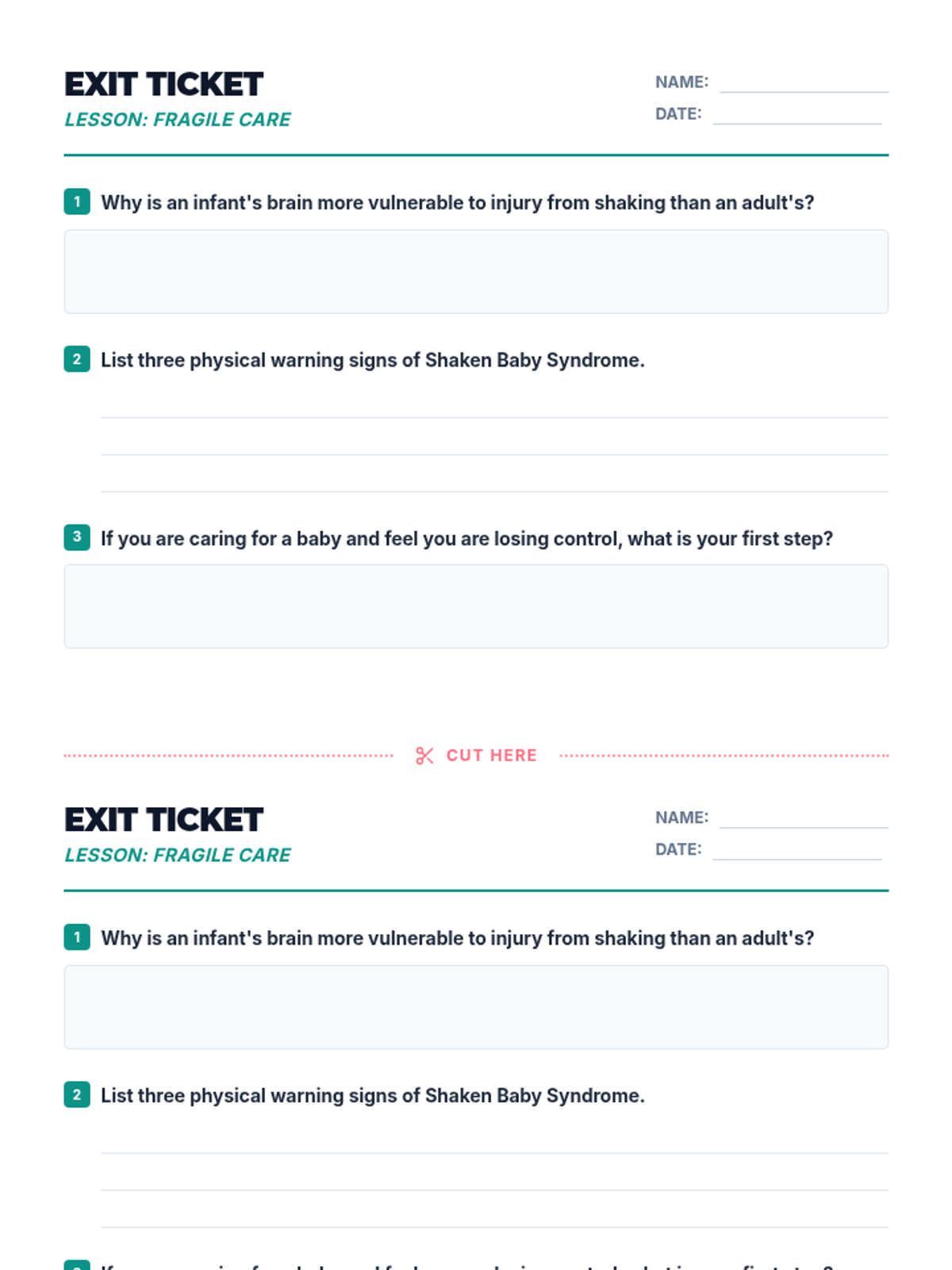
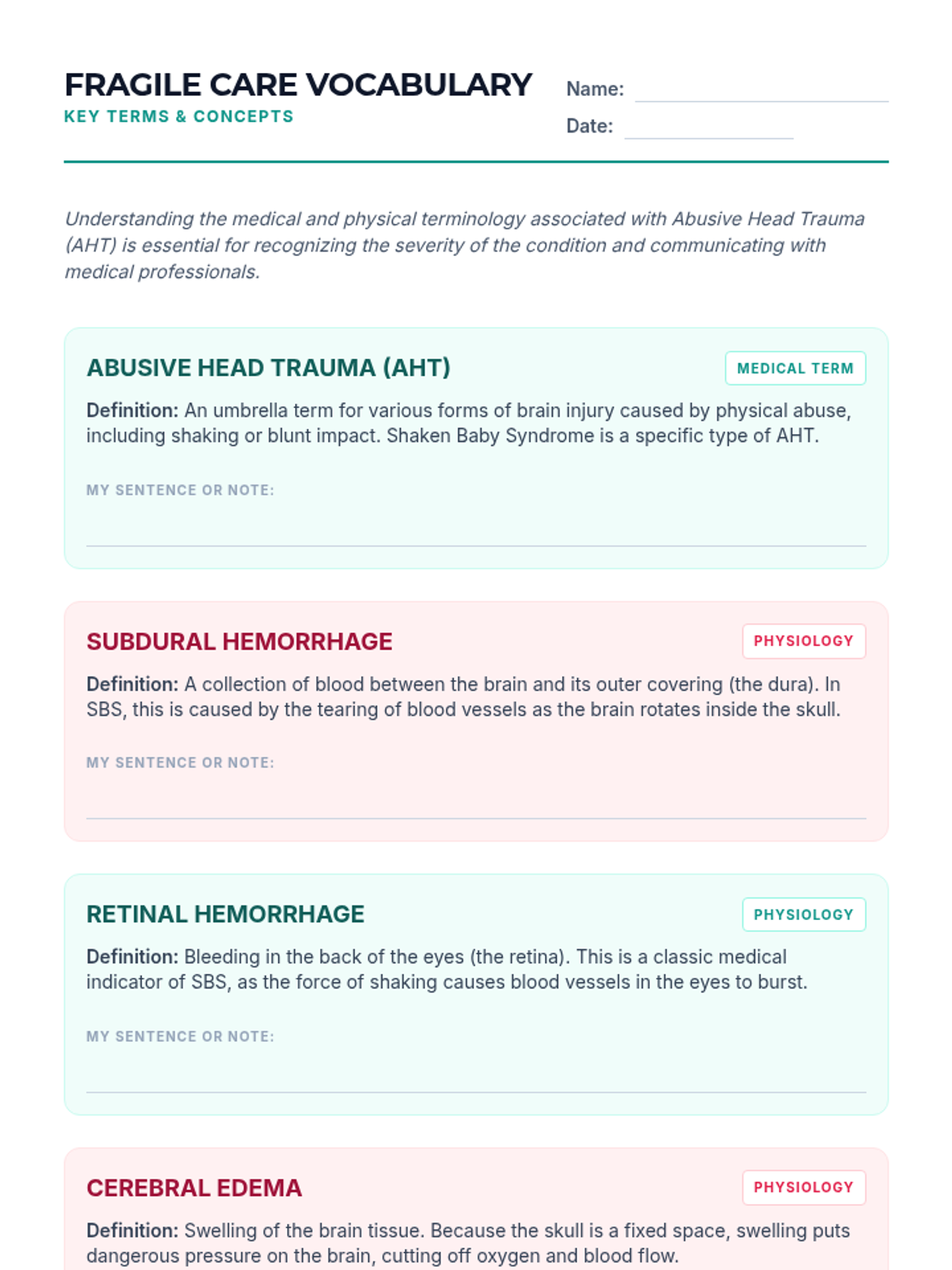
A mini-lesson designed for high school health or child development classes, covering the biological causes, physical warning signs, and prevention strategies for Shaken Baby Syndrome (SBS). Students will explore the physics of infant brain injury and learn practical coping mechanisms for caregiver stress.
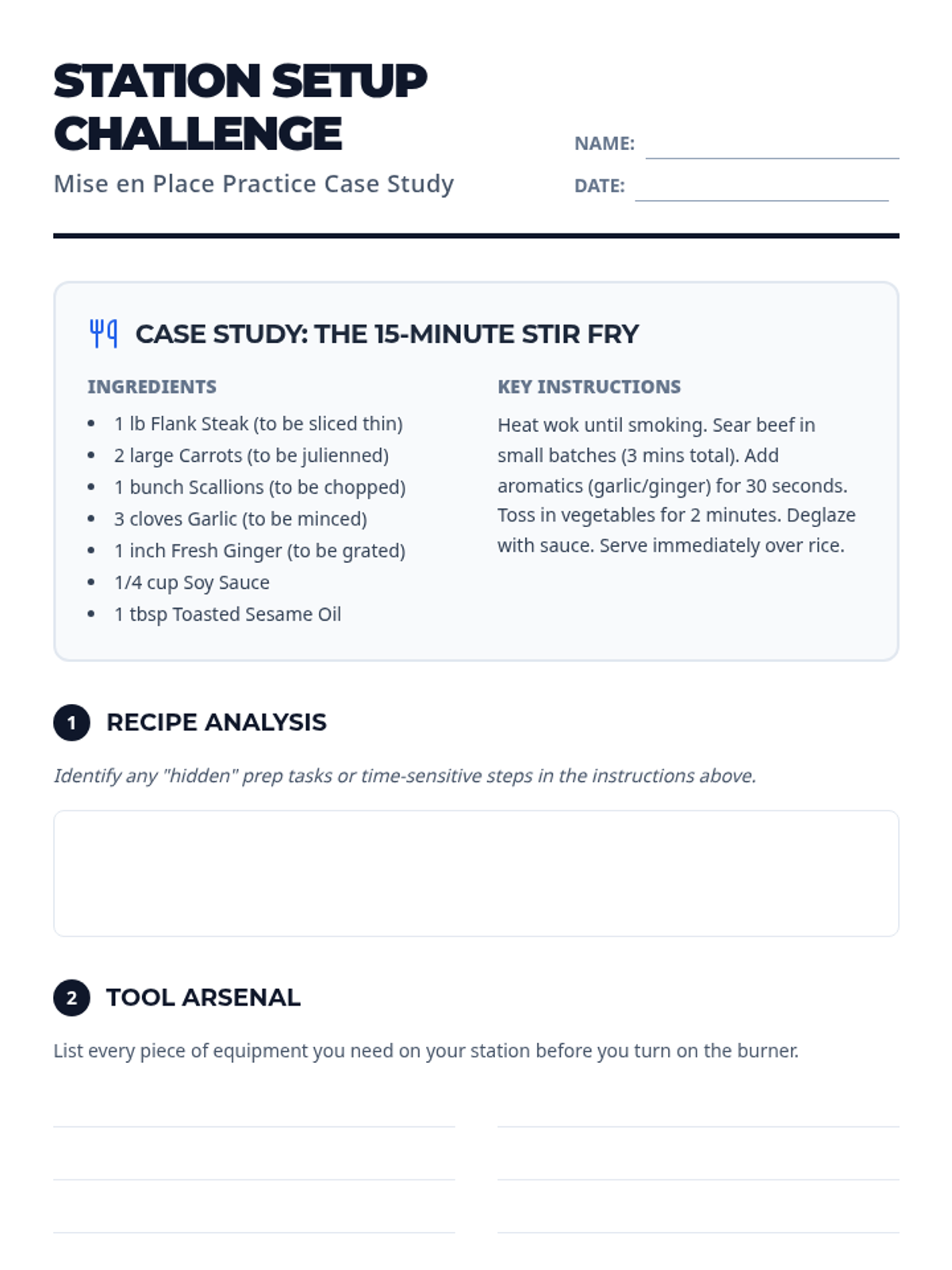
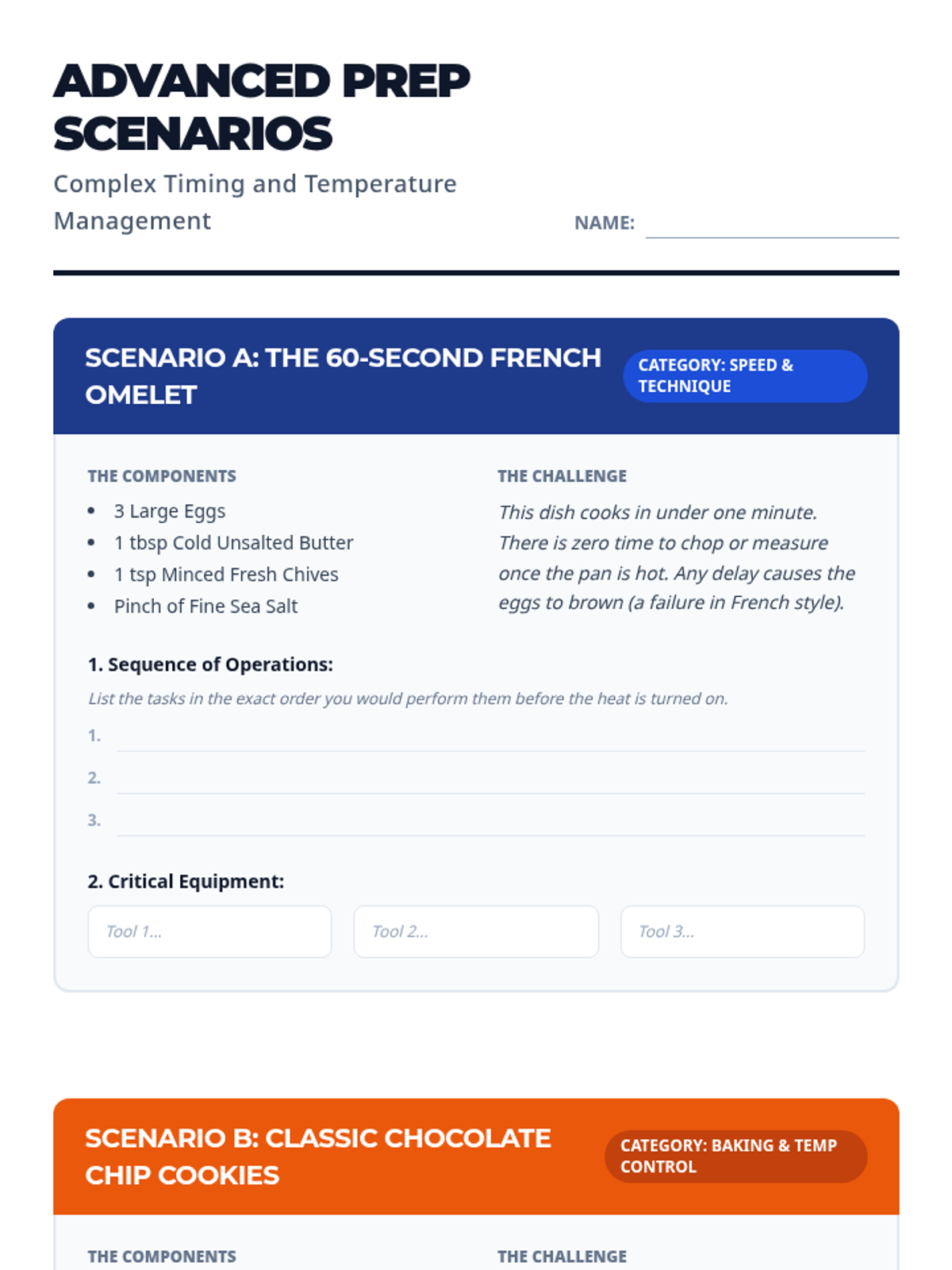
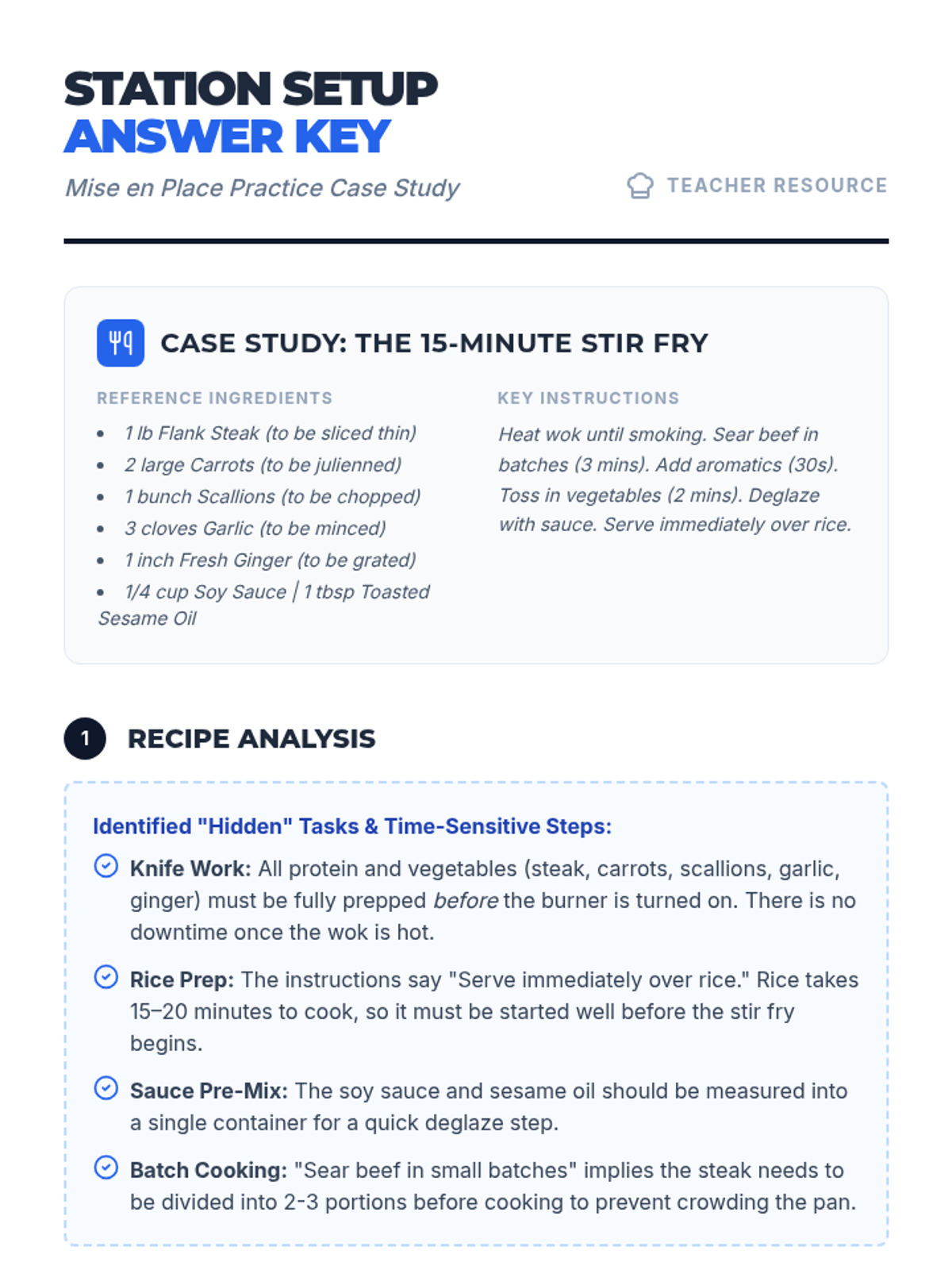
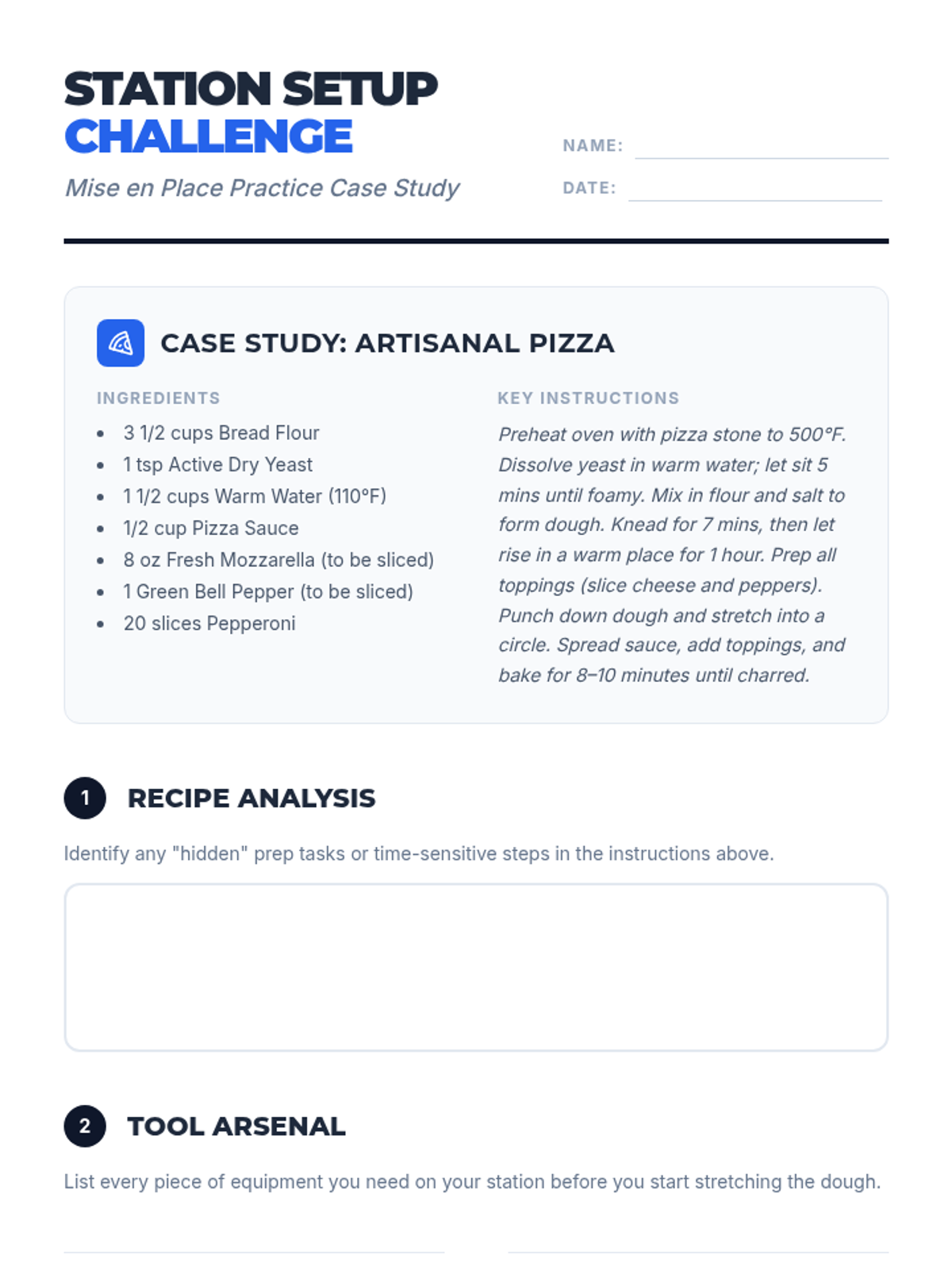
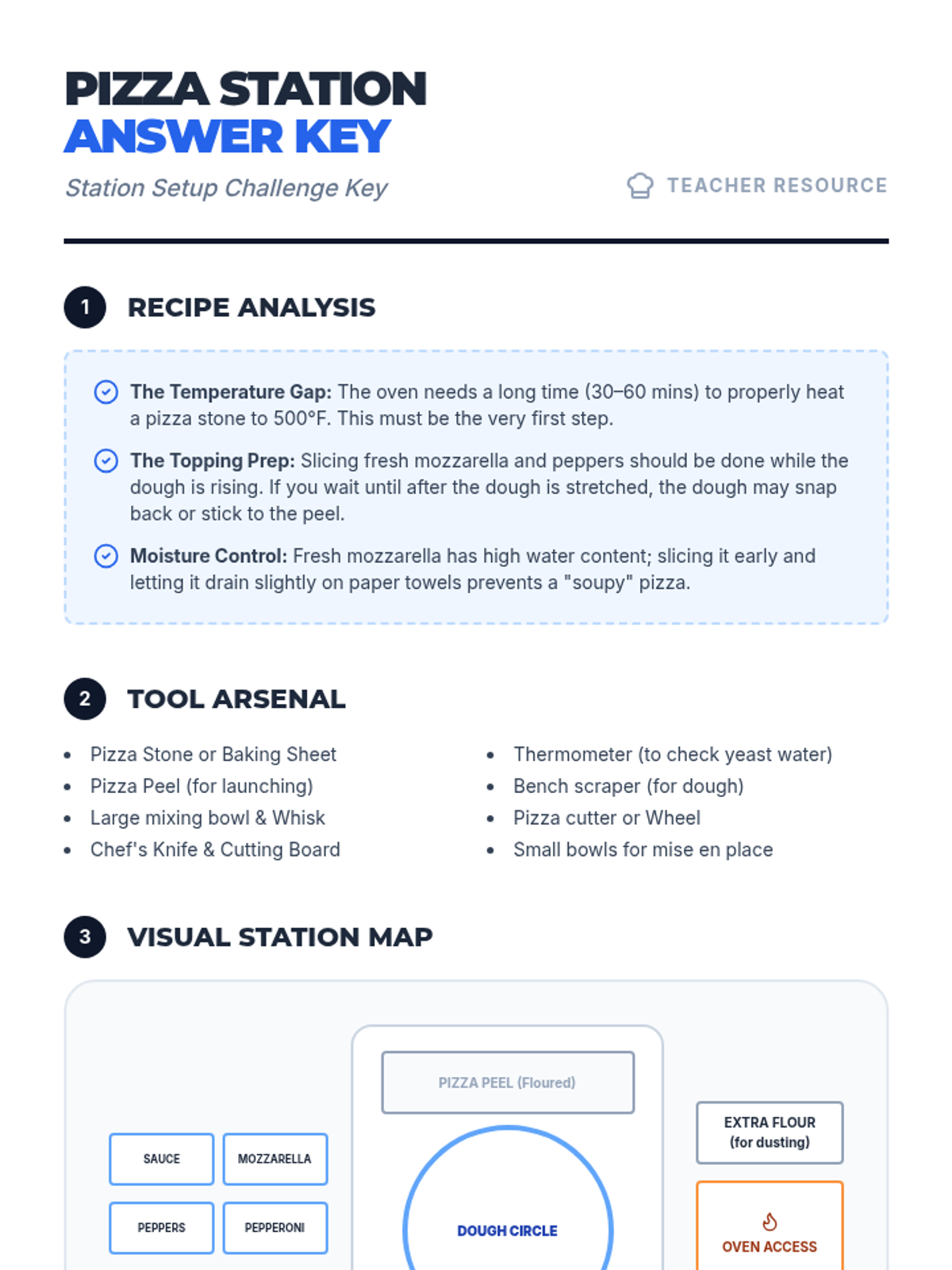
A lesson focused on the professional culinary practice of mise en place, specifically applied to high-heat, fast-paced cooking environments like stir-frying. Students learn to analyze recipes for hidden prep and organize their workspace for maximum efficiency.
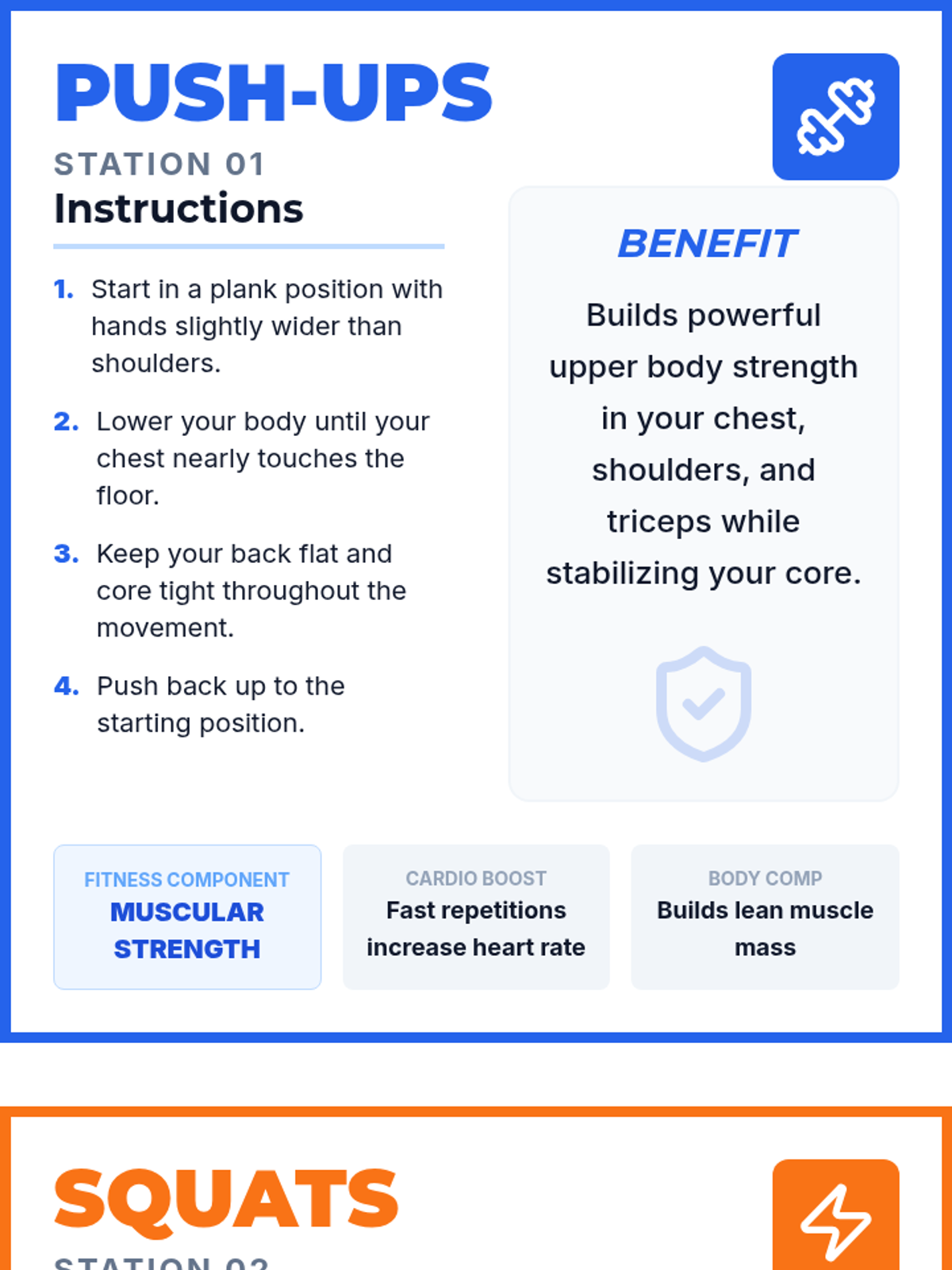
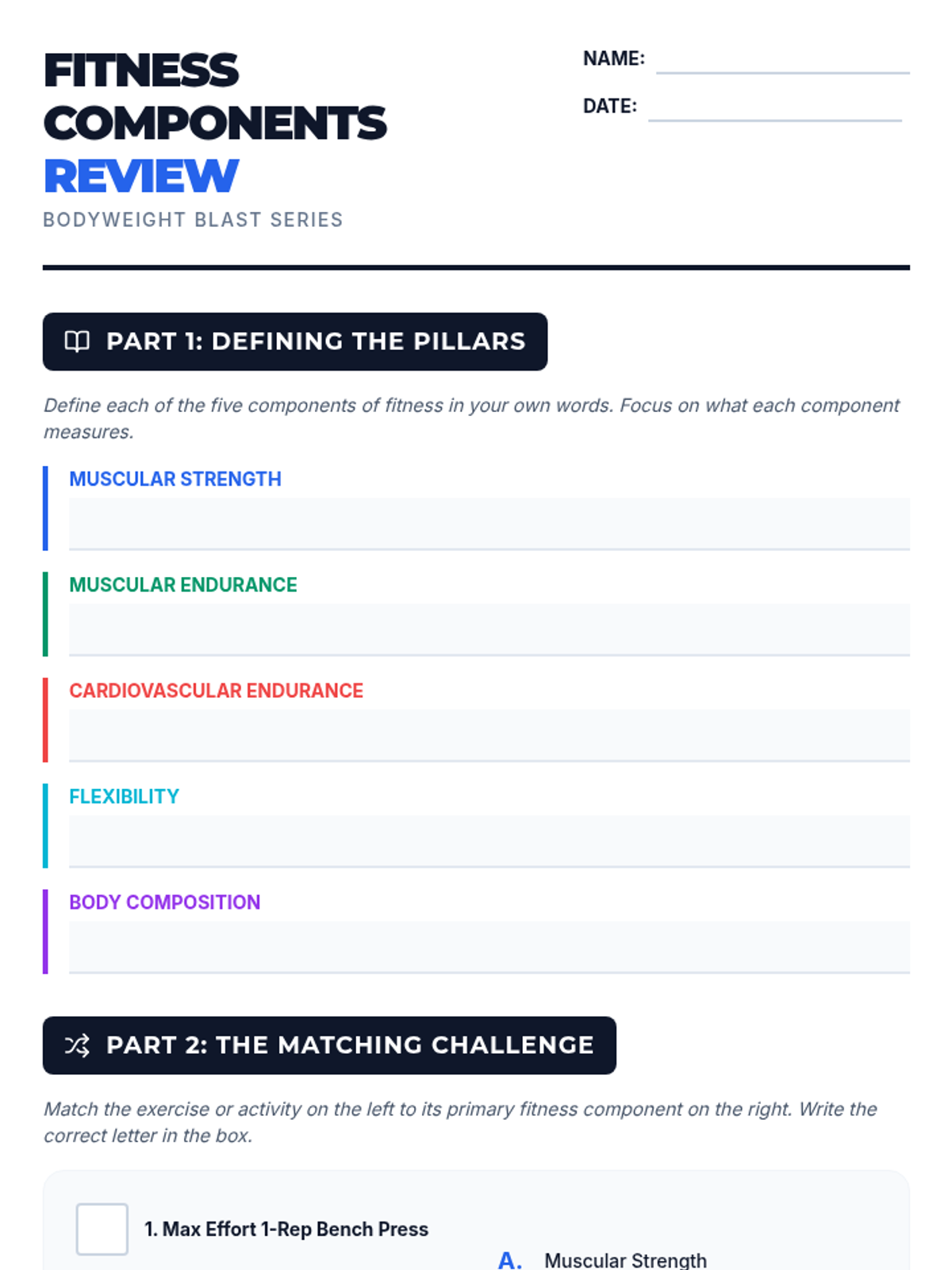
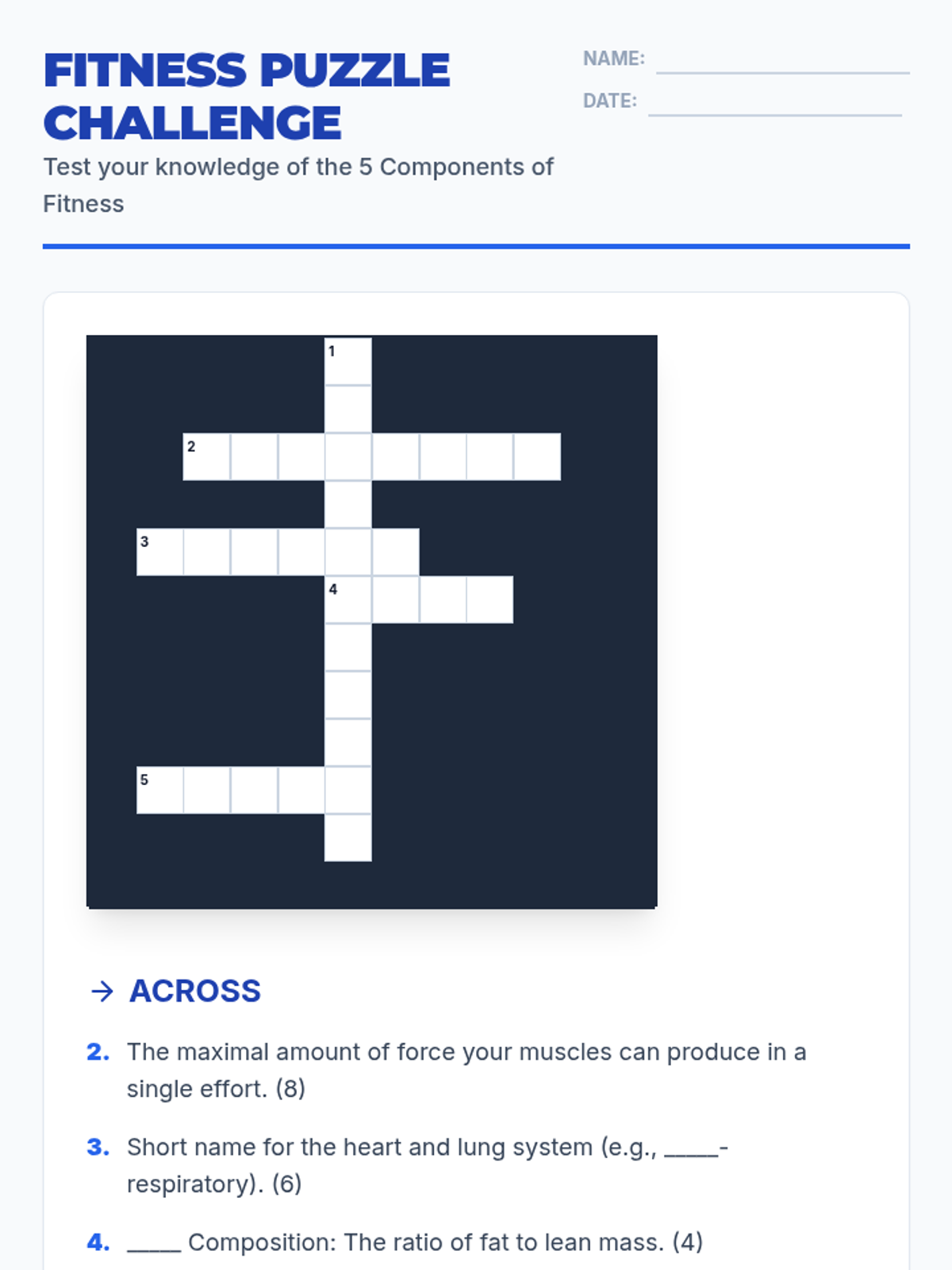
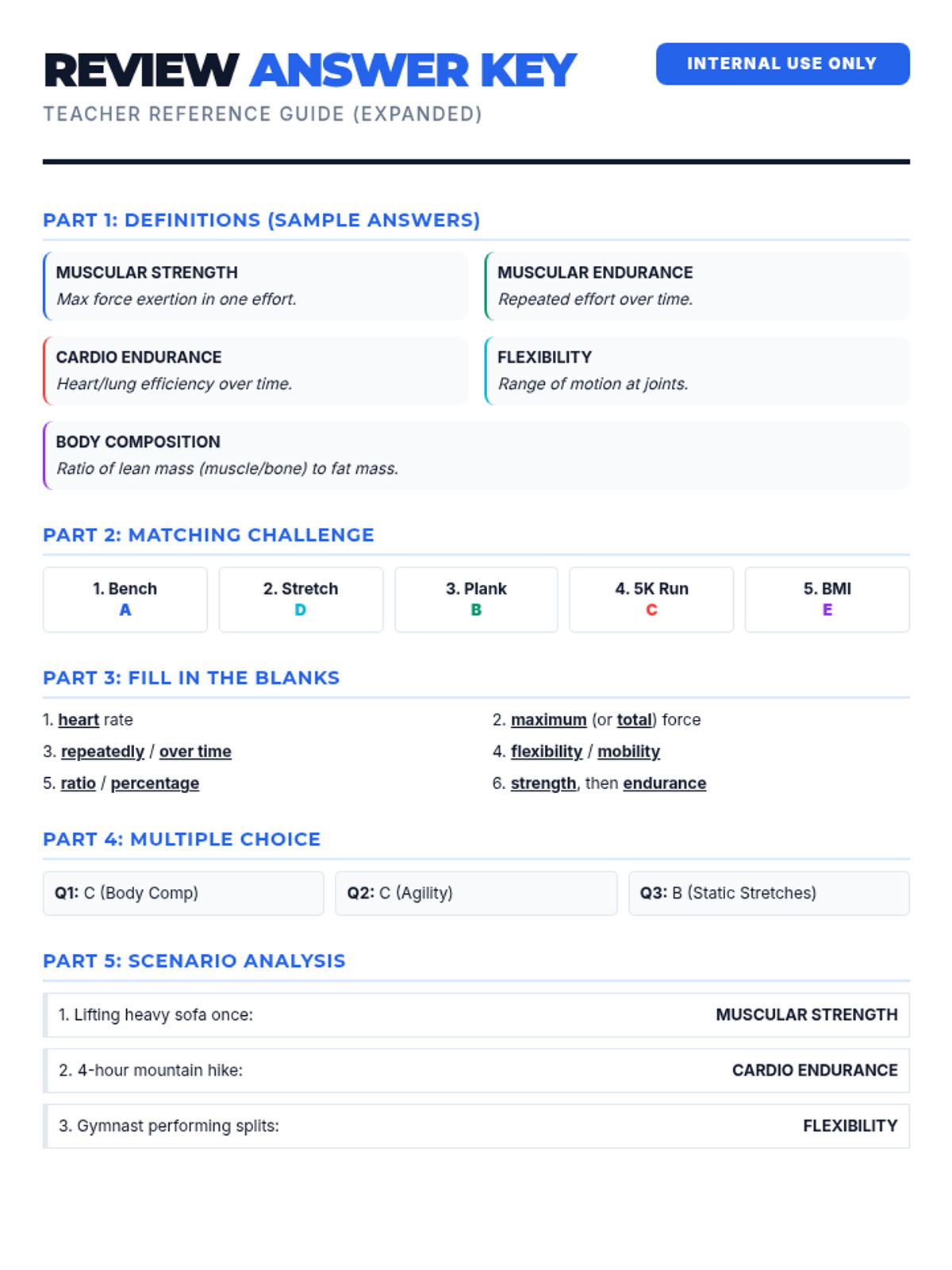
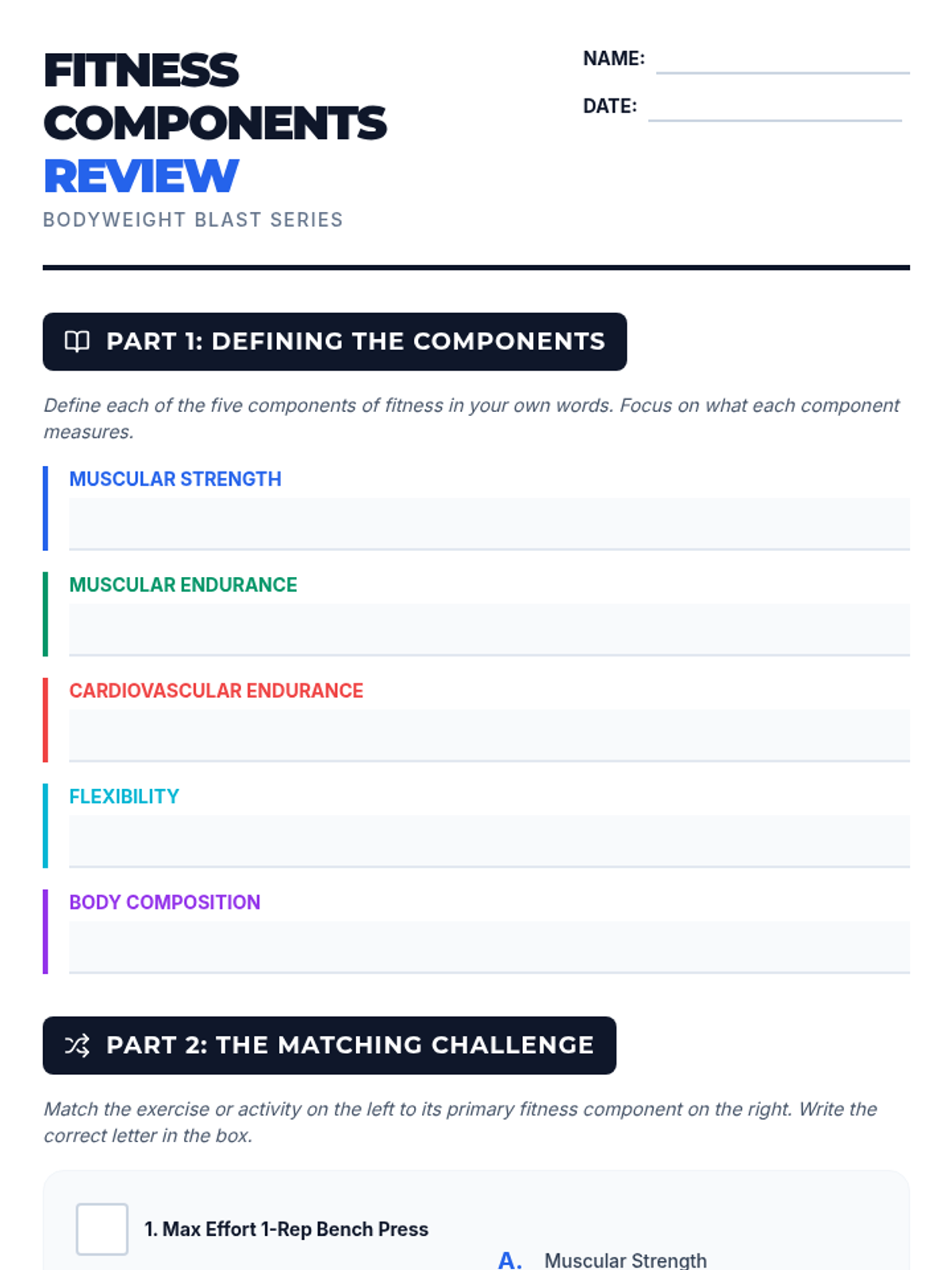
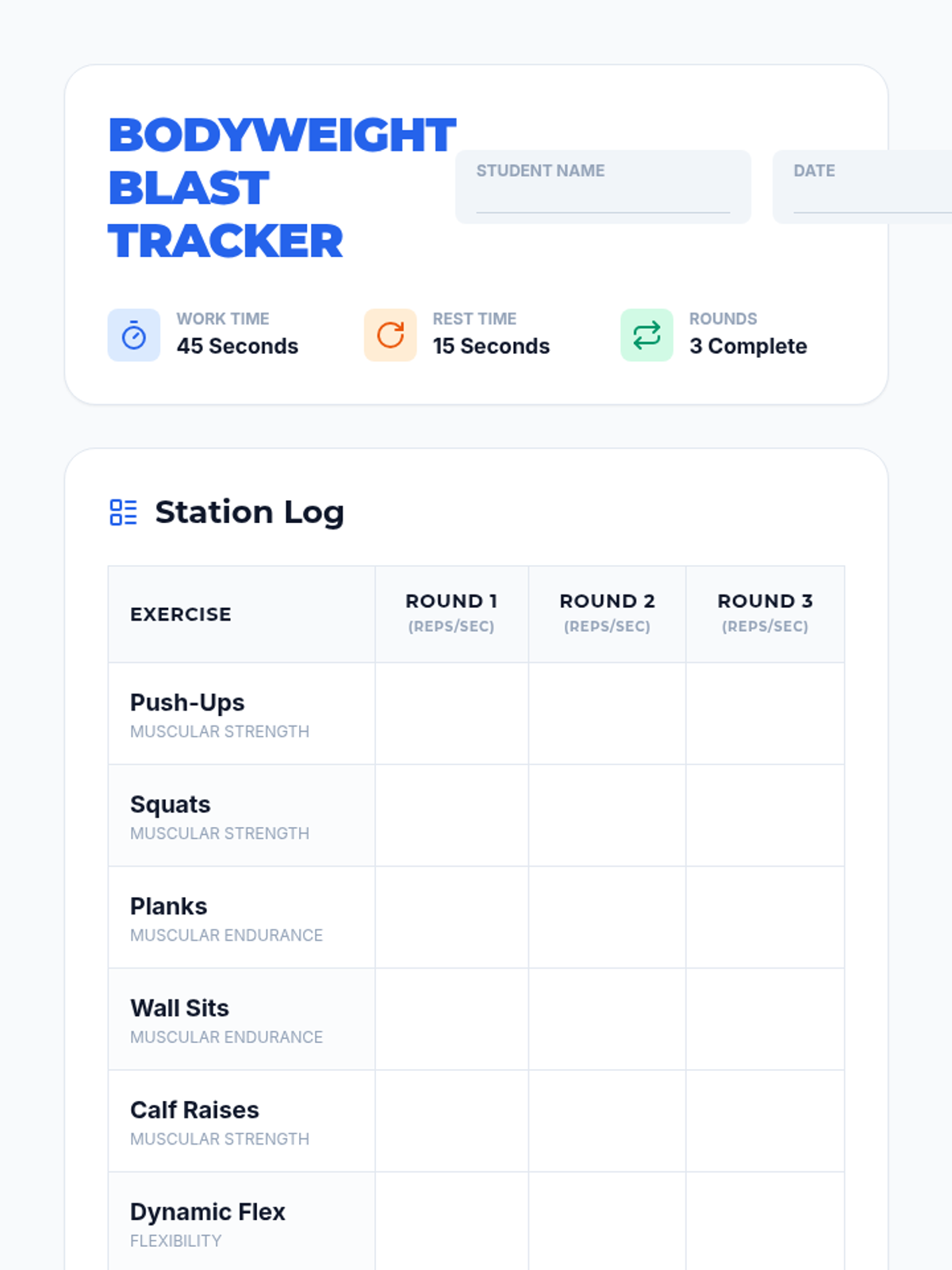
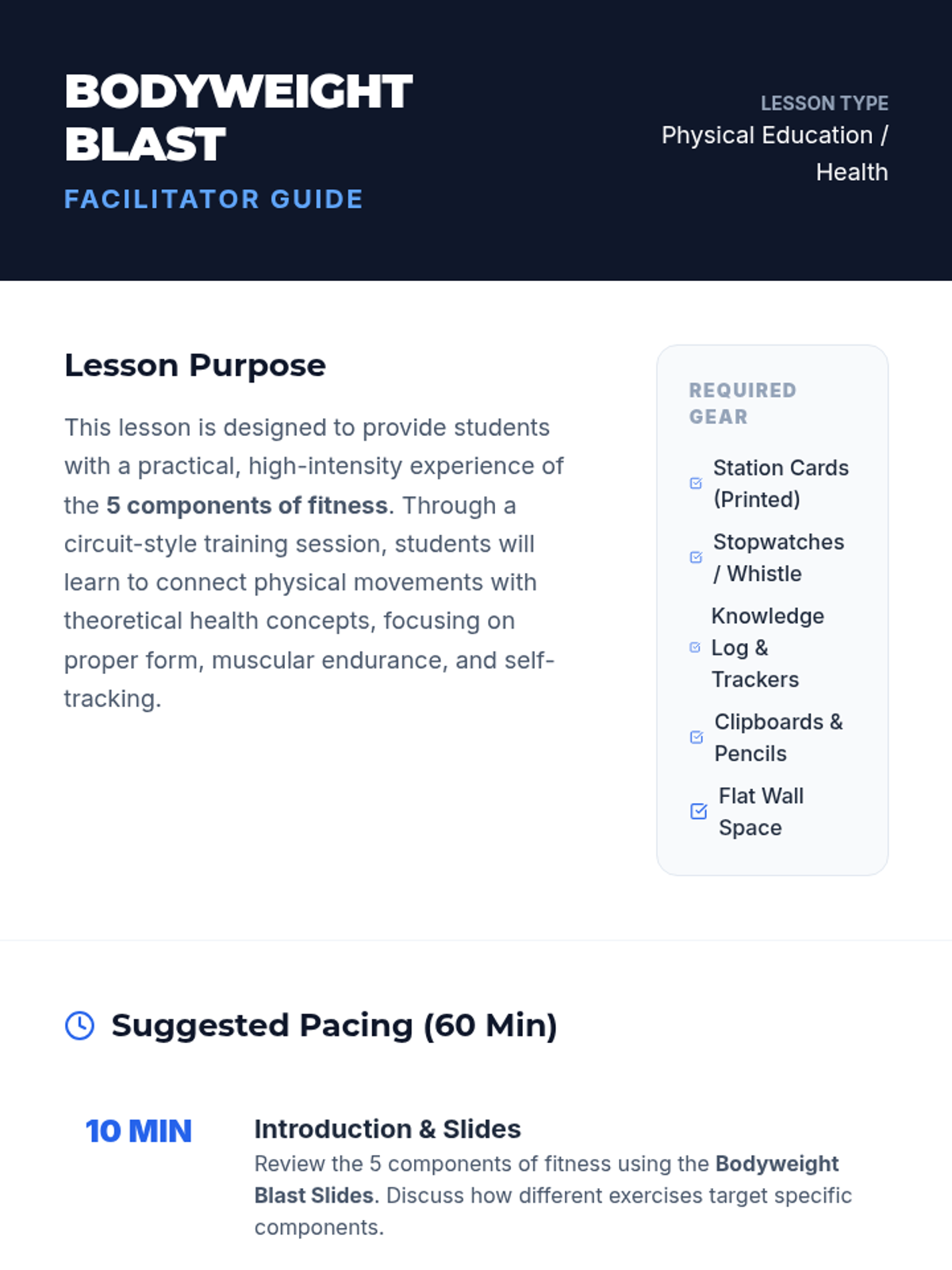
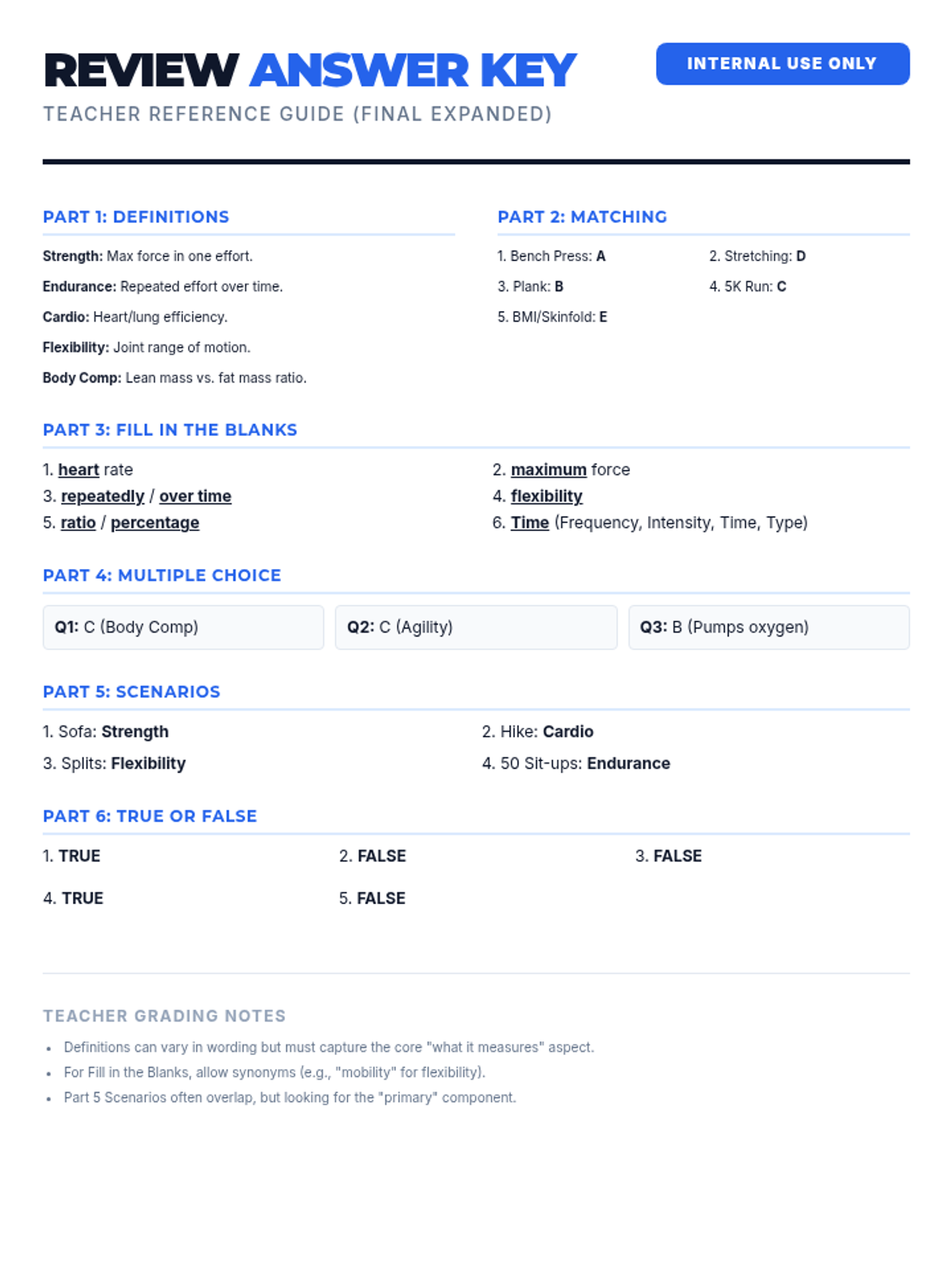
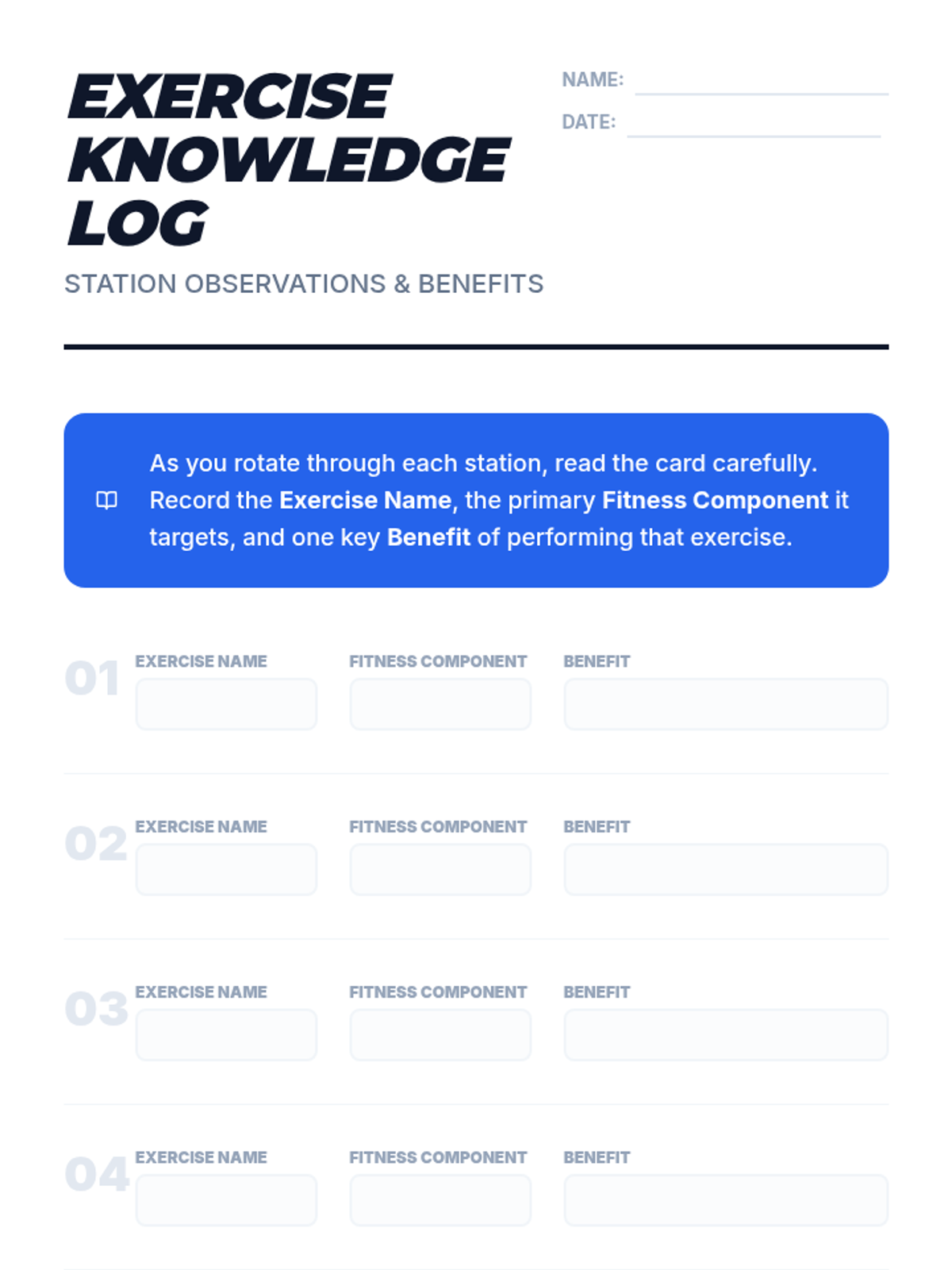
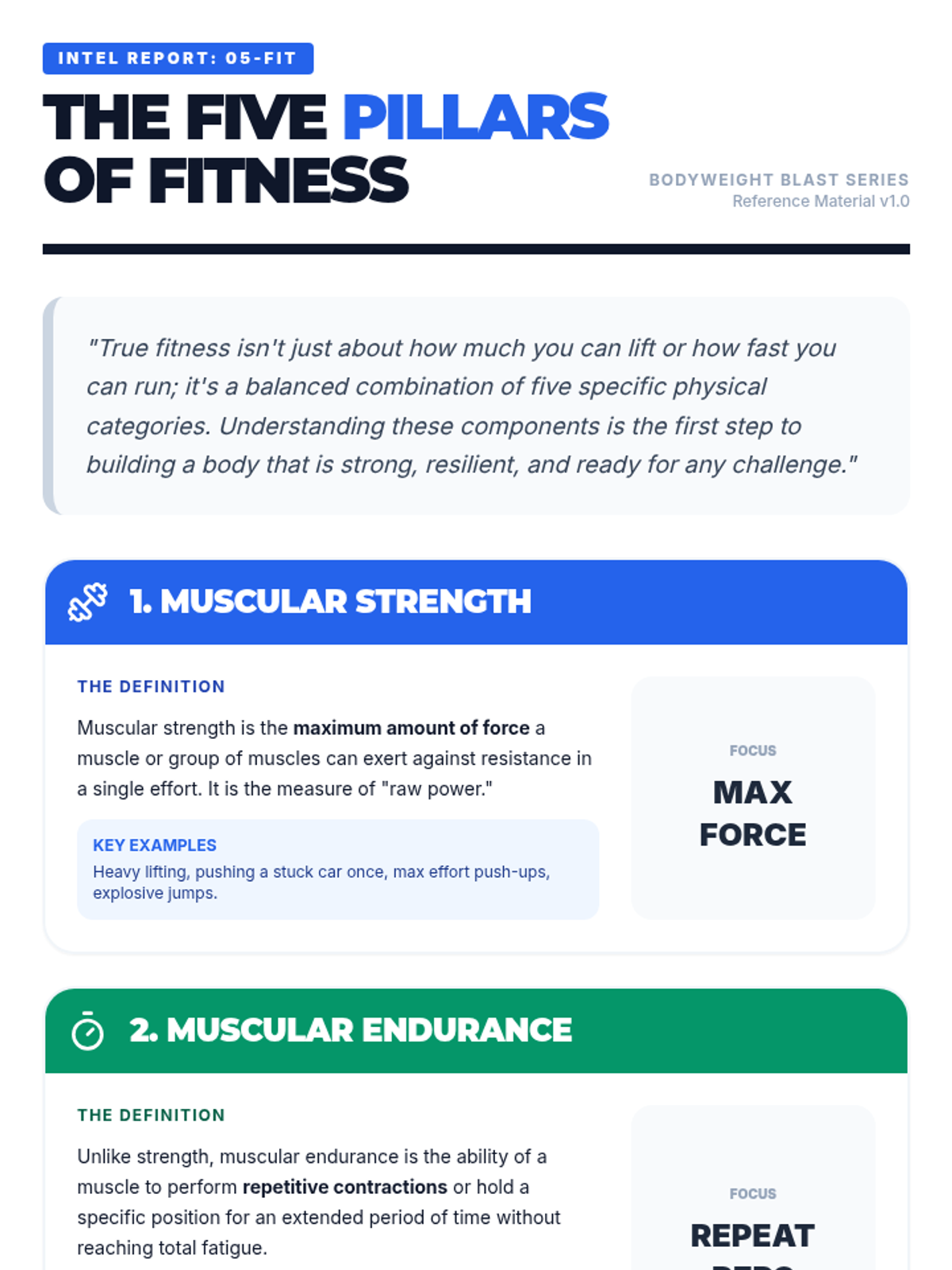
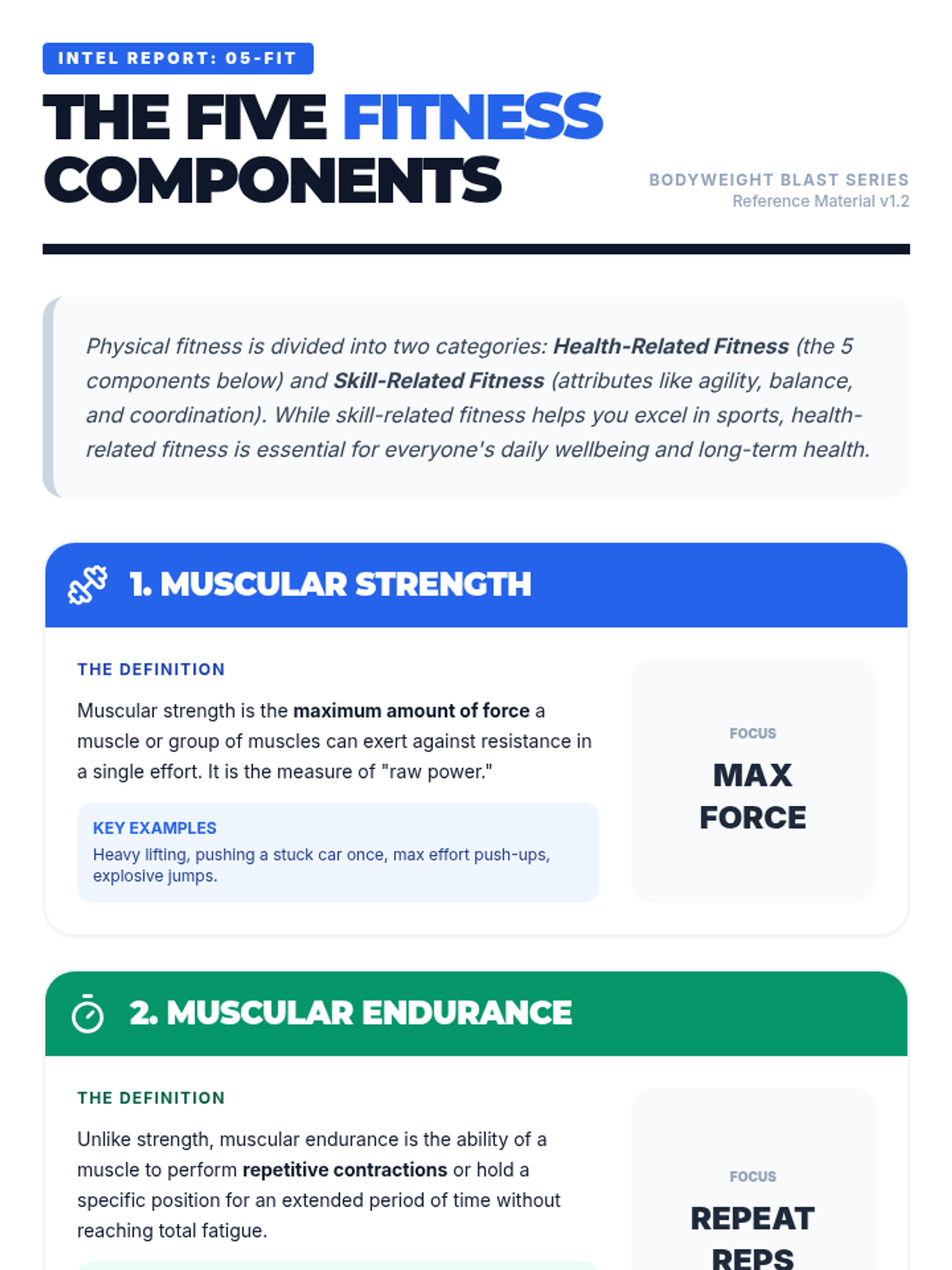
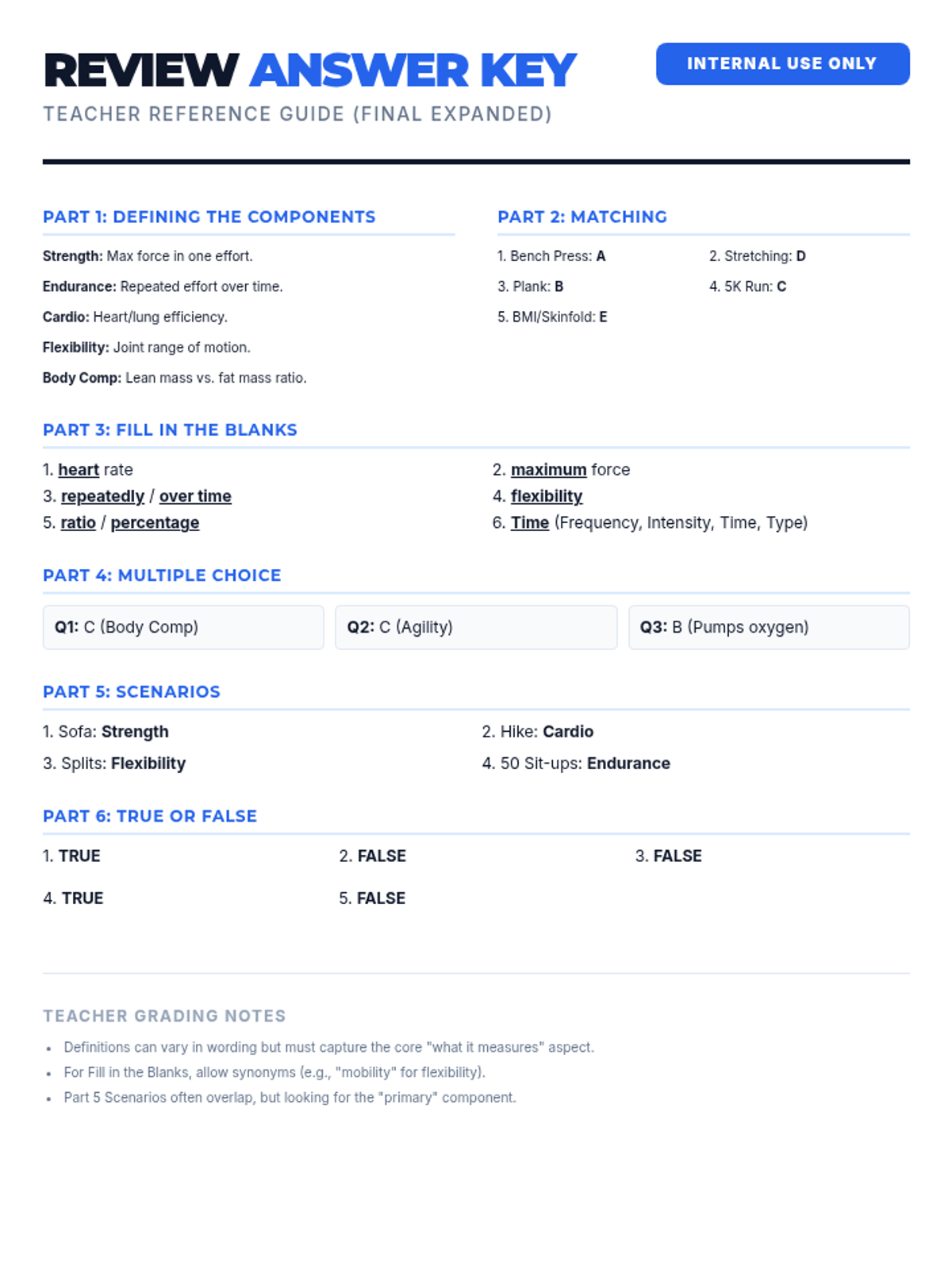
A high-energy lesson focused on bodyweight exercises that target the five components of fitness through a circuit-style training session. Students will learn proper form, the benefits of each exercise, and how they contribute to overall health.
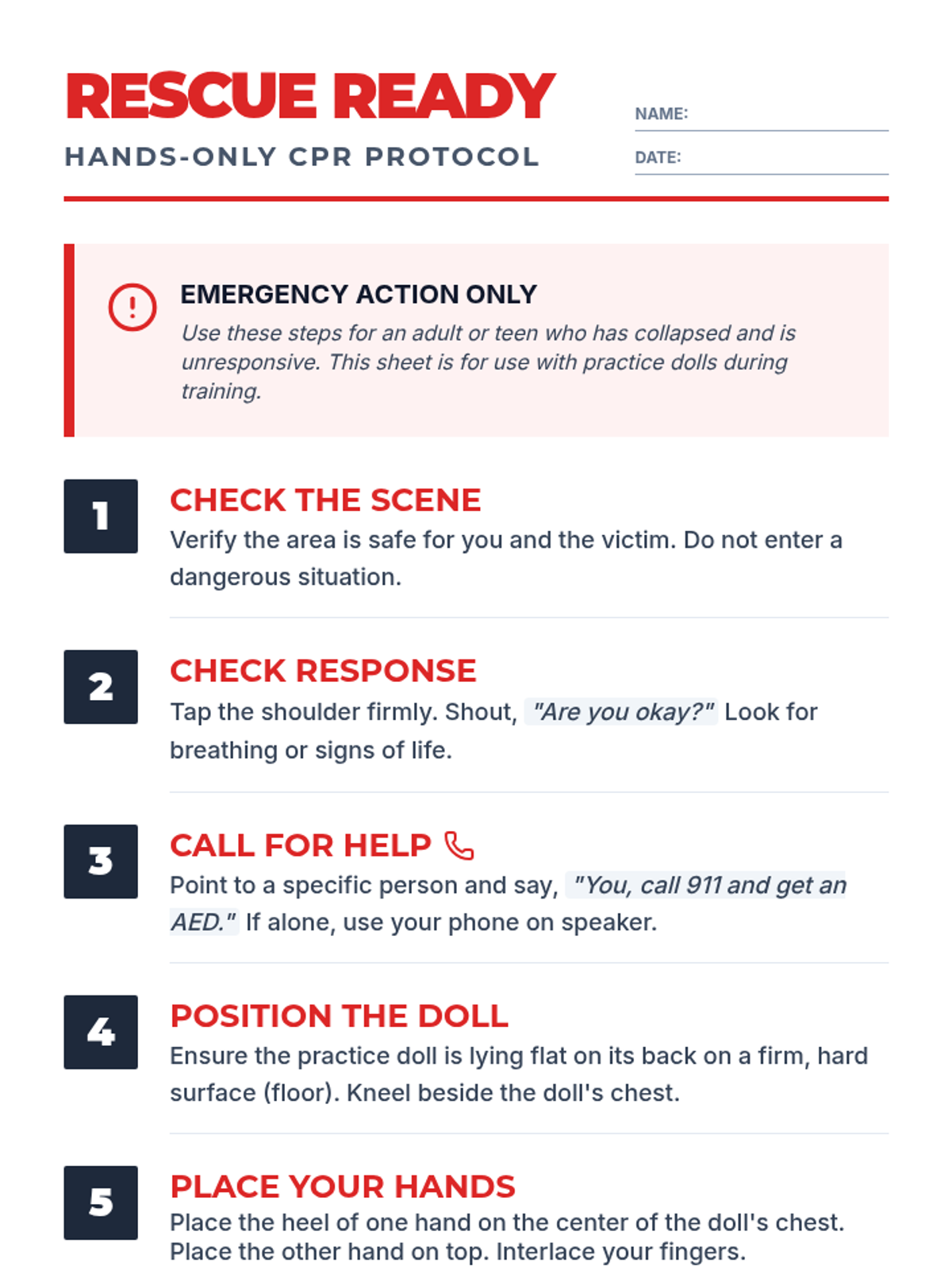
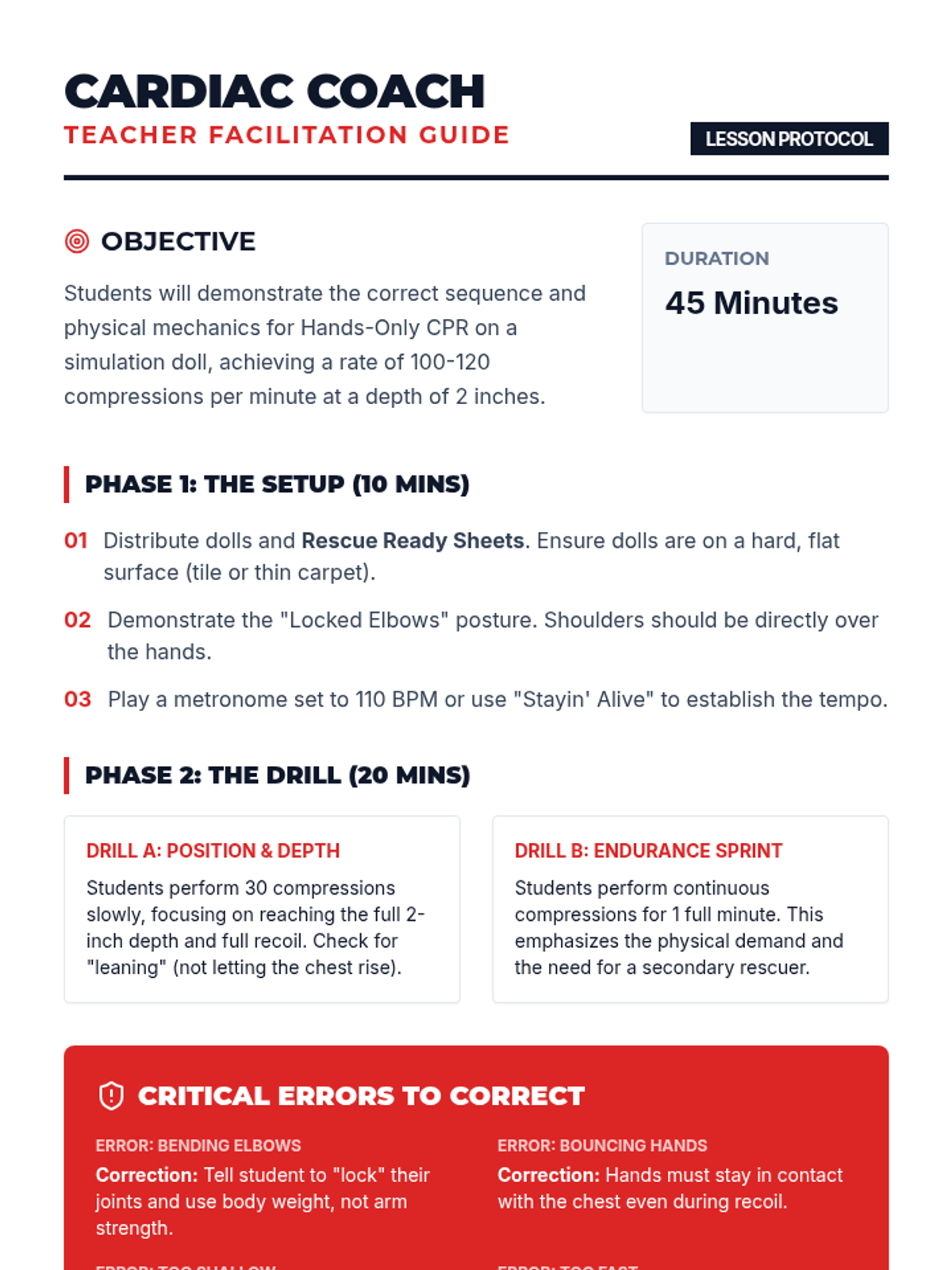
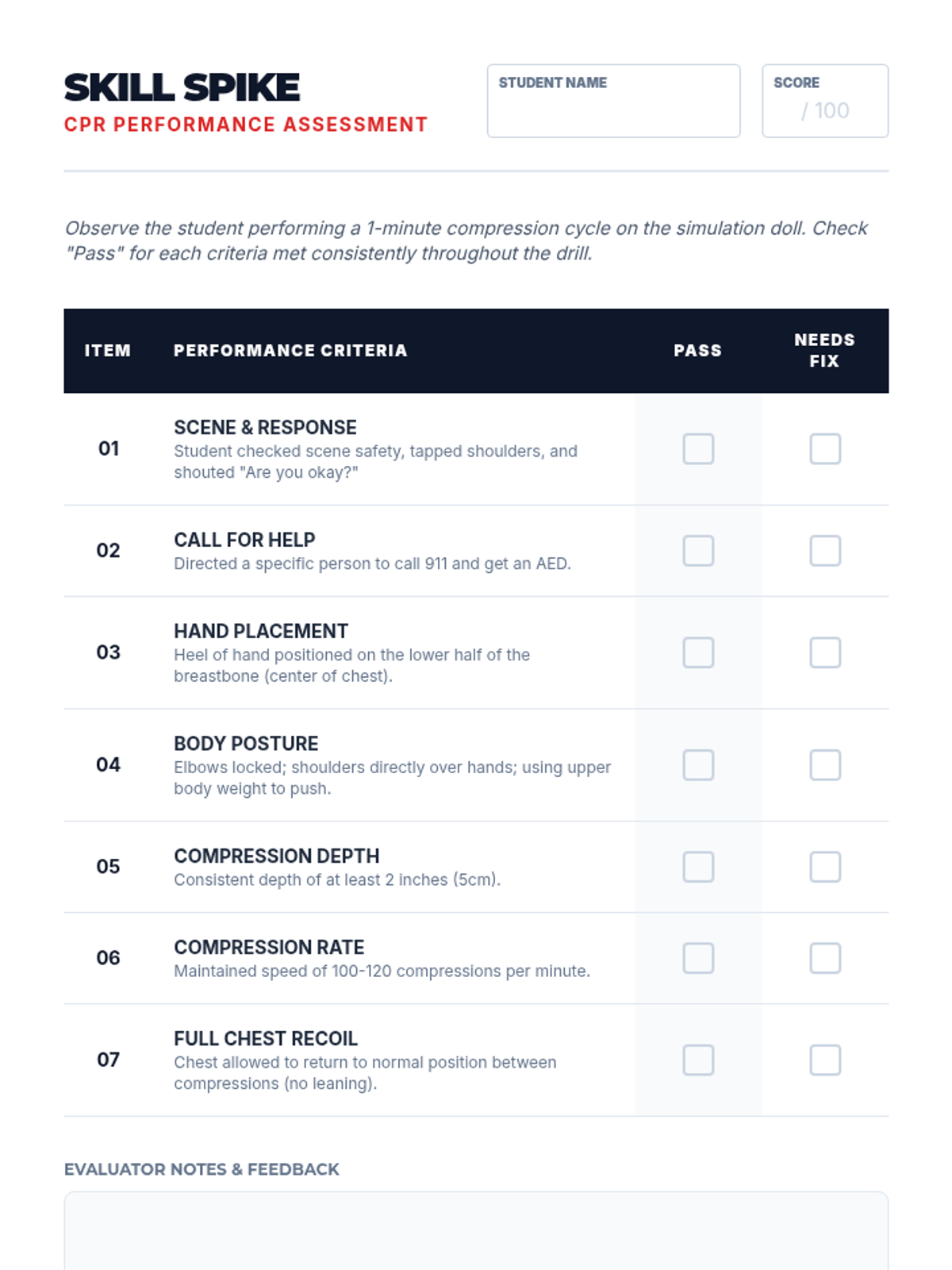
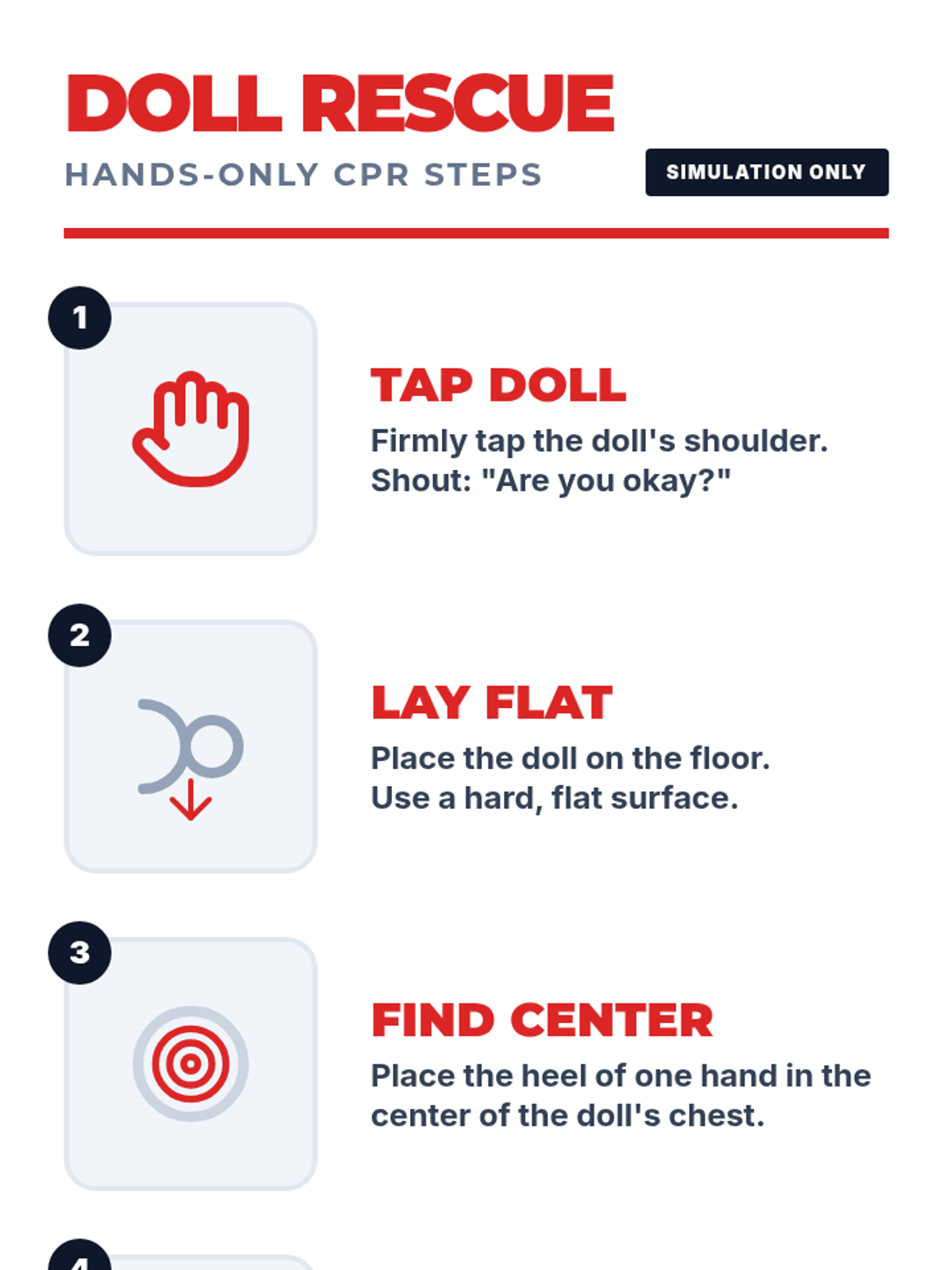
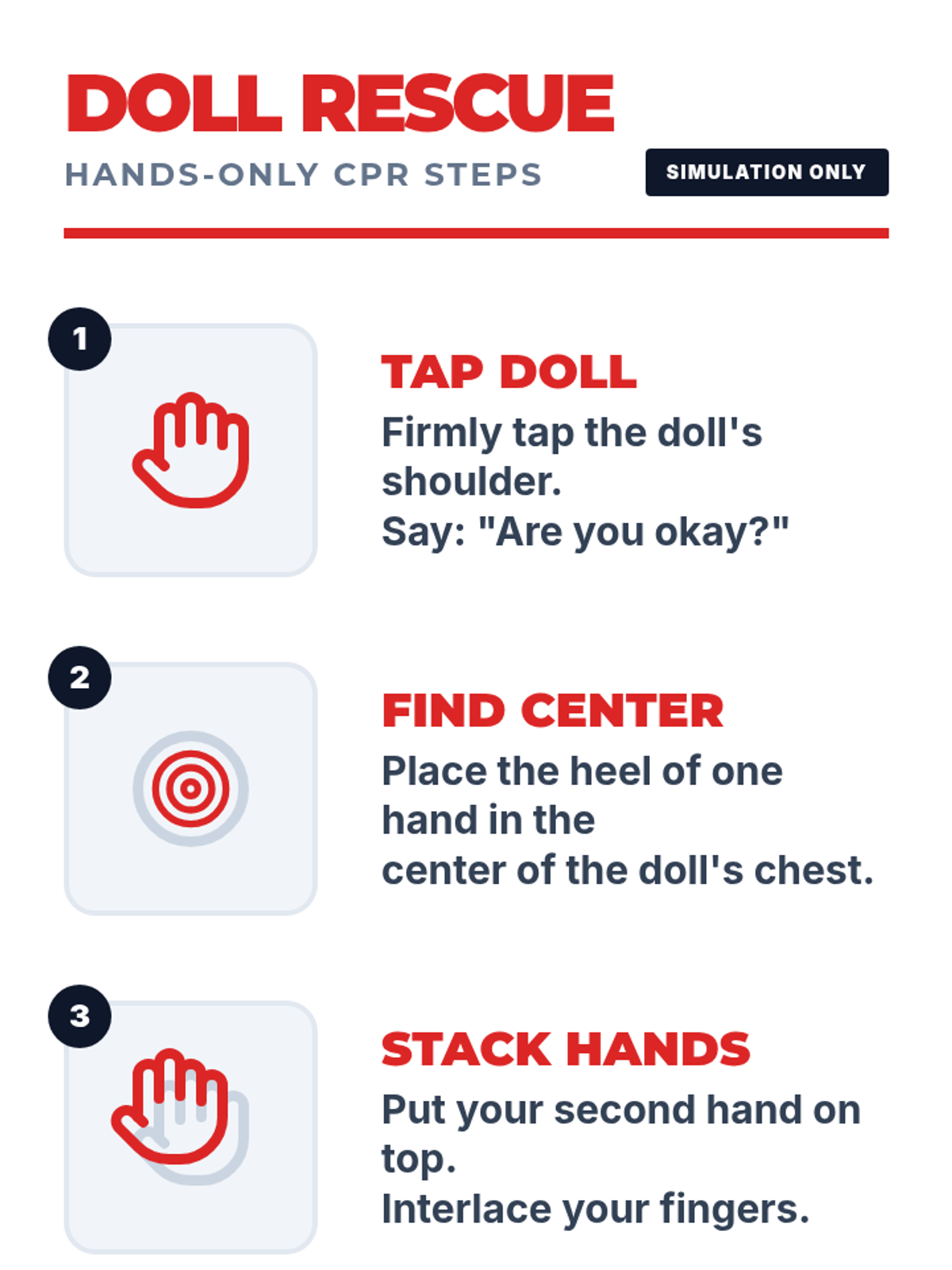
A lesson focused on the immediate actions required for Hands-Only CPR, specifically designed for practice sessions using simulation dolls. Students learn to respond quickly and perform high-quality chest compressions.
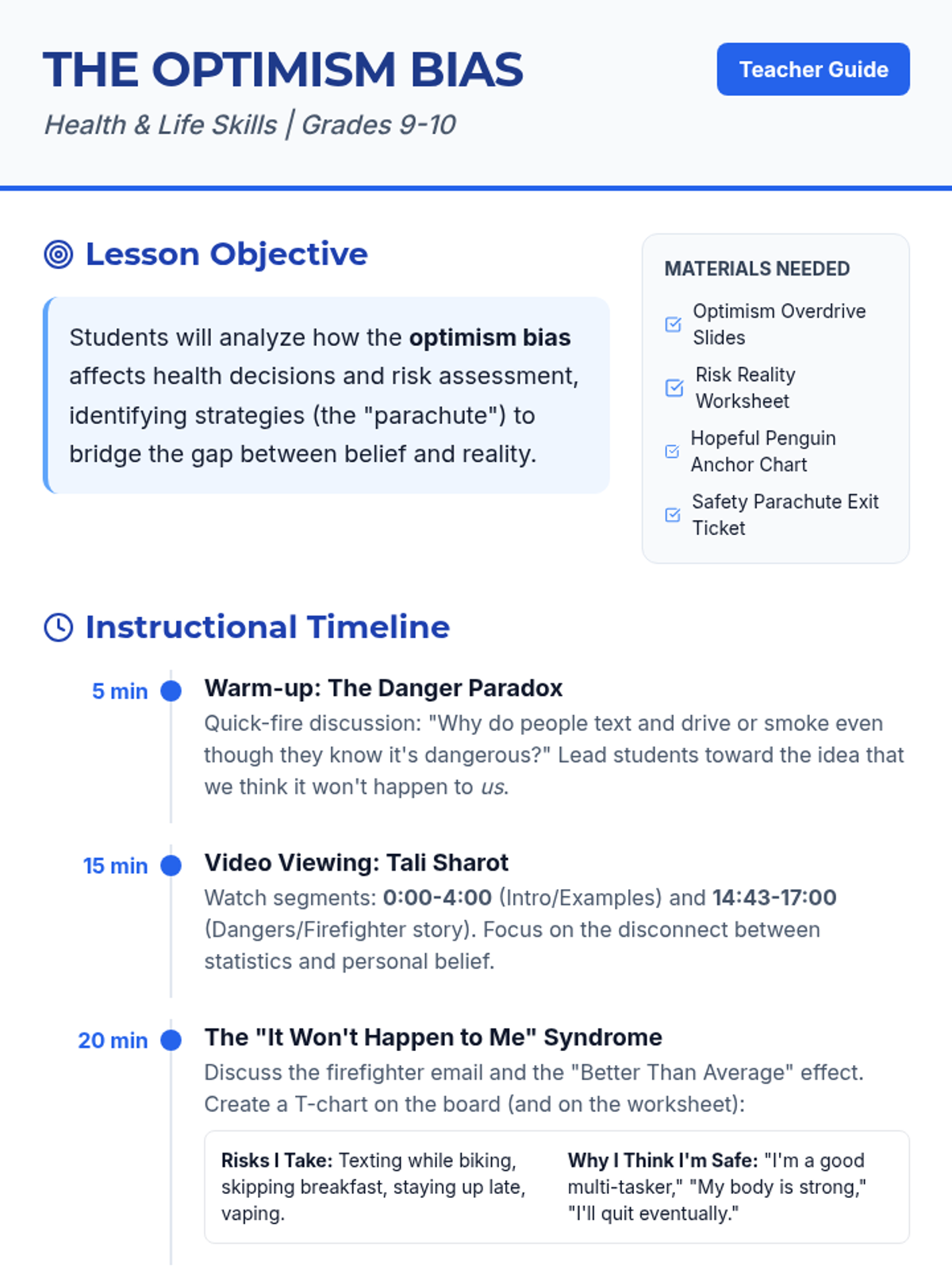
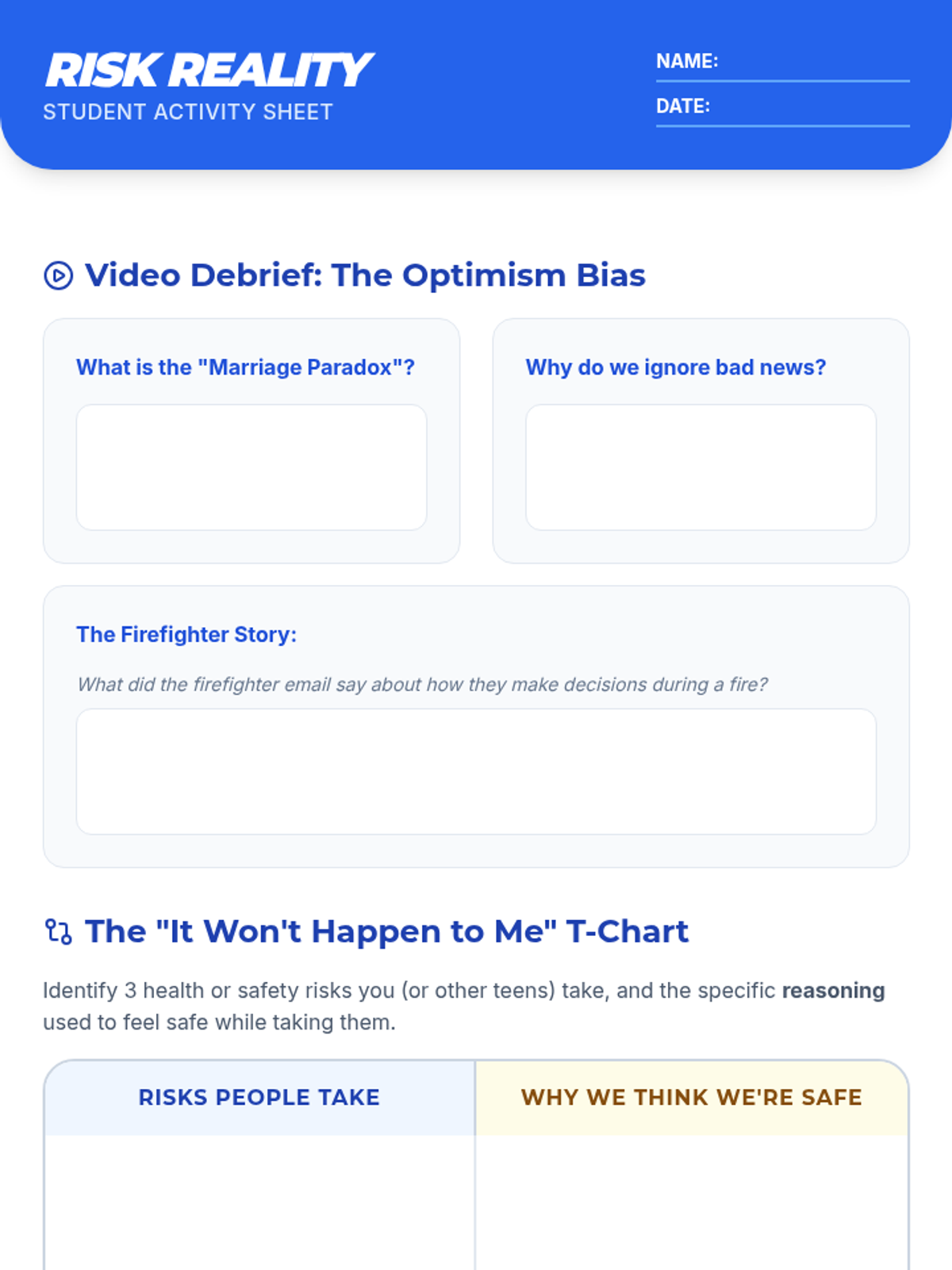
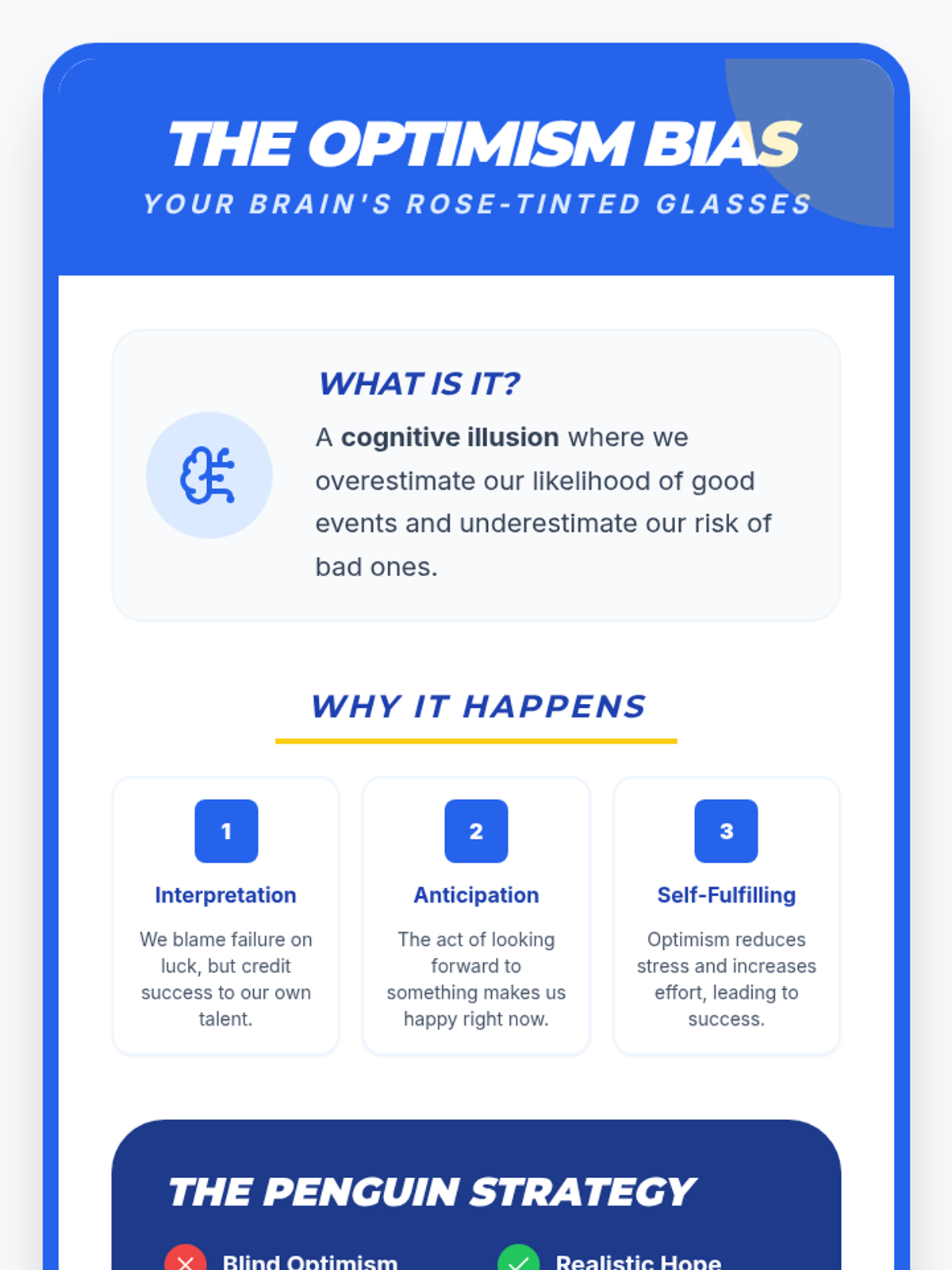
Students explore the optimism bias through Tali Sharot's TED talk, analyzing how our brains underestimate risks and overestimate positive outcomes, culminating in a 'parachute' strategy for safer health decisions.
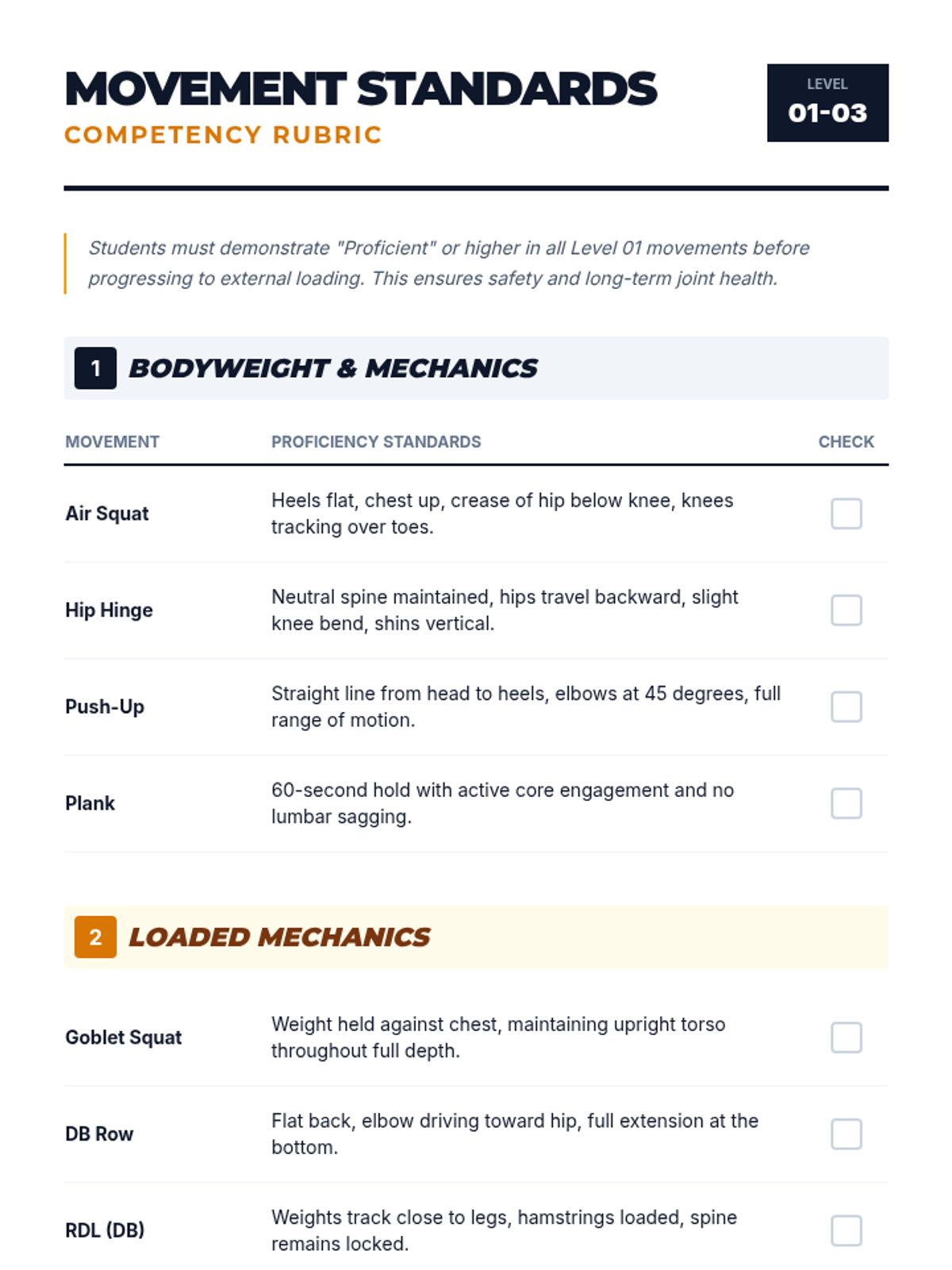
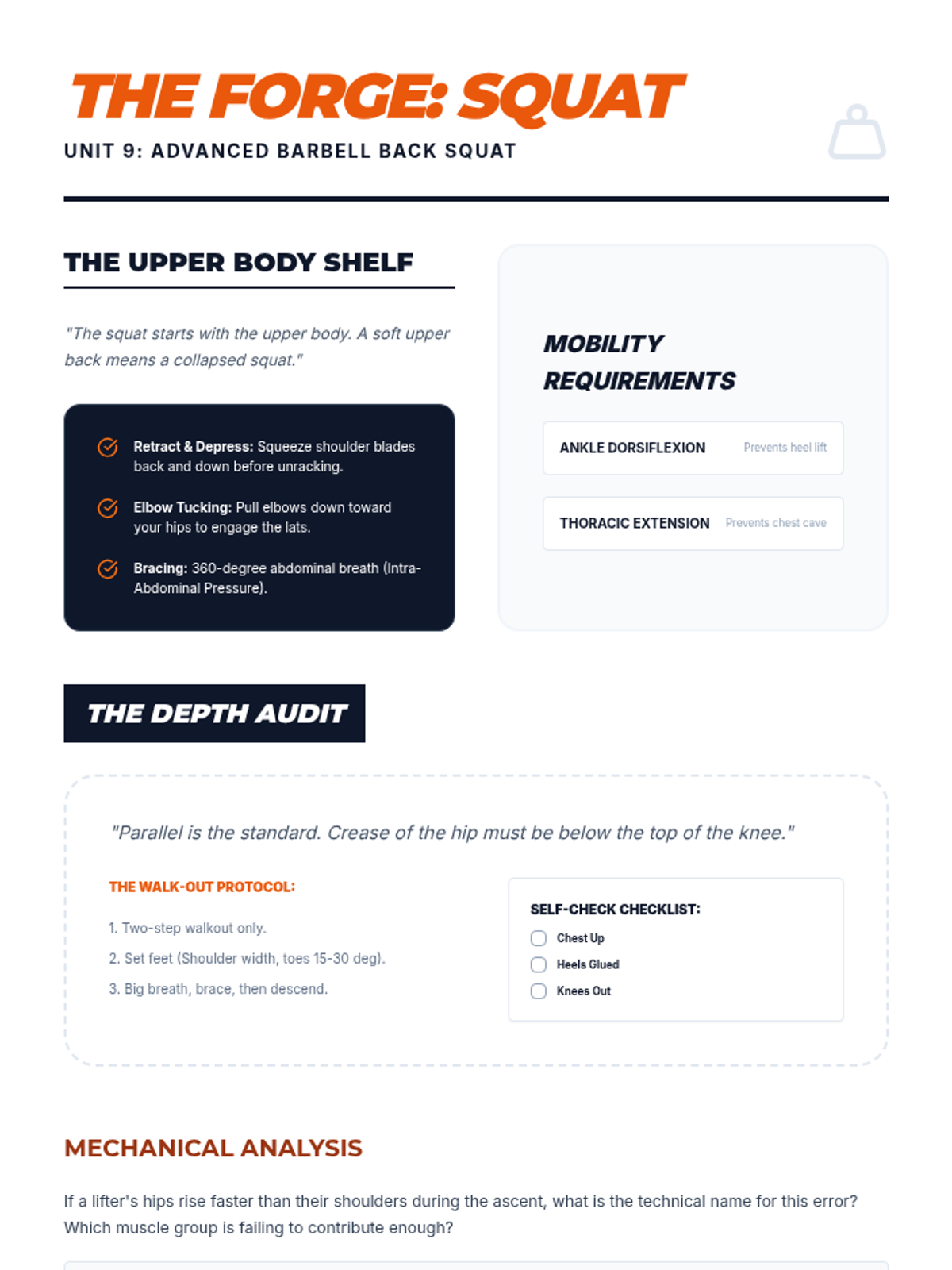
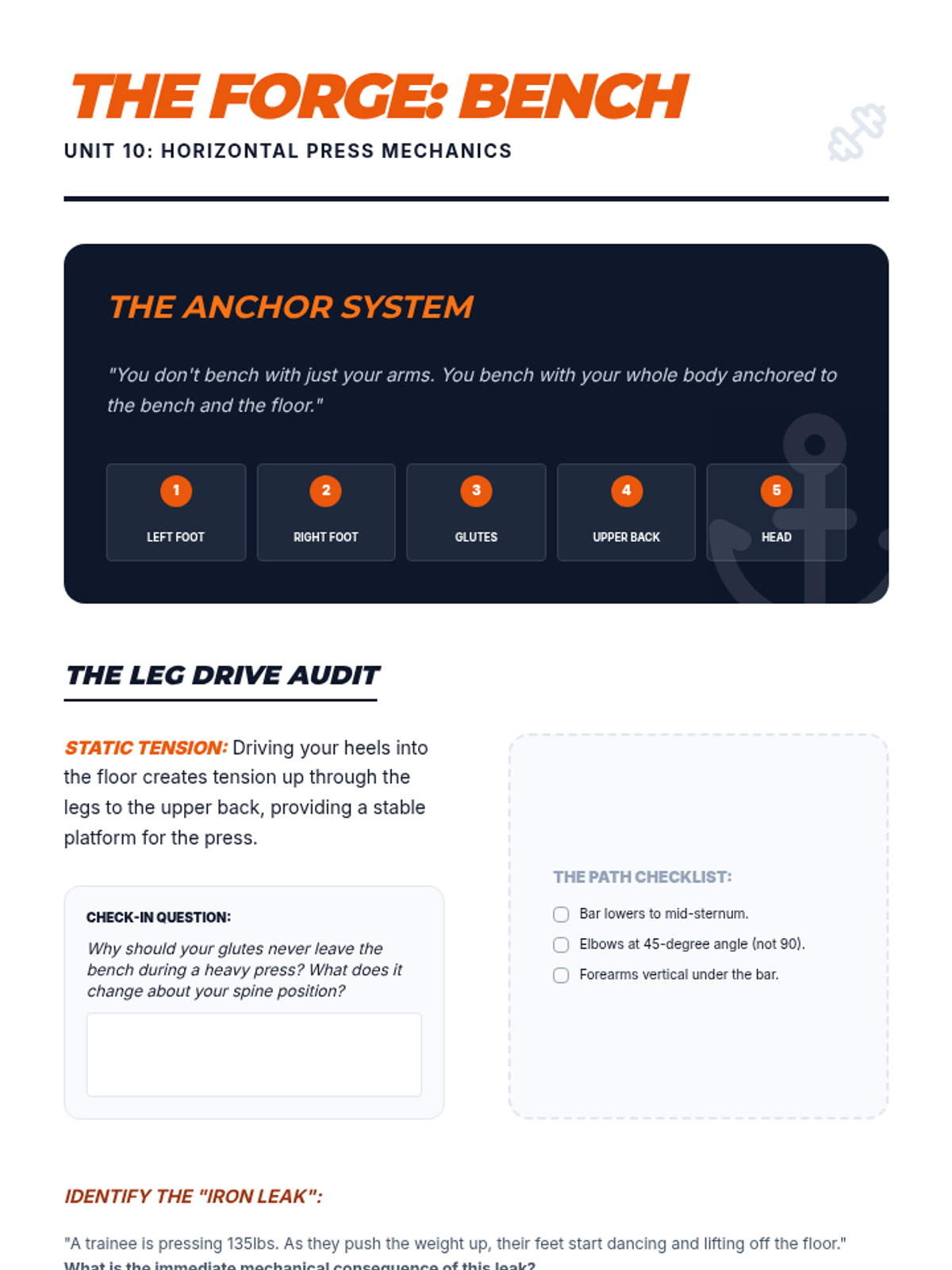
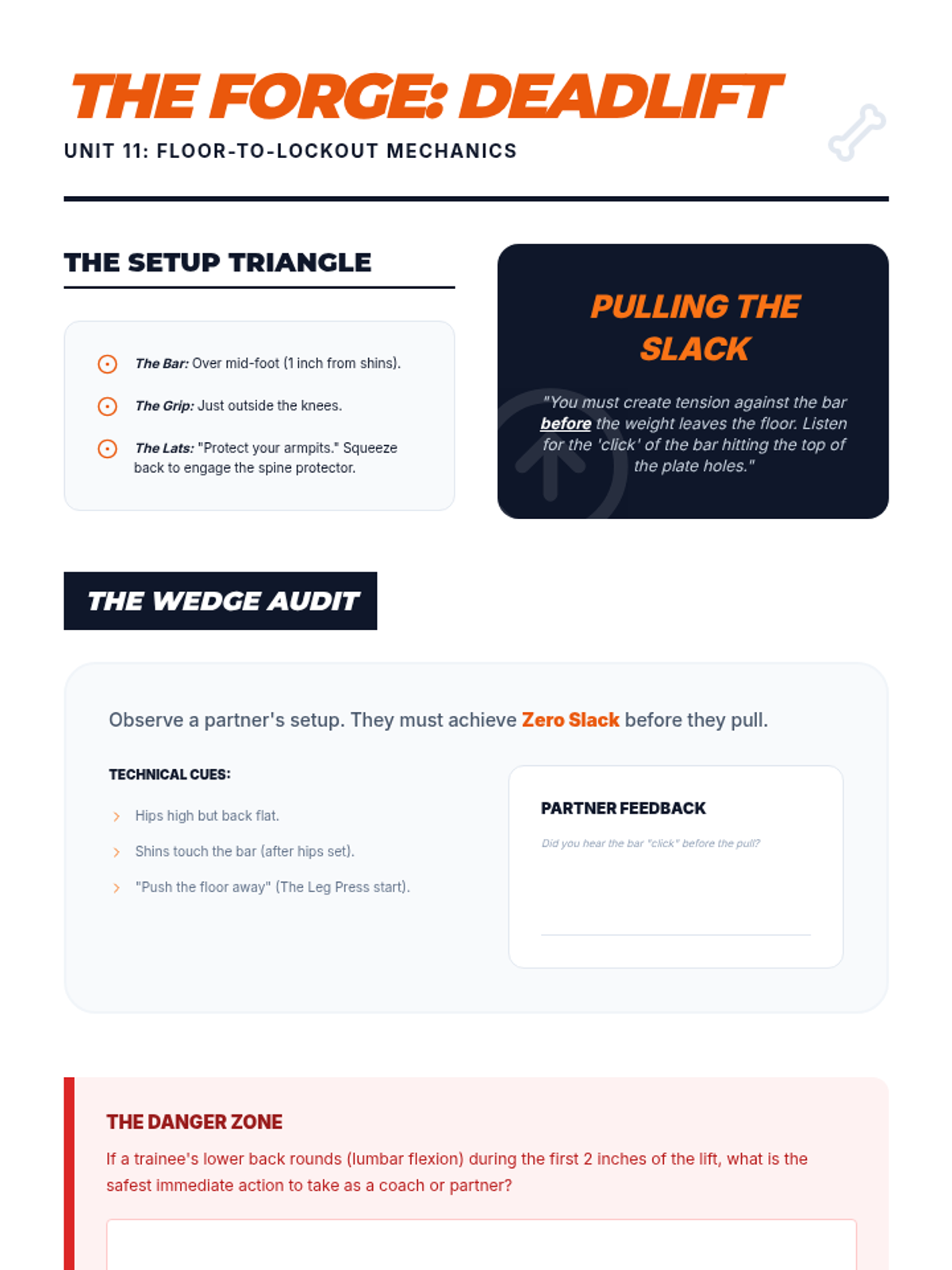
Technical mastery of the 'Big Three' (Squat, Bench, Deadlift) with emphasis on safety, setup, and heavy load mechanics.
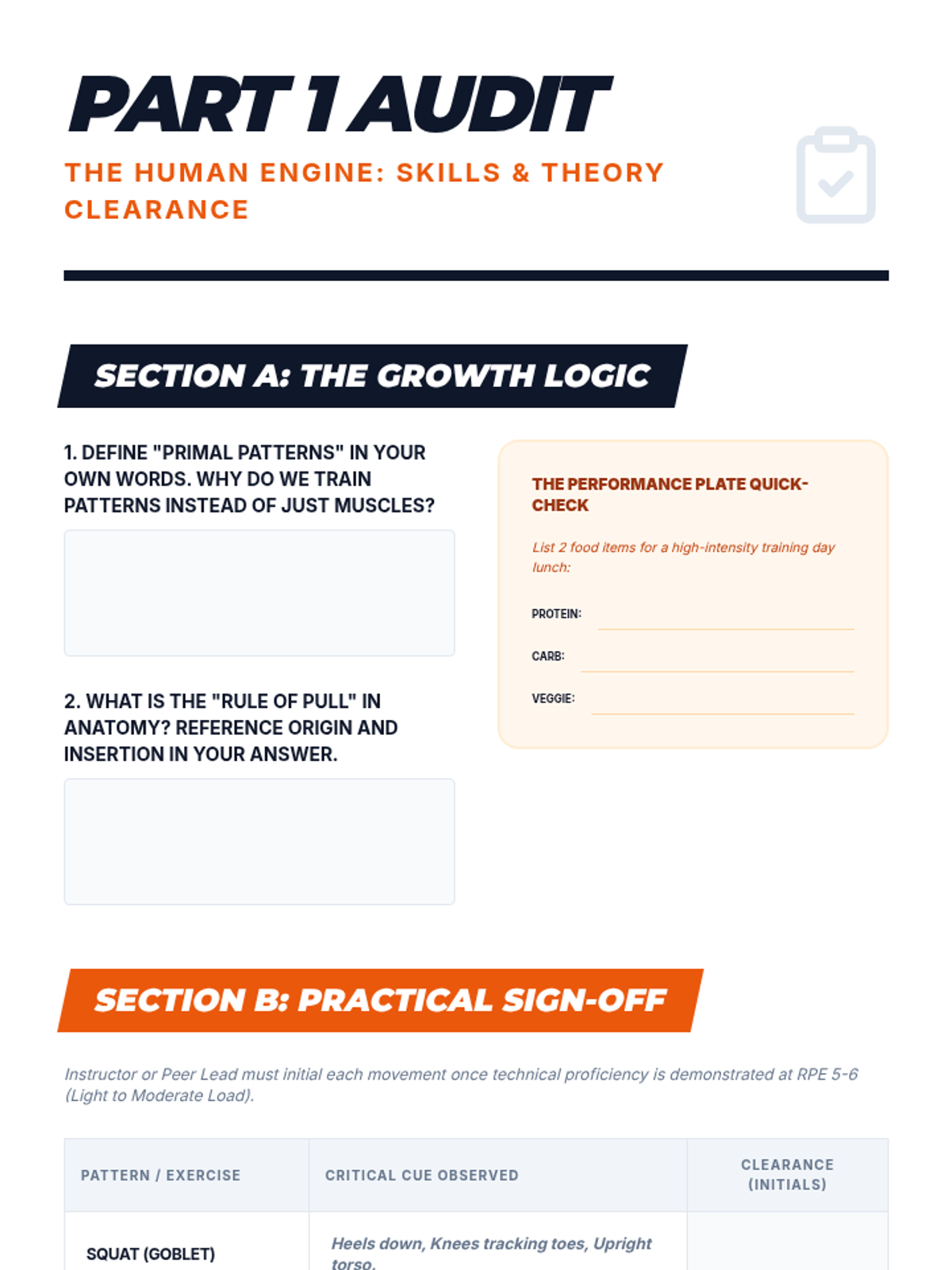
Comprehensive review of Part 1 concepts and a practical skills audit to clear students for the advanced compound lifts of Part 2.
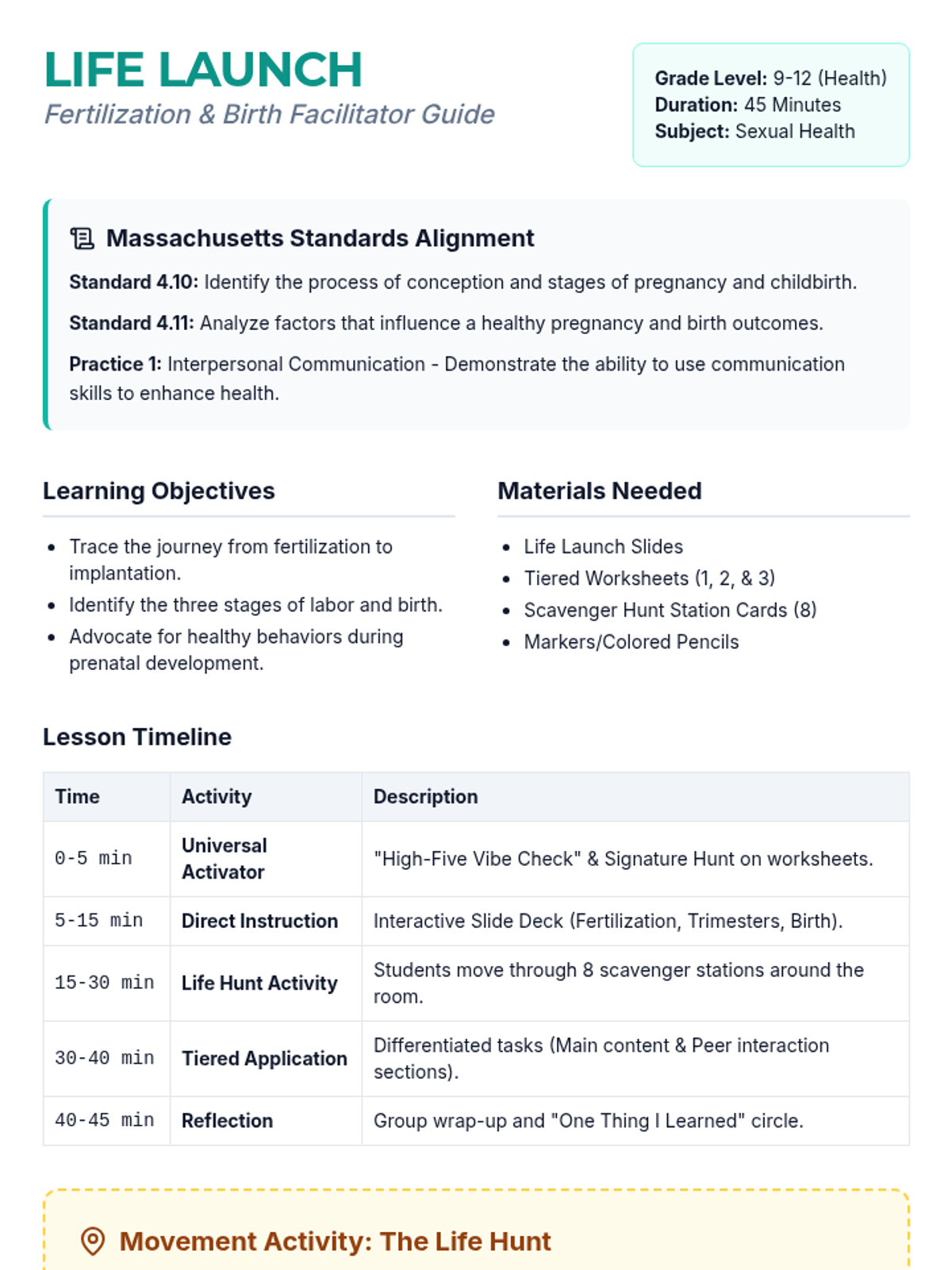
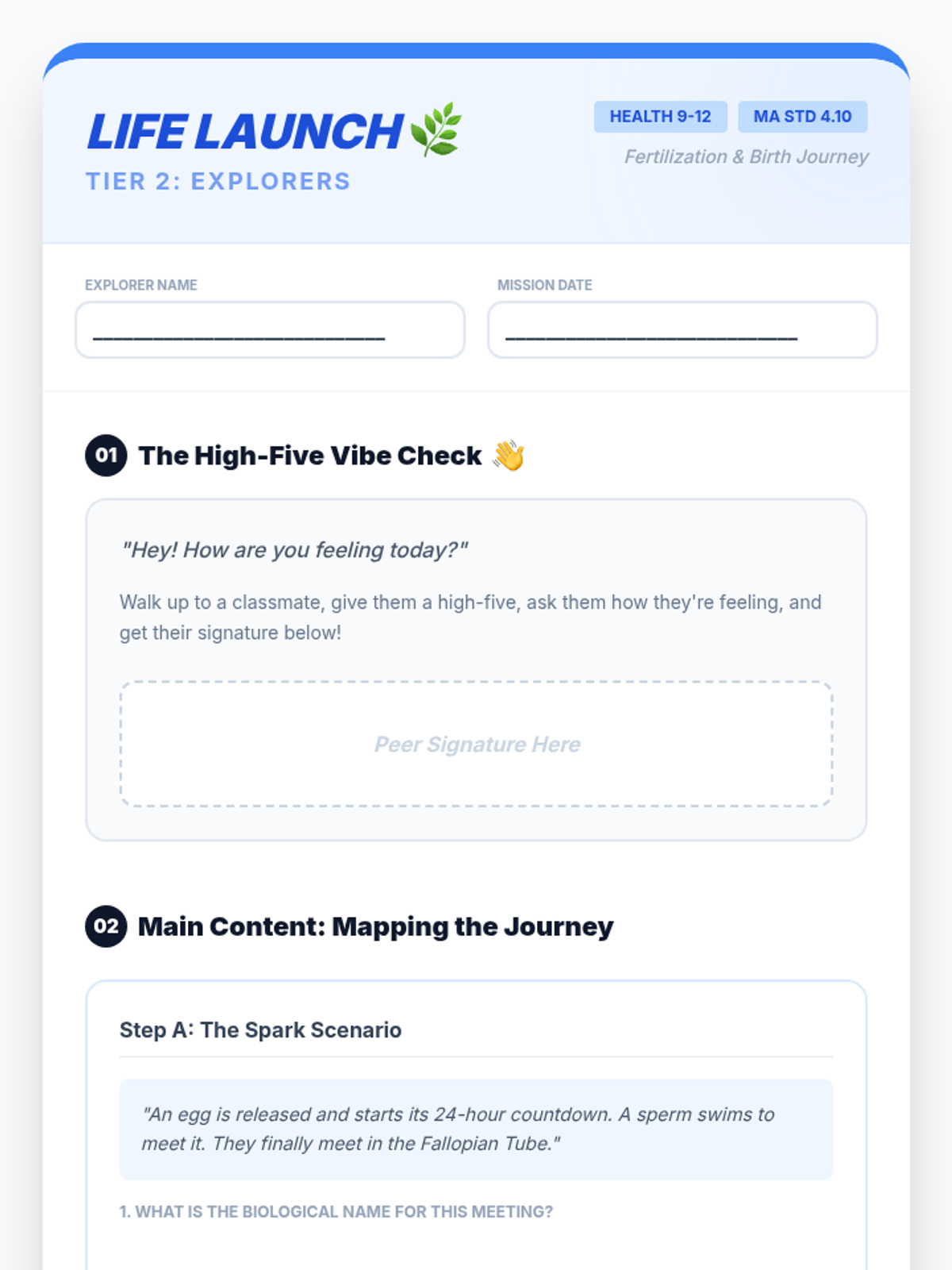
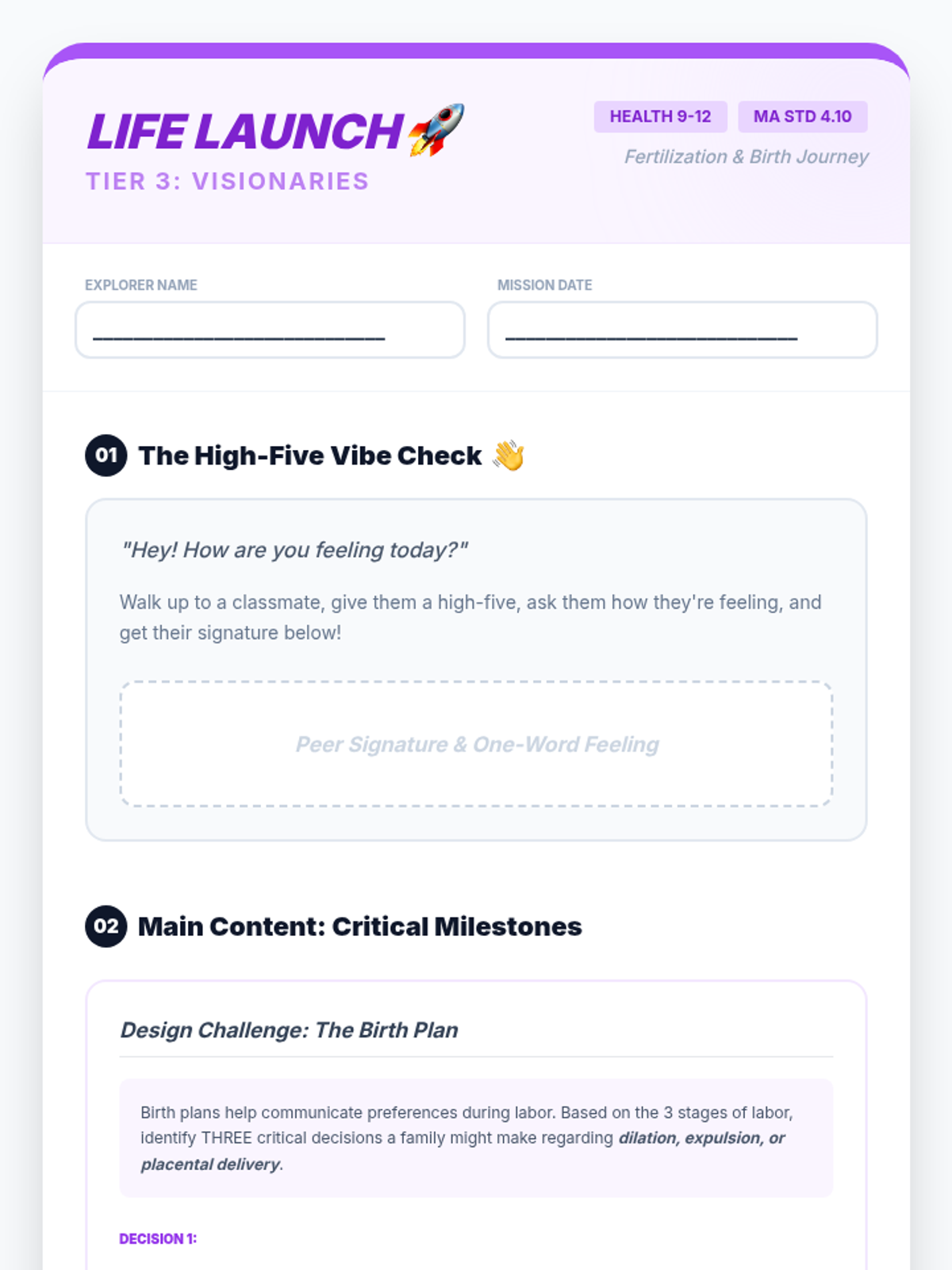
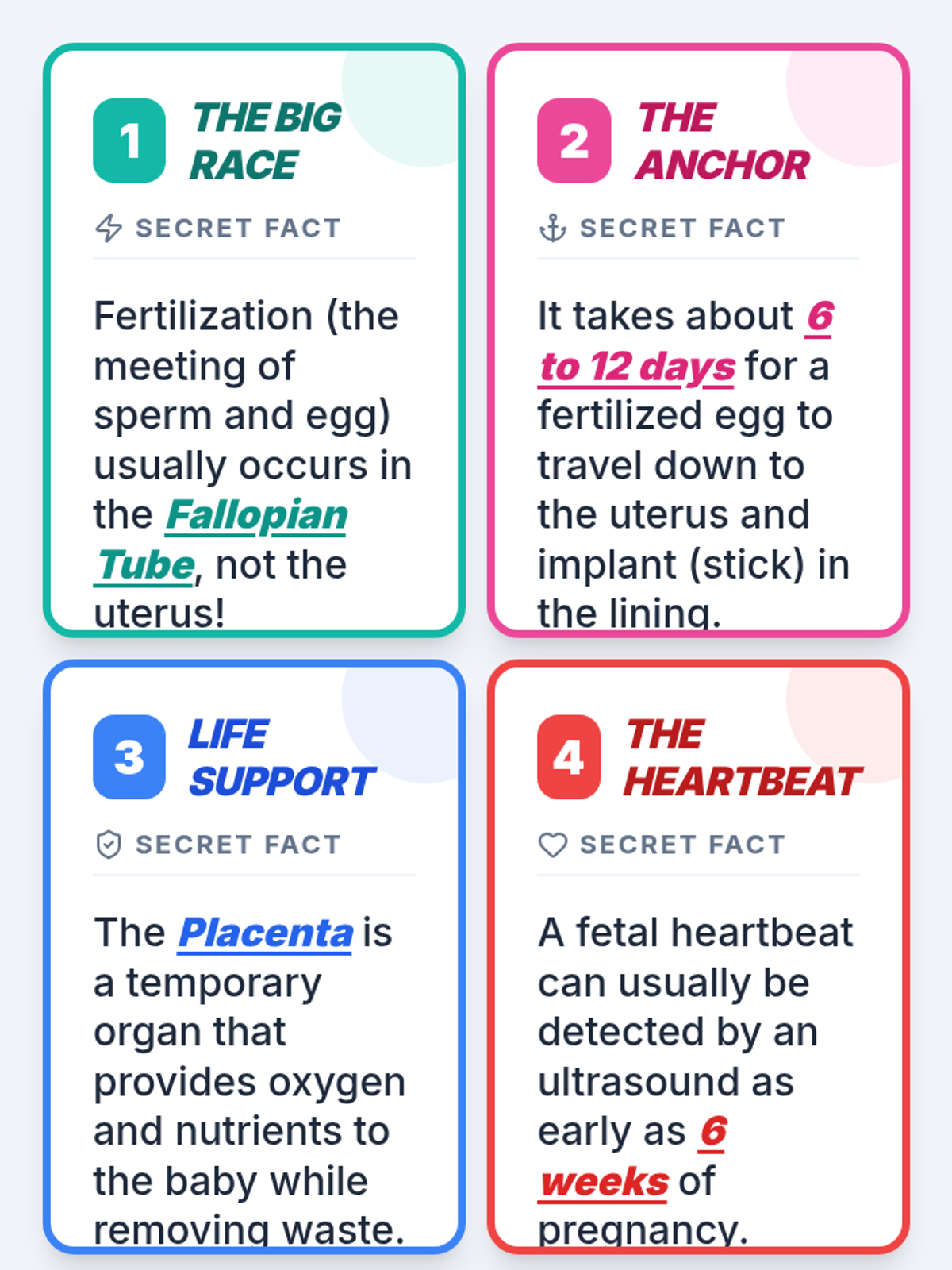
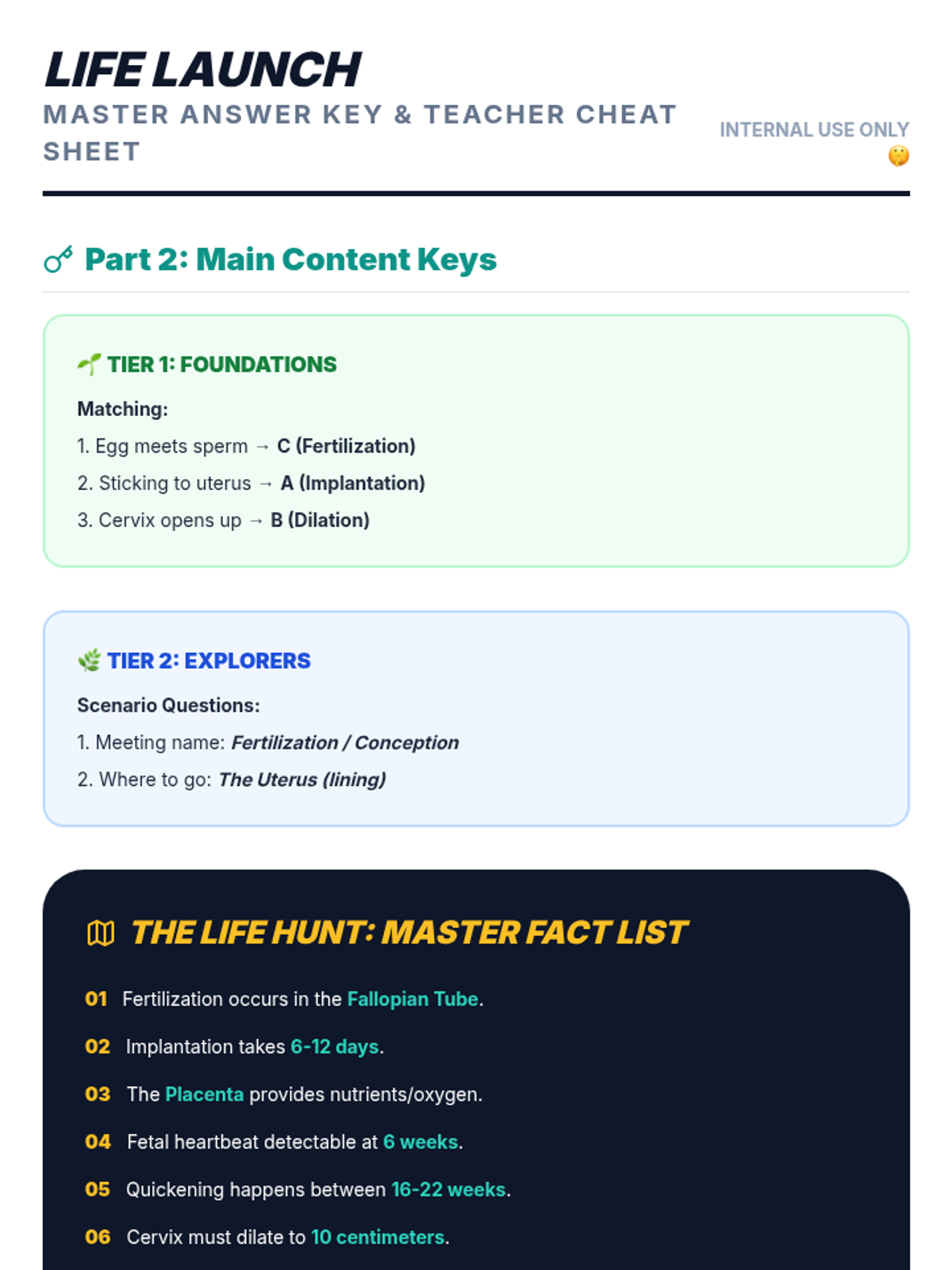
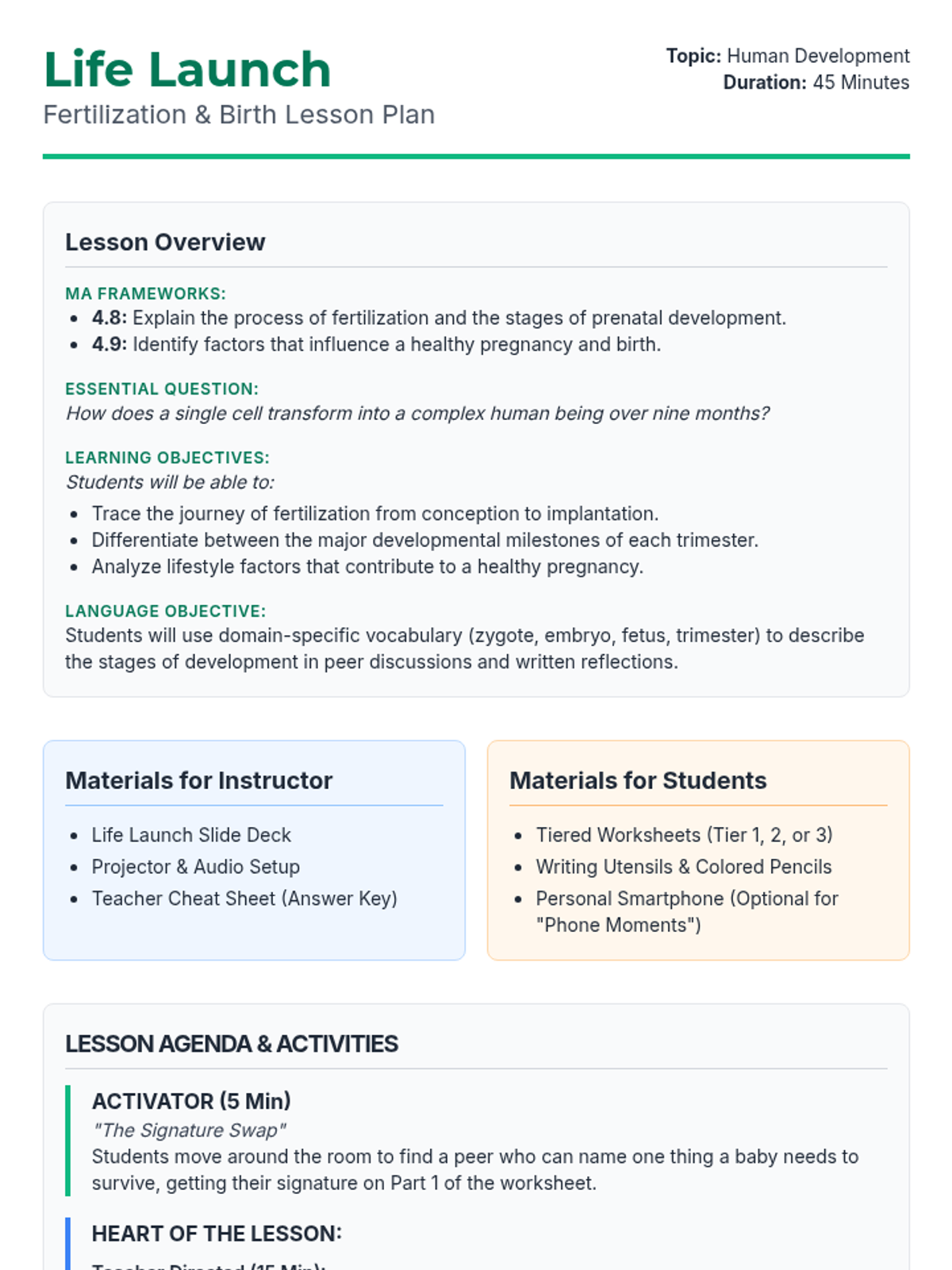
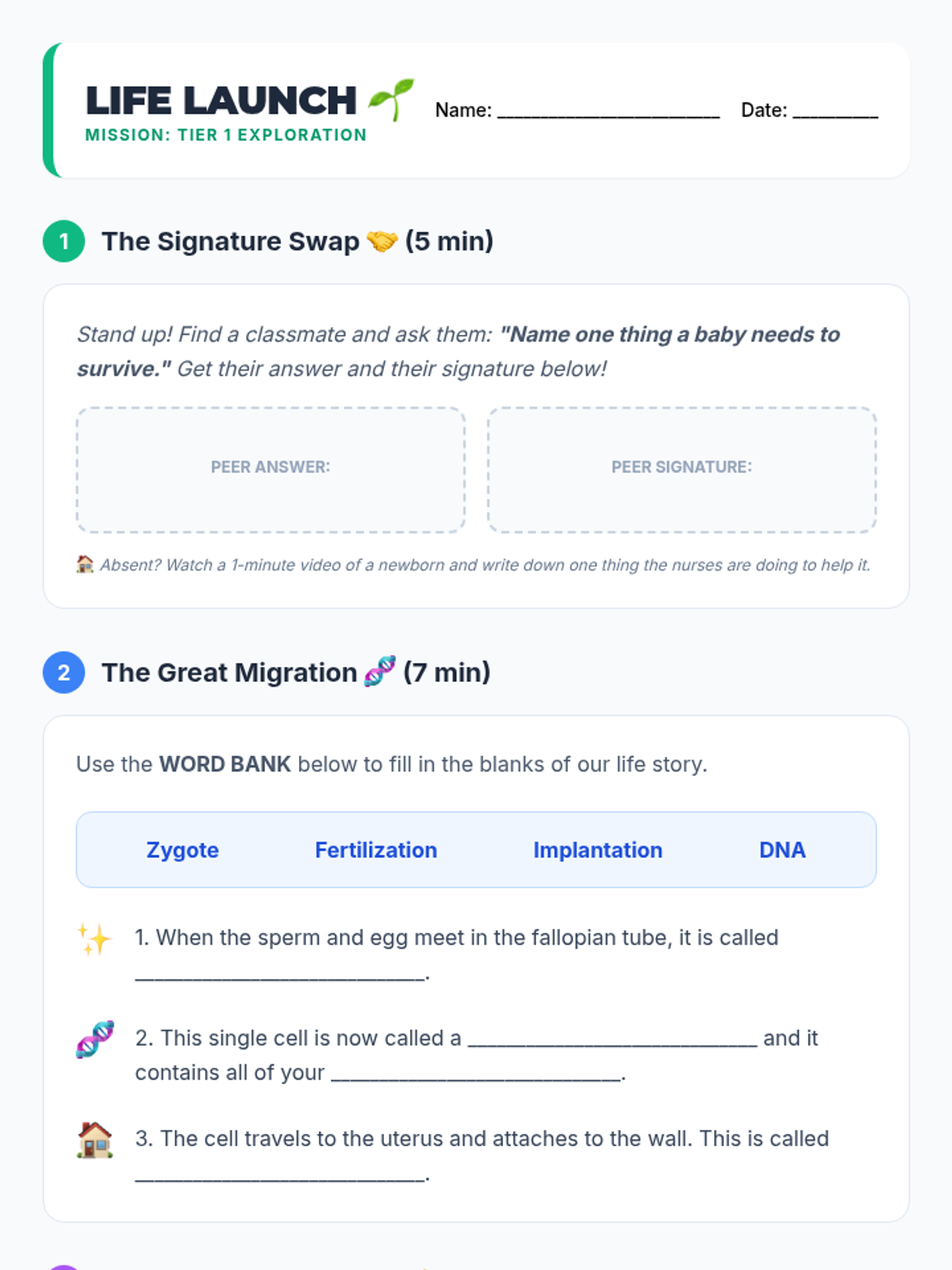
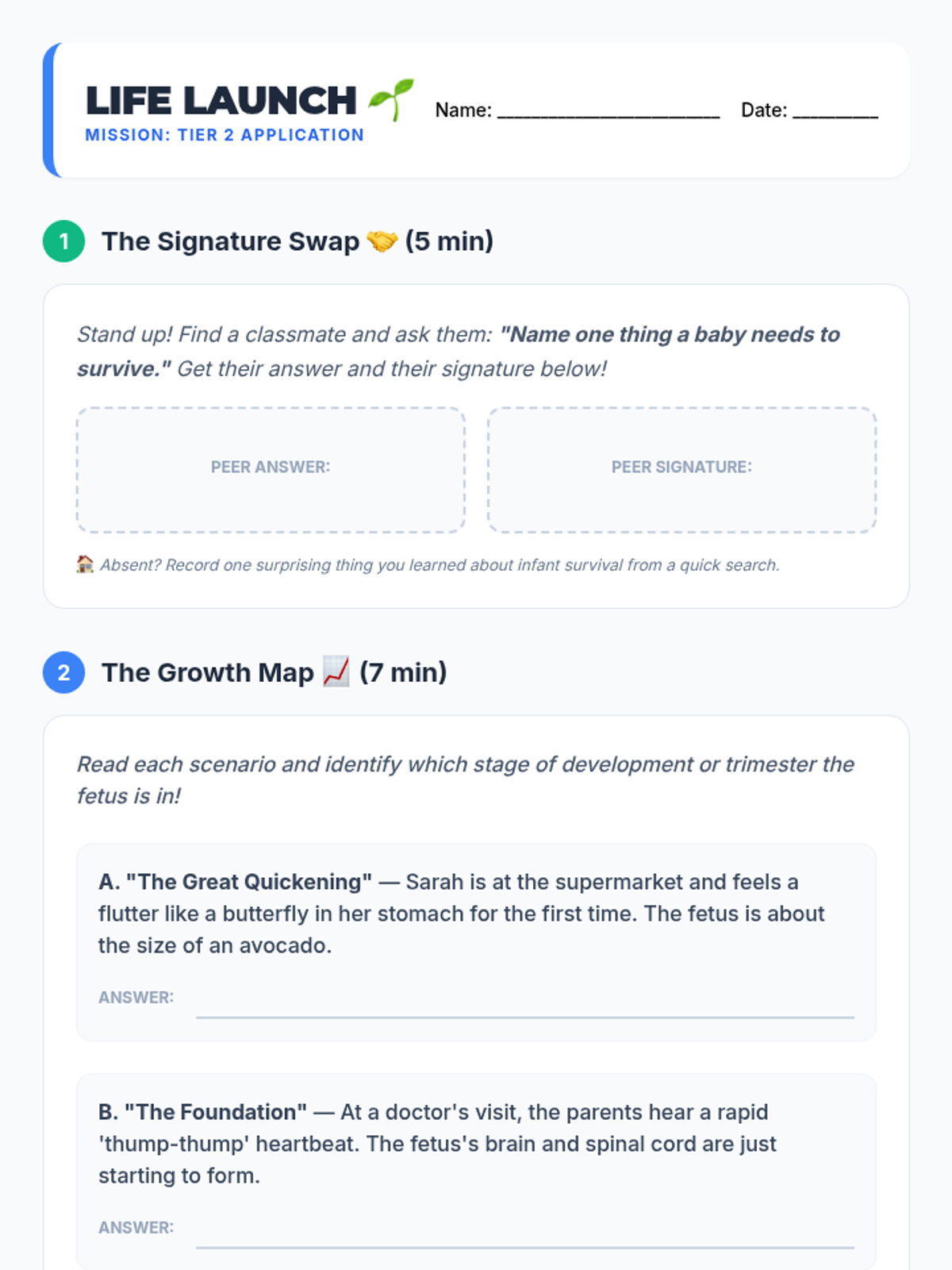
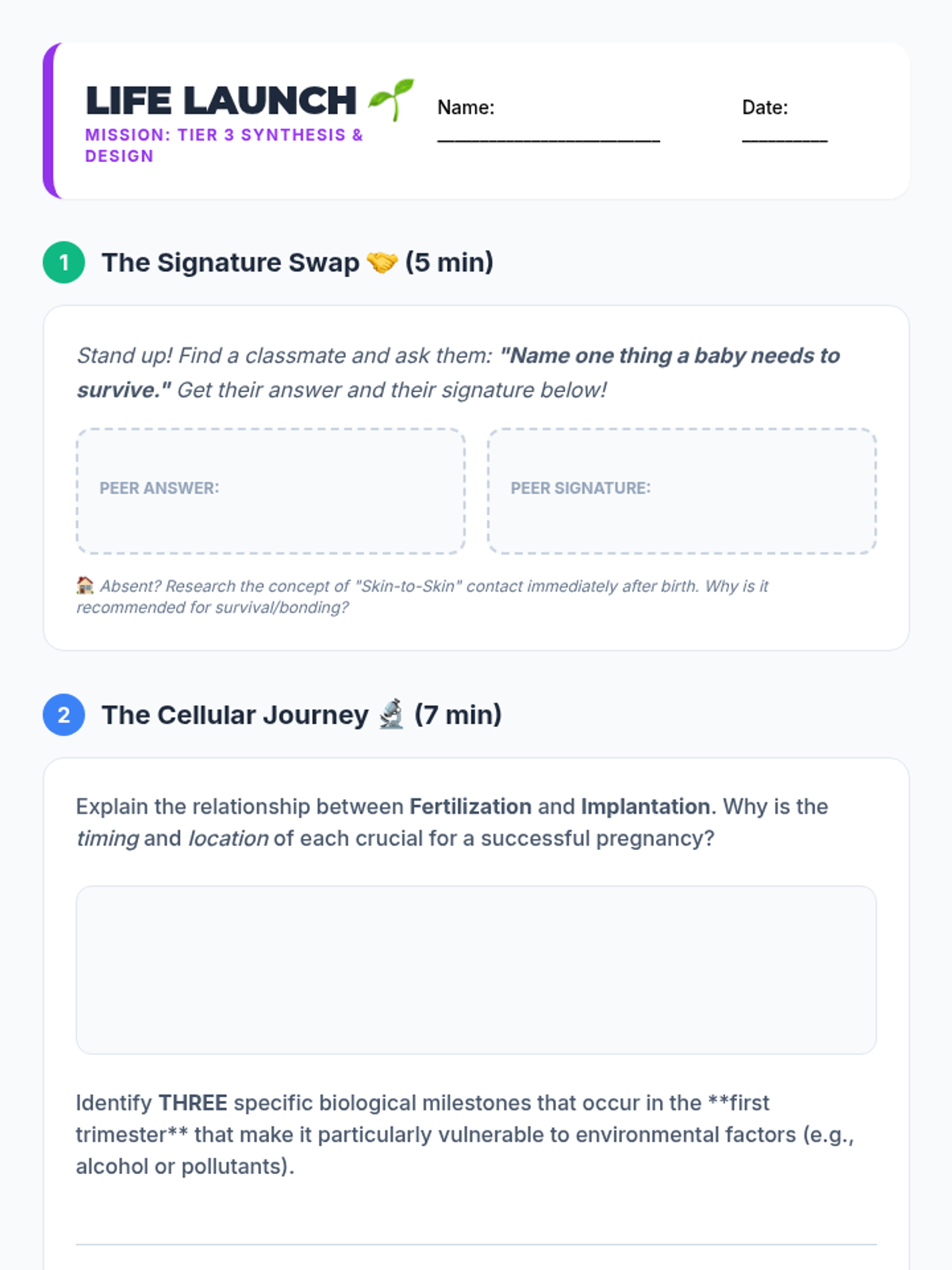
A comprehensive 45-minute lesson on fertilization and birth designed for 9th-grade students, featuring a movement-based scavenger hunt and tiered instructional materials aligned with Massachusetts Health Education standards.
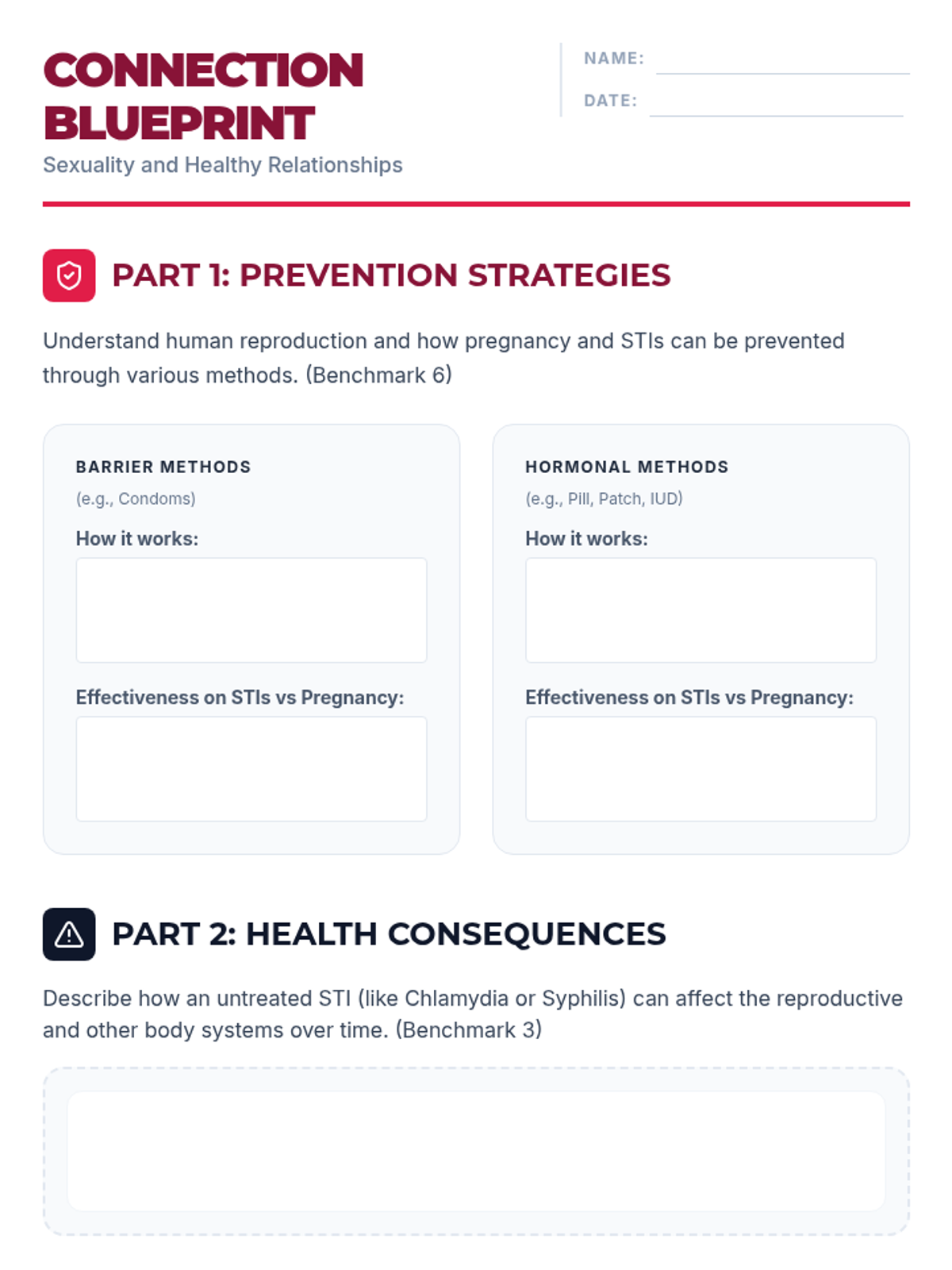
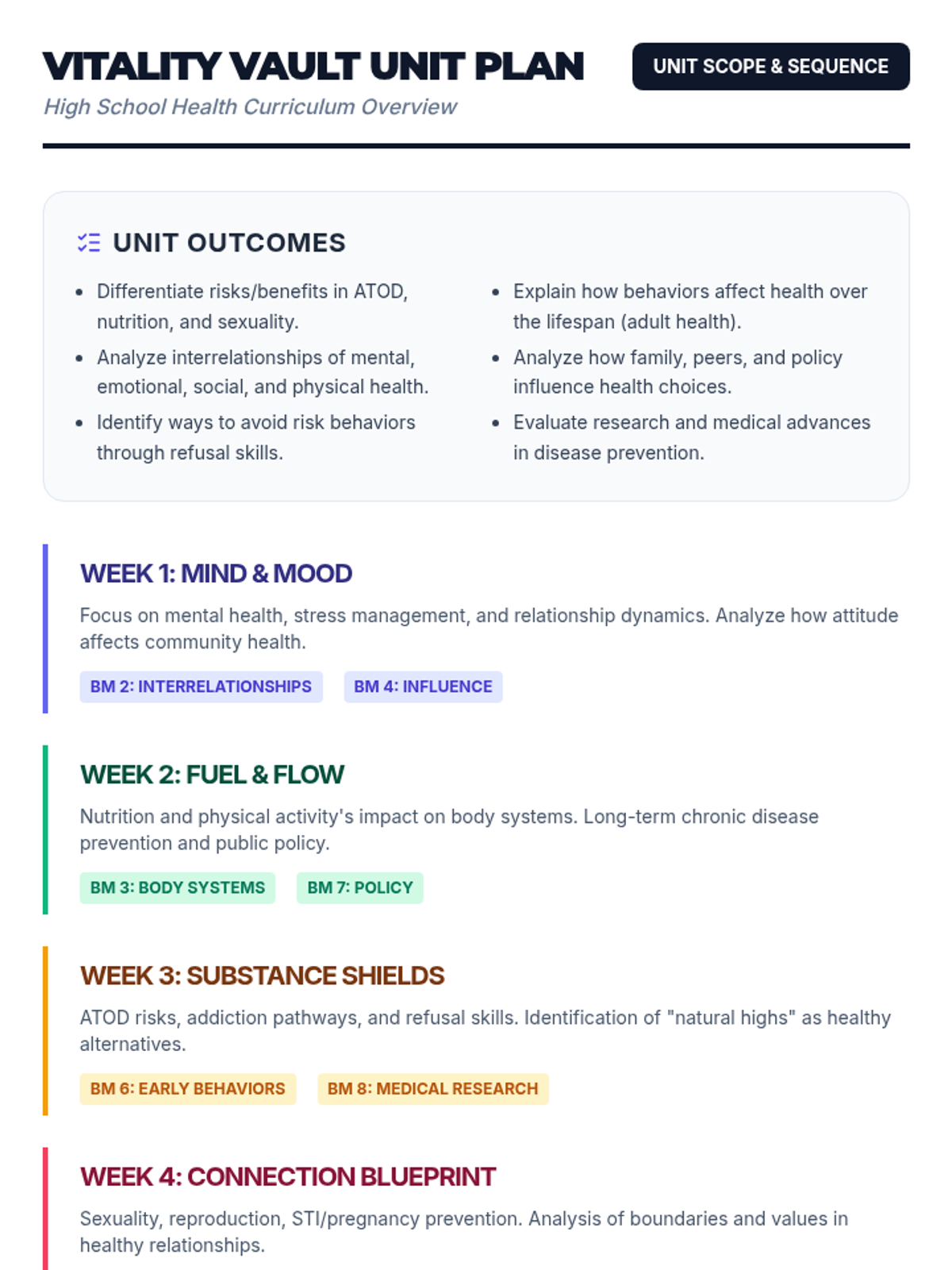
Covers human reproduction, pregnancy prevention, and STI awareness. Students analyze healthy boundaries, consent, and how early behaviors impact adult health outcomes.
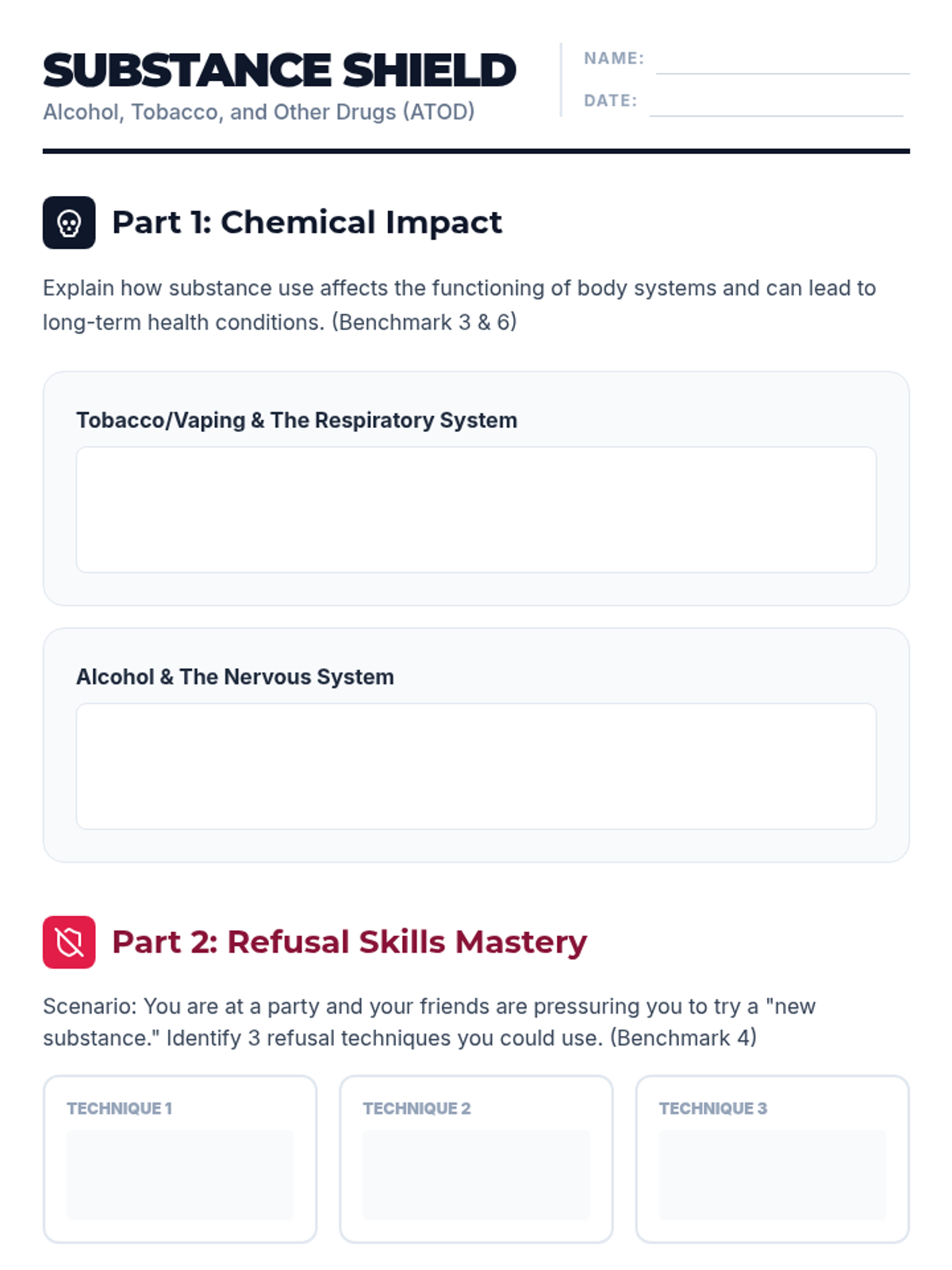
Examines the impact of alcohol, tobacco, and other drugs on the body and social health. Students develop refusal skills and analyze how public regulations and personal choices influence risk behaviors.
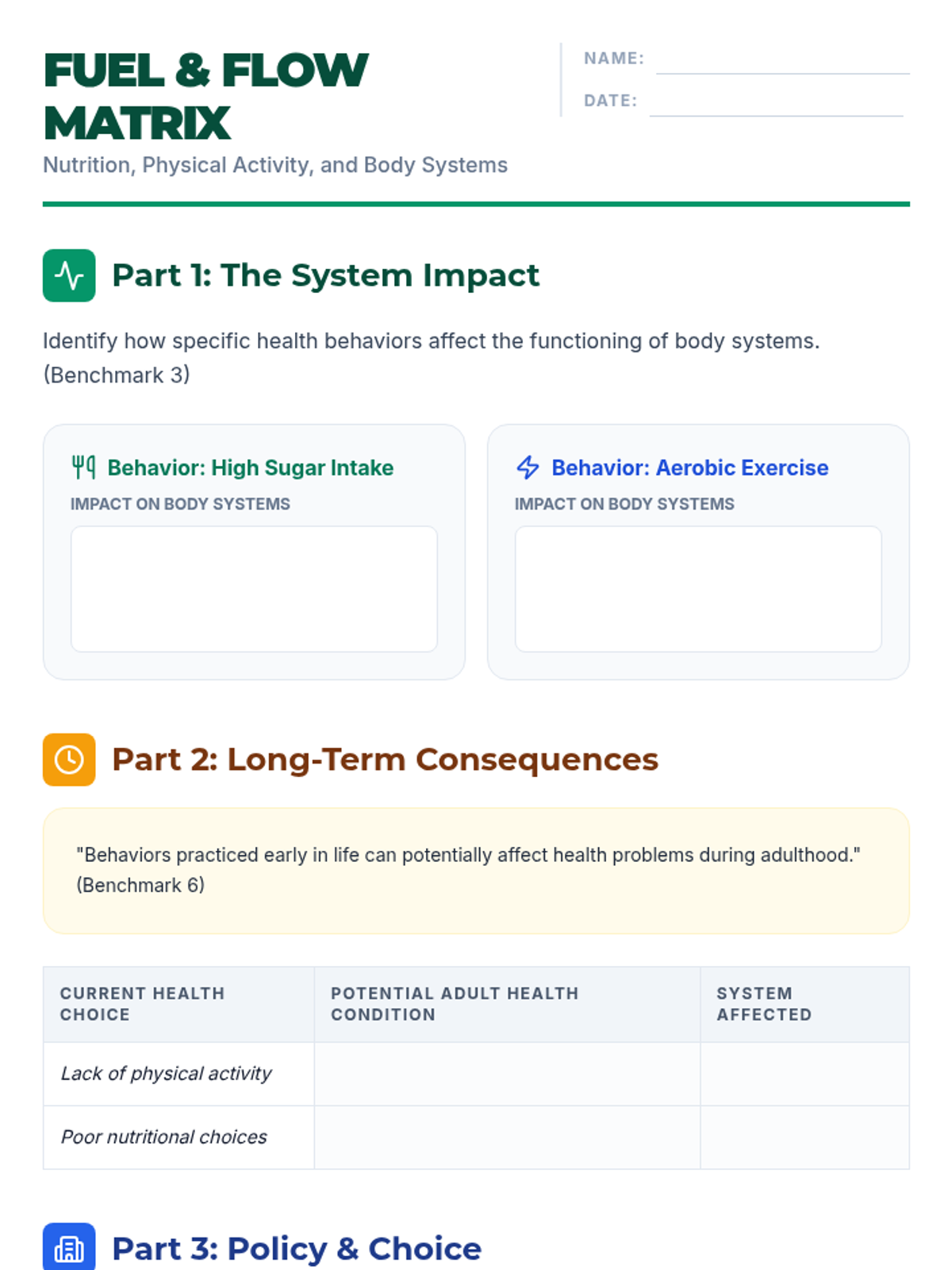
Explores how nutrition and physical activity impact body systems and long-term health. Students analyze public health policies and the role of research in promoting physical wellness.
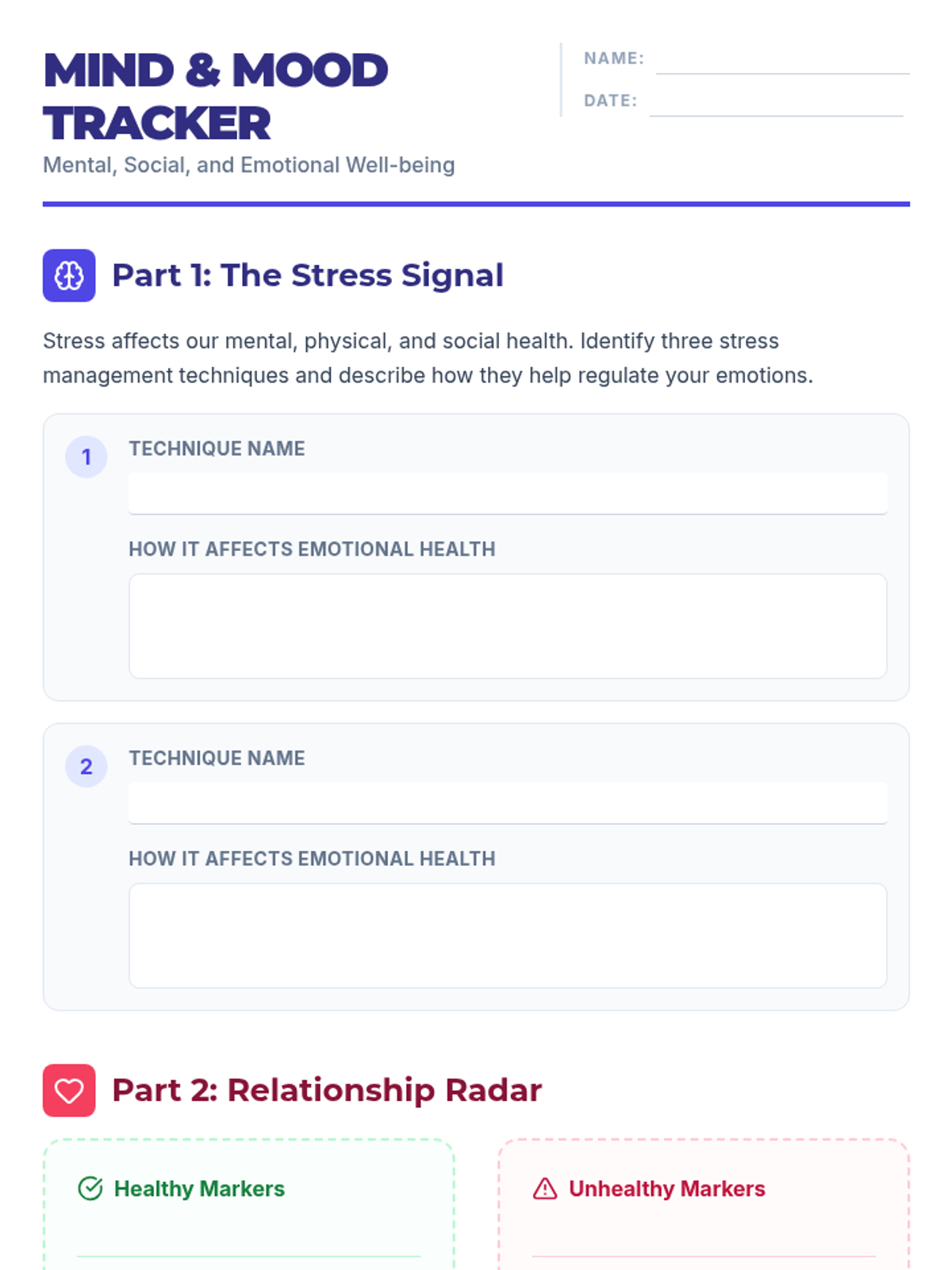
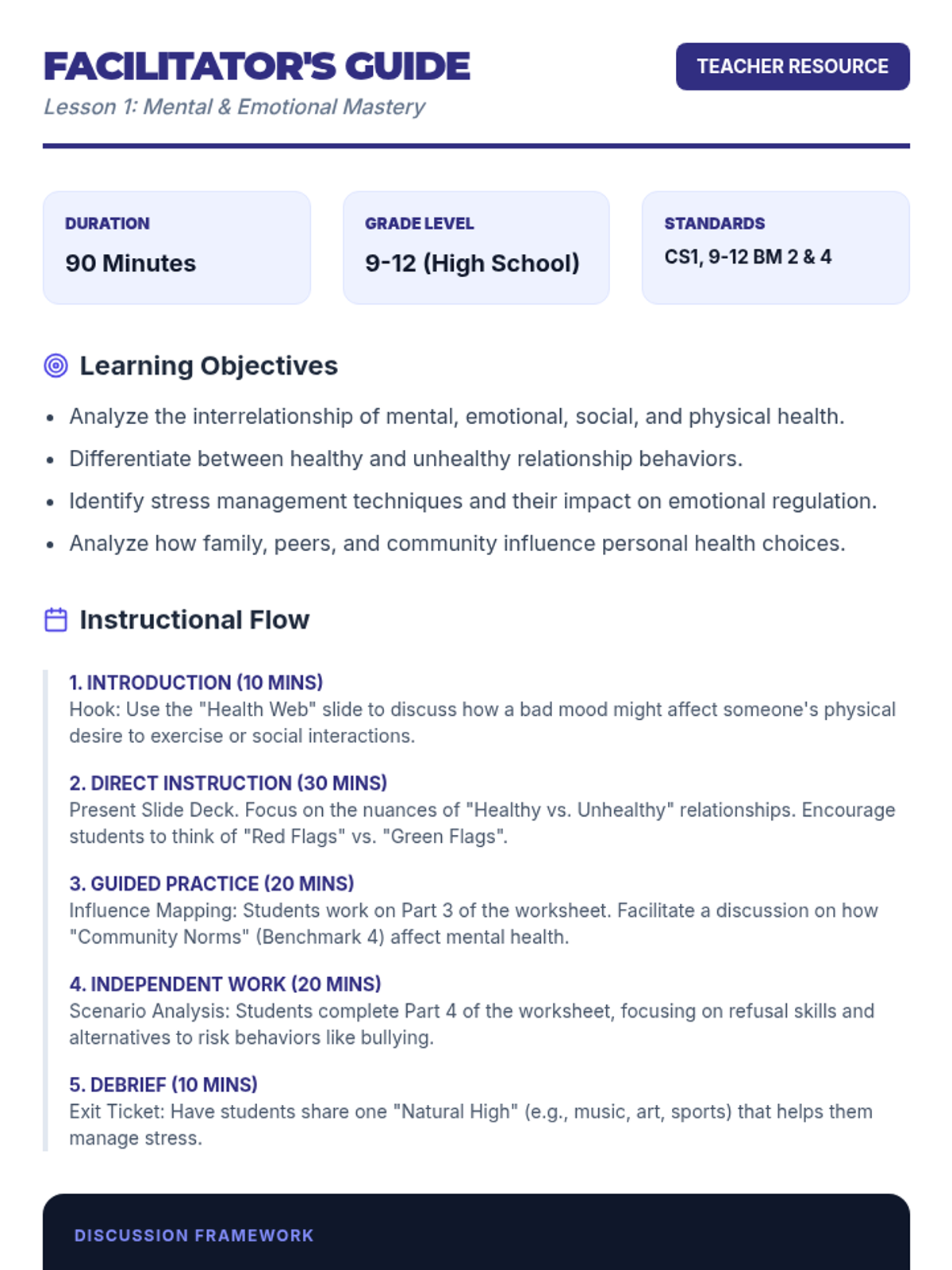
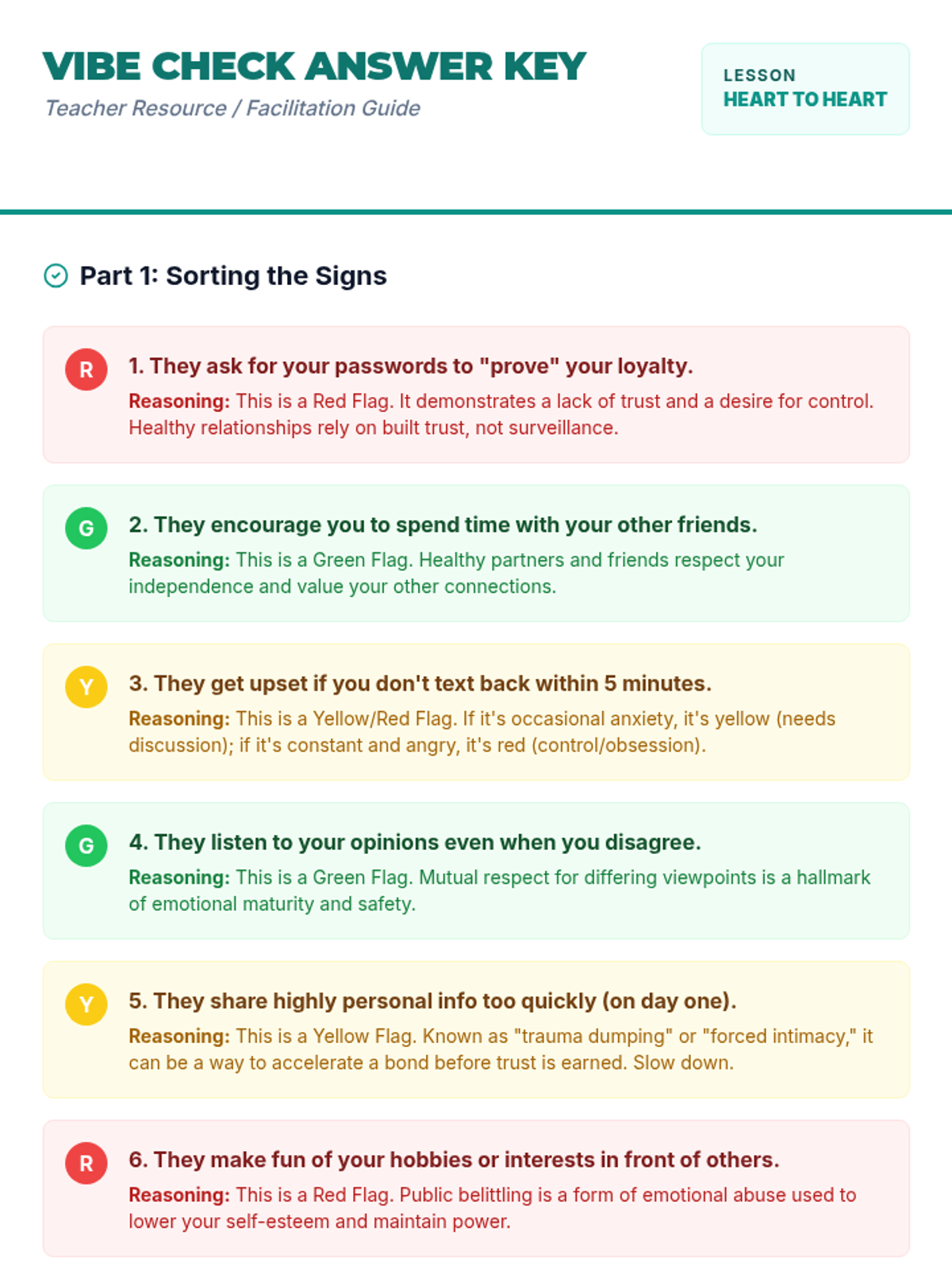
Focuses on stress management, relationship dynamics, and the interrelationship between mental, emotional, and social health. Students identify healthy vs. unhealthy relationship markers and analyze social influences on emotional well-being.
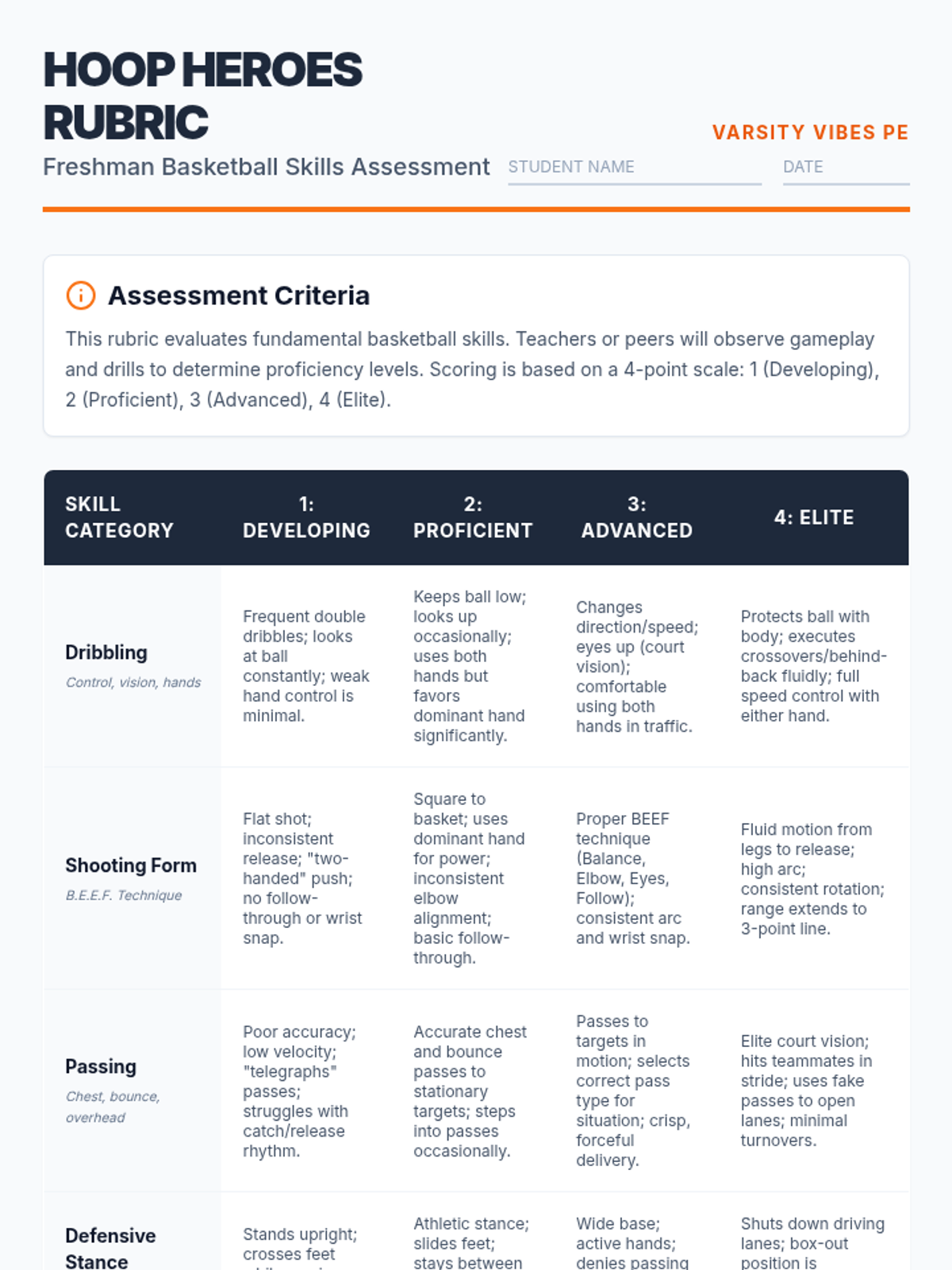
Assessment tools for mastering basketball fundamentals including shooting, dribbling, and defensive positioning.
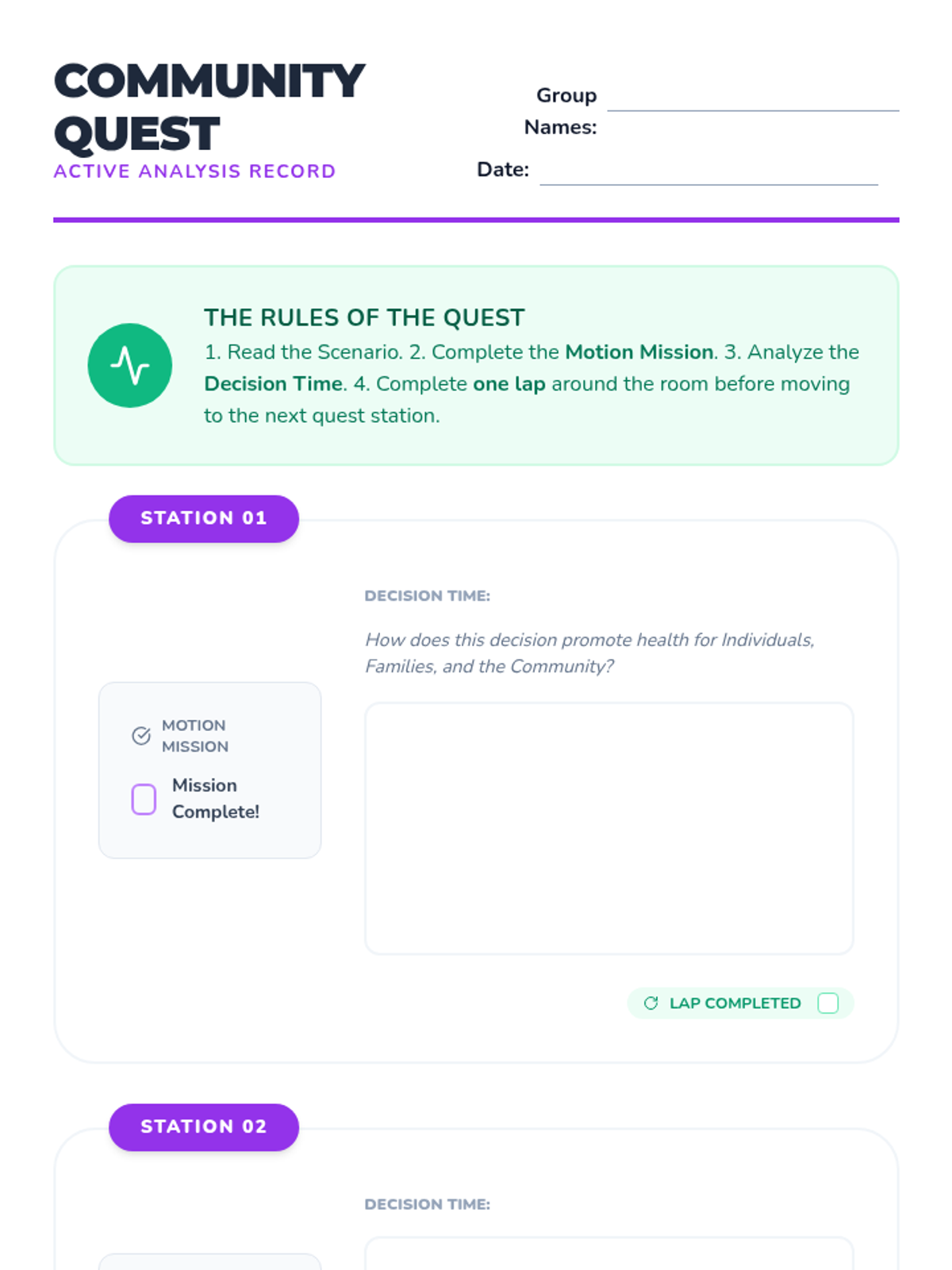
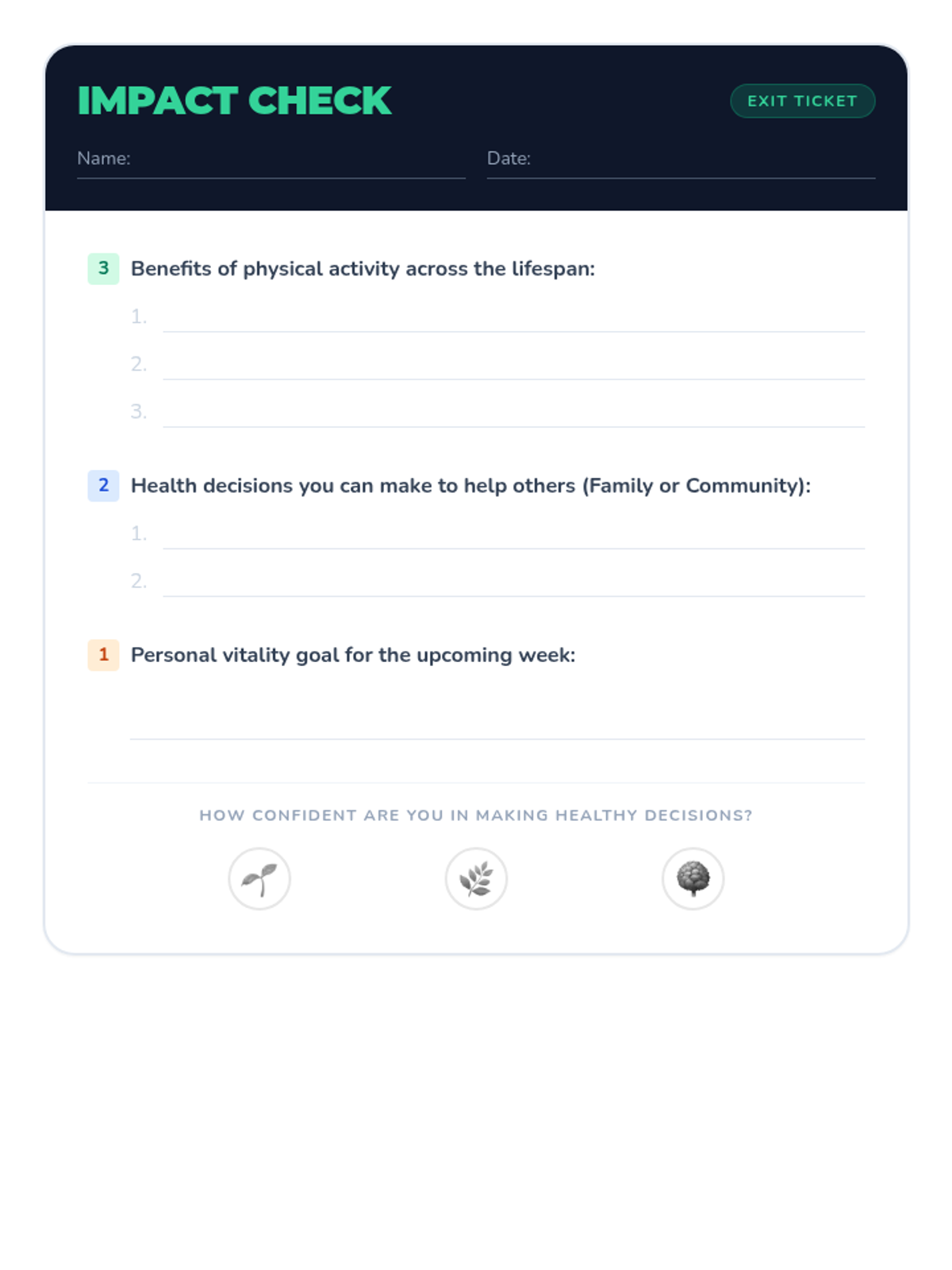
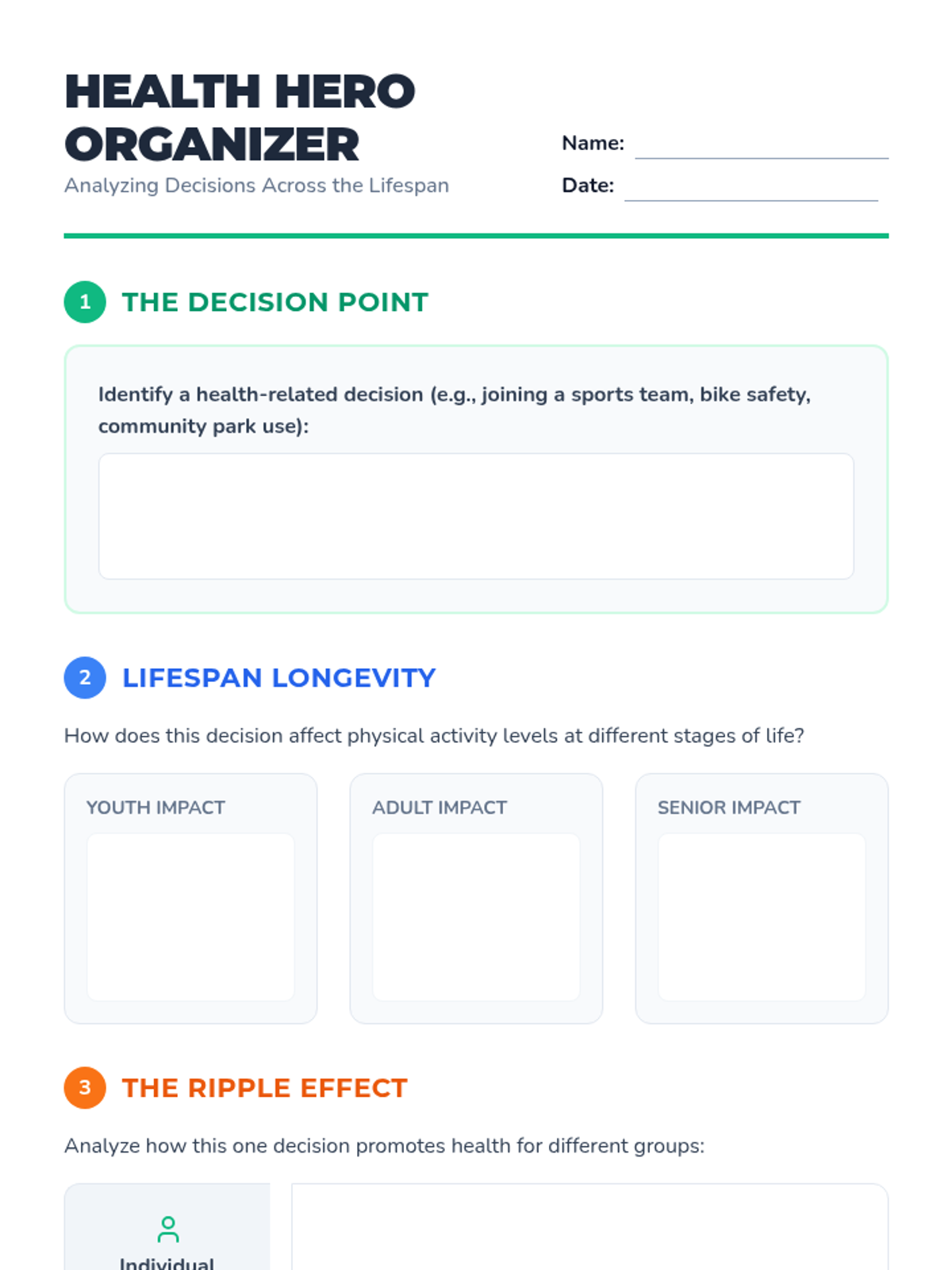
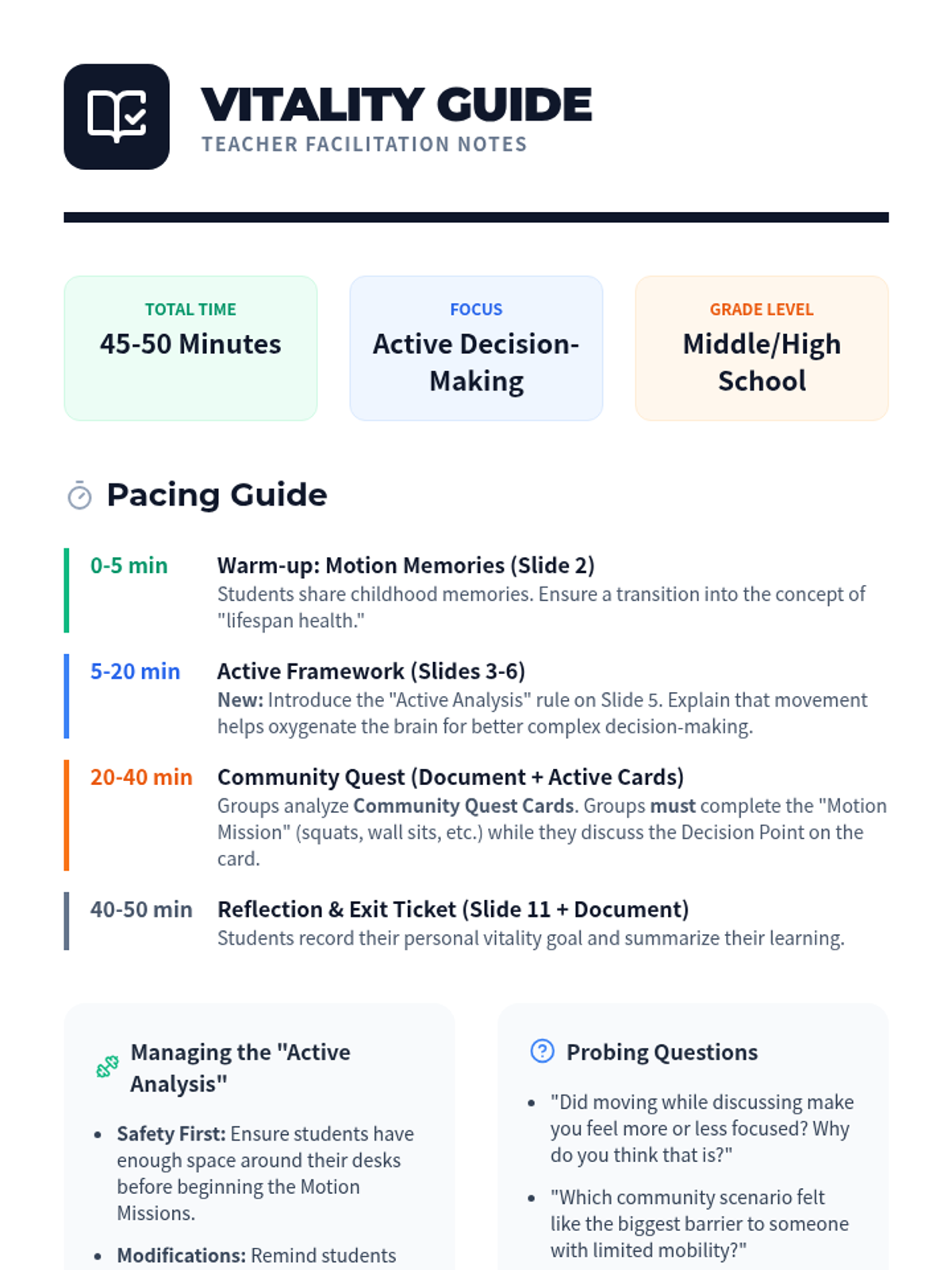
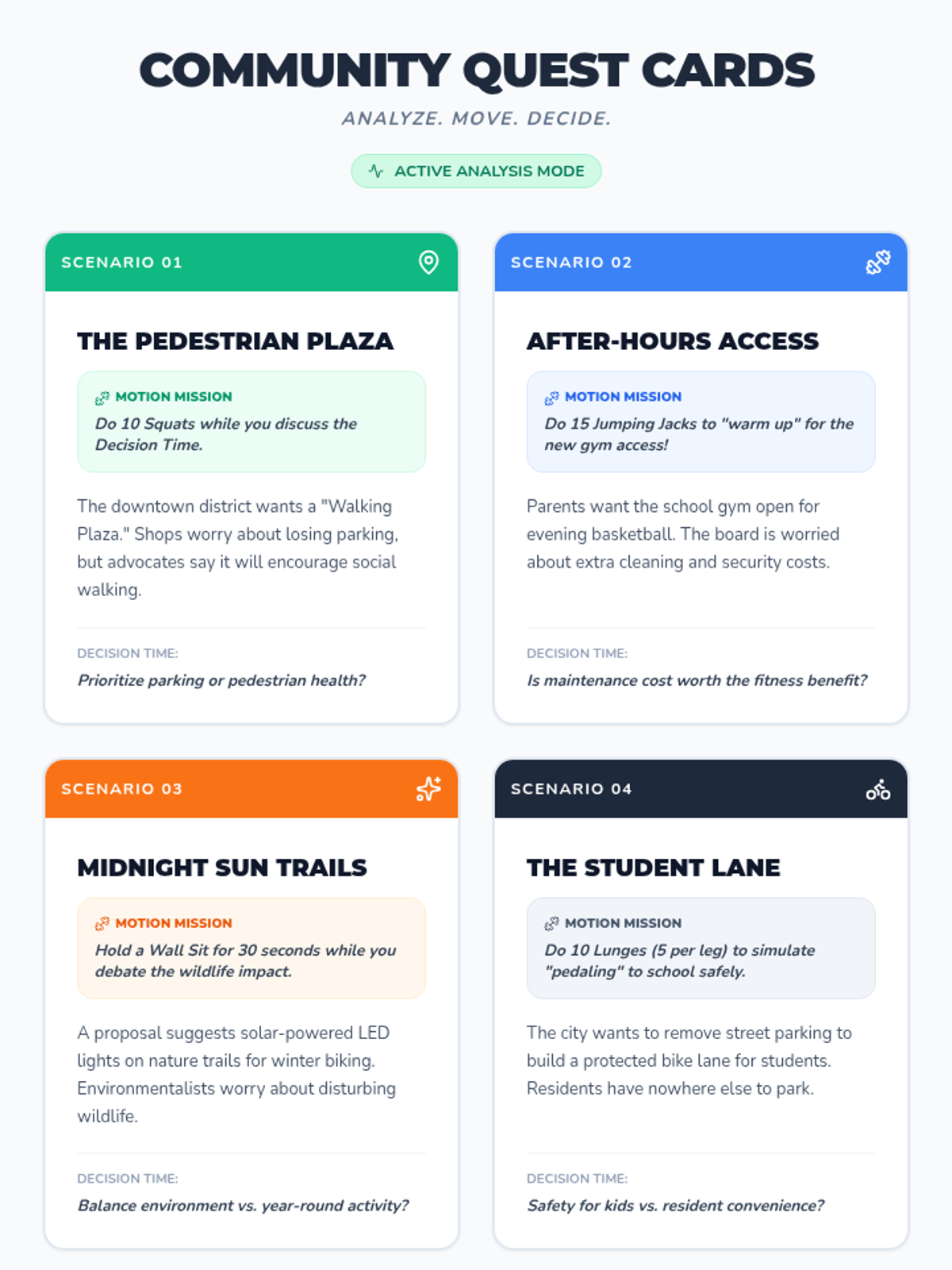
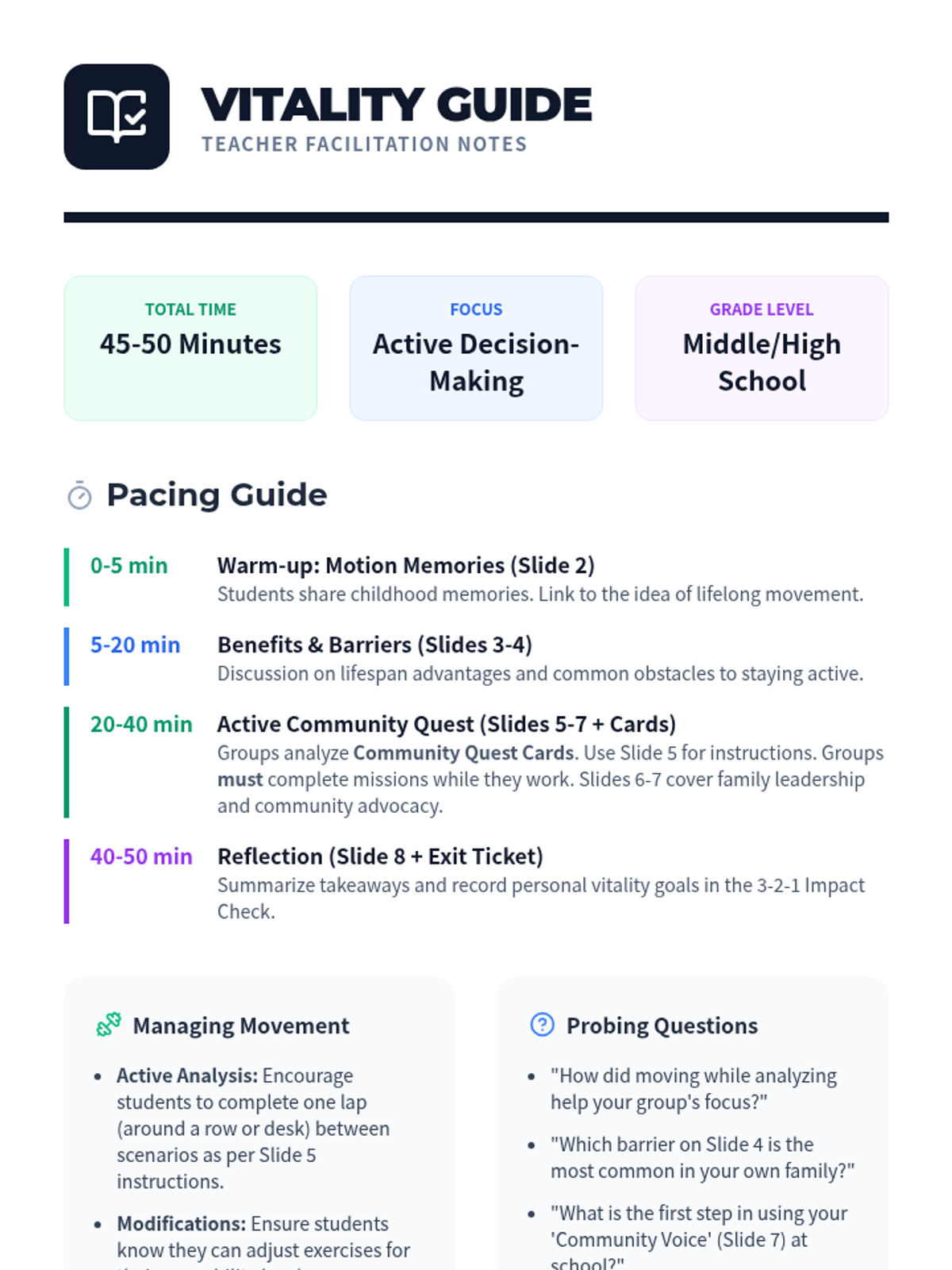
A lesson focused on the lifelong benefits of physical activity and the decision-making skills required to promote health for individuals, families, and communities.
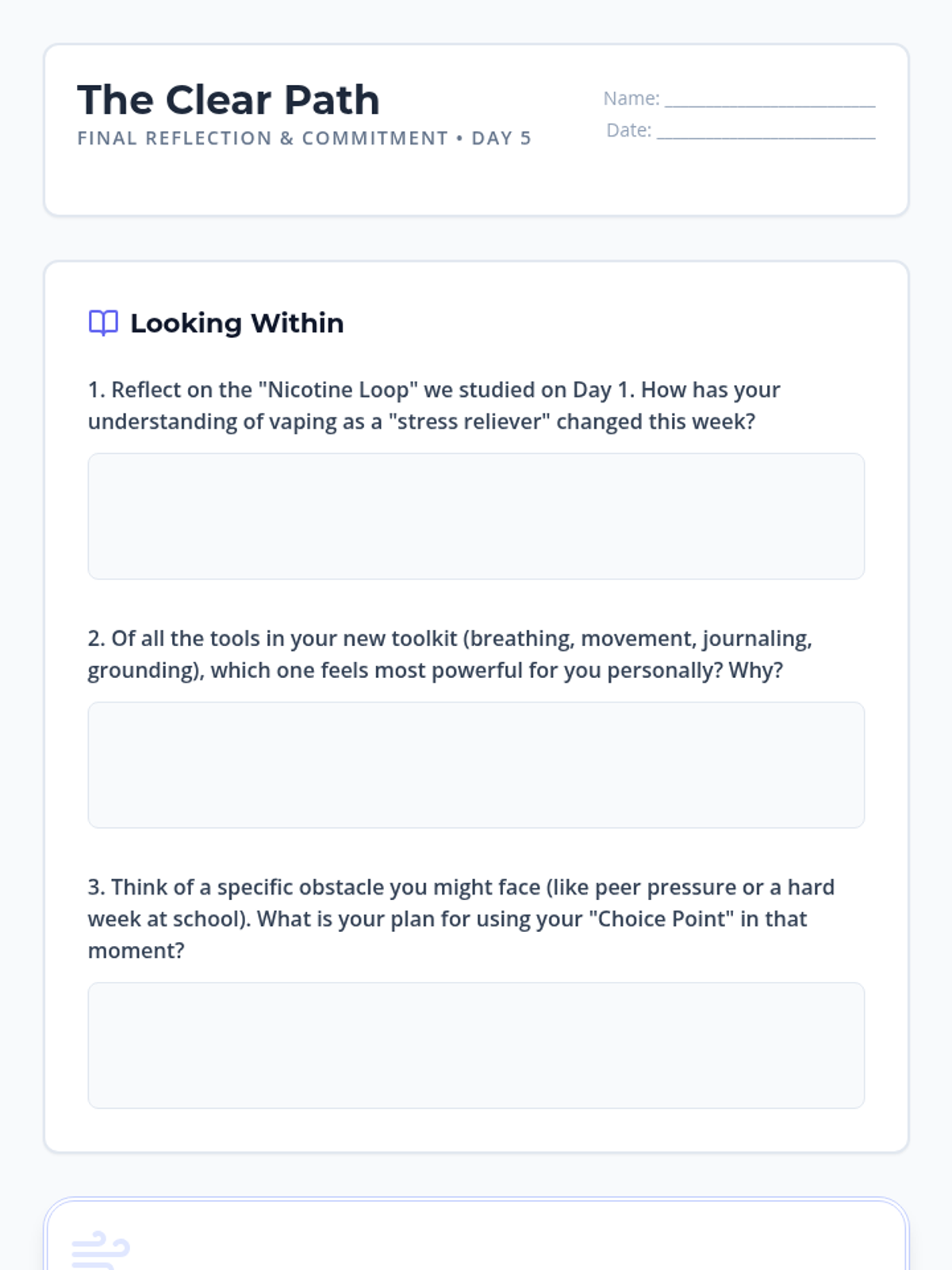
Synthesizing learning through reflection and the creation of a personal commitment plan.
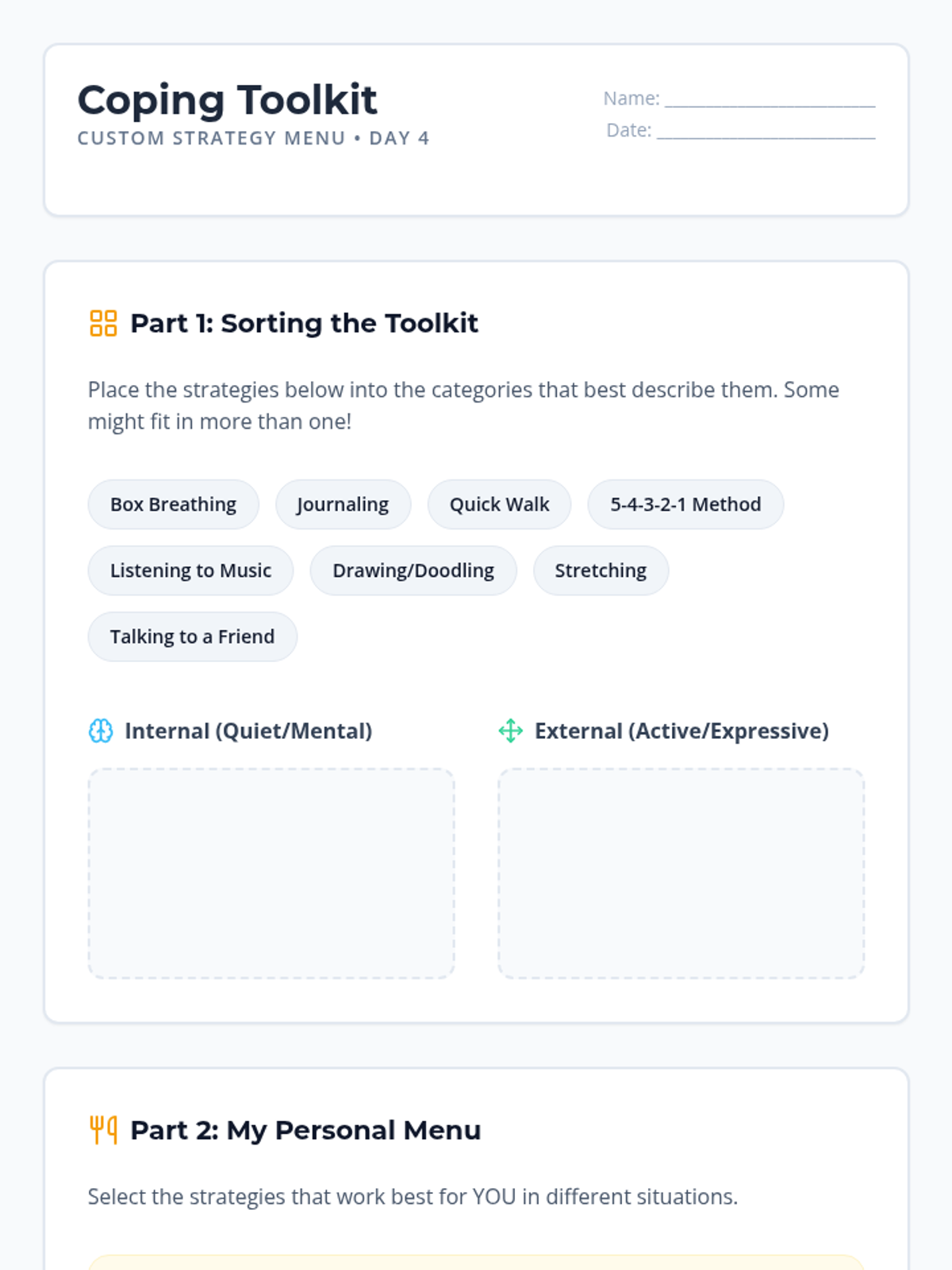
Expanding the toolkit to include journaling, physical movement, and creative outlets.
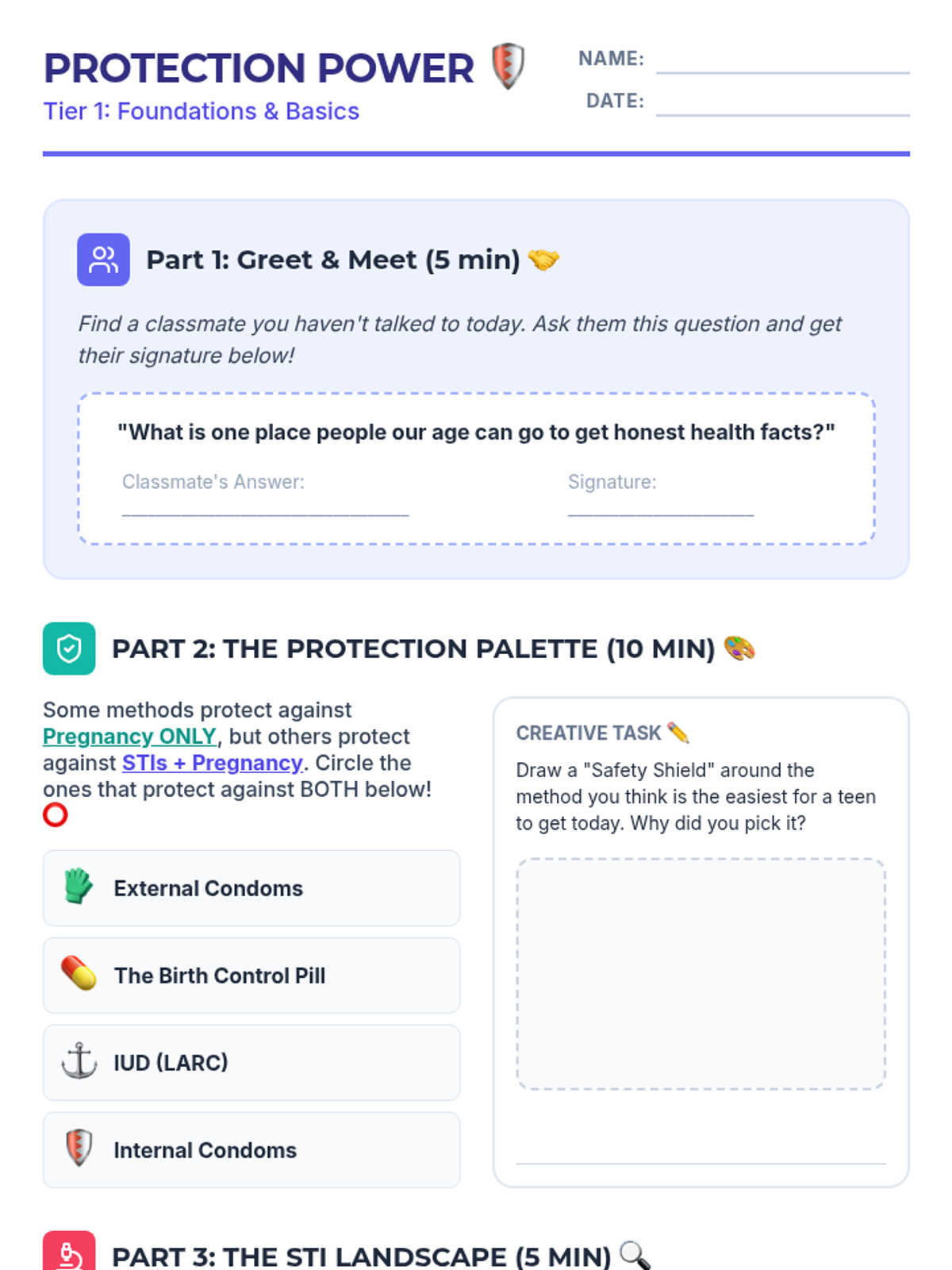
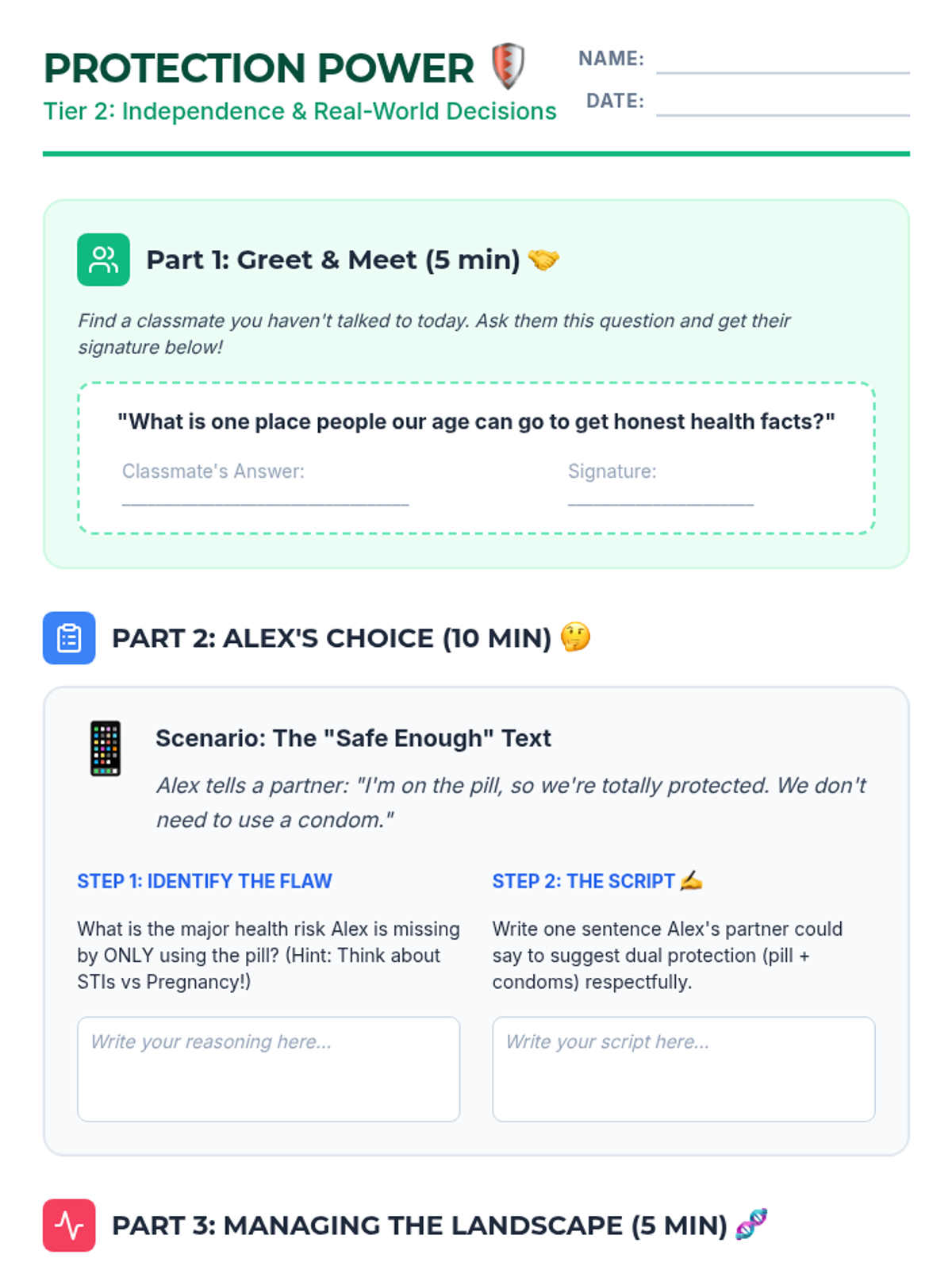
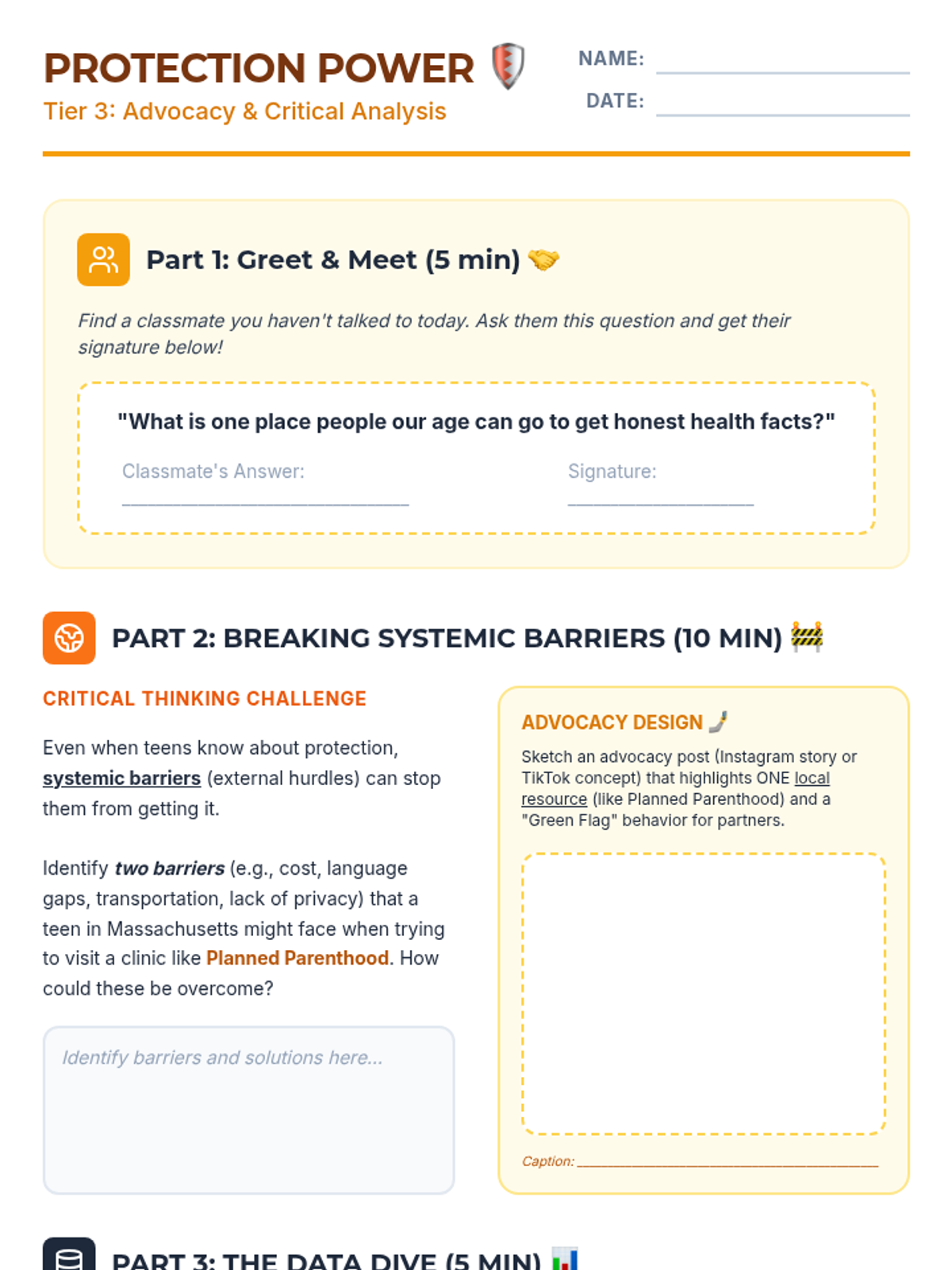
A three-tiered lesson on contraception and sexual health focused on decision-making, STI prevention, and communication skills, aligned with Massachusetts health standards.
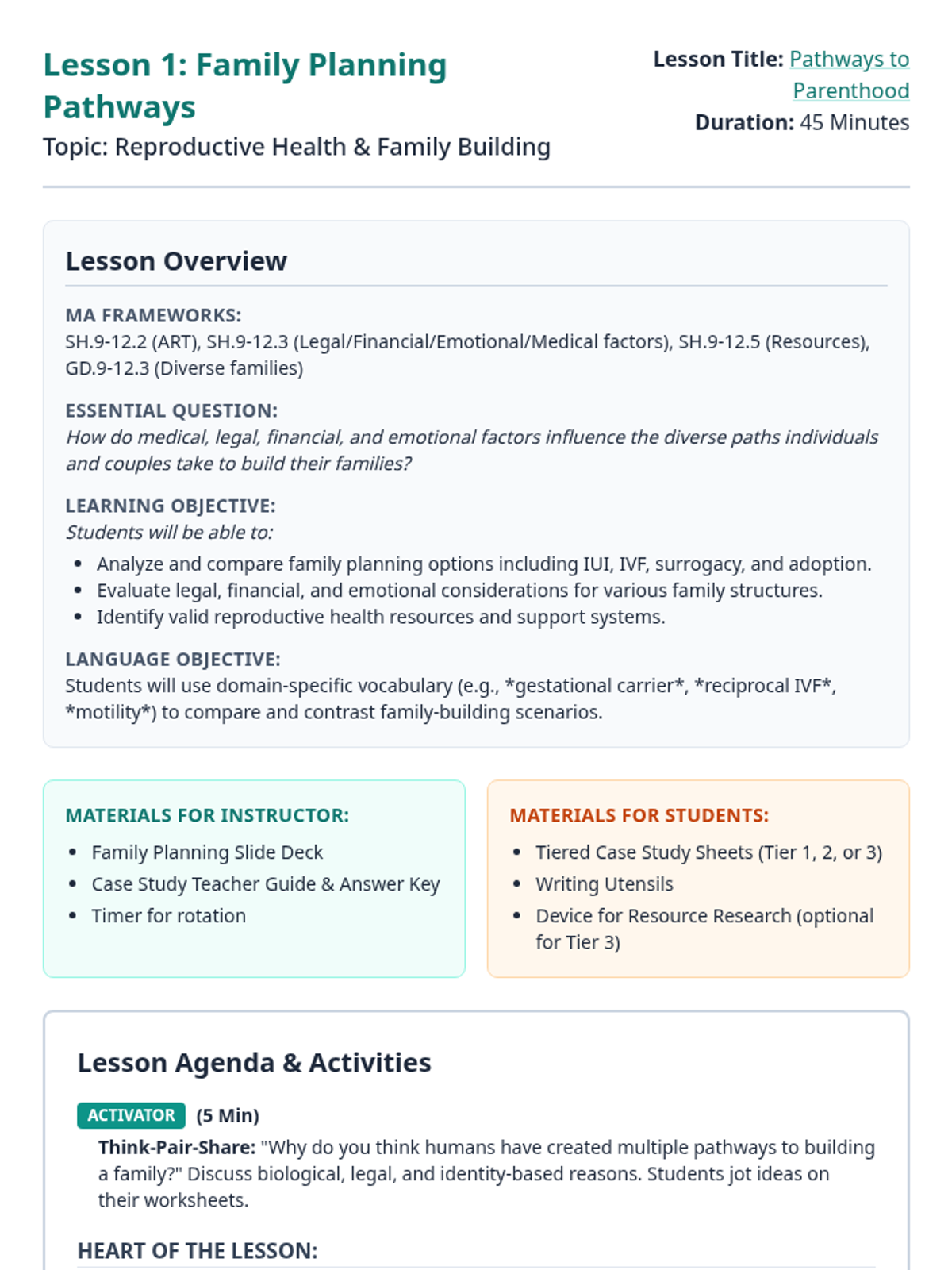
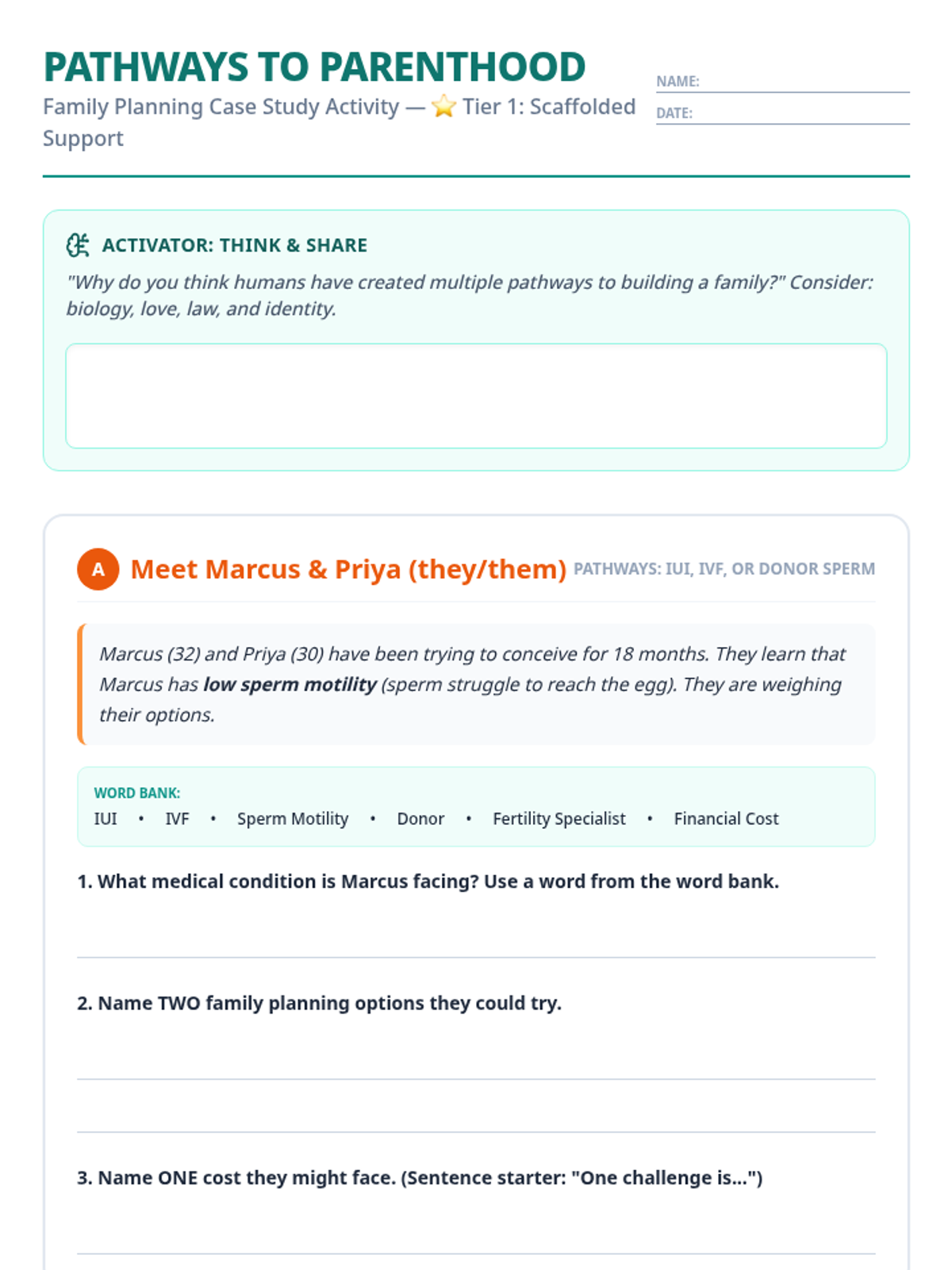
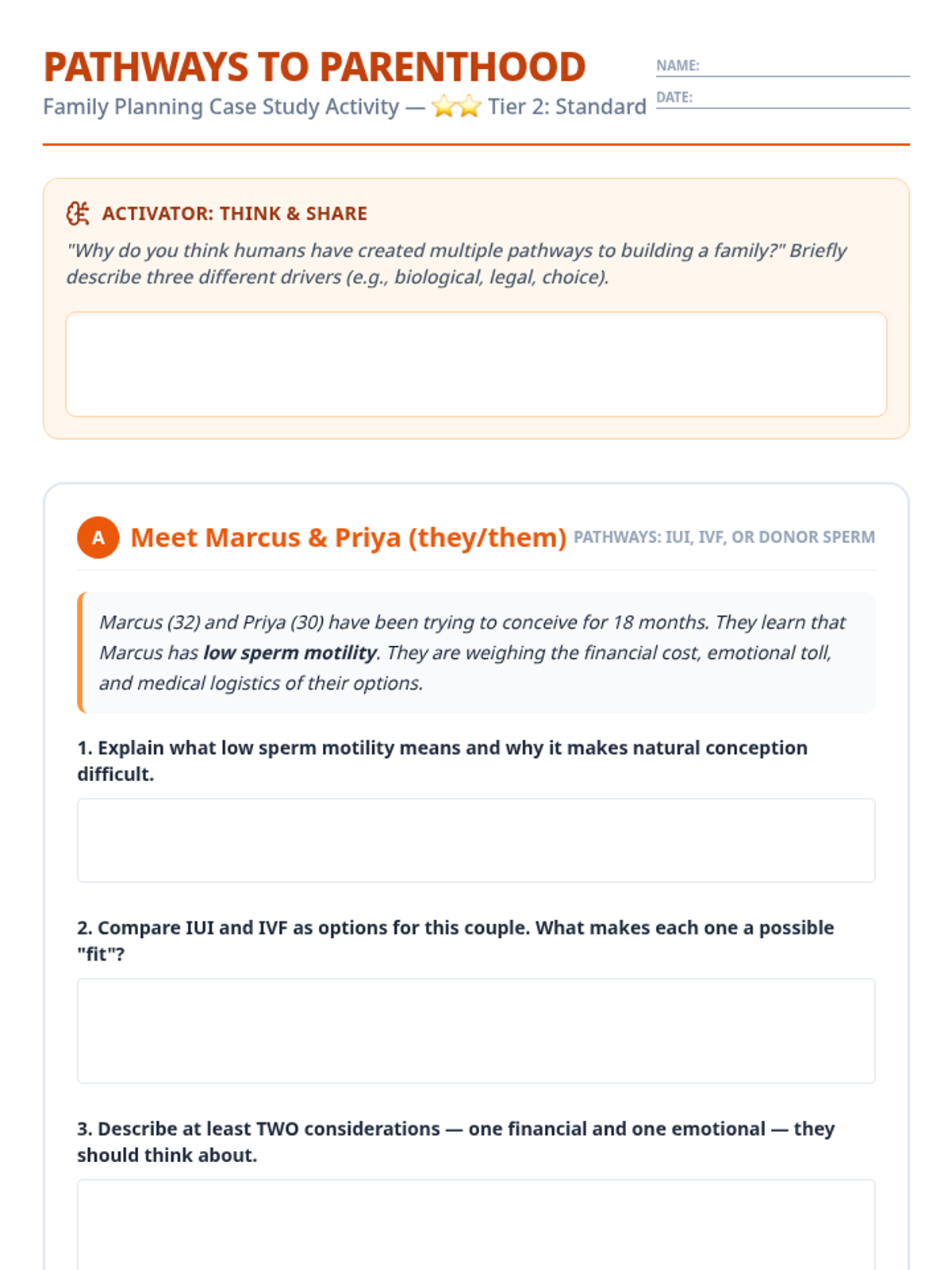
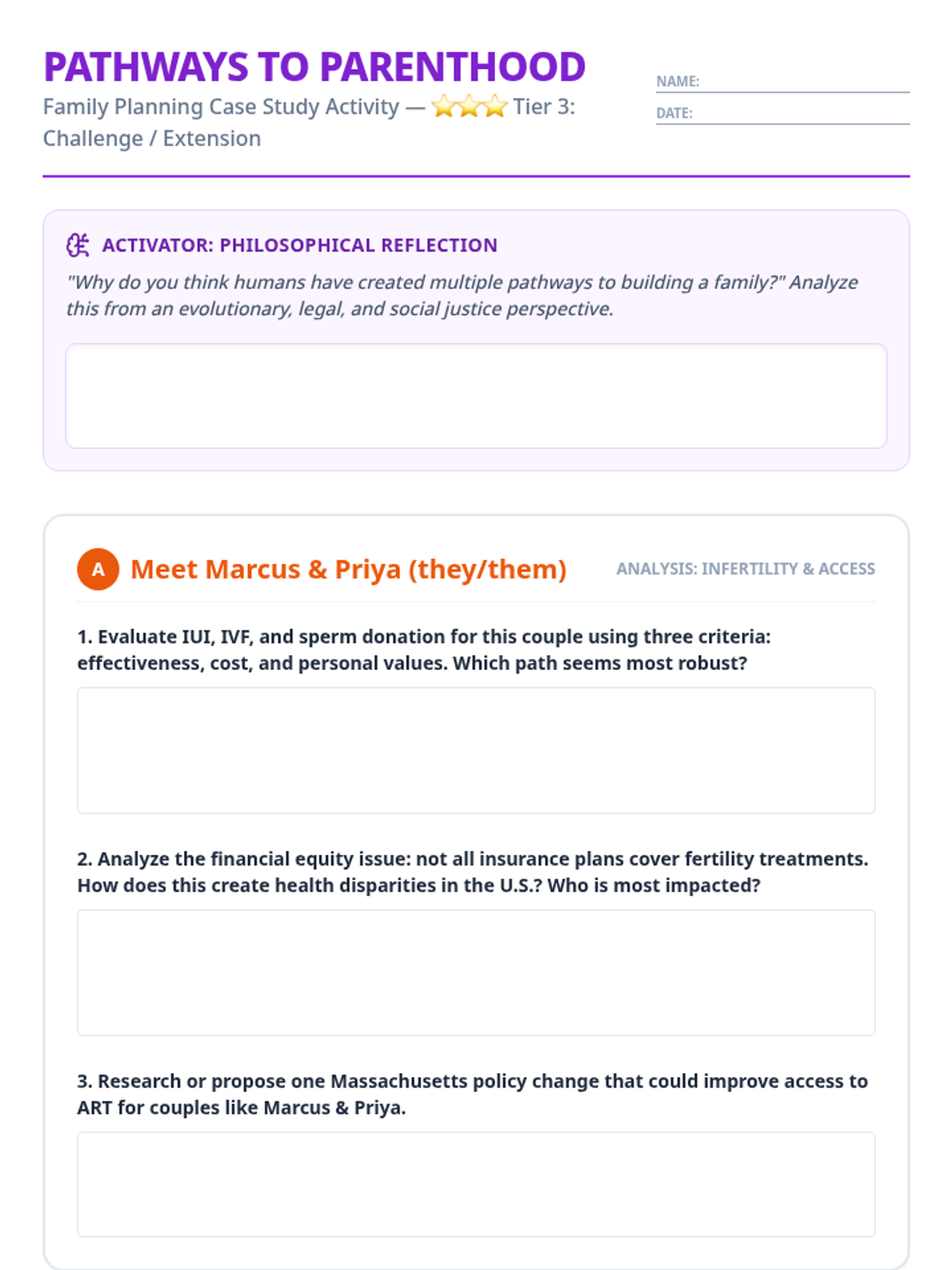
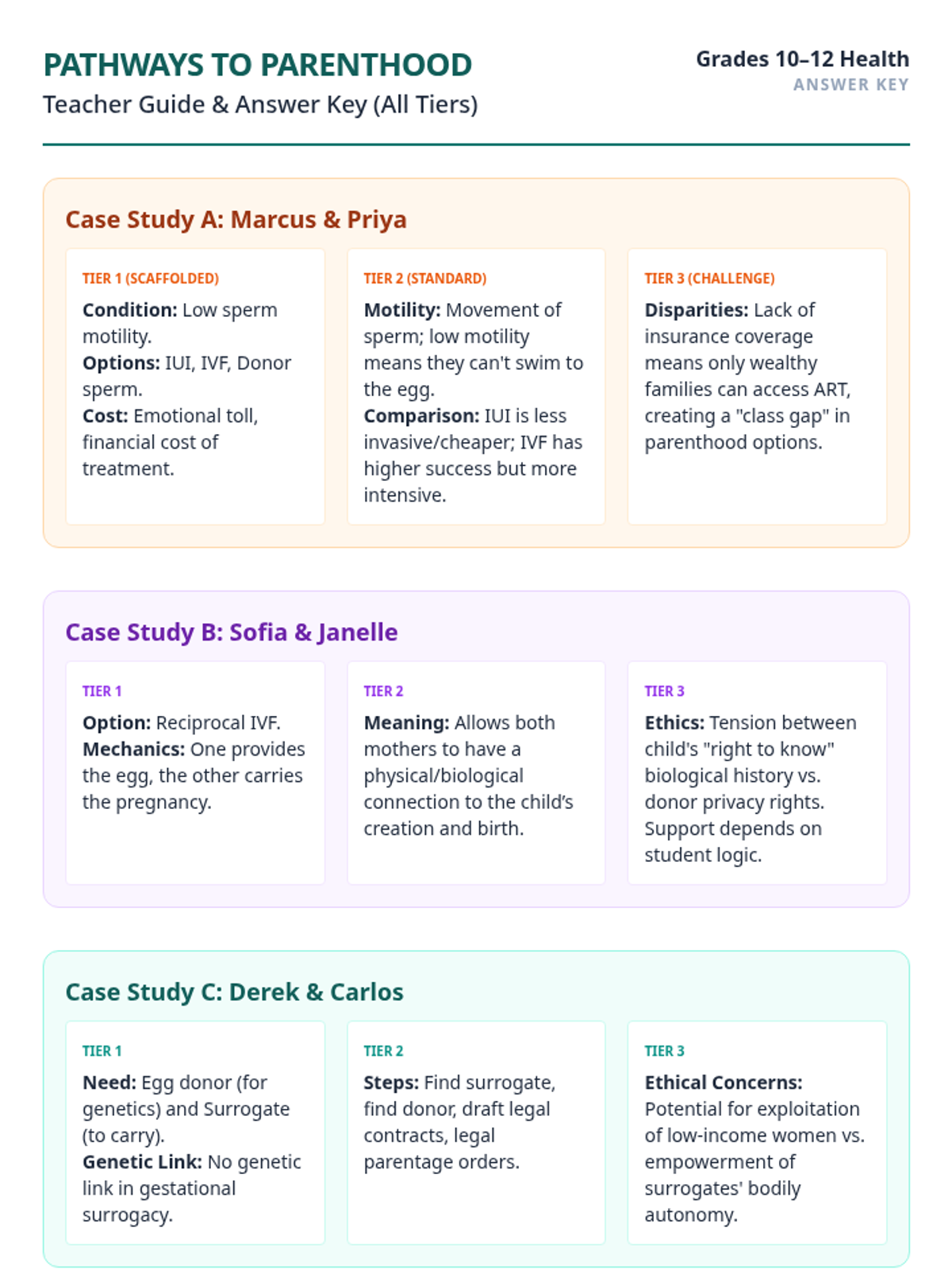
A 45-minute health education lesson for grades 10-12 focused on the legal, financial, medical, and emotional aspects of family planning and assisted reproductive technologies. Students explore diverse paths to parenthood through tiered case studies and collaborative discussion.
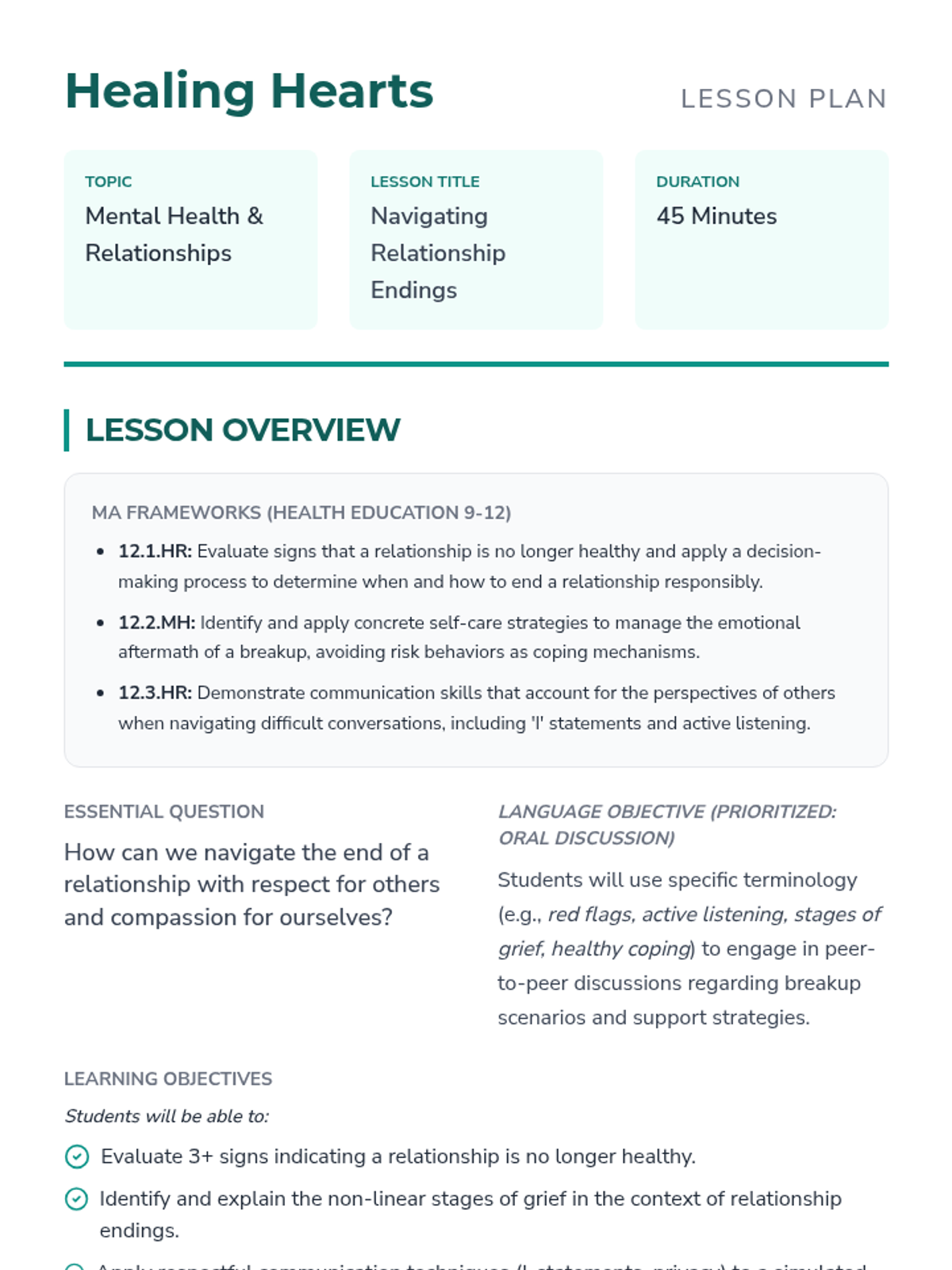
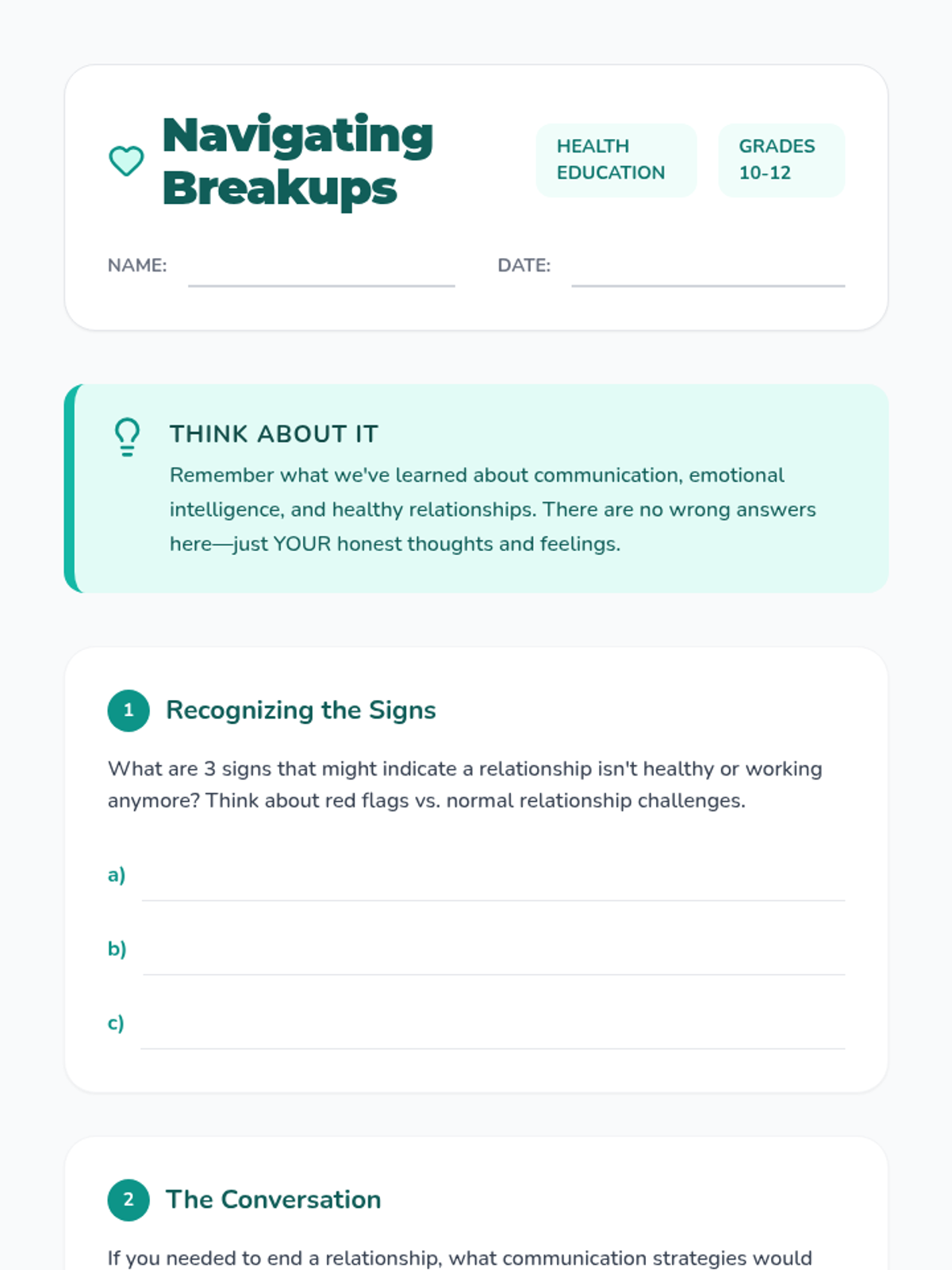
A comprehensive health education lesson for grades 10-12 focused on navigating the emotional complexities of breakups, understanding the grief process, and practicing respectful communication and self-care.
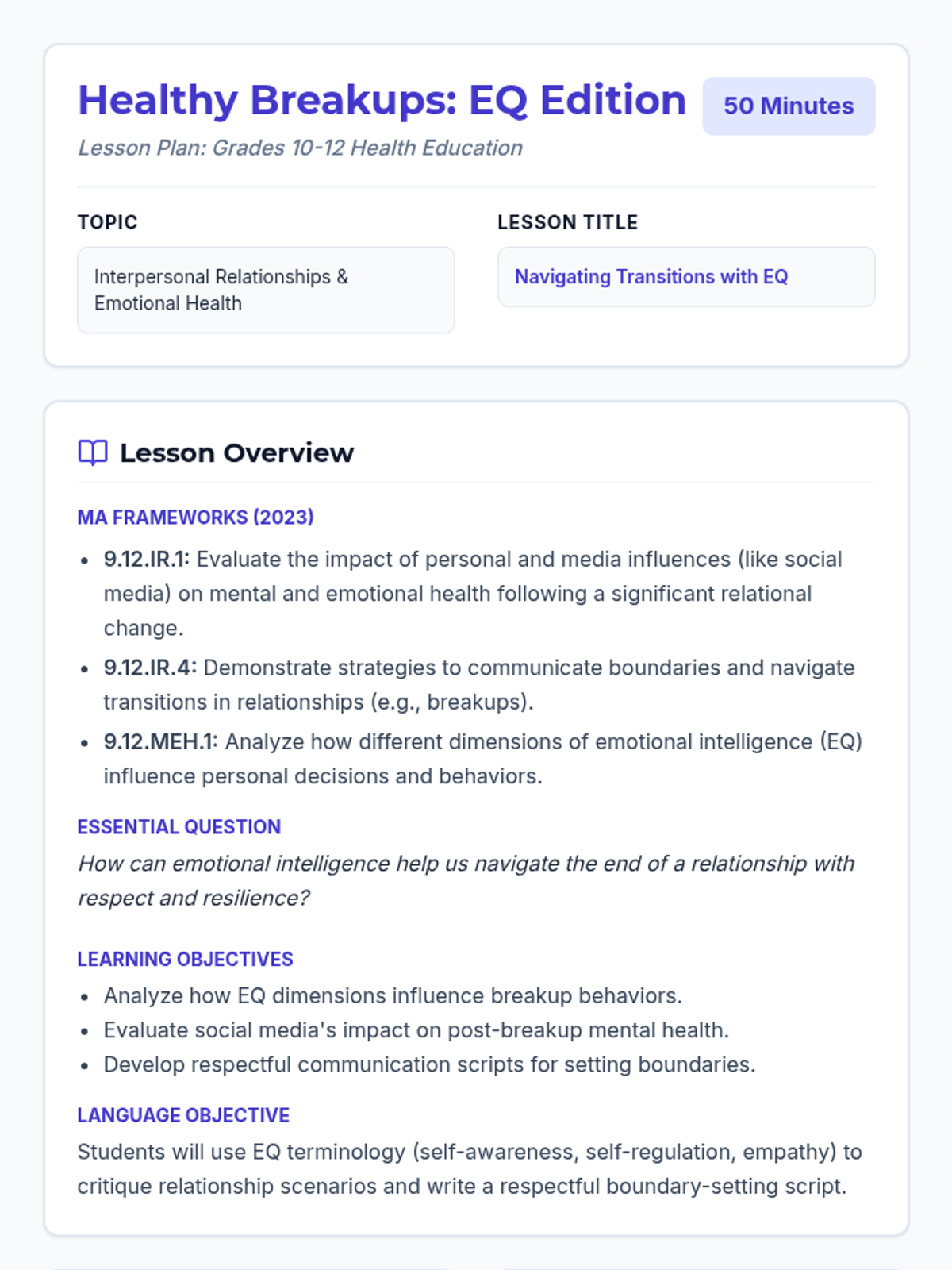
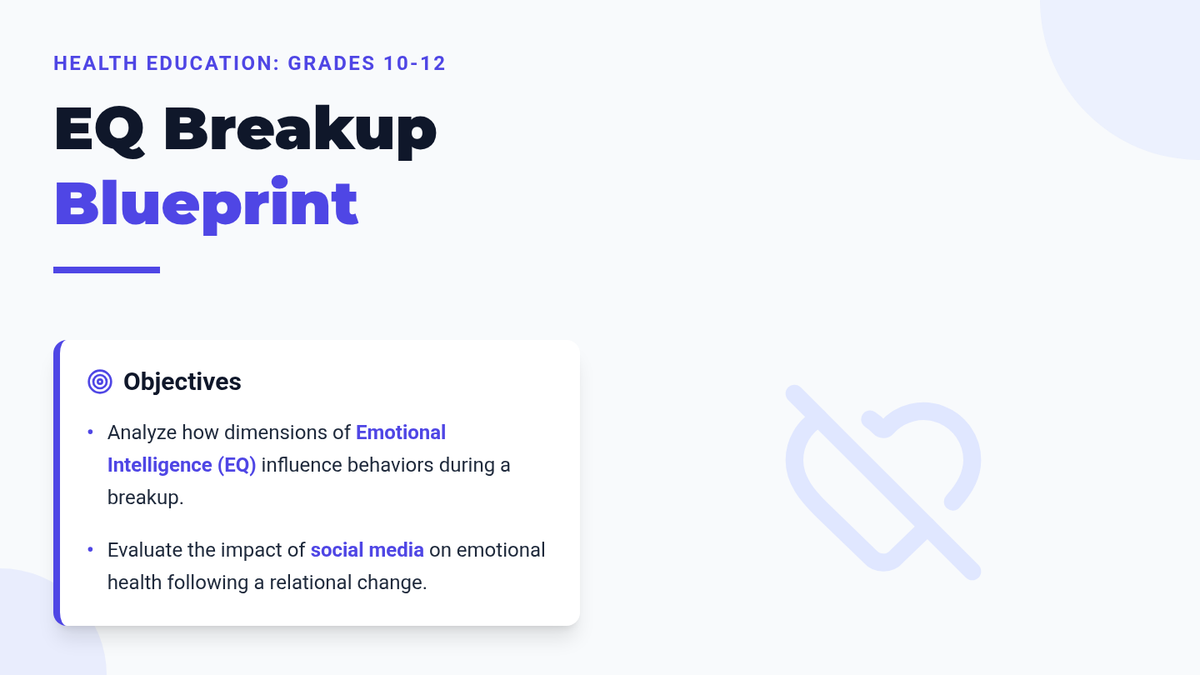
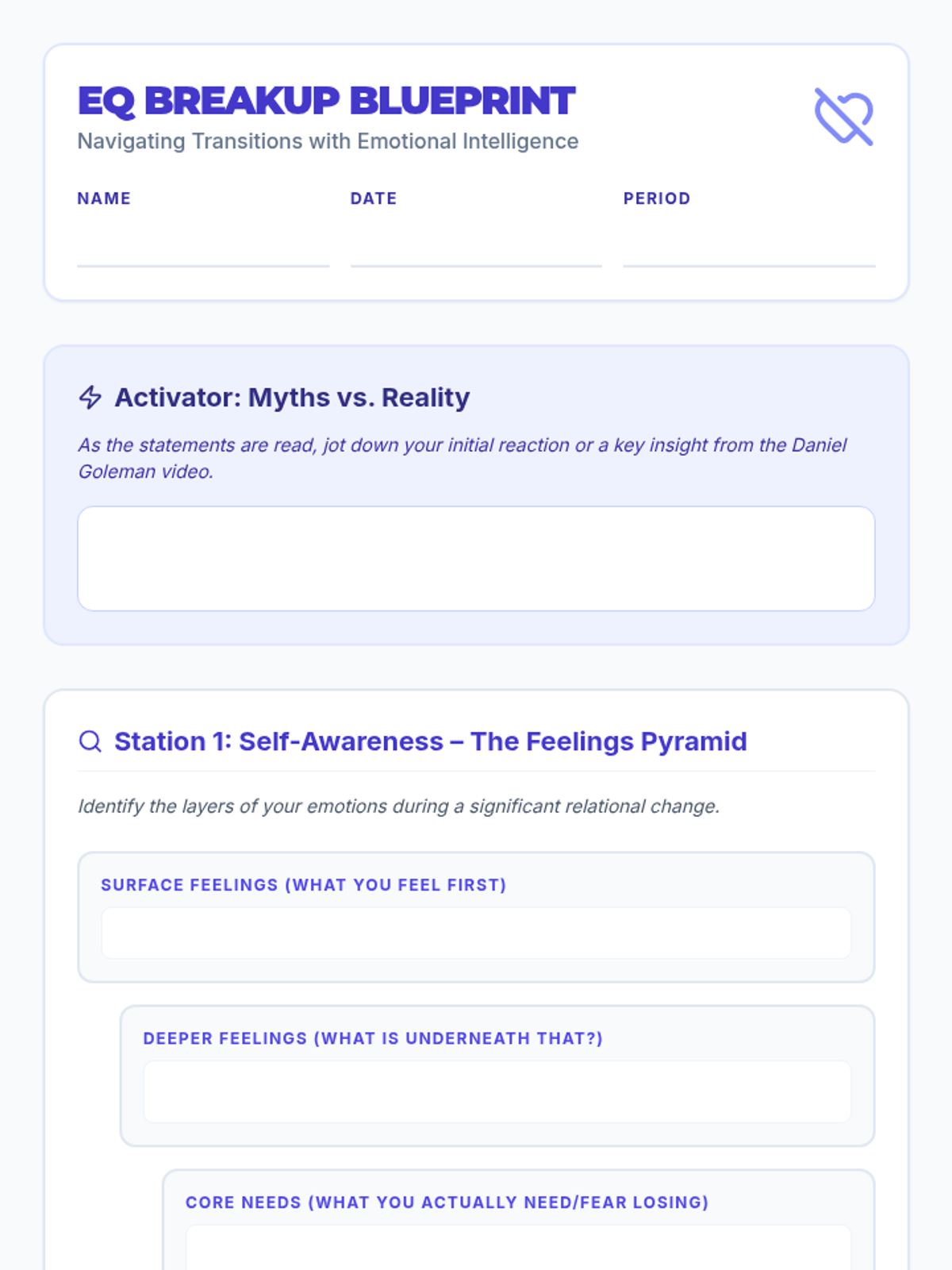
A comprehensive 50-minute health lesson for grades 10-12 focused on using emotional intelligence (EQ) to navigate relationship breakups and set healthy boundaries. Students analyze EQ dimensions, practice respectful communication, and evaluate the impact of social media on emotional recovery.
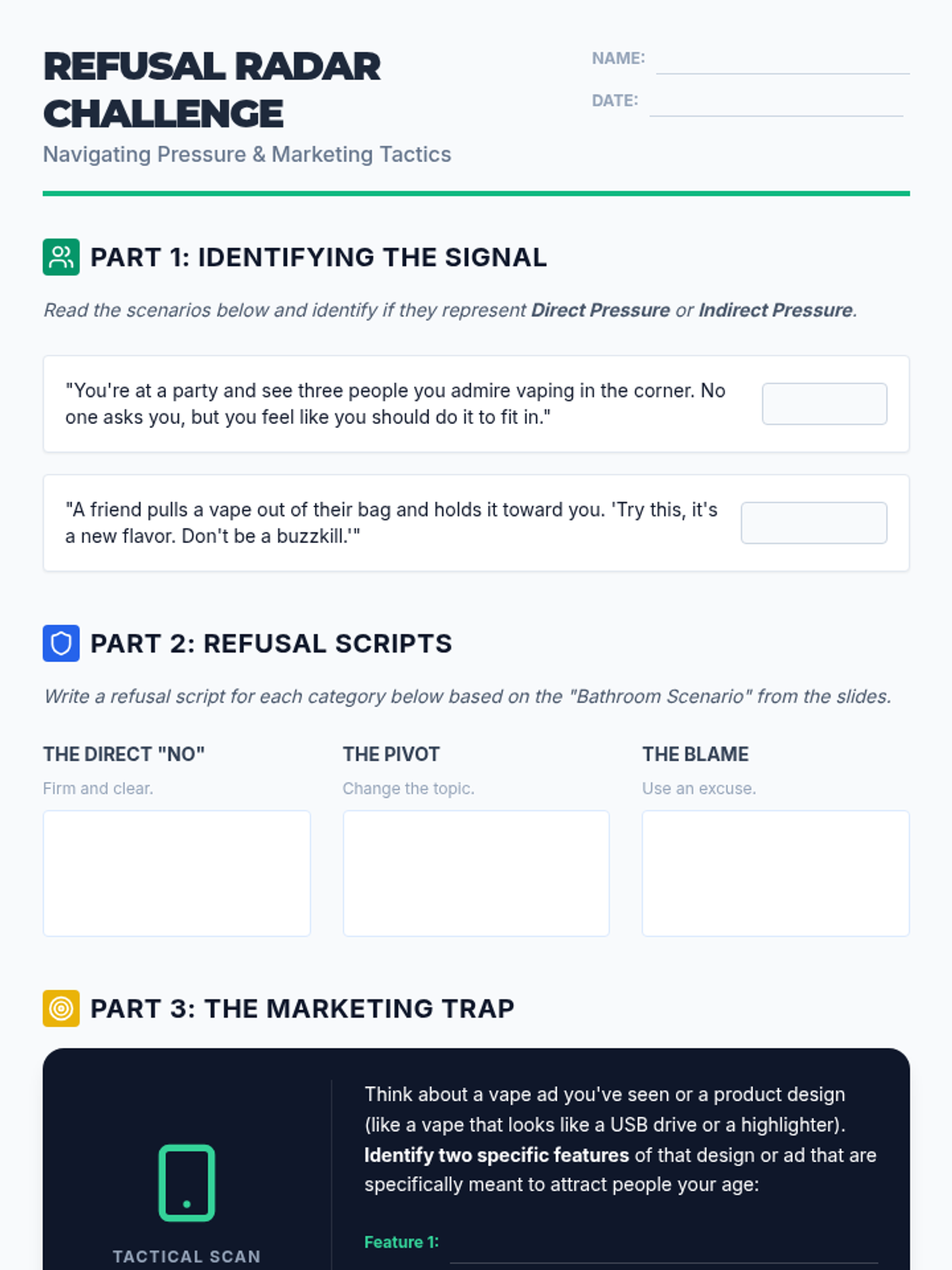
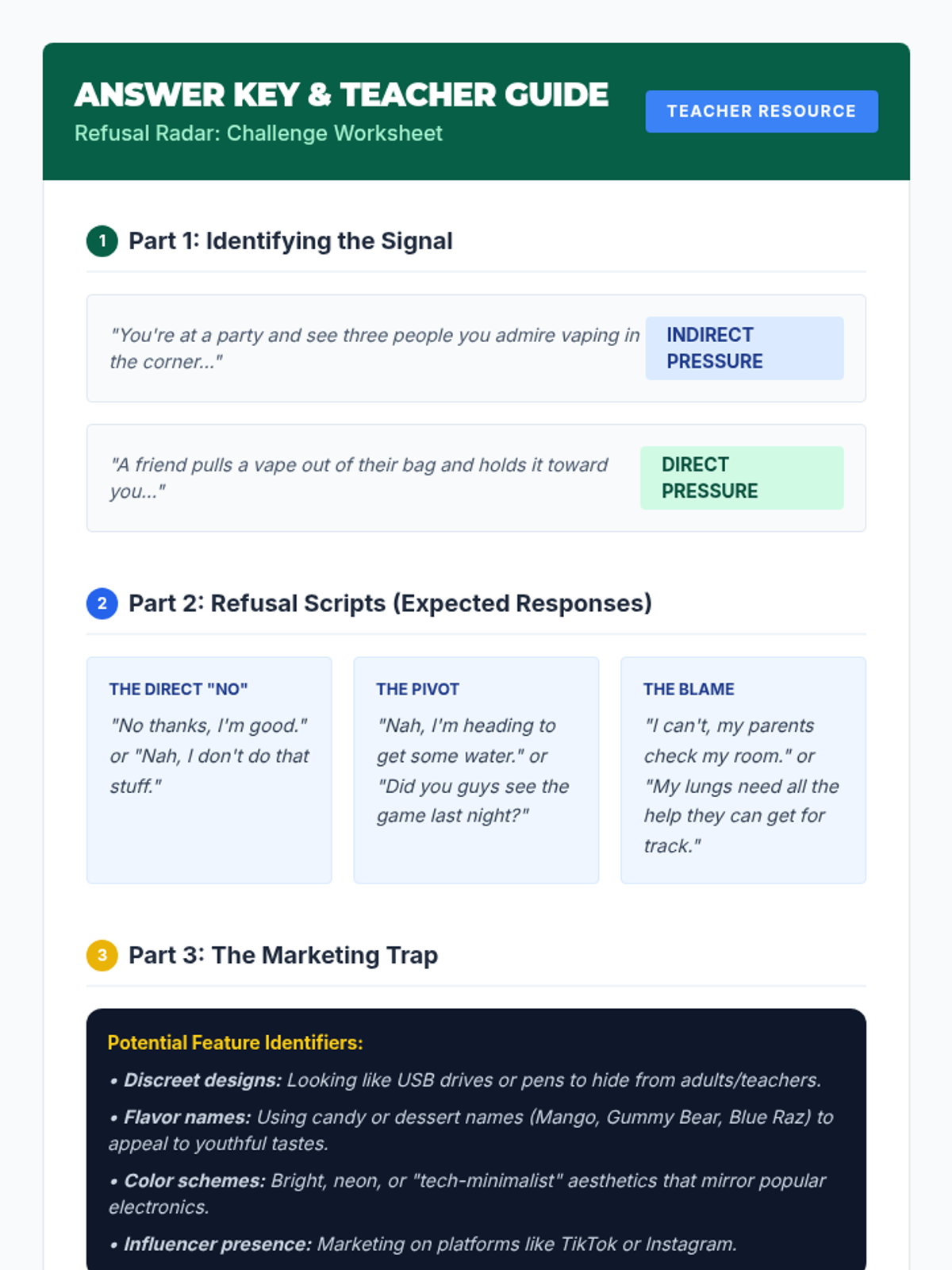
Students identify social pressures and marketing tactics, practicing assertive refusal strategies to navigate real-world situations involving vaping.
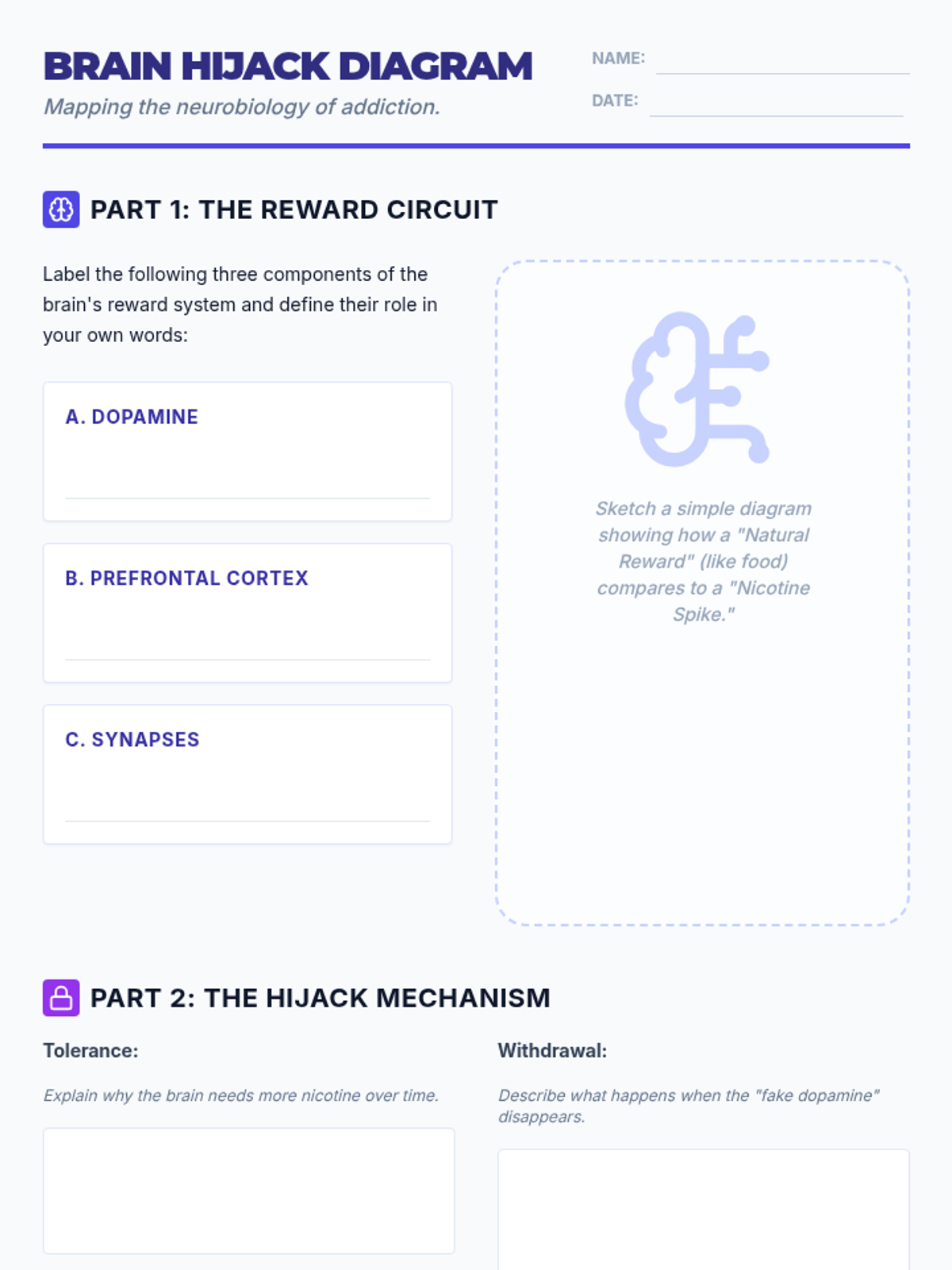
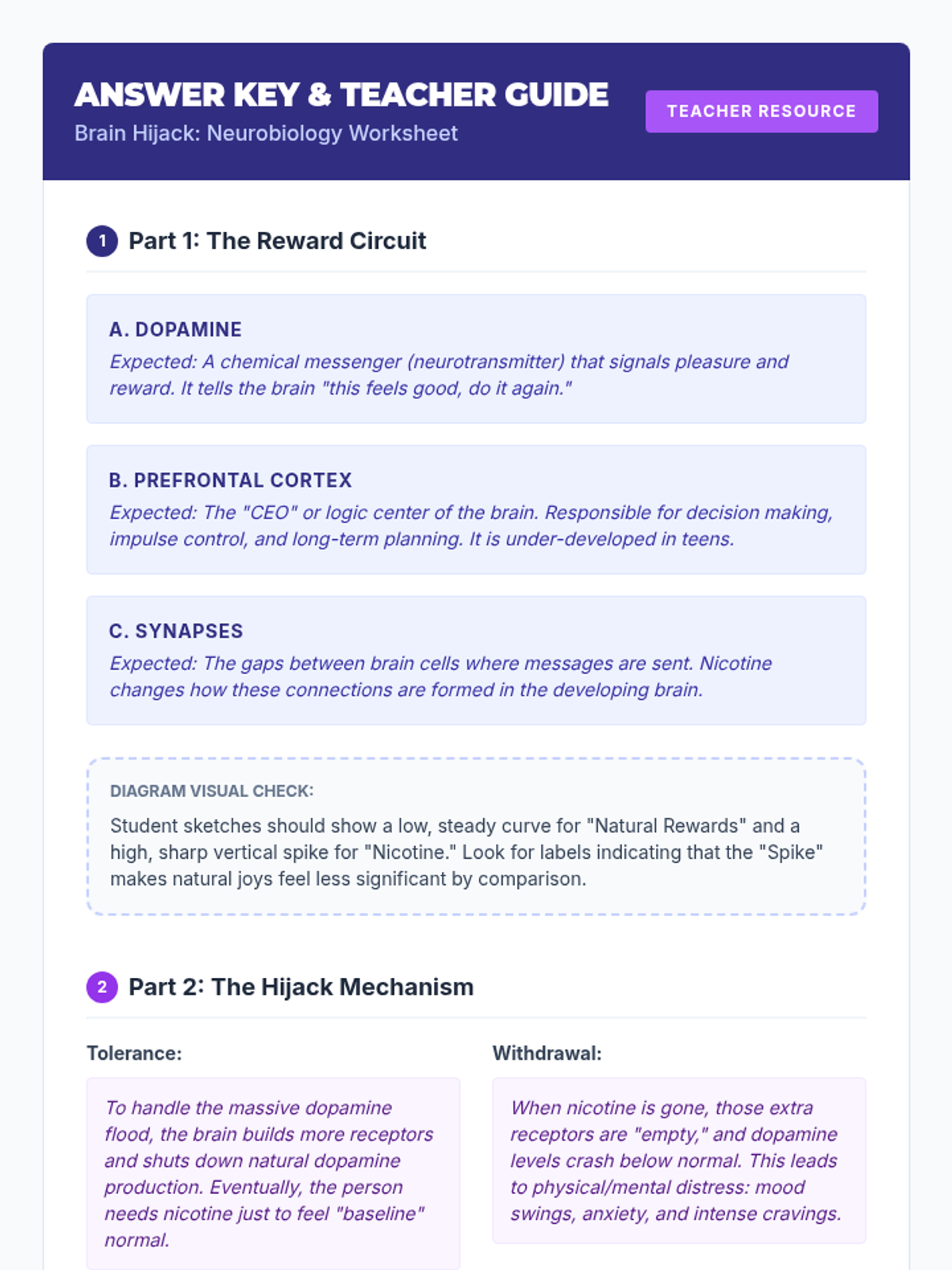
Students explore the neurobiology of nicotine addiction, learning how it 'hijacks' the brain's reward system and affects adolescent development.
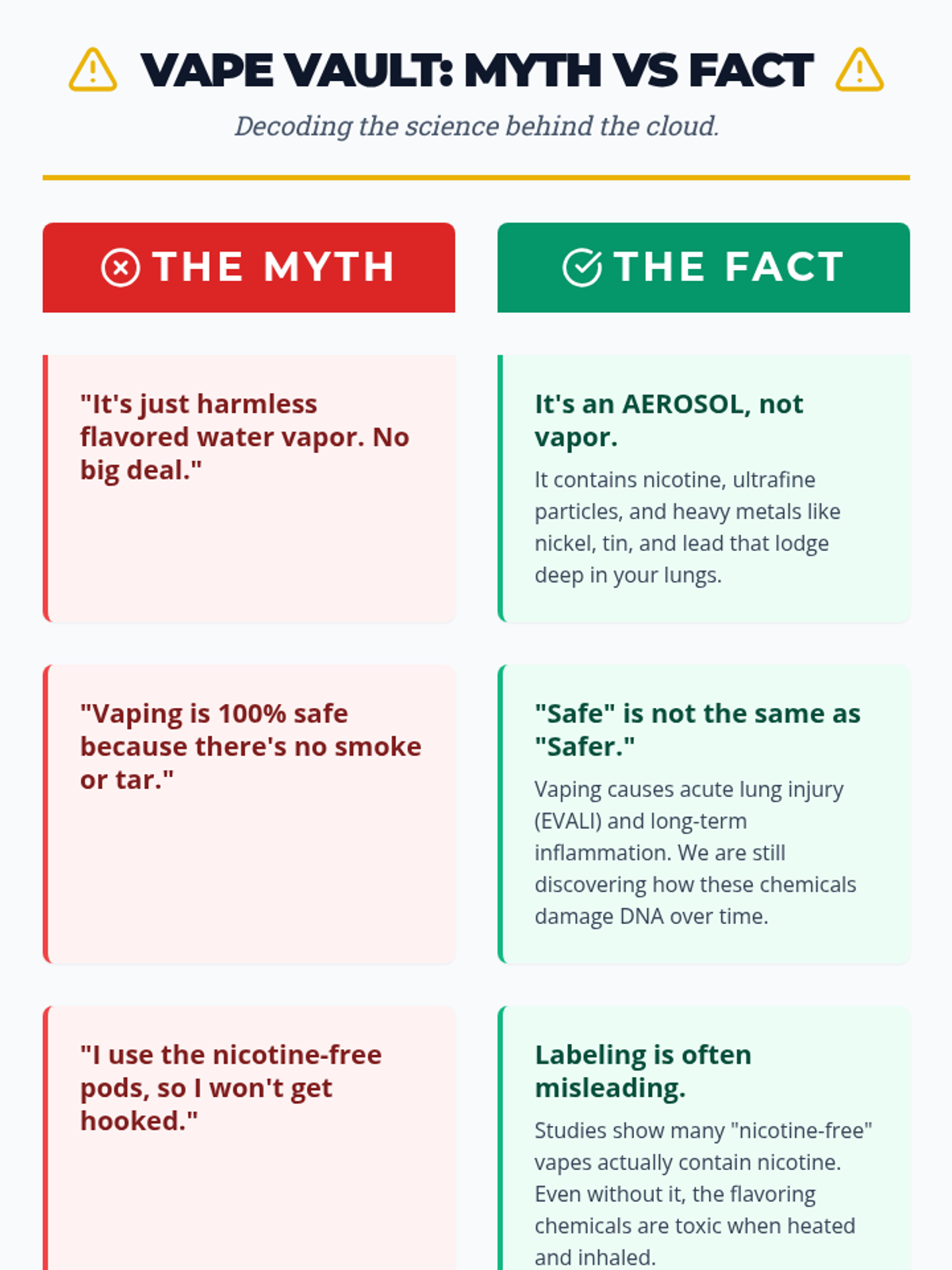
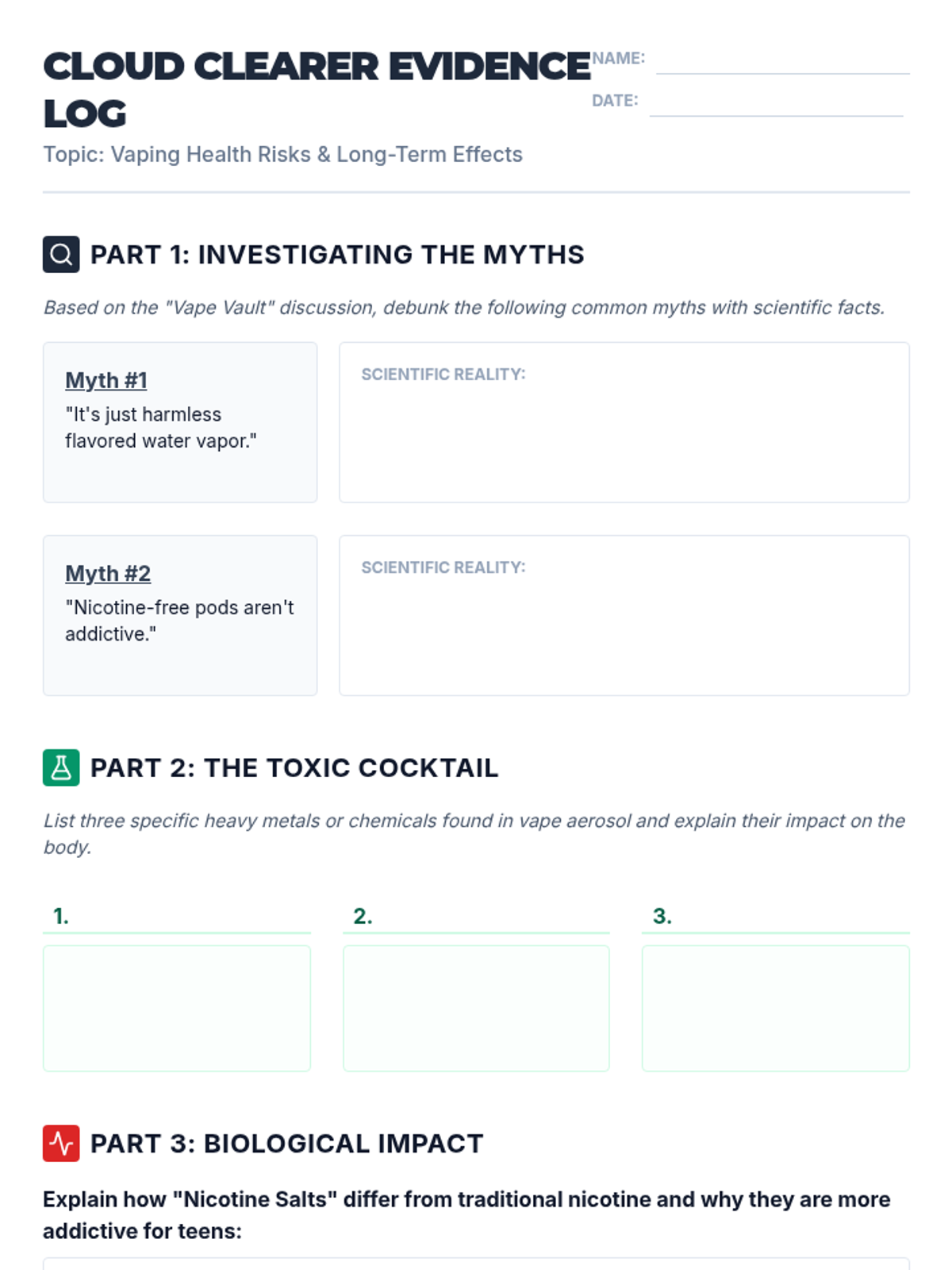
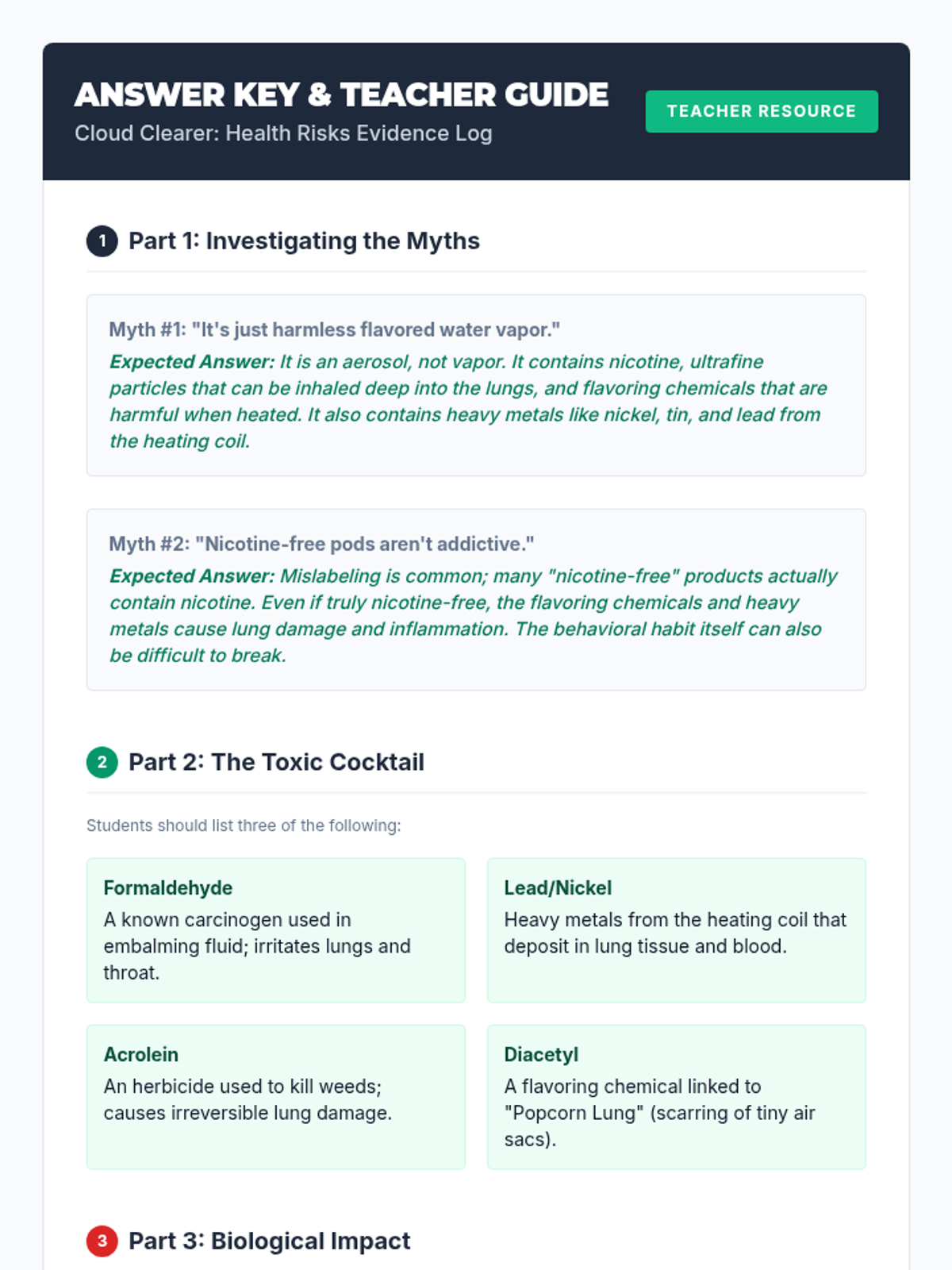
Students investigate the truth behind common vaping myths and explore the long-term health risks associated with e-cigarette use.
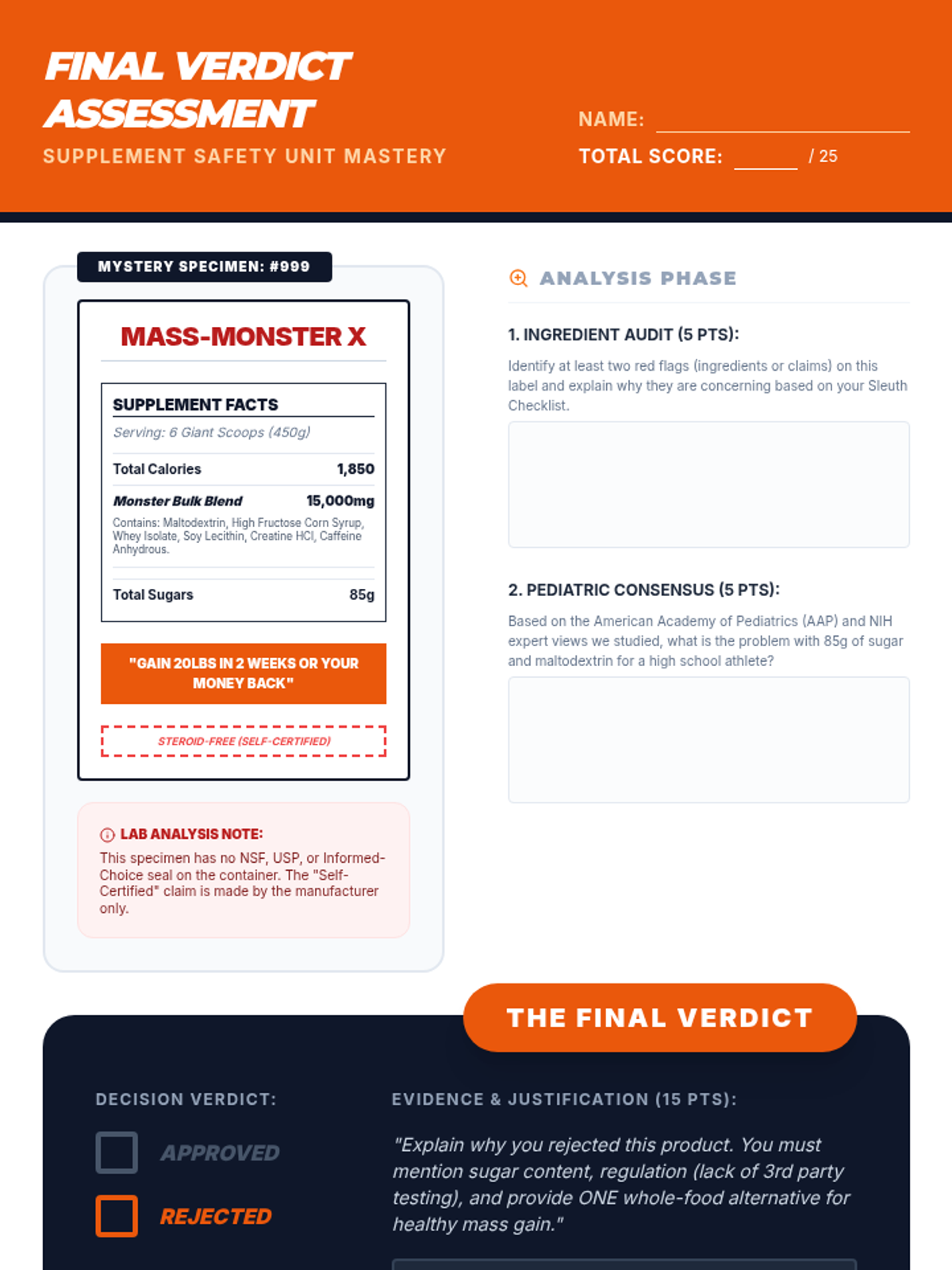
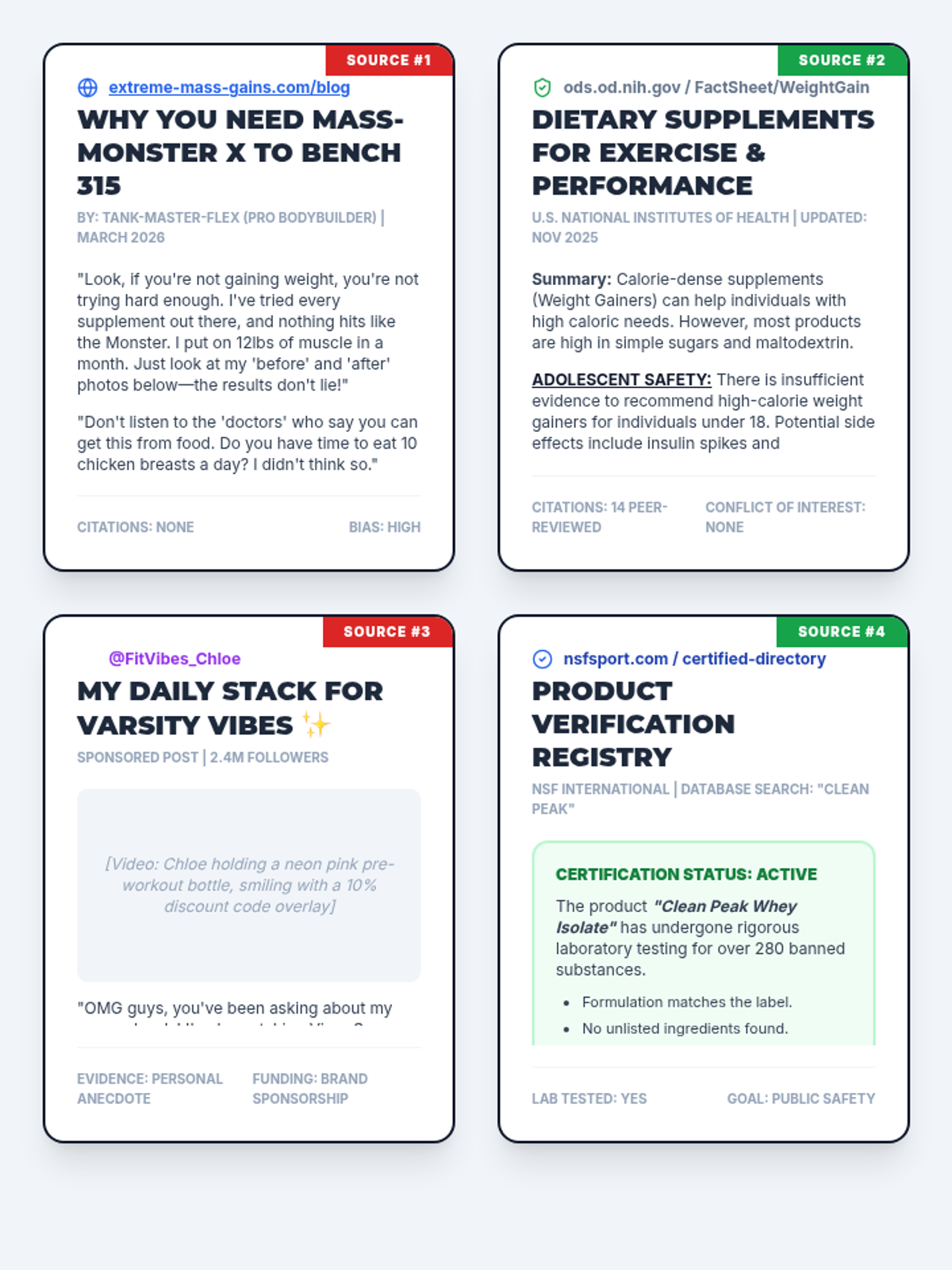
The unit final where students apply their analytical skills to a "mystery specimen" and provide a research-backed verdict for a teen athlete.
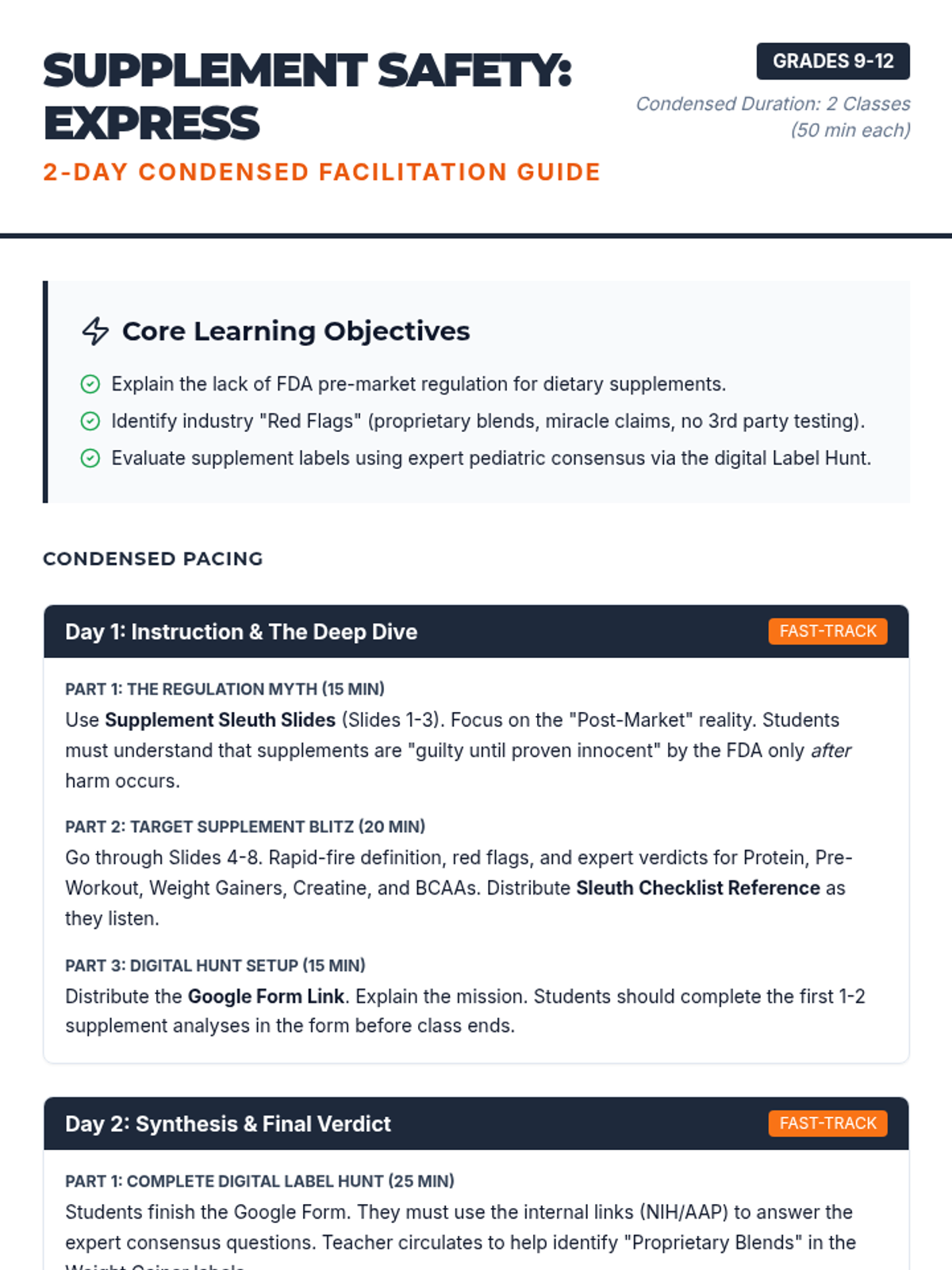
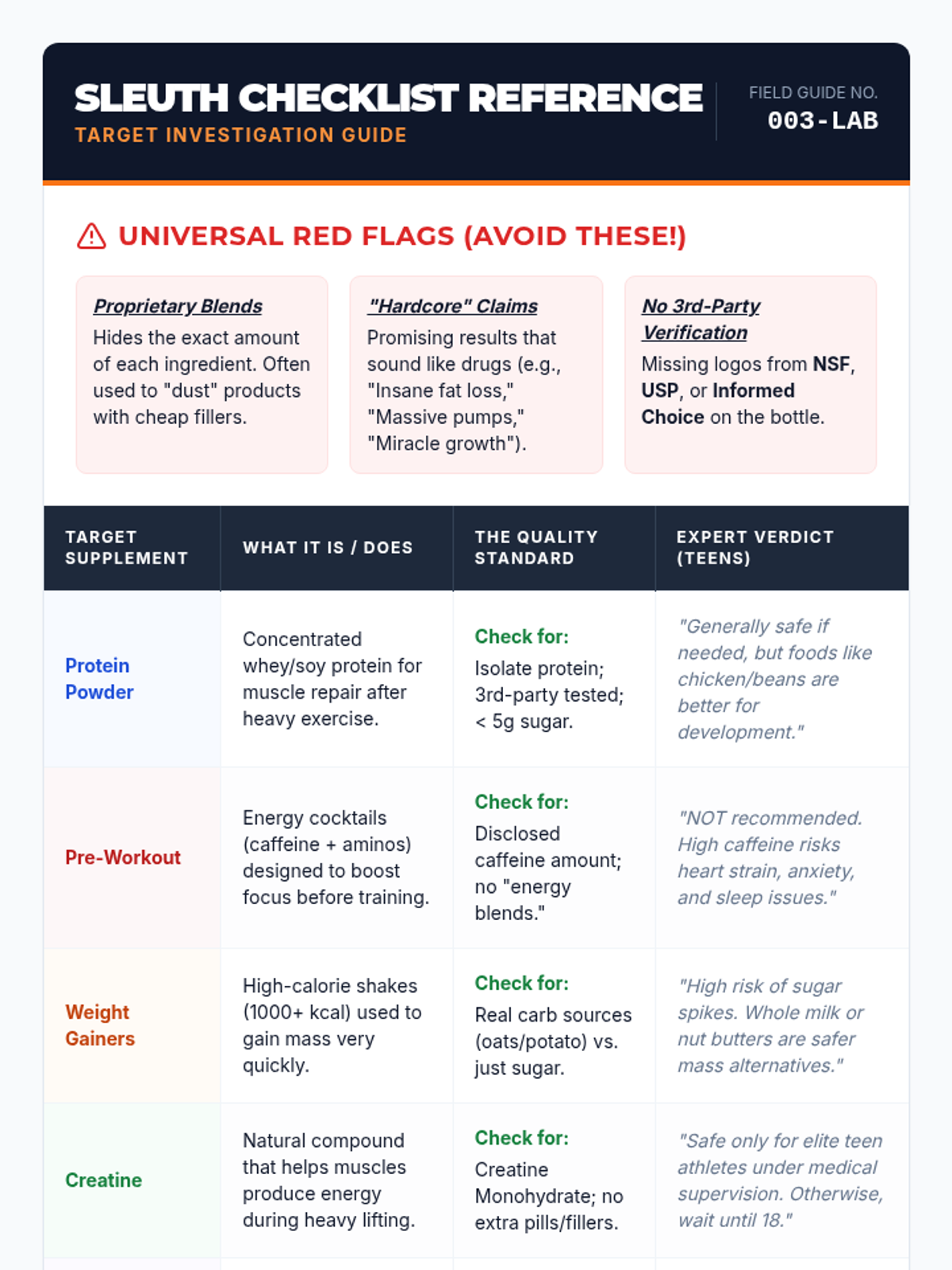
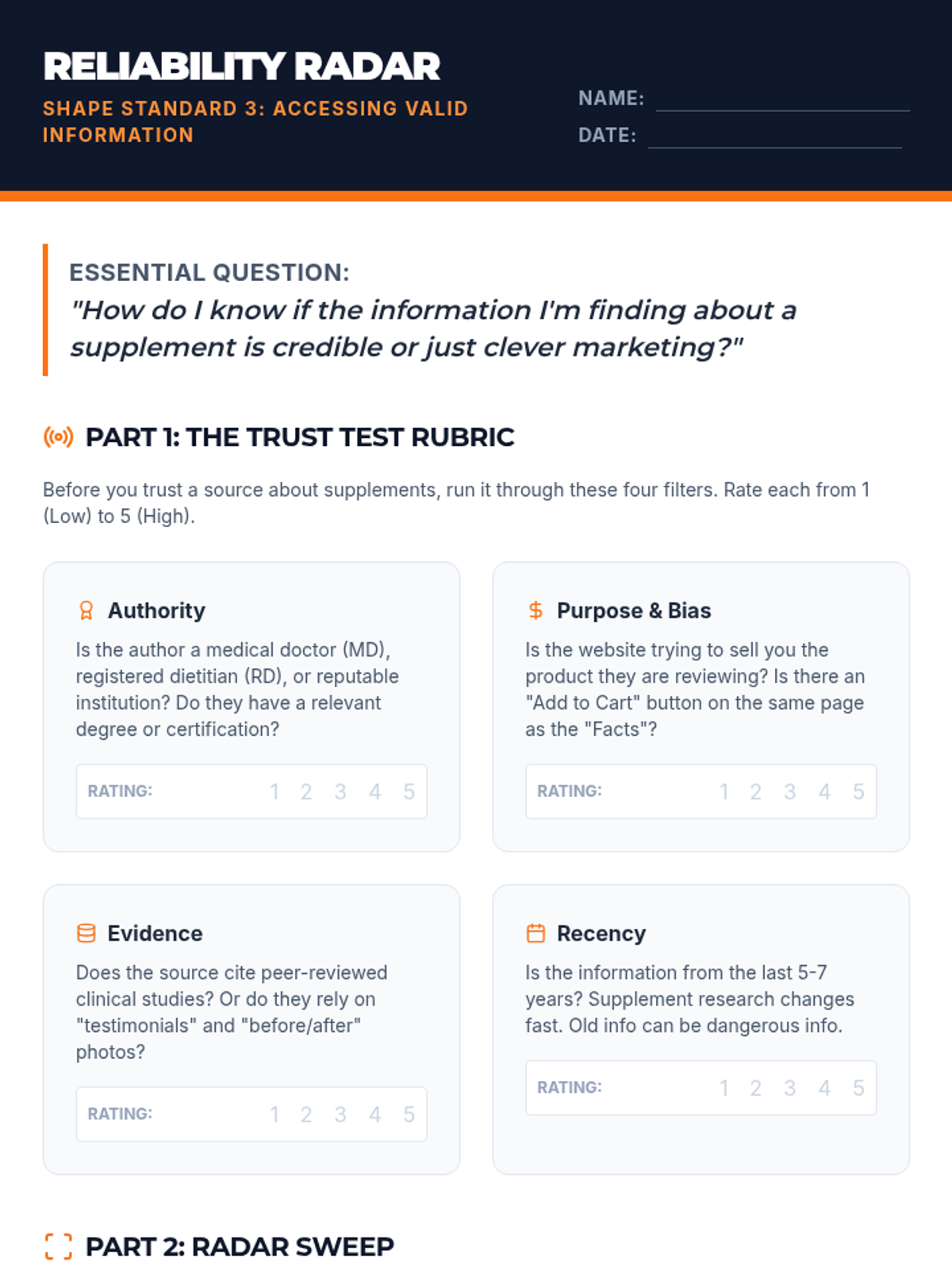
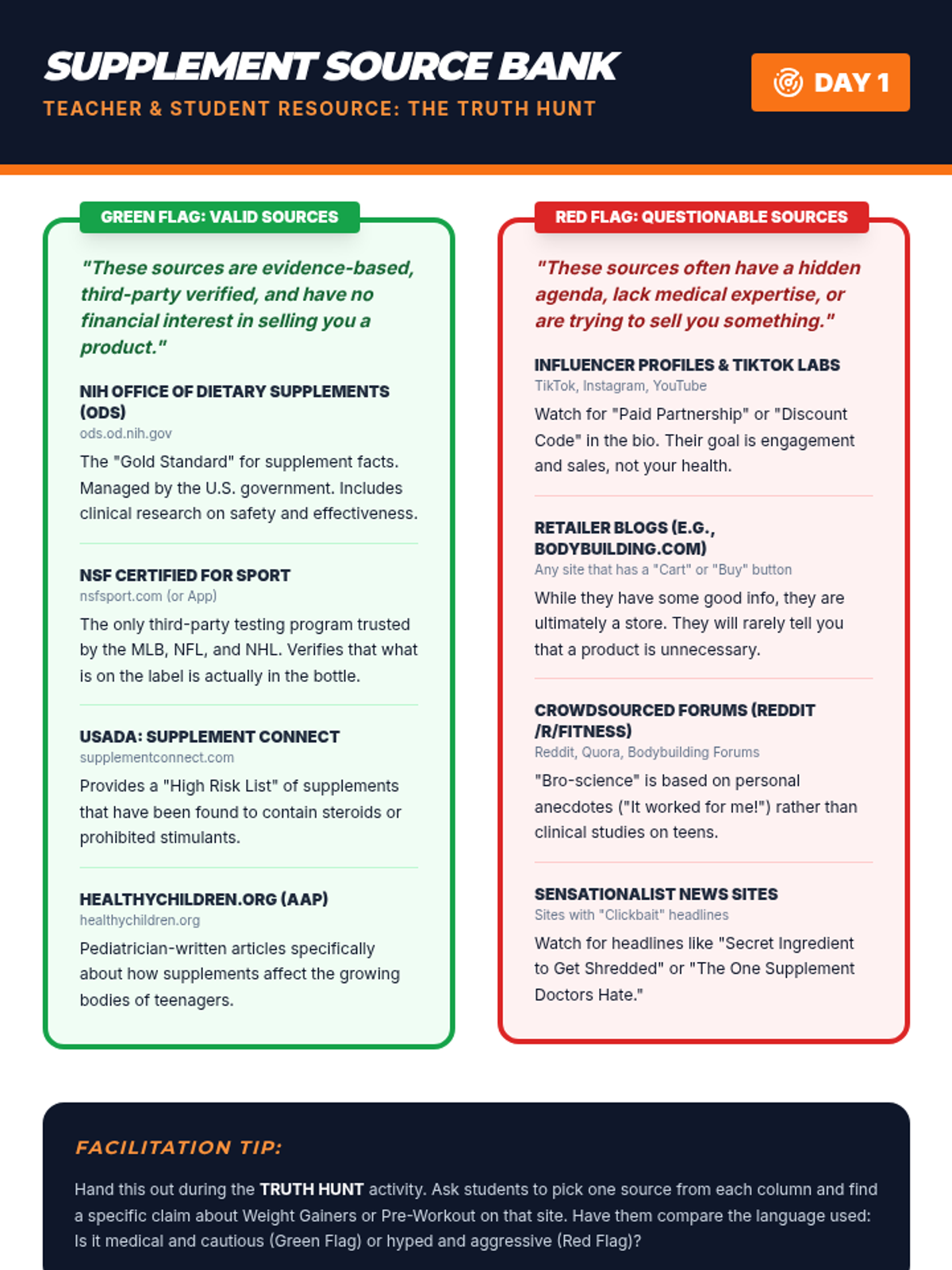
A fast-paced introduction where students explore the unregulated world of fitness supplements and use a "red flag" checklist to hunt for industry truths on digital specimens.
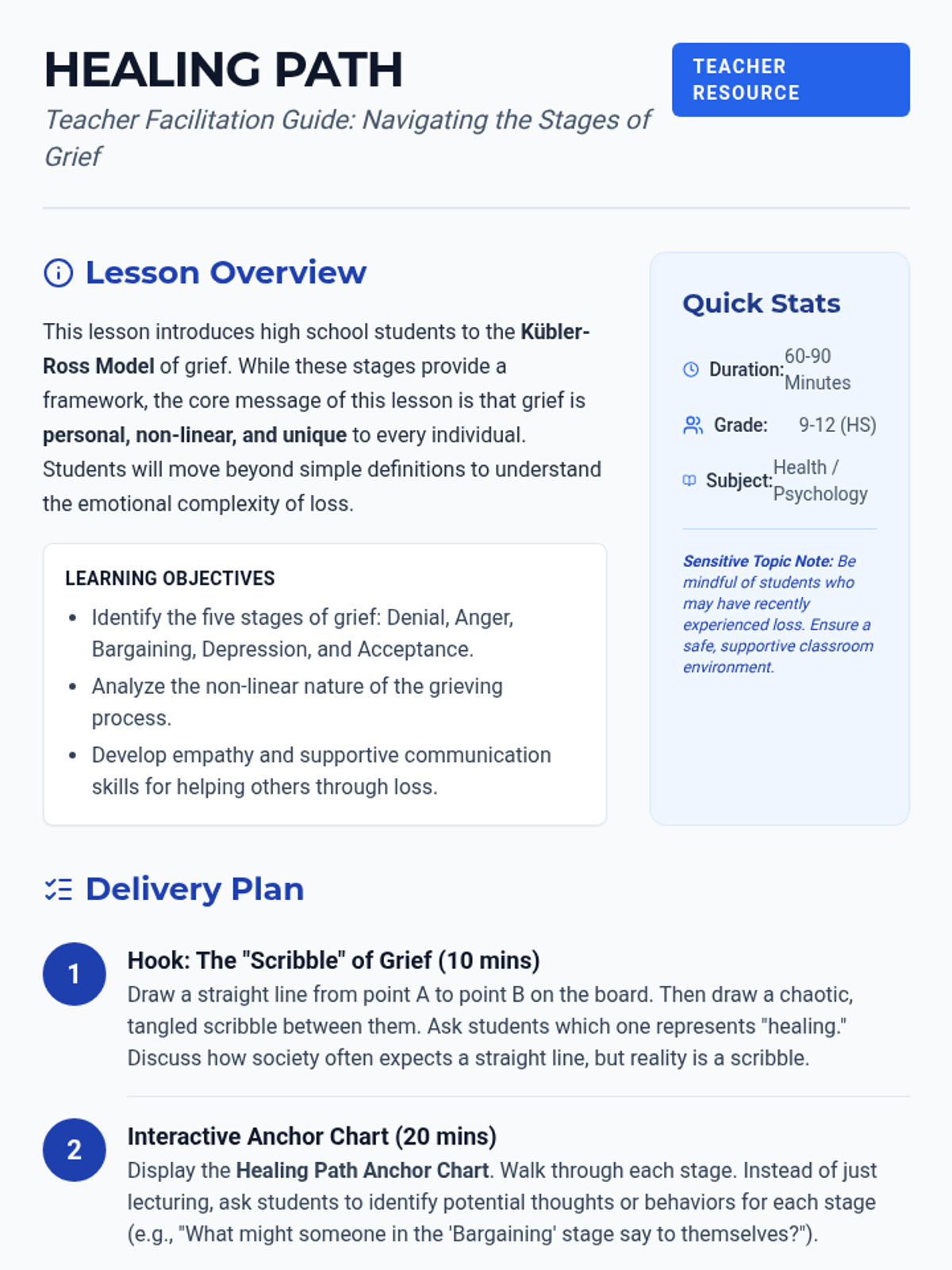
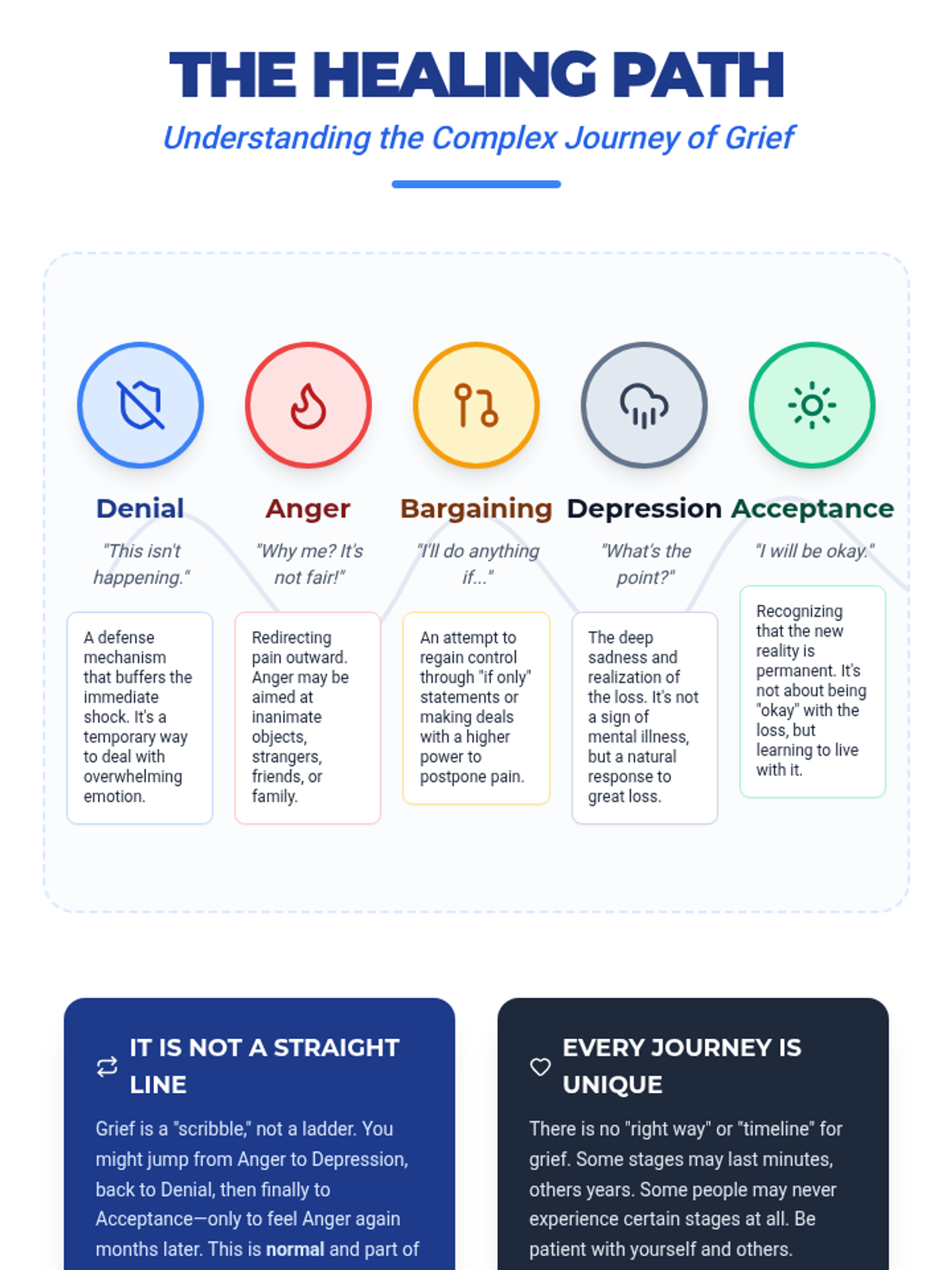
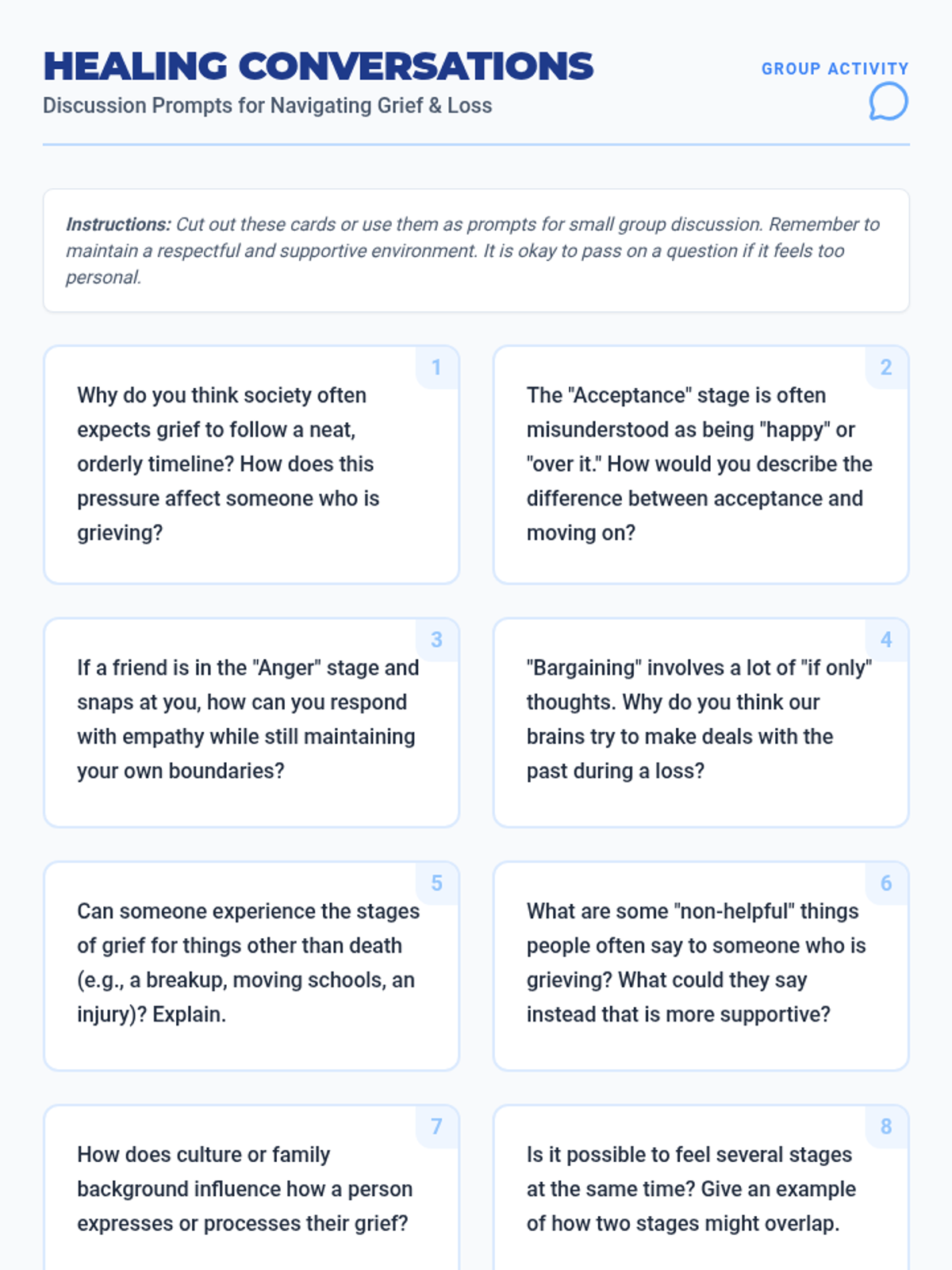
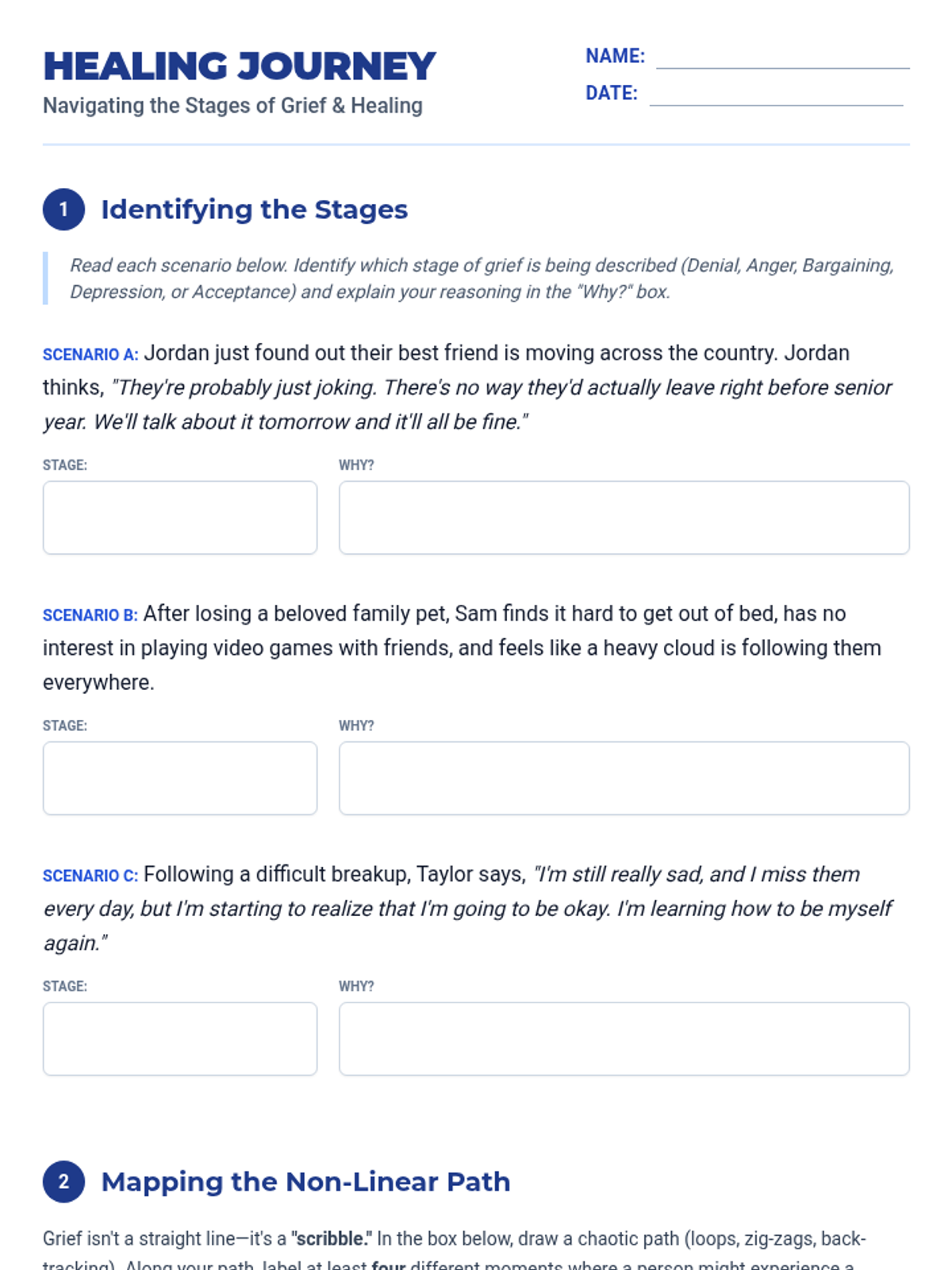
A comprehensive lesson for high school students exploring the Kübler-Ross stages of grief, emphasizing the non-linear nature of healing and providing tools for healthy processing.
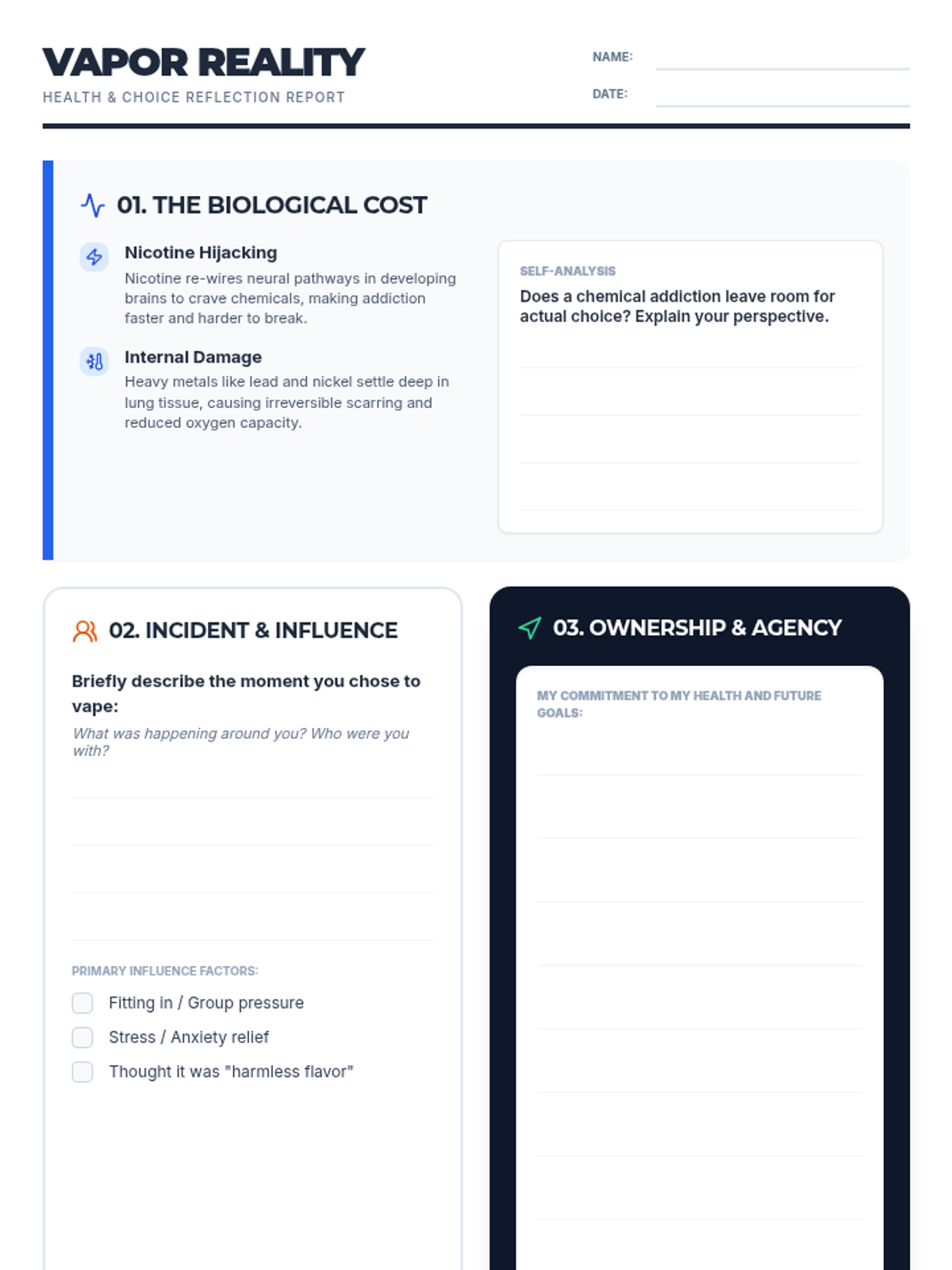
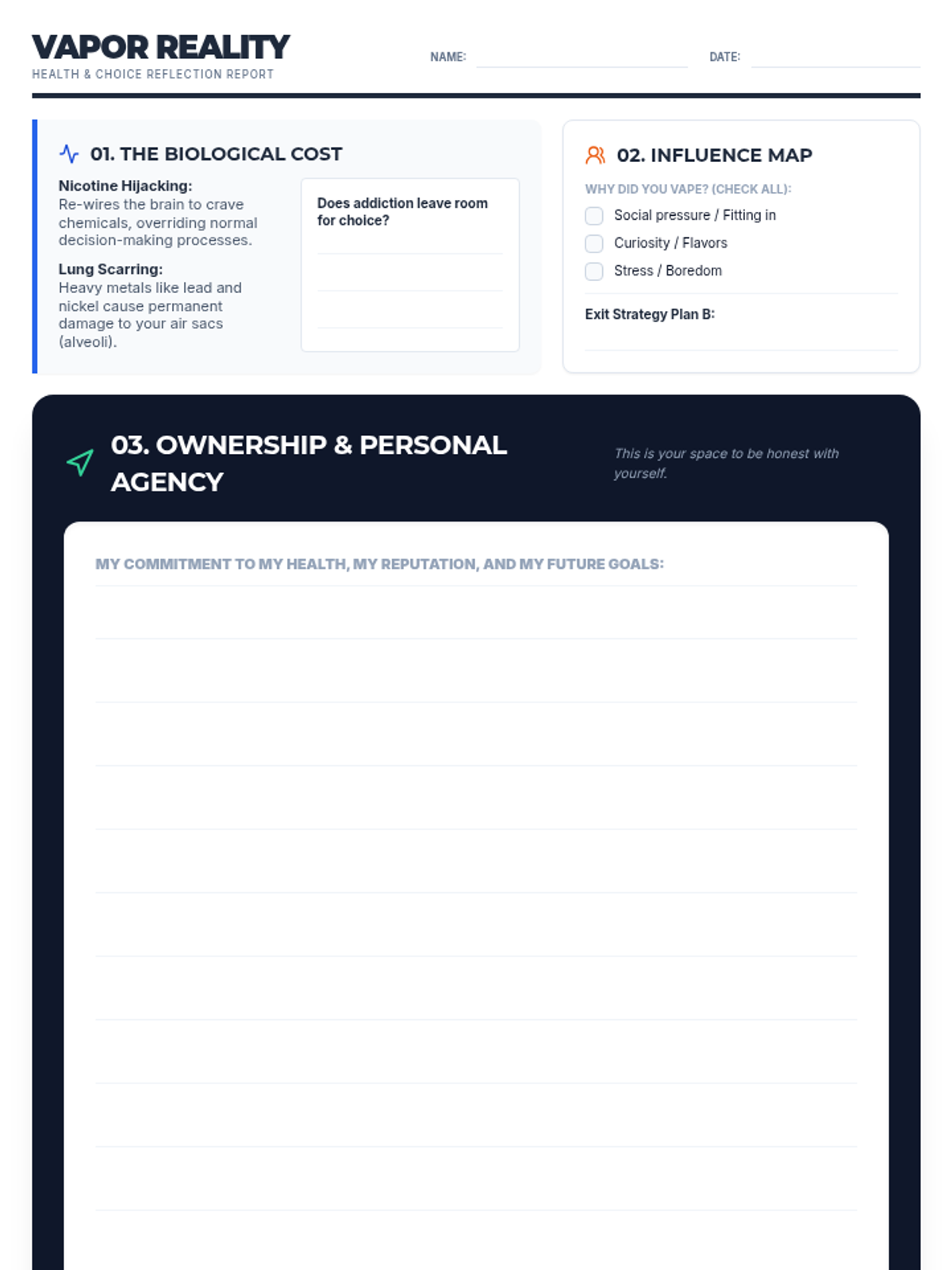
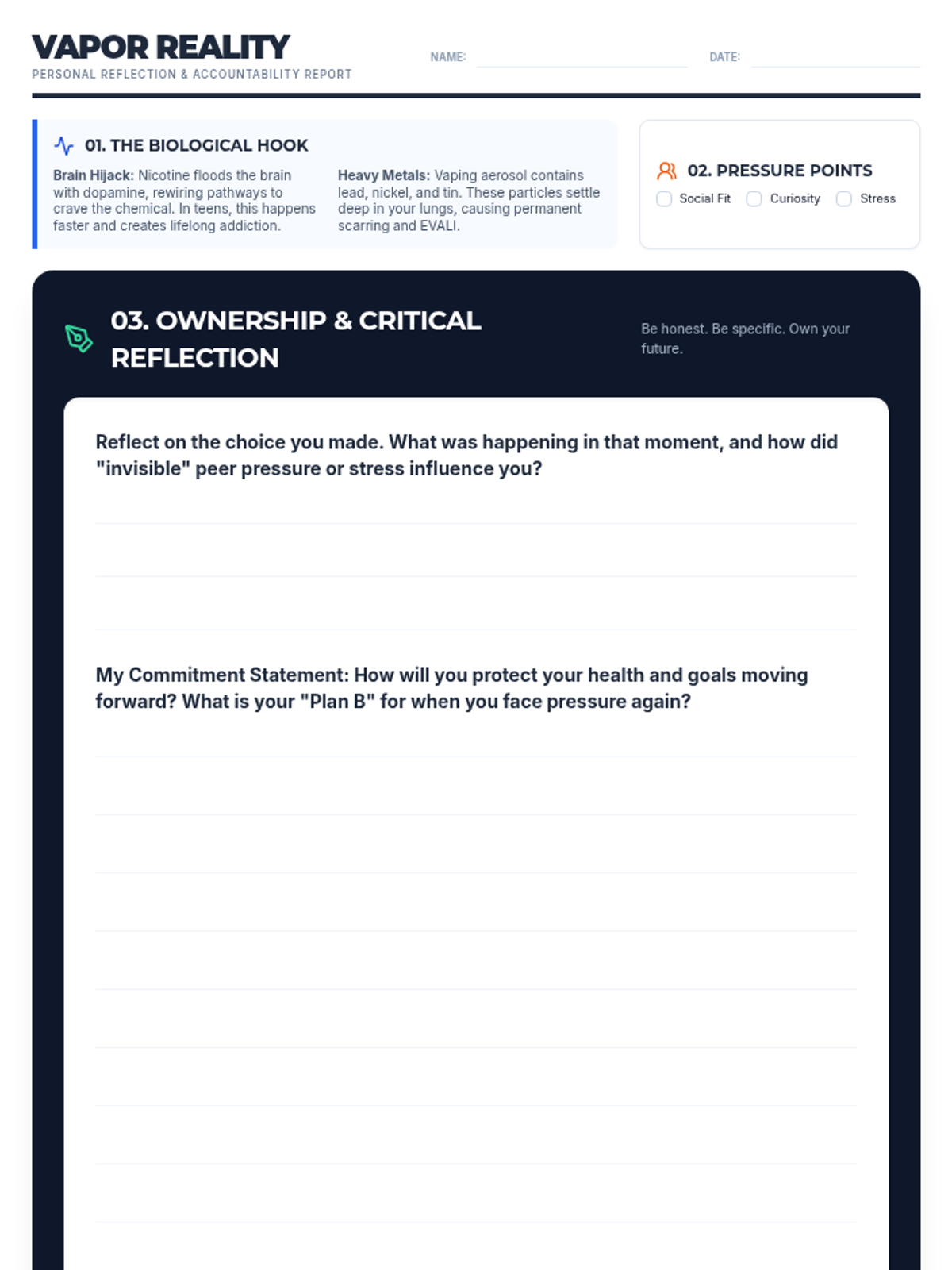
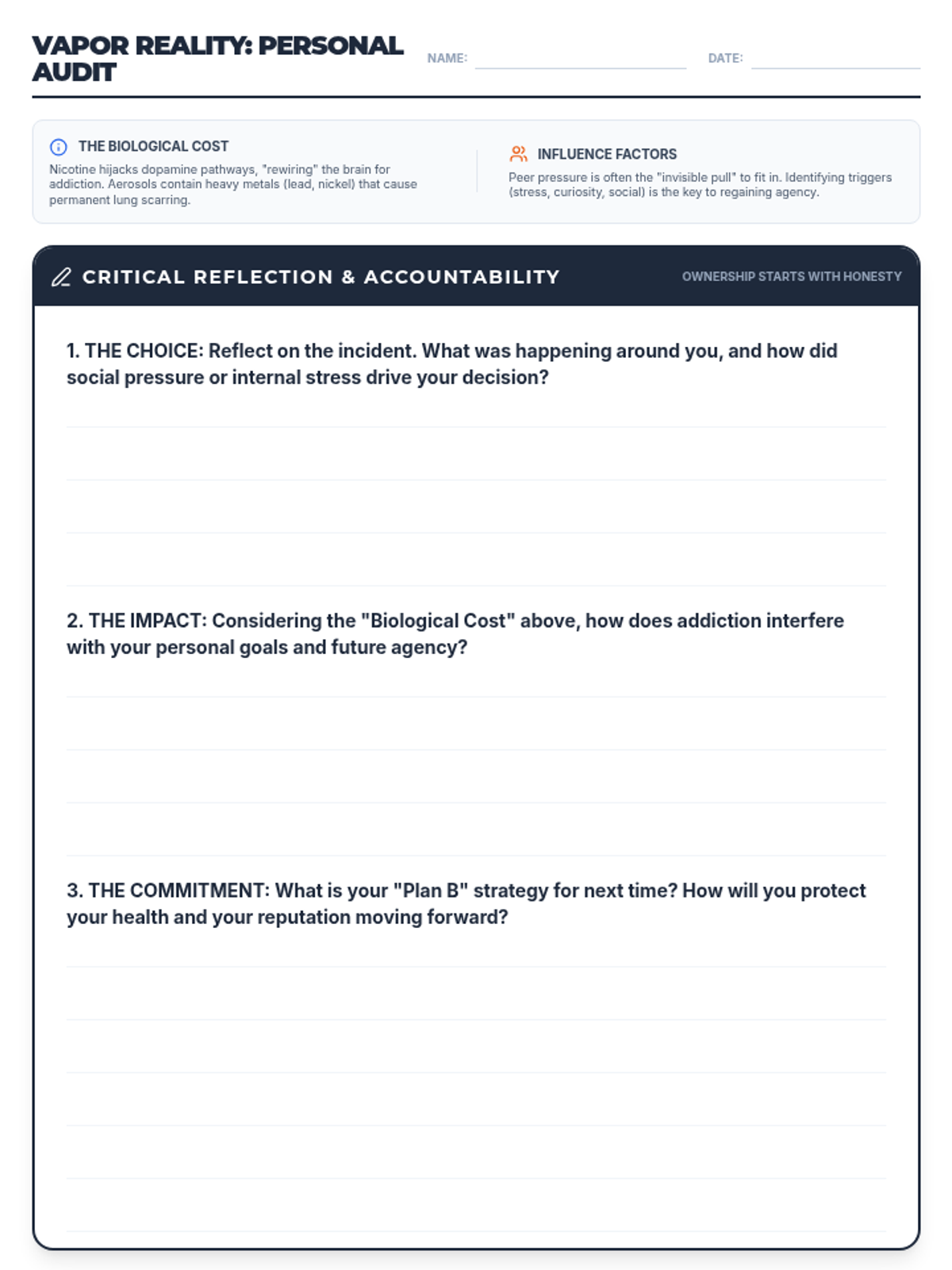
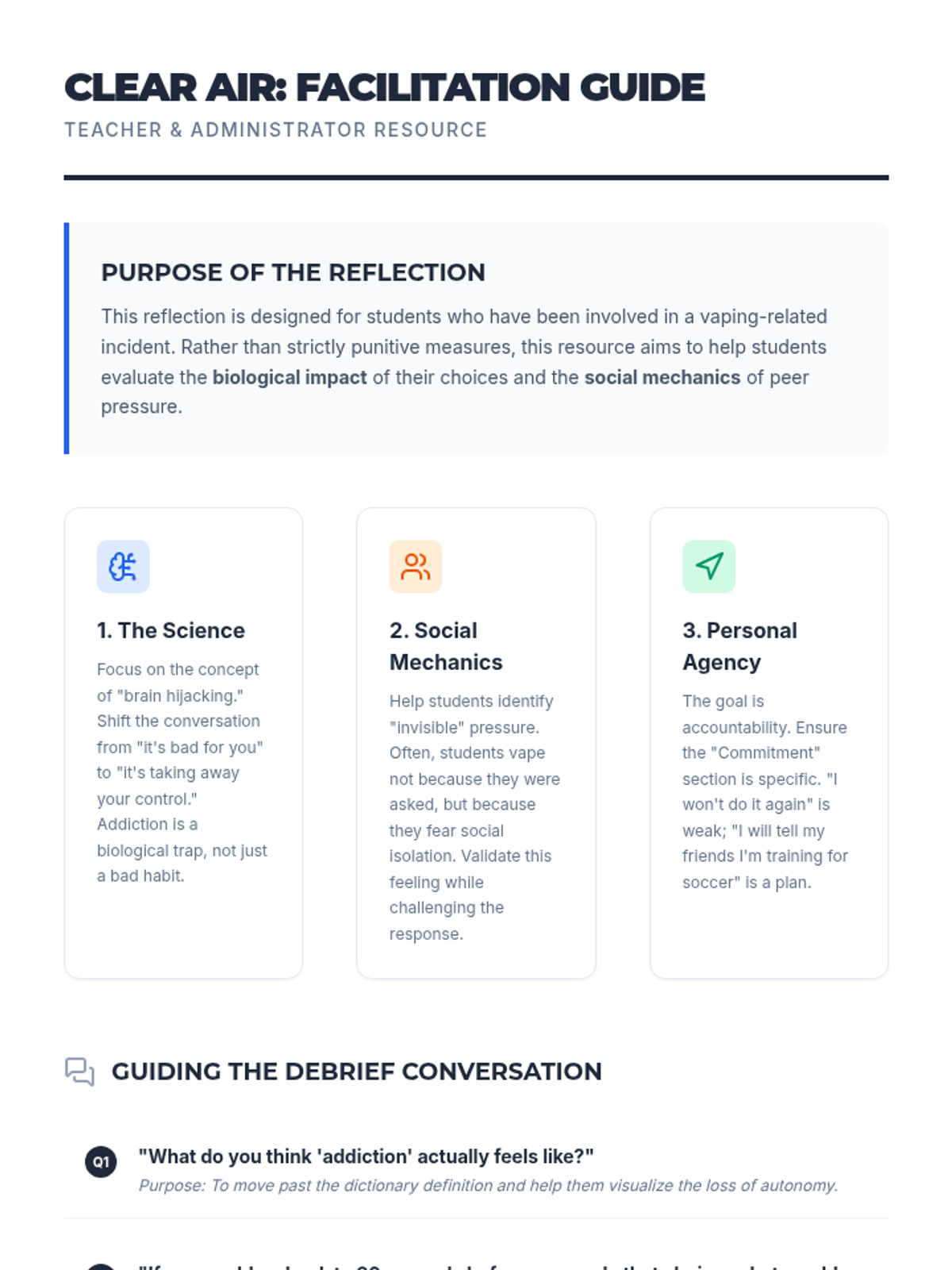
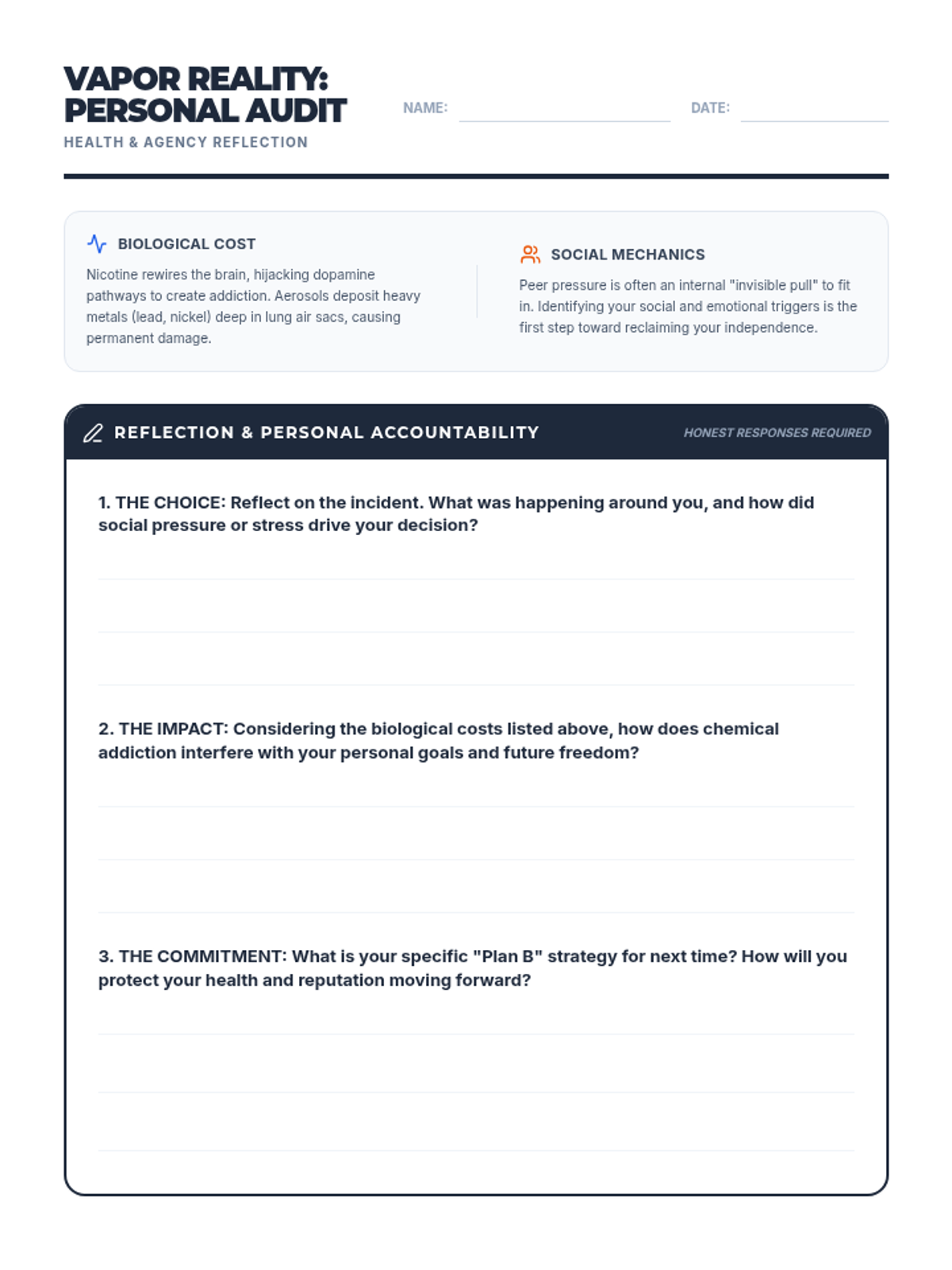
A reflective lesson designed for students to evaluate the health risks of vaping and the social pressures that lead to it, focusing on long-term consequences and personal agency.
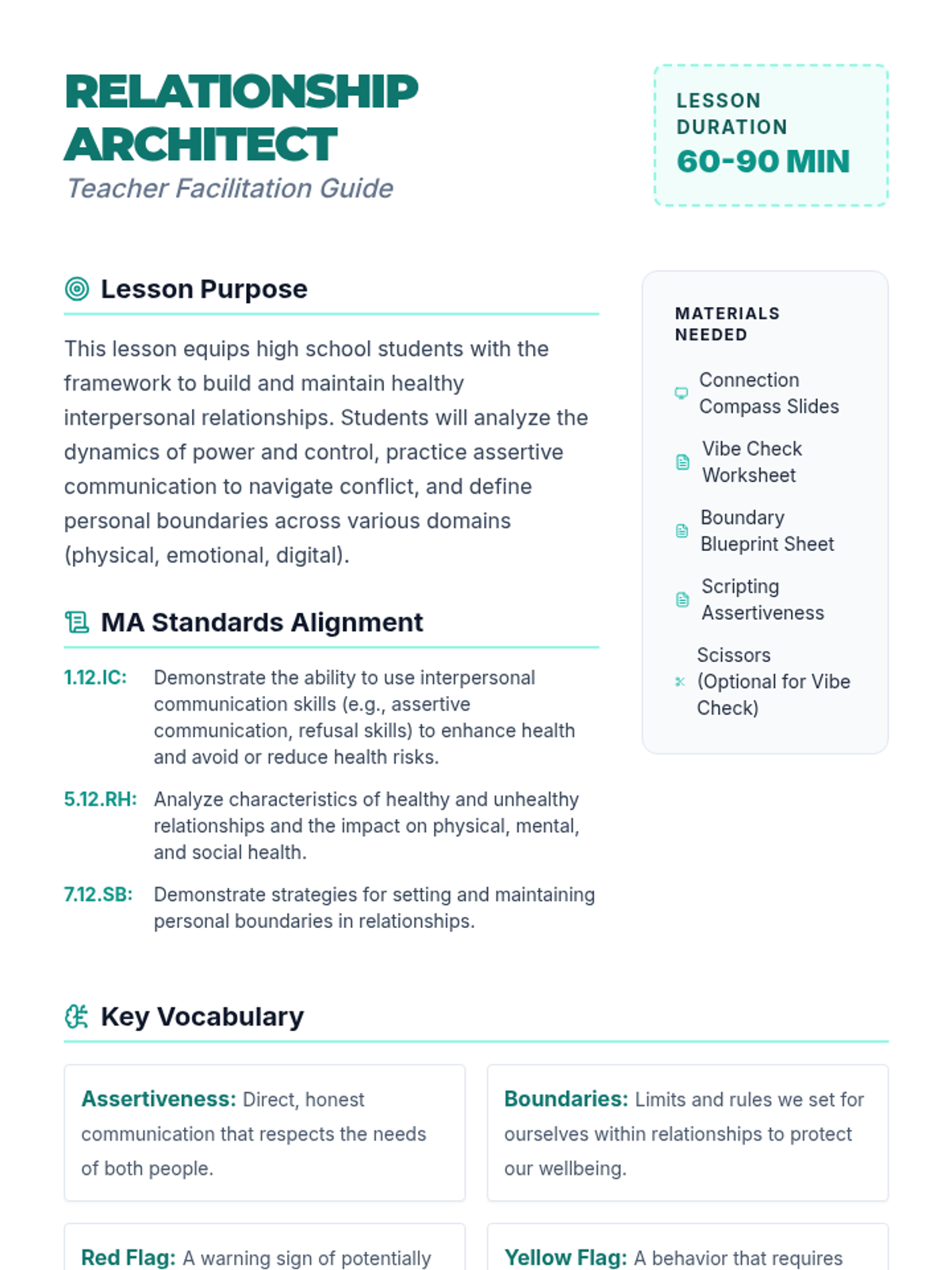
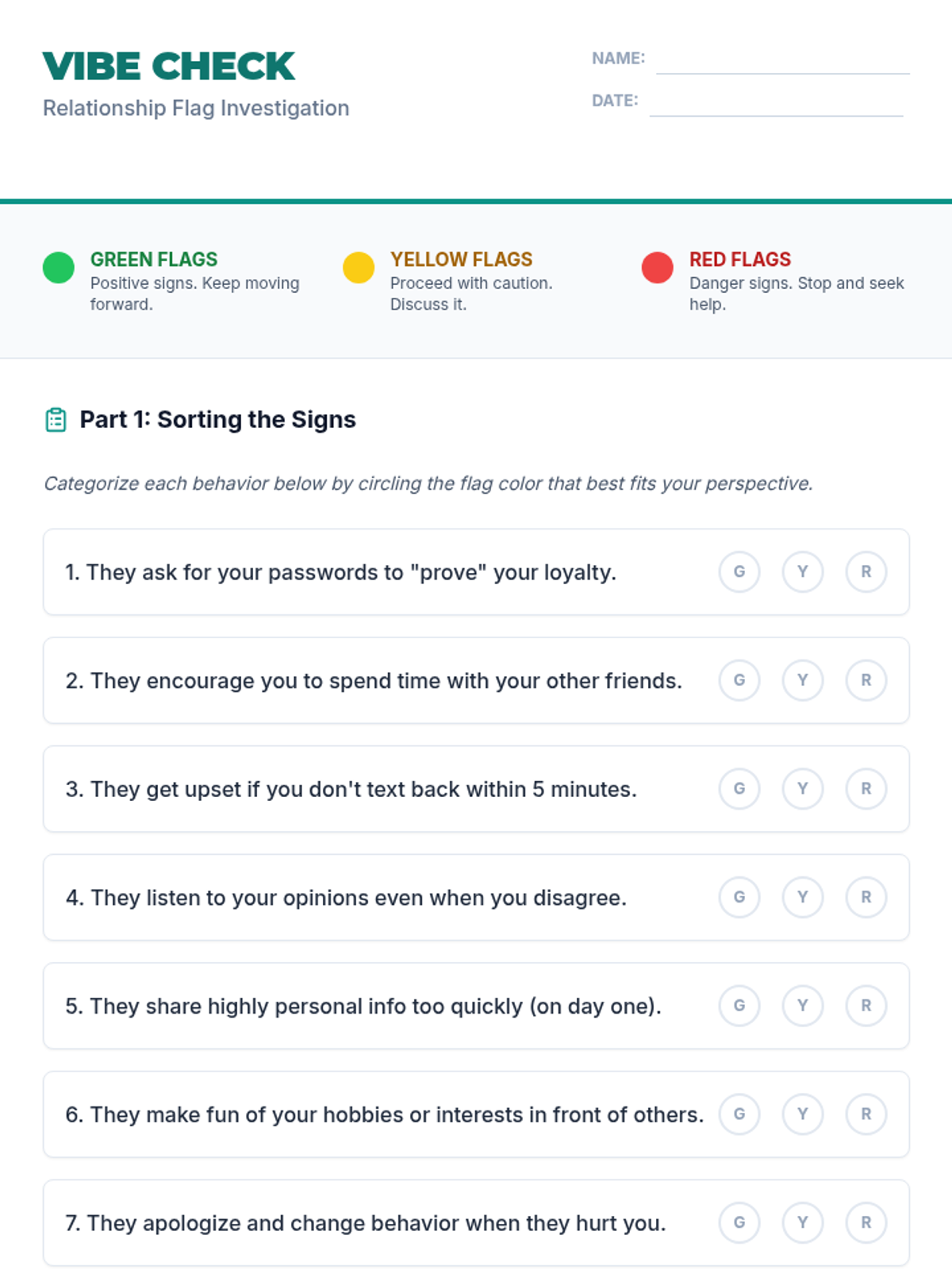
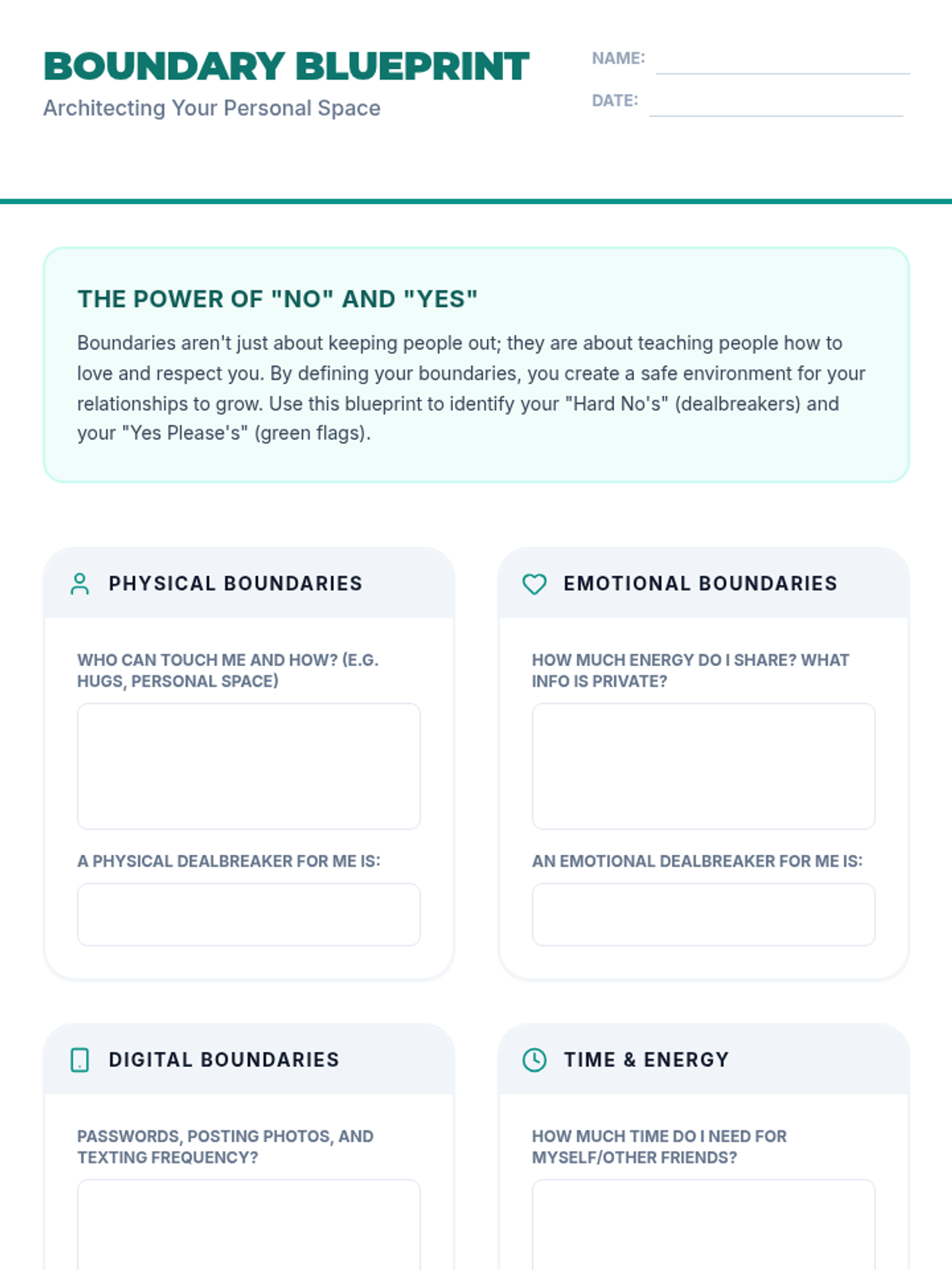
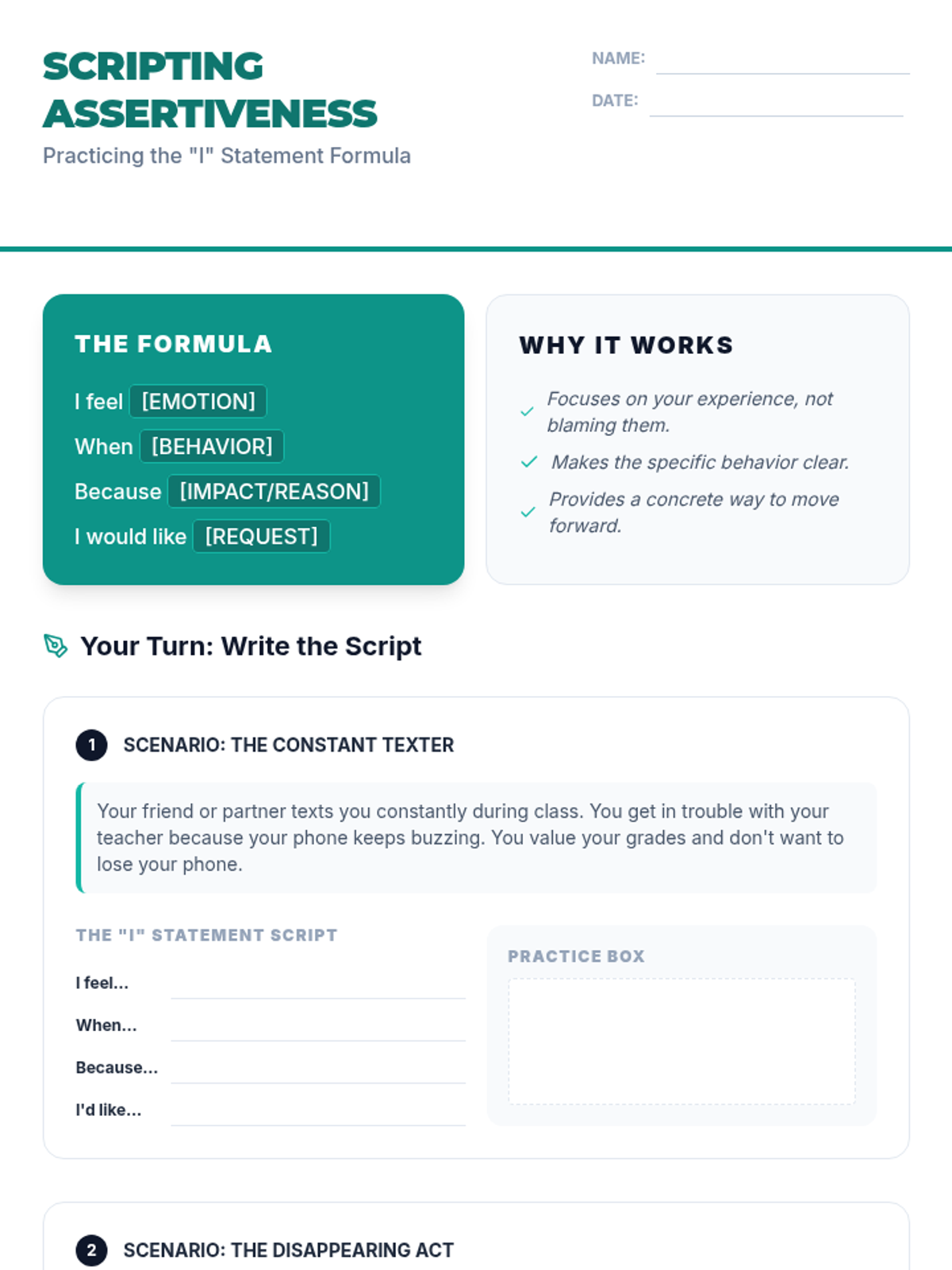
A comprehensive high school lesson focused on developing the skills needed for healthy interpersonal relationships, including boundary setting, assertive communication, and identifying relationship warning signs. Aligned with Massachusetts Health Education standards for interpersonal communication and relationship health.
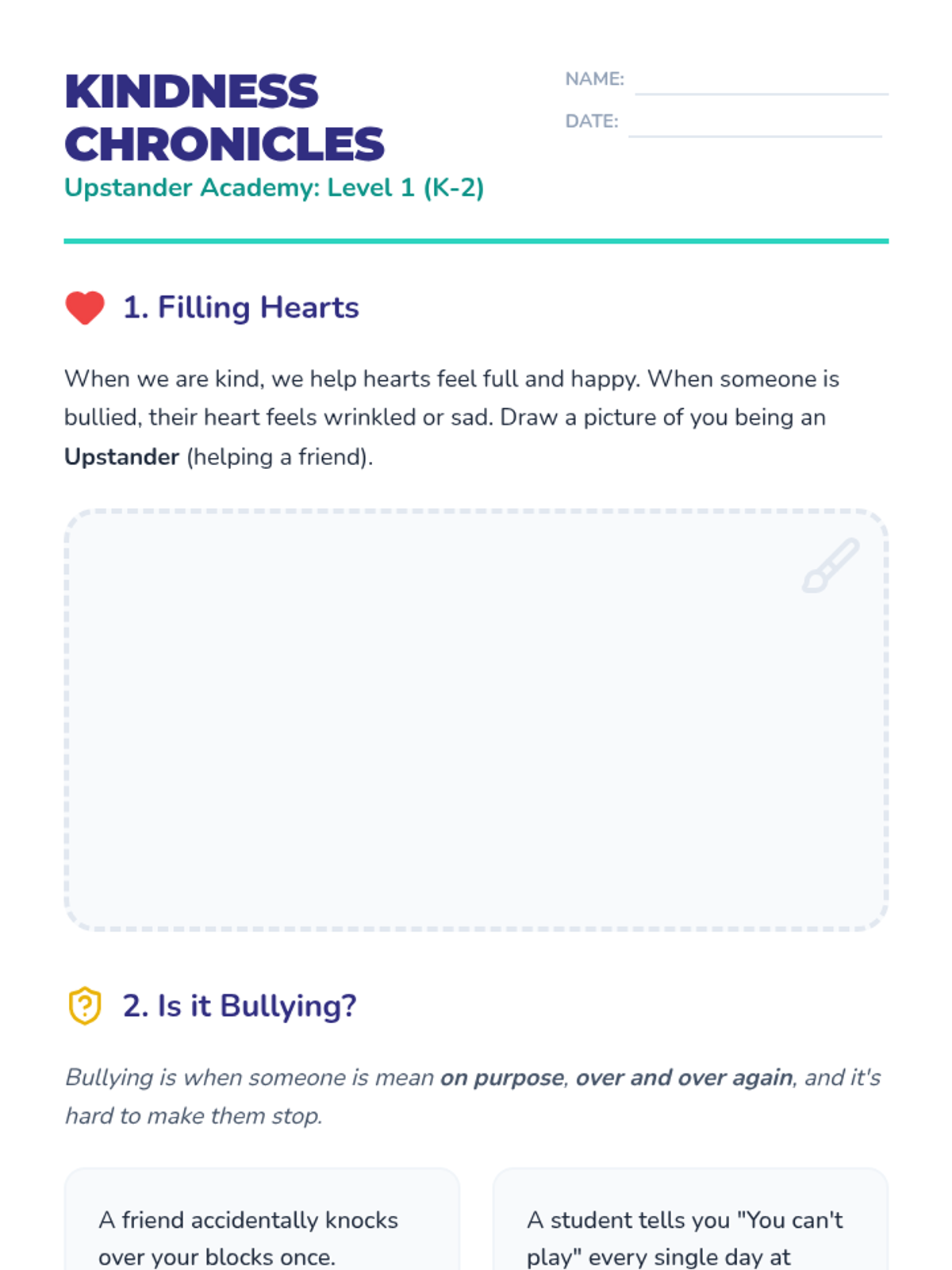
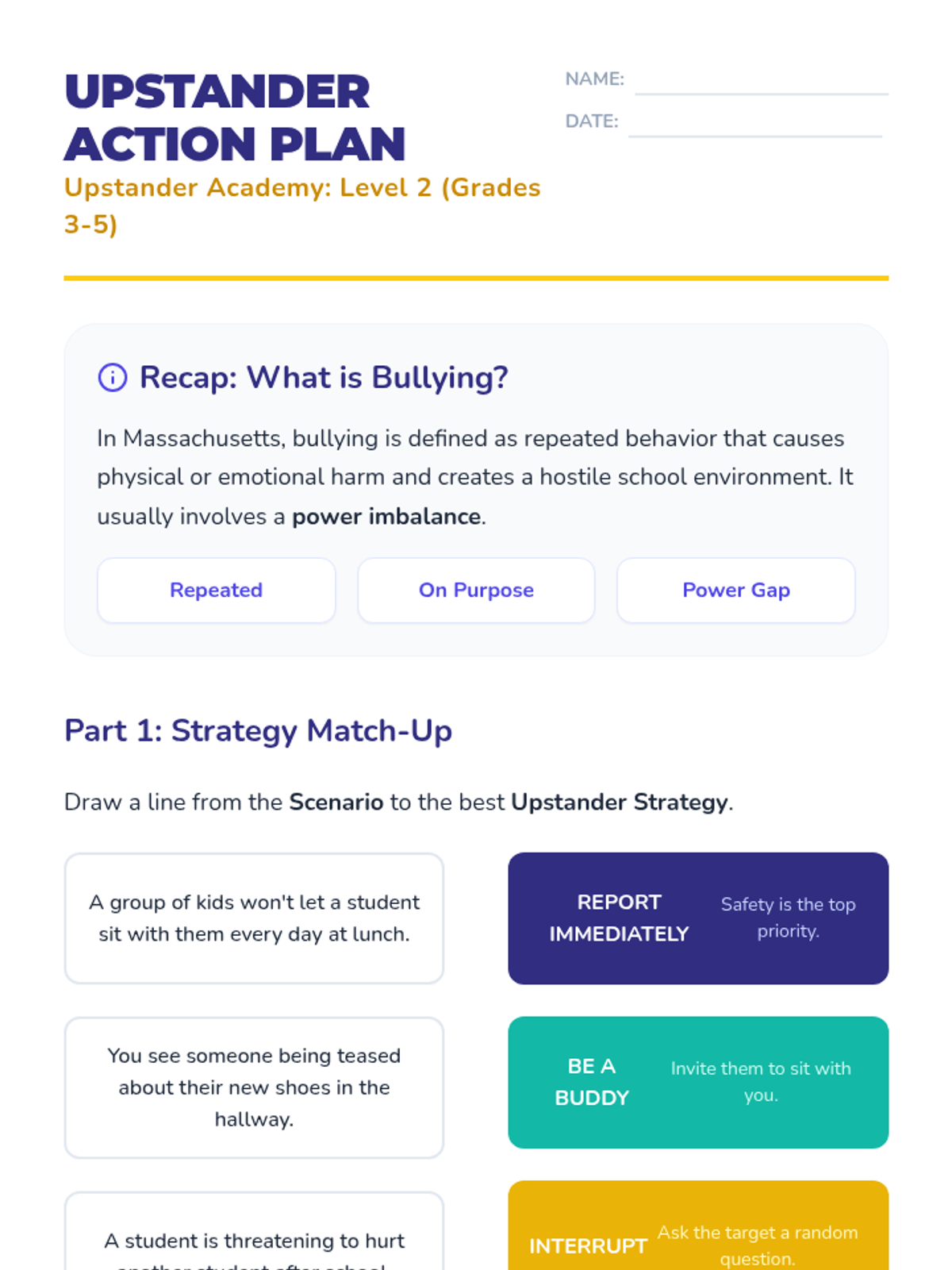
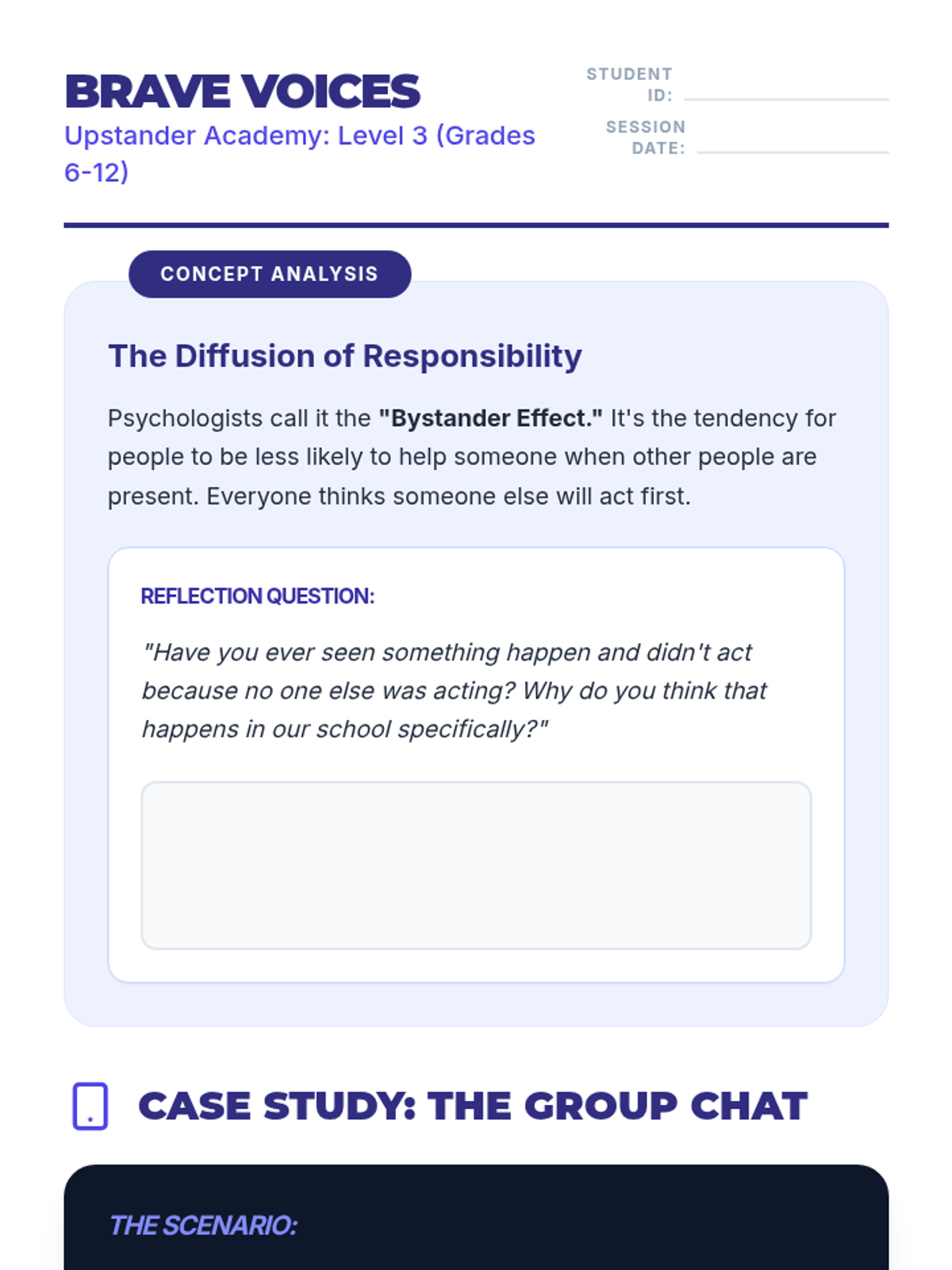
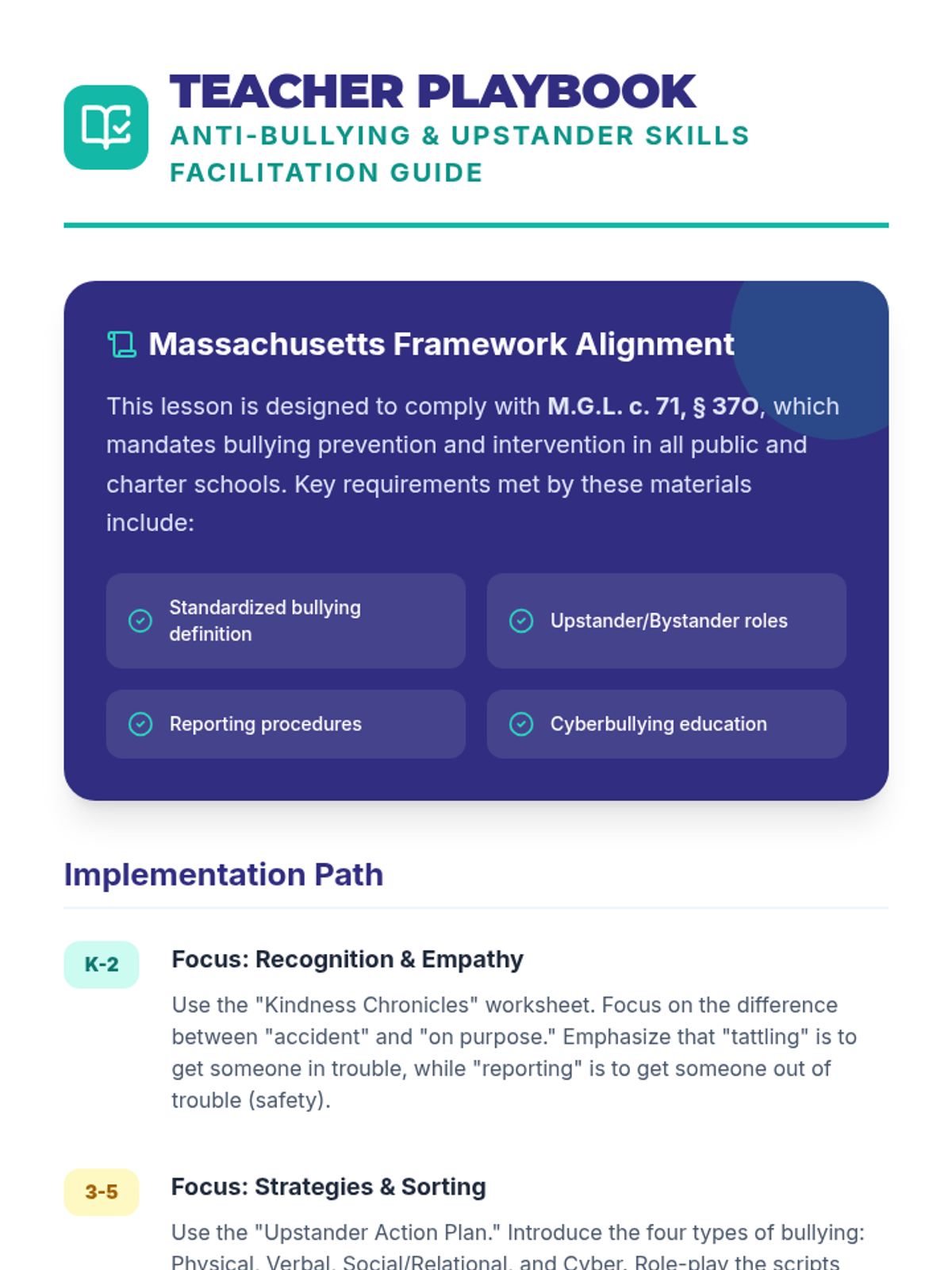
A comprehensive anti-bullying and upstander skills lesson designed for K-12 students. It focuses on identifying bullying, developing empathy, and providing concrete reporting strategies aligned with Massachusetts state frameworks.
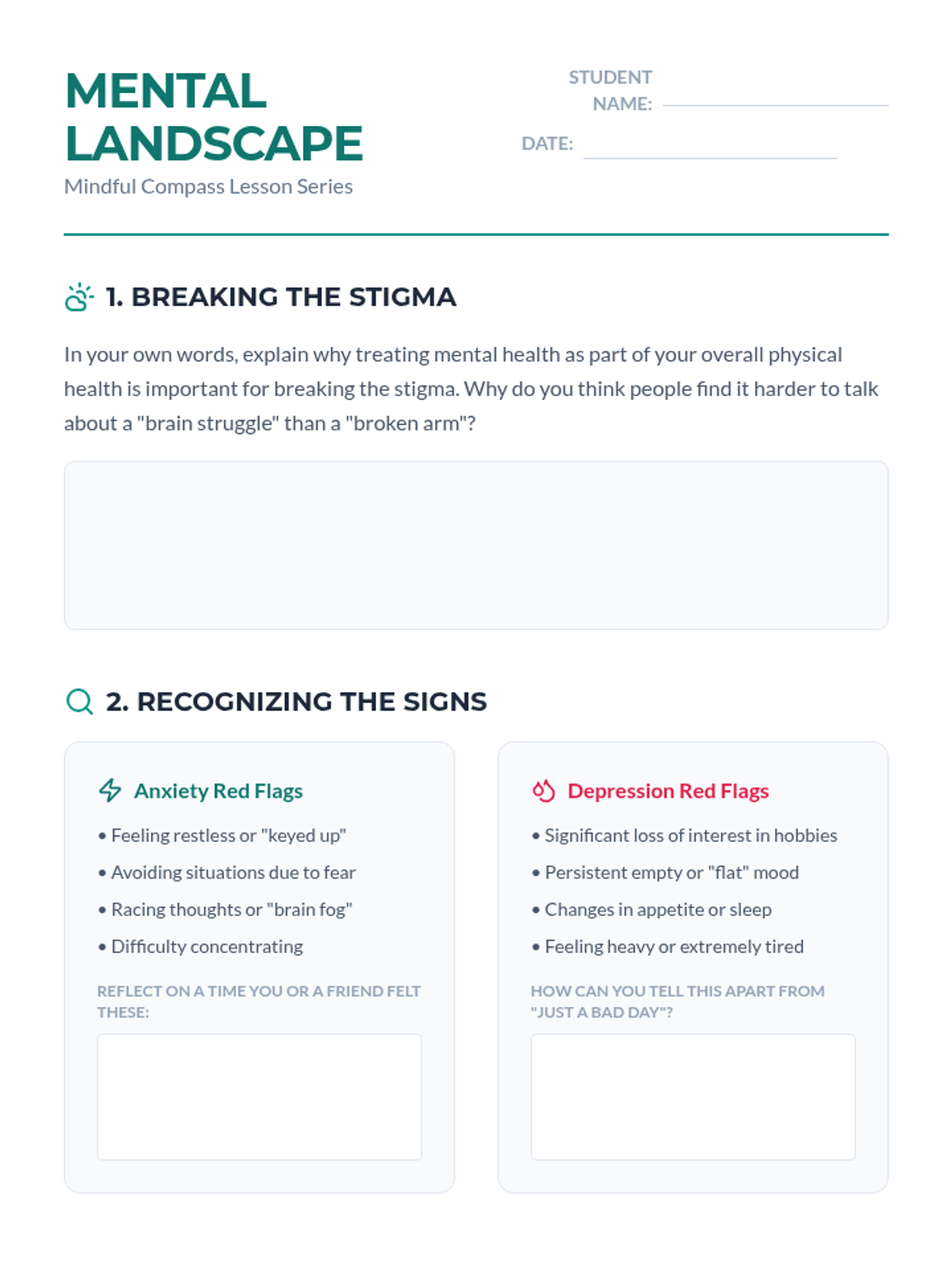
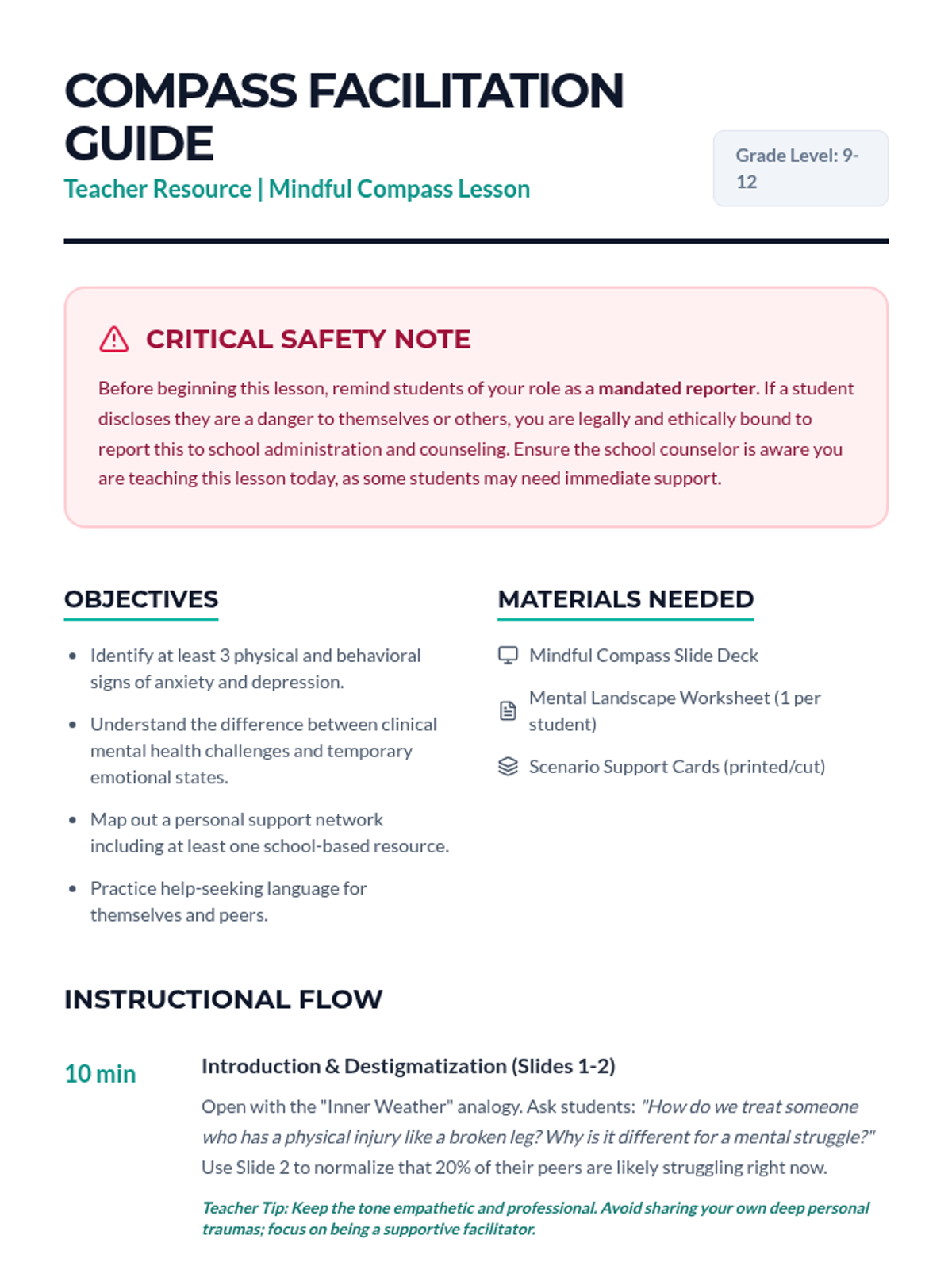
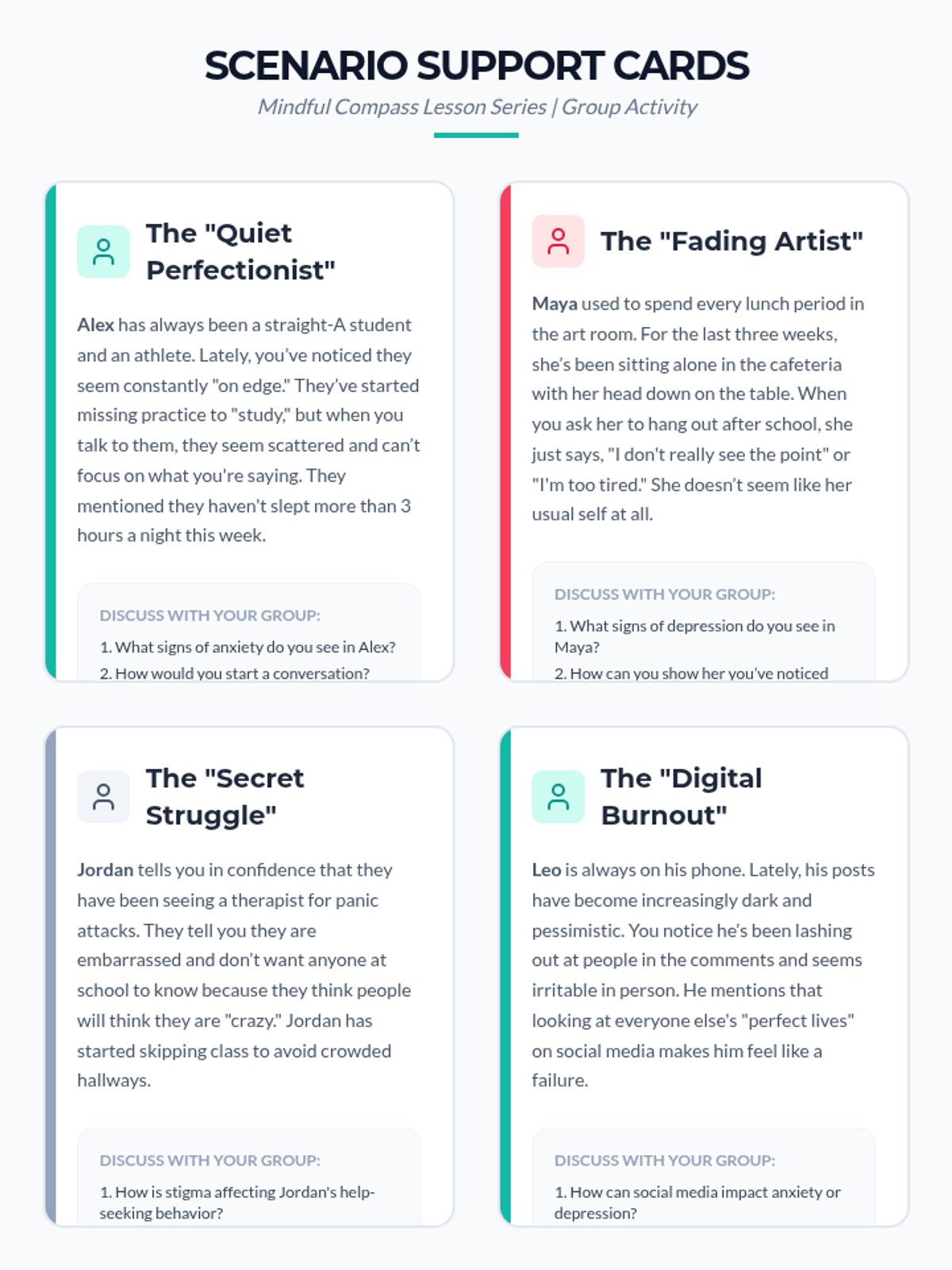
A comprehensive lesson for high schoolers on mental health awareness, focusing on identifying signs of anxiety and depression, breaking the stigma, and navigating support systems.
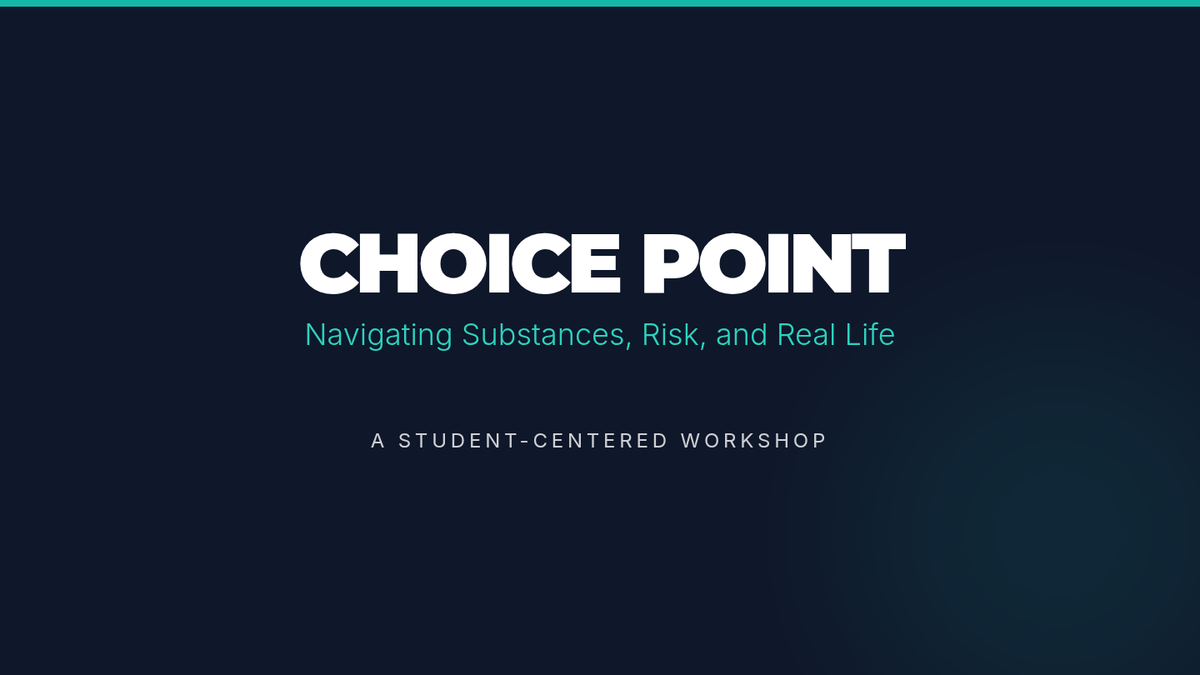
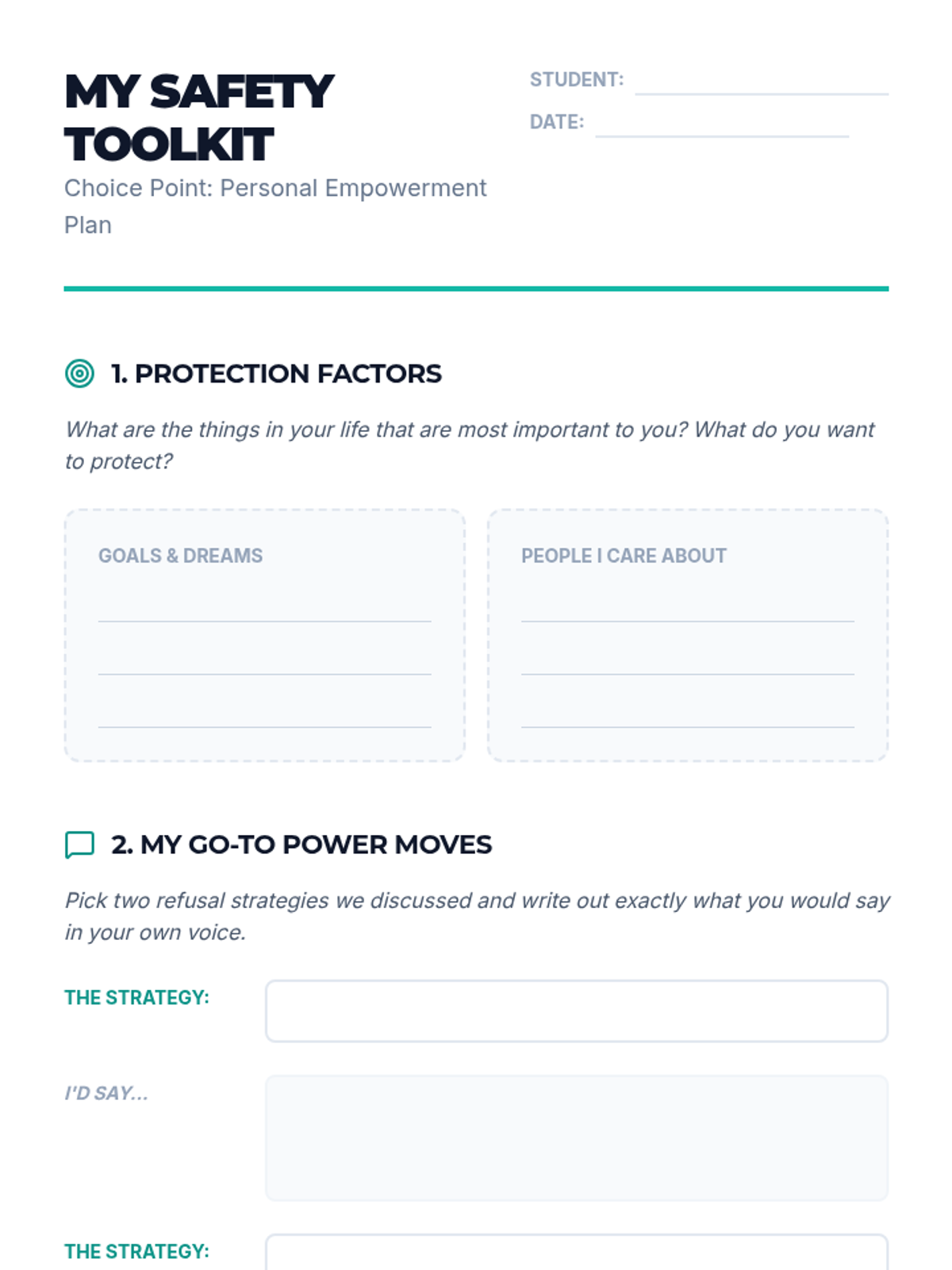
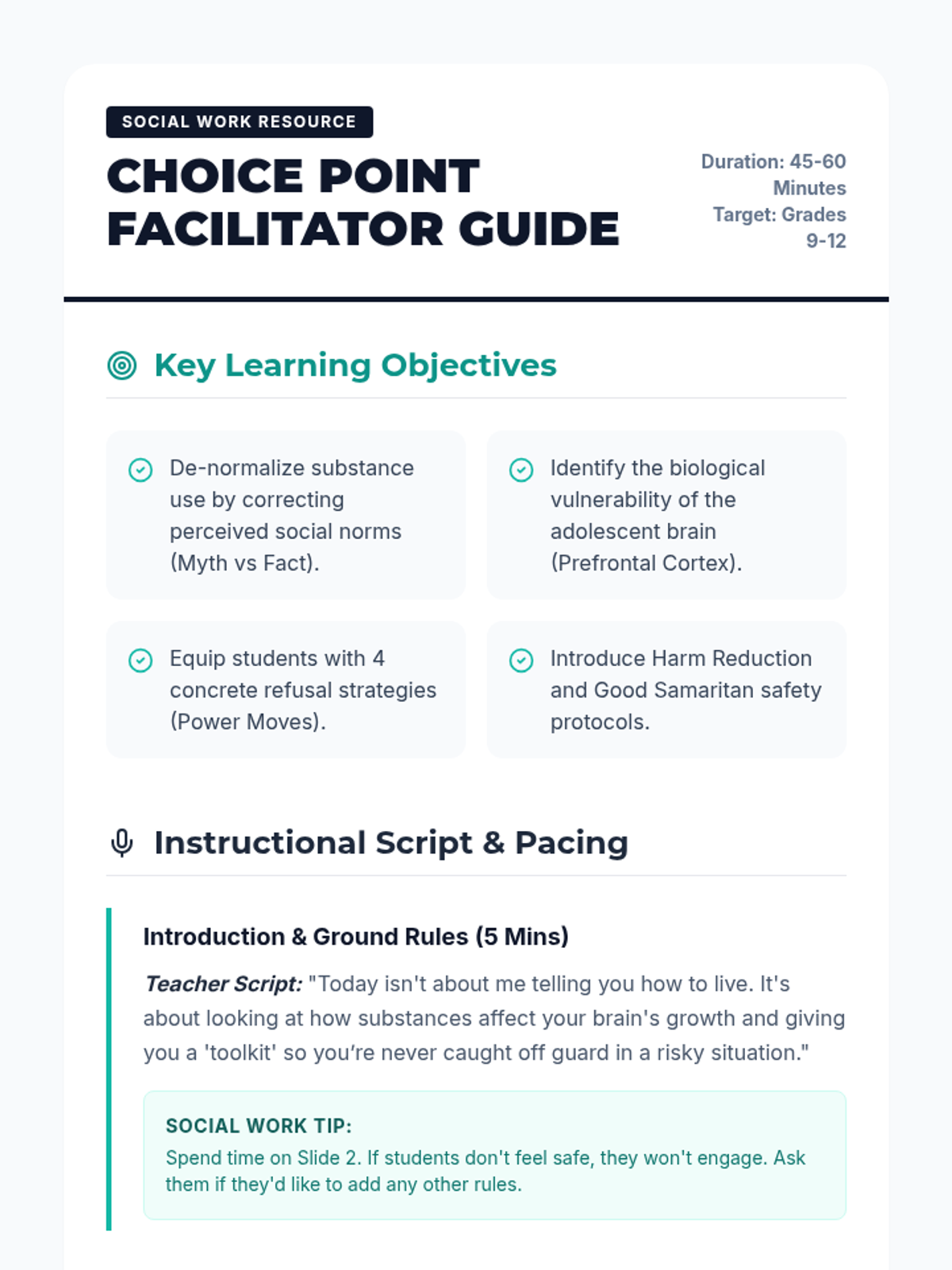
A student-centered, evidence-based lesson on substance use prevention and harm reduction for high schoolers. Focuses on risk factors, refusal skills, and realistic safety strategies using a non-judgmental social work lens.
A lesson designed to help teenagers understand the science of sleep hygiene, develop healthy bedtime routines, and track their progress toward better rest for improved mood and learning.
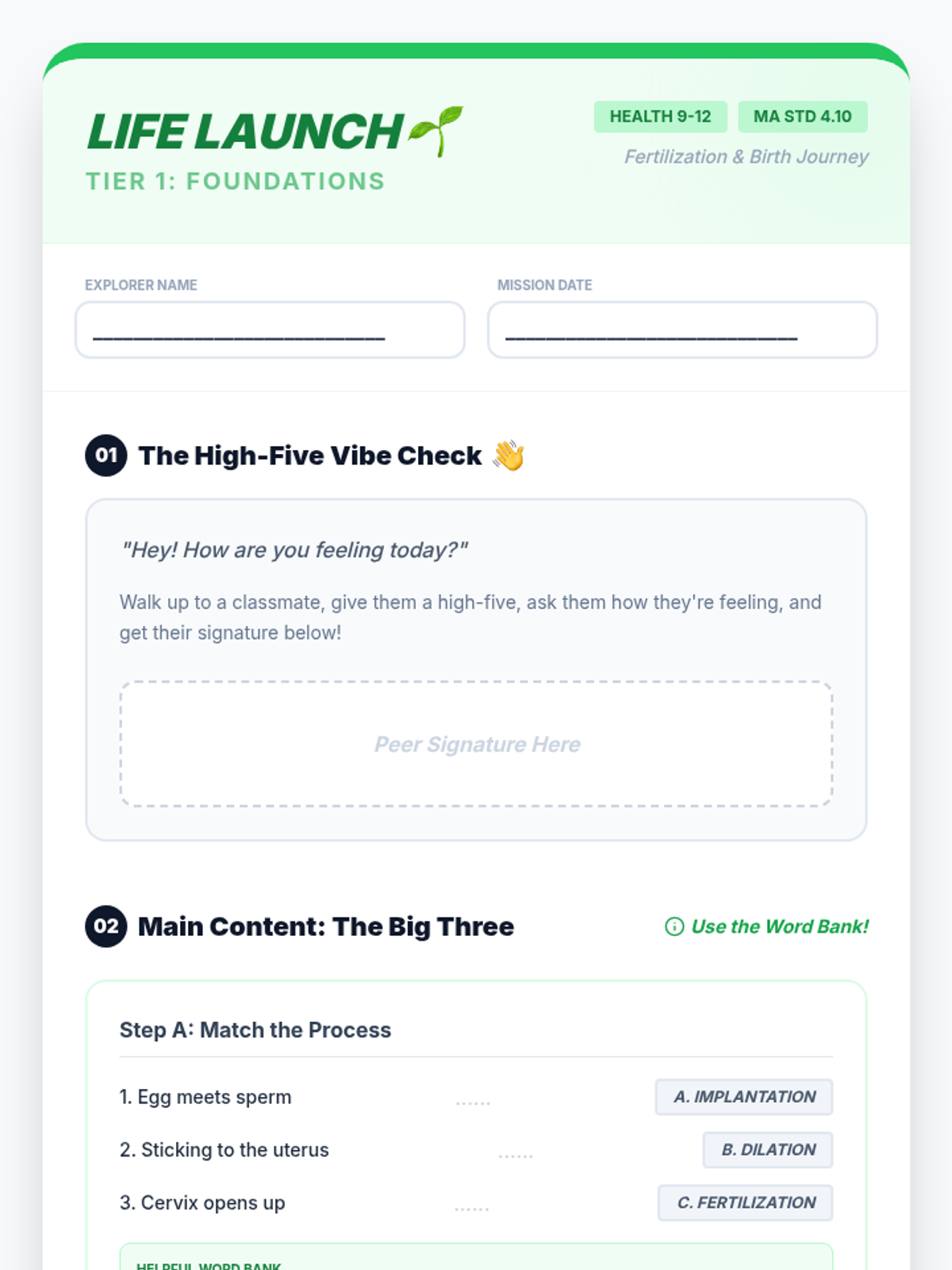
A comprehensive health education lesson covering fertilization, prenatal development stages, and the birth process for high school students. Includes tiered activities to support diverse learners while maintaining high engagement and AI-resistance.
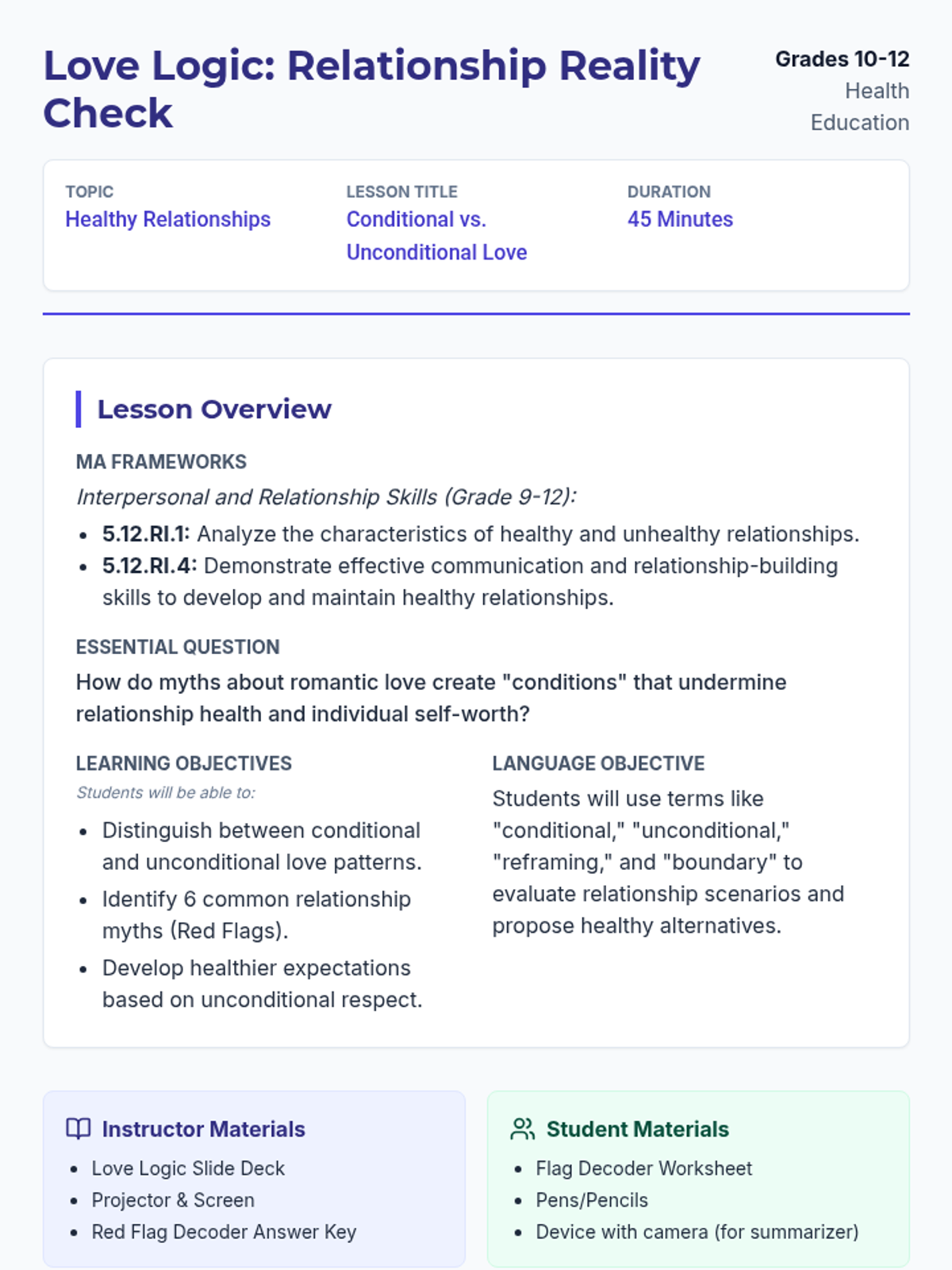
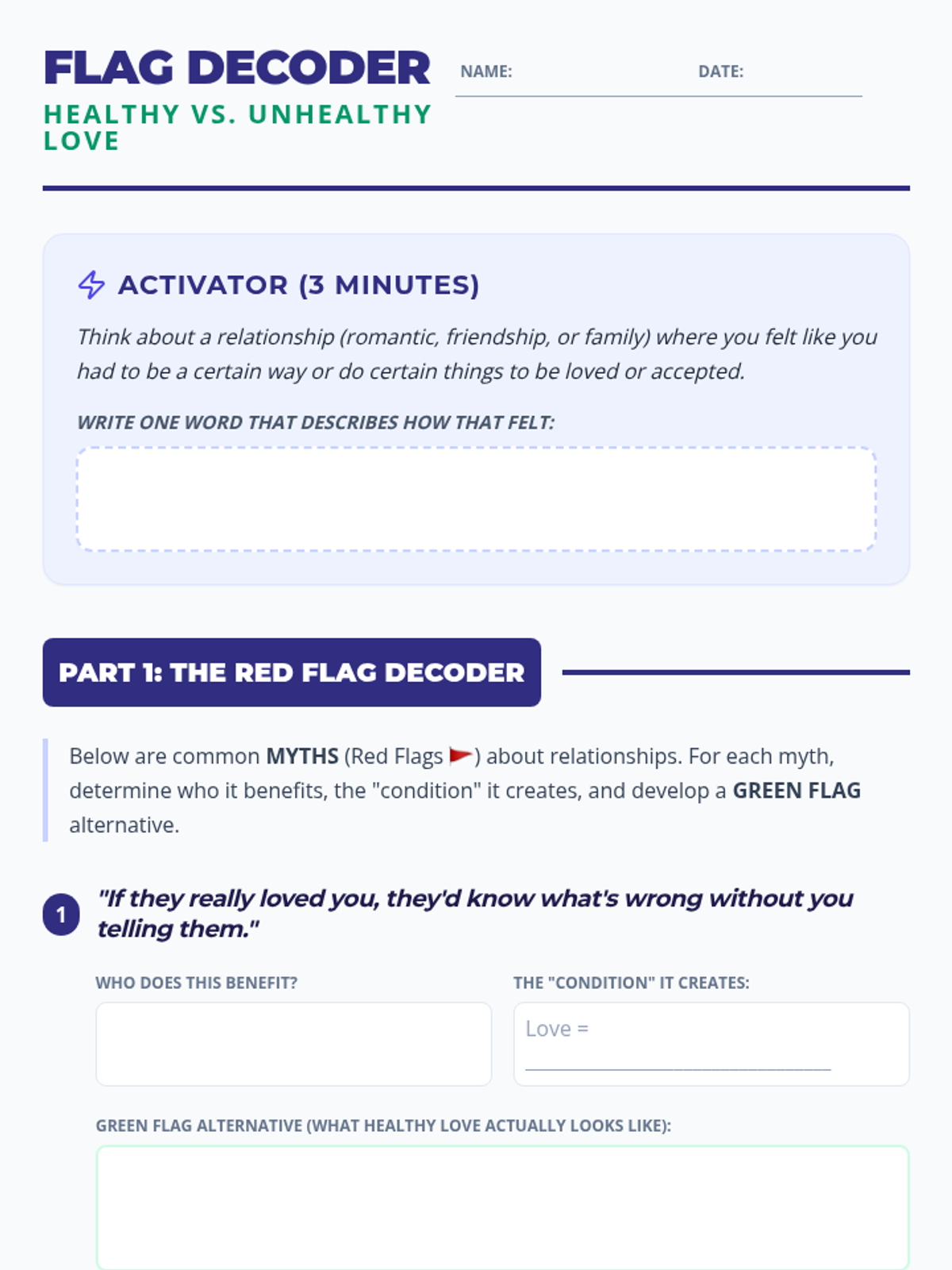
A 45-minute high school health lesson exploring the differences between conditional and unconditional love, identifying relationship myths, and practicing reframing unhealthy thoughts into healthy expectations.
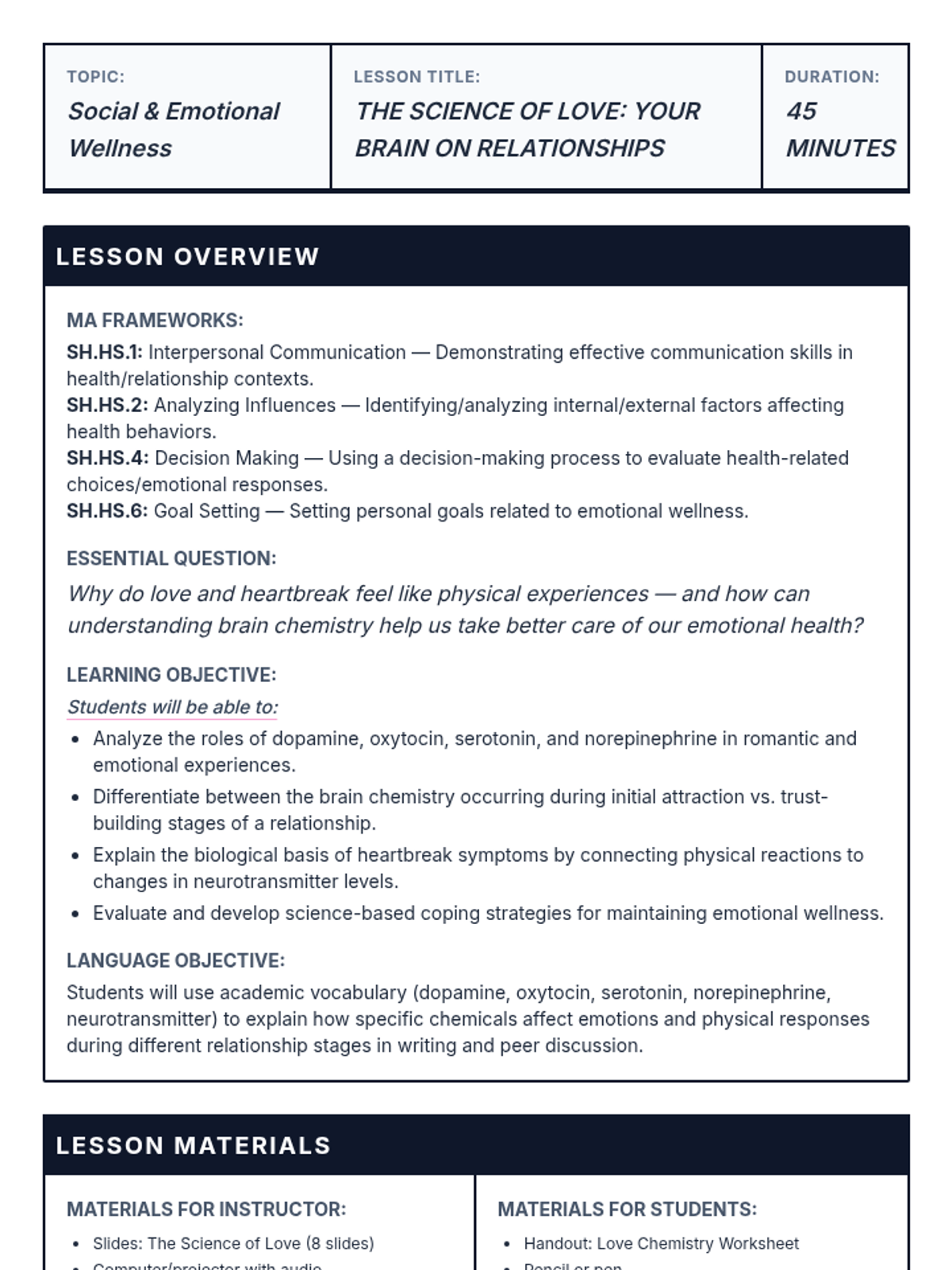
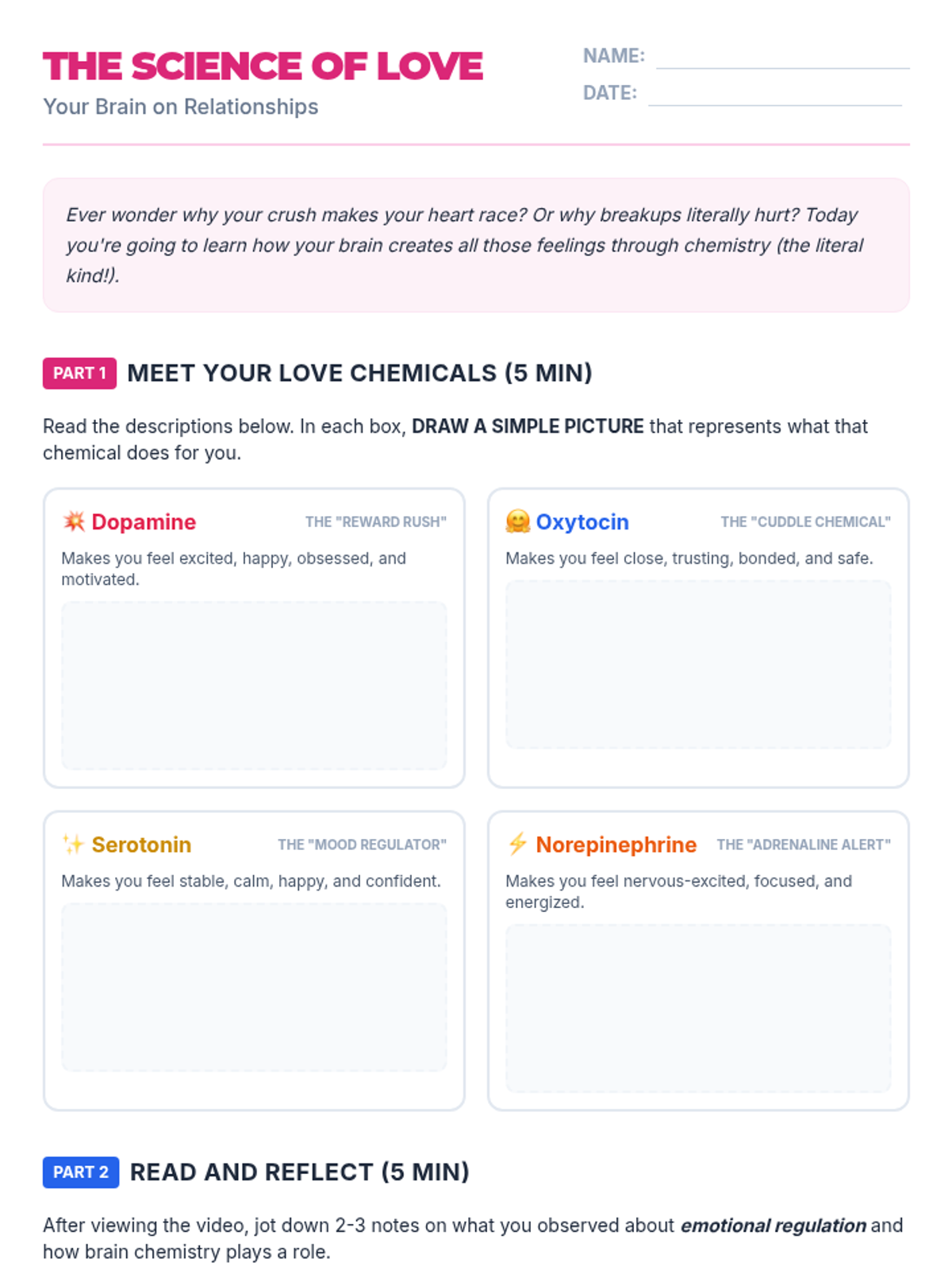
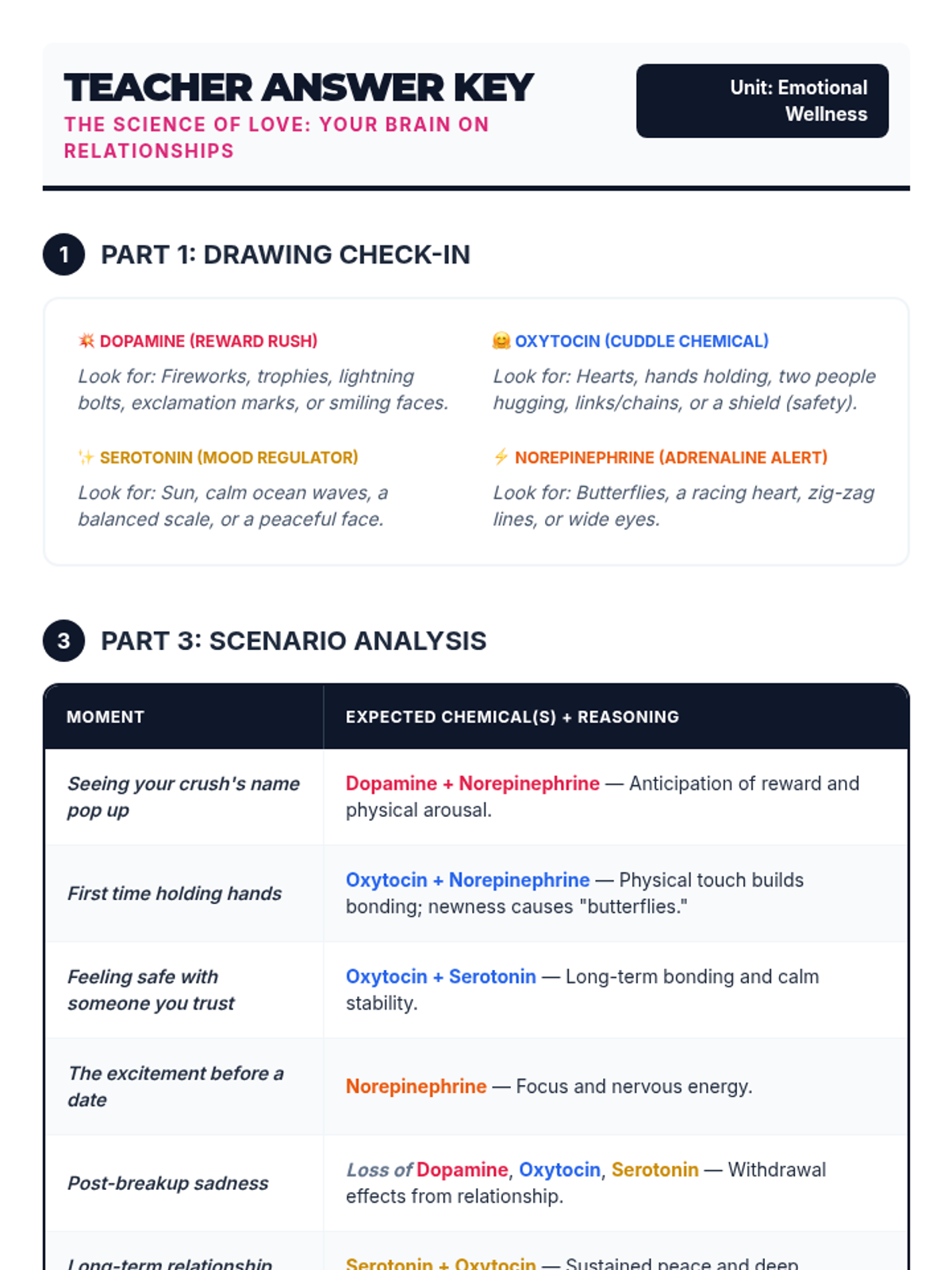
A 45-minute health and science lesson exploring the neurochemistry of romantic attraction, long-term bonding, and heartbreak. Students learn about dopamine, oxytocin, serotonin, and norepinephrine and apply this knowledge to create science-based coping strategies for emotional wellness.
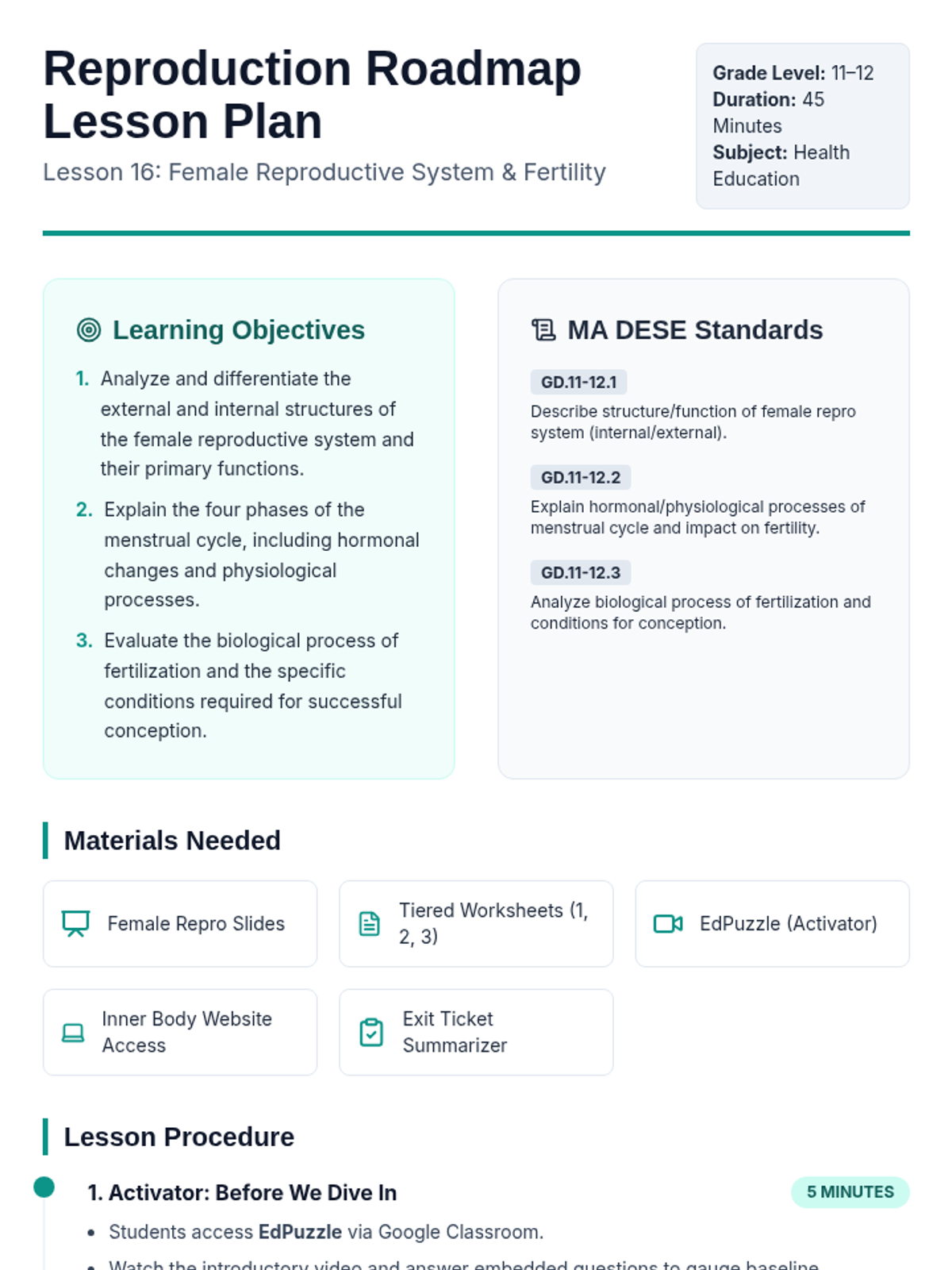
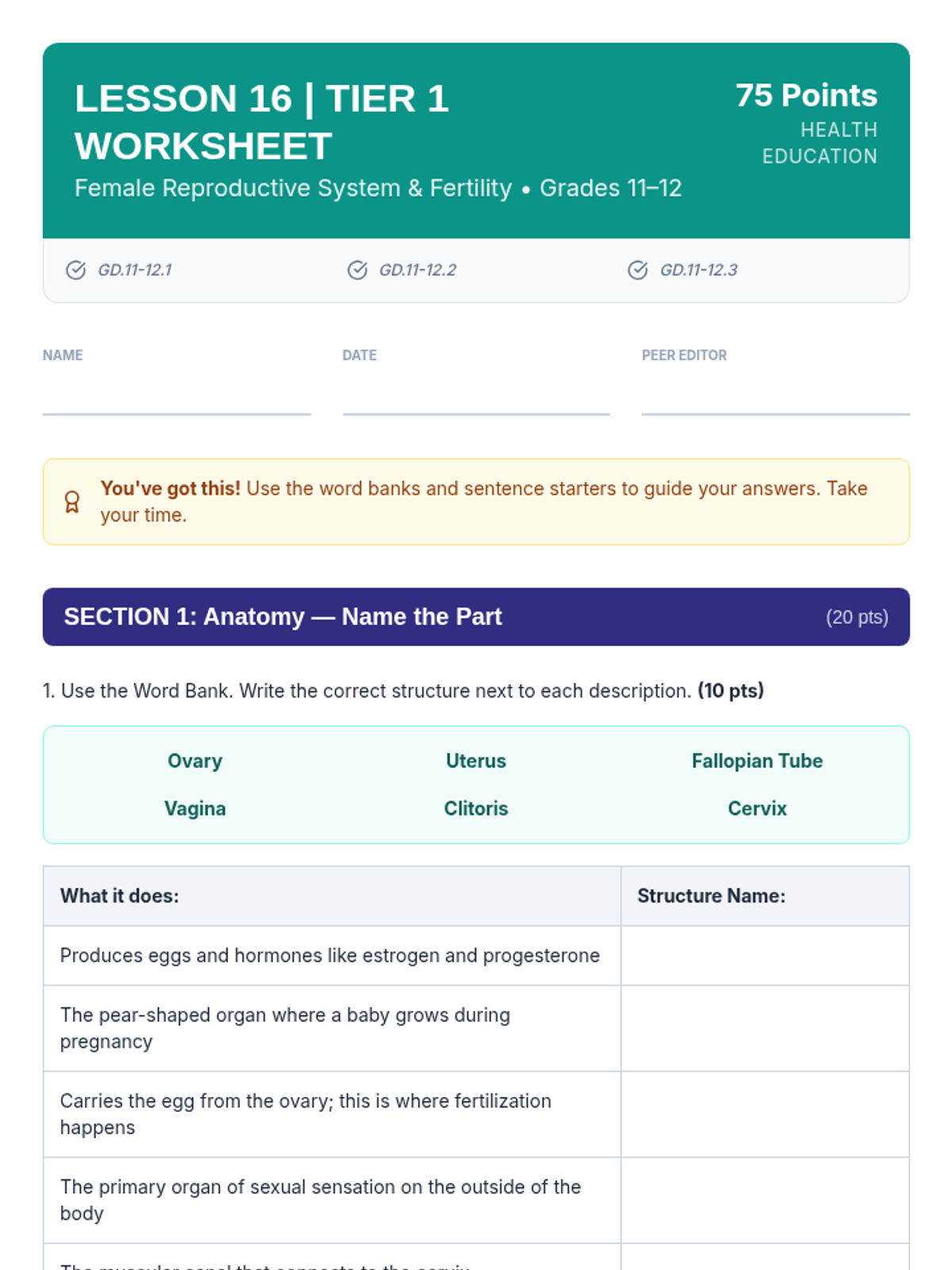
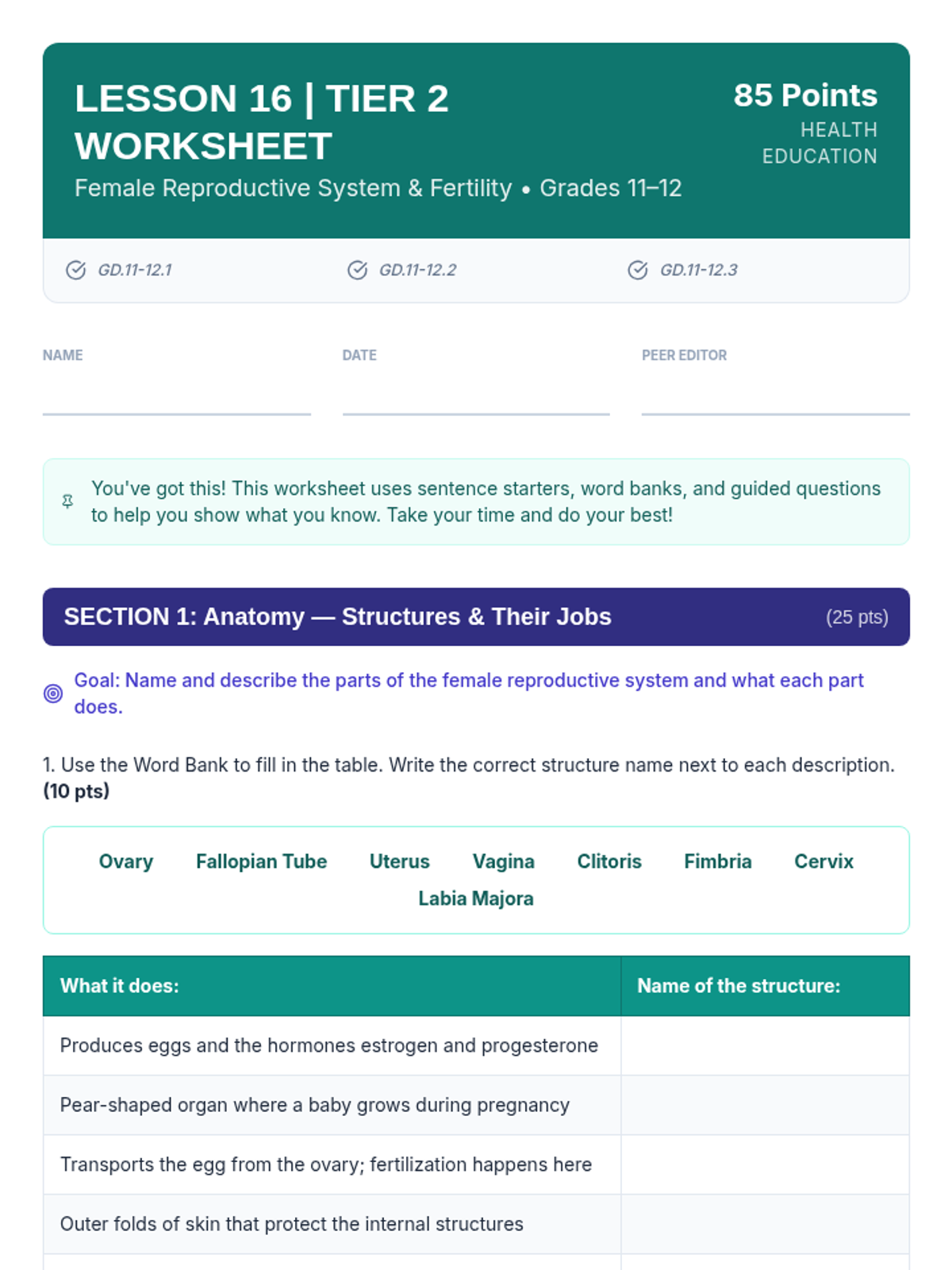
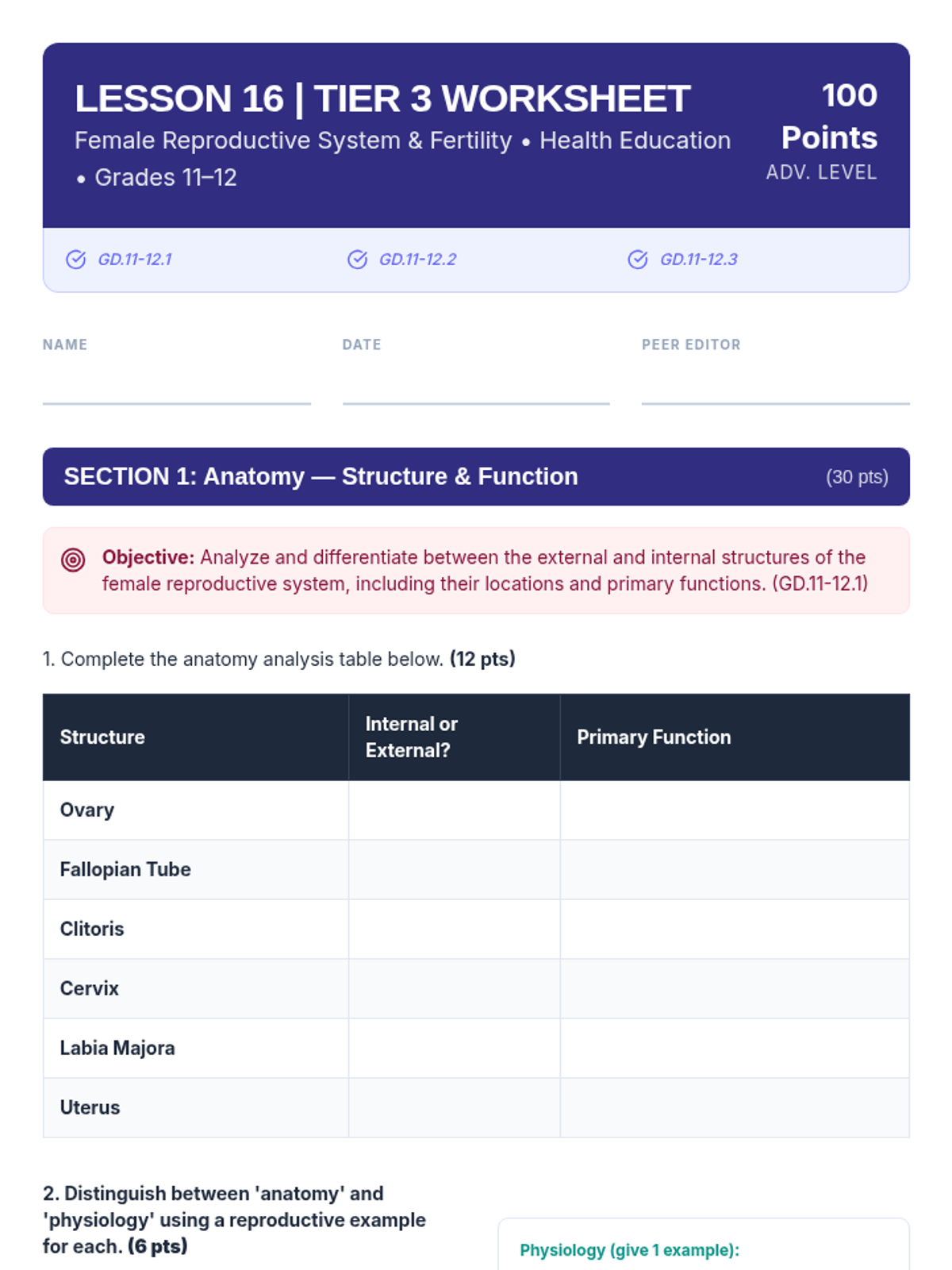
A comprehensive lesson on the female reproductive system, covering anatomy, the menstrual cycle, and the process of fertilization for grades 9-12. Students will identify structures, explain hormonal changes, and analyze the conditions necessary for conception.
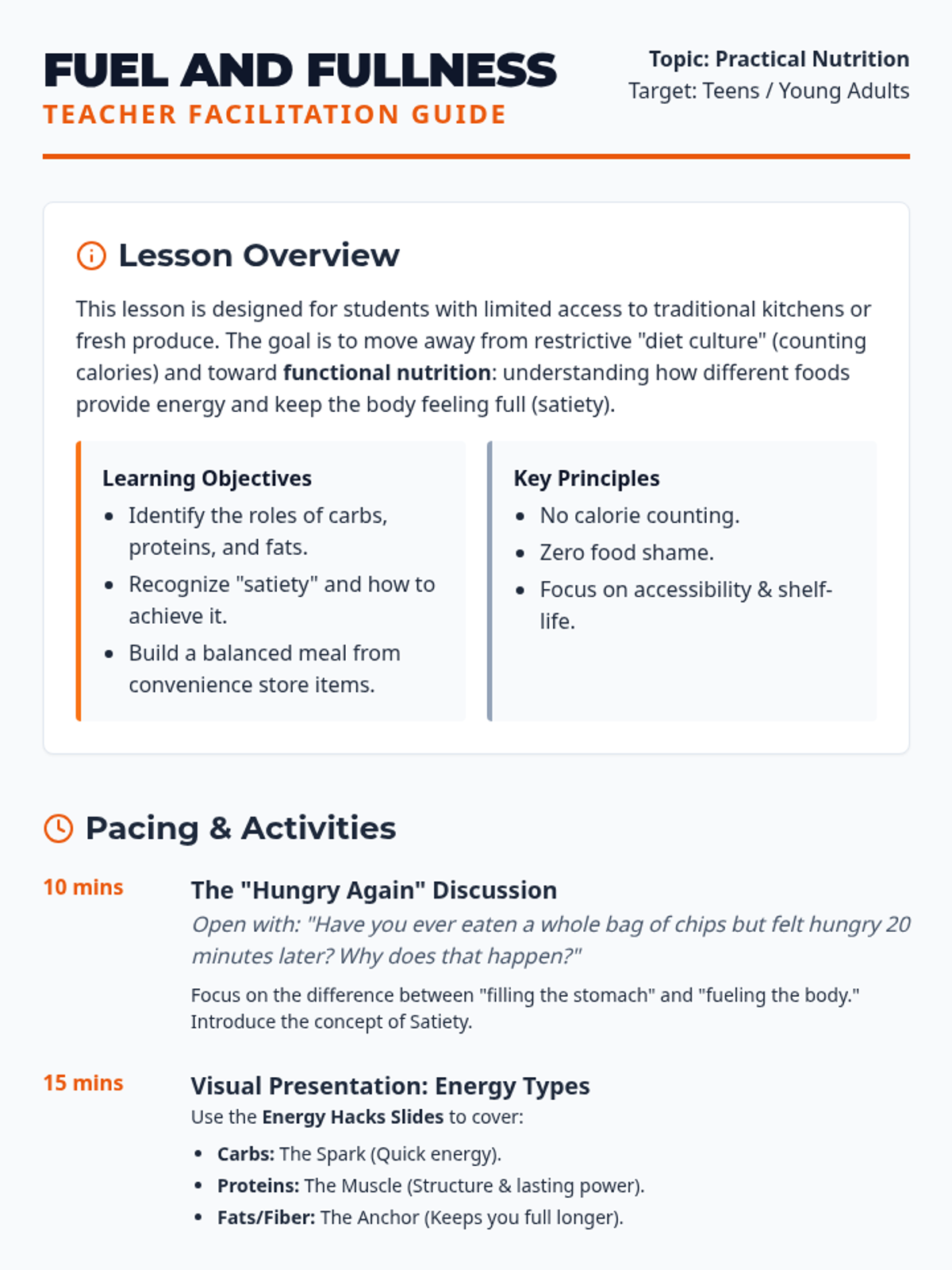
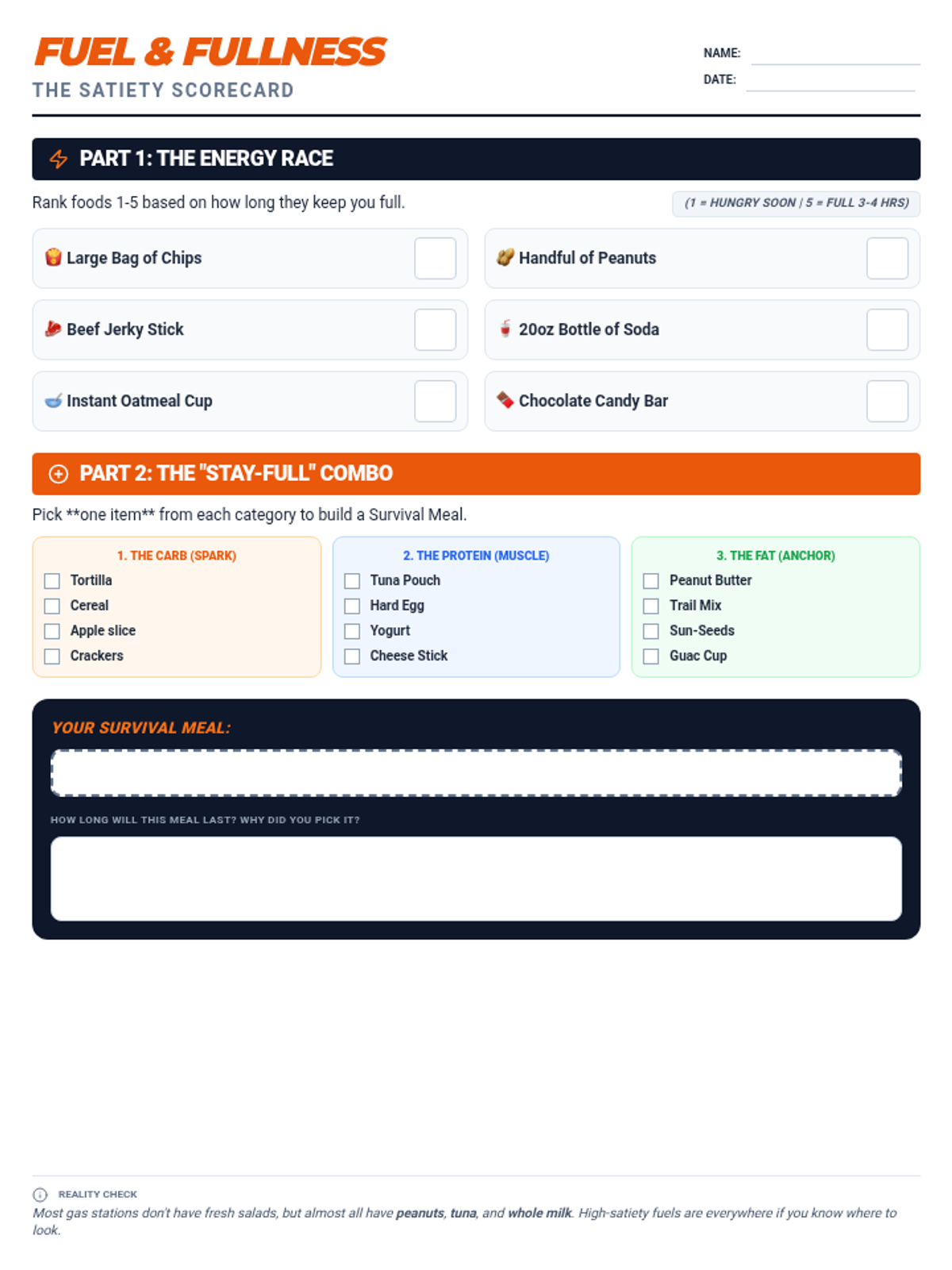
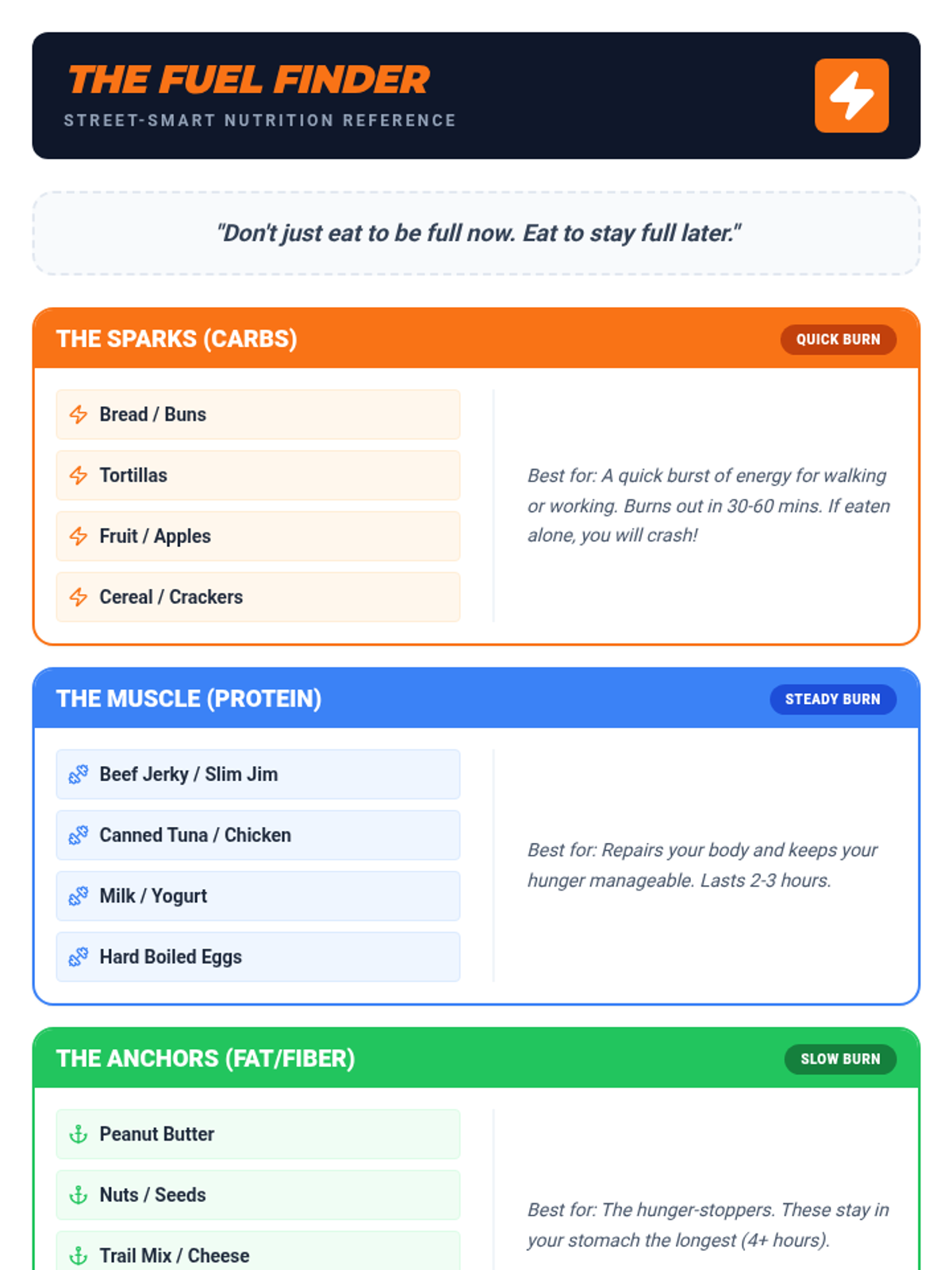
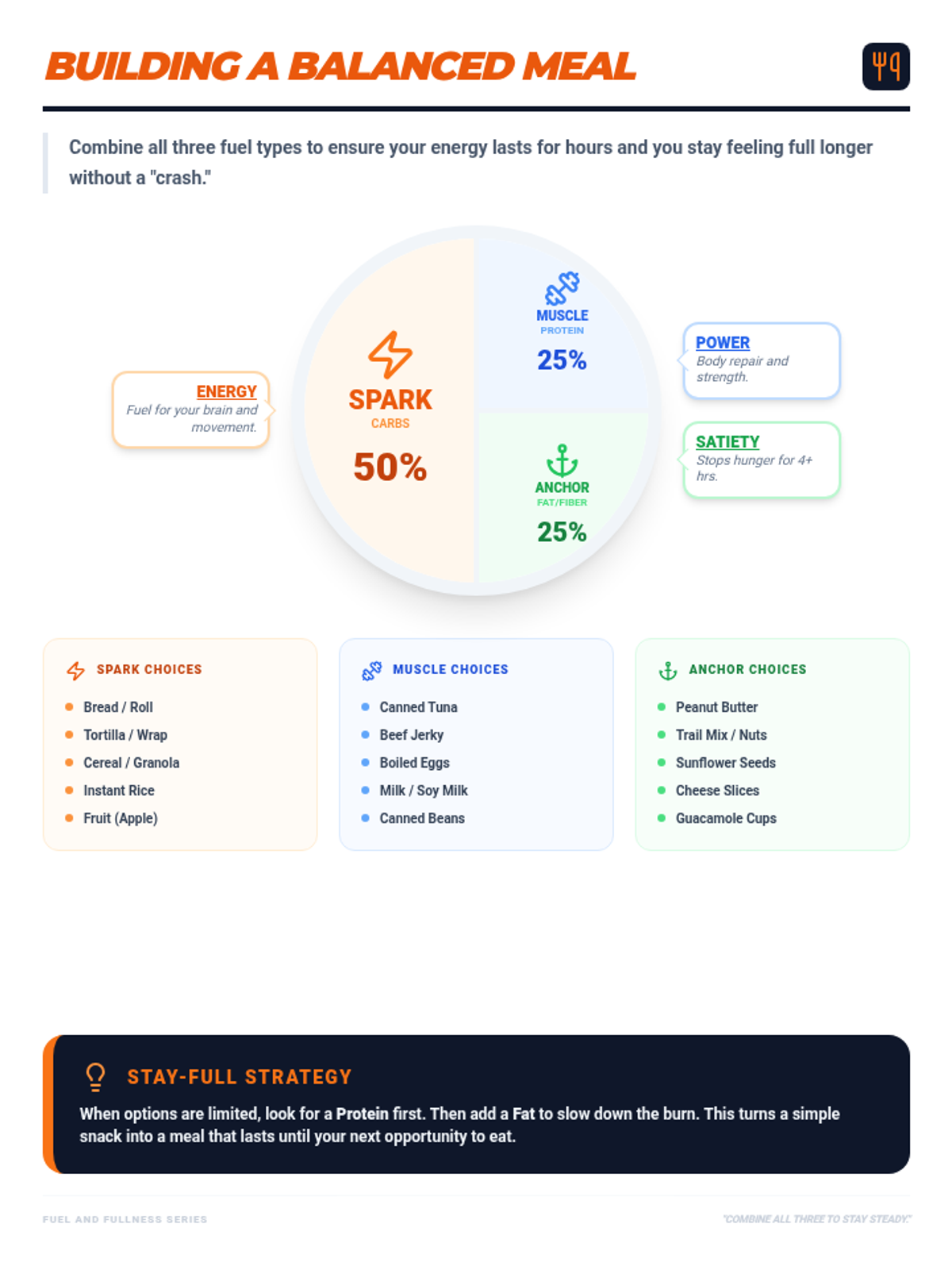
A practical nutrition lesson for teenagers facing housing instability, focusing on maximizing energy and satiety using accessible, shelf-stable foods without the use of calorie counting.
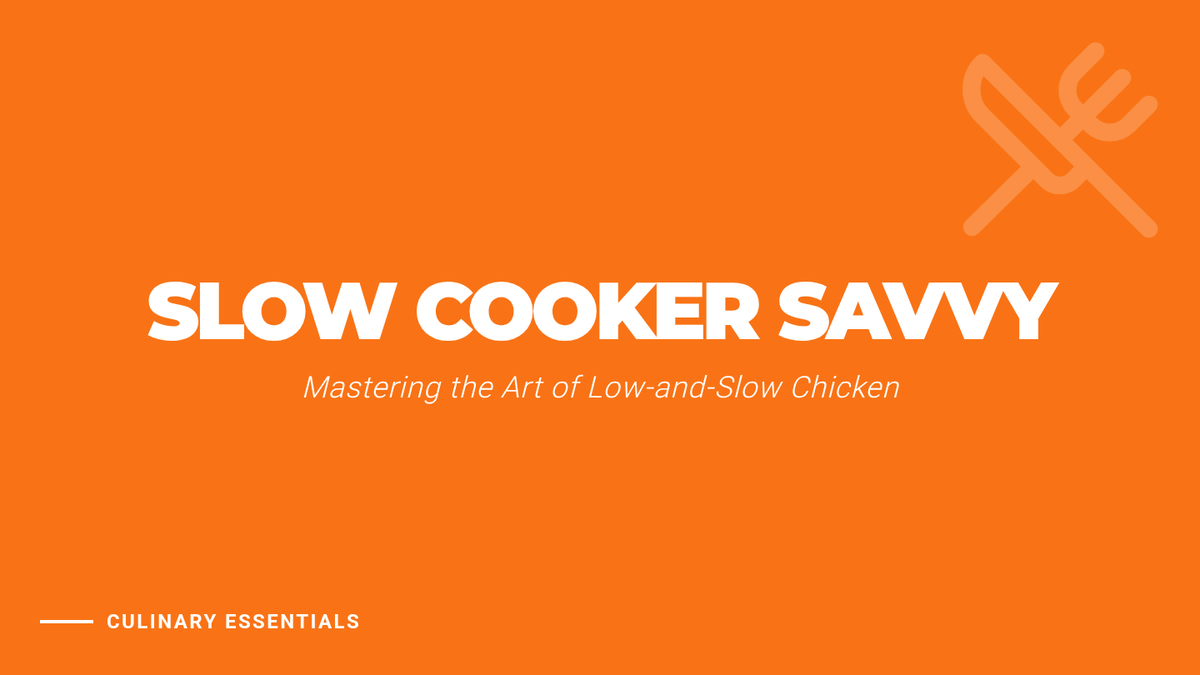
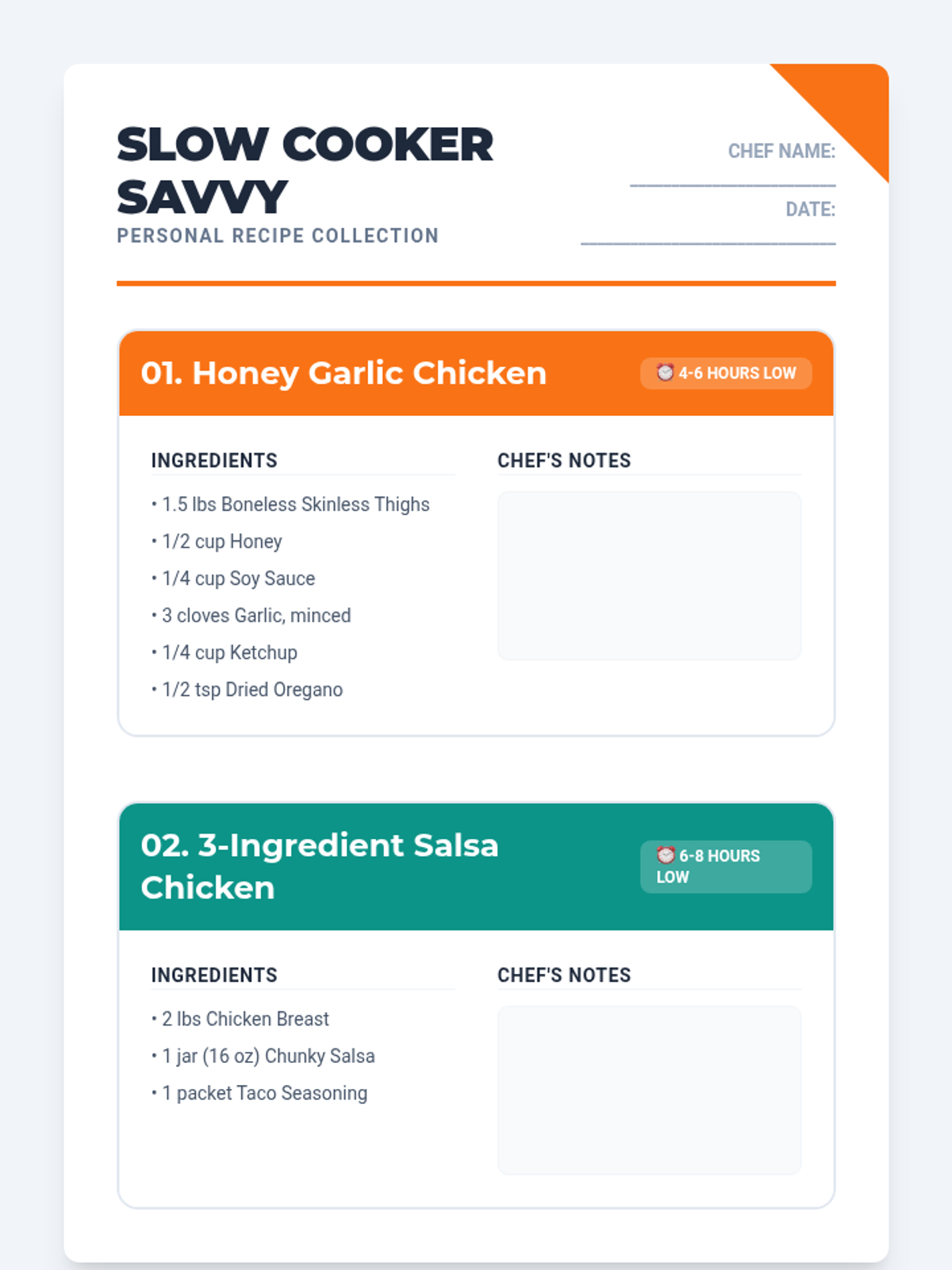
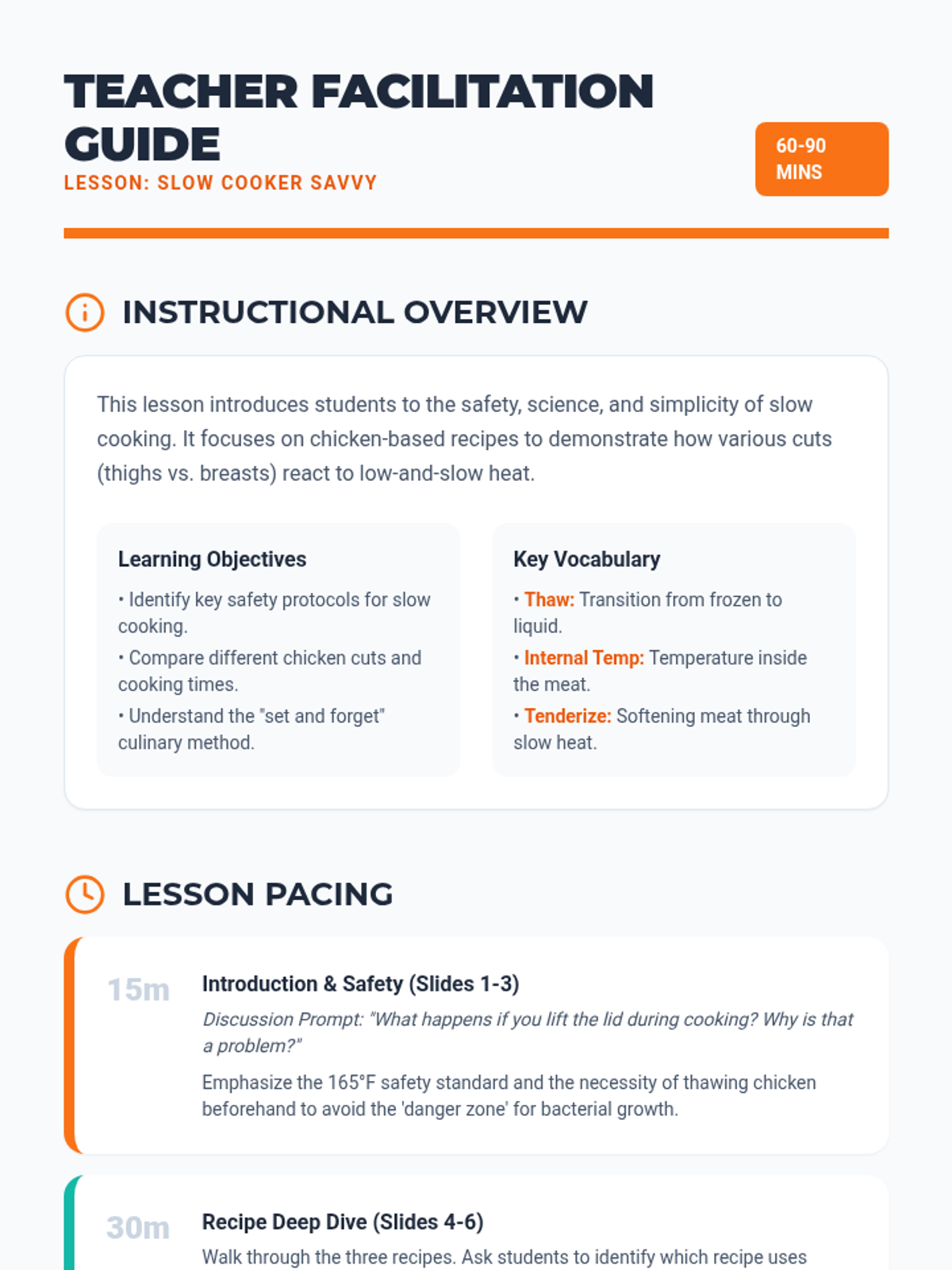
This lesson introduces students to the art of slow cooking, focusing on three easy and nutritious chicken recipes. It covers kitchen safety, ingredient preparation, and the benefits of low-and-slow heat.