Essential food groups, nutrient functions, and balanced meal planning. Develops skills for interpreting nutrition labels and adopting lifelong healthy eating patterns.
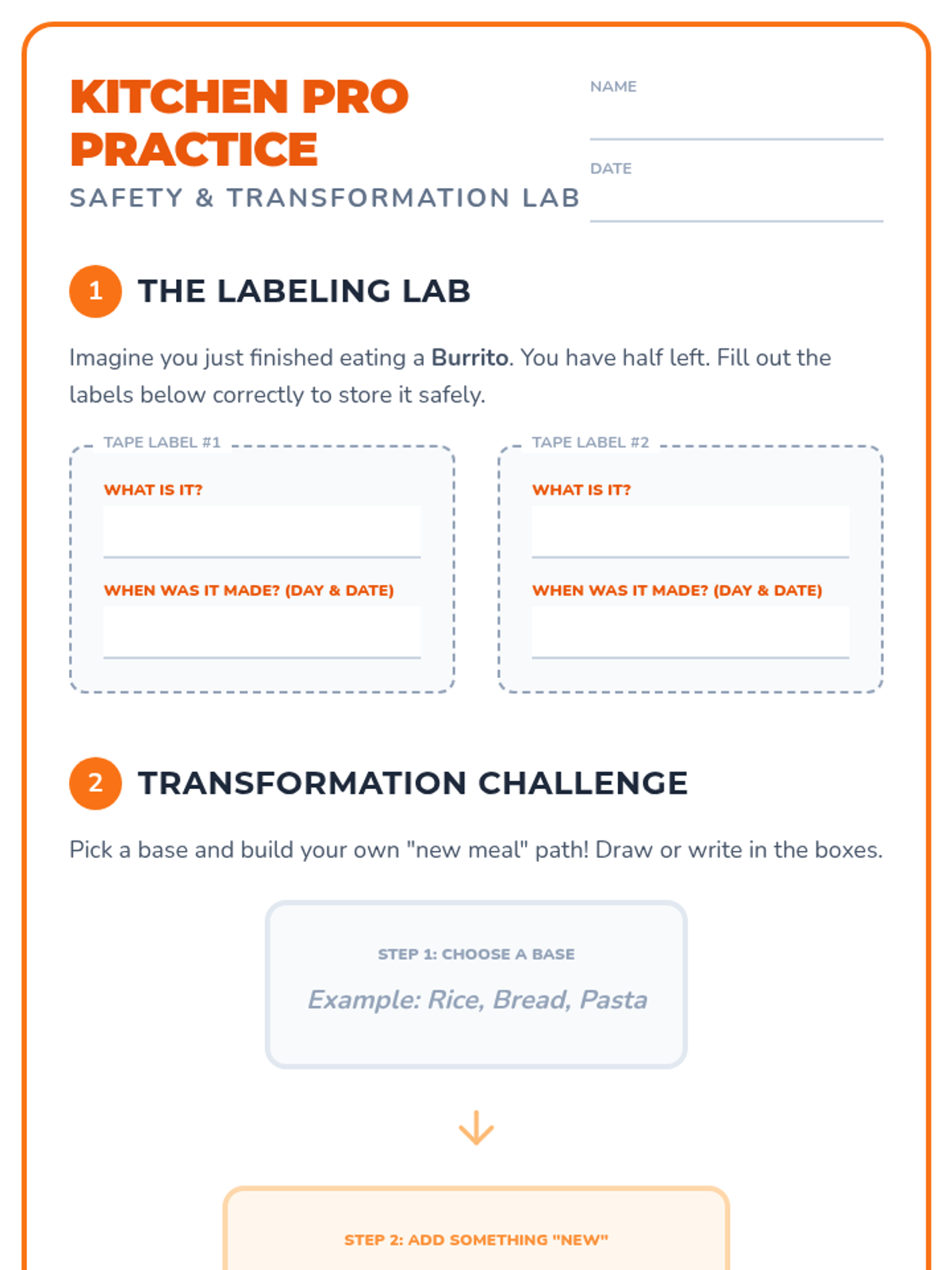
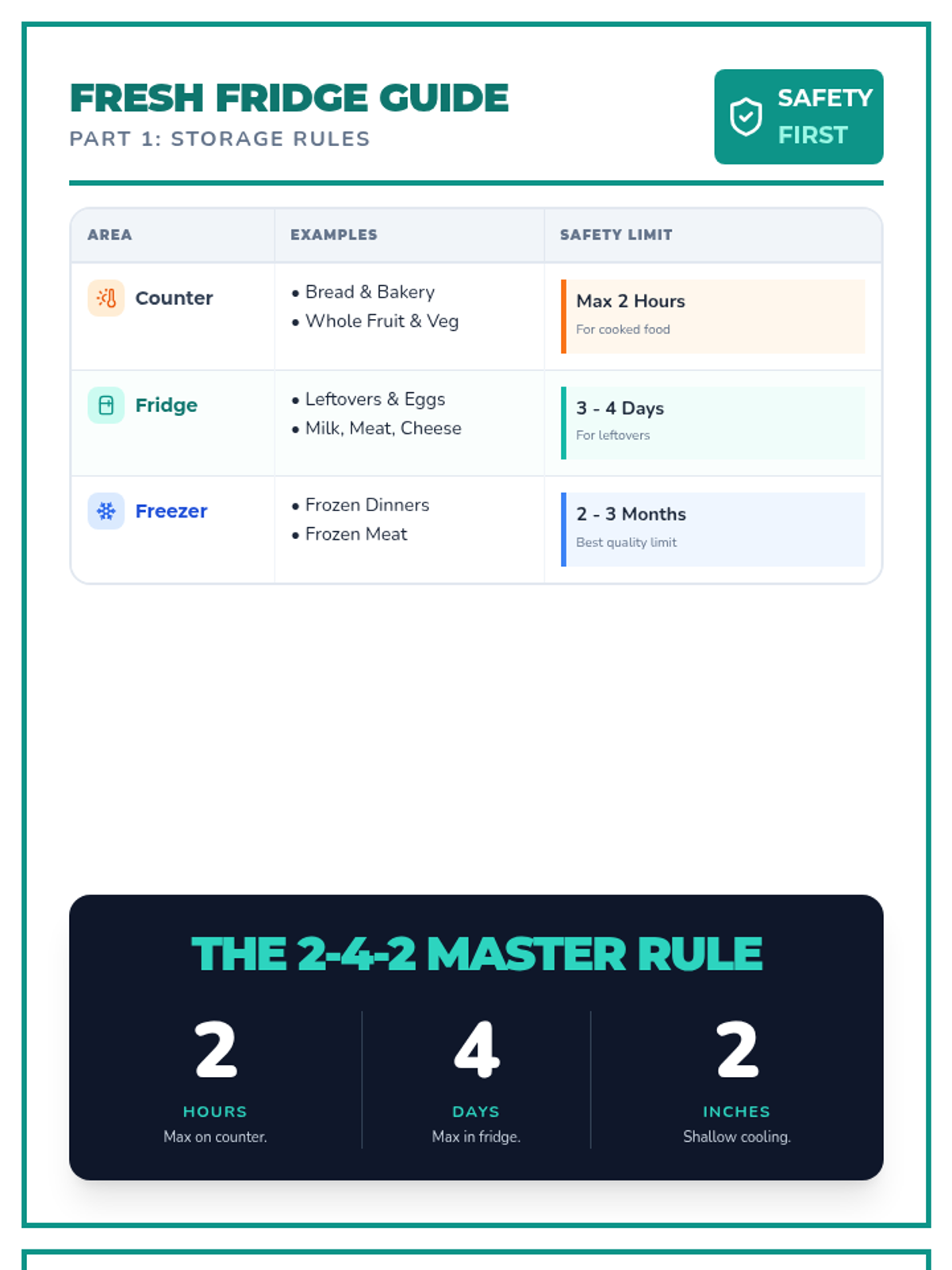
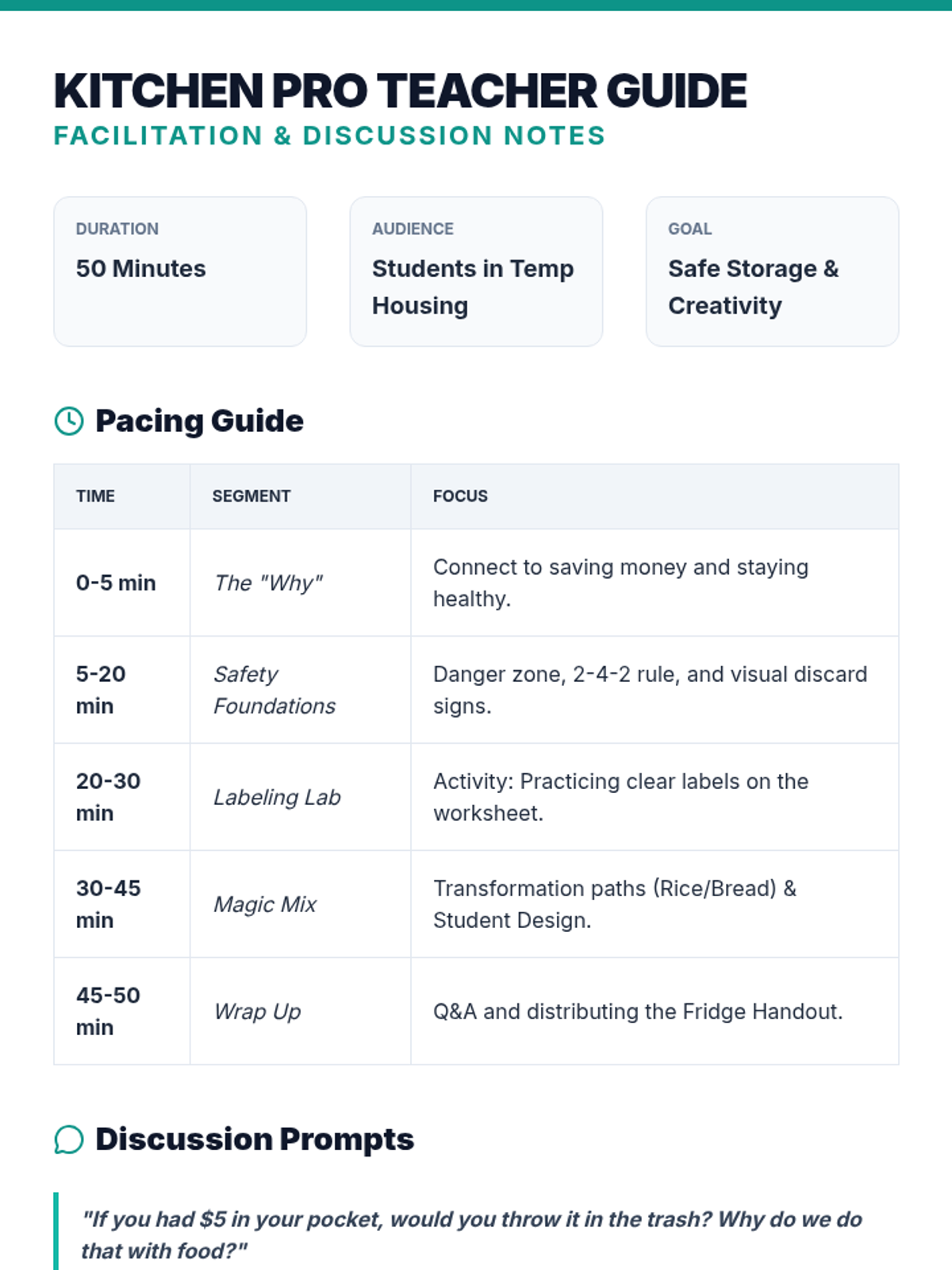
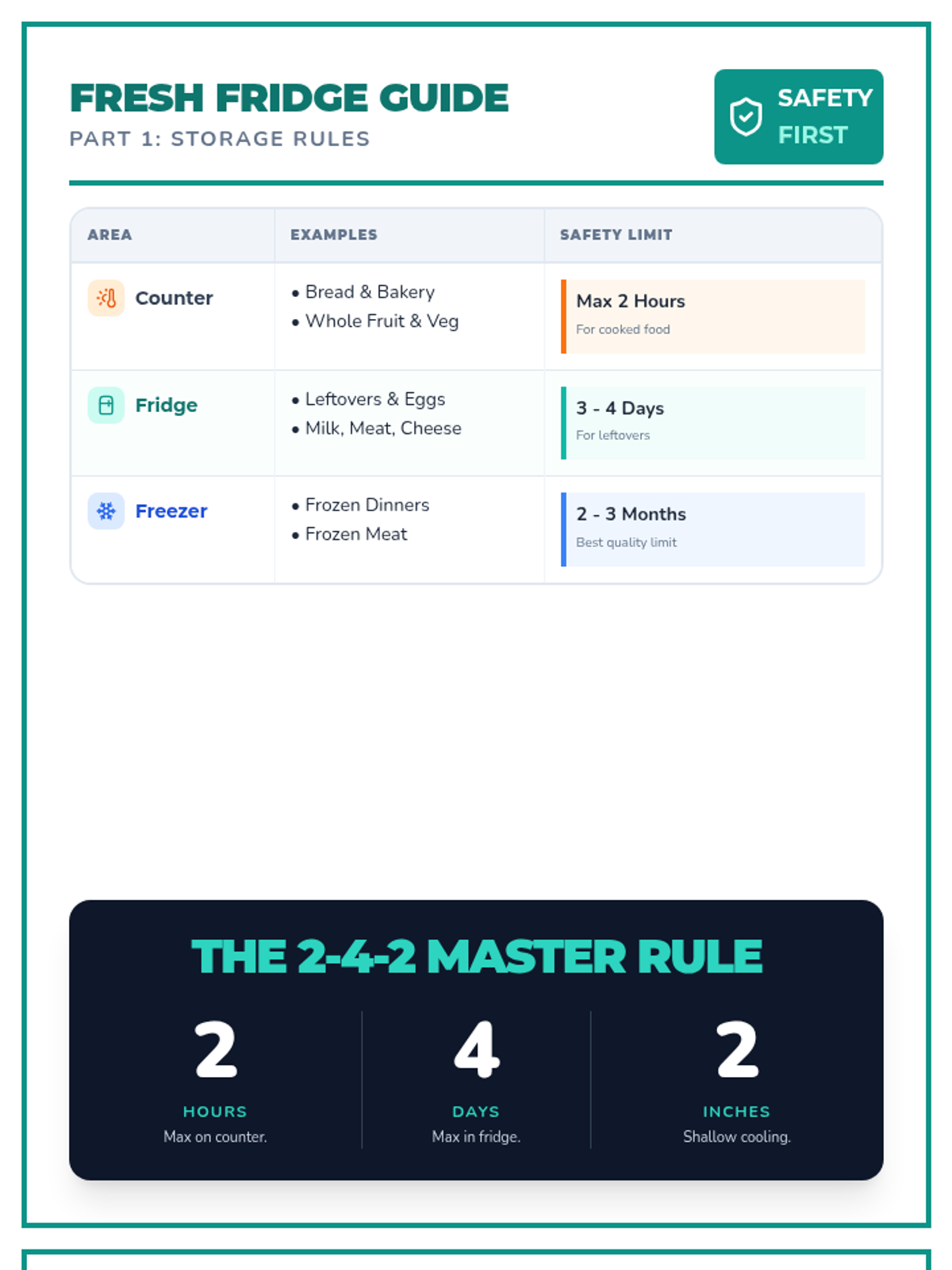
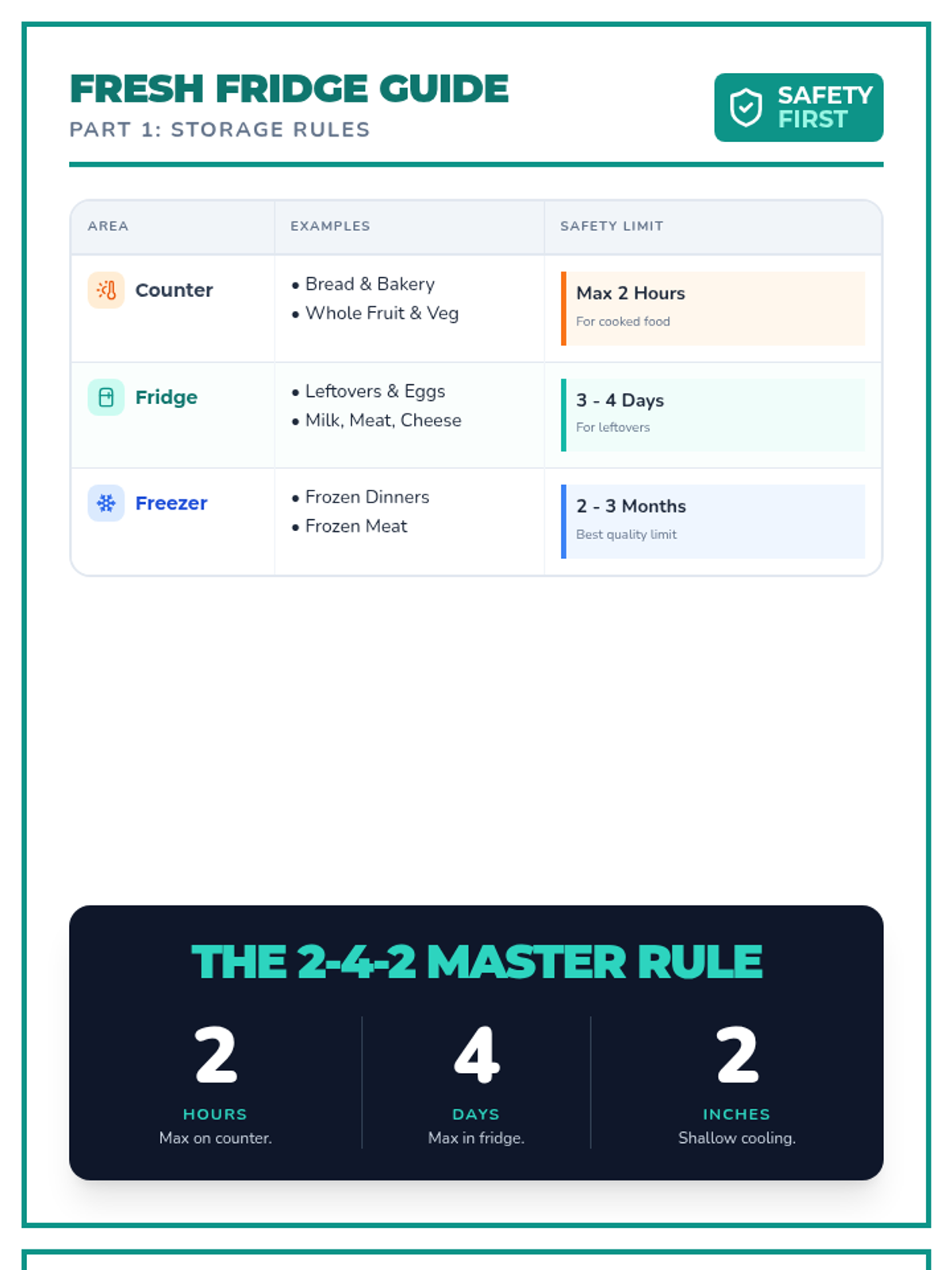
A 50-minute instructional session for students in temporary housing, focusing on safe food storage and creative leftover use through visual guides and sequence flowcharts.
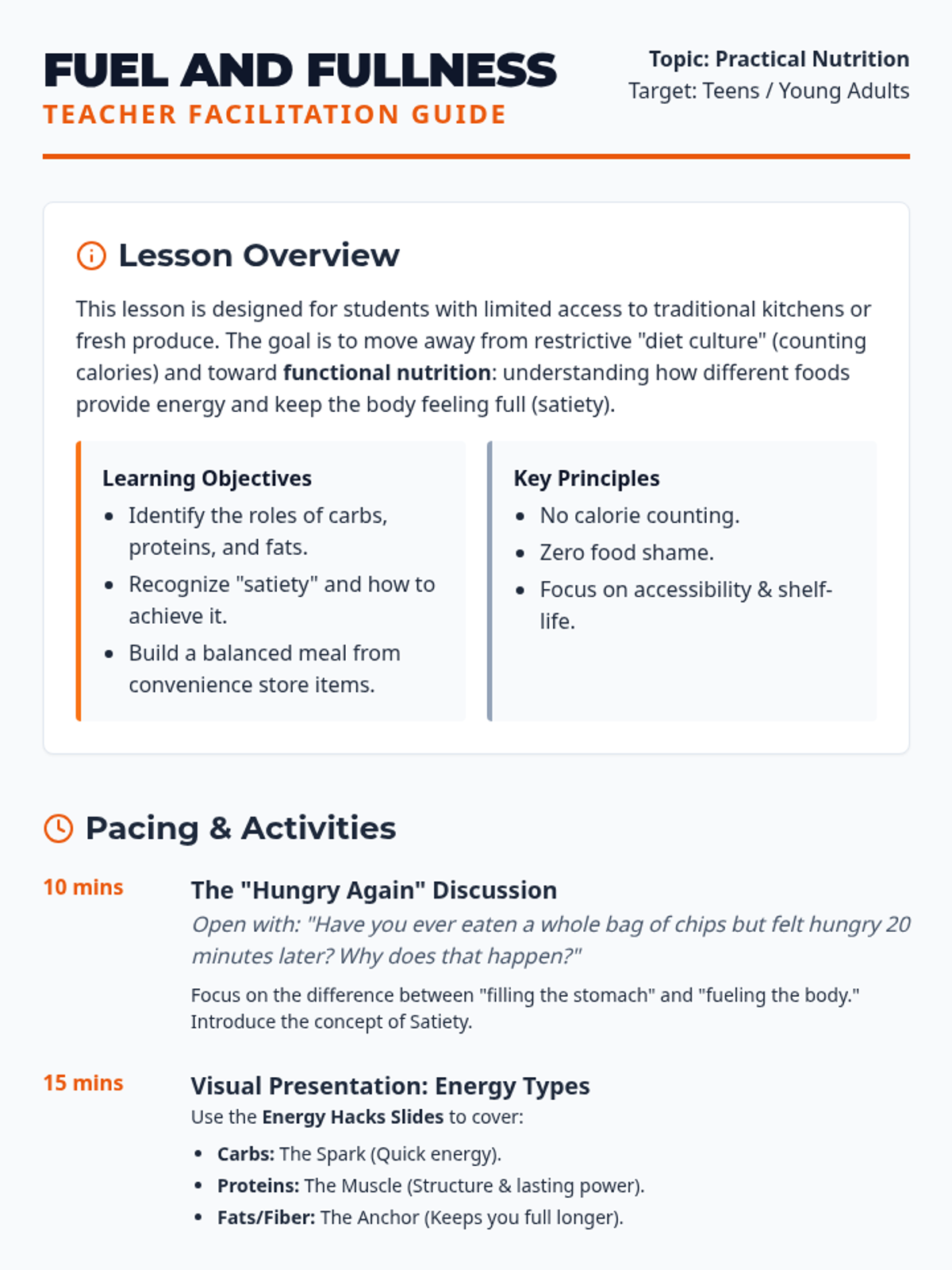
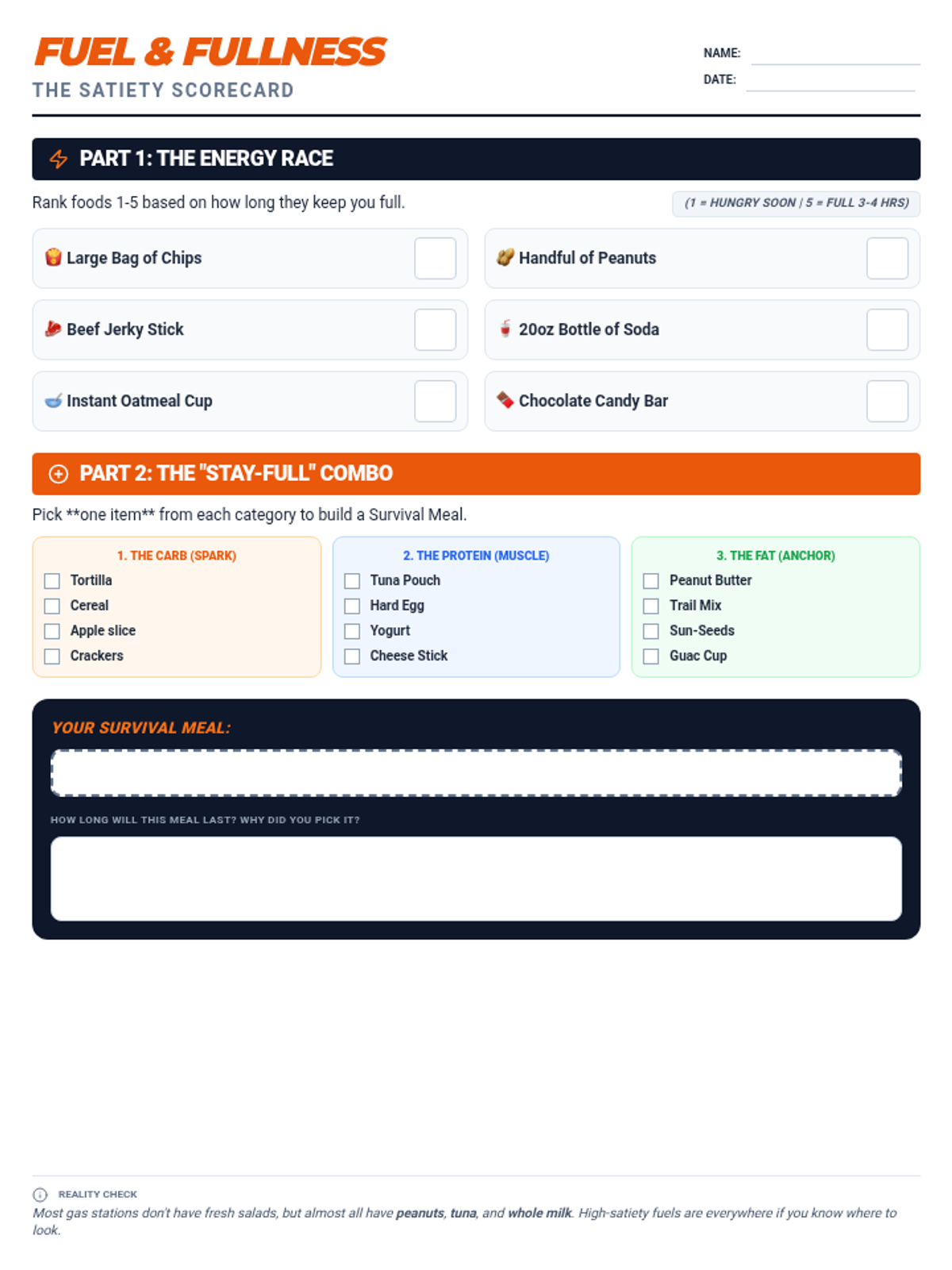
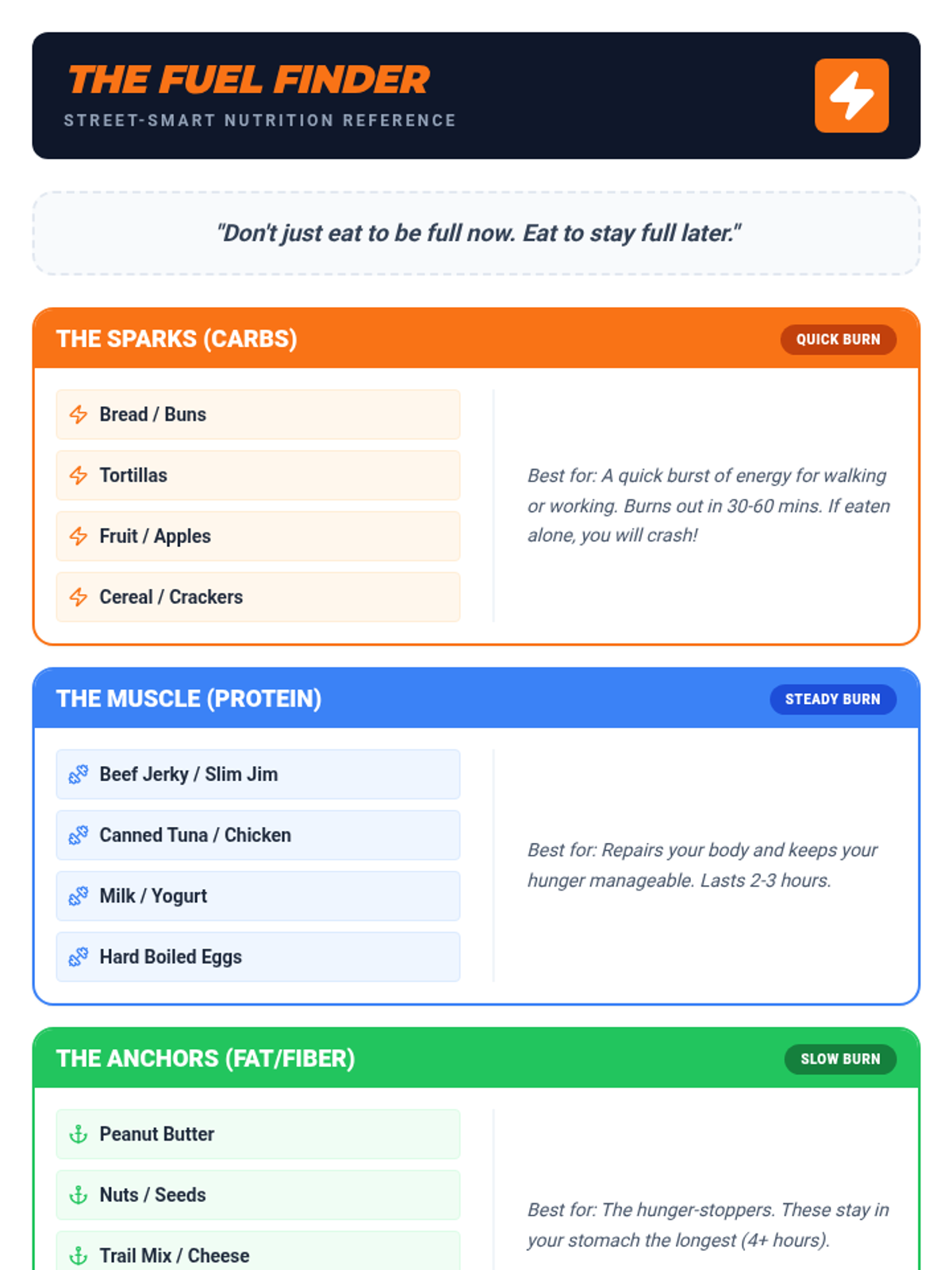
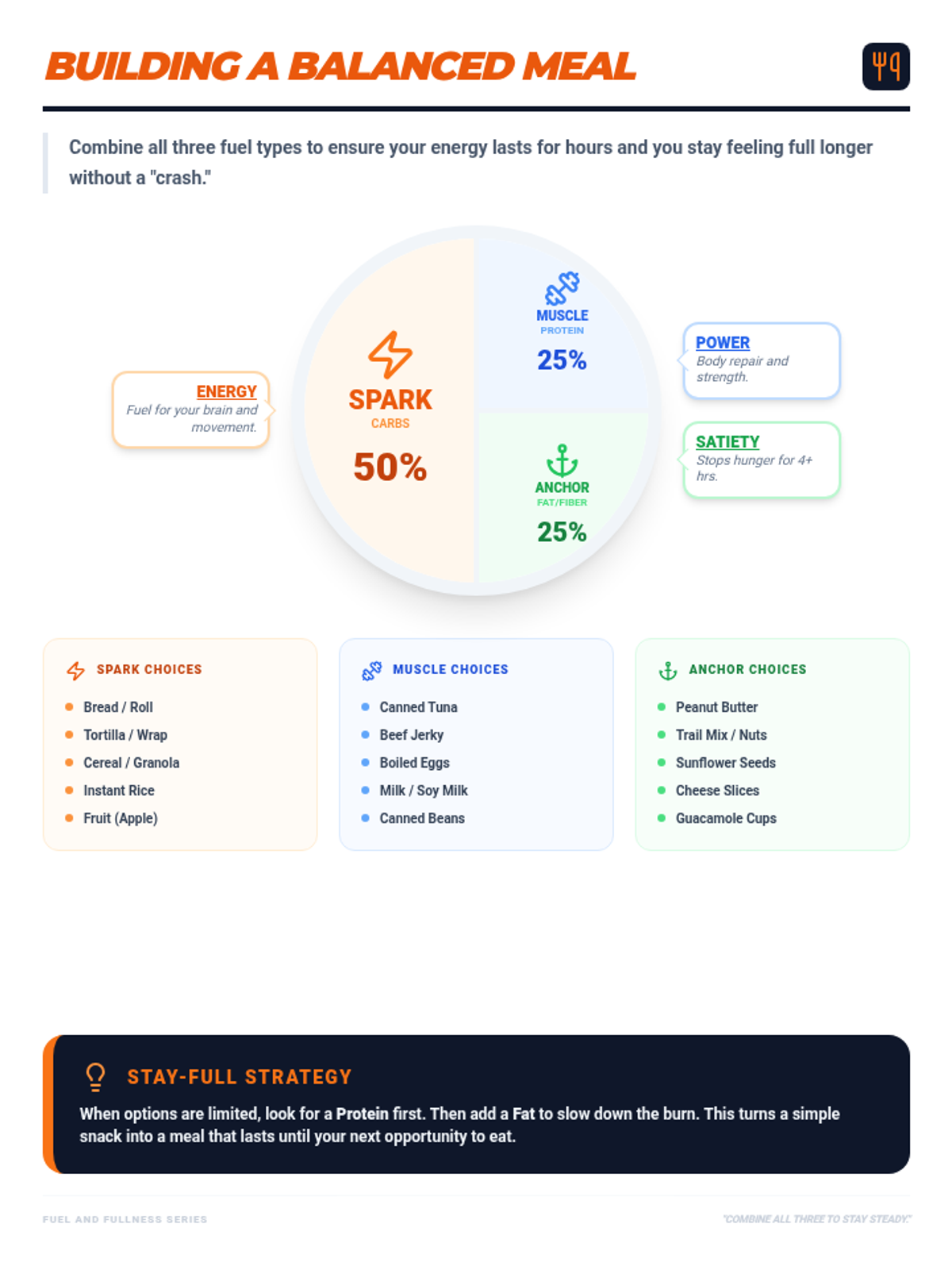
A practical nutrition lesson for teenagers facing housing instability, focusing on maximizing energy and satiety using accessible, shelf-stable foods without the use of calorie counting.
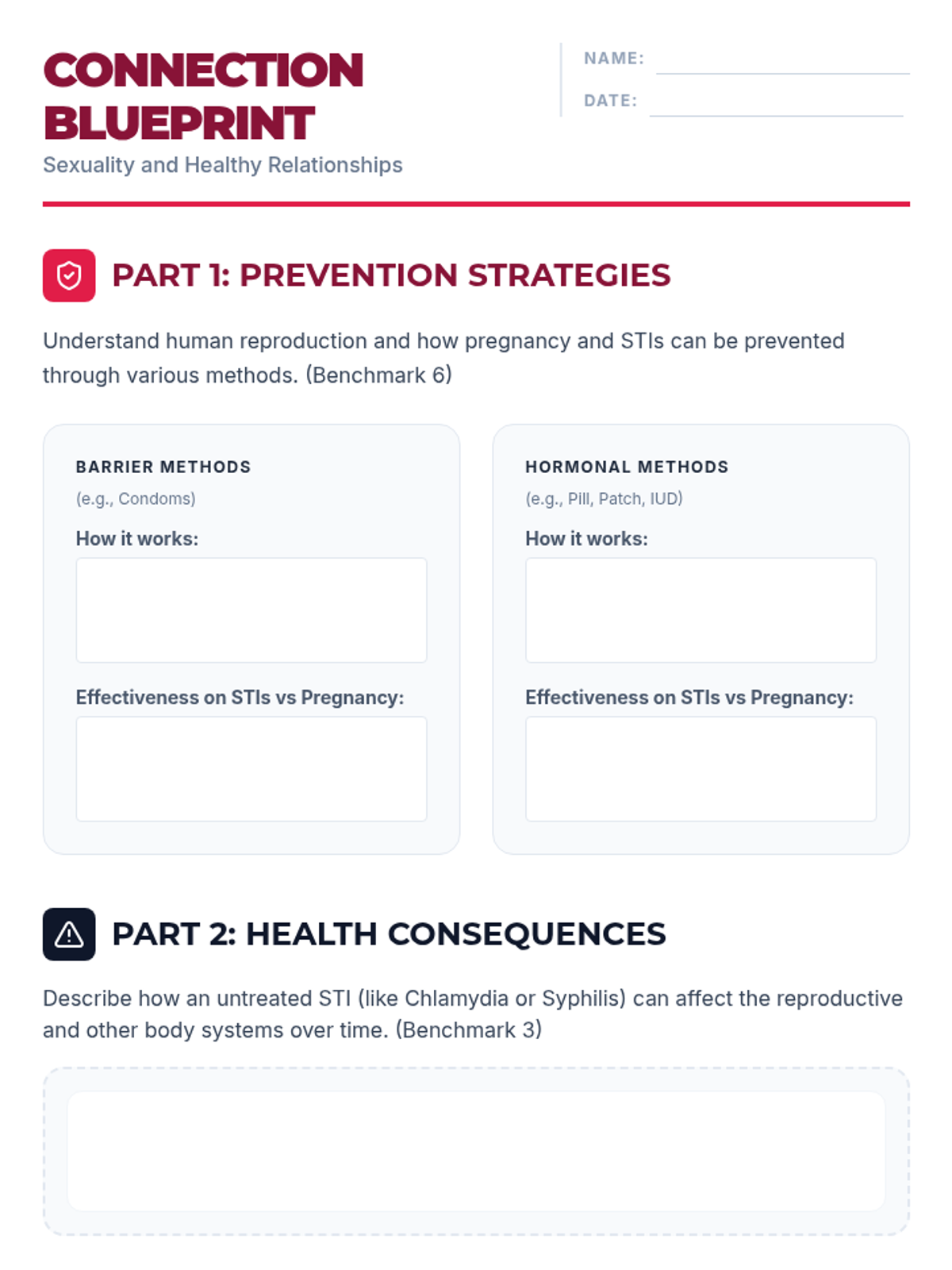
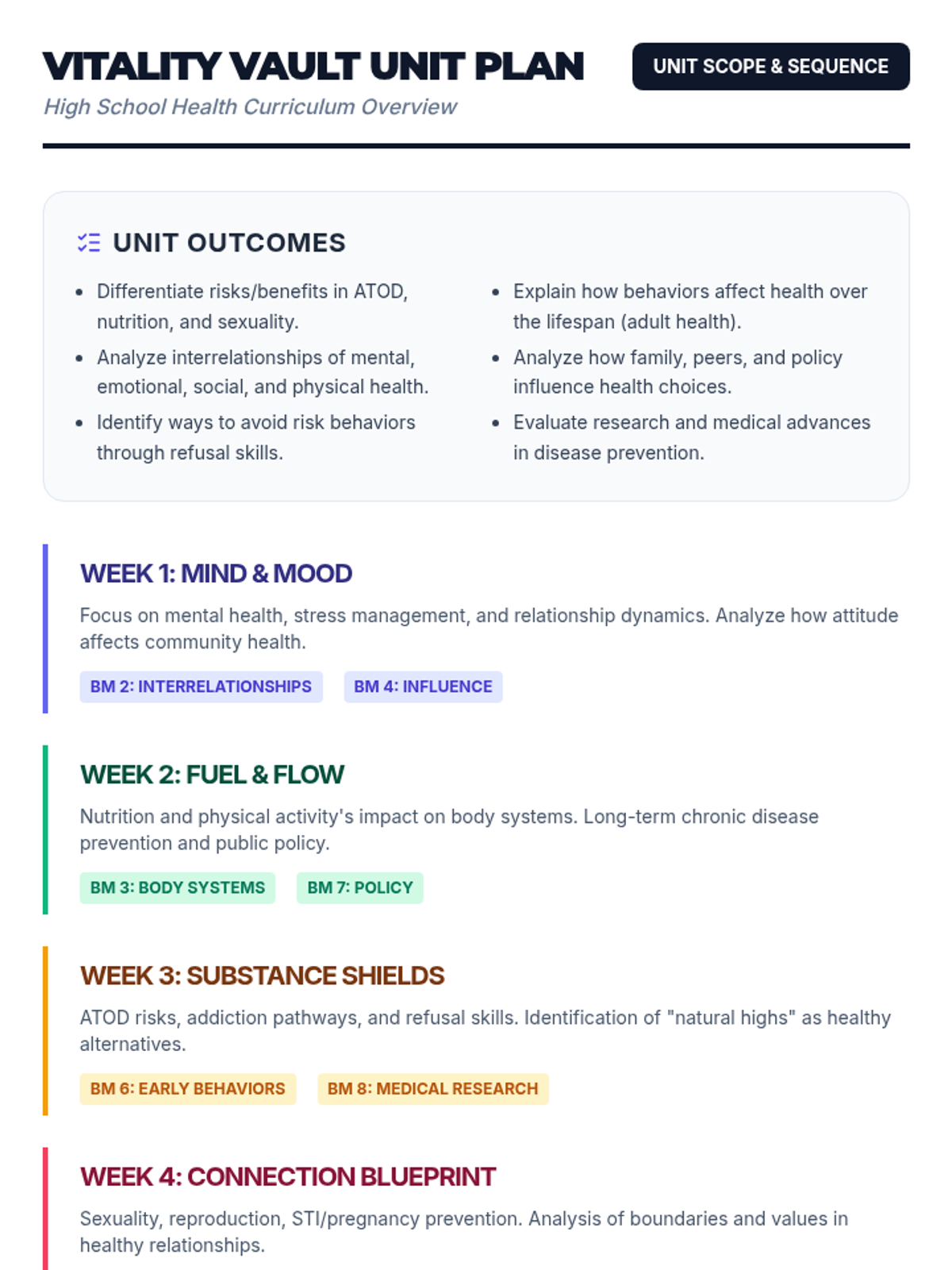
Covers human reproduction, pregnancy prevention, and STI awareness. Students analyze healthy boundaries, consent, and how early behaviors impact adult health outcomes.
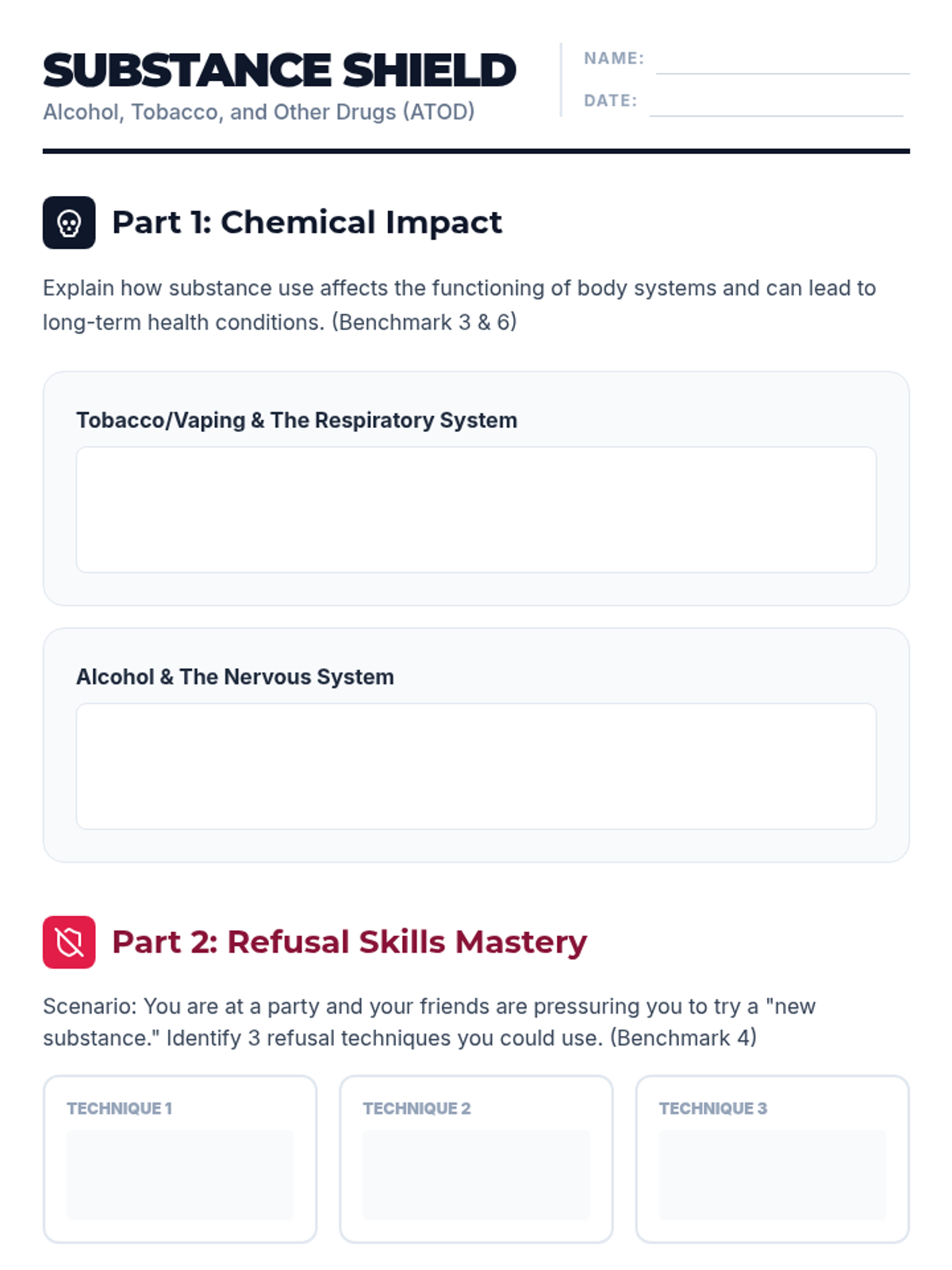
Examines the impact of alcohol, tobacco, and other drugs on the body and social health. Students develop refusal skills and analyze how public regulations and personal choices influence risk behaviors.
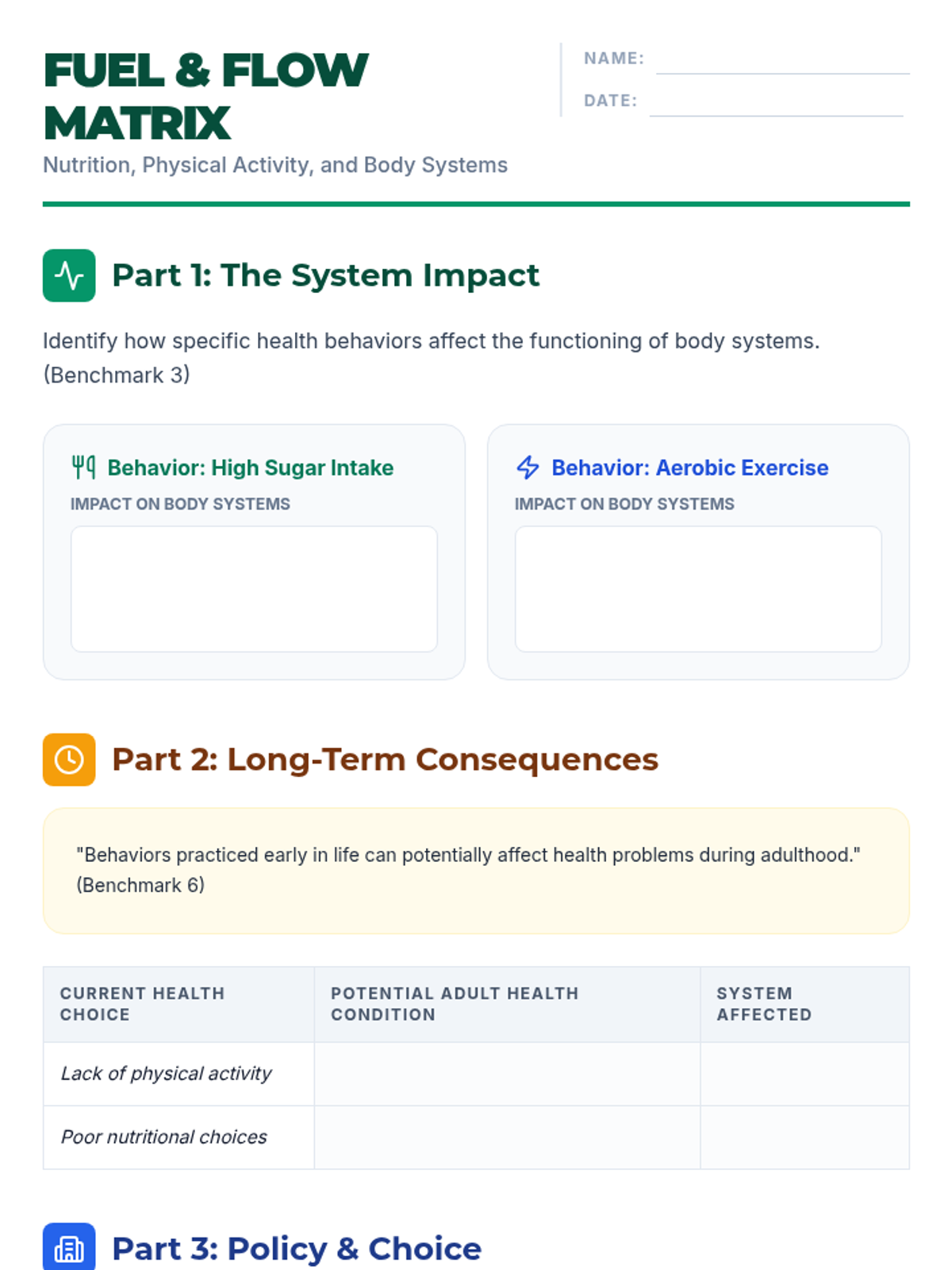
Explores how nutrition and physical activity impact body systems and long-term health. Students analyze public health policies and the role of research in promoting physical wellness.
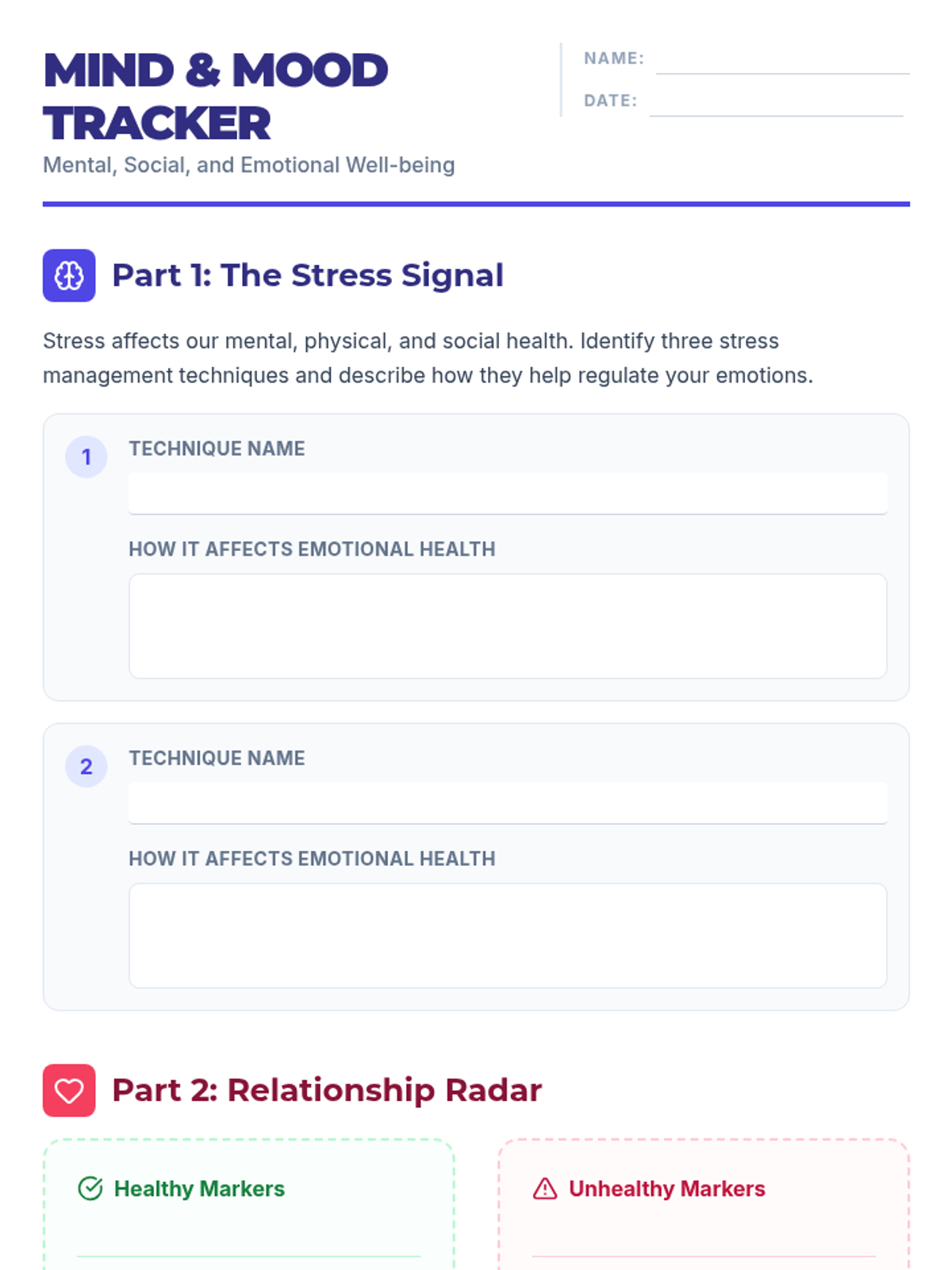
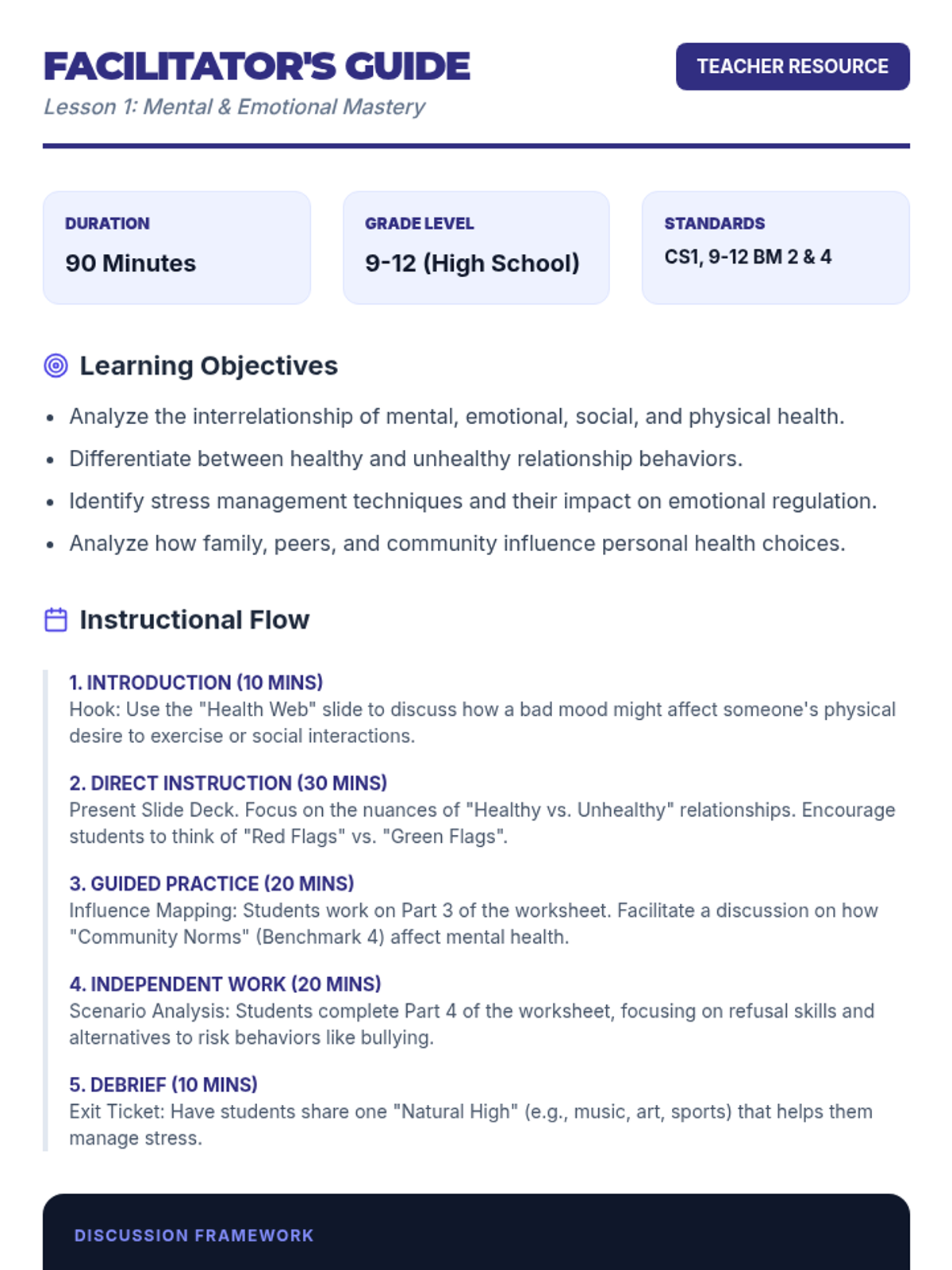
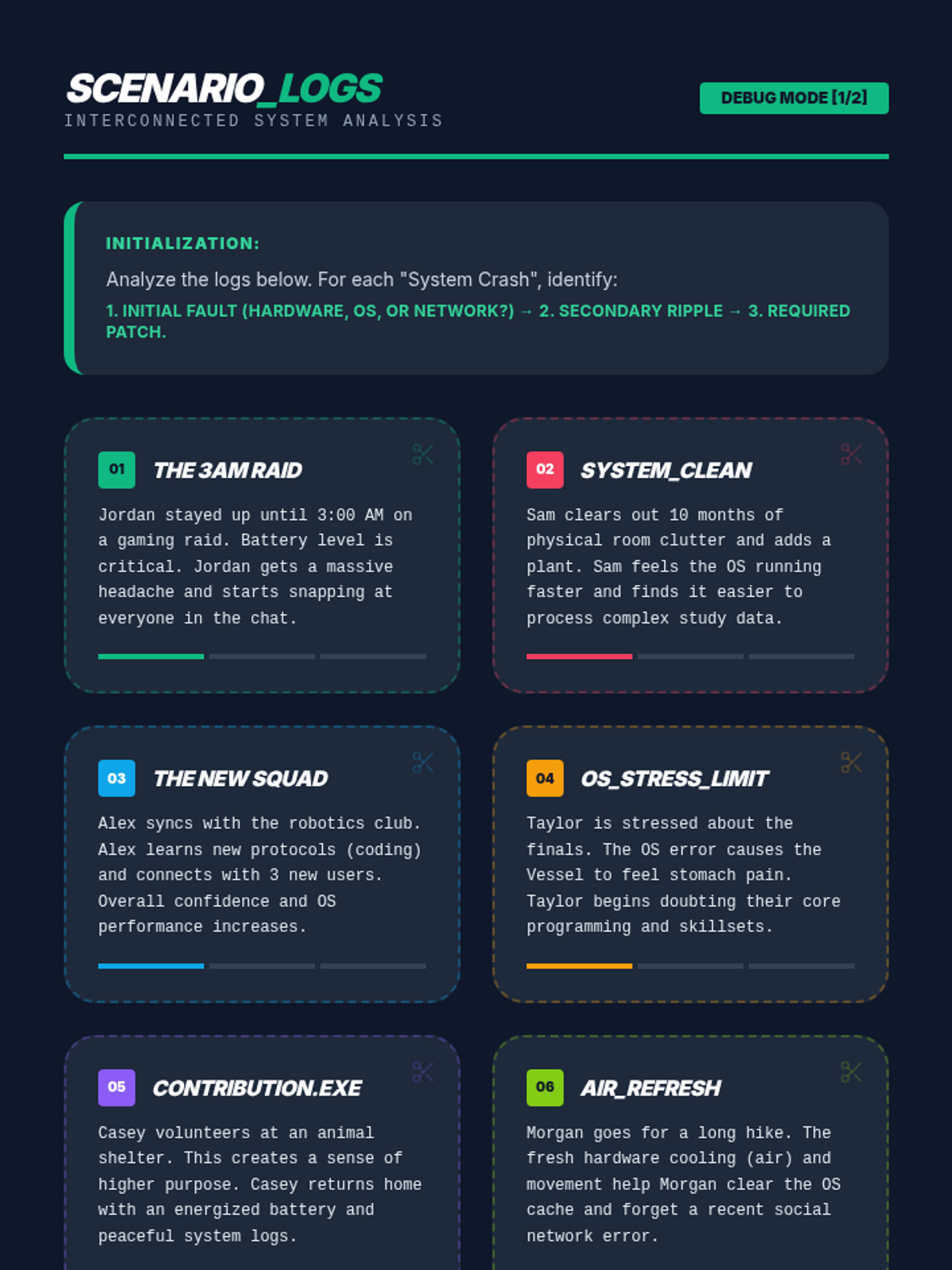
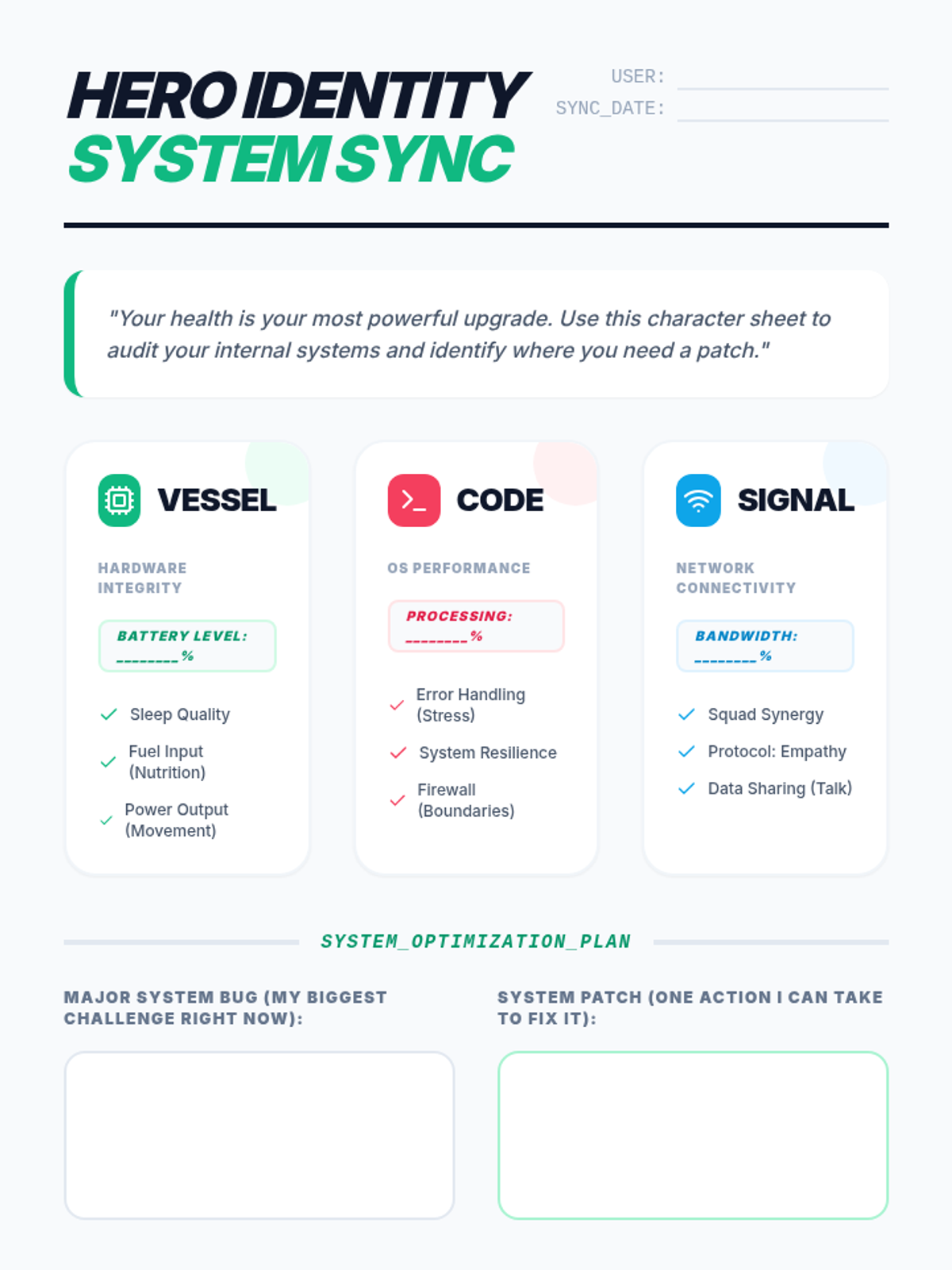
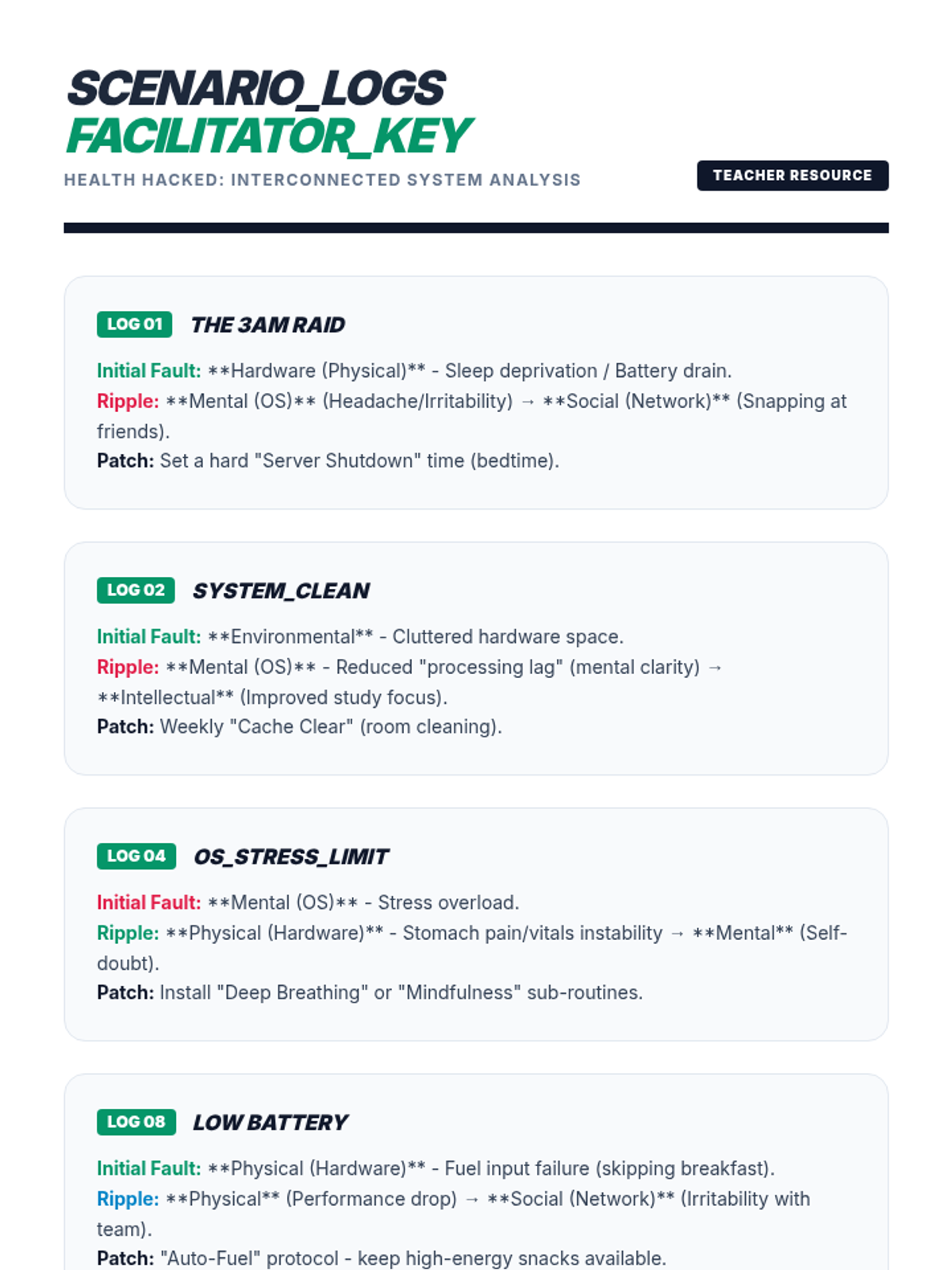
Focuses on stress management, relationship dynamics, and the interrelationship between mental, emotional, and social health. Students identify healthy vs. unhealthy relationship markers and analyze social influences on emotional well-being.
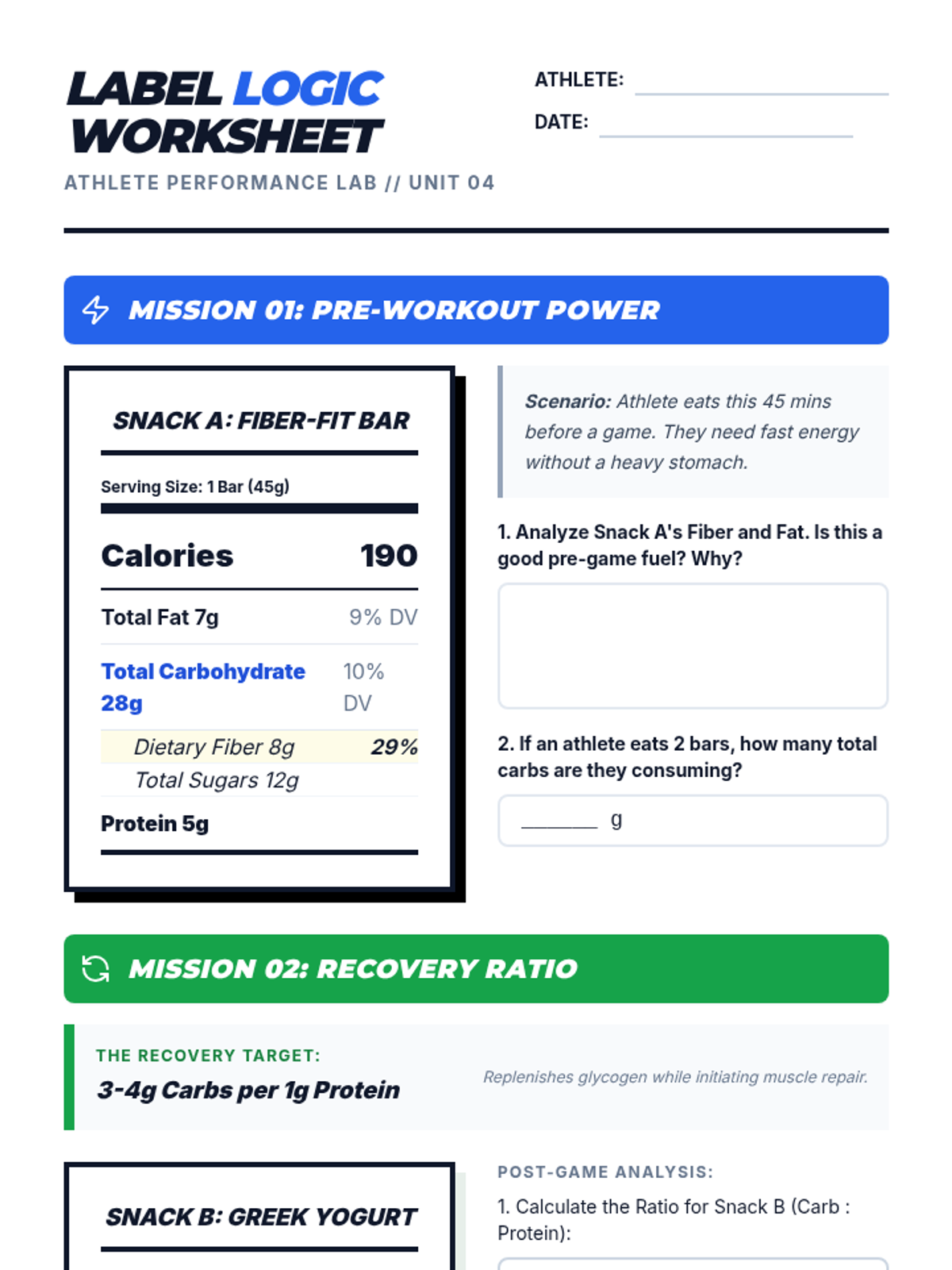
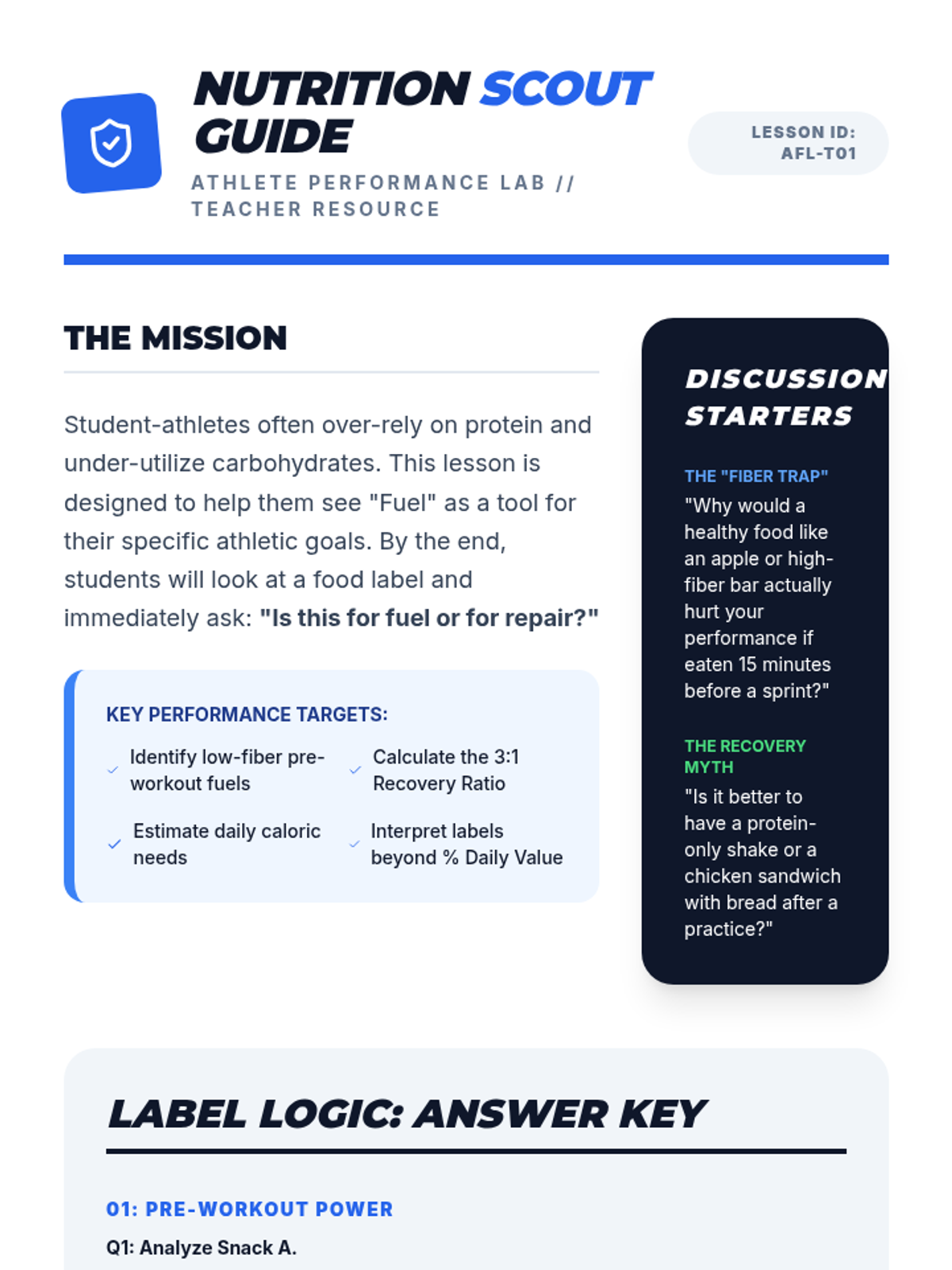
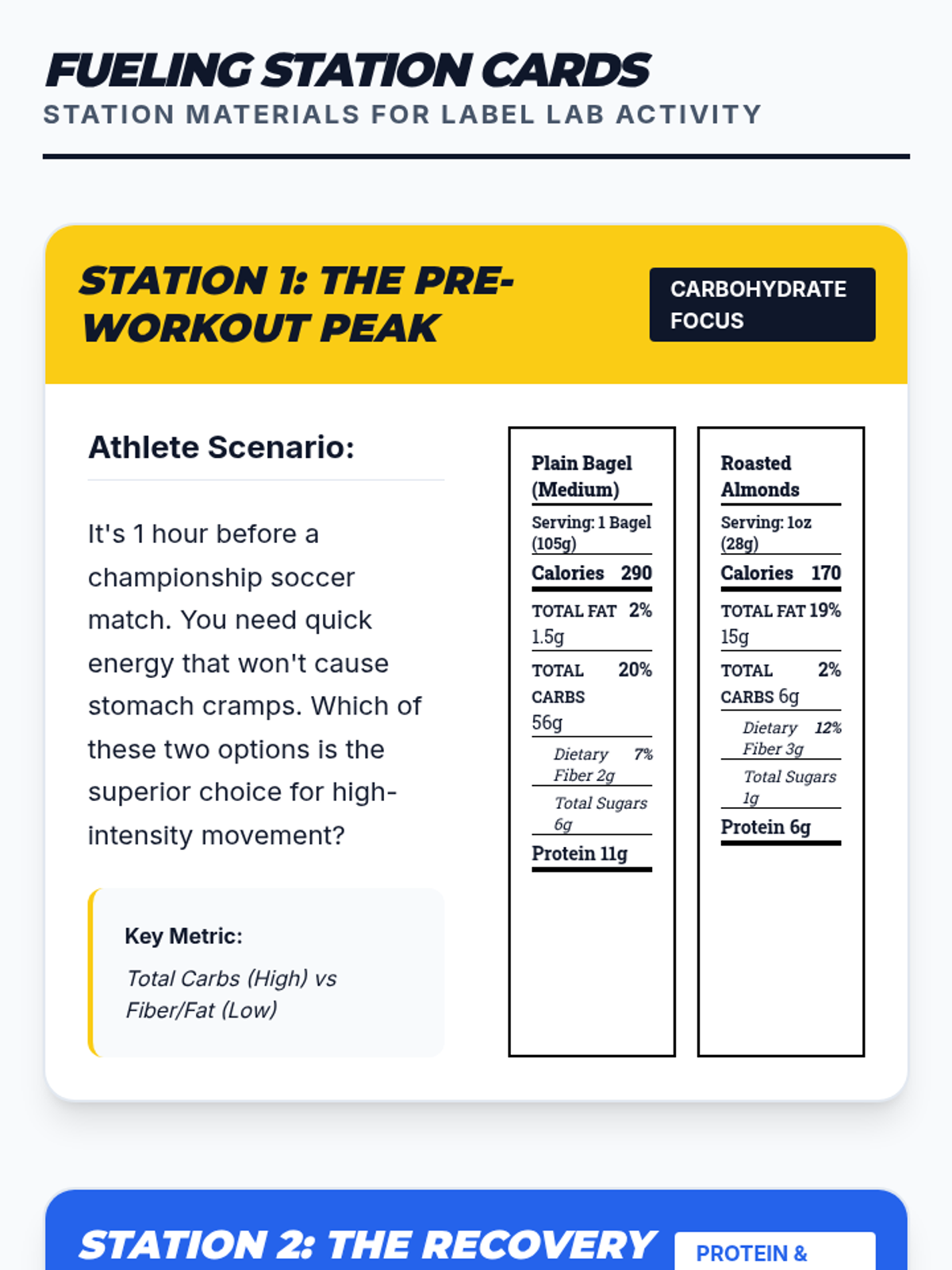
A high-performance lesson on deciphering food labels to optimize pre-workout energy and post-workout recovery for high school athletes. Students learn to identify ideal macronutrient ratios for different training phases and calculate basic caloric needs.
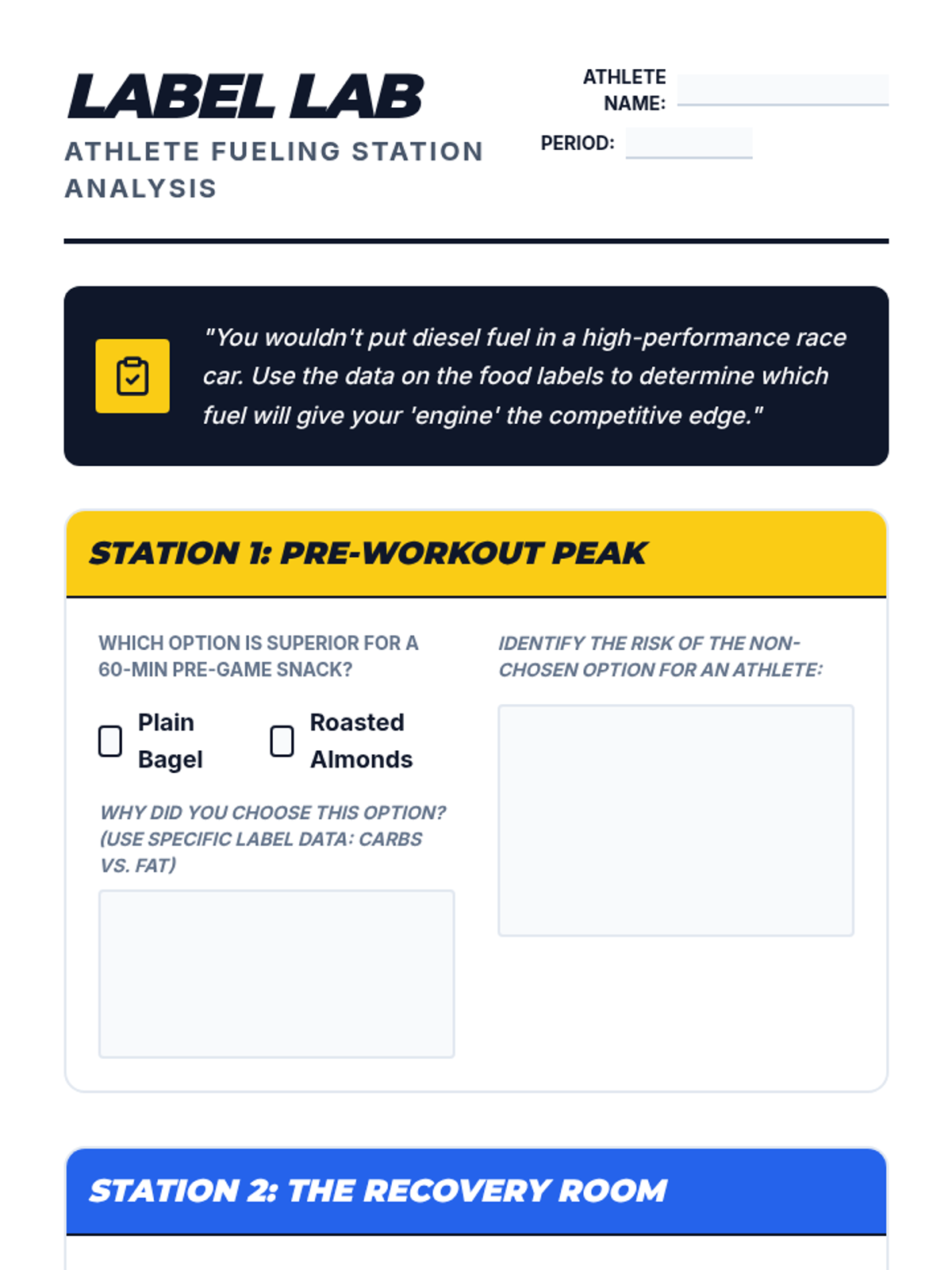
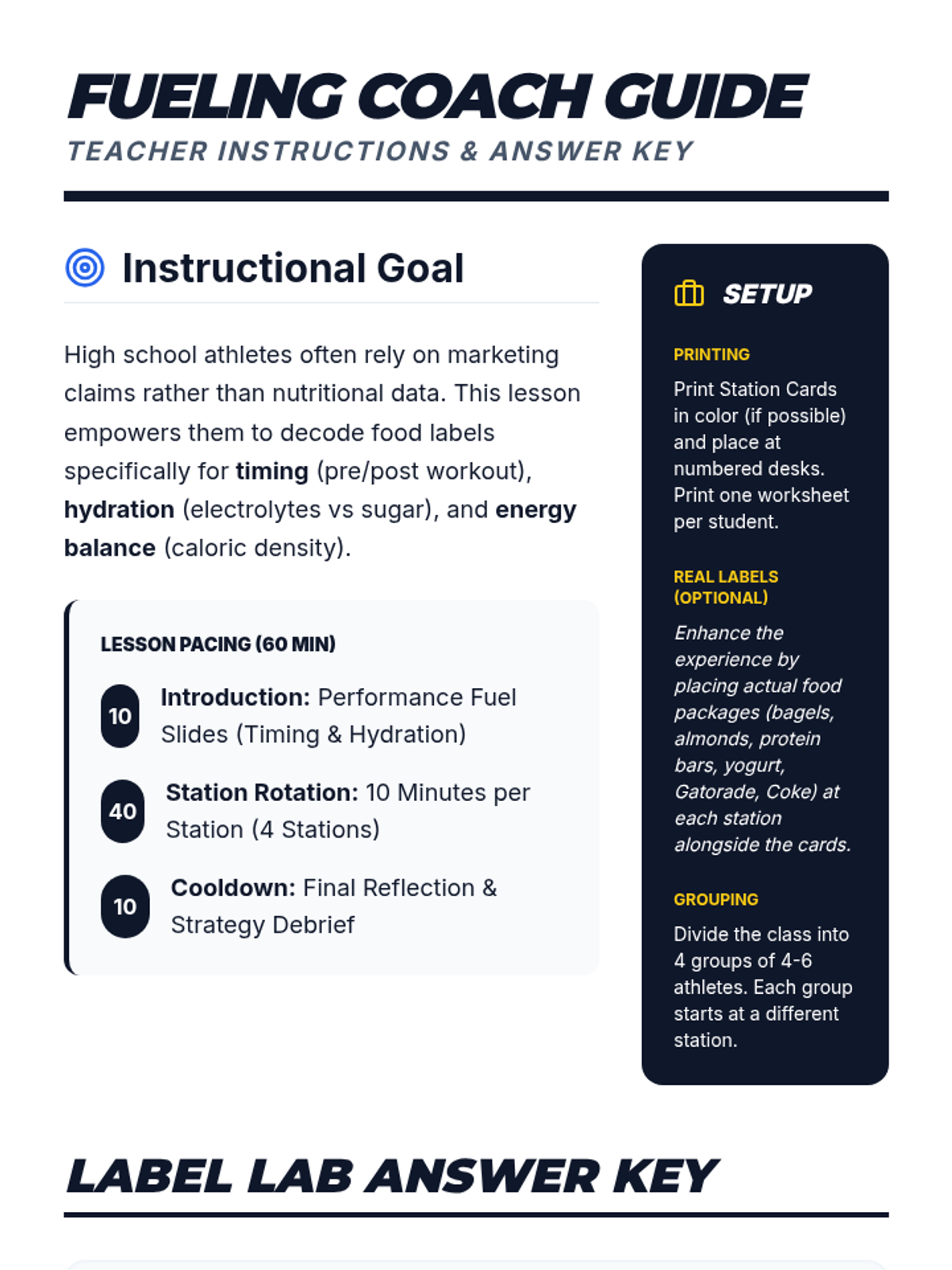
A station-based lesson for high school athletes to master reading food labels for optimal performance, recovery, and hydration. Students will analyze macronutrient timing, identify hidden sugars, and calculate energy needs based on nutritional data.
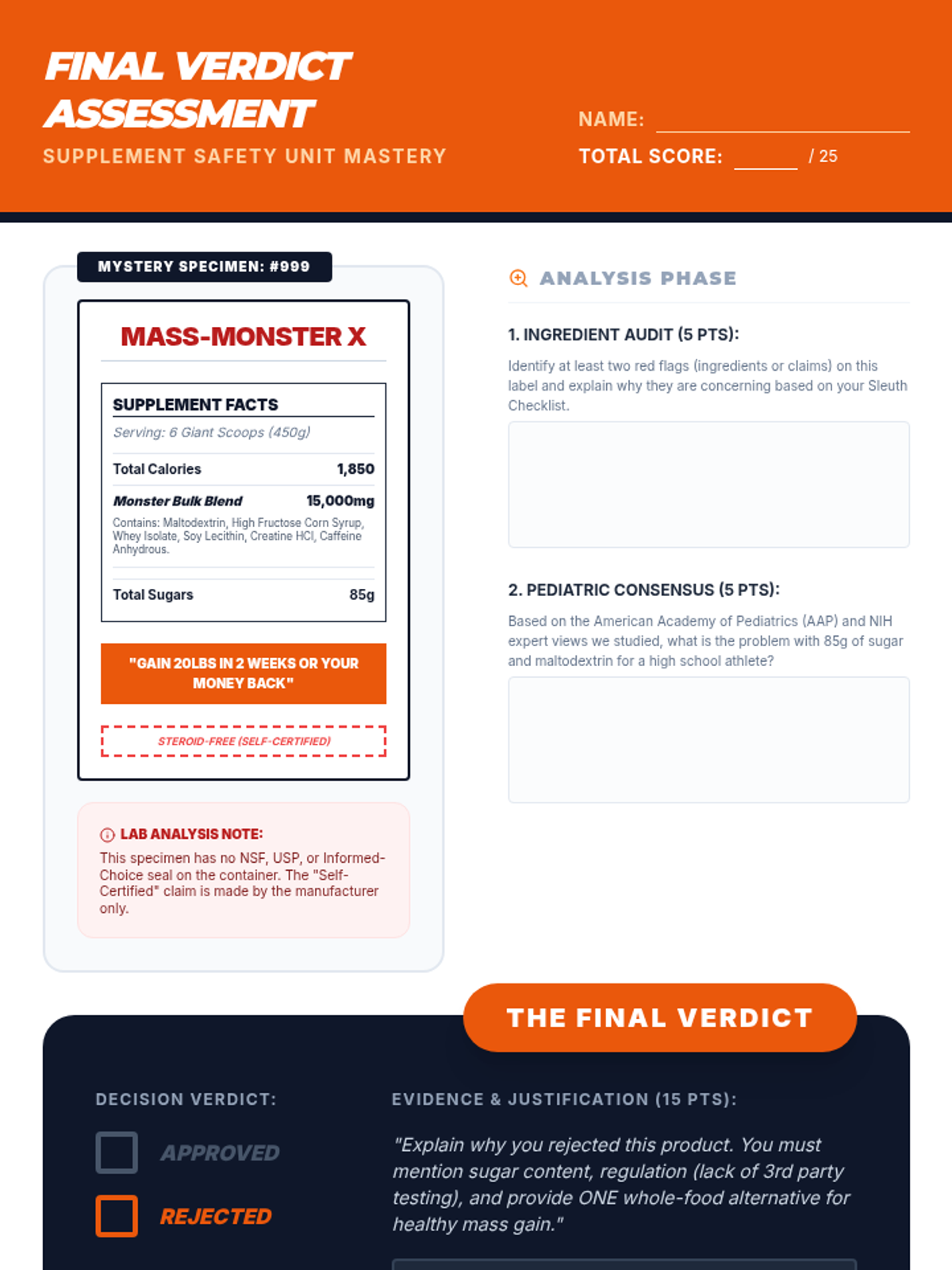
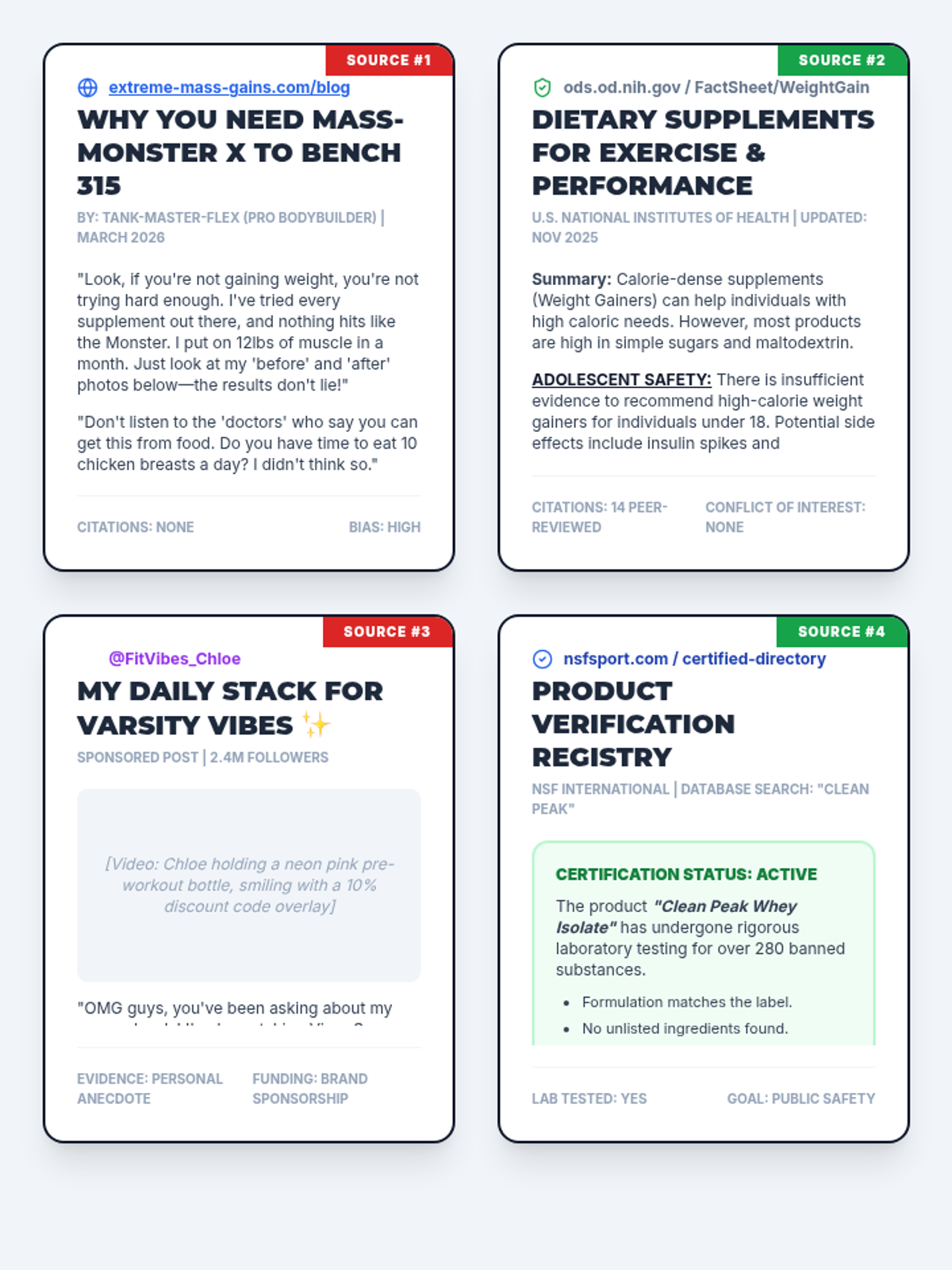
The unit final where students apply their analytical skills to a "mystery specimen" and provide a research-backed verdict for a teen athlete.
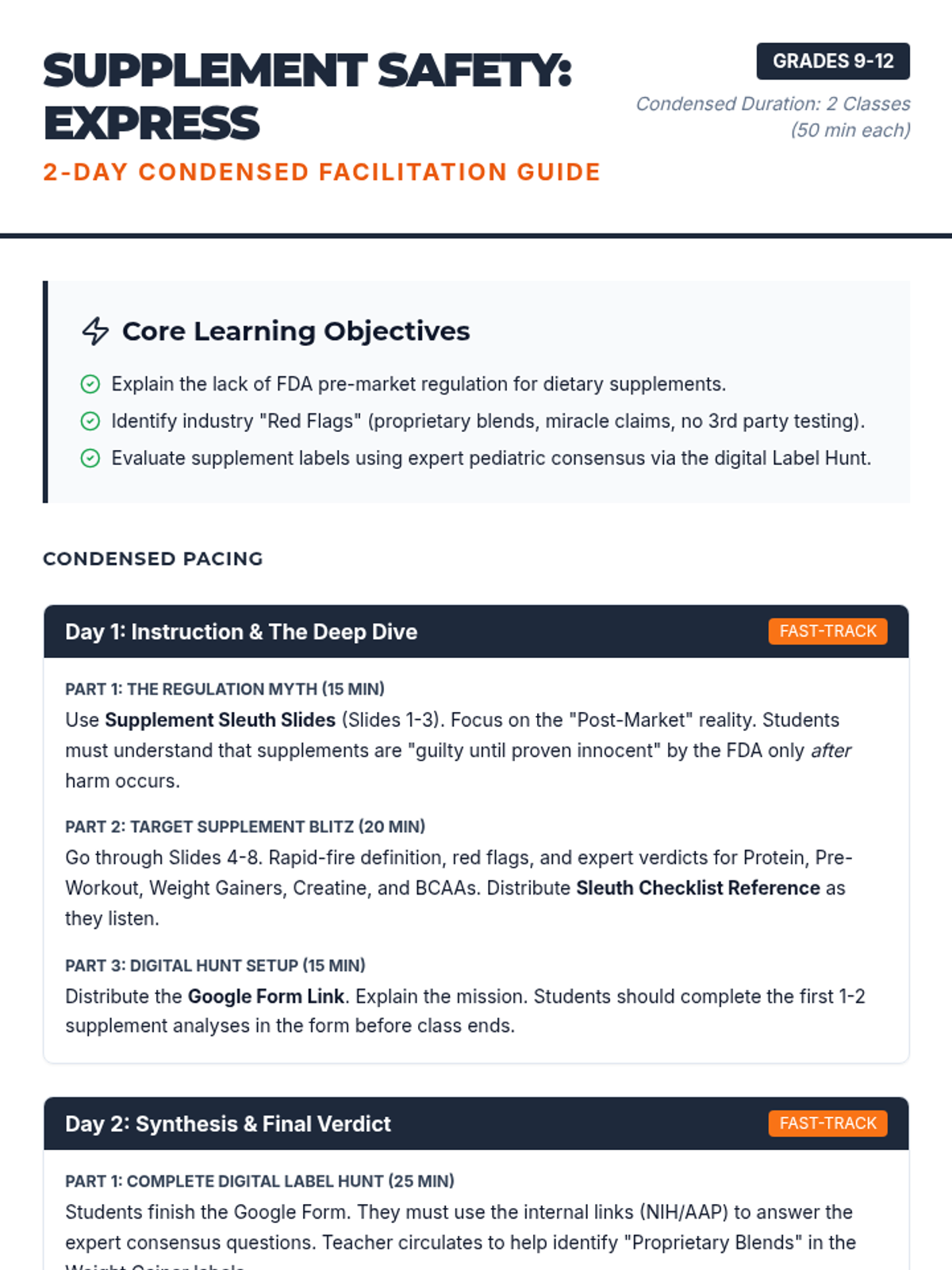
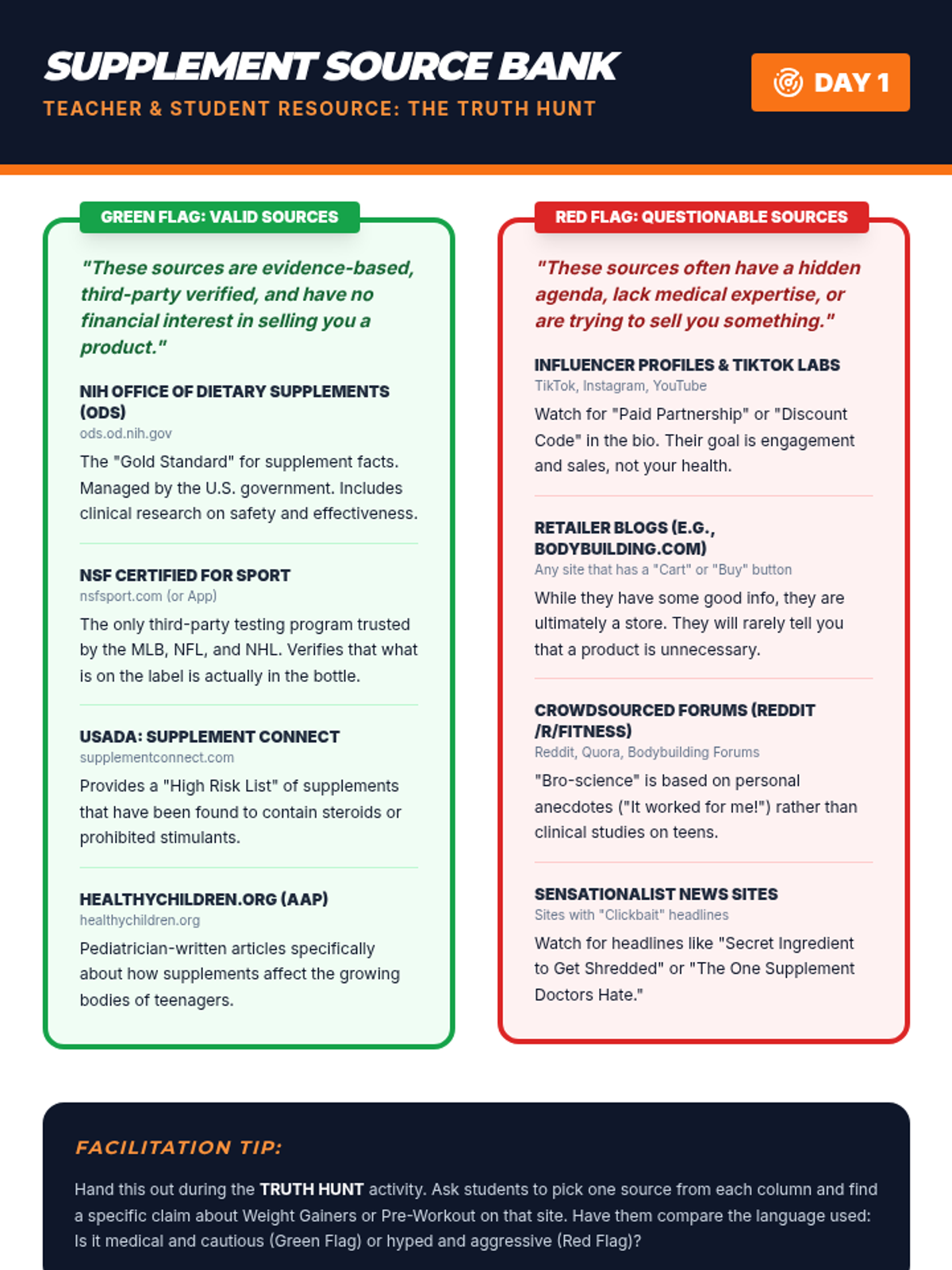
A fast-paced introduction where students explore the unregulated world of fitness supplements and use a "red flag" checklist to hunt for industry truths on digital specimens.
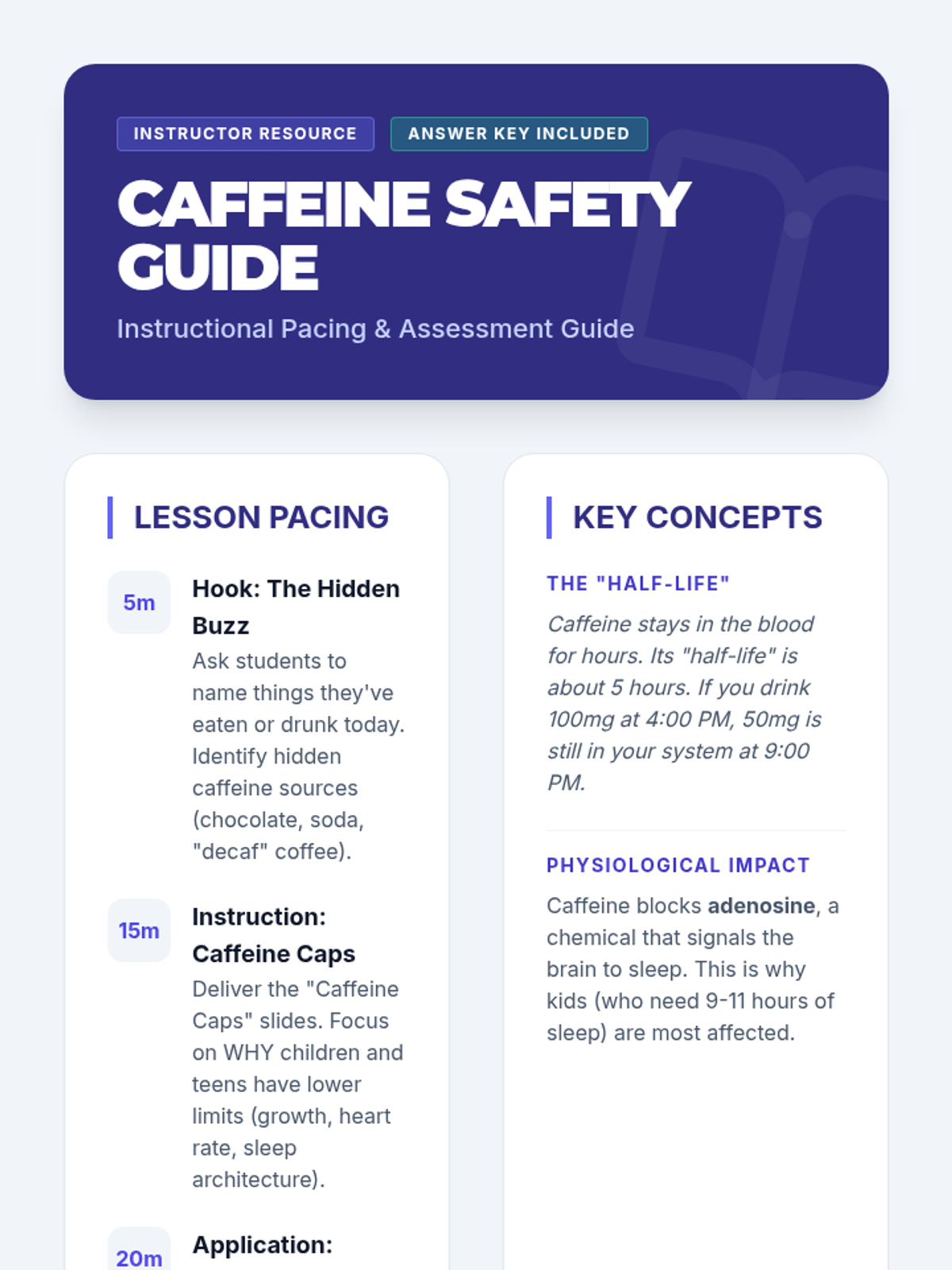
This lesson covers the physiological effects of caffeine on the body and provides clear, evidence-based guidelines for safe consumption across different age groups based on FDA and NIH standards.
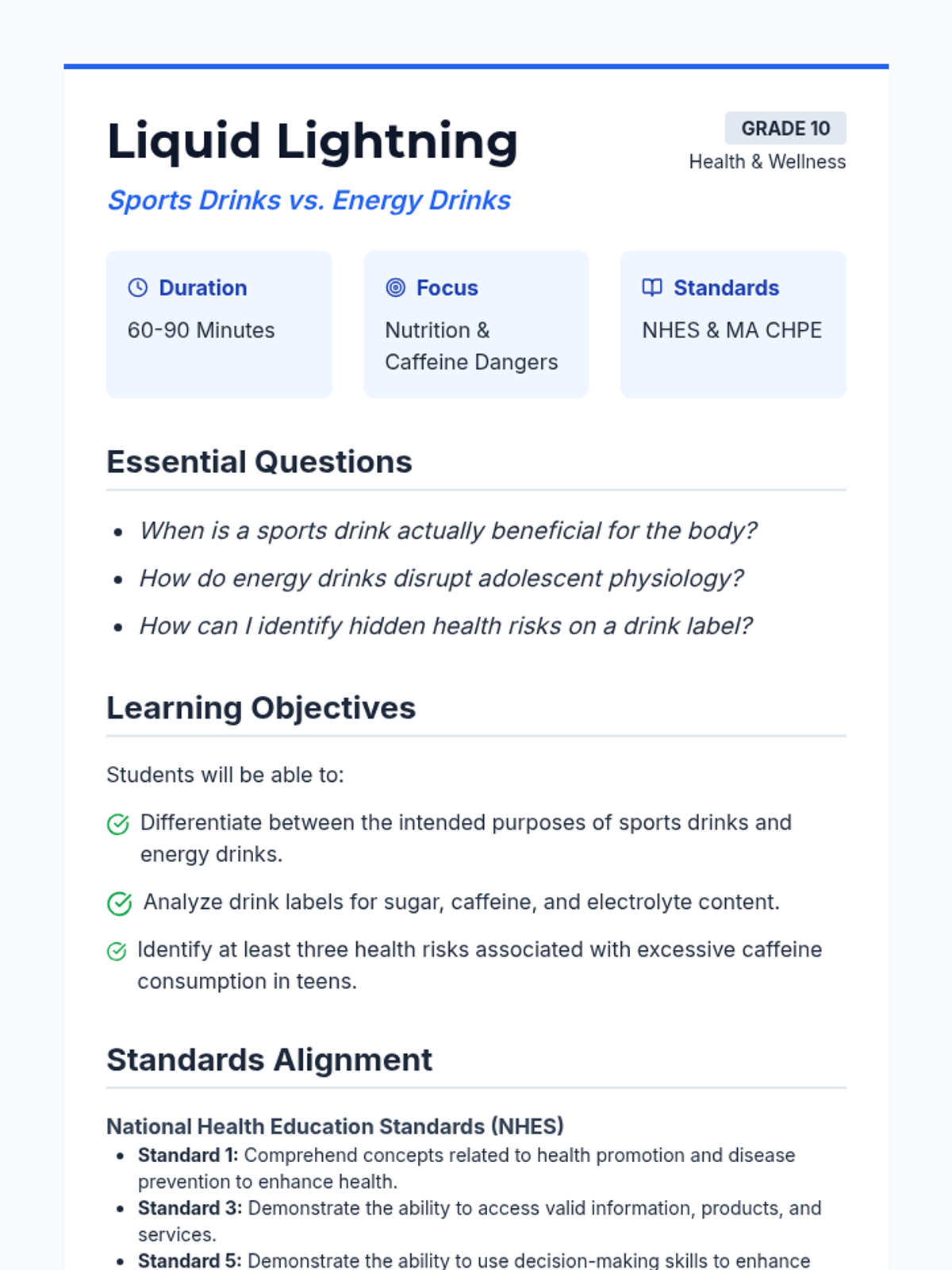
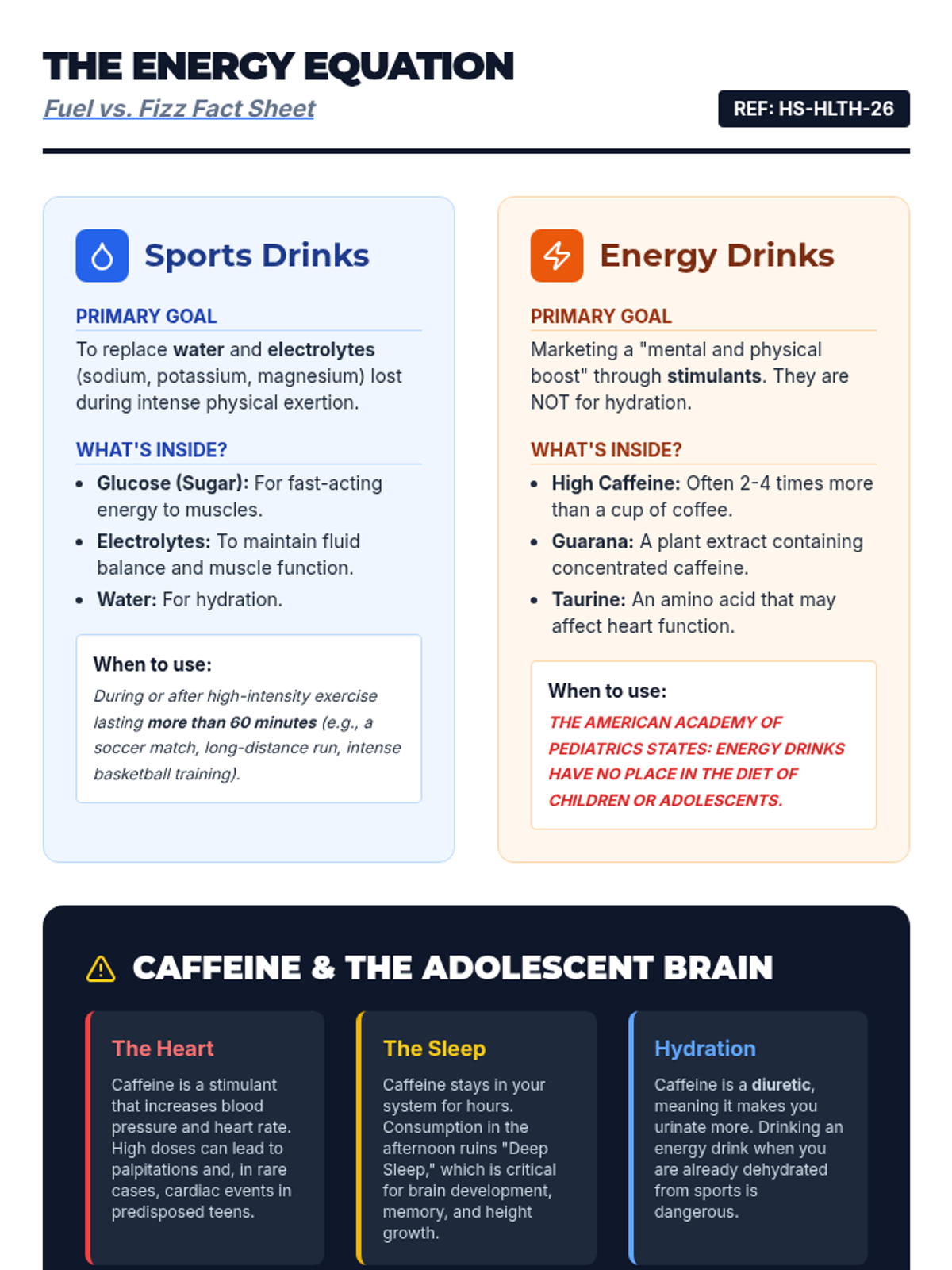
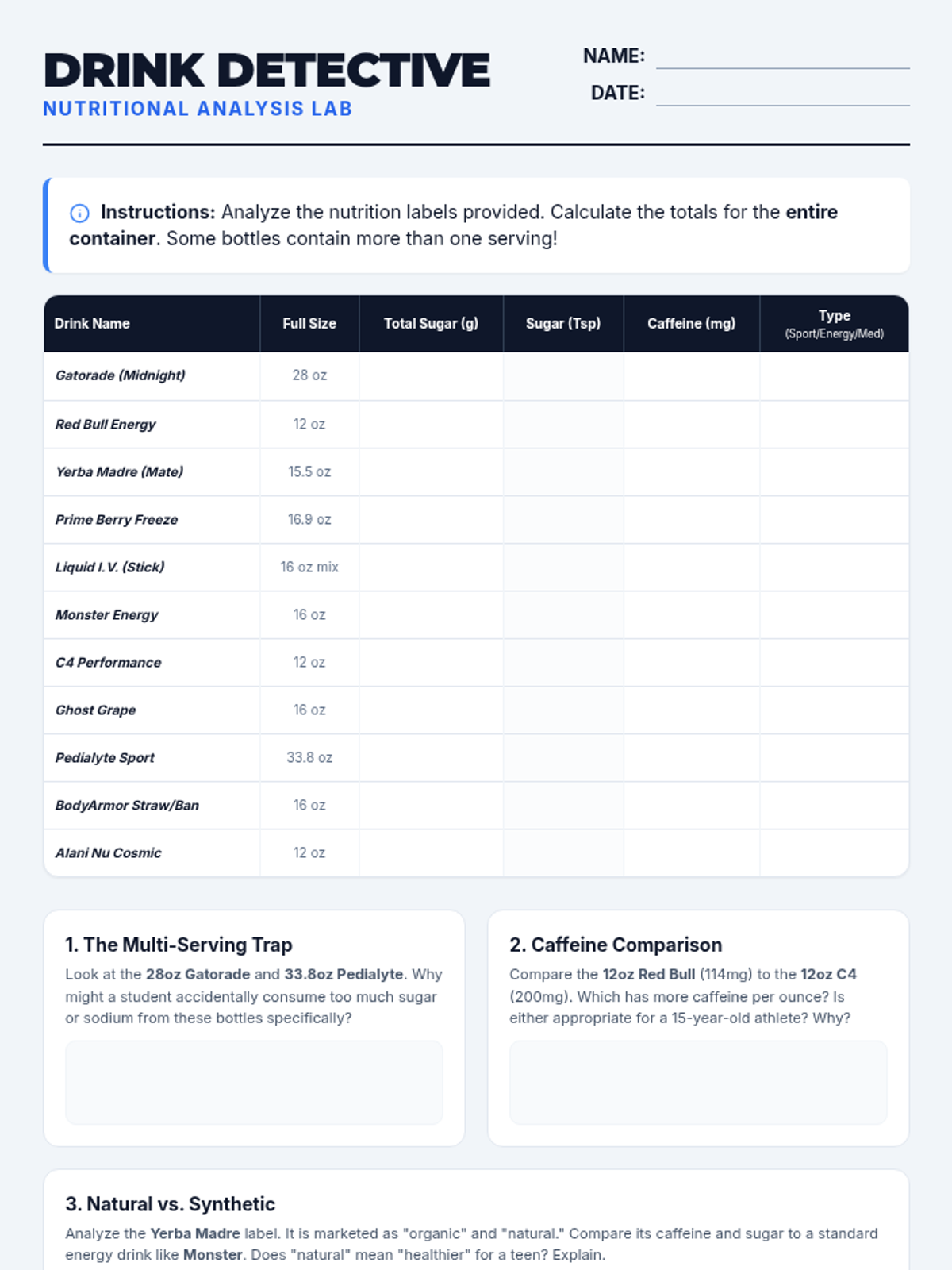
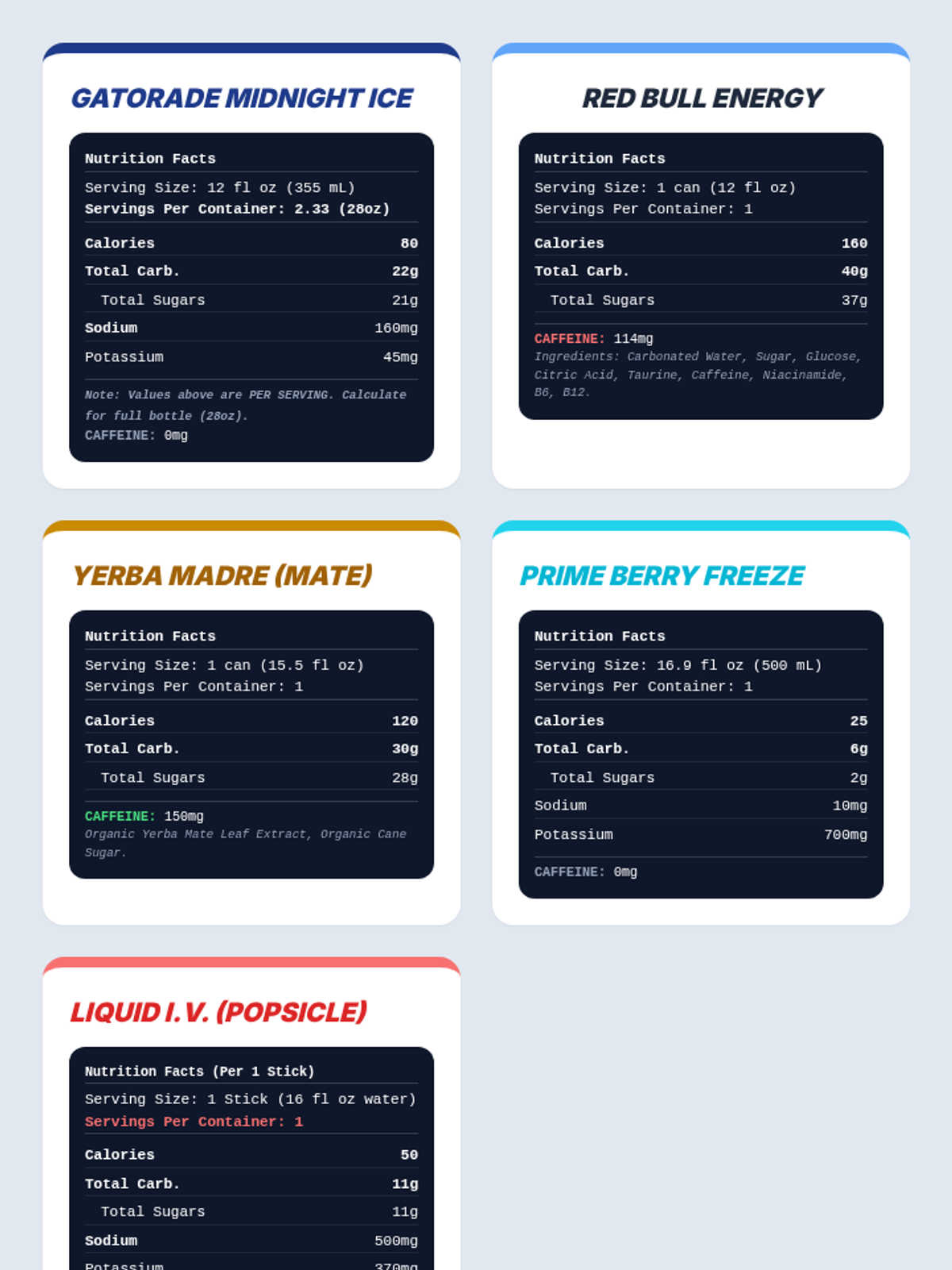
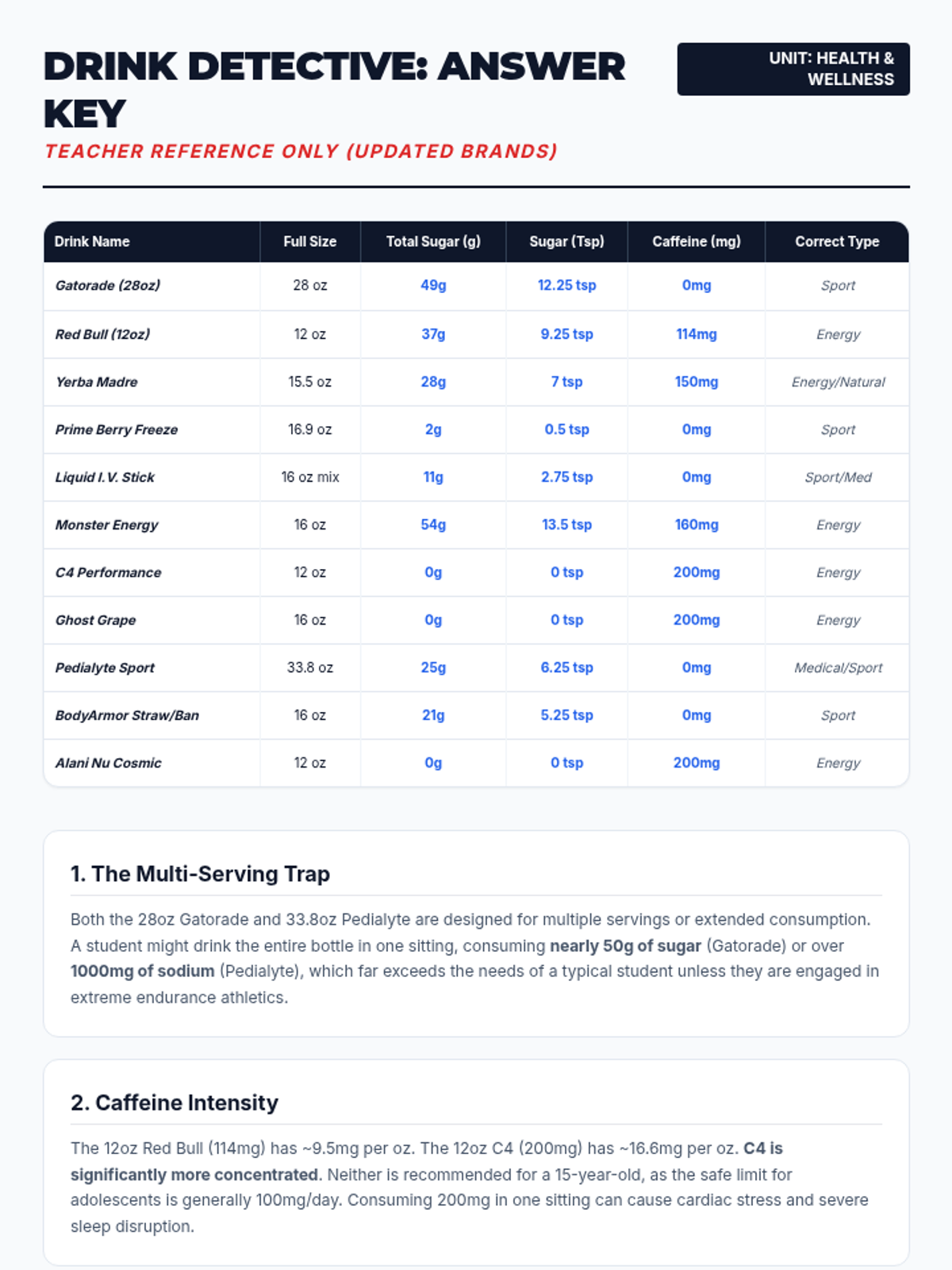
A comprehensive 10th-grade health lesson exploring the physiological effects of sports and energy drinks. Students analyze ingredients, caffeine, and sugar content to make informed decisions about performance fueling and health.
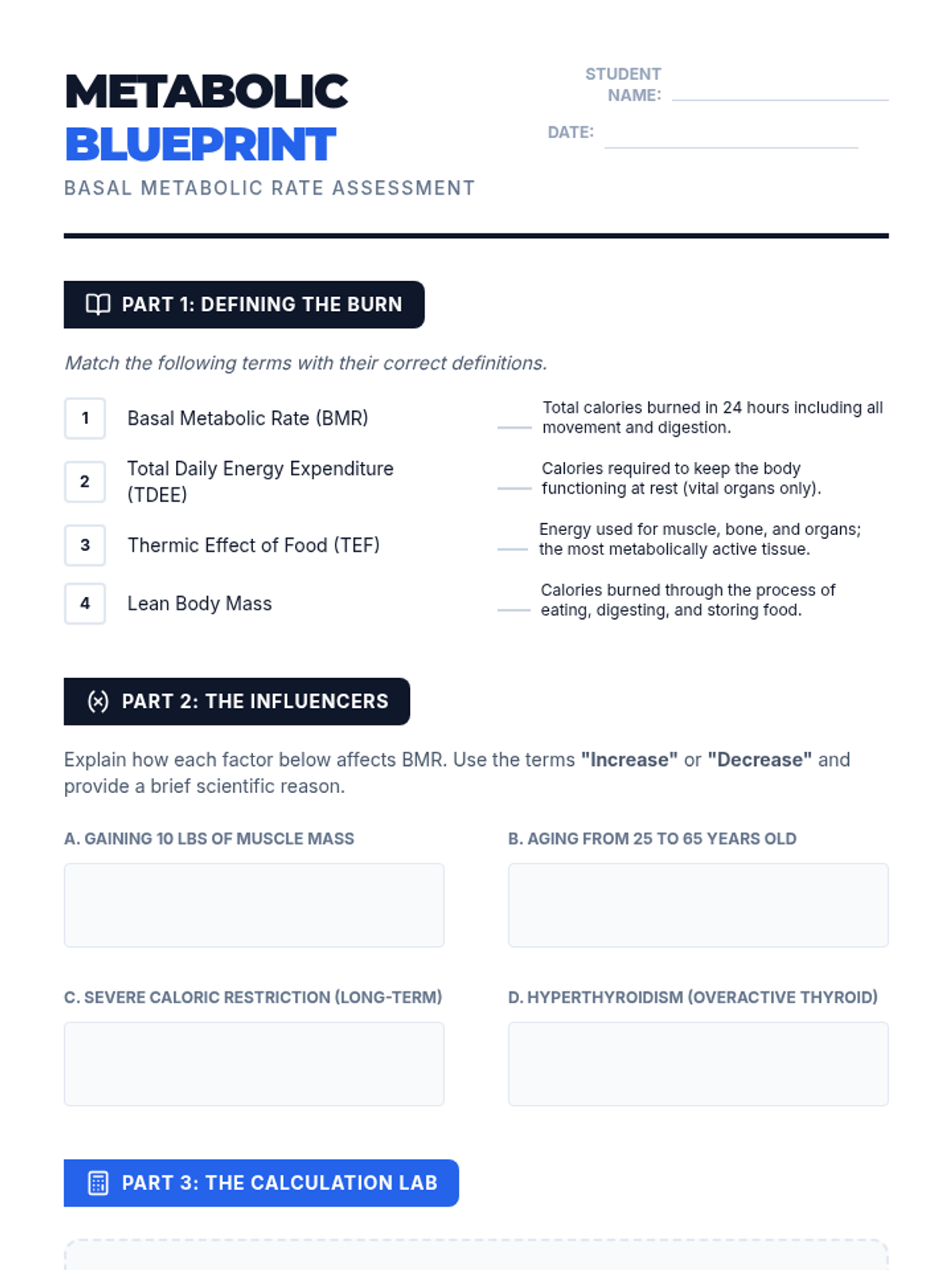
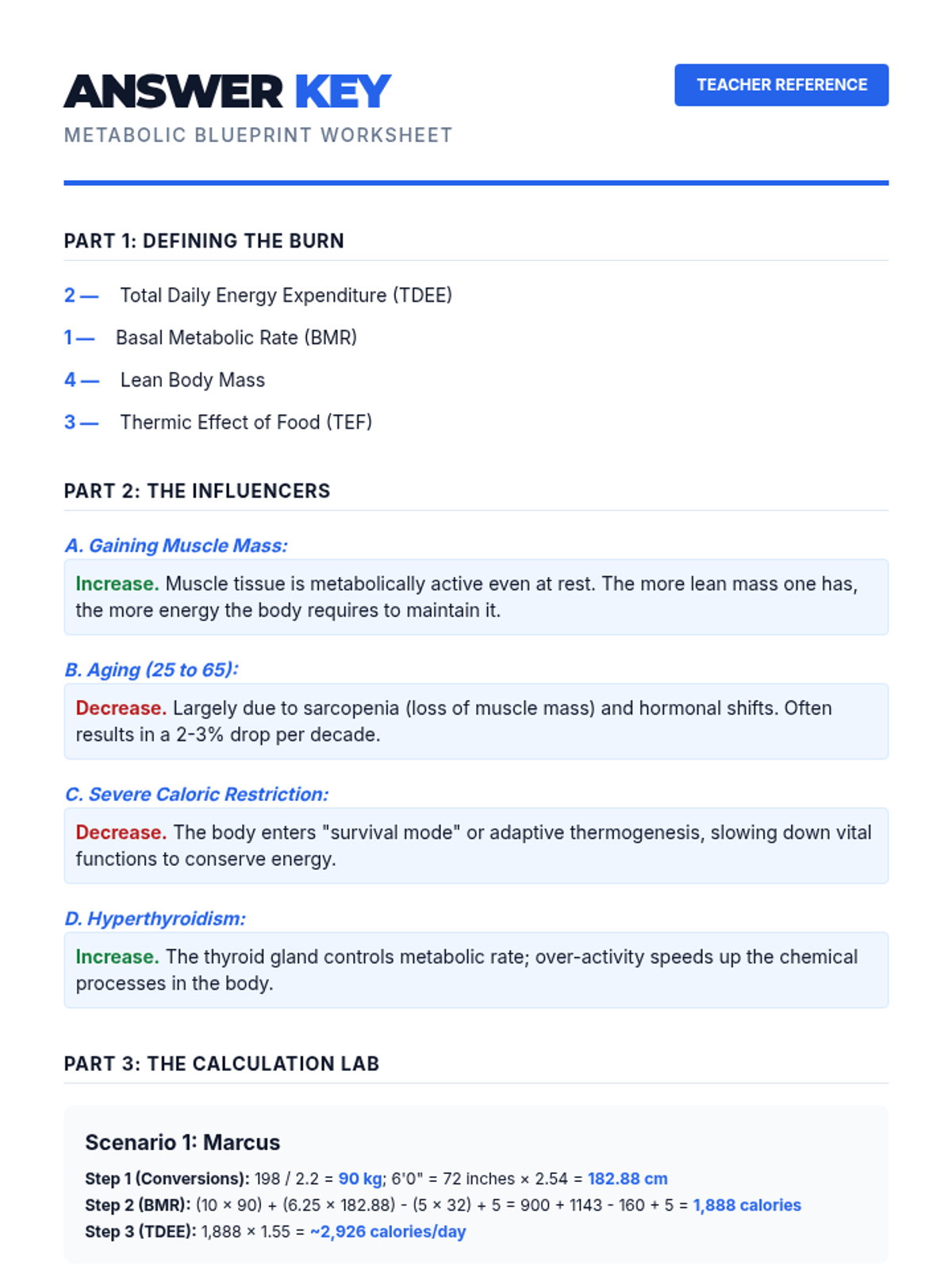
A high school nutrition lesson focused on understanding Basal Metabolic Rate (BMR), the factors that influence it, and how to calculate personal energy needs for health and performance.
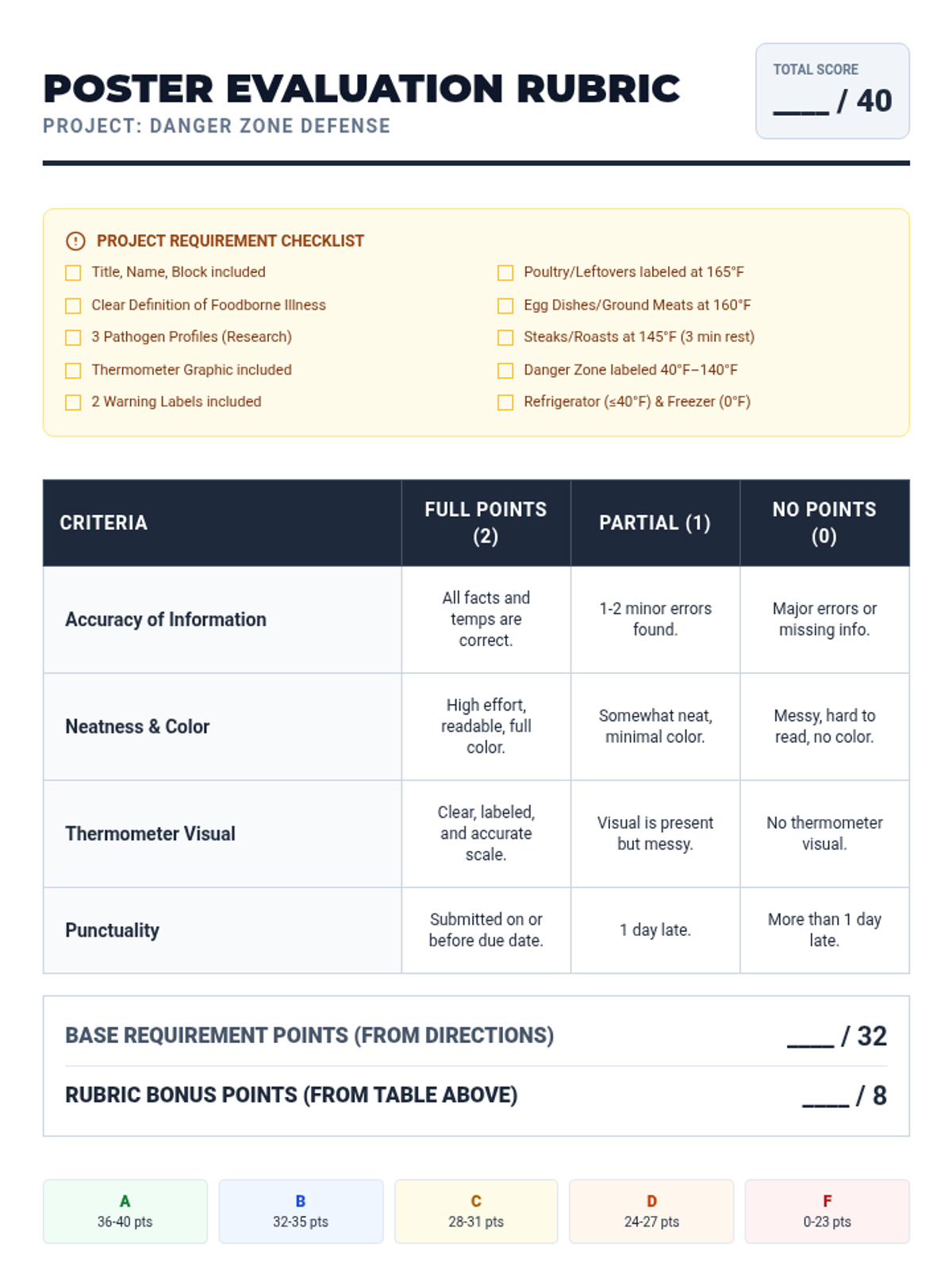
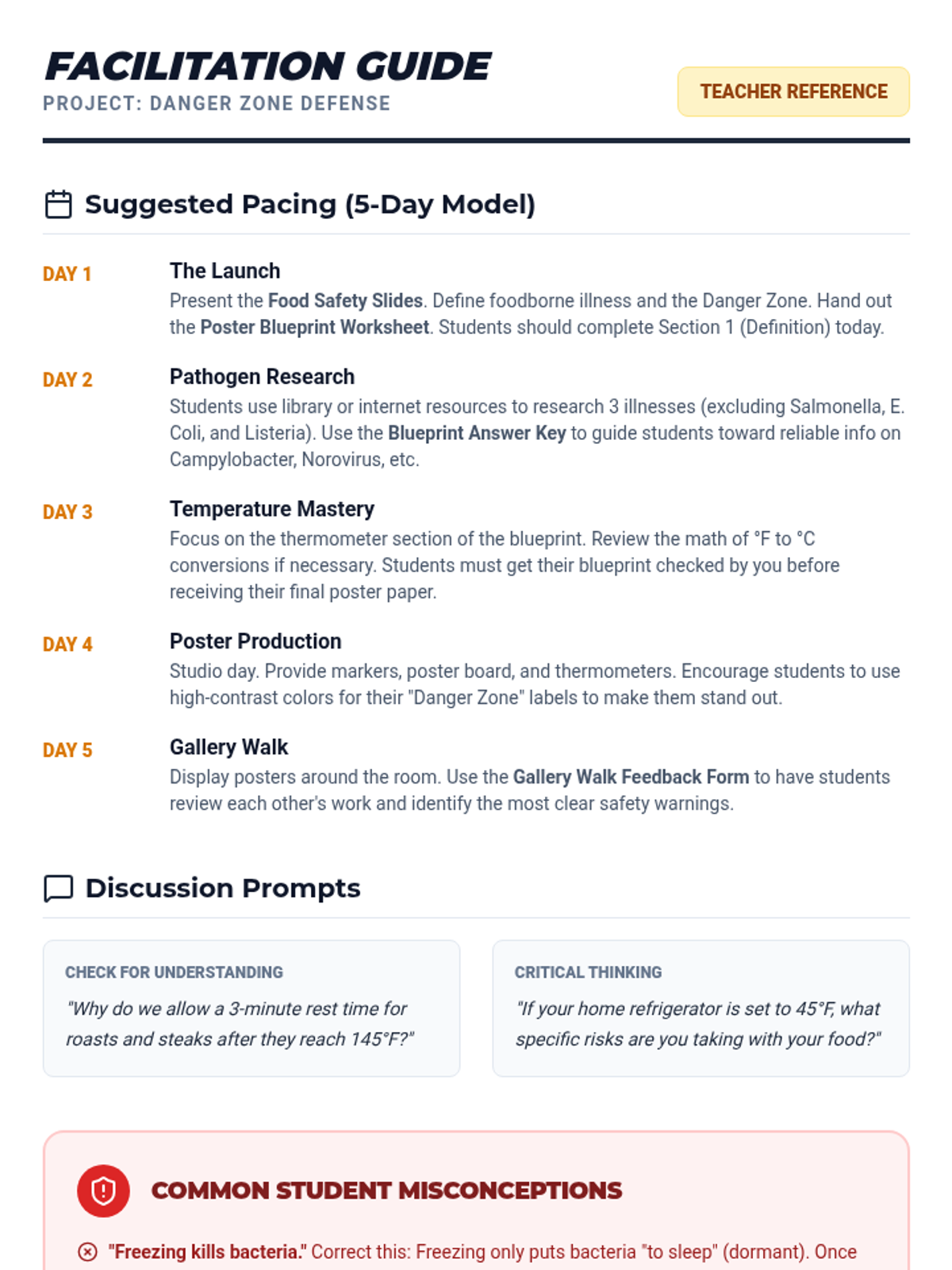
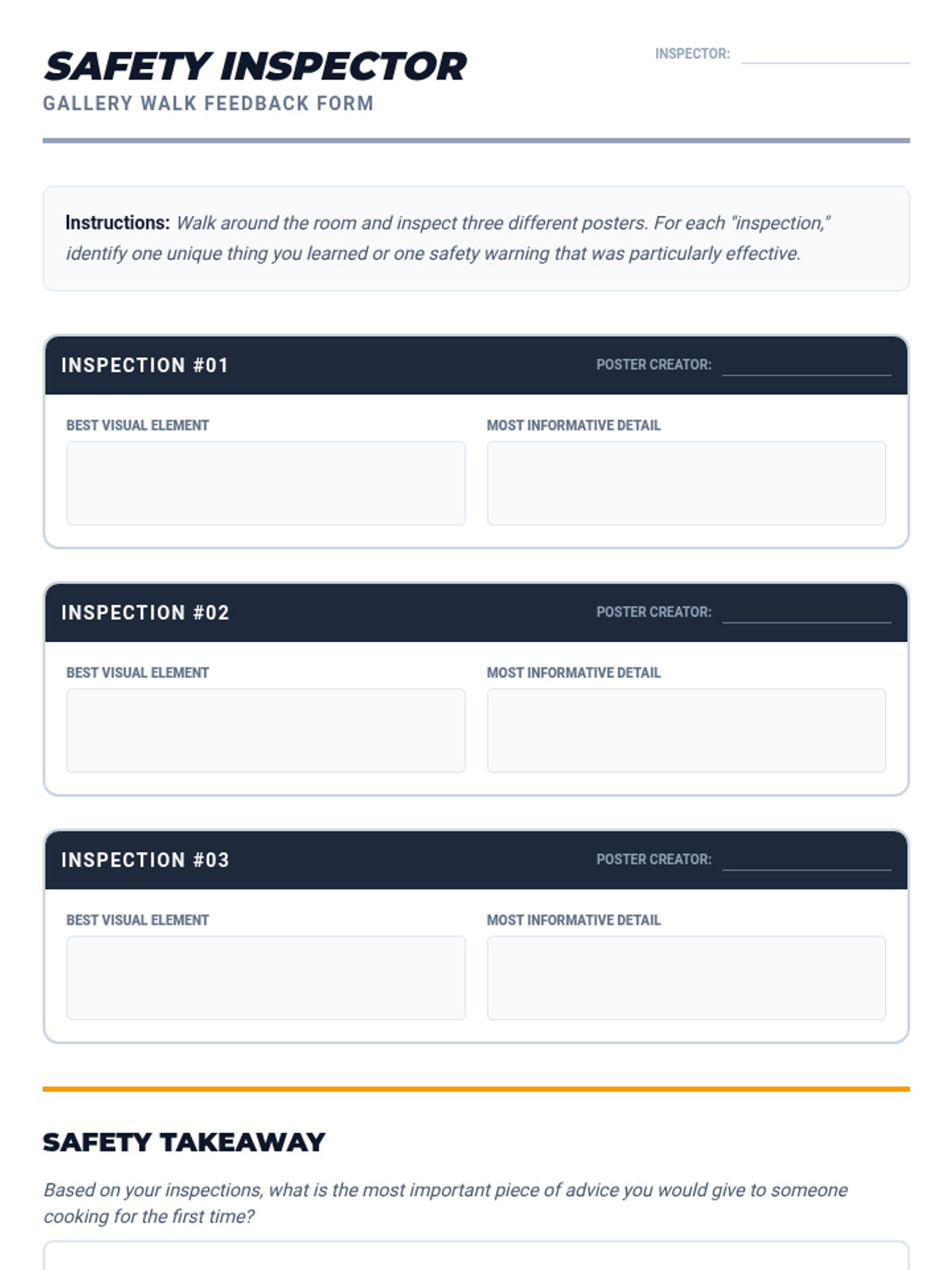
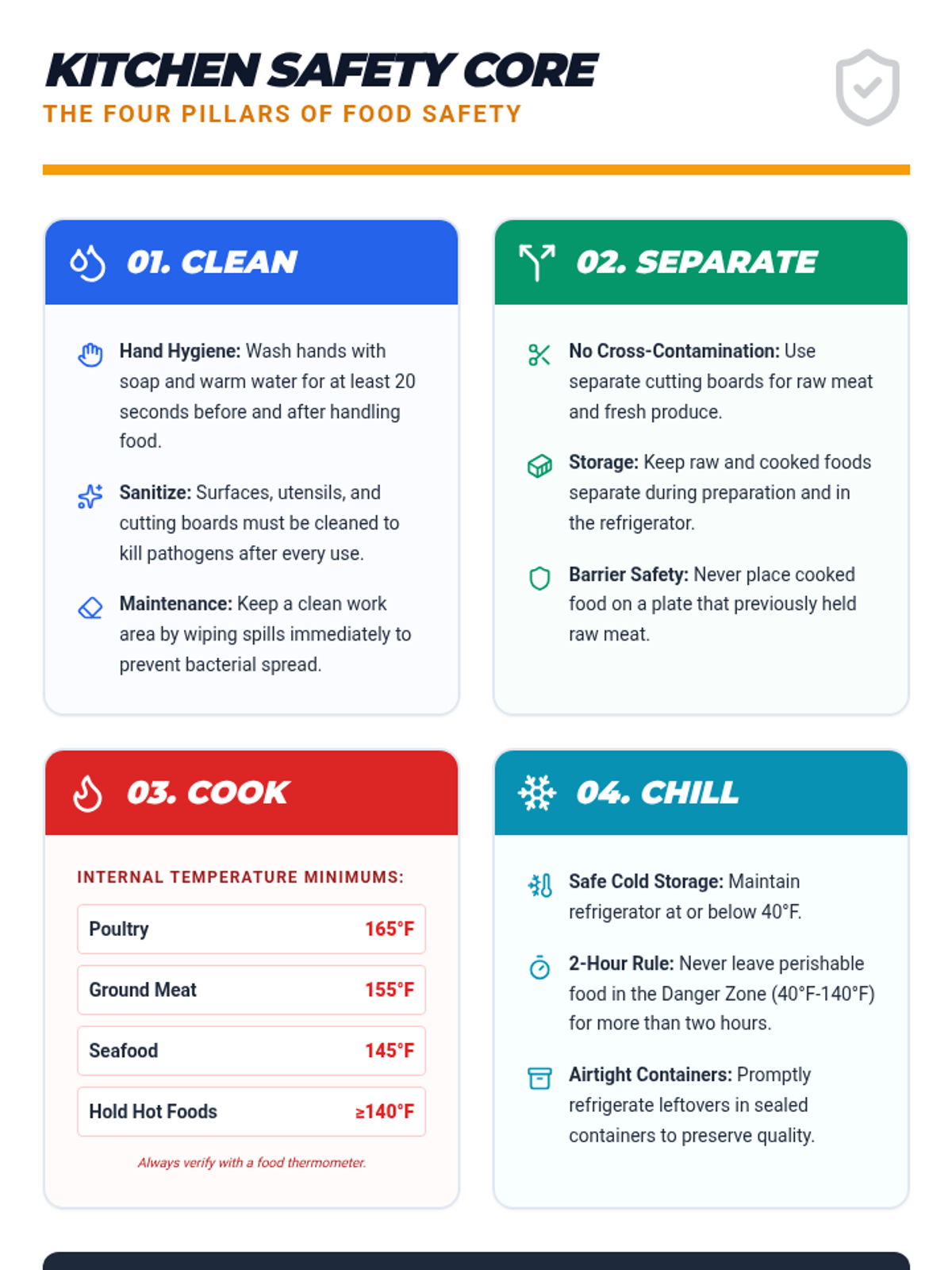
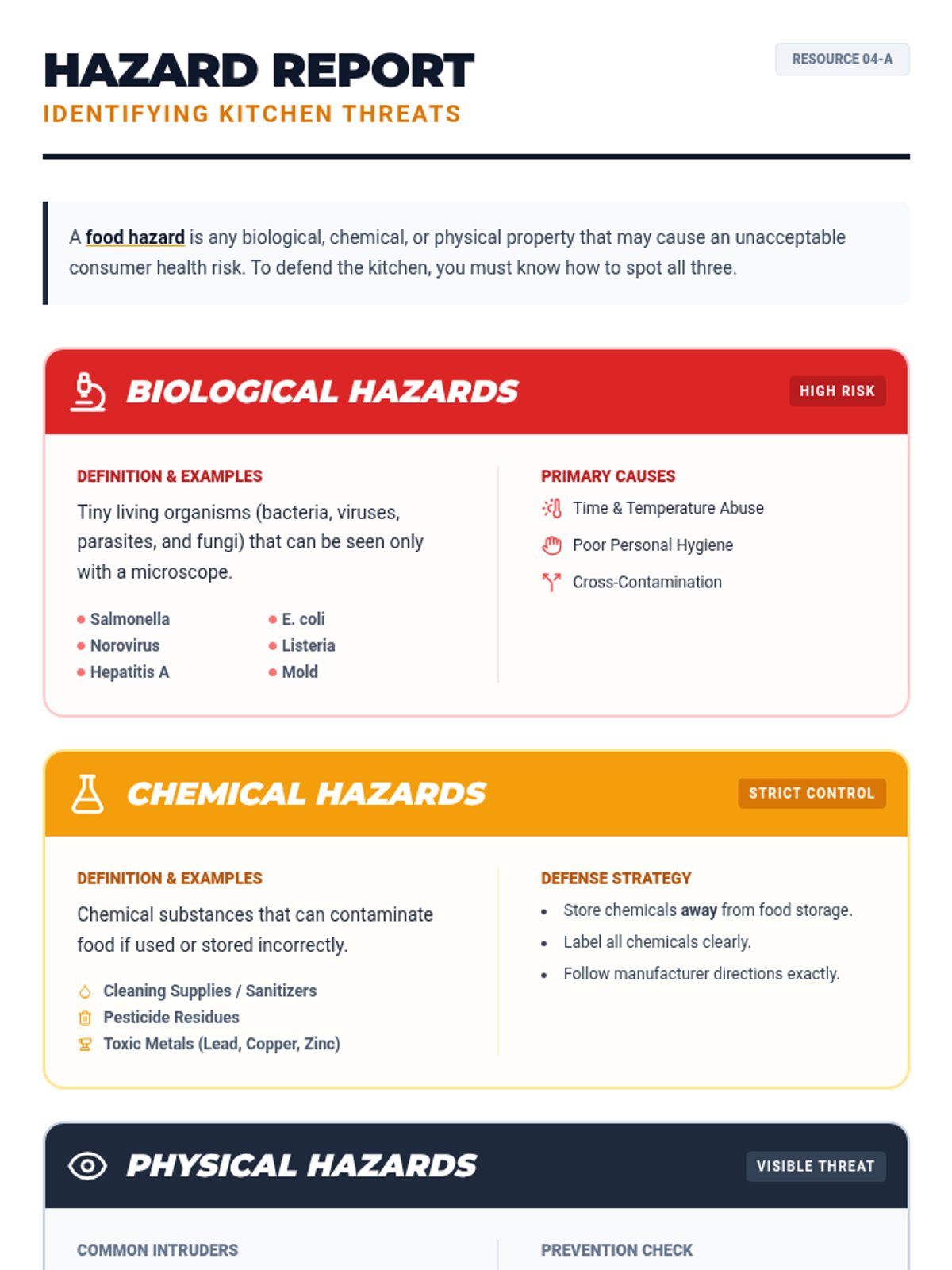
A multi-day project where students research foodborne illnesses and create a visual safety poster centered around proper heating and cooling temperatures. Students will investigate specific pathogens, master temperature guidelines, and understand the science of the 'Danger Zone.'
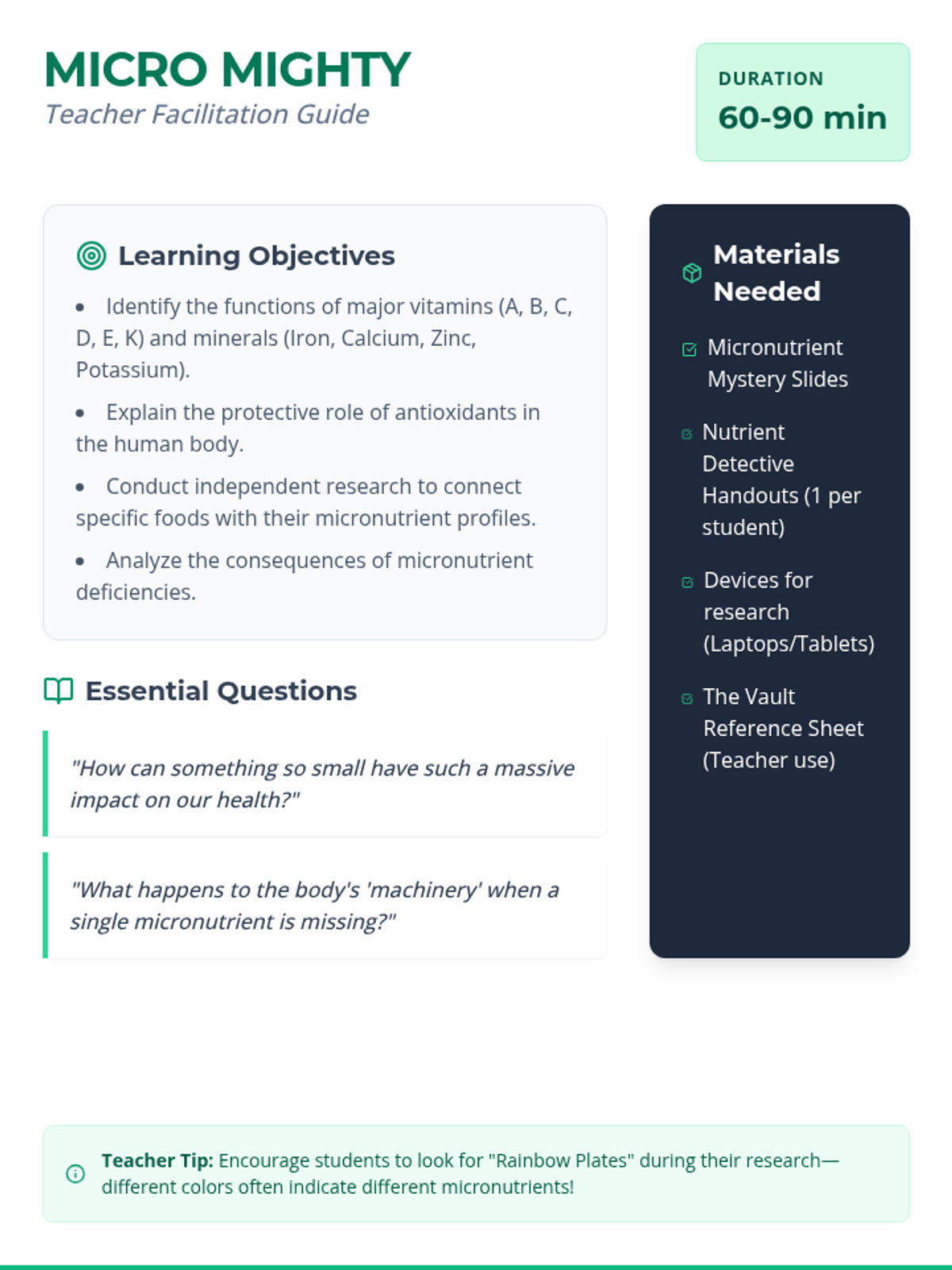
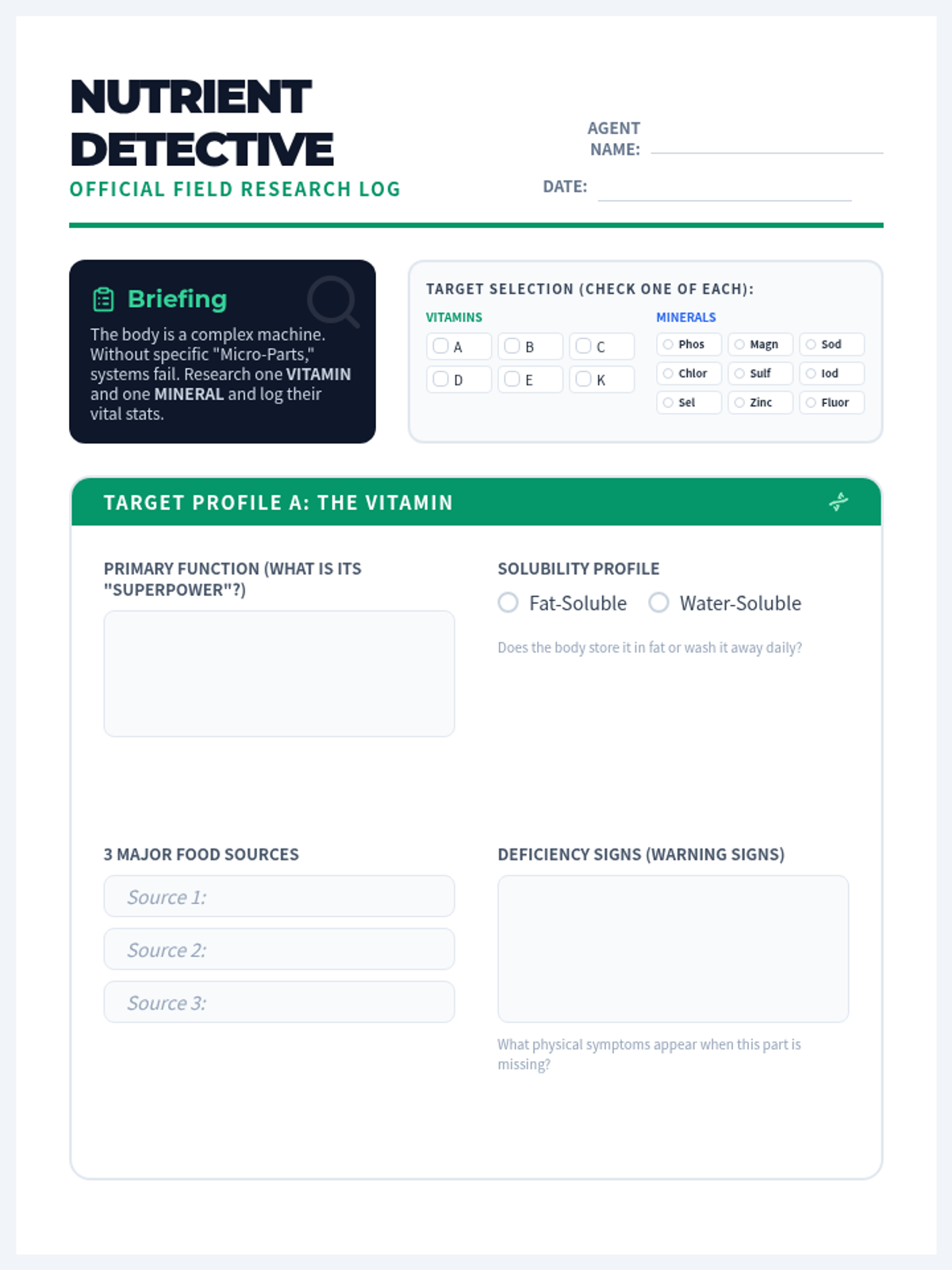
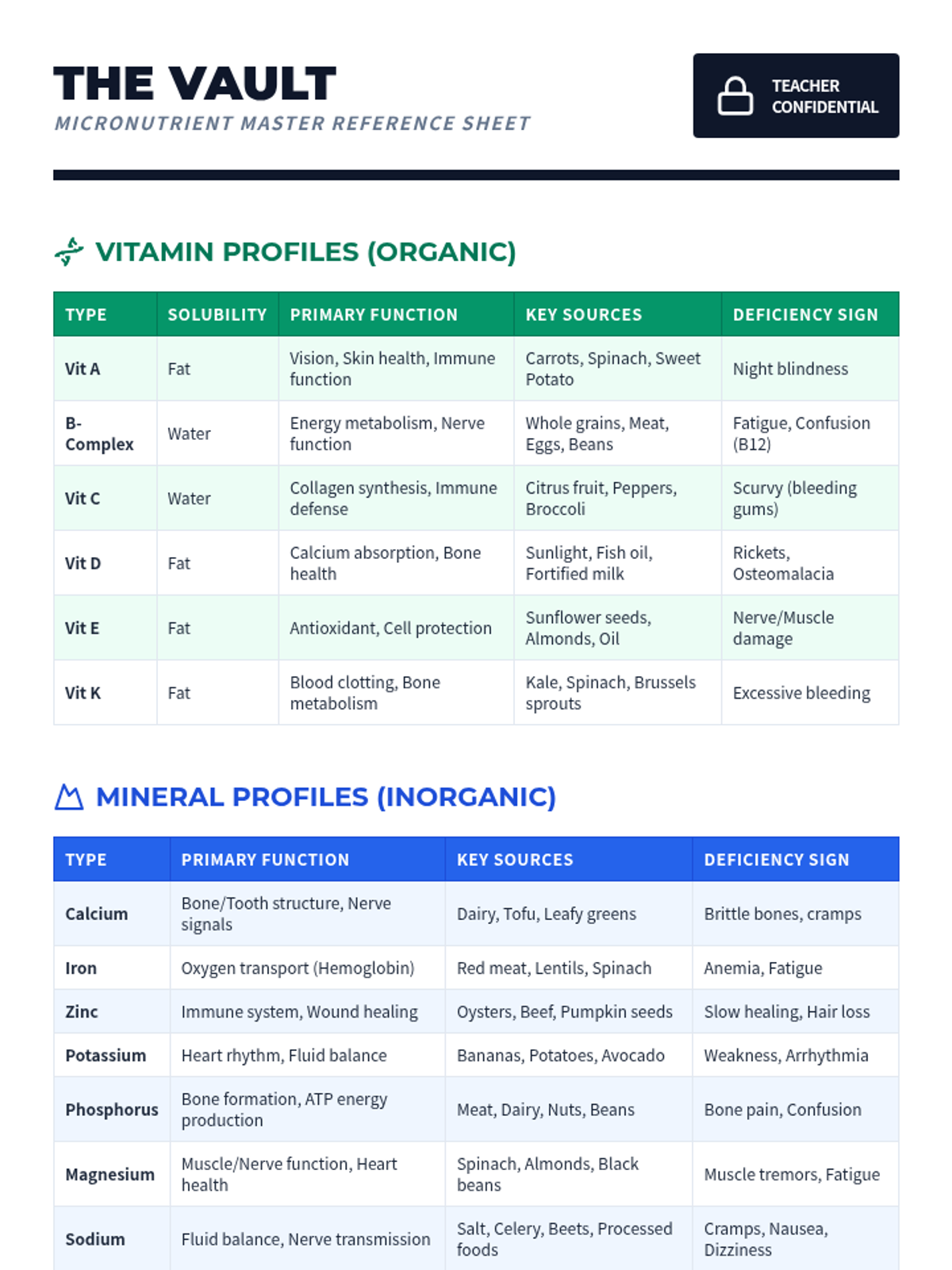
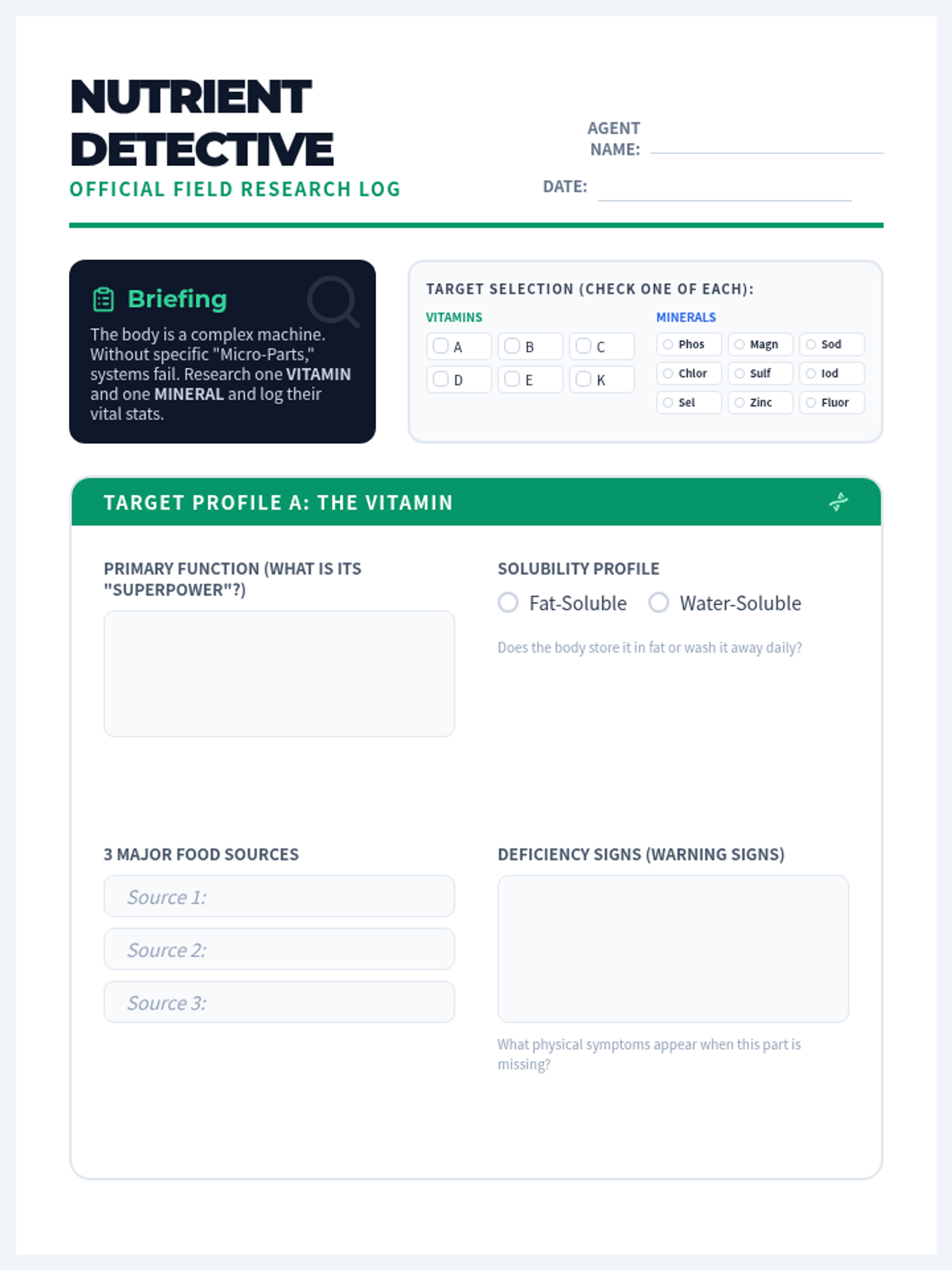
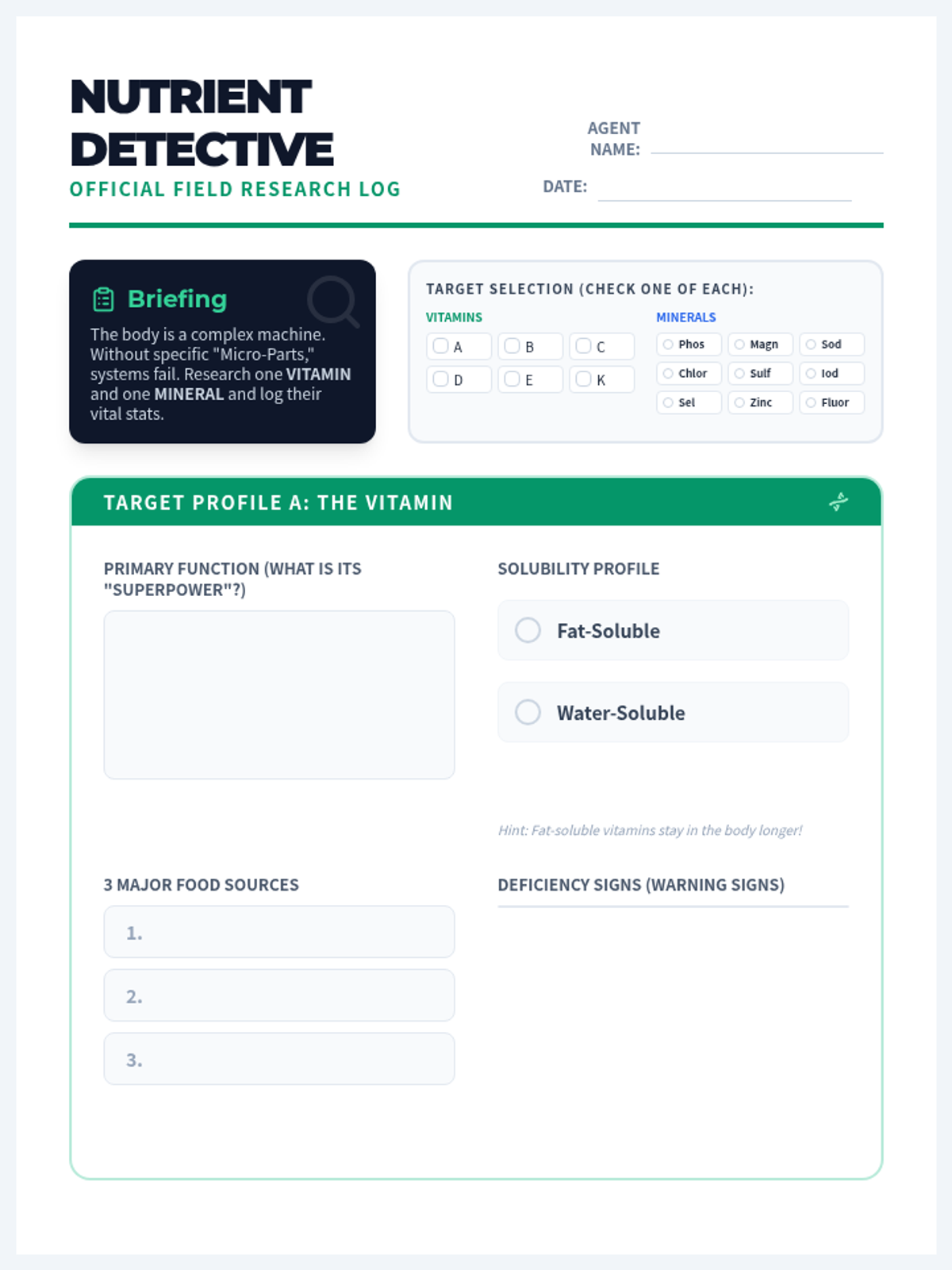
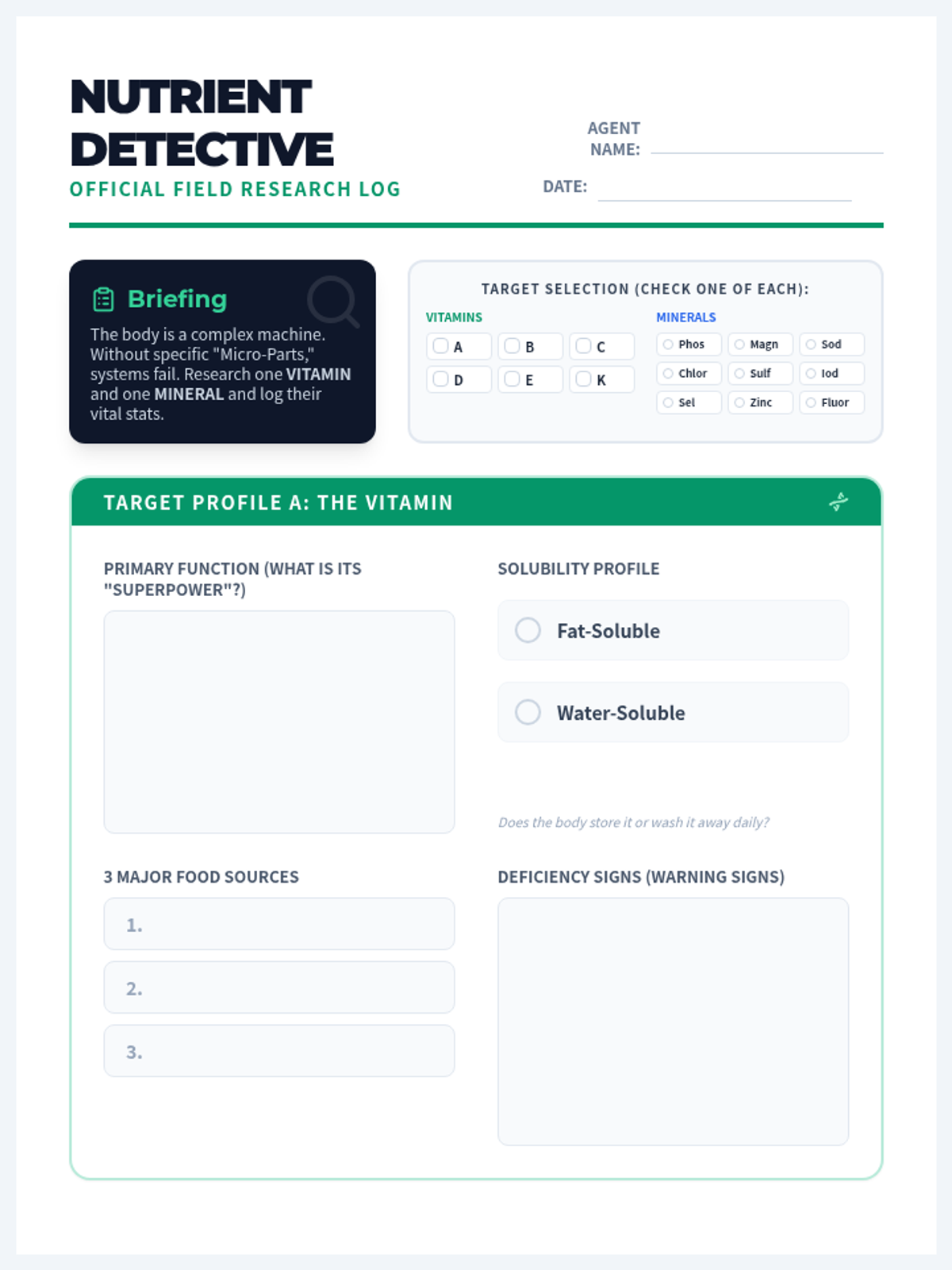
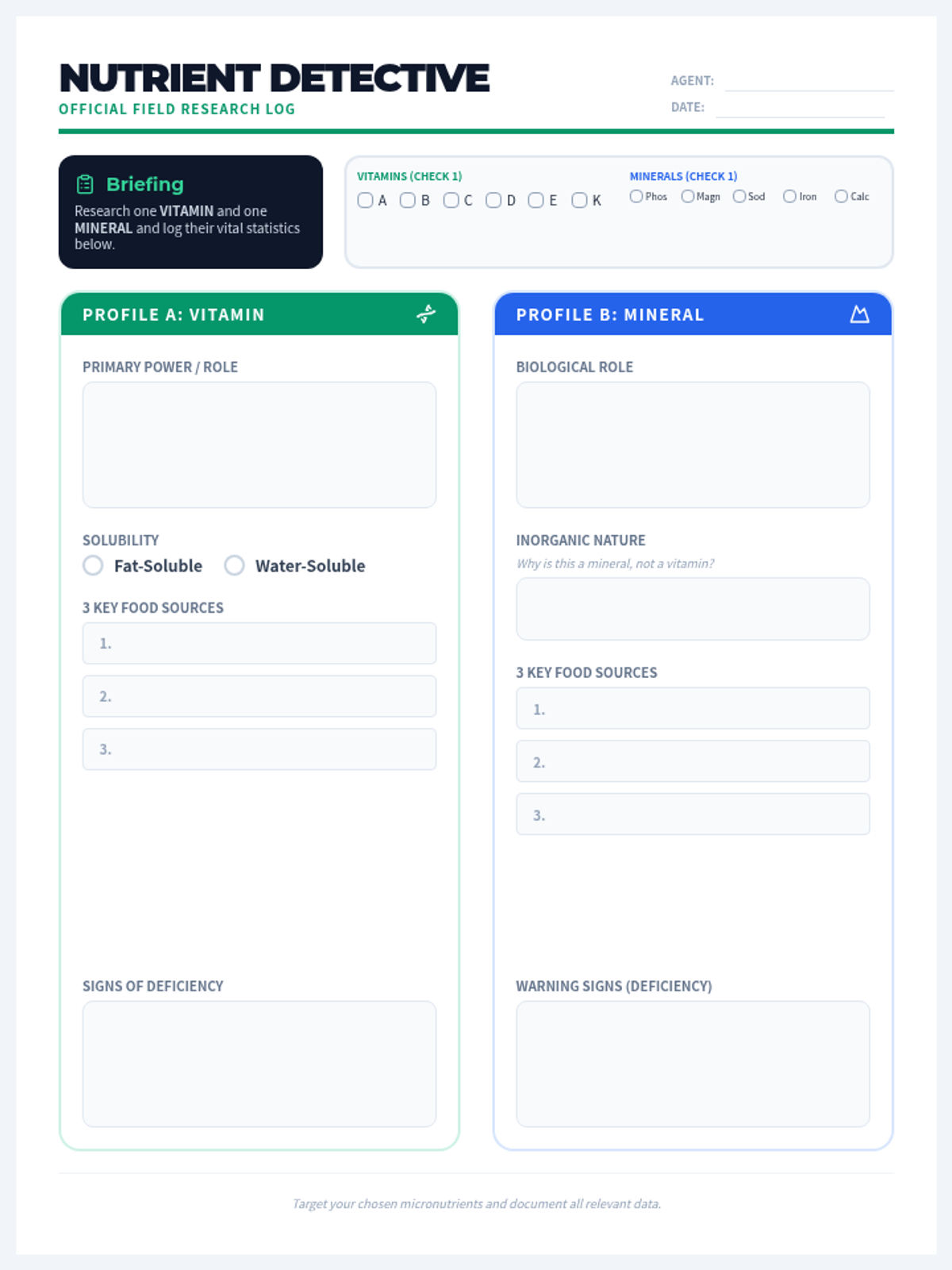
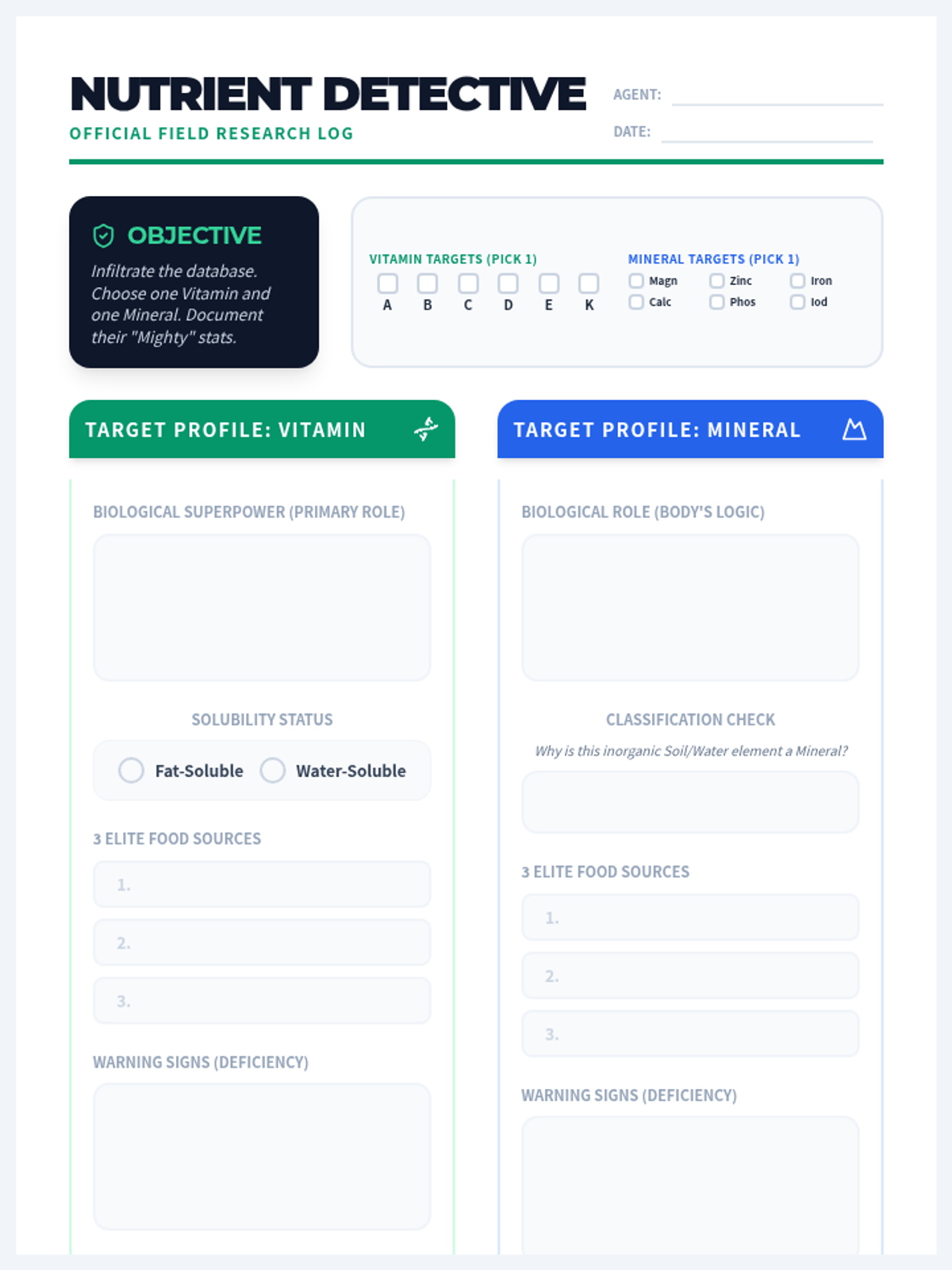
A comprehensive lesson exploring the essential roles of vitamins, minerals, and antioxidants in human health, featuring a guided research activity.
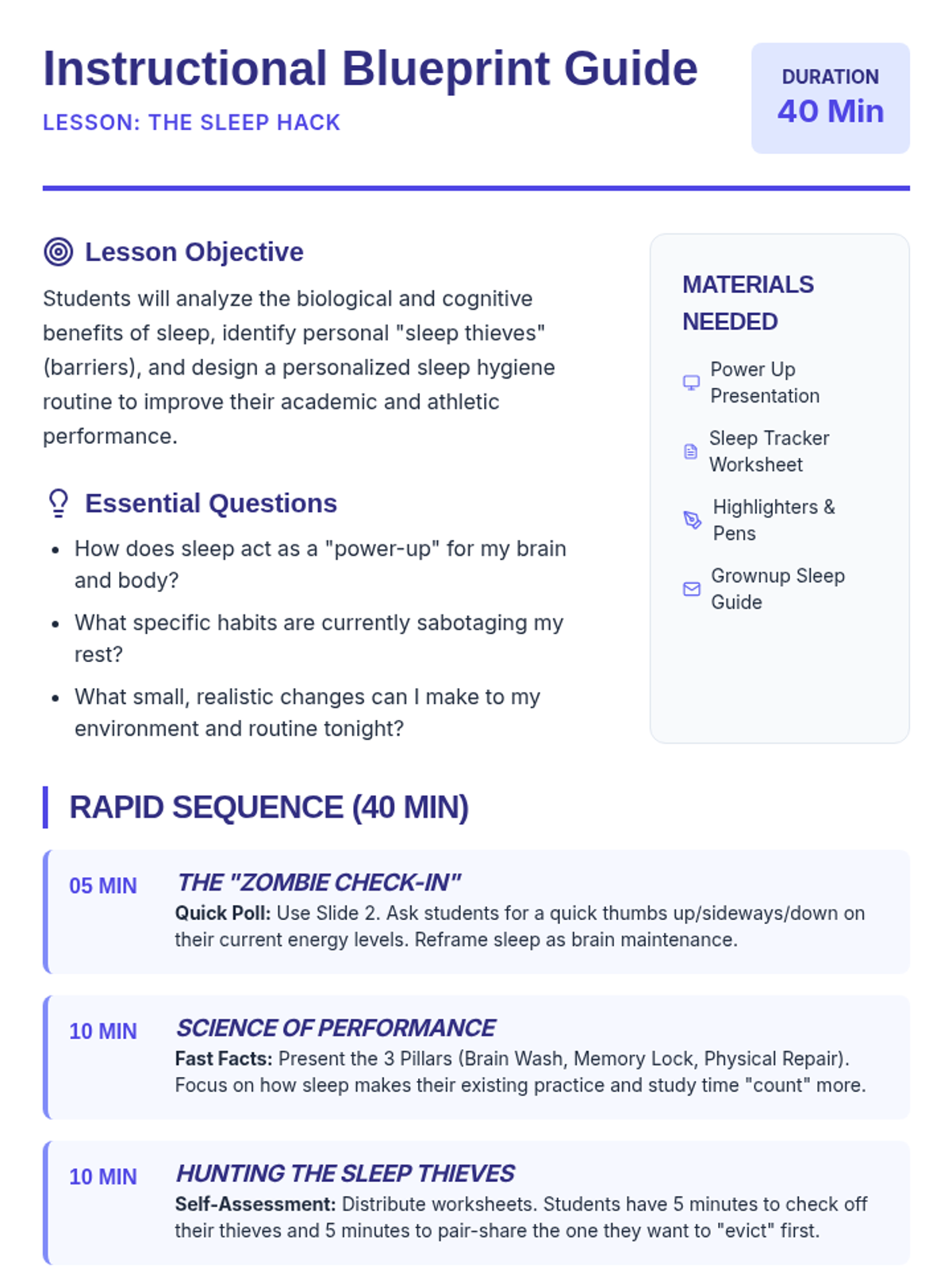
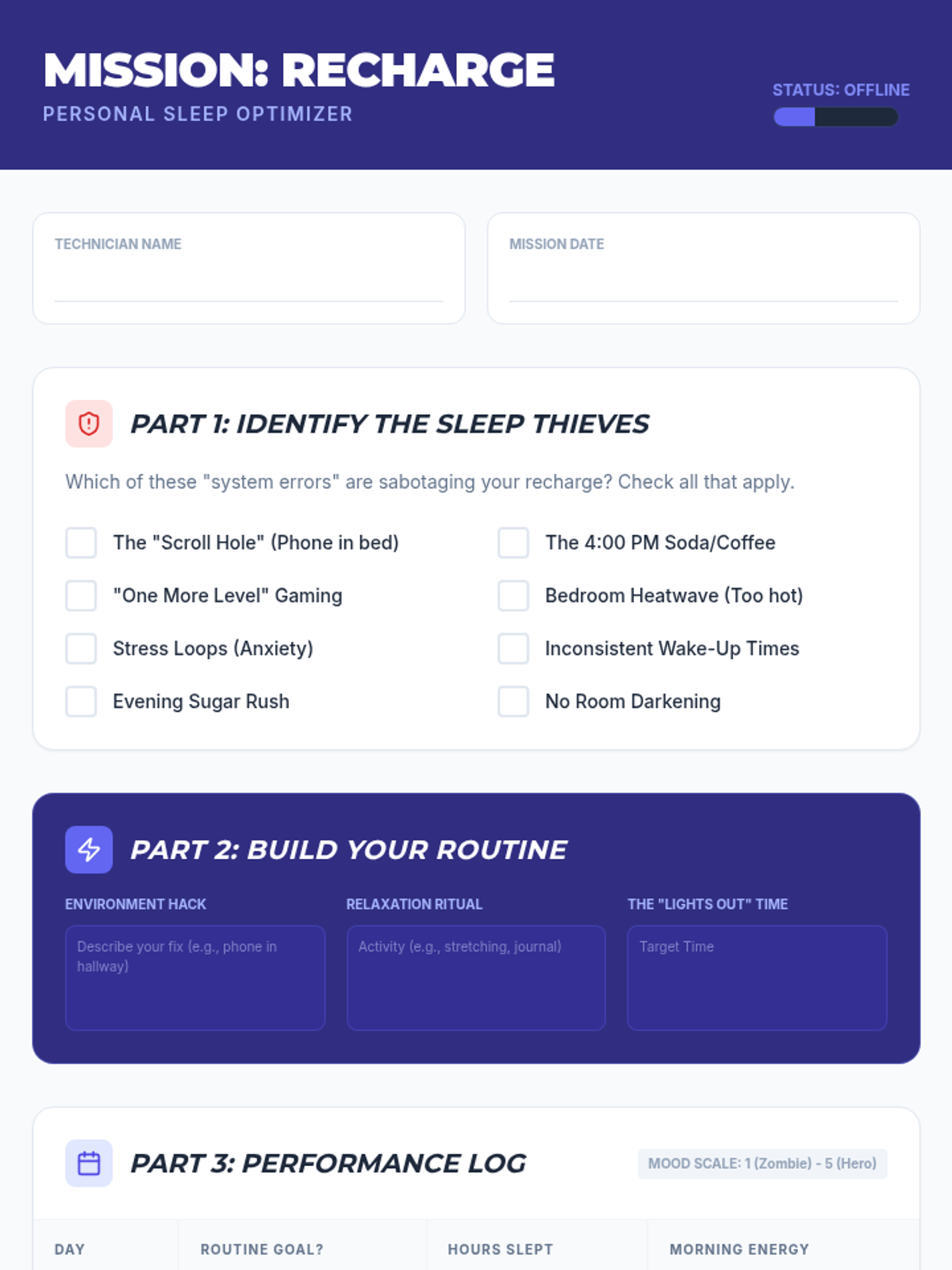
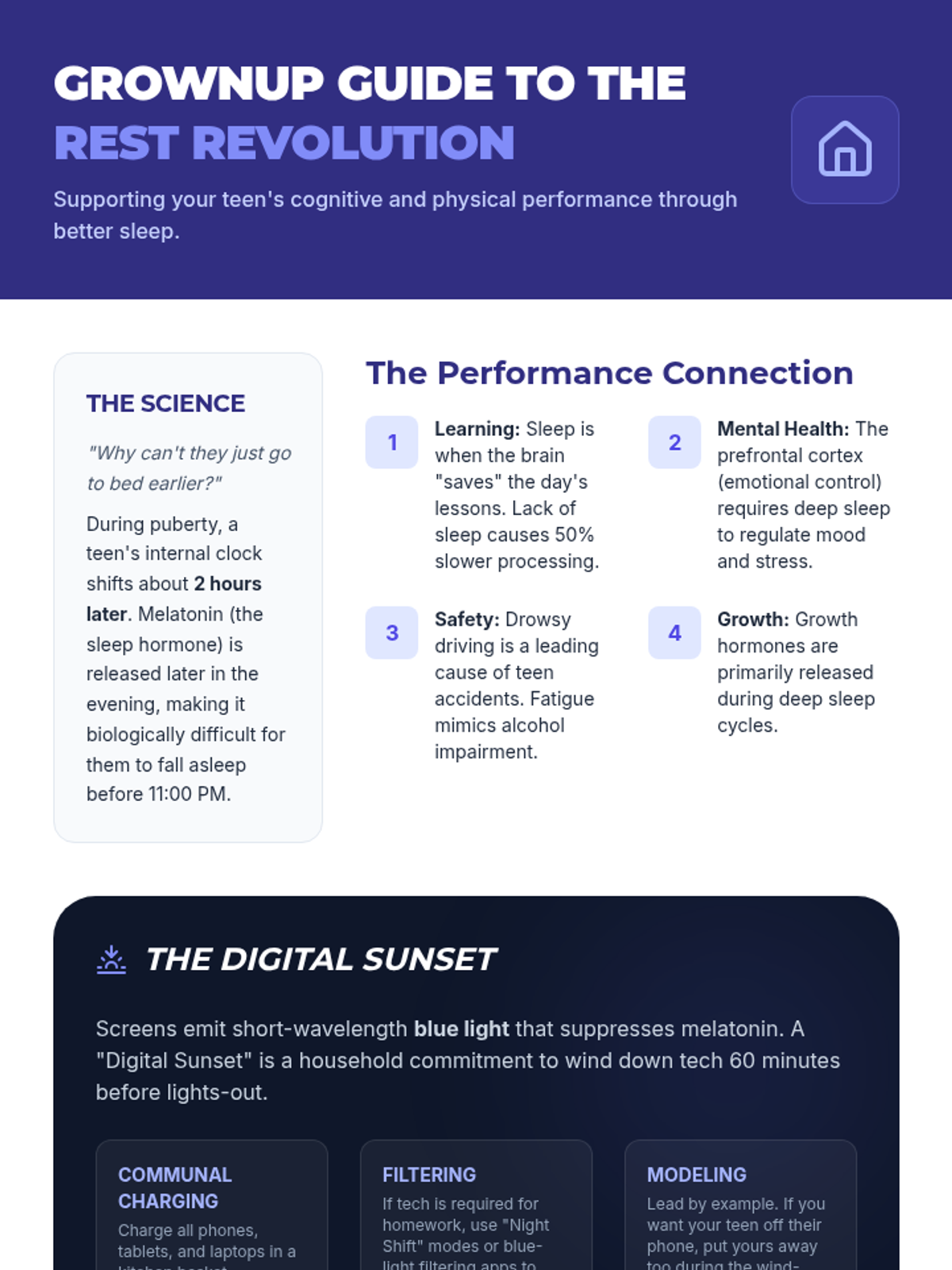
An engaging lesson that breaks down why sleep is a performance-enhancing 'hack' for students and provides practical tools for building a better bedtime routine.
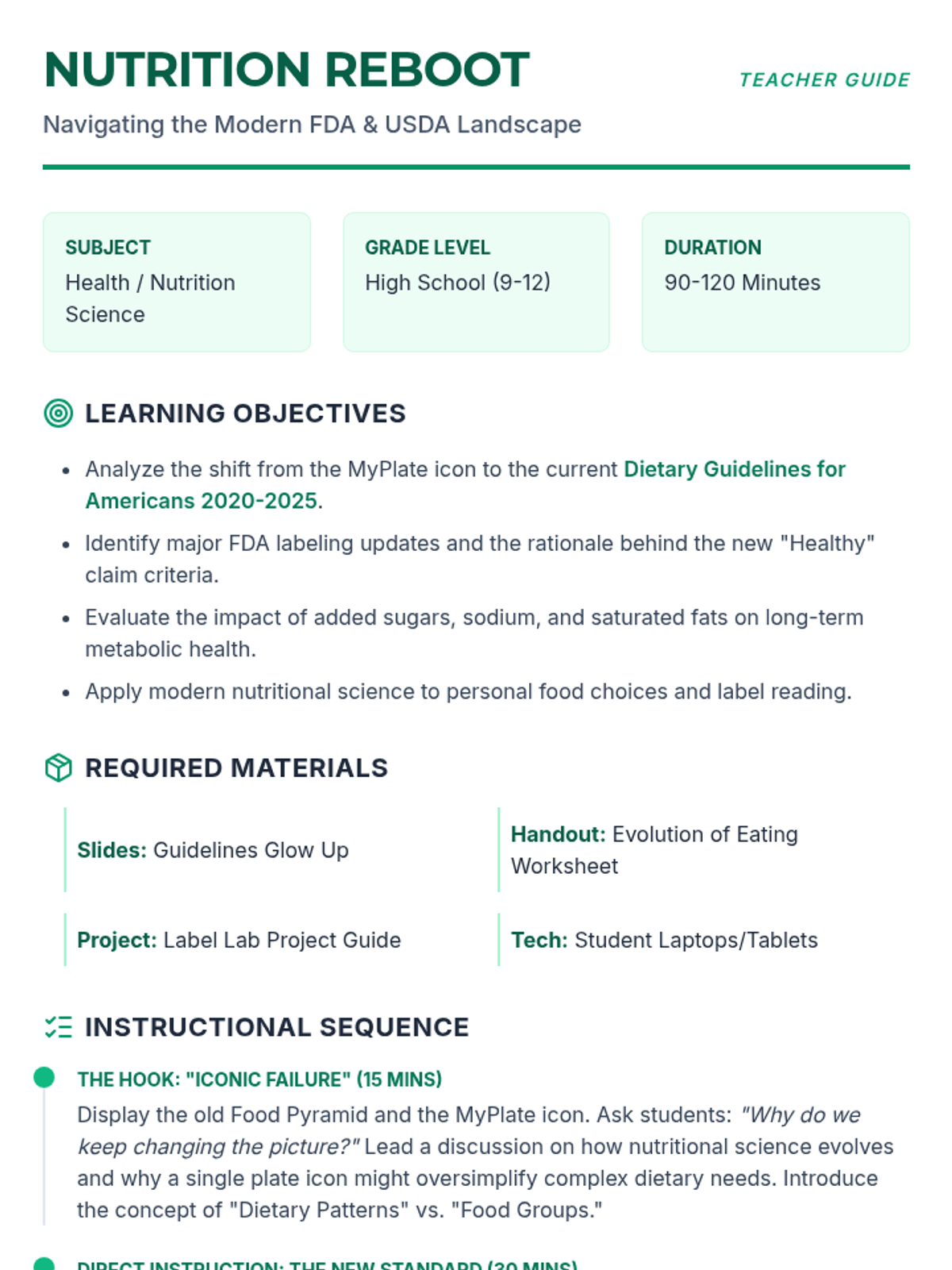
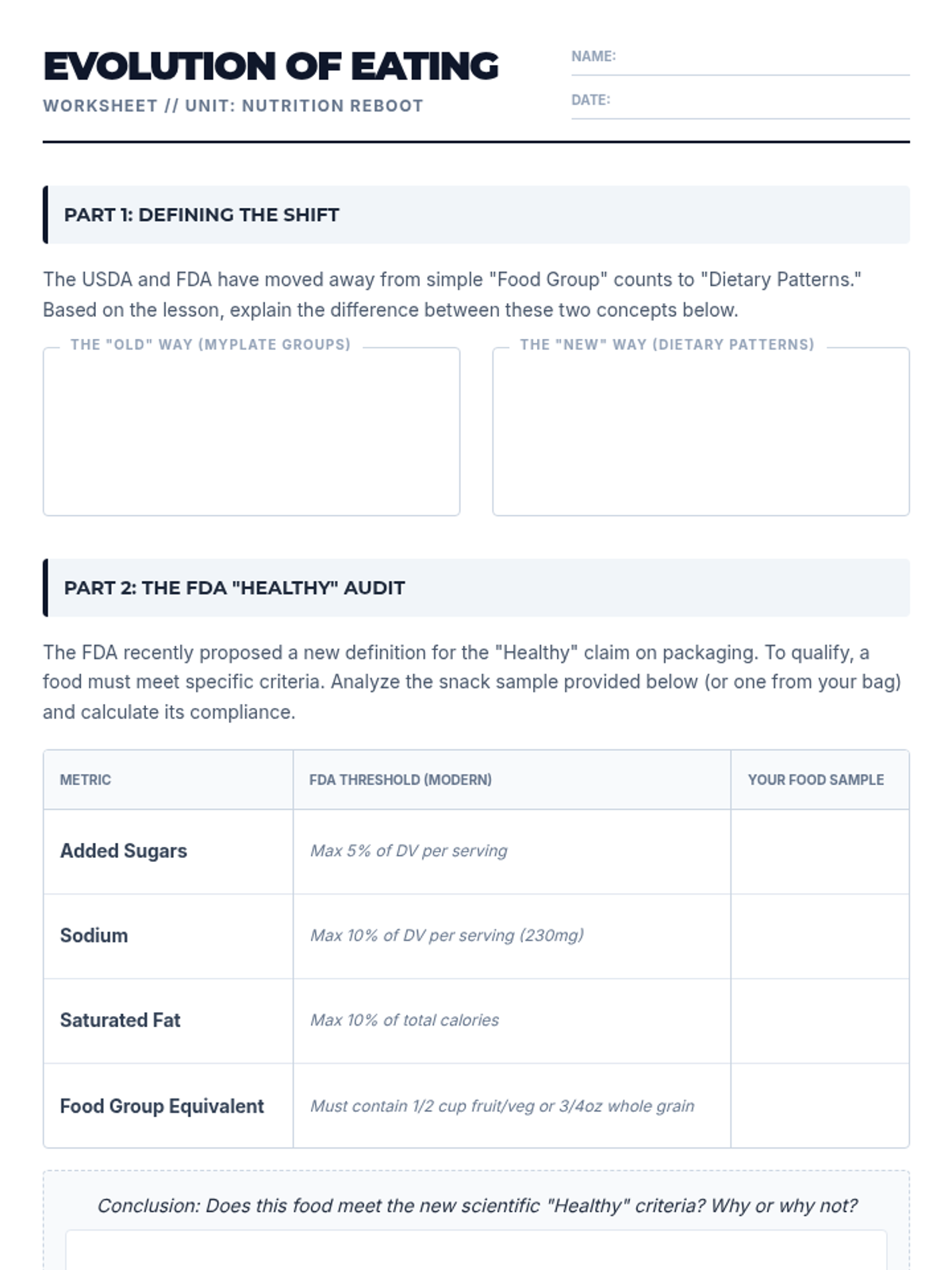
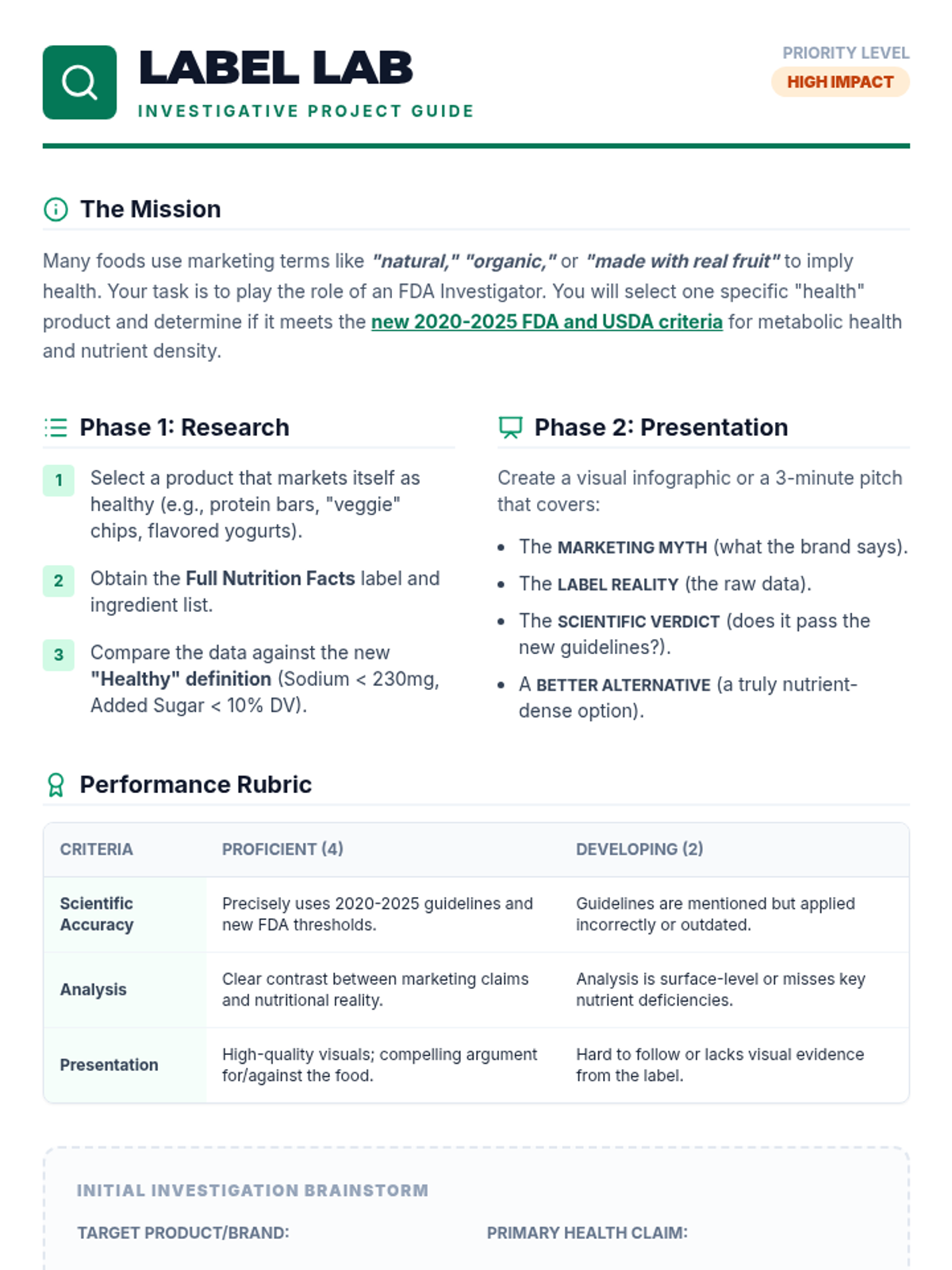
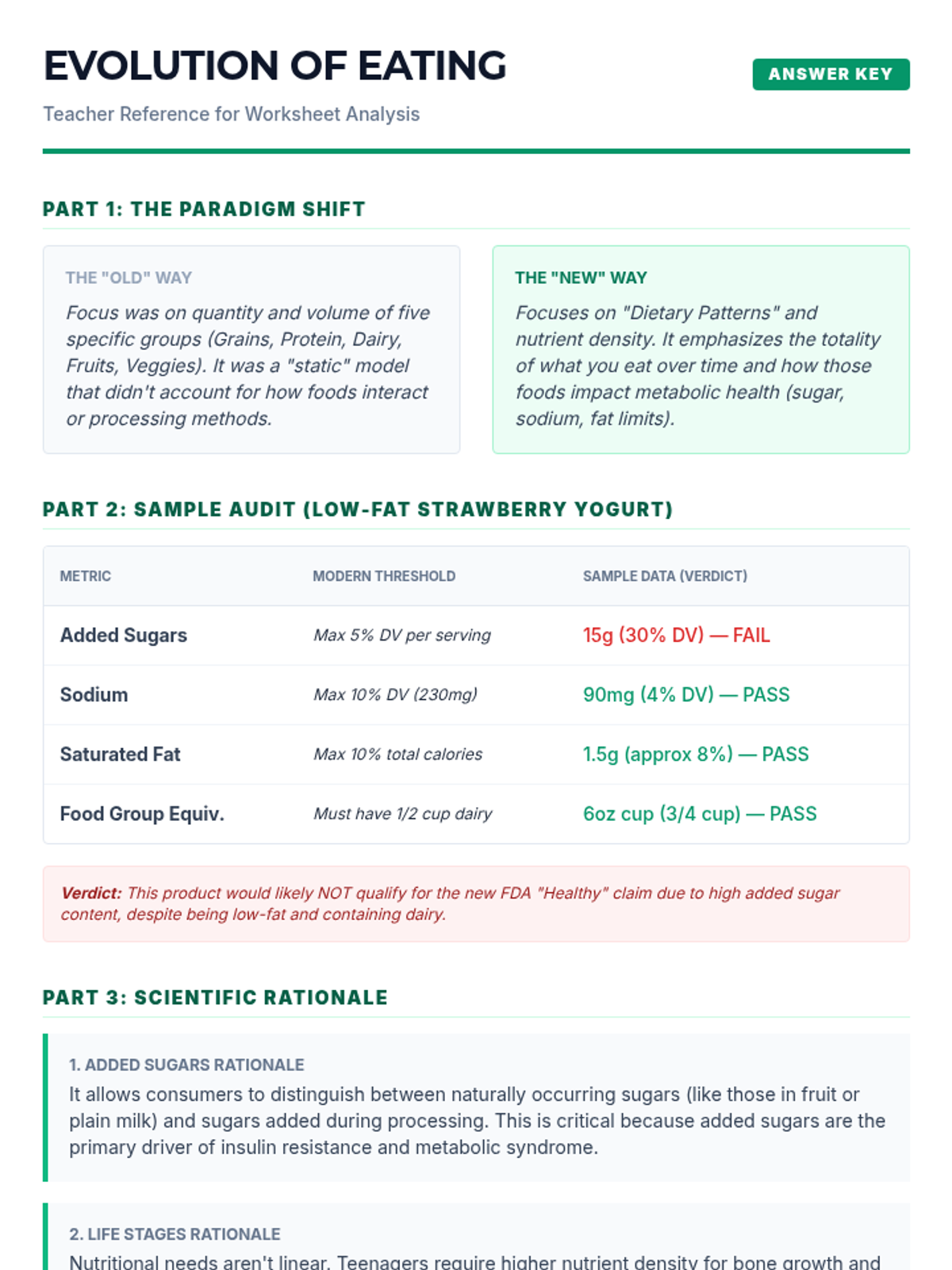
A high school lesson exploring the latest FDA and USDA nutrition guidelines, focusing on the shift toward nutrient density, updated labeling requirements, and the scientific rationale behind modern dietary recommendations.
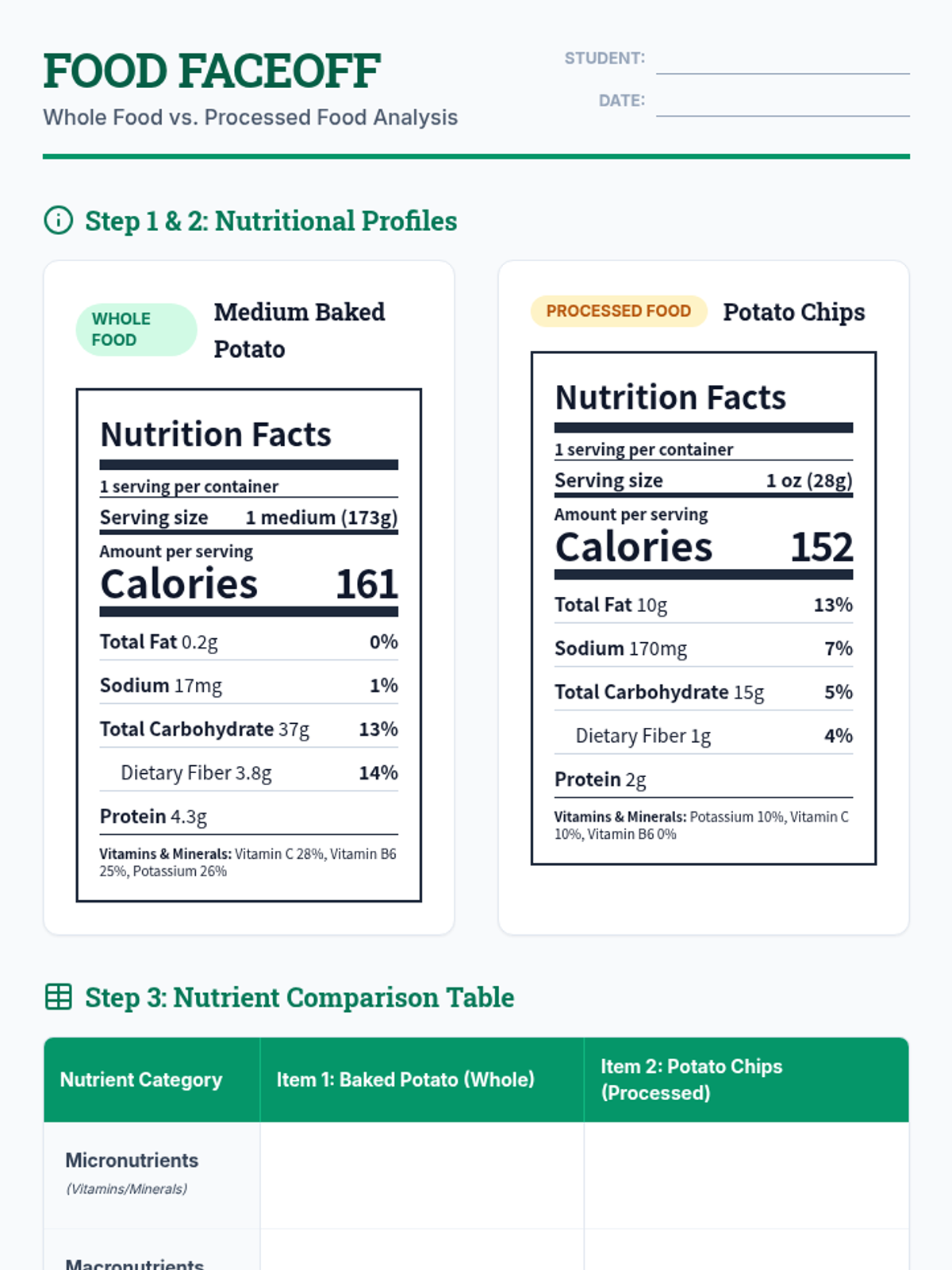
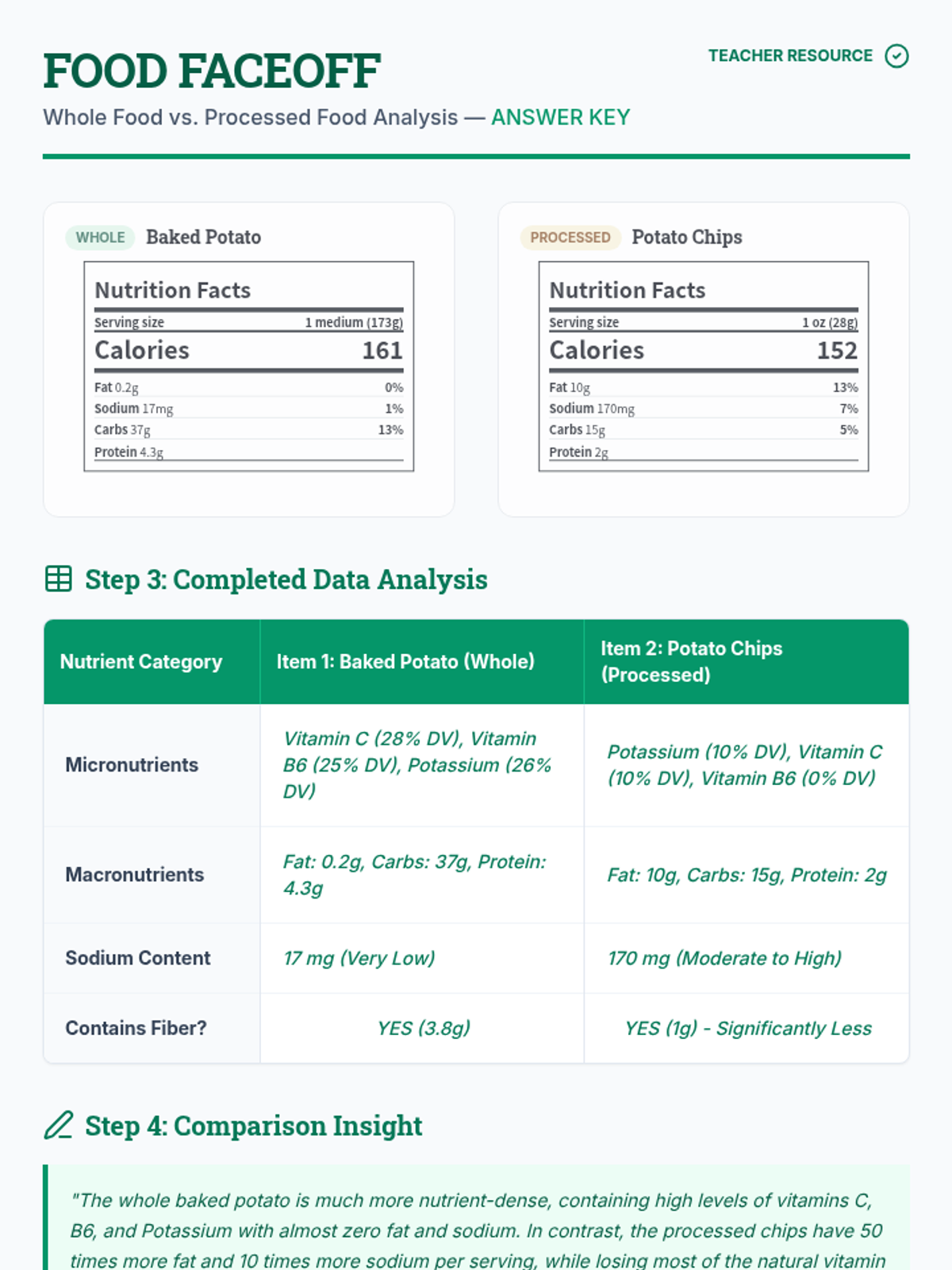
A lesson exploring the nutritional differences between whole and processed foods through data analysis and calorie calculations. Students compare a whole baked potato to processed potato chips to understand how processing affects nutrient density.
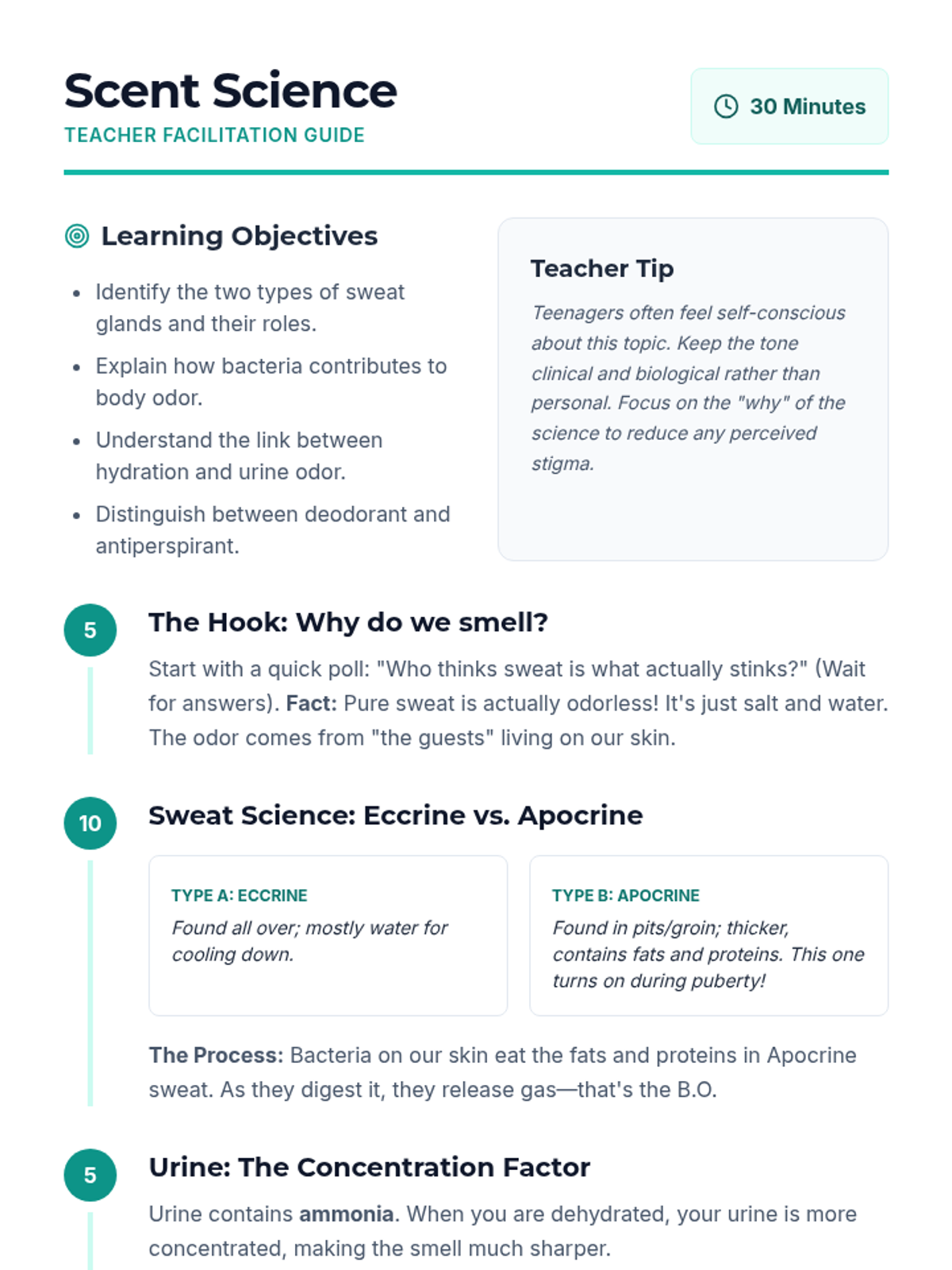
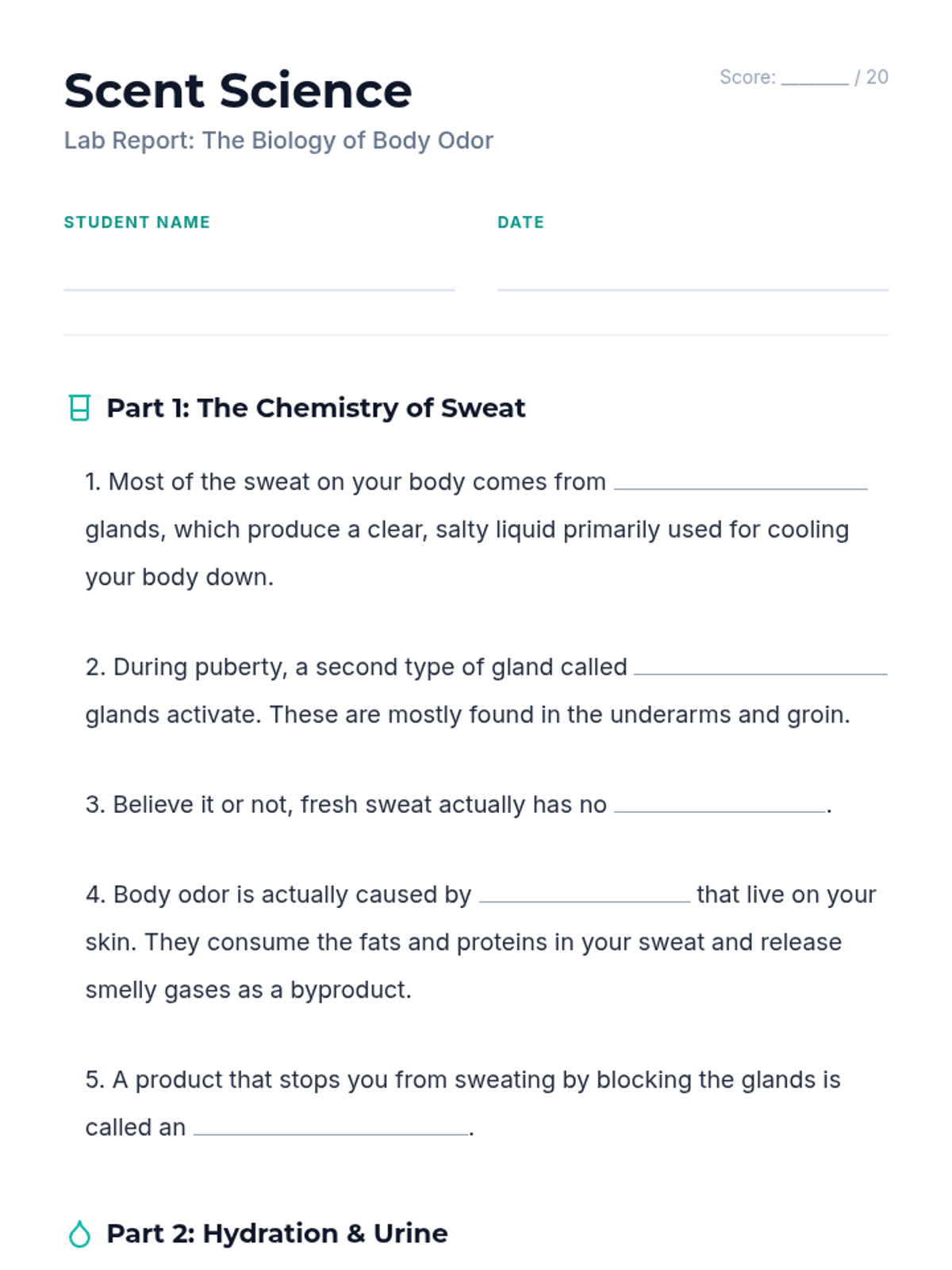
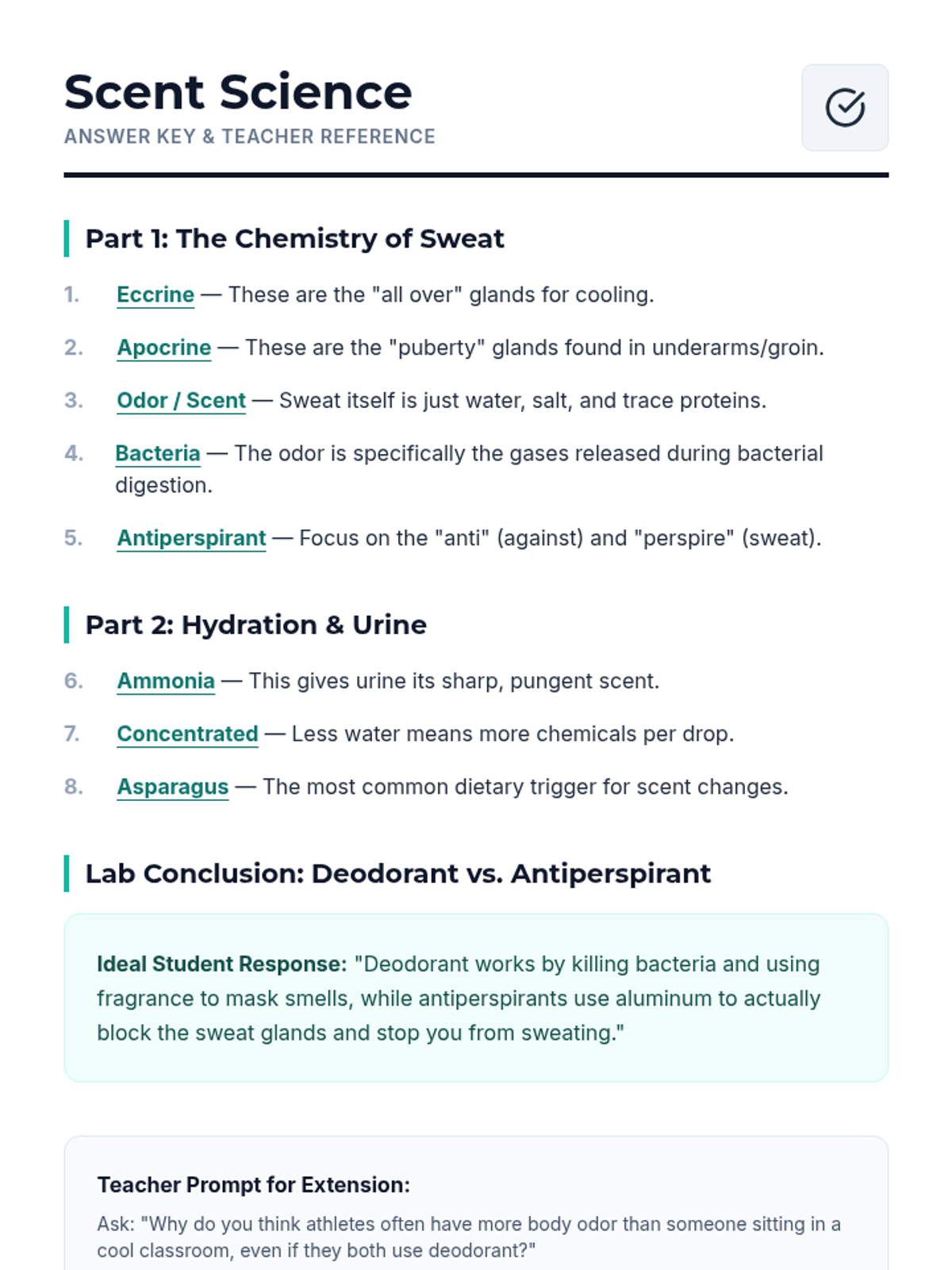
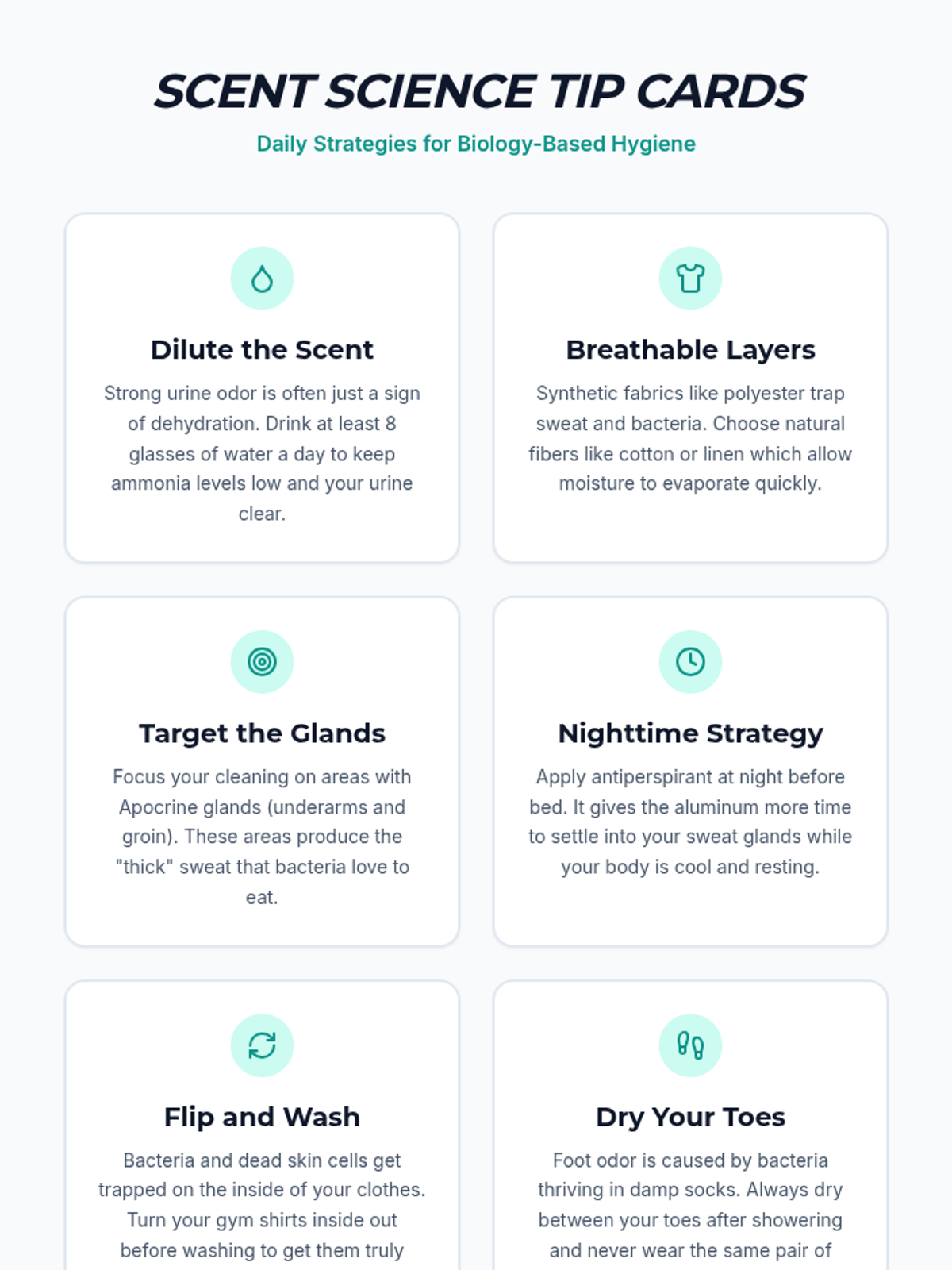
A quick, evidence-based lesson designed to help teenagers understand the biological causes of body odor related to sweat and urine, along with practical management strategies.
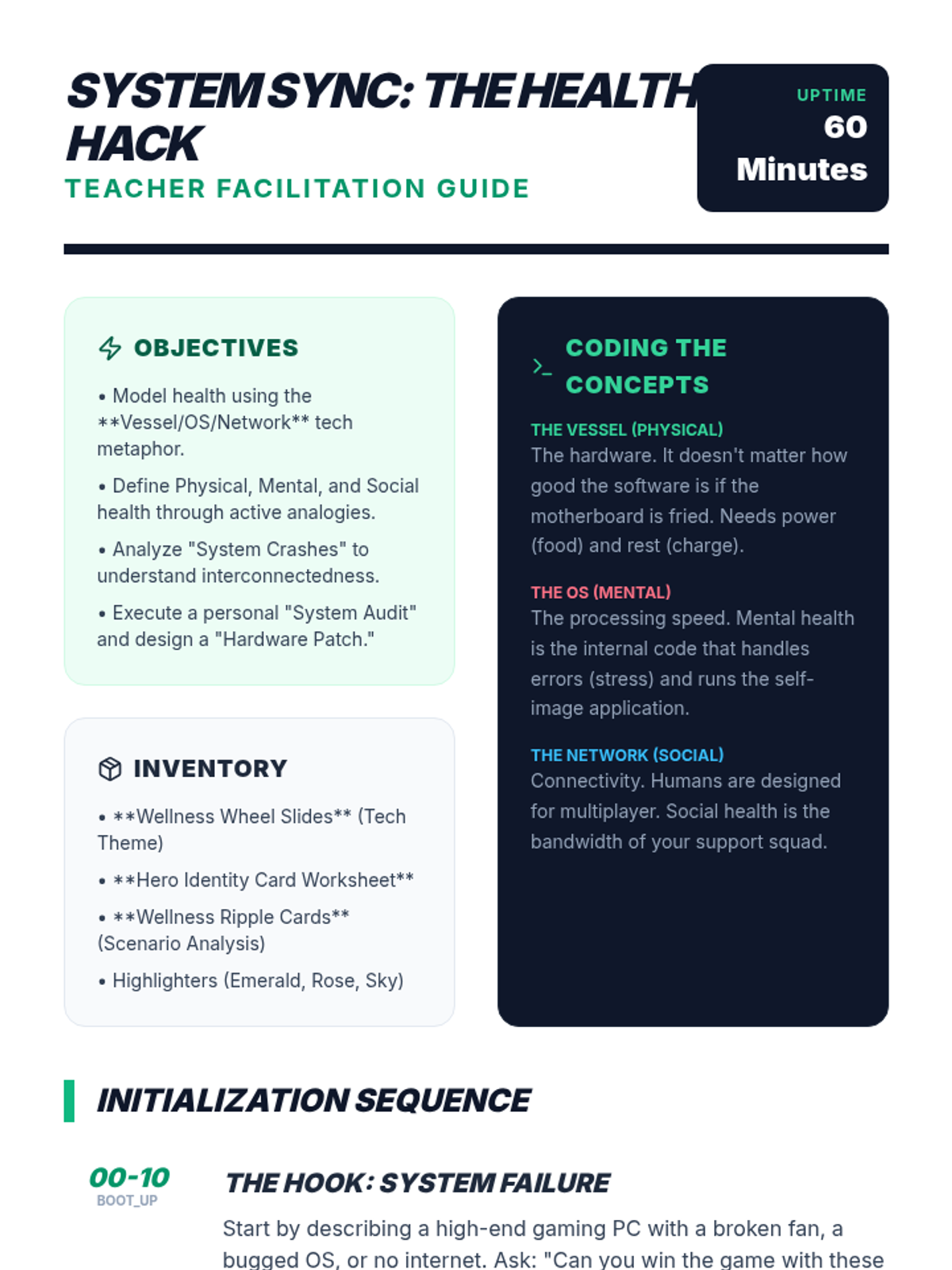
A comprehensive introduction to the six dimensions of health, focusing on how they interact to create overall well-being through the 'Wellness Wheel' model.
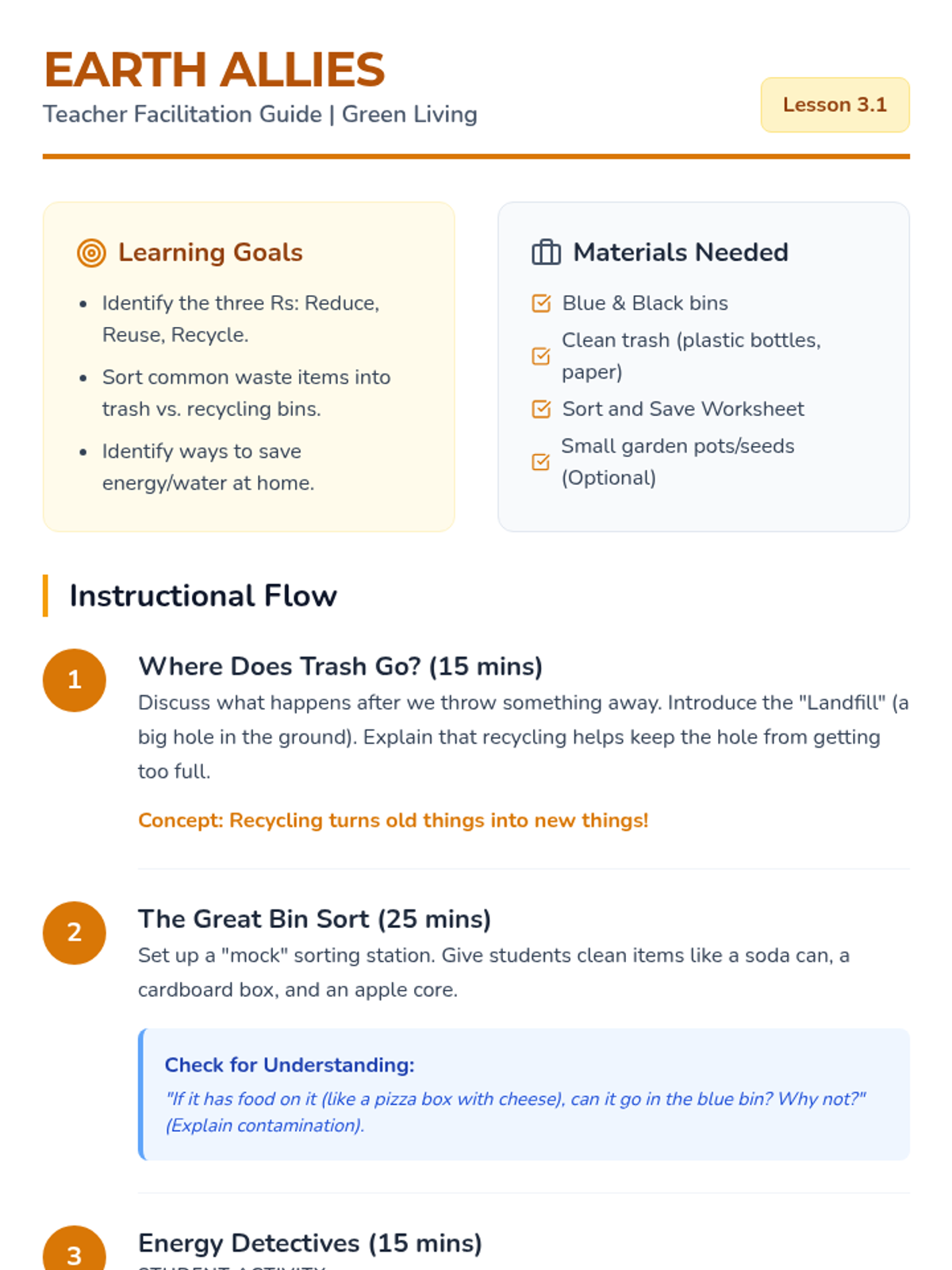
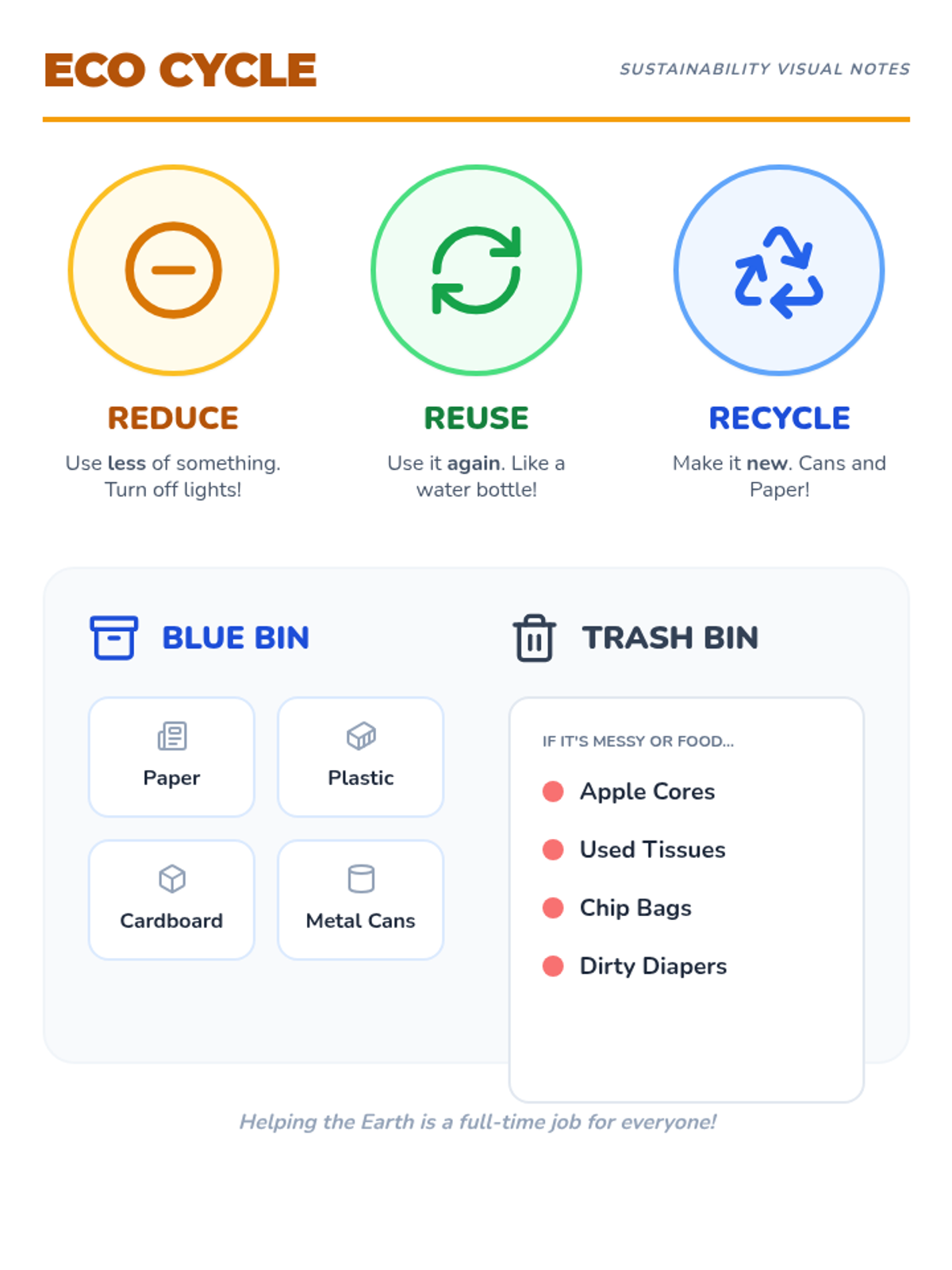
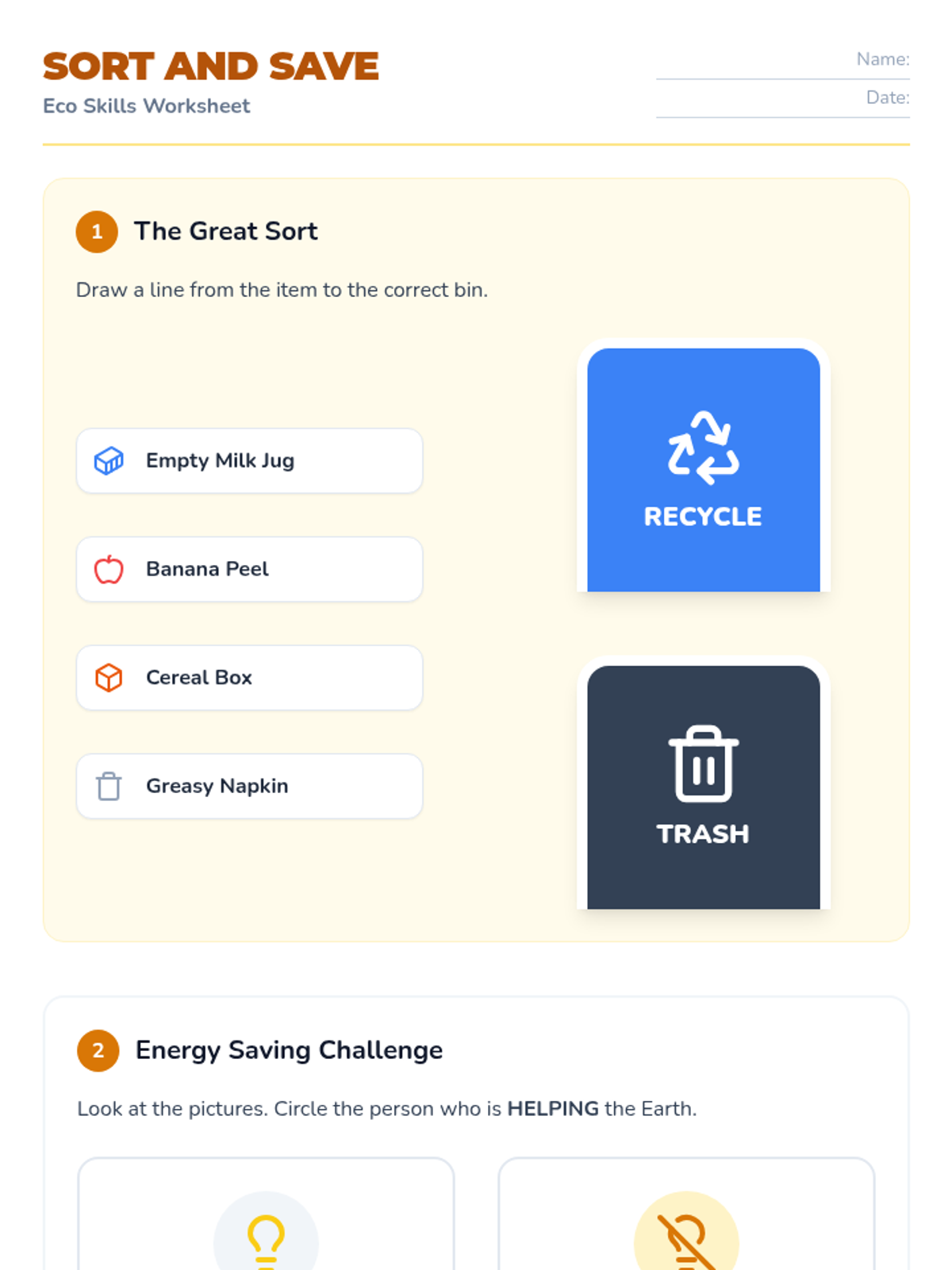
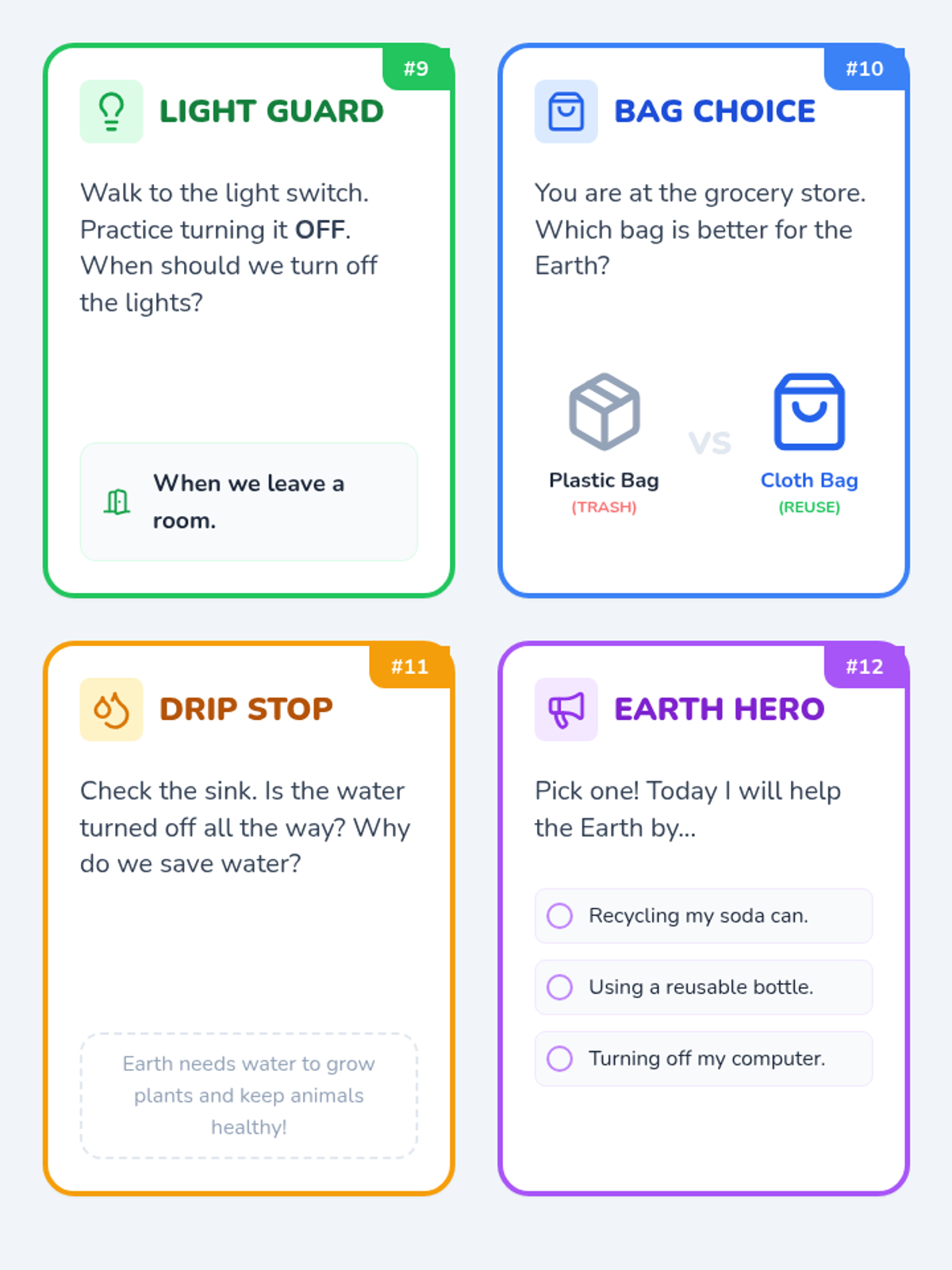
Introduces sustainability through waste reduction, recycling, and understanding how personal choices impact the local environment.
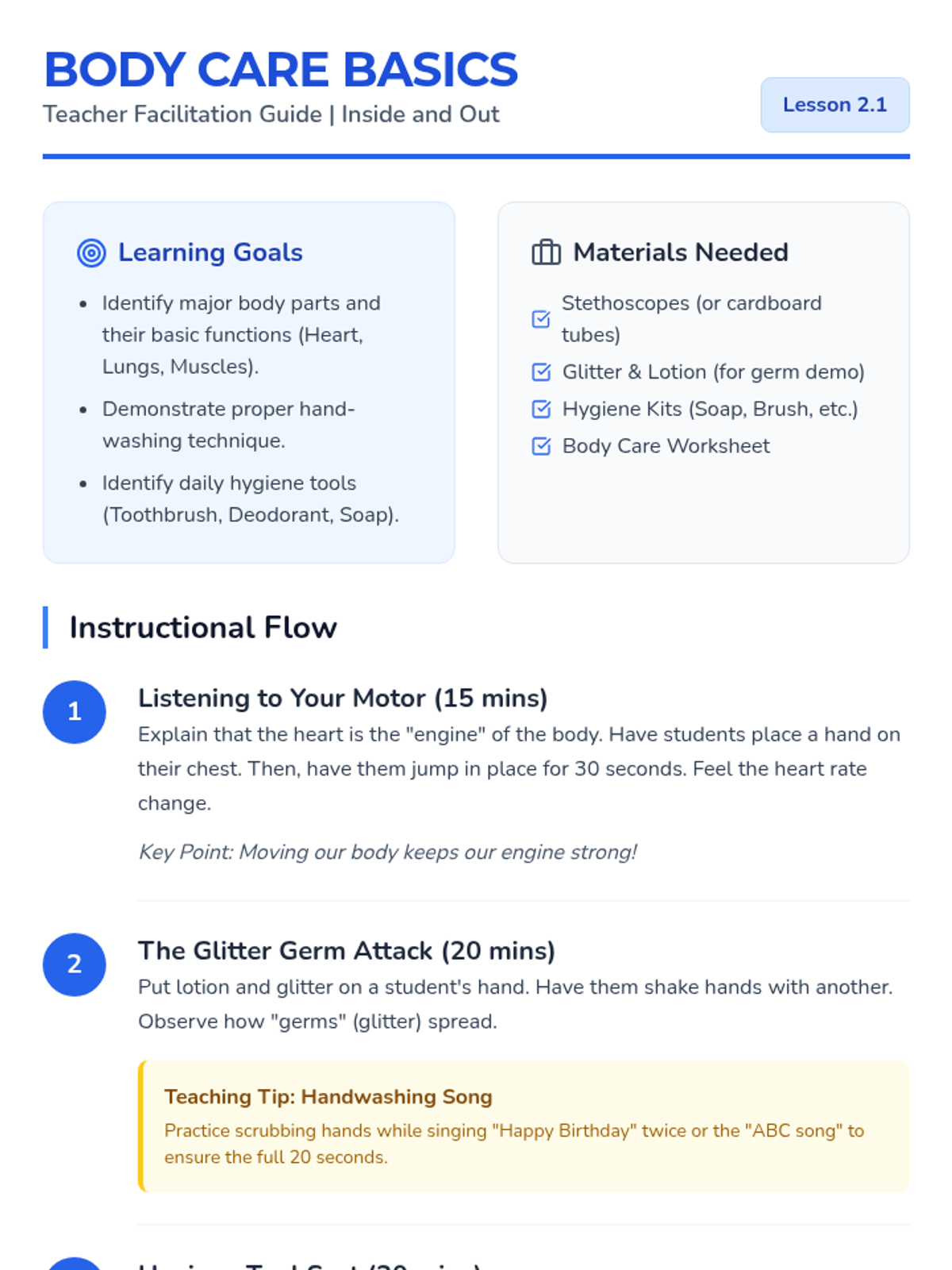
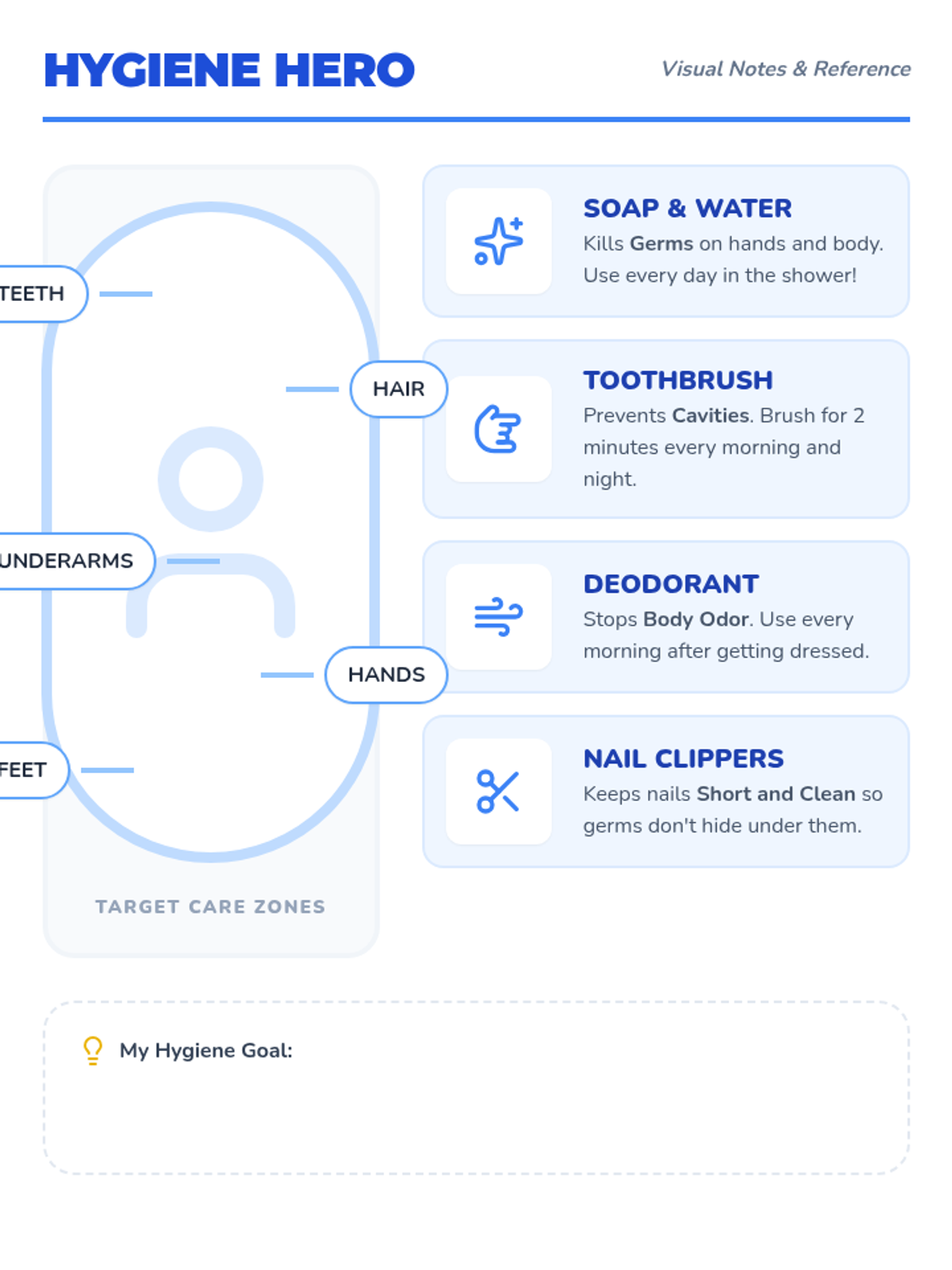
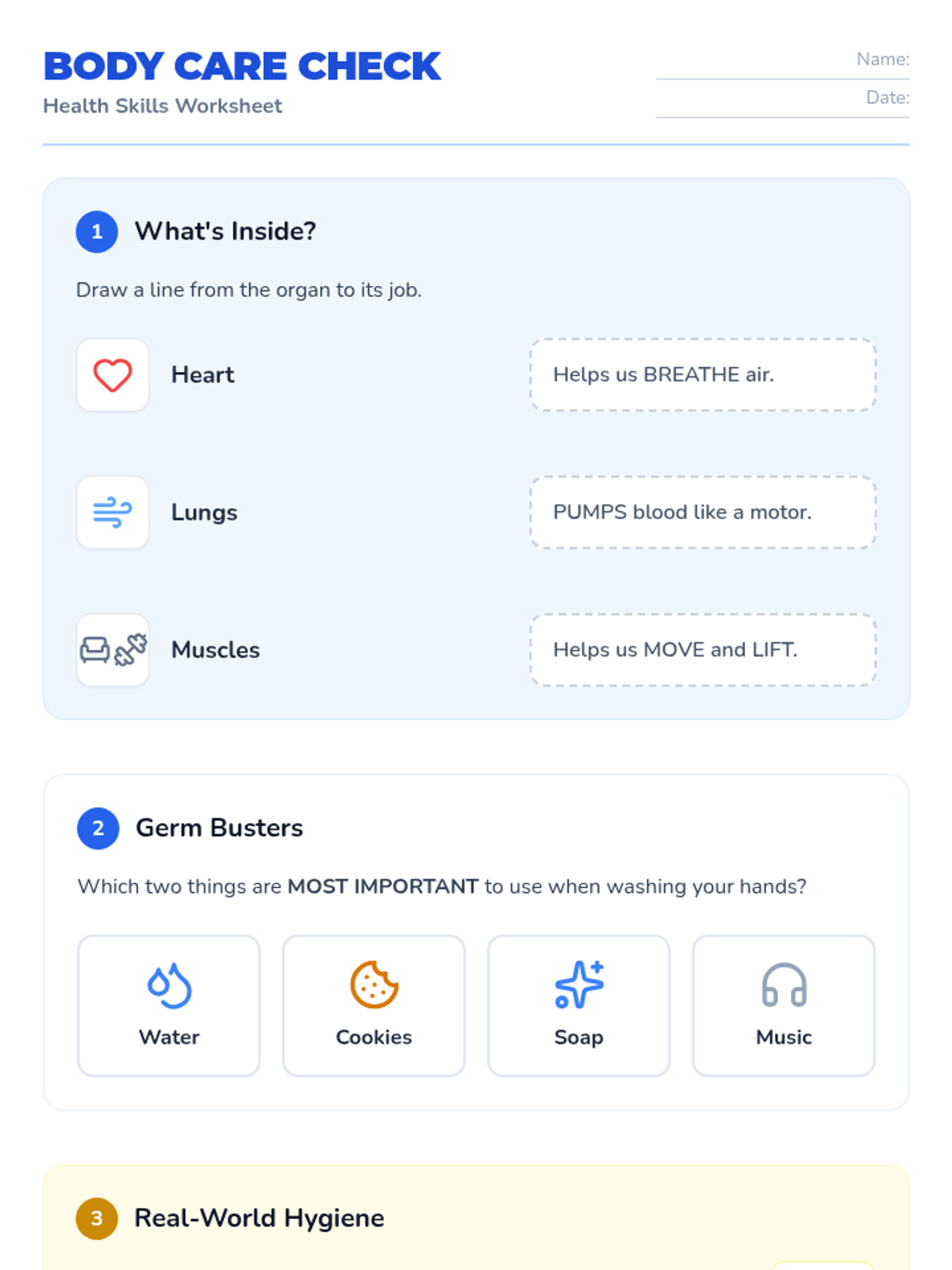
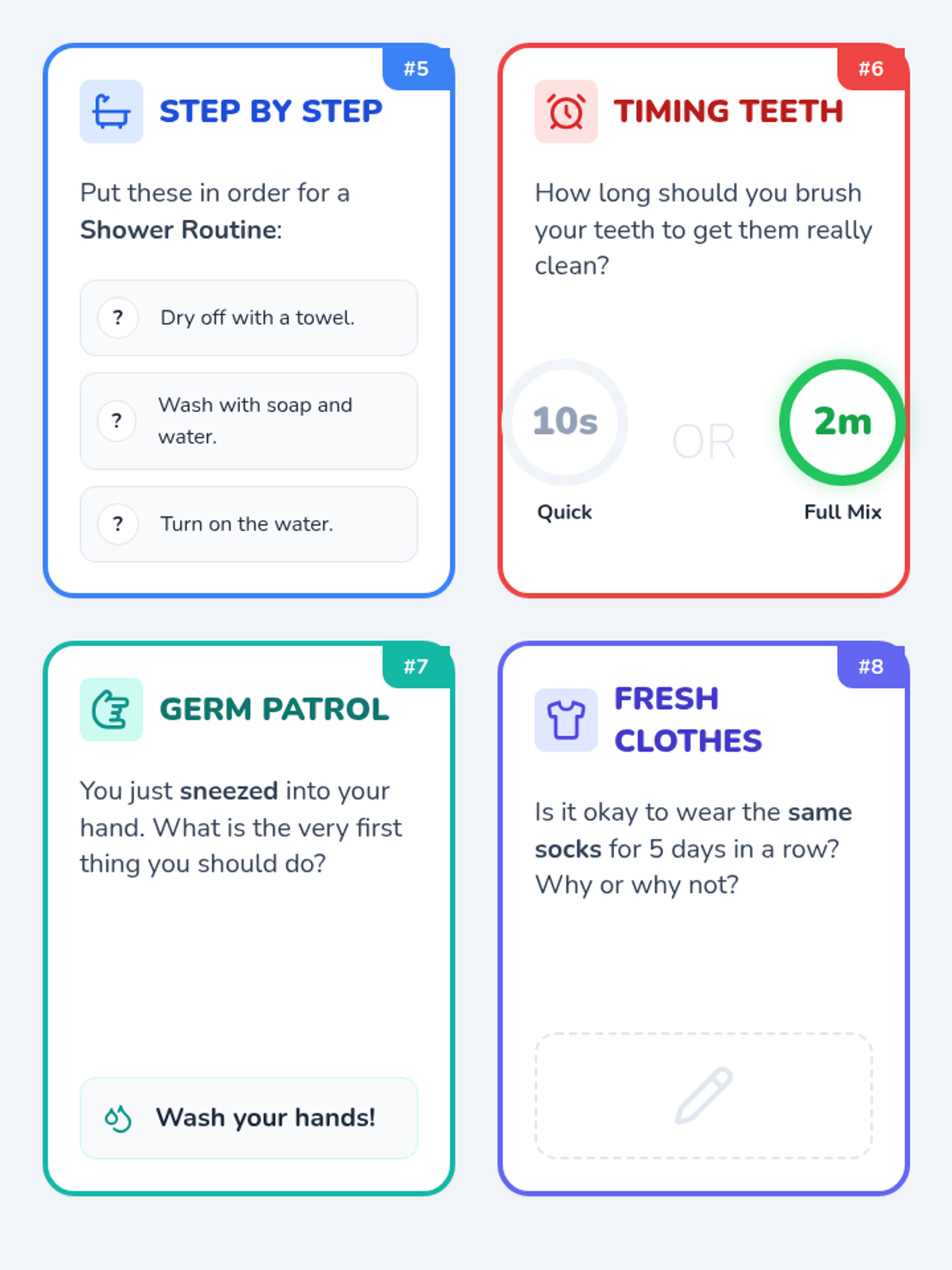
Covers basic human anatomy related to movement and health, alongside essential personal hygiene routines for daily living.
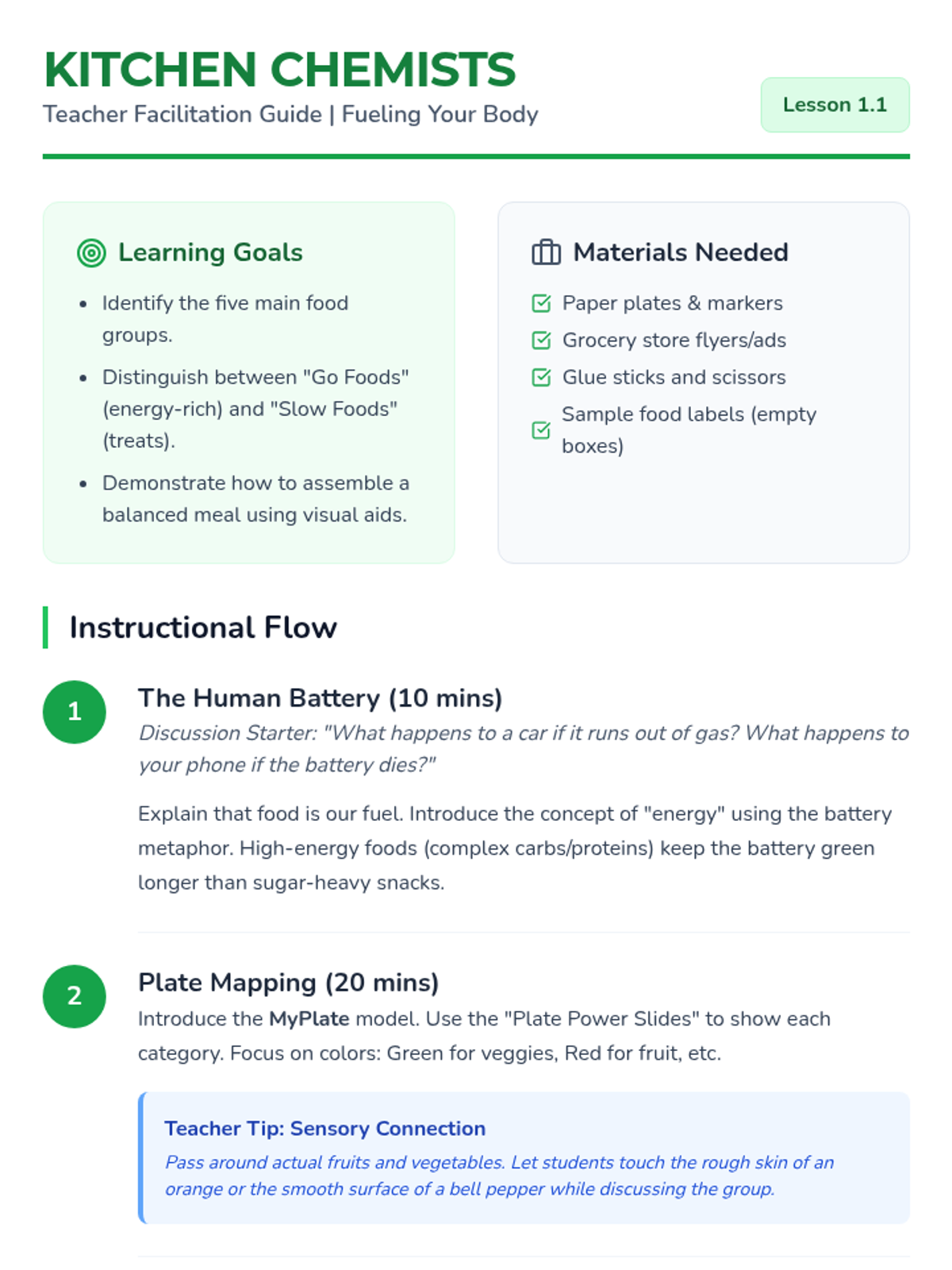
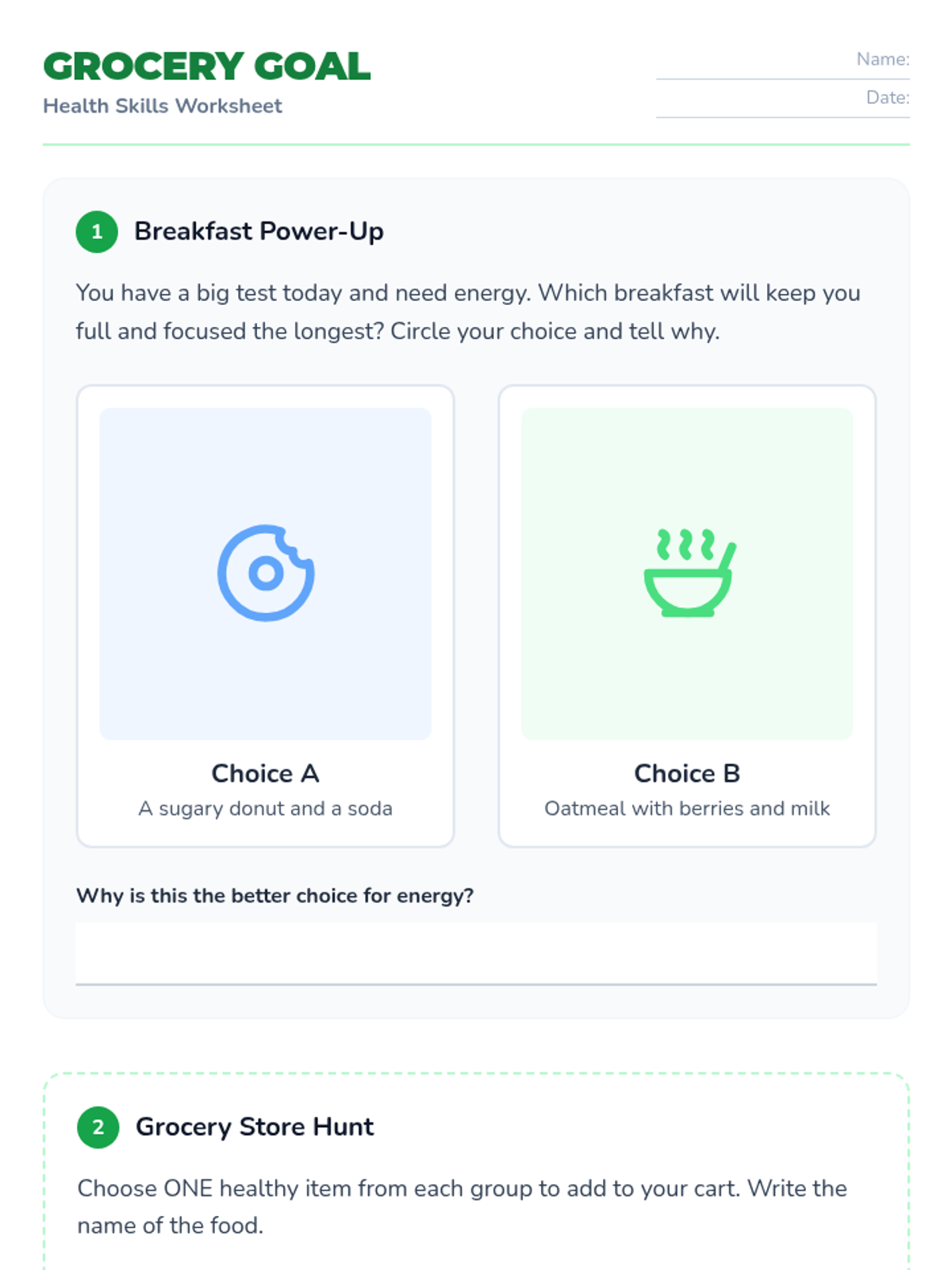
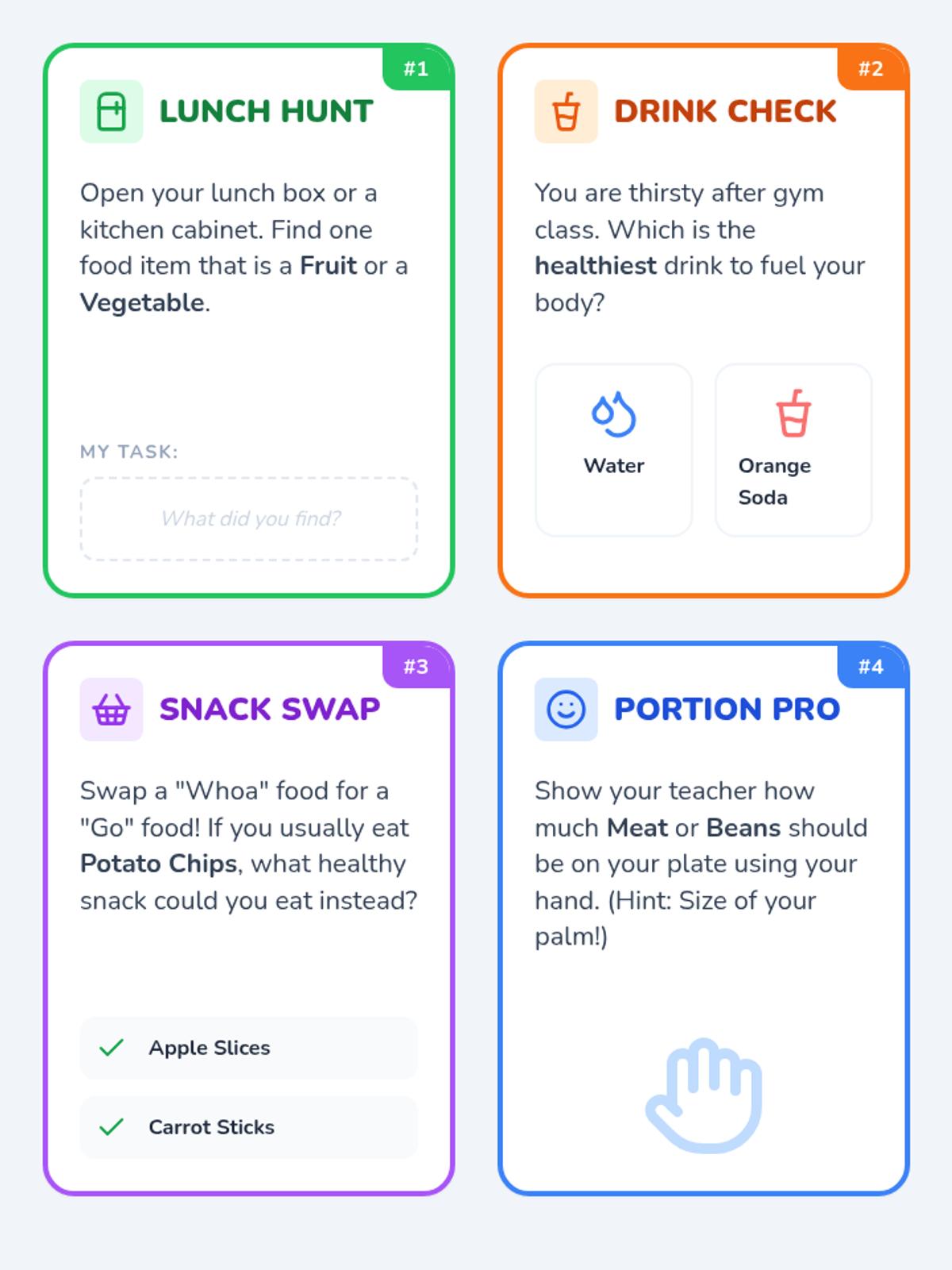
Focuses on identifying healthy food groups, reading simple food labels, and making informed nutritional choices for daily energy.
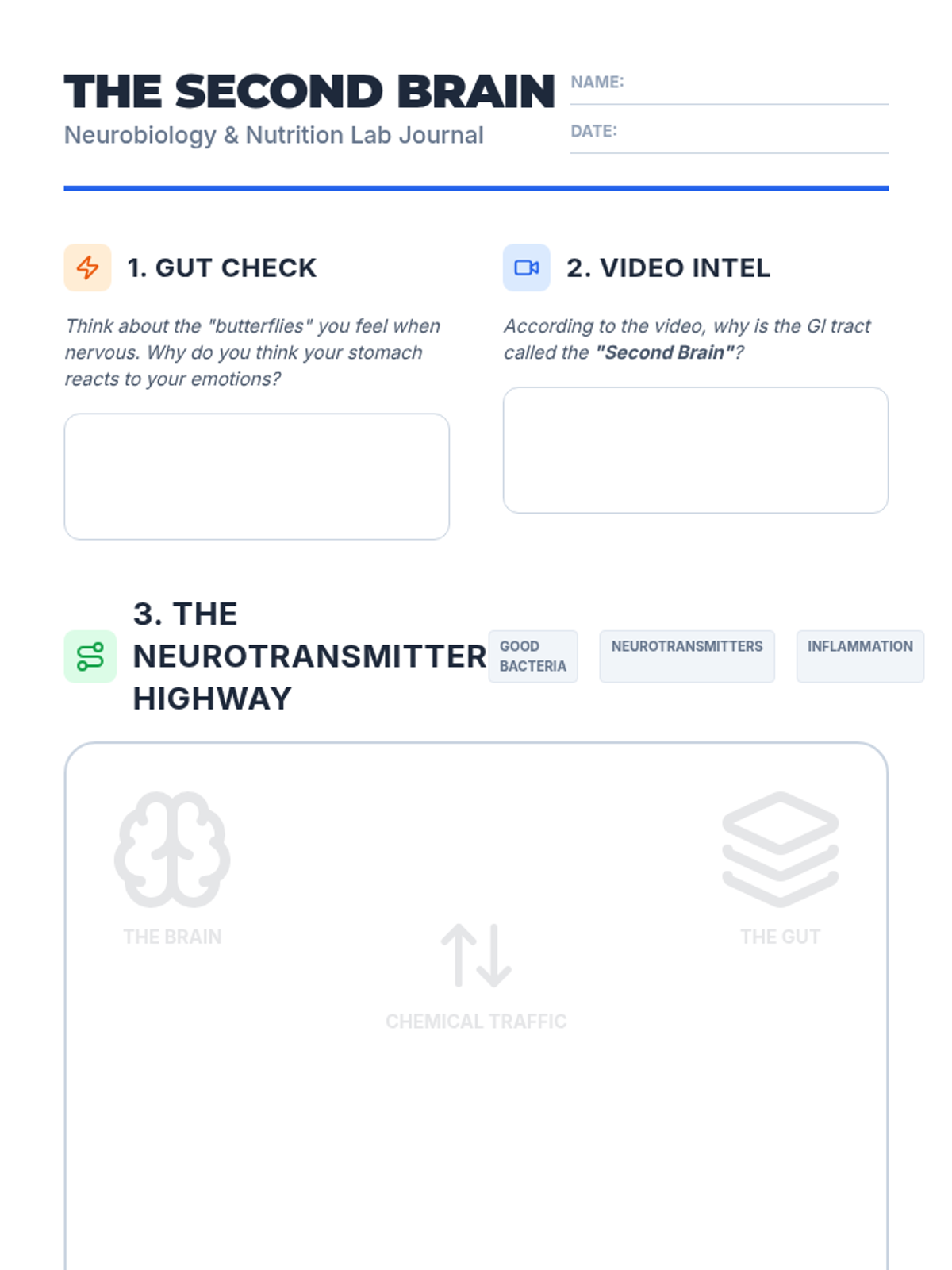
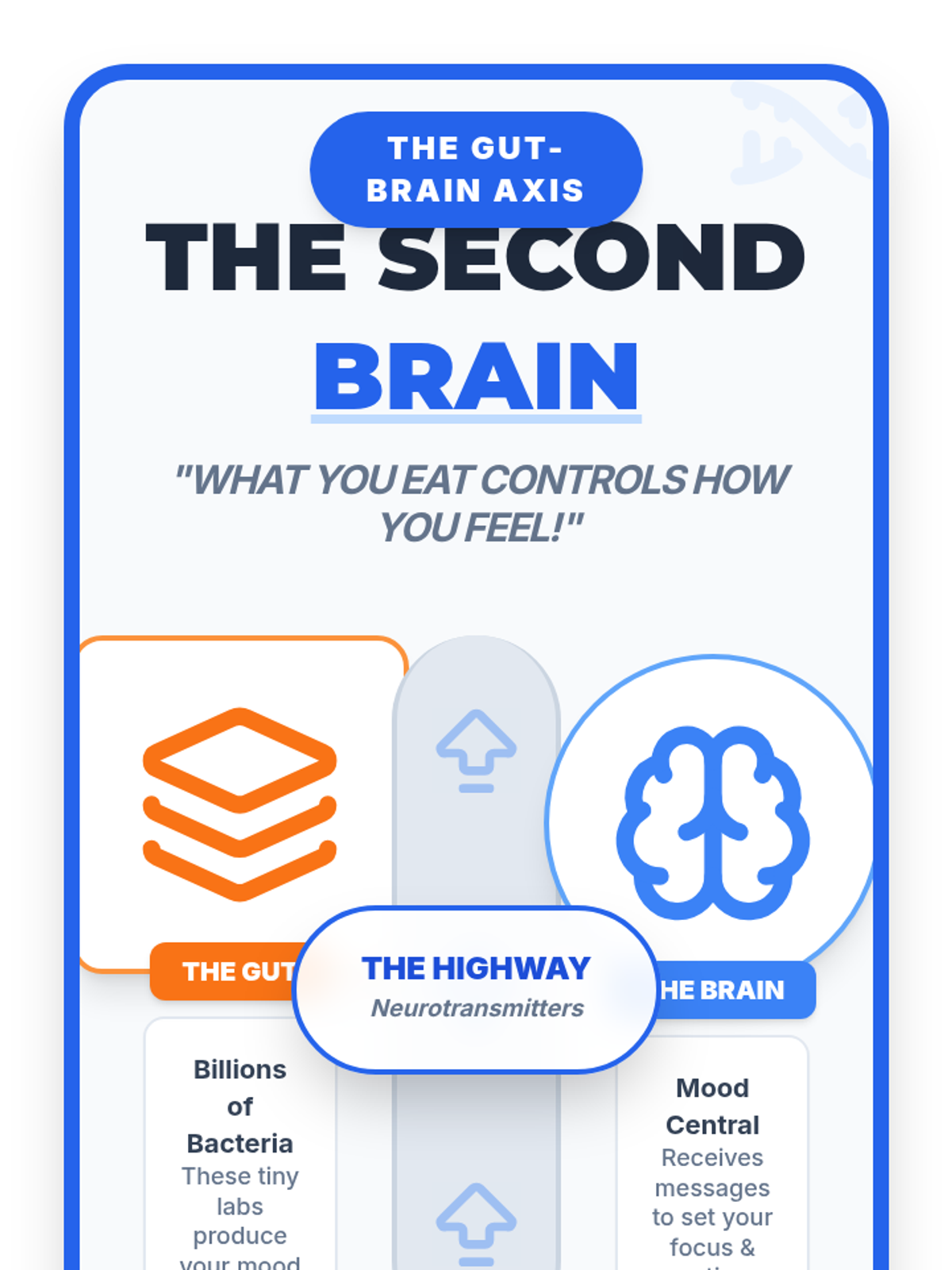
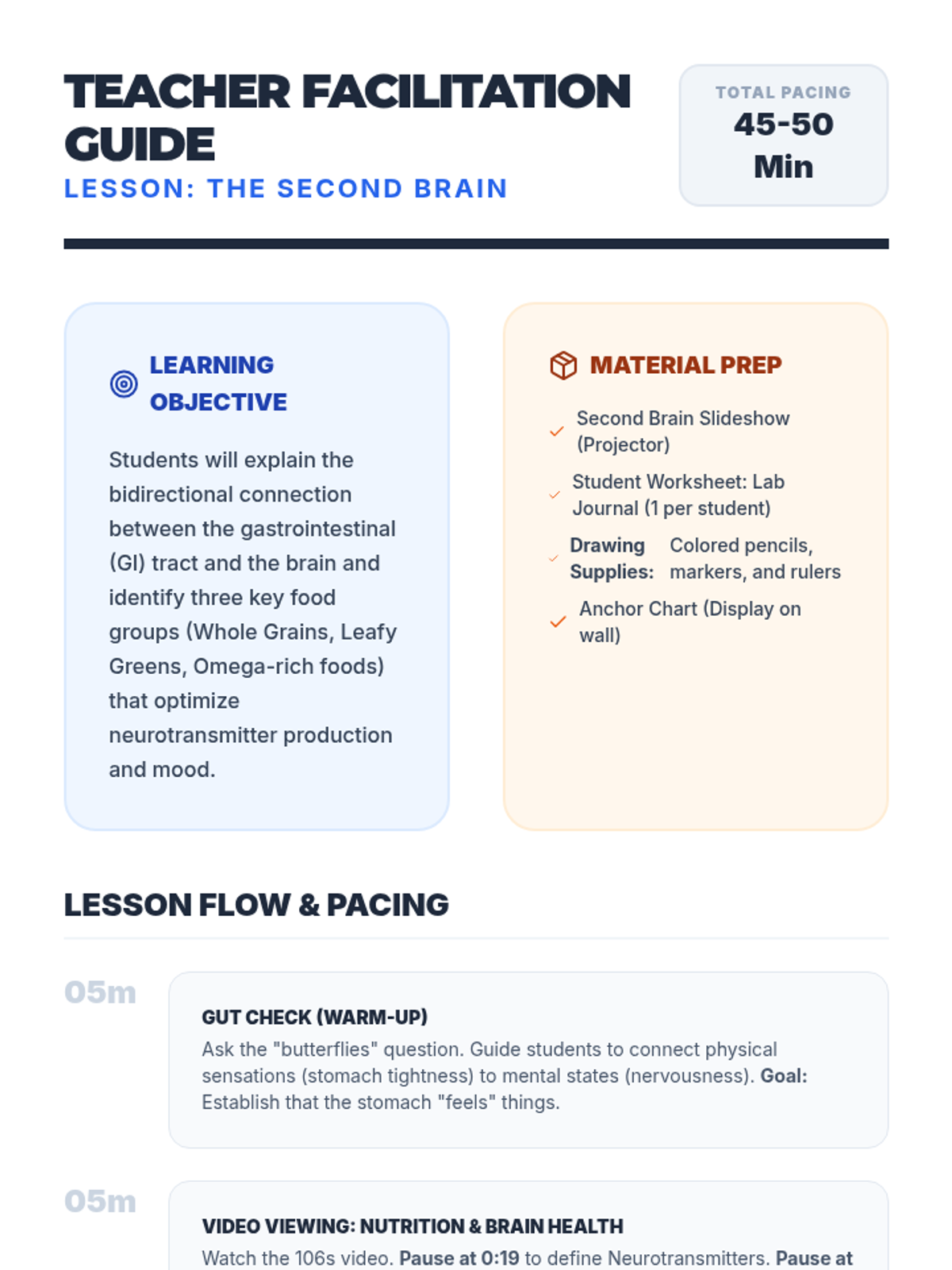
A comprehensive lesson exploring the bidirectional communication between the gut and the brain, focusing on how diet influences neurotransmitter production and mood. Students will visualize the biological 'highway' and identify key food groups that optimize brain function.
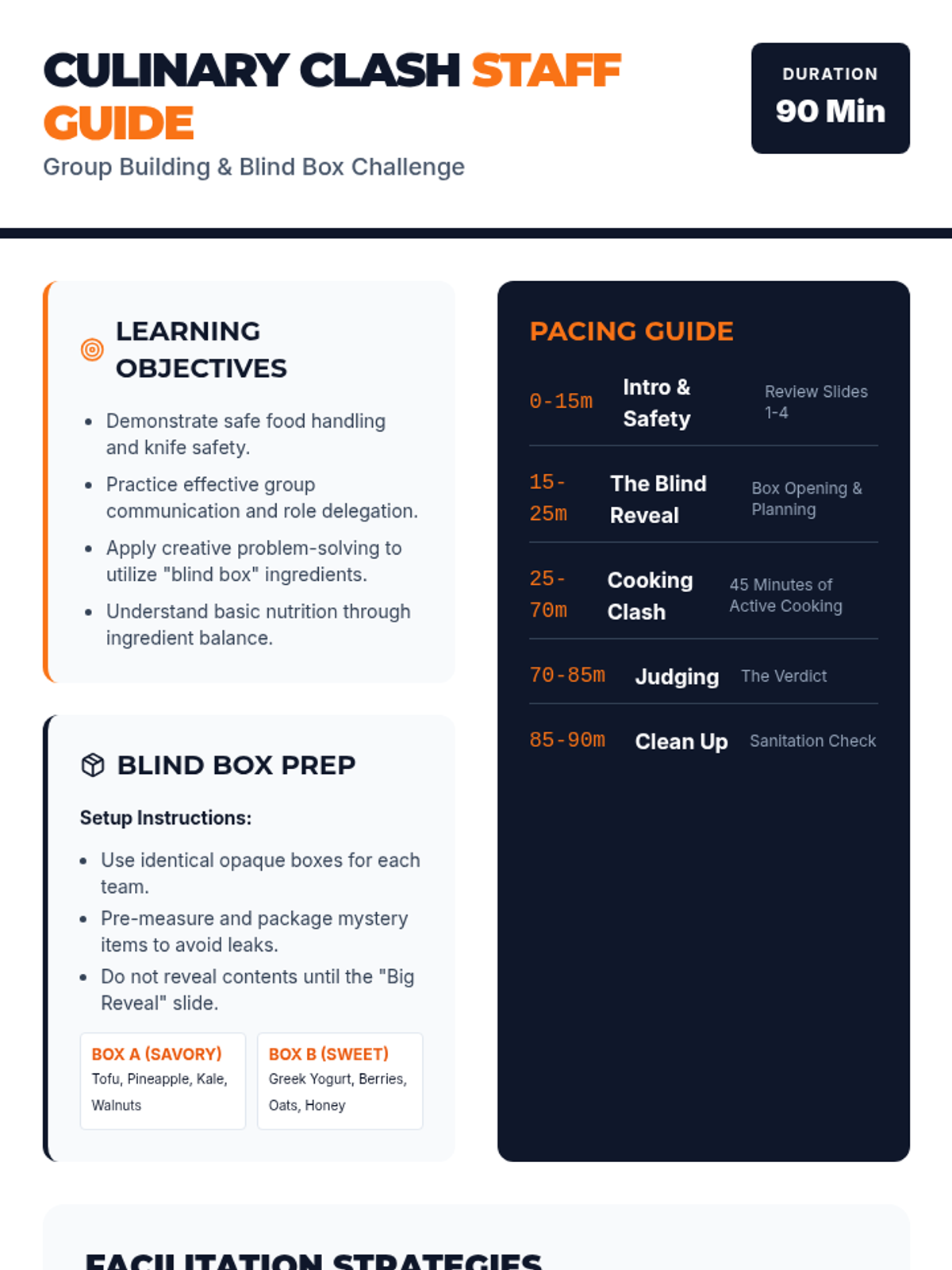
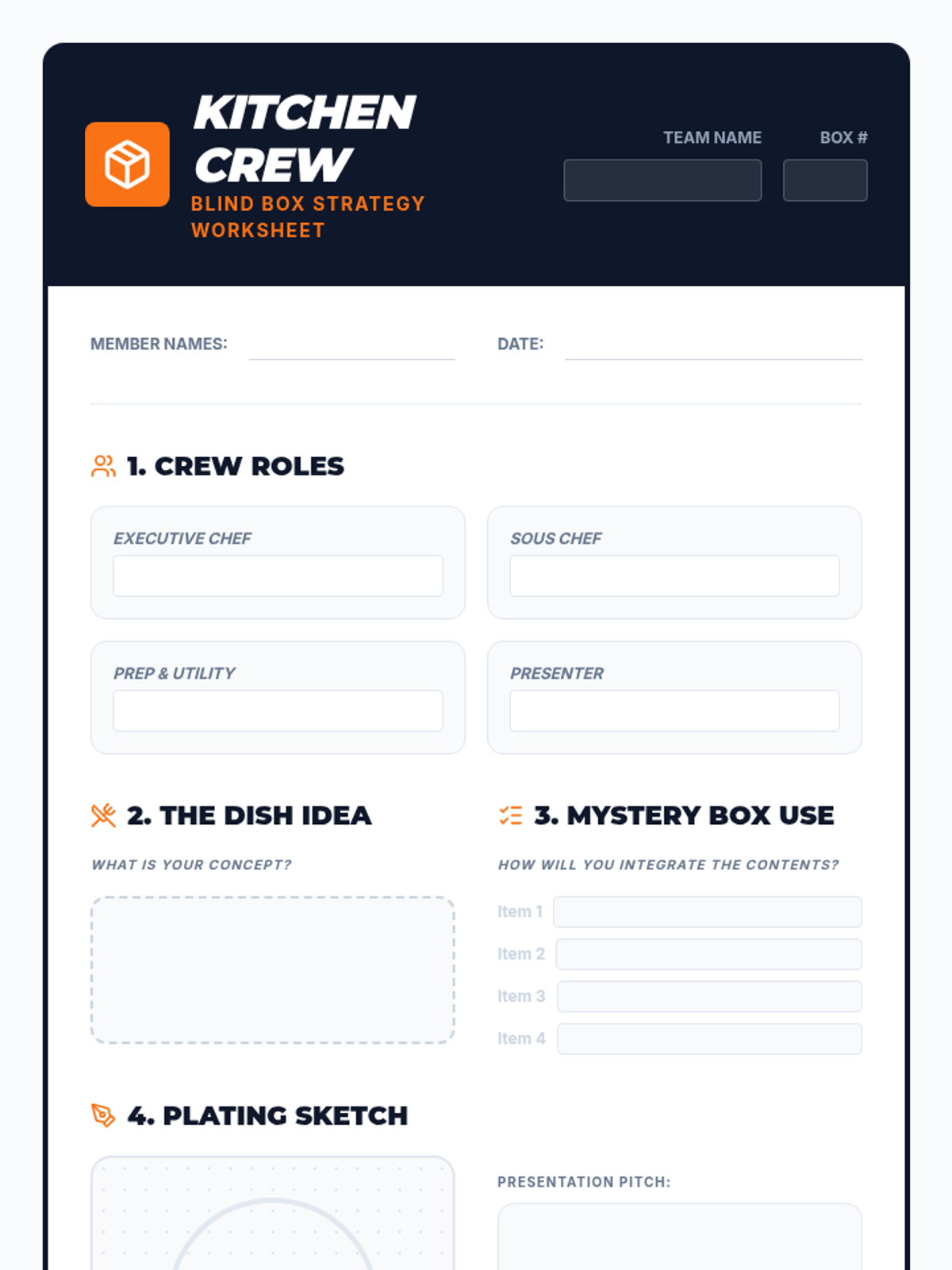
A team-building culinary challenge inspired by the "Chopped" competition style, designed to foster cooperation, creativity, and kitchen safety skills.
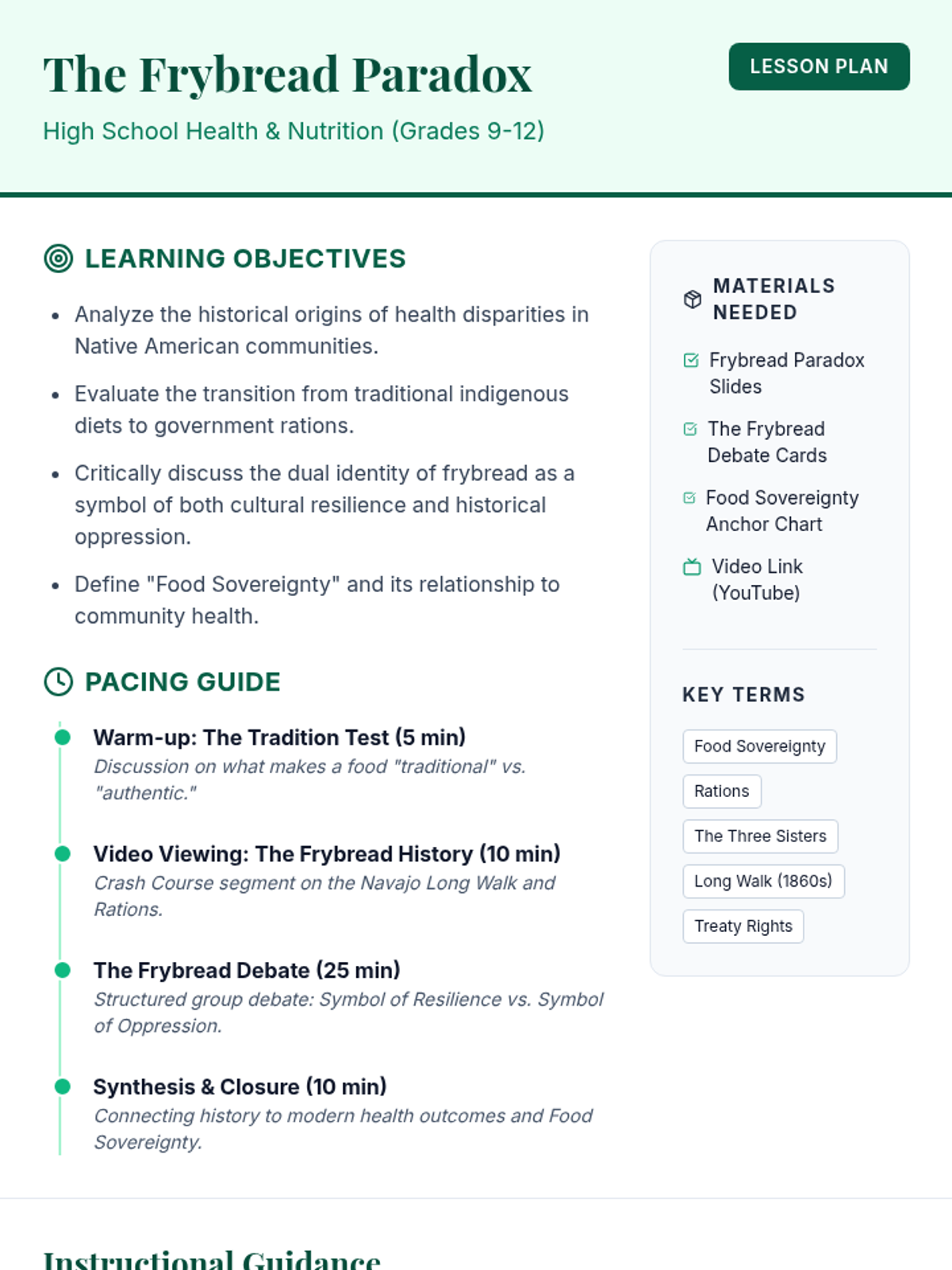
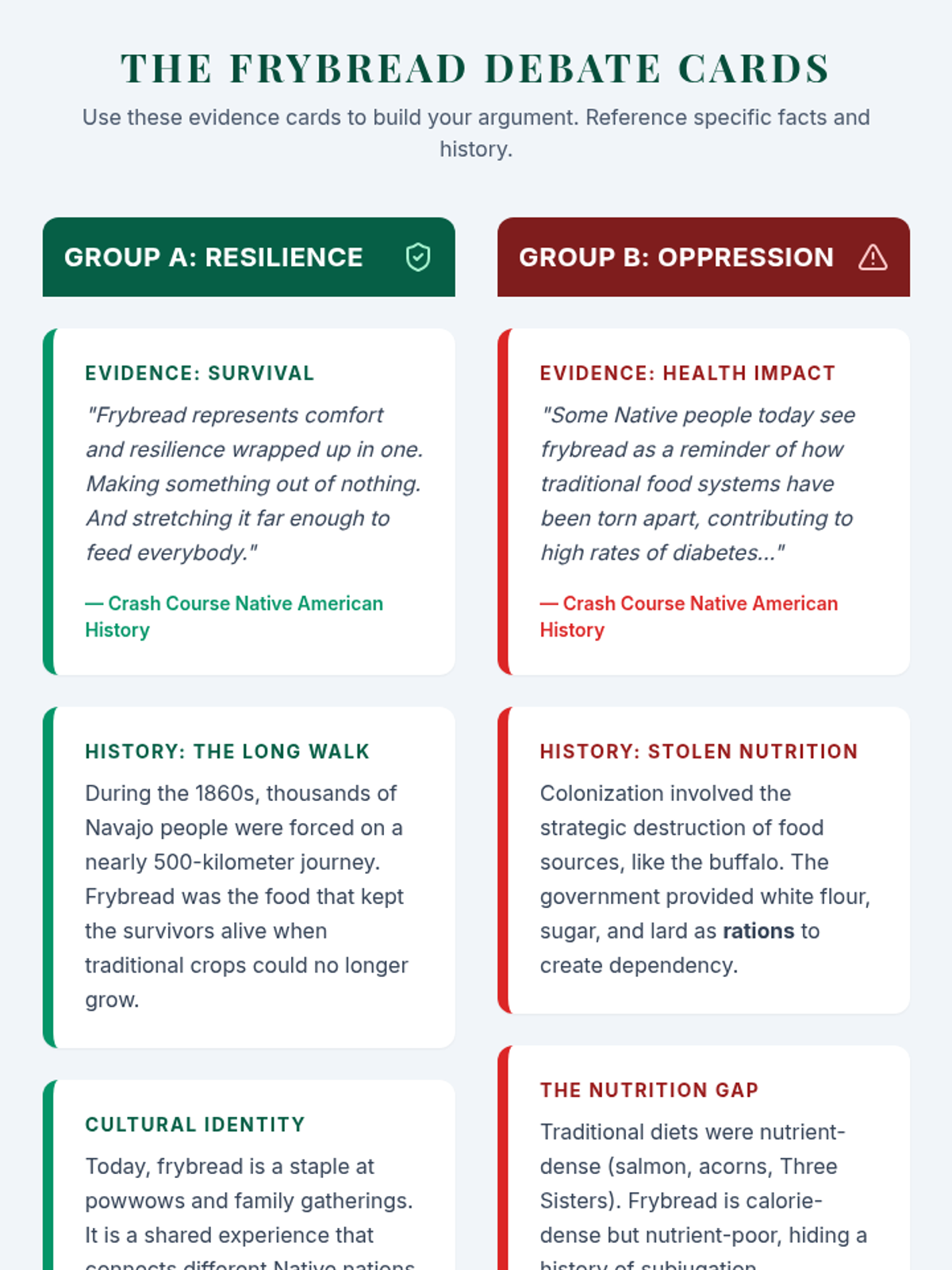
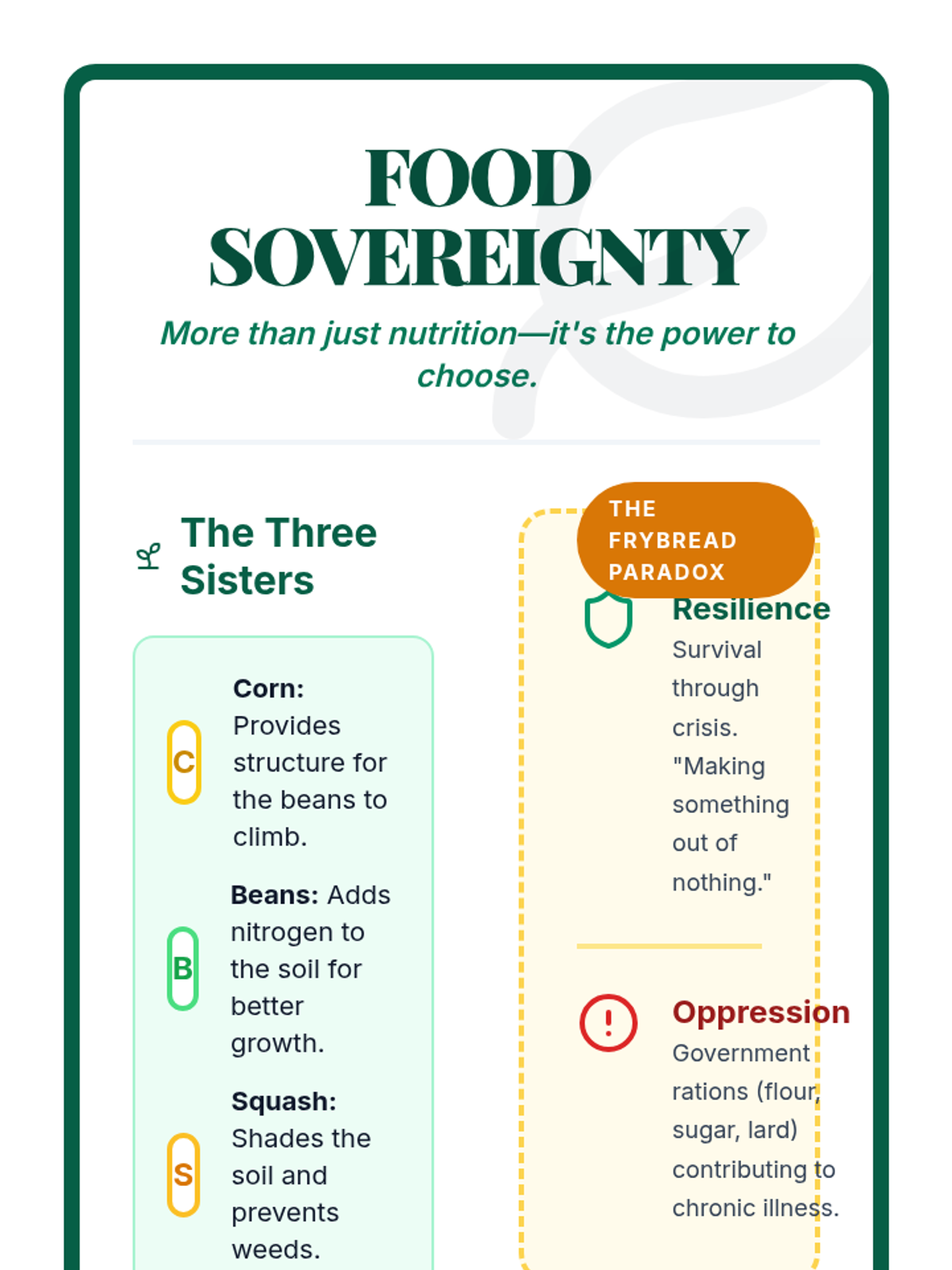
This lesson explores the historical origins of health disparities in Native American communities by examining the transition from traditional, nutrient-dense diets to government-issued rations, centered around the 'frybread paradox.' Students will analyze the impact of colonization on food sovereignty and debate the complex cultural and health implications of frybread today.
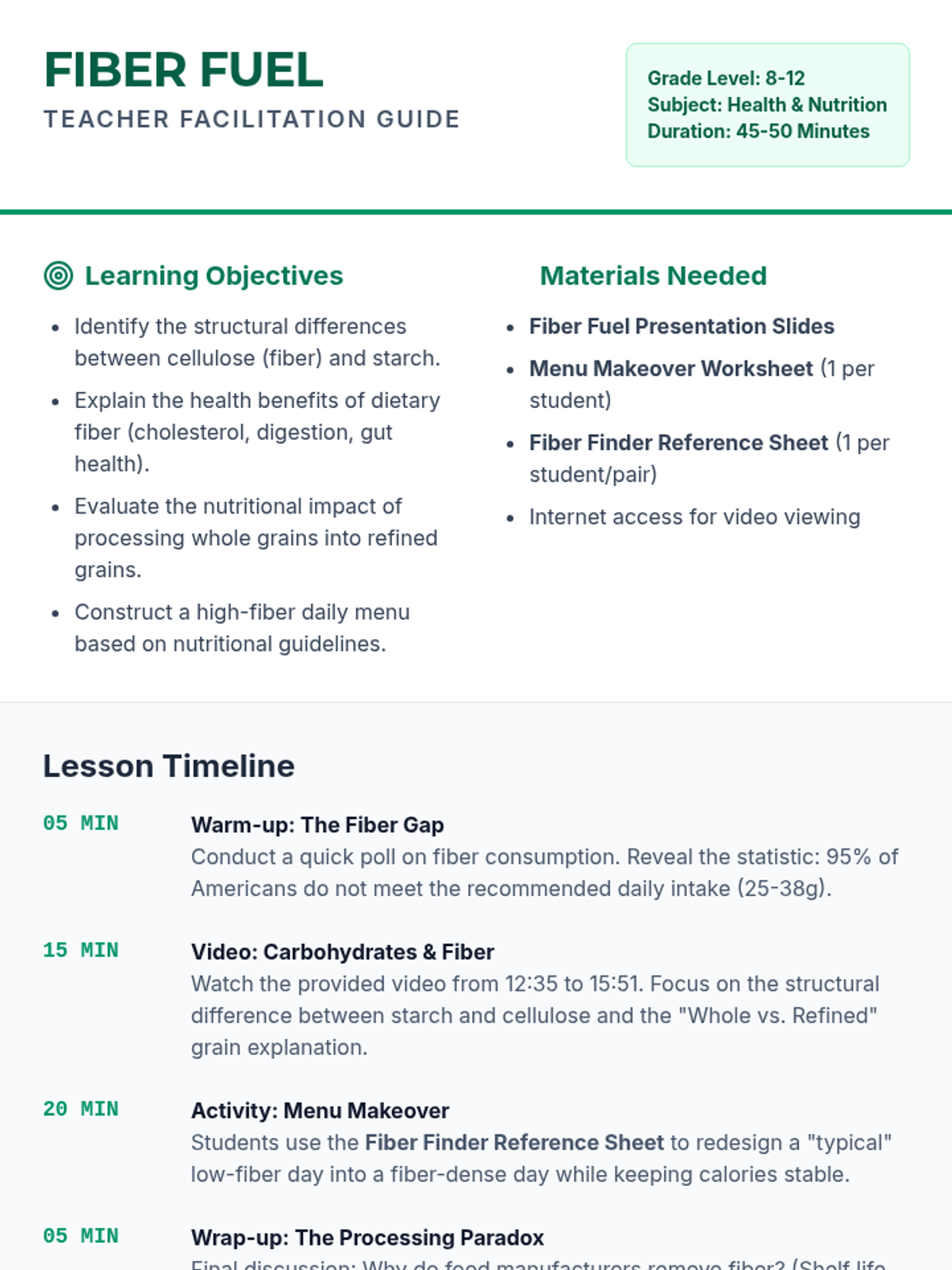
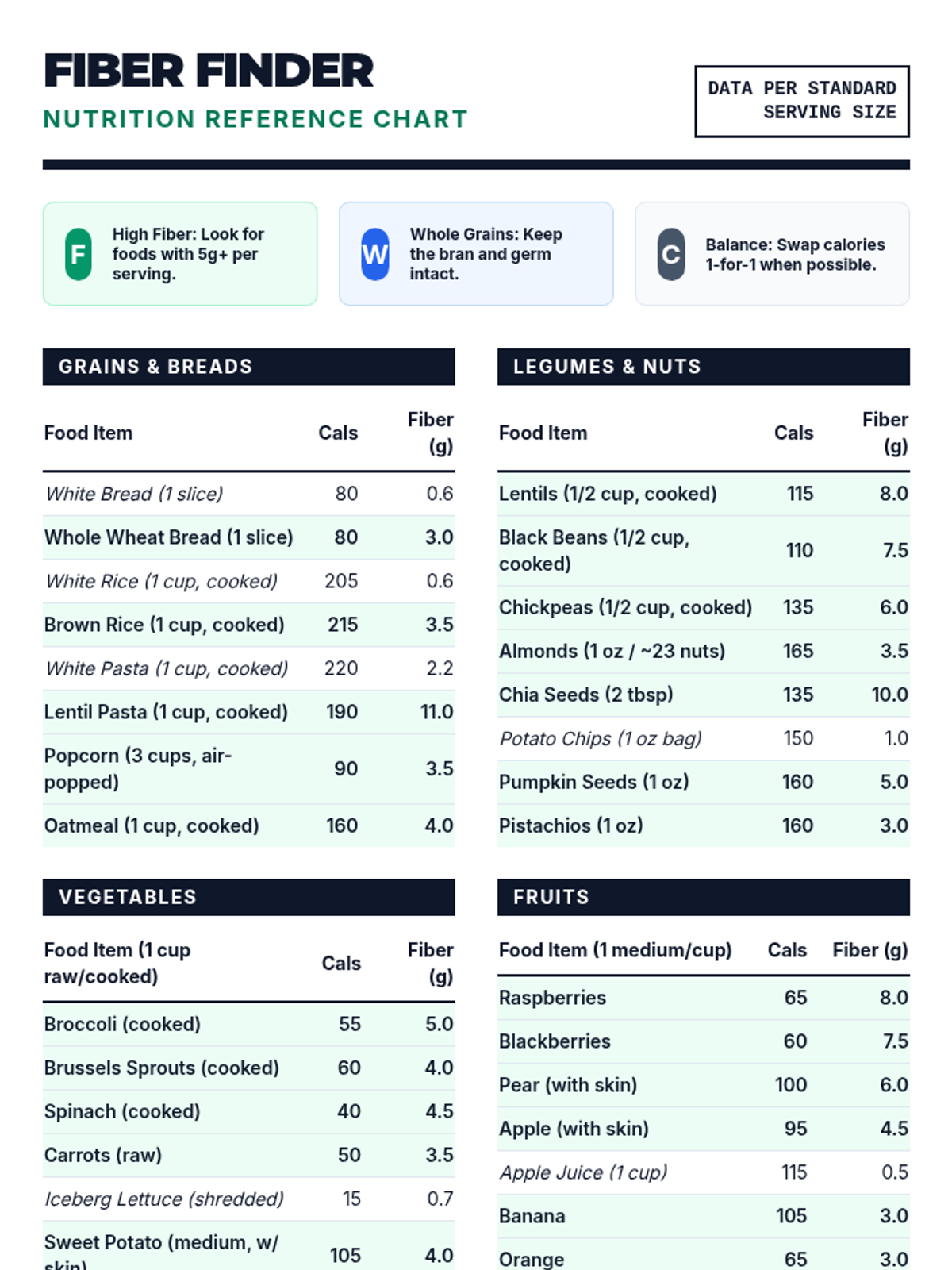
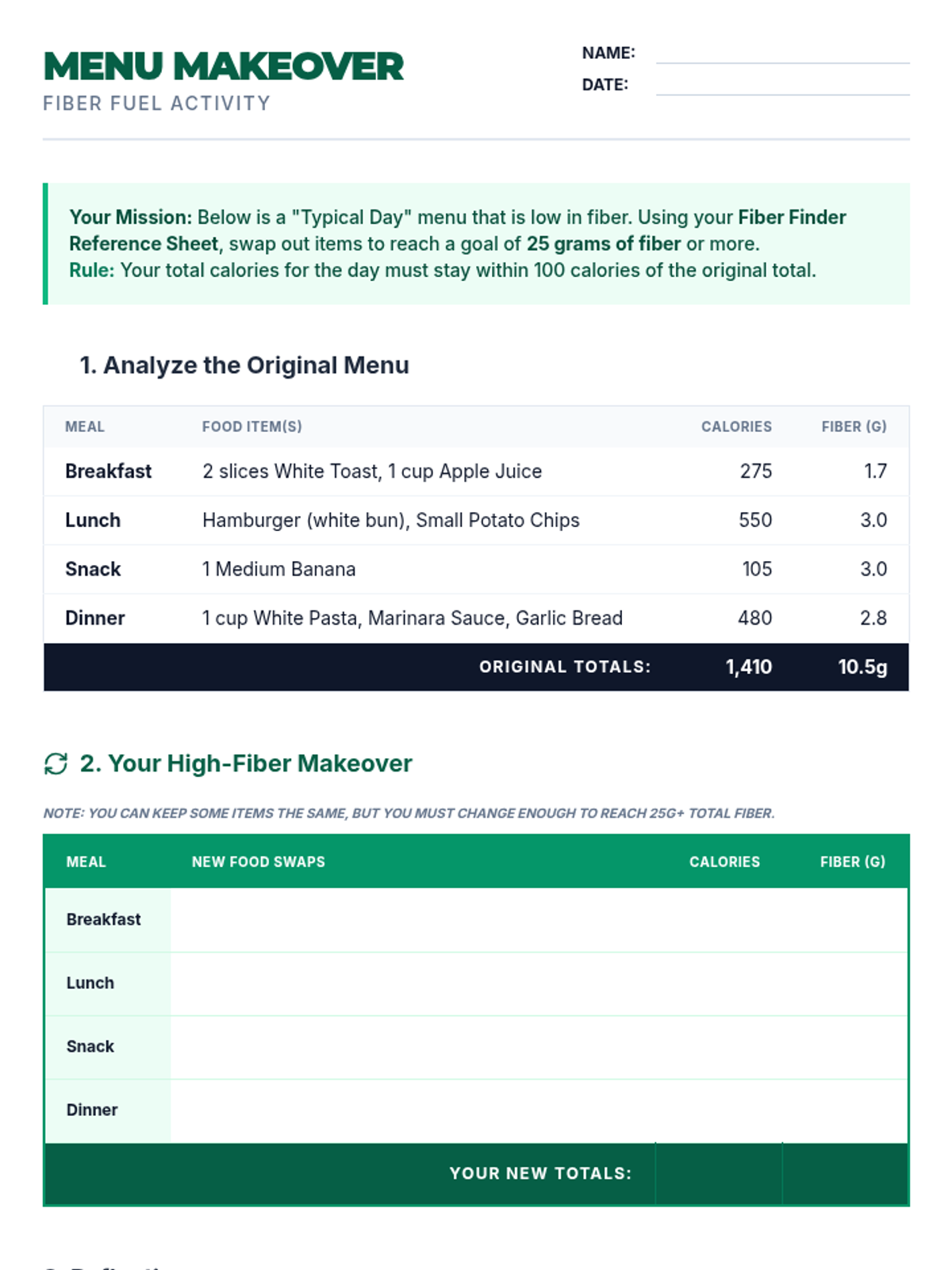
A comprehensive lesson focusing on the biological and nutritional importance of fiber, the difference between whole and refined grains, and practical application of fiber-rich eating.
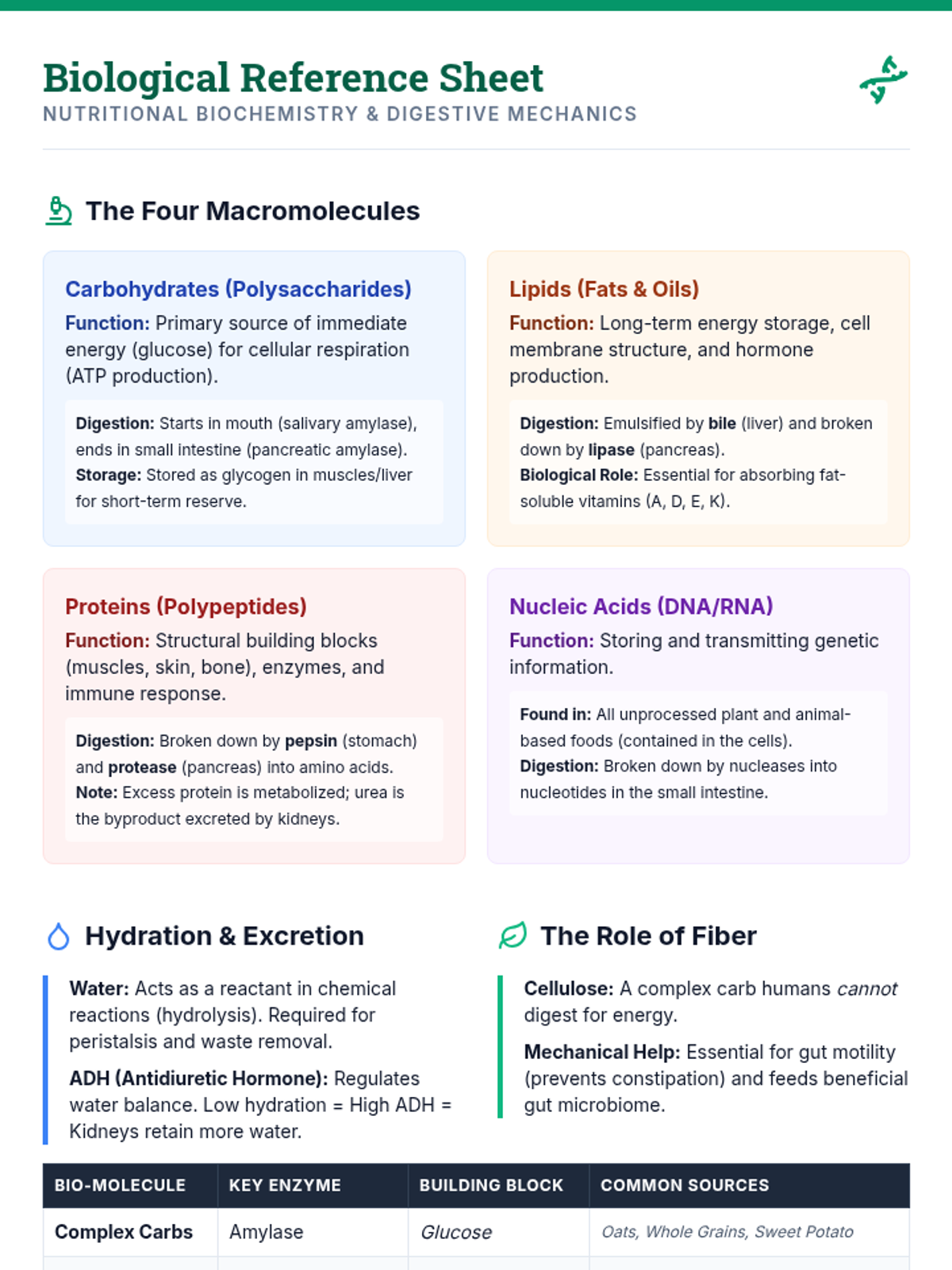
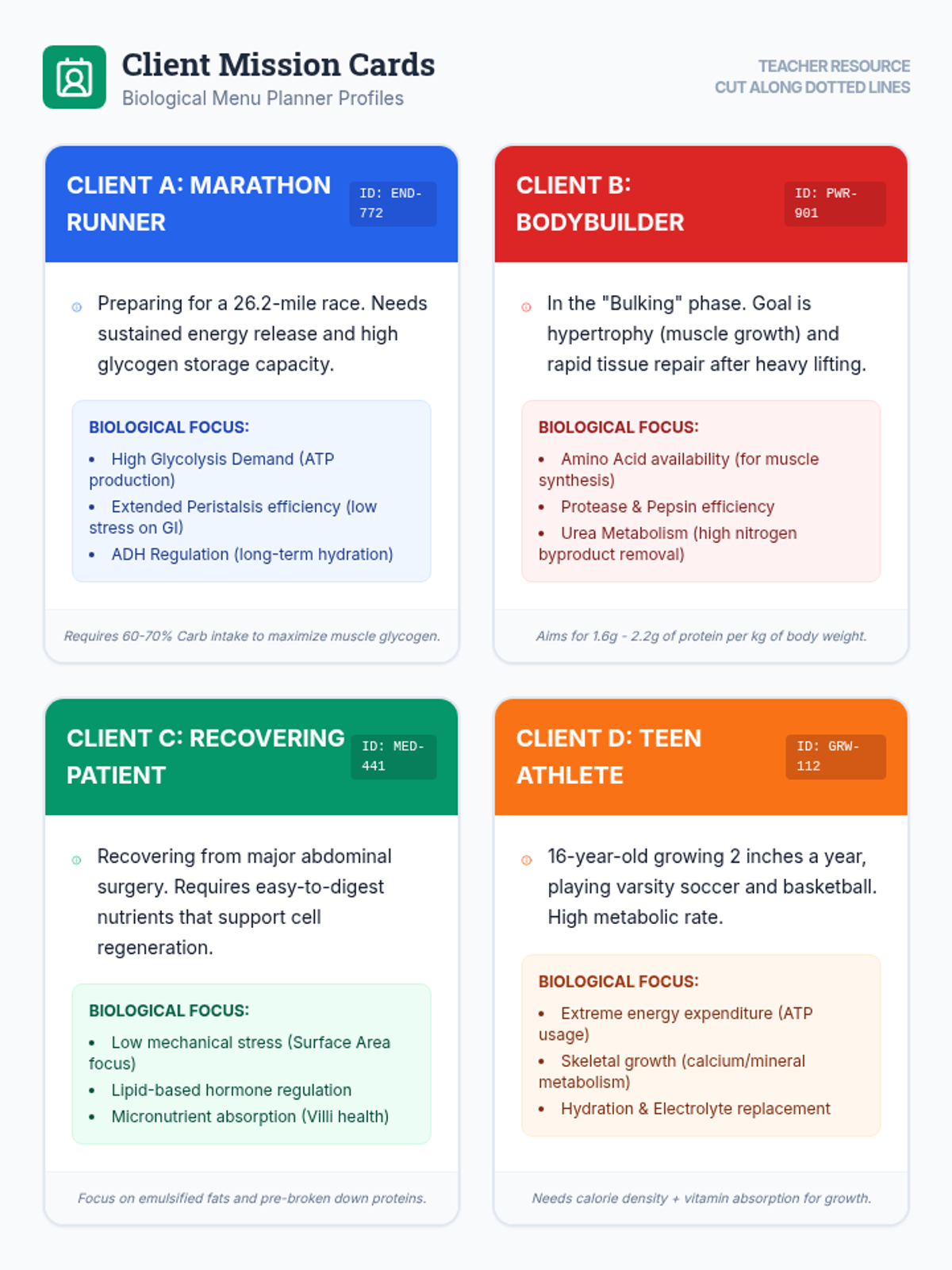
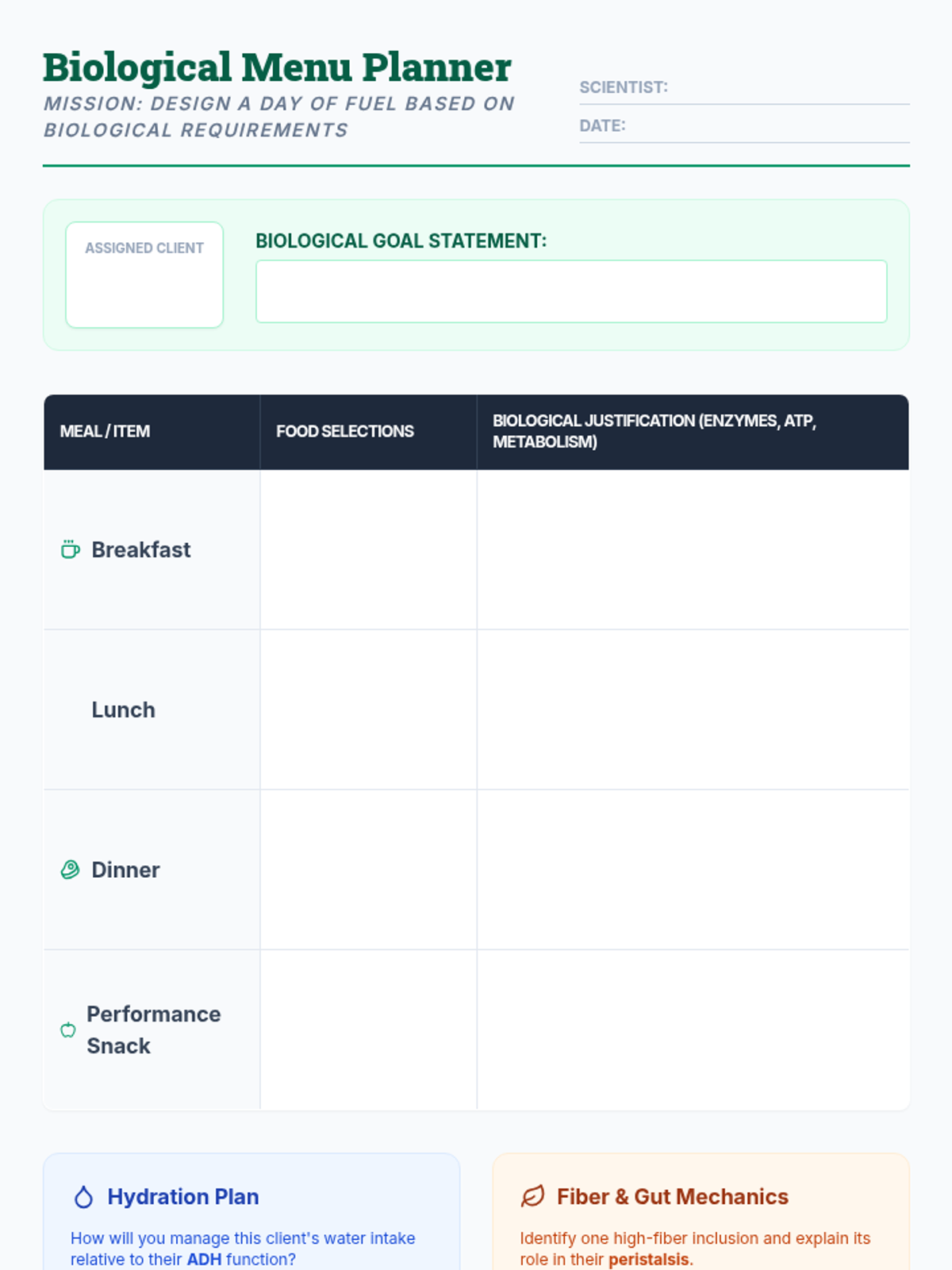
A High School Health/Nutrition lesson where students evaluate nutritional choices based on biological requirements. Students act as nutritionists for specific 'clients', designing meal plans and justifying their macromolecule choices using biological concepts like enzyme action and cellular respiration.
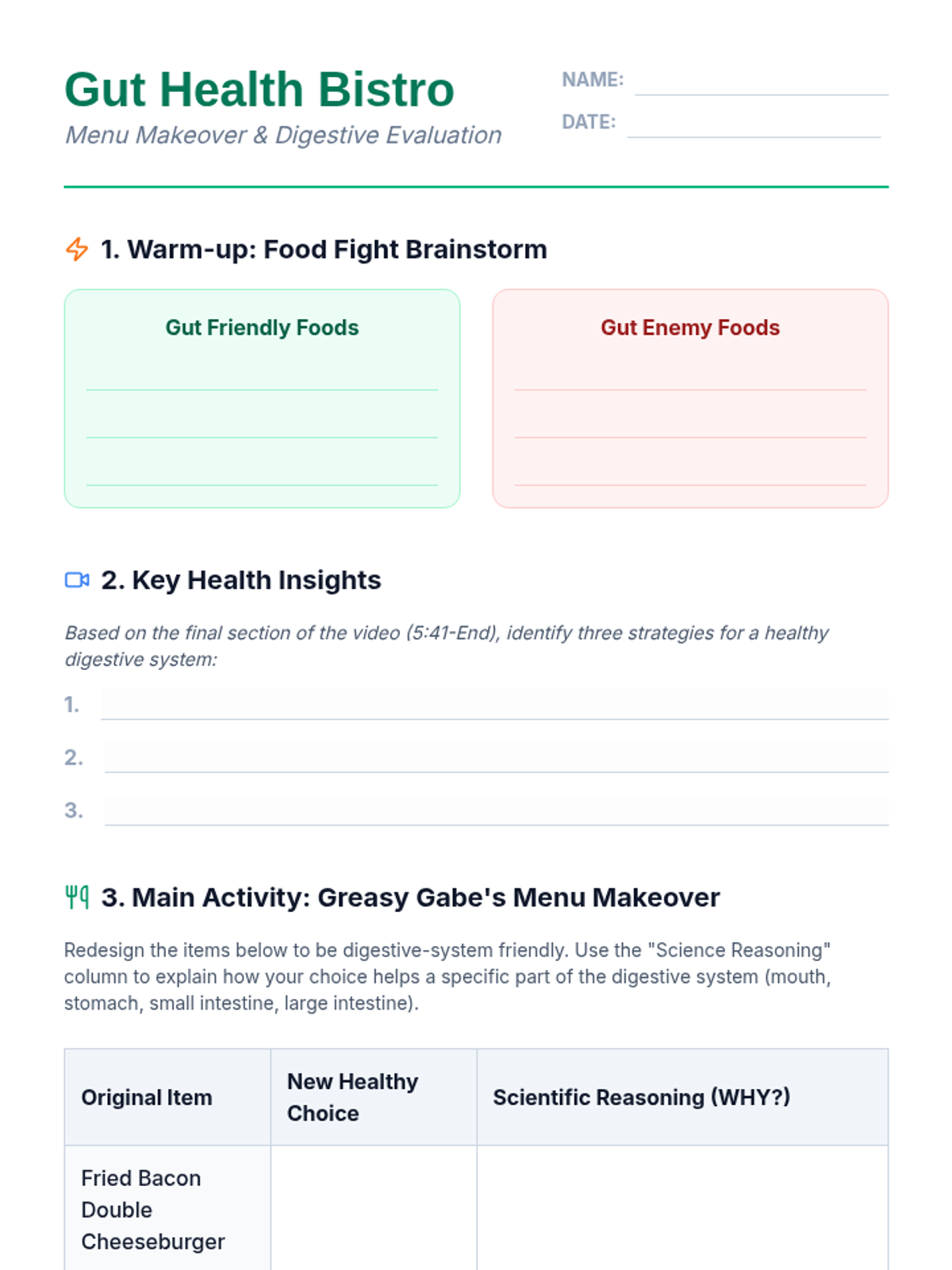
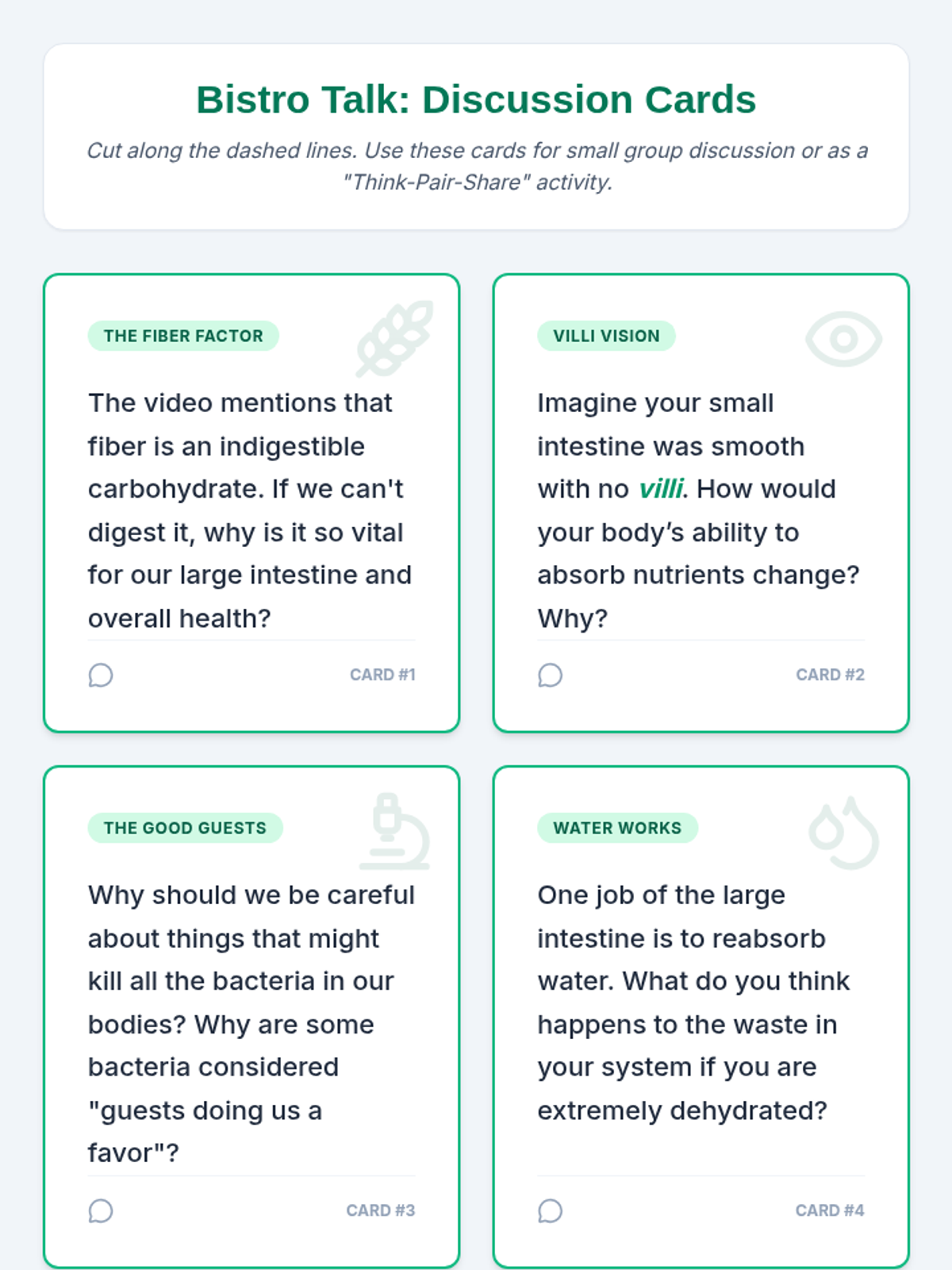
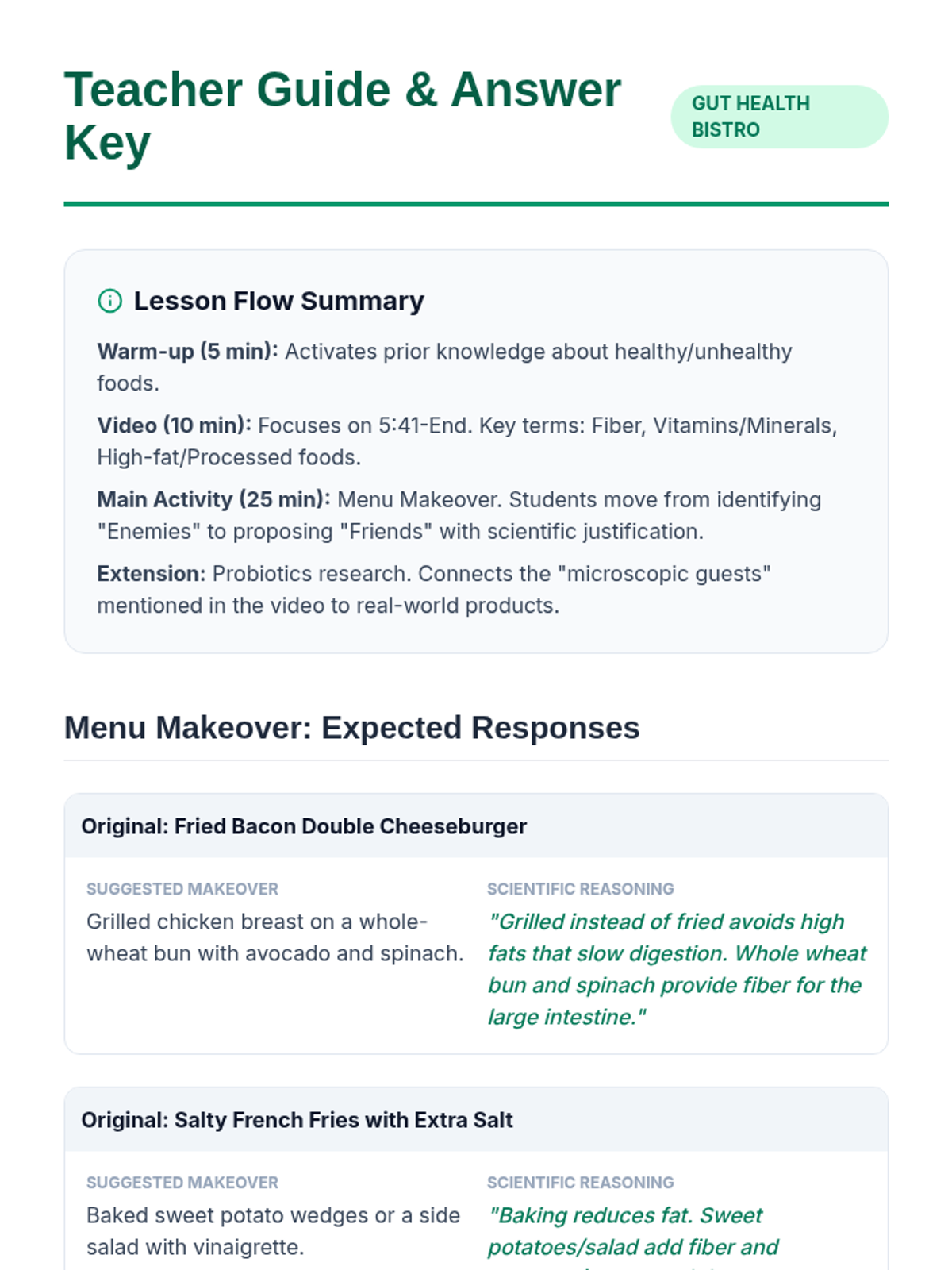
A lesson focused on evaluating dietary choices for digestive health. Students analyze food impacts, redesign a menu for optimal digestion, and explore the role of probiotics.
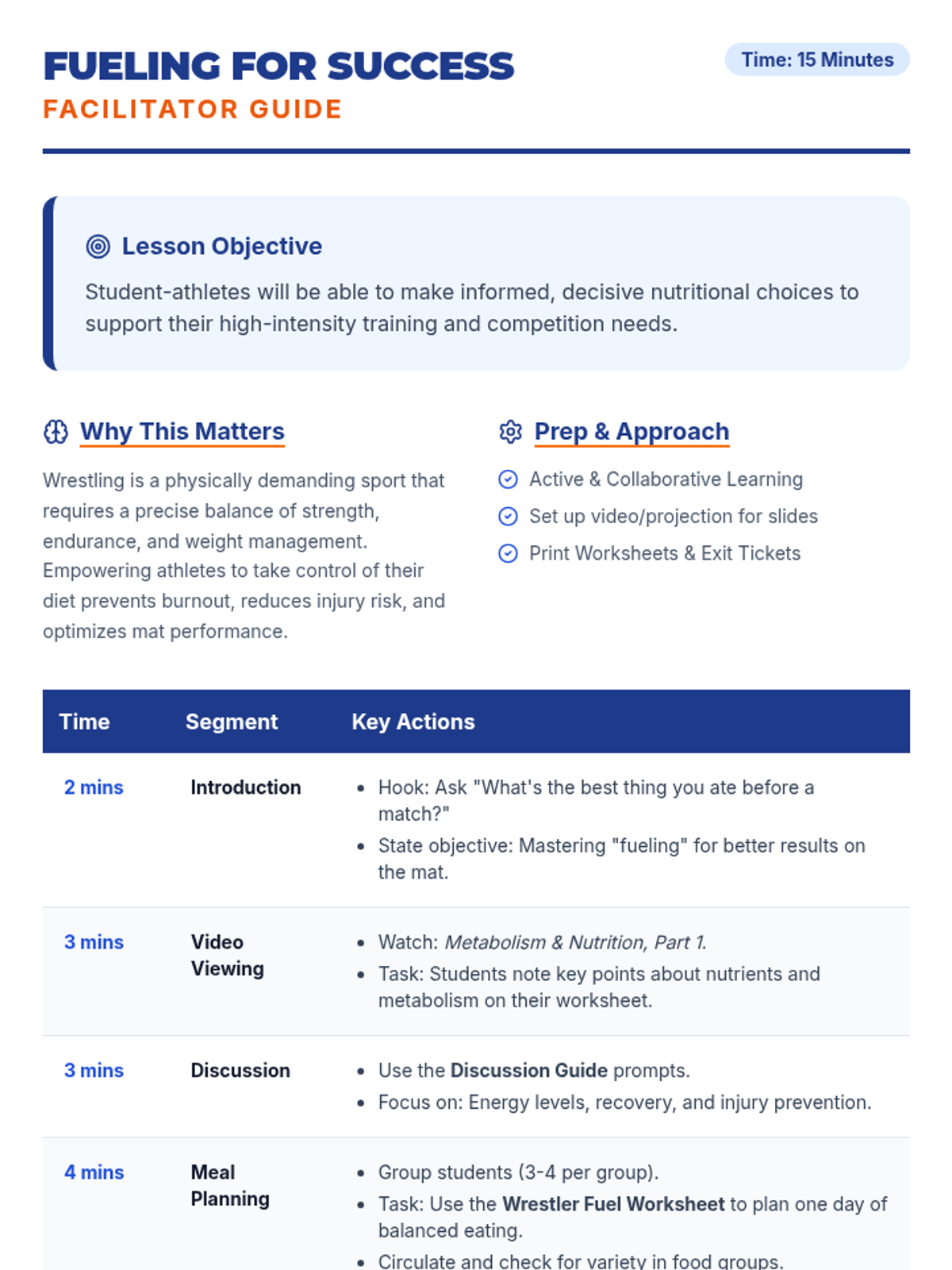
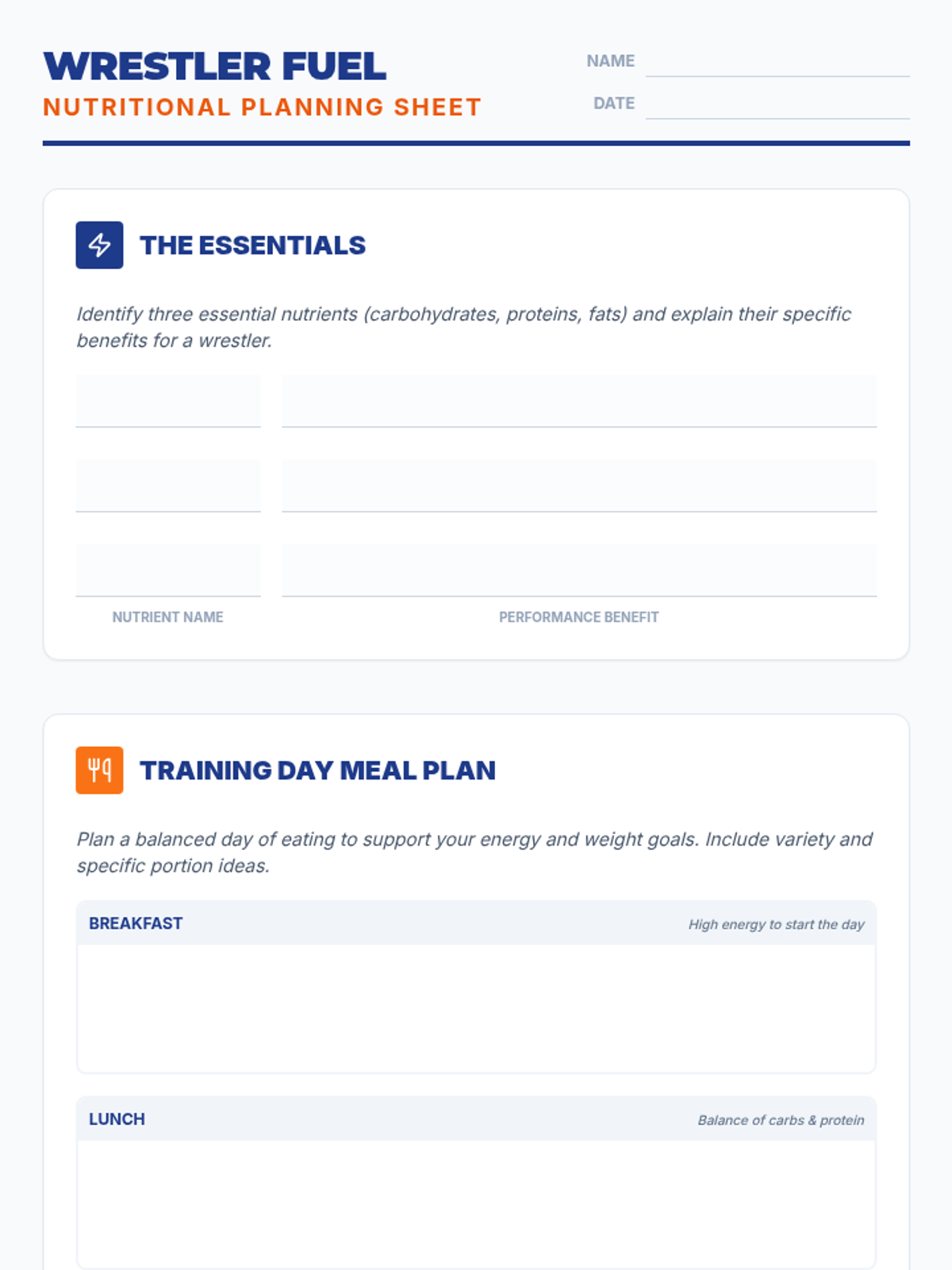
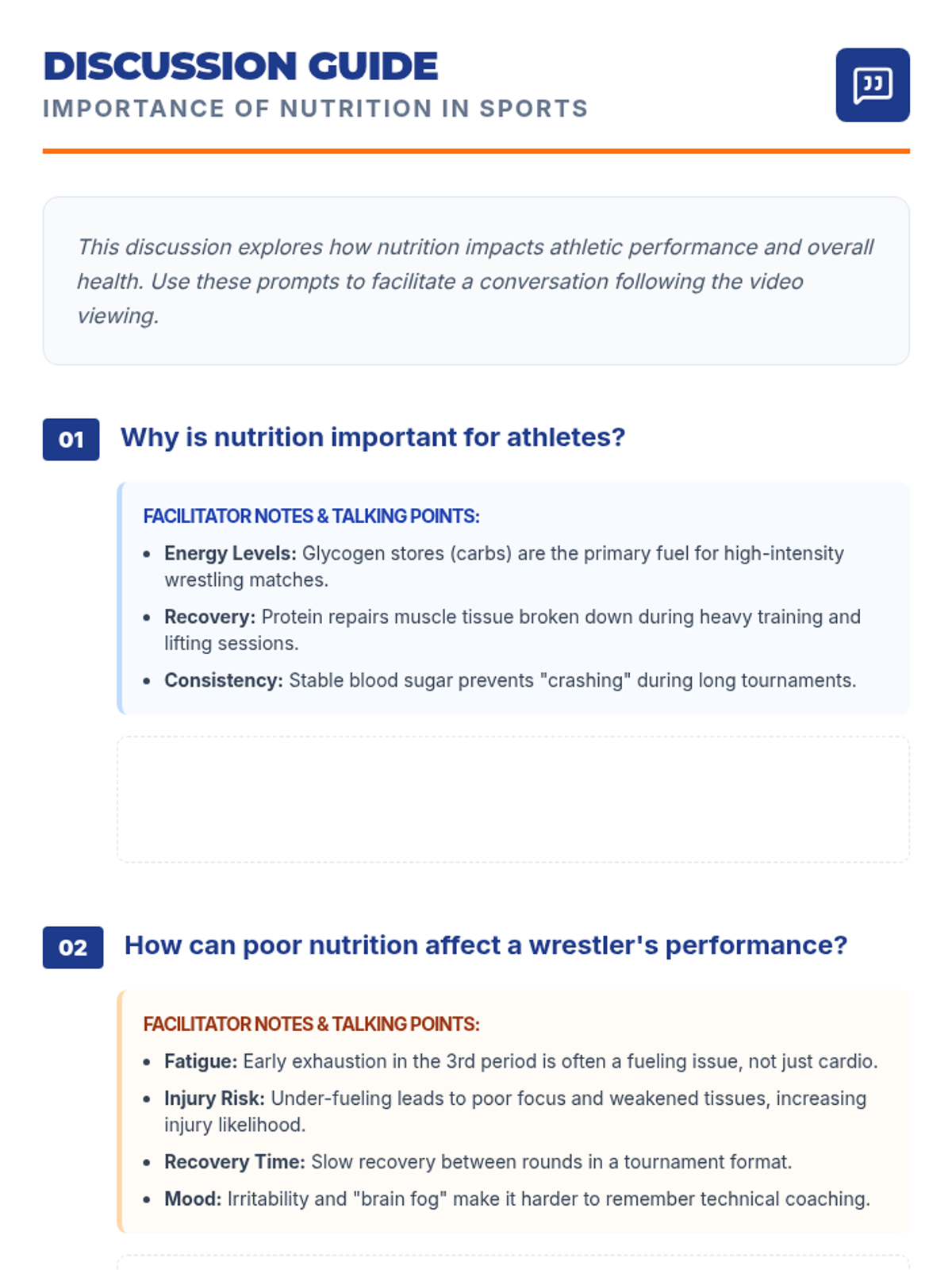
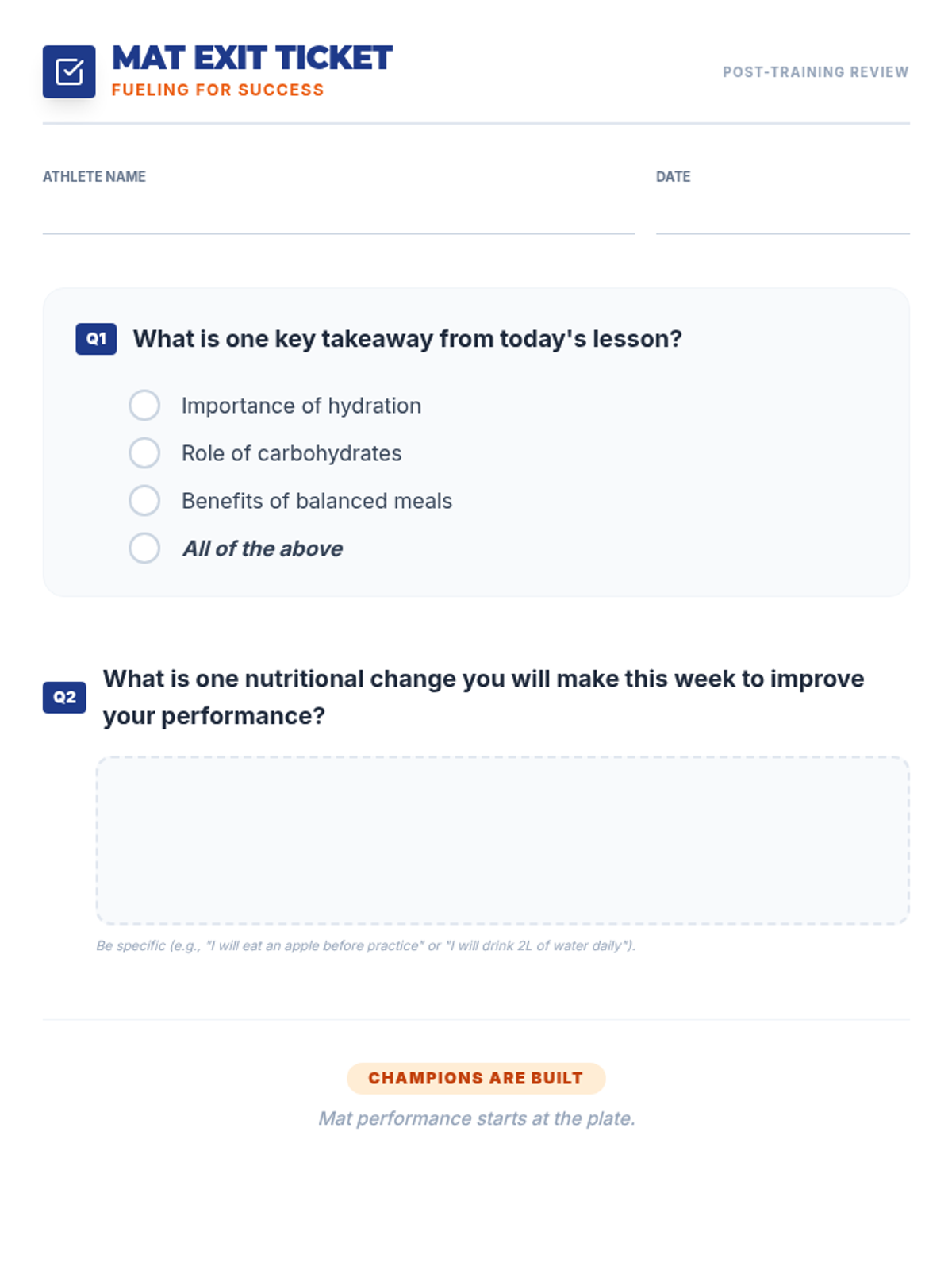
This 15-minute session equips high school wrestlers with essential nutritional knowledge to optimize their performance on the mat through macronutrient understanding and meal planning.
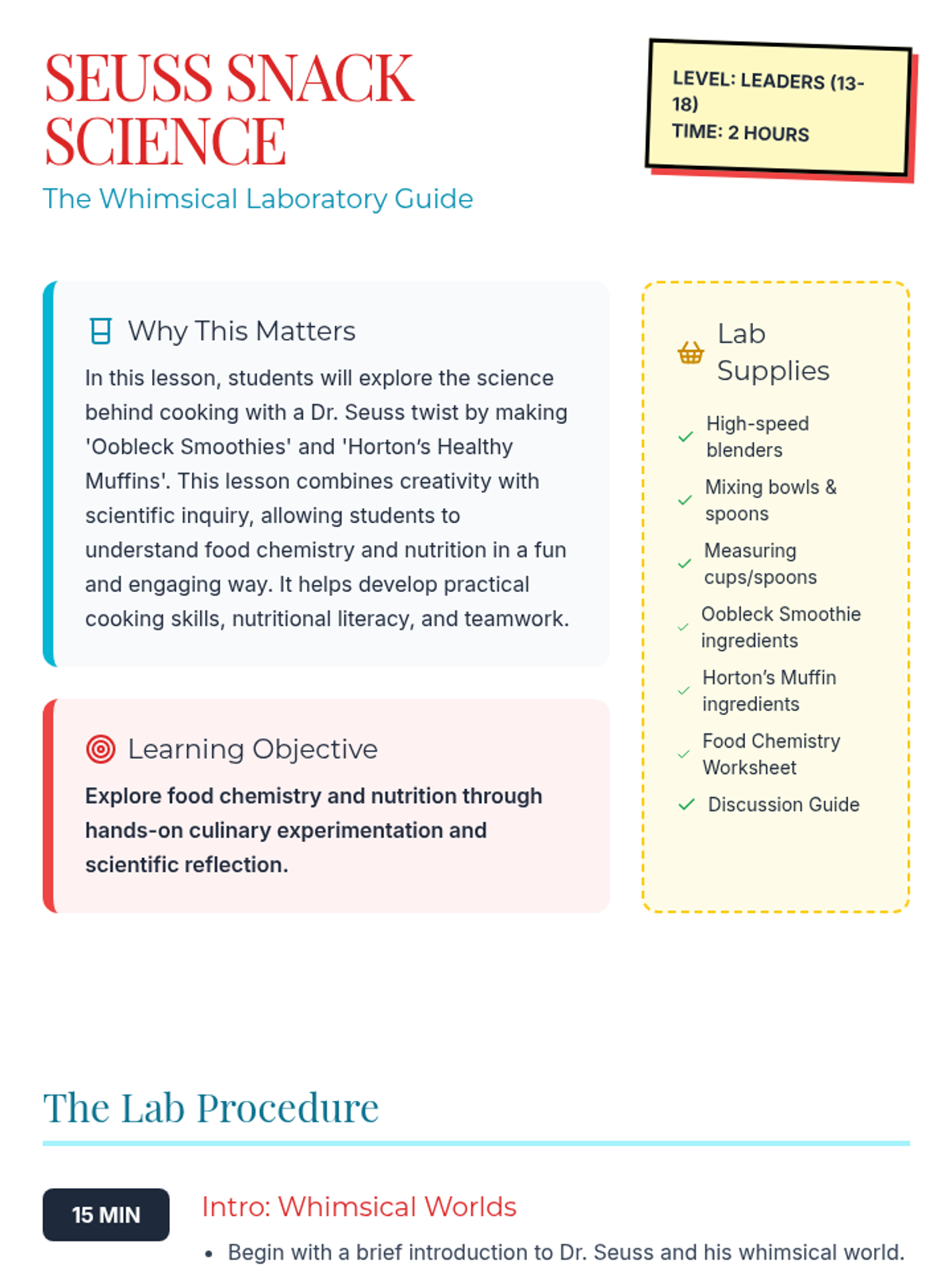
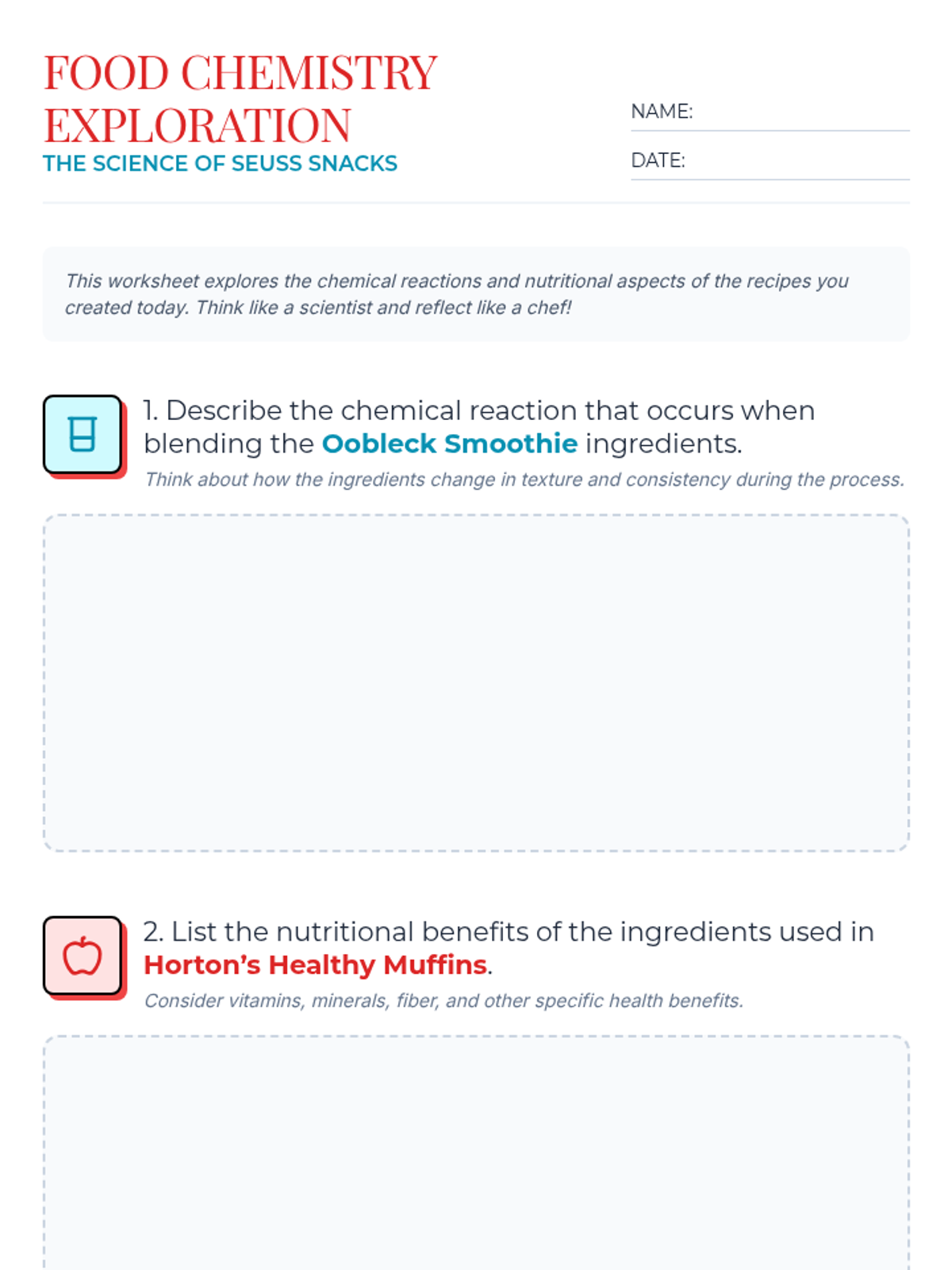
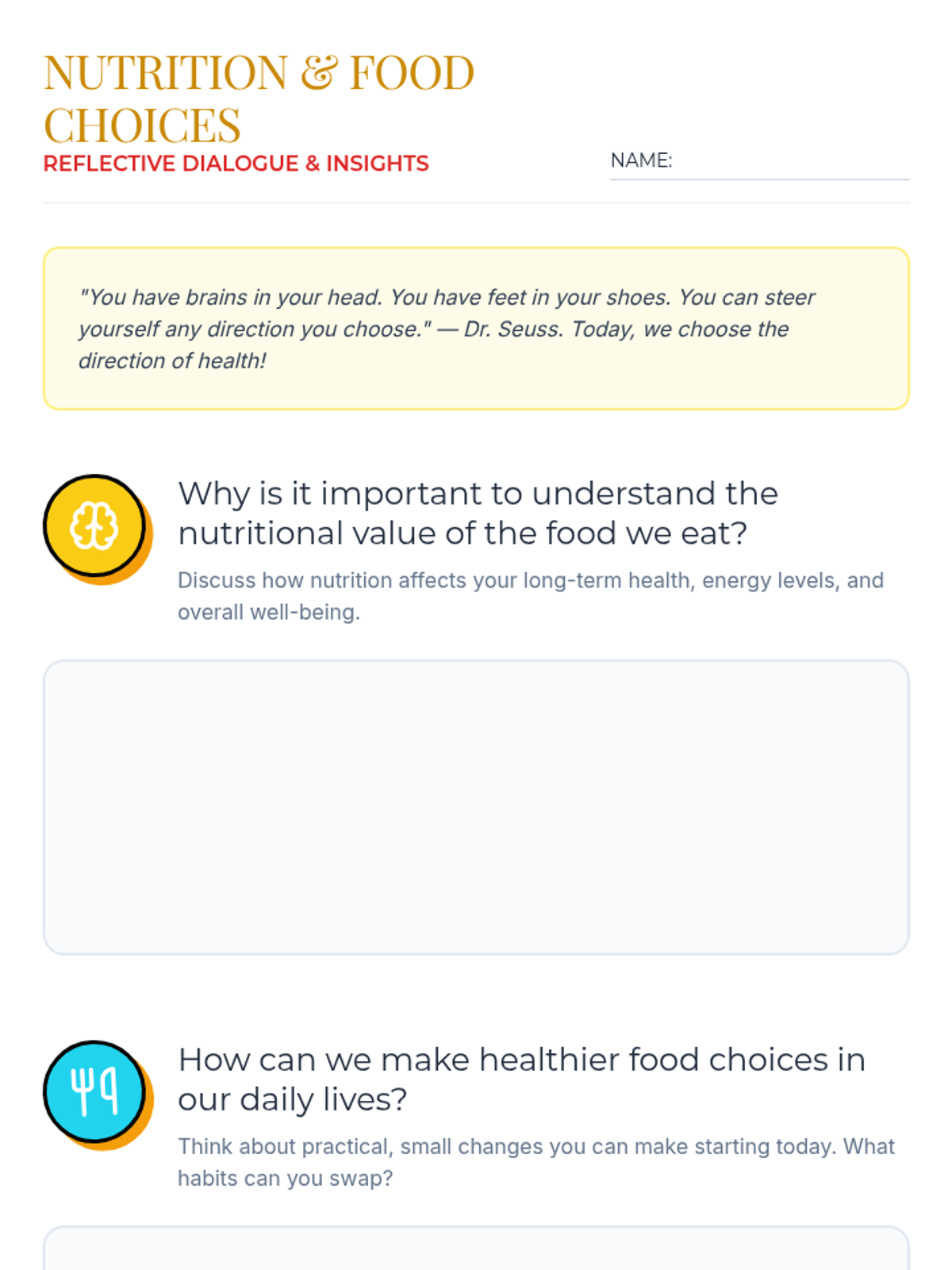
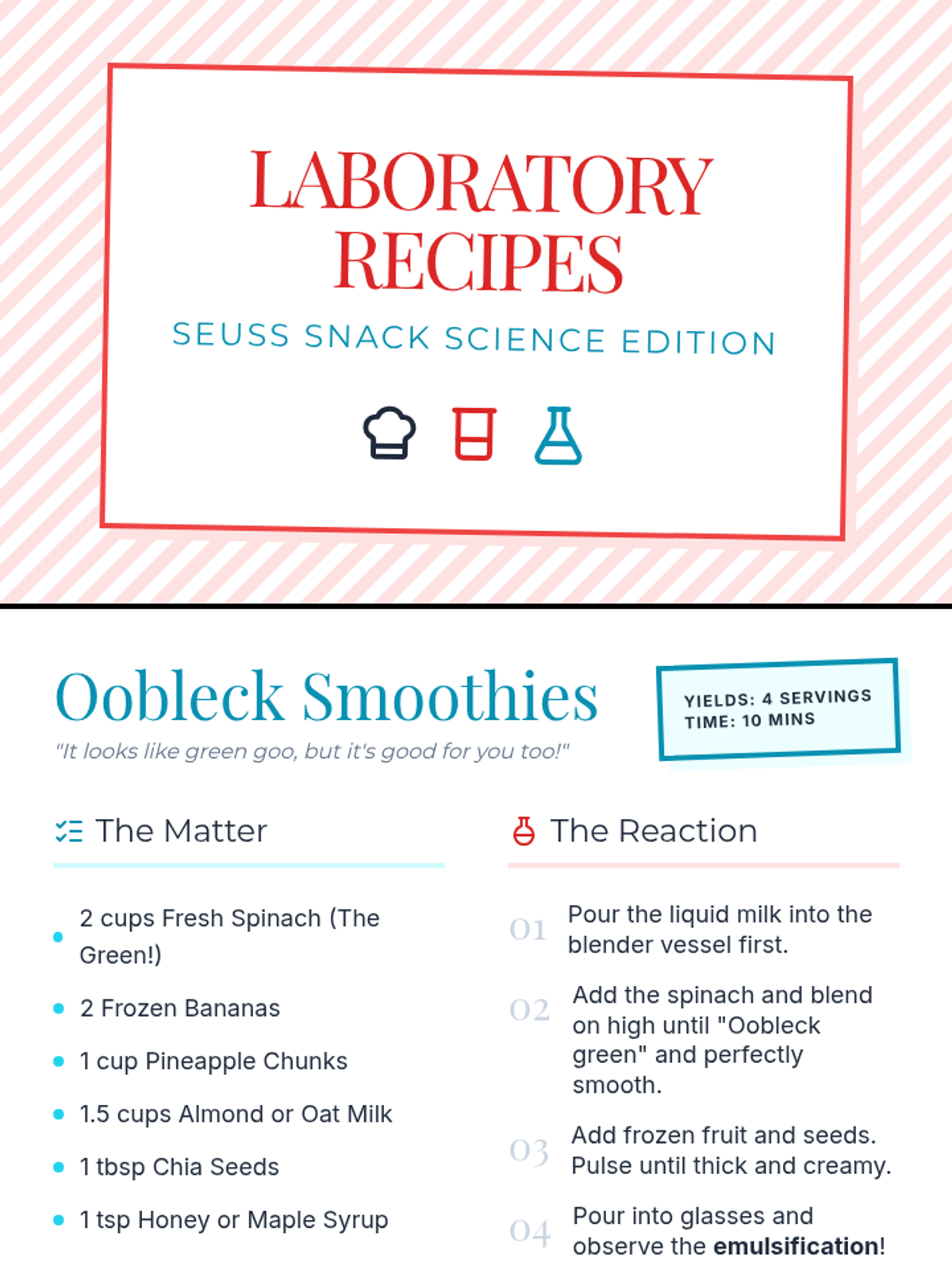
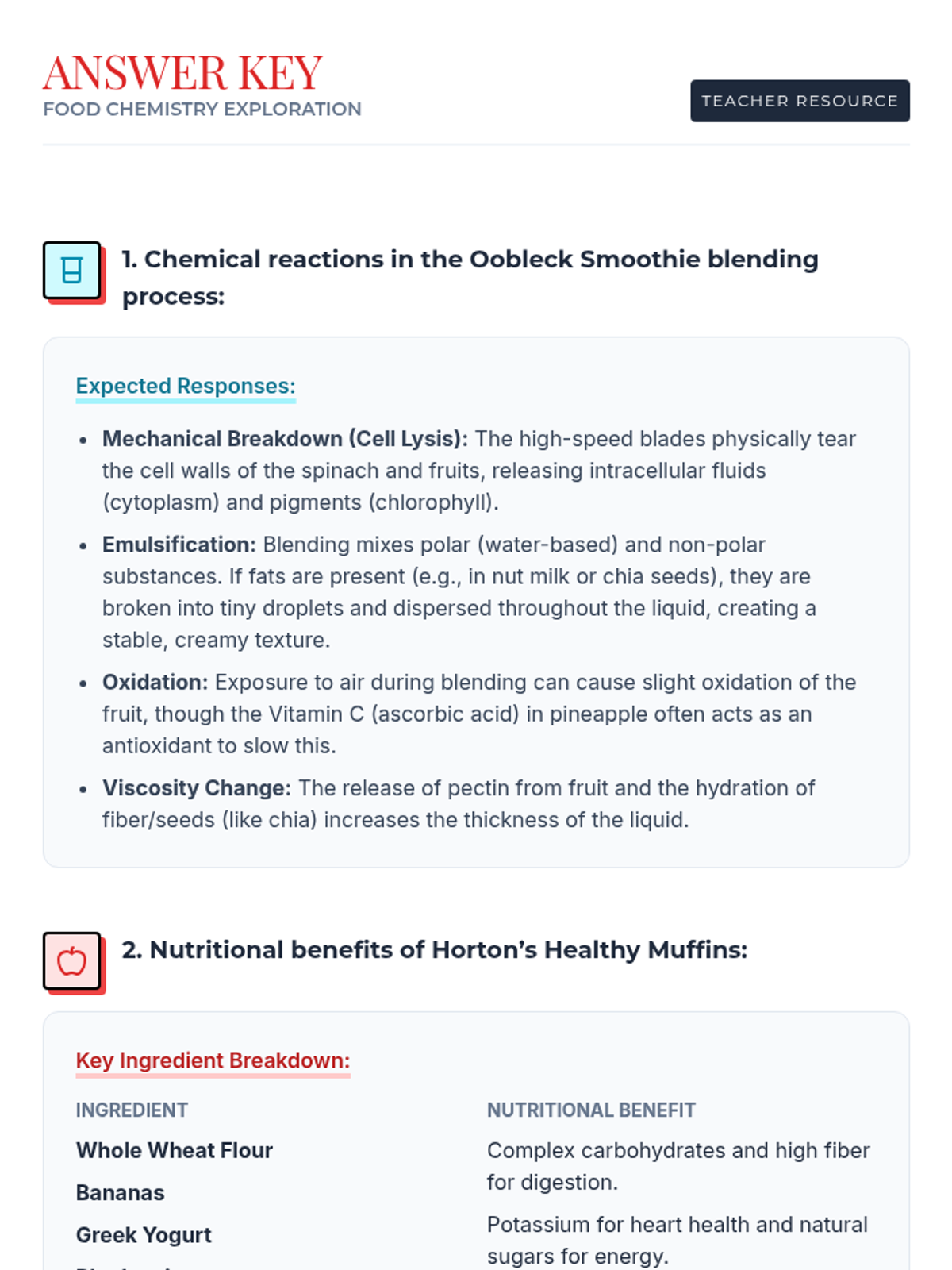
Students explore the chemistry of cooking and nutrition through Dr. Seuss-inspired recipes like Oobleck Smoothies and Horton’s Healthy Muffins. This lesson blends scientific inquiry with practical culinary skills for teens.
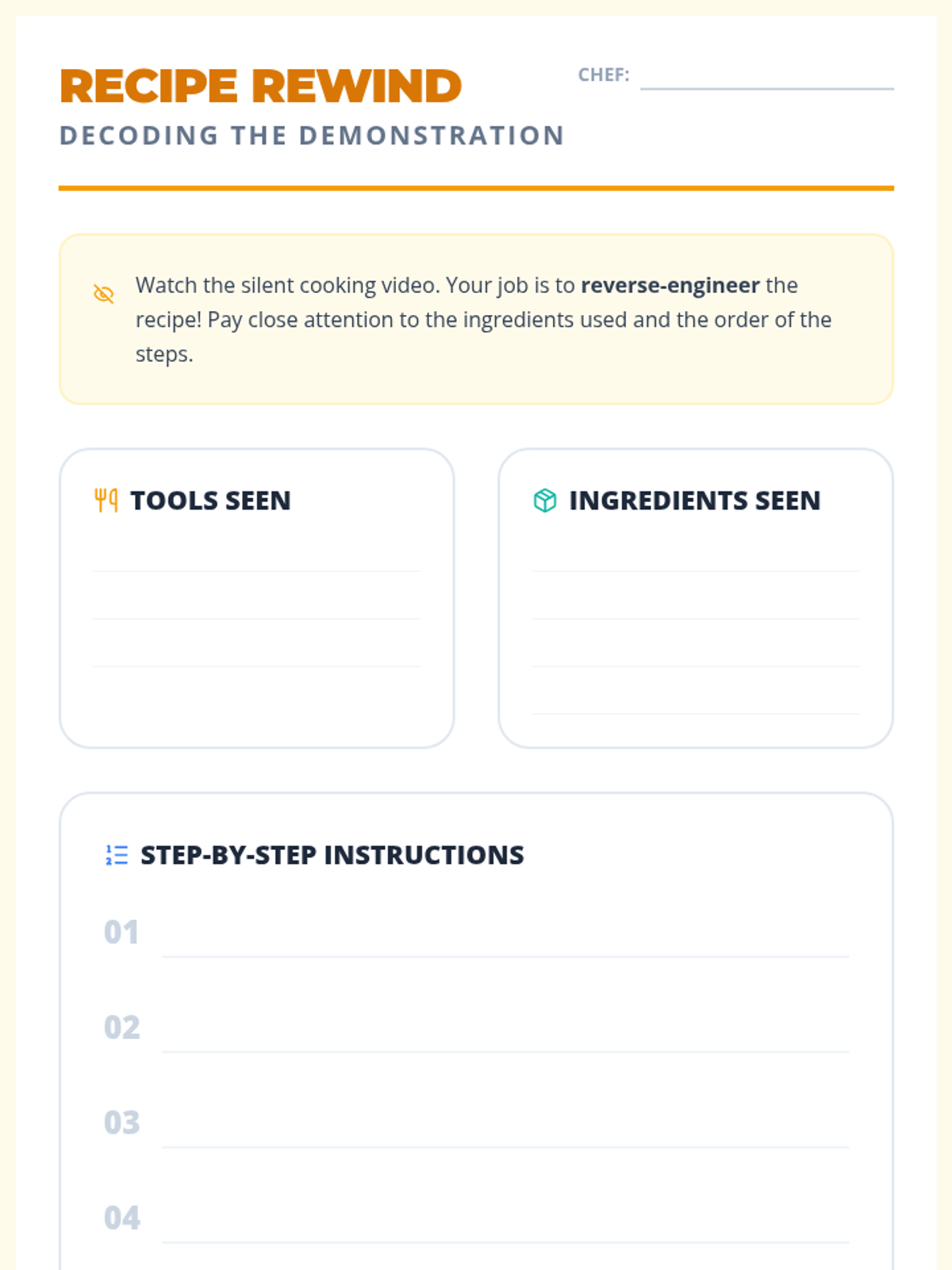
Students master the art of reading recipes and preparing a workspace for successful meal preparation.
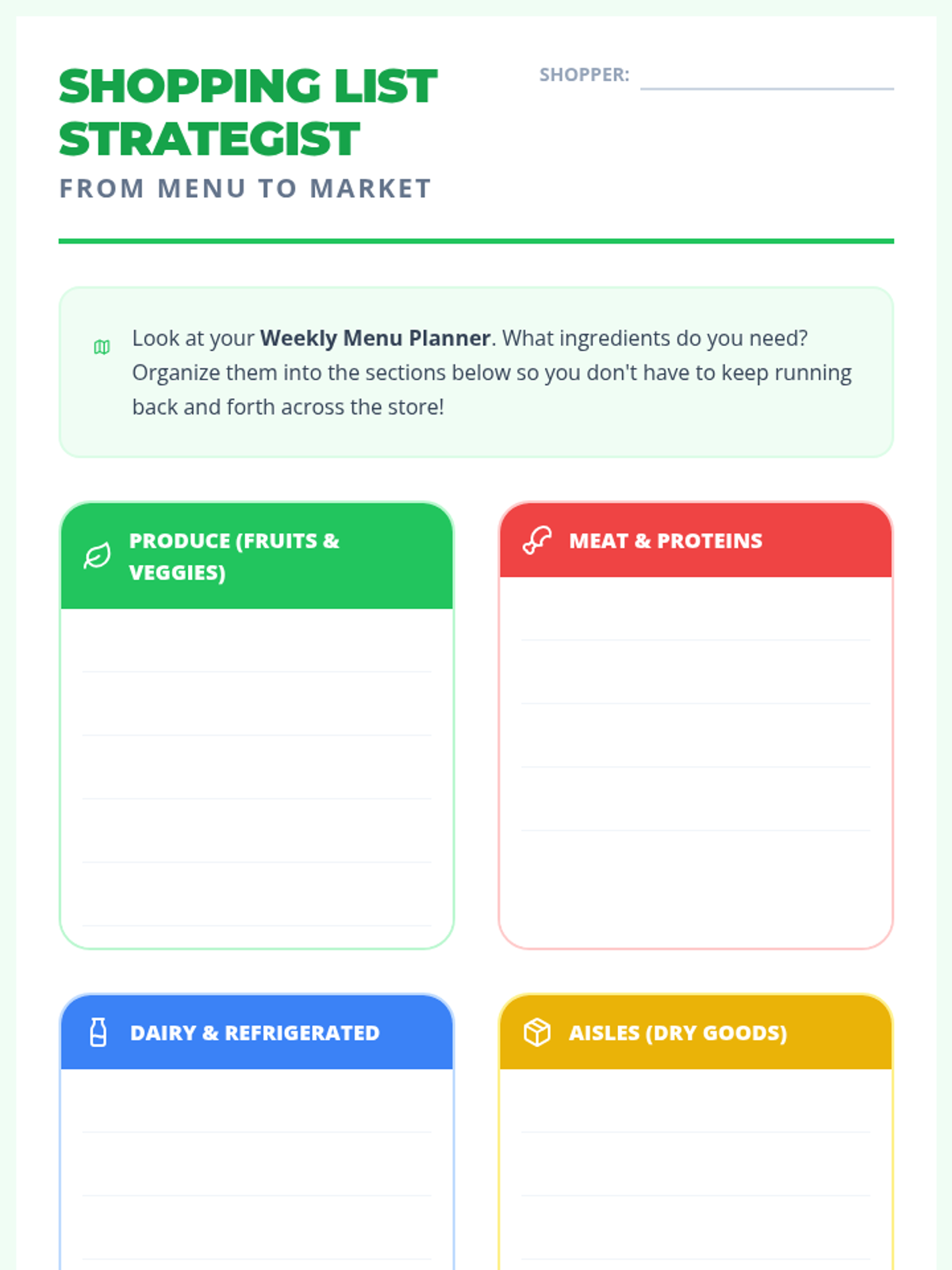
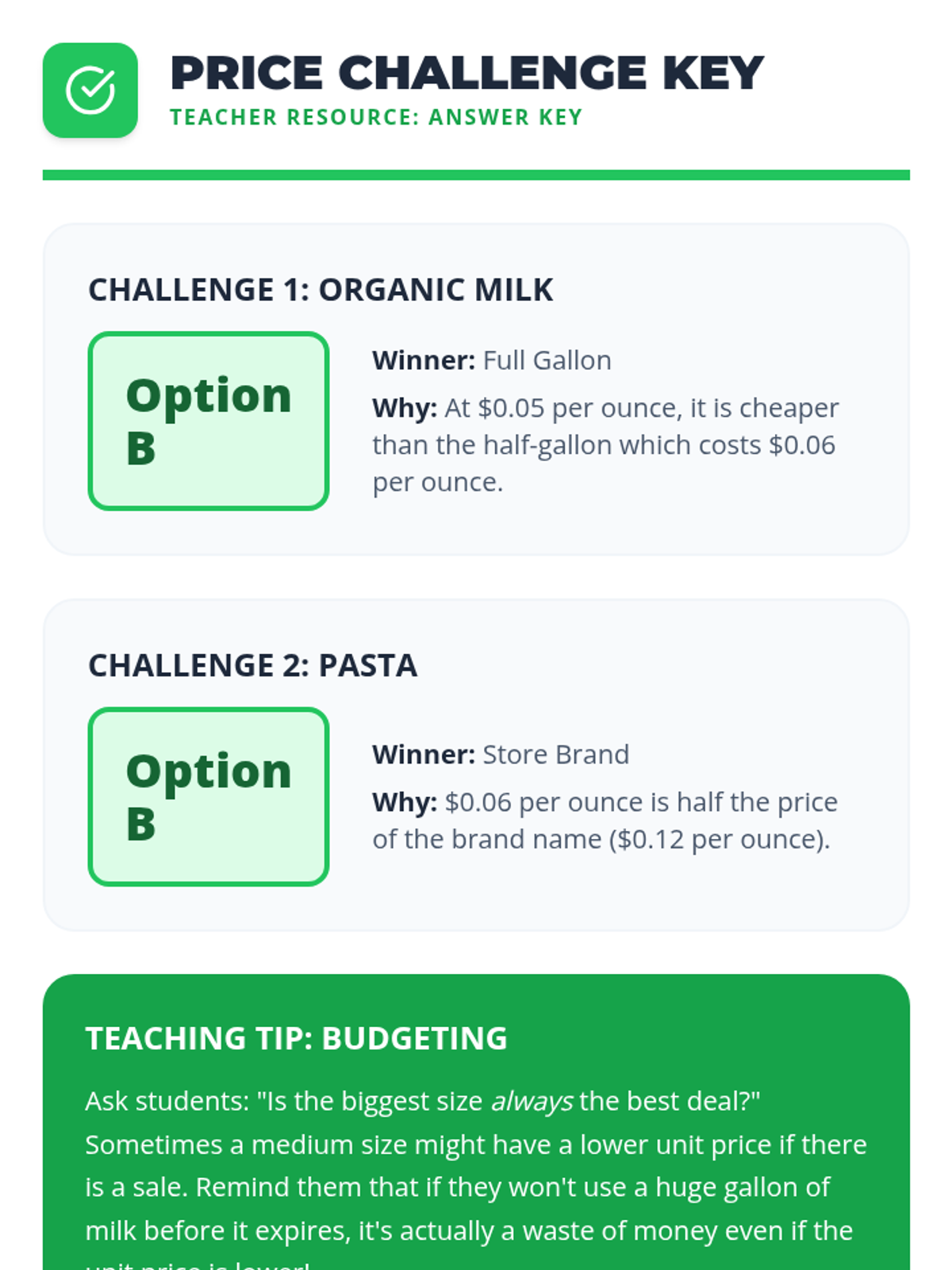
Students practice creating categorized shopping lists and comparing prices to maximize their food budget.
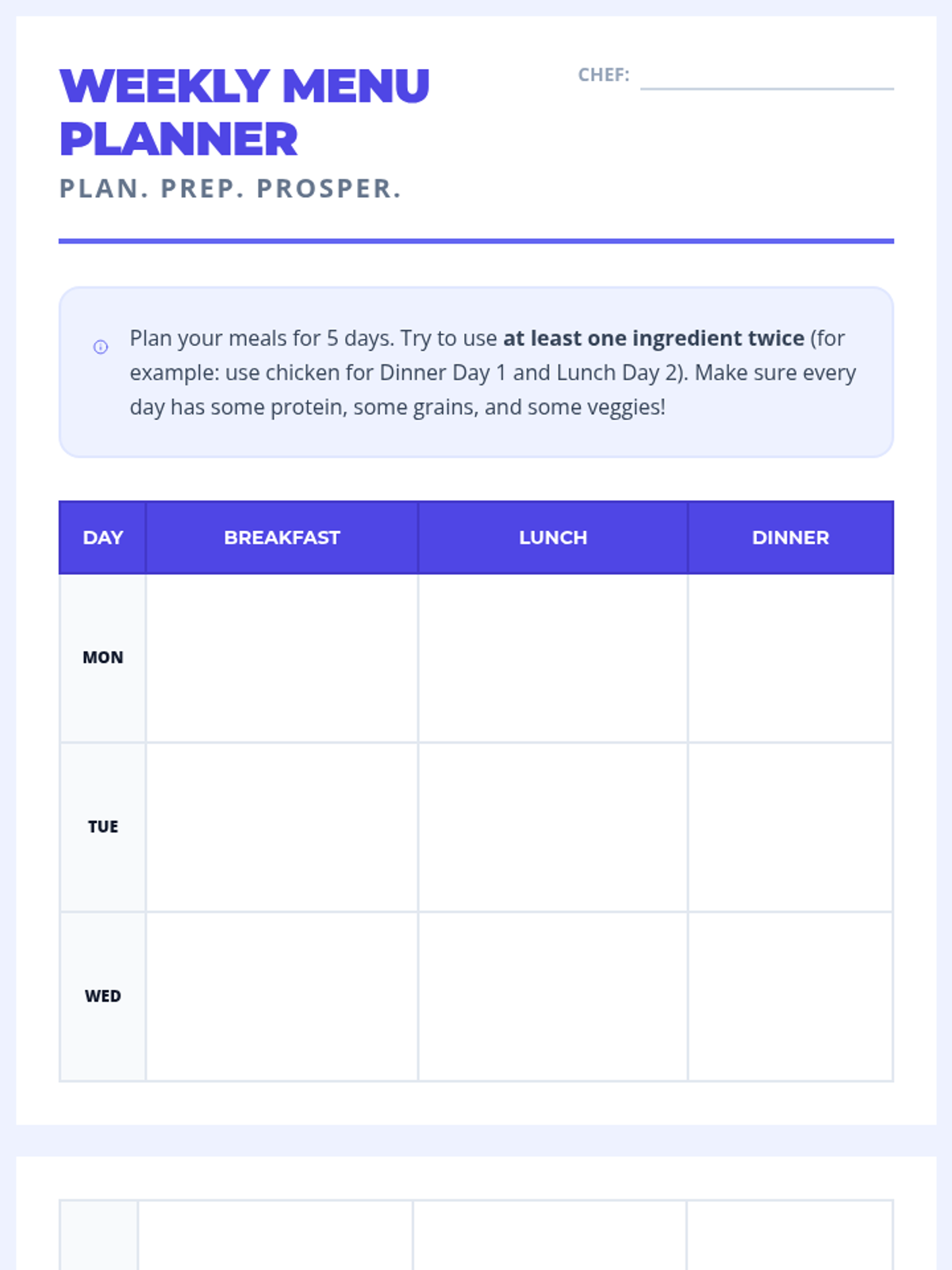
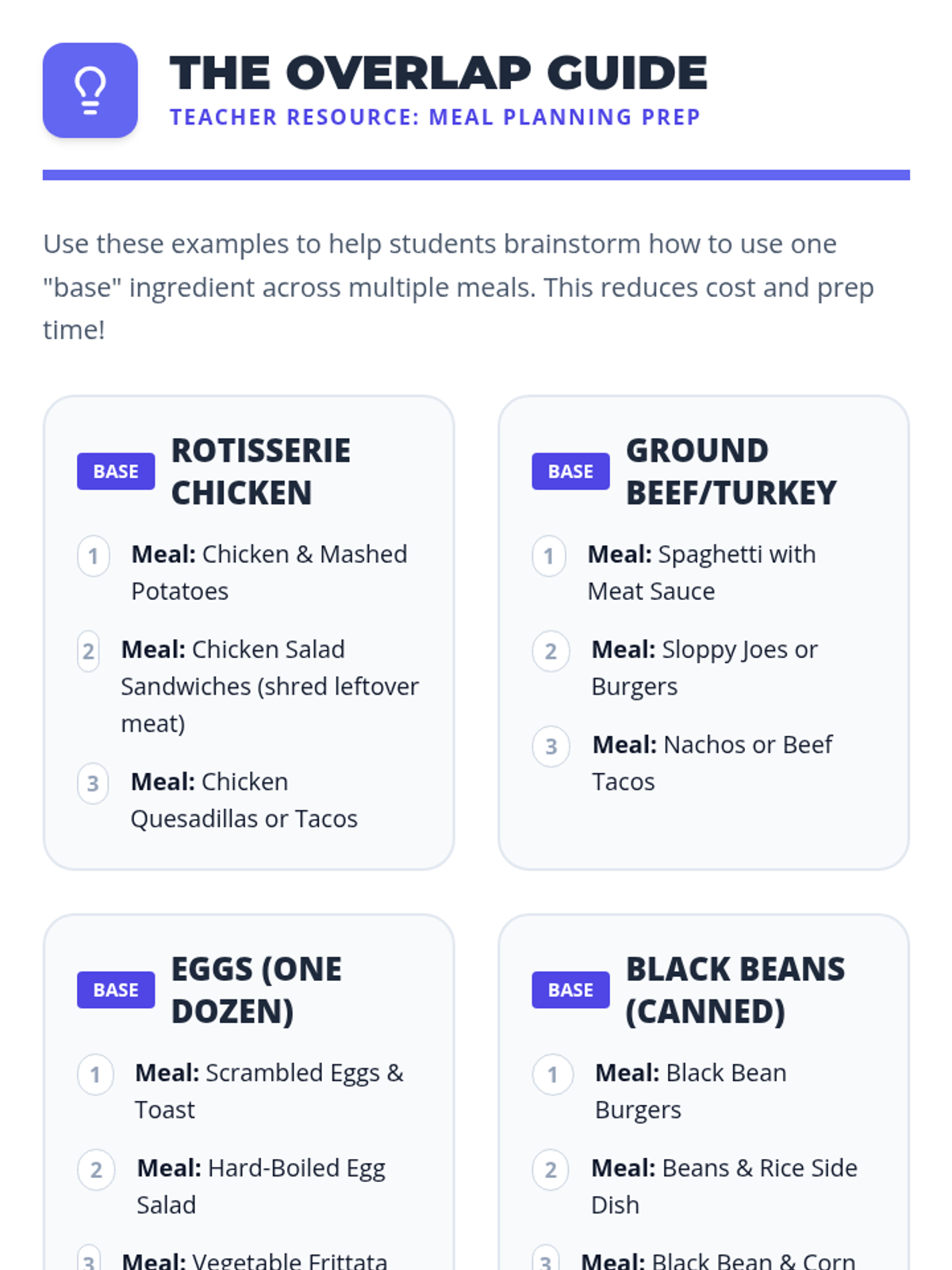
Students plan a weekly menu that is balanced, cost-effective, and uses ingredients efficiently.
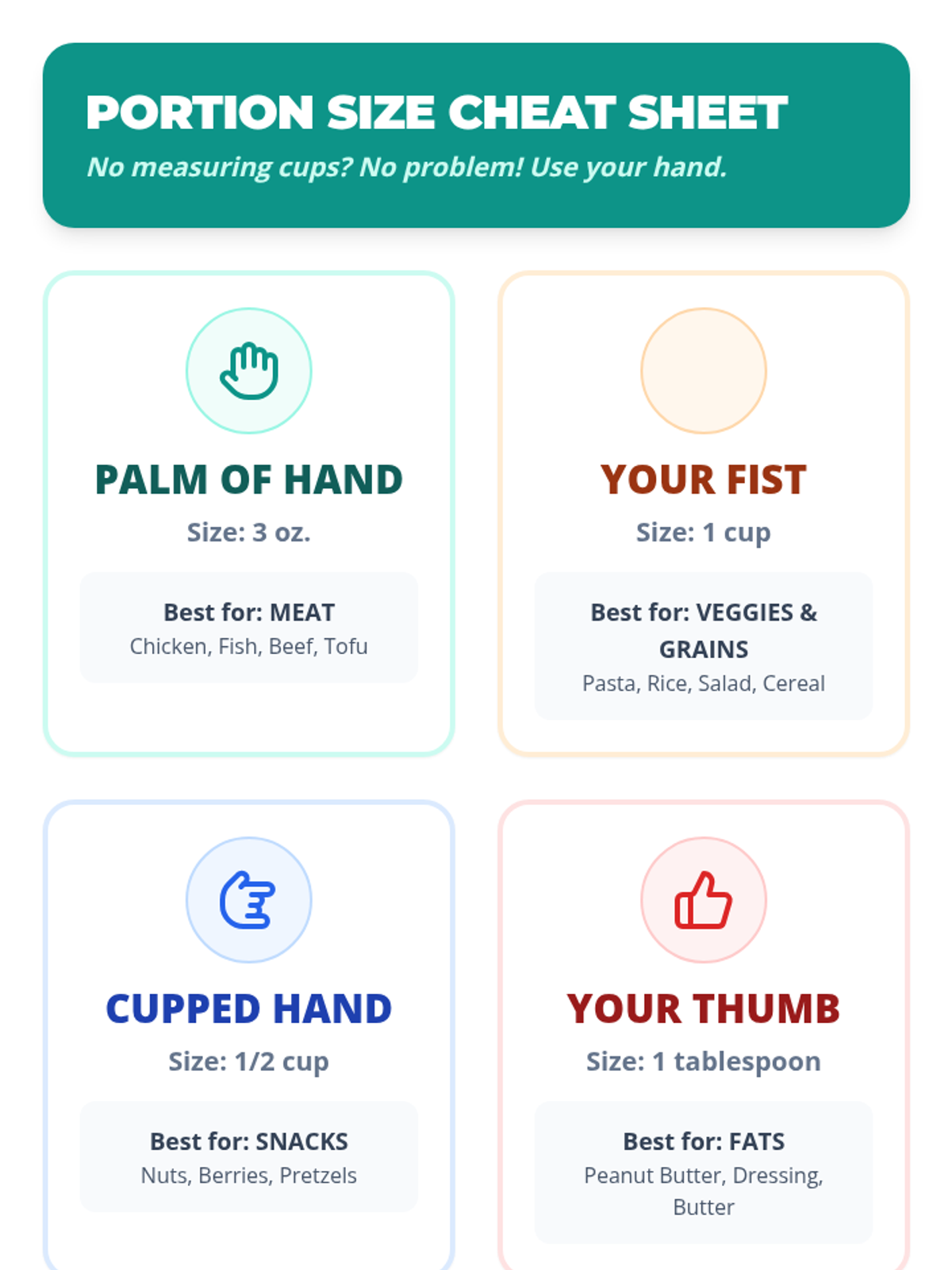
Students learn to decode nutrition labels and visualize realistic serving sizes to make healthier food choices.
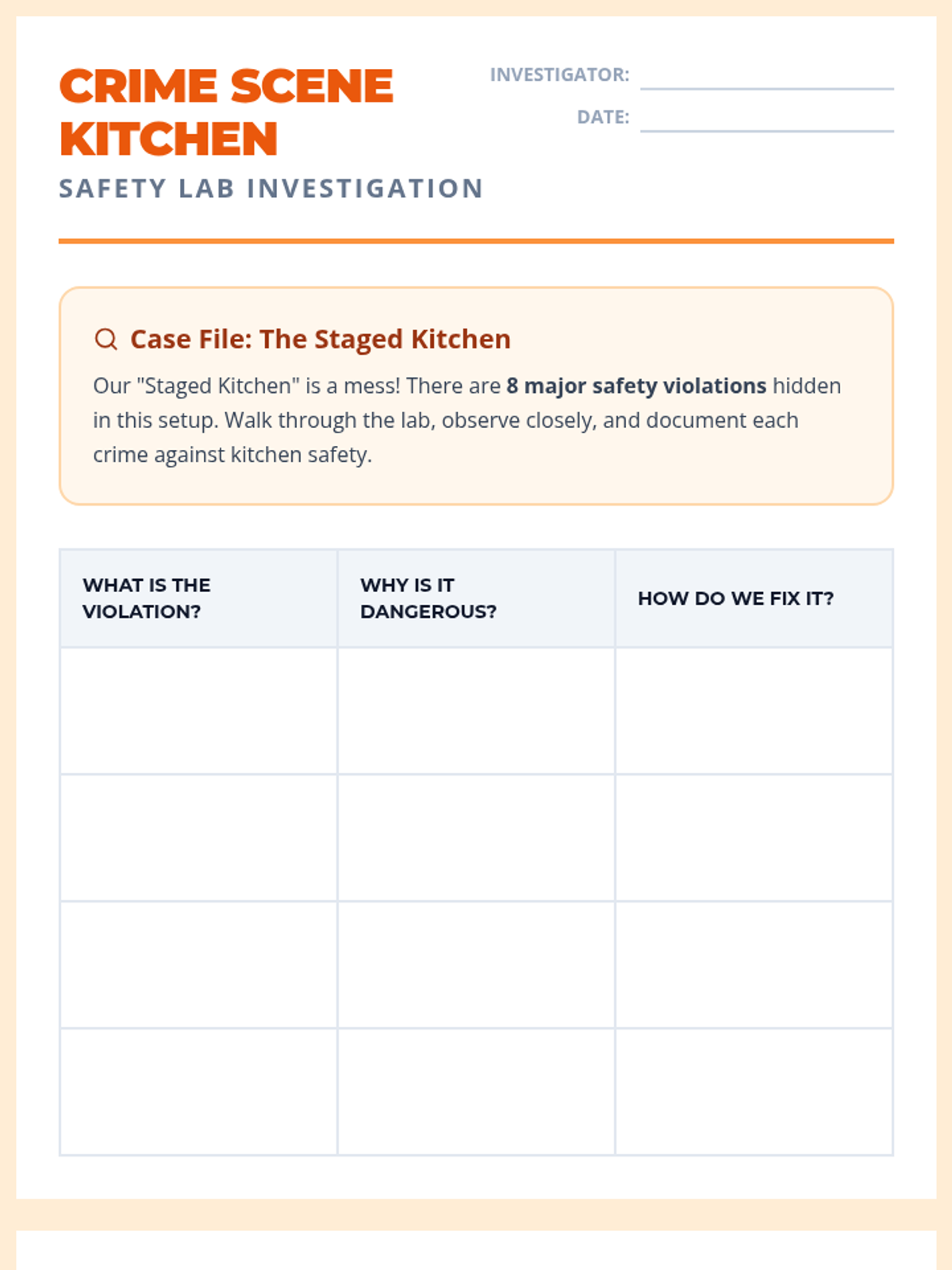
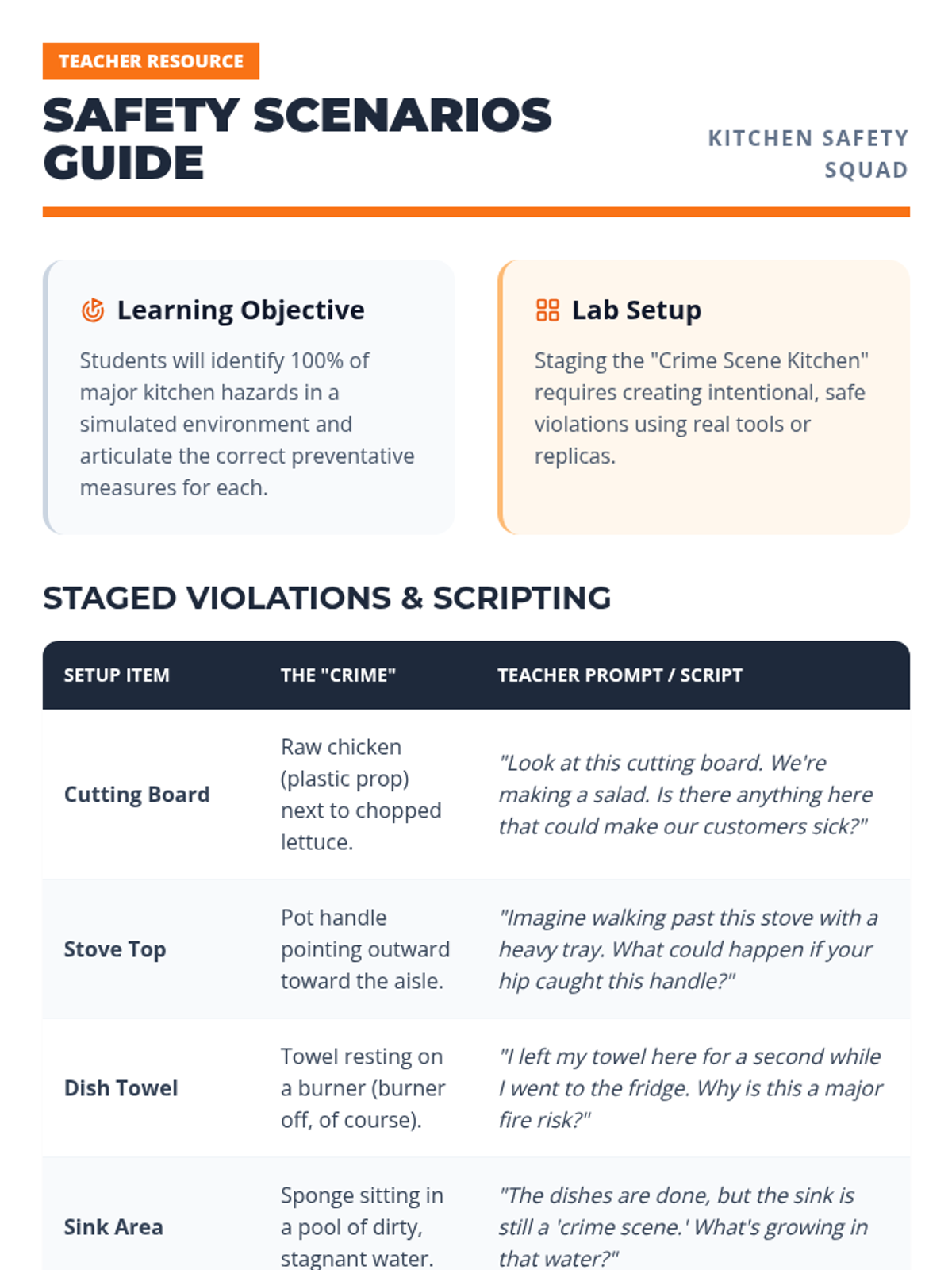
Students identify kitchen hazards and practice proper sanitation techniques to prevent illness and injury.
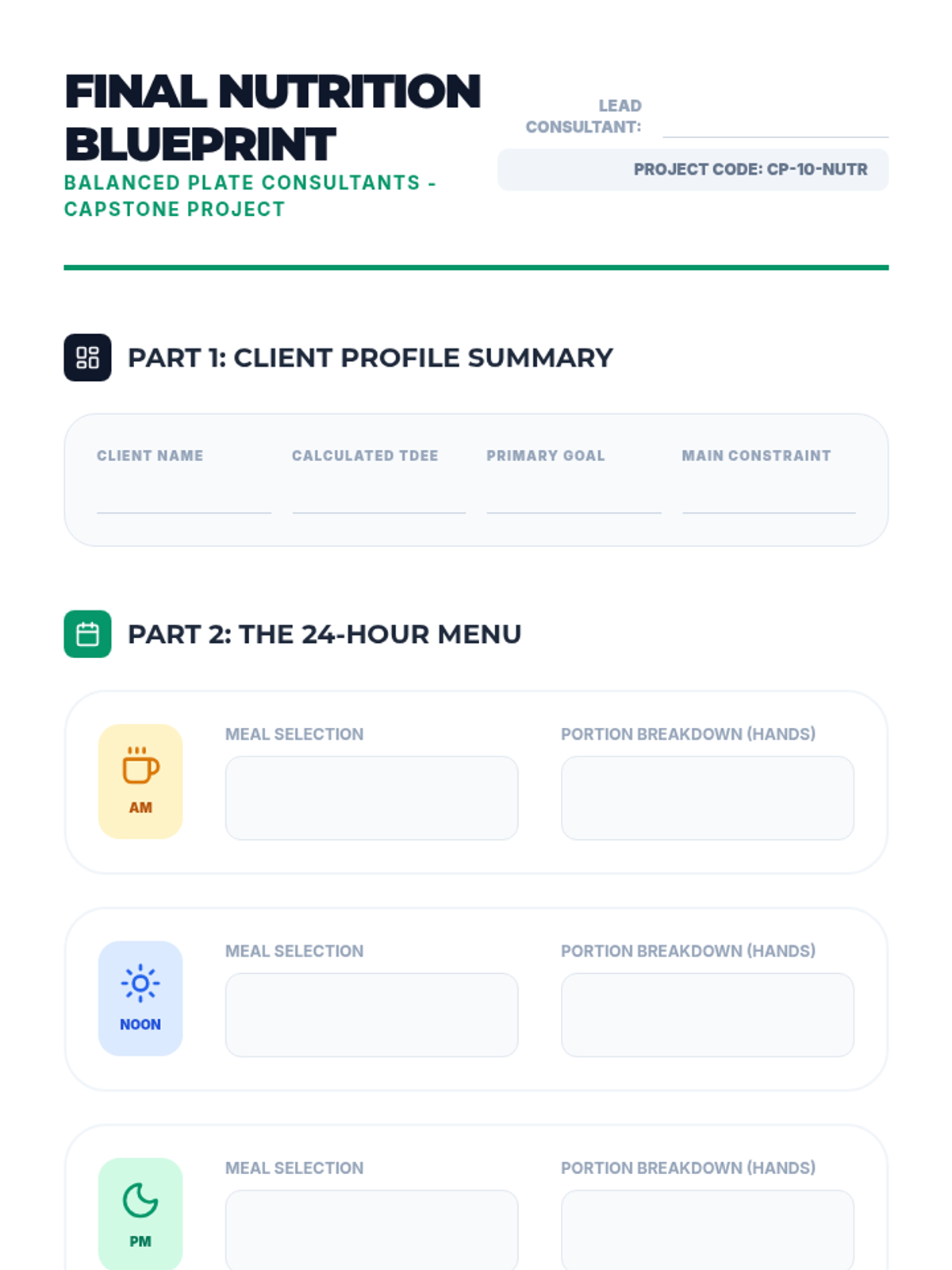
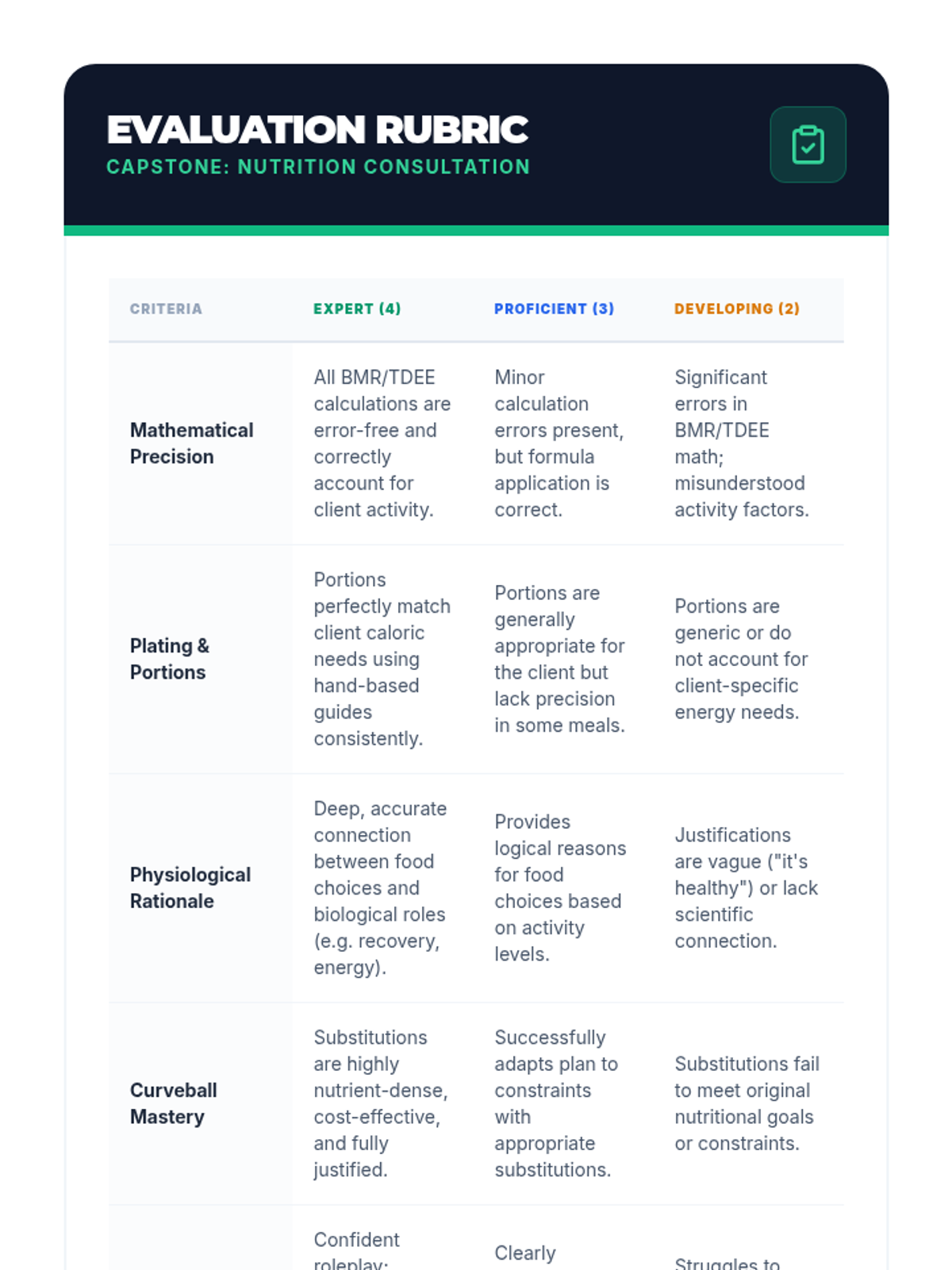
In the final project, students synthesize their learning to present a comprehensive daily nutrition plan for their client. They justify their choices in a mock consultation, defending the physiological rationale for their plan.
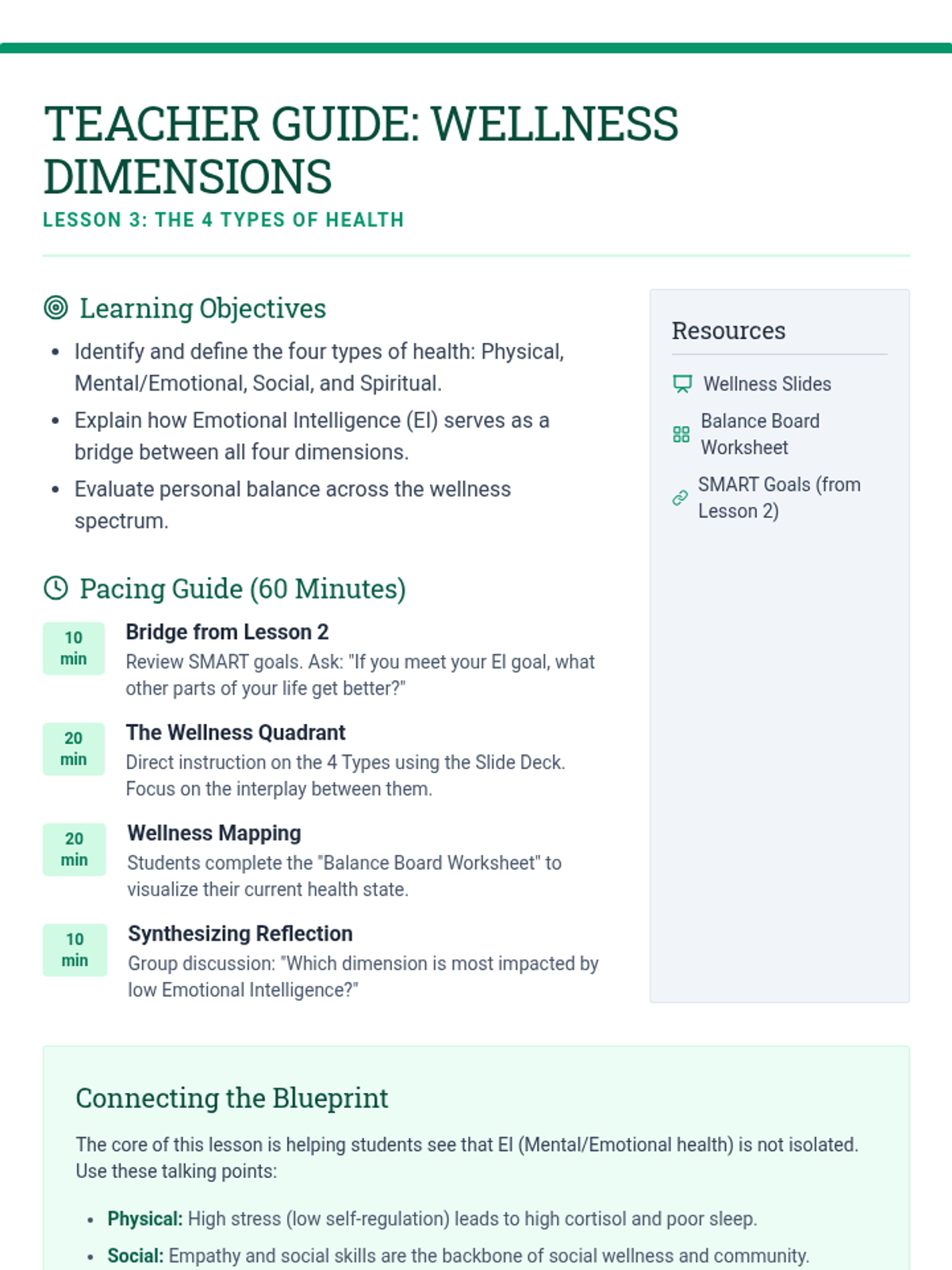
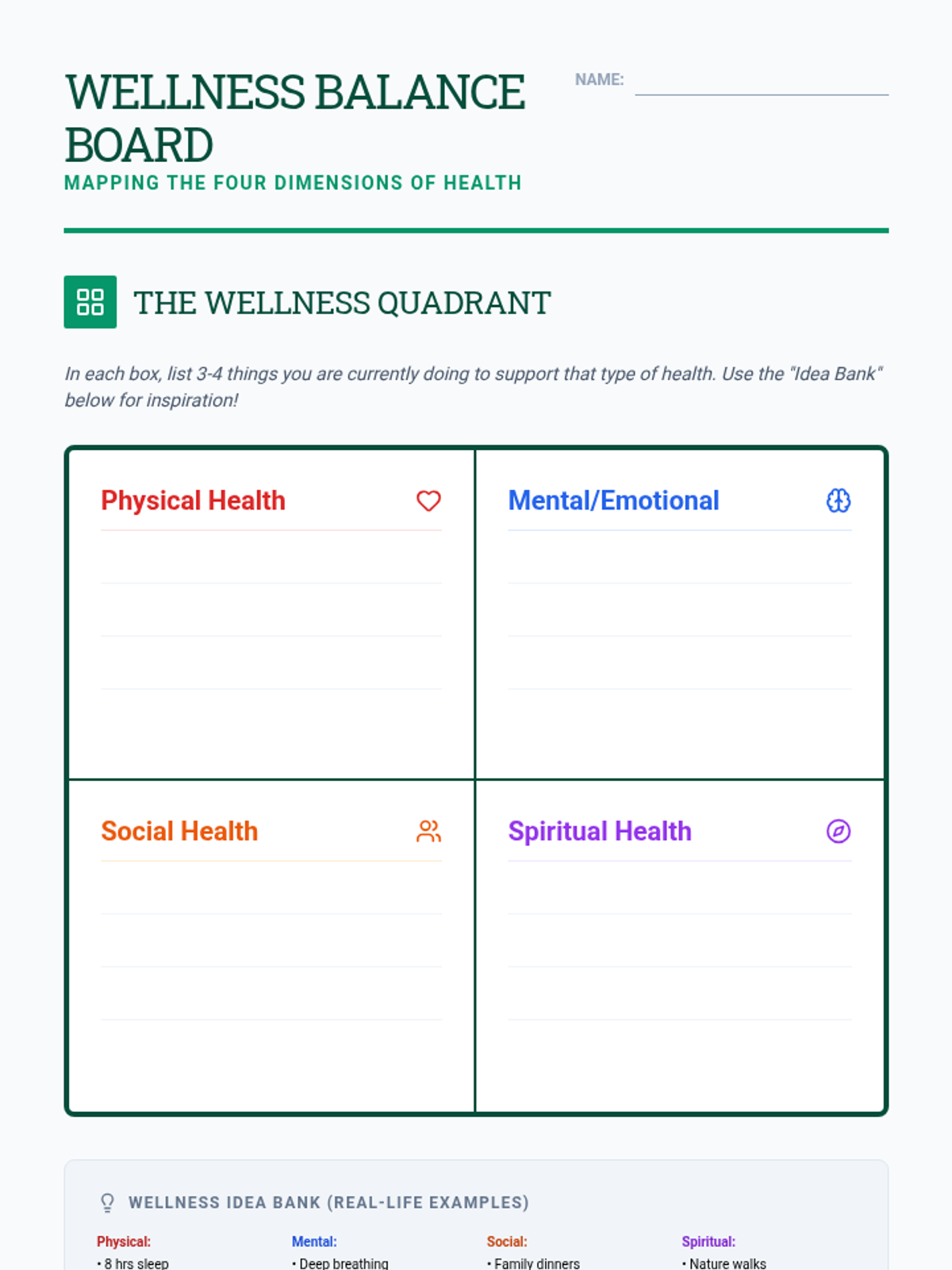
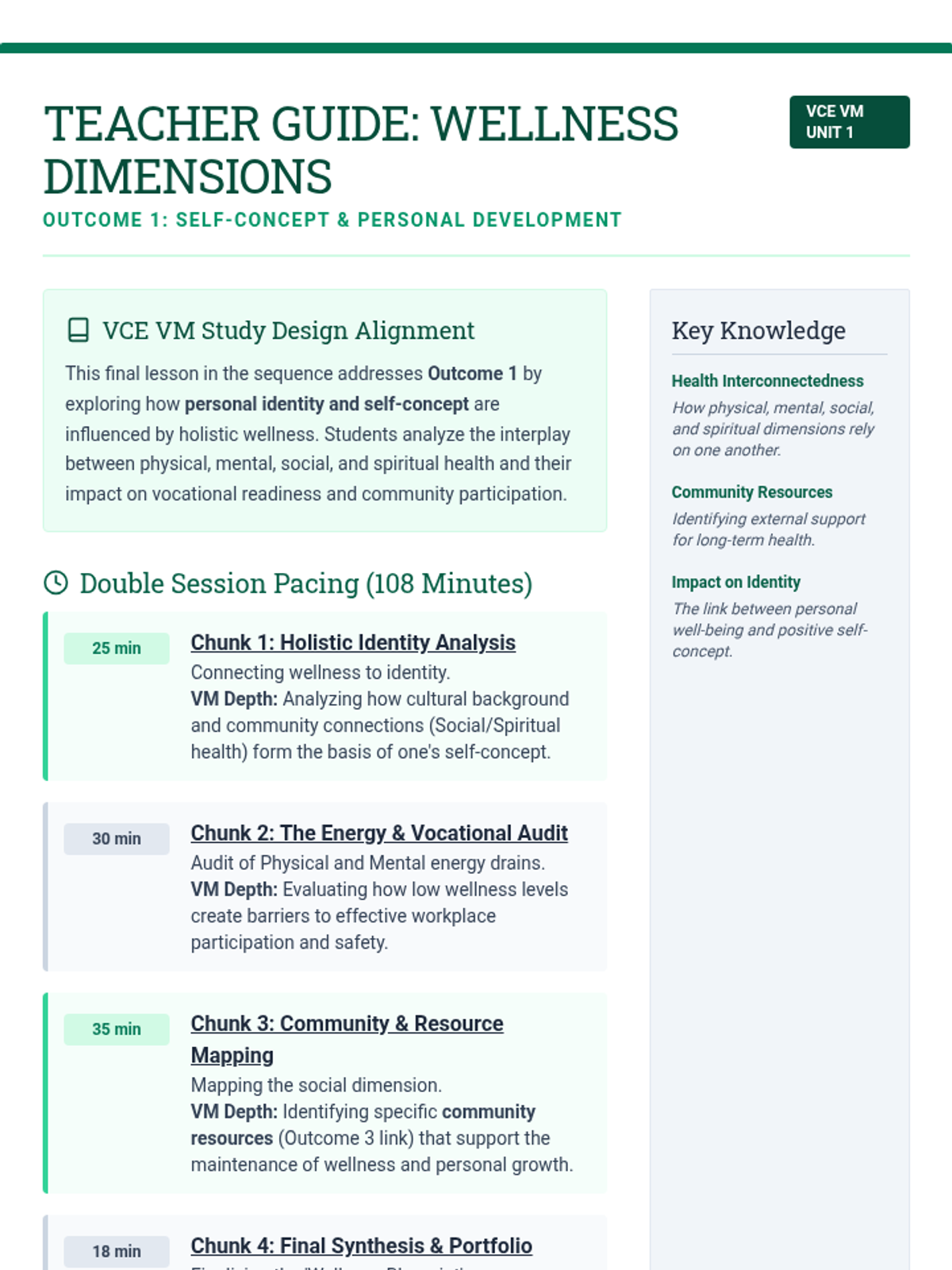
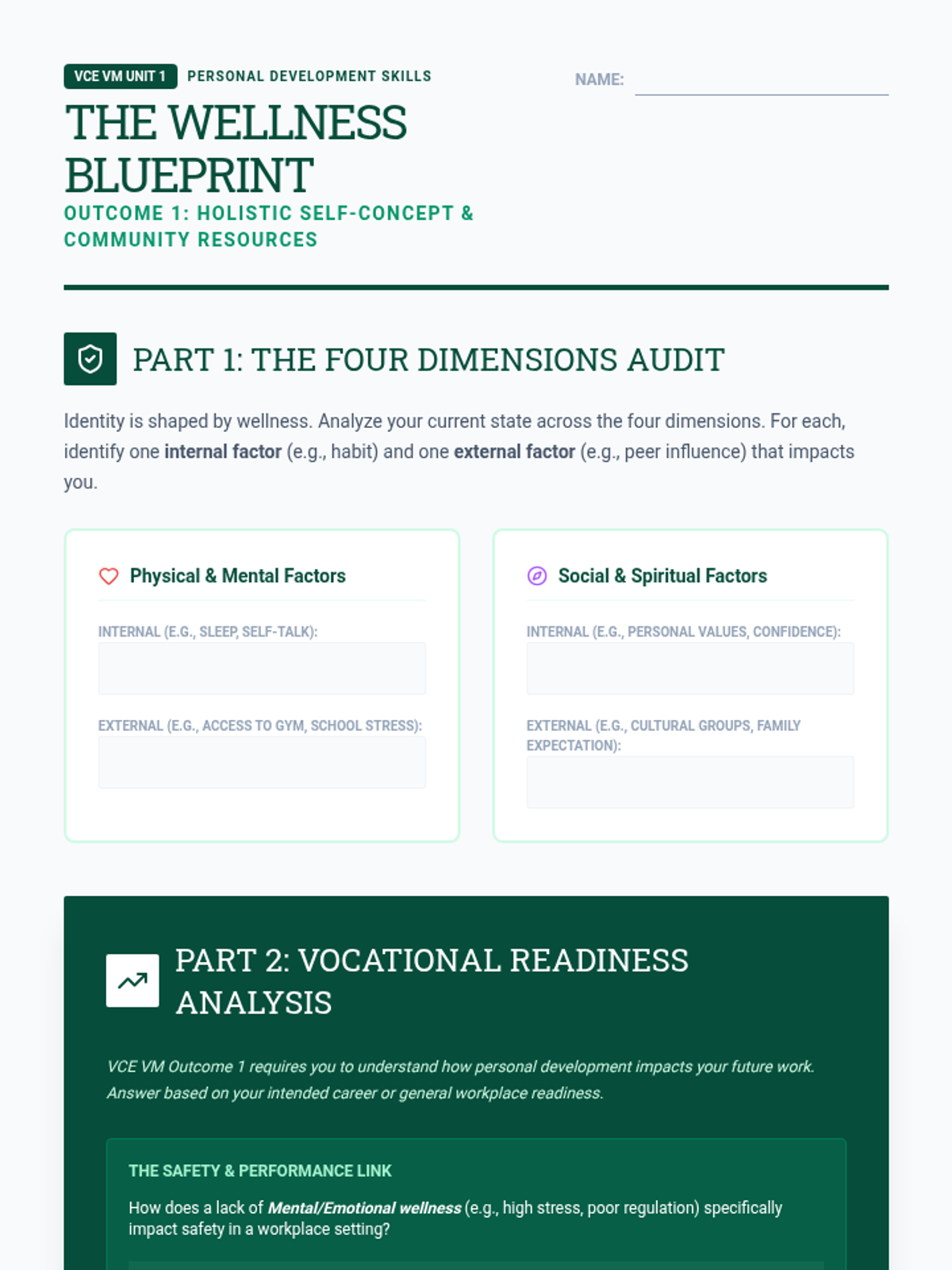
An exploration of holistic health through the four dimensions of well-being. Students analyze how their emotional intelligence goals support their overall health and balance.
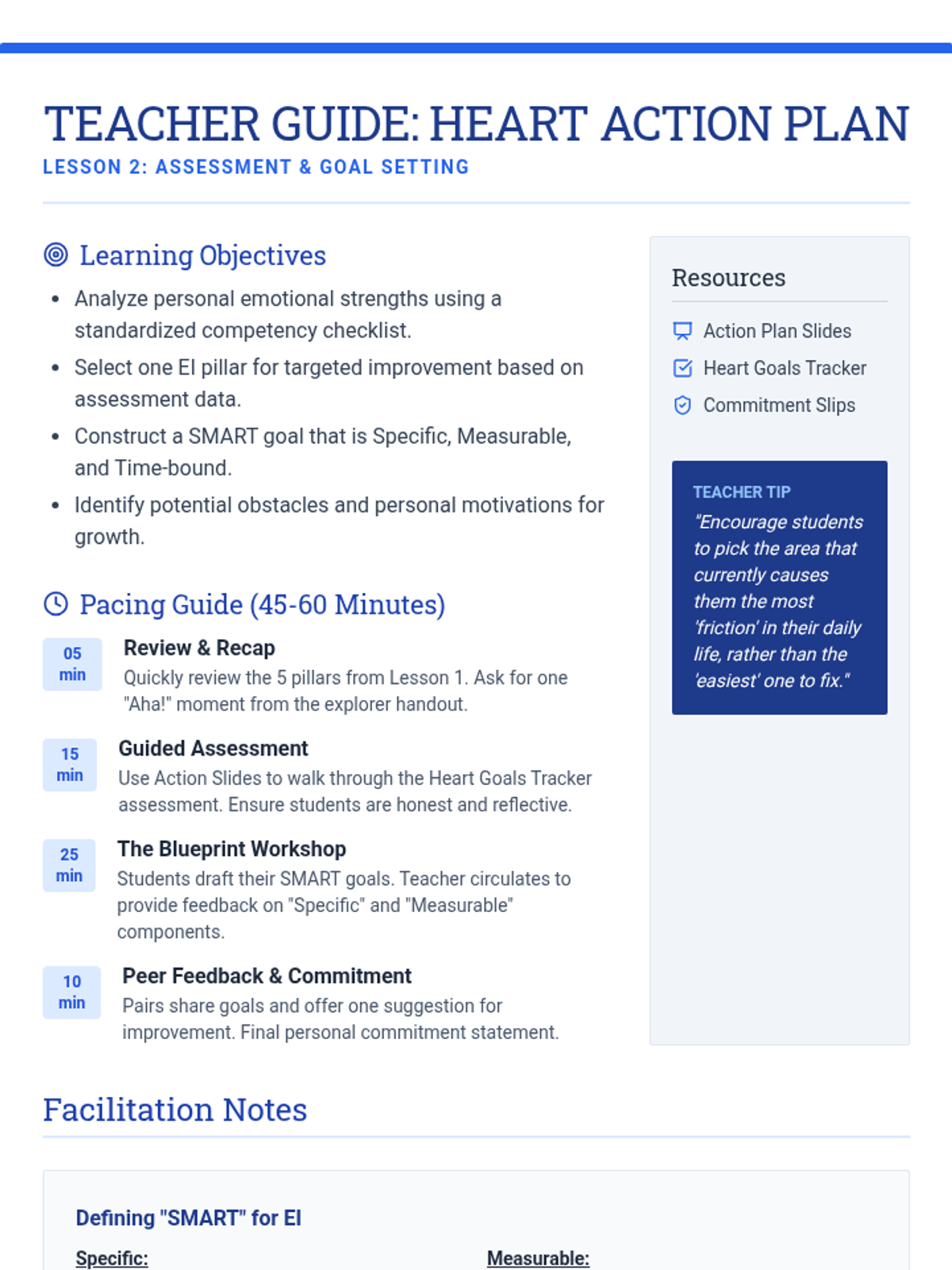
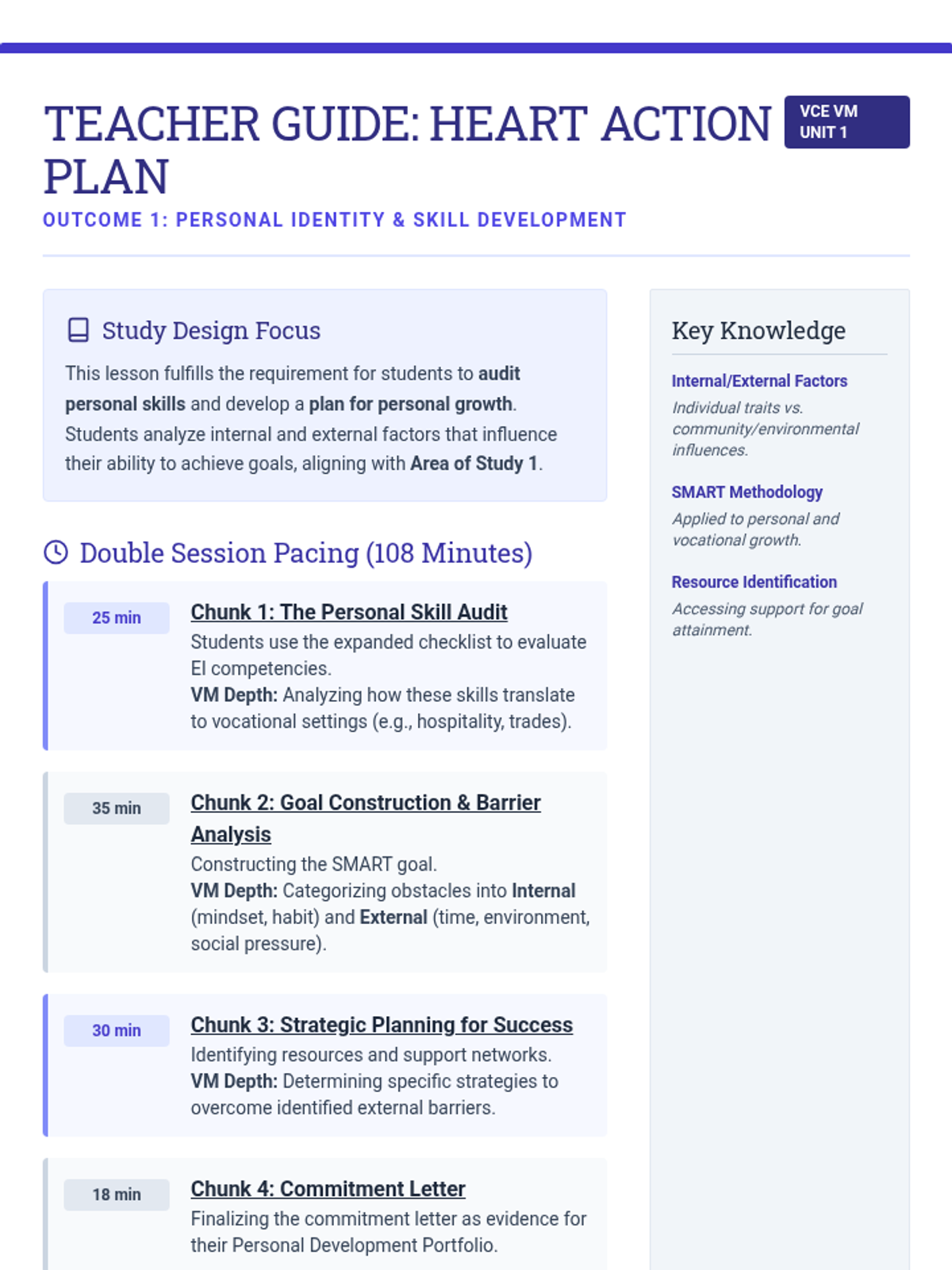
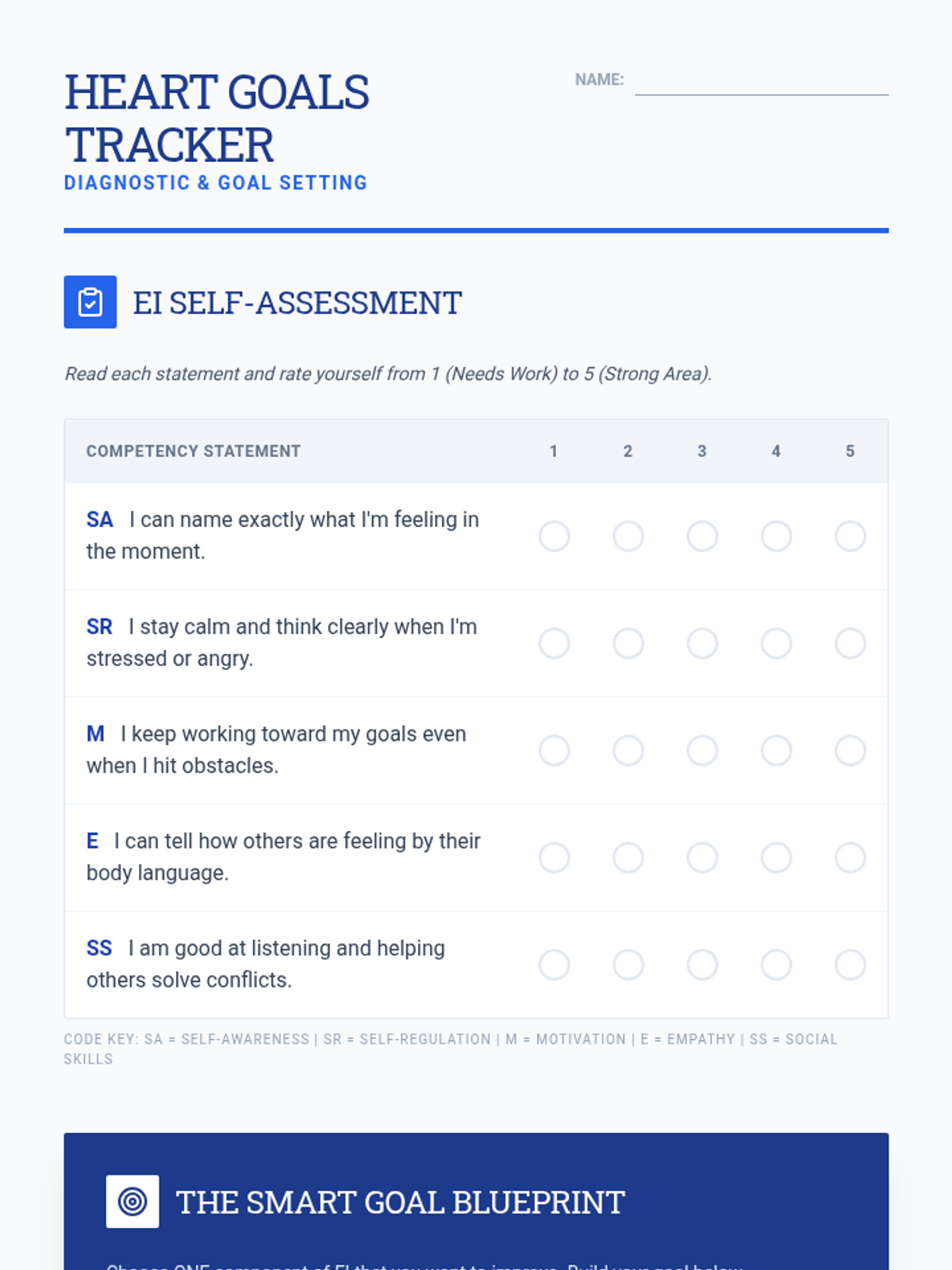
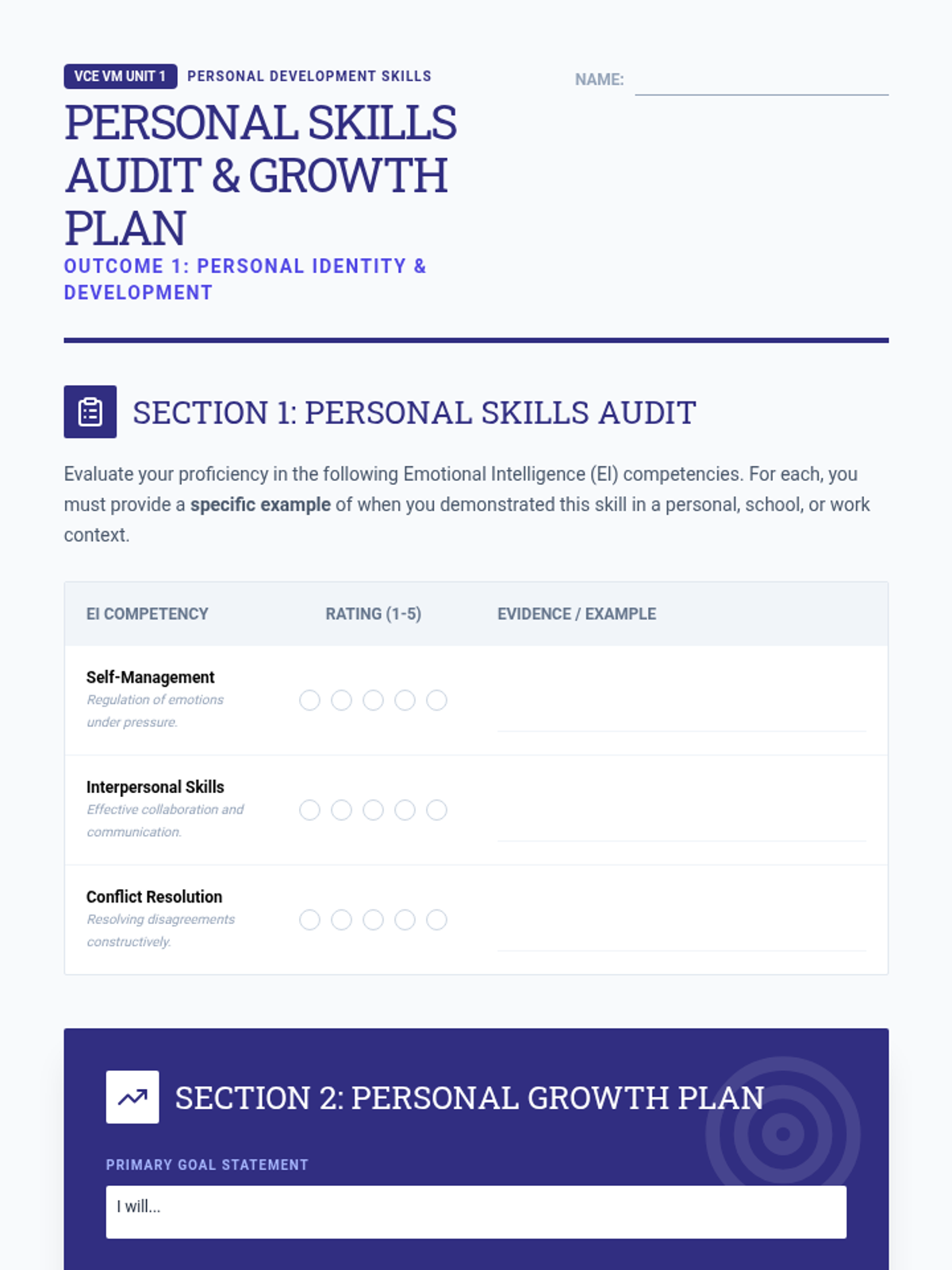
A follow-up workshop focused on personal application. Students perform a deep-dive self-assessment and construct a formal SMART goal plan for their emotional development.
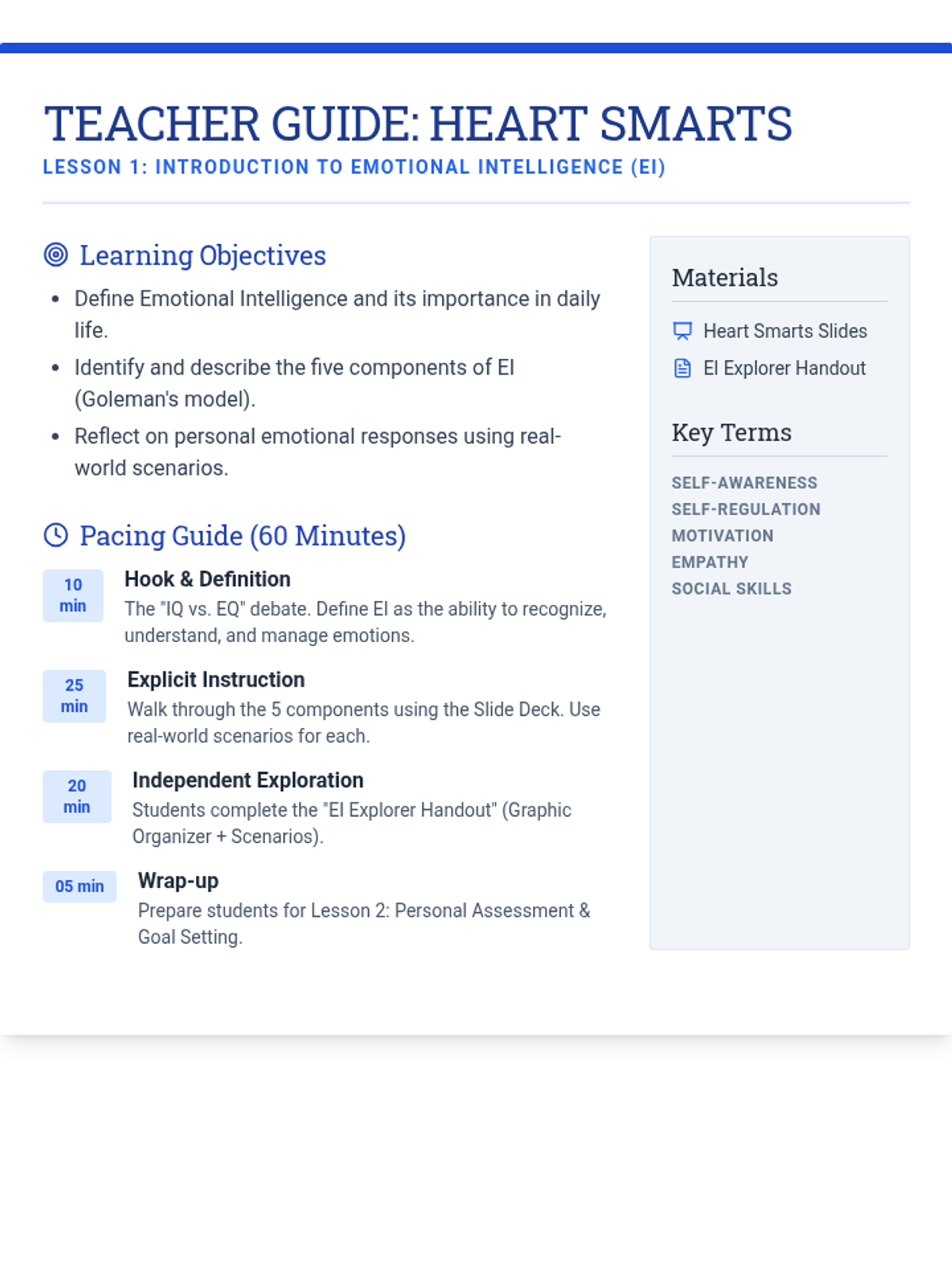
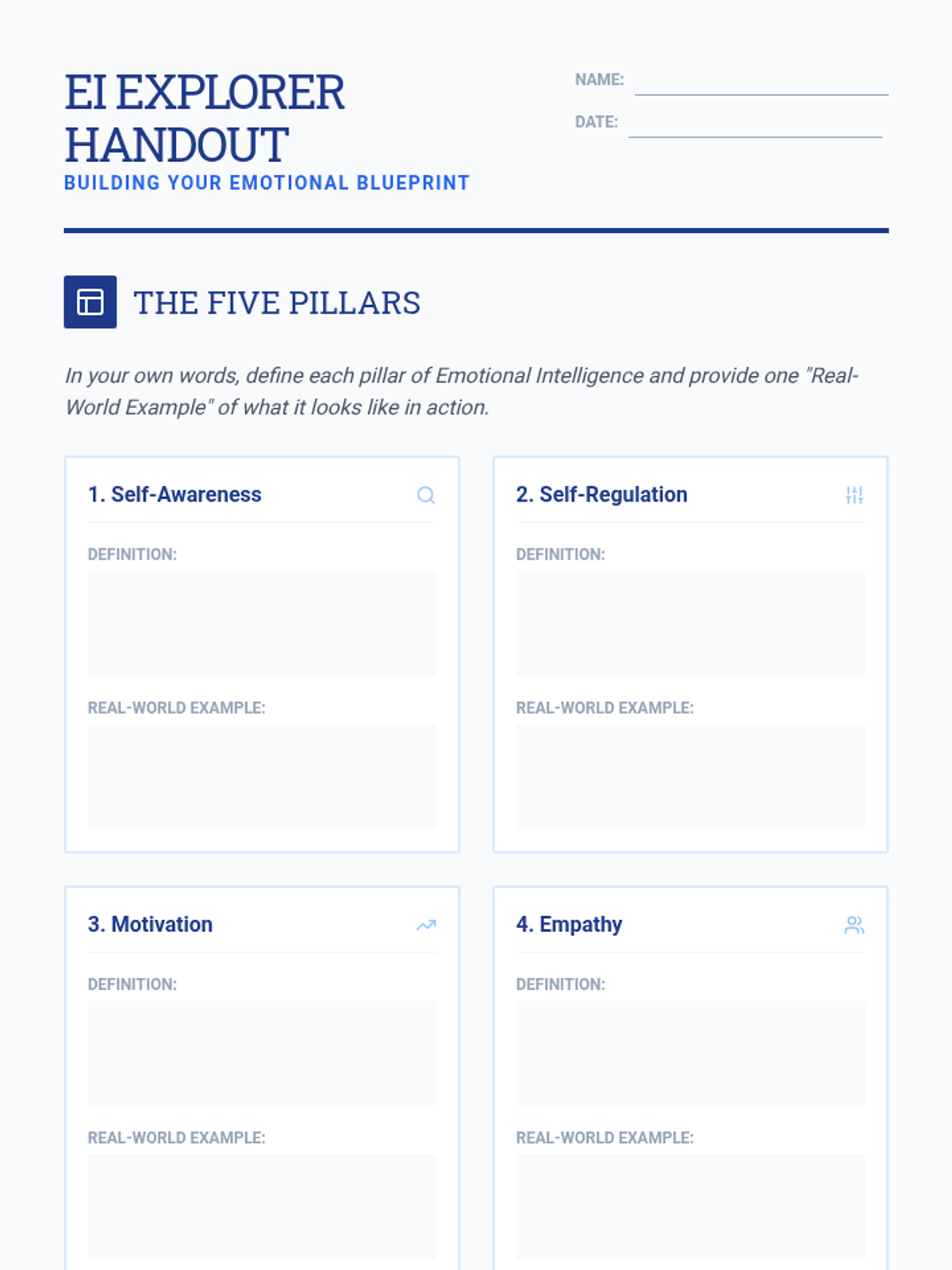
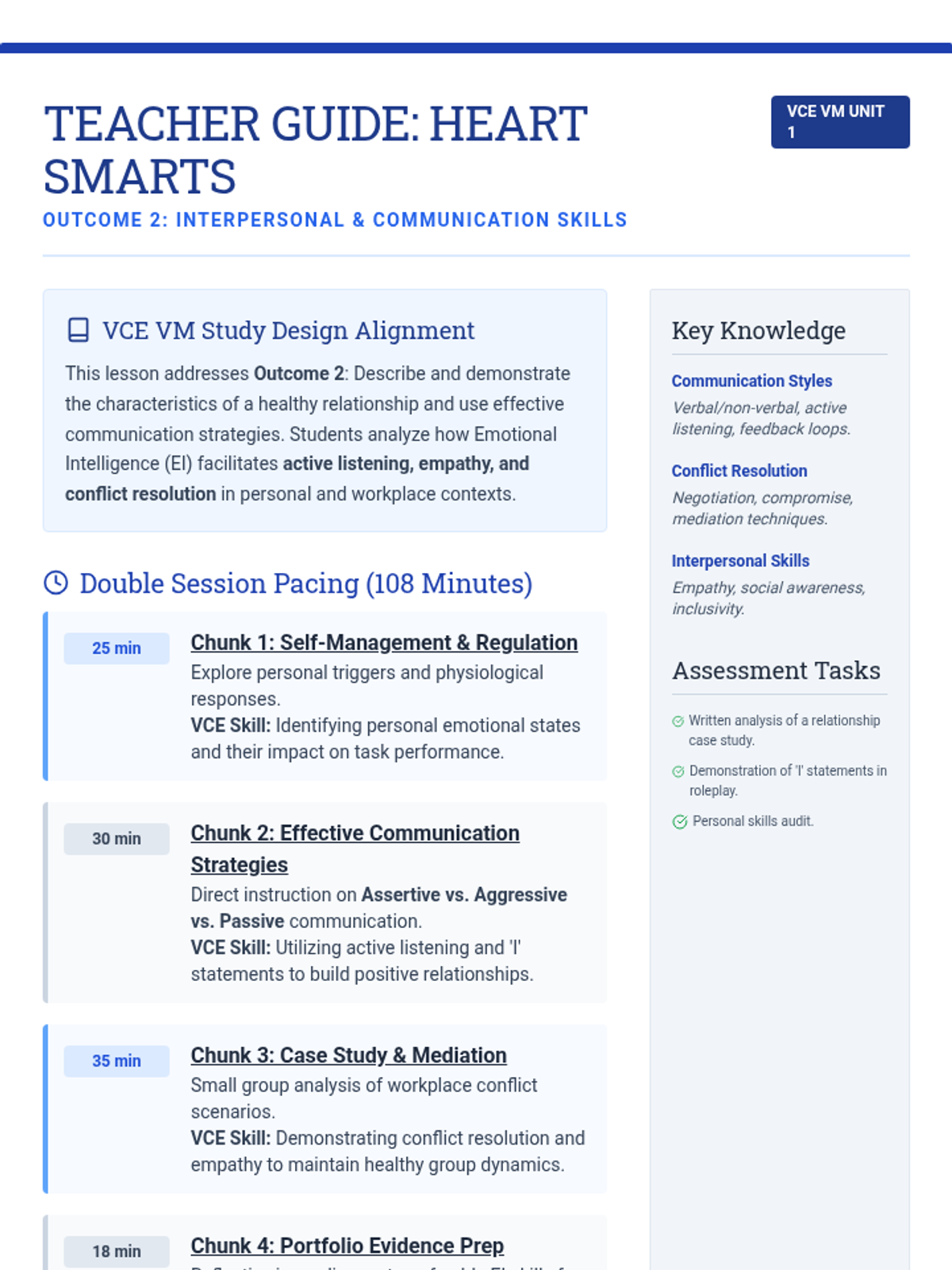
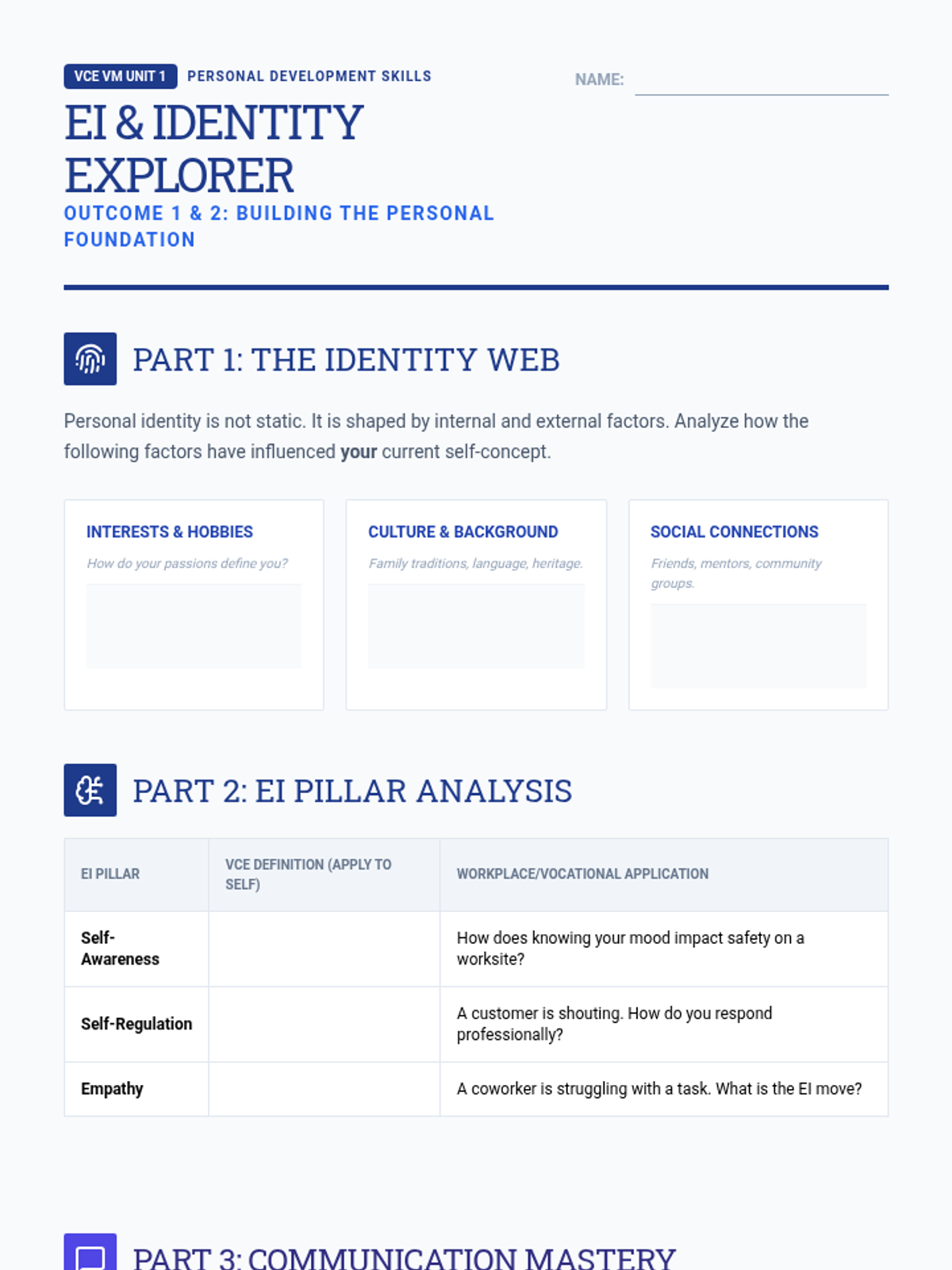
A comprehensive introduction to the five components of Emotional Intelligence: self-awareness, self-regulation, motivation, empathy, and social skills. Students engage through explicit instruction and independent reflection.
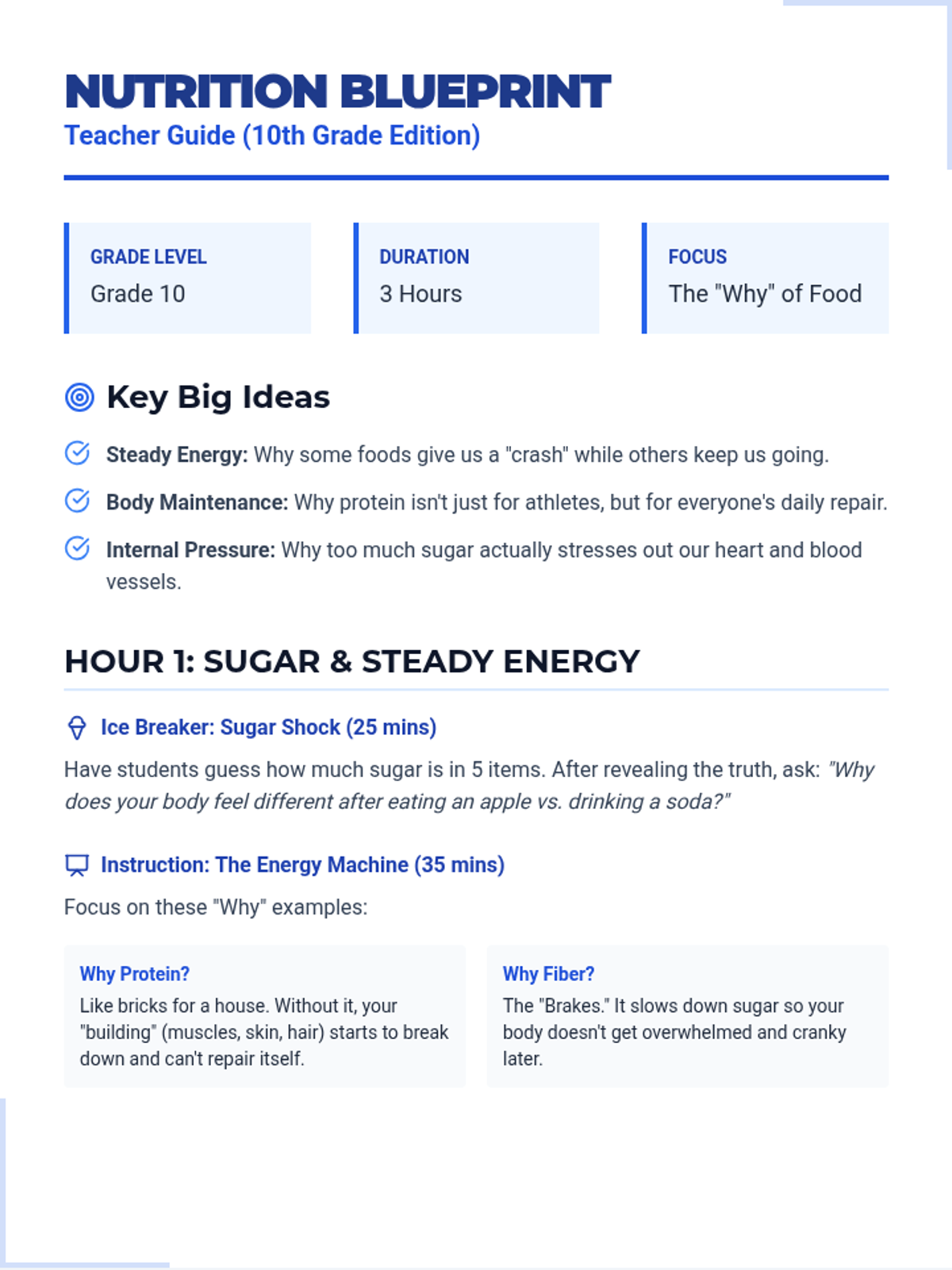
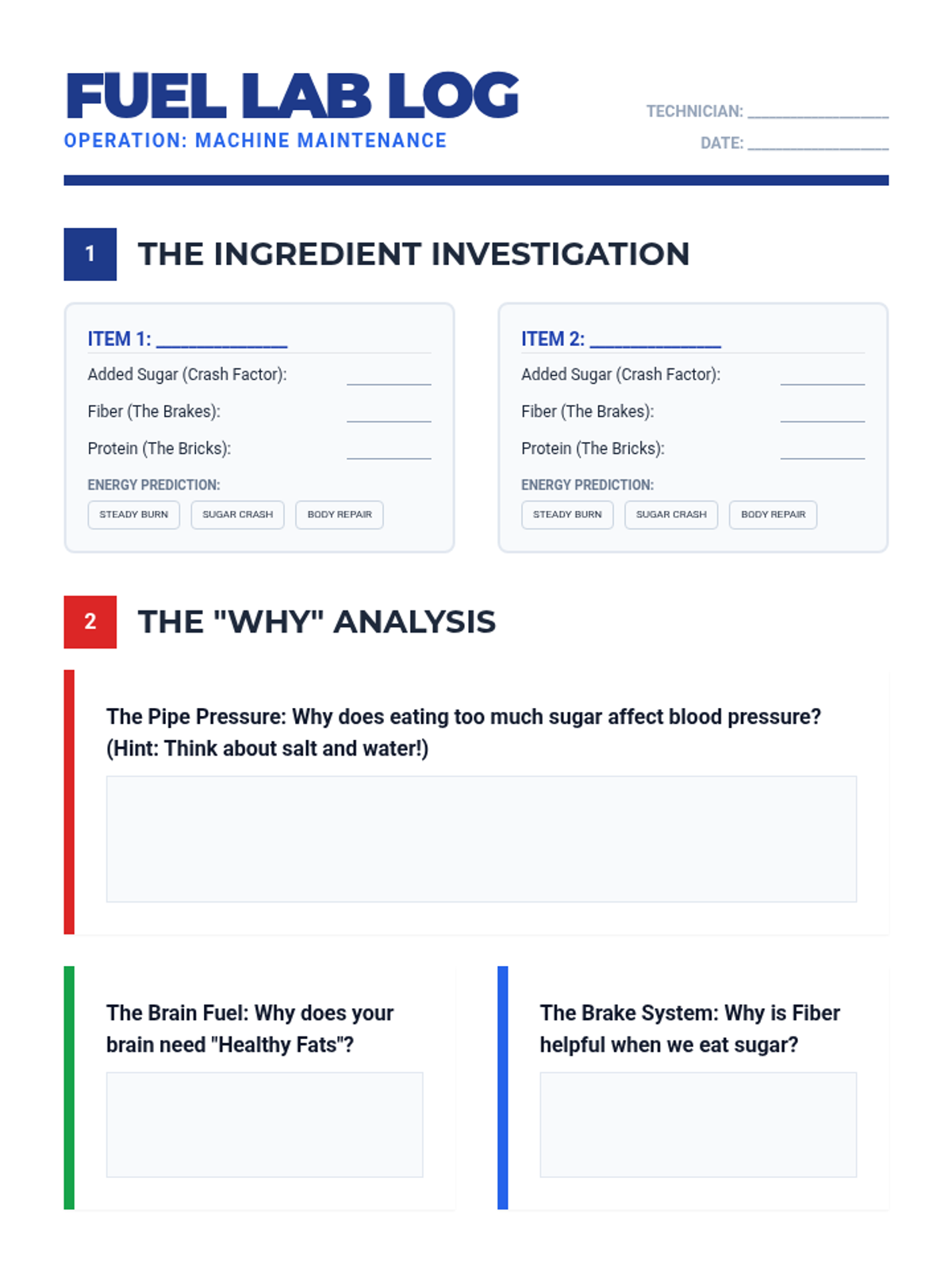
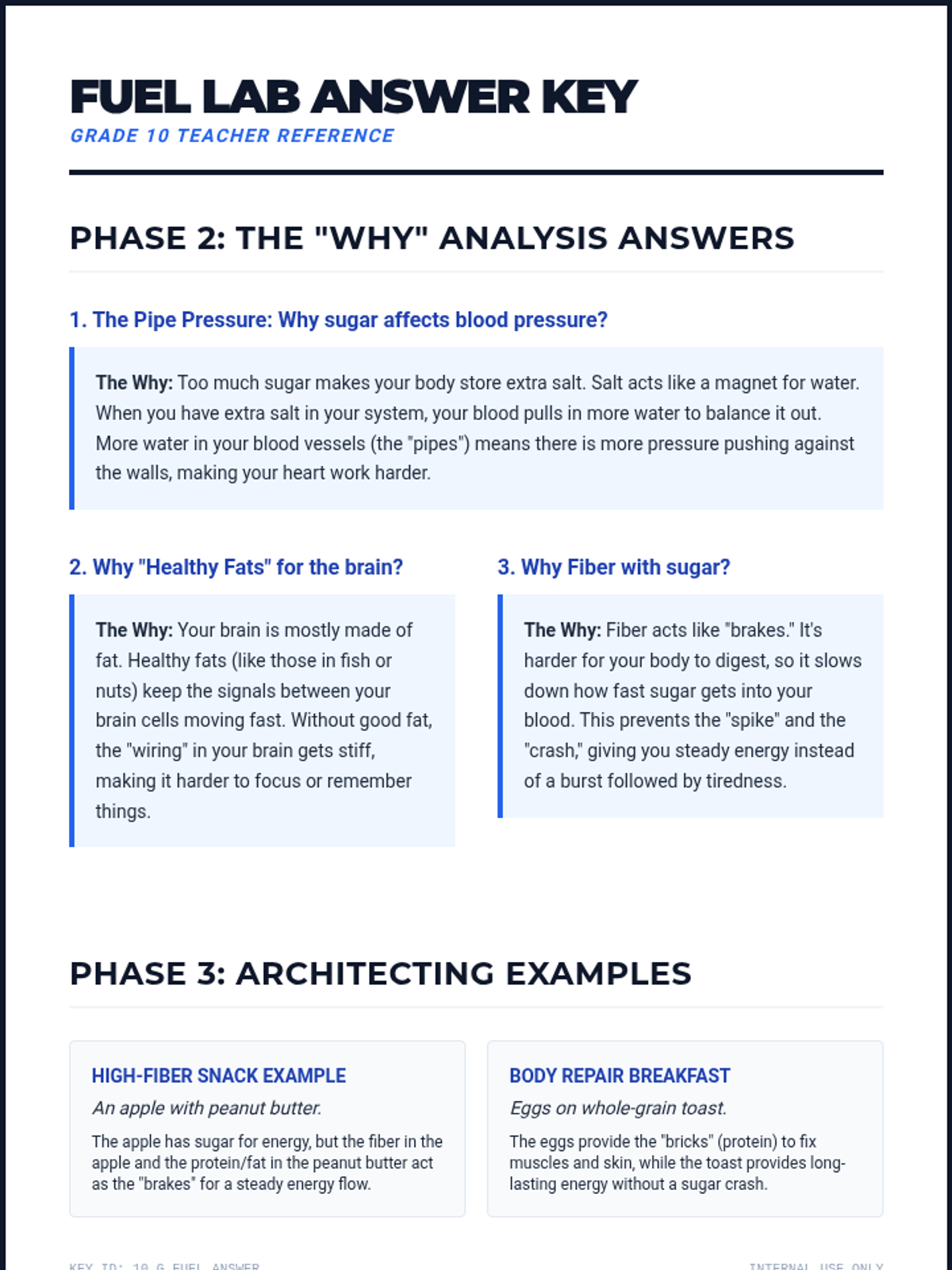
A 3-hour lesson for 10th graders focusing on nutrition as "fuel for the body machine." Uses relatable analogies and simplified terms to explain how sugar, protein, and fats affect energy, mood, and health.
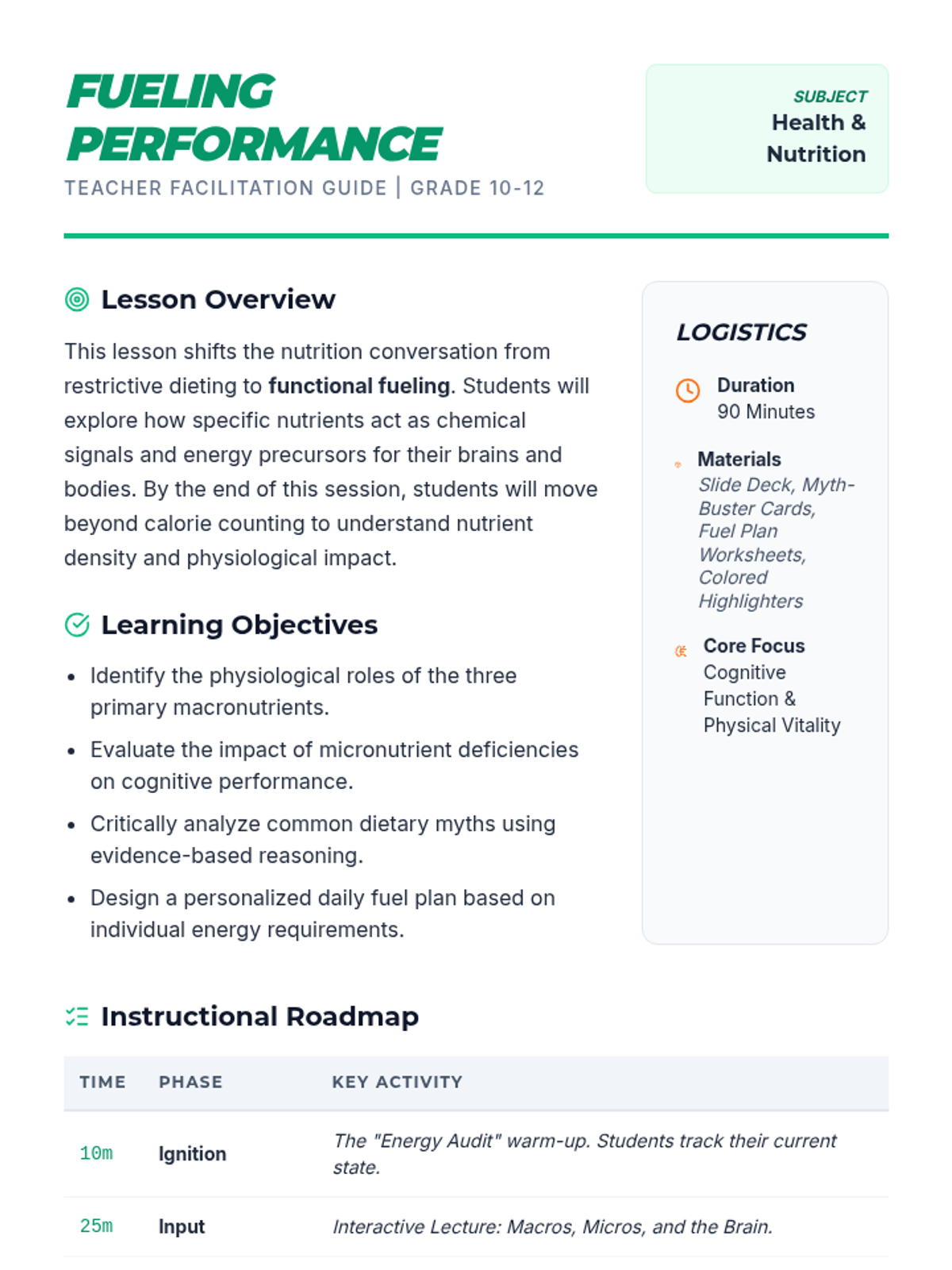
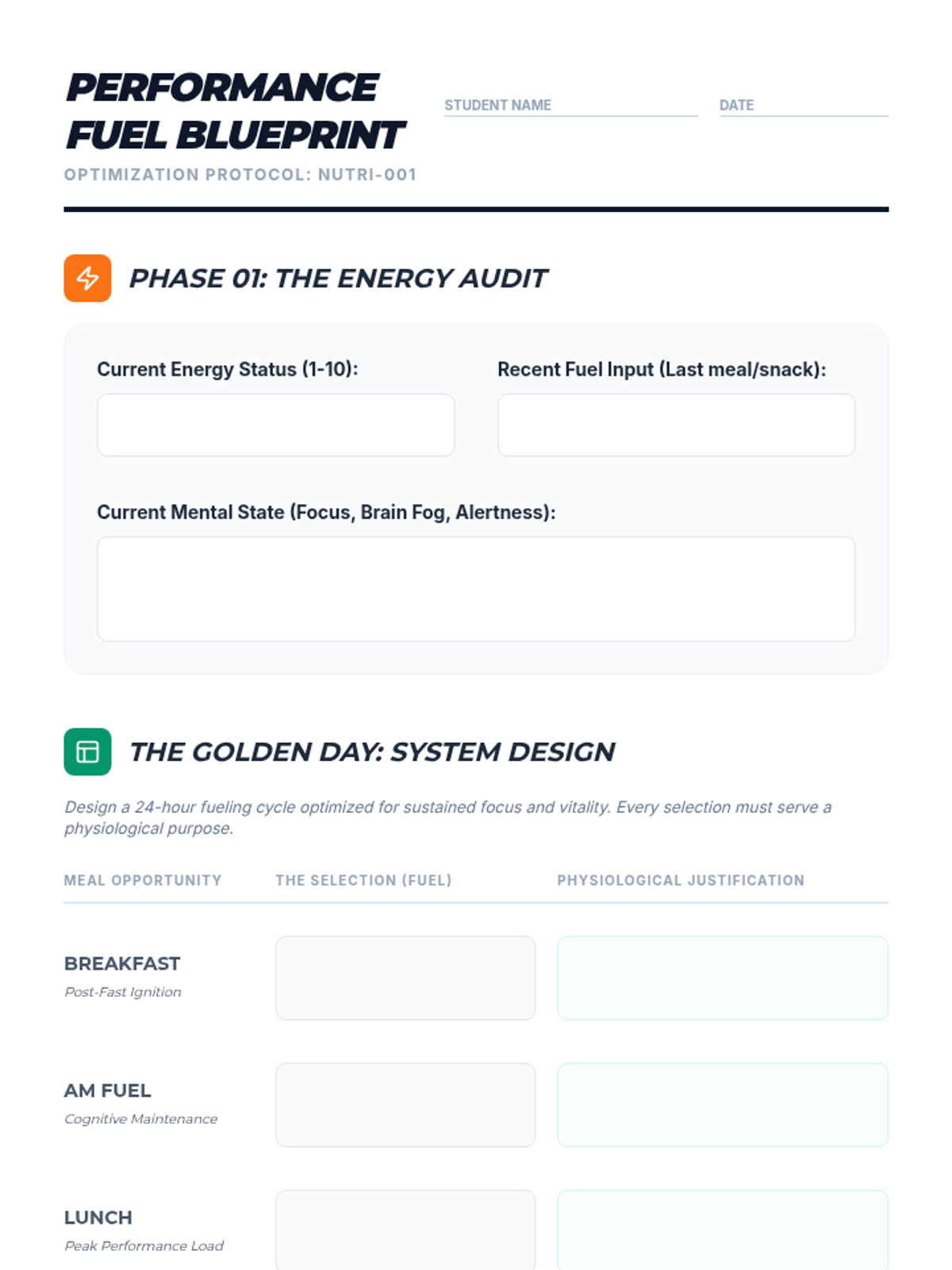
A comprehensive nutrition lesson for high school students focused on how food choices impact energy, cognitive function, and health through the lens of high performance.
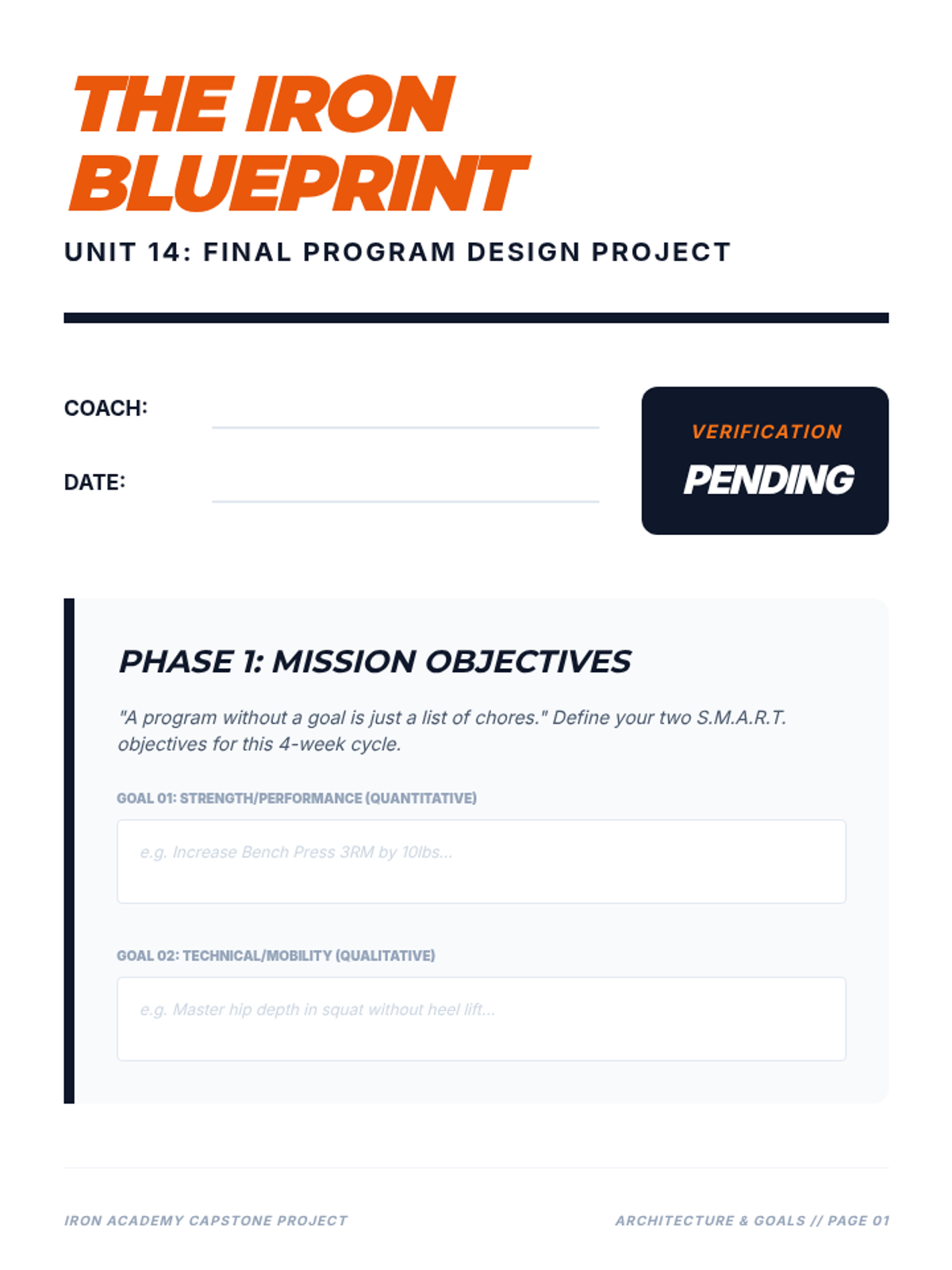
Final synthesis project where students design, justify, and prepare to execute a personalized 4-week training cycle based on the curriculum principles.
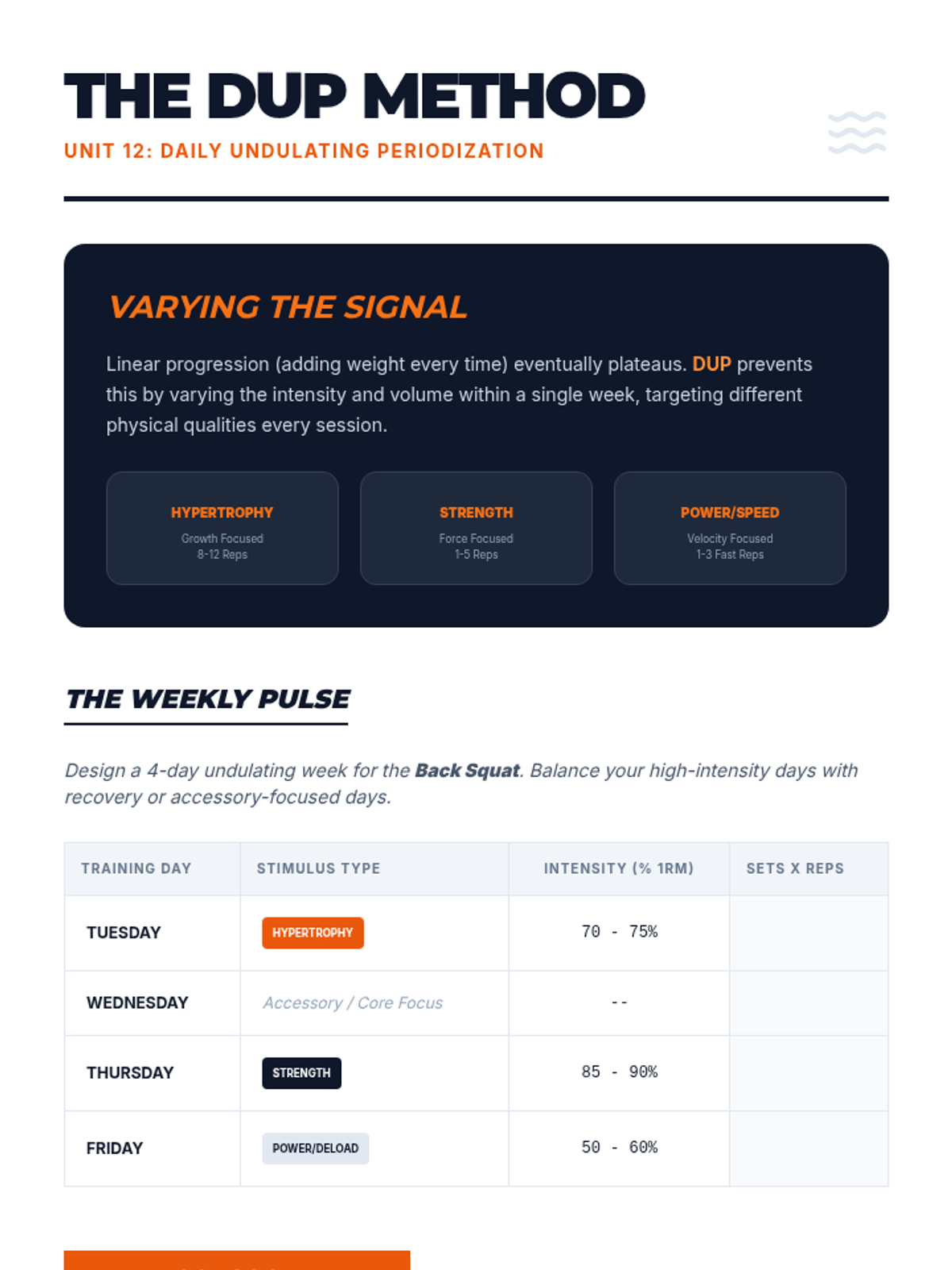
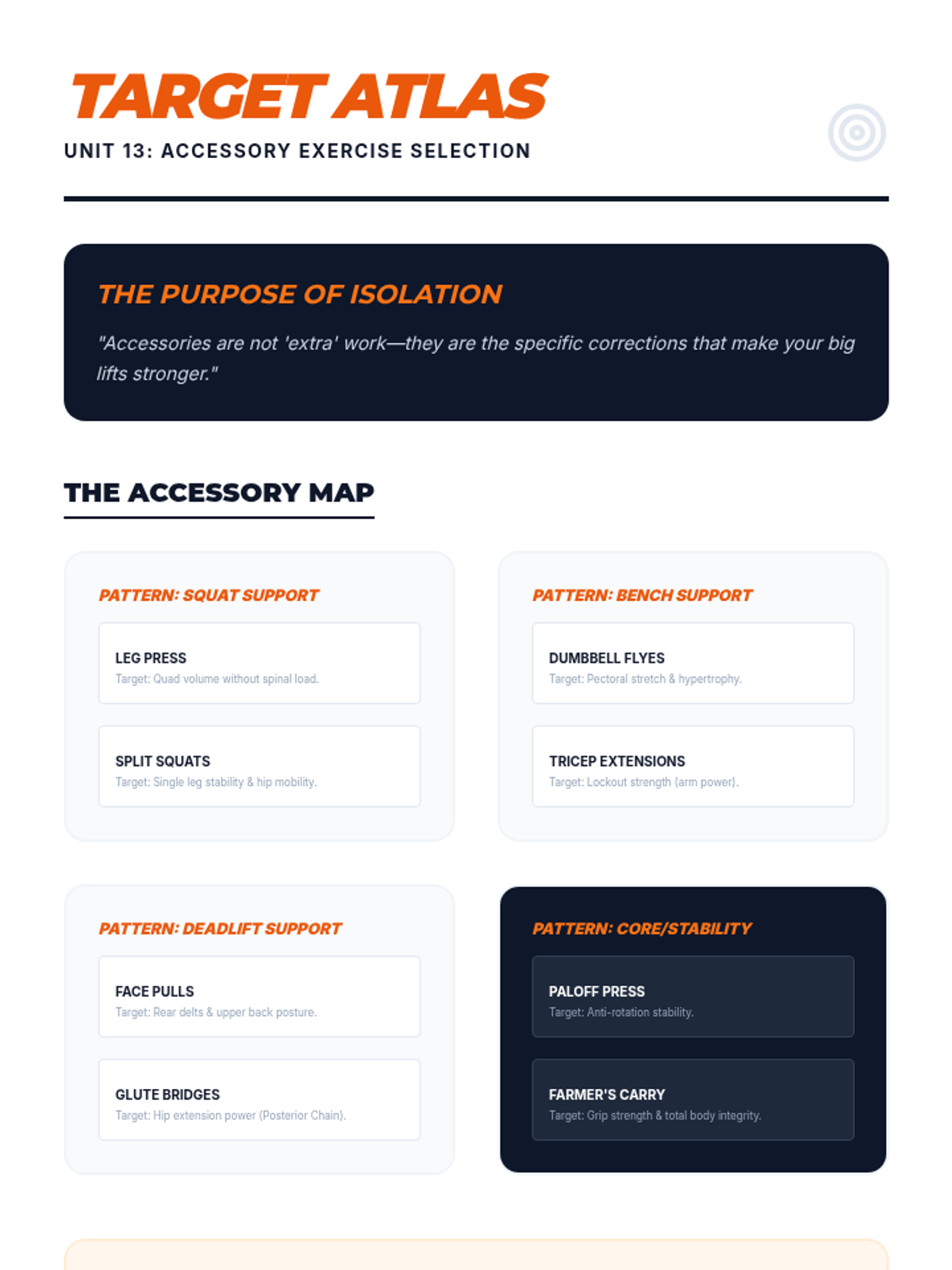
Focuses on advanced periodization, specifically Daily Undulating Periodization (DUP), and the science of exercise selection to drive continued adaptation.
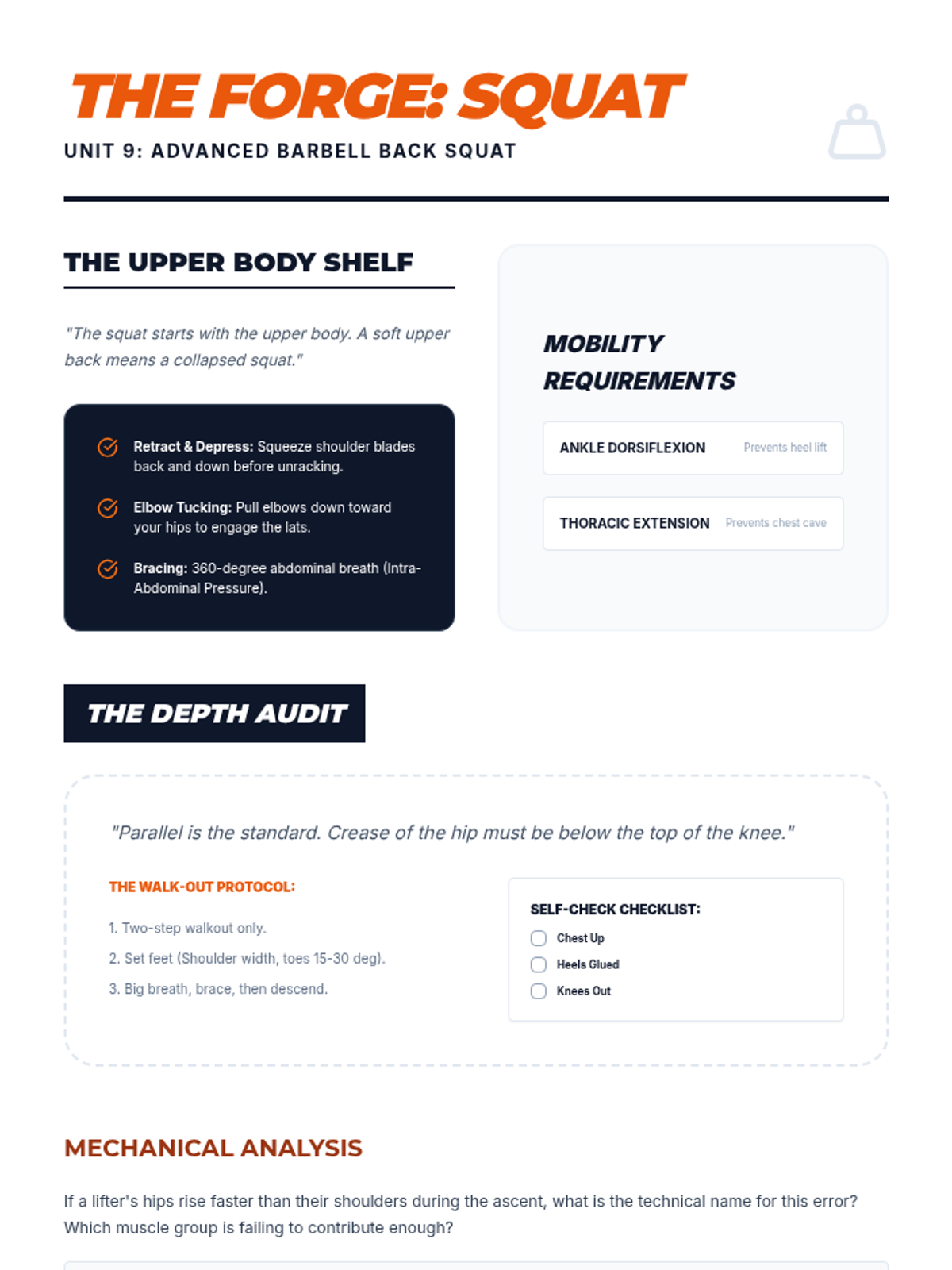
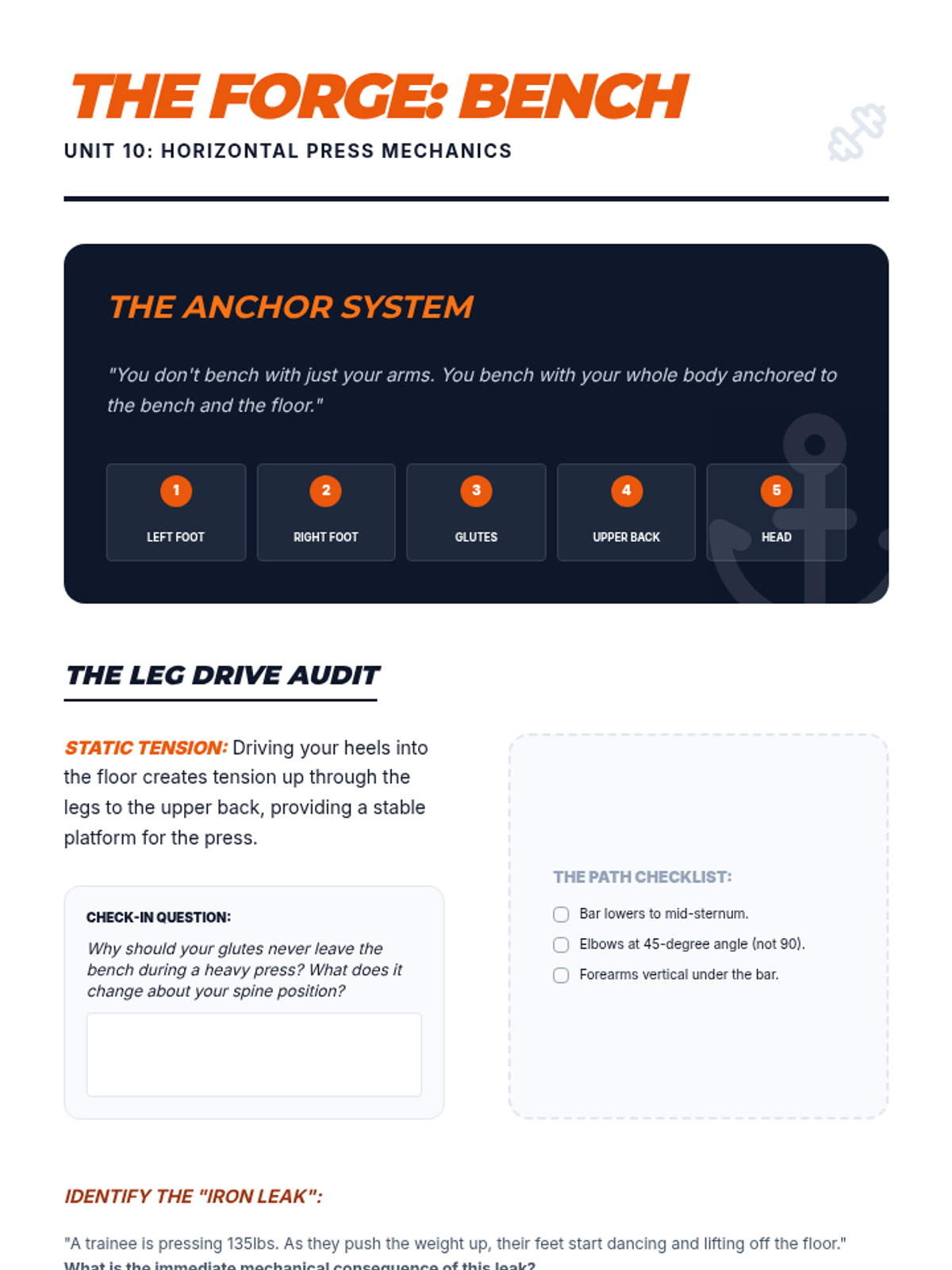
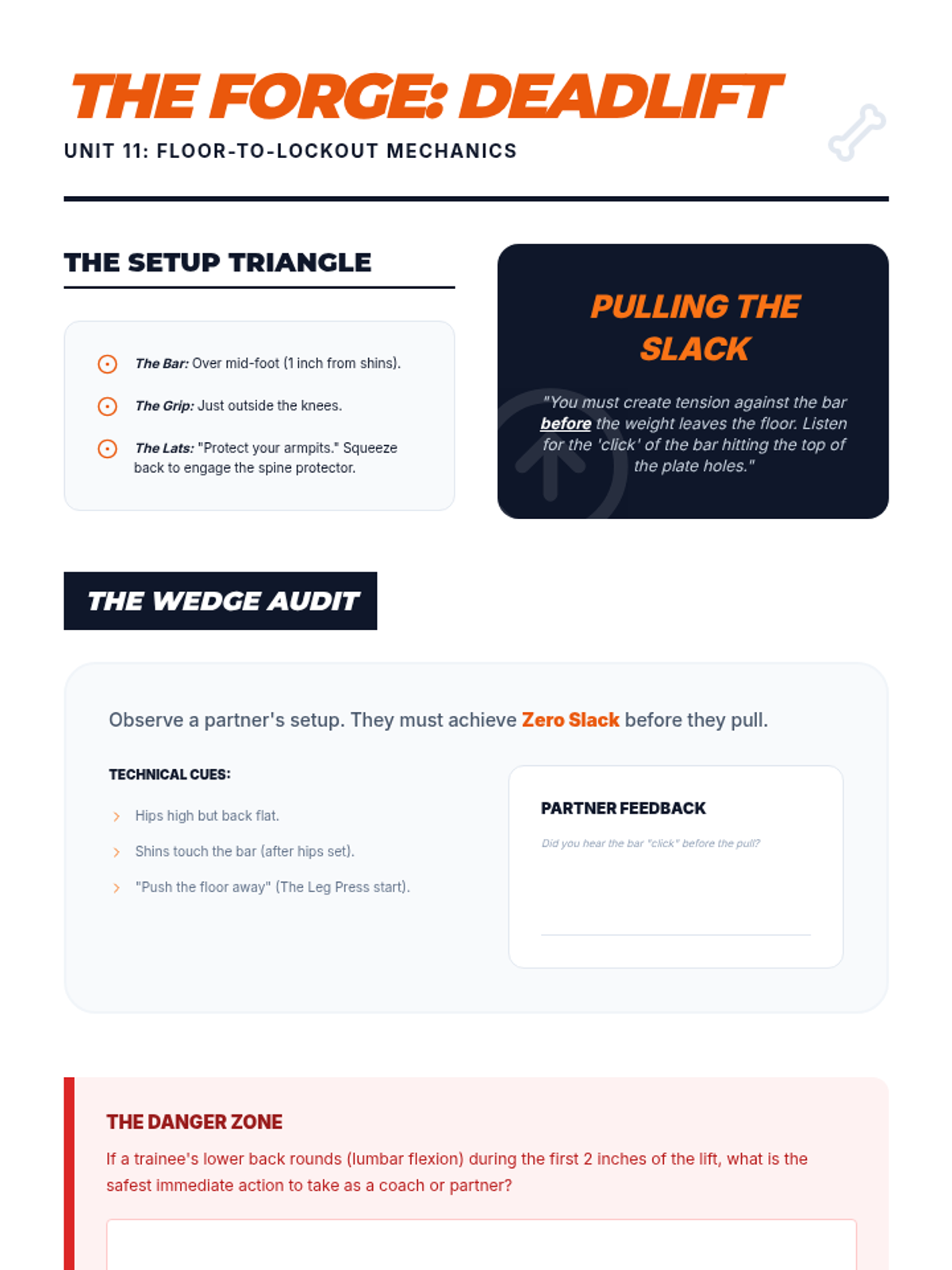
Technical mastery of the 'Big Three' (Squat, Bench, Deadlift) with emphasis on safety, setup, and heavy load mechanics.
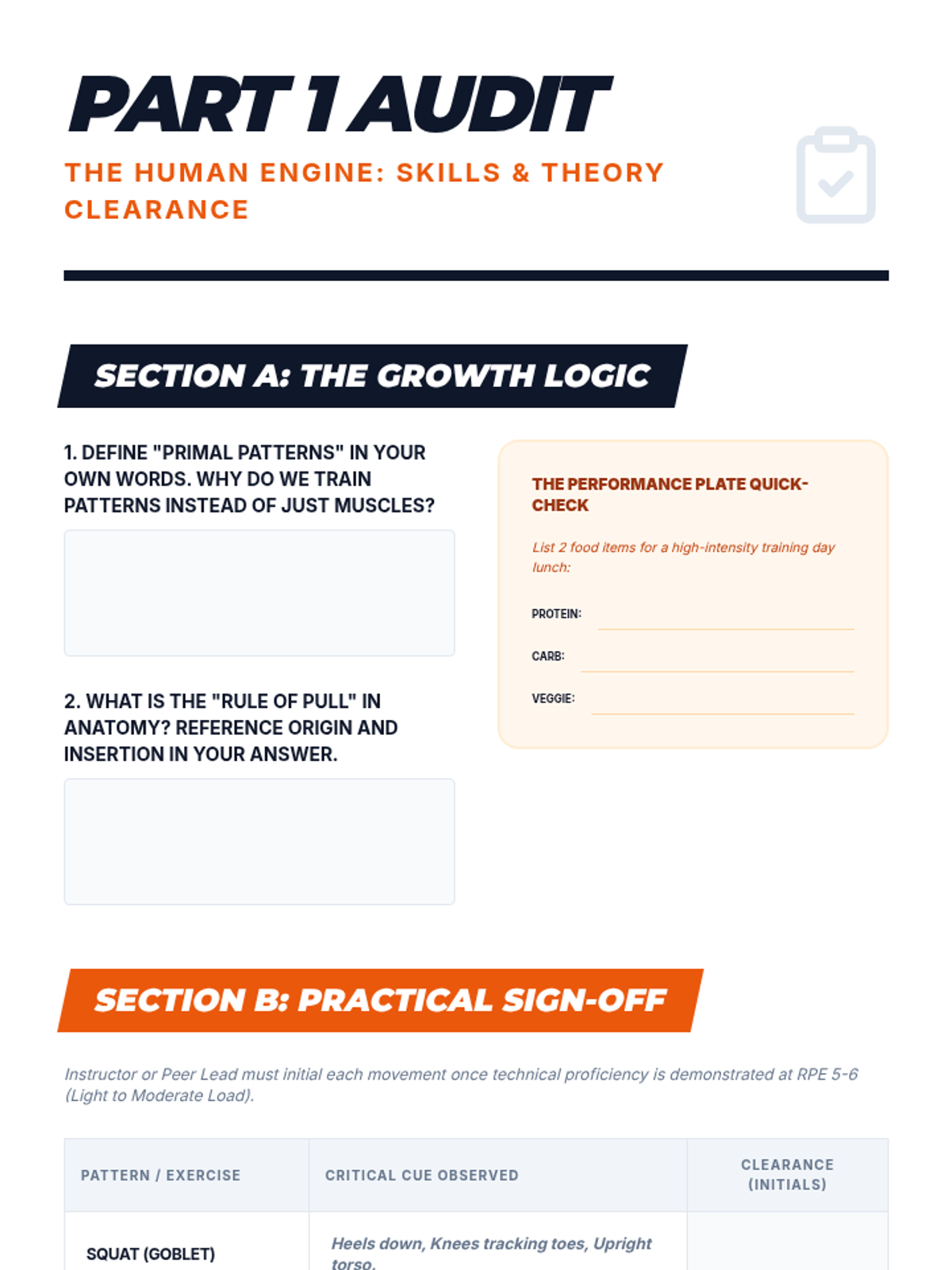
Comprehensive review of Part 1 concepts and a practical skills audit to clear students for the advanced compound lifts of Part 2.
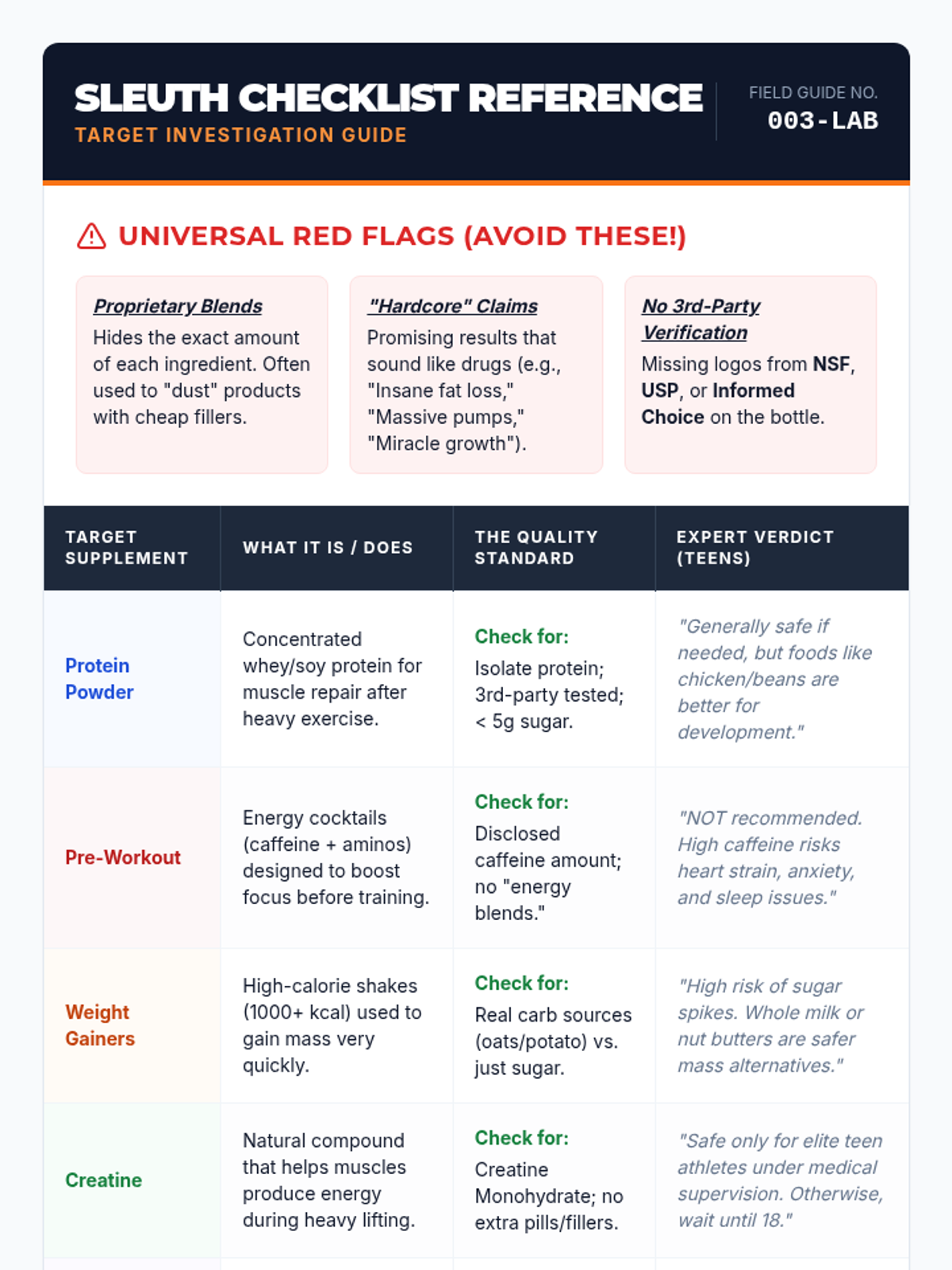
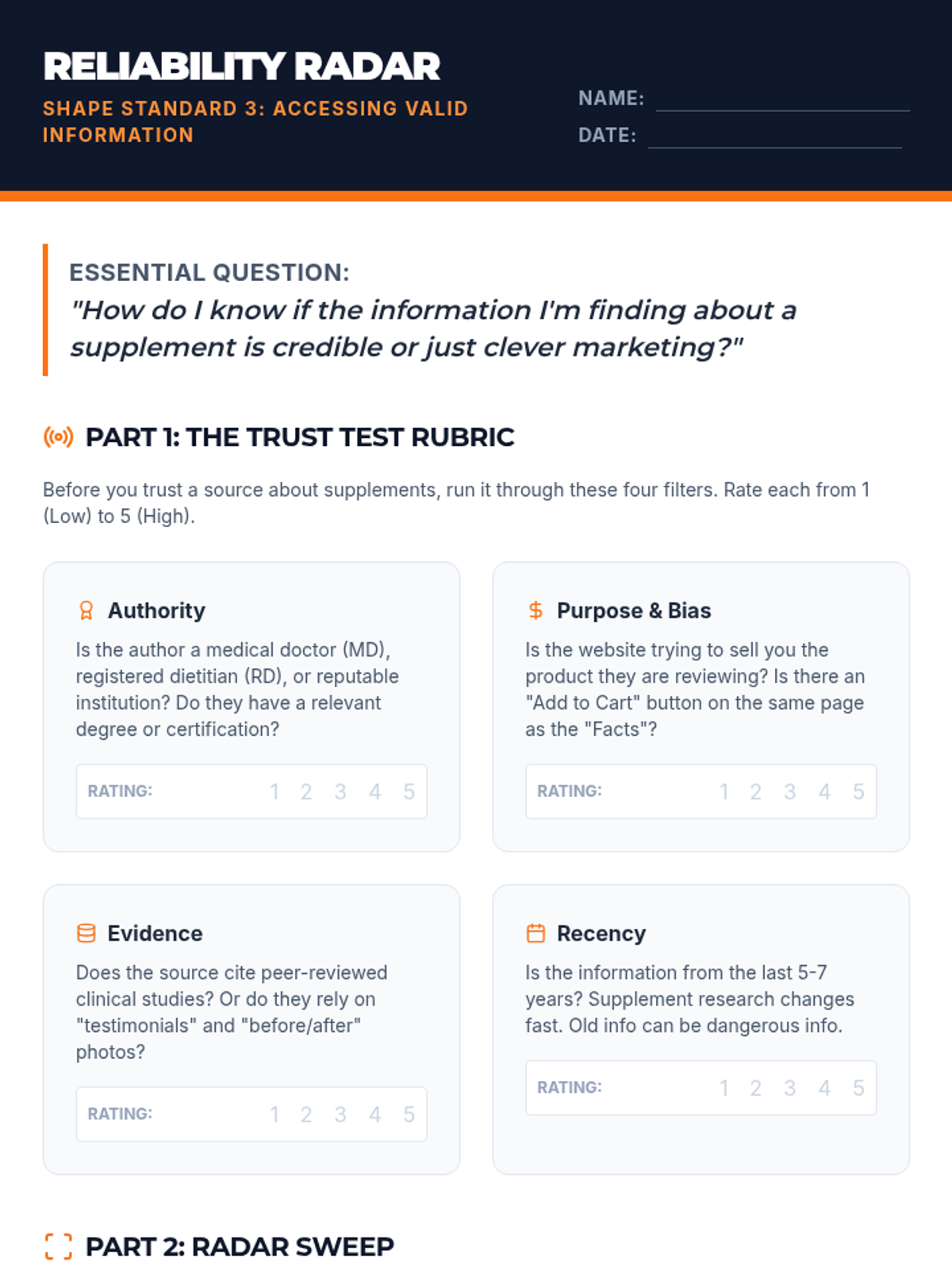
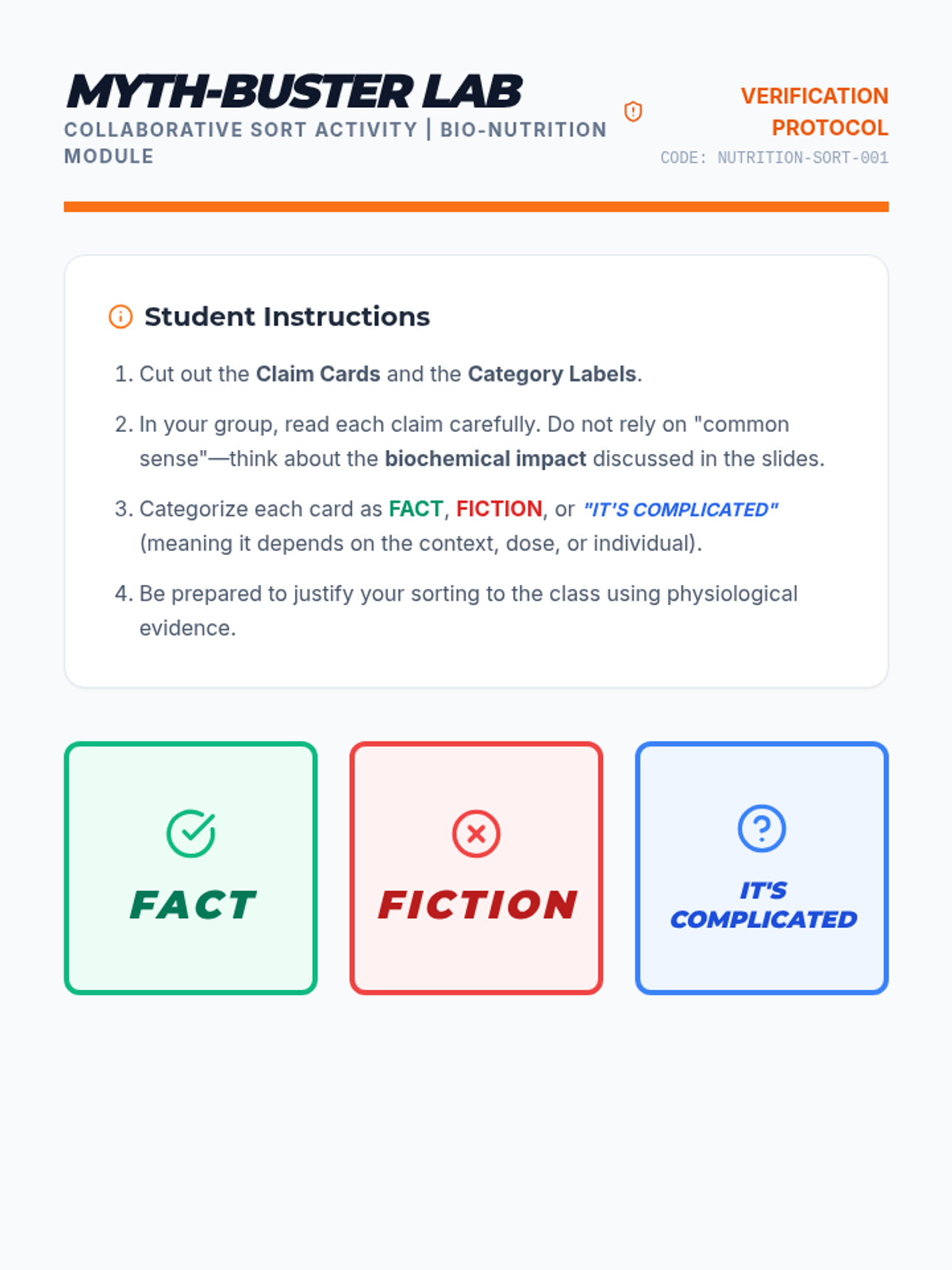
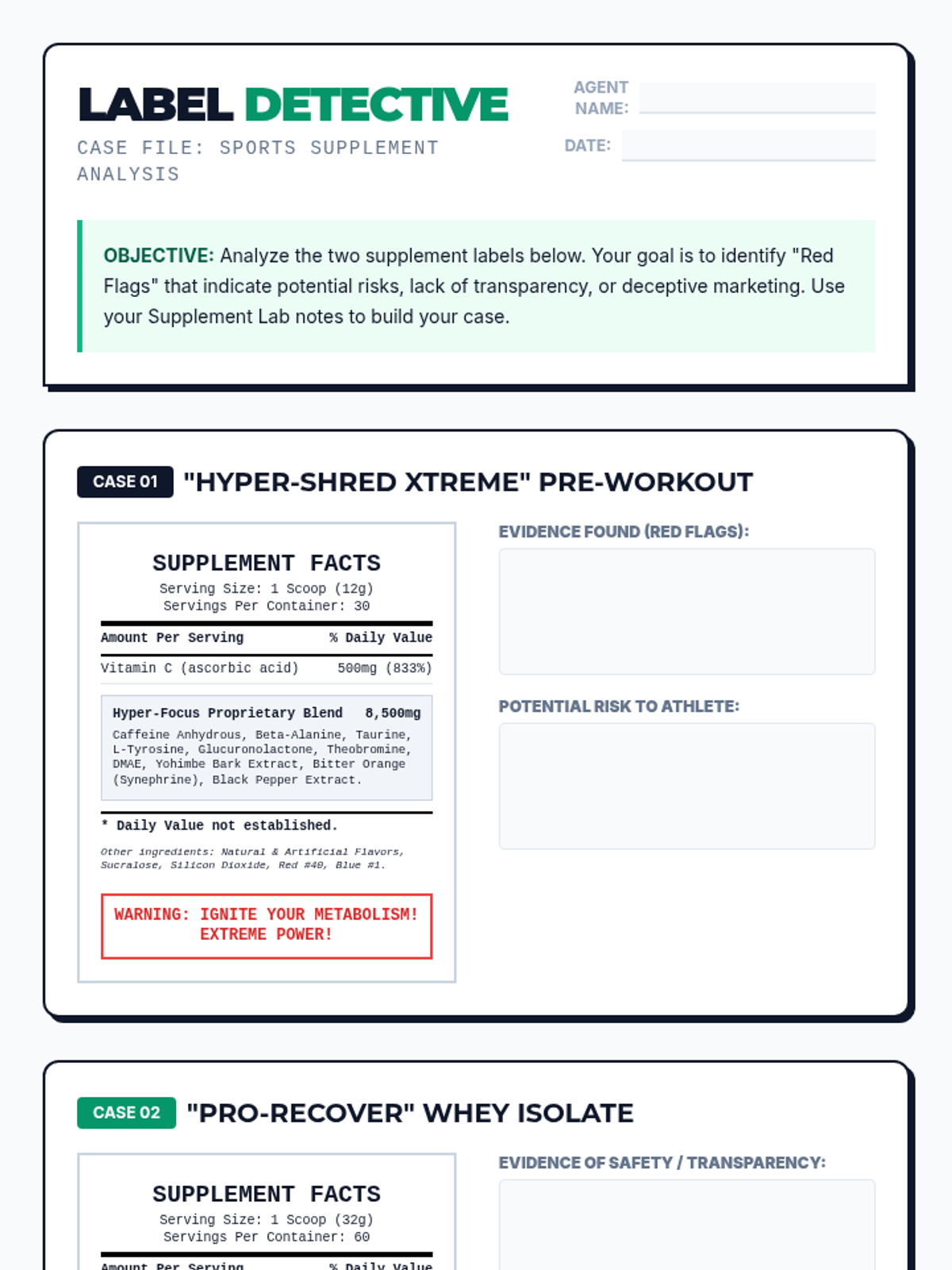
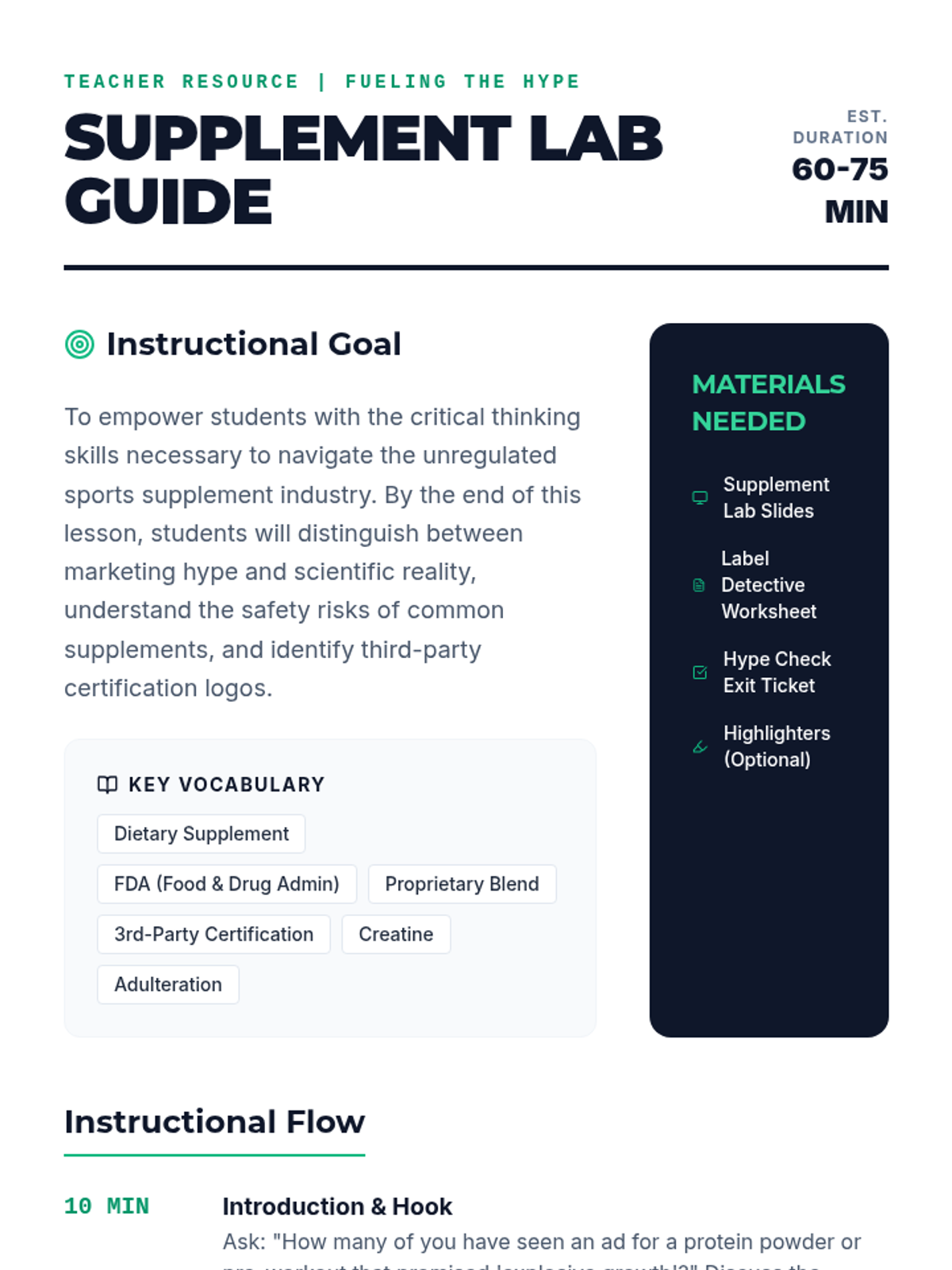
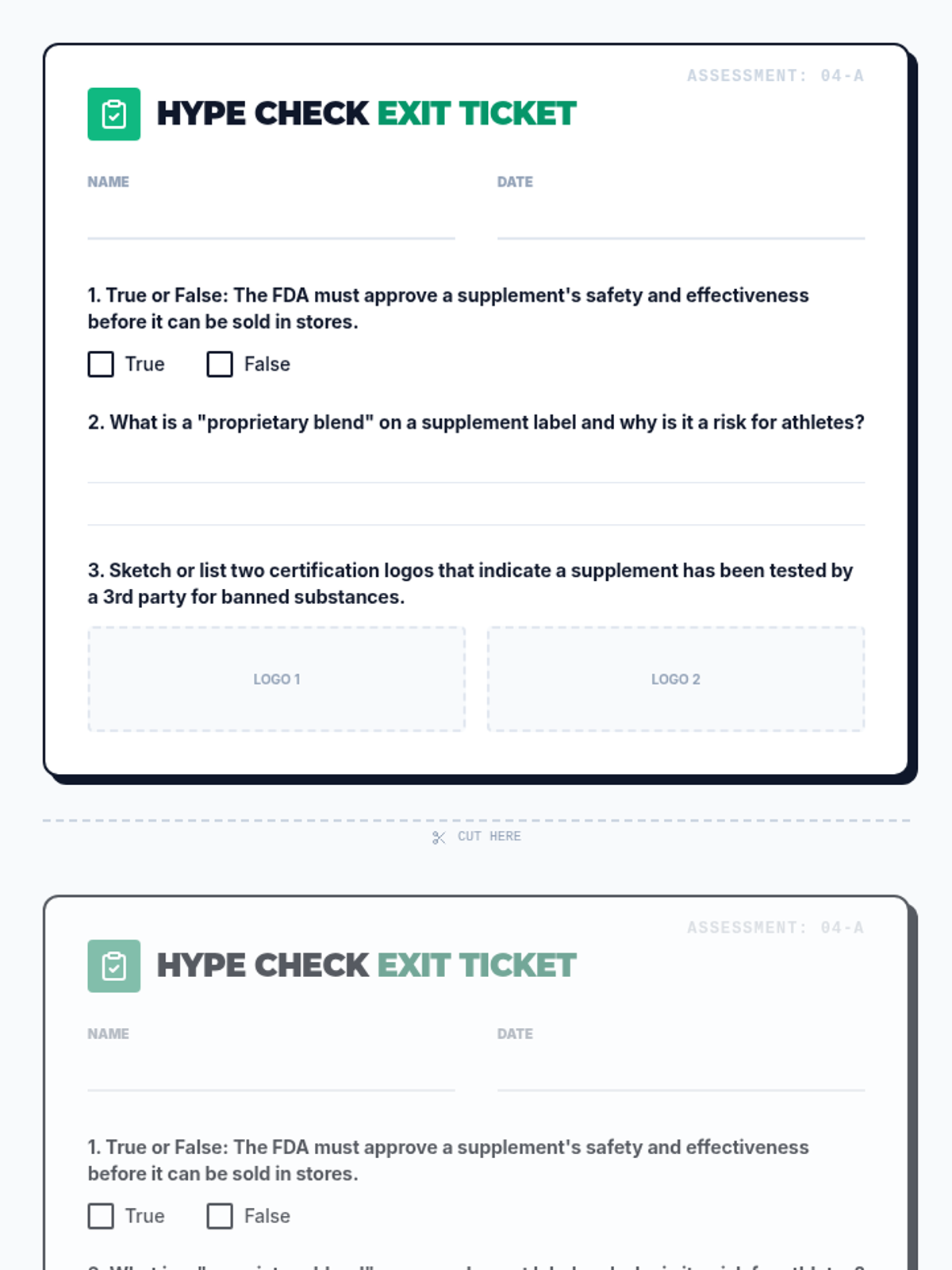
A comprehensive lesson exploring the world of sports supplements, focusing on their purported benefits, potential health risks, and the reality of industry regulation. Students will learn to critically analyze labels and marketing claims.
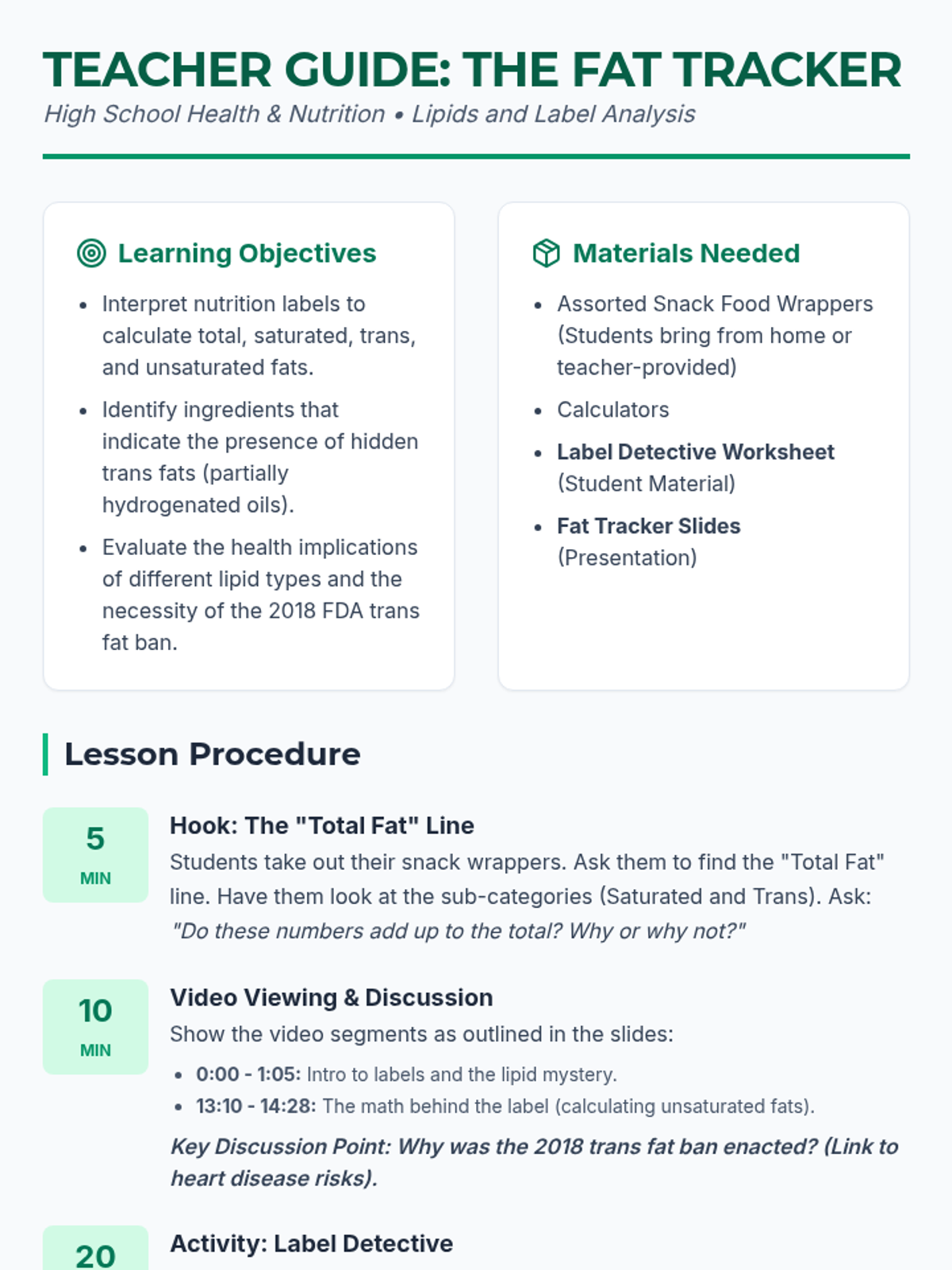
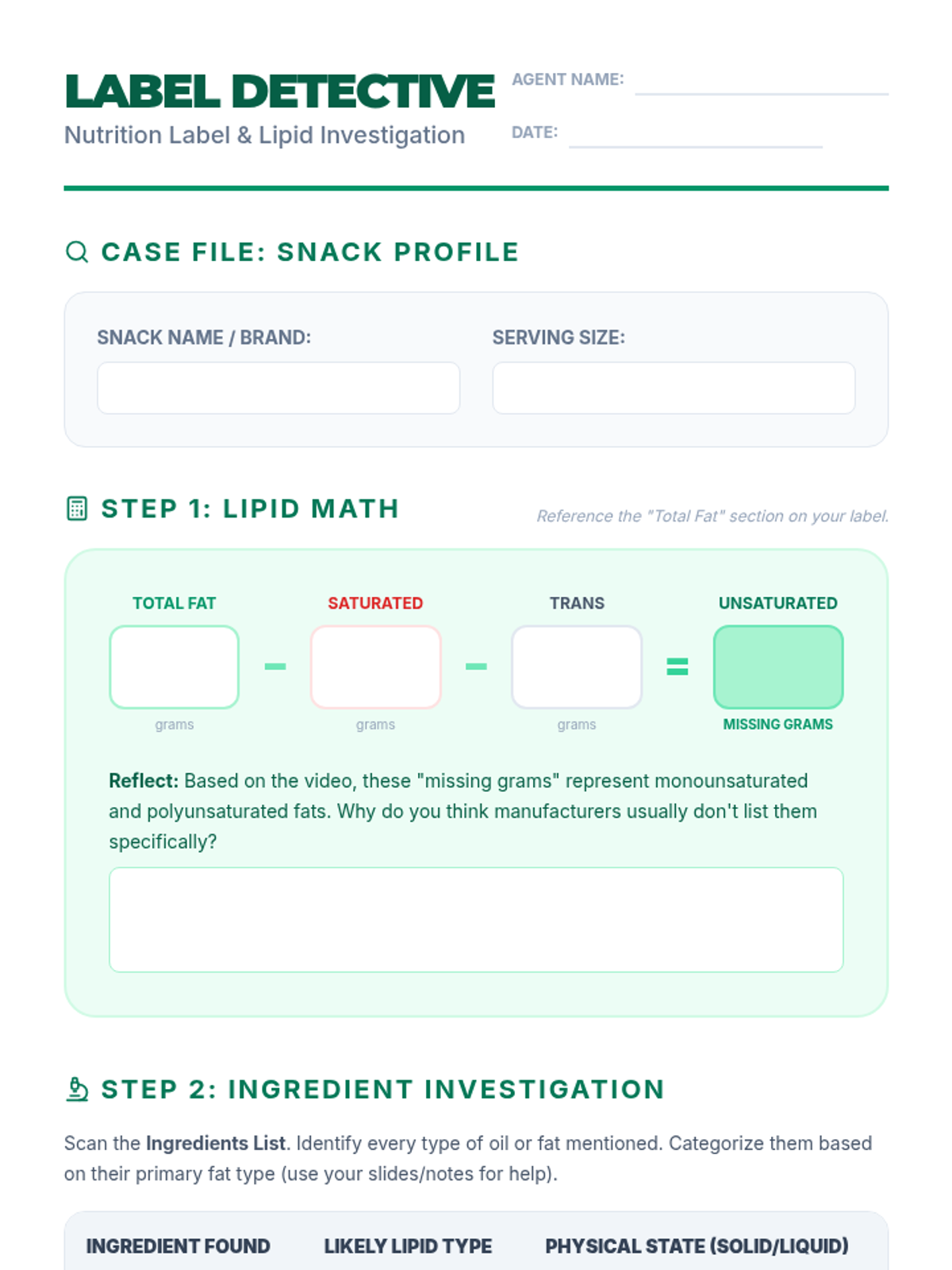
Students will investigate the types of lipids found in common snack foods by analyzing nutrition labels and ingredient lists. They will perform 'label math' to identify hidden unsaturated fats and evaluate the health impact of trans fats and the 2018 FDA ban.
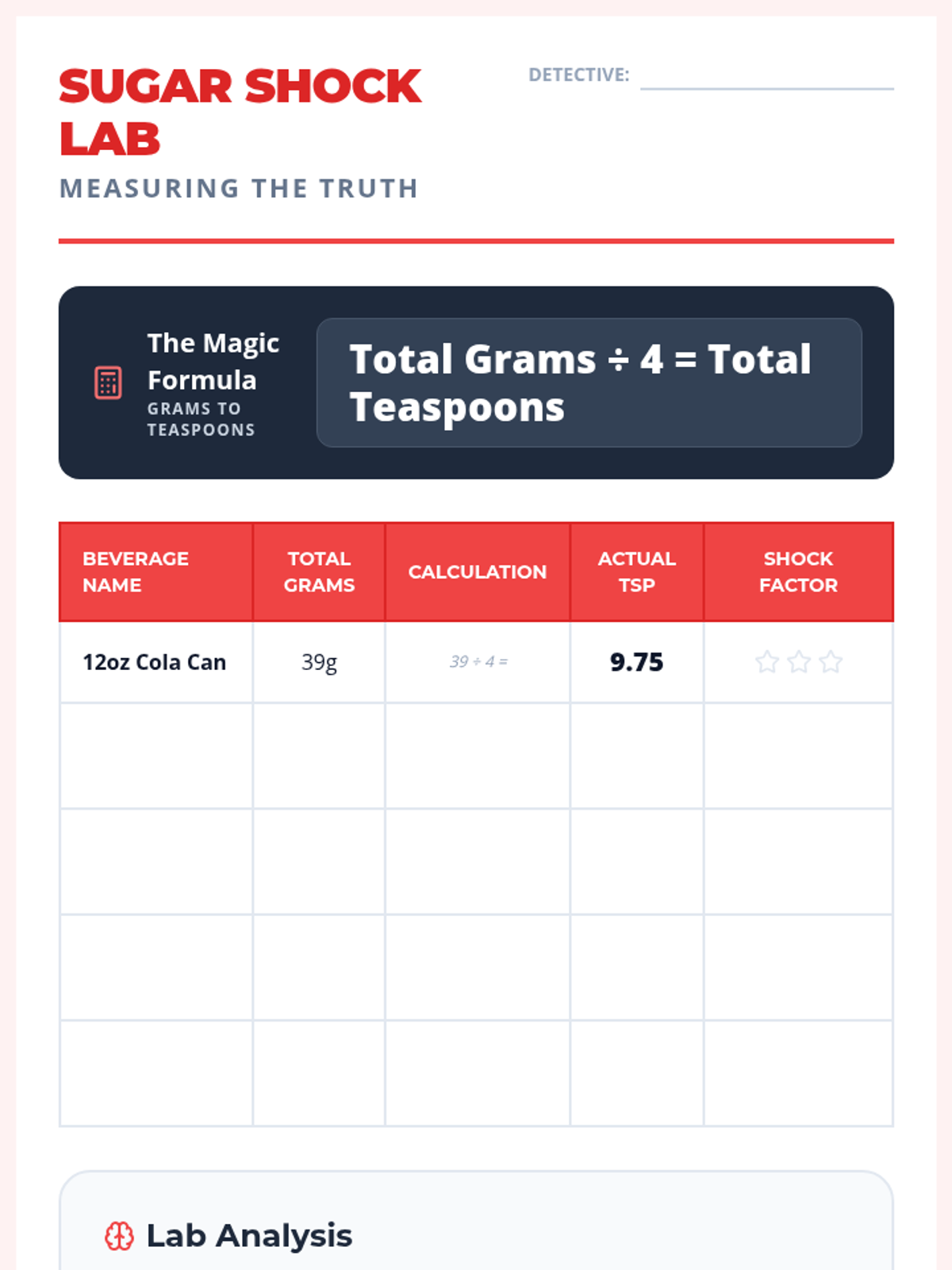
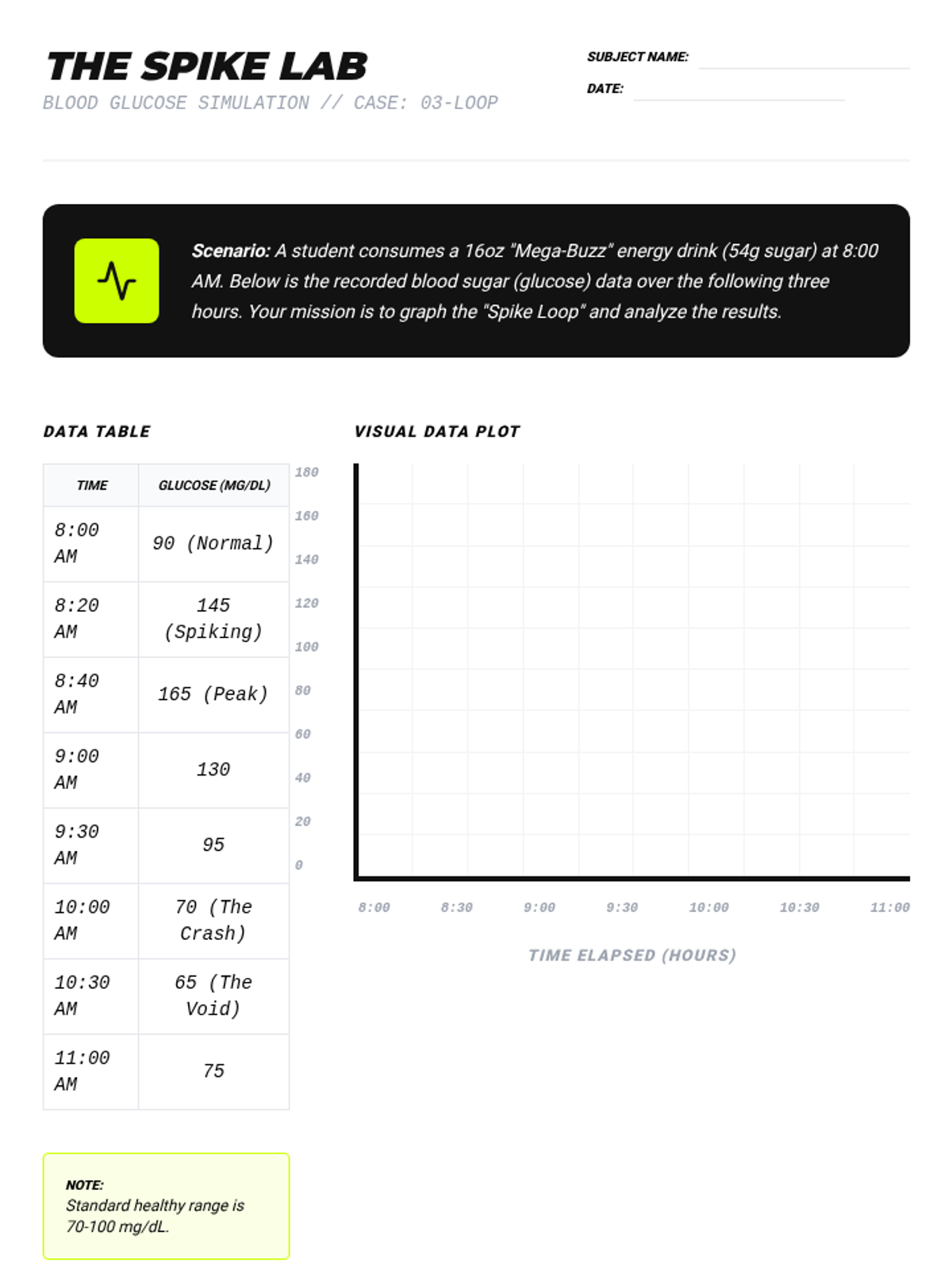
An examination of the combined effects of sugar and caffeine on the body, including blood sugar spikes, crashes, and impacts on school performance.
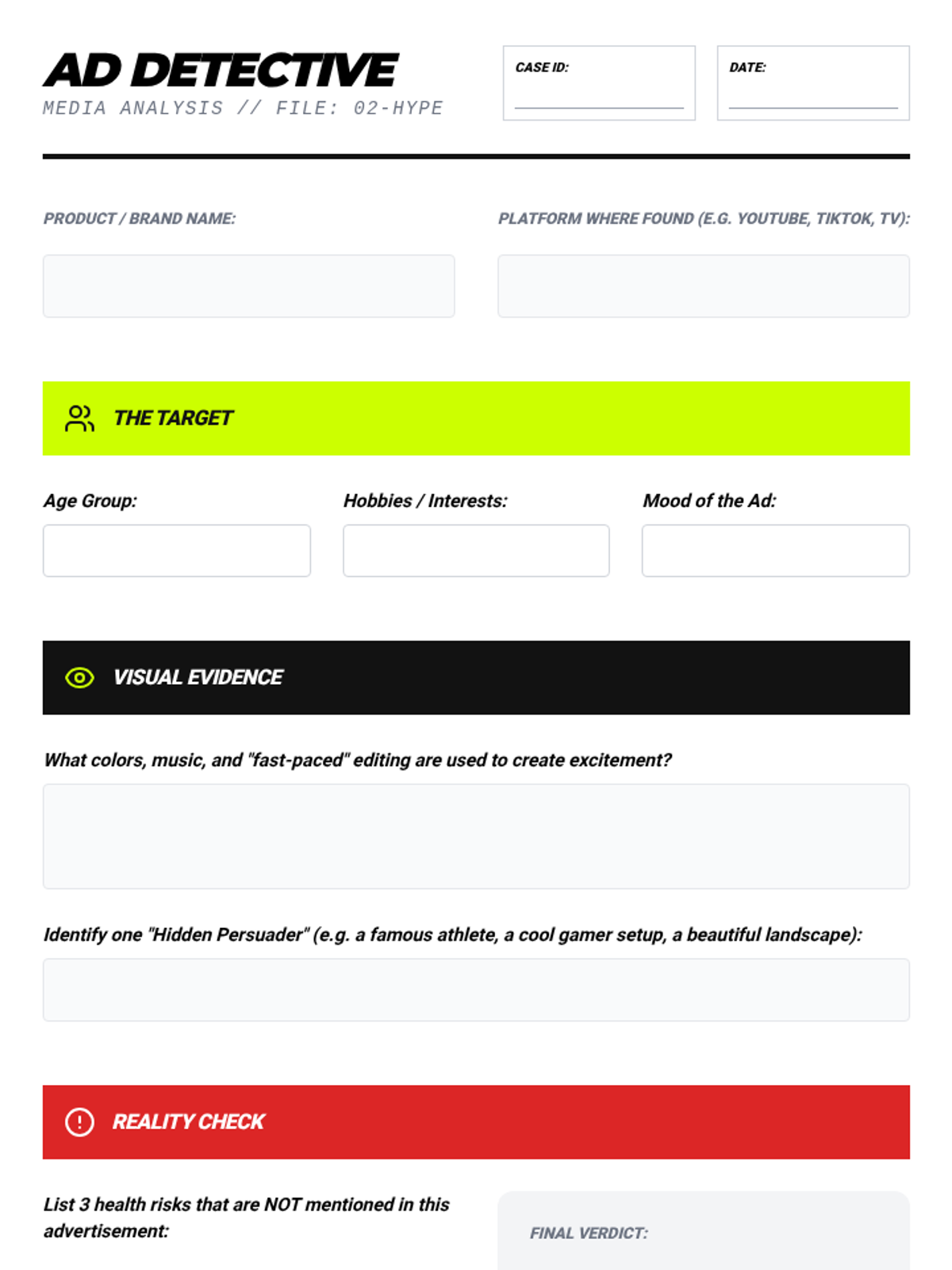
Students analyze marketing tactics used by energy drink companies to target teens and discuss how these strategies distract from health risks.
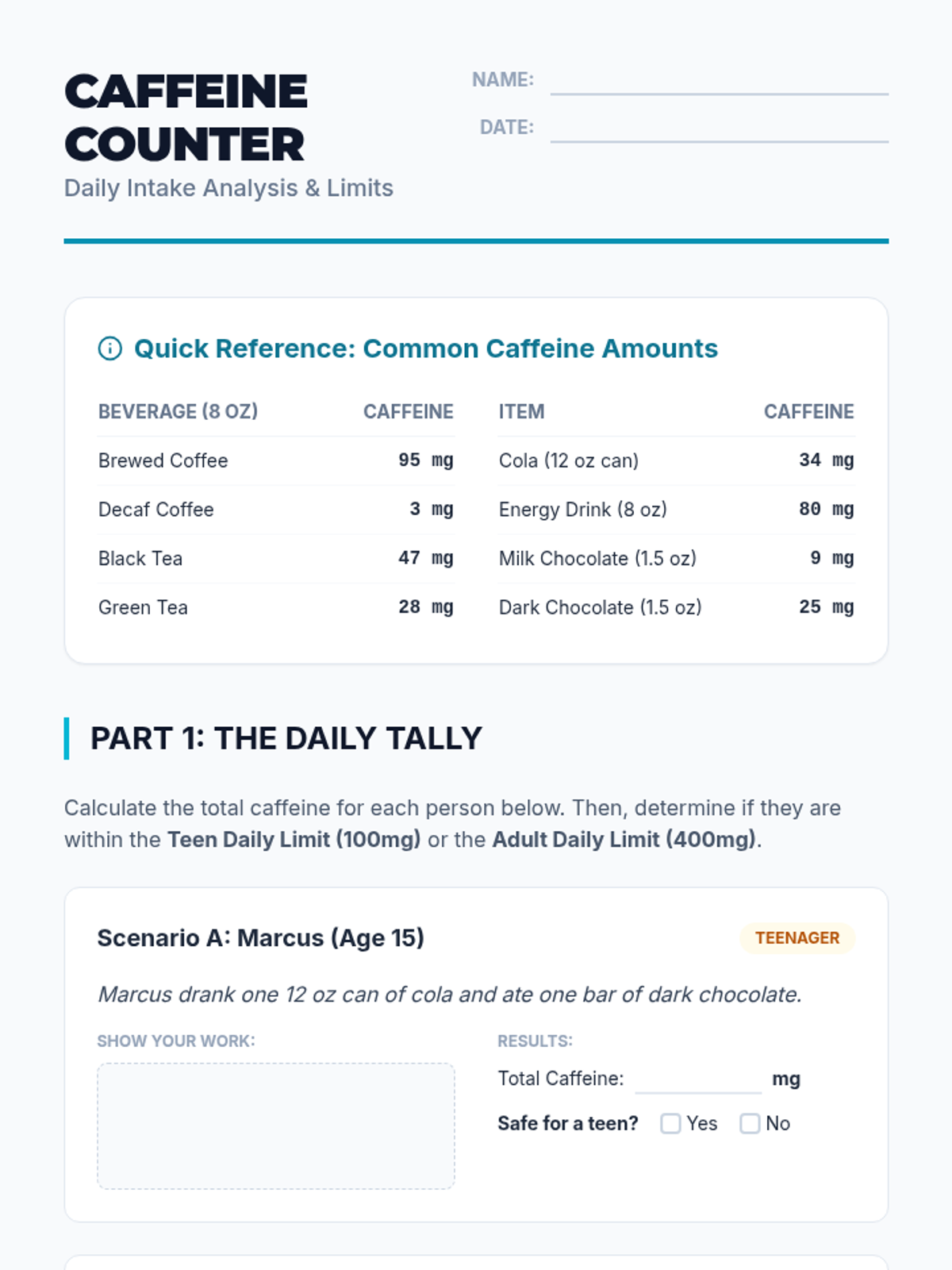
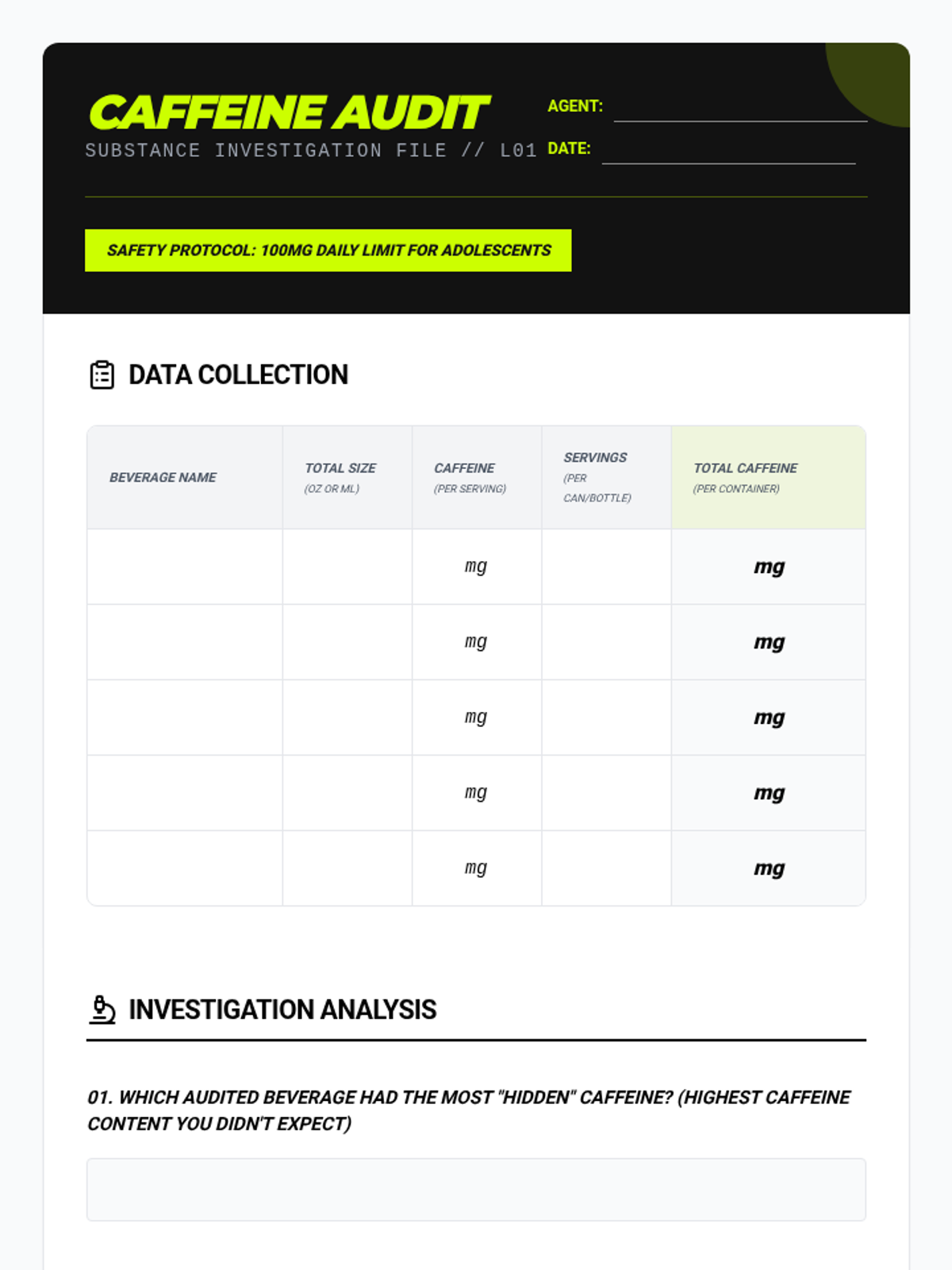
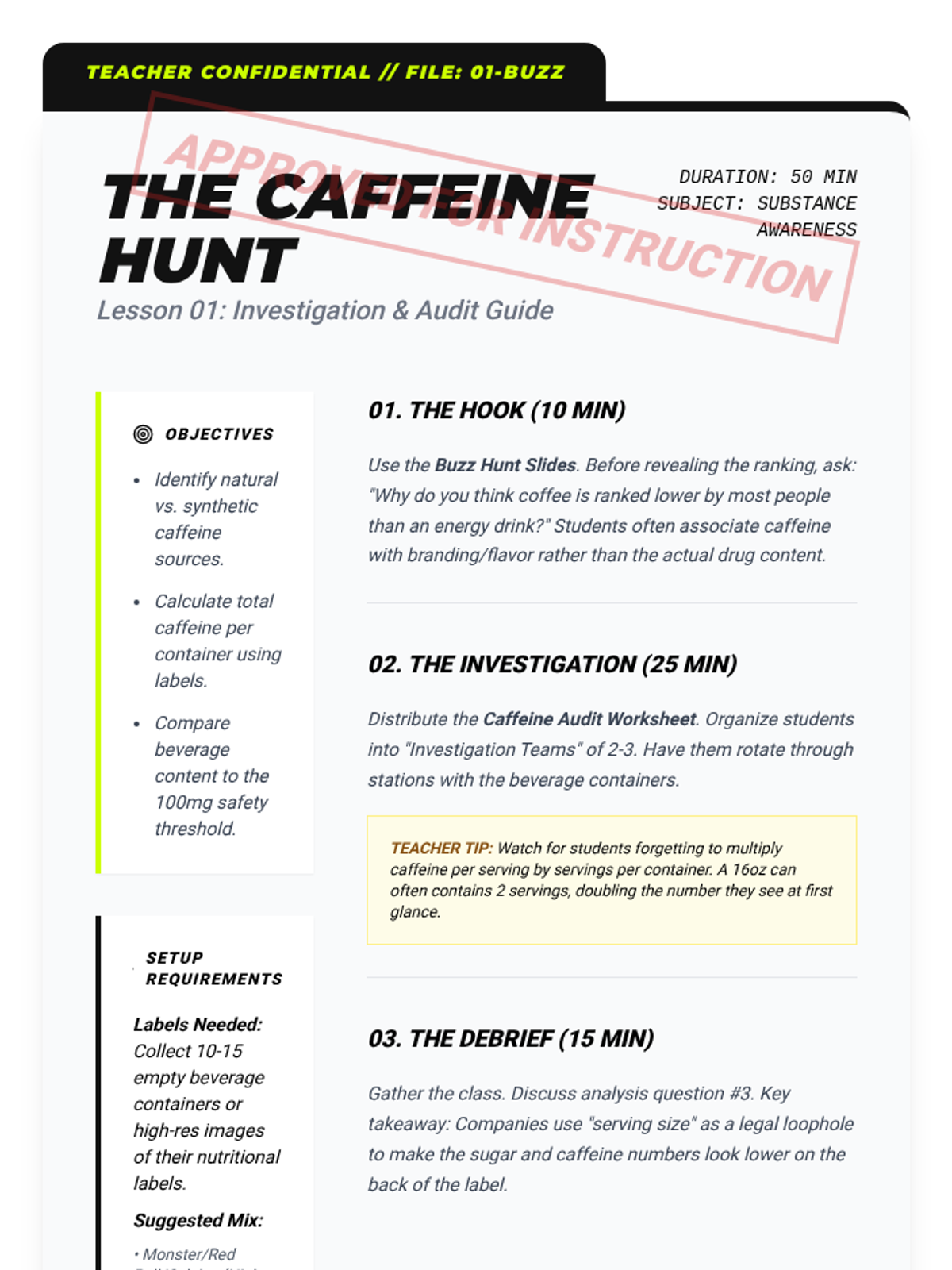
Students identify various sources of caffeine and compare their content to recommended daily limits for adolescents through an audit of popular beverages.
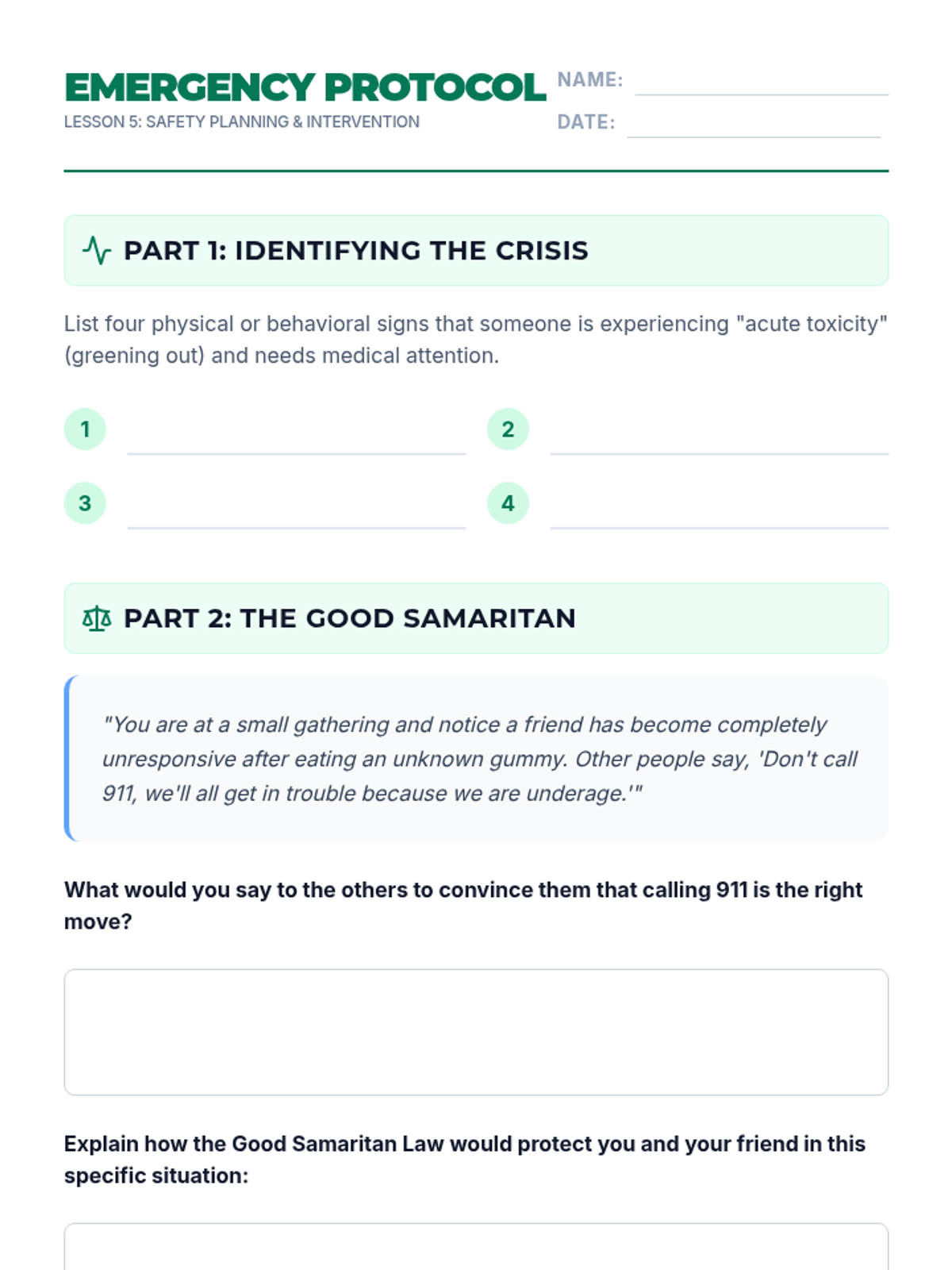
Students develop concrete safety plans for emergency situations, learning to recognize cannabis toxicity and understand Good Samaritan protection.