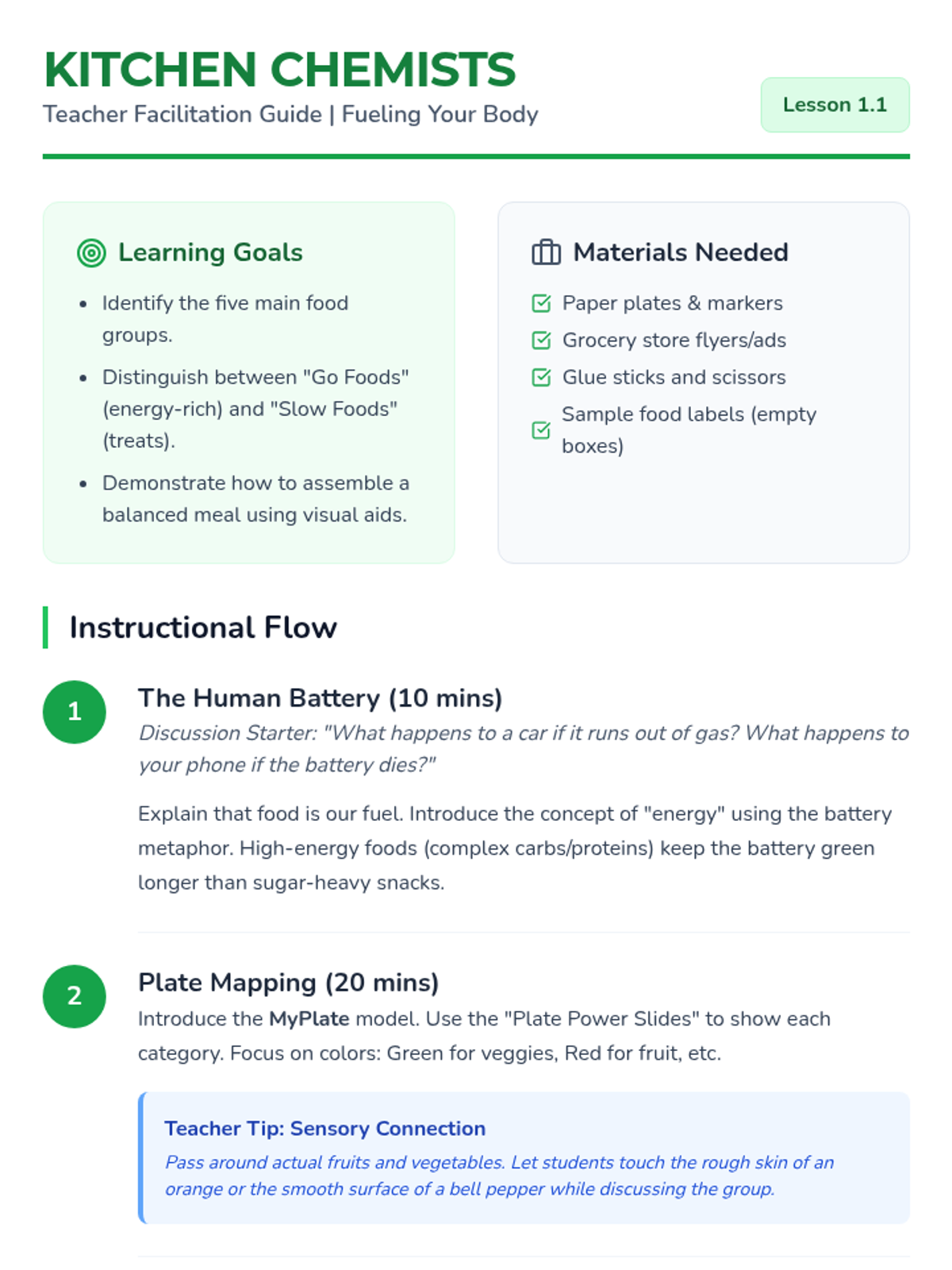
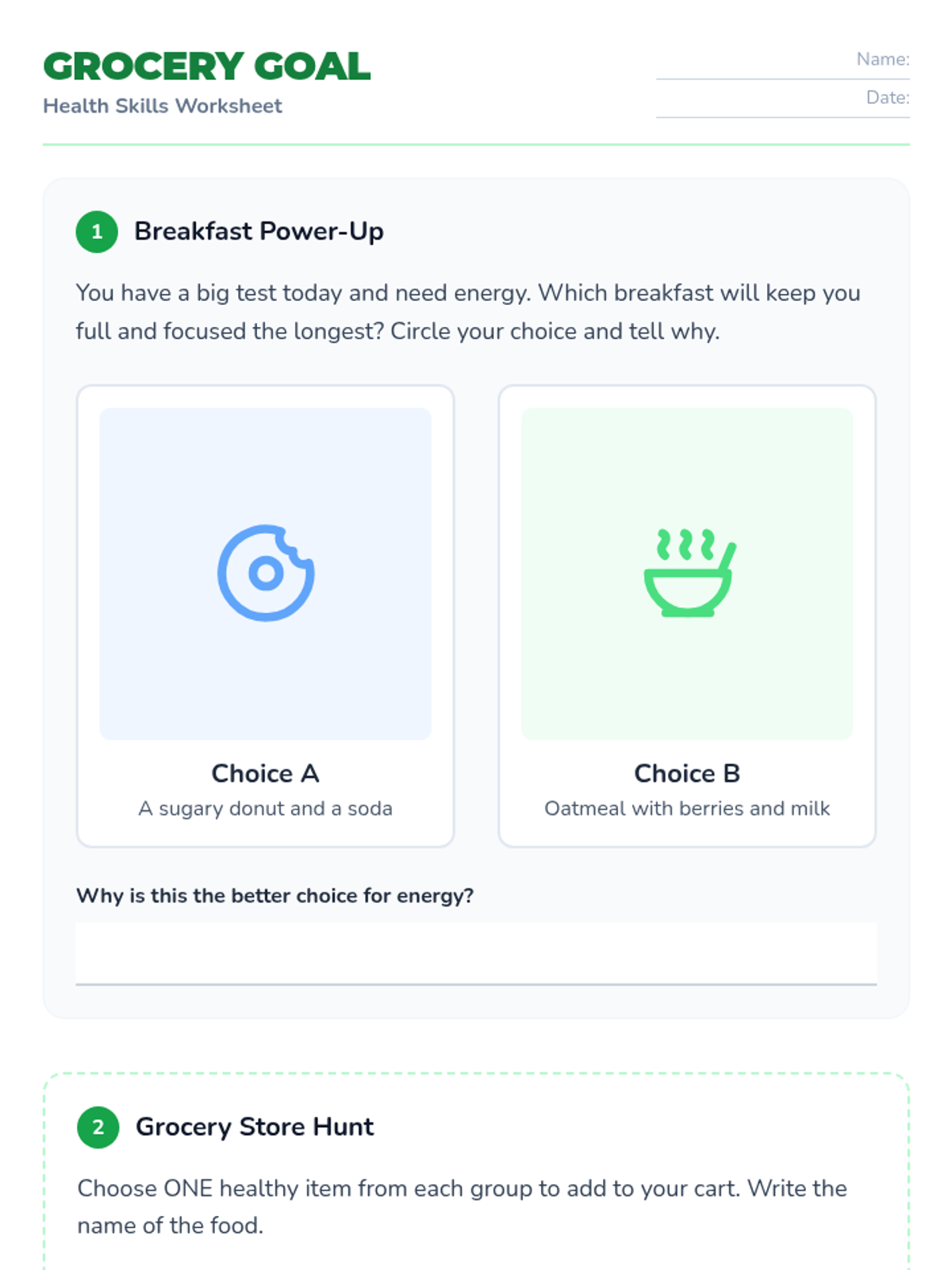
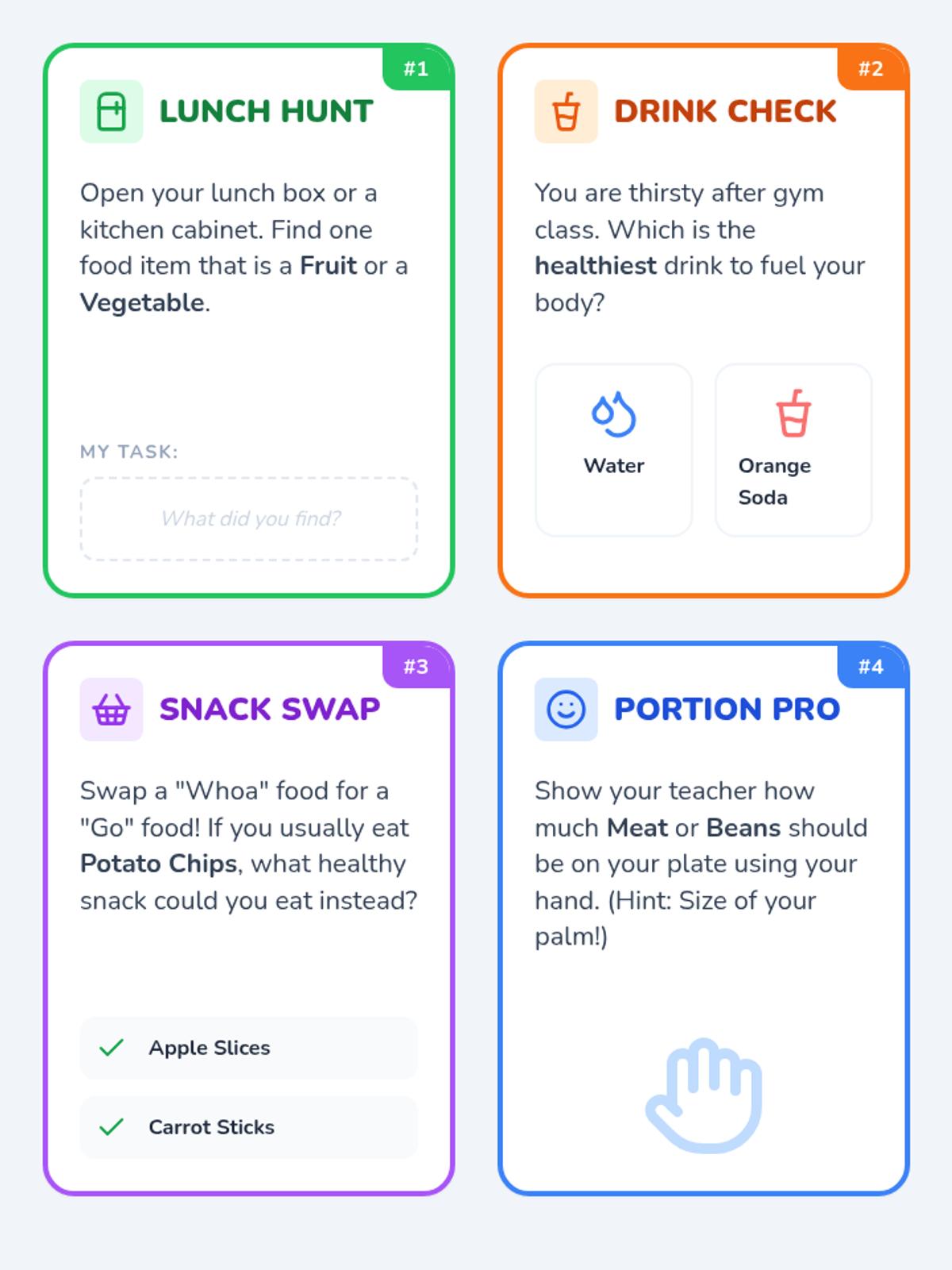
Essential food groups, nutrient functions, and balanced meal planning. Develops skills for interpreting nutrition labels and adopting lifelong healthy eating patterns.
A functional biology curriculum designed for life skills students, focusing on practical knowledge of nutrition, personal hygiene, and environmental stewardship through hands-on activities and visual aids.
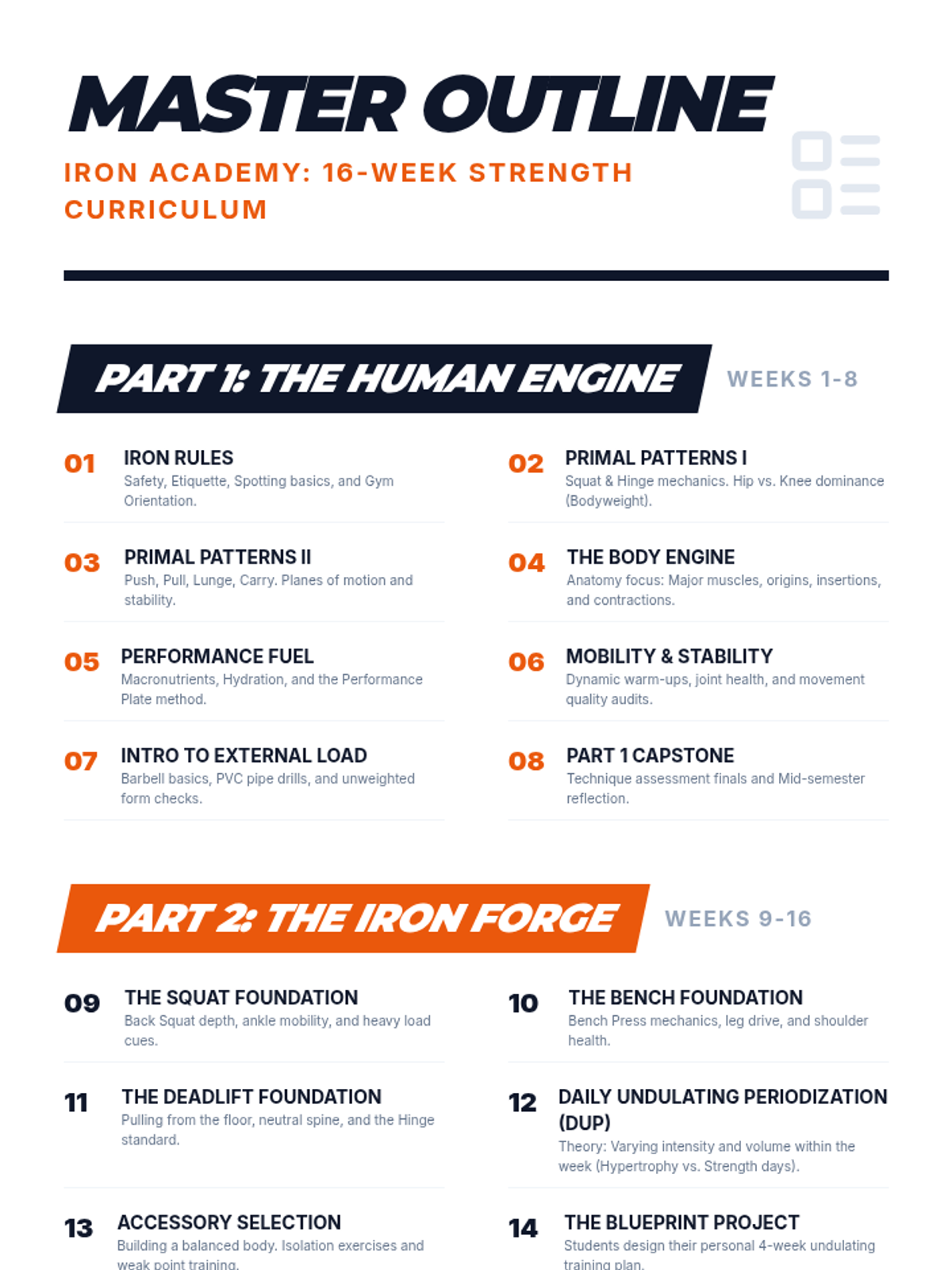
A comprehensive 16-week weight training curriculum divided into two parts: 'Part 1: The Human Engine' (Weeks 1-8) focusing on movement patterns, bodyweight mastery, and anatomy; and 'Part 2: The Iron Forge' (Weeks 9-16) focusing on advanced compound lifts, training science, and independent program design. Includes nutrition for performance and comprehensive classroom activities.
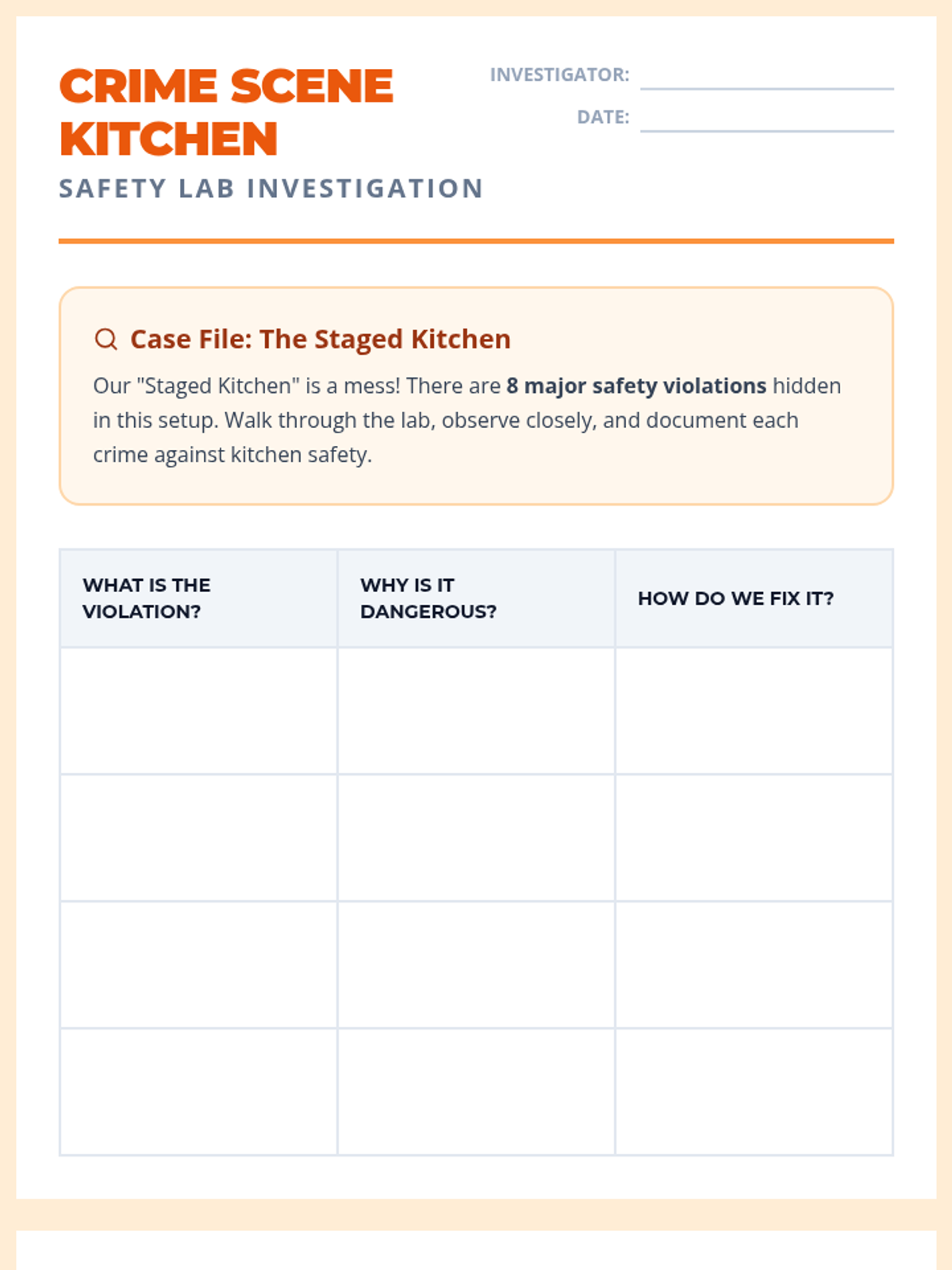
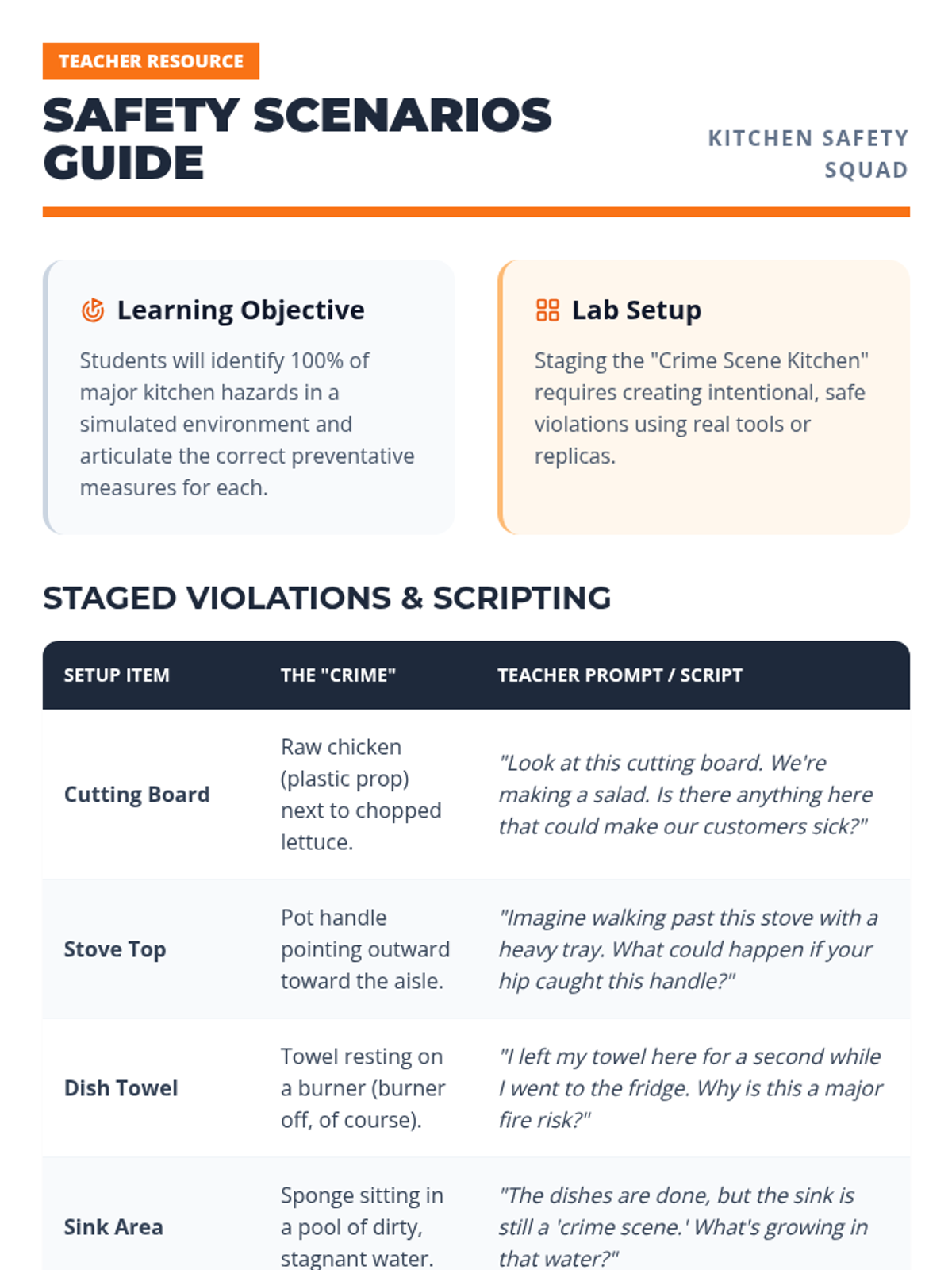
This hands-on workshop sequence focuses on the practical skills required to feed oneself nutritiously and safely, emphasizing kitchen safety, nutrition literacy, menu planning, and grocery shopping for 10th-grade students transitioning to independent living.
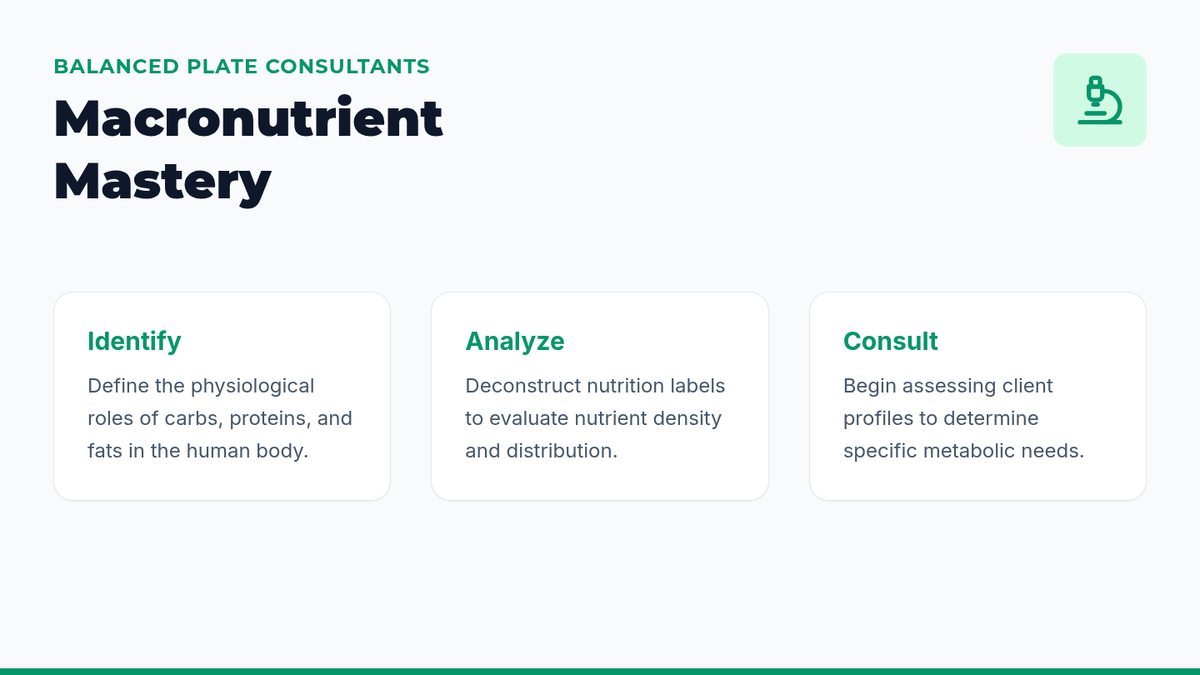
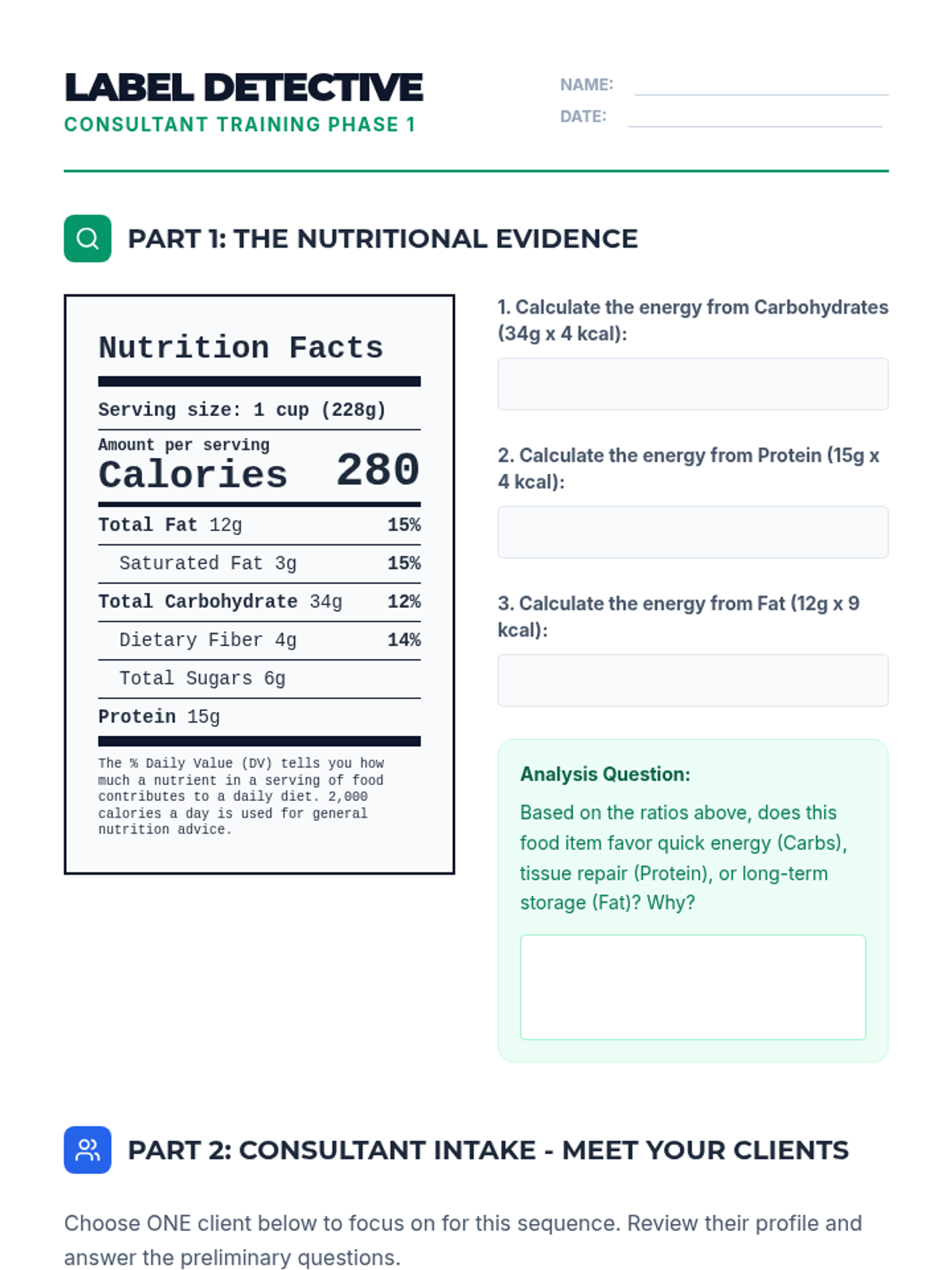
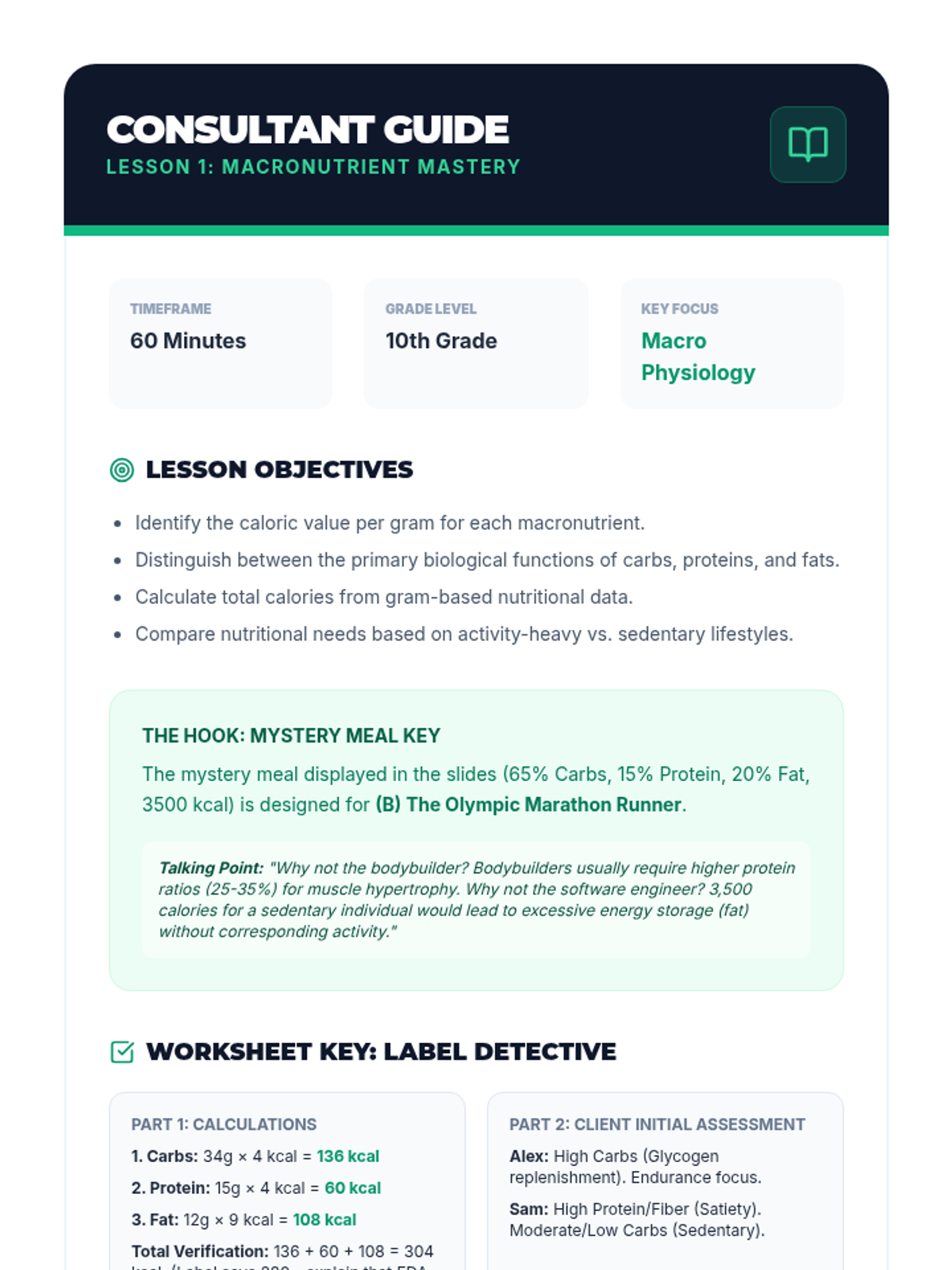
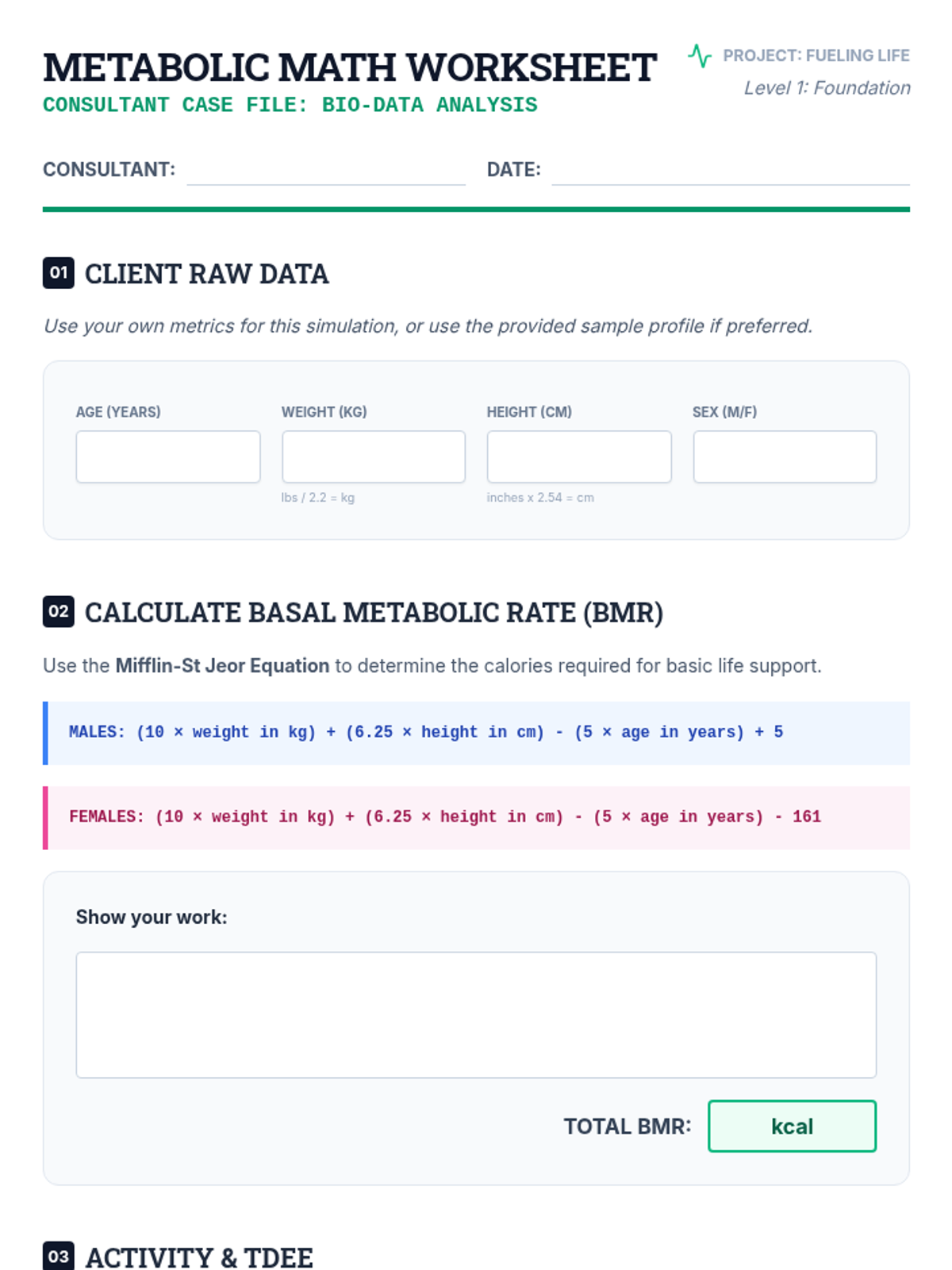
Students act as nutrition consultants to design personalized meal plans. They analyze macronutrient roles, calculate metabolic rates, master portion control, and adapt plans for dietary constraints like allergies and budgets.
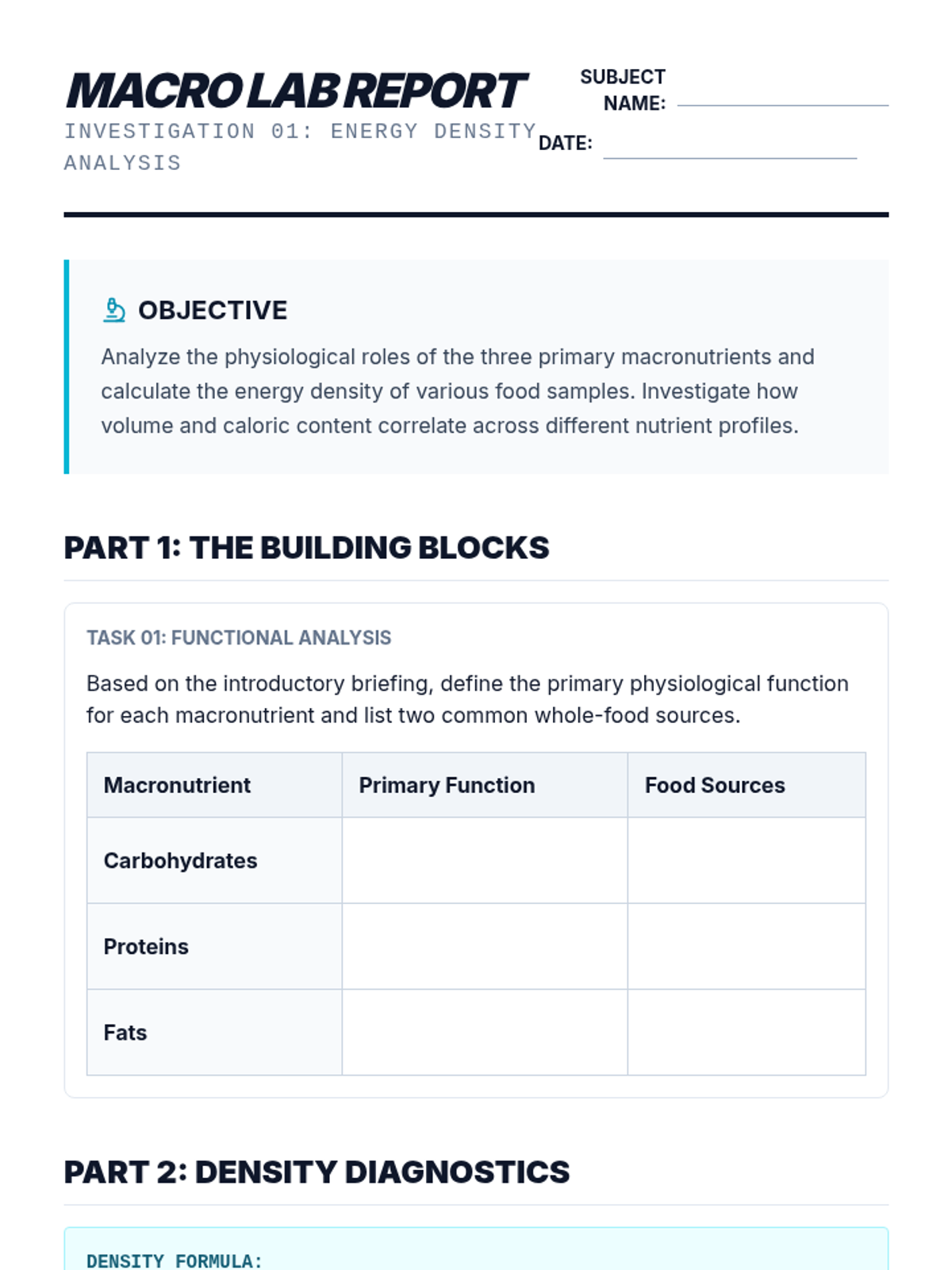
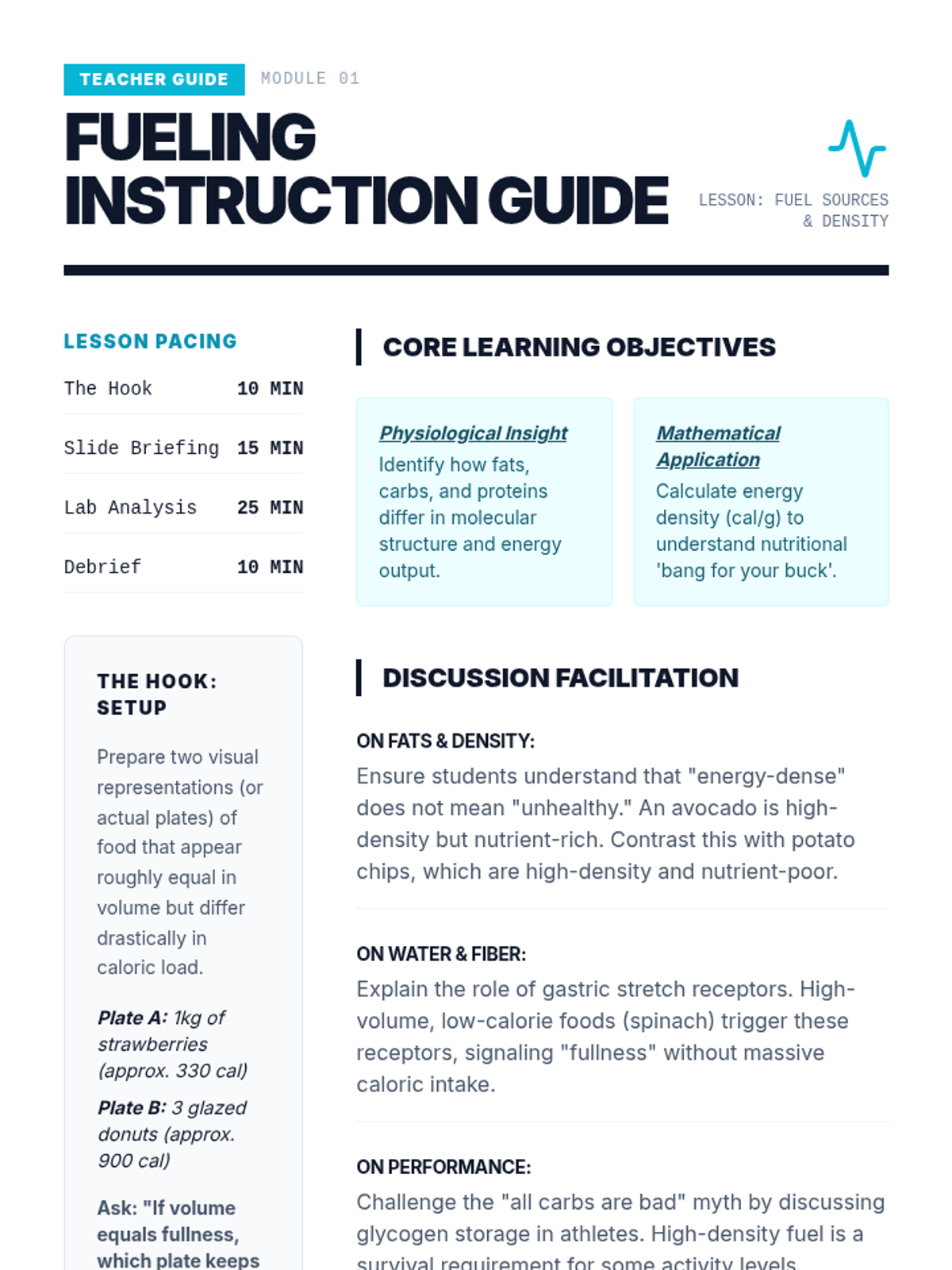
A comprehensive high school unit focusing on the physiological and mathematical aspects of nutrition. Students will learn to calculate metabolic needs, analyze macronutrient density, and design personalized meal plans for various physiological profiles.
Students move beyond basic identification of nutritional data to critically evaluate the relationship between front-of-package marketing and back-of-package realities through quantitative analysis and chemical investigation.
A comprehensive 10th-grade nutrition sequence where students act as consultants, moving from metabolic mathematics to personalized meal design for diverse lifestyles and dietary needs.
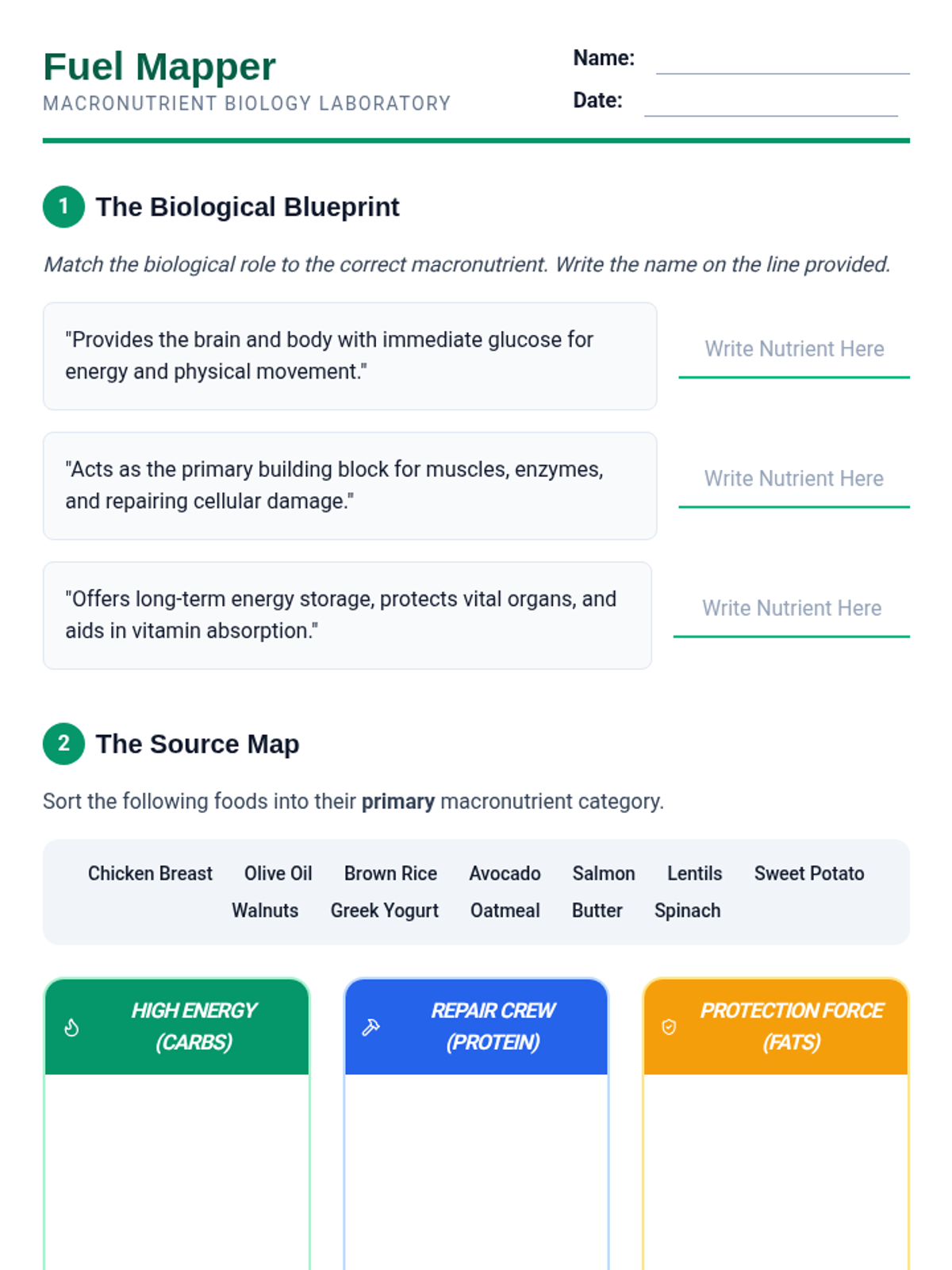
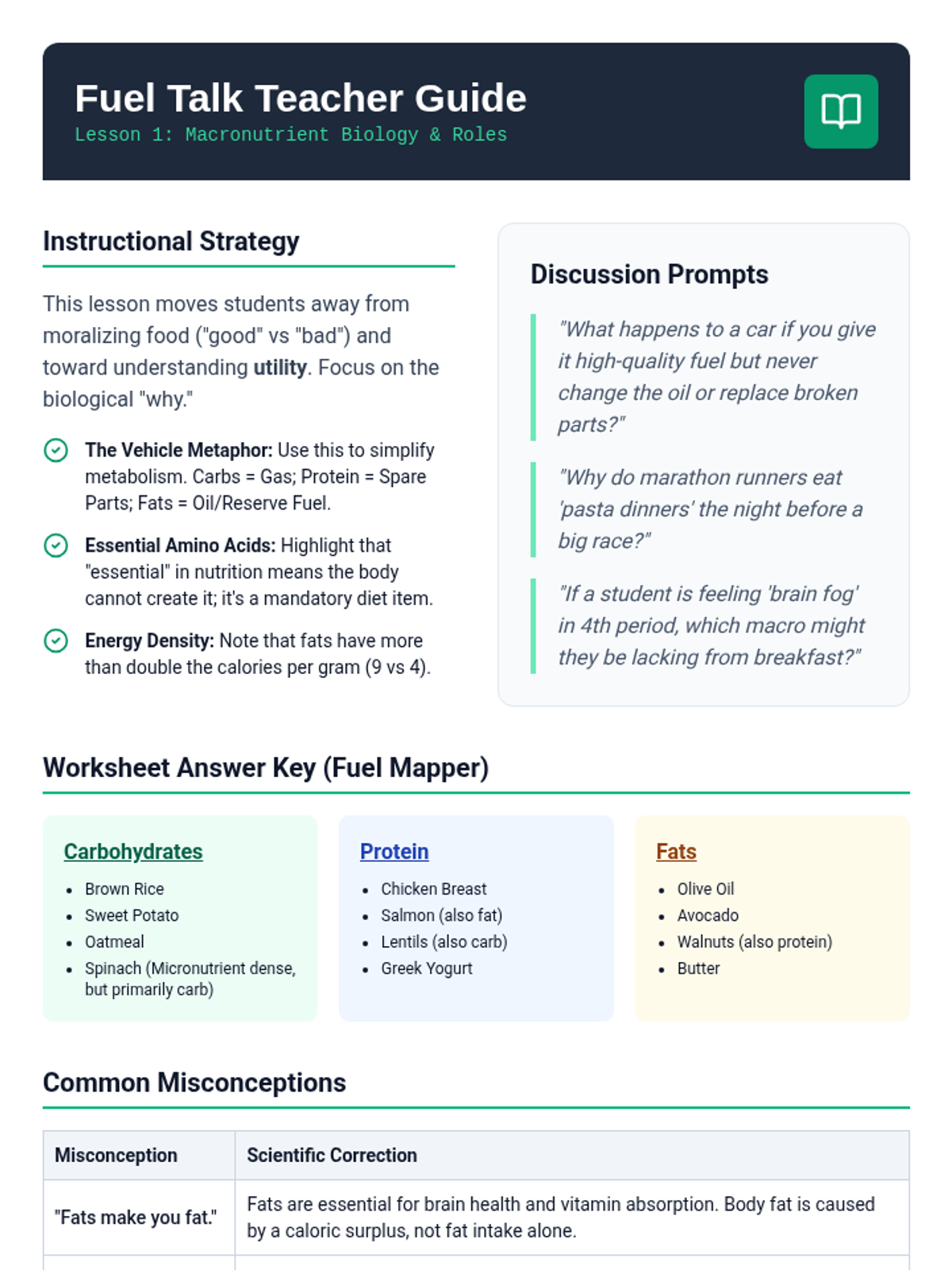
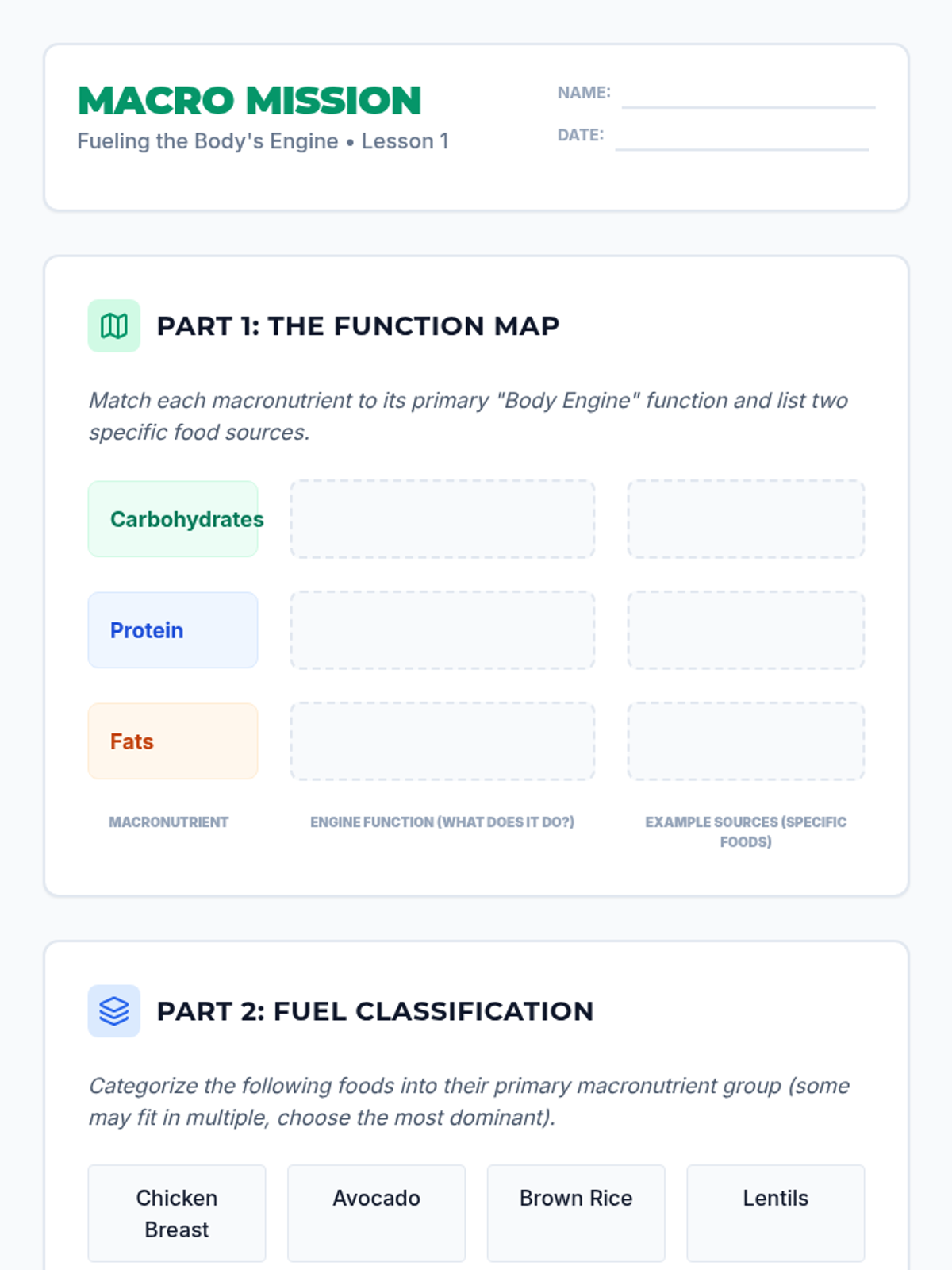
This sequence guides 9th-grade students through the science of macronutrients and meal planning. Students will move from understanding the biological roles of carbohydrates, proteins, and fats to analyzing portion sizes, decoding nutrition labels, and finally designing customized meal plans for diverse lifestyle profiles.
Students transition from understanding basic food groups to applying nutritional science in real-world scenarios. The unit covers macronutrients, portion control, label reading, and activity-based needs, culminating in a meal plan design project.
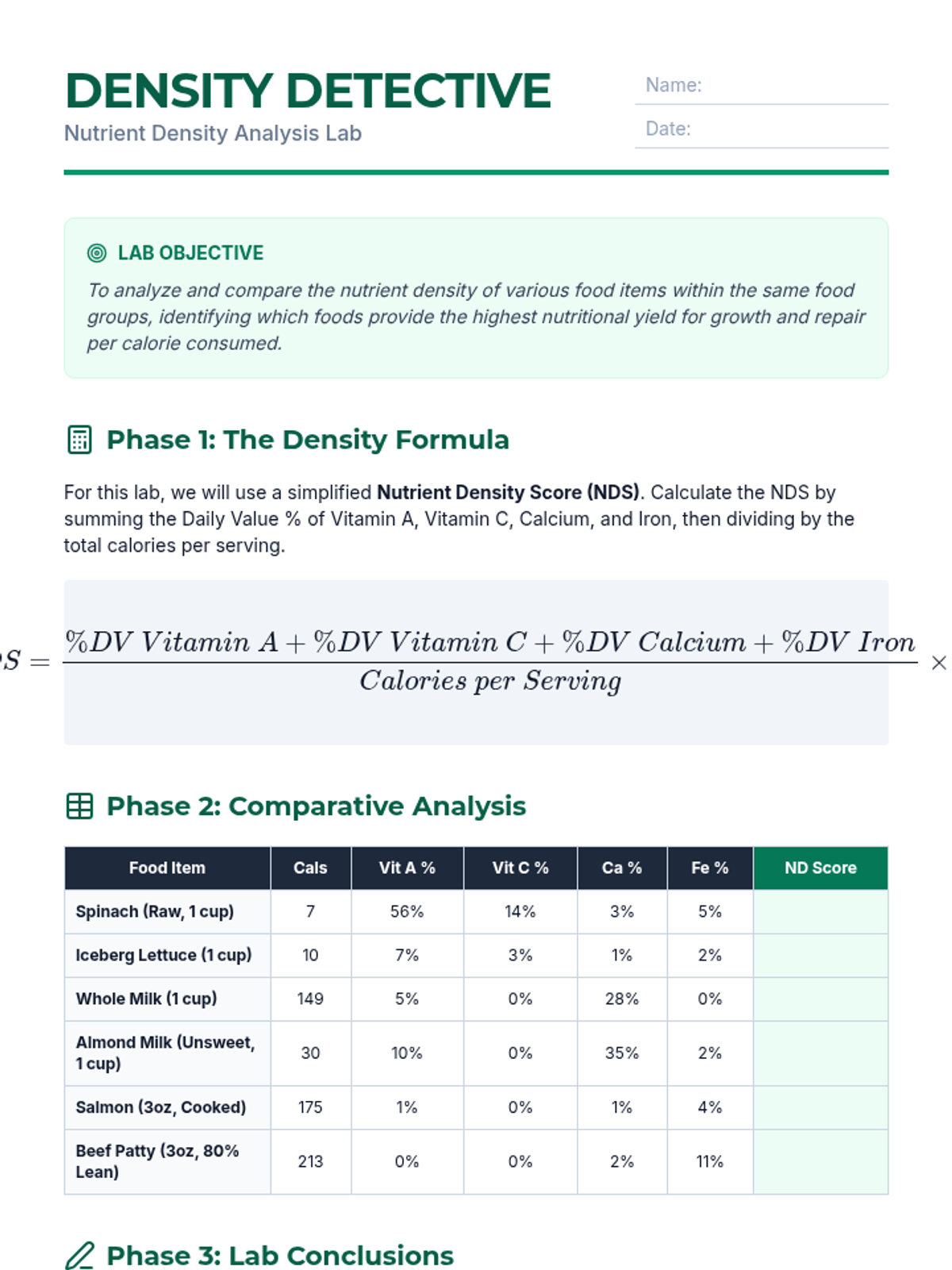
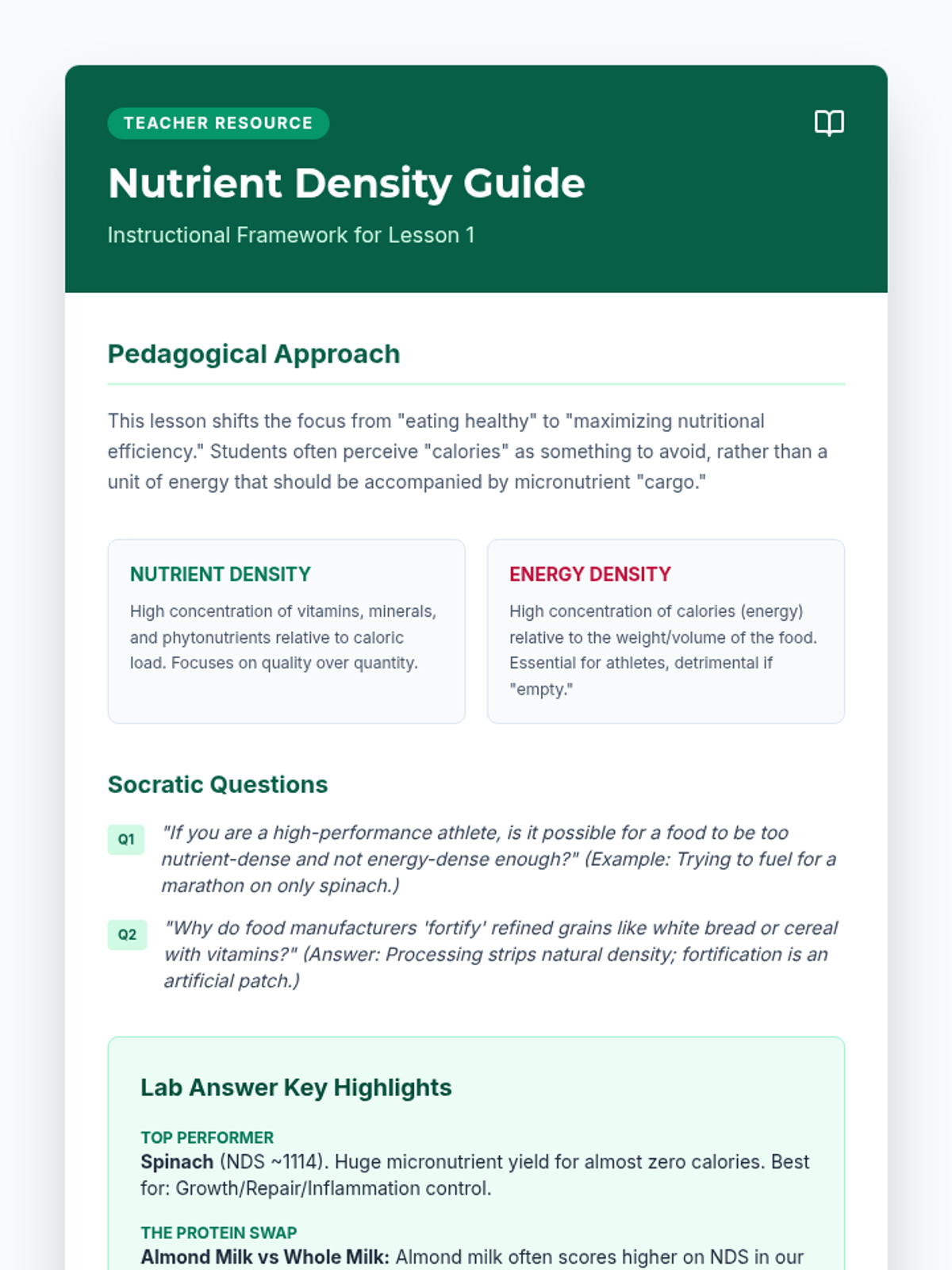
A comprehensive 10th-grade nutrition unit that transitions students from food identification to sophisticated biochemical analysis of nutrient density, caloric needs, and physiological optimization through meal planning.
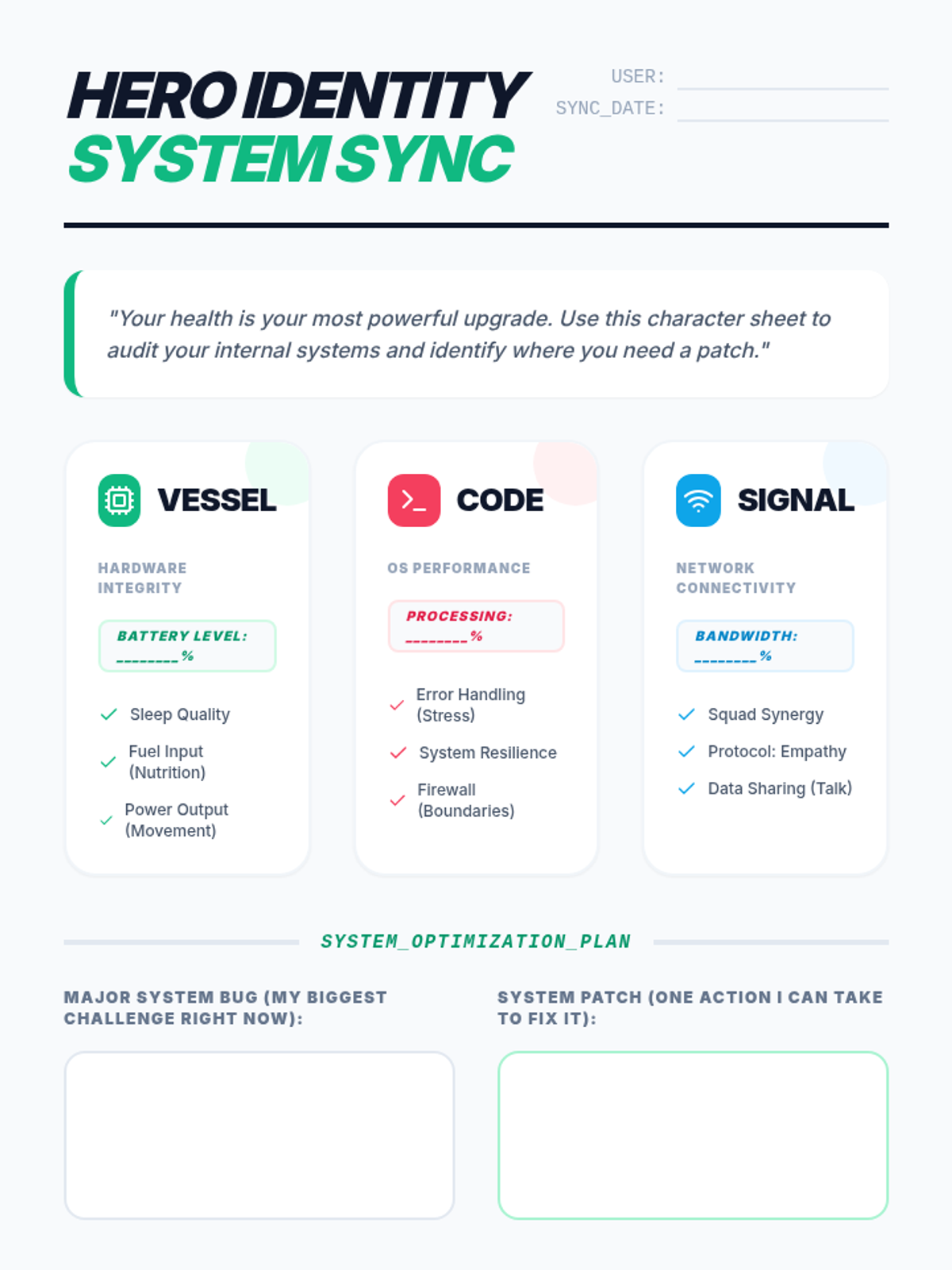
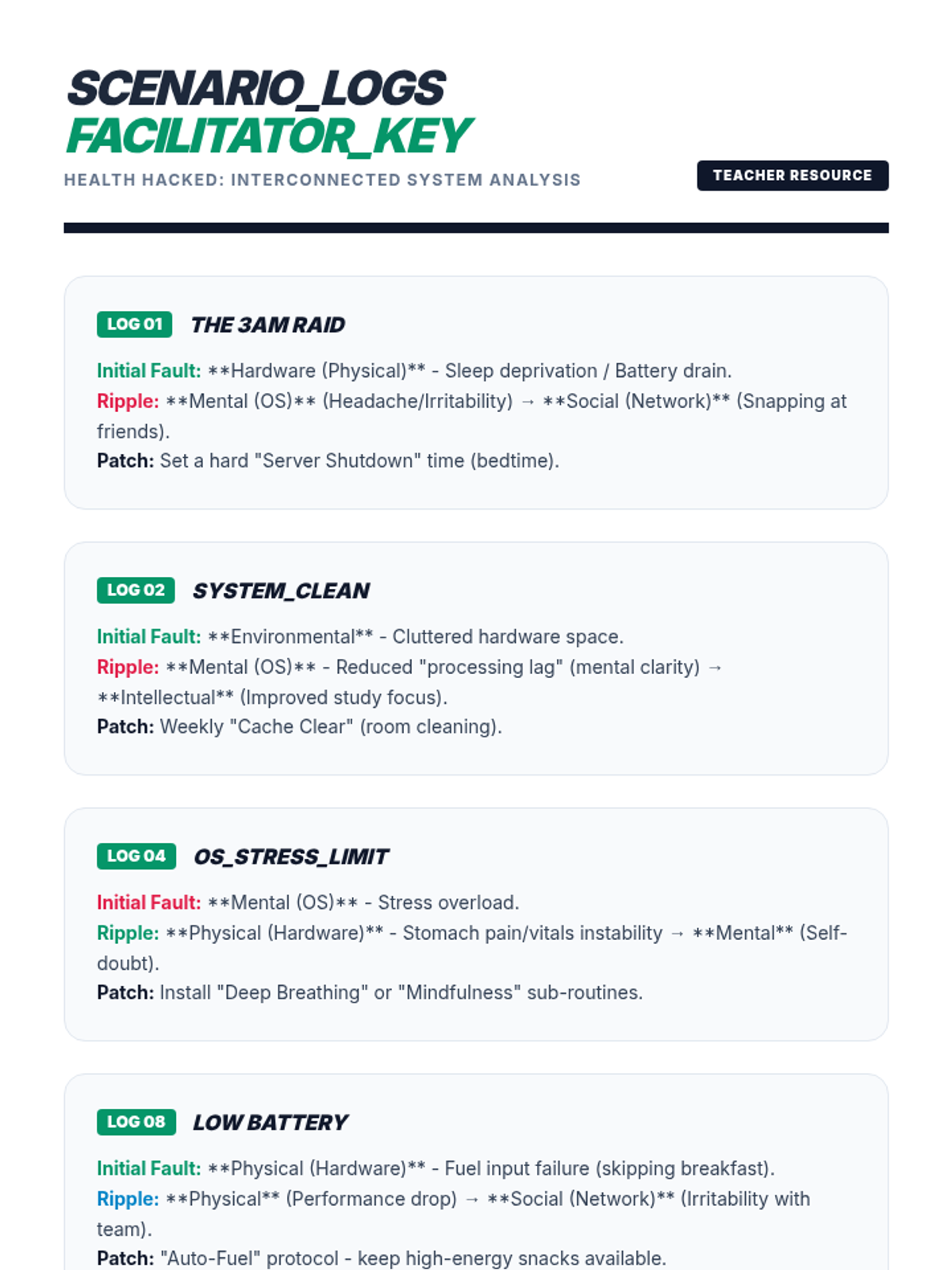
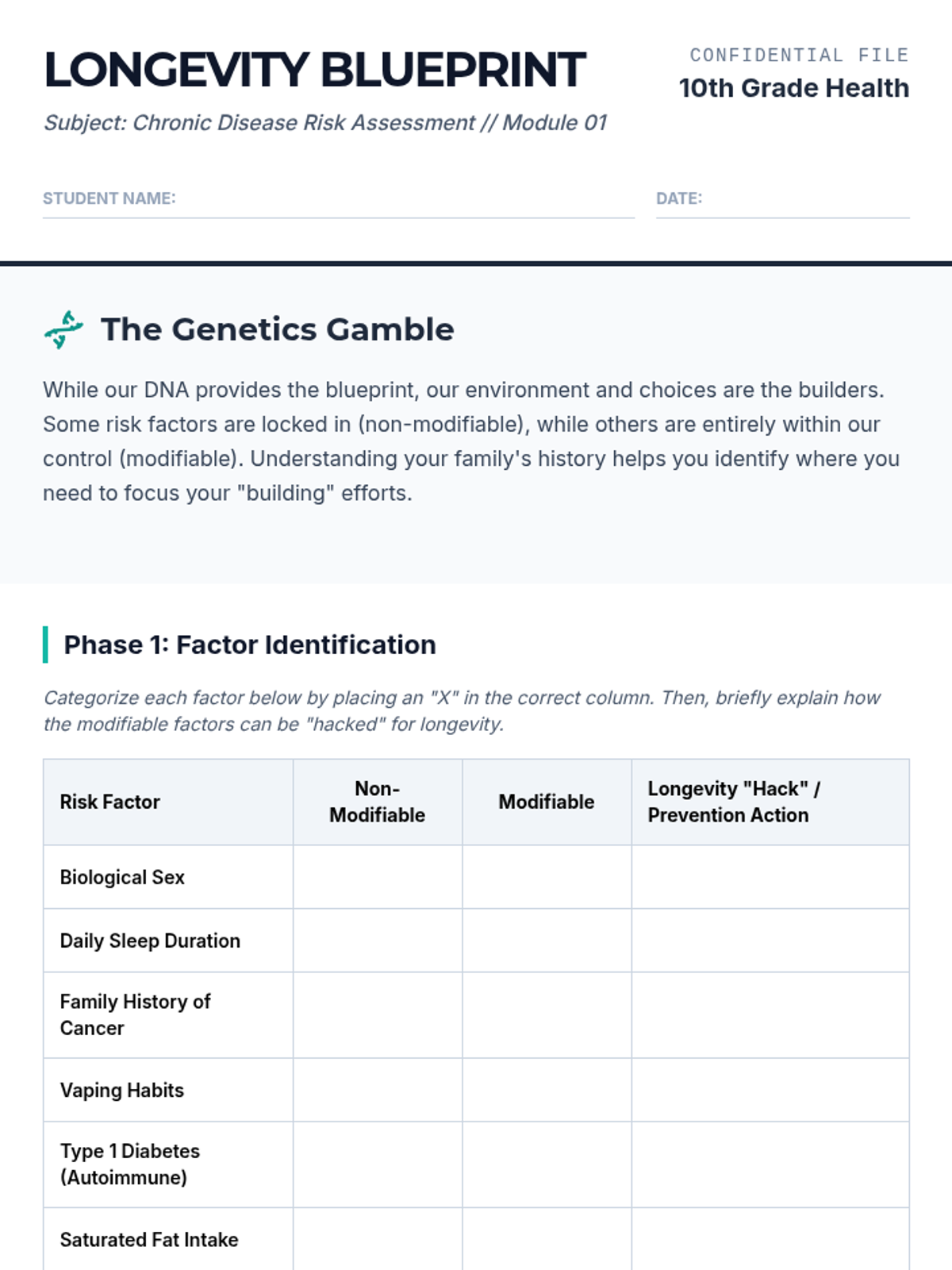
This high school health sequence explores the cumulative impact of daily habits—sleep, stress management, nutrition, and hygiene—on chronic disease prevention. Students analyze the biological mechanisms of immunity and lifestyle-related illness to design a personalized prevention blueprint for long-term health.
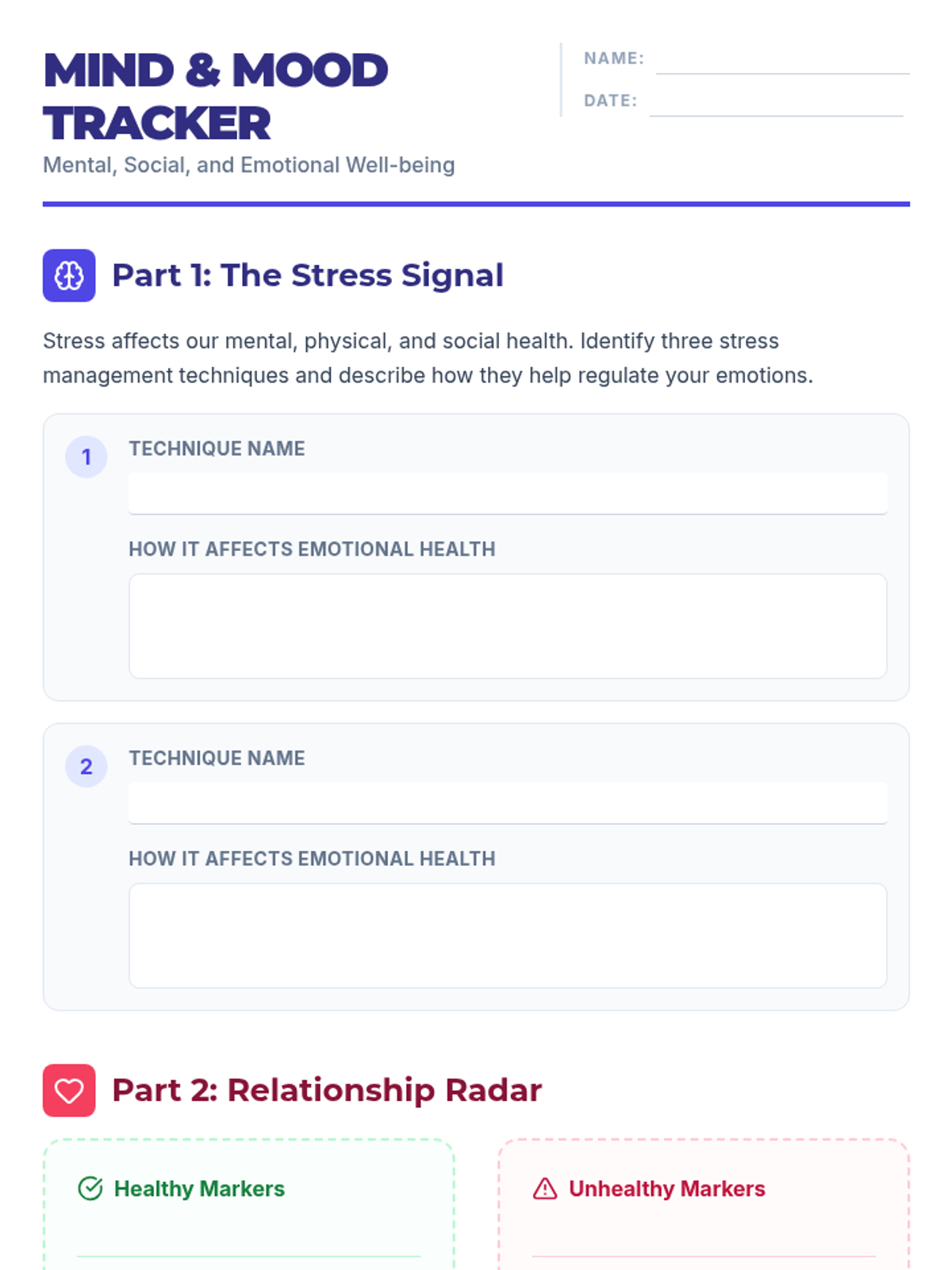
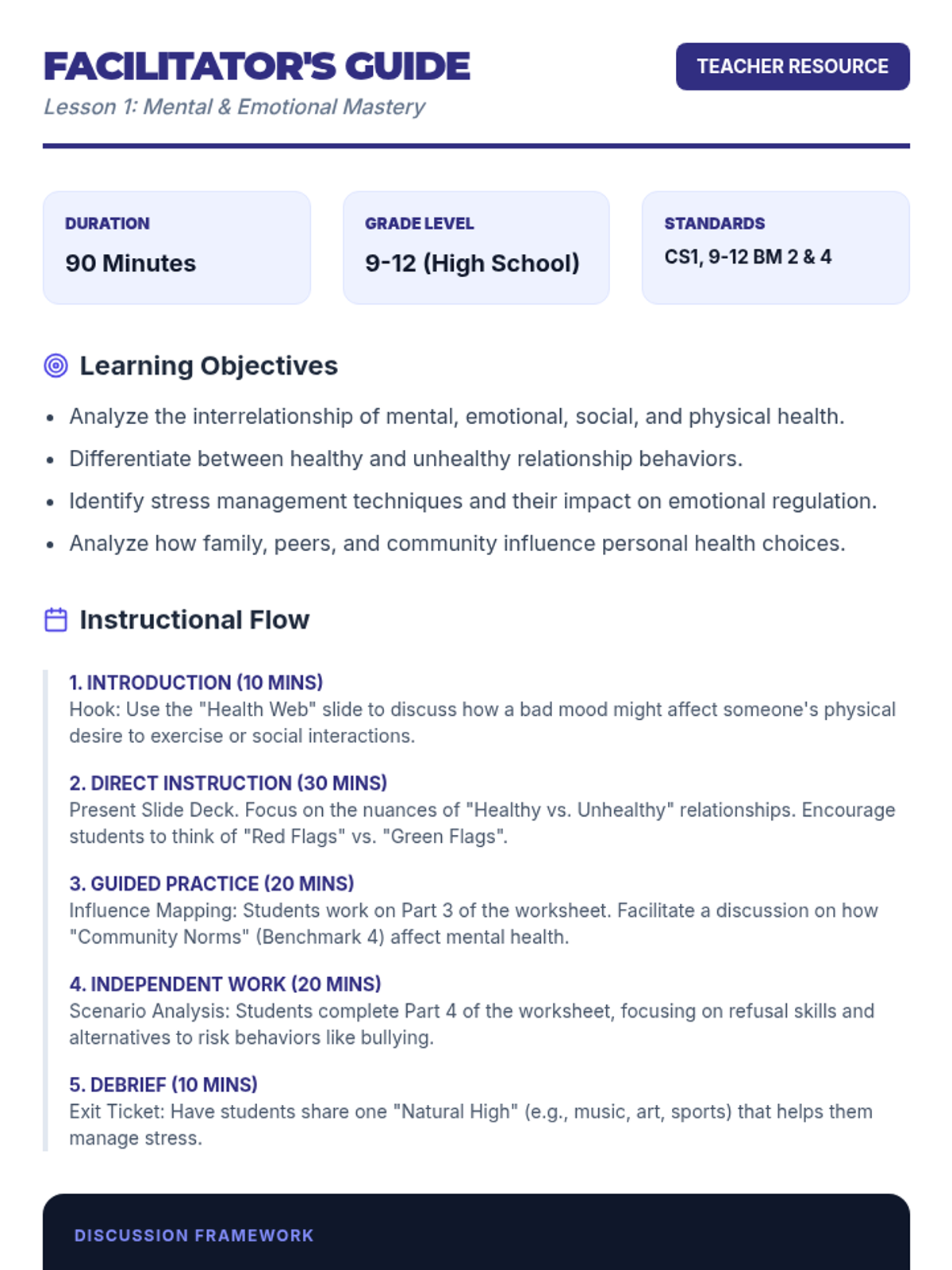
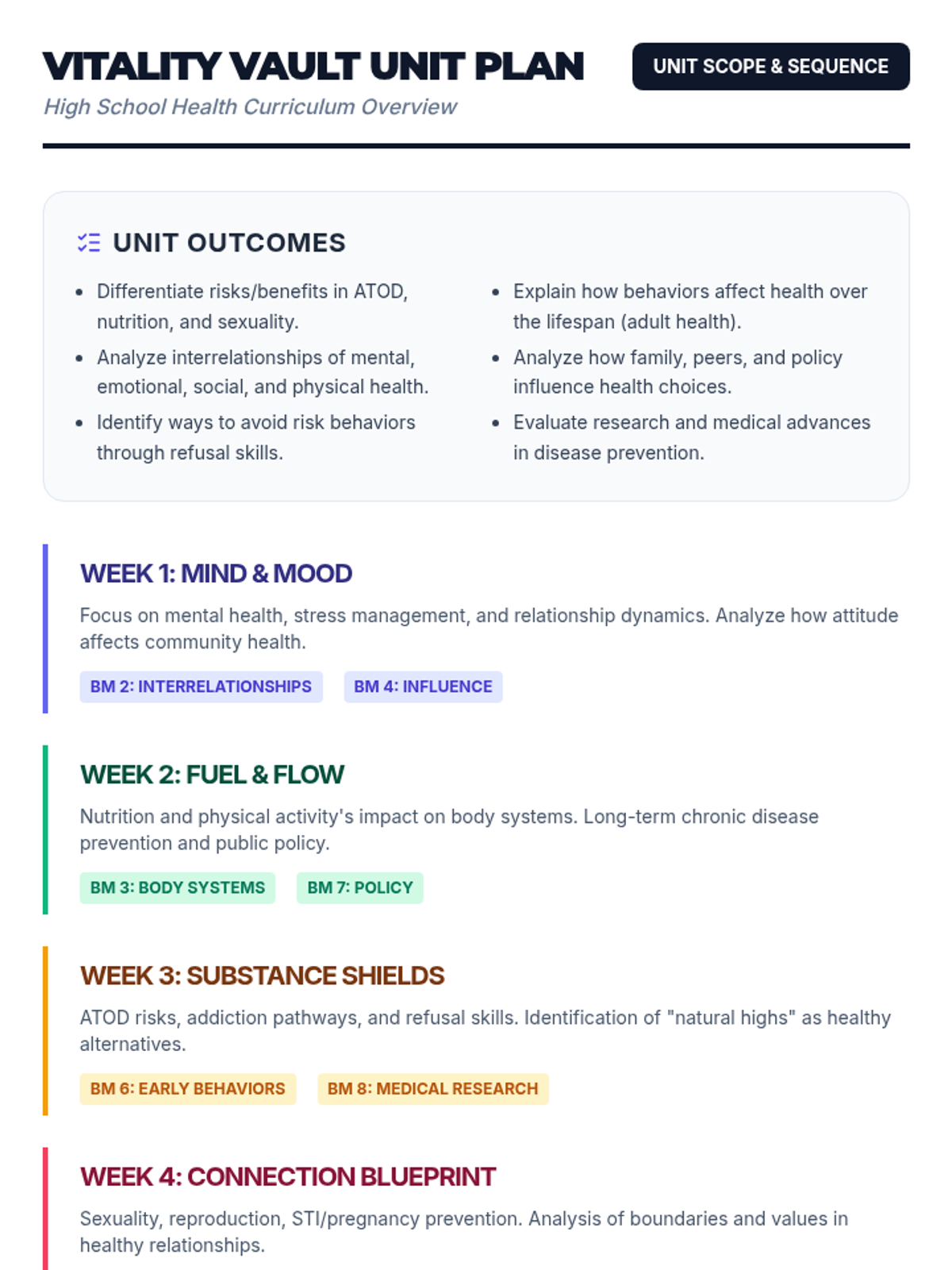
A comprehensive 4-week high school health unit covering mental health, nutrition, substance use, and sexual health. Students analyze health behaviors, influence, and prevention strategies to promote lifelong well-being.
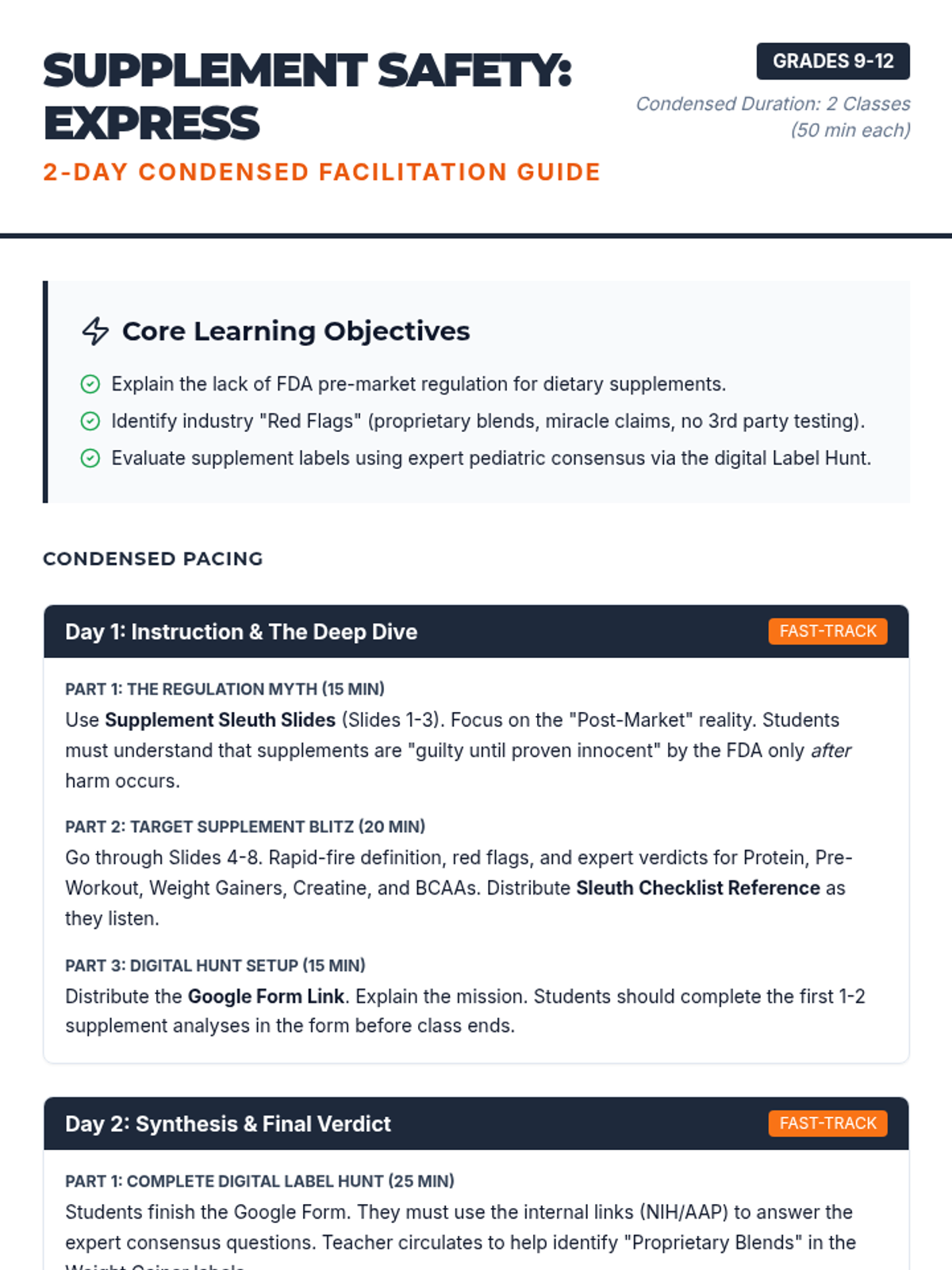
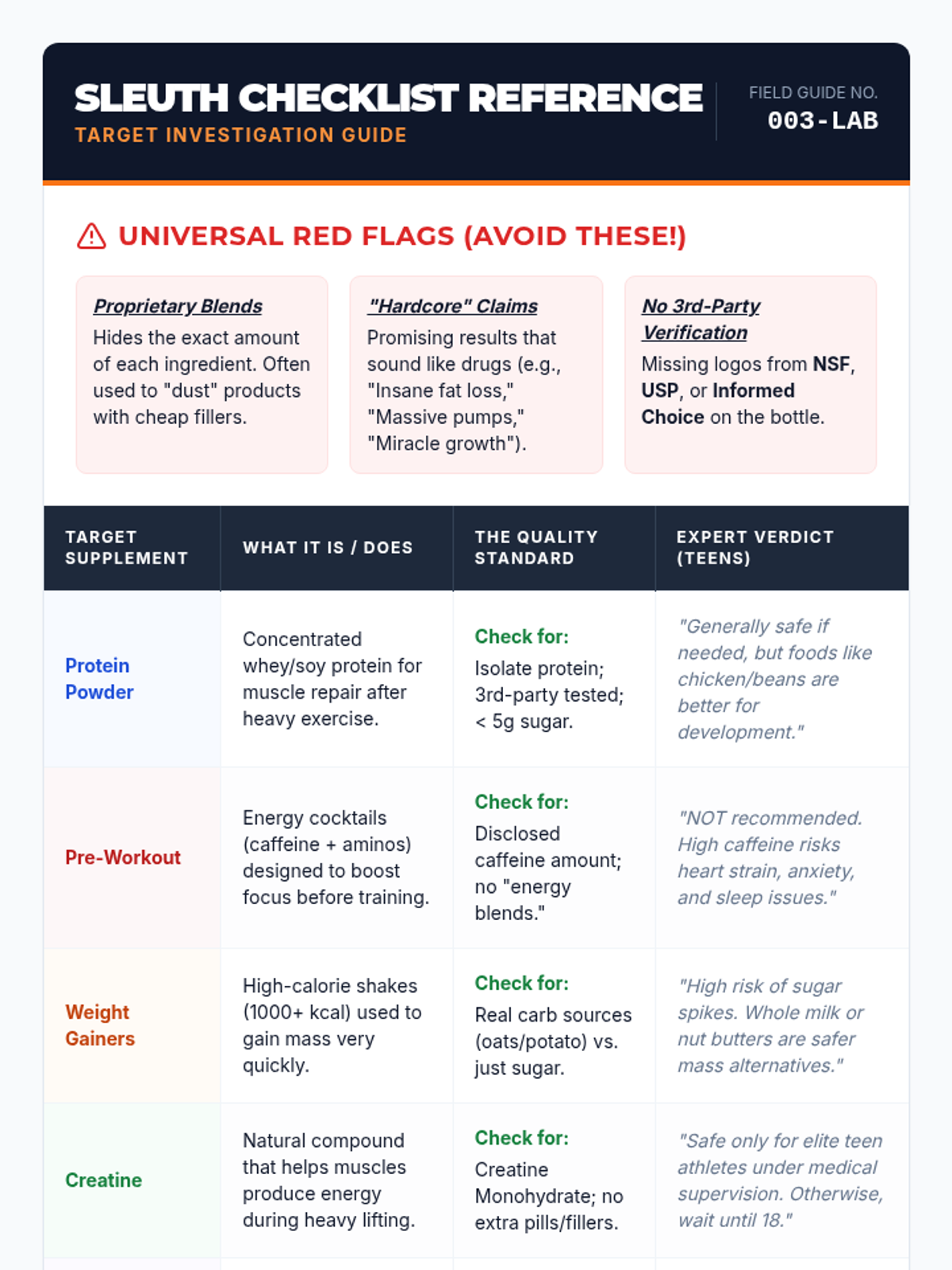
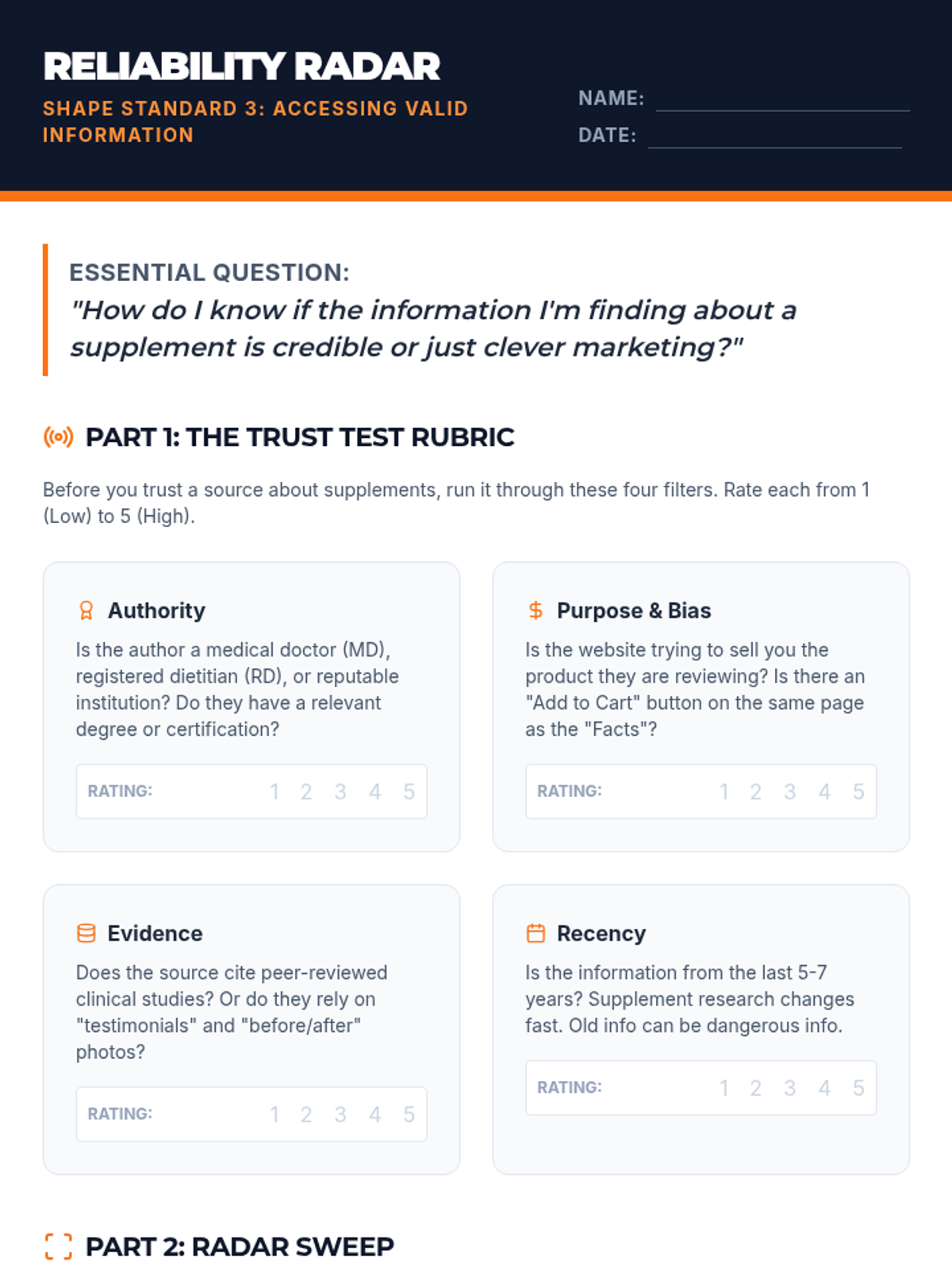
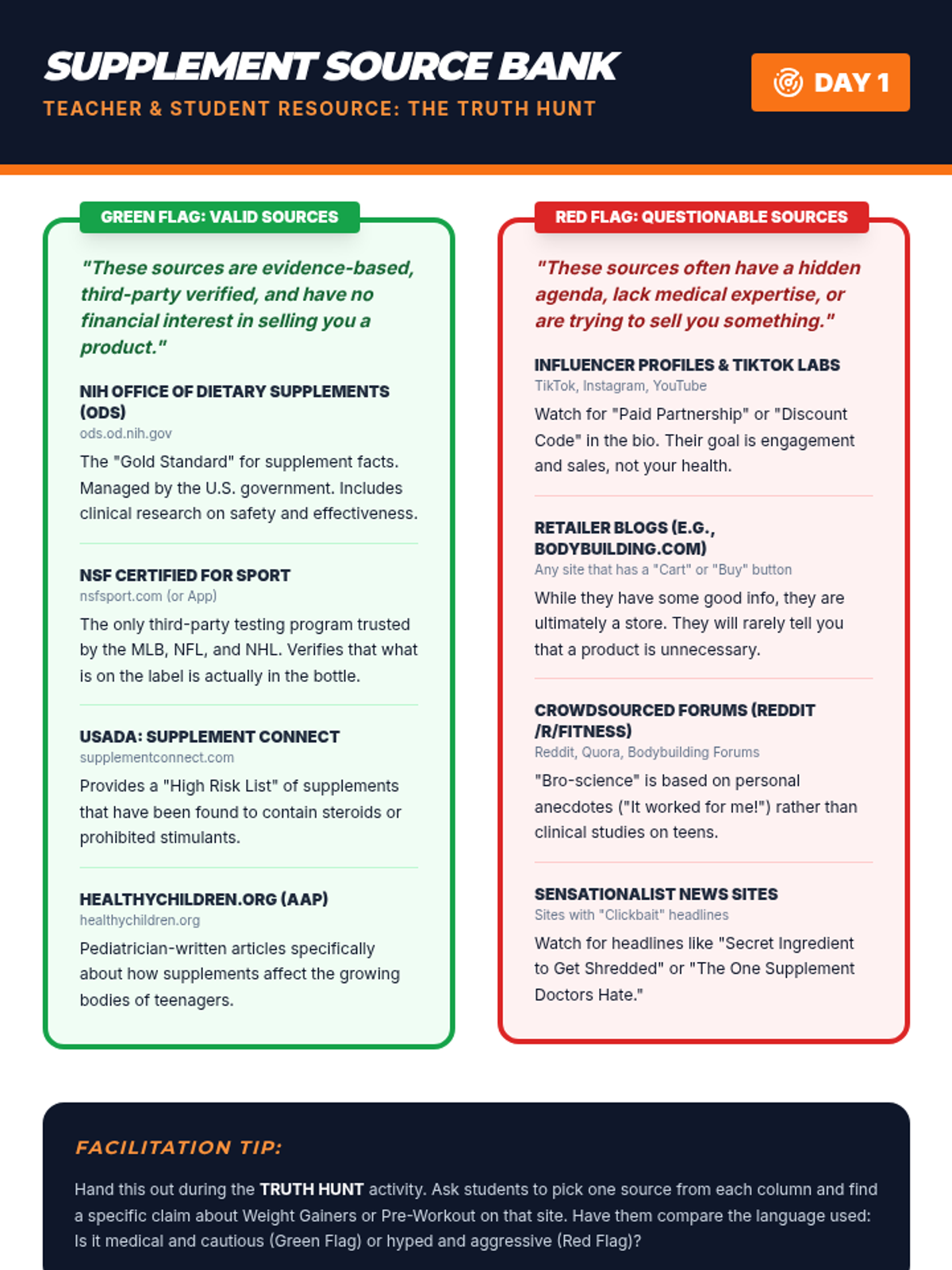
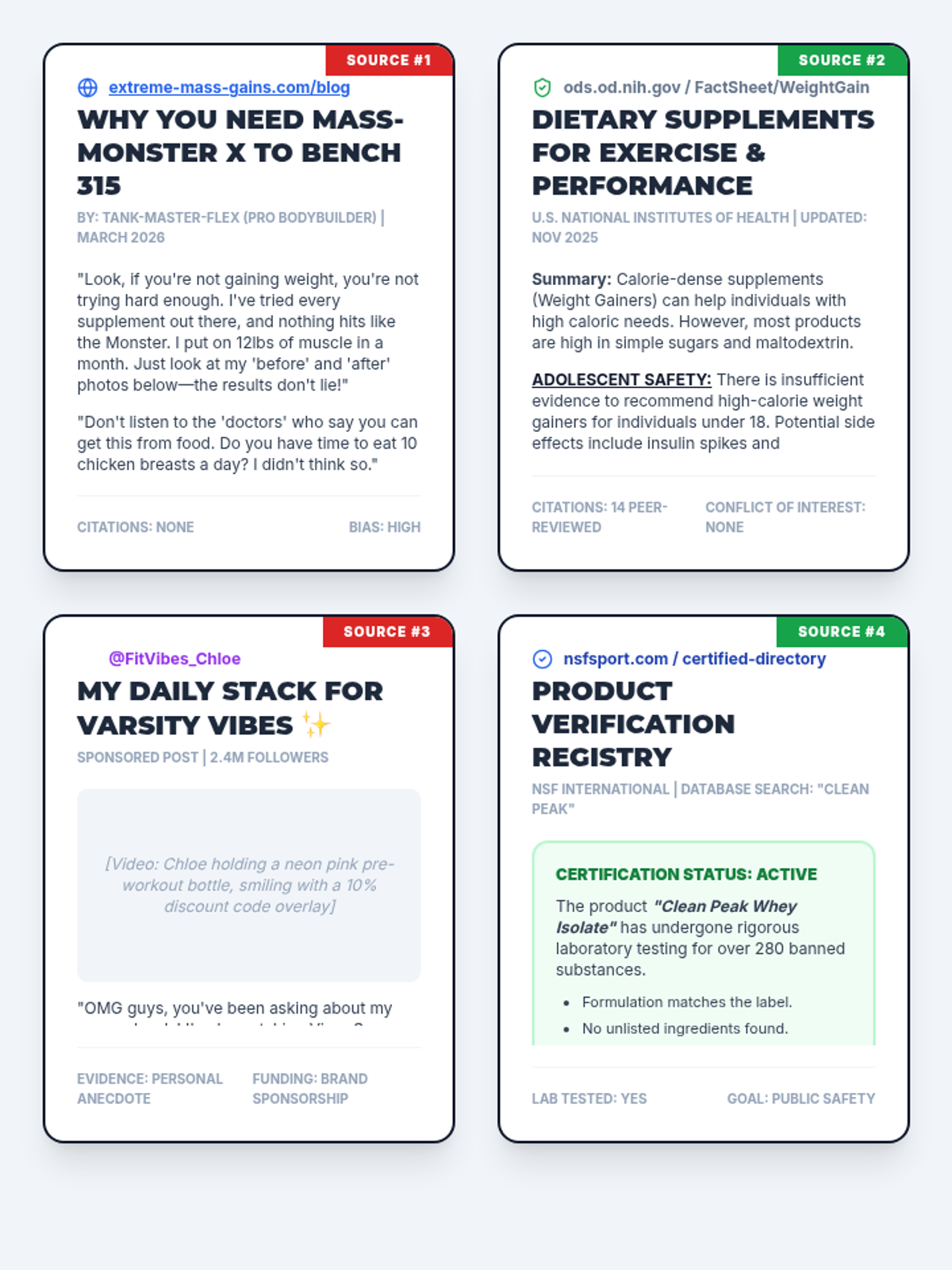
A 2-day condensed unit for 10th-grade sports nutrition focused on identifying industry "Red Flags" and expert consensus for supplement safety. Students complete a digital Label Hunt and a final synthesis assessment to demonstrate mastery.
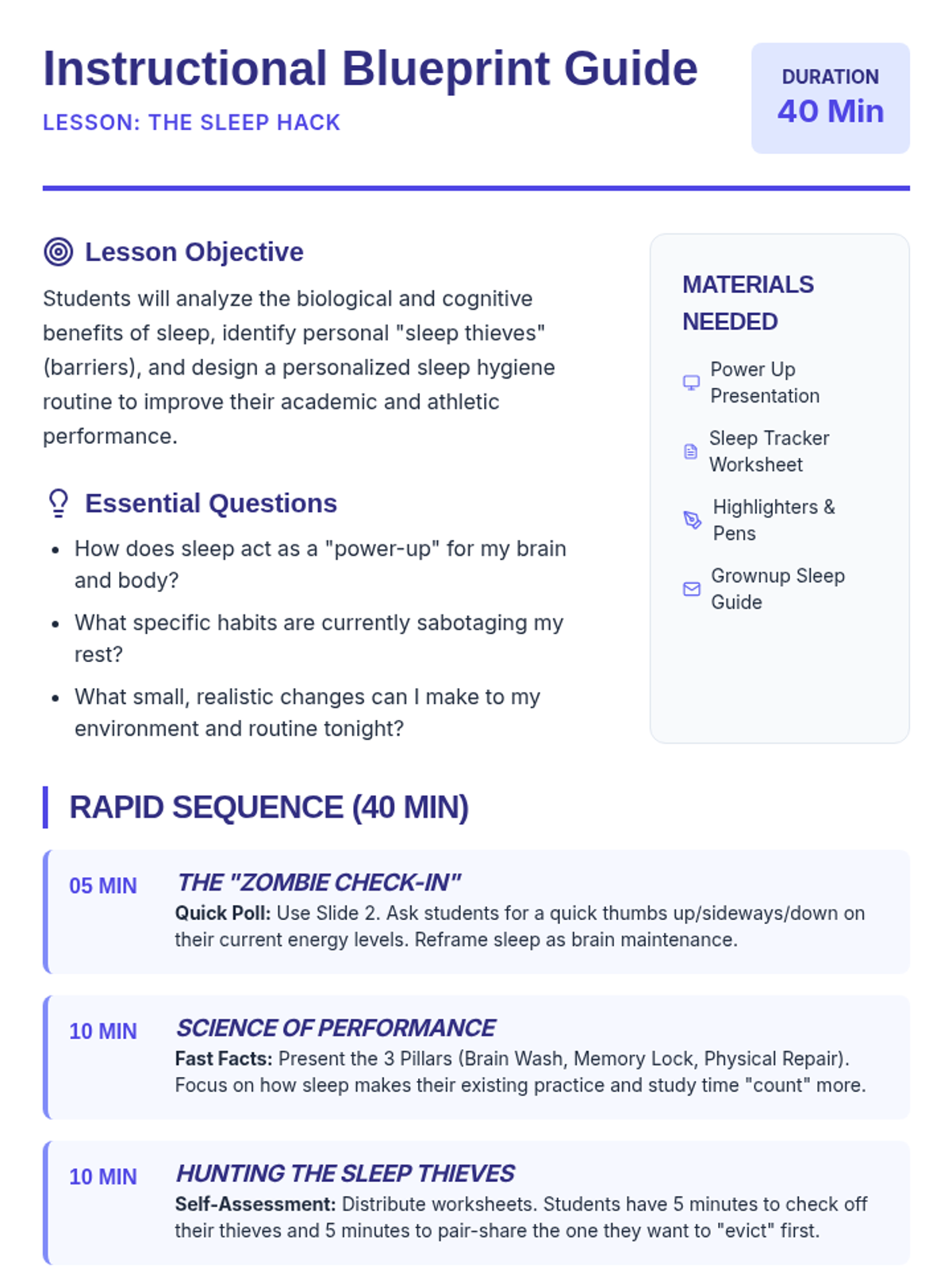
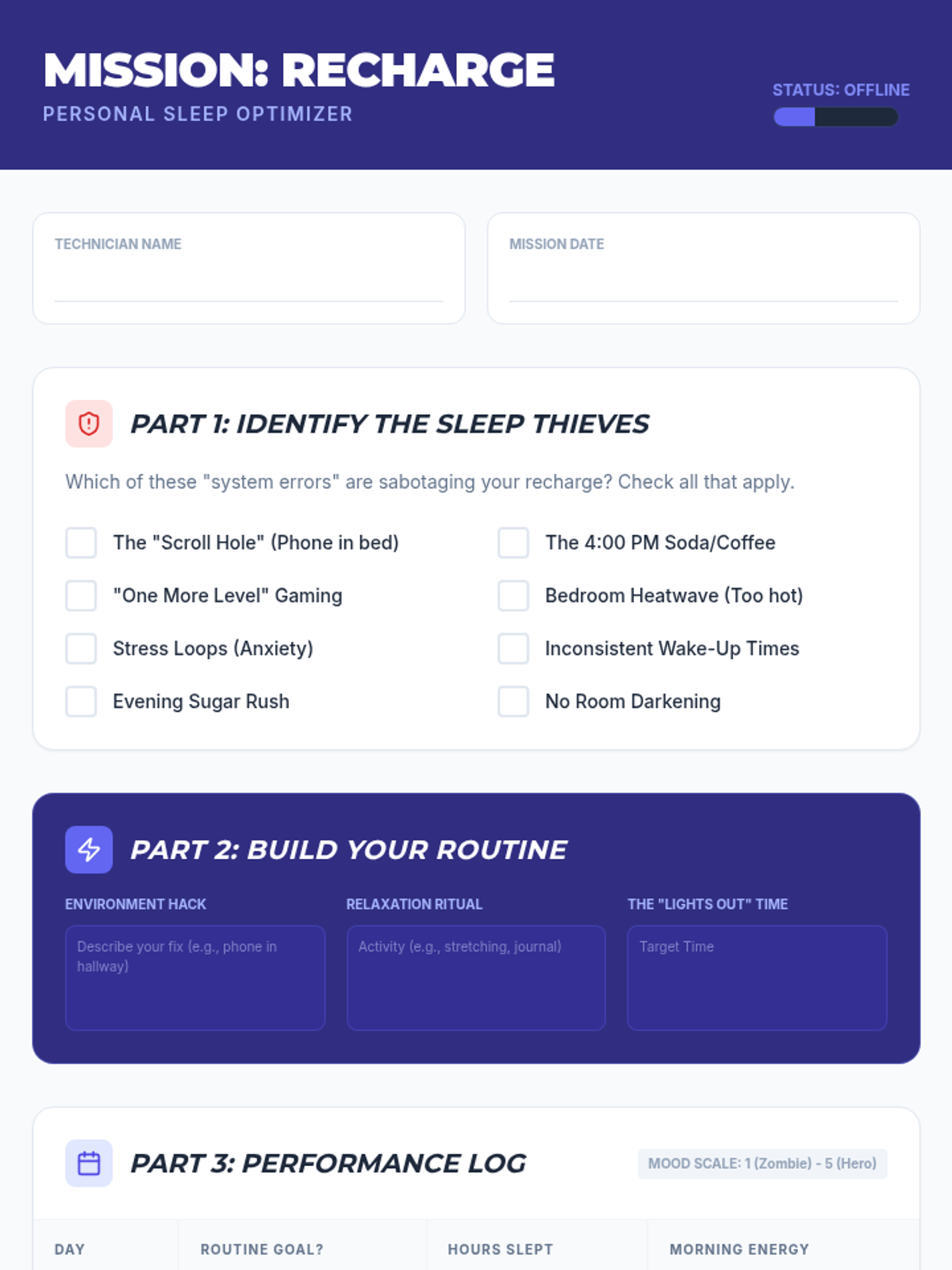
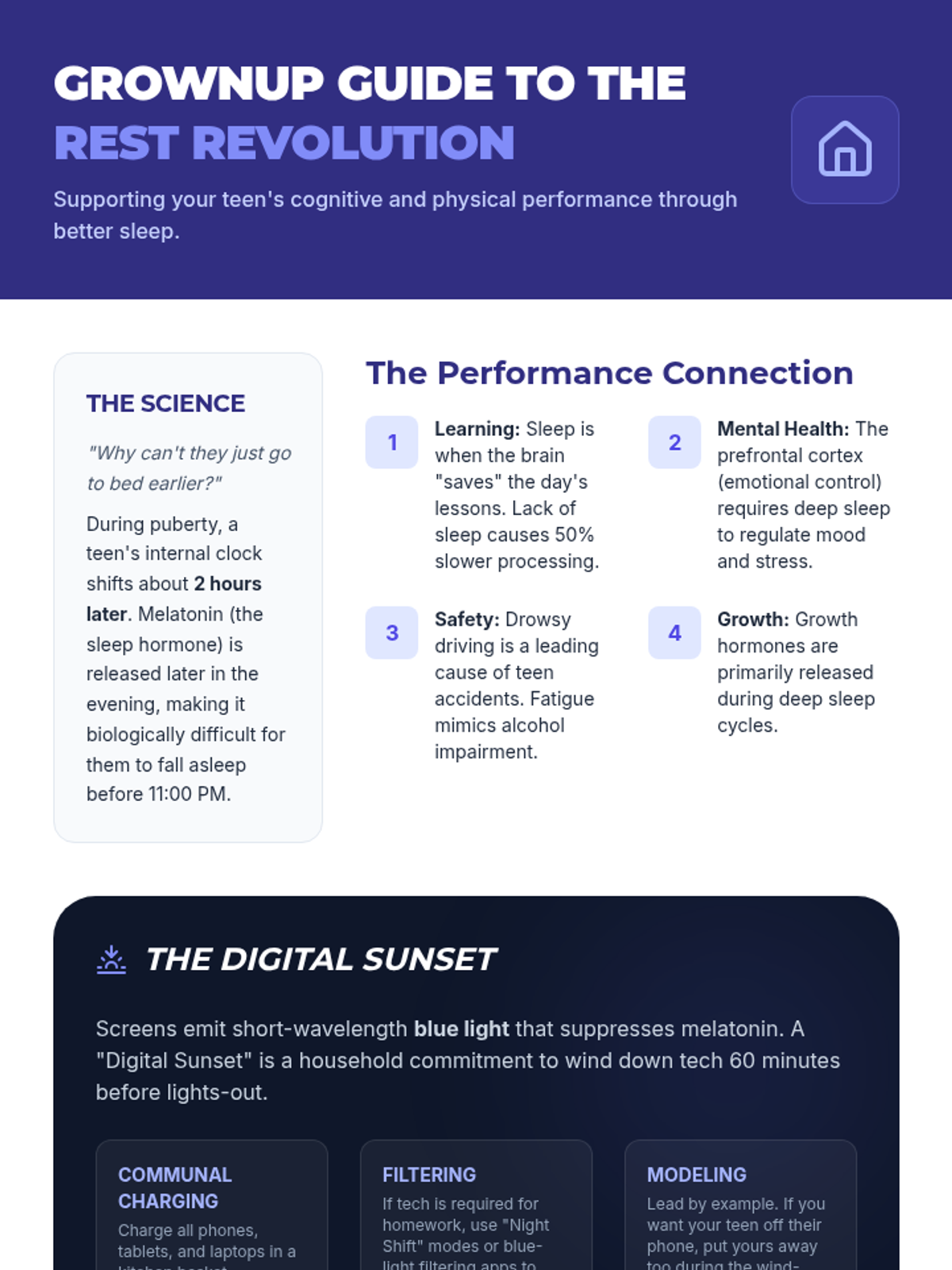
A comprehensive unit designed to help students understand the science of sleep, identify personal sleep barriers, and implement effective sleep hygiene habits for better physical and mental well-being.
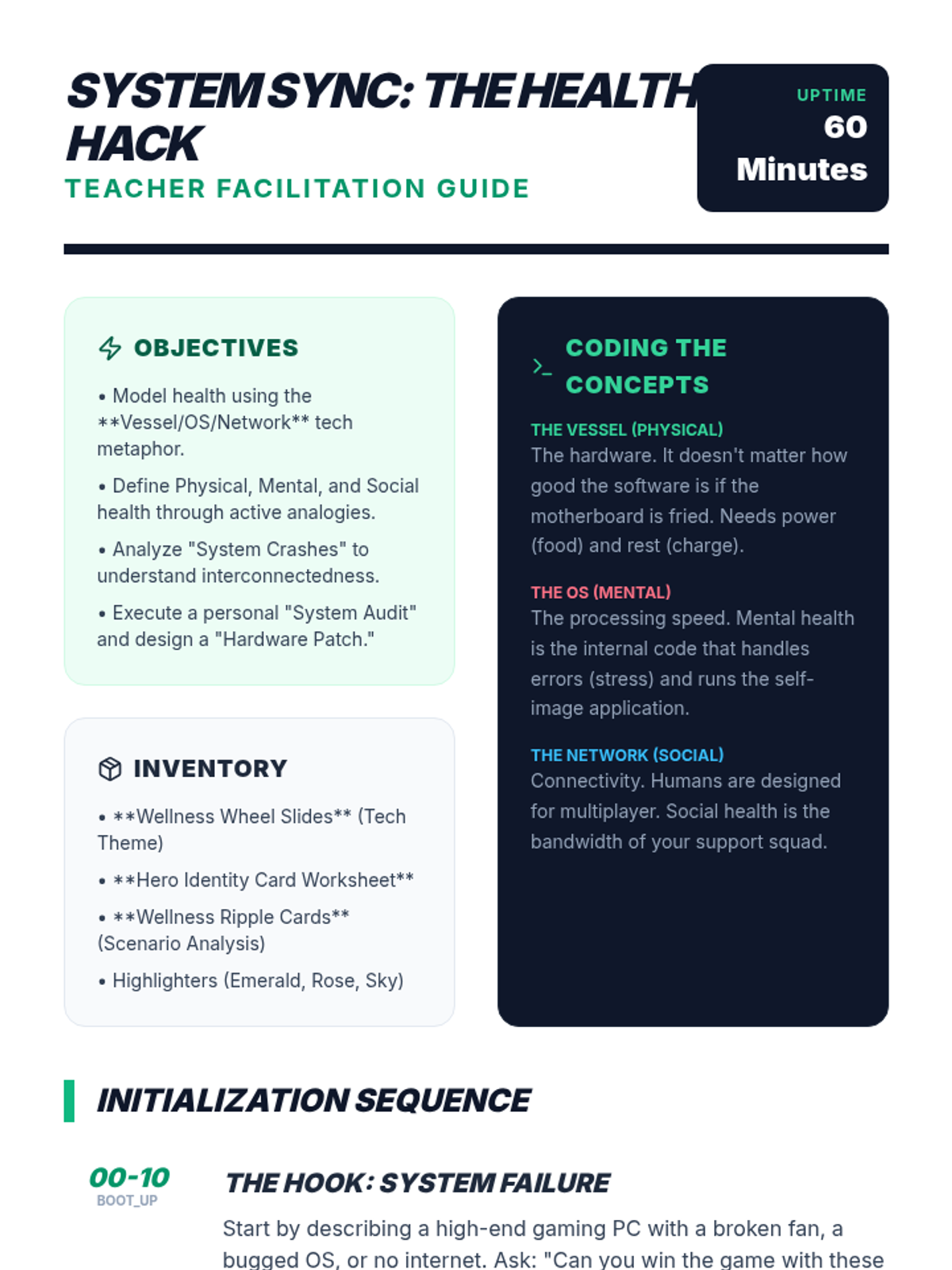
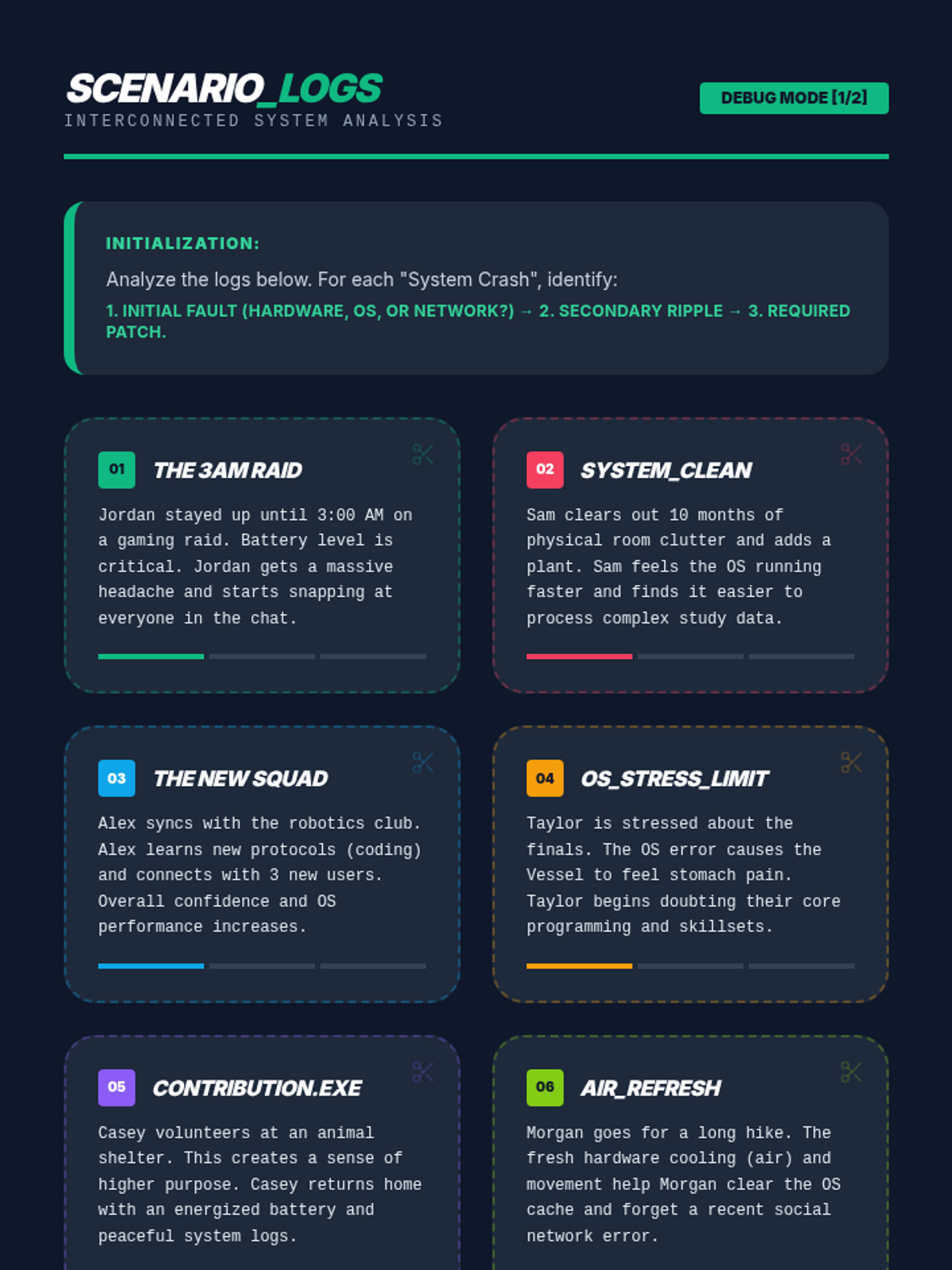
An exploration of personal health and wellness, moving from defining health to implementing sustainable healthy habits.
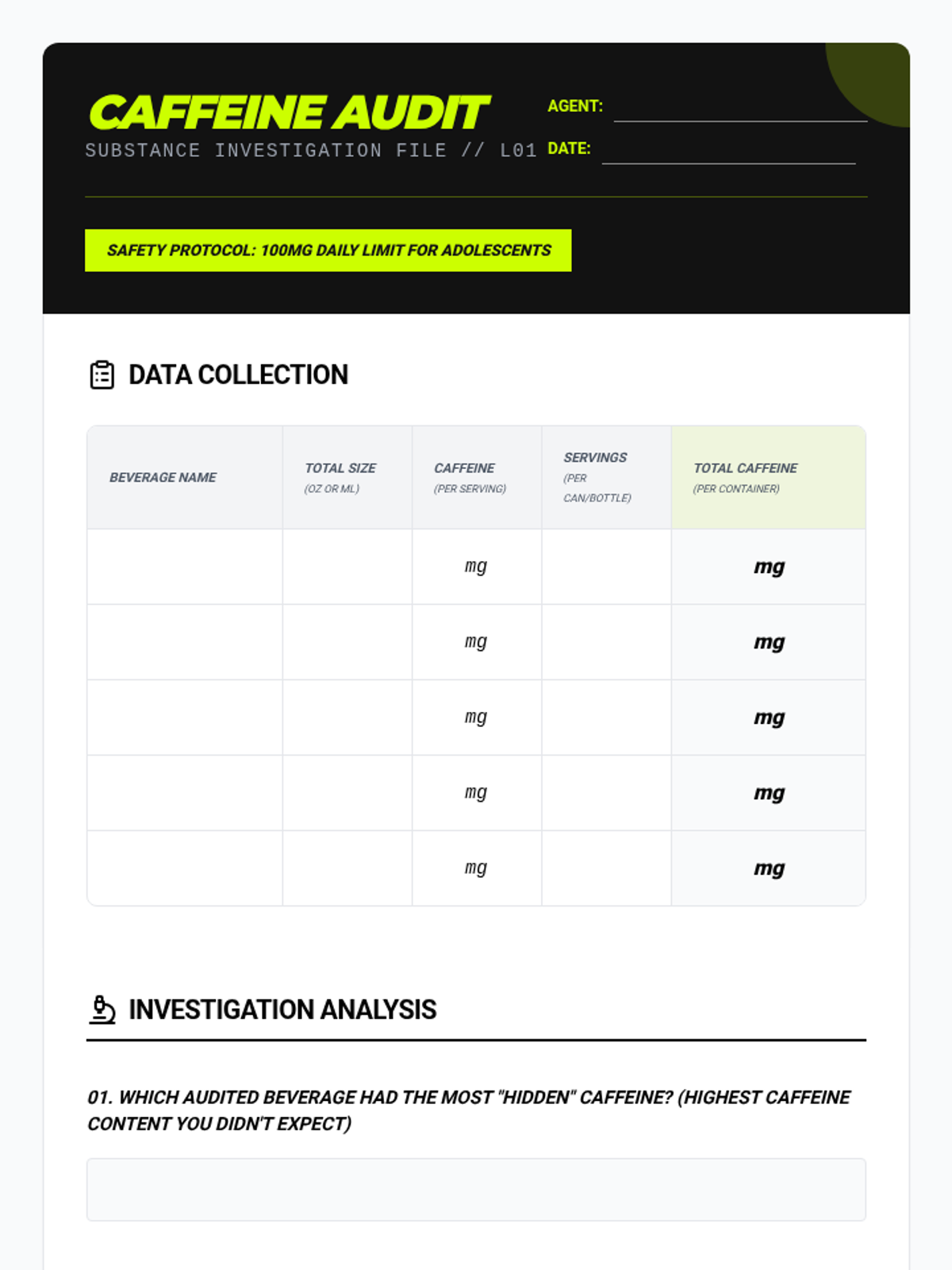
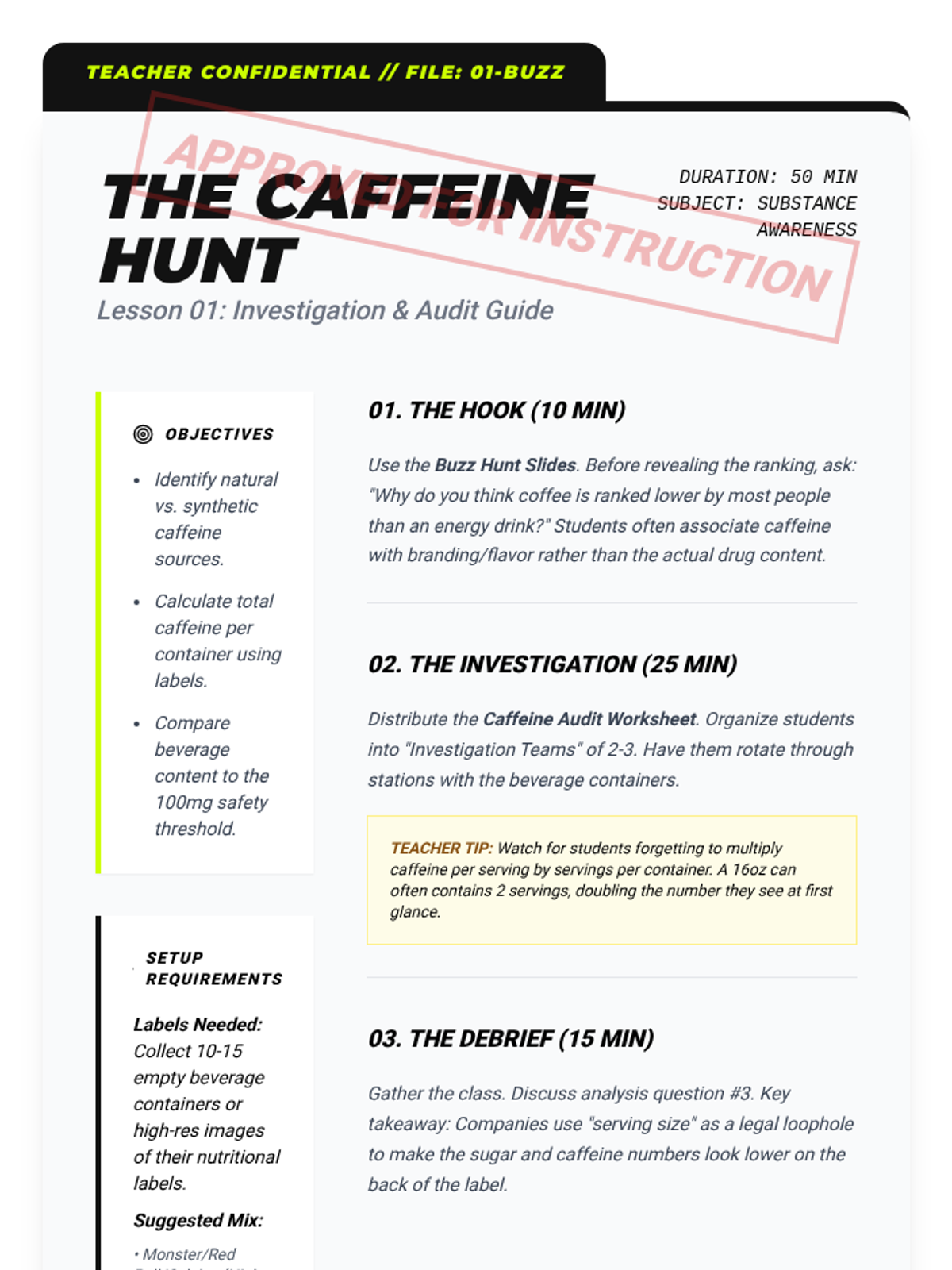
A comprehensive investigation into caffeine consumption, marketing tactics, and physiological effects, designed to transform 7th-grade students into critical analysts of the energy drink industry.
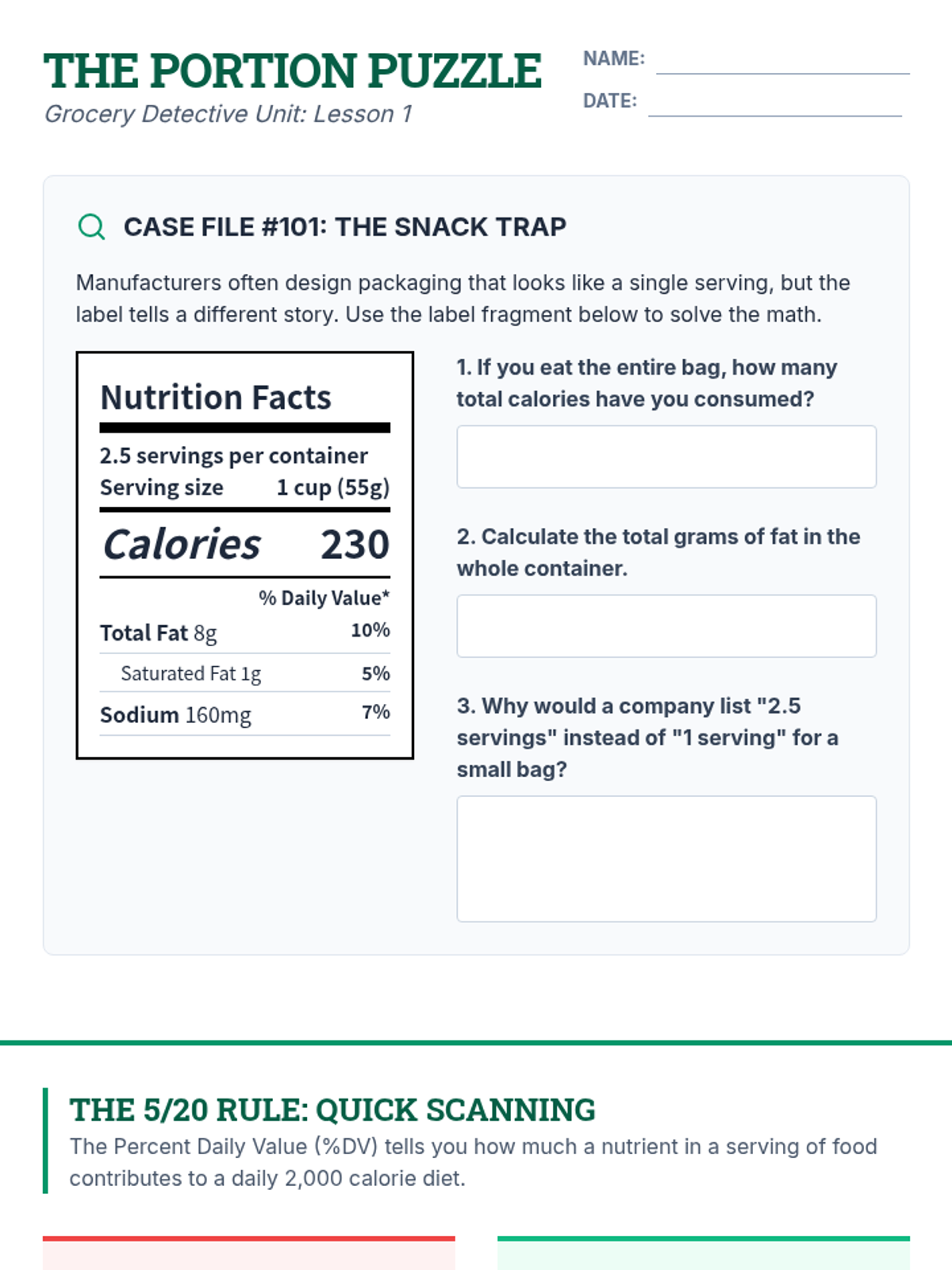
A comprehensive 10th-grade sequence that transforms students into 'Grocery Detectives,' teaching them to critically analyze nutrition labels, ingredient lists, and marketing claims to make informed dietary choices.
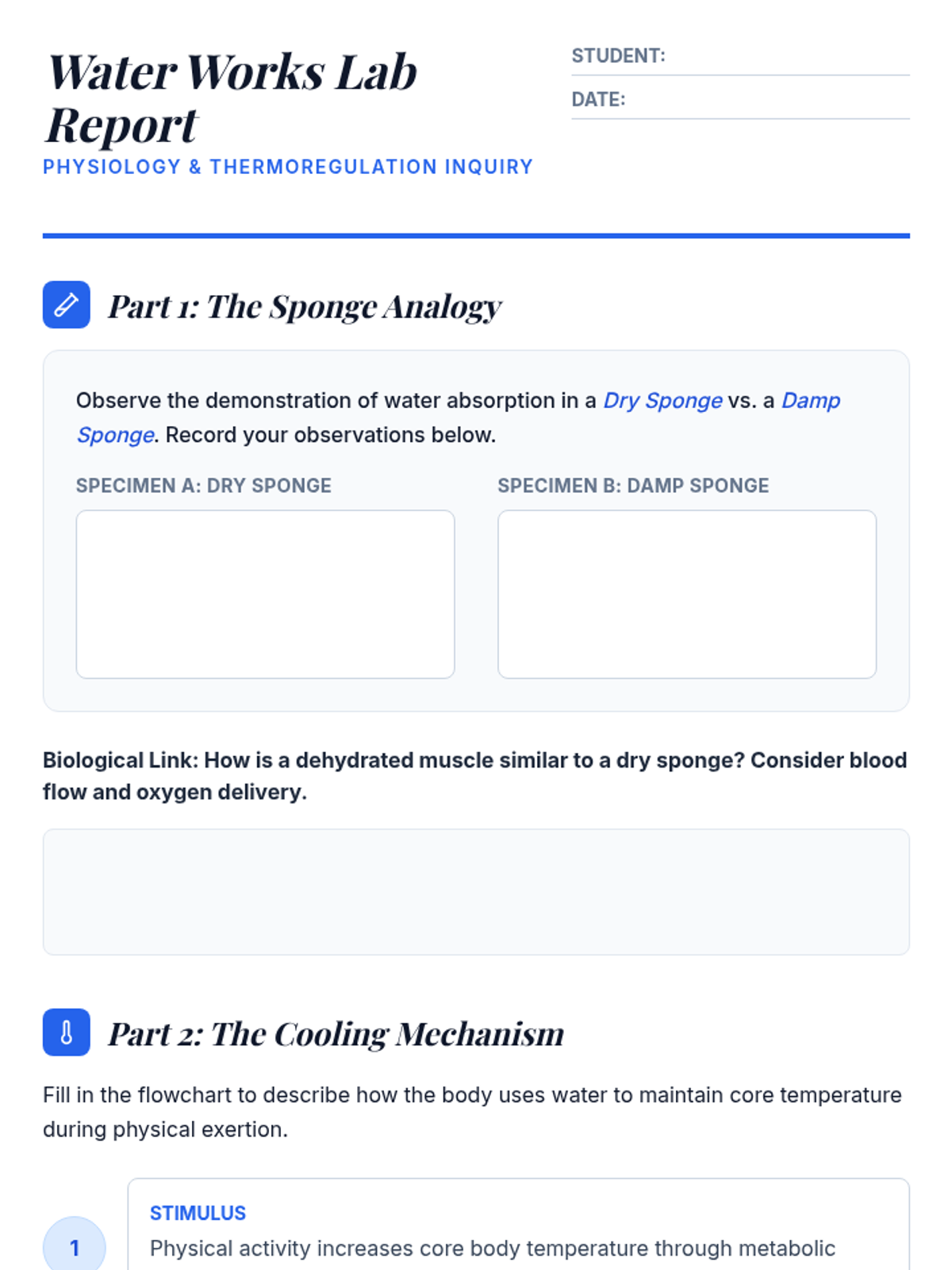
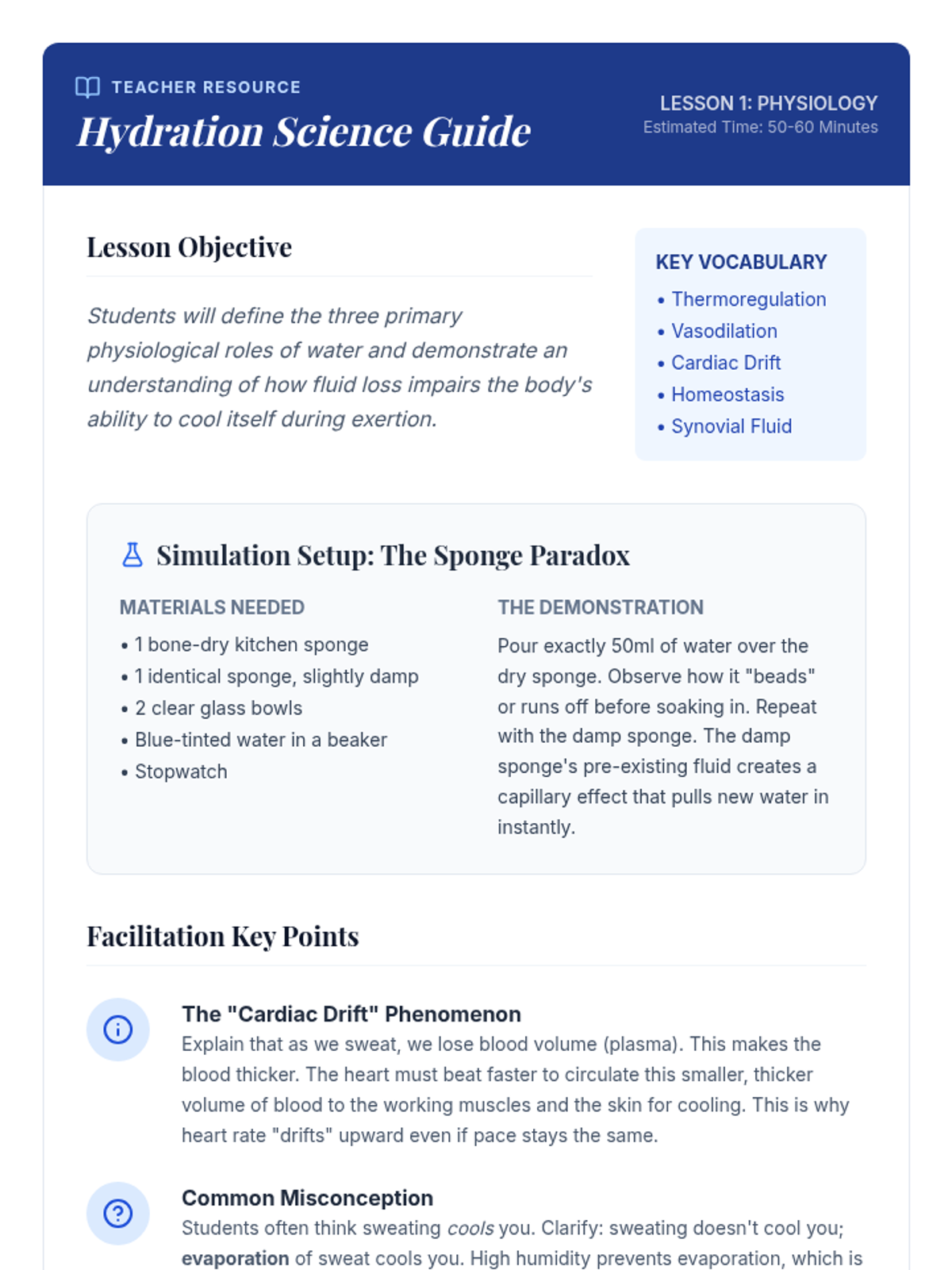
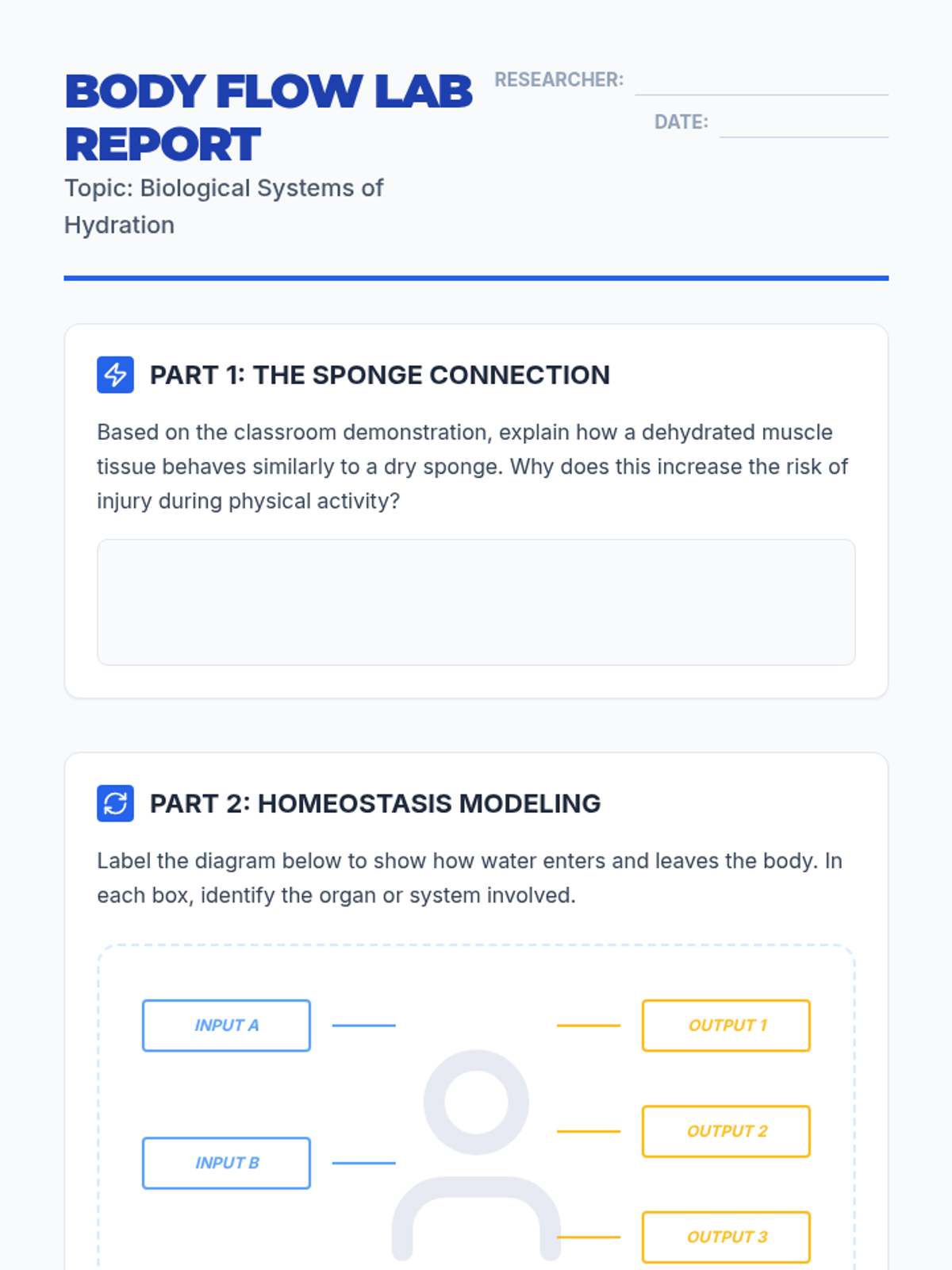
This sequence investigates the biological necessity of water and the physiological consequences of fluid imbalance, moving from biological mechanisms to practical application and personalized hydration planning.
Students investigate the critical role of water in maintaining homeostasis and maximizing physical performance. They explore physiological mechanisms, analyze dehydration symptoms through case studies, compare water with electrolyte beverages, and design personalized hydration strategies.
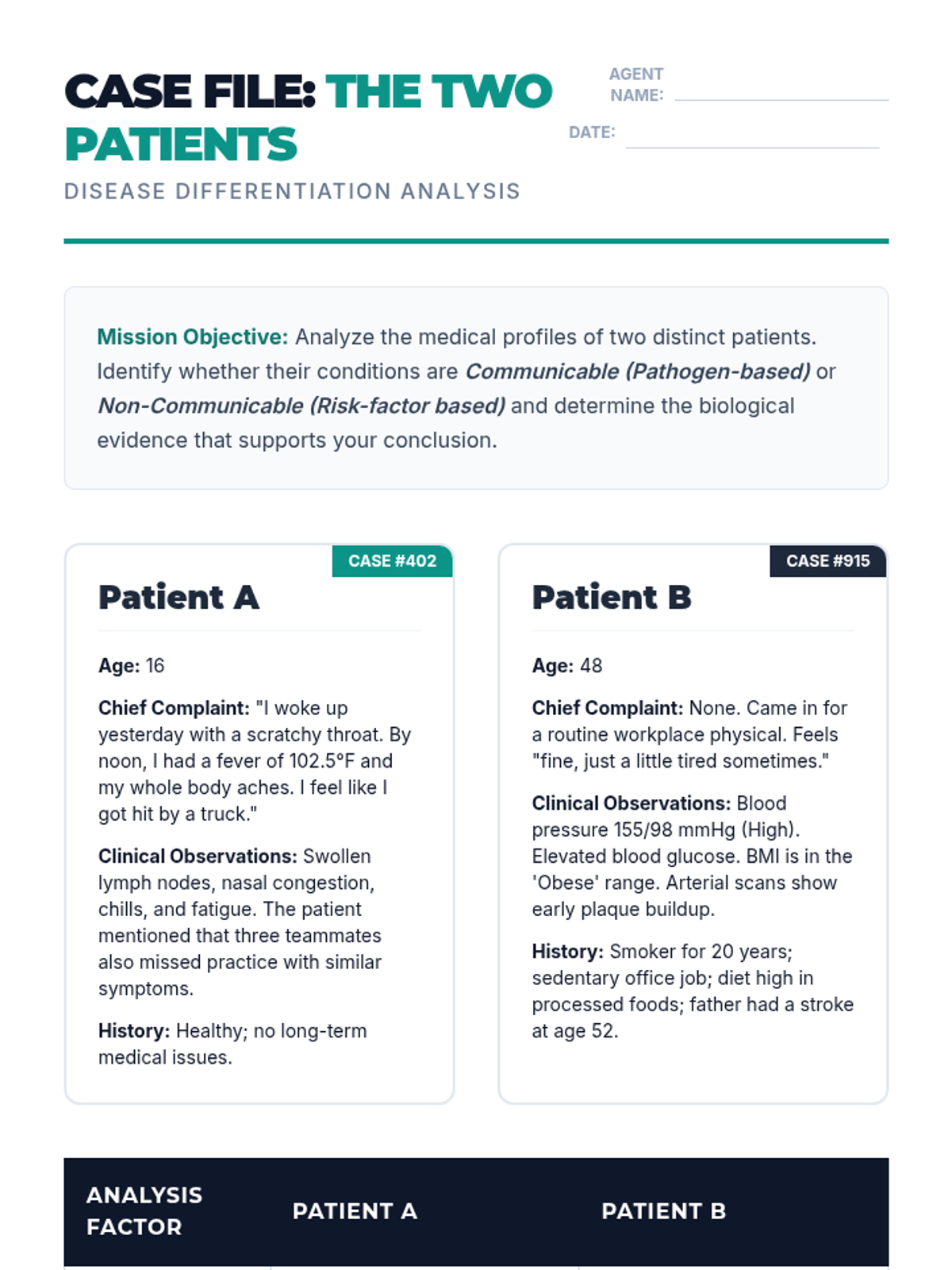
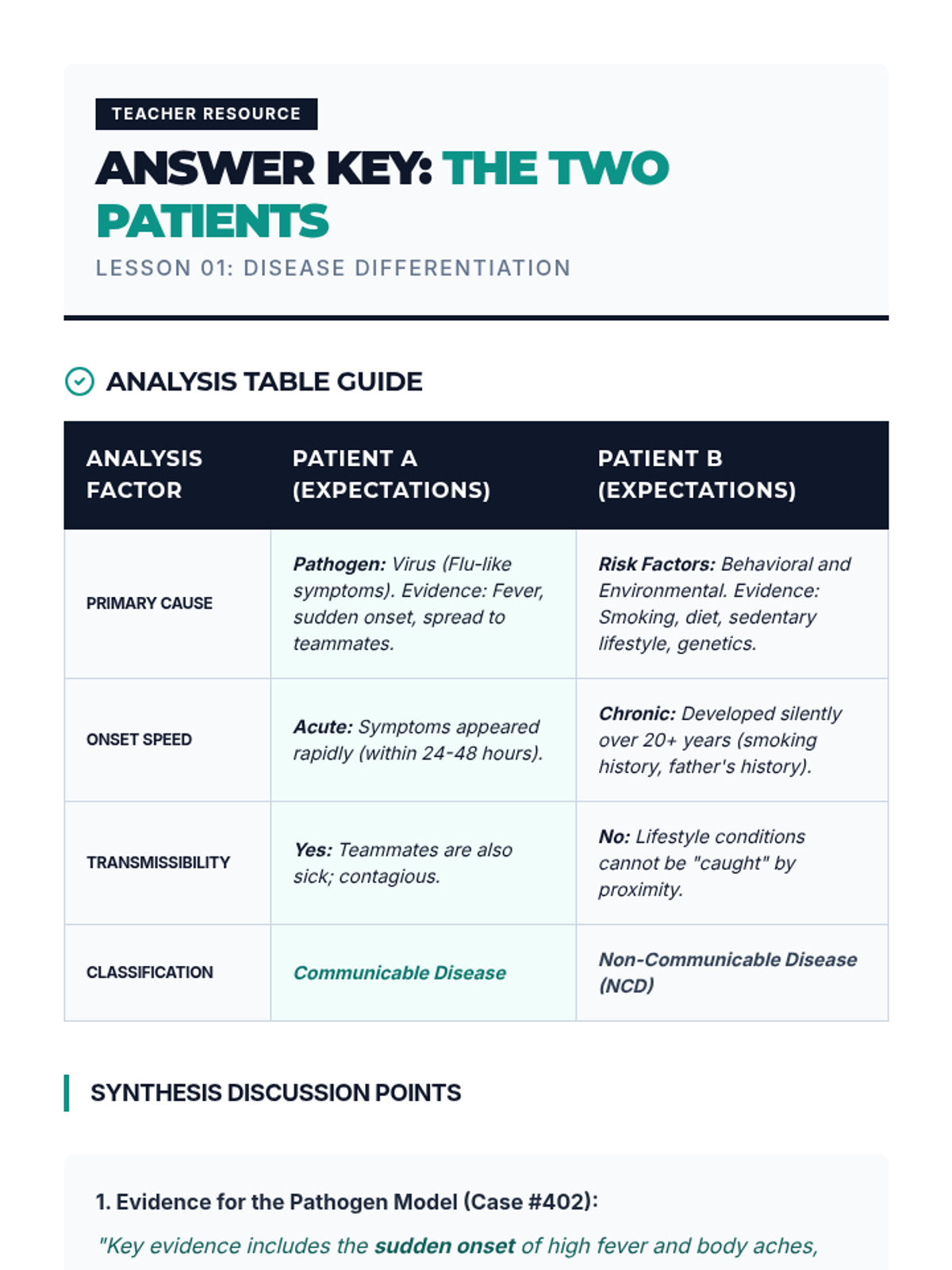
This sequence explores the prevention of chronic, non-communicable diseases through lifestyle management. Students analyze the cumulative impact of daily habits—such as sleep, nutrition, and stress management—on long-term health and develop personalized strategies to mitigate their specific risk factors.
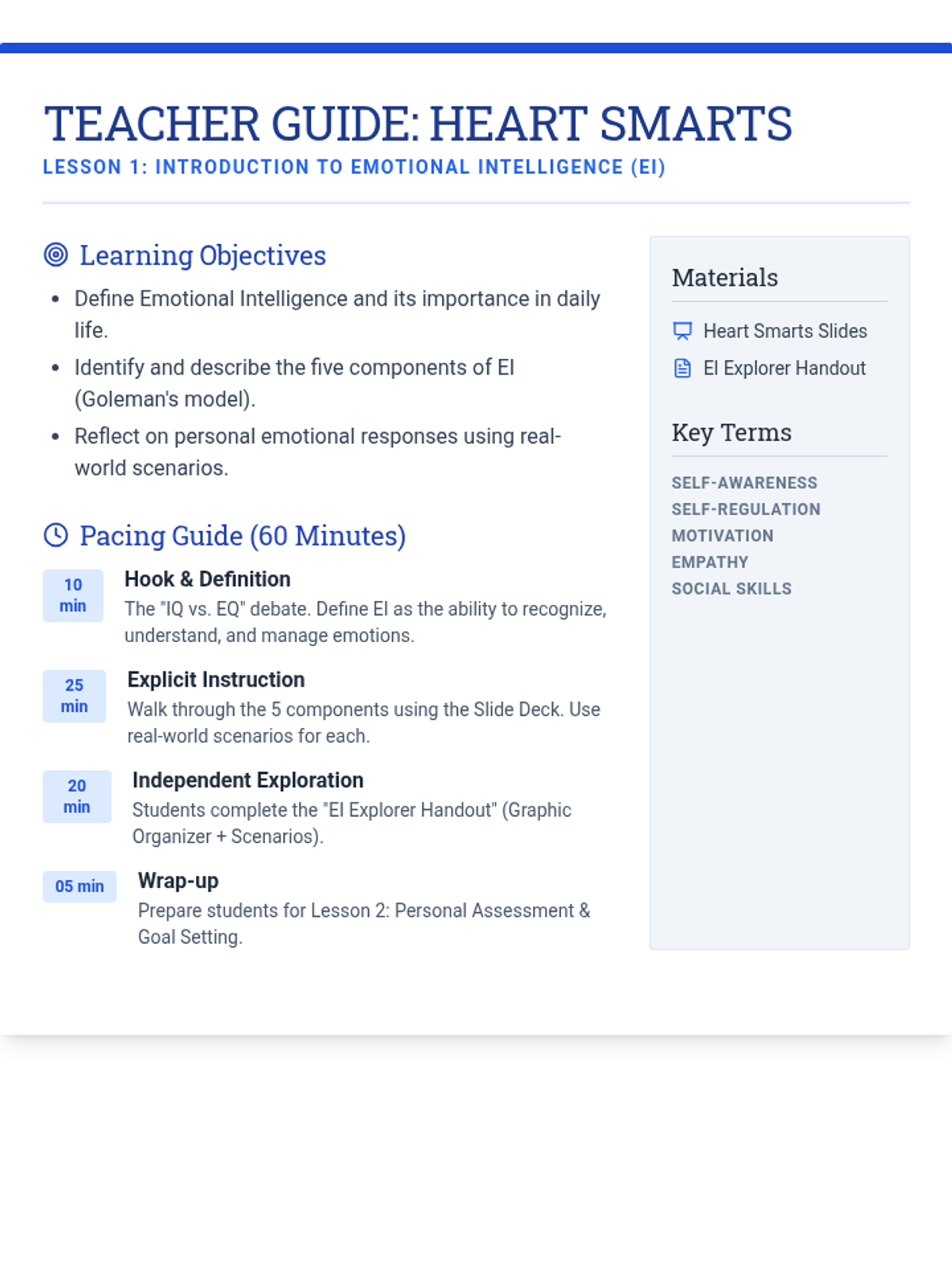
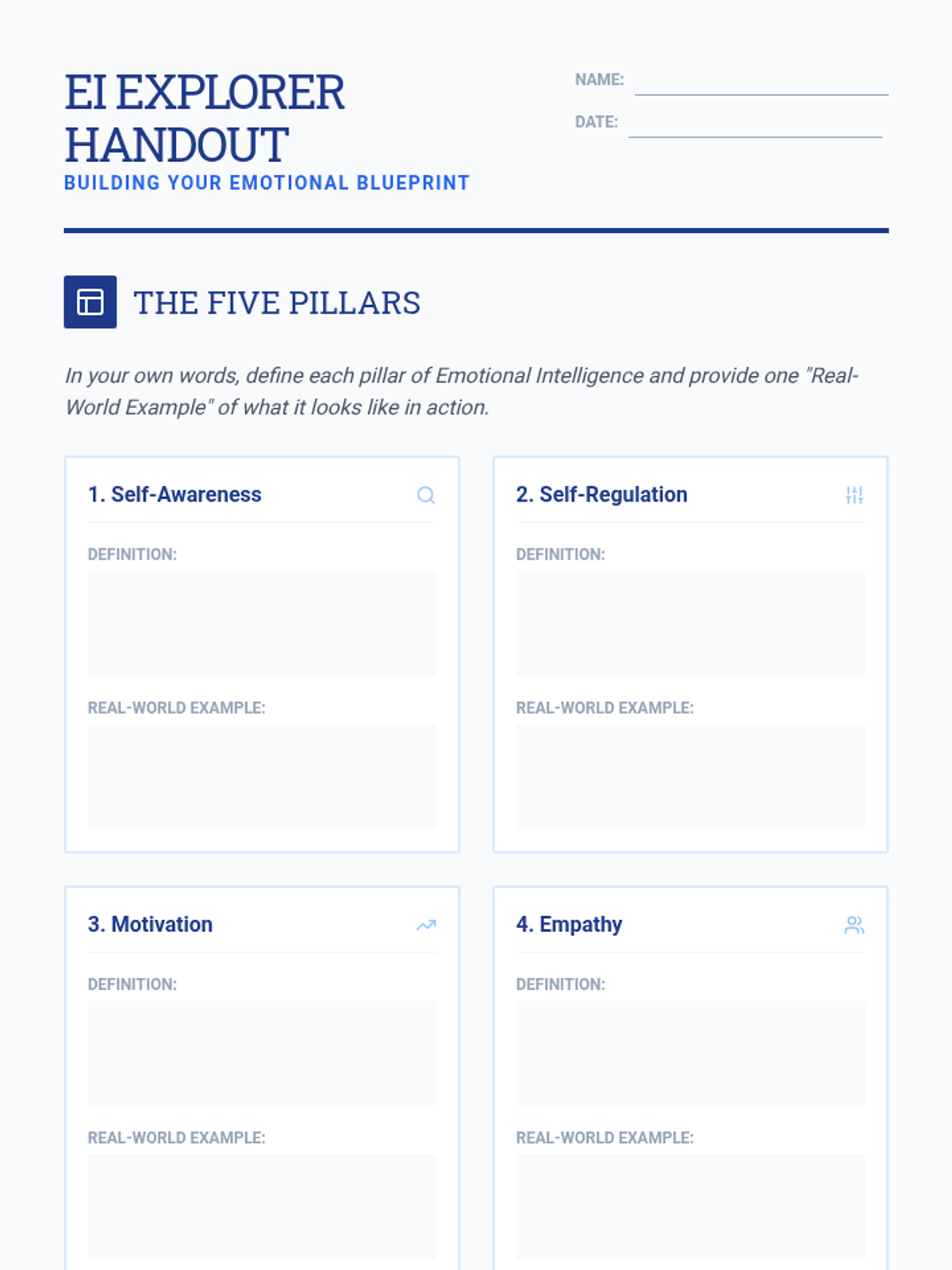
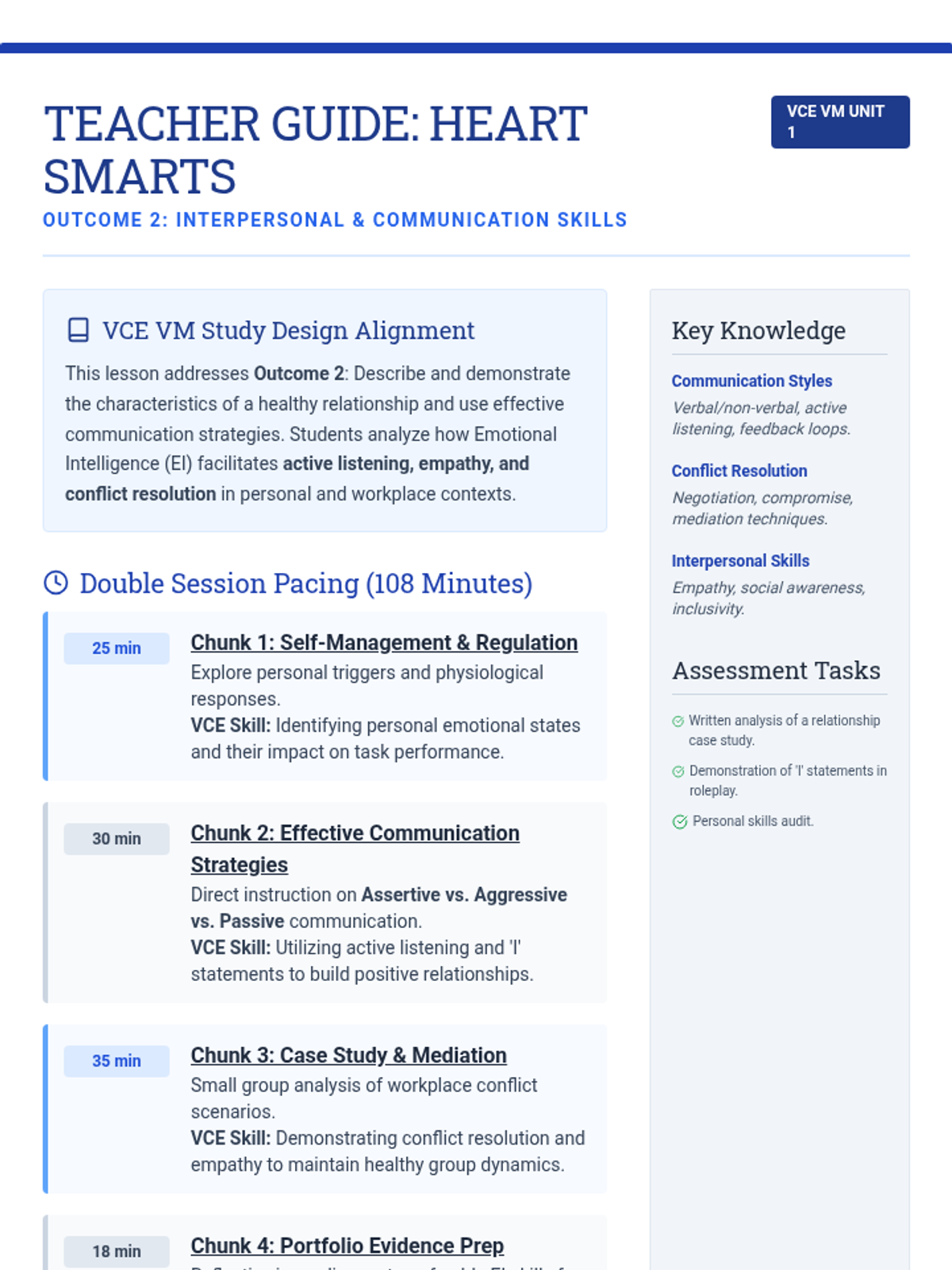
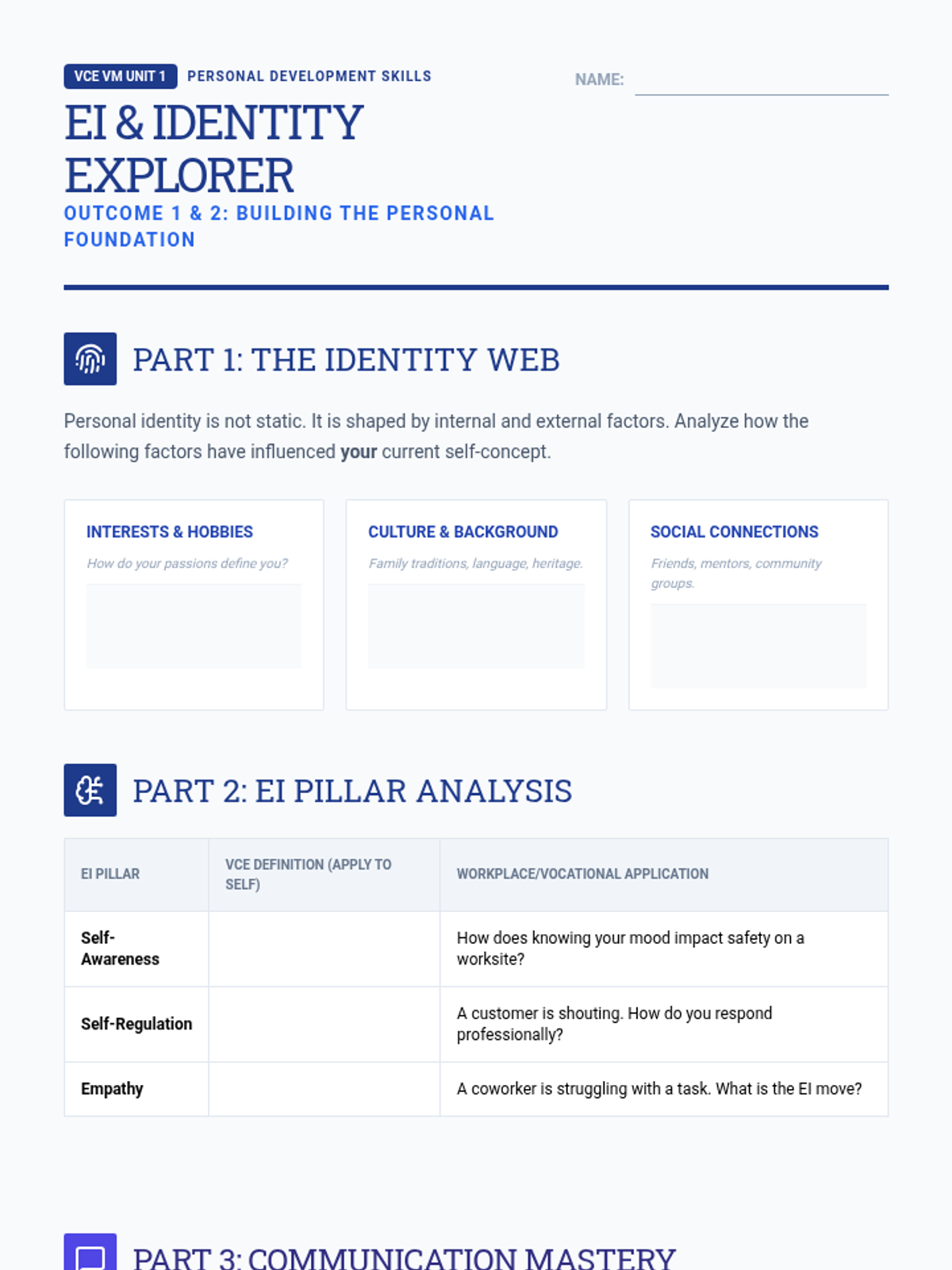
A three-part developmental series exploring Emotional Intelligence and its role within the four dimensions of holistic health: physical, emotional, social, and spiritual.
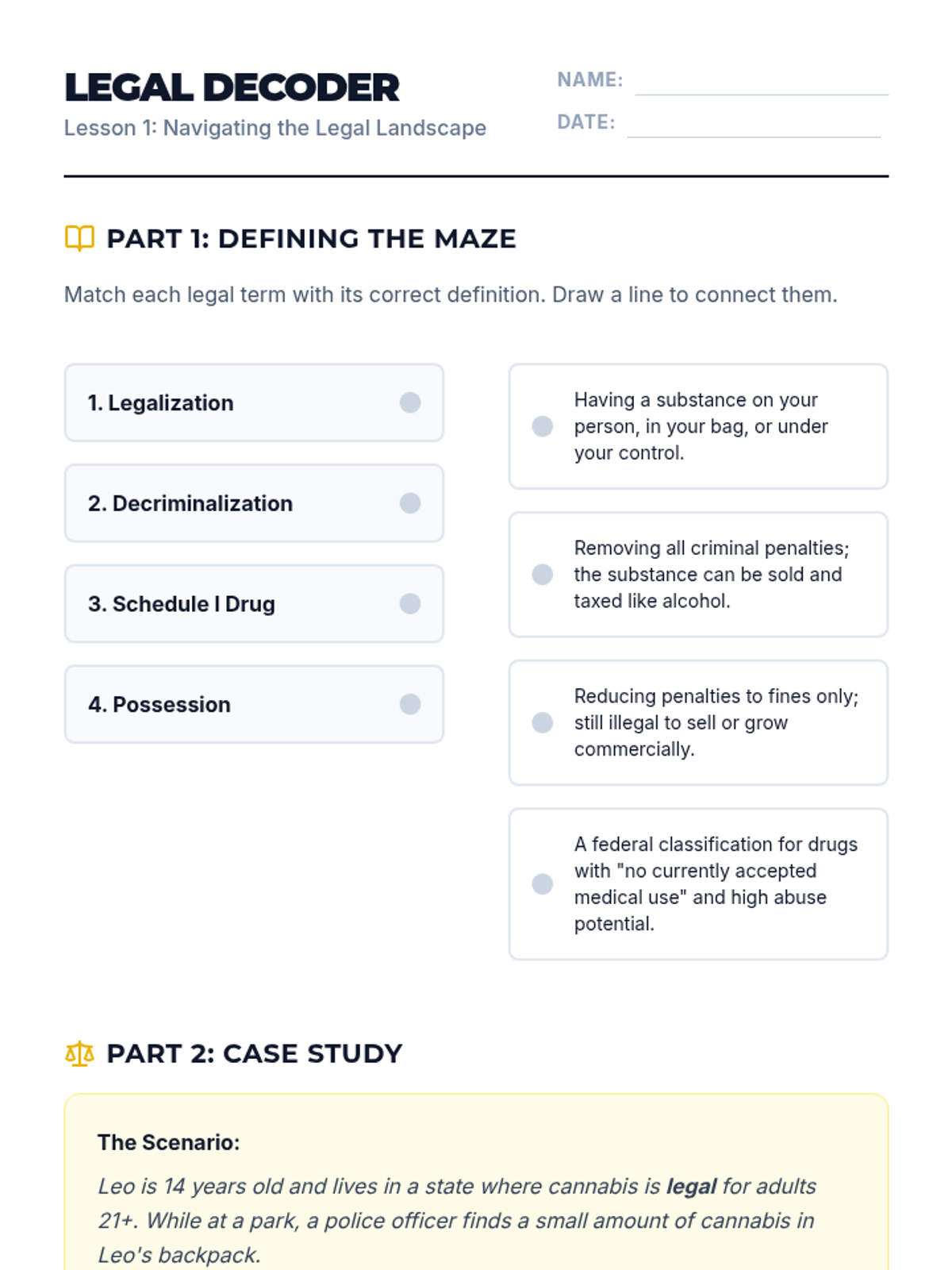
A comprehensive 5-lesson unit for 7th-grade students exploring the legal, physical, and safety implications of cannabis use, focusing on harm reduction and health literacy.
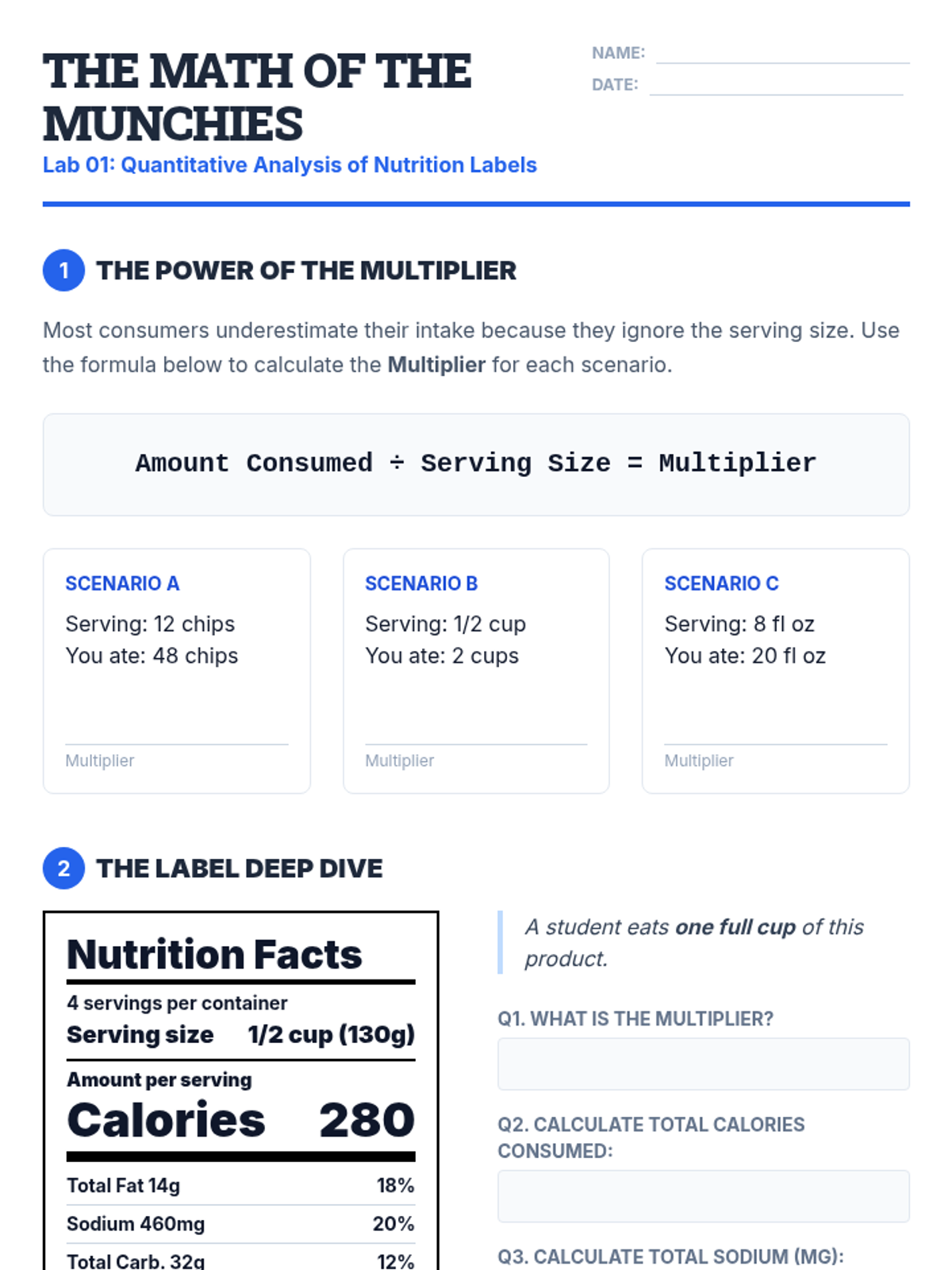
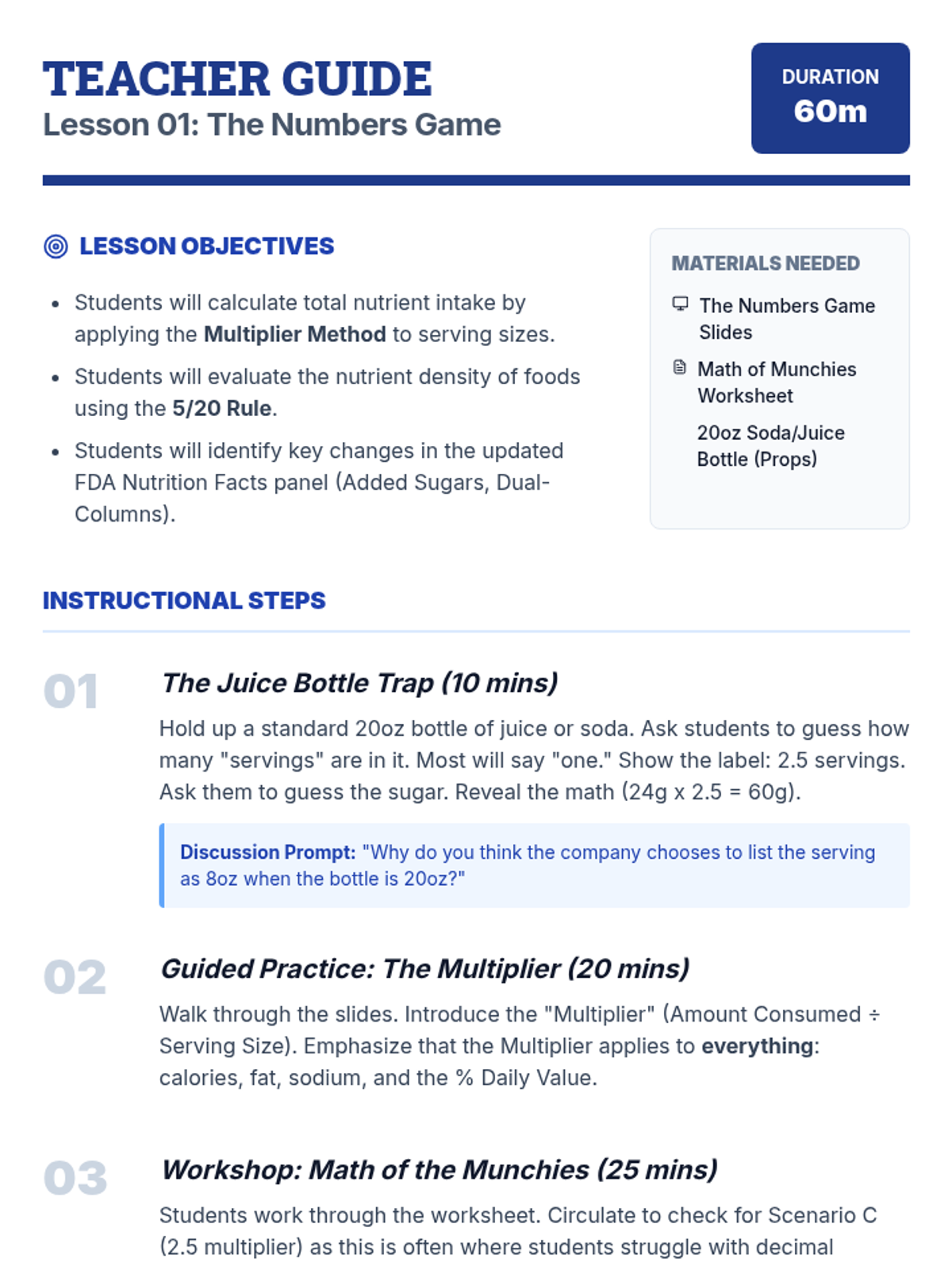
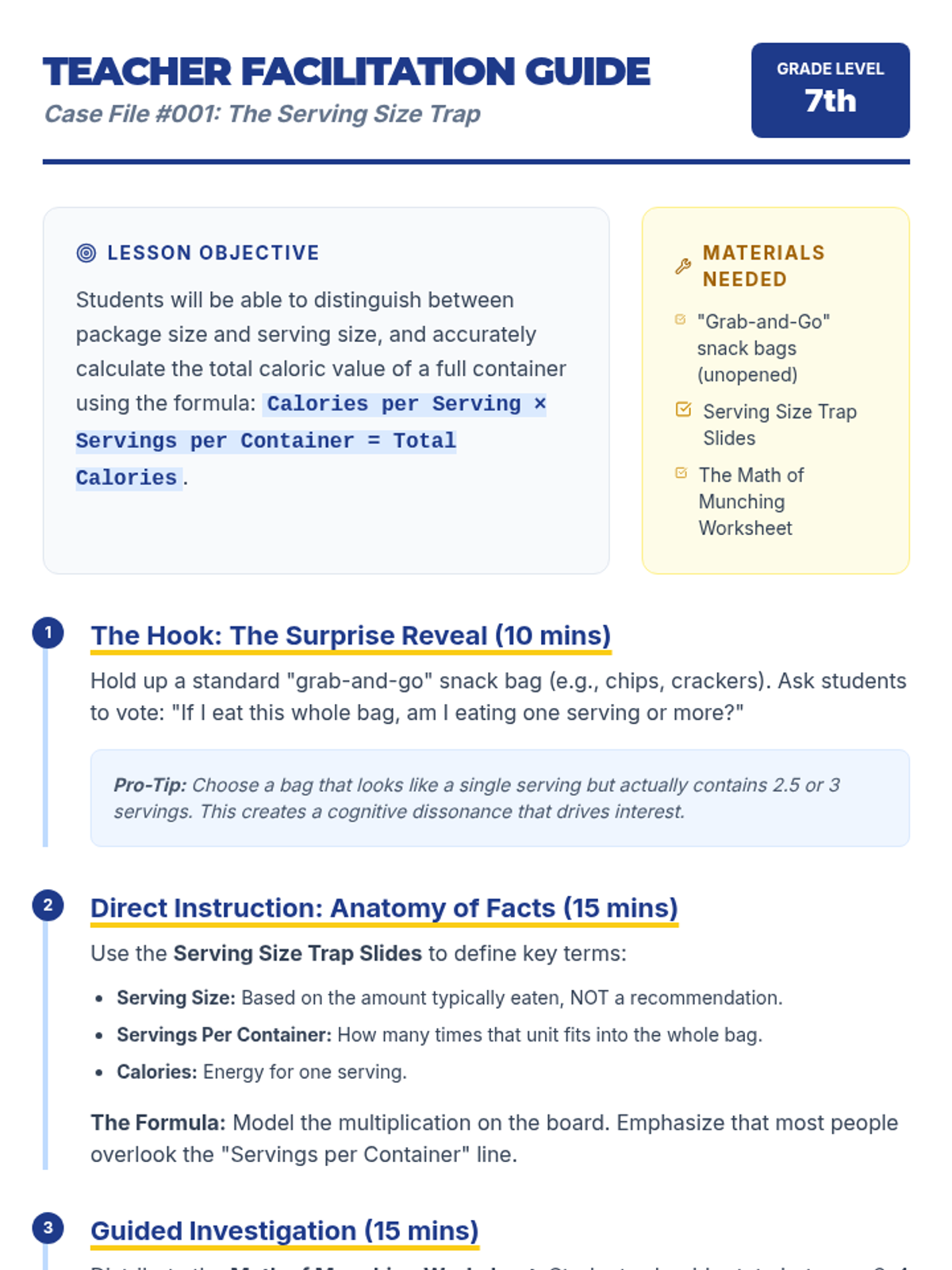
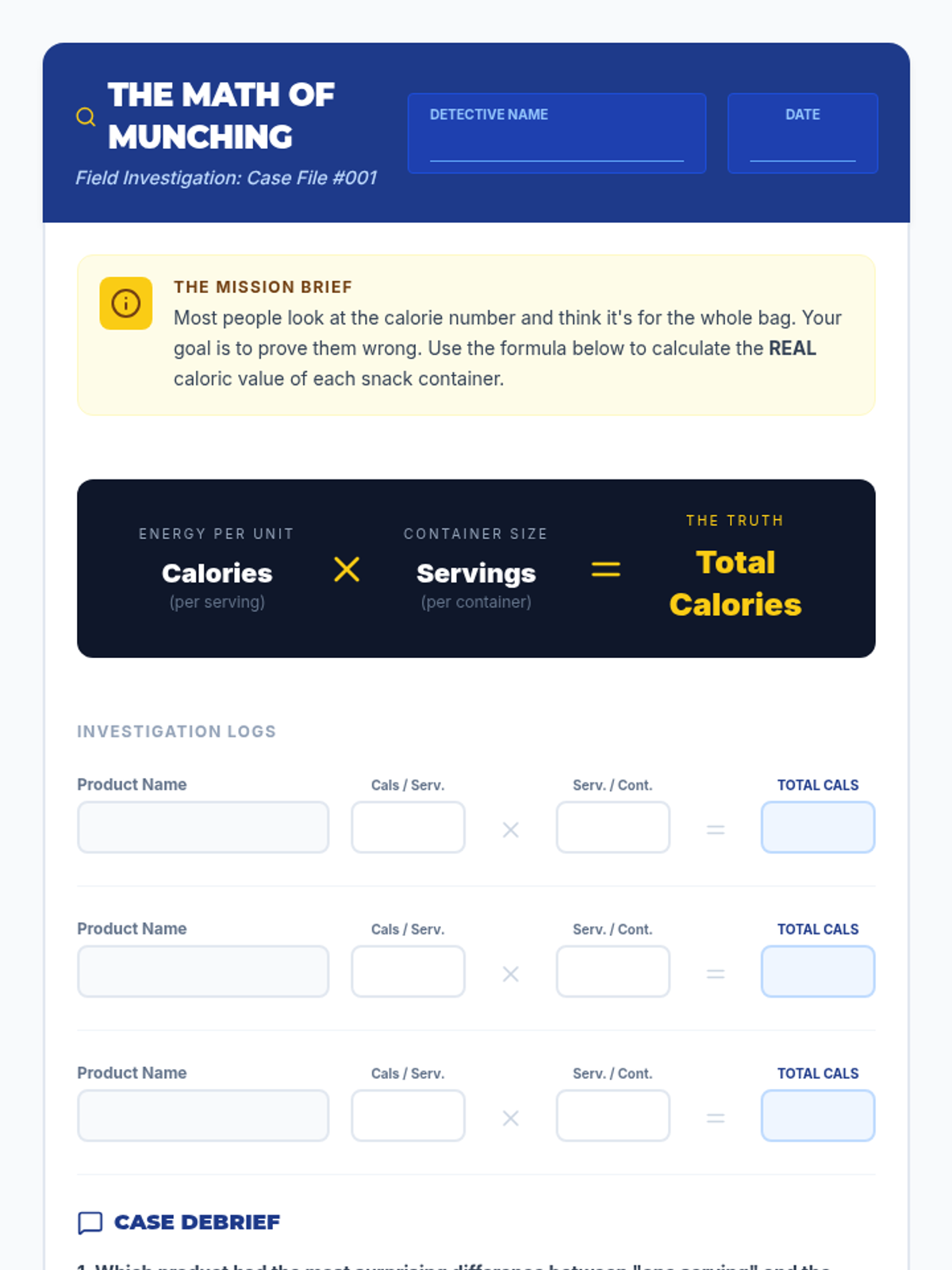
A 5-lesson inquiry-based sequence for 7th graders to master the art of reading and interpreting Nutrition Facts panels. Students progress from basic serving size math to analyzing complex ingredient lists and conducting comparative nutritional audits.
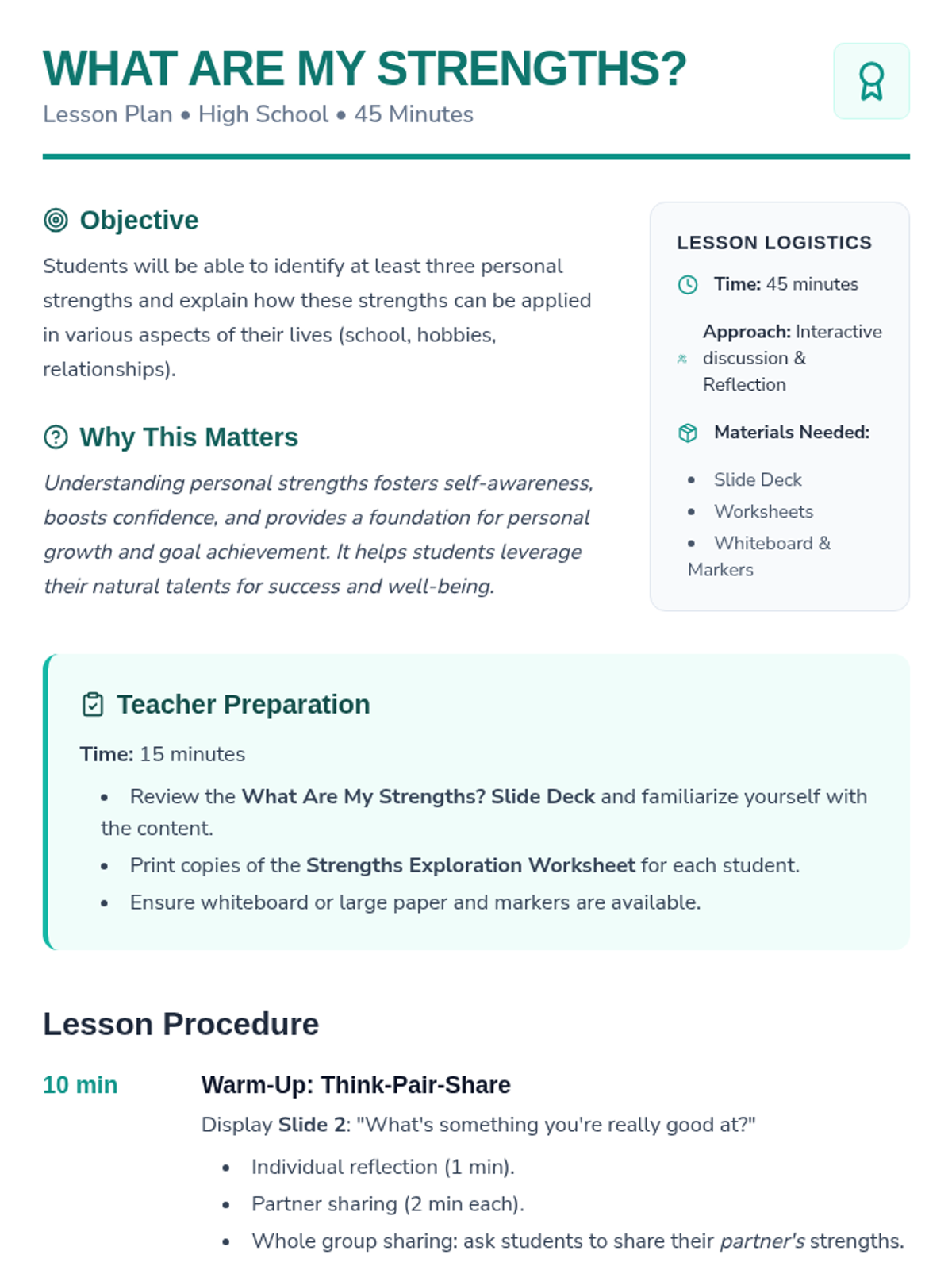
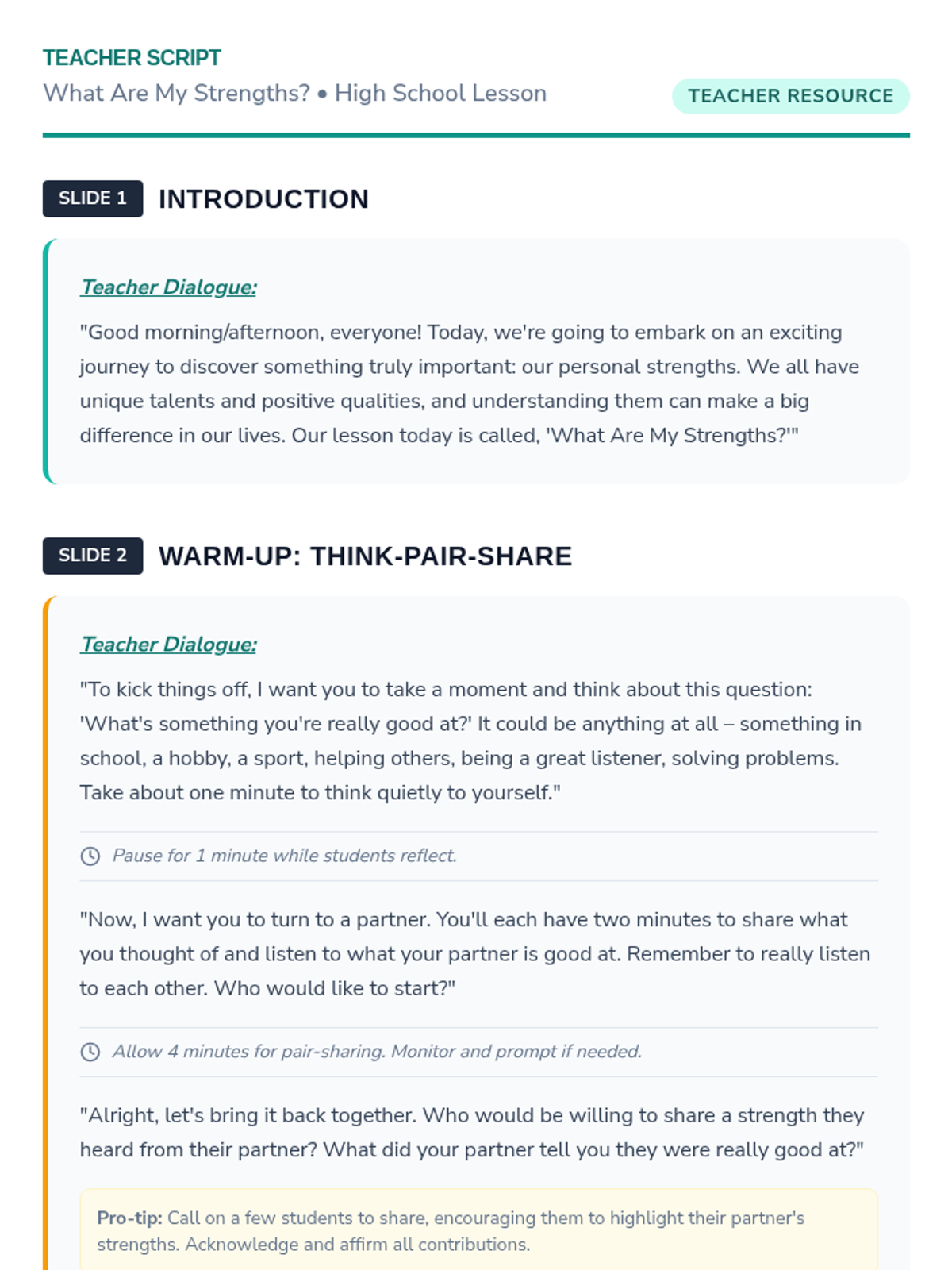
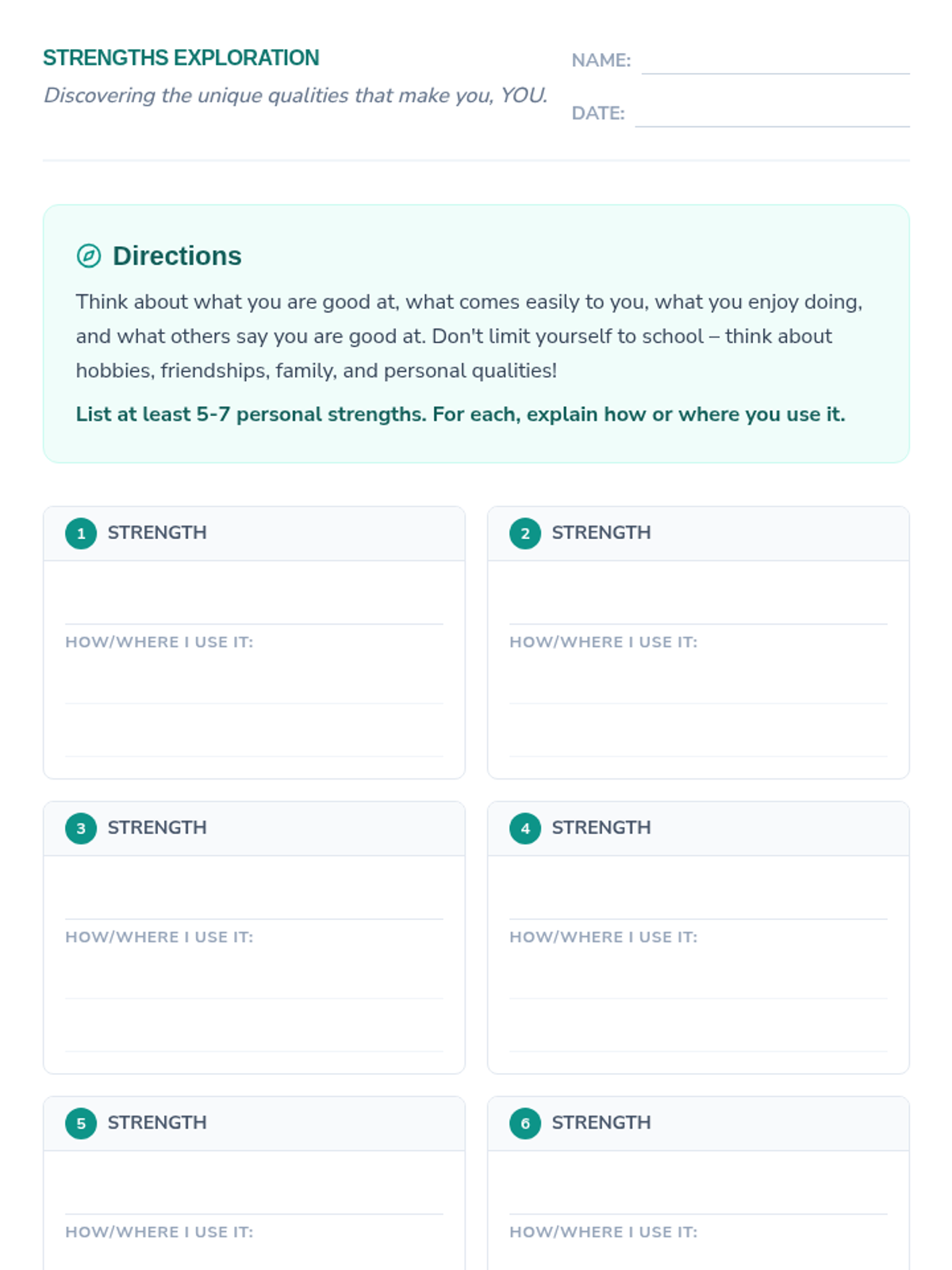
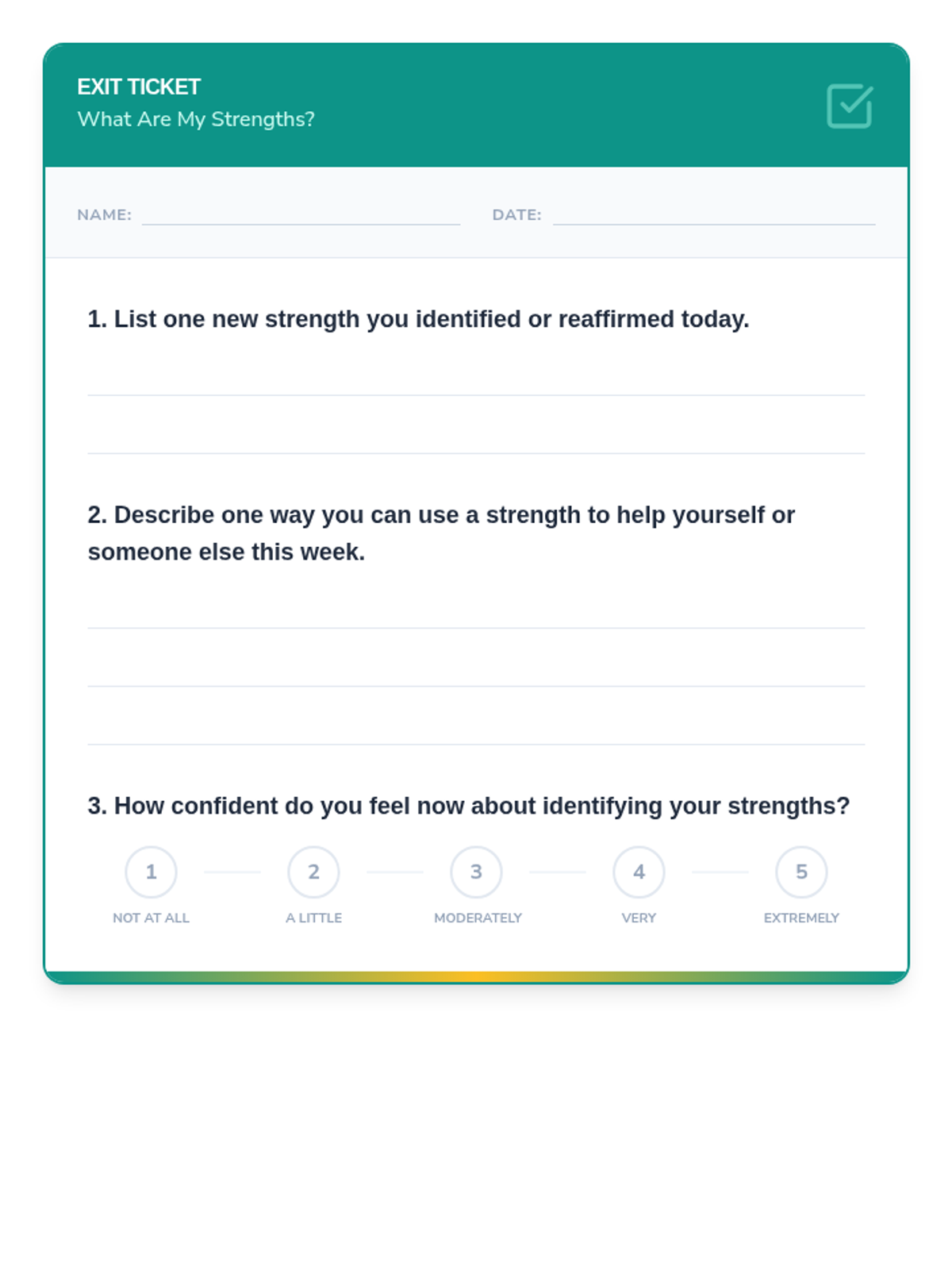
A sequence of lessons focused on self-awareness and healthy habits, ranging from identifying personal strengths to understanding the impact of nutrition on sleep.