Principles of muscular strength, endurance, and cardiovascular conditioning. Develops skills for setting personal fitness goals while incorporating flexibility and stretching techniques for injury prevention.
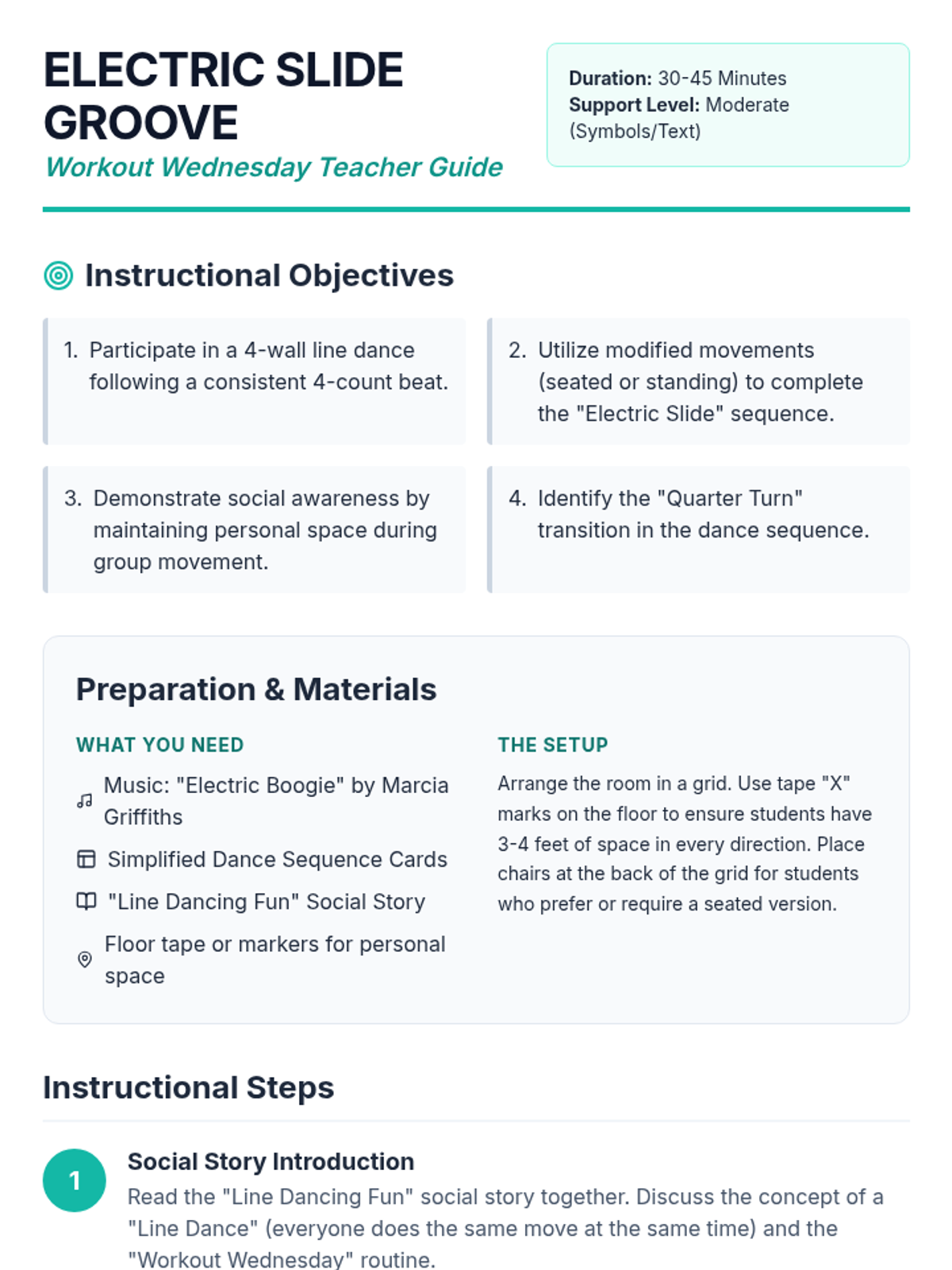
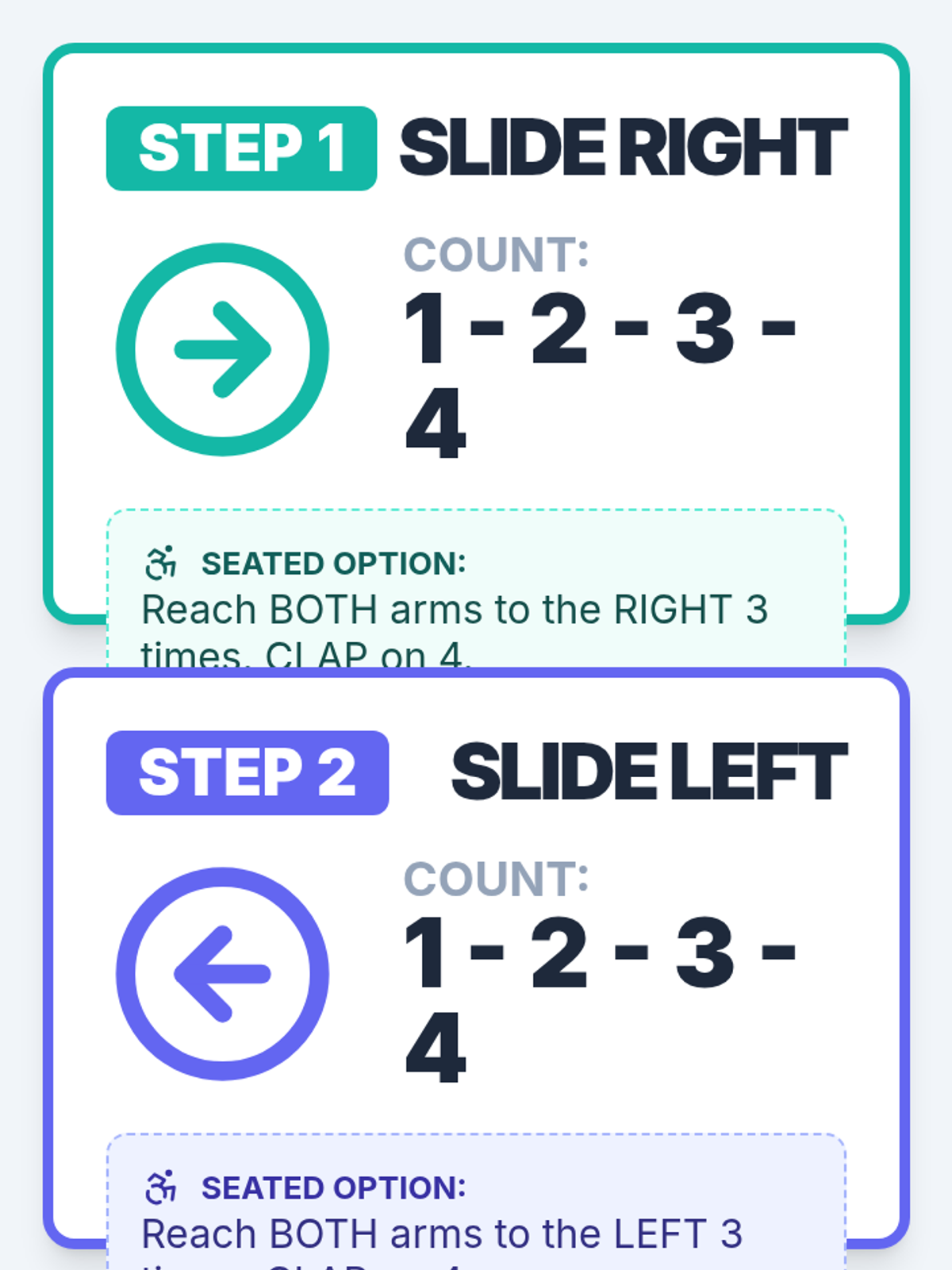
A weekly fitness and movement series designed for students of all abilities, focusing on social-emotional learning through physical activity and group coordination.
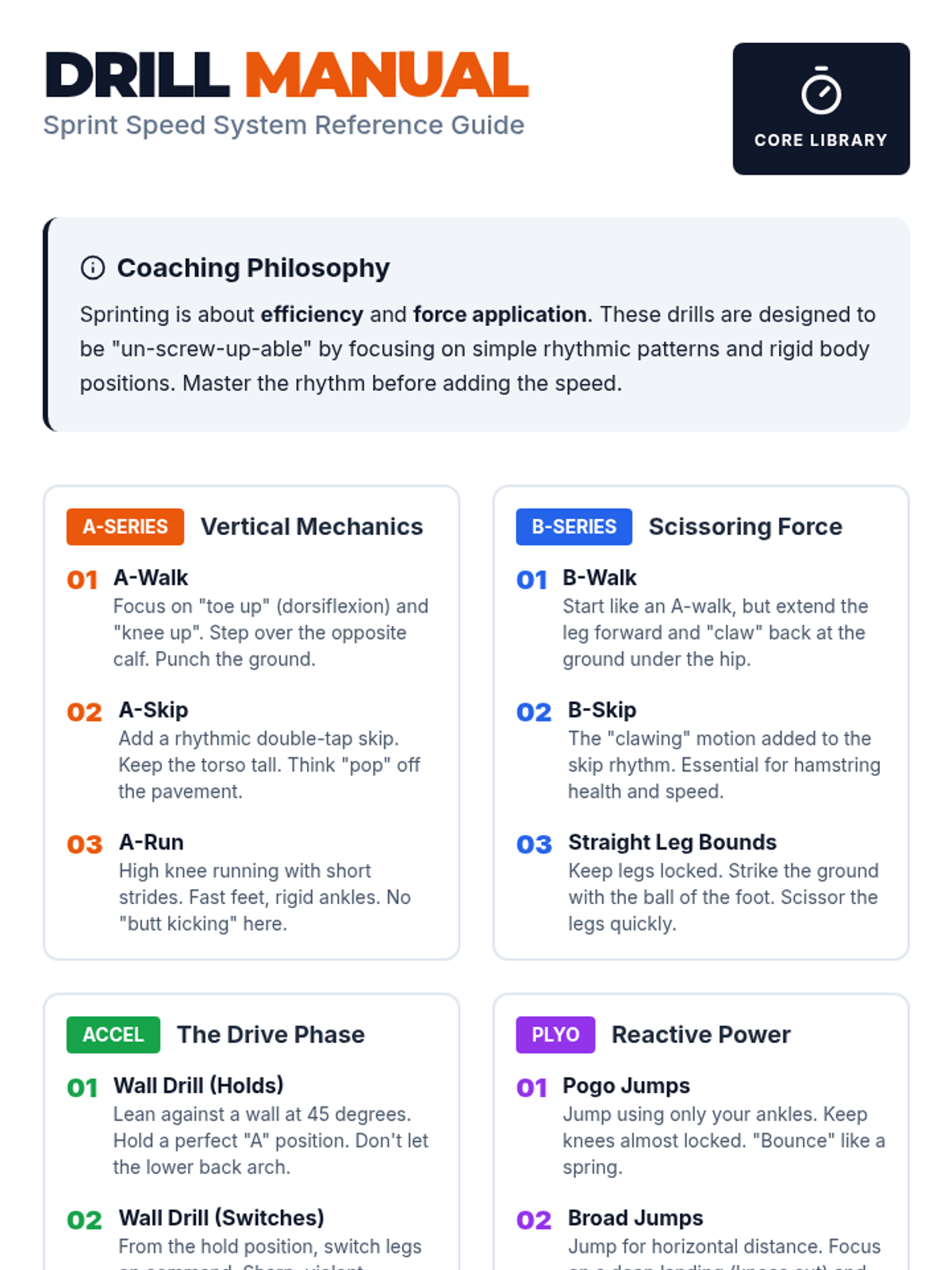
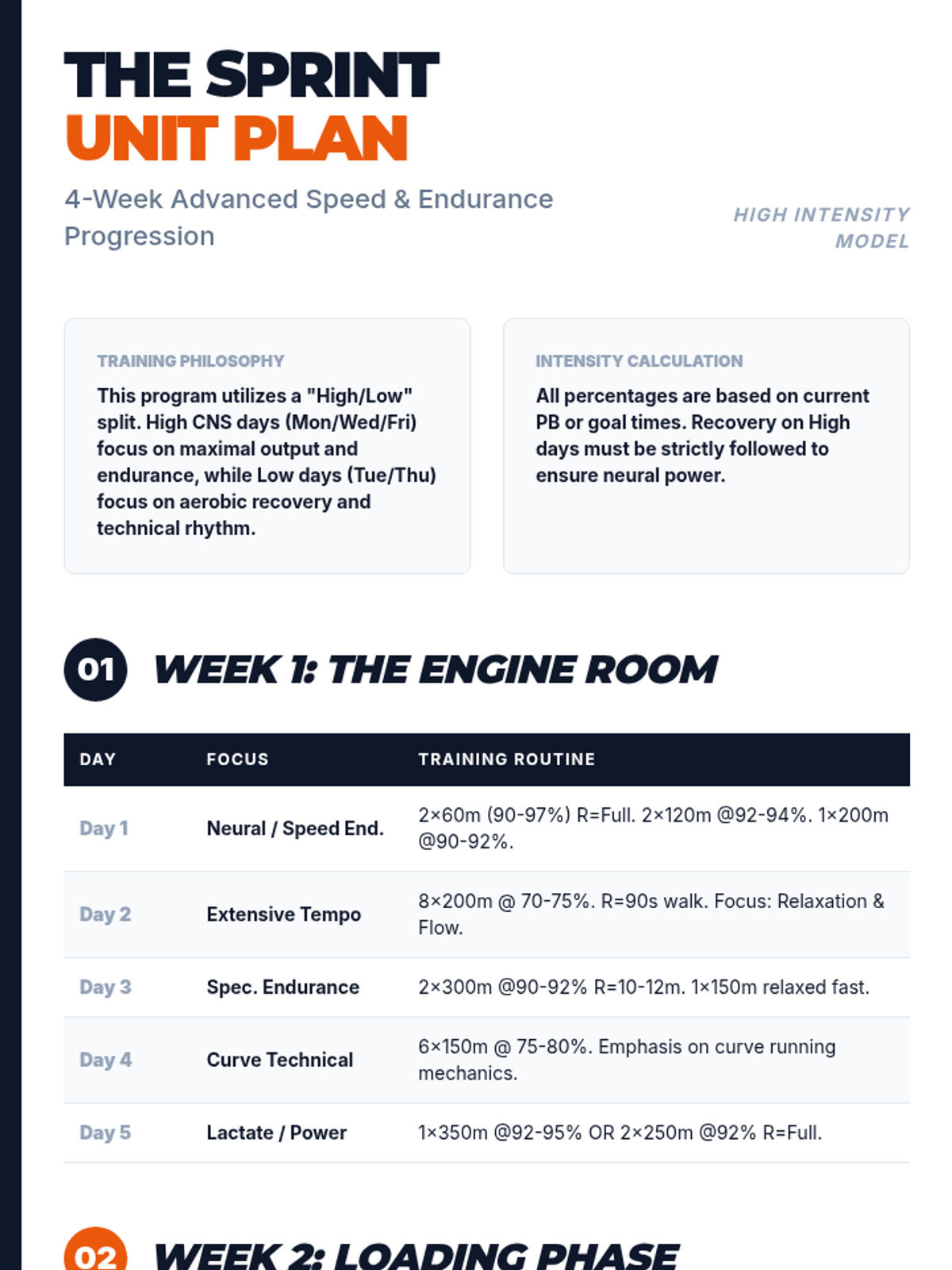
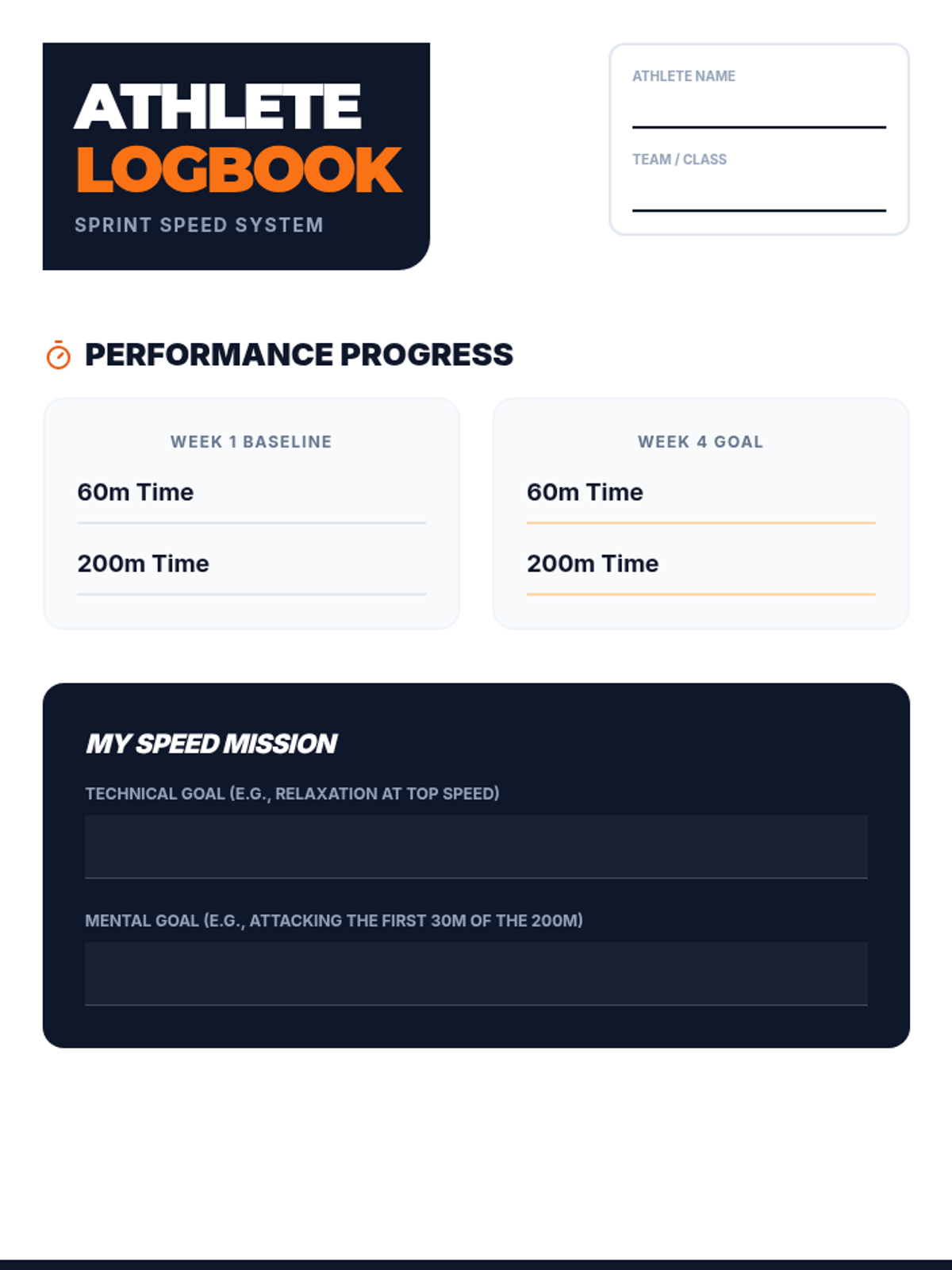
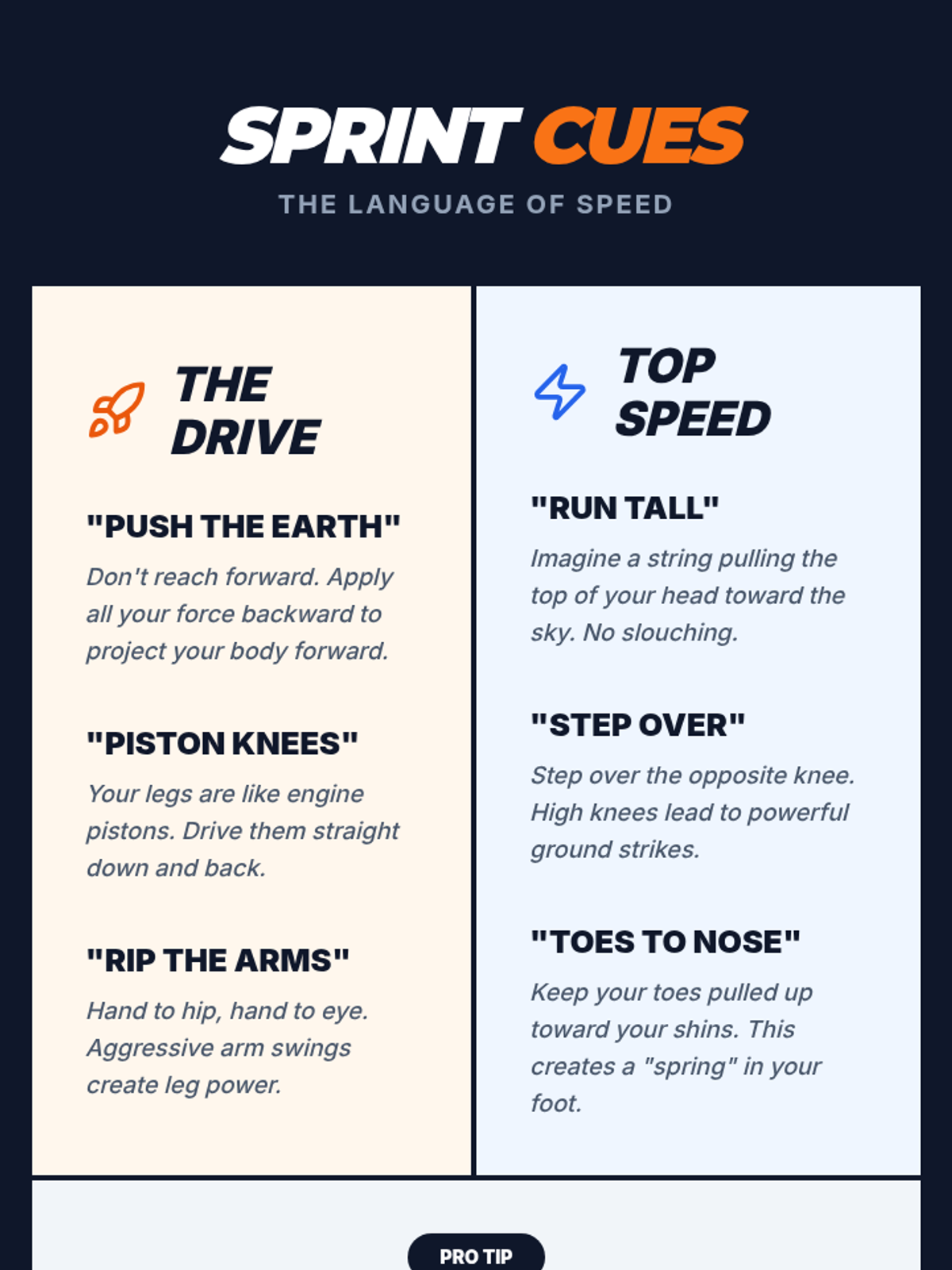
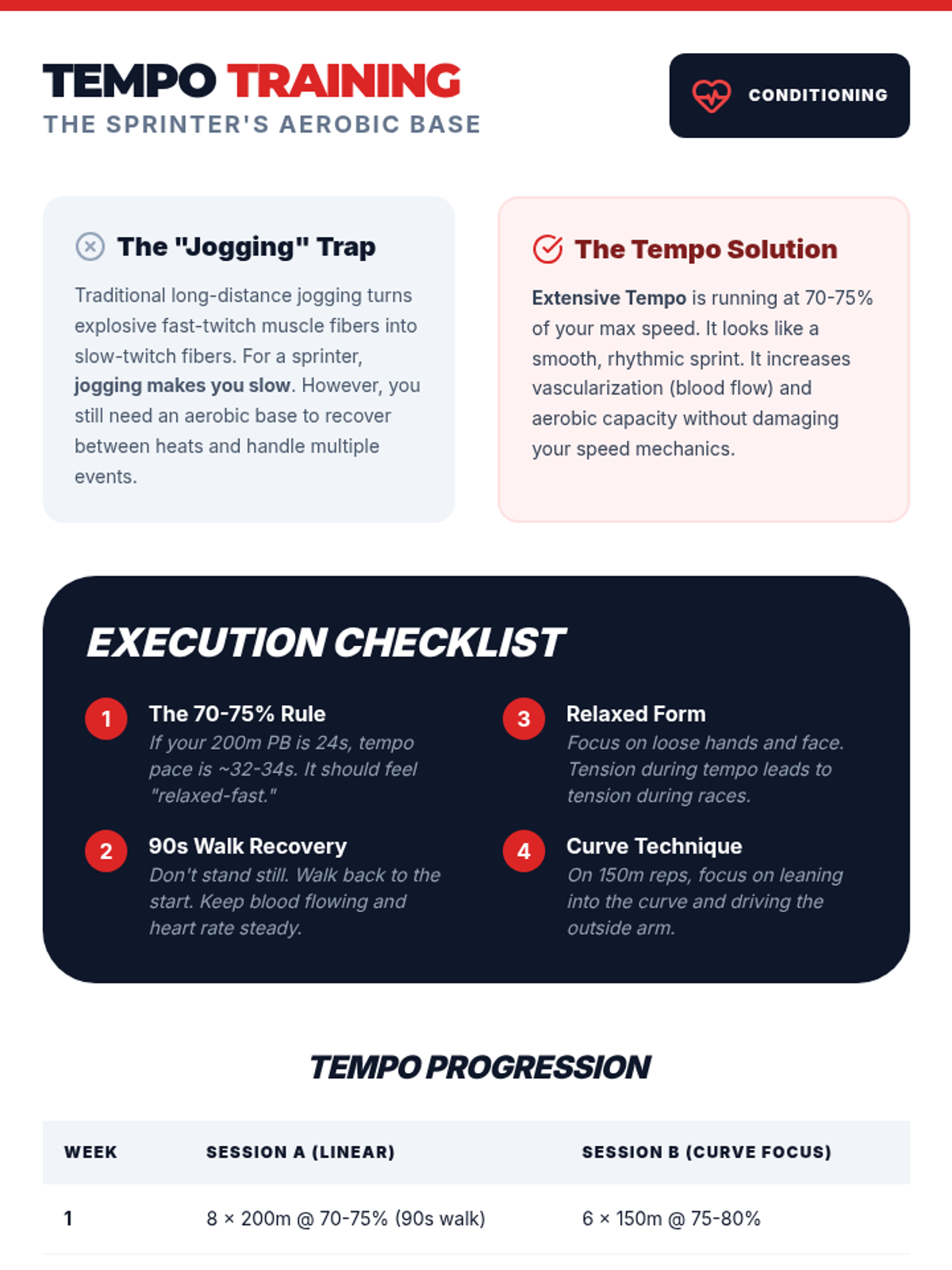
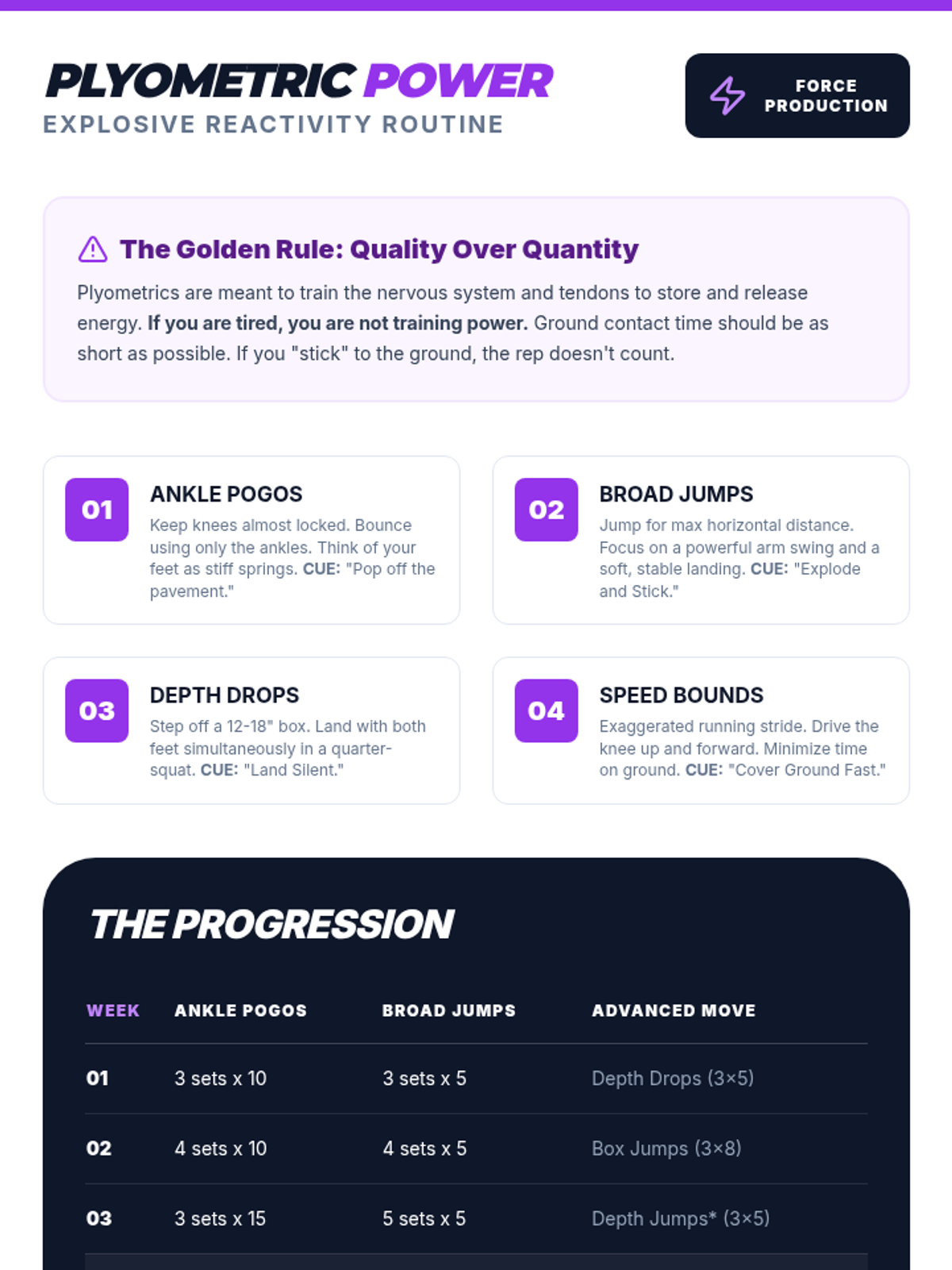
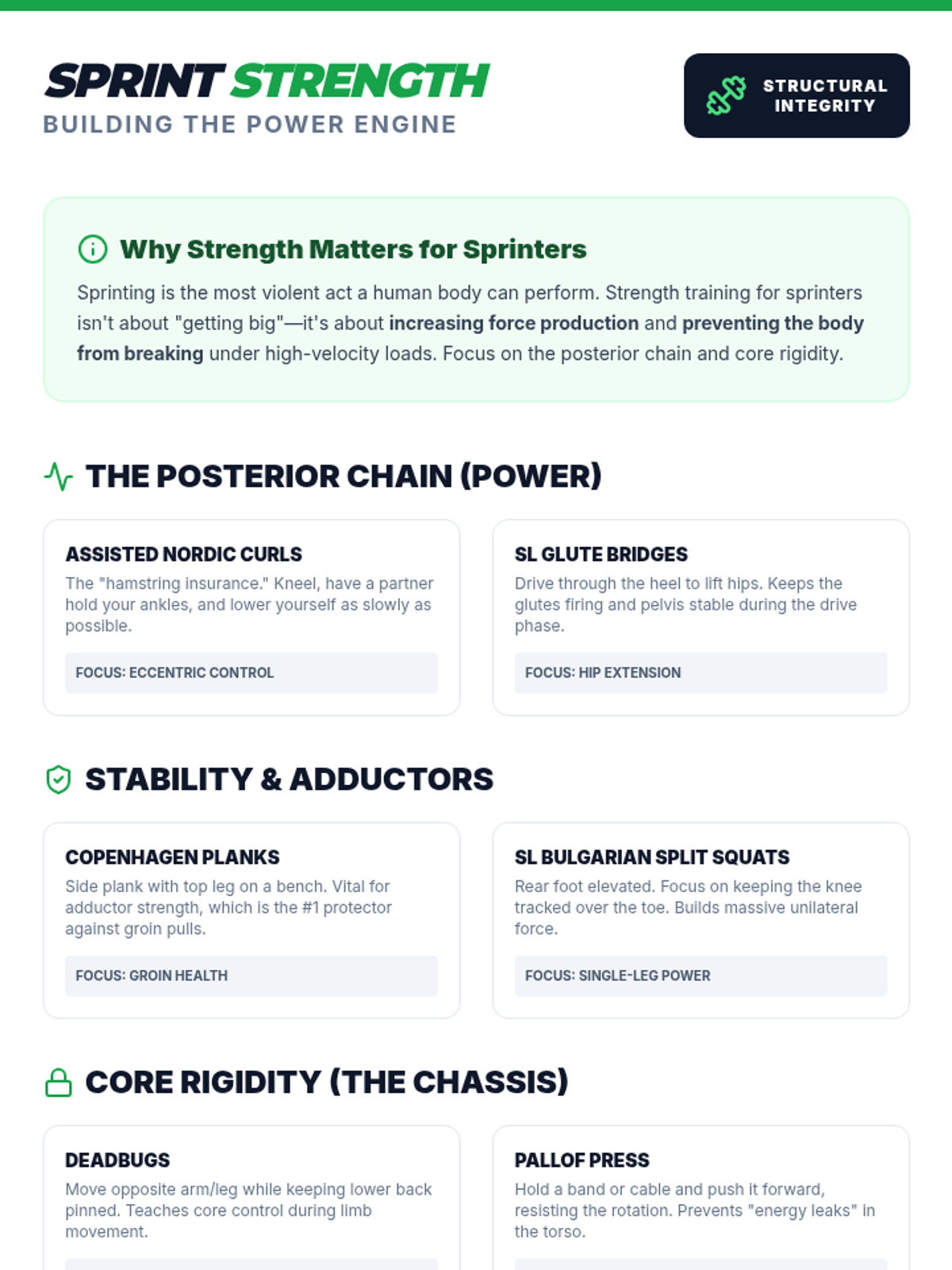
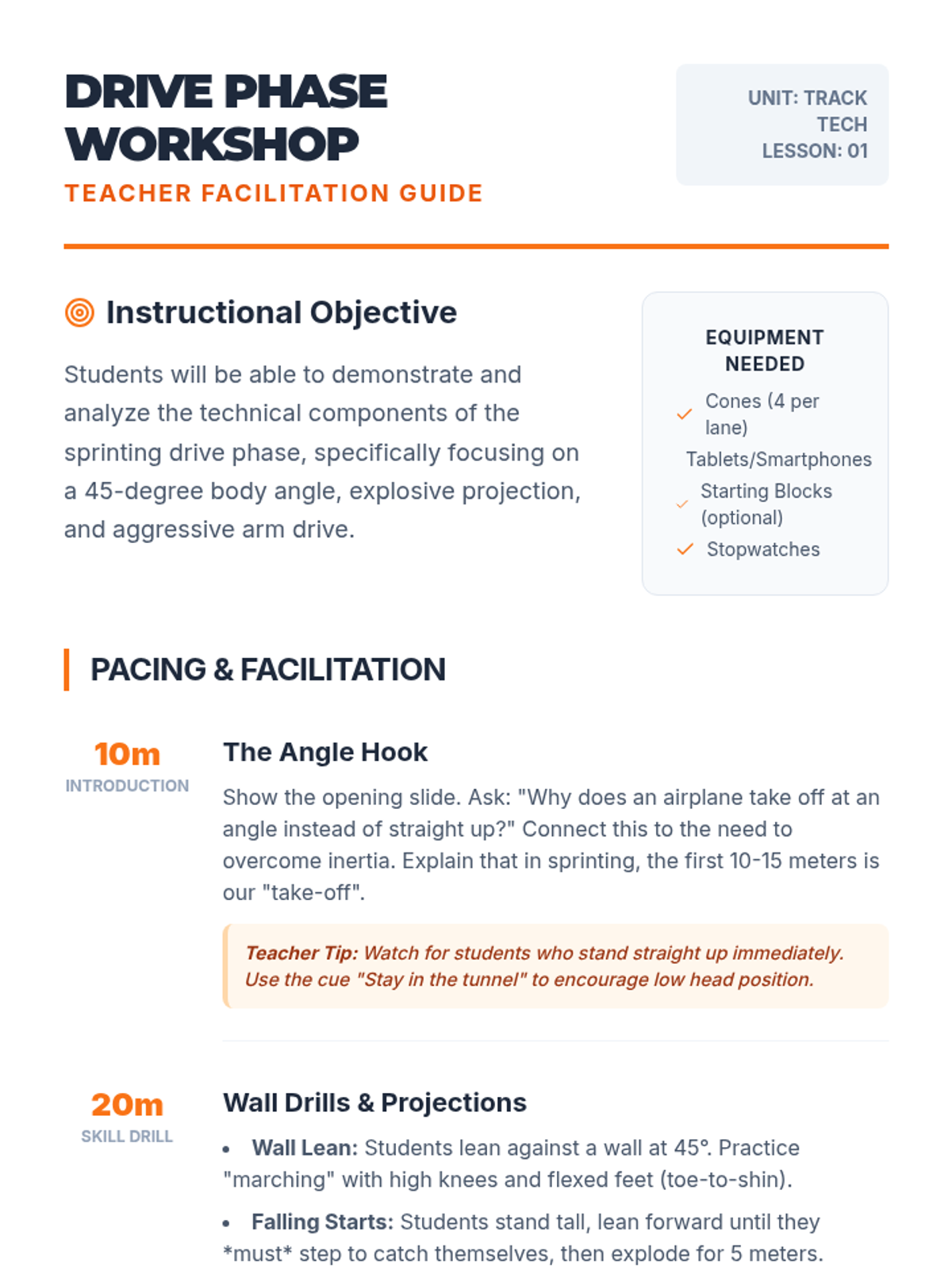
A comprehensive 4-week introductory sprinting program focused on mechanics, power, and injury prevention for outdoor track athletes.
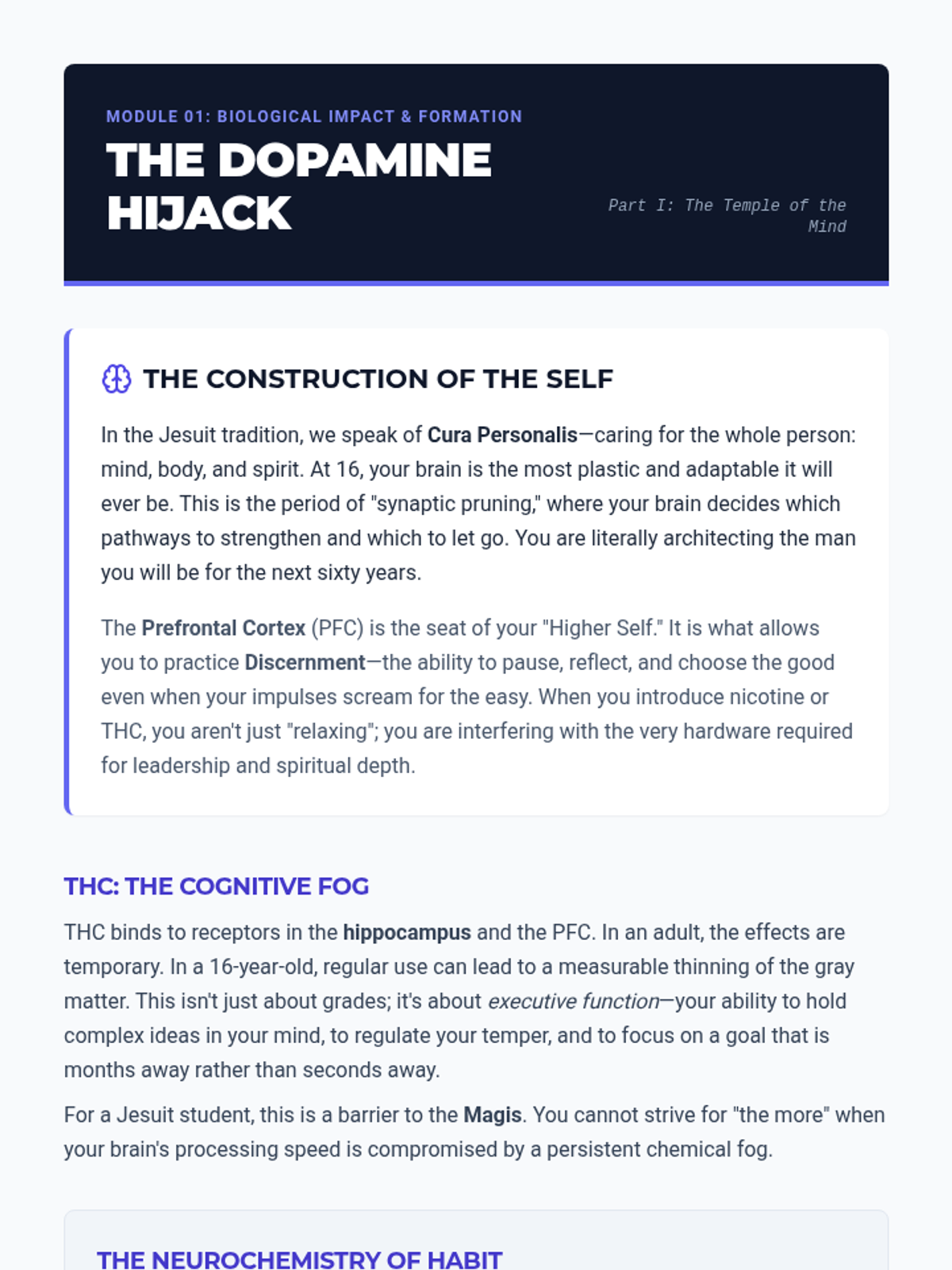
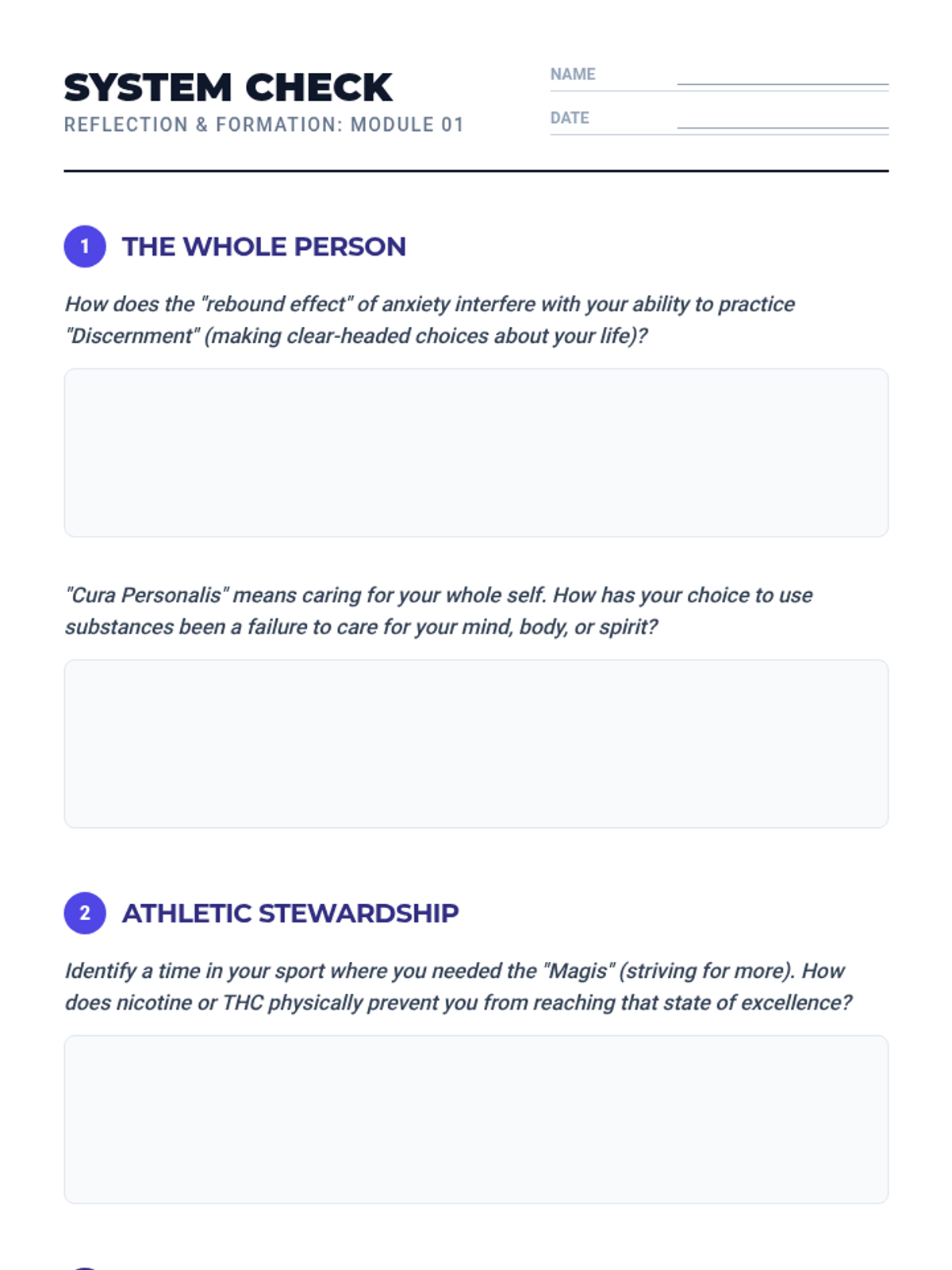
A restorative learning program designed for high school students to reflect on the impact of substance use and prepare for a positive return to their school community. The program balances scientific facts with deep personal reflection.
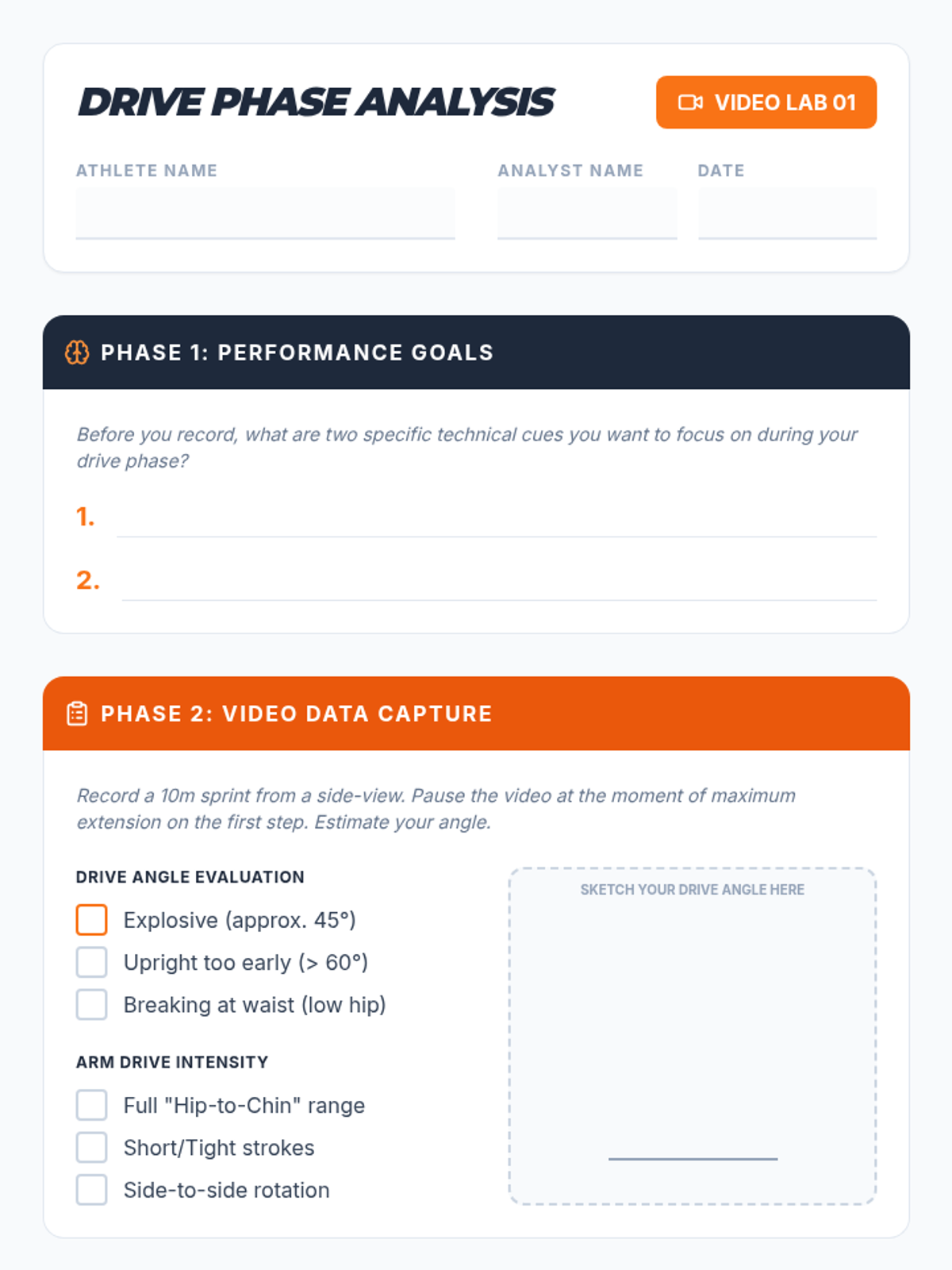
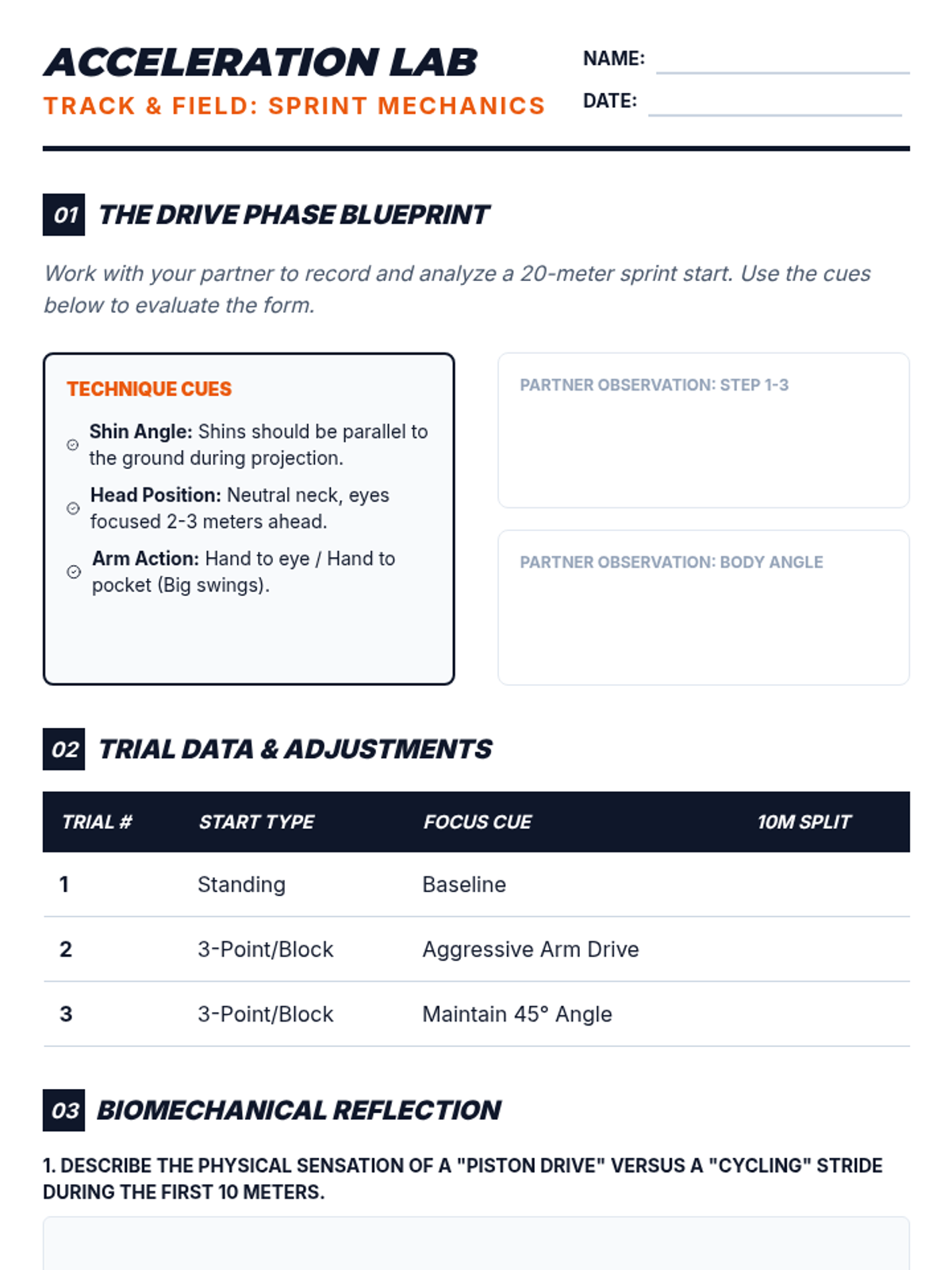
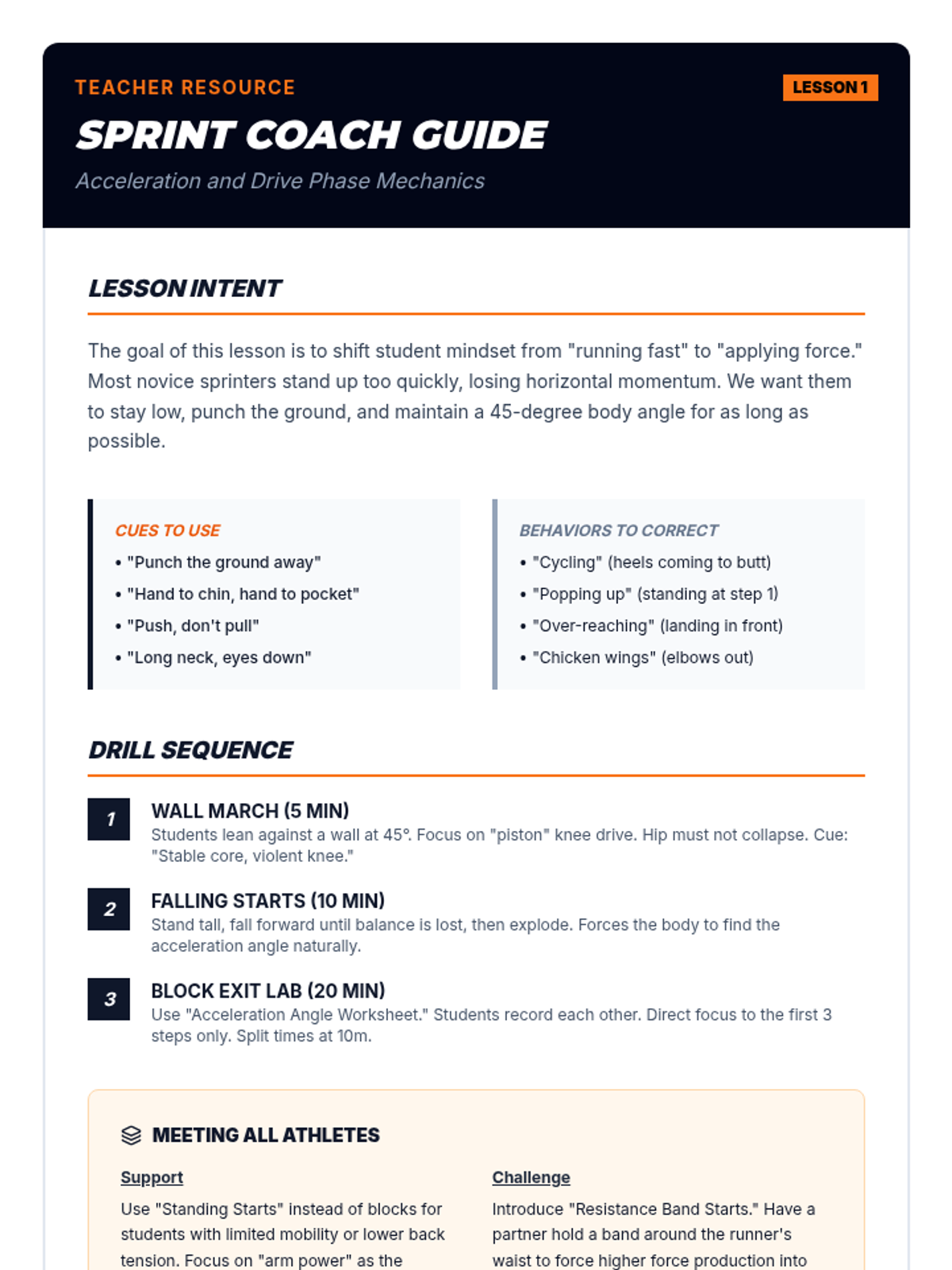
A comprehensive 10th-grade track and field unit focusing on the biomechanics of sprinting, technical relay exchanges, and strategic pacing for middle-distance events. Students analyze acceleration angles, stride efficiency, and energy system usage through video review and data collection.
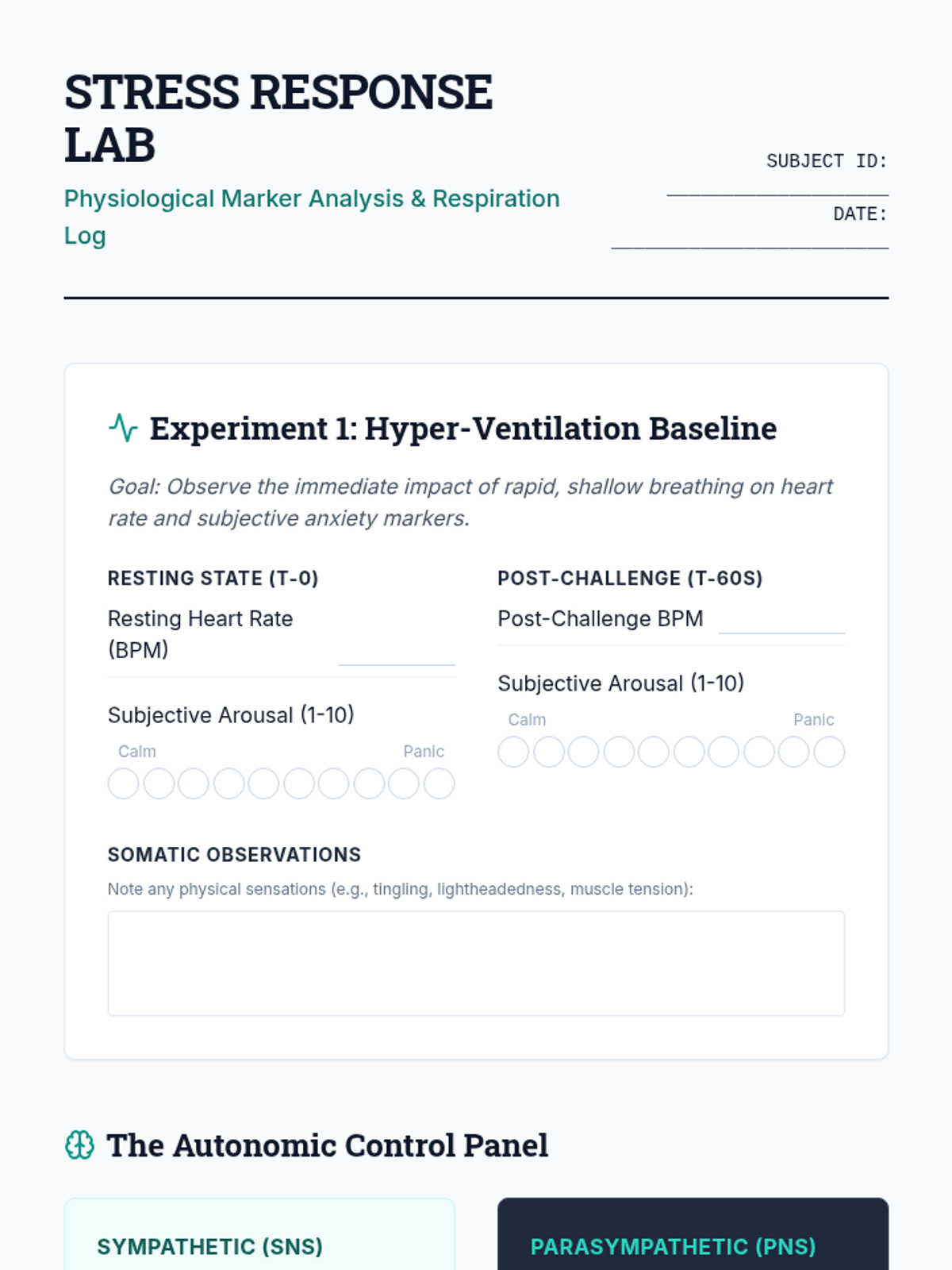
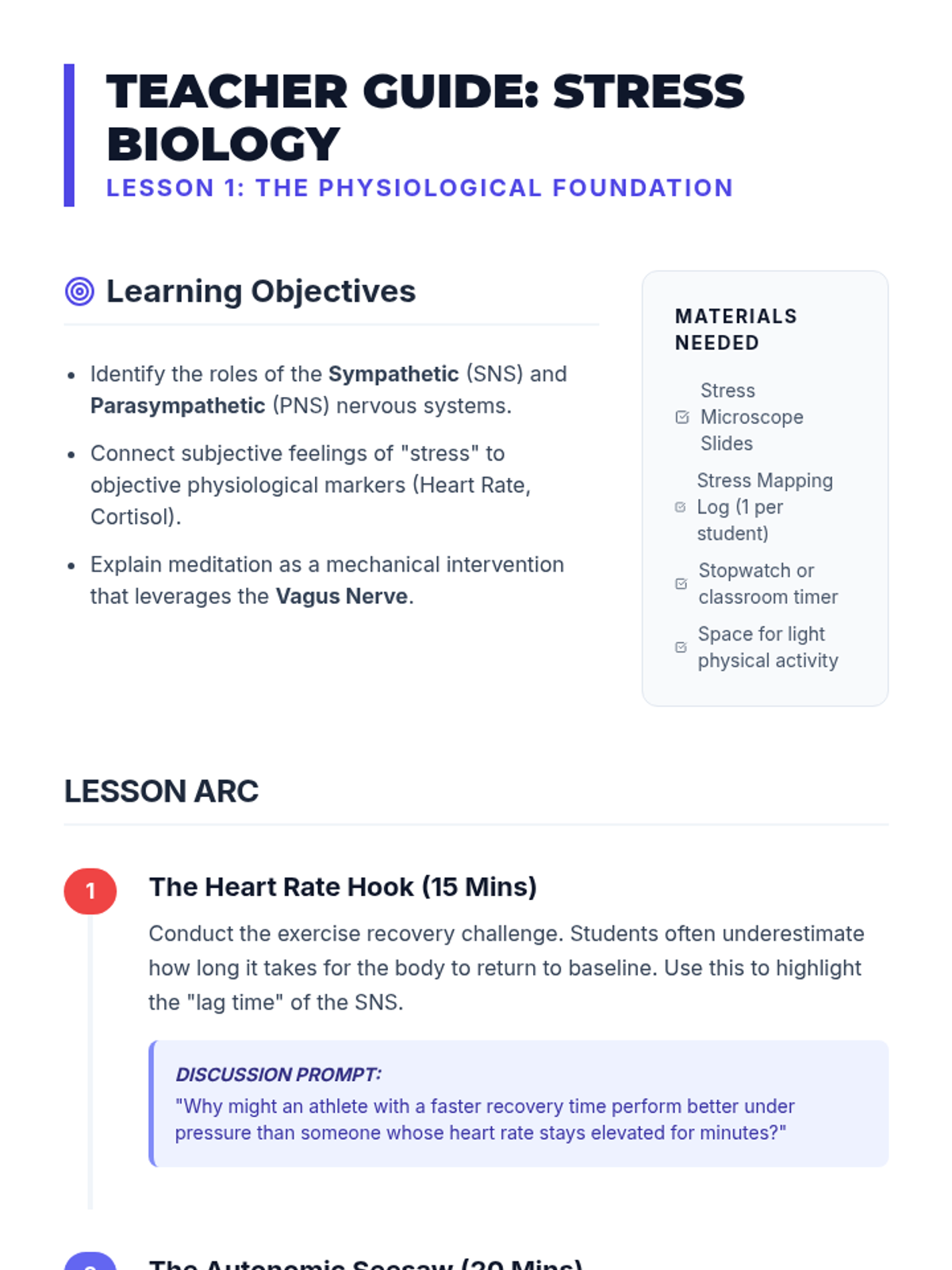
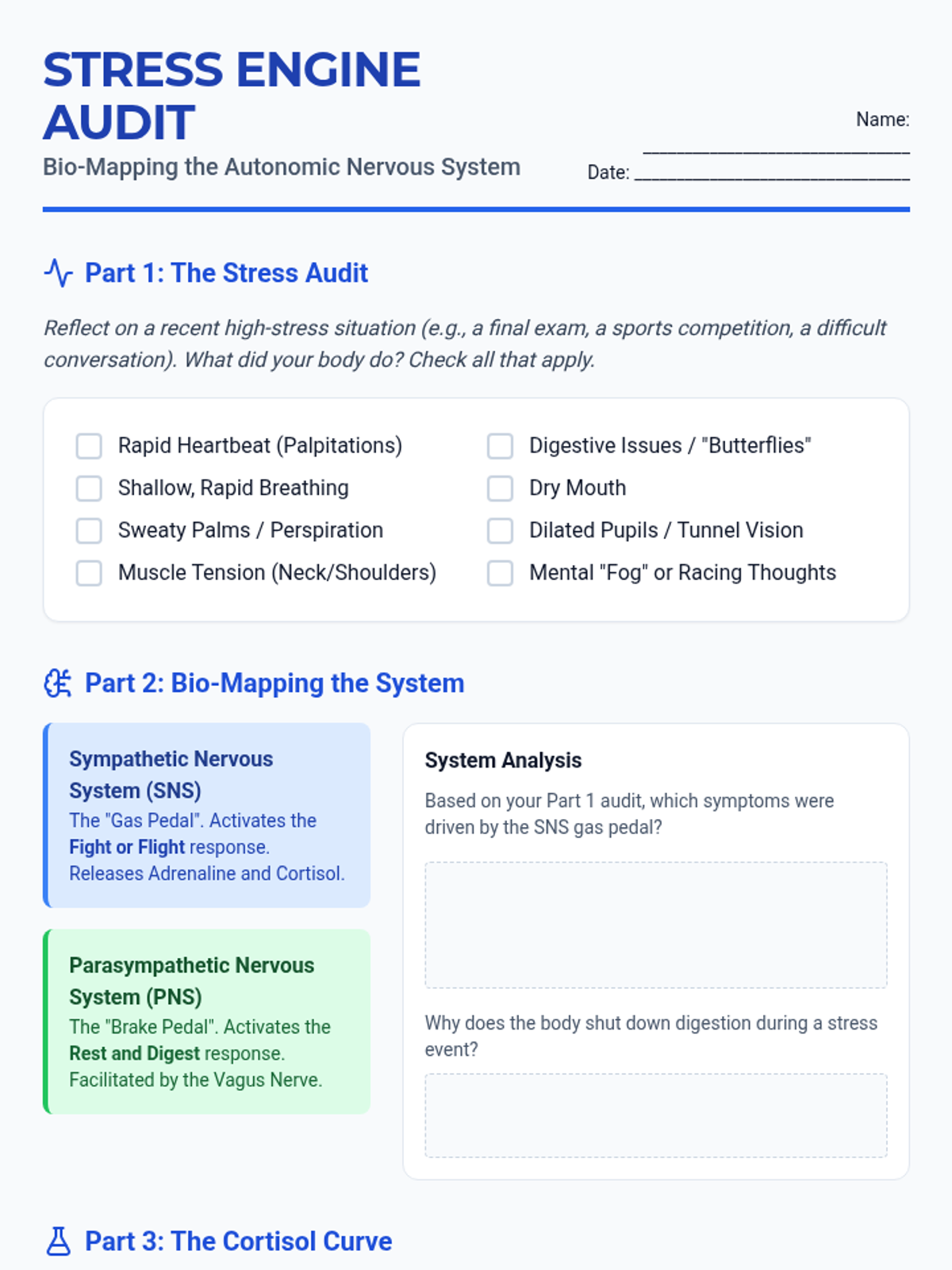
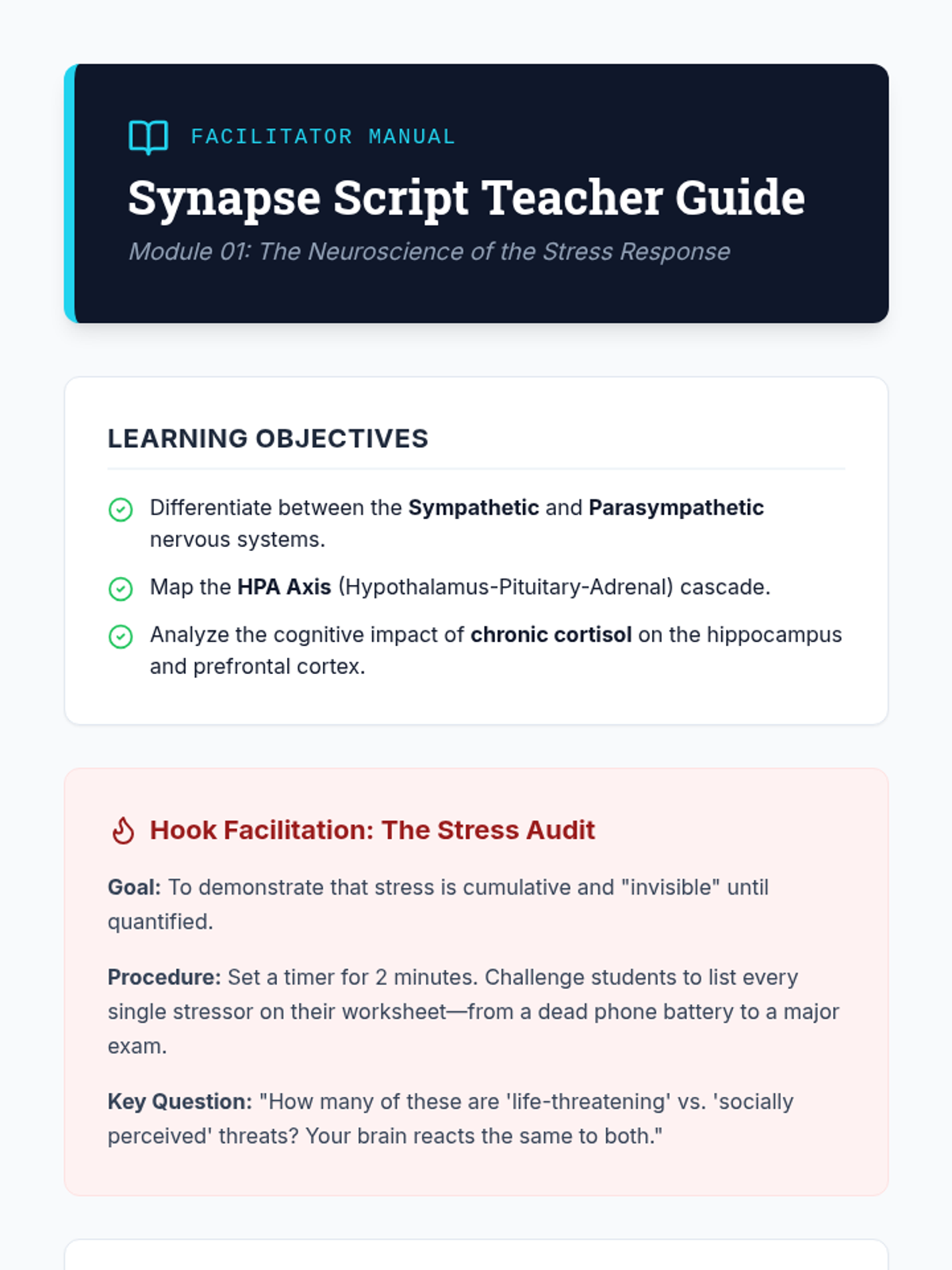
This sequence explores the physiological mechanics of stress and the autonomic nervous system. Students learn how respiratory patterns influence the vagus nerve and amygdala, mastering specific breathwork protocols like diaphragmatic breathing, box breathing, and 4-7-8 for state regulation.
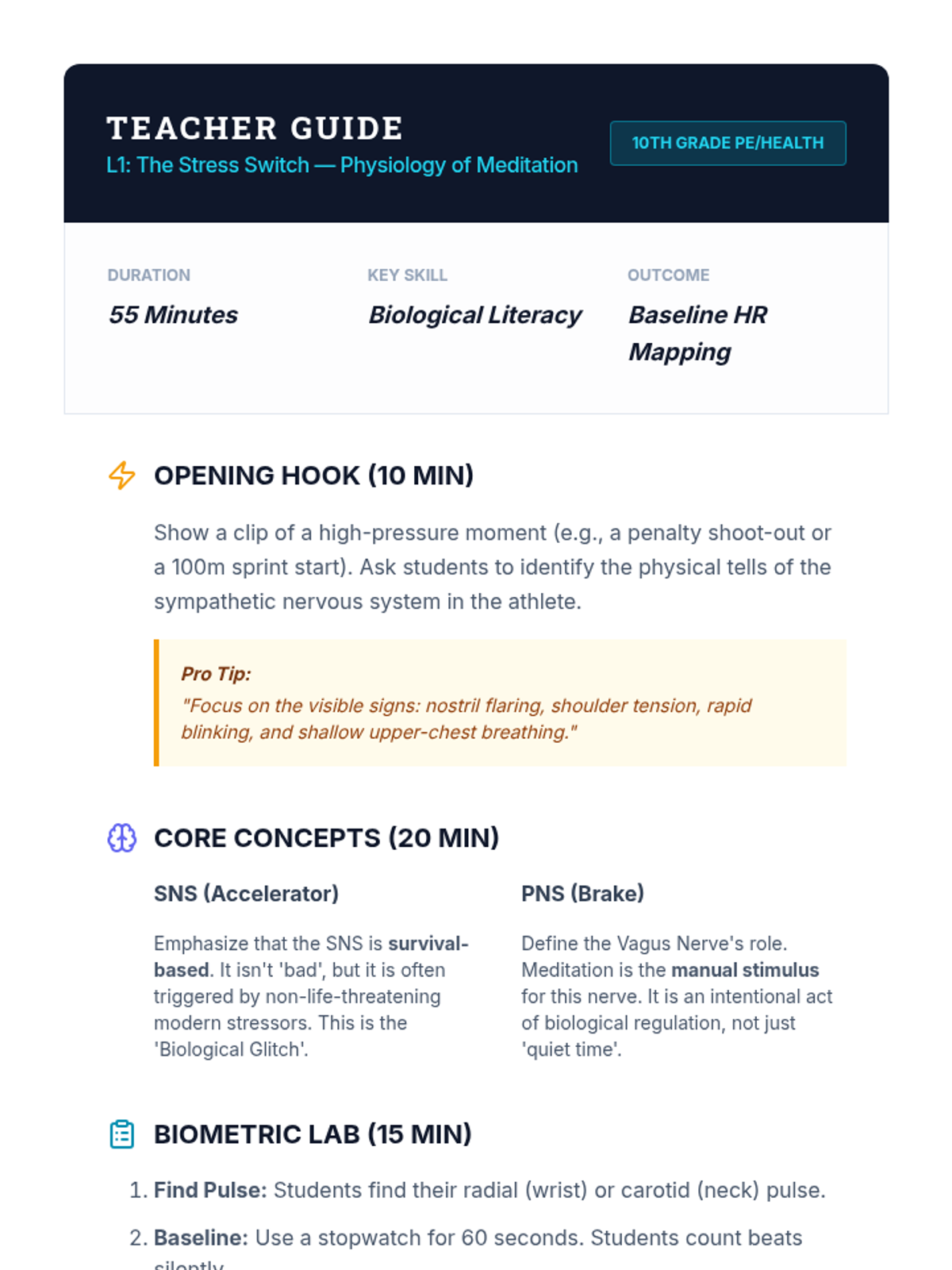
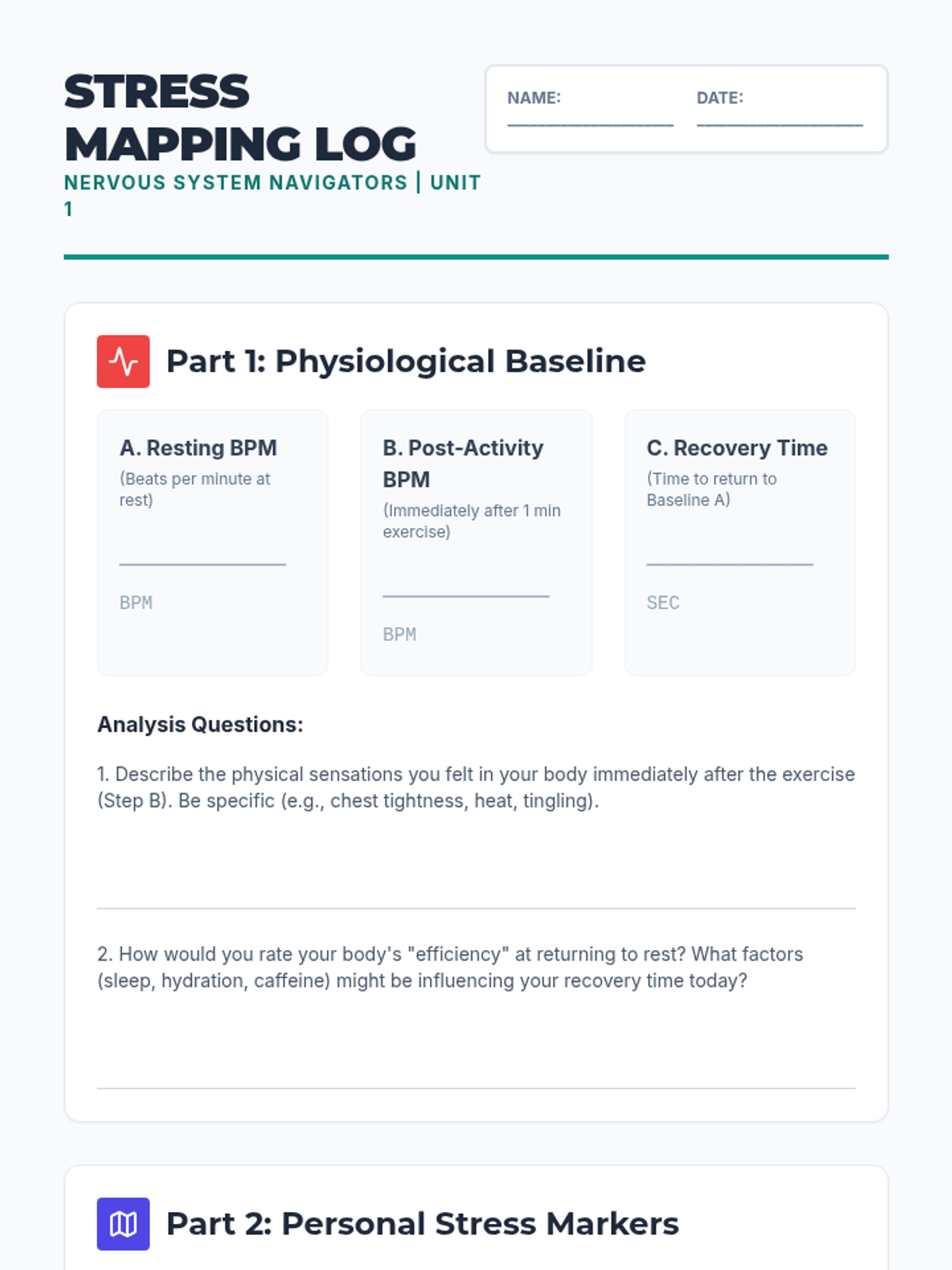
A 10th-grade Health & Physical Education sequence that grounds meditation in biology, focusing on the autonomic nervous system, breathing protocols, and biometric analysis to manage stress.
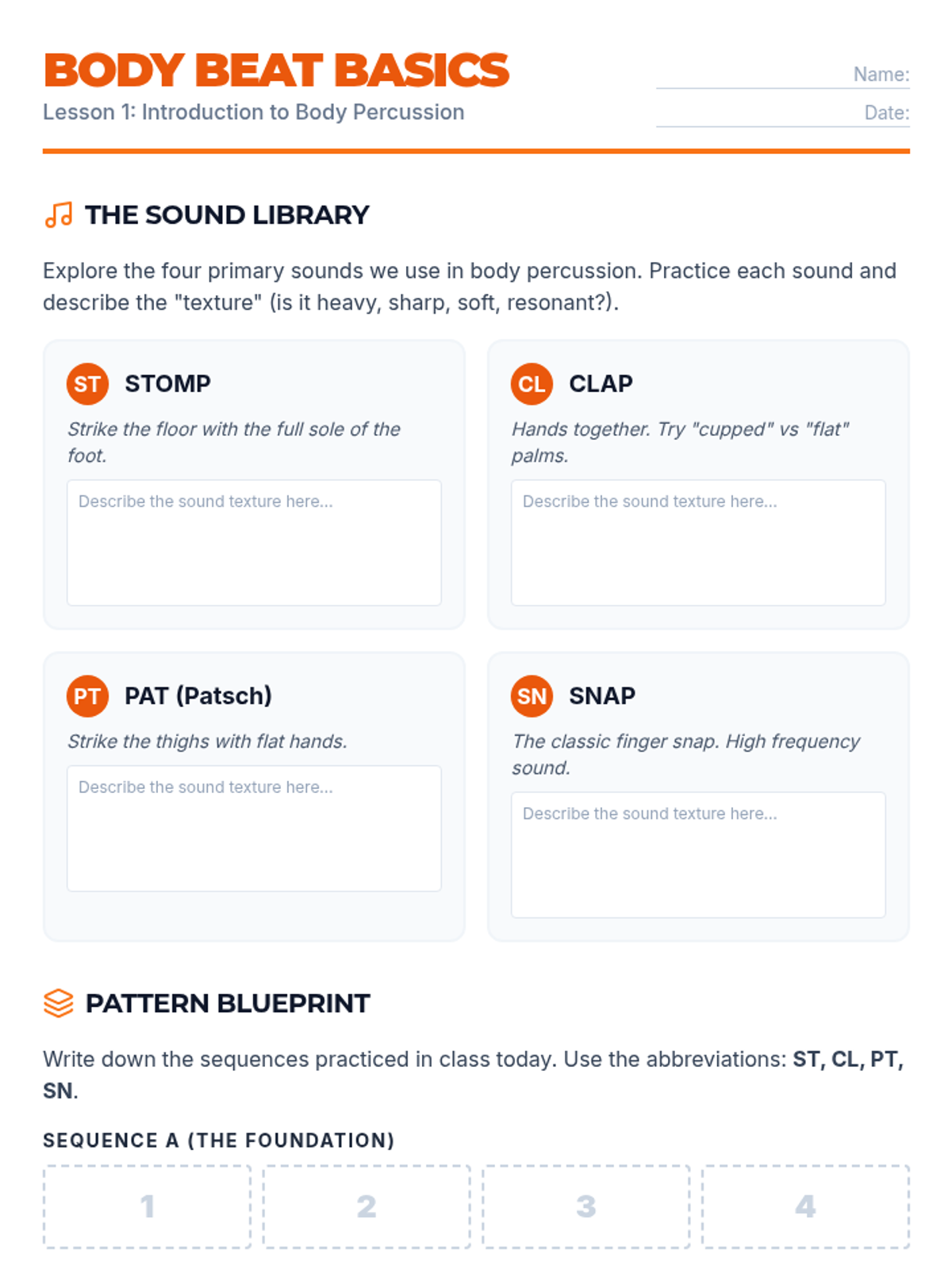
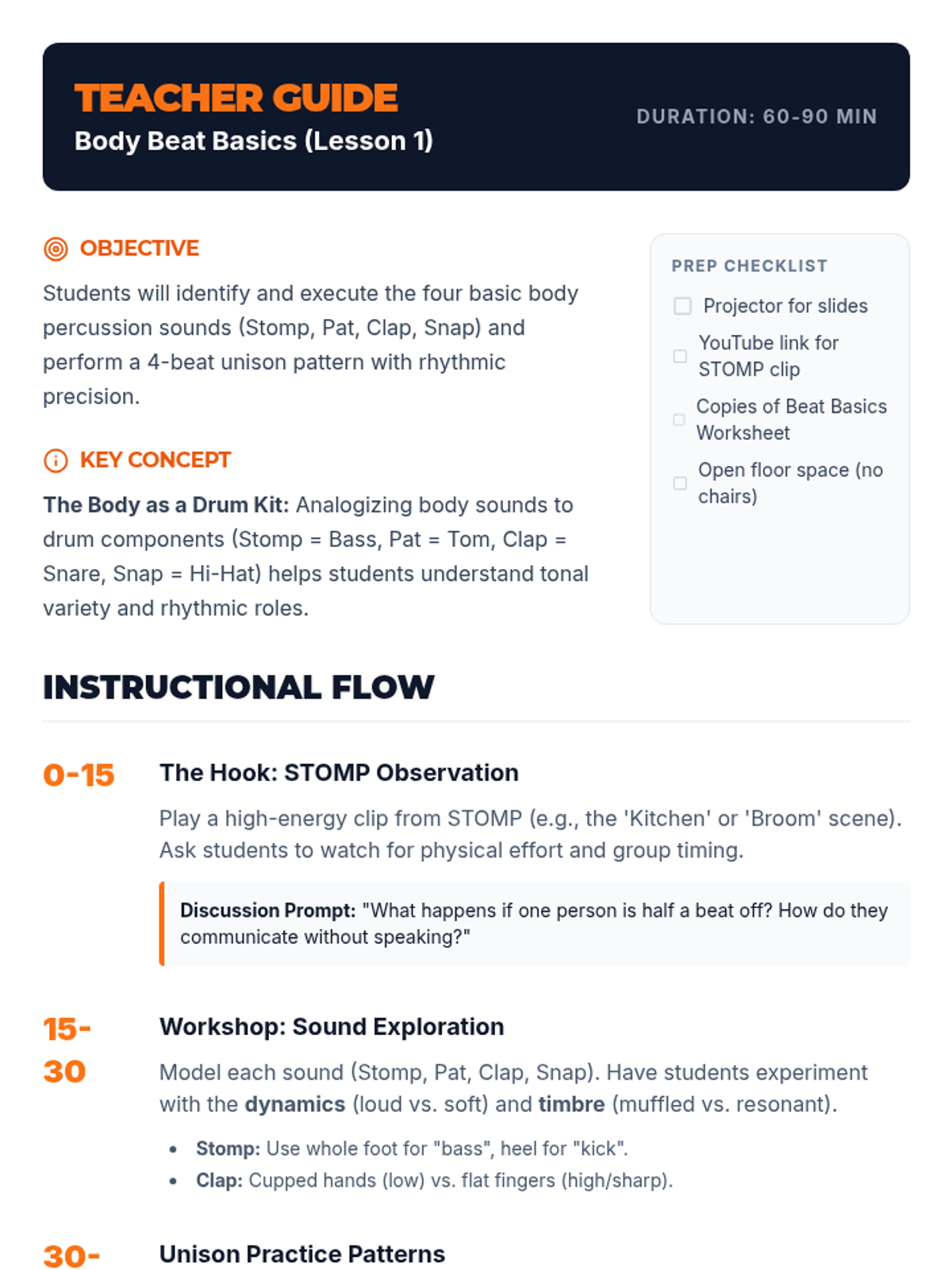
A 9th-grade physical education and dance sequence that explores body percussion and polyrhythms. Students learn to use their bodies as instruments, layer complex rhythms, and collaborate to create original 32-count routines.
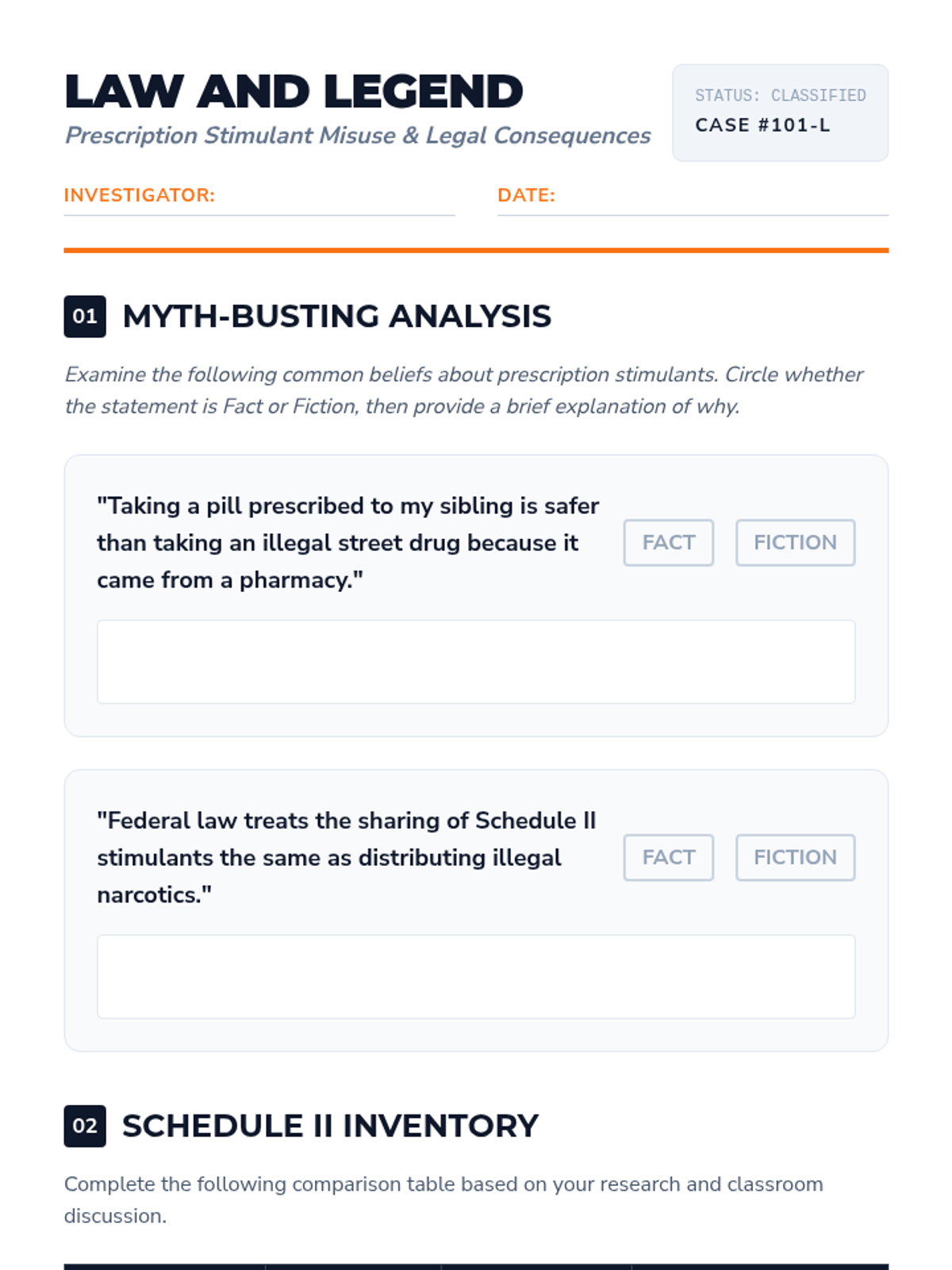
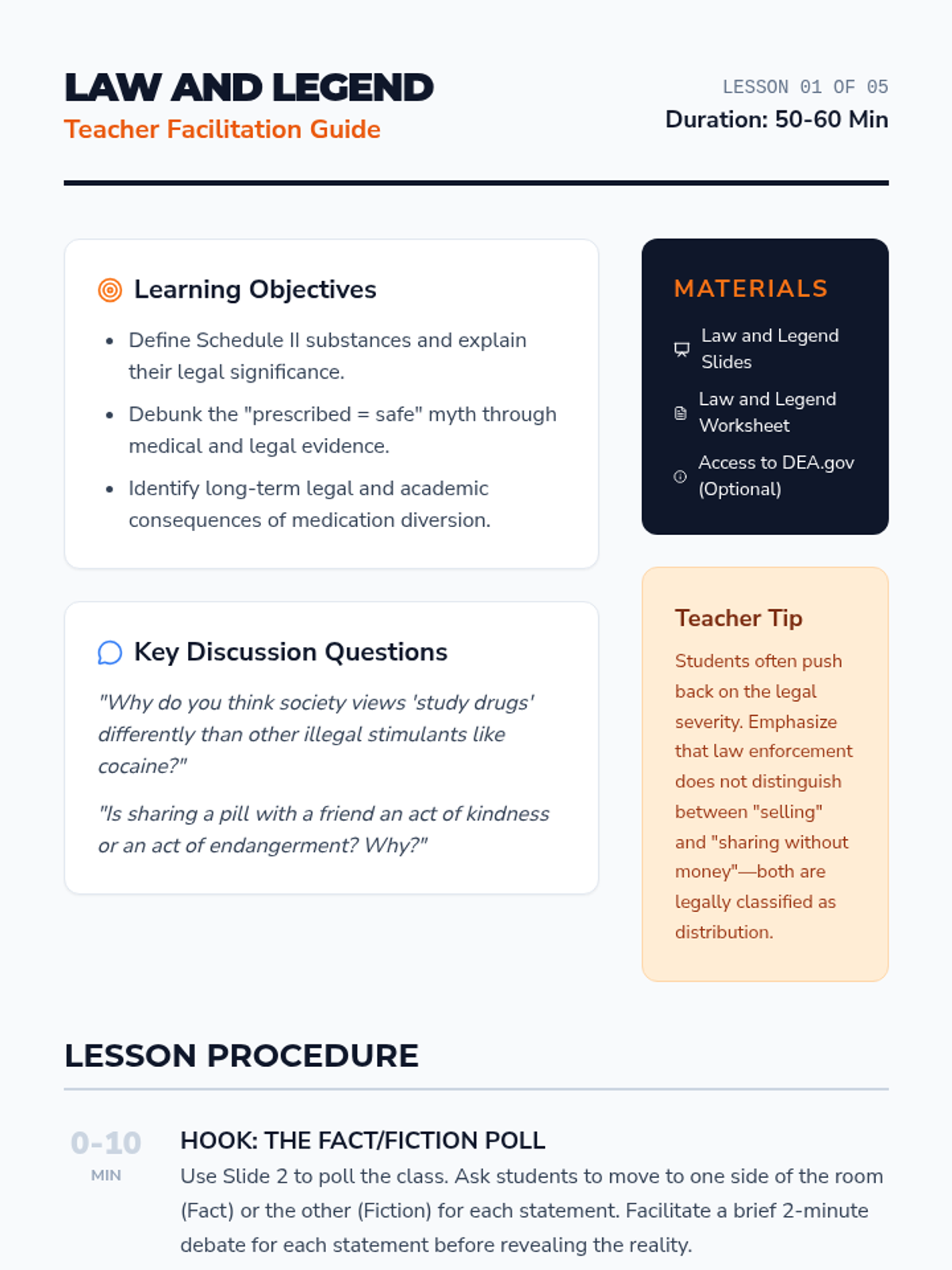
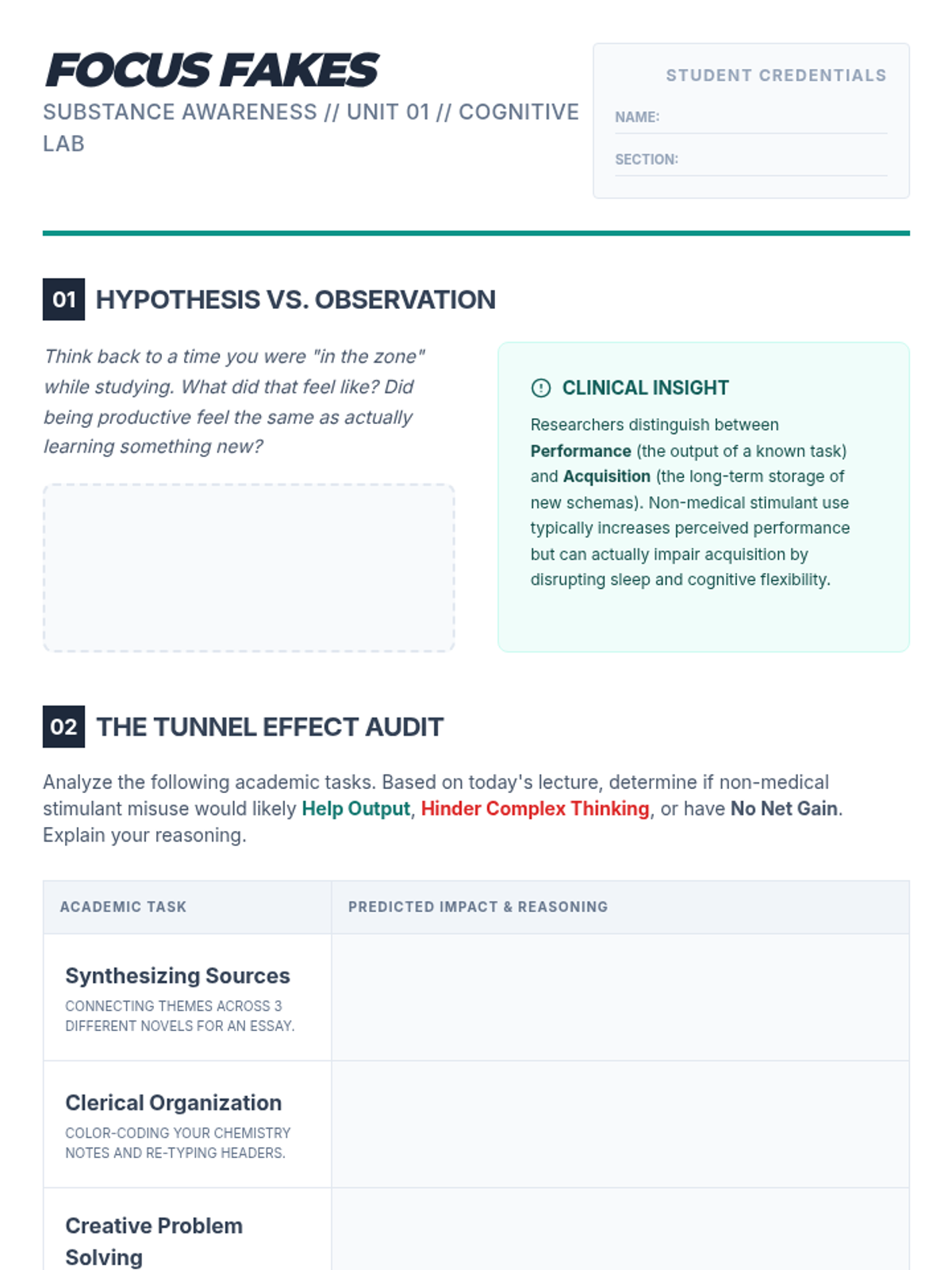
This 10th-grade sequence examines the social, legal, and cognitive impacts of prescription stimulant misuse. Students debunk myths about 'study drugs,' analyze the root causes of academic stress, and develop refusal skills through role-play, culminating in an ethical debate on academic performance enhancement.
This sequence grounds meditation practice in scientific principles, focusing on the physiological connection between respiration and the nervous system. Students explore the biology of stress, learn diaphragmatic breathing, practice rhythmic protocols like box breathing, and apply these tools to manage performance anxiety.
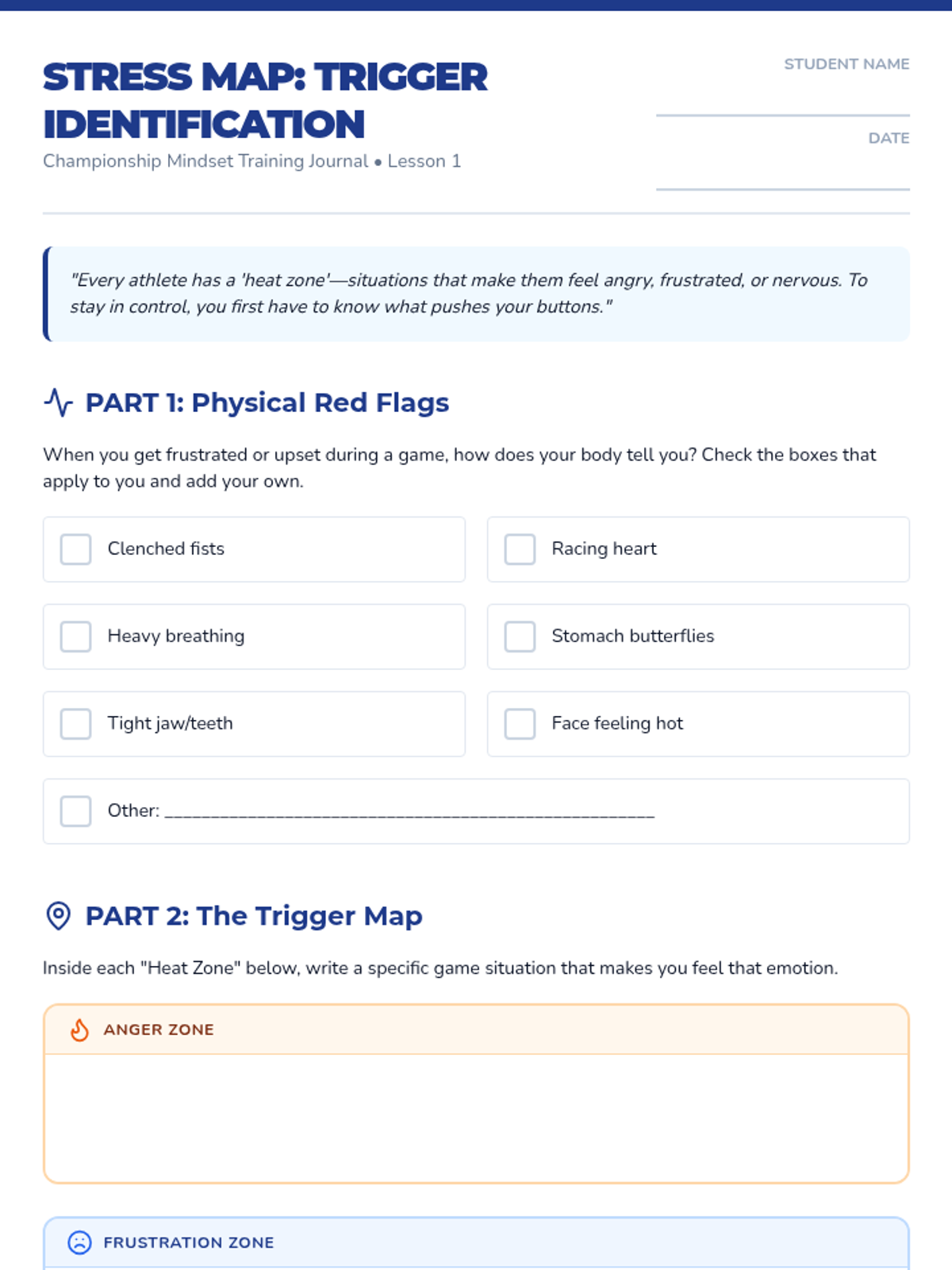
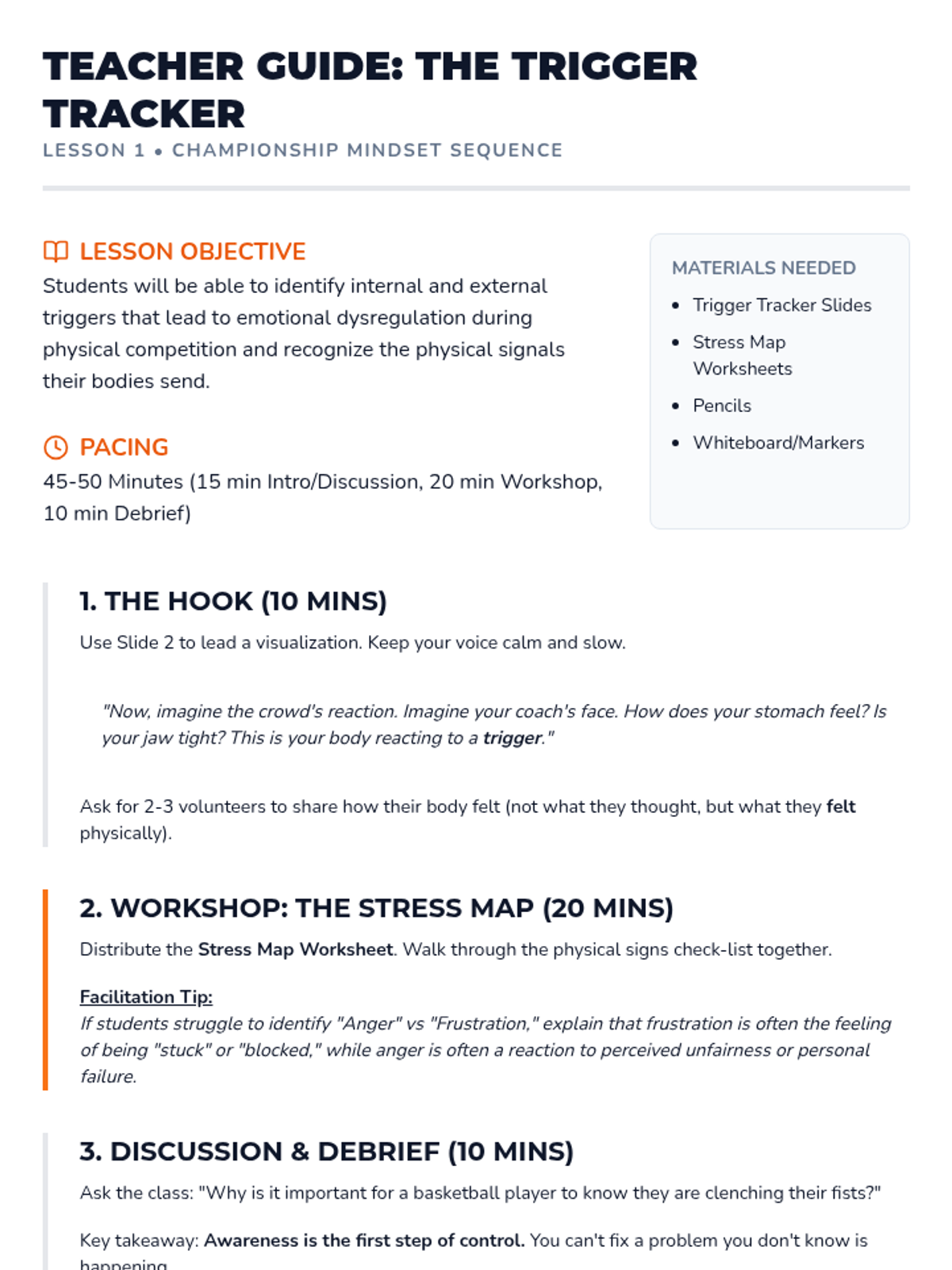
This sequence focuses on the internal aspect of sportsmanship: emotional regulation. Students learn concrete strategies for managing frustration, anger, and excitement during competitive play, progressing from identifying triggers to applying coping mechanisms in real-time games.
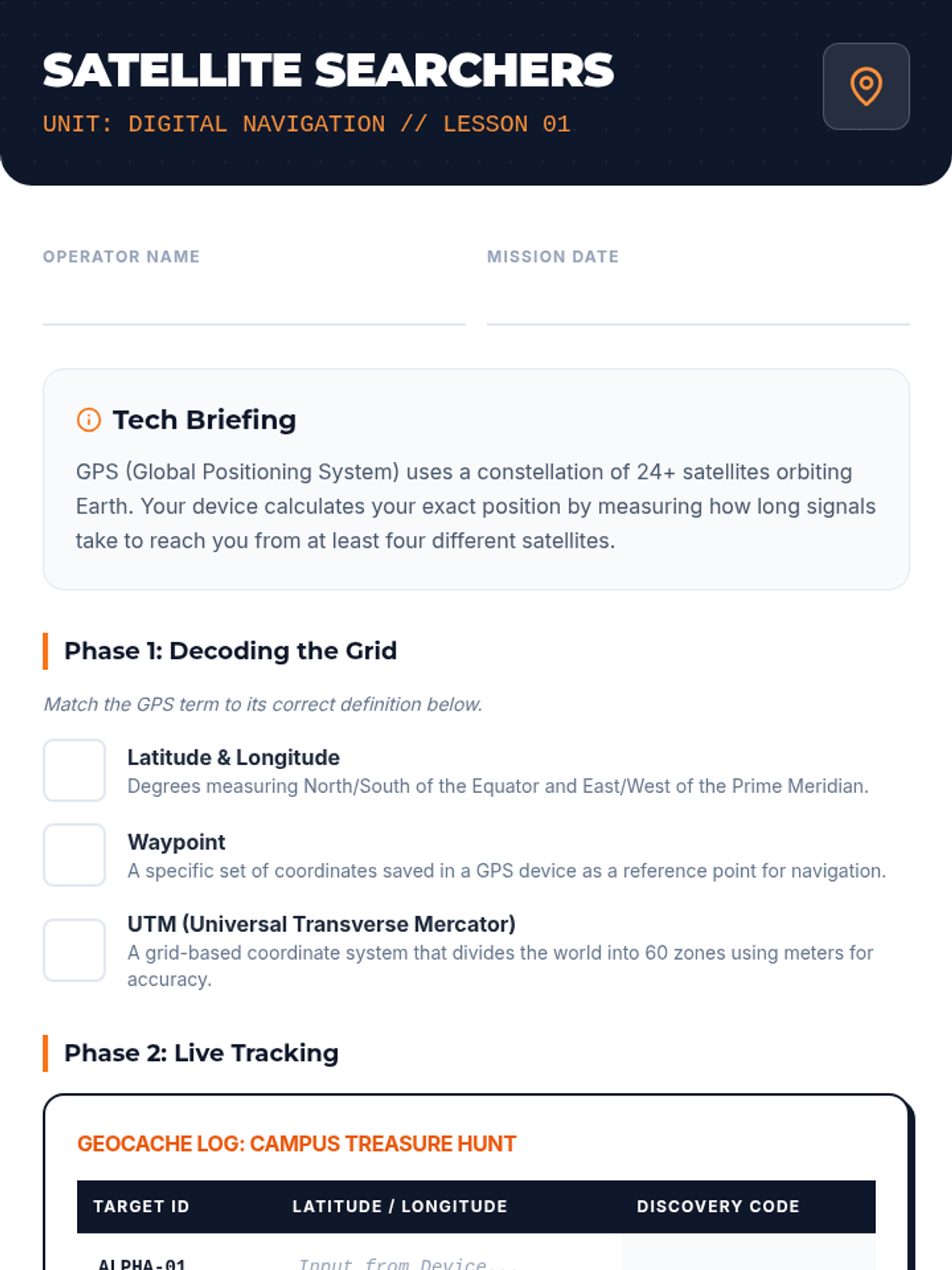
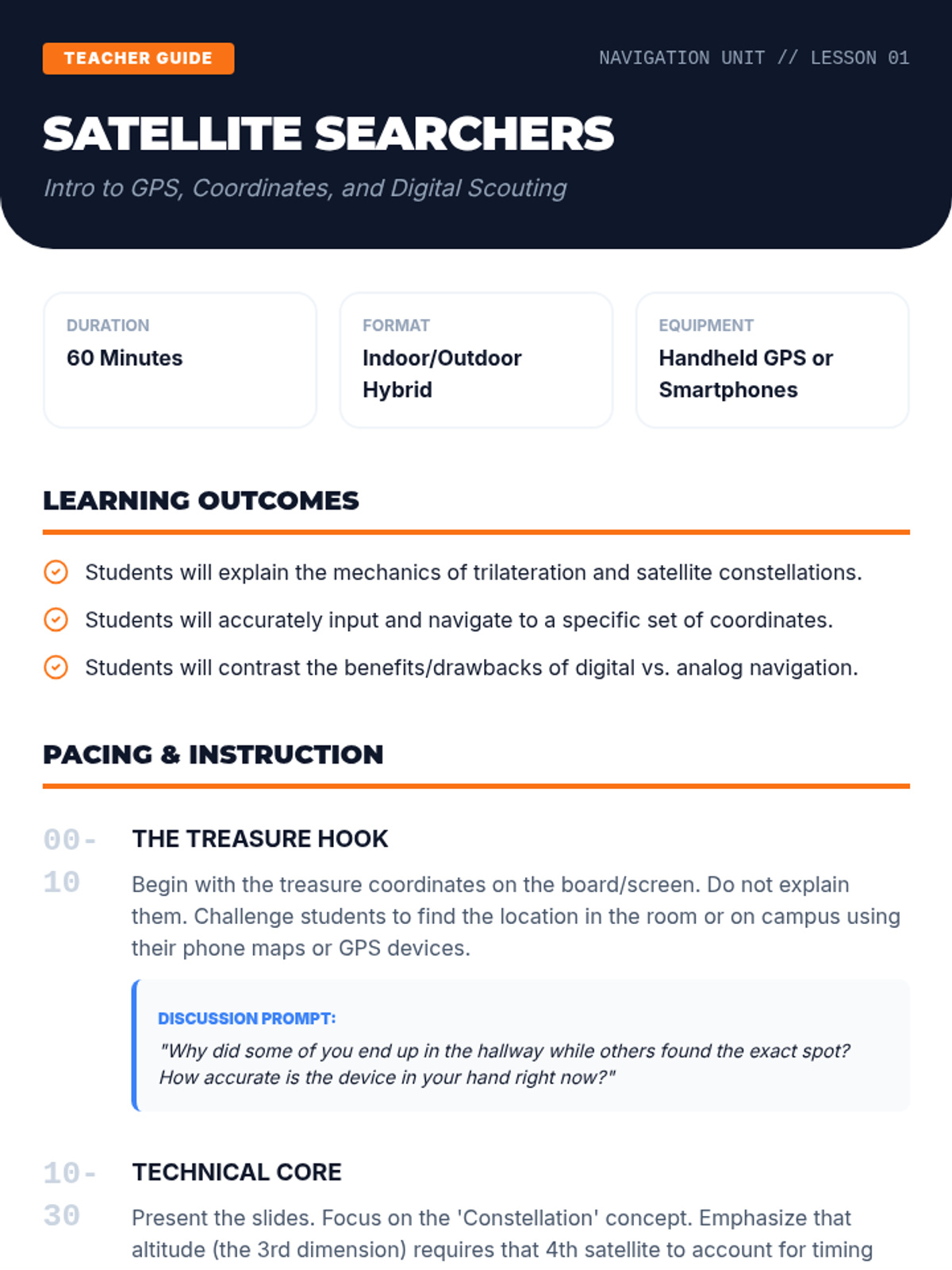
This sequence explores modern navigation techniques, blending GPS technology with traditional orienteering strategies. Students develop physical endurance and mental acuity by managing waypoints, calculating pace, and navigating complex terrain under time pressure.
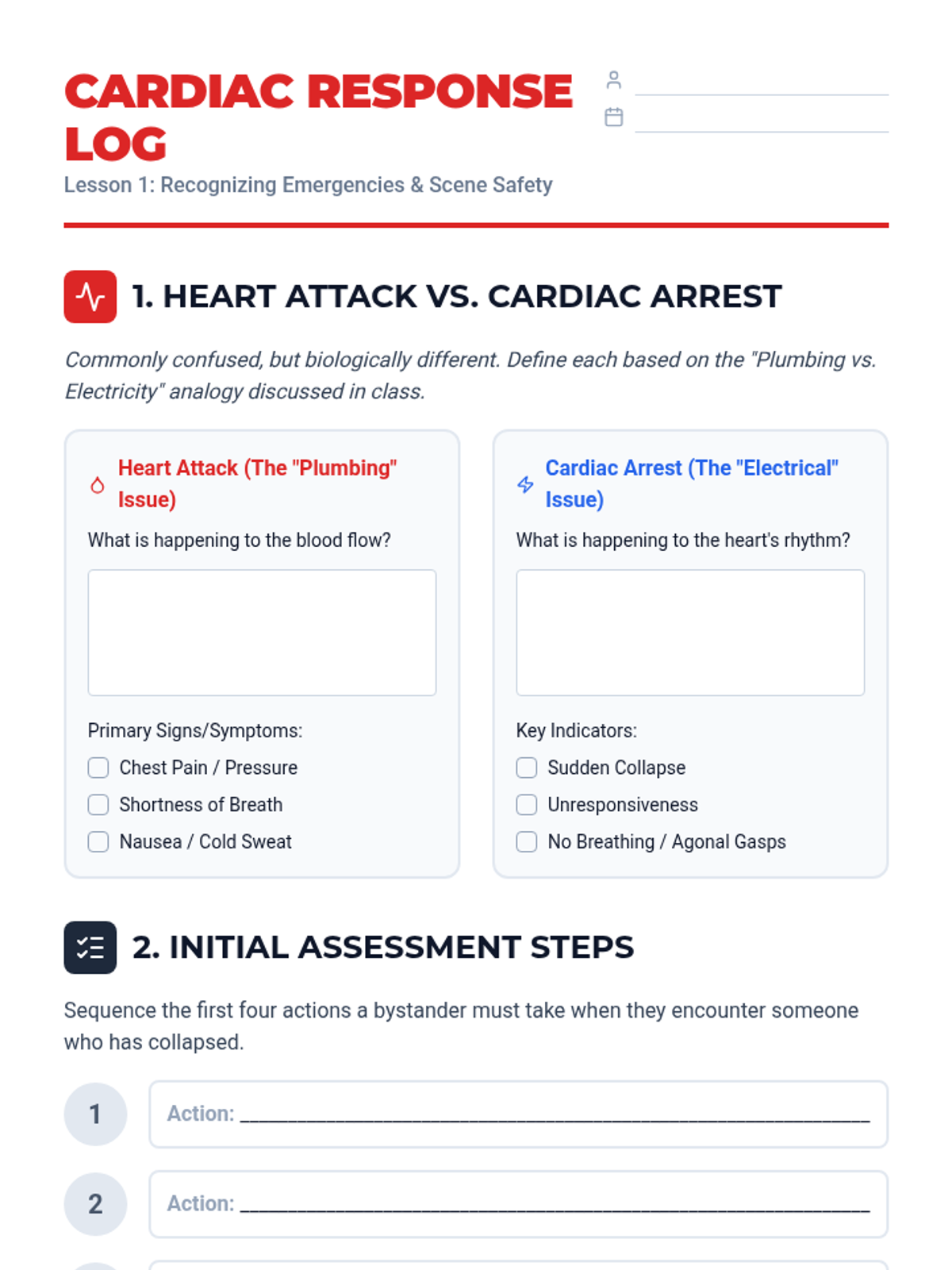
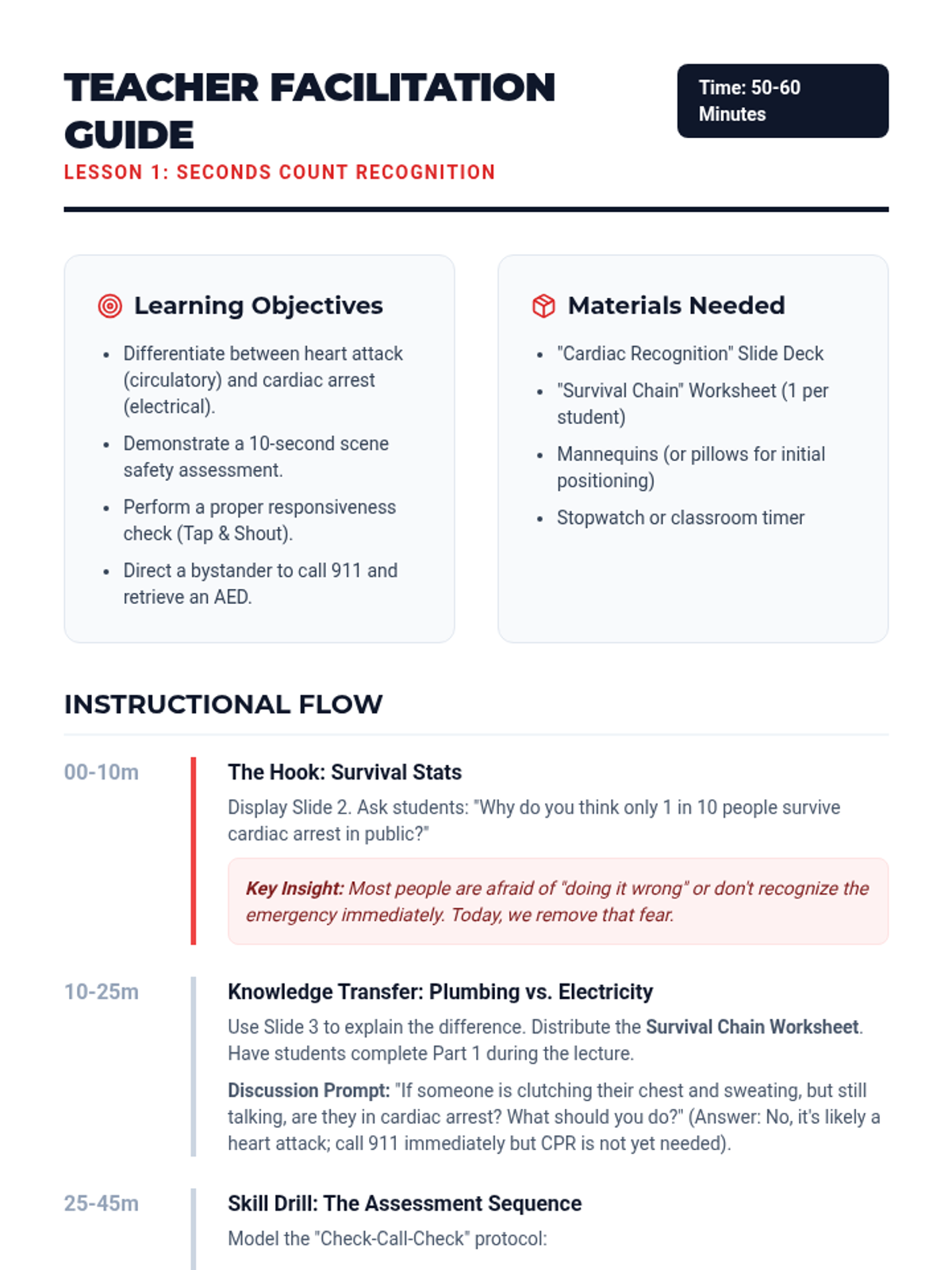
A comprehensive sequence for 10th-grade students to master CPR, AED, and Basic Life Support skills through hands-on practice, simulations, and theoretical understanding of cardiac emergencies.
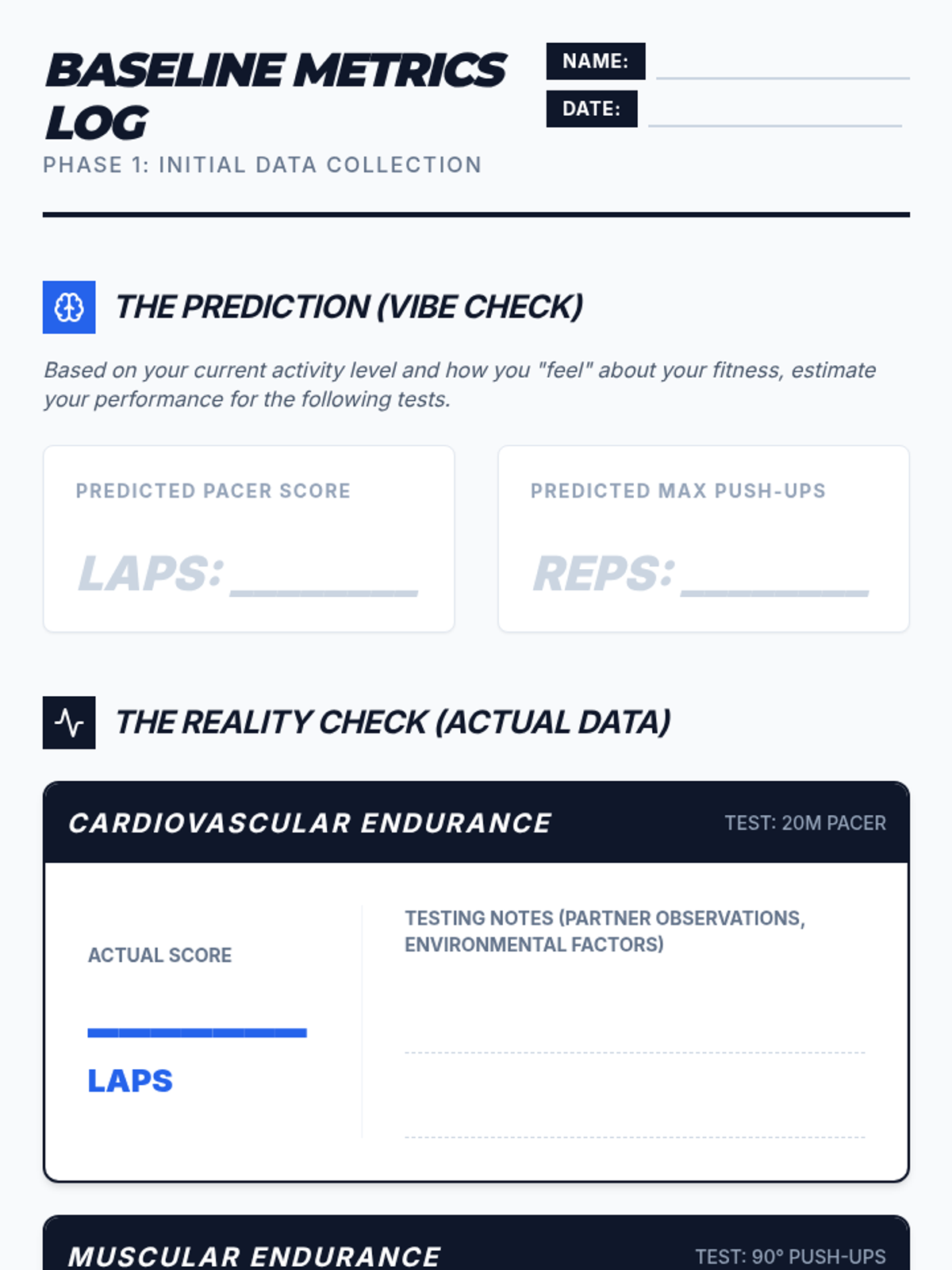
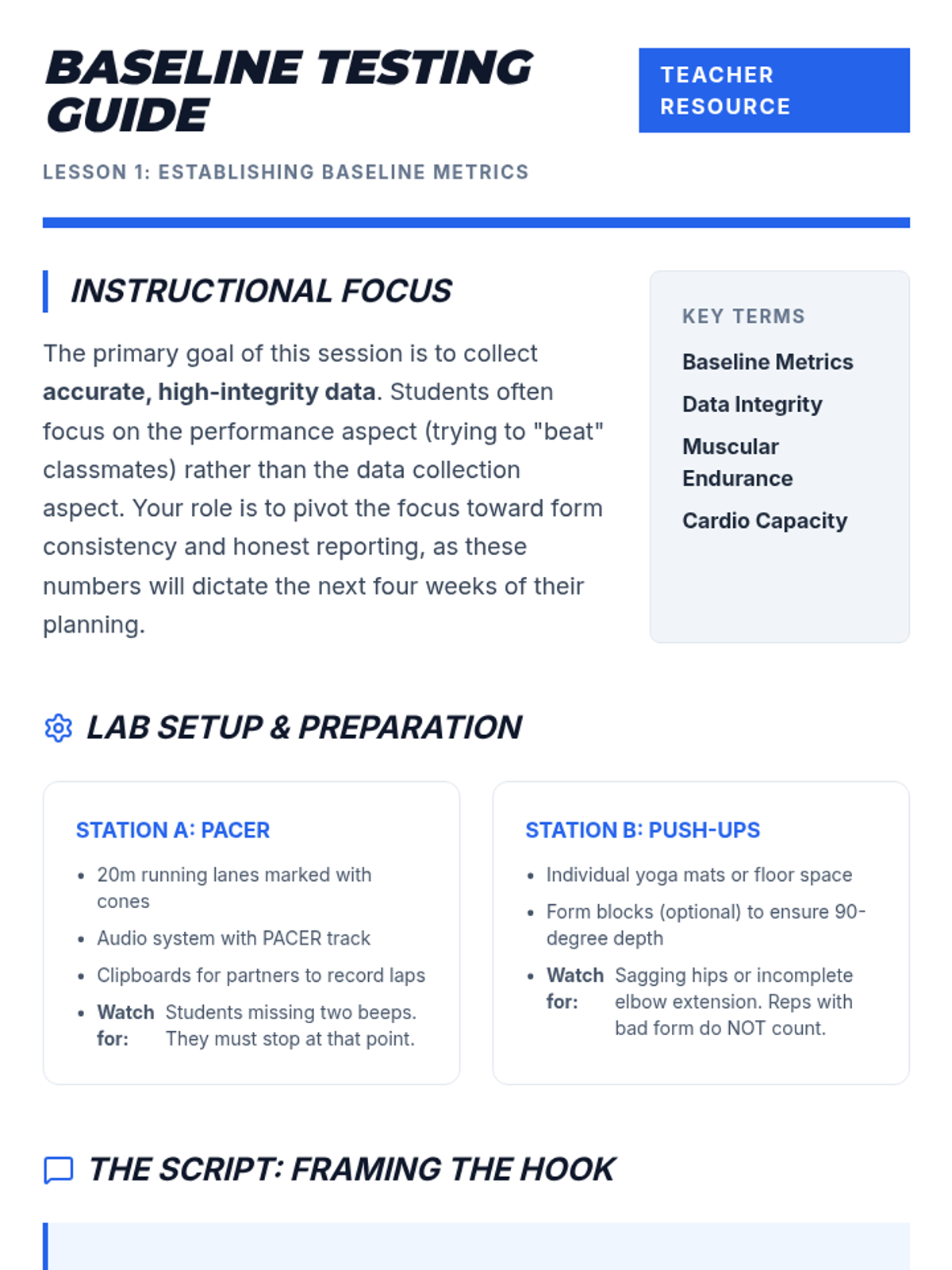
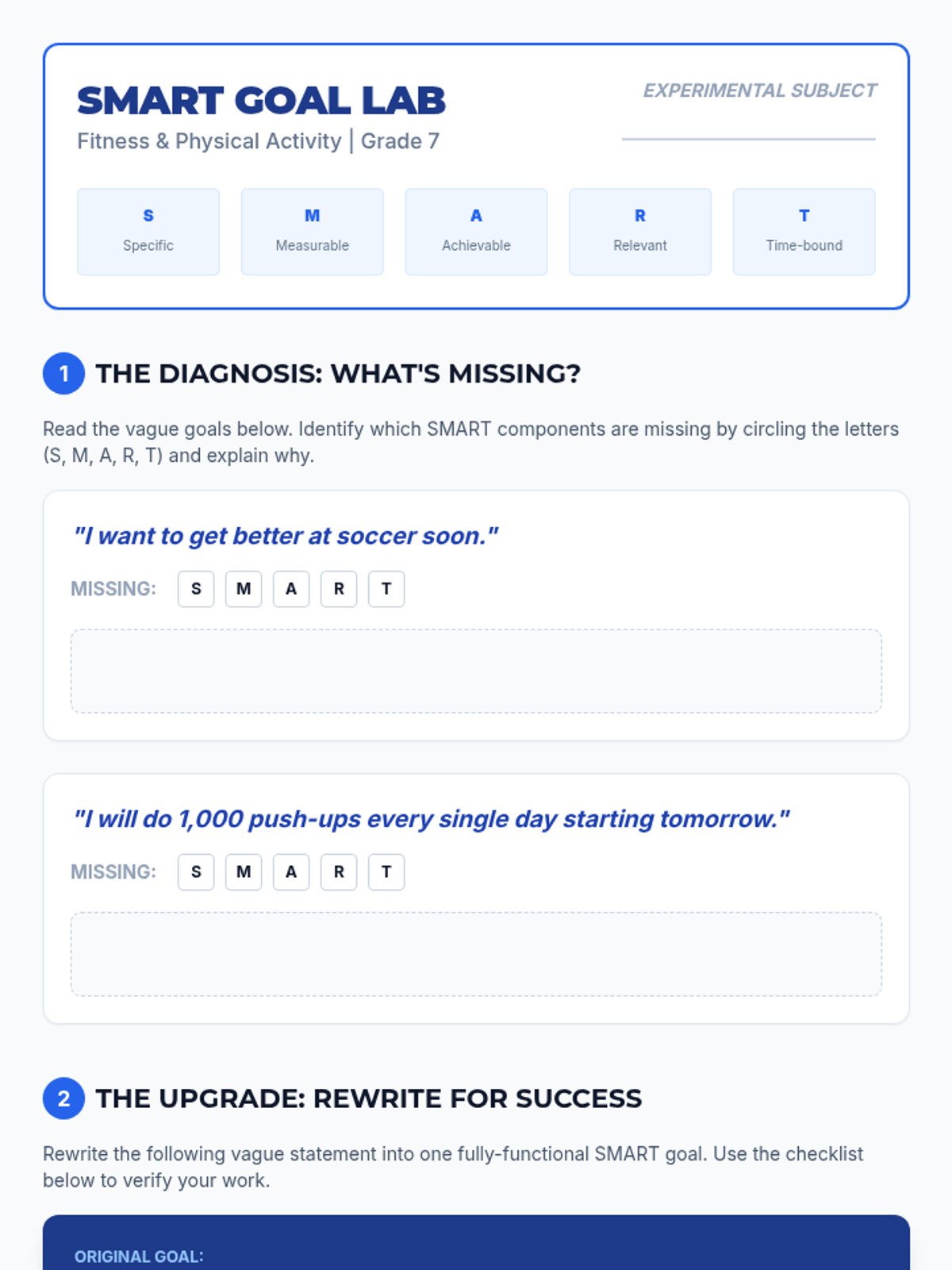
A data-driven 10th-grade physical education unit where students transition from testing baseline metrics to designing and refining their own comprehensive fitness plans using SMART goals and the FITT principle.
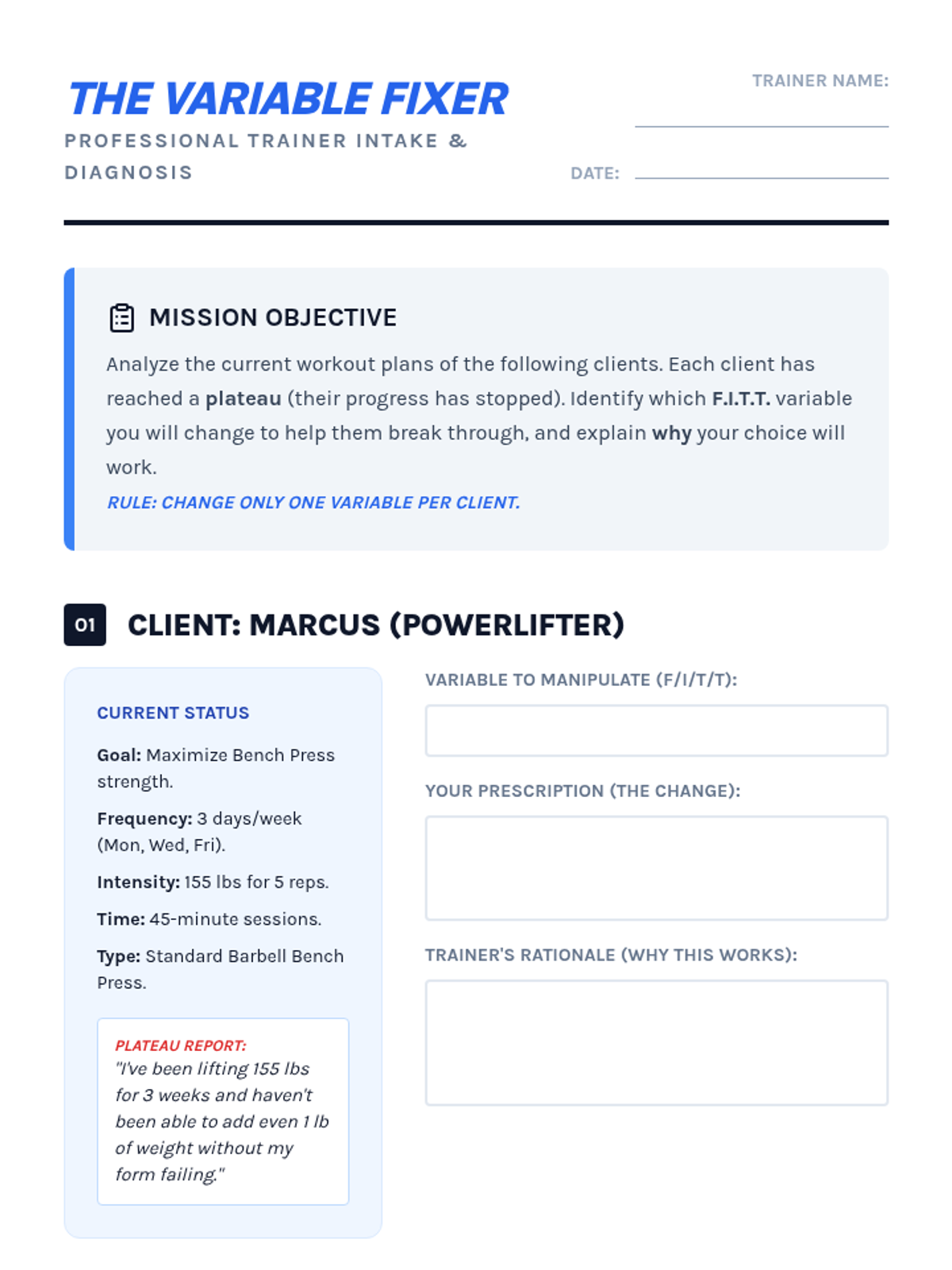
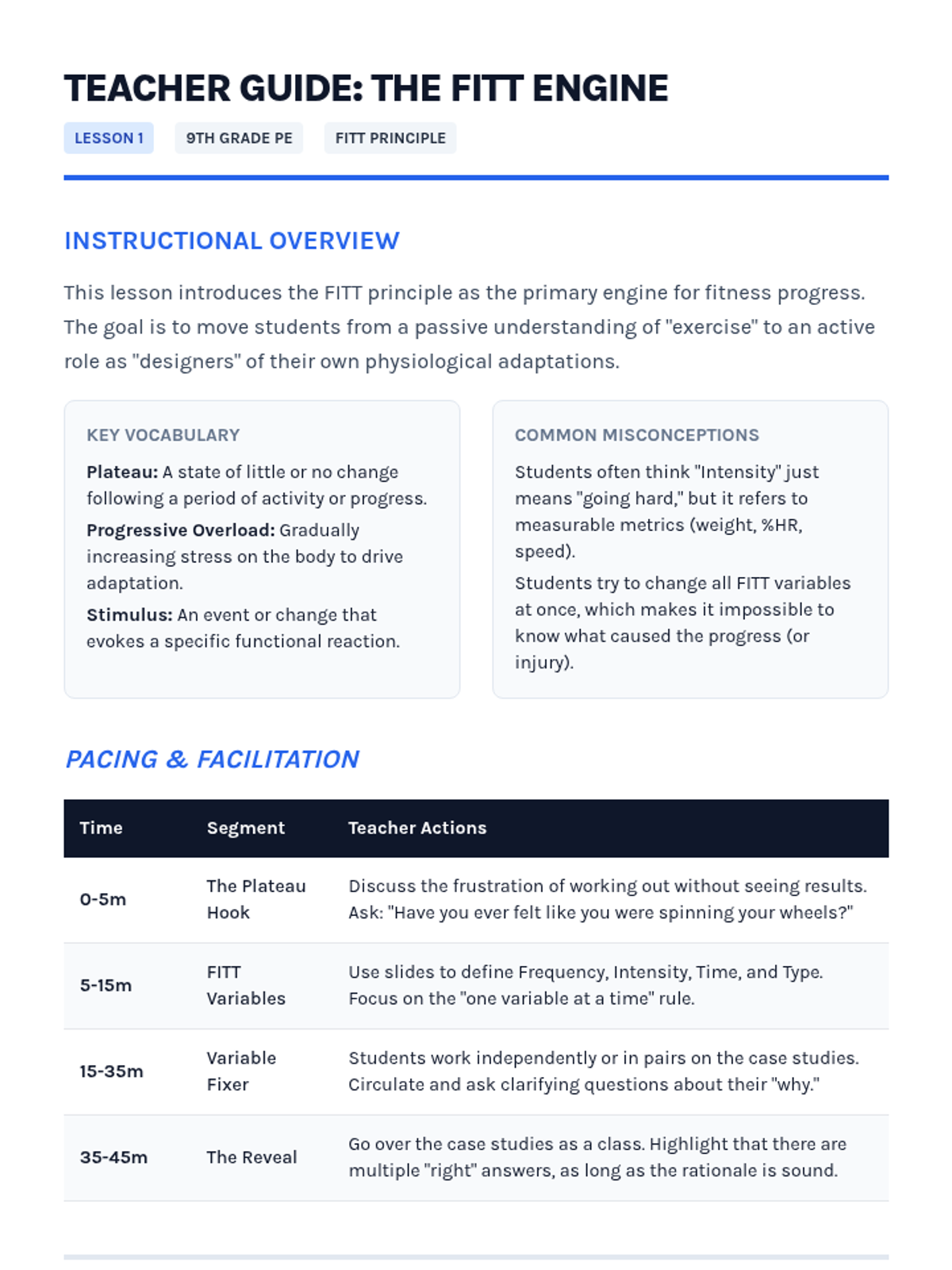
Students explore the FITT principle, progress tracking, and overcoming obstacles to create a comprehensive 4-week fitness action plan. They will learn to manipulate fitness variables, manage busy schedules, and build resilience against plateaus.
A data-driven workshop sequence where students transition from vague fitness ideas to concrete, actionable plans. They master SMART goals, conduct baseline assessments for cardiovascular and muscular health, analyze their performance data, and apply the FITT principle to design a personalized 4-week fitness action plan.
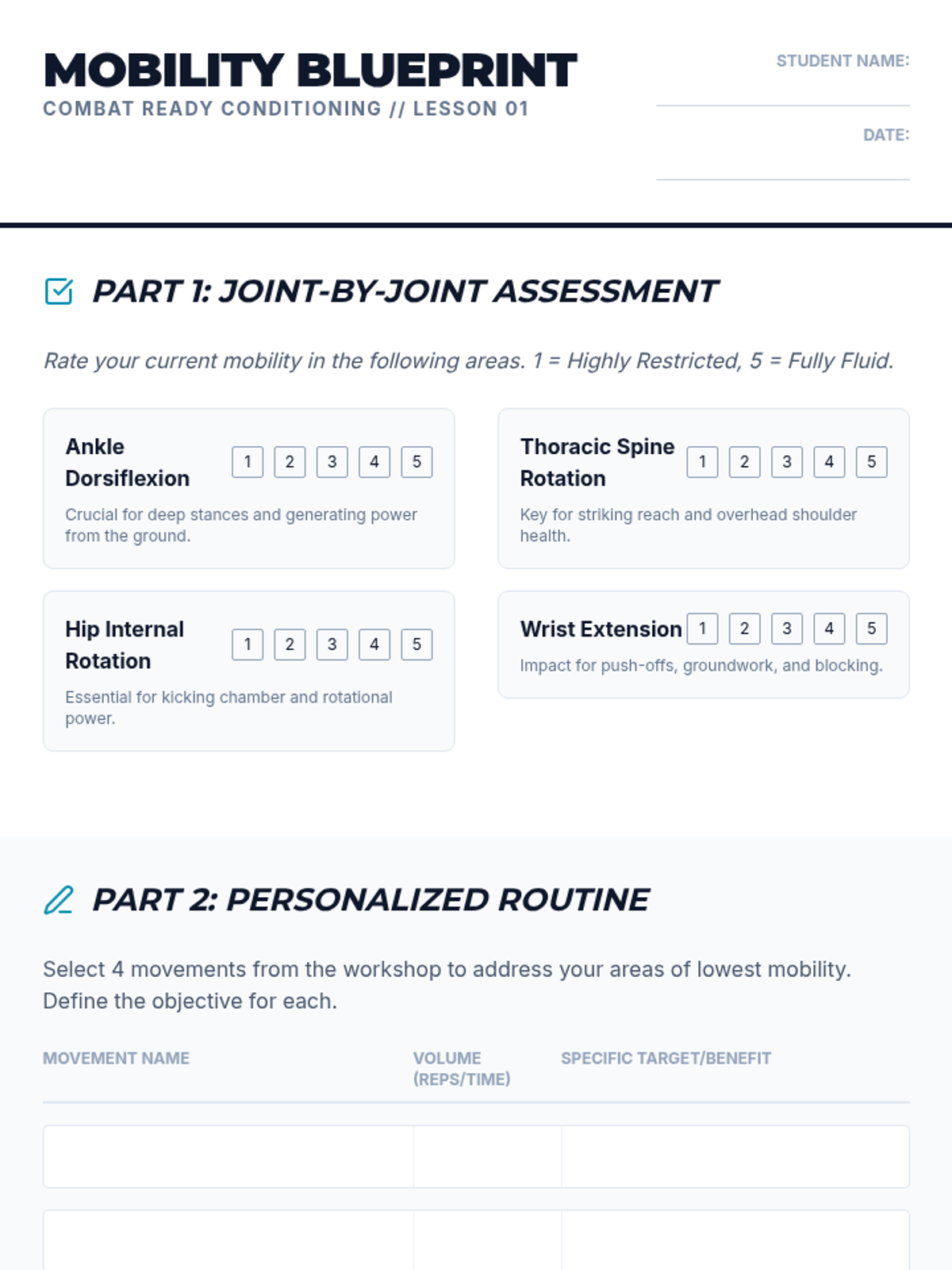
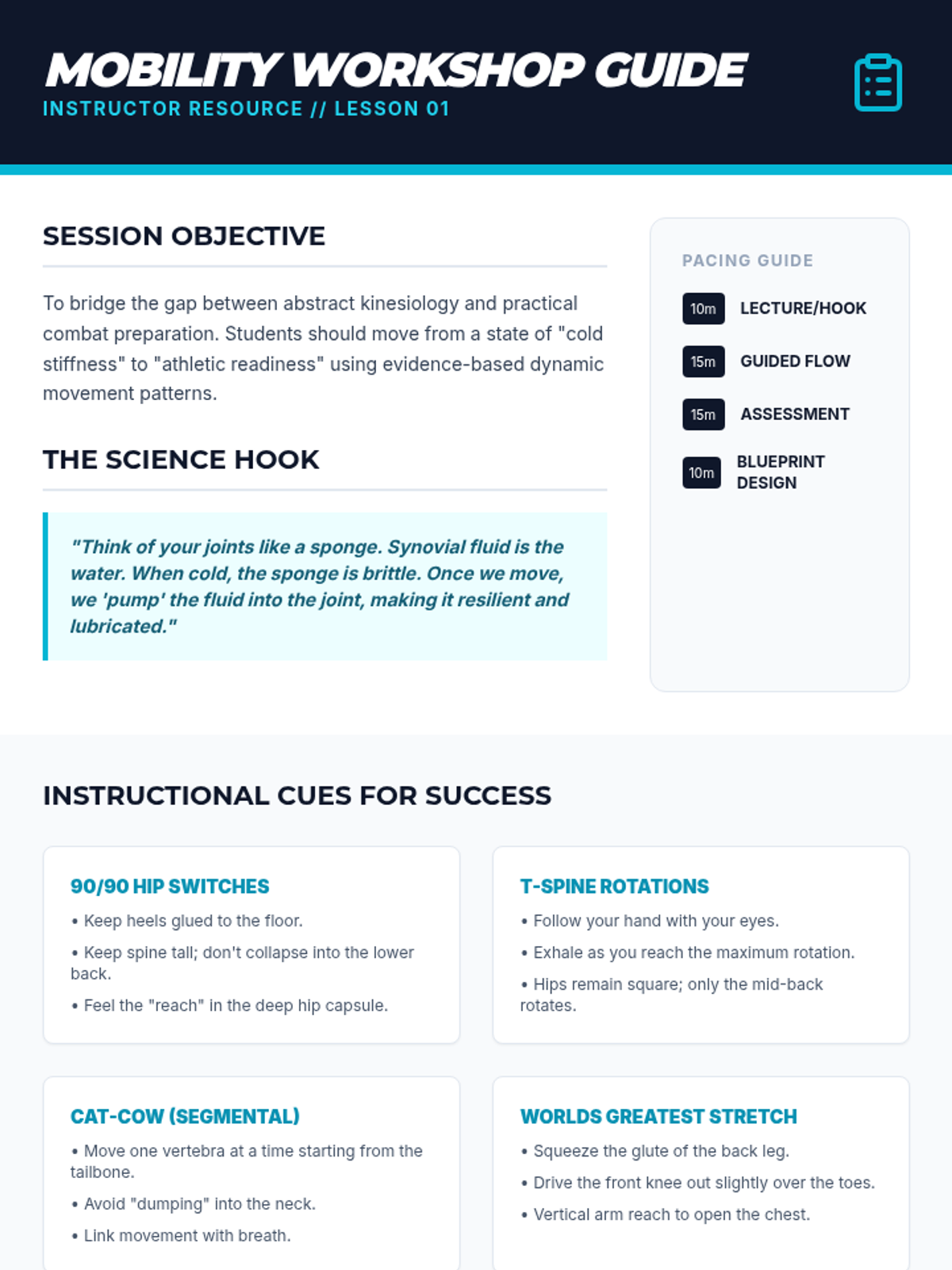
A comprehensive physical conditioning unit for martial arts, applying kinesiology principles to improve performance, power, and longevity in combat sports.
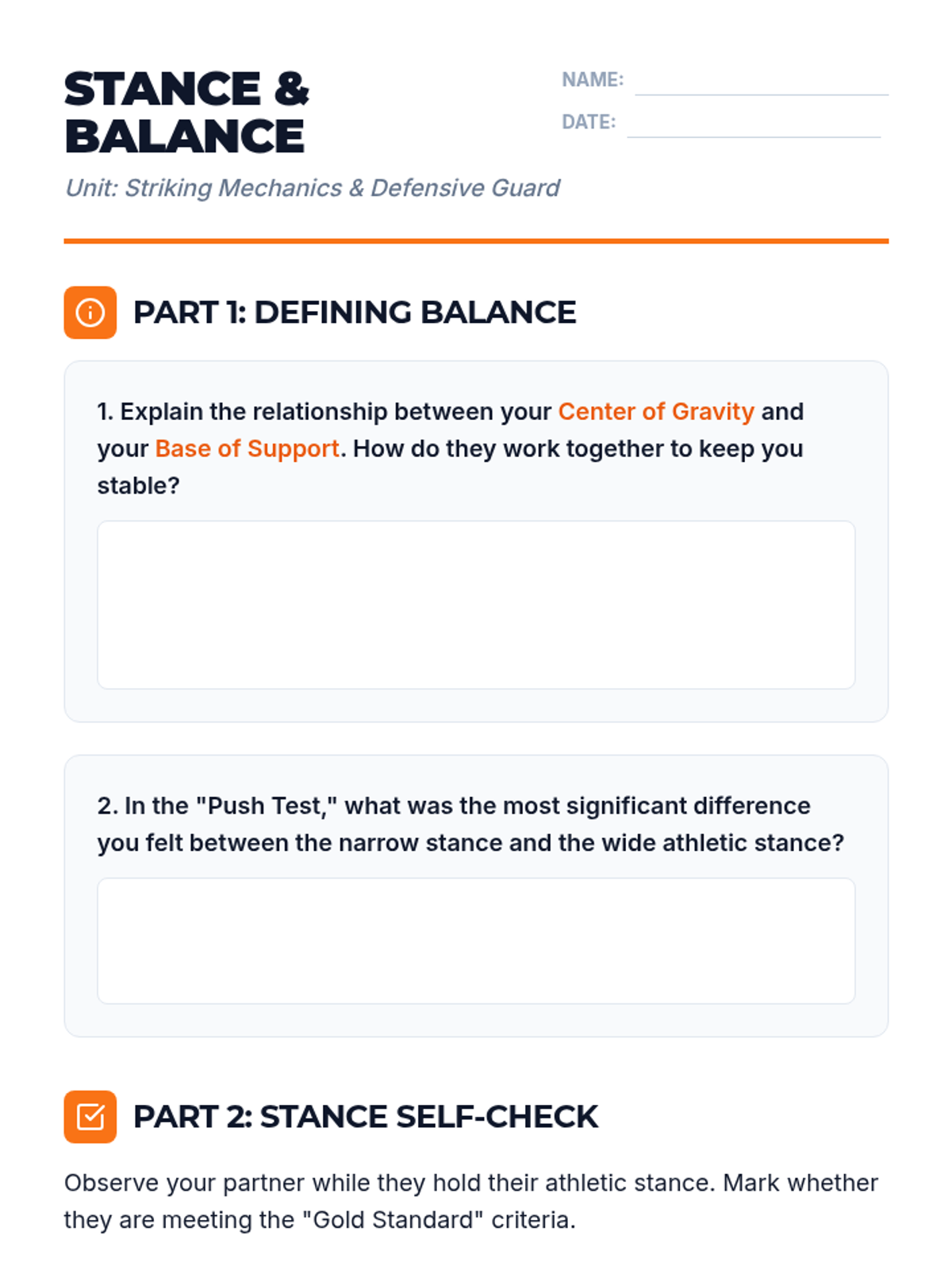
A comprehensive 5-lesson sequence for 10th-grade students focusing on the biomechanics of striking and defense. Students explore stance, linear strikes, defensive guards, lower body techniques, and high-intensity combinations.
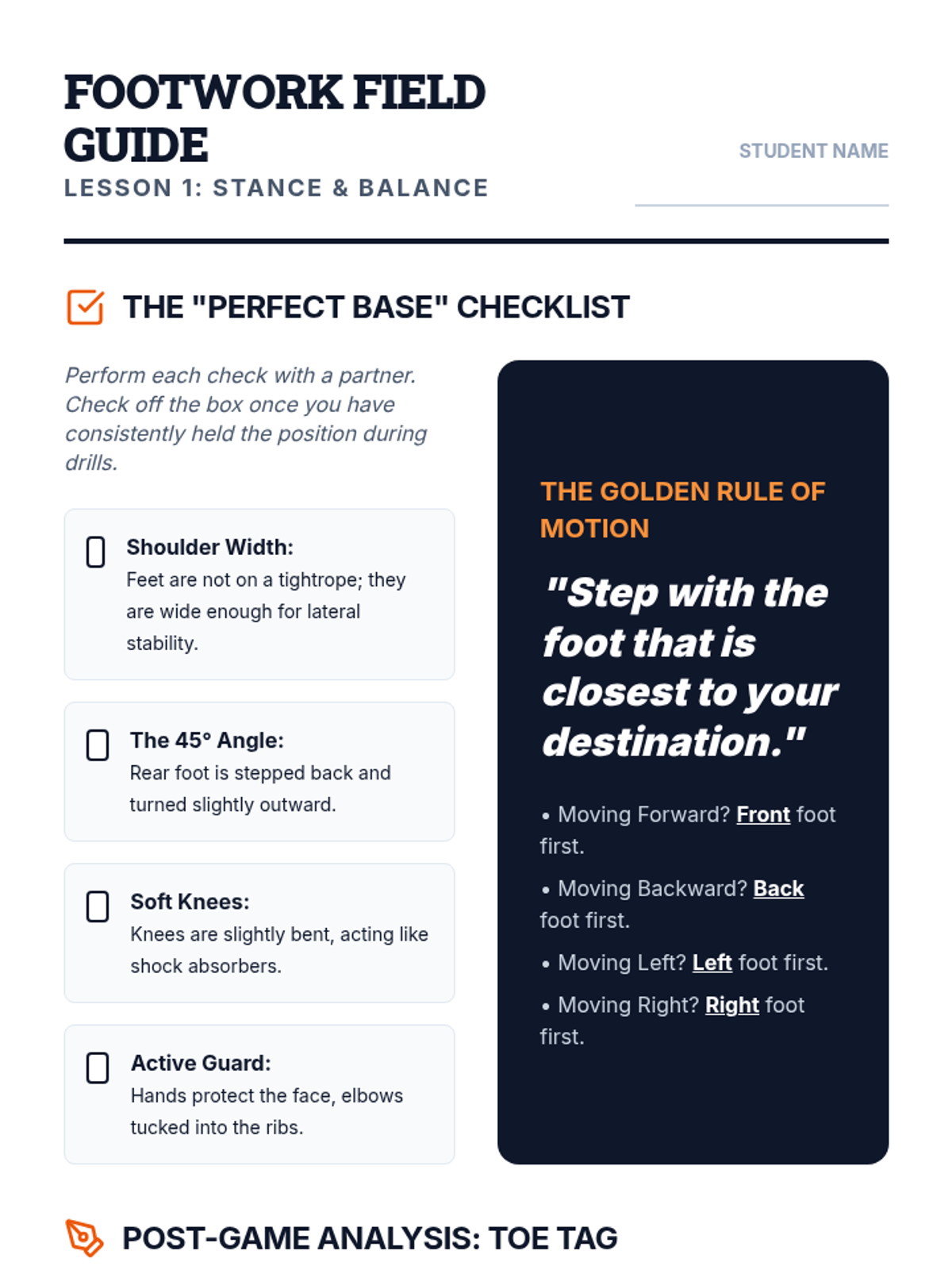
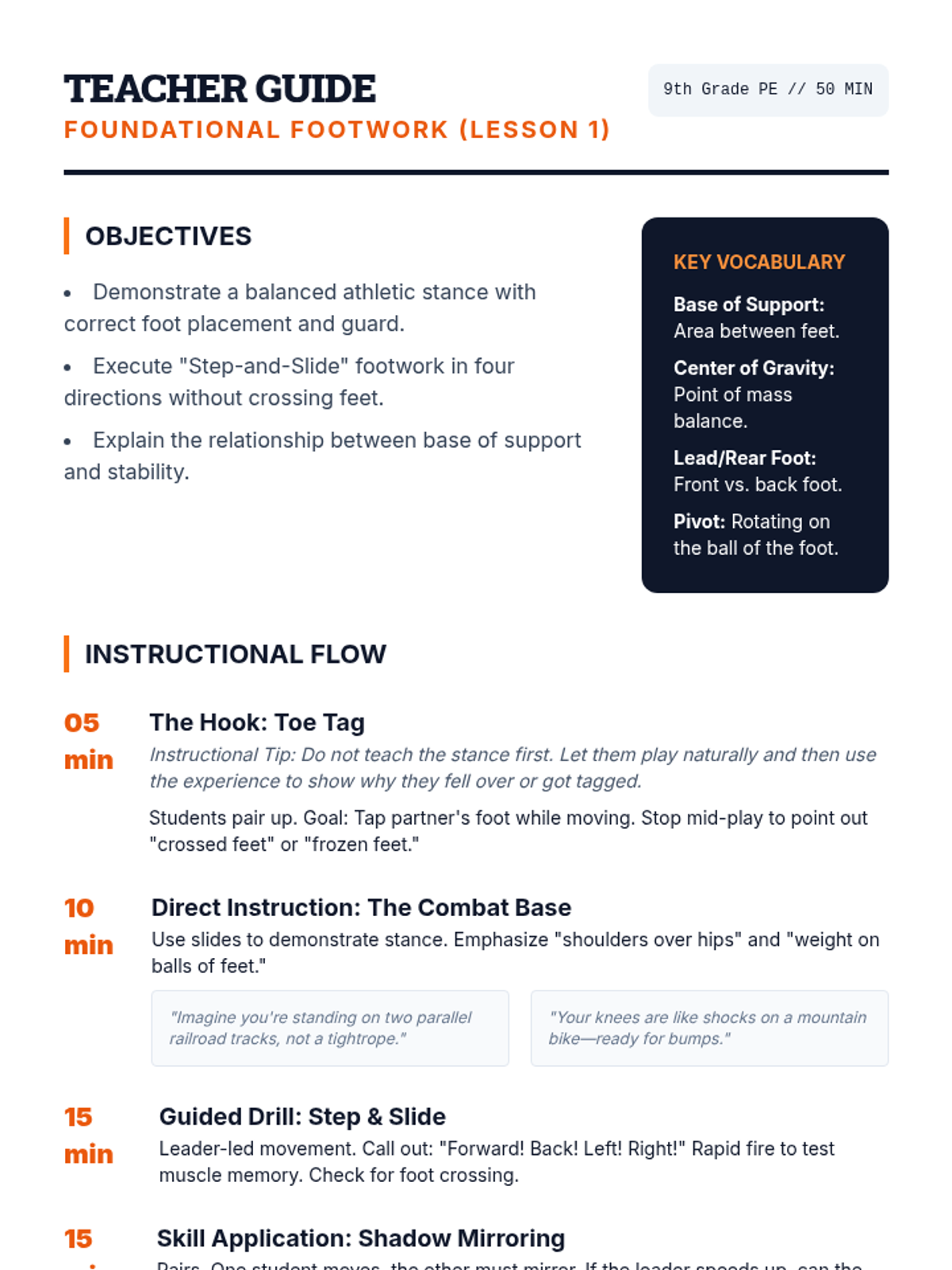
A 5-lesson sequence exploring the biomechanics and physics of martial arts strikes and blocks. Students progress from foundational footwork to complex combinations, focusing on kinetic linking and power generation.
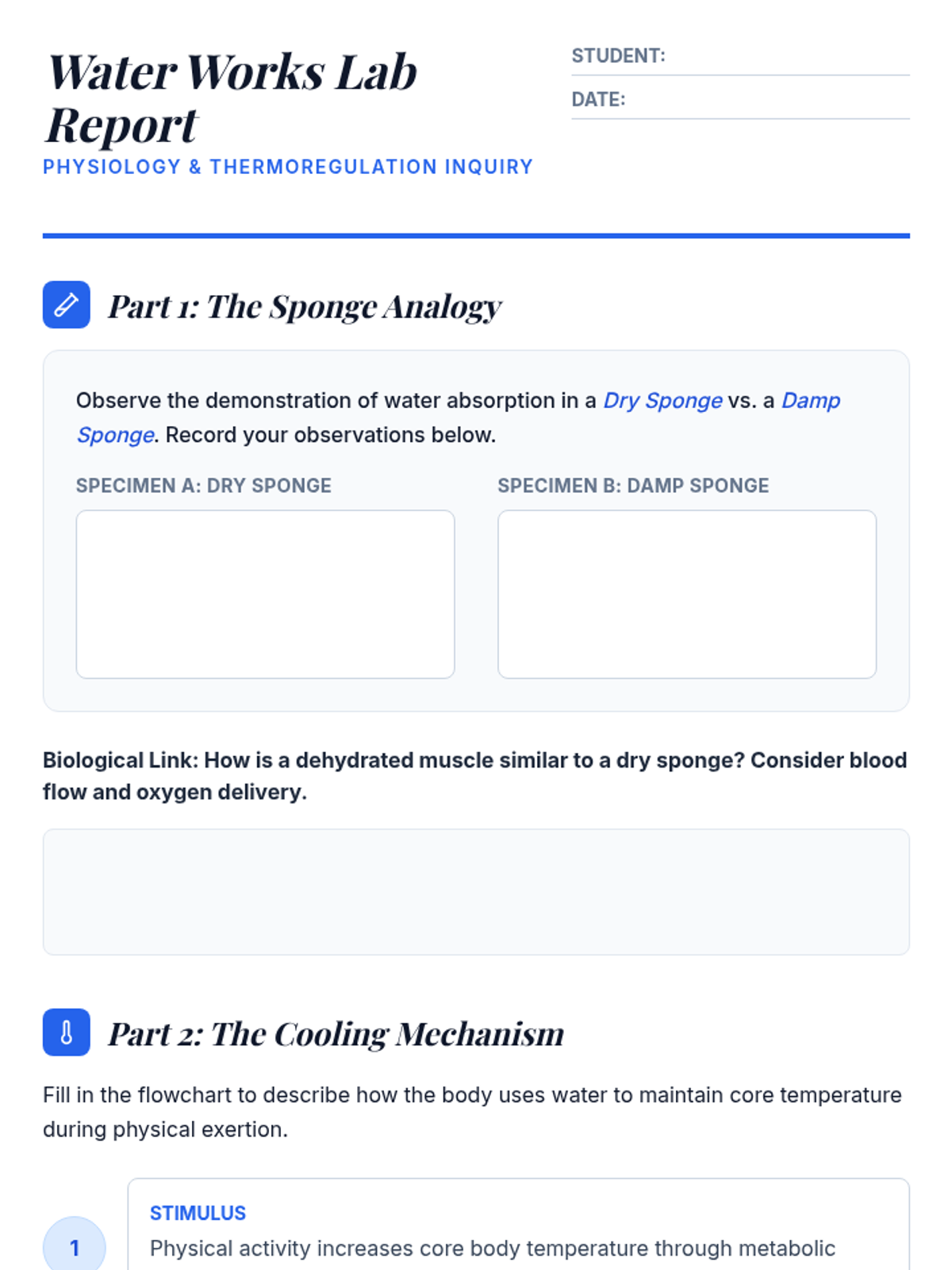
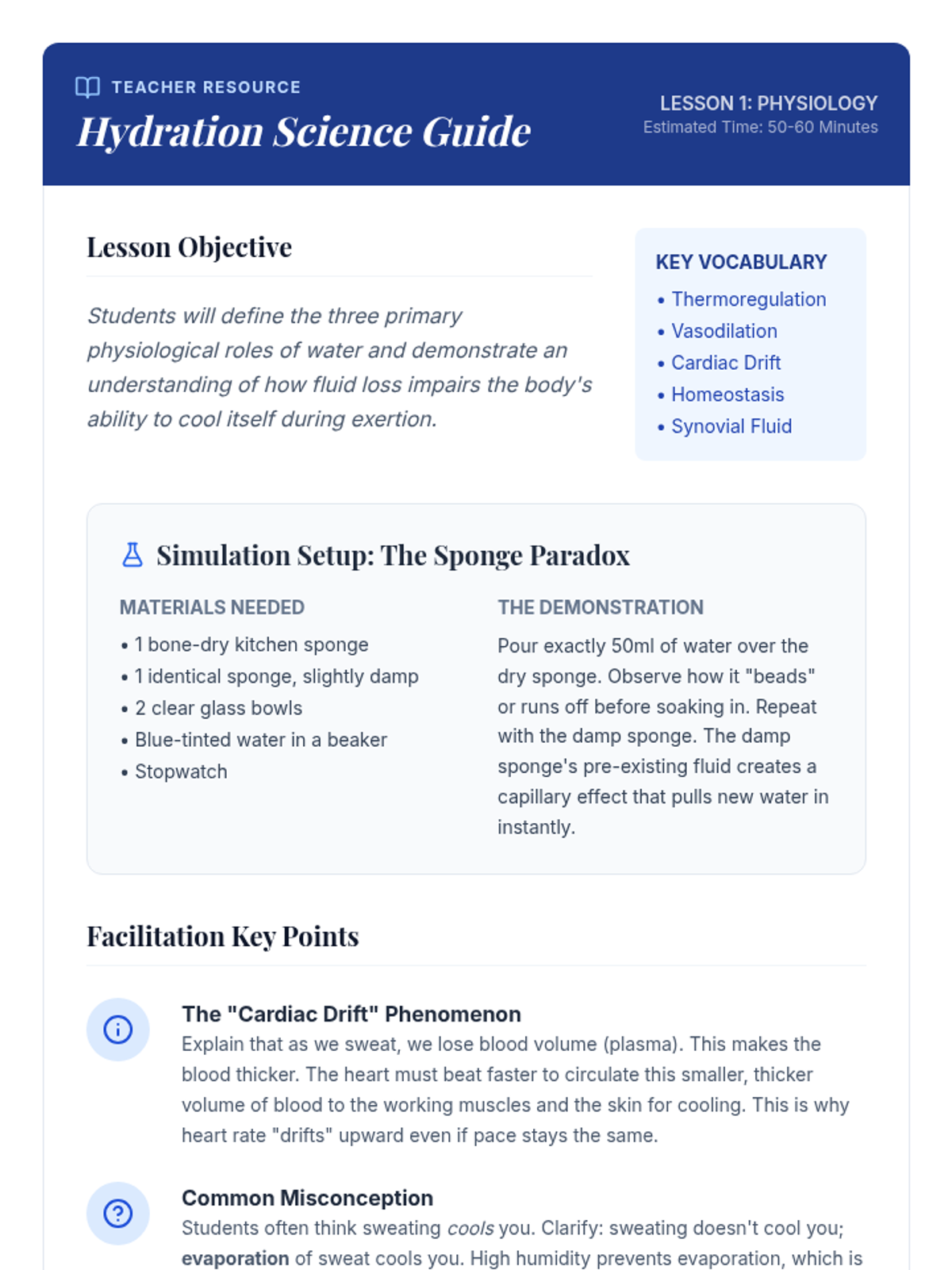
This sequence investigates the biological necessity of water and the physiological consequences of fluid imbalance, moving from biological mechanisms to practical application and personalized hydration planning.
A comprehensive 10th-grade track and field unit focusing on the biomechanics of sprinting, hurdle rhythm, and relay coordination. Students move from individual technique analysis to competitive team strategies through simulation and data-driven reflection.
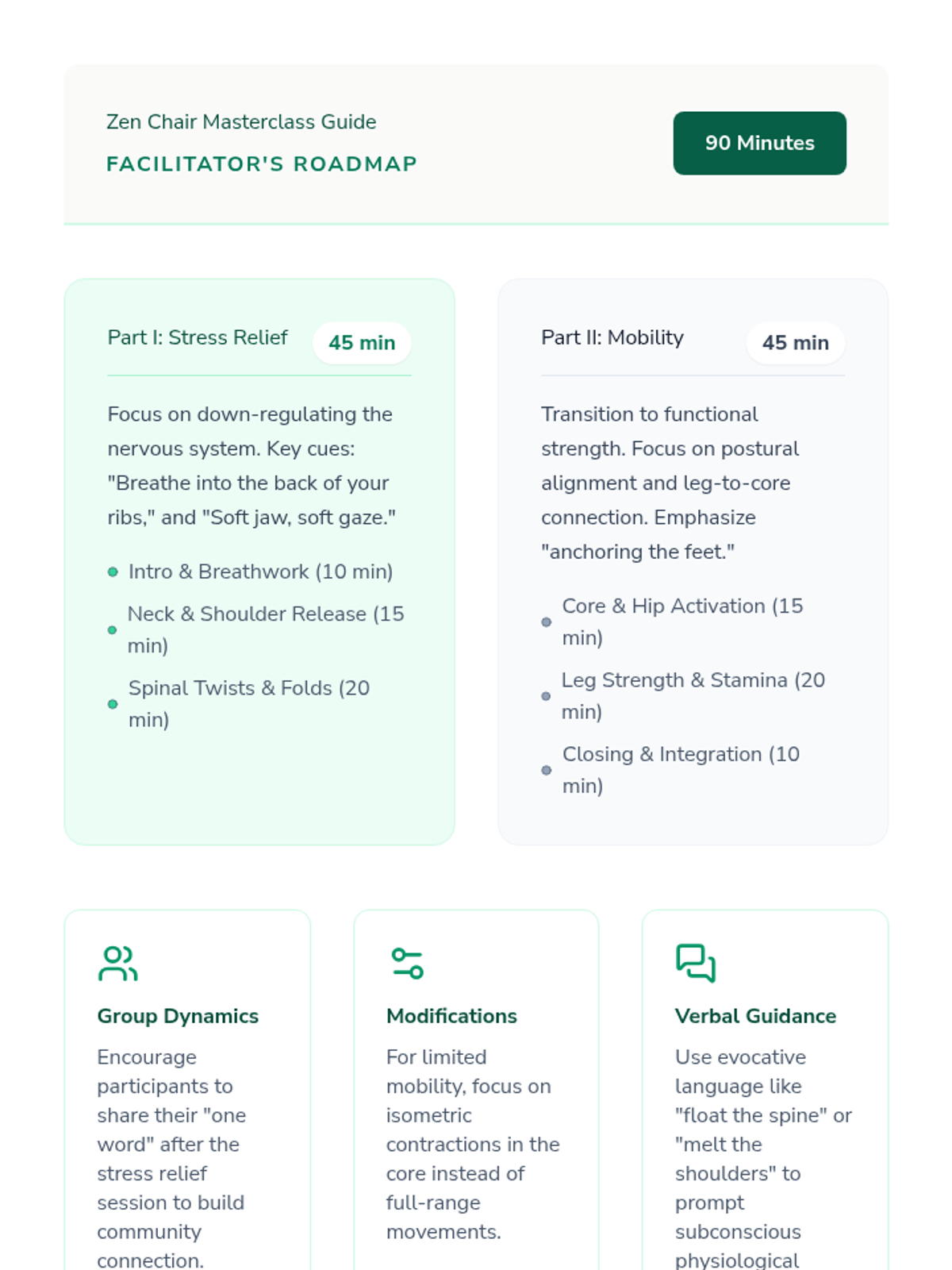
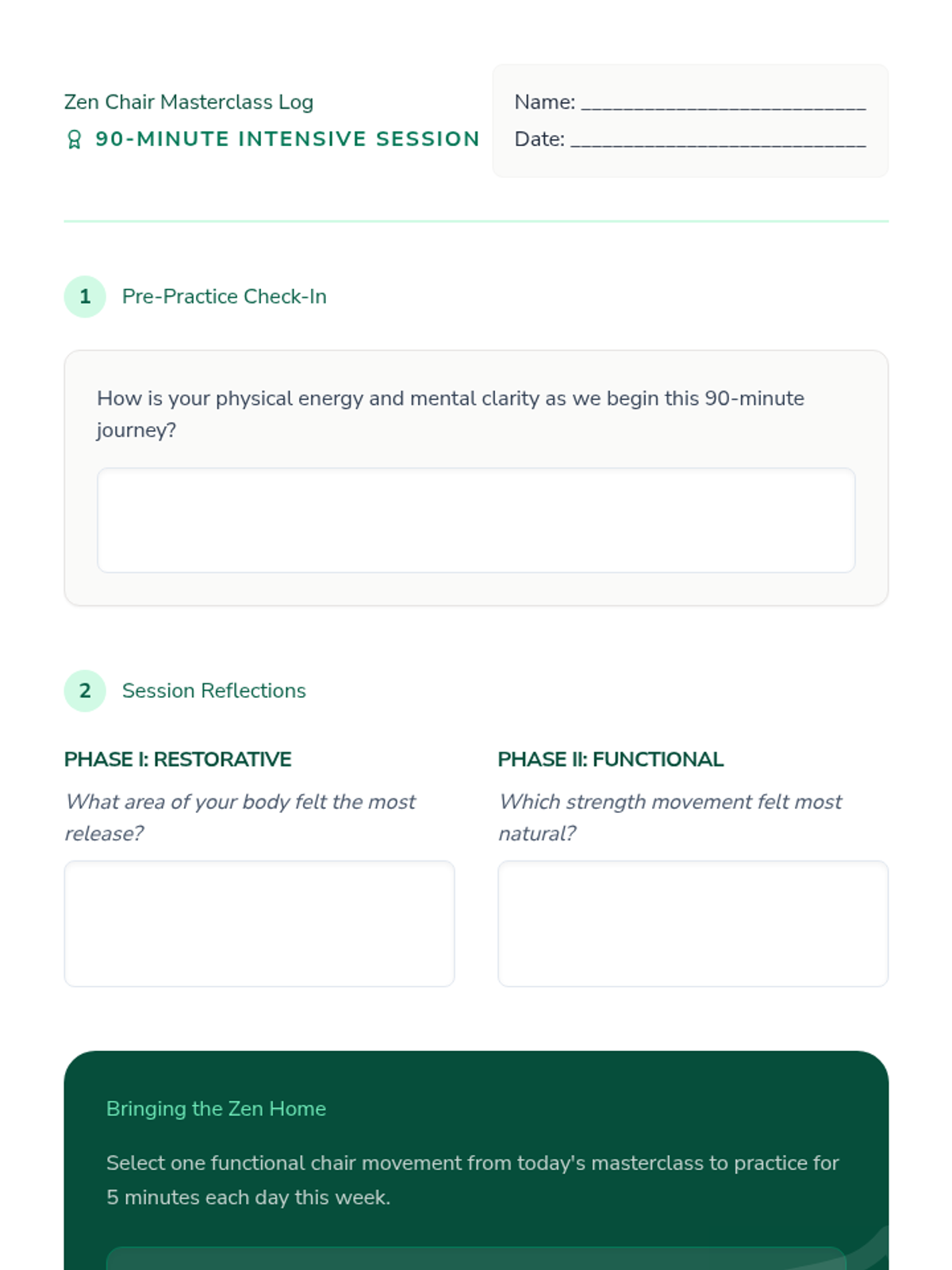
A comprehensive yoga series featuring a deep-dive chair yoga masterclass with guided videos and a follow-up standing flow session for beginners. Designed to build both mental calm and physical strength.
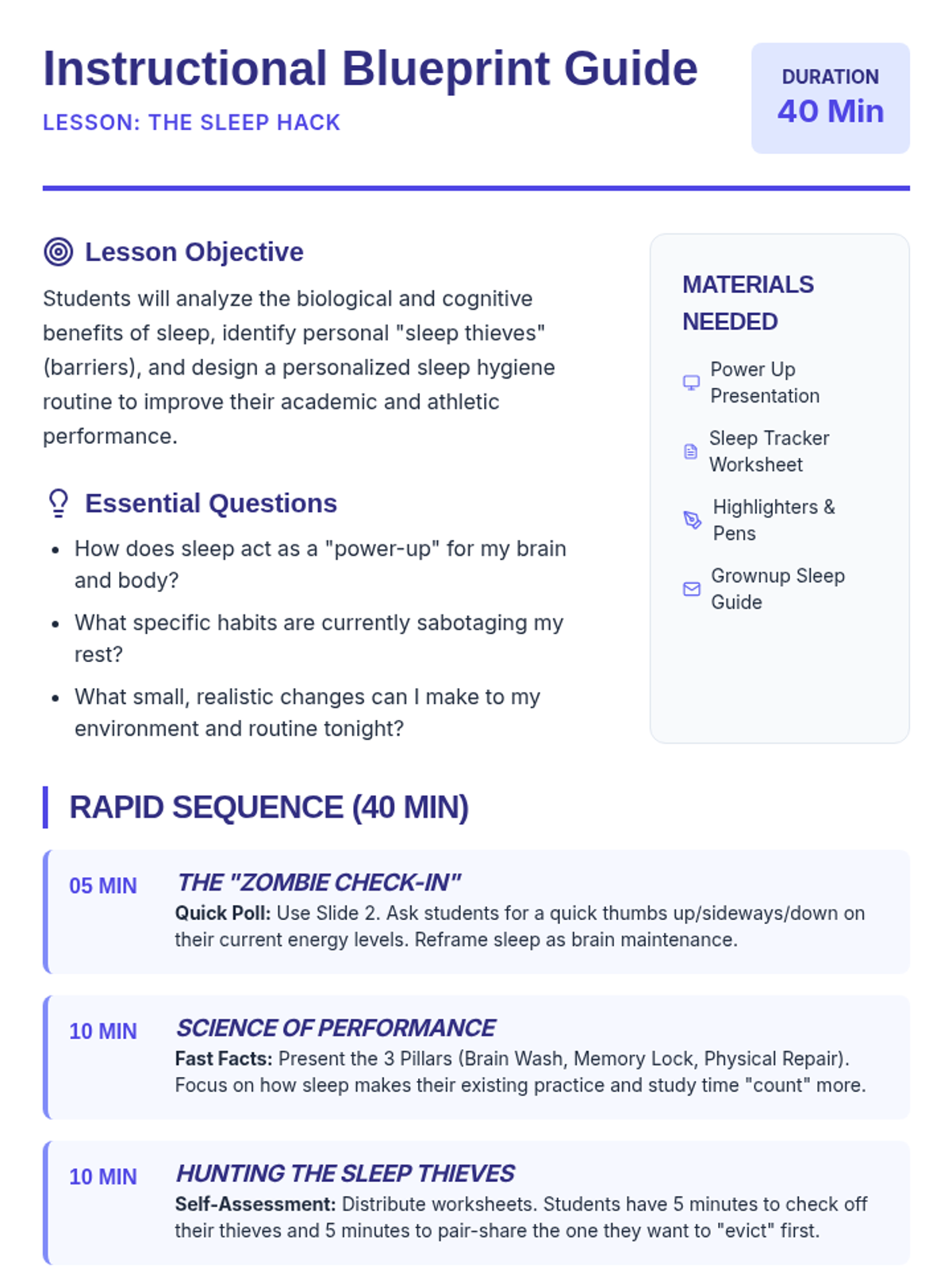
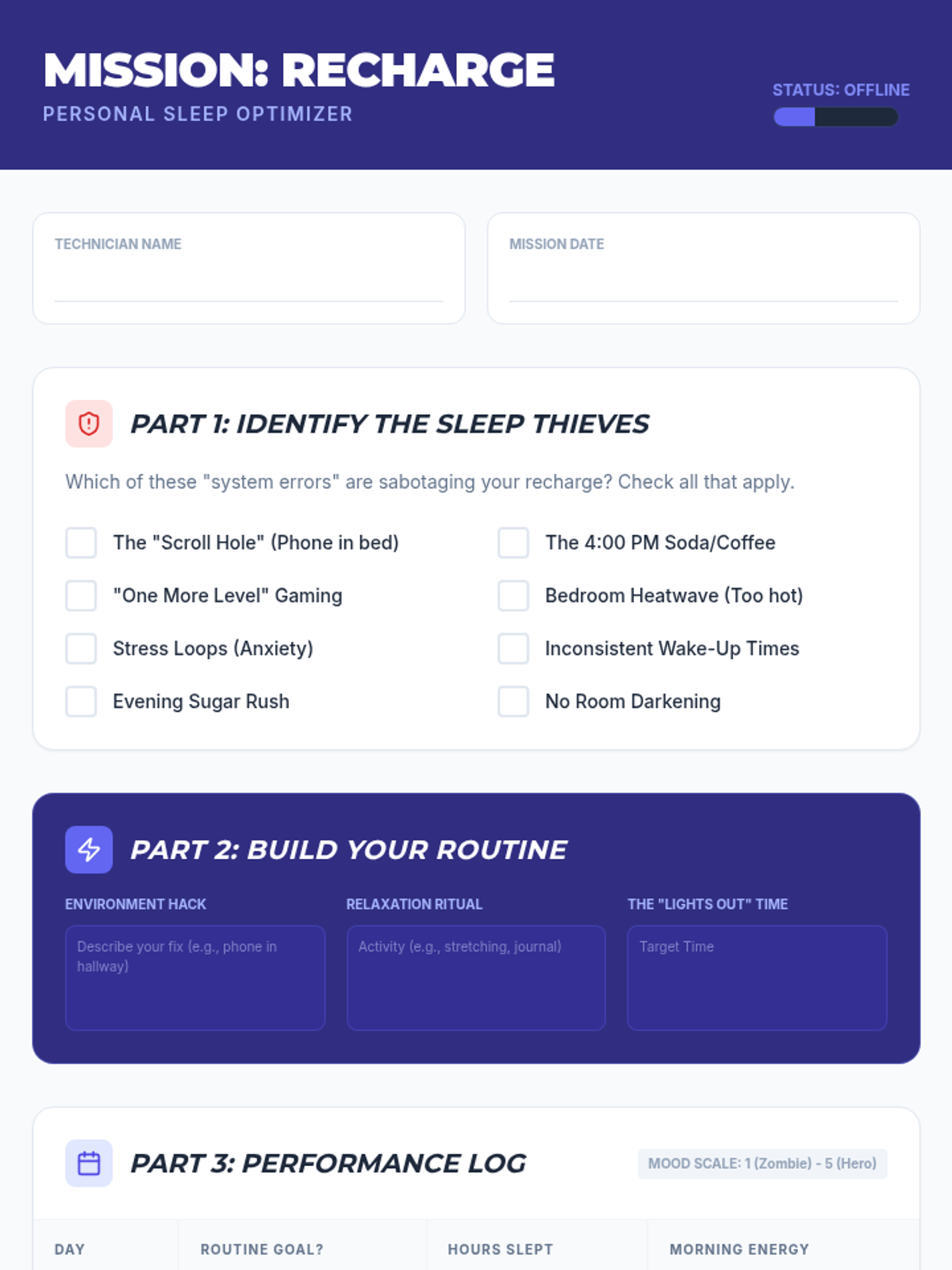
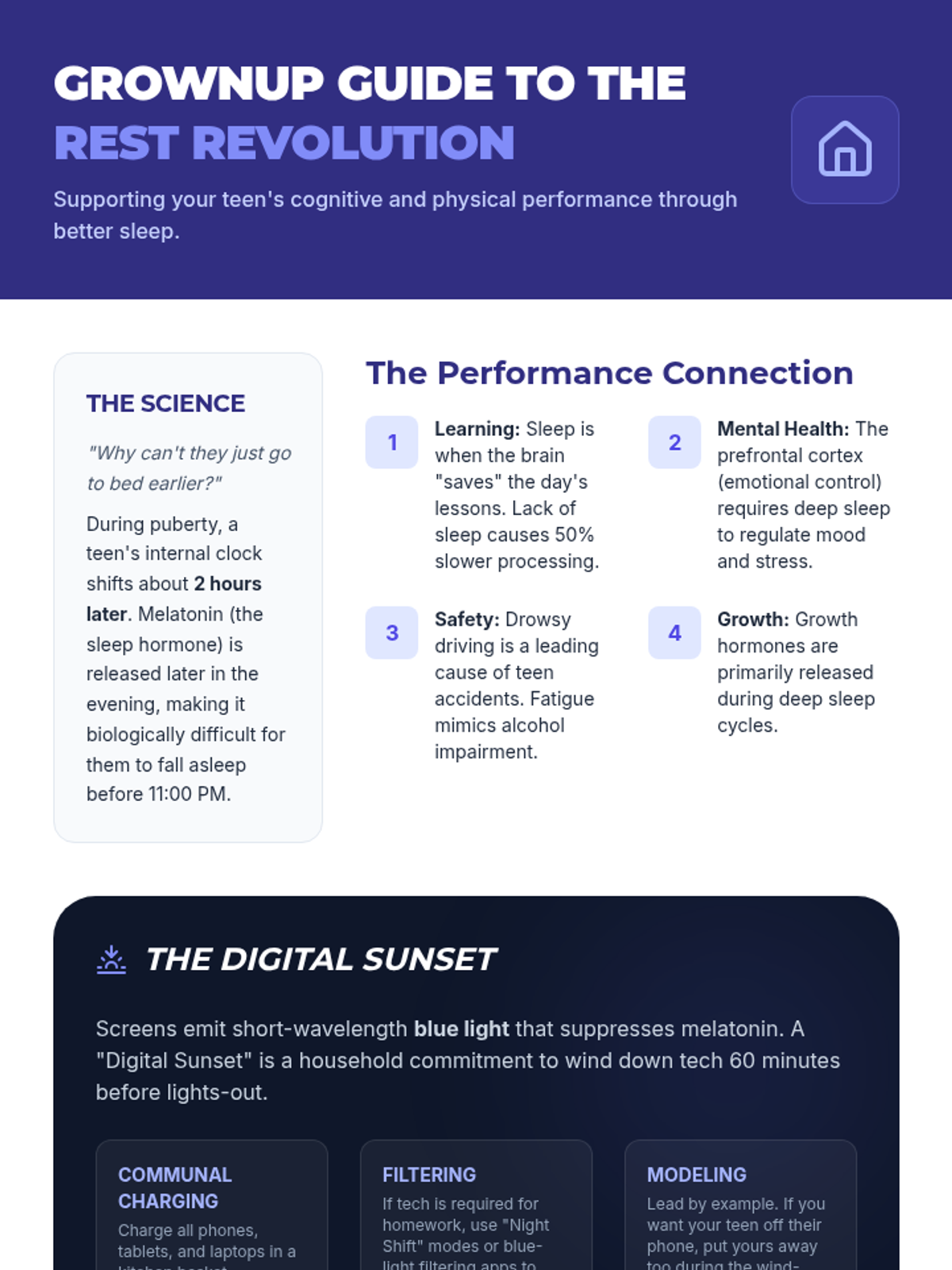
A comprehensive unit designed to help students understand the science of sleep, identify personal sleep barriers, and implement effective sleep hygiene habits for better physical and mental well-being.
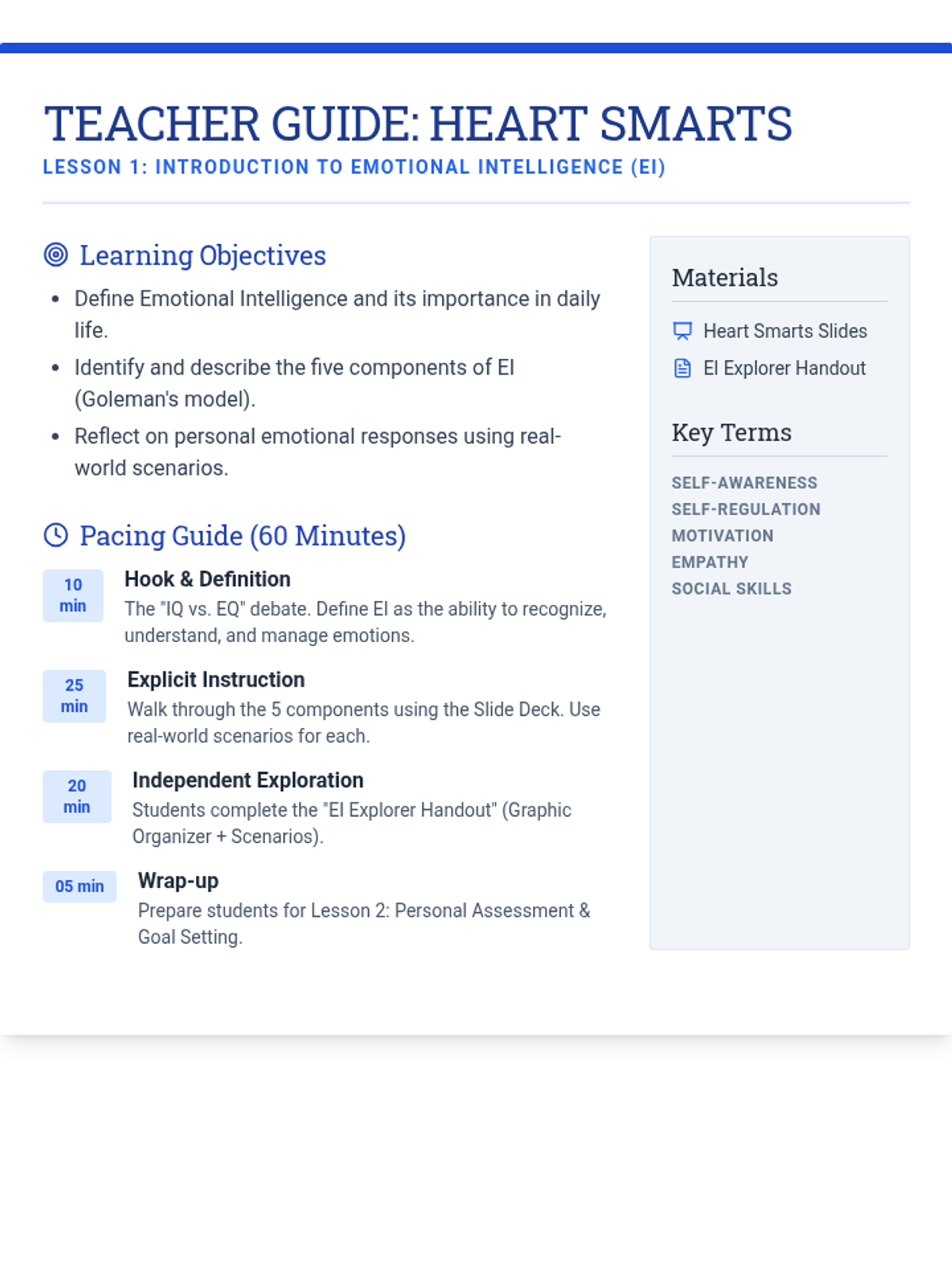
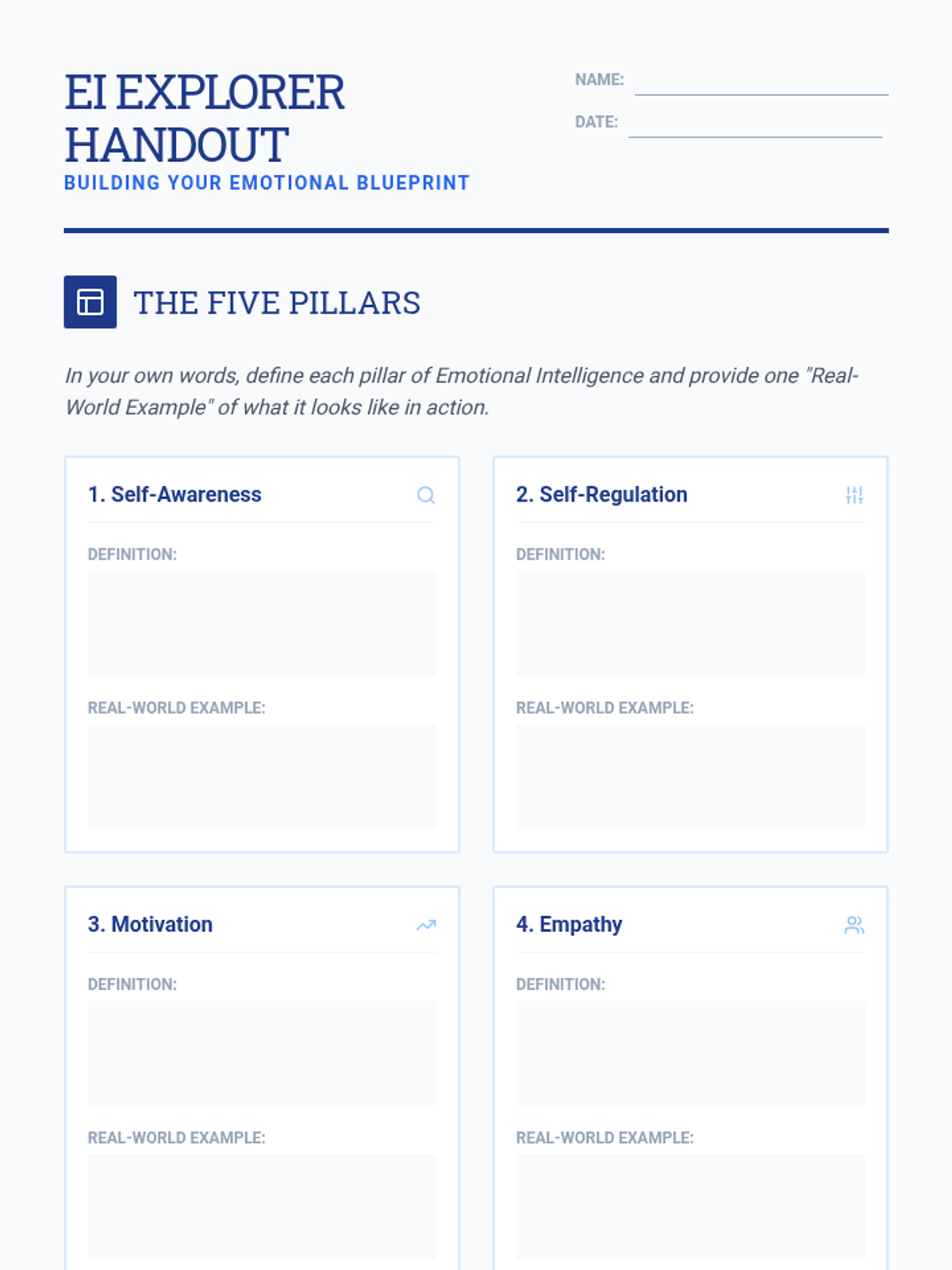
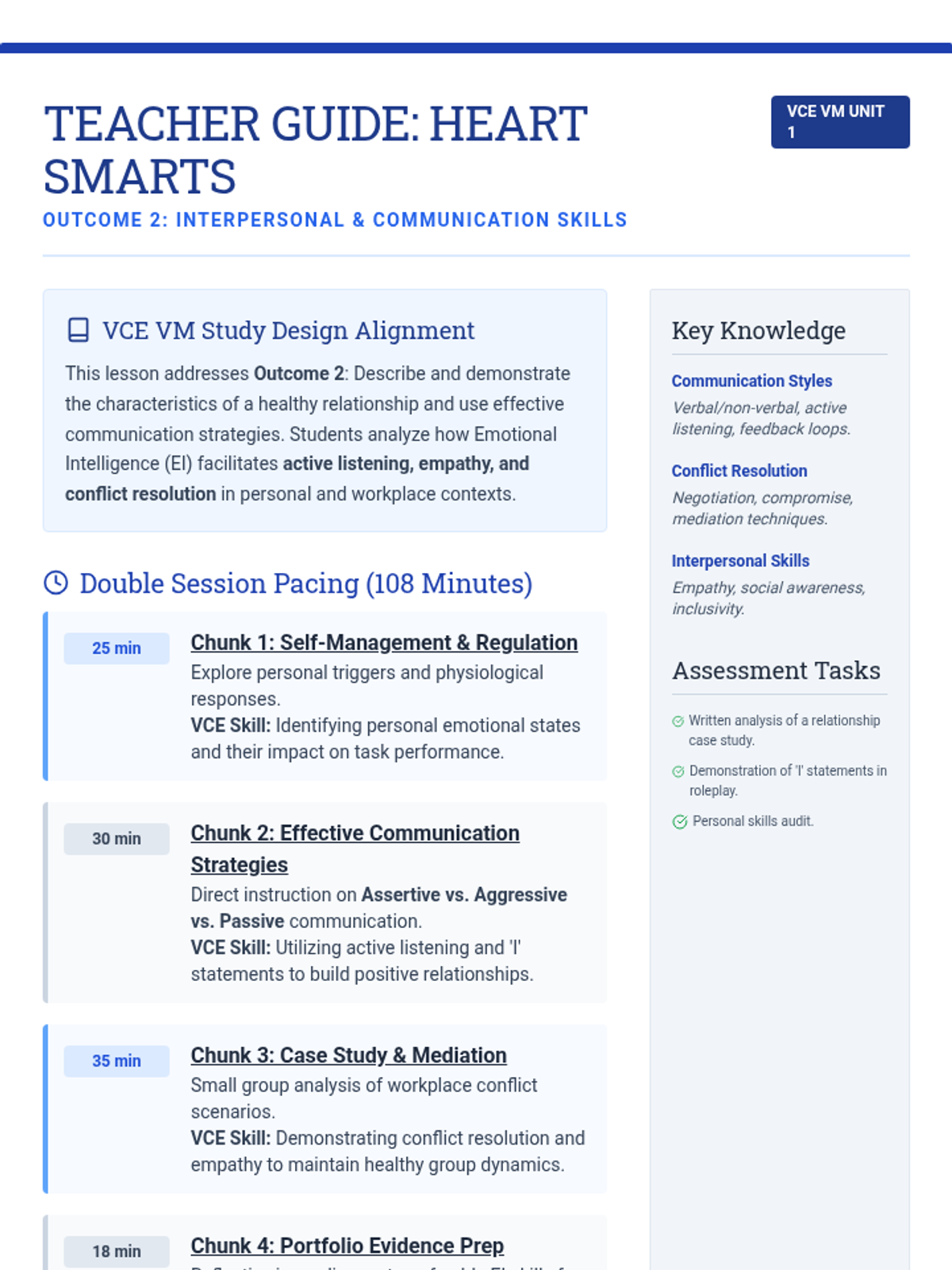
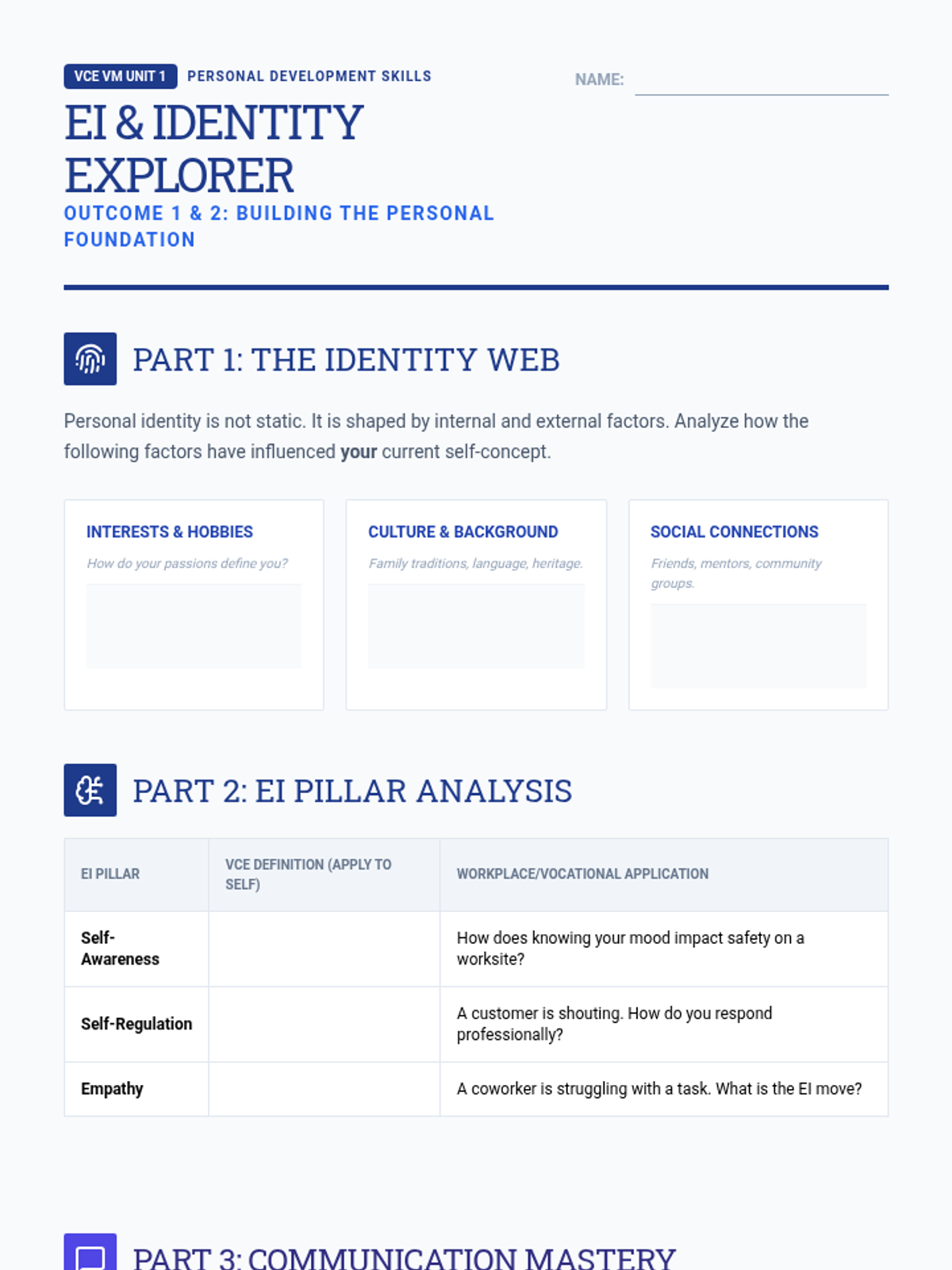
A three-part developmental series exploring Emotional Intelligence and its role within the four dimensions of holistic health: physical, emotional, social, and spiritual.
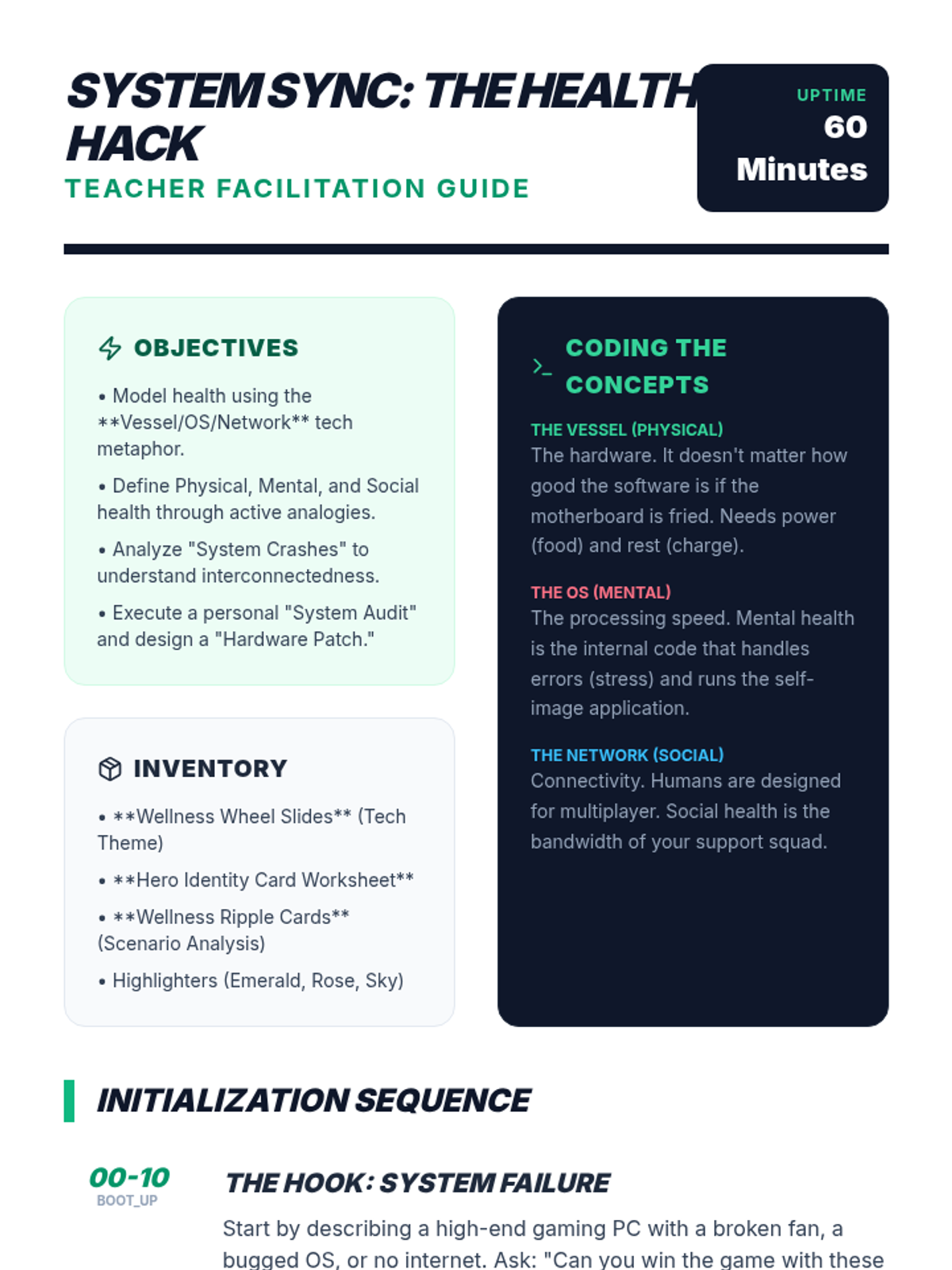
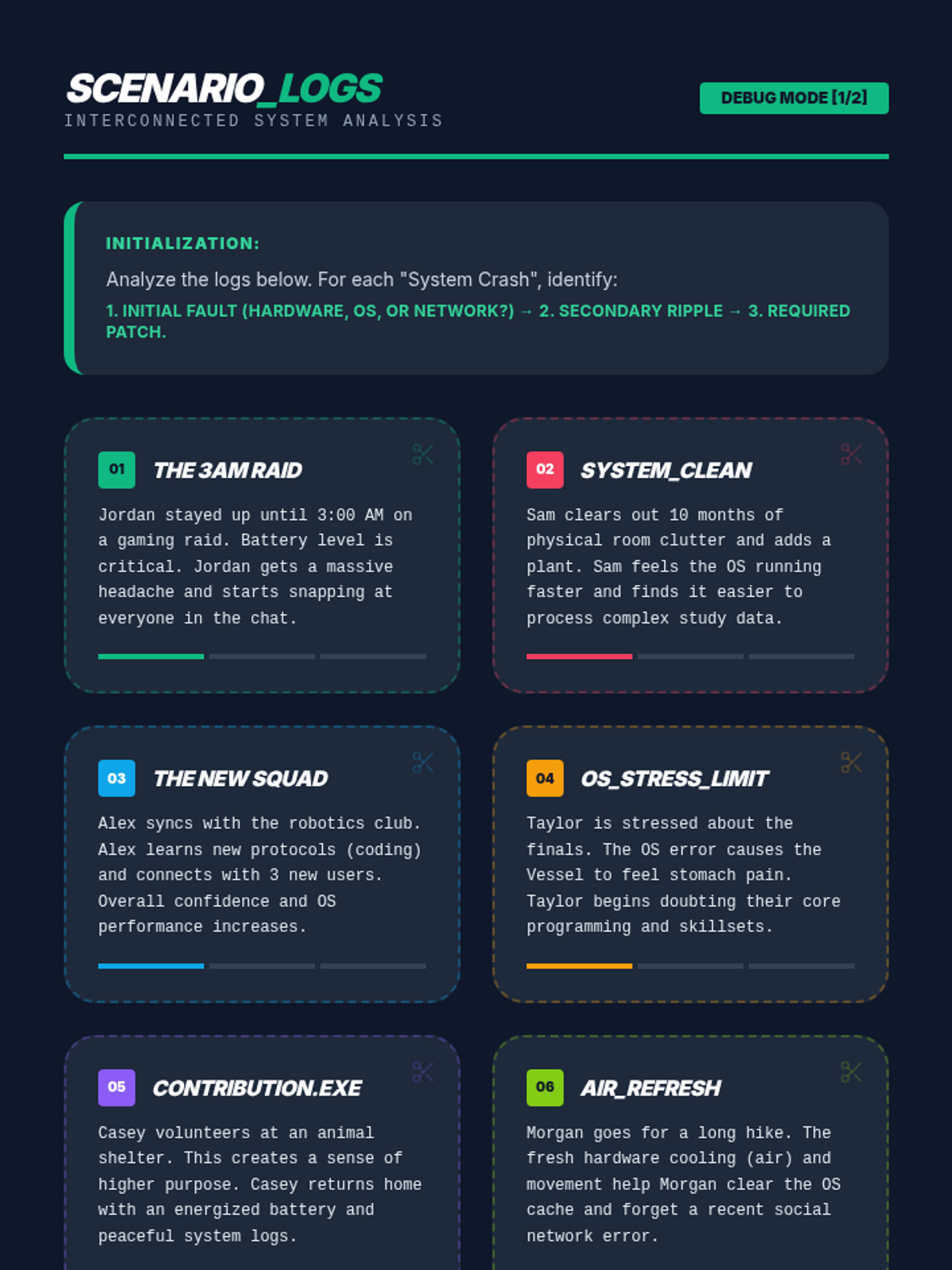
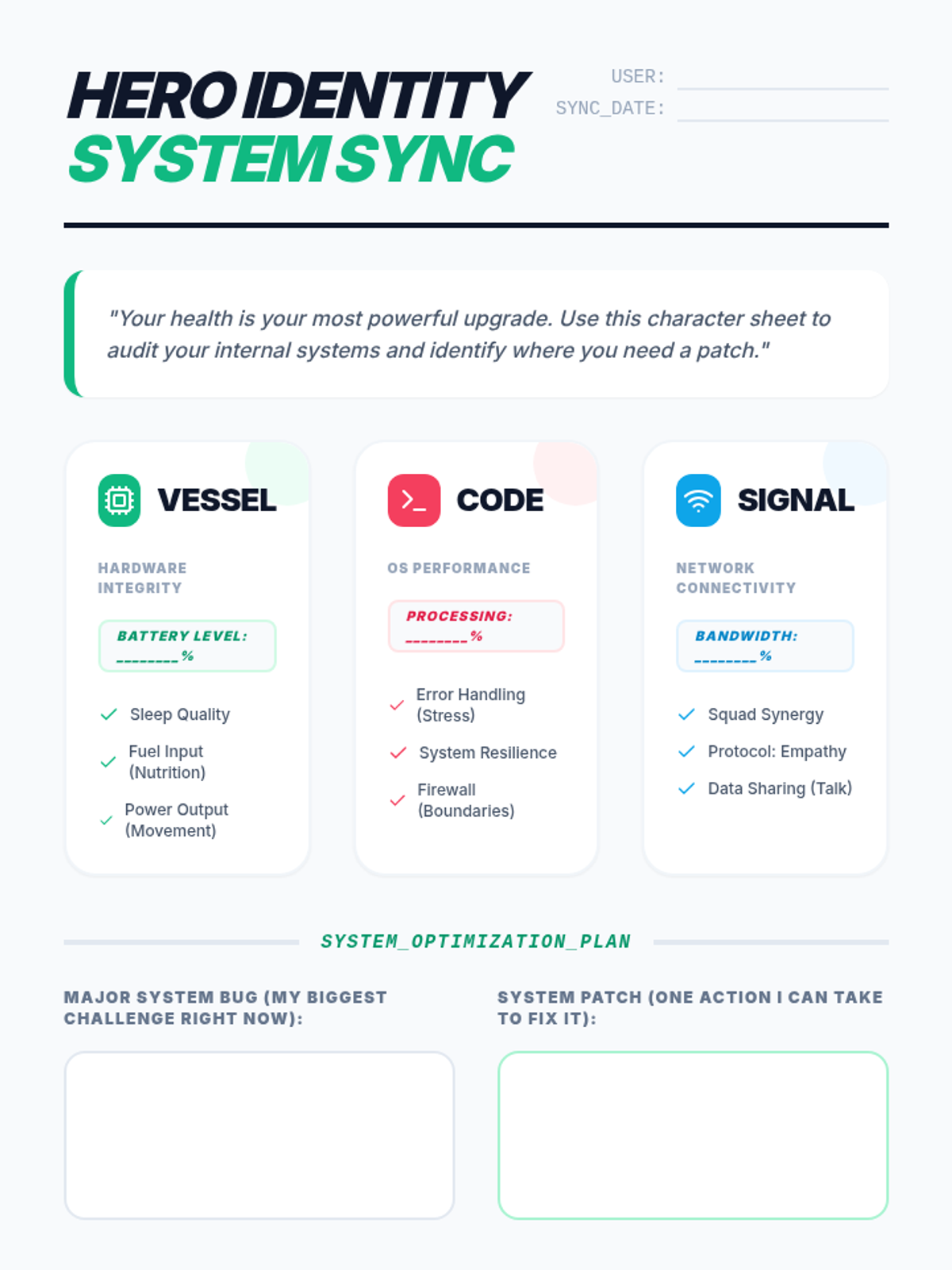
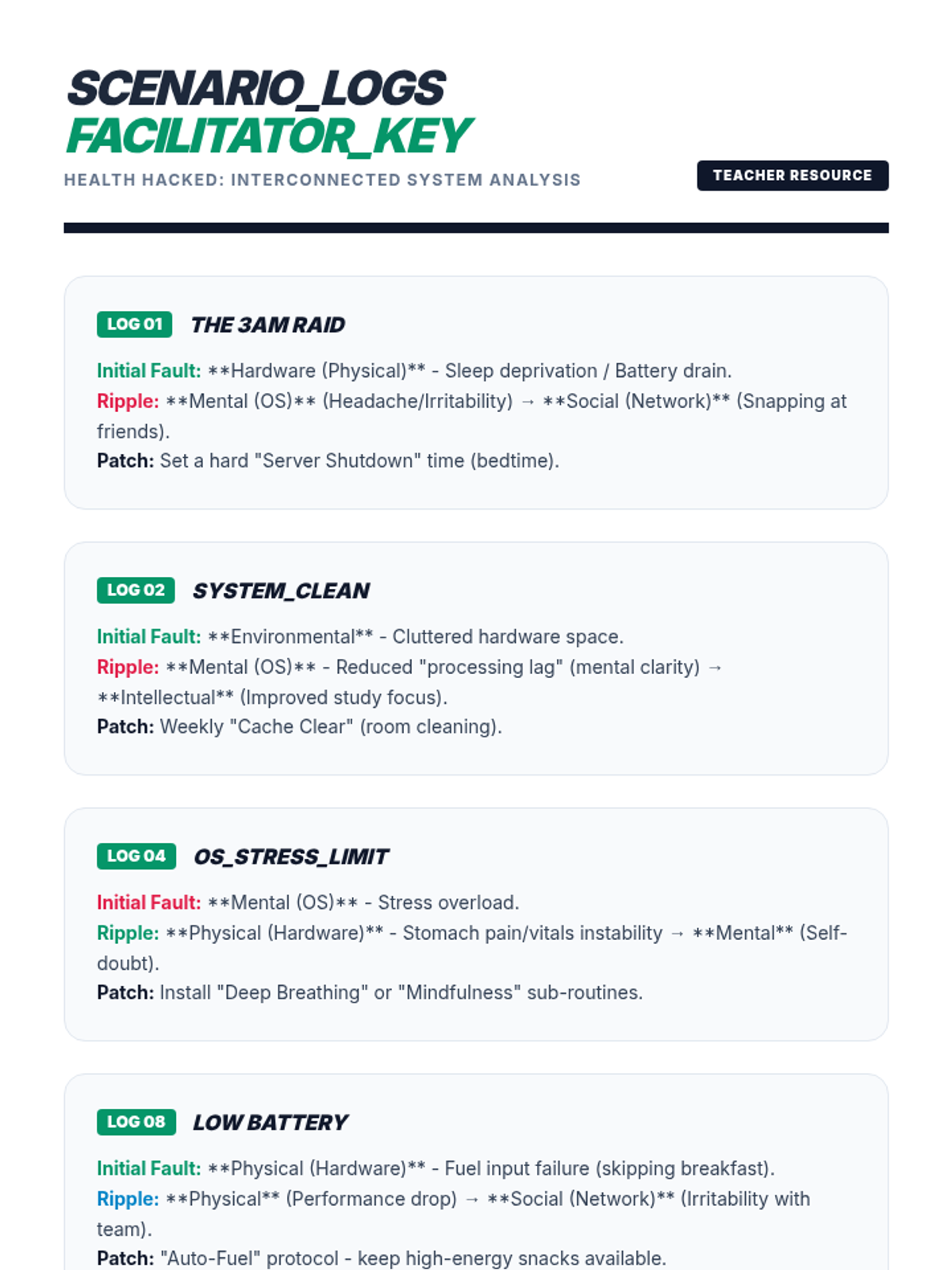
An exploration of personal health and wellness, moving from defining health to implementing sustainable healthy habits.
A comprehensive unit focused on the interplay between physical health and mental wellbeing, exploring how lifestyle choices, exercise, nutrition, and coping mechanisms influence emotional resilience.
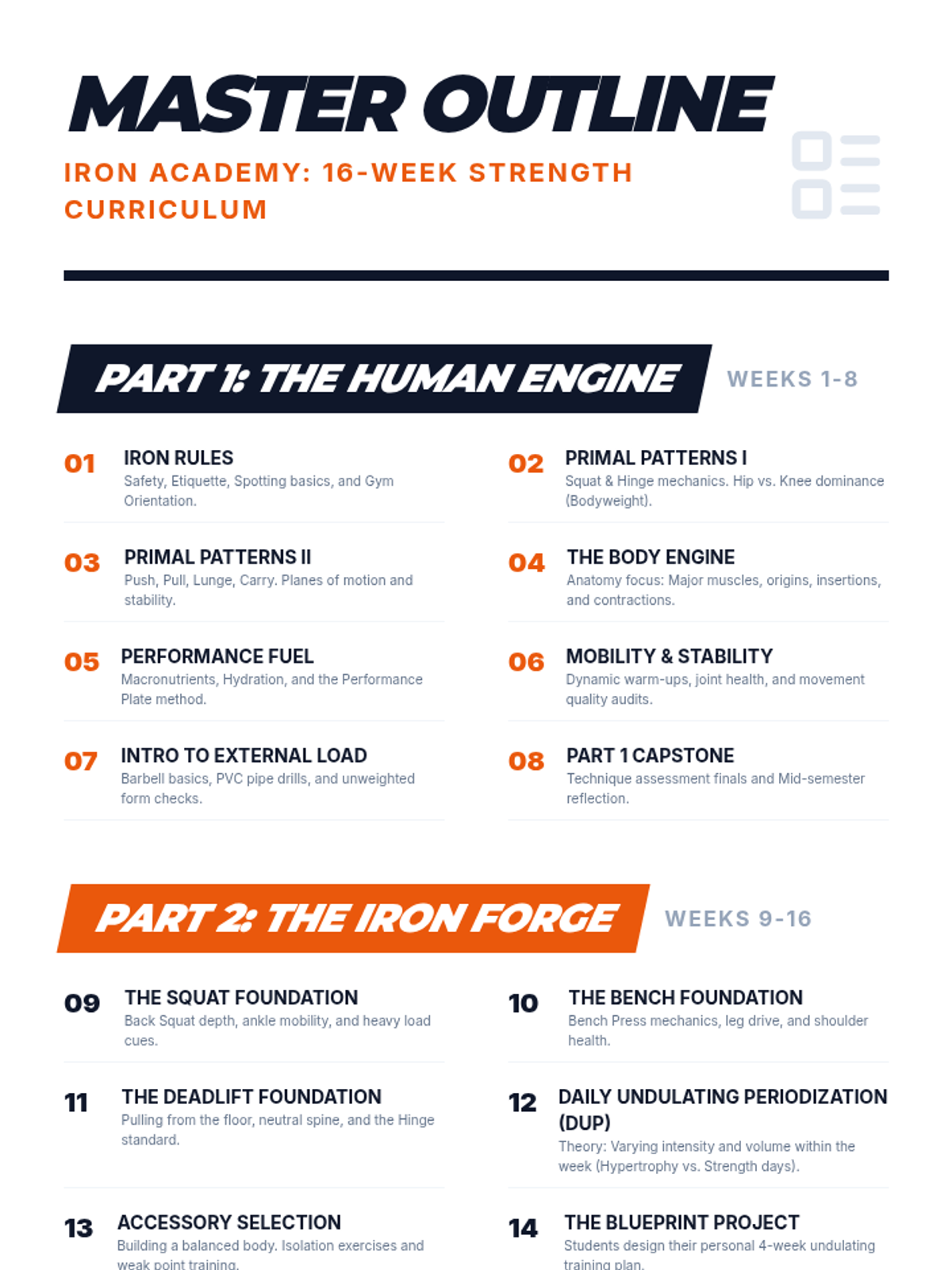
A comprehensive 16-week weight training curriculum divided into two parts: 'Part 1: The Human Engine' (Weeks 1-8) focusing on movement patterns, bodyweight mastery, and anatomy; and 'Part 2: The Iron Forge' (Weeks 9-16) focusing on advanced compound lifts, training science, and independent program design. Includes nutrition for performance and comprehensive classroom activities.
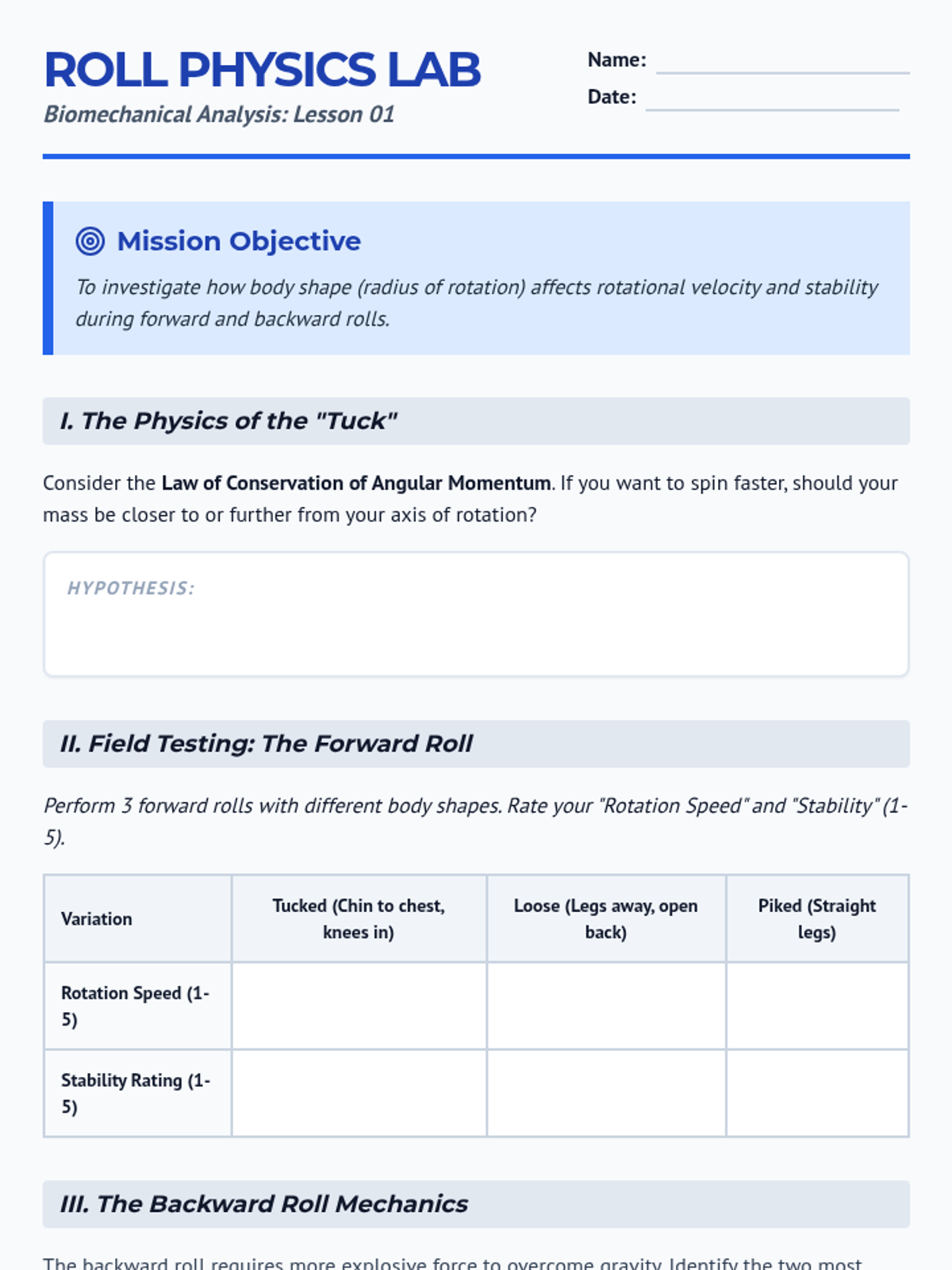
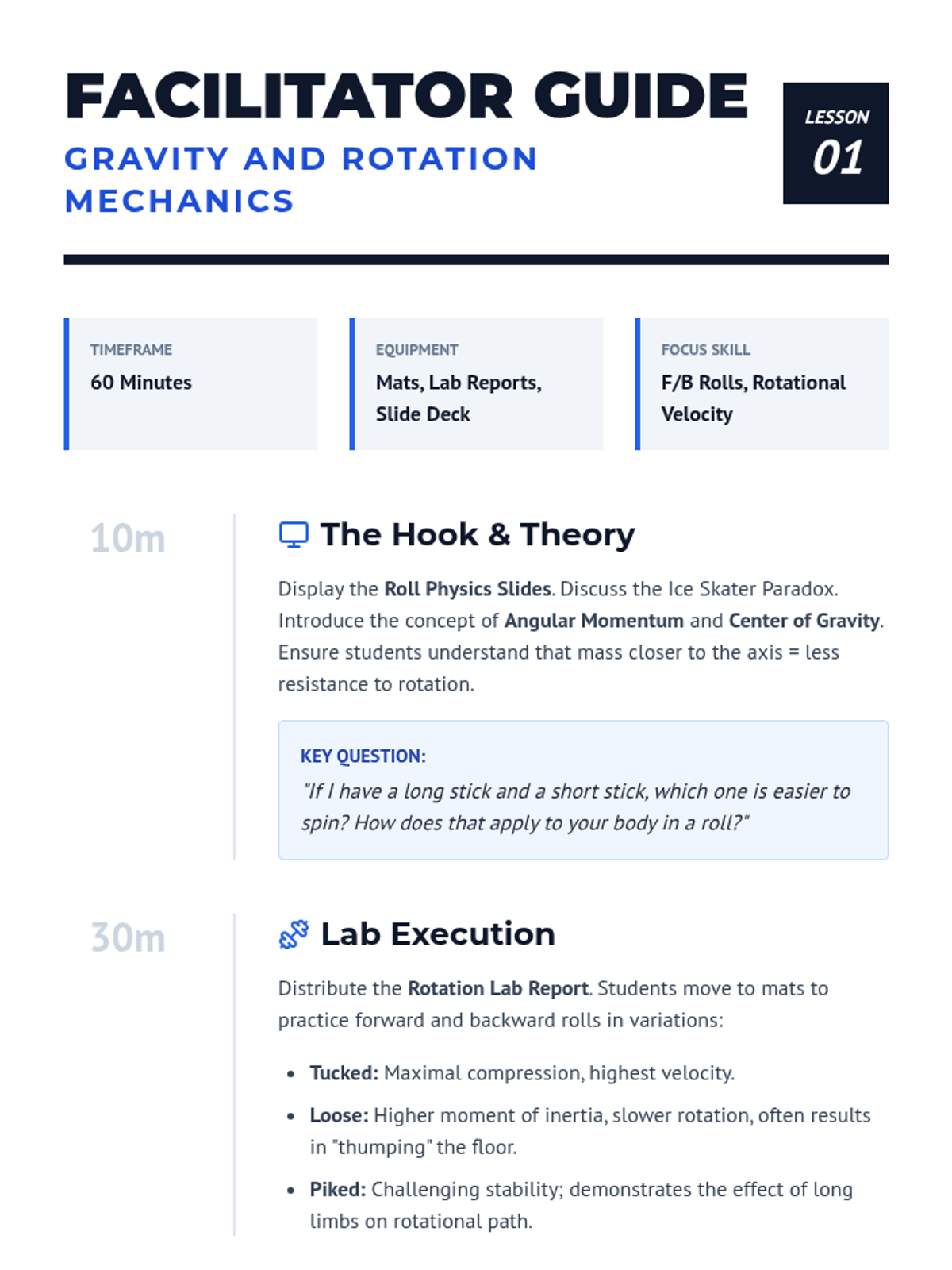
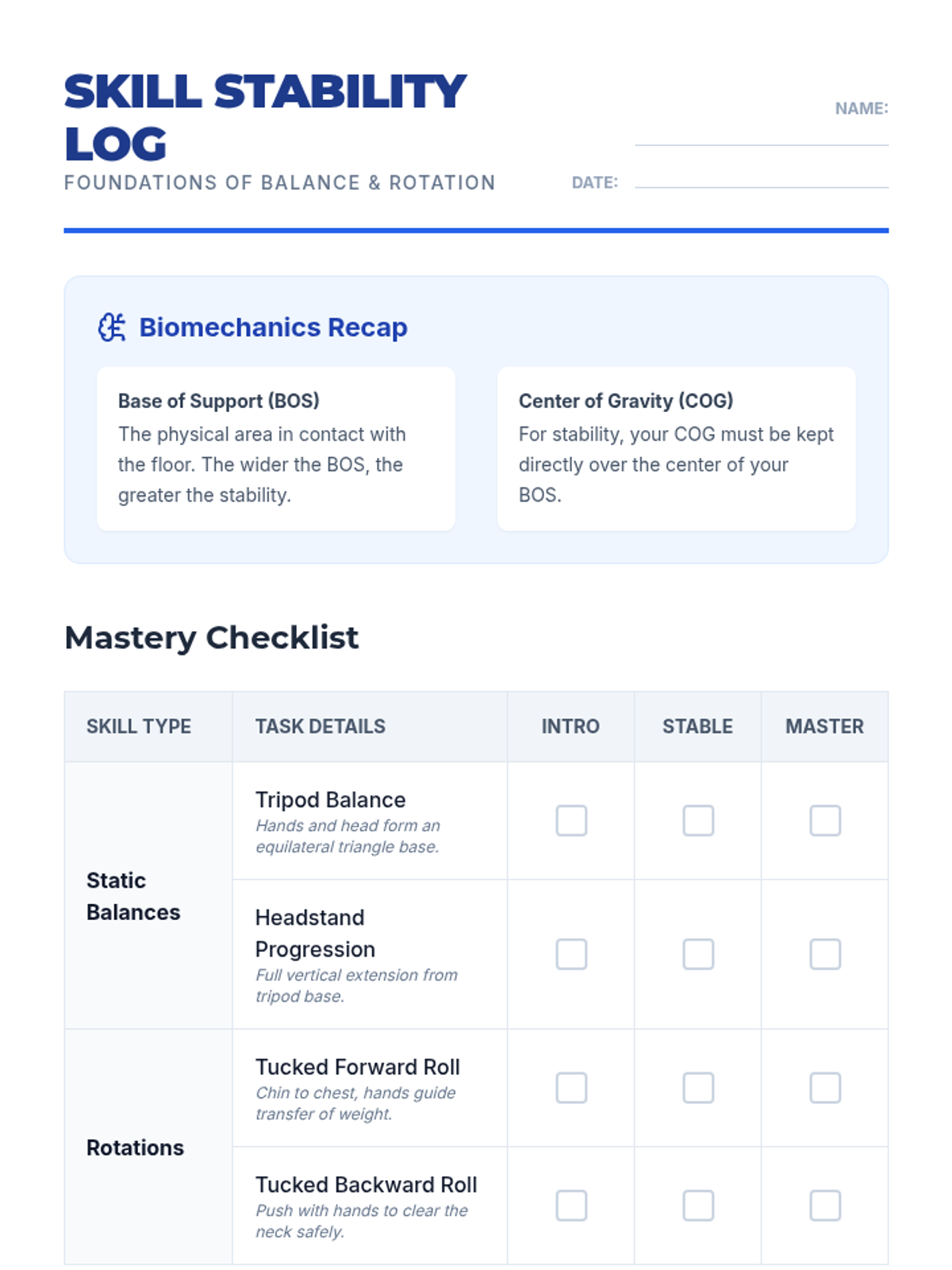
This sequence integrates gymnastics execution with biomechanical principles. Students explore center of mass, stability, leverage, and angular momentum through various tumbling skills, concluding with a video analysis project to critique their own form.
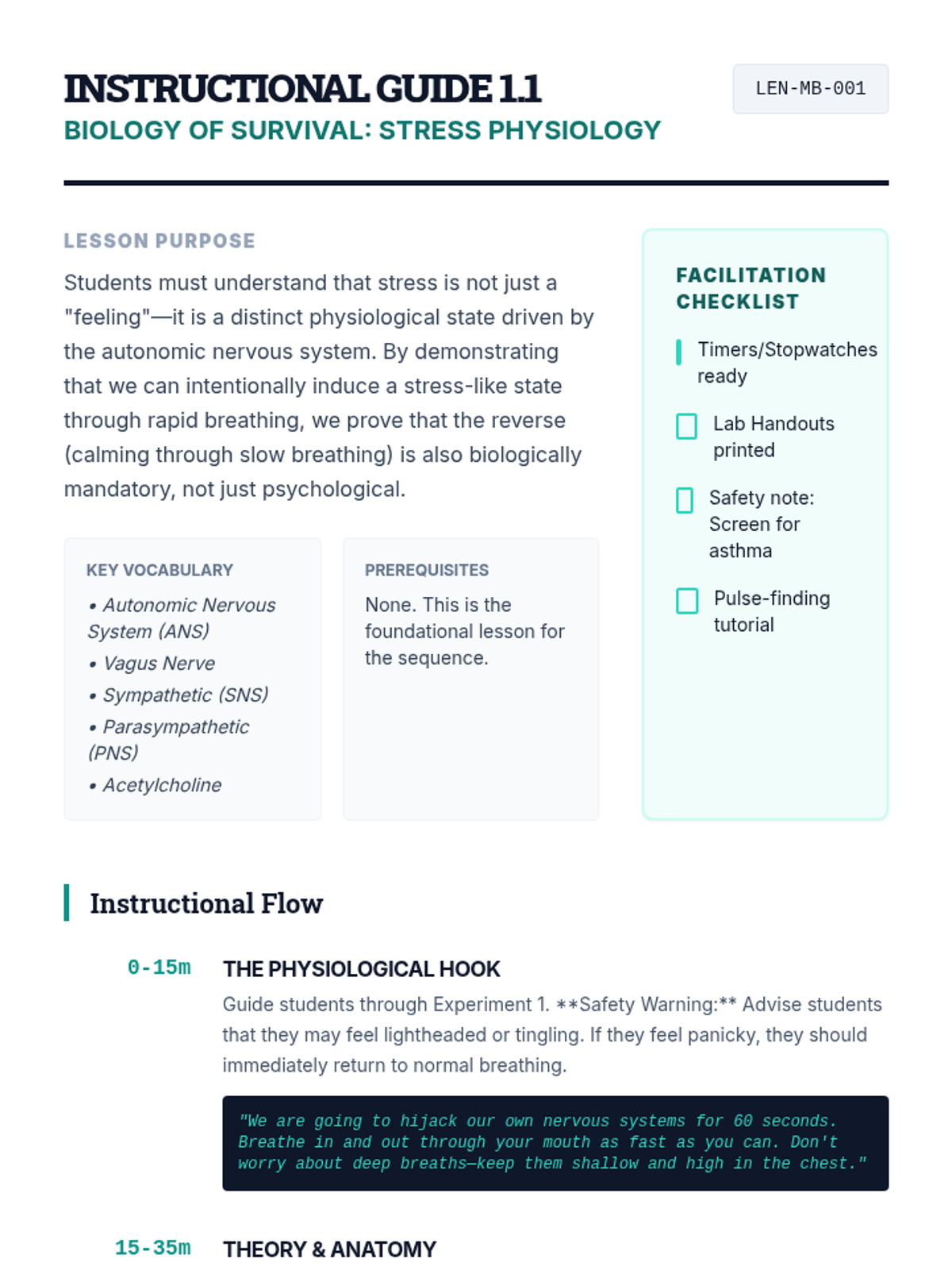
A high school health sequence exploring the biological and neurological foundations of stress and meditation. Students analyze the autonomic nervous system, measure physiological responses to breathing techniques, and understand how neuroplasticity allows for long-term stress regulation.
This sequence explores the misuse of prescription stimulants as 'study drugs' in high-pressure academic environments. Students will debunk cognitive myths, analyze the legal and ethical consequences of drug diversion, map the physiological burnout cycle, and master natural executive function strategies to achieve authentic success.
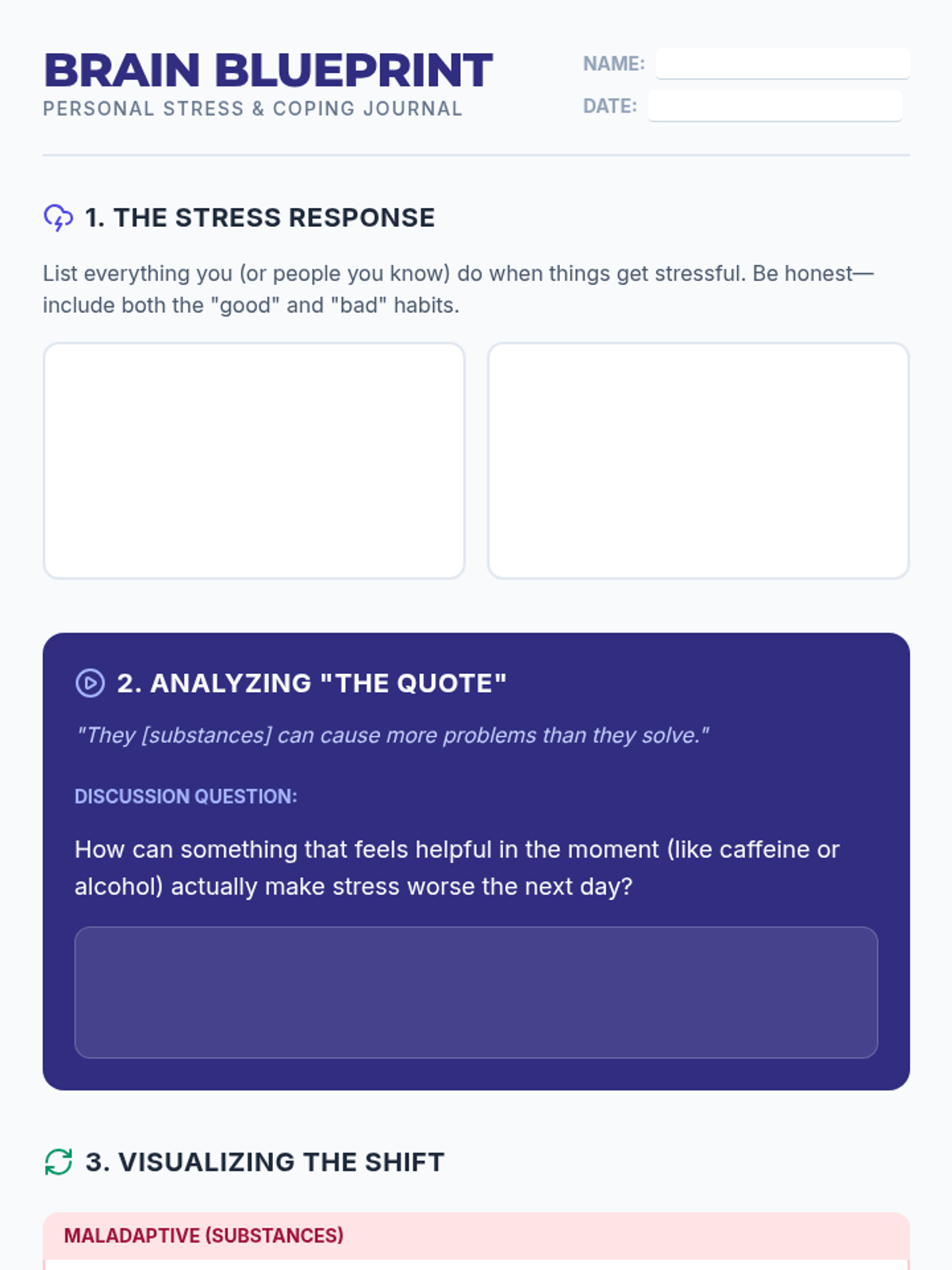
A high-school level exploration of stress through the lens of neuroscience and physiology. Students learn to manipulate their autonomic nervous system using specific breathing and relaxation techniques to optimize performance and well-being.
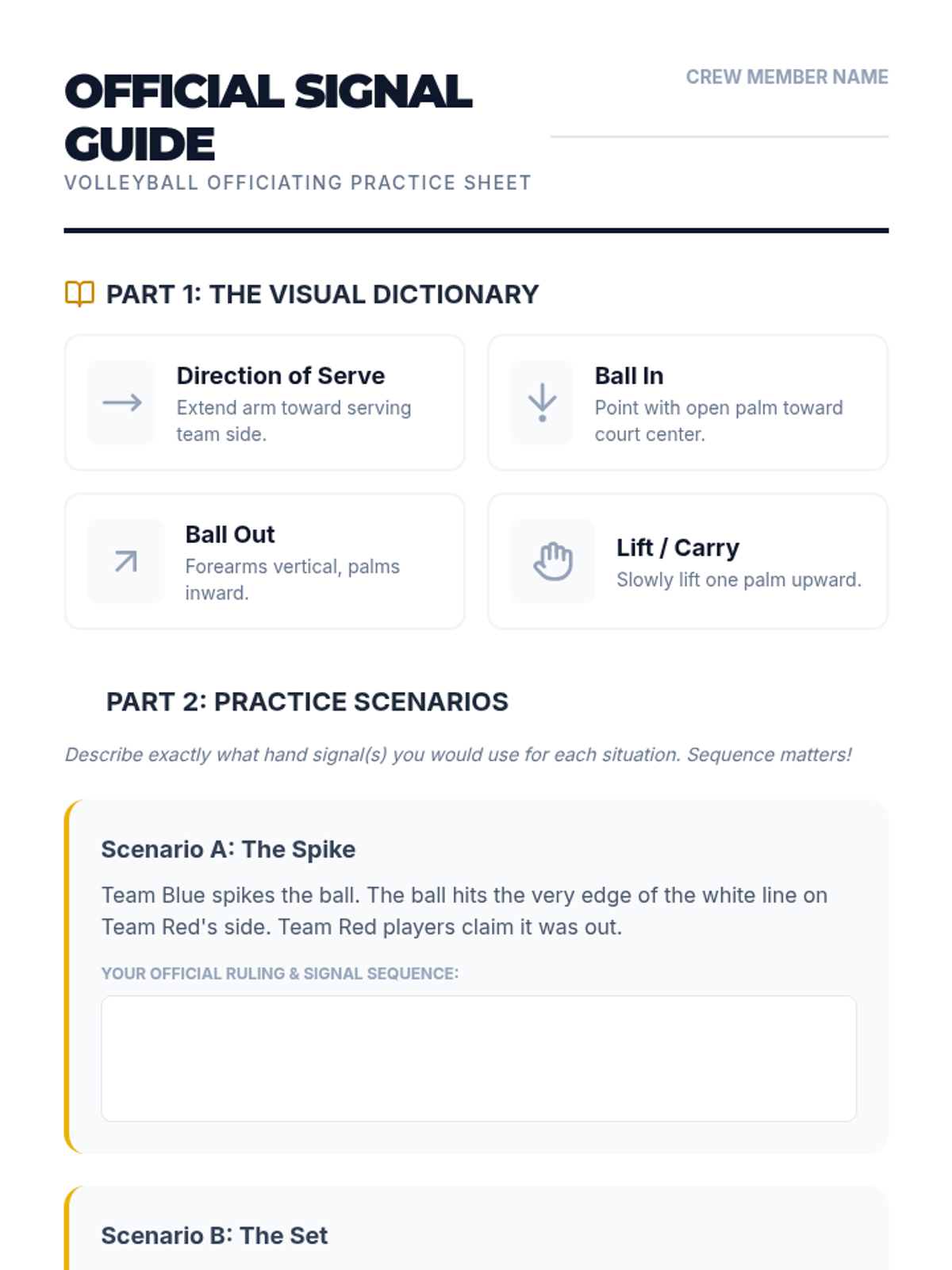
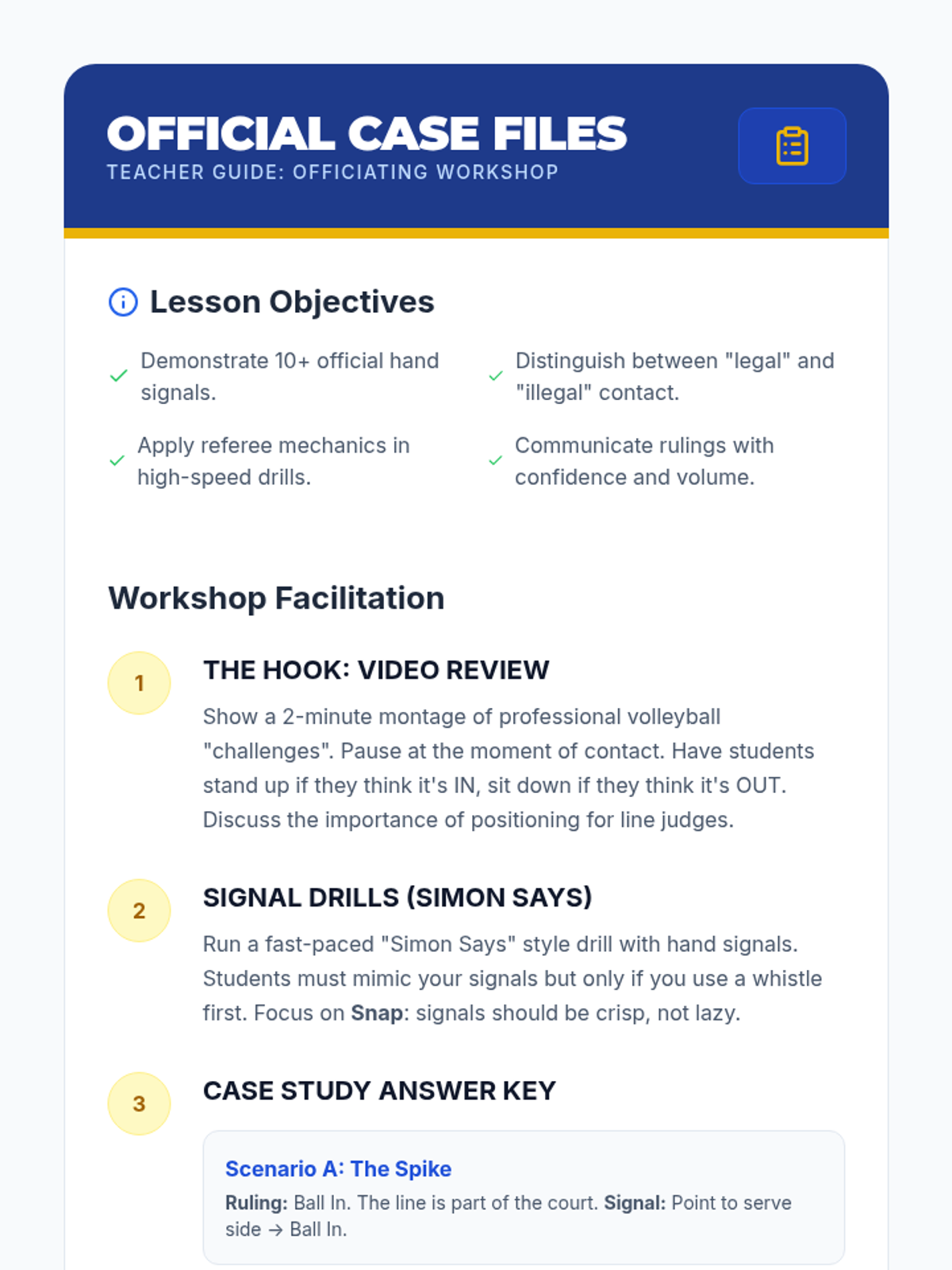
A high-stakes volleyball unit for 10th graders focusing on advanced gameplay, tournament organization, and the technical art of officiating. Students transition from players to league managers, mastering referee signals, strategic rotations, and the mental resilience required for competitive sports.
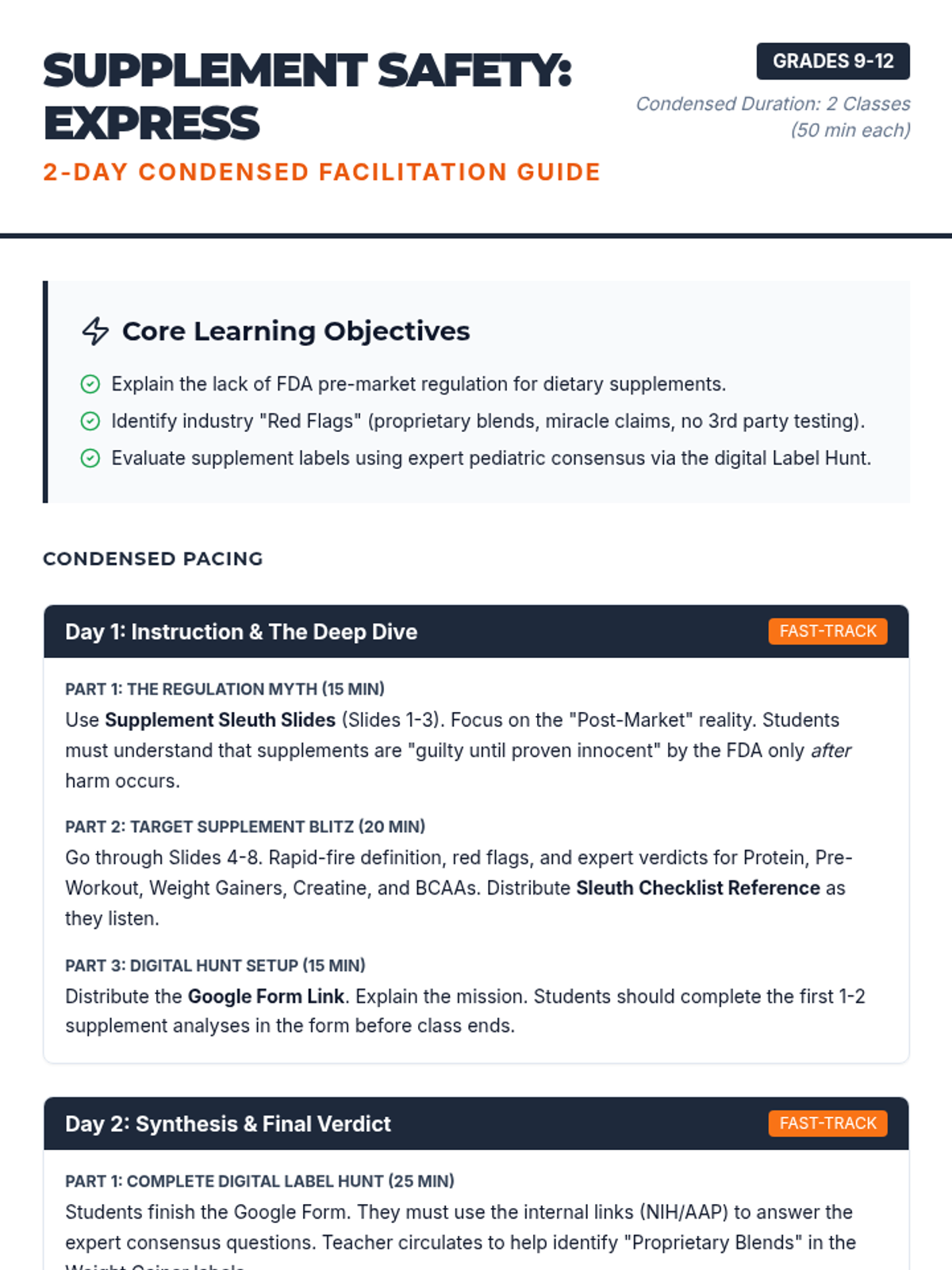
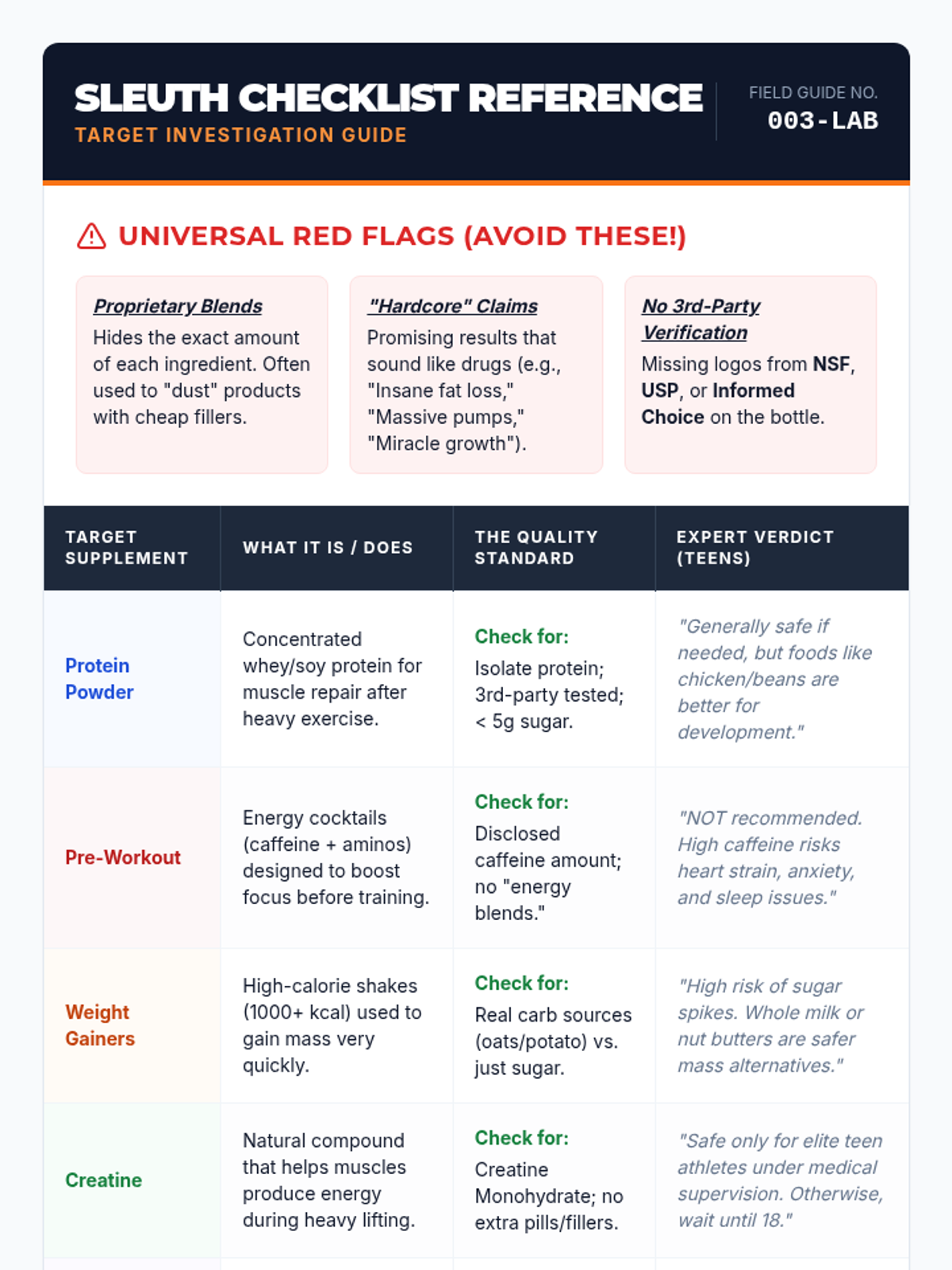
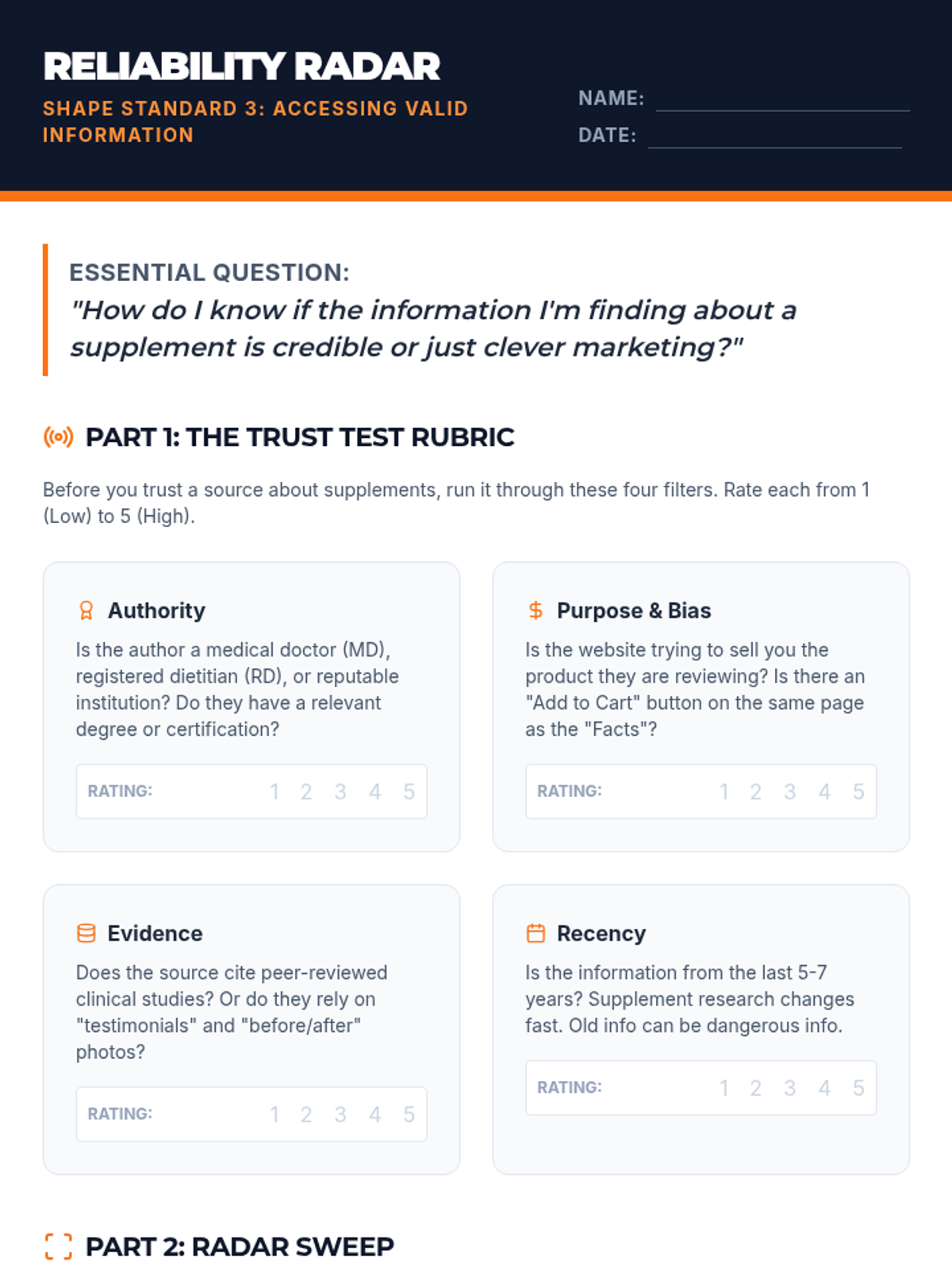
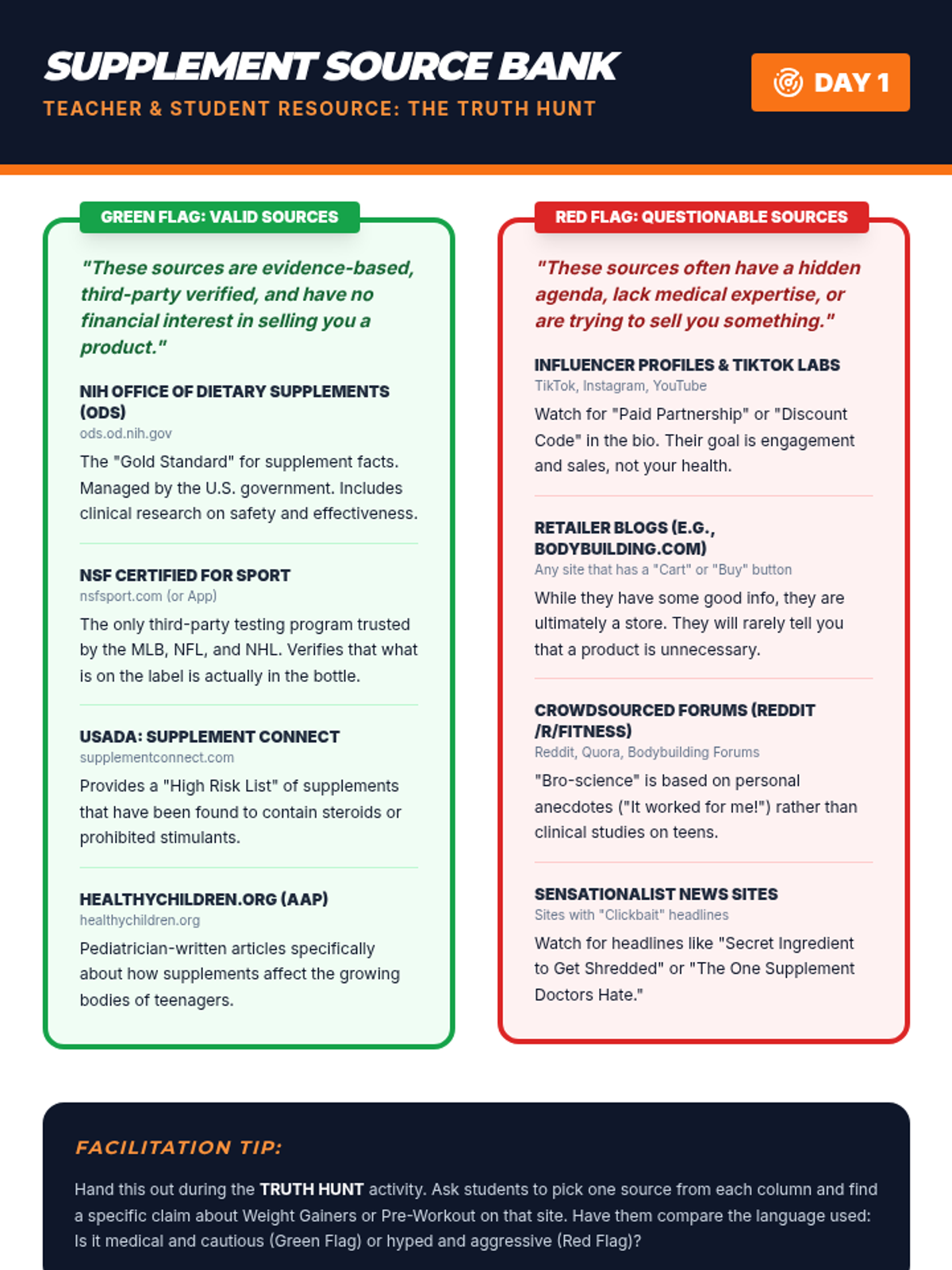
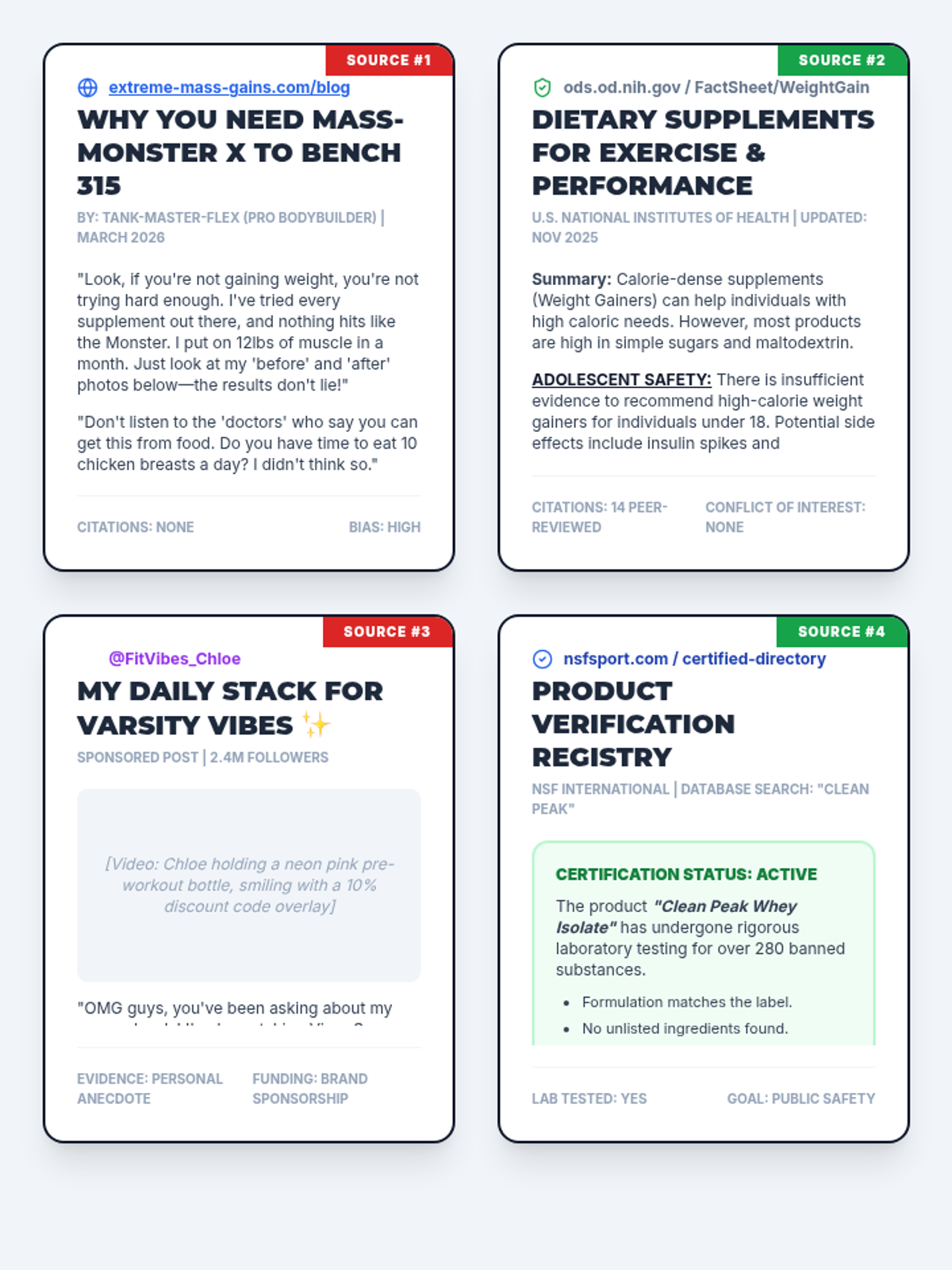
A 2-day condensed unit for 10th-grade sports nutrition focused on identifying industry "Red Flags" and expert consensus for supplement safety. Students complete a digital Label Hunt and a final synthesis assessment to demonstrate mastery.
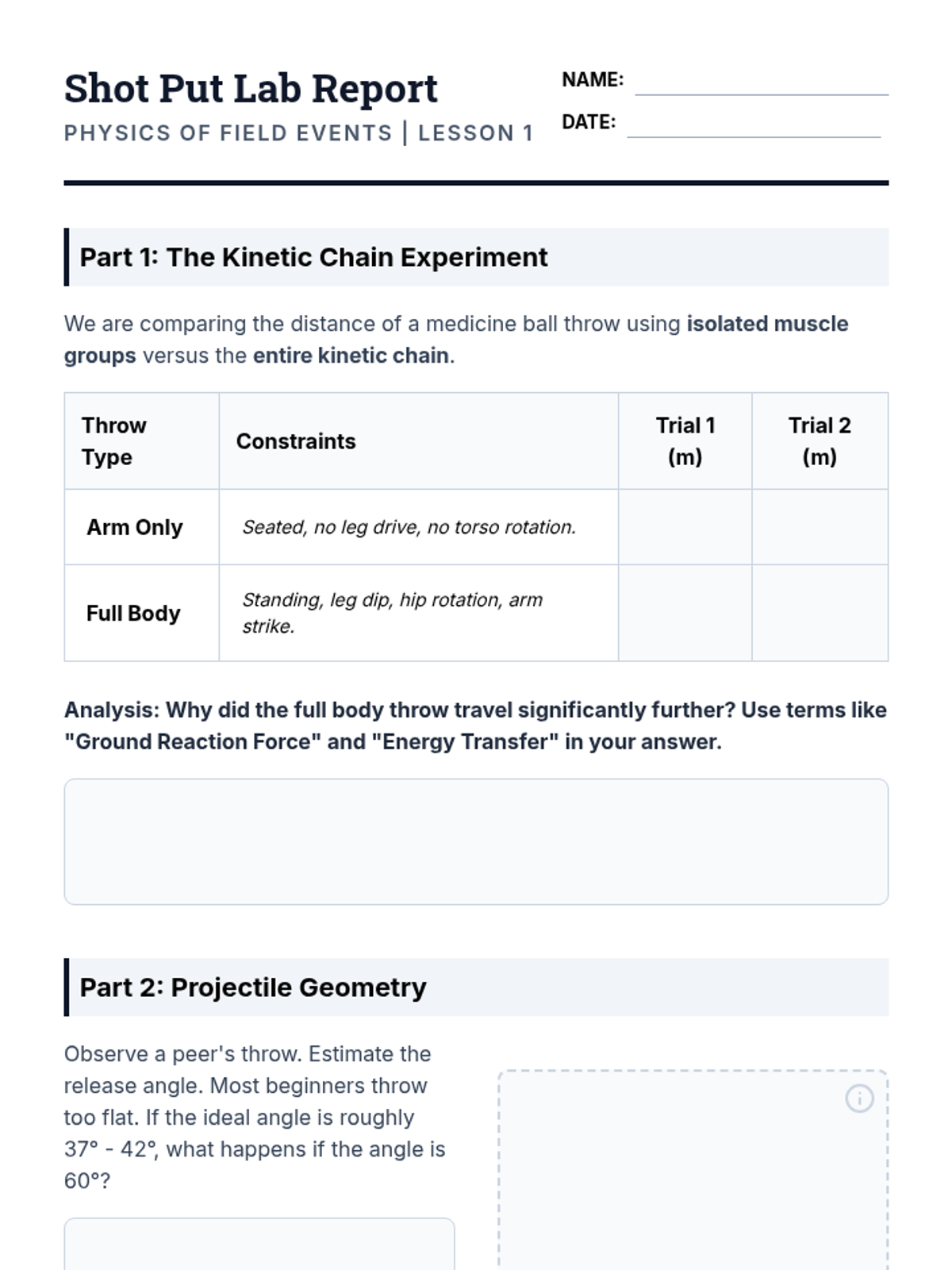
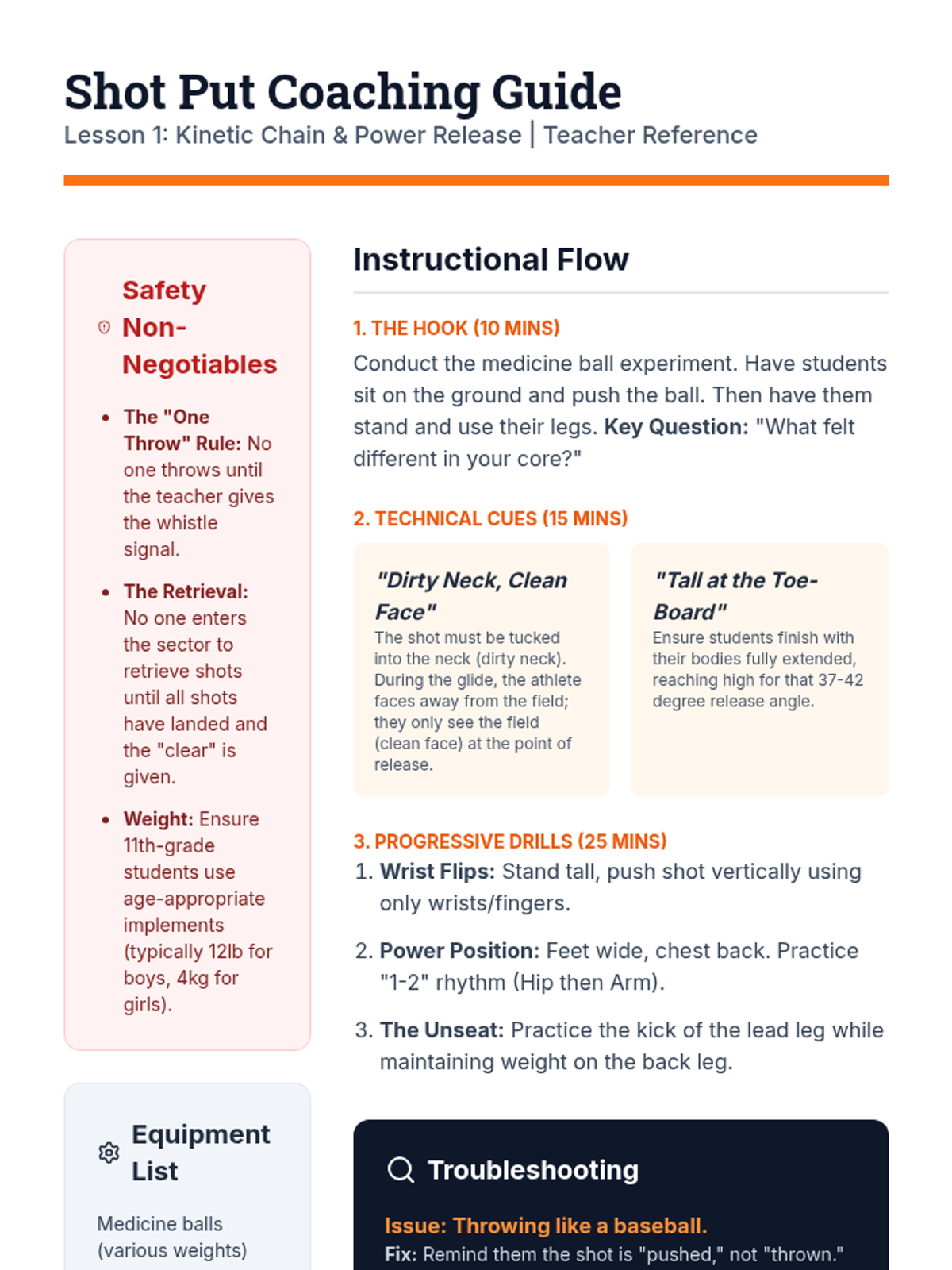
An intensive exploration of the physics and biomechanics behind field events, focusing on shot put, discus, long jump, and triple jump. Students apply scientific principles to athletic performance through peer coaching, video analysis, and technical drills.
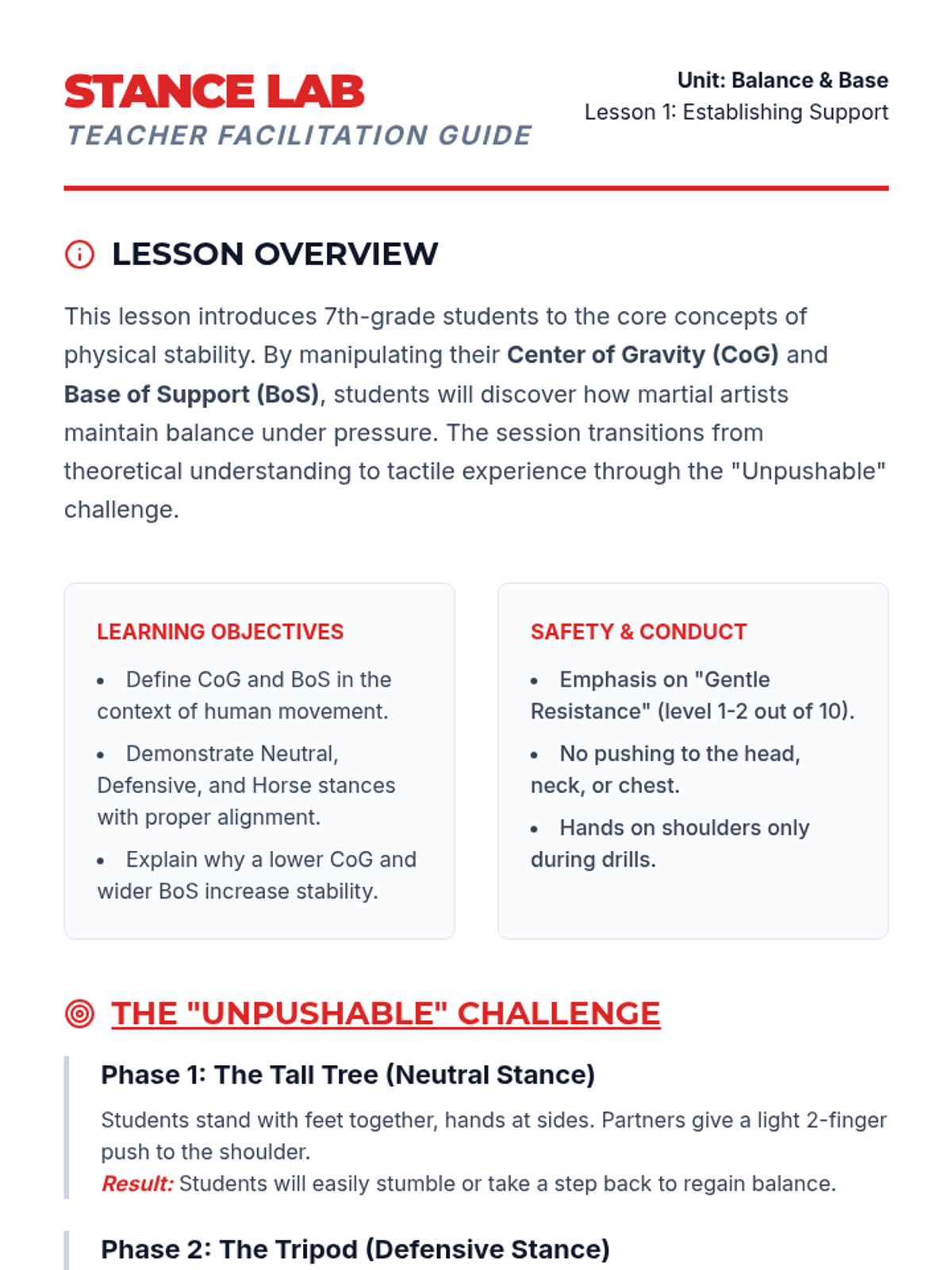
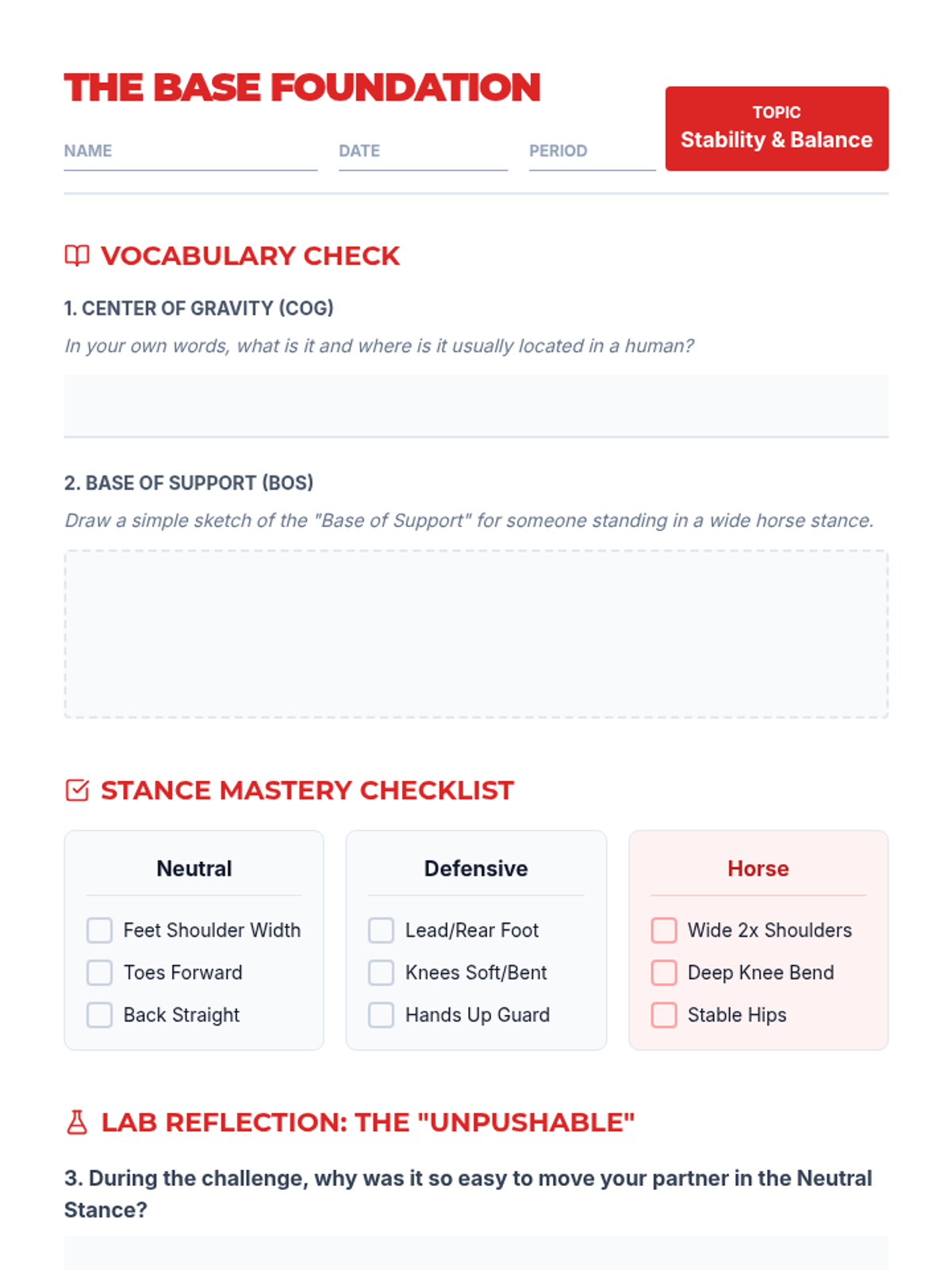
A foundational unit for 7th-grade students focusing on the physical prerequisites of martial arts and self-defense: balance, stability, safe movement, and injury prevention through breakfalls. Students explore how controlling their center of gravity and core can enhance their physical safety and stability.
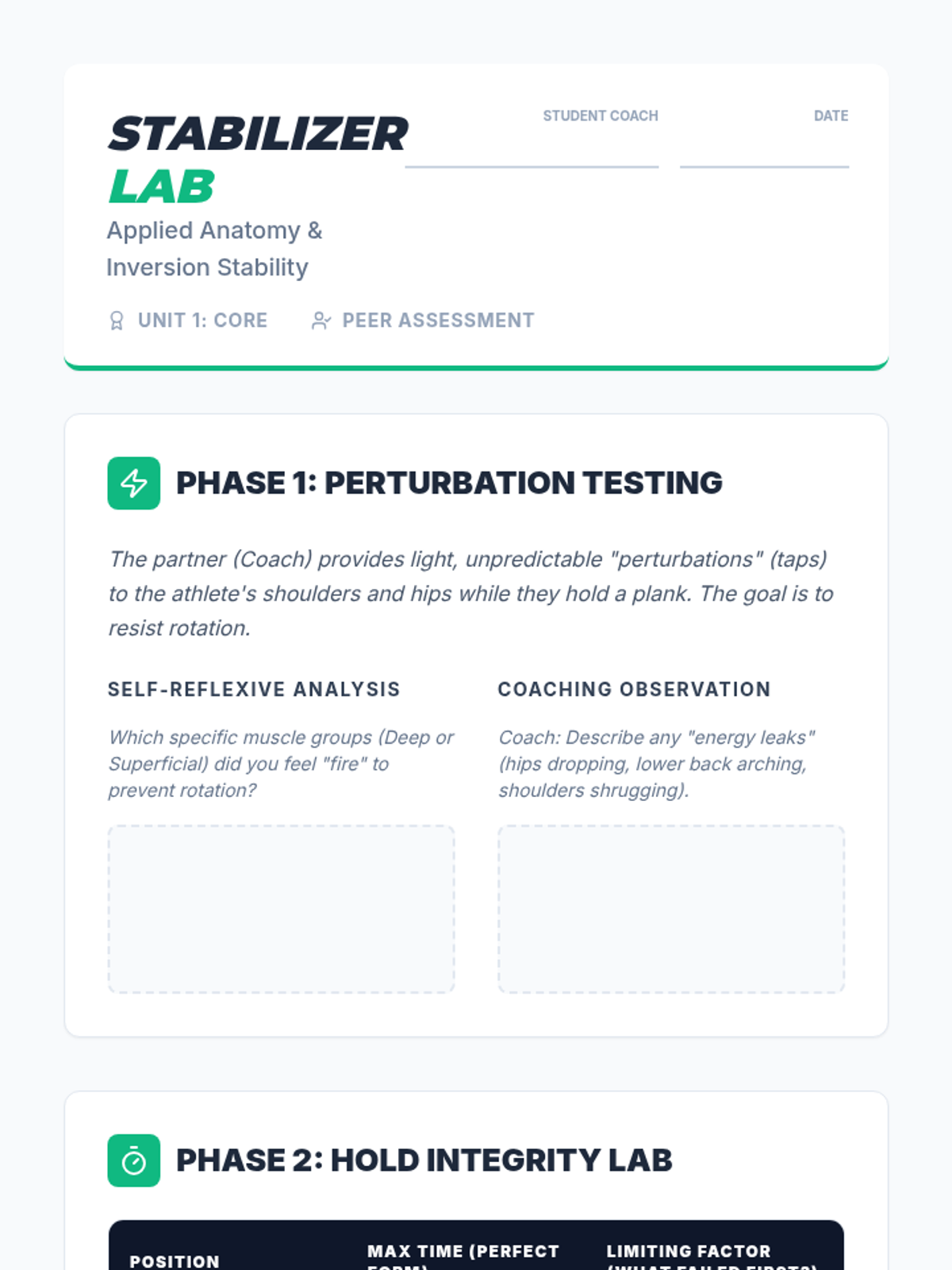
This sequence approaches gymnastics through the lens of athletic conditioning and applied anatomy. Students investigate specific strength and flexibility requirements needed to perform skills safely while acting as strength and conditioning coaches.
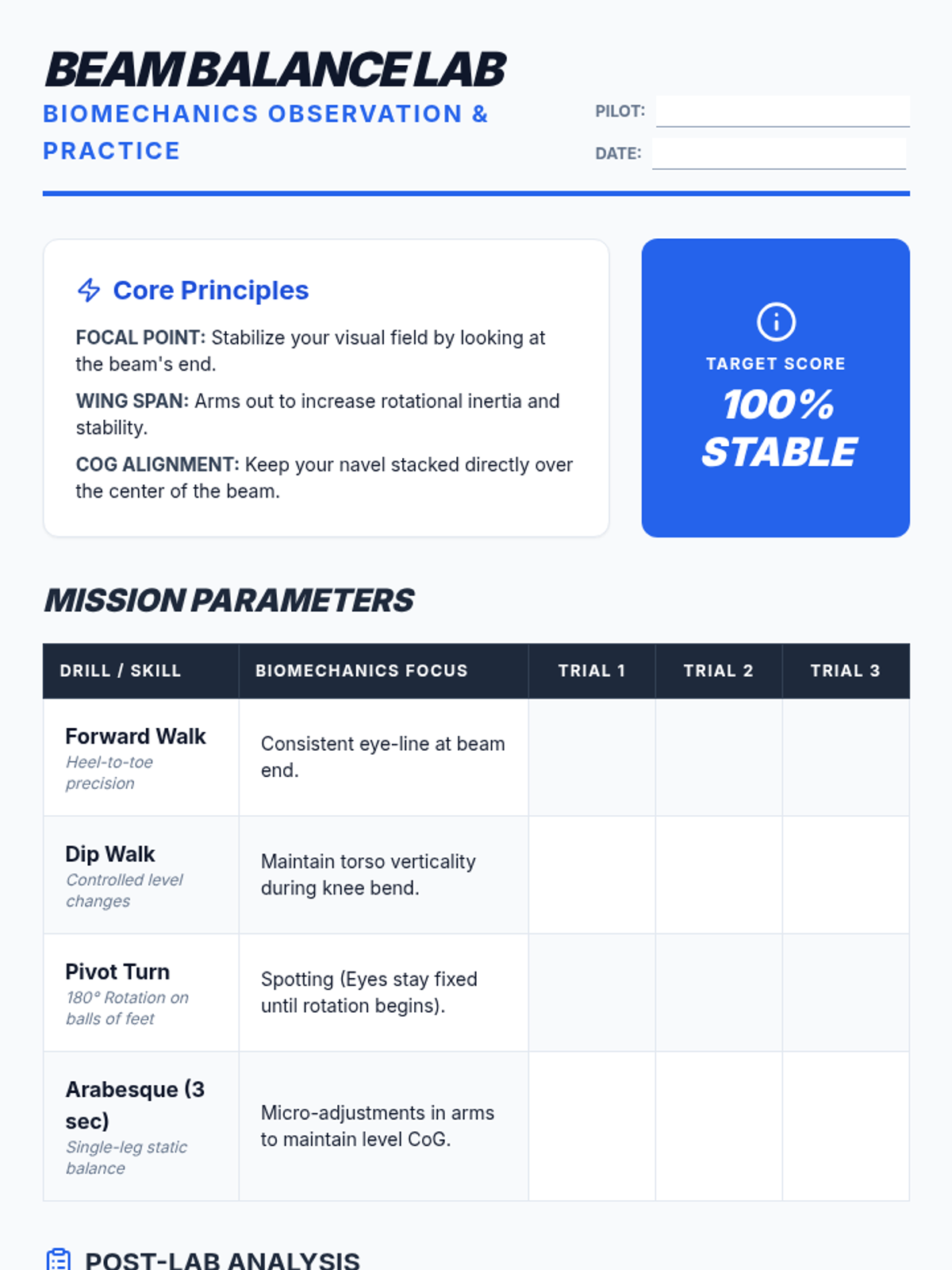
This sequence focuses on the biomechanics and safety of gymnastics apparatus work, specifically the balance beam and vault. Students progress from foundational balance skills to complex vaulting mechanics, emphasizing center of gravity, explosive power, and peer spotting.
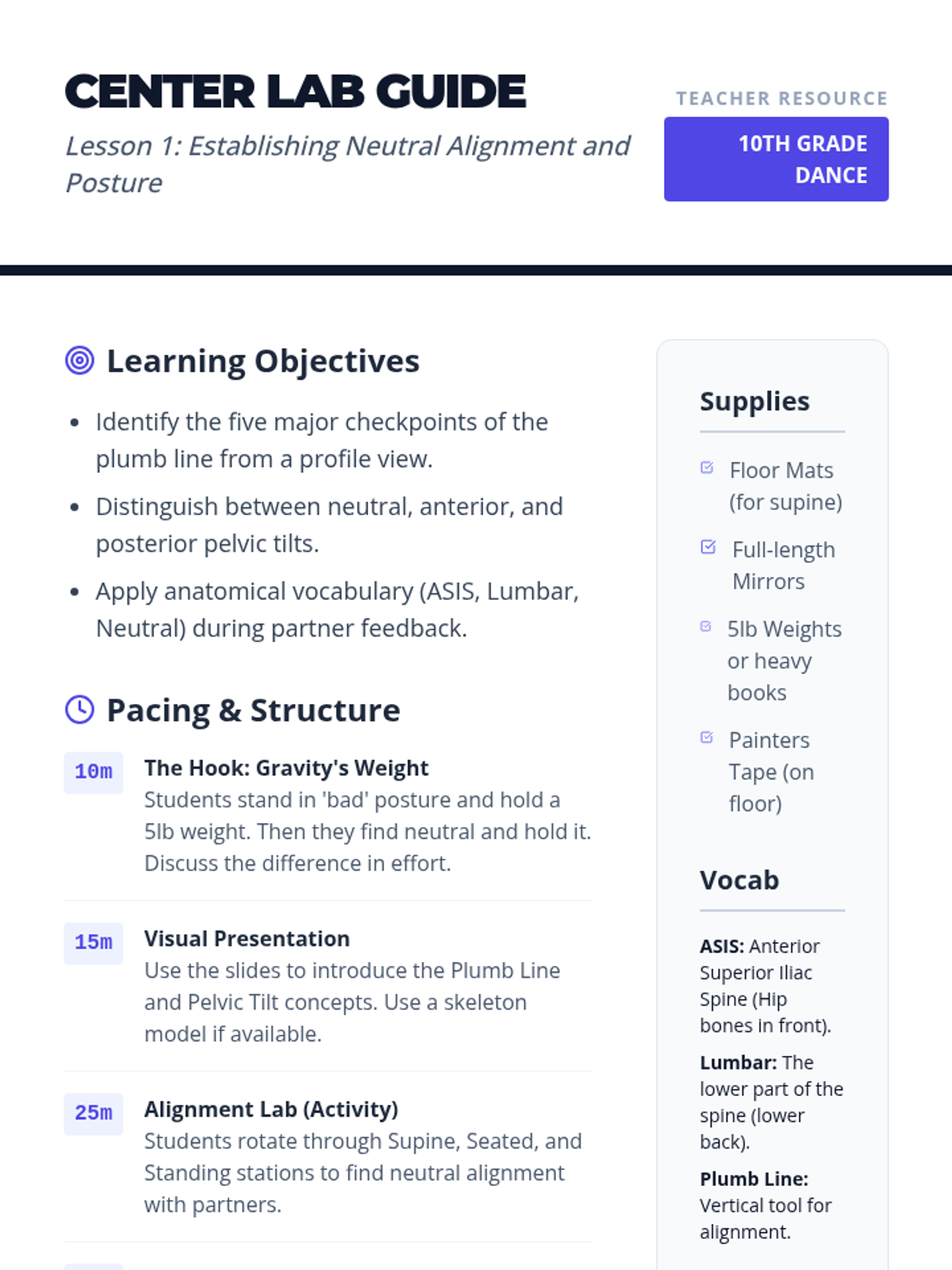
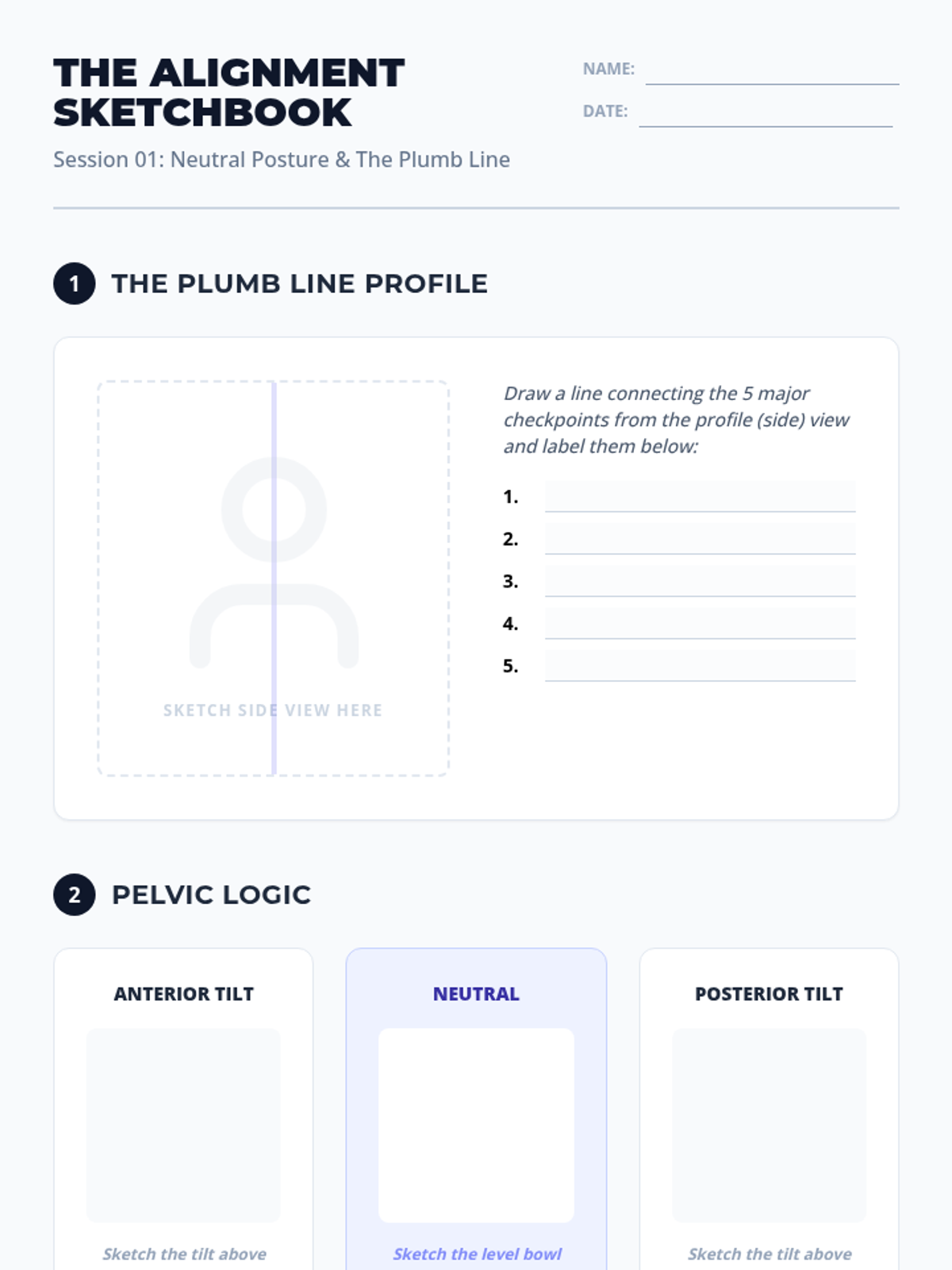
A comprehensive 5-lesson sequence for 10th-grade dance students exploring anatomical alignment, core stability, and their application across various dance genres to improve technique and prevent injury.
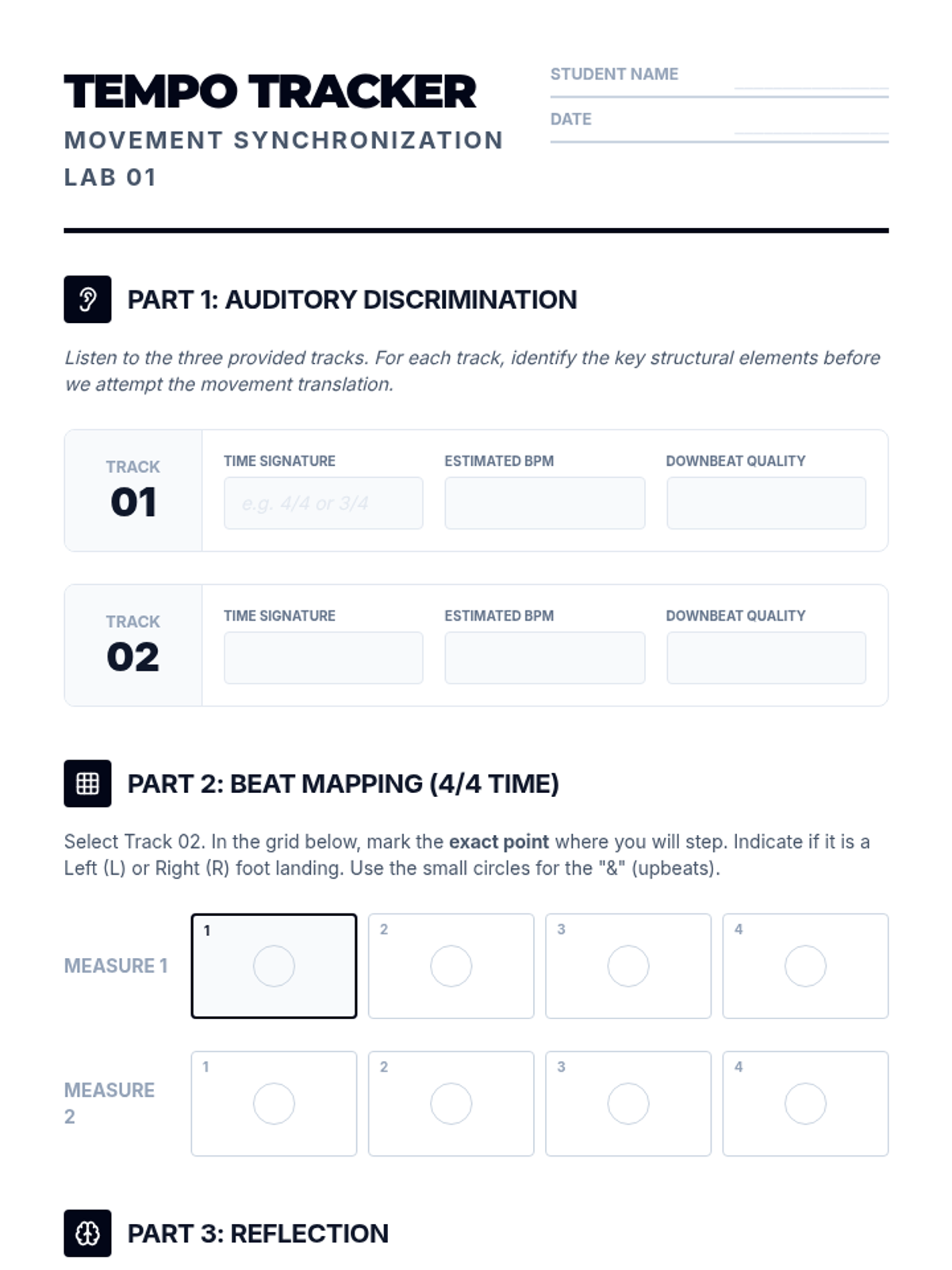
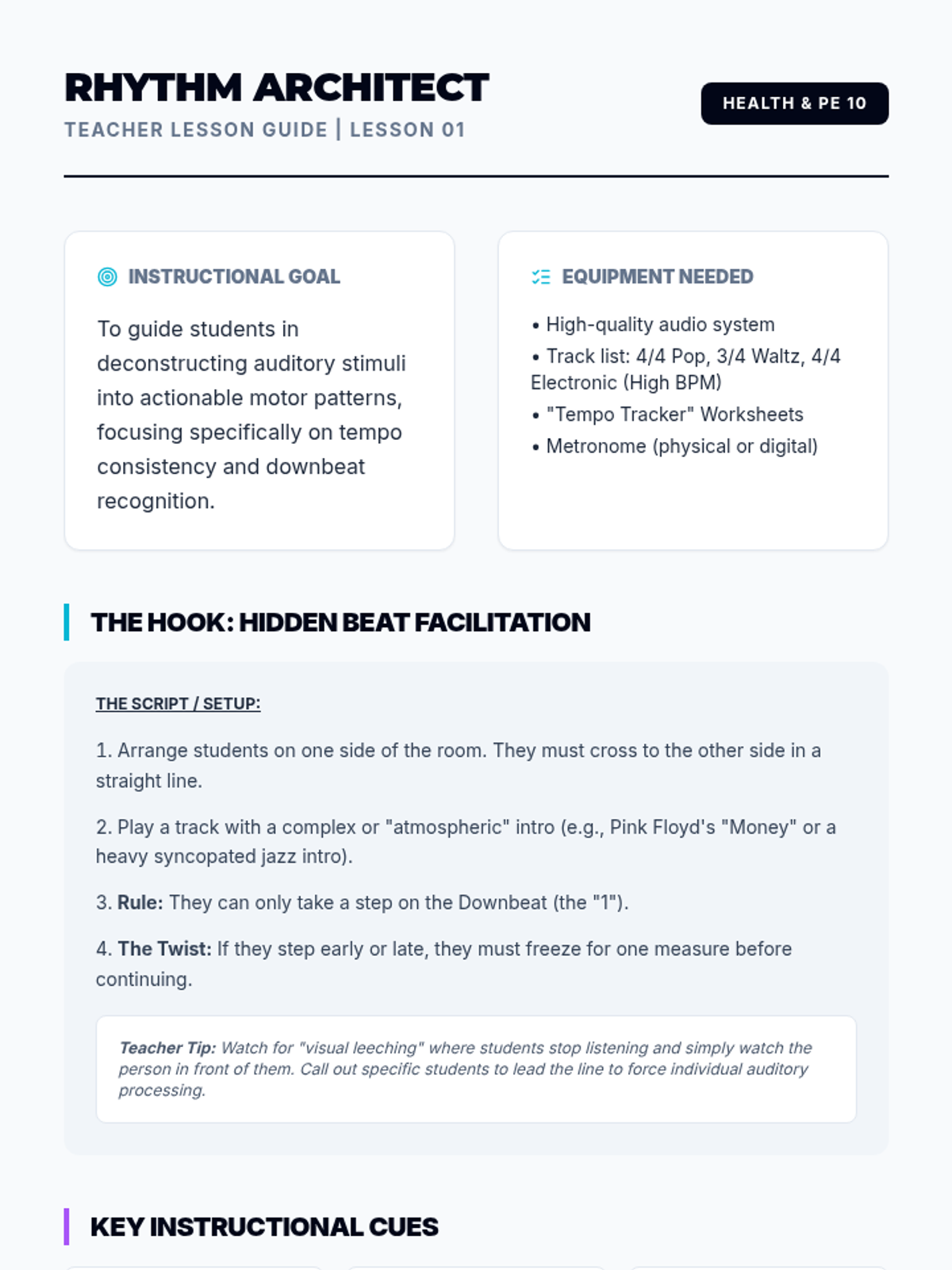
A 10th-grade physical education sequence focusing on the deconstruction of musical rhythms and their physical application through complex movements, syncopation, and group synchronization. Students progress from basic beat detection to advanced polyrhythmic coordination and performance mastery.
This sequence focuses on the acquisition of intermediate floor skills and the artistic integration of these movements into a fluid routine. Students analyze biomechanics, practice spotting, and design a graded performance.
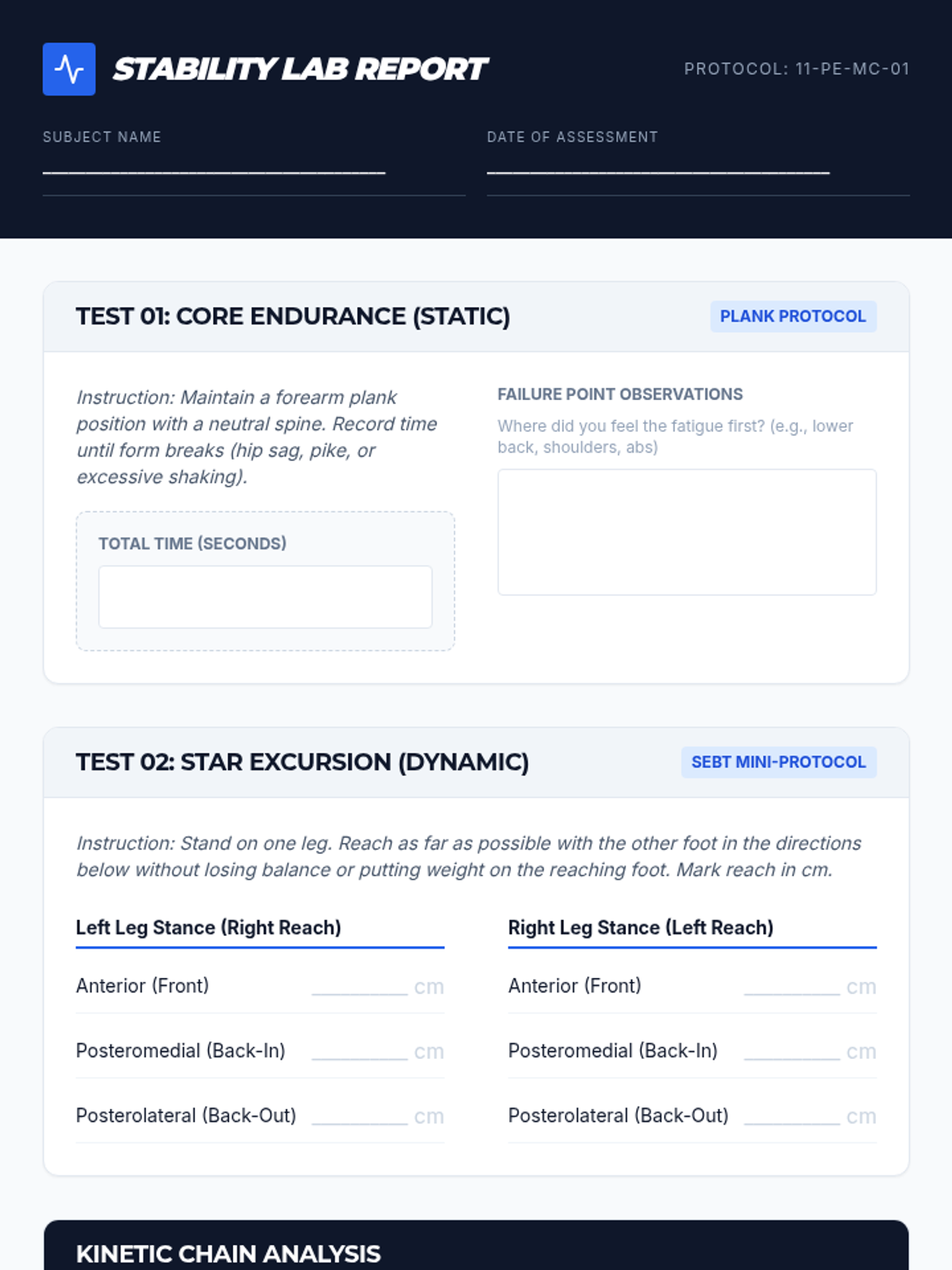
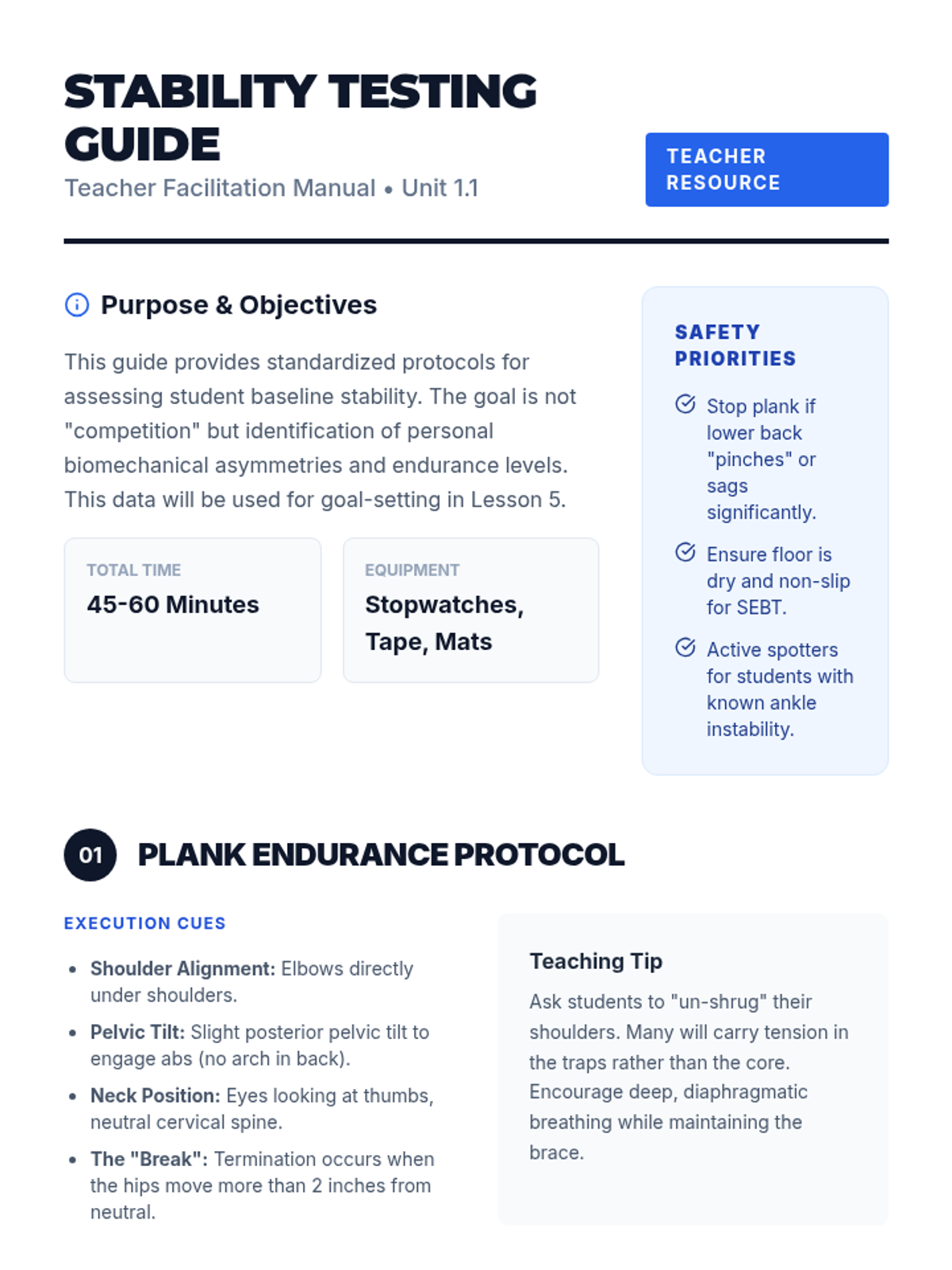
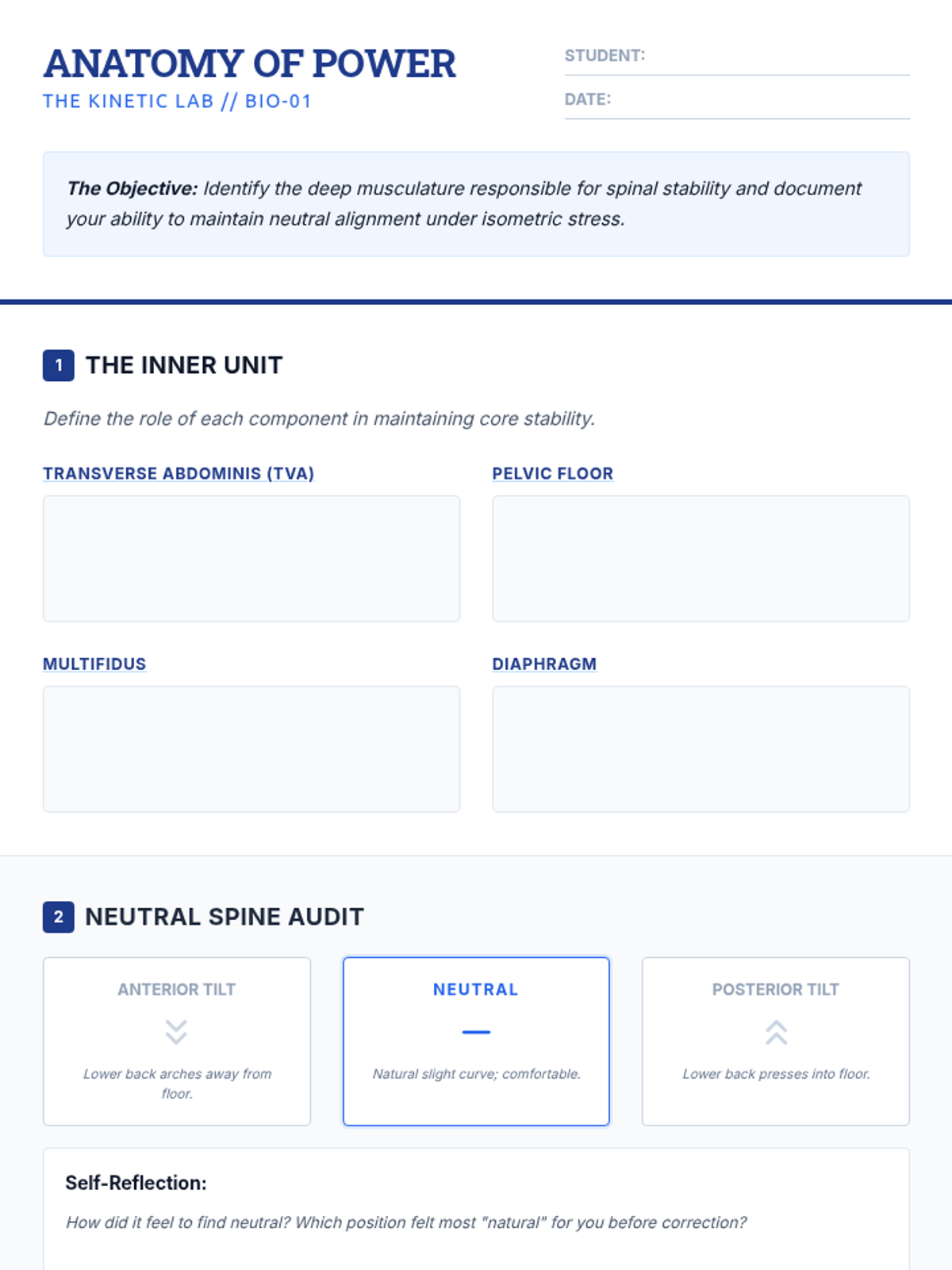
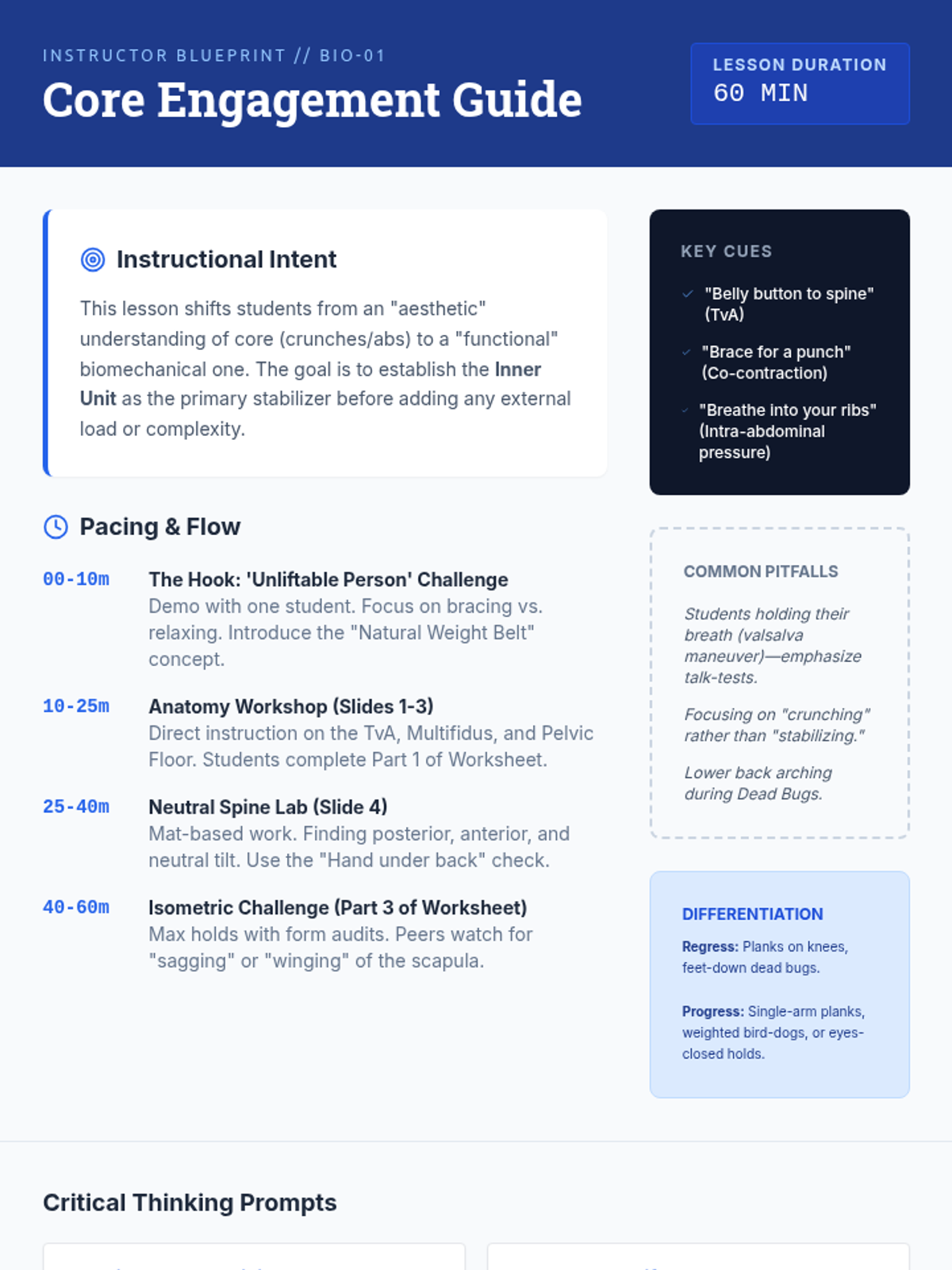
This sequence explores advanced neuromuscular control, focusing on the kinetic chain, core stability, and dynamic balance. Students progress from anatomical understanding to complex functional movement patterns designed to enhance athletic performance and prevent injury.
This 10th-grade PE sequence explores advanced body control, progressing from core biomechanics to dynamic agility and rotational power. Students move from static stability to designing personalized functional movement routines.
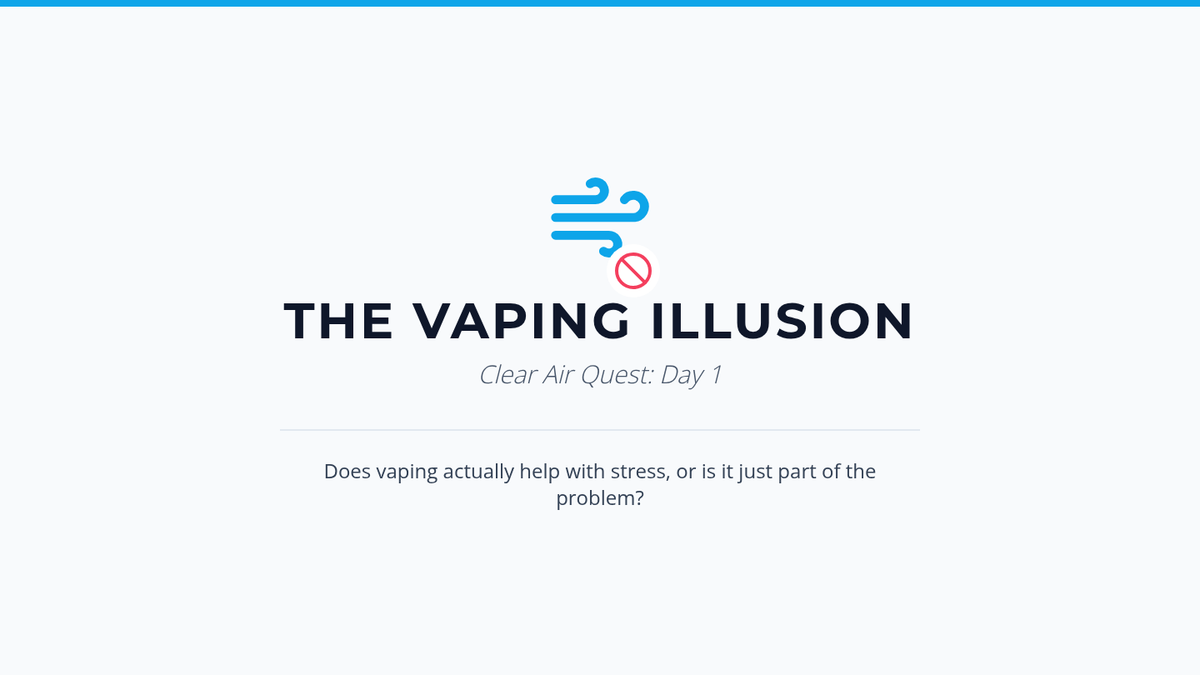
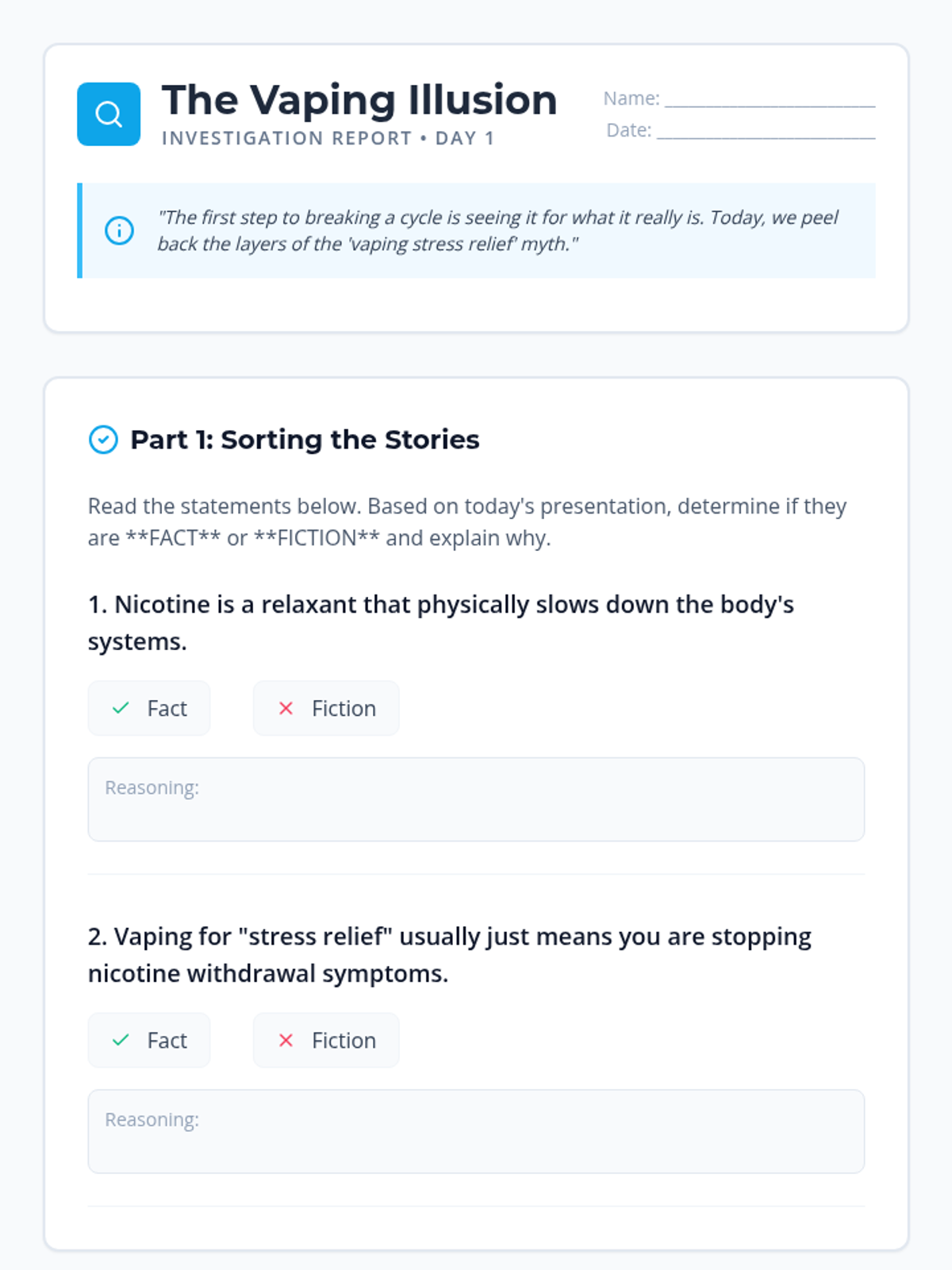
A comprehensive 5-day unit designed to educate students on the physiological effects of vaping and provide actionable, healthy coping mechanisms like deep breathing and mindfulness.
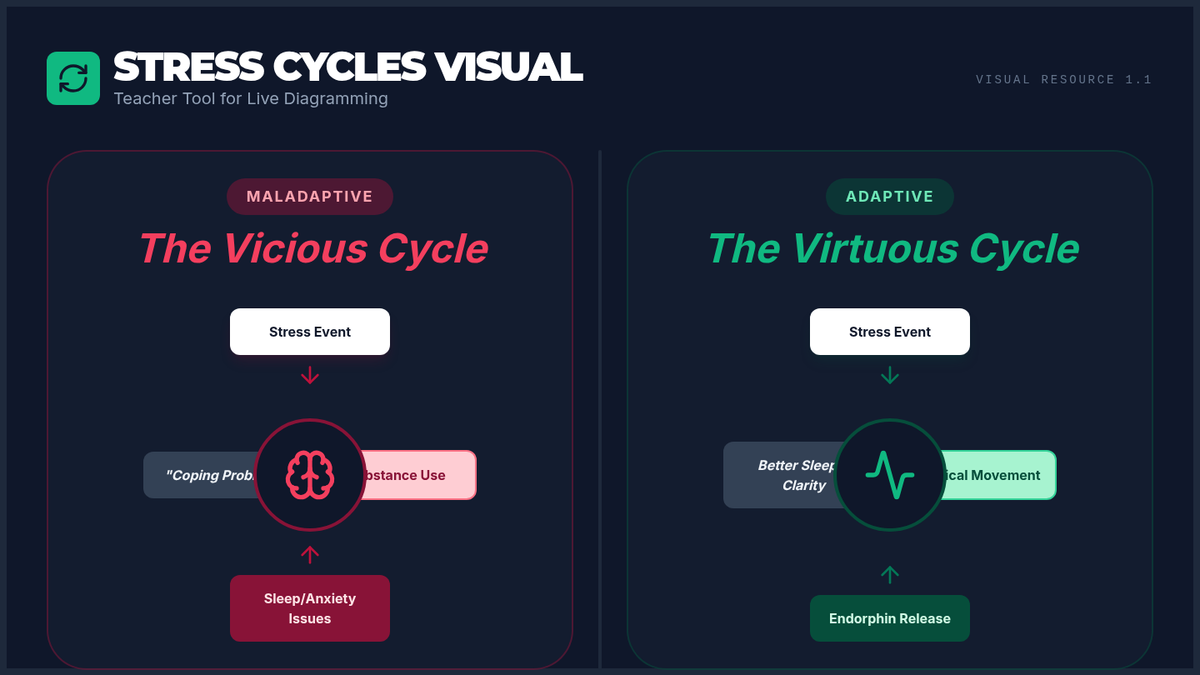
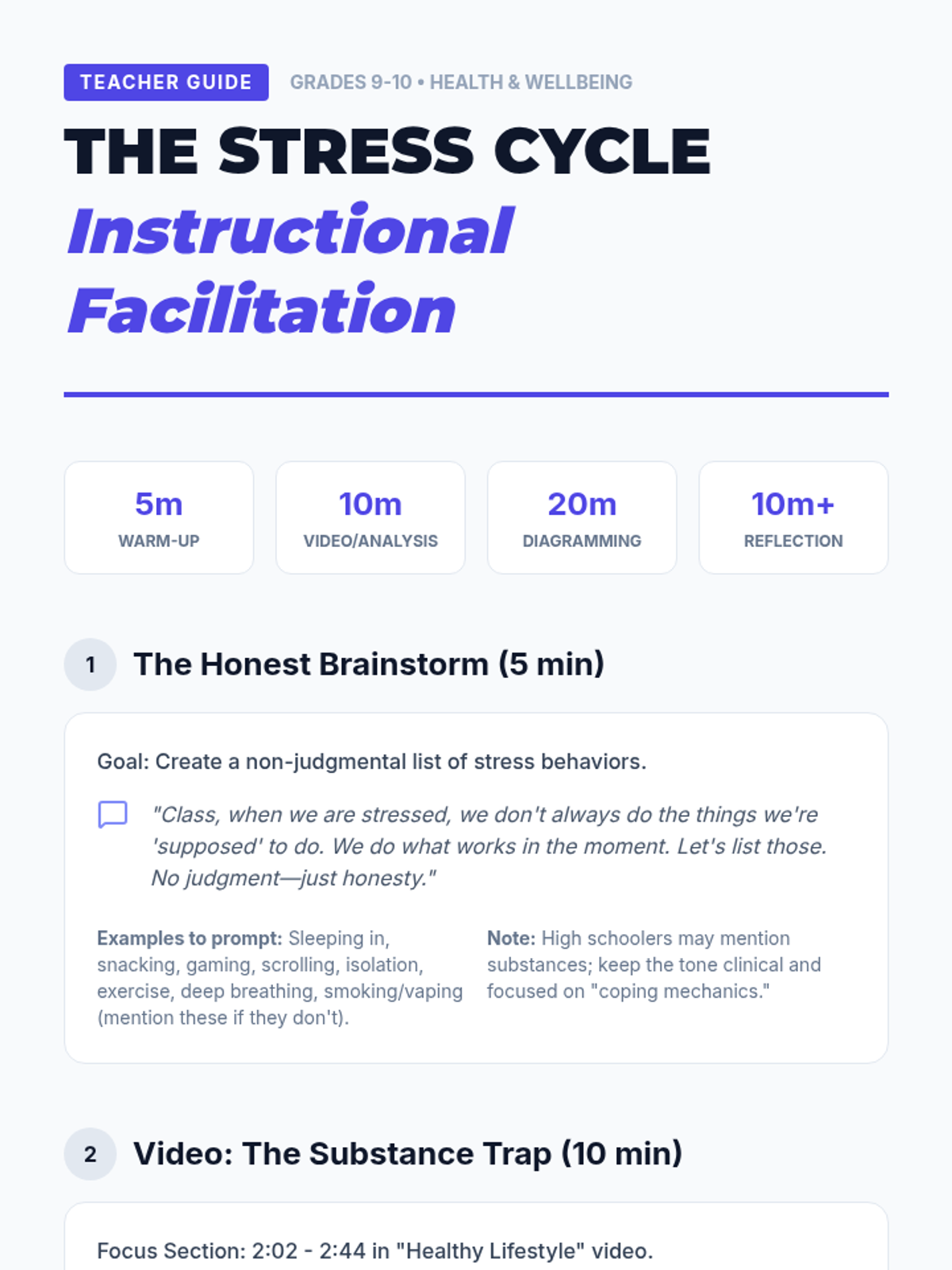
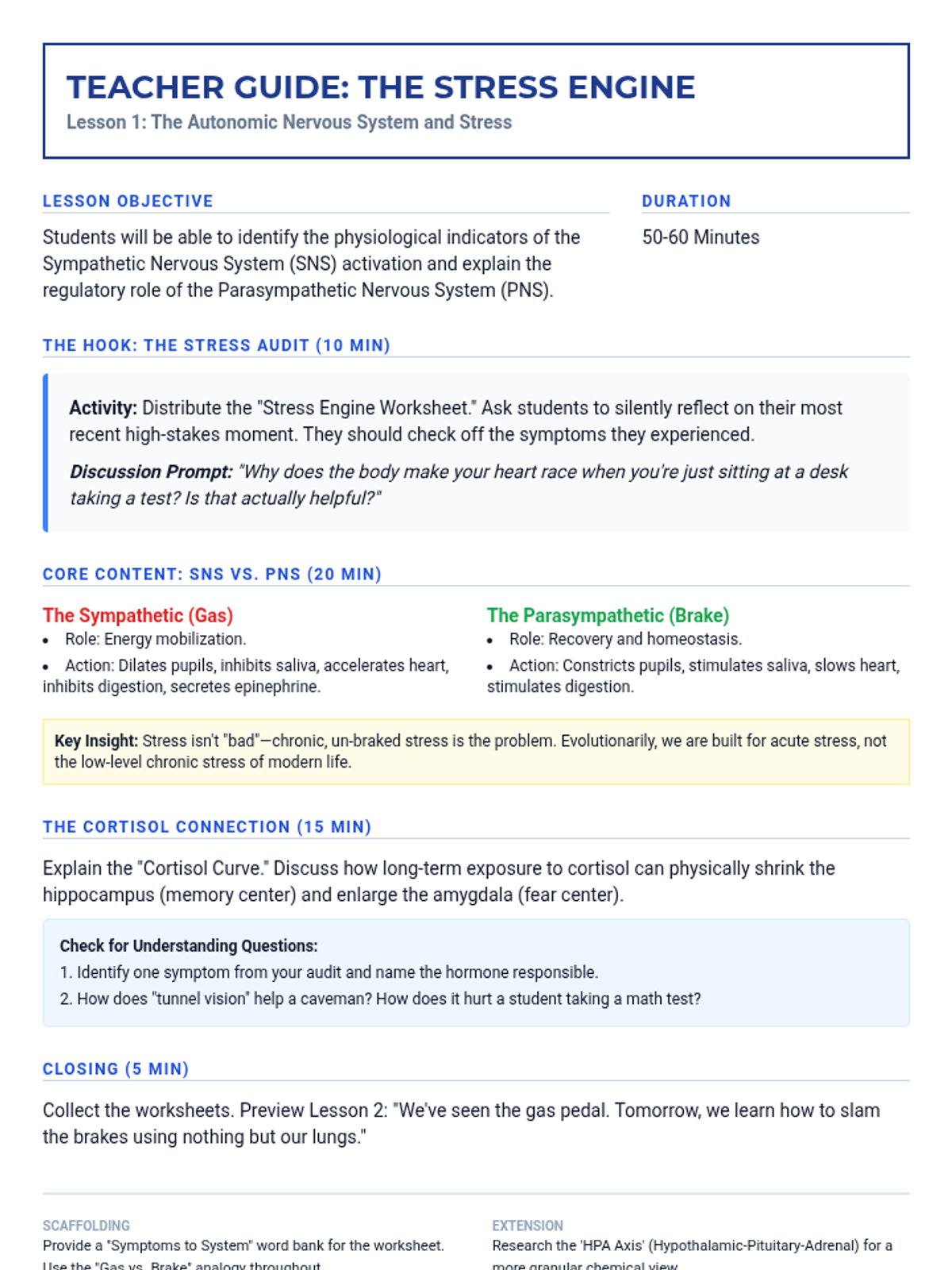
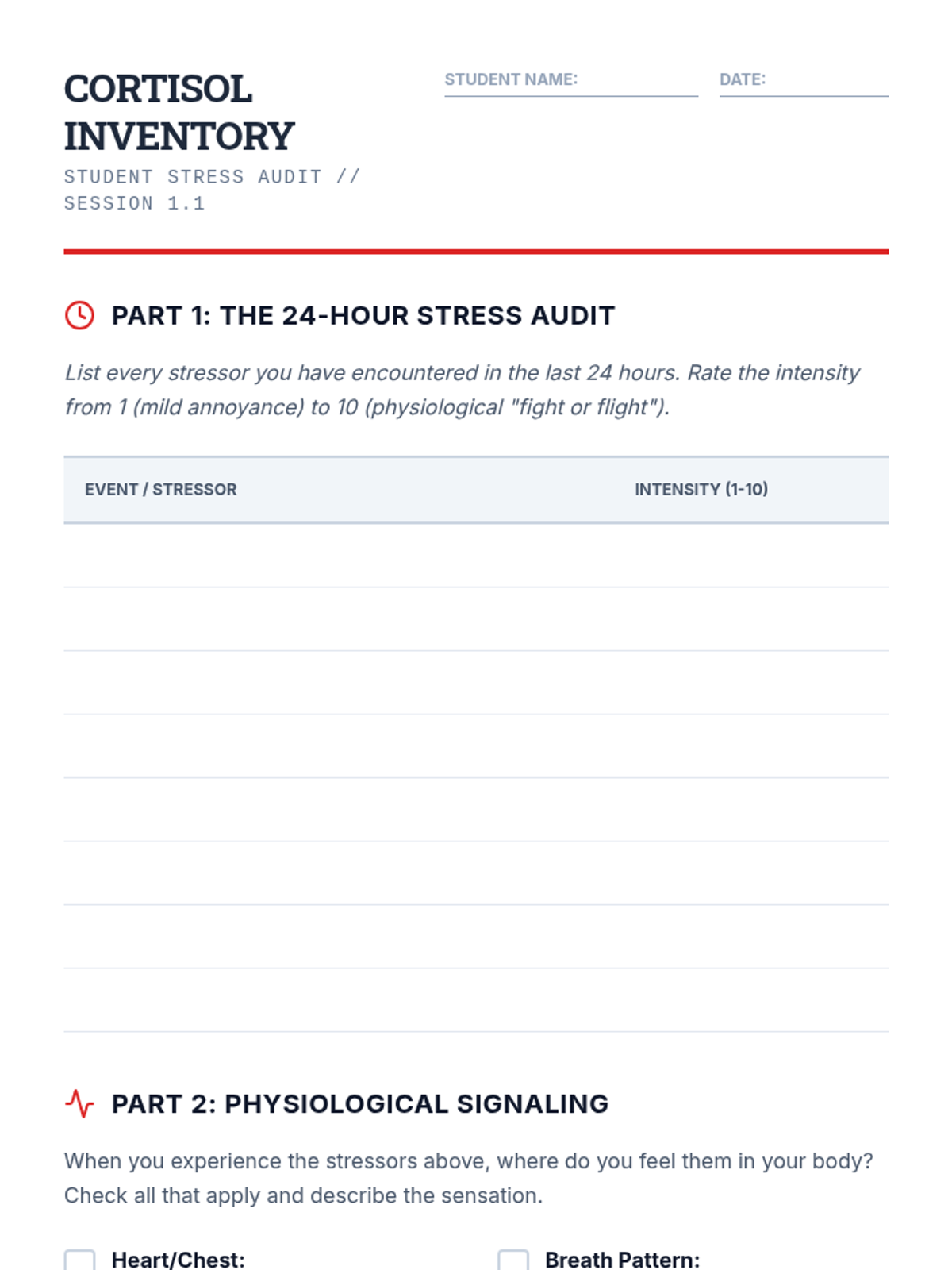
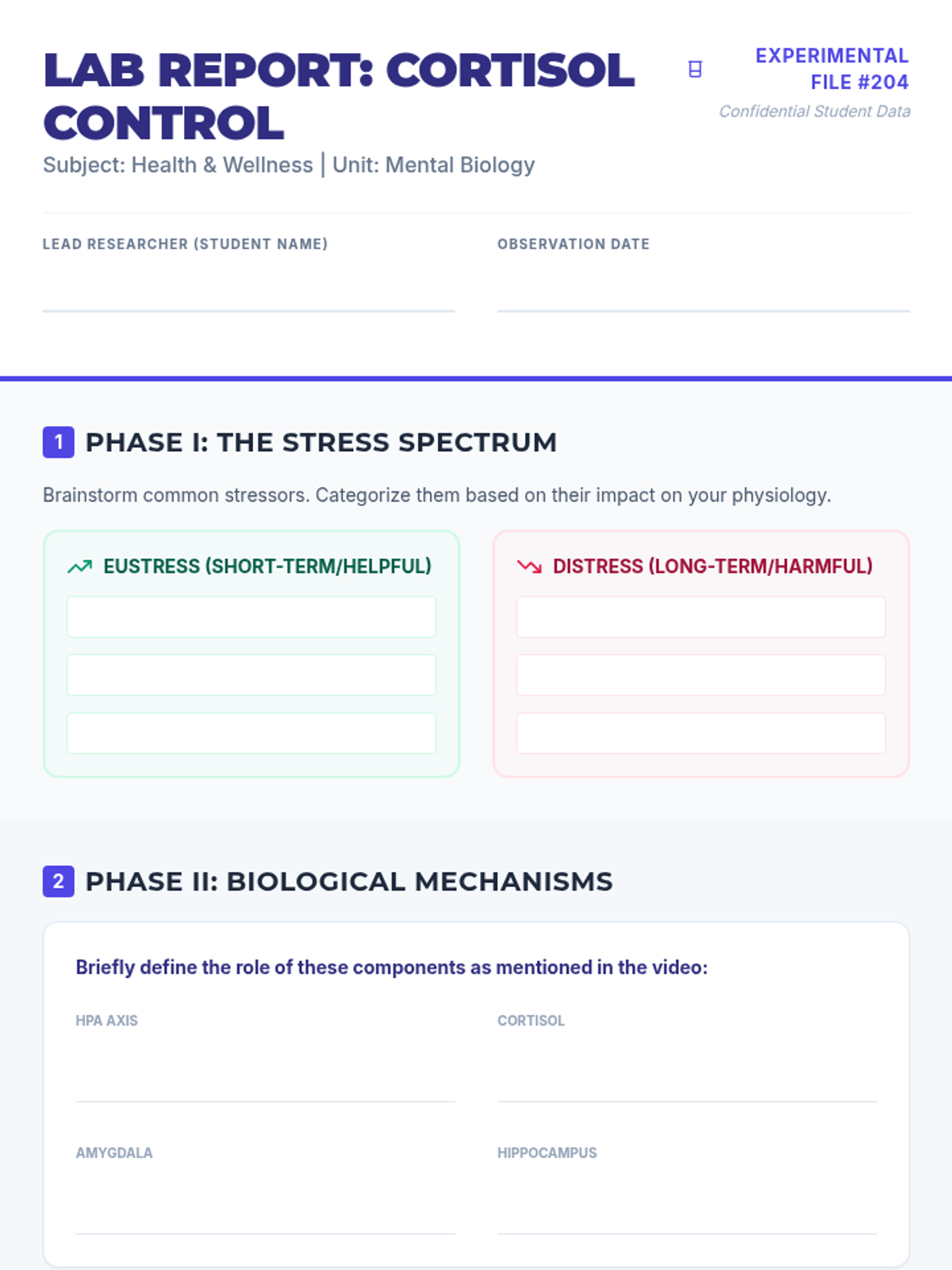
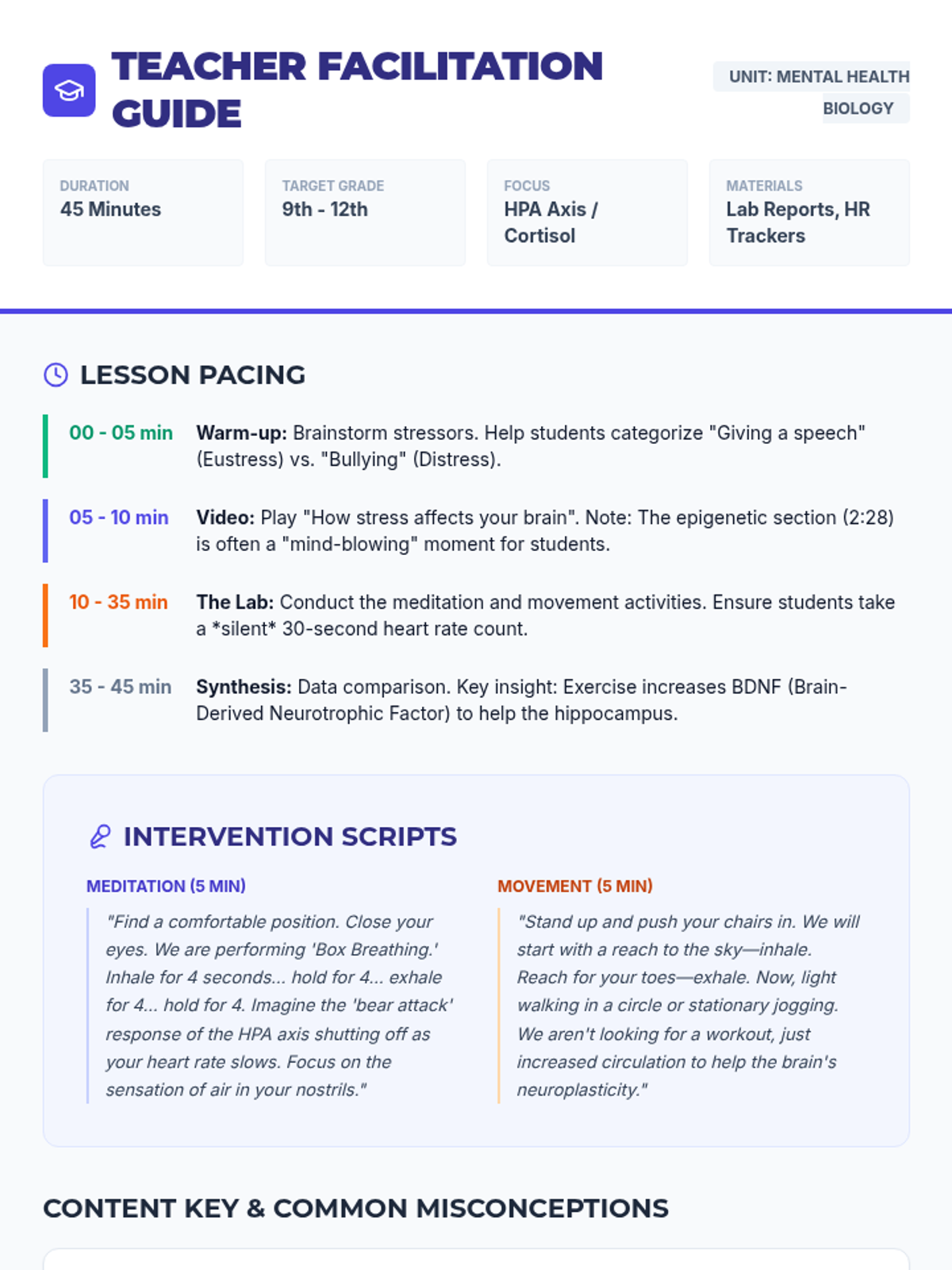
A high school health lesson focused on the physiological effects of stress, specifically cortisol's impact on the brain, and practical laboratory testing of stress-reduction techniques. Students explore eustress versus distress and measure their own heart rate and stress levels during guided interventions.
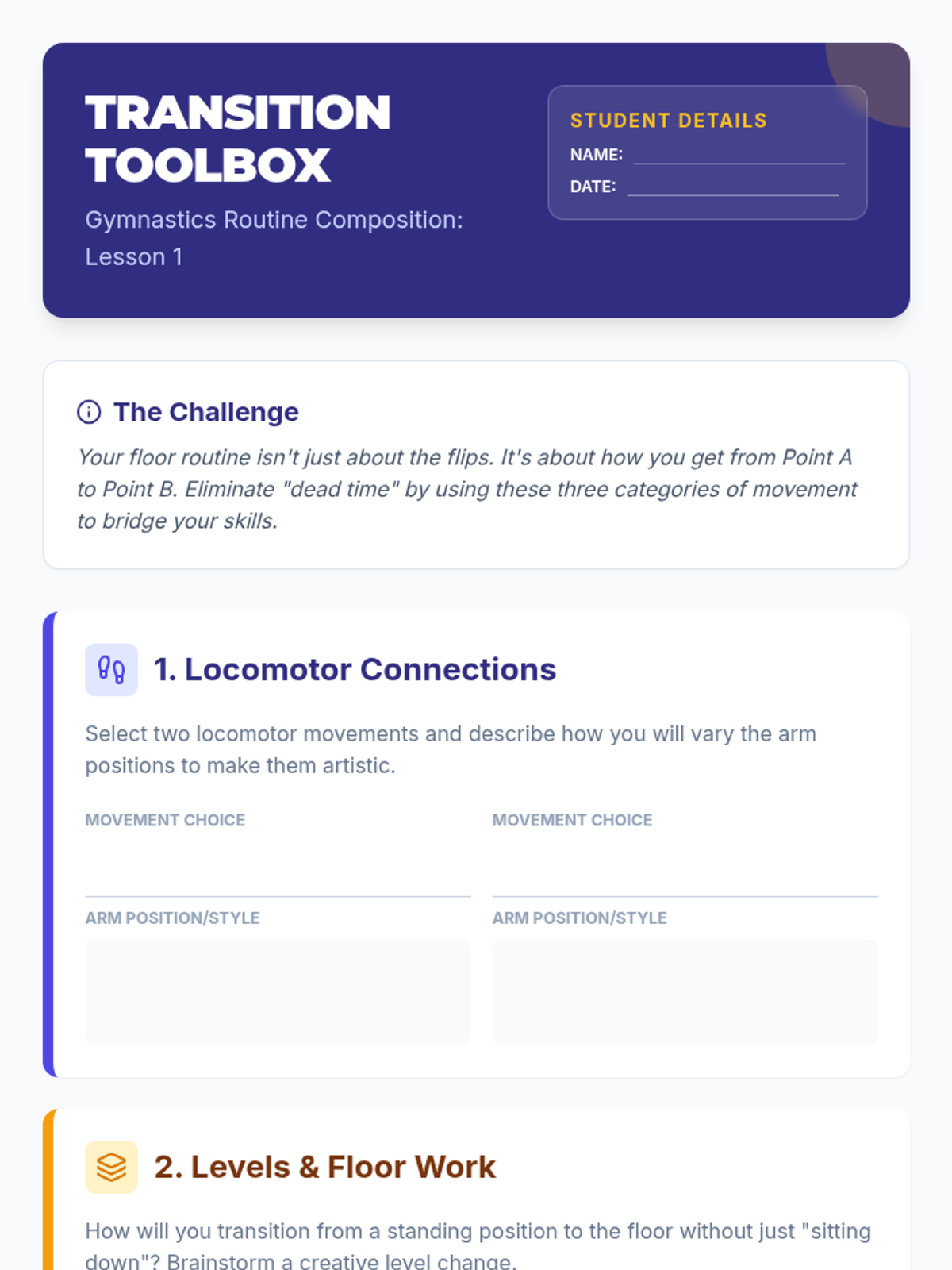
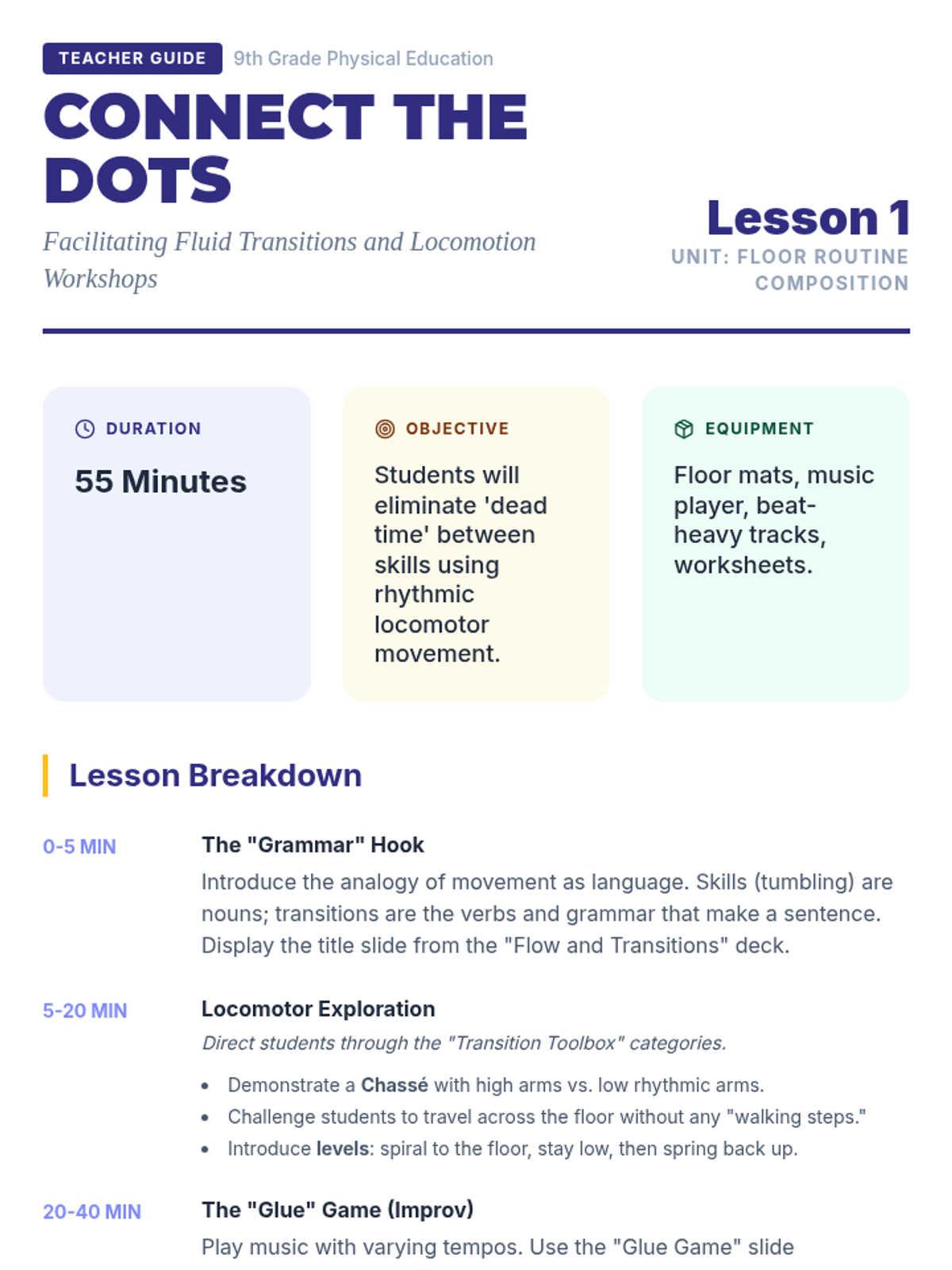
A comprehensive sequence for 9th Grade PE focused on the artistic and athletic composition of gymnastics floor routines, moving from individual skills to a cohesive performance.
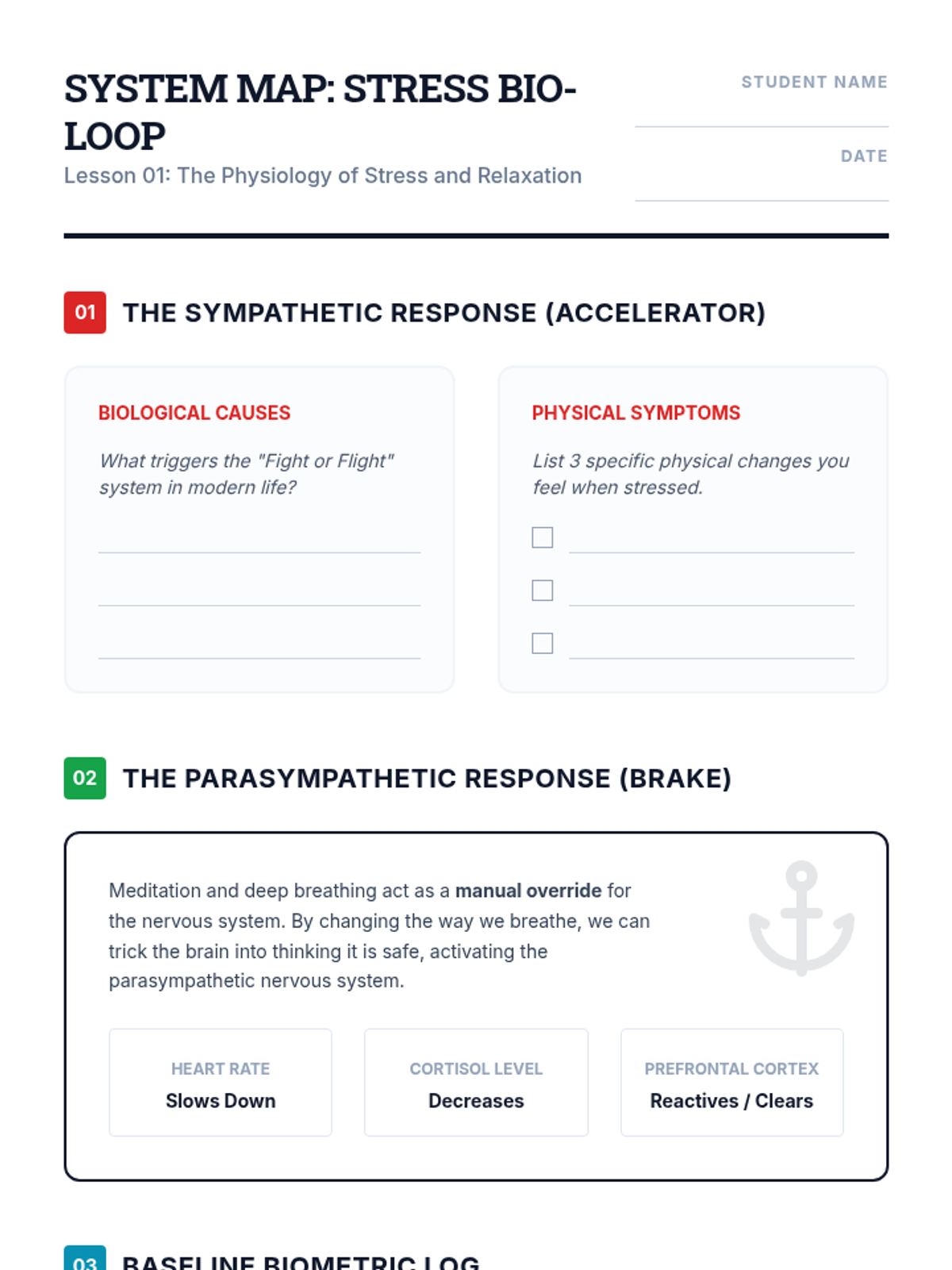
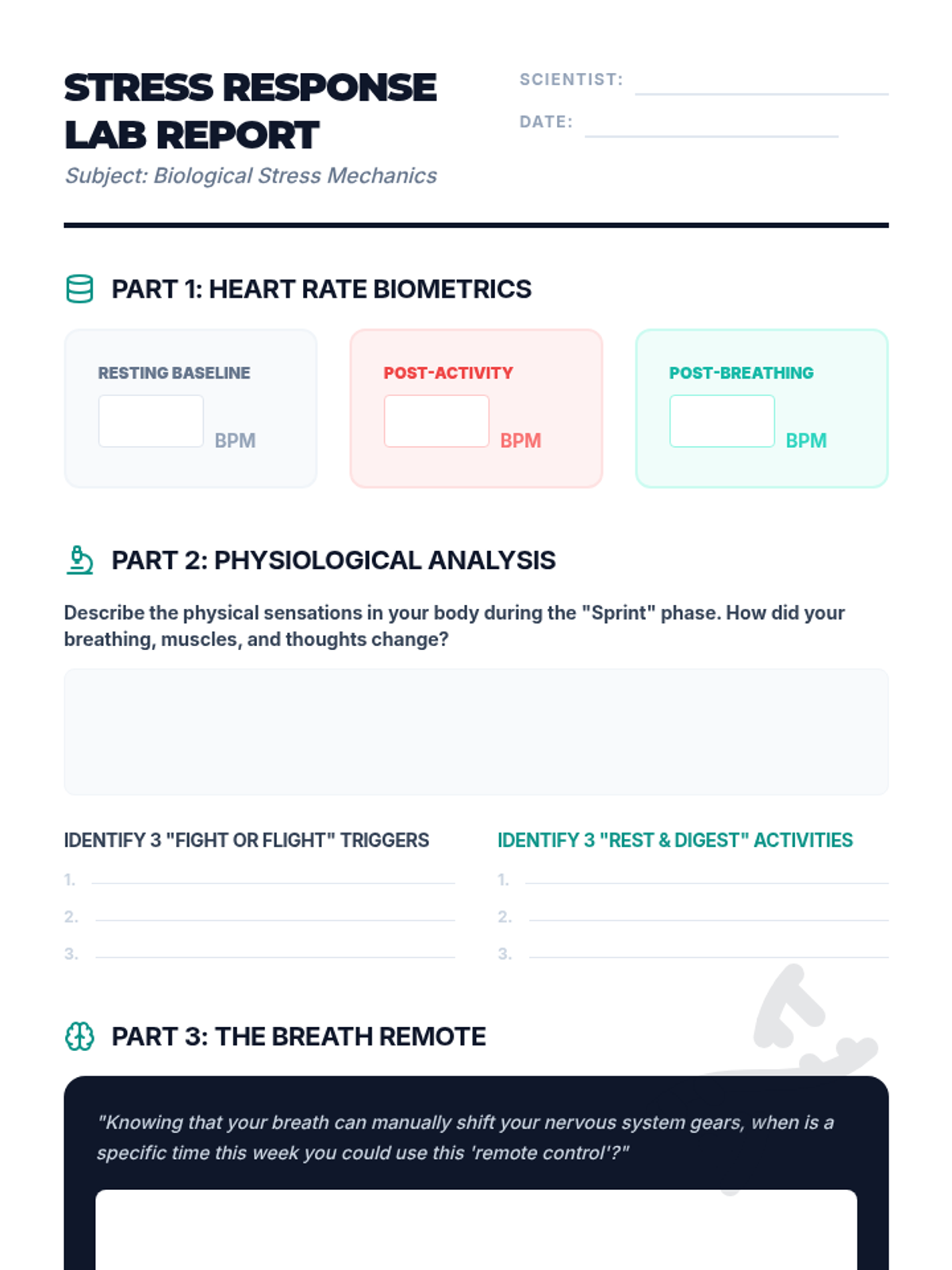
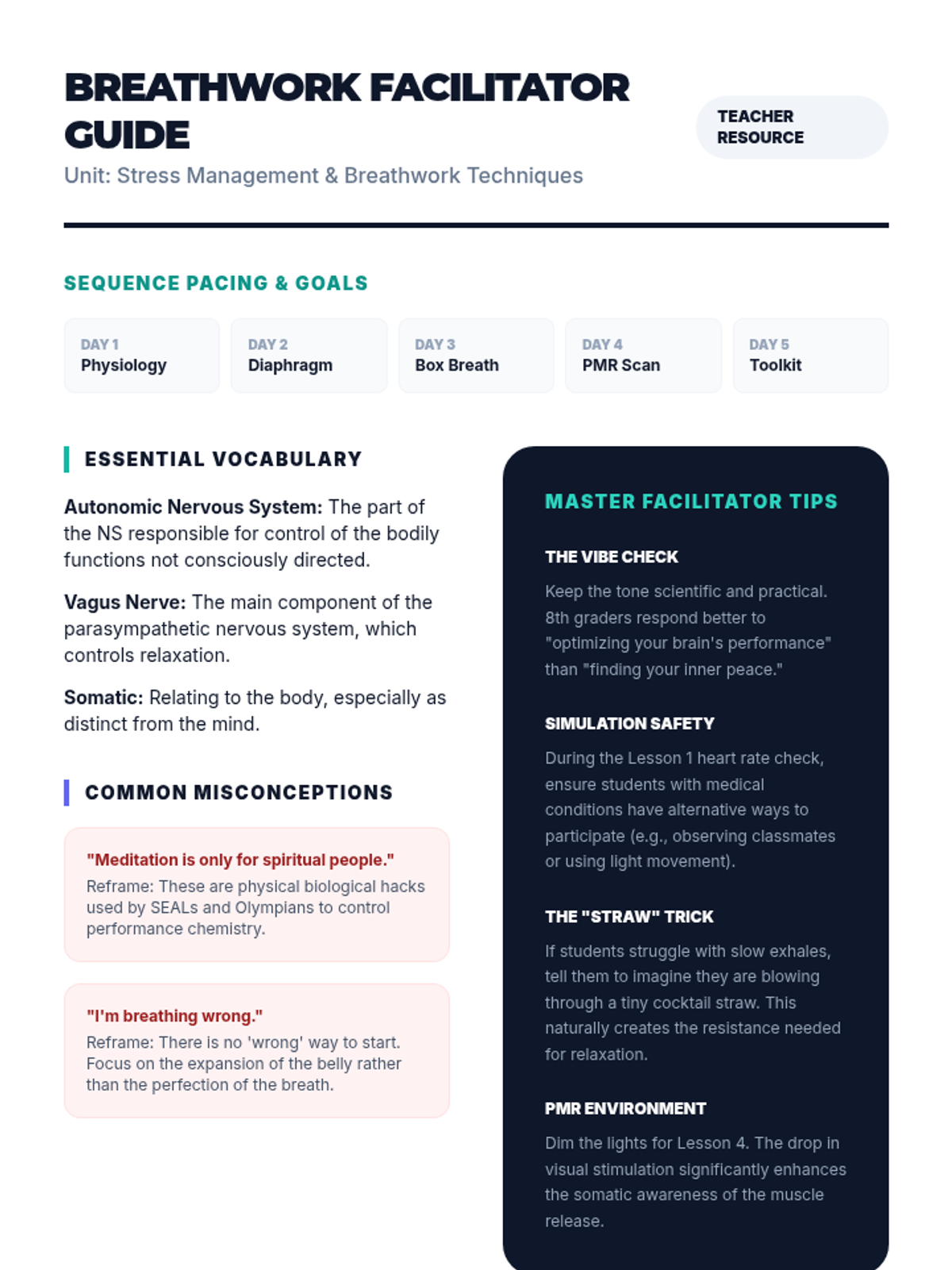
This sequence explores the physiological connection between breath, the nervous system, and stress management. Students learn to transition from 'fight or flight' to the 'rest and digest' state through evidence-based techniques like diaphragmatic breathing, box breathing, and progressive muscle relaxation, ultimately building a personalized self-regulation toolkit.
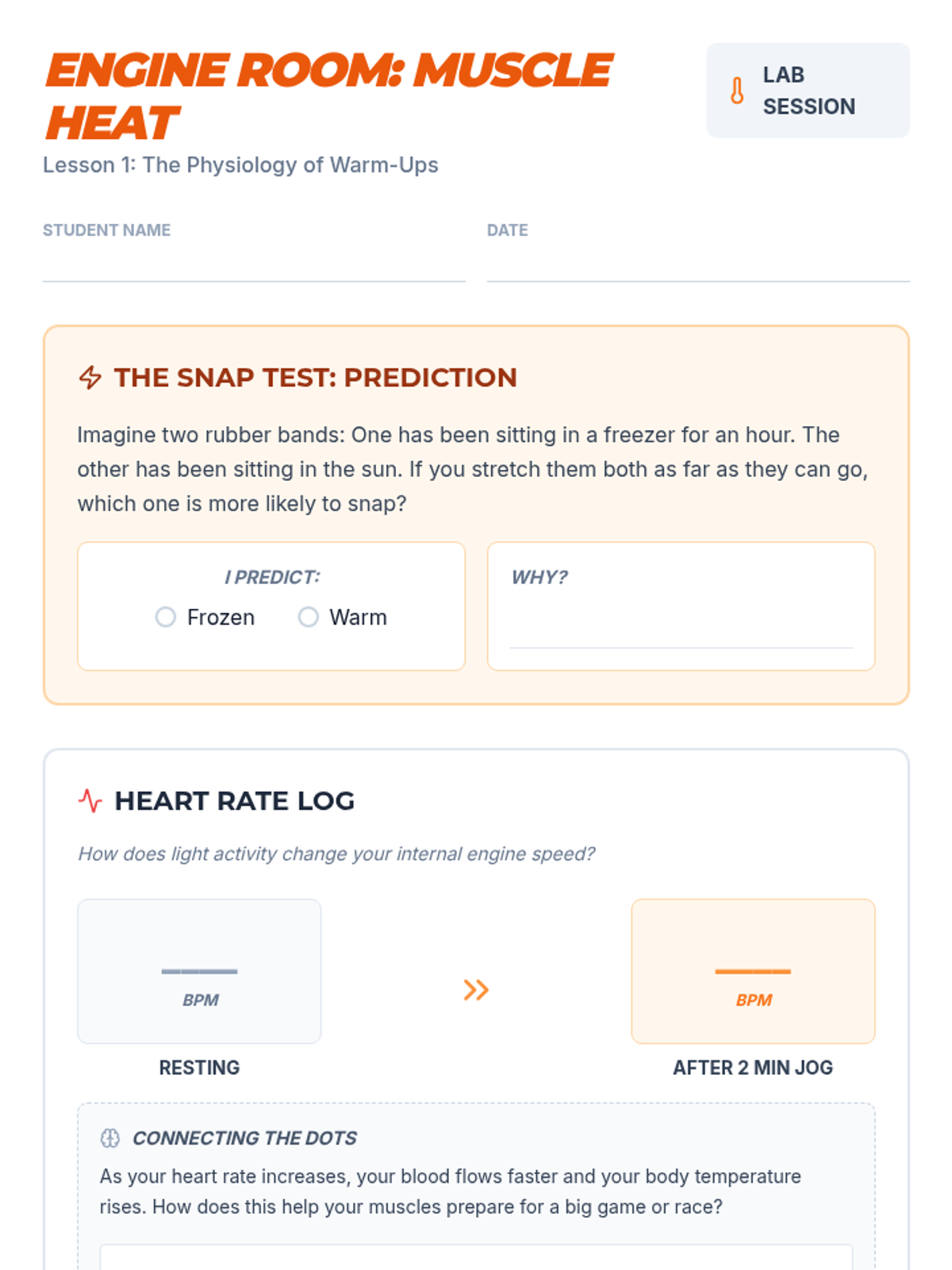
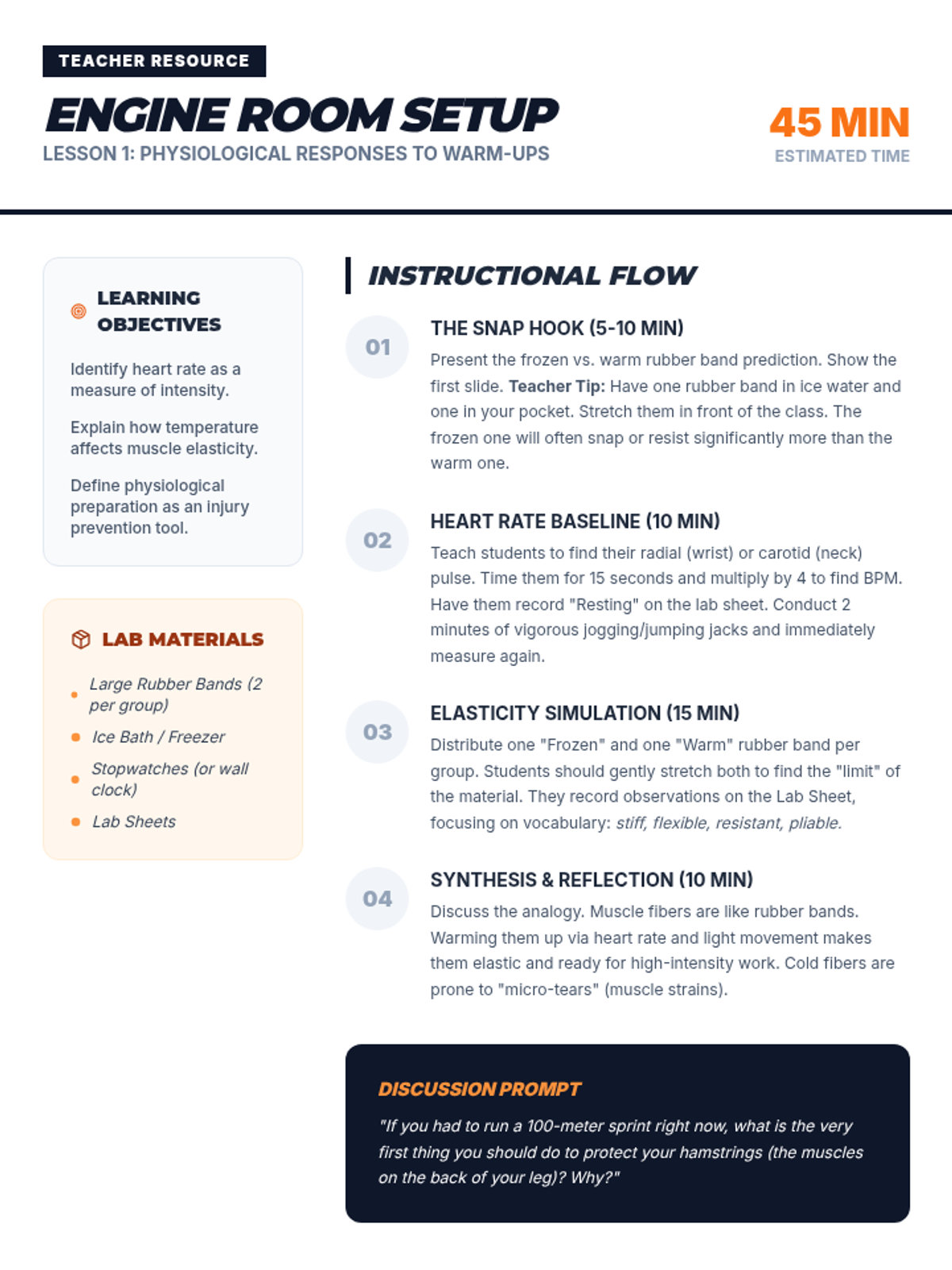
A 5th-grade health and PE sequence focused on injury prevention through physiological understanding, dynamic stretching, body mechanics, and self-monitoring. Students progress from learning why the body needs preparation to designing their own sport-specific routines.
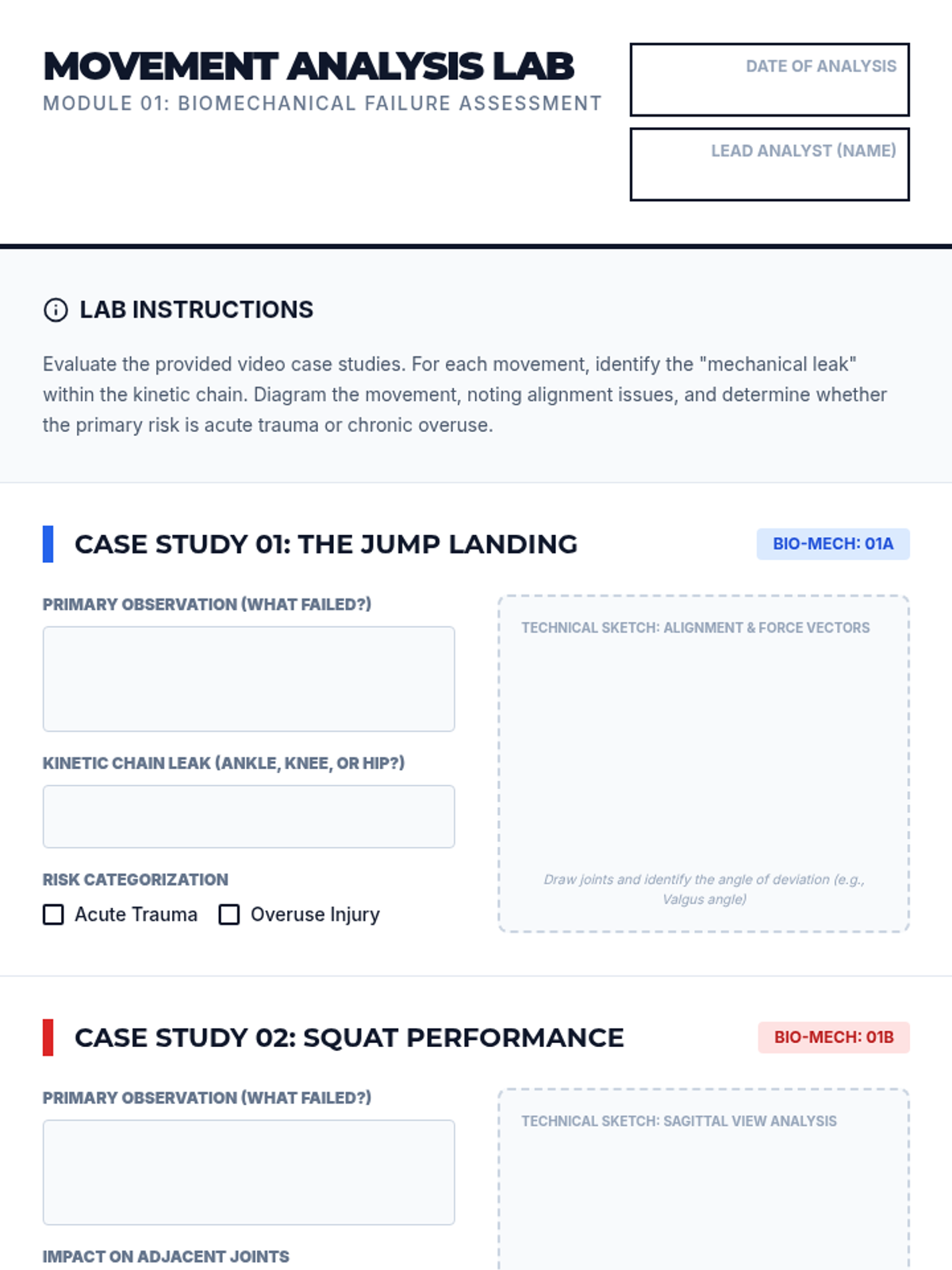
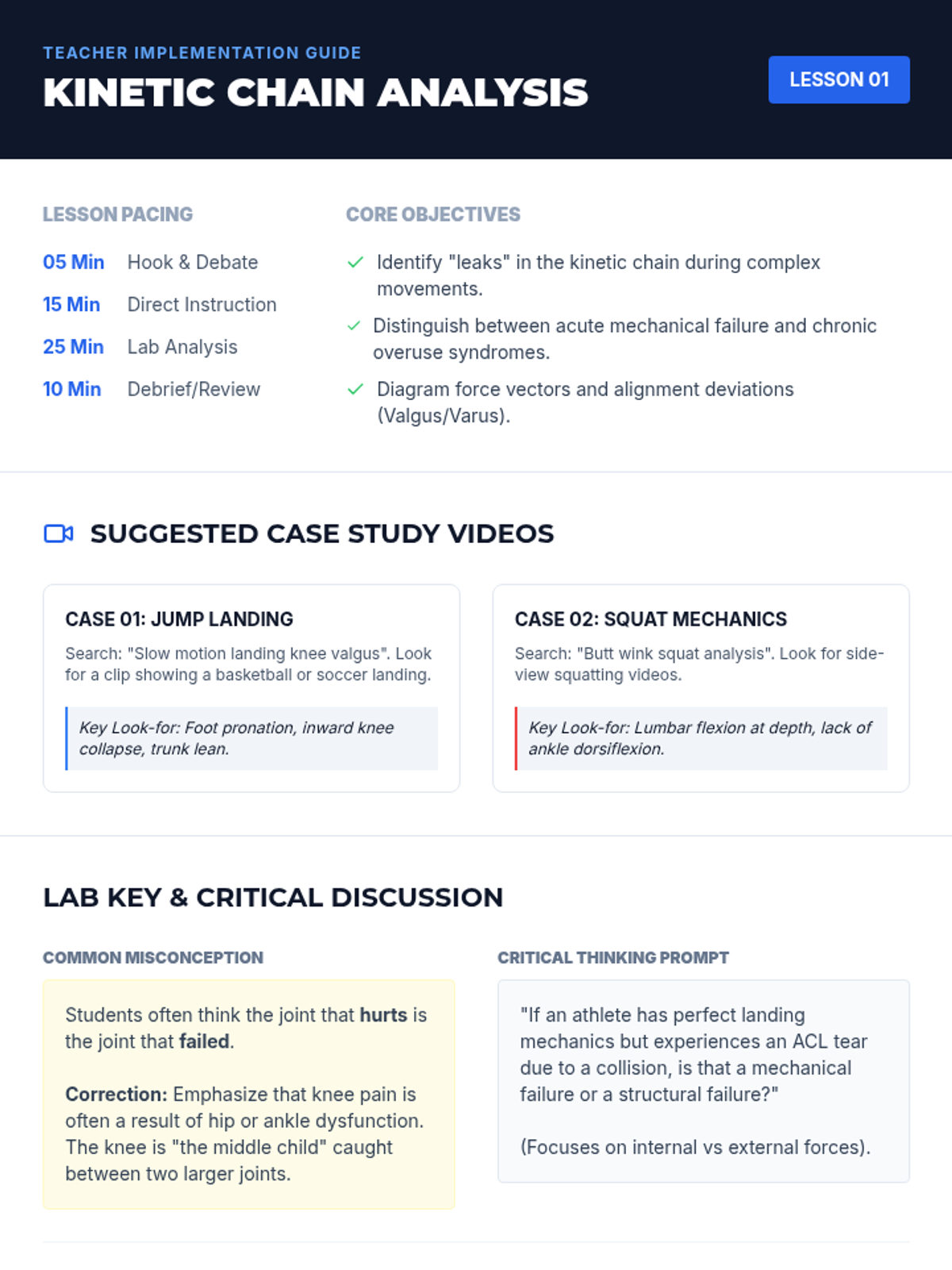
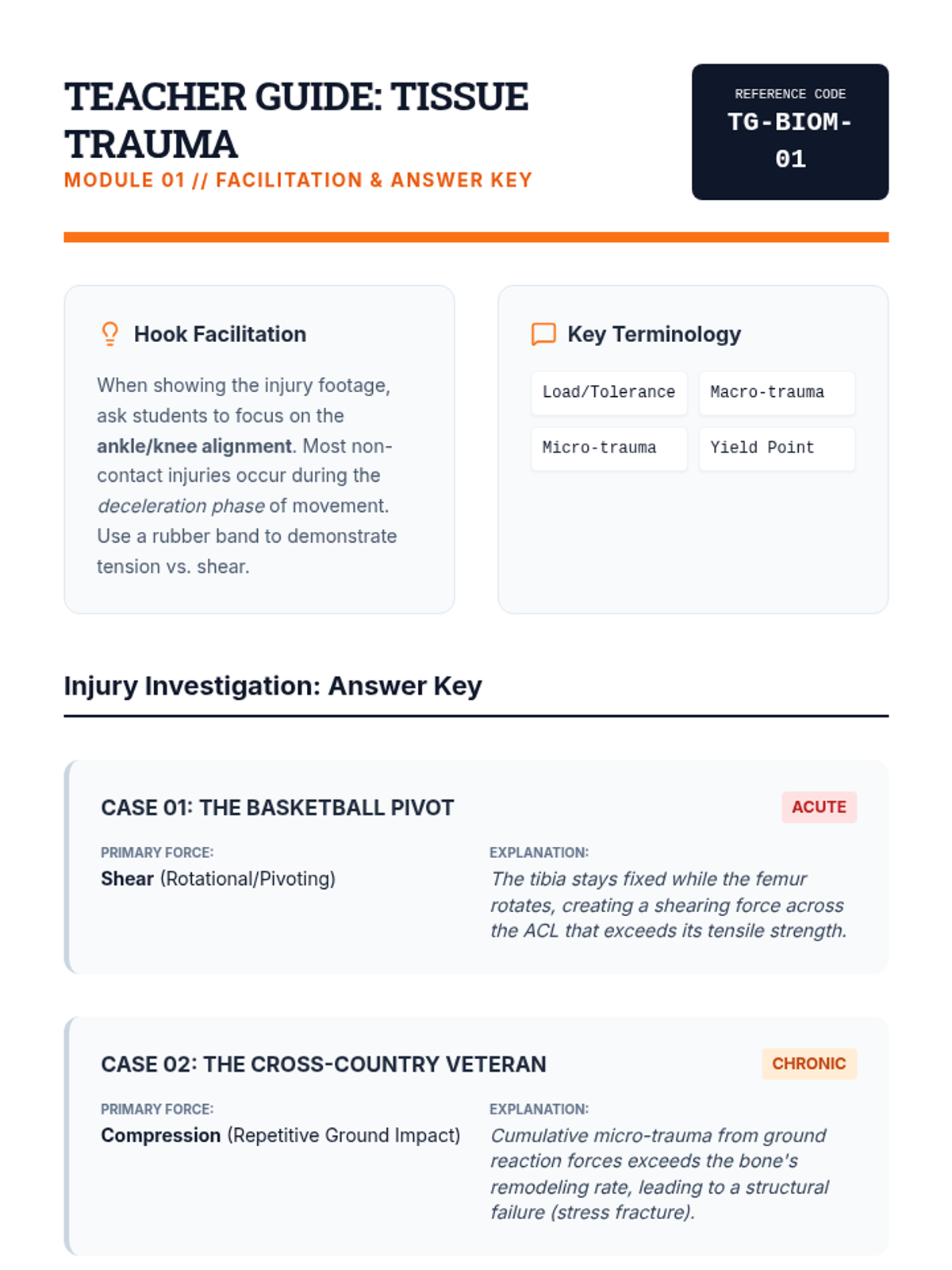
An analytical sequence exploring injury prevention through the lenses of biomechanics, protective engineering, environmental assessment, and physiological preparation. Students transition from understanding mechanical failure to designing comprehensive safety protocols.
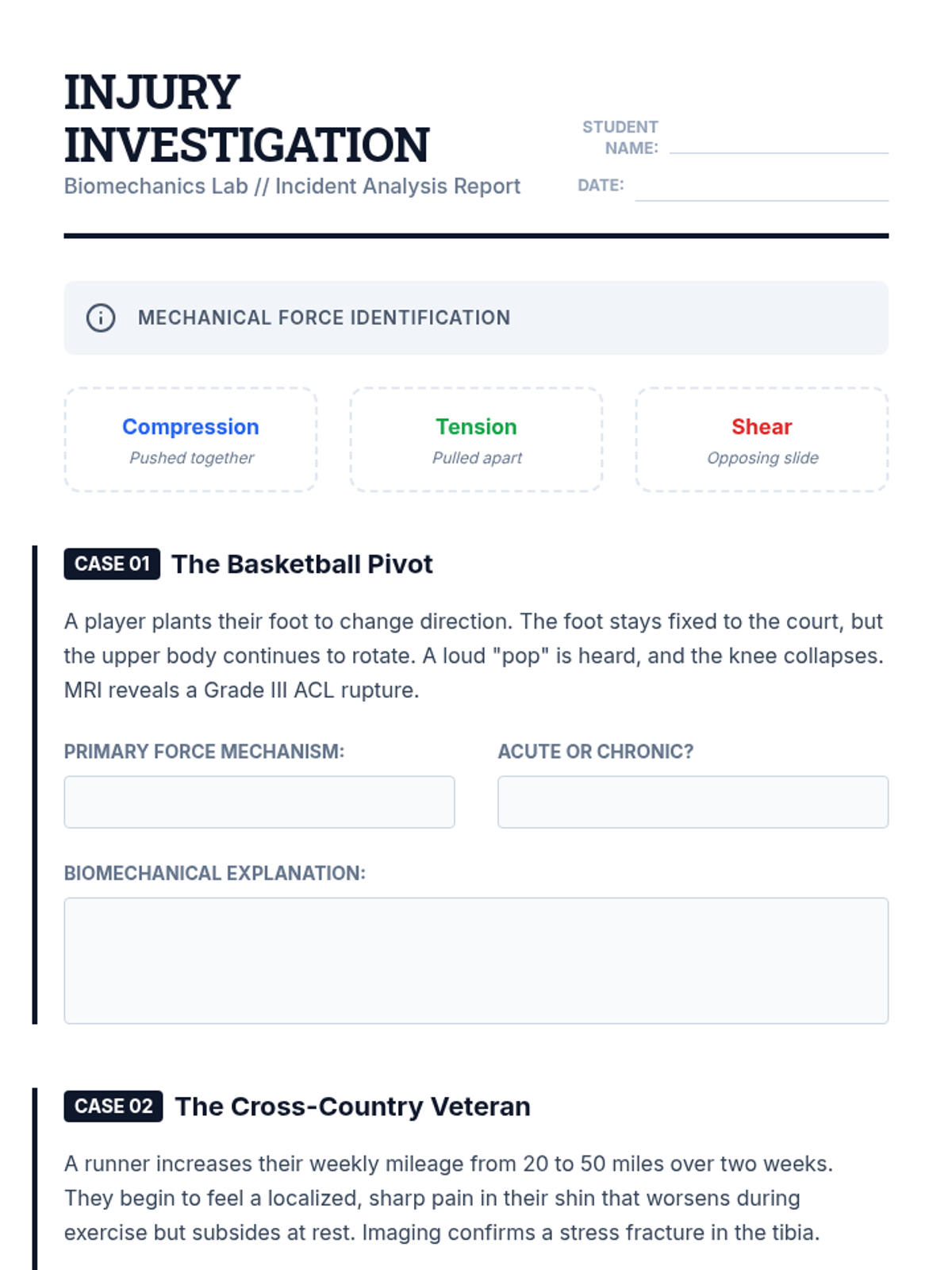
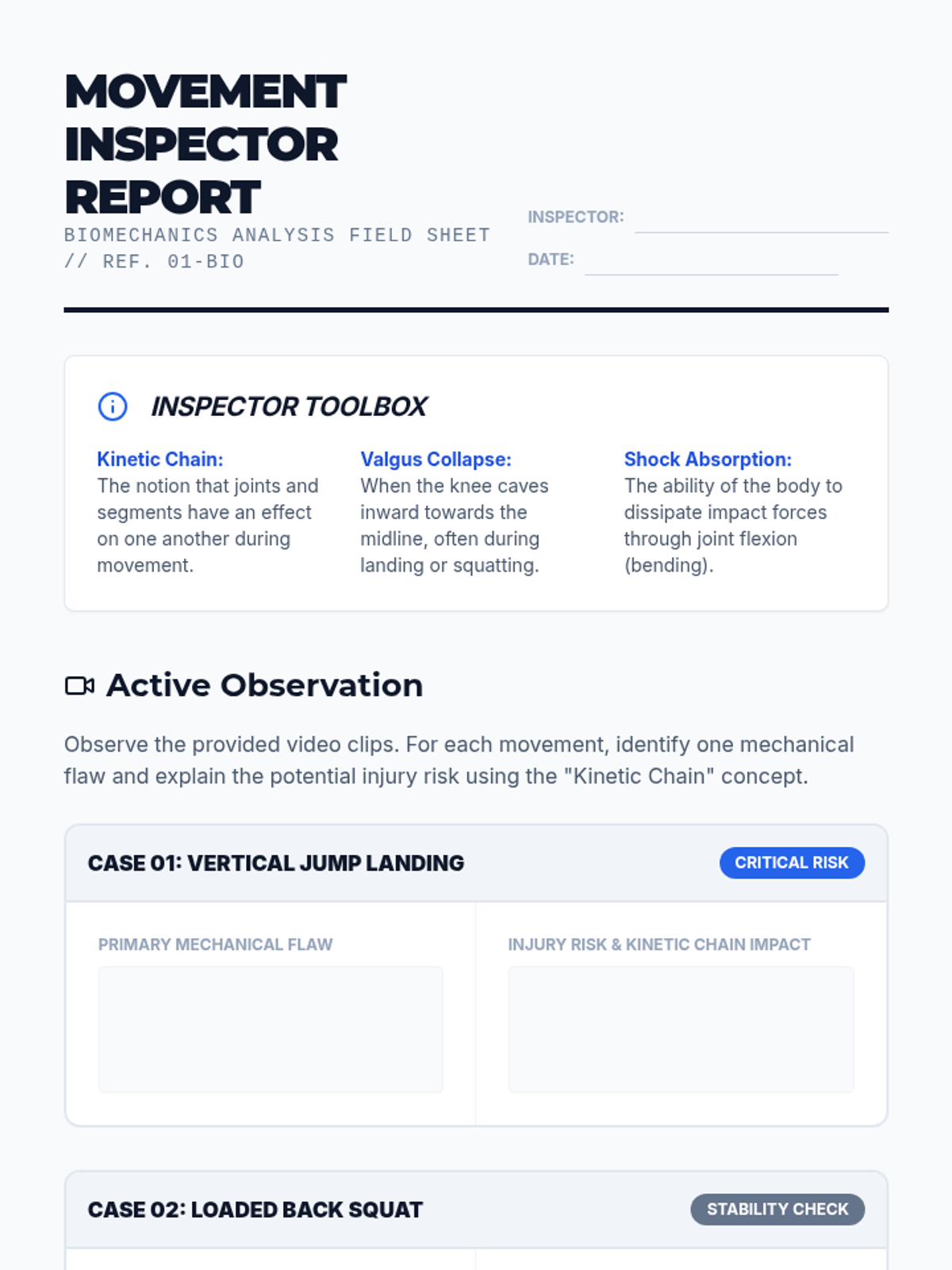
This 10th-grade Health and Physical Education sequence integrates biomechanics and safety engineering to teach students how to prevent sports injuries. Students progress from understanding tissue-level failure to analyzing movement patterns and designing comprehensive safety protocols for athletic environments.
Students adopt the role of athletic trainers and safety inspectors to apply scientific principles to injury prevention. They analyze biomechanics, equipment integrity, and environmental hazards to design comprehensive safety protocols.
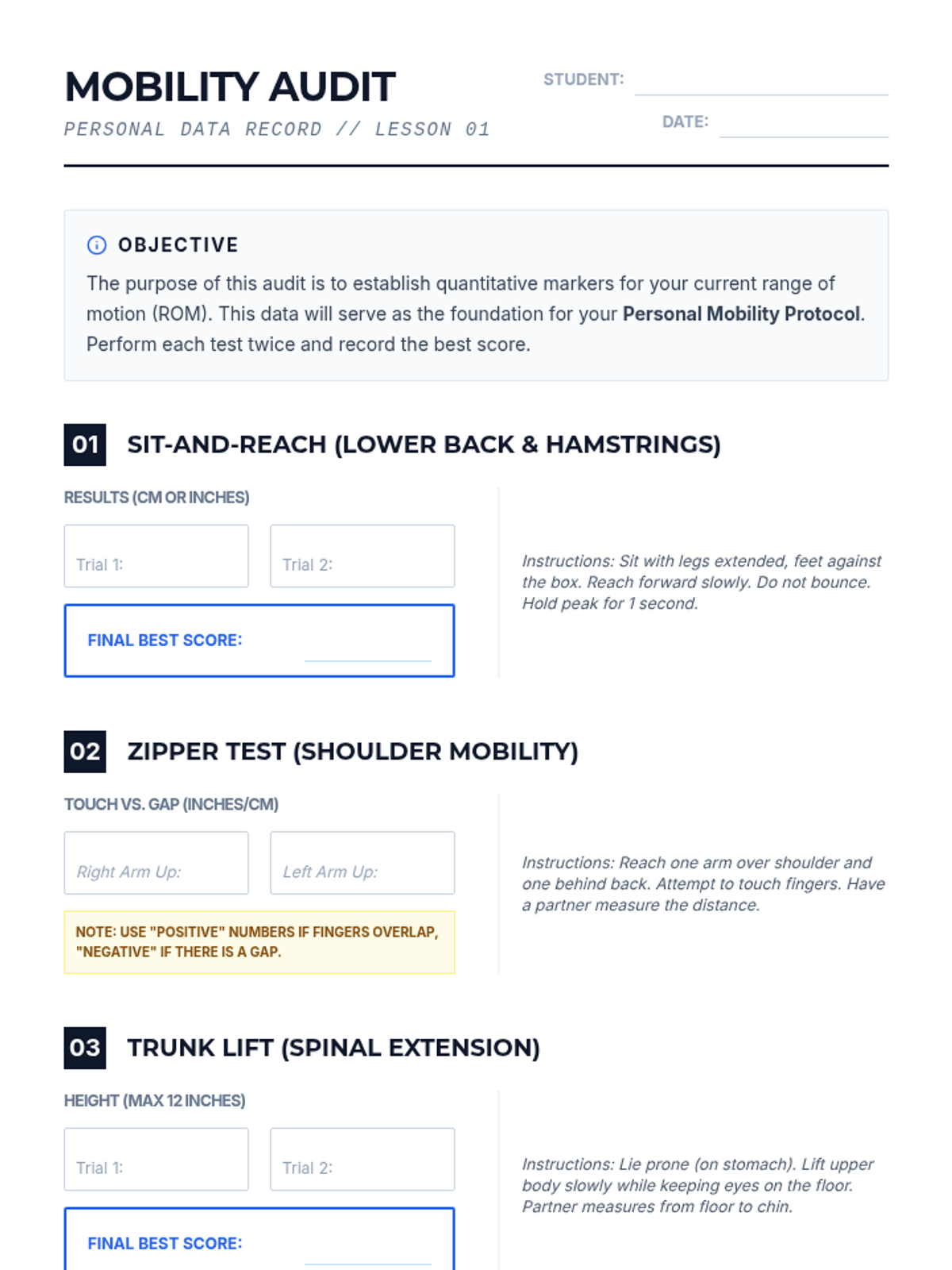
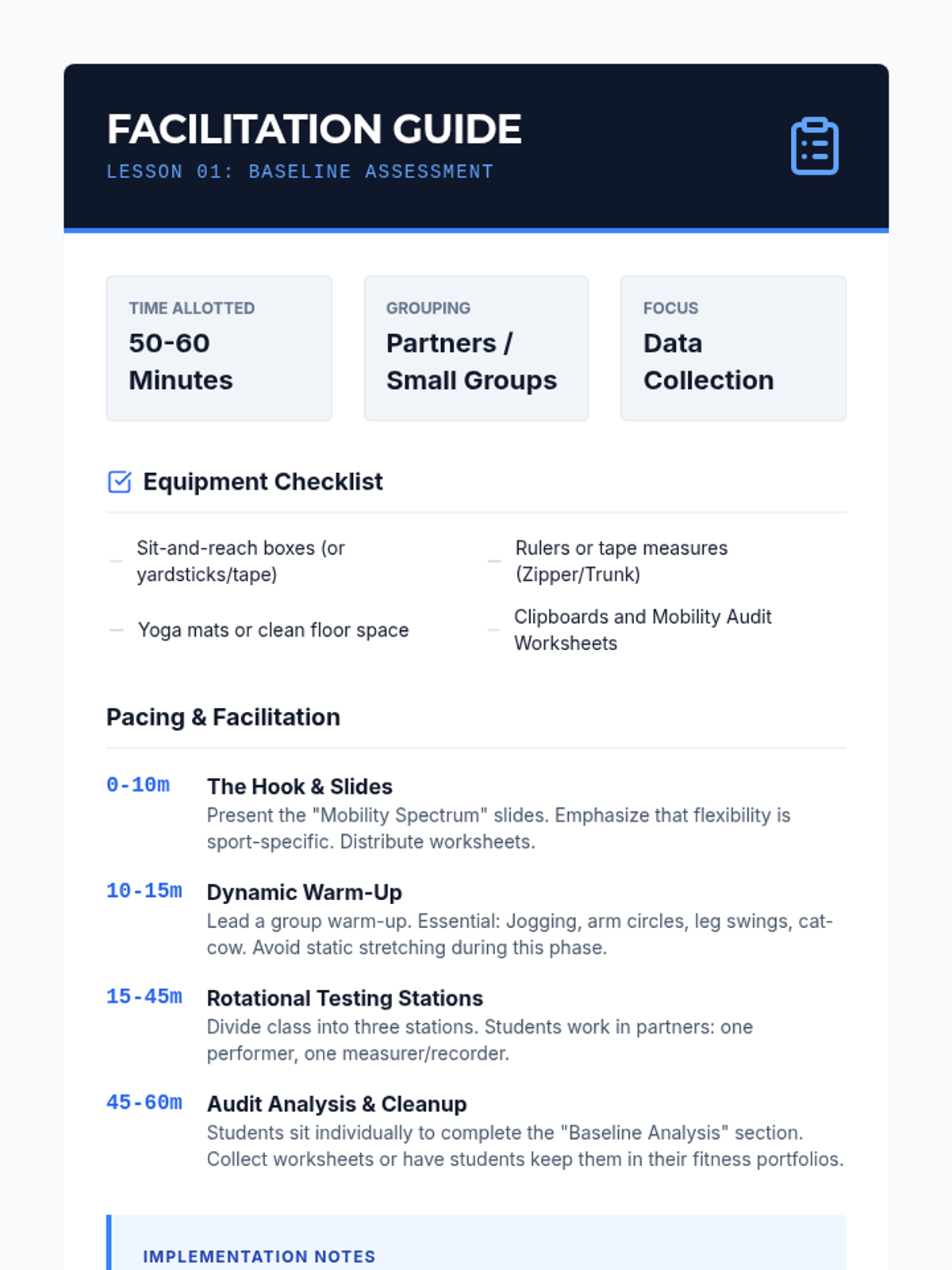
A project-based unit where 10th-grade students move from general participation to personalized mobility program design. Students assess their baselines, learn advanced techniques like PNF and yoga, and research sport-specific demands to create a tailored recovery protocol.
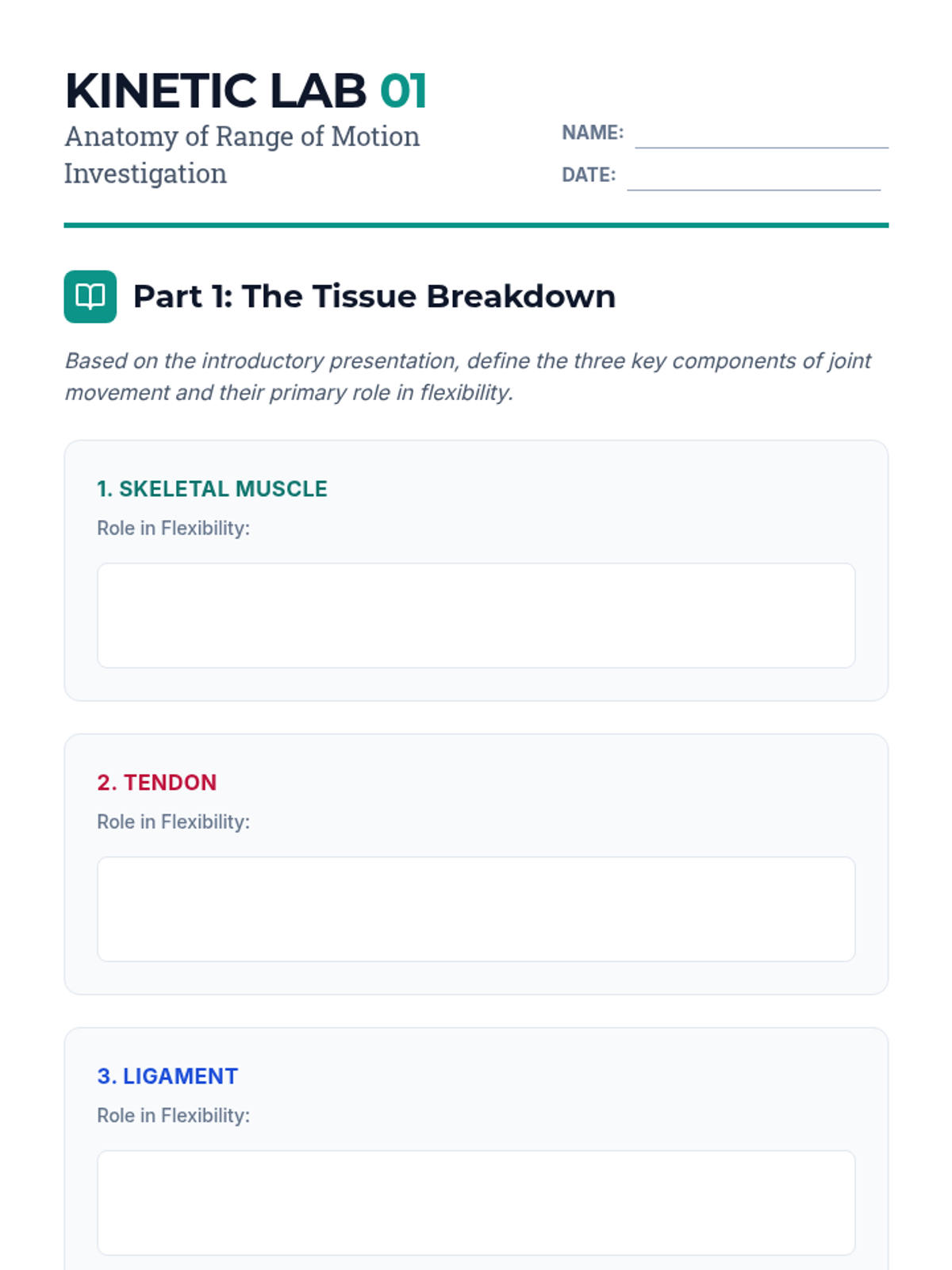
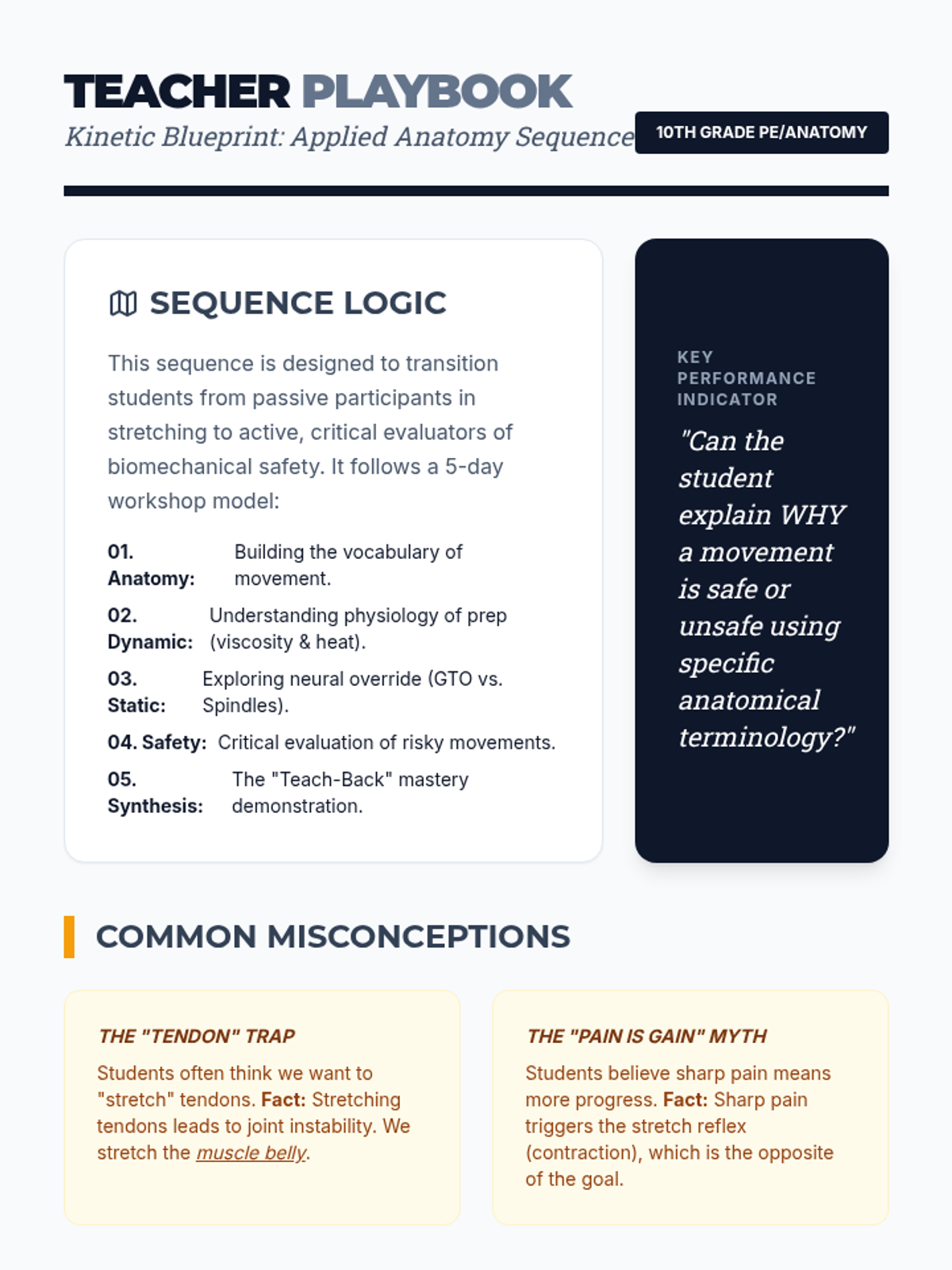
This 10th-grade sequence explores the anatomical and biomechanical foundations of flexibility. Students will move from identifying muscle groups and joint structures to practicing dynamic and static techniques, culminating in the ability to critique unsafe exercises and design safe, effective routines.
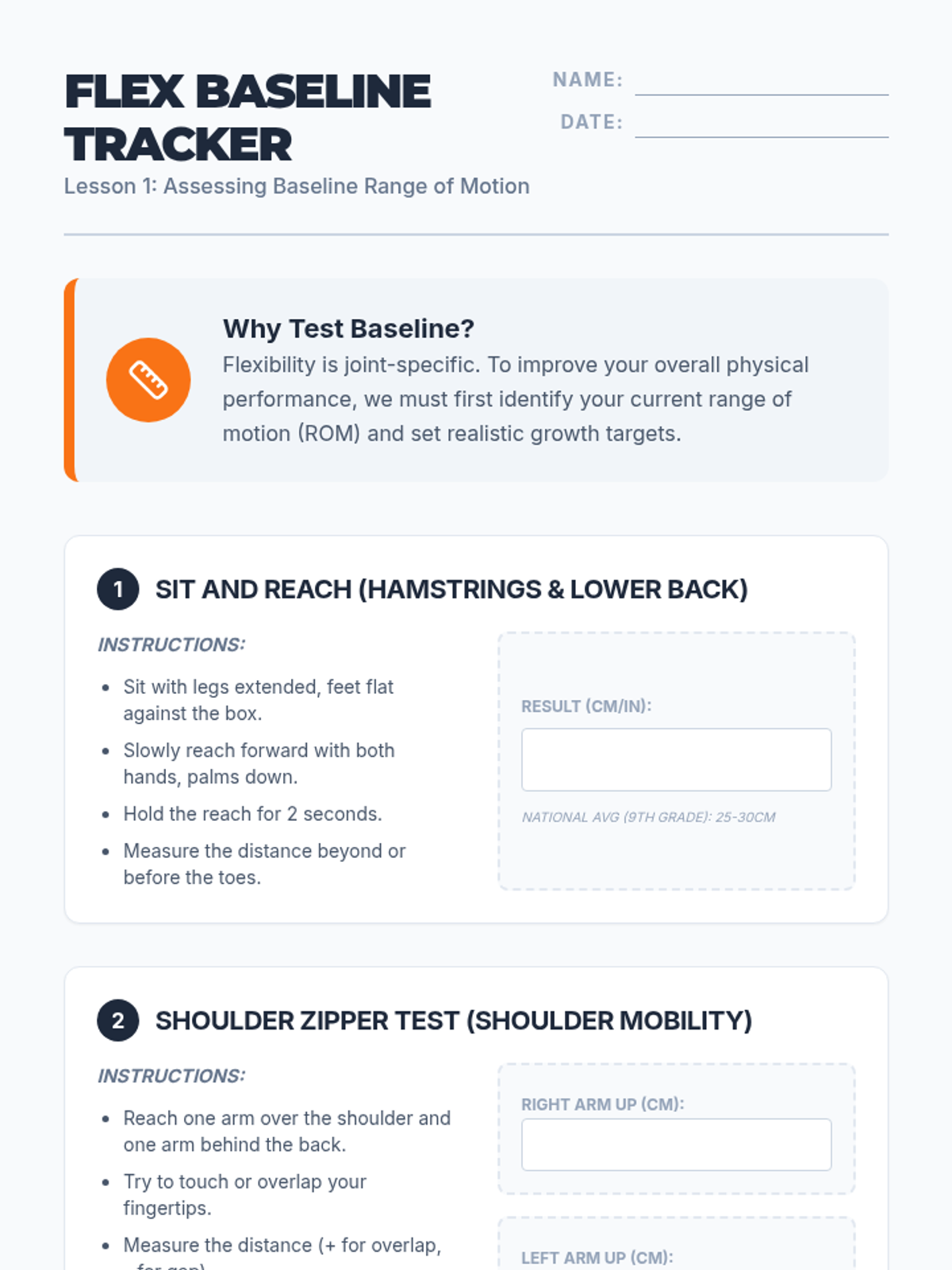
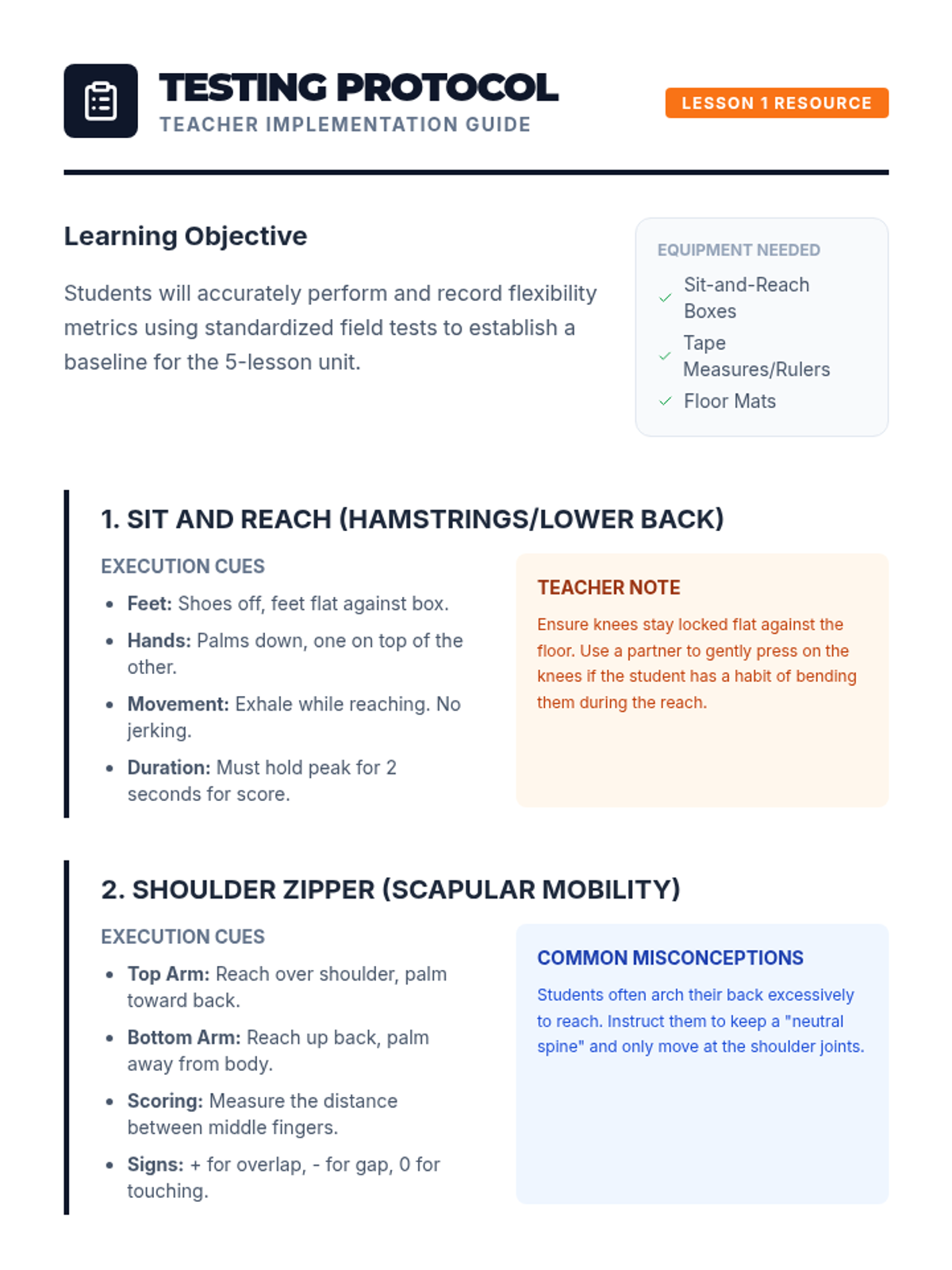
A comprehensive 9th Grade PE sequence exploring the physiological foundations of flexibility, distinguishing between dynamic and static stretching, and applying anatomical knowledge to improve physical performance and safety.