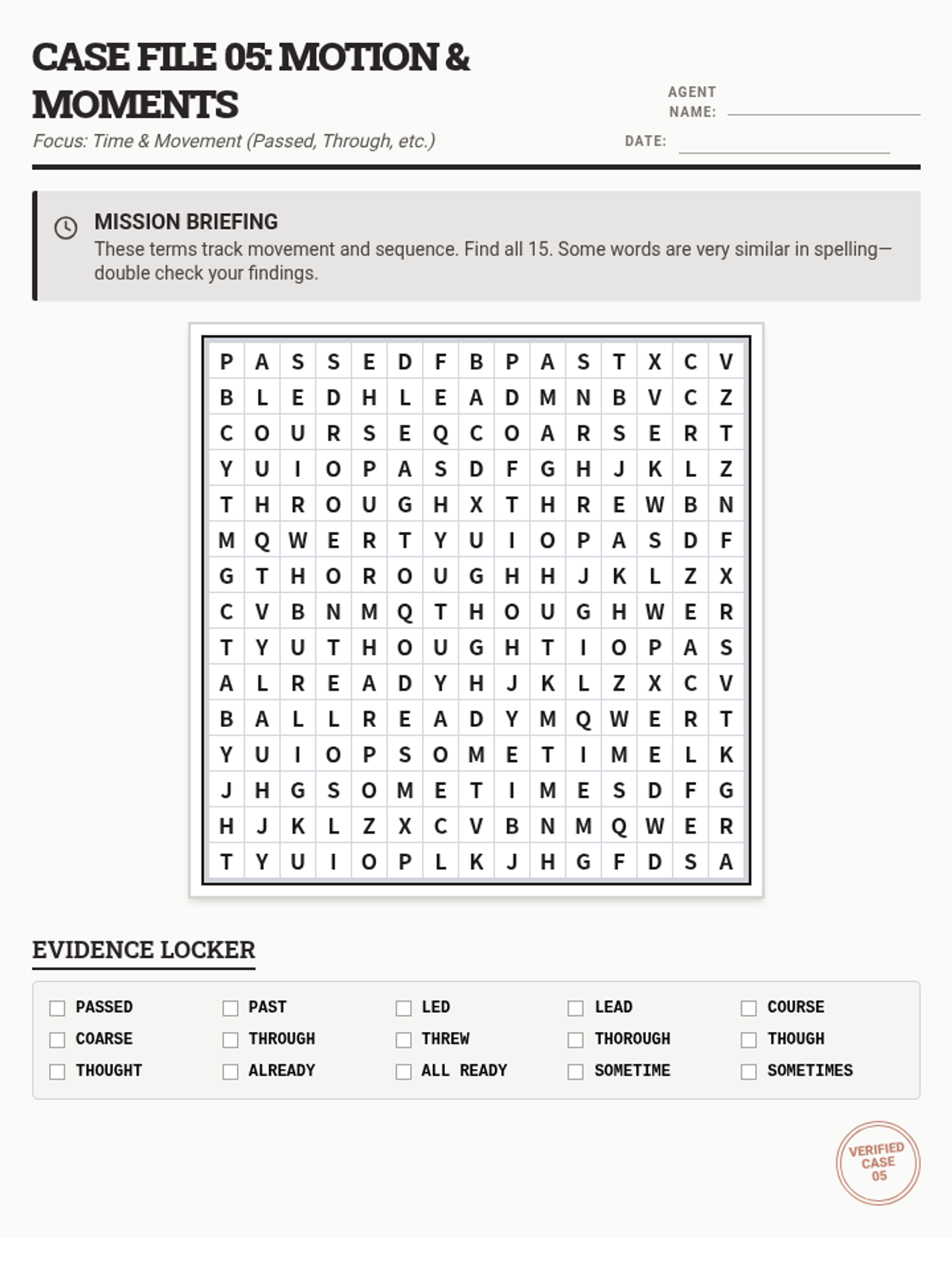
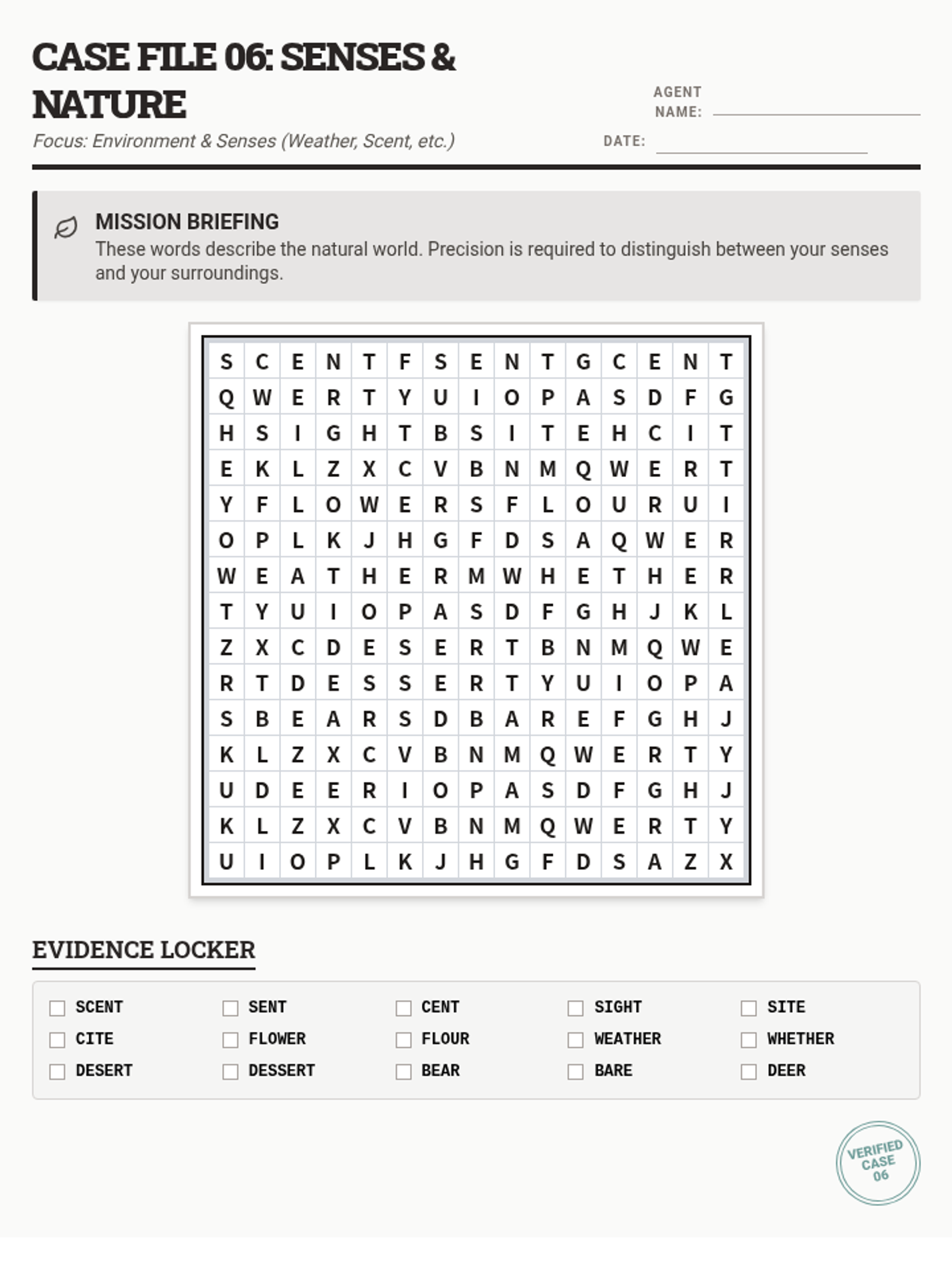
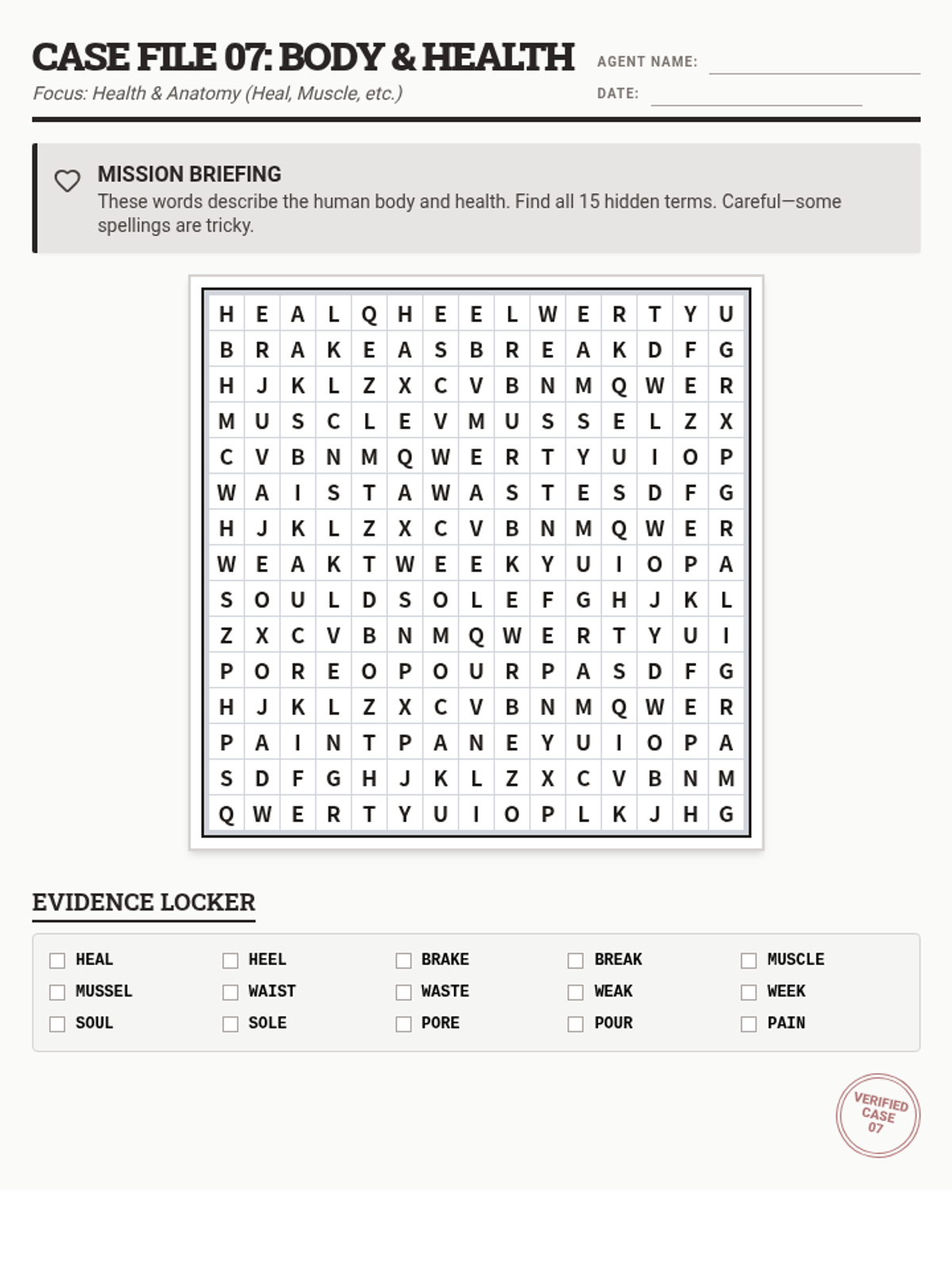
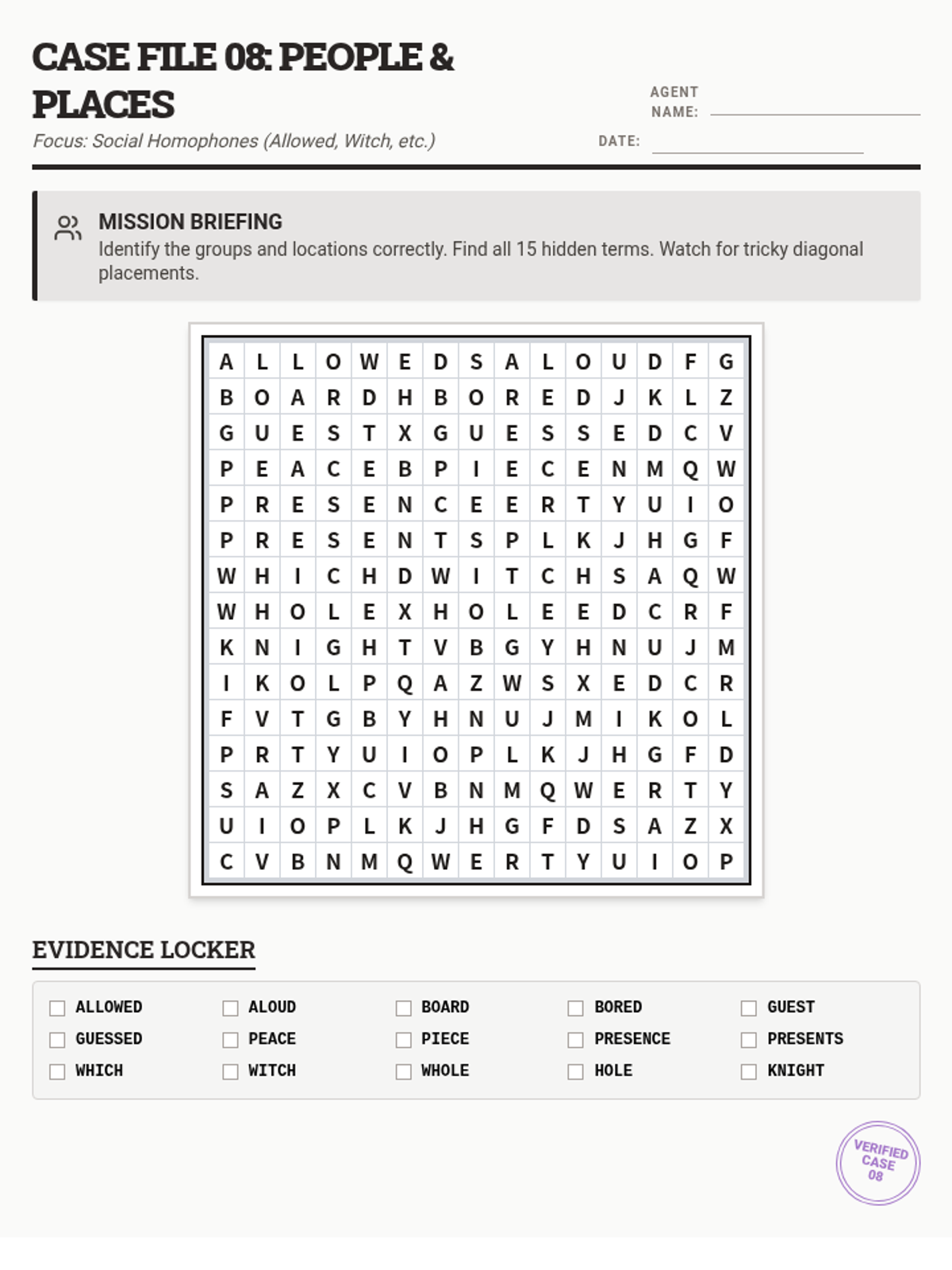
A comprehensive speech and language lesson for 8th graders focused on morphology, word relationships, and parts of speech using a 'Linguistic Lab' mechanical theme.
A lesson focused on mastering transition words and phrases to improve writing flow and coherence across narrative, descriptive, expository, and persuasive styles.
This lesson covers the pivotal events of the November journal entries in Tangerine, focusing on the citrus freeze, Luis Cruz's tragic end, and Paul's emerging courage.
A fast-paced review of key literary analysis skills including theme, character motivation, and figurative language, designed to prepare students for STAAR-style assessments.
This lesson provides students with the tools and strategies needed to construct powerful argumentative essays and speeches, focusing on thesis development, evidence usage, and addressing counterarguments.
Students explore the historical and scientific context of the Earth's shape while learning to construct robust arguments, address counter-claims, and evaluate the credibility of sources.
A comprehensive guide to crafting argumentative essays focusing on the debate between hand washing and hand sanitizers, featuring structural guides and a modeled example.
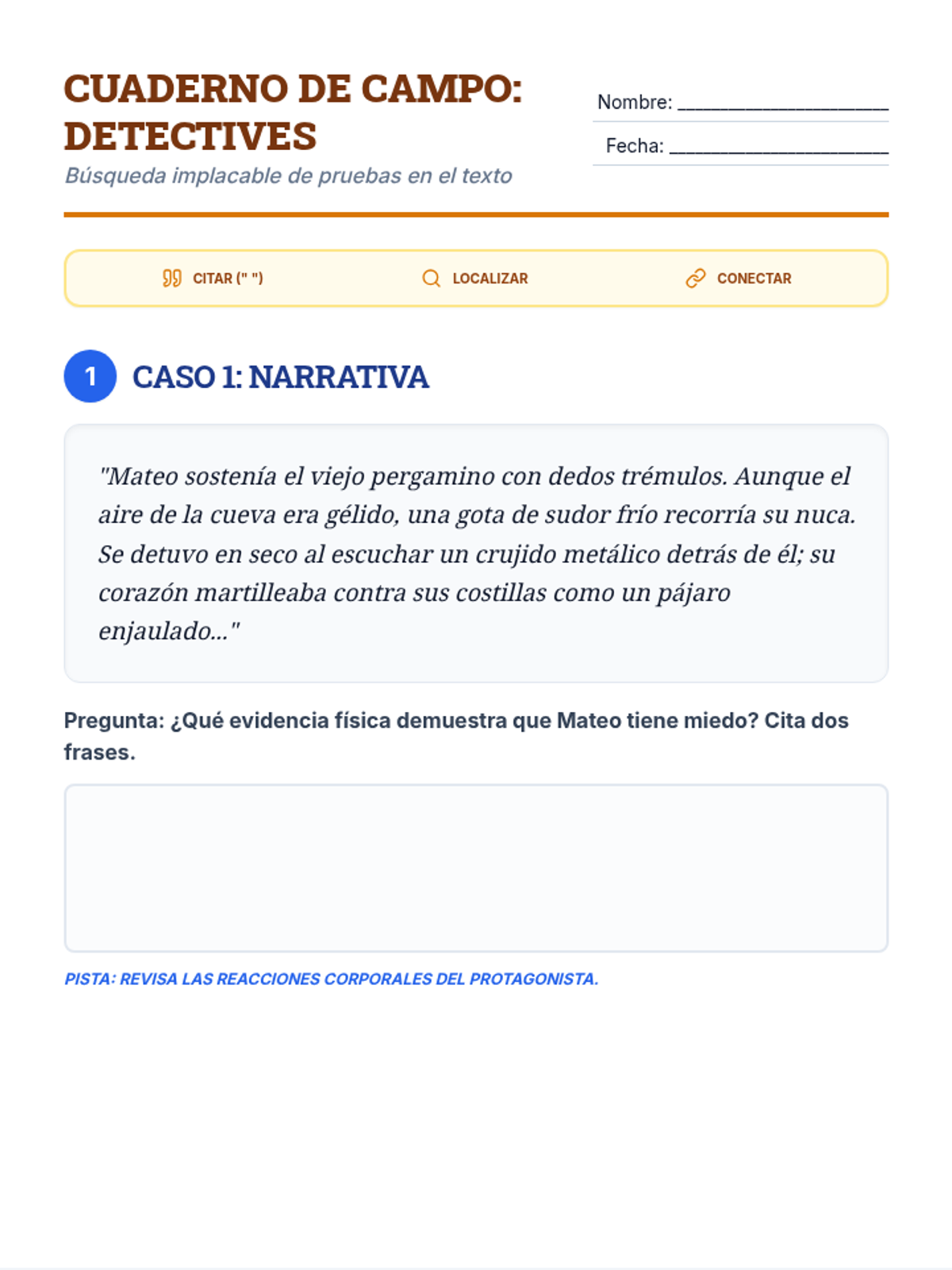
An ELA review lesson for middle schoolers themed around a detective agency. Students analyze a short story to master theme, character development, and figurative language while citing evidence like lead investigators.
An intensive 50-minute writing review for middle schoolers focusing on the mechanics of argumentative and expository writing. Students analyze samples, revise for transitions and evidence, and complete a timed practice session with a planning organizer.
A fast-paced, highly scaffolded 45-minute lesson where middle schoolers deconstruct mentor arguments and build their own evidence-based claims using a 'Persuasion Lab' framework. Features integrated sentence frames, collaborative planning, and a streamlined peer feedback protocol.
A comprehensive writing workshop lesson for grades 6-8 focused on the architecture of a persuasive essay. Students analyze a mentor text, use scaffolded organizers to build their own arguments, and engage in peer review to strengthen their claims.
A comprehensive lesson on deconstructing essay and short-answer prompts, outlining responses, and evaluating the quality of existing answers.
A comprehensive lesson on mastering Extended Constructed Responses (ECR) through the lens of architectural design. Students learn to analyze prompts, draft strong thesis statements, and organize coherent arguments using 'blueprints' and structural planning.
A set of review materials focused on structural analysis, evidence evaluation, and claim synthesis using an architectural 'blueprint' theme.
A comprehensive writing lesson focused on 6th-grade standardized test prep, specifically mastering topic sentences and supporting details for expository essays. Students use a 'Blueprint' theme to understand the structural foundations of a strong essay.
An advanced tier of OSAS-style short response questions featuring complex texts, academic vocabulary, and nuanced analysis of ELA standards.
A comprehensive set of OSAS-style short response practice questions targeting key ELA standards including evidence, central idea, word meaning, structure, and point of view.
A comprehensive set of preparation and review materials for the ELA Grade 8 Interim Assessment 3, featuring time-stamped pacing guides, scratch paper exemplars for textual analysis, and a fully annotated answer key.
A lesson exploring the use of symbolism in Jason Reynolds' 'Long Way Down', focusing on how everyday objects represent complex emotional and social themes.
A reading comprehension lesson centered around March Madness, featuring a versatile worksheet that can be used with any basketball-related text.
A lesson exploring the schwa /ə/ and short /ɪ/ sounds in unstressed syllables using advanced vocabulary. Students will learn to identify these subtle vowel shifts through syllable division, definitions, and contextual sentences.
A visual, high-engagement workshop for students to practice sentence manipulation. Students explore synonyms to enhance vocabulary and master the 'Active to Passive' voice flip through space, school, and fable-themed missions.
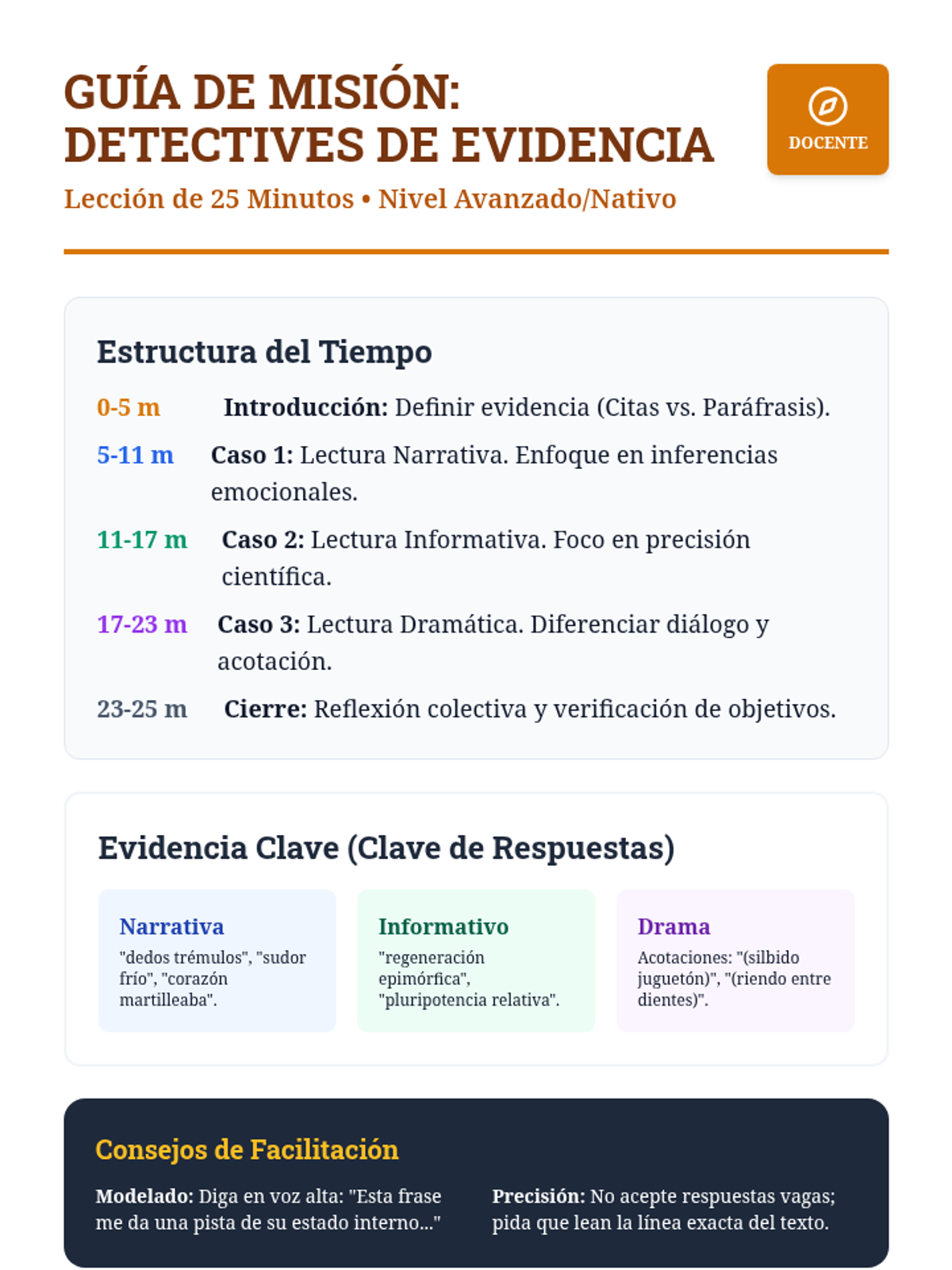
A comprehensive lesson on identifying and differentiating between Persuade, Inform, and Entertain (PIE) using a detective-themed investigation approach. Students will analyze text clues and evidence to determine an author's primary intent.
A ten-day daily review program where students refine their revising and editing skills using passages about US History from exploration through Reconstruction.
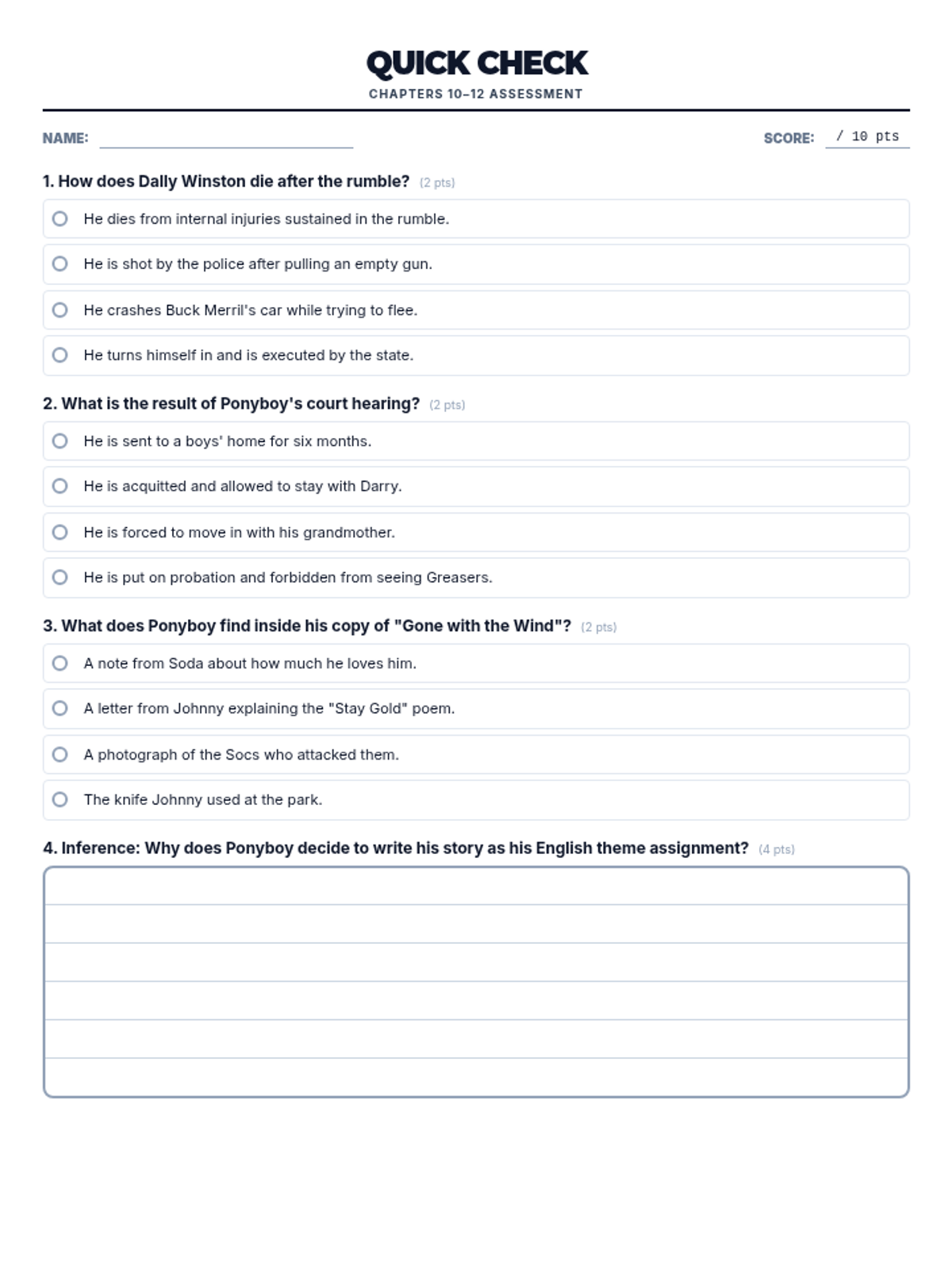
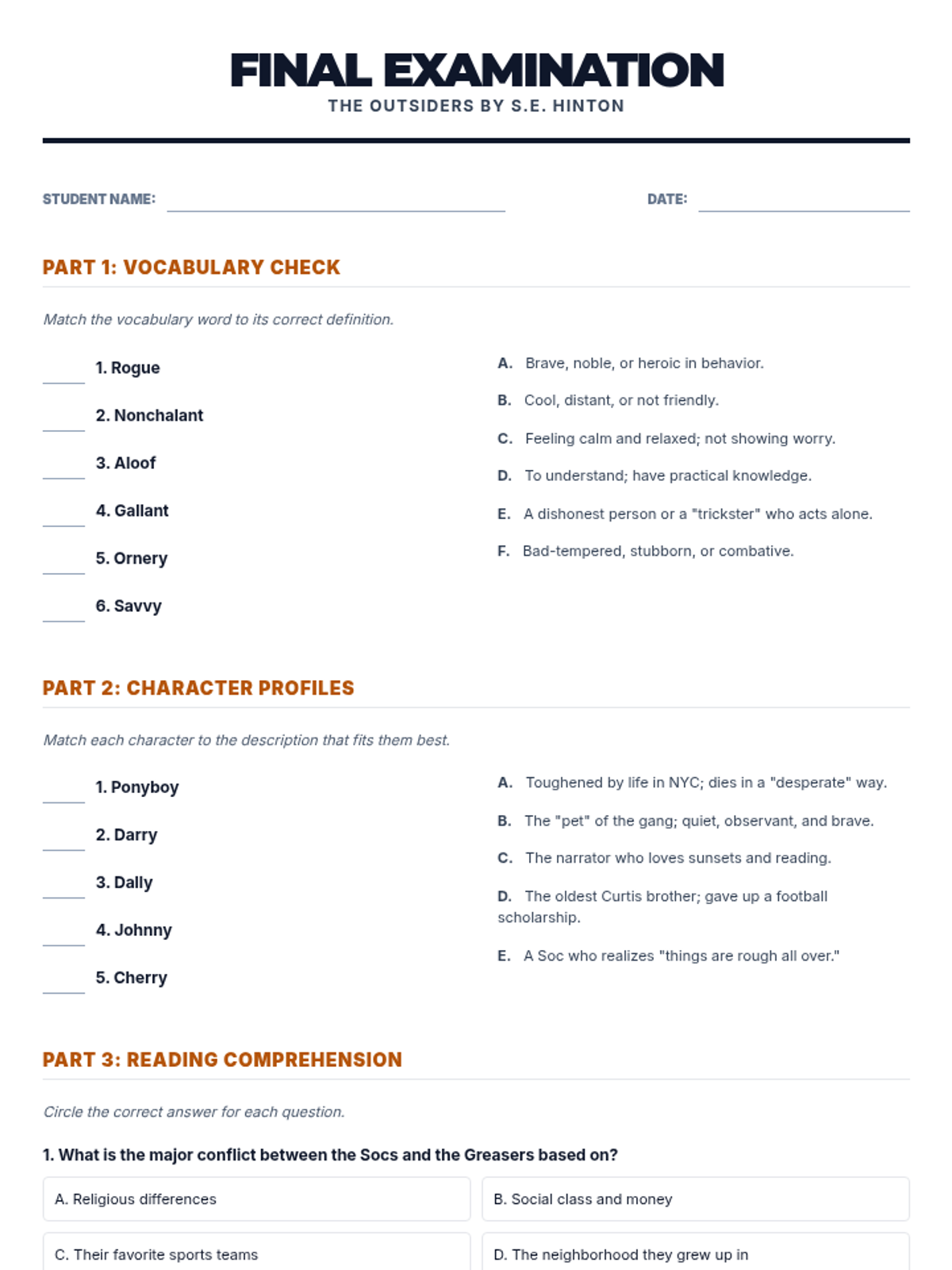
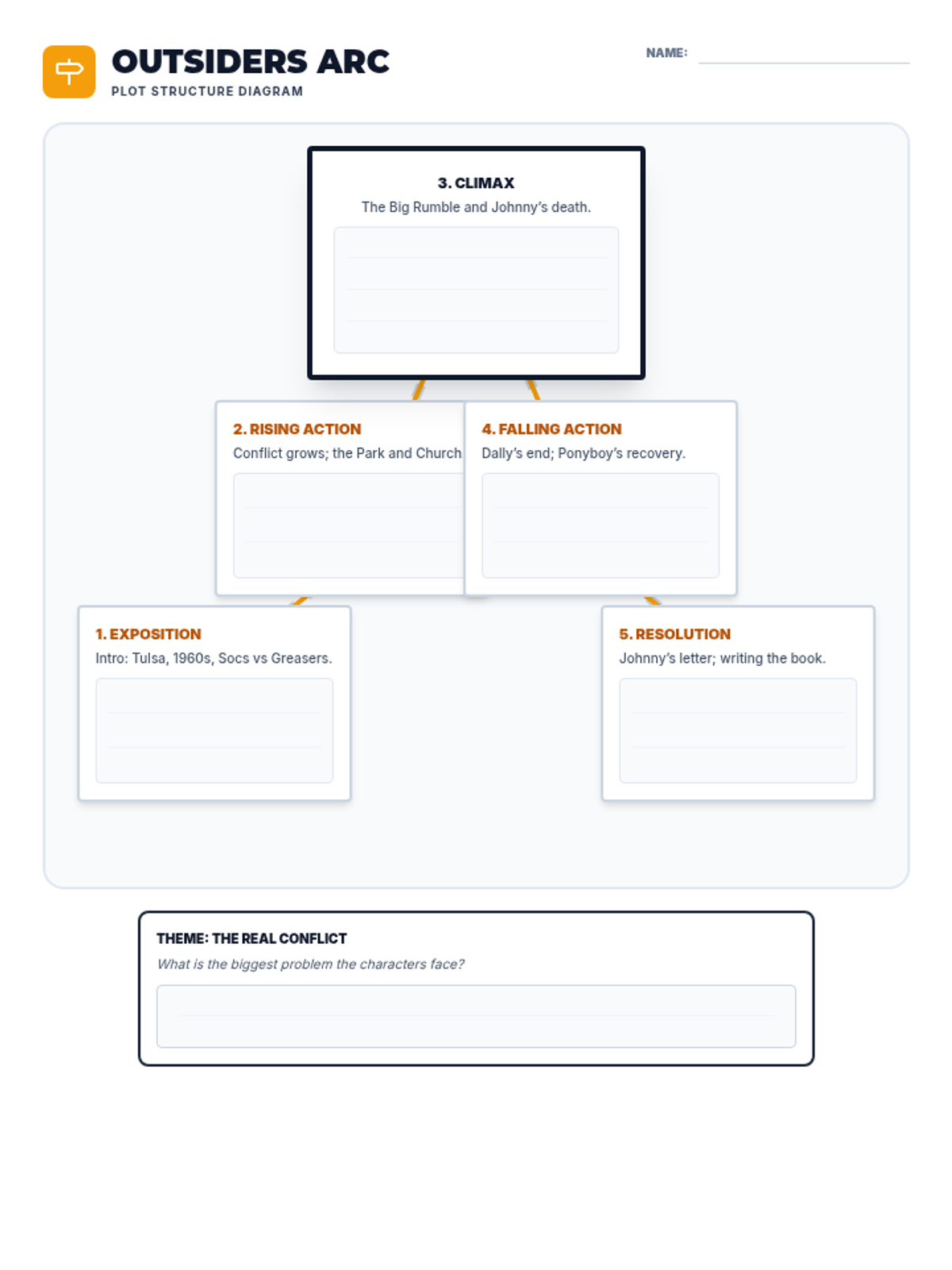
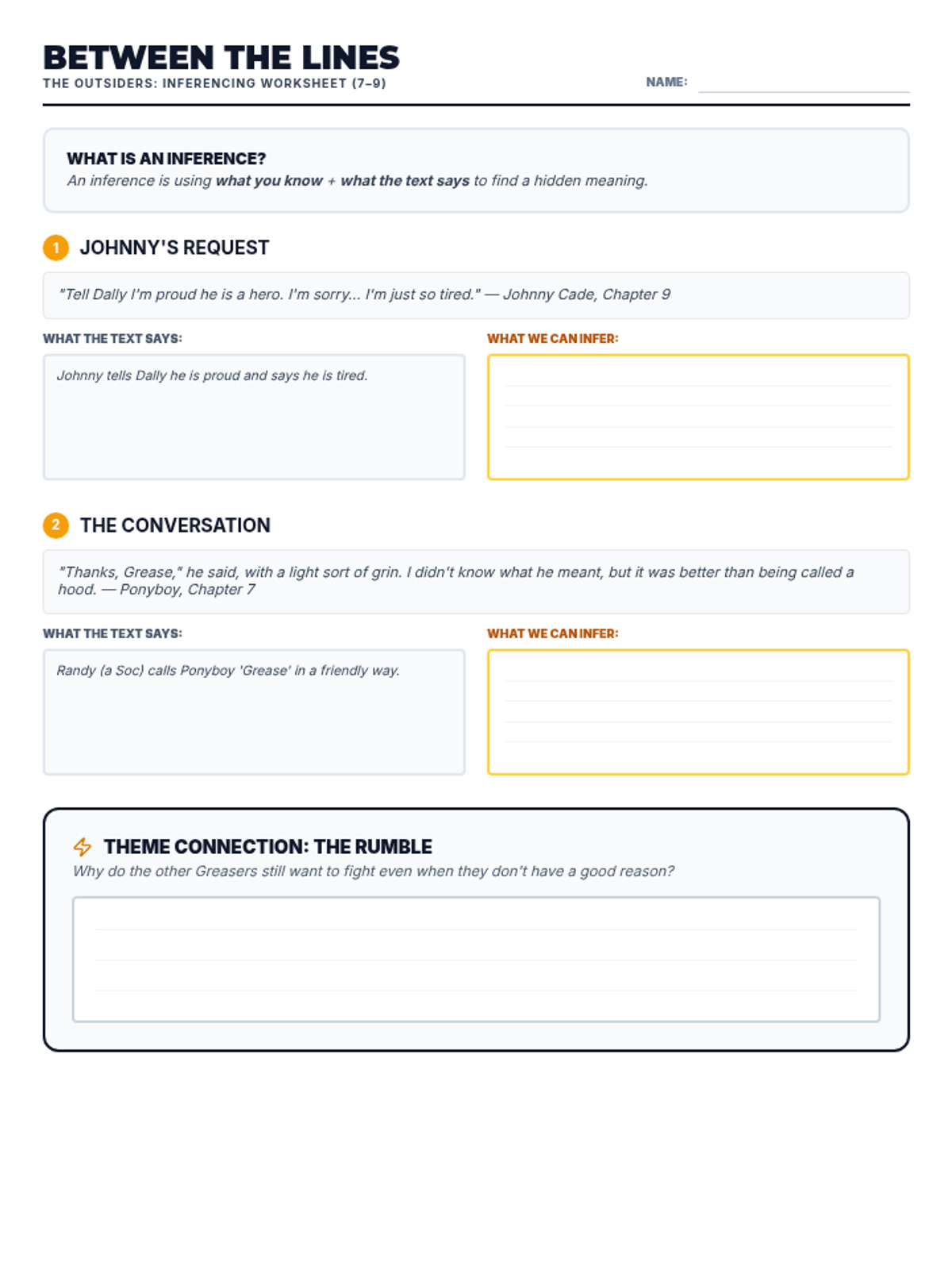
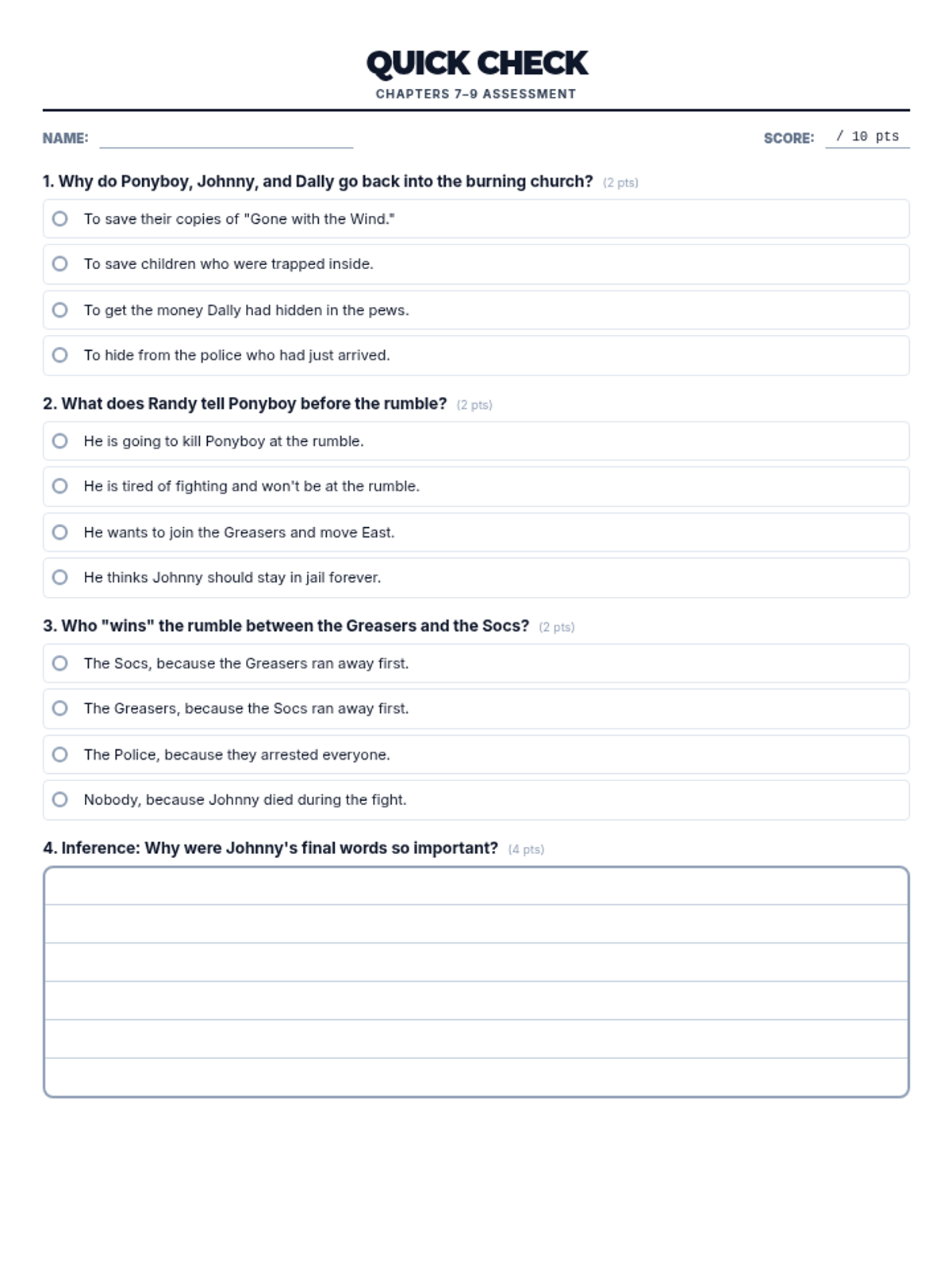
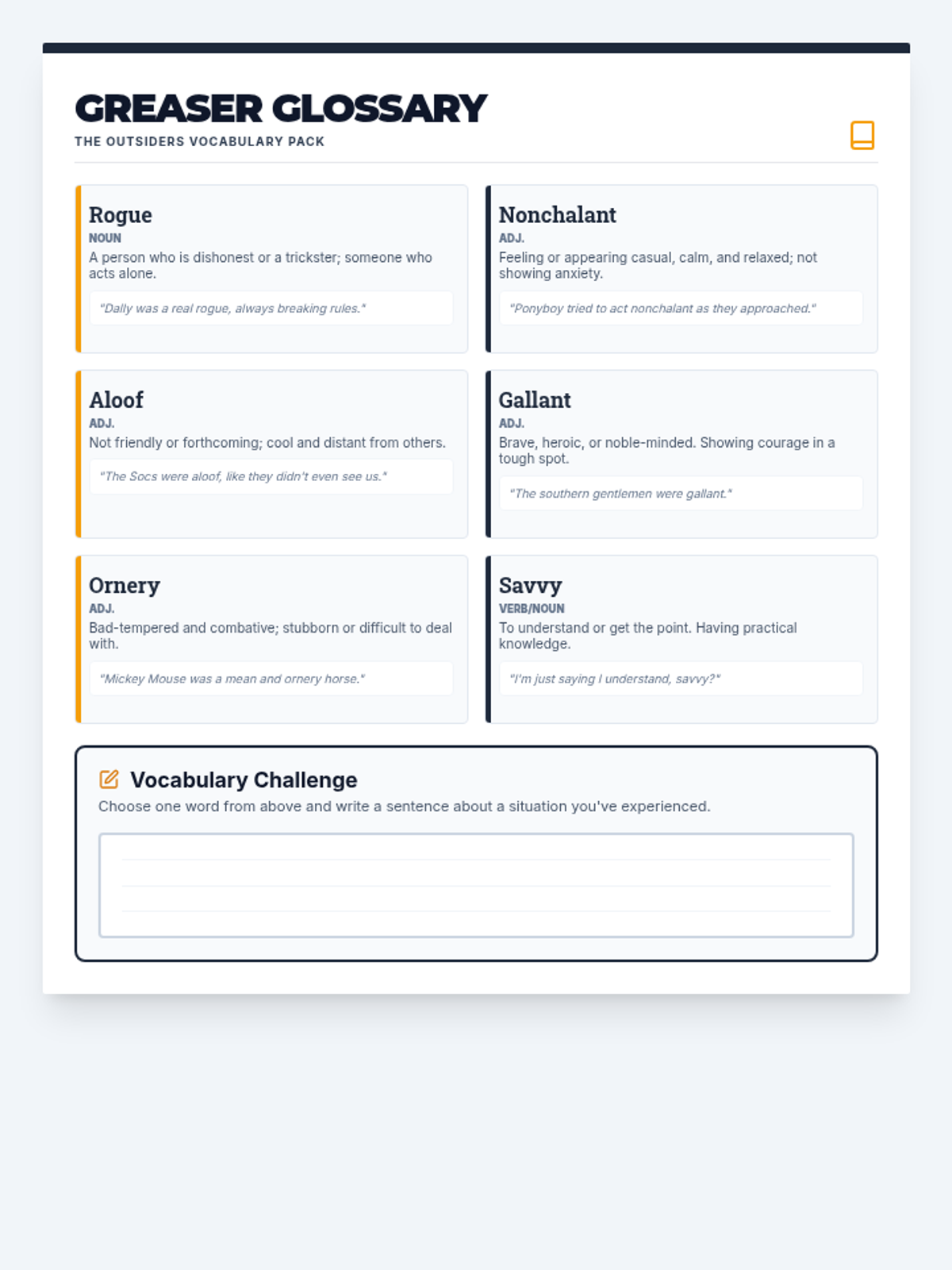
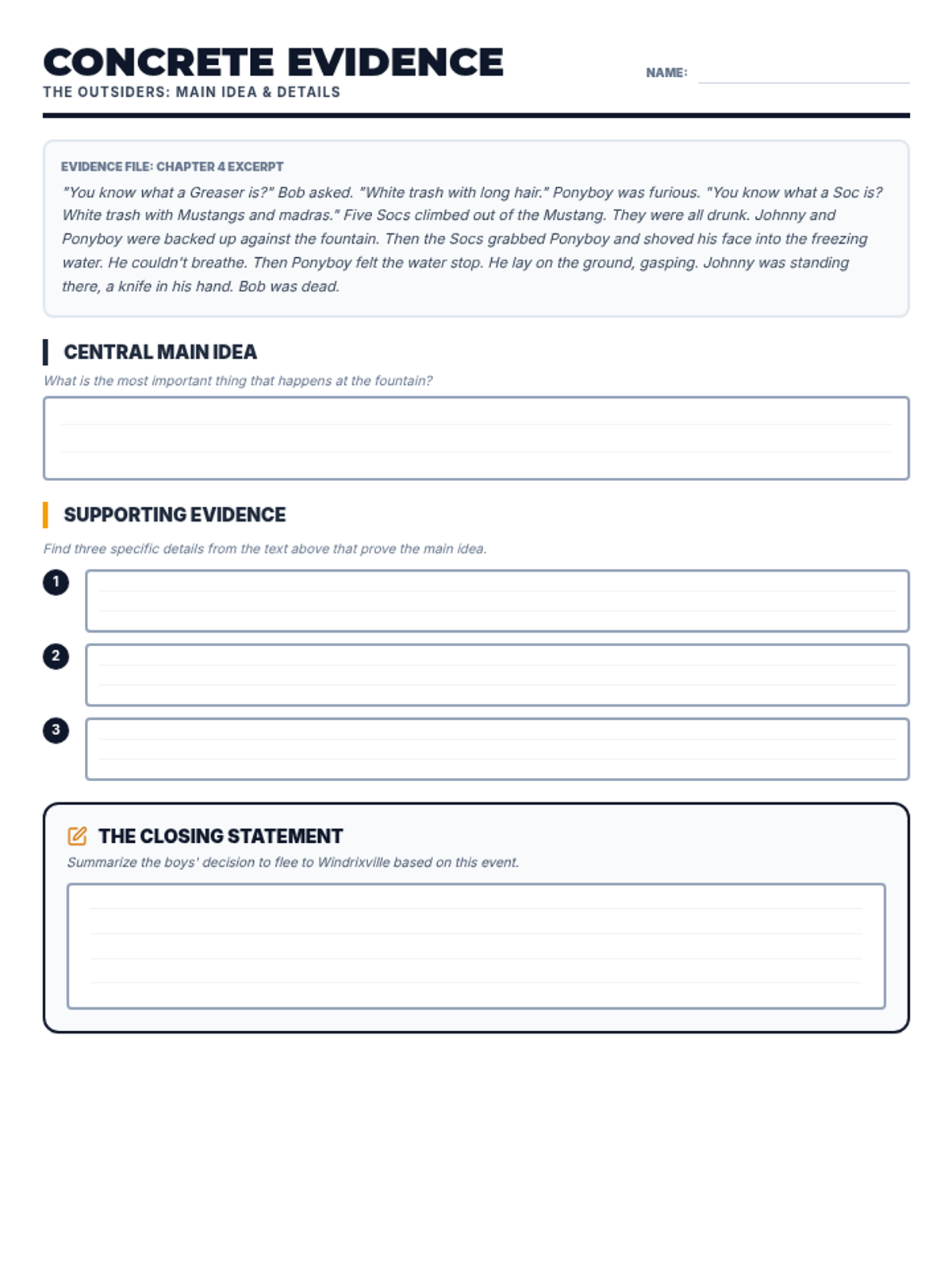
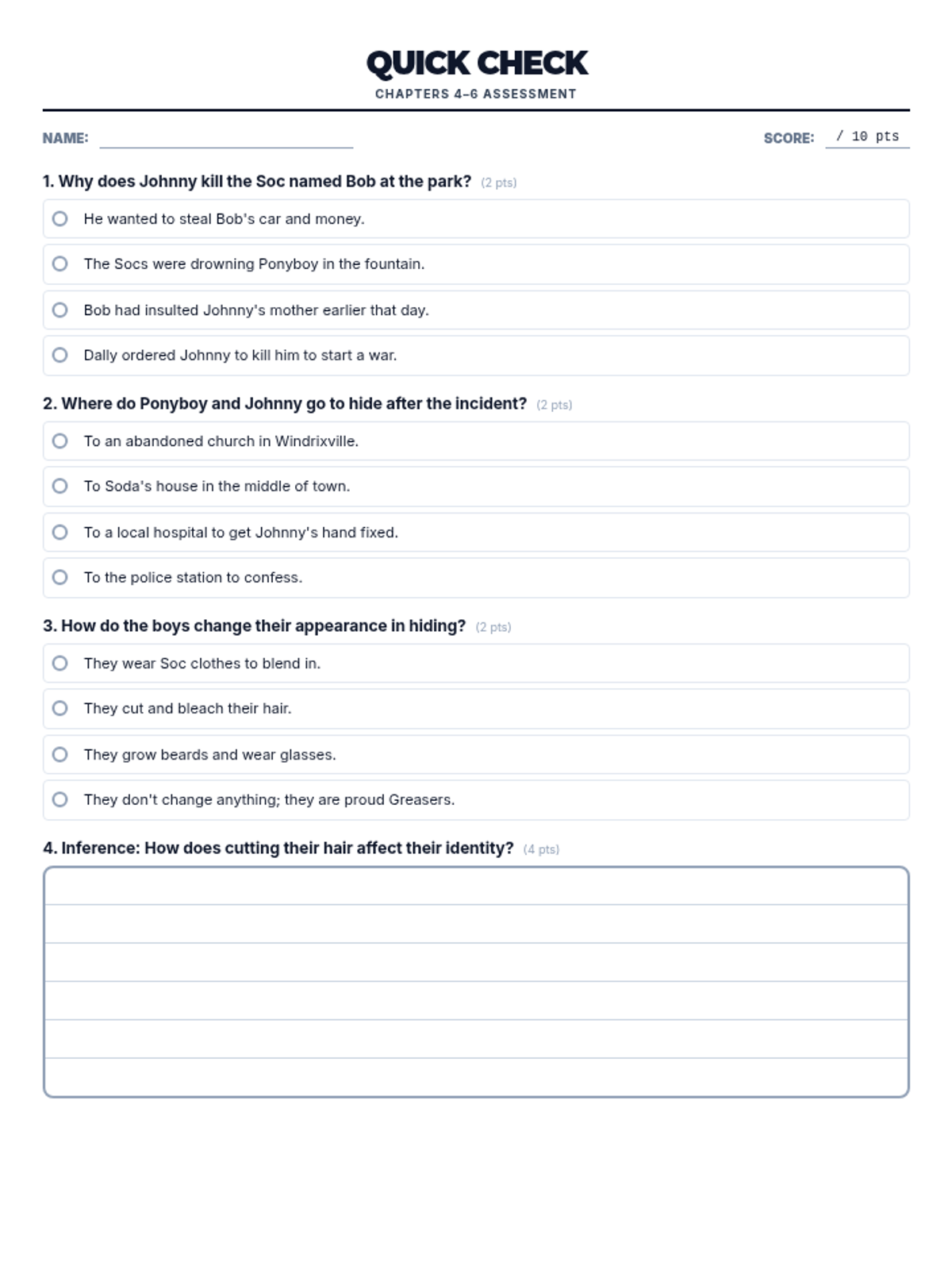
Students analyze key characters from The Outsiders while exploring how specific vocabulary words describe their personality and social standing.
In this lesson, students explore narrative perspective by rewriting a vignette from 'The House on Mango Street' from the viewpoint of a different character. They focus on using dialogue and action to reveal character traits and neighborhood dynamics while maintaining the book's lyrical style.
A focused study on Isabel's introduction in Alan Gratz's 'Refugee', exploring the setting of 1994 Cuba and the rising tensions in Havana.
A vocabulary and context-based exploration of Juror 8's arguments in '12 Angry Men', focusing on the concepts of infallibility and reasonable doubt.