A high-interest, low-readability reading comprehension lesson focused on the incredible survival traits of the honey badger. Students will practice identifying the main idea and supporting details through an engaging 'Nature Dossier' format.
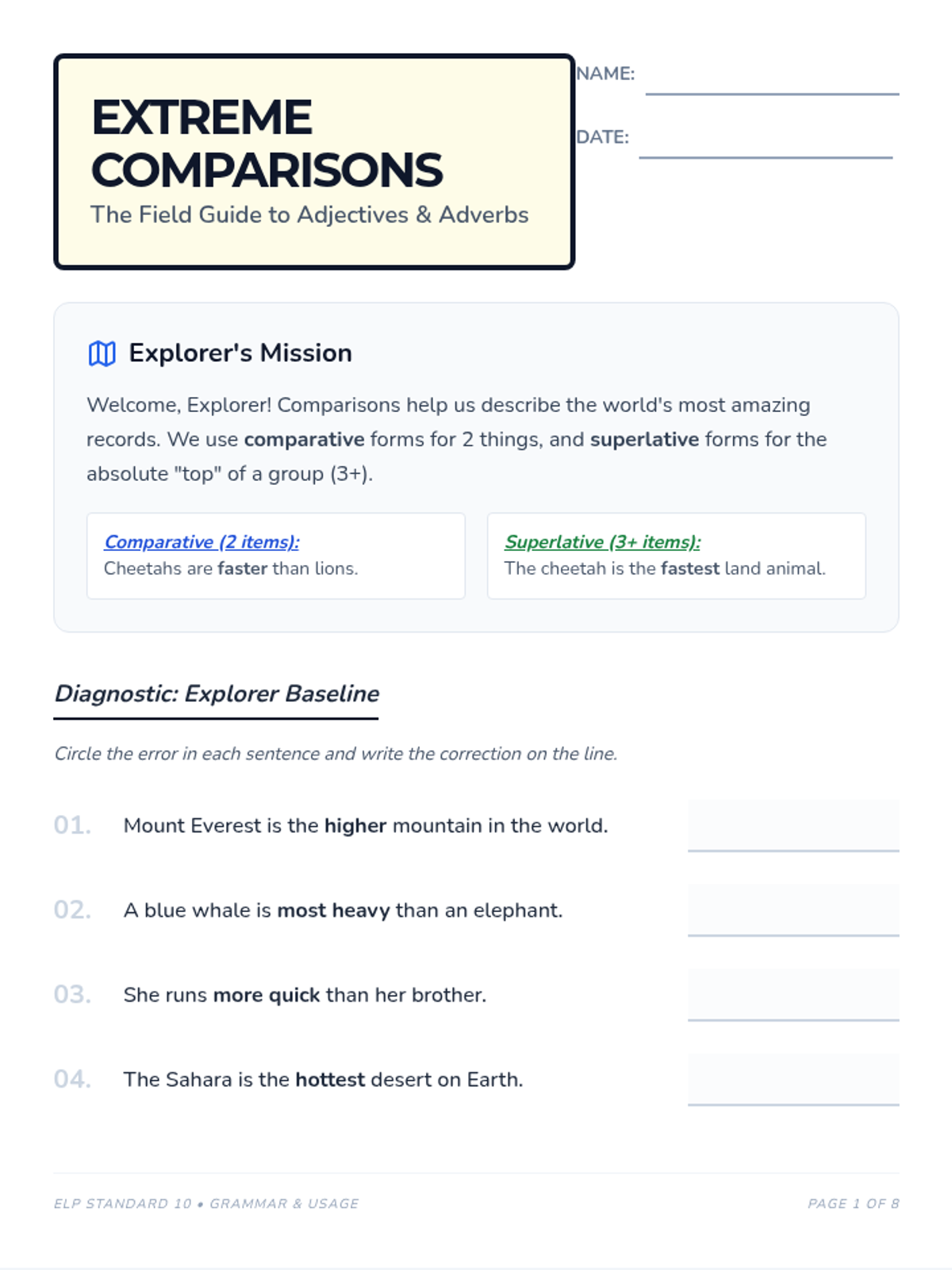
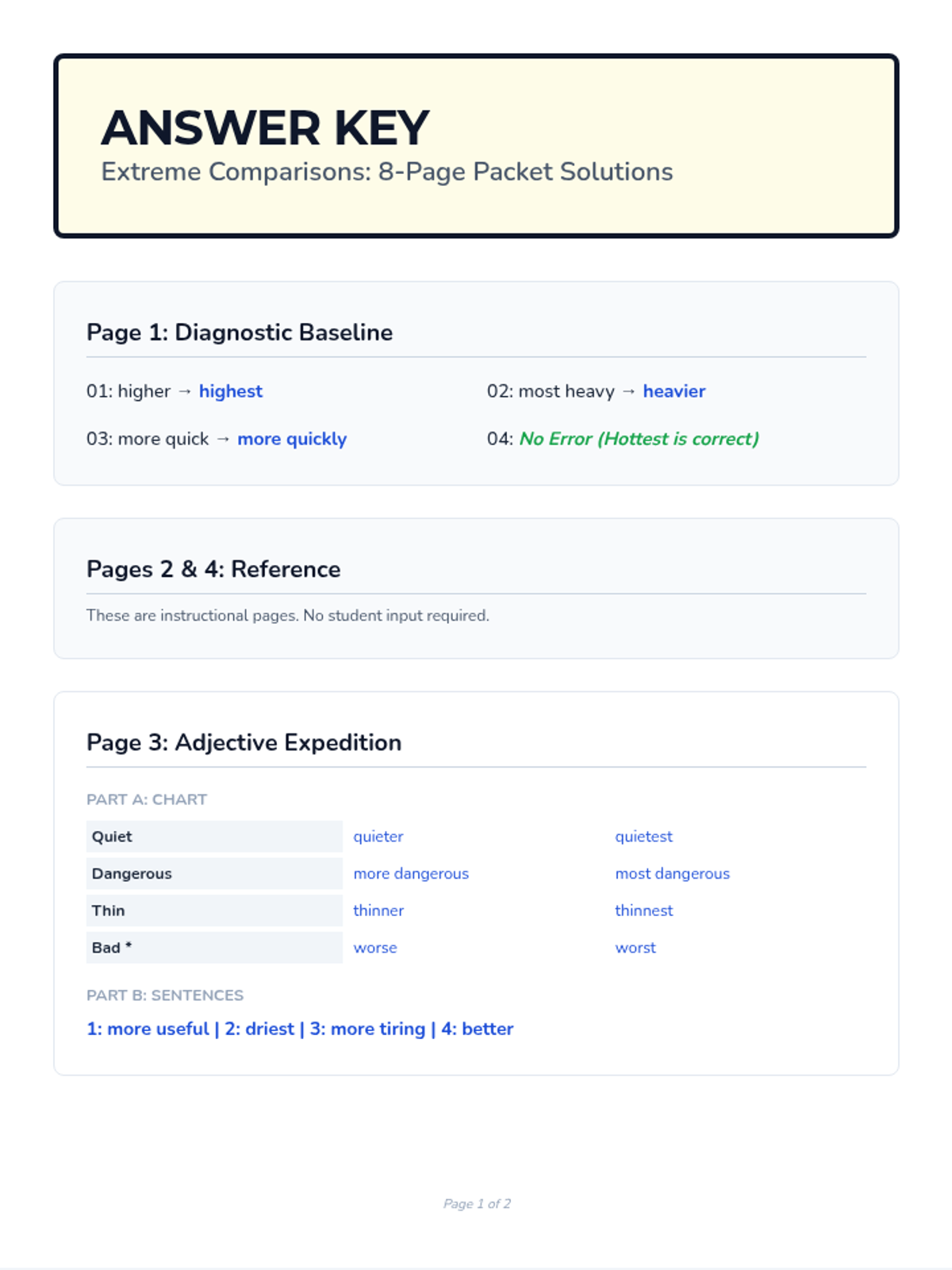
A comprehensive practice packet for Middle School ELLs (ELP Level 4) focusing on the formation and use of comparative and superlative adjectives and adverbs. Students explore the concept through the lens of world records and extreme nature.
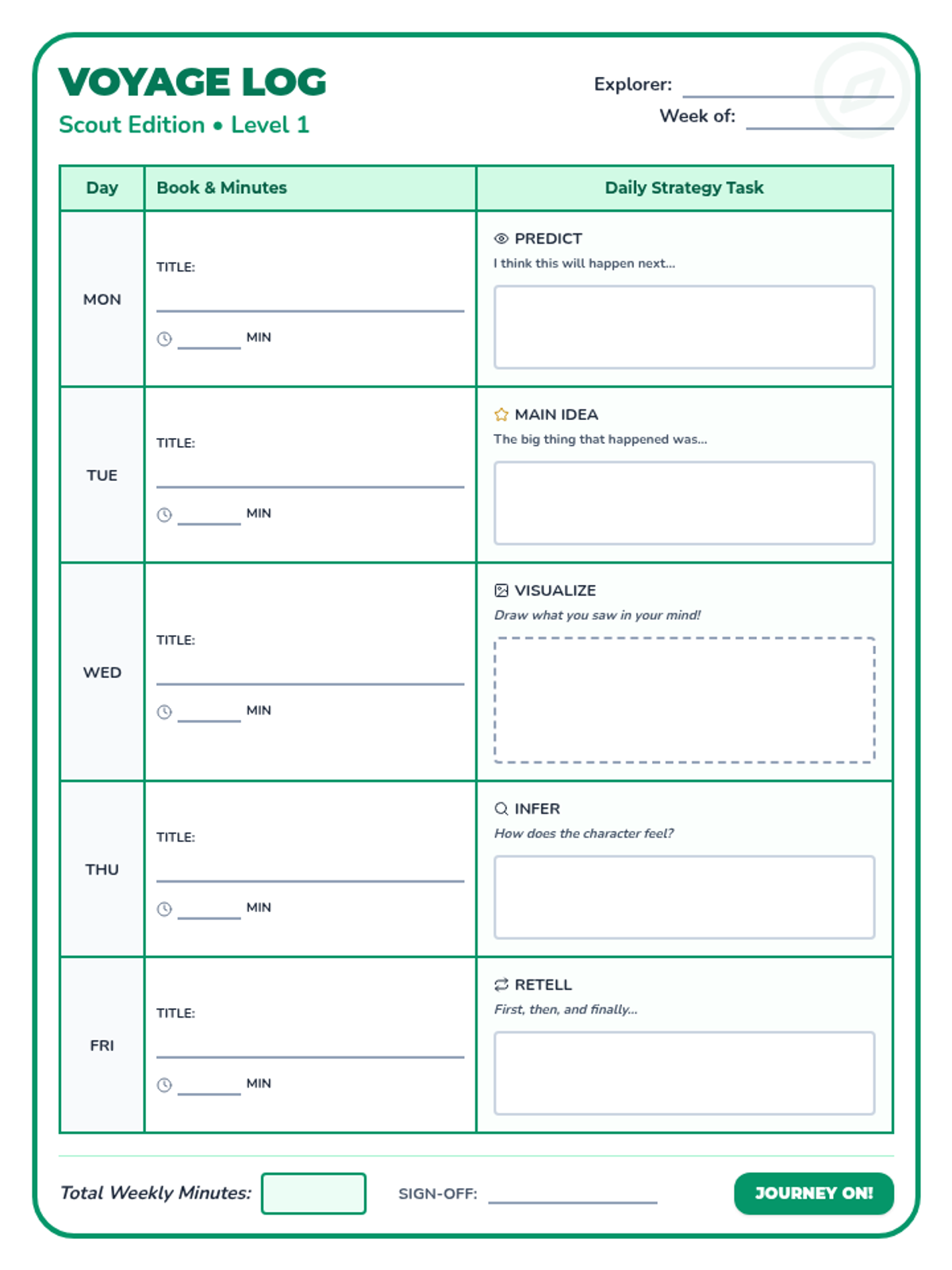
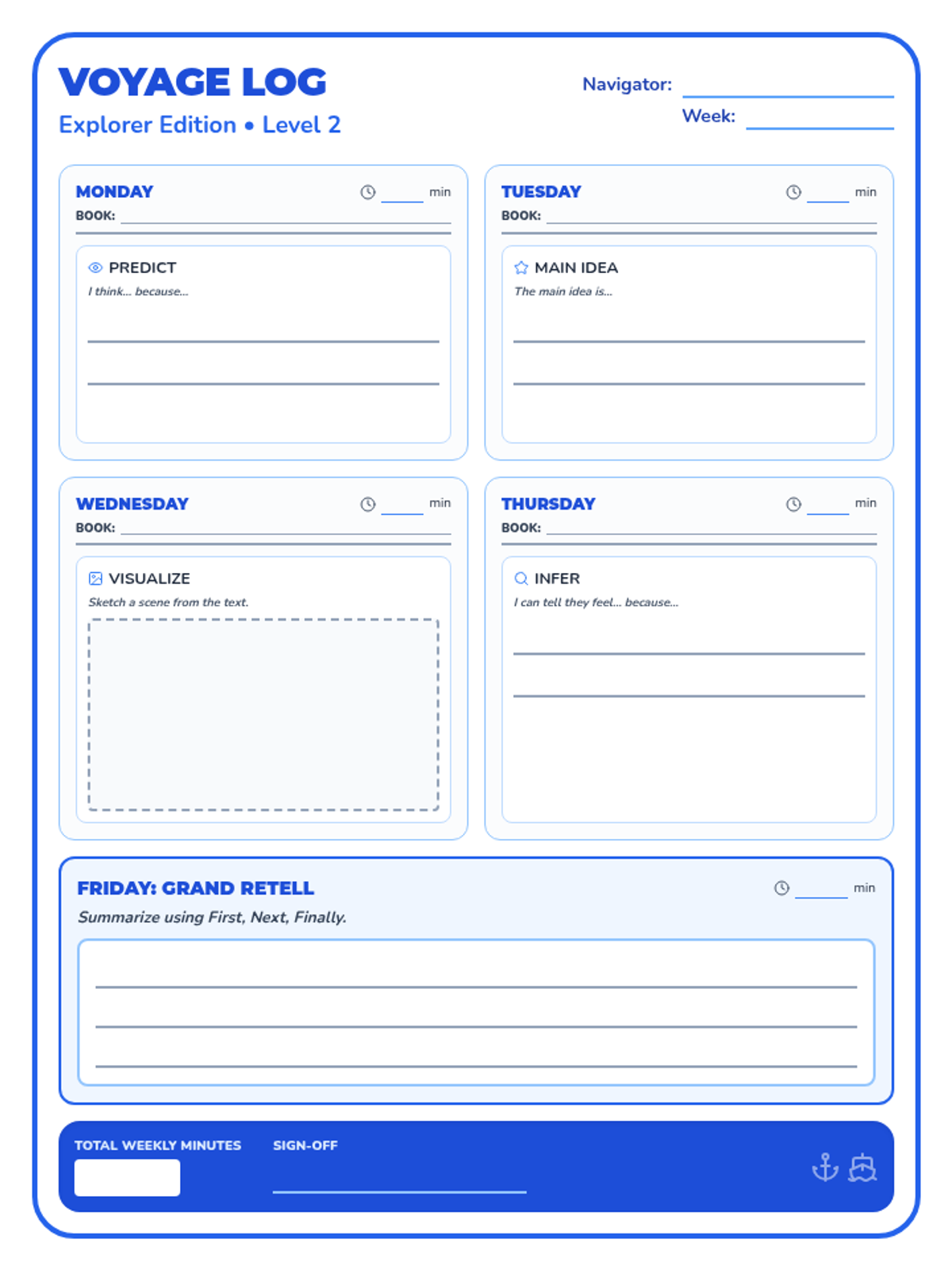
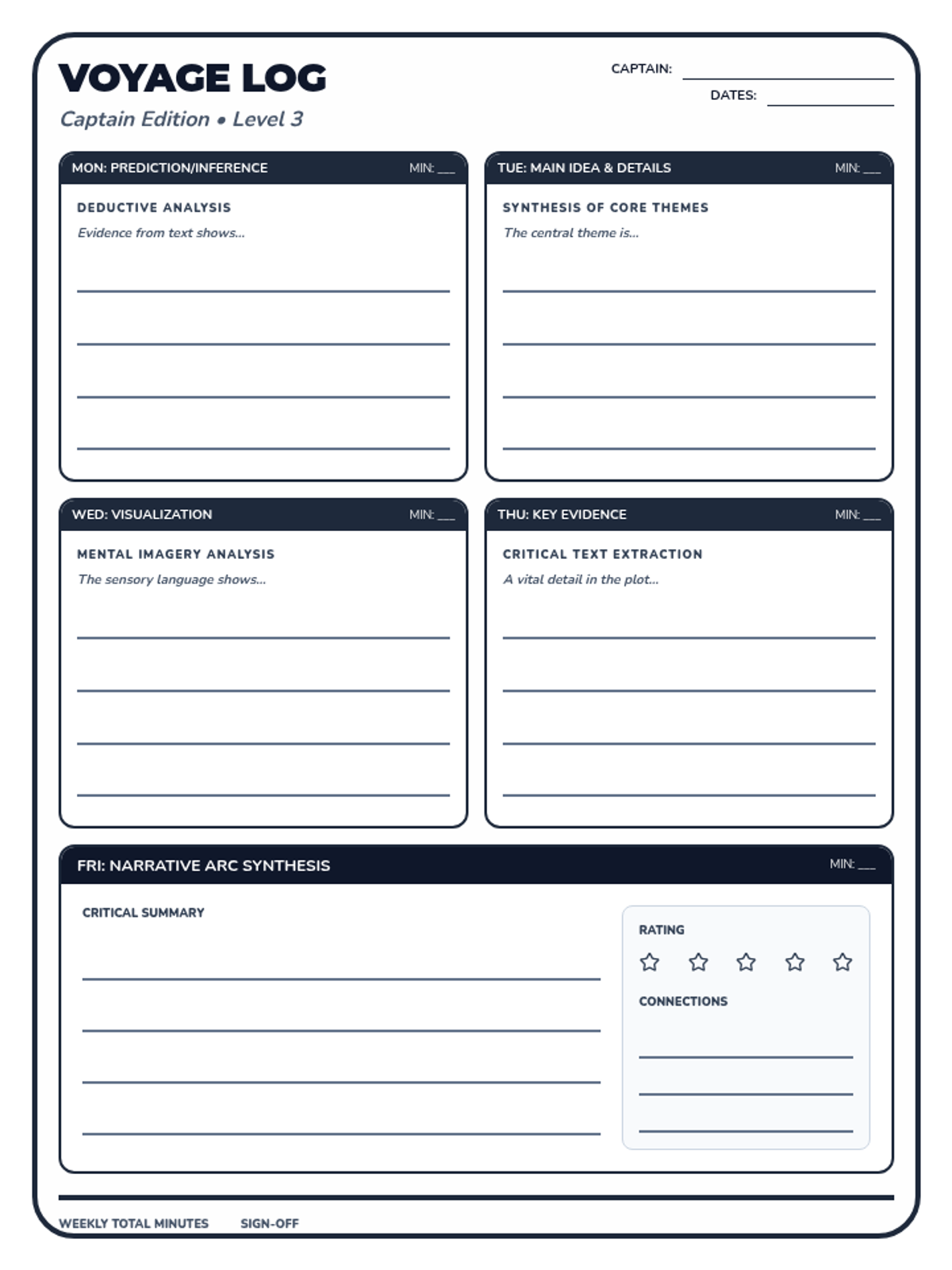
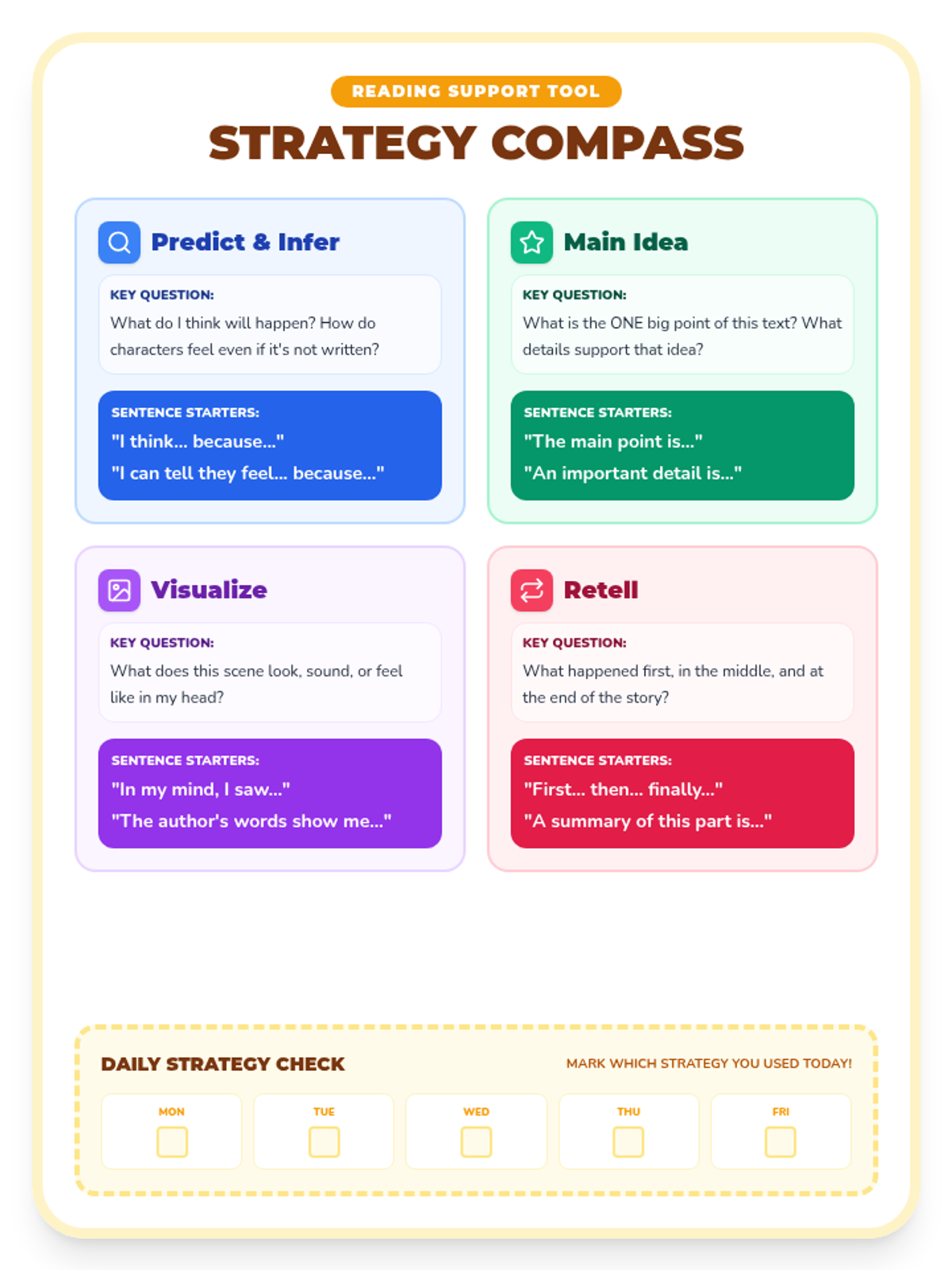
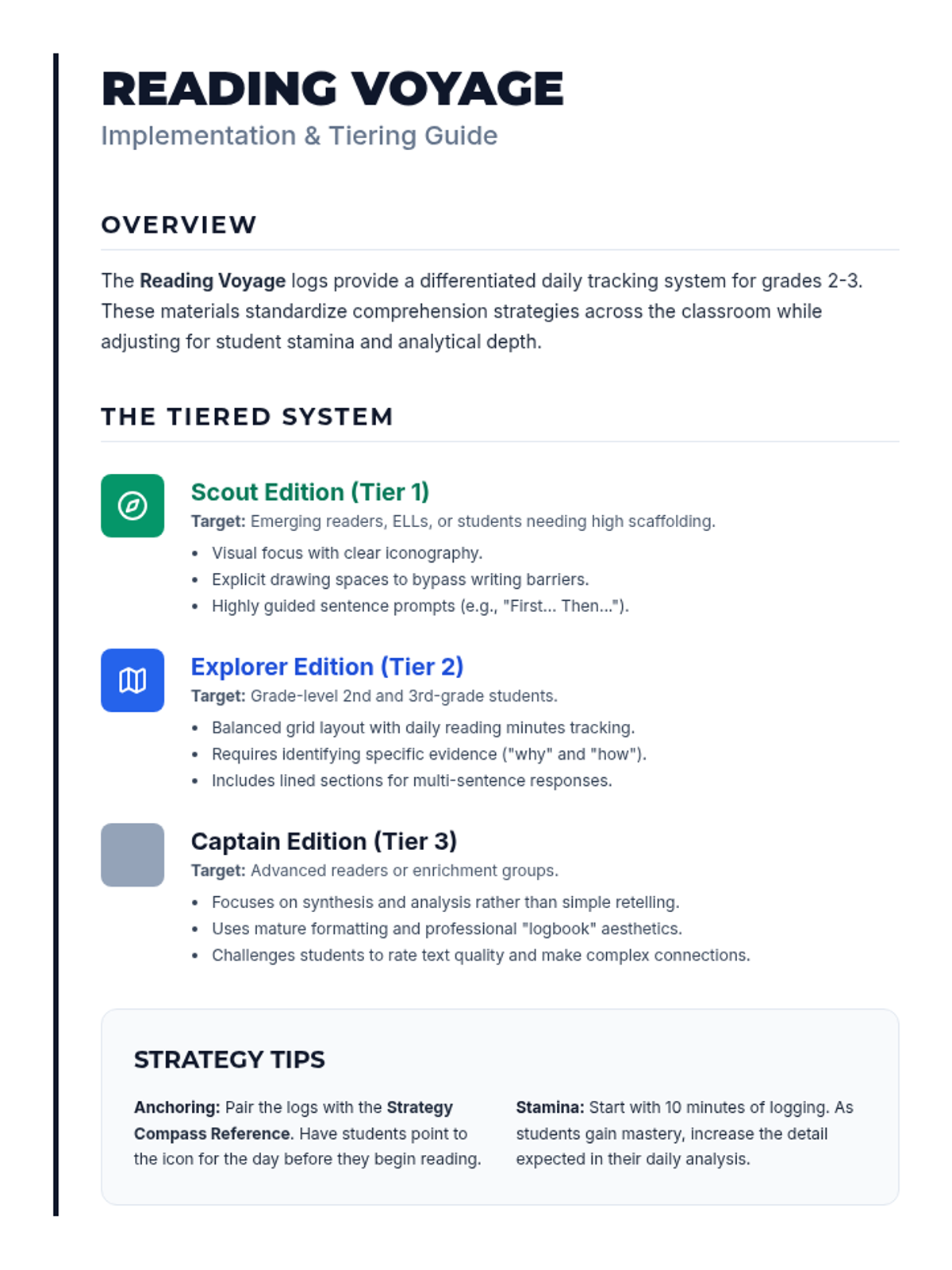
A set of tiered daily reading trackers for 2nd-3rd grade students, focusing on predicting, inferring, main idea, and visualizing. These logs provide differentiated support for various reading levels within a single classroom.
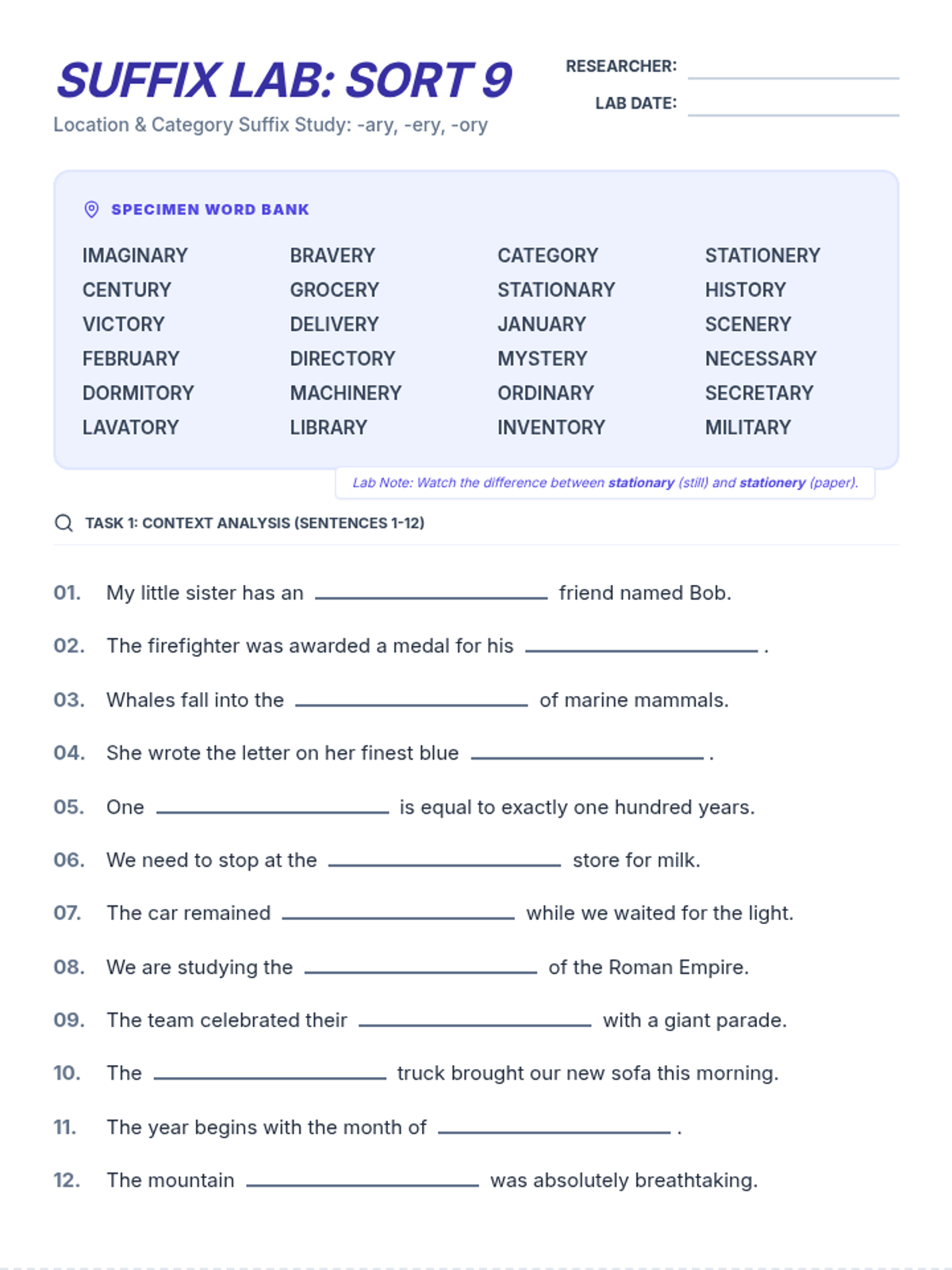
A lesson focused on location and category suffixes (-ary, -ery, -ory). Students analyze how these suffixes form nouns and adjectives related to places, groups, and qualities.
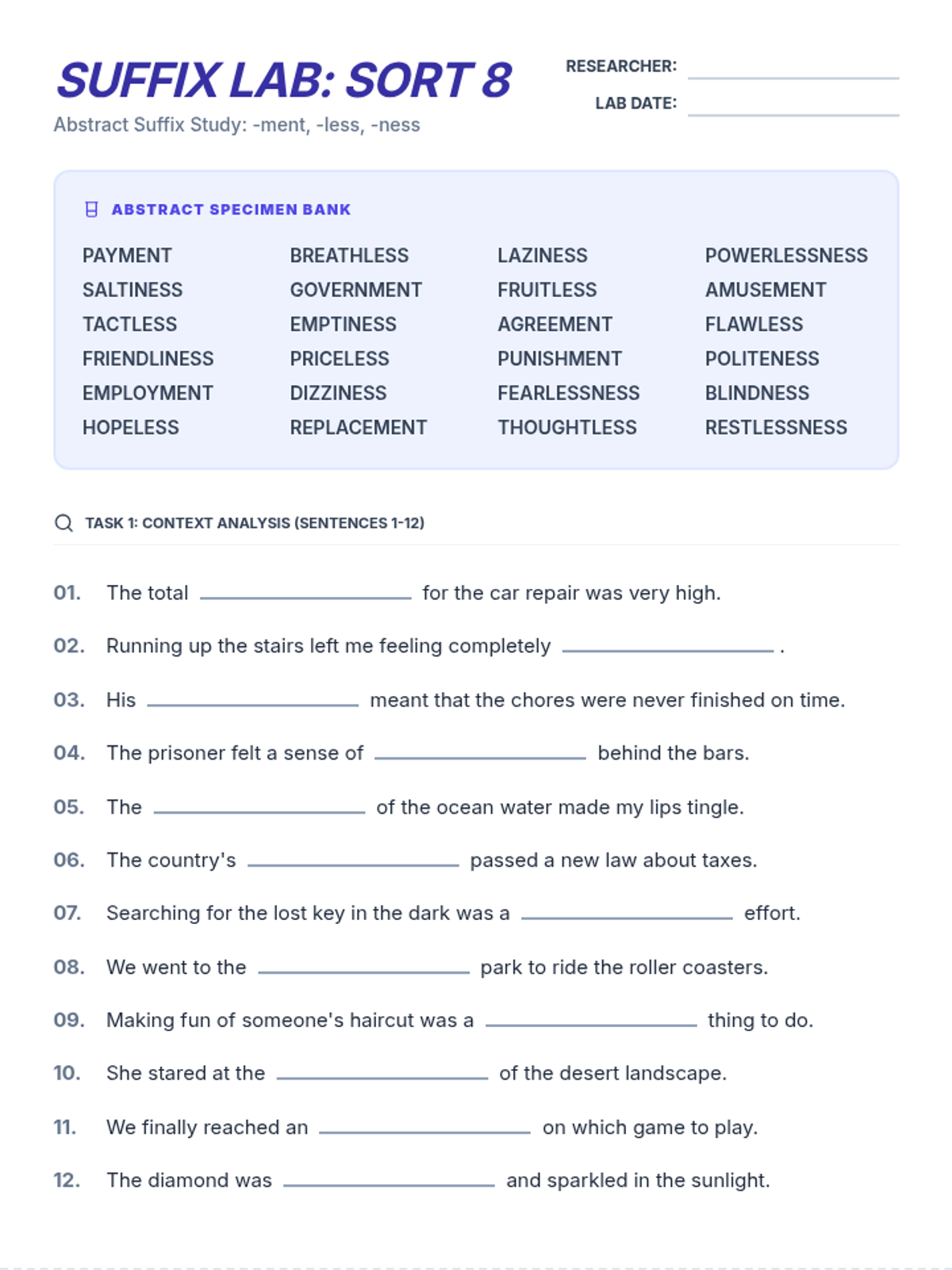
A lesson focused on abstract suffixes (-ment, -less, -ness). Students explore how these suffixes form nouns and adjectives related to states, qualities, and actions.
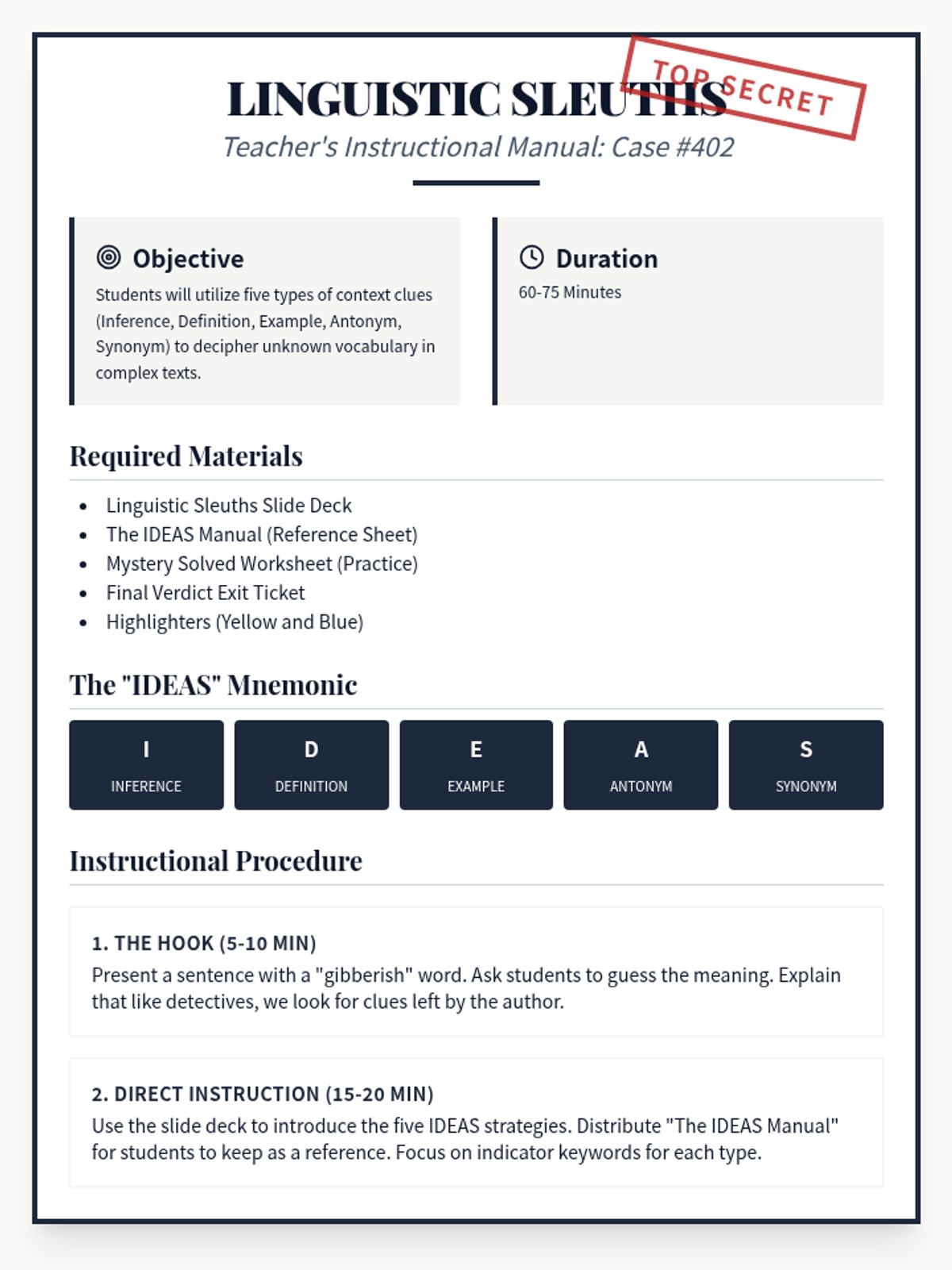
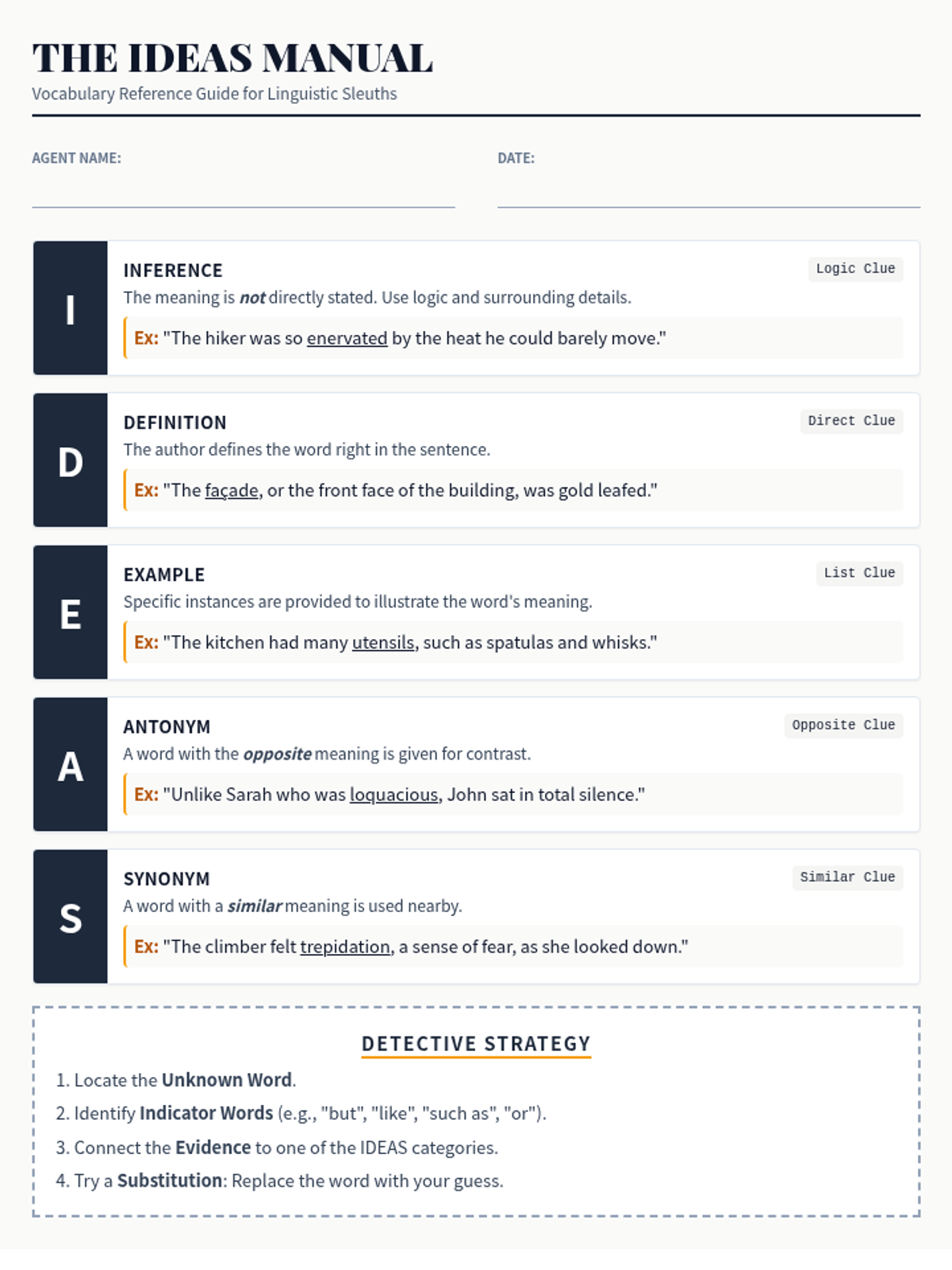
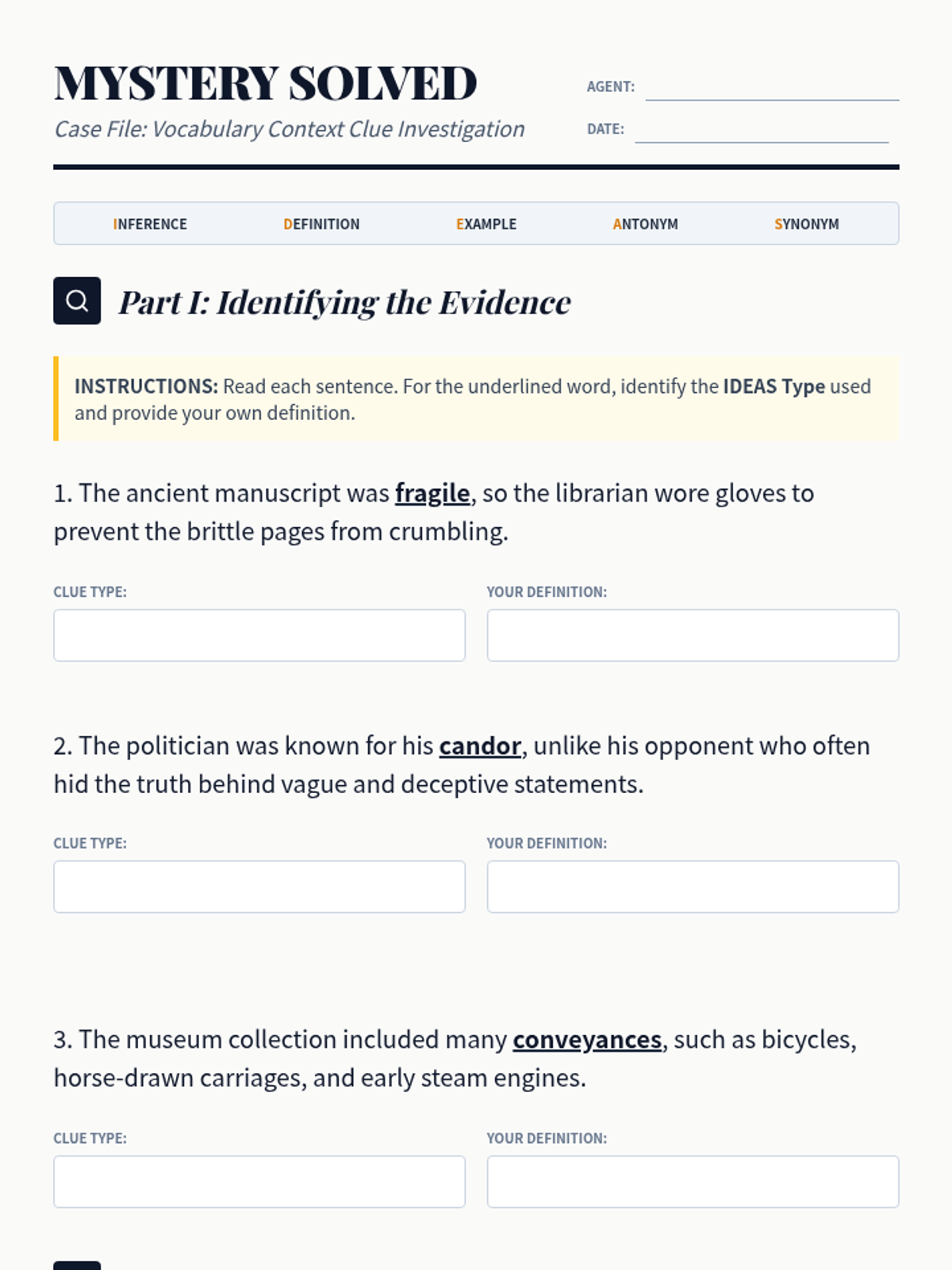
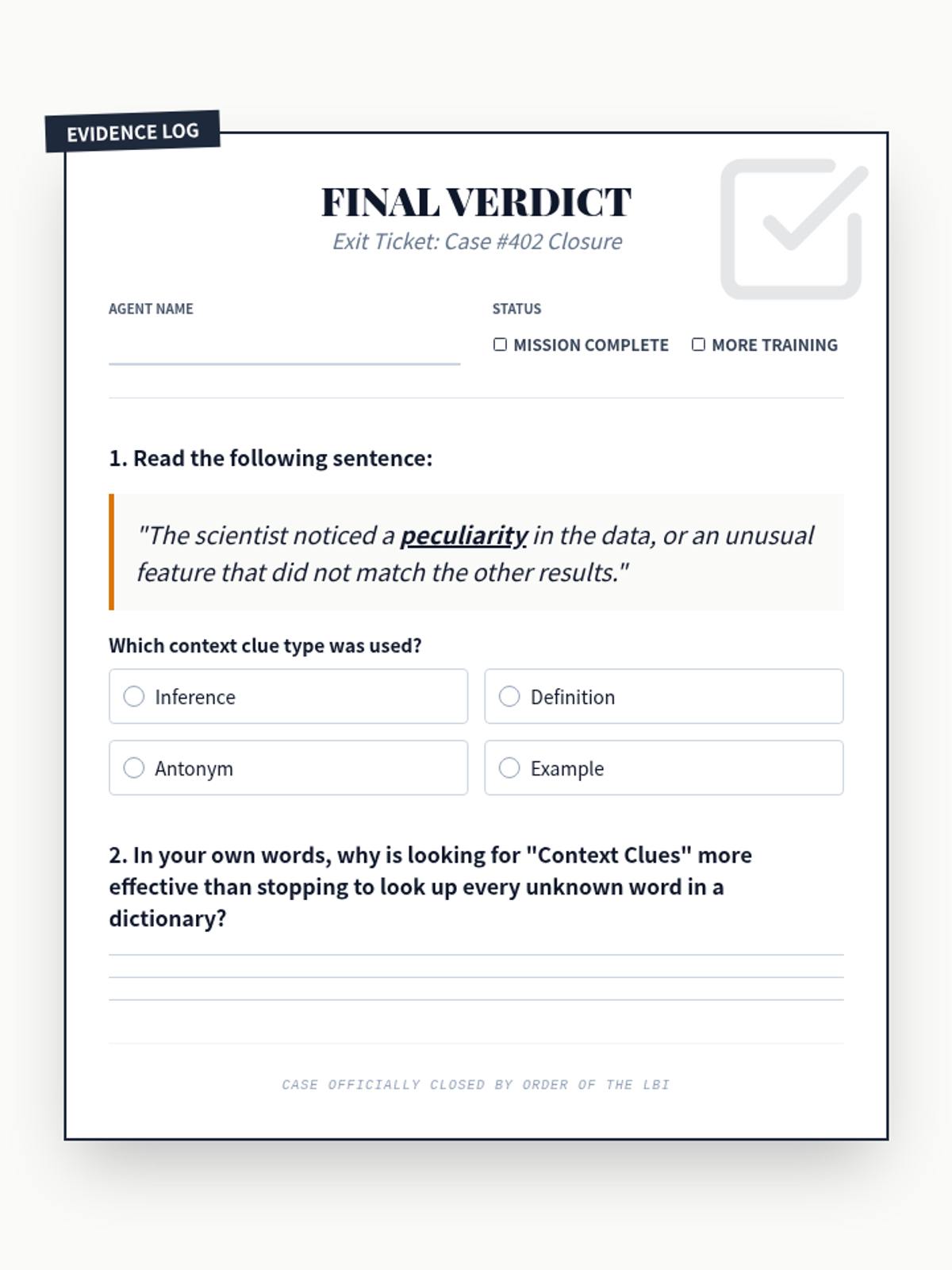
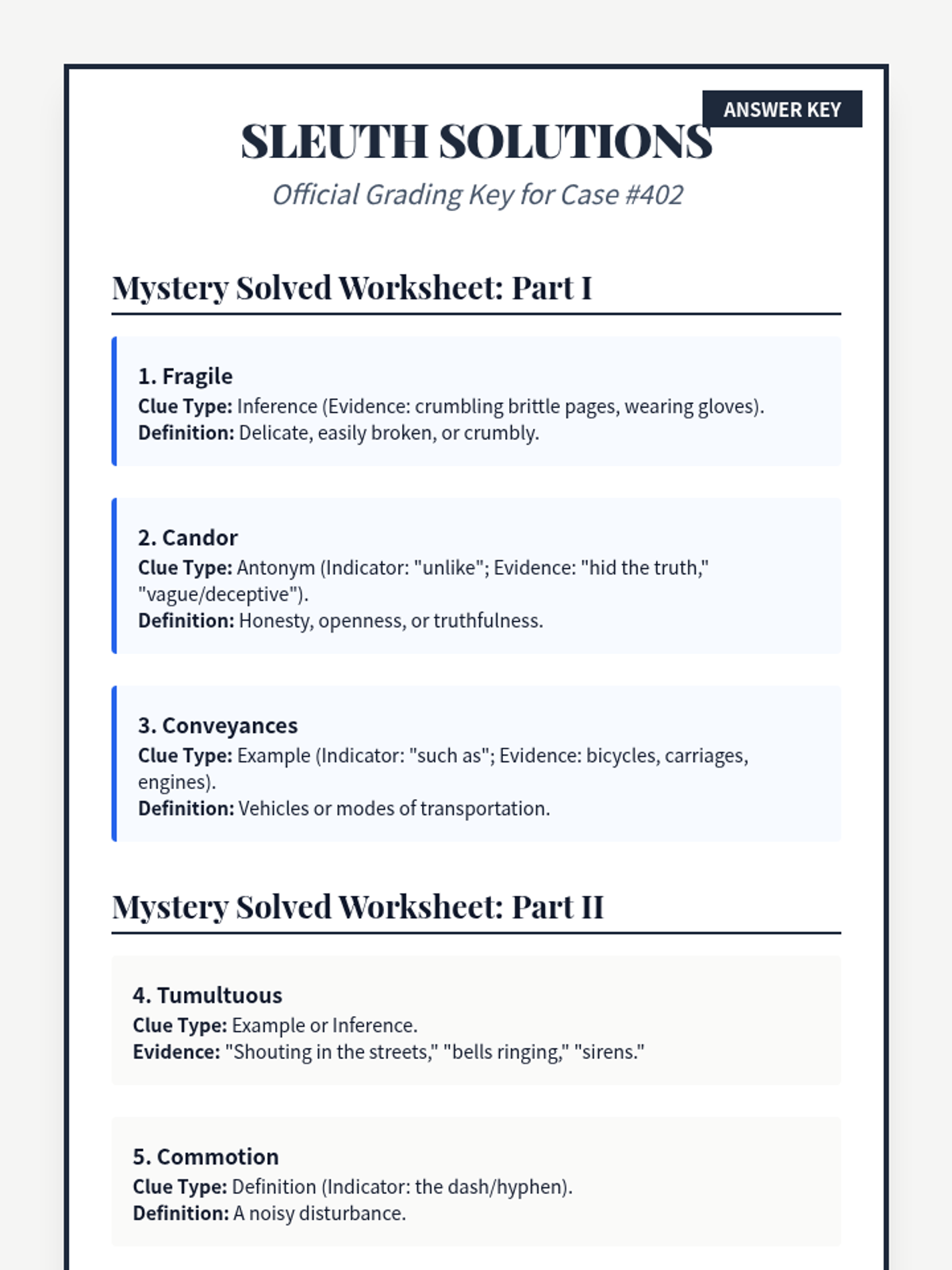
An intermediate-level lesson on identifying and using context clues (IDEAS: Inference, Definition, Example, Antonym, Synonym) to determine the meaning of unfamiliar words. Includes a detailed lesson plan, instructional slides, student reference sheet, practice worksheet, and assessment.
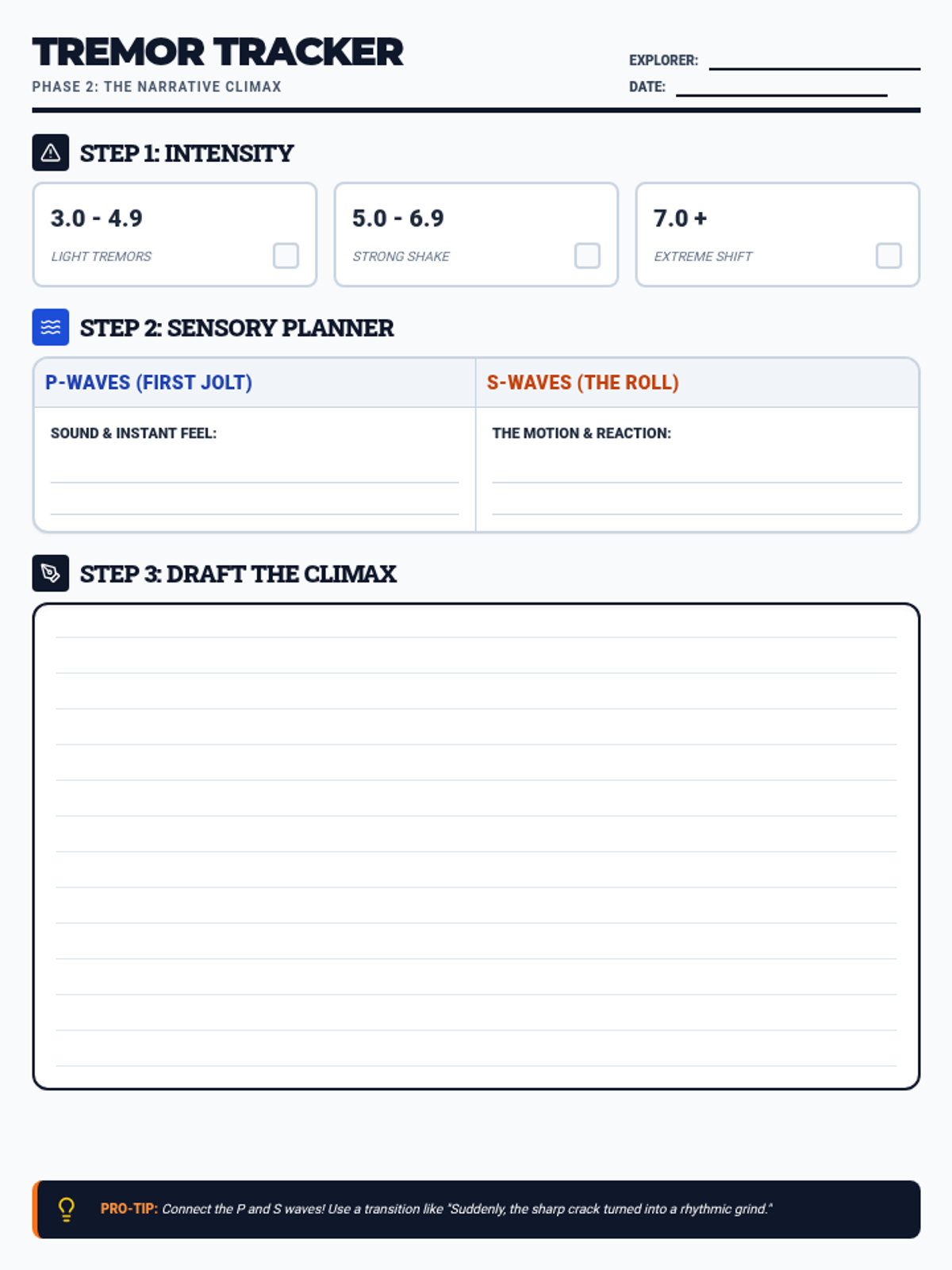
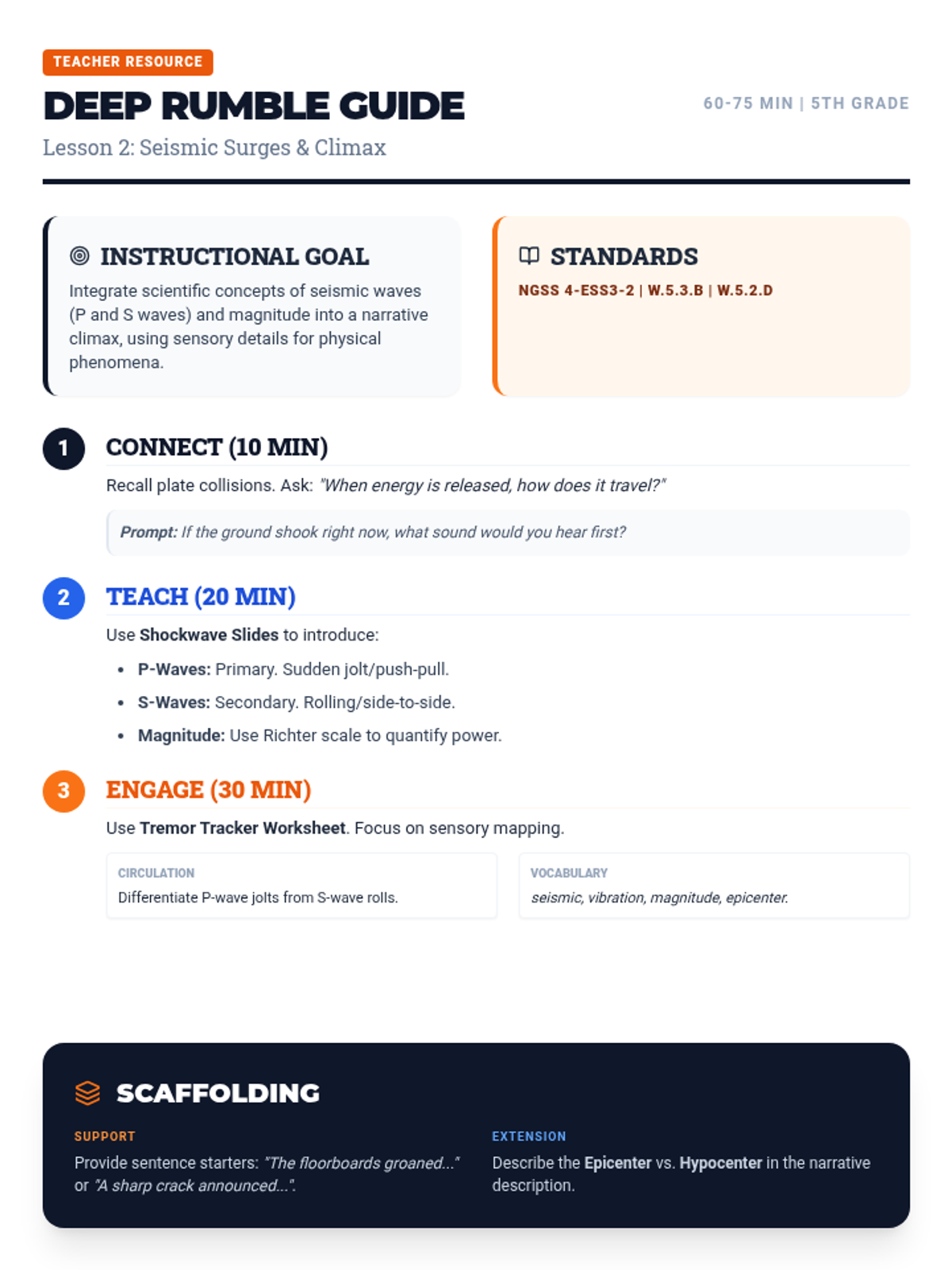
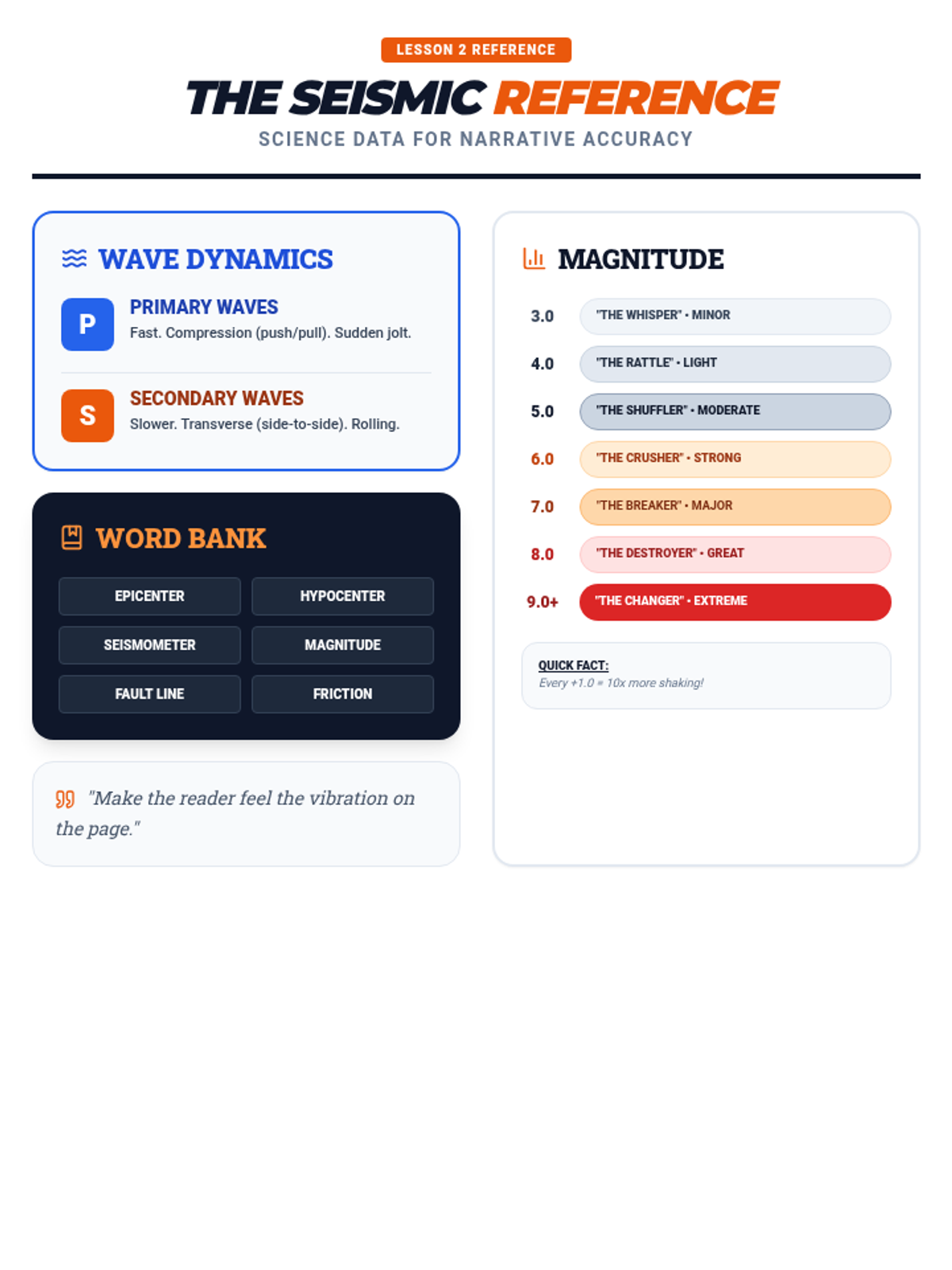
Students draft the rising action and climax of their narrative, focusing on describing the earthquake using scientific terminology for seismic waves and ground motion.
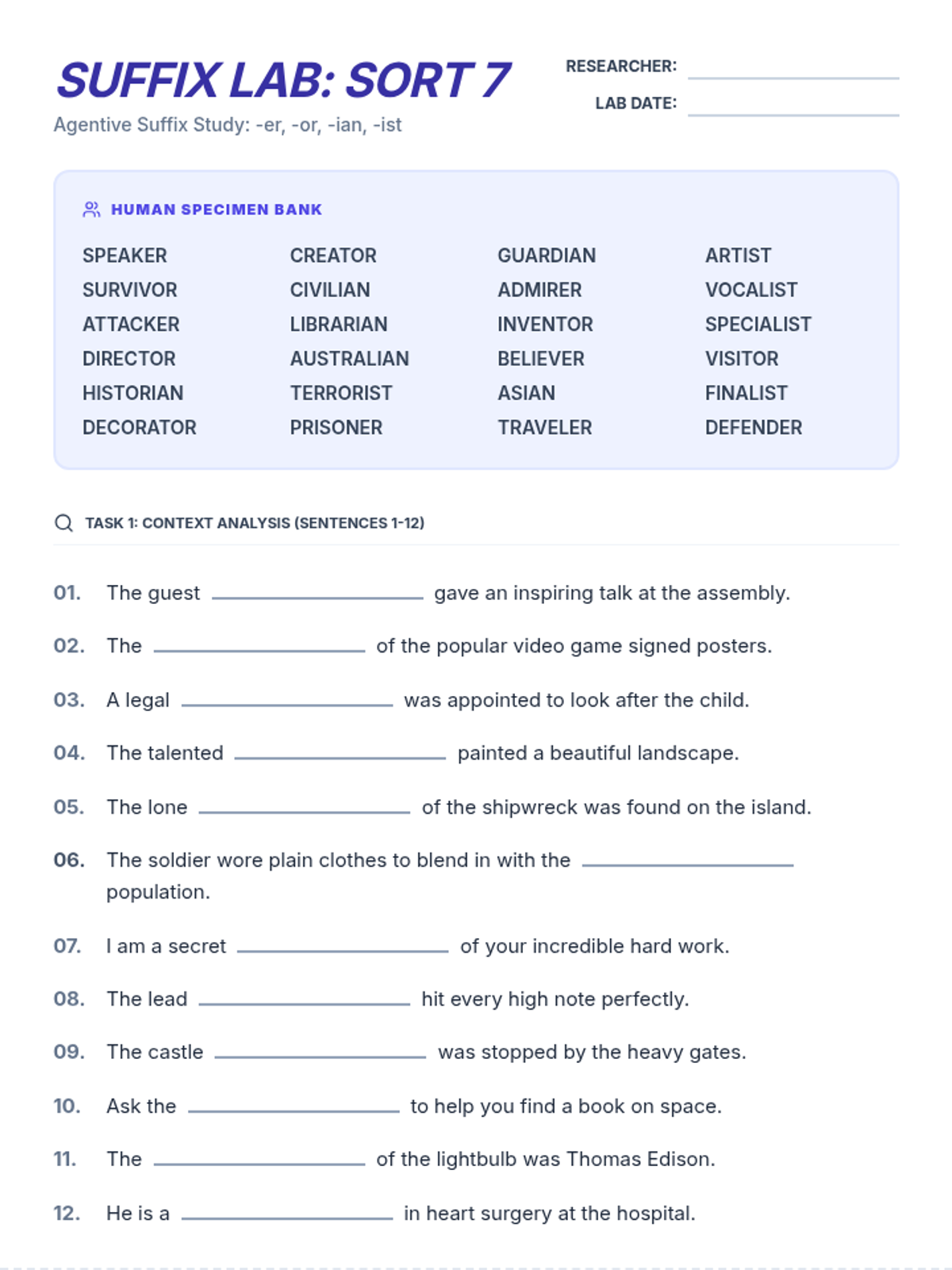
A lesson focused on agentive suffixes (-er, -or, -ian, -ist). Students analyze how these suffixes identify people who perform specific actions or hold certain roles.
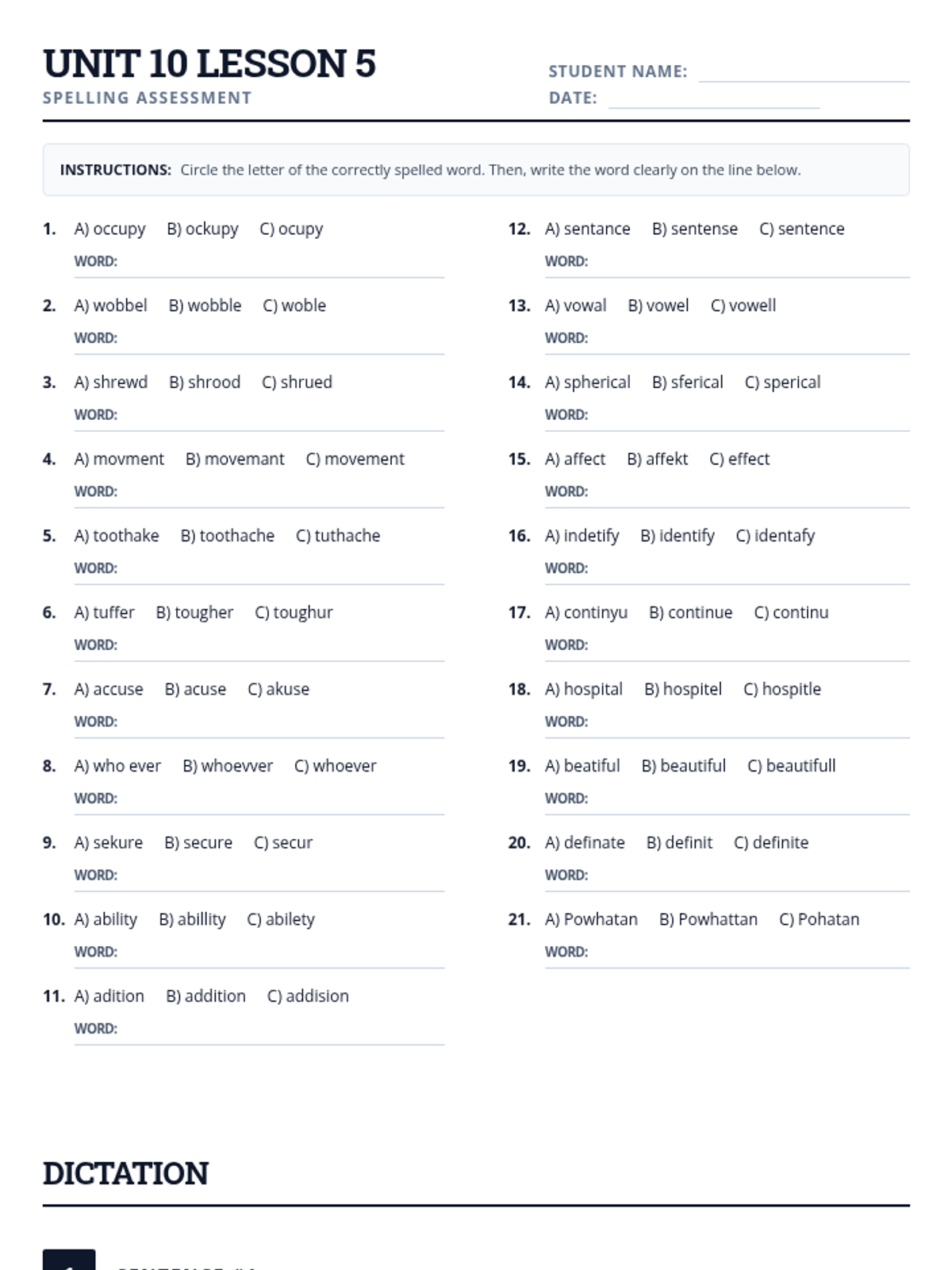
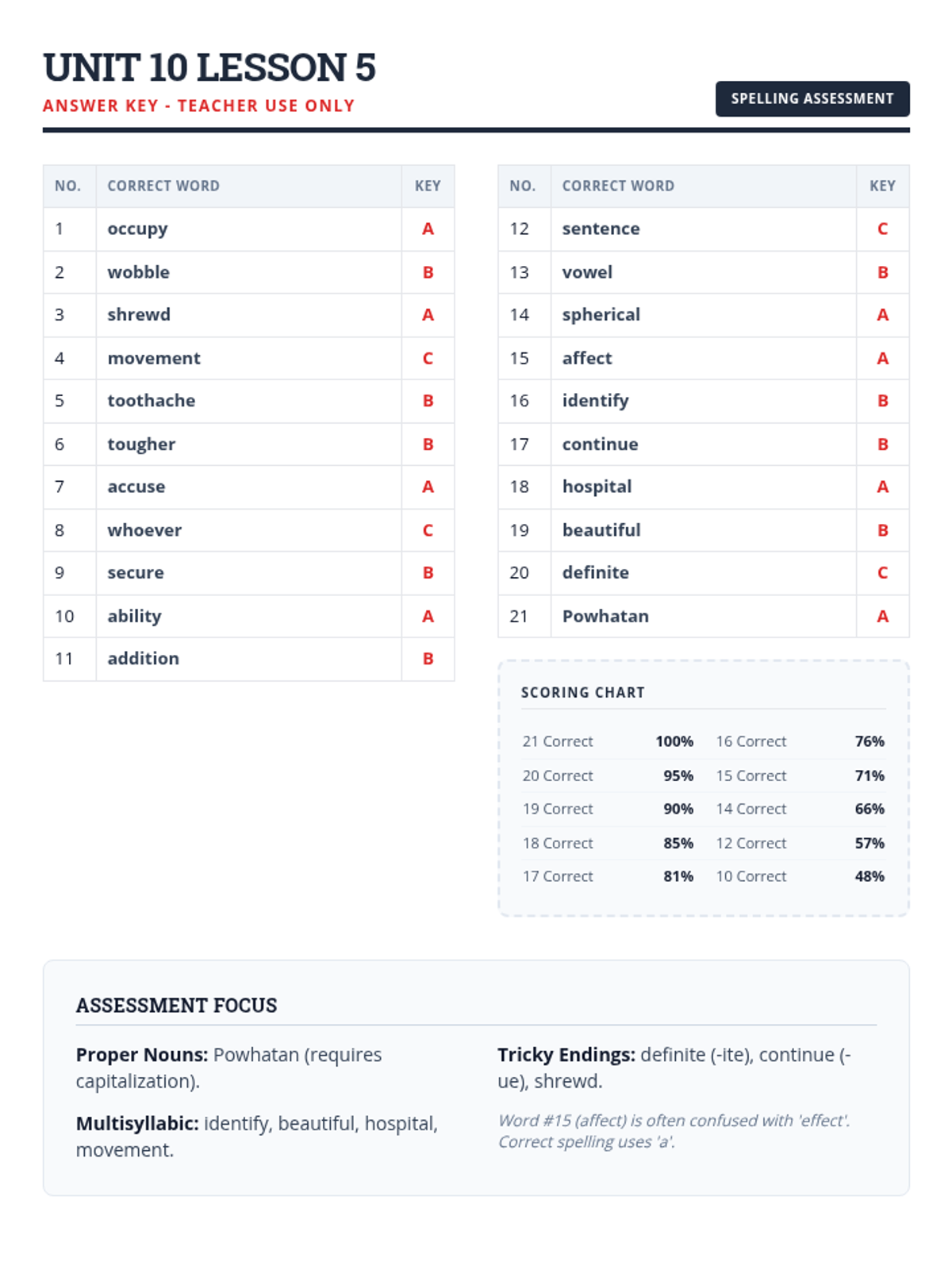
A spelling assessment for Unit 10 Lesson 5 featuring 21 words including 'occupy', 'identify', and 'Powhatan'. Covers double consonants, multisyllabic words, proper nouns, and common vowel teams.
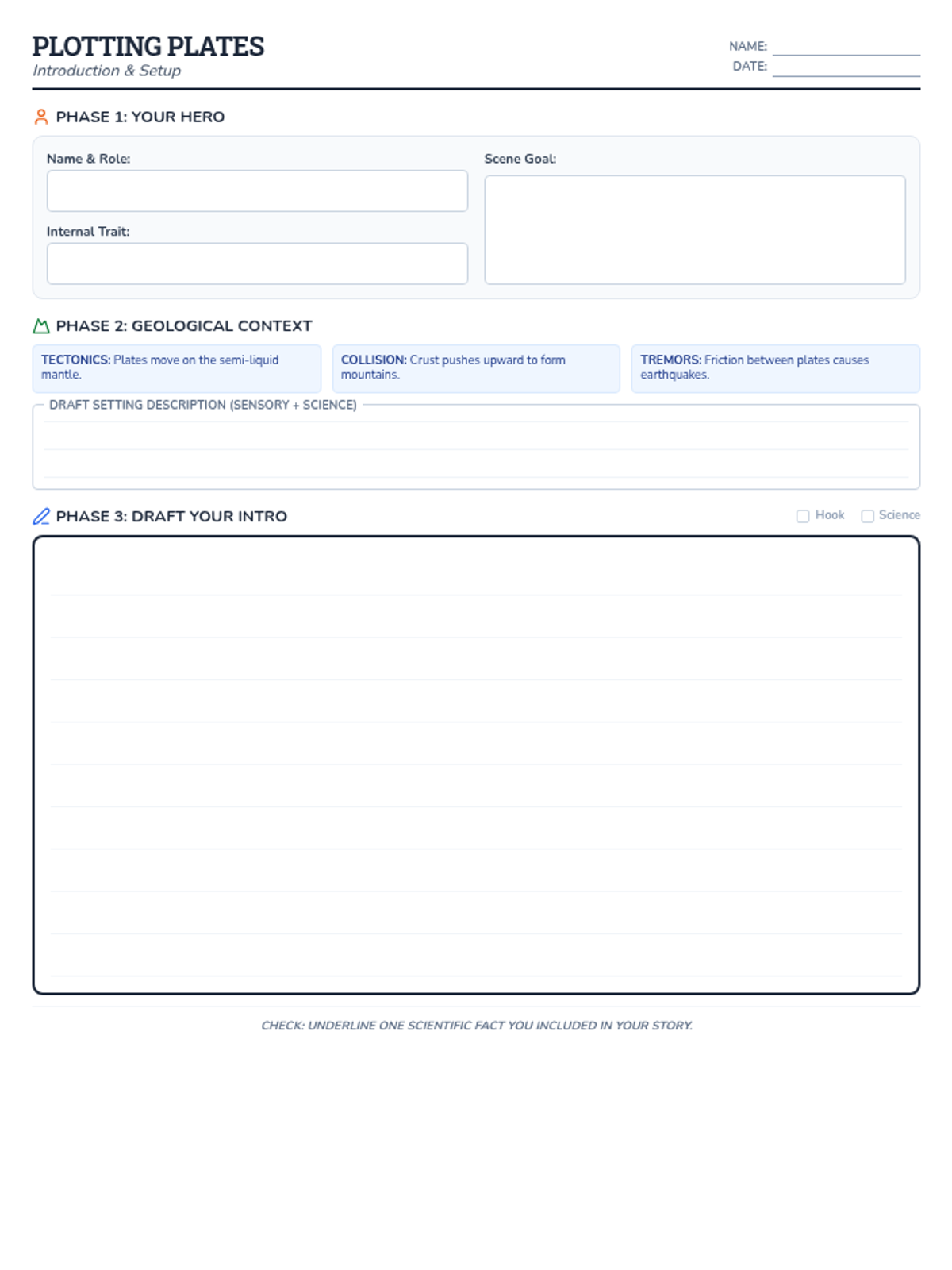
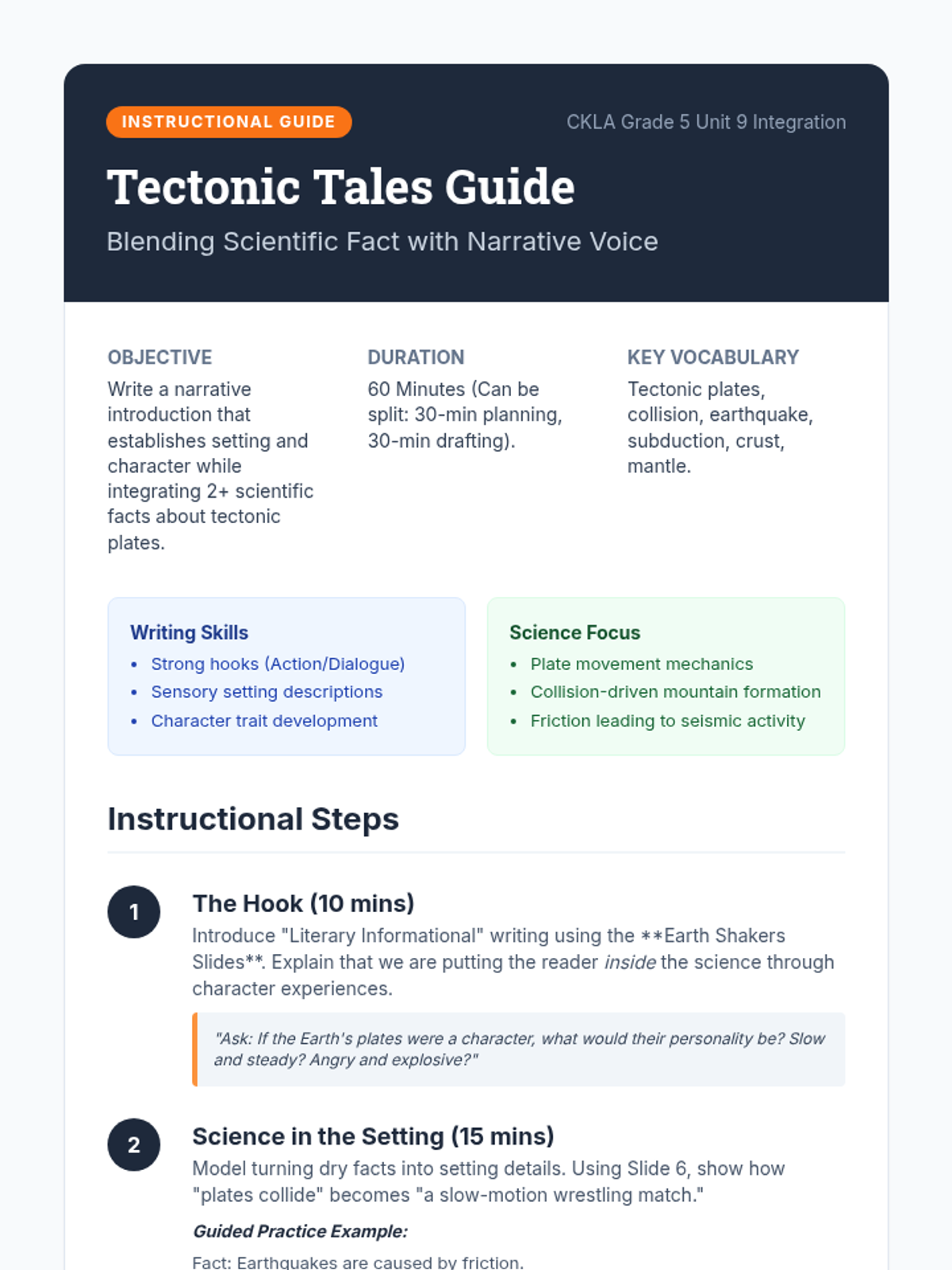
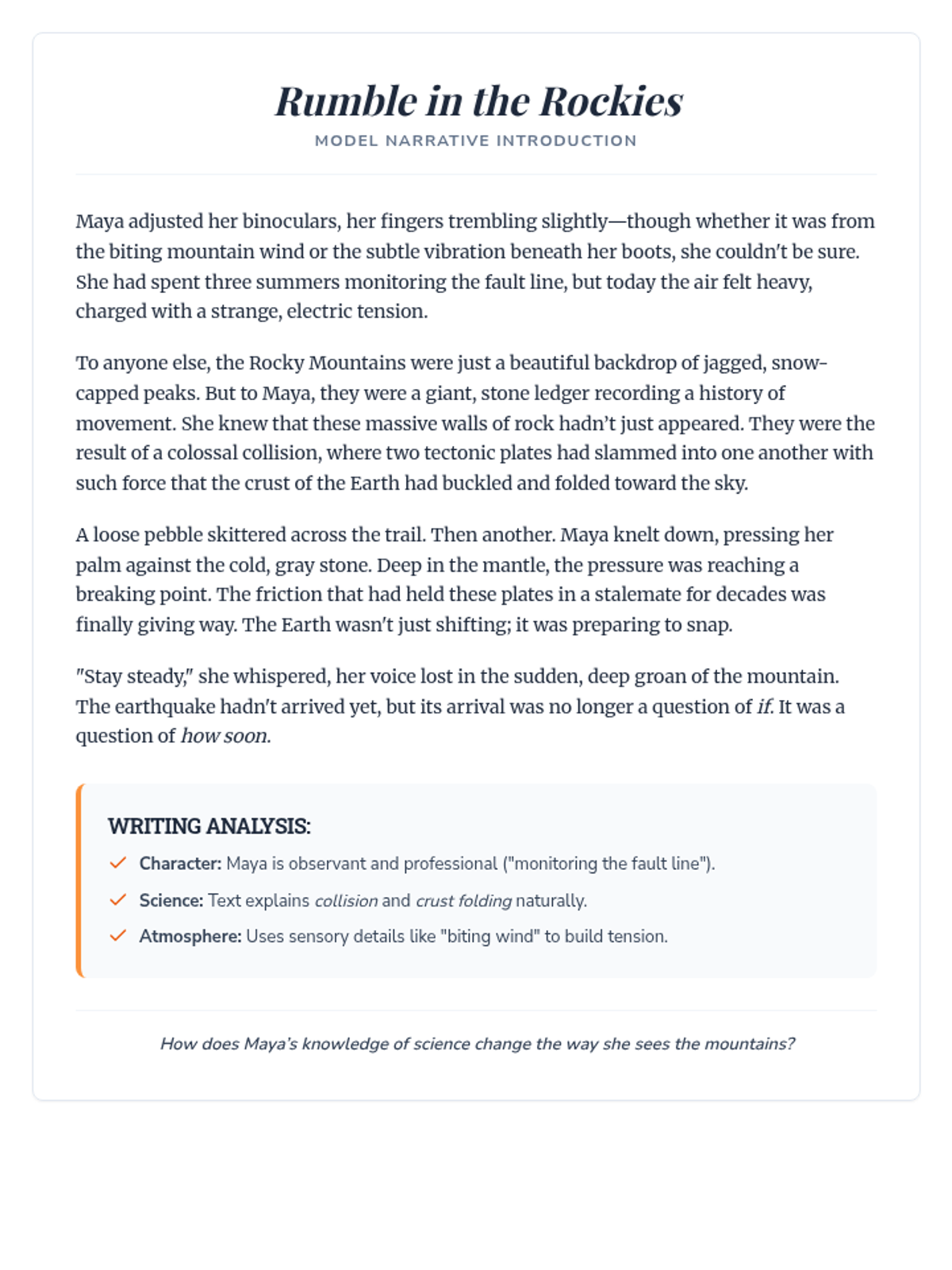
Students learn to craft a compelling narrative introduction that establishes a vivid setting and introduces characters while seamlessly weaving in scientific concepts about tectonic plate collisions and earthquake activity.
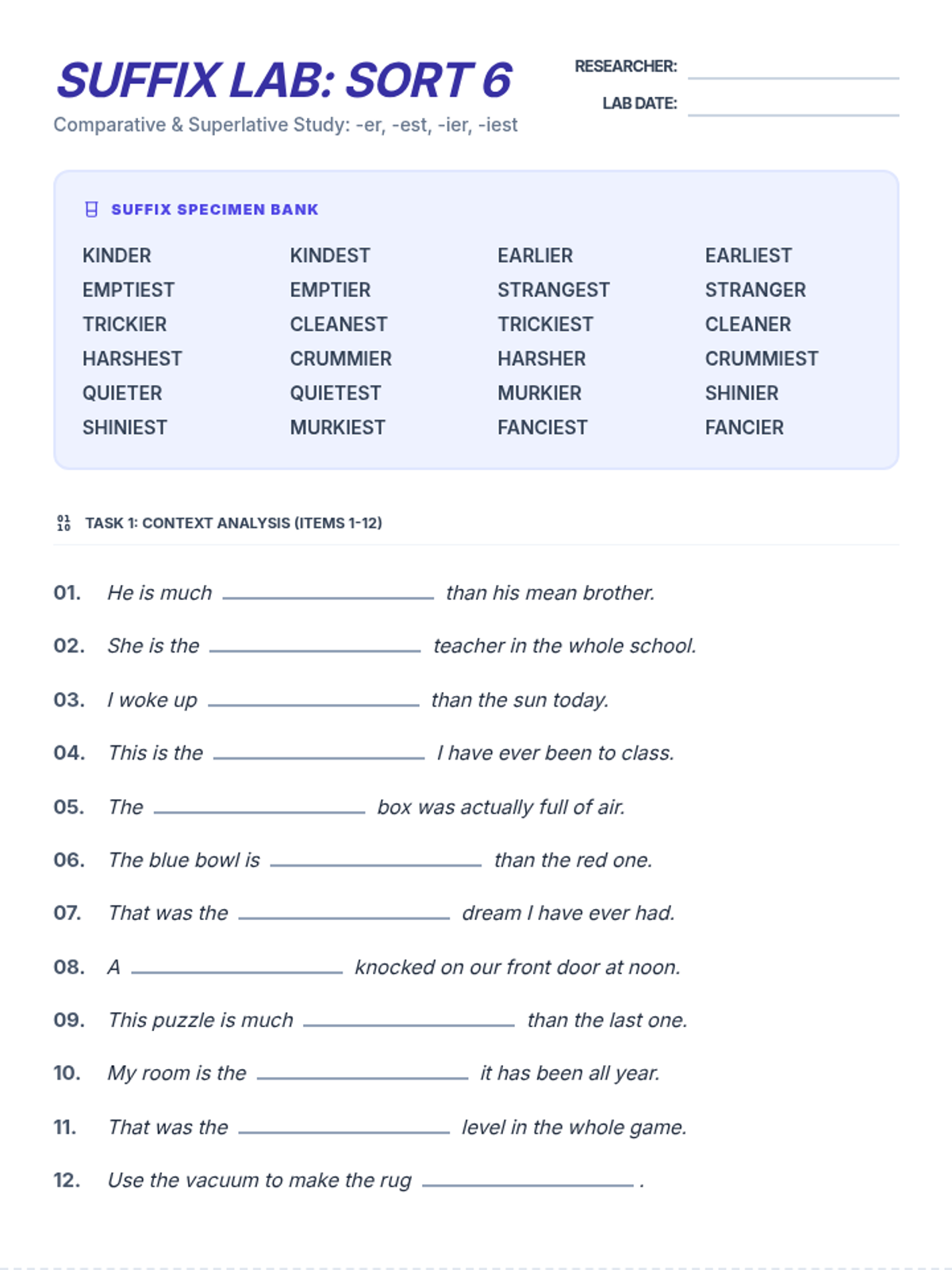
A lesson focused on comparative and superlative suffixes (-er, -est, -ier, -iest). Students explore how these suffixes change adjectives to compare two or more things.
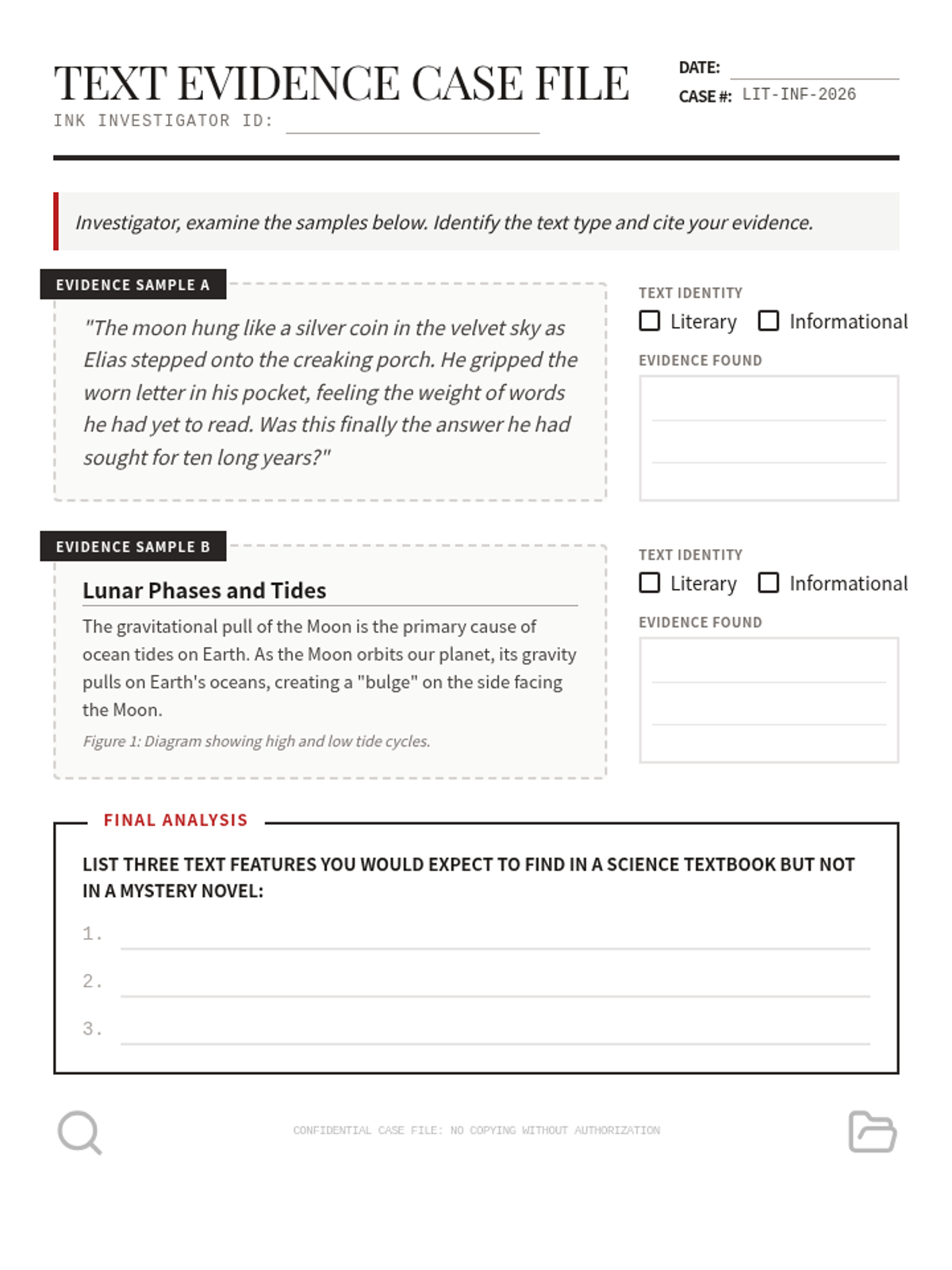
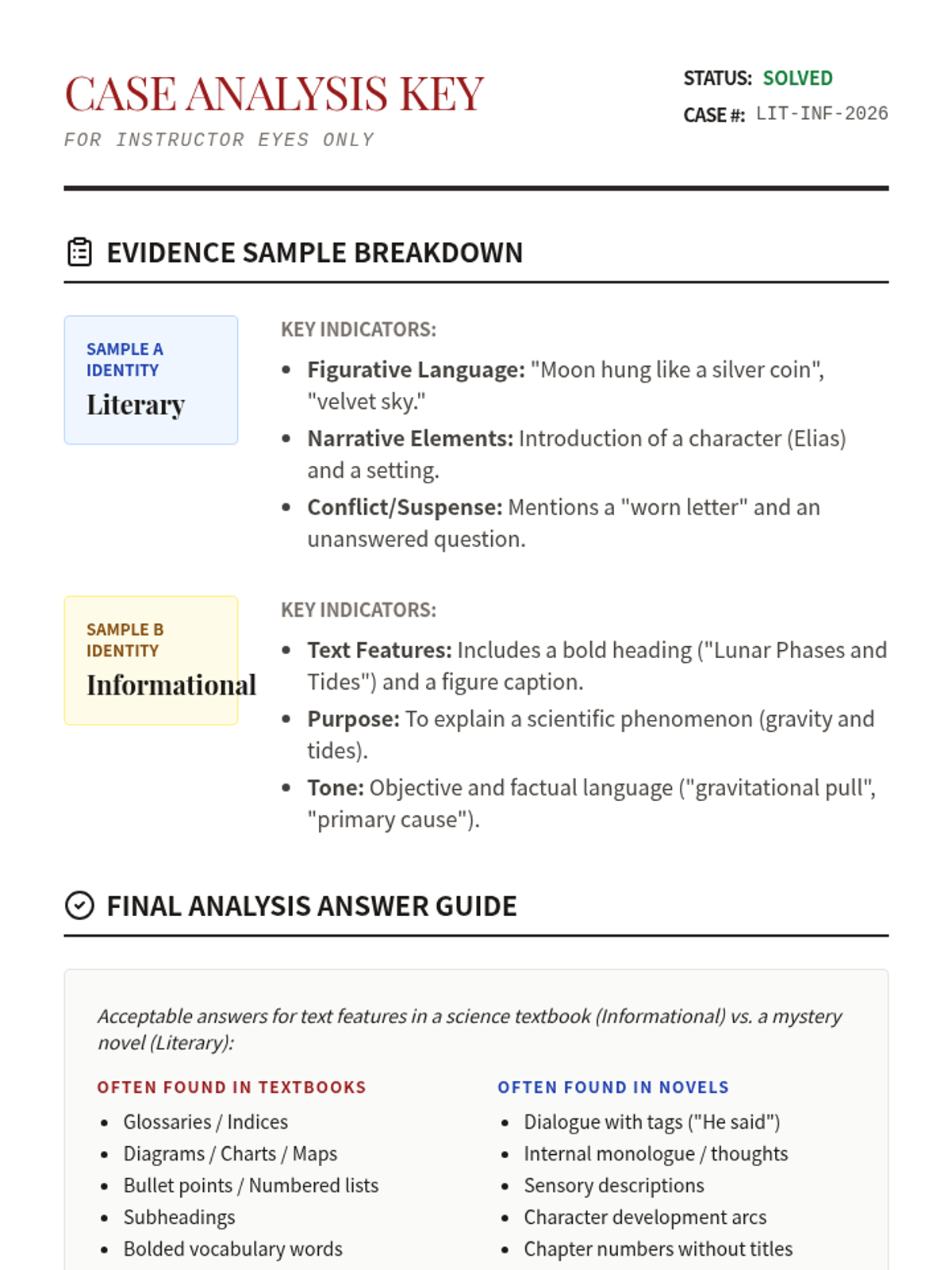
Students learn to distinguish between literary and informational texts by examining purpose, structure, and language features. This lesson uses a detective theme to help students investigate the 'DNA' of different text types.
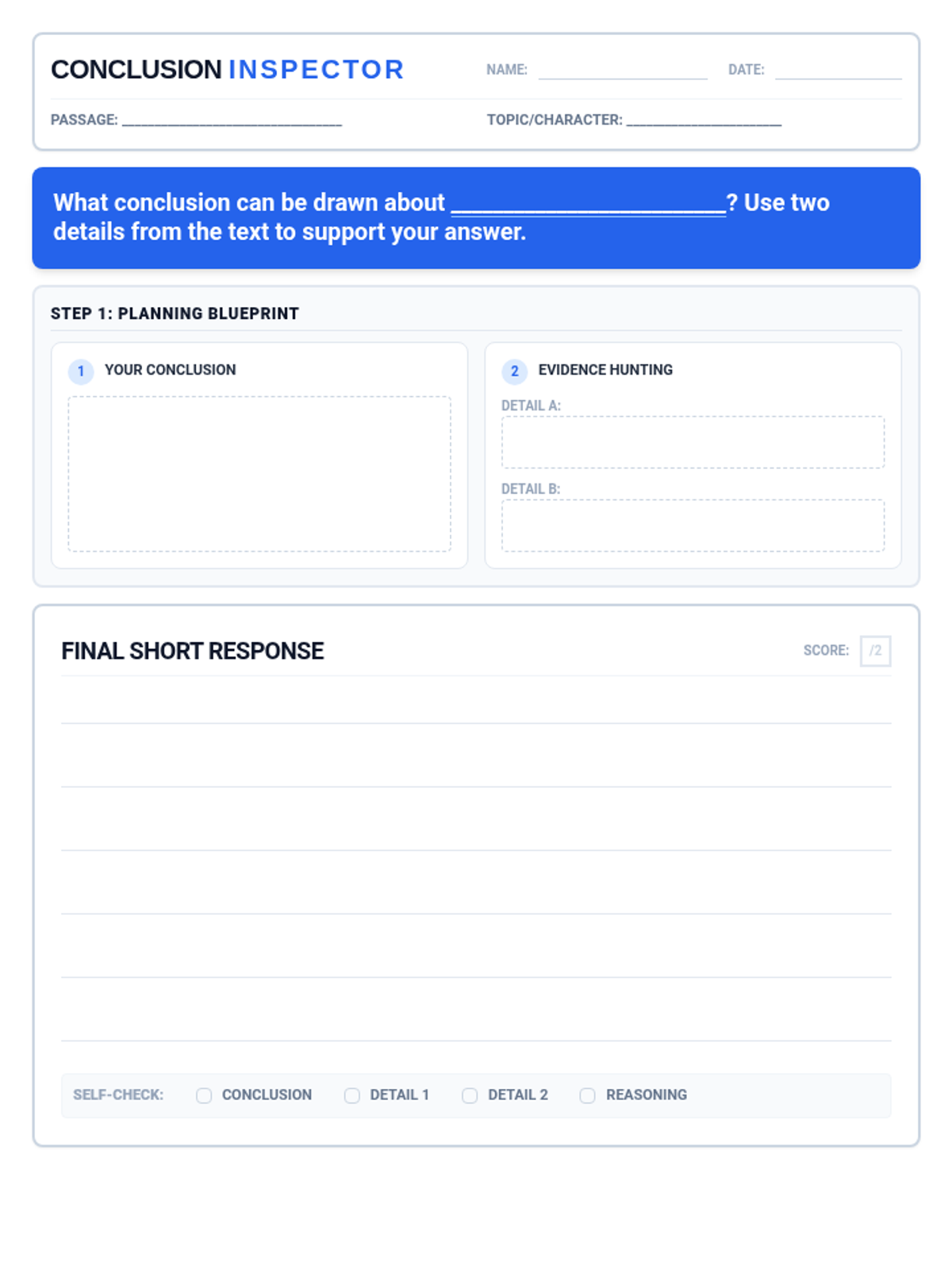
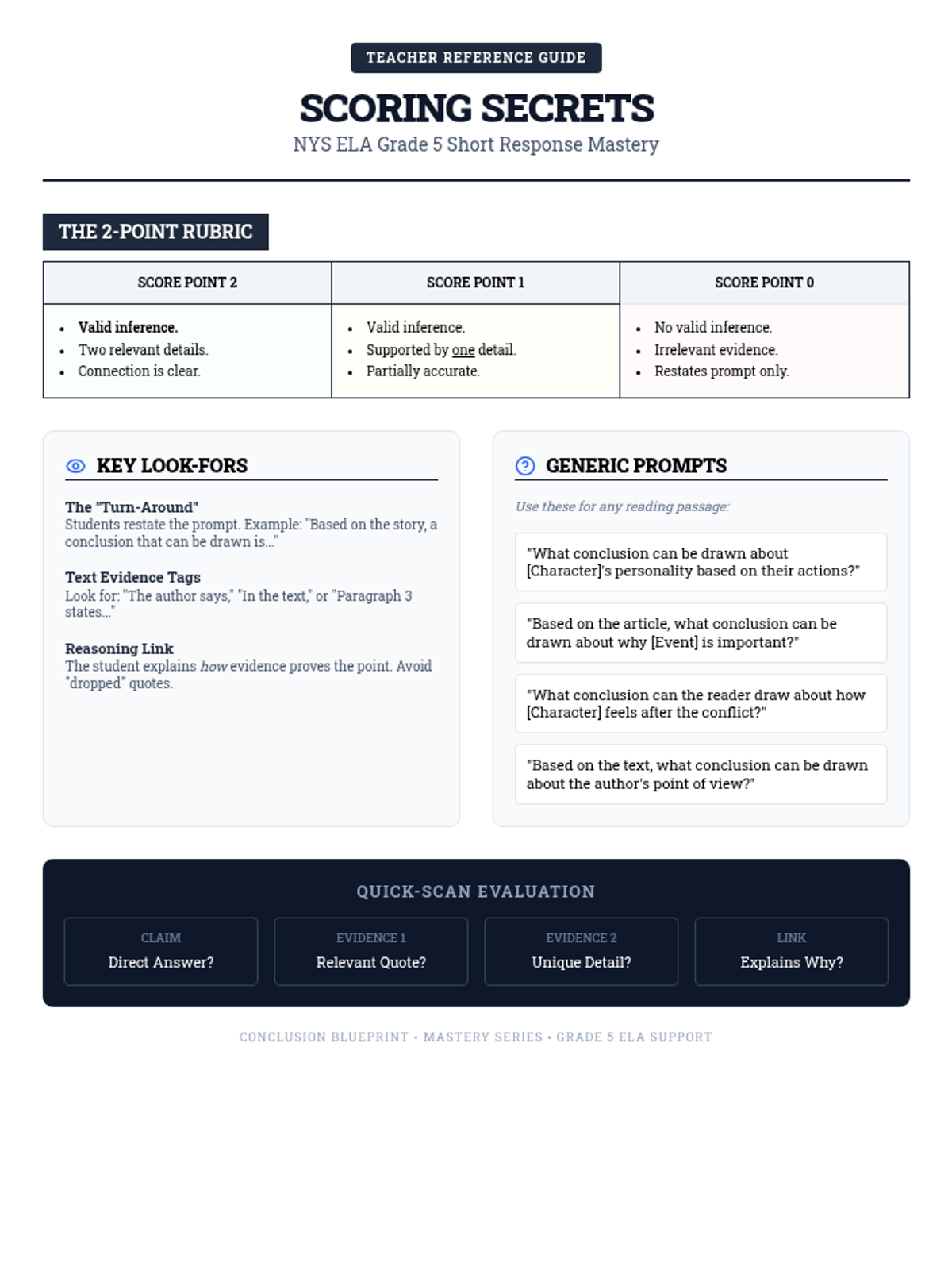
A focused lesson on mastering the 5th Grade NYS ELA short-response format for drawing conclusions using text evidence.
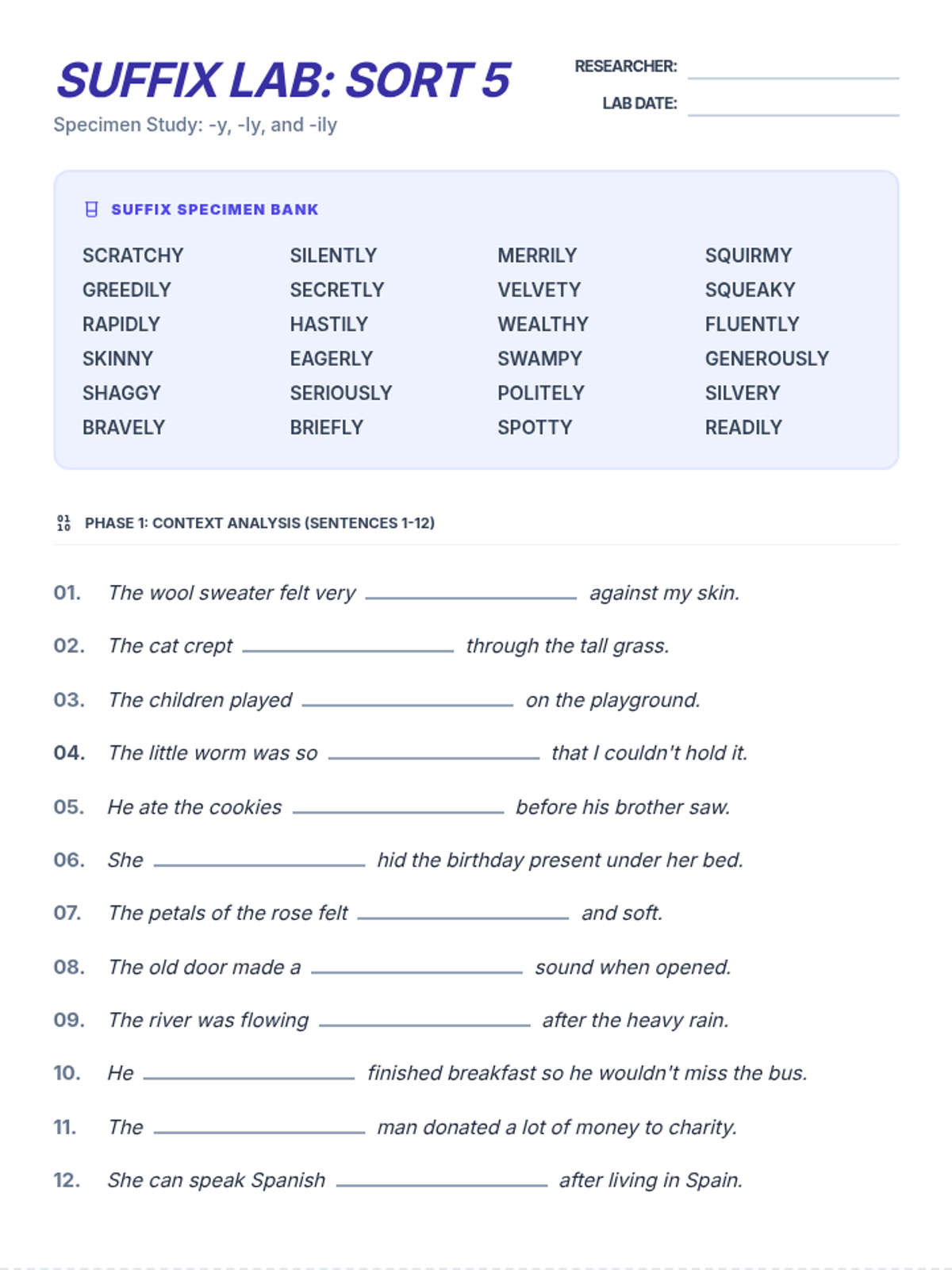
A lesson focused on the suffixes -y, -ly, and -ily. Students analyze how these suffixes change word meanings and usage through contextual application.
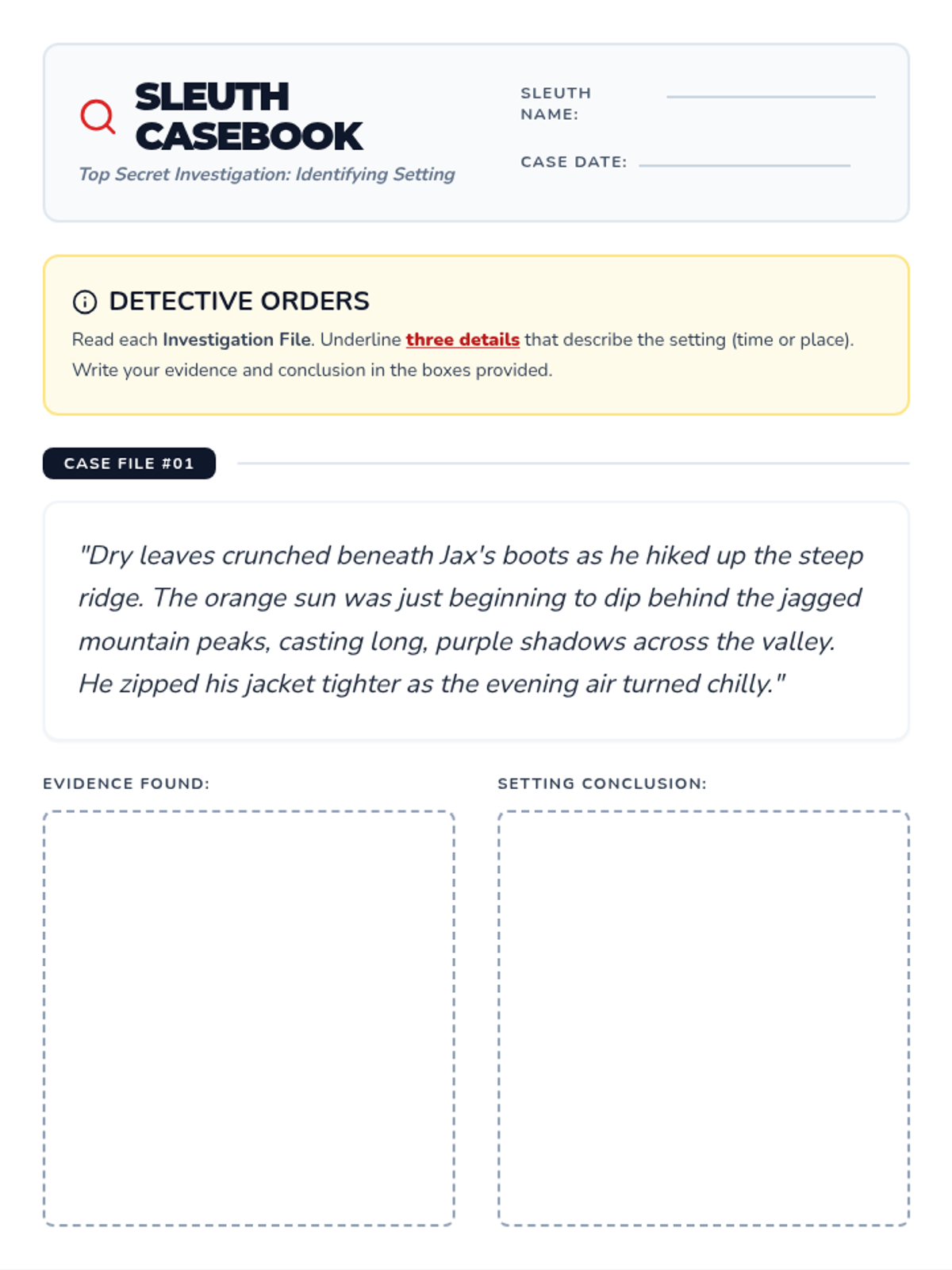
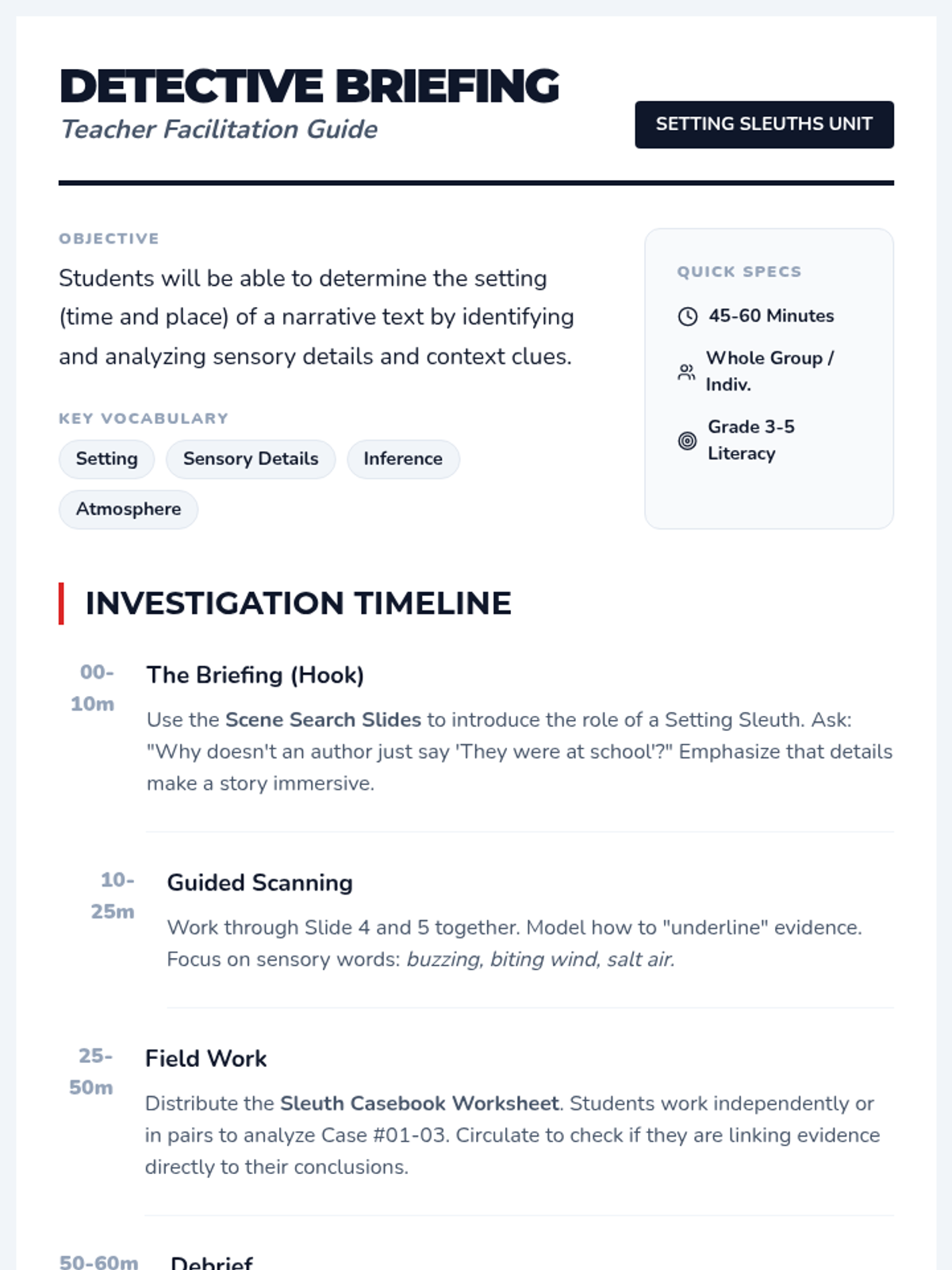
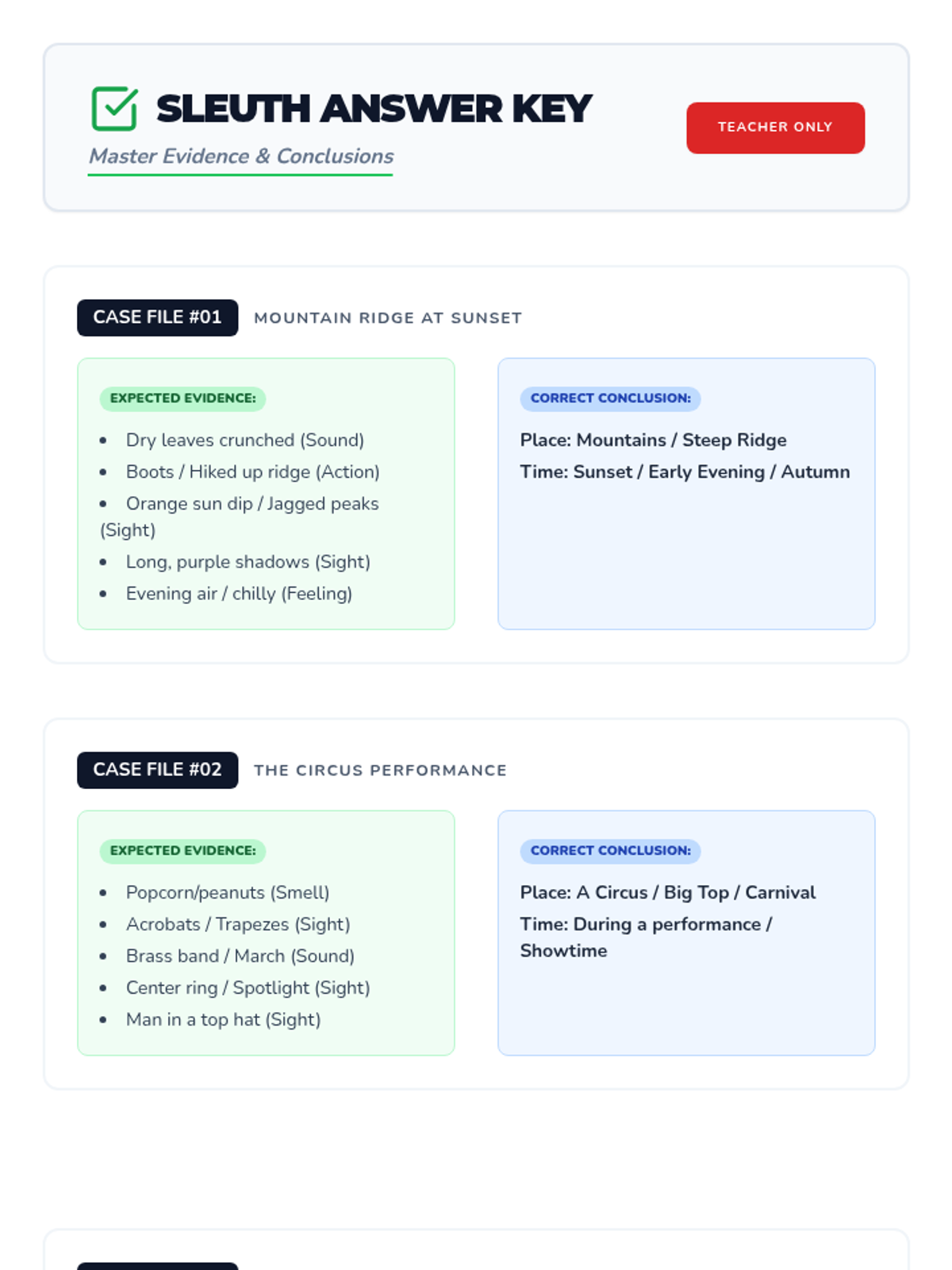
A mystery-themed lesson where students act as 'Setting Sleuths' to identify time and place using sensory details and contextual clues.
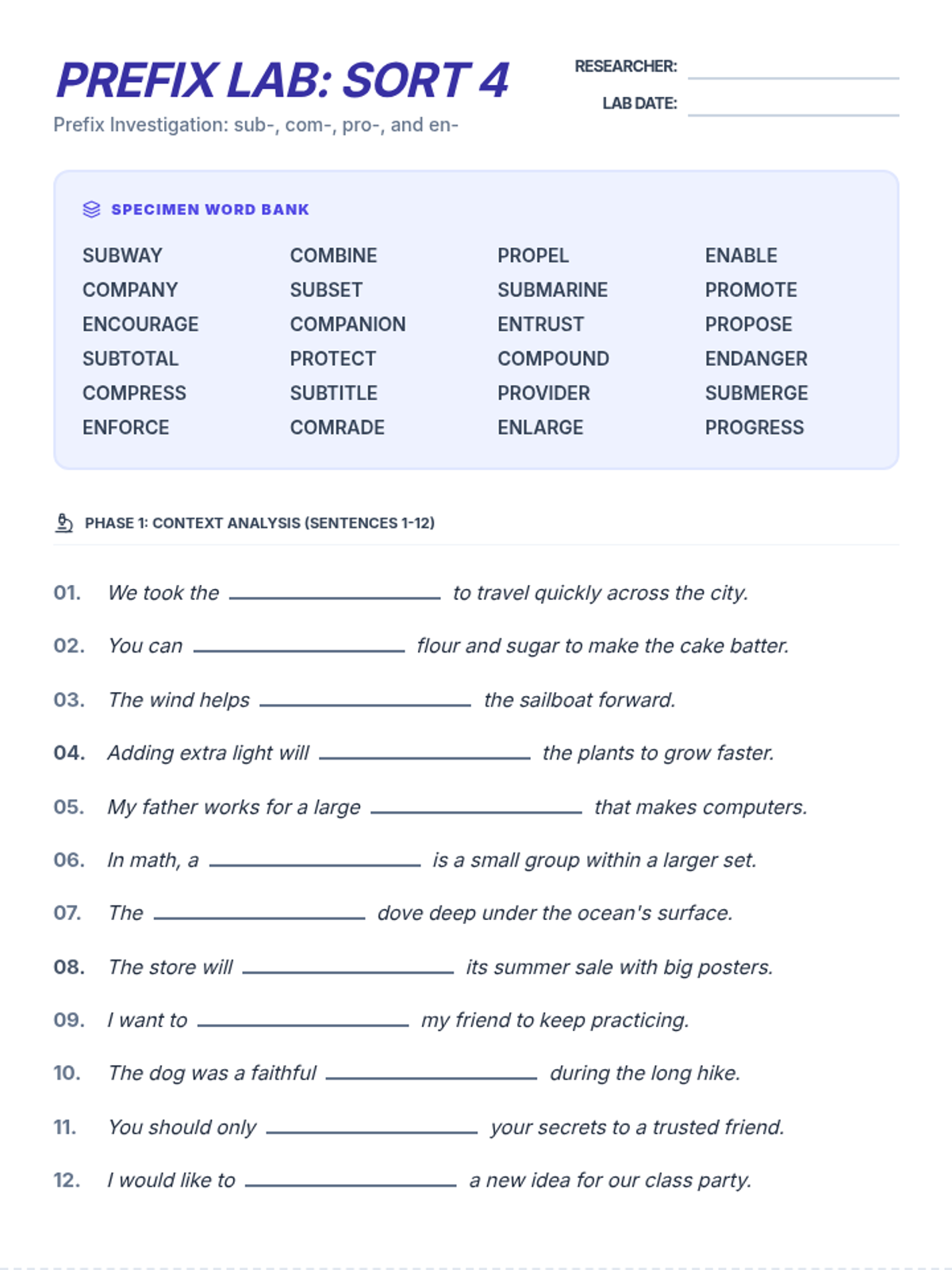
A lesson focused on the prefixes sub-, com-, pro-, and en-. Students apply their knowledge of these prefixes to identify and use words in various contexts.
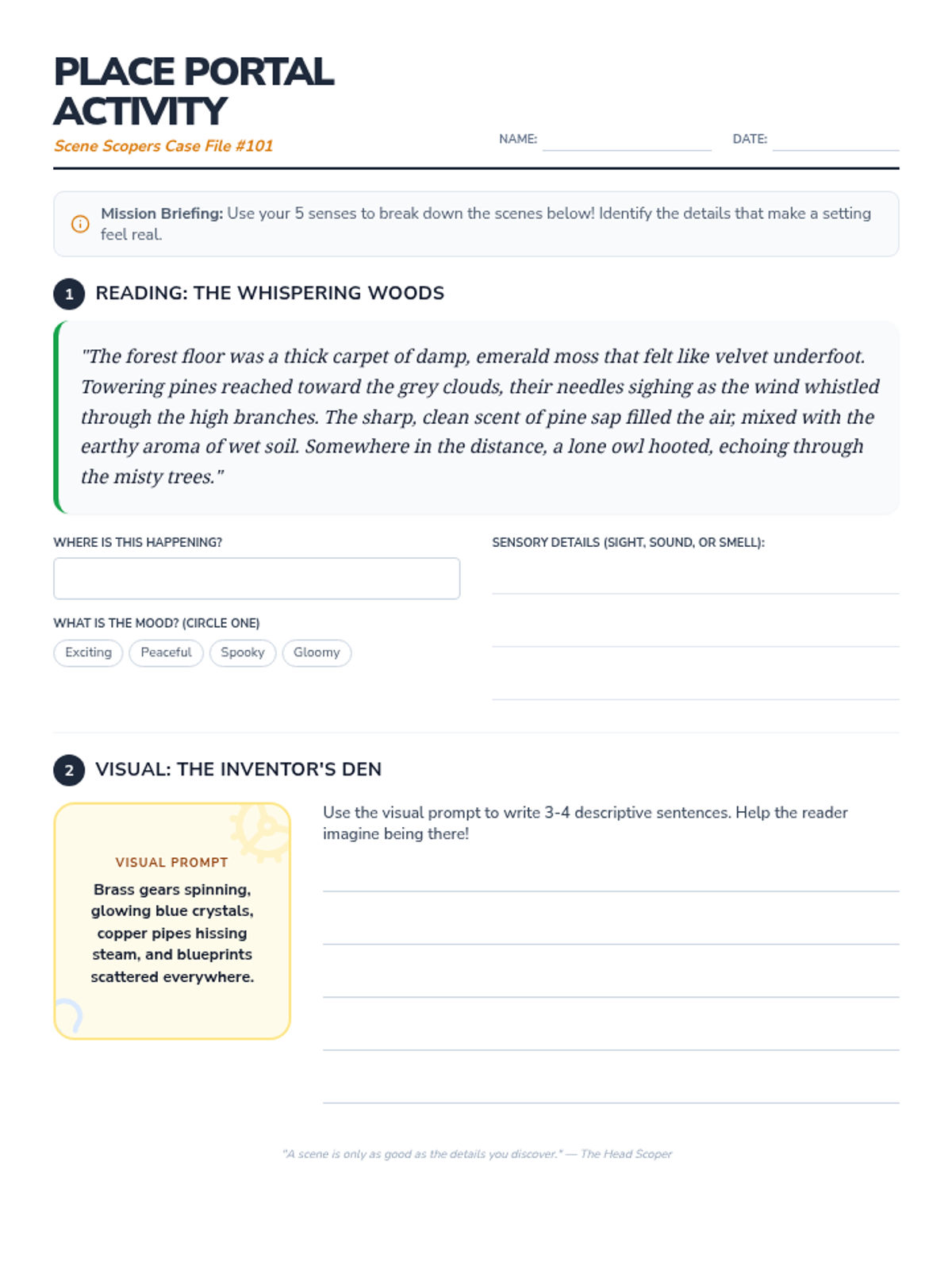
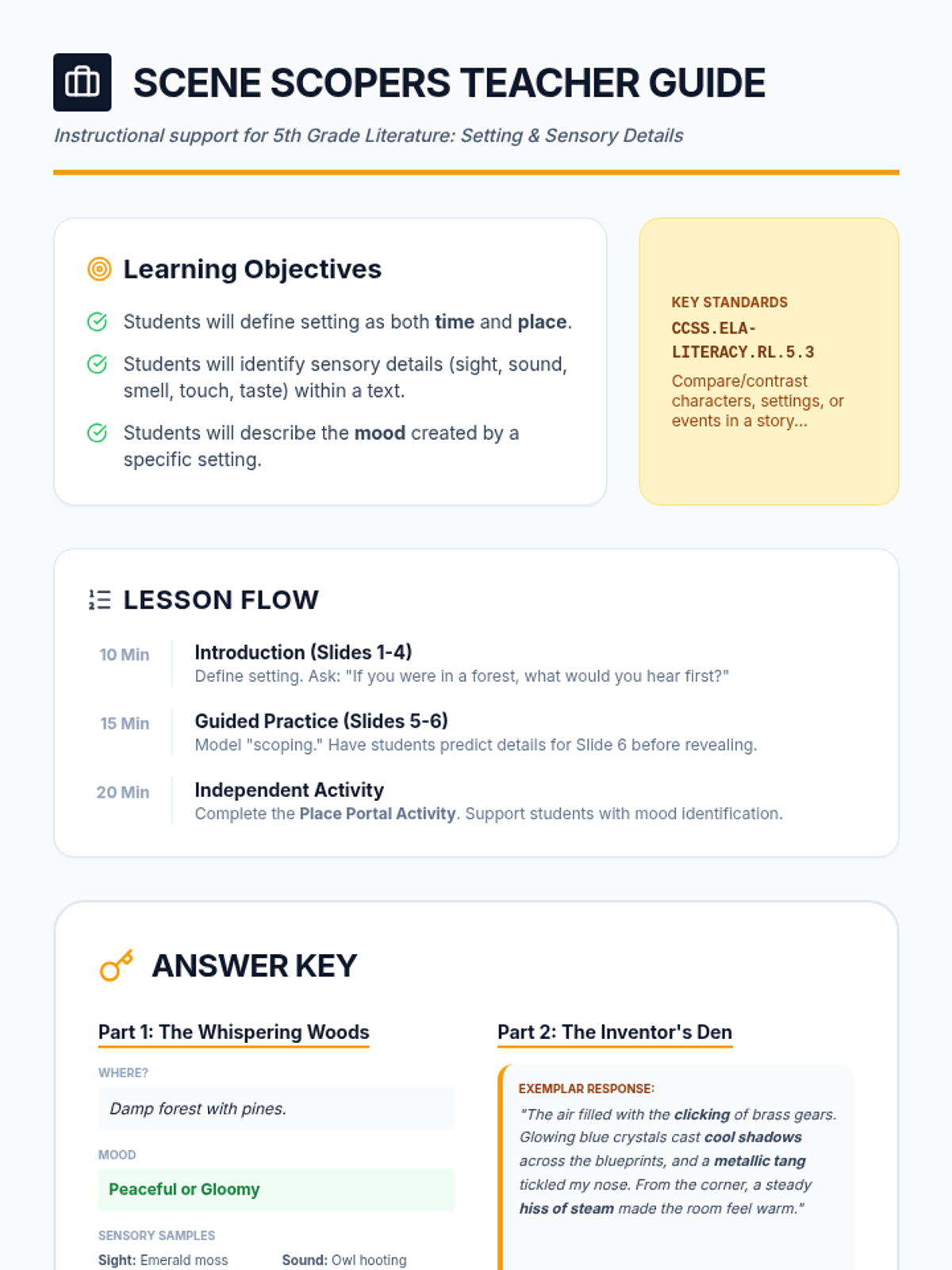
A dynamic 5th-grade lesson that teaches students how to identify and describe settings using sensory details and mood through both text and visual prompts.
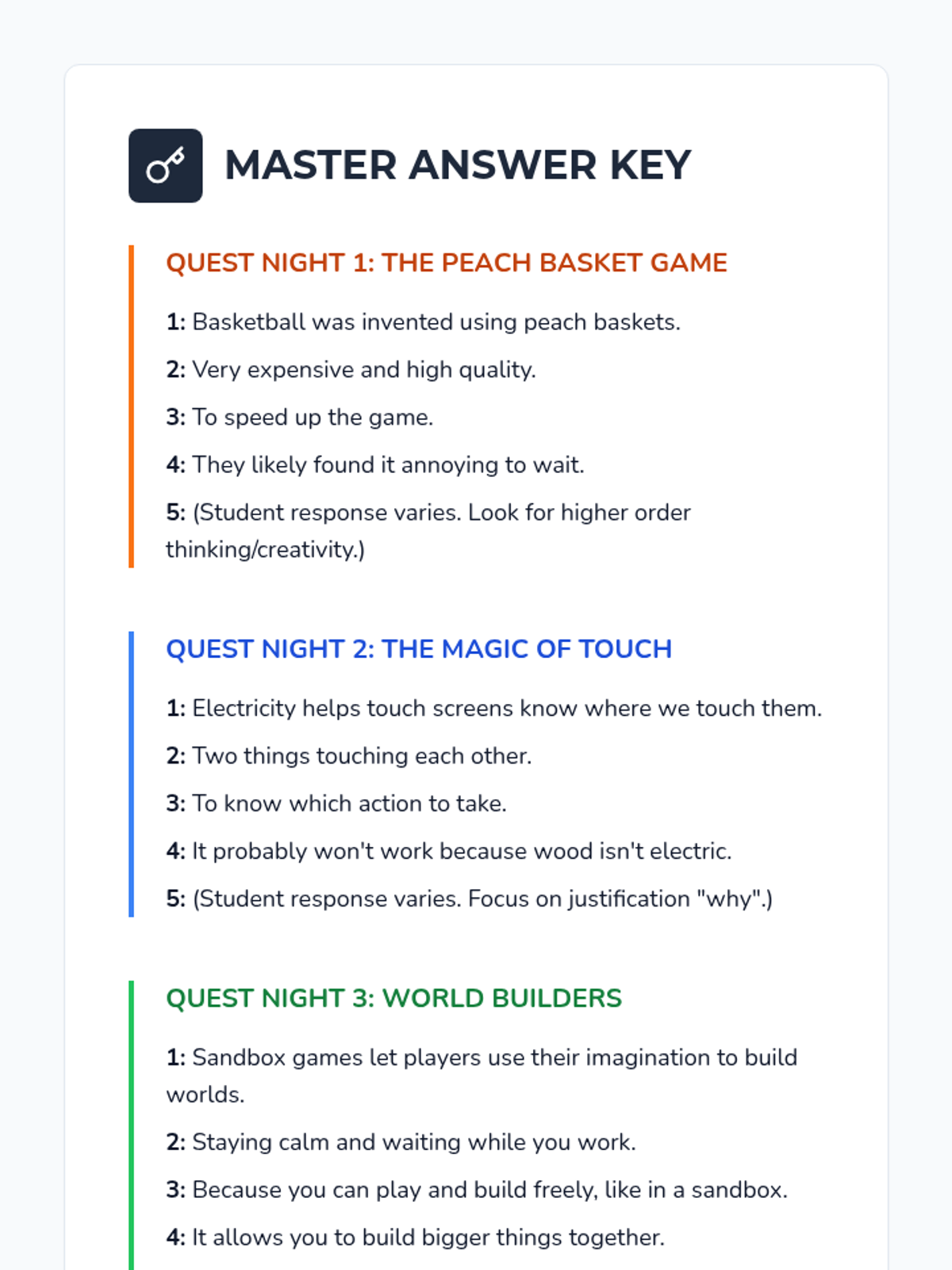
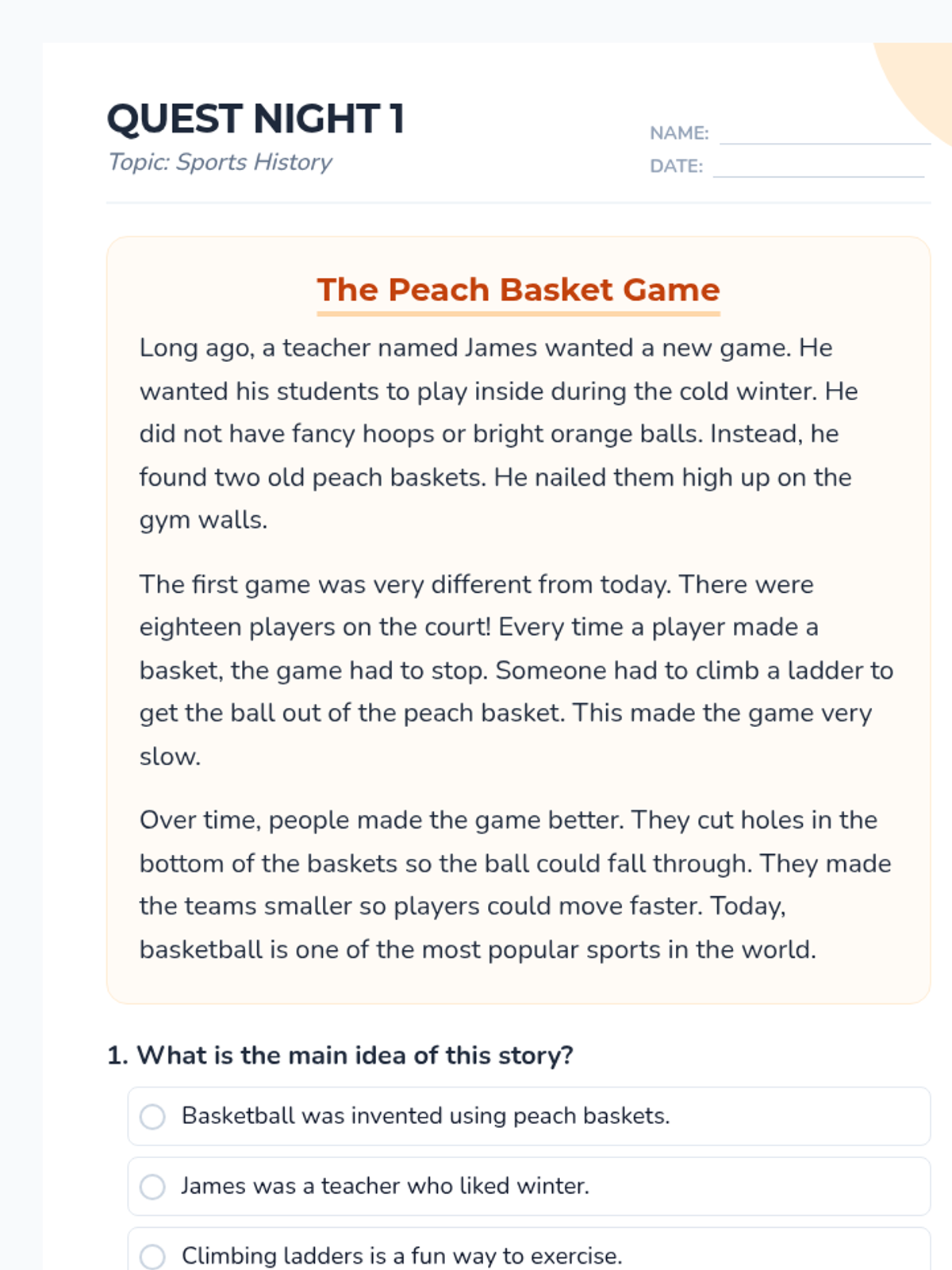
A 5-night homework packet designed for students with a 4th-grade interest level but reading at a 3rd-grade level. Each night features a high-interest passage about sports, technology, or video games, followed by targeted comprehension questions focusing on main idea, context clues, and inferential thinking.
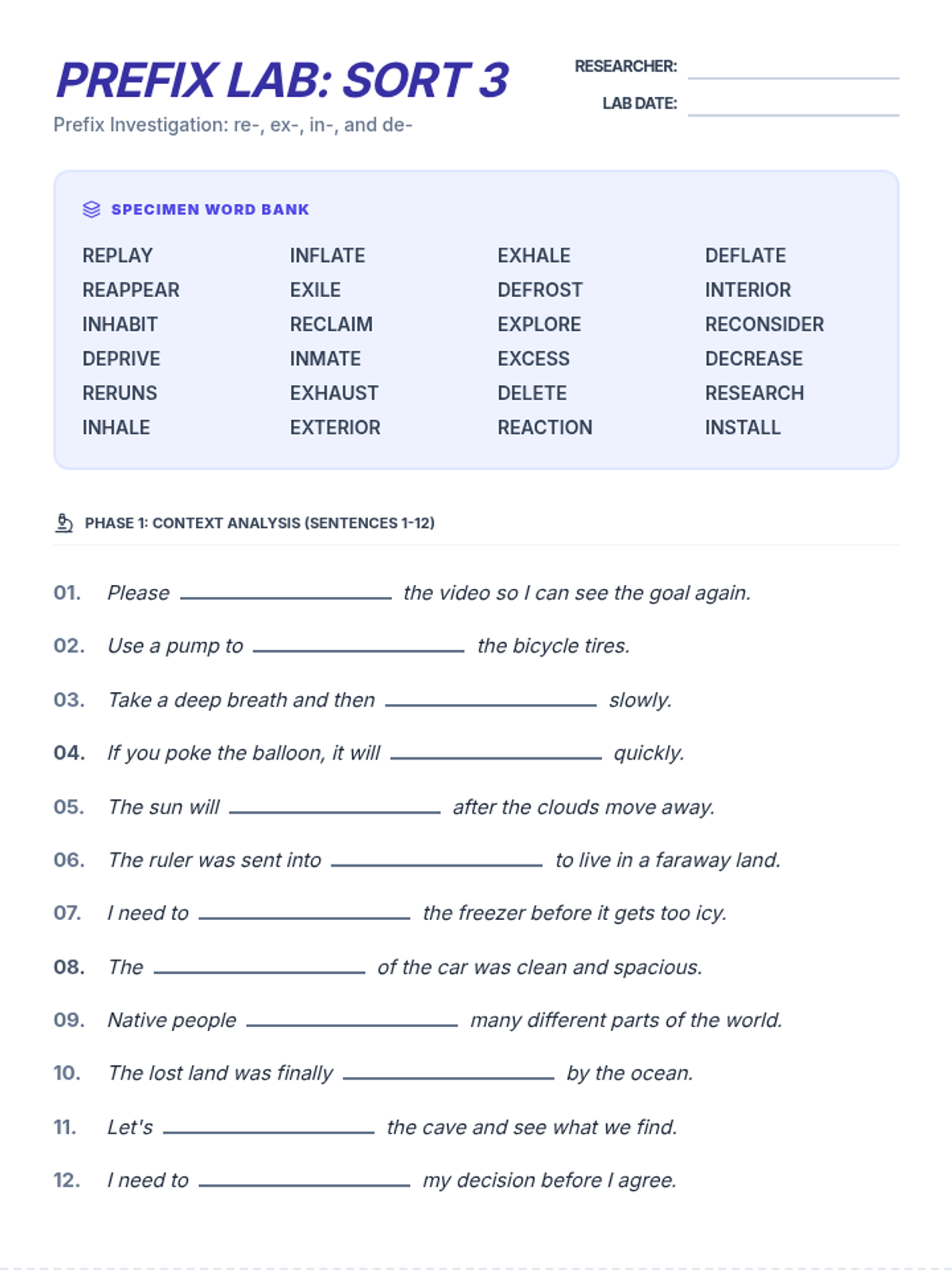
A lesson focused on the prefixes re-, ex-, in-, and de-. Students explore meanings like "again," "out," "in," and "down" through application.