A comprehensive practice packet for Middle School ELLs (ELP Level 4) focusing on the formation and use of comparative and superlative adjectives and adverbs. Students explore the concept through the lens of world records and extreme nature.
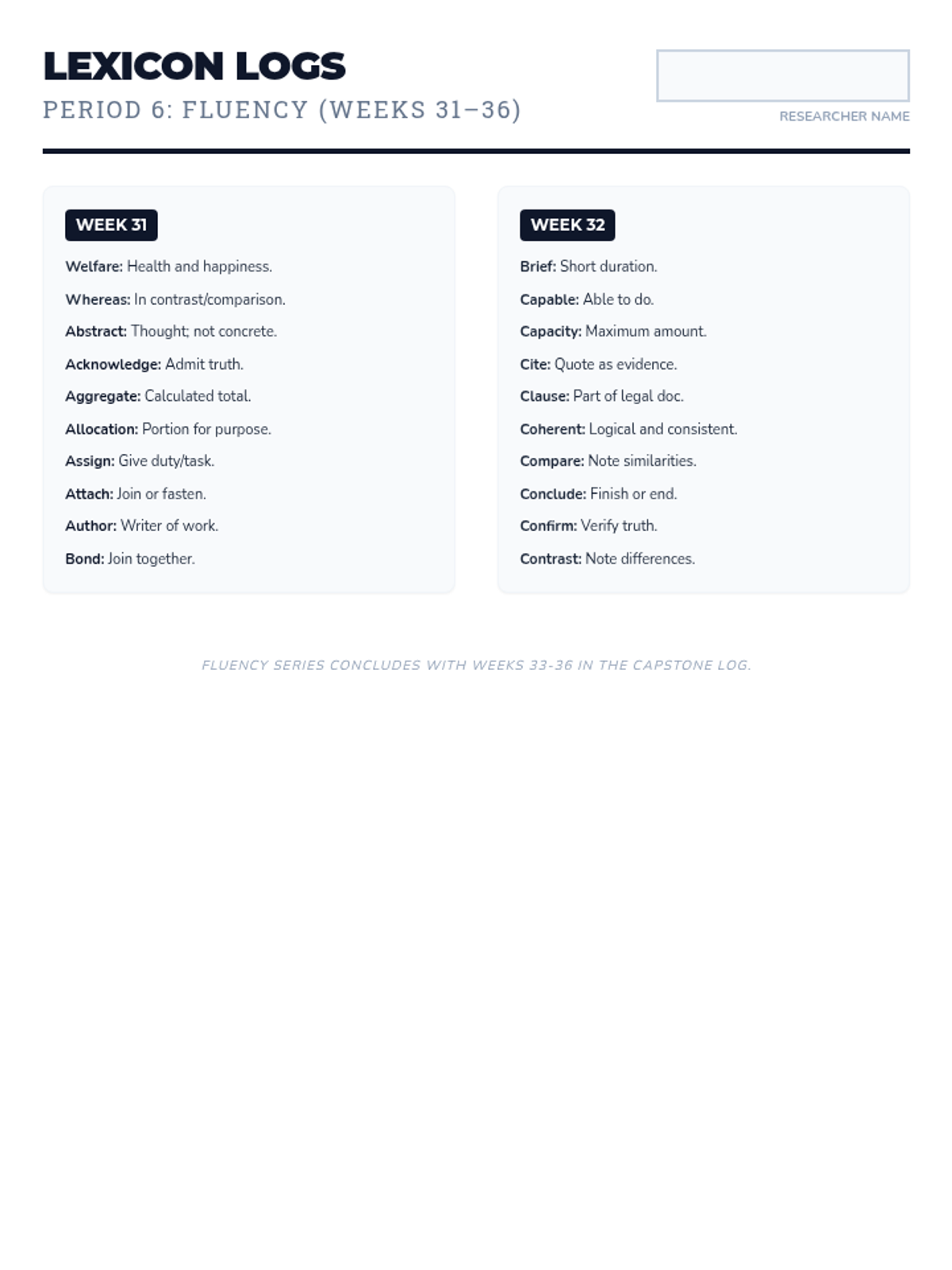
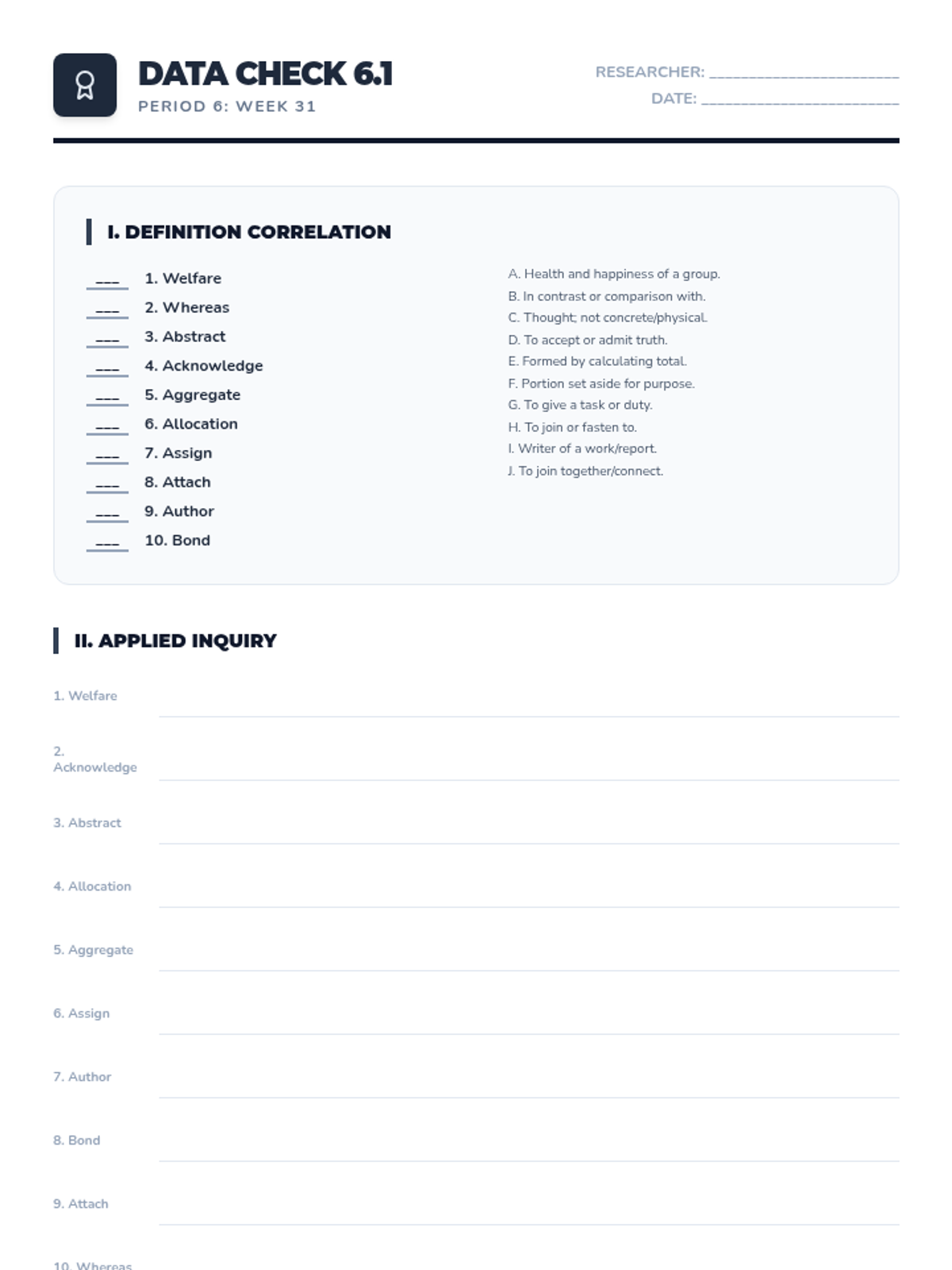
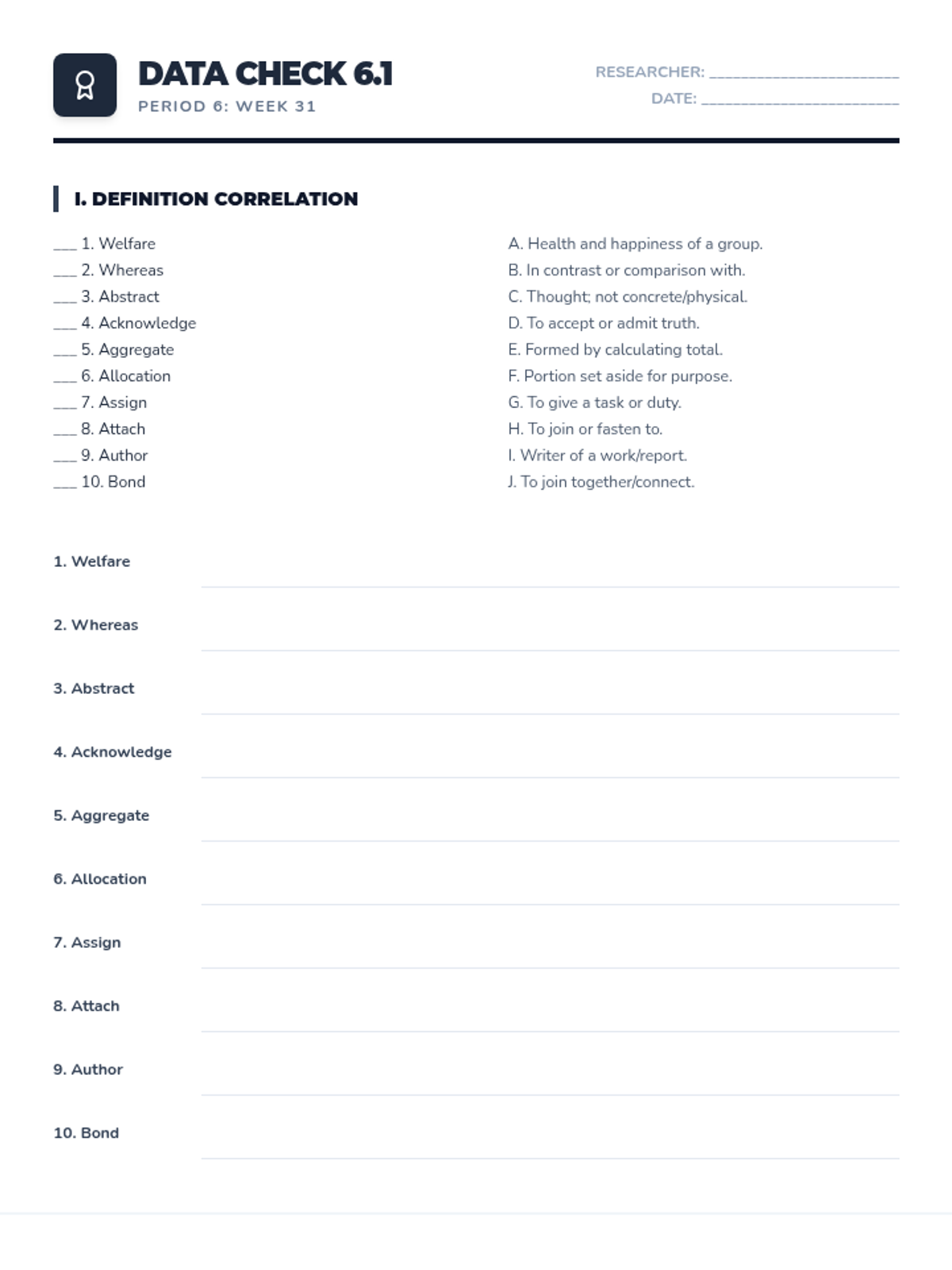
The final six-week period (Weeks 31-36) focuses on fluency and a curriculum capstone. Students synthesize the year's learning to demonstrate mastery across all academic domains.
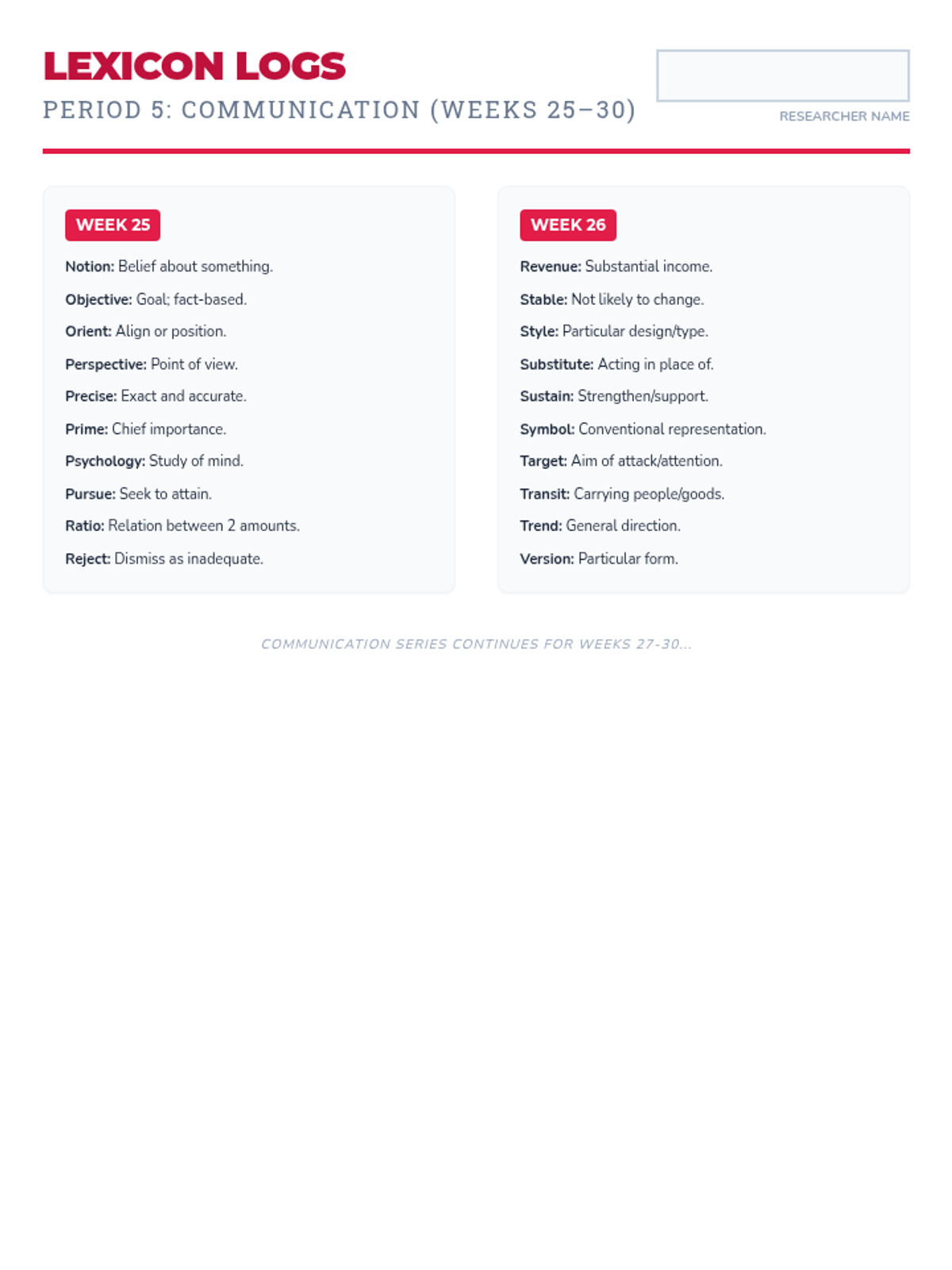
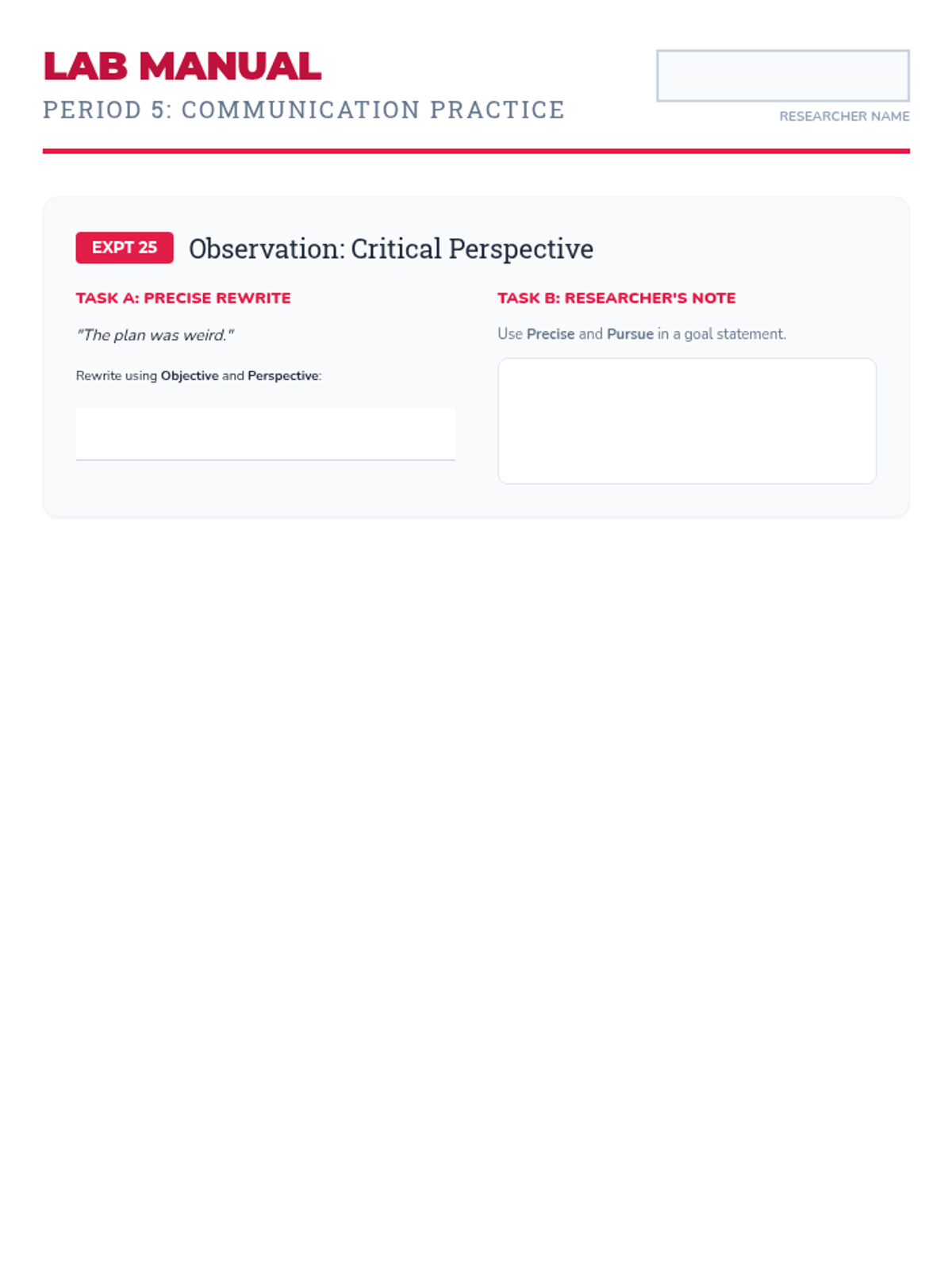
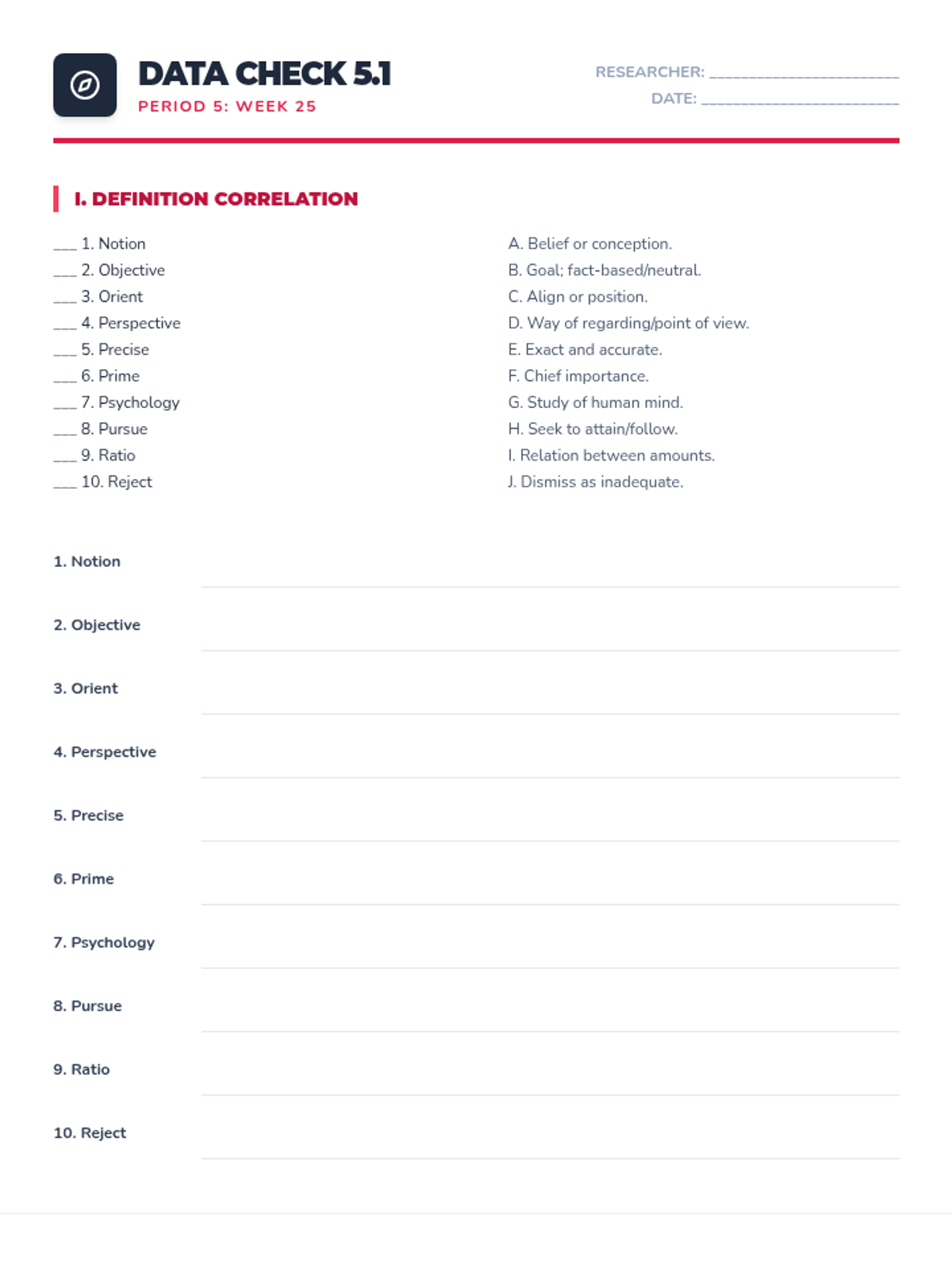
The fifth six-week period (Weeks 25-30) builds strategic communication skills. Students focus on perspective-taking and precision in academic reporting.
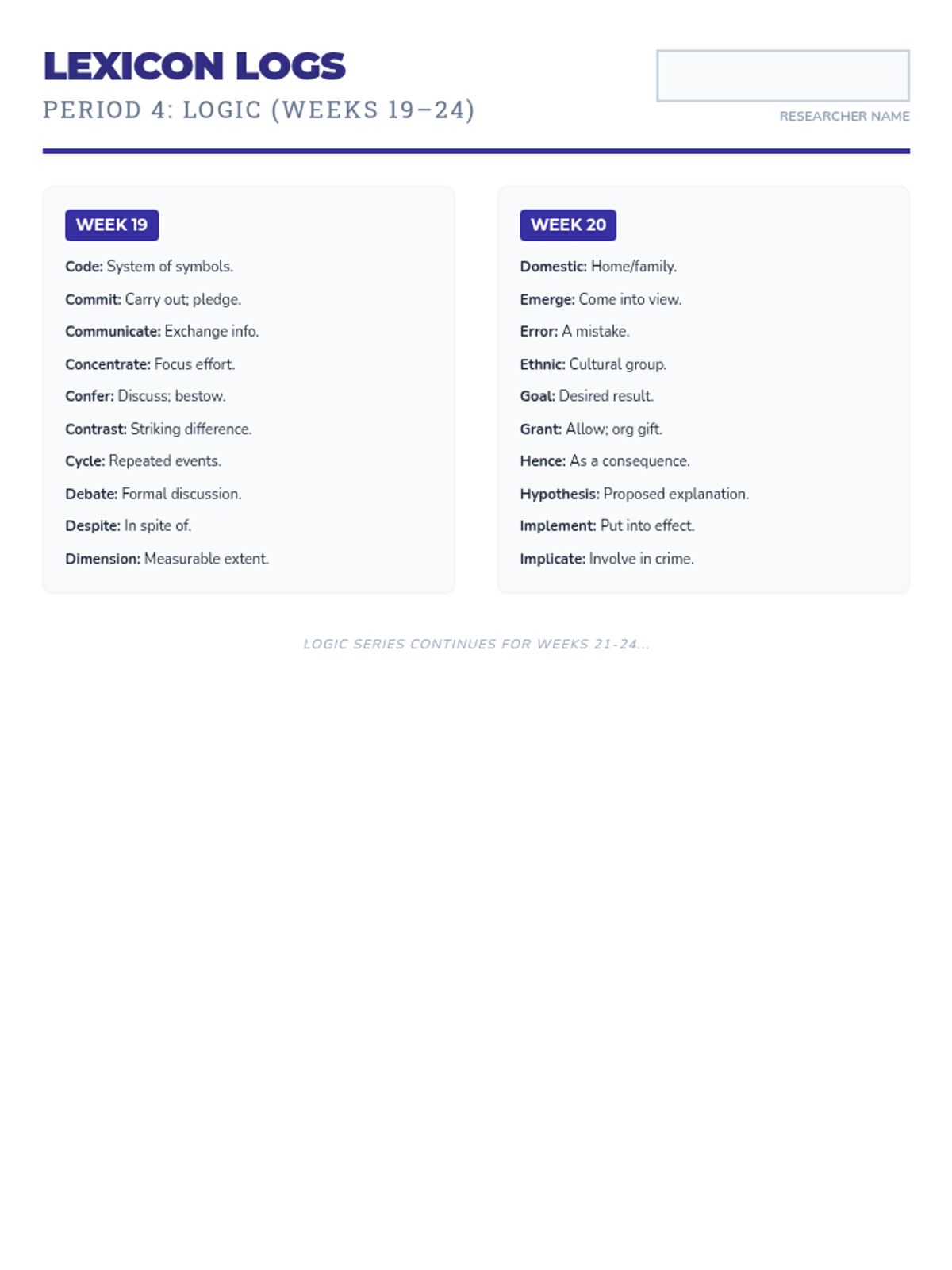
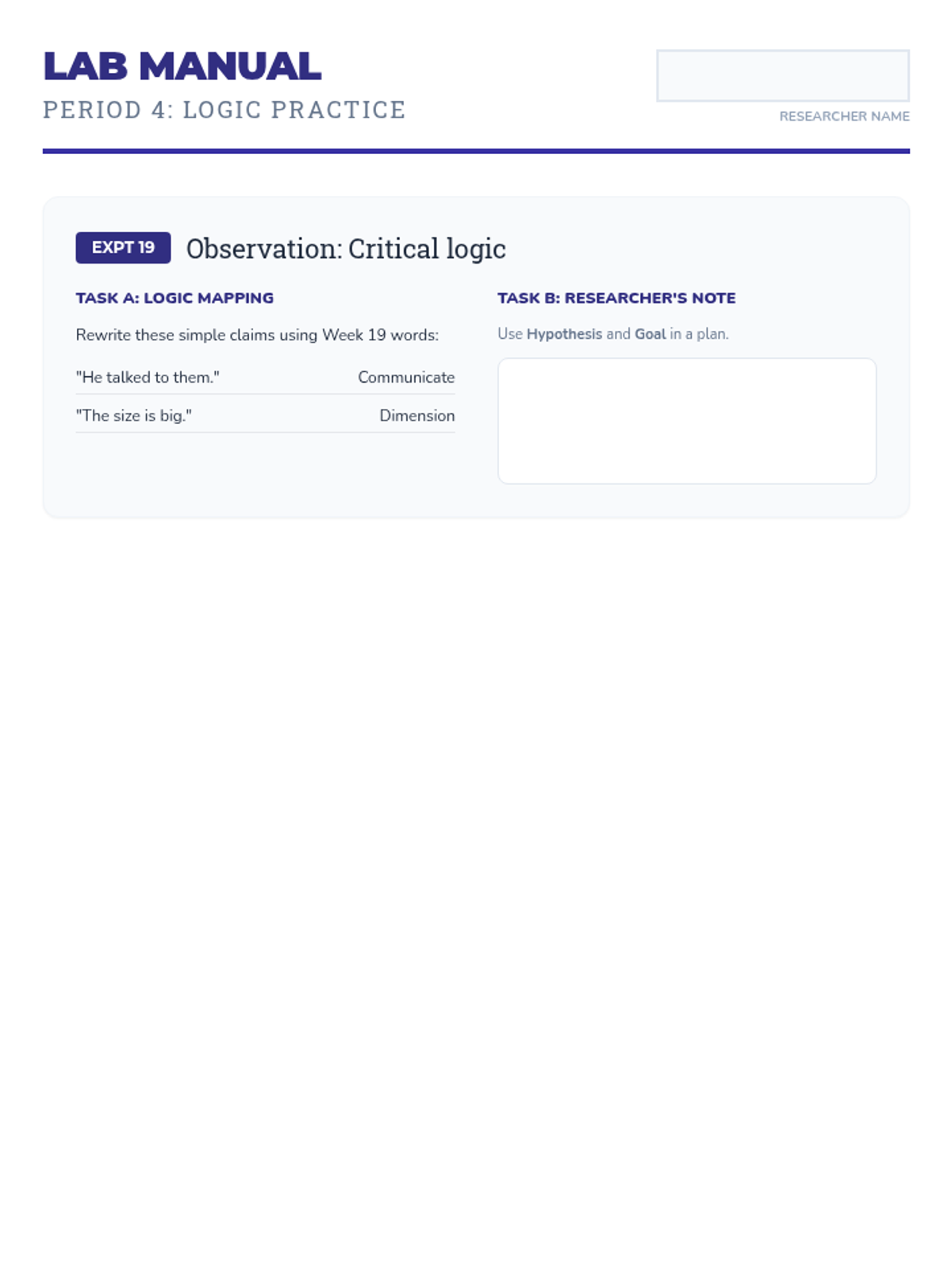
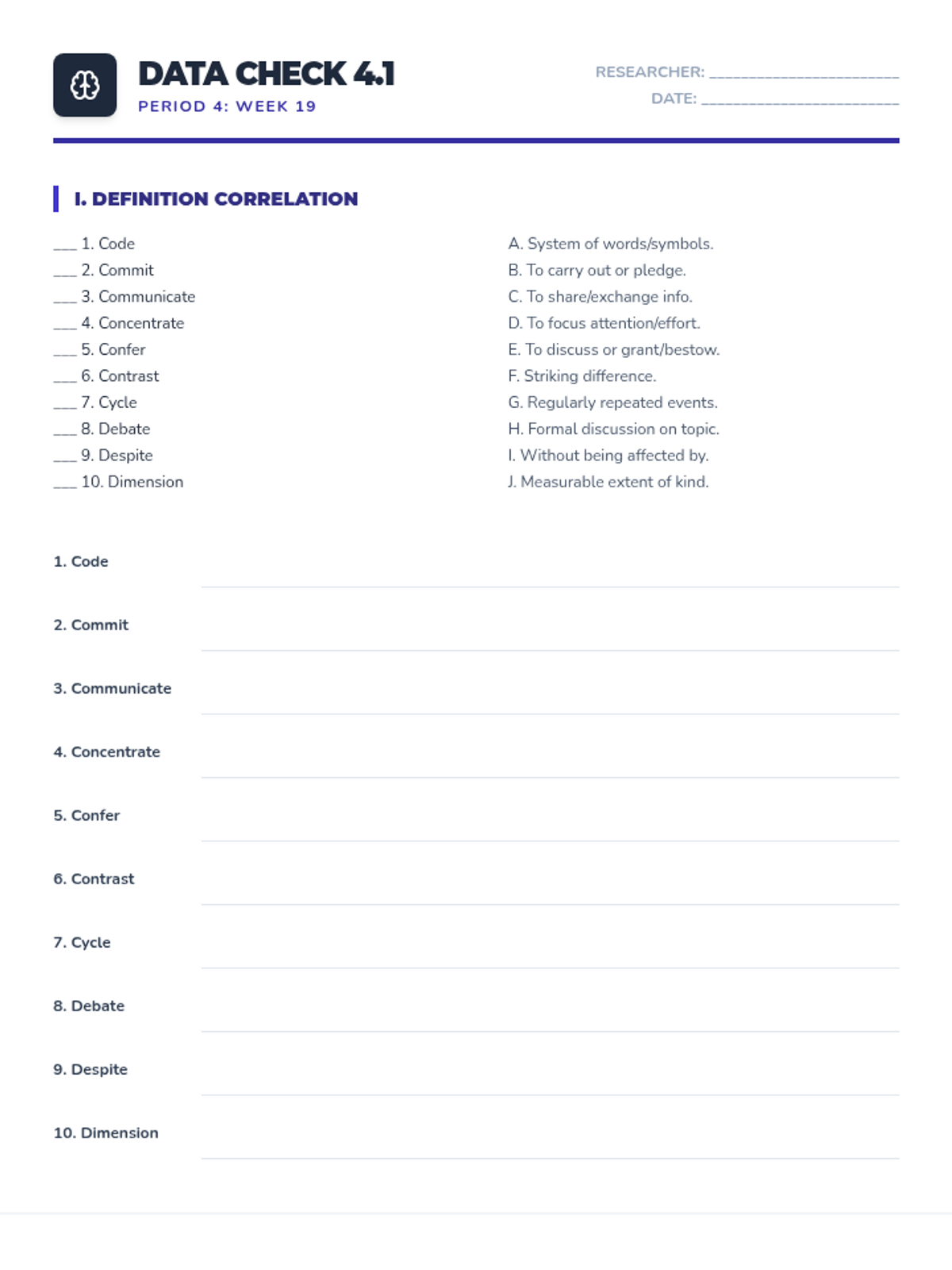
The fourth six-week period (Weeks 19-24) centers on logic and application. Vocabulary focuses on abstract concepts, communication strategies, and implementation.
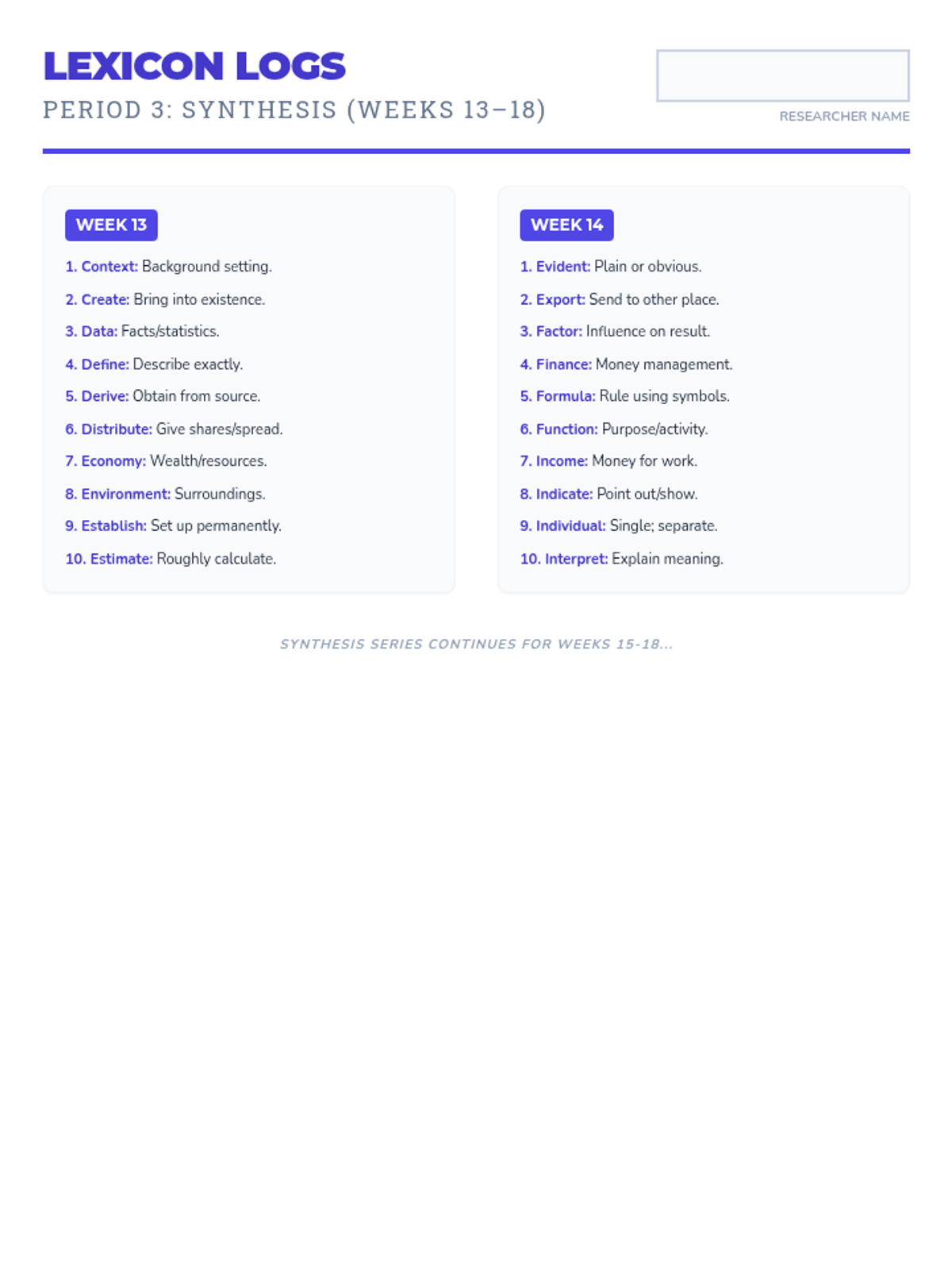
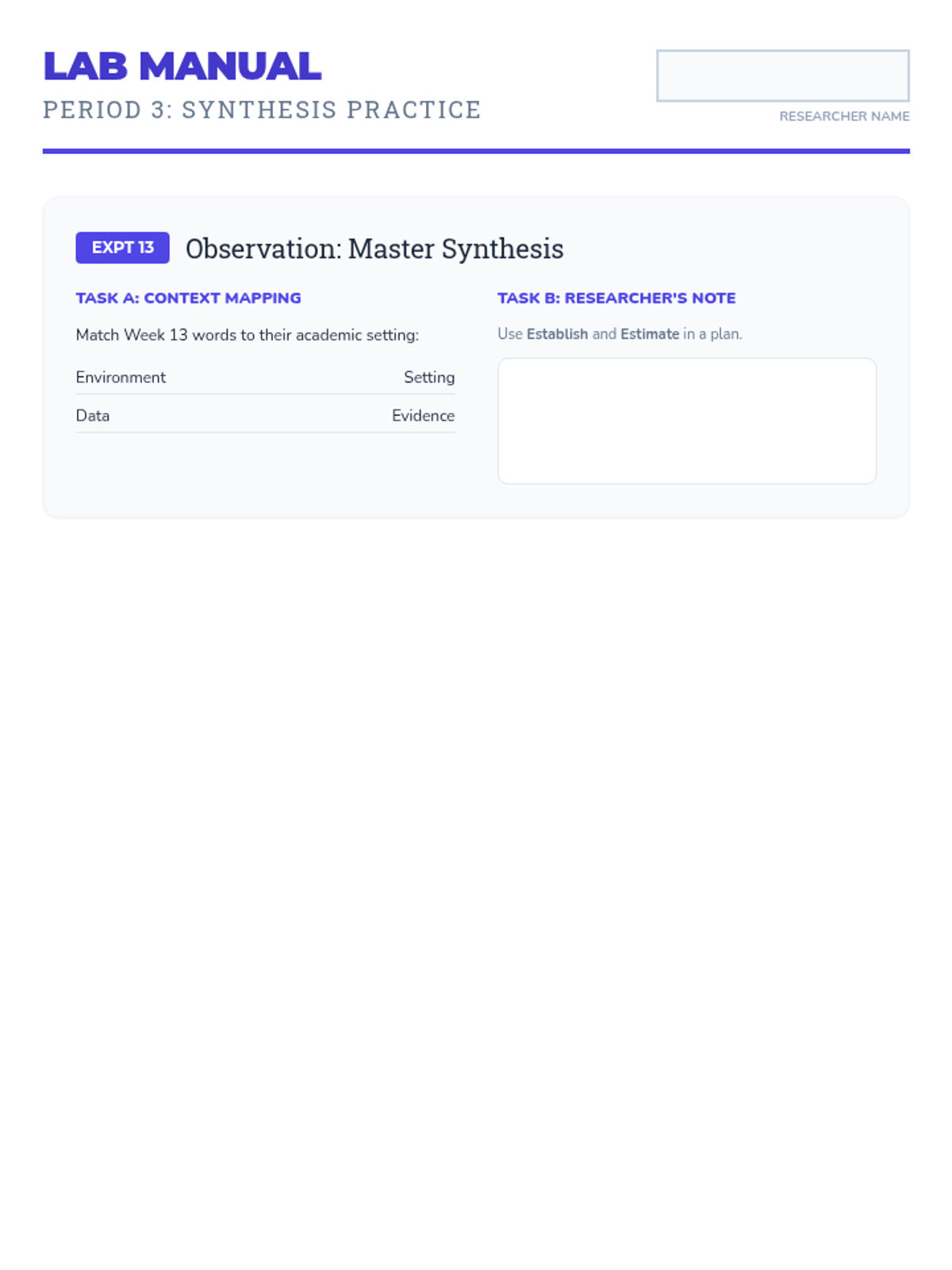
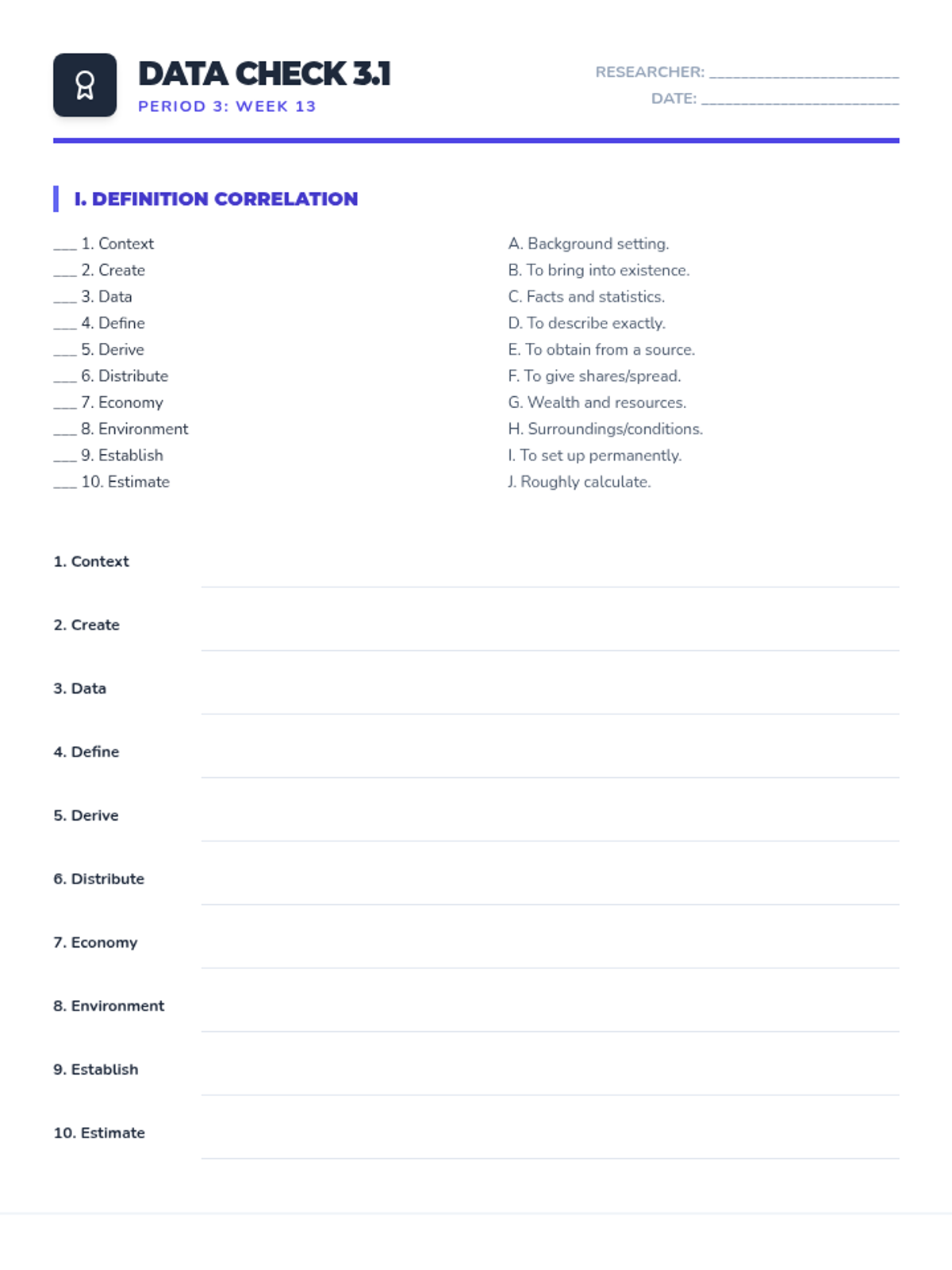
The third six-week period (Weeks 13-18) emphasizes synthesis and conceptual logic. Students apply vocabulary to bridge ideas and construct formal arguments.
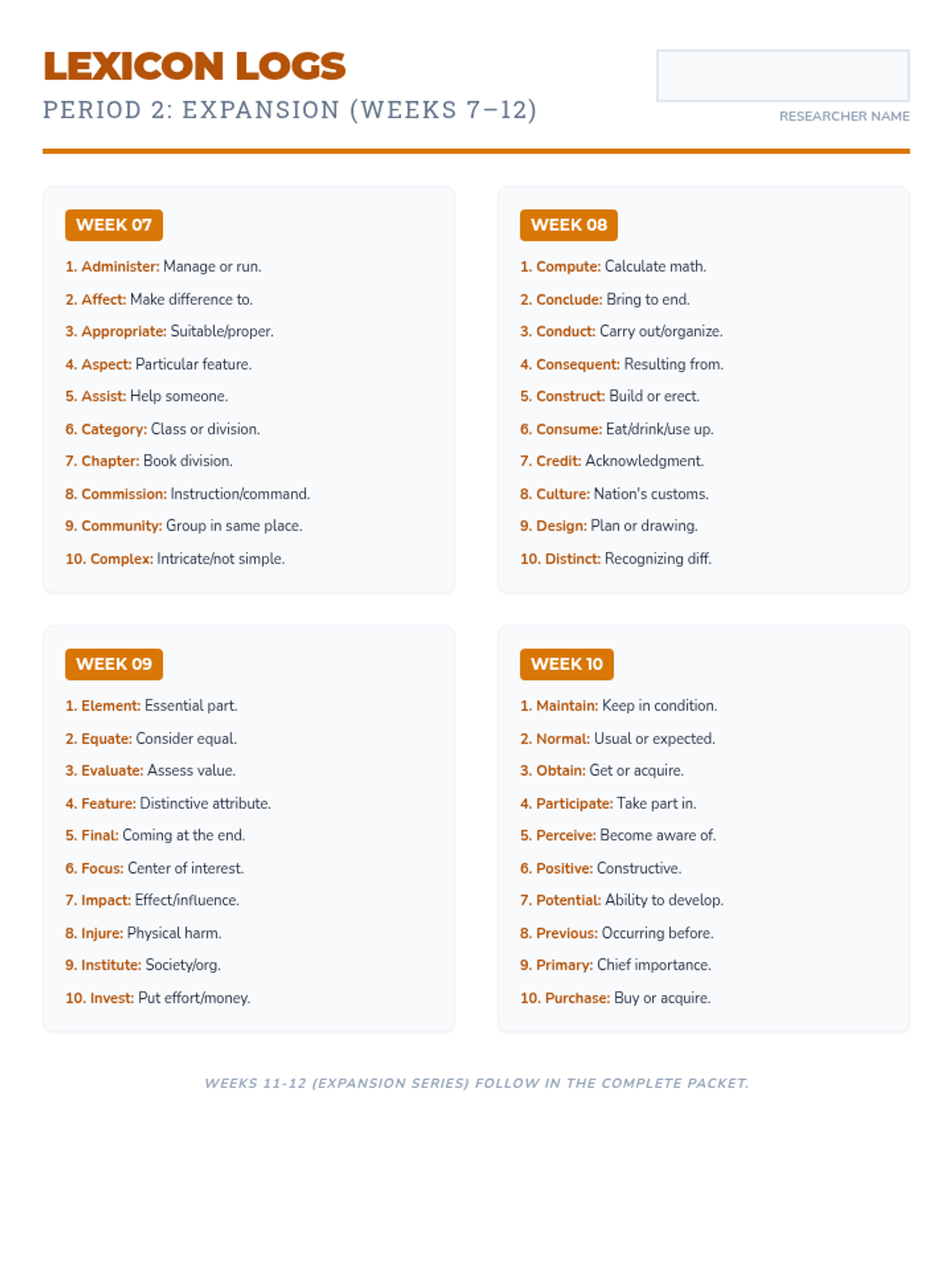
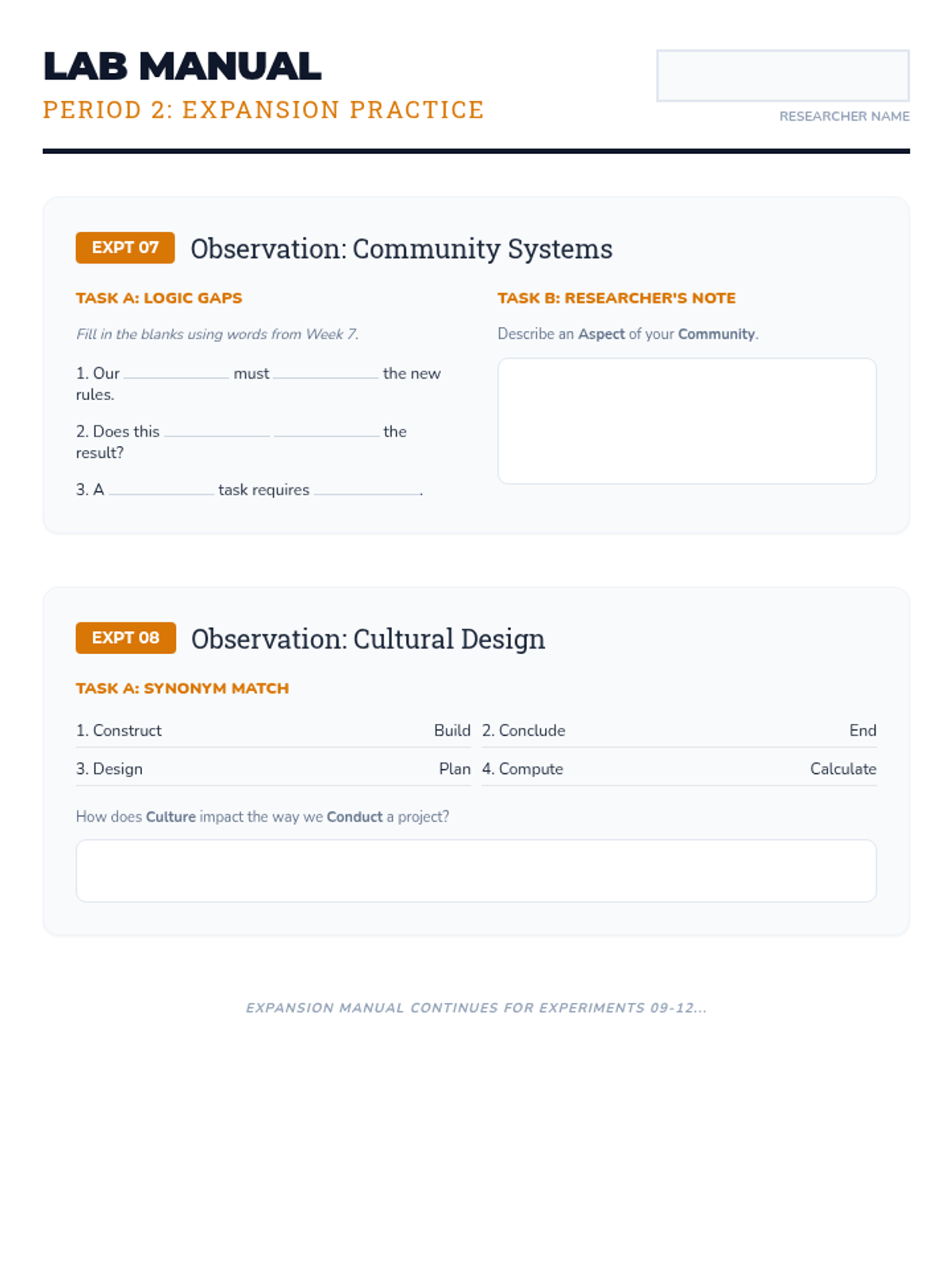
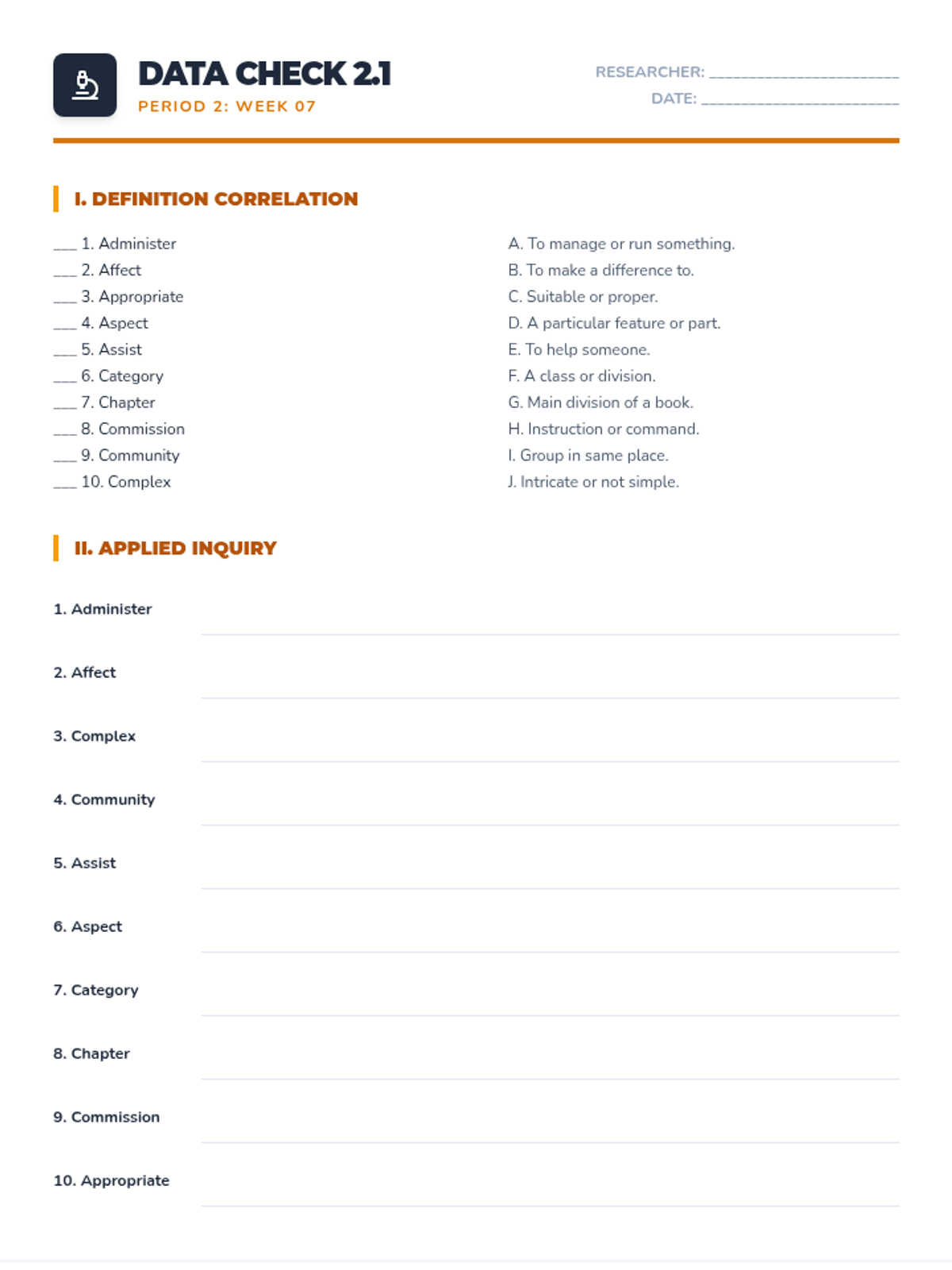
The second six-week period (Weeks 7-12) focuses on expanding analytical vocabulary. Students engage with complex terms used in research and evidence-based writing.
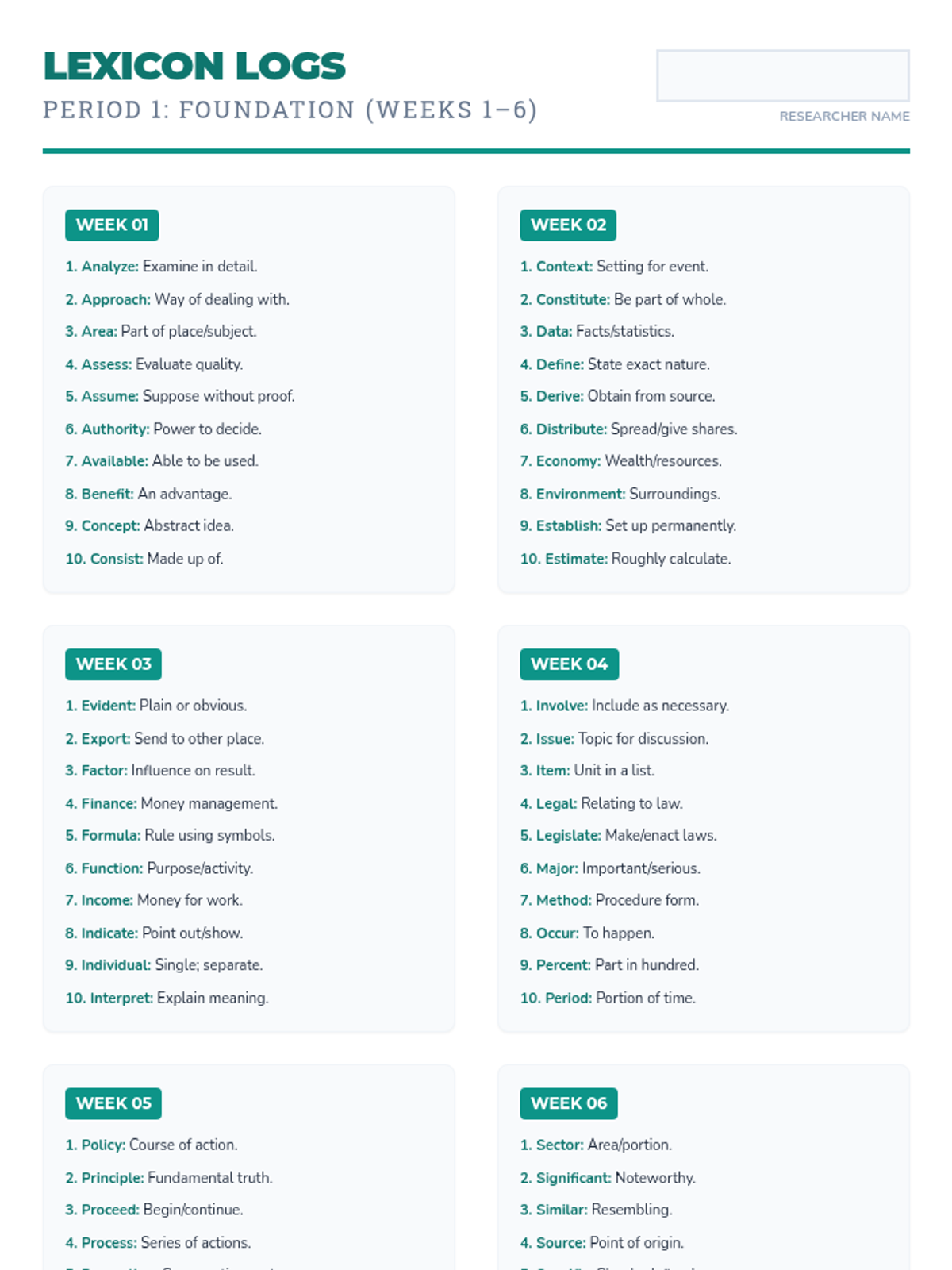
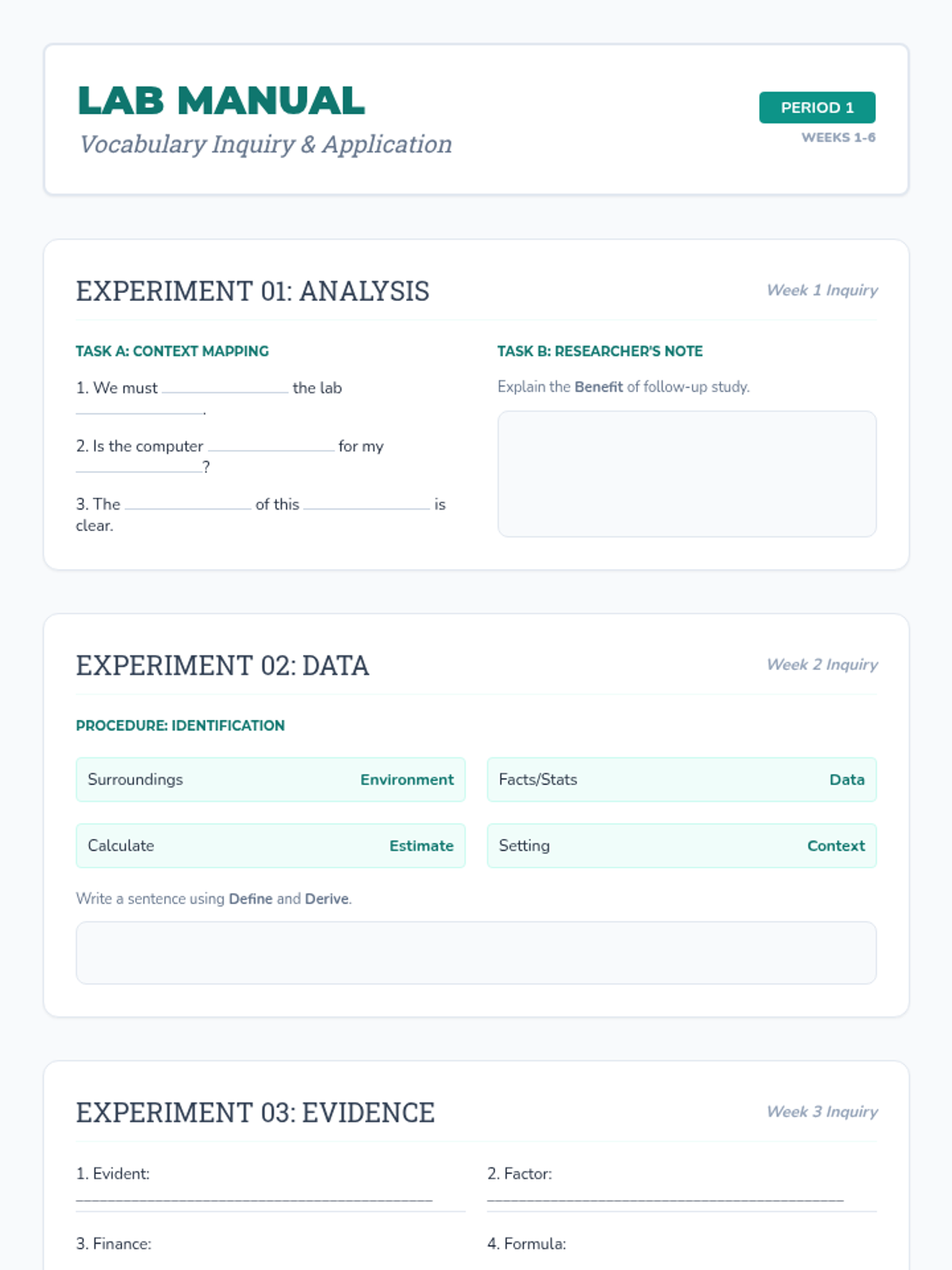
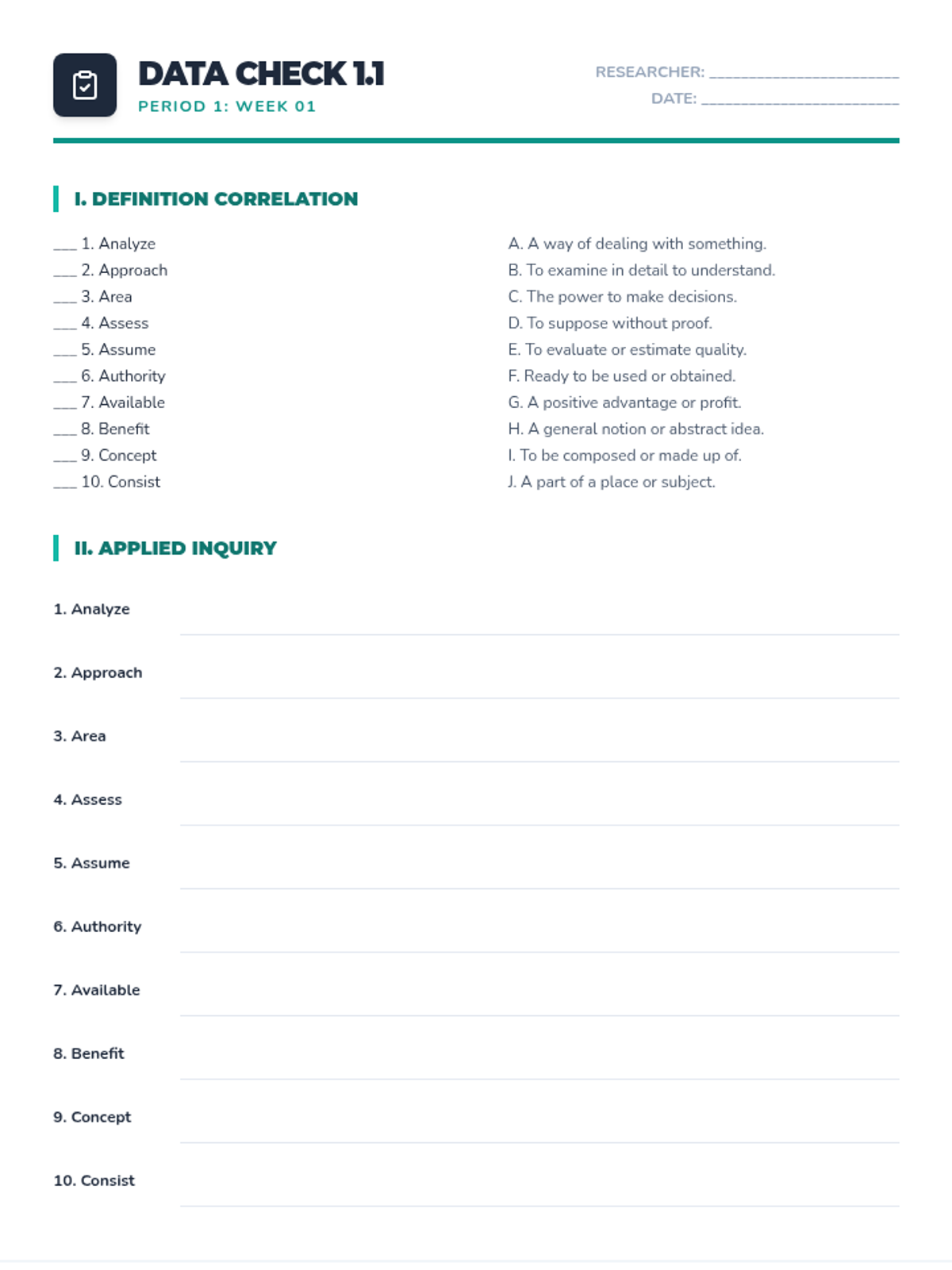
The first six-week period introduces foundational academic vocabulary (Weeks 1-6). Students build investigative skills through context mapping and data analysis of introductory Tier 2 words.
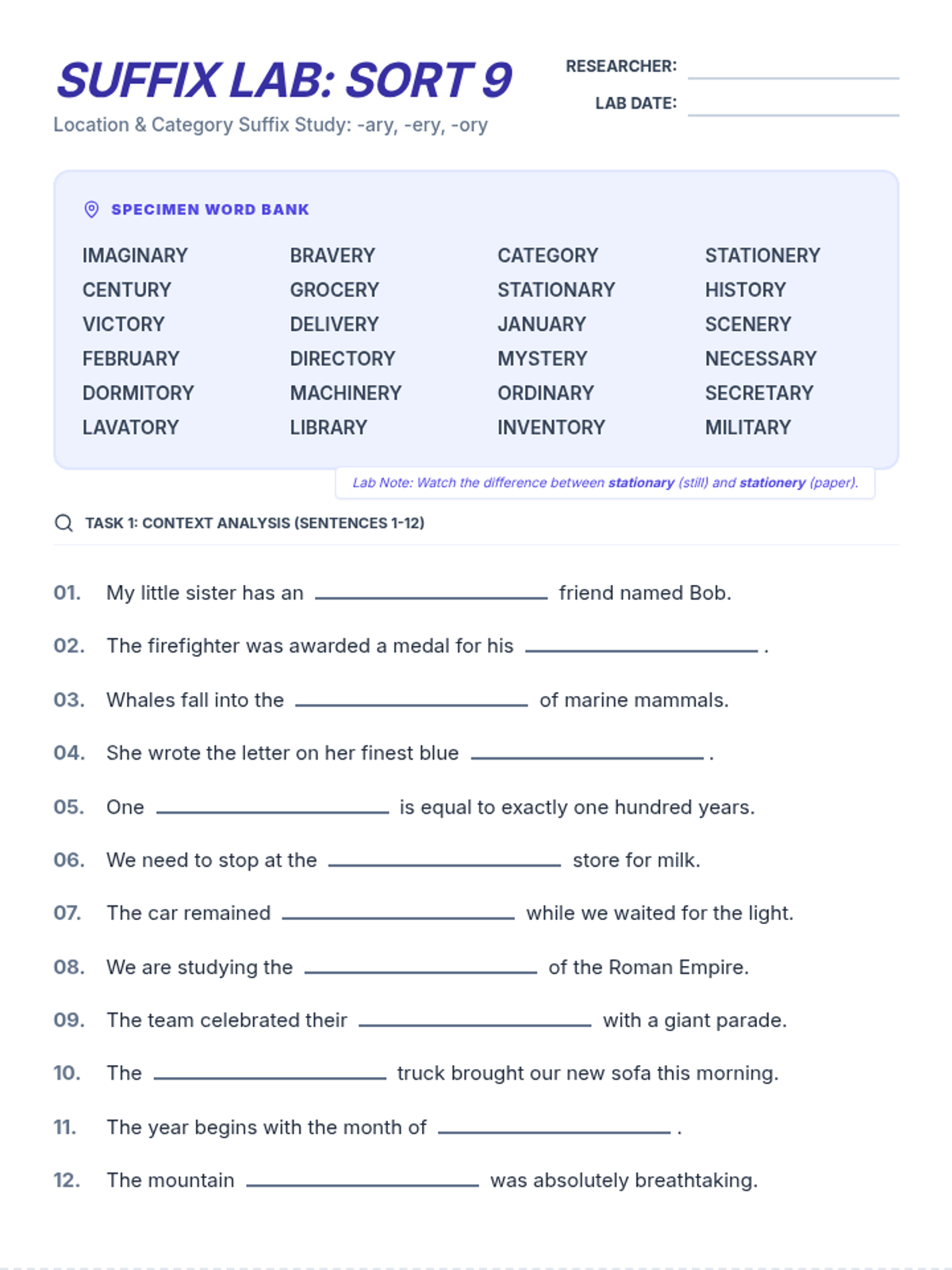
A lesson focused on location and category suffixes (-ary, -ery, -ory). Students analyze how these suffixes form nouns and adjectives related to places, groups, and qualities.
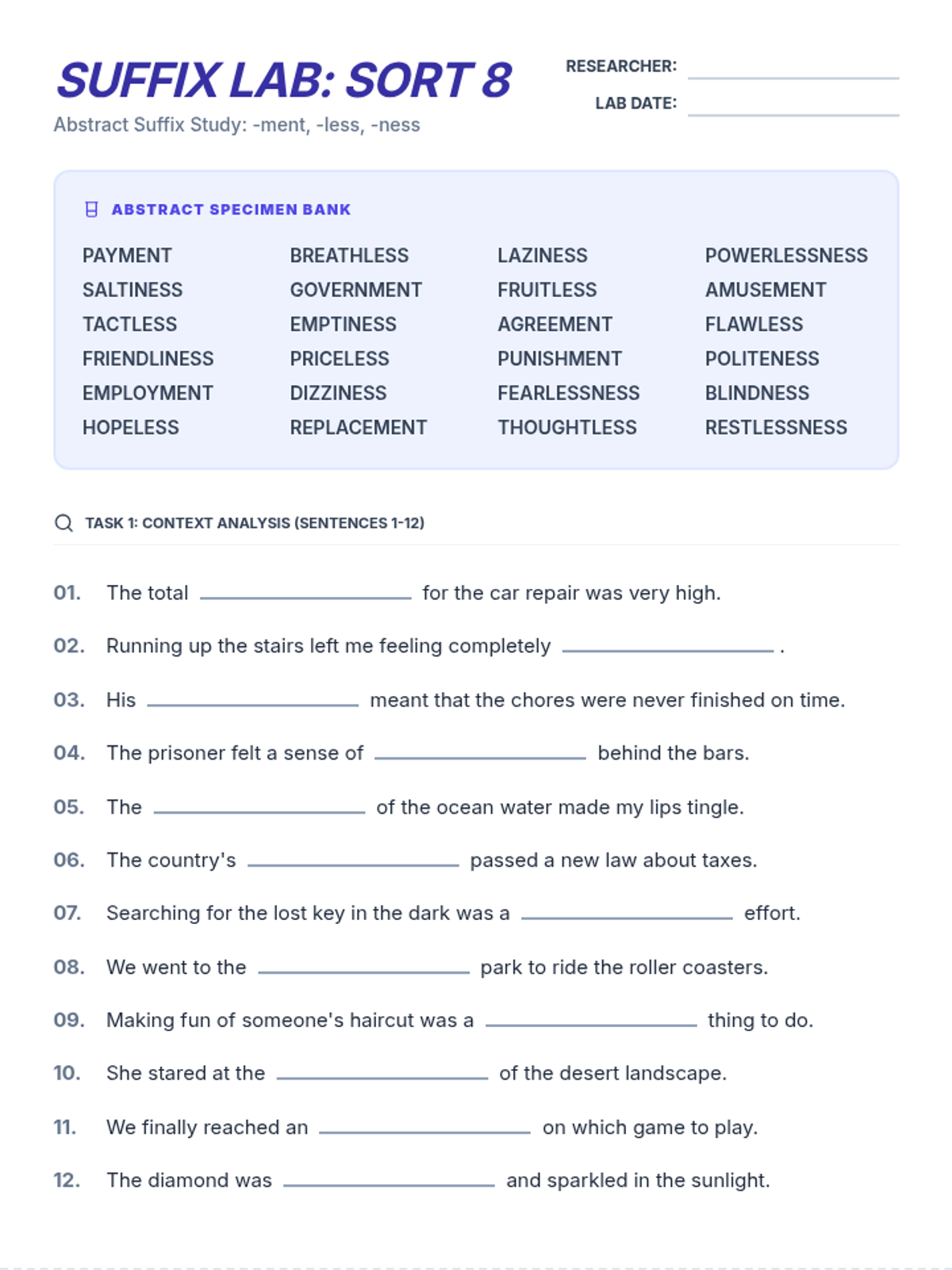
A lesson focused on abstract suffixes (-ment, -less, -ness). Students explore how these suffixes form nouns and adjectives related to states, qualities, and actions.
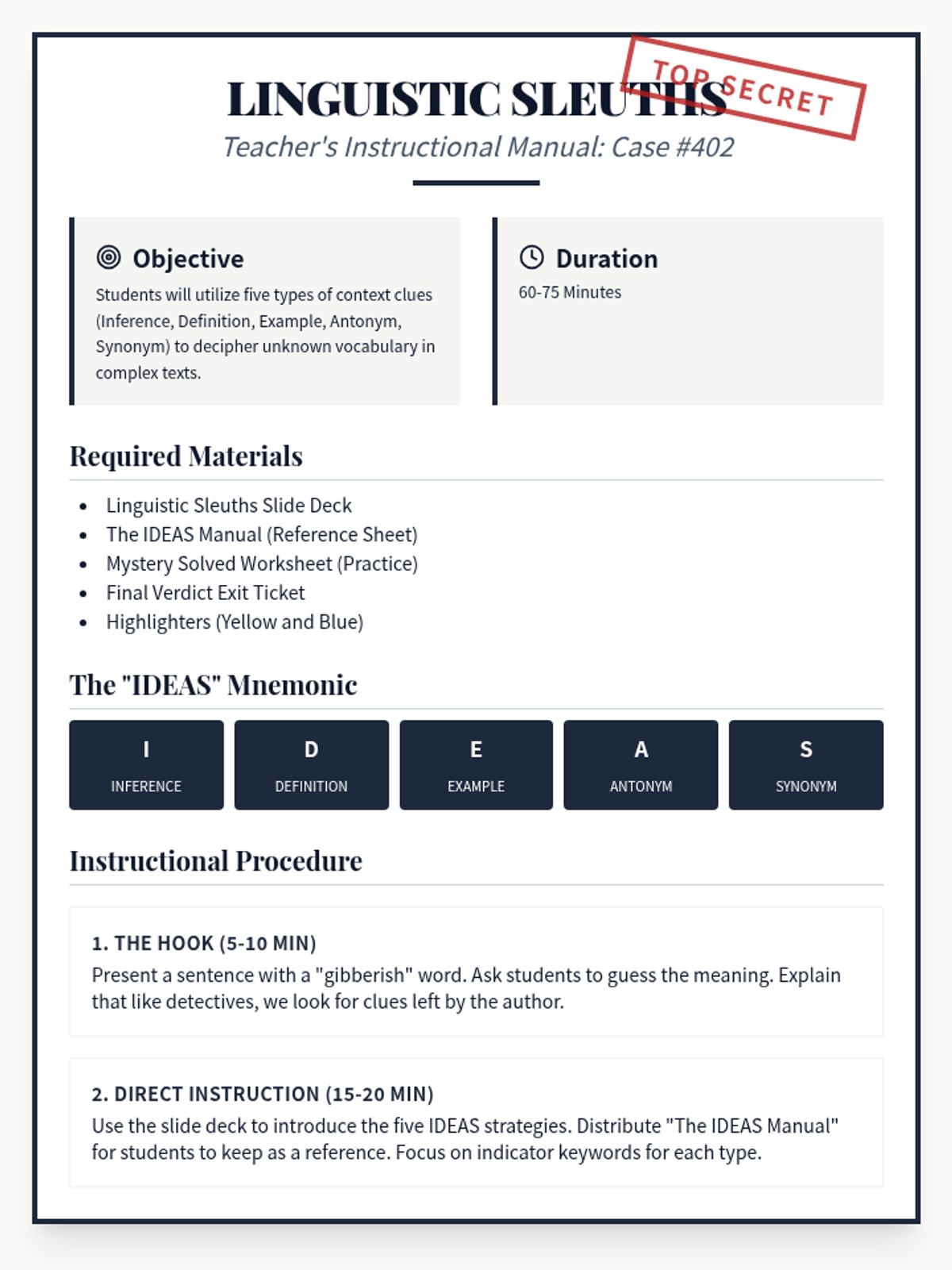
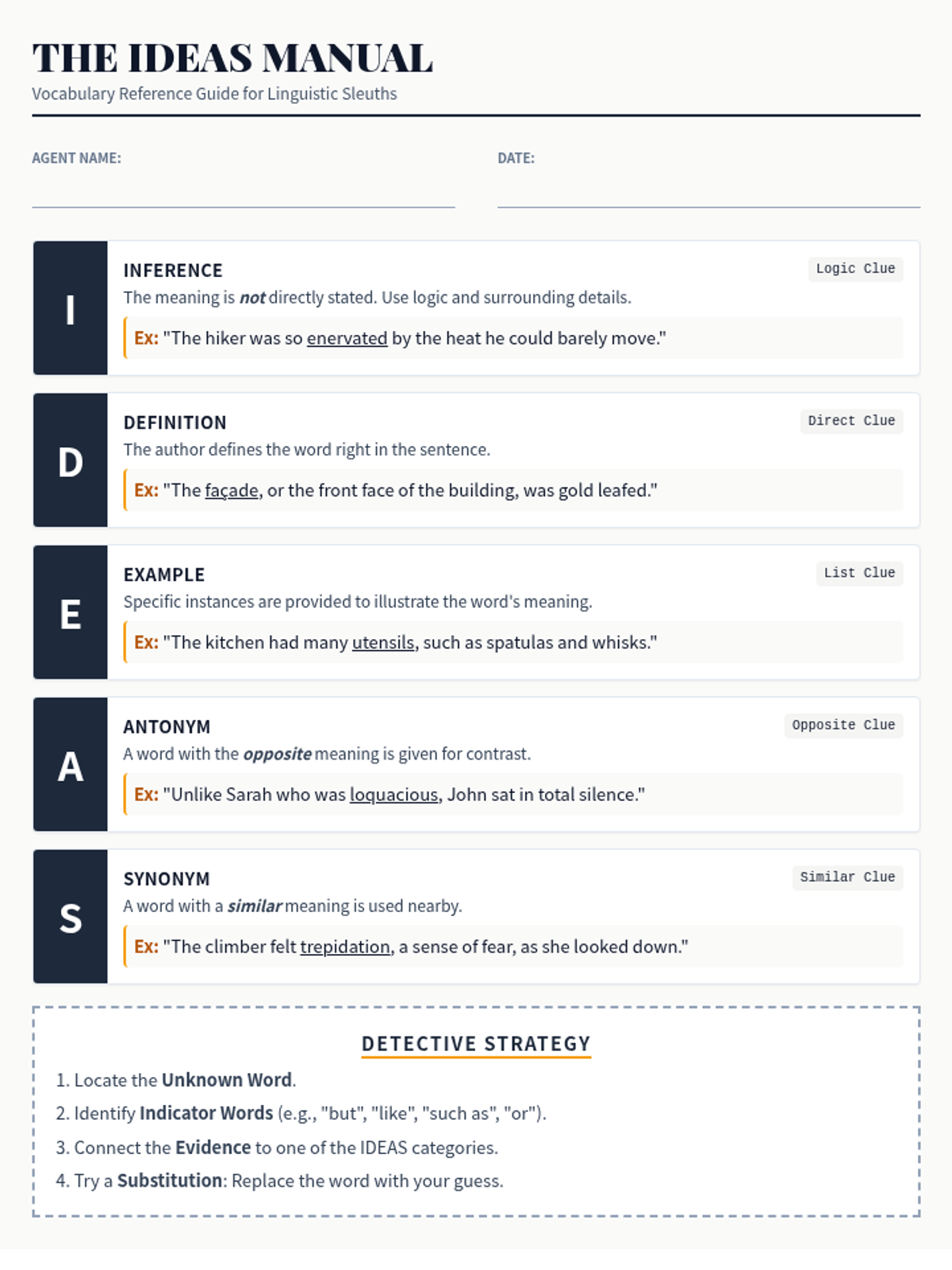
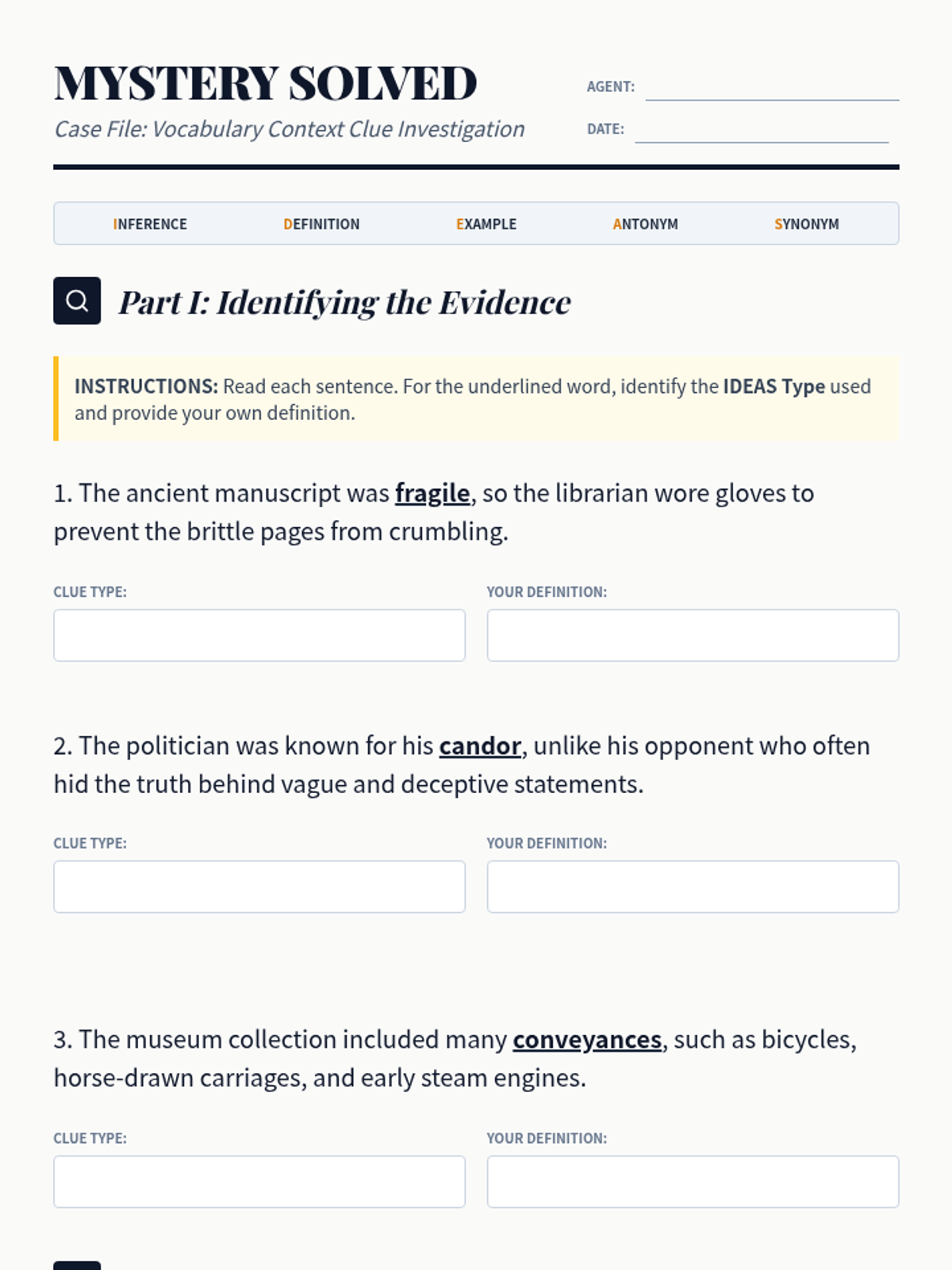
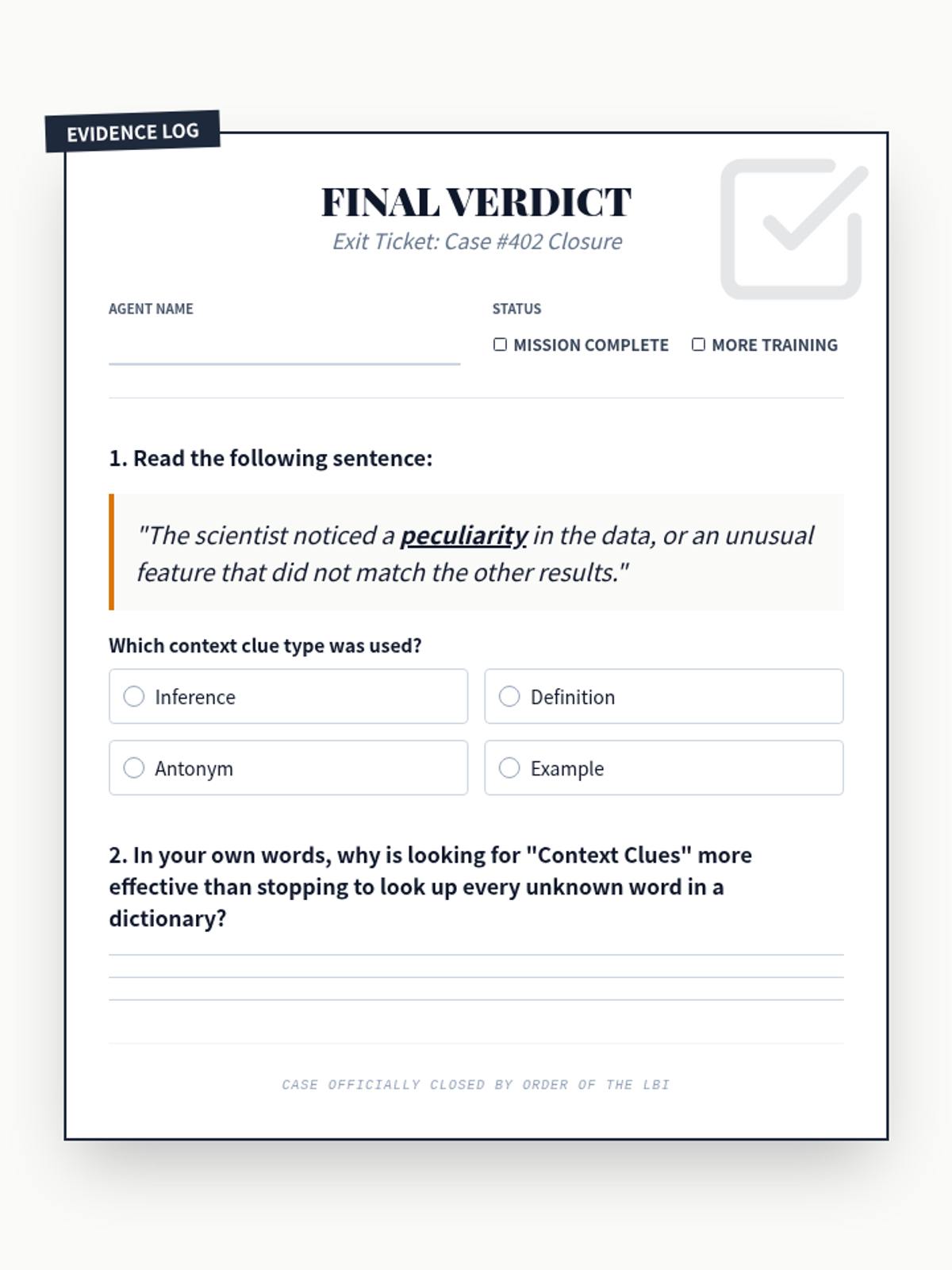
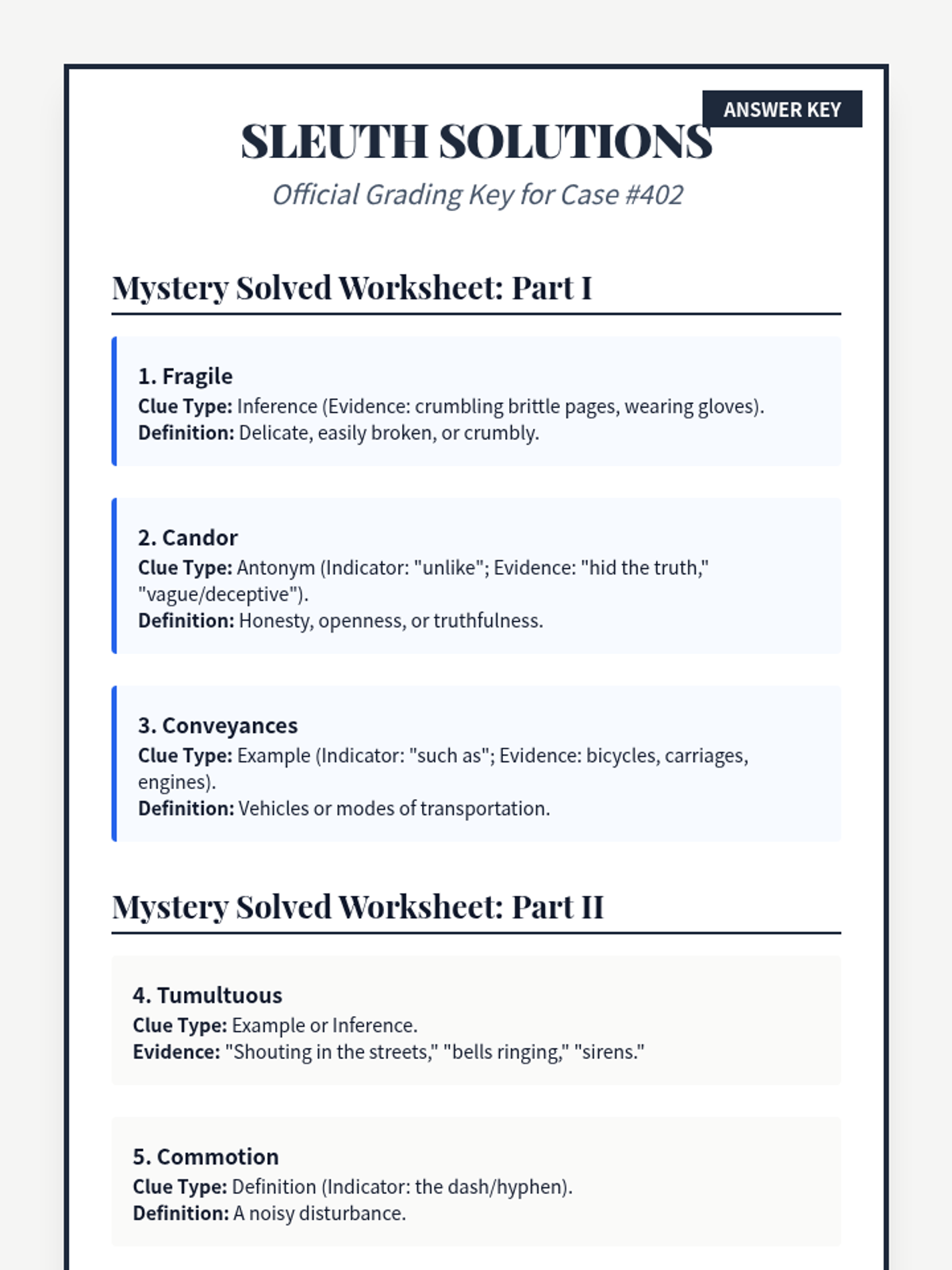
An intermediate-level lesson on identifying and using context clues (IDEAS: Inference, Definition, Example, Antonym, Synonym) to determine the meaning of unfamiliar words. Includes a detailed lesson plan, instructional slides, student reference sheet, practice worksheet, and assessment.
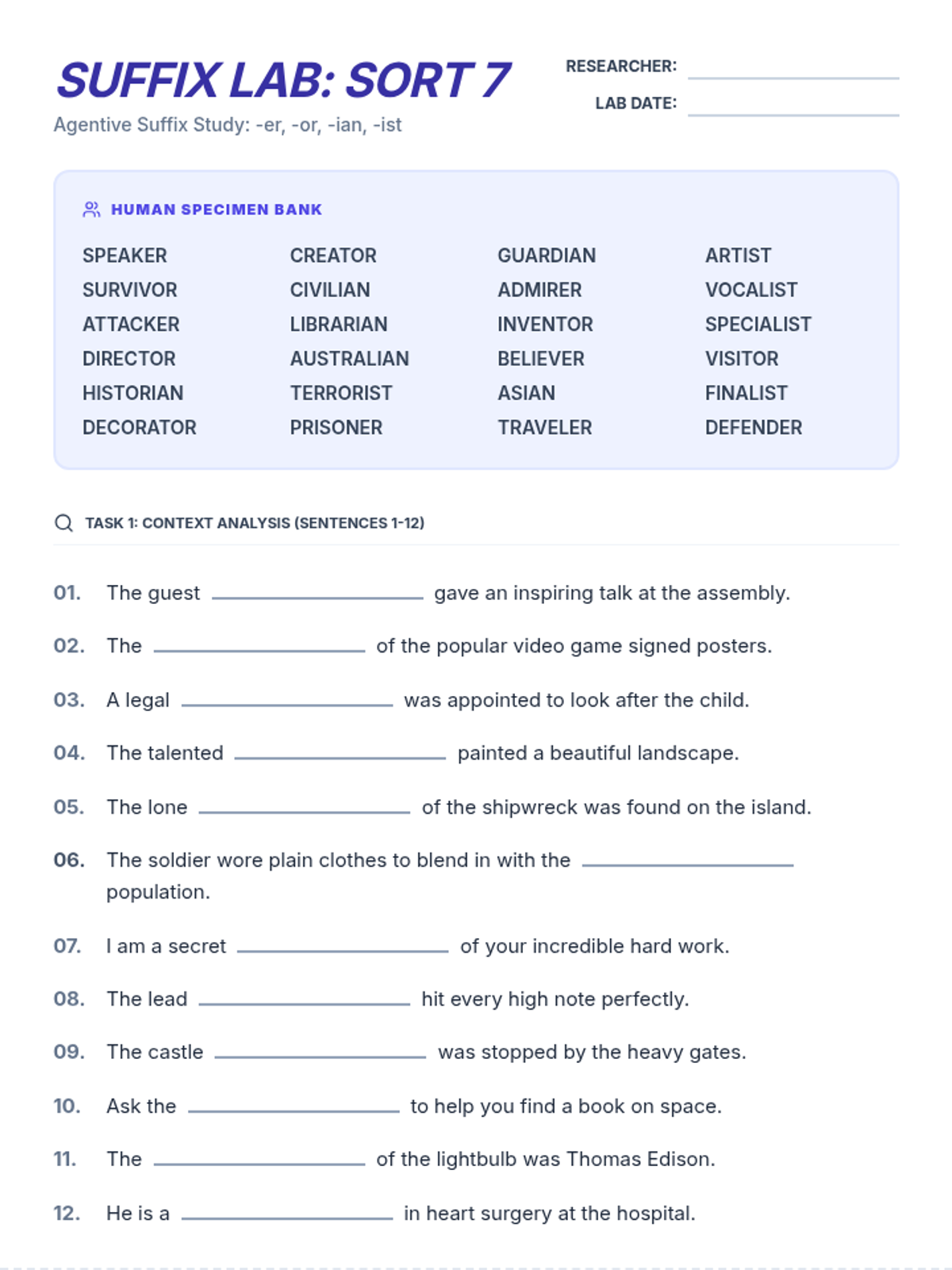
A lesson focused on agentive suffixes (-er, -or, -ian, -ist). Students analyze how these suffixes identify people who perform specific actions or hold certain roles.
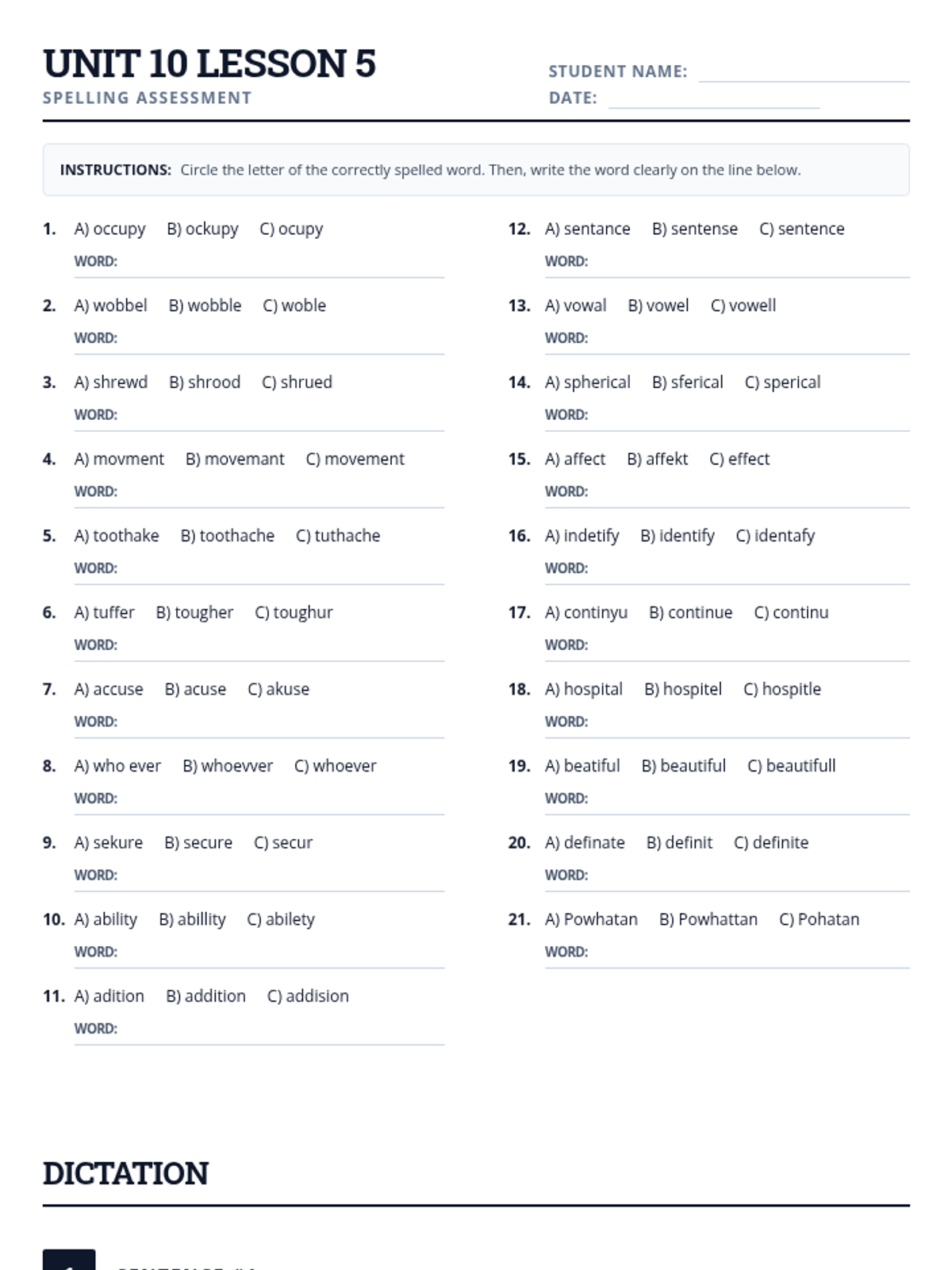
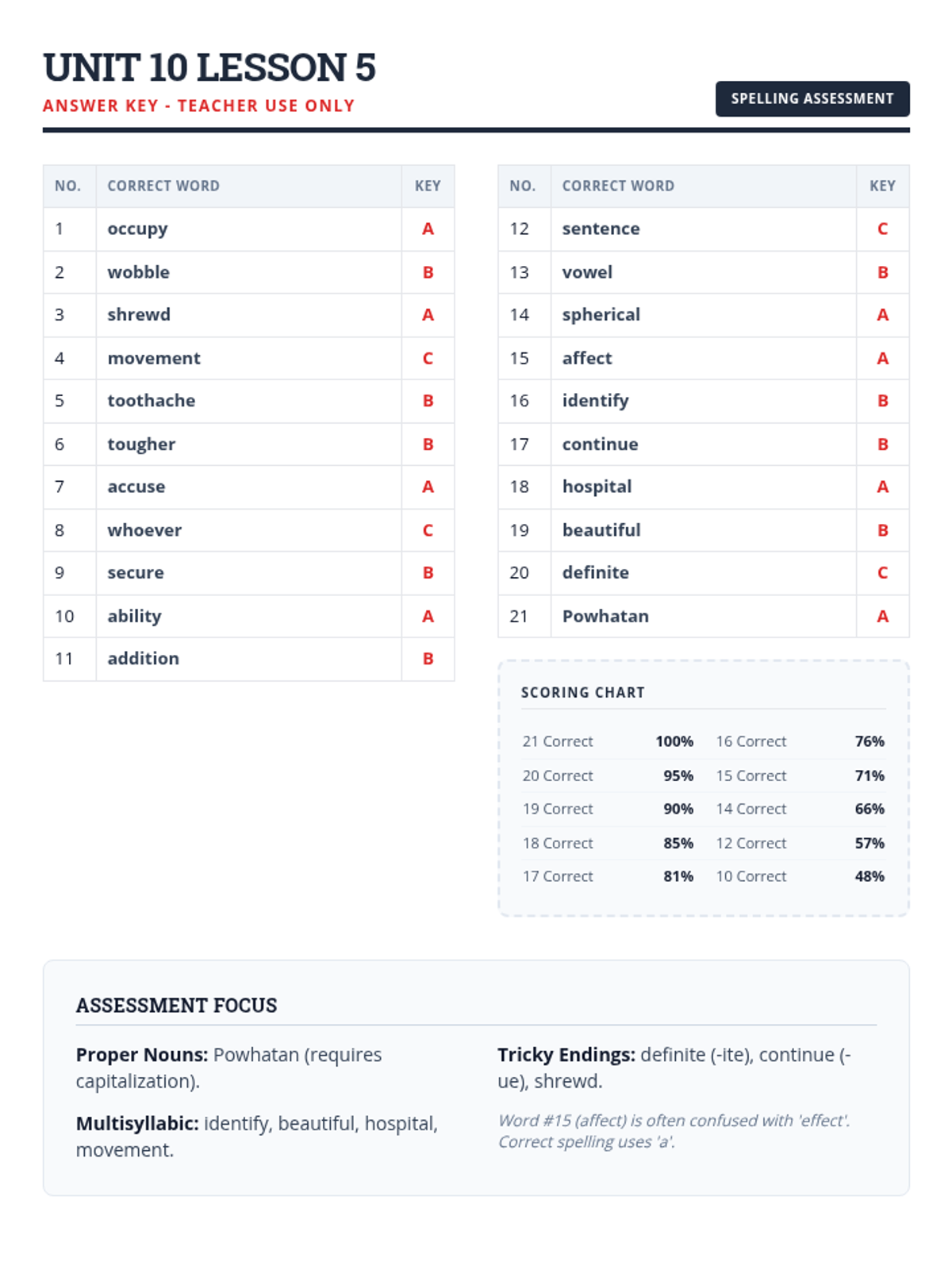
A spelling assessment for Unit 10 Lesson 5 featuring 21 words including 'occupy', 'identify', and 'Powhatan'. Covers double consonants, multisyllabic words, proper nouns, and common vowel teams.
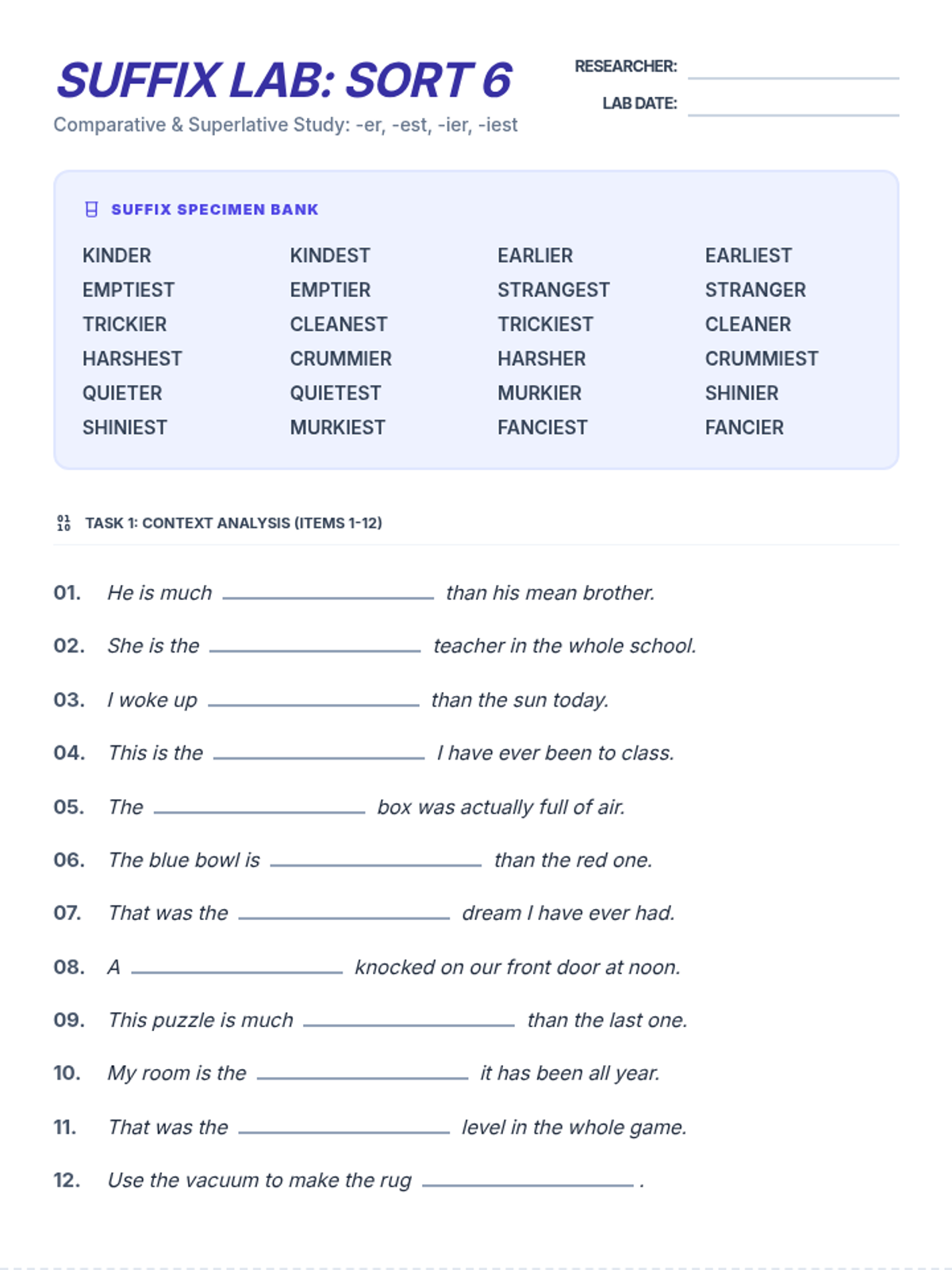
A lesson focused on comparative and superlative suffixes (-er, -est, -ier, -iest). Students explore how these suffixes change adjectives to compare two or more things.
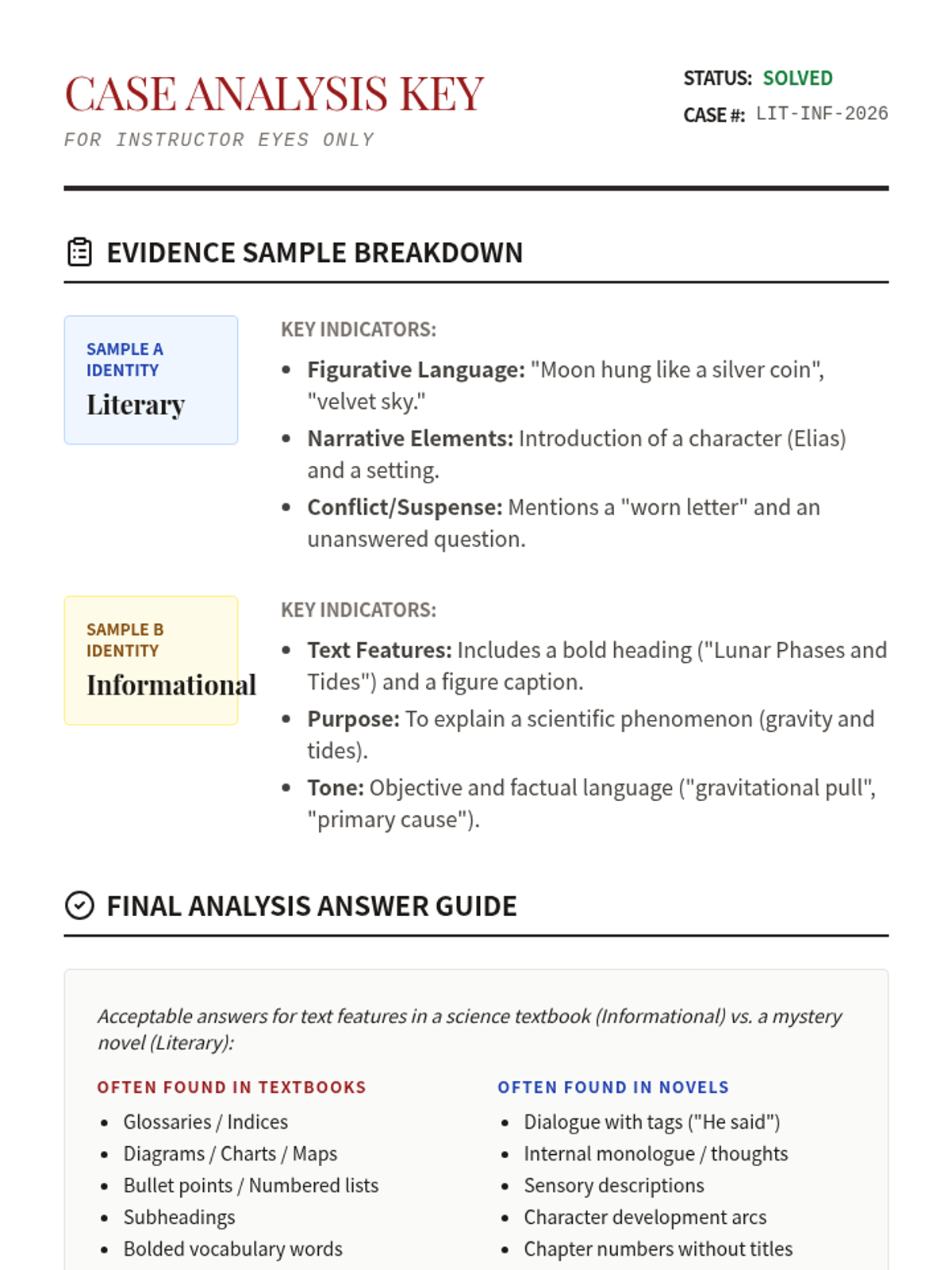
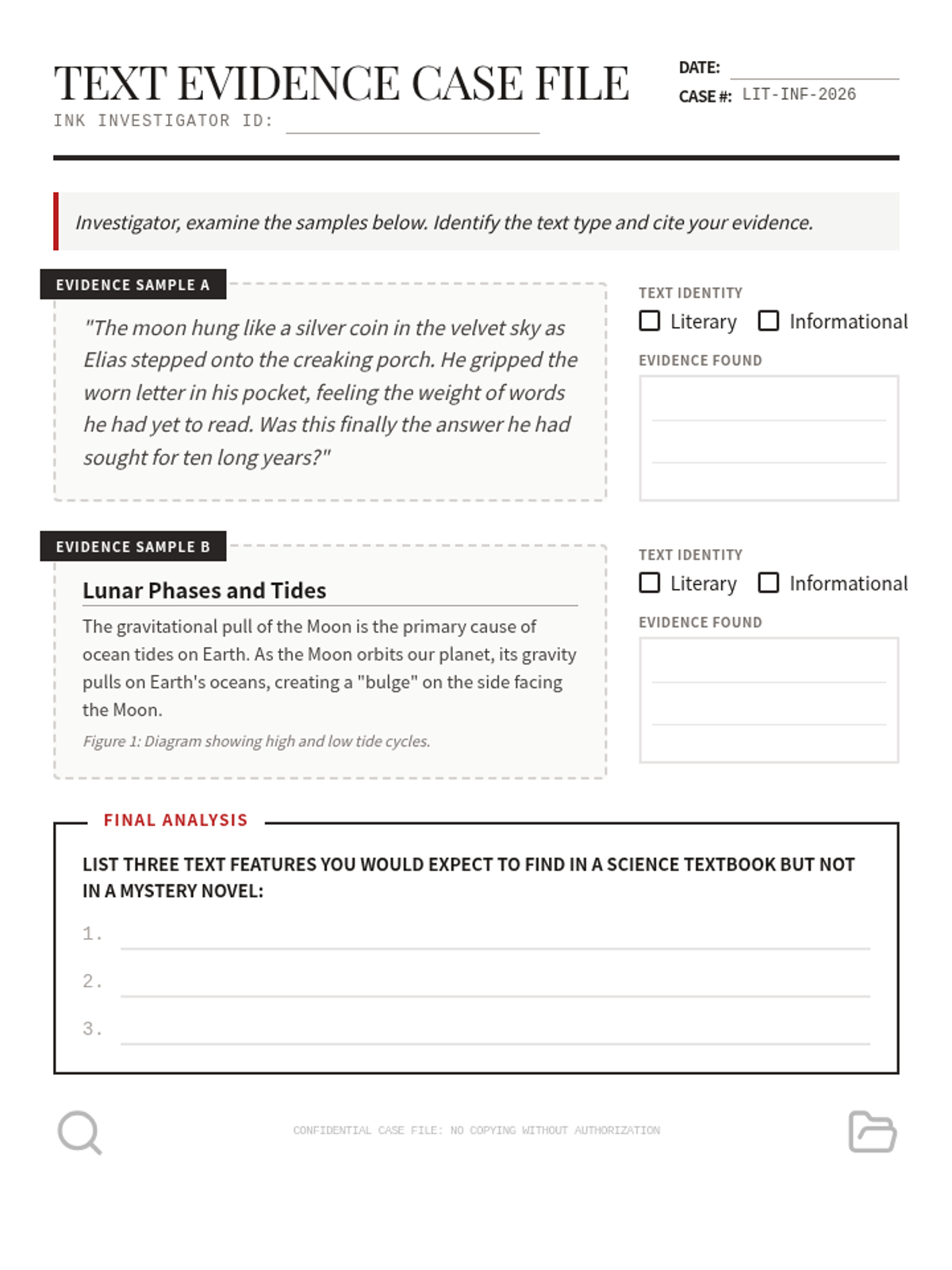
Students learn to distinguish between literary and informational texts by examining purpose, structure, and language features. This lesson uses a detective theme to help students investigate the 'DNA' of different text types.
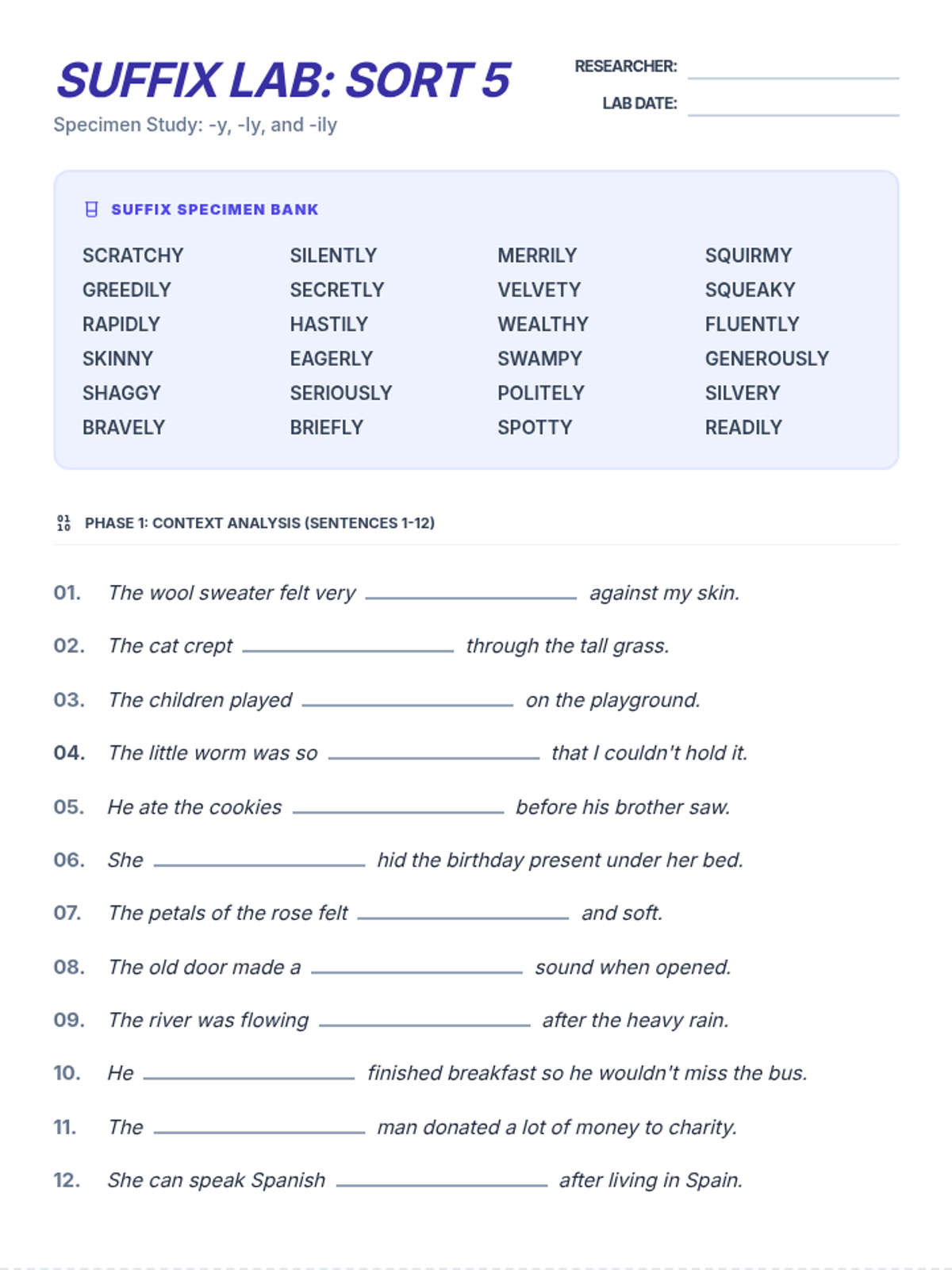
A lesson focused on the suffixes -y, -ly, and -ily. Students analyze how these suffixes change word meanings and usage through contextual application.
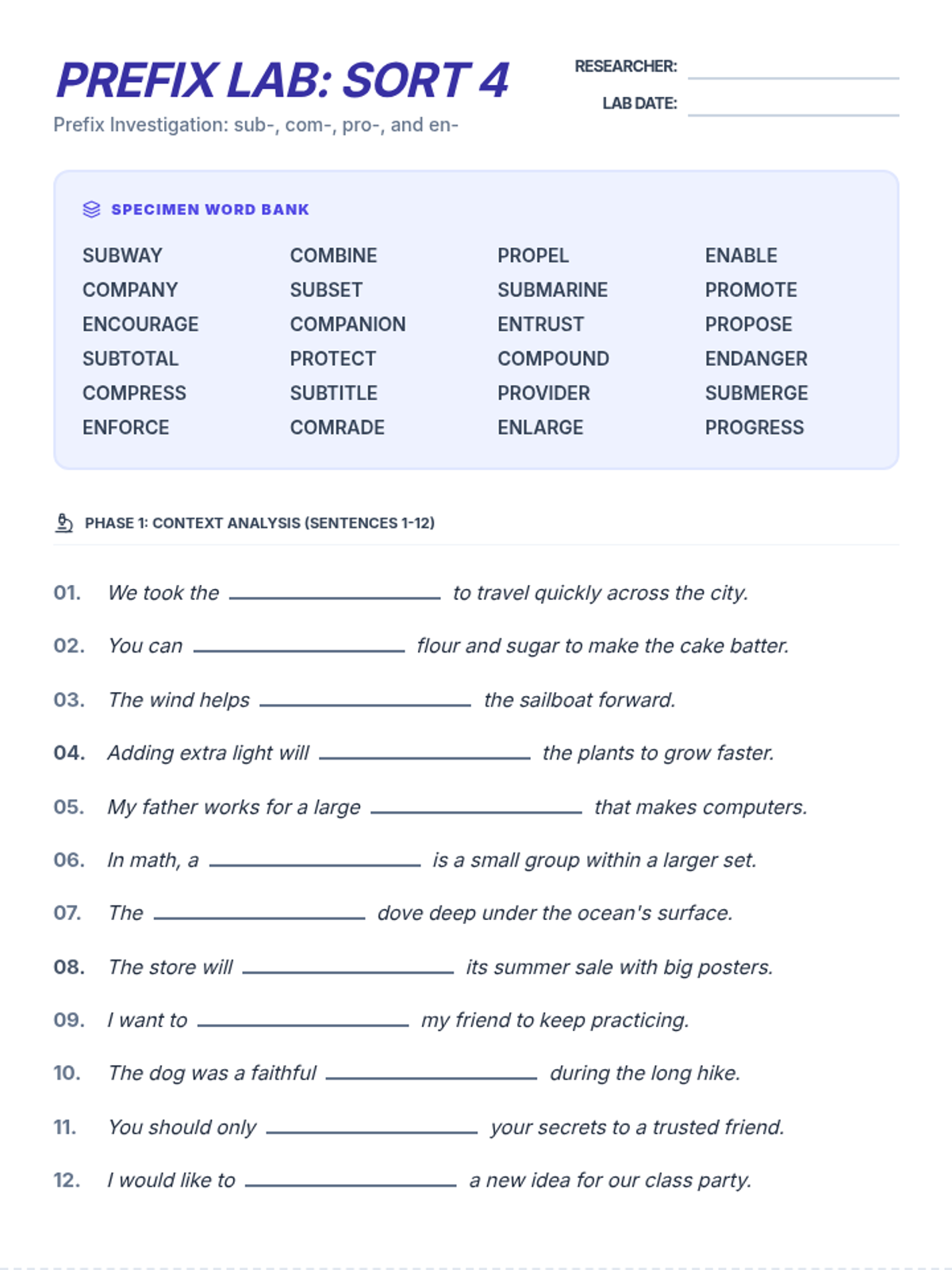
A lesson focused on the prefixes sub-, com-, pro-, and en-. Students apply their knowledge of these prefixes to identify and use words in various contexts.