A comprehensive exploration of the 13 Western US states, focusing on their geographic locations and capital cities. Students will use maps, flashcards, and review activities to master the region's layout.
A comprehensive lesson on identifying and mapping the states and capitals of the Southeast region of the United States. Students will explore geographic features, state locations, and regional identity through visual presentation and hands-on mapping.
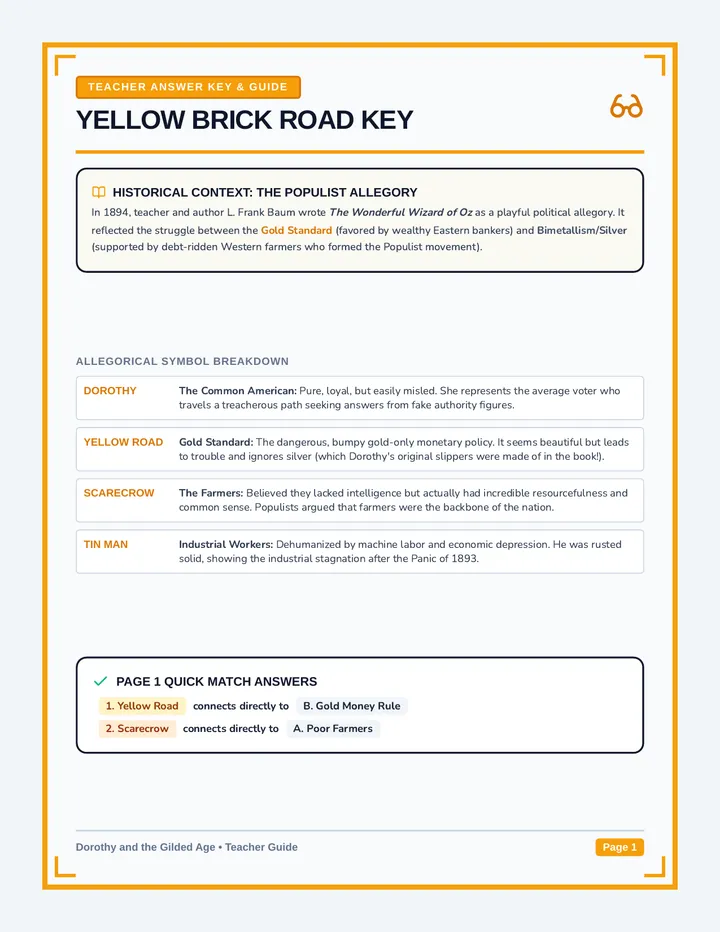
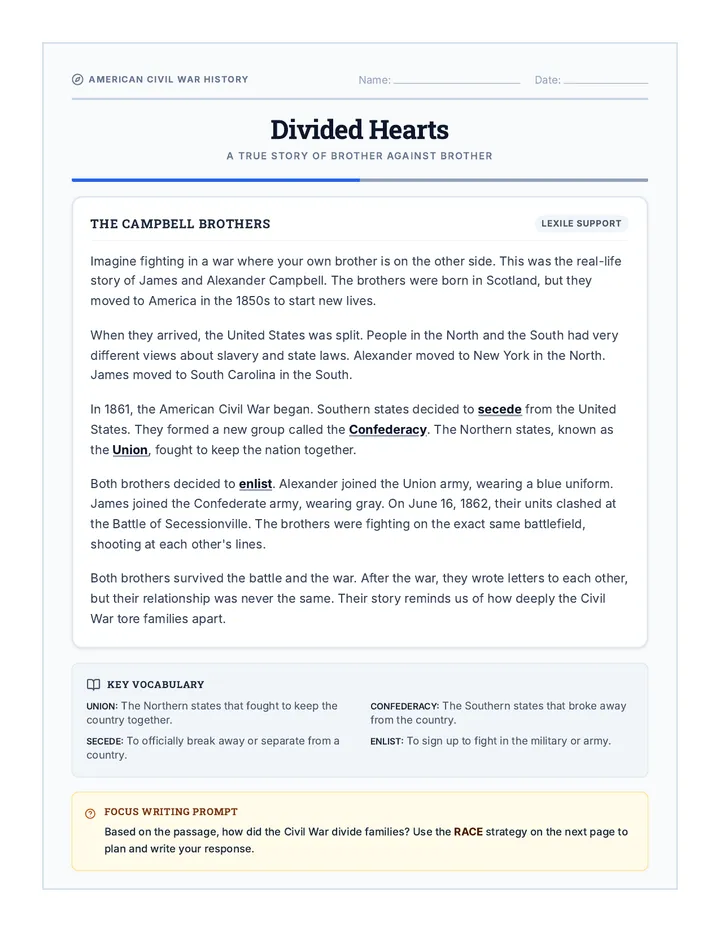
A summative 50-minute lesson where students select one archival document to analyze in-depth and present as a "tactical advisor" to the Civil Rights Movement. Students practice public speaking and evidence-based argumentation.
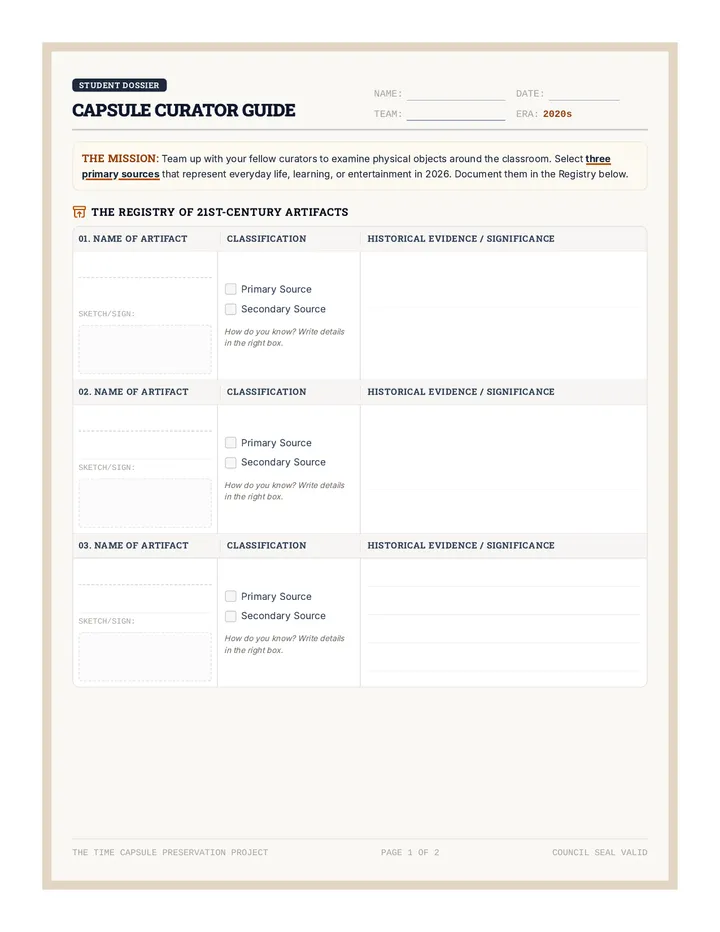
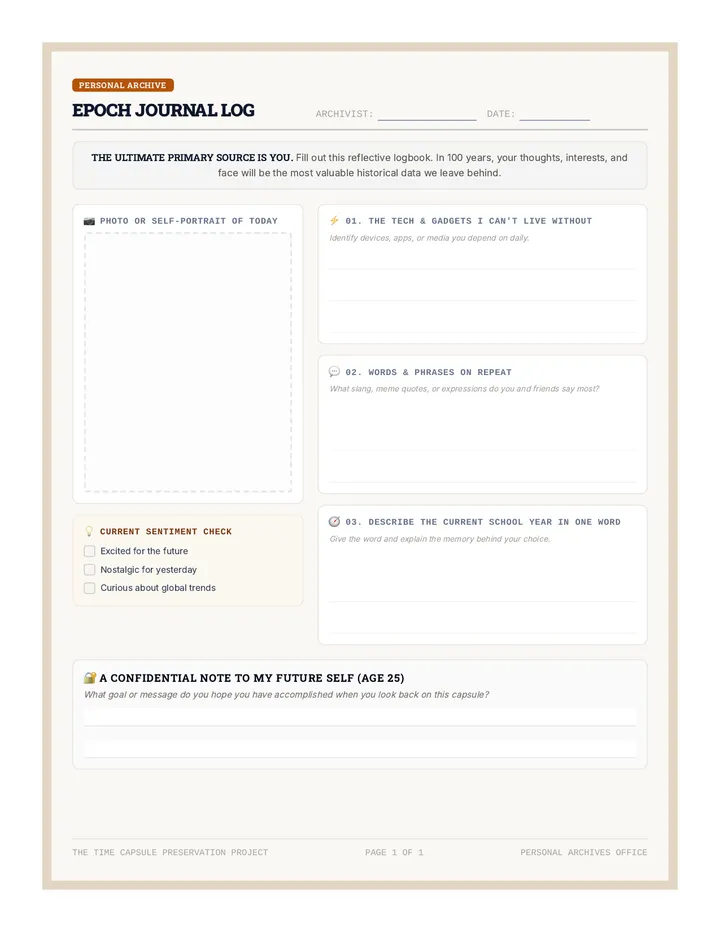
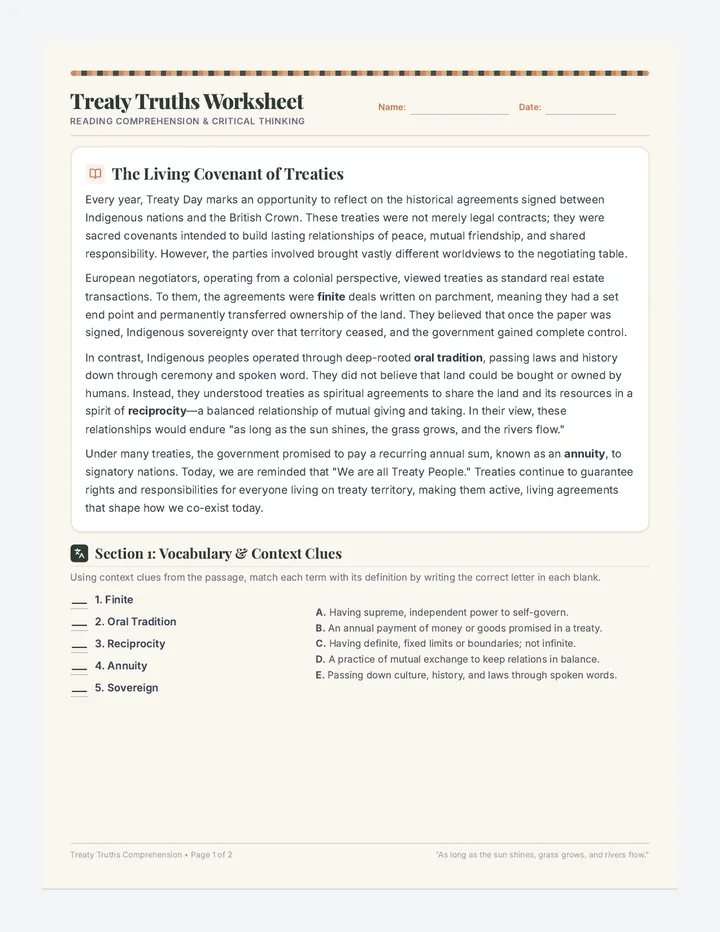
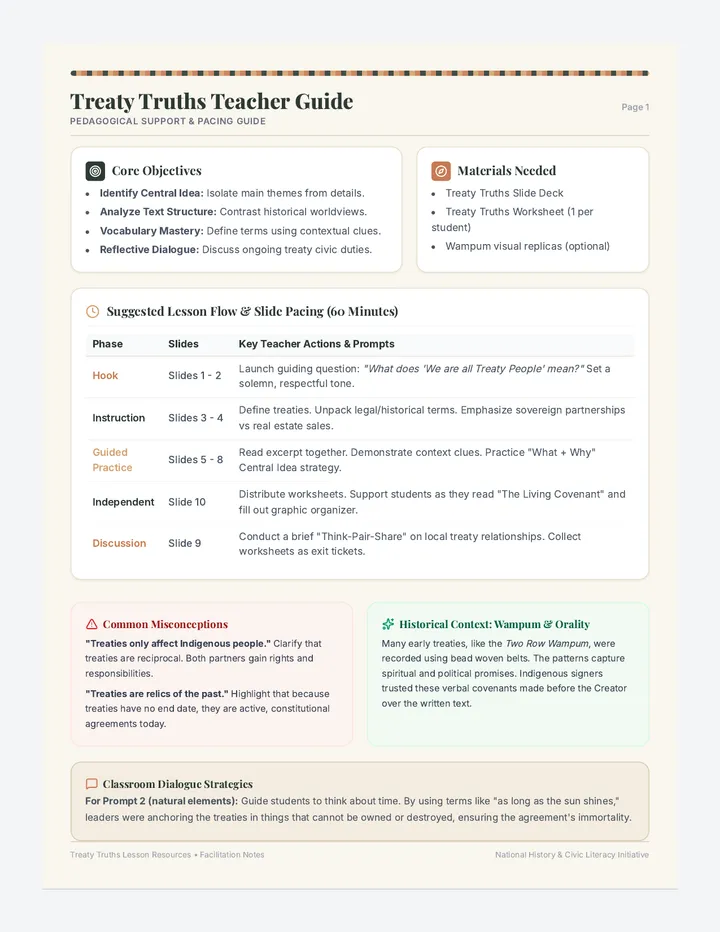
A hands-on, station-based lesson where students analyze primary source documents from Thurgood Marshall, Rosa Parks, and youth activists to understand the "blueprint" of the Civil Rights Movement.
A 50-minute exploration of pivotal Civil Rights leaders including Thurgood Marshall, Rosa Parks, and the influential role of youth activism in the movement. Students will analyze legal and grassroots strategies for social change.
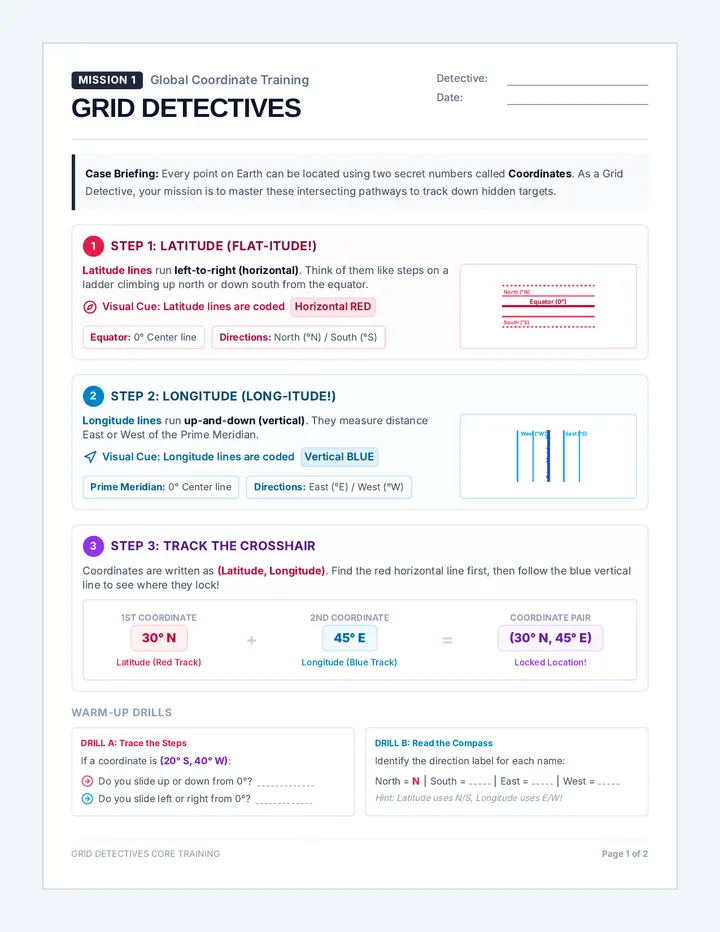
A hands-on introduction to using a compass rose and cardinal directions (North, South, East, West) using a town map. Students will learn the 'Never Eat Soggy Waffles' mnemonic and apply their skills to navigate a fictional town.
Focuses on Ancient Egypt, the importance of the Nile River, the power of Pharaohs, and the building of the pyramids.
Examines the rise of the Persian Empire and its influence on the region, concluding with a unit review.
Introduces the ancient Israelites, their beliefs, and the concept of monotheism.
Focuses on the Phoenicians and their contributions to trade and the development of the alphabet.
Explores the rise of the first civilizations in Mesopotamia, focusing on irrigation, city-states, and the invention of writing.