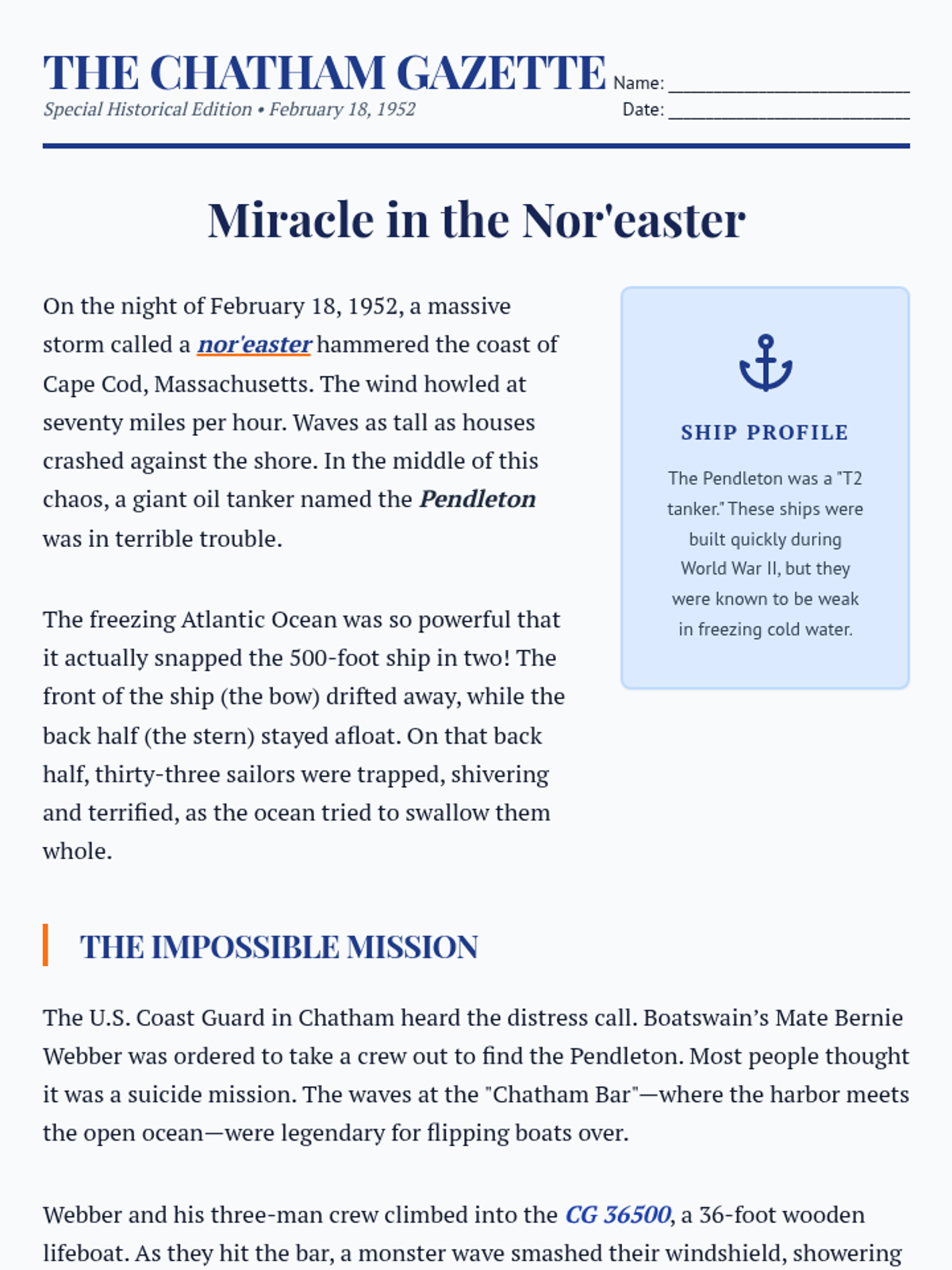
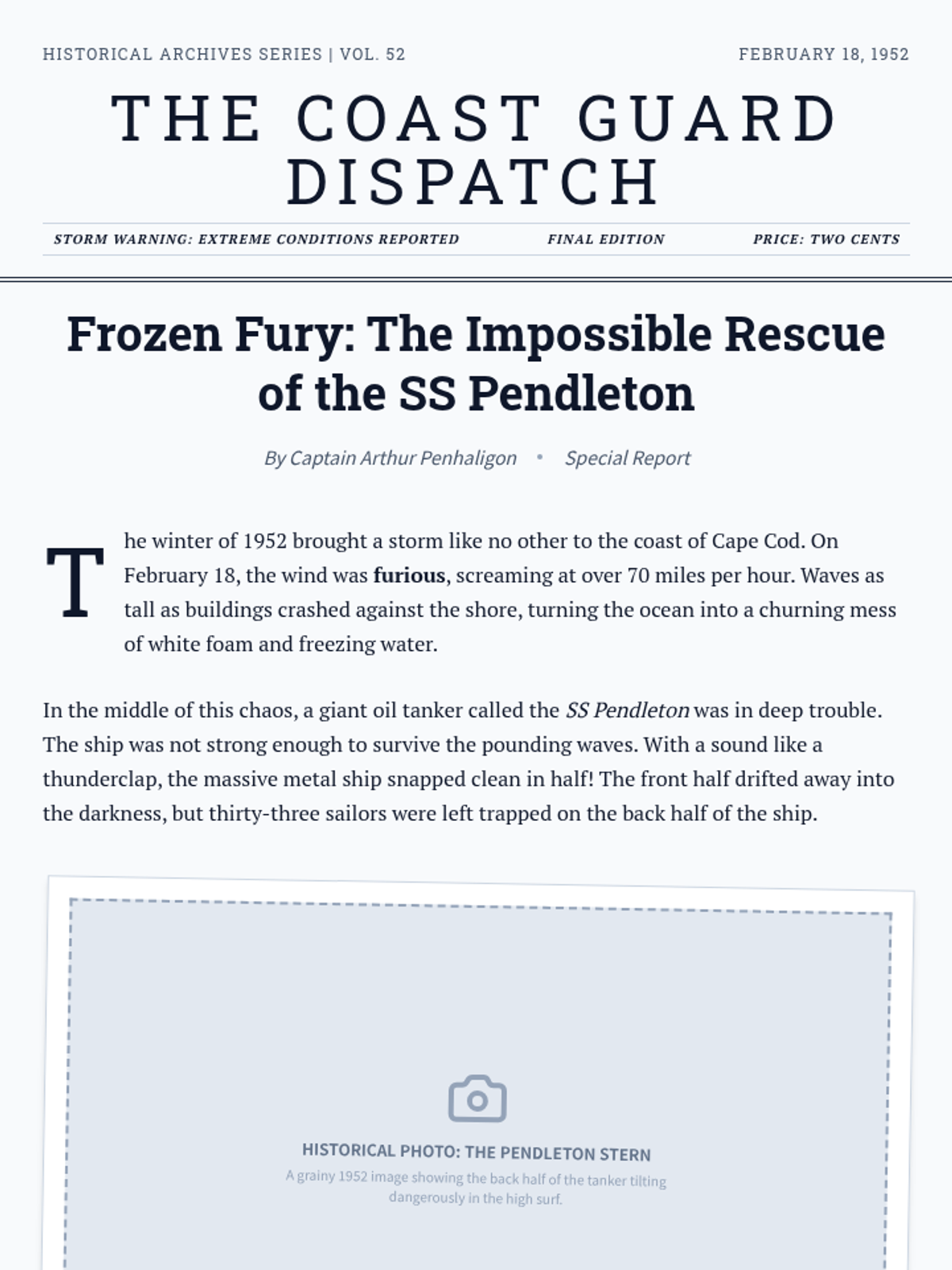
A lesson focused on the historic 1952 Pendleton rescue, featuring a nonfiction article and a timeline sequencing activity designed for 4th-grade readers.
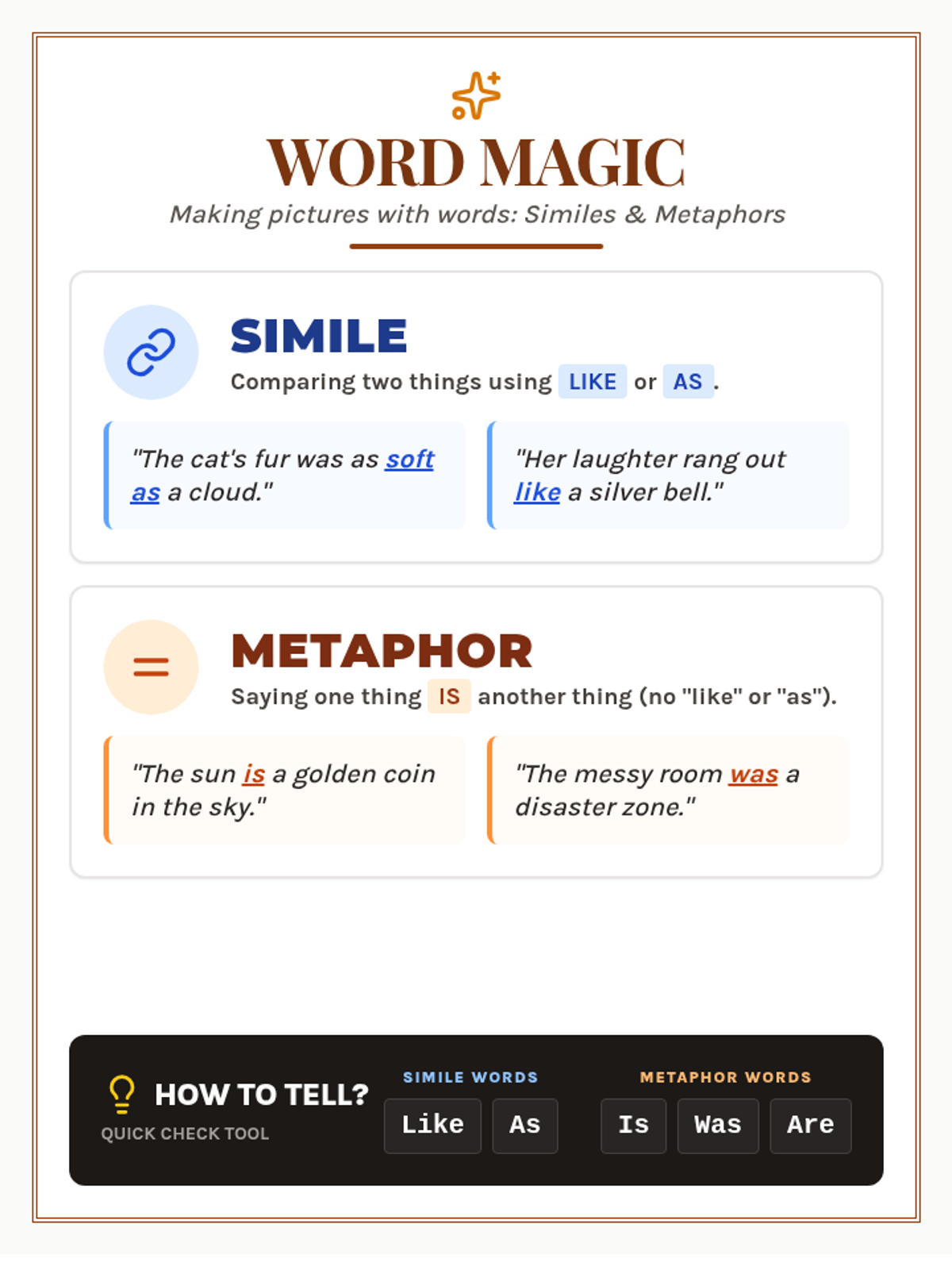
A lesson focused on identifying and using similes and metaphors to enhance poetic imagery and descriptive writing.
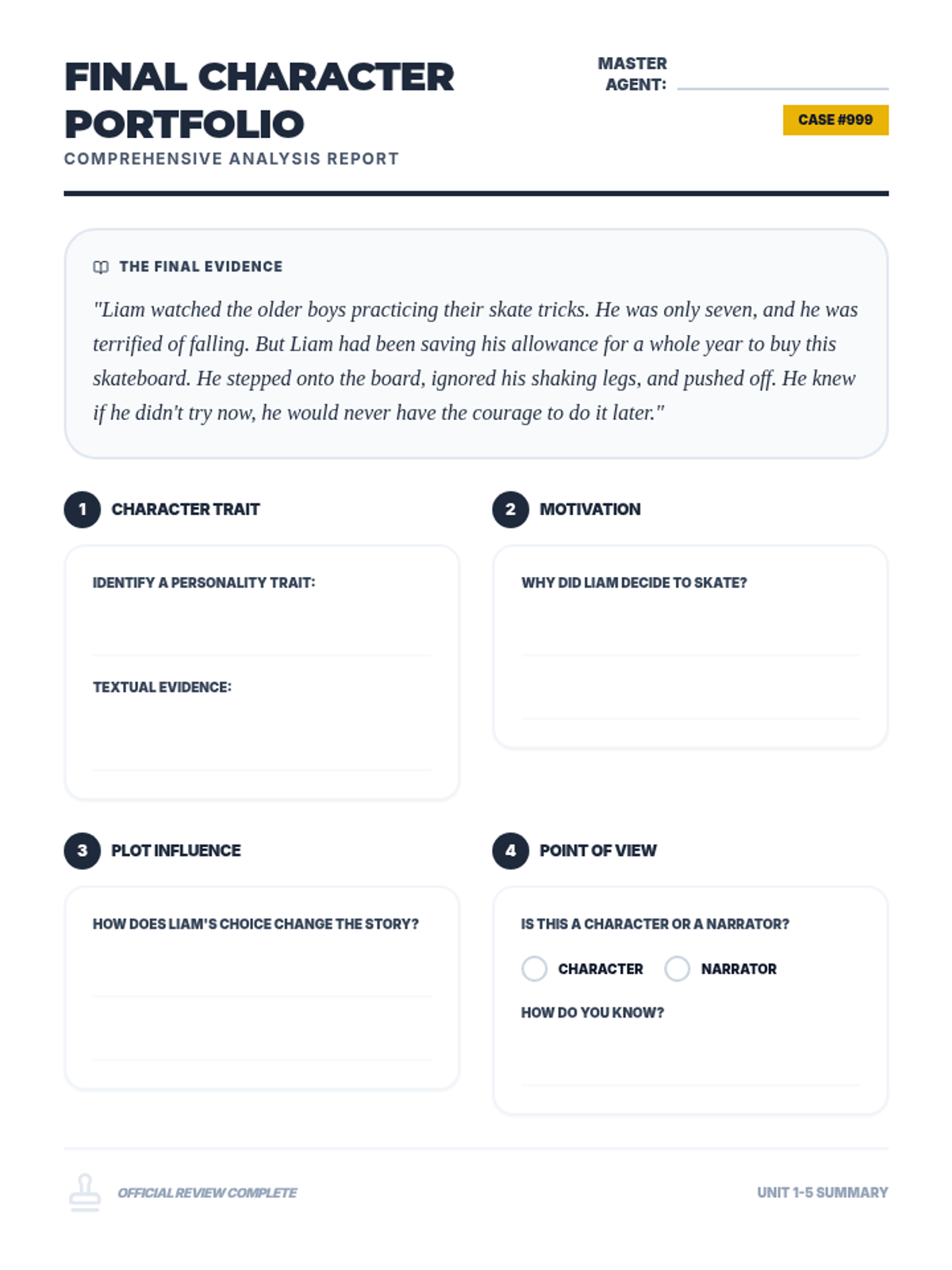
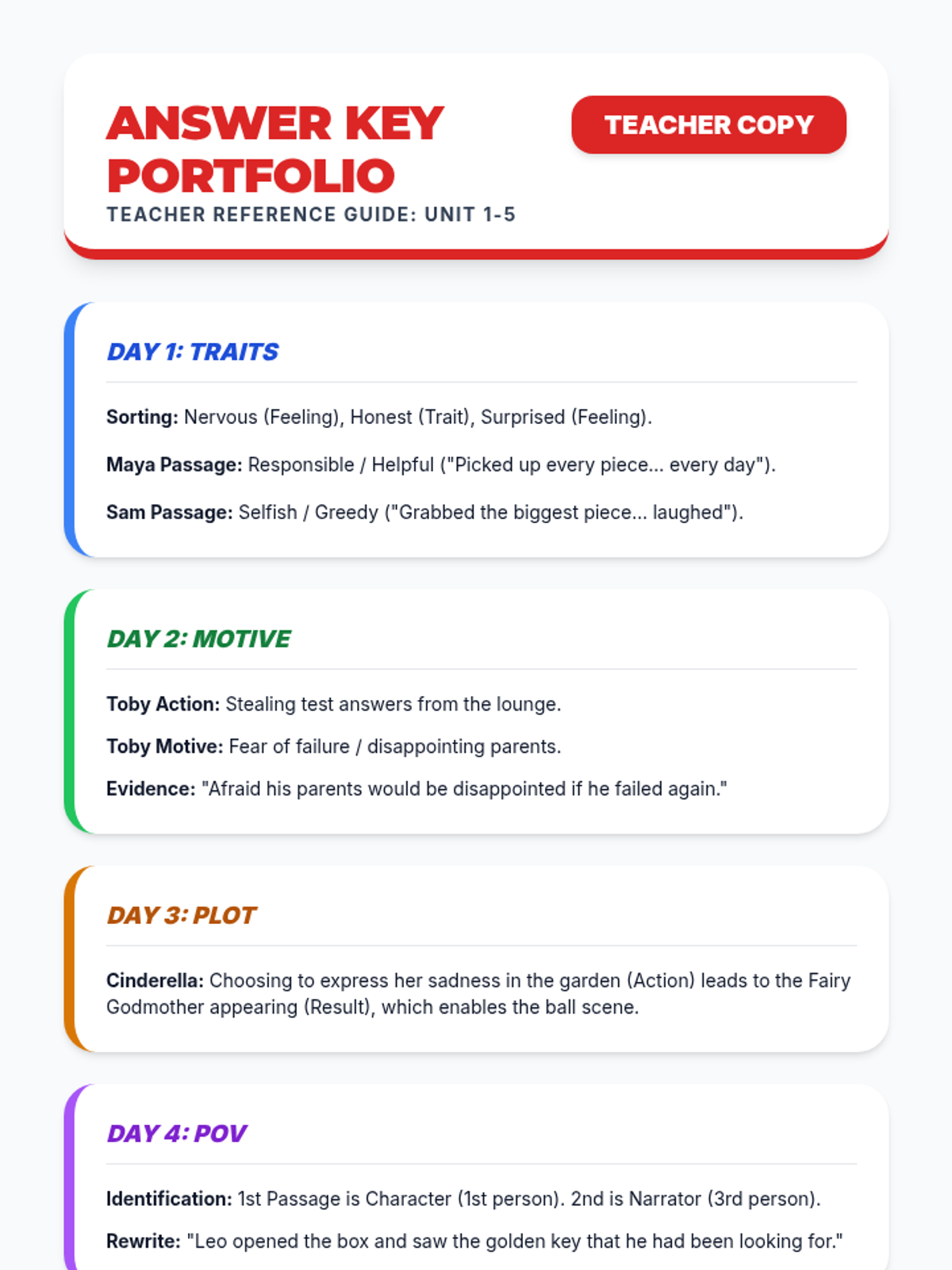
A cumulative review where students synthesize traits, motivations, and POV to complete a final character analysis.
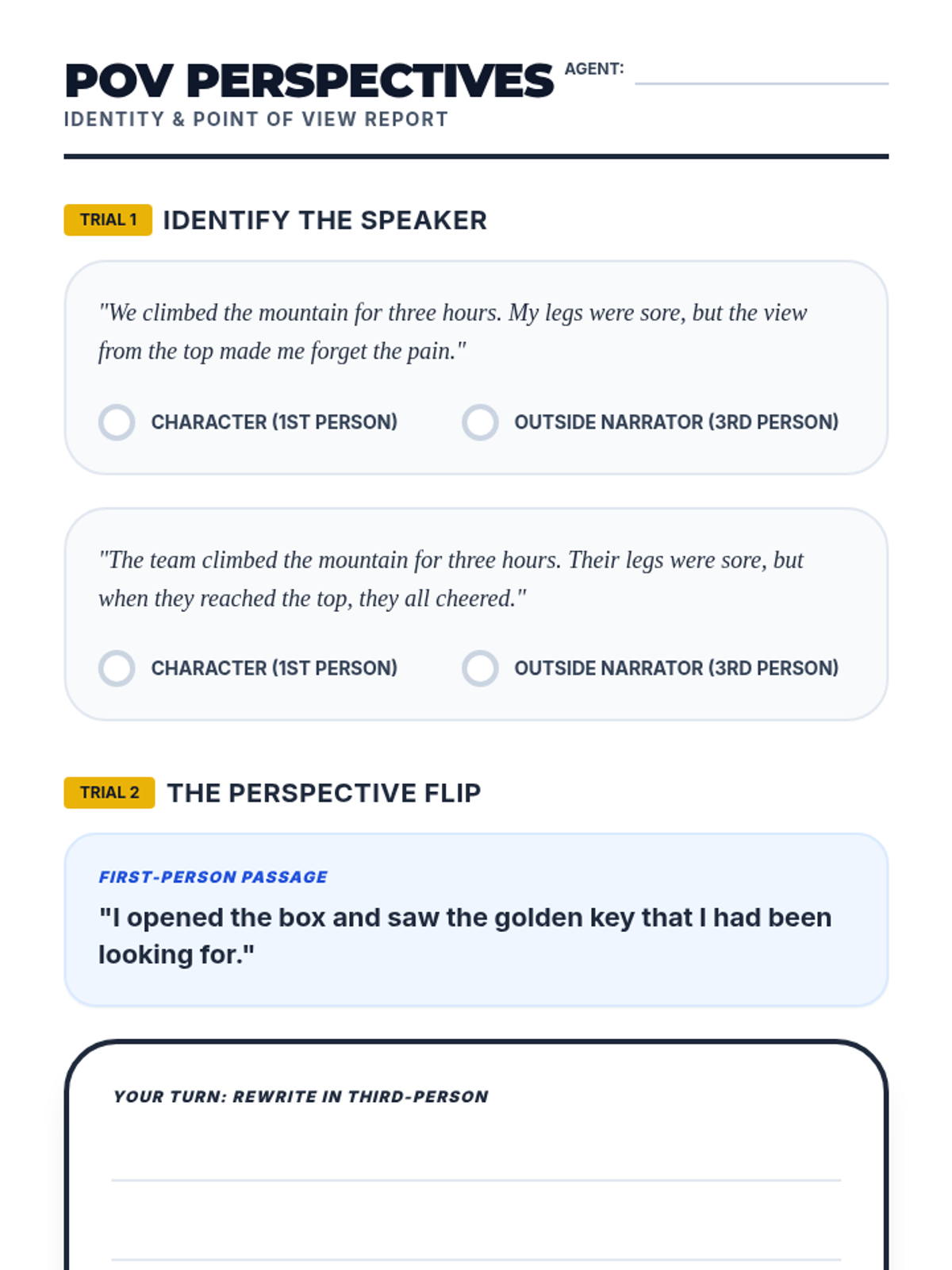
Distinguishing between the narrator and characters to identify point of view and how it shapes the story.
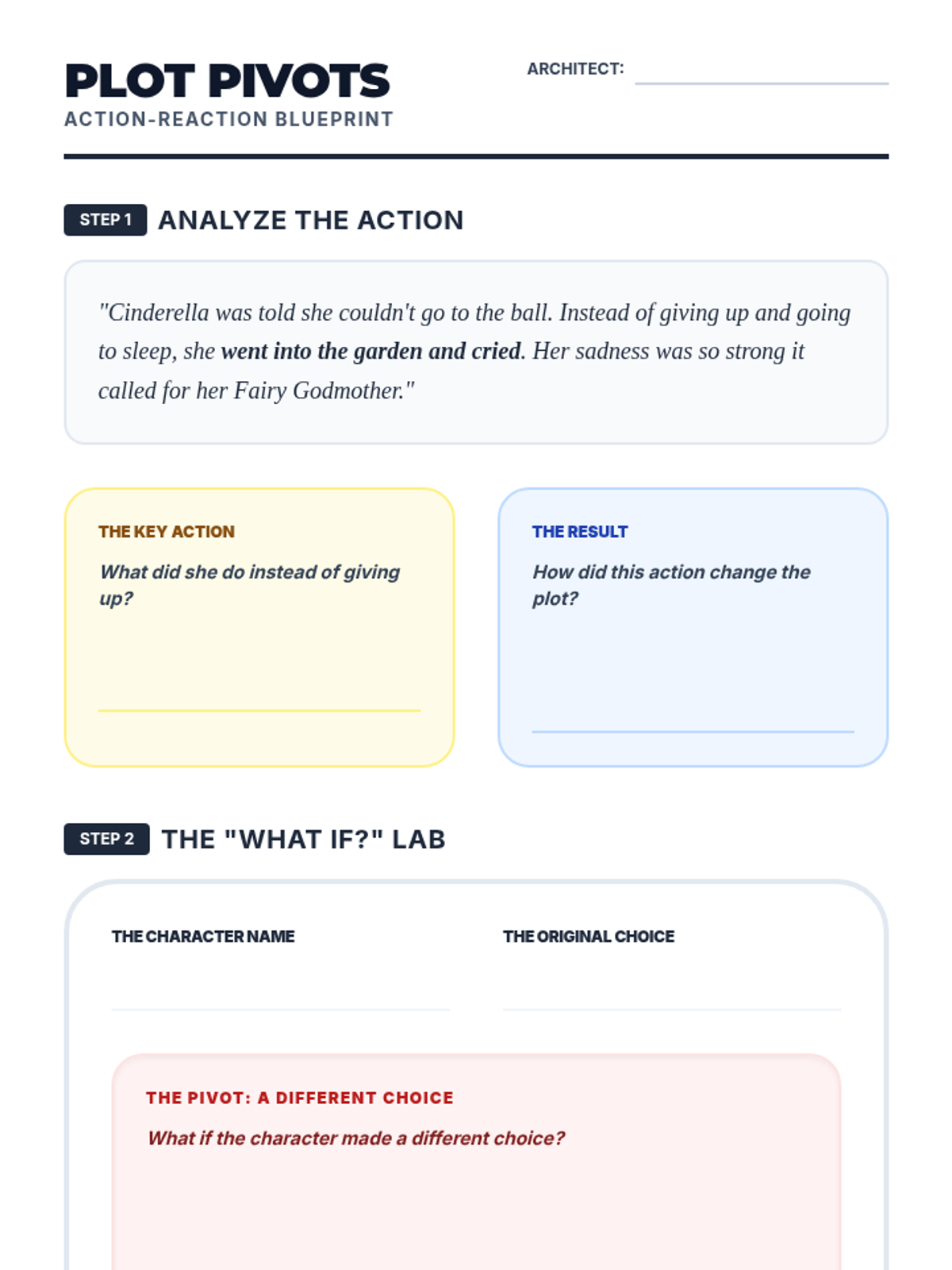
Connecting character actions to plot development, showing how individual choices influence the sequence of events in a story.
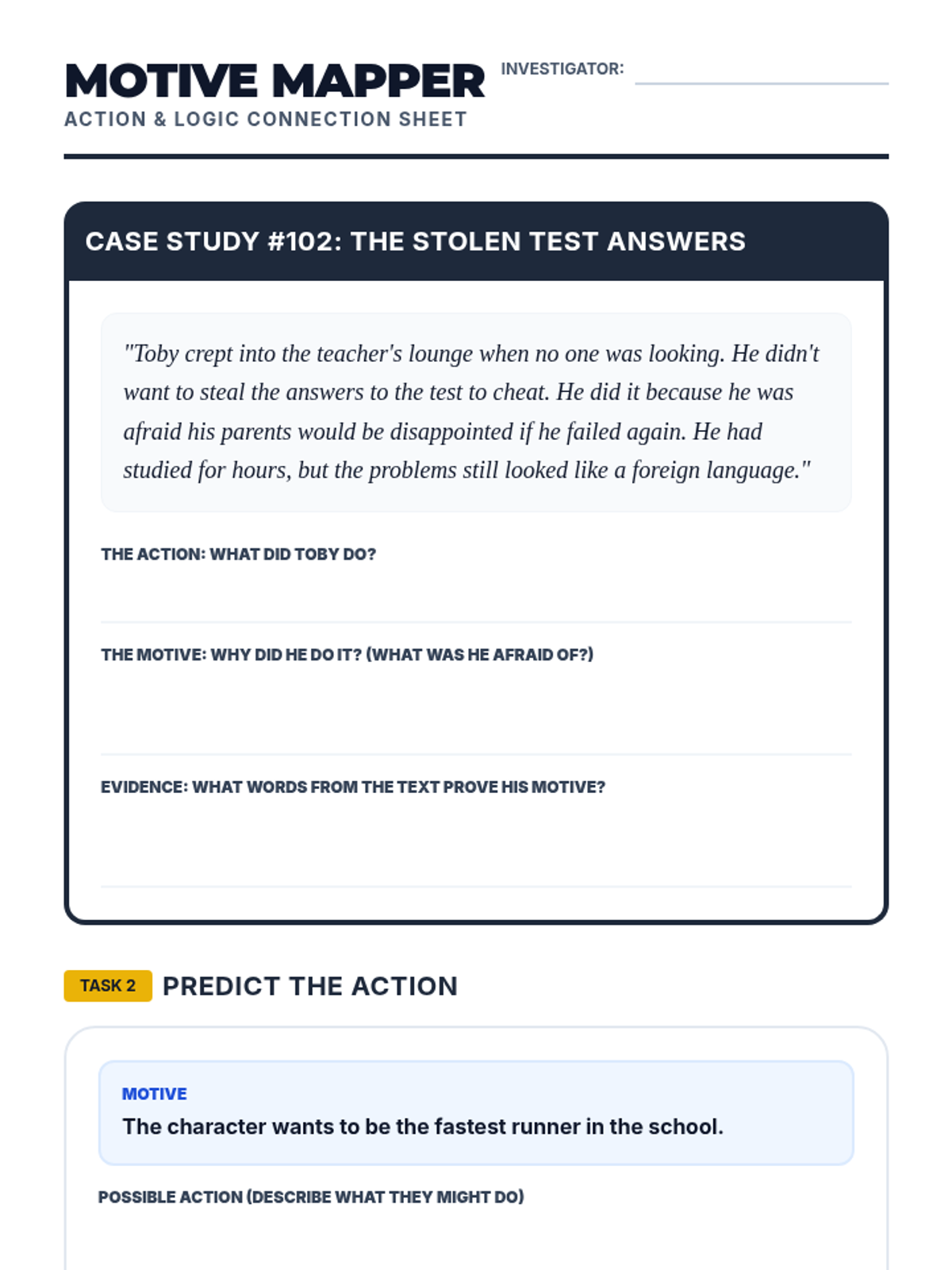
An exploration of why characters act the way they do by identifying their motivations and the text clues that reveal them.
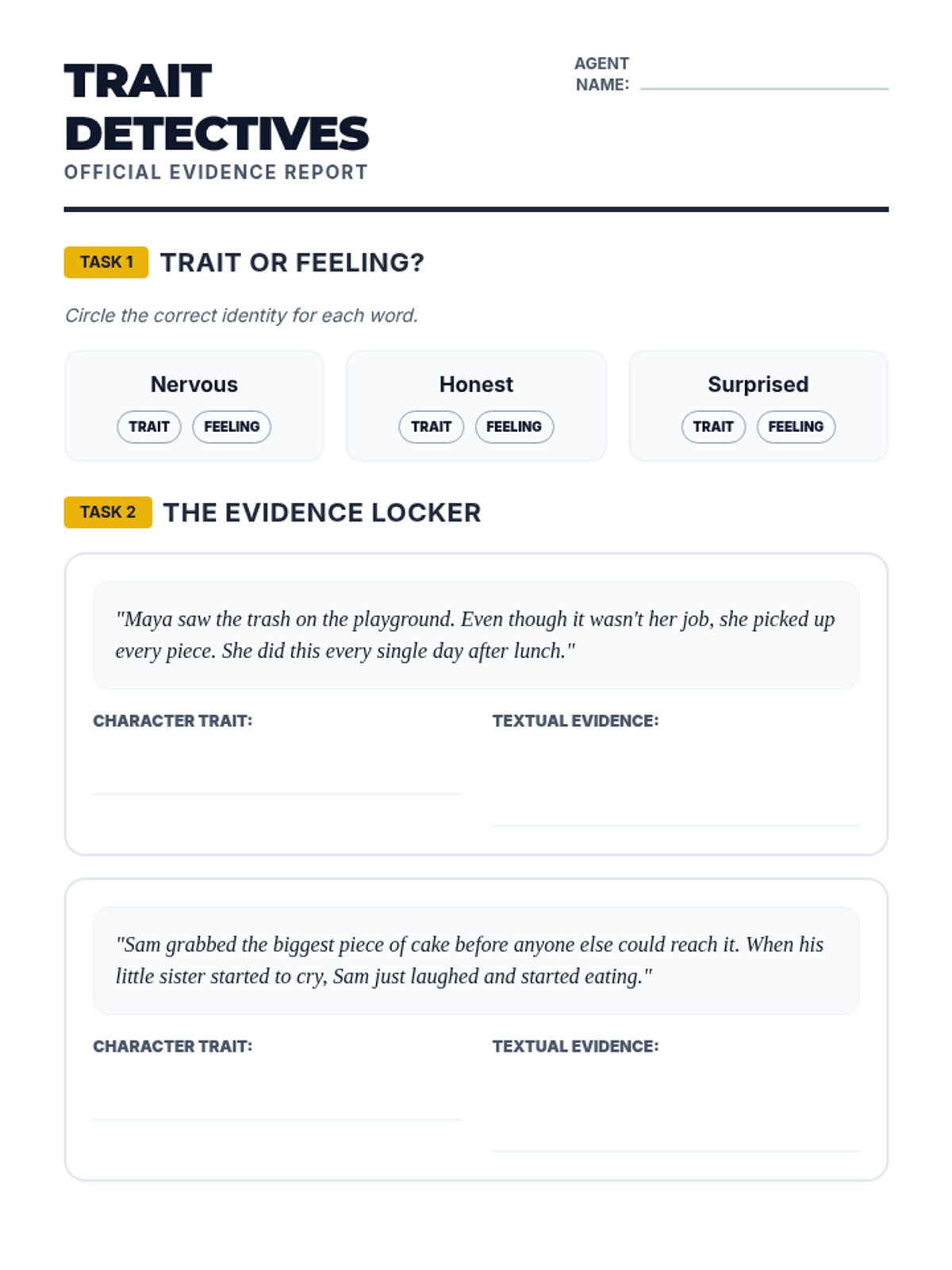
Students learn to distinguish between external traits and internal feelings while gathering textual evidence to support their findings.
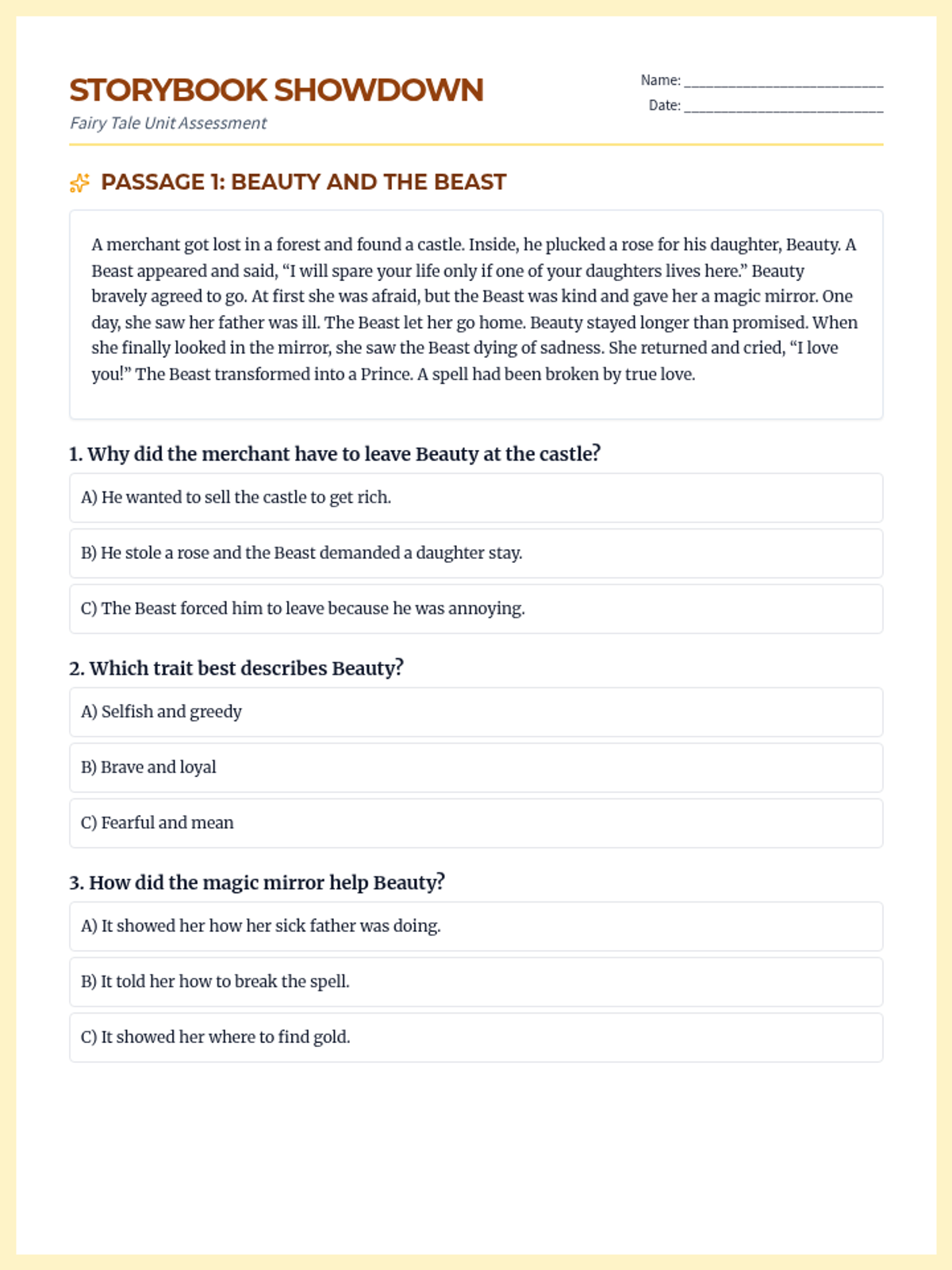
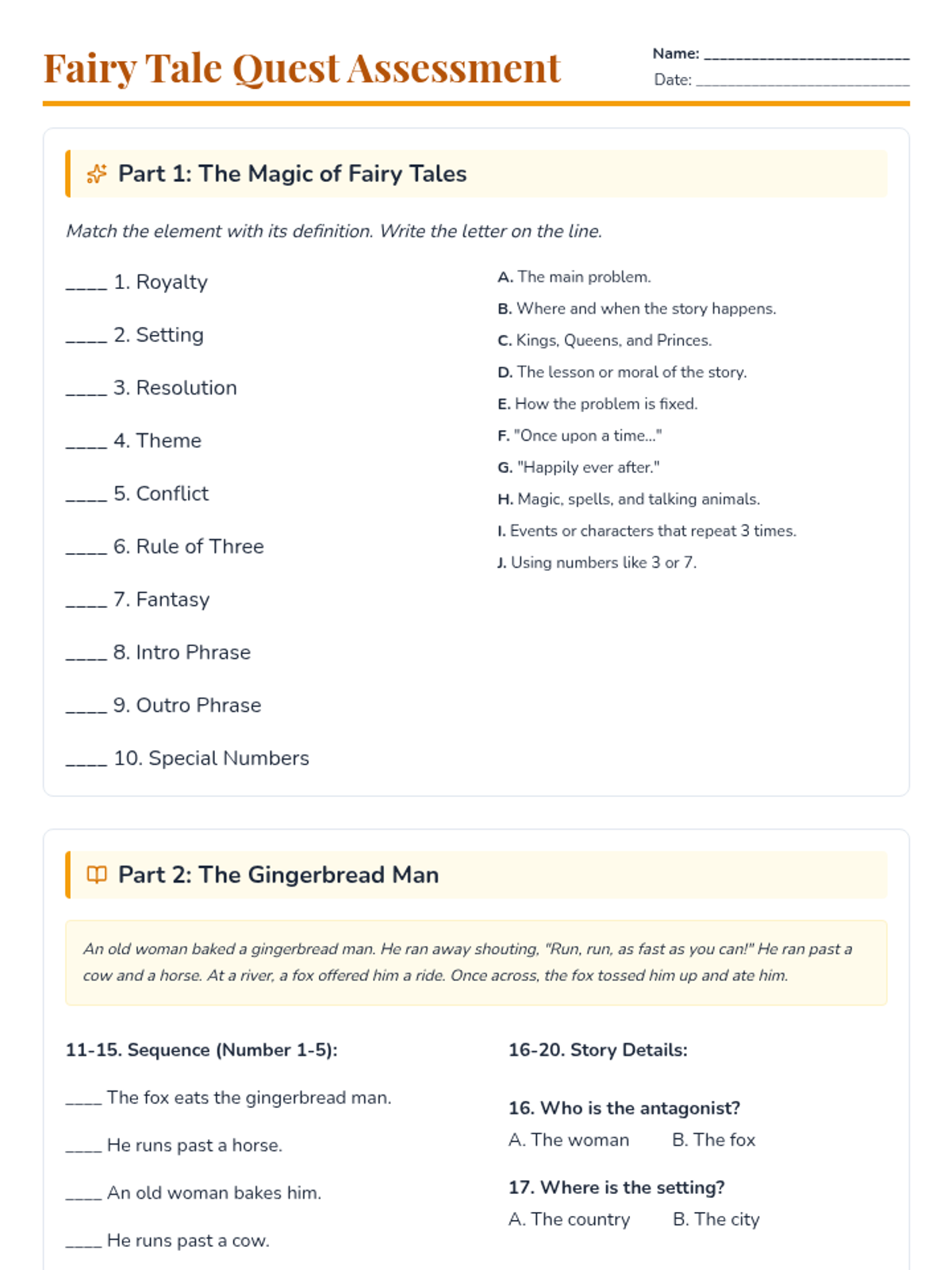
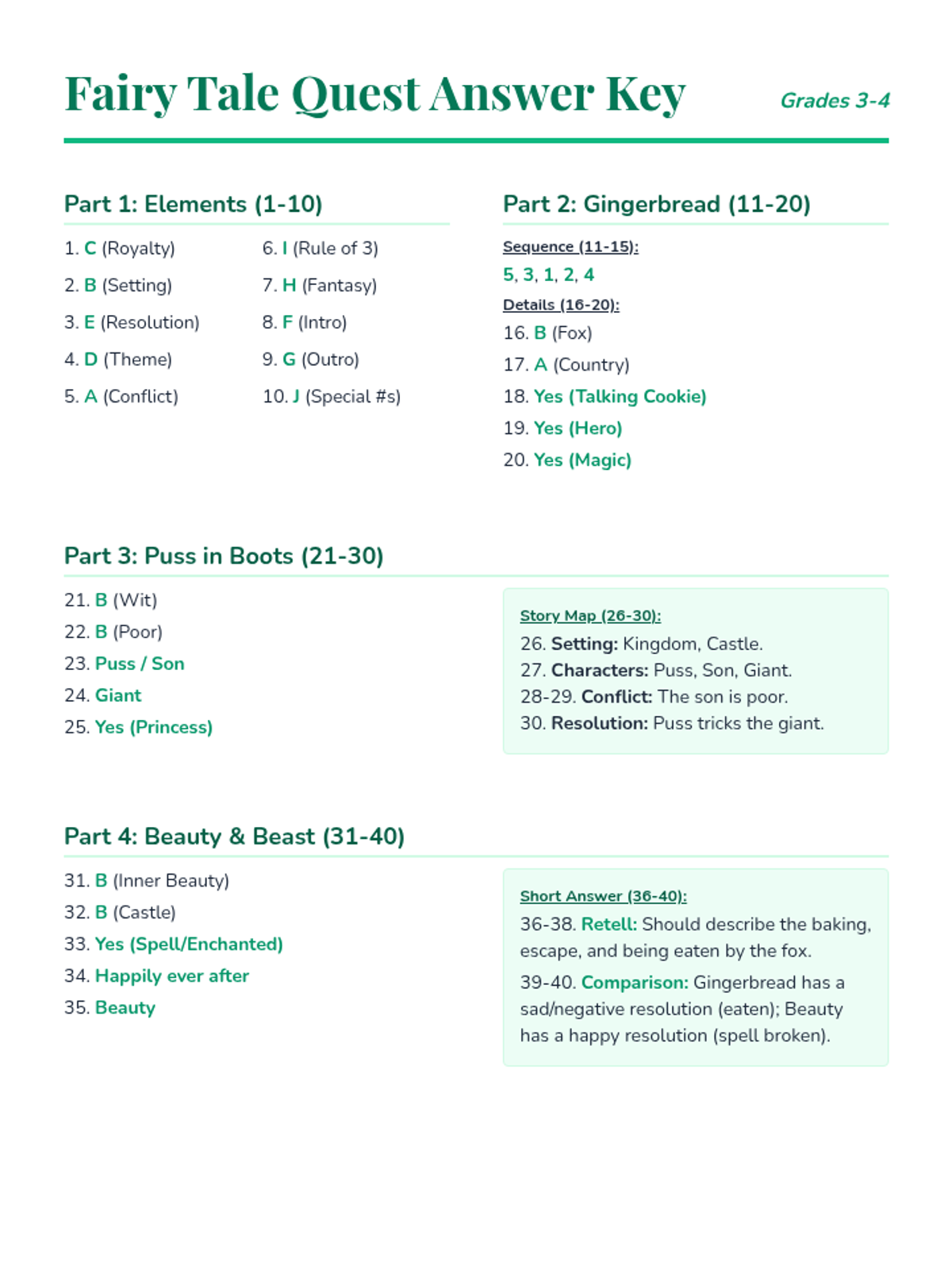
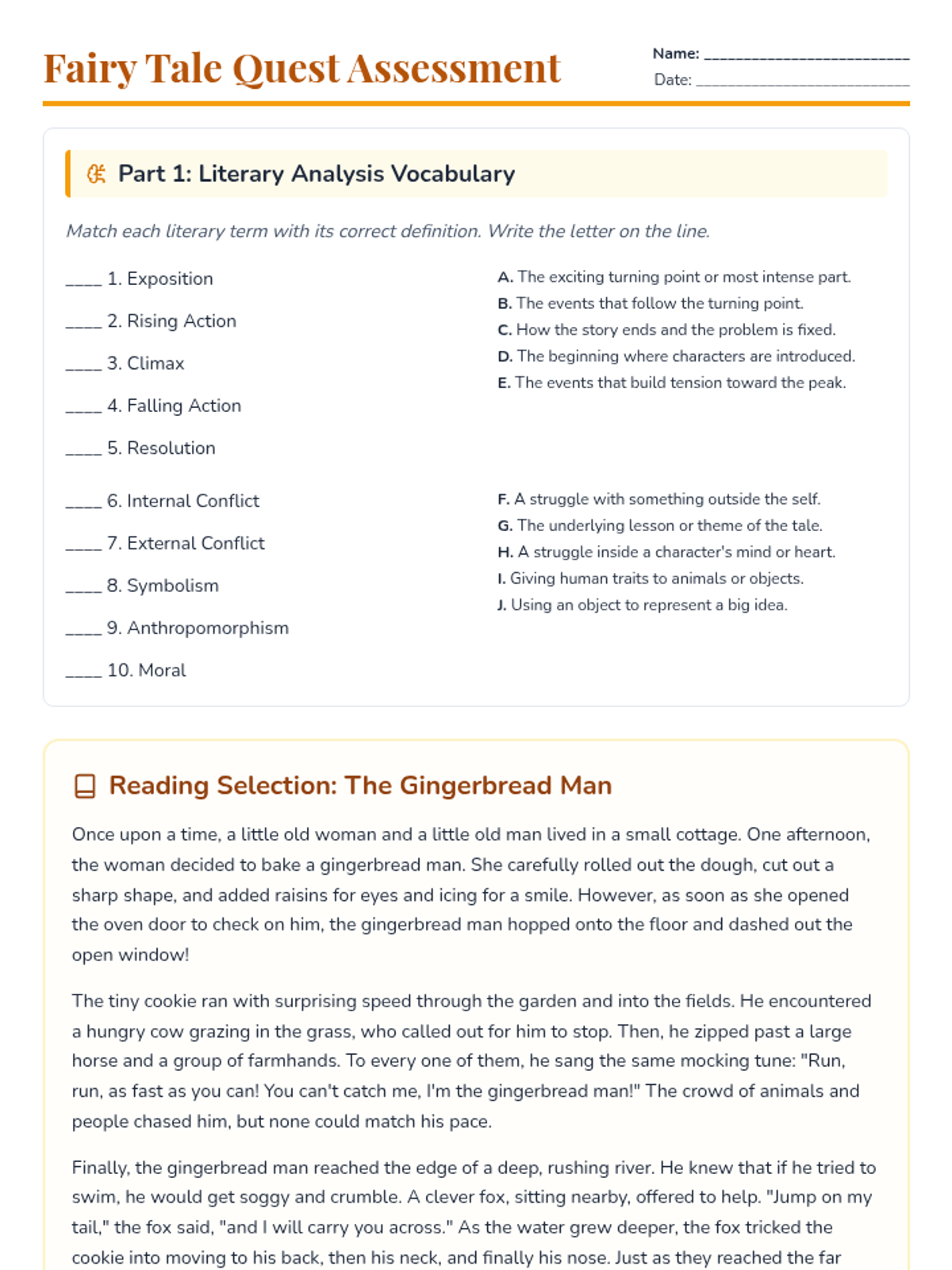
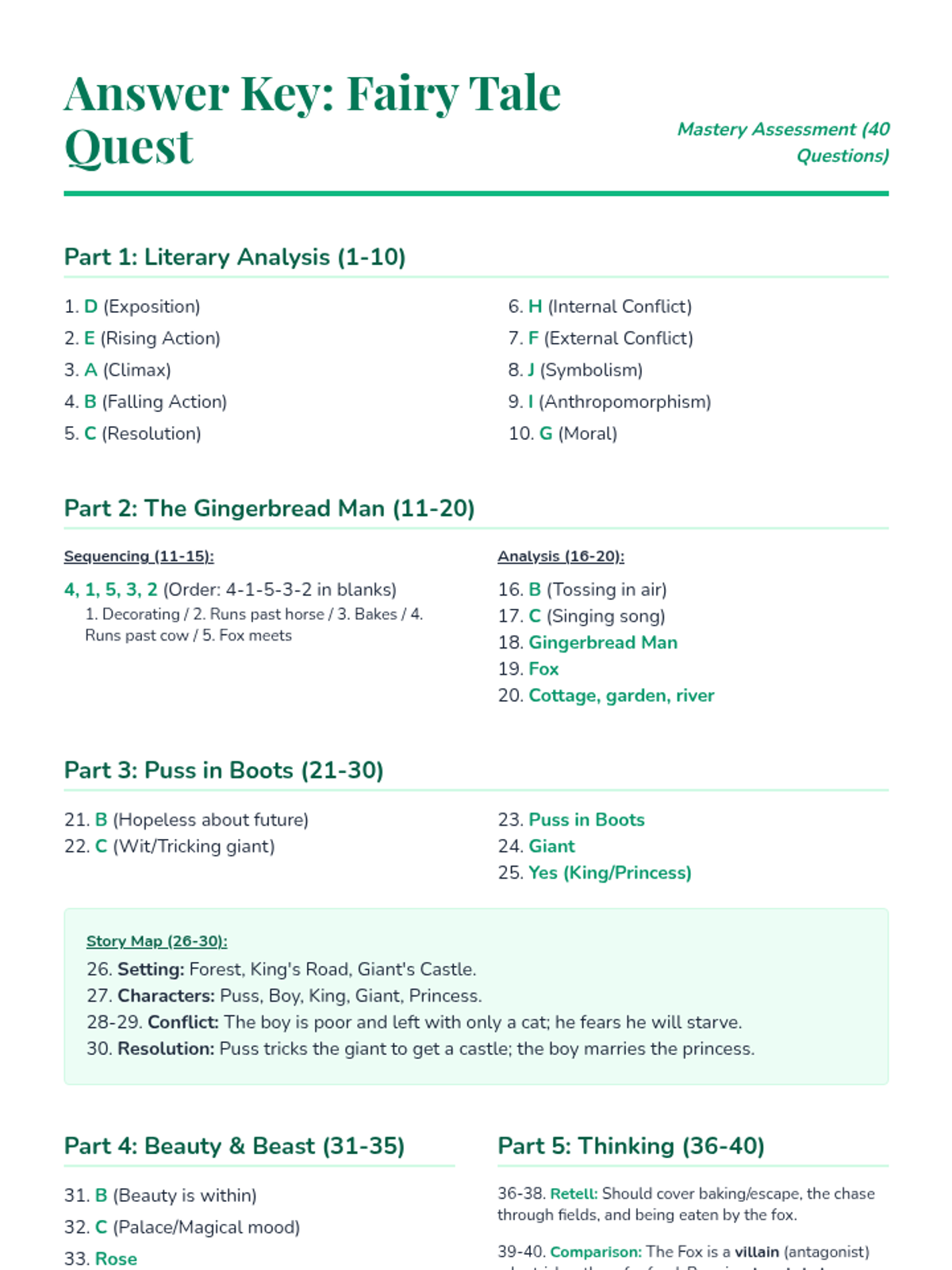
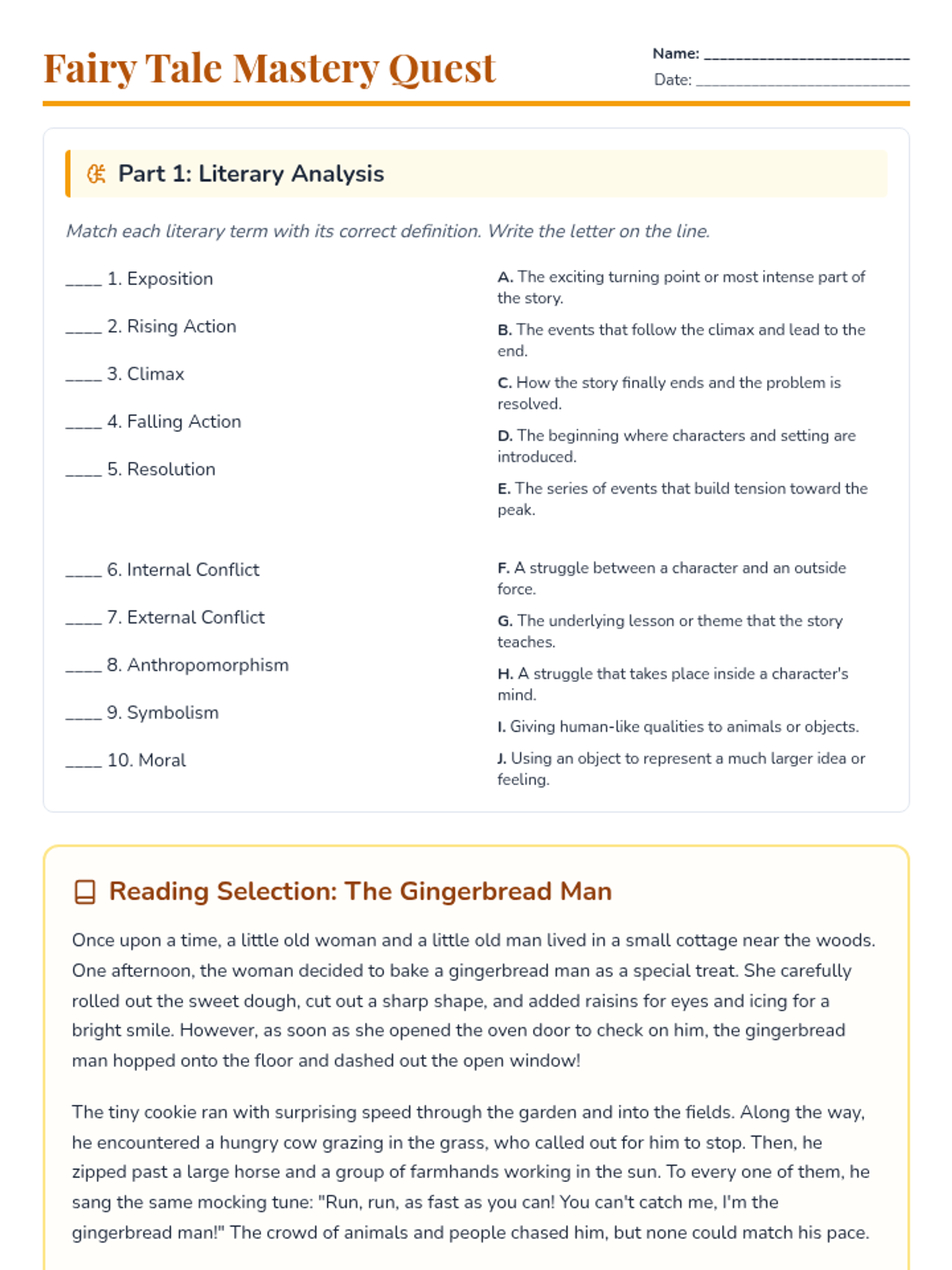
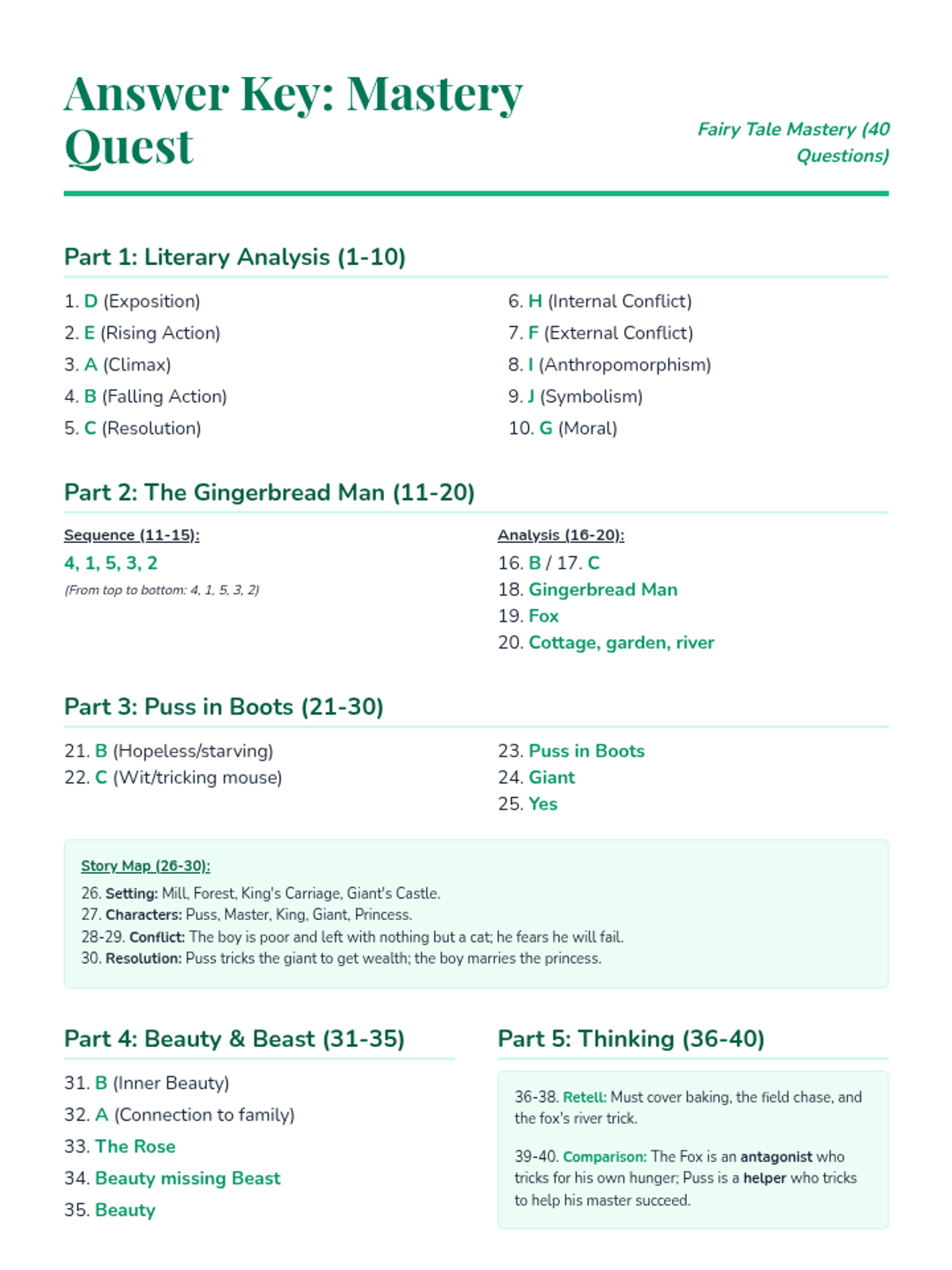
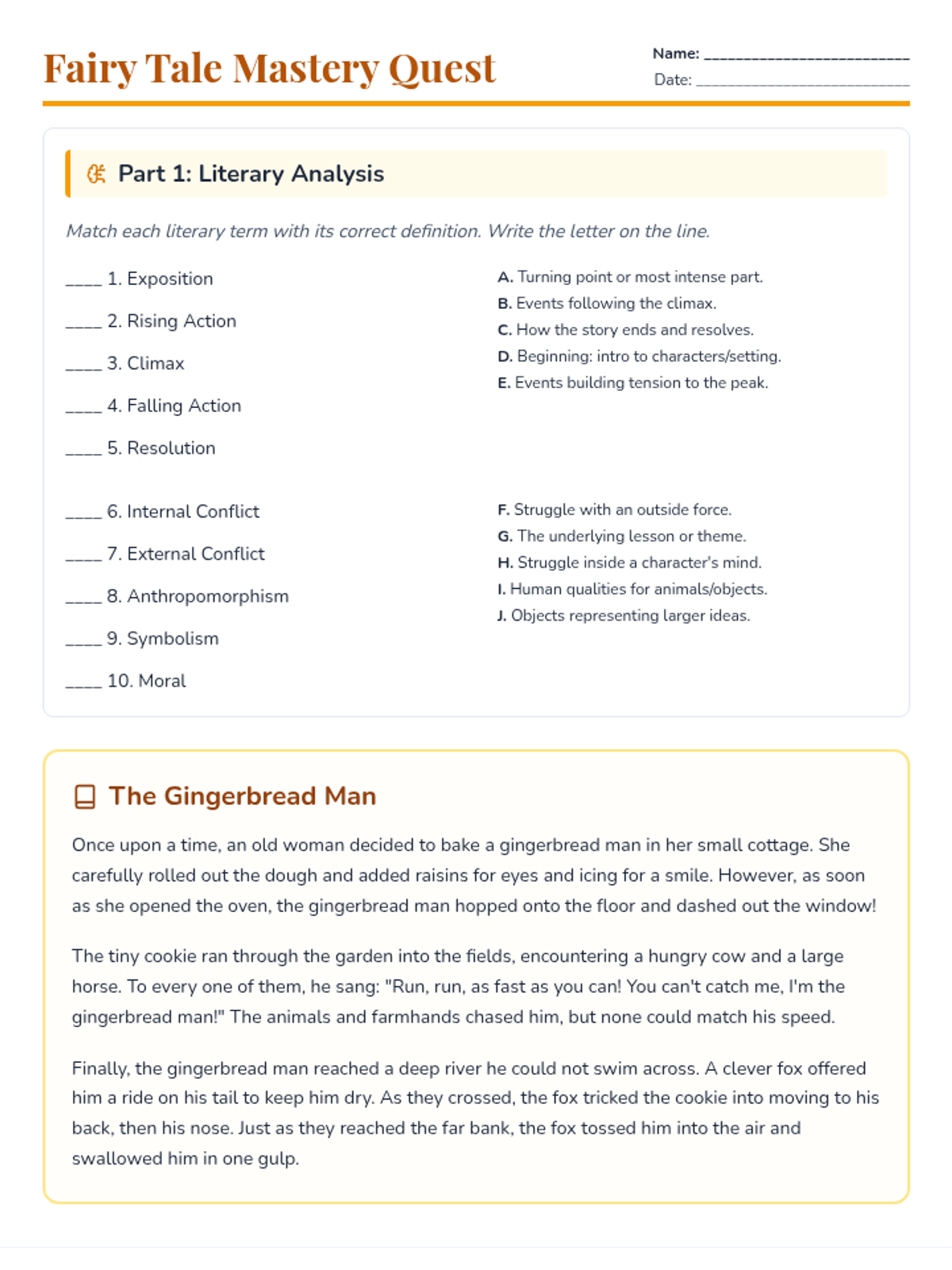
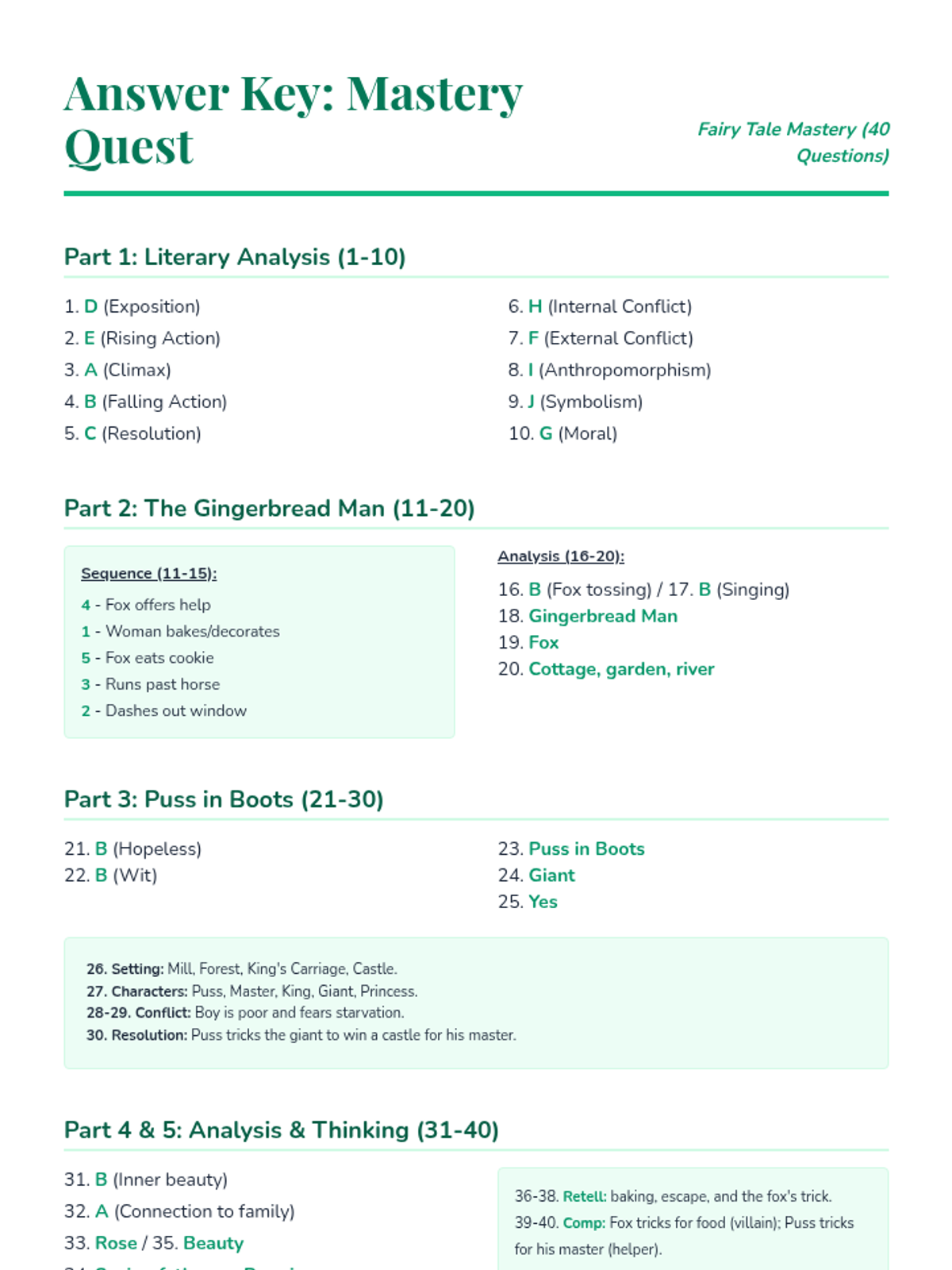
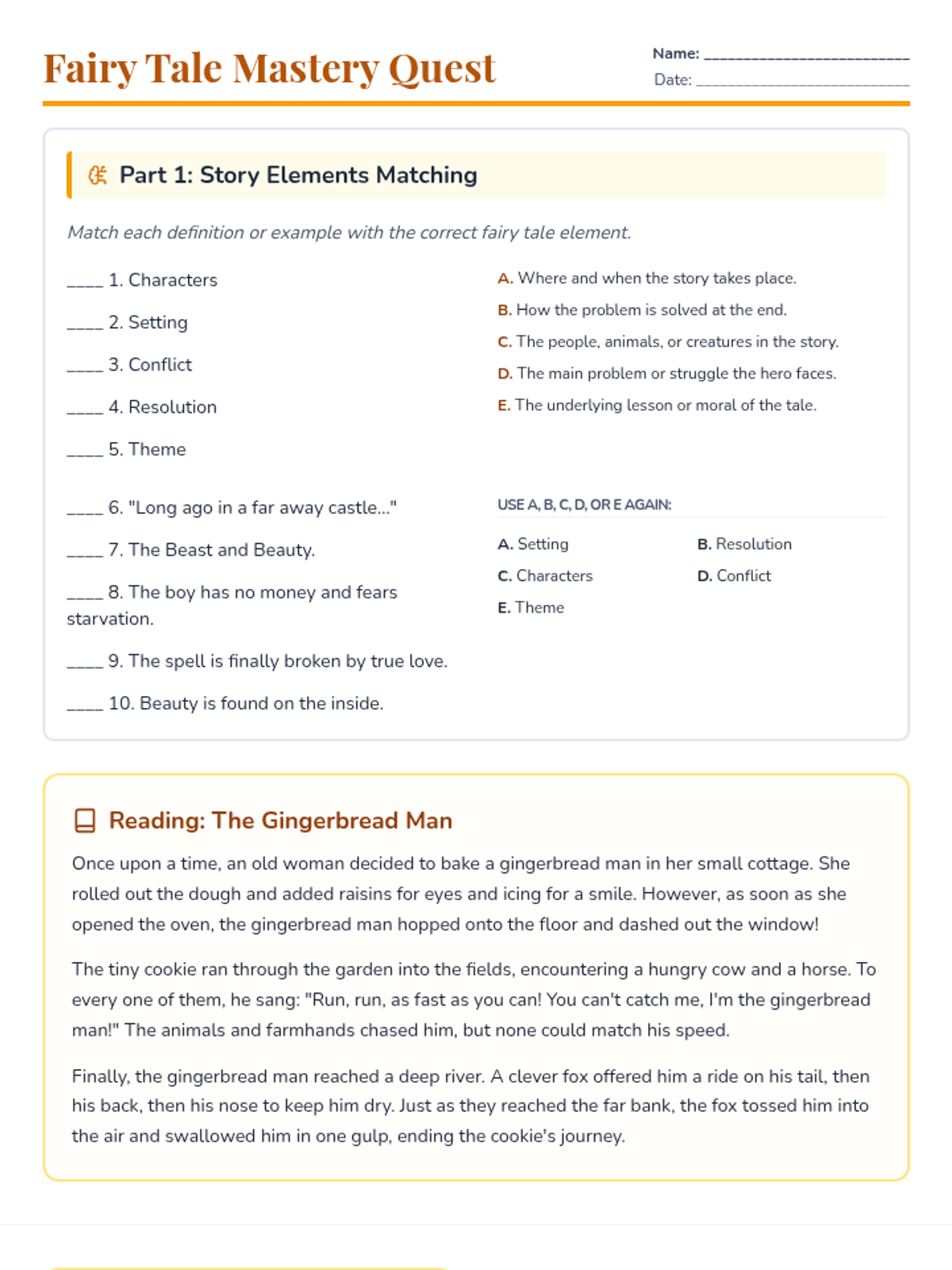
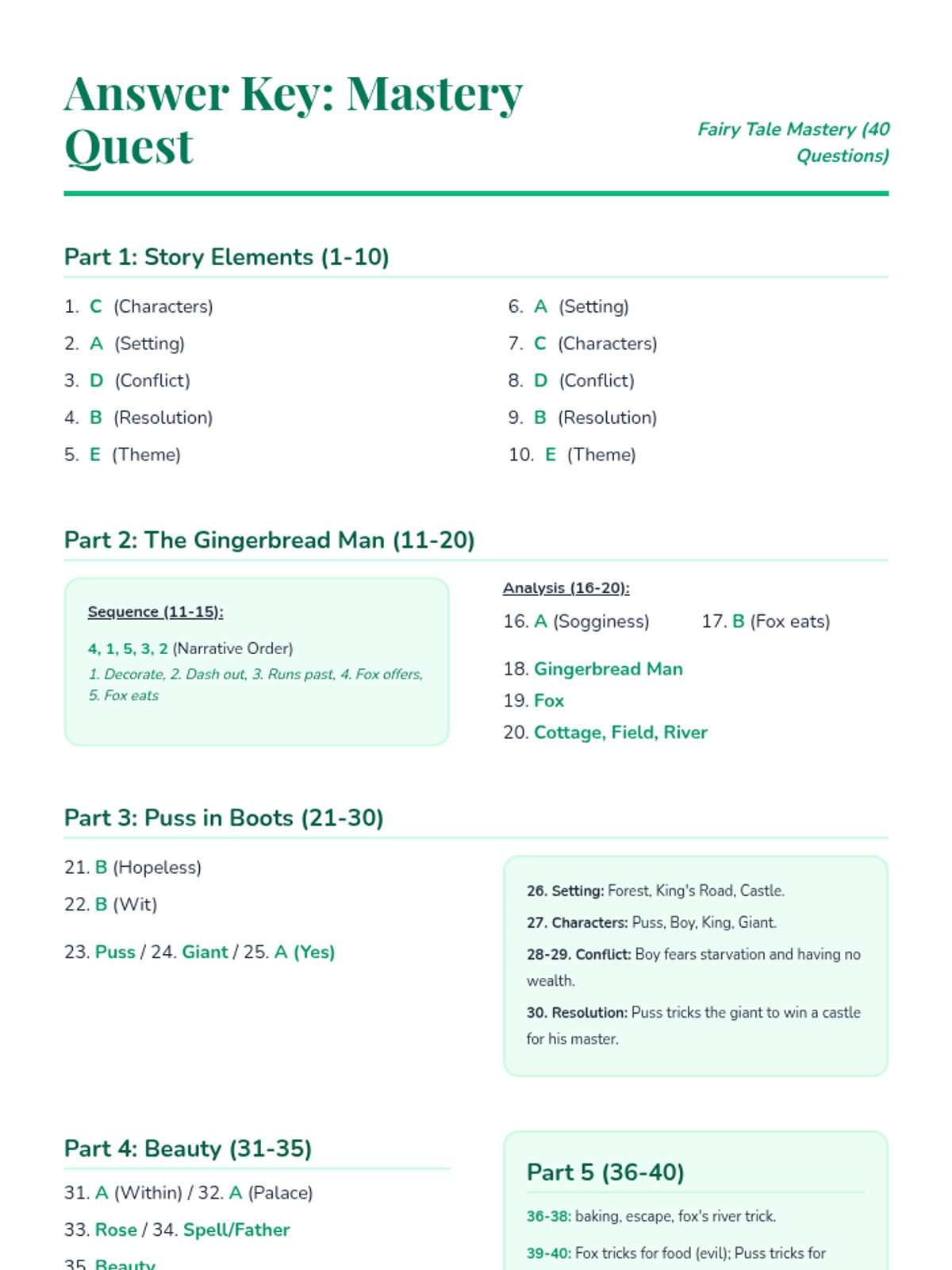
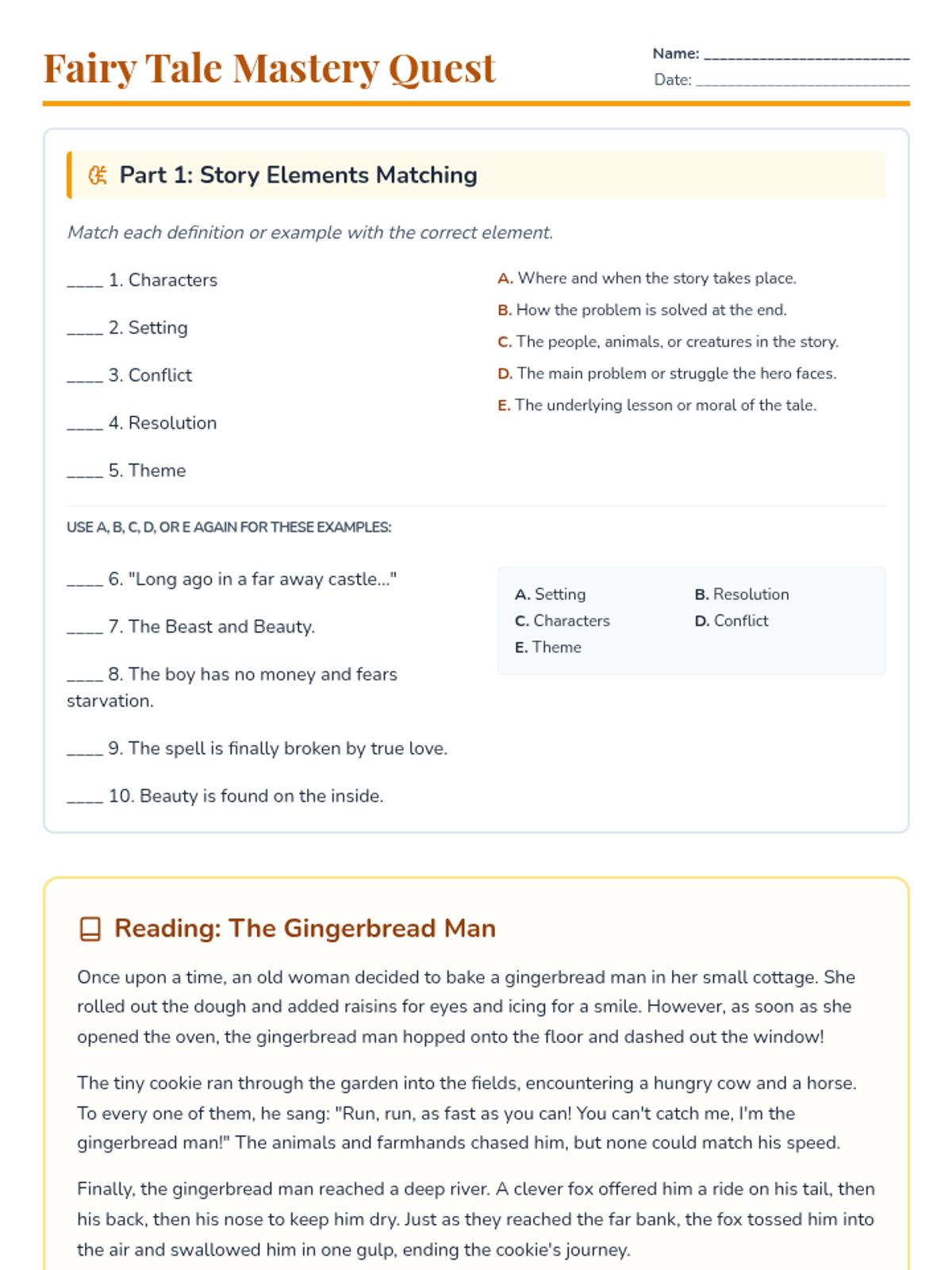
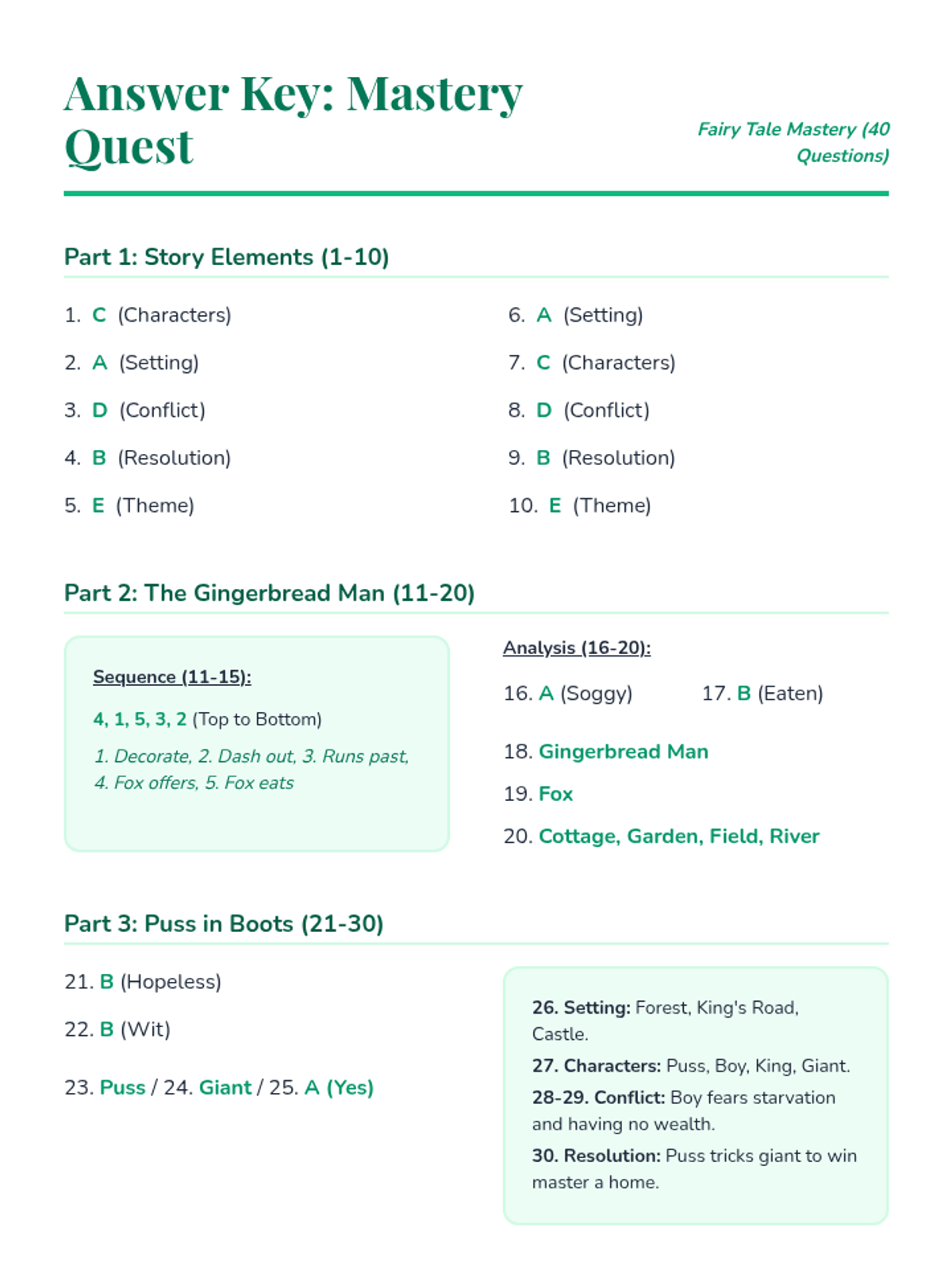
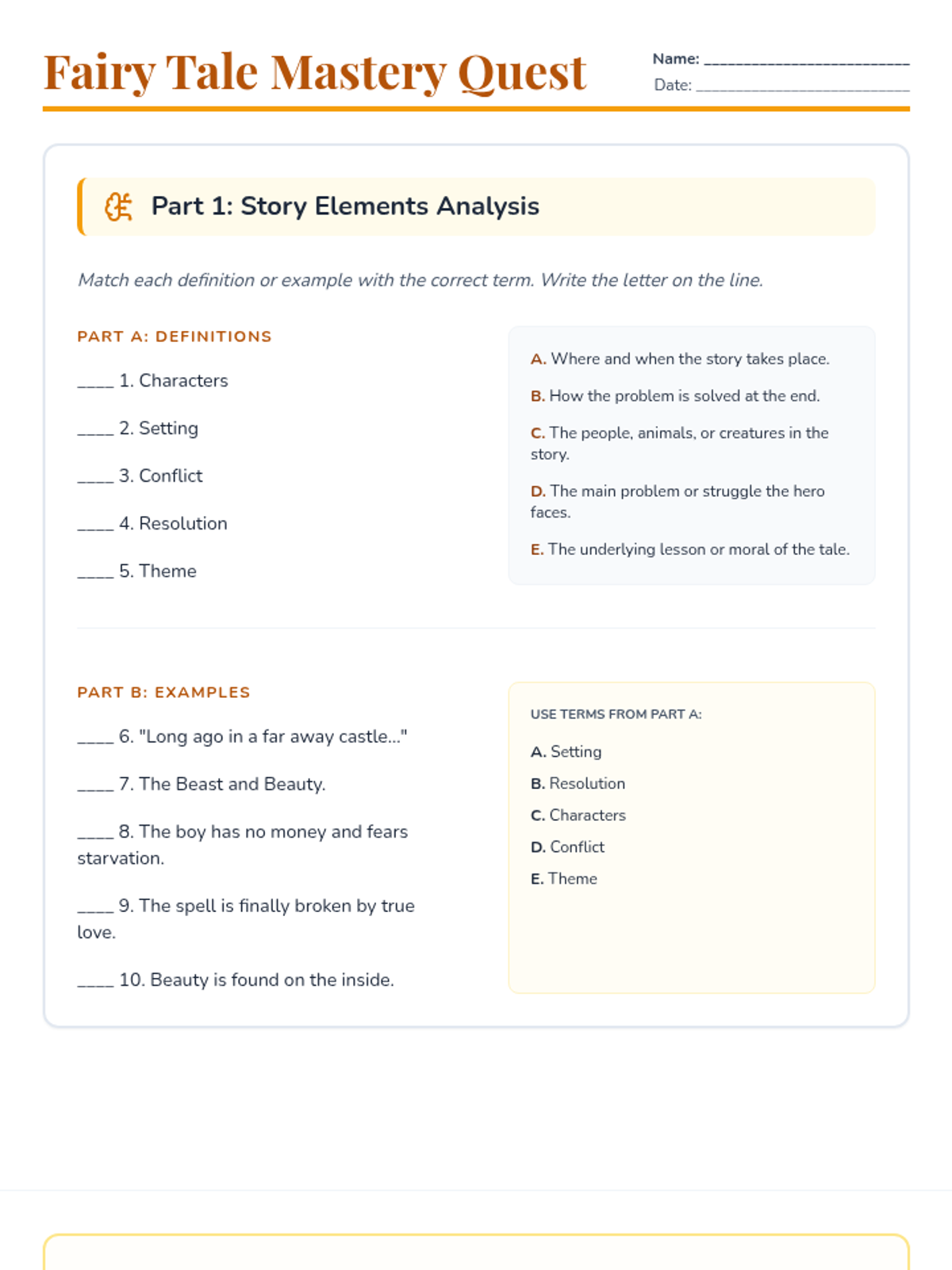
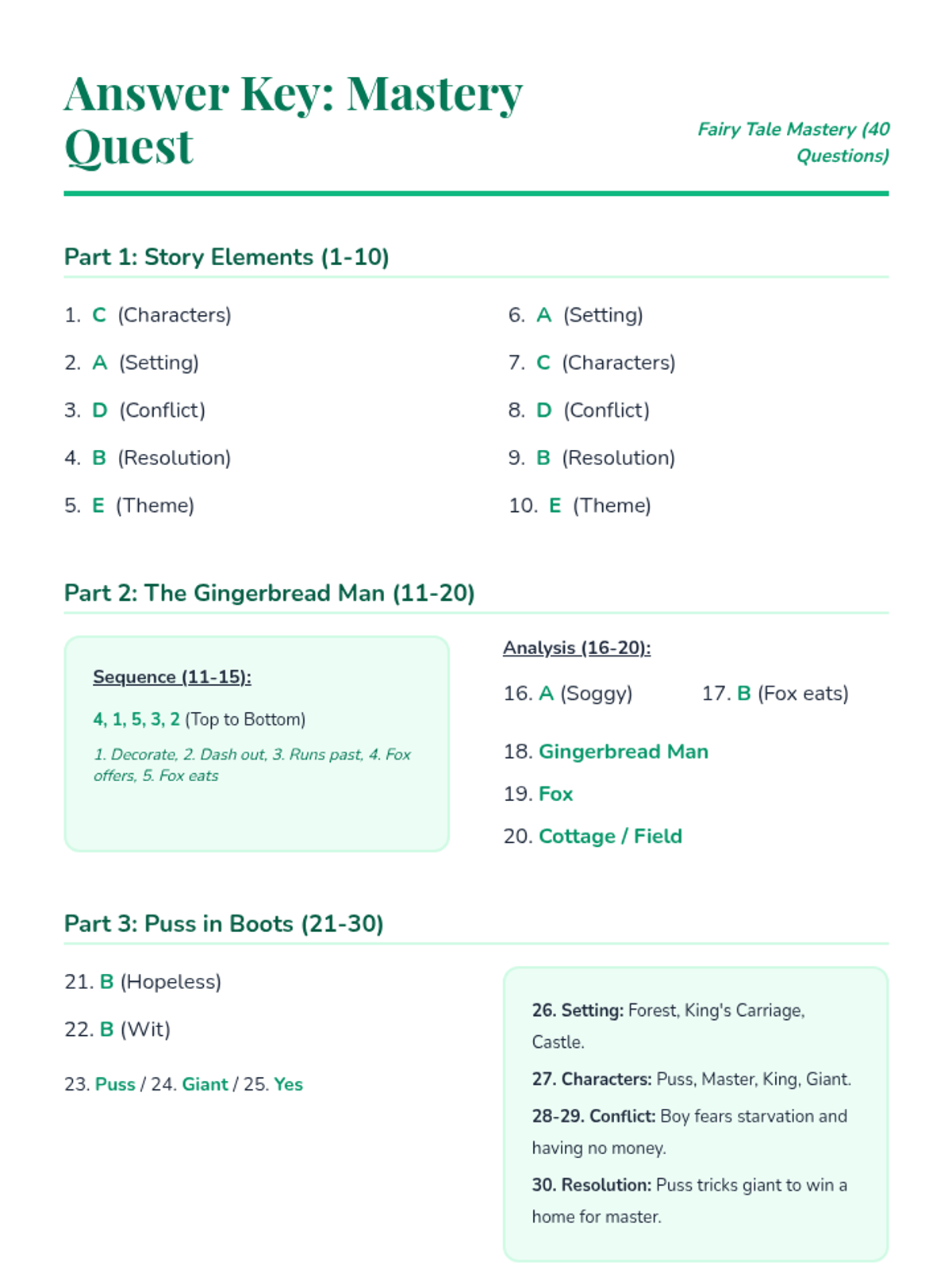
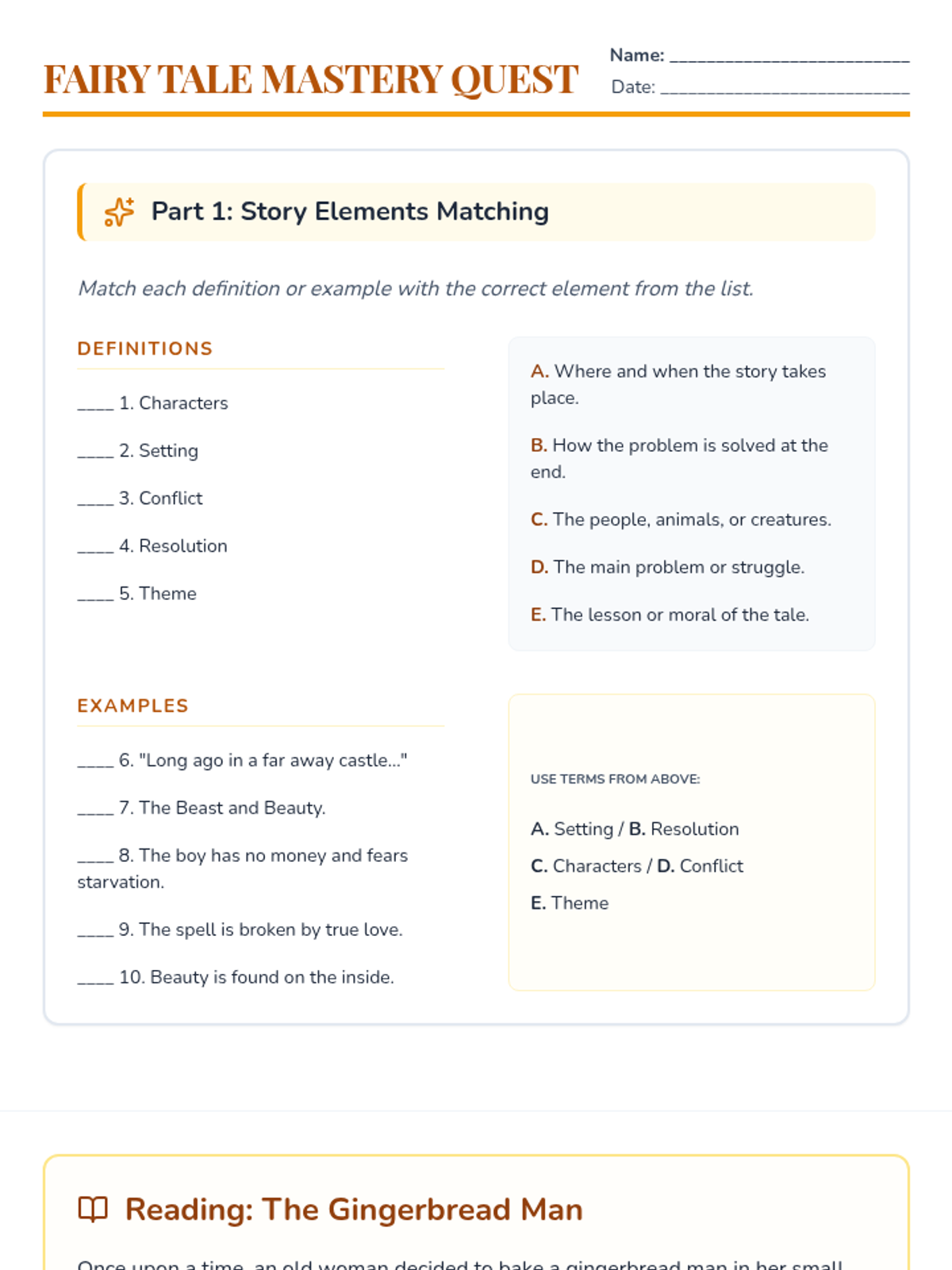
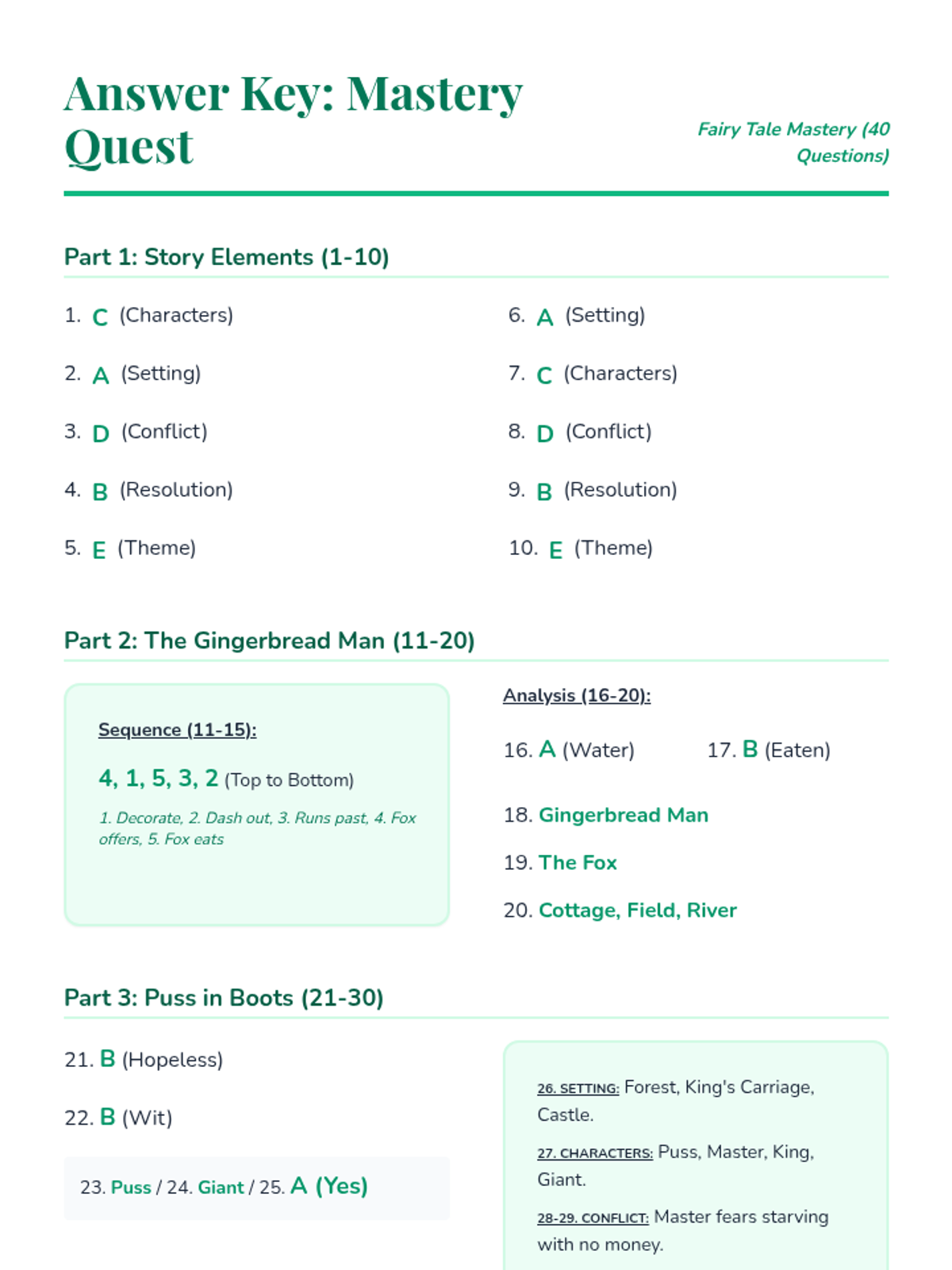
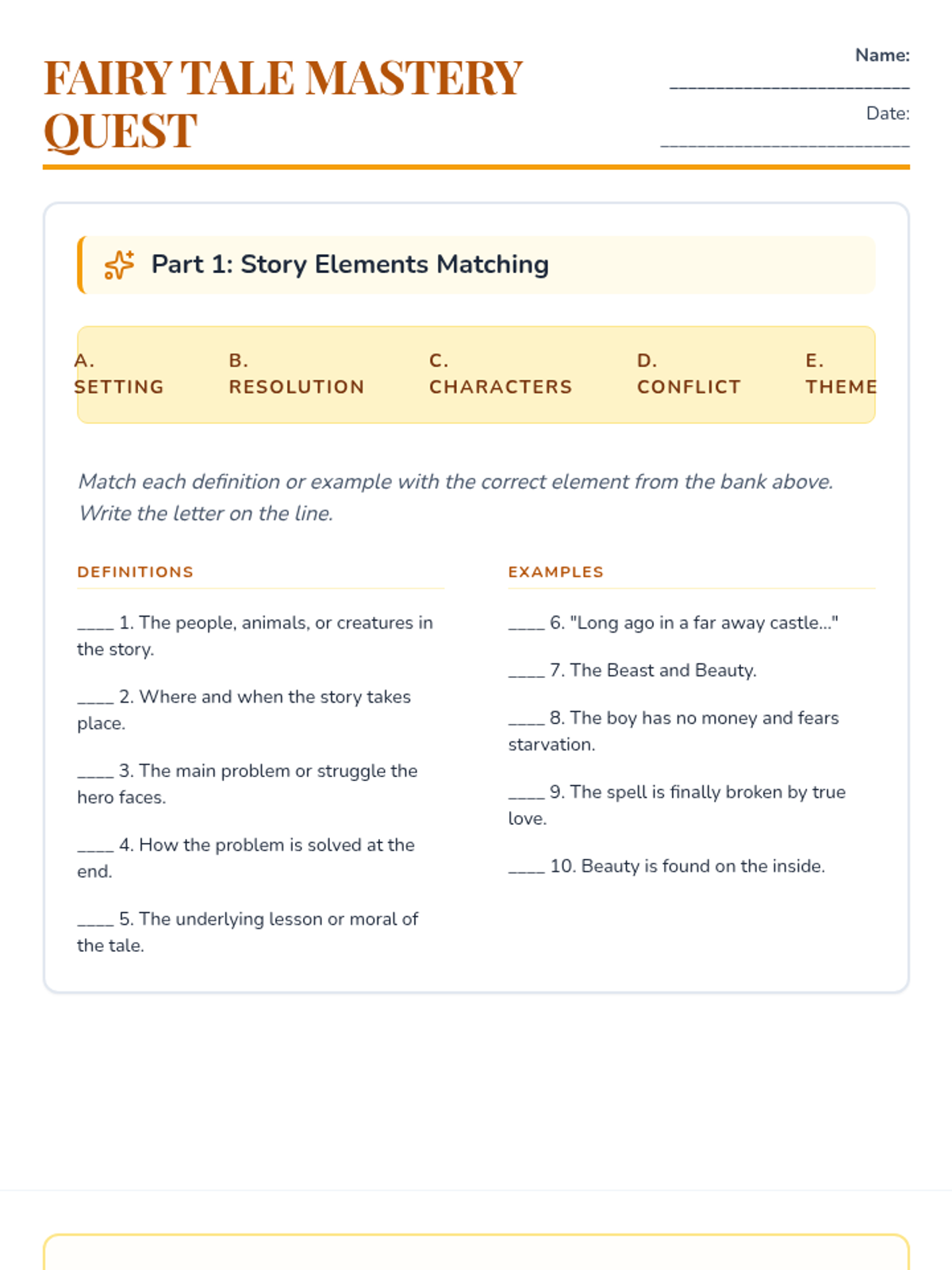
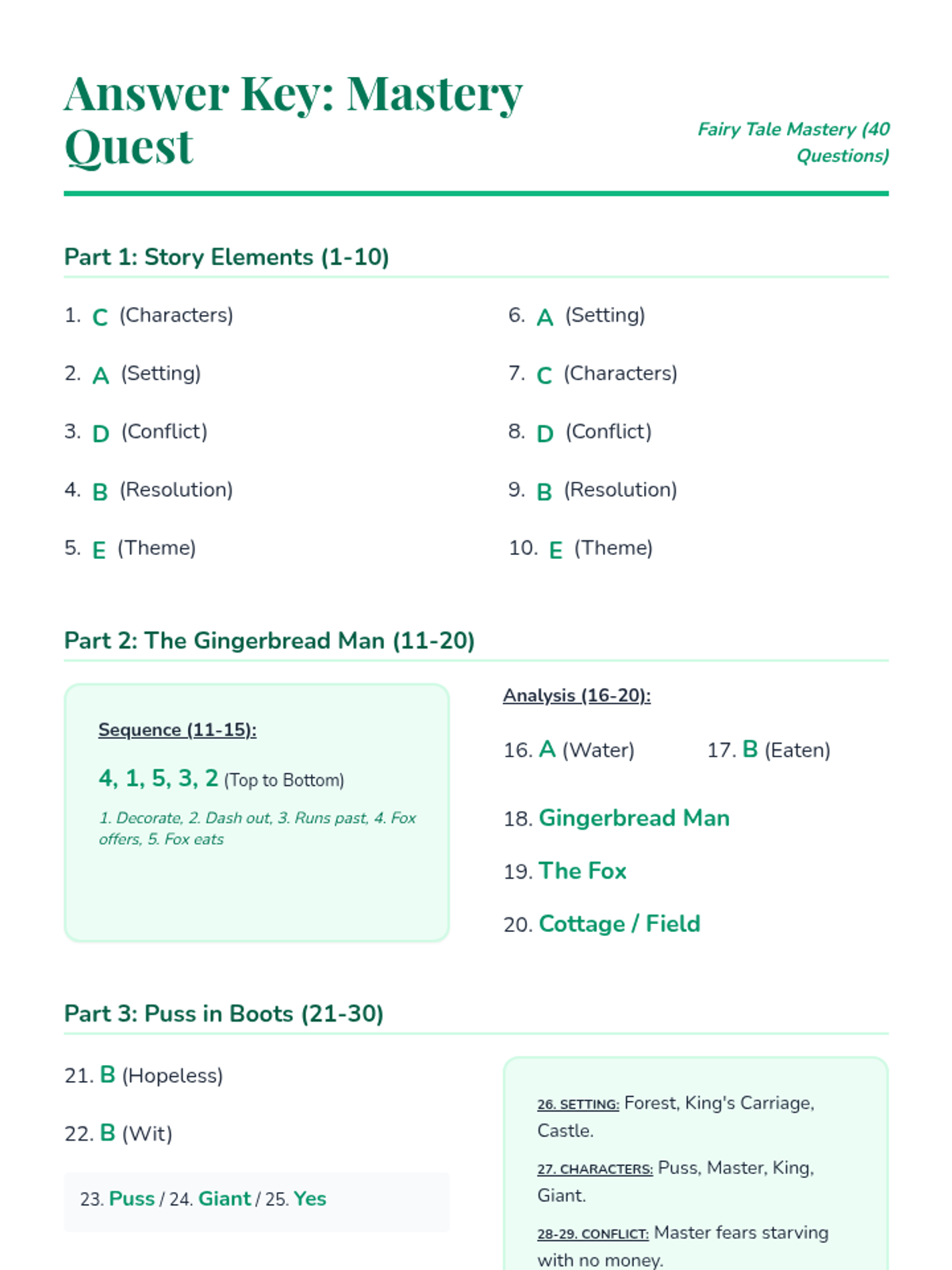
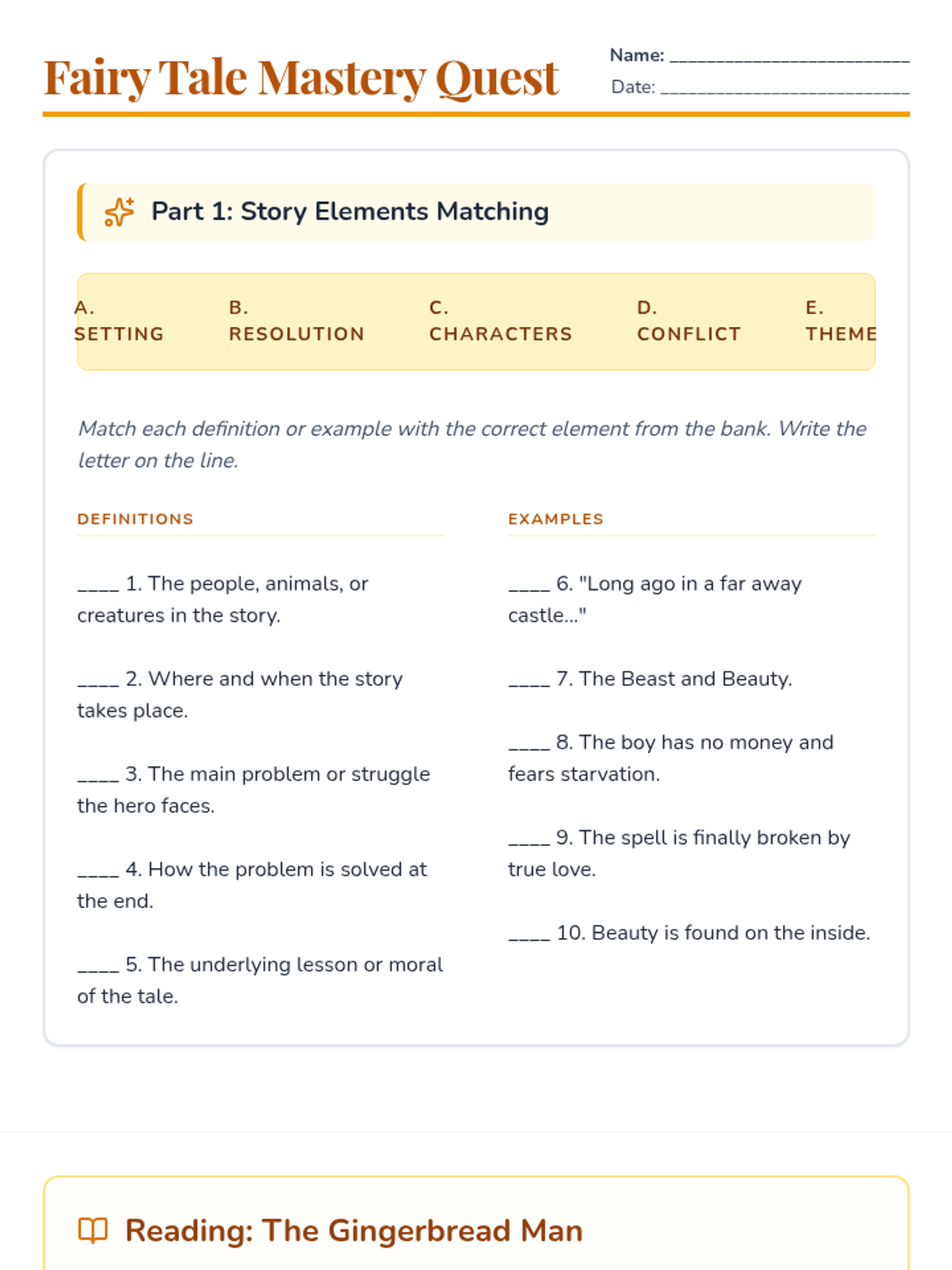
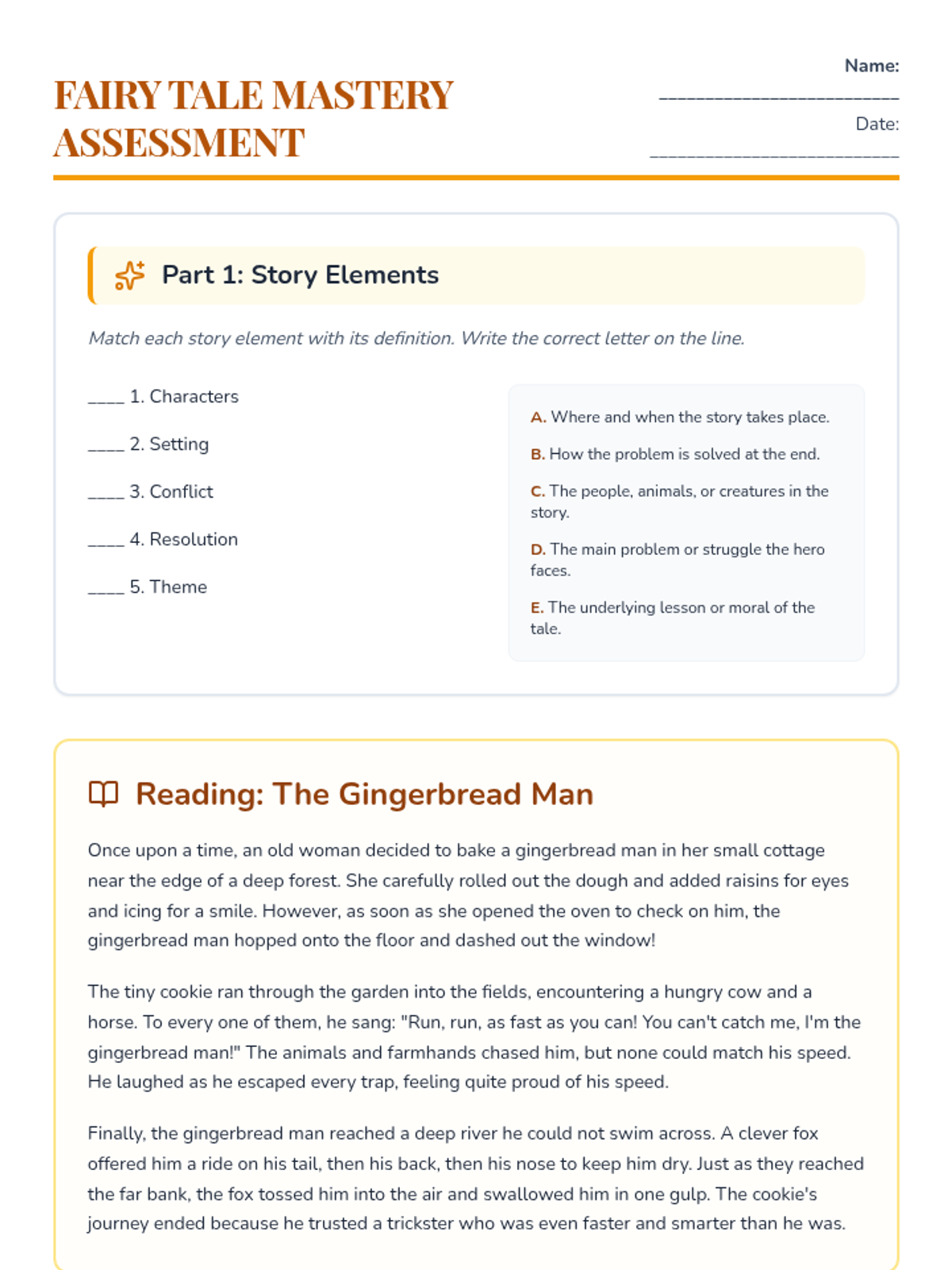
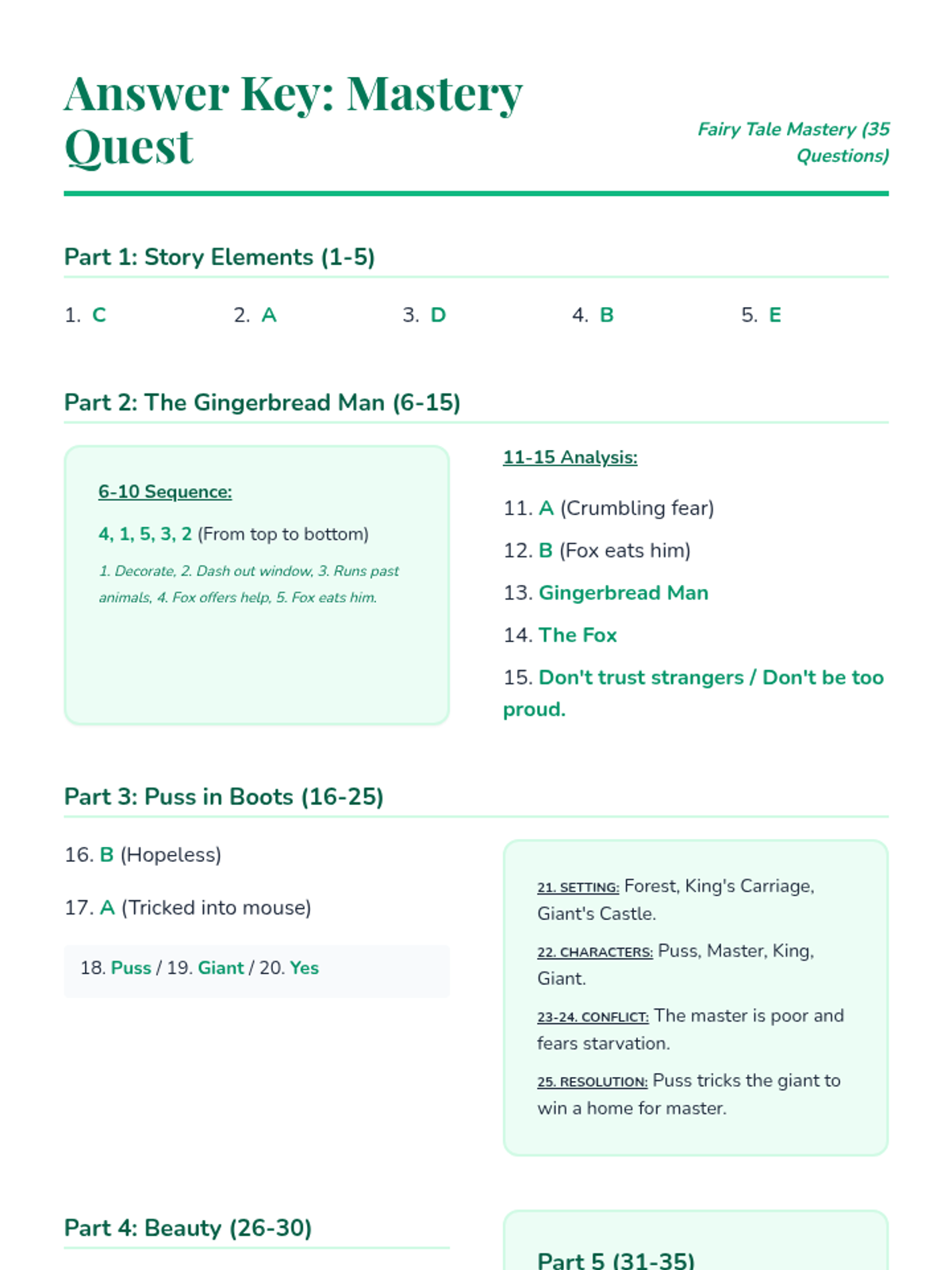
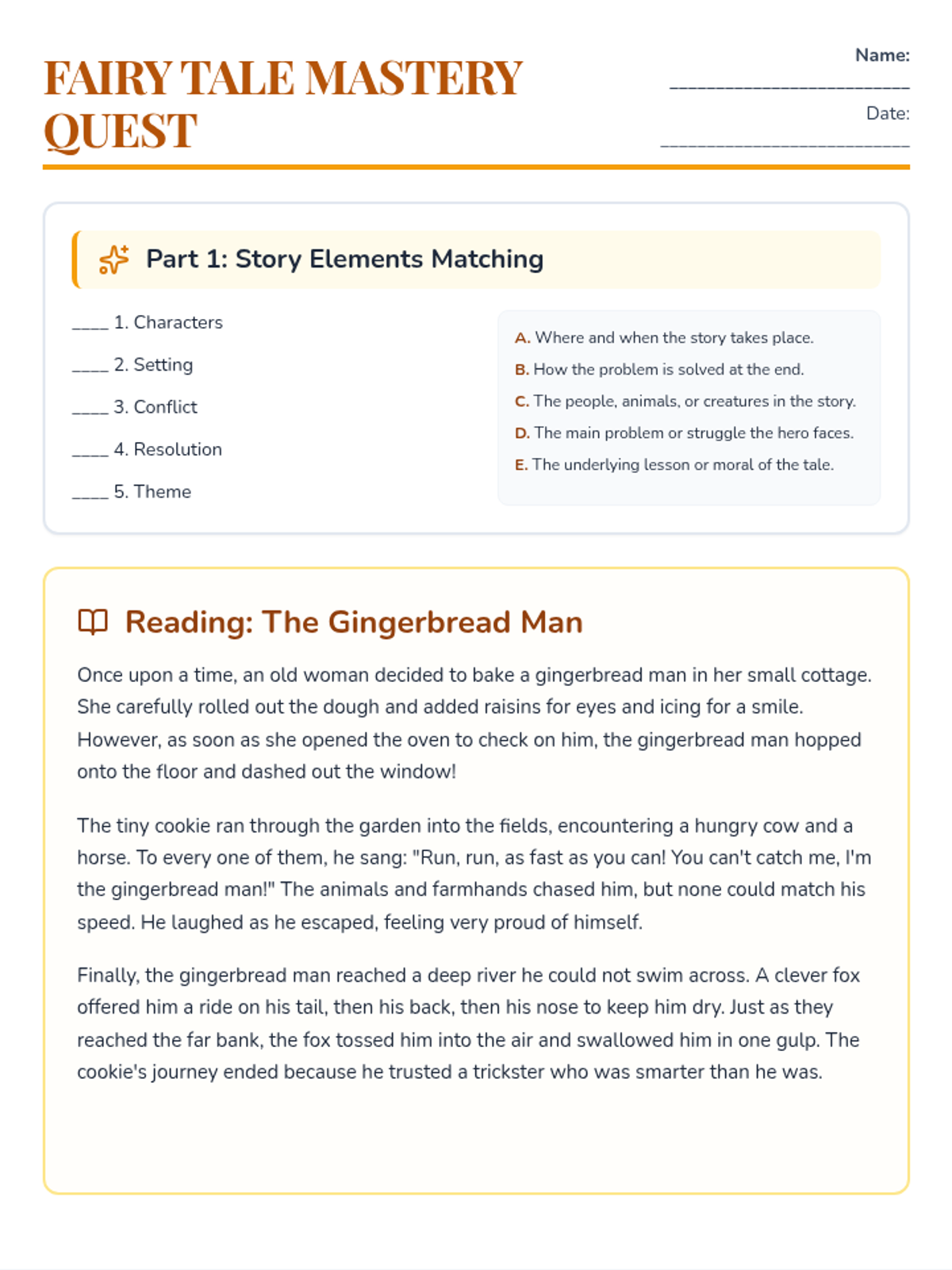
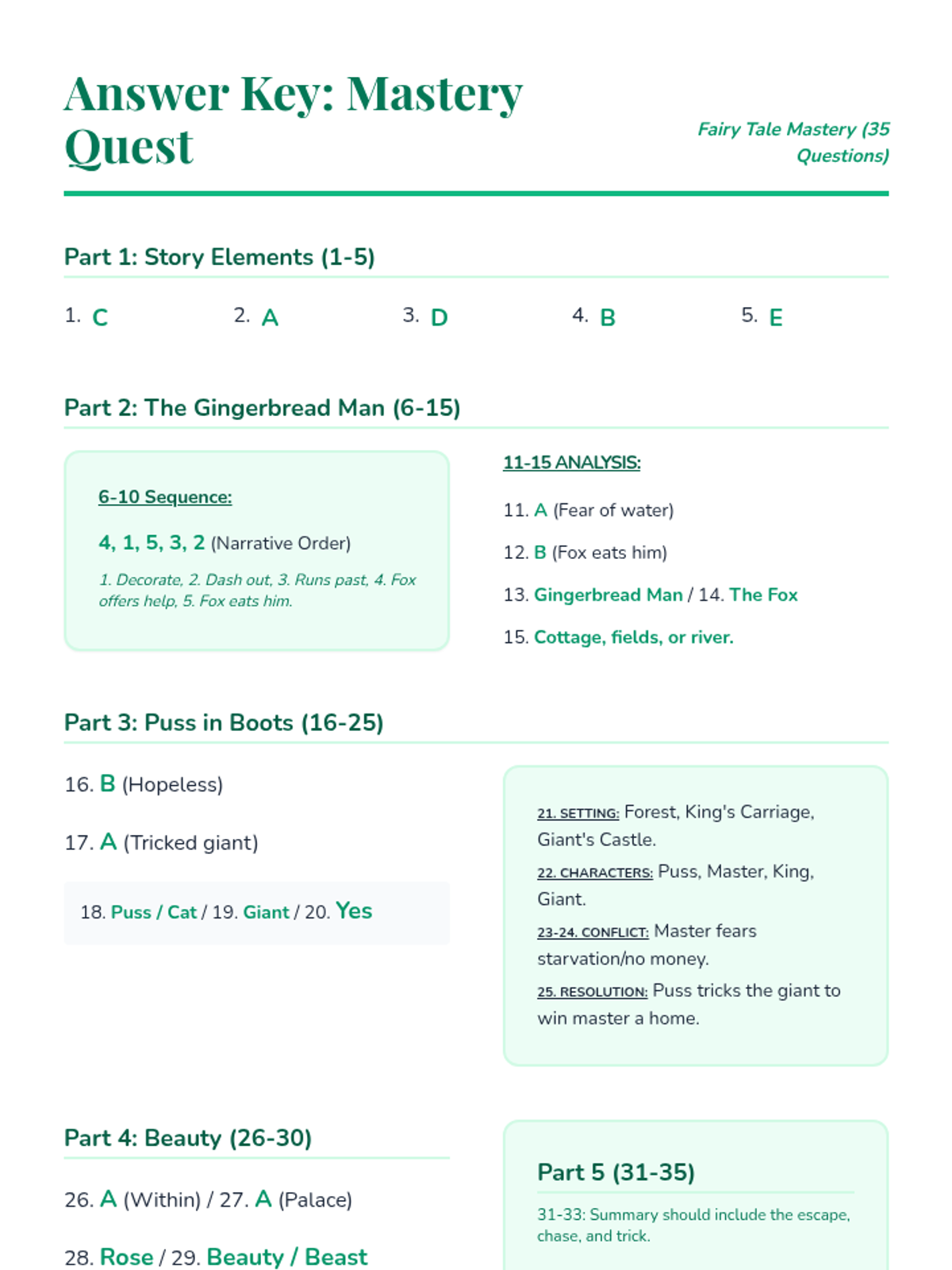
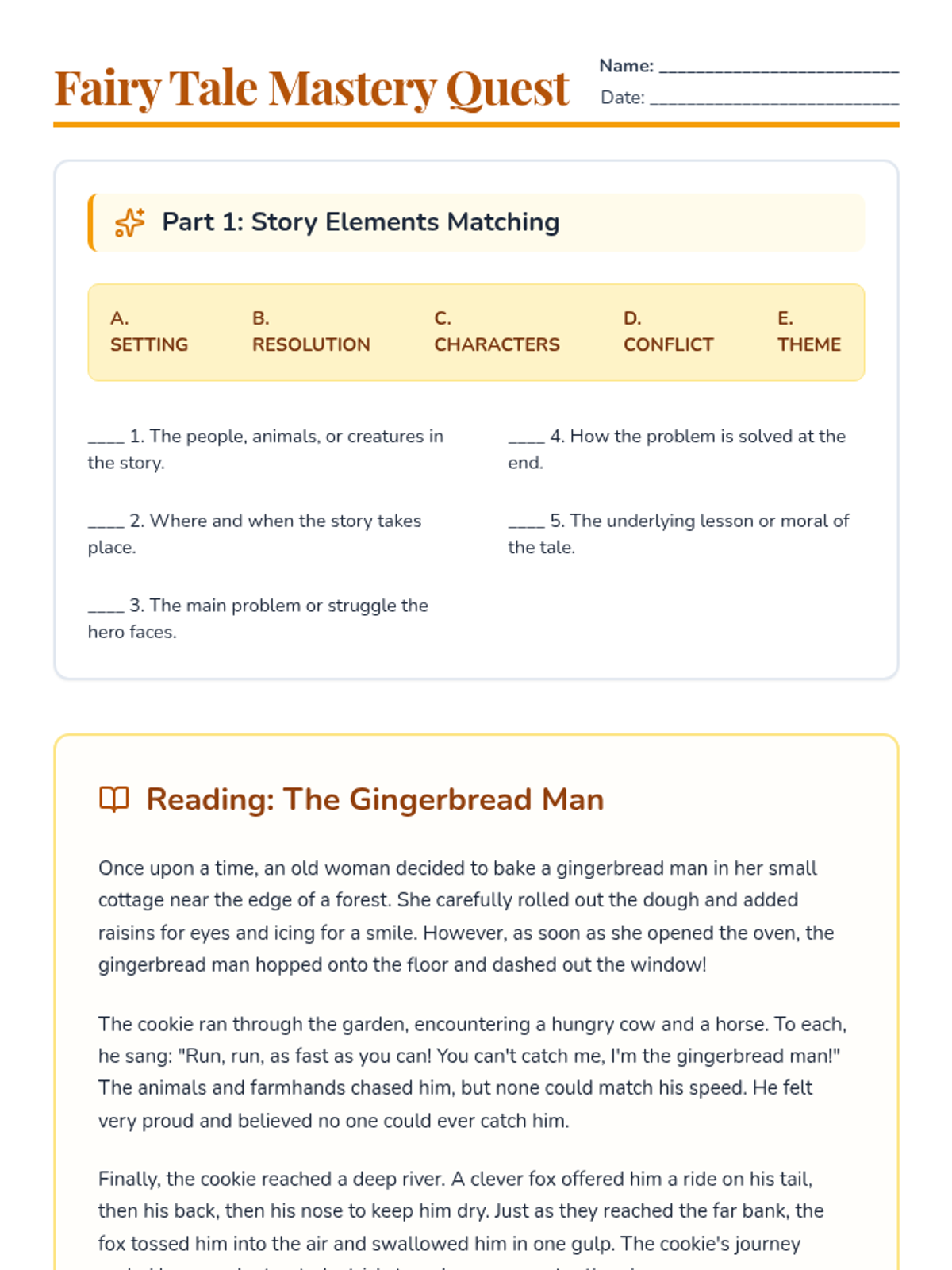
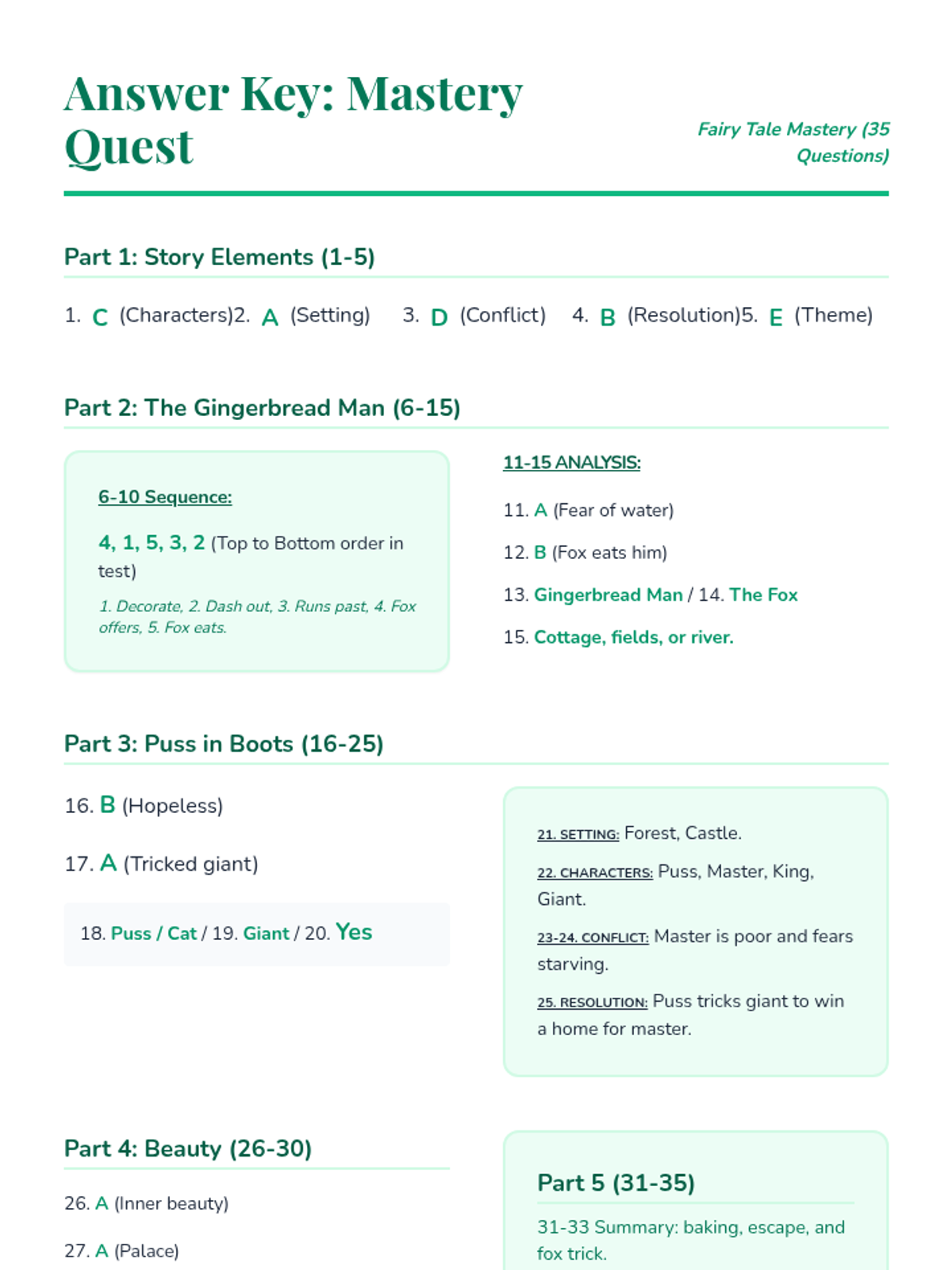
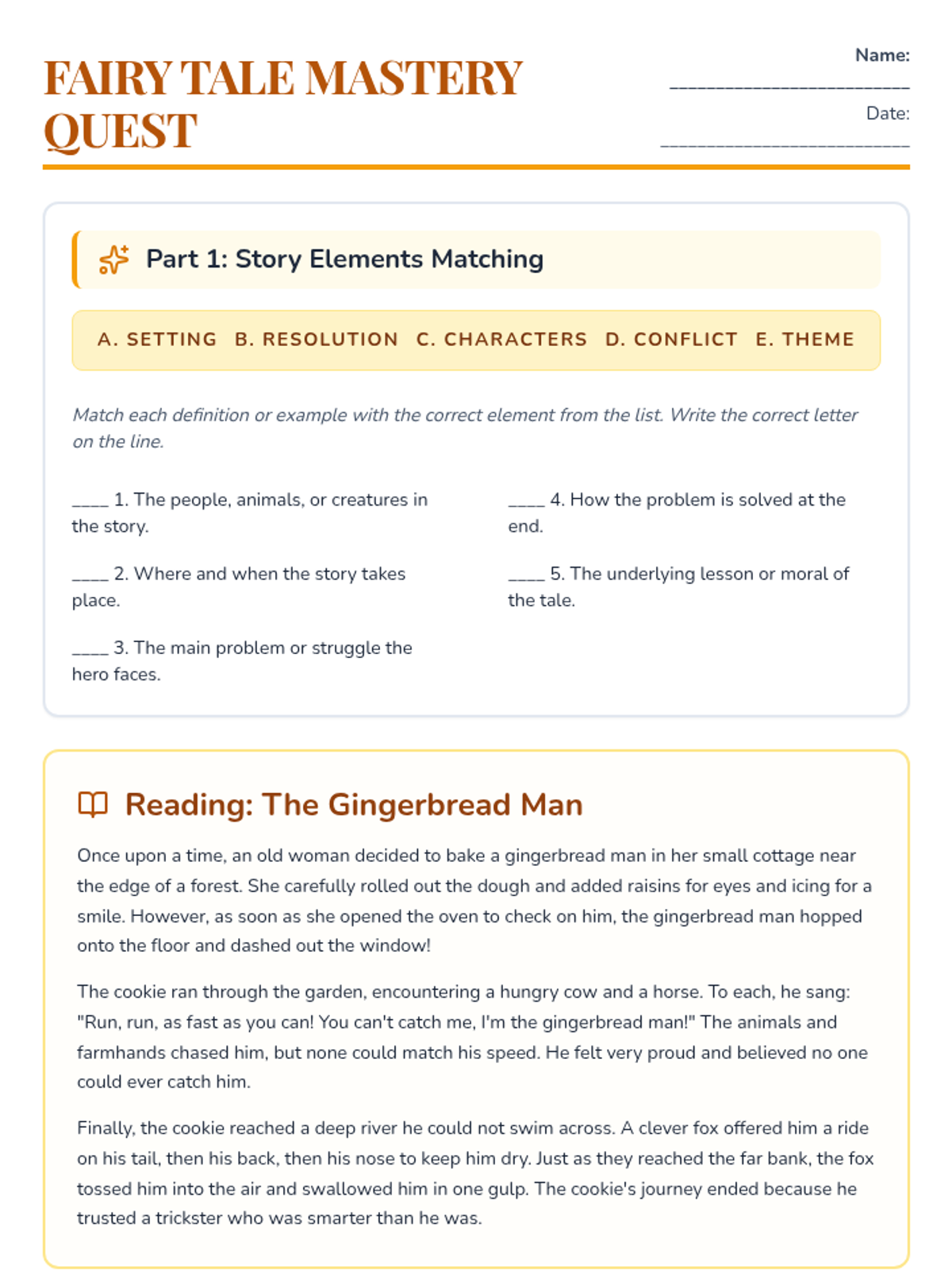
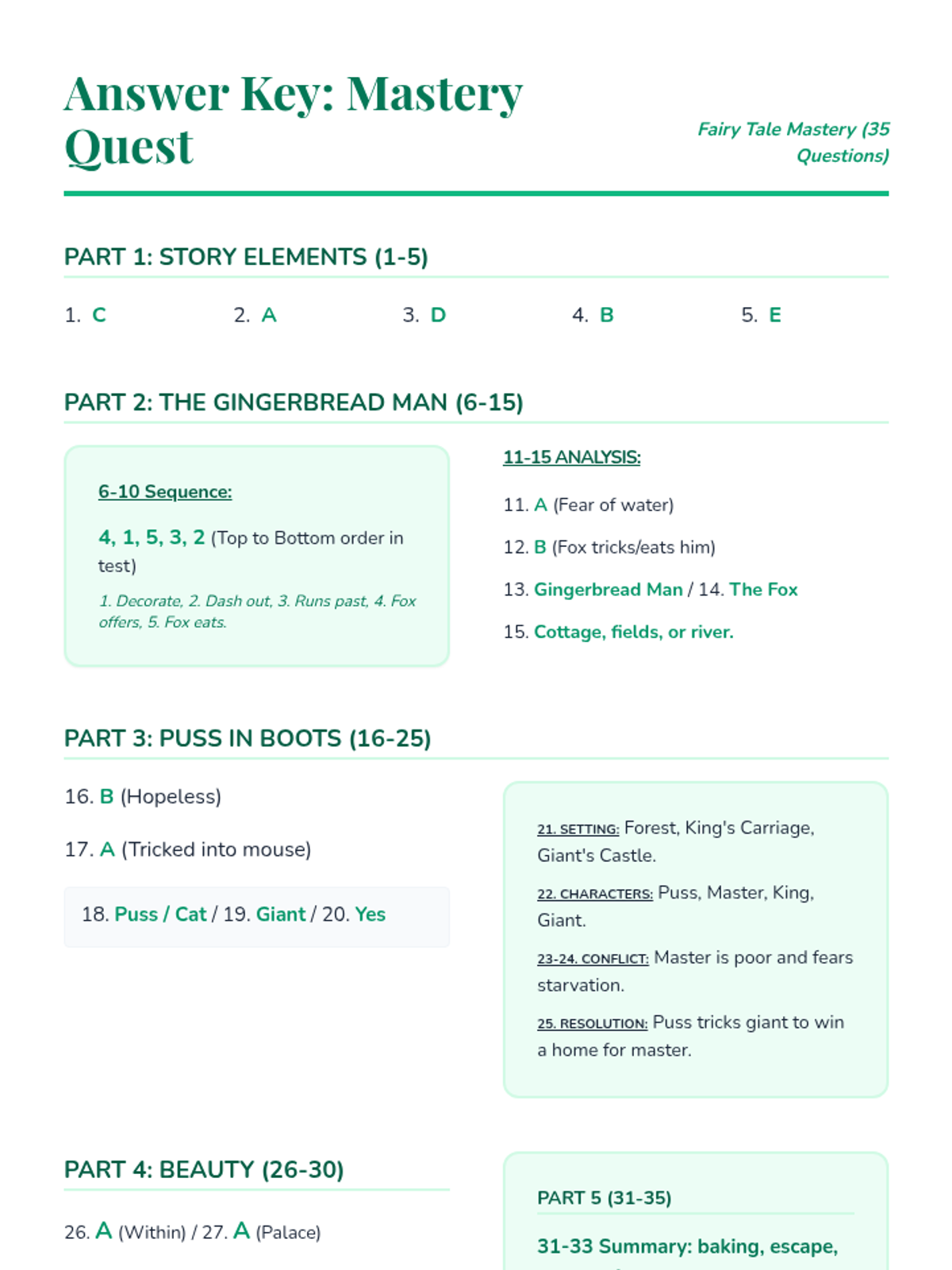
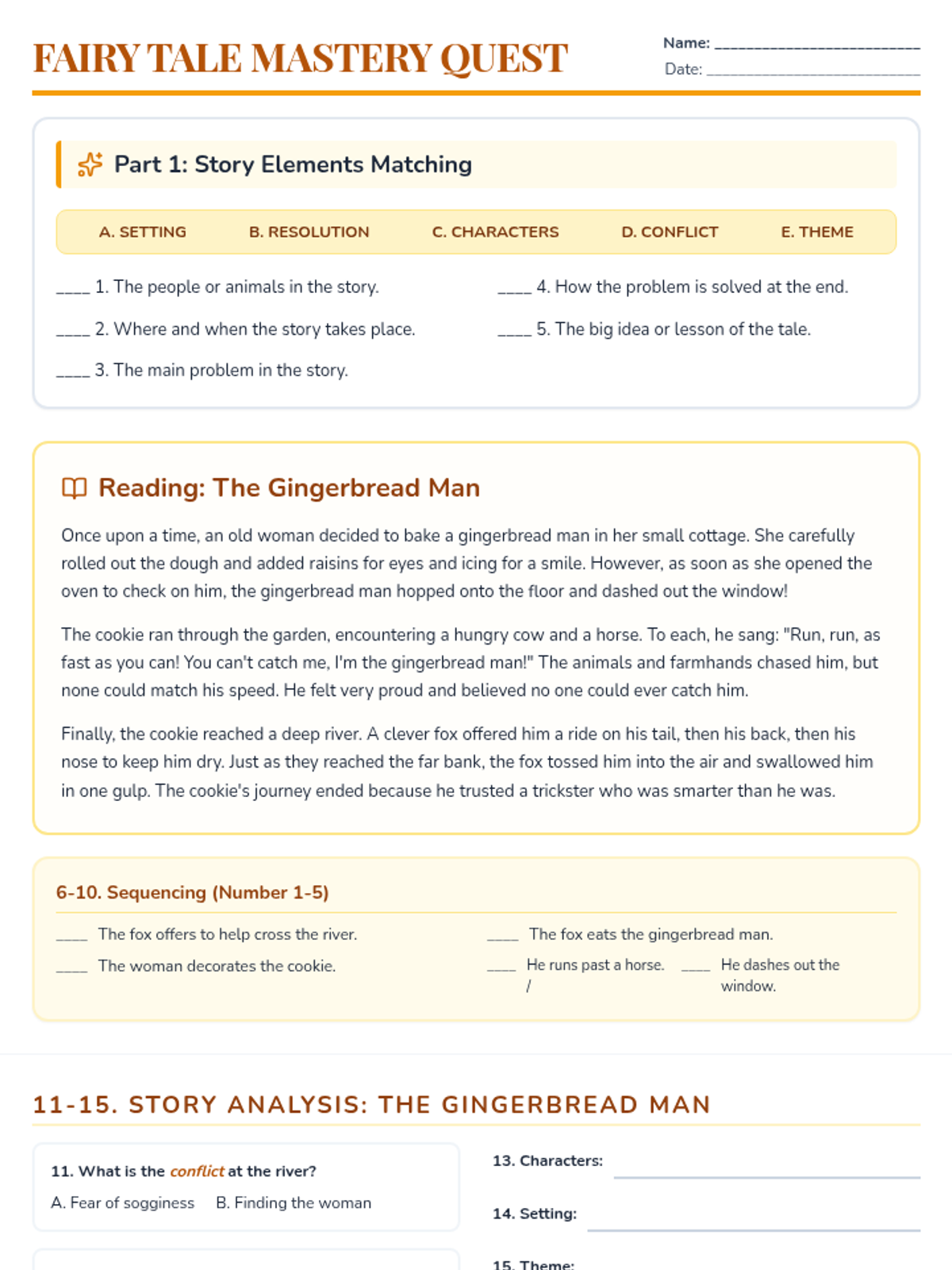
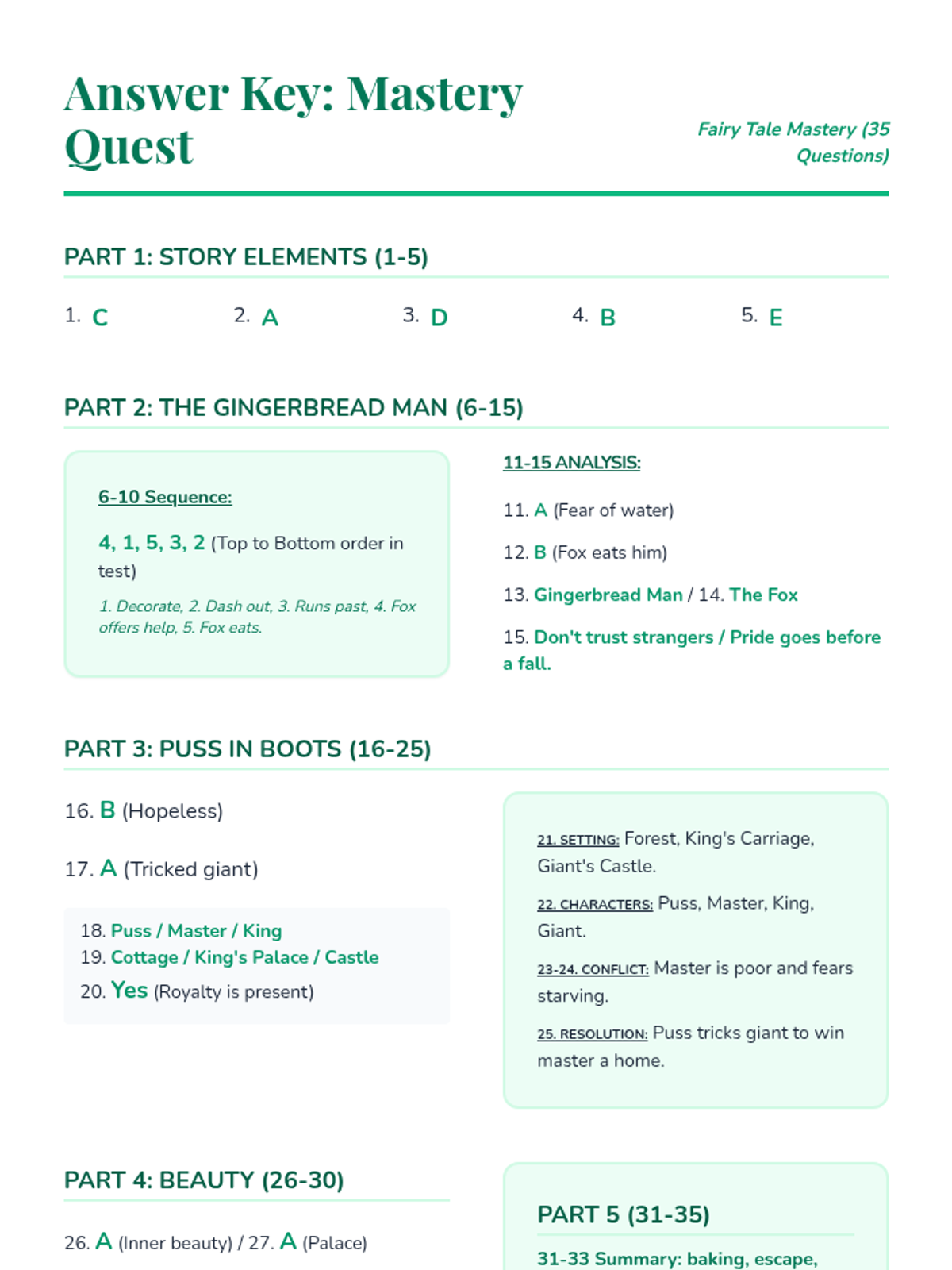
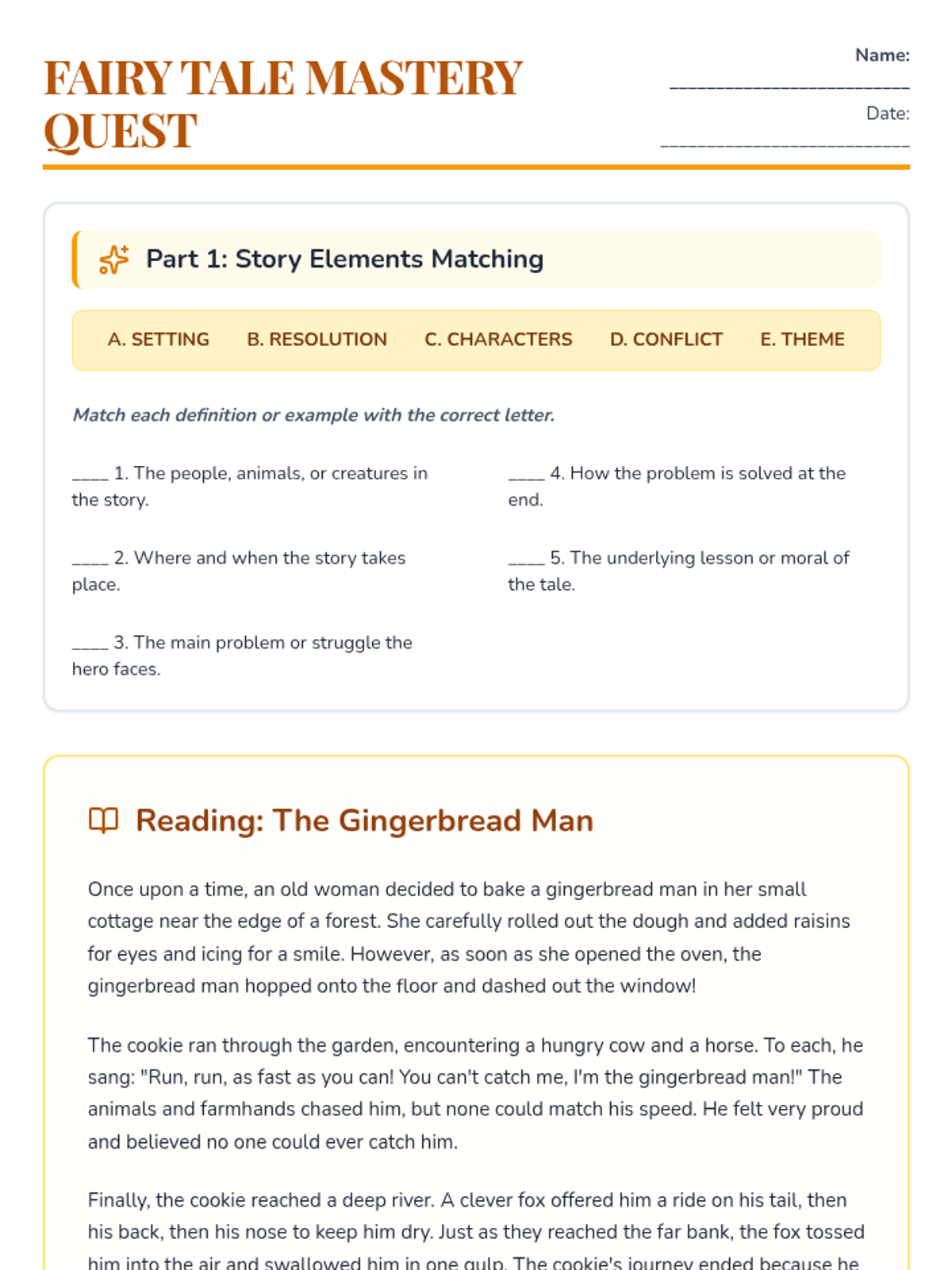
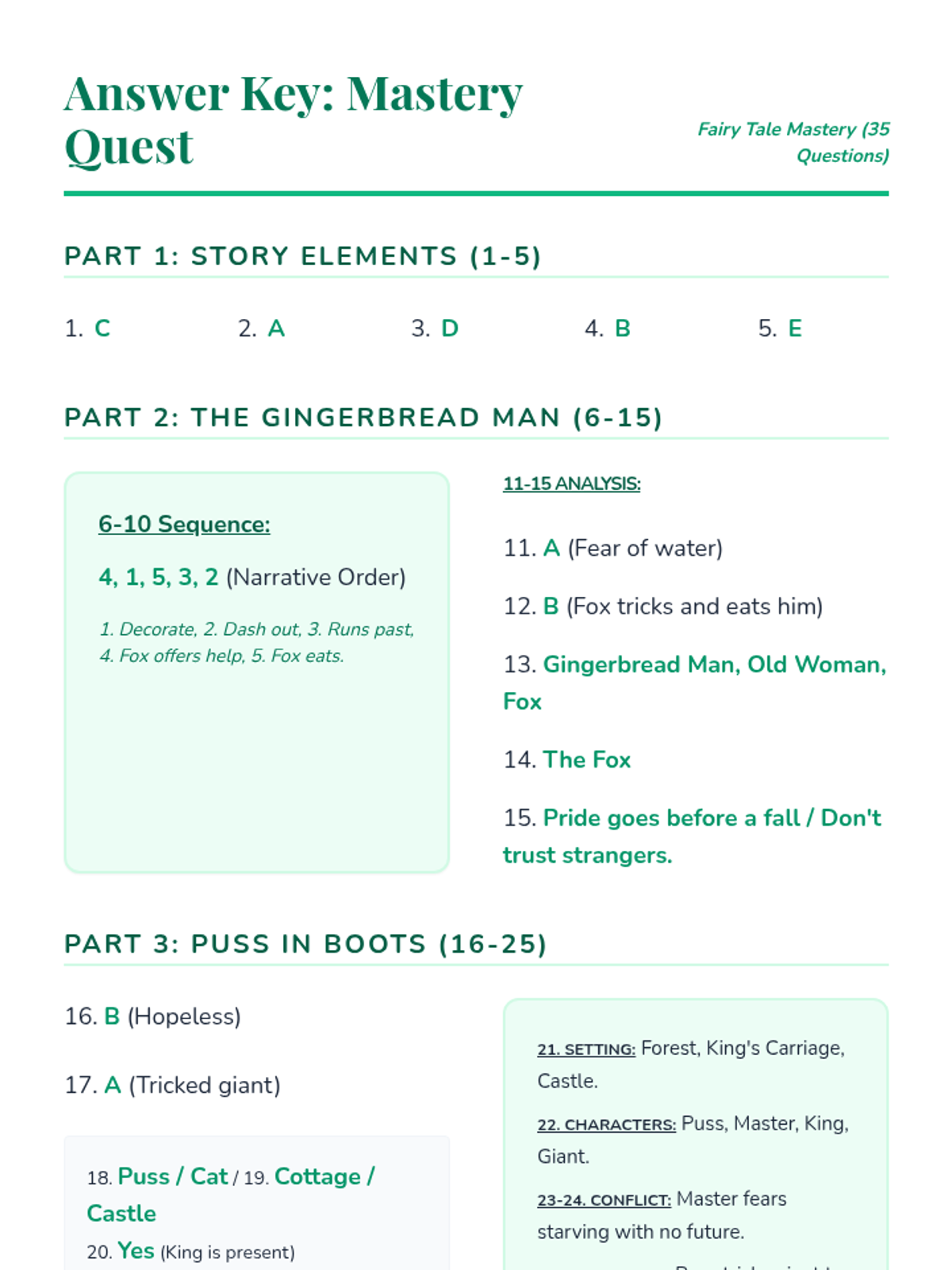
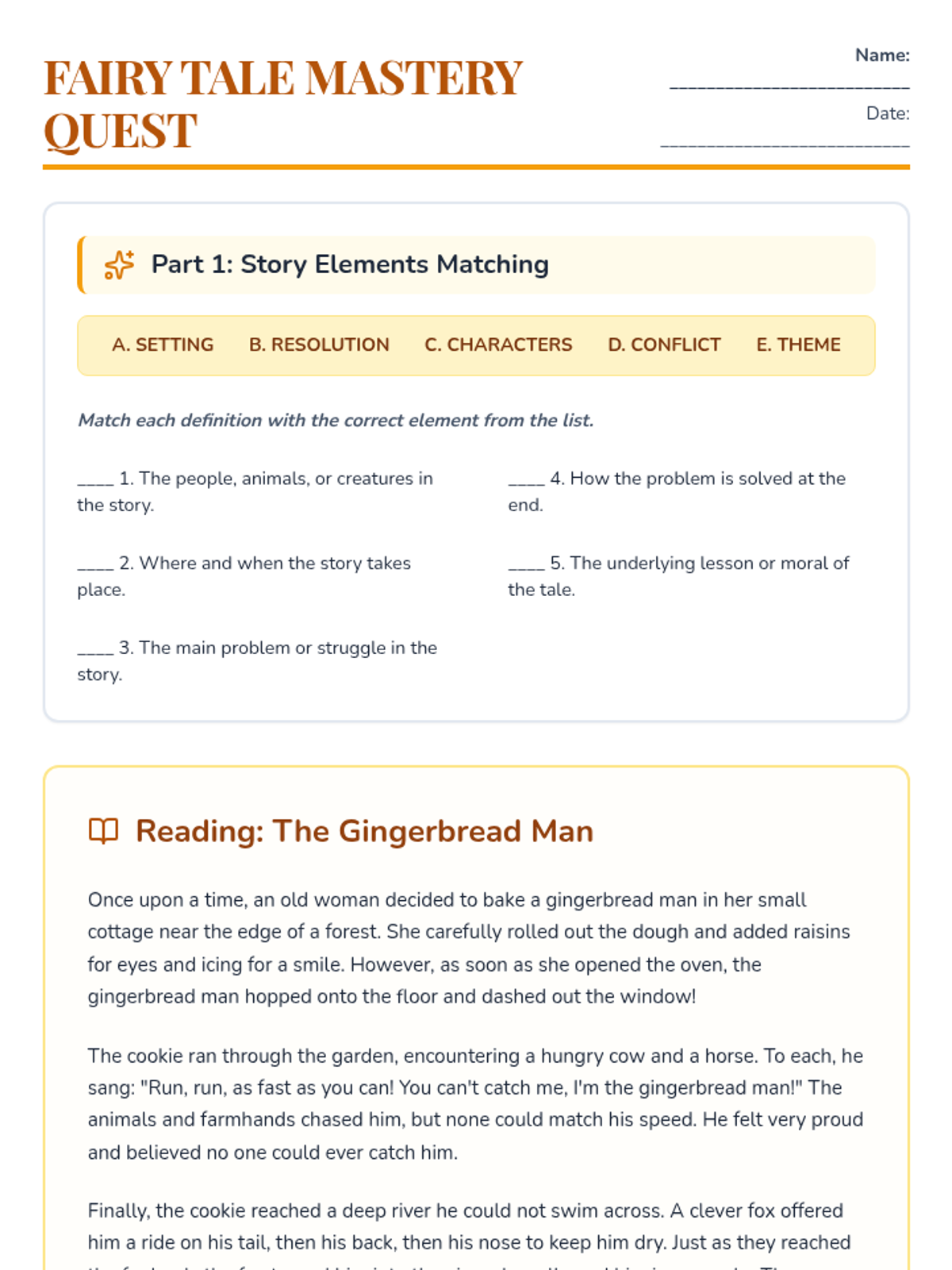
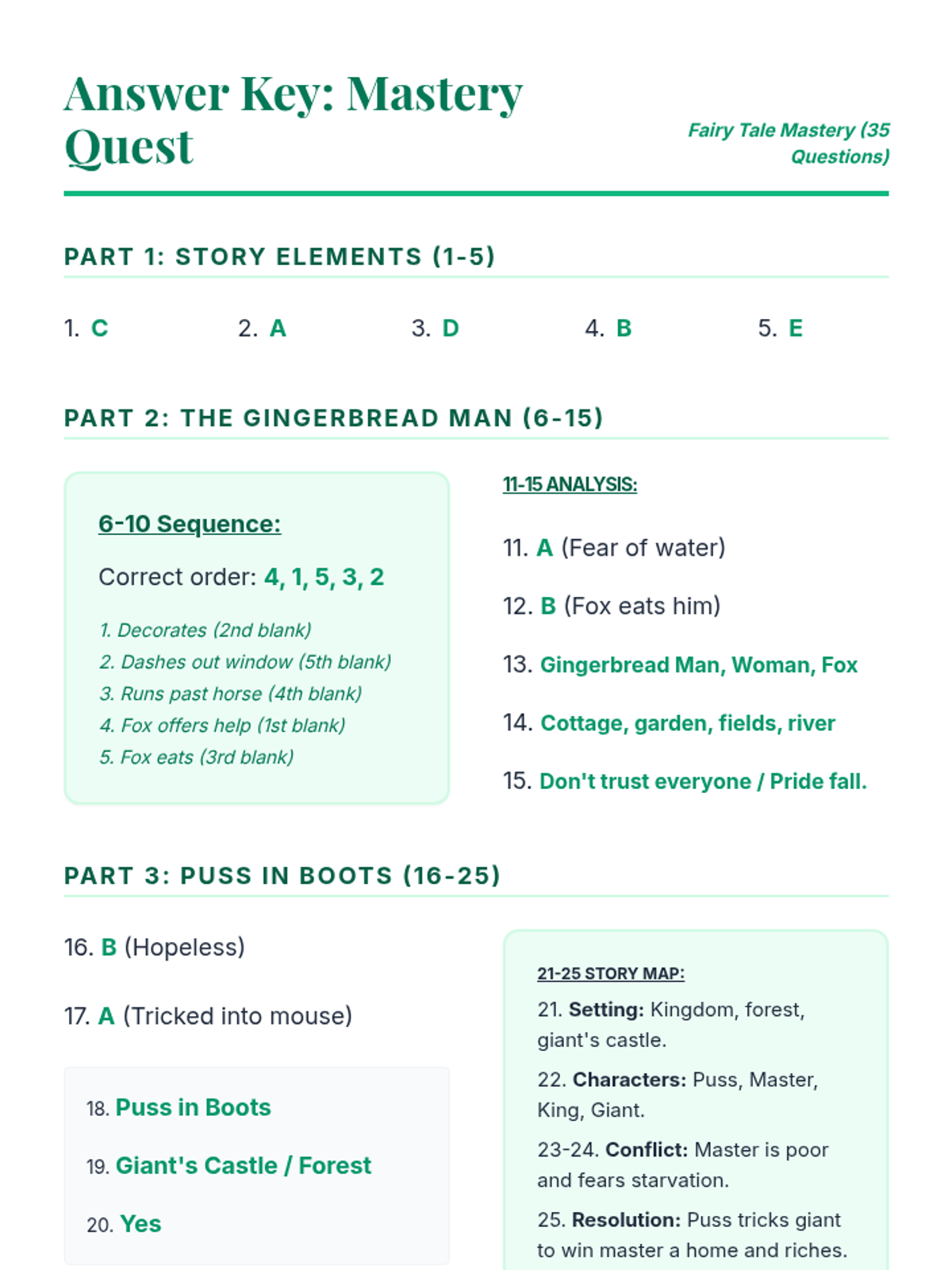
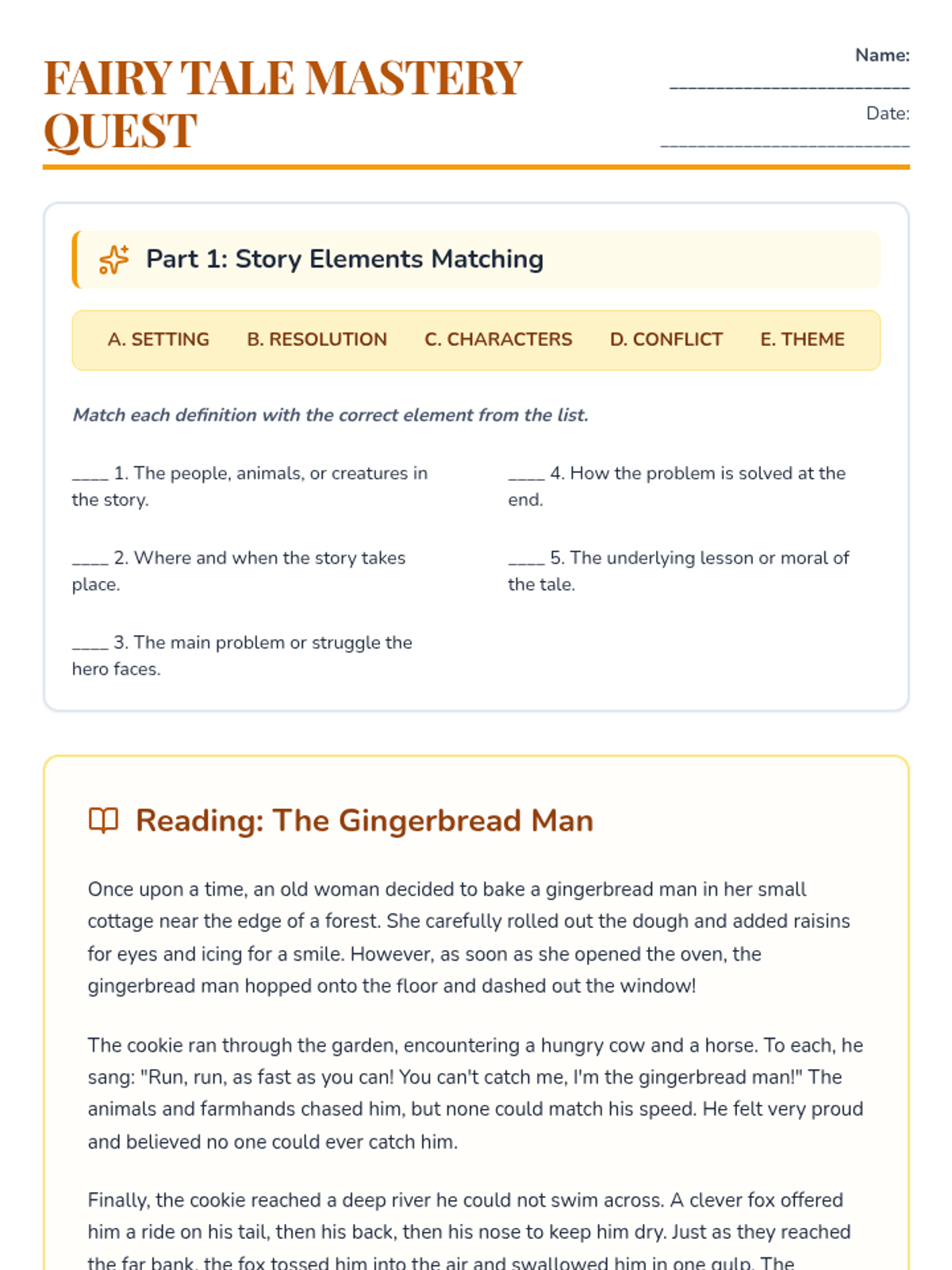
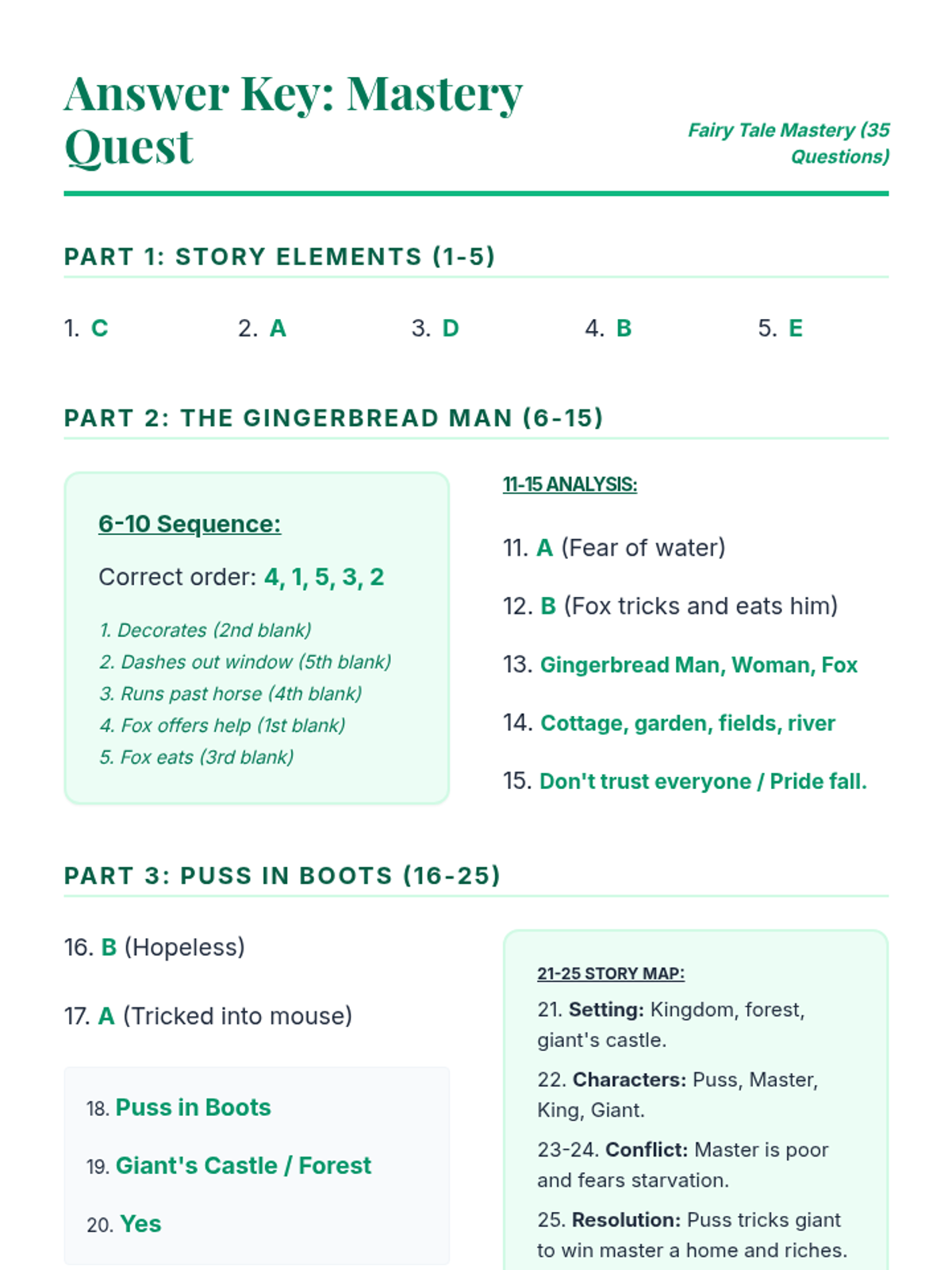
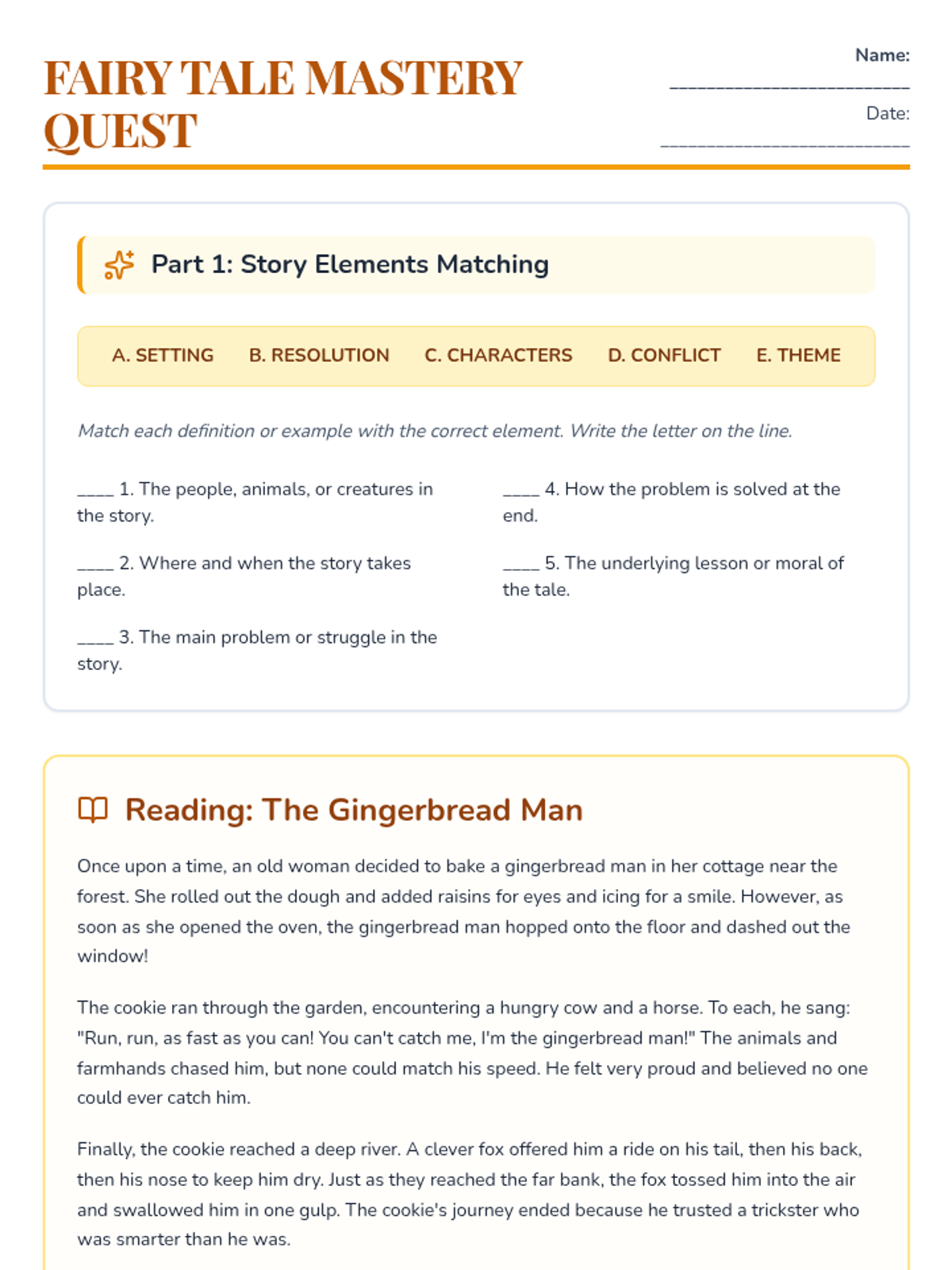
A comprehensive assessment for 3rd-4th grade students covering key fairy tale elements, sequencing, character analysis, and theme using classic tales.
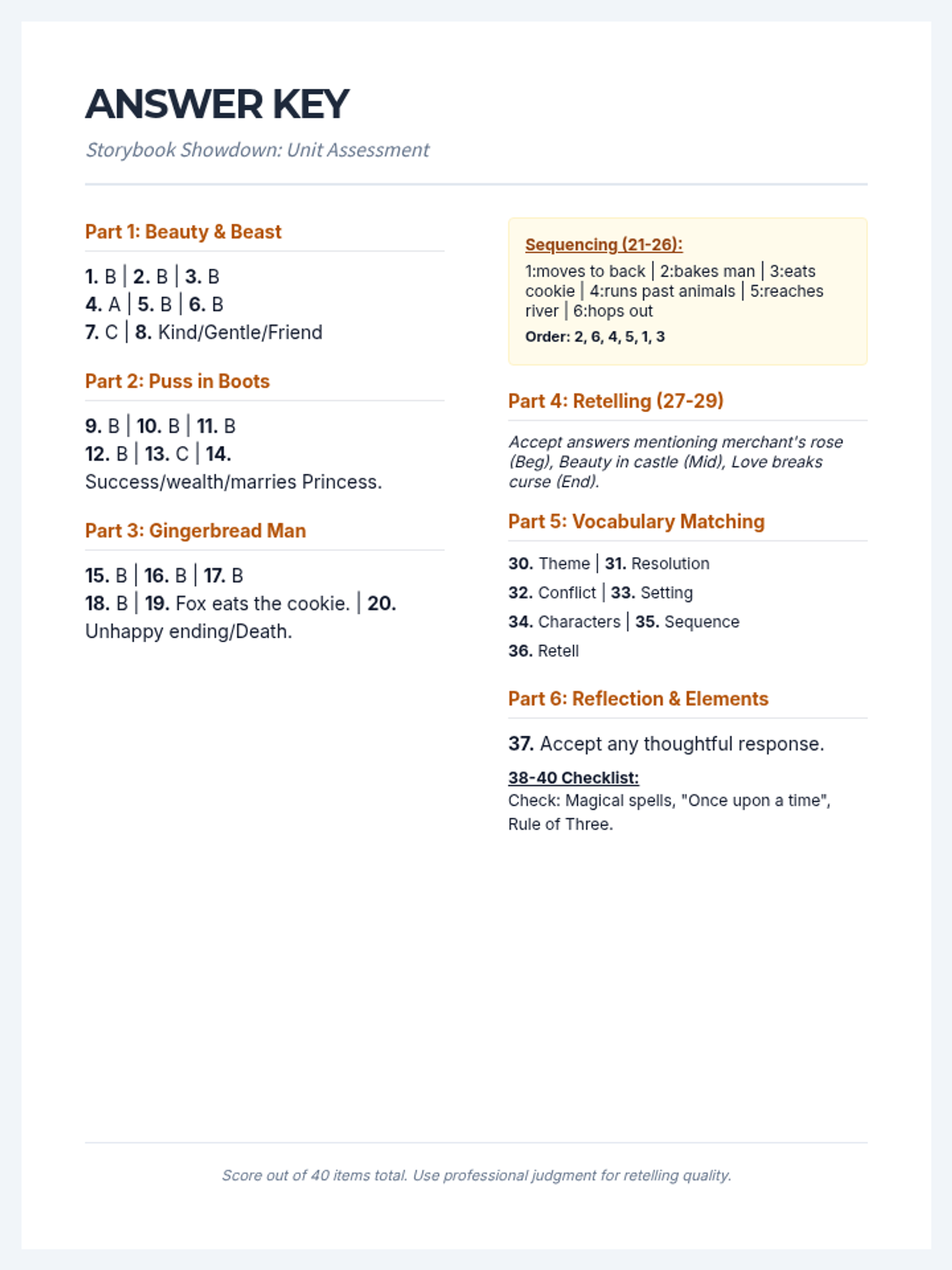
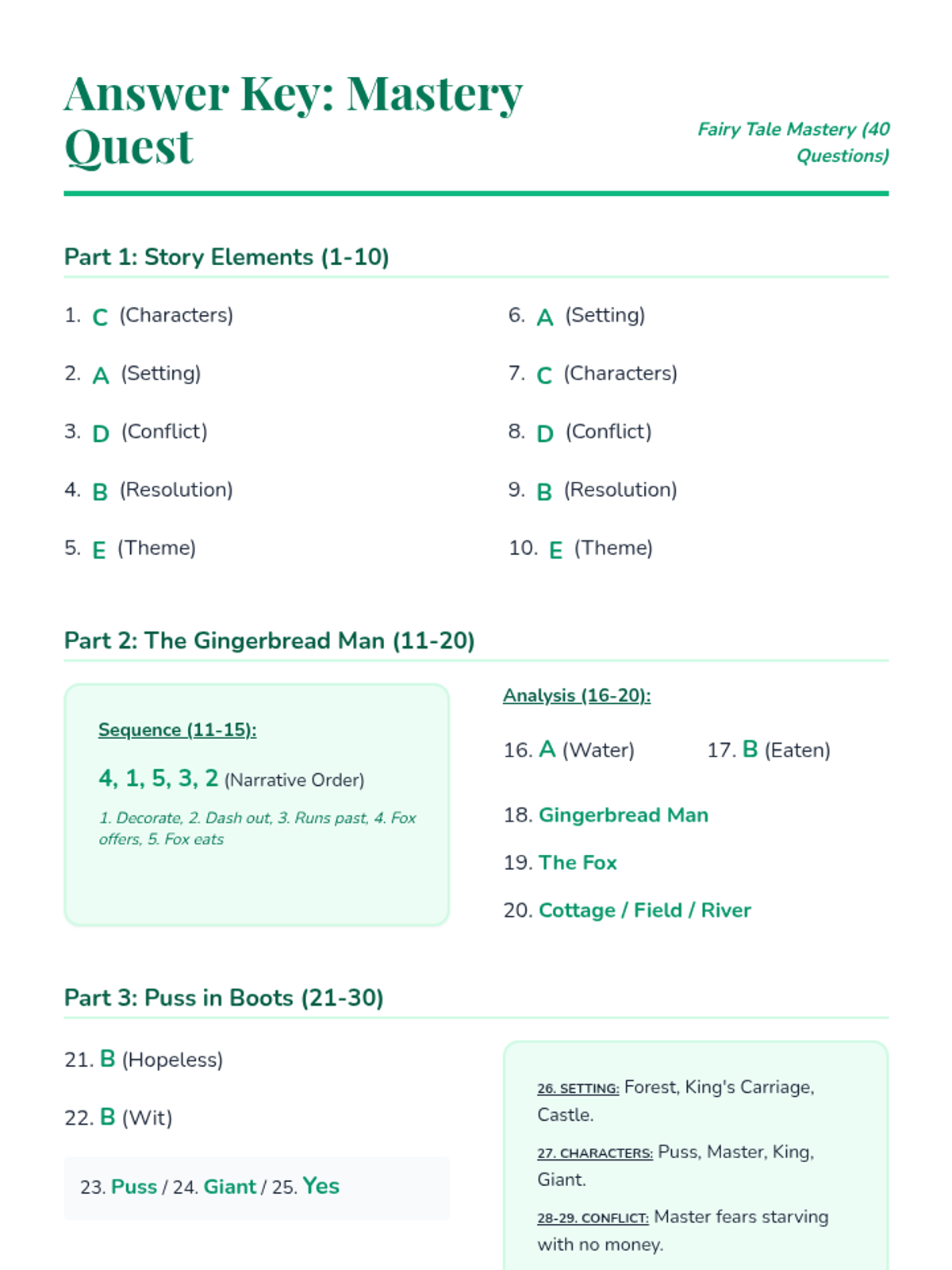
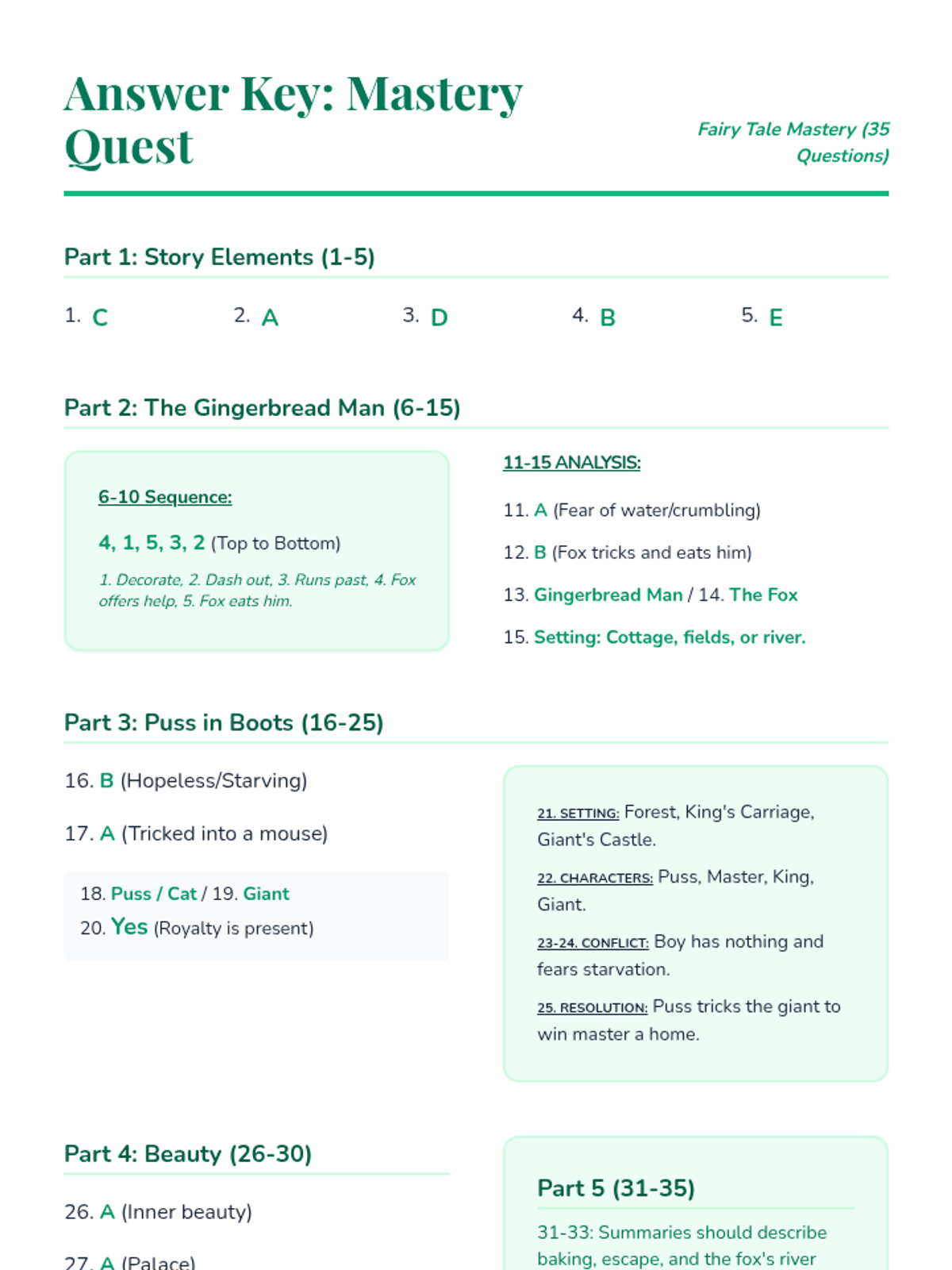
A comprehensive unit assessment for 3rd-4th grade students covering fairy tale elements, sequencing, and literary analysis using classic stories like The Gingerbread Man, Puss in Boots, and Beauty and the Beast.
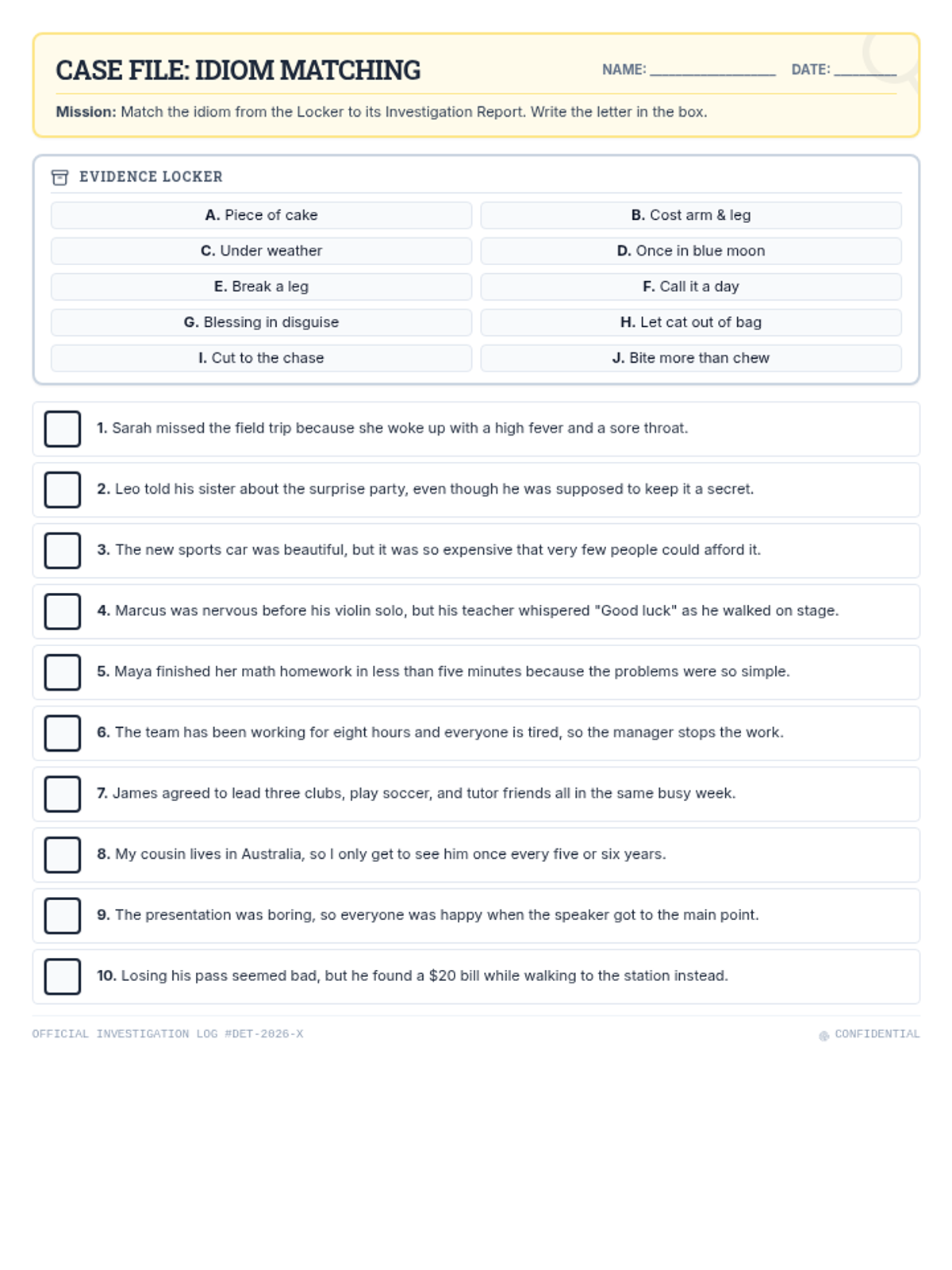
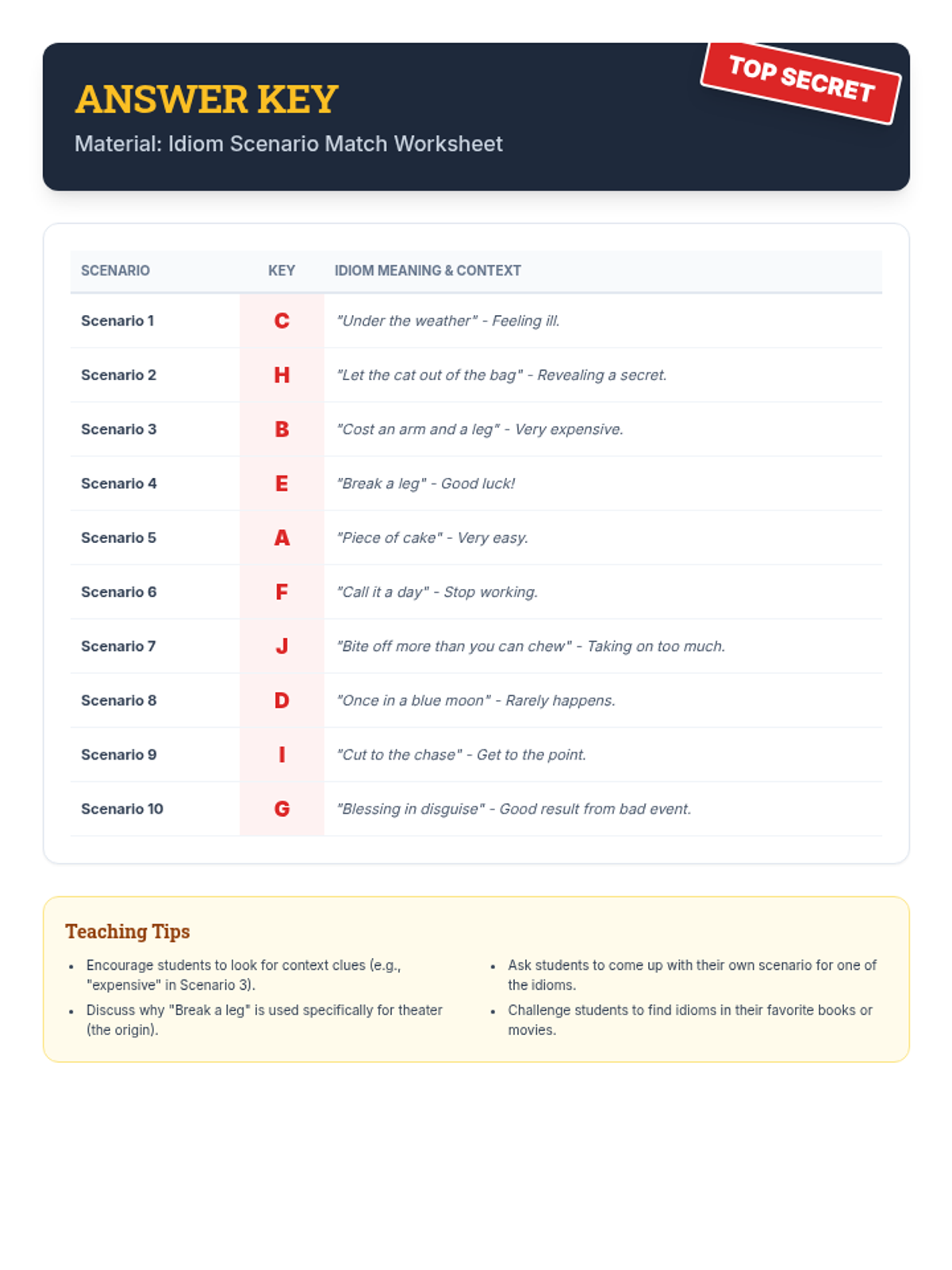
A lesson introducing common idioms and practicing their use in real-world scenarios through a detective-themed investigation.
A lesson centered on the historic 1952 Pendleton rescue off the coast of Chatham, Massachusetts, featuring a Lexile-leveled informational article and assessment.
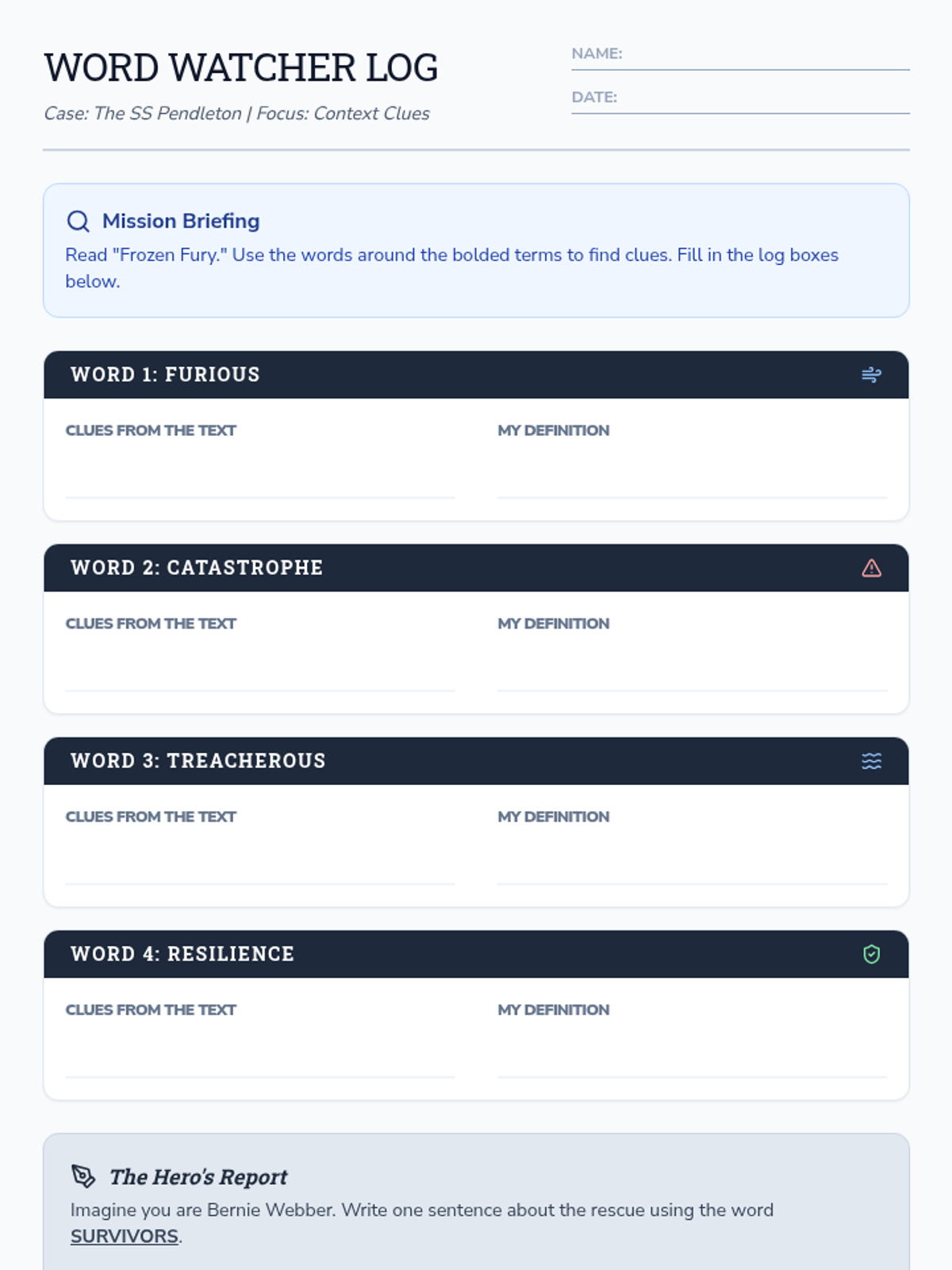
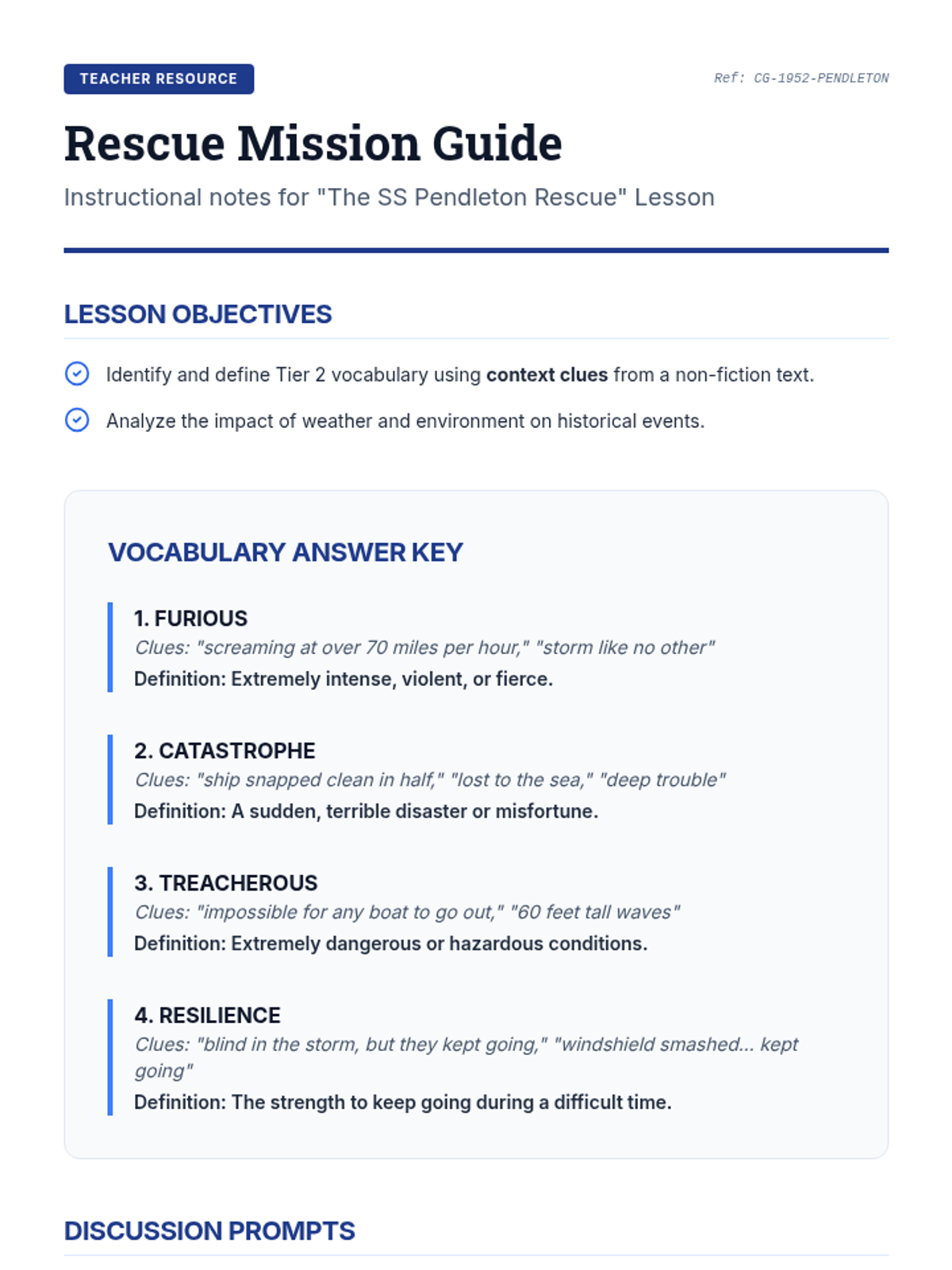
A lesson centered on the 1952 Pendleton rescue, focusing on reading comprehension and vocabulary acquisition through context clues. Students explore a historical non-fiction account of one of the greatest small-boat rescues in Coast Guard history.
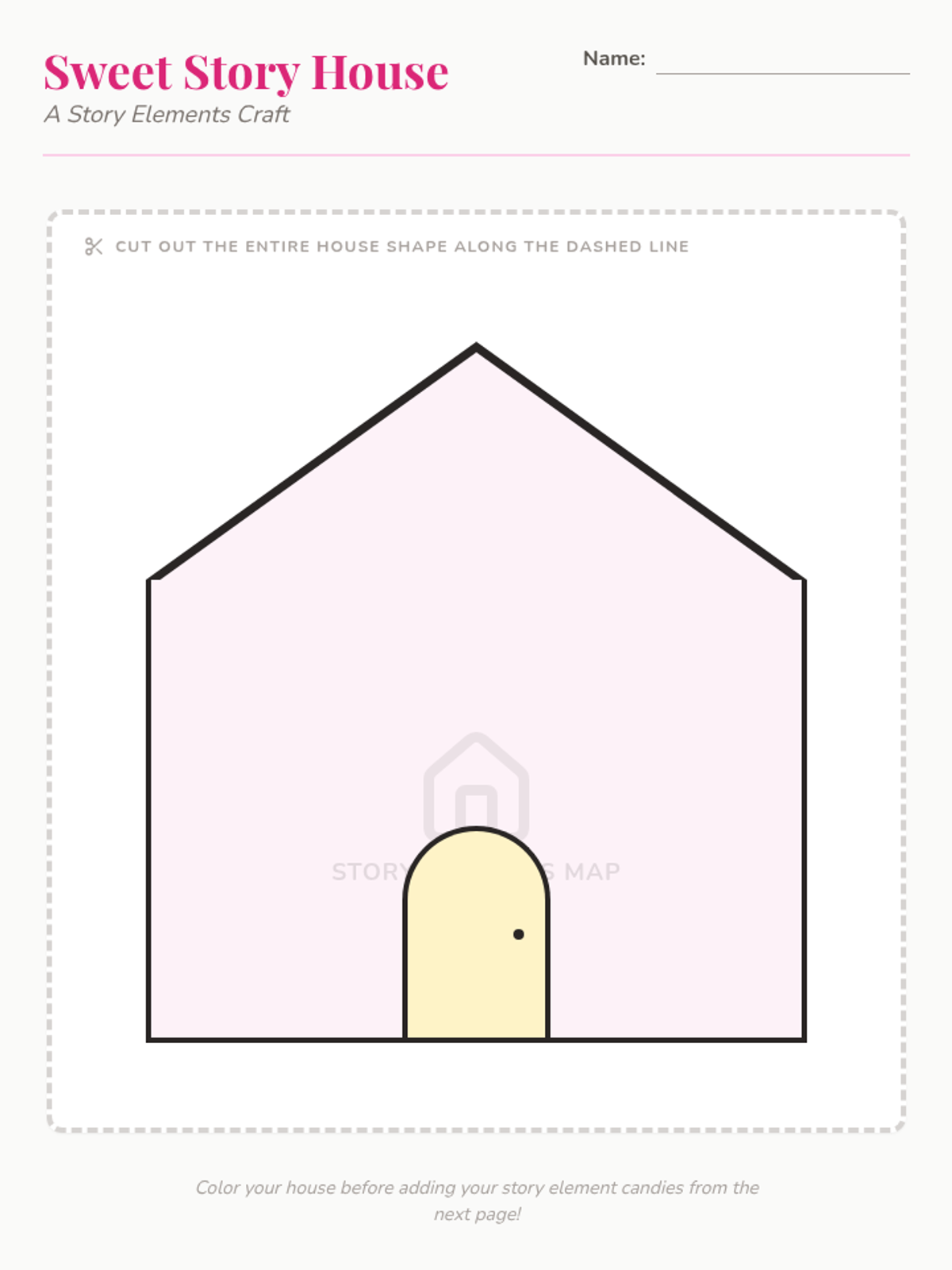
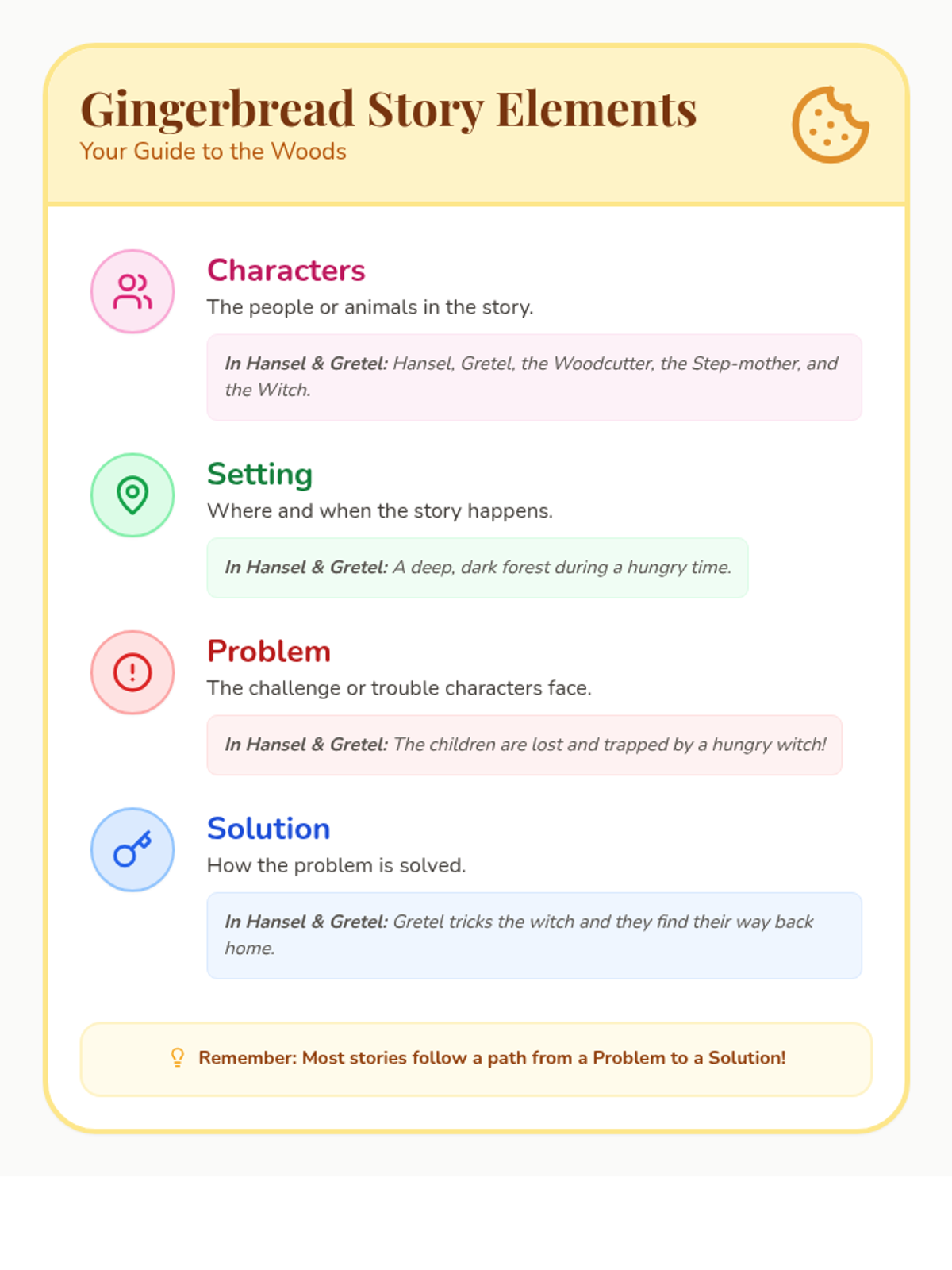
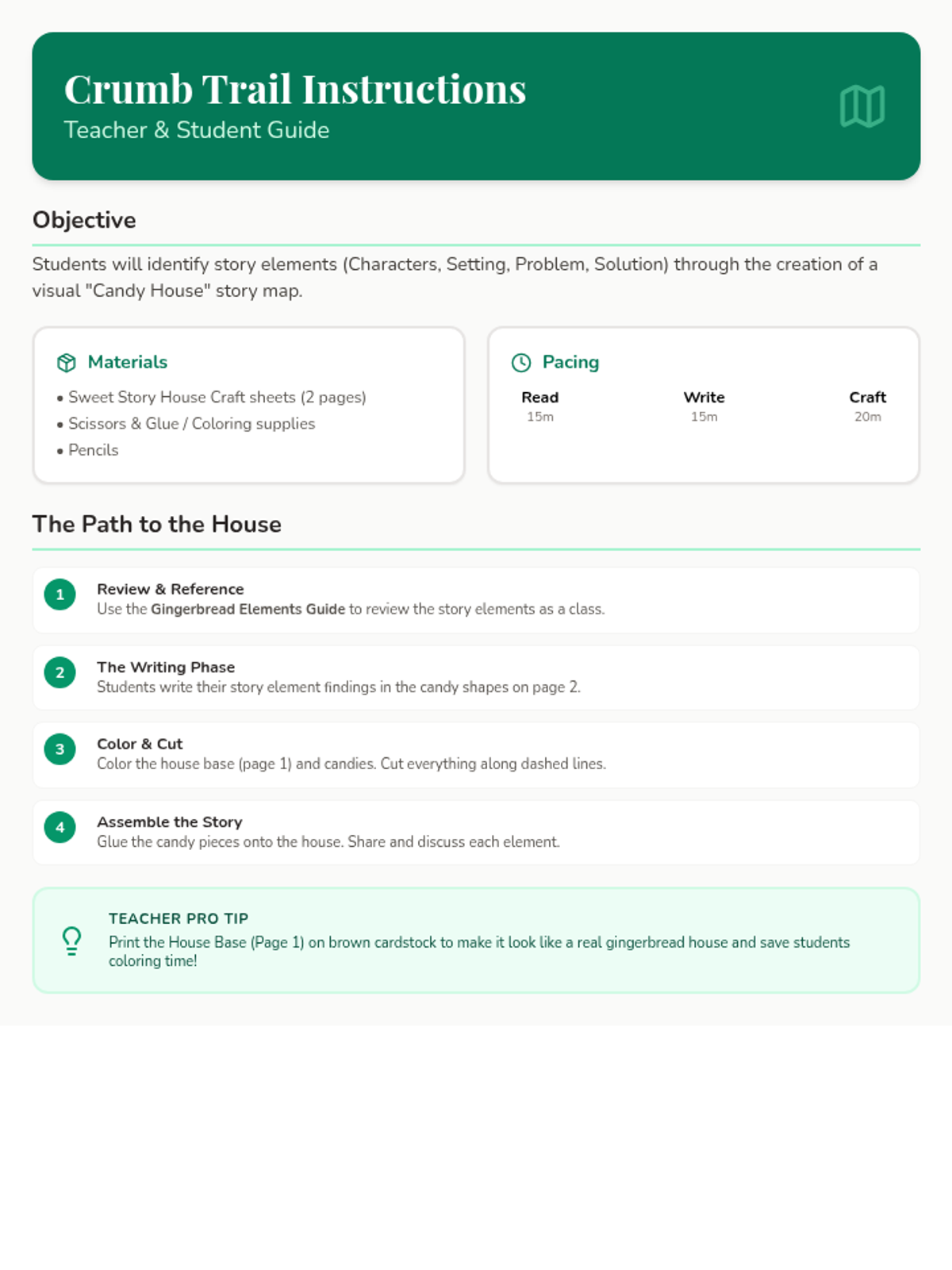
A hands-on ELA lesson where students explore story elements (Characters, Setting, Problem, Solution) through the lens of Hansel and Gretel by building a 'Candy House' story map.
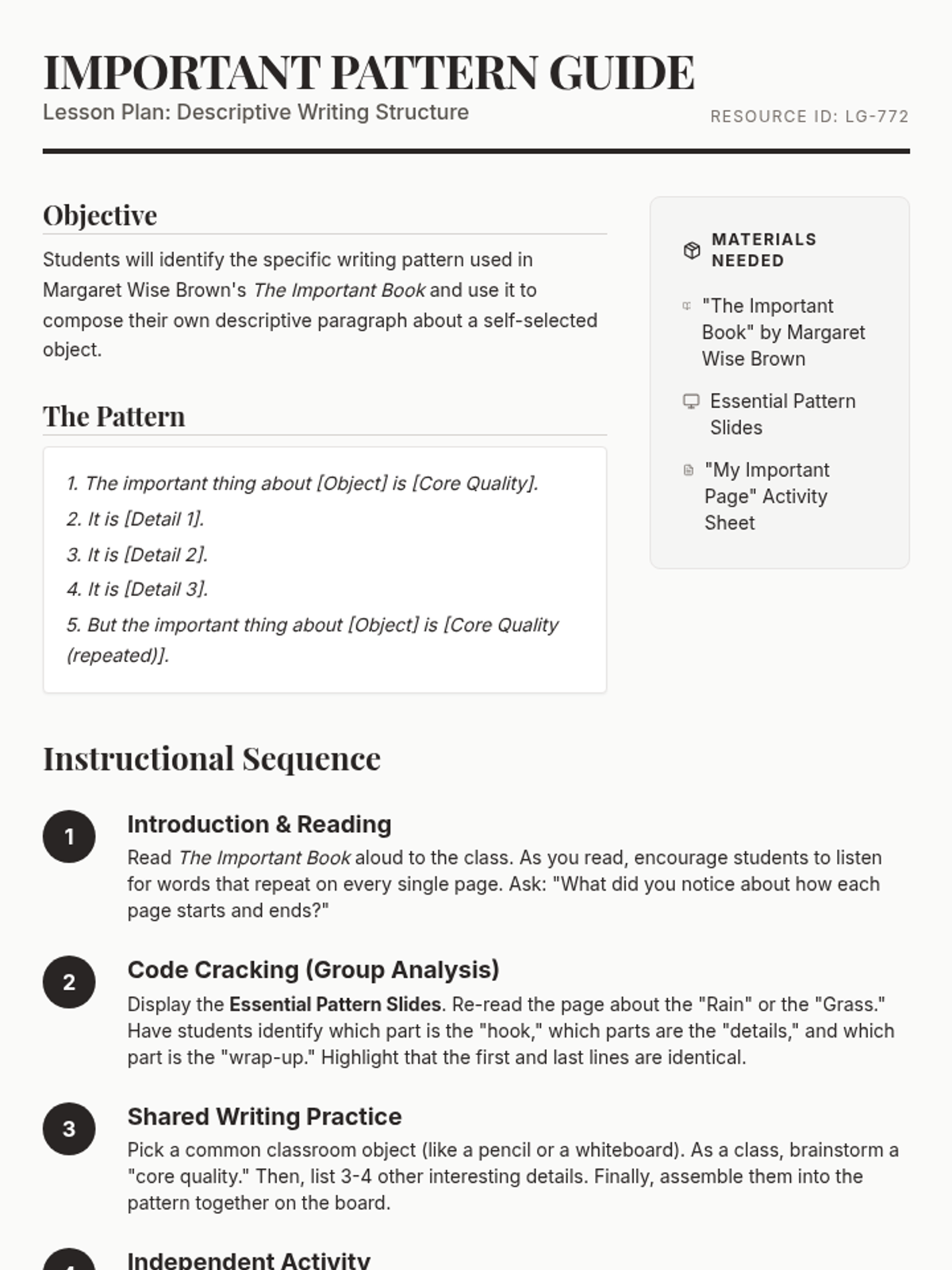
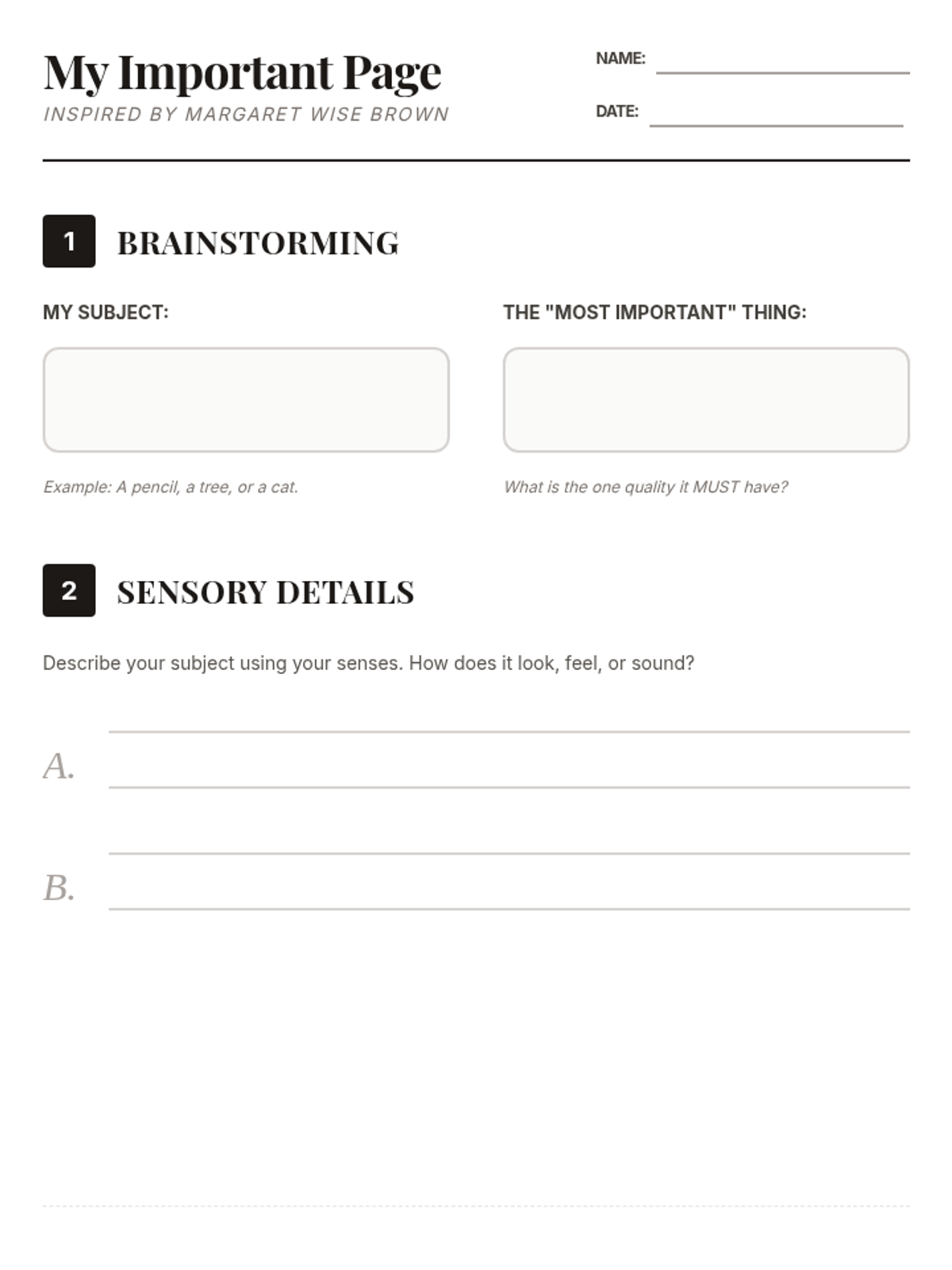
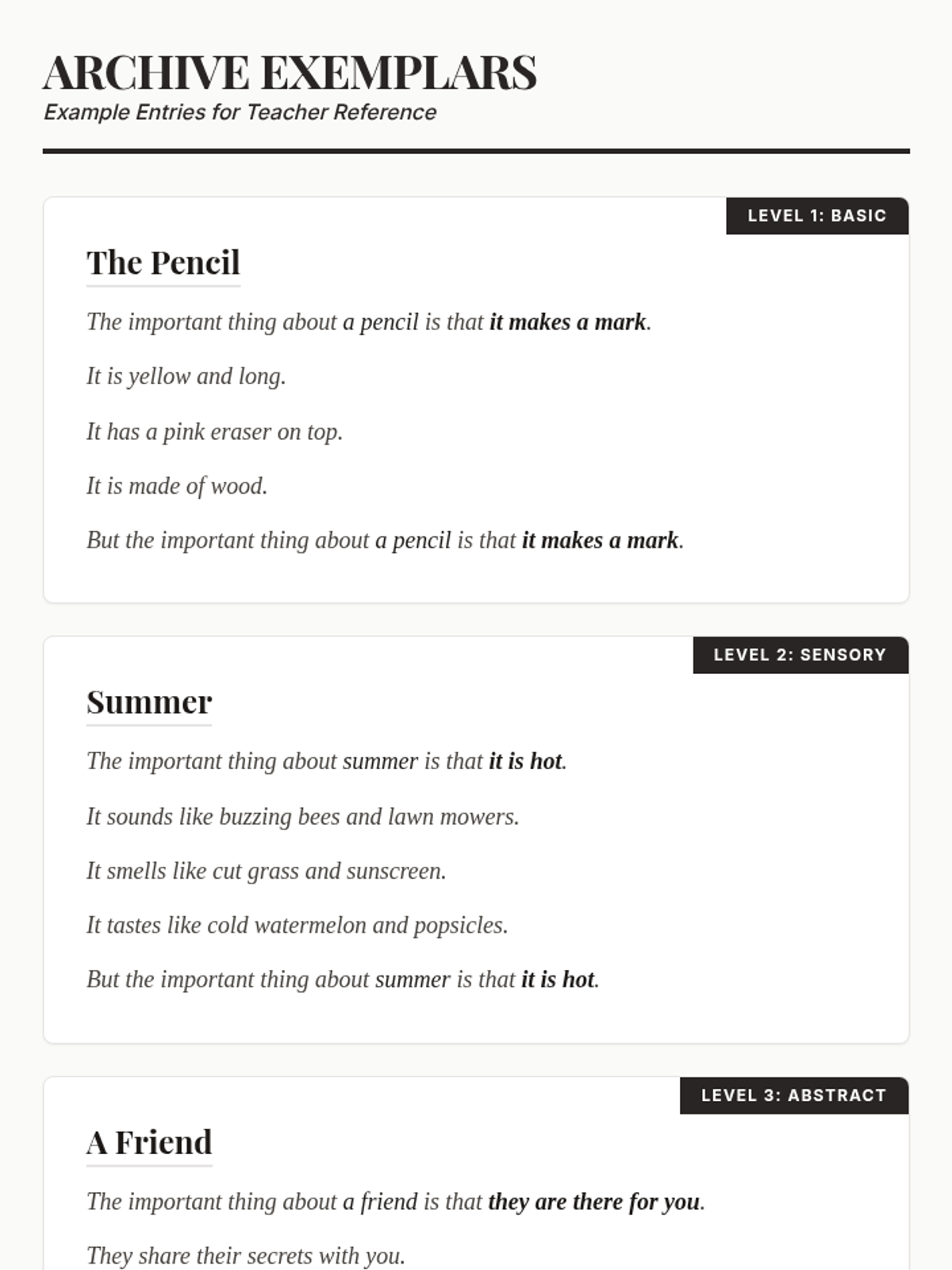
A creative writing lesson based on Margaret Wise Brown's 'The Important Book' that teaches students to use a specific descriptive structure. Students will analyze the book's repetitive pattern and apply it to their own writing.
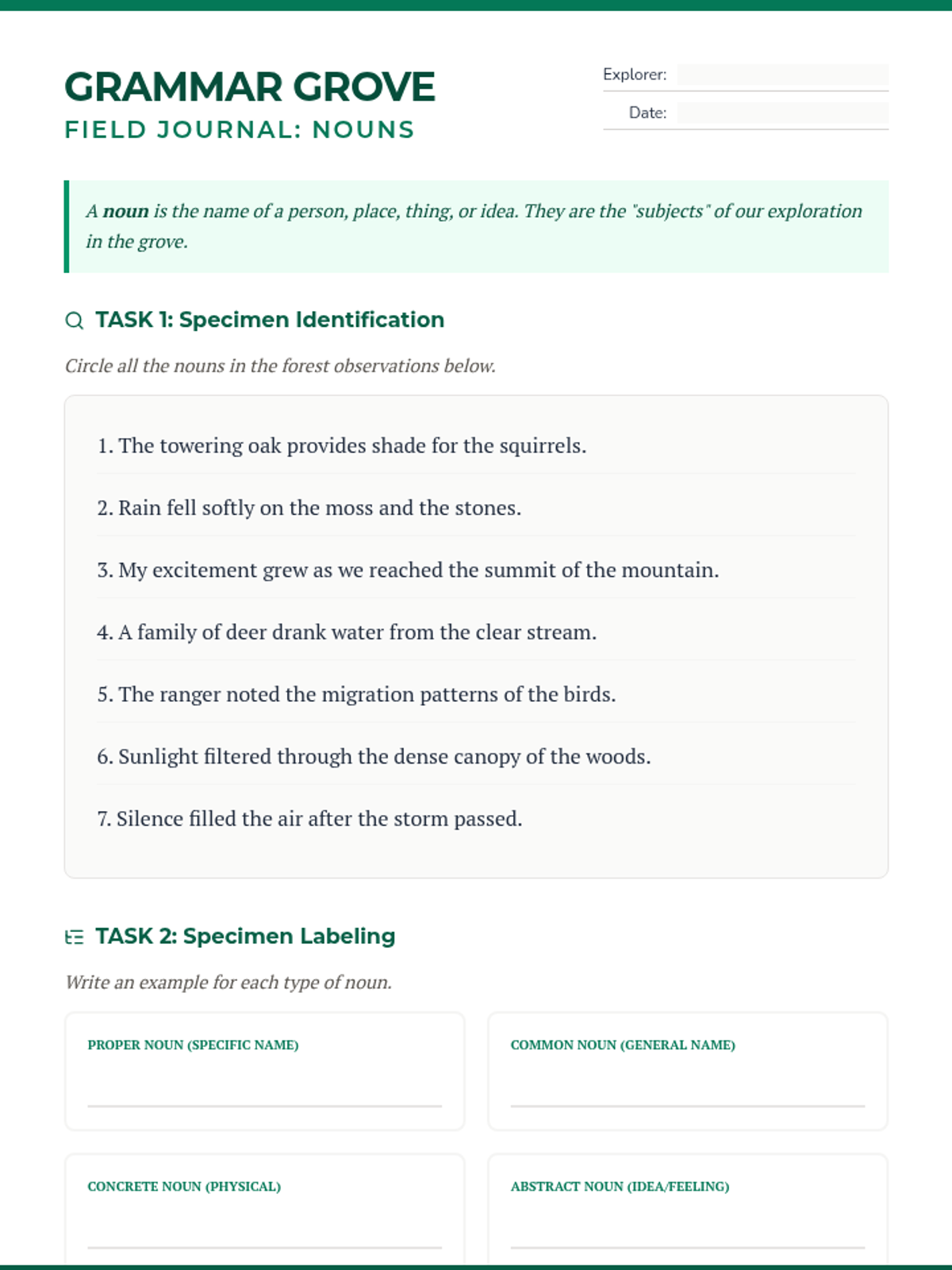
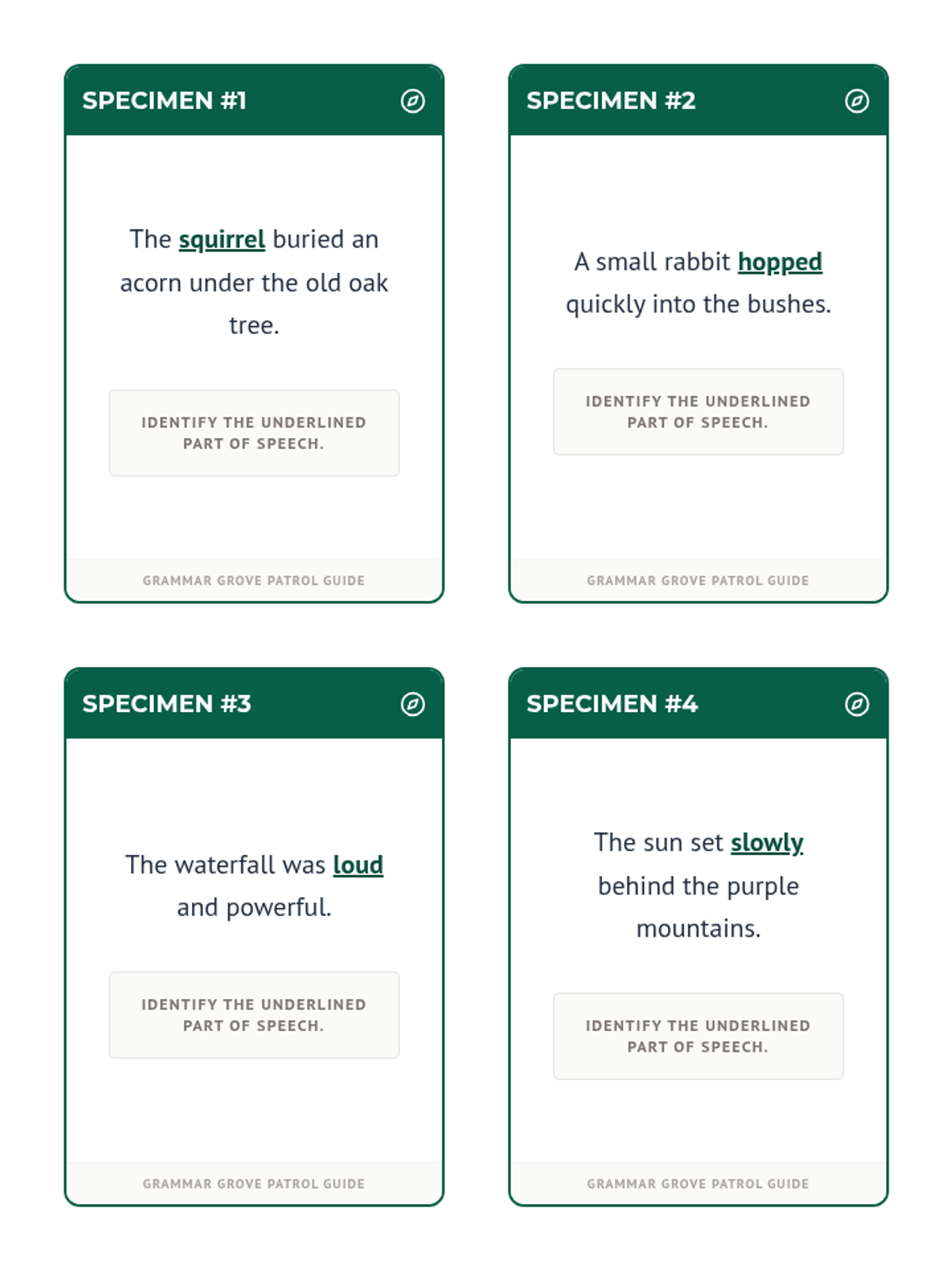
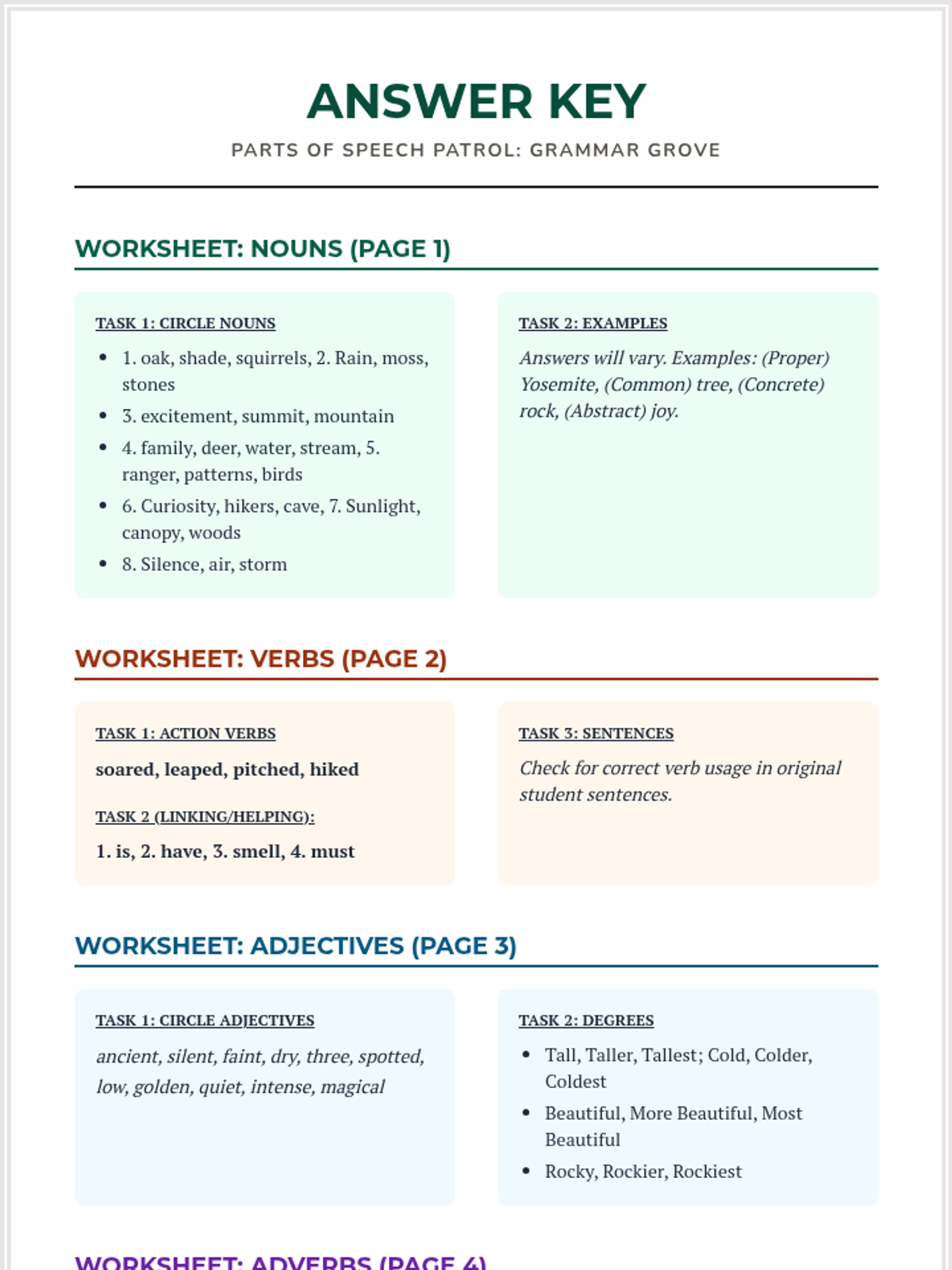
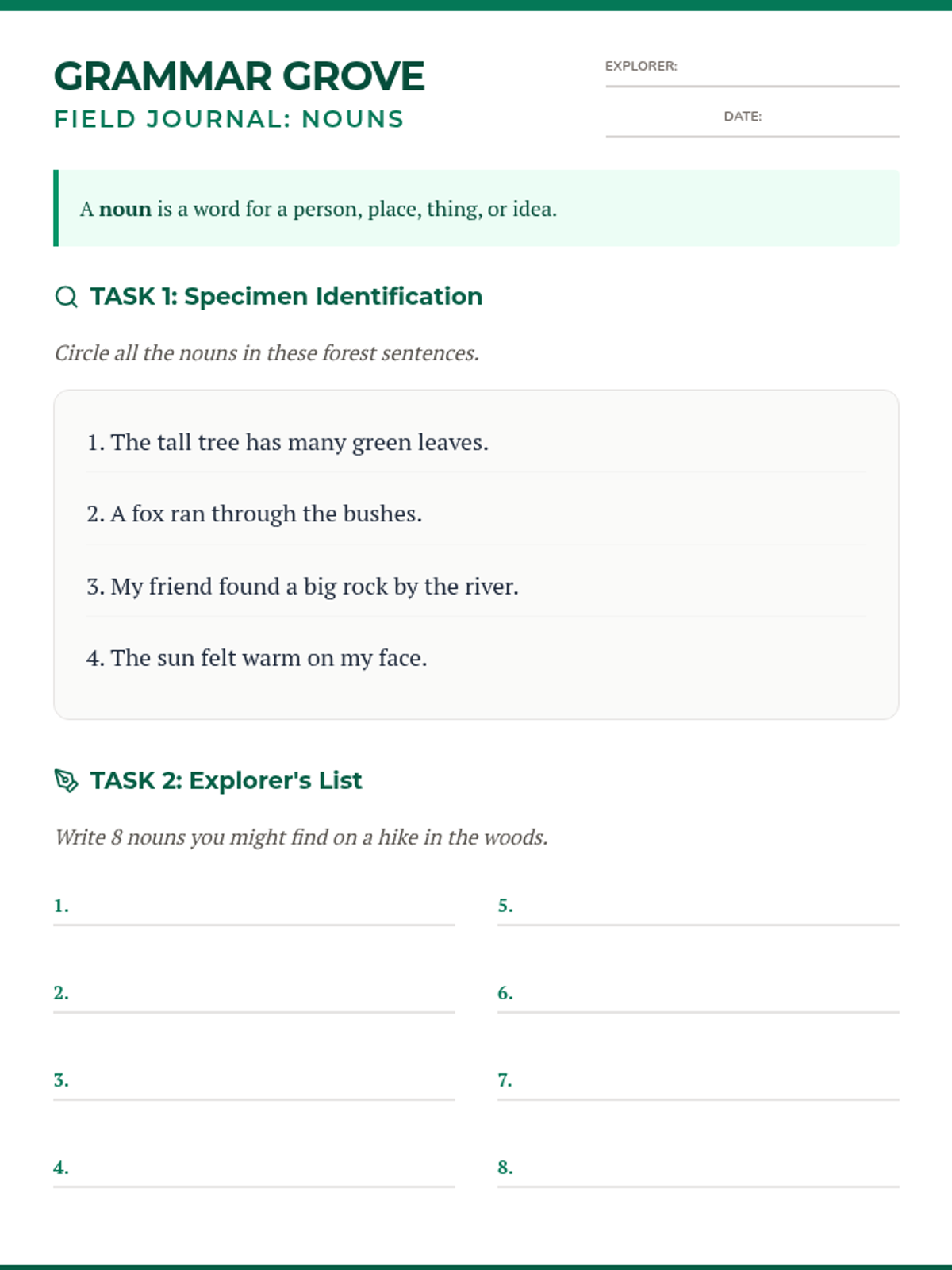
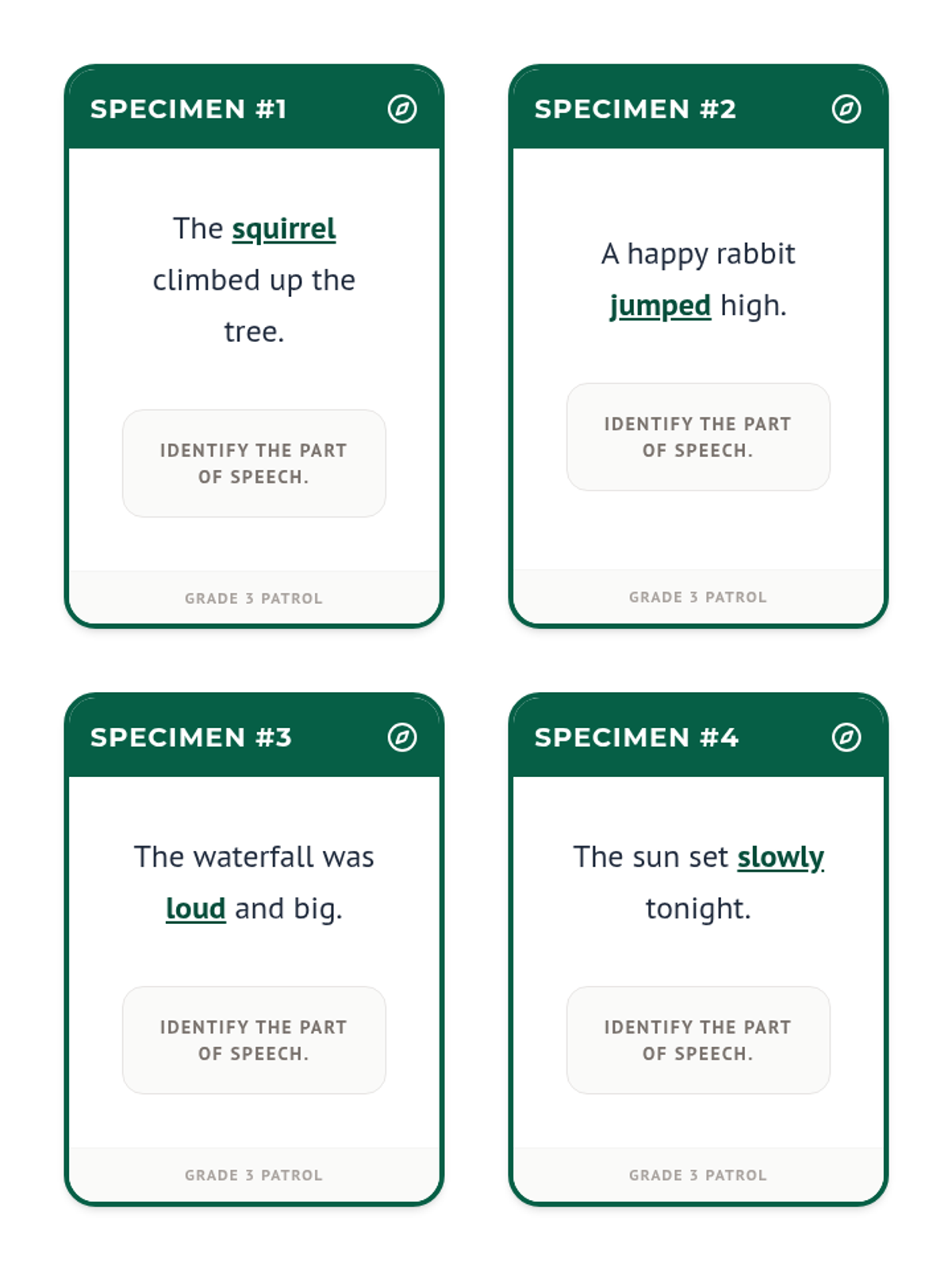
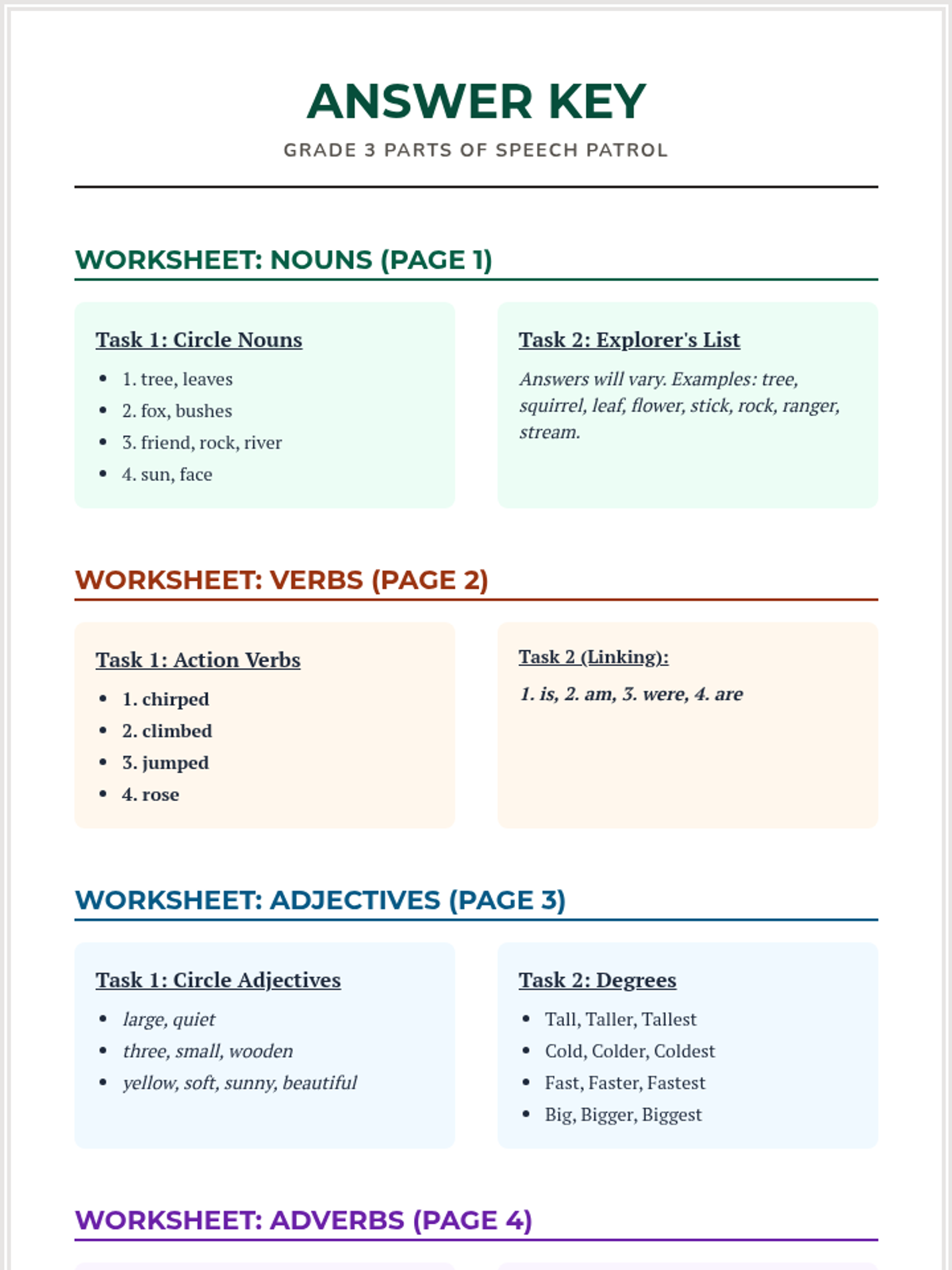
A comprehensive review of nouns, verbs, adjectives, and adverbs using a field guide theme to help students identify and master these four essential parts of speech.
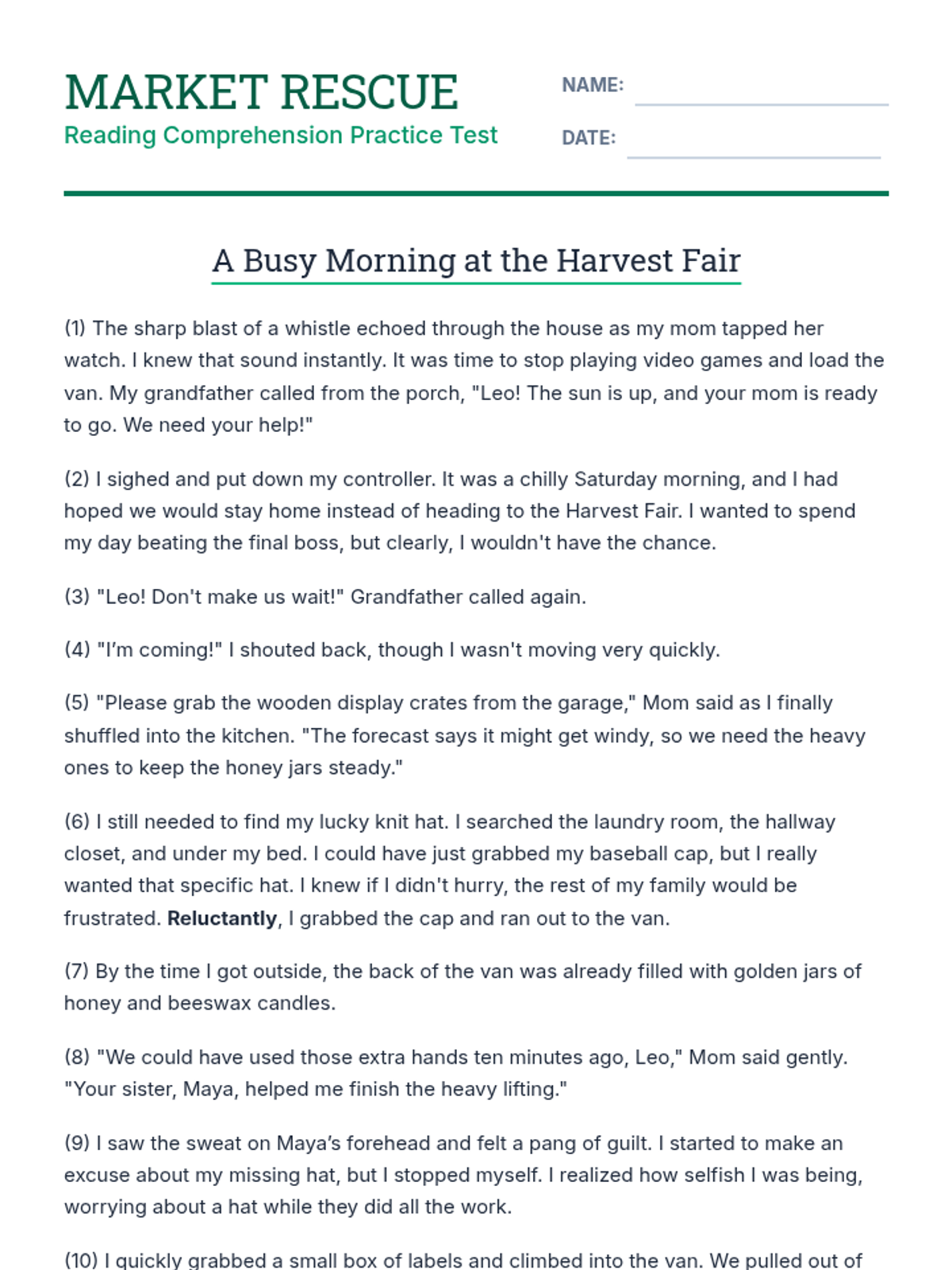
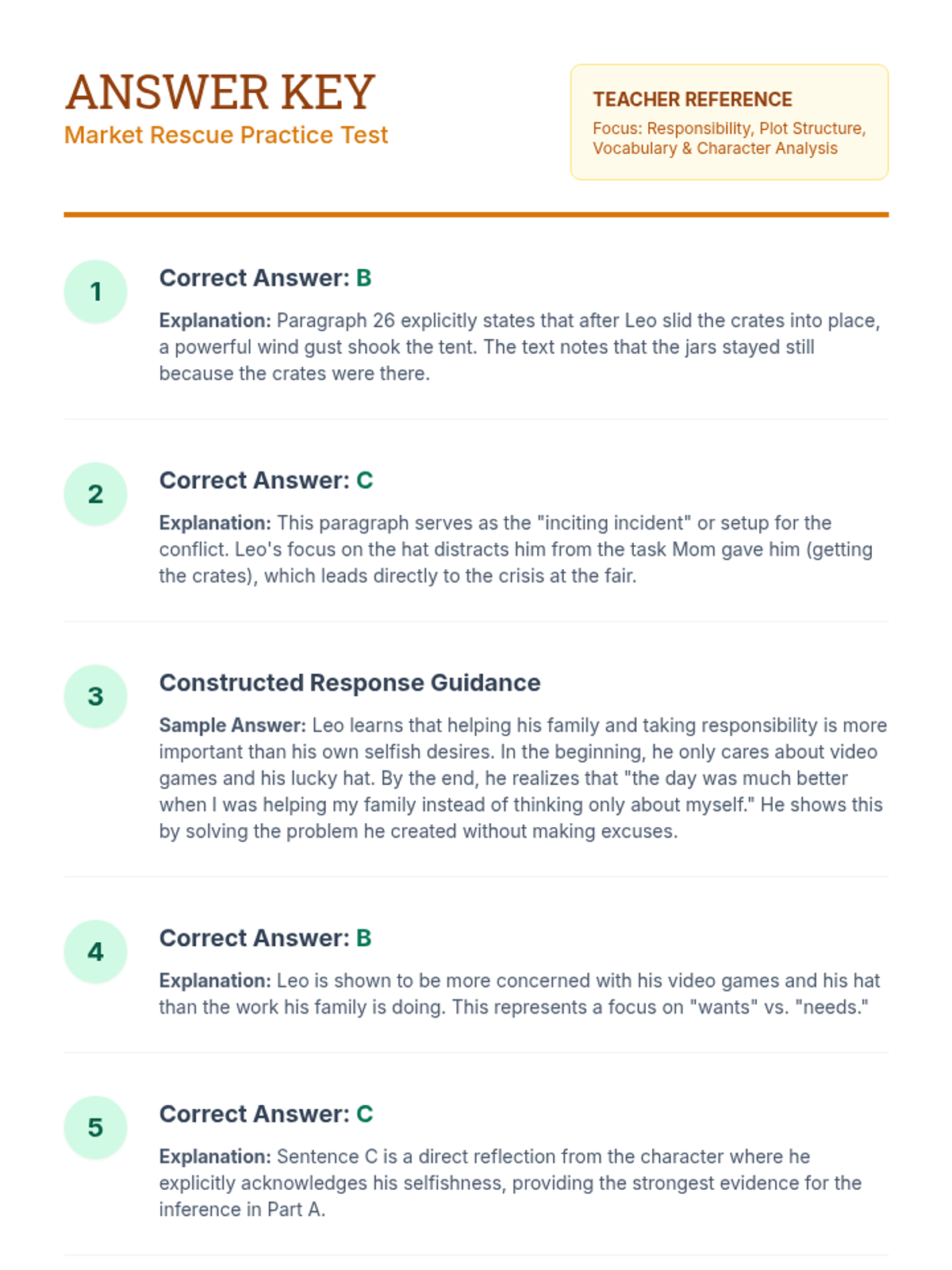
A comprehensive practice assessment designed to prepare students for reading comprehension tests. It features a new passage mirroring the themes of responsibility and problem-solving, along with targeted questions on character traits, plot, and vocabulary.