A science and language arts integration lesson where 2nd grade ESL students learn the water cycle stages while practicing complex sentence structures using 'because' and 'when'.
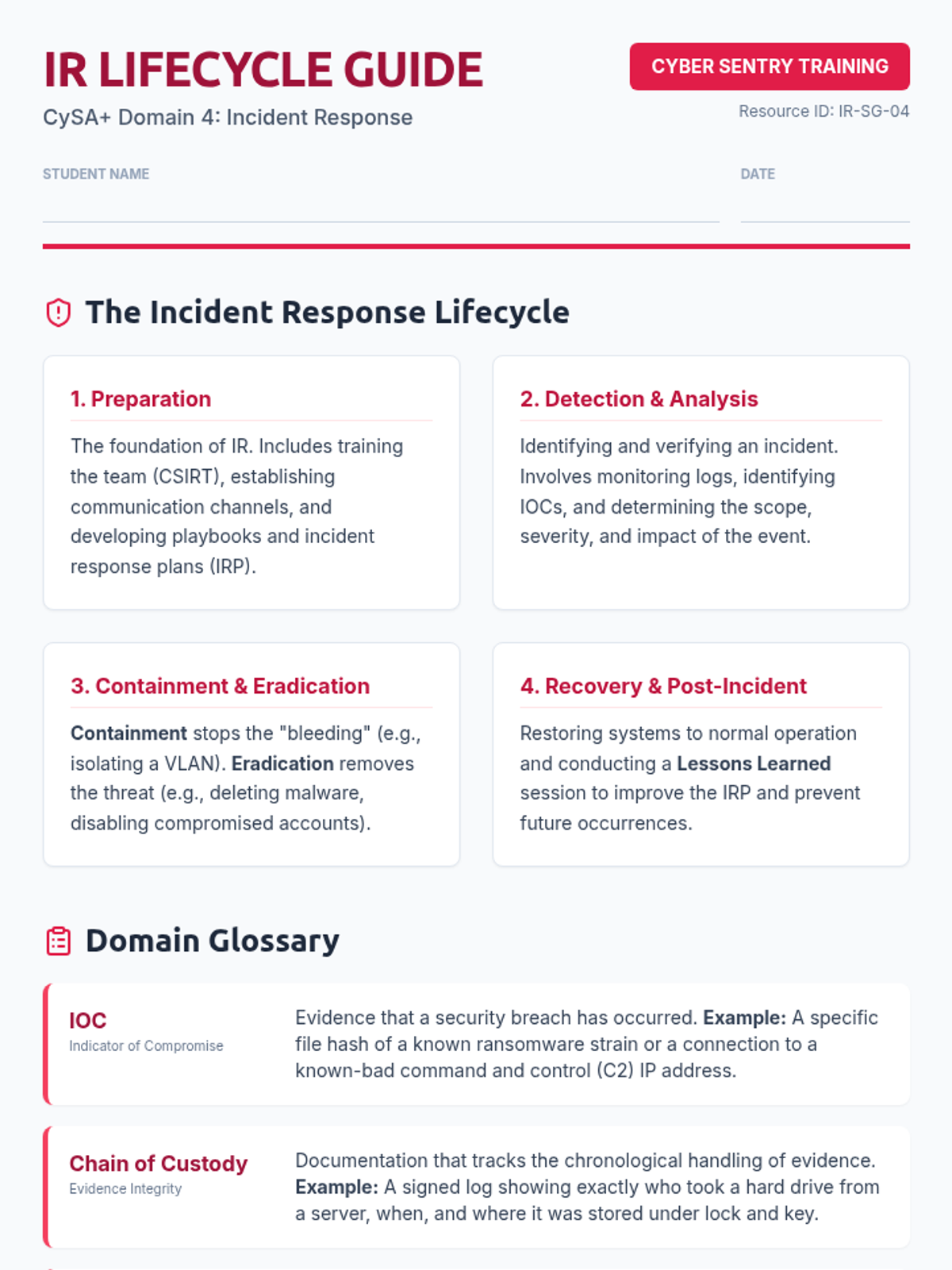
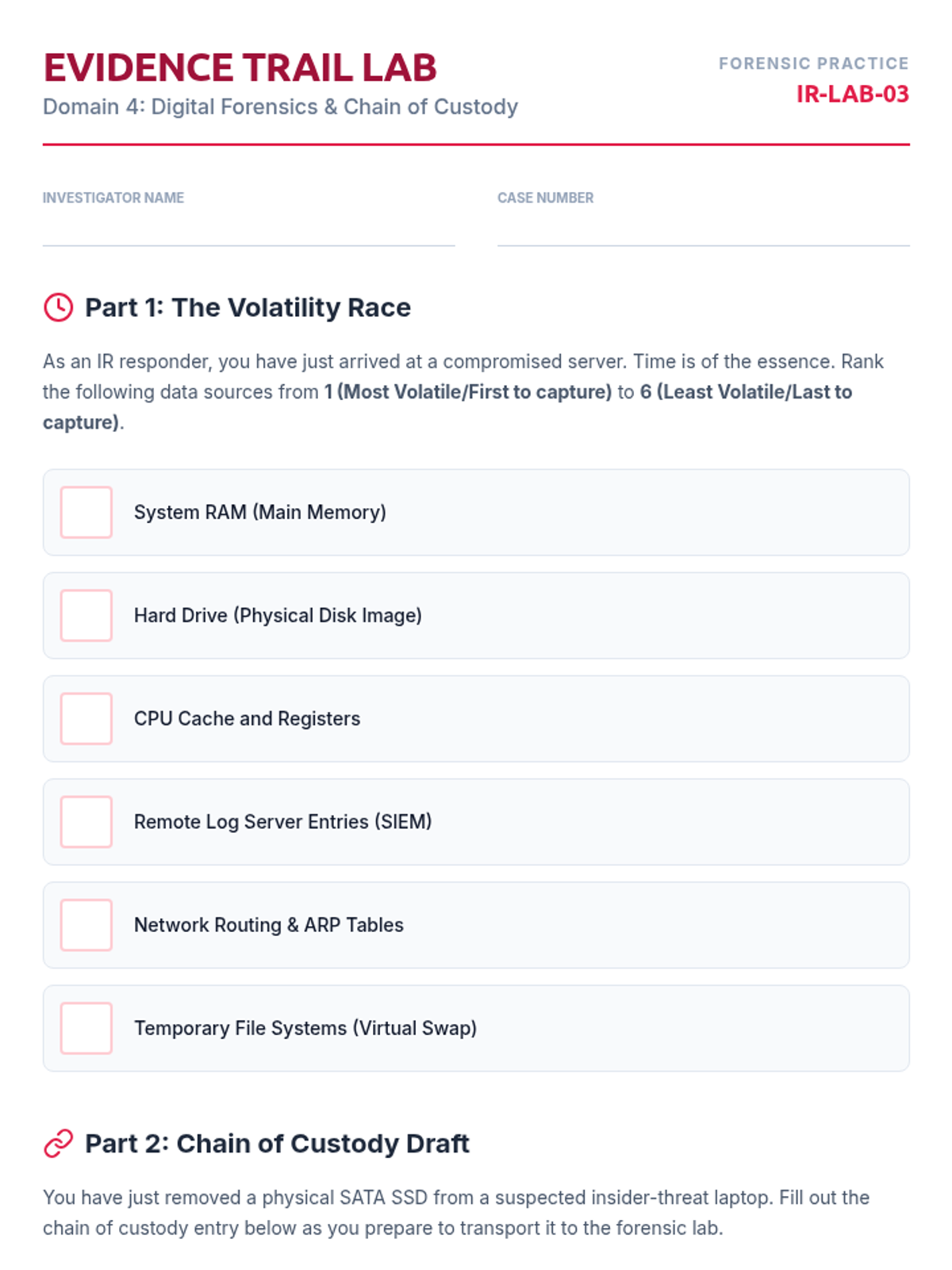
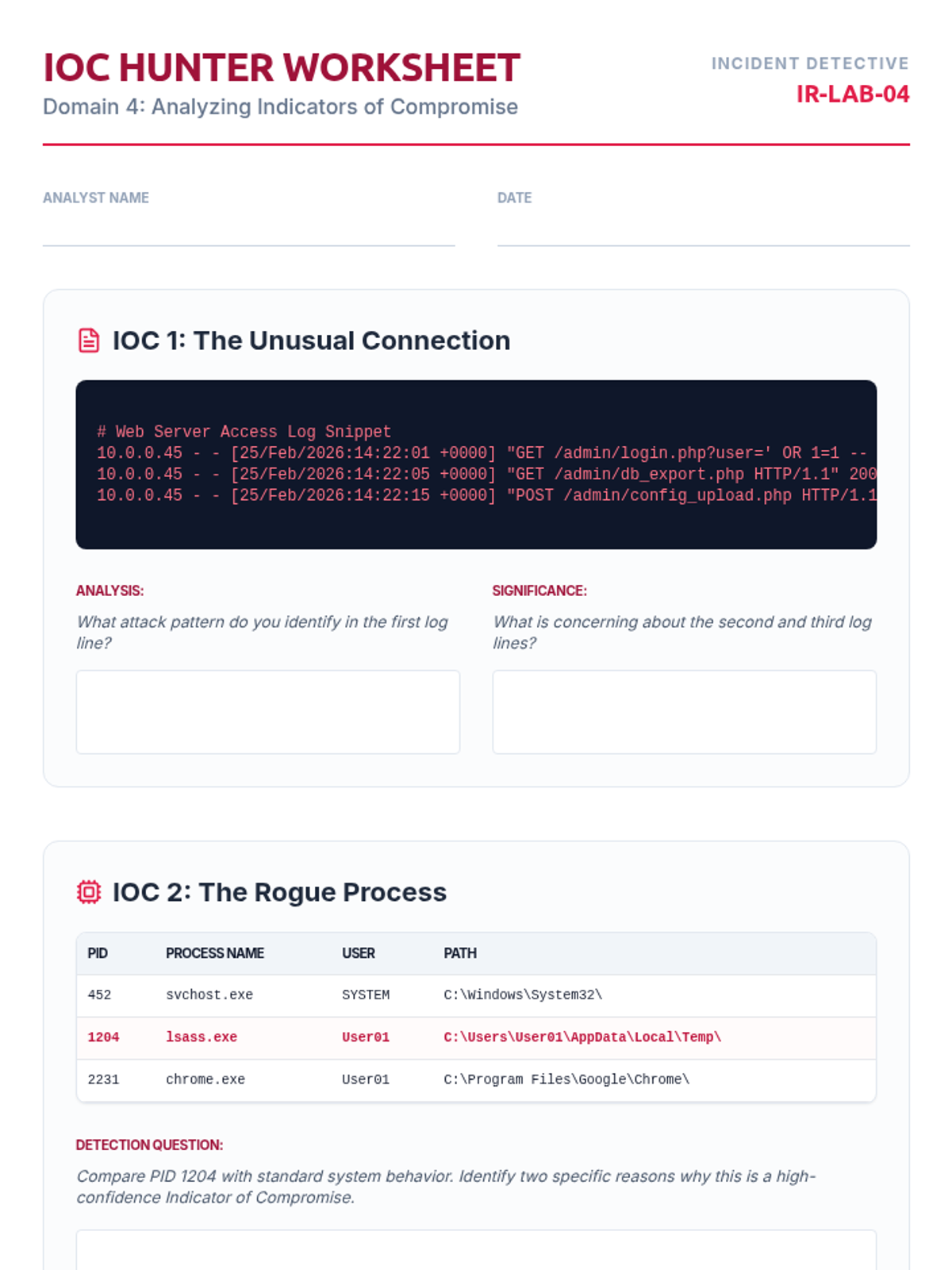
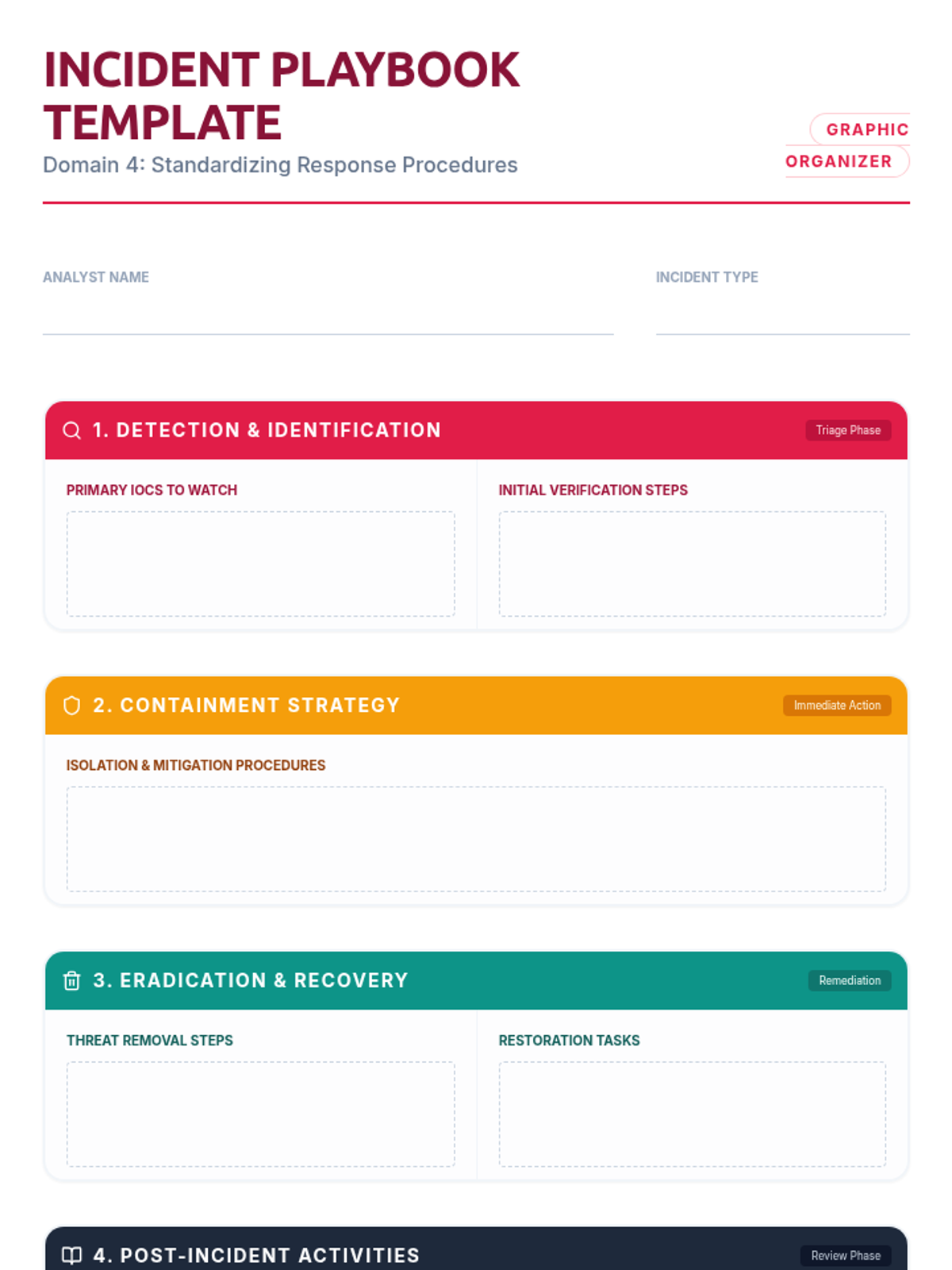
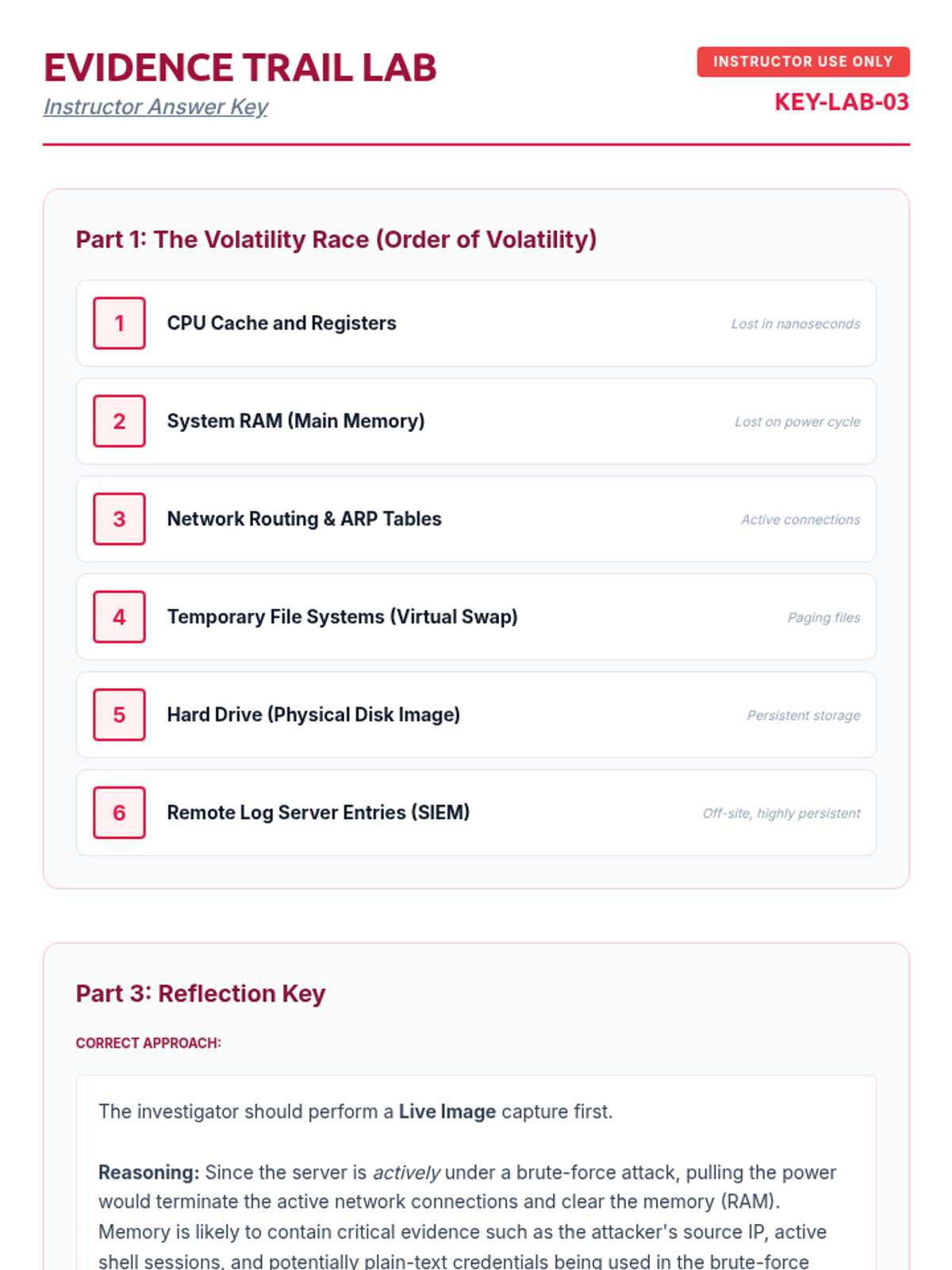
Detailed study of the incident response lifecycle, from preparation and detection to eradication and post-incident activities.
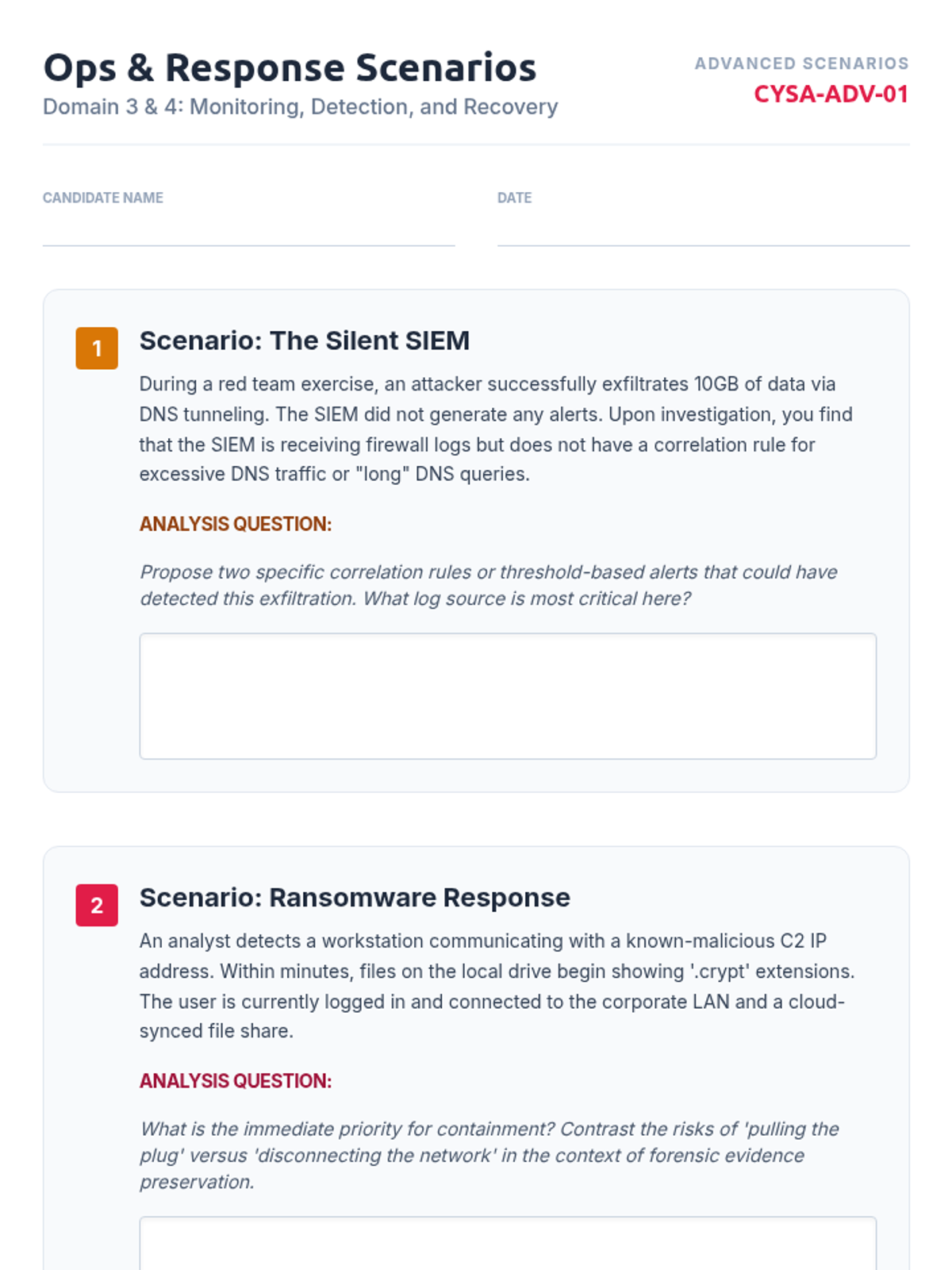
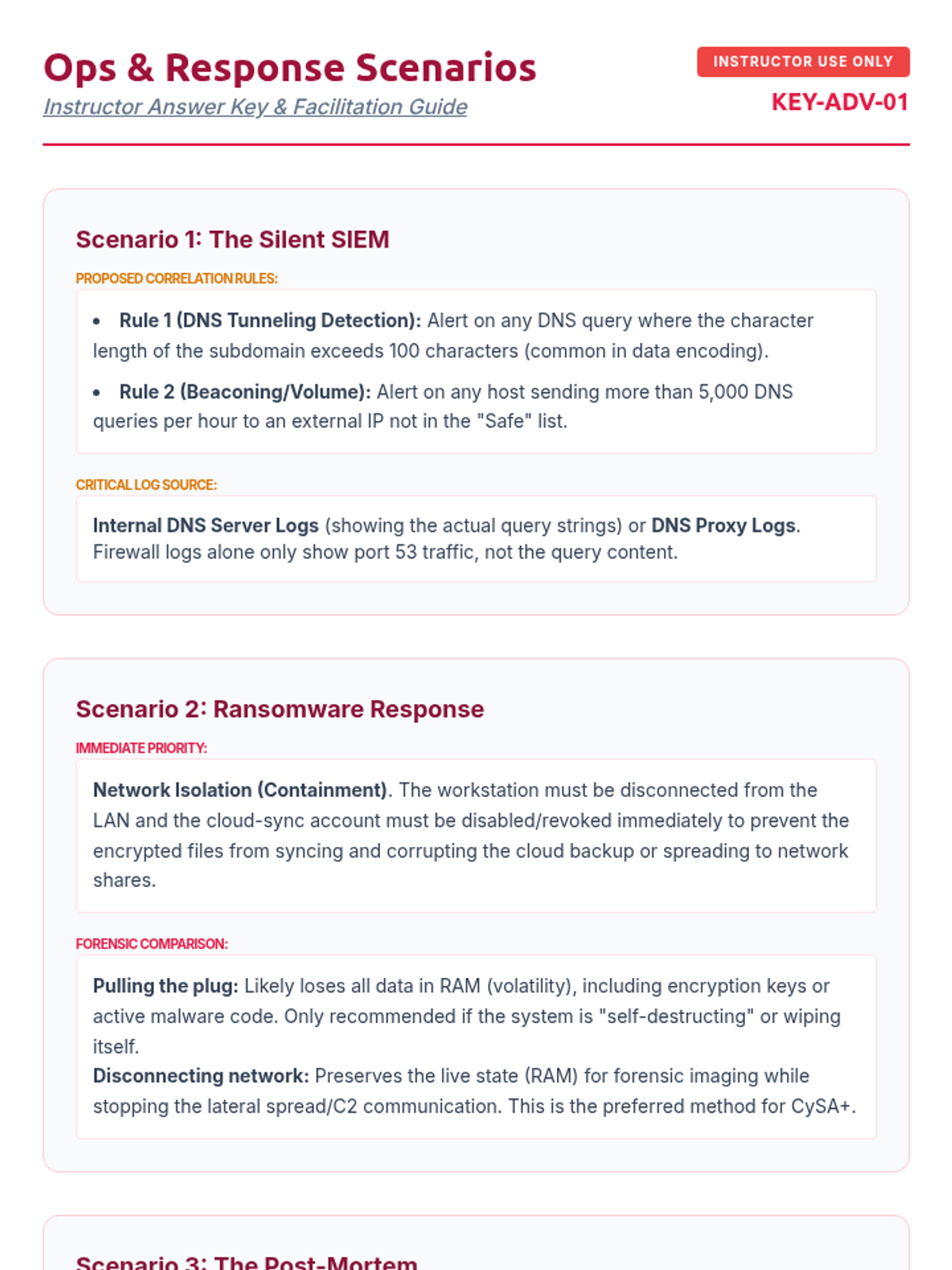
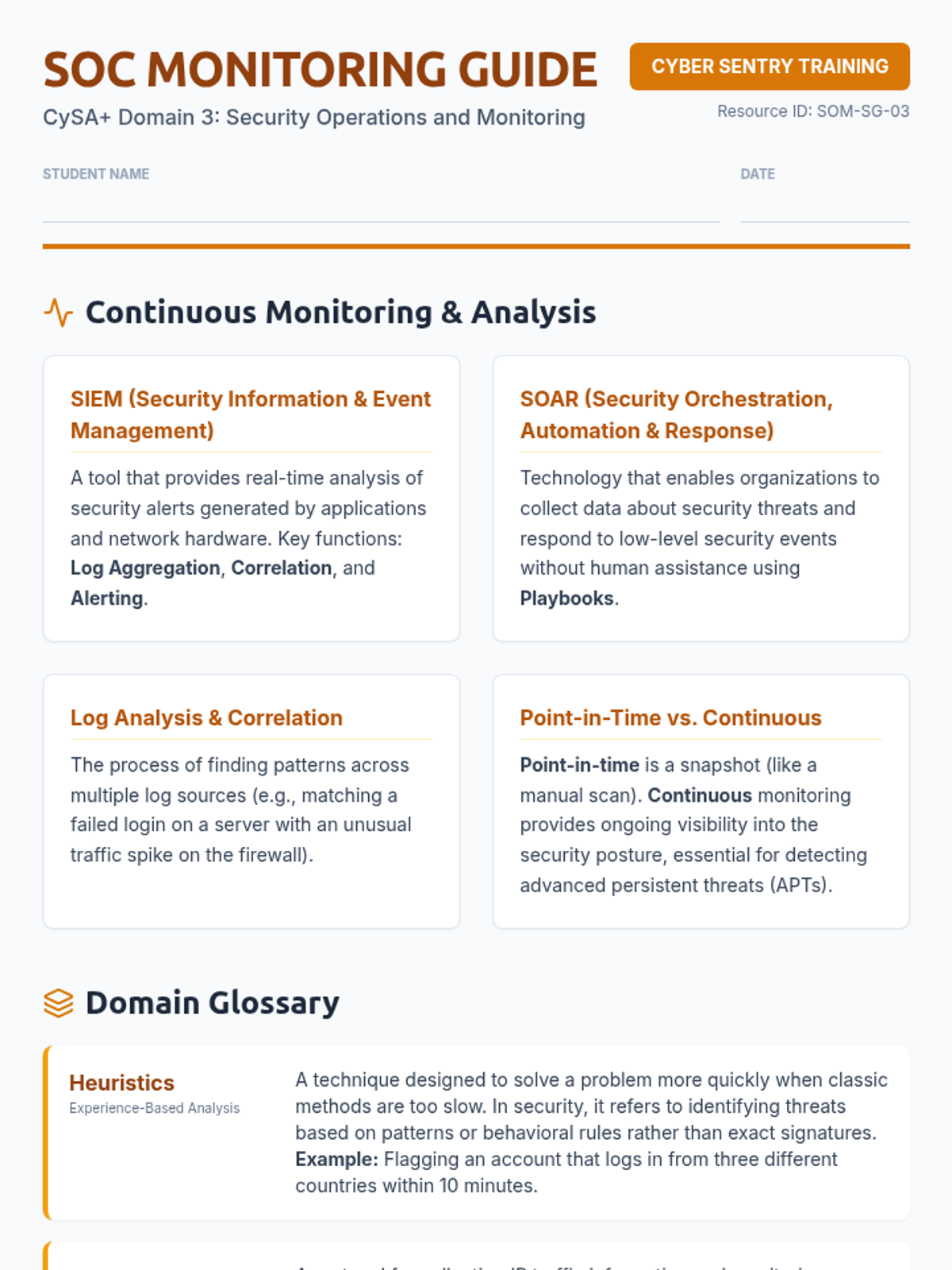
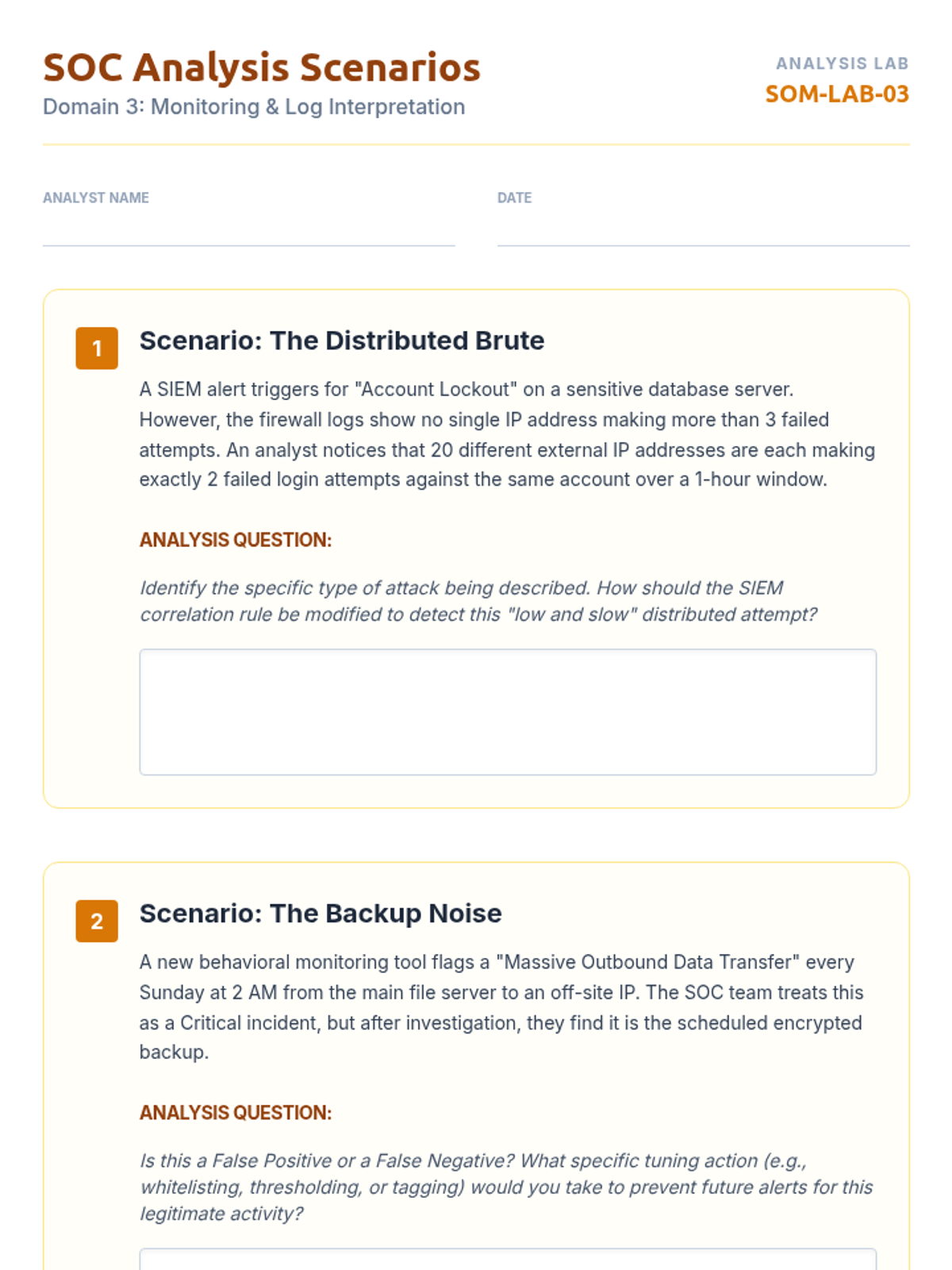
Covers continuous monitoring, log analysis, and the use of SIEM and SOAR tools to detect and respond to security events.
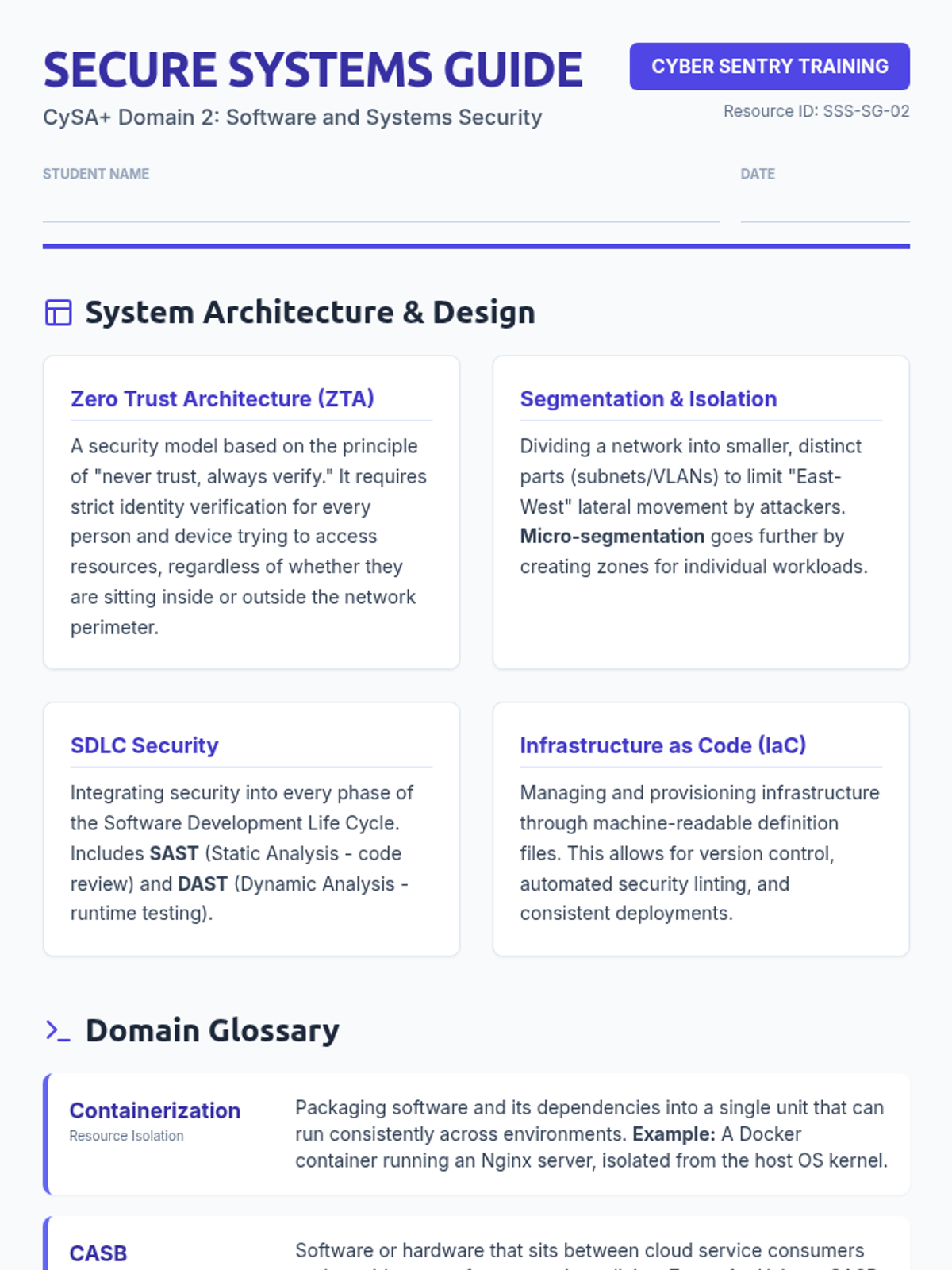
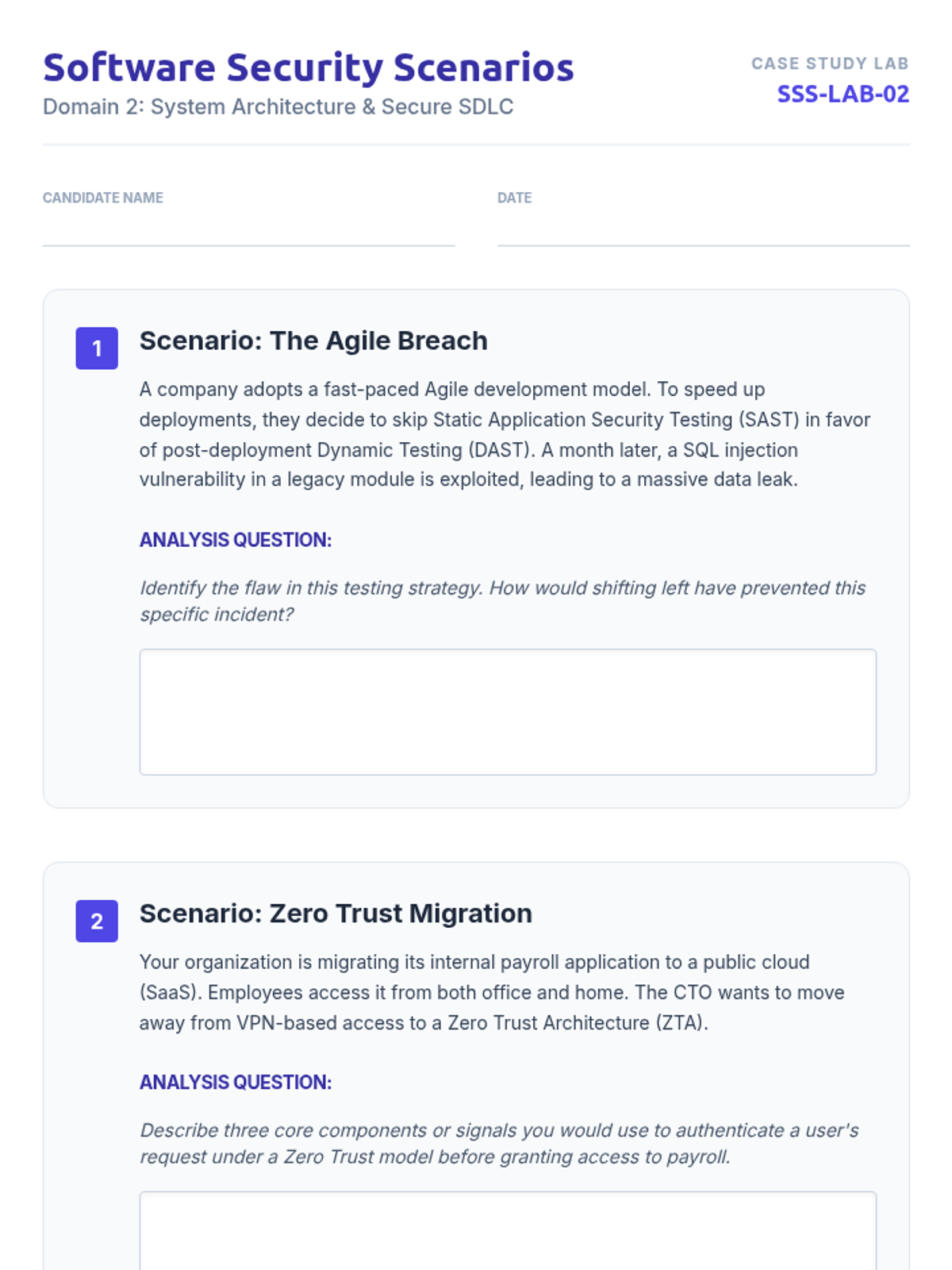
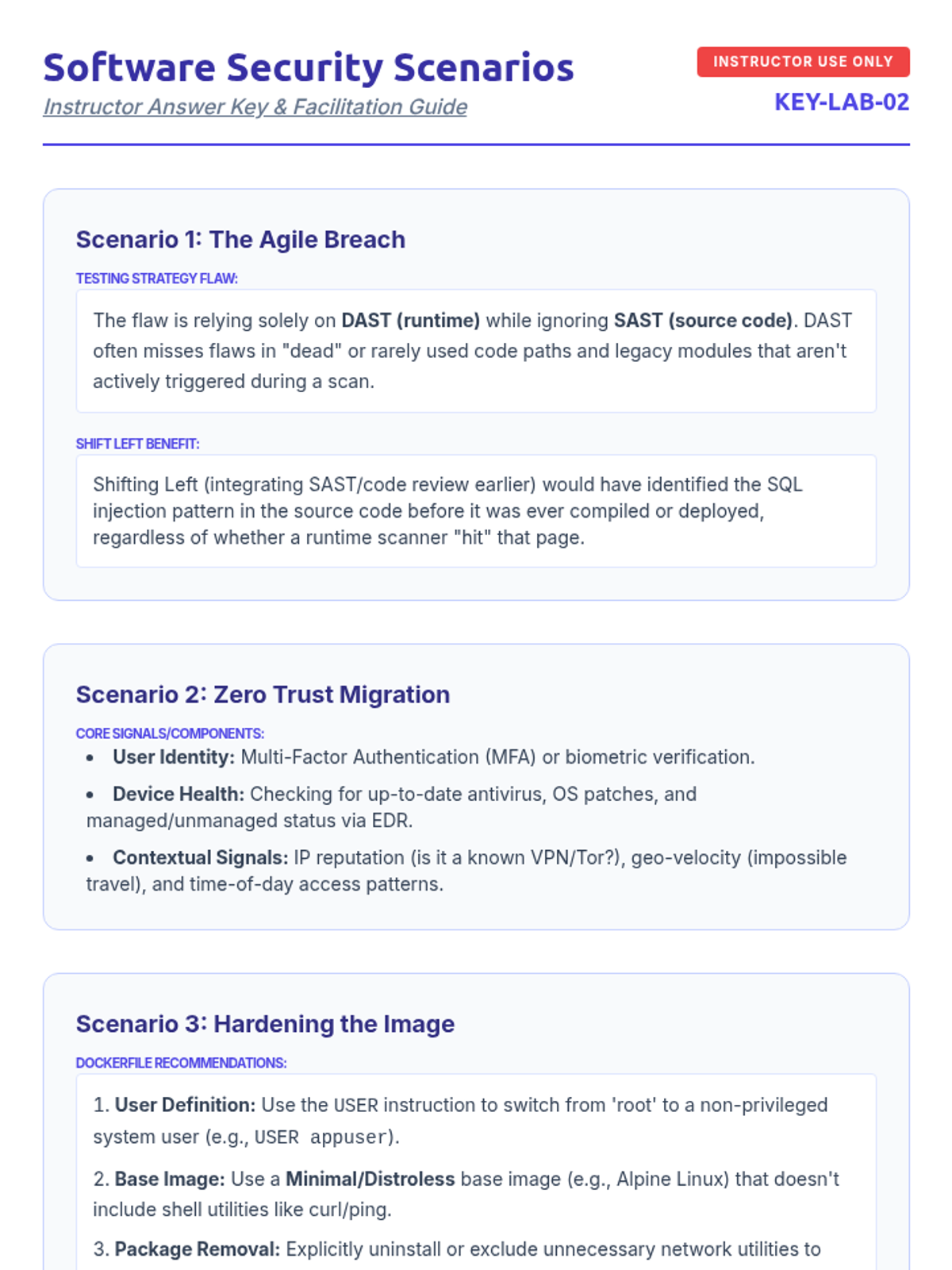
Explores securing various system architectures, software development lifecycles, and implementing cloud and endpoint security controls.
Focuses on identifying and managing vulnerabilities, utilizing threat intelligence, and implementing effective scanning strategies.
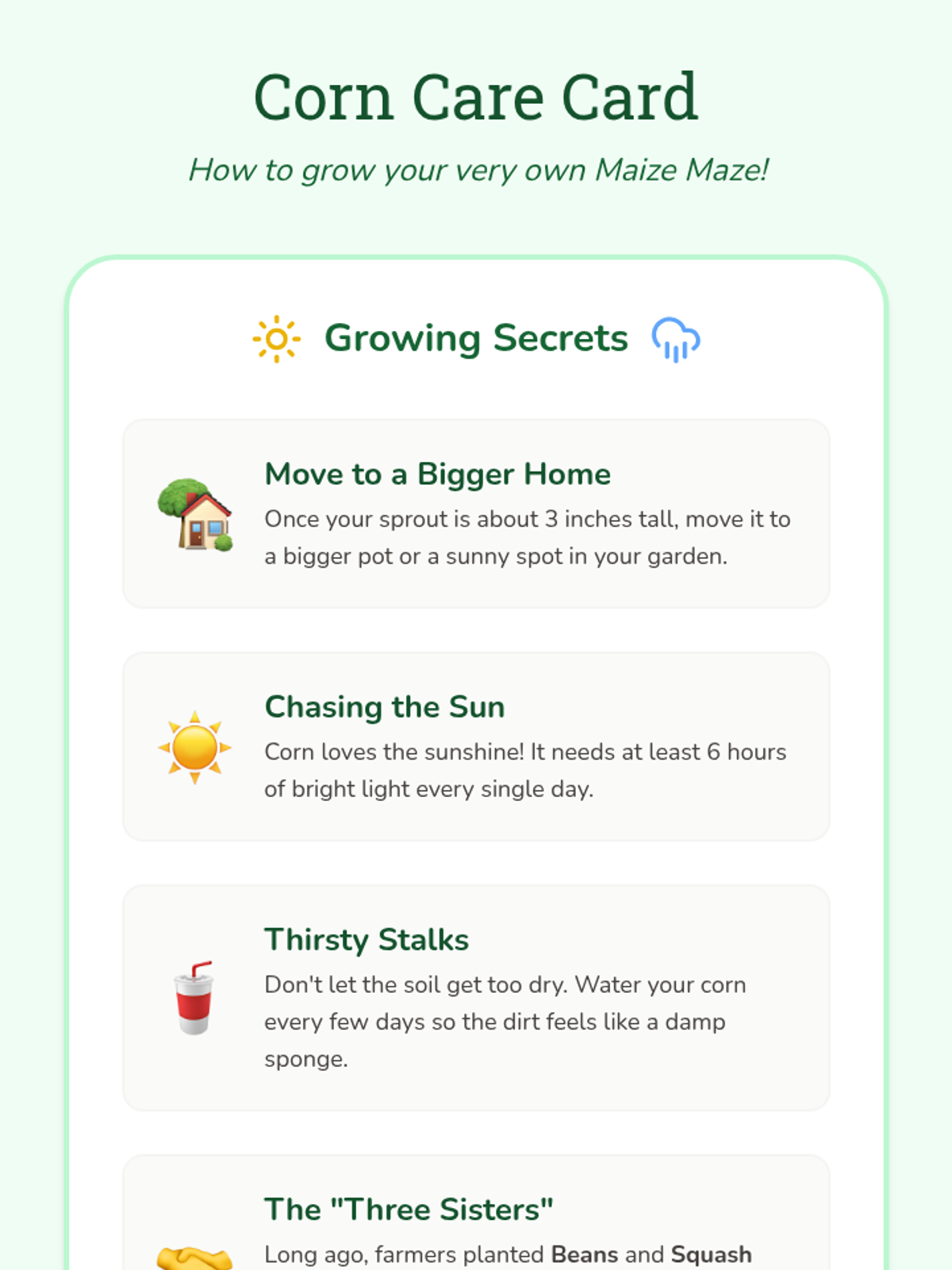
Students learn how to care for a corn plant and finish the unit by planting their own seeds to take home.
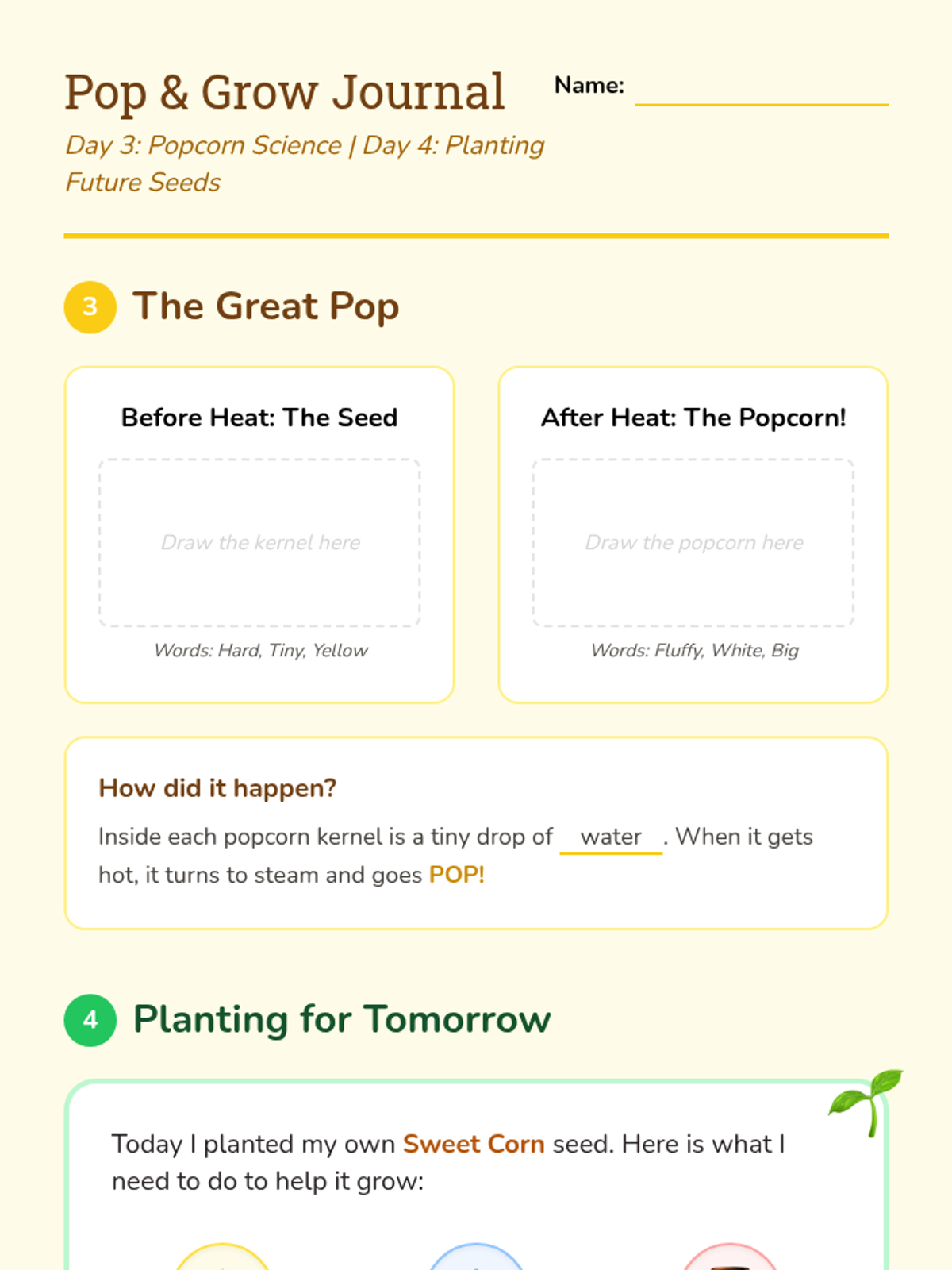
An exploration of how heat transforms corn into popcorn, followed by a classroom popping session.
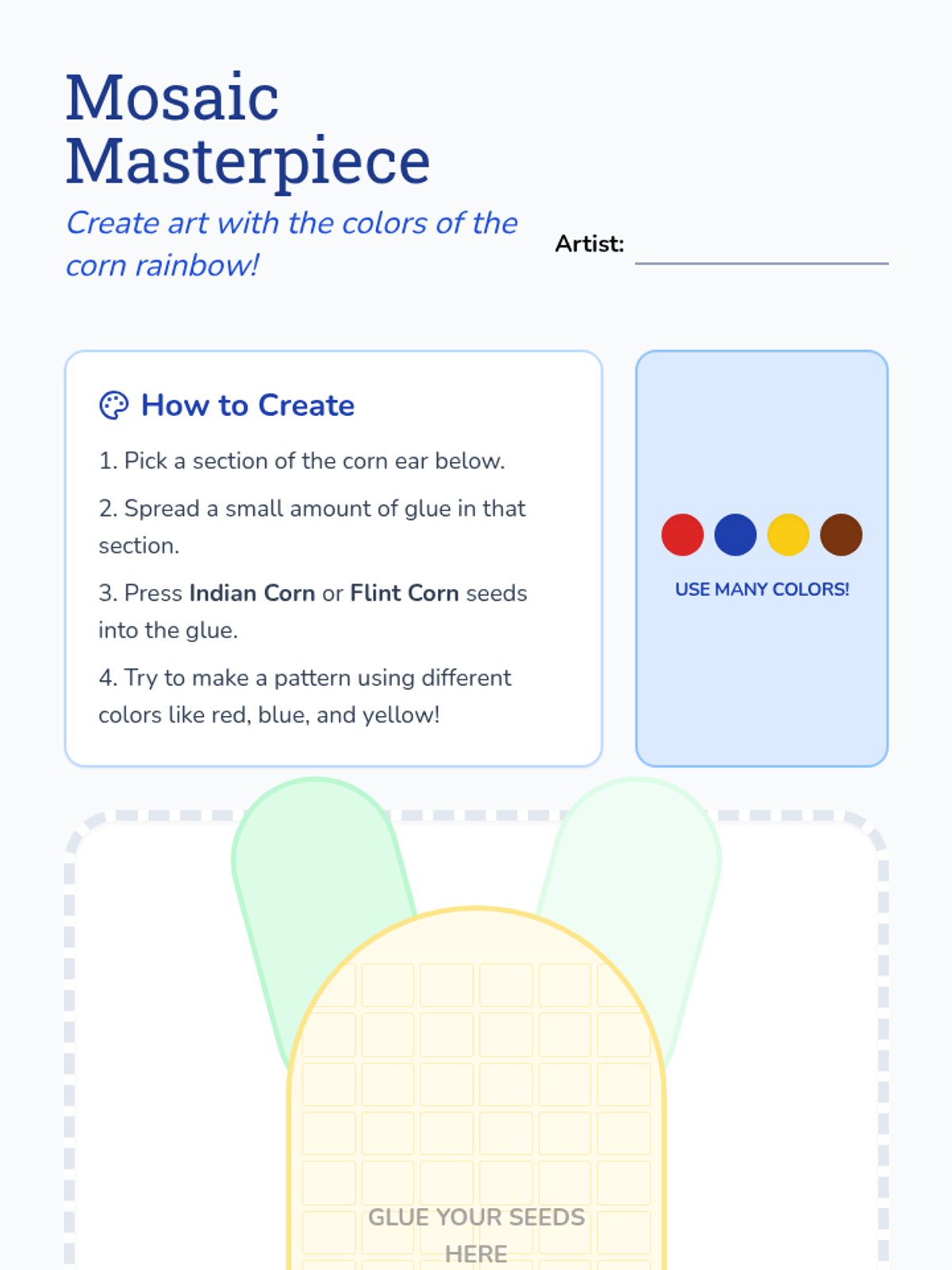
Students explore the different colors and types of corn seeds and create vibrant mosaic art using dried kernels.
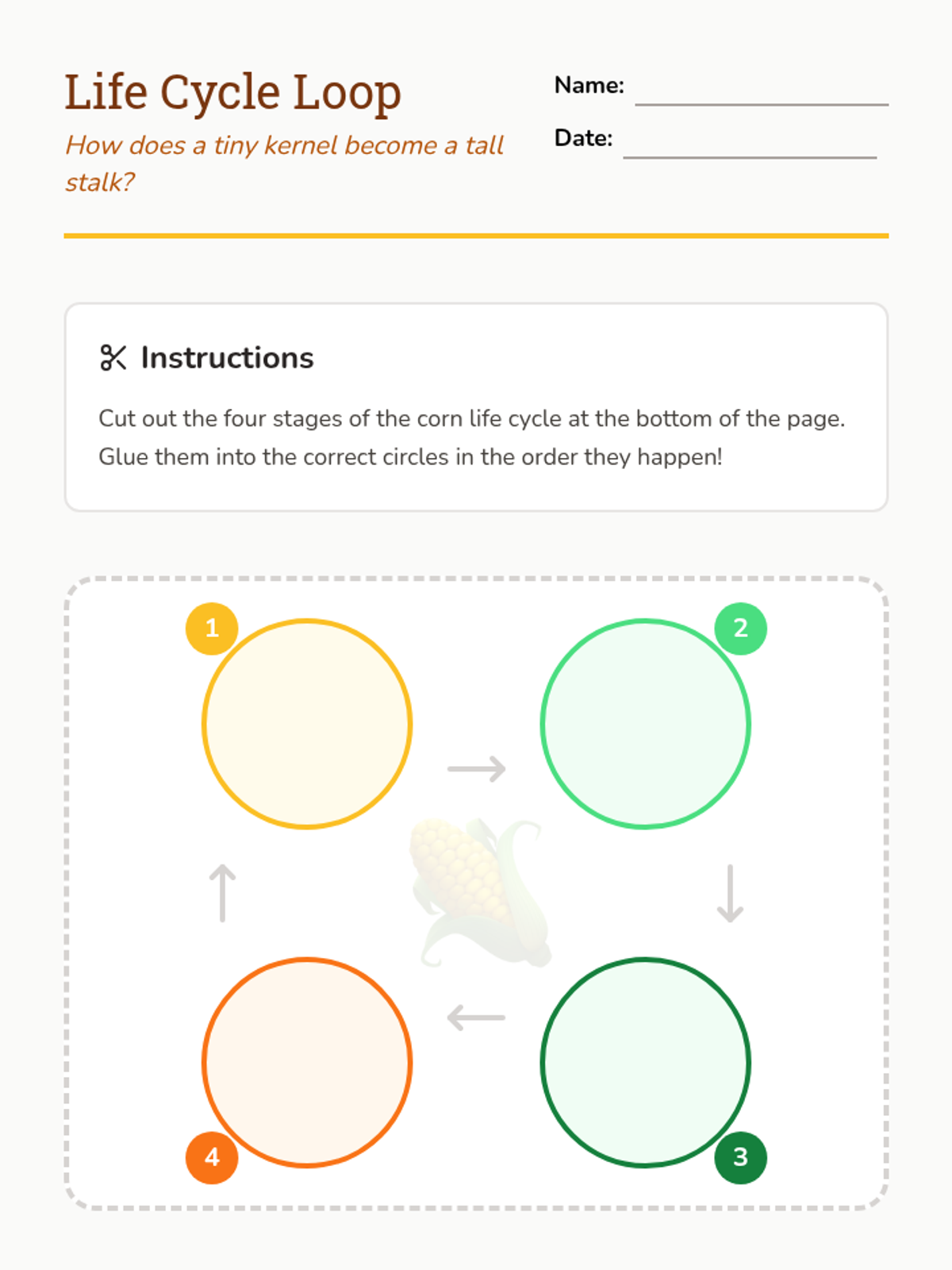
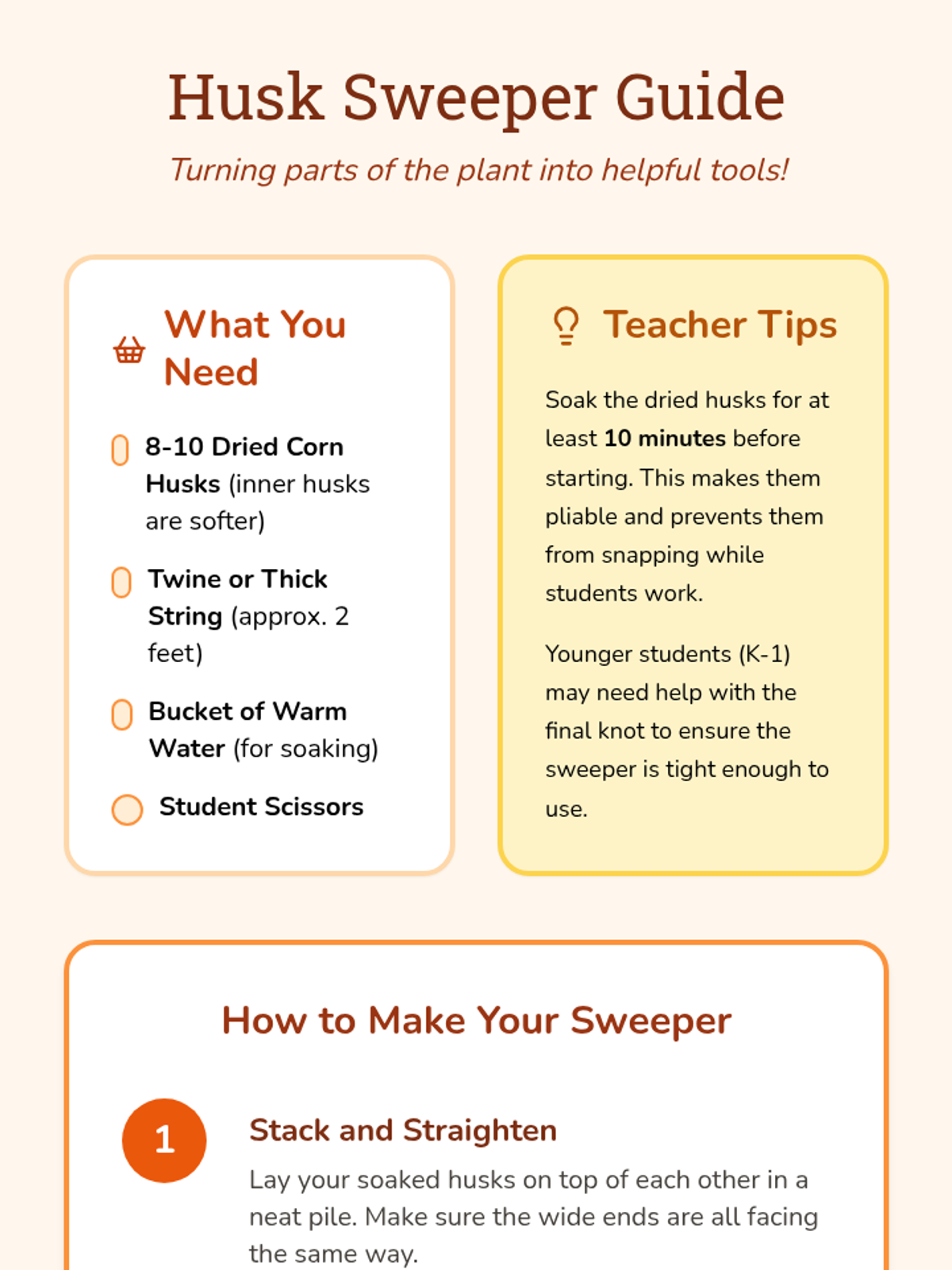
Students discover the history of corn (Maize) and its life cycle before creating traditional hand sweepers from corn husks.
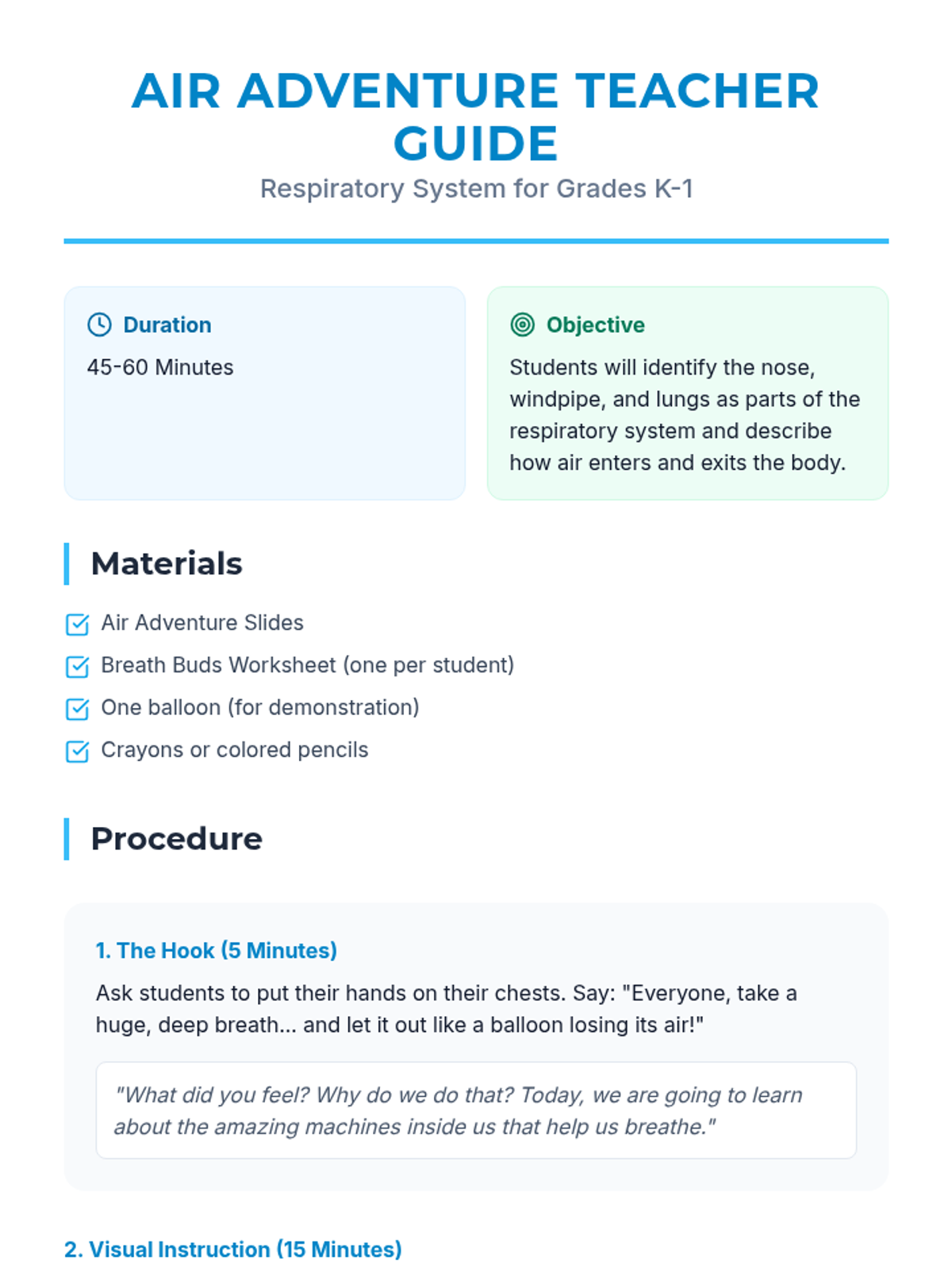
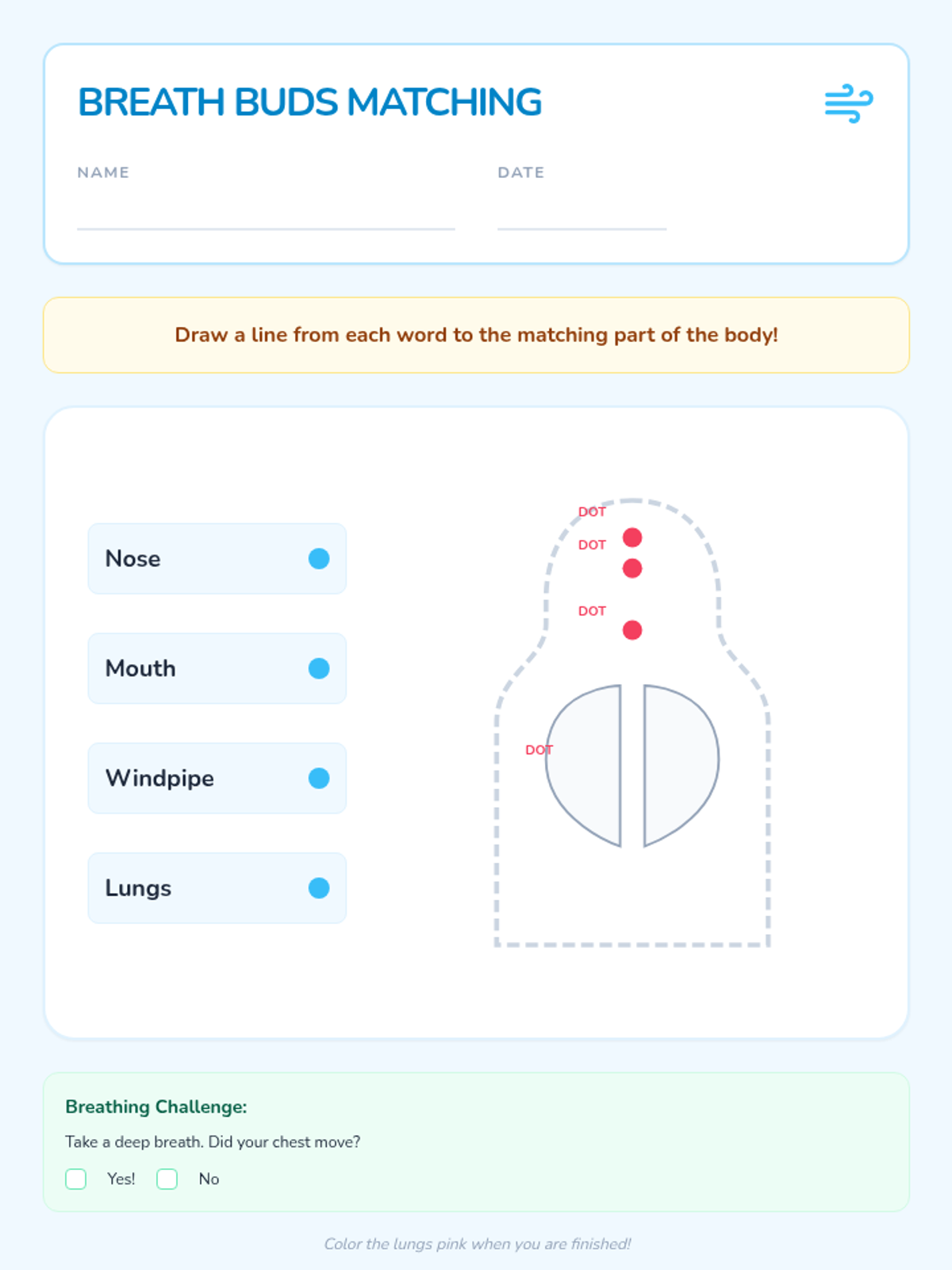
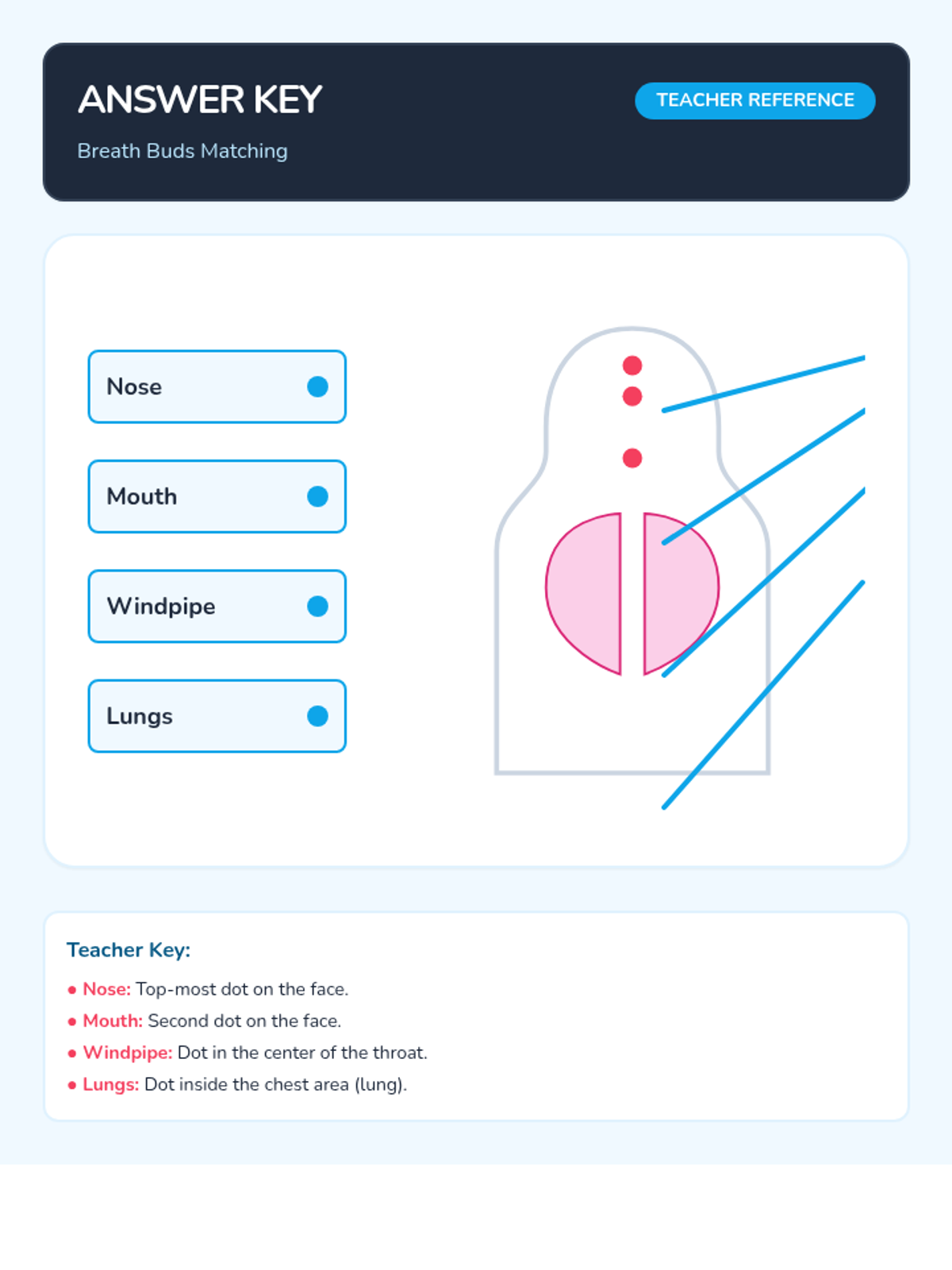
An introductory lesson for early elementary students exploring how we breathe, the journey of air through our bodies, and the main parts of the respiratory system.
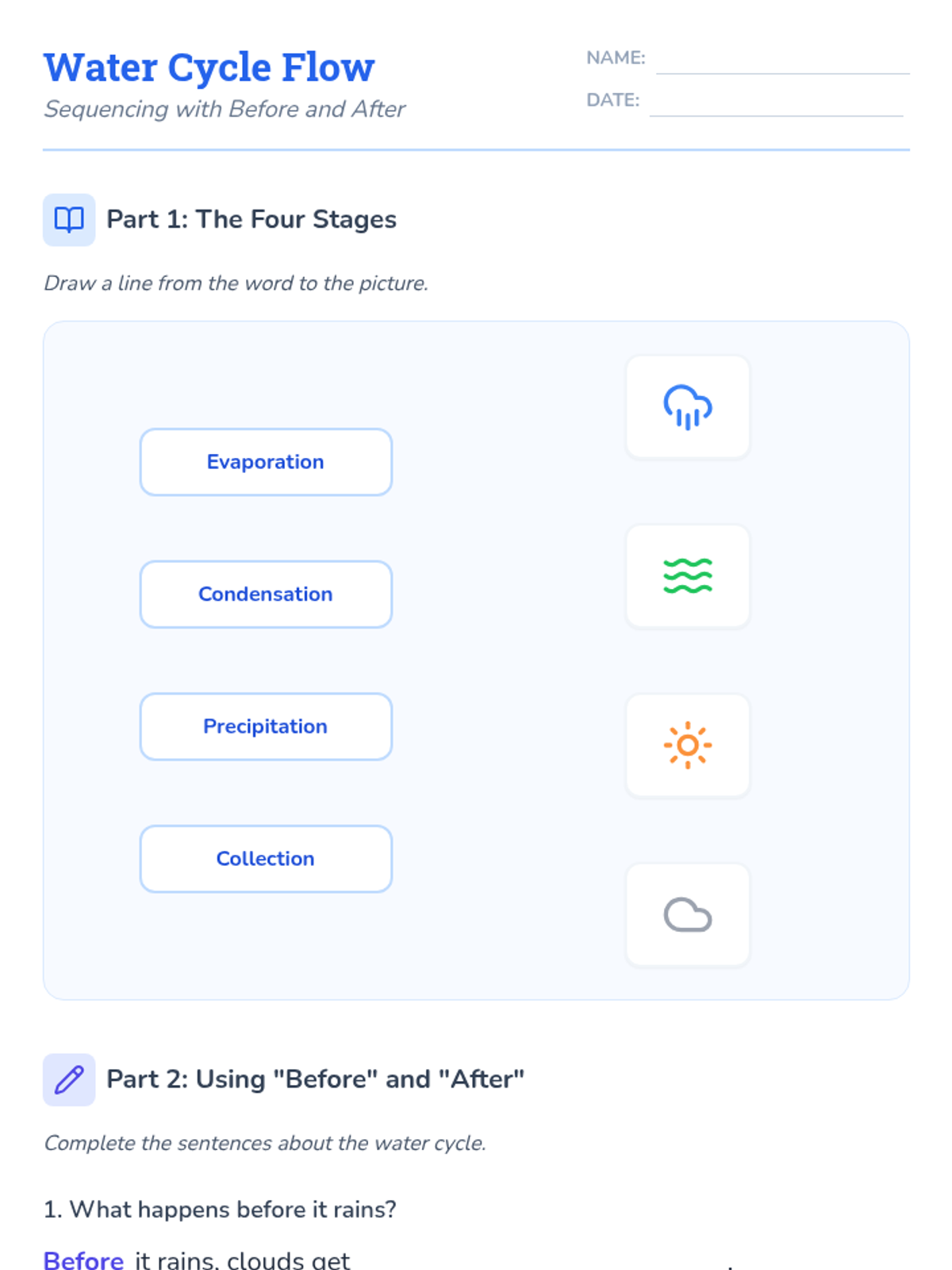
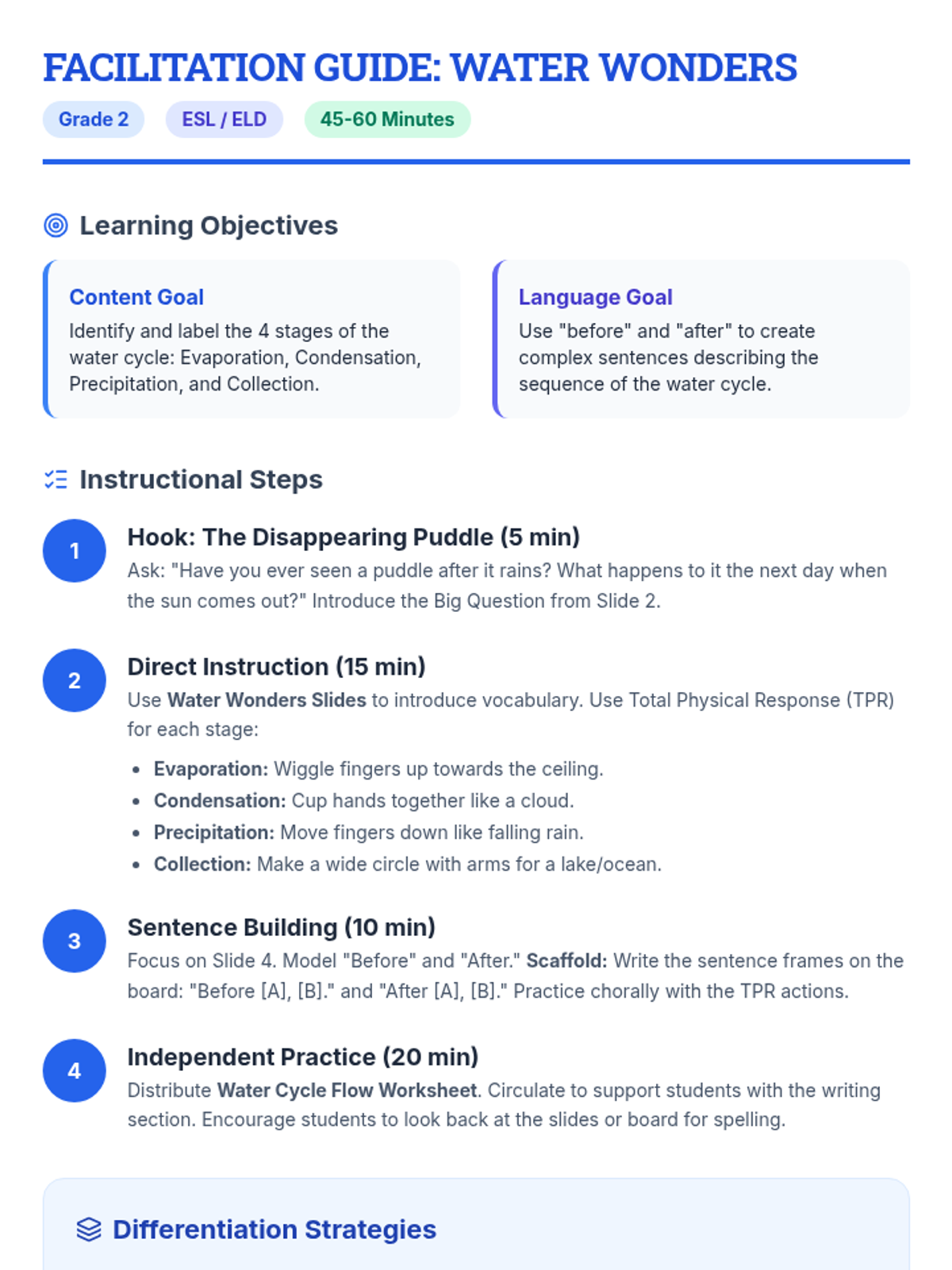
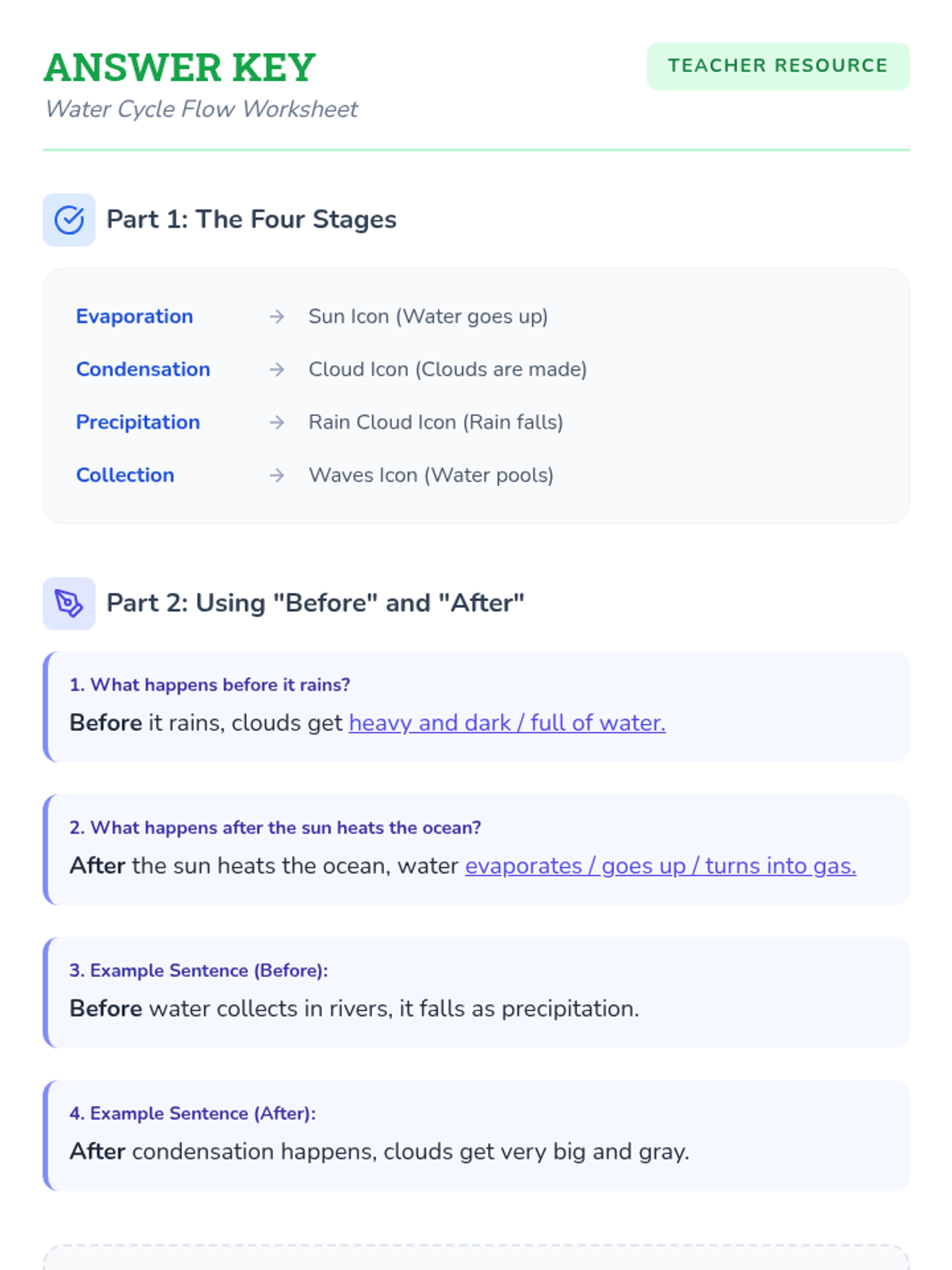
A comprehensive ESL lesson for 2nd graders focused on the water cycle. Students will learn the four main stages while practicing sequencing using complex sentences with 'before' and 'after'.
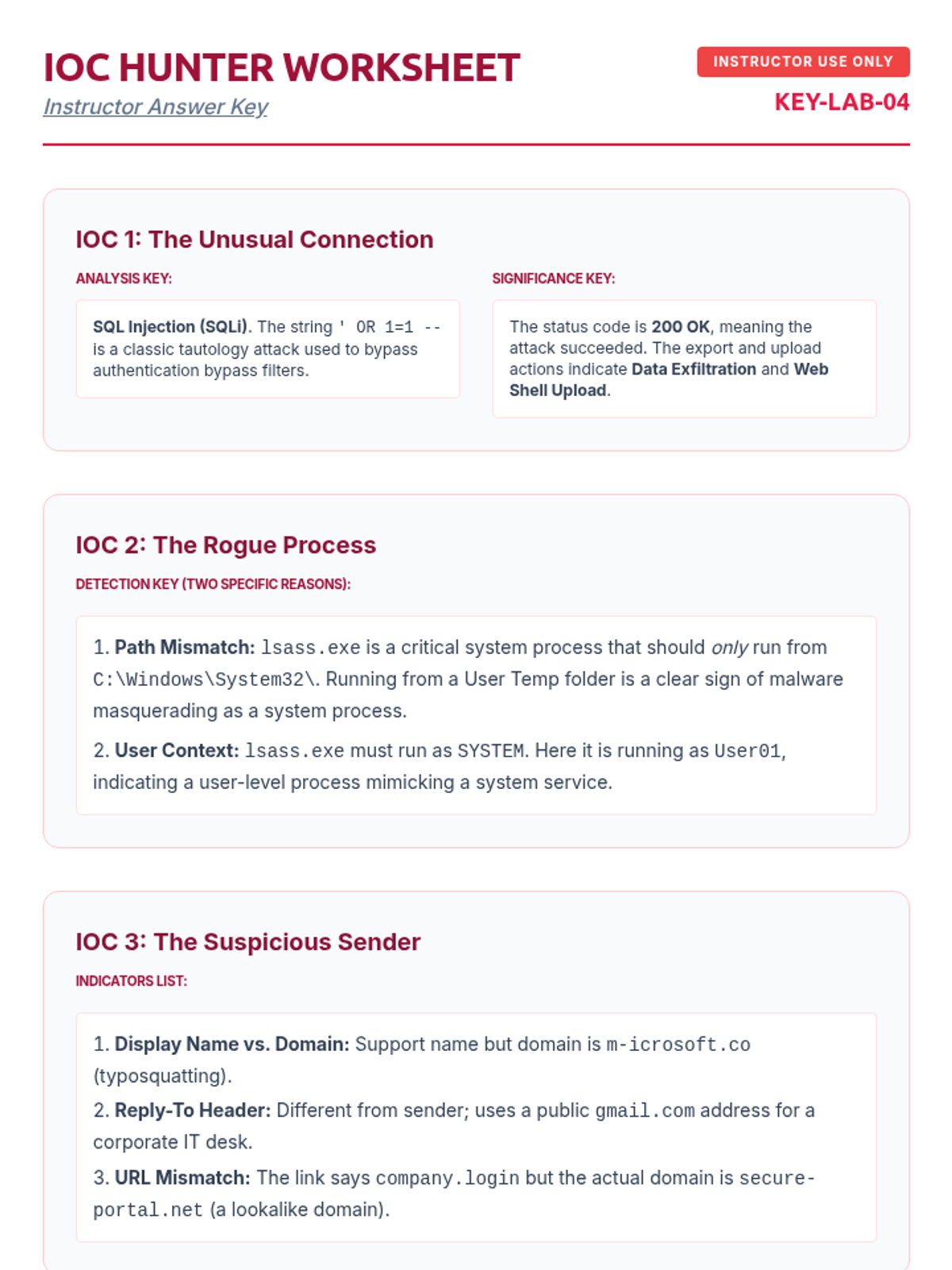
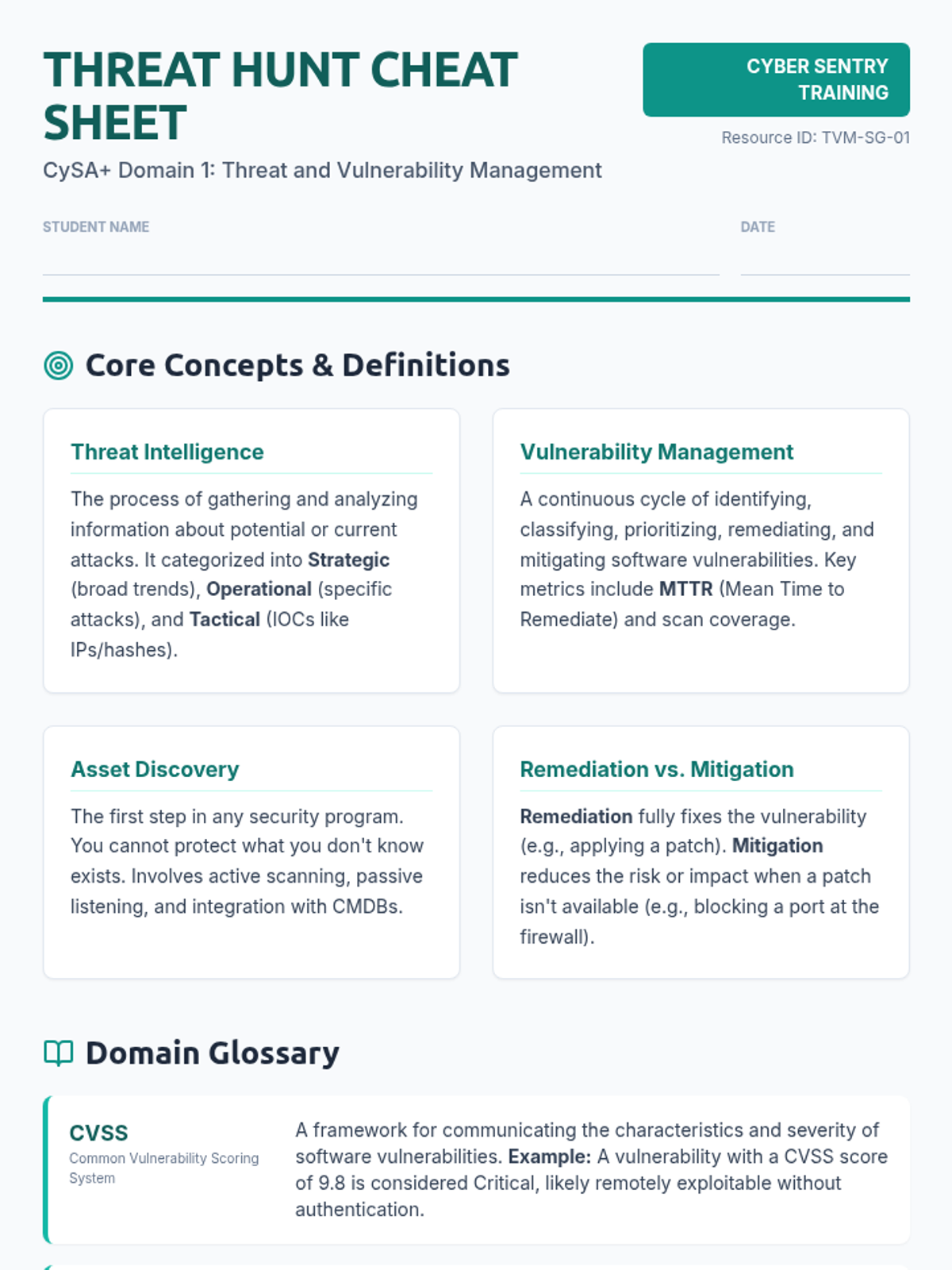
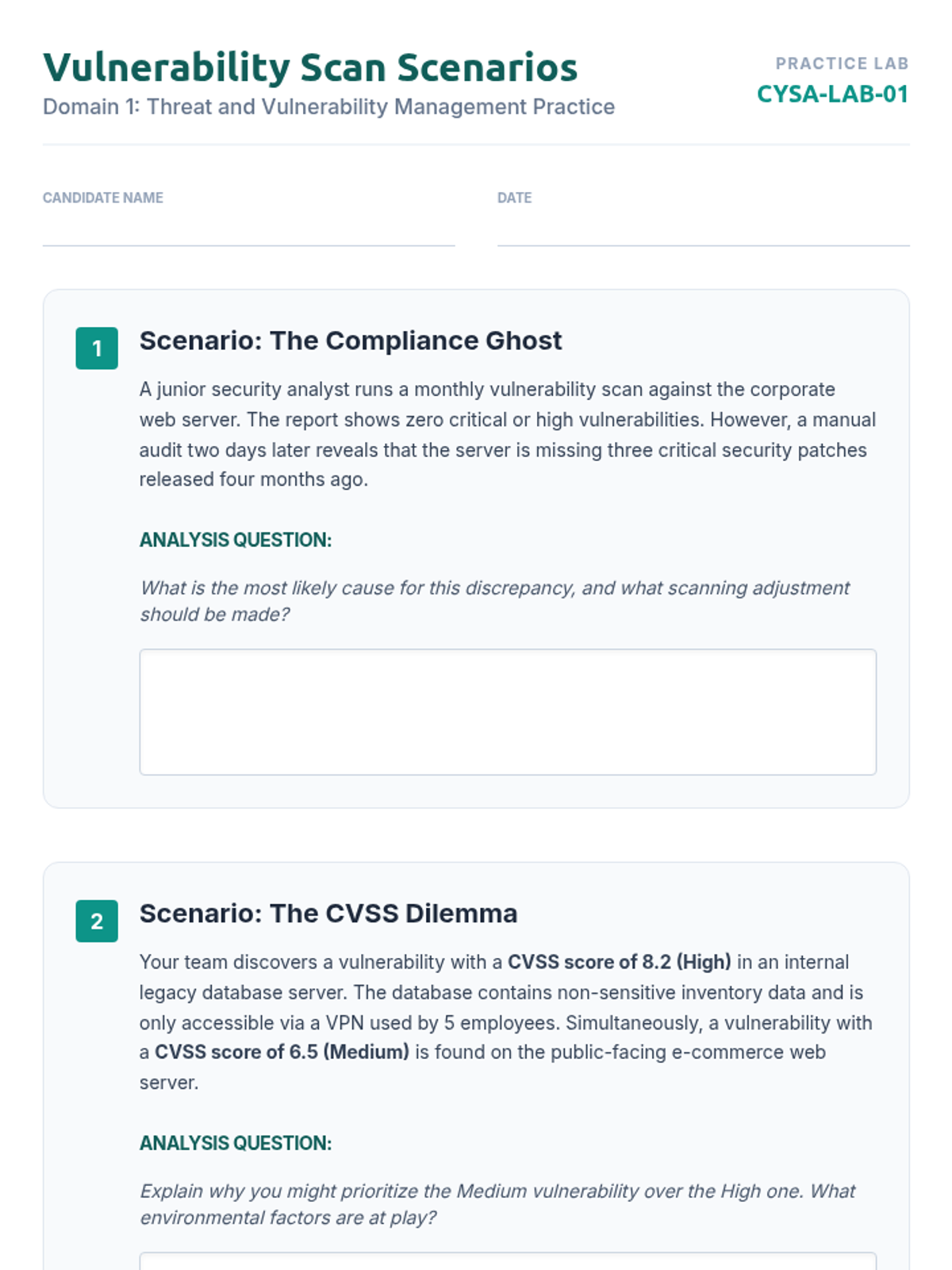
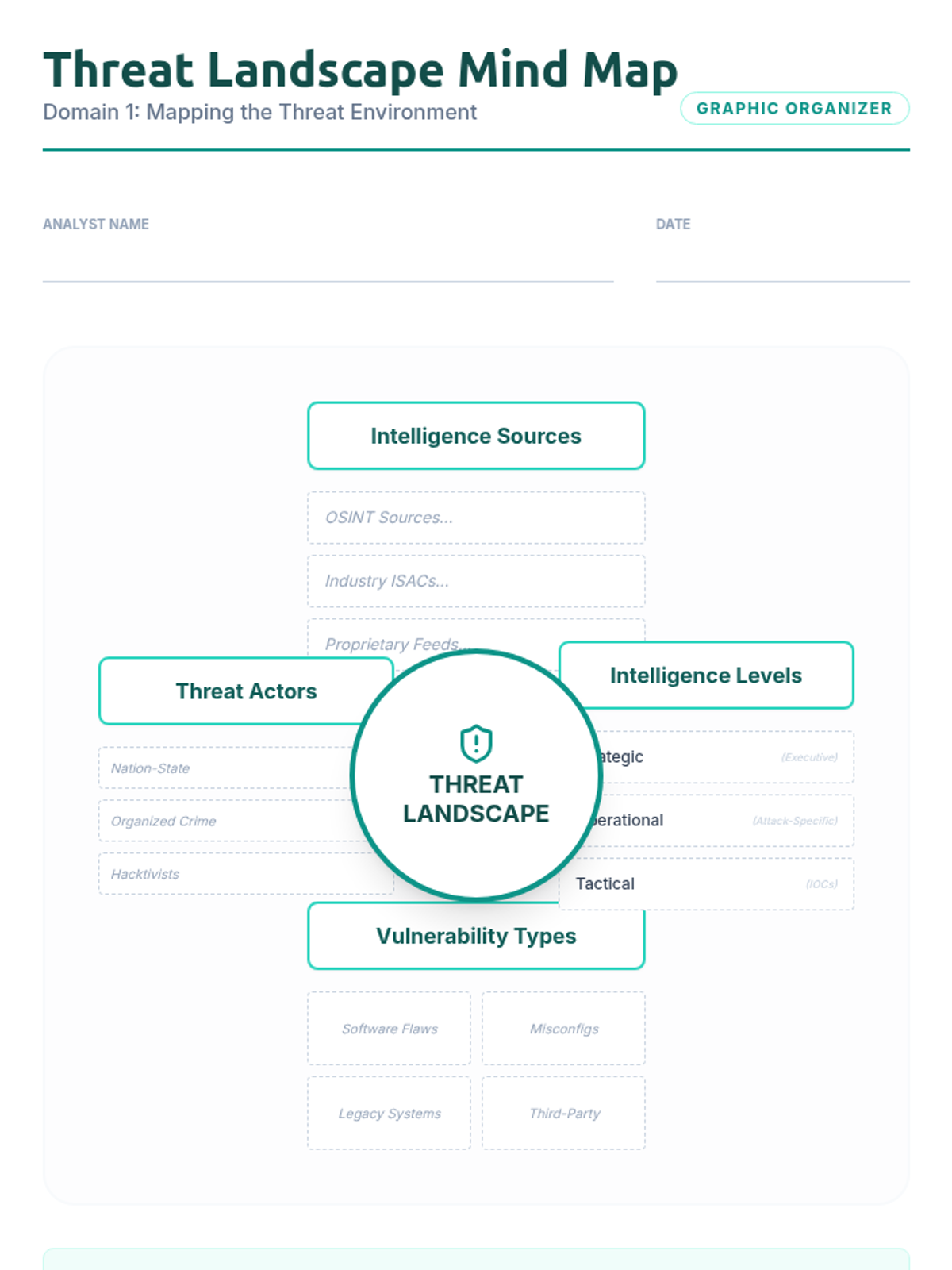
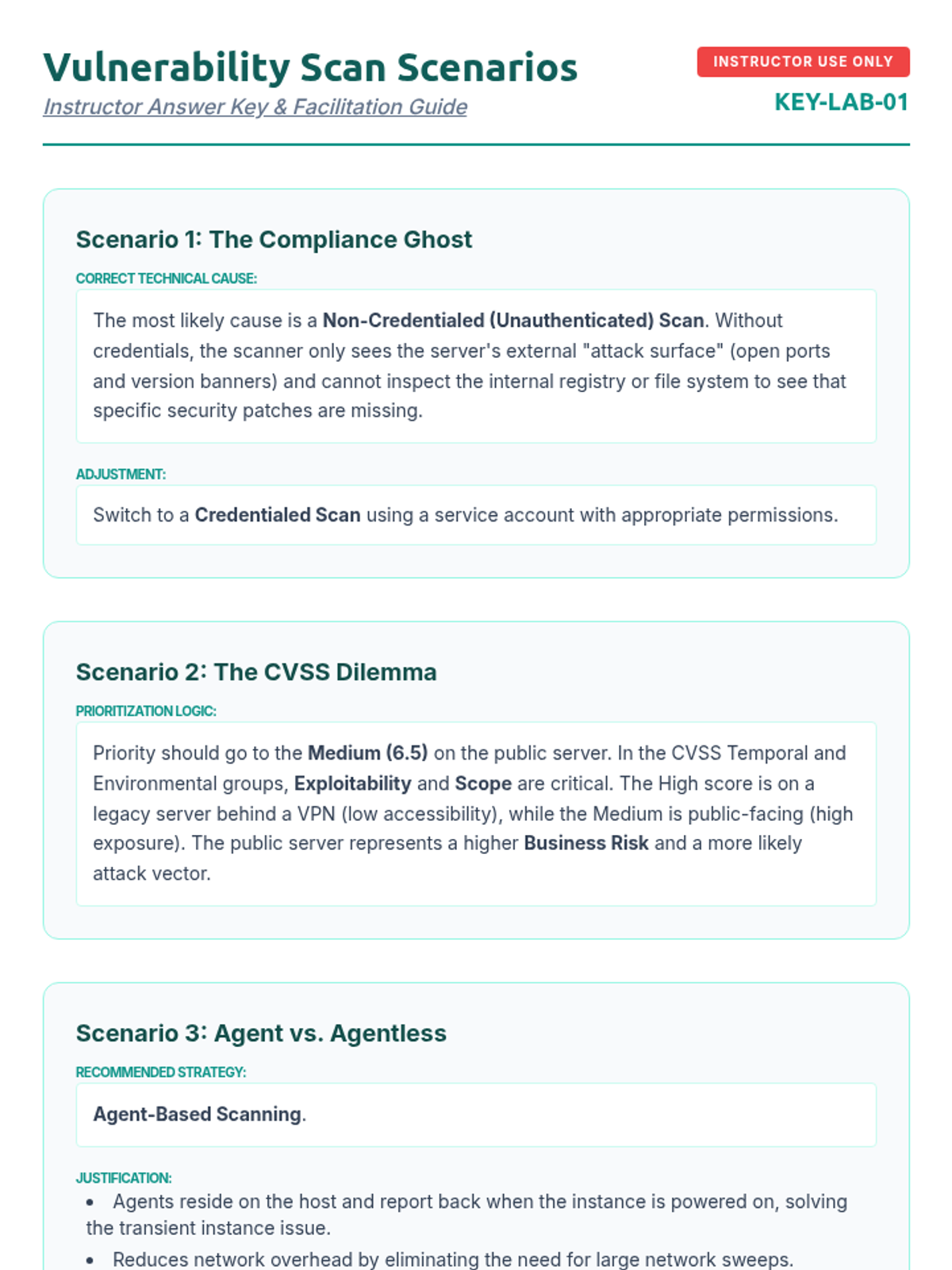
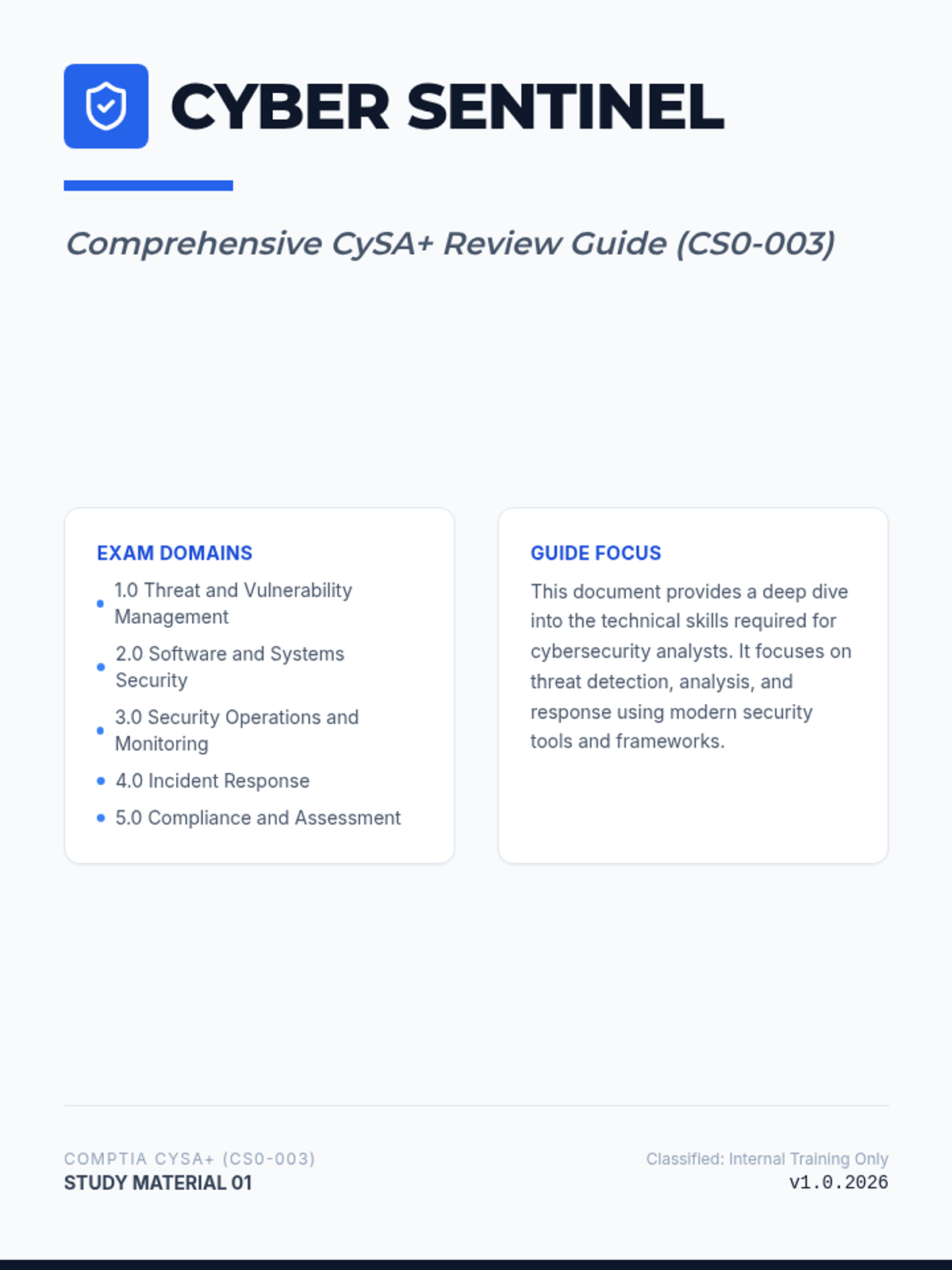
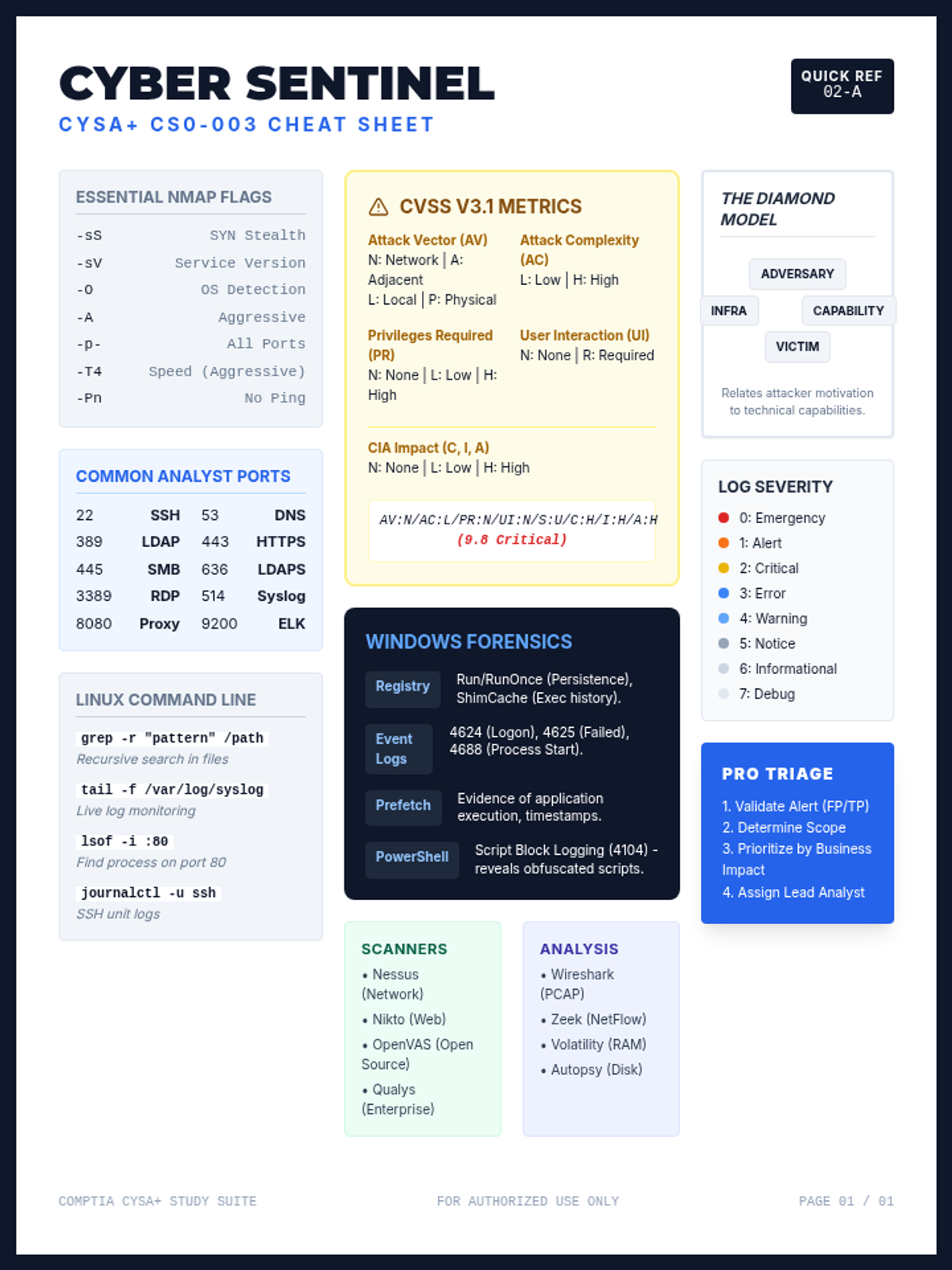
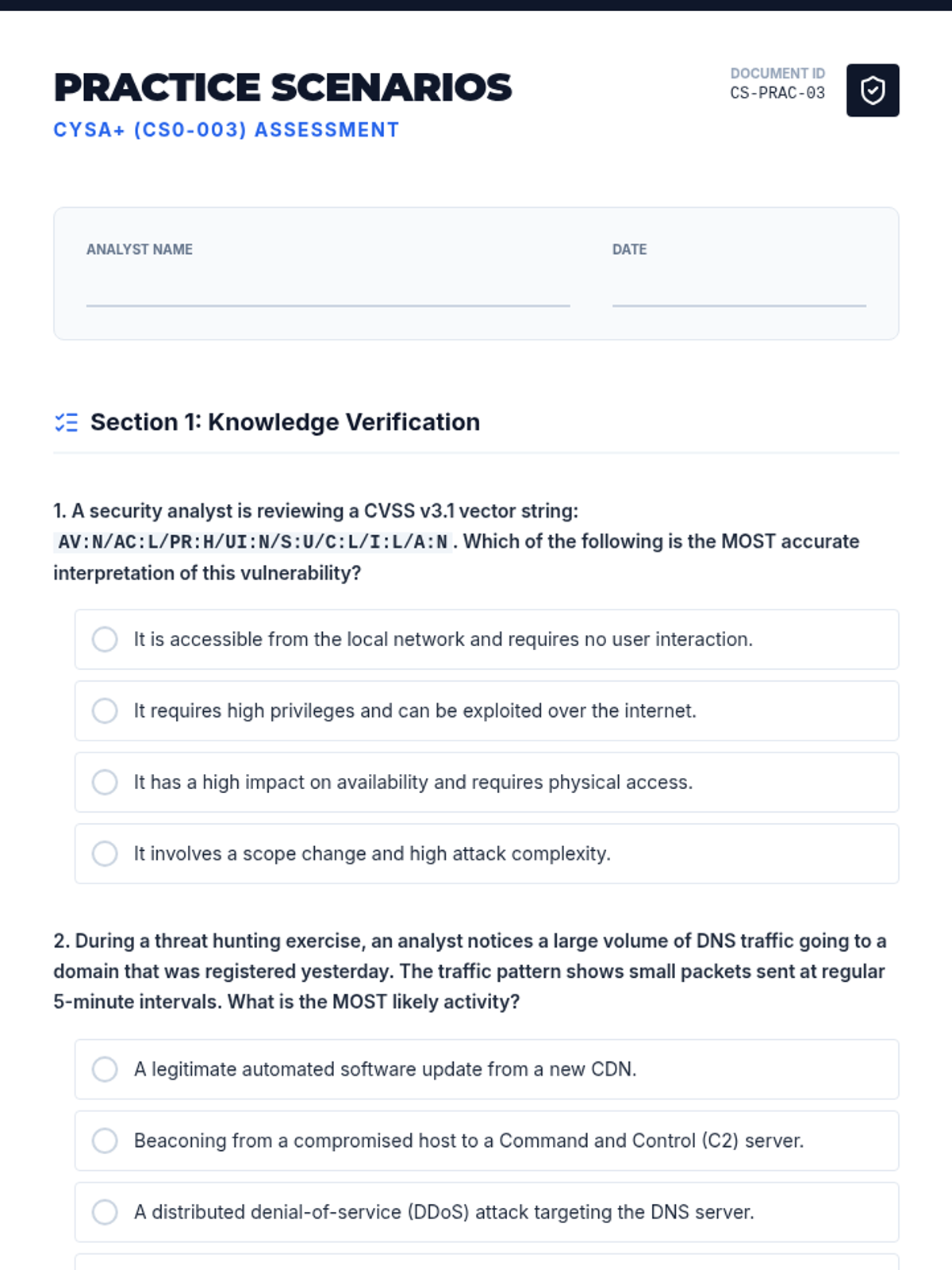
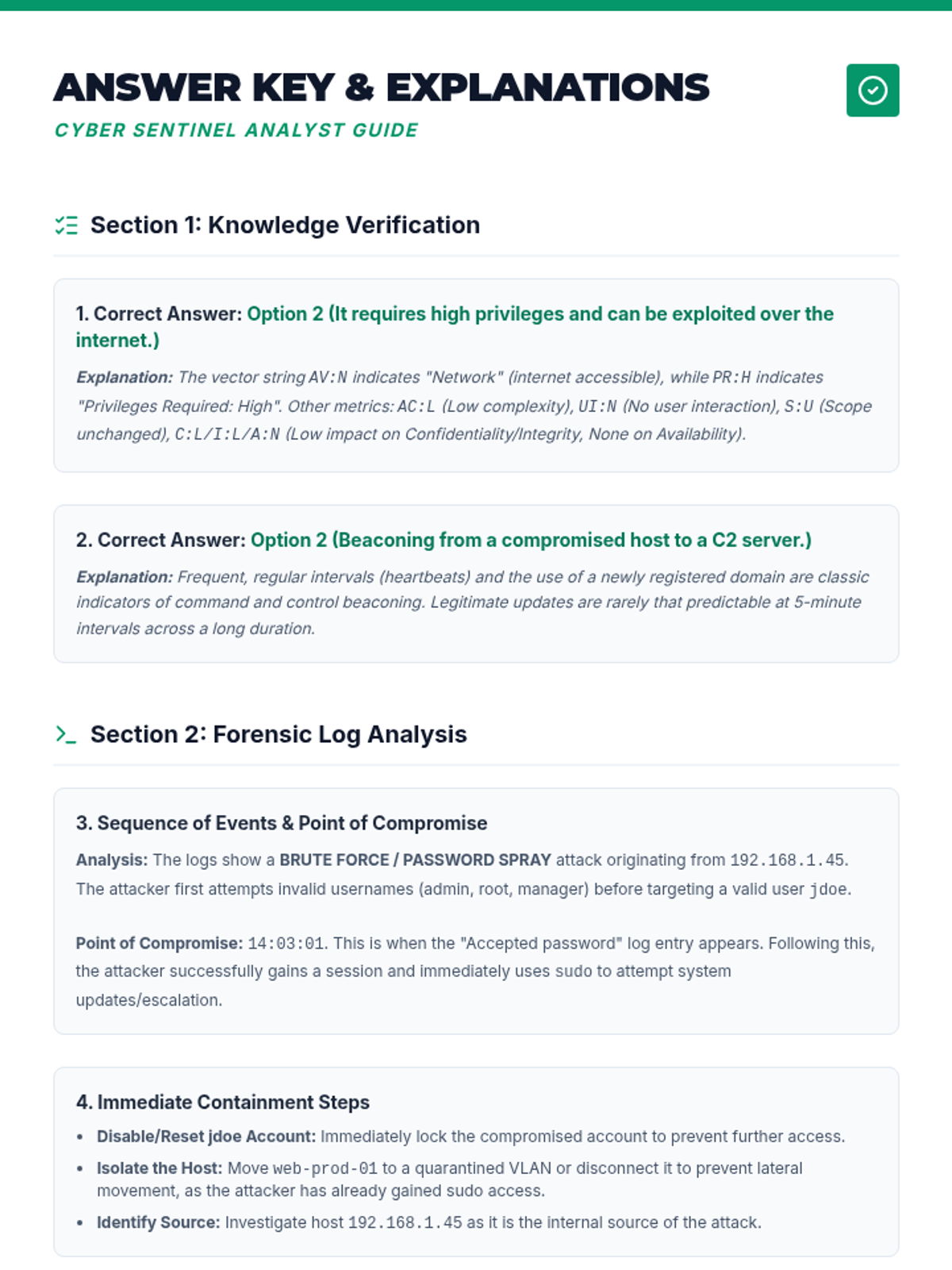
A comprehensive preparation suite for the CompTIA CySA+ (CS0-003) exam, covering threat management, security operations, and incident response through detailed reviews, cheat sheets, and practice scenarios.
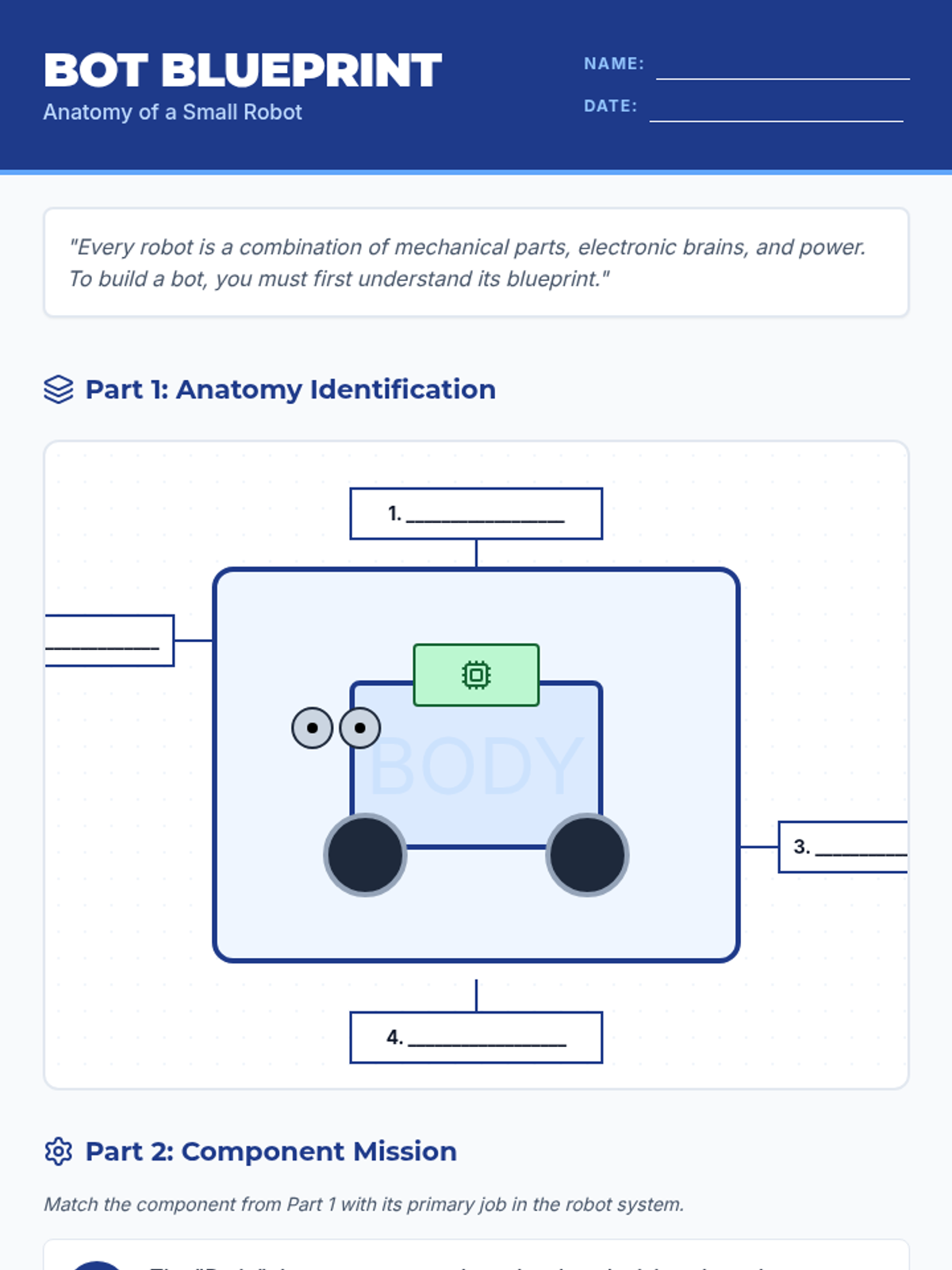
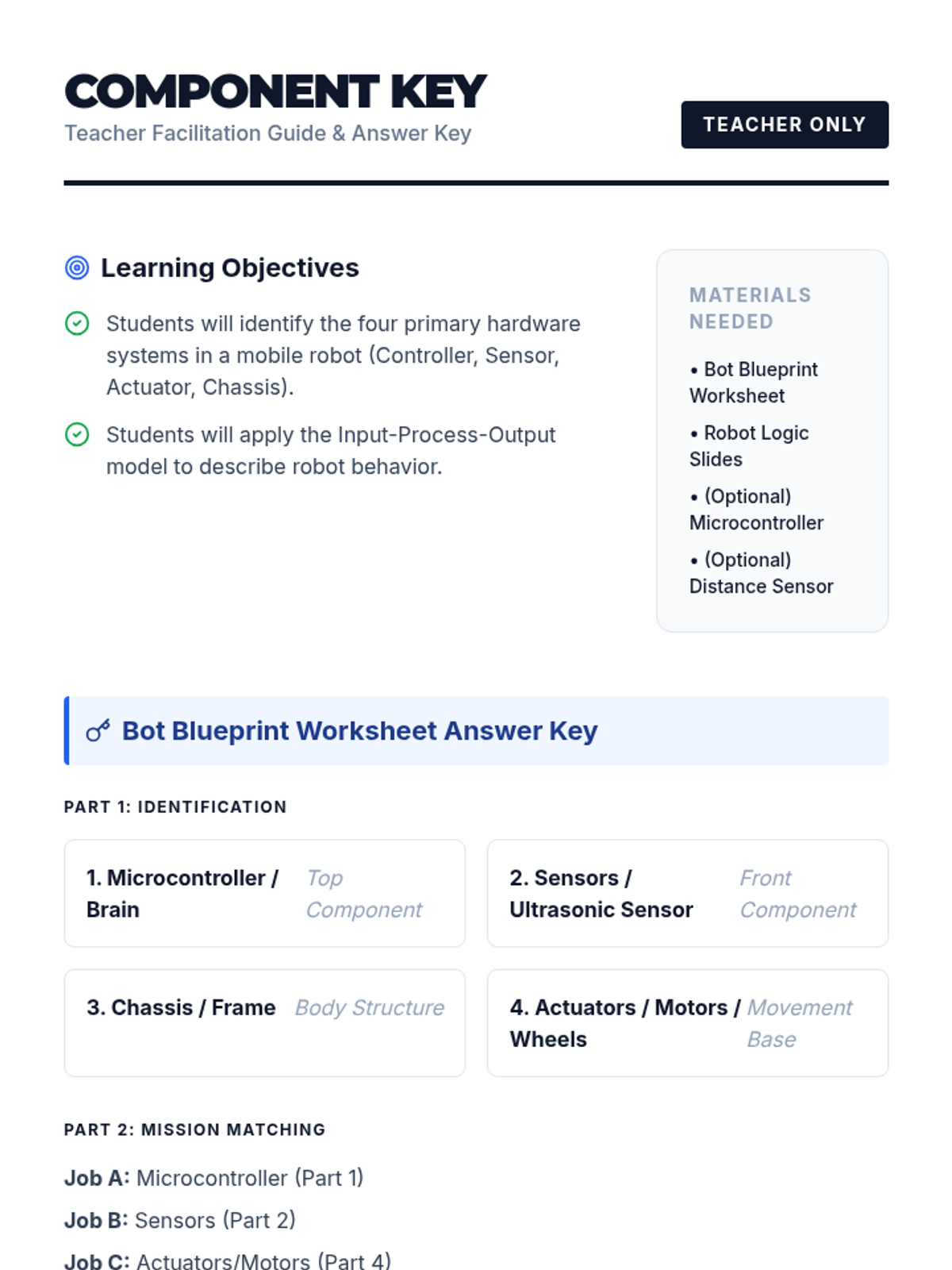
A foundational look at robot anatomy, exploring how sensors, actuators, and controllers work together to create a functional machine.
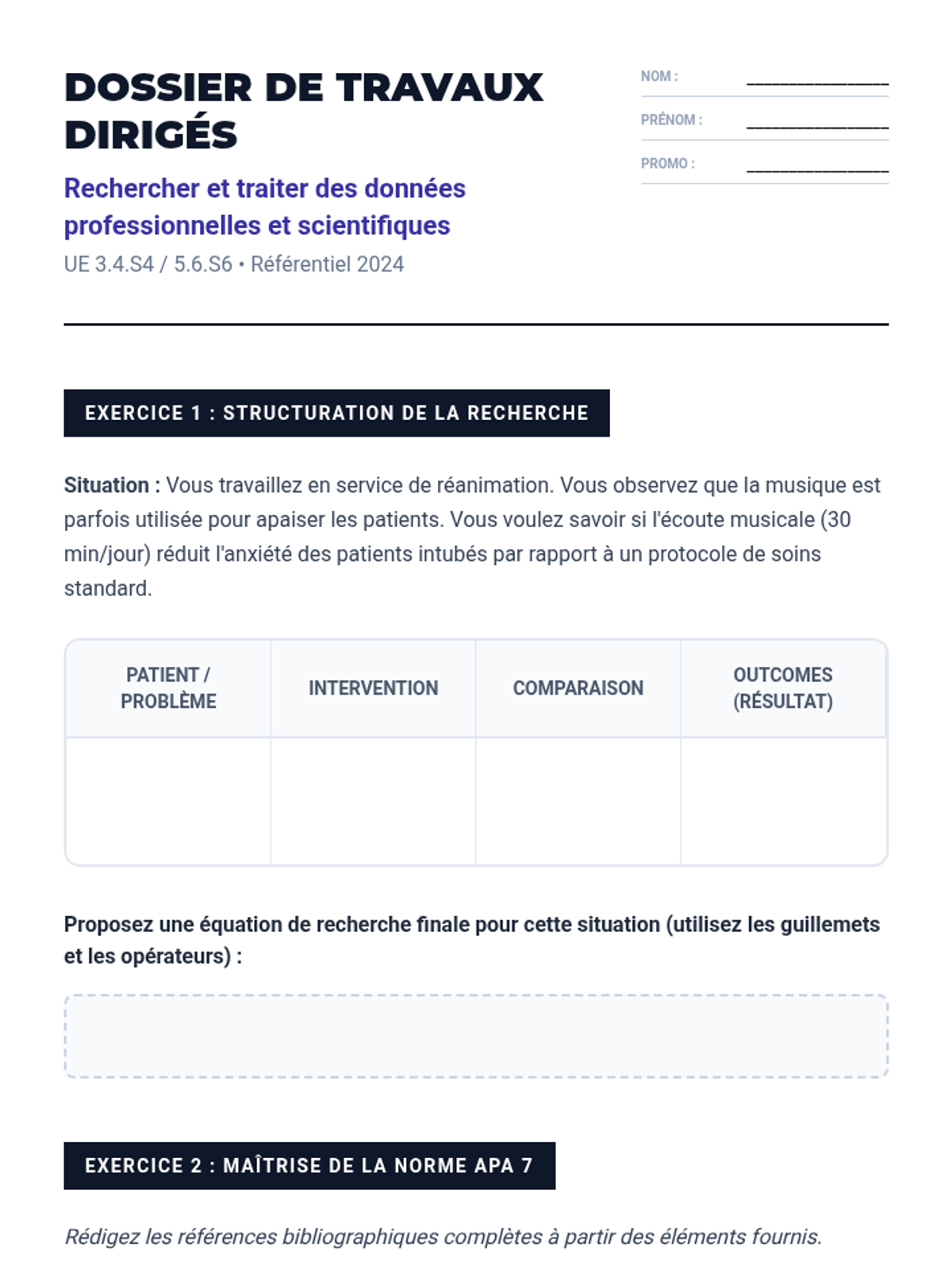
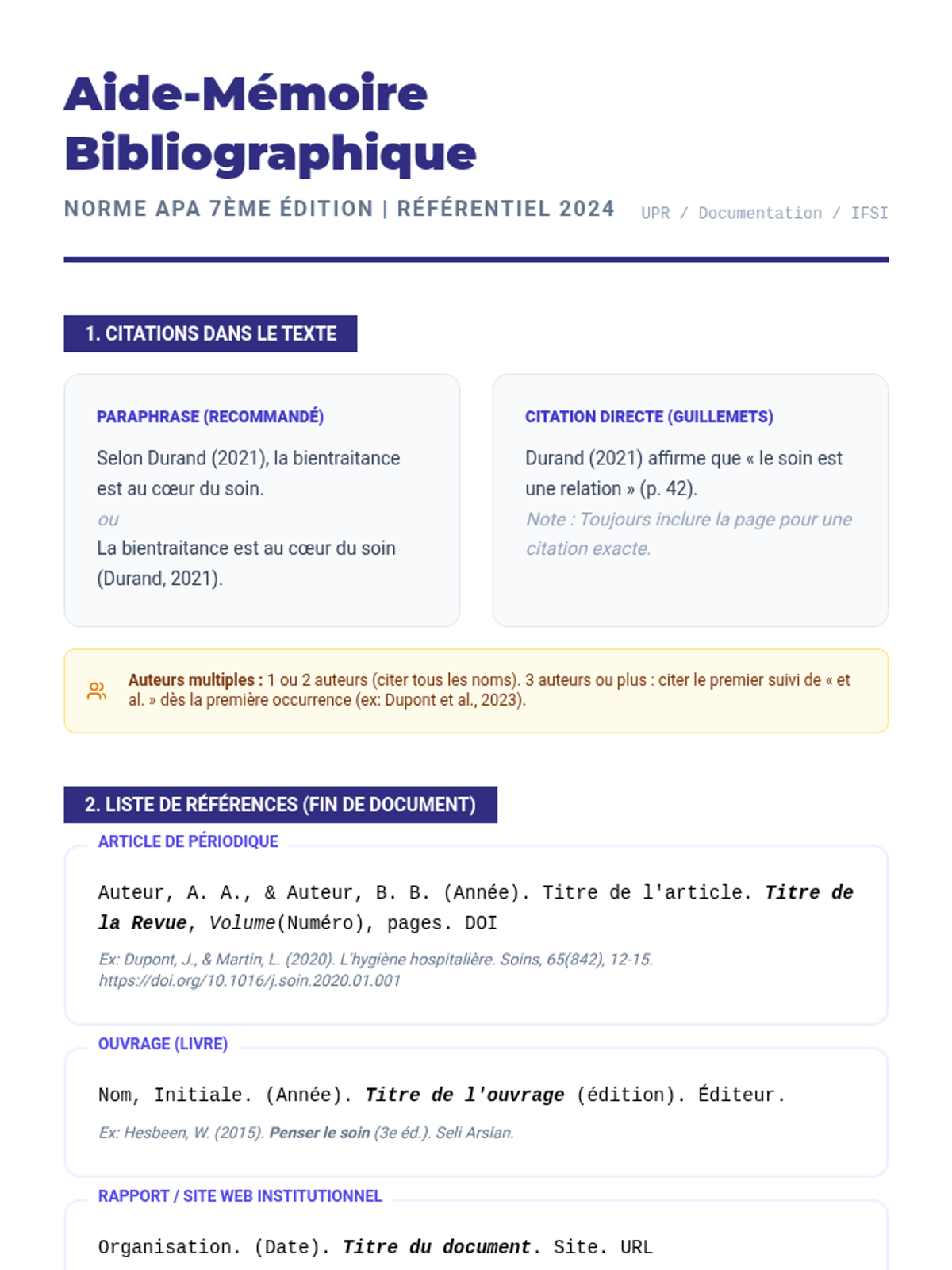
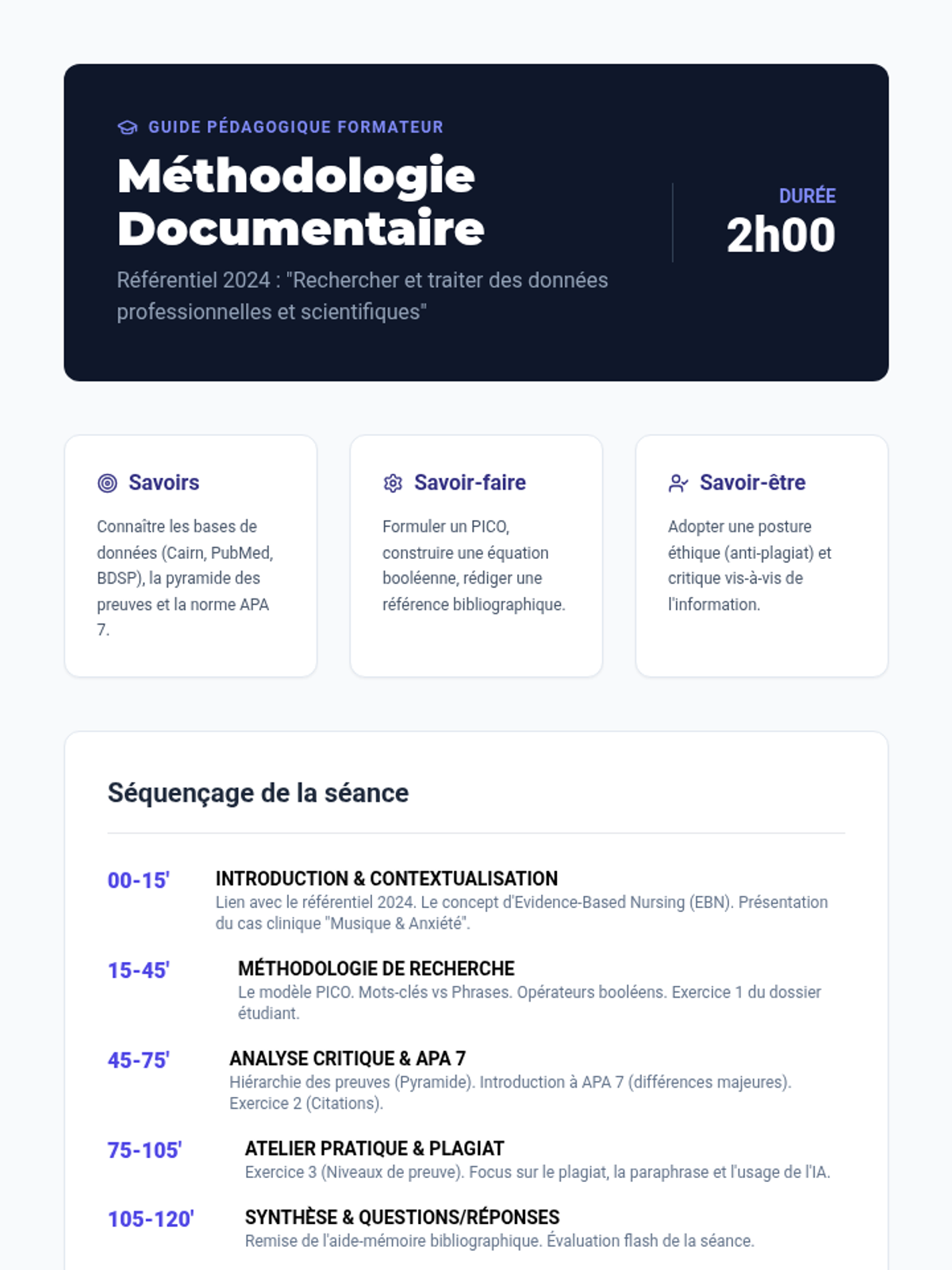
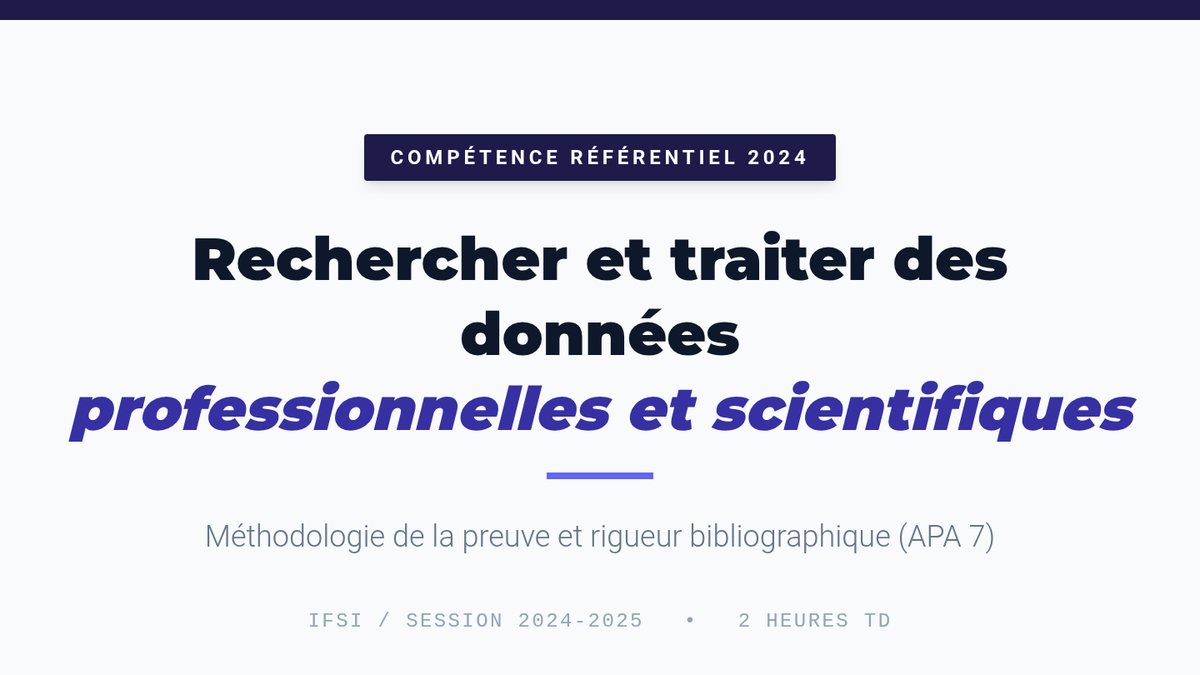
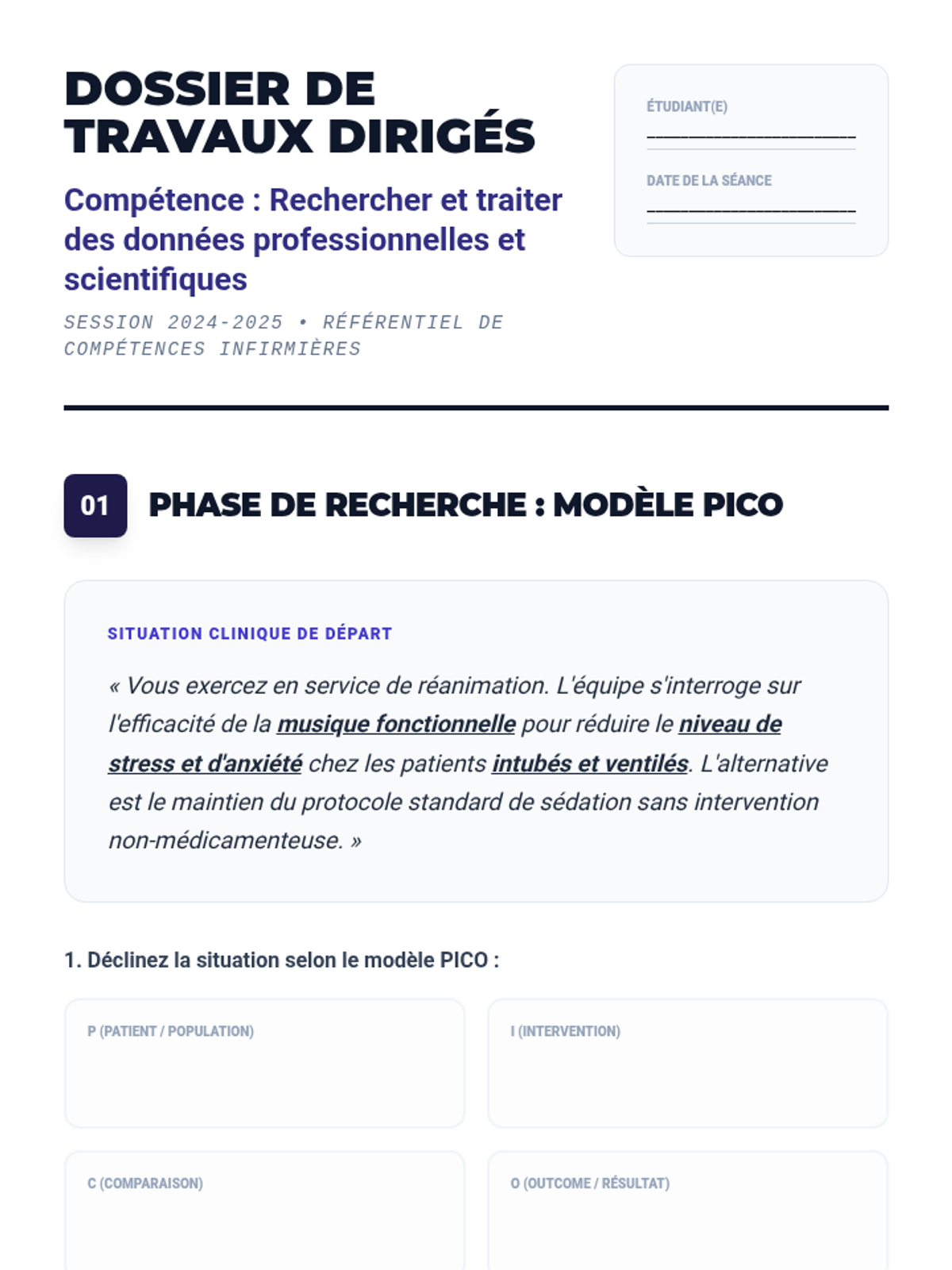
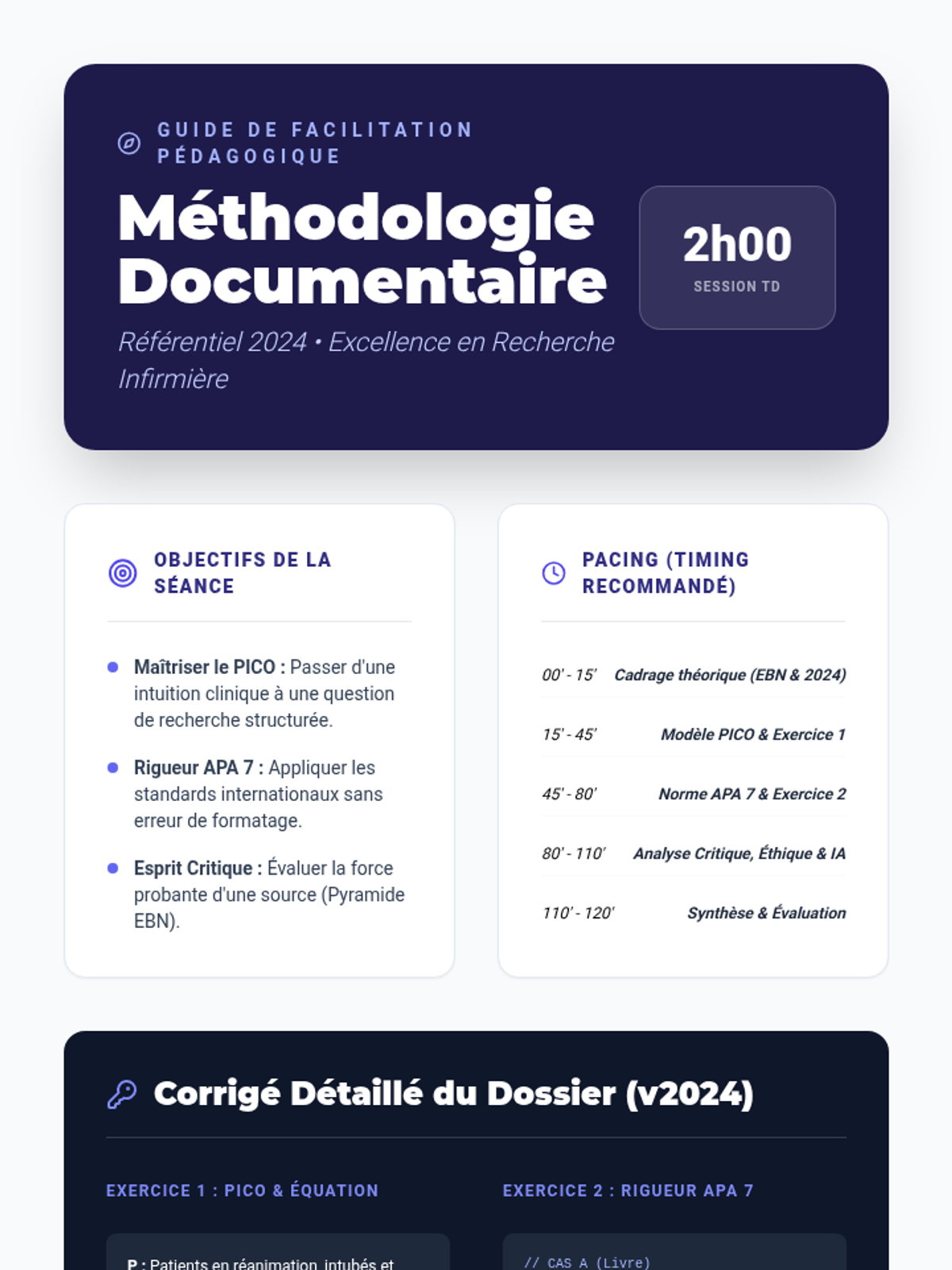
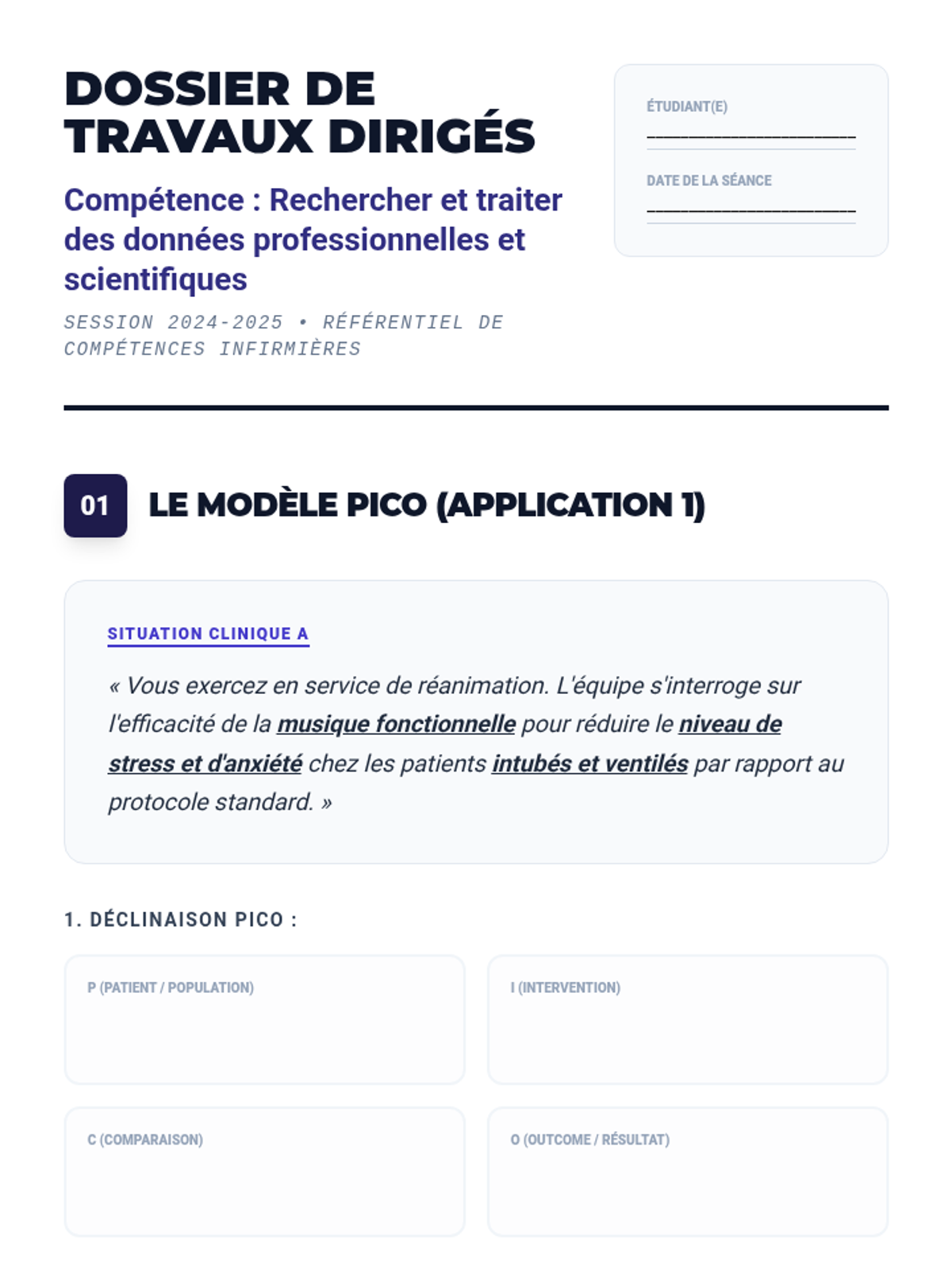
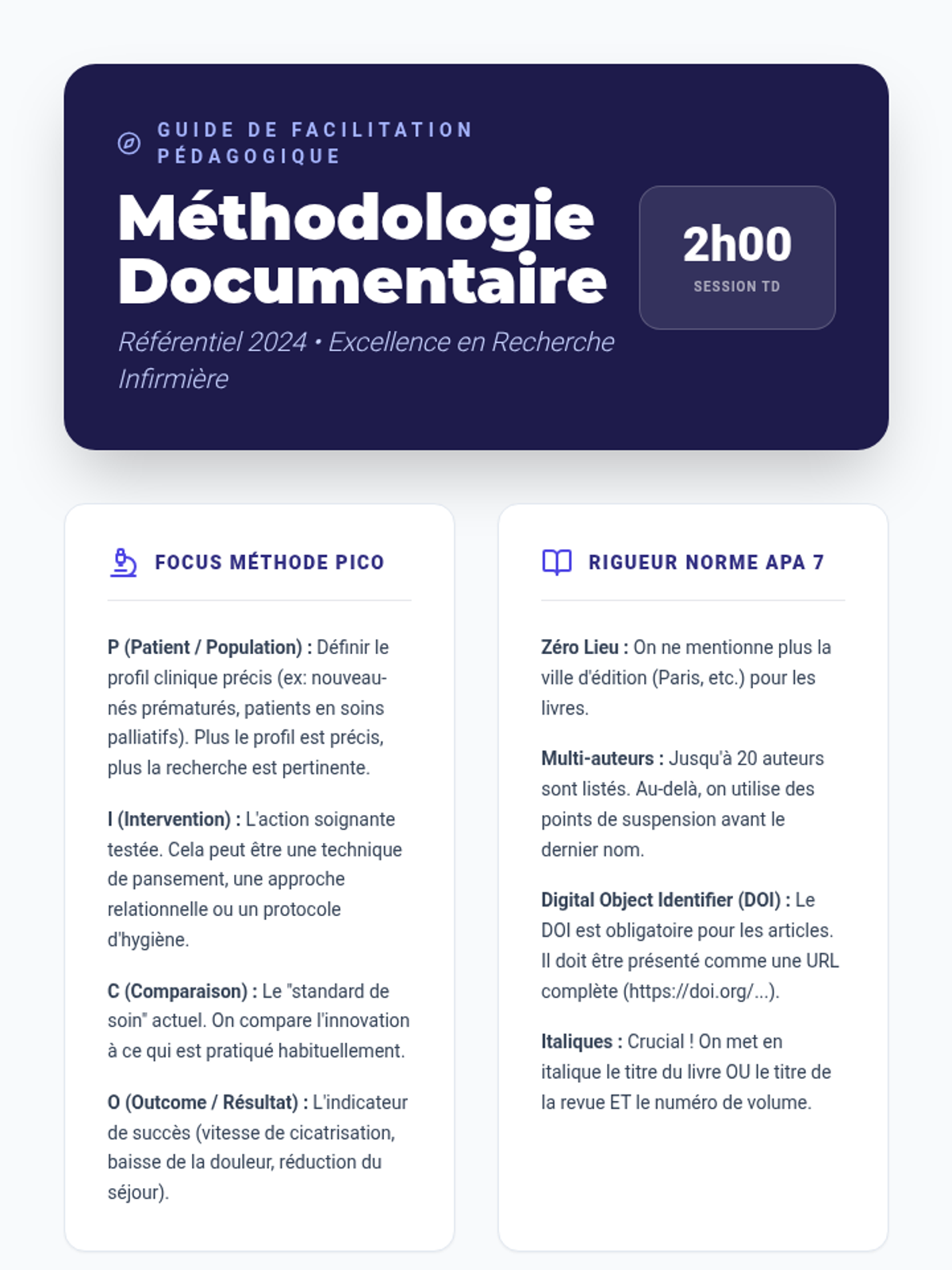
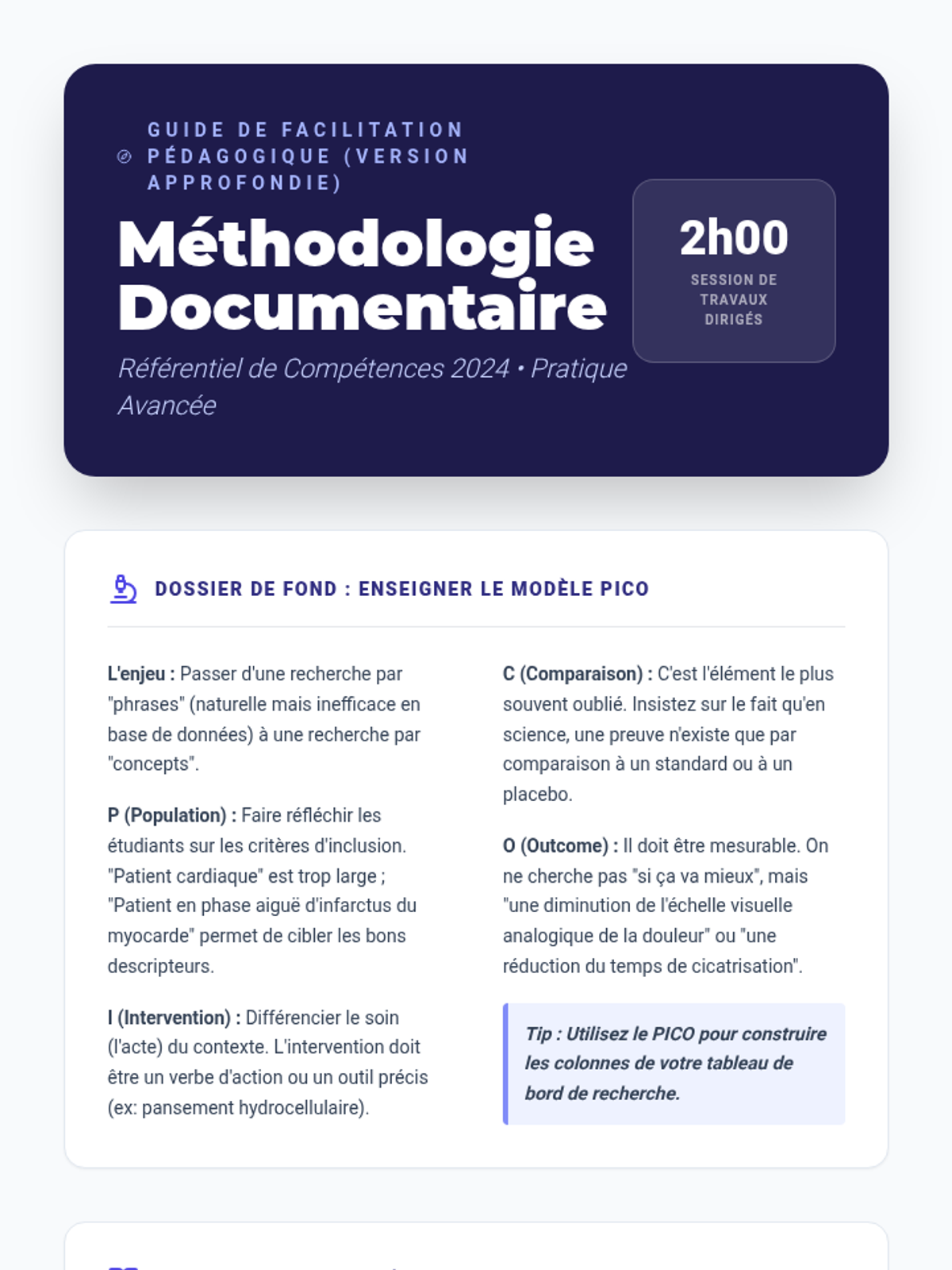
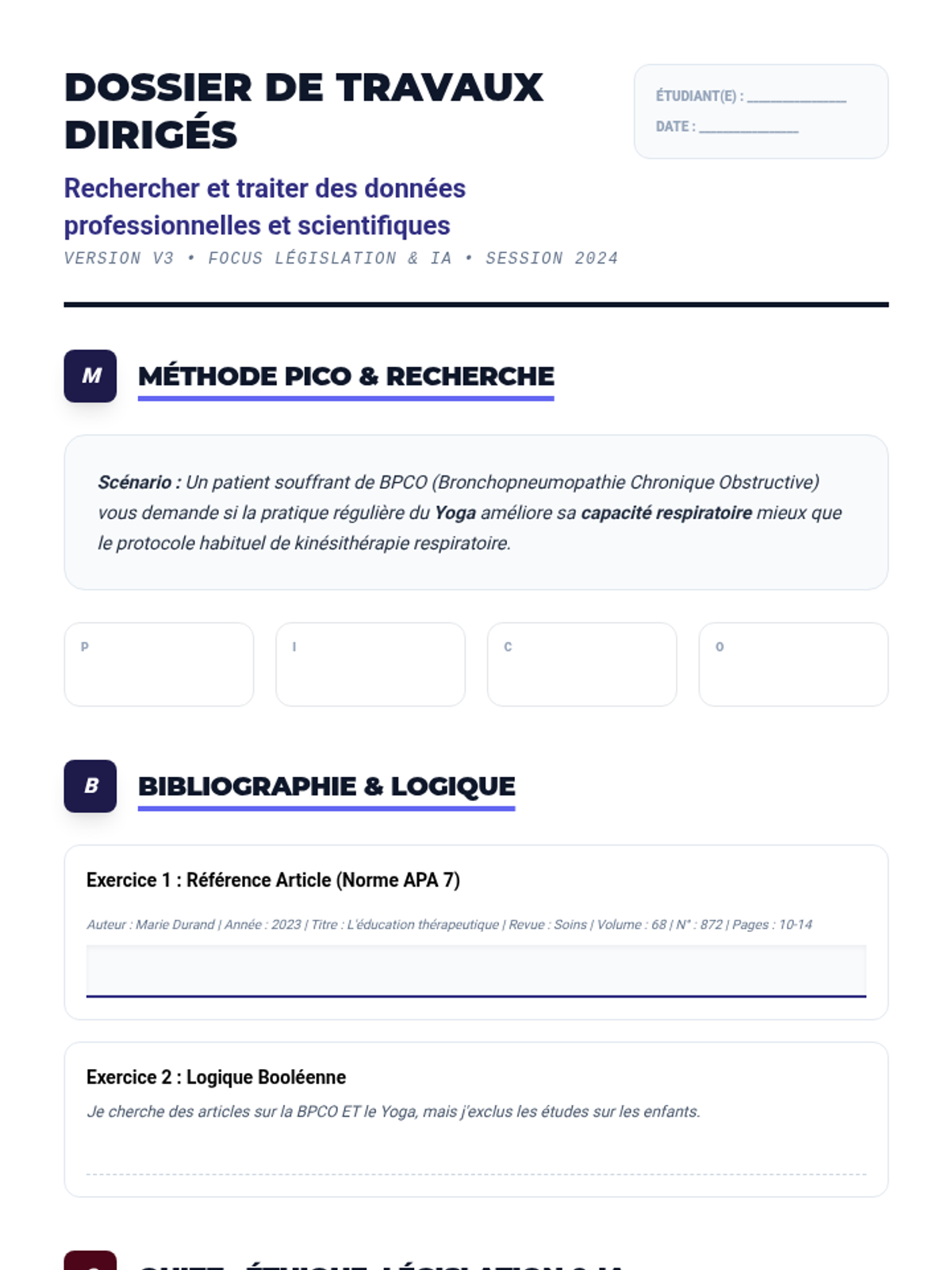
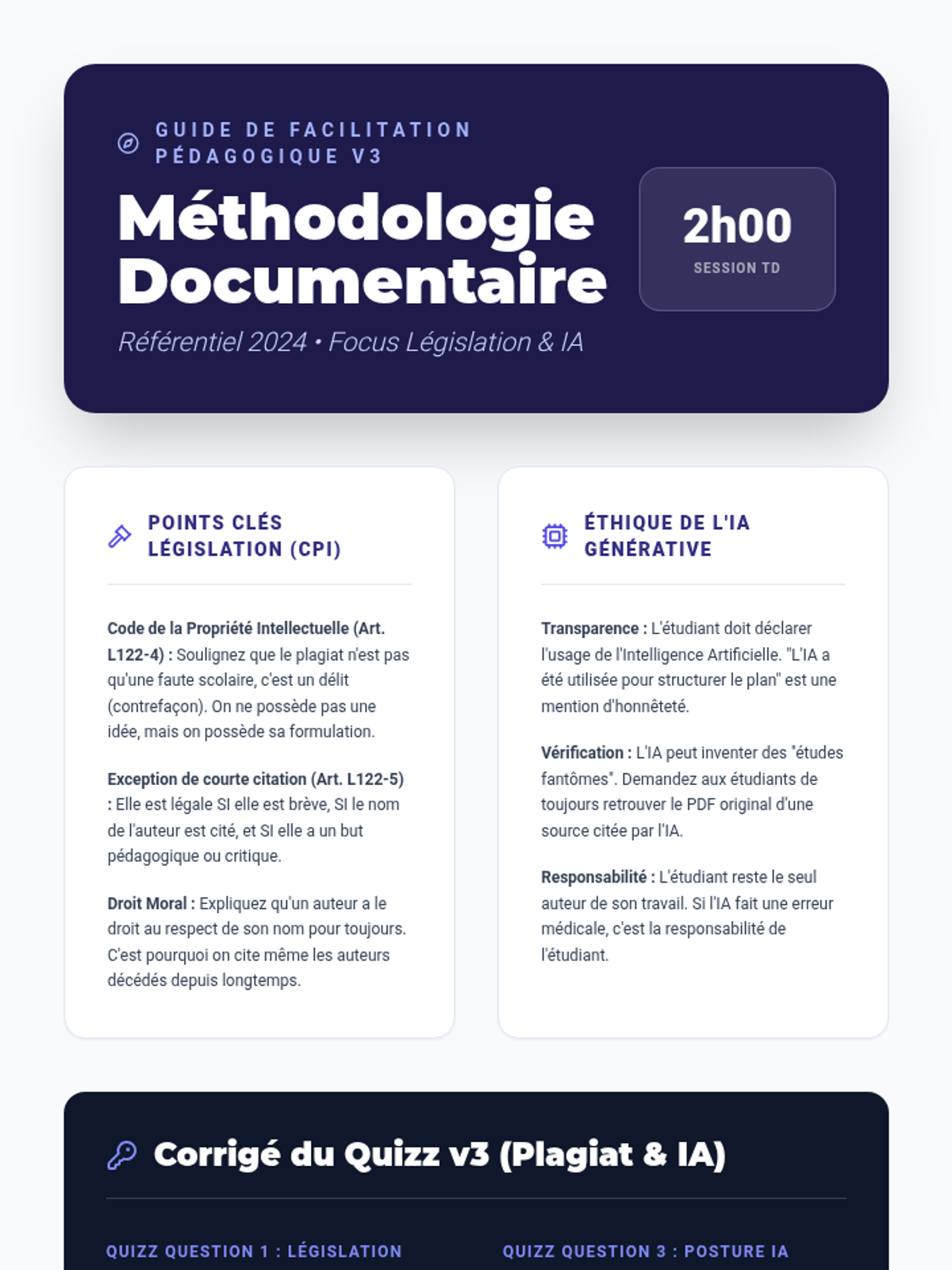
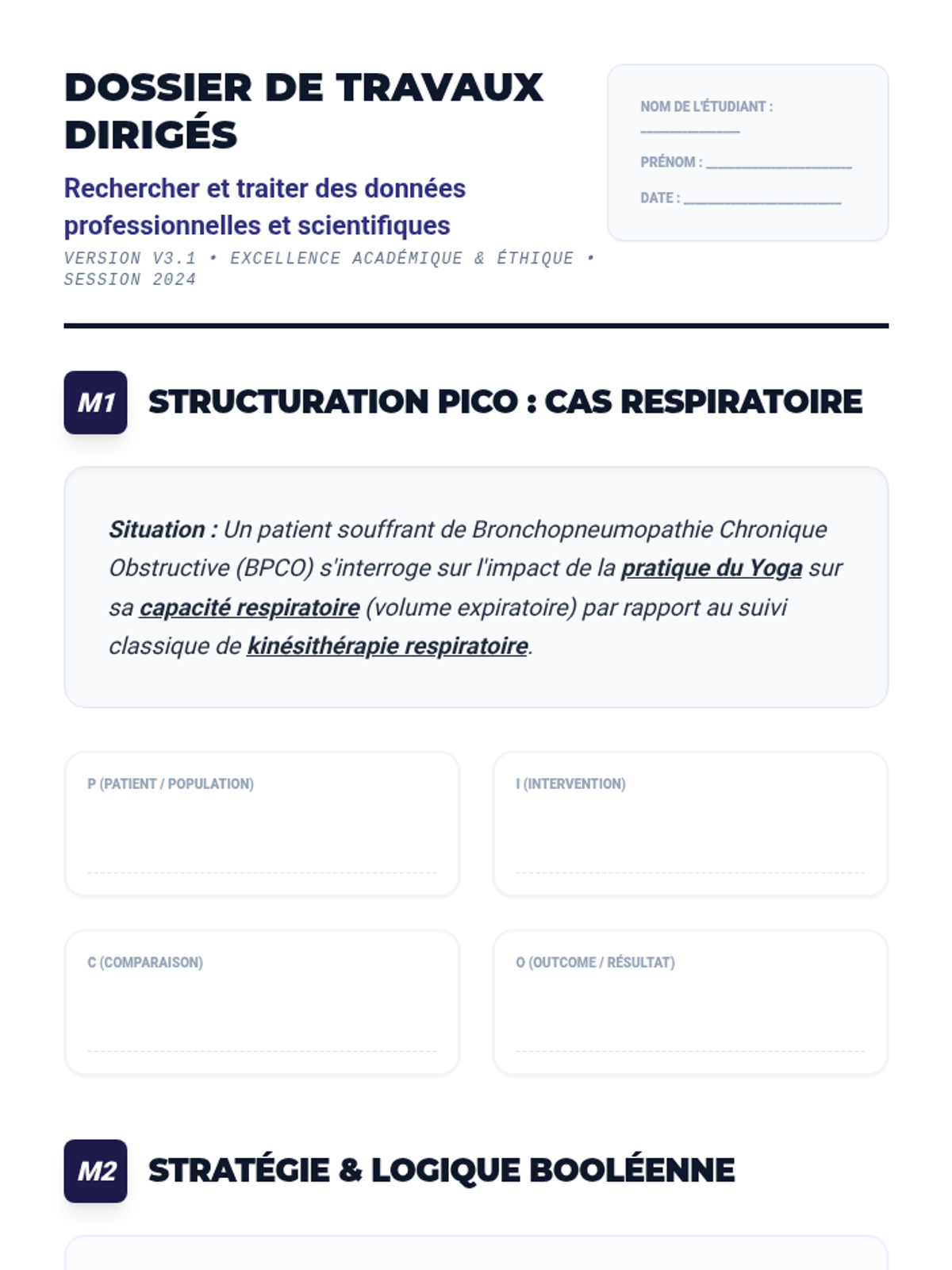
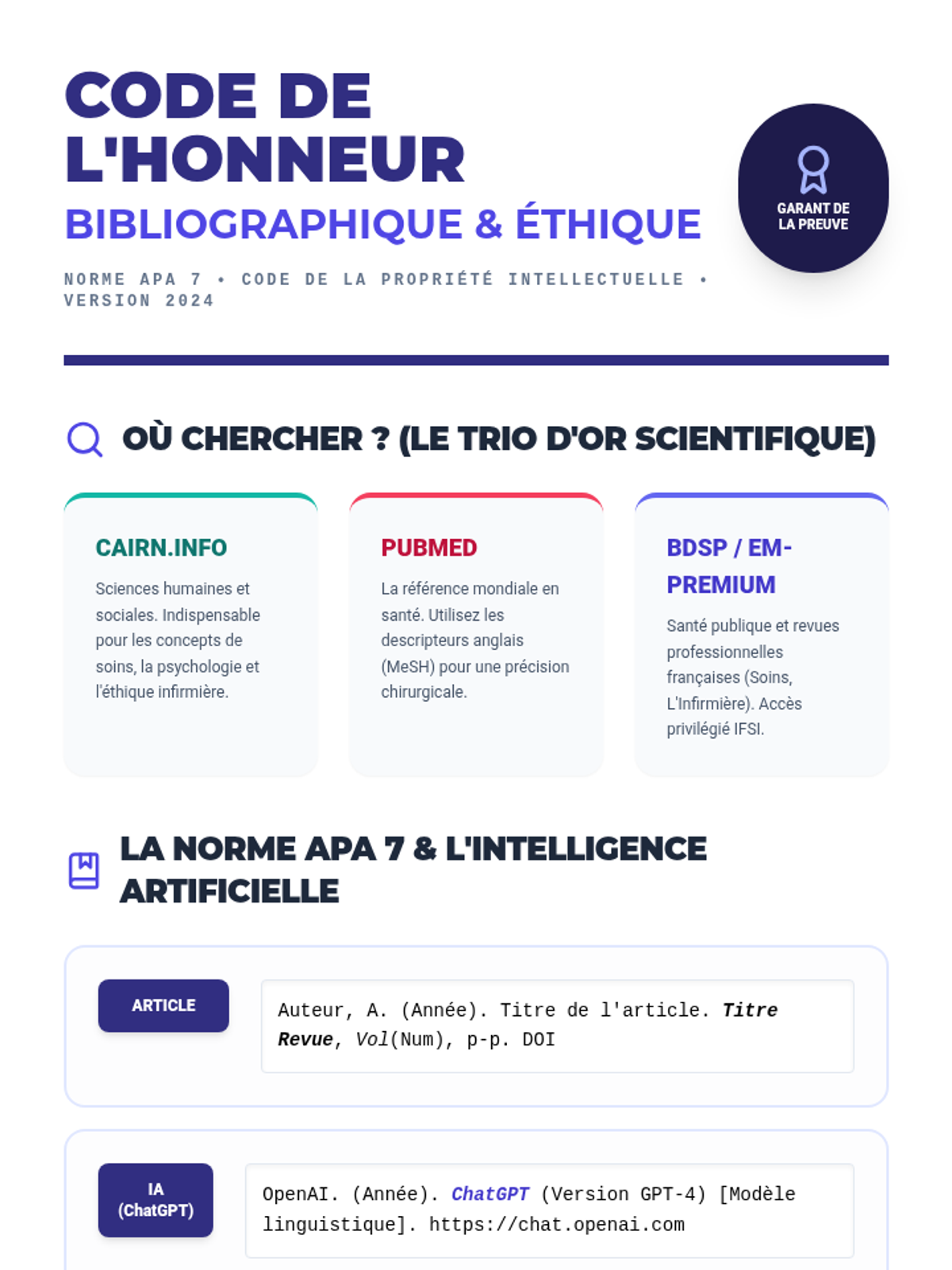
Une séance approfondie de 2 heures alignée sur le référentiel de compétences 2024, centrée sur la compétence "Rechercher et traiter des données professionnelles et scientifiques". La séance combine rigueur méthodologique, pratique intensive de la norme APA 7 et analyse critique de sources en soins infirmiers.
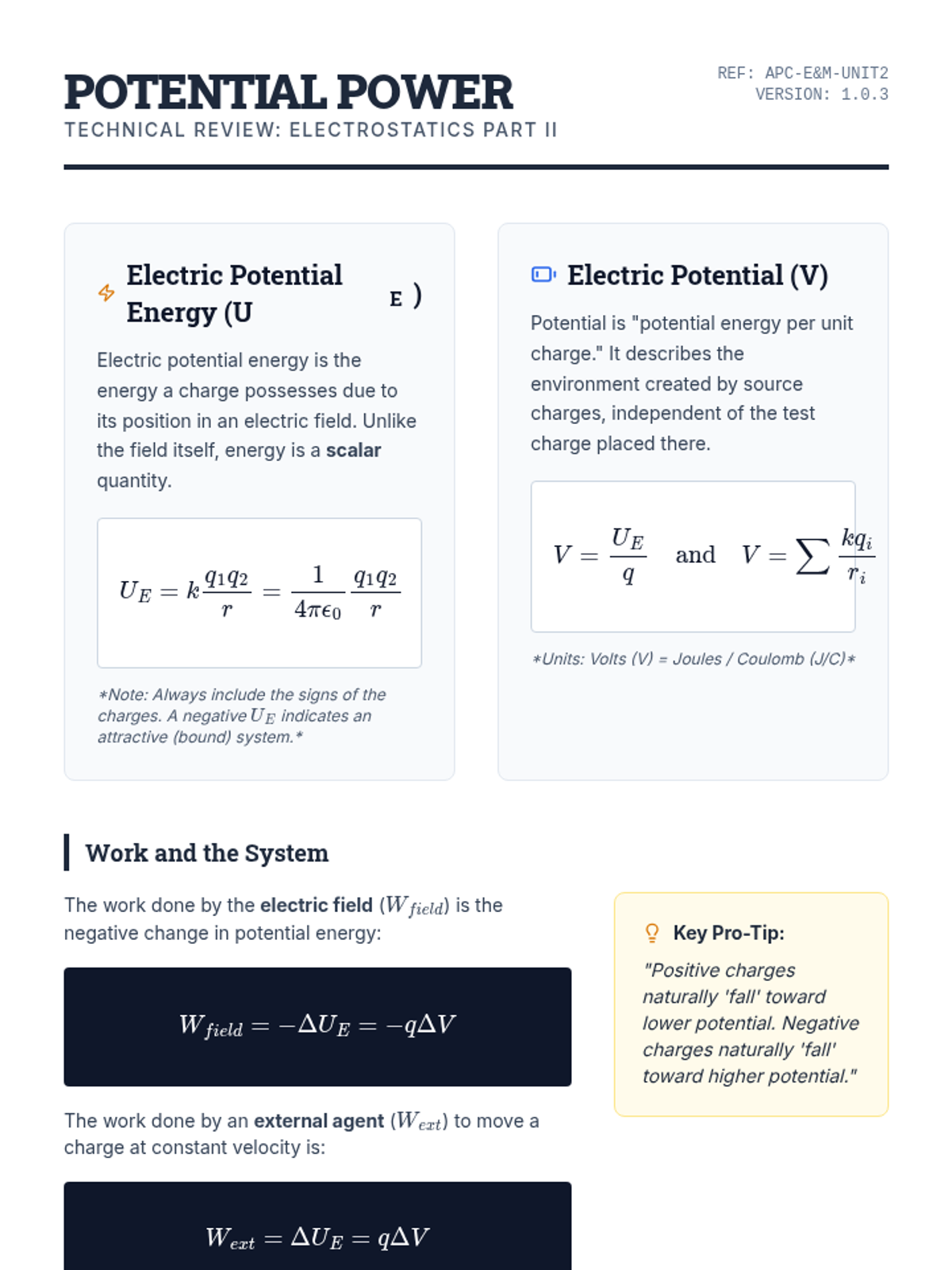
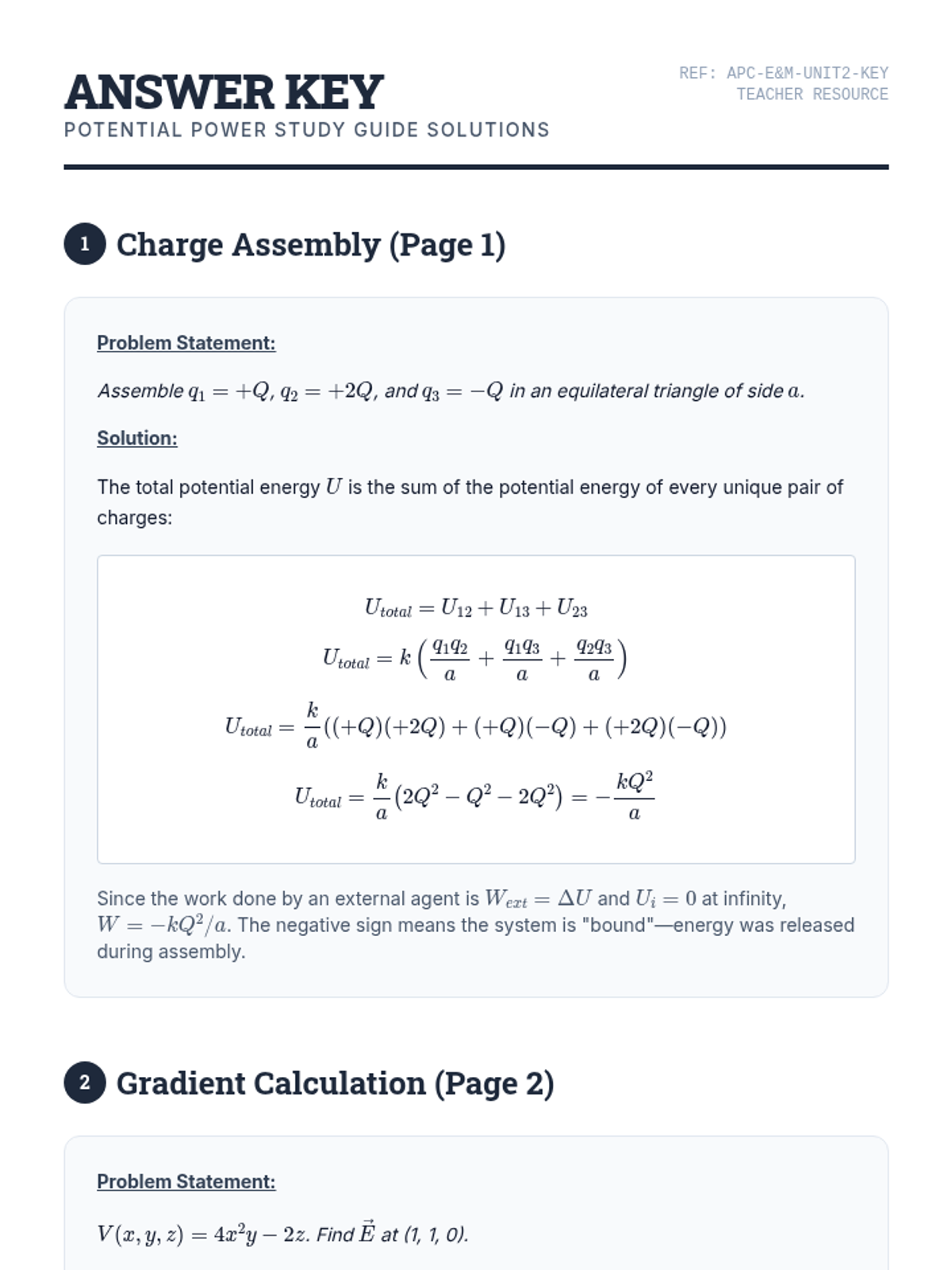
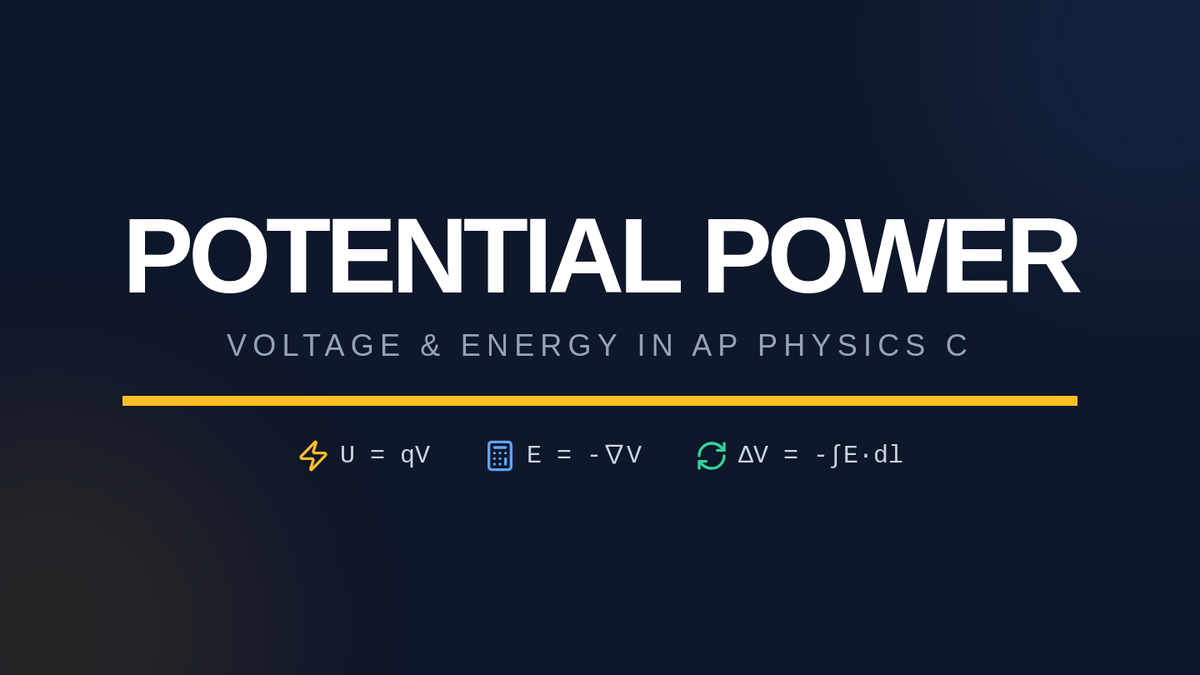
A deep dive into the calculus-based concepts of electric potential, potential energy, and their fundamental relationship with electric fields, designed for AP Physics C students.
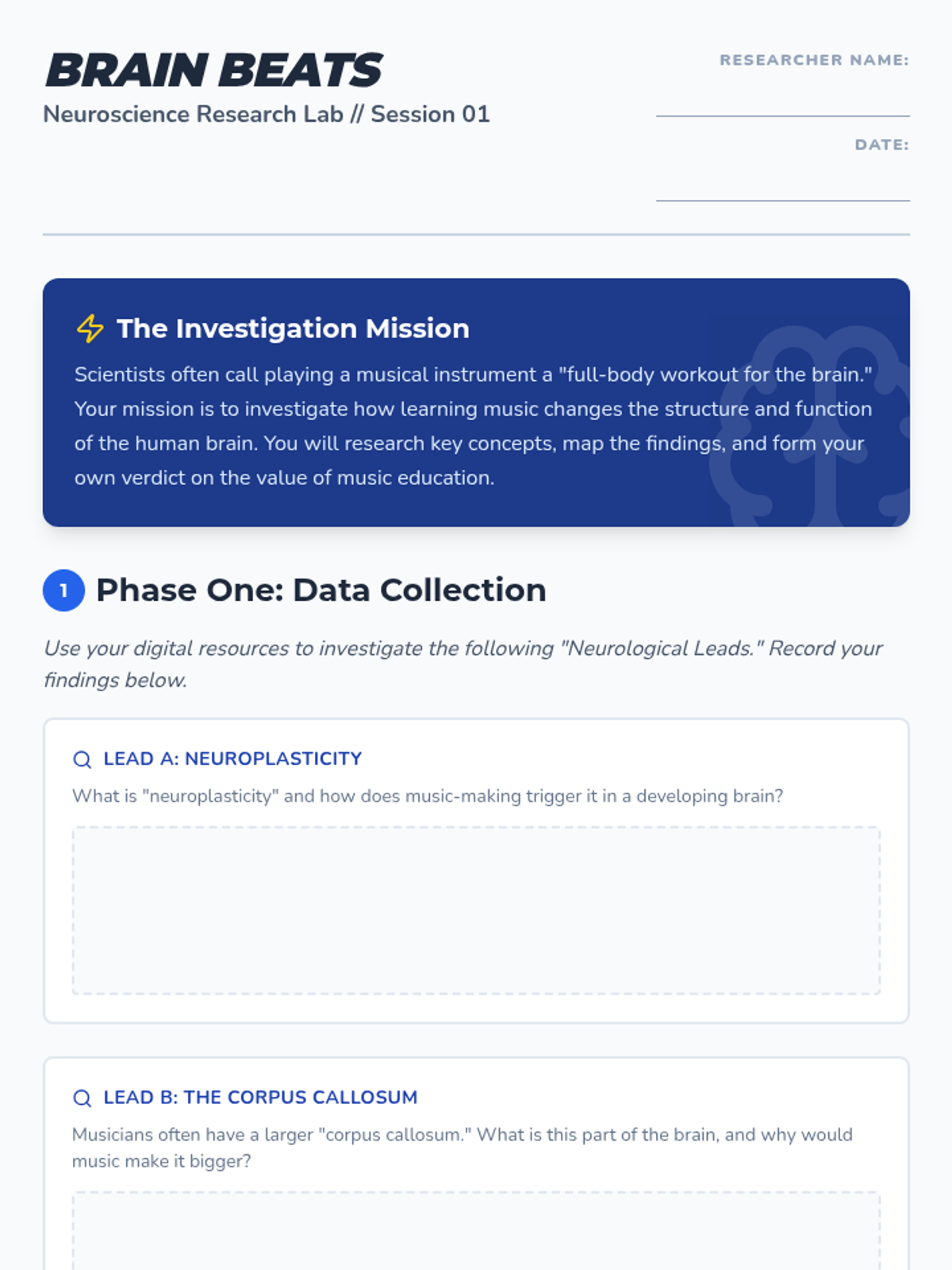
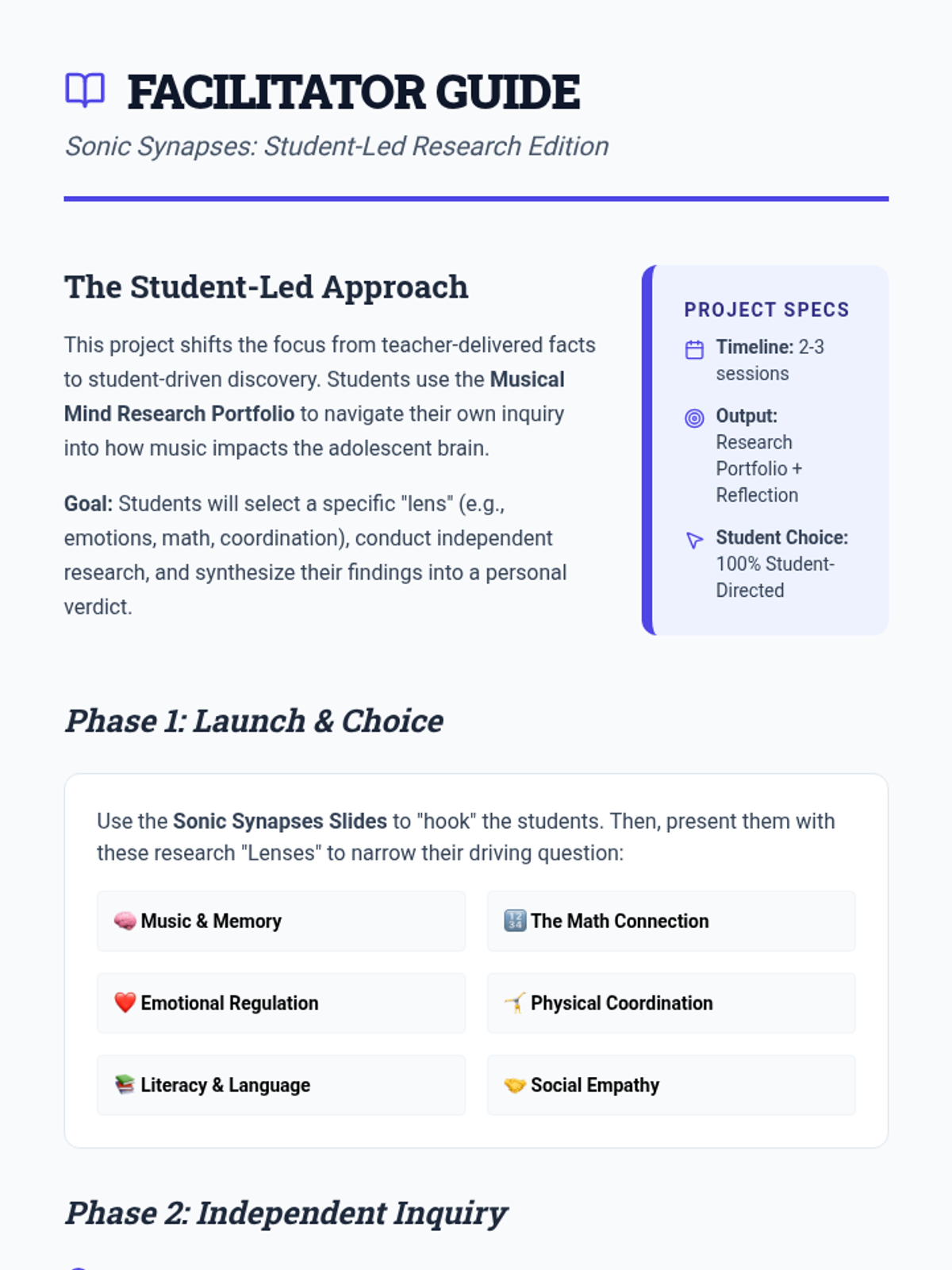
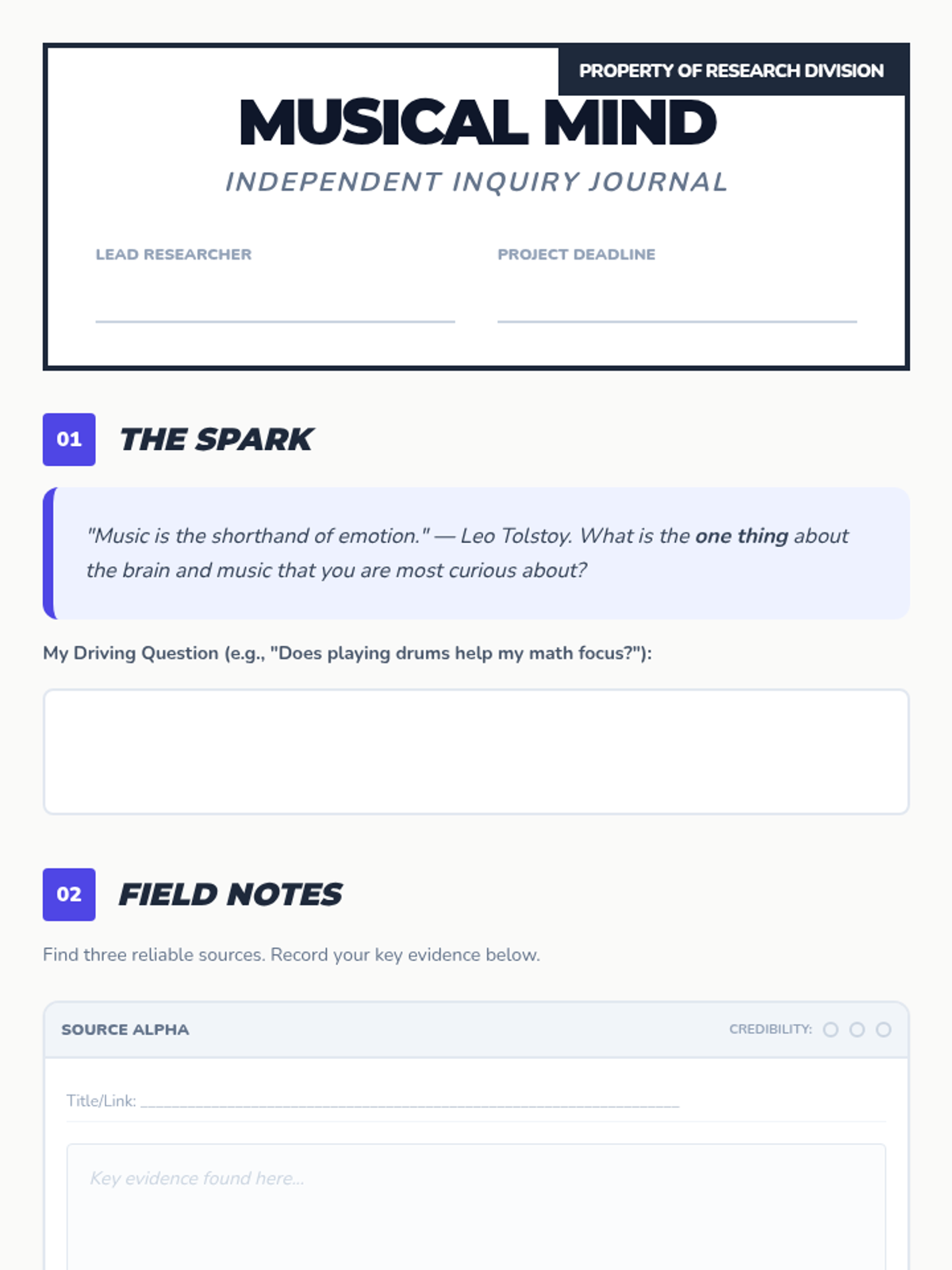
A student-led inquiry project exploring the intersection of music and neuroscience. Students choose their own research path to discover how musical training transforms cognitive development and present their unique findings.
A comprehensive study guide and practice resource covering the properties of light waves, their interactions with matter, and the transfer of energy, based on middle school science standards.
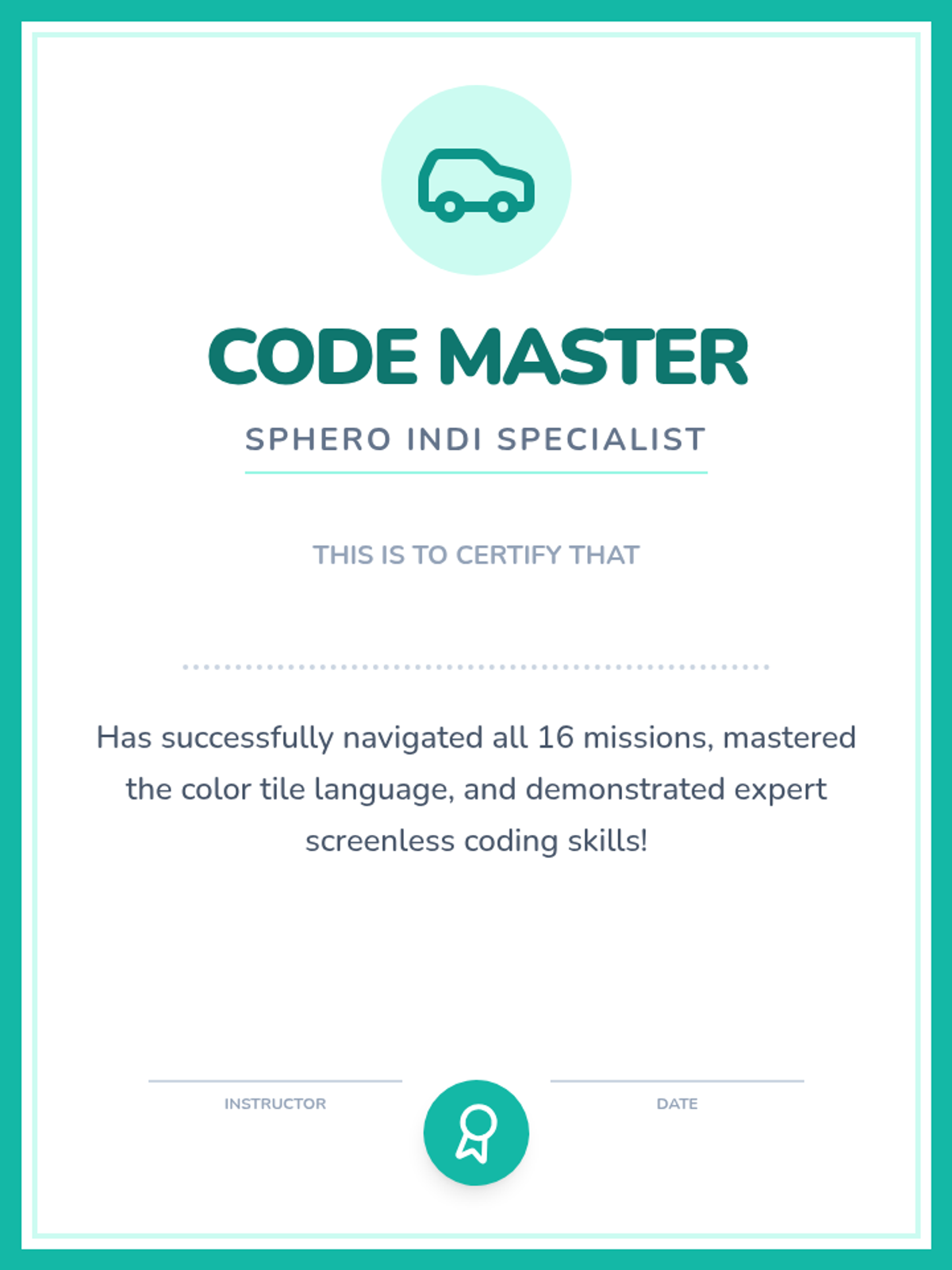
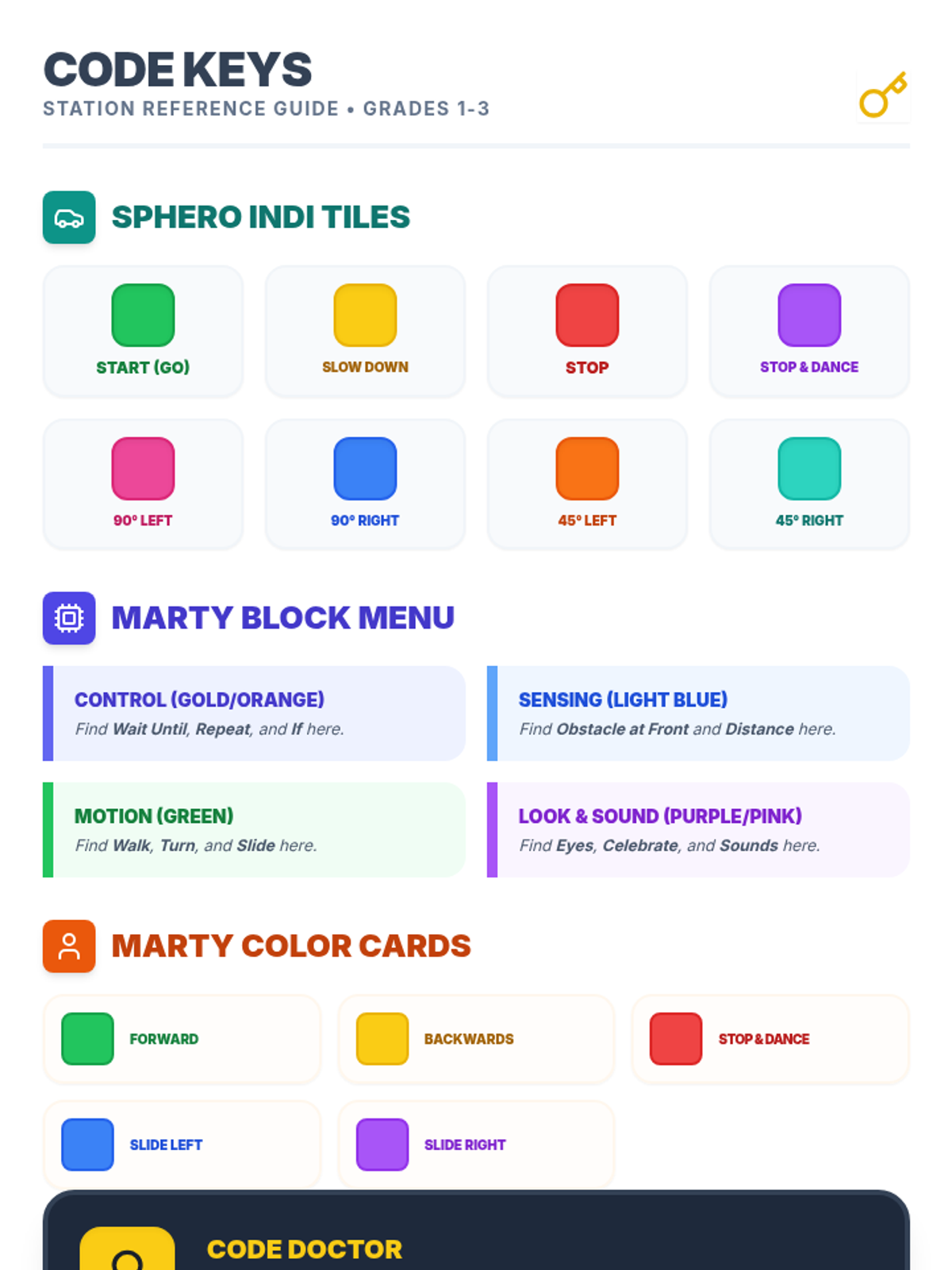
A collection of resources for tracking student progress, celebrating achievements, and managing the robotics workspace. includes mission logs, certificates, and reference guides.
Explore Marty the Robot using two coding methods: physical color blocks for screenless movement and Scratch-like block coding for more complex behaviors and sensing.
Transition from screenless coding to block coding with Sphero Mini. Students will explore distance, rotation, and loops while programming their robot to complete various challenges in the Sphero Edu app.
Introduce students to screenless coding using Sphero indi and color tiles. This lesson focuses on cause-and-effect and simple sequencing as students lead indi through a series of color-coded missions.
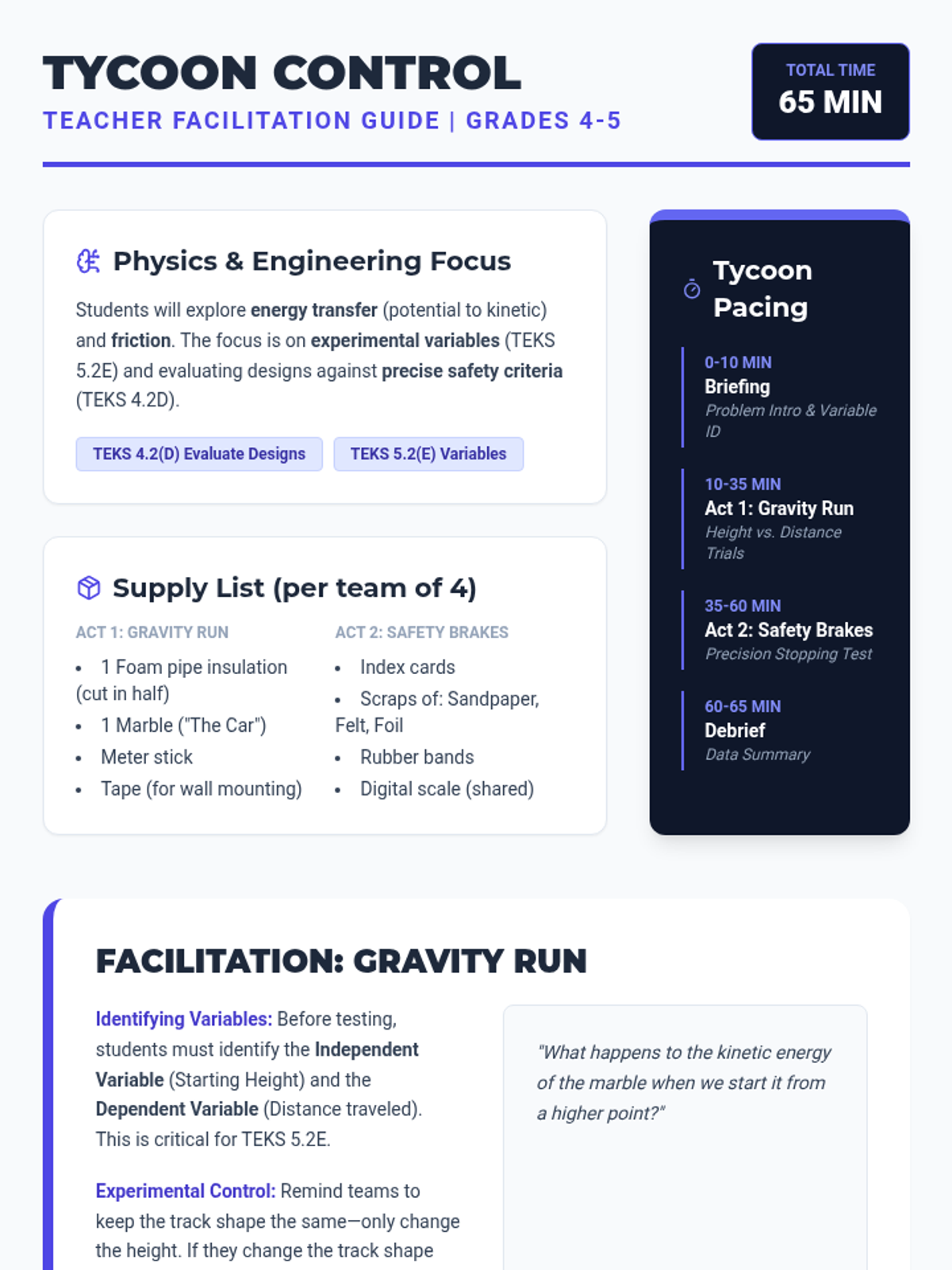
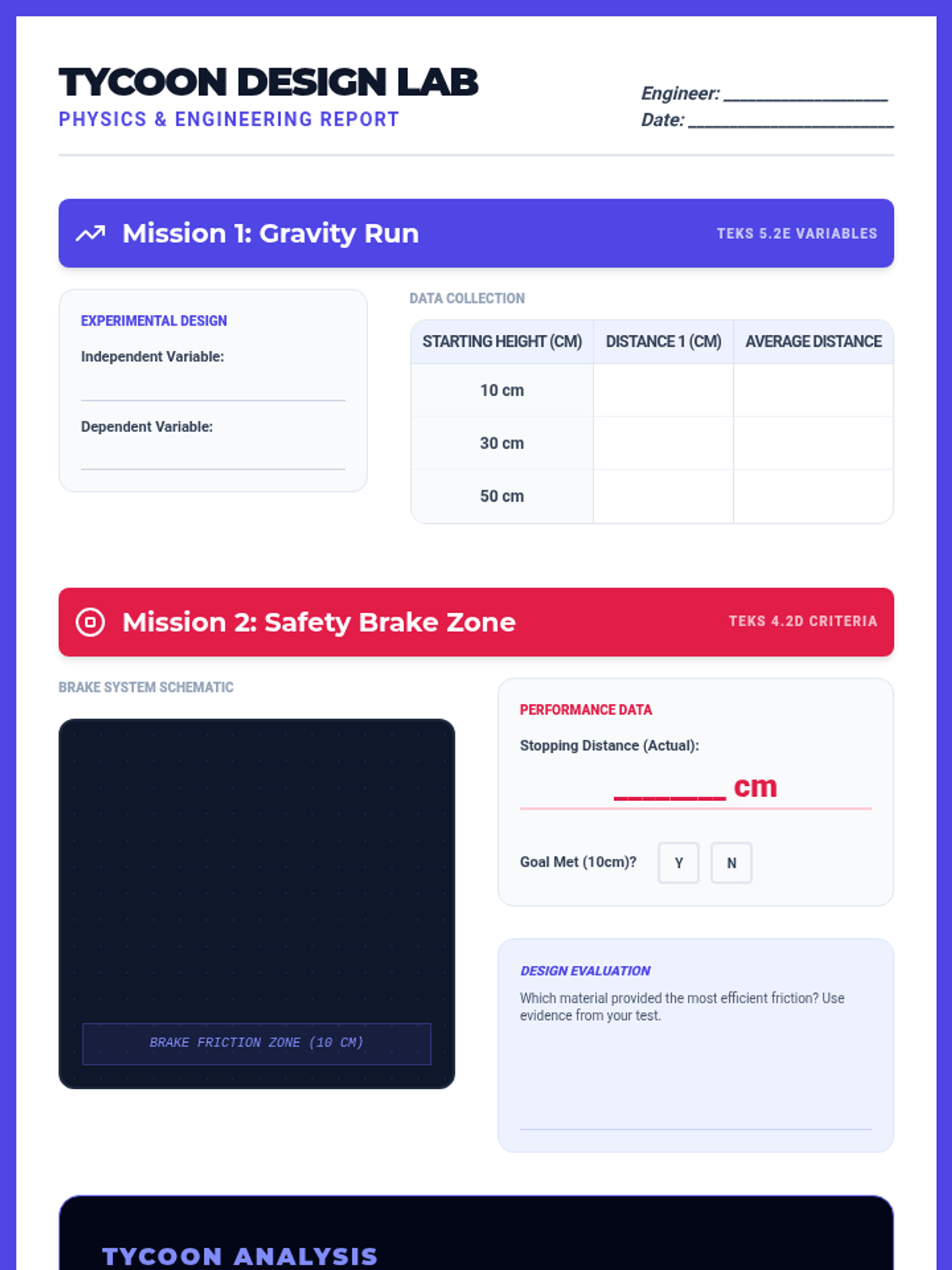
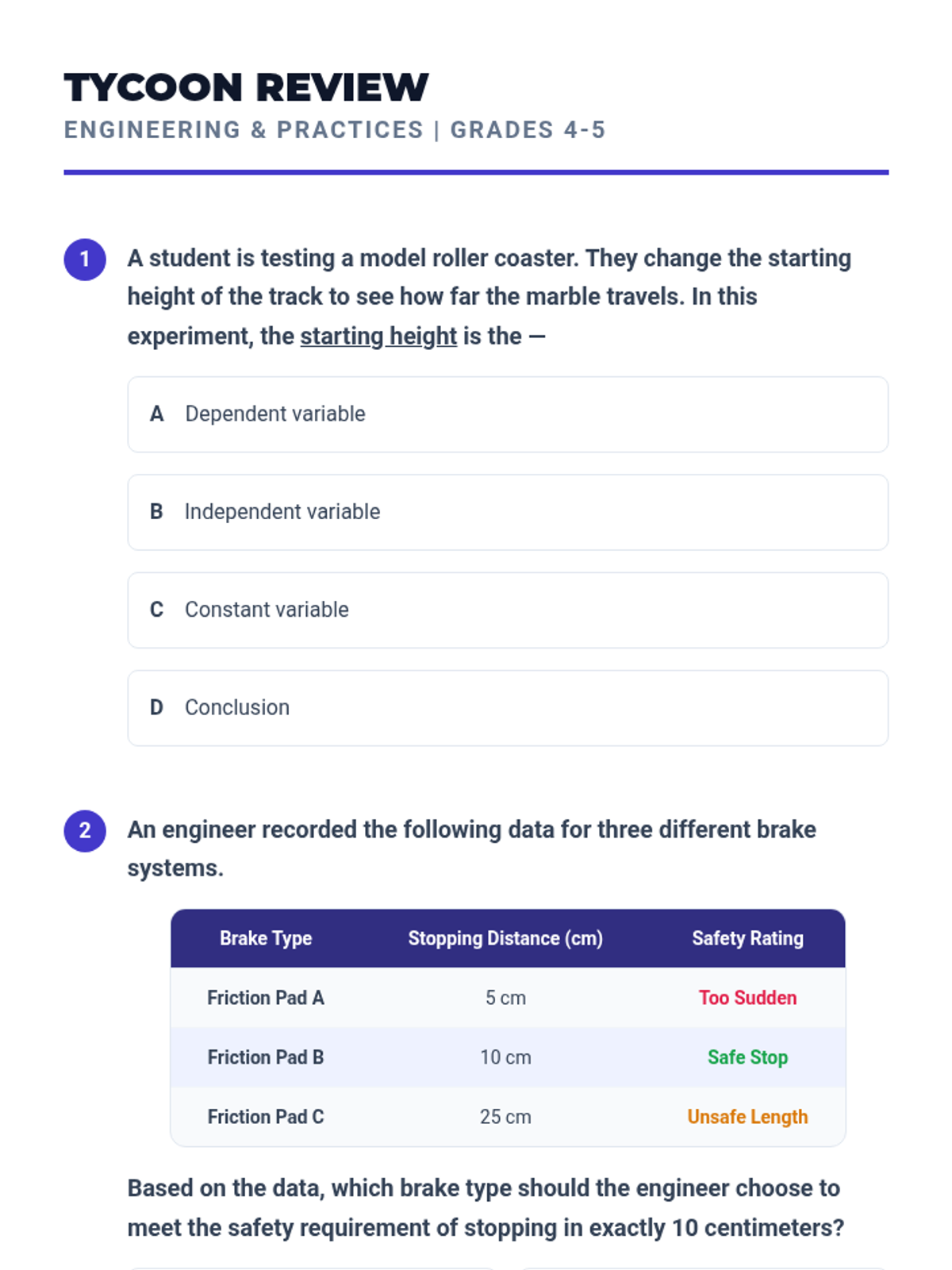
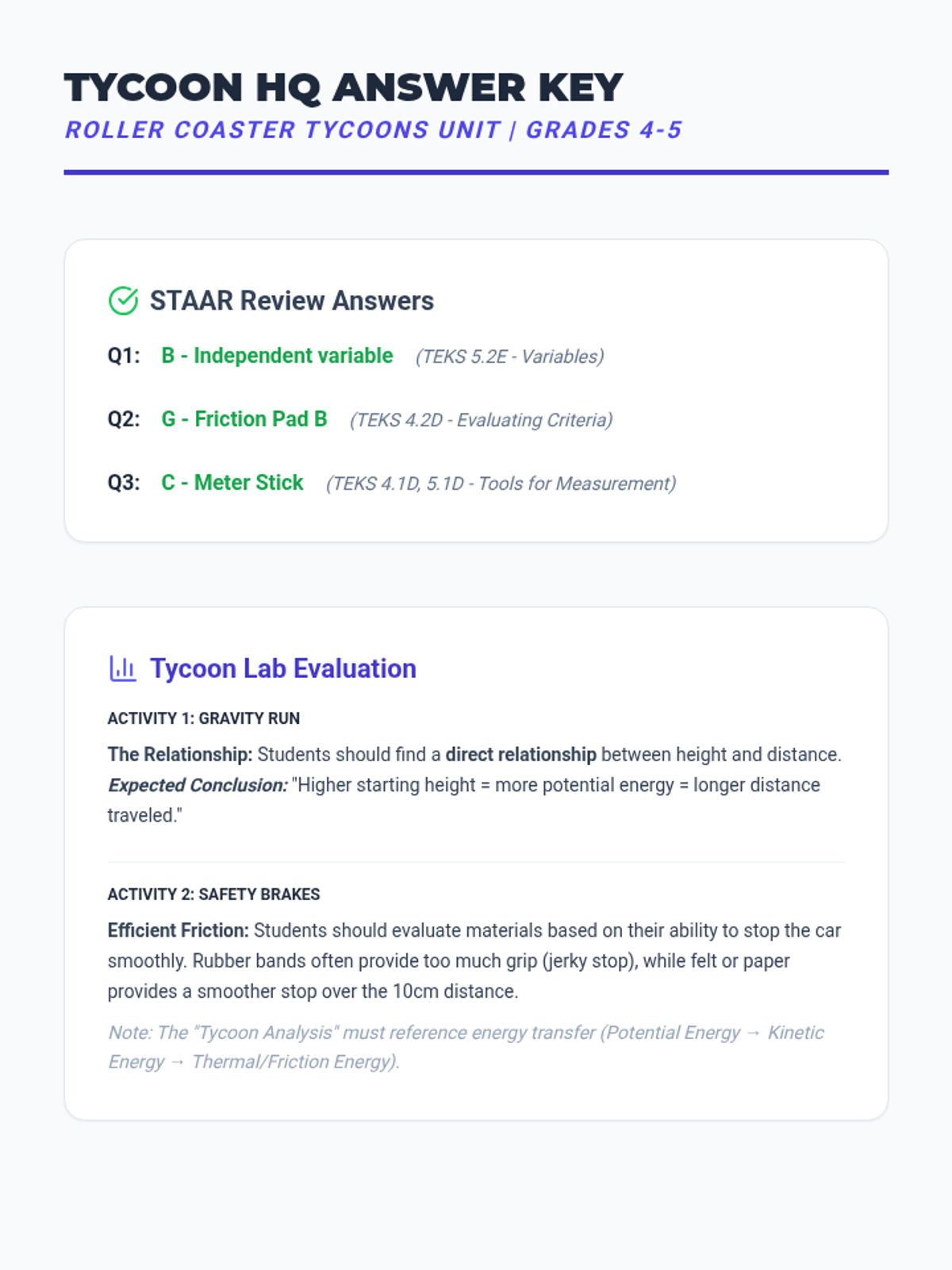
An advanced physics-based engineering unit for grades 4-5. Students take on the role of 'Roller Coaster Tycoons' to design gravity-powered coasters and braking systems, emphasizing variable testing, energy transfer, and safety criteria.
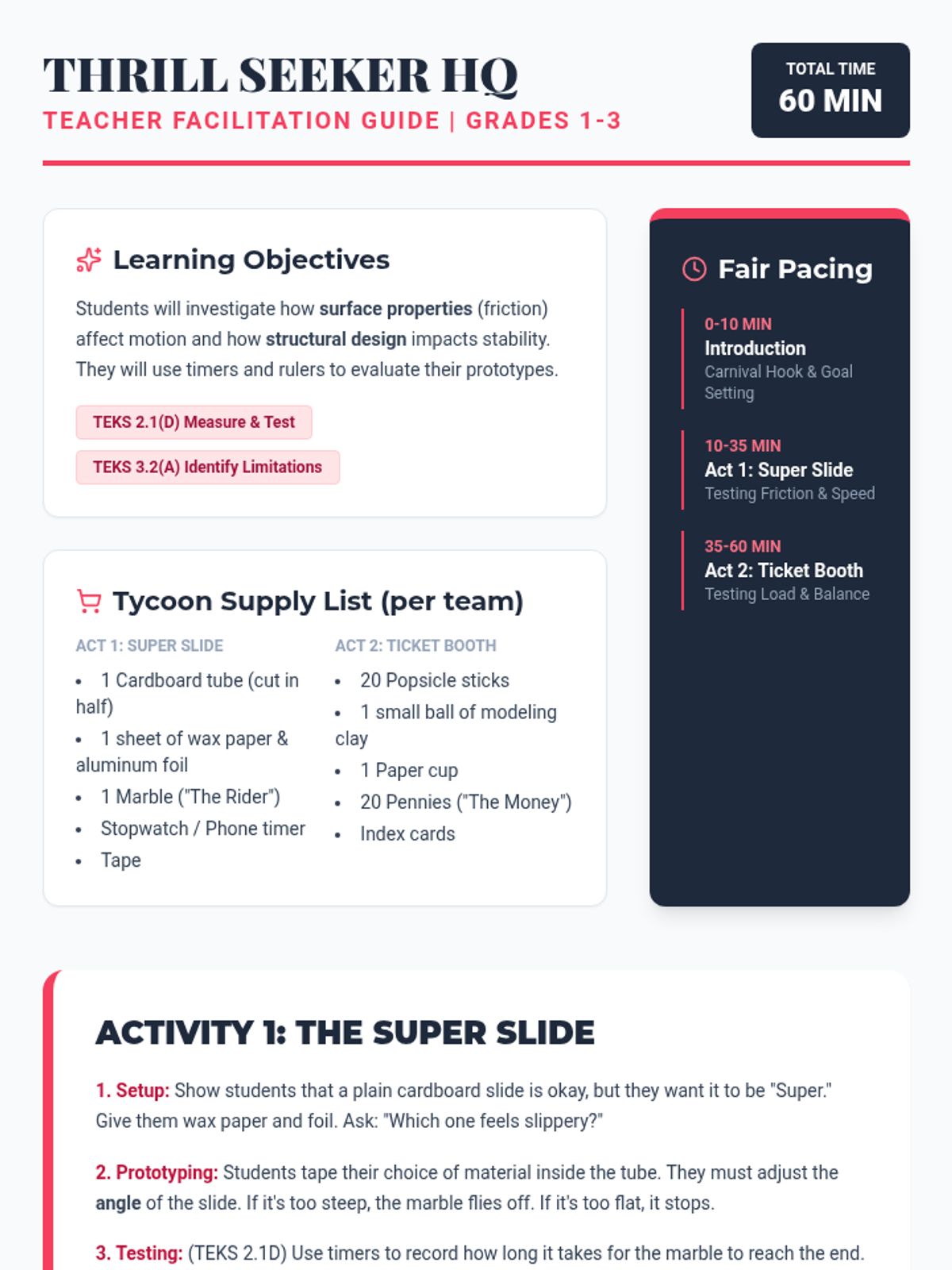
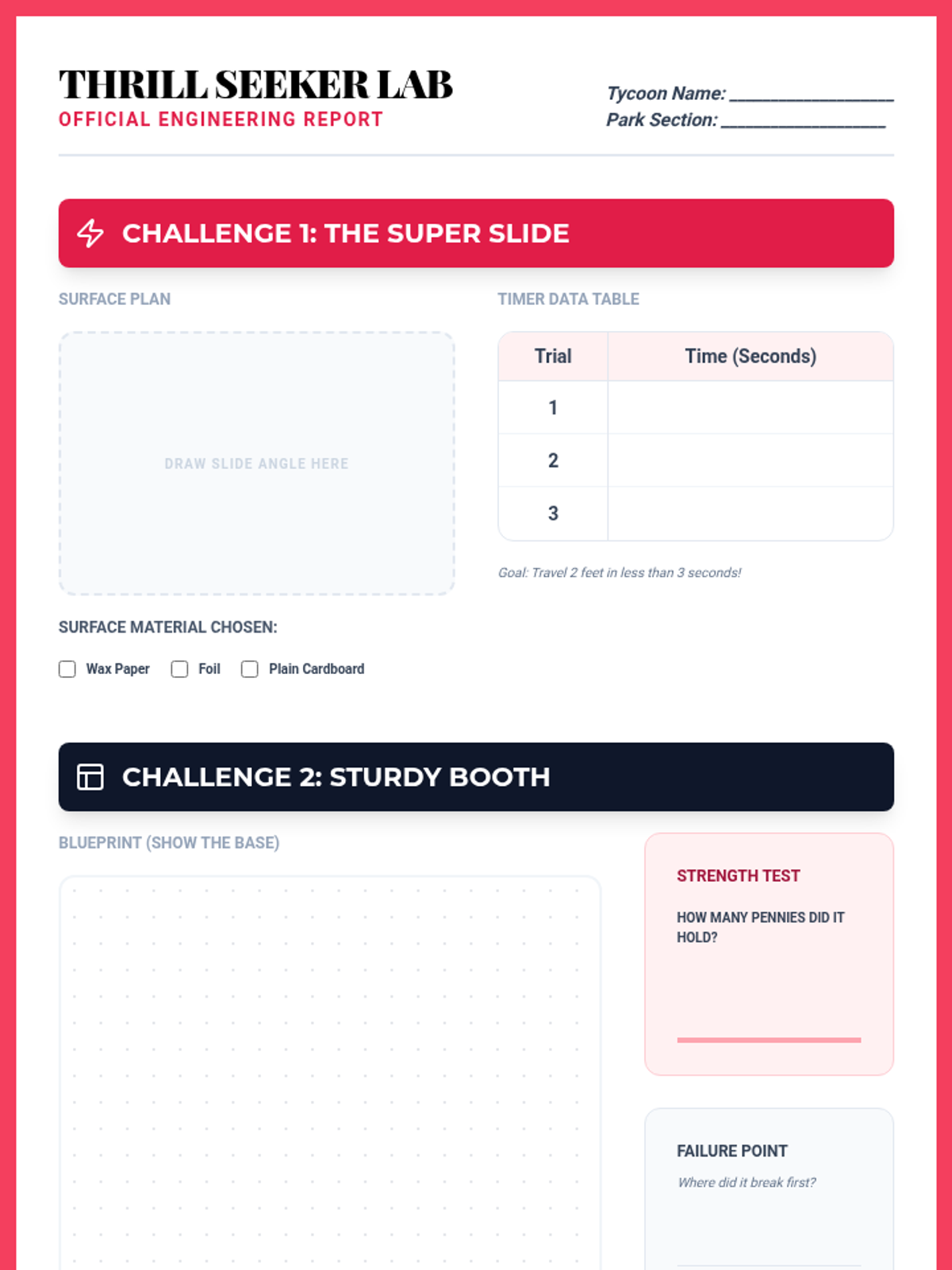
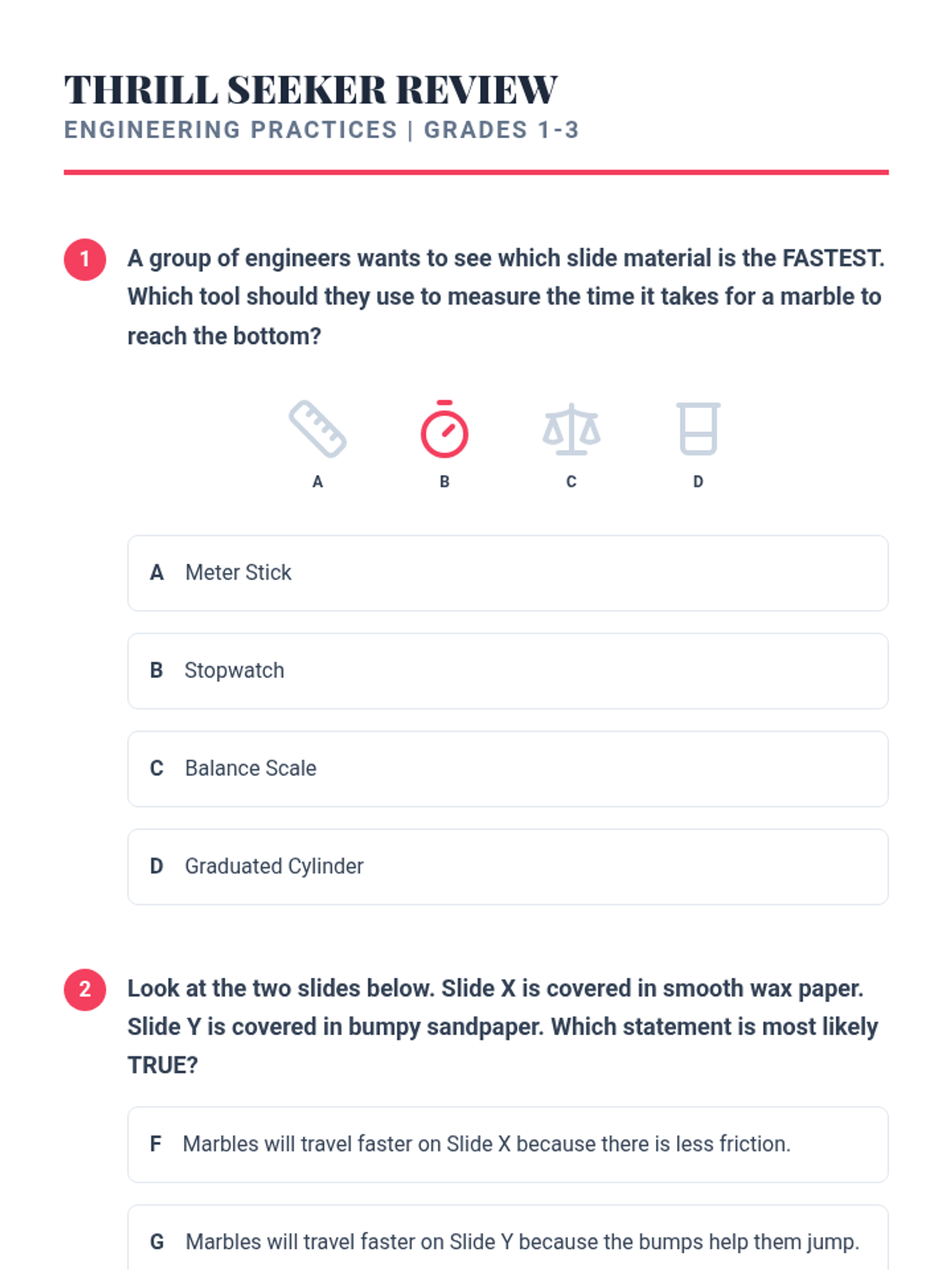
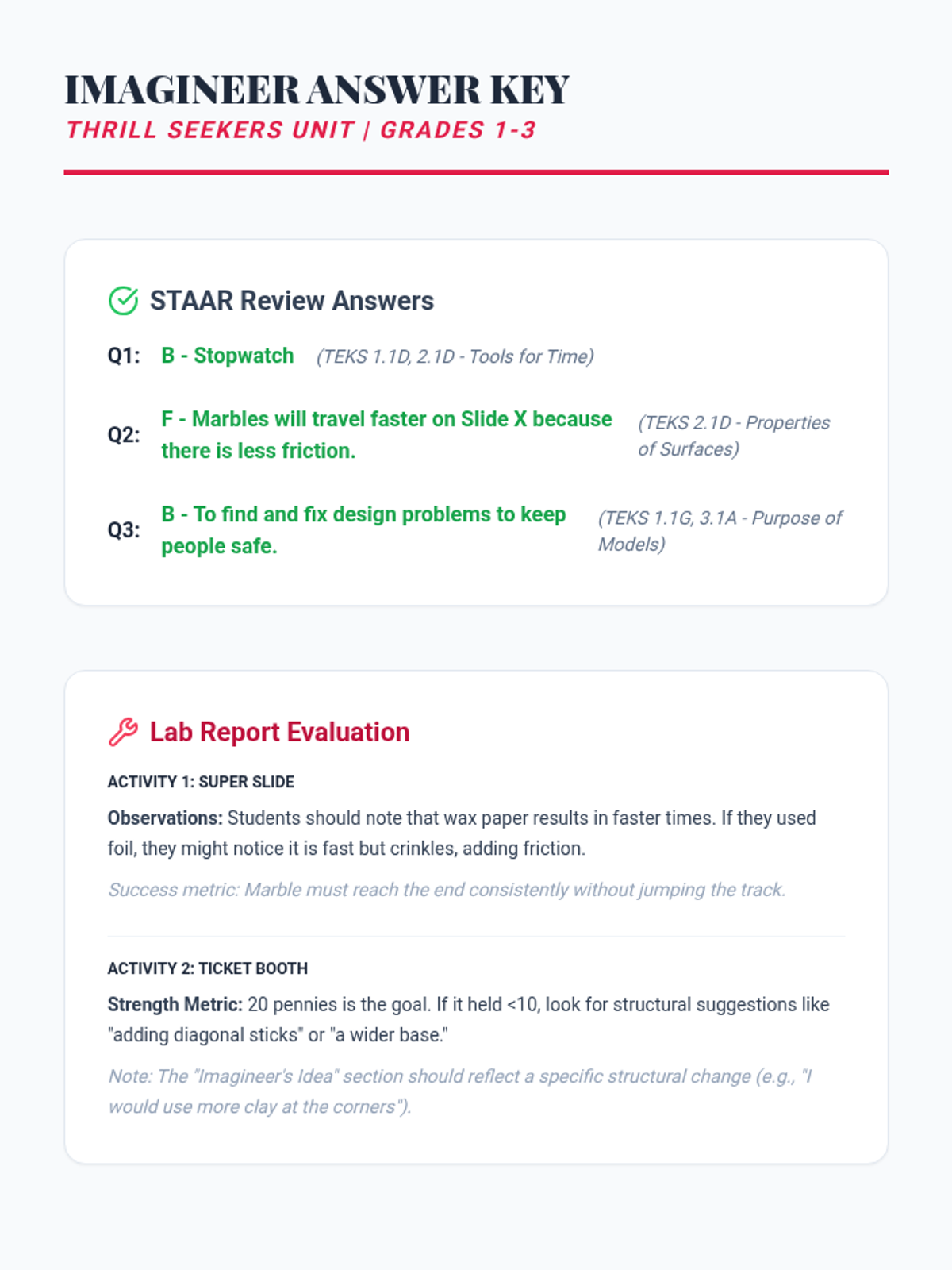
A fun-filled junior engineering lesson for grades 1-3. Students act as 'Thrill Seekers' to design steep, safe slides and sturdy ticket booths for a new amusement park, focusing on surface properties, friction, and structural stability.
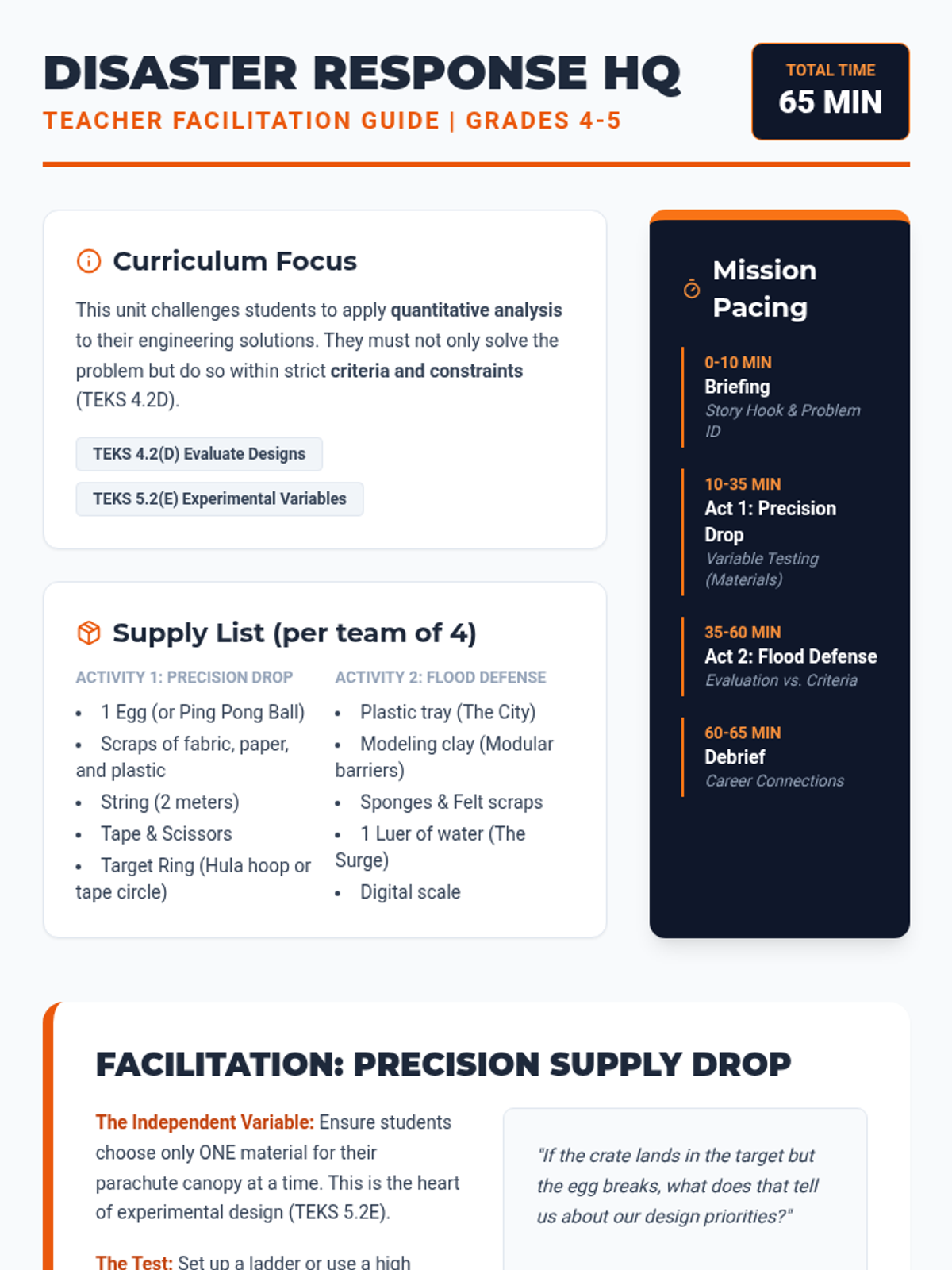
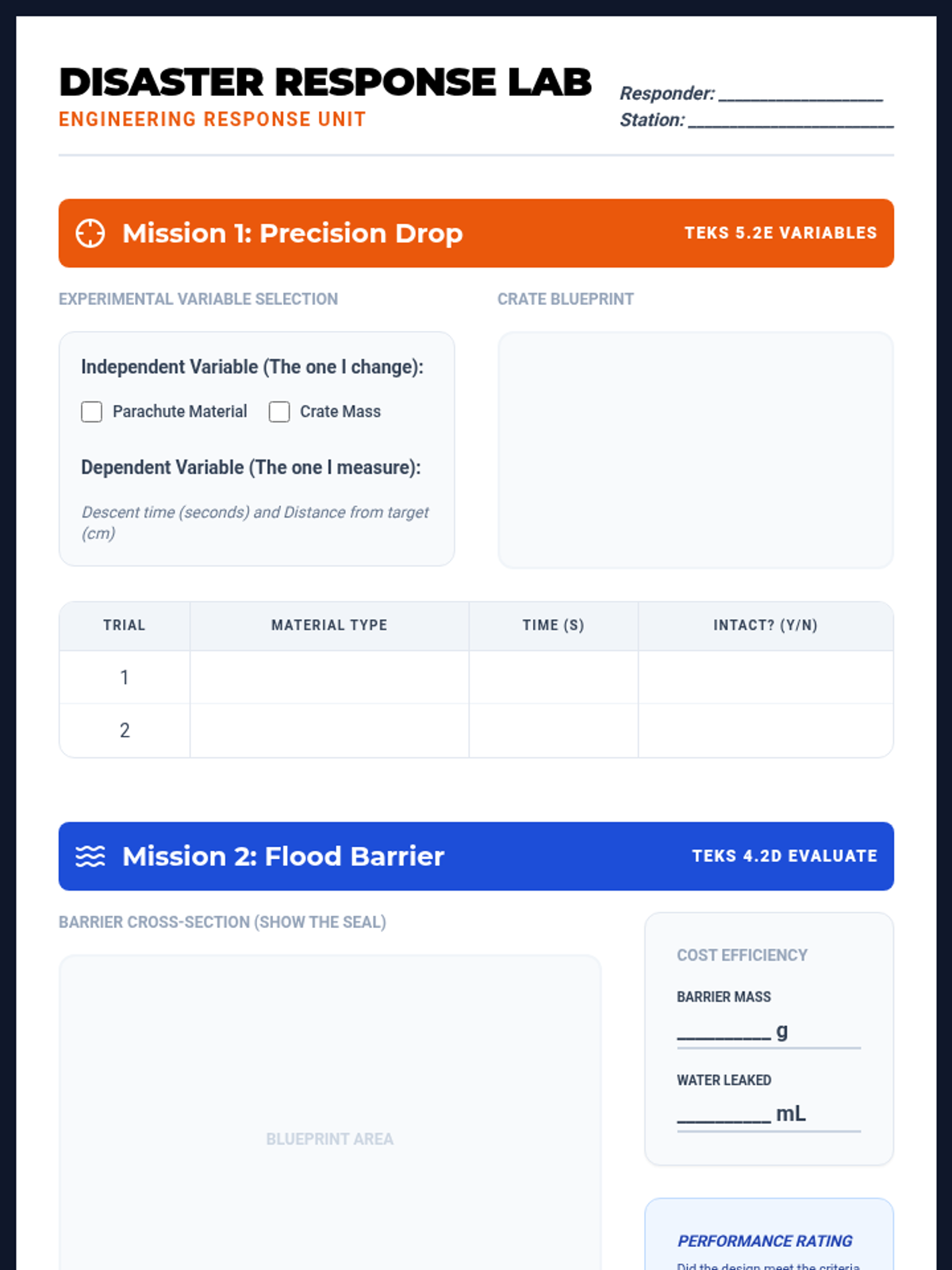
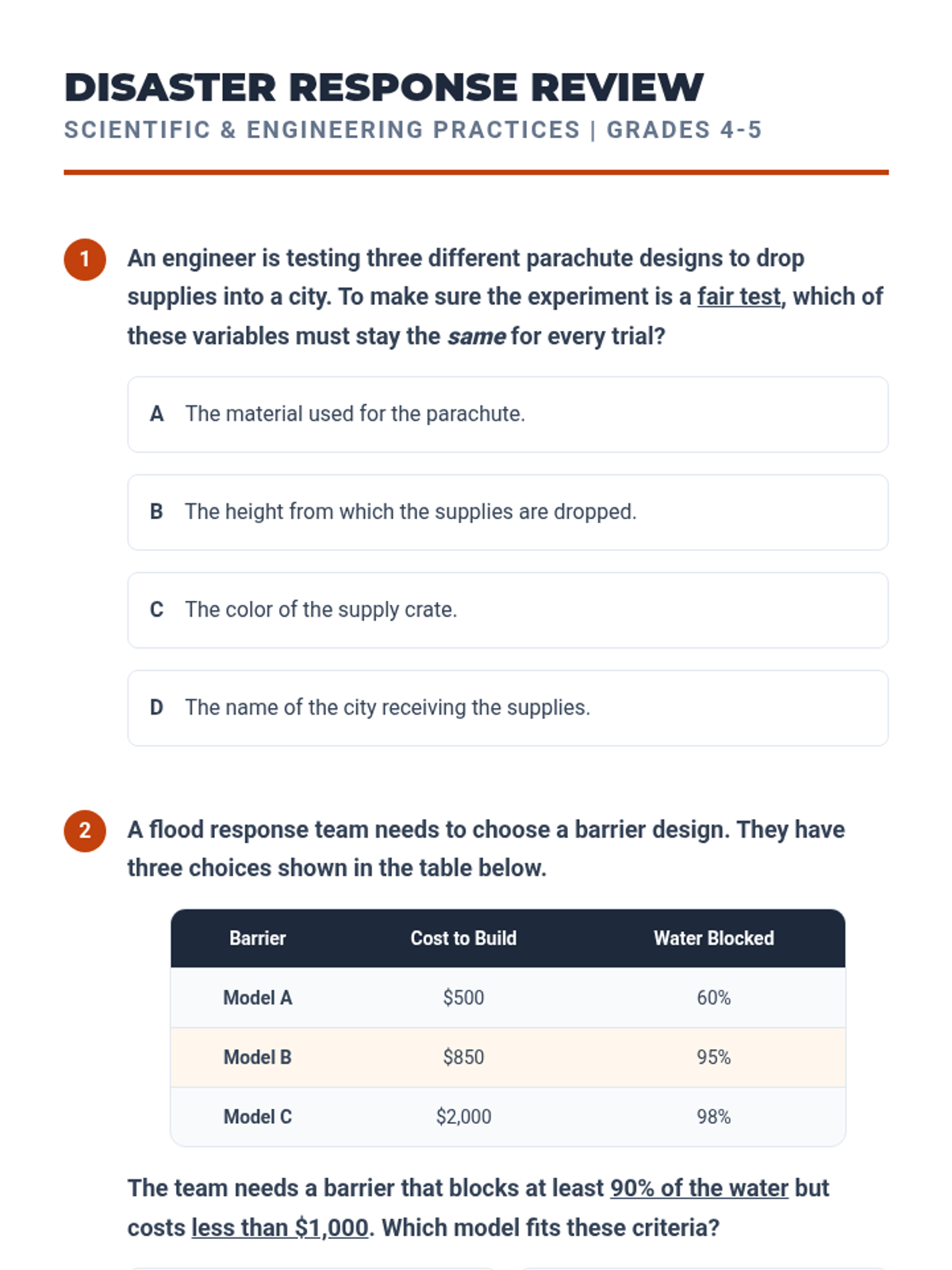
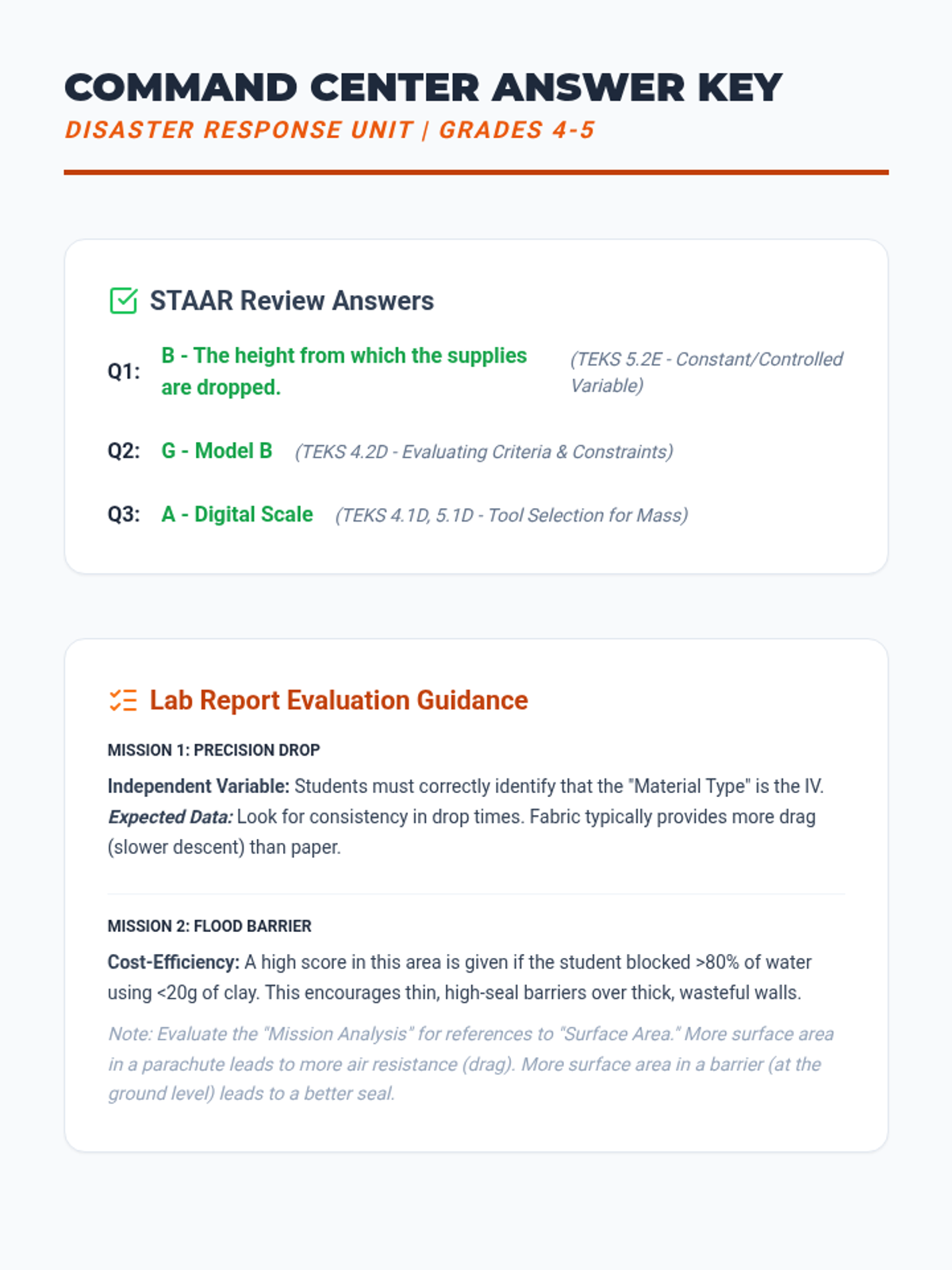
An advanced disaster relief engineering unit for grades 4-5. Students design precision supply drop crates to protect medical gear and modular flood barrier systems to save a model town, emphasizing experimental variables and cost-to-performance criteria.
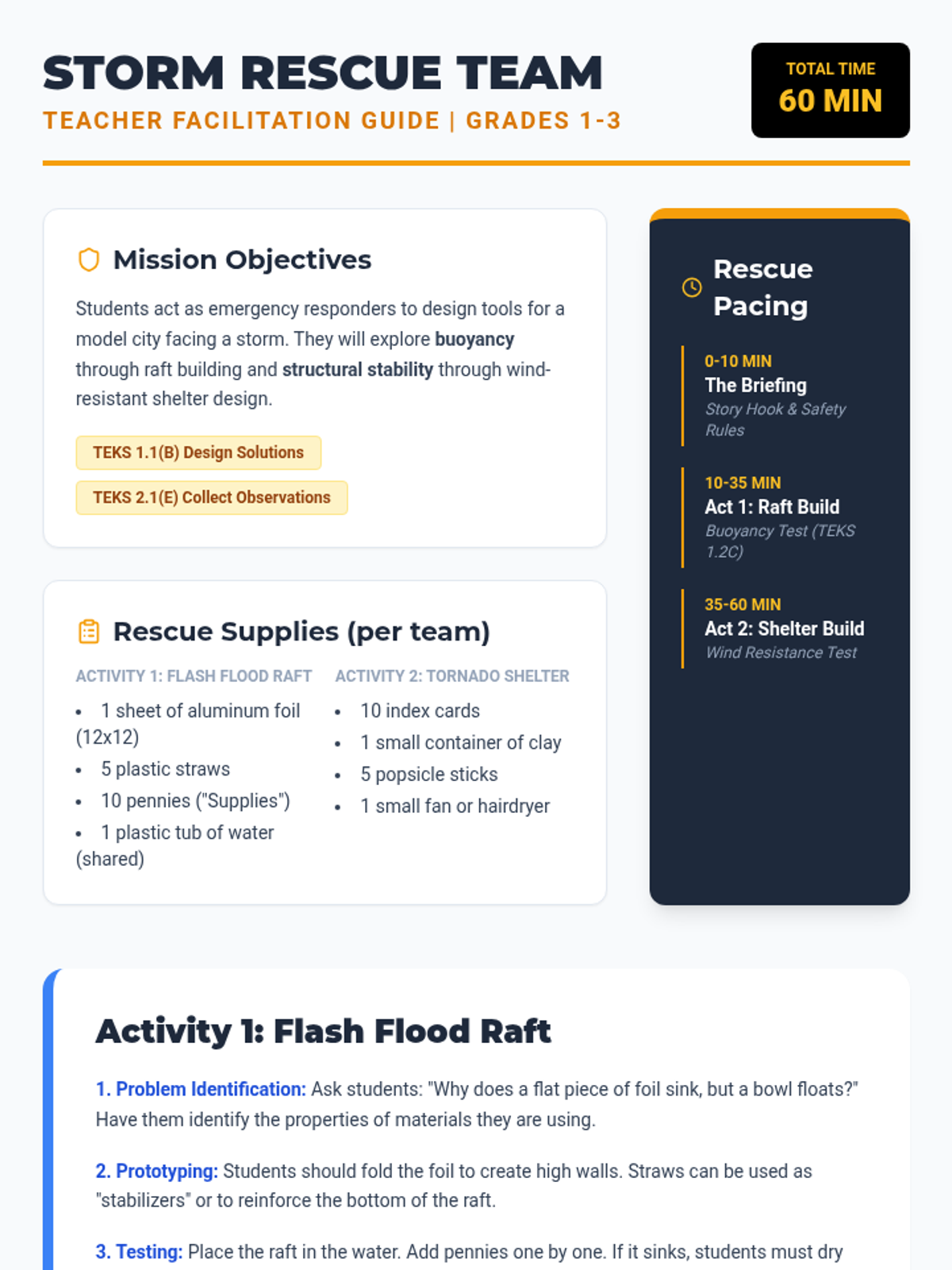
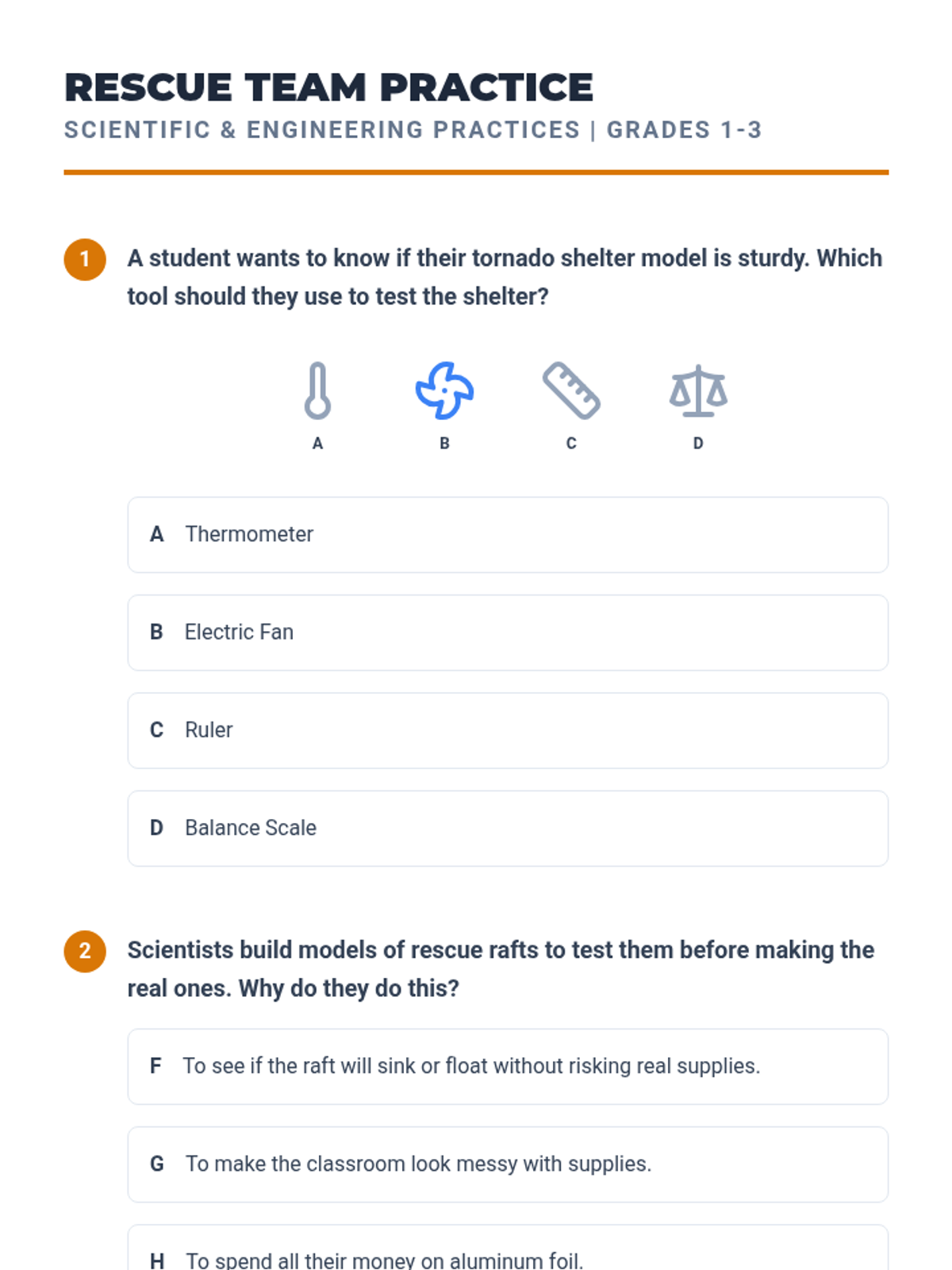
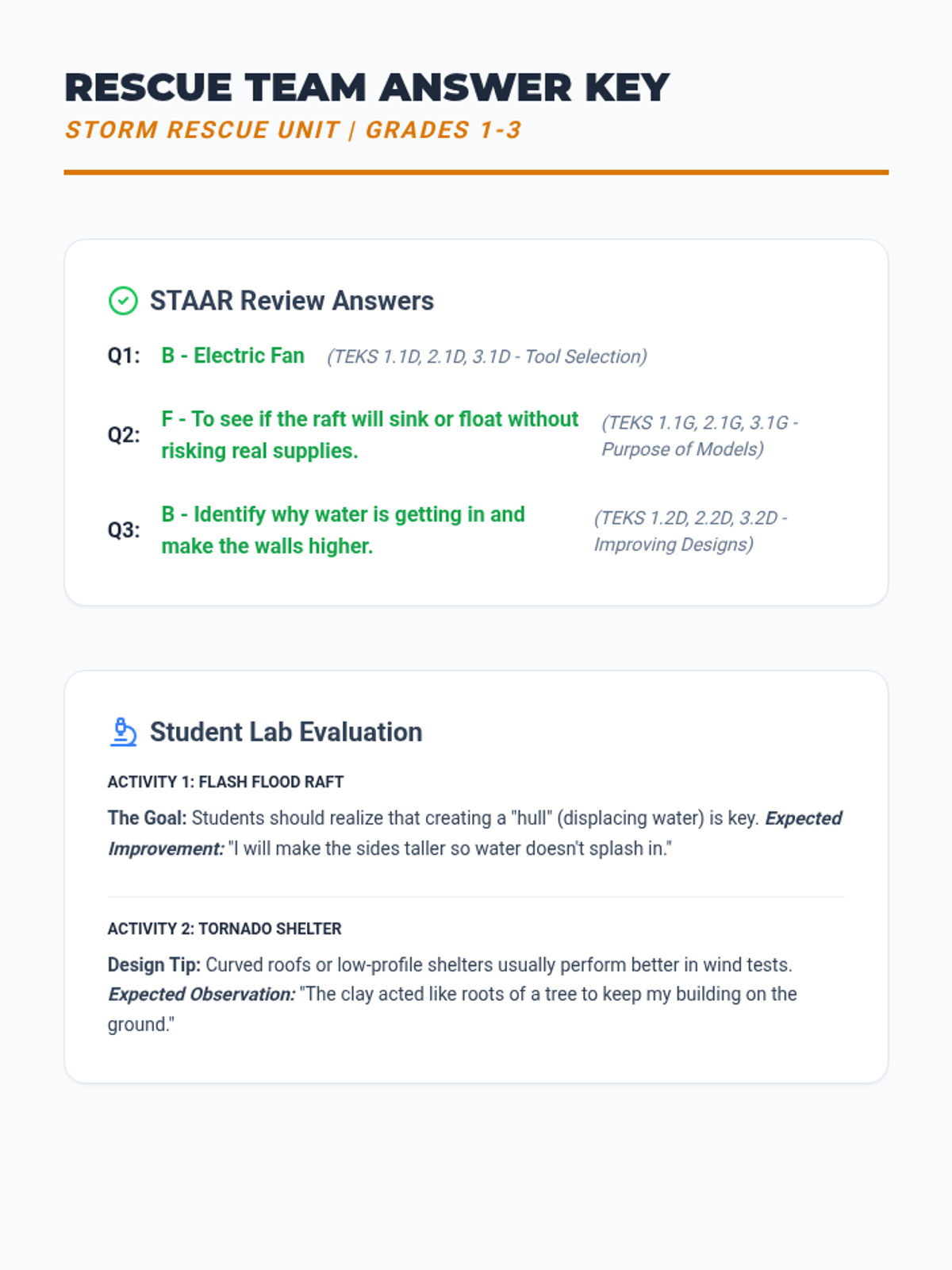
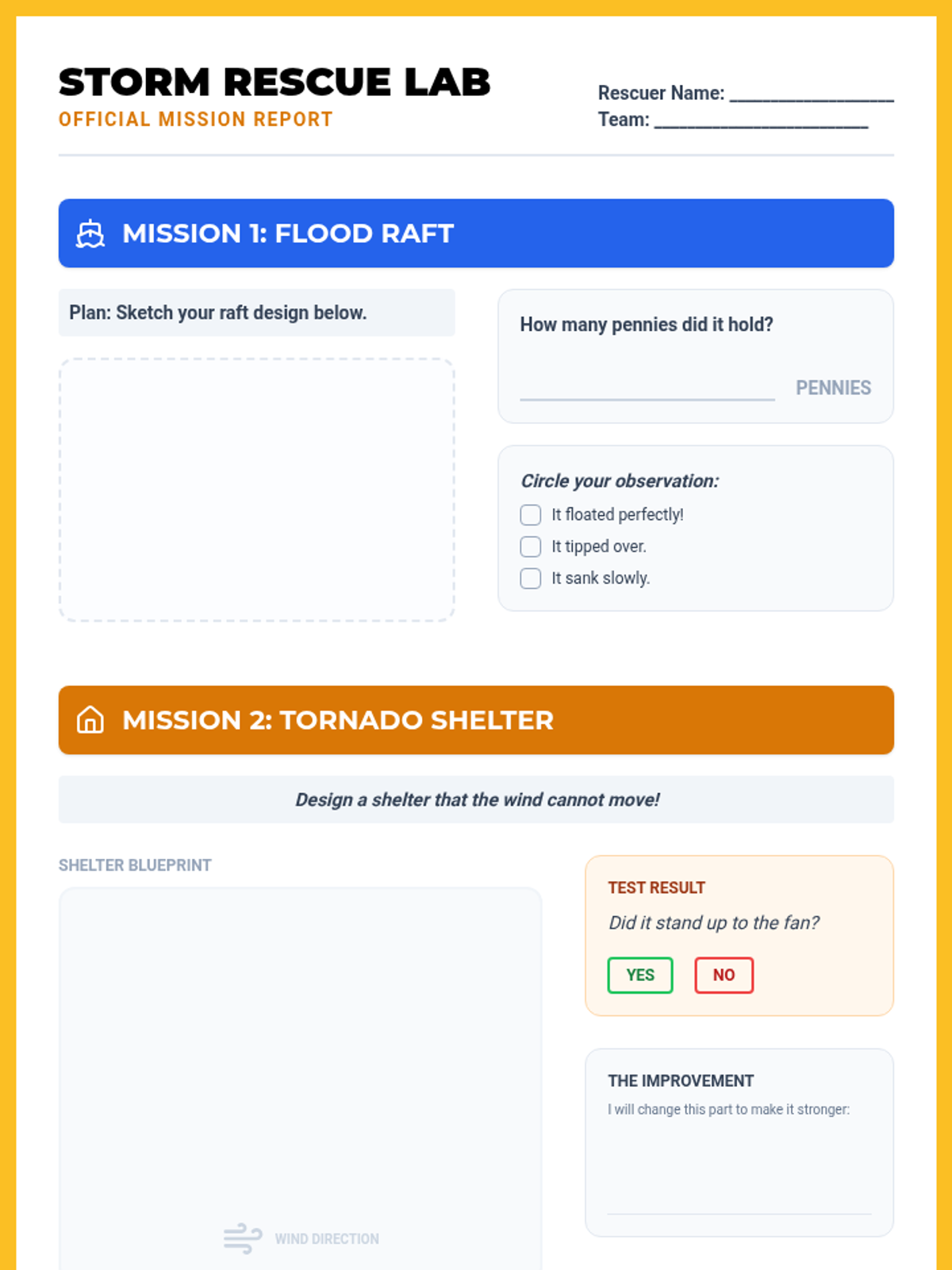
A high-energy junior engineering lesson for grades 1-3. Students join the 'Storm Rescue Team' to design unsinkable rafts for flood rescues and wind-resistant shelters for high-wind emergencies, focusing on material properties and modeling.
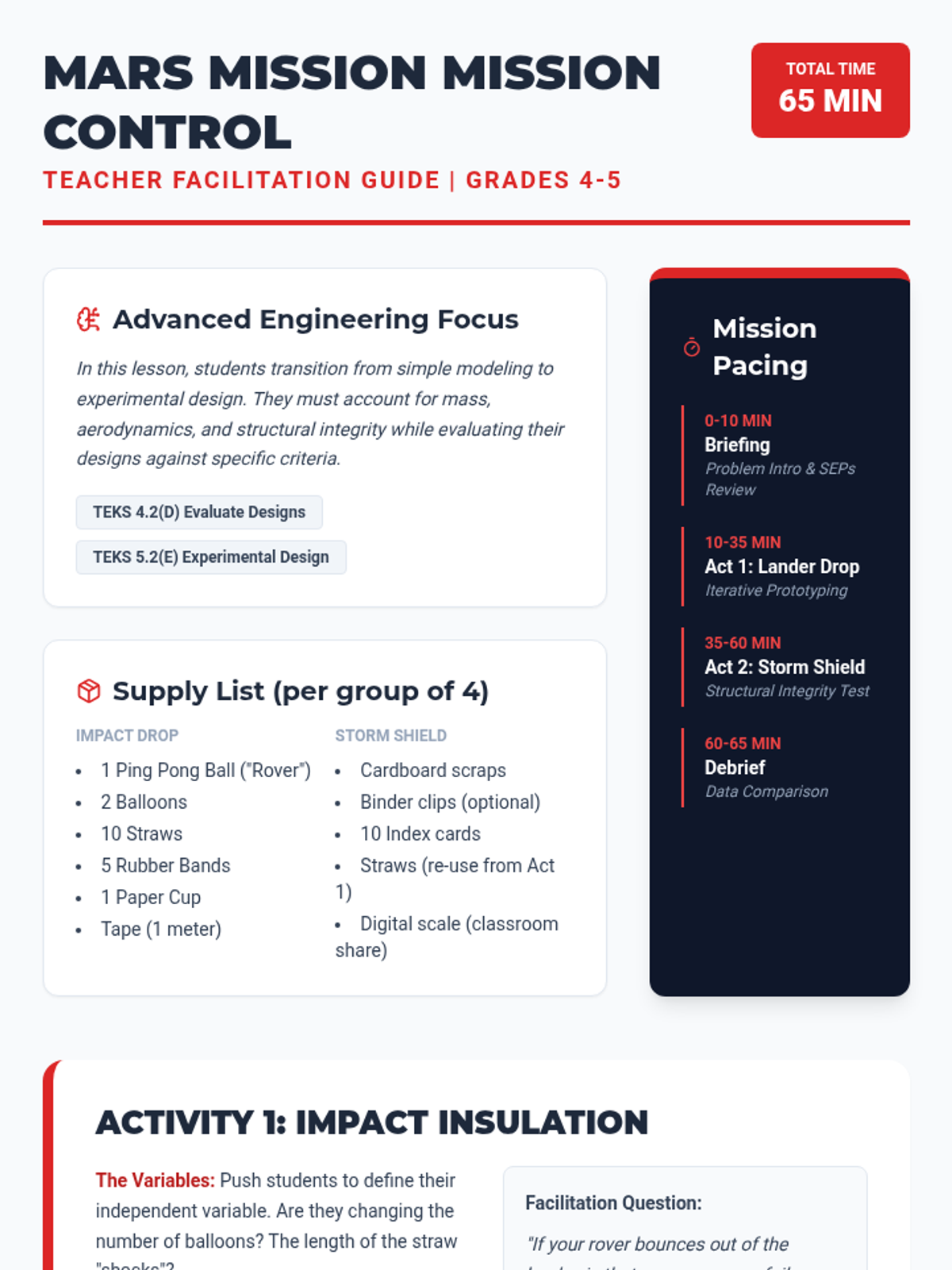
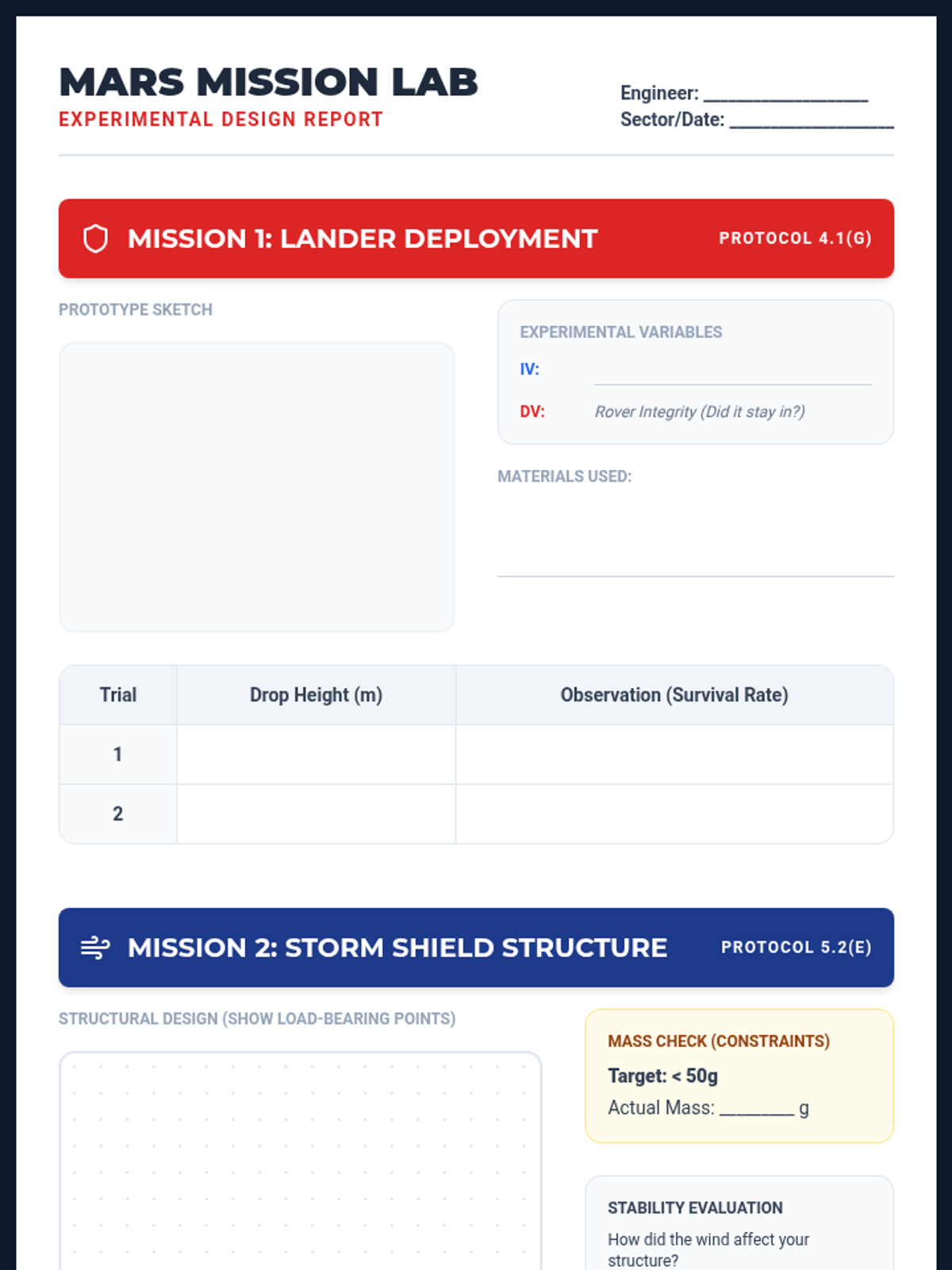
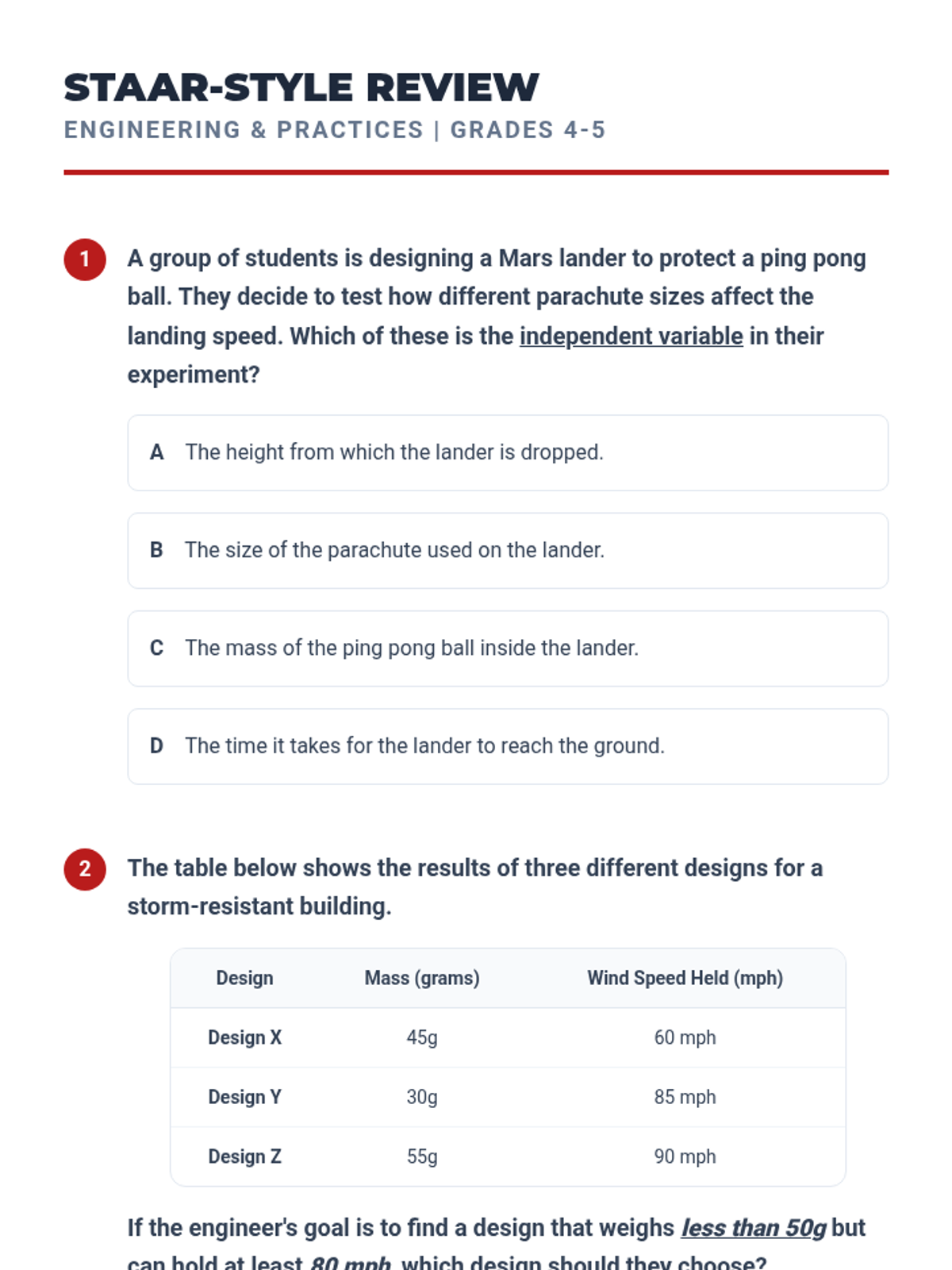
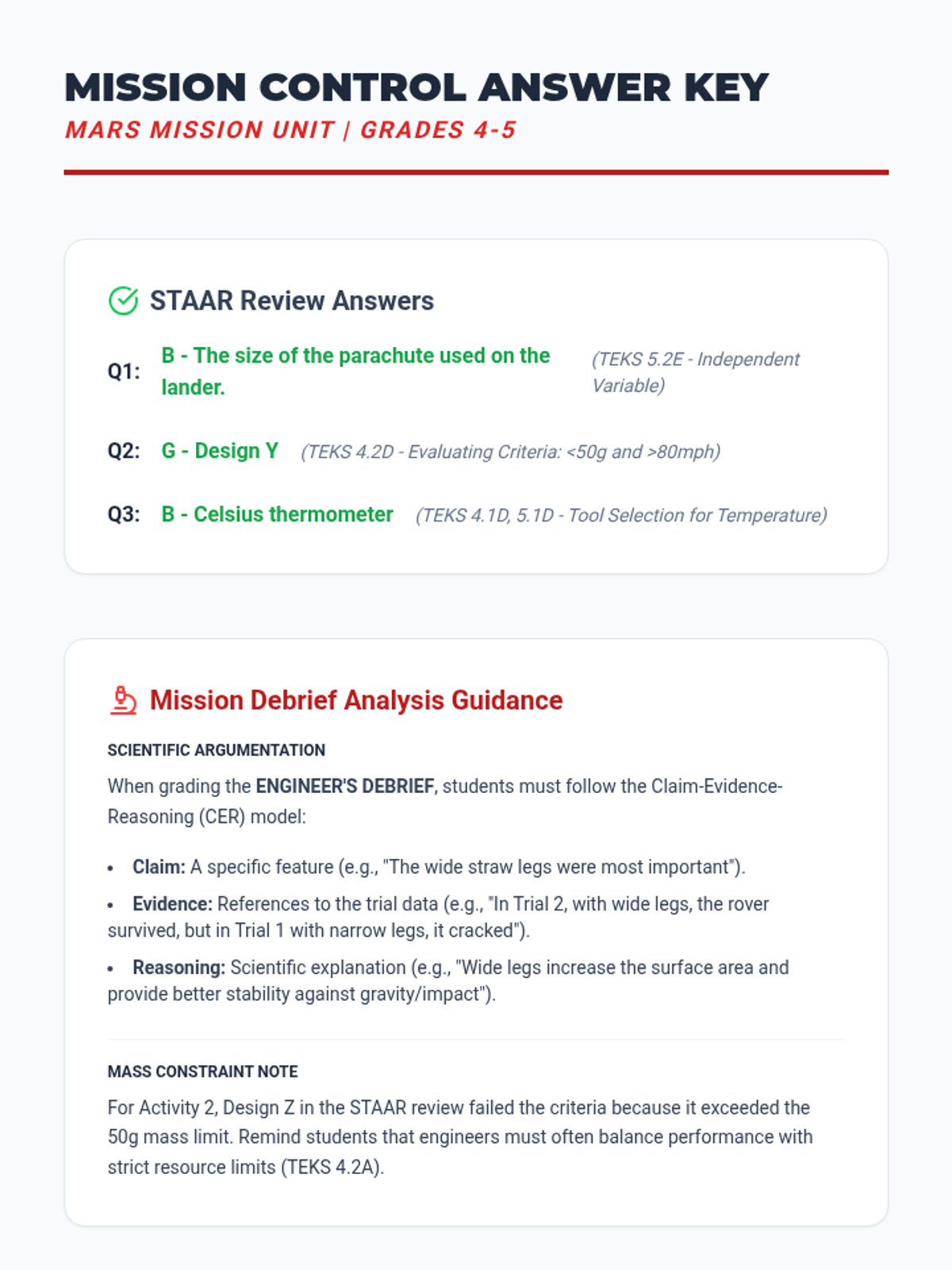
An advanced engineering challenge for grades 4-5 set in a Mars mission context. Students design landing systems to protect rovers and build structures to withstand extreme planetary conditions, focusing on experimental design and prototype evaluation.
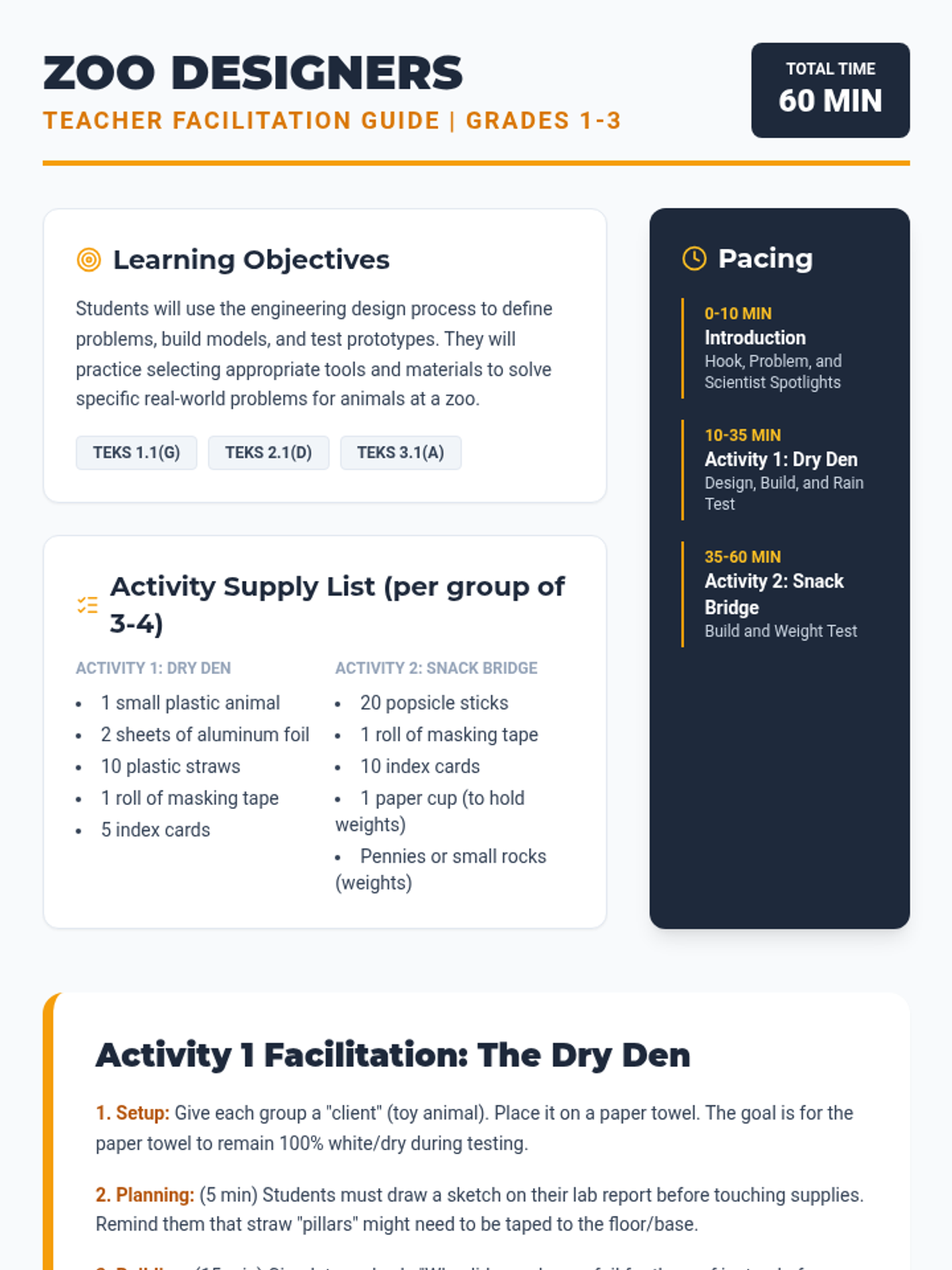
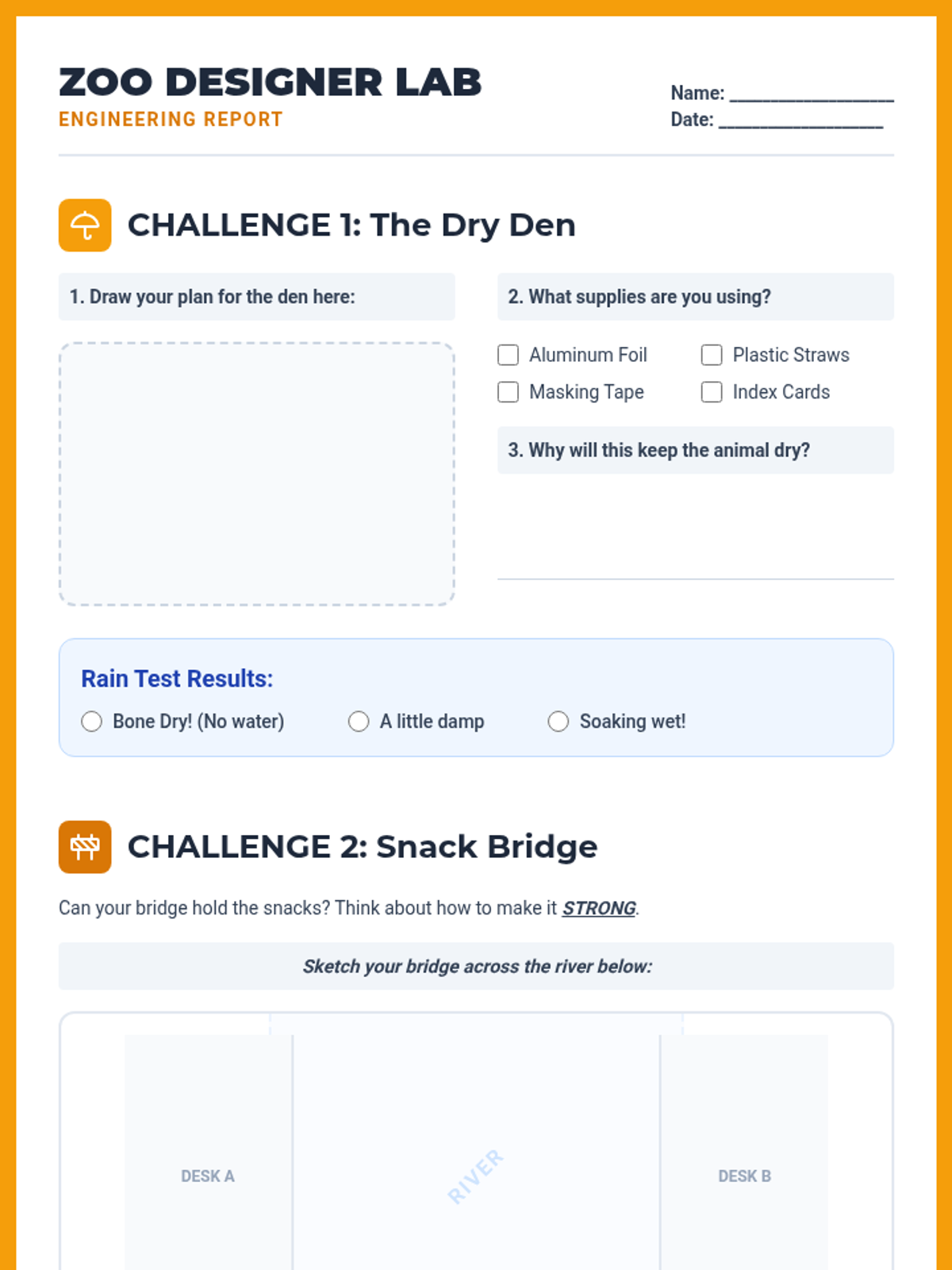
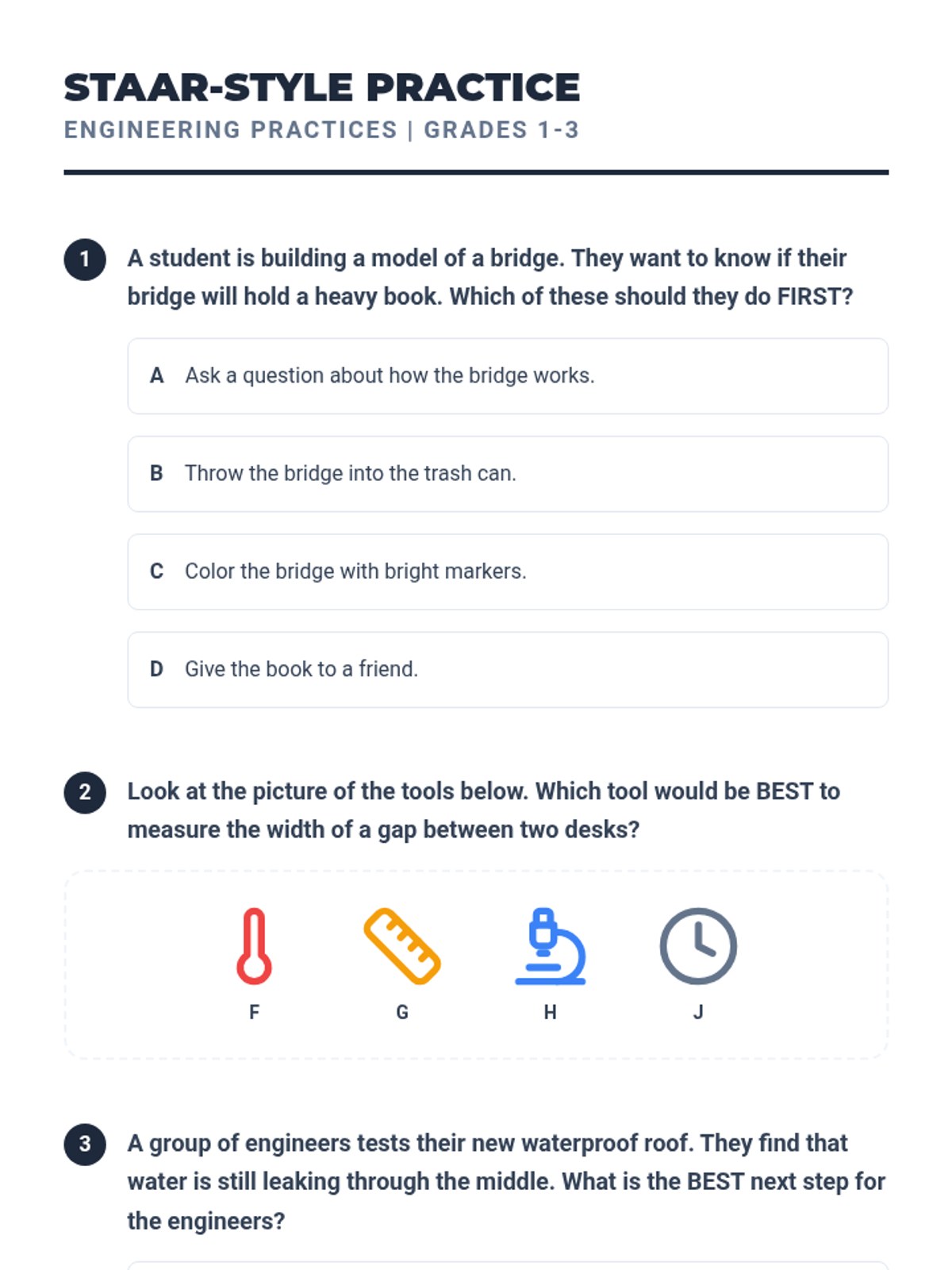
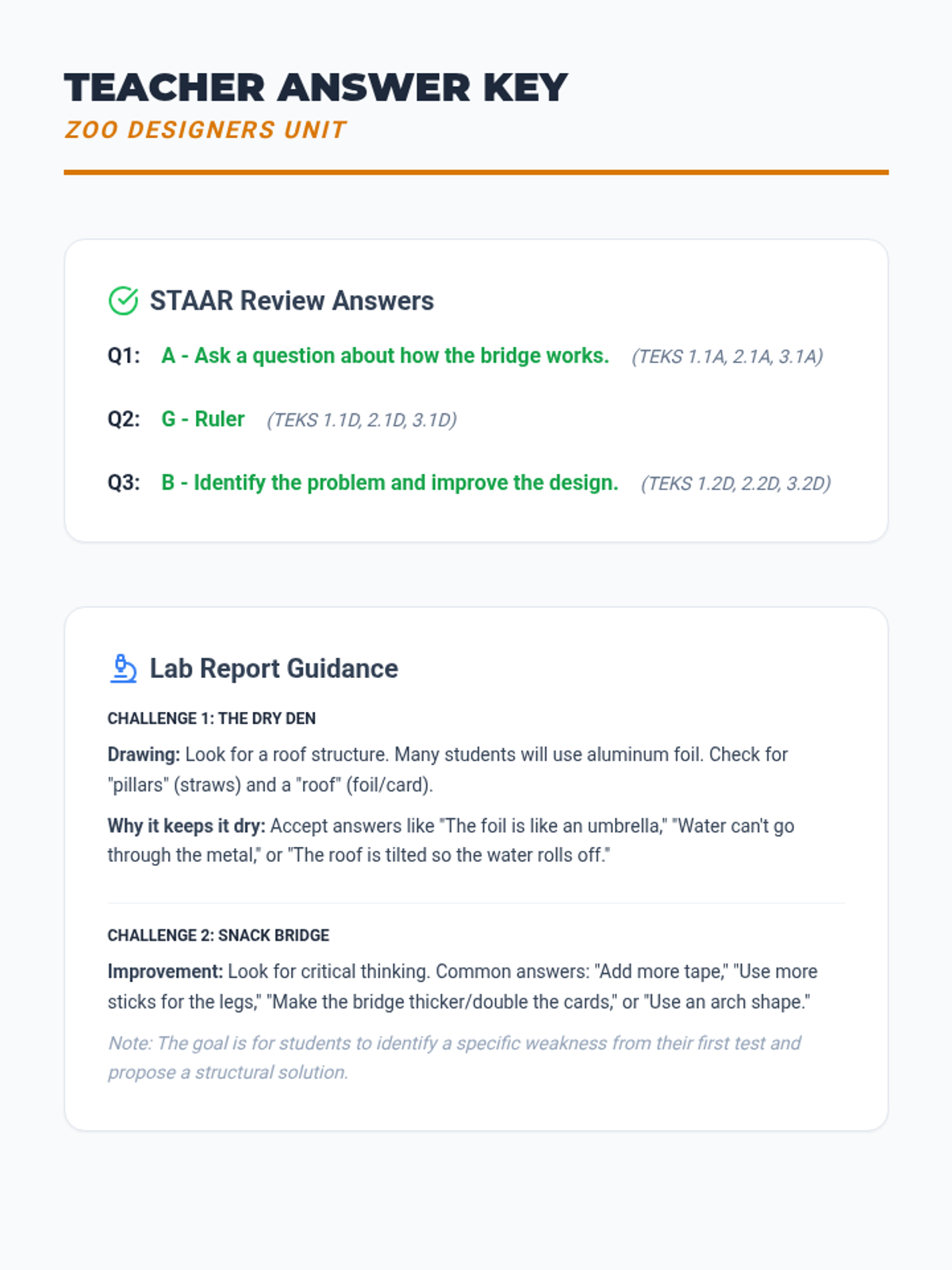
A junior engineering lesson for grades 1-3 where students act as zoo designers. They solve real-world animal habitat problems by building waterproof canopies and sturdy bridges, focusing on modeling, tool use, and basic prototyping.
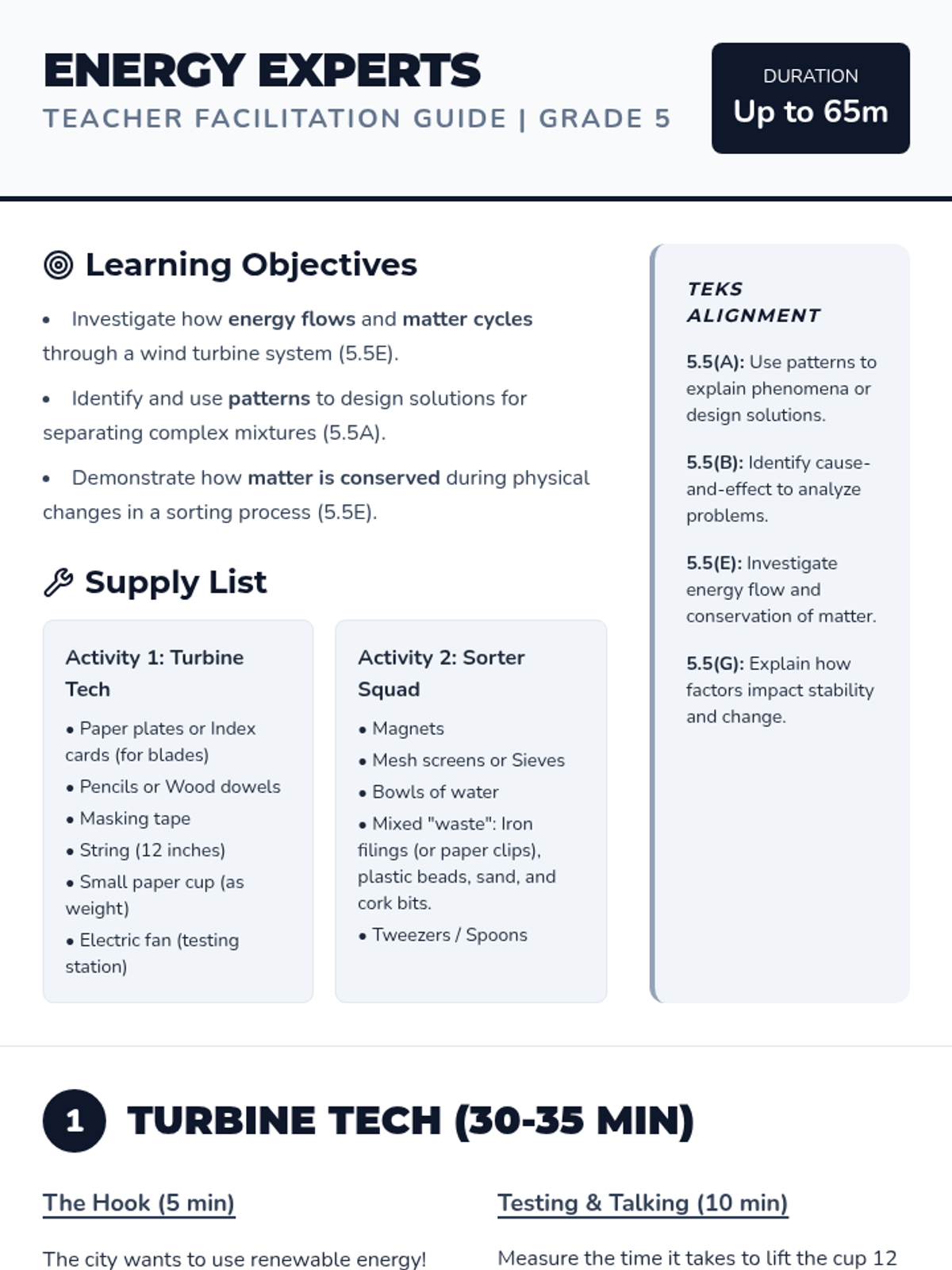
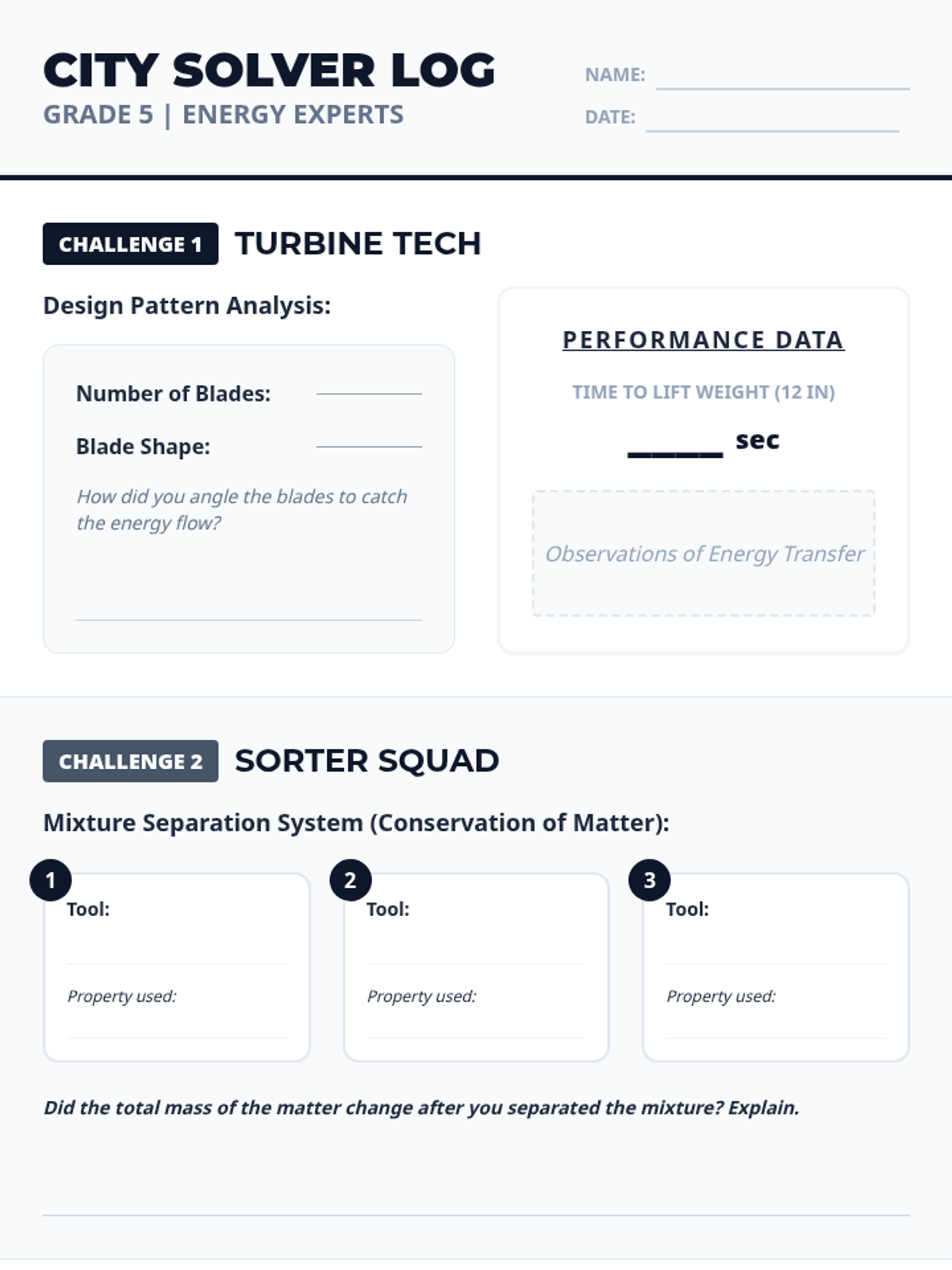
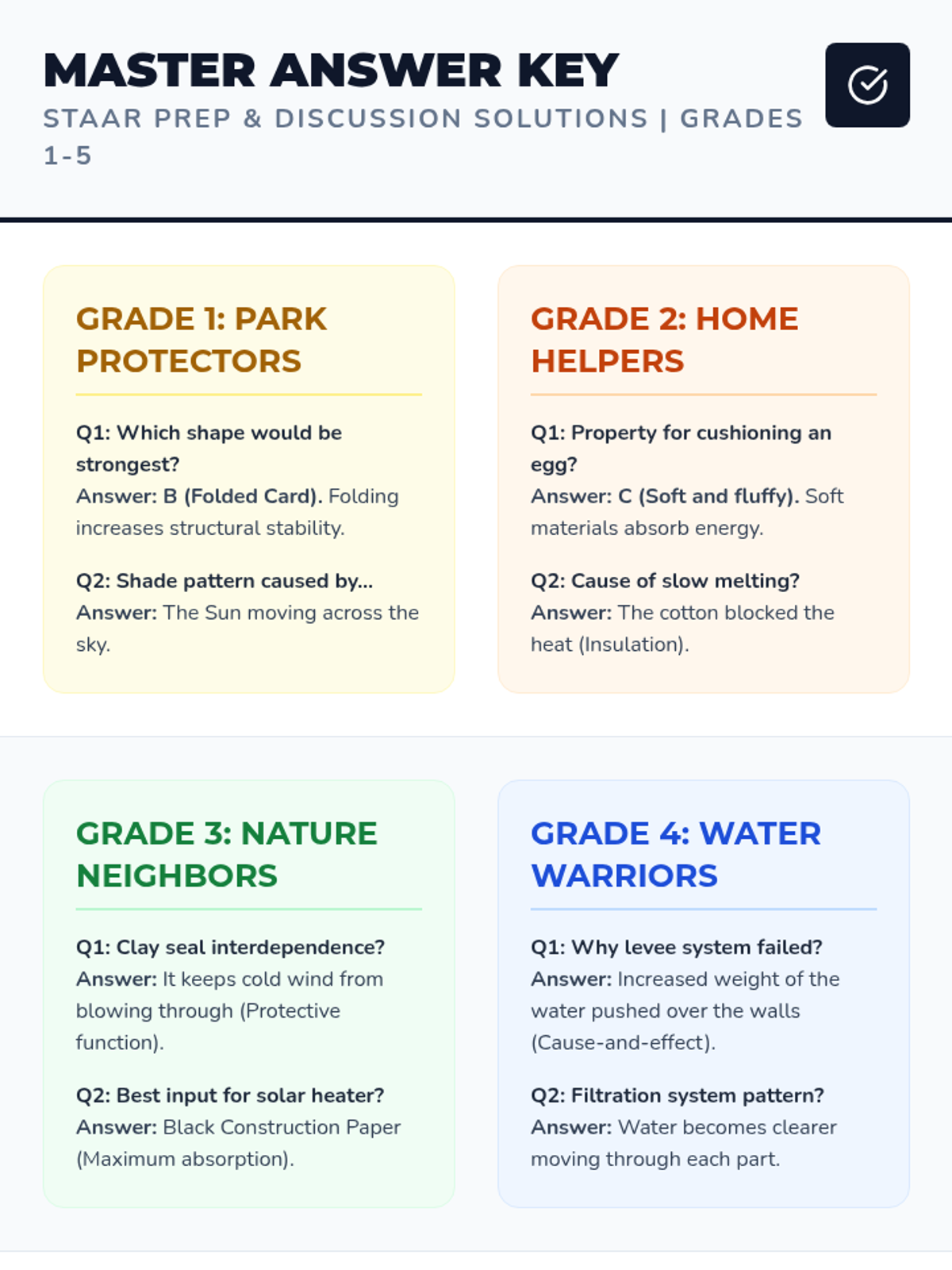
Fifth-grade students explore energy flow and conservation of matter by building wind turbine blades and sorting mixtures of recyclable materials.
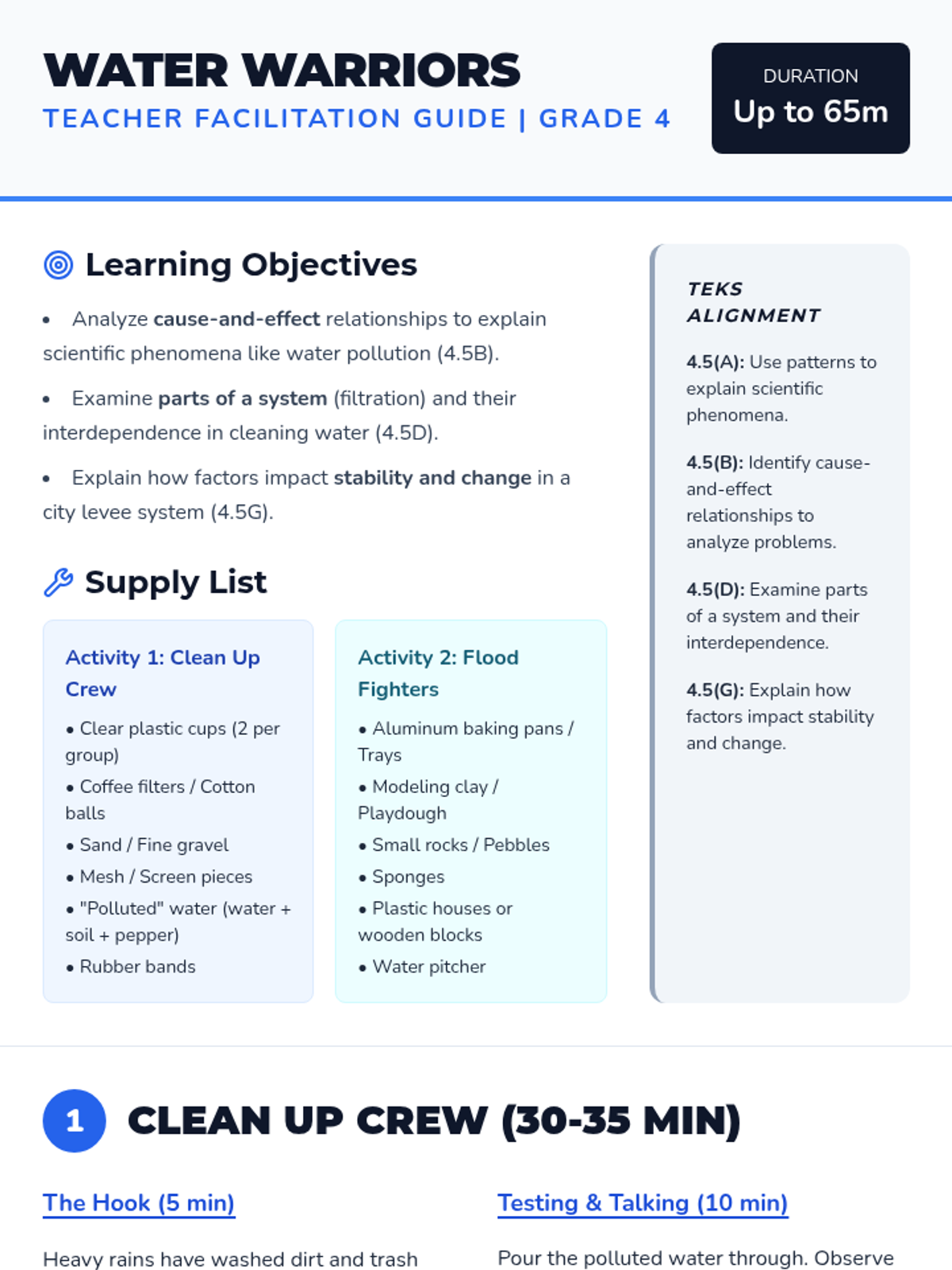
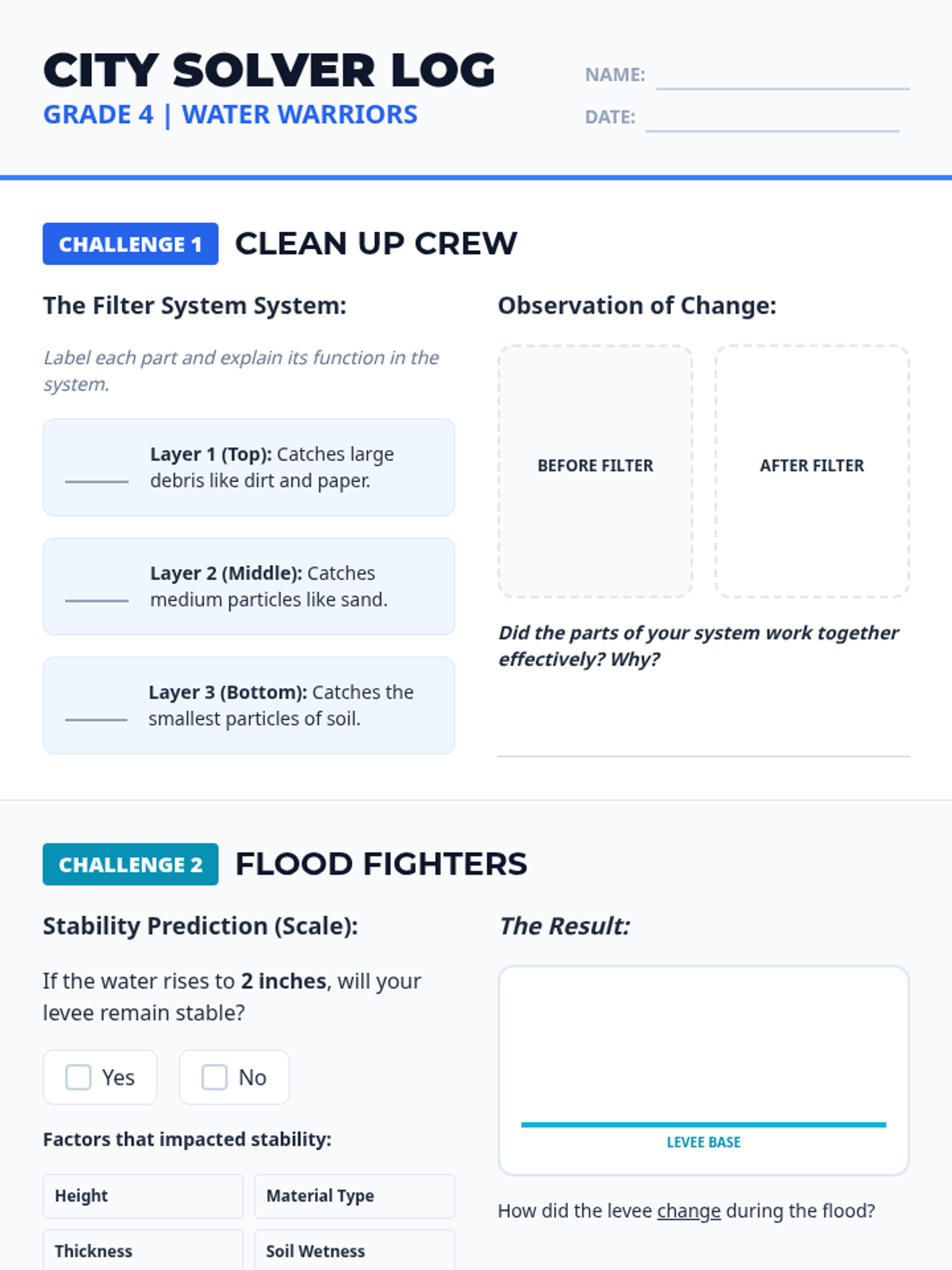
Fourth-grade students analyze systems and stability by designing water filtration devices and flood defense systems for the city.
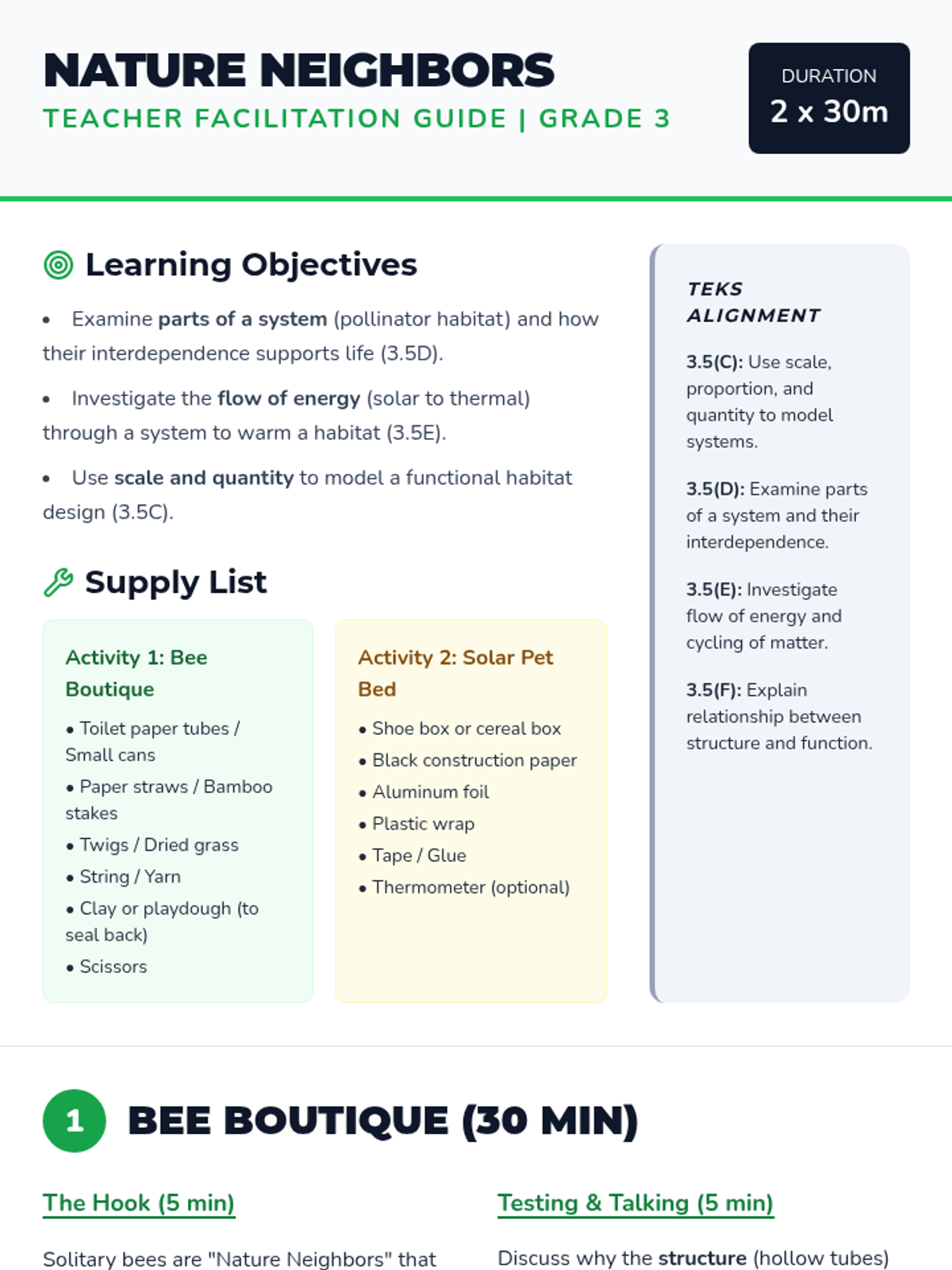
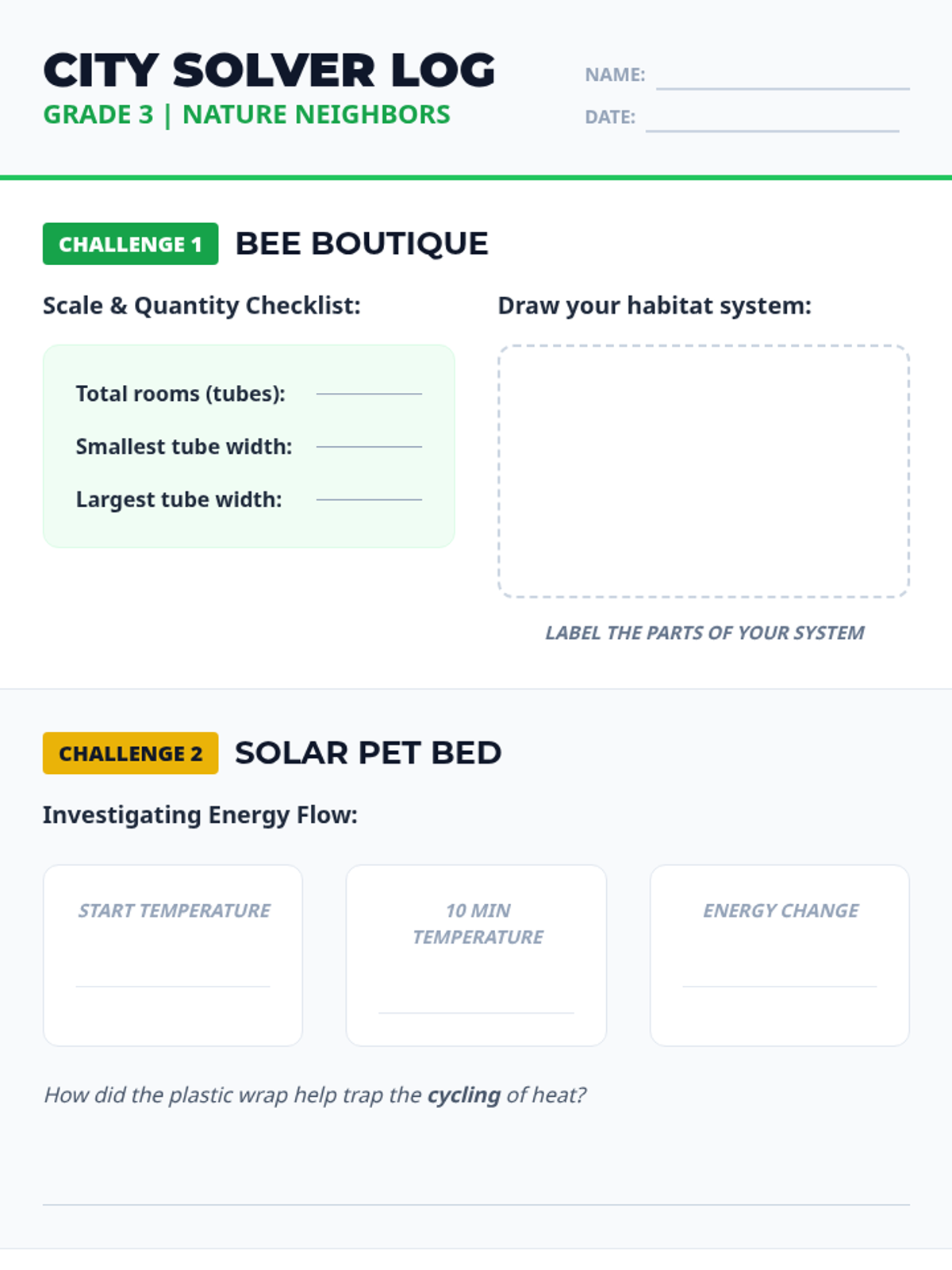
Third-grade students model systems and energy flow by creating habitats for pollinators and using solar energy to heat a habitat.
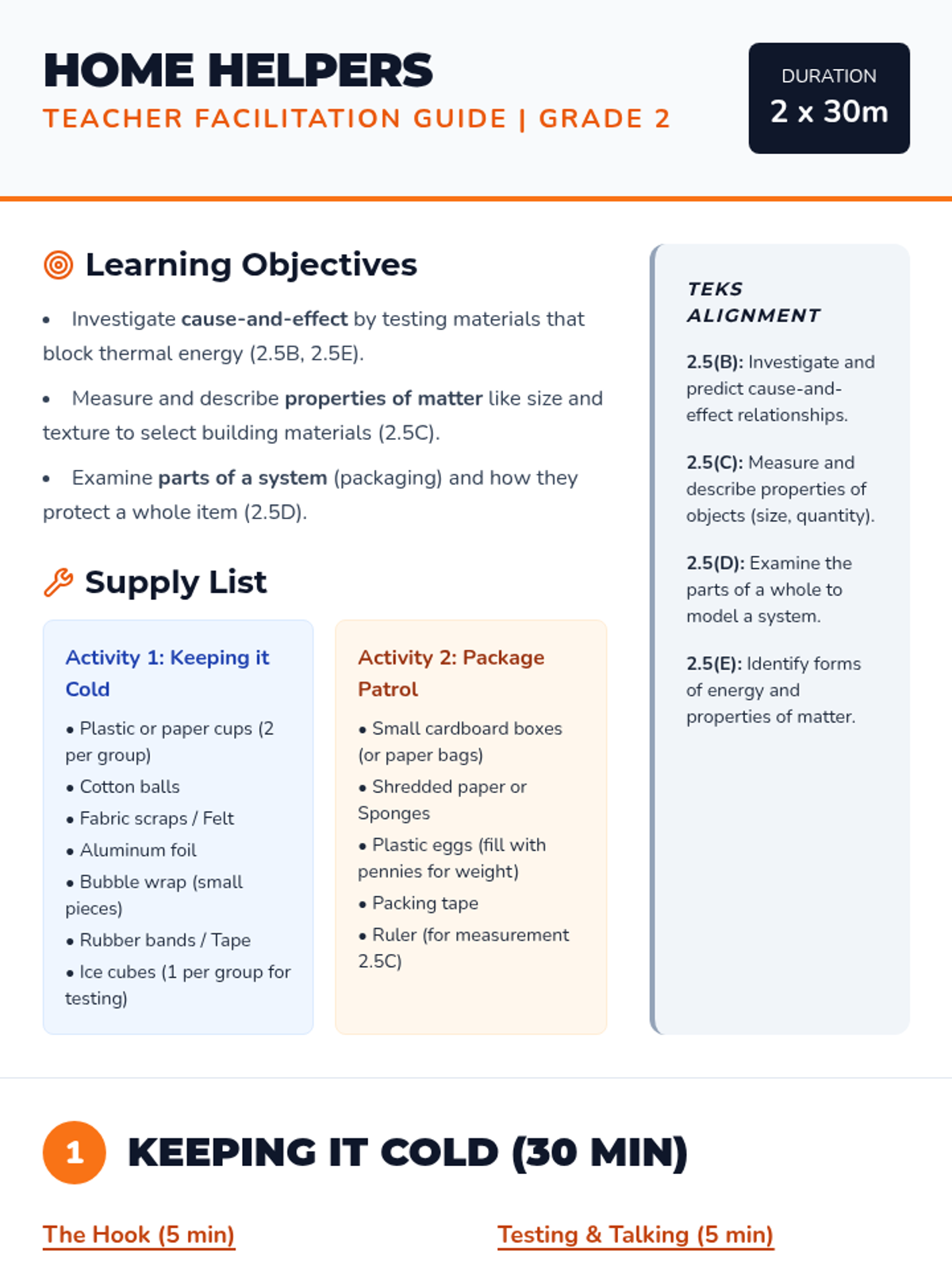
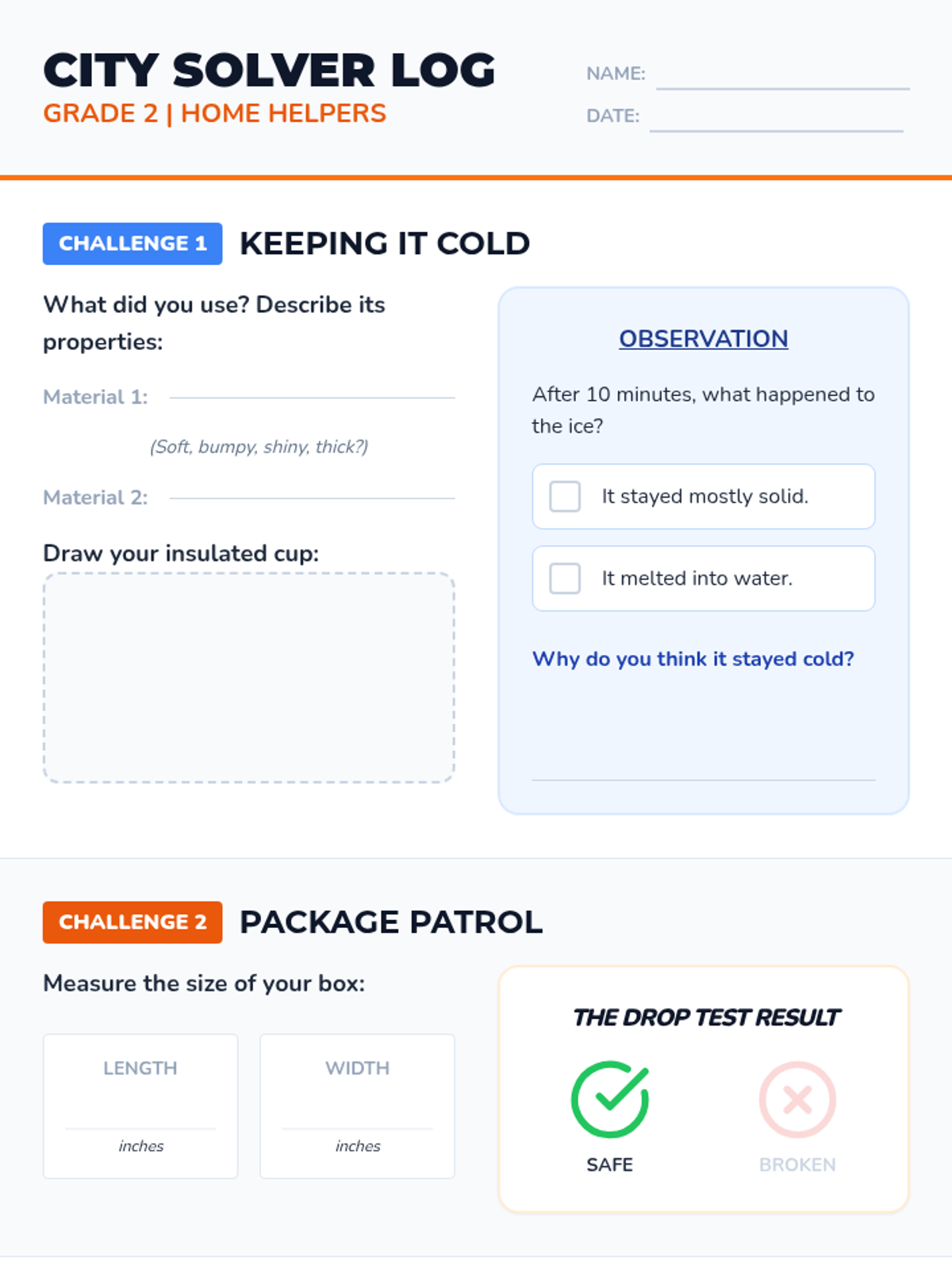
Second-grade students investigate cause-and-effect and measurement by building thermal insulators and protective packaging for fragile items.
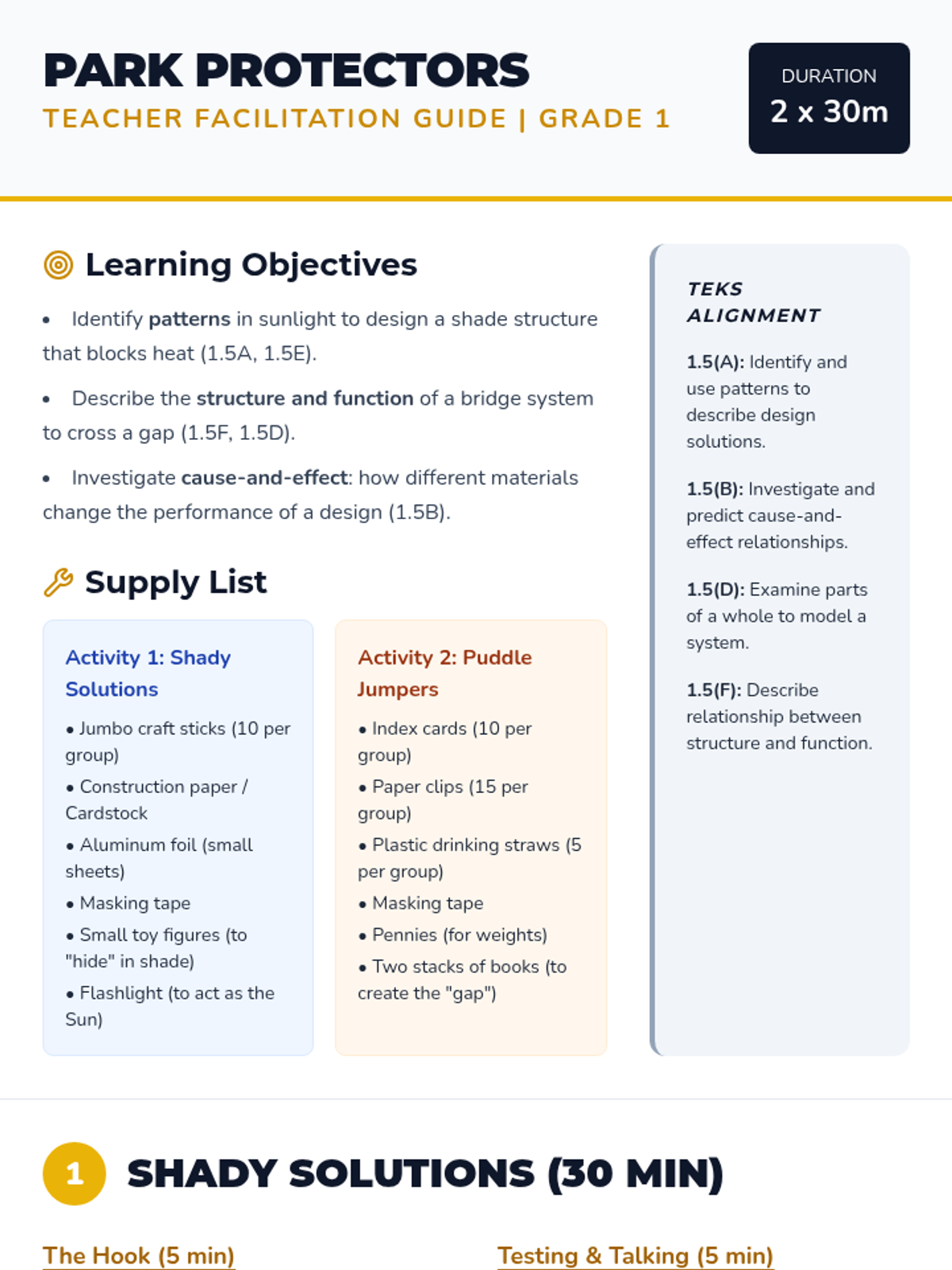
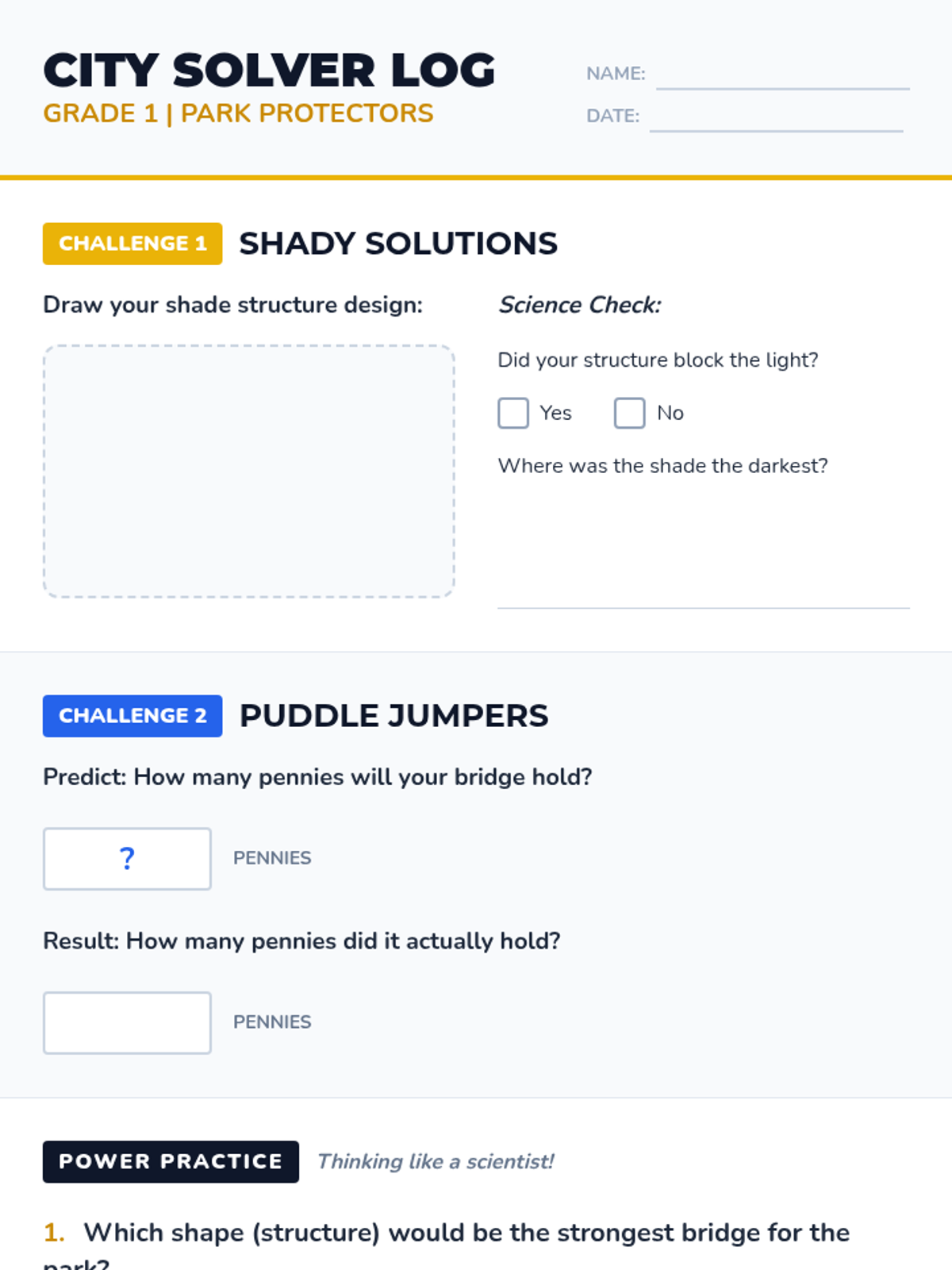
First-grade students explore patterns and structure-function relationships by designing shade structures and bridges for their local park.
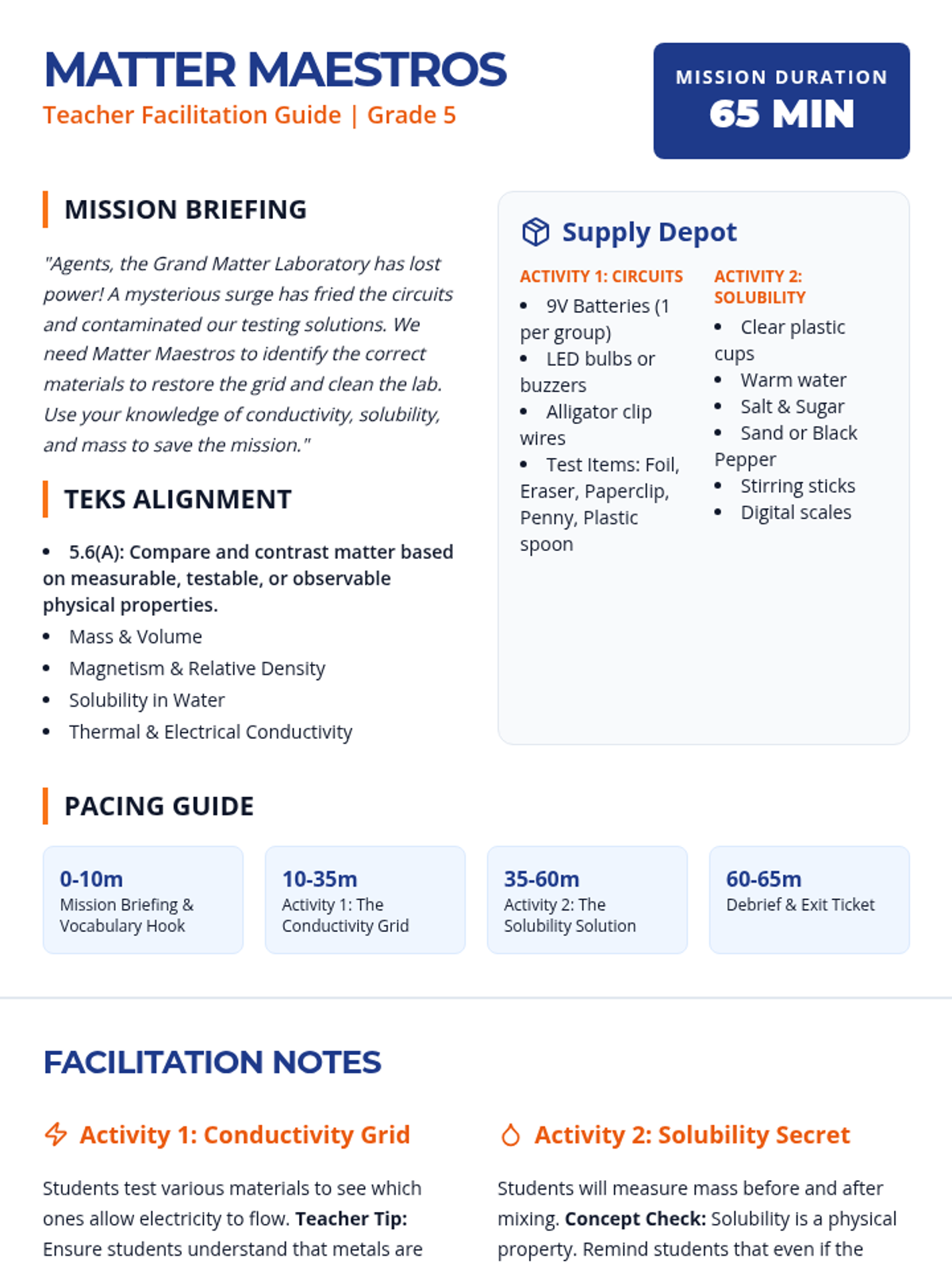
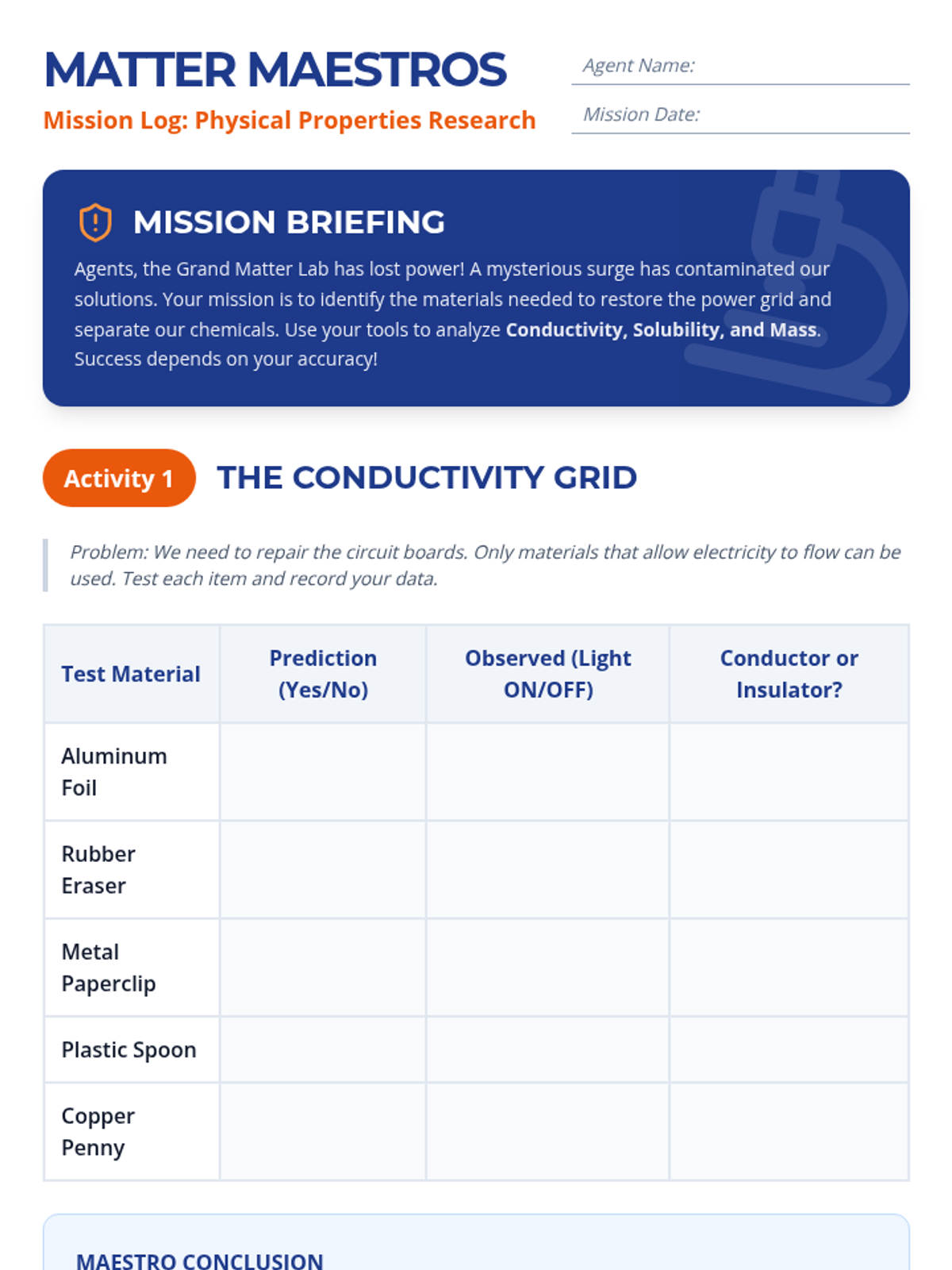
Fifth-grade maestros perform advanced testing on conductivity, solubility, and mass to restore power to a science lab. Comprehensive STAAR review and engineering design.
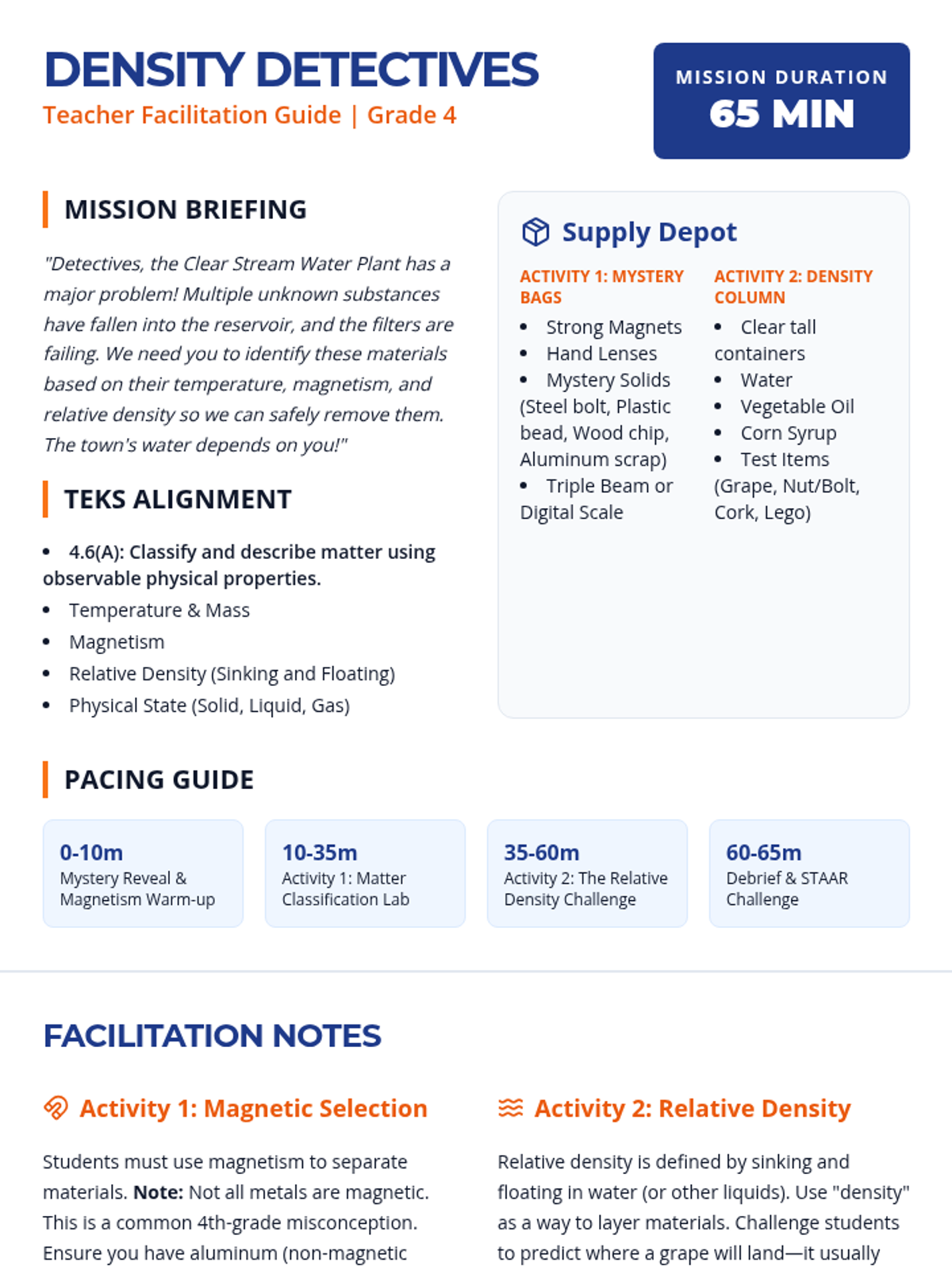
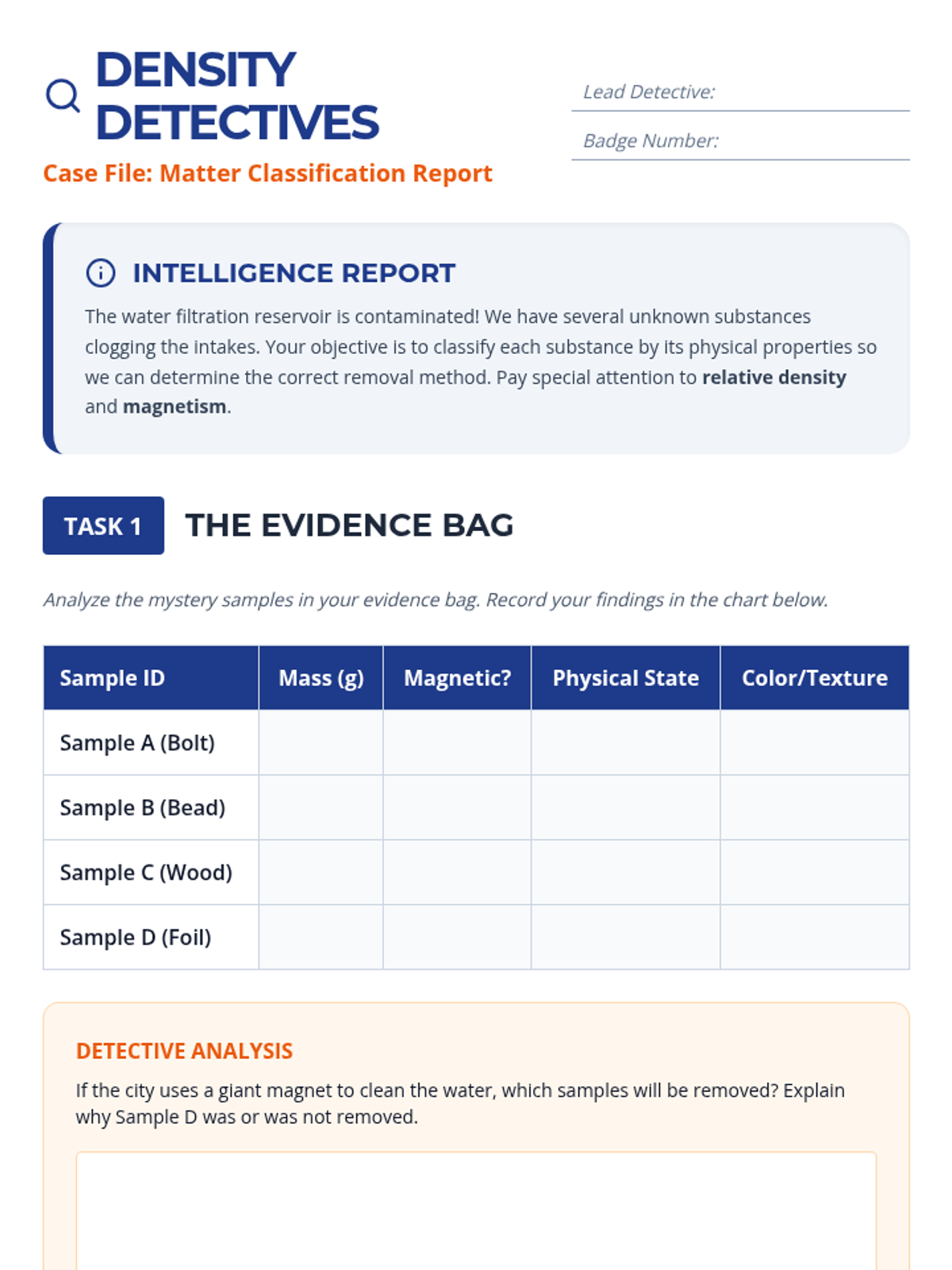
Fourth-grade detectives classify matter using temperature, magnetism, and relative density to solve a water filtration mystery. Includes STAAR-aligned assessment questions.
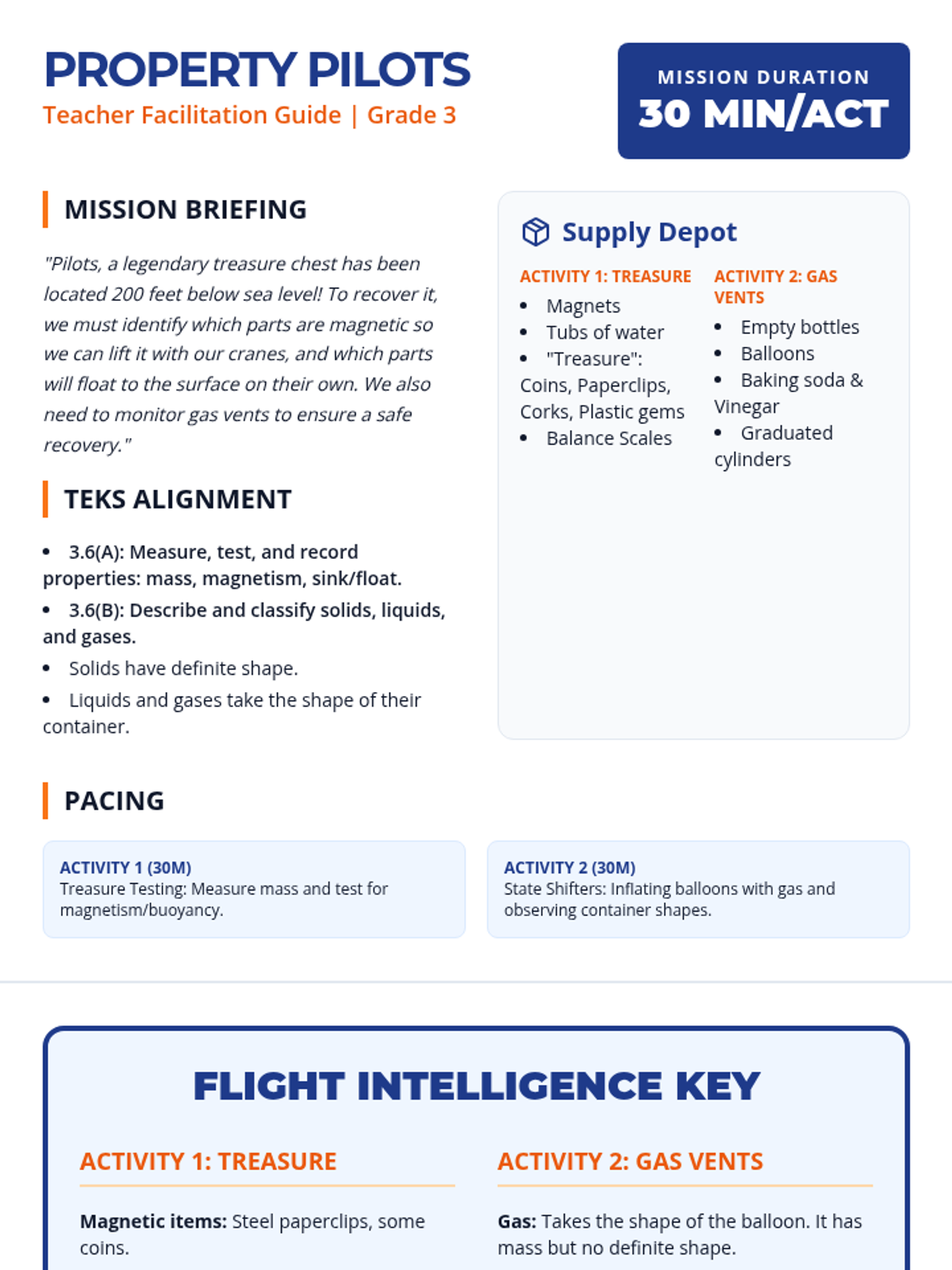
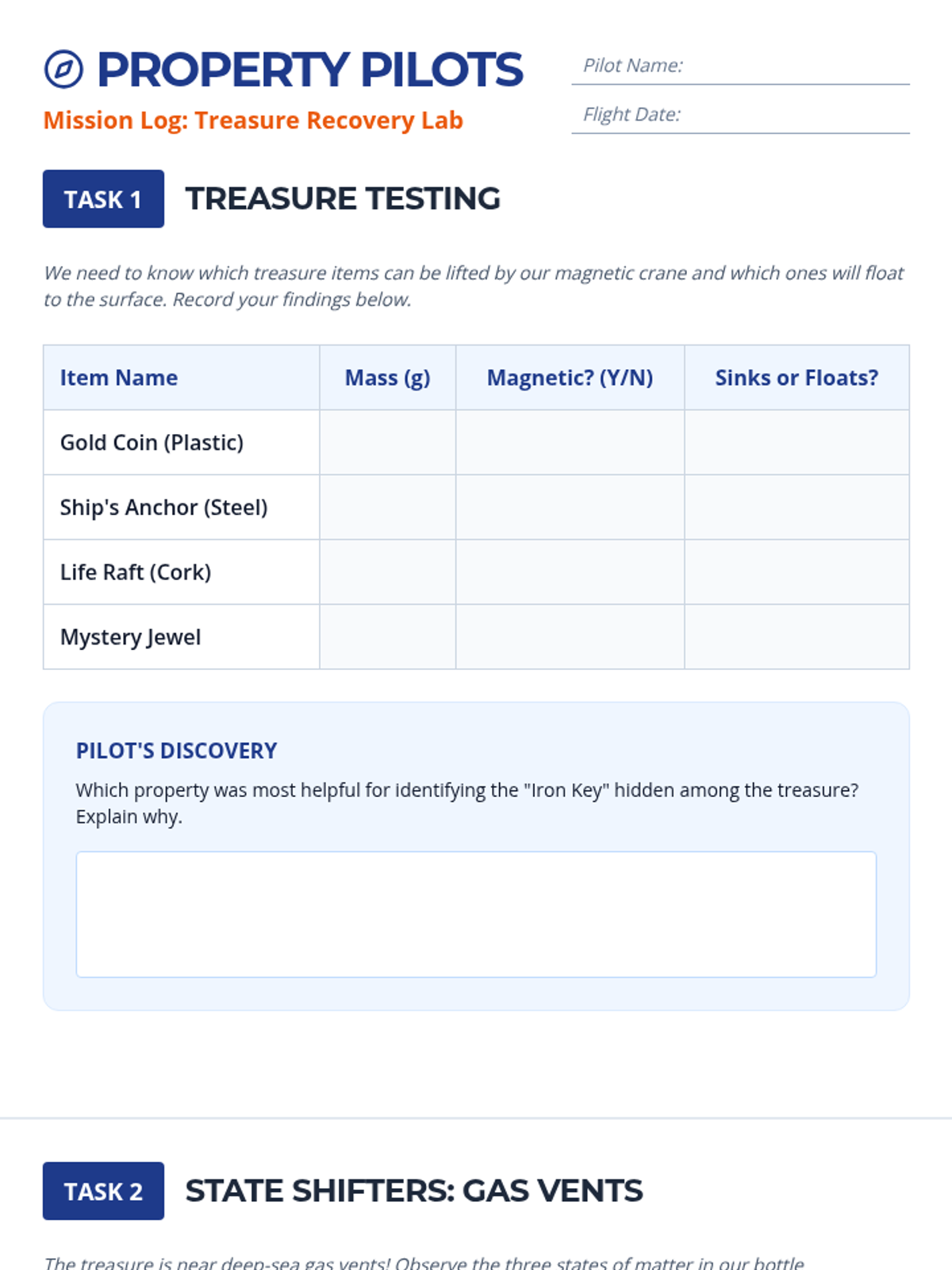
Third-grade pilots test mass, magnetism, and buoyancy to recover sunken treasure. Explores the properties of solids, liquids, and gases including shape and volume.