Students explore the fundamental economic problem of unlimited wants versus limited resources. Through a sorting activity and class discussion, they define scarcity and explain why it forces people to make choices.
A comprehensive project-based lesson for 11th-grade students to synthesize US history from 1877 to the present through a creative ABC book. This lesson includes the initial project launch, a two-week implementation schedule with checkpoints, and a detailed planning template.
A 50-minute deep dive into FDR's New Deal programs through primary source analysis, categorizing the 'alphabet soup' of agencies into Relief, Recovery, and Reform. Students will examine original posters, photographs, and legislation snippets to understand the massive scale of government intervention during the Great Depression.
A concise 20-minute lesson covering President Herbert Hoover's response to the Great Depression, focusing on his philosophy of Rugged Individualism, the Hoover Dam, the RFC, and the Bonus Army incident.
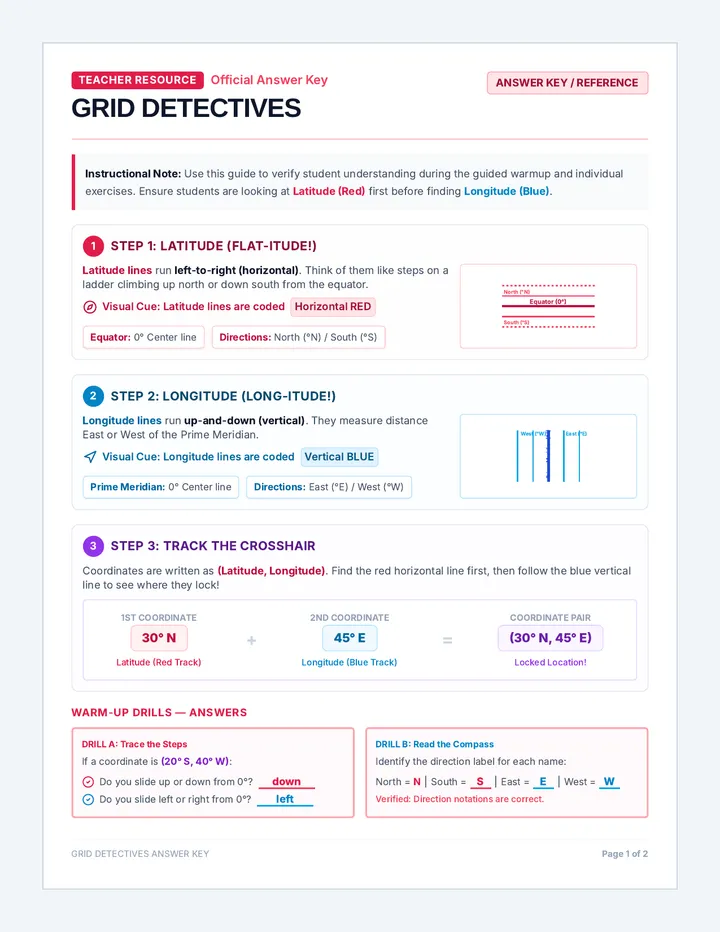
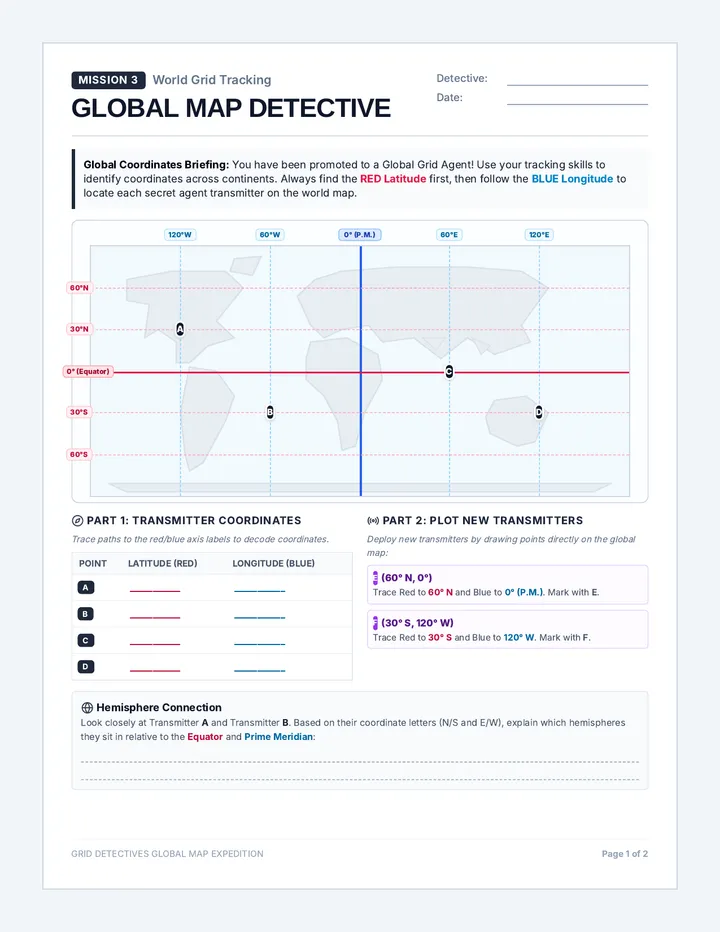
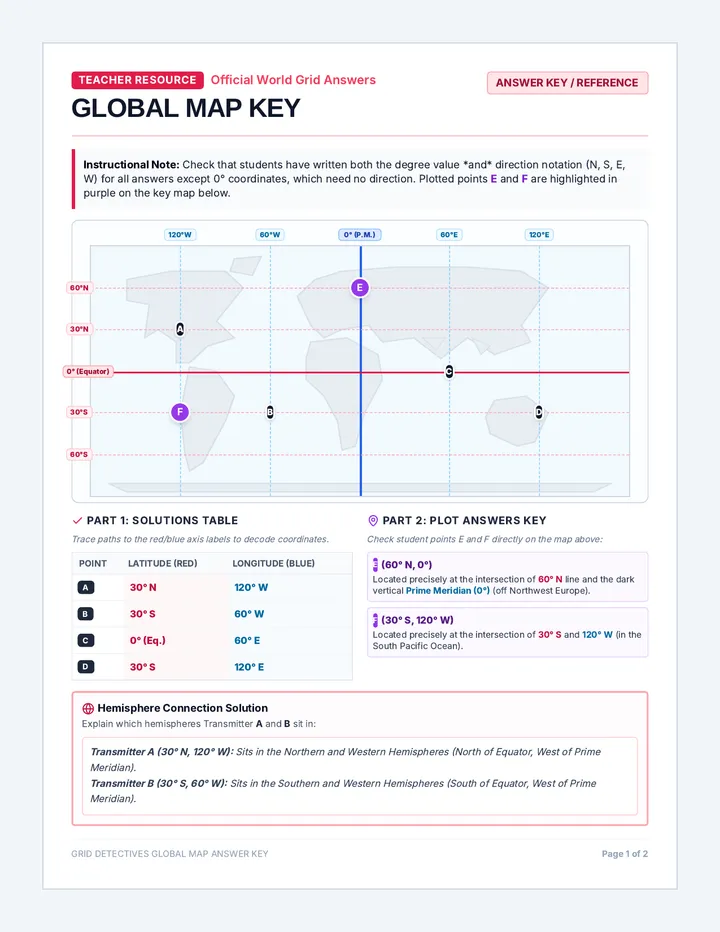
Students will learn to navigate their local community by mastering map keys and symbols. This lesson includes instructional slides, a reading passage, and a hands-on mapping activity.
A collection of resources for an educational information booth about Peru at a cultural fair, including a fact sheet and interactive trivia cards.
A collection of reflective and creative activities for Memorial Day, including a poppy craft writing activity, a gratitude letter template, and acrostic poems to honor fallen heroes.
An introductory overview of all 50 states, focusing on visual identification, nomenclature, and basic facts.
A lesson introducing students to famous figures from Ohio and their contributions to history, science, and sports.
Una lección que explora la inmigración moderna en los EE. UU. a través de la lente histórica de la Ley de Exclusión China, diseñada con lenguaje simplificado y organizadores gráficos para estudiantes de educación especial.
Students explore the complex legacy of Alexander the Great through a guided reading and evidence-based analysis of his actions as either a hero or a villain.
A comprehensive assessment covering developmental domains, brain growth, major ECE theorists, and strategies for supporting young children's self-concept and identity.
This lesson explores the devastating social and economic impacts of the Great Depression, focusing on unemployment, migration, and Hoovervilles, while challenging students to compare the contrasting philosophies of Presidents Hoover and FDR.
A lesson exploring the social and political changes following the Creole-led revolutions in Latin America, specifically designed for students requiring IEP accommodations.
This lesson explores the social and political transformations following the Creole Revolutions in Latin America, specifically designed with scaffolds for IEP students to express their understanding of new freedoms and government structures.
An introductory lesson to Ancient Greece for 4th graders, covering the unique geography of the Mediterranean, the origins of the Olympic Games, and the fascinating world of Greek Mythology.
A comprehensive AP Modern World History review covering Units 1-9 (1200-Present), featuring SPRITE thematic analysis and a detailed visual timeline for exam preparation.
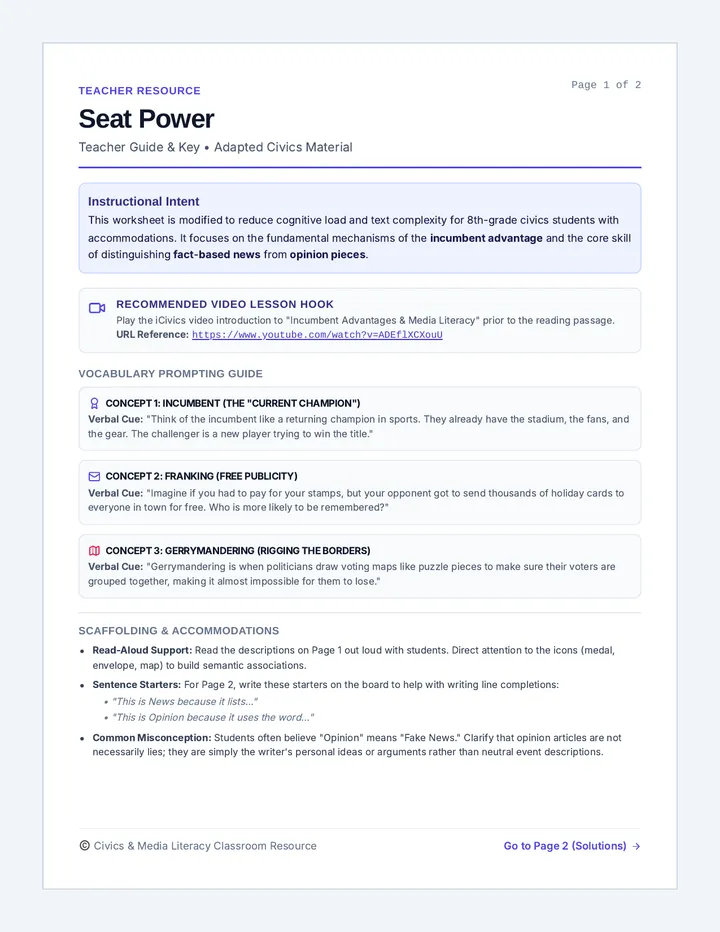
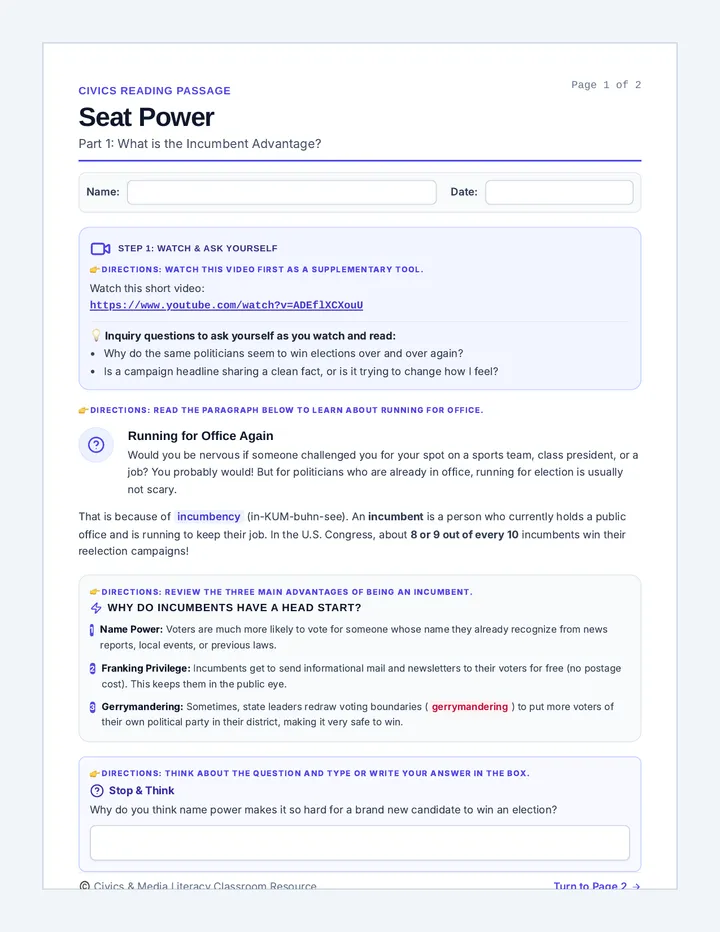
Students select a current news article and analyze its connection to US History using structured graphic organizers and sentence stems, designed for independent completion with sub-day support.
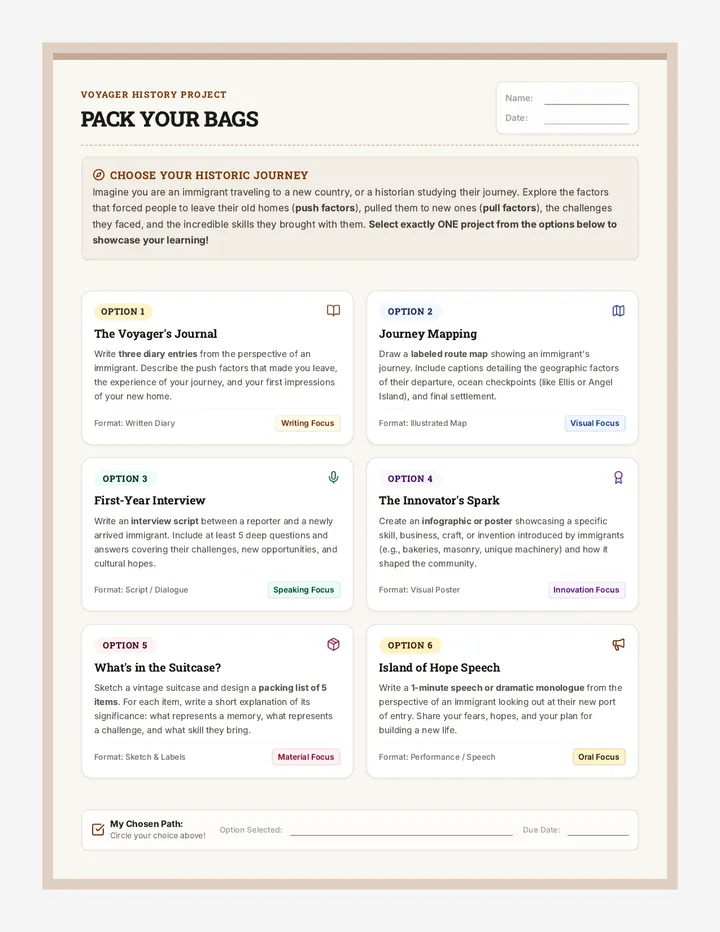
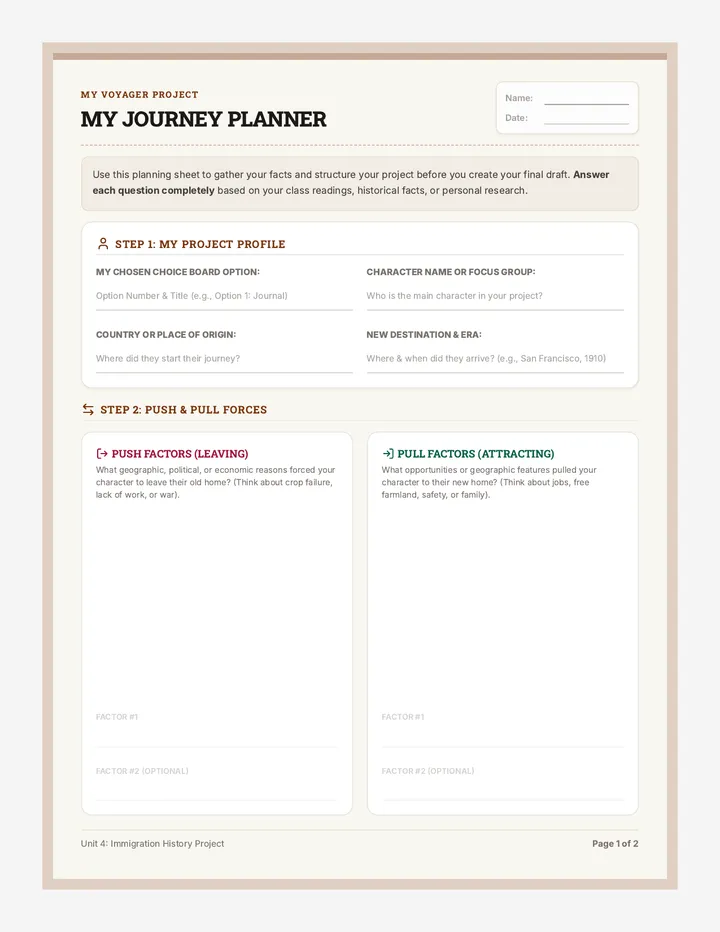
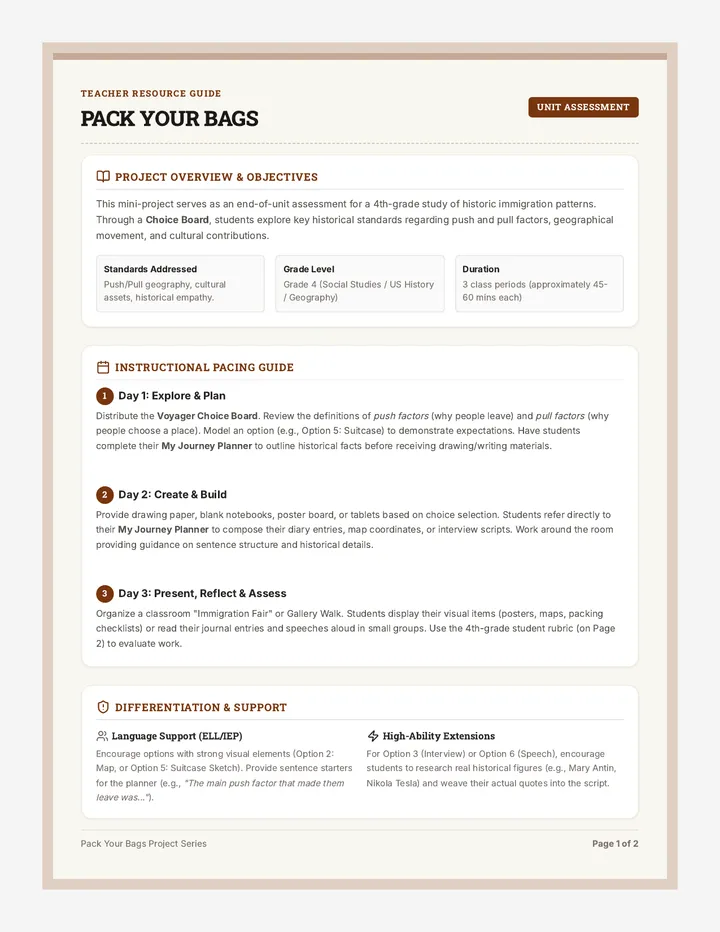
A substitute-ready lesson focusing on the emotional and practical aspects of immigration, where students decide what five essential items they would pack in a single suitcase.
A lesson exploring the impact of Harriet Beecher Stowe's novel 'Uncle Tom's Cabin' on the abolitionist movement, designed for 3rd-4th grade students.
A lesson focused on evaluating the Louisiana Purchase through a short speech. Students use primary source facts to build a claim, support it with reasons, and present their perspective on the 1803 land deal.
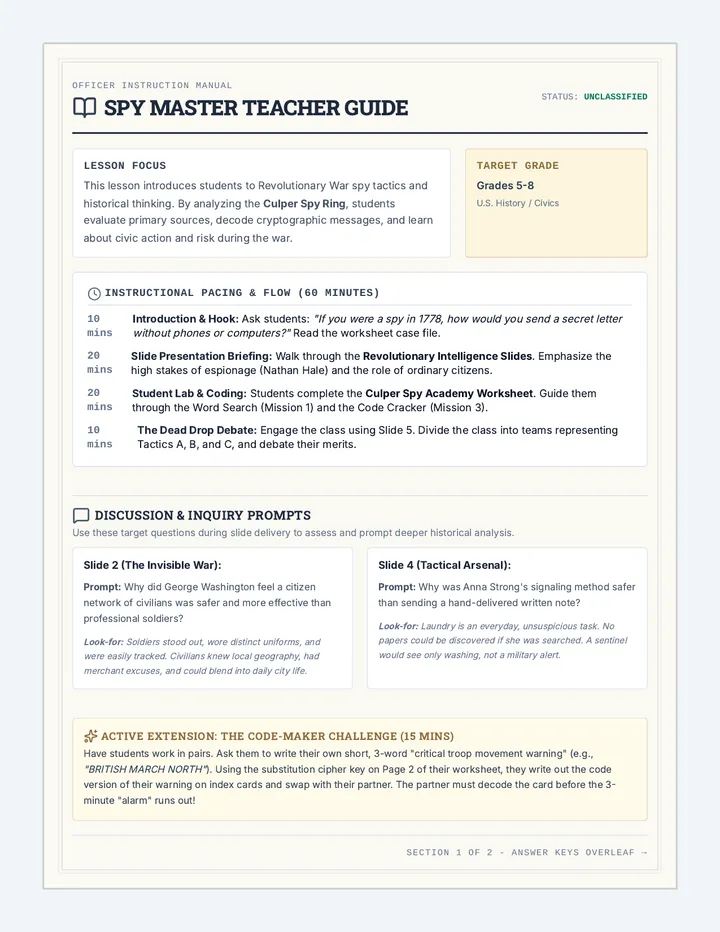
A high-energy lesson on cryptography and the history of the Enigma machine, designed to motivate students before the WYTOPP state assessment. Students learn about substitution ciphers and decode a secret message of encouragement.
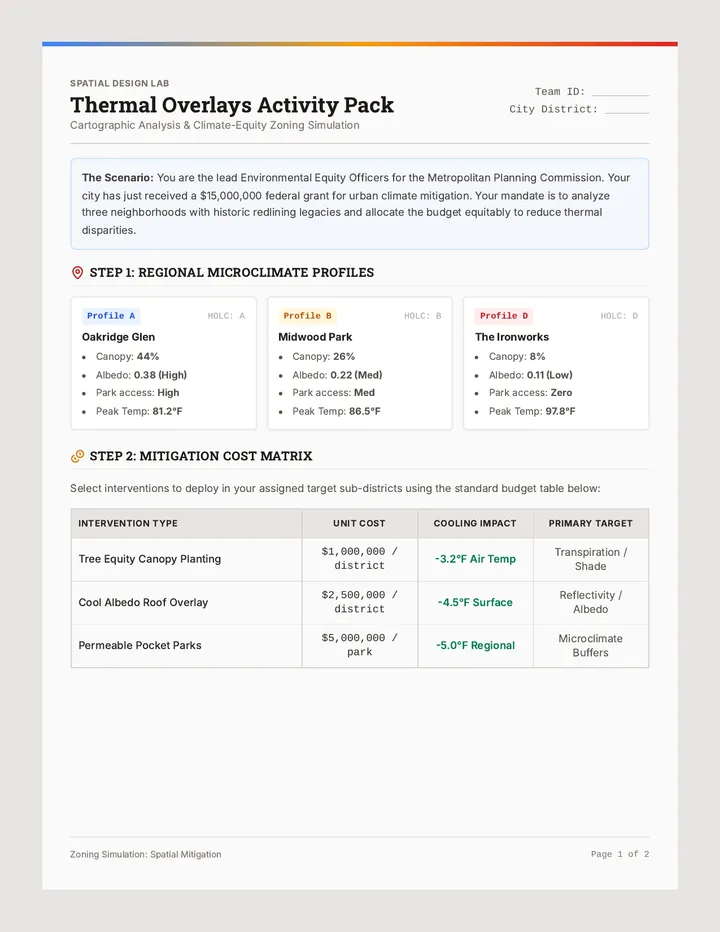
A research-based lesson exploring the complex economic, environmental, and social impacts of tourism in the Caribbean region. Students will investigate both the vital benefits and the significant challenges posed by the tourism industry.
An immersive simulation where students experience the hardships and hopes of 19th-century westward expansion through first-person narrative writing and historical analysis.
A comprehensive lesson exploring the Louisiana Purchase, focusing on the key figures, the motivations behind the deal, and its impact on American history. Designed with accessible language and visual supports for special education students.
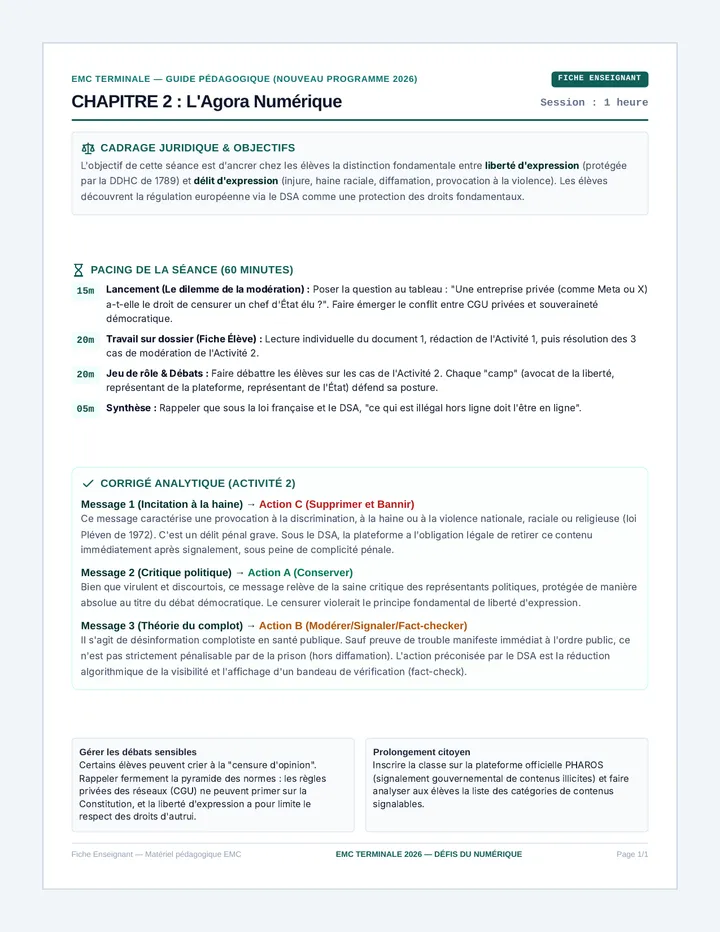
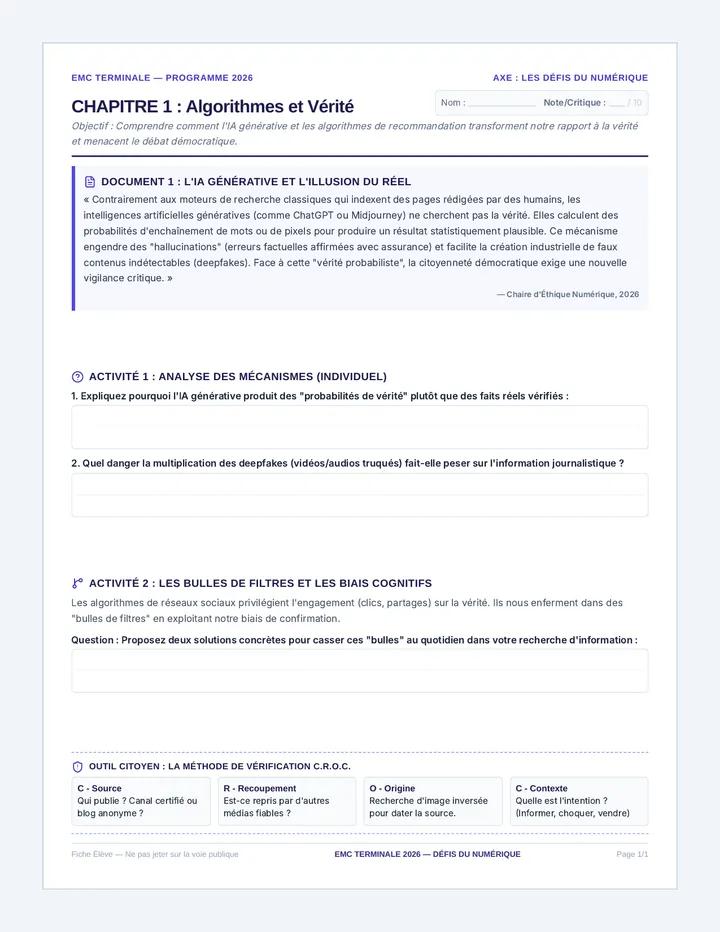
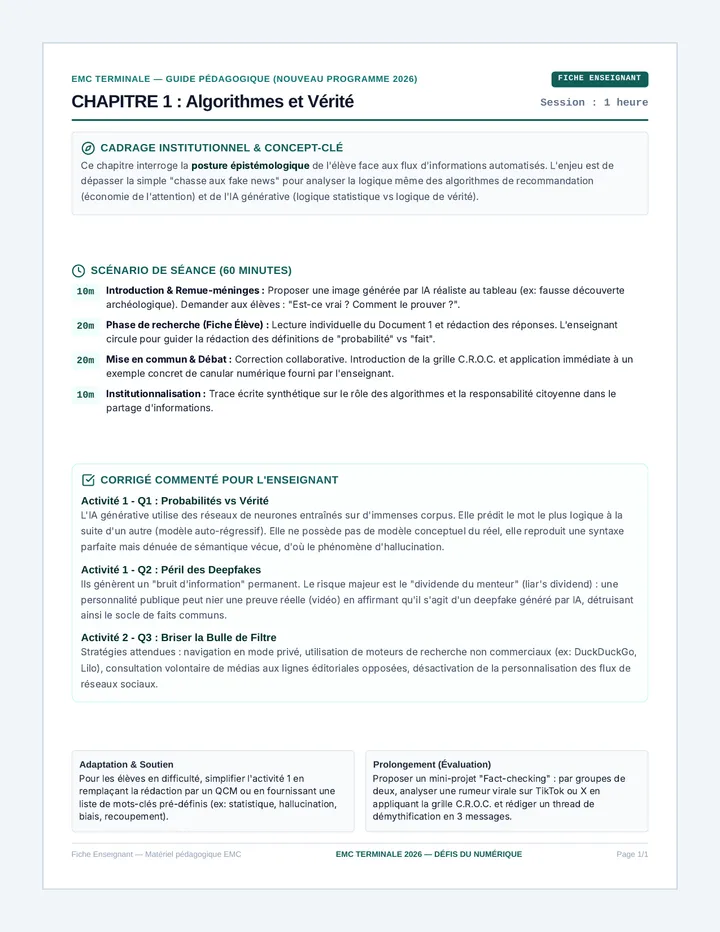
Séance d'analyse des représentations médiatiques et création d'une infographie numérique.
A comprehensive review of the foundational documents that shaped Early America, including the Declaration of Independence, the Preamble, and the US Constitution.
A history and technology lesson for 8-year-olds exploring how daily life has transformed through technological advancement, featuring visual comparisons and differentiated tasks for EAL learners.
A multi-day research project where students investigate the leaders of Indiana's three branches of government: the Governor, a local legislator, and the Chief Justice.
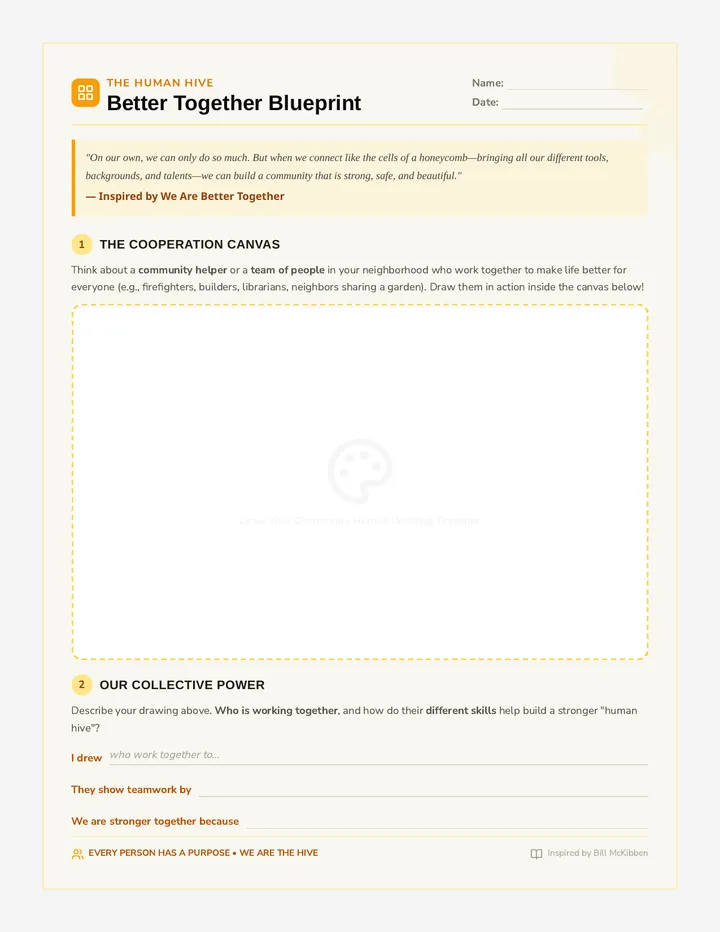
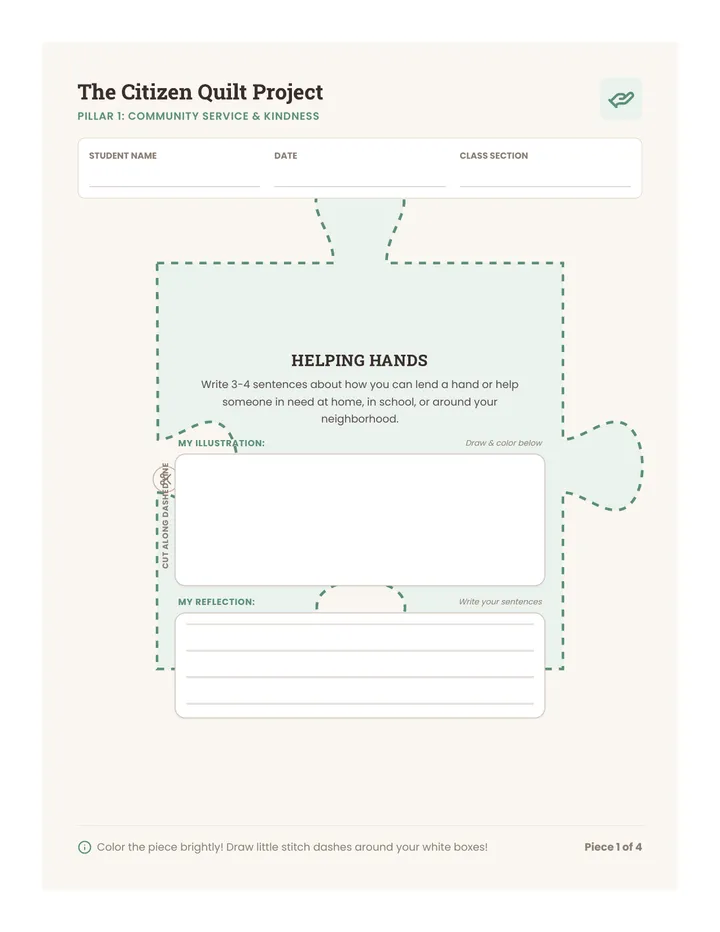
Focuses on school-wide impact where students design a service project to improve their school environment, culture, or community connection.
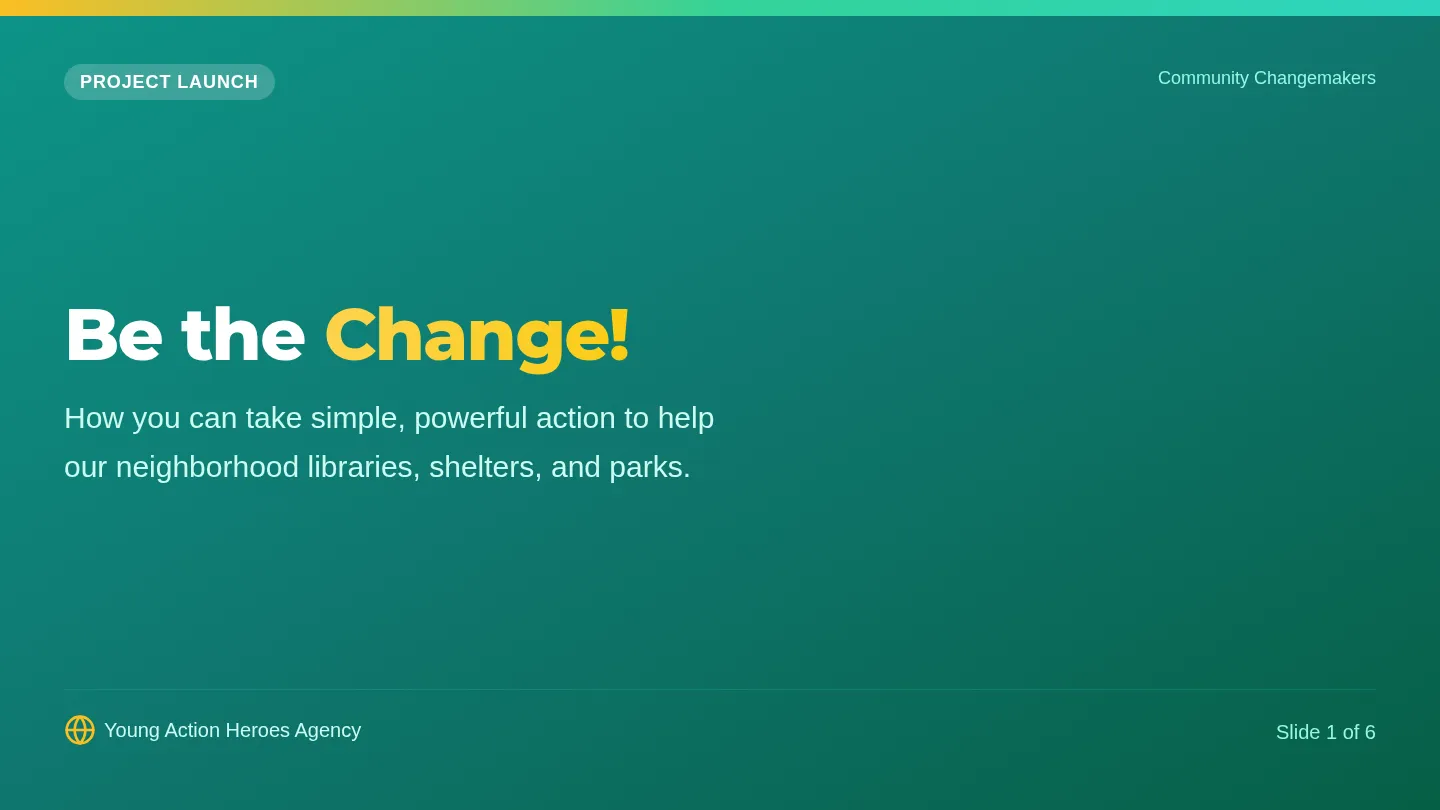
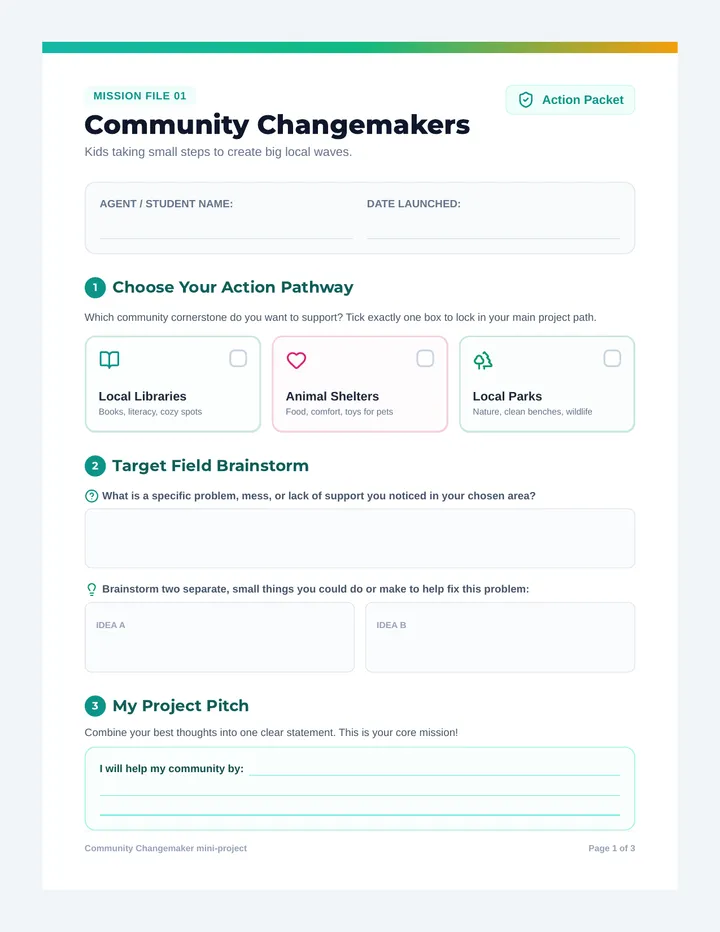
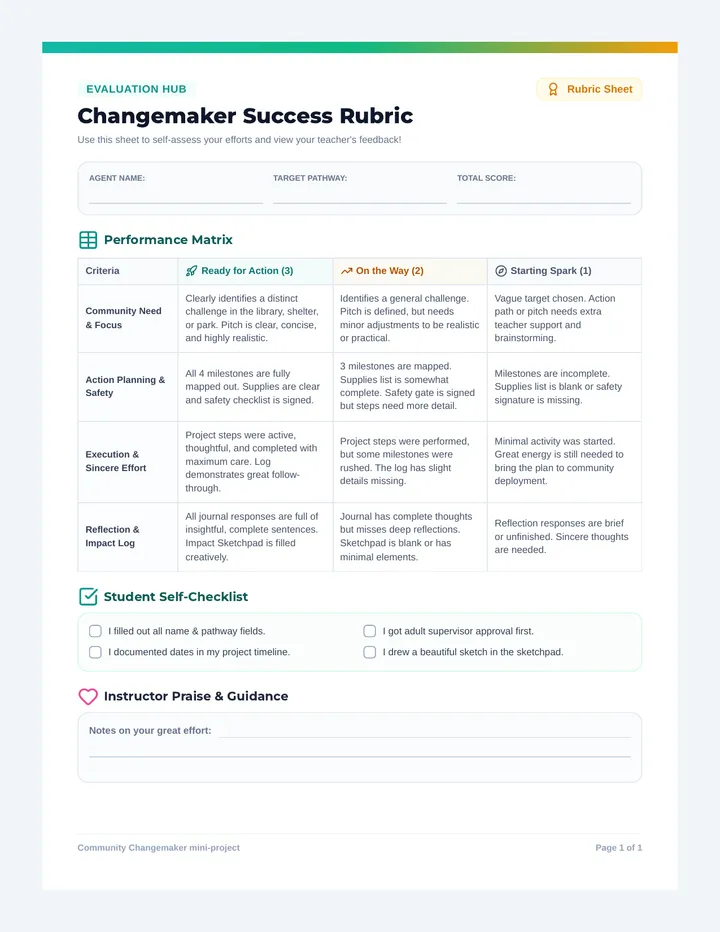
Students explore the concept of neighborhood impact by mapping local needs and brainstorming small, actionable steps to help their immediate community.
An overview of the domestic life, economic prosperity, and cultural shifts of the 1950s. This lesson covers the GI Bill, the rise of suburbia, the baby boom, and the tension between conformity and the emerging counterculture.
A comprehensive lesson exploring the historical context, legal arguments, and social impact of the Brown v. Board of Education Supreme Court decision. Students analyze the transition from Plessy v. Ferguson to the civil rights era through primary source excerpts and critical thinking questions.