A comprehensive vocabulary building course designed to master fifteen sophisticated words through weekly deep-dives, context analysis, and creative application.
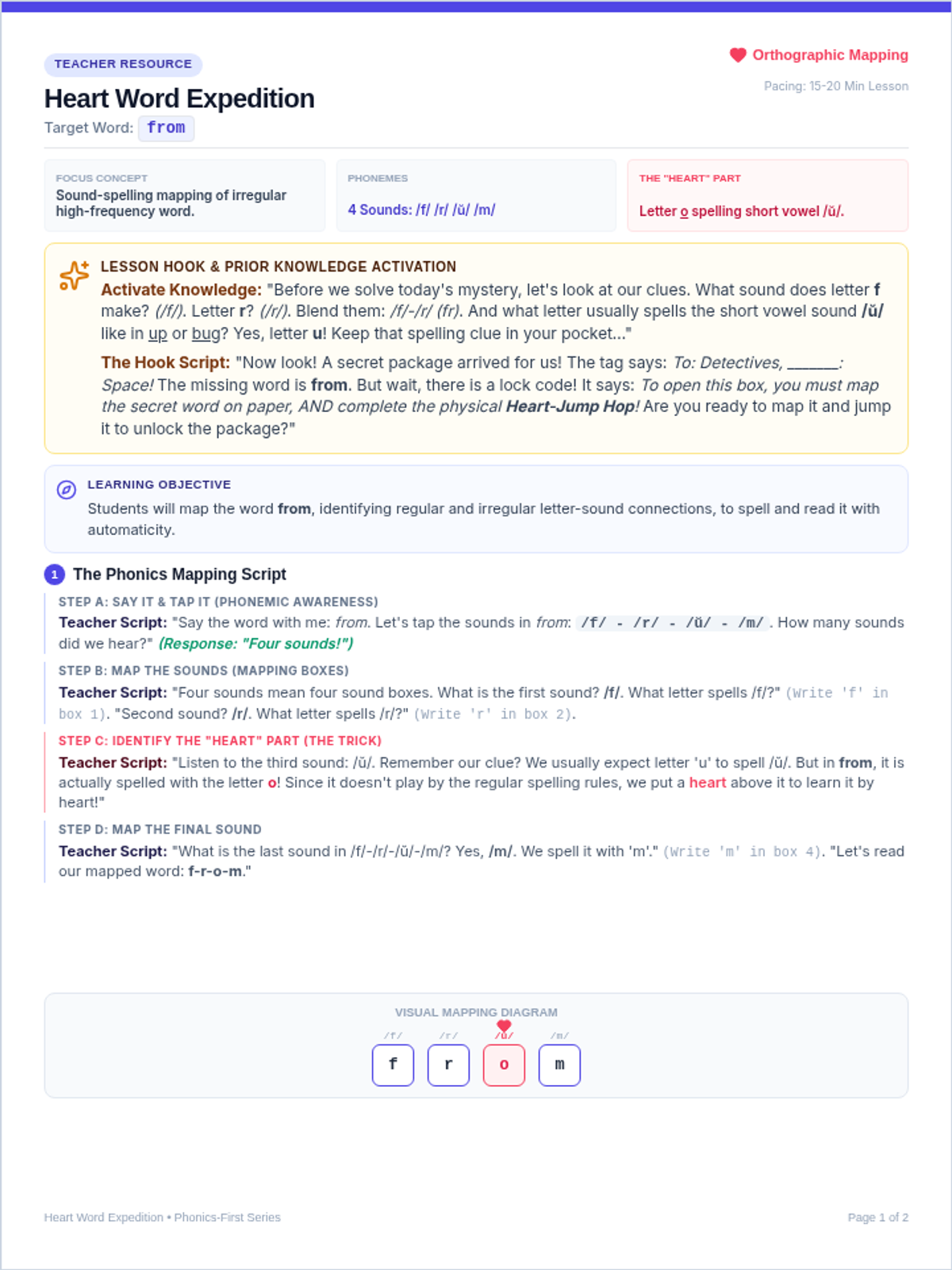
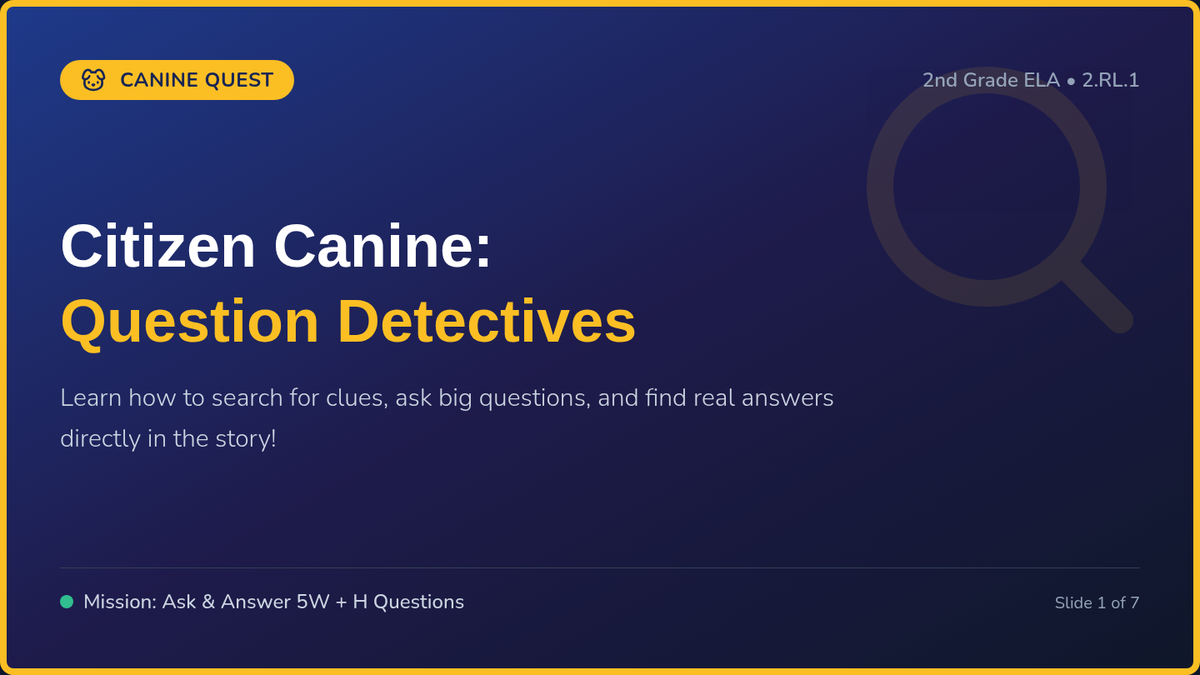
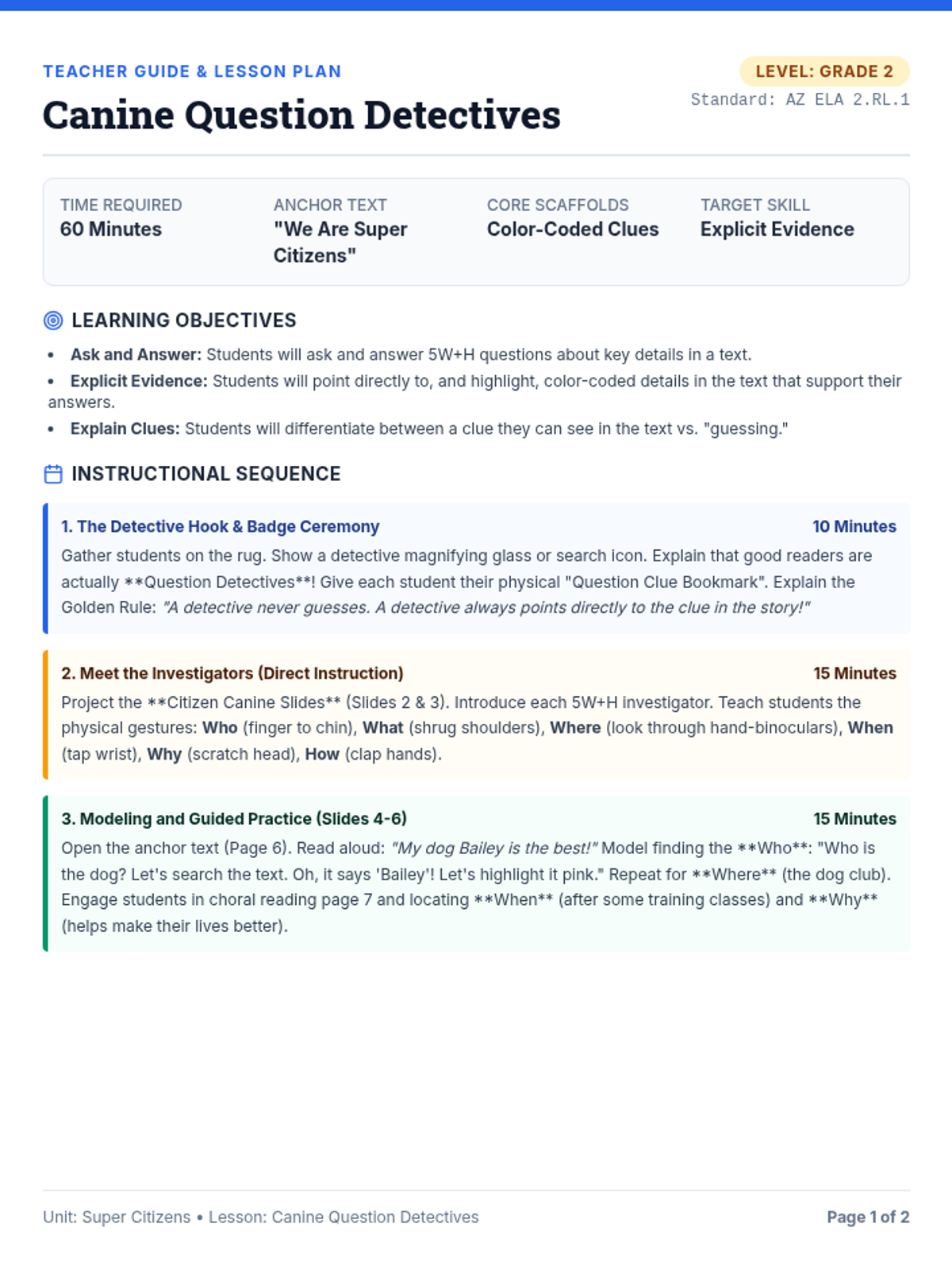
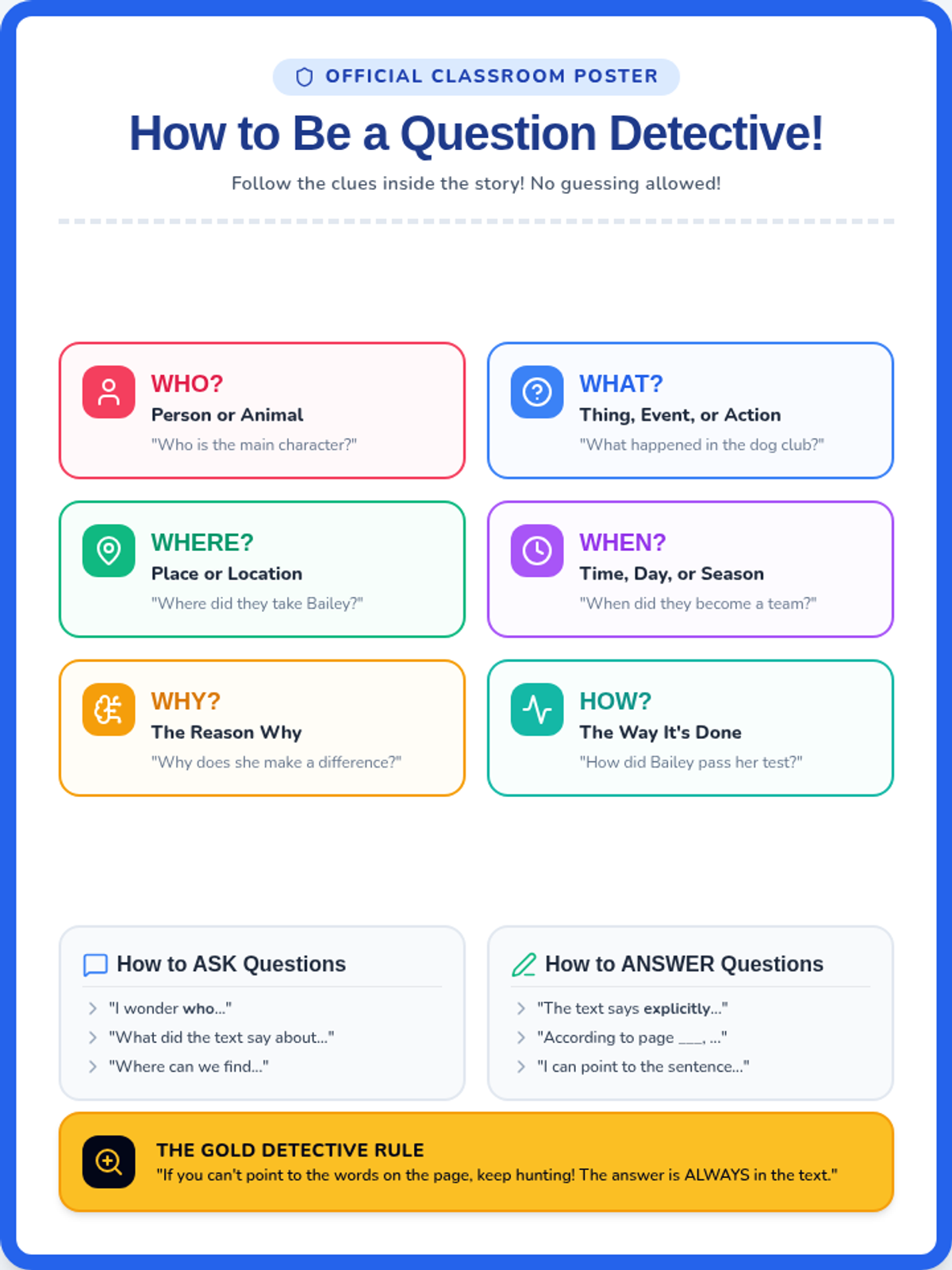
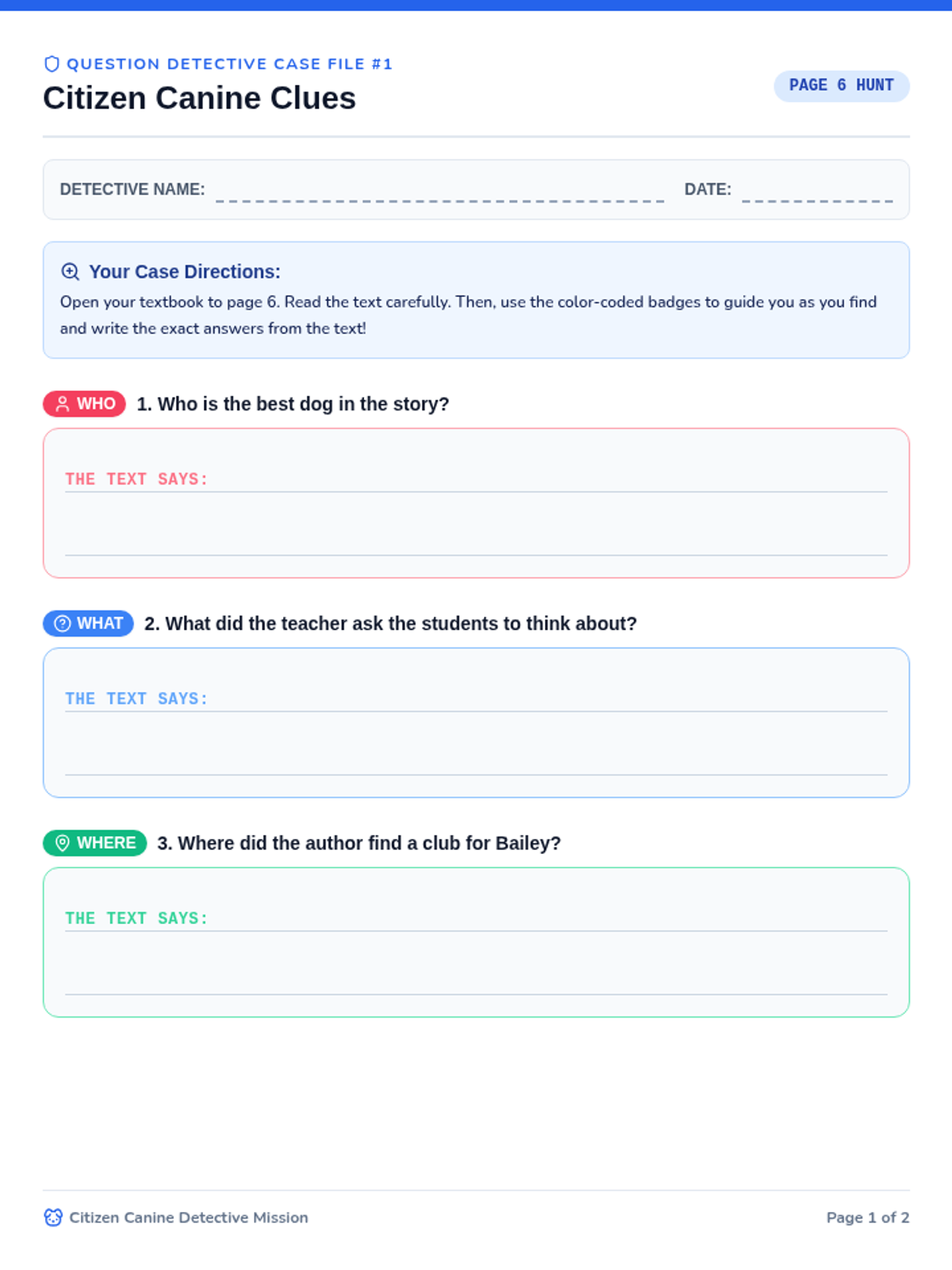
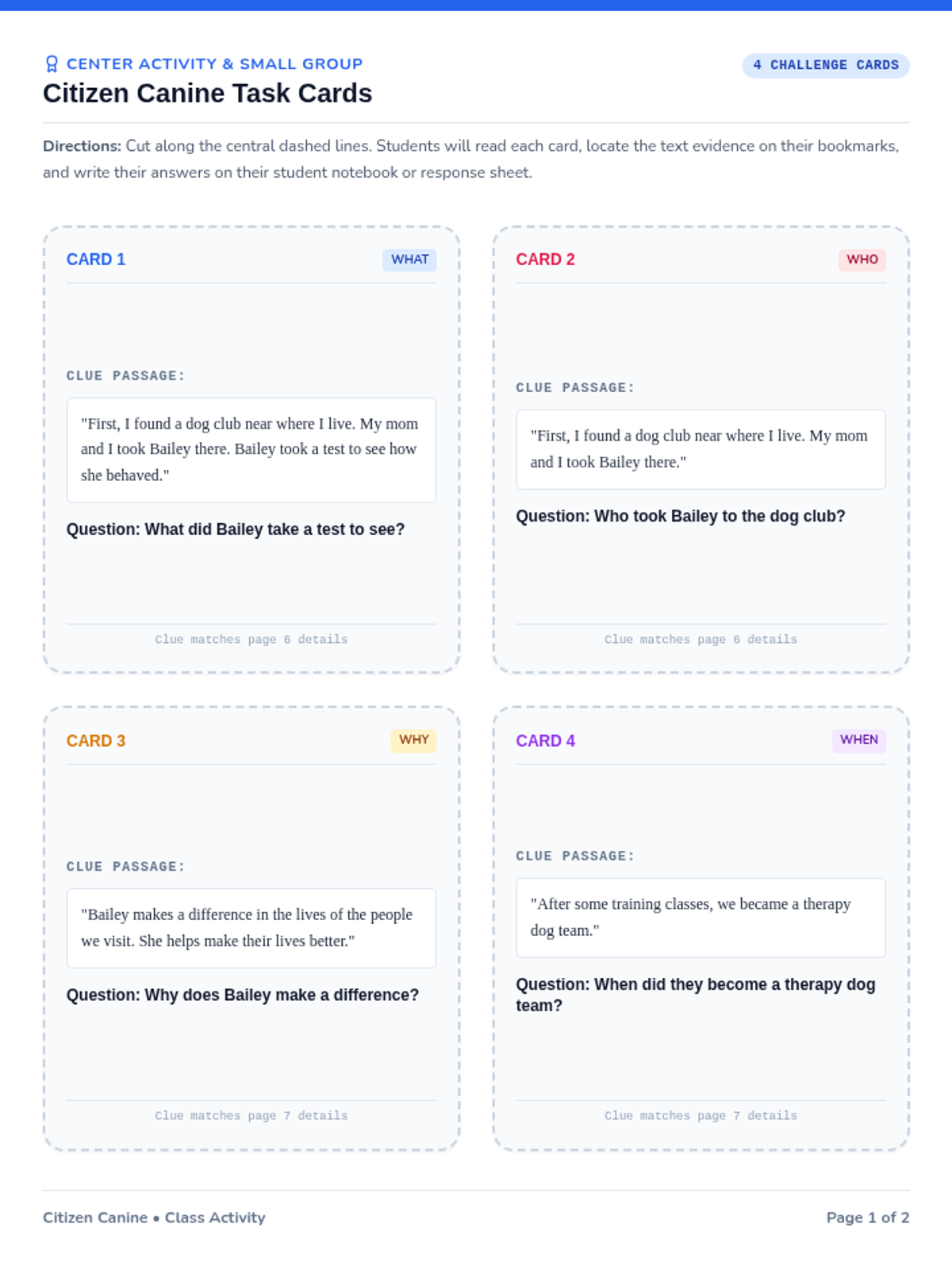
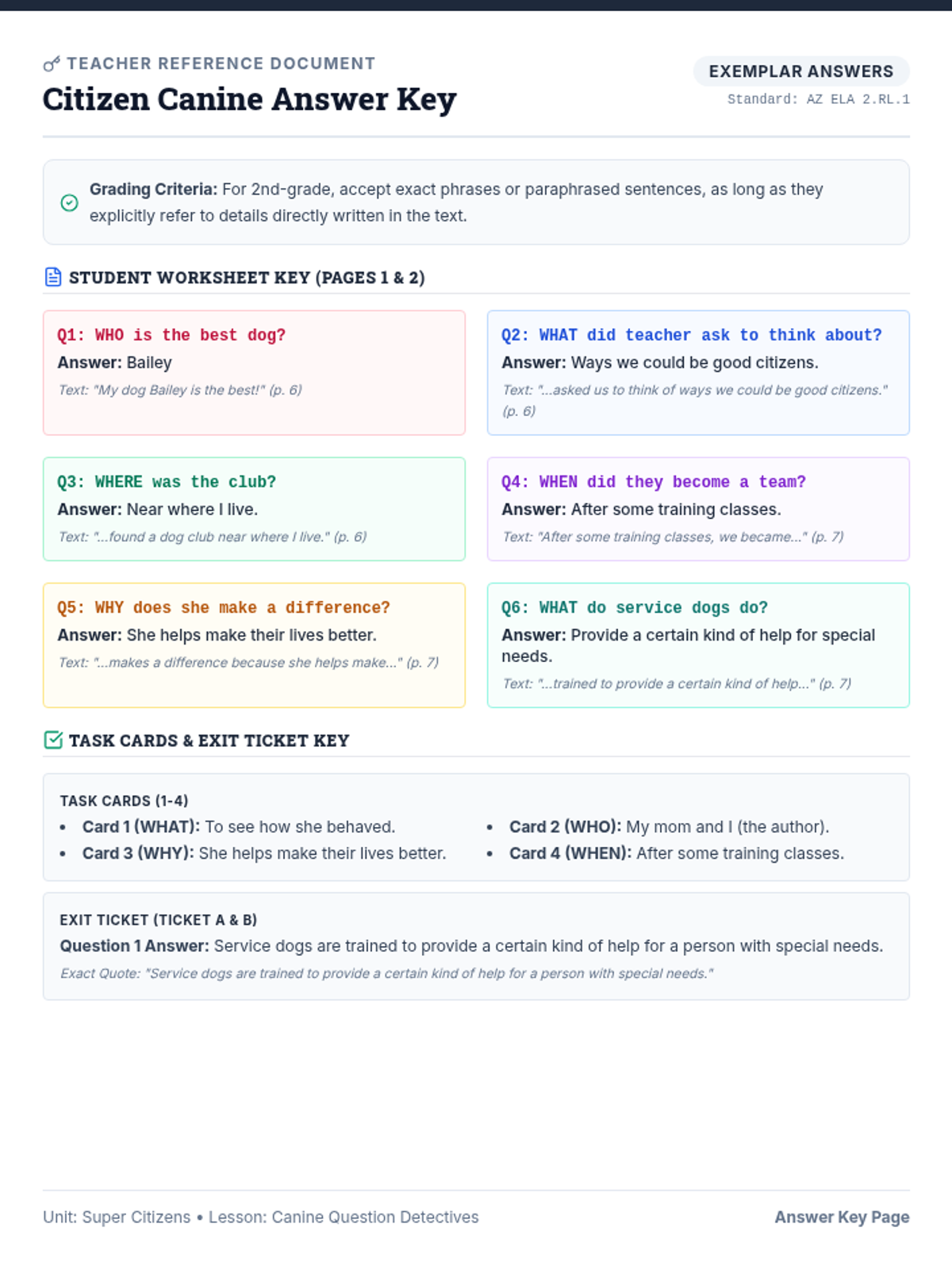
A lesson designed to help students identify 'Right There' questions in text and use specific marking strategies (starring, underlining, and highlighting) to locate evidence directly within the passage.
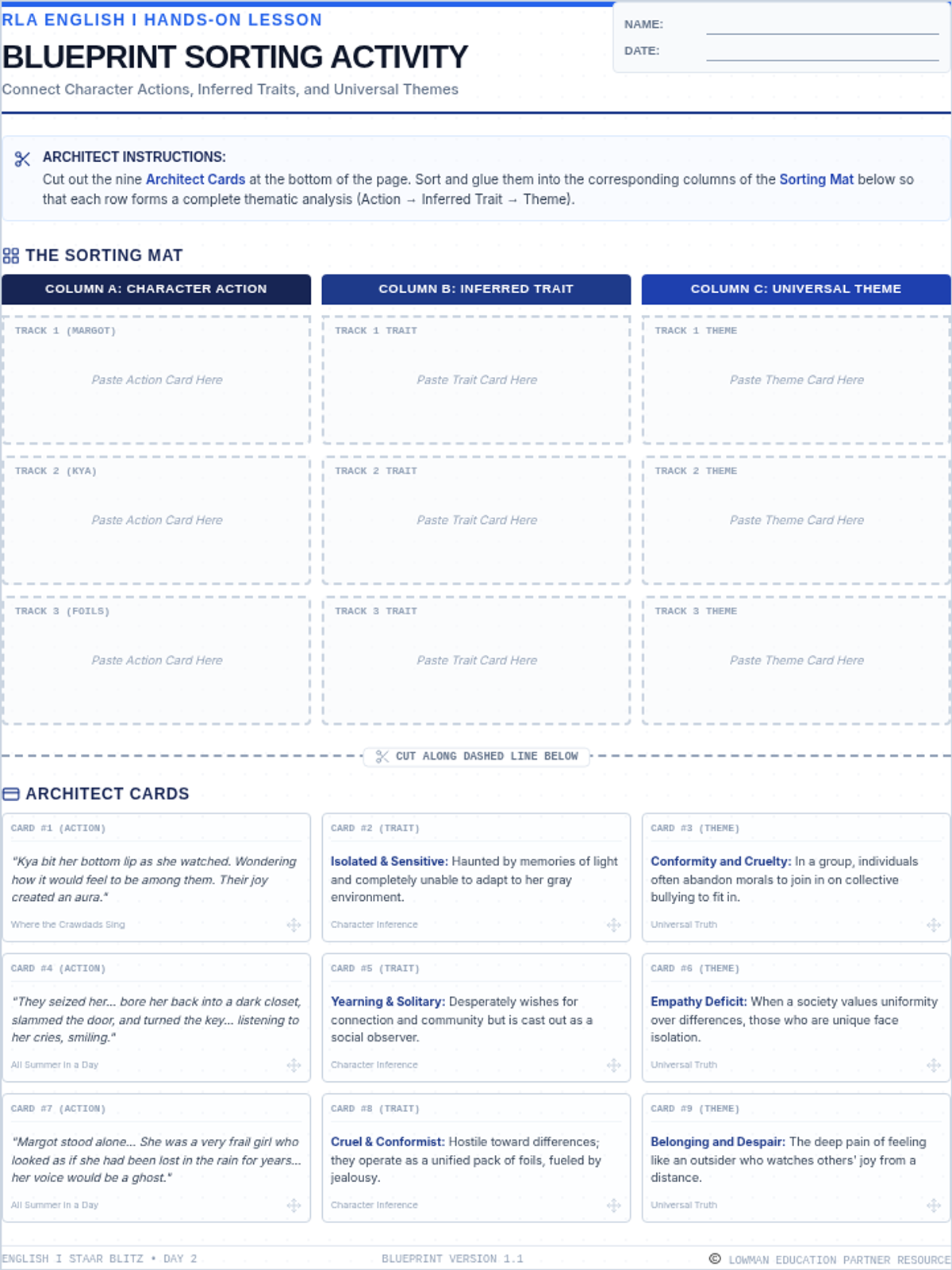
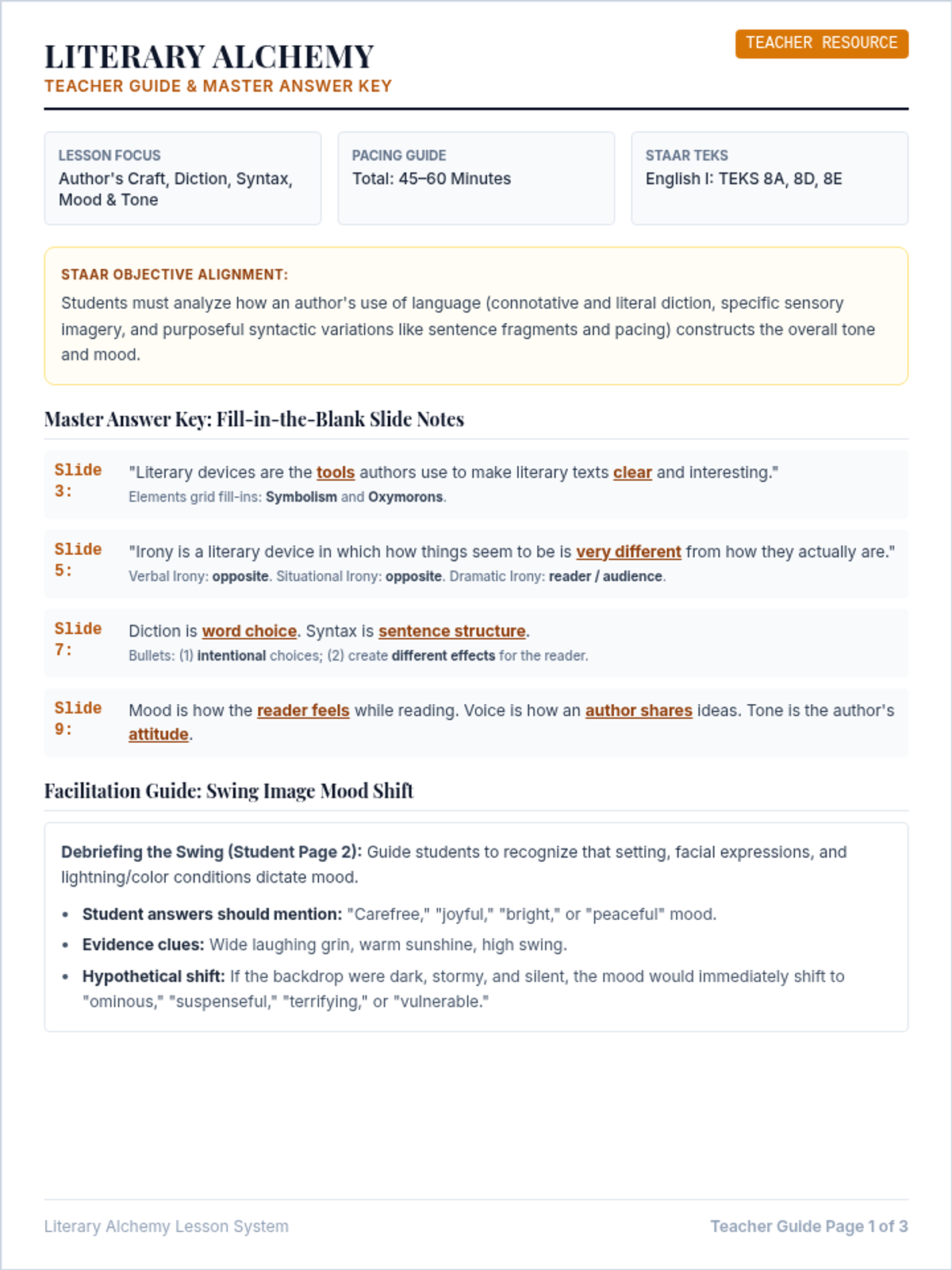
A comprehensive English 1 EOC-aligned lesson focusing on literary analysis, evidence-based questioning, and argumentative writing strategies. Students analyze a high-stakes literary excerpt and practice the specific question types found on the Texas state exam.
A practice assessment focused on revising and editing skills for the Texas English 1 EOC, featuring a passage on environmental conservation. Students will practice sentence combining, clarity, and grammatical corrections in a STAAR-aligned format.
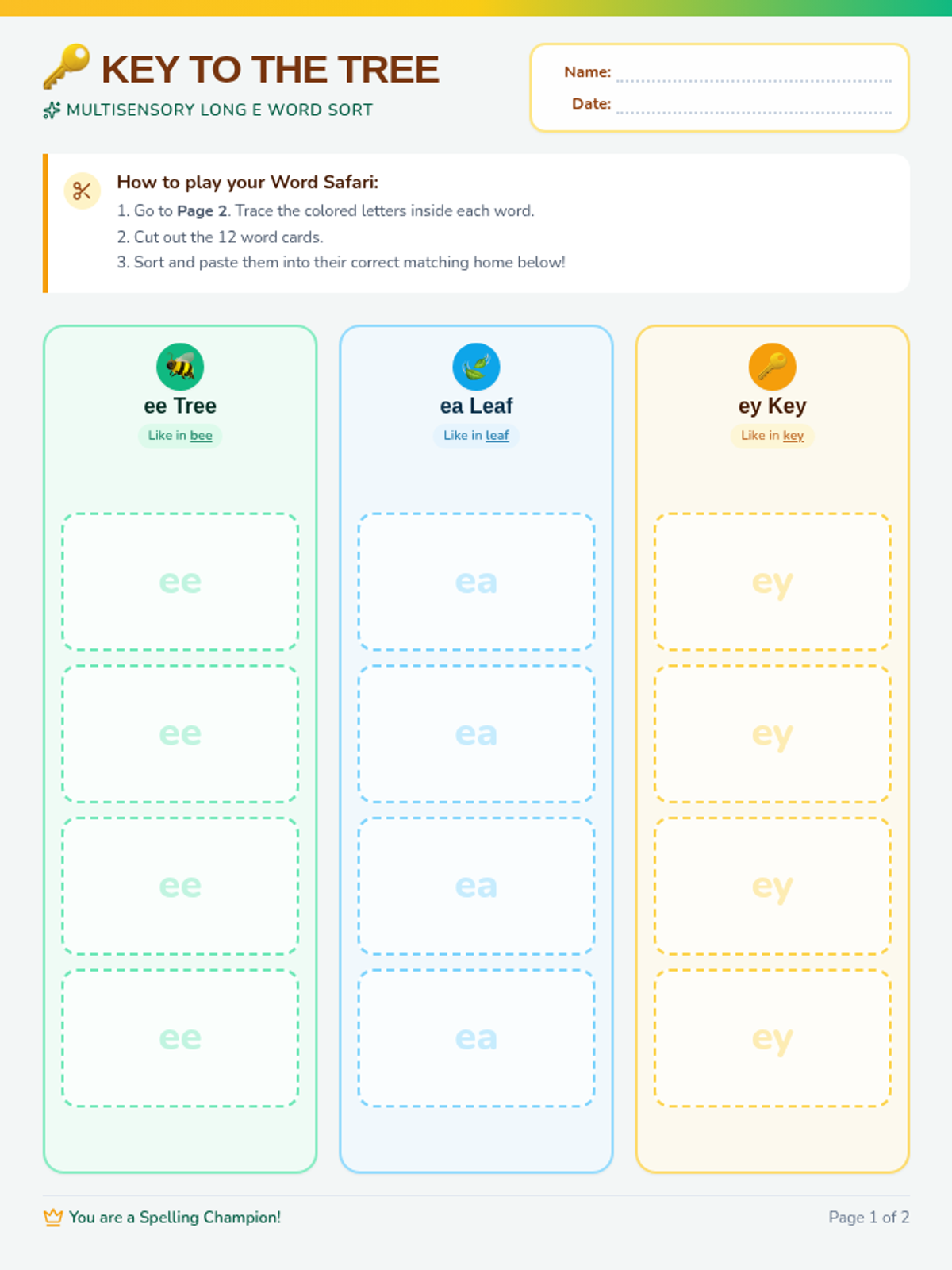
A high-flying exploration of kites that integrates long 'i' phonics patterns and multisyllabic decoding strategies for upper elementary and middle school students.
A Grade 1 oral language lesson focused on narrating family traditions and celebrations. Students use temporal connectors and descriptive language to share a special story from their family life, aligned with WIDA Narrate standards.
Students produce their final 'radiant' copy and share their work with the group.
A guided editing session focused on flow, logic, and checking against the writing criteria.
Students draft their full paragraph about the Zuckerman's State Fair experience using their planning tools.
Using coordinating conjunctions (and, but, so) to create compound sentences that link related farm ideas.
Exploring the rhythm of writing by mixing short, punchy sentences with longer, descriptive ones.
Practicing different ways to start sentences (e.g., with adverbs or prepositional phrases) to avoid repetitive writing.
Learning how to wrap up a paragraph by connecting the final sentence back to the original topic sentence.
Using transition words to sequence three detail sentences in a logical order that makes sense to the reader.
Focus on crafting strong topic sentences that introduce the 'main idea' of the farm-themed paragraph.
Students learn the 1-3-1 paragraph structure (Topic Sentence, 3 Details, Concluding Sentence) using the visual metaphor of a spiderweb.
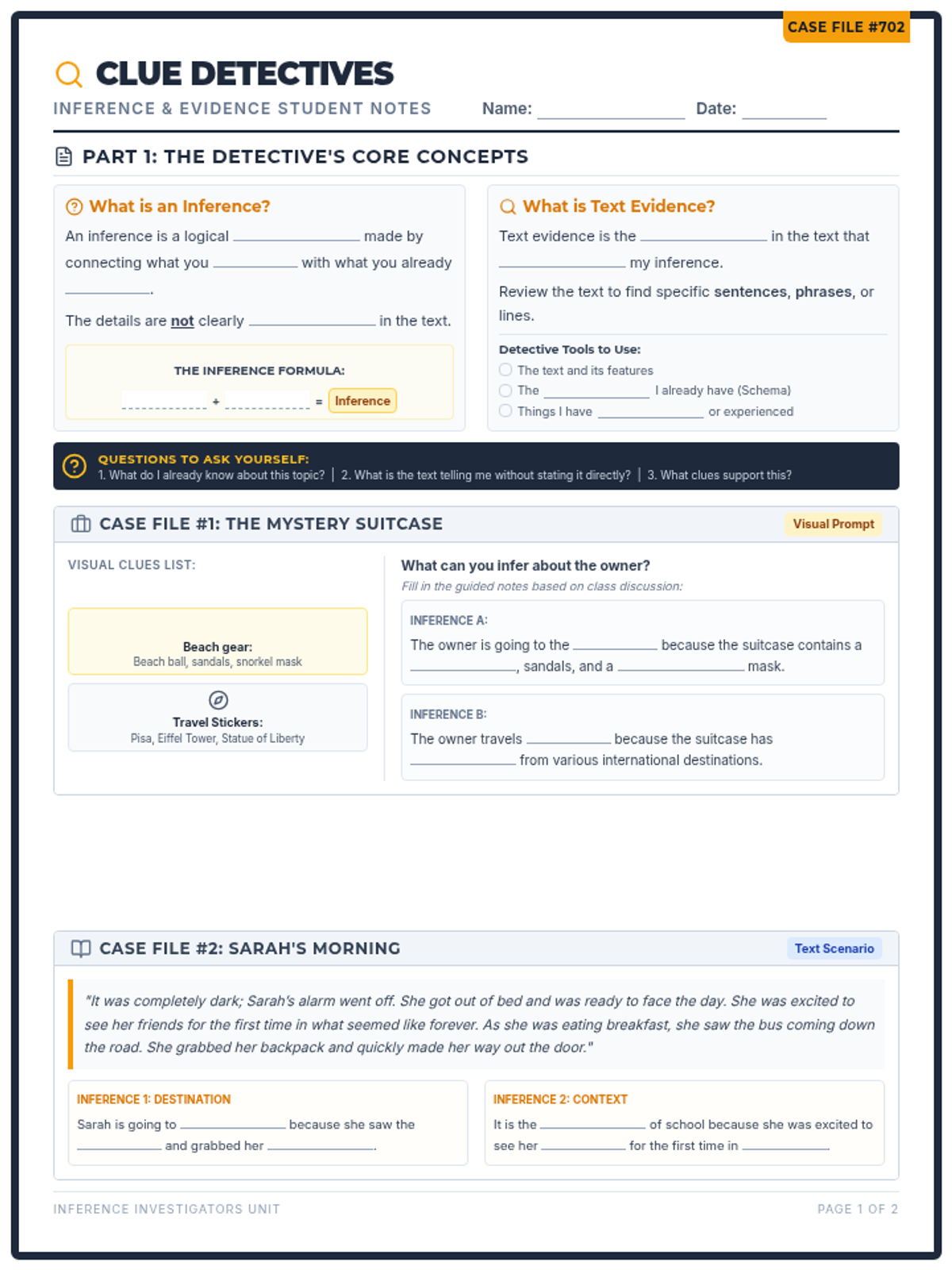
A high-stakes station-based escape room where students apply English 2 inferencing TEKS to solve a noir-style mystery. Students analyze dialogue, visual clues, and literary devices to crack the code.
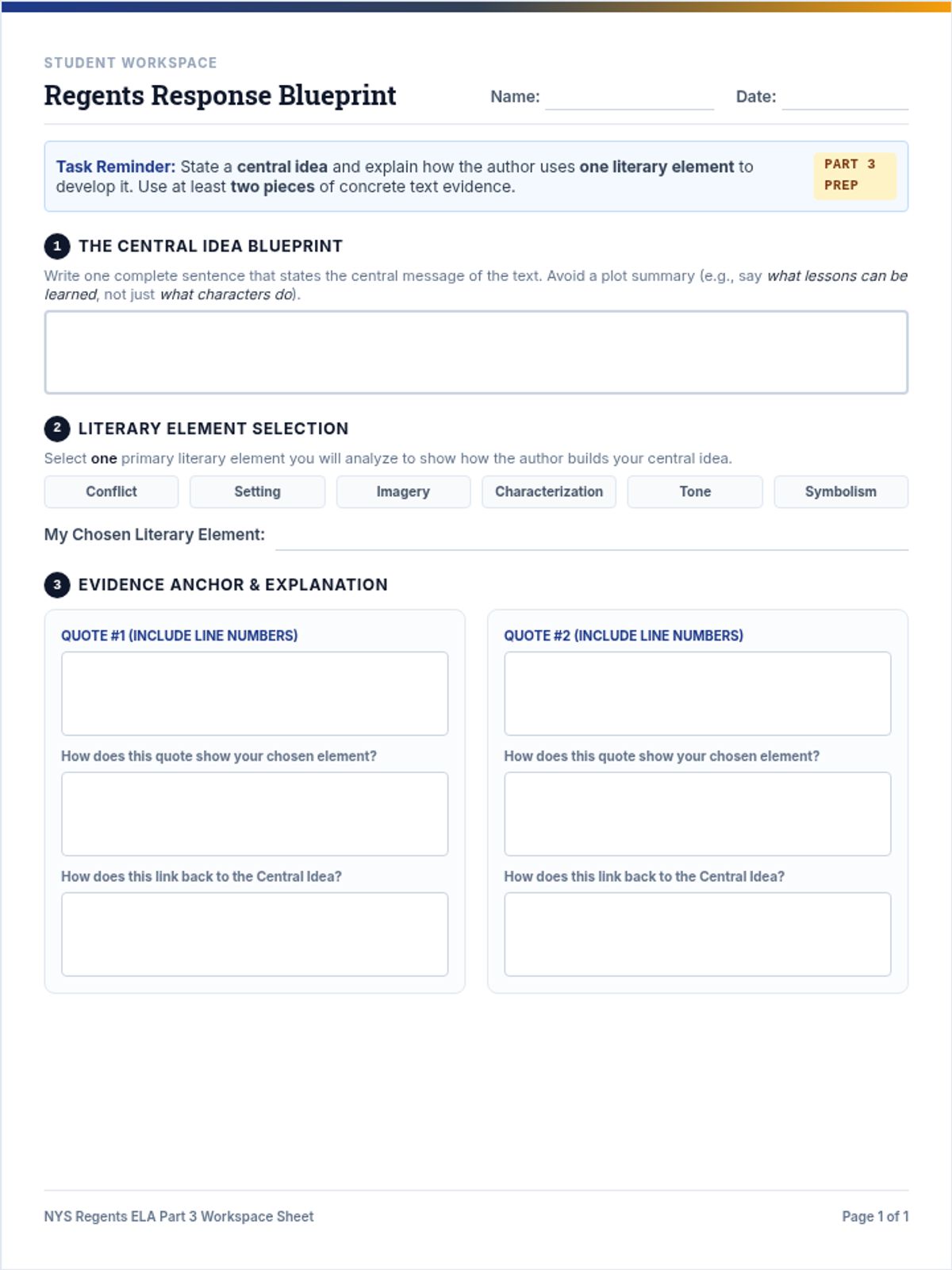
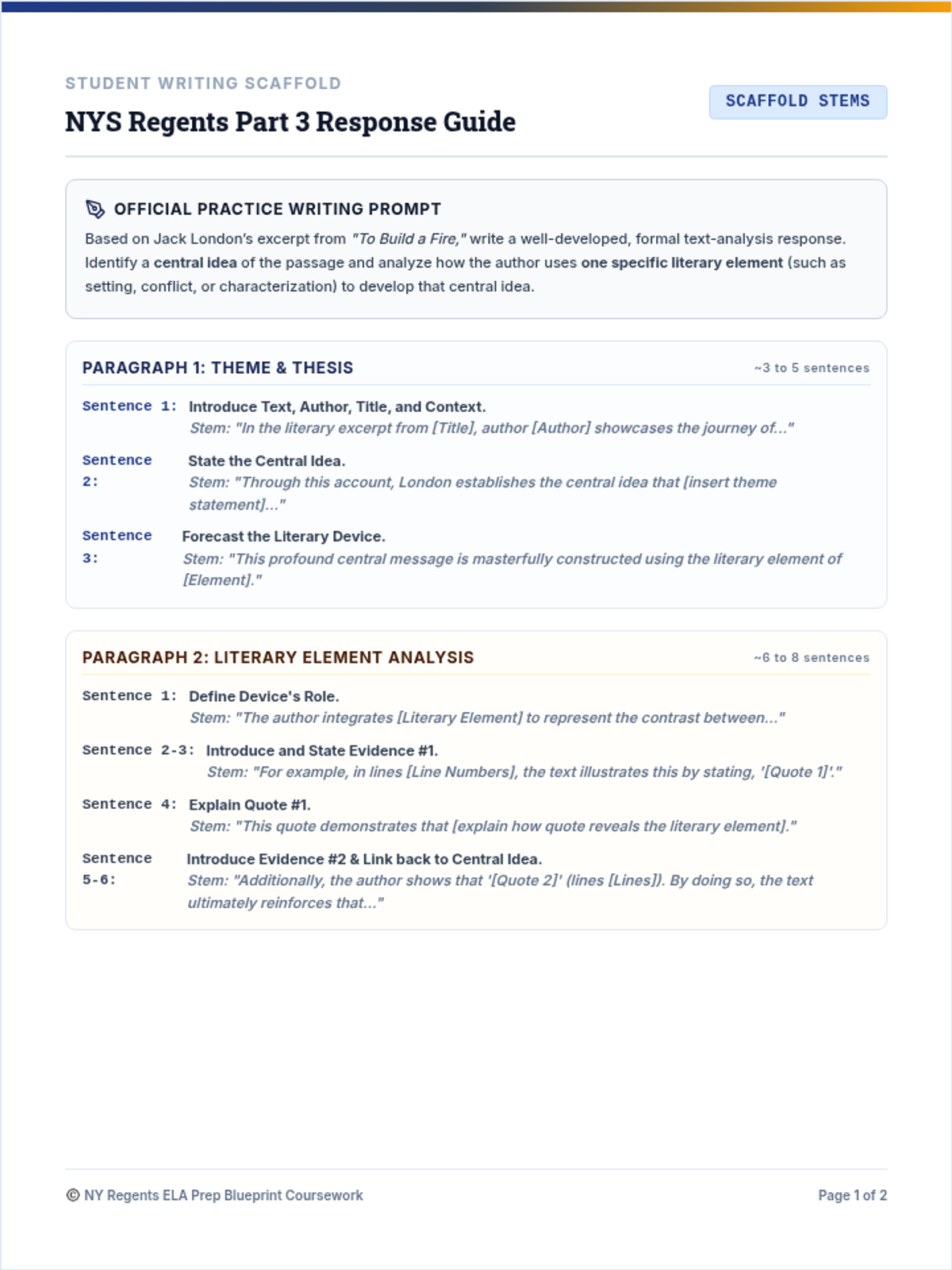
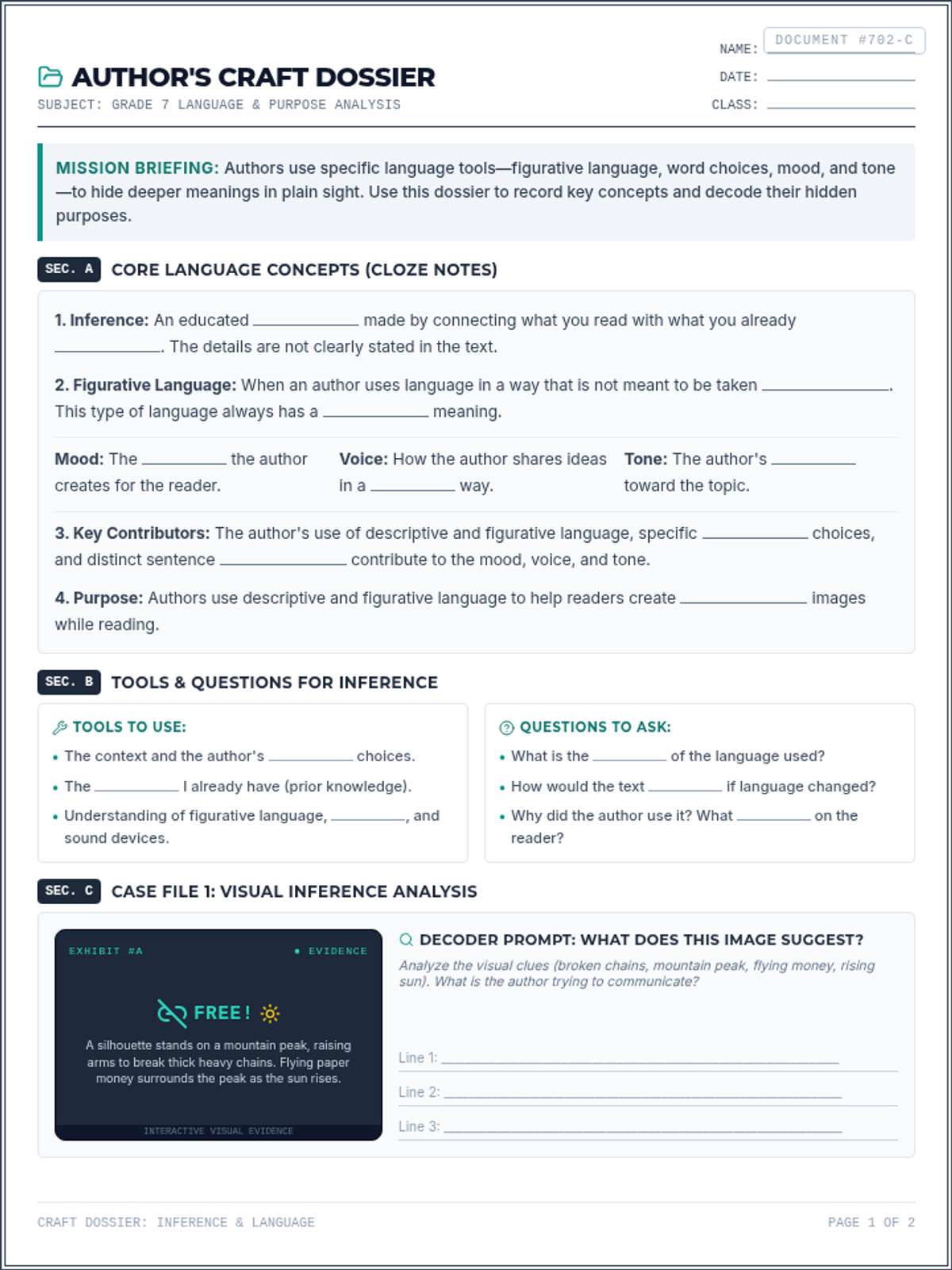
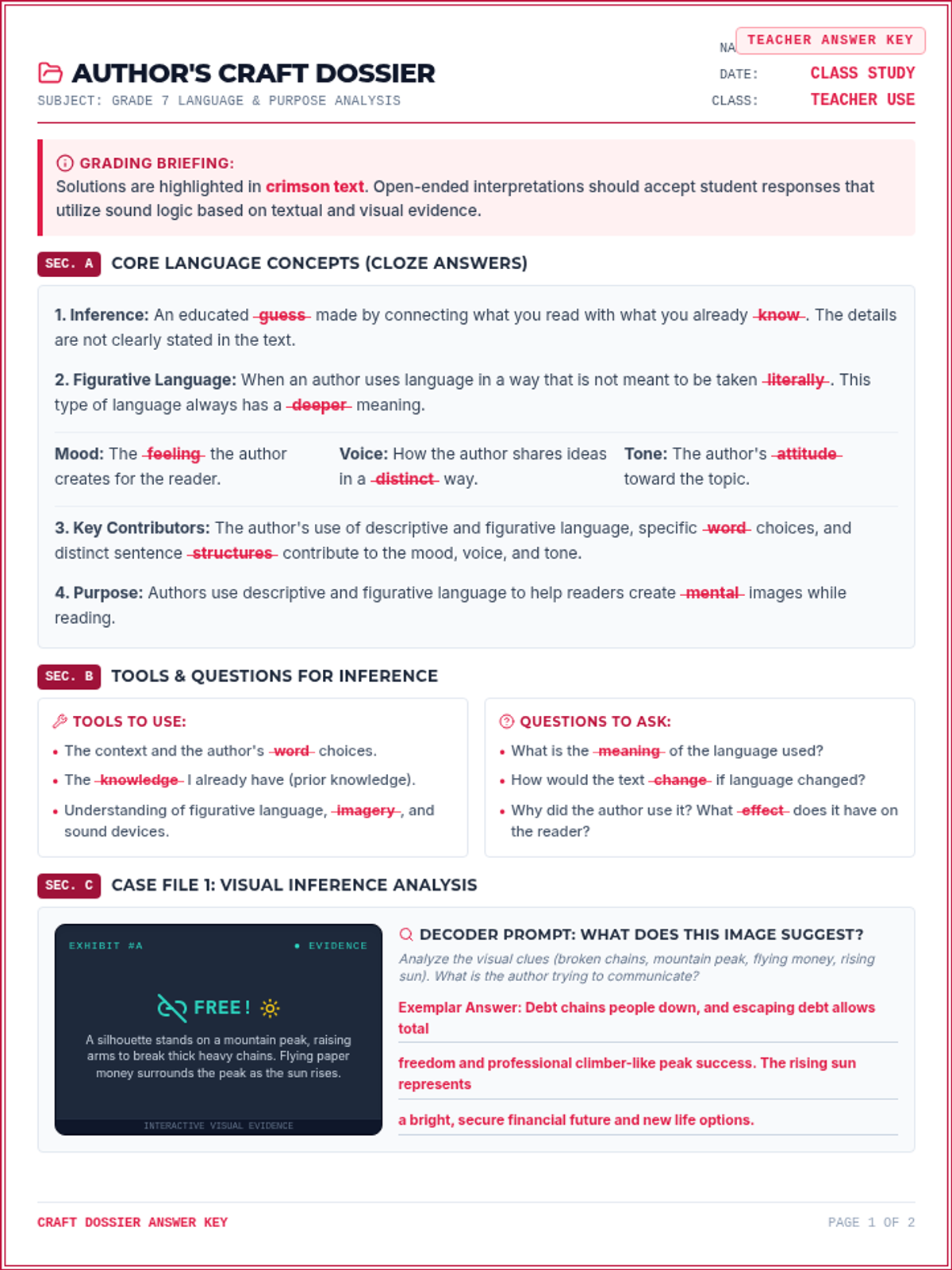
A comprehensive review of the RACE writing strategy, focusing on analyzing author's purpose and figurative language through guided instruction and highly-scaffolded practice.
Studies the stages of growth in animals, using WIDA's Narrate (life stories) and Explain (scientific stages) functions.
Analyzes how communities access needs and wants, focusing on the WIDA functions of Argue (persuasive needs) and Explain (the journey of goods).
Investigates the characteristics of living things, utilizing WIDA's Inform function to define life and Explain function to describe biological processes.
Explores family structures, roles, and traditions while focusing on the WIDA functions of Narrate (family stories) and Inform (identifying family members).
Students explore the 'Valley of Ashes' in Chapter 2 of *The Great Gatsby*, analyzing its symbolic function and the real-world environmental science of coal ash. They will begin designing a bioremediation plan to 'reclaim' the valley, mirroring themes of social restoration.
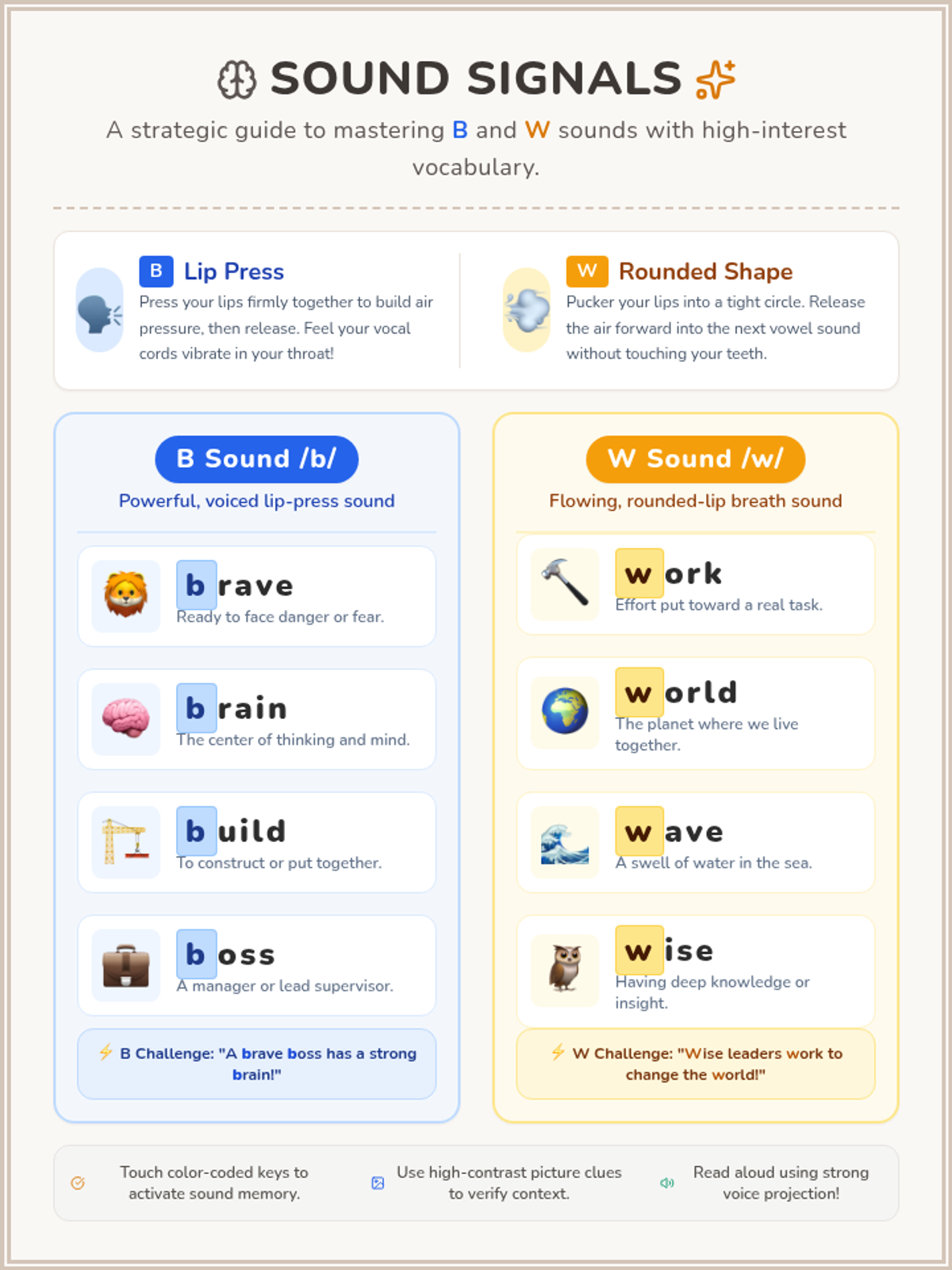
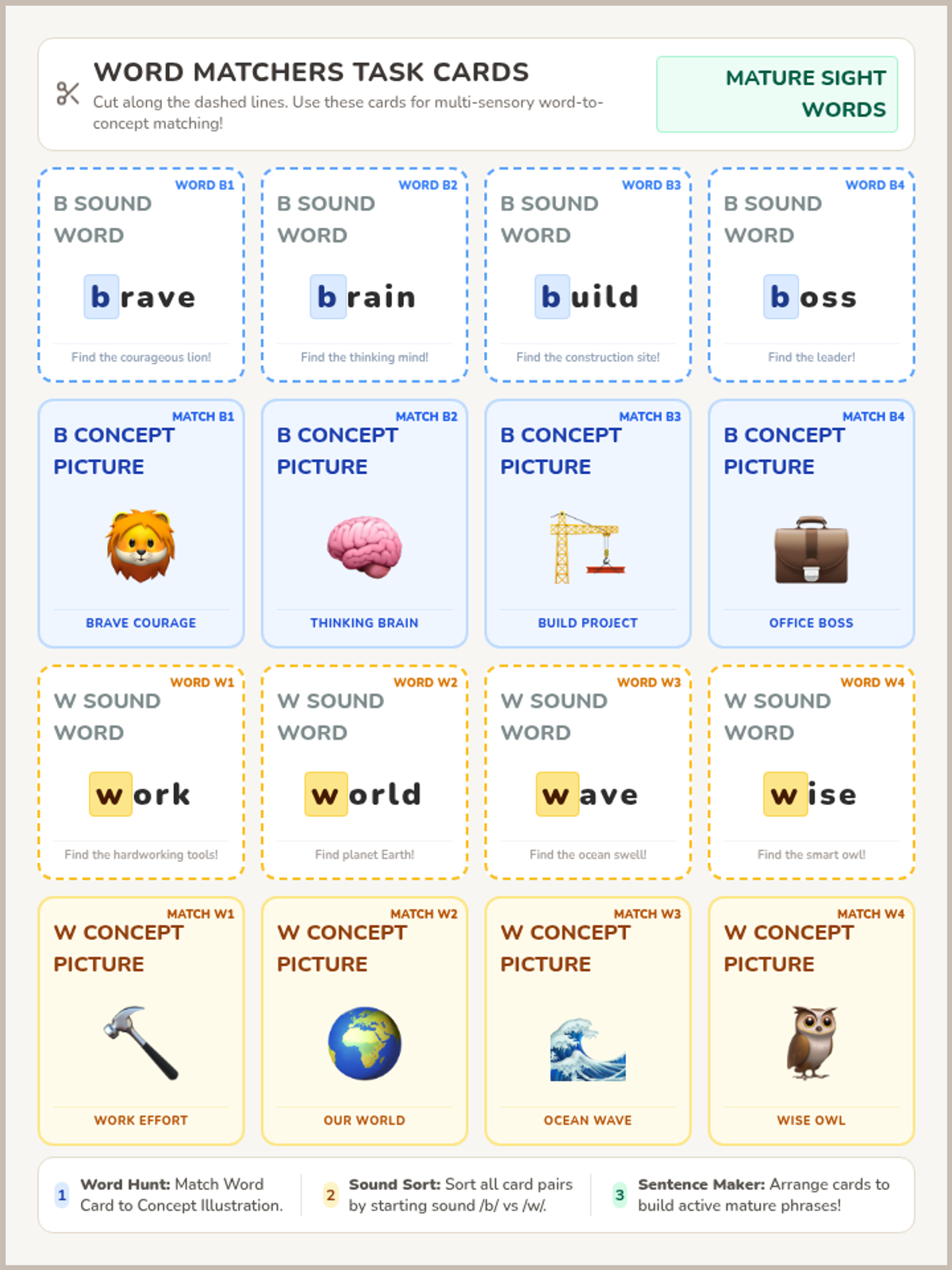
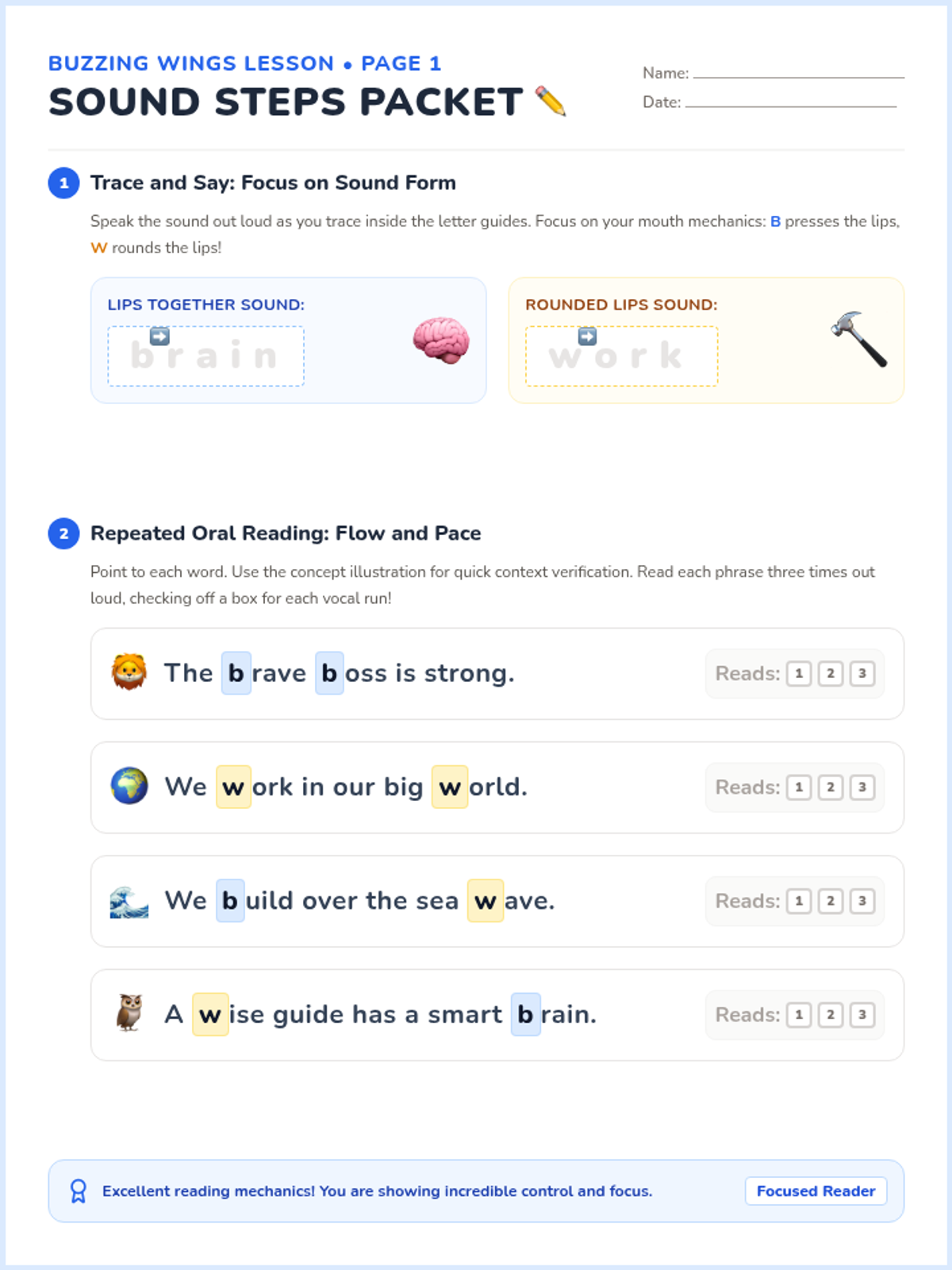
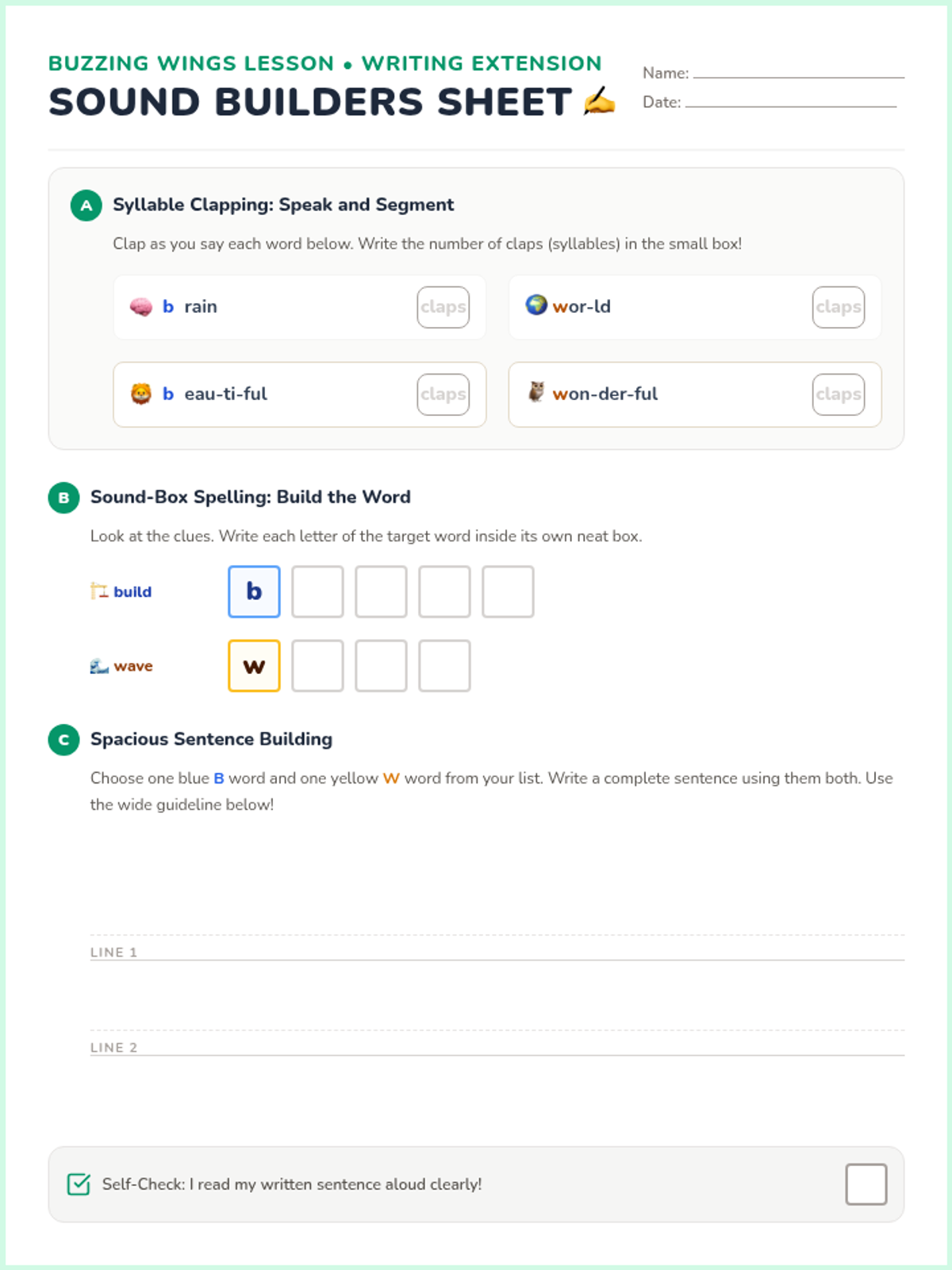
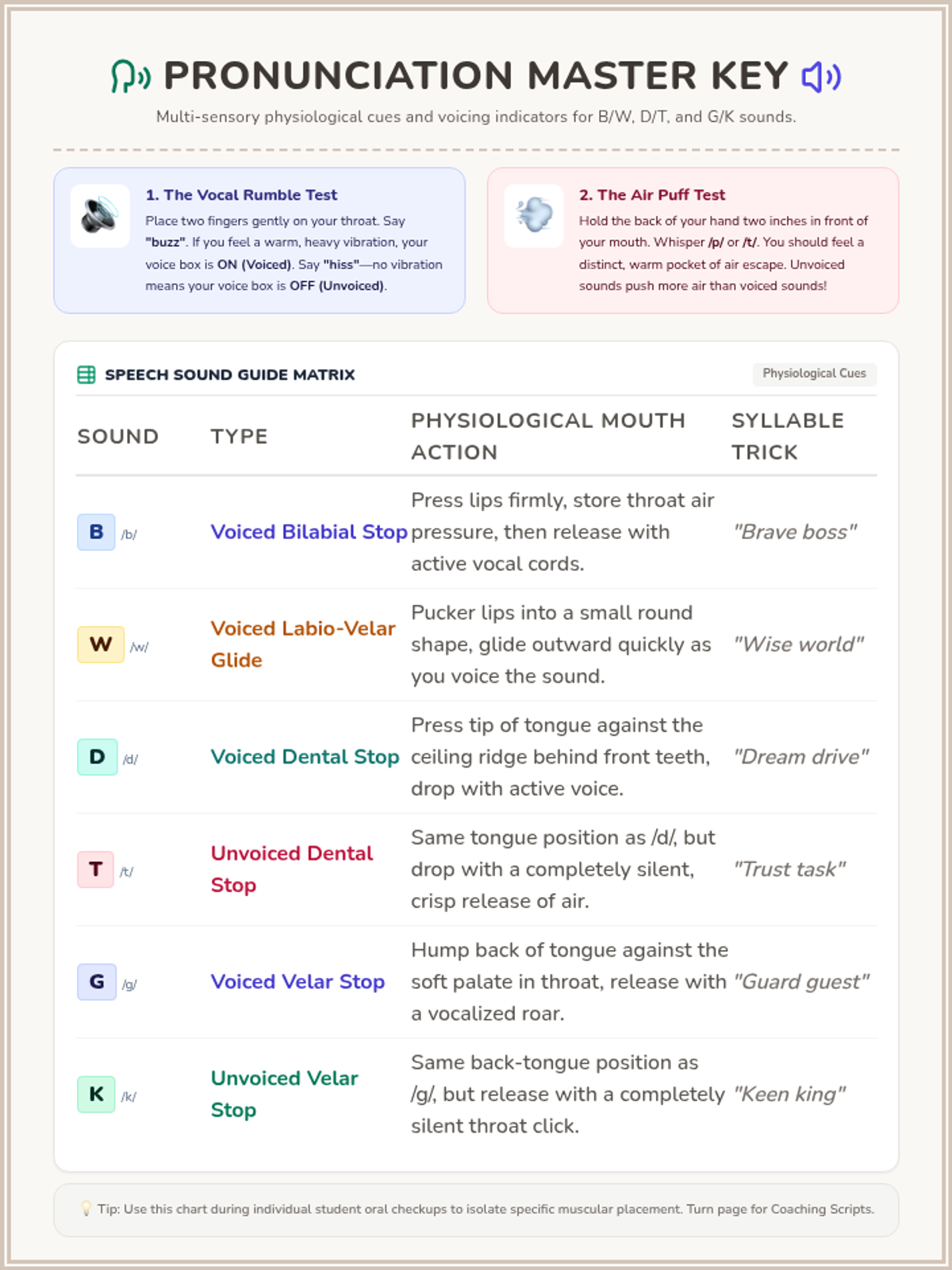
Introduces consonant blends, digraphs, and the CVCe (silent e) pattern using professional and household management themes to maintain adult engagement.
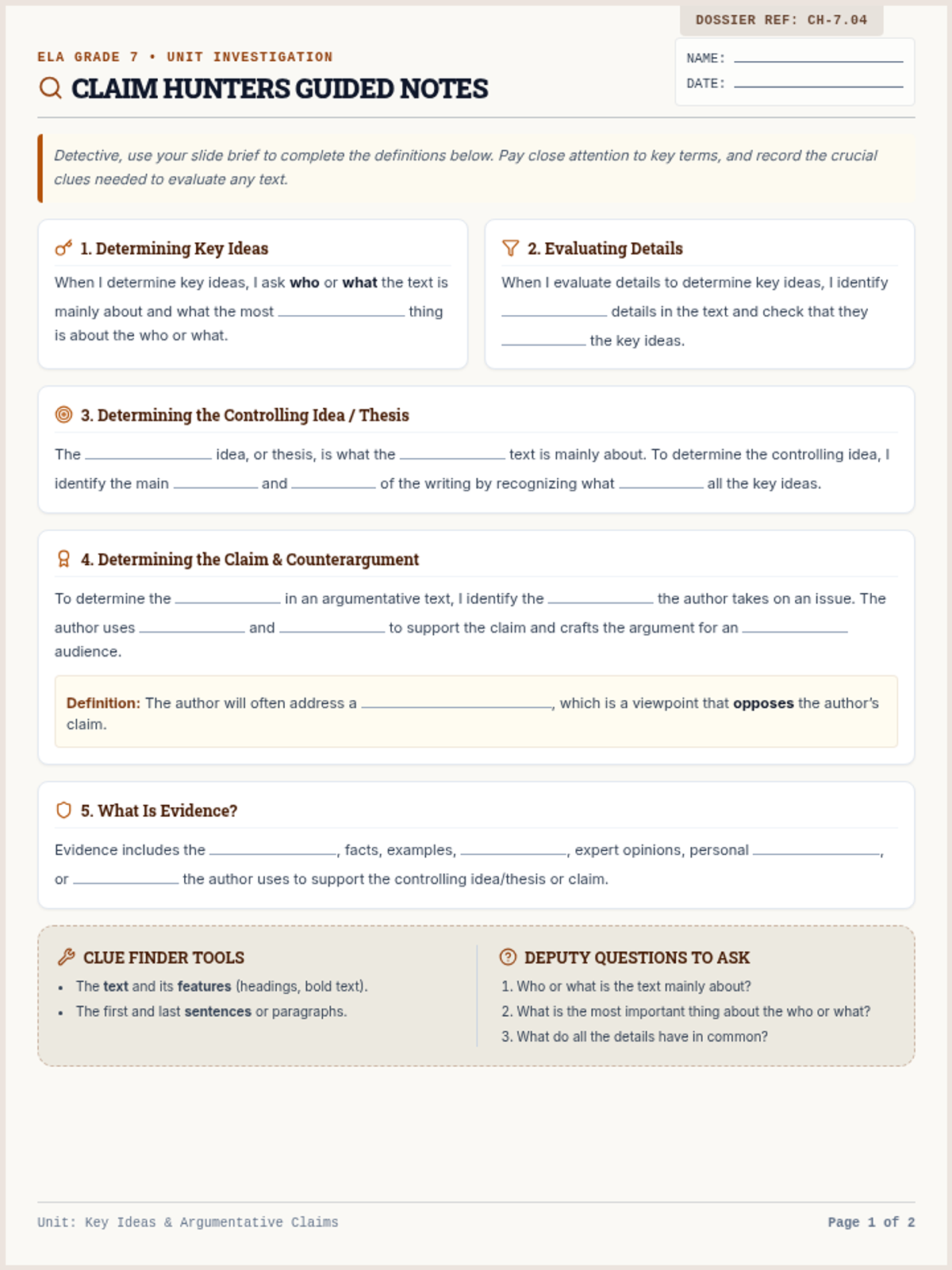
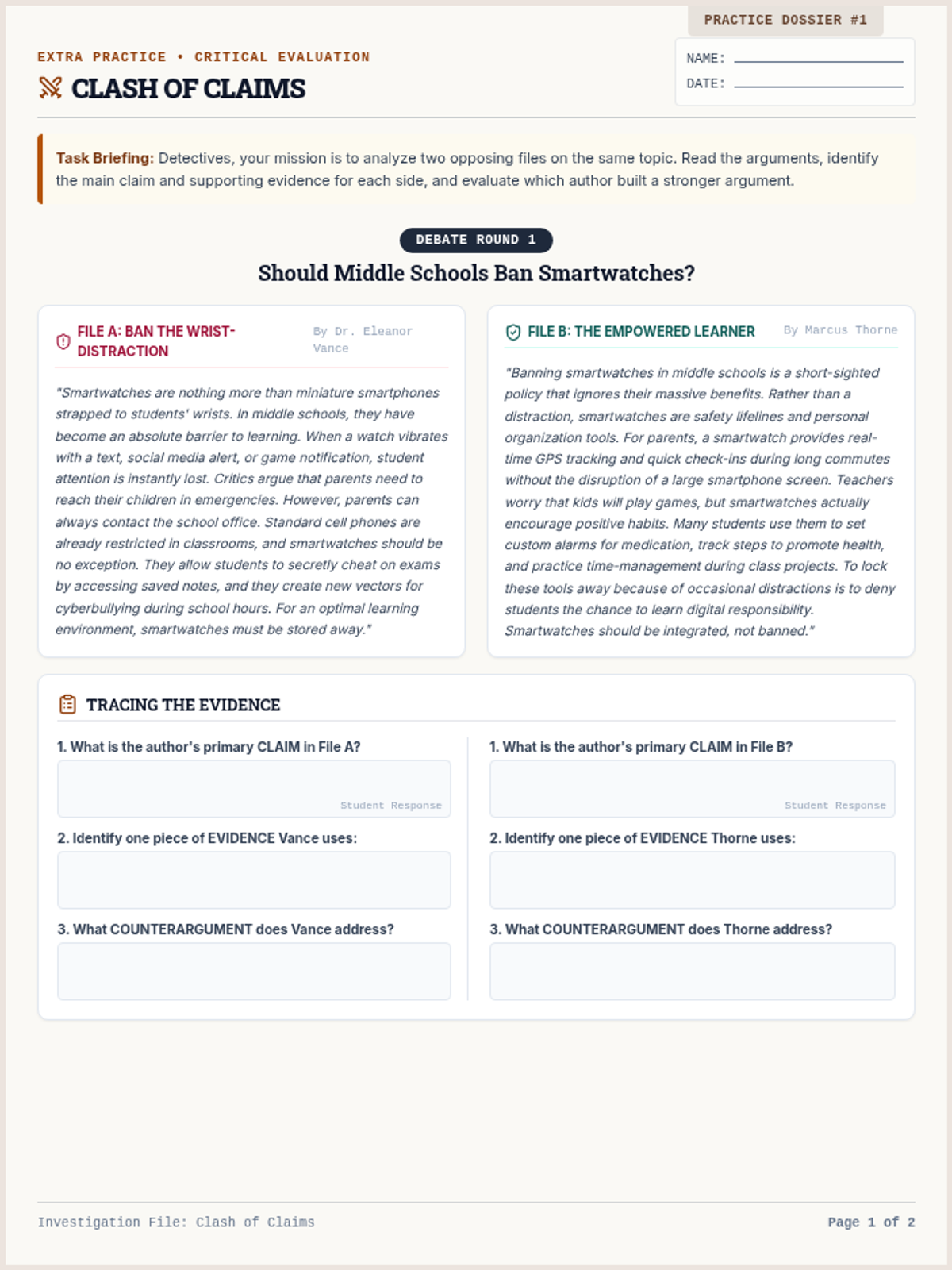
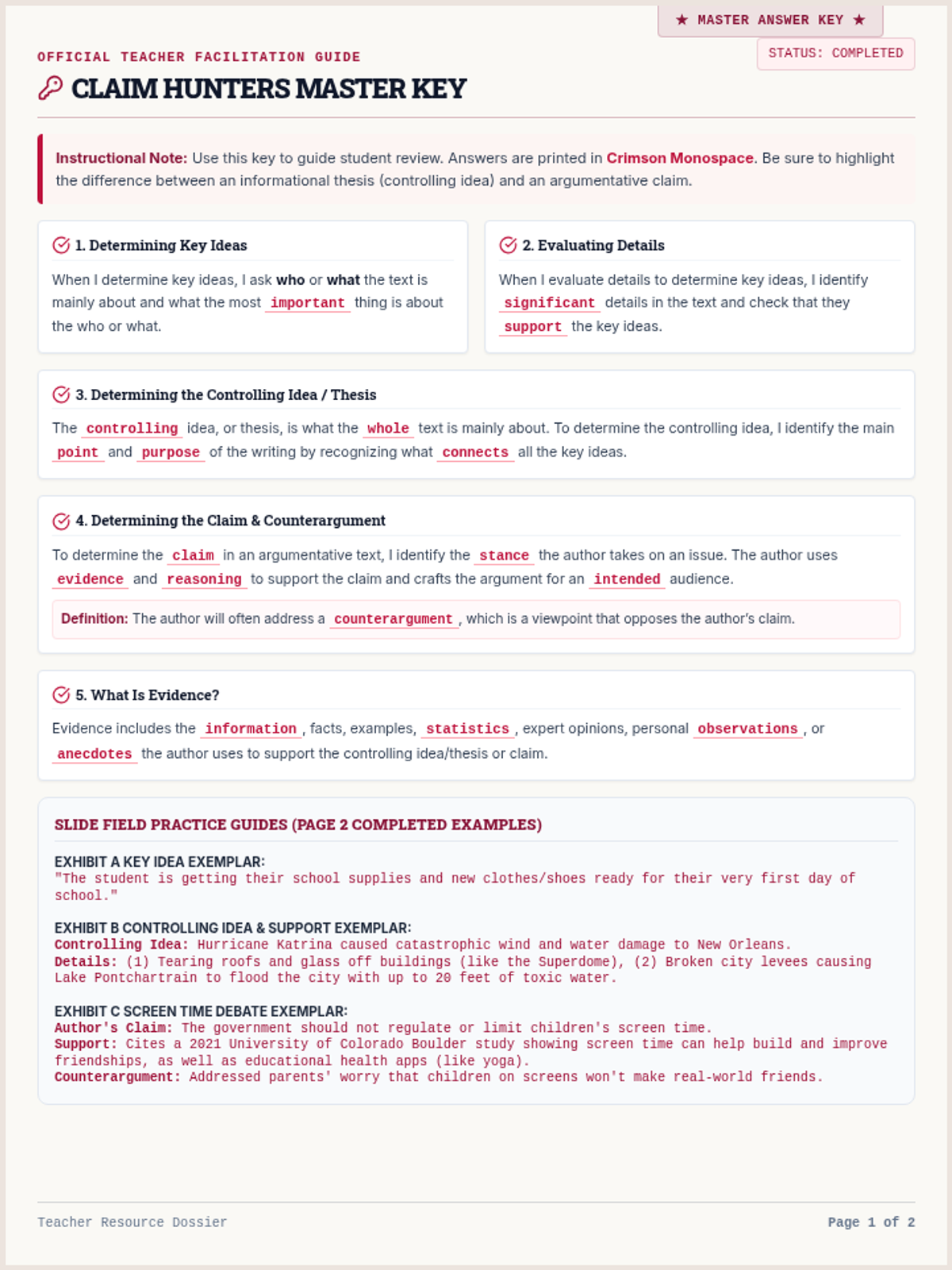
An investigation into the Boston Tea Party, focusing on identifying main ideas and evidence within primary and secondary accounts of the 1773 protest.
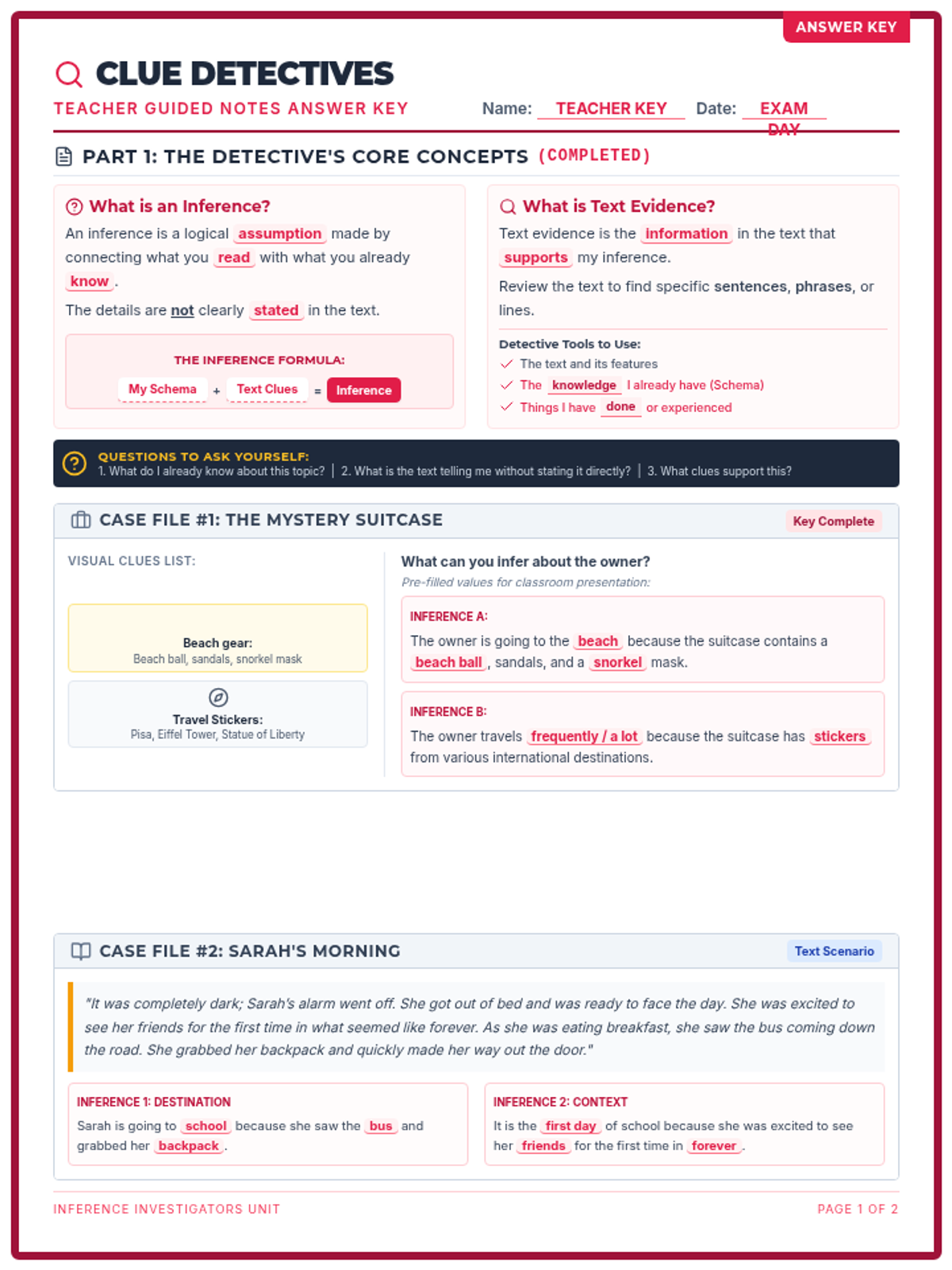
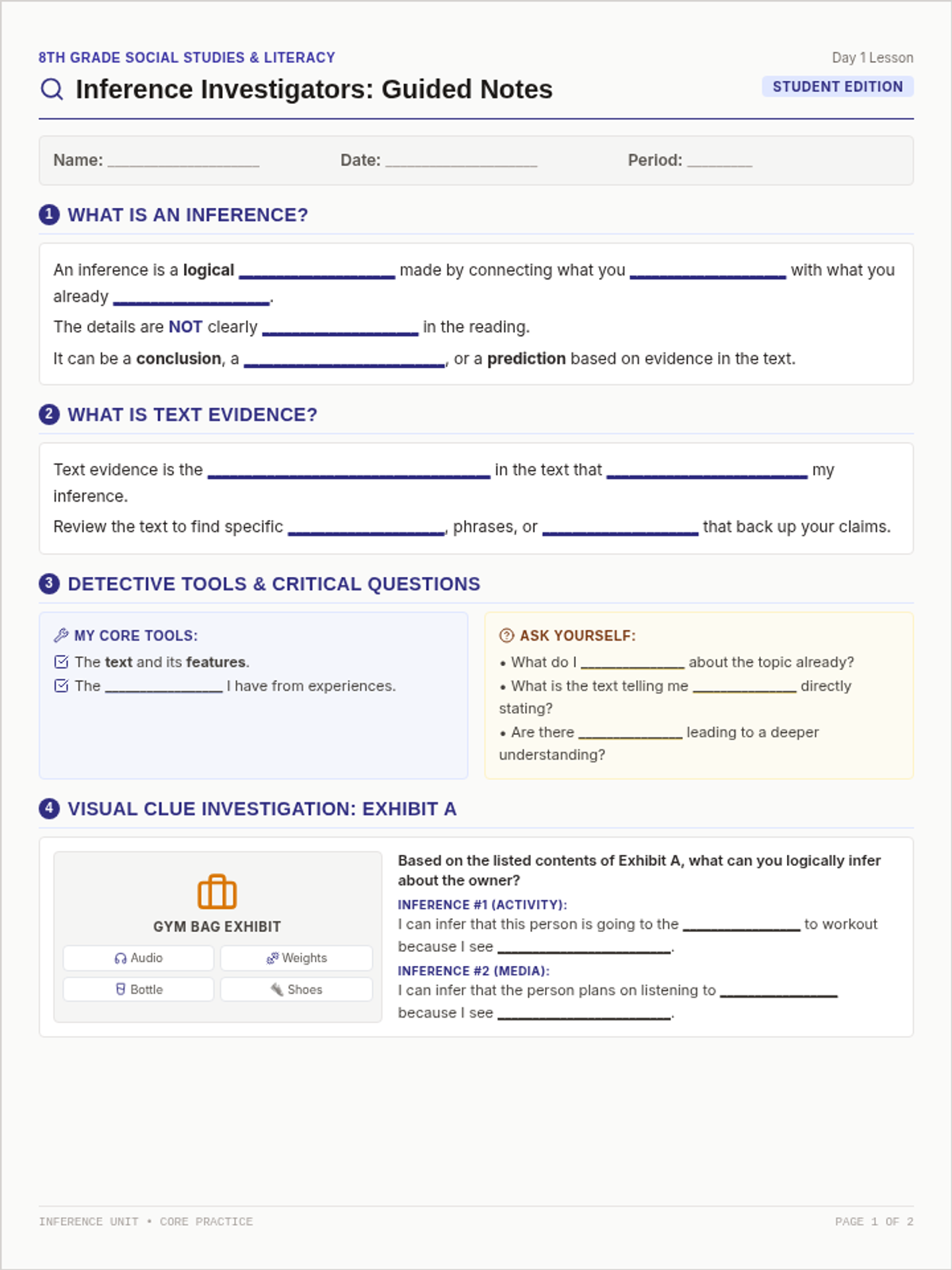
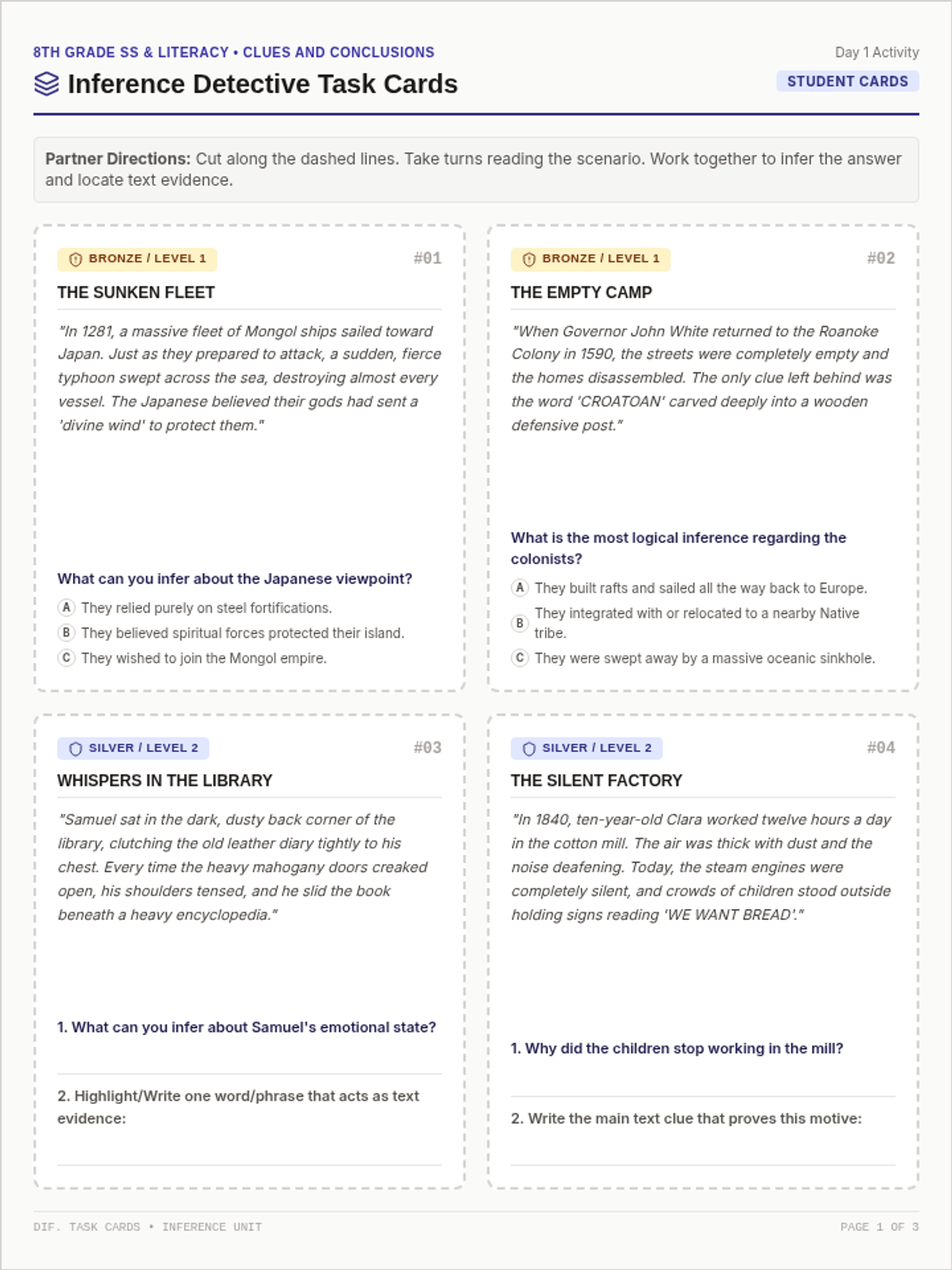
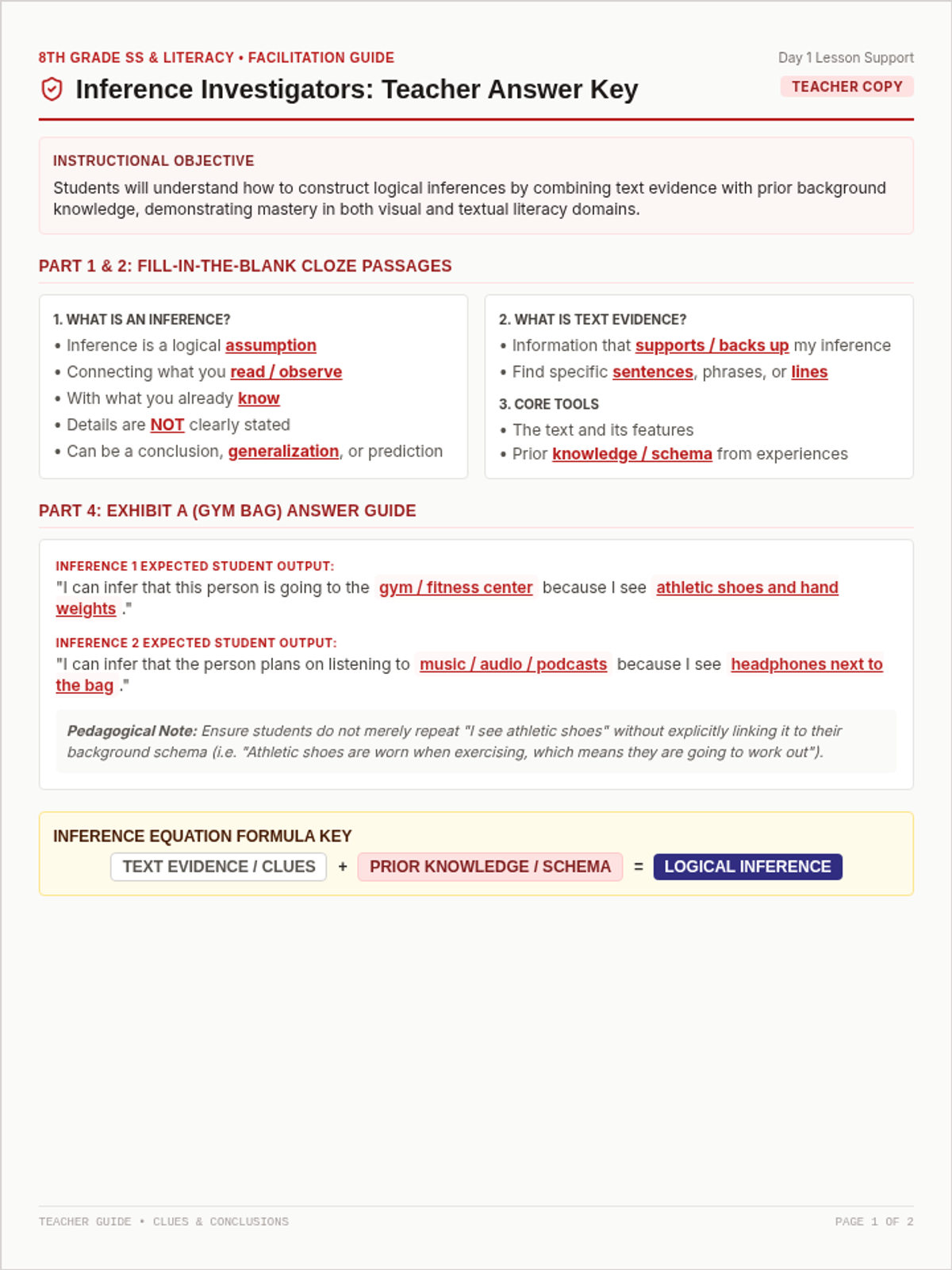
A targeted 15-minute small group lesson focusing on TEKS 3.6.F, teaching 3rd-grade students how to combine text evidence with background knowledge to make logical inferences.
An analysis of the discovery of Duncan's murder and the subversion of the natural order in Act 2, Scenes 3-4, featuring the Latin root 'rupt' and a review of CVCe (Silent E) vowel patterns.
A comprehensive ESL-focused lesson exploring poetry through the works of Langston Hughes, Maya Angelou, Pablo Neruda, and Sandra Cisneros, with a focus on similes and metaphors across four 10-minute skill-based activities.