Students discover how to turn tables of numbers into visual bar graphs and pie charts, focusing on interpreting what the visual representation tells them about the data.
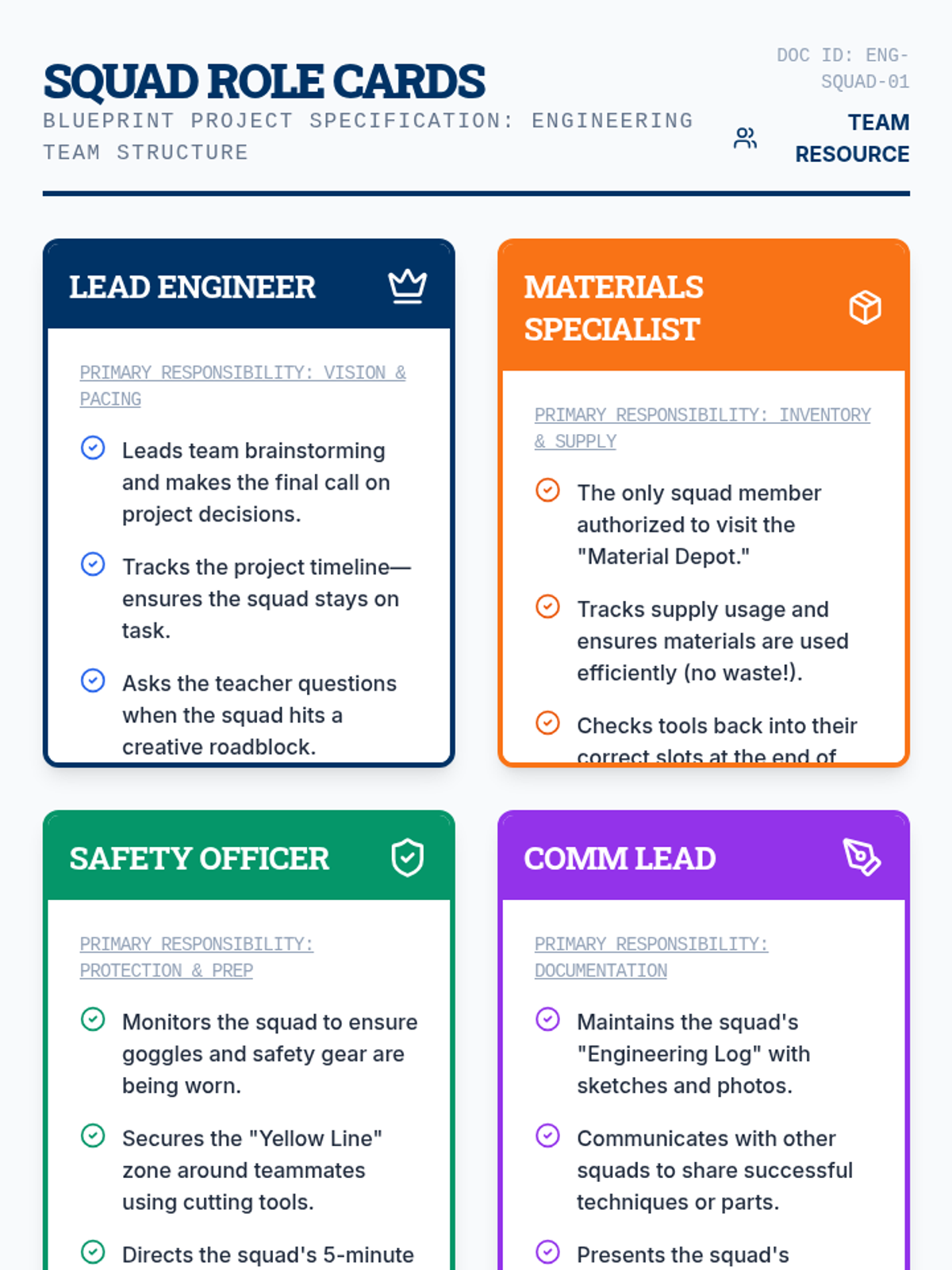
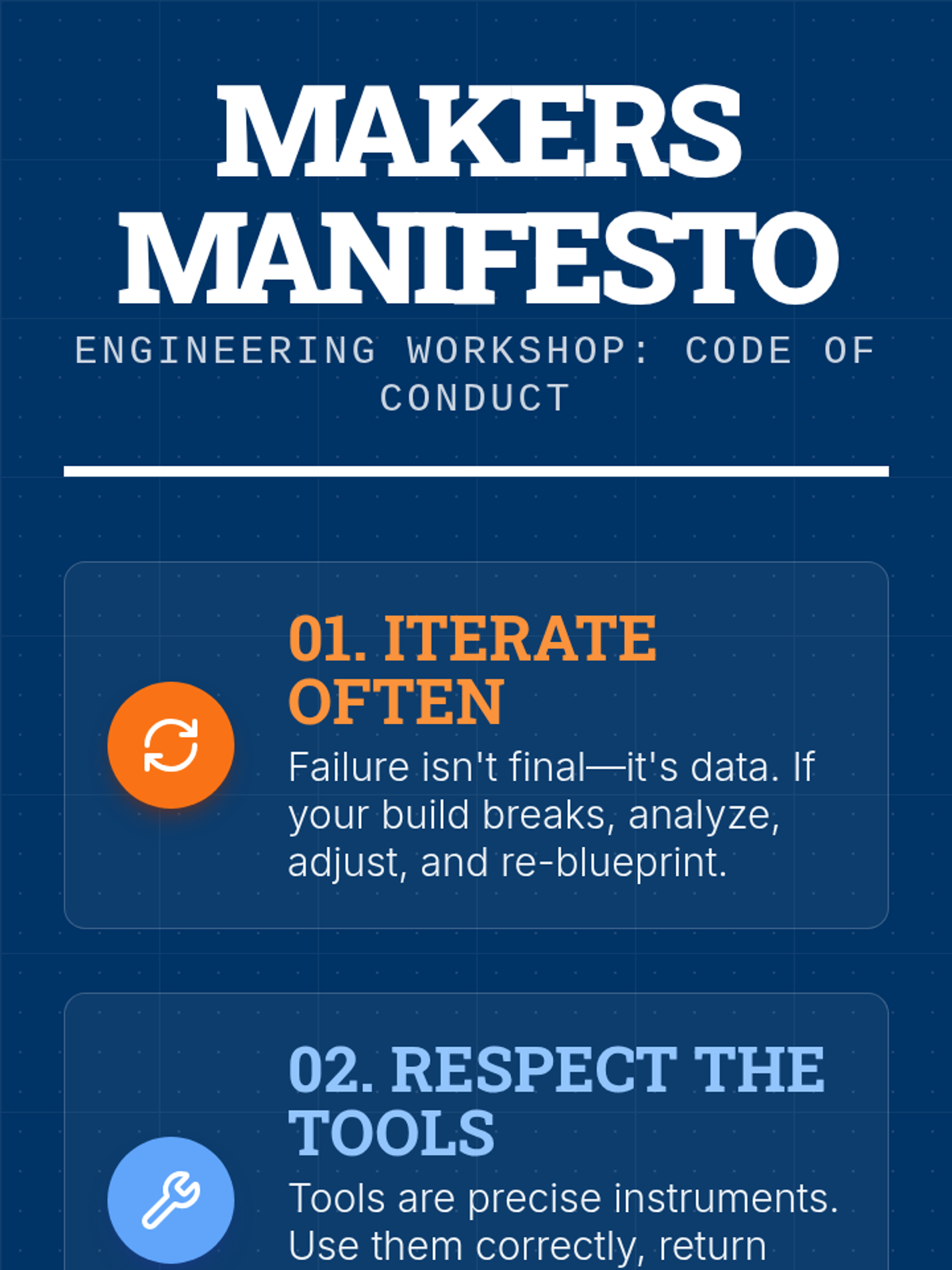
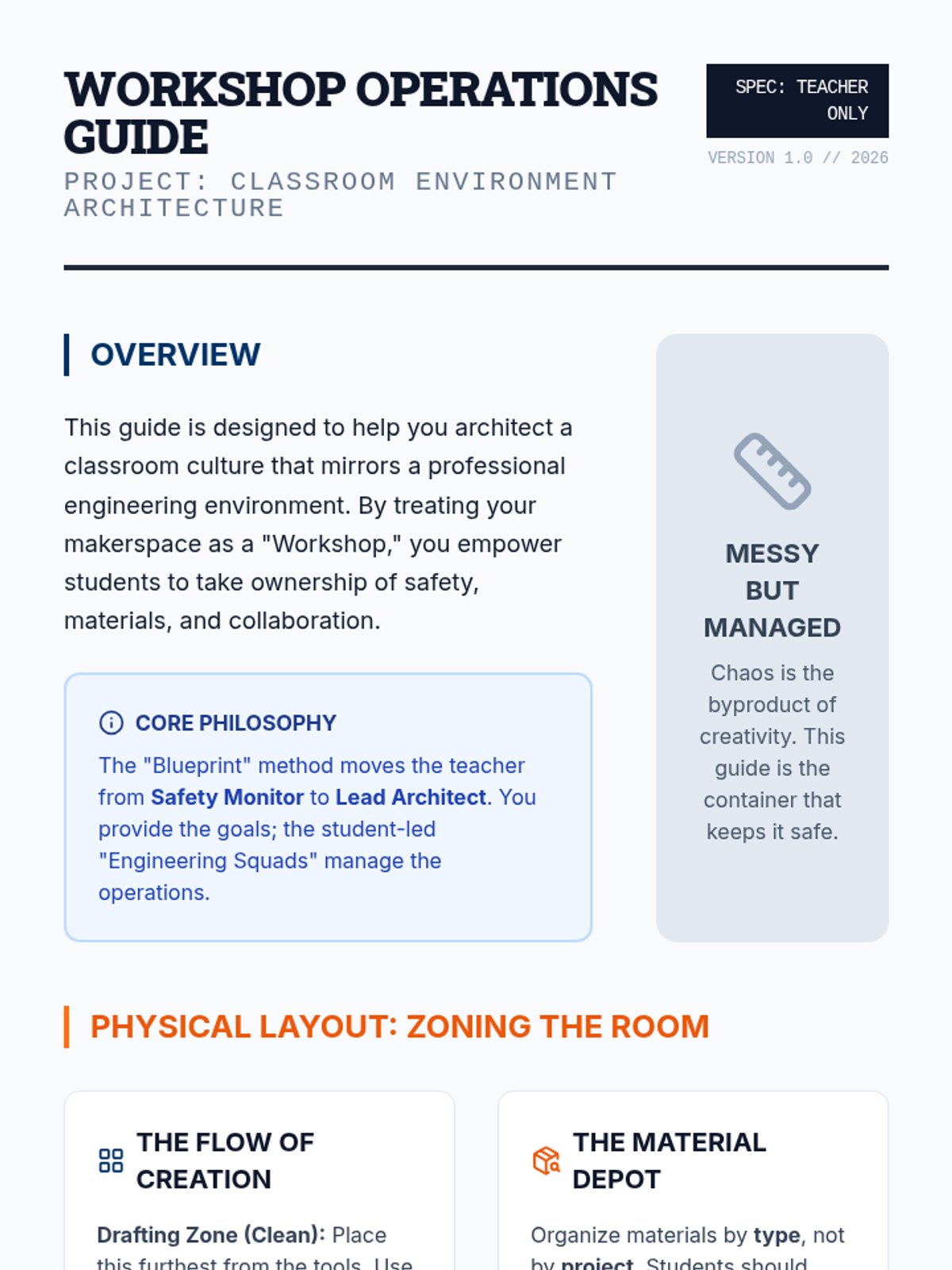
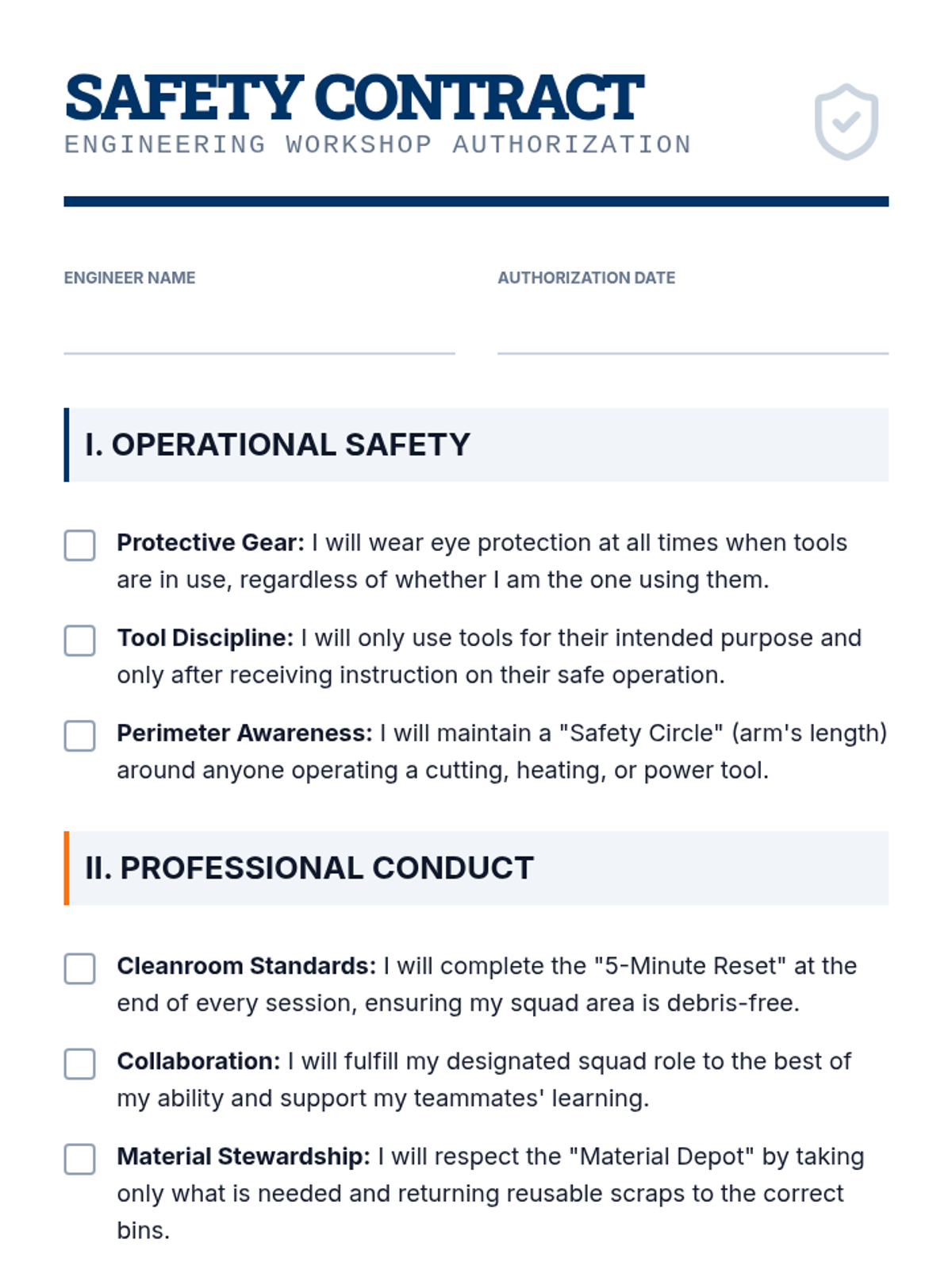
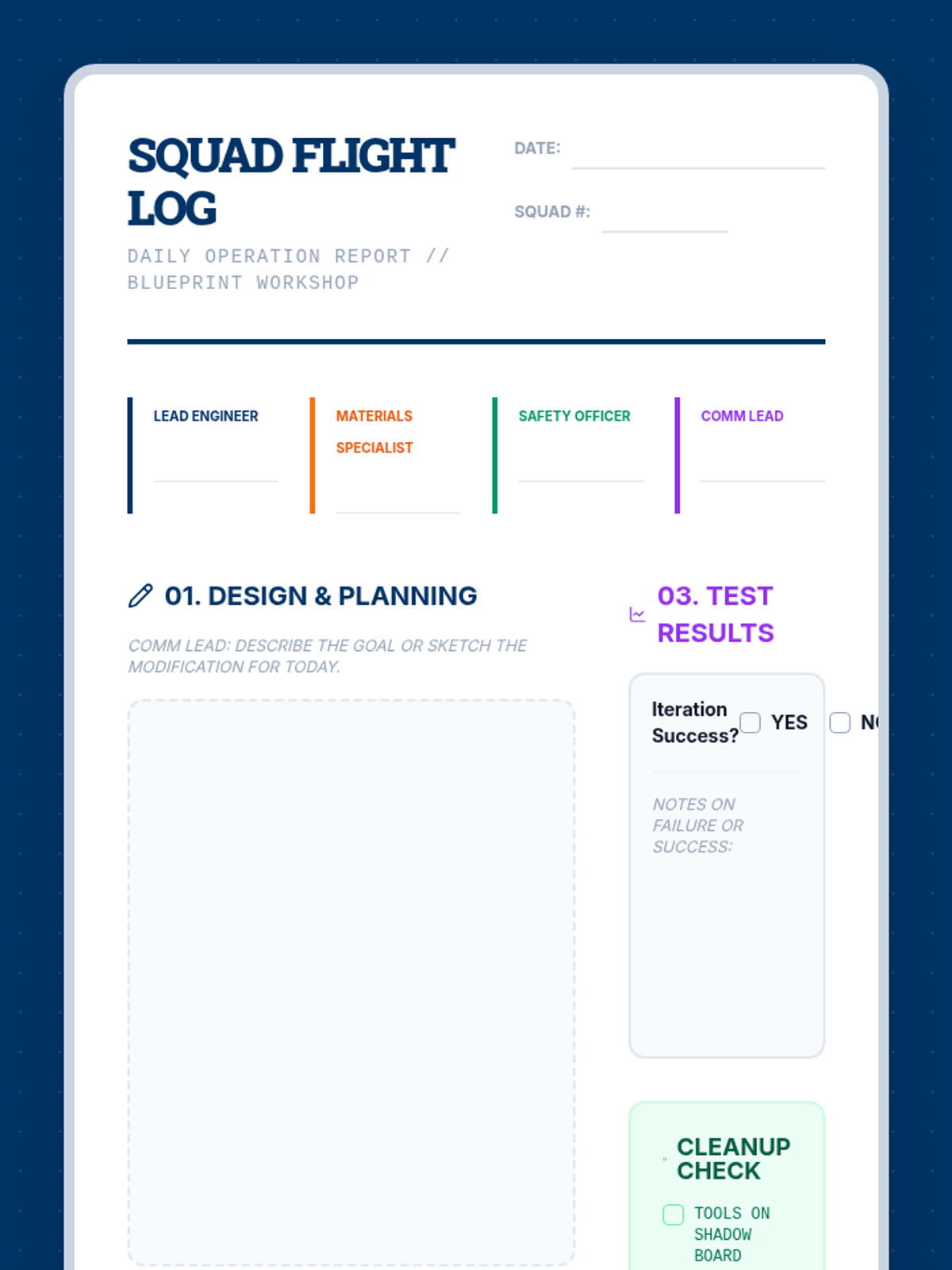
A foundational toolkit for setting up a physical engineering and maker space, covering physical layout, collaborative roles, and essential classroom routines.
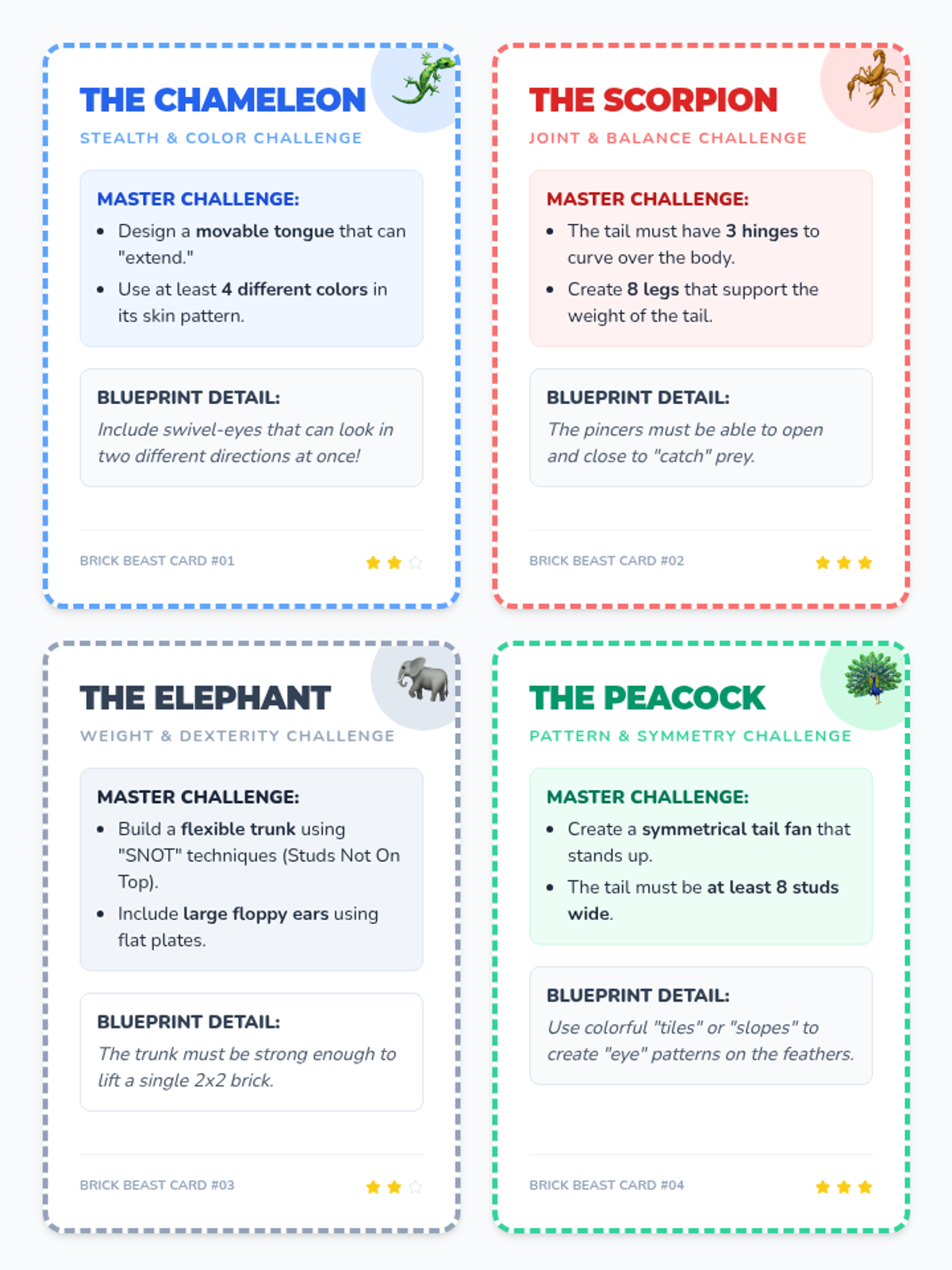
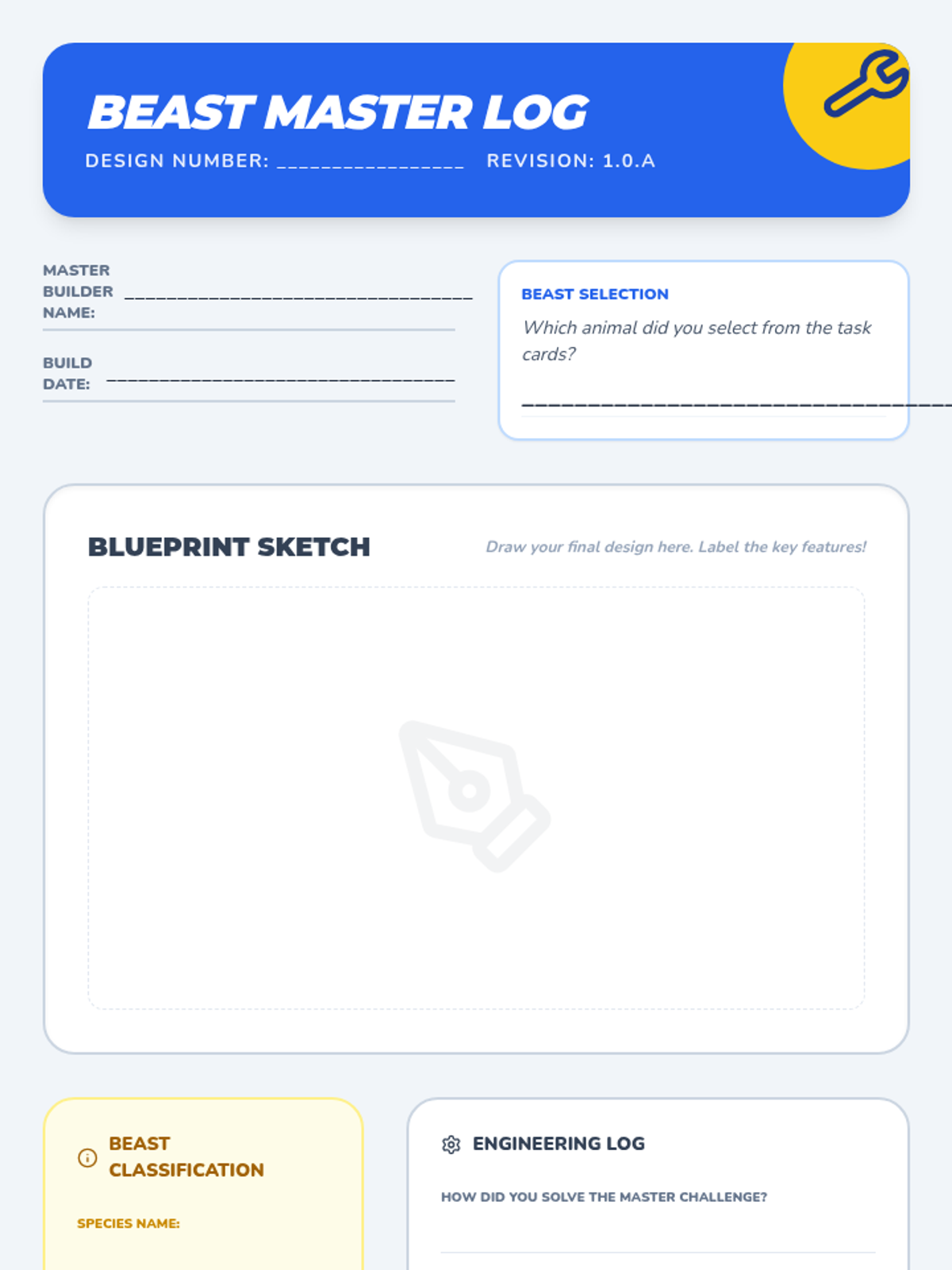
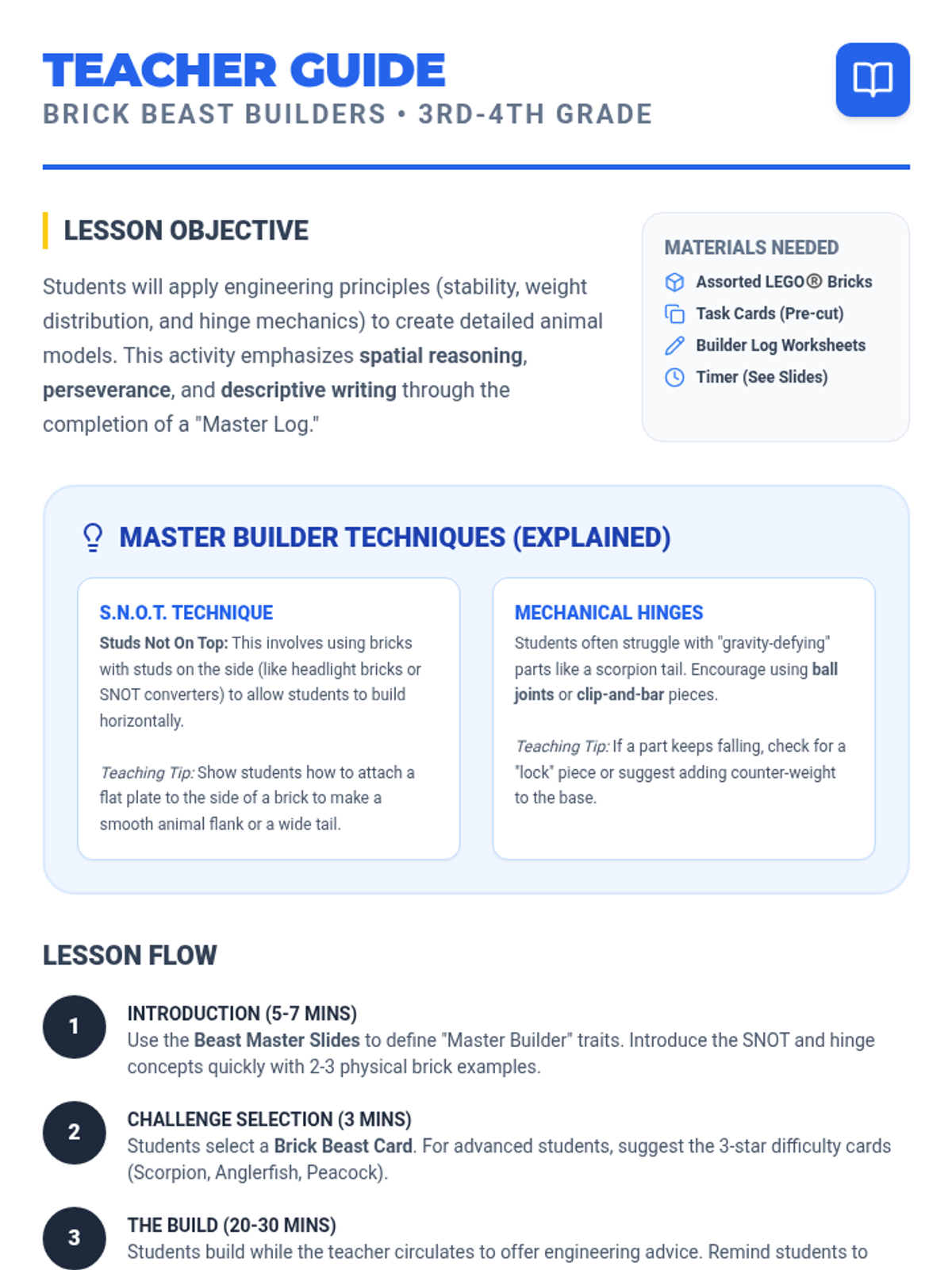
A creative engineering lesson where students use LEGO bricks to design and build detailed animal models based on specific prompt constraints. Focuses on spatial reasoning, creative problem-solving, and descriptive writing.
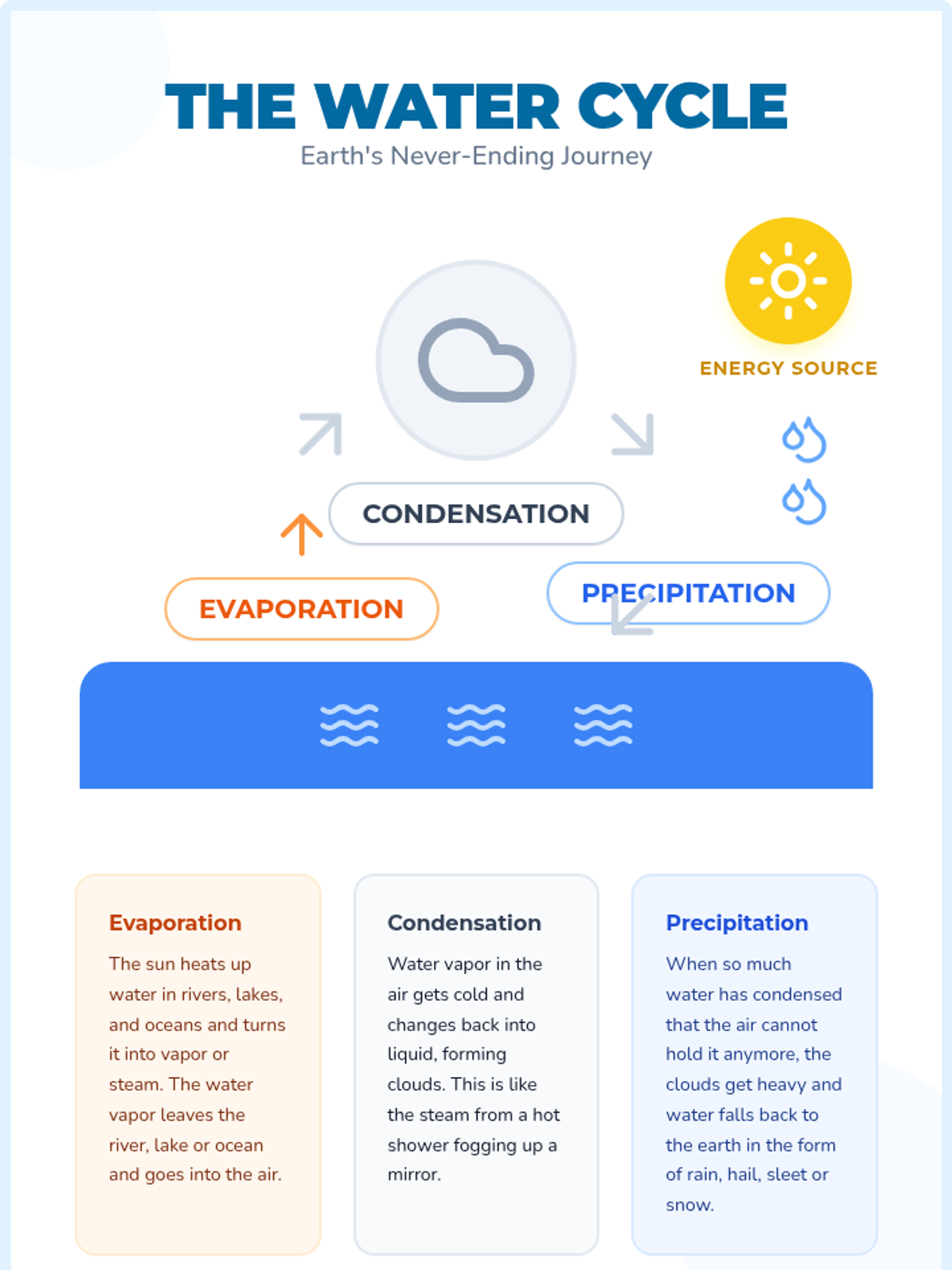
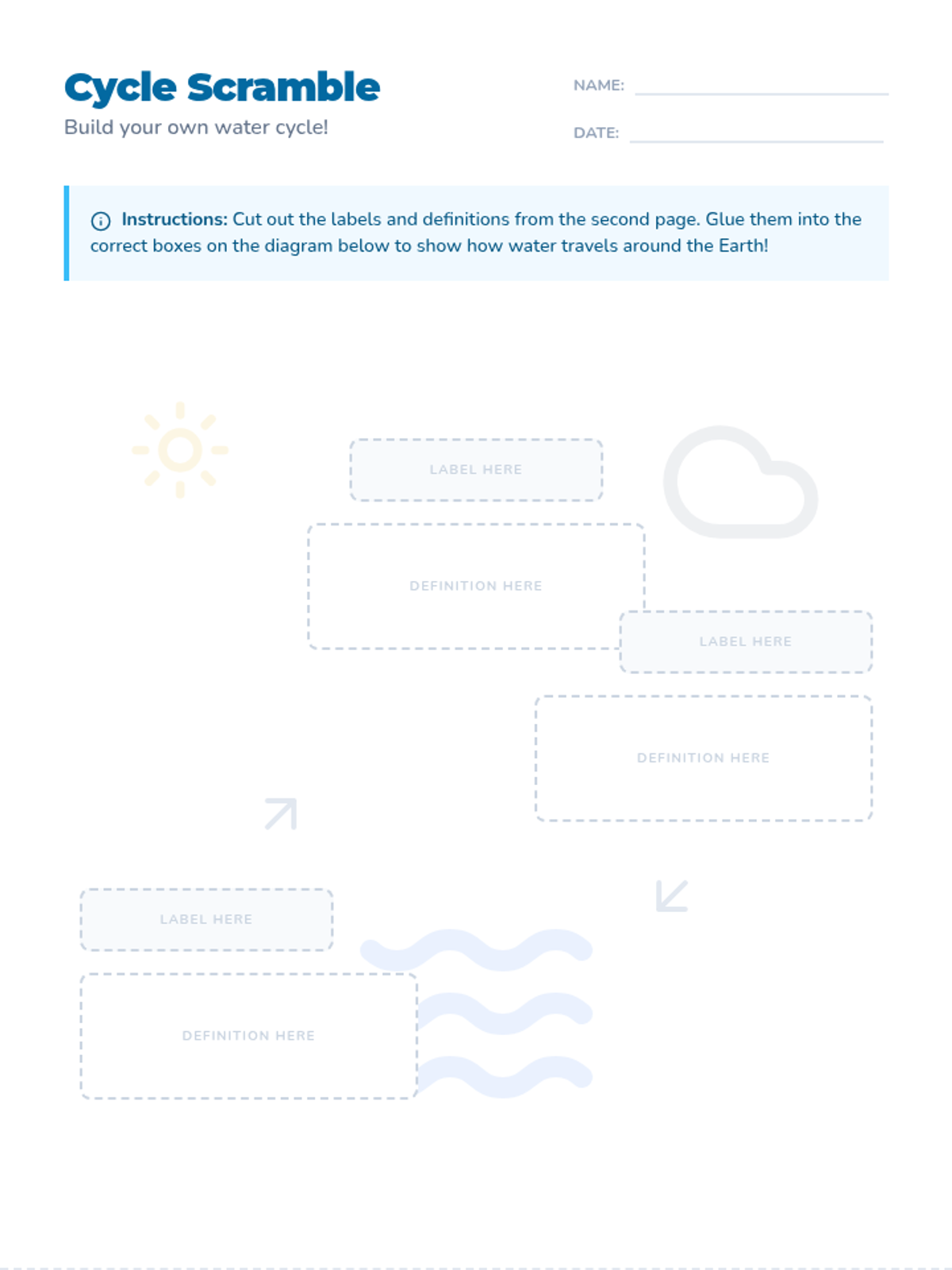
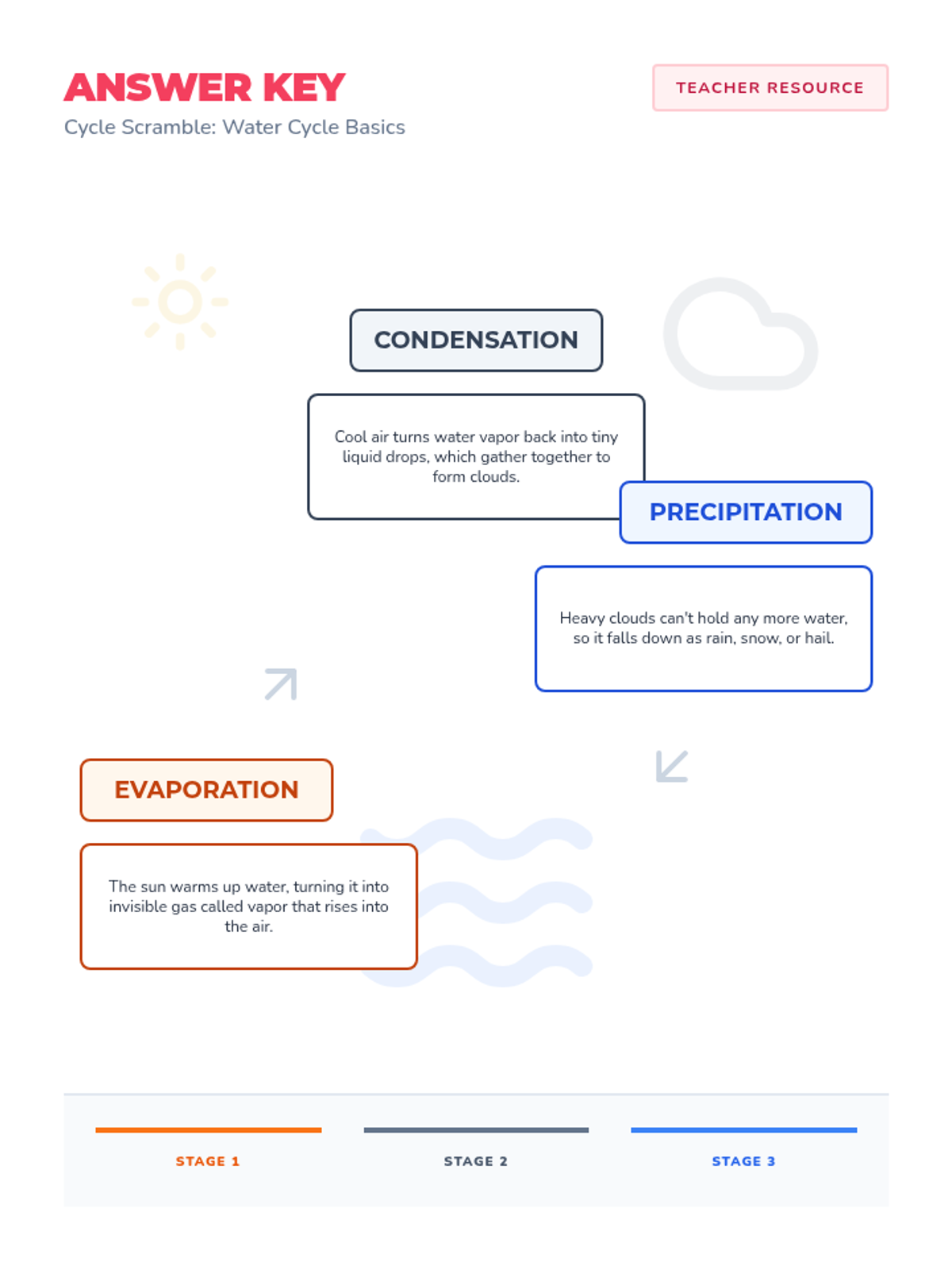
A foundational lesson on the three main stages of the water cycle: evaporation, condensation, and precipitation. Includes a visual anchor chart and a hands-on labeling activity.
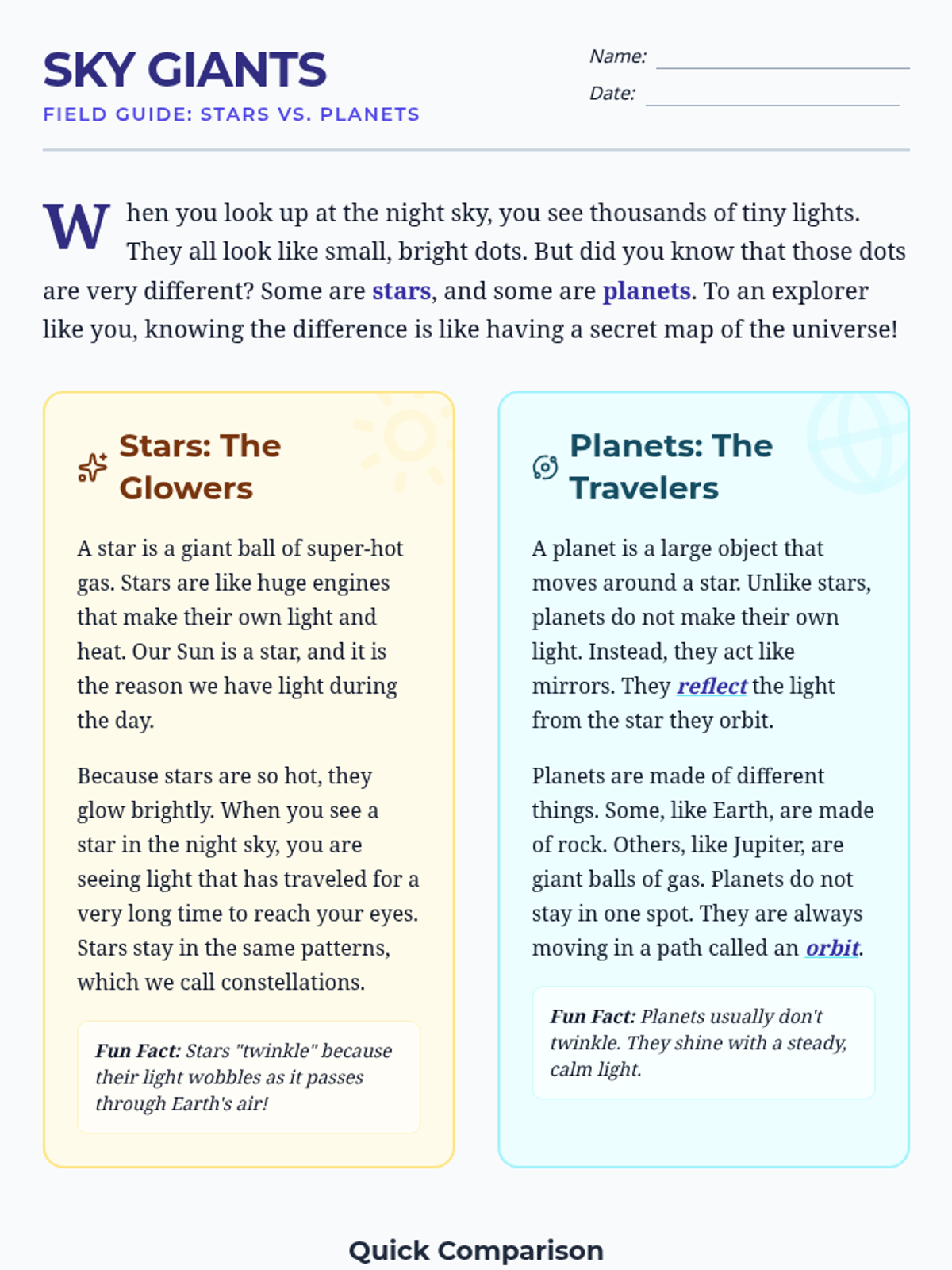
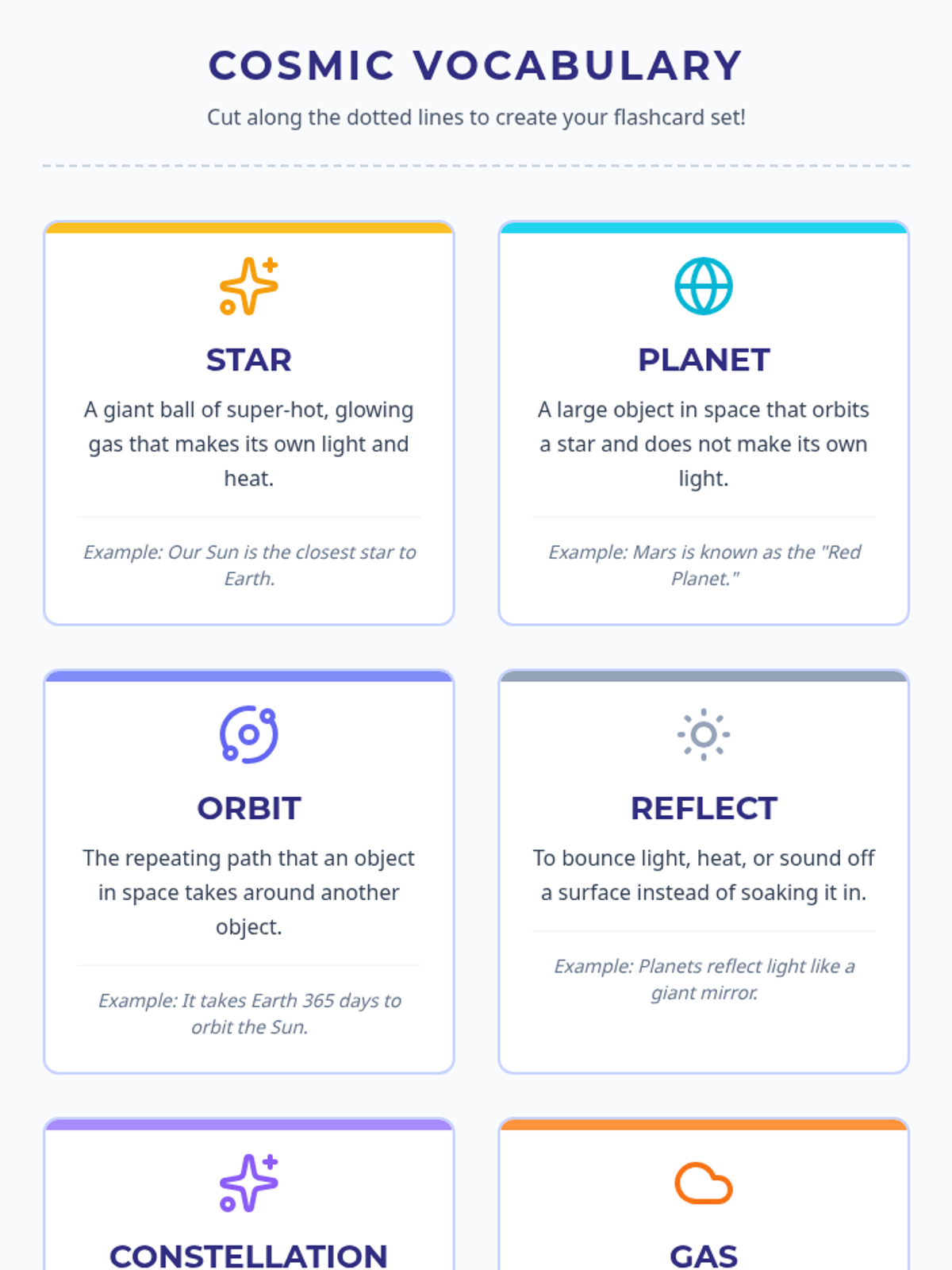
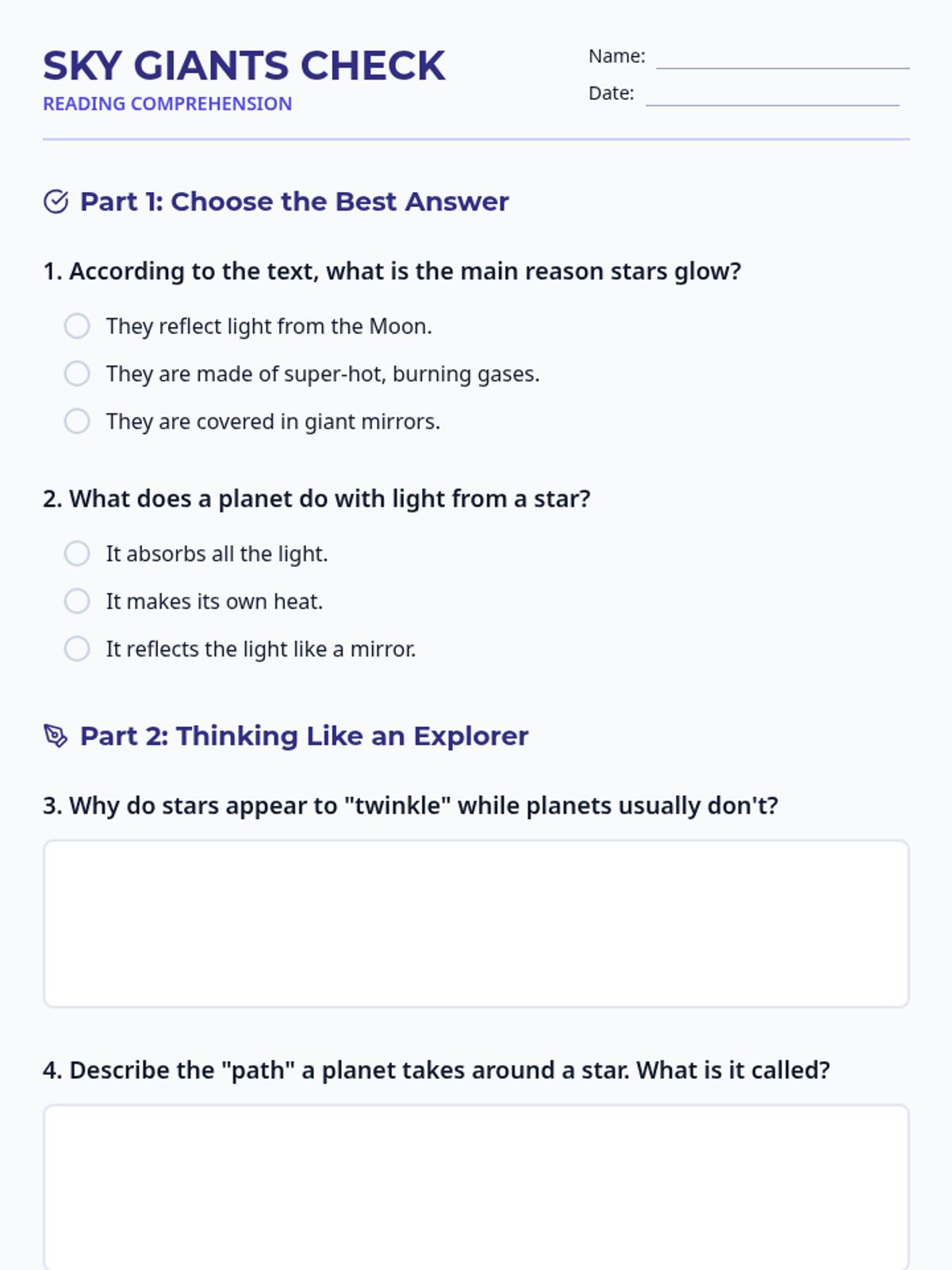
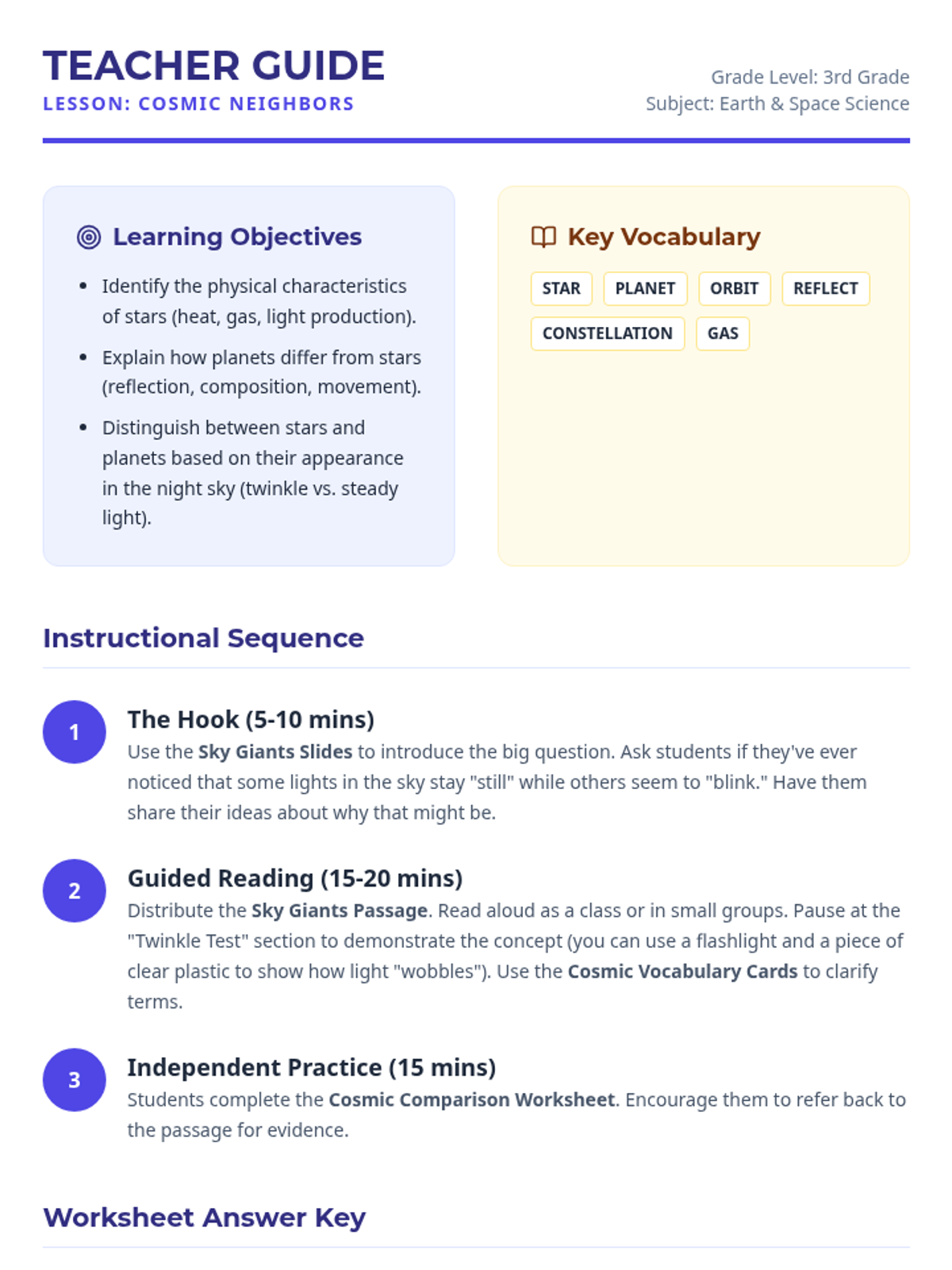
A guided reading lesson for 3rd graders exploring the fundamental differences between stars and planets, focusing on light production, composition, and movement.
A fascinating look at decomposers for 3rd graders, explaining how fungi, bacteria, and worms break down dead matter to recycle nutrients back into the food chain.
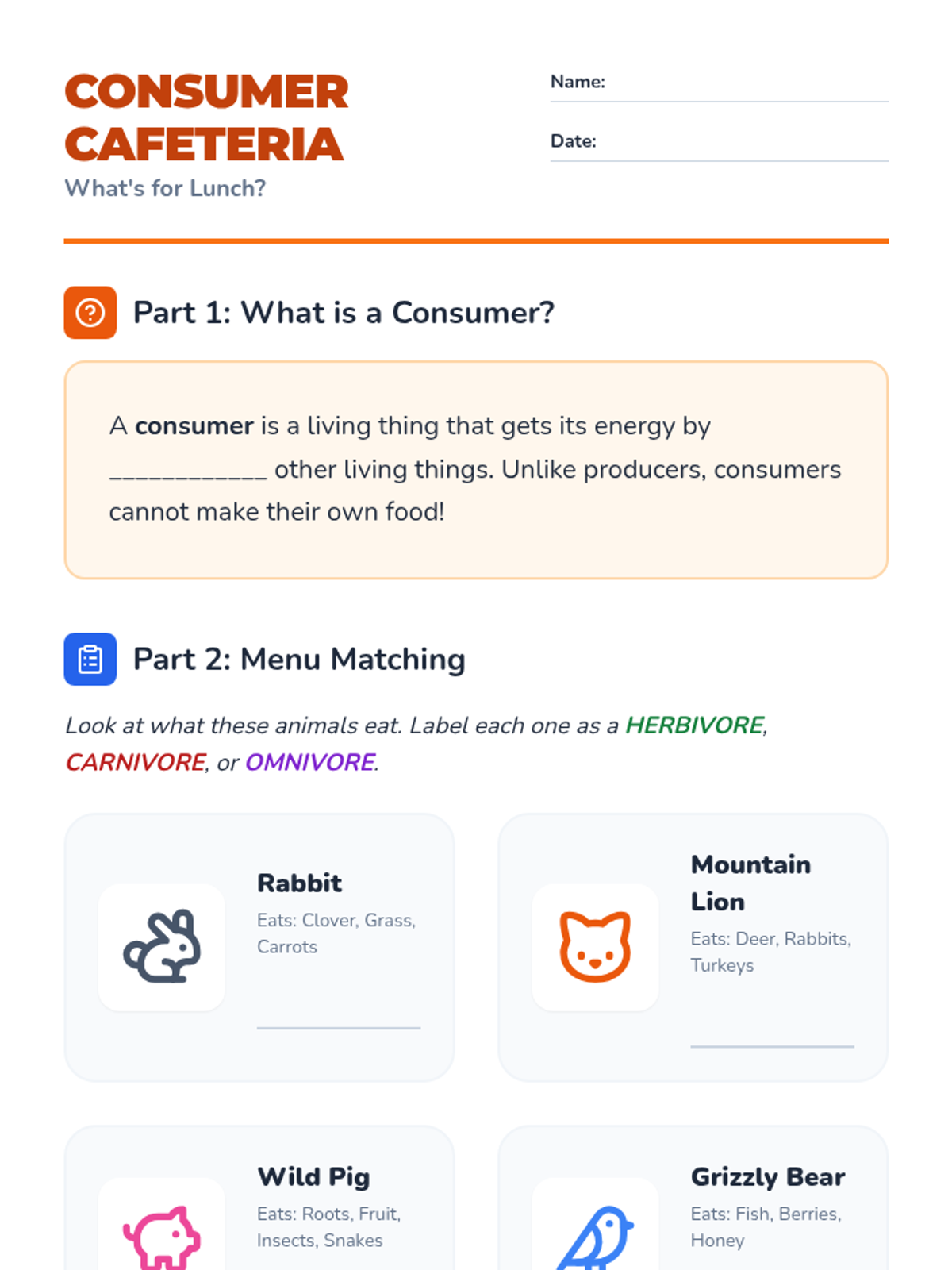
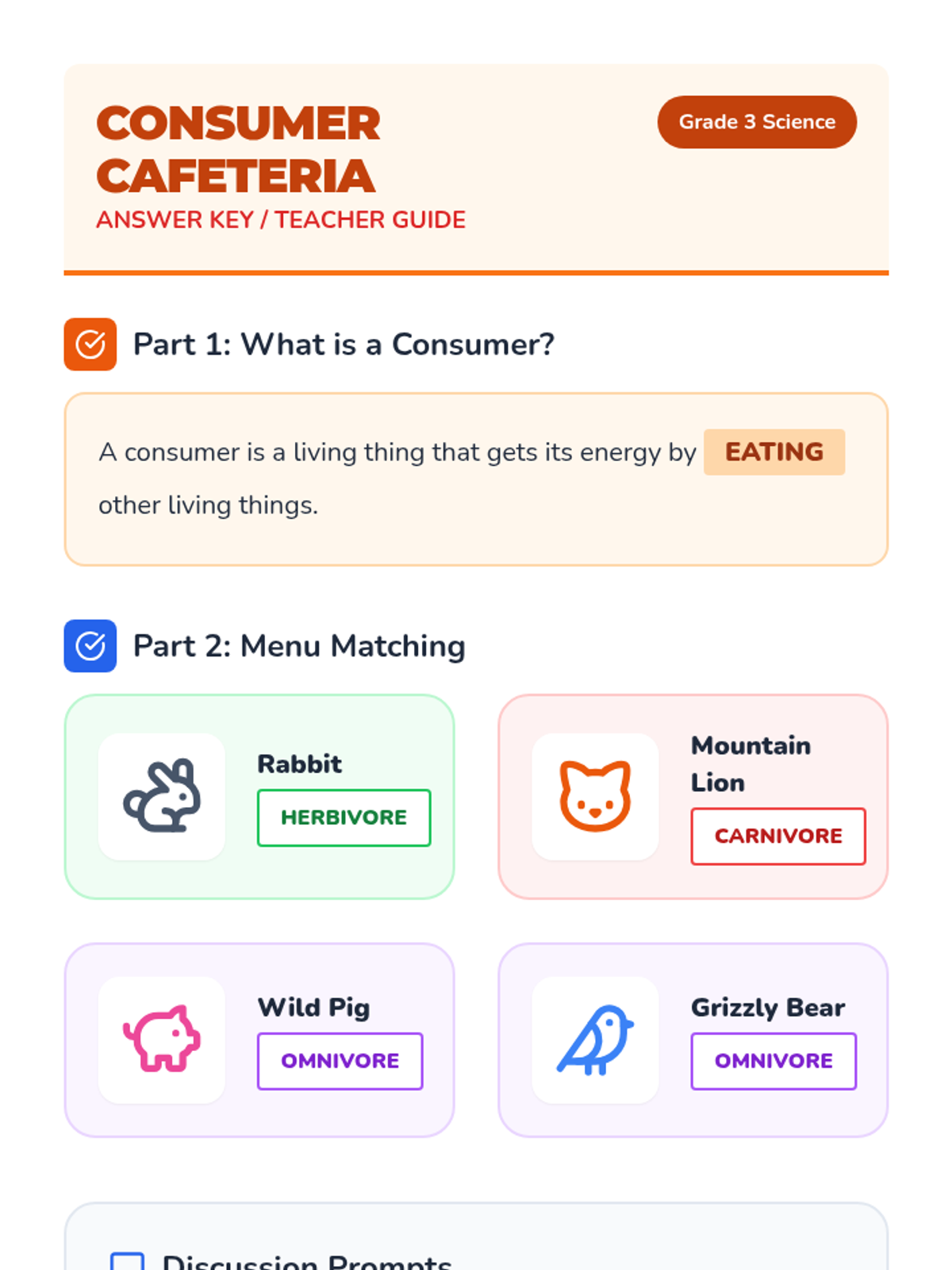
An engaging lesson for 3rd graders on consumers in a food chain, exploring herbivores, carnivores, and omnivores, and how they get their energy from eating other living things.
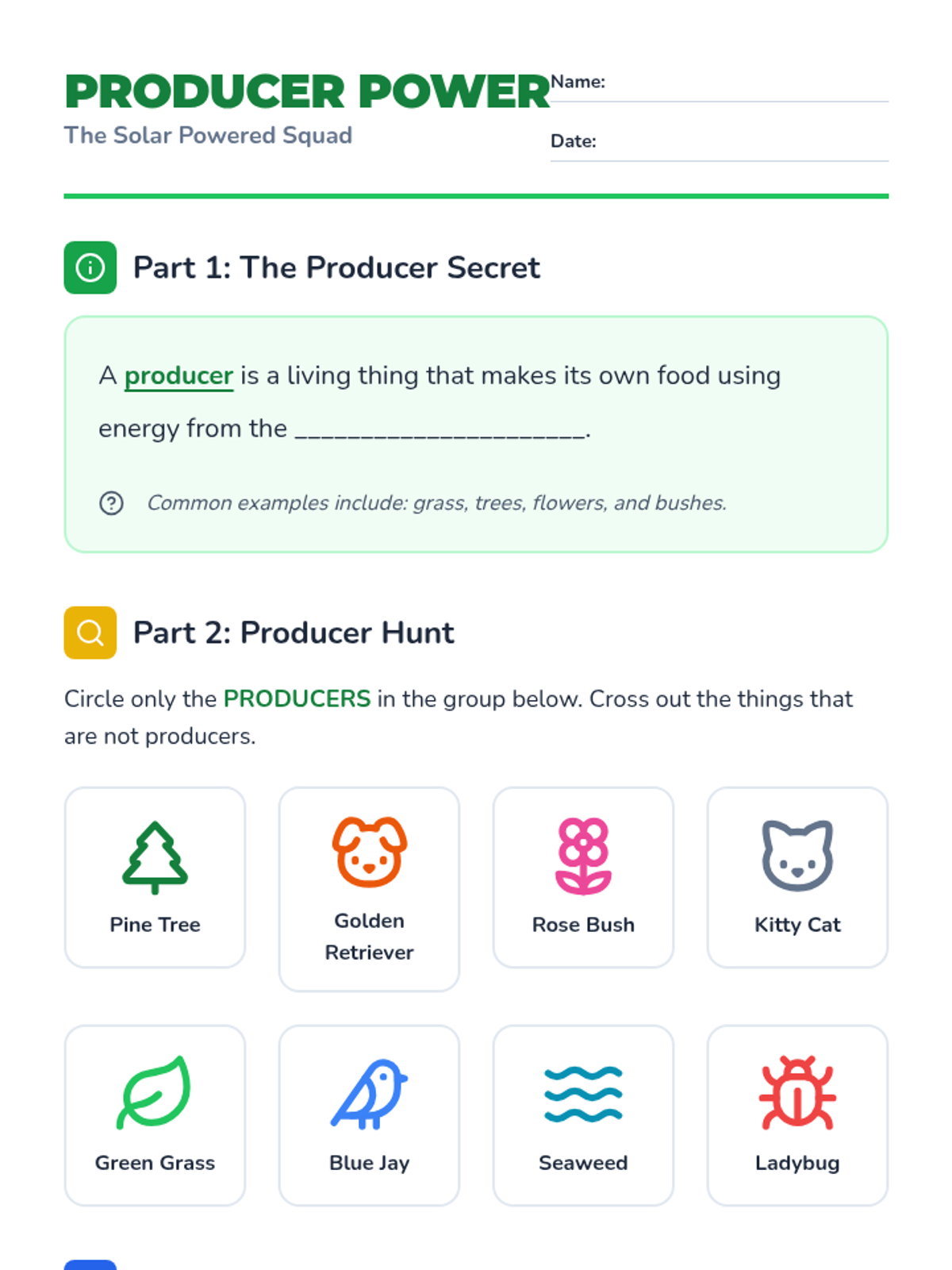
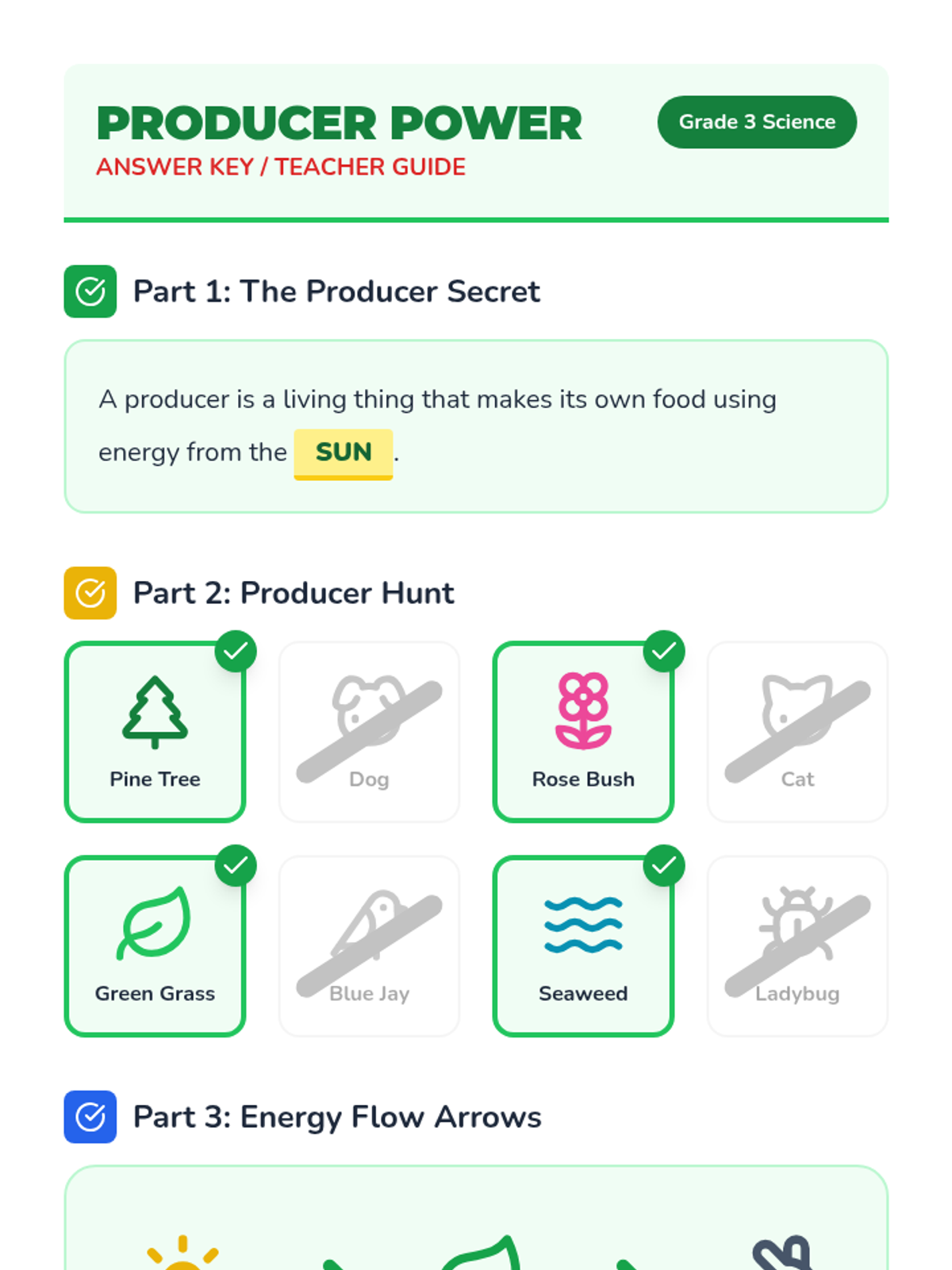
A foundational lesson on food chains for 3rd graders, focusing on producers as the start of energy flow and the correct use of arrows to represent that energy movement.
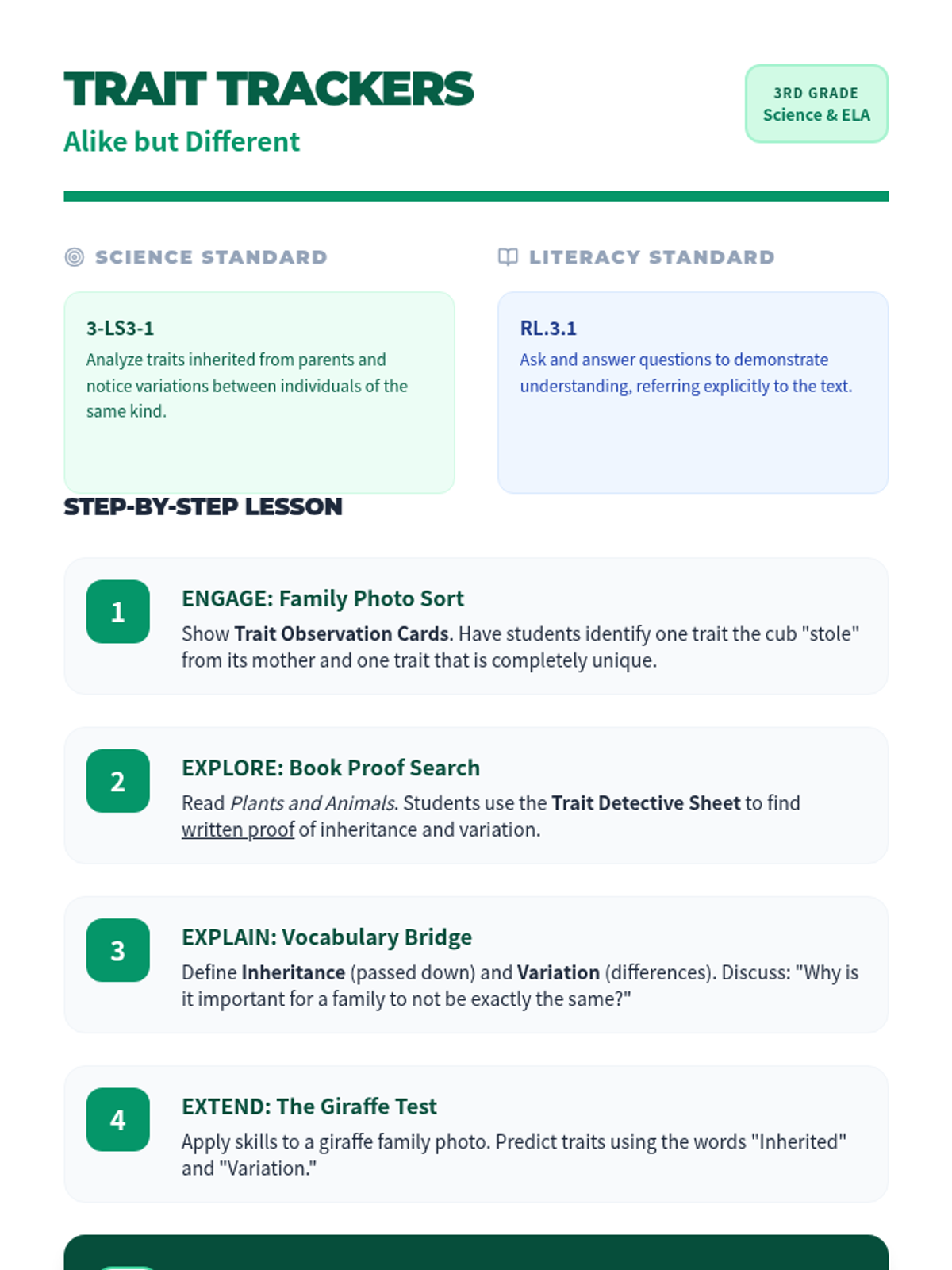
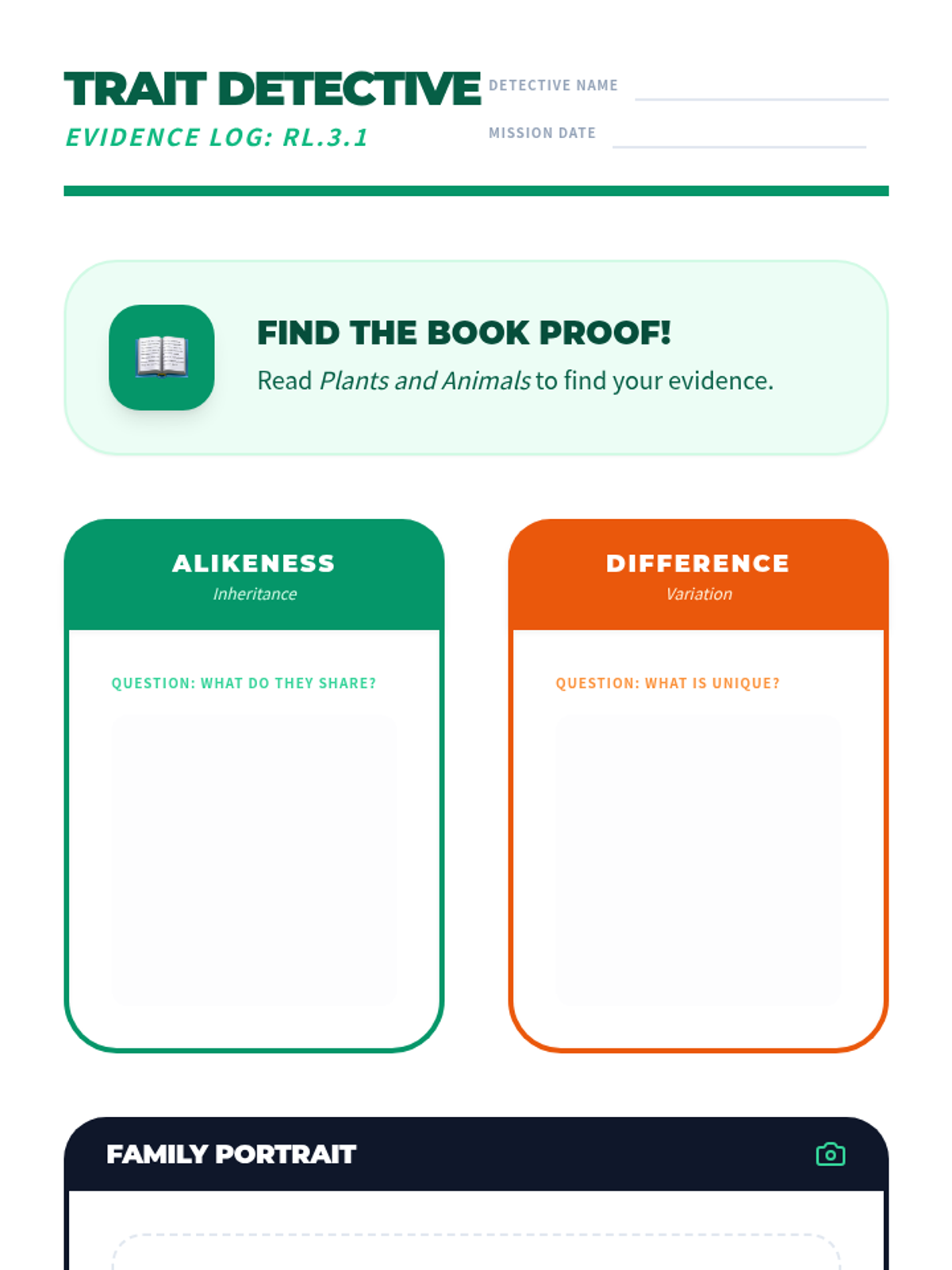
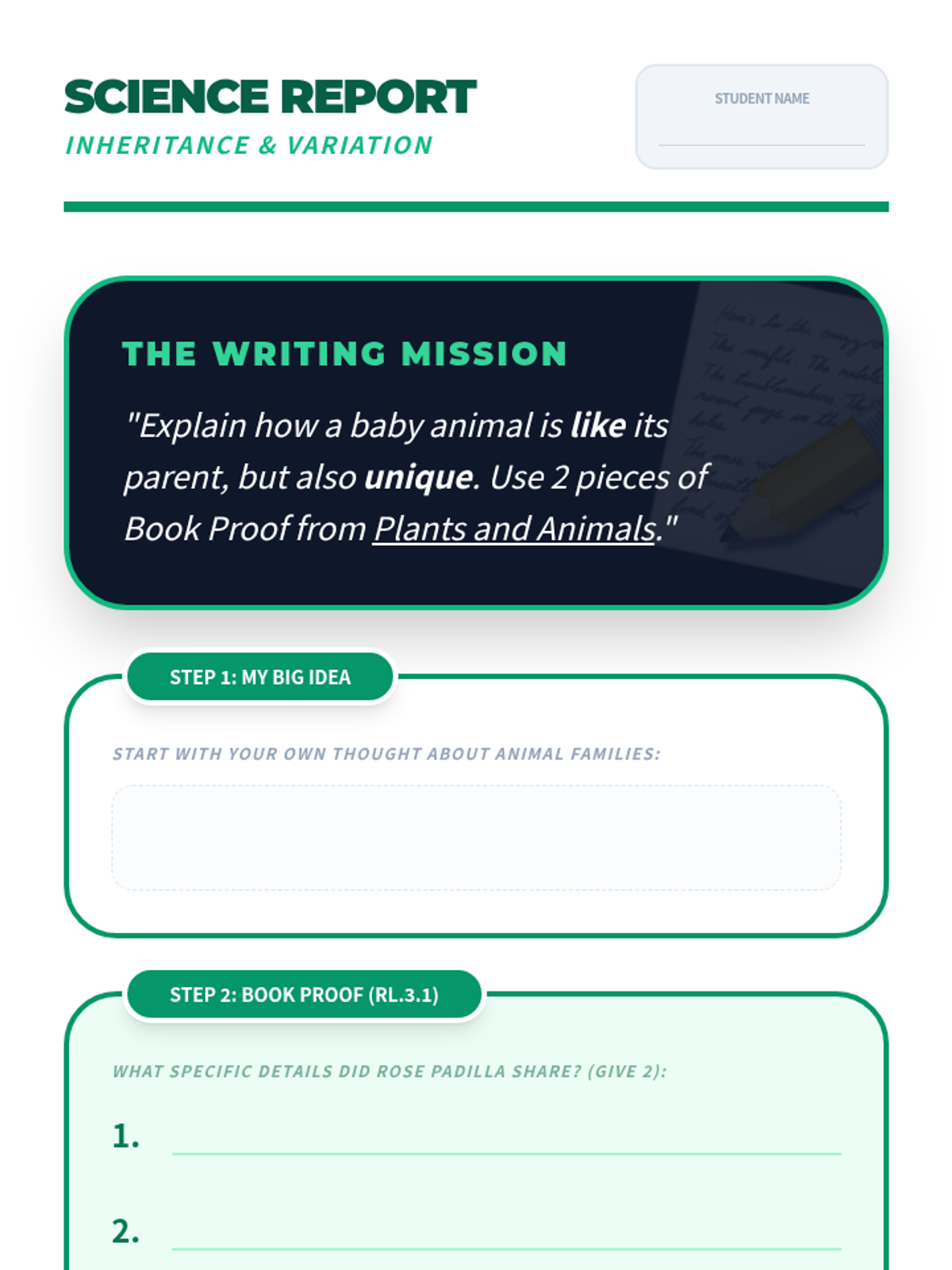
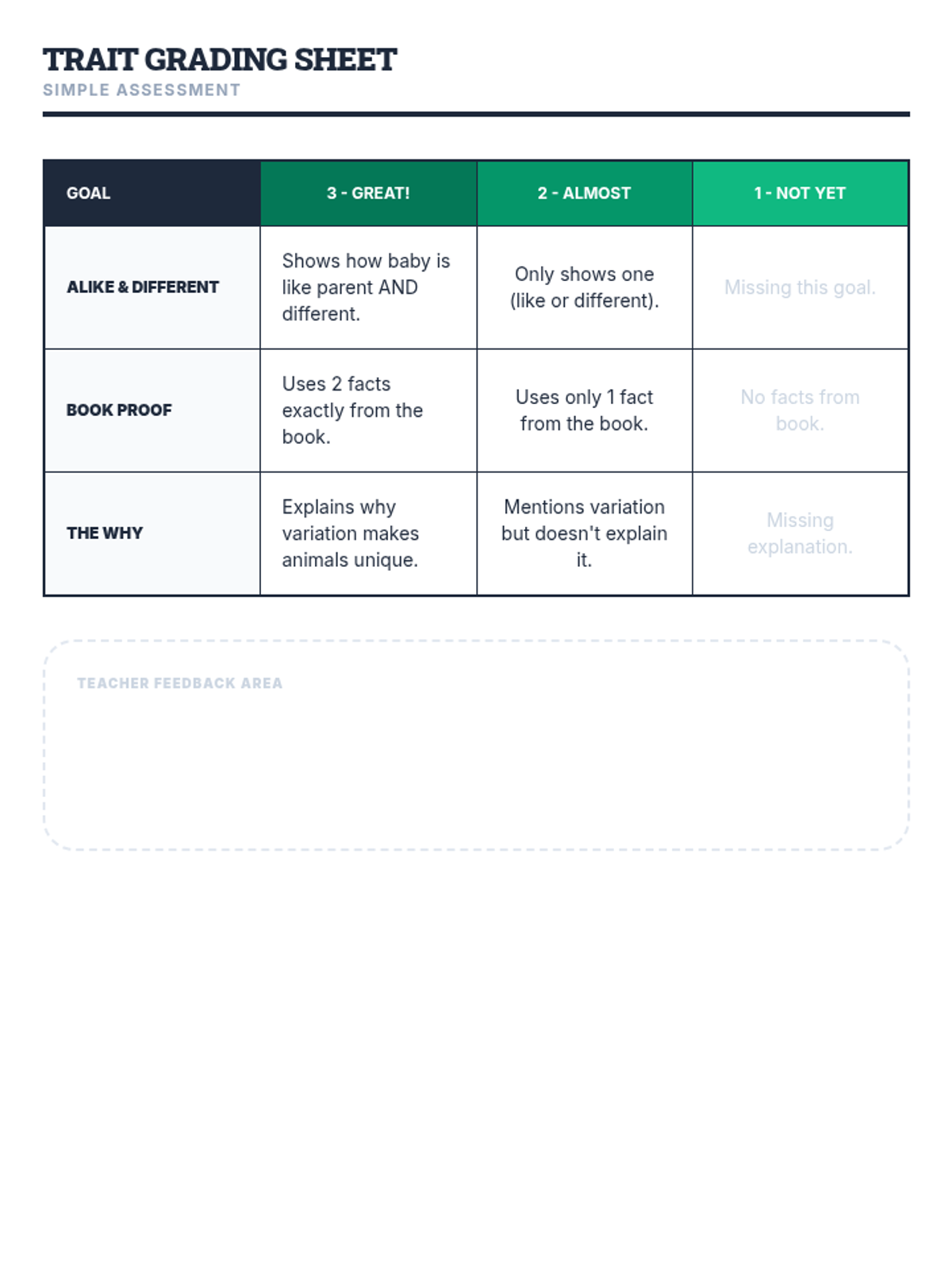
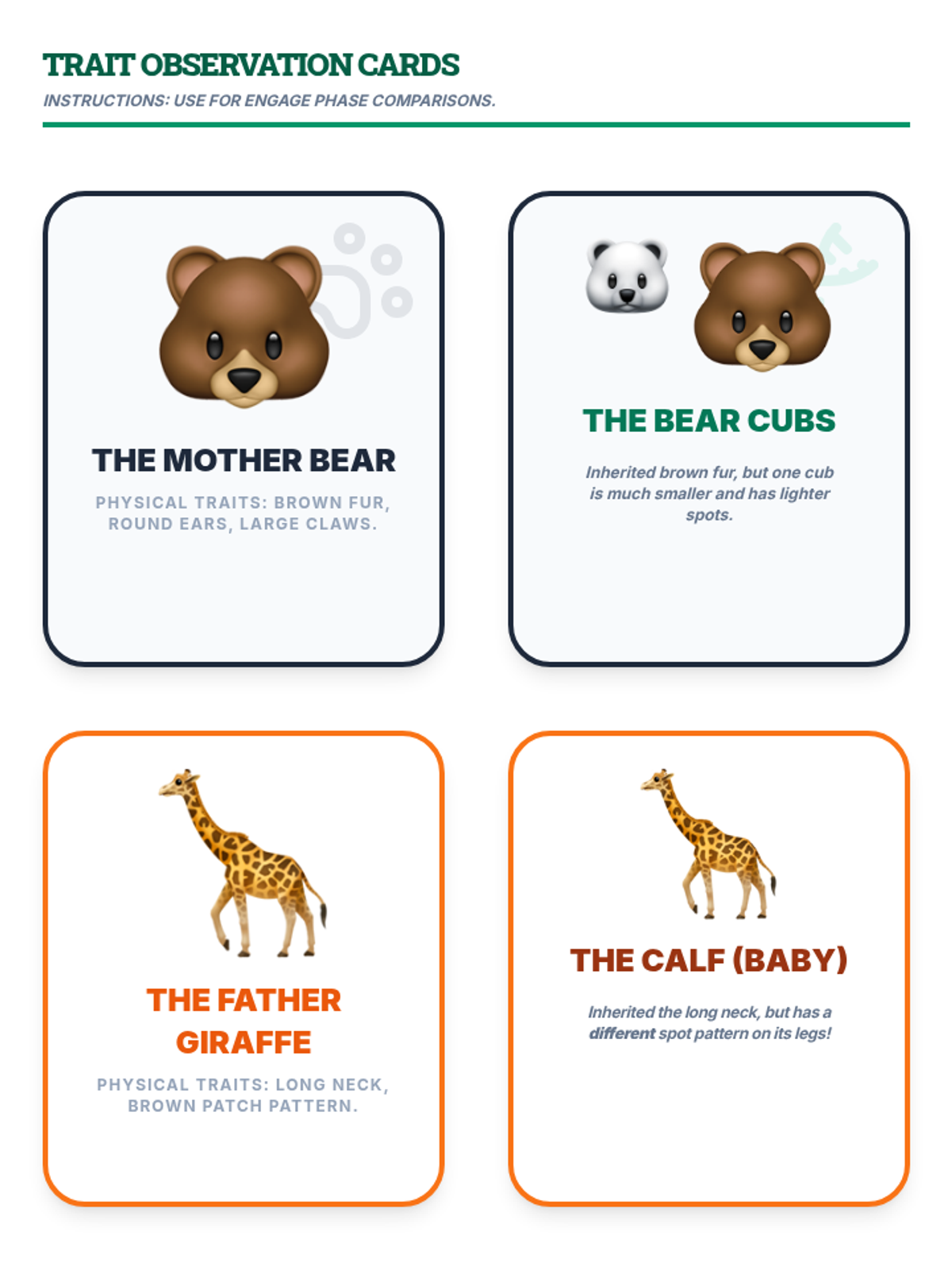
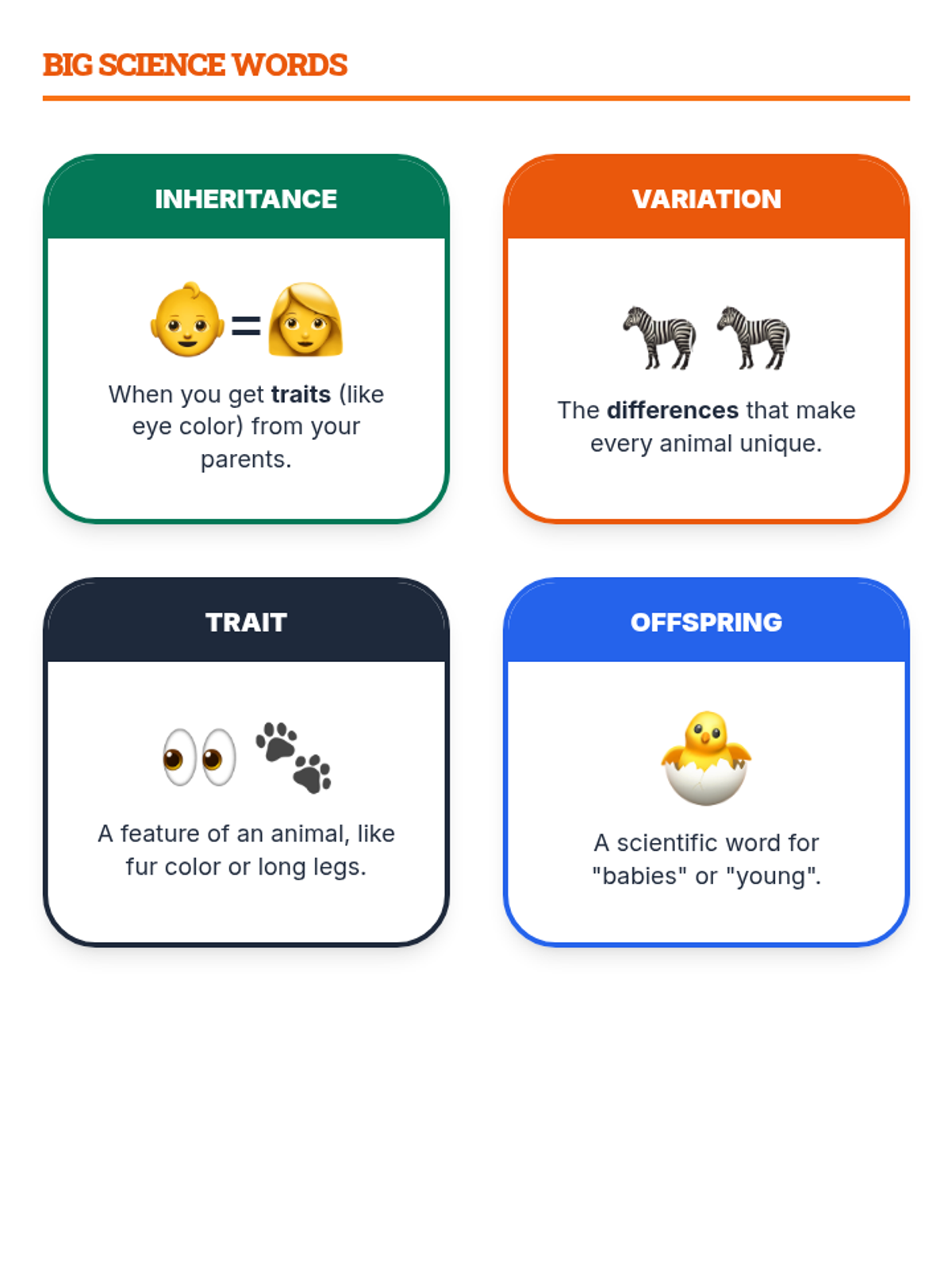
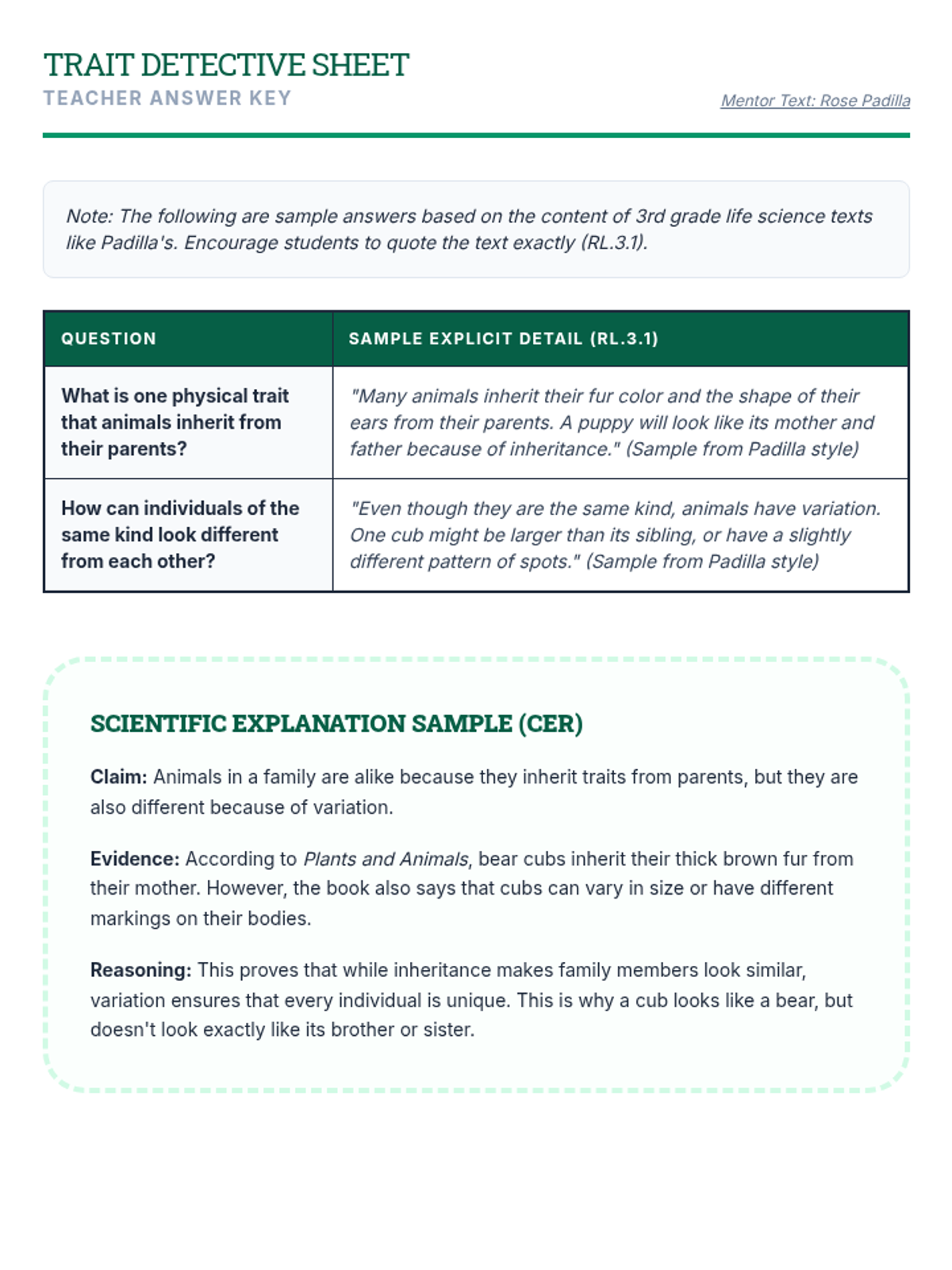
A 3rd-grade integrated science and literacy lesson exploring inheritance and variation in traits. Using 'Plants and Animals' by Rose Padilla, students analyze how animals are like their parents yet different from each other, gathering explicit text evidence to support scientific explanations.
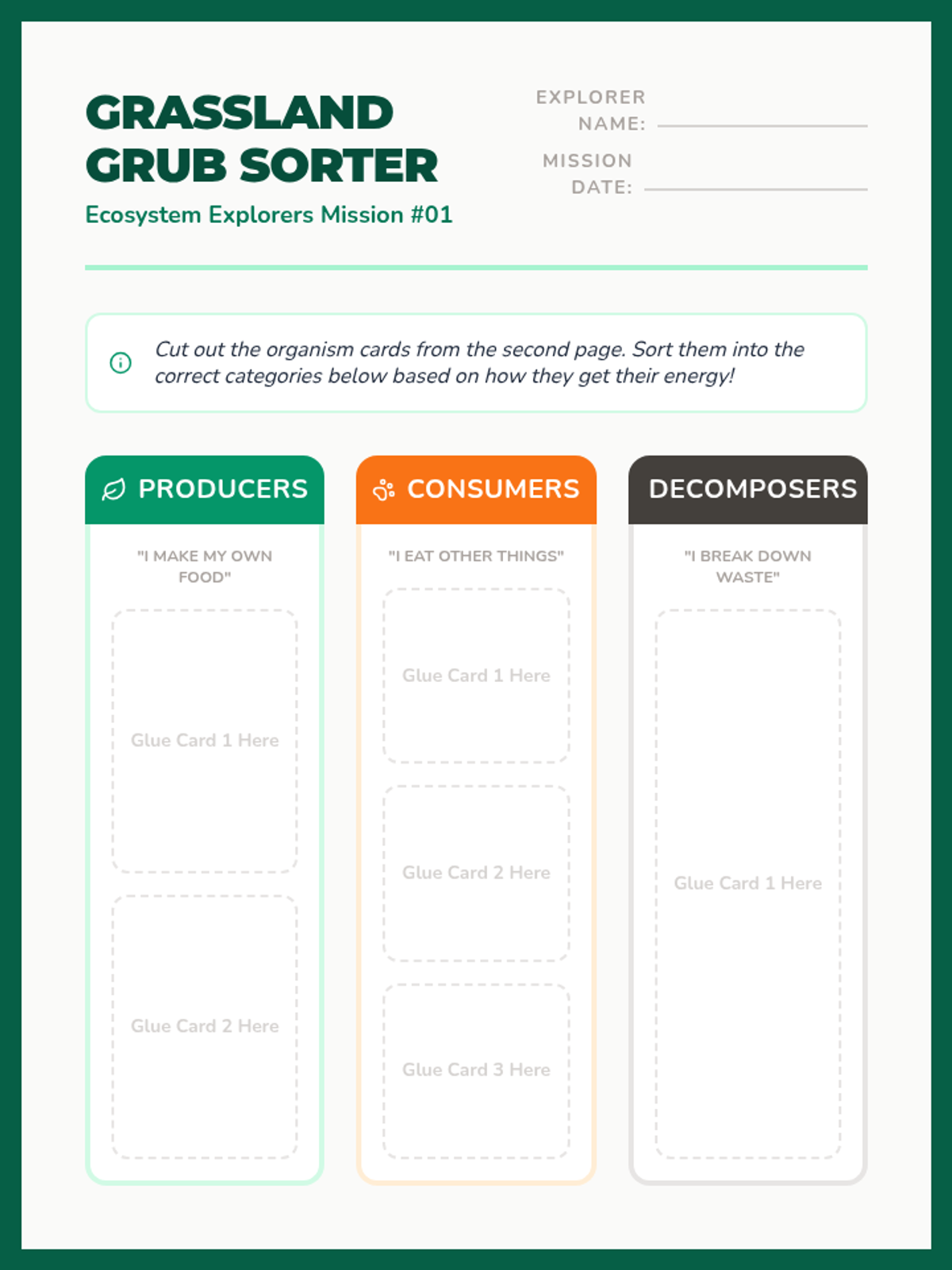
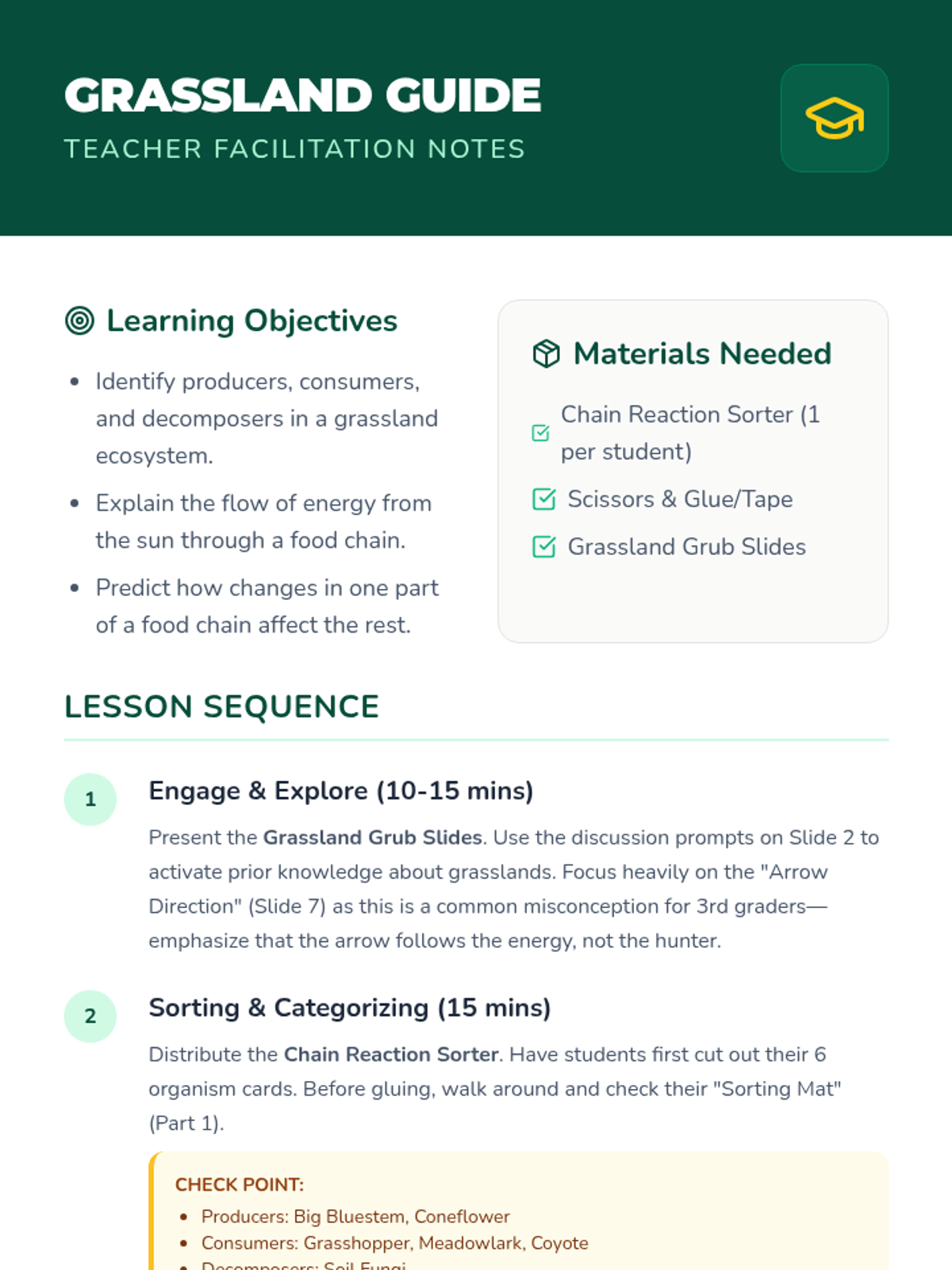
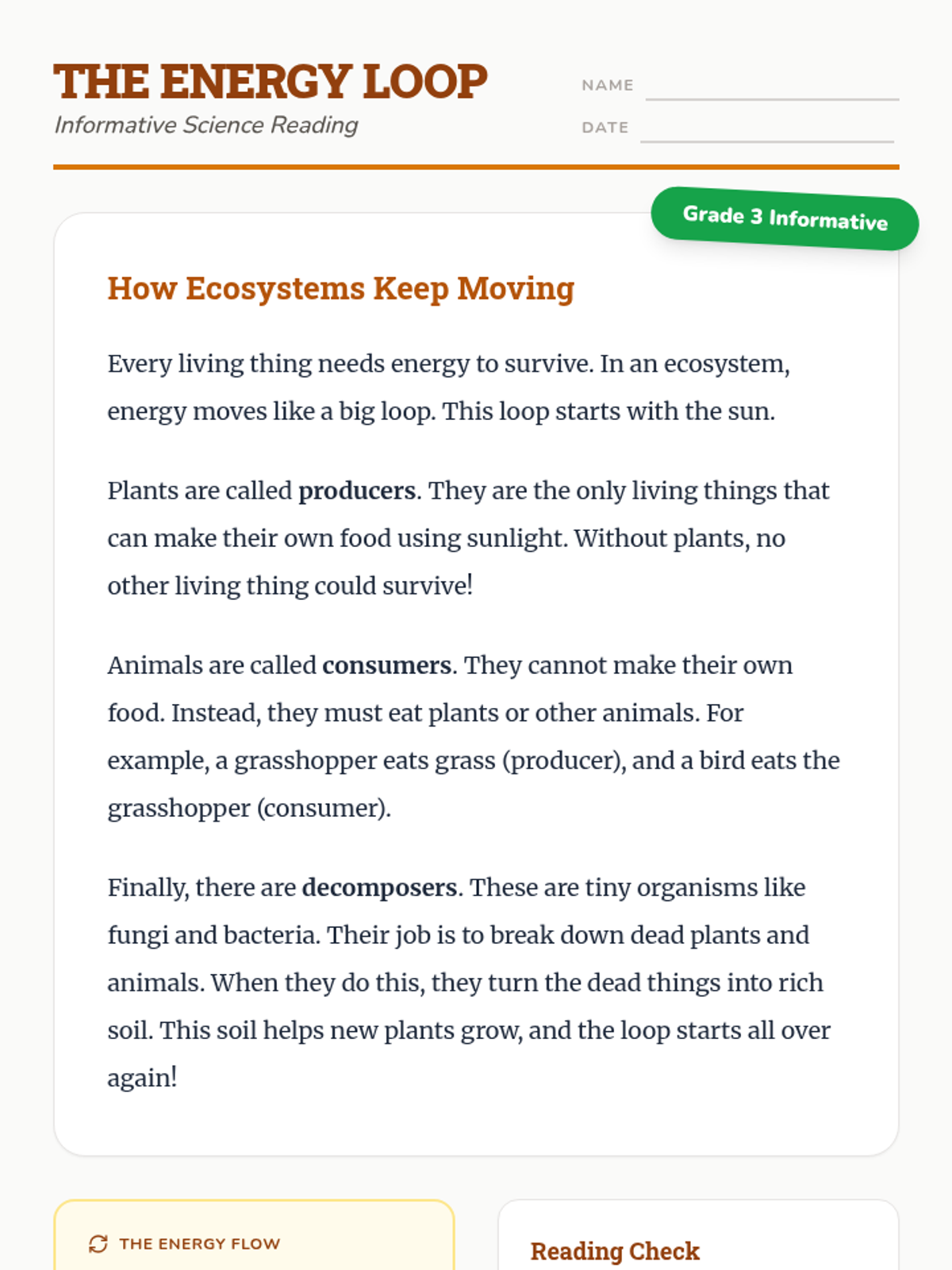
Students explore the flow of energy in a grassland ecosystem by identifying producers, consumers, and decomposers. They will construct their own food chains through a hands-on sorting and linking activity.
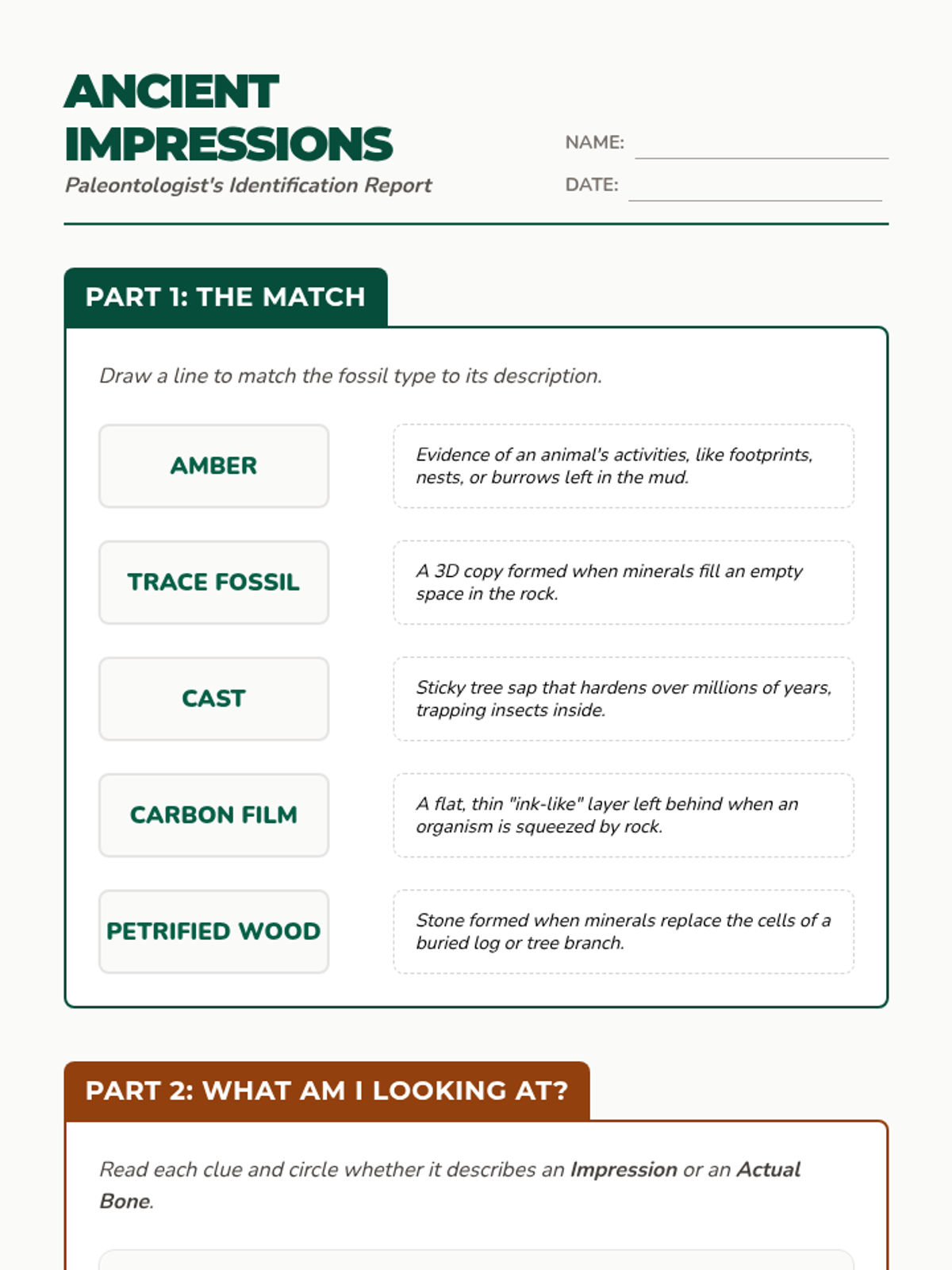
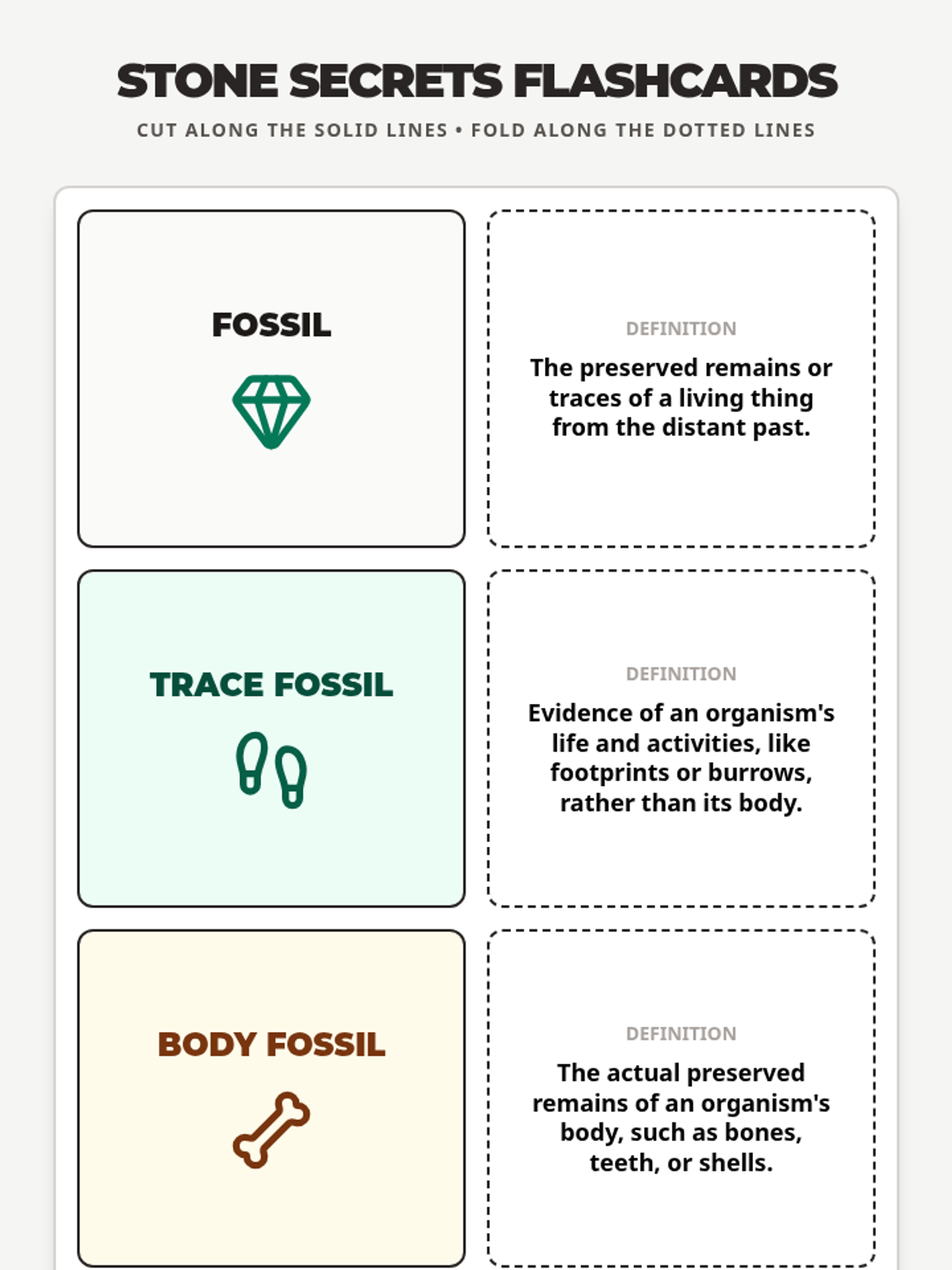
Students explore the various ways life from the past became preserved in stone, distinguishing between body and trace fossils while identifying specific preservation methods like amber, casts, and carbon films.
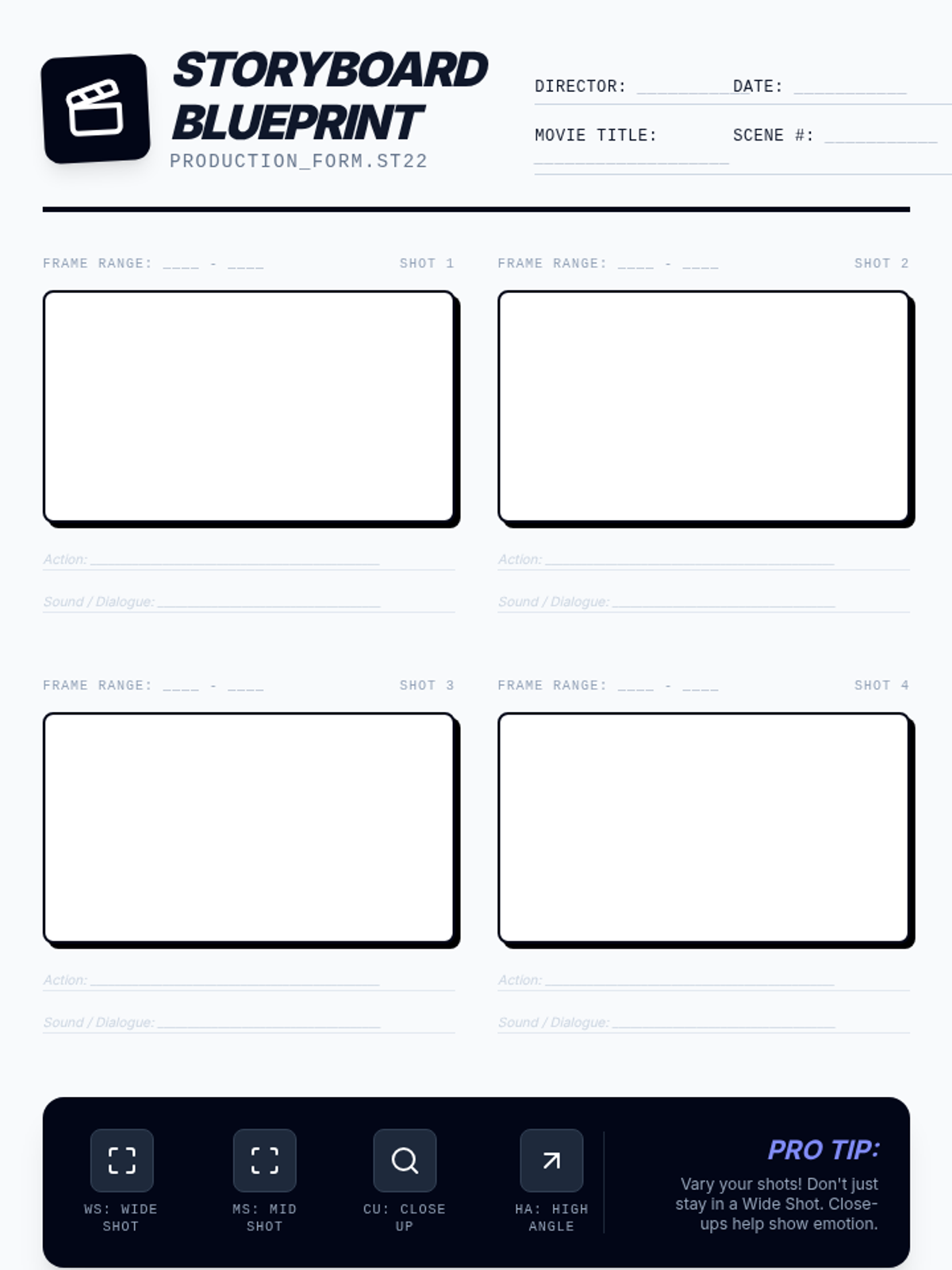
A hands-on STEM lesson for 6th-grade students where they learn the physics and technology of stop-motion animation, from frame rates and persistence of vision to storyboarding and filming their own creative shorts.
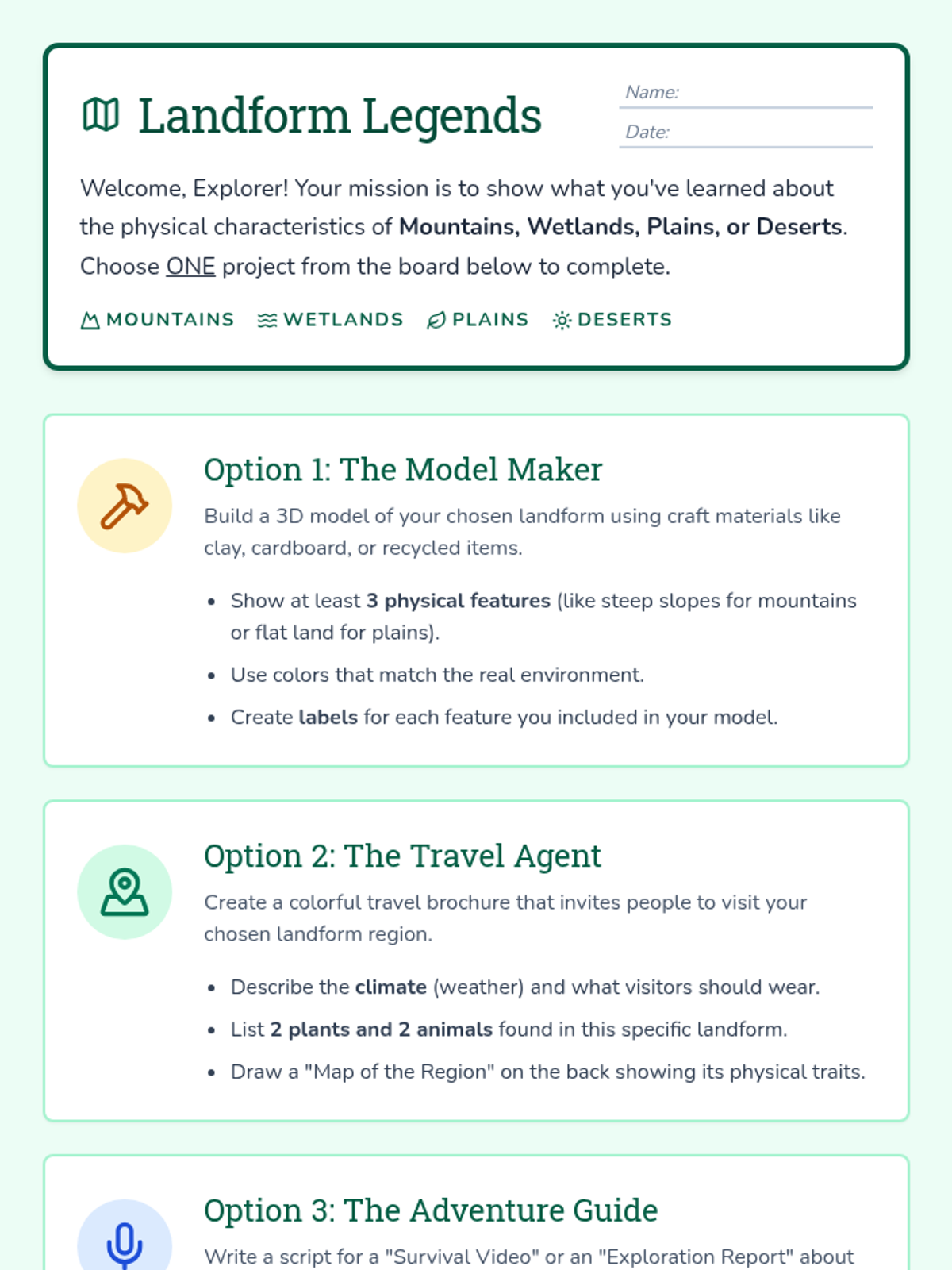
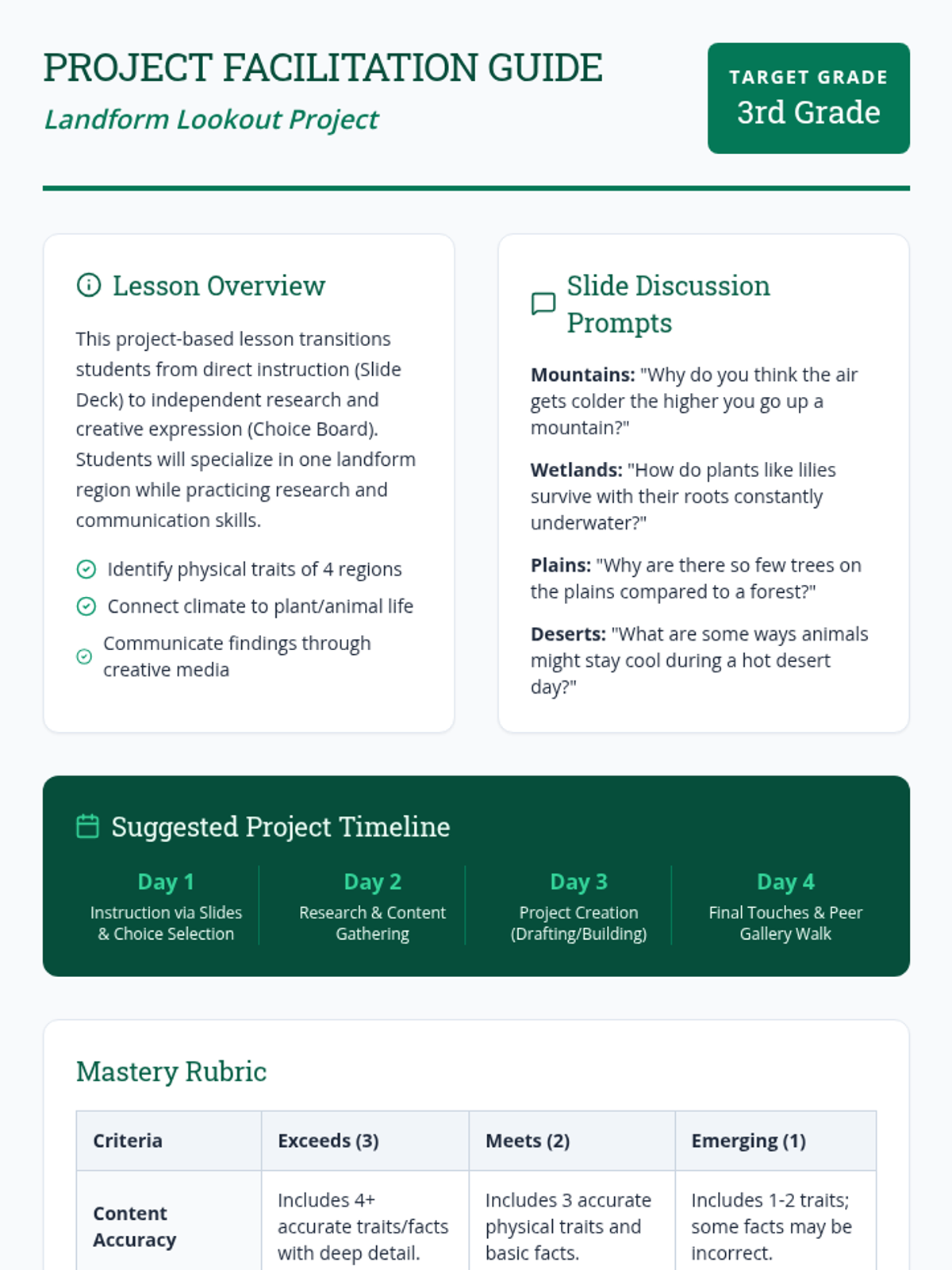
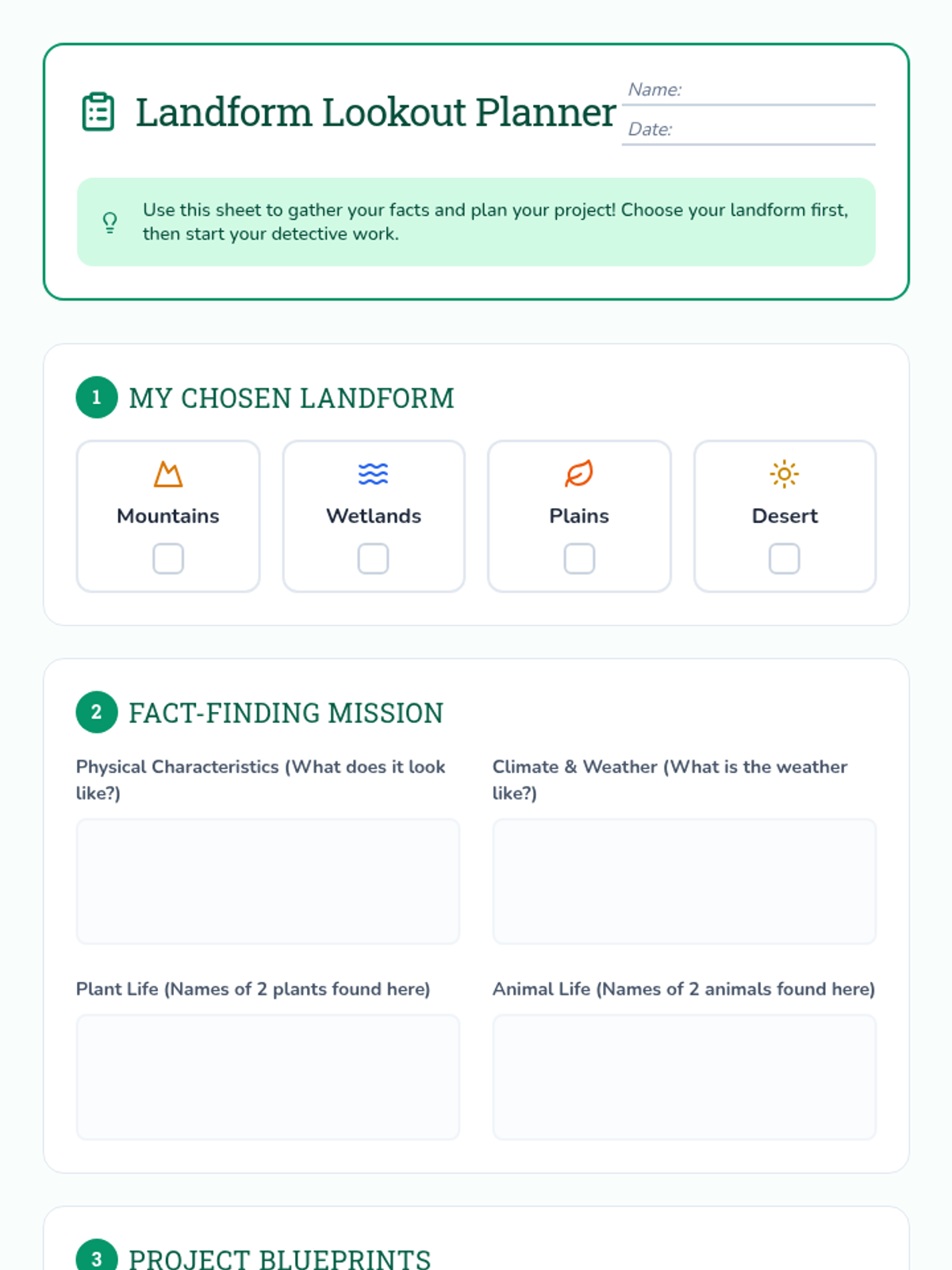
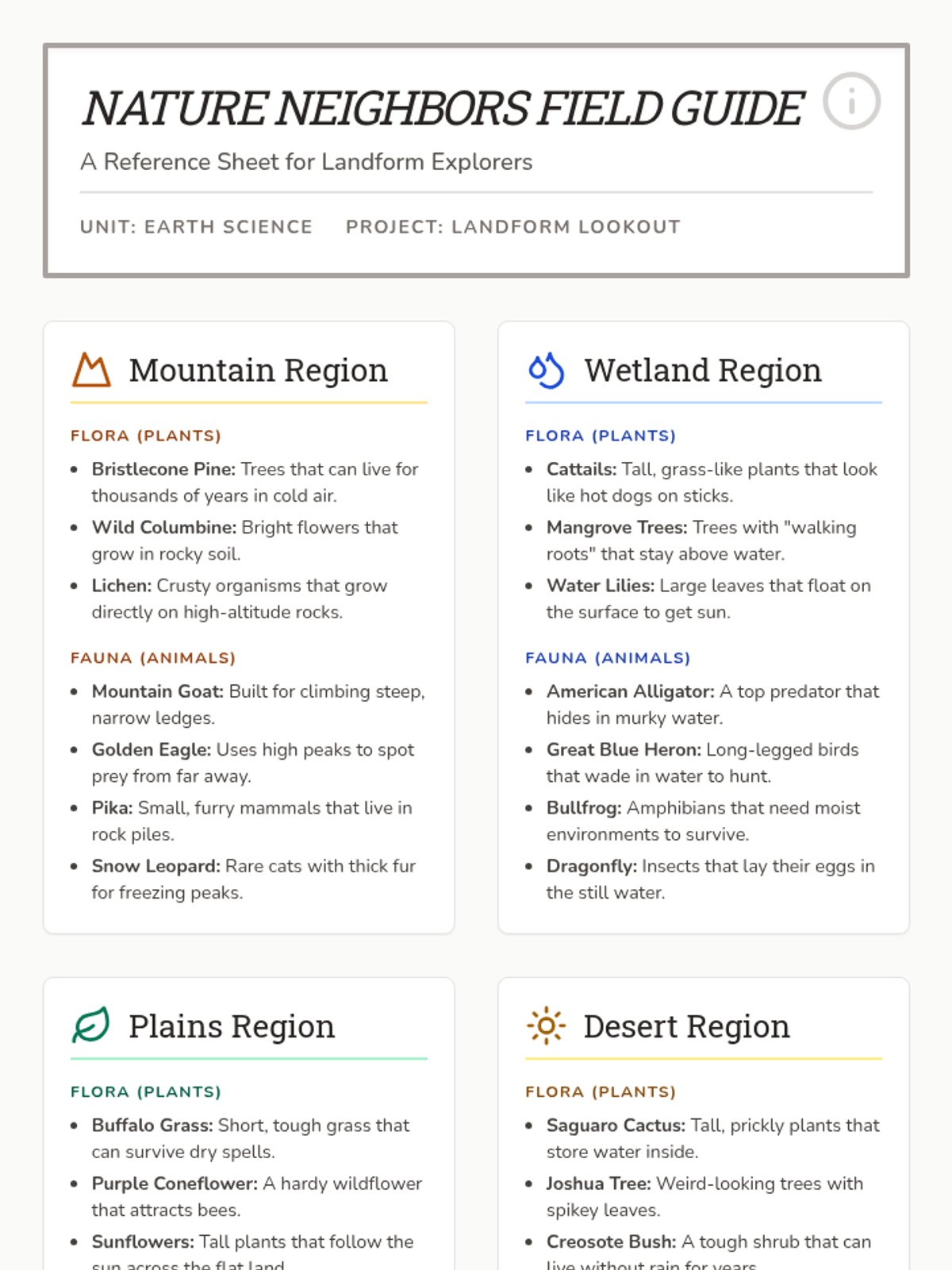
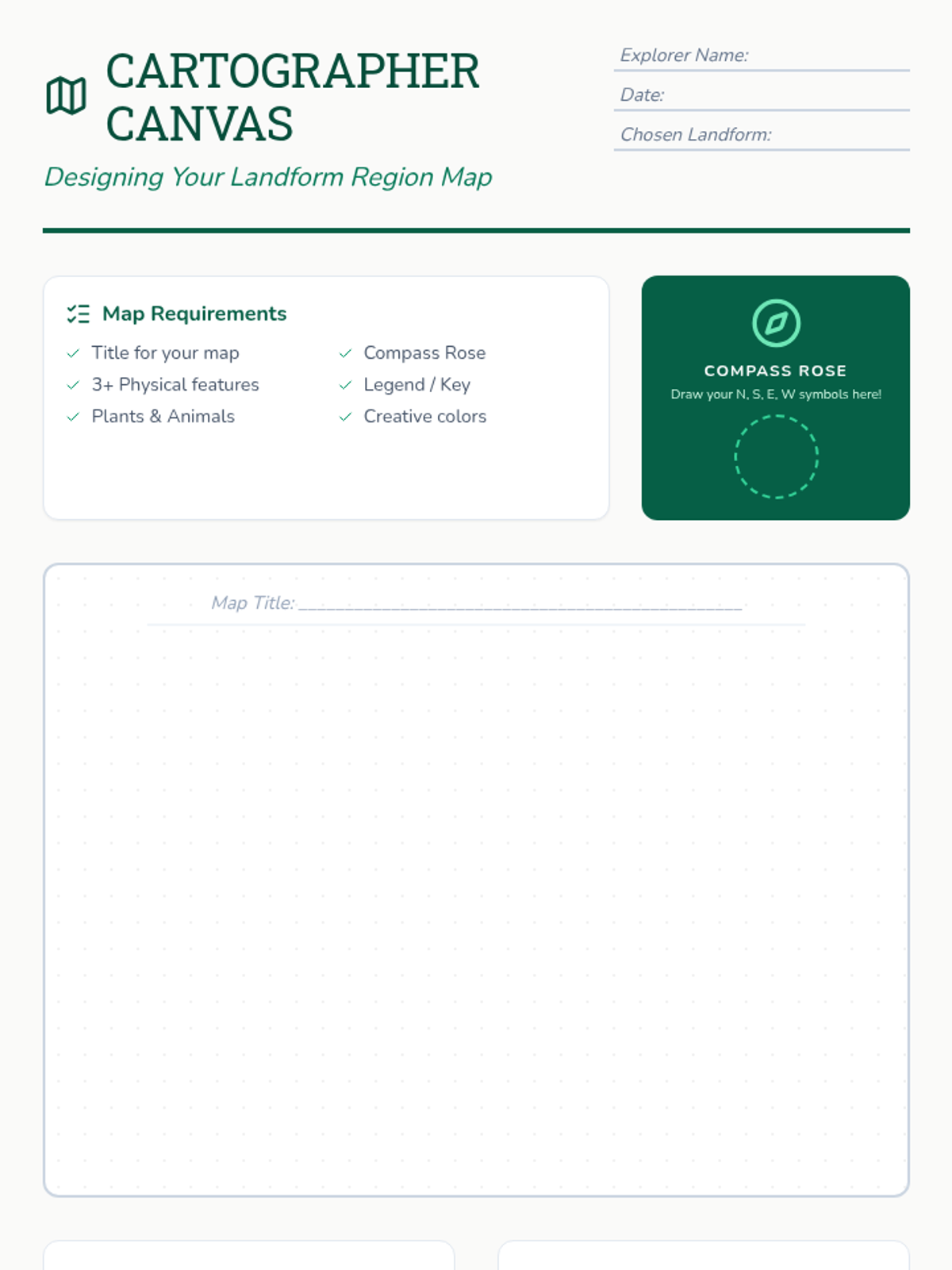
A project-based lesson where 3rd-grade students explore the physical characteristics of mountains, wetlands, plains, and deserts through a variety of creative choices.
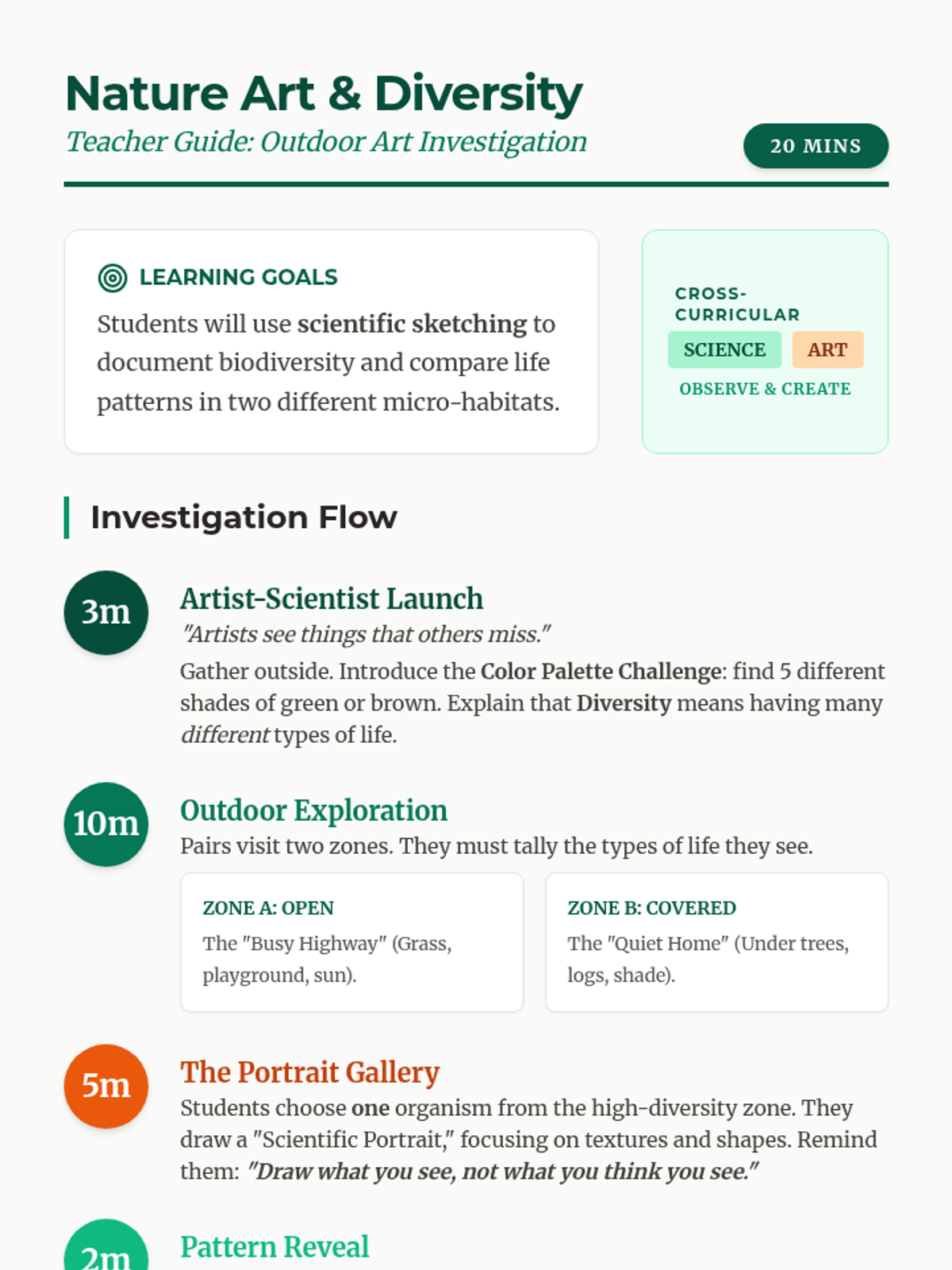
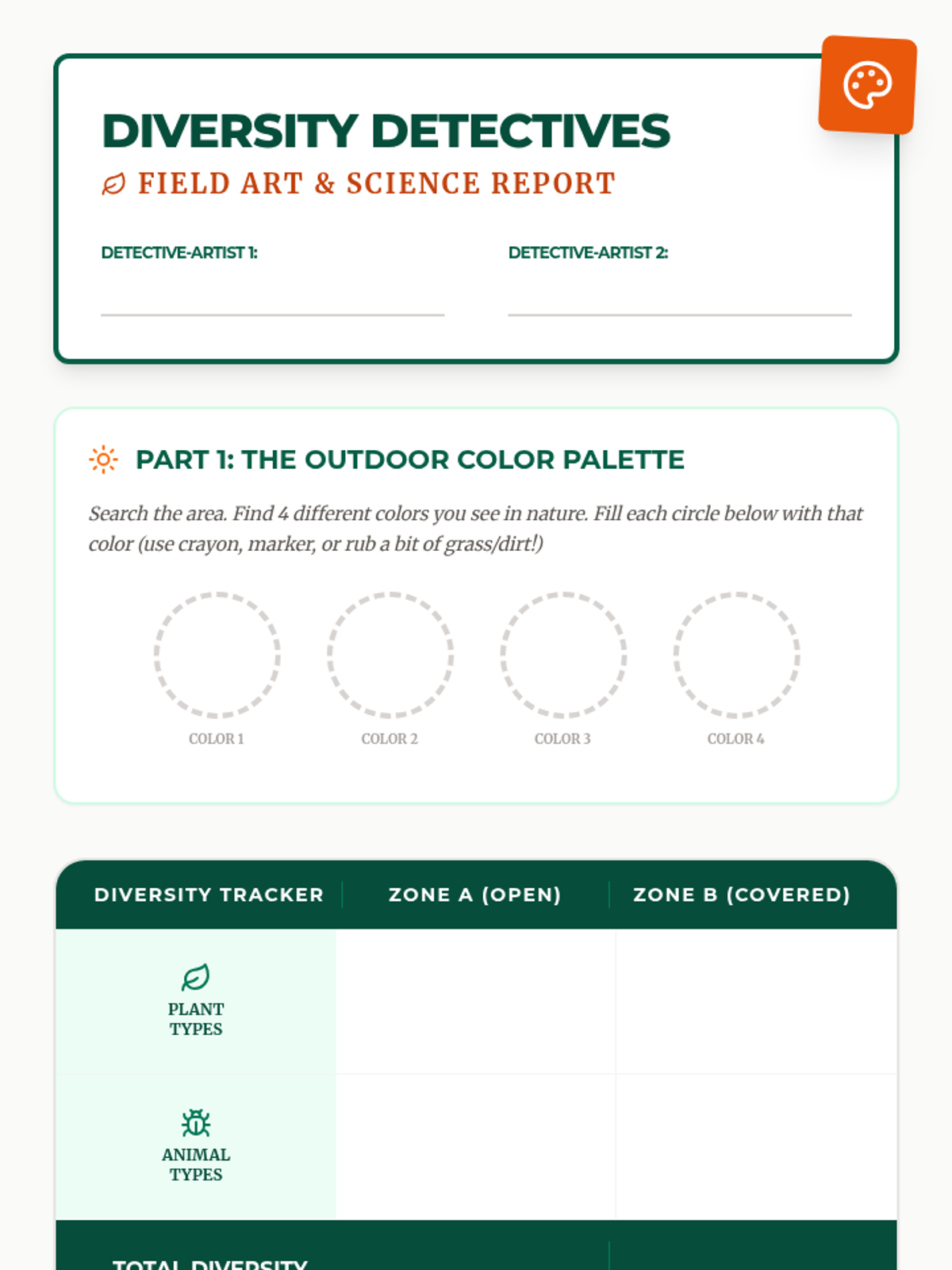
A 20-minute outdoor investigation where students compare the diversity of life in two different micro-habitats to understand patterns of biodiversity. This lesson integrates art through scientific sketching and a nature color hunt.
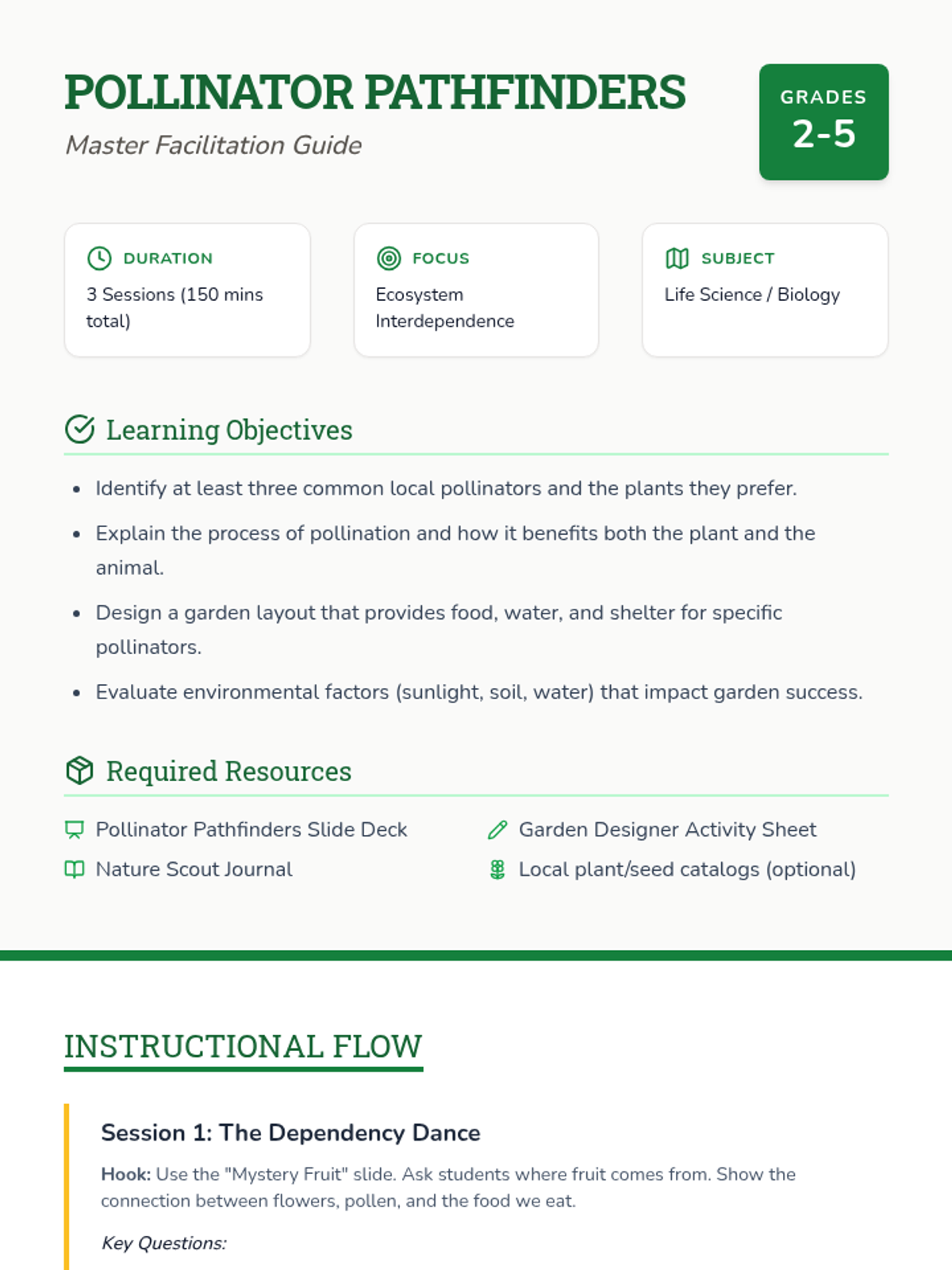
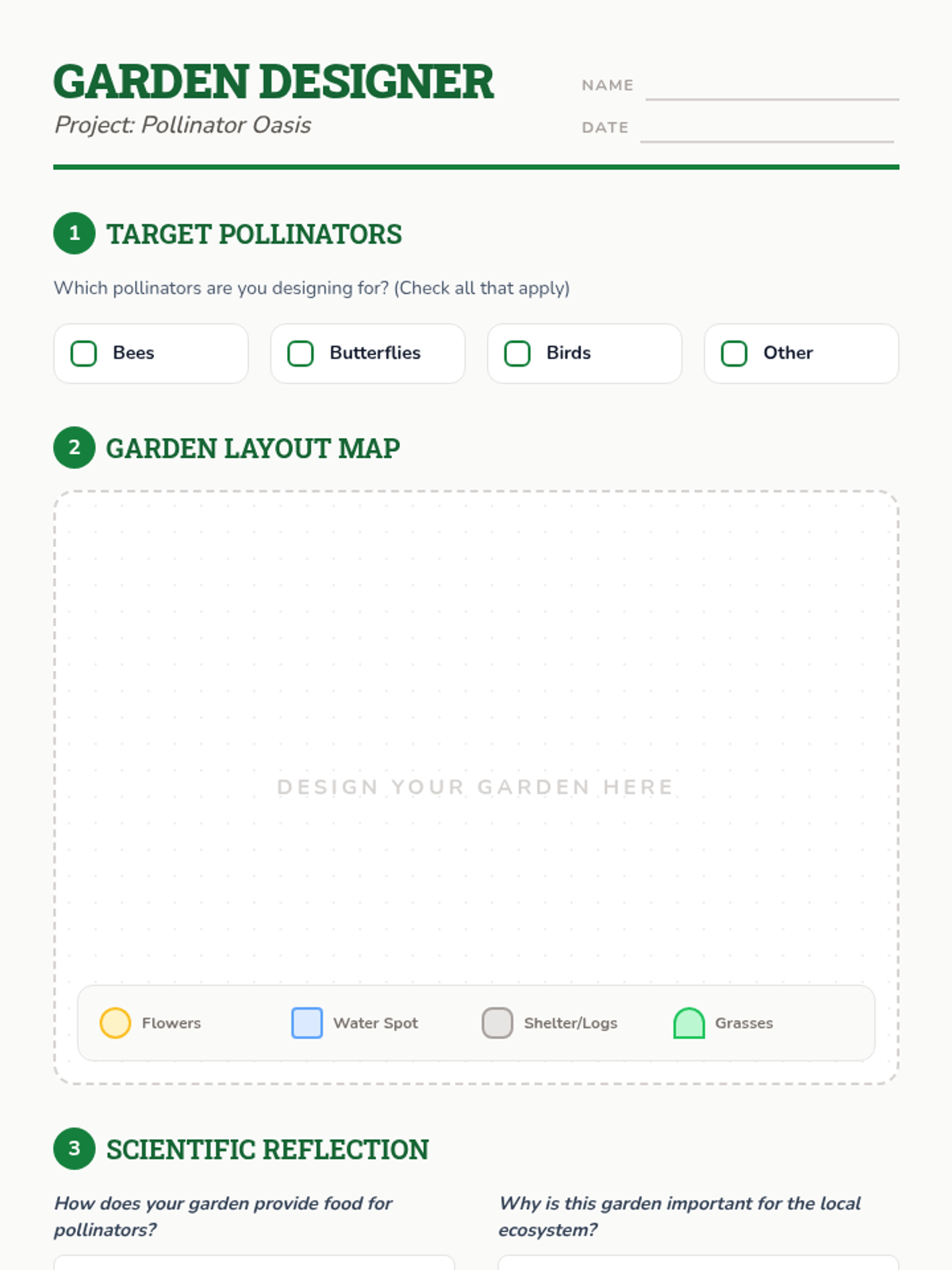
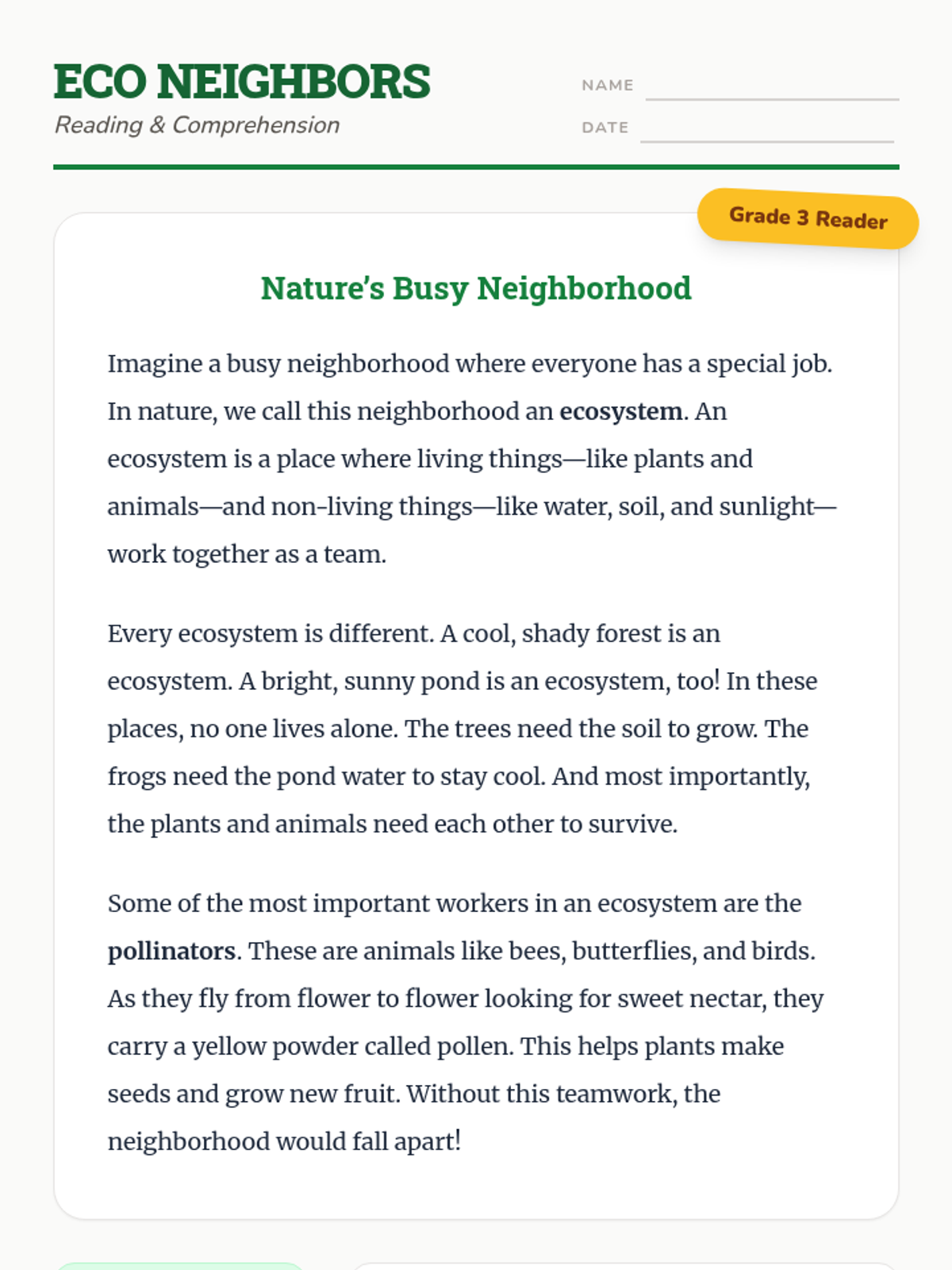
Students explore the essential relationship between plants and pollinators, identifying how they depend on each other for survival. The lesson culminates in a hands-on project where students design a pollinator-friendly garden tailored to their local ecosystem.
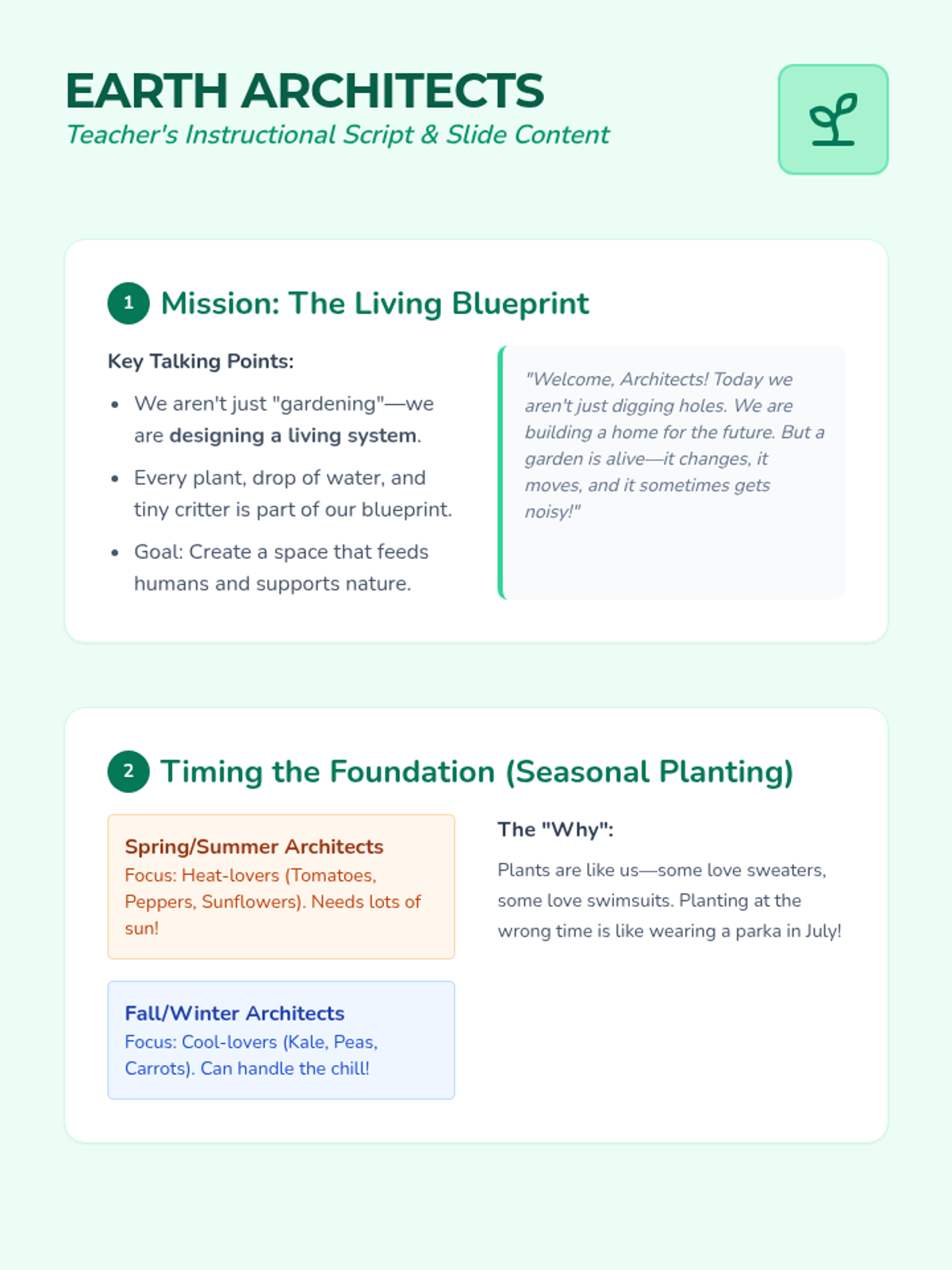
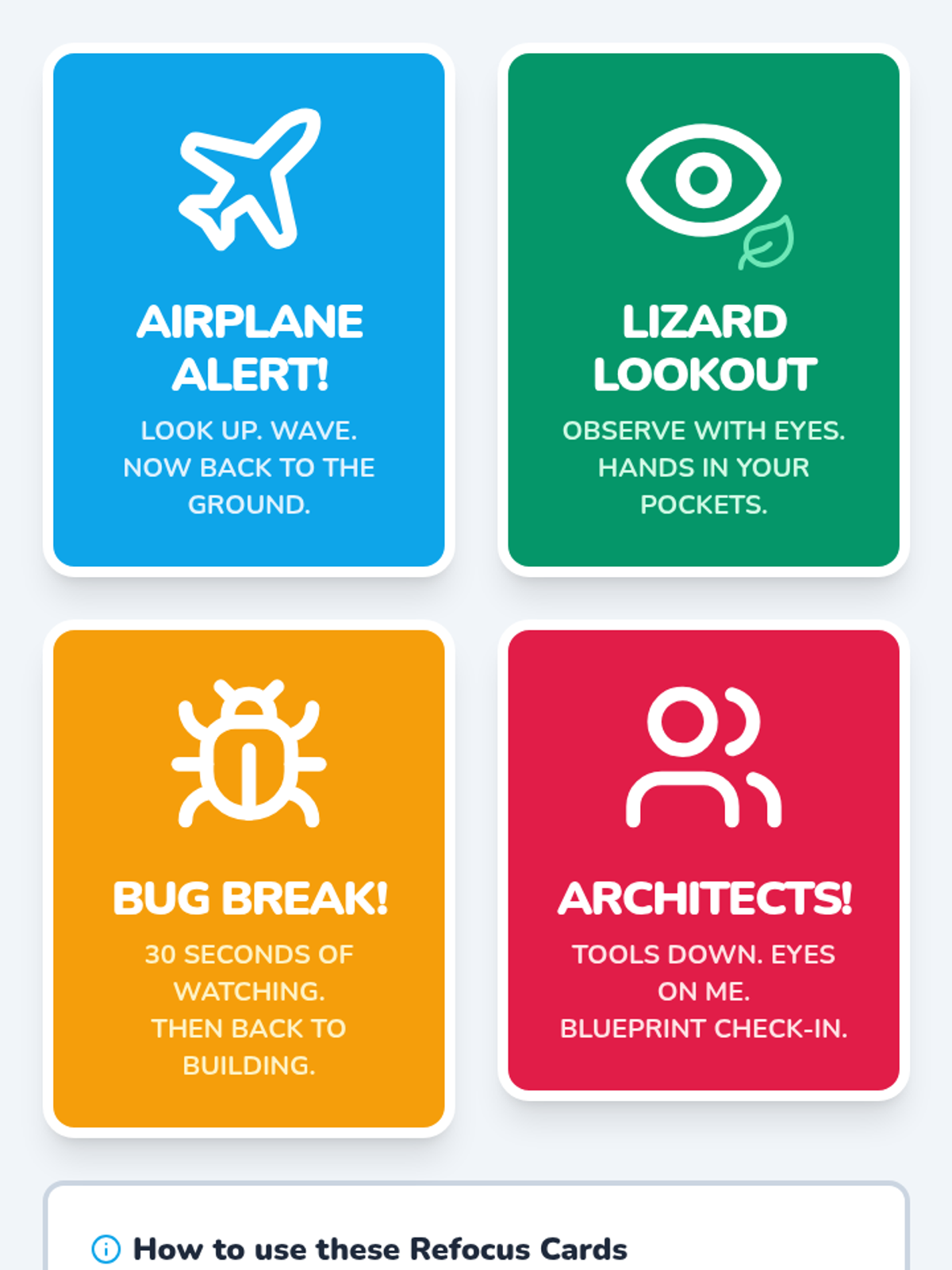
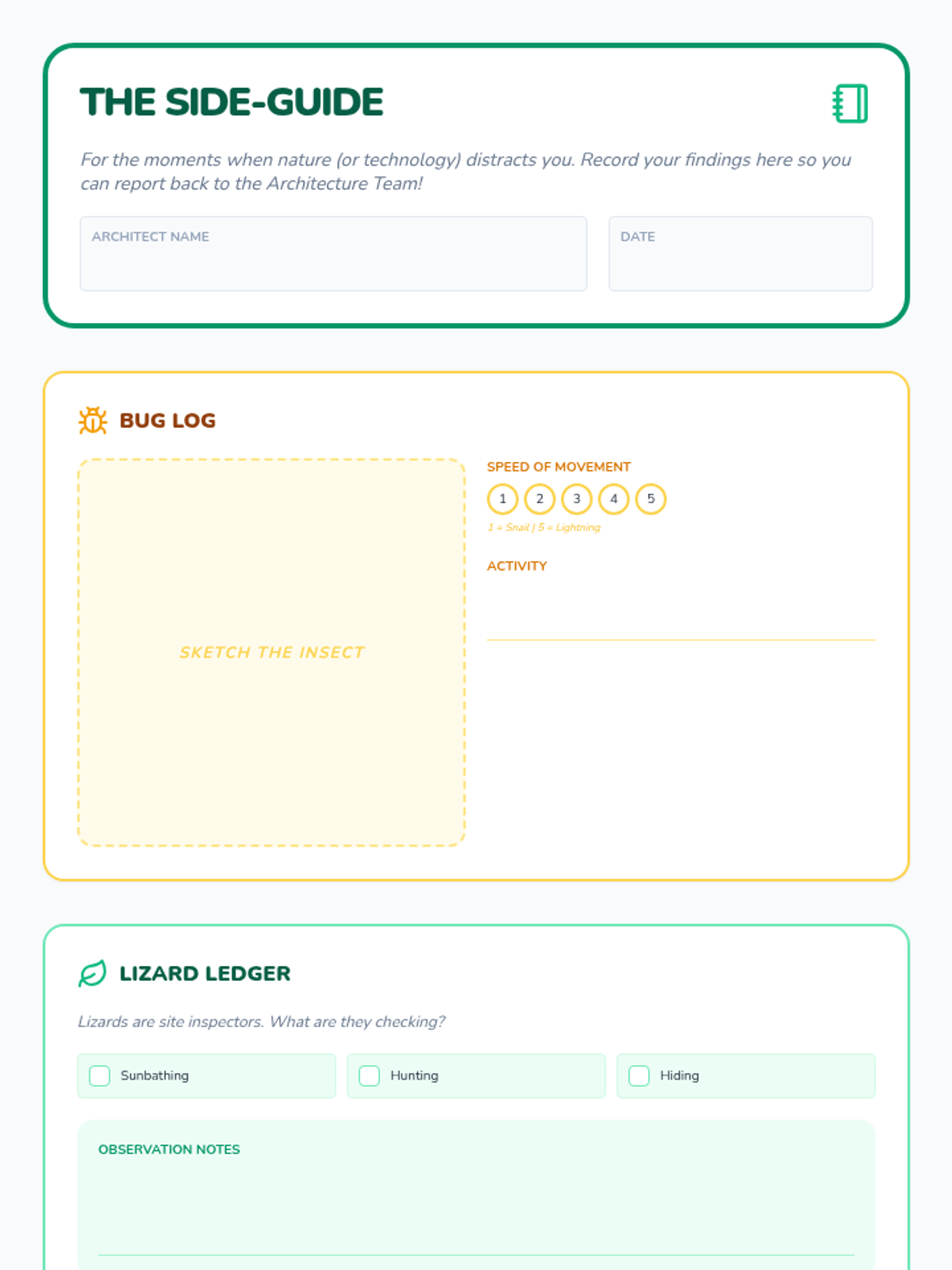
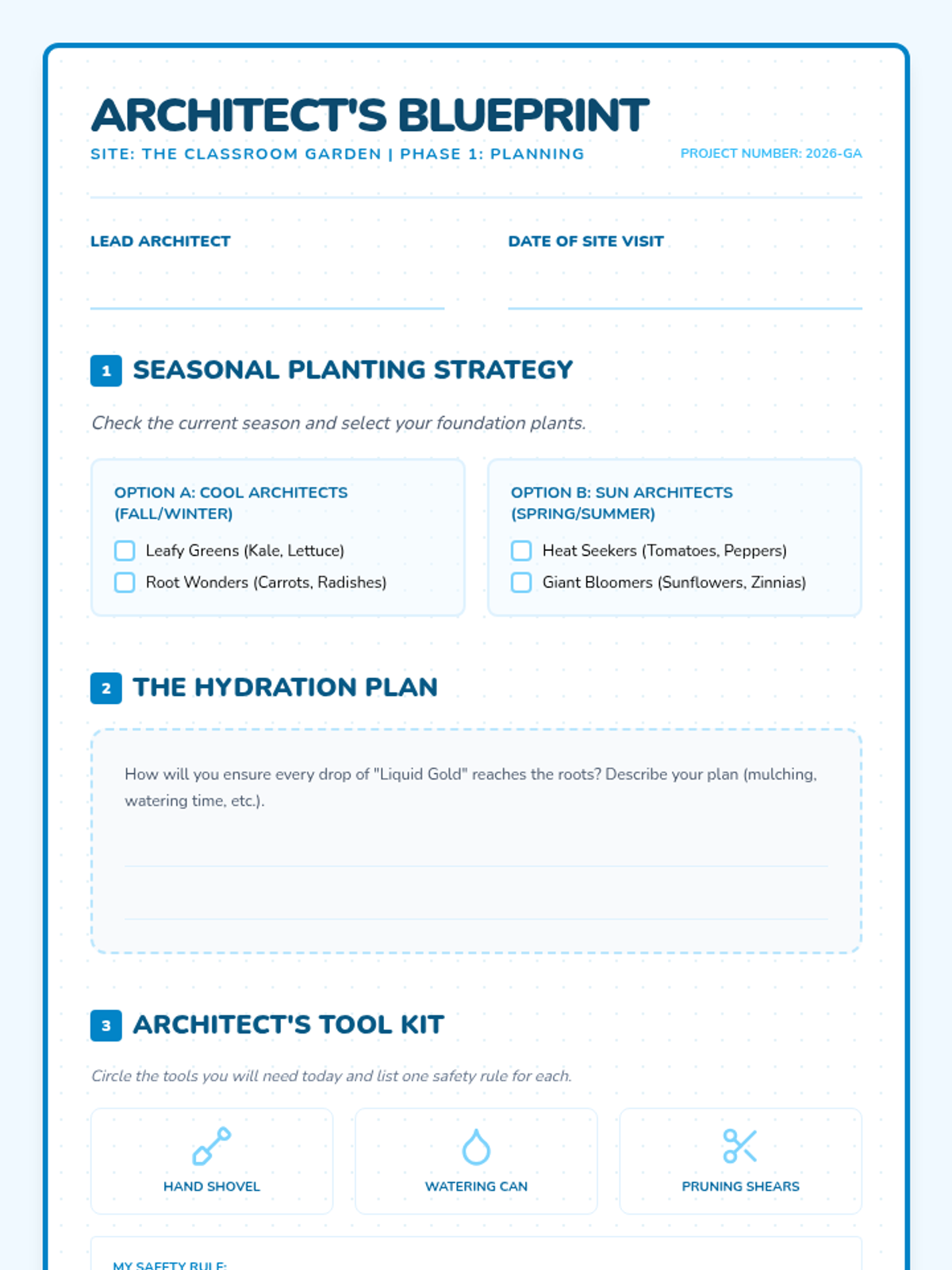
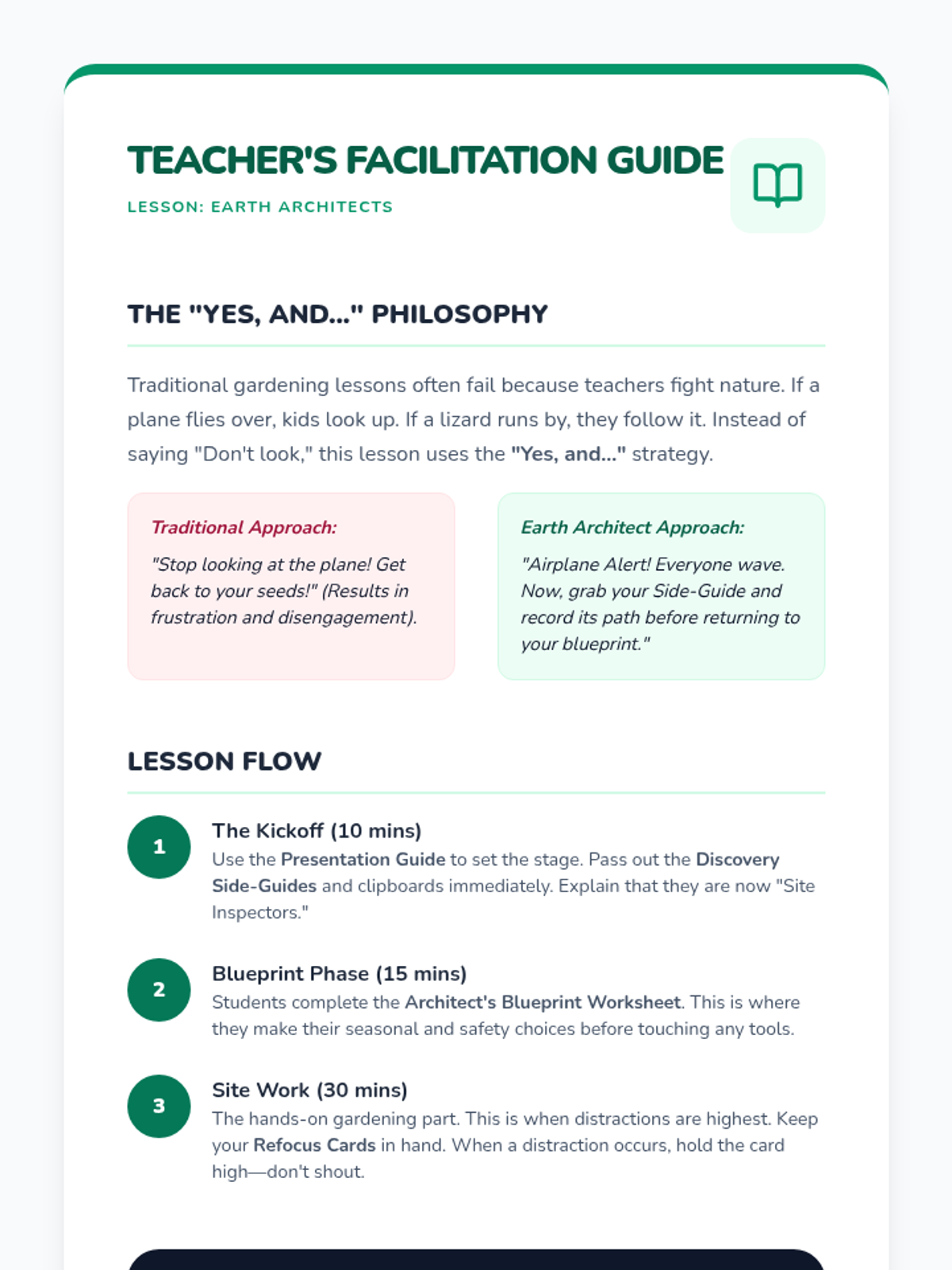
A hands-on gardening lesson that turns natural distractions into learning opportunities. Students learn seasonal planting, water conservation, tool safety, and wildlife cohabitation through the lens of being 'Earth Architects'.
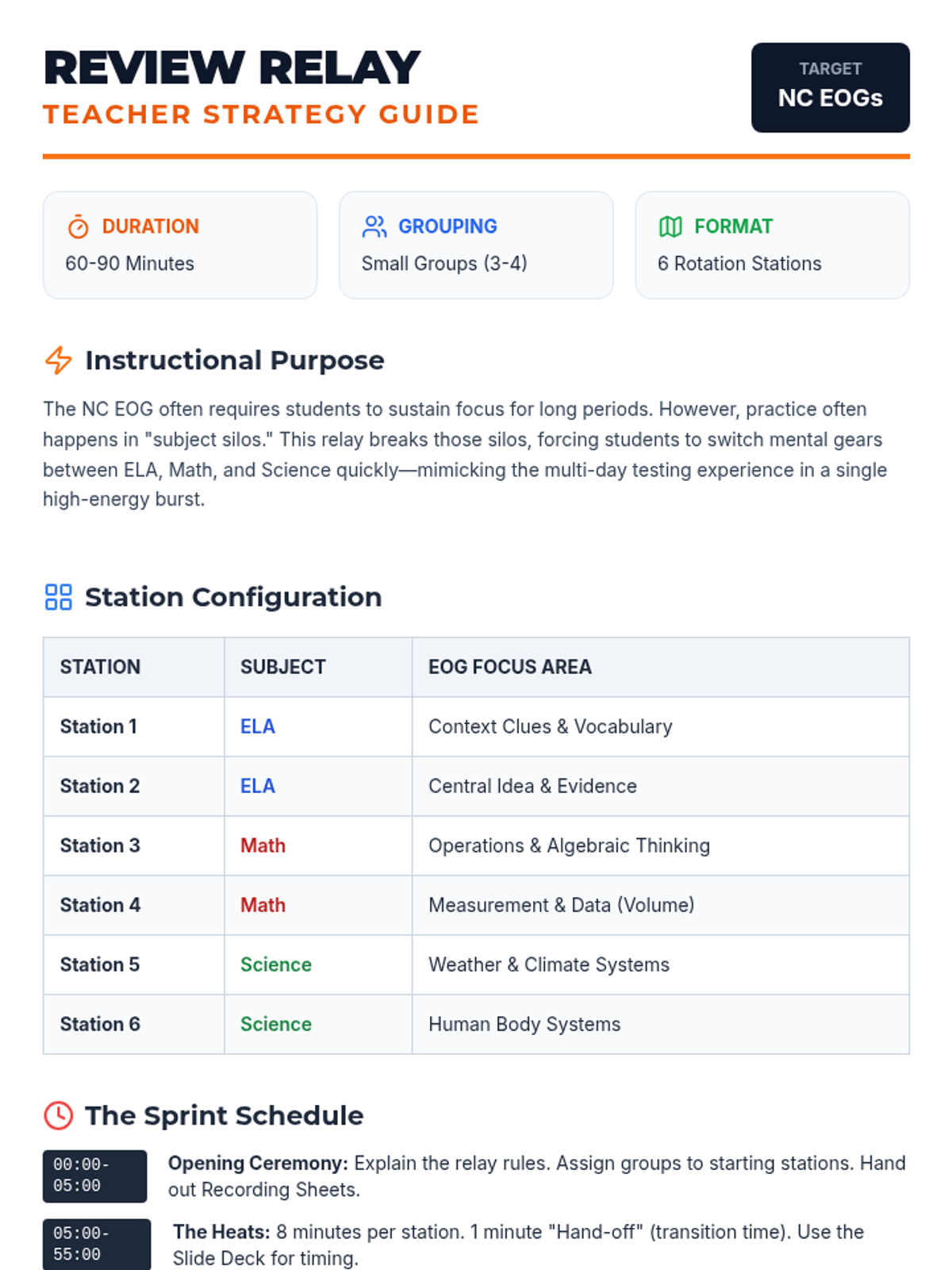
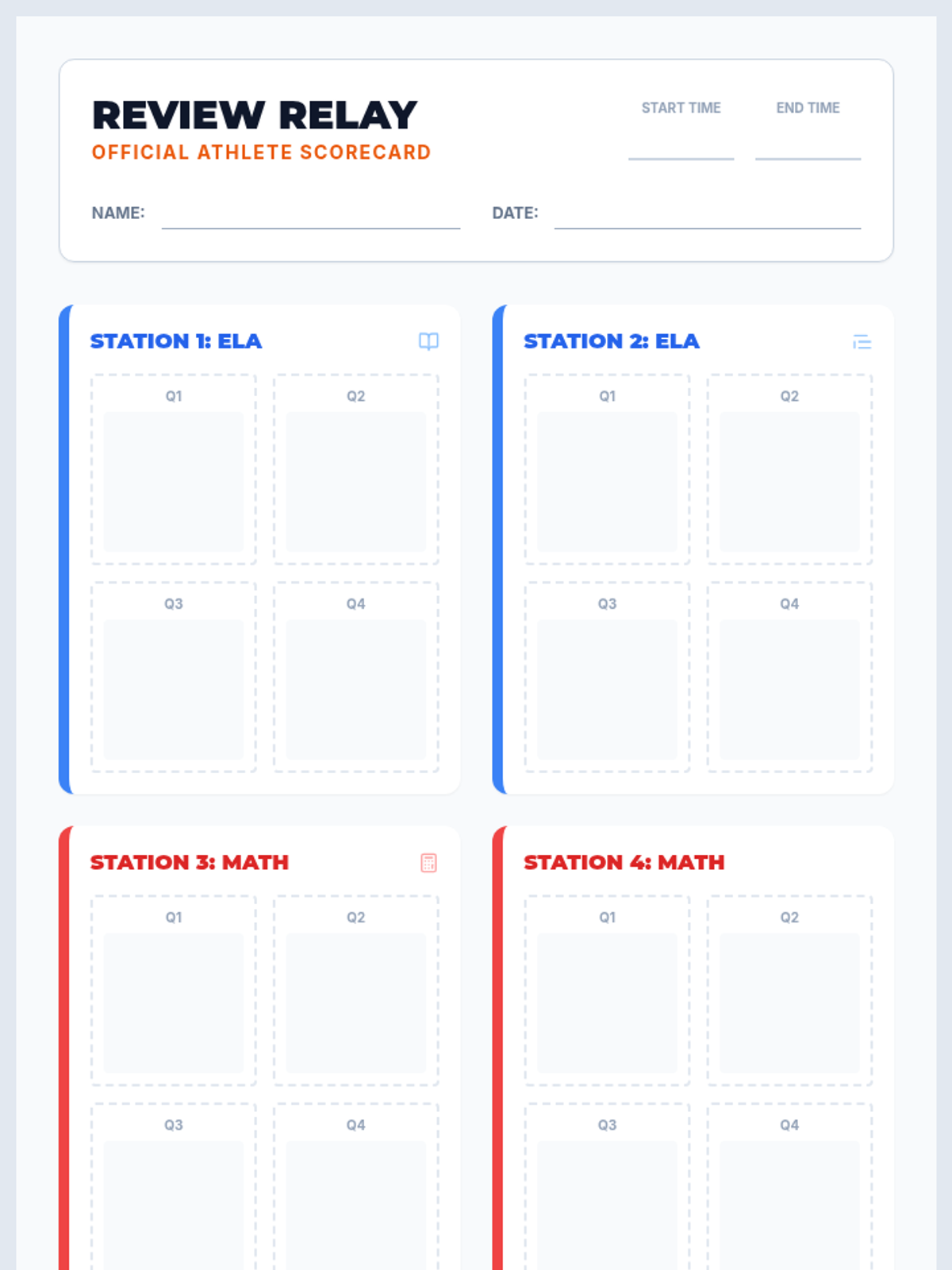
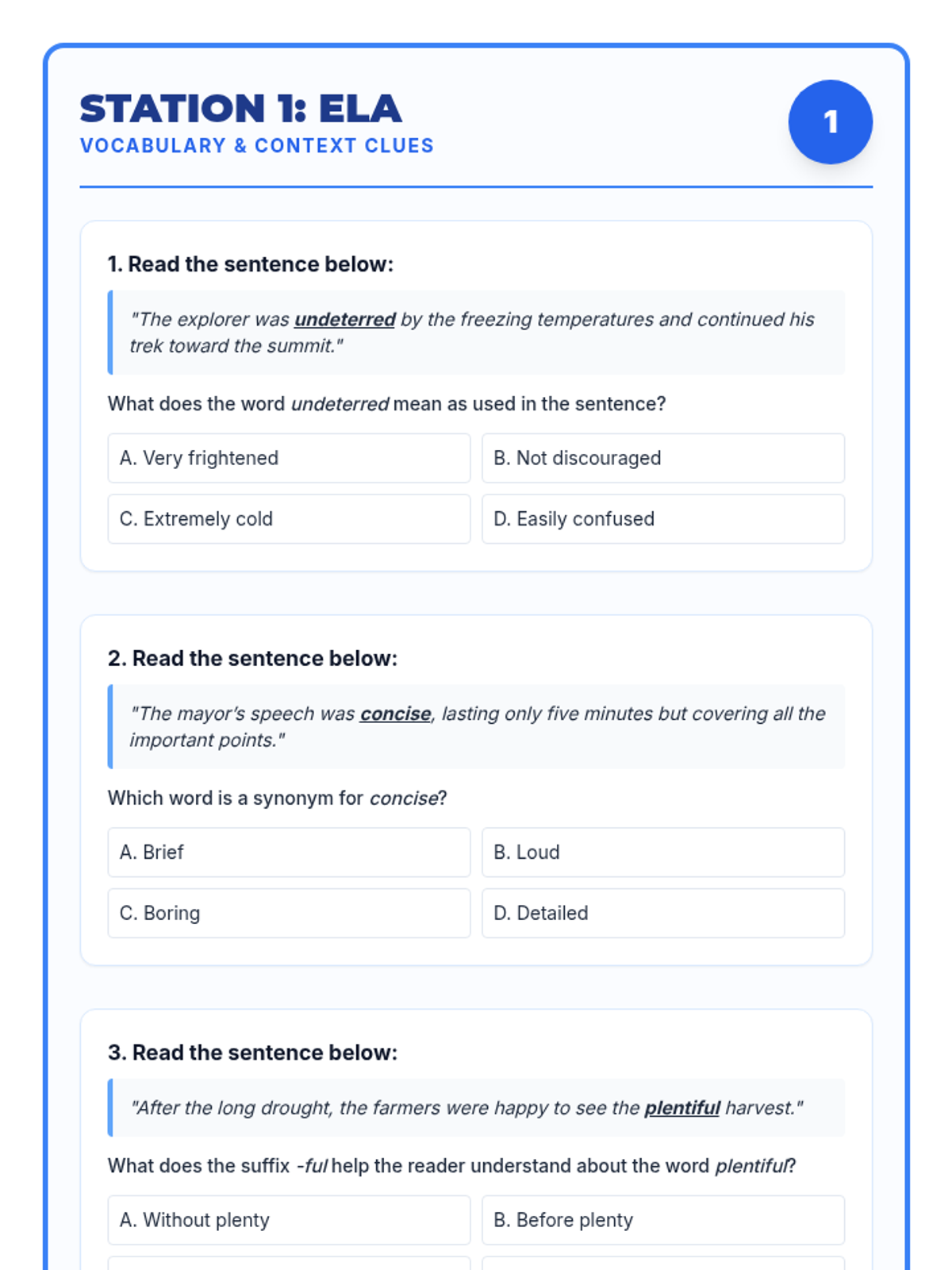
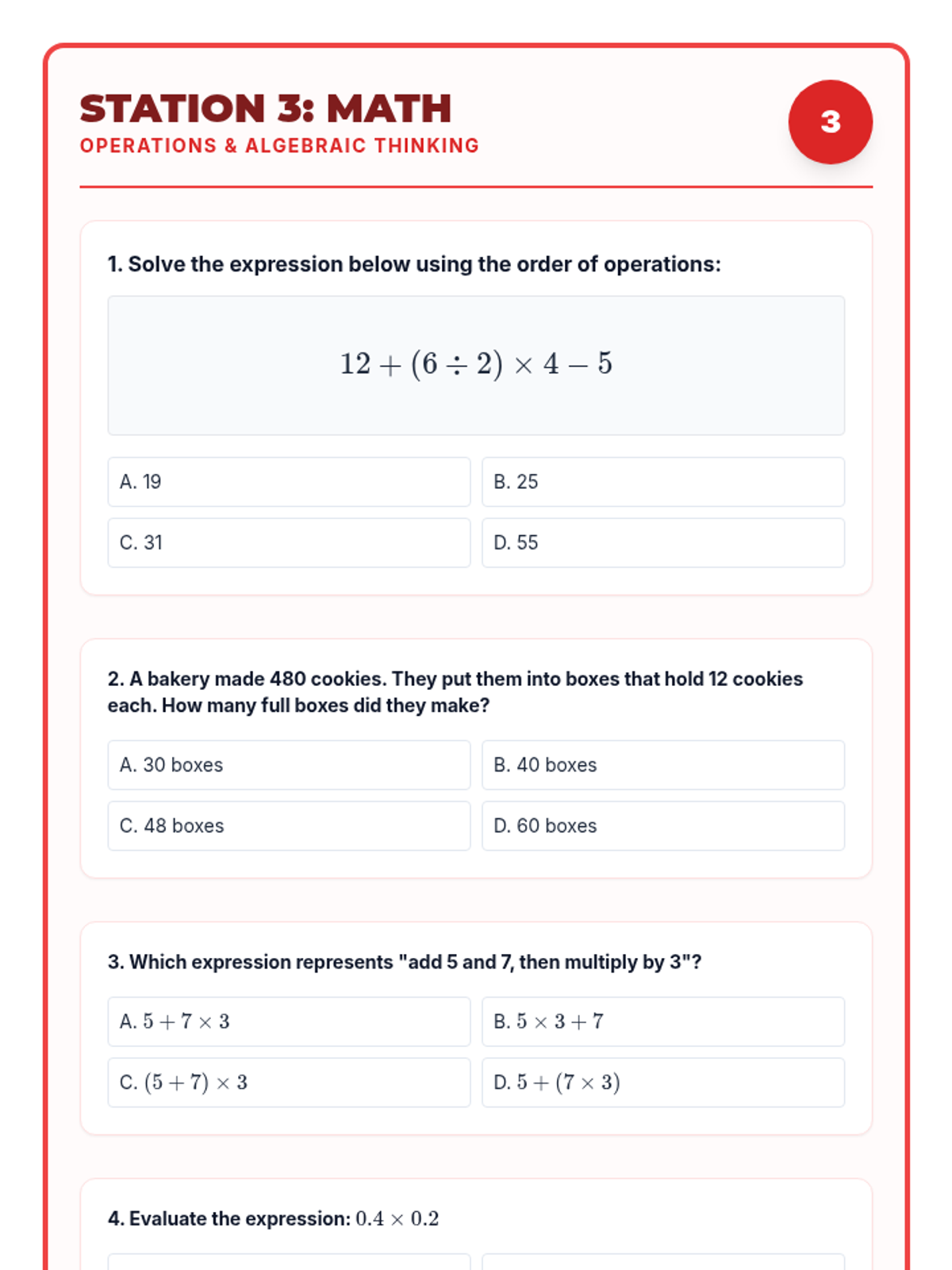
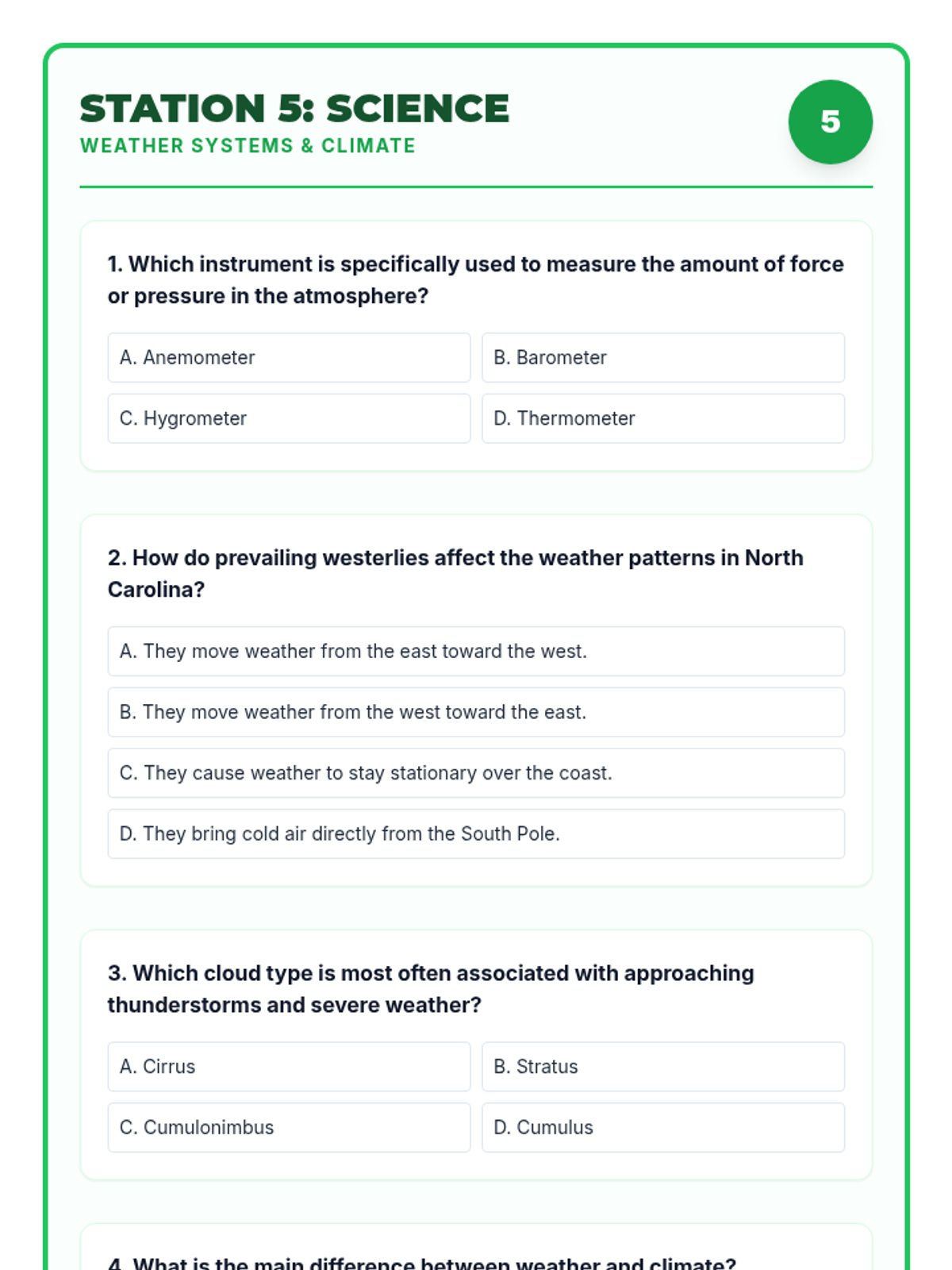
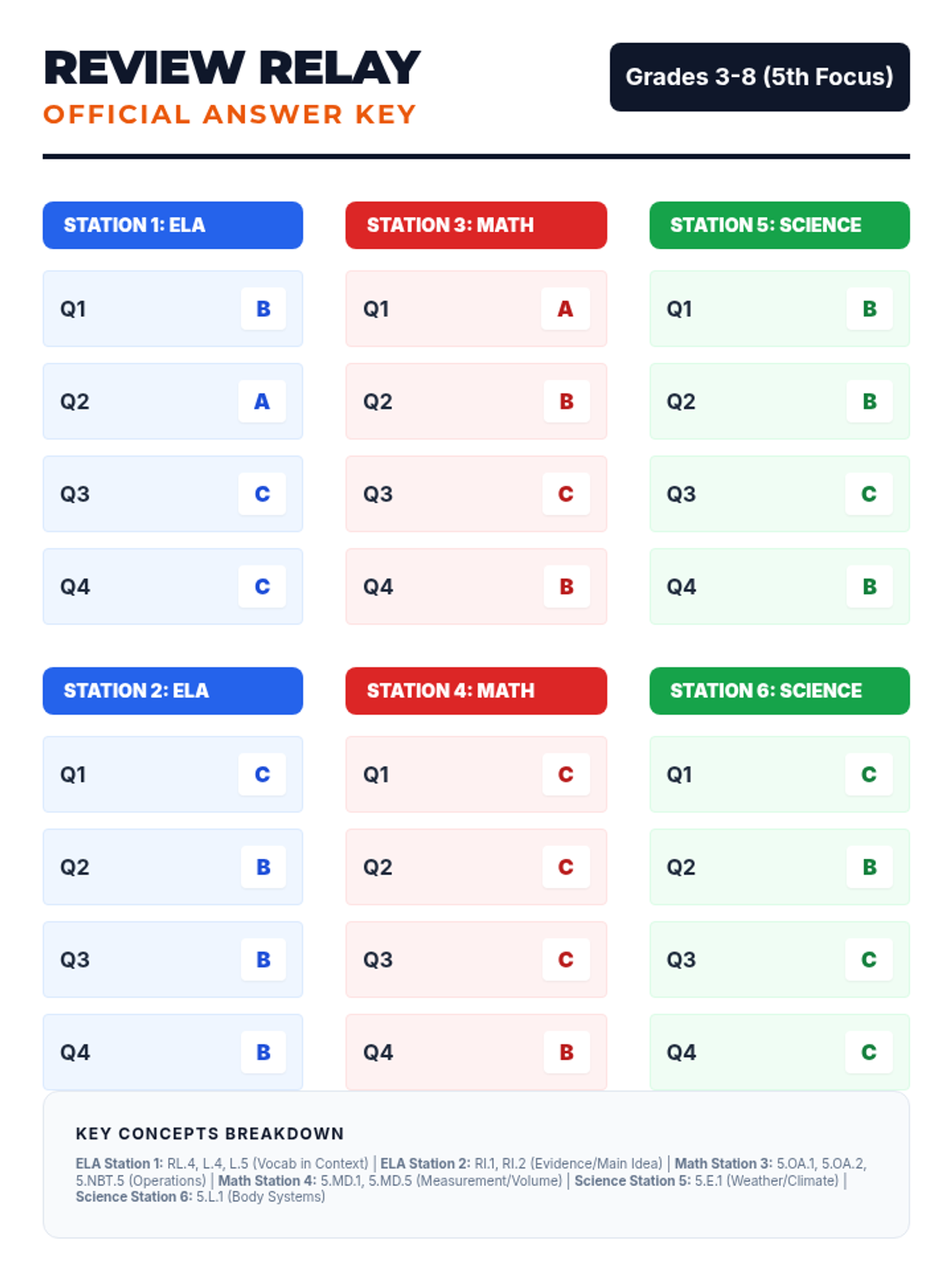
A high-energy, station-based review session designed to build testing stamina and subject-switching agility for NC EOGs. Students rotate through ELA, Math, and Science challenges in timed 'sprints'.
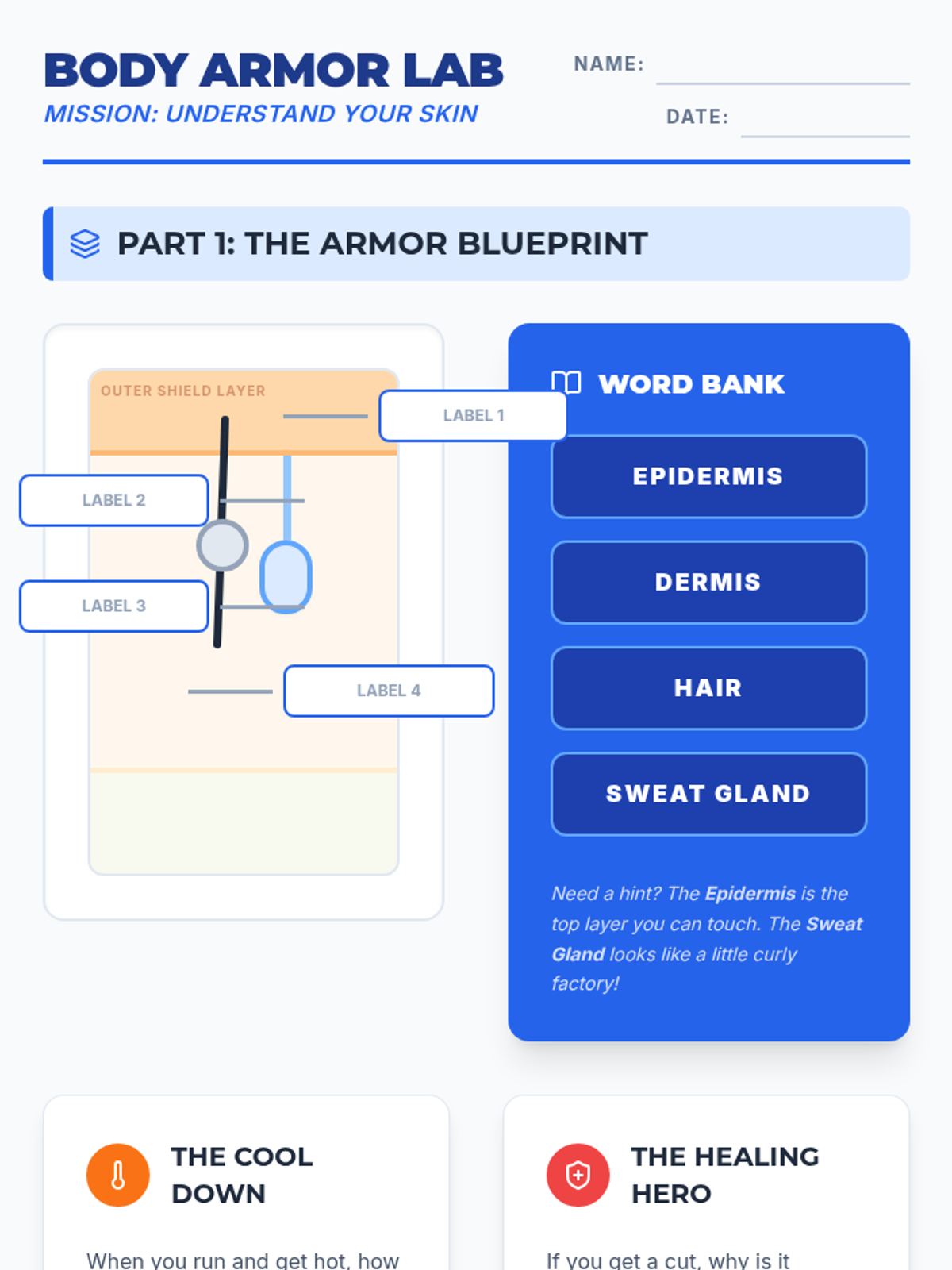
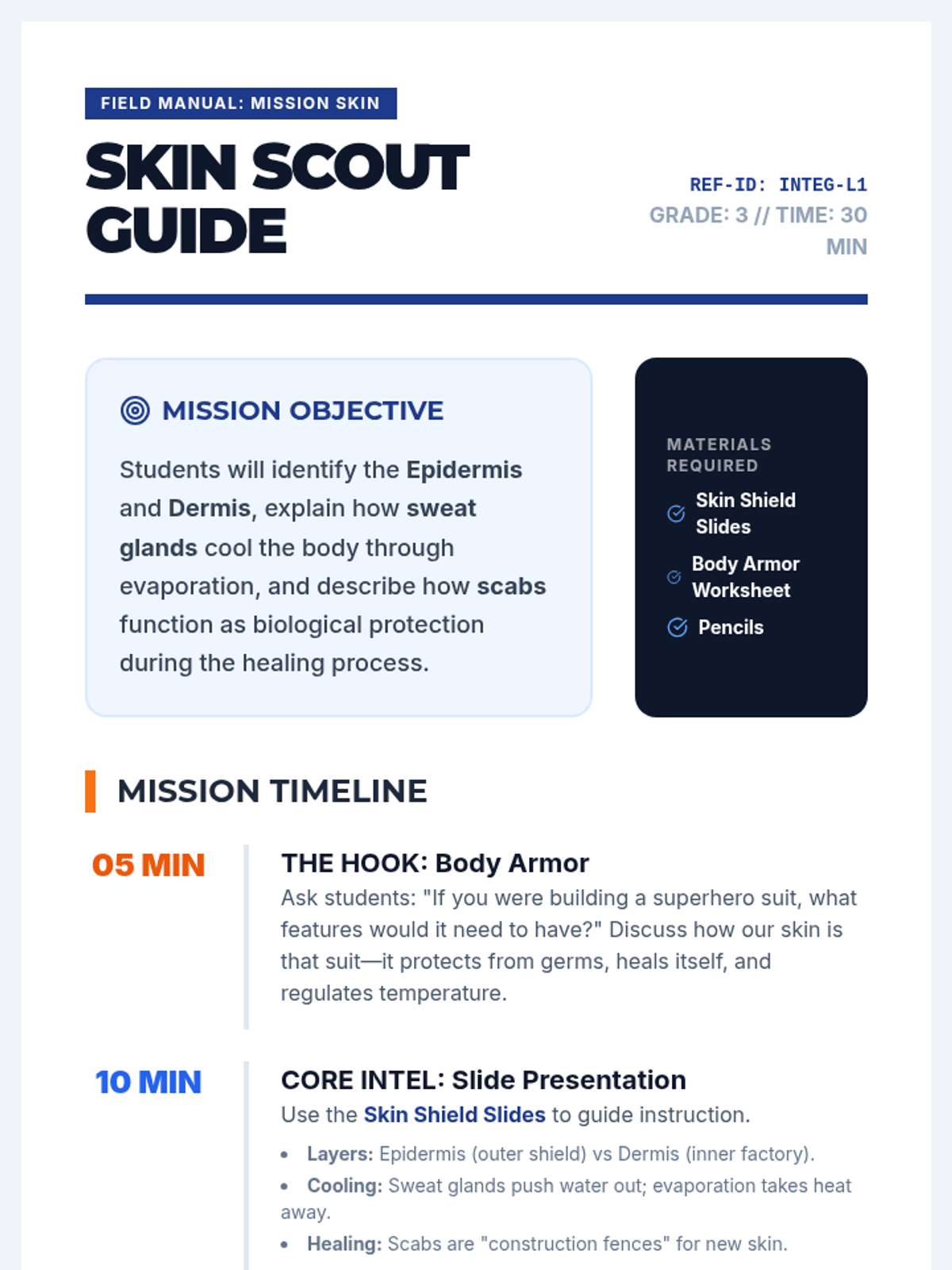
A 30-minute introductory lesson for 3rd graders on the integumentary system, focusing on skin layers, sweating for temperature control, and the healing process of scabs.
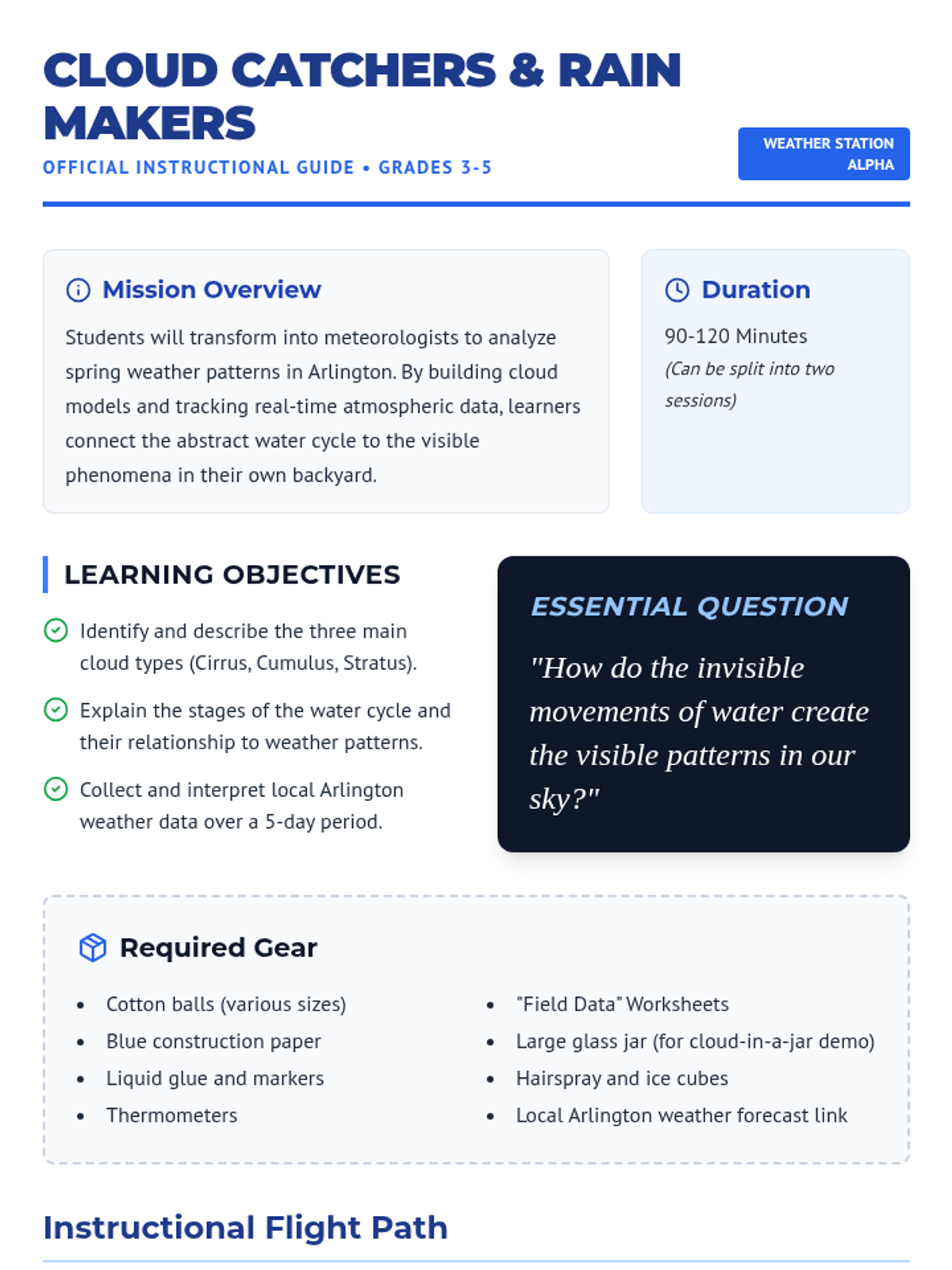
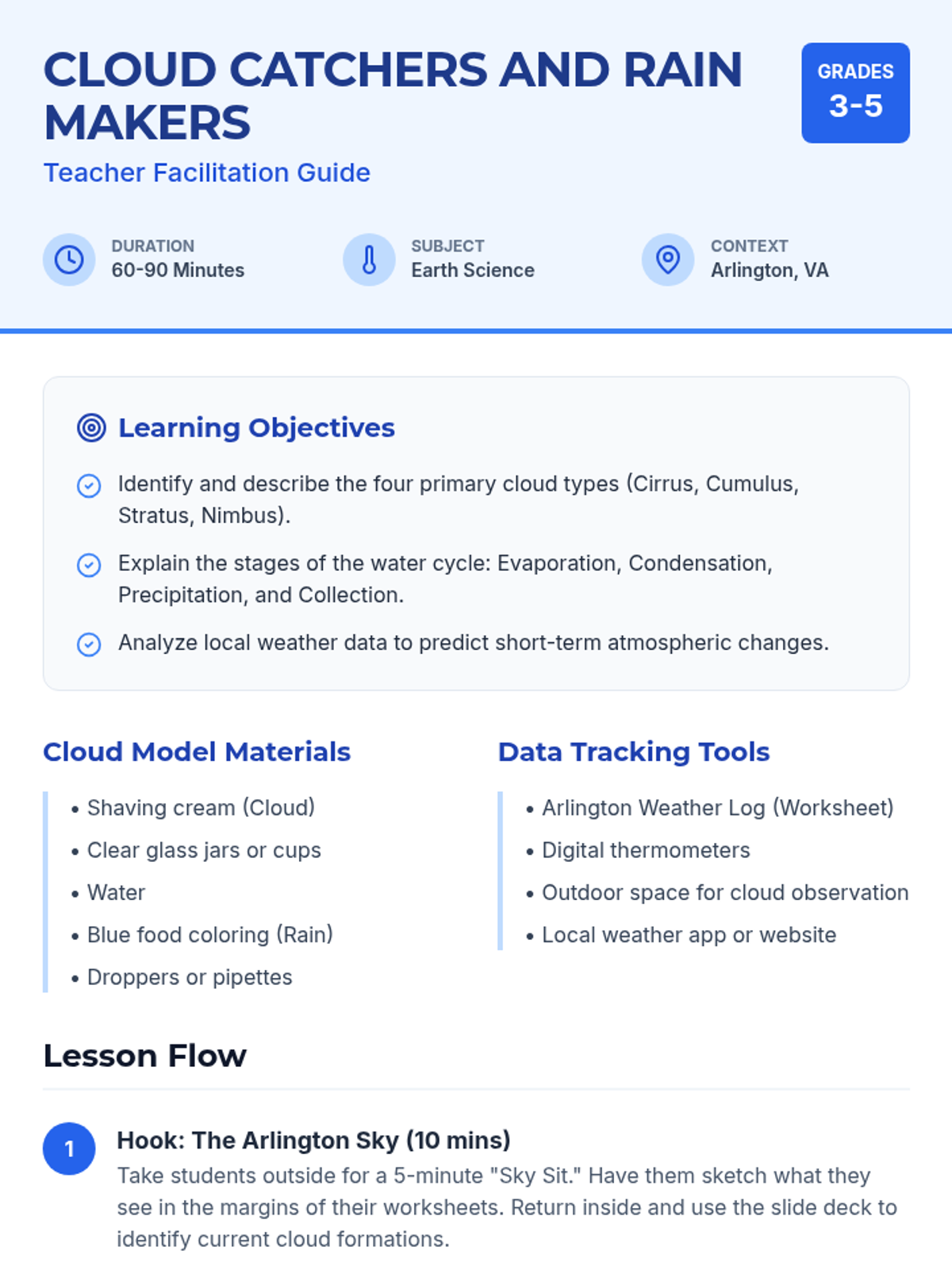
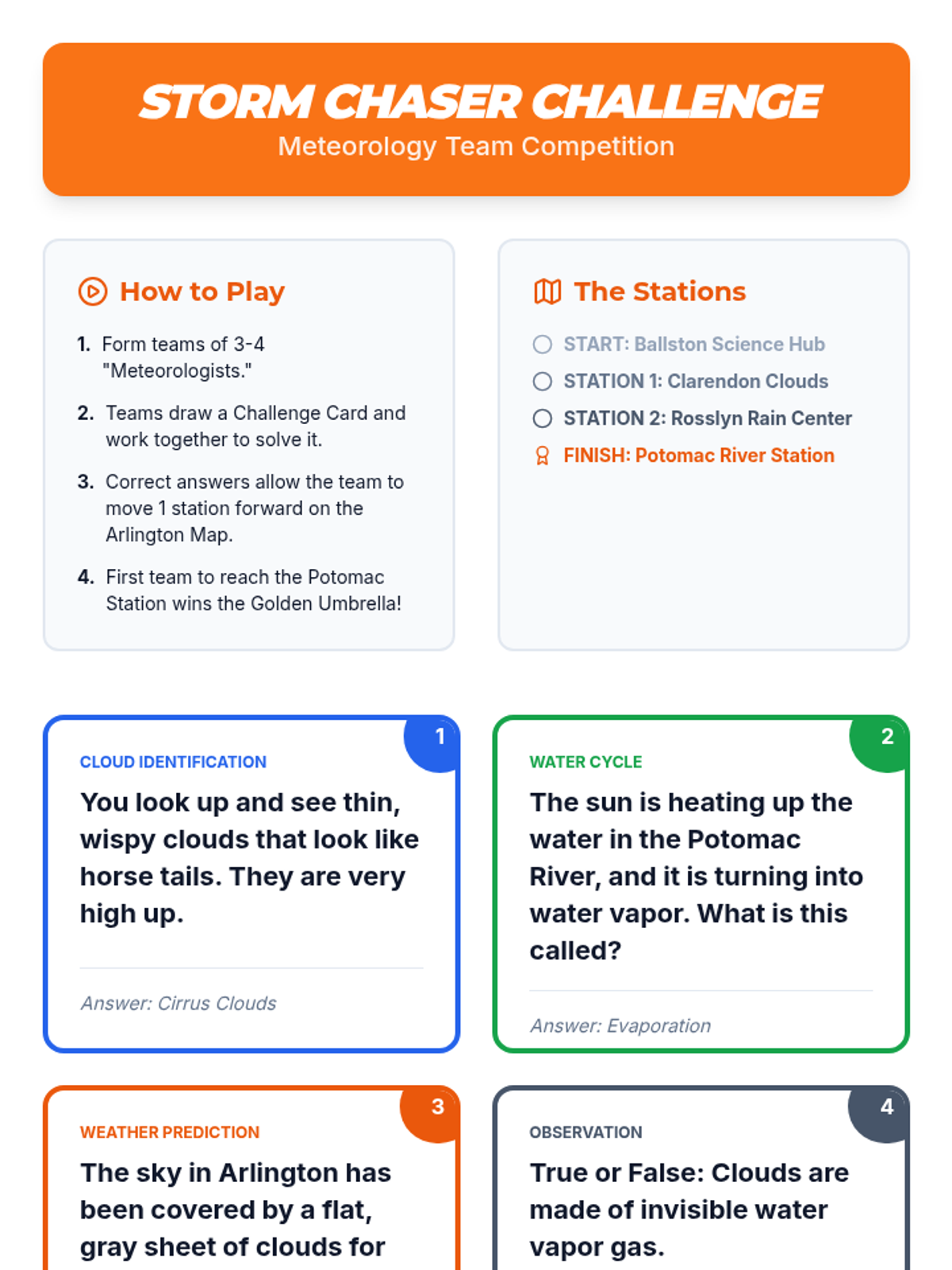
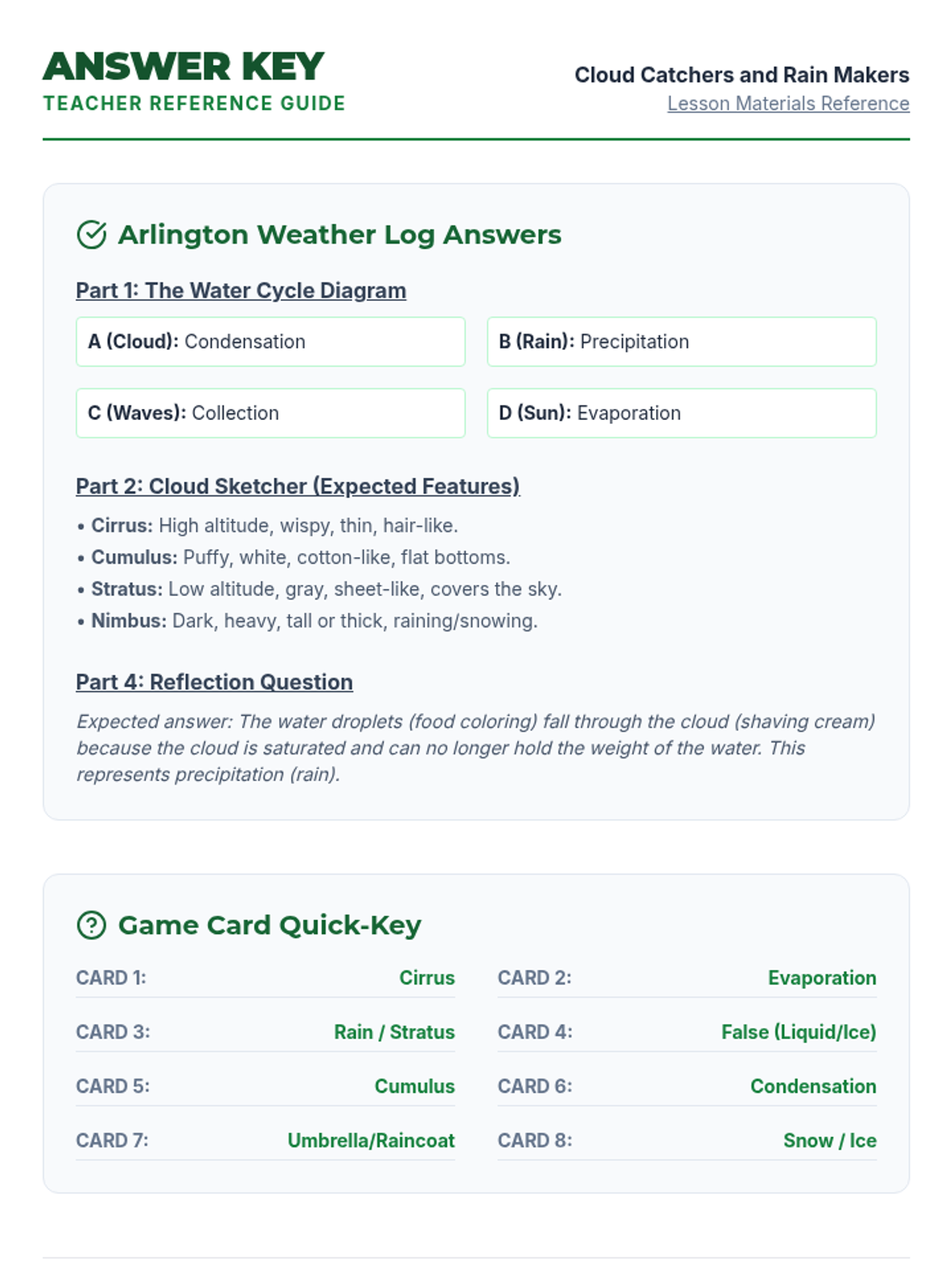
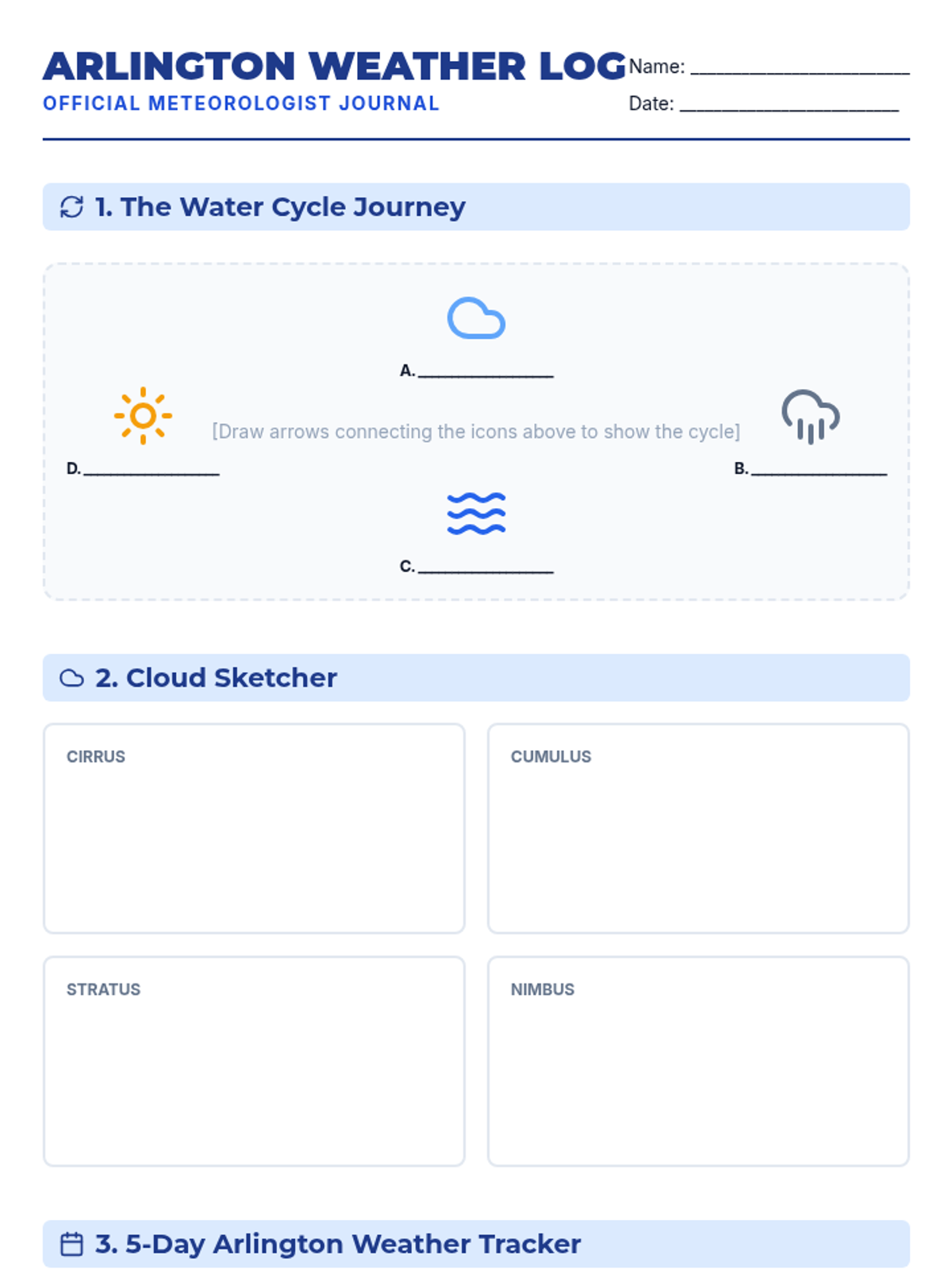
Students explore the water cycle and cloud formation through hands-on modeling and local weather tracking, specifically tailored for the Arlington area climate.
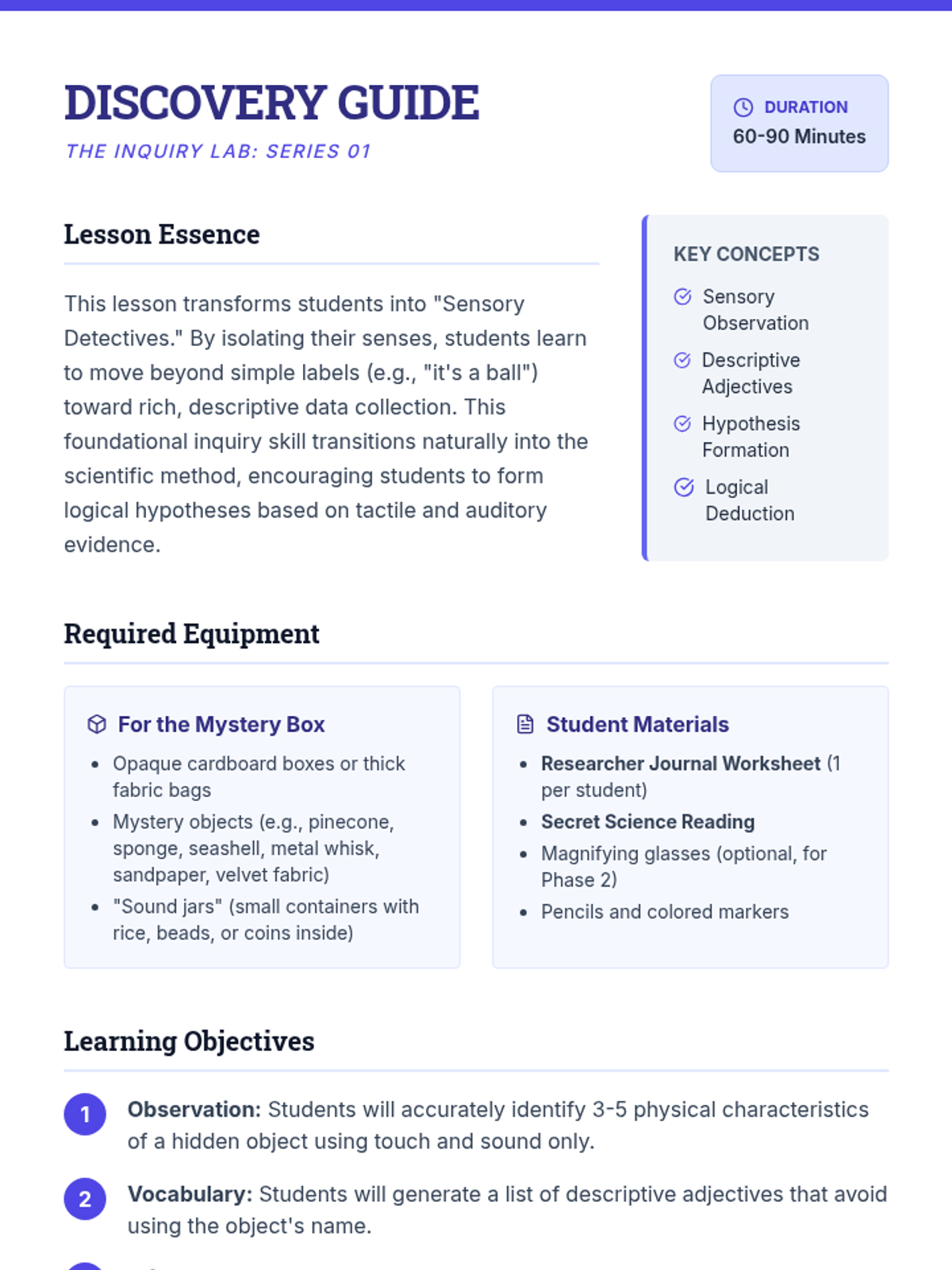
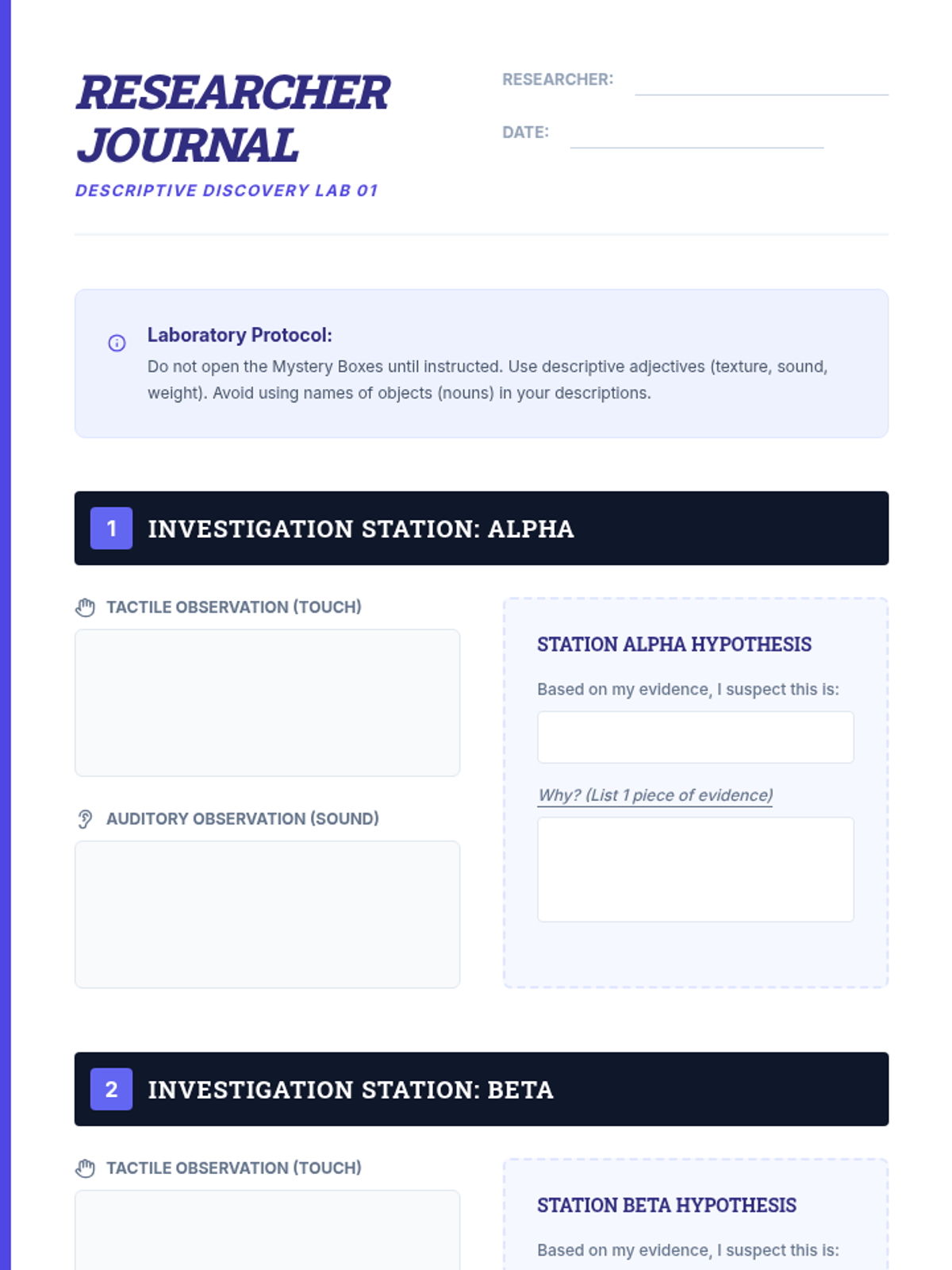
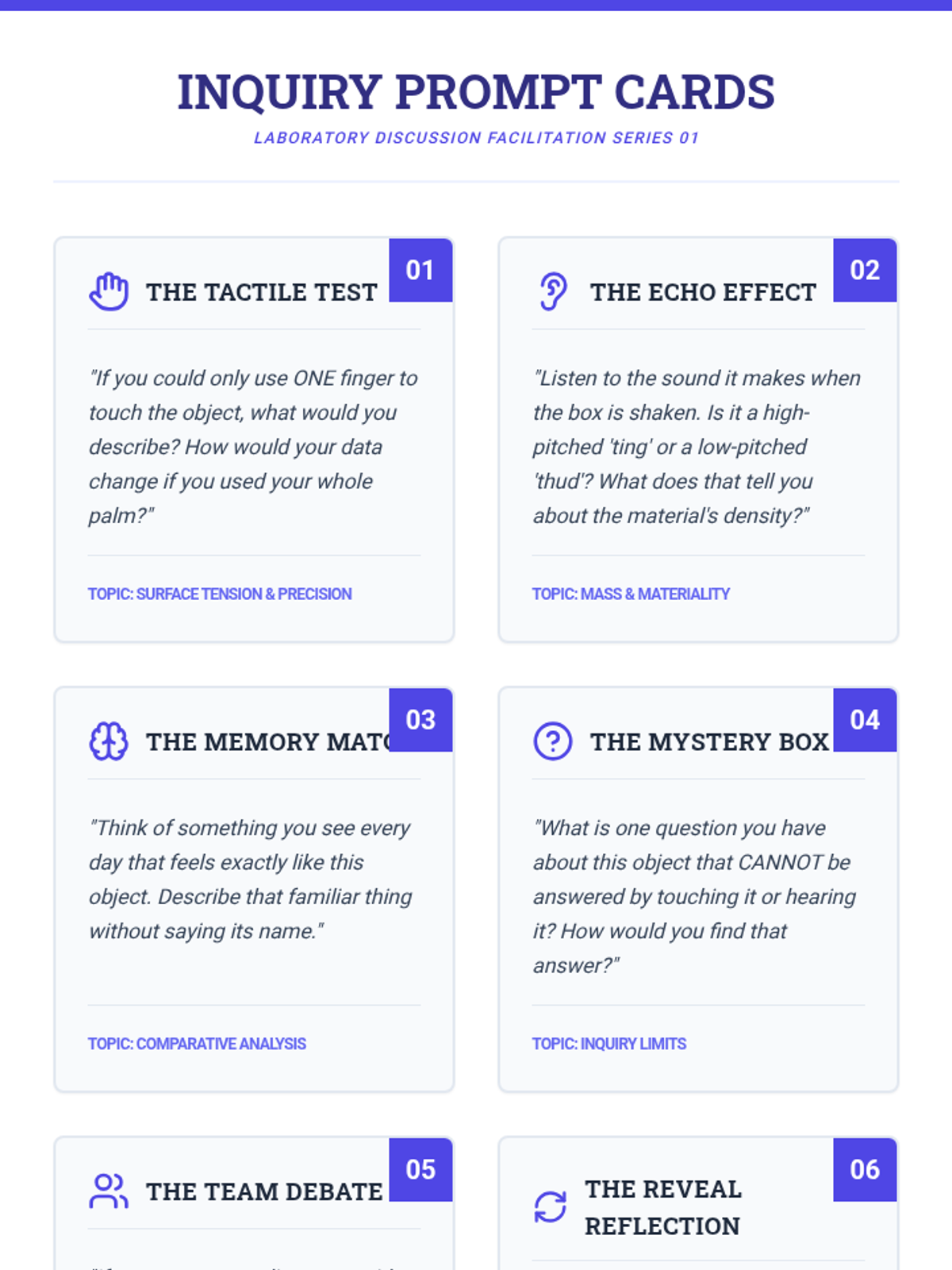
A hands-on inquiry lesson where students use their senses to investigate objects, build descriptive vocabulary, and form scientific hypotheses about the unknown.
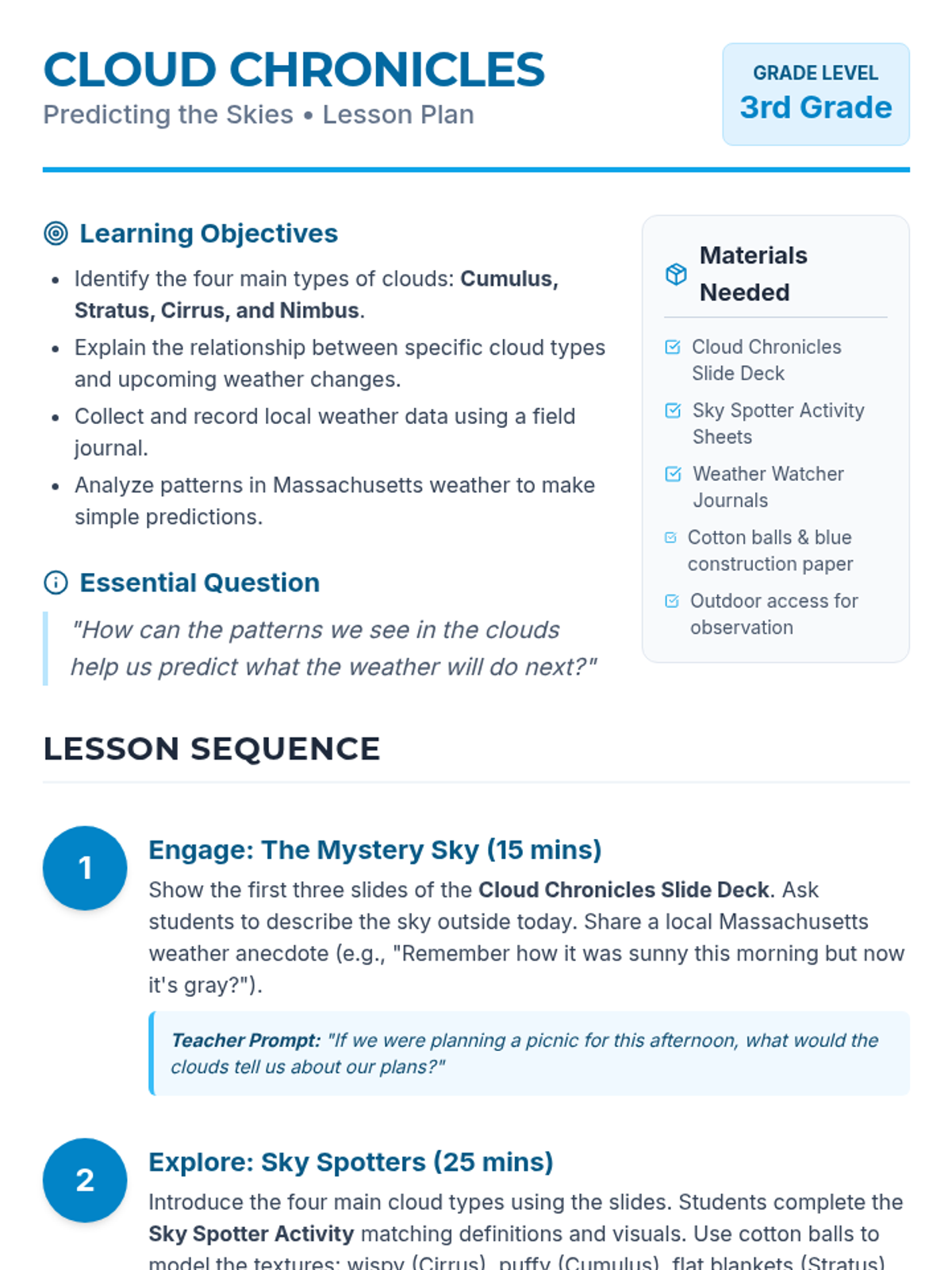
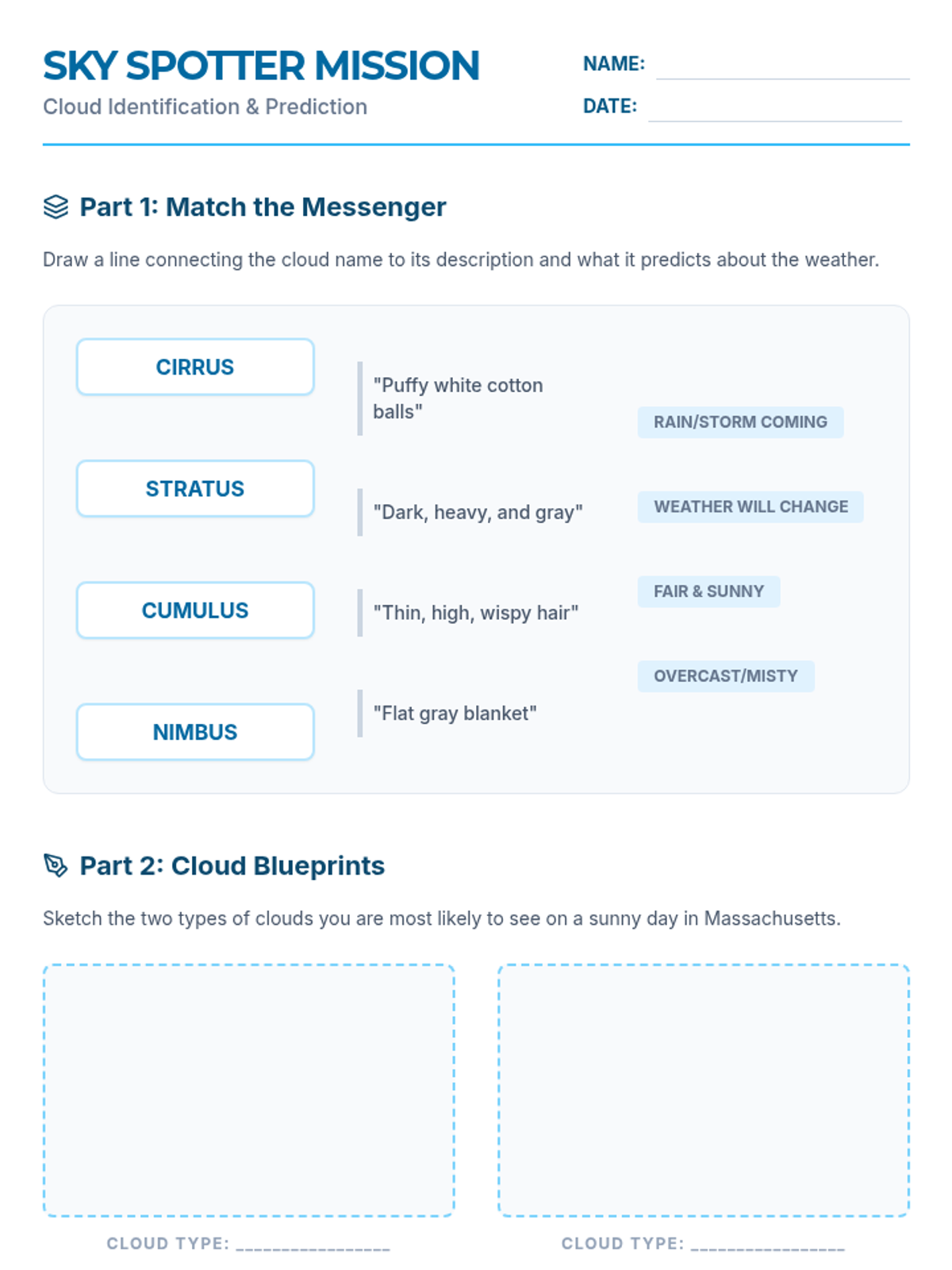
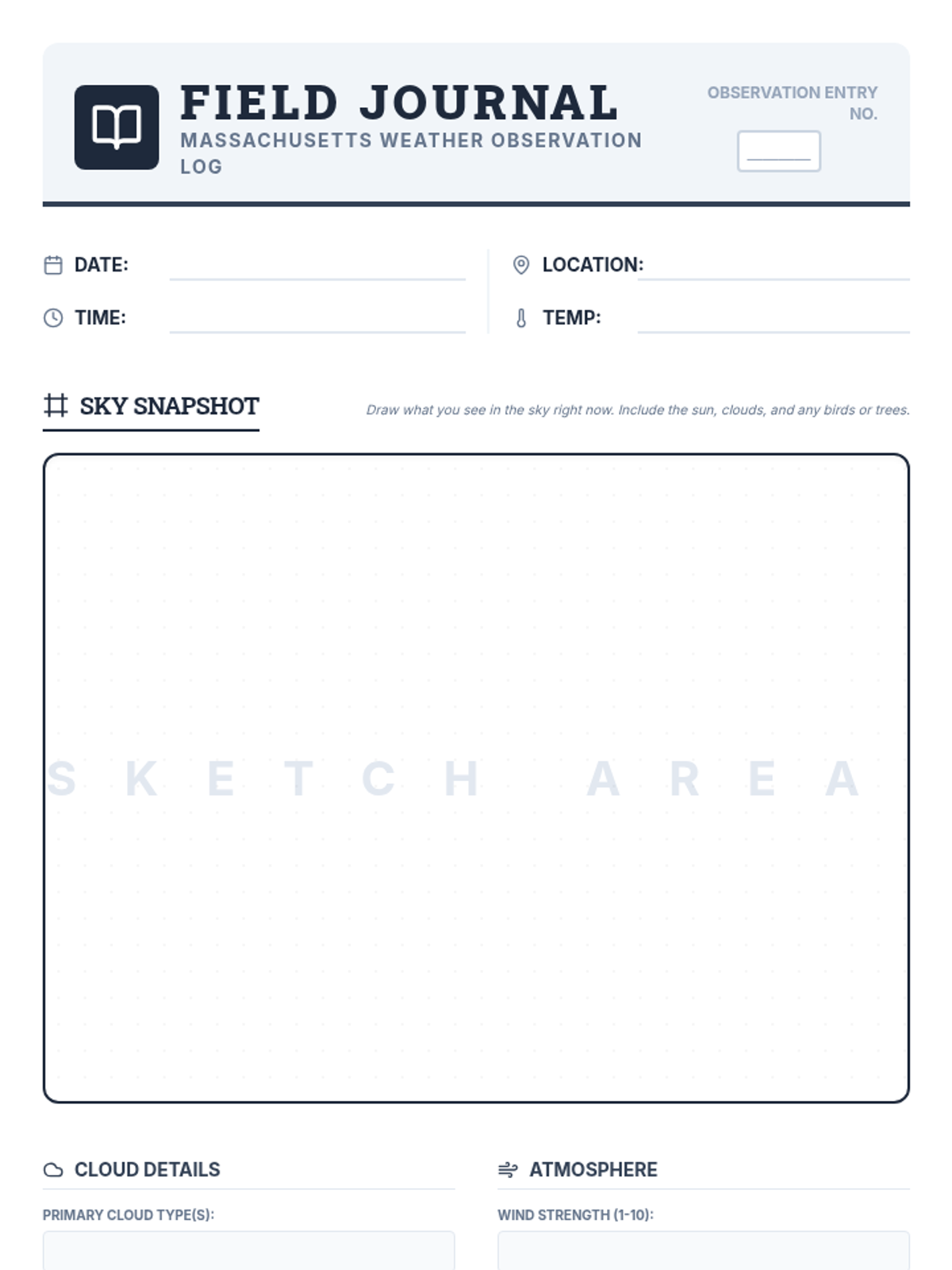
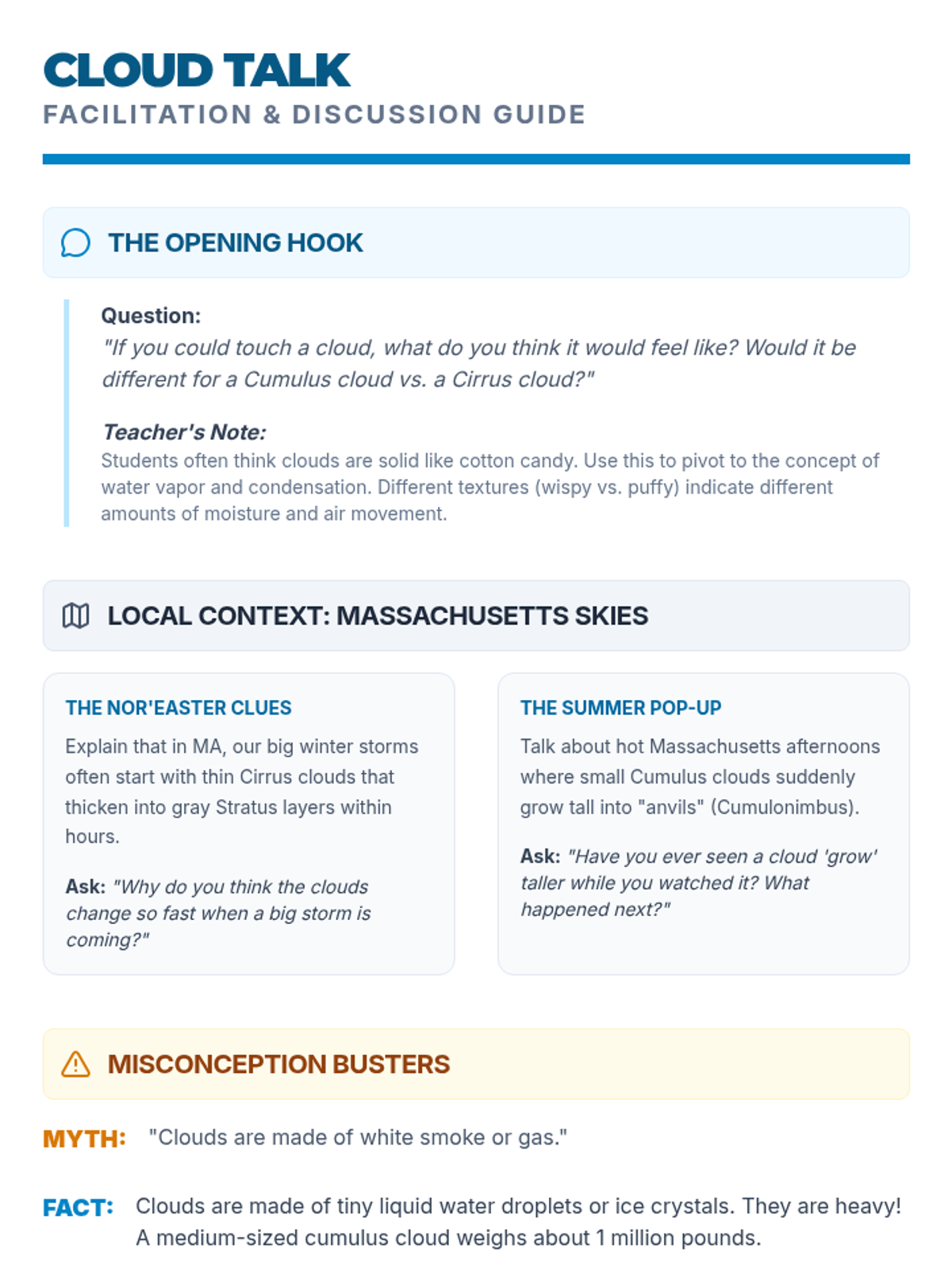
An inquiry-based science lesson for 3rd graders focused on identifying cloud types and using them to predict weather patterns in Massachusetts. Students engage in outdoor observations and data collection to become amateur meteorologists.
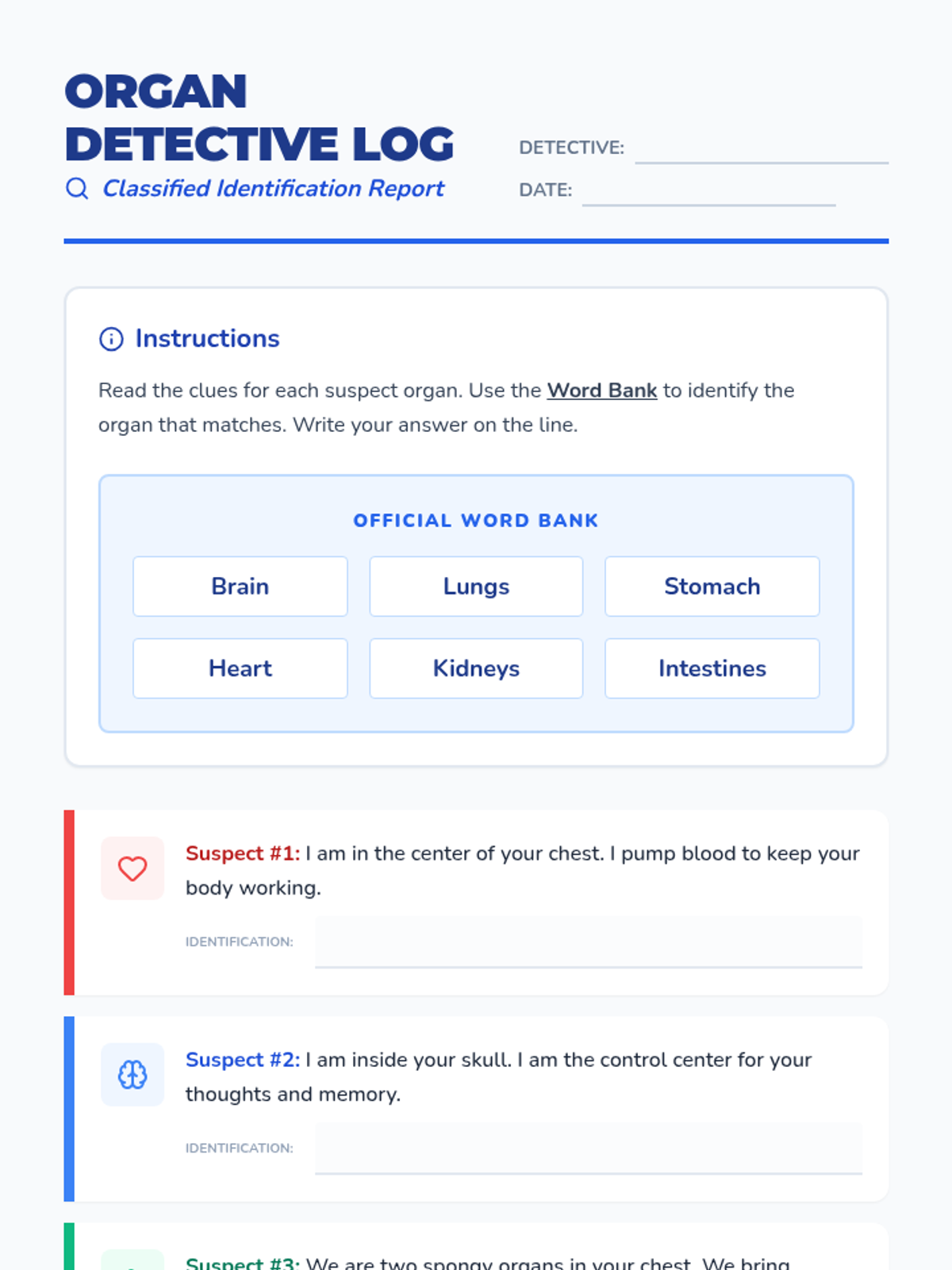
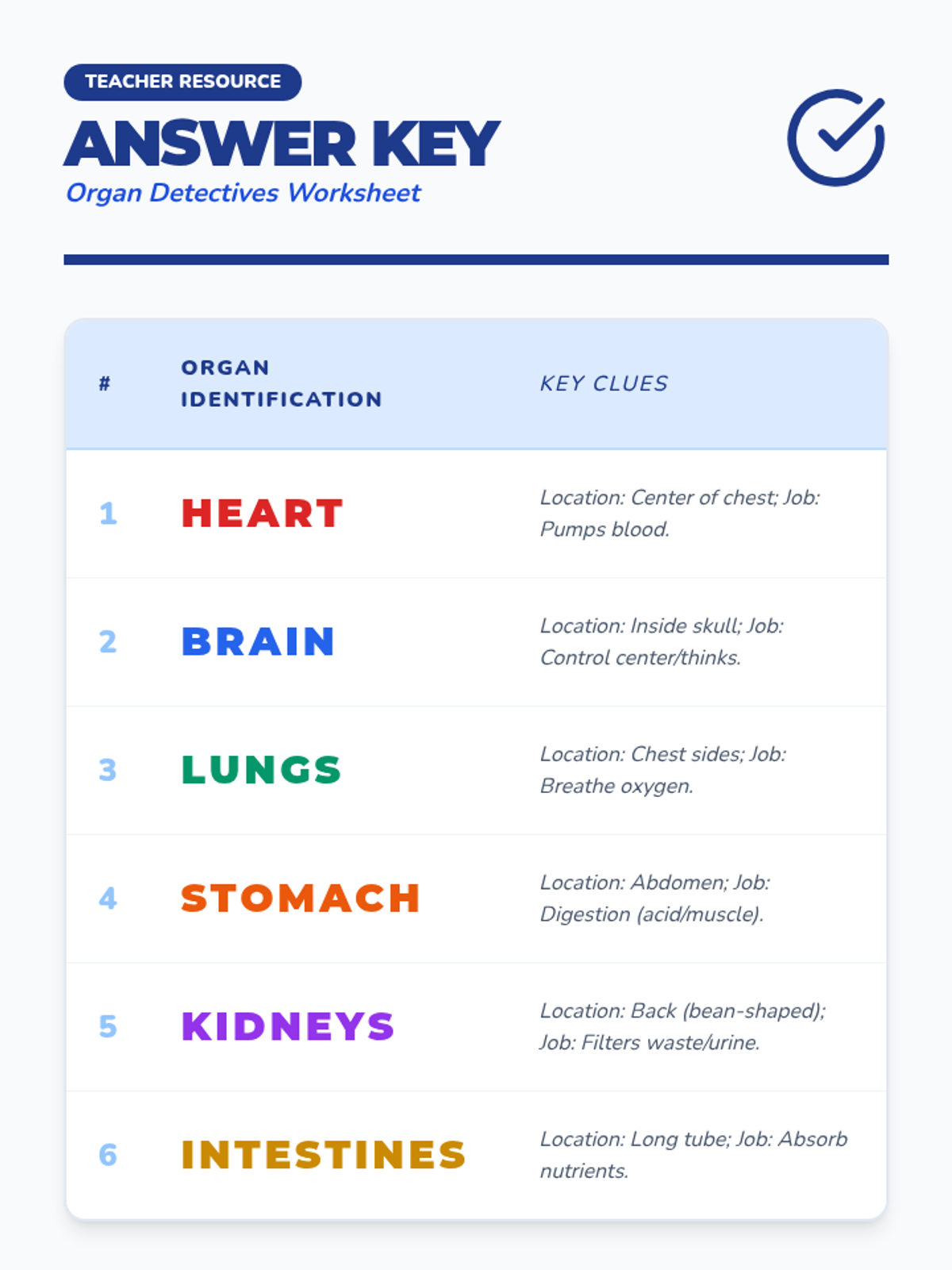
In this lesson, students become "Organ Detectives" to identify key human organs based on their location and function. They will play a collaborative guessing game and then practice their knowledge with a word bank worksheet.
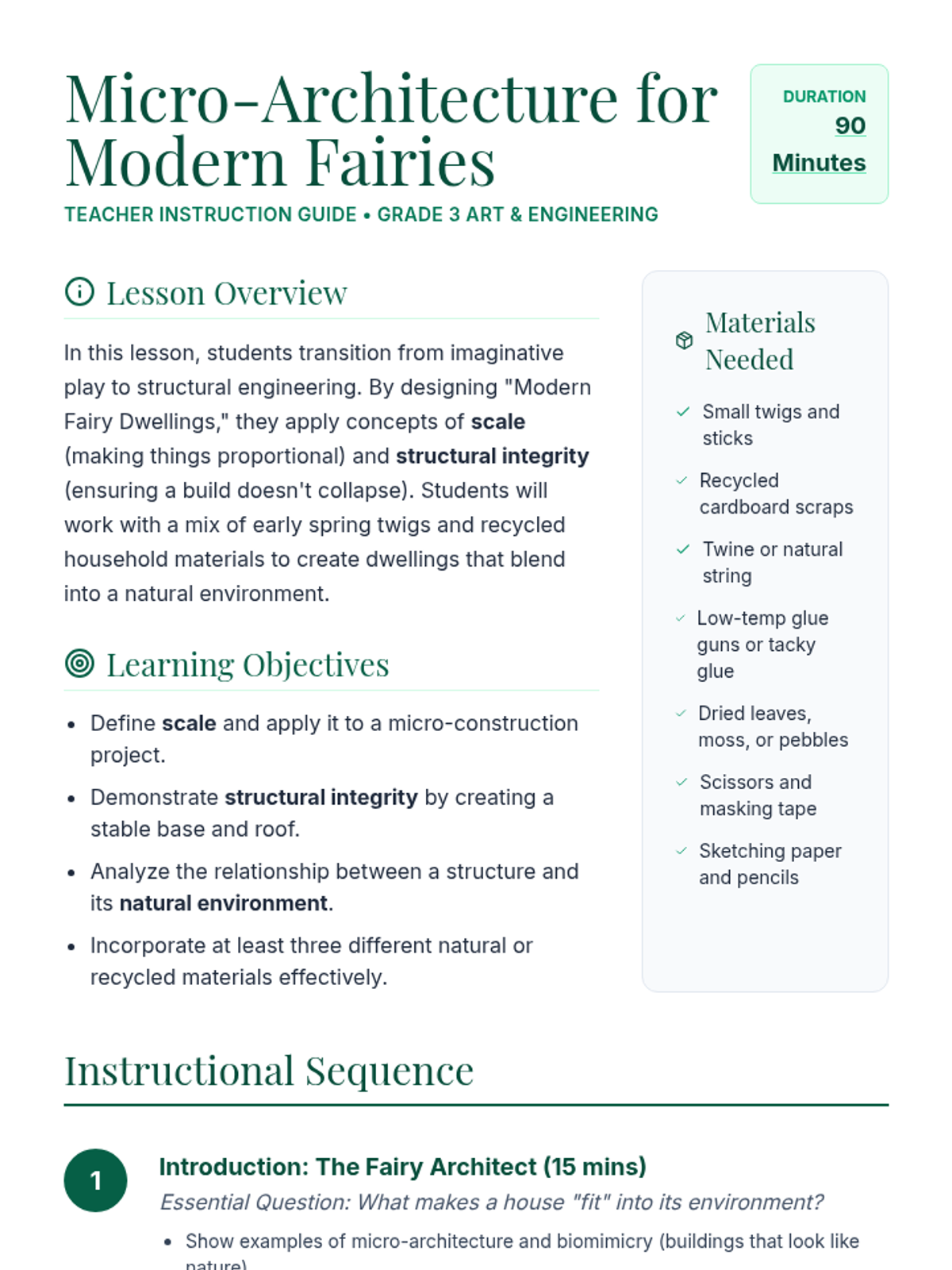
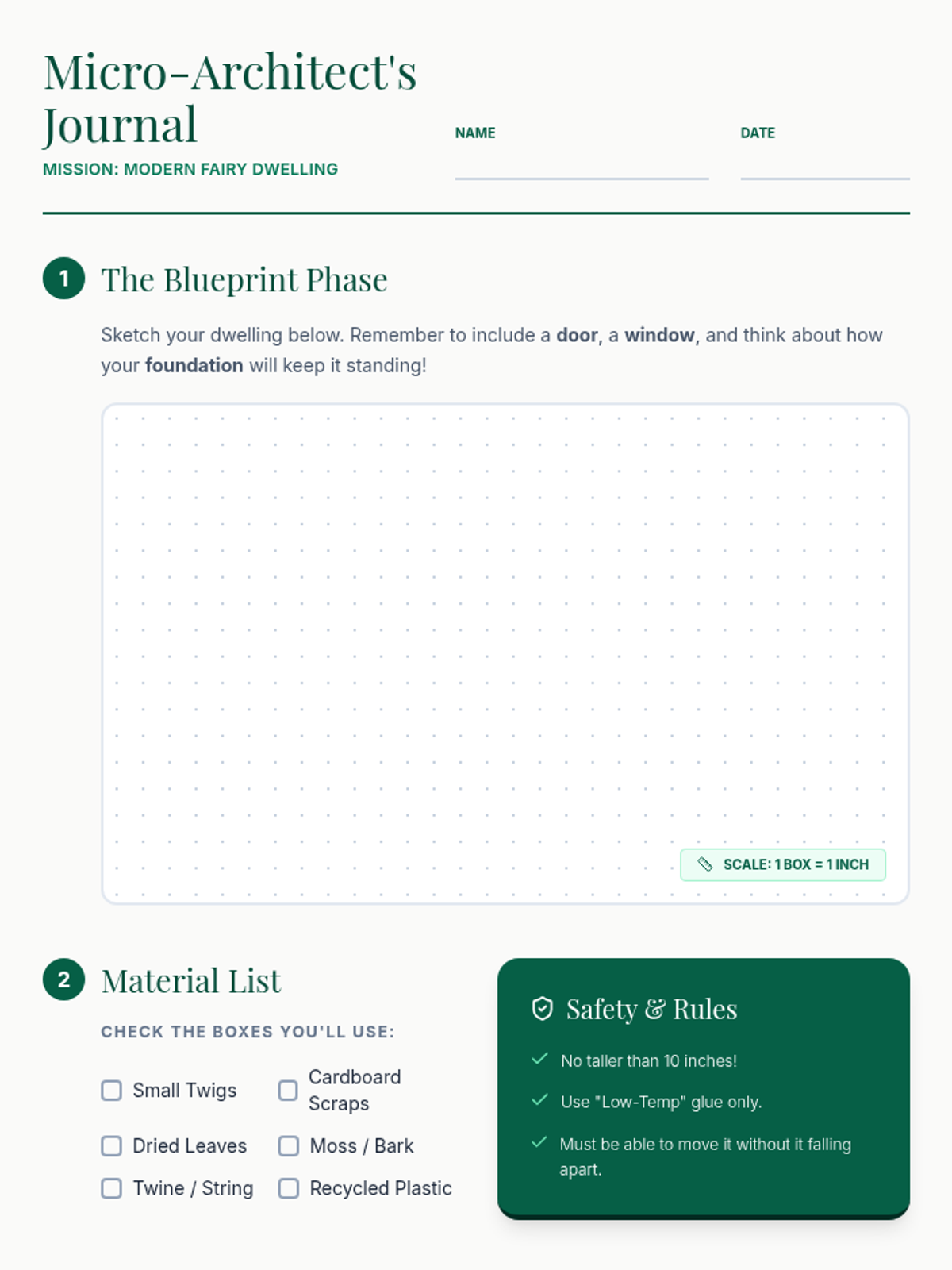
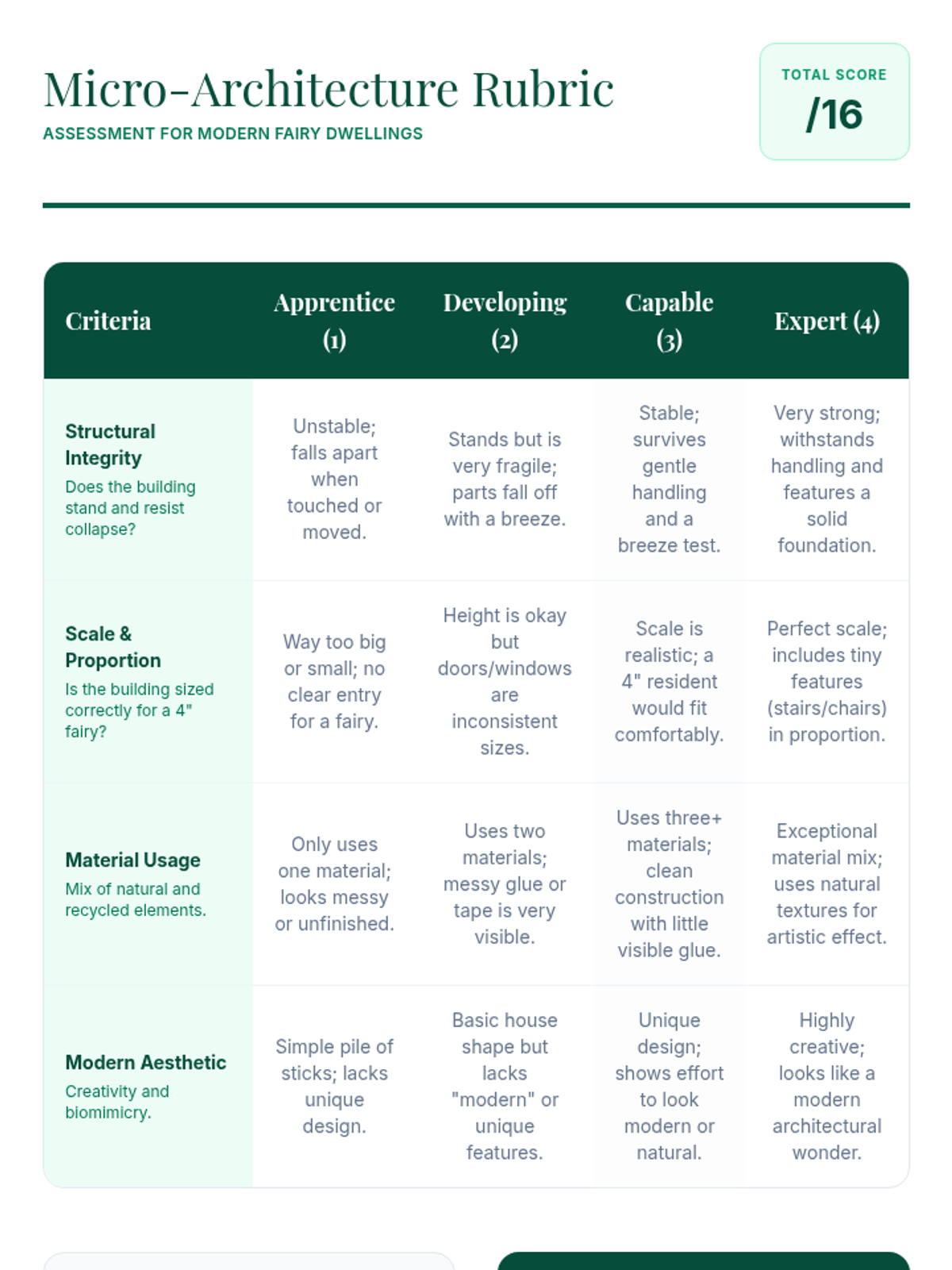
Students explore the intersection of nature and engineering by designing and building small-scale dwellings for 'modern fairies.' They will learn about structural integrity, scale, and environmental harmony using natural and recycled materials.
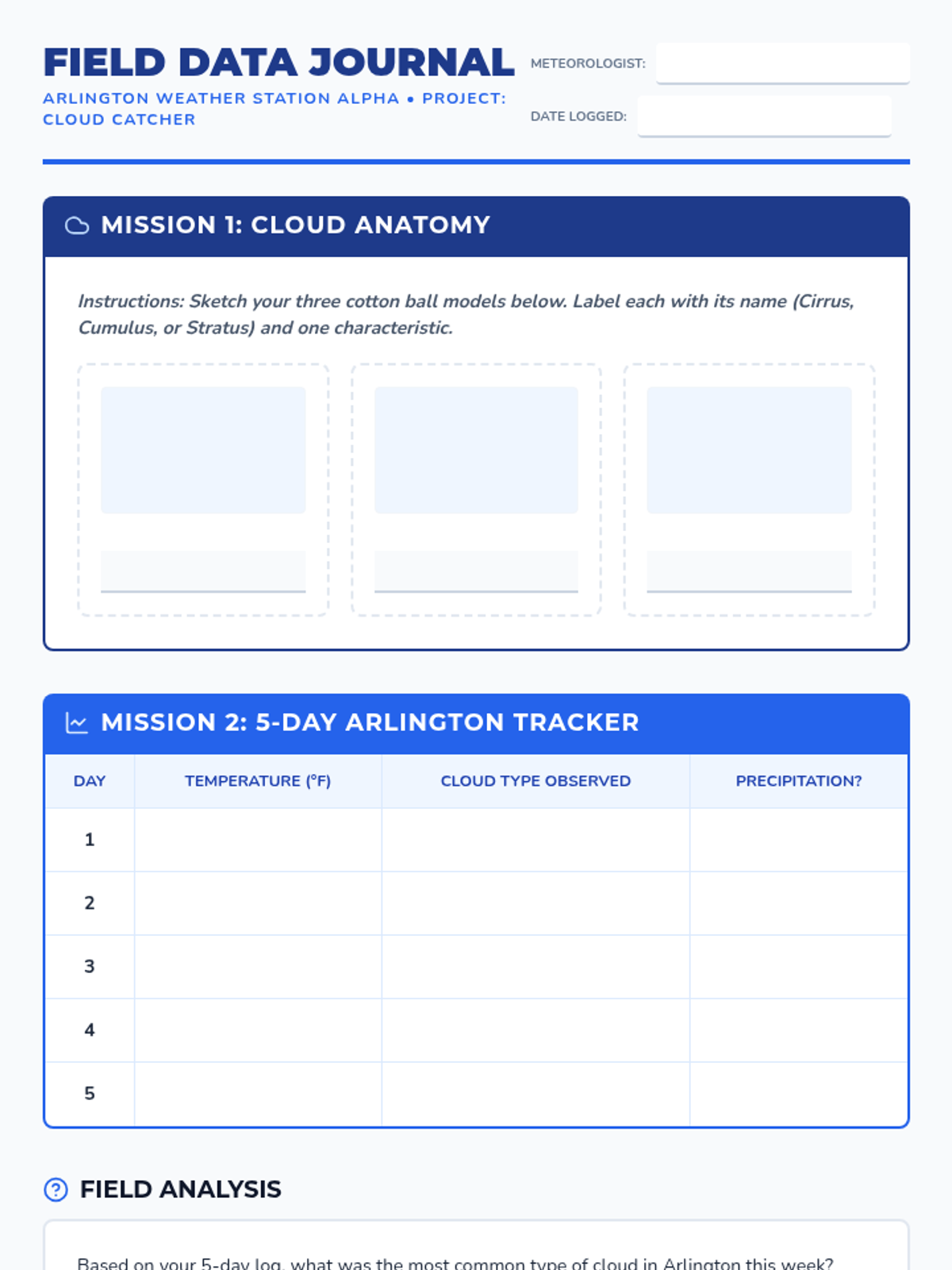
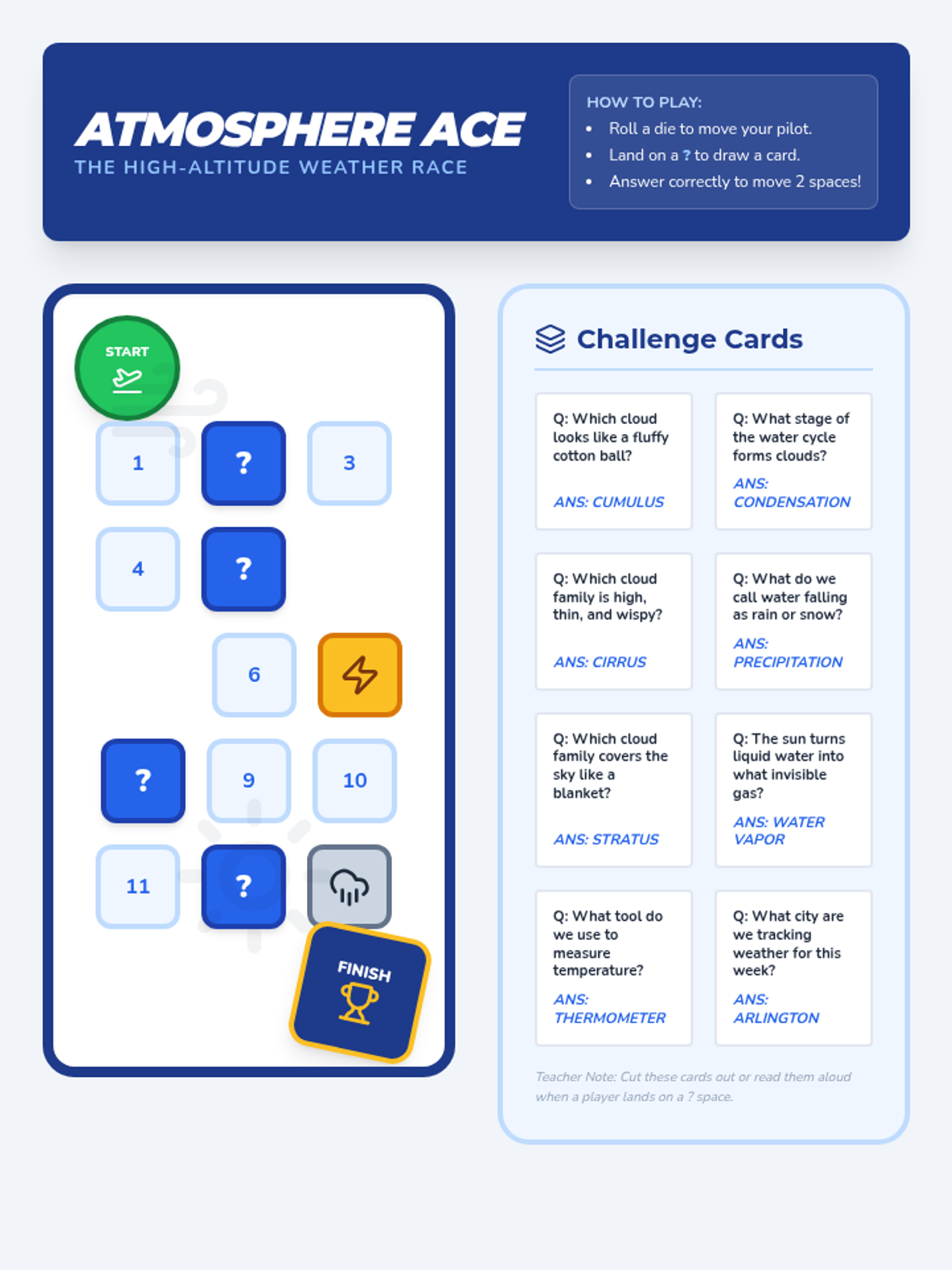
A hands-on exploration of the water cycle and weather patterns where students build cloud models and track local Arlington weather data to understand atmospheric science.
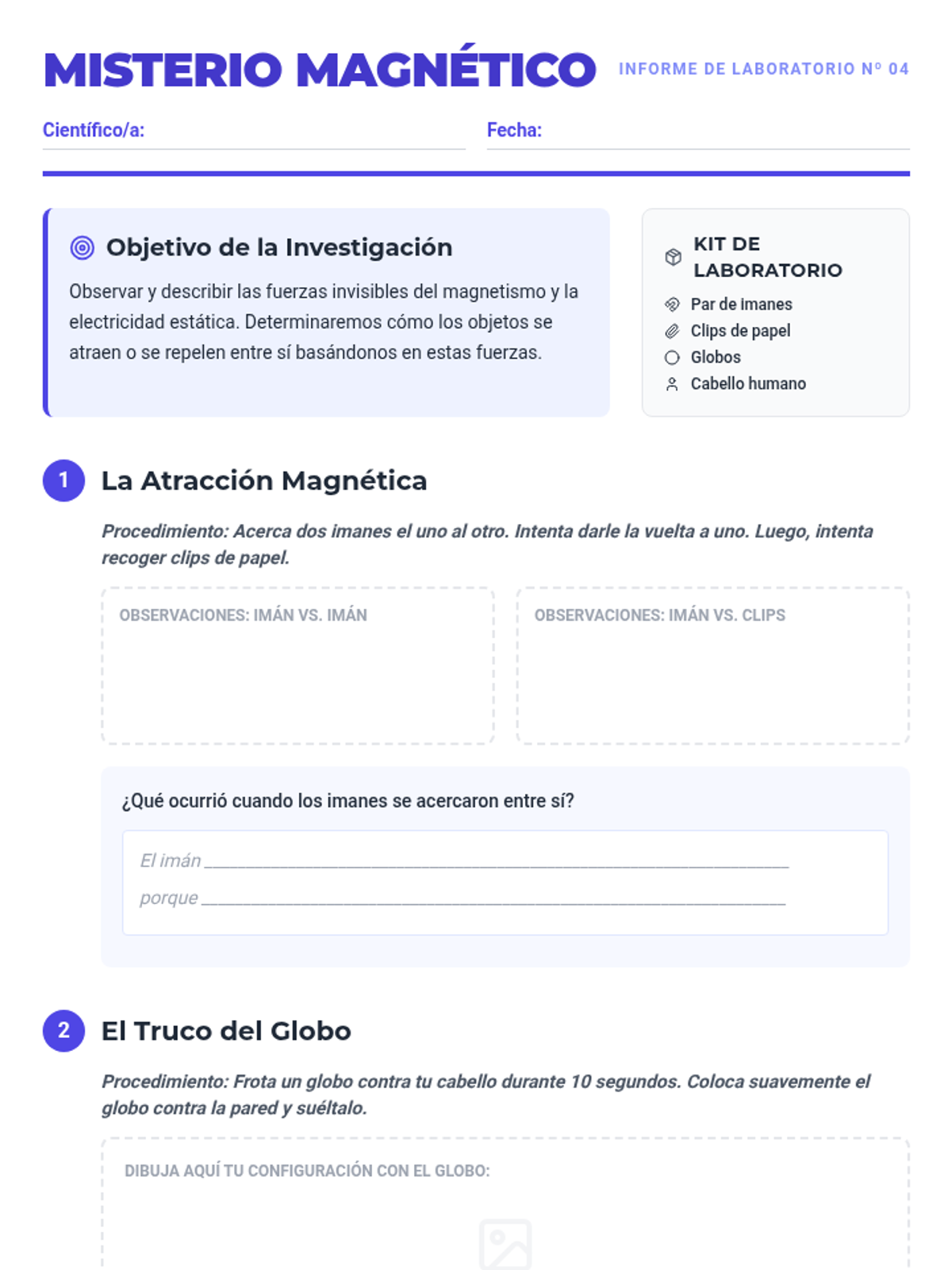
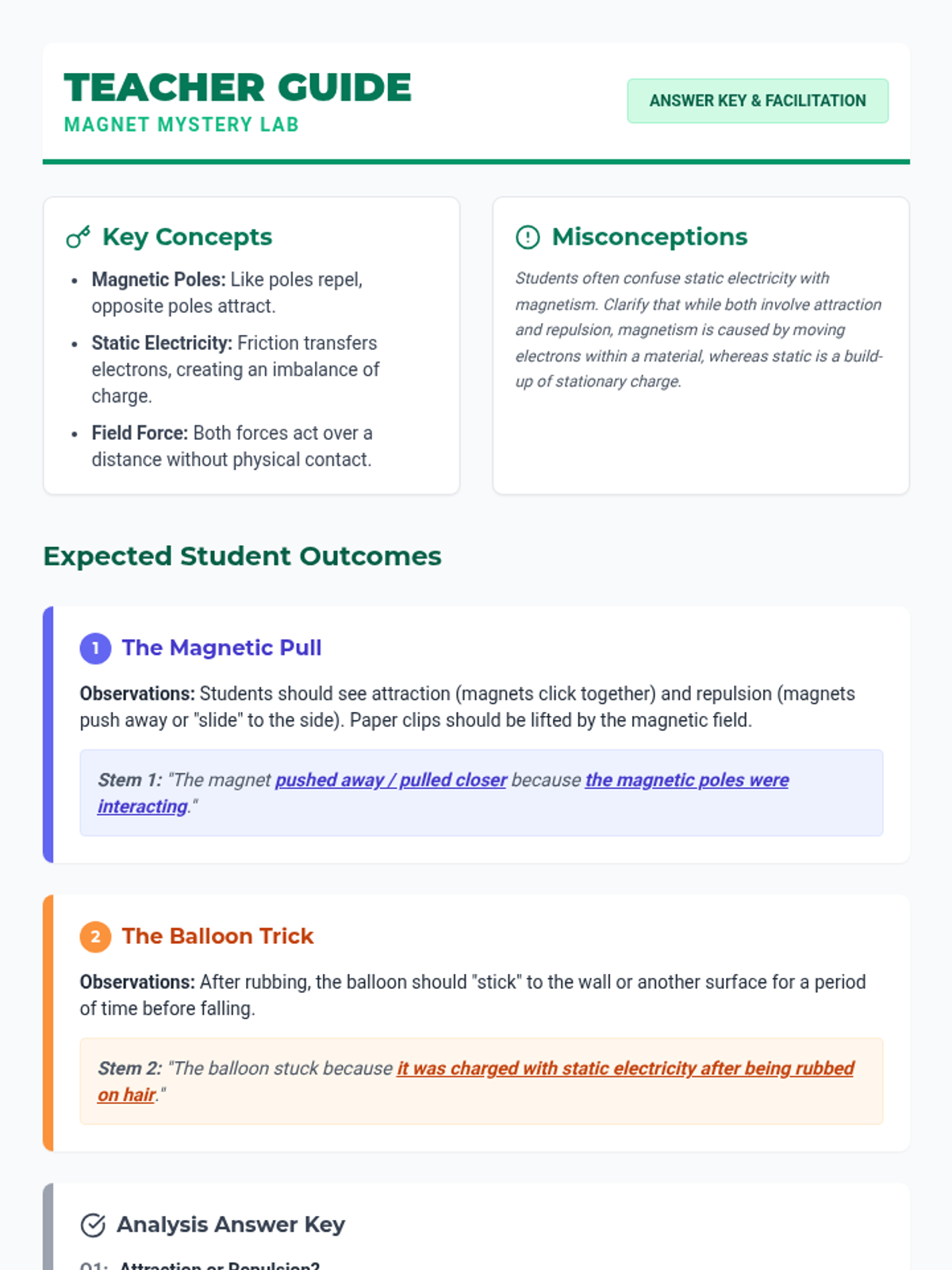
A hands-on exploration of magnetic forces and static electricity through direct experimentation and observation. Students investigate attraction, repulsion, and static charges using magnets and balloons.
A high-level overview of the Wild Writing Adventure curriculum, including teacher guides, scope and sequence, and implementation strategies.
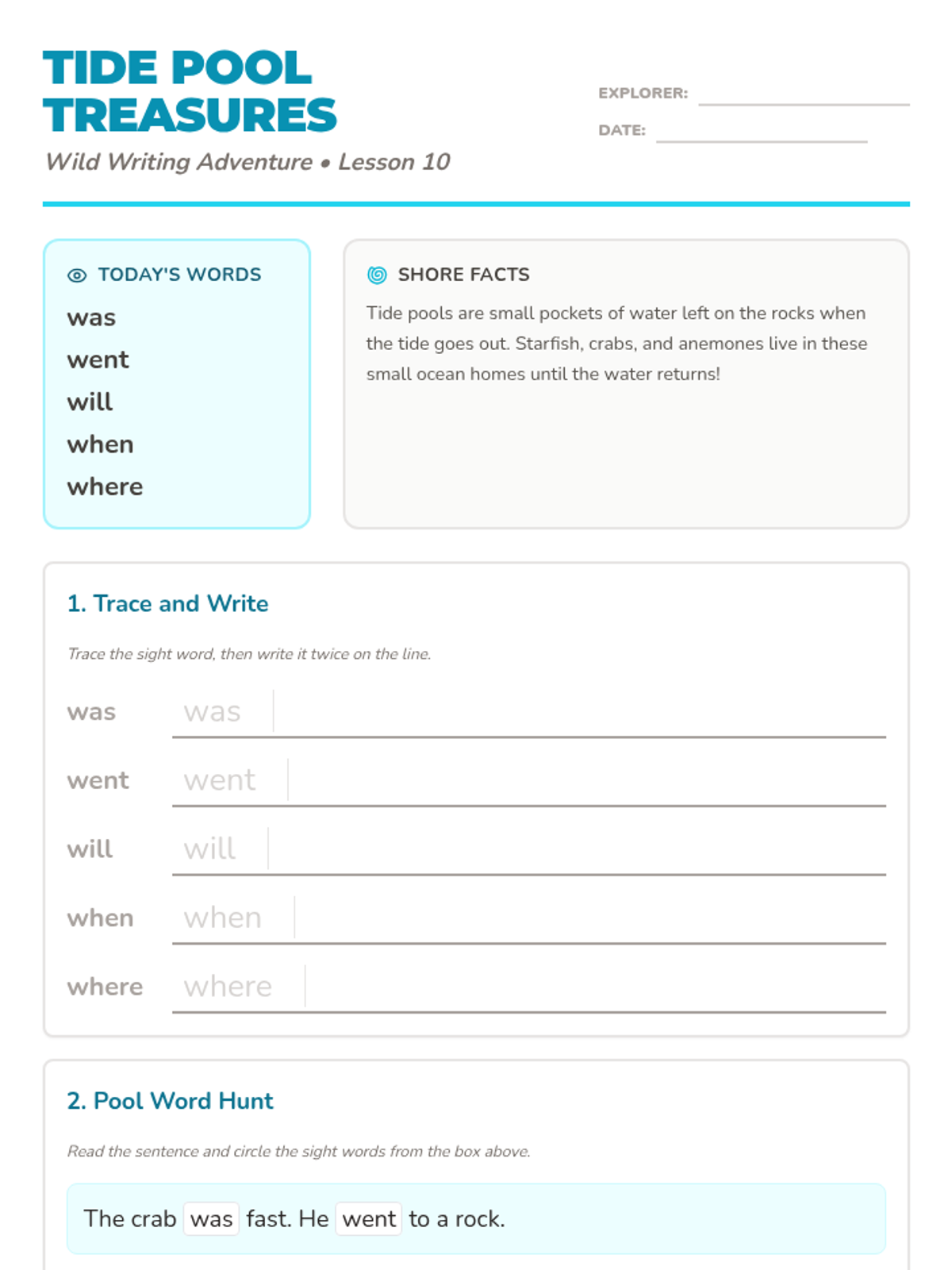
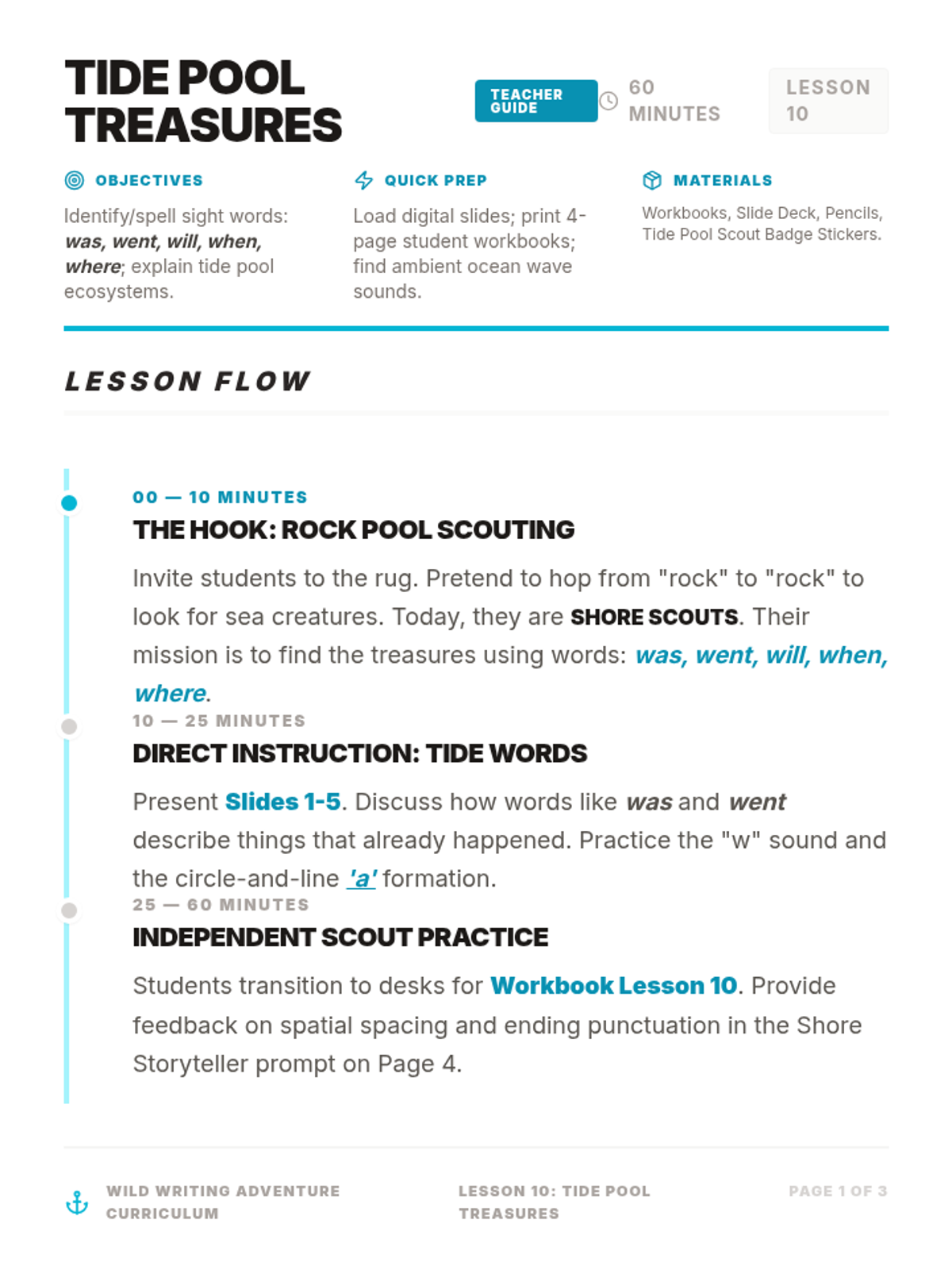
Explore the rocky shore to discover sight words while meeting starfish, crabs, and sea anemones in colorful tide pools.
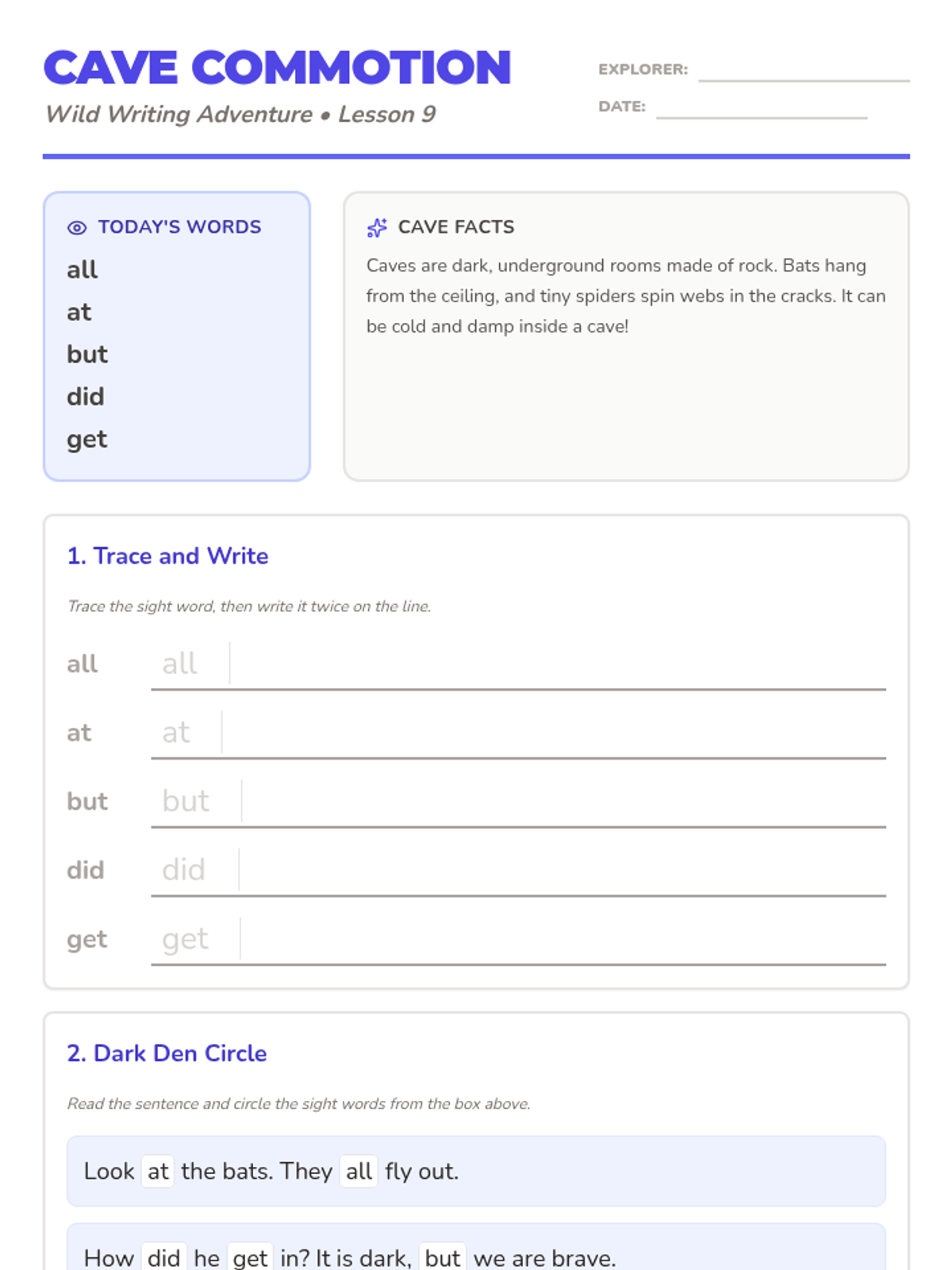
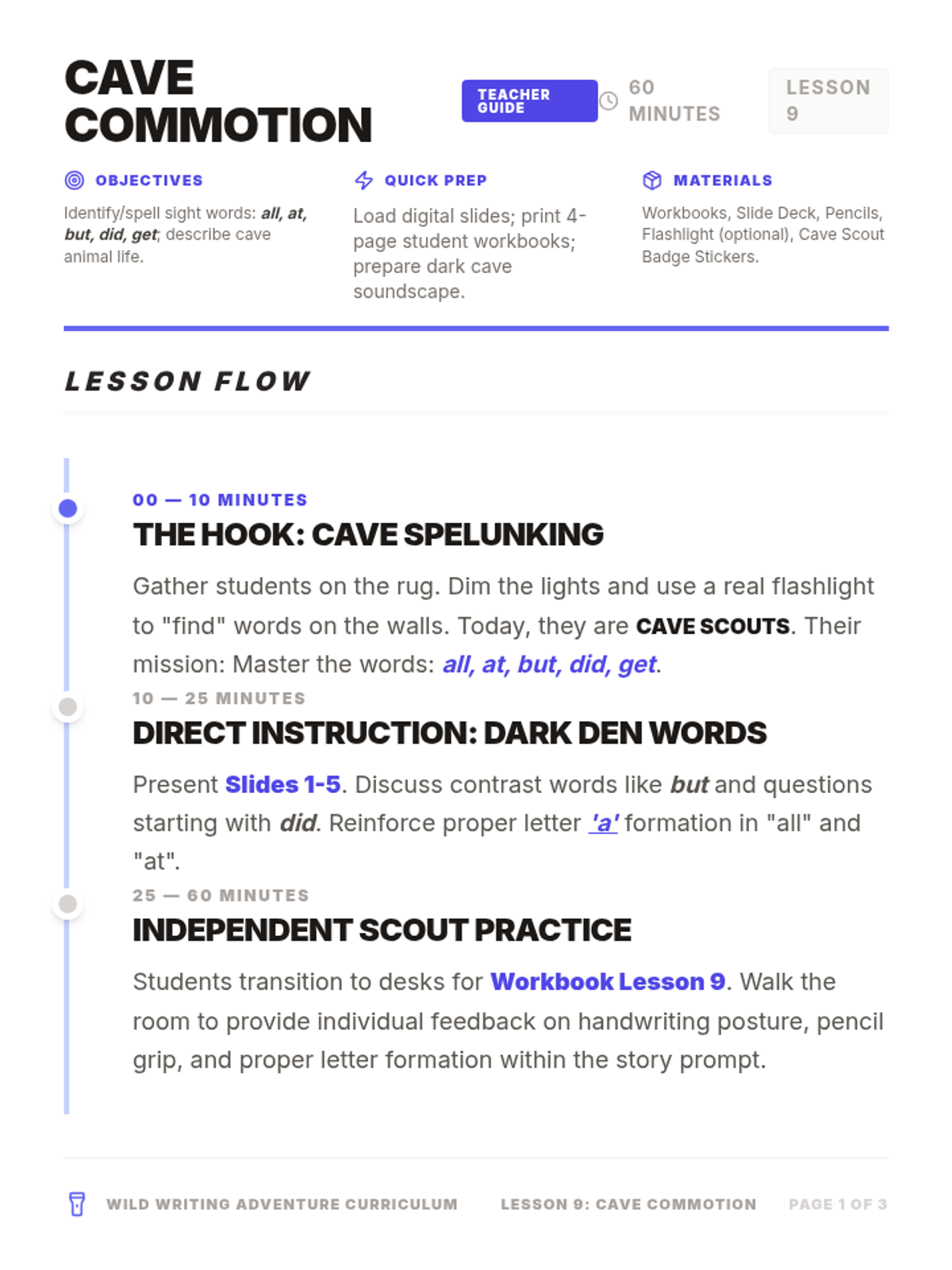
Venture into the mysterious world of caves to master essential sight words while meeting bats, spiders, and salamanders.
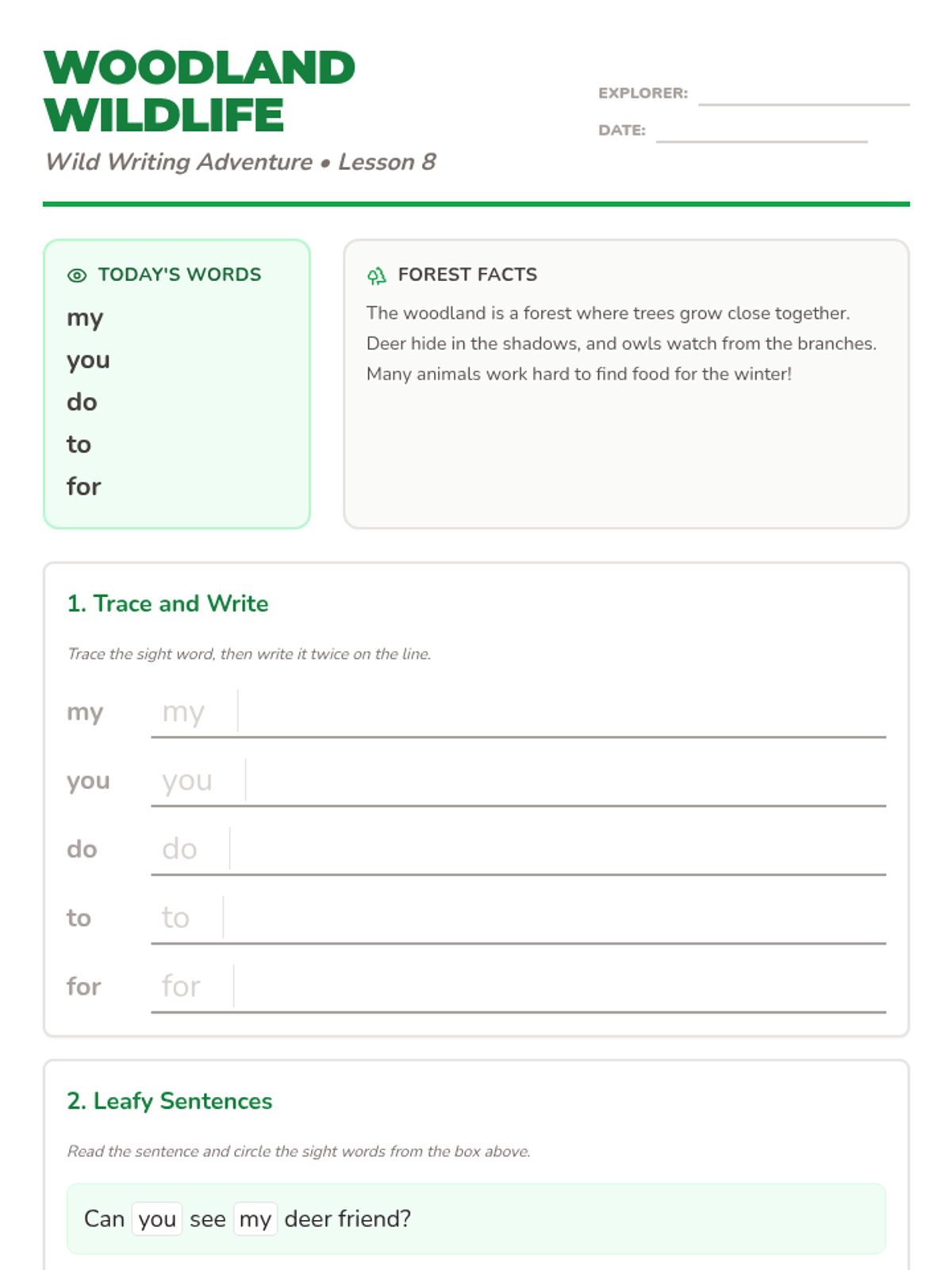
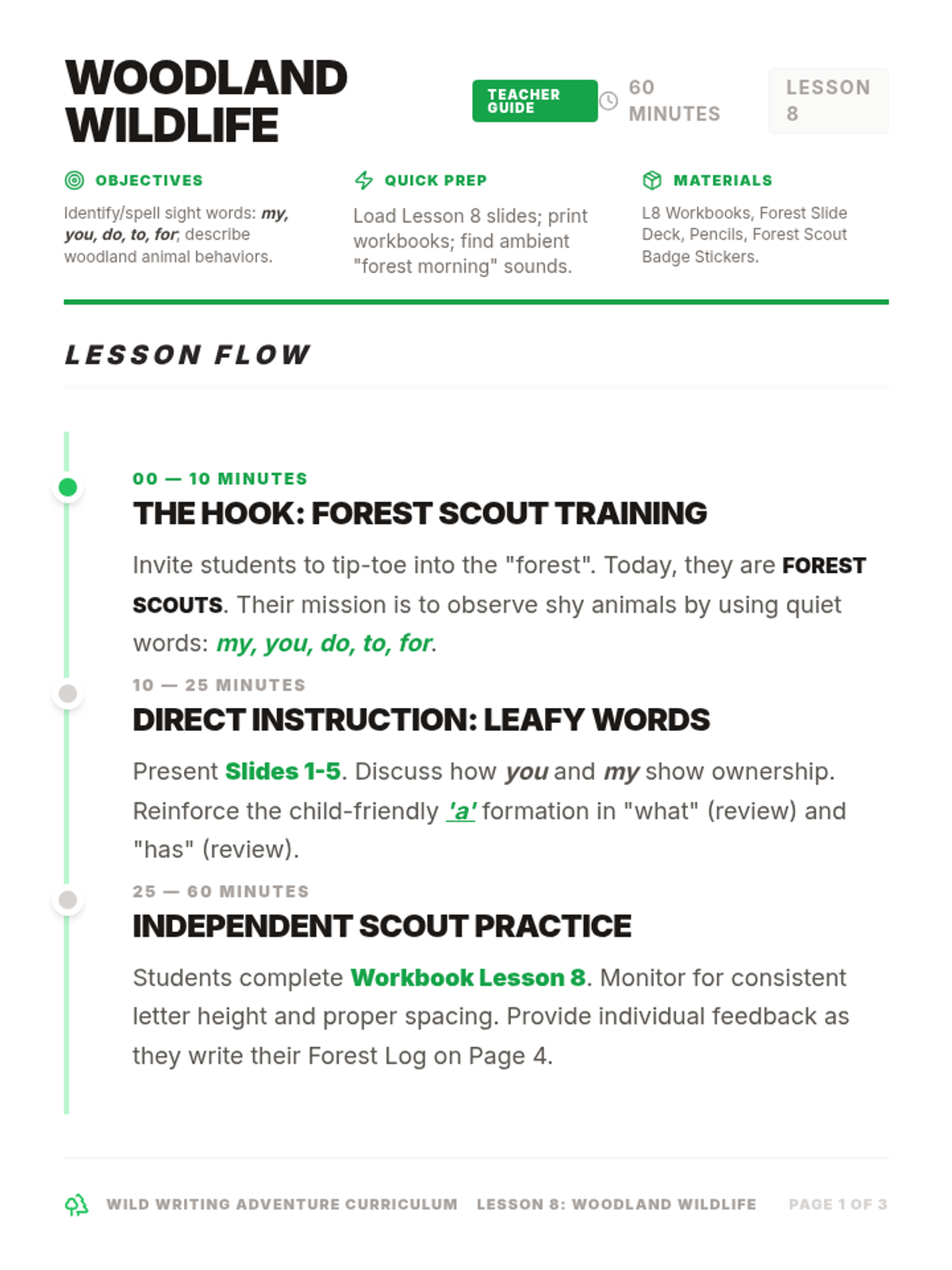
Explore the leafy woodland forest to master essential sight words while meeting graceful deer, wise owls, and busy woodpeckers.
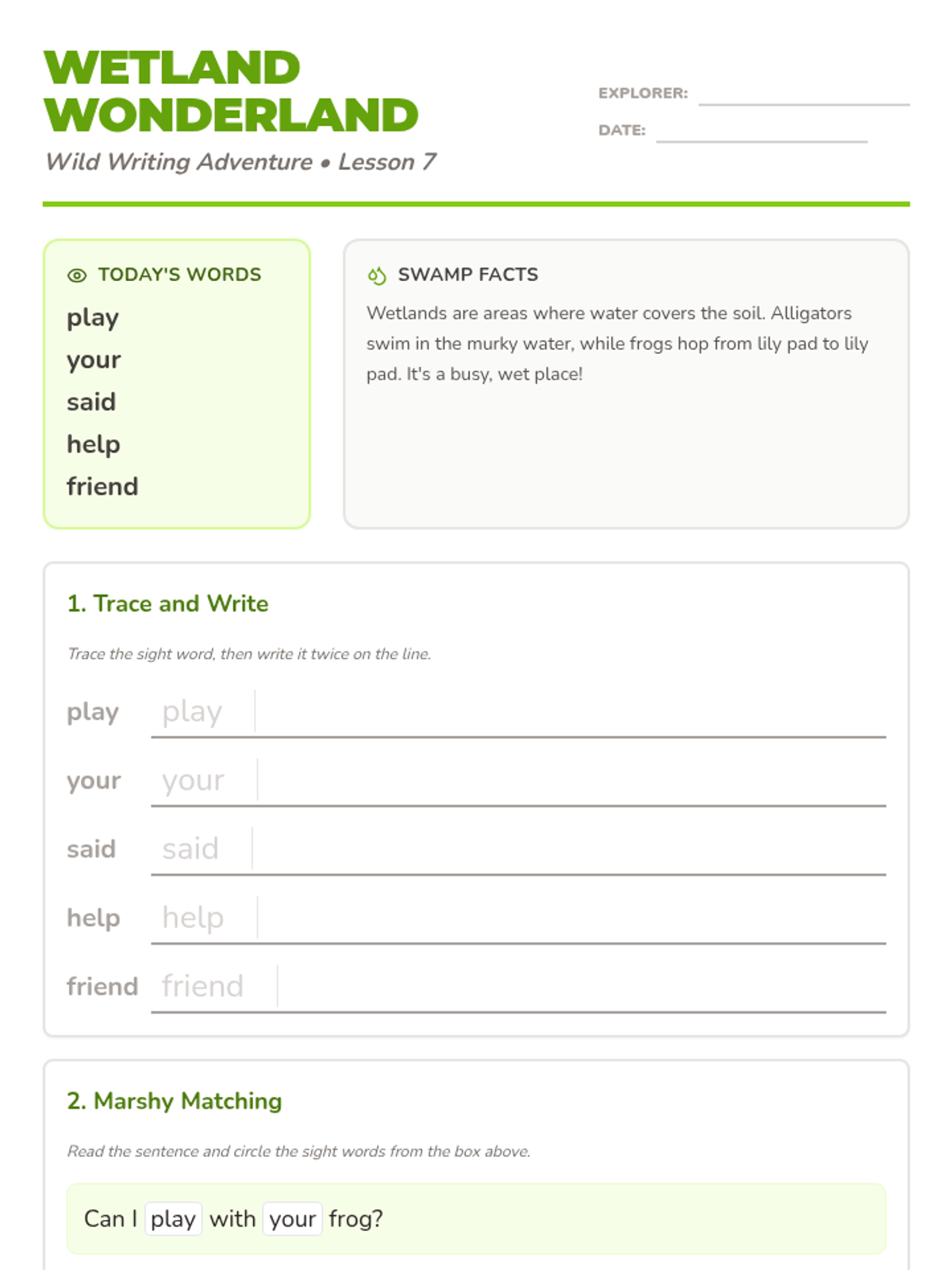
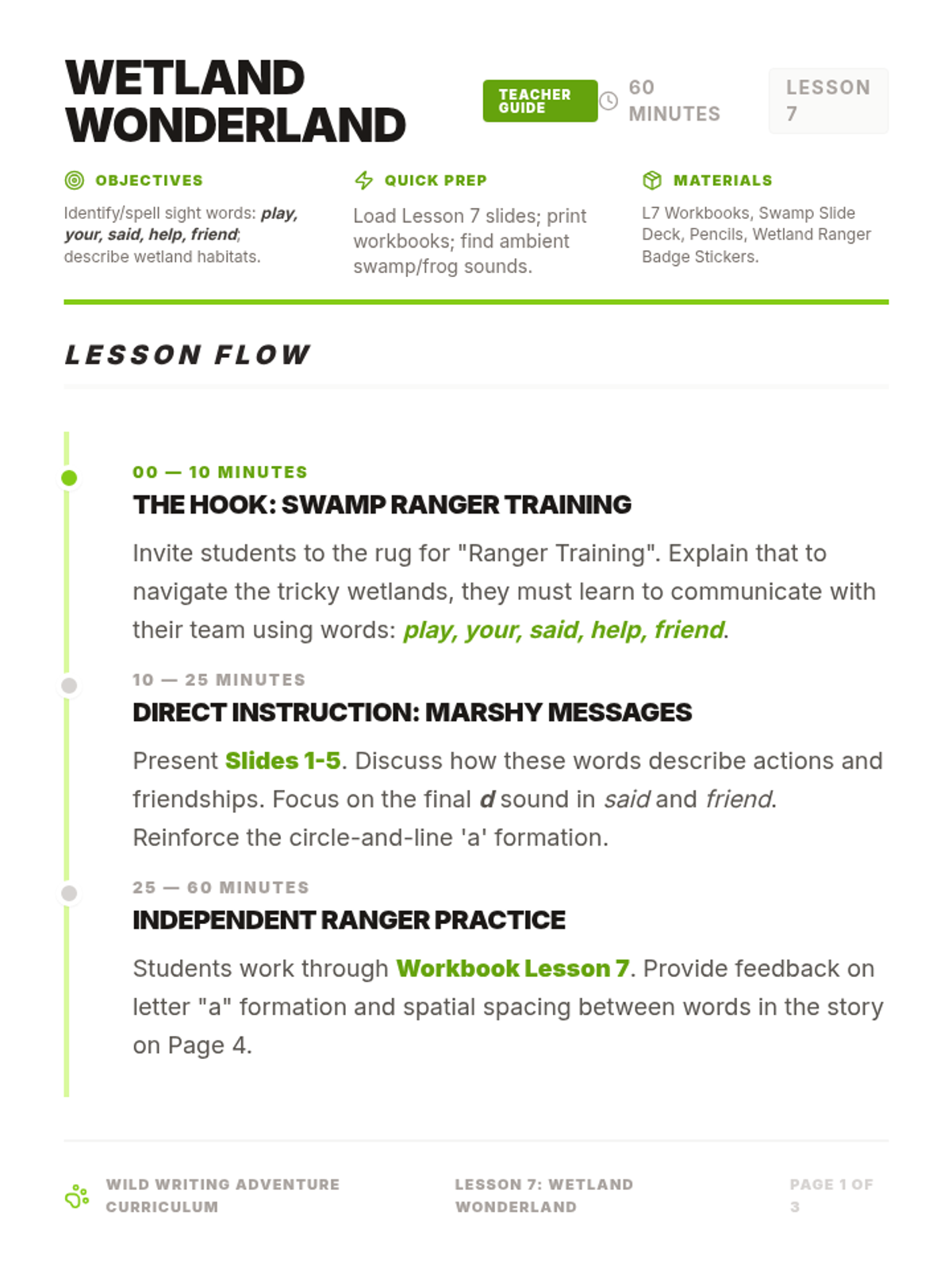
Squelch through the marshy wetlands to master descriptive sight words while spotting alligators, frogs, and dragonflies.
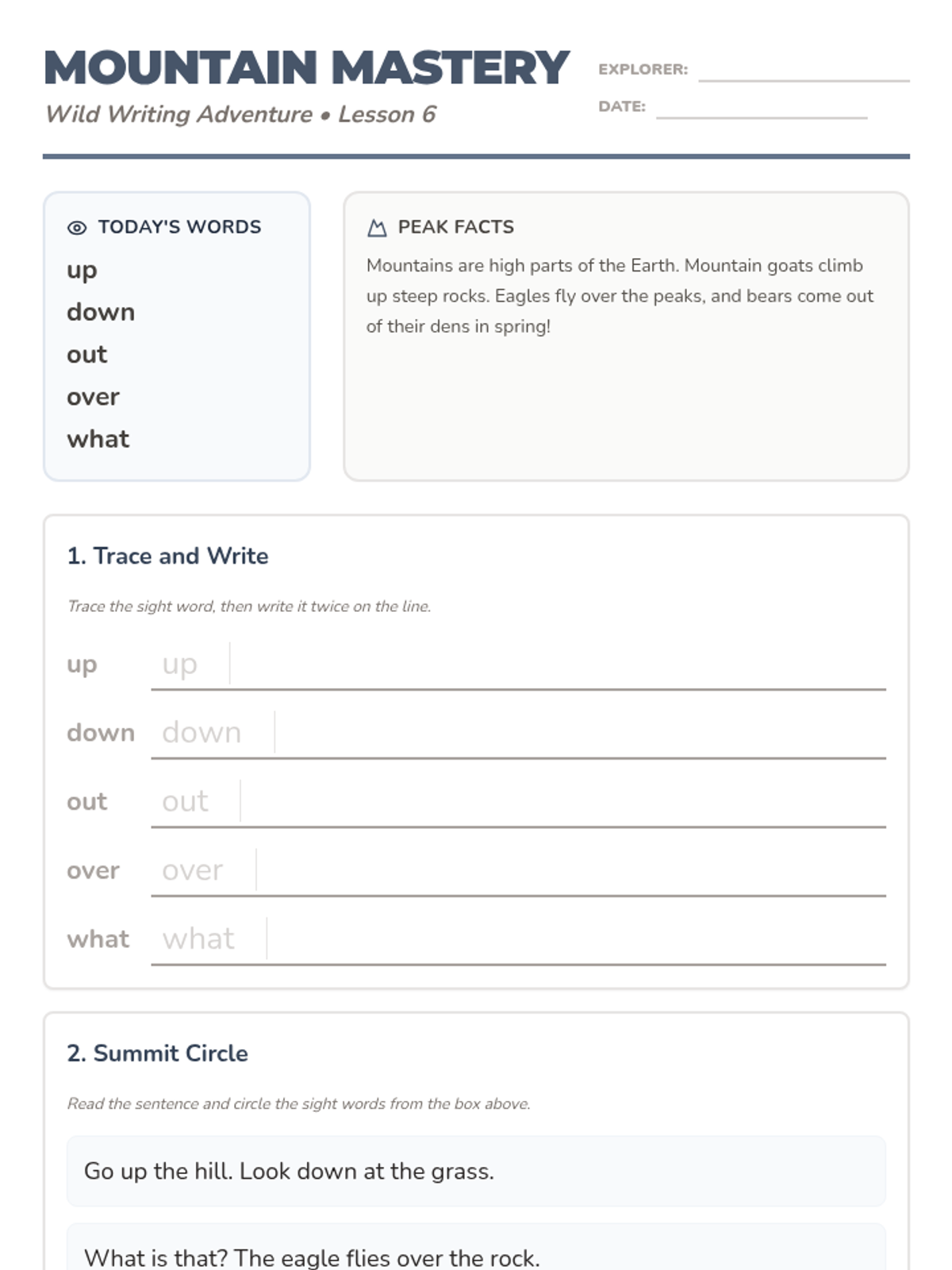
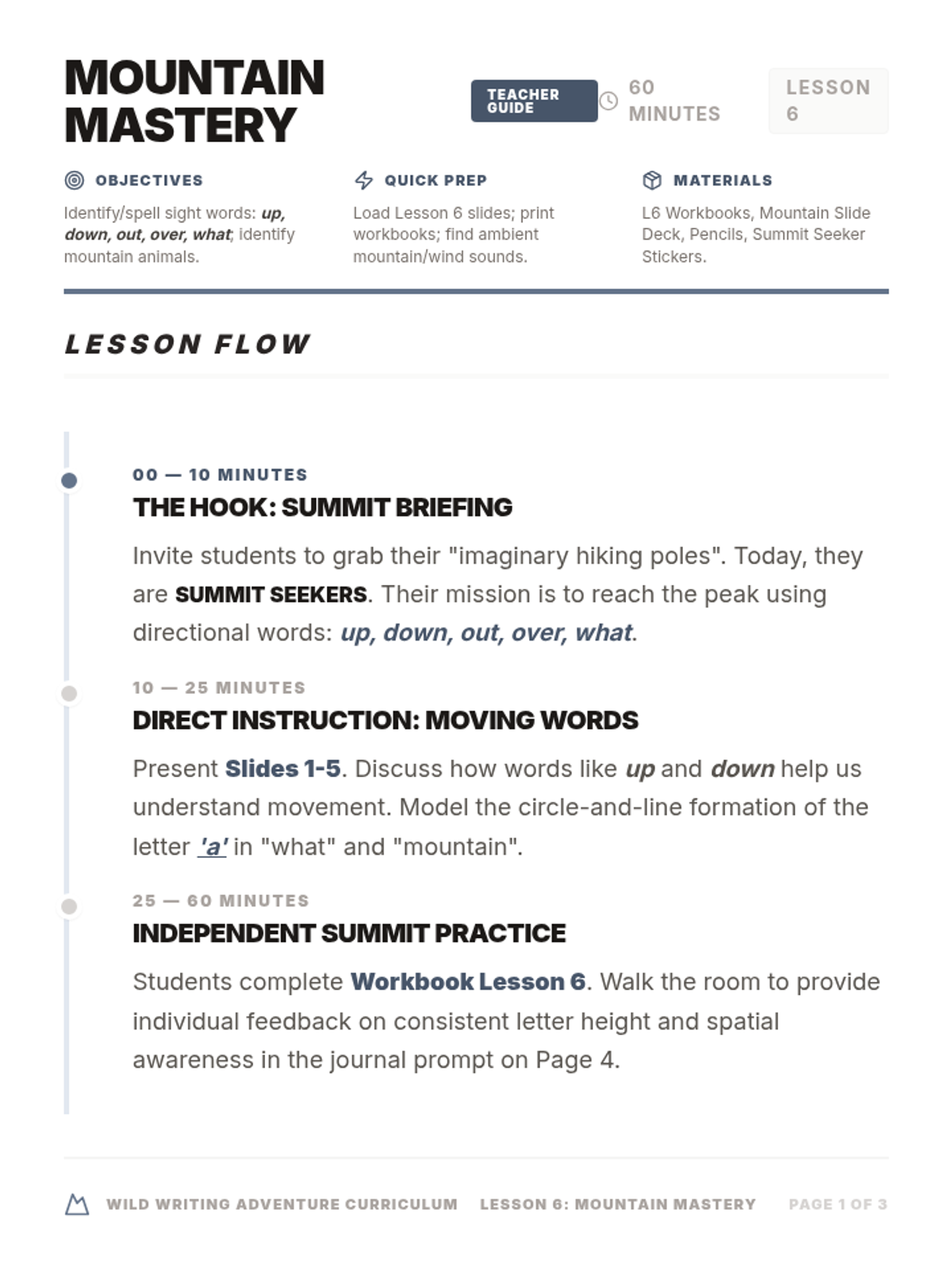
Climb to the highest peaks to master directional sight words while meeting mountain goats, eagles, and black bears.
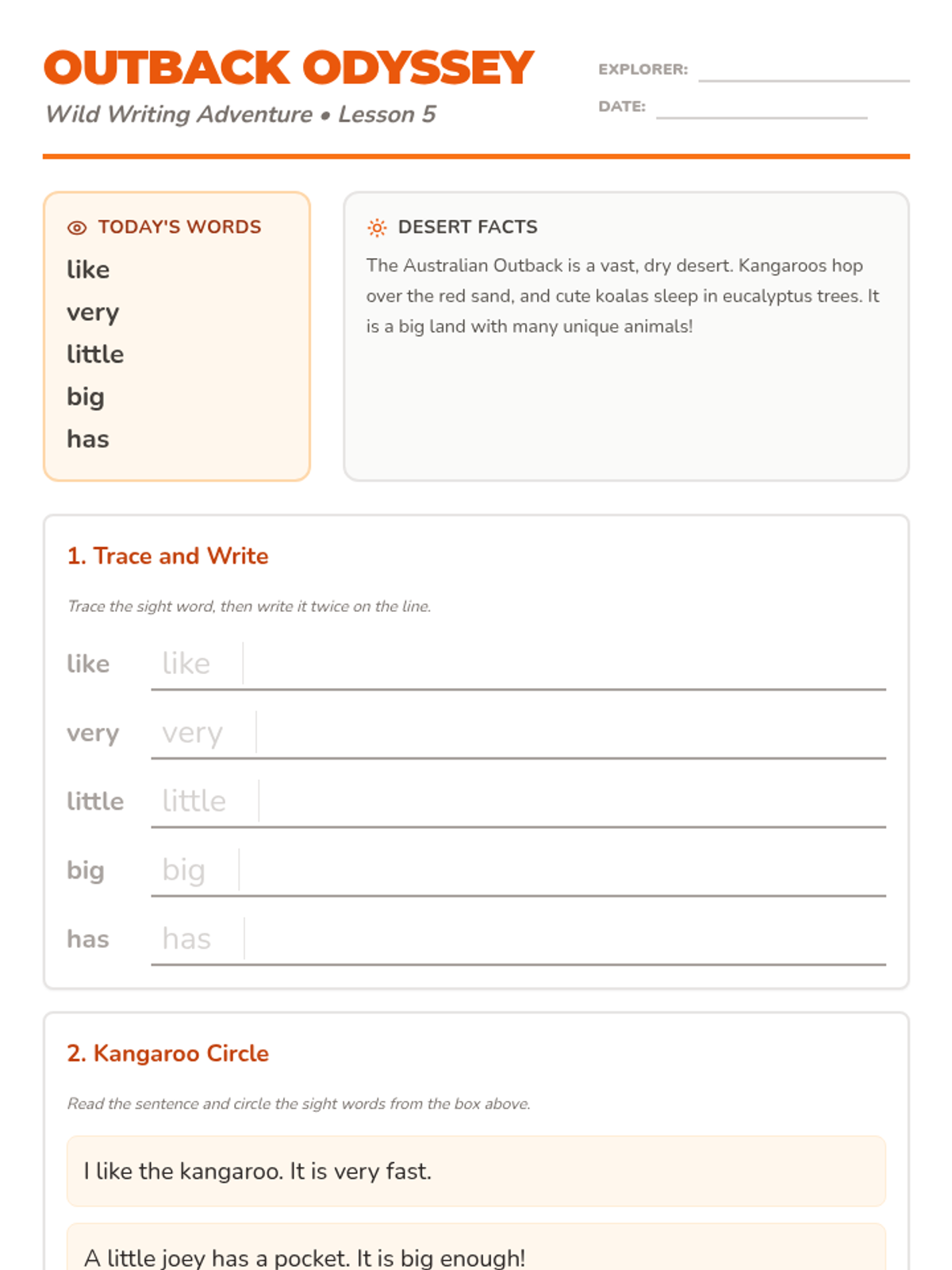
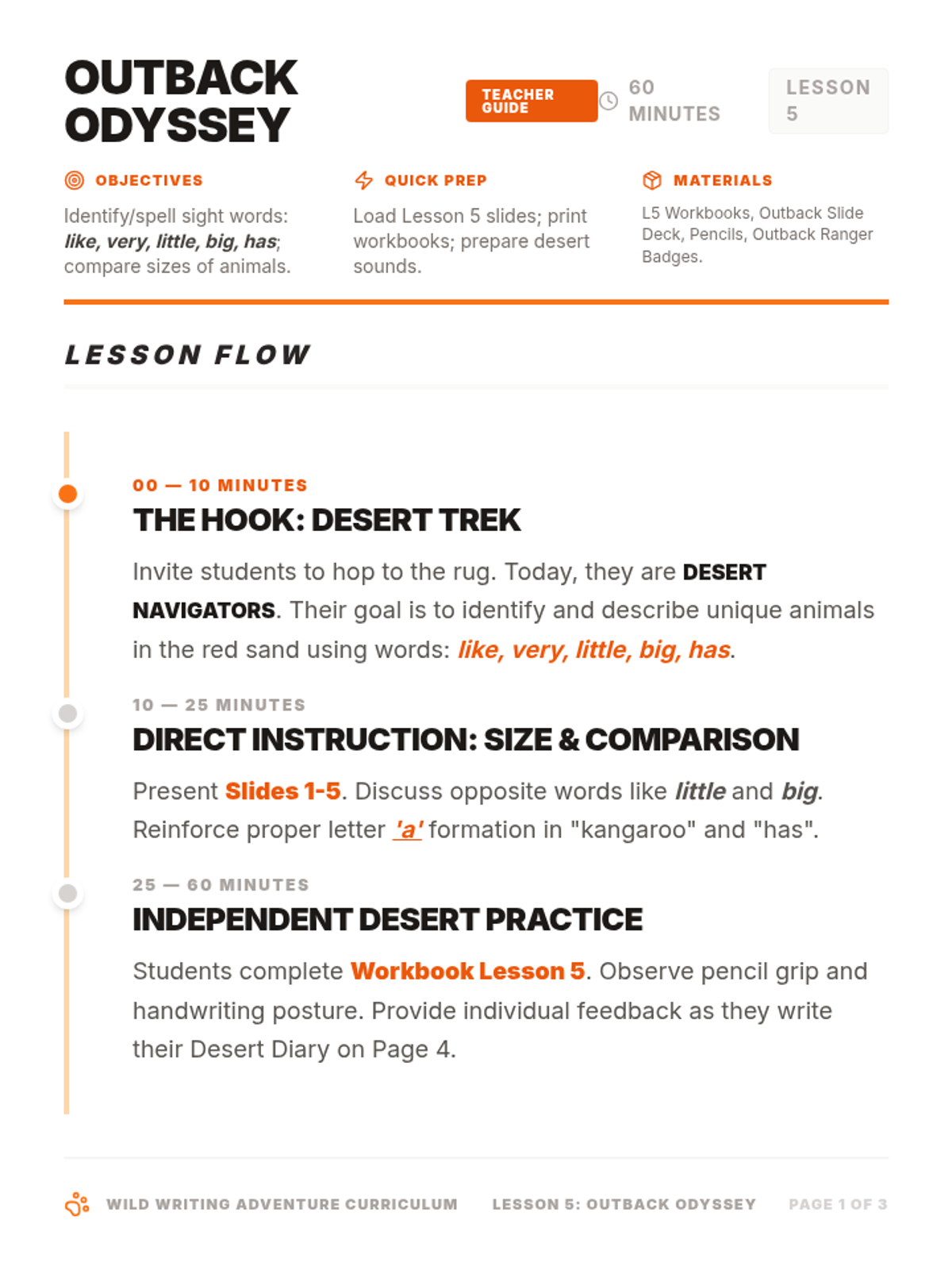
Hop through the sun-drenched Australian Outback to master new sight words while meeting kangaroos, koalas, and wombats.
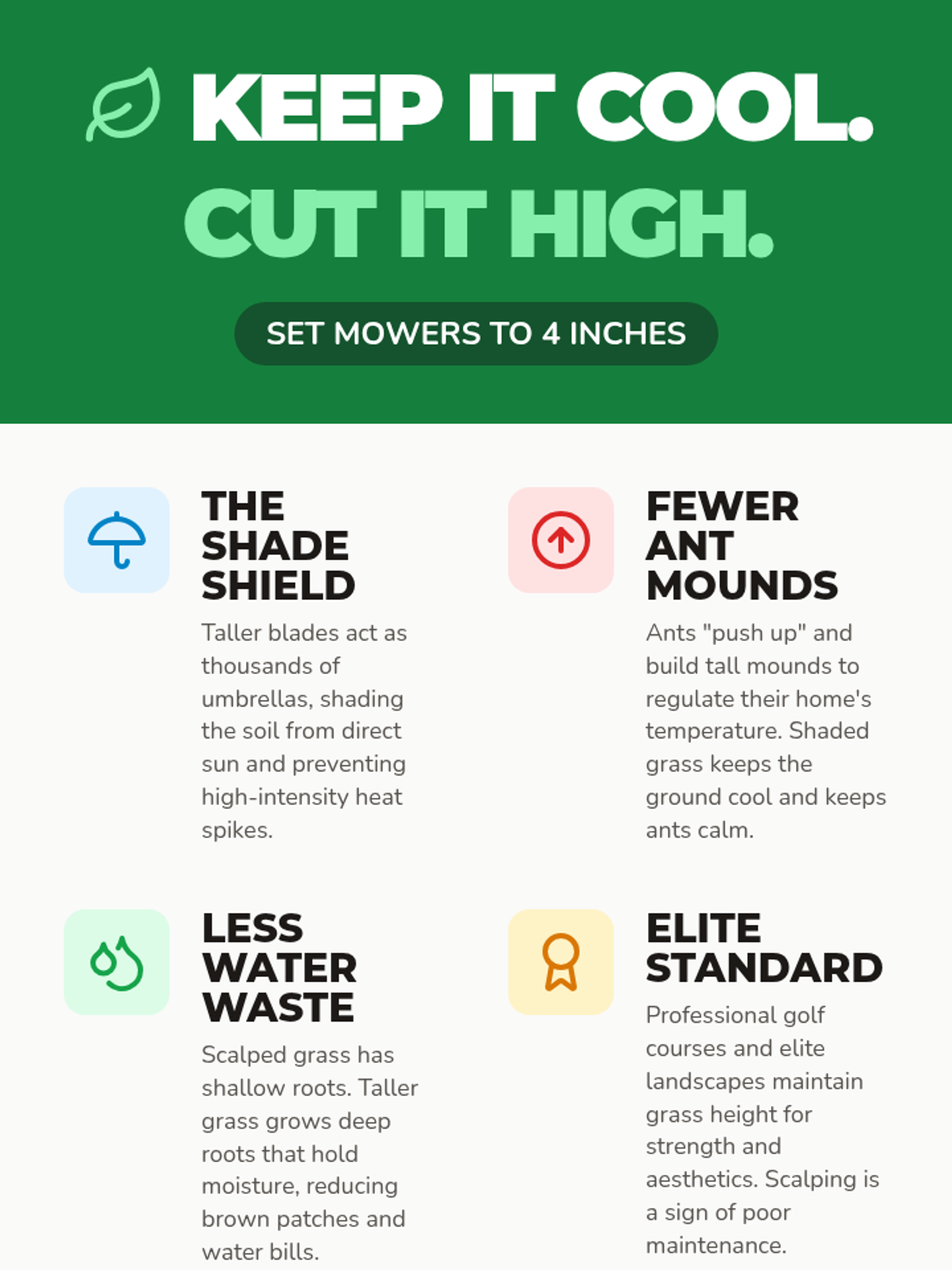
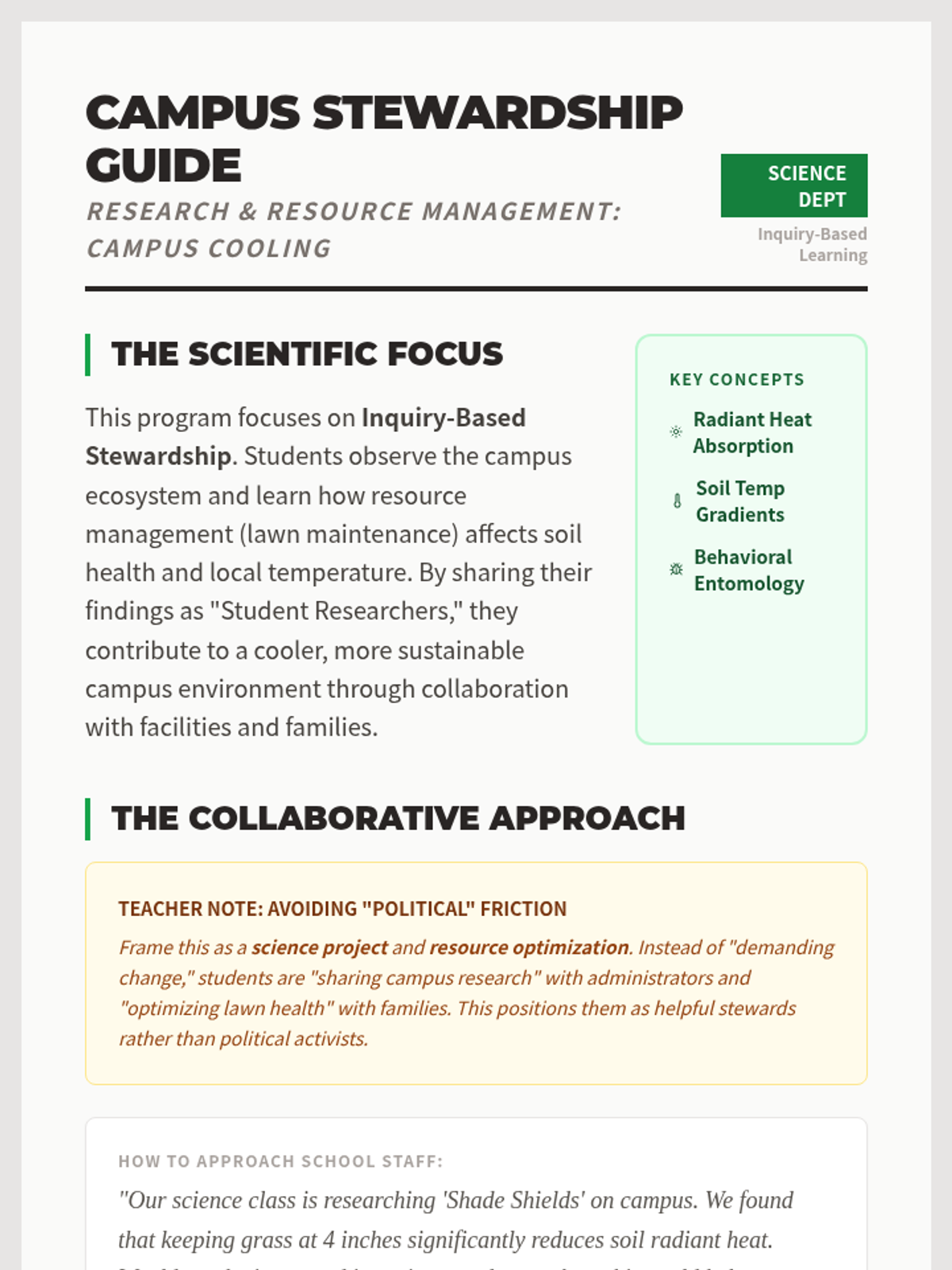
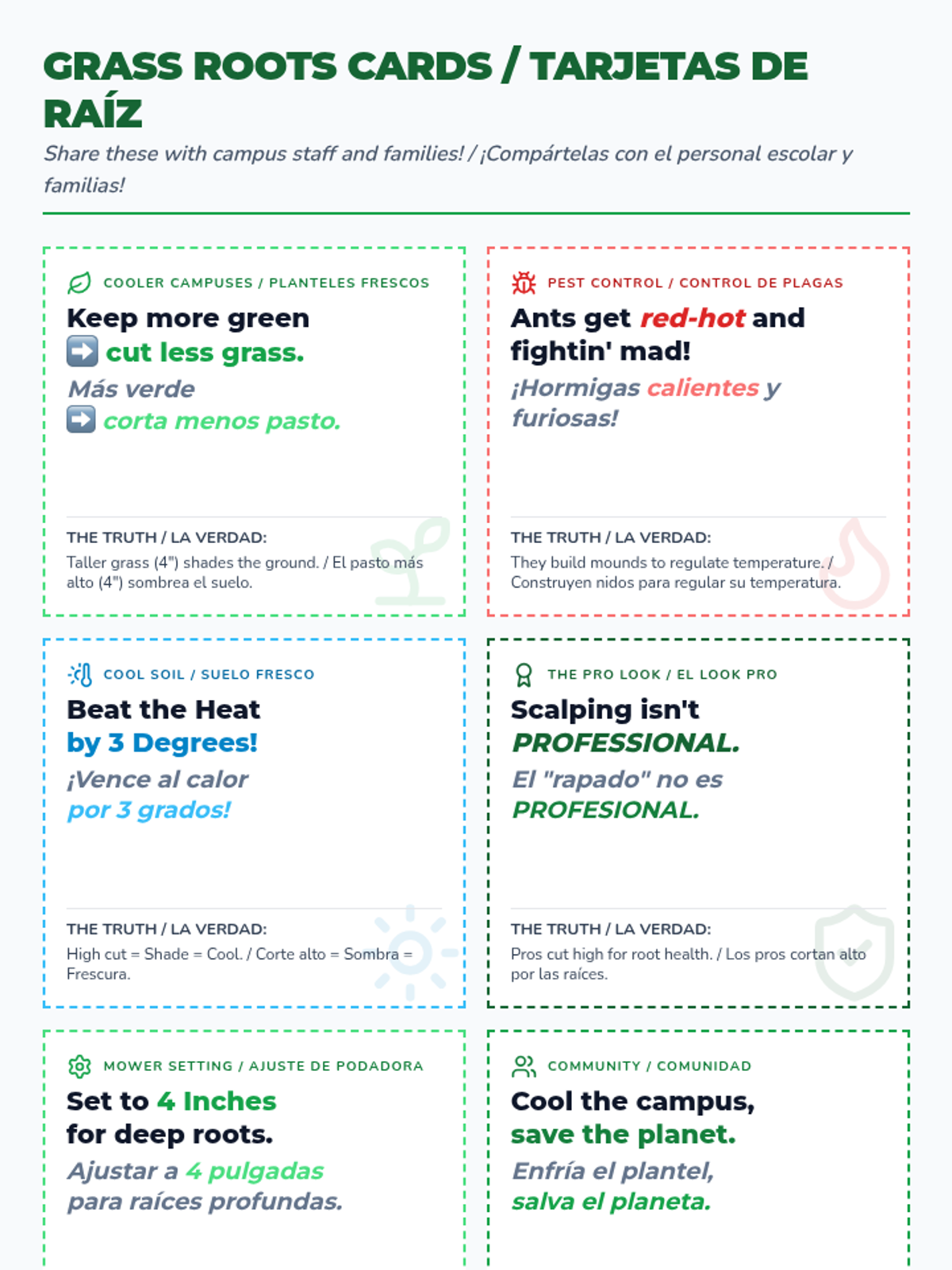
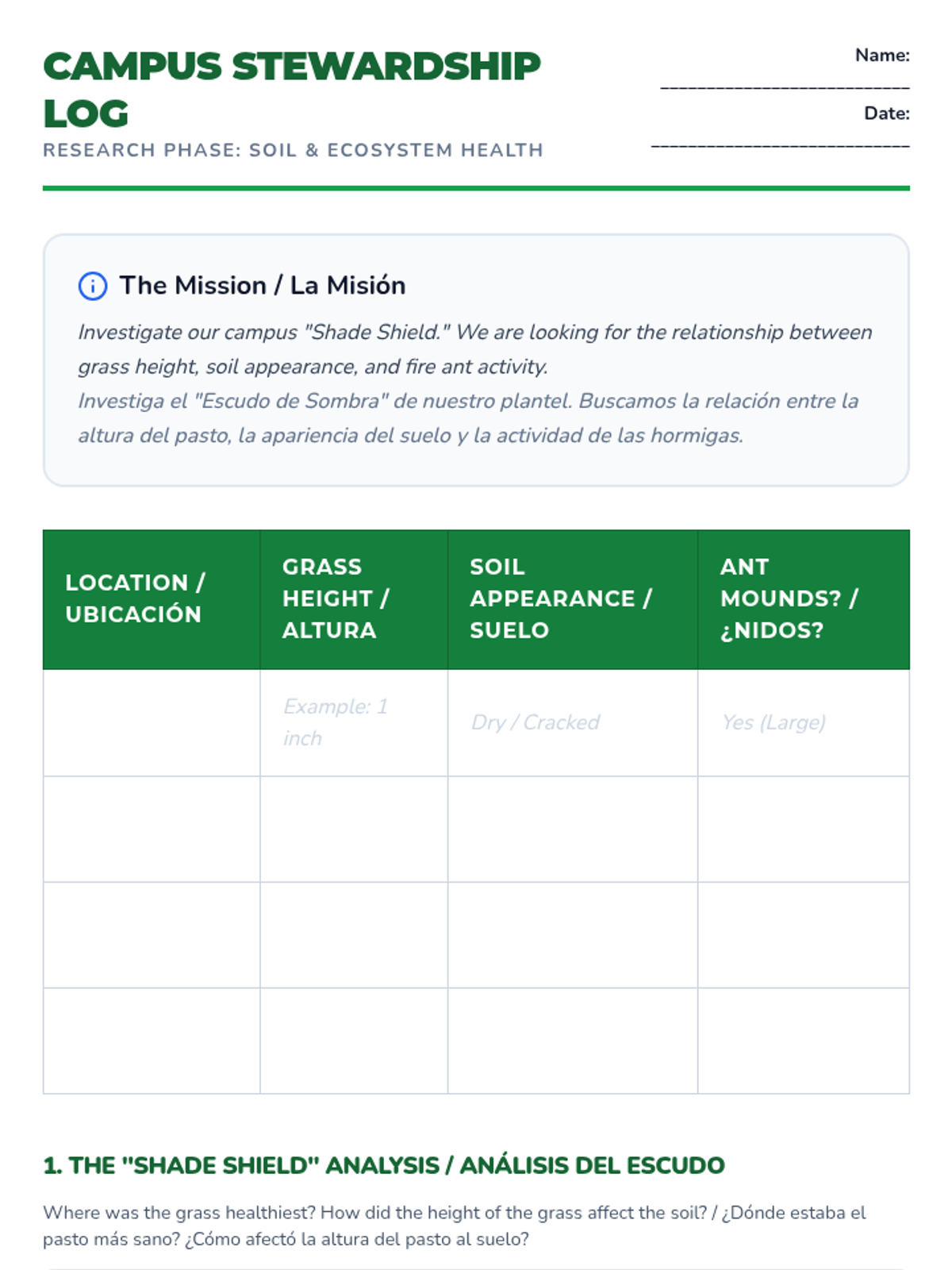
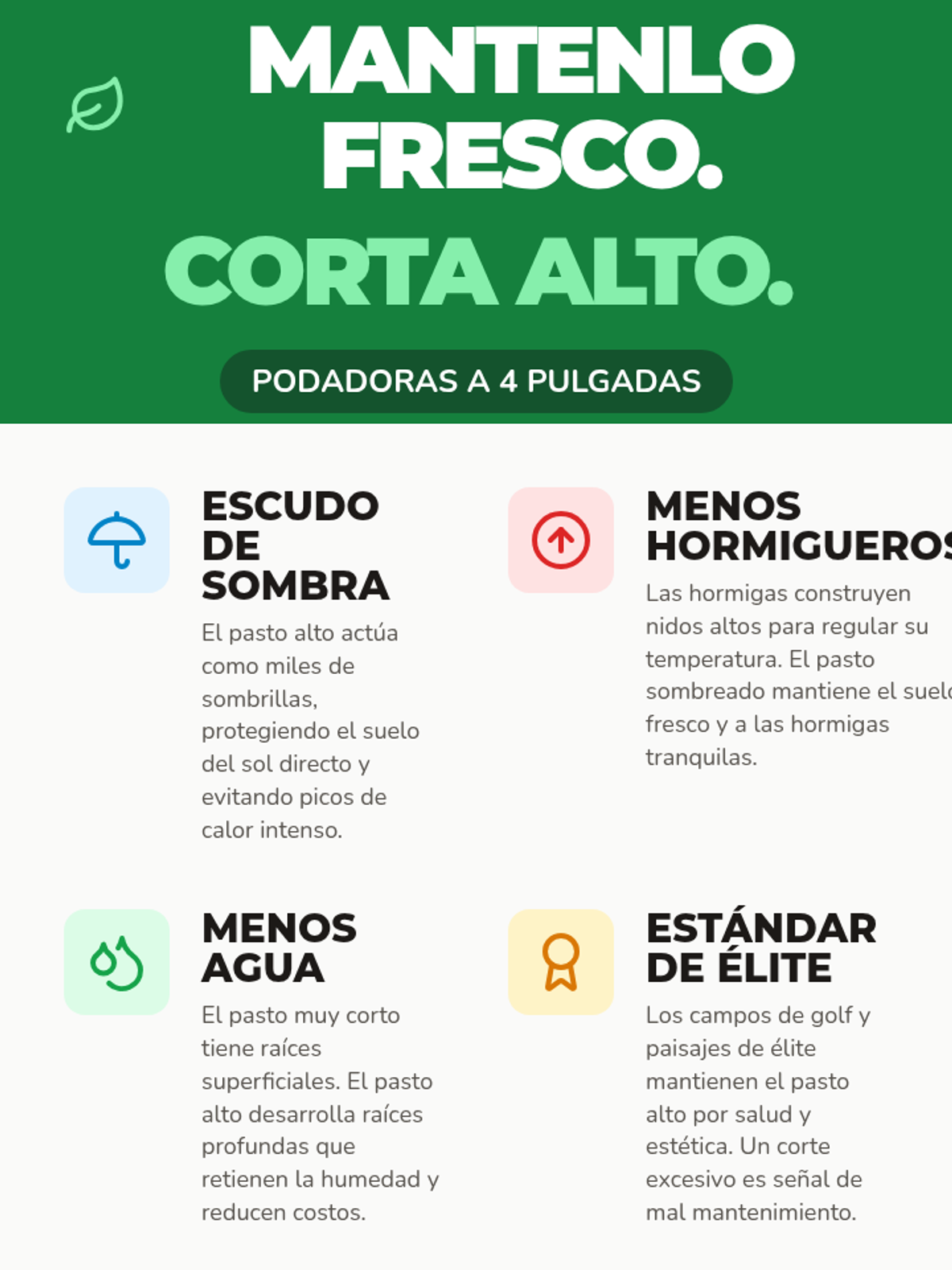
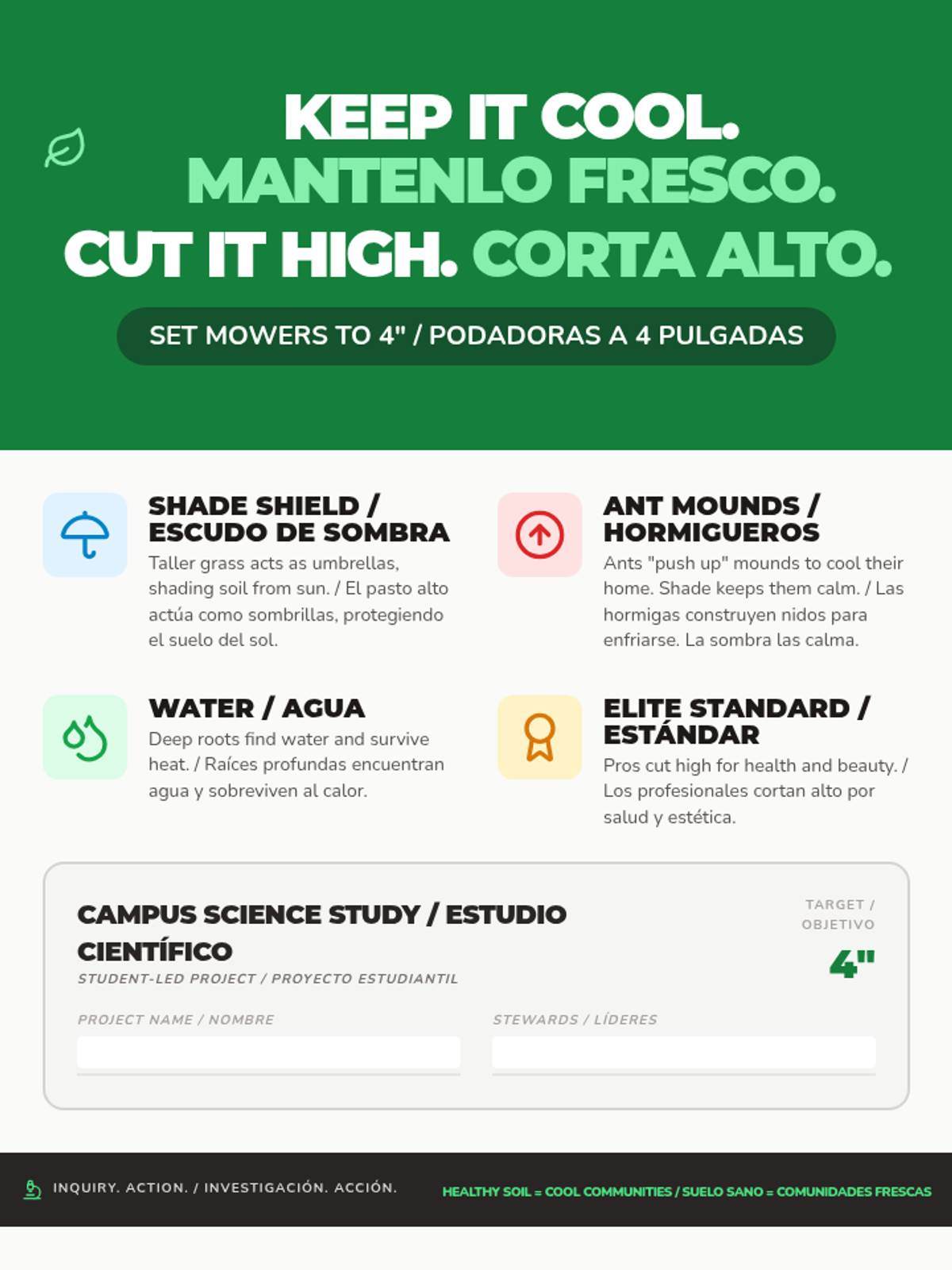
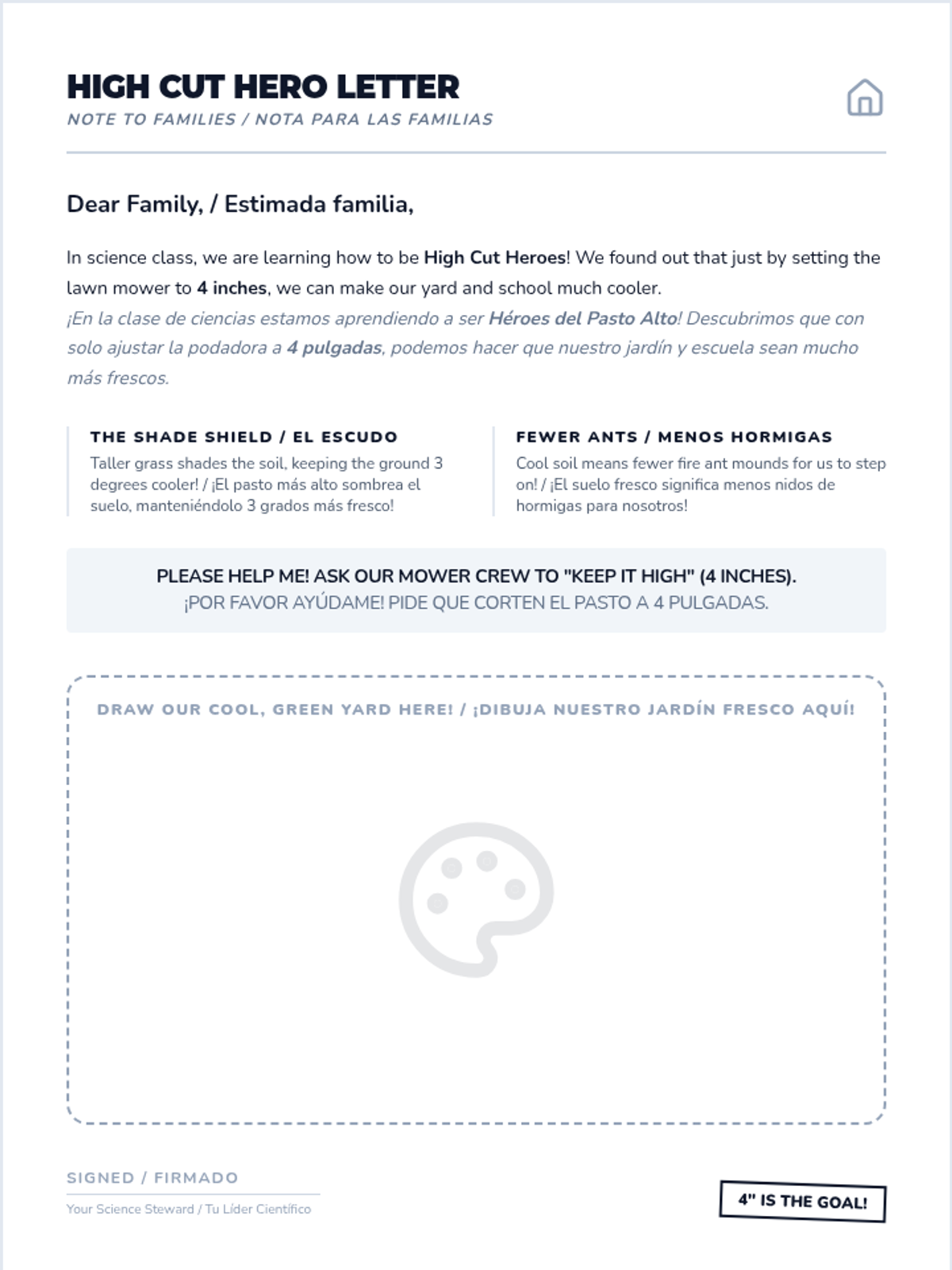
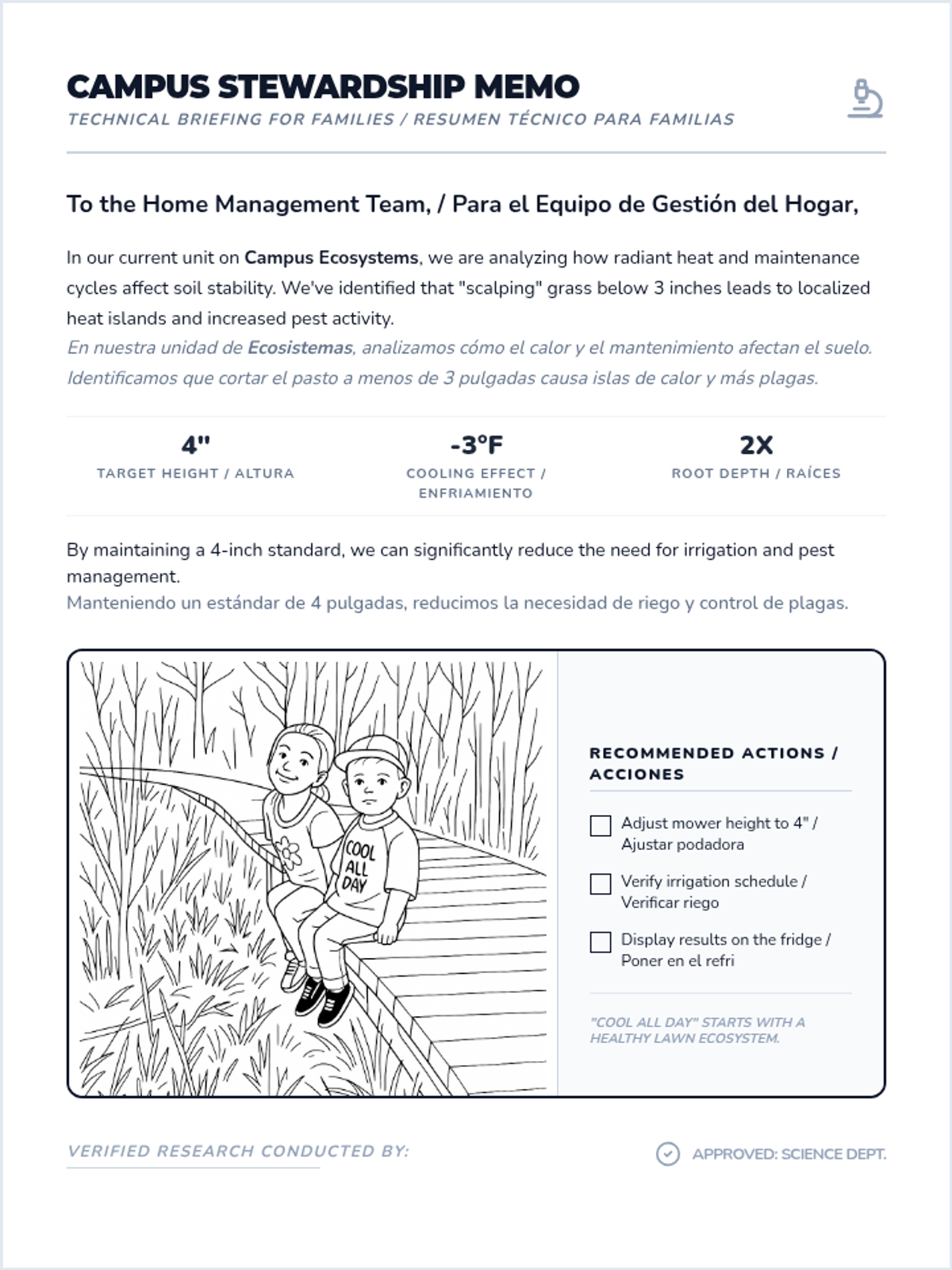
A student-led advocacy campaign to encourage schools and families to raise lawn mower heights. Students learn the science of soil temperature, root health, and pest management to promote cooler, greener communities.
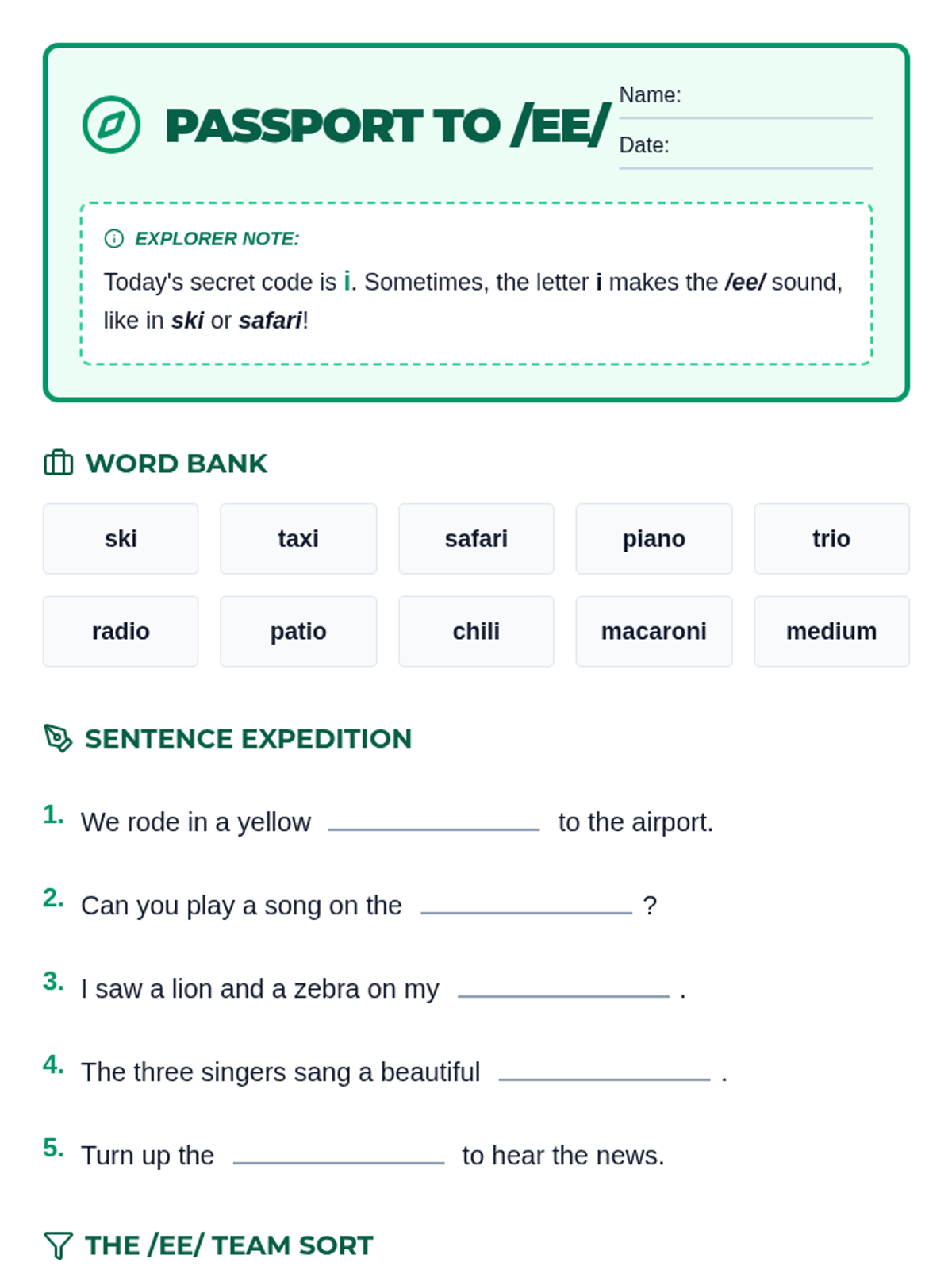
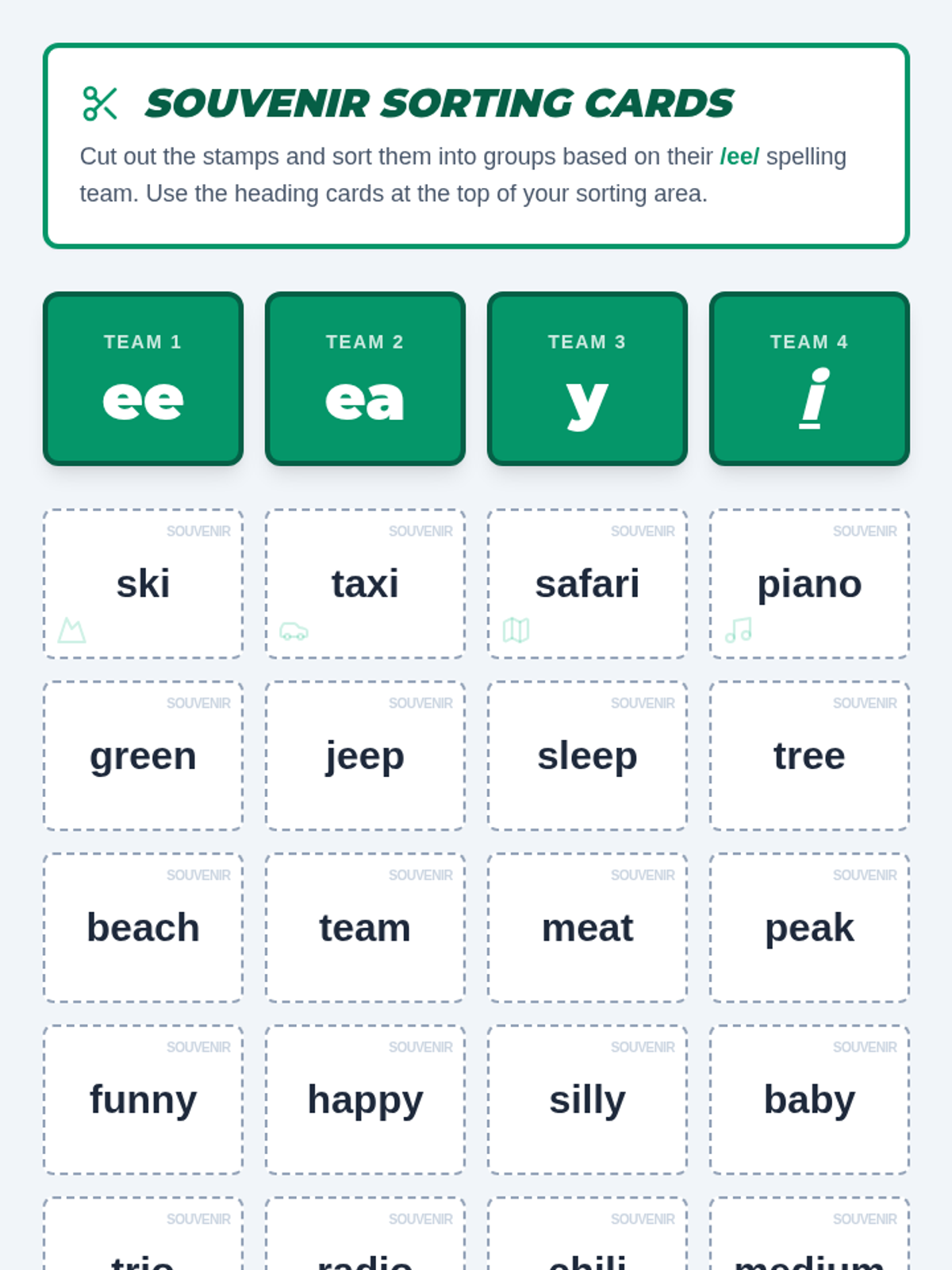
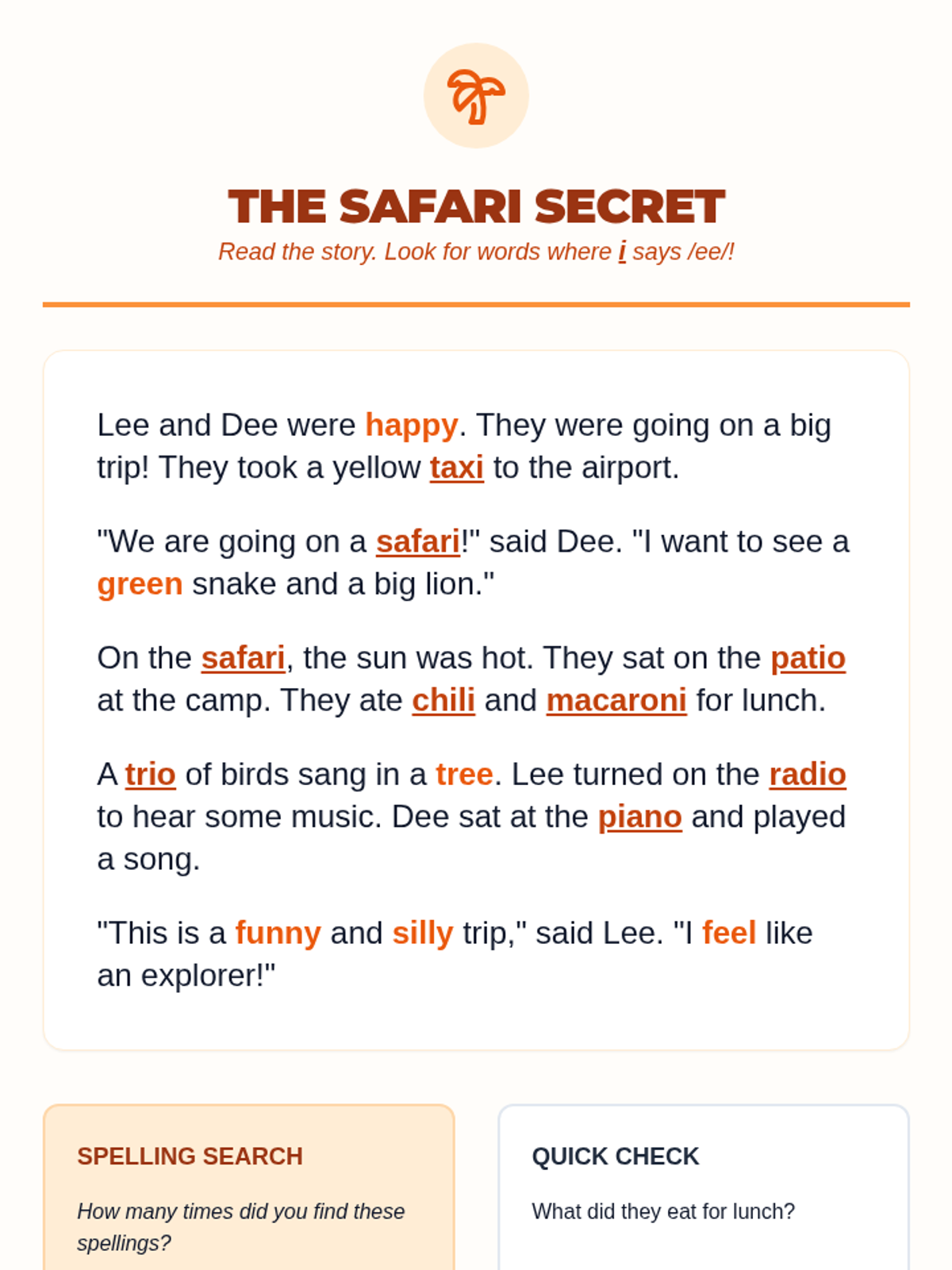
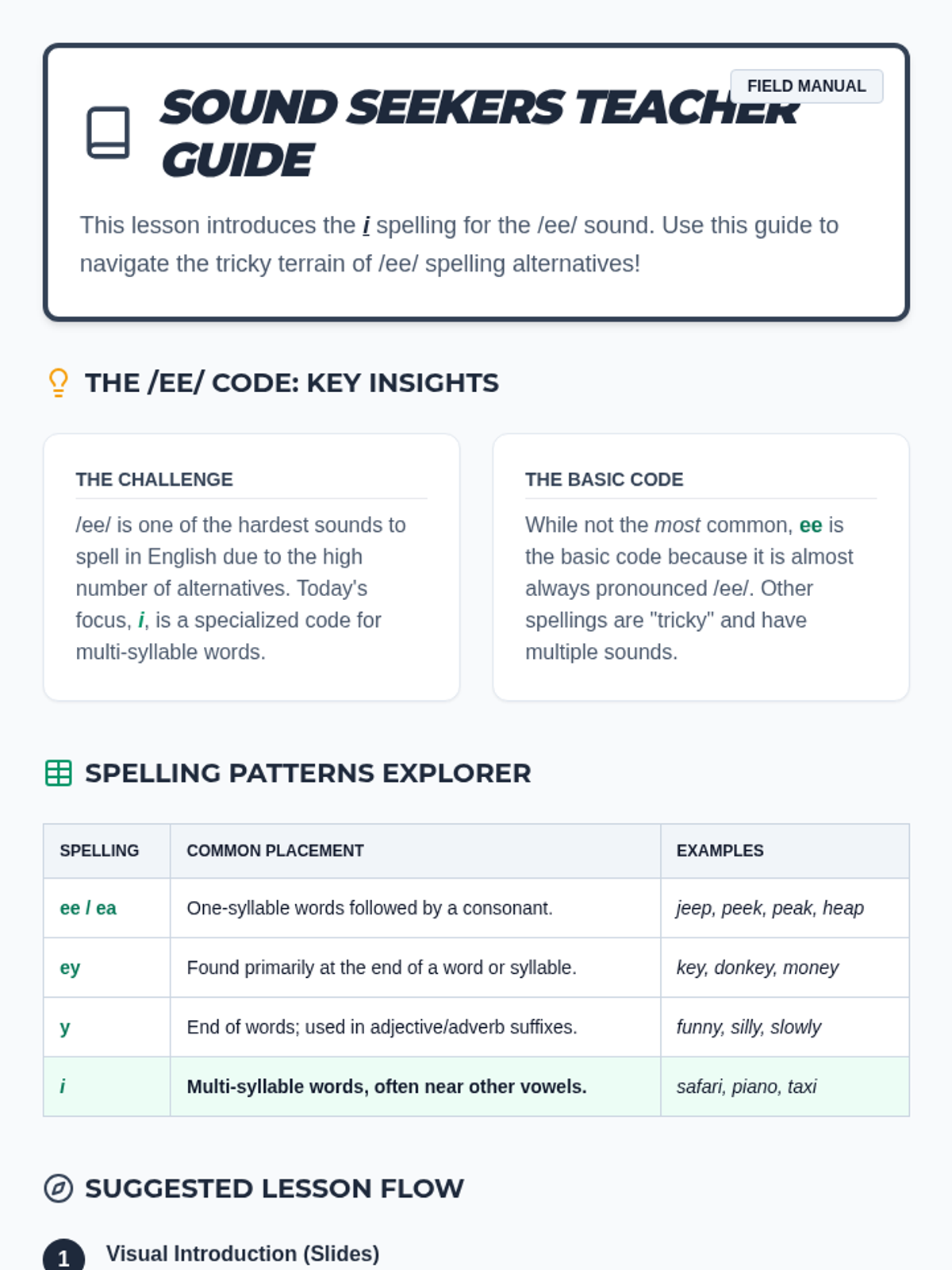
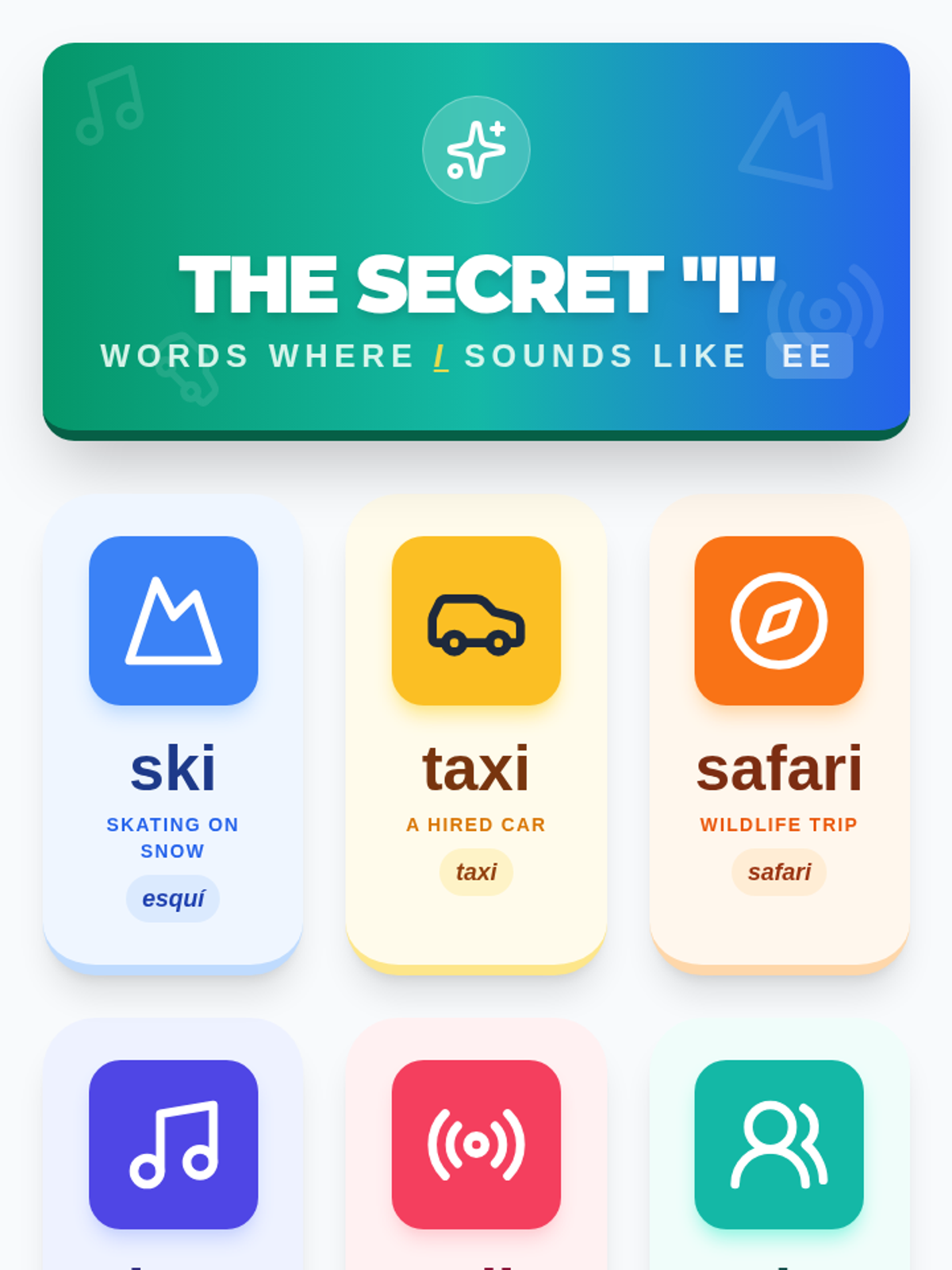
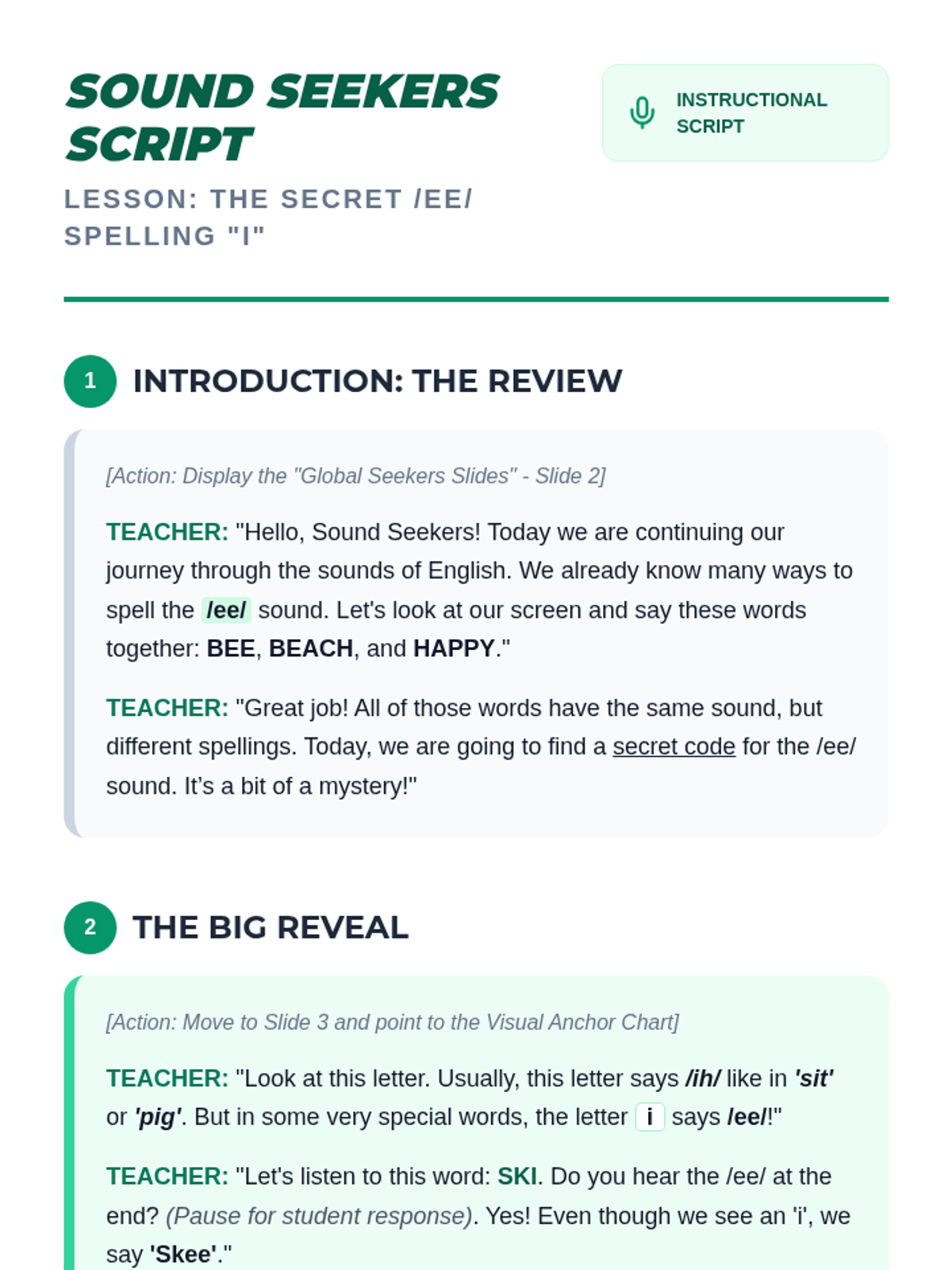
A comprehensive phonics lesson introducing the 'i' spelling for the /ee/ sound, featuring multi-syllable words like 'safari' and 'piano', while reviewing 'ee', 'ea', and 'y' spellings.
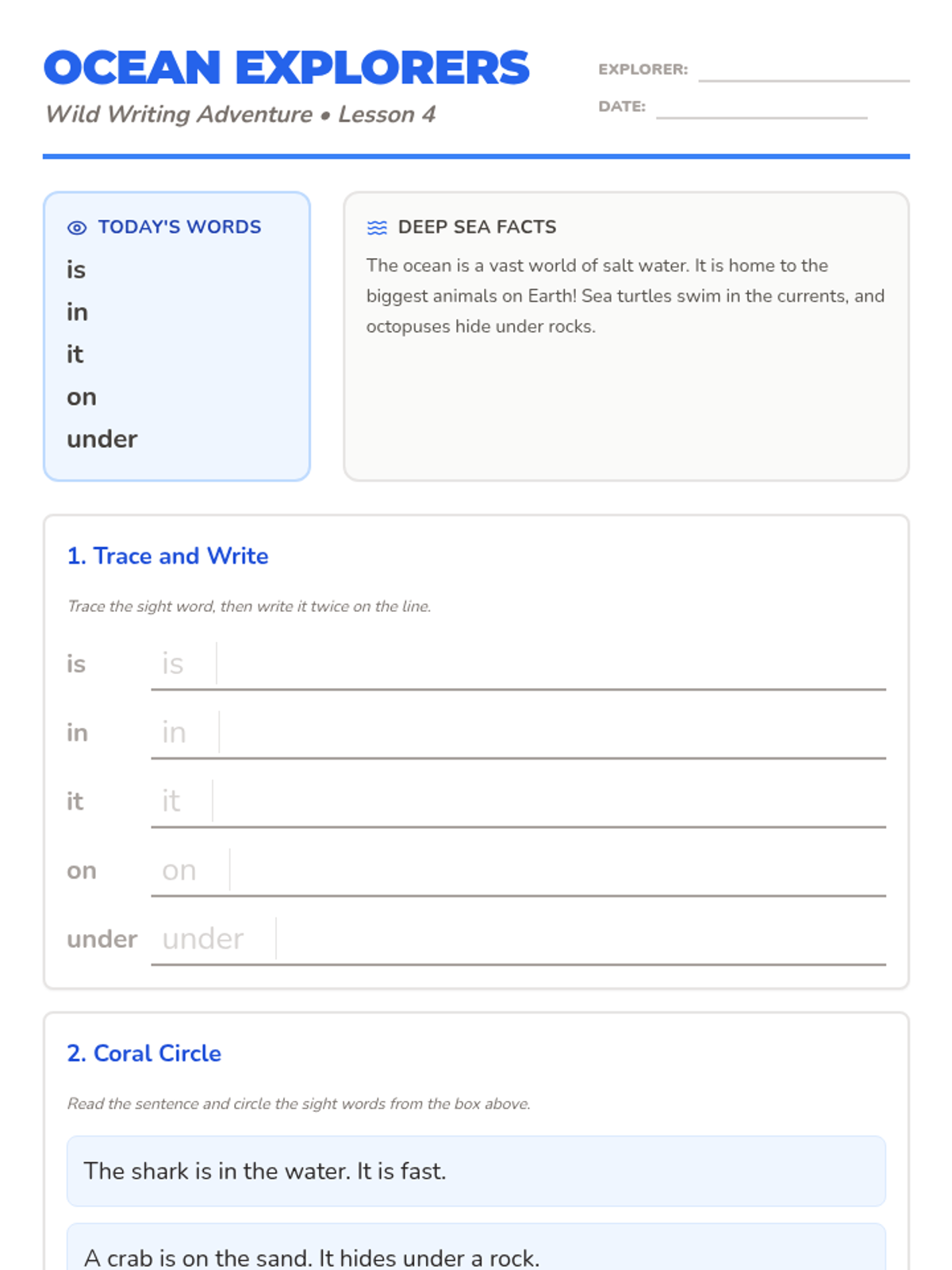
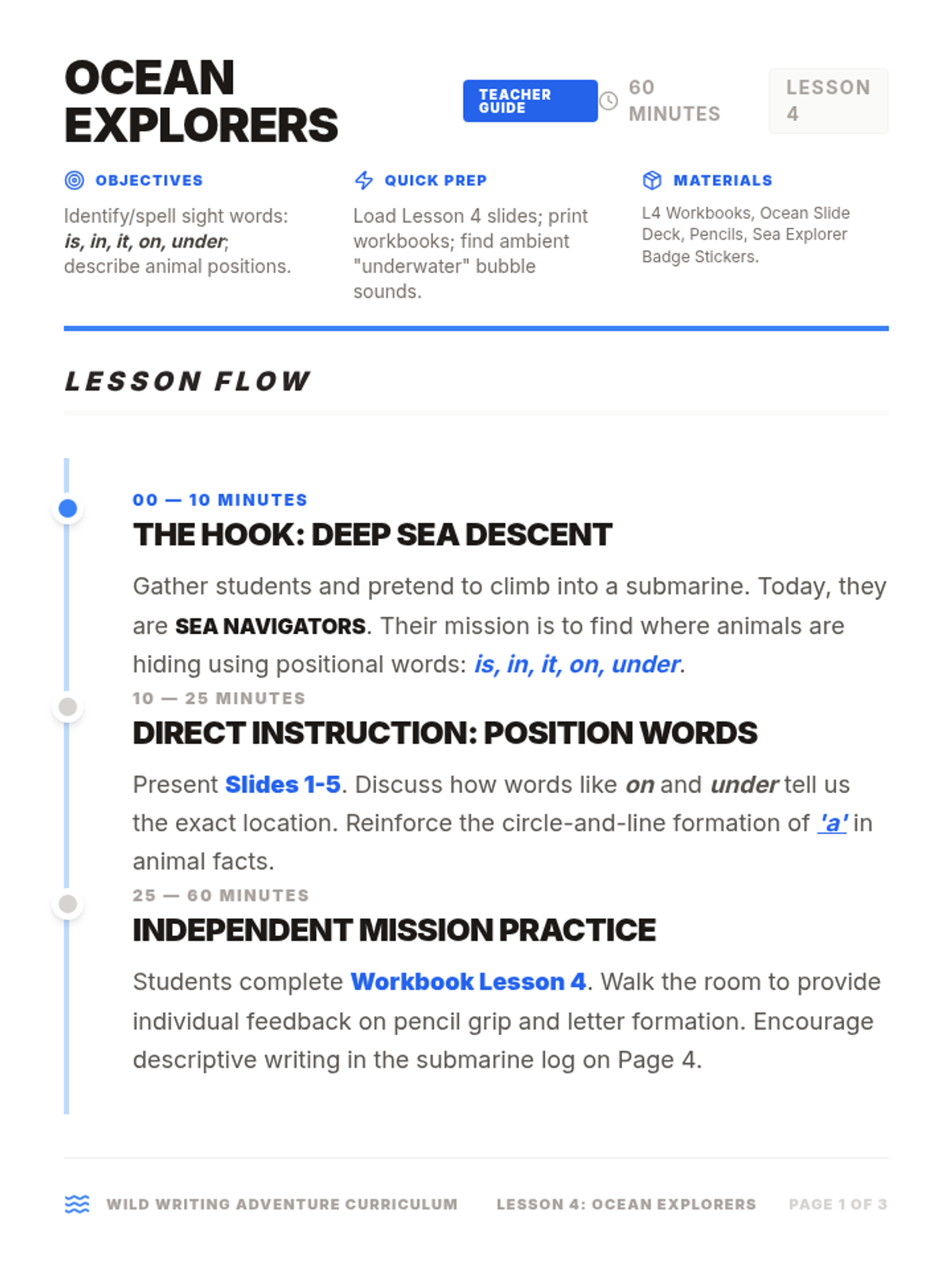
Dive into the deep blue ocean to master positional sight words while discovering sea turtles, sharks, and octopuses.
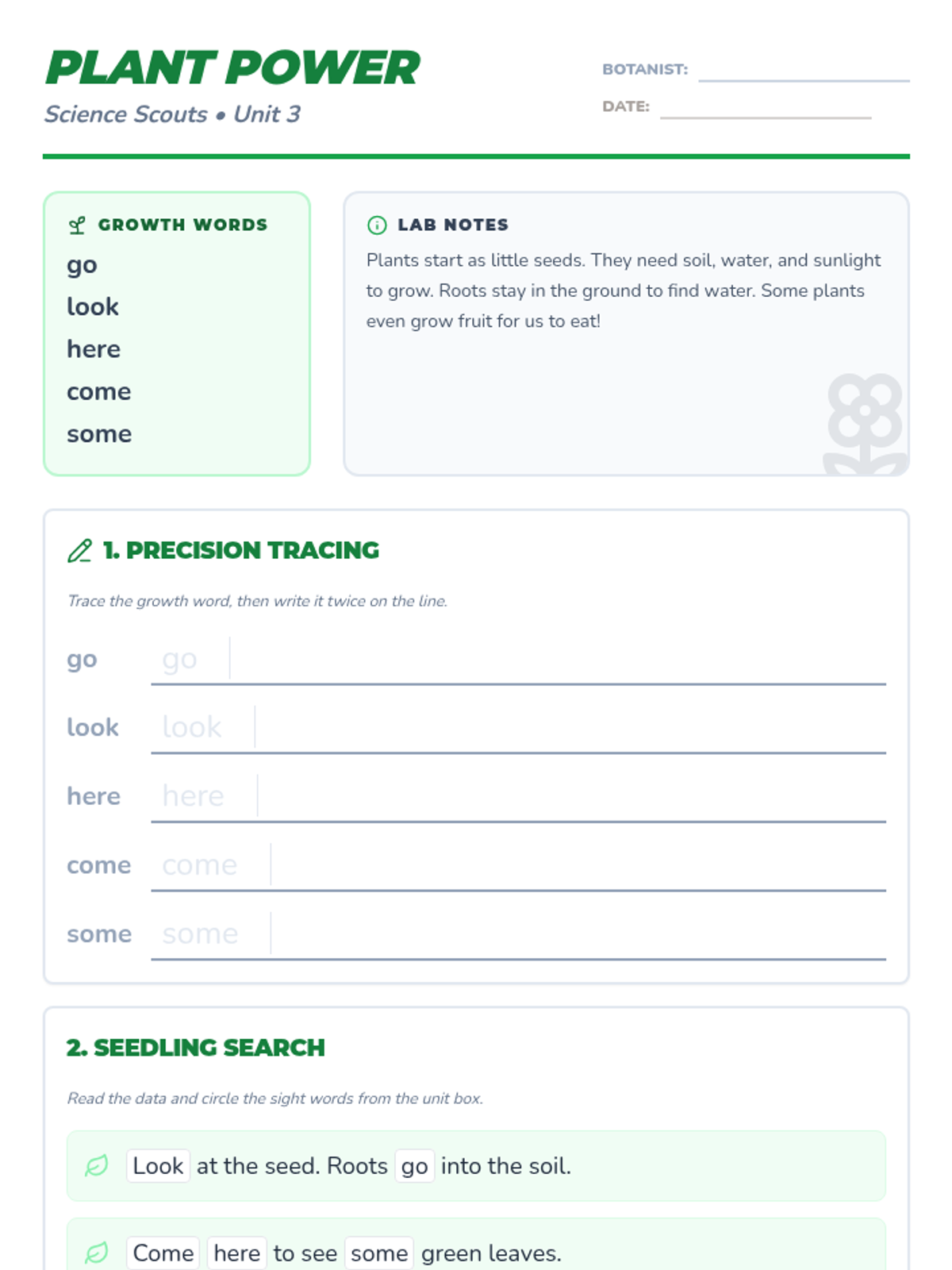
Investigate the life cycle of plants and the essentials for growth while mastering sight words and scientific observation.
Launch into orbit to explore planets and stars while mastering high-frequency sight words and scientific terminology.
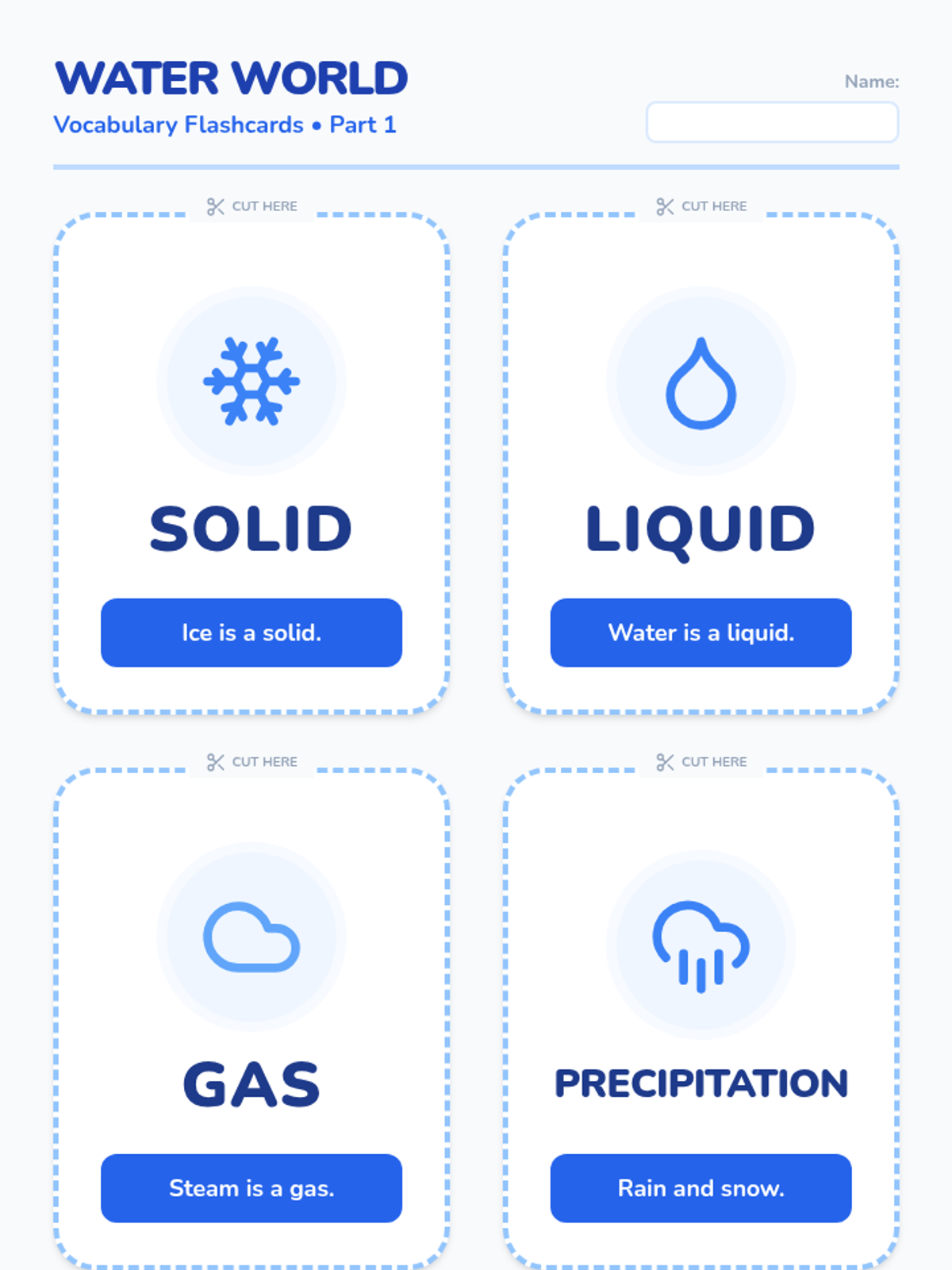
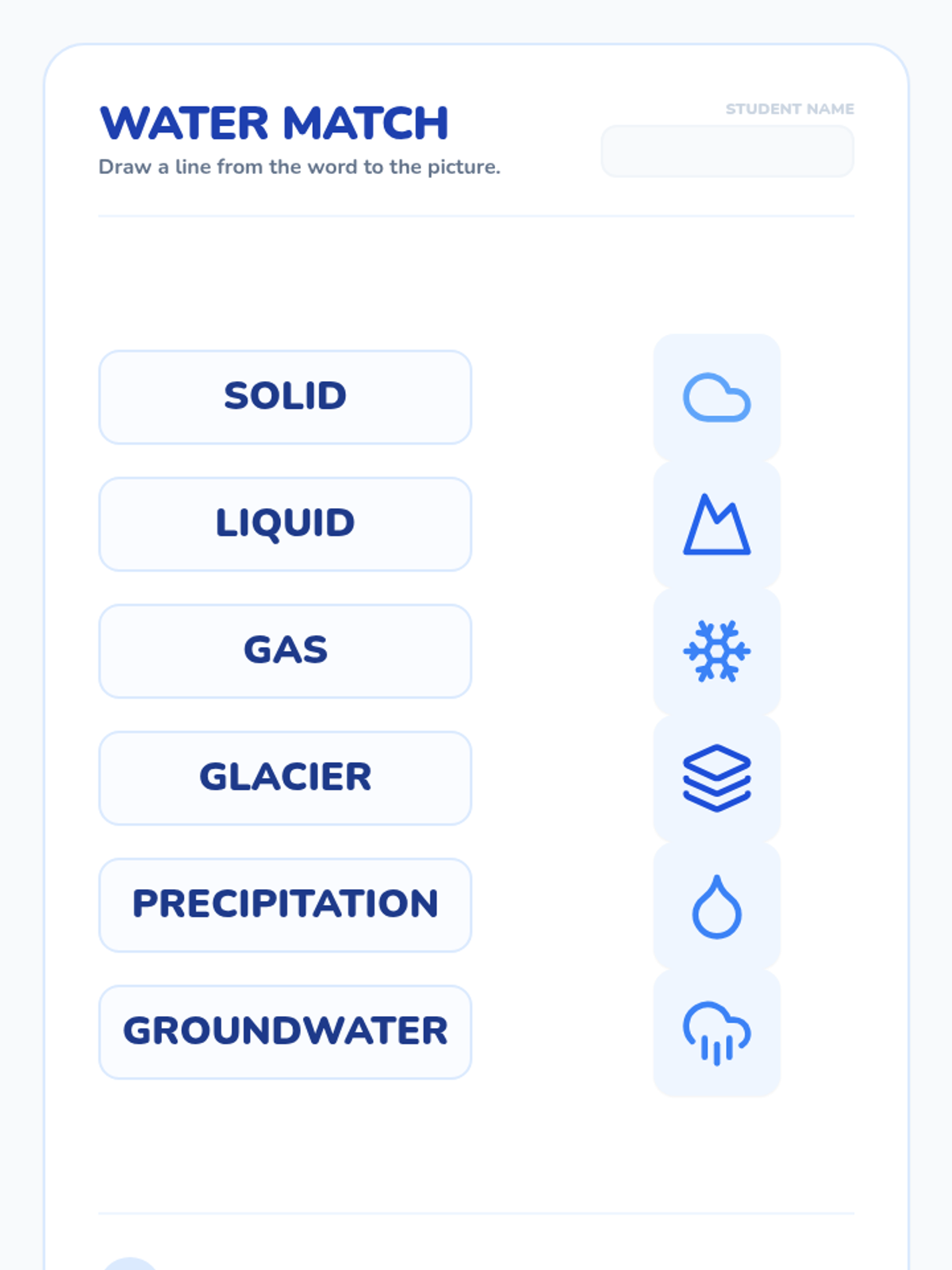
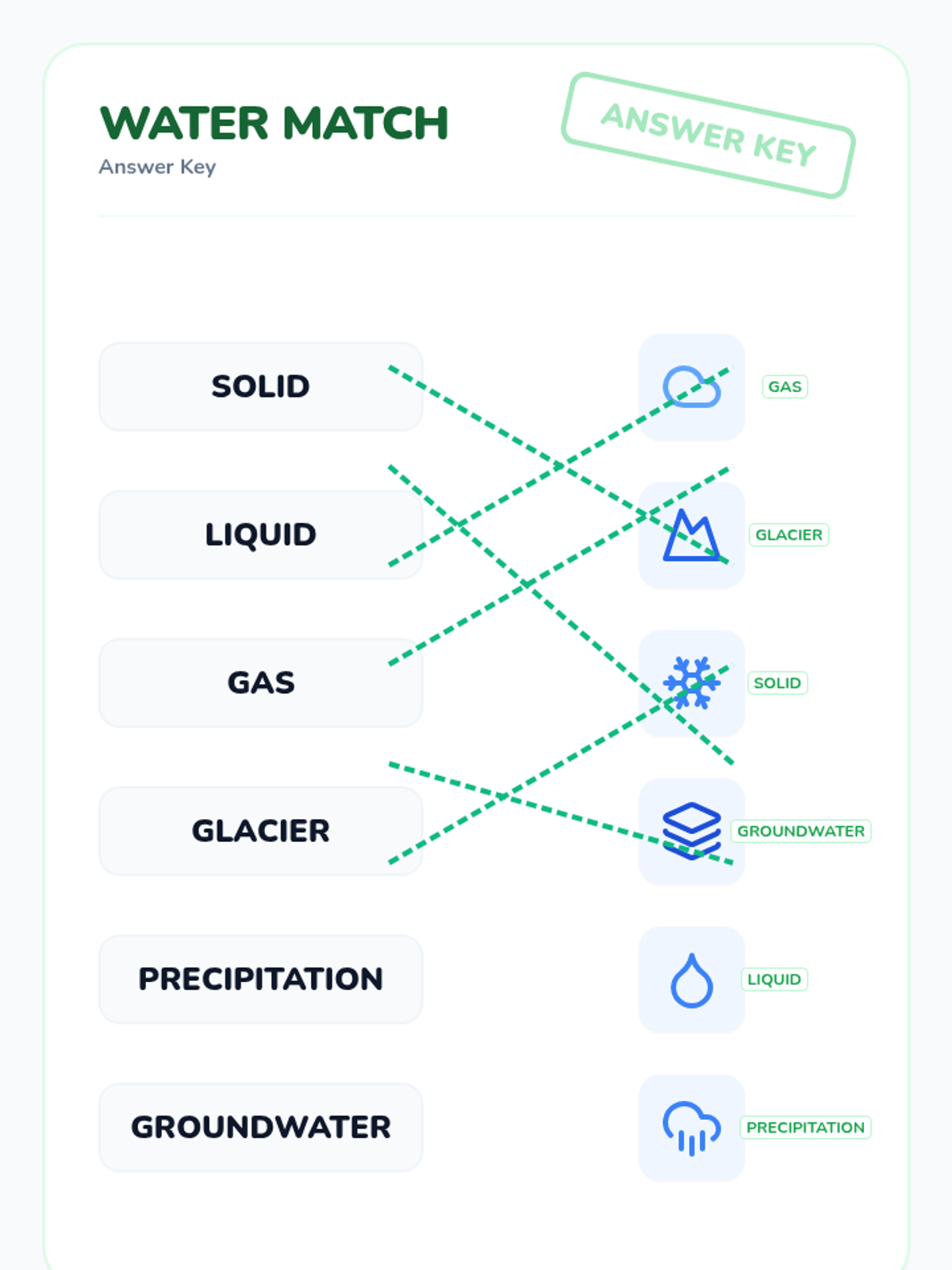
A visual-heavy introduction to water-related vocabulary for ESL students, focusing on the states of matter and natural water forms.
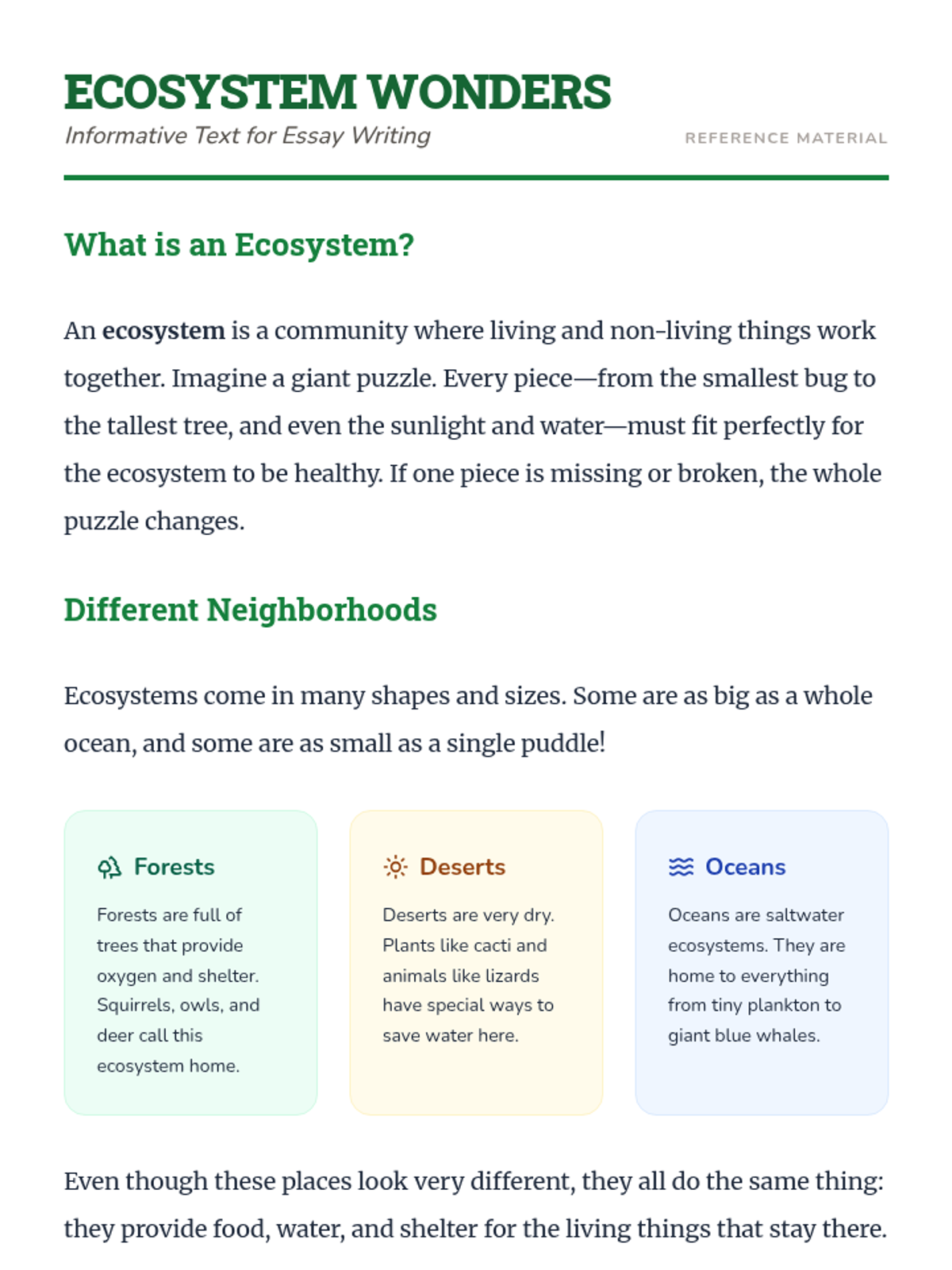
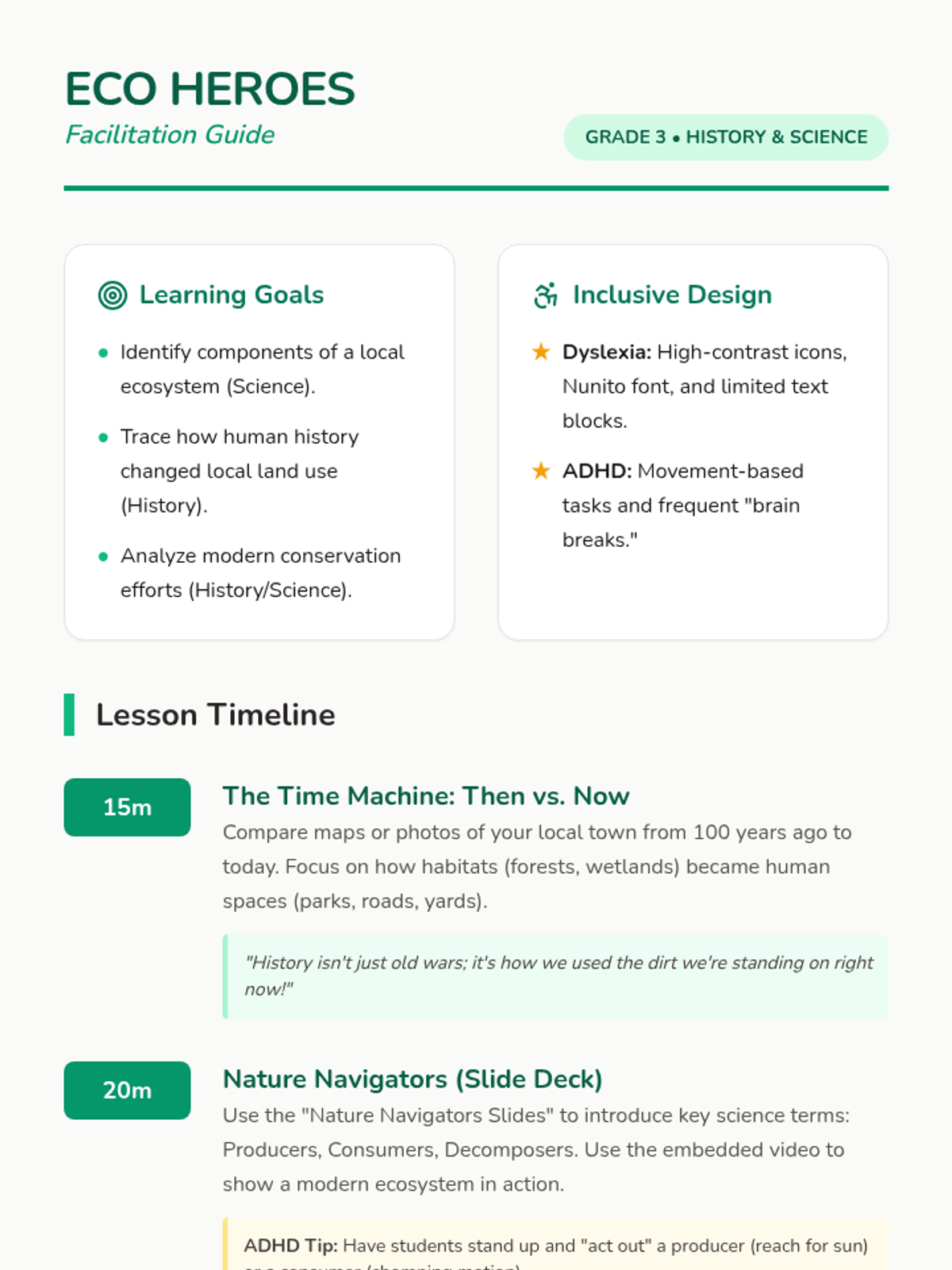
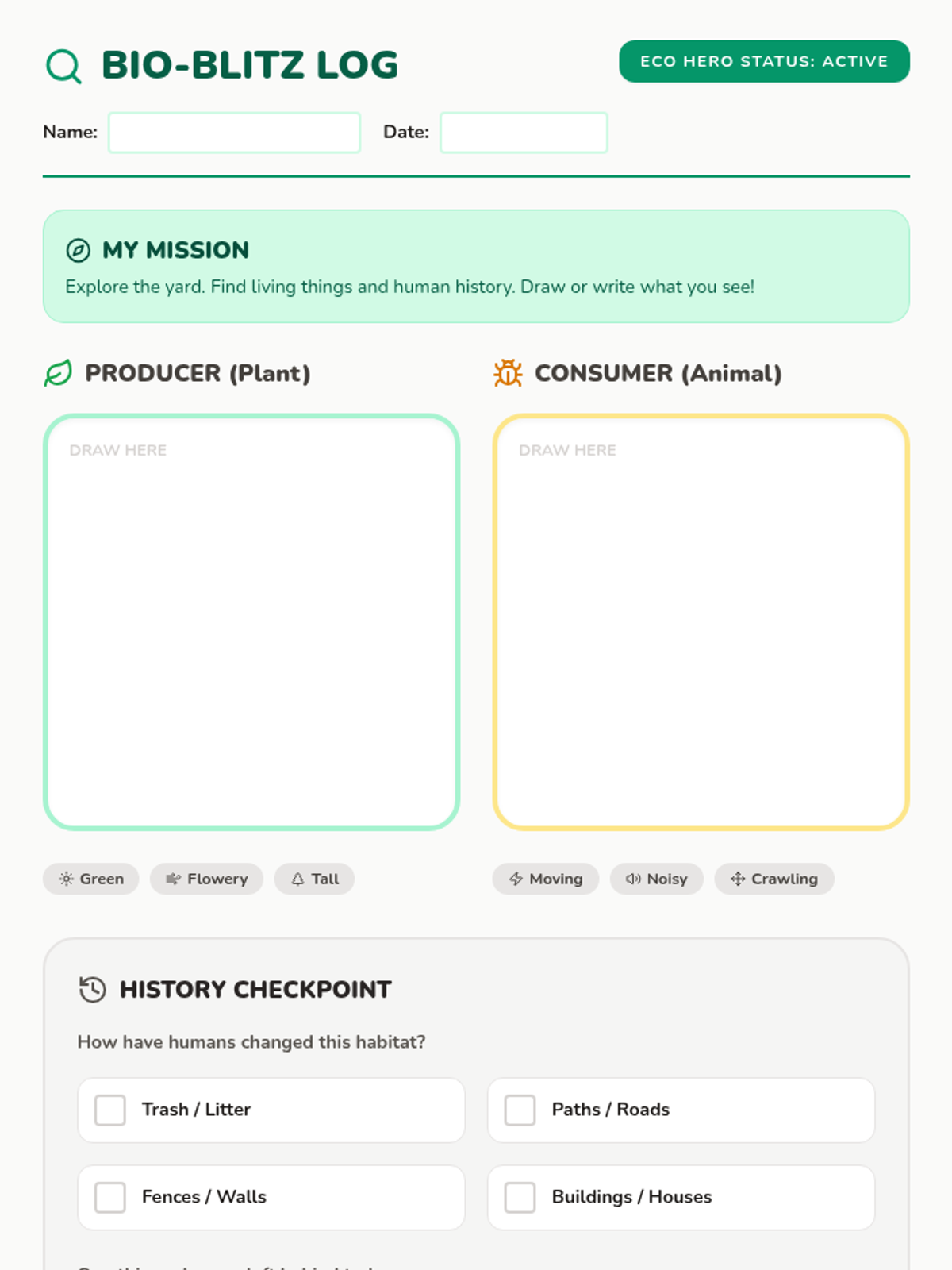
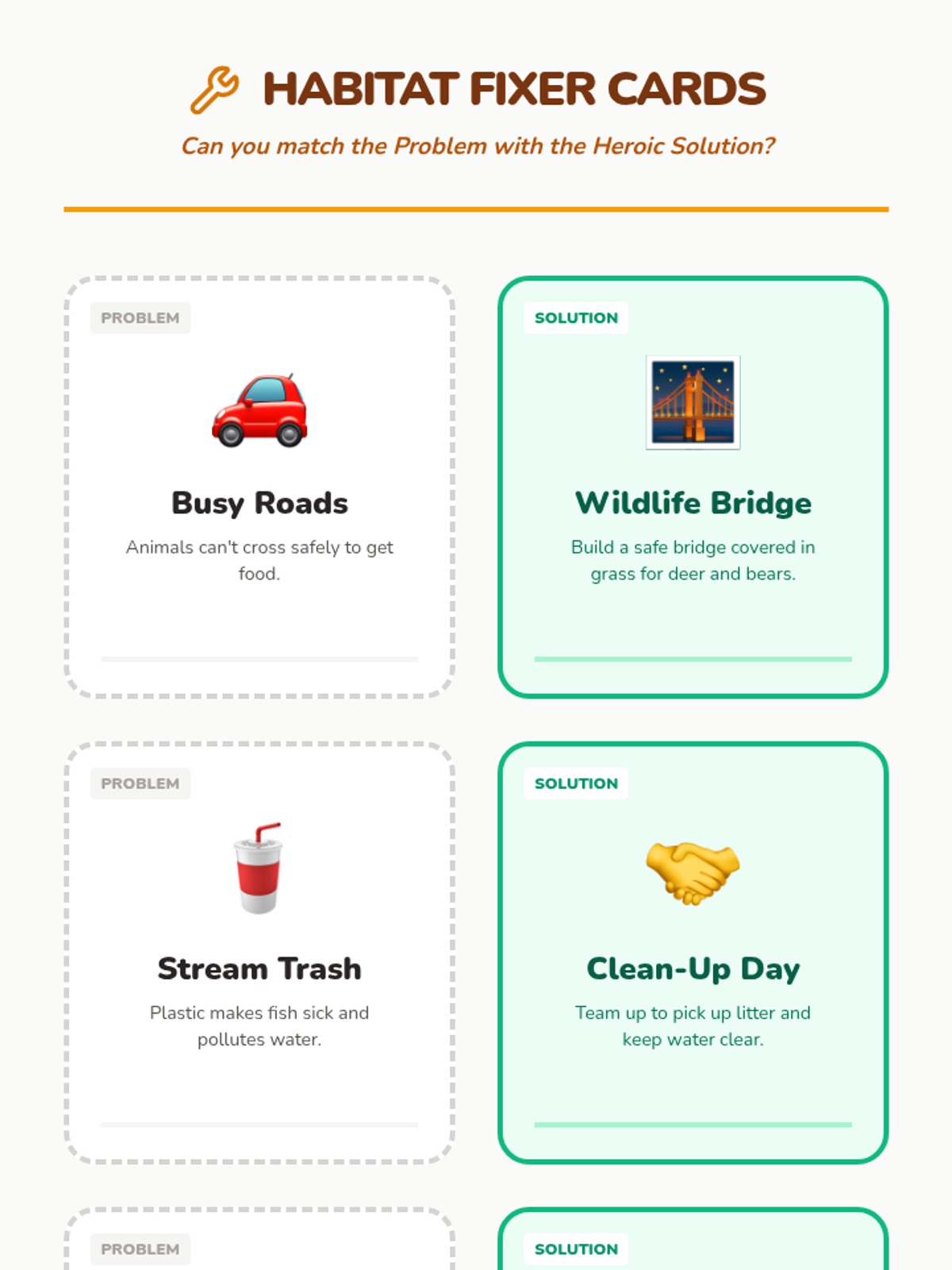
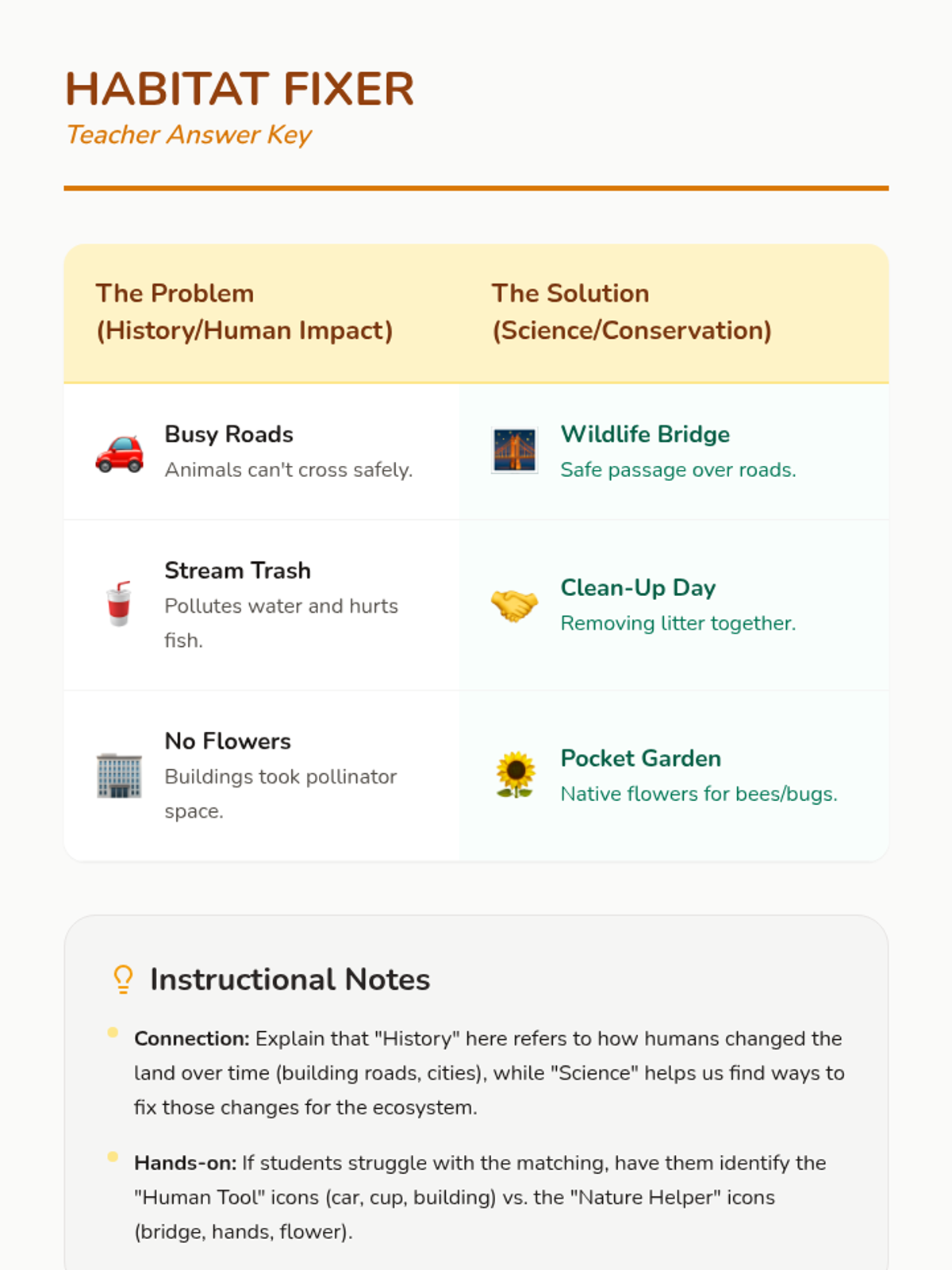
A cross-curricular lesson exploring modern ecosystems and the history of environmental conservation. Designed with ADHD and Dyslexia-friendly features like high-visual support, hands-on activities, and clear, structured tasks.
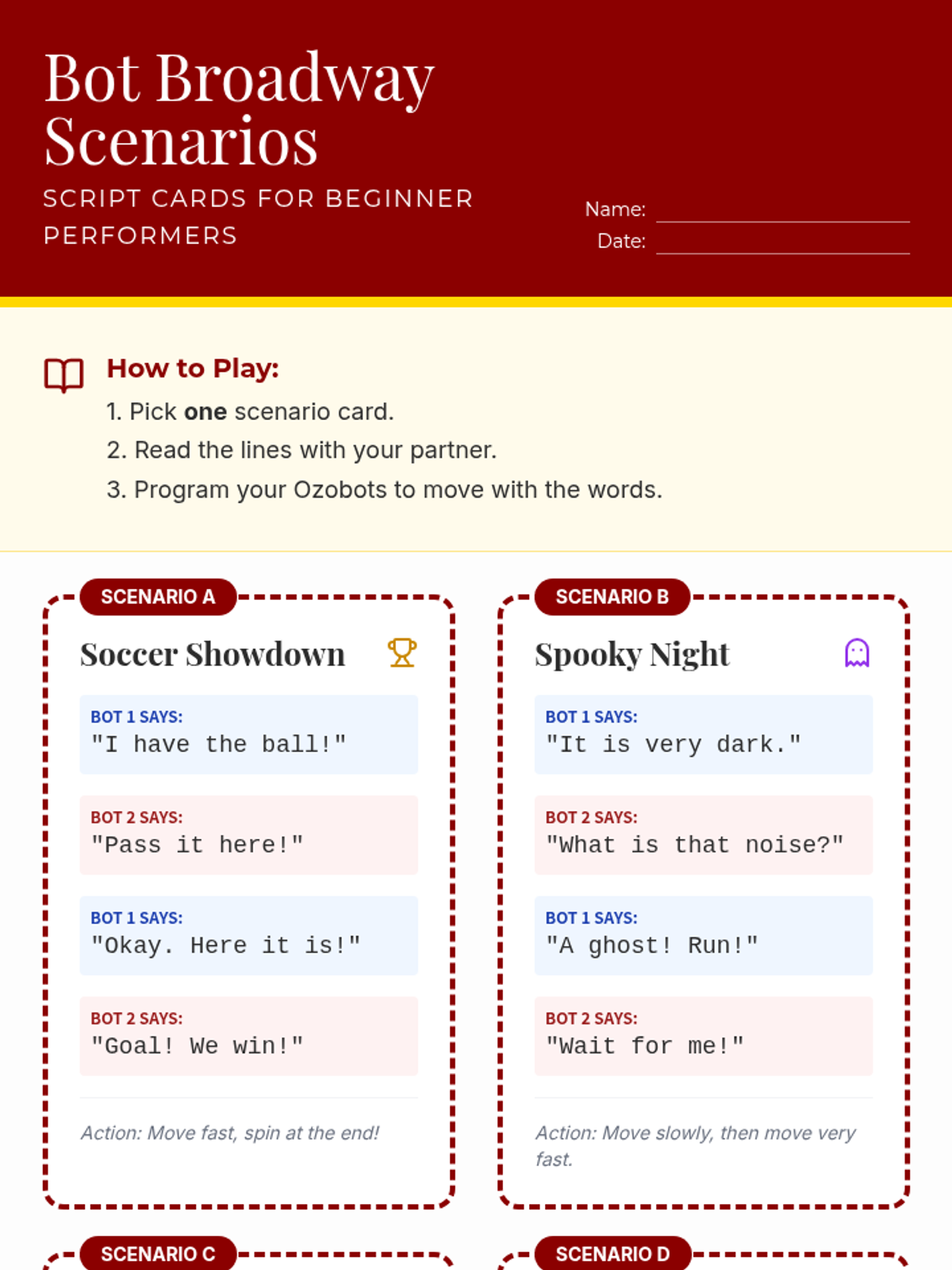
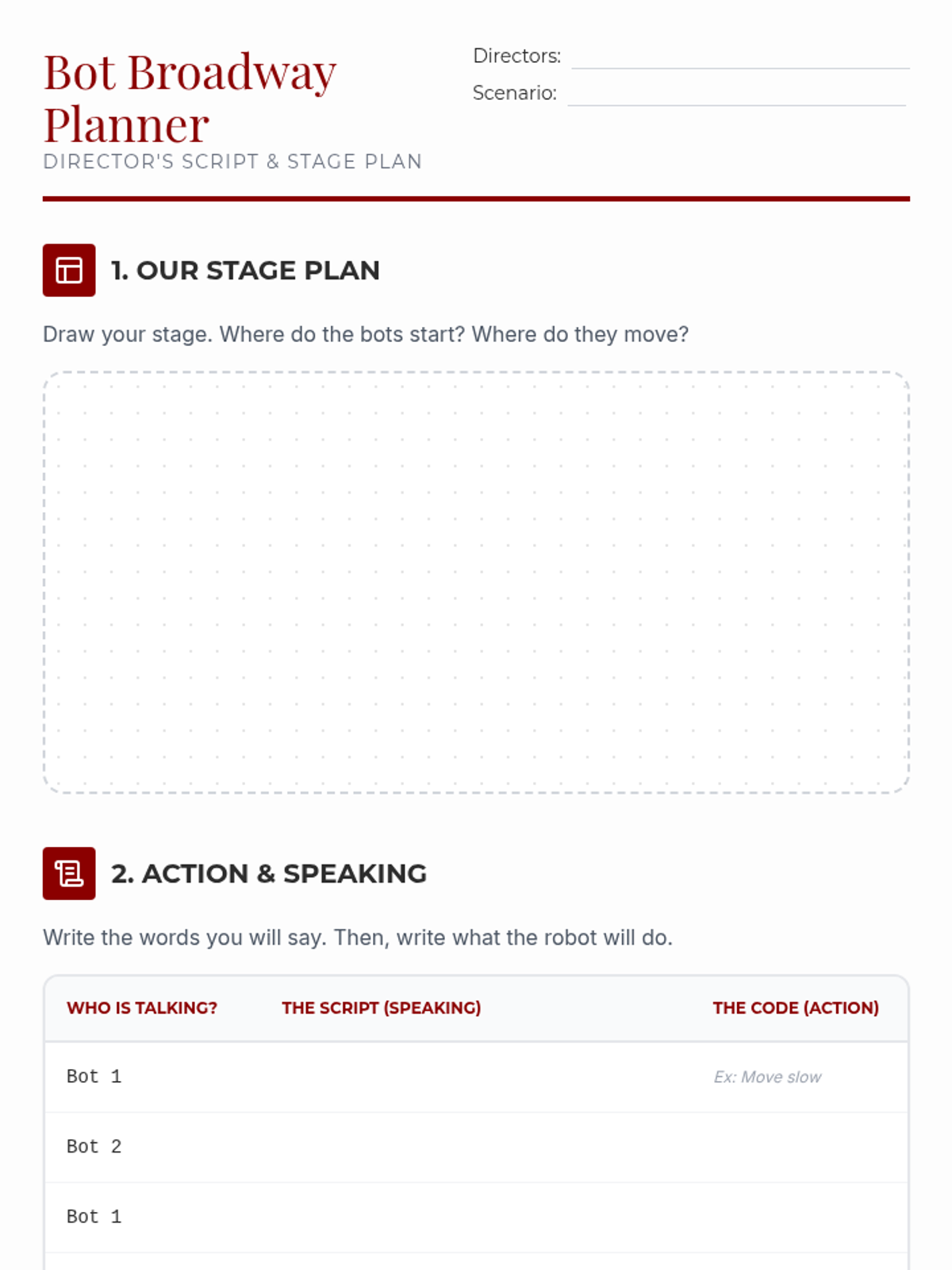
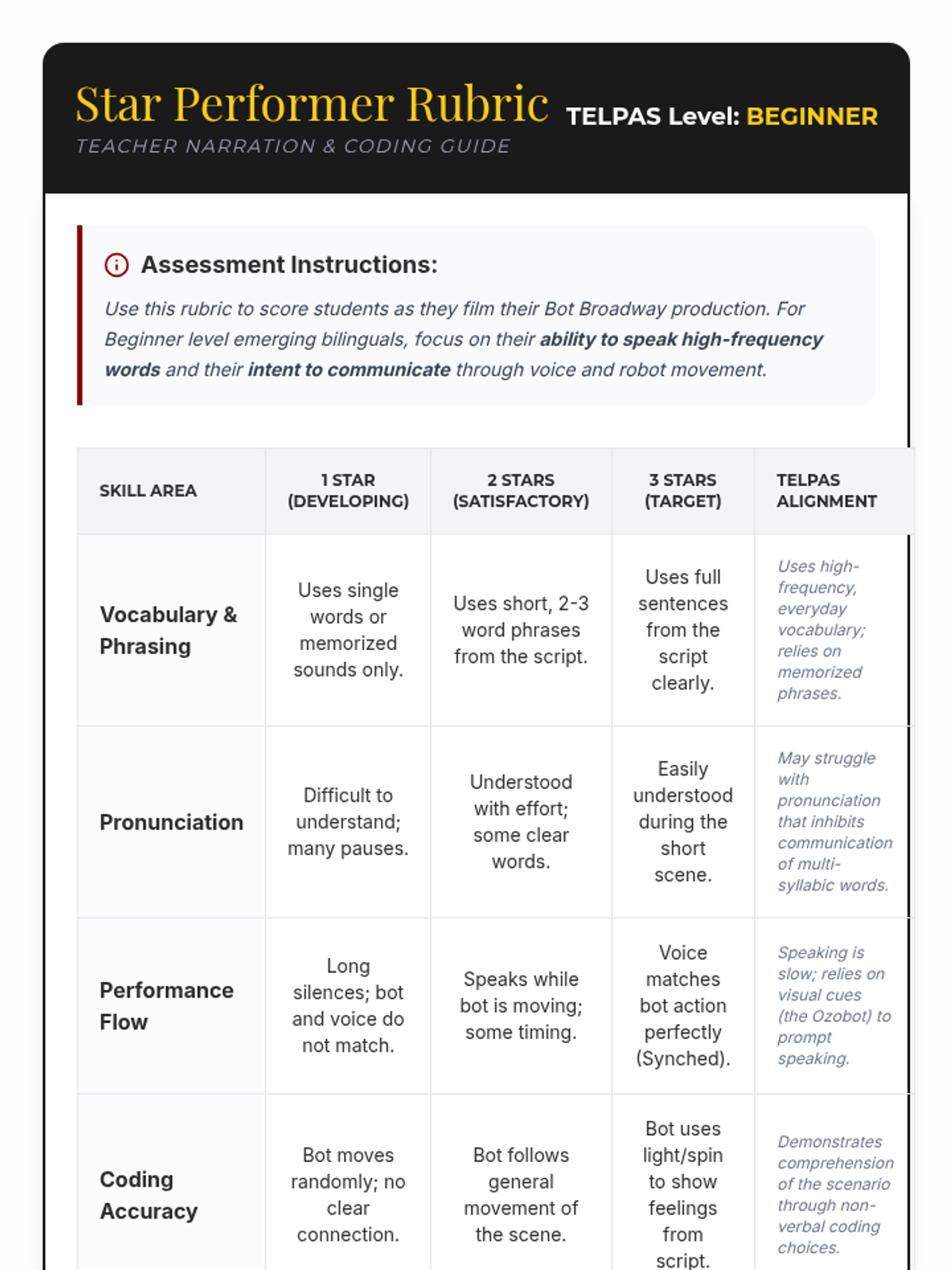
A hands-on STEAM lesson where emerging bilingual students use Ozobots to act out short scenarios, focusing on beginner-level English speaking, listening, reading, and writing skills.
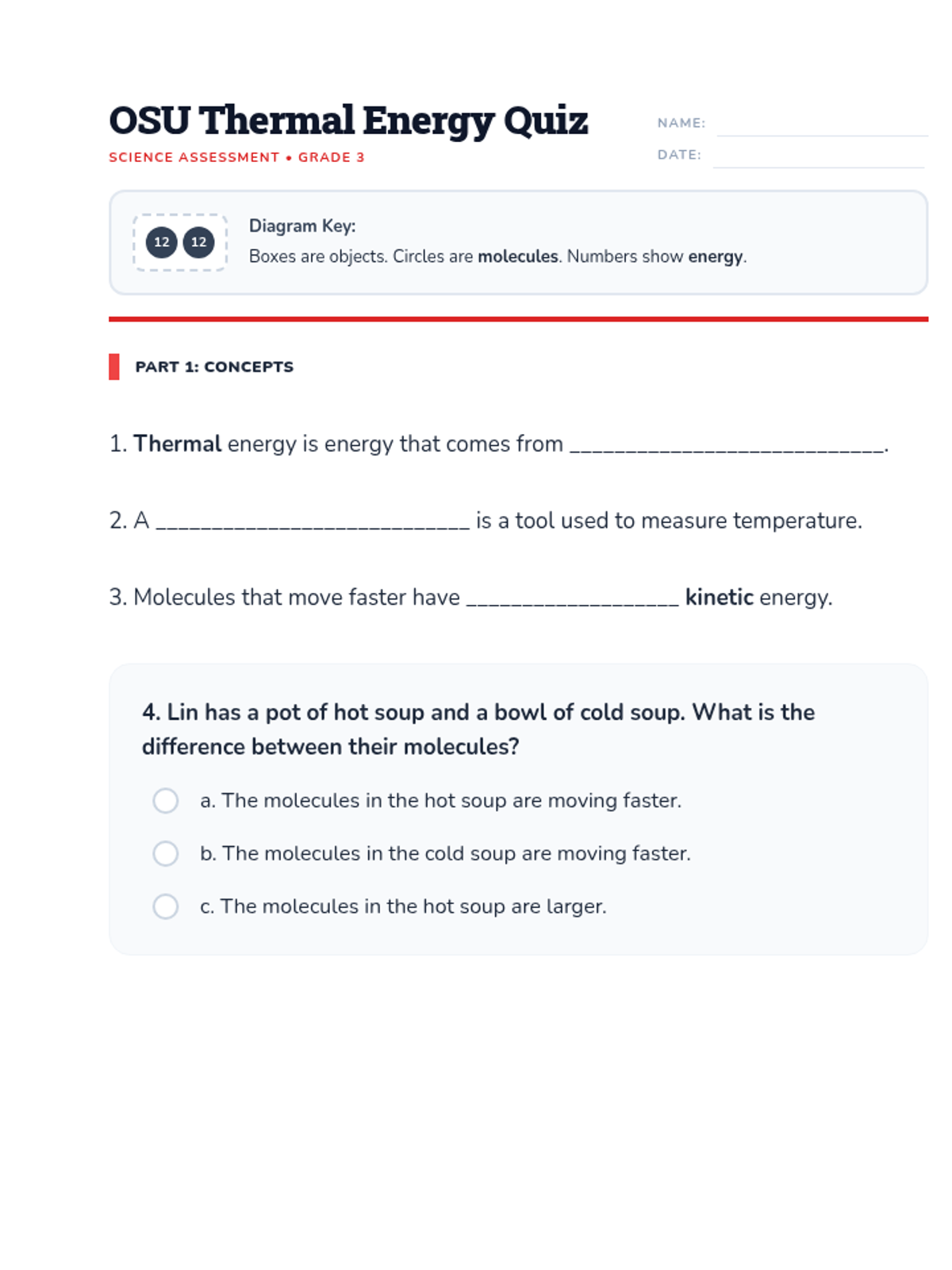
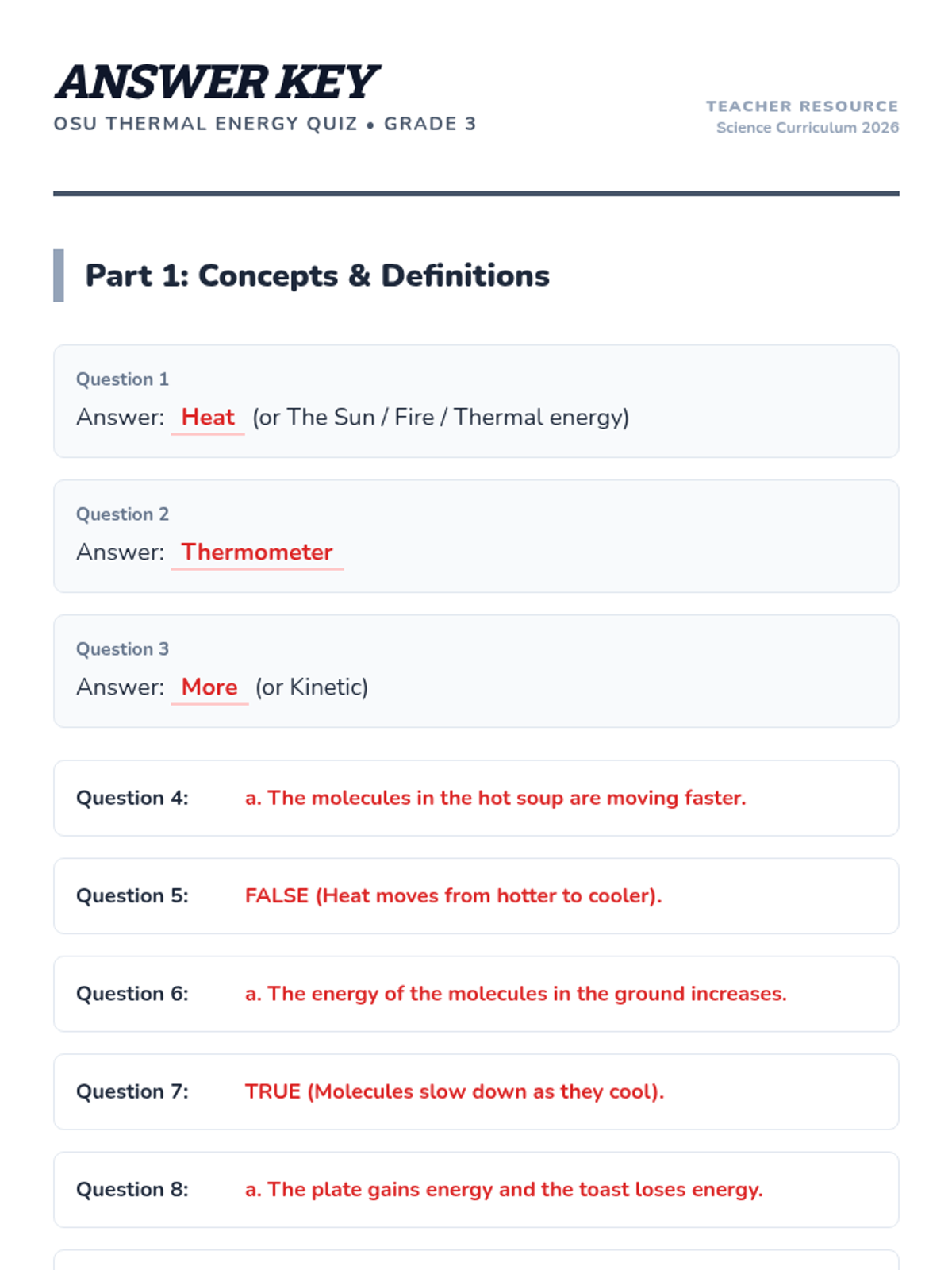
A 3rd-grade introductory lesson on thermal energy, heat transfer, and molecular motion. Students explore how molecules behave in hot versus cold substances and how energy moves between objects of different temperatures.
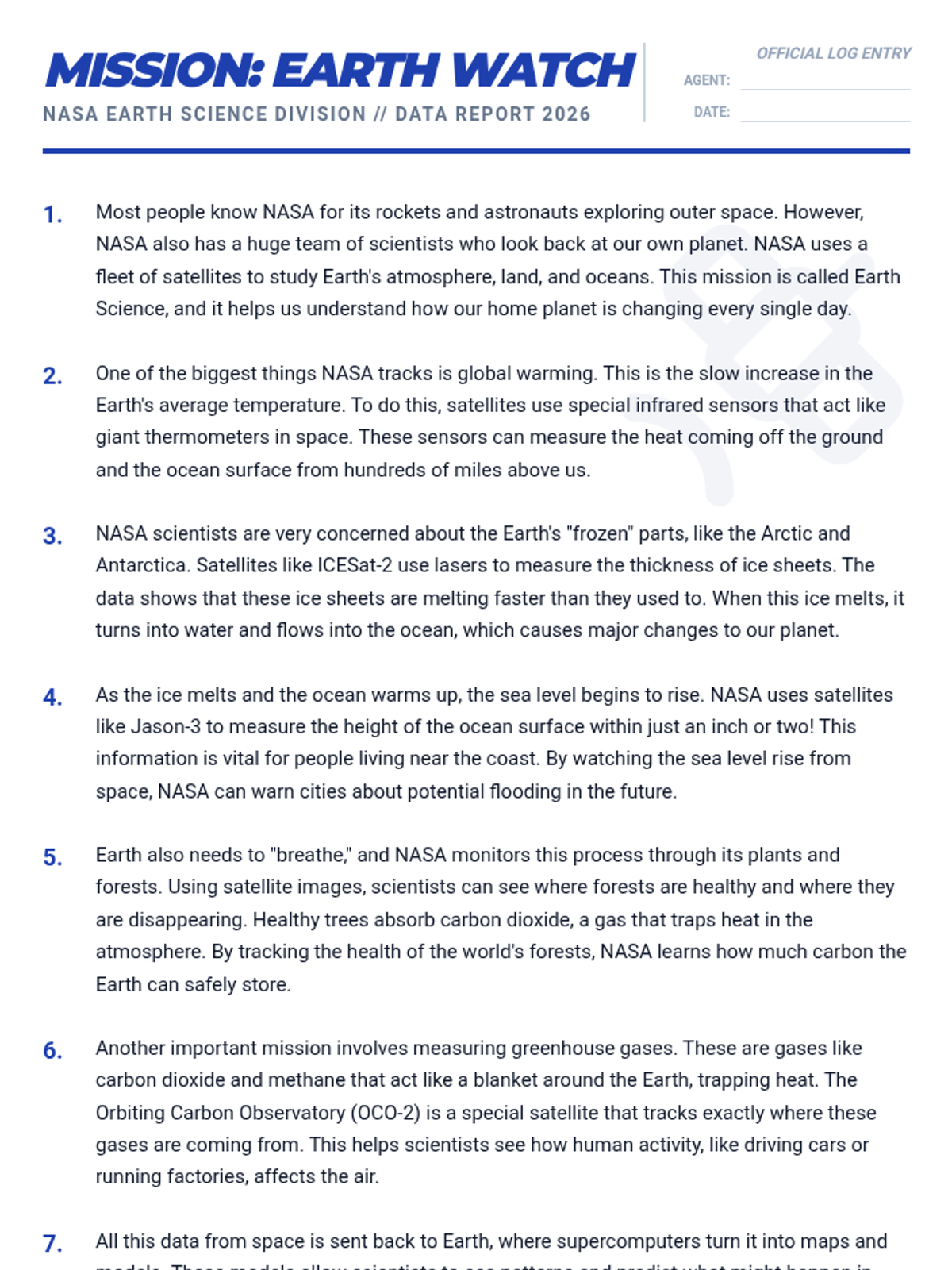
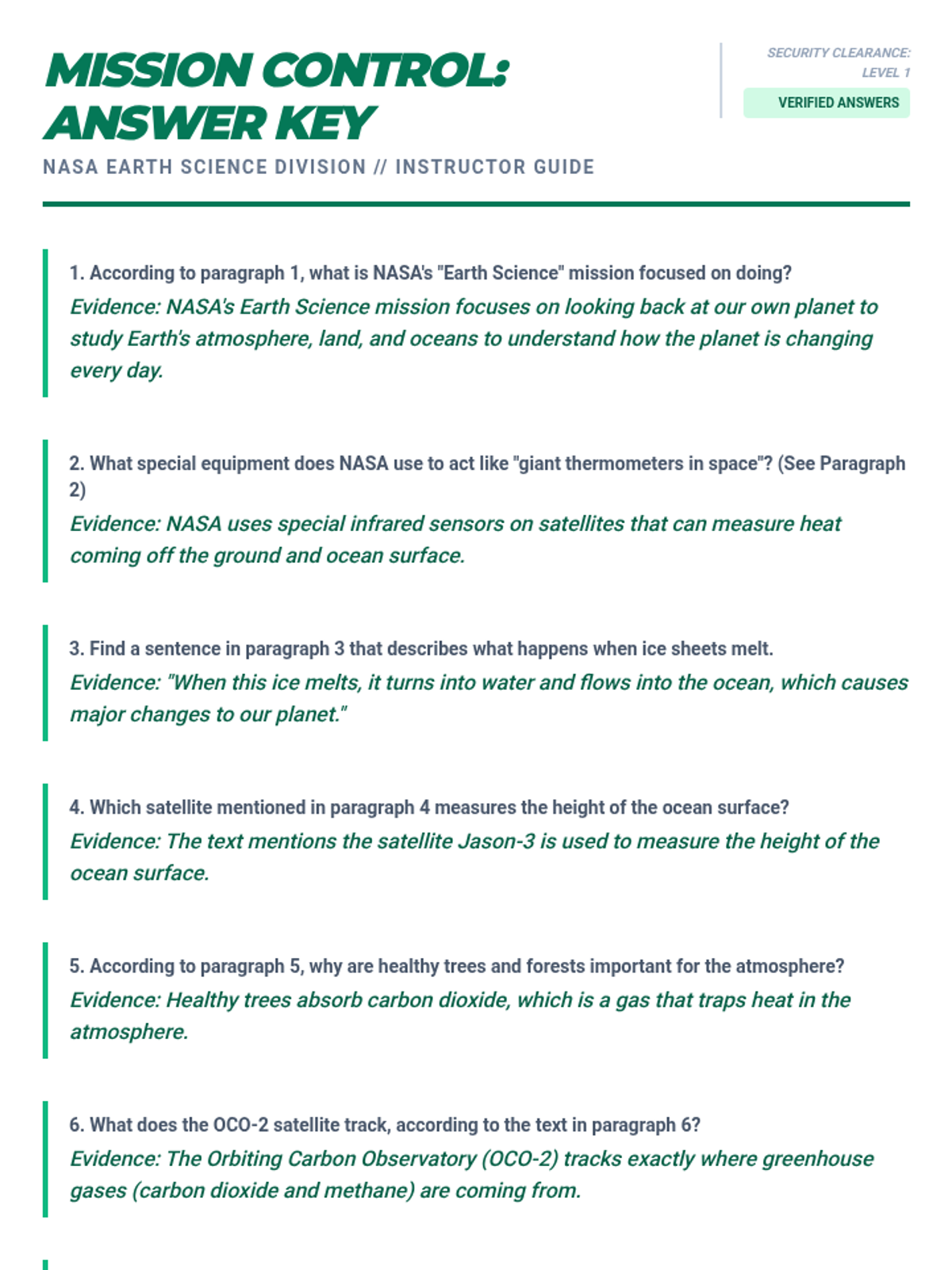
A lesson exploring NASA's critical role in monitoring Earth's changing climate using satellite technology and data collection. Students will practice citing textual evidence while learning about global warming.
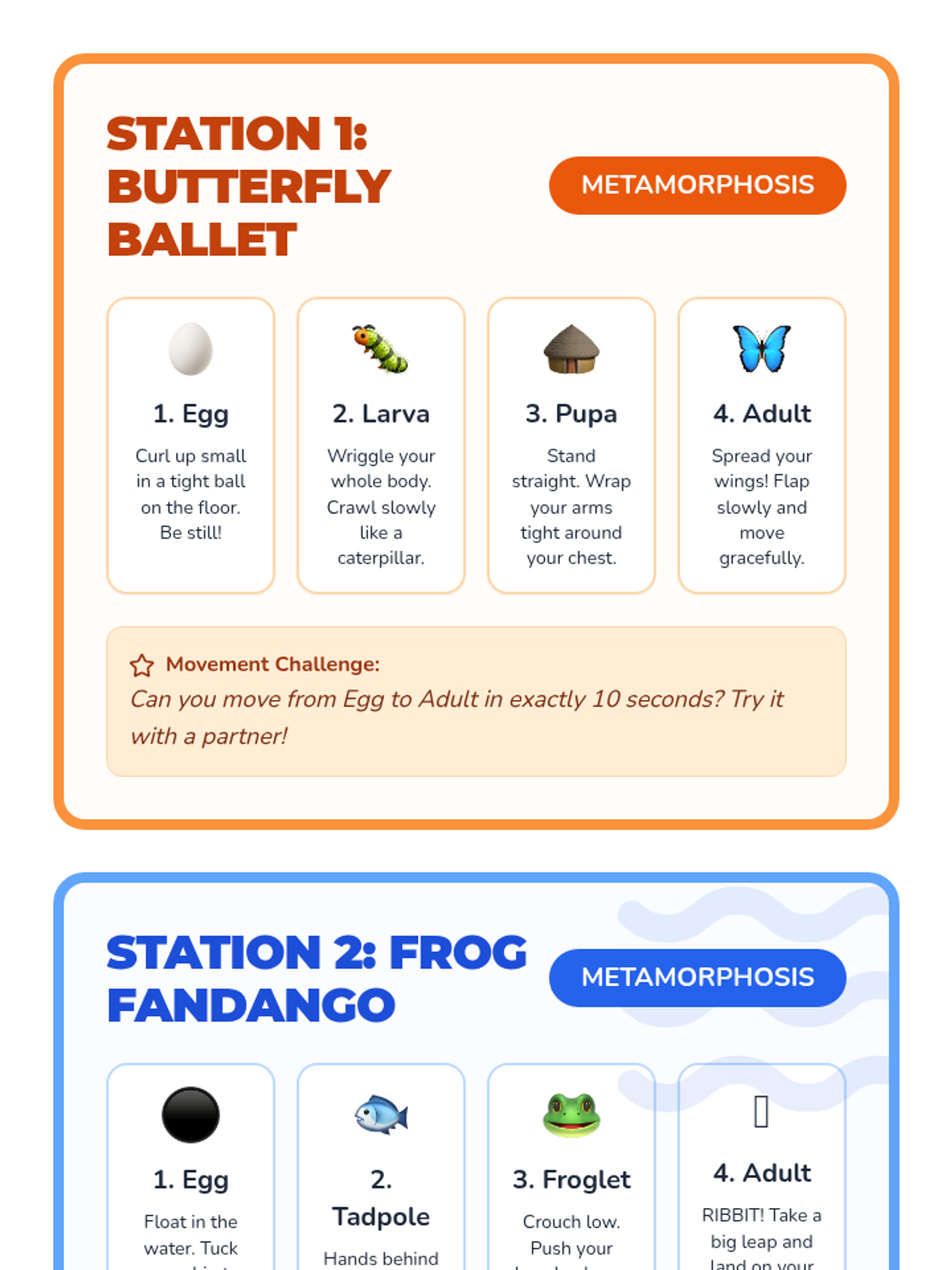
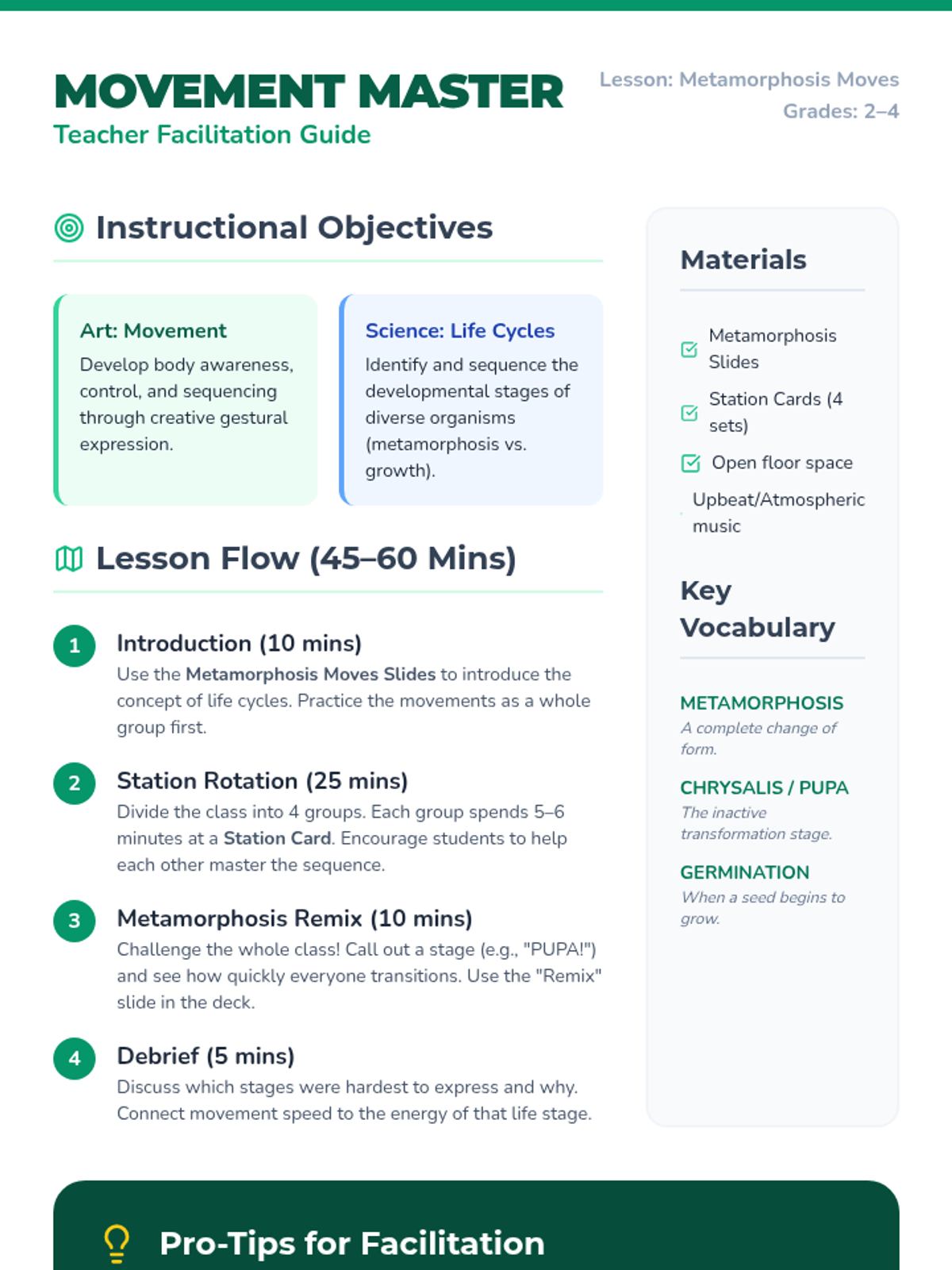
A dynamic lesson where students explore biological life cycles through creative movement and expressive poses. Students will master the stages of butterflies, frogs, plants, and honeybees by physically embodying each developmental step.
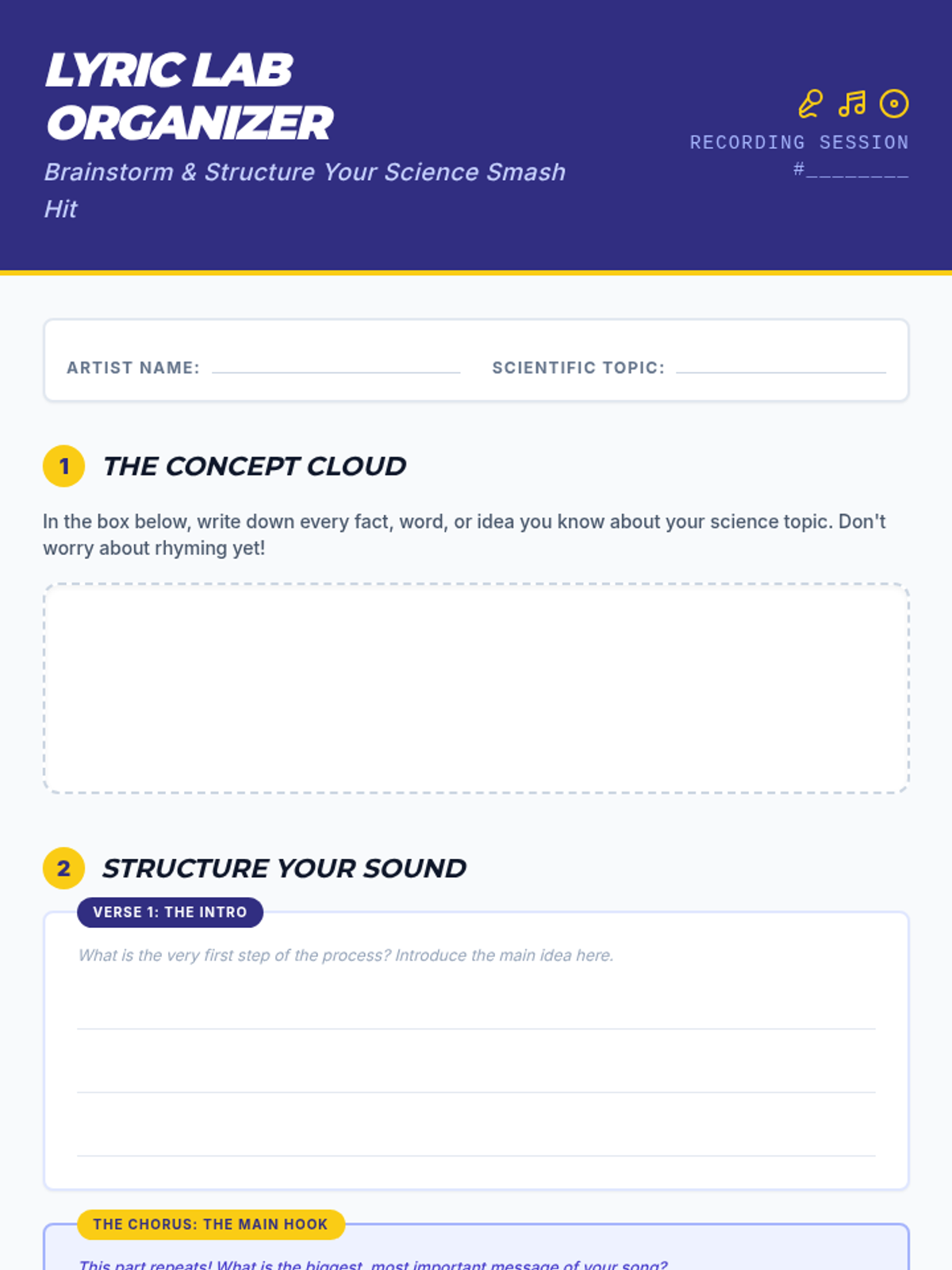
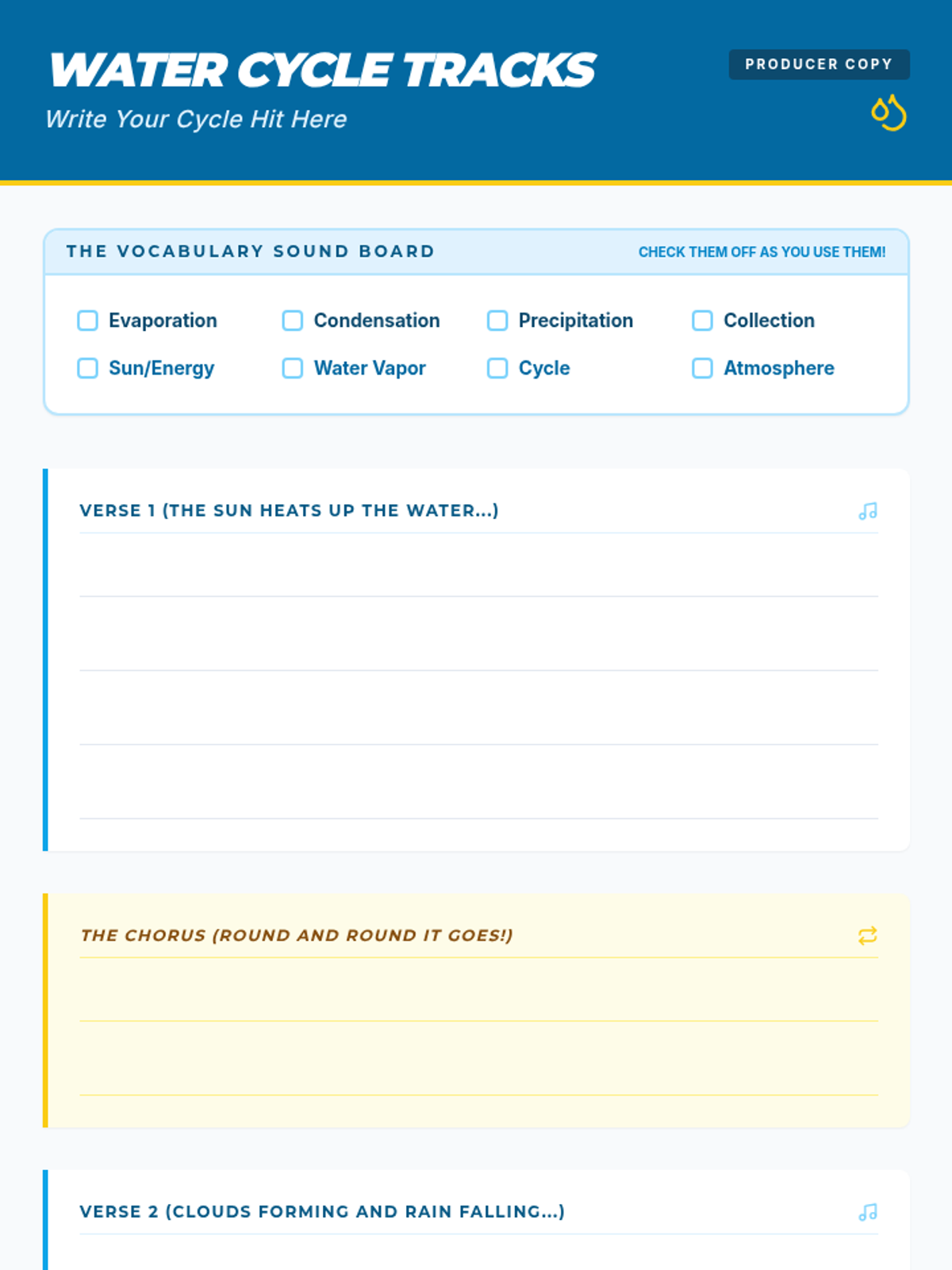
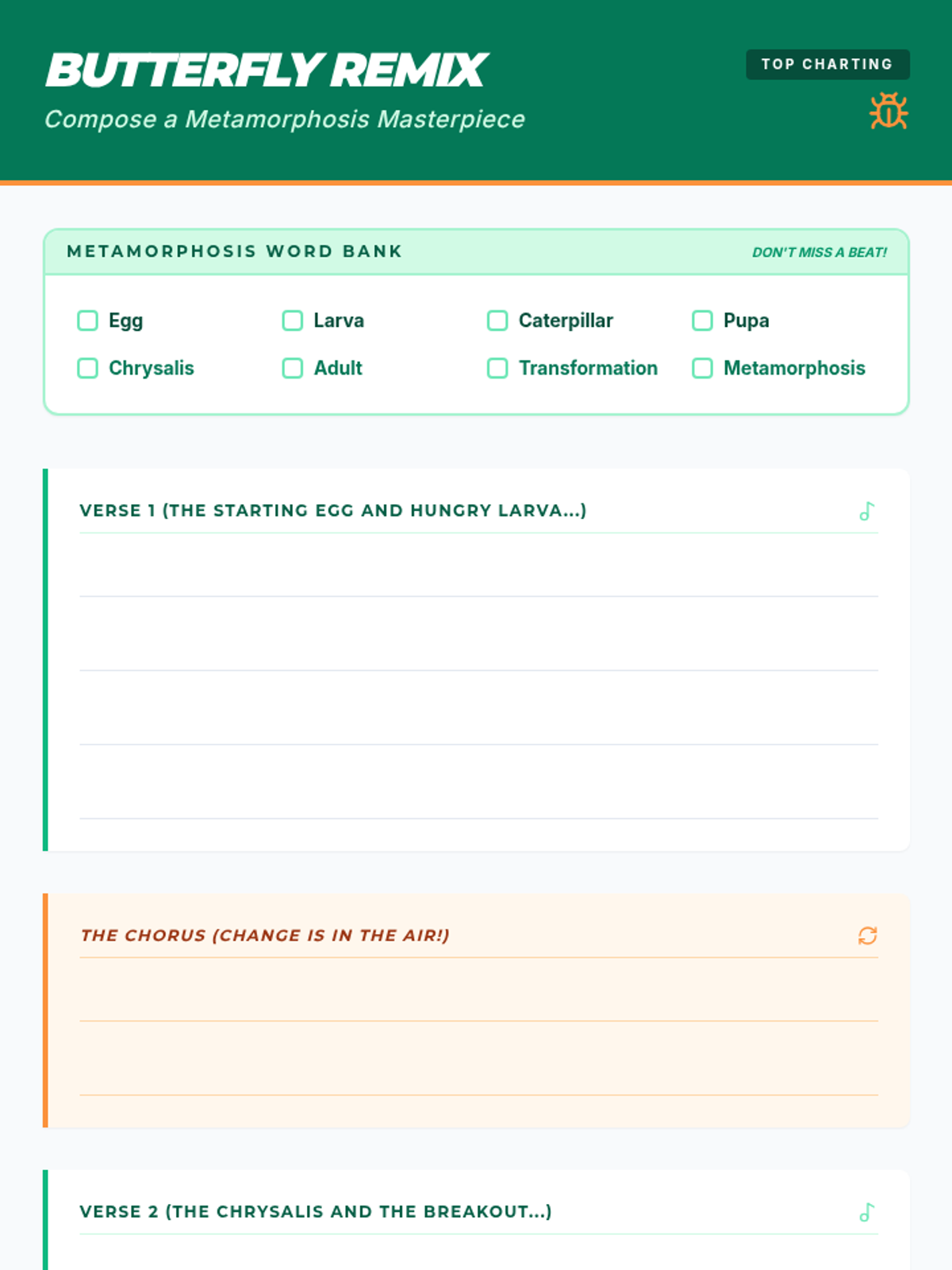
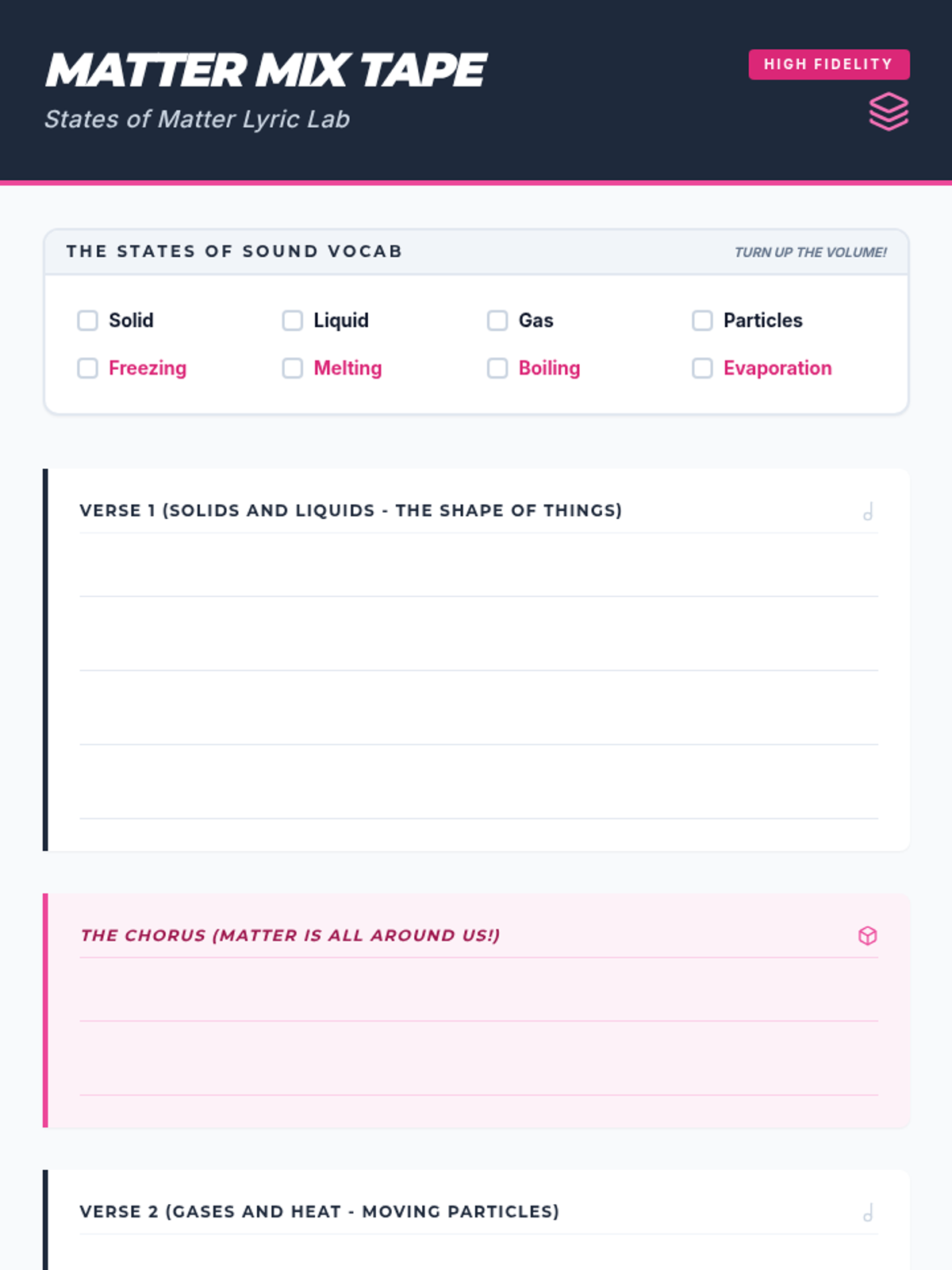
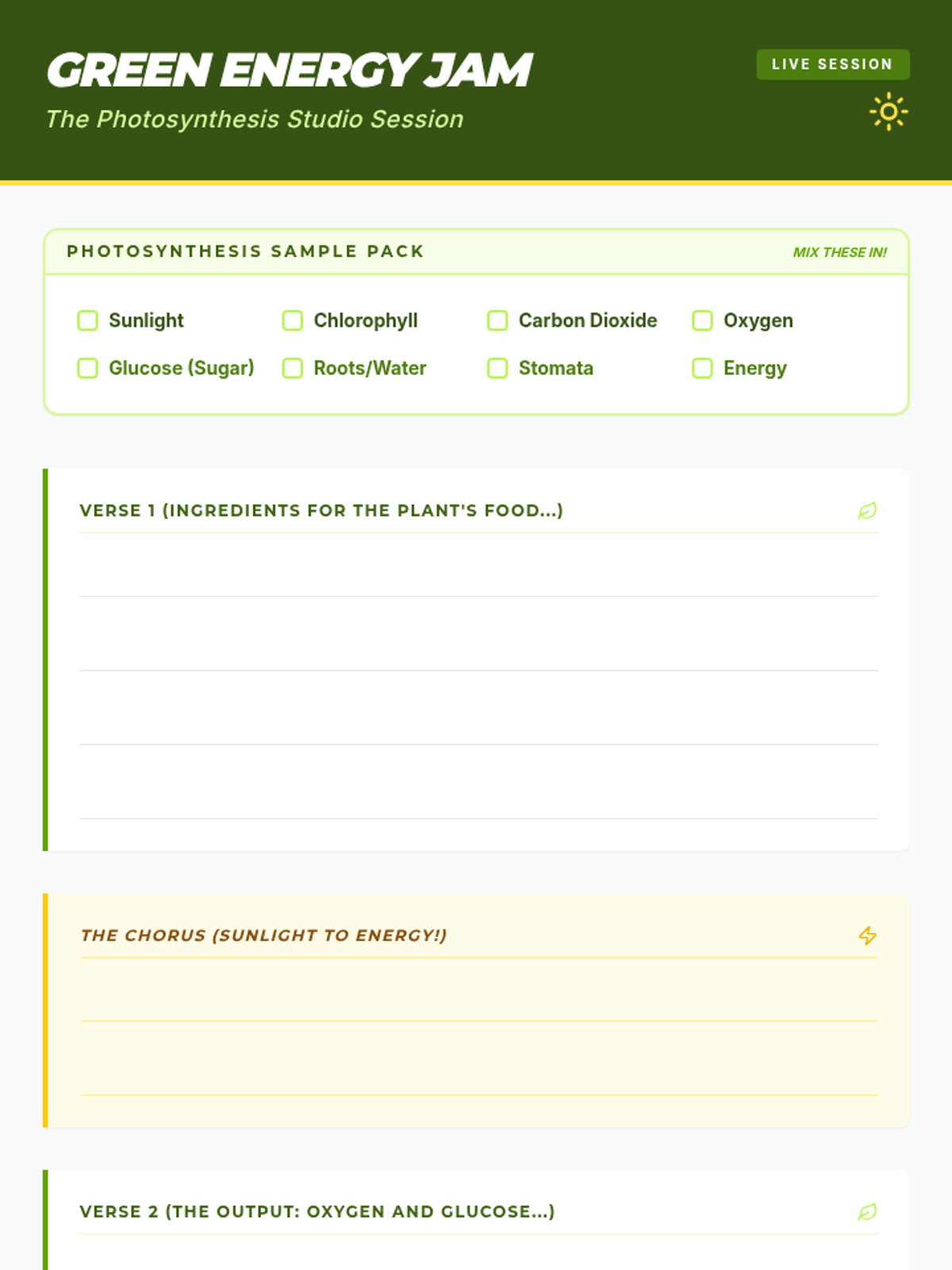
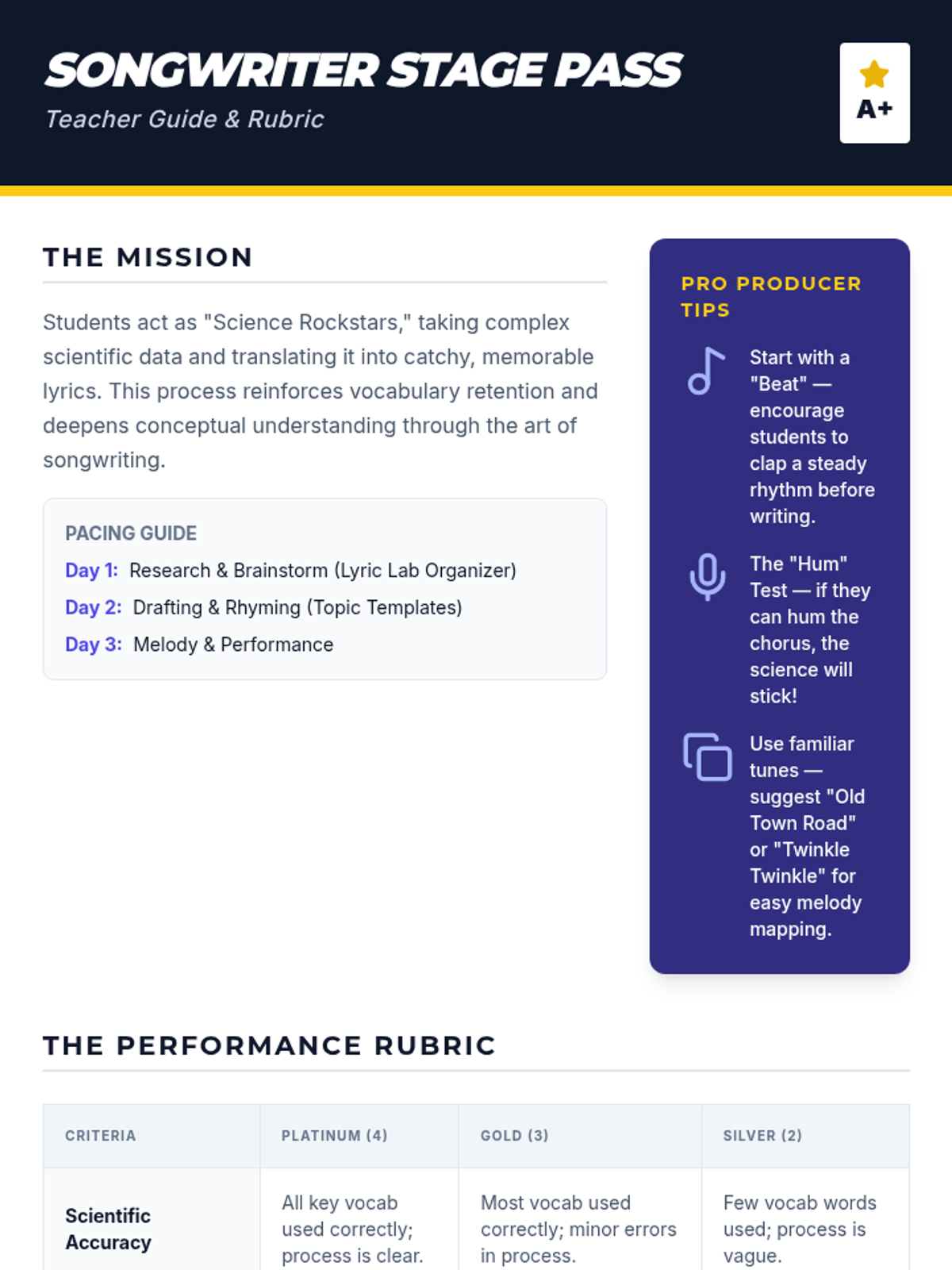
A cross-curricular lesson where students transform complex scientific processes into catchy songs. Students will use graphic organizers to map out lyrics and templates with vocabulary banks to ensure scientific accuracy in their musical compositions.
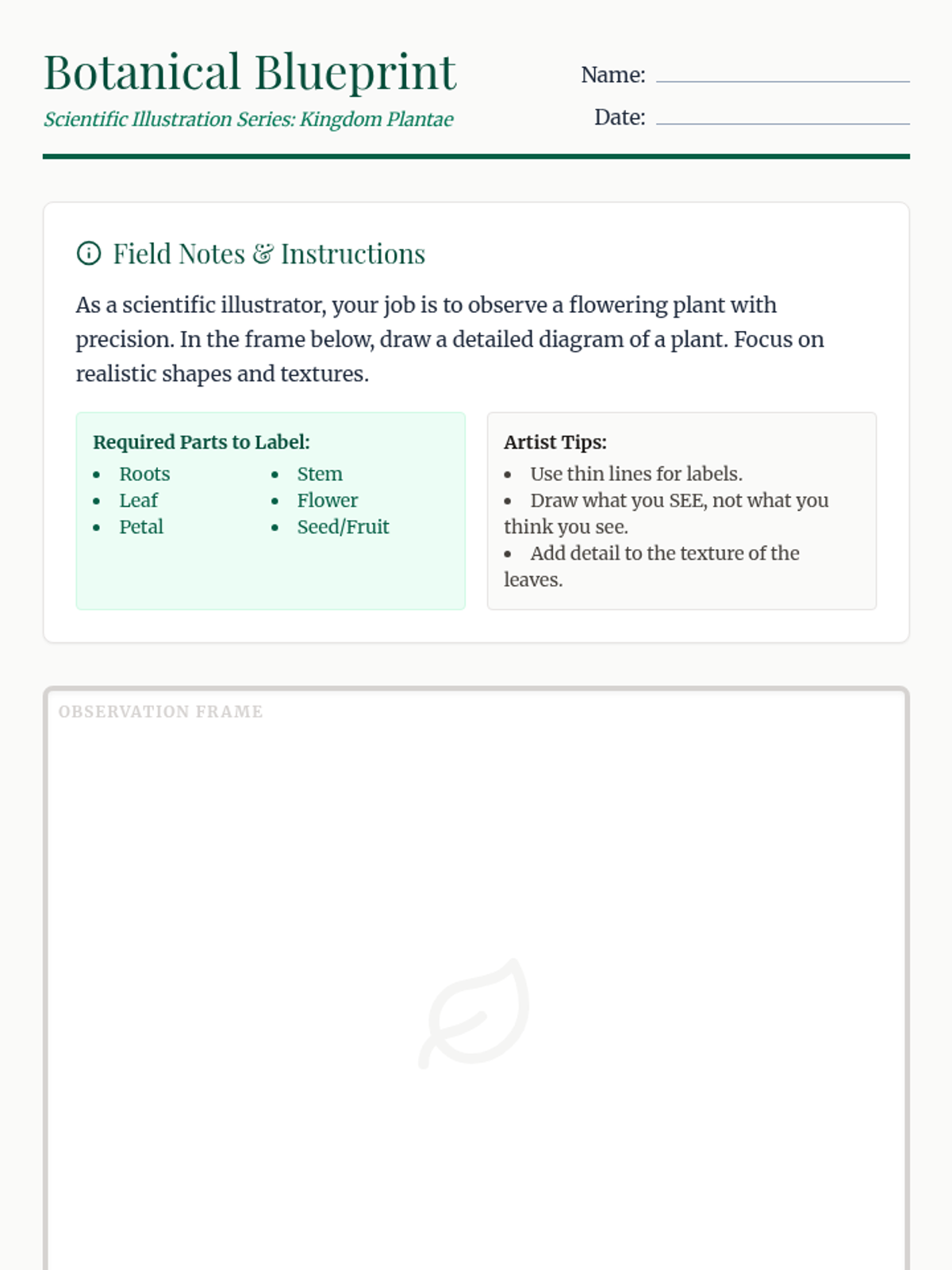
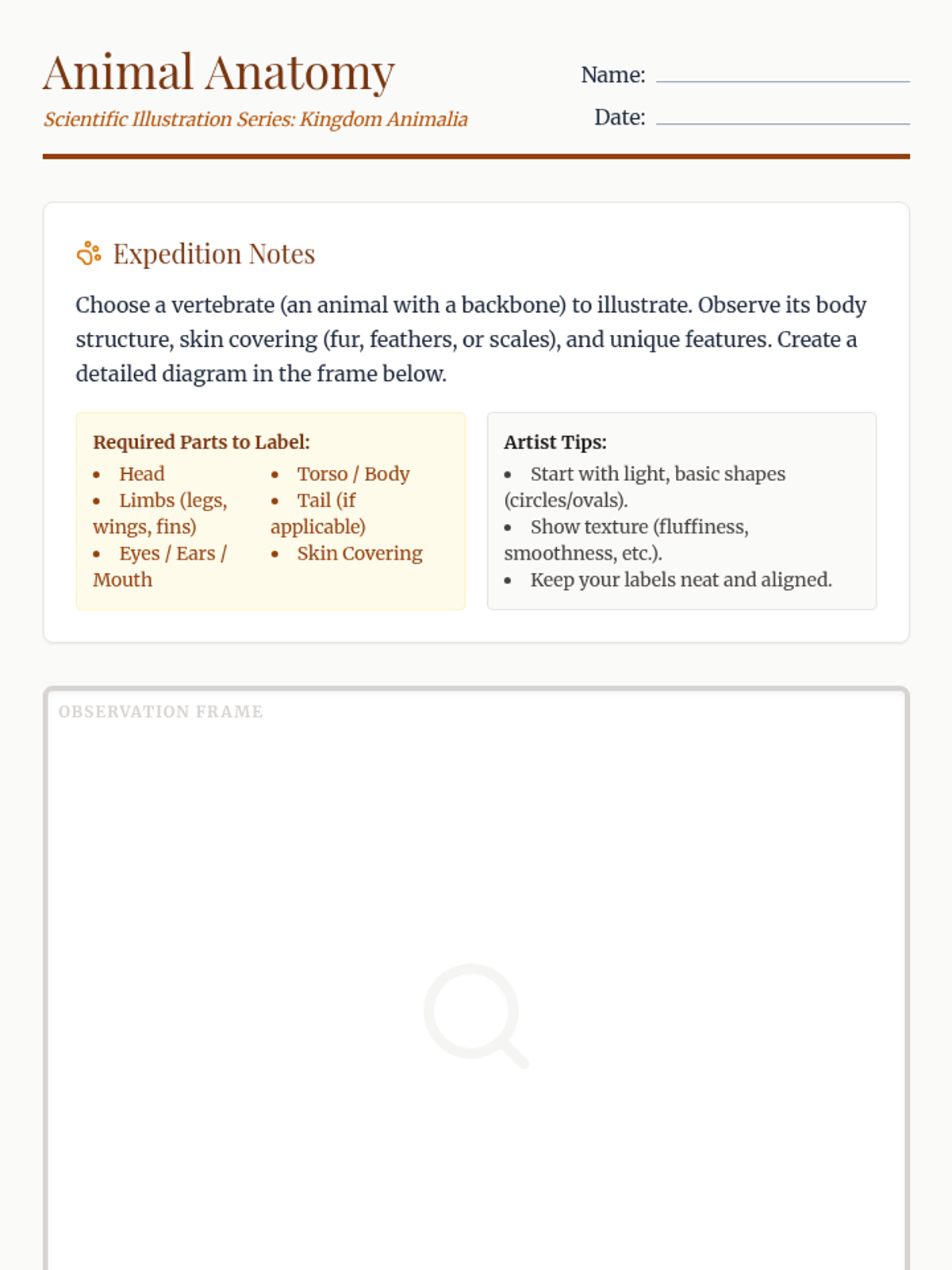
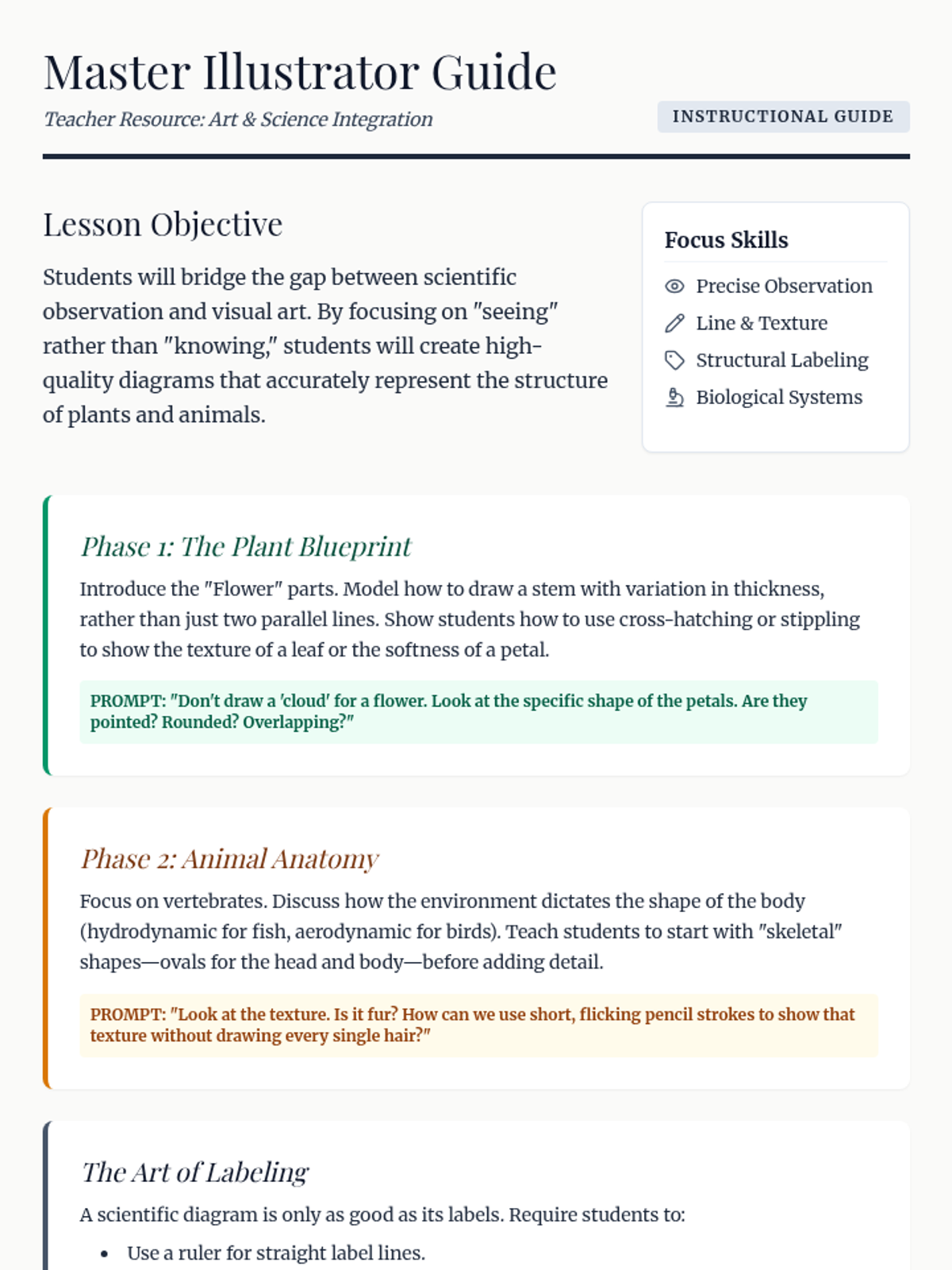
A cross-curricular lesson where students combine scientific observation with artistic detail to create labeled diagrams of flowering plants and animals. Students focus on identifying key parts of organisms while developing their drawing and labeling skills.
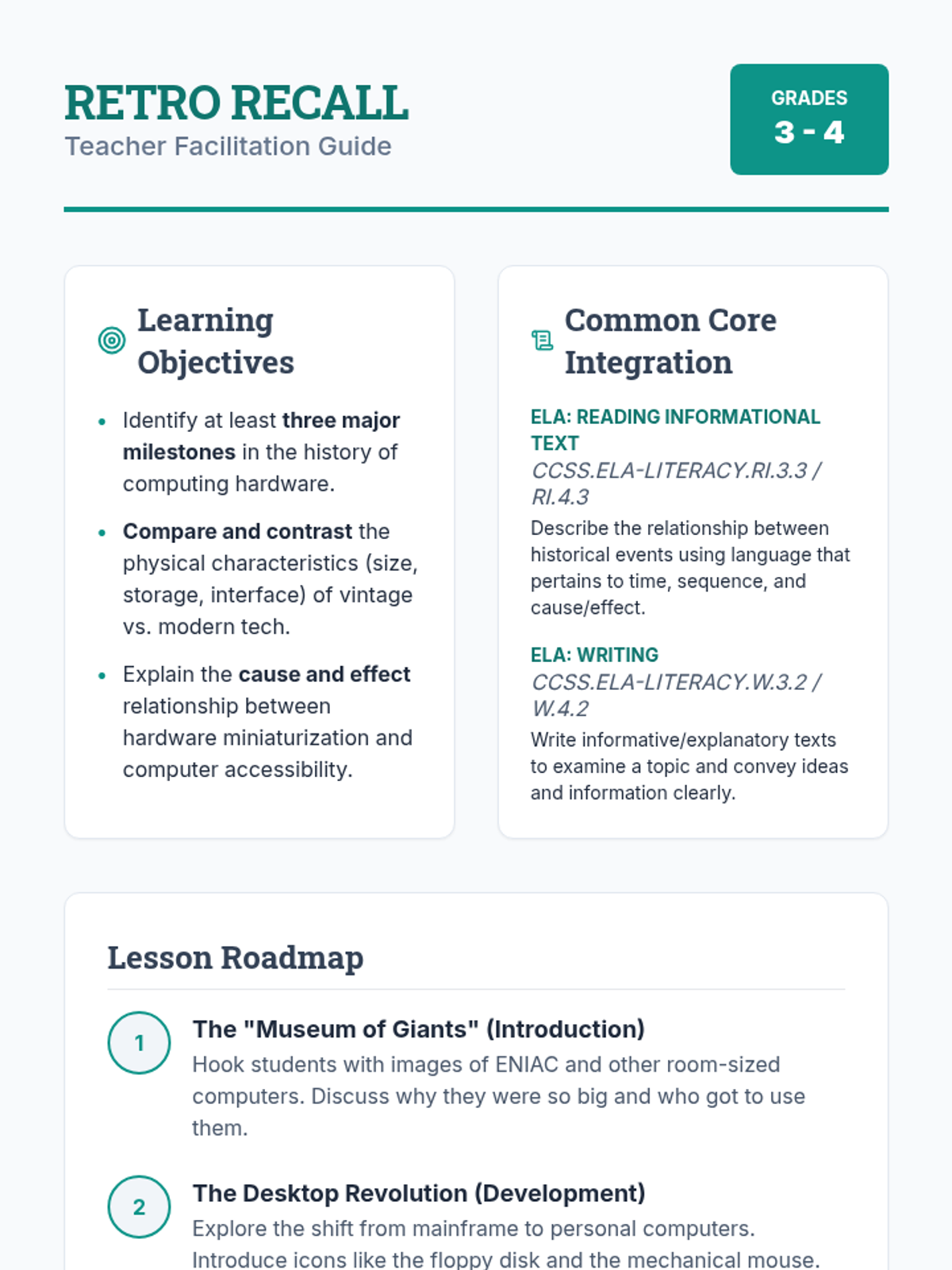
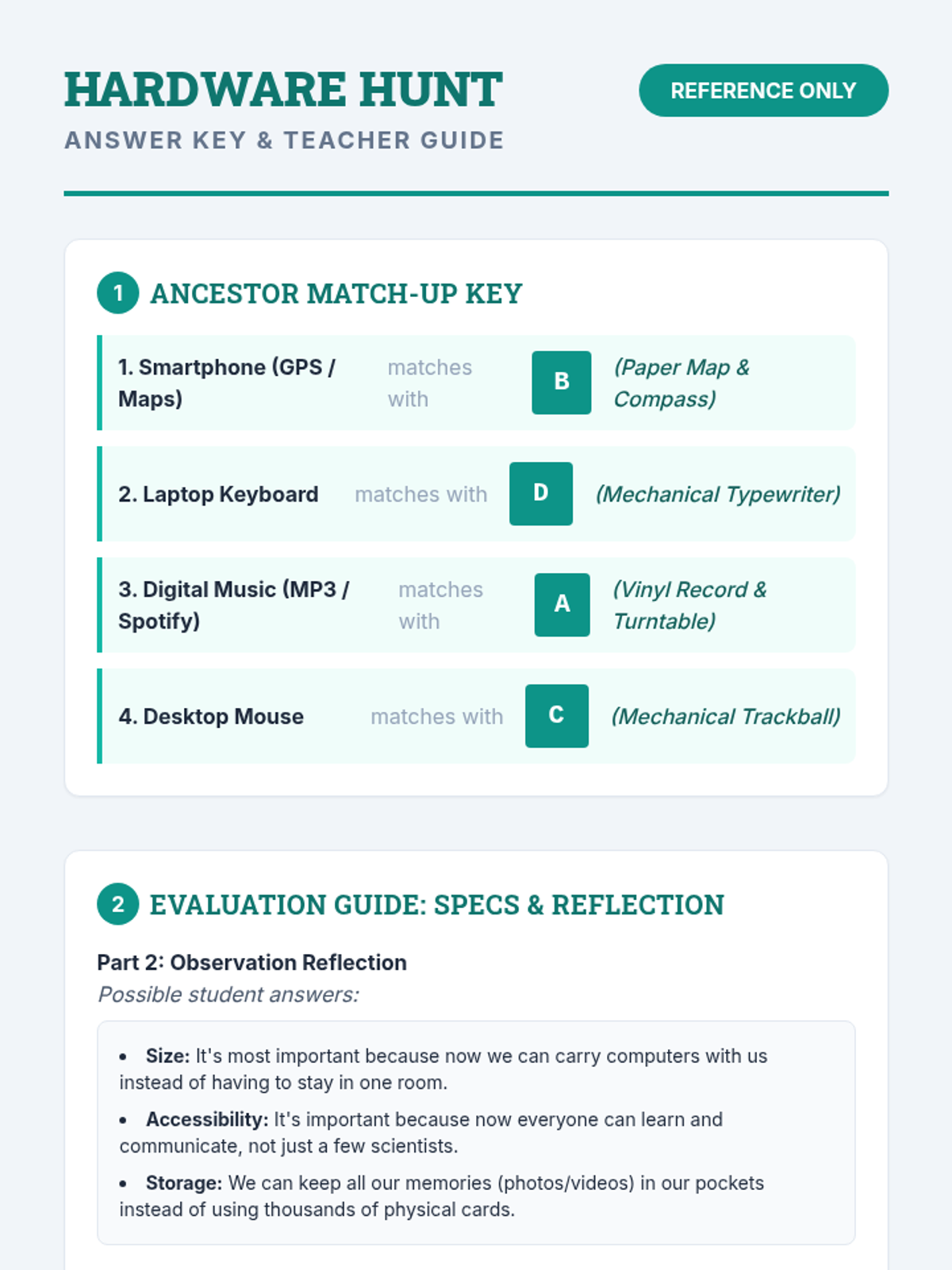
A journey through the history of computing, exploring how hardware has evolved from room-sized machines to pocket-sized powerhouses. Students will compare vintage tech with modern devices and understand the rapid pace of innovation.
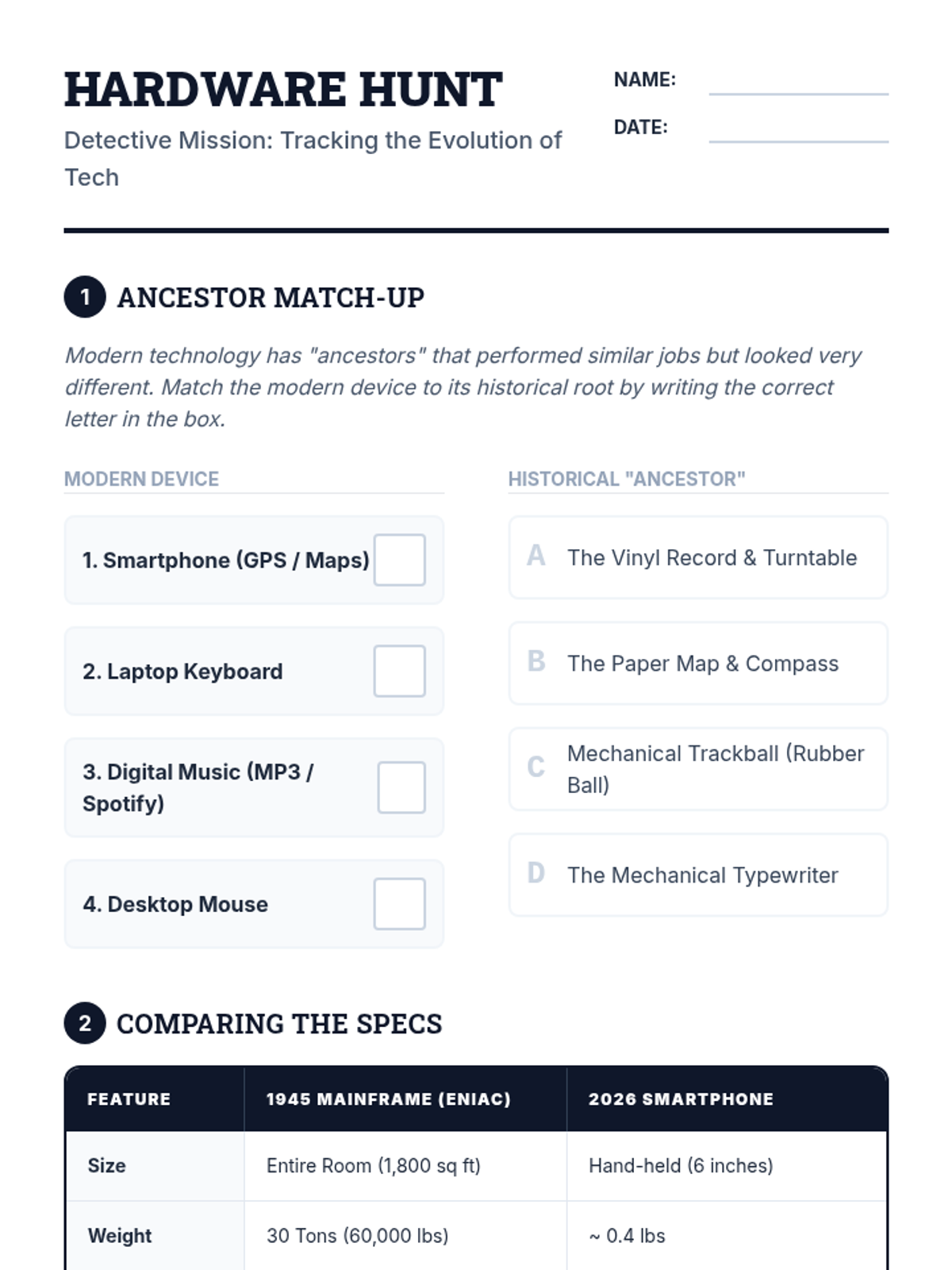
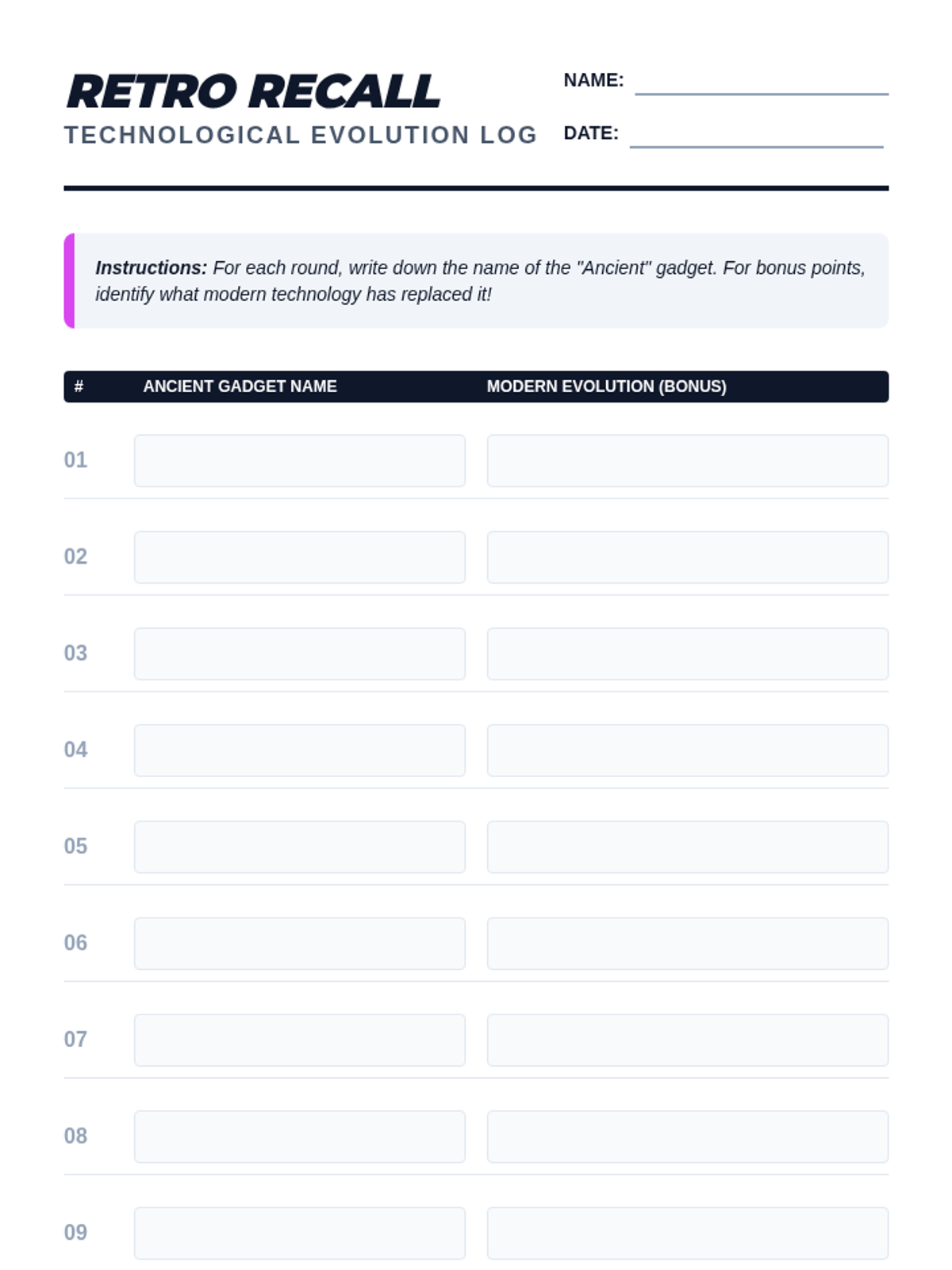
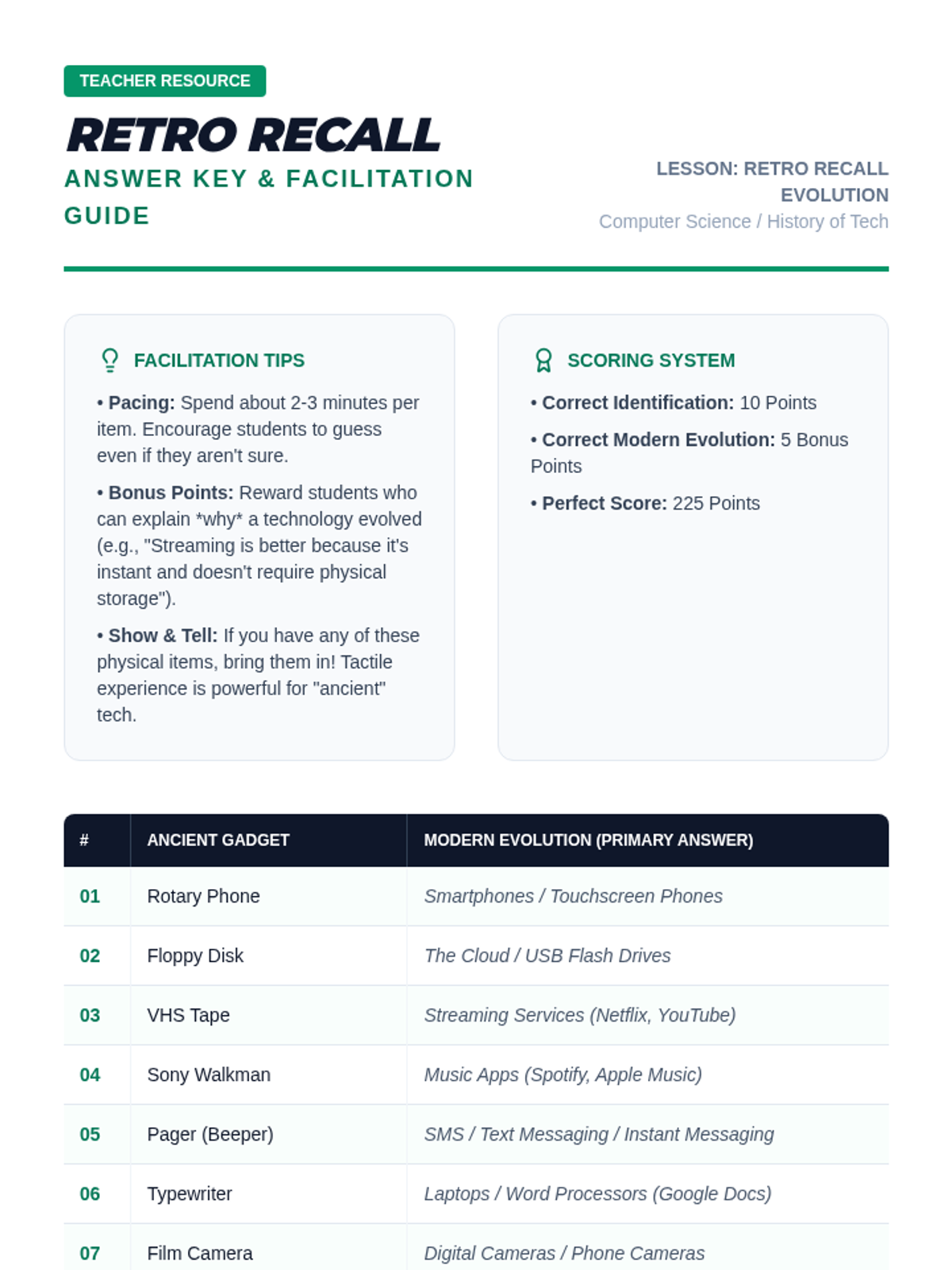
A high-energy gameshow lesson where students identify "ancient" tech artifacts and explore how they evolved into the devices we use today.