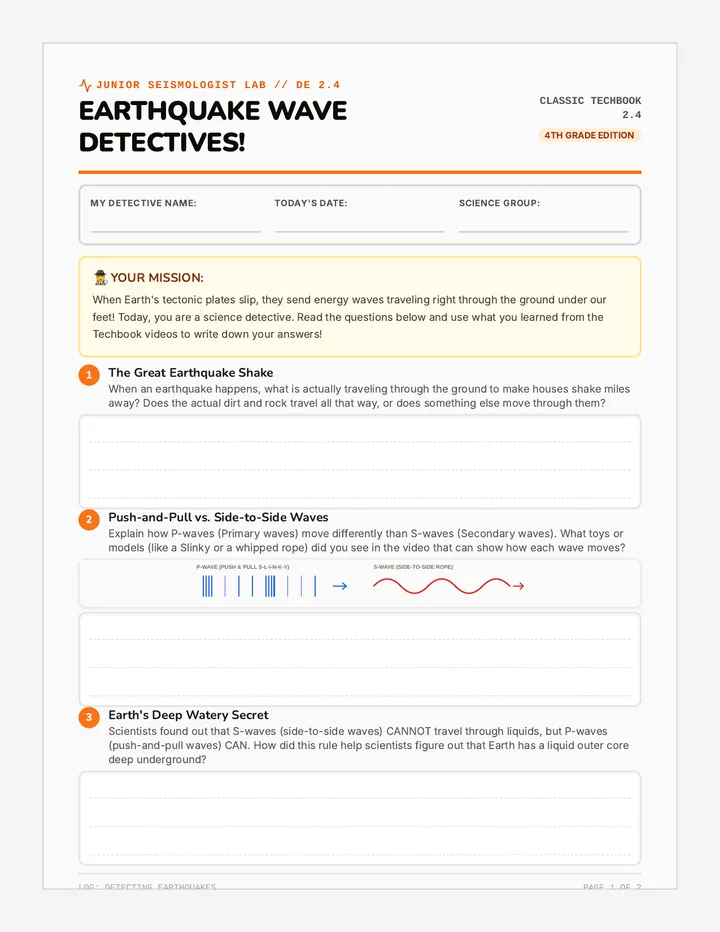
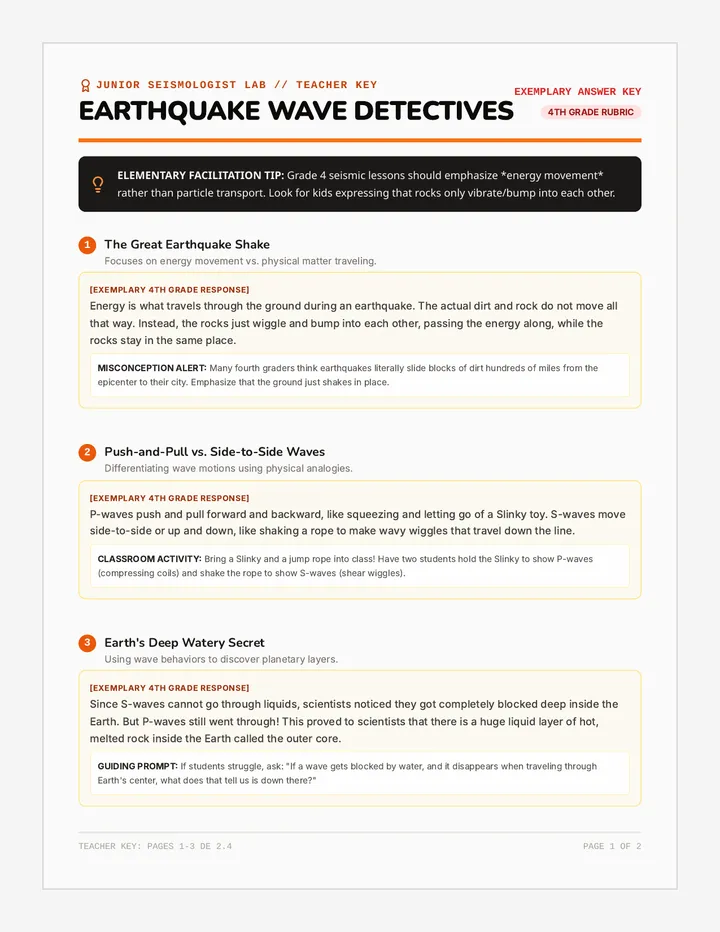
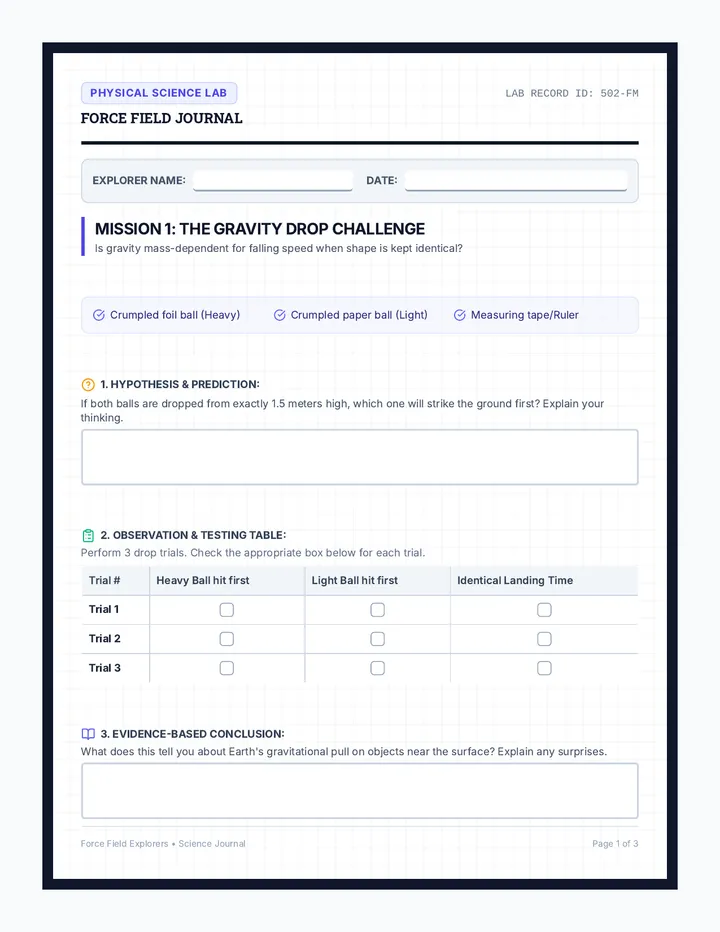
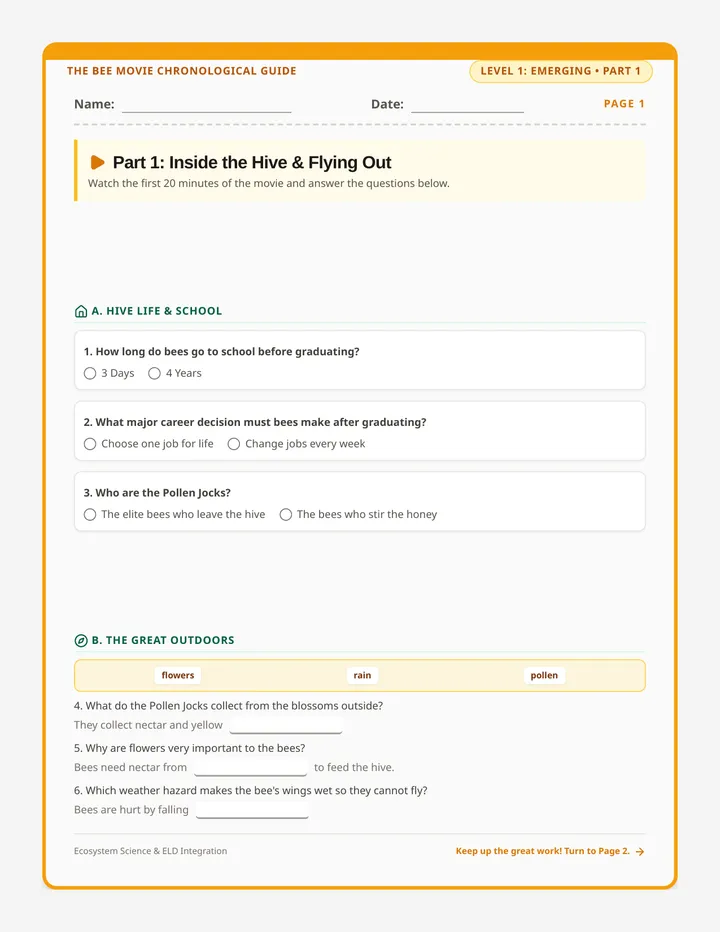
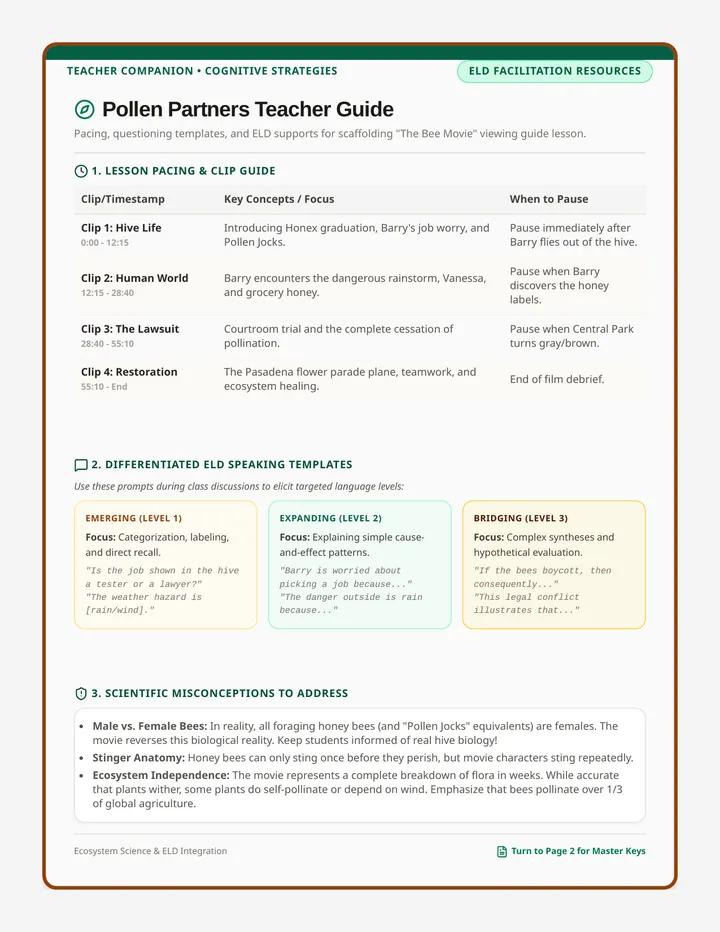
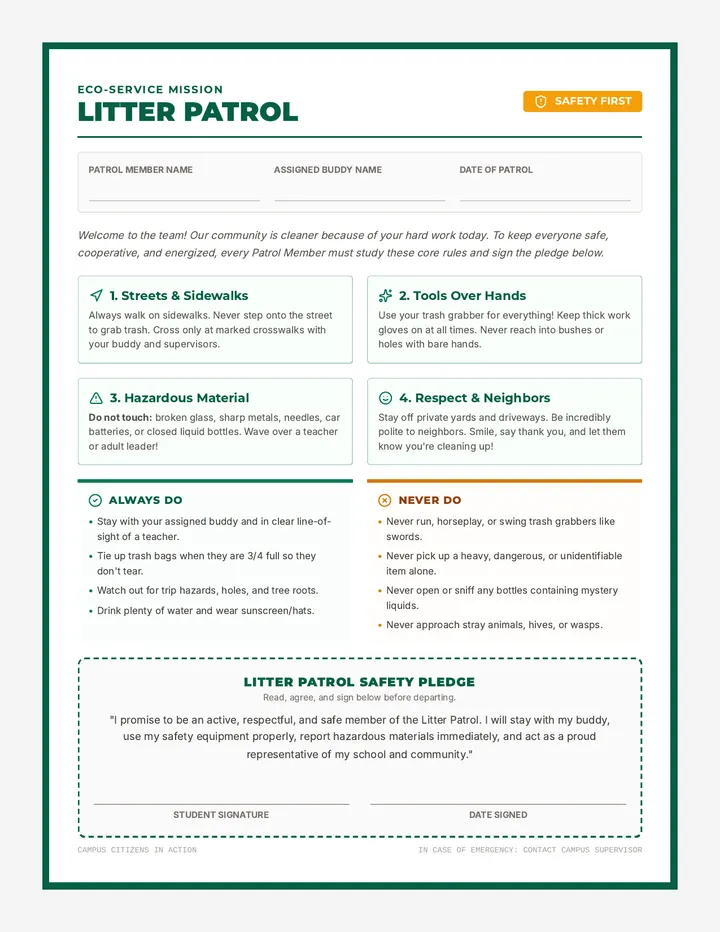
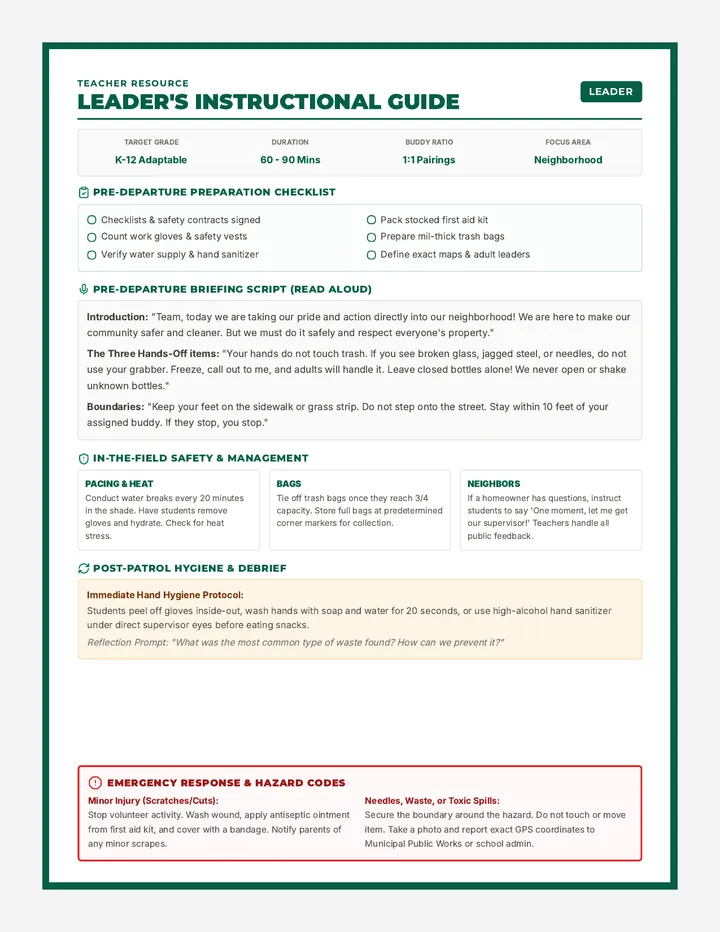
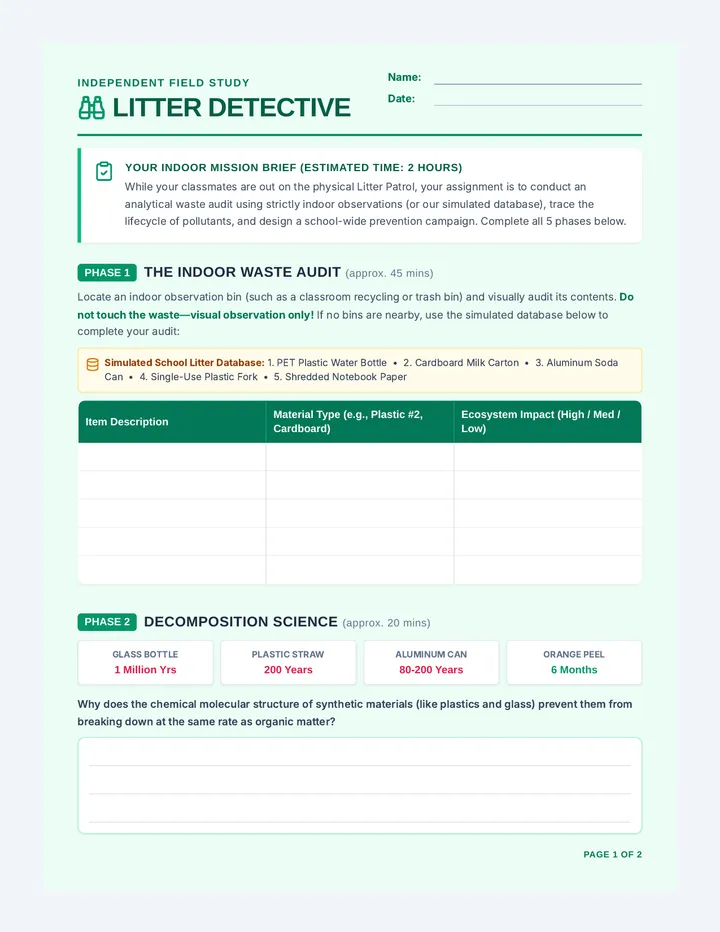
A cross-curricular lesson exploring modern ecosystems and the history of environmental conservation. Designed with ADHD and Dyslexia-friendly features like high-visual support, hands-on activities, and clear, structured tasks.
A guided project where 2nd-grade students act as scientists and engineers to report on an experiment, using key scientific vocabulary to describe matter and its properties.
A visual-heavy introduction to water-related vocabulary for ESL students, focusing on the states of matter and natural water forms.
A comprehensive lesson exploring the four terrestrial planets of our solar system: Mercury, Venus, Earth, and Mars. Students will learn about their unique physical characteristics, atmospheres, and how they compare to one another through a mission-themed presentation and interactive activities.
A hands-on STEAM lesson where emerging bilingual students use Ozobots to act out short scenarios, focusing on beginner-level English speaking, listening, reading, and writing skills.
A fast-paced, hands-on lab where students simulate the chemical and physical breakdown of food in the small intestine using common household materials to understand liquefaction and absorption.
A 3rd-grade introductory lesson on thermal energy, heat transfer, and molecular motion. Students explore how molecules behave in hot versus cold substances and how energy moves between objects of different temperatures.
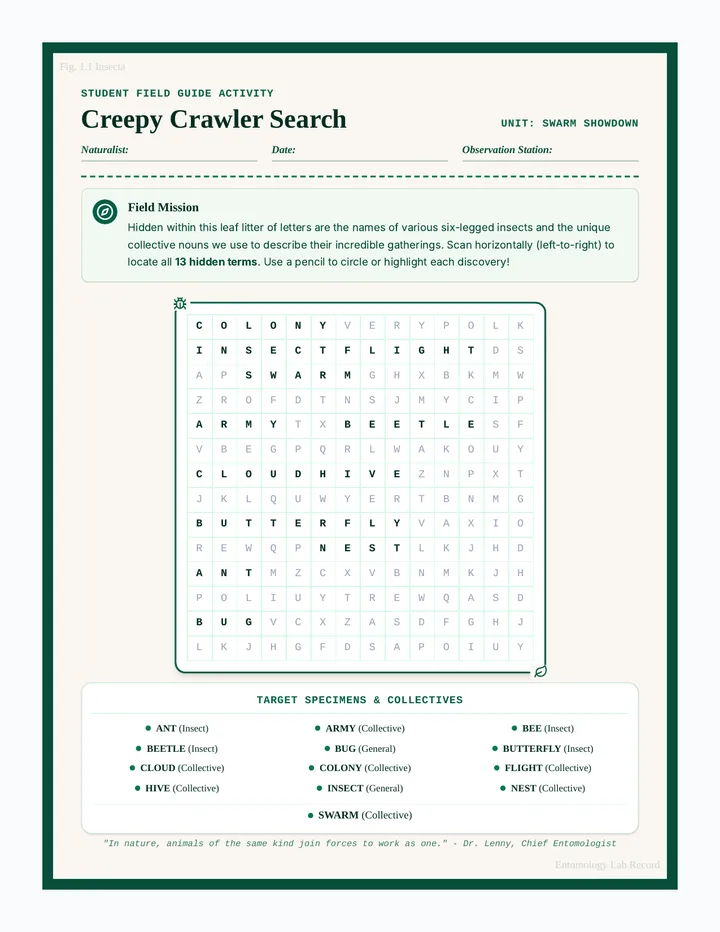
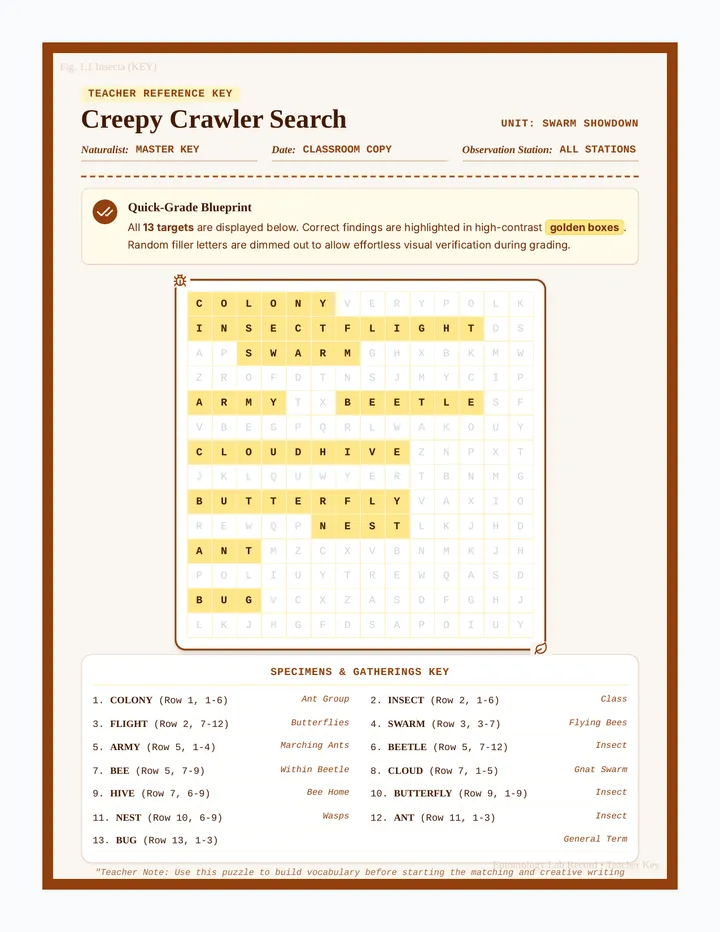
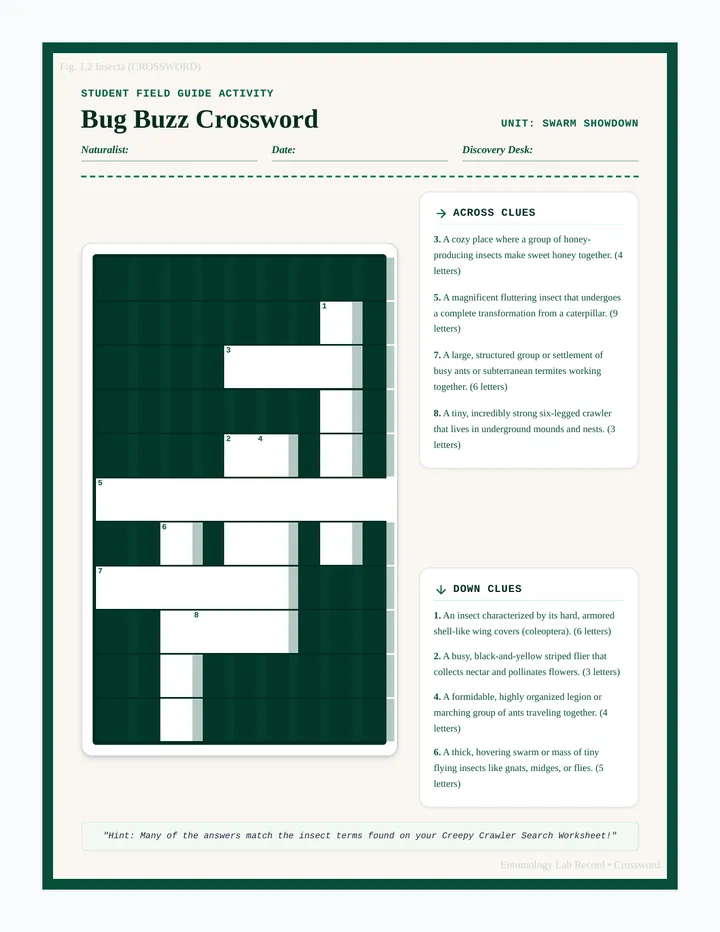
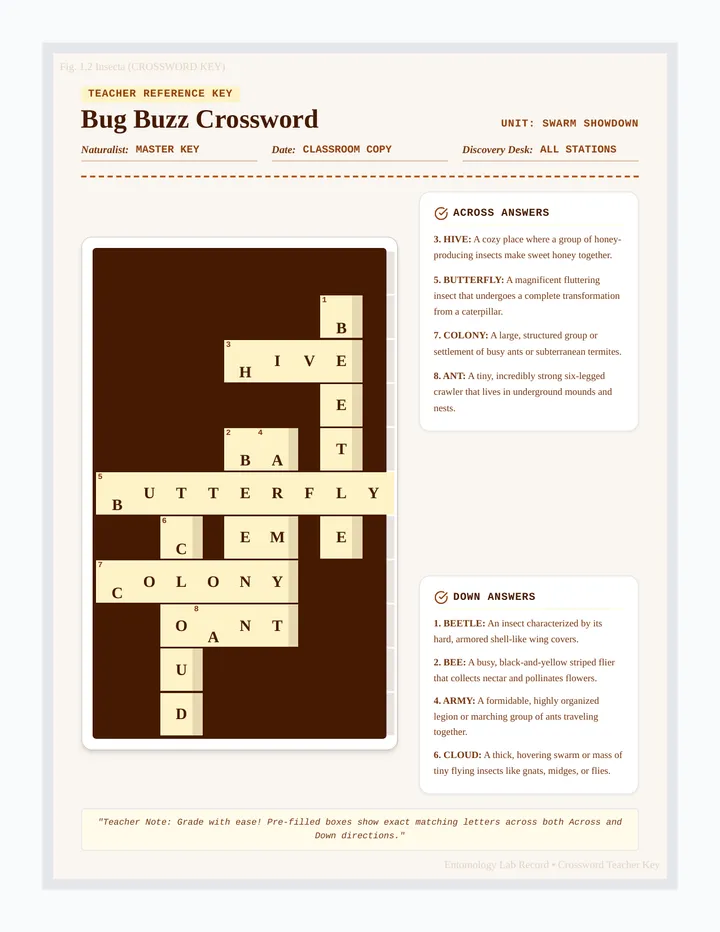
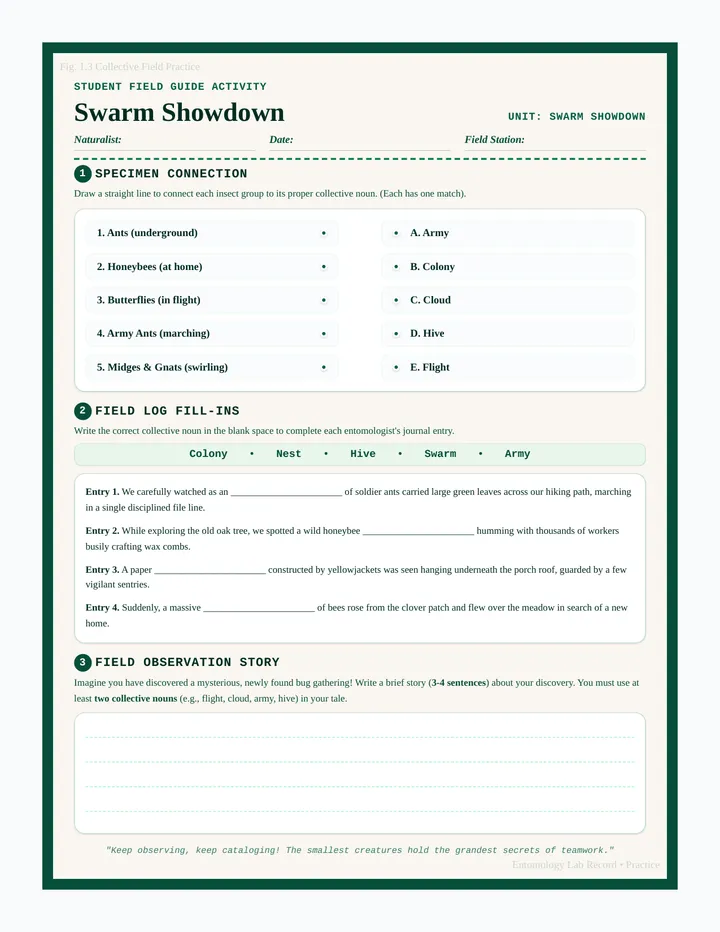
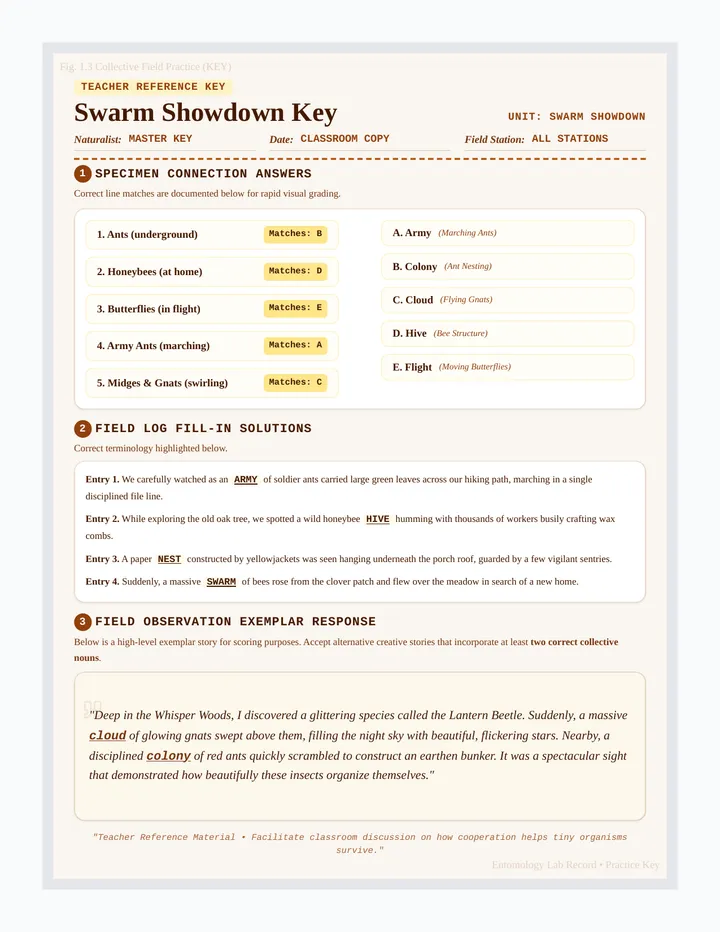
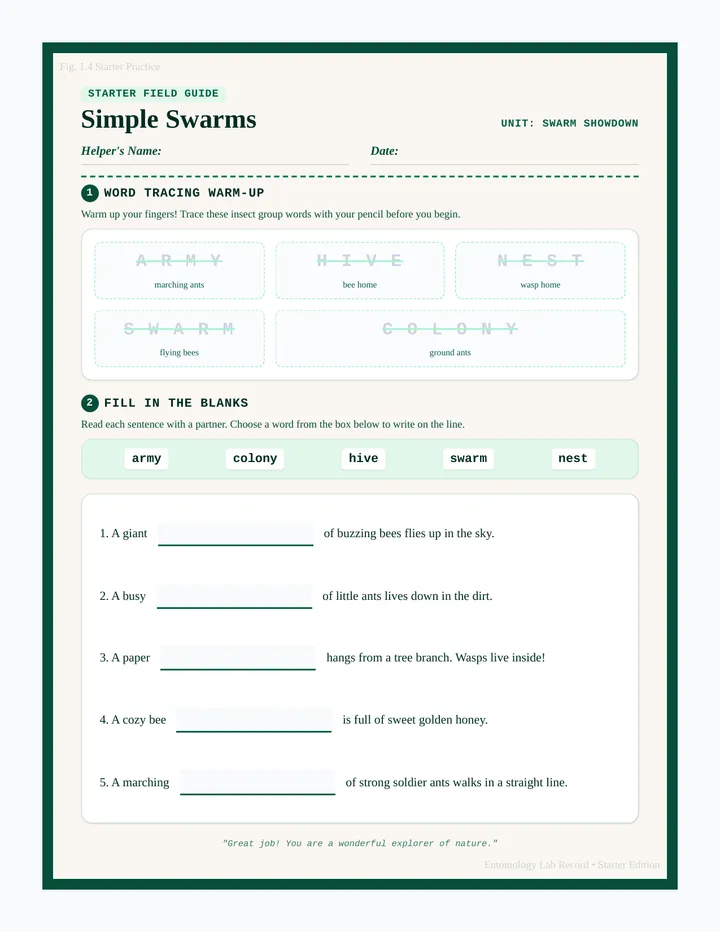
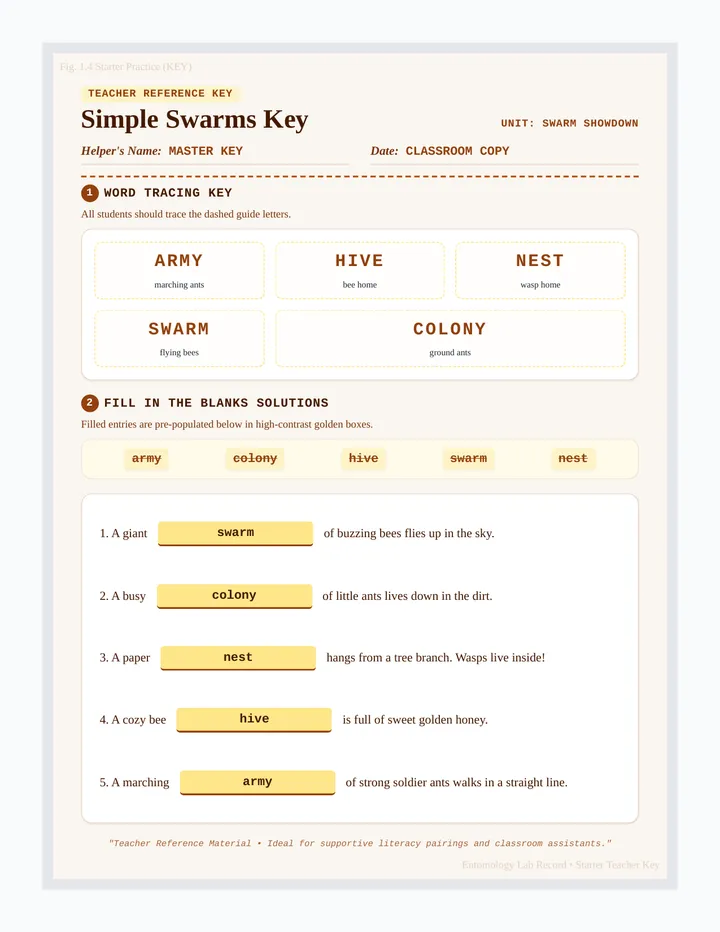
A hands-on introductory lesson for 2nd grade ESL students to distinguish between insects and other backyard creatures using physical sorting and visual identification.
A hands-on introductory lesson for 2nd graders to identify insects by their physical characteristics (6 legs, 3 body parts) and sort them from other creepy-crawlies.
A lesson exploring NASA's critical role in monitoring Earth's changing climate using satellite technology and data collection. Students will practice citing textual evidence while learning about global warming.
A comprehensive 5th-grade science lesson on matter, focusing on properties, states, conservation of mass, and chemical changes, specifically aligned to North Carolina Essential Standards 5.P.2.2 and 5.P.2.3 for EOG preparation.
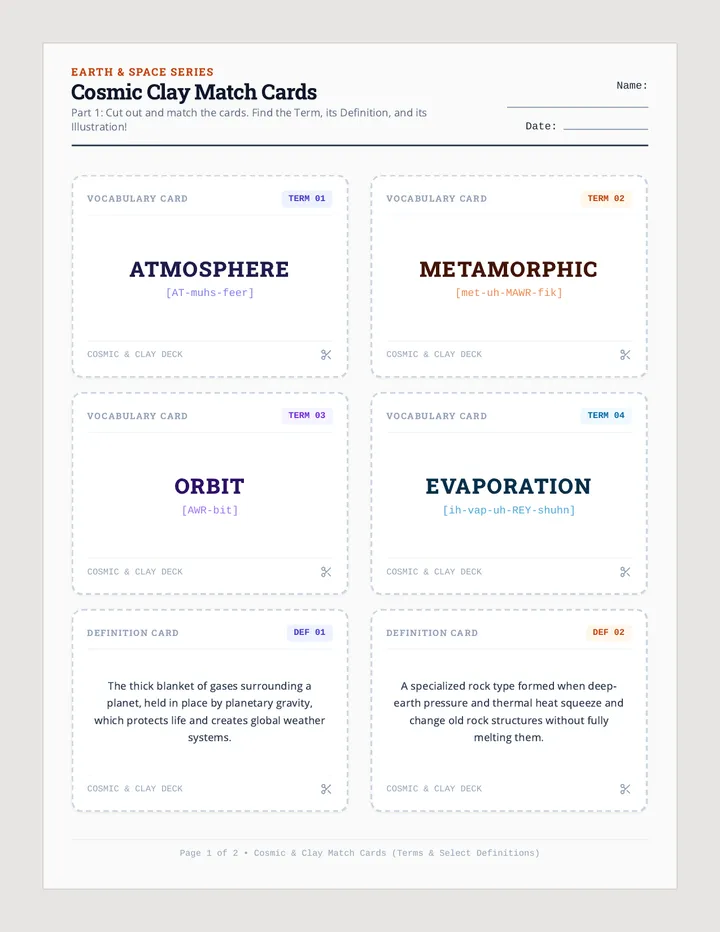
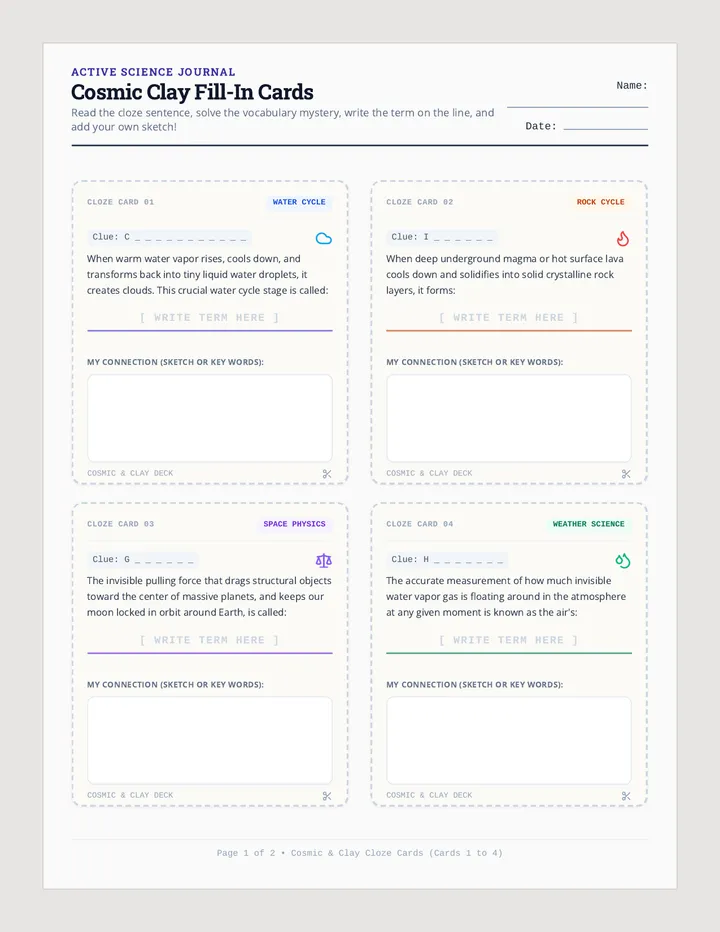
A comprehensive lesson on Earth's systems, focusing on the water cycle, weather patterns, and global atmospheric movements specifically aligned to NC 5th Grade Science standards (5.E.1).
A comprehensive 5th-grade science lesson focused on energy flow in ecosystems, featuring food webs, chains, and organism interactions aligned with NC Standard 5.L.2.
A lesson exploring the science of bioluminescence, focusing on how and why organisms produce their own light in nature. Students will learn about chemical reactions, deep-sea adaptations, and the diverse uses of light in the animal kingdom.
A dynamic lesson where students explore biological life cycles through creative movement and expressive poses. Students will master the stages of butterflies, frogs, plants, and honeybees by physically embodying each developmental step.
A cross-curricular lesson where students transform complex scientific processes into catchy songs. Students will use graphic organizers to map out lyrics and templates with vocabulary banks to ensure scientific accuracy in their musical compositions.