A high-stakes math escape room where students use money-counting skills to unlock a series of digital vaults and recover stolen artifacts. Students will master counting coins, solving money word problems, and comparing currency values.
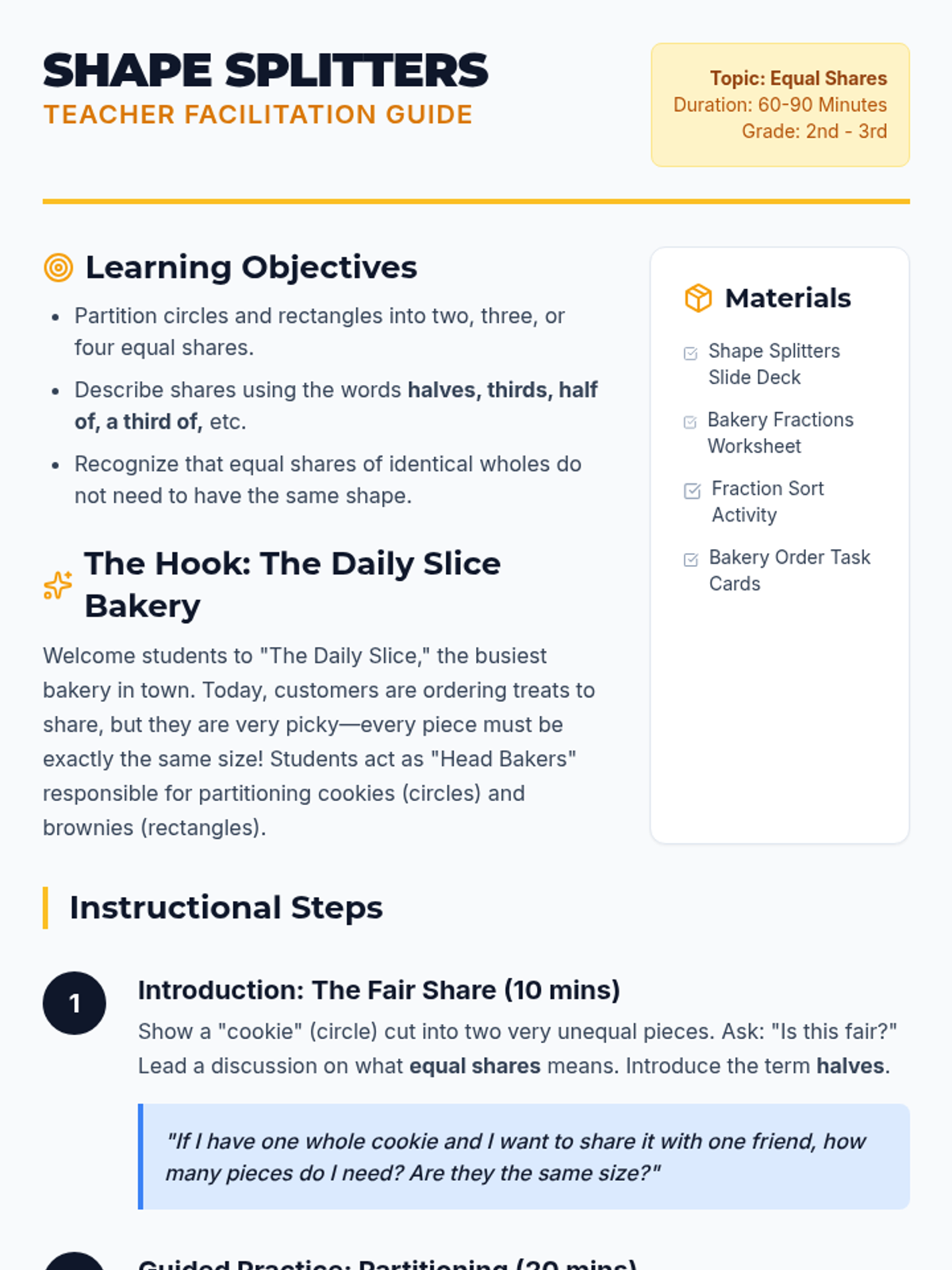
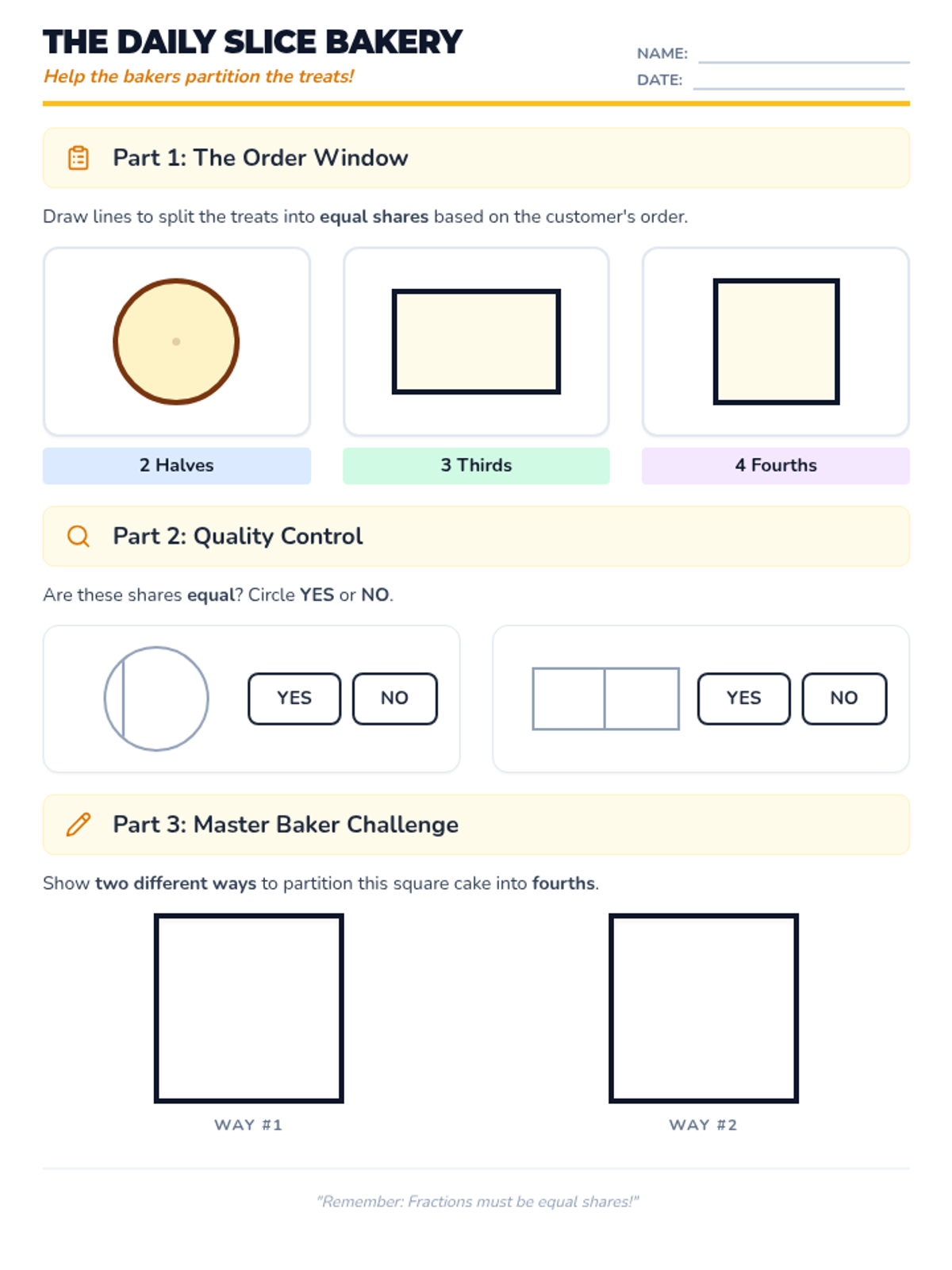
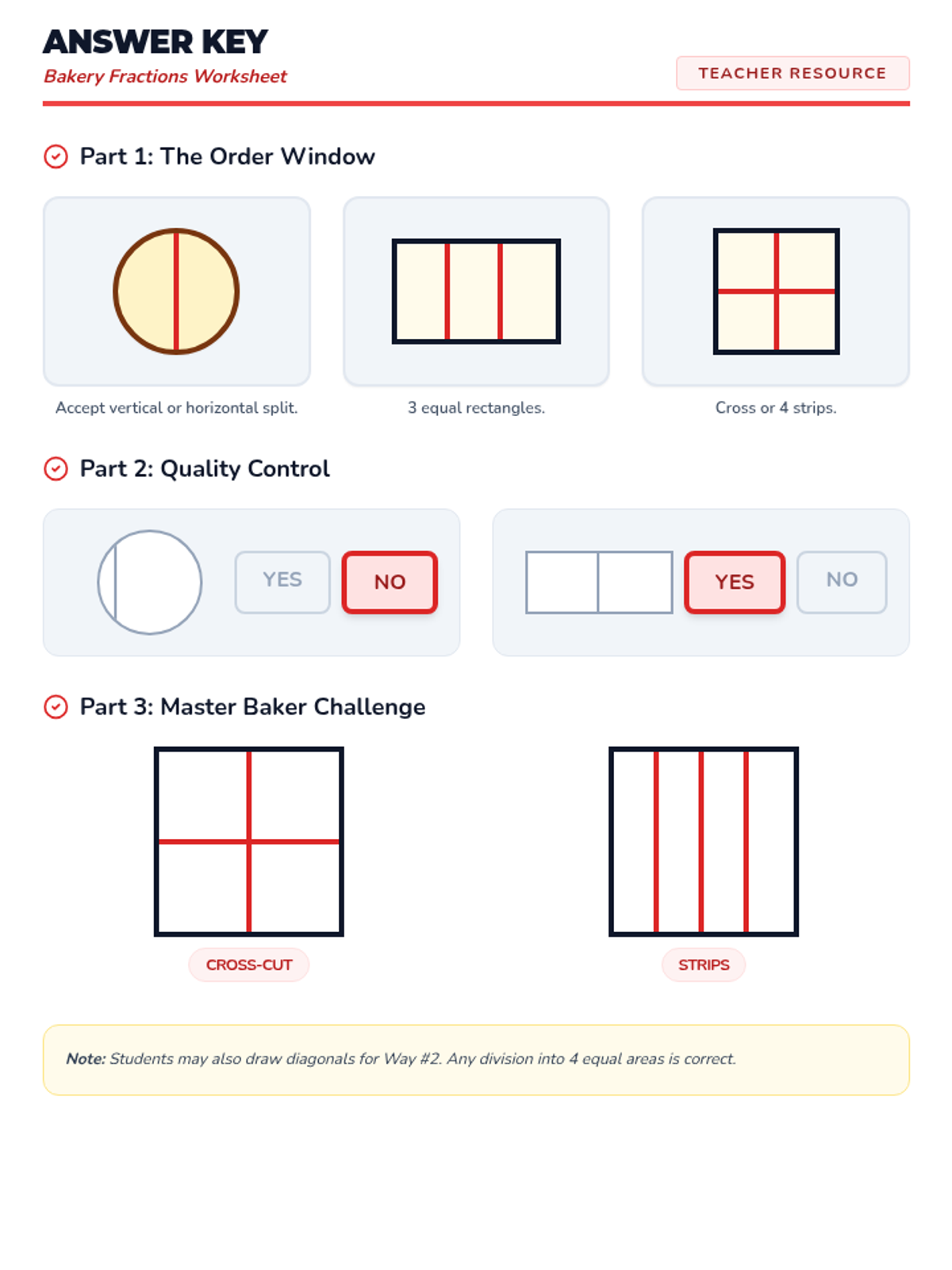
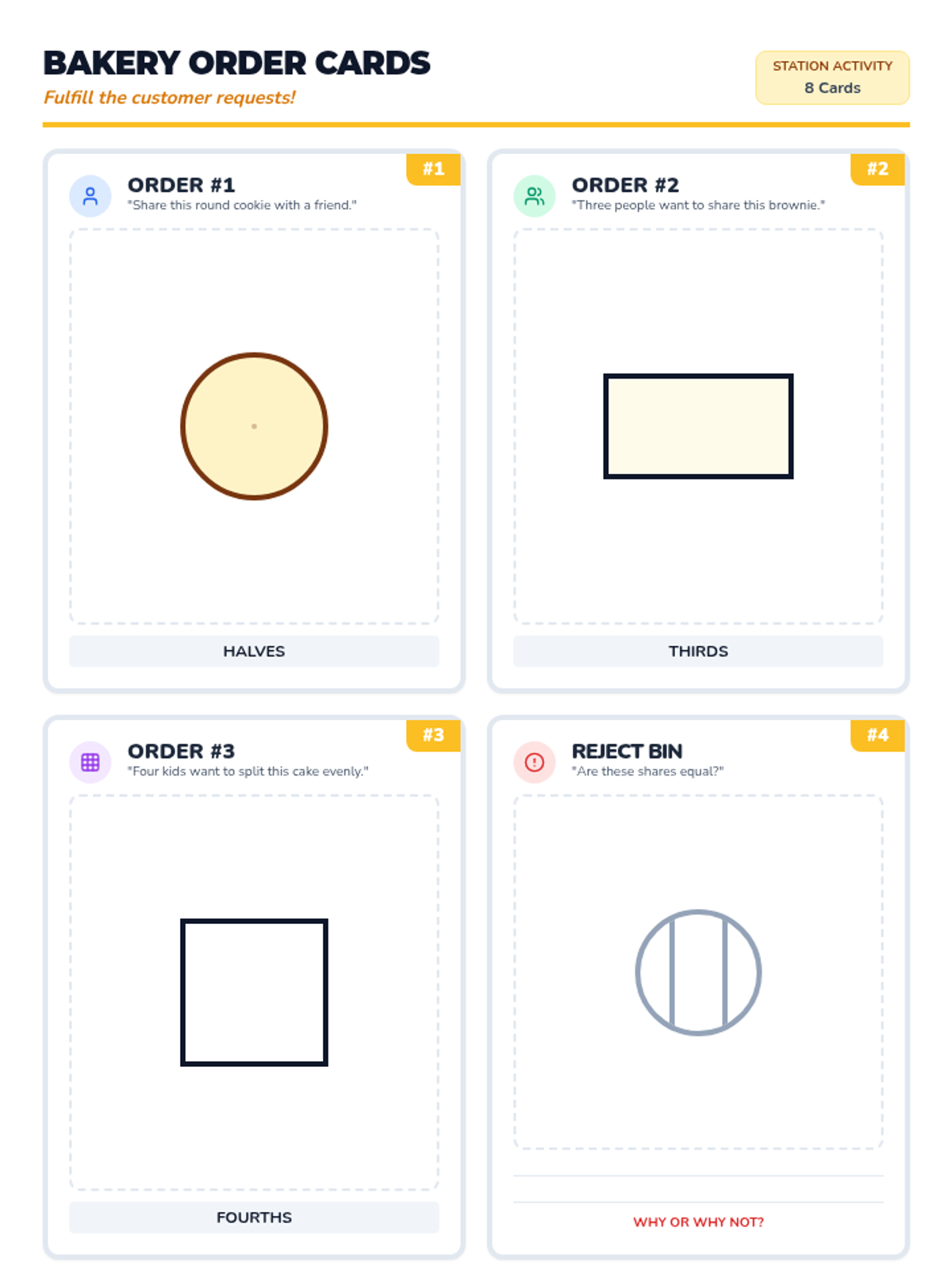
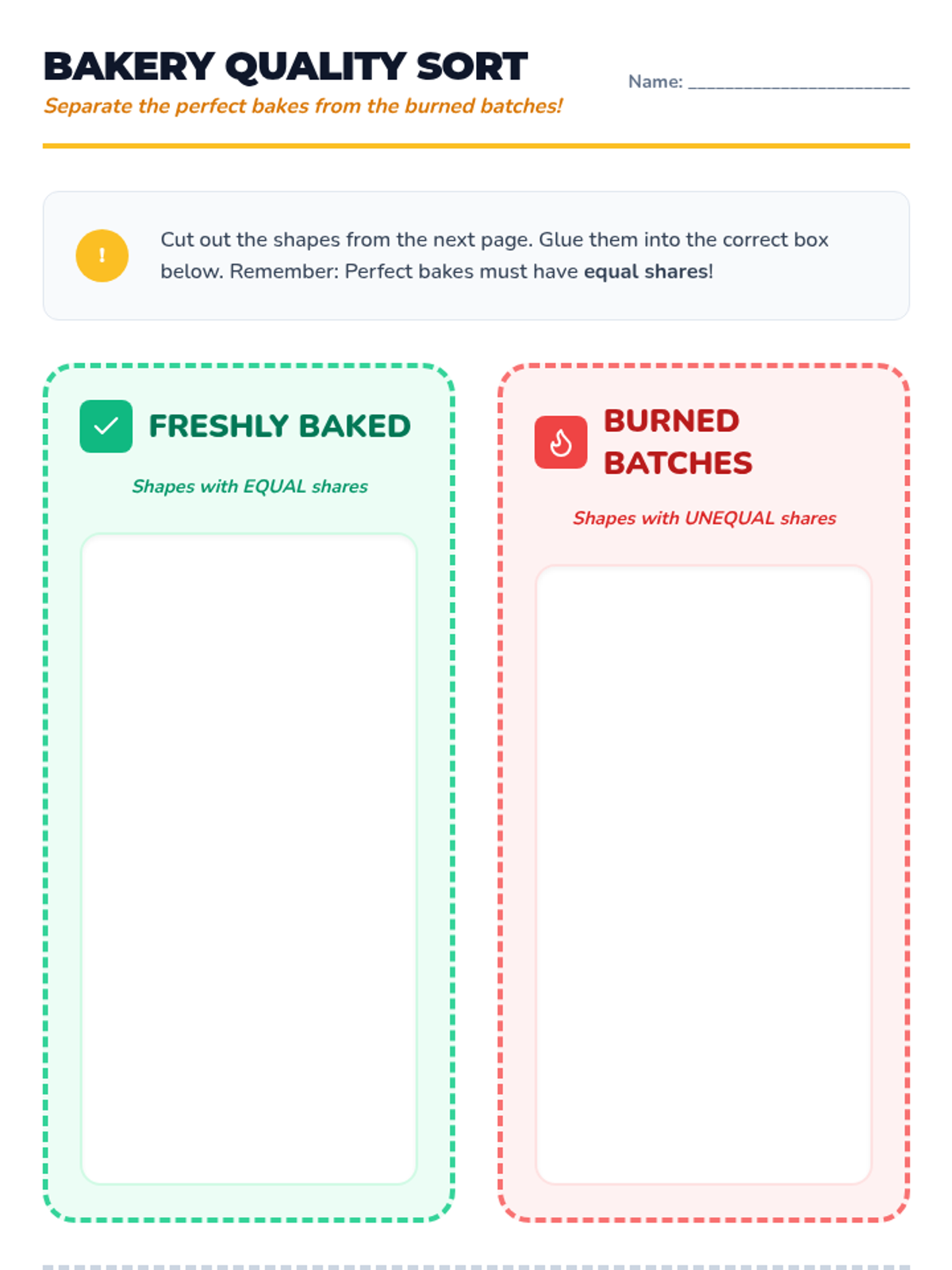
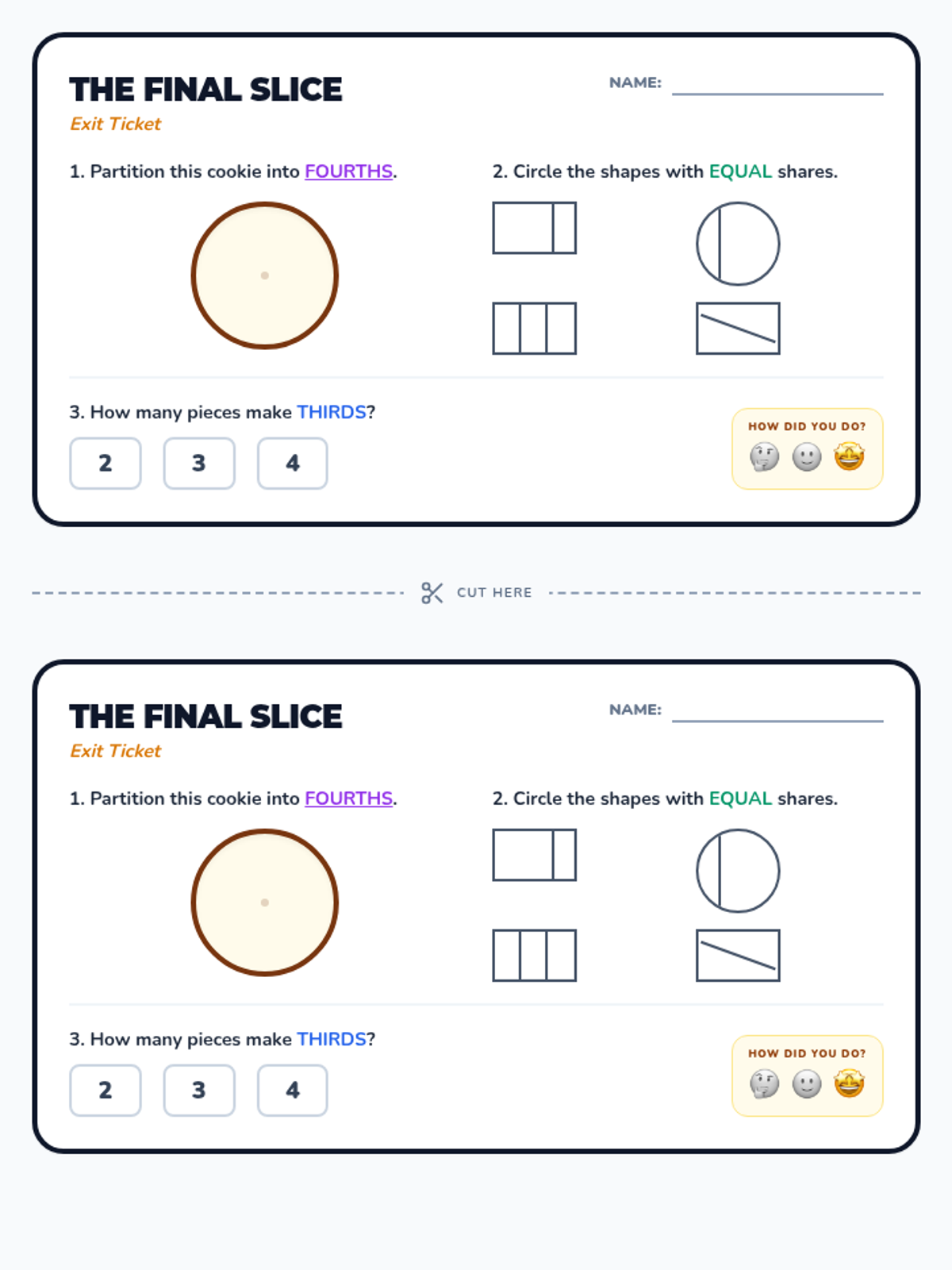
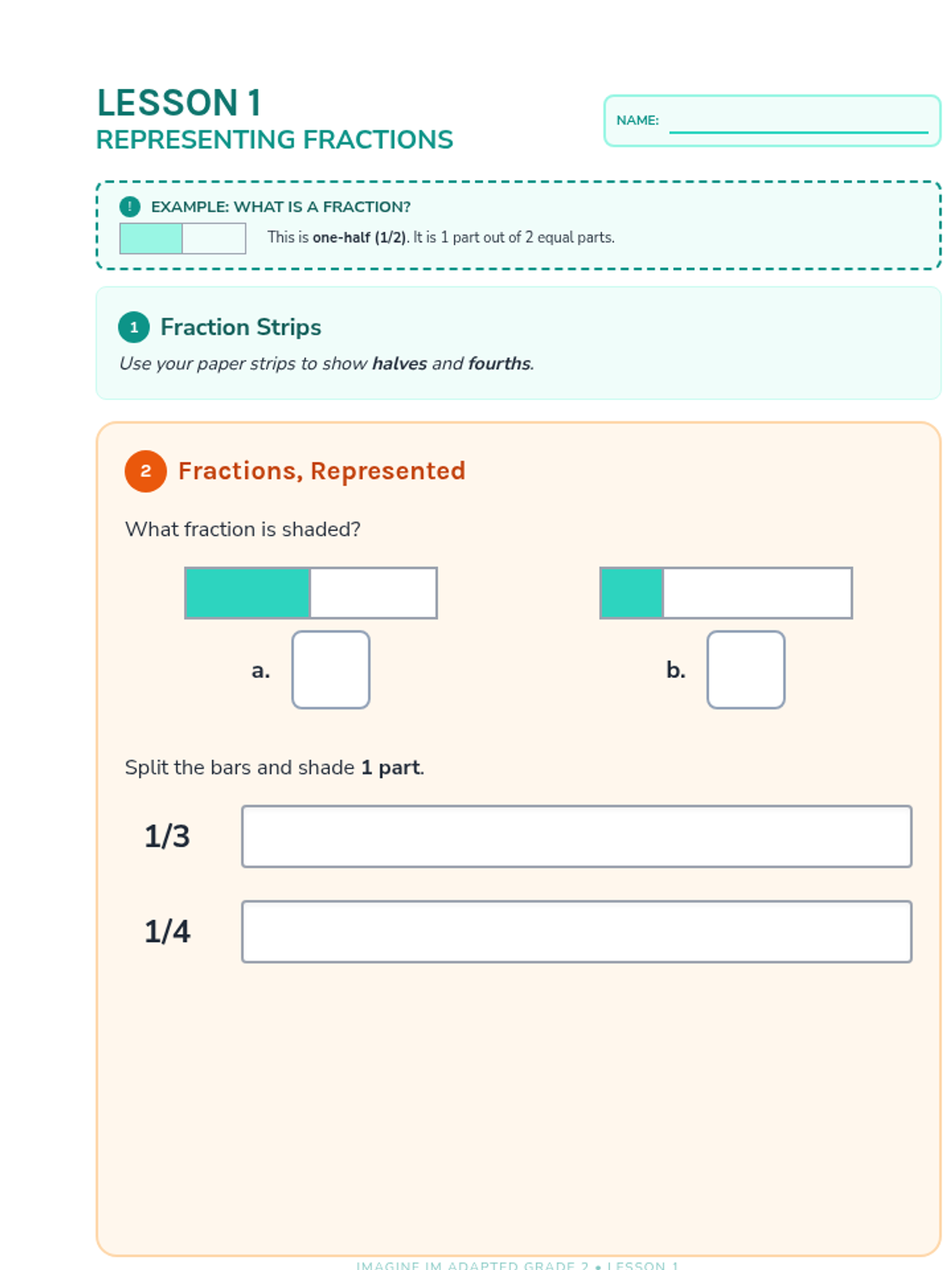
A hands-on introduction to partitioning circles and rectangles into halves, thirds, and fourths using a bakery theme. Students will learn to identify equal shares and use fractional language correctly.
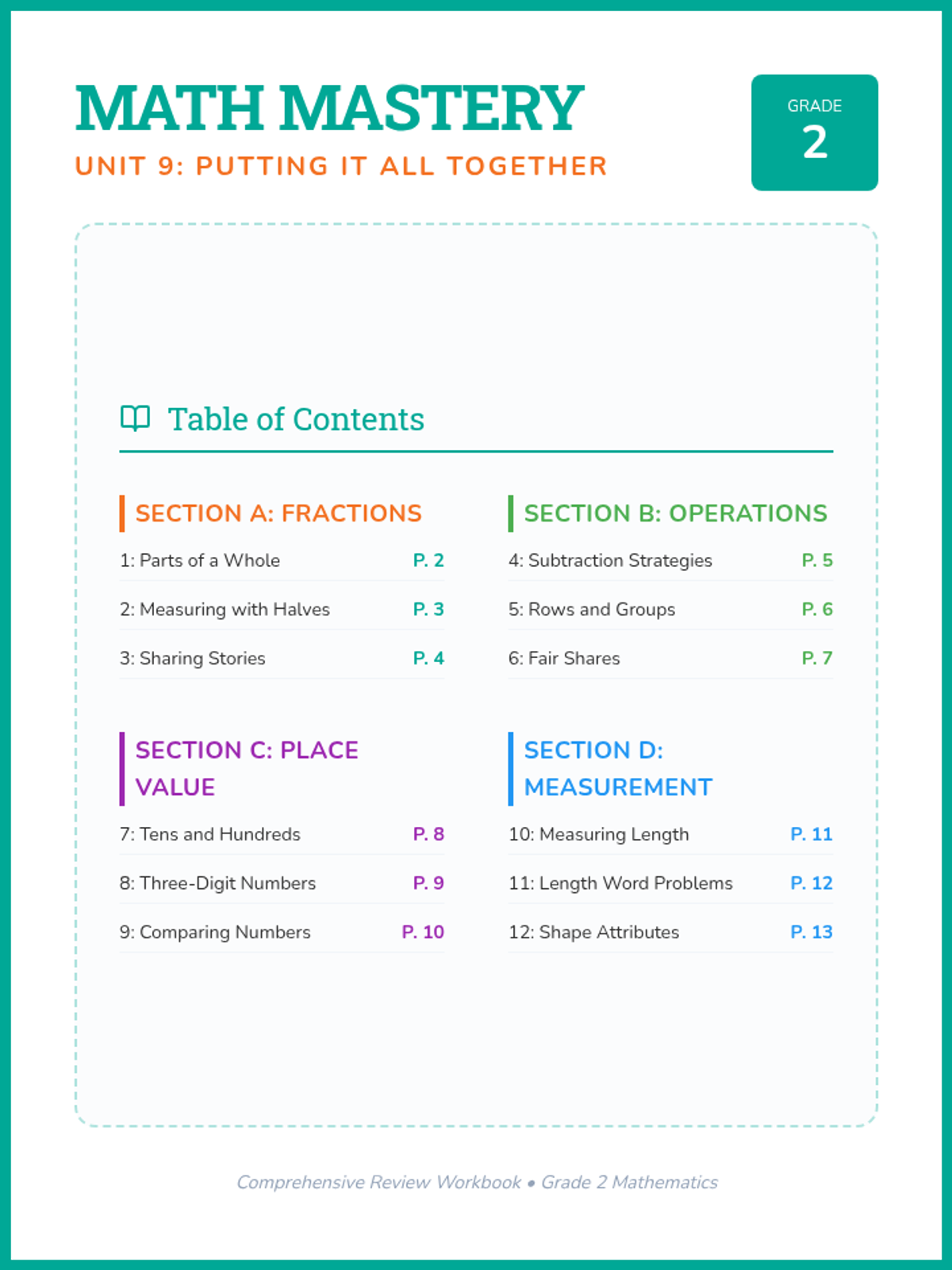
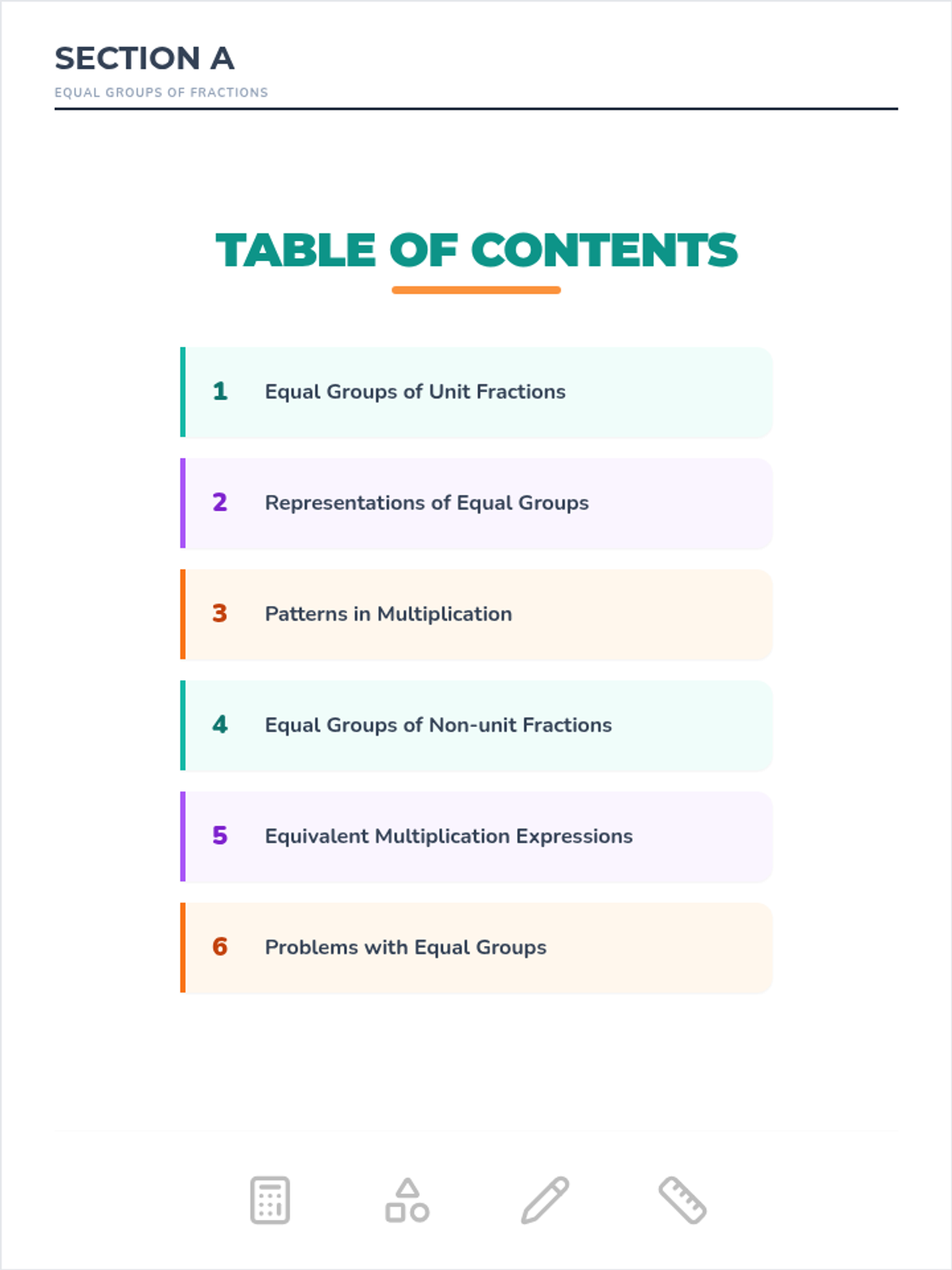
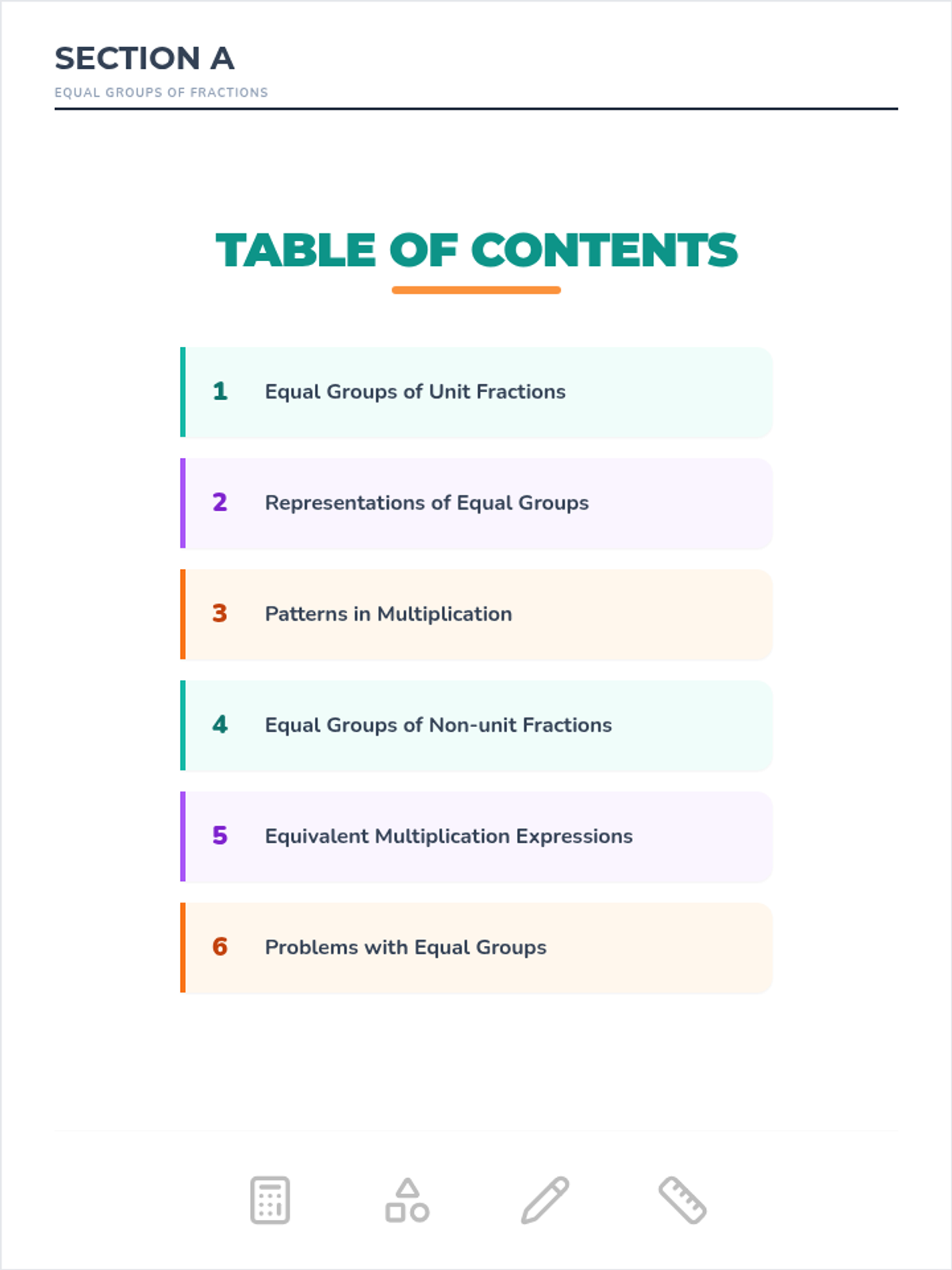
A series of lessons covering fraction reasoning and whole-number operations, adapted for 2nd-grade standards.
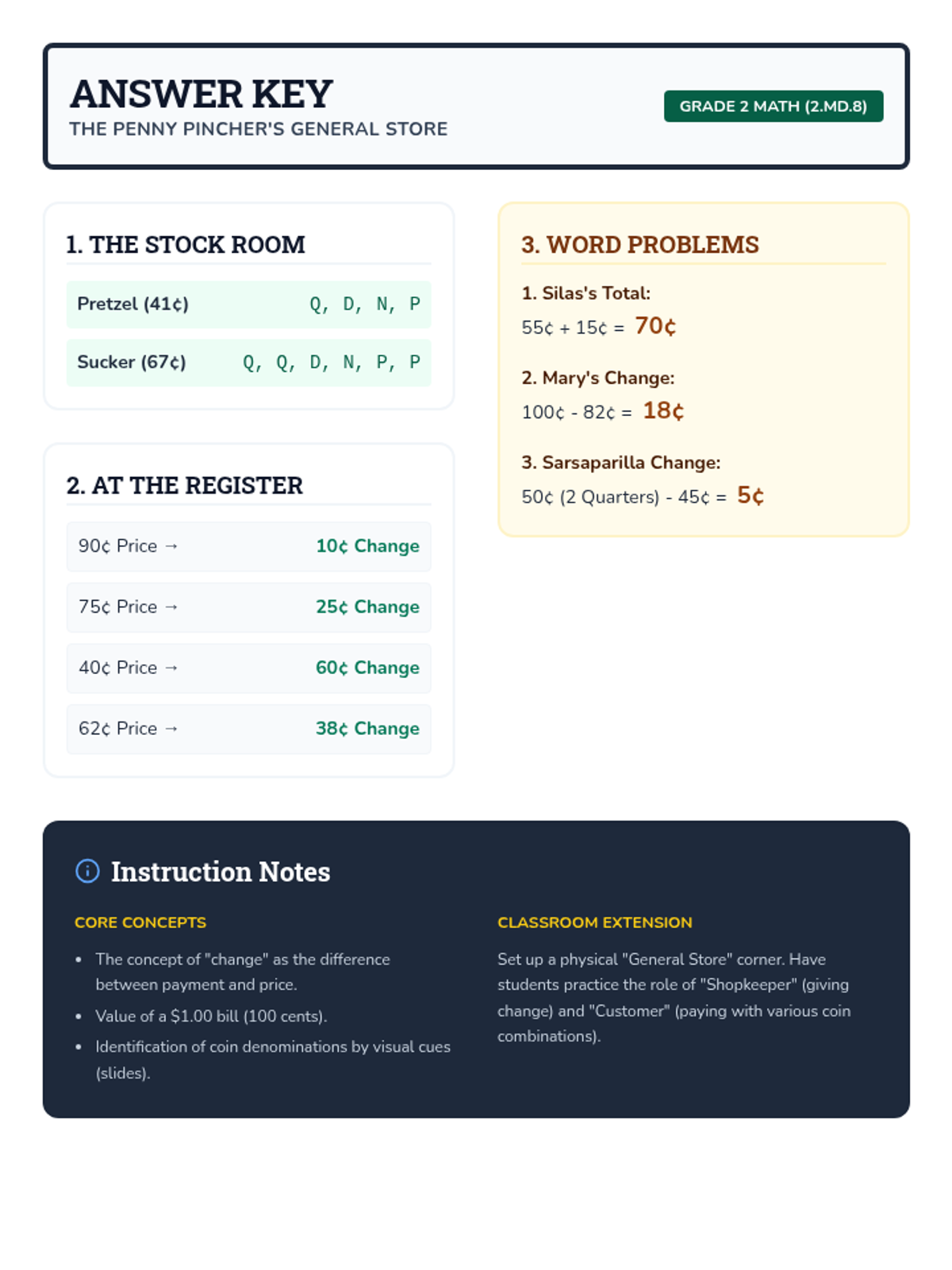
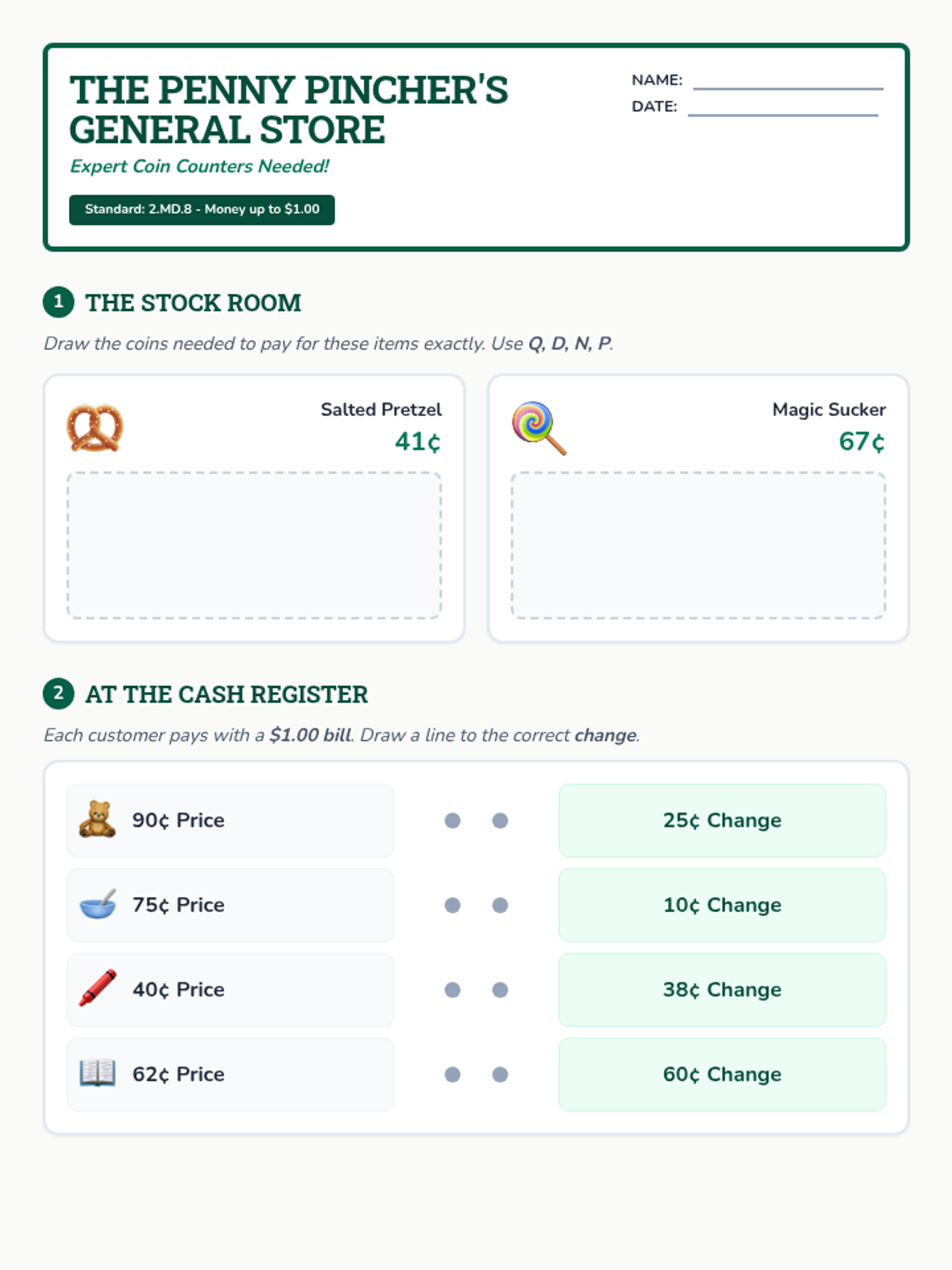
A second-grade math lesson focused on counting coins and making change up to $1.00 through the engaging theme of a vintage general store. Students solve word problems, match prices to change, and practice visual coin representation.
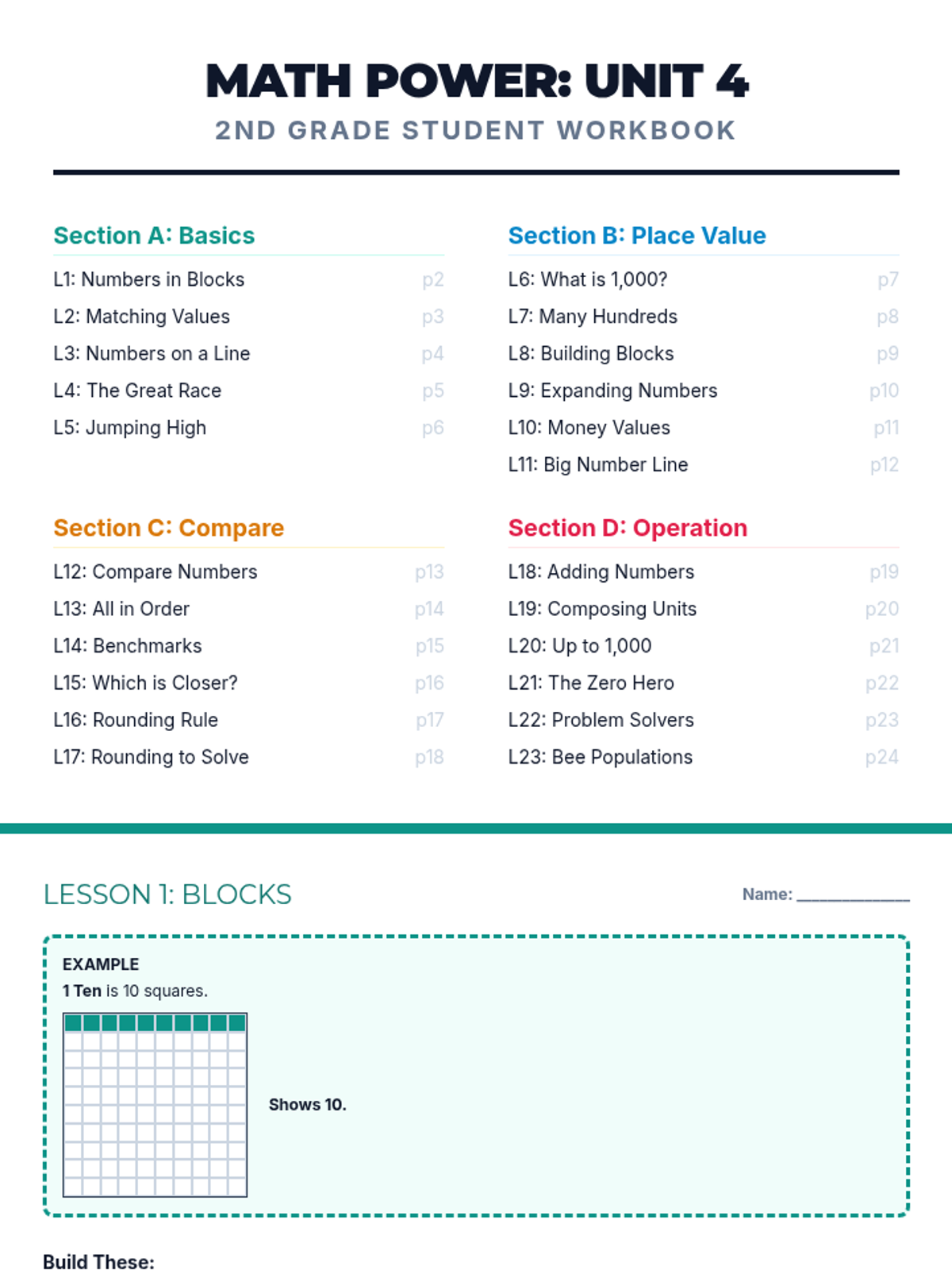
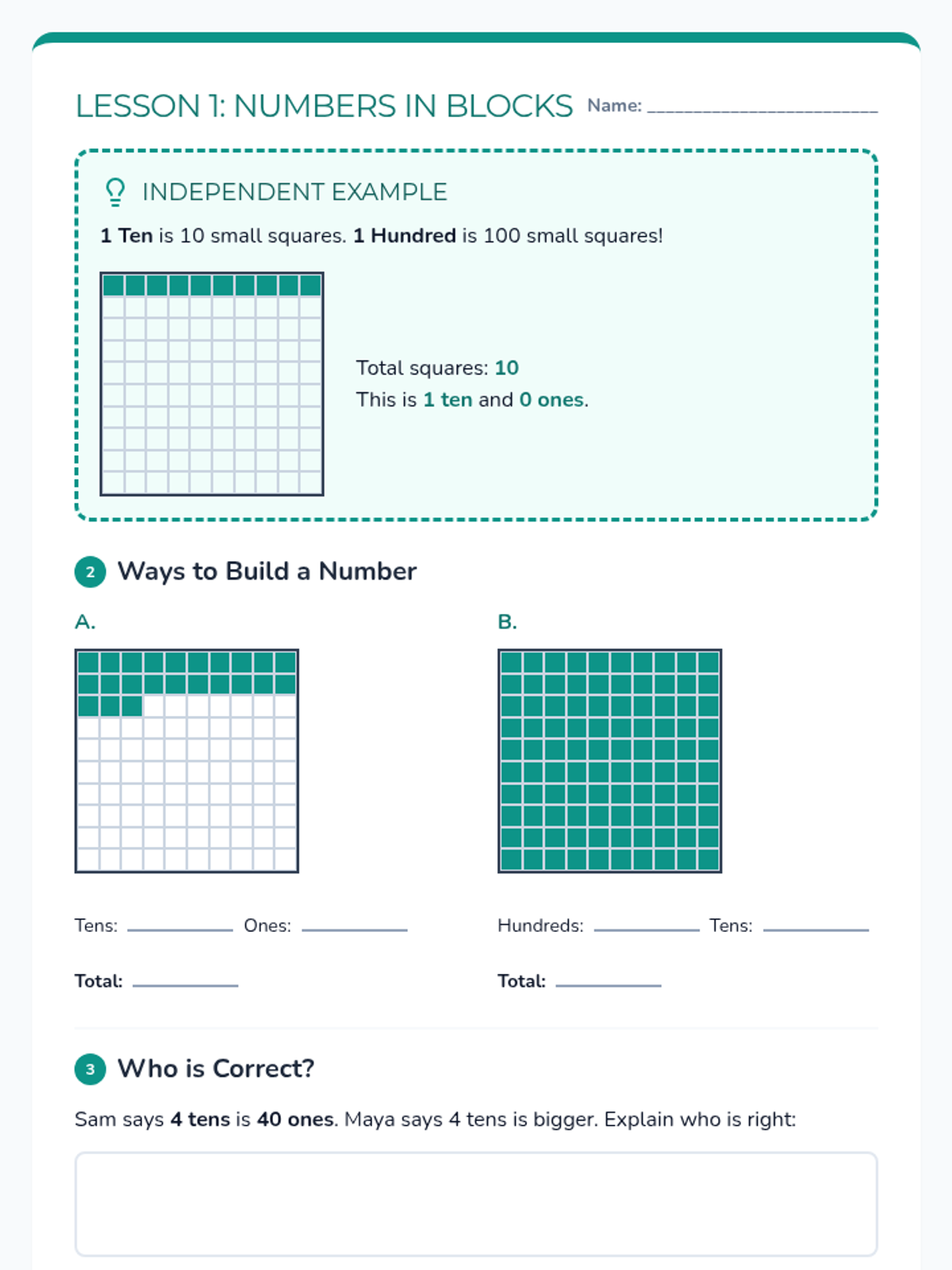
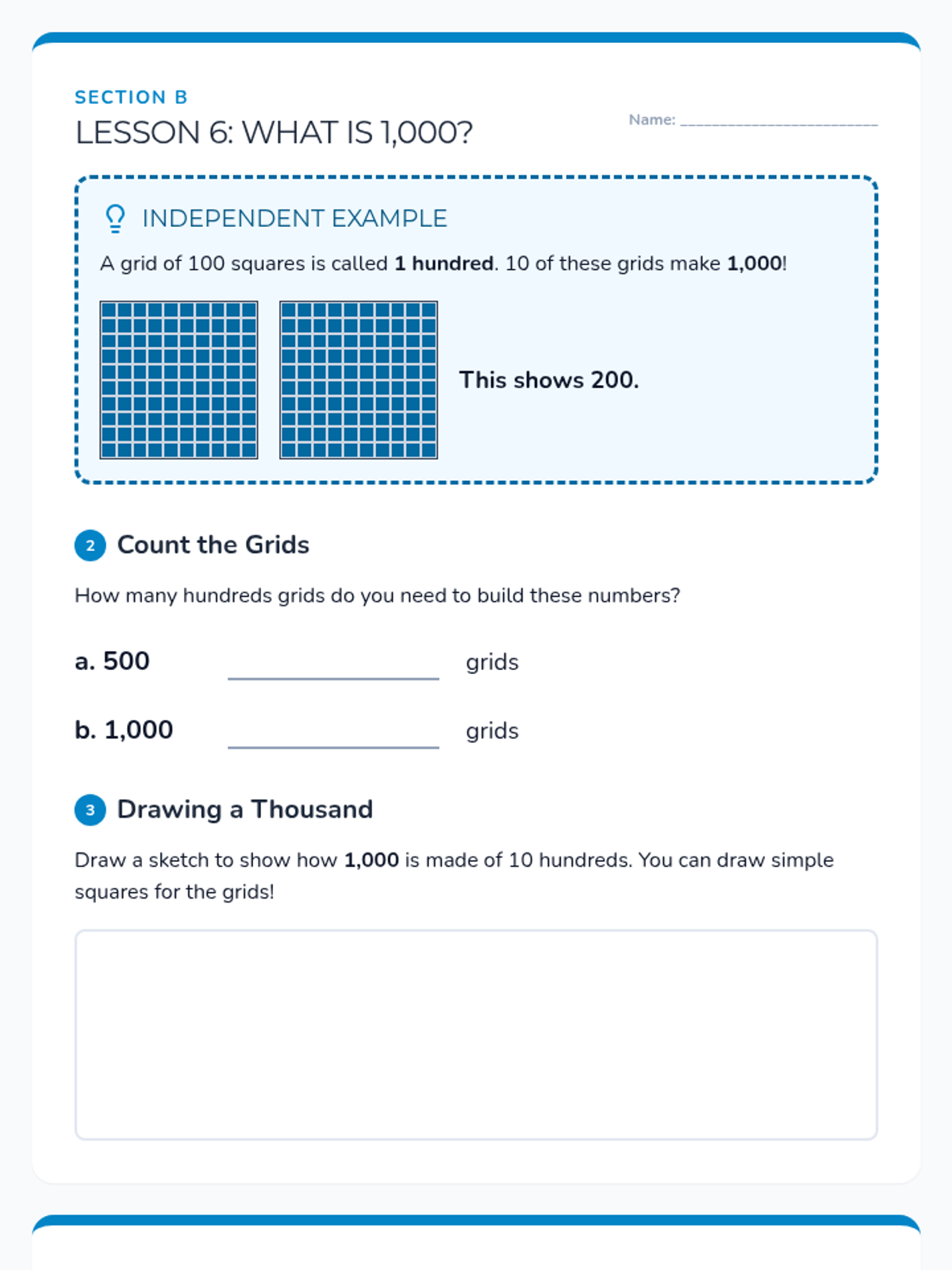
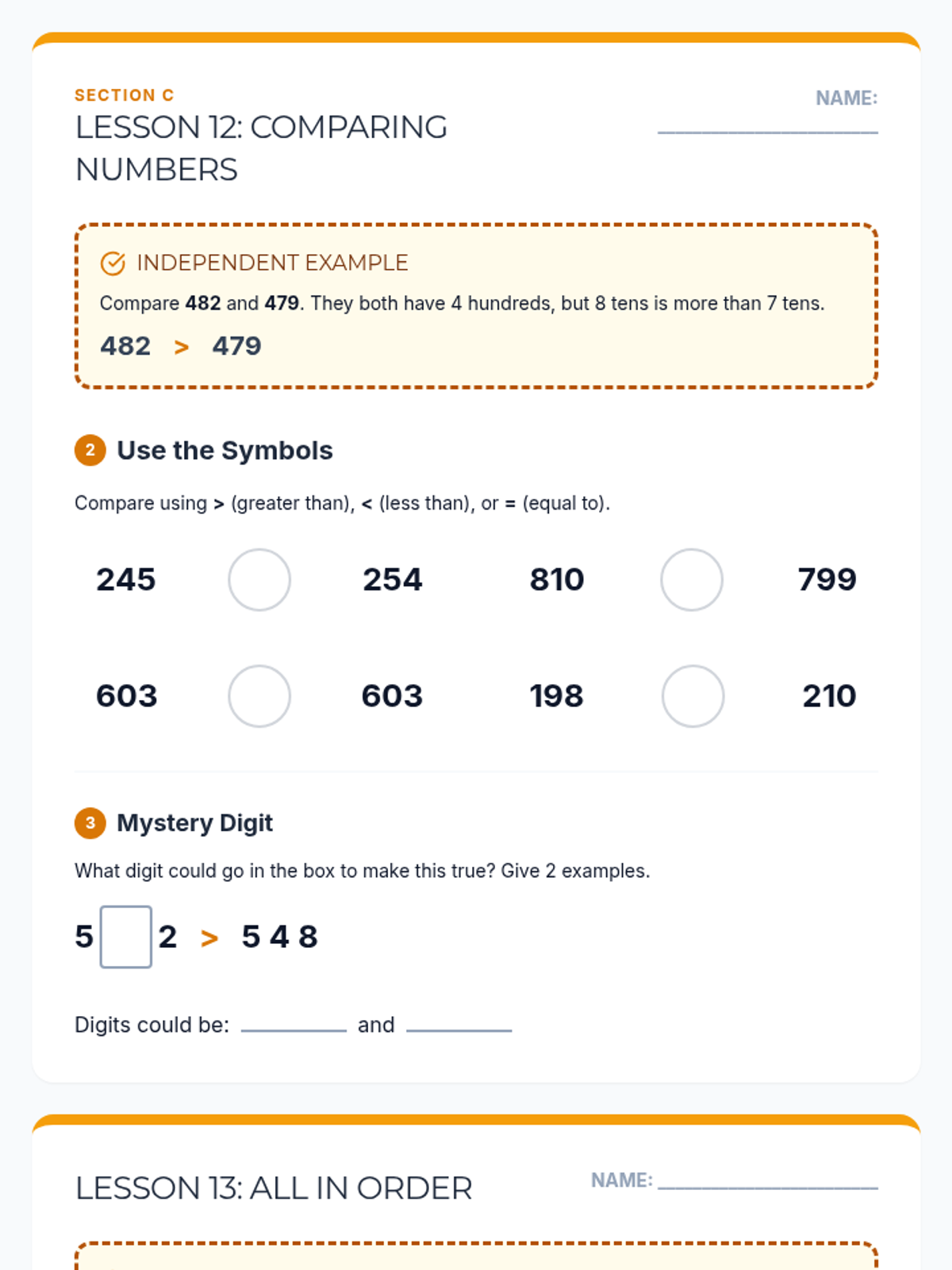
A set of activities adapted from a 4th-grade decimals unit to a 2nd-grade place value level, focusing on hundreds, tens, and ones with clear examples for independent work.
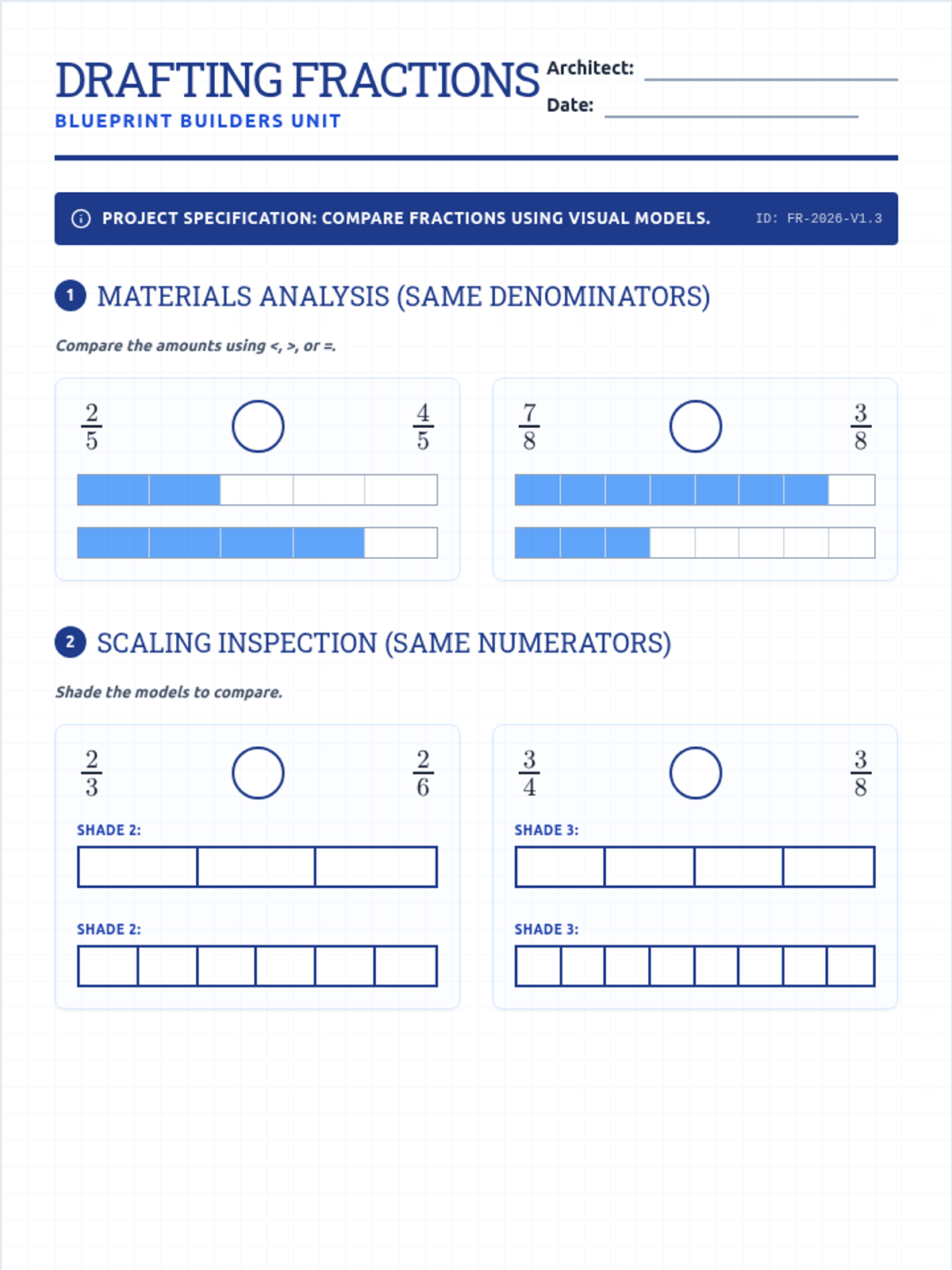
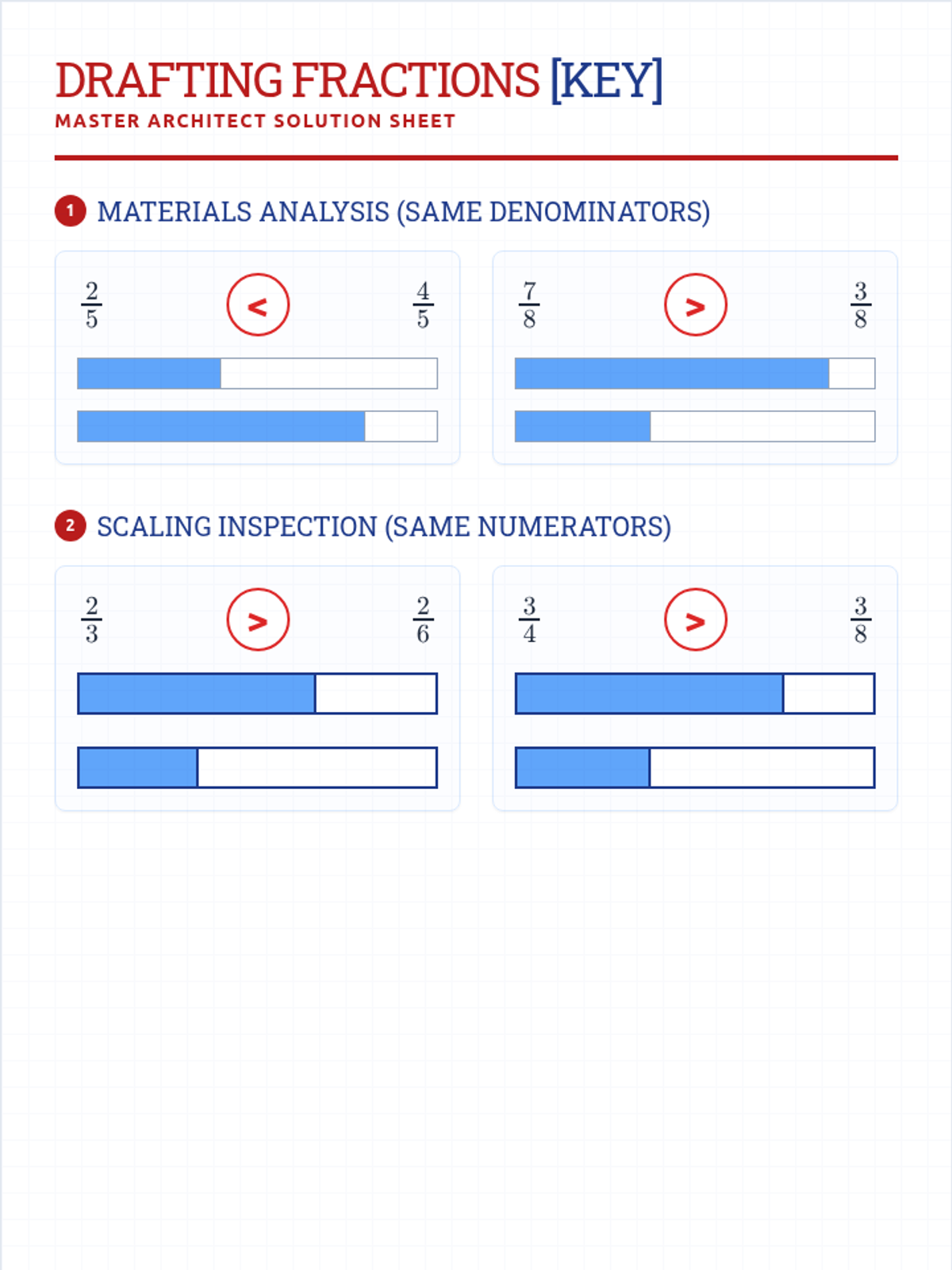
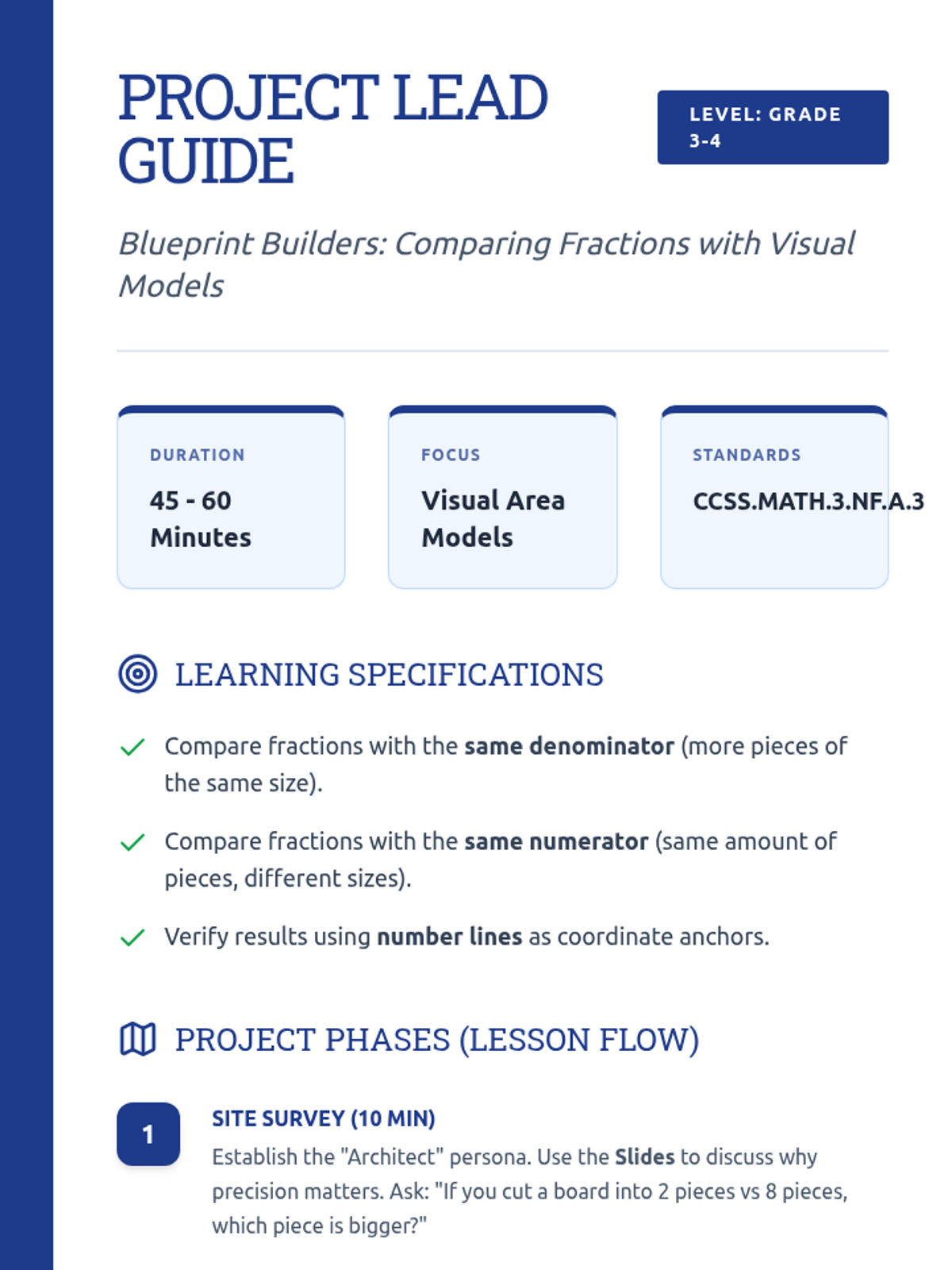
Students learn to compare fractions using visual area models and number lines, focusing on same denominators and same numerators through an architectural blueprint theme.
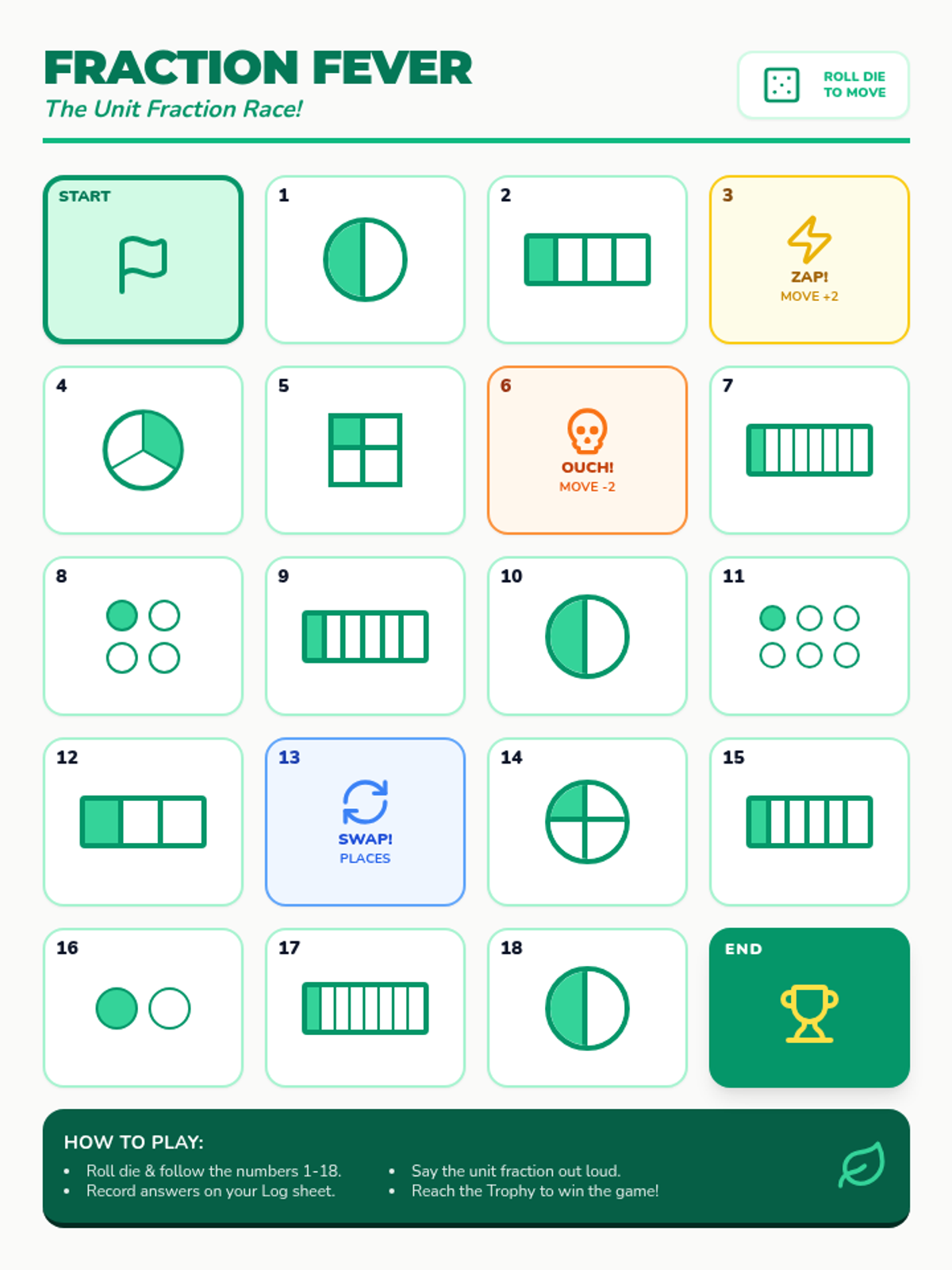
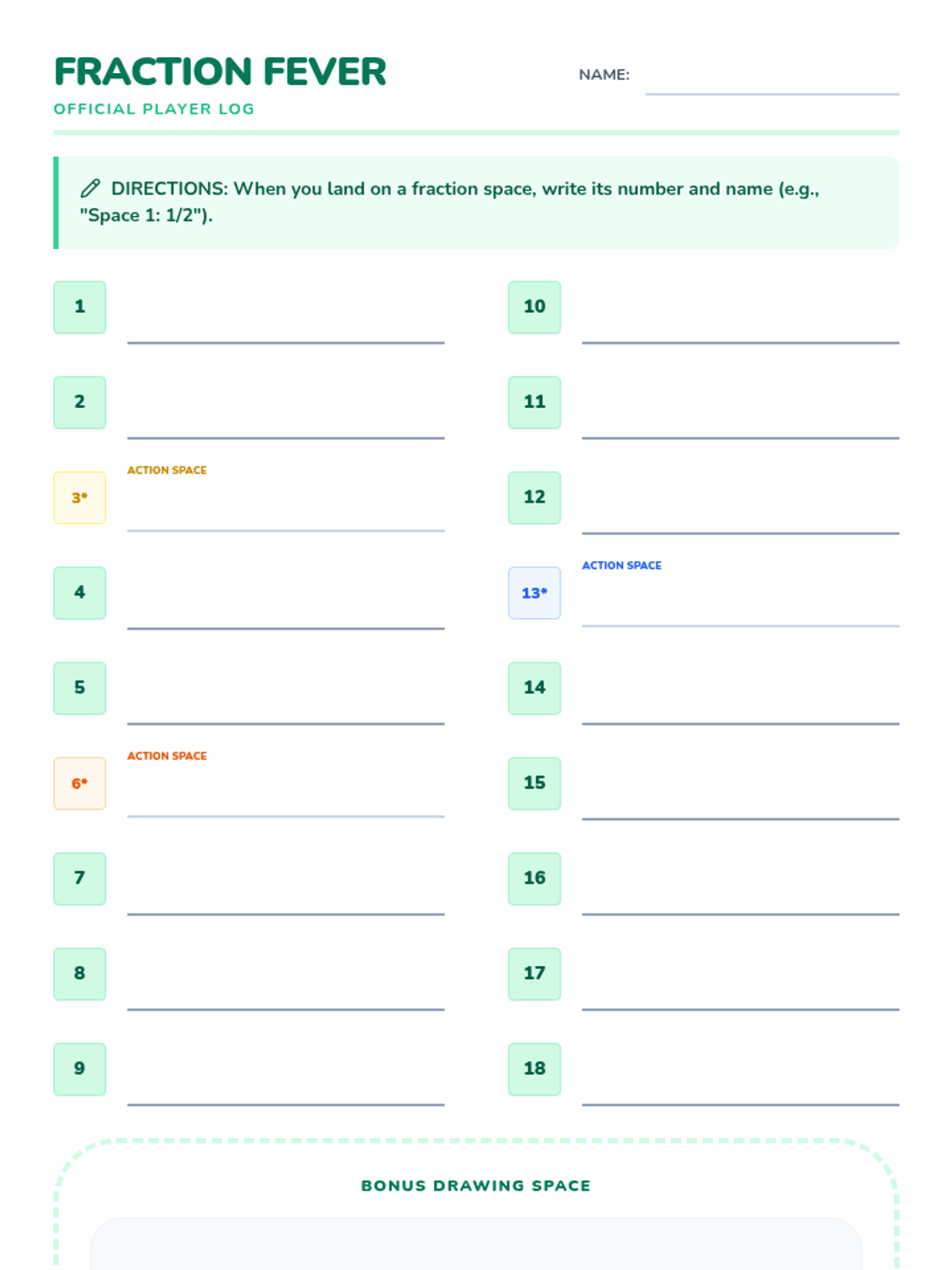
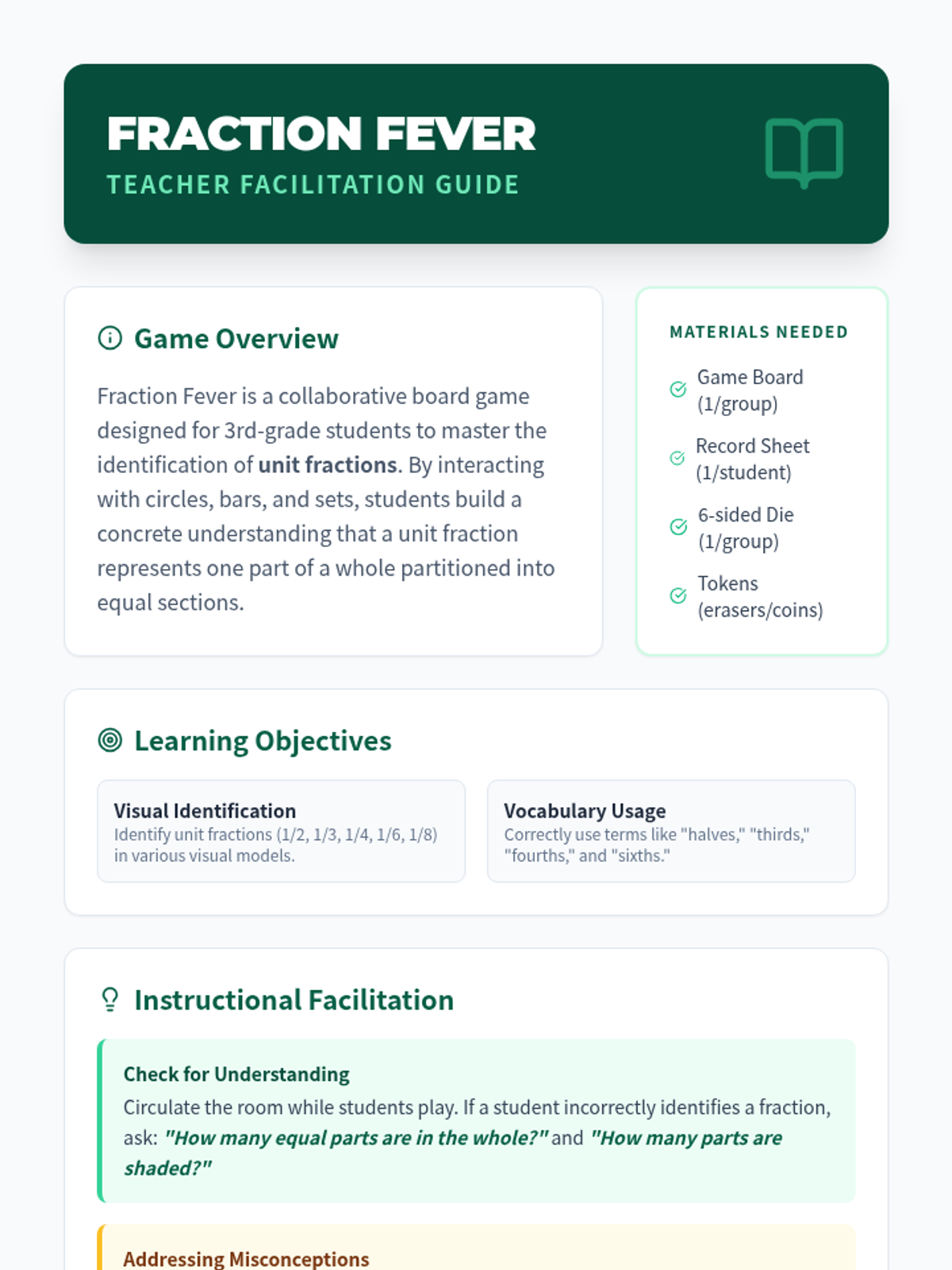
A playful introduction to naming unit fractions through a collaborative and competitive board game. Students practice identifying fractions like 1/2, 1/3, 1/4, 1/6, and 1/8 using visual models.
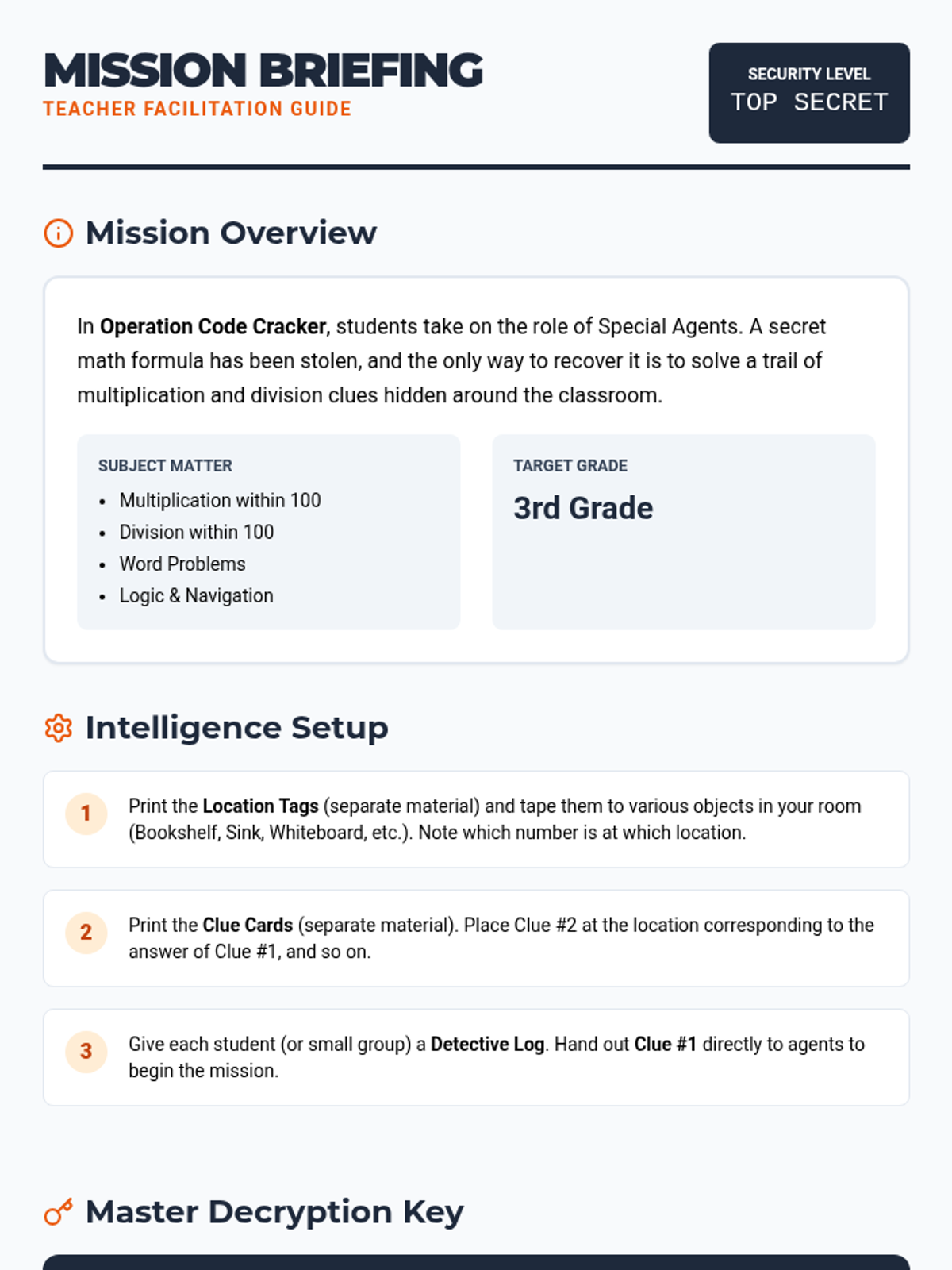
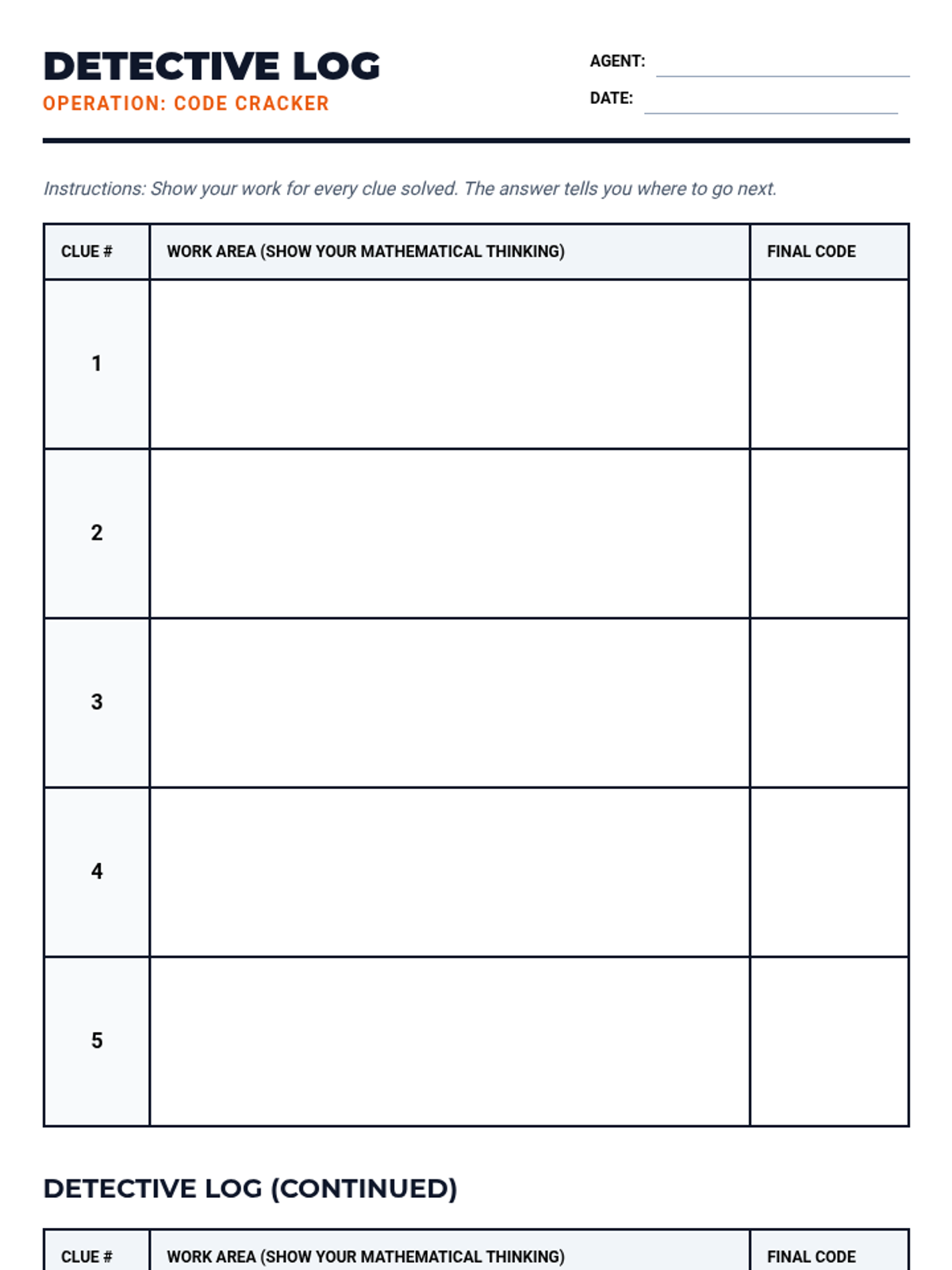
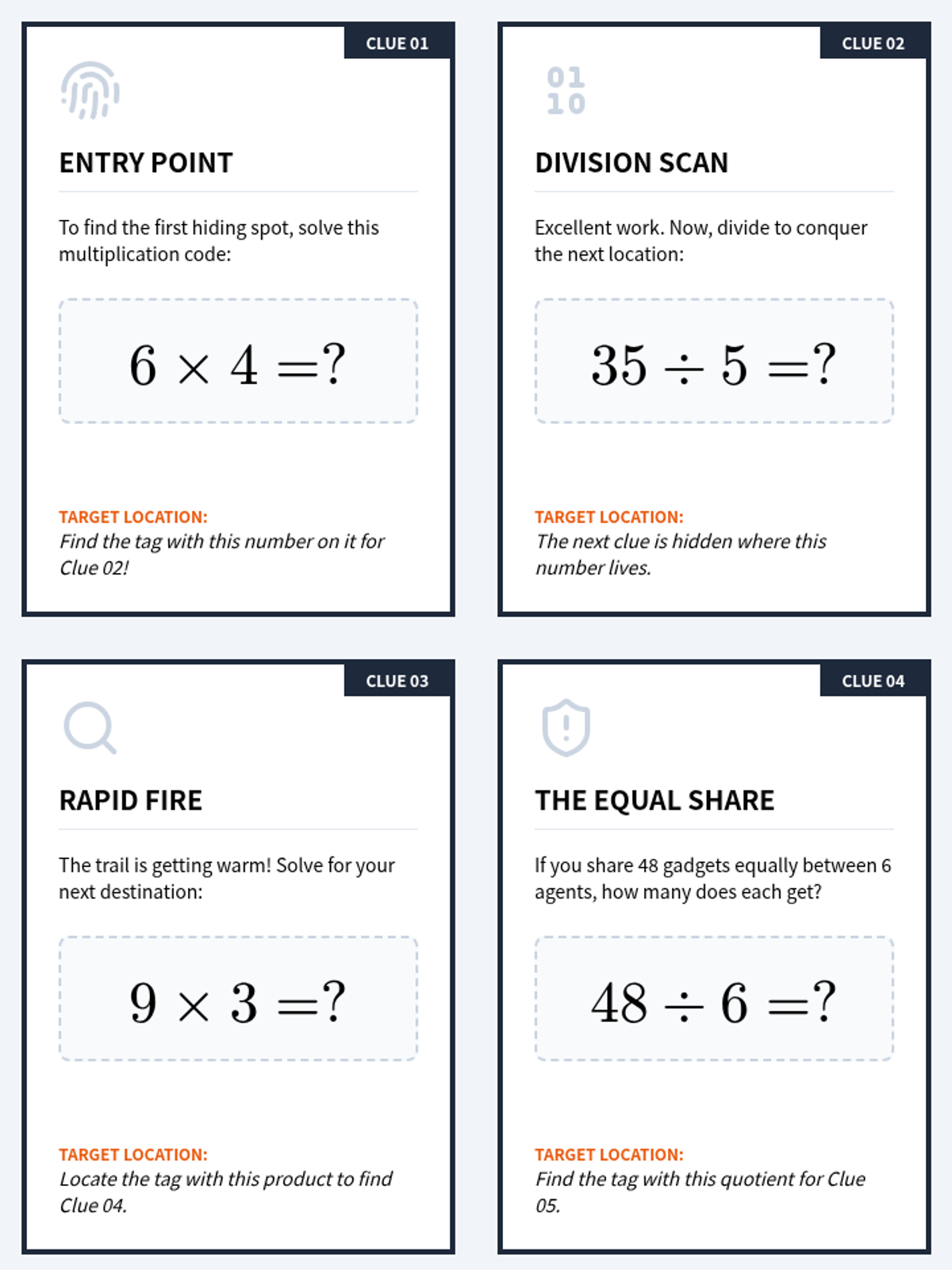
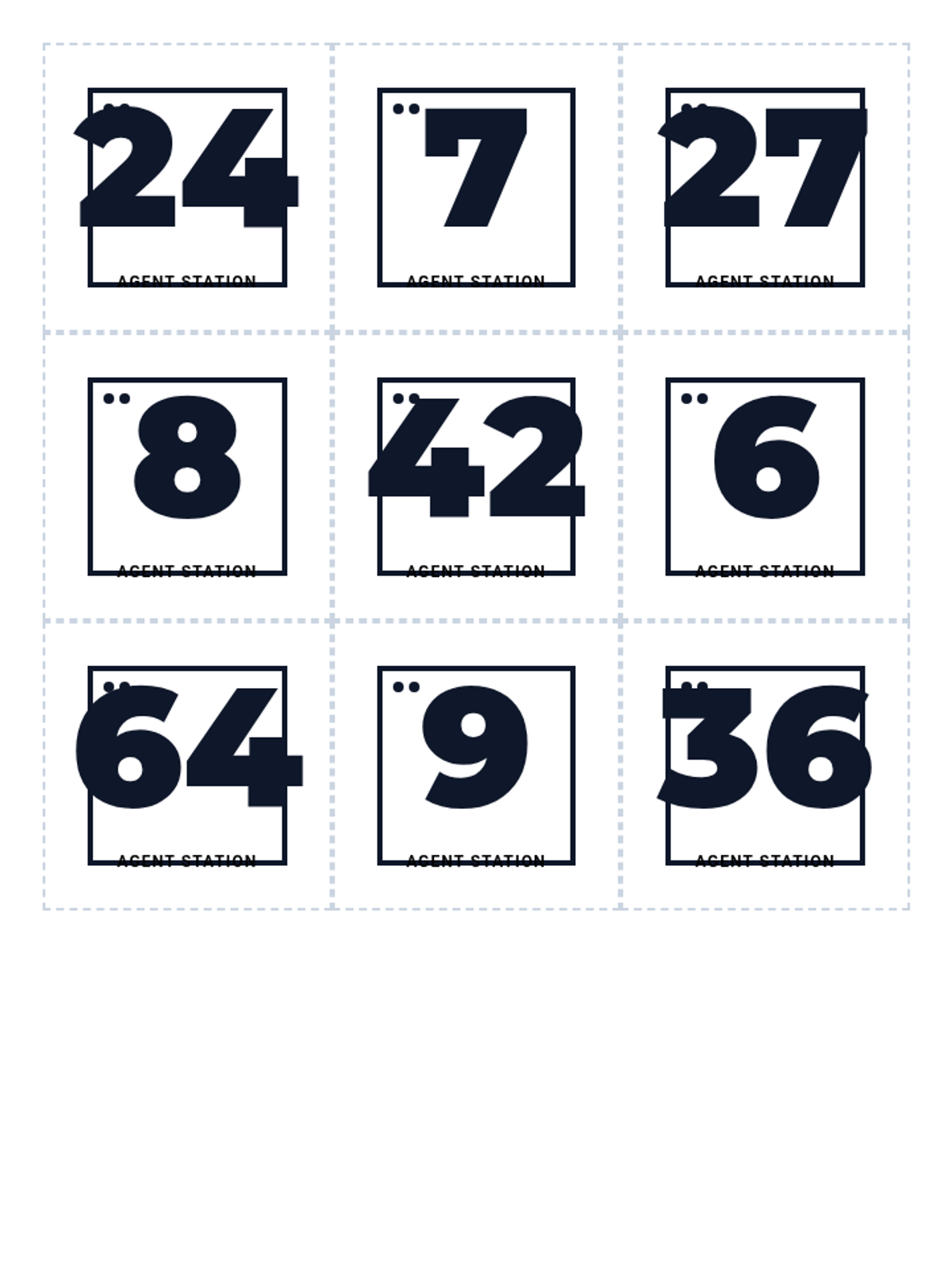
Students solve a series of multiplication and division problems hidden around the classroom to recover a "stolen formula" in a themed scavenger hunt.
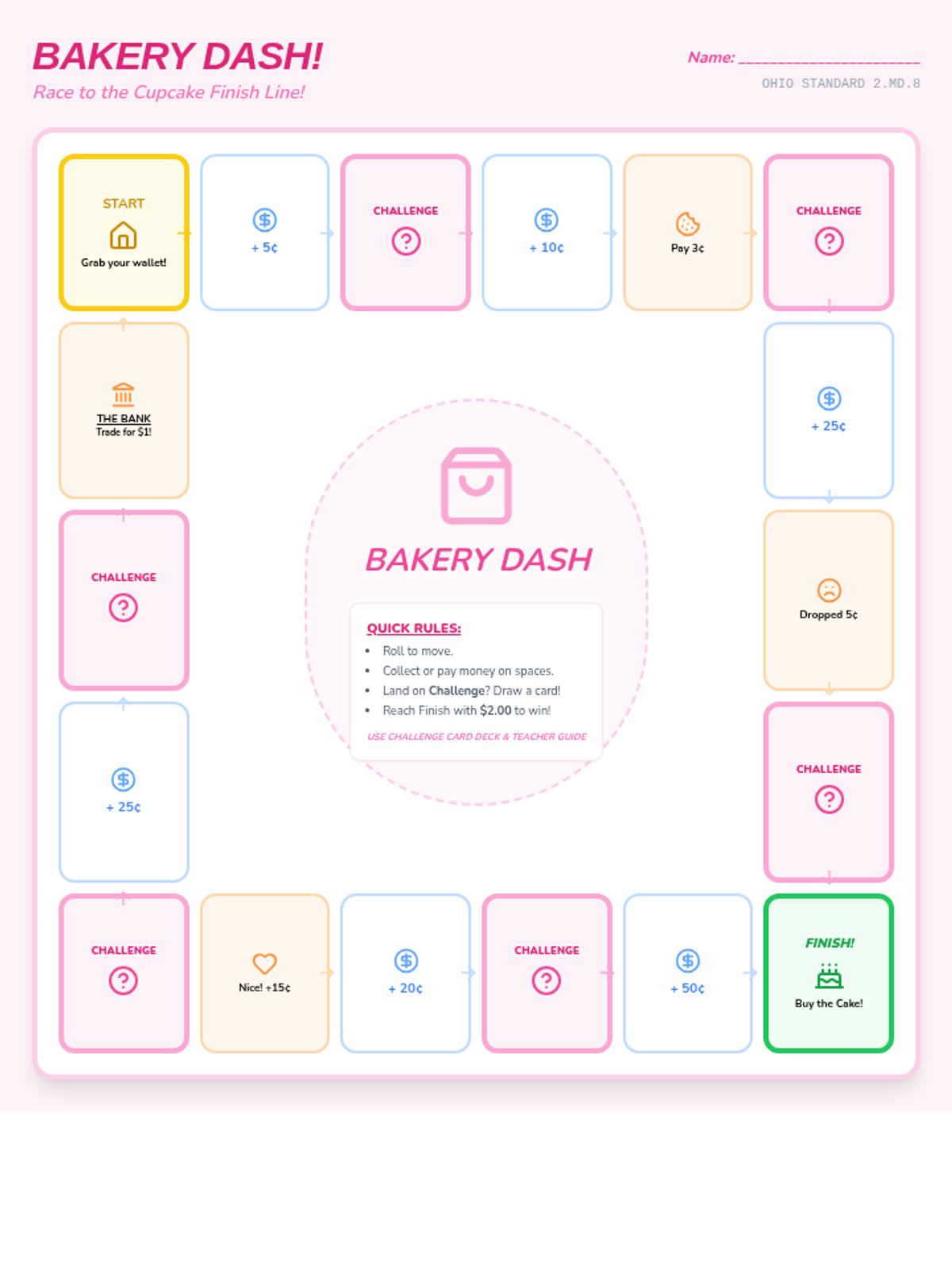
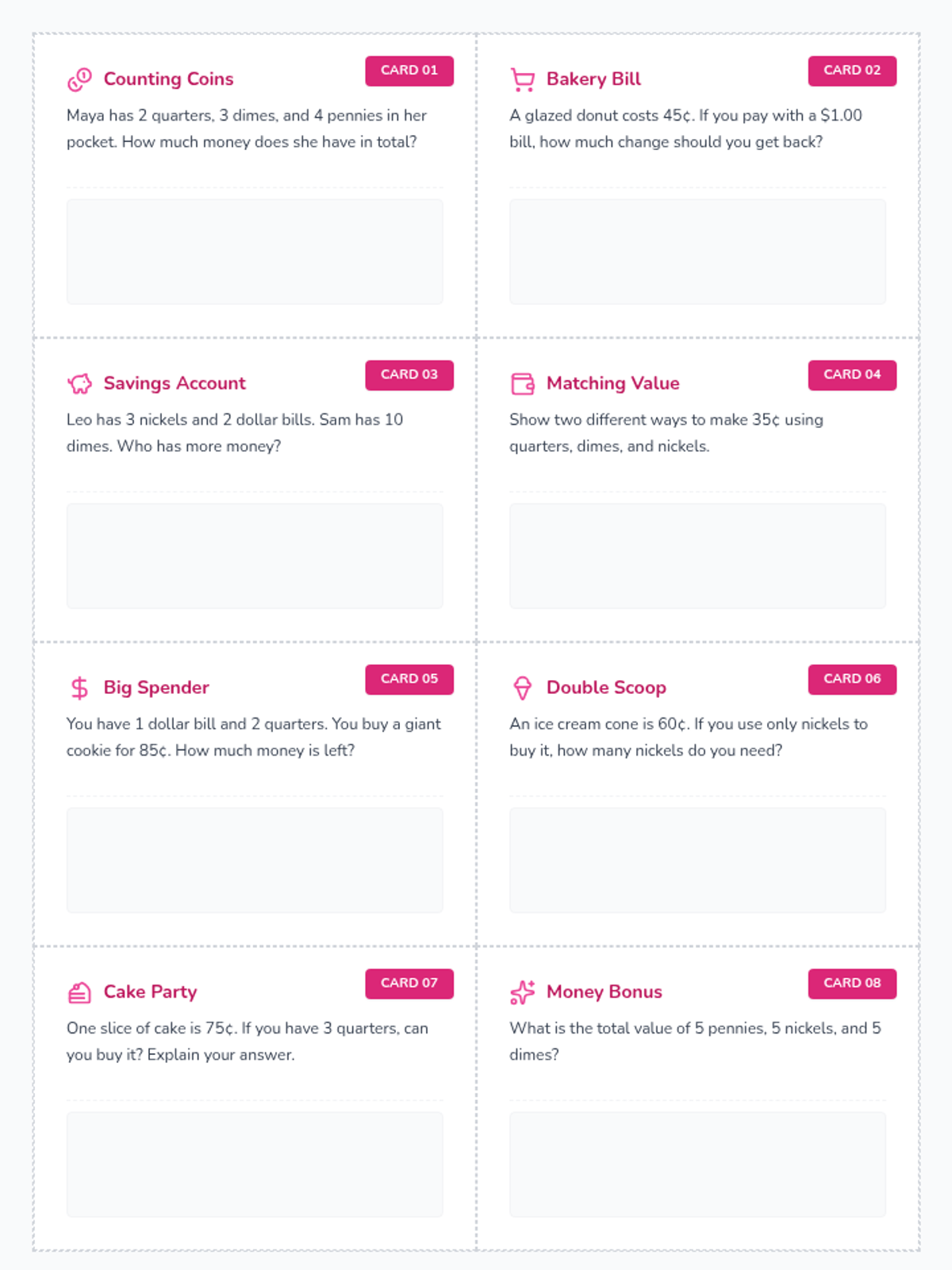
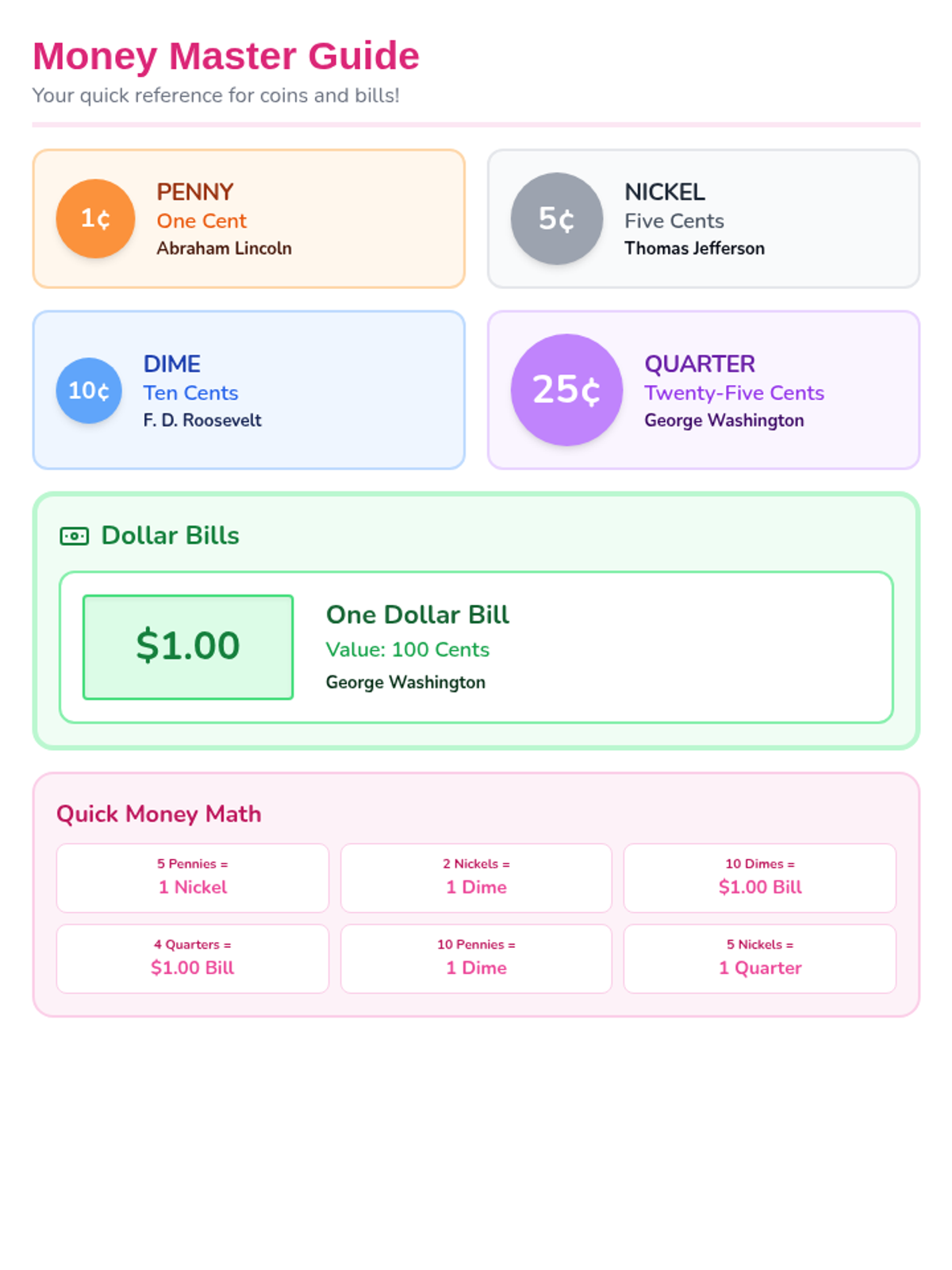
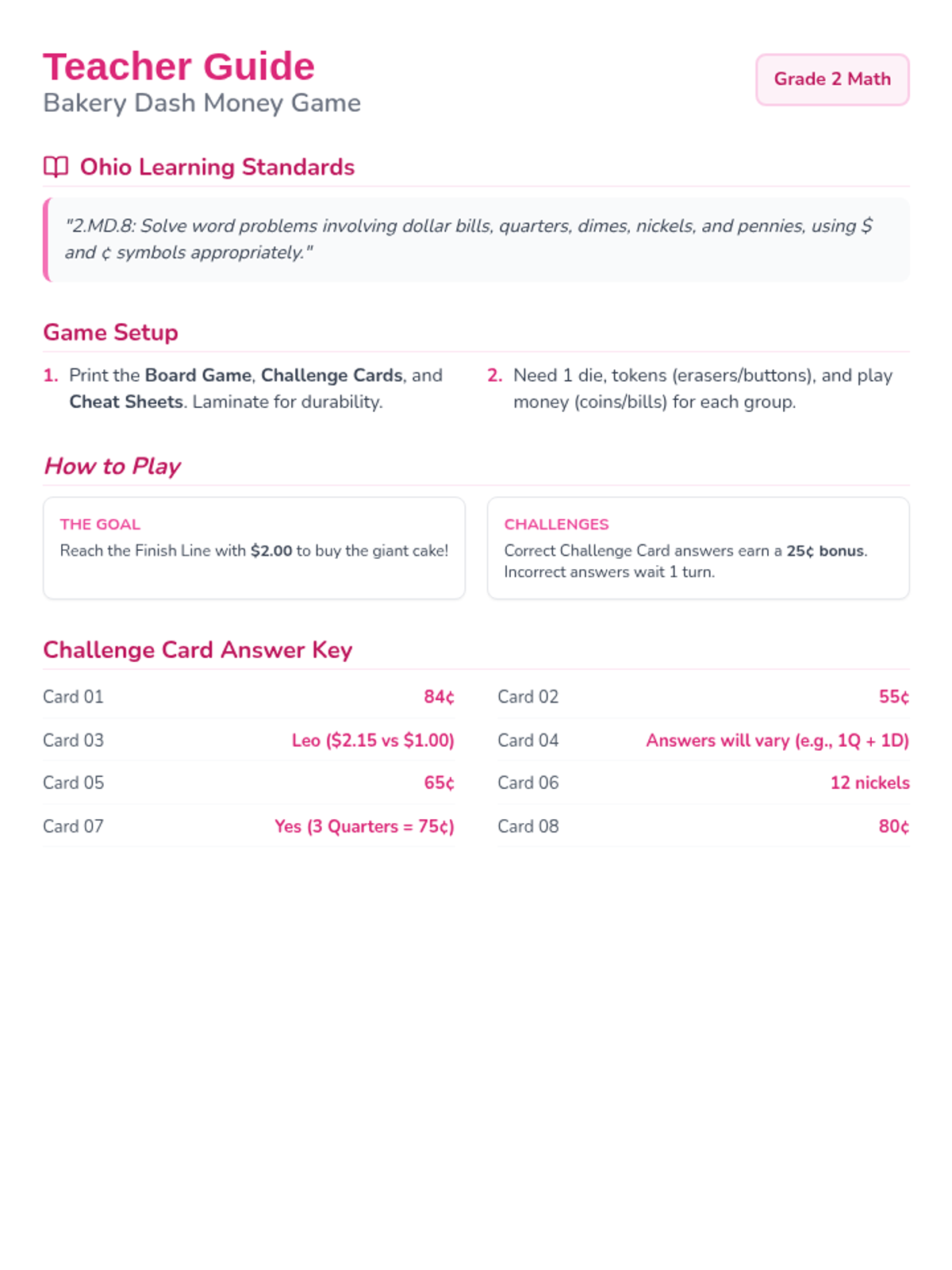
A high-energy board game lesson where students master counting coins and solving money word problems through a bakery-themed shopping adventure.
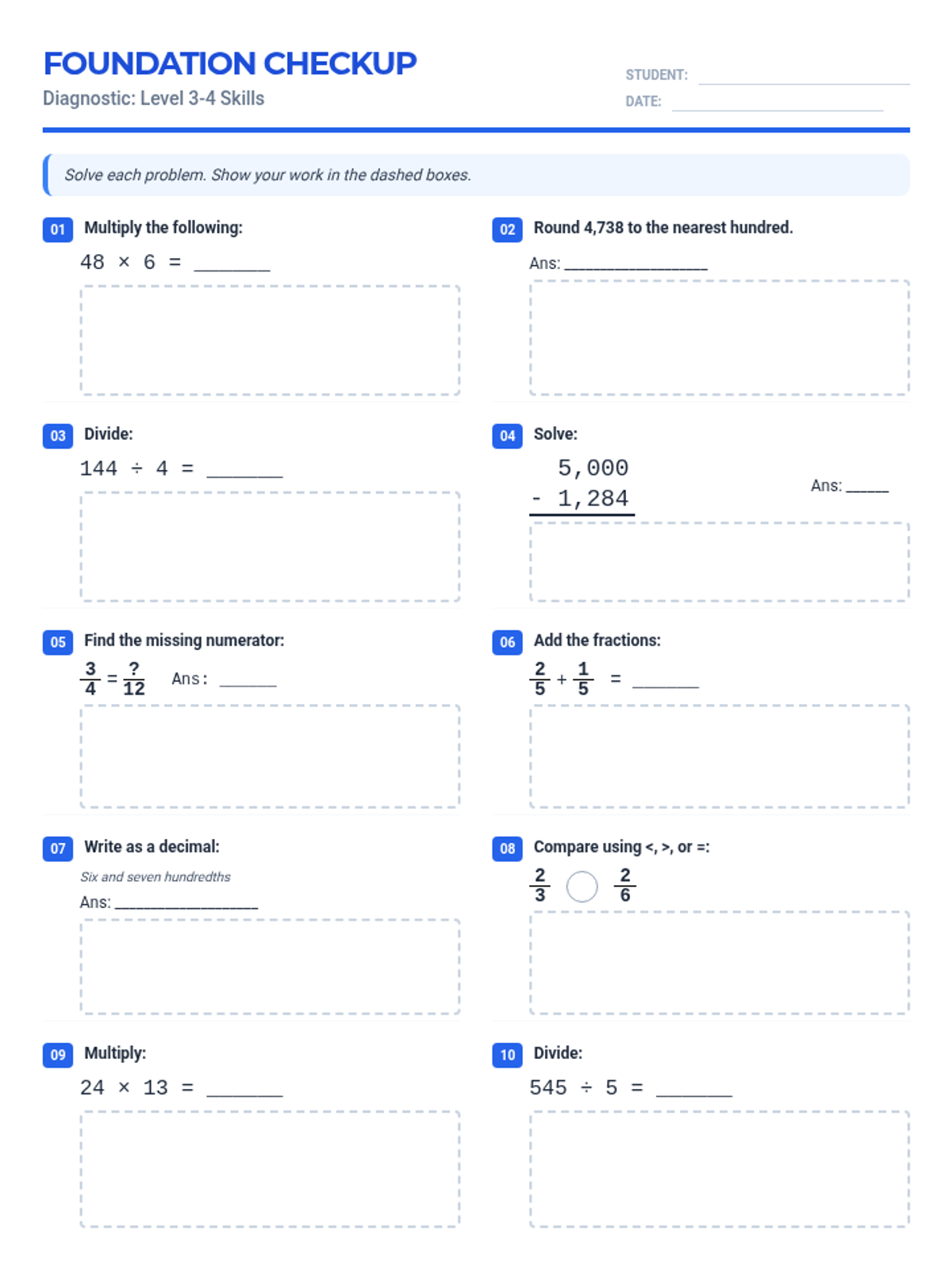
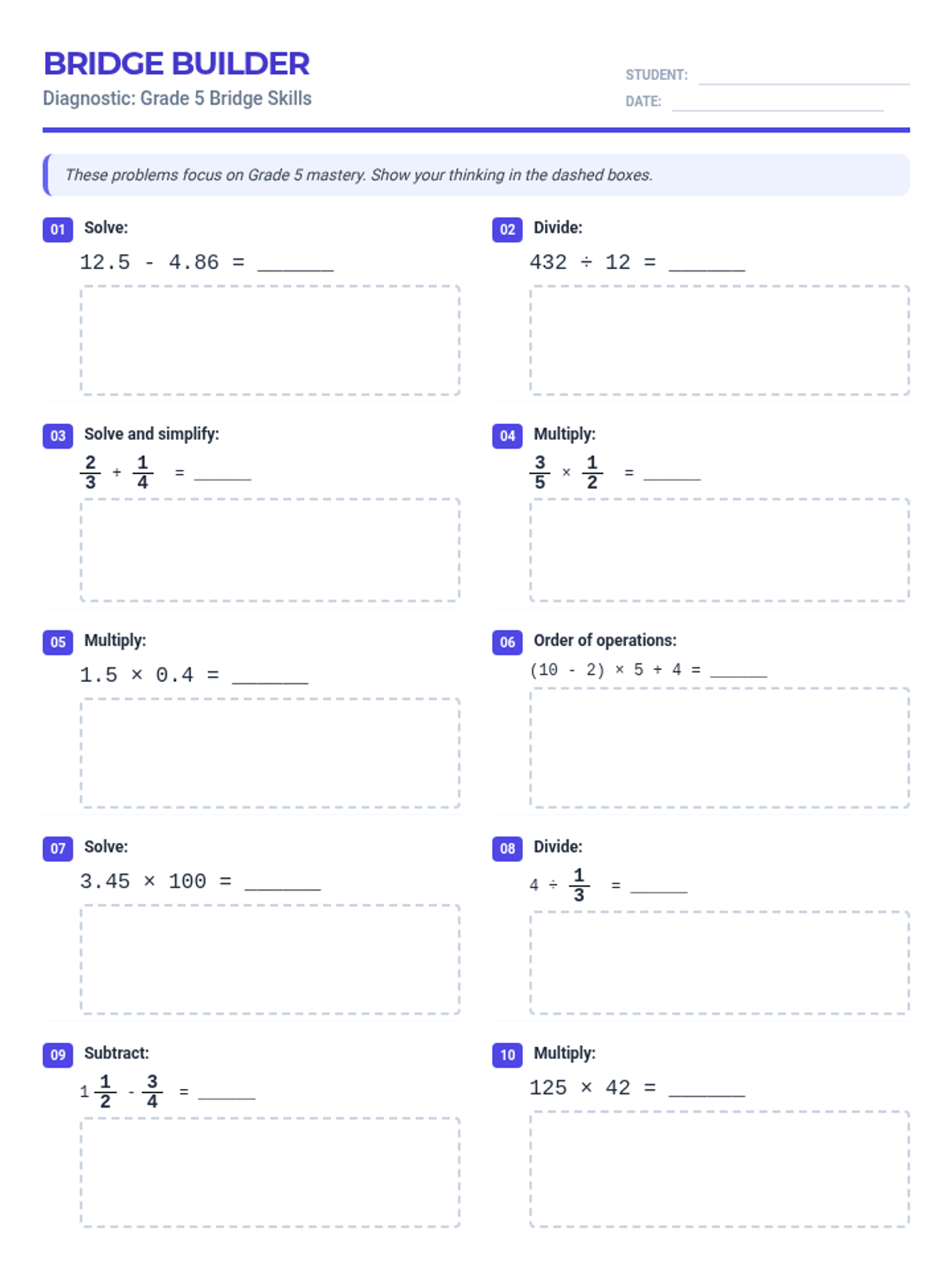
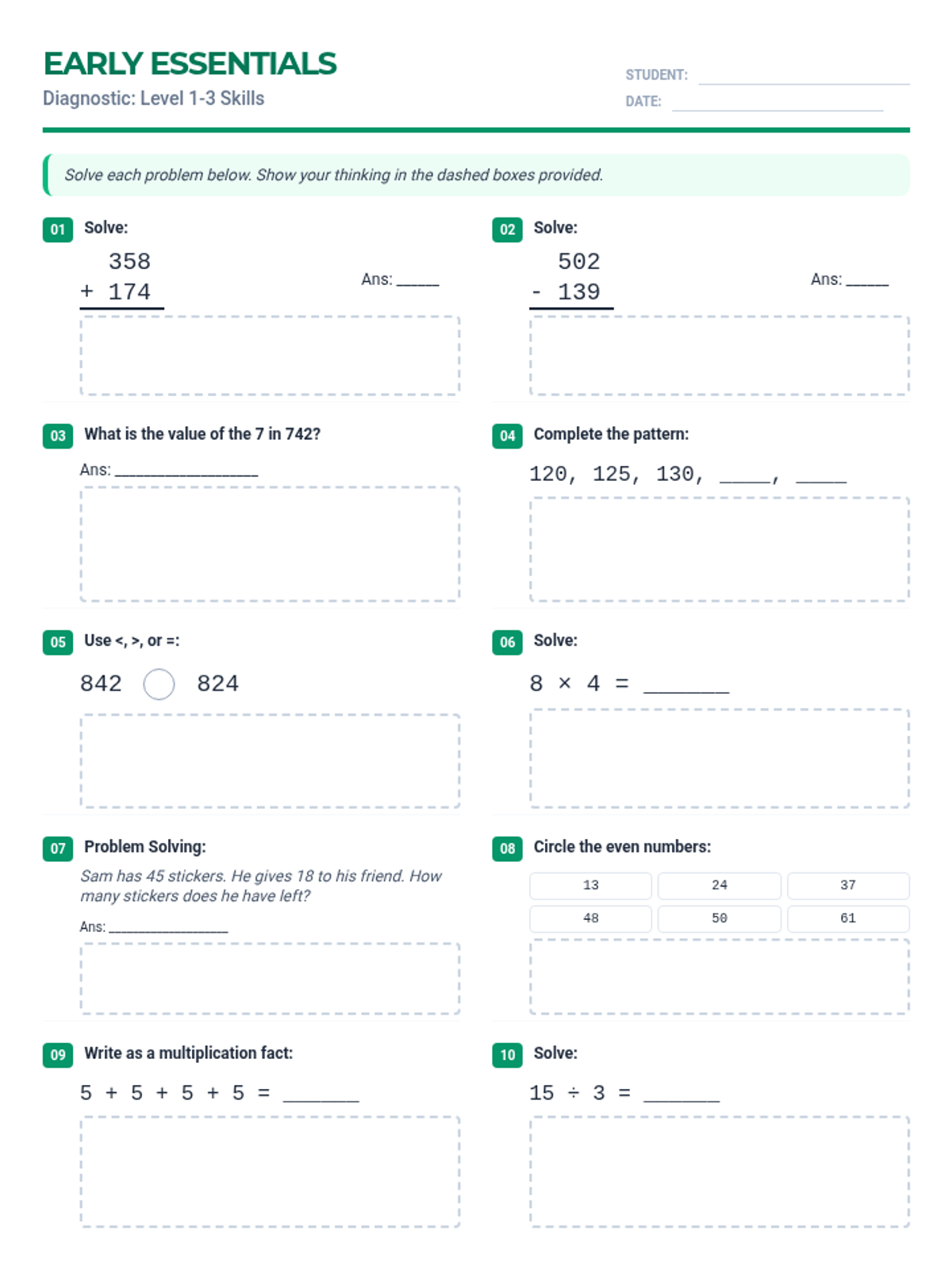
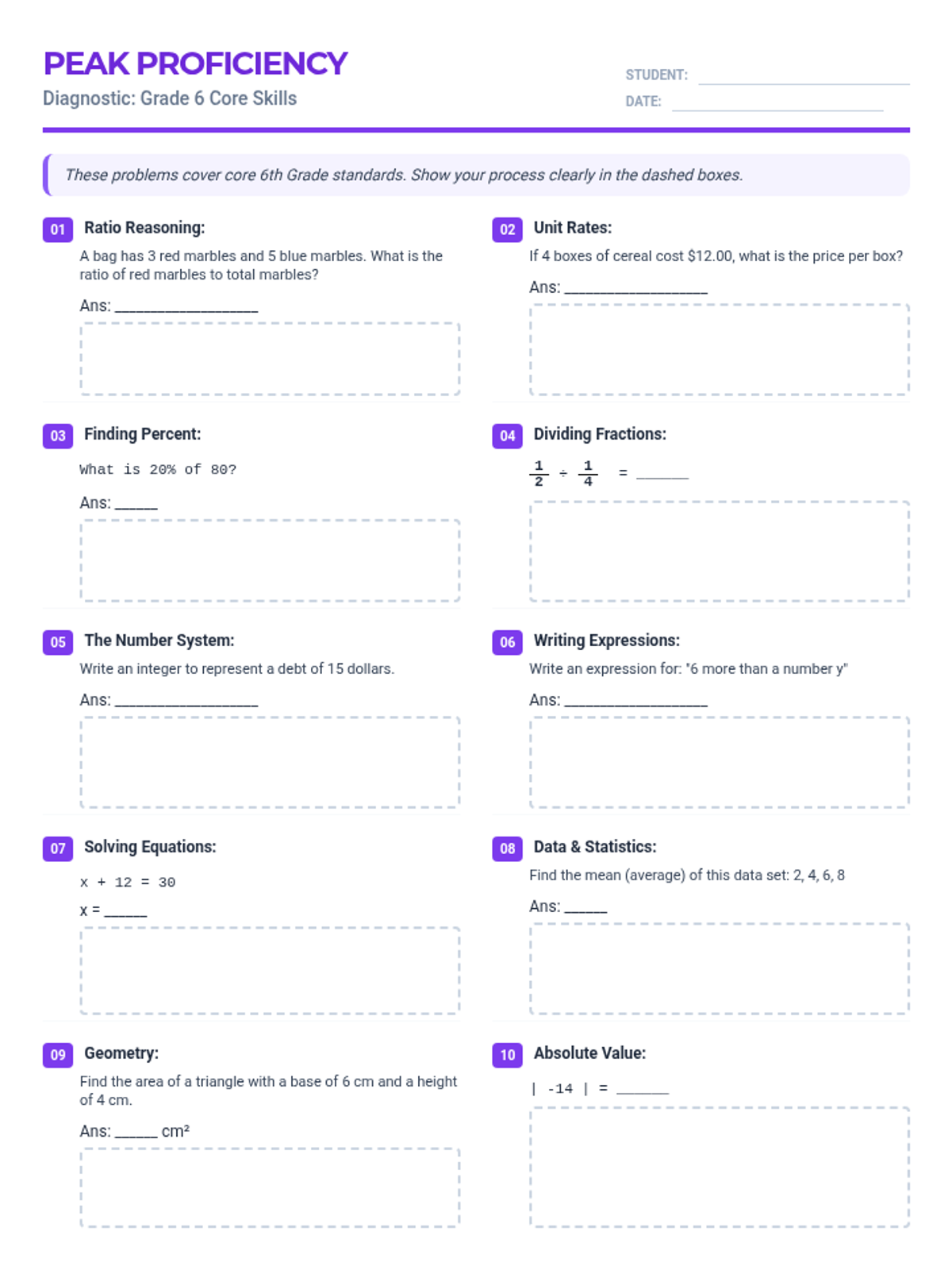
A pair of diagnostic assessments designed to pinpoint gaps in foundational number sense, fractions, and decimals, bridging 3rd-4th grade concepts to 5th grade mastery in preparation for 6th grade math.
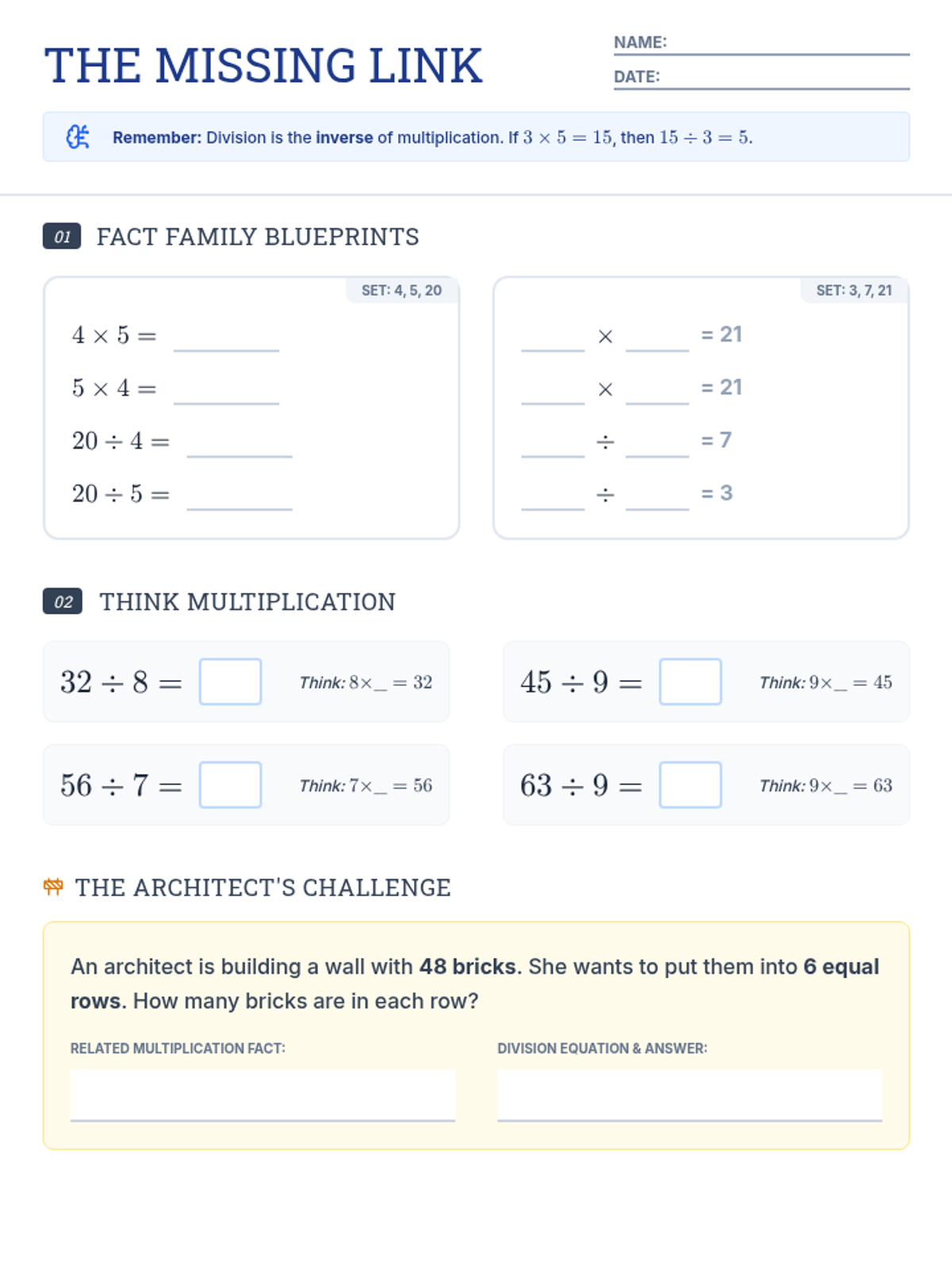
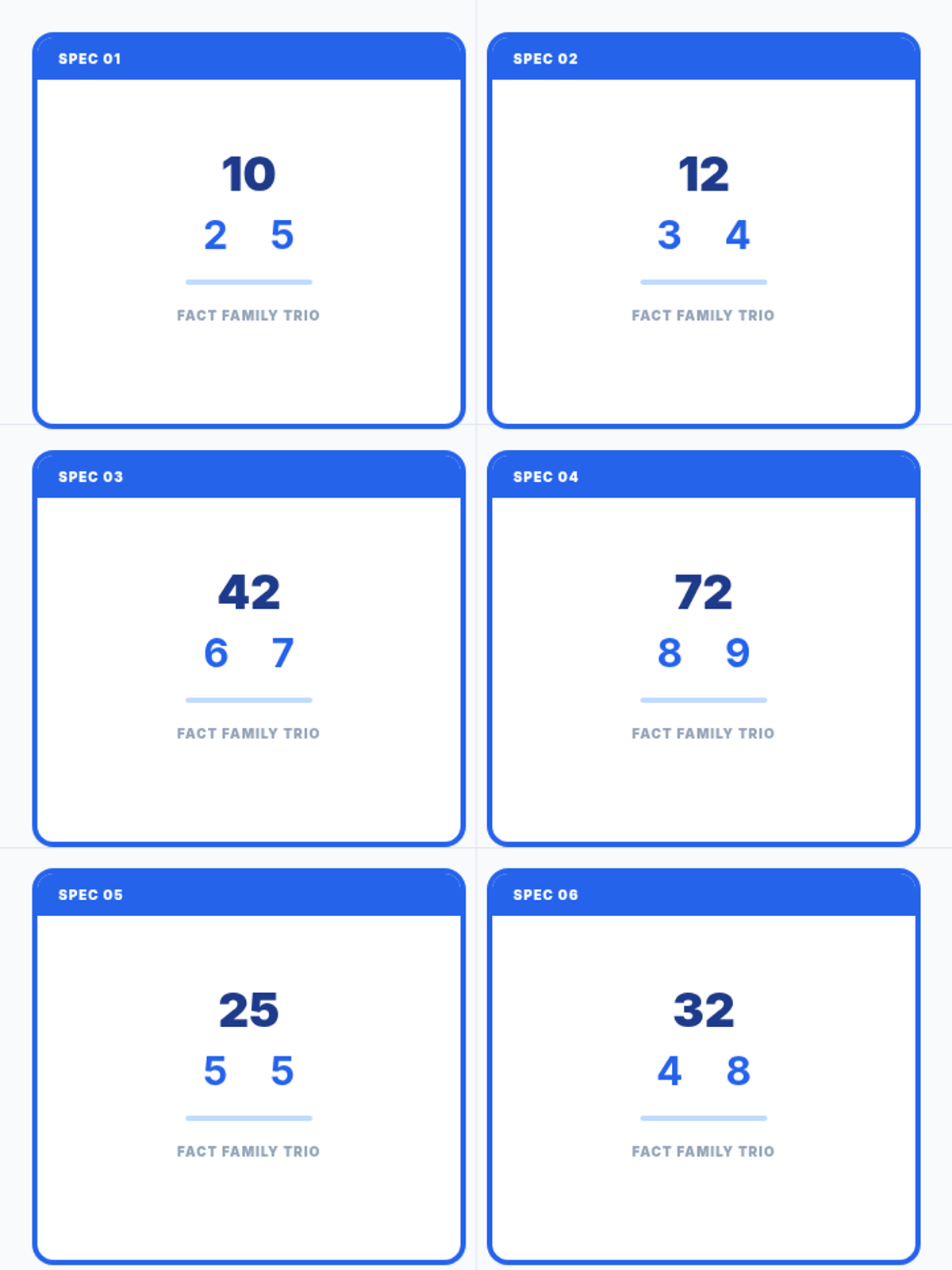
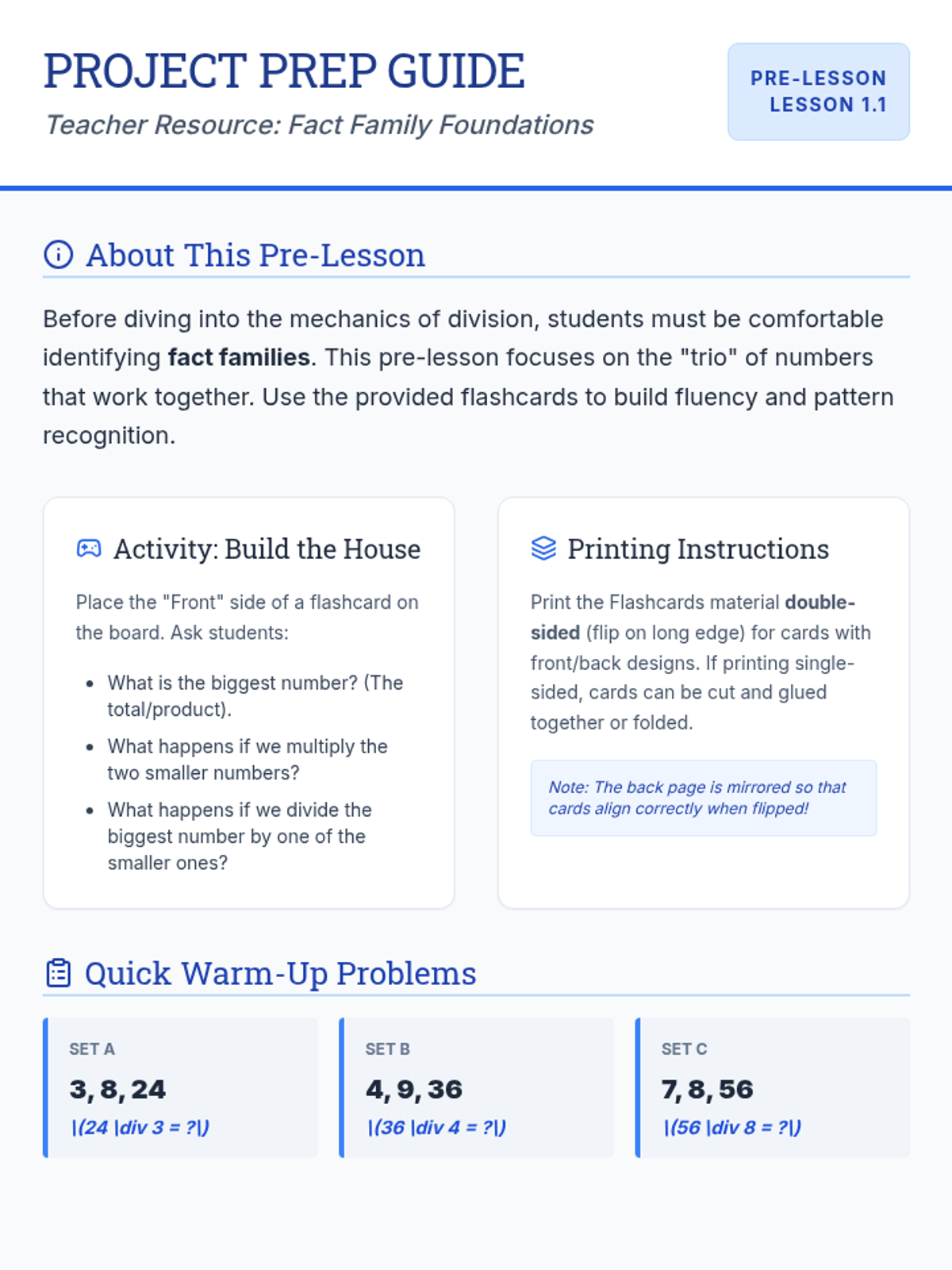
A foundational lesson introducing the concept of fact families and identifying related numbers. Students practice grouping three numbers that belong together through multiplication and division.
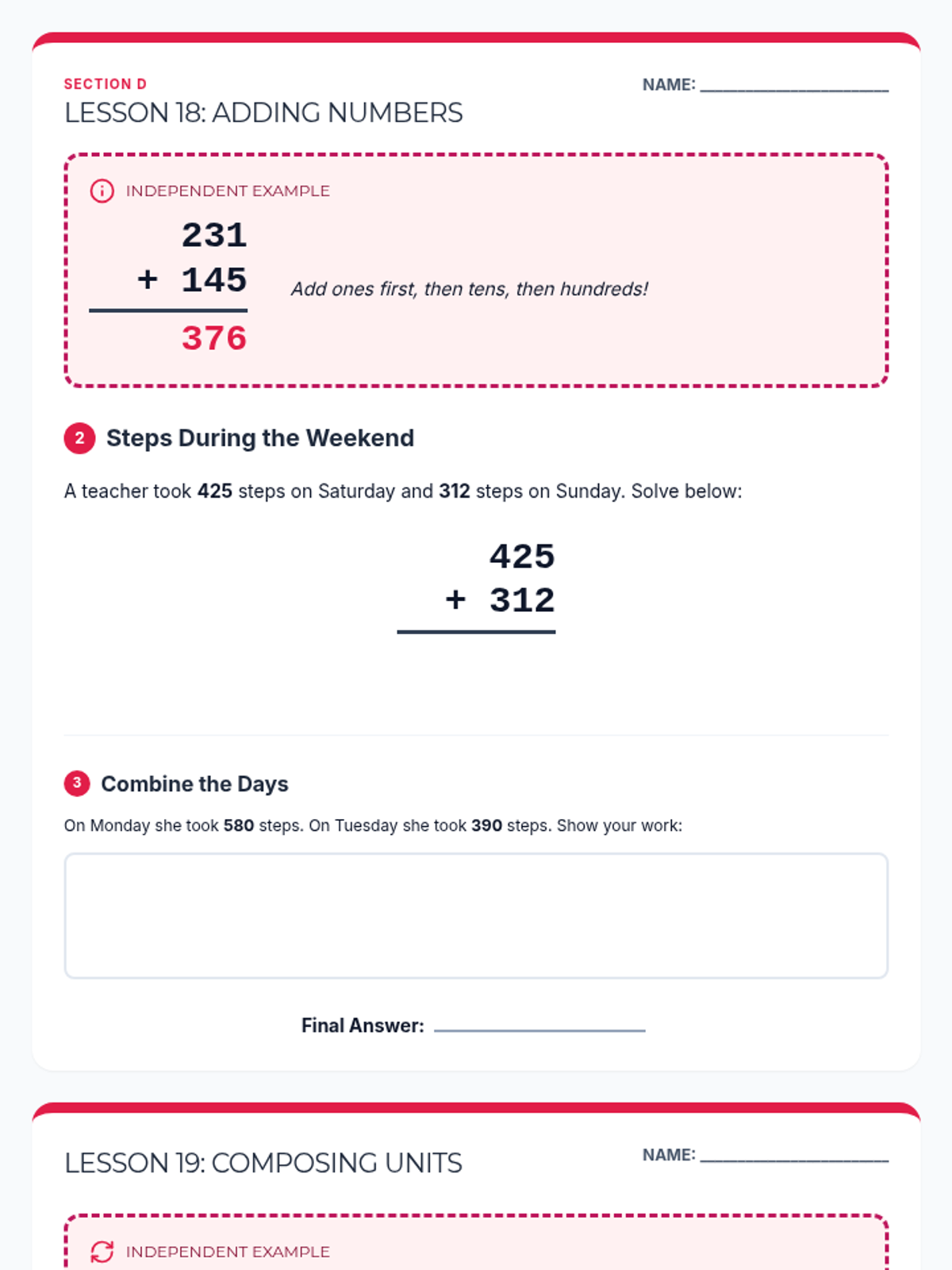
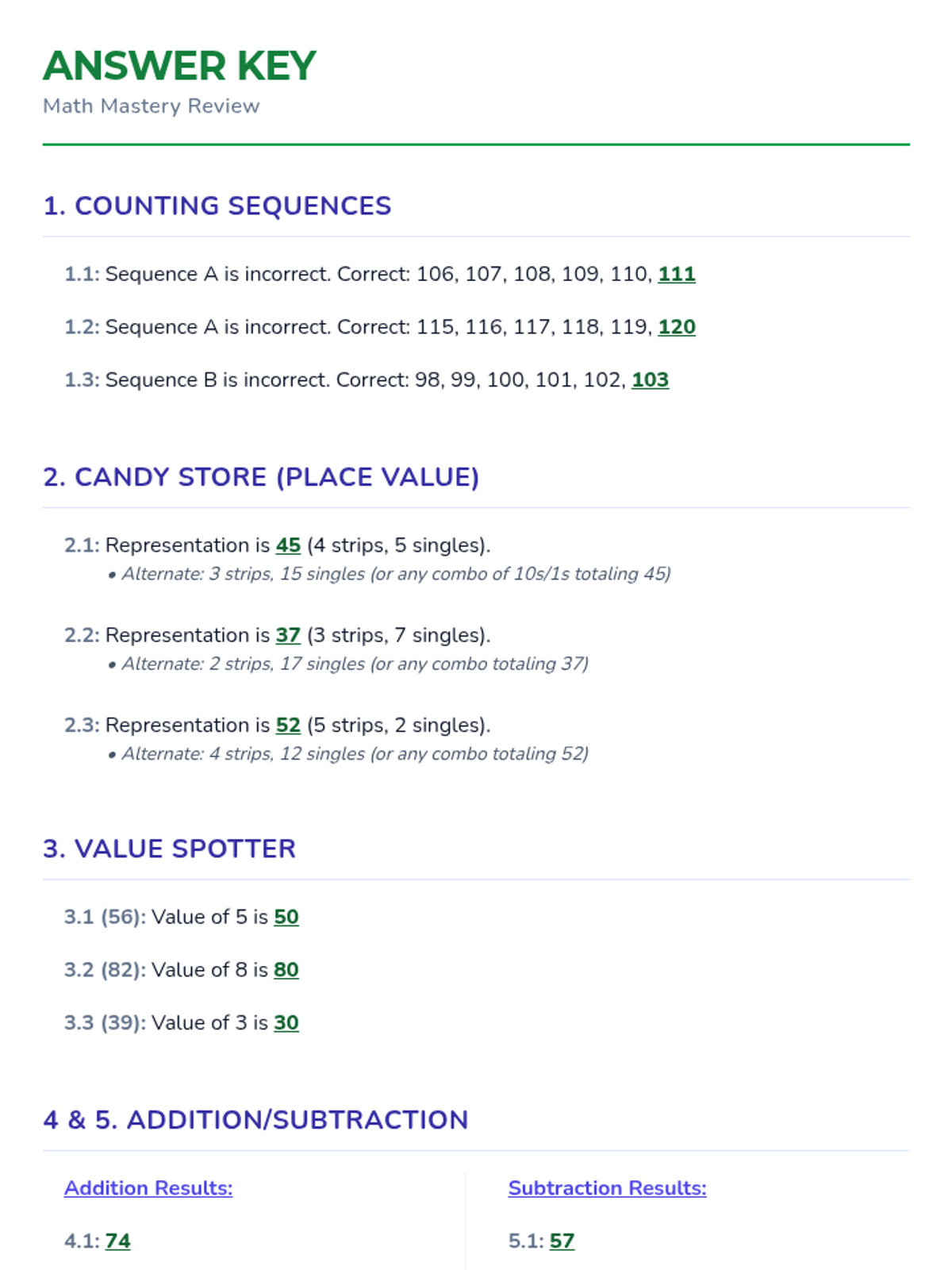
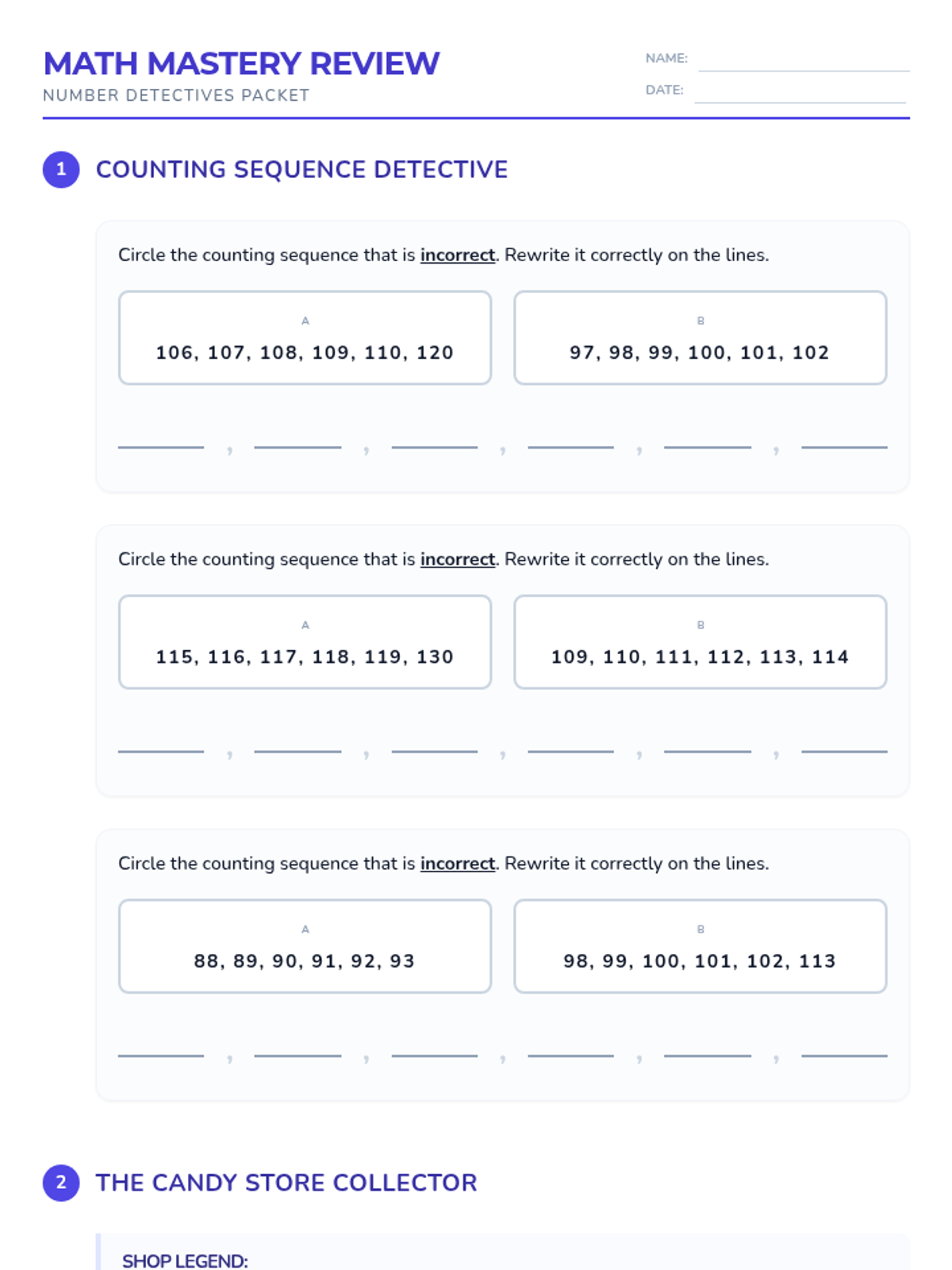
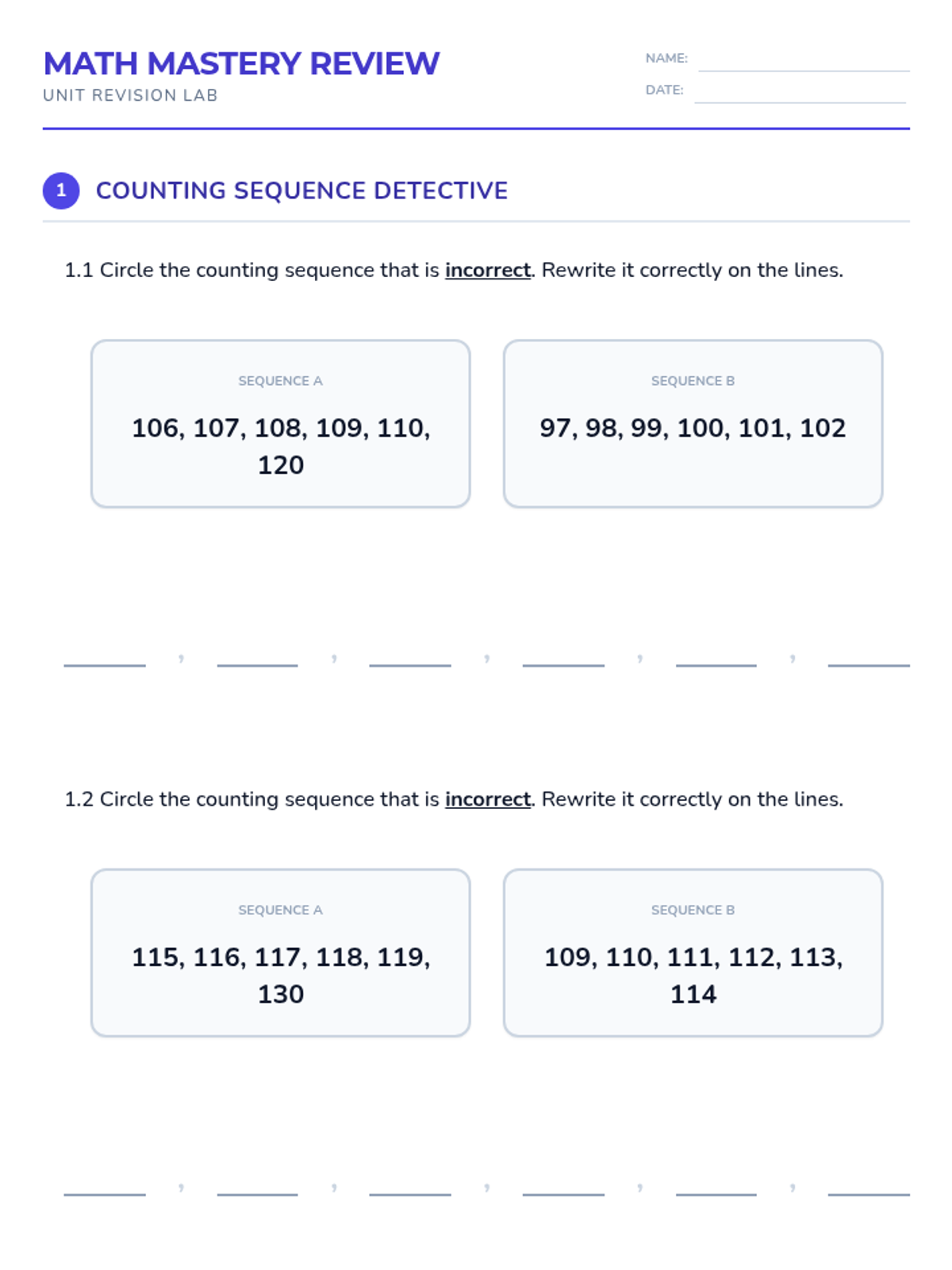
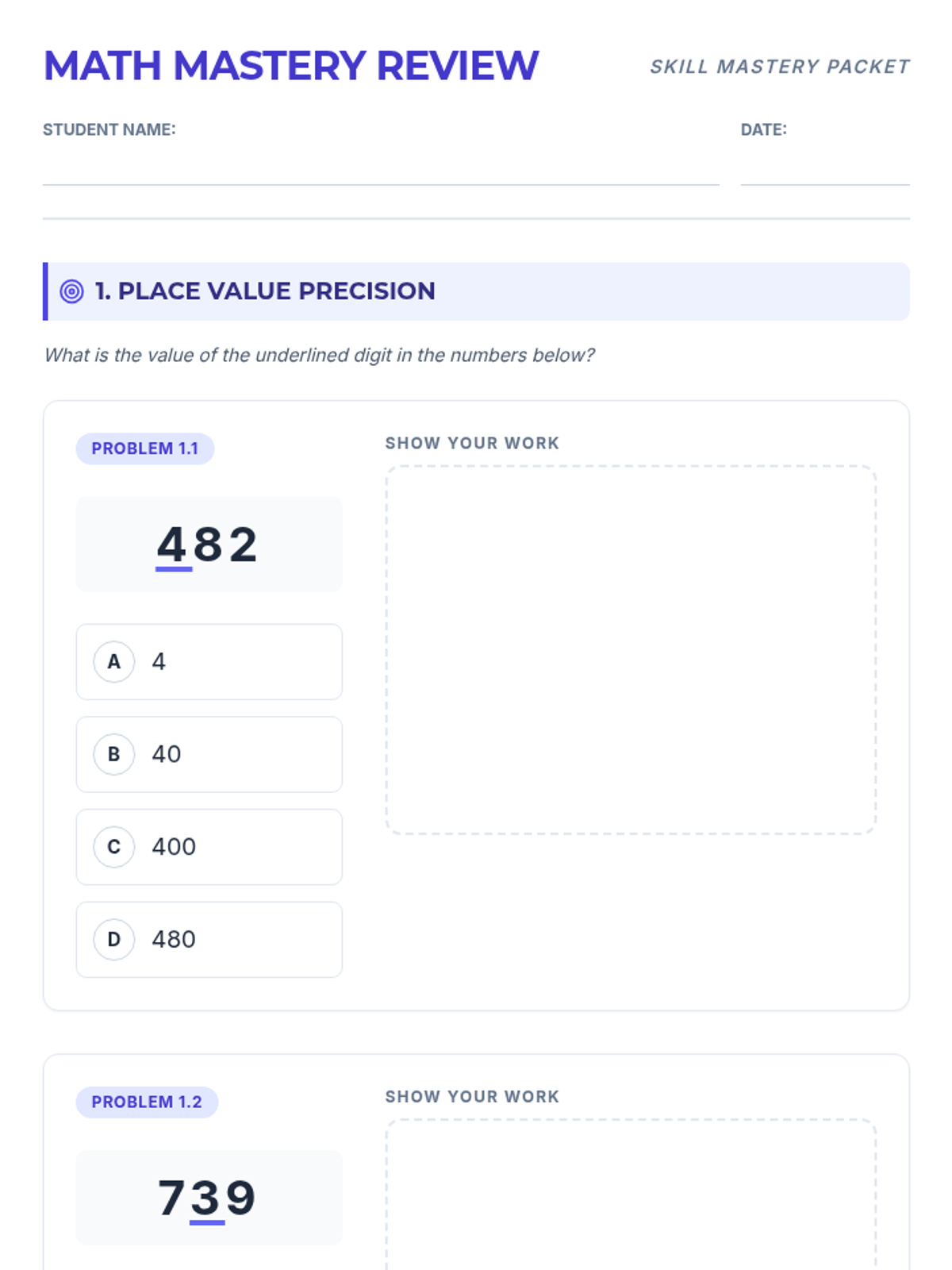
A comprehensive math review lesson focused on place value, number patterns, comparisons, and addition/subtraction strategies for 2nd and 3rd grade students.
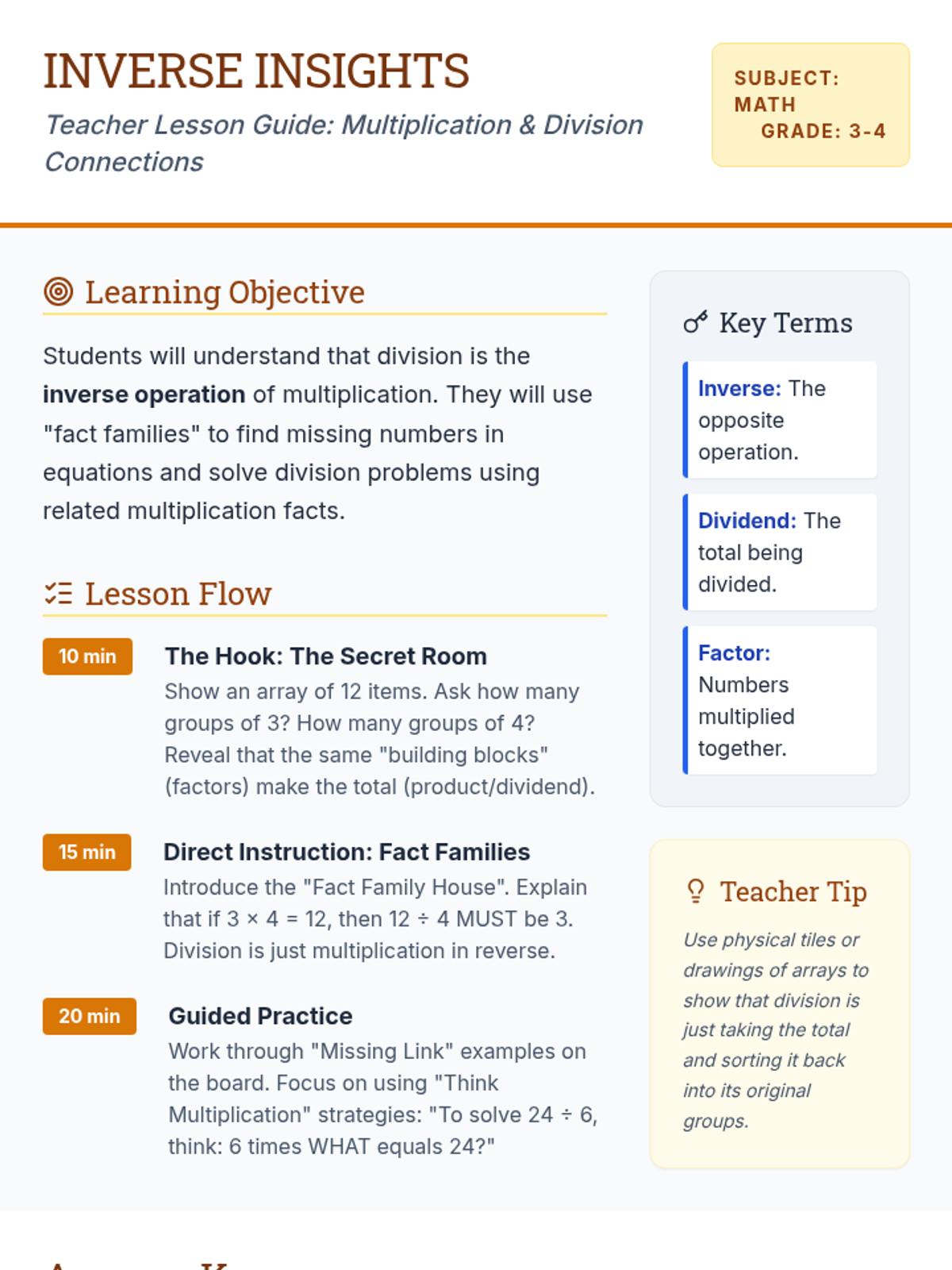
A lesson exploring the inverse relationship between multiplication and division using fact families and arrays. Students will learn to use known multiplication facts to solve unknown division problems.
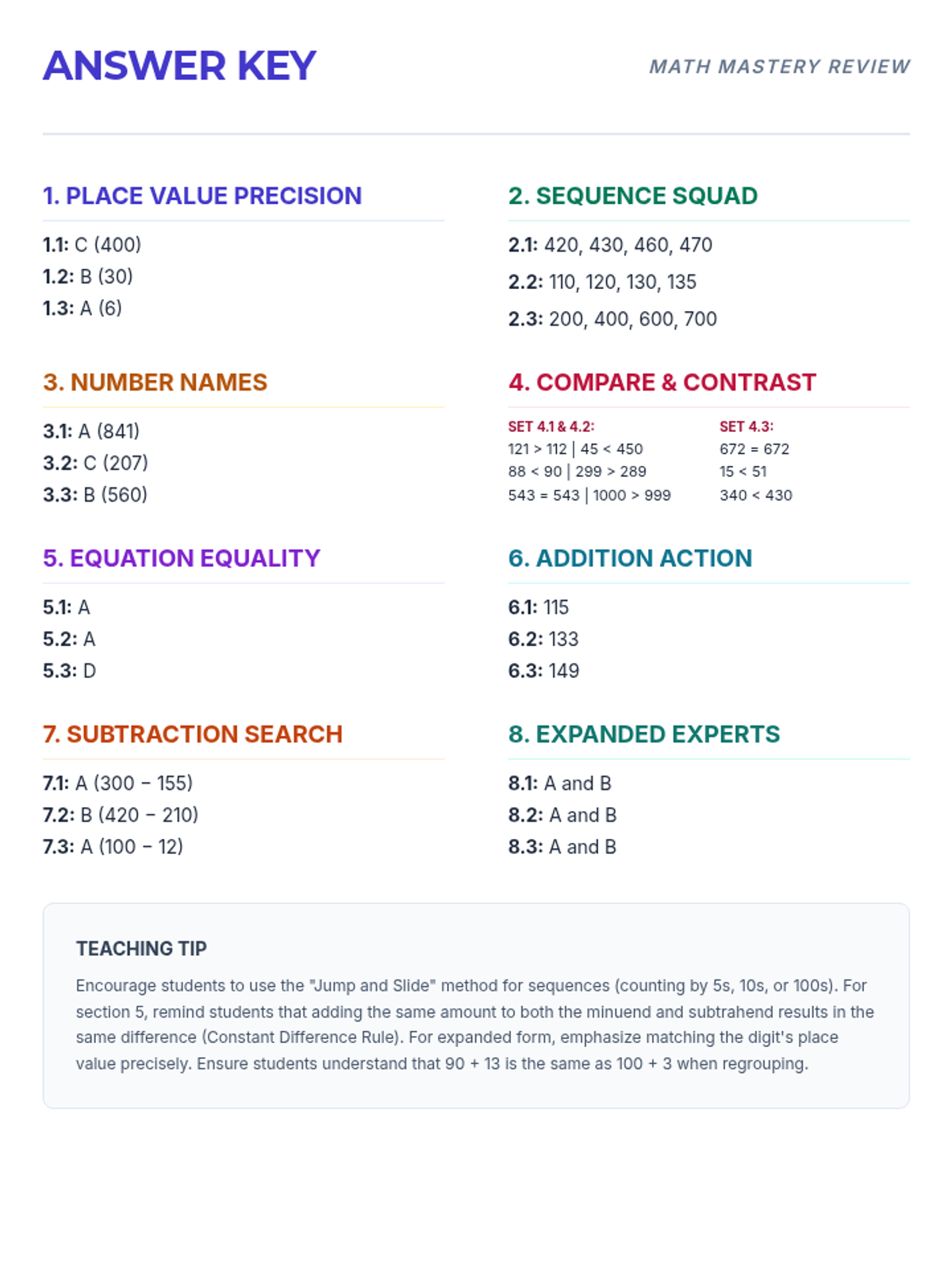
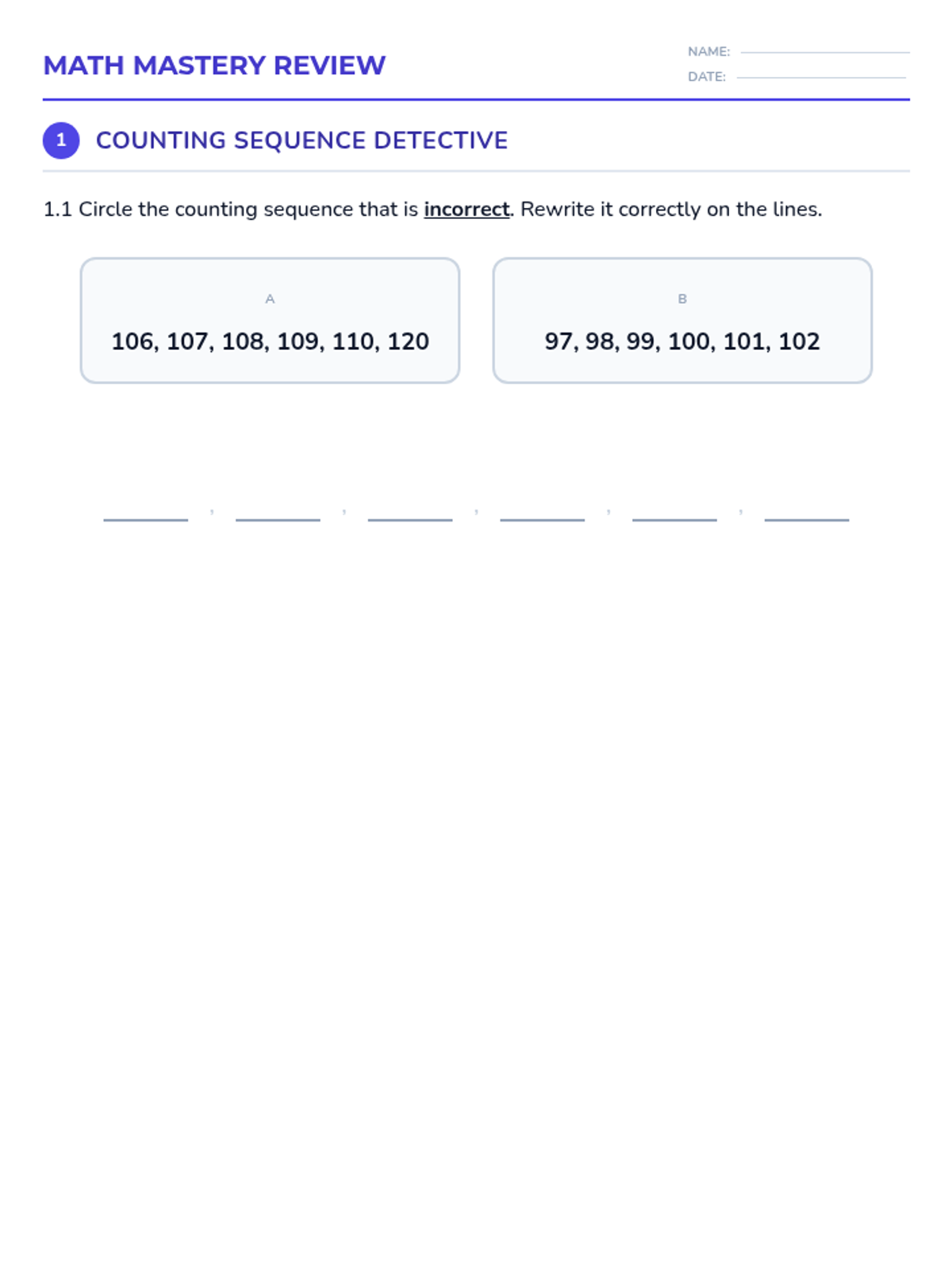
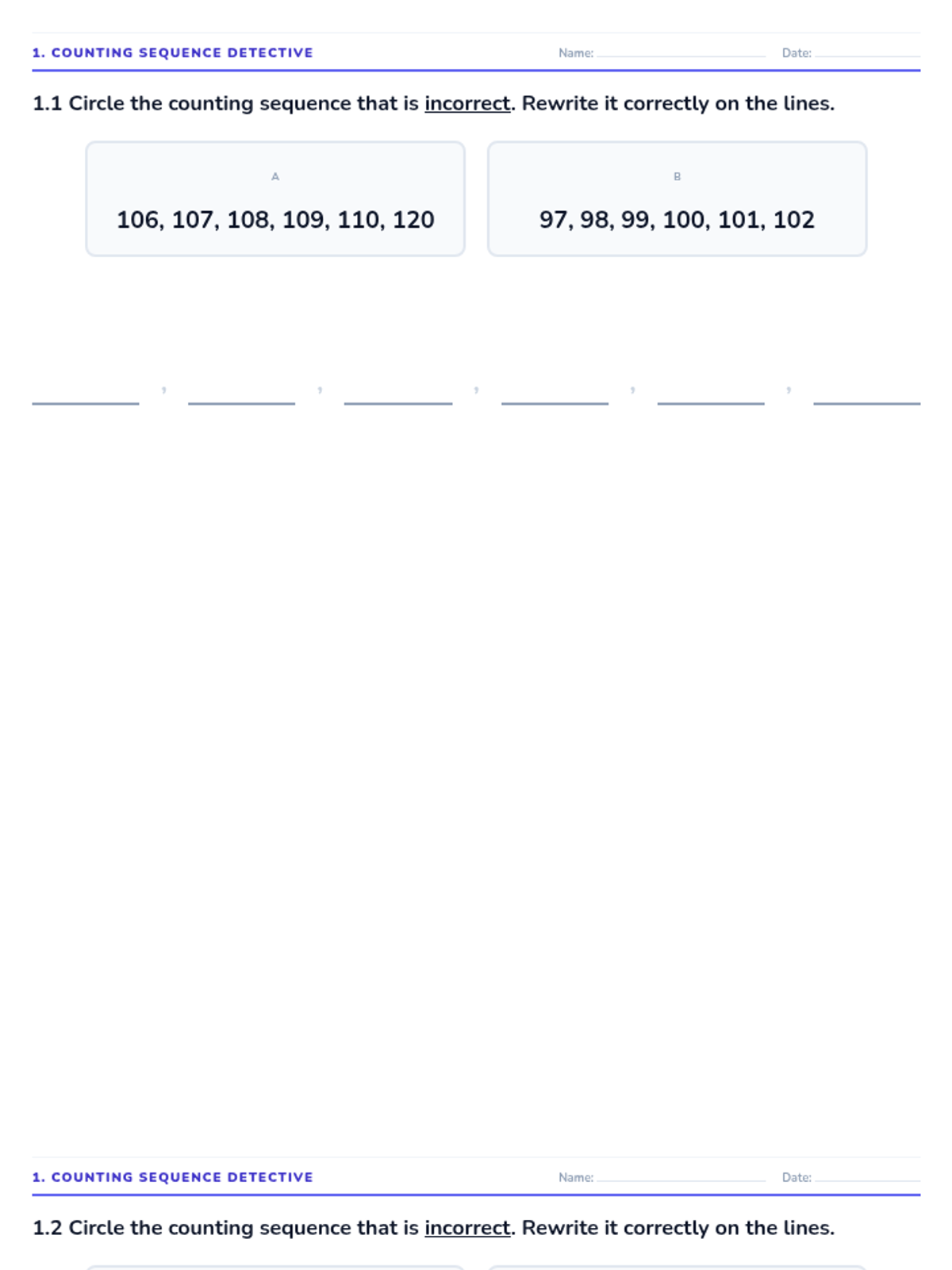
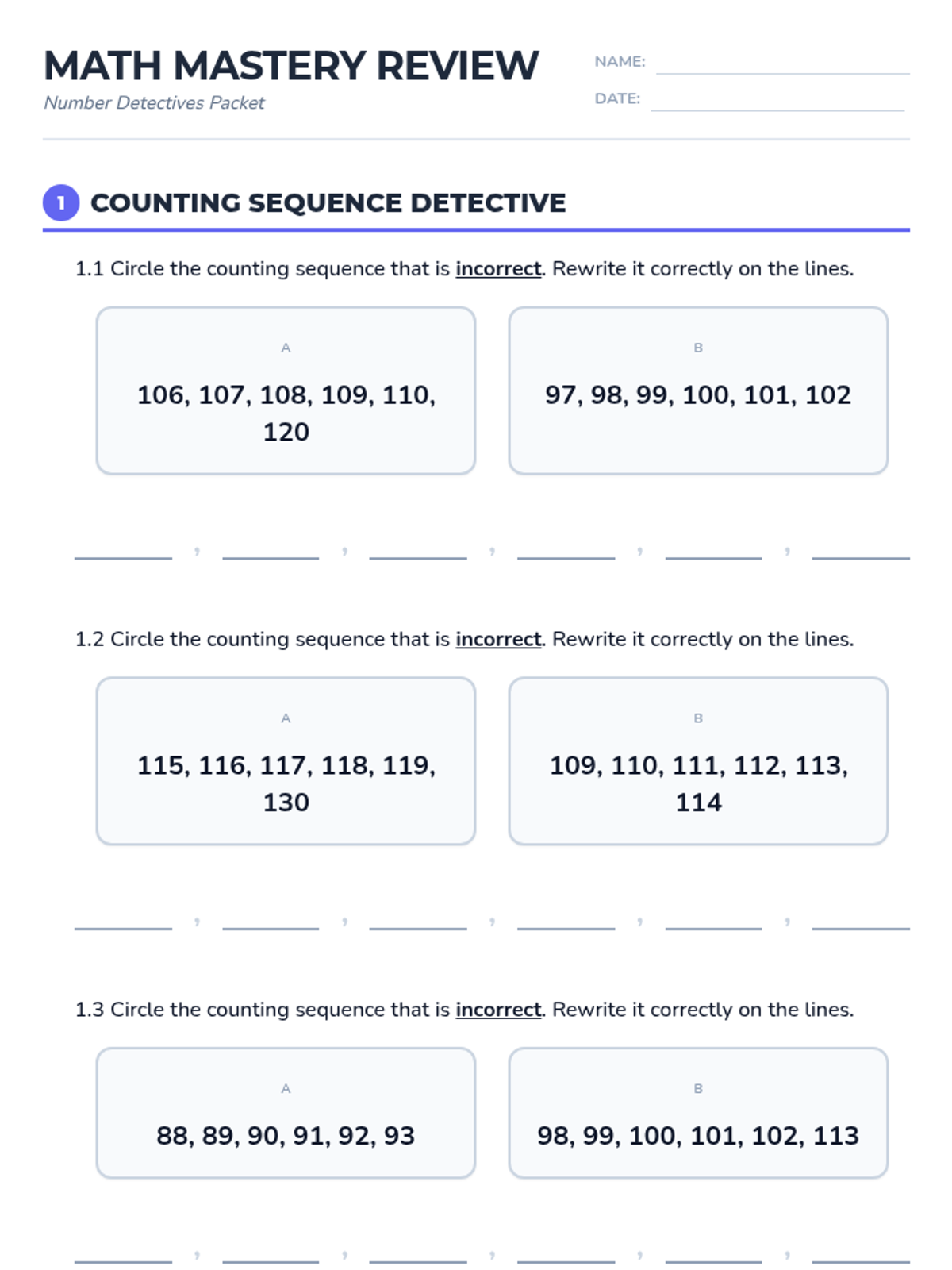
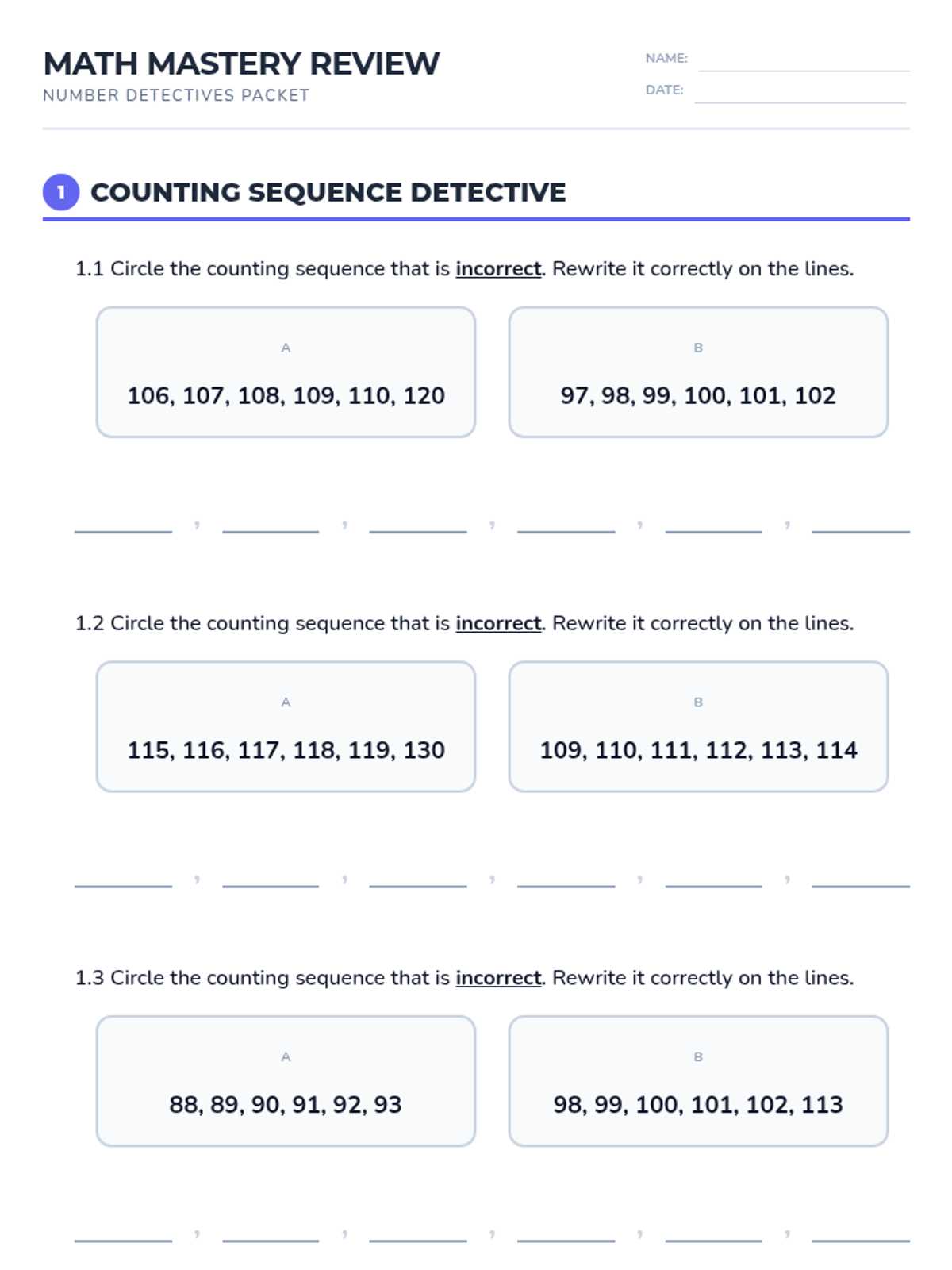
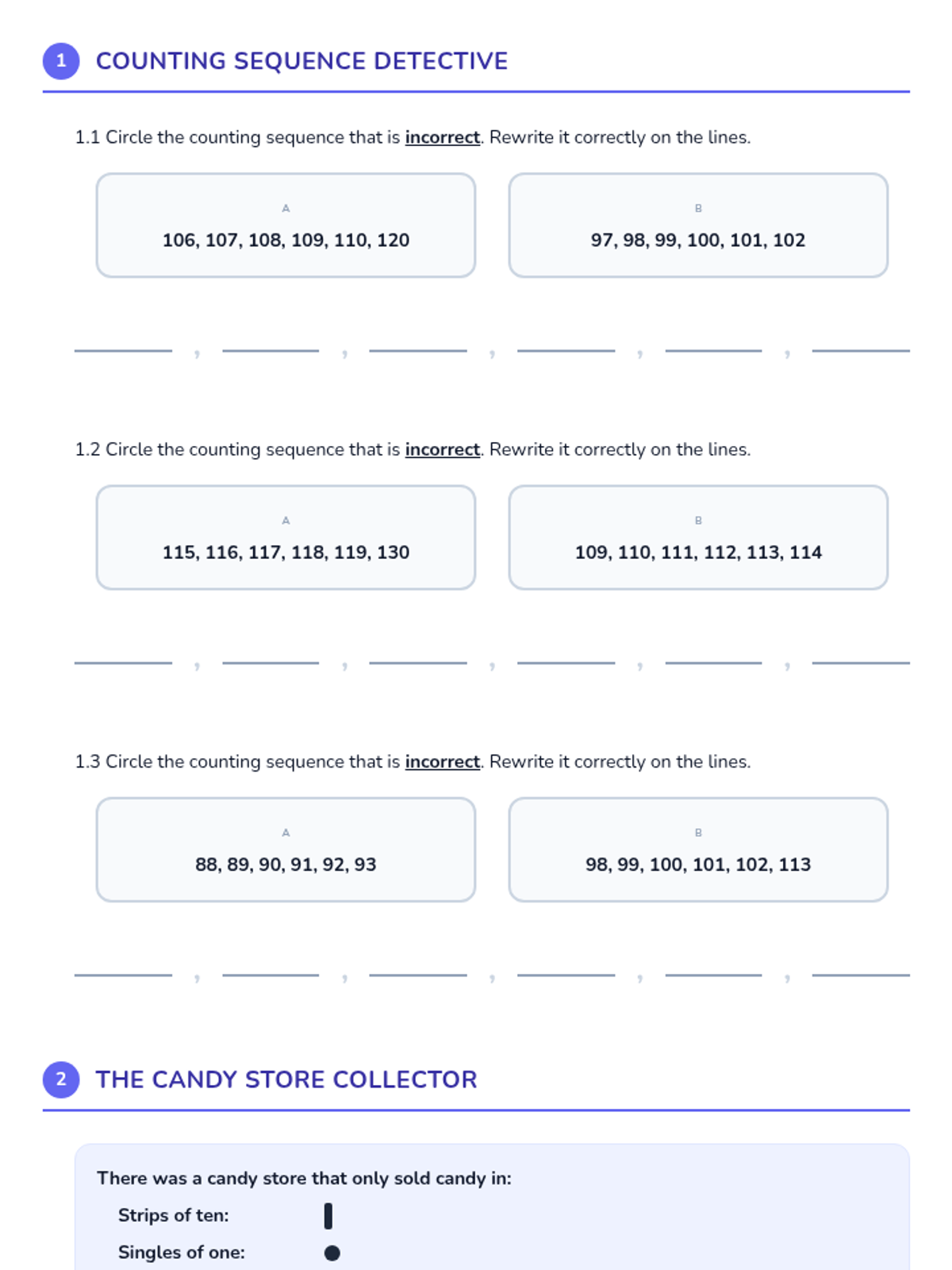
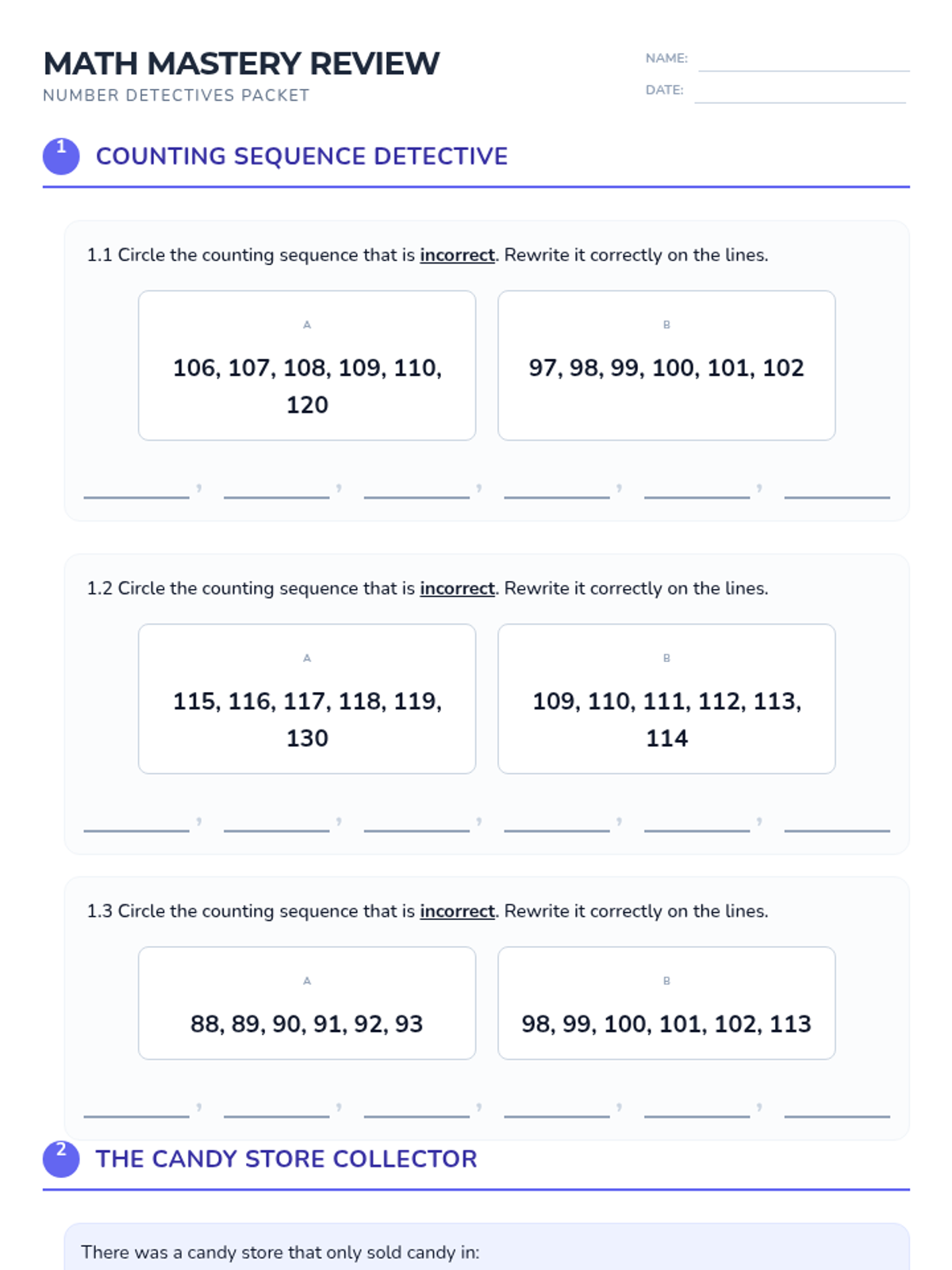
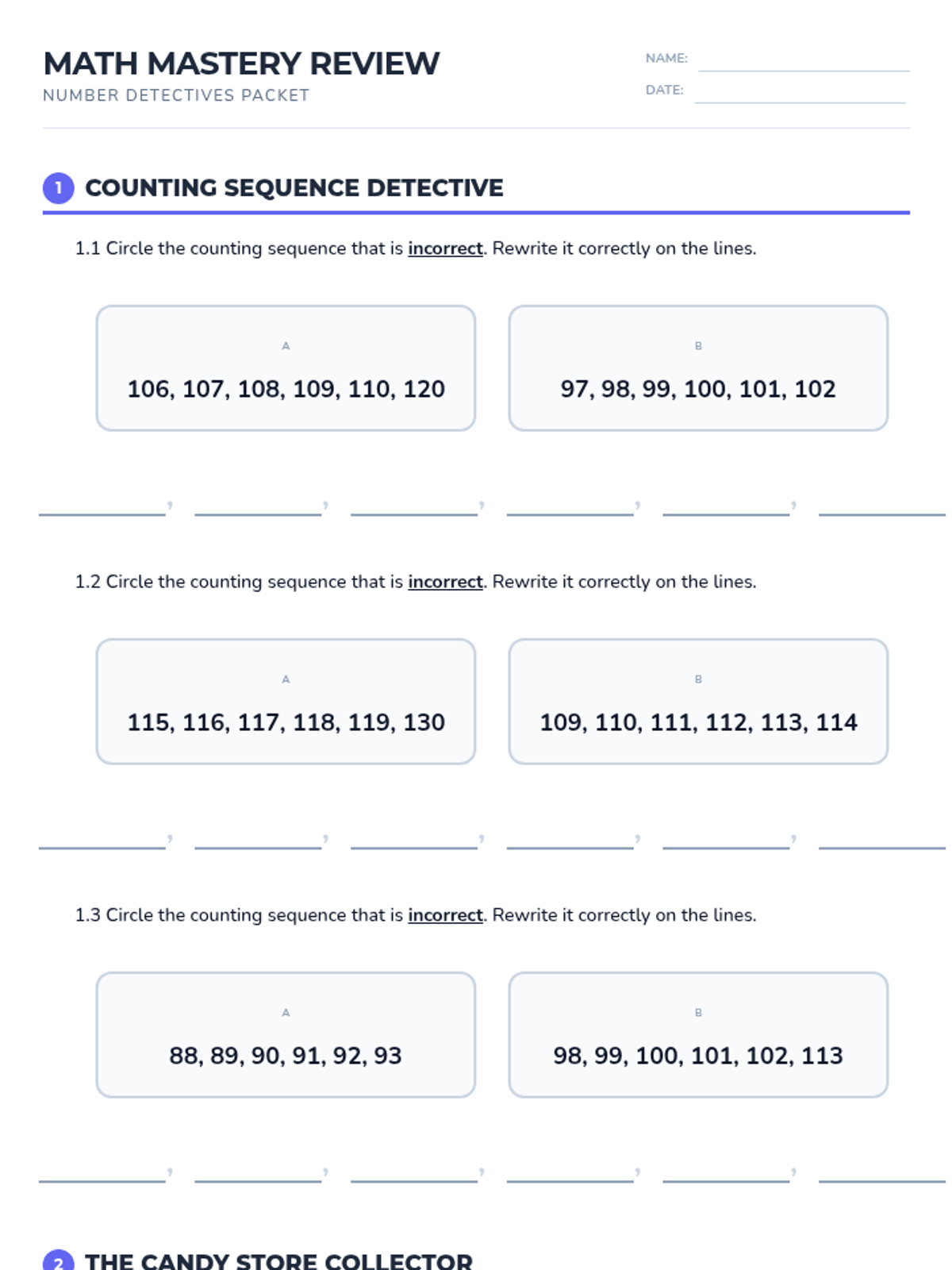
A comprehensive review packet covering counting sequences, place value, double-digit addition/subtraction with multiples of ten, and error analysis of addition strategies. Each core question type is practiced three times to ensure mastery.
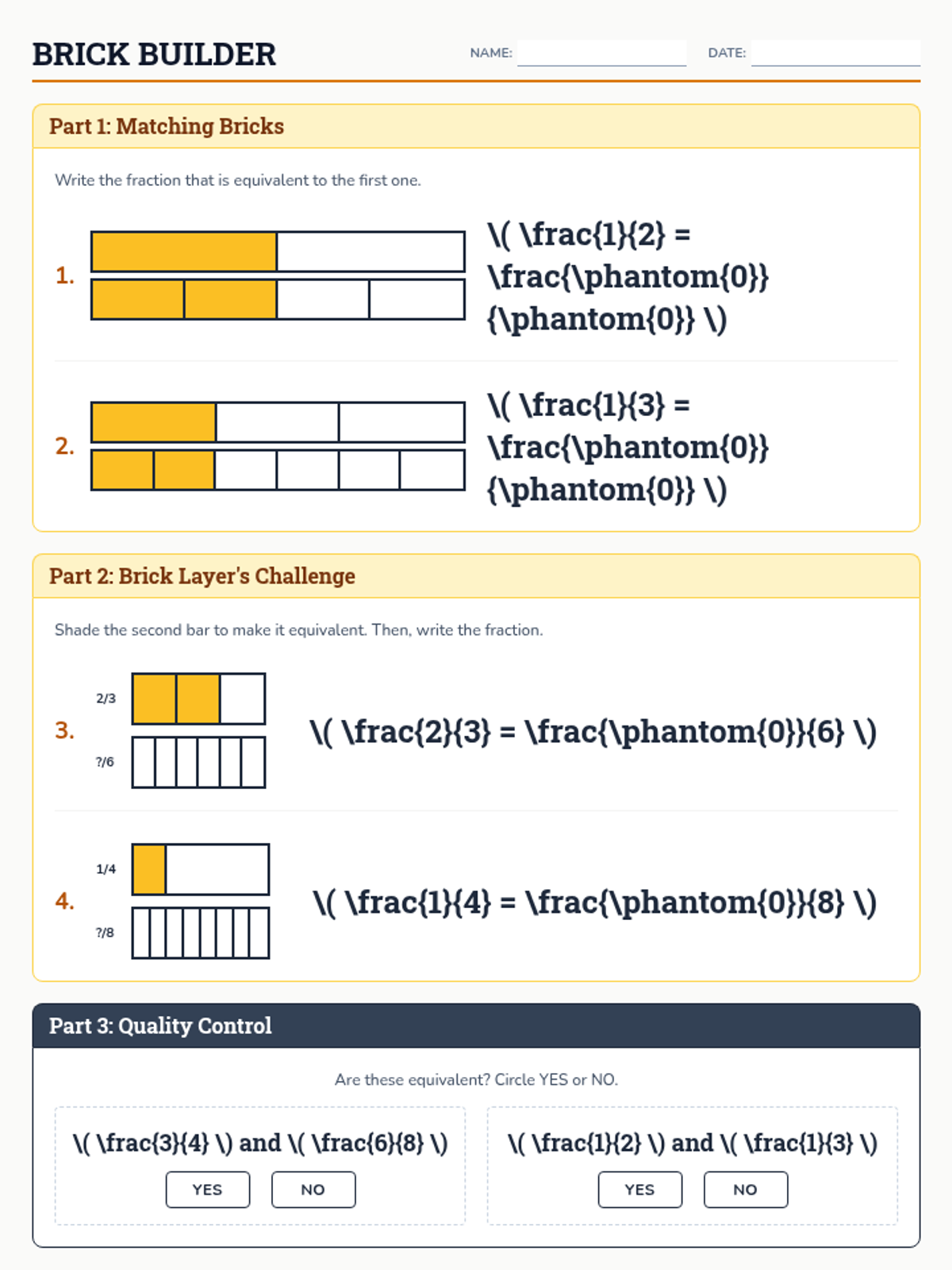
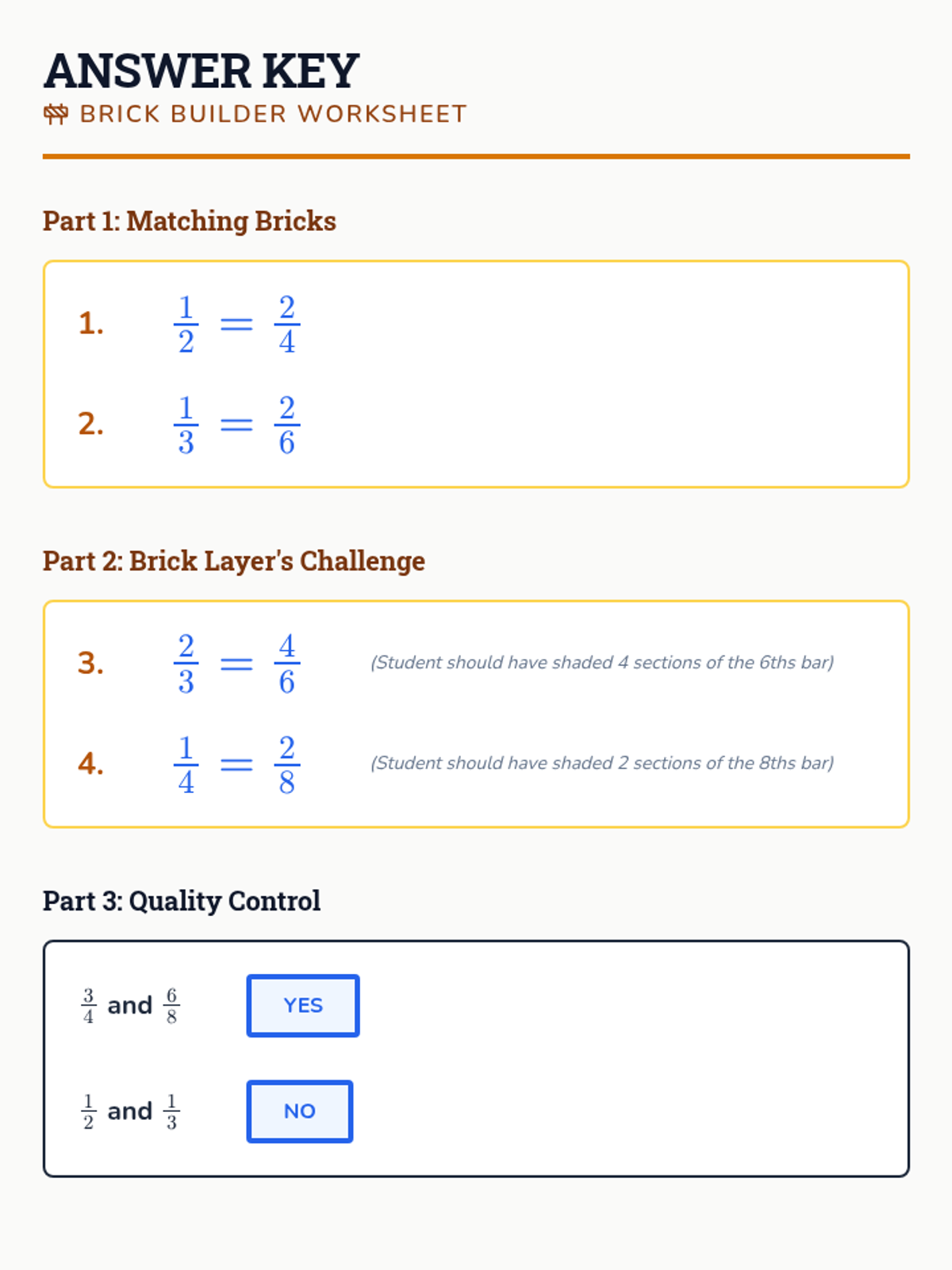
A lesson focused on identifying and generating equivalent fractions using fraction bar models, themed around building and masonry.
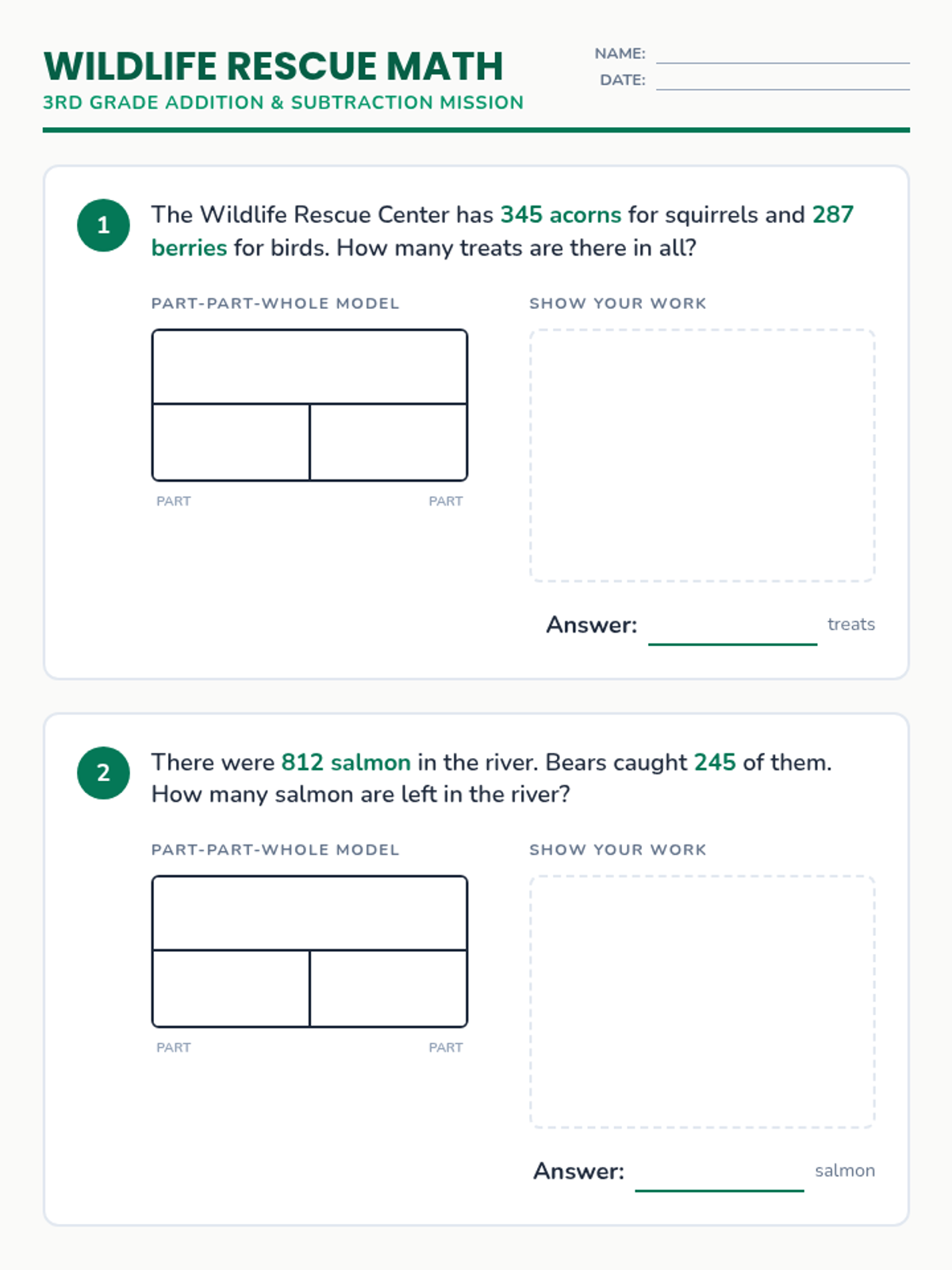
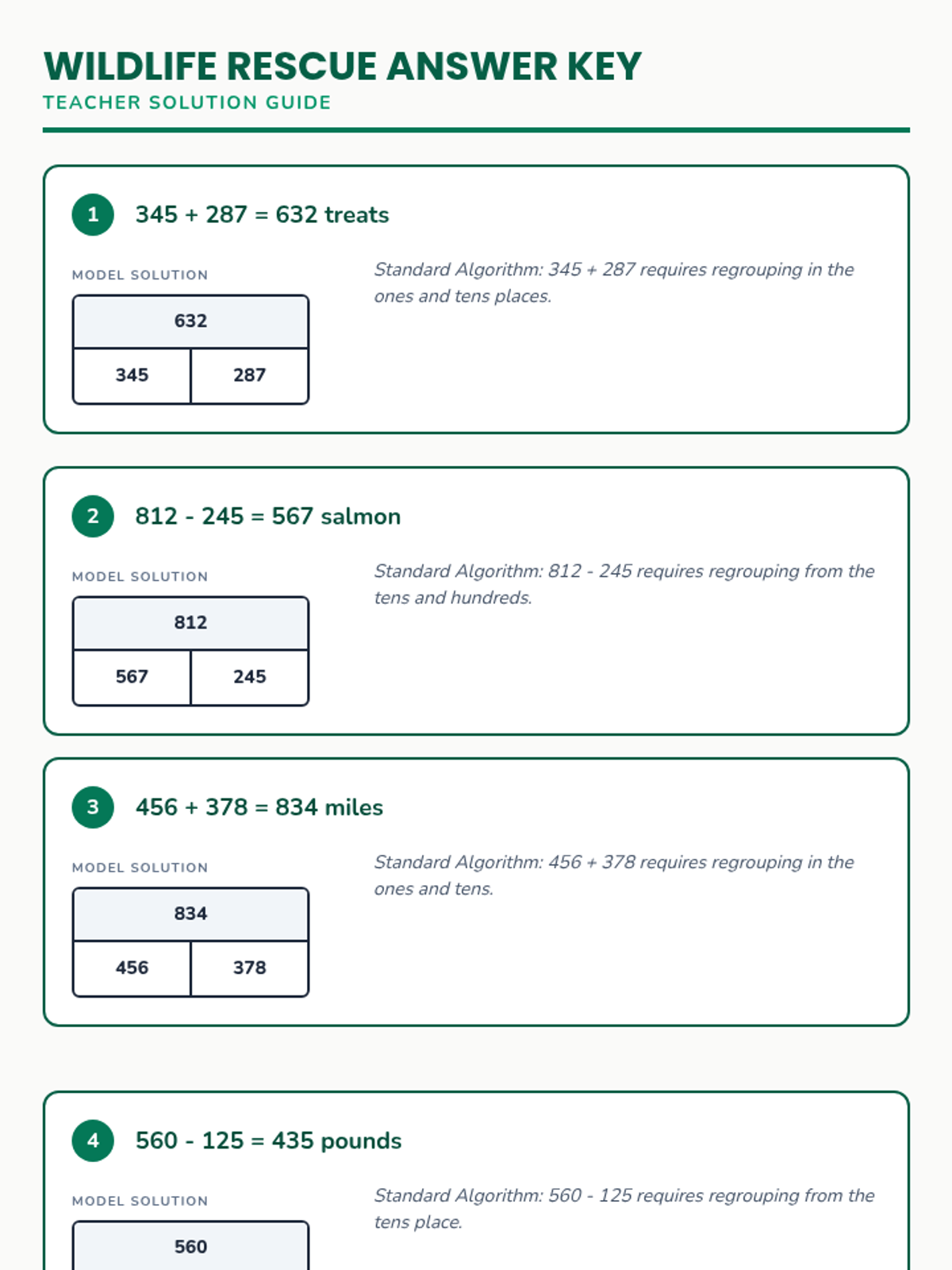
A collection of materials focused on 3rd-grade addition and subtraction word problems up to 1000, themed around wildlife rescue missions to engage students in real-world mathematical applications.
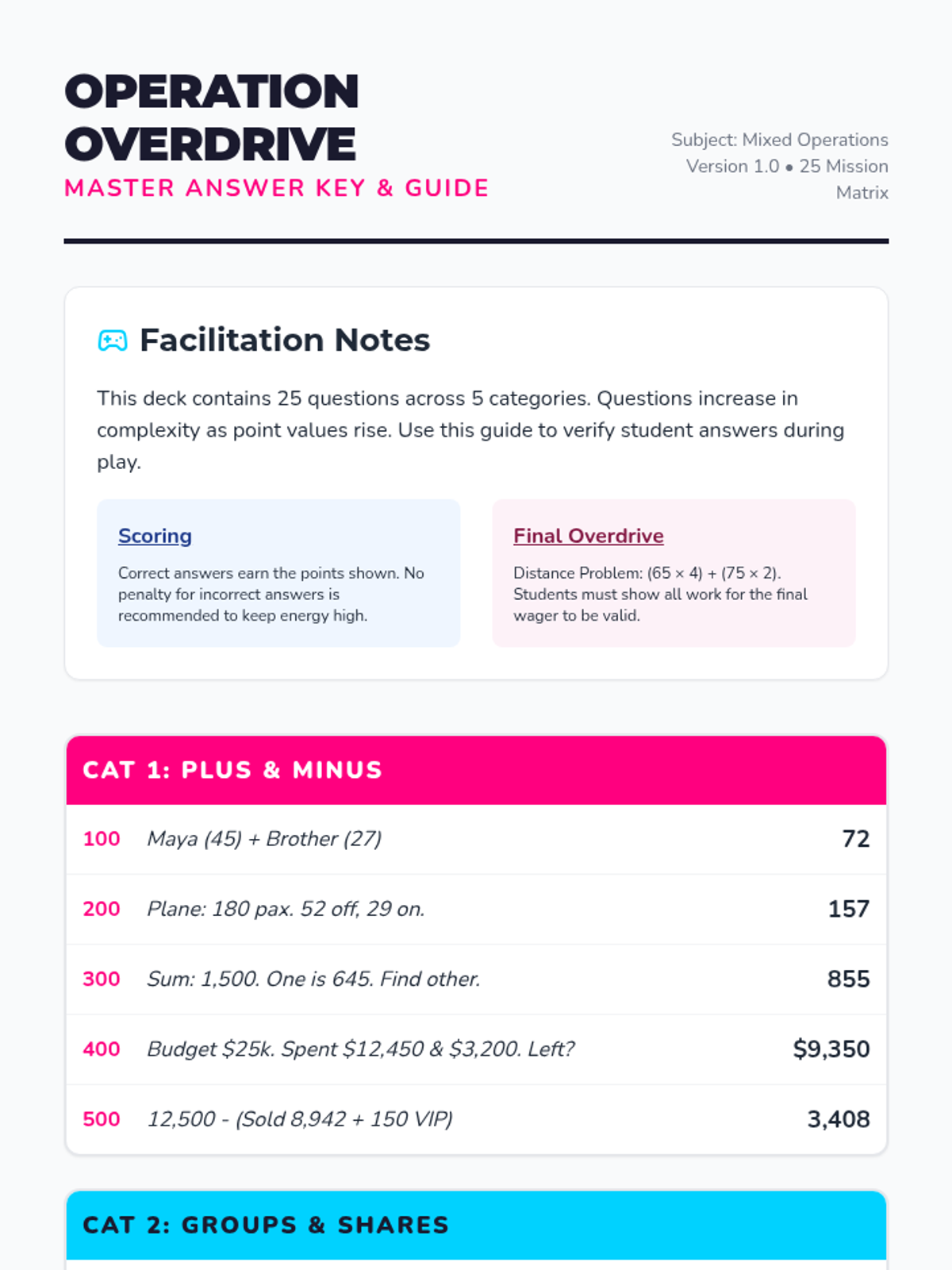
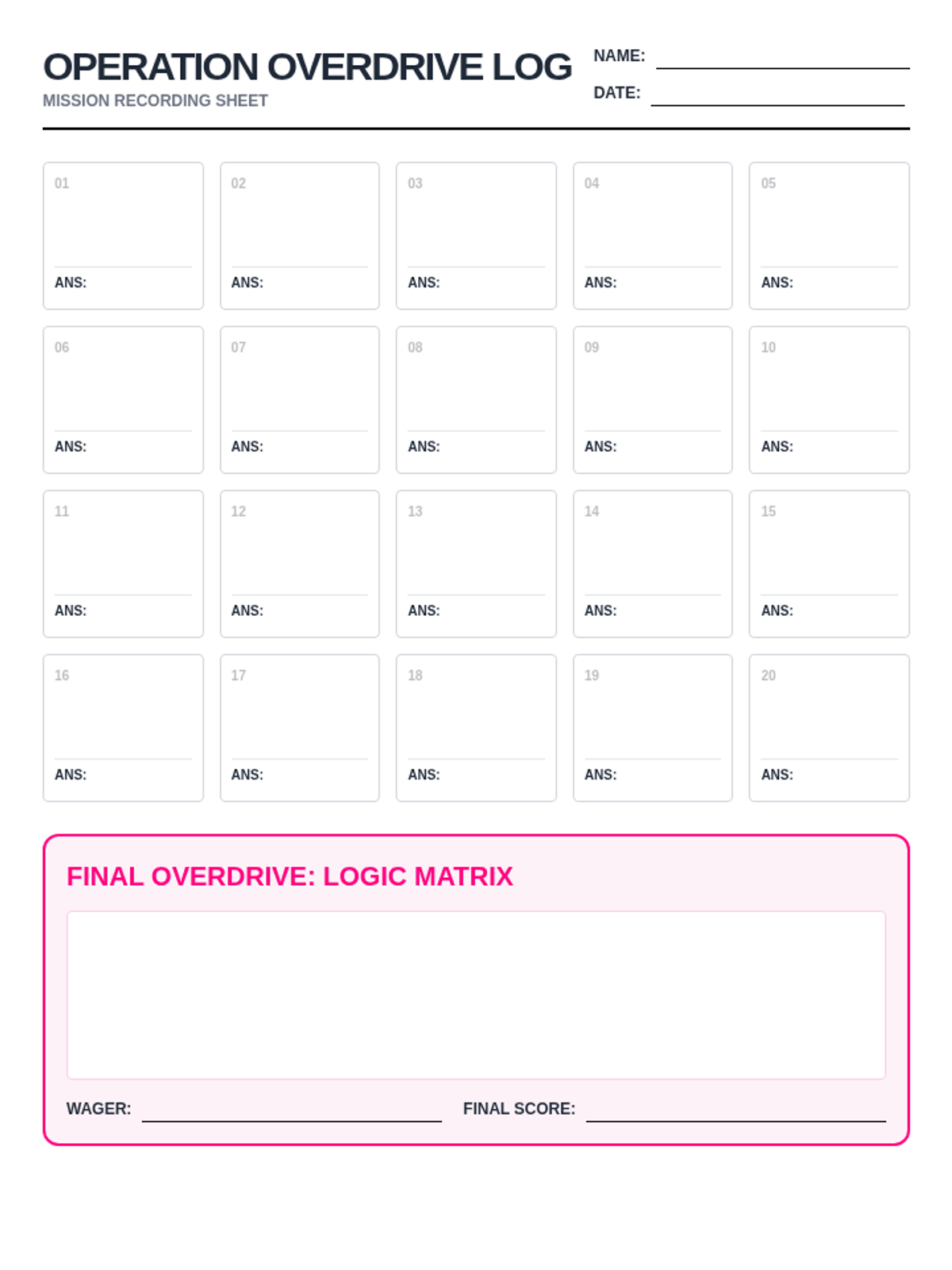
A fast-paced, game-show style lesson focusing on mixed numerical operations and word problems. Students practice addition, subtraction, multiplication, and division through a collaborative Jeopardy-inspired format.
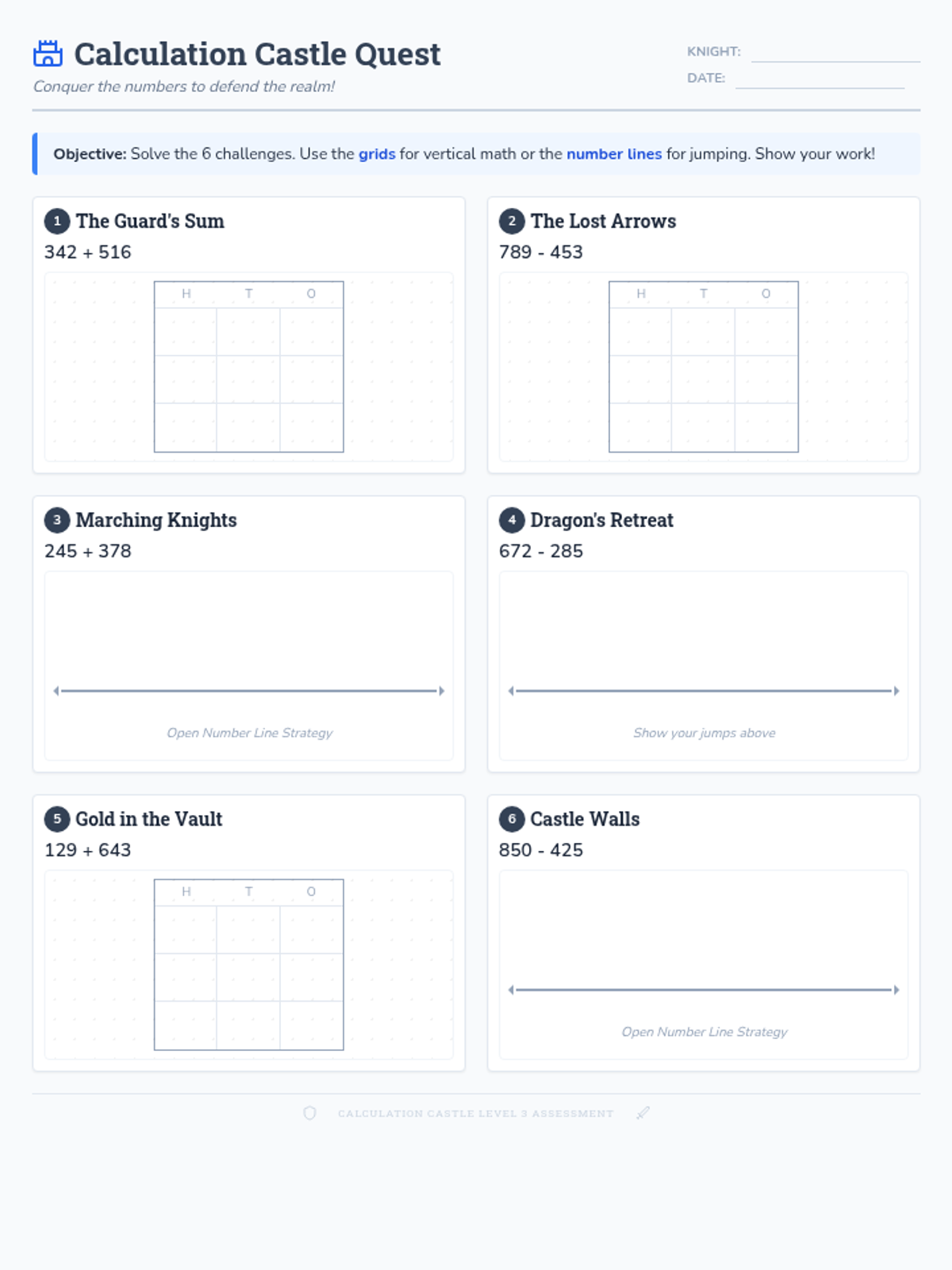
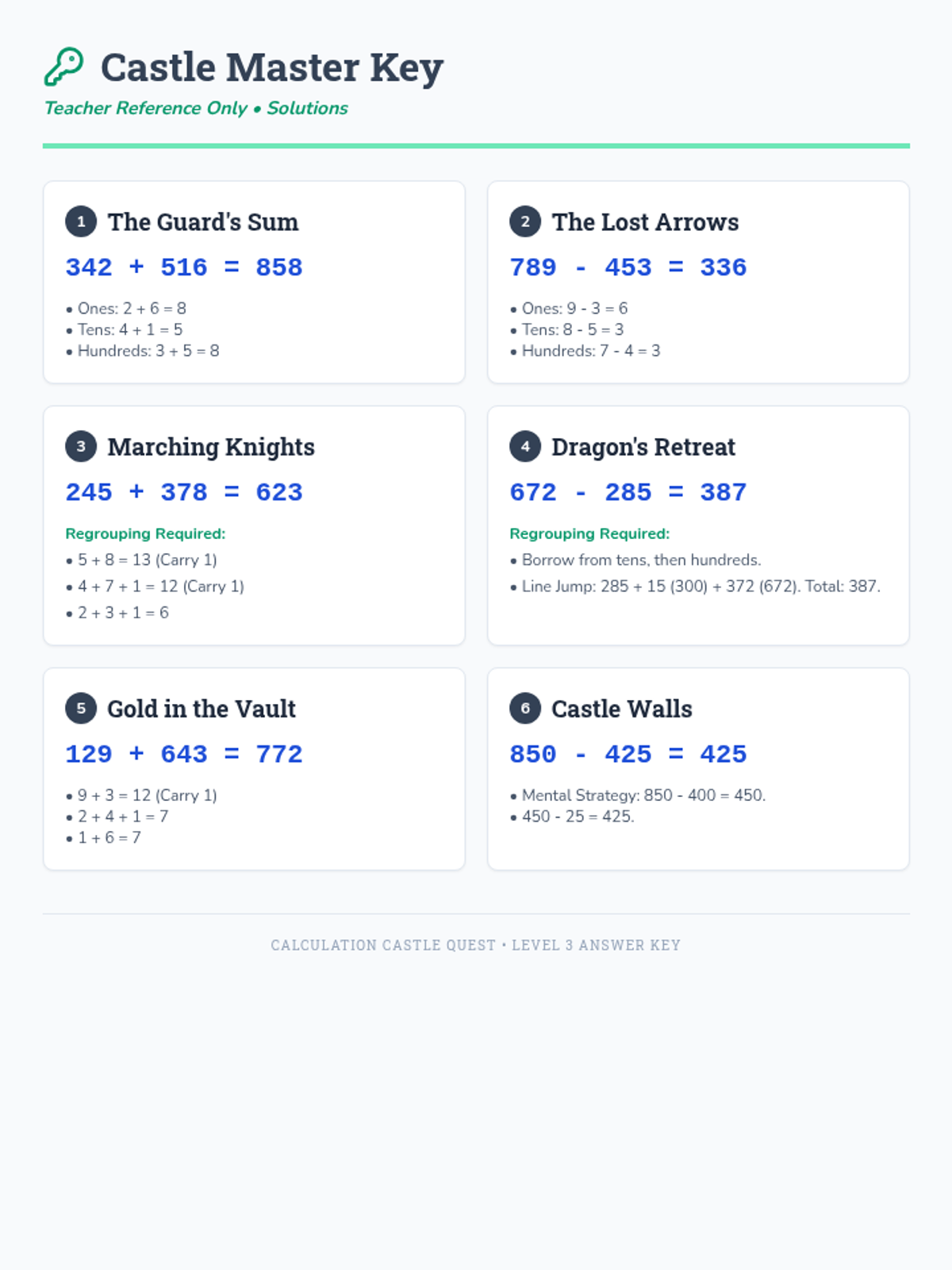
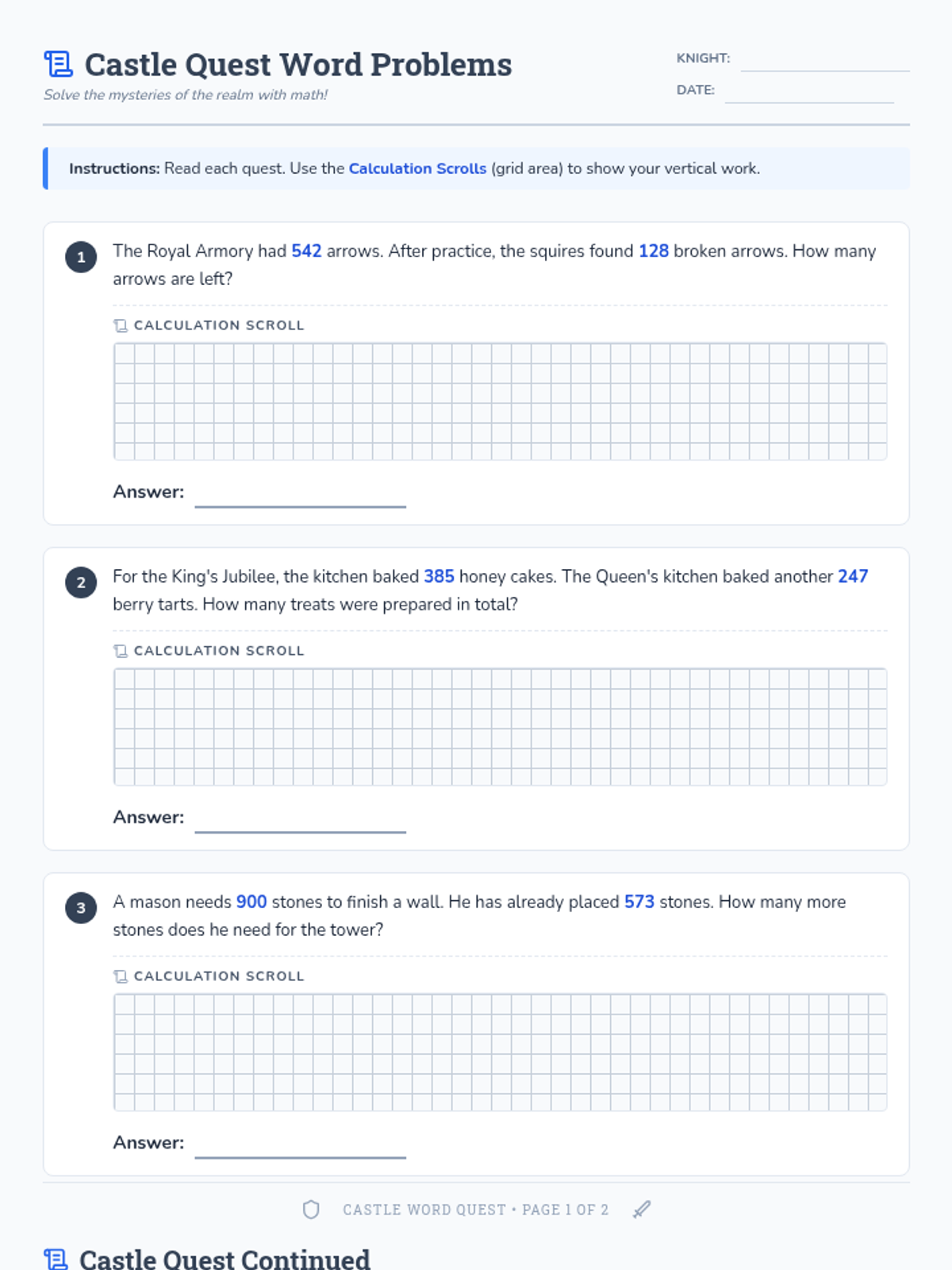
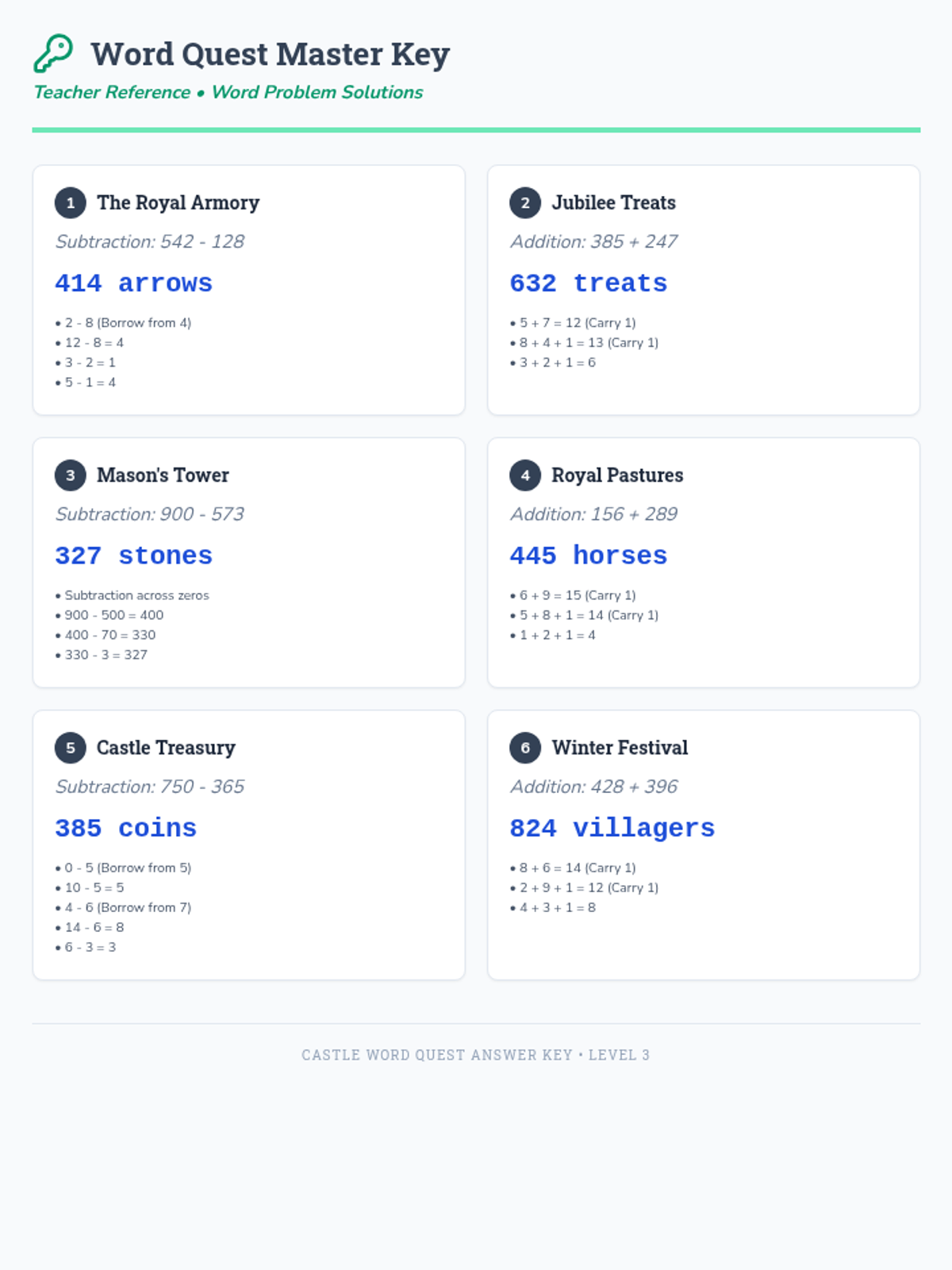
A castle-themed math lesson focused on solving one-step addition and subtraction problems up to 1000 using various strategies like grids and number lines.
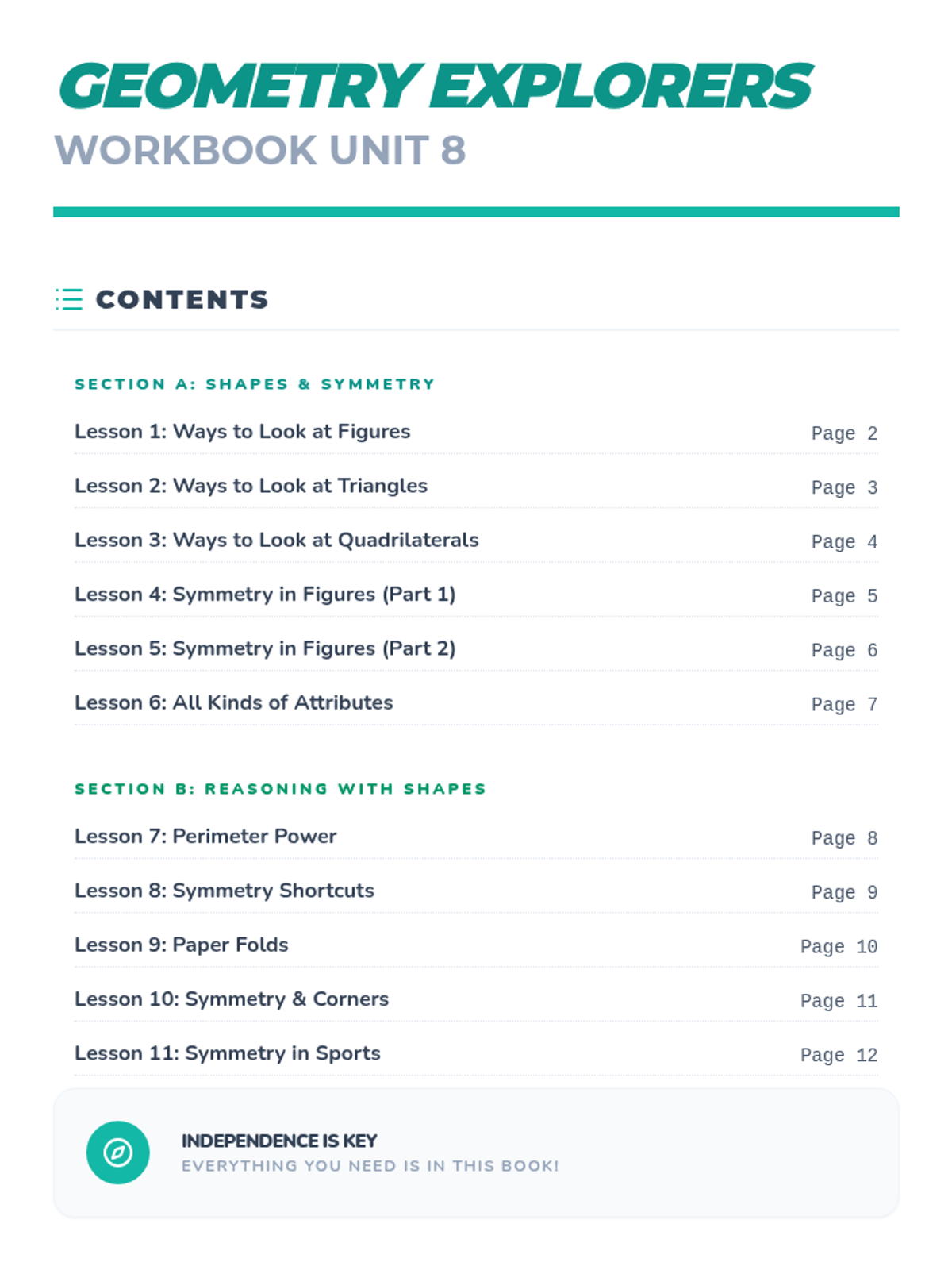
A collection of geometry lessons adapted for 2nd grade, focusing on identifying flat shapes by their attributes, exploring symmetry, and drawing geometric figures. This lesson covers basic shape properties, triangle and quadrilateral identification, and the fundamentals of symmetry.
A comprehensive unit on even/odd numbers, skip counting, and rectangular arrays. Students explore patterns using visual representations and context-based activities.
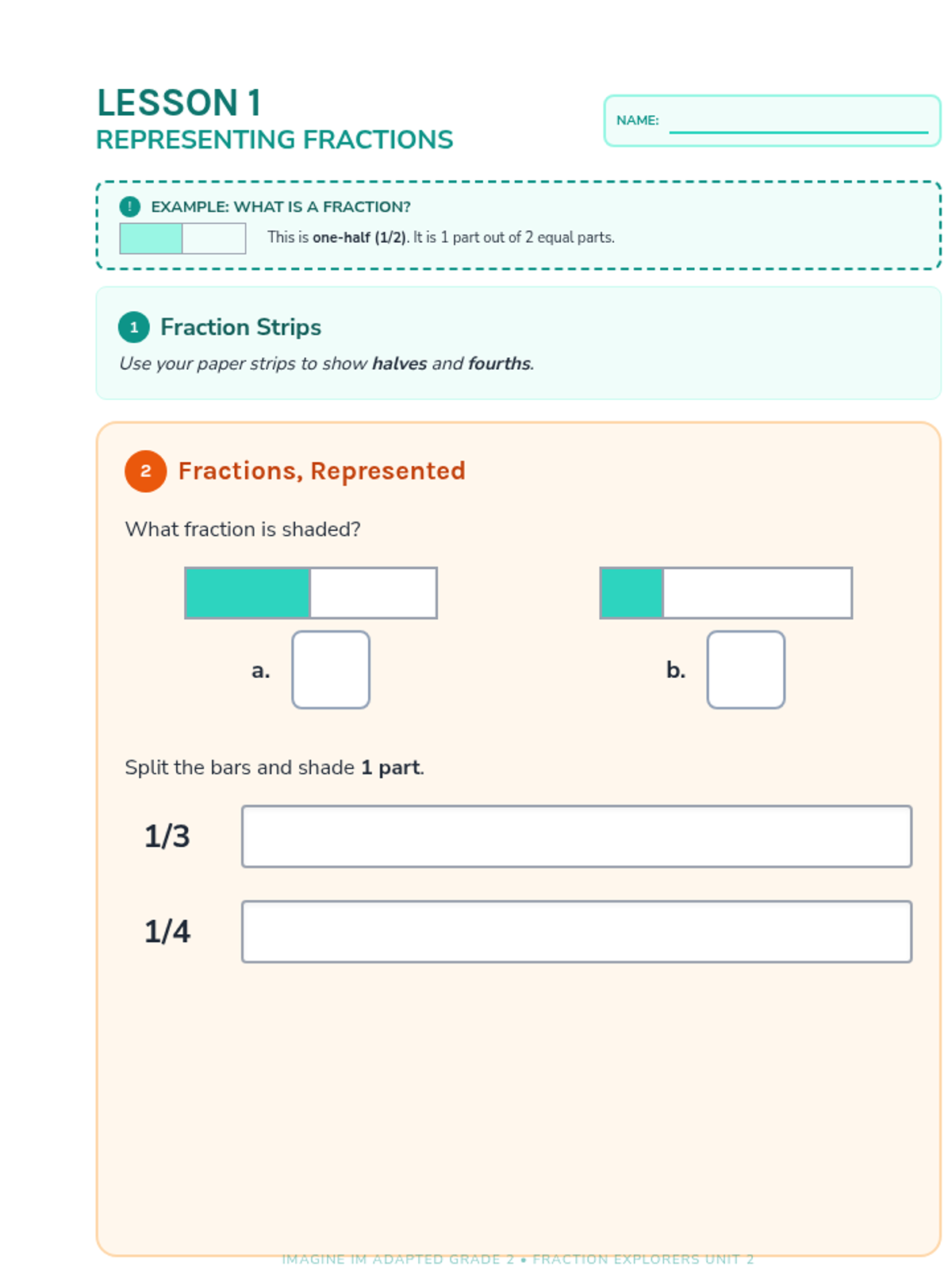
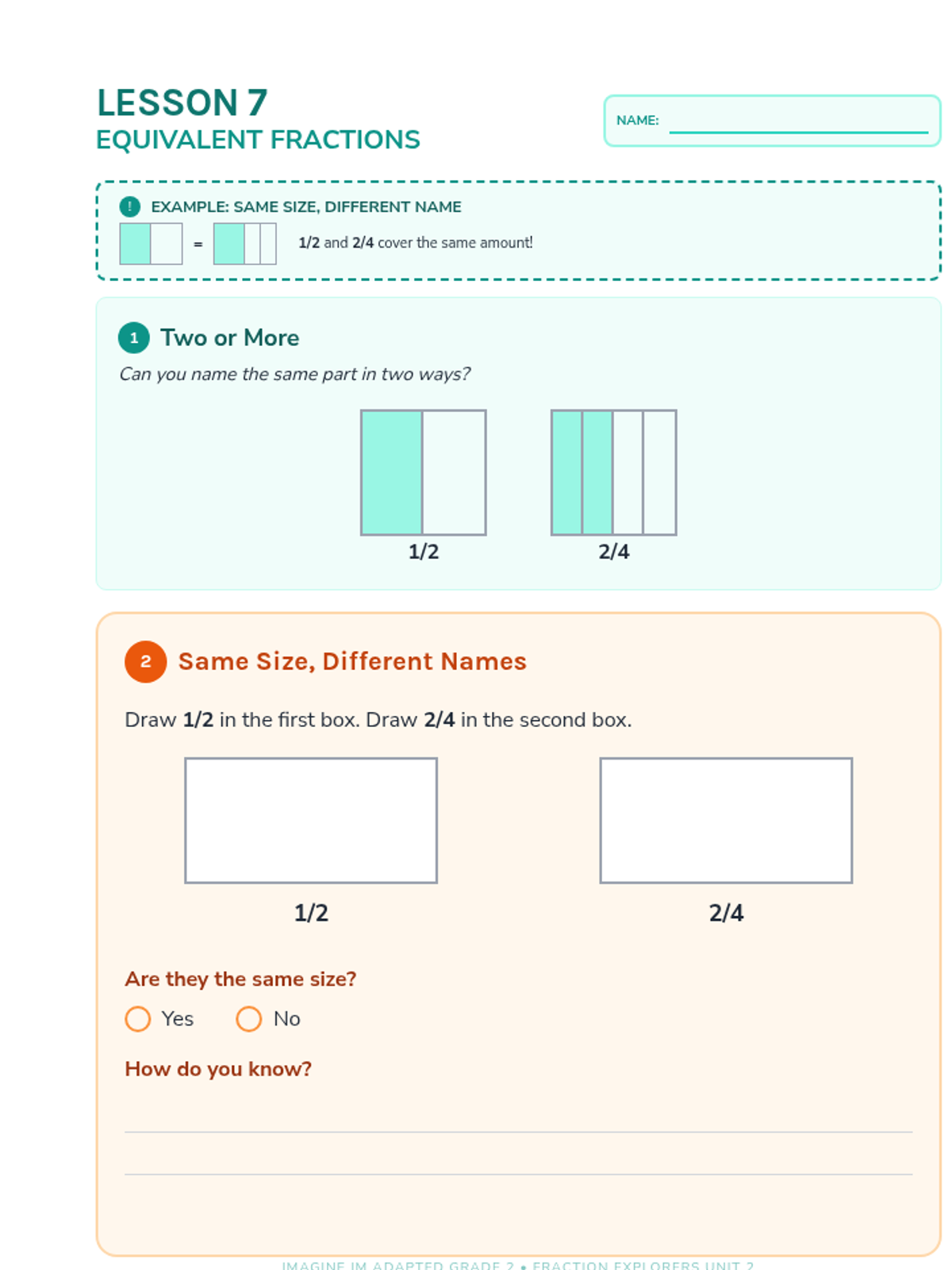
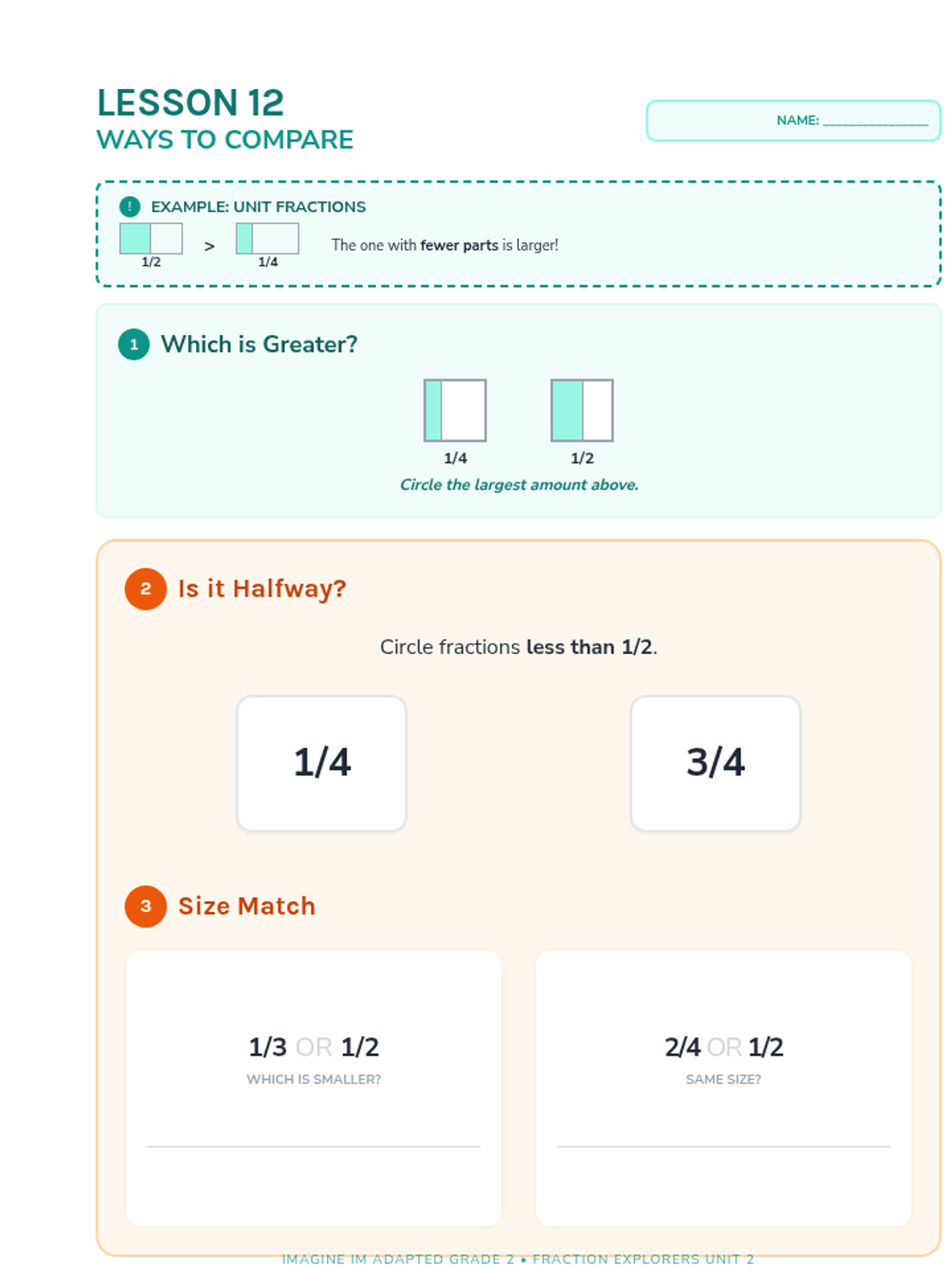
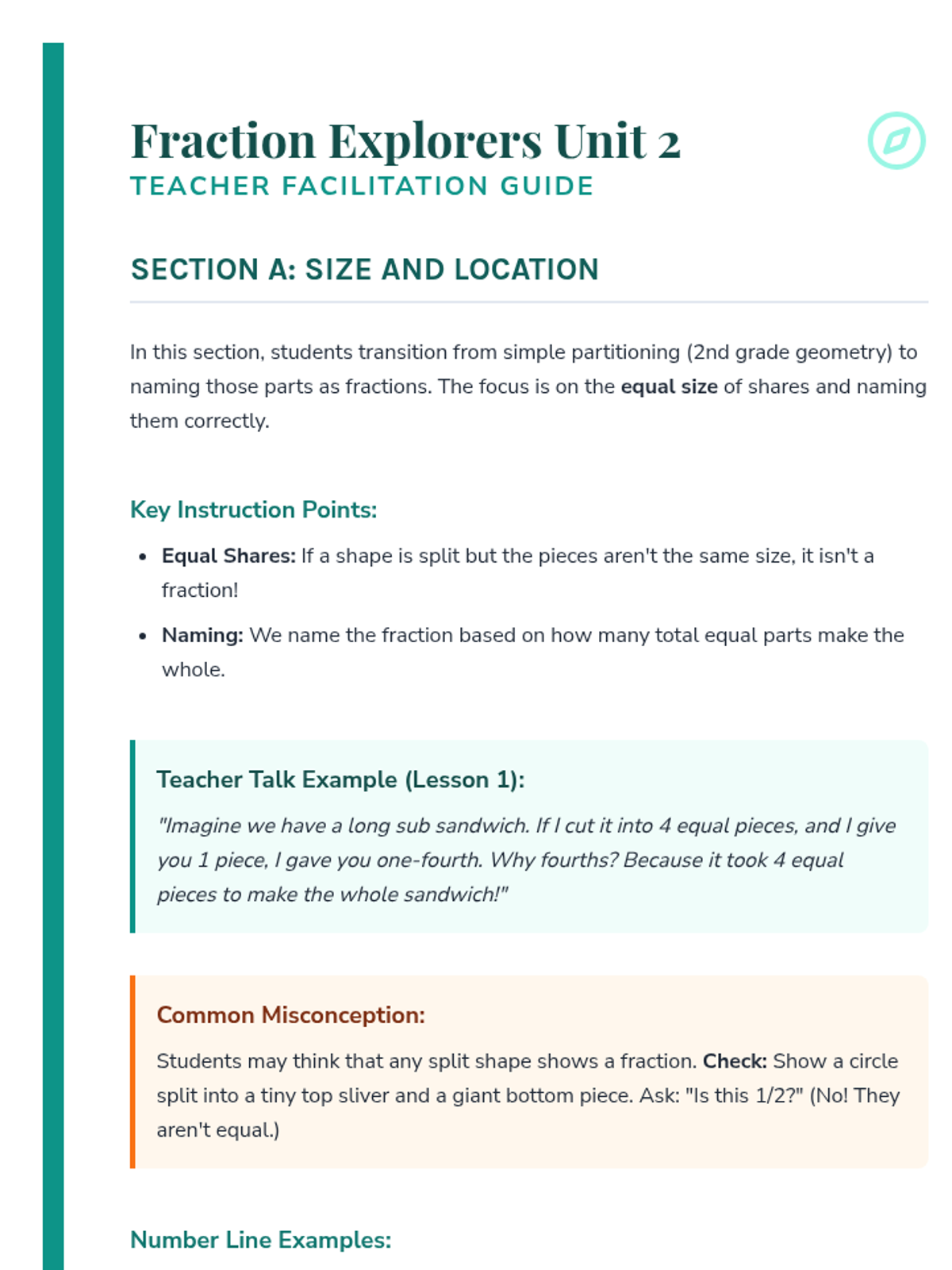
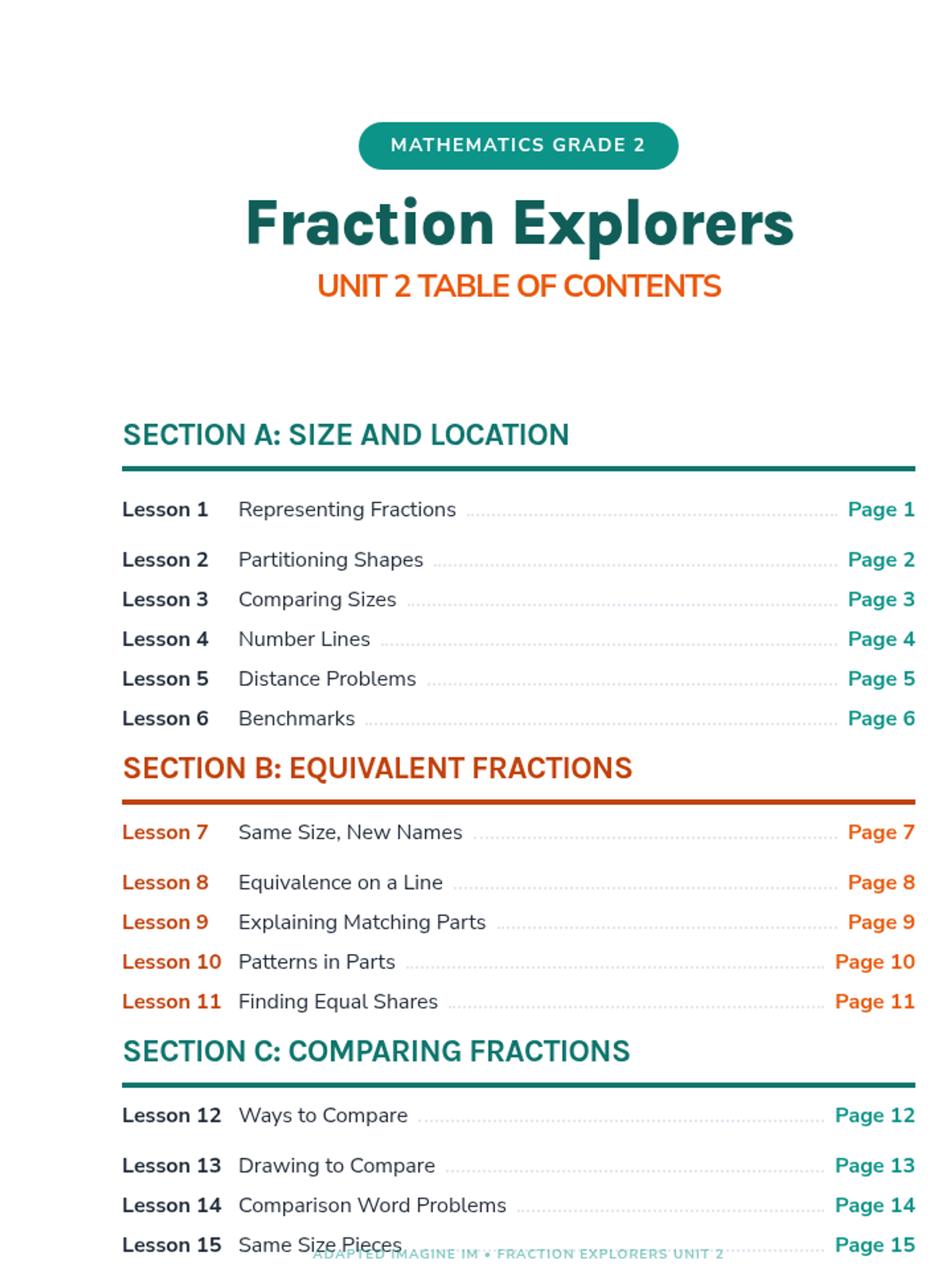
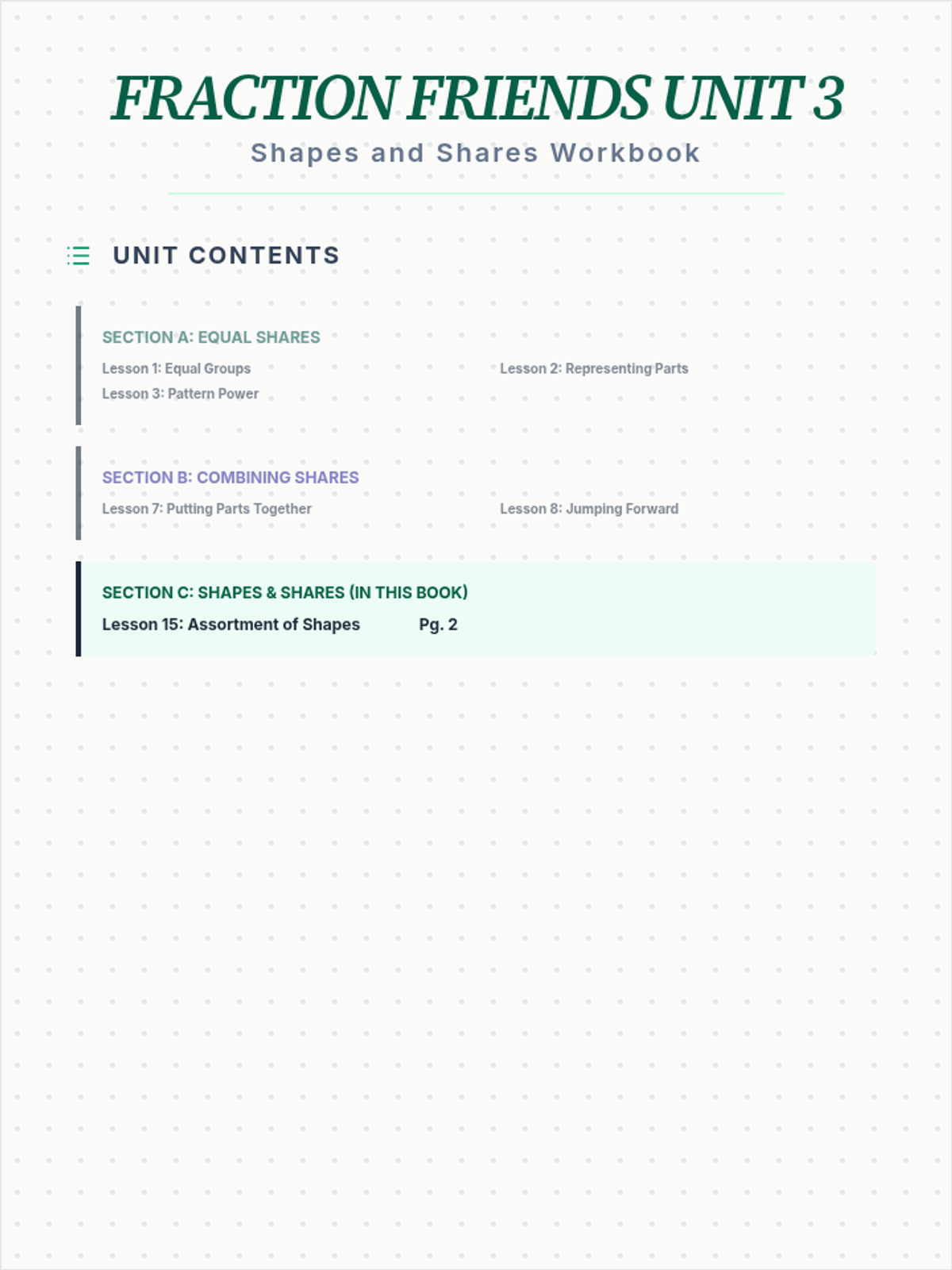
A complete workbook containing all 17 lessons for the Fraction Explorers Unit 2, covering basic representation, equivalence, and comparisons for 2nd grade students.
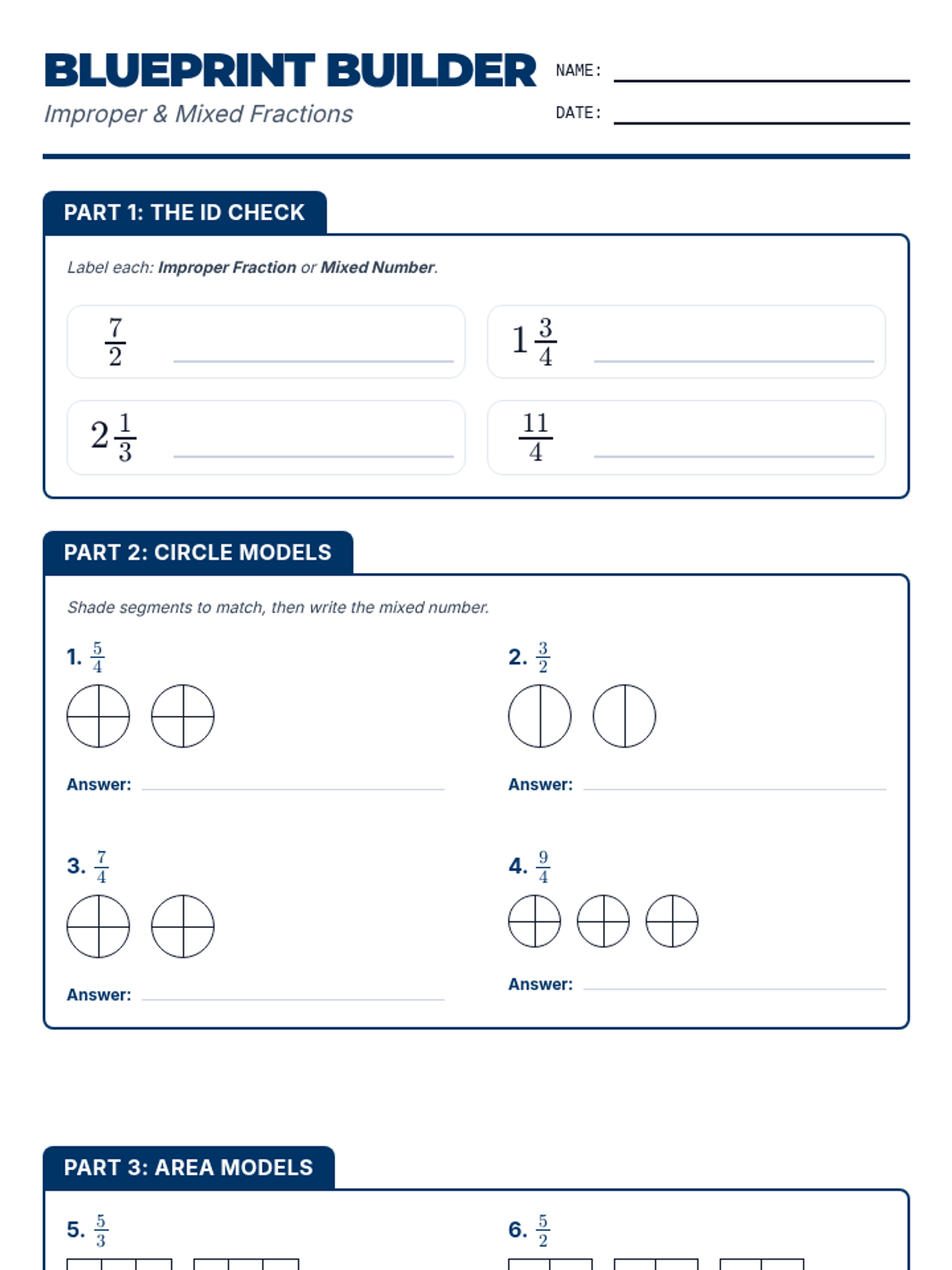
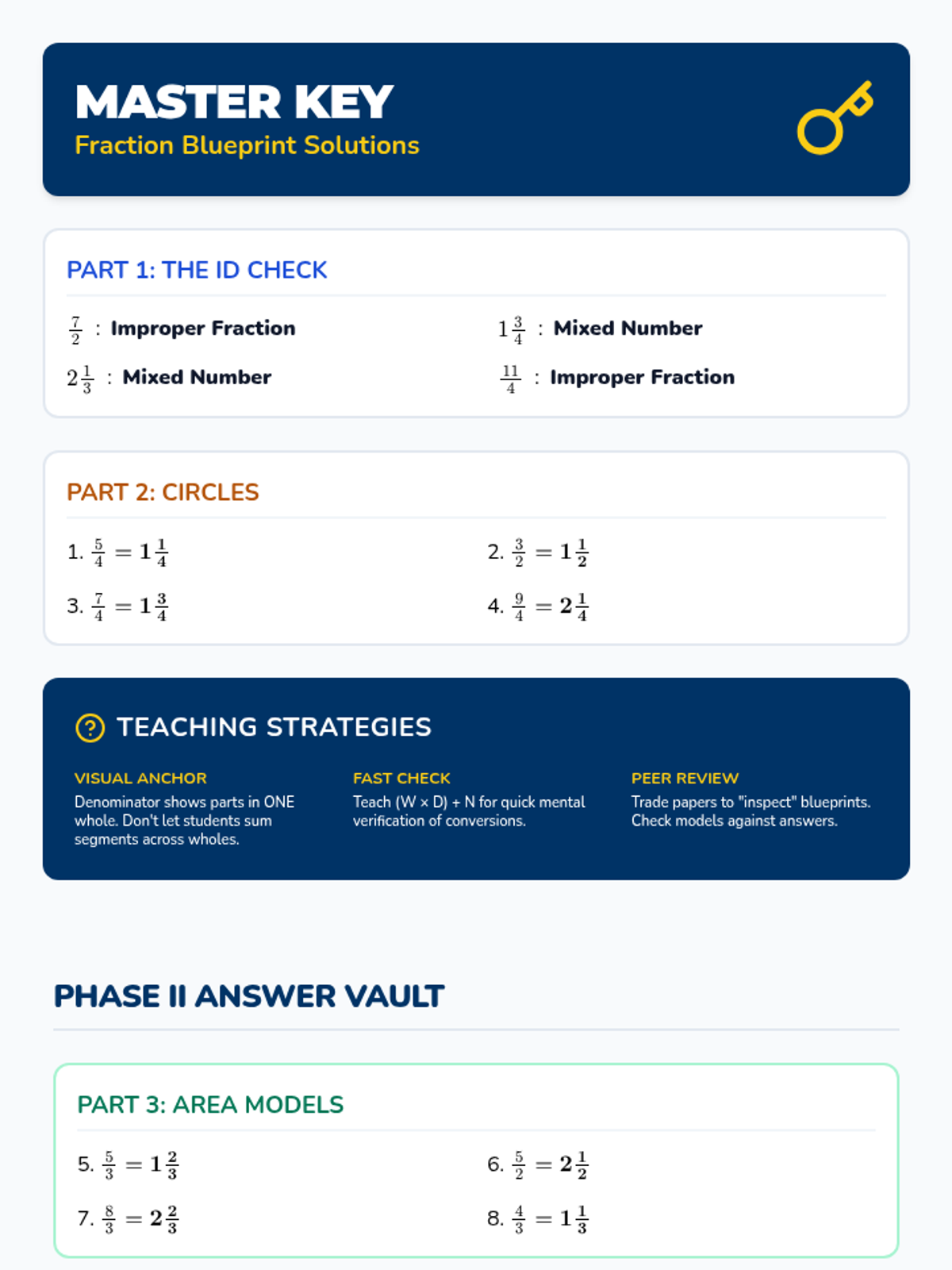
A foundational lesson on understanding and converting improper fractions and mixed numbers using visual models, focused on values between 1 and 3.
A visual guide connecting story problems to equal group models. The lesson covers multiplication (finding the total), sharing division (finding the group size), and grouping division (finding the number of groups).
A series of activities for Section C, adapted for 2nd-grade students. This lesson explores partitioning various shapes, comparing shares across different-sized wholes, and using unit shares to build complex designs, continuing the focus on halves, thirds, and fourths.
A series of activities for Section B, adapted for 2nd-grade students. This lesson focuses on combining and taking away equal shares (halves, thirds, and fourths) through visual models and simple number lines, emphasizing partitioning and skip counting.
A series of activities focusing on 2nd-grade partitioning and skip counting concepts, adapted from Imagine IM Grade 4 materials. Students explore halves, thirds, and fourths through visual models and real-world snack scenarios.
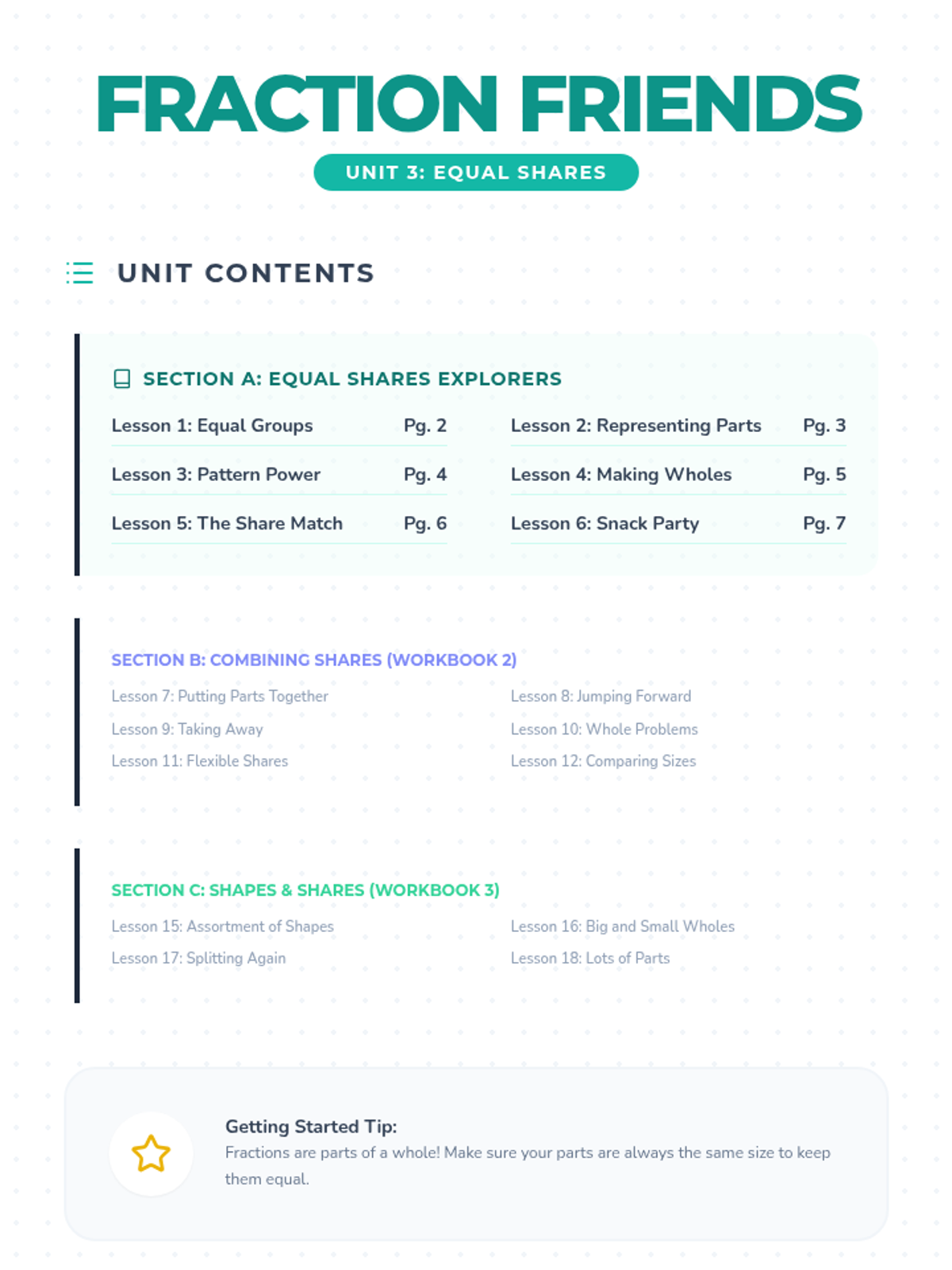
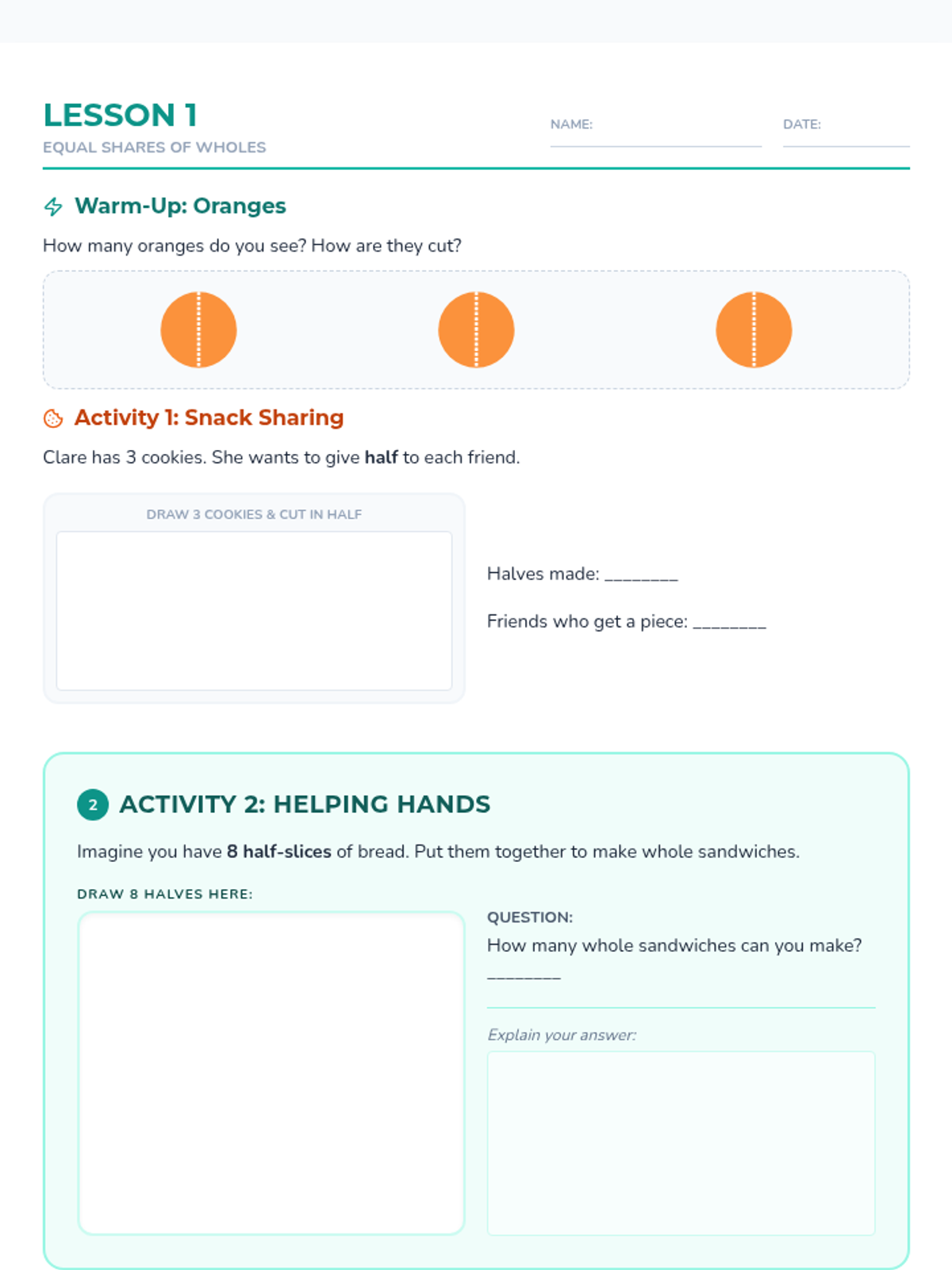
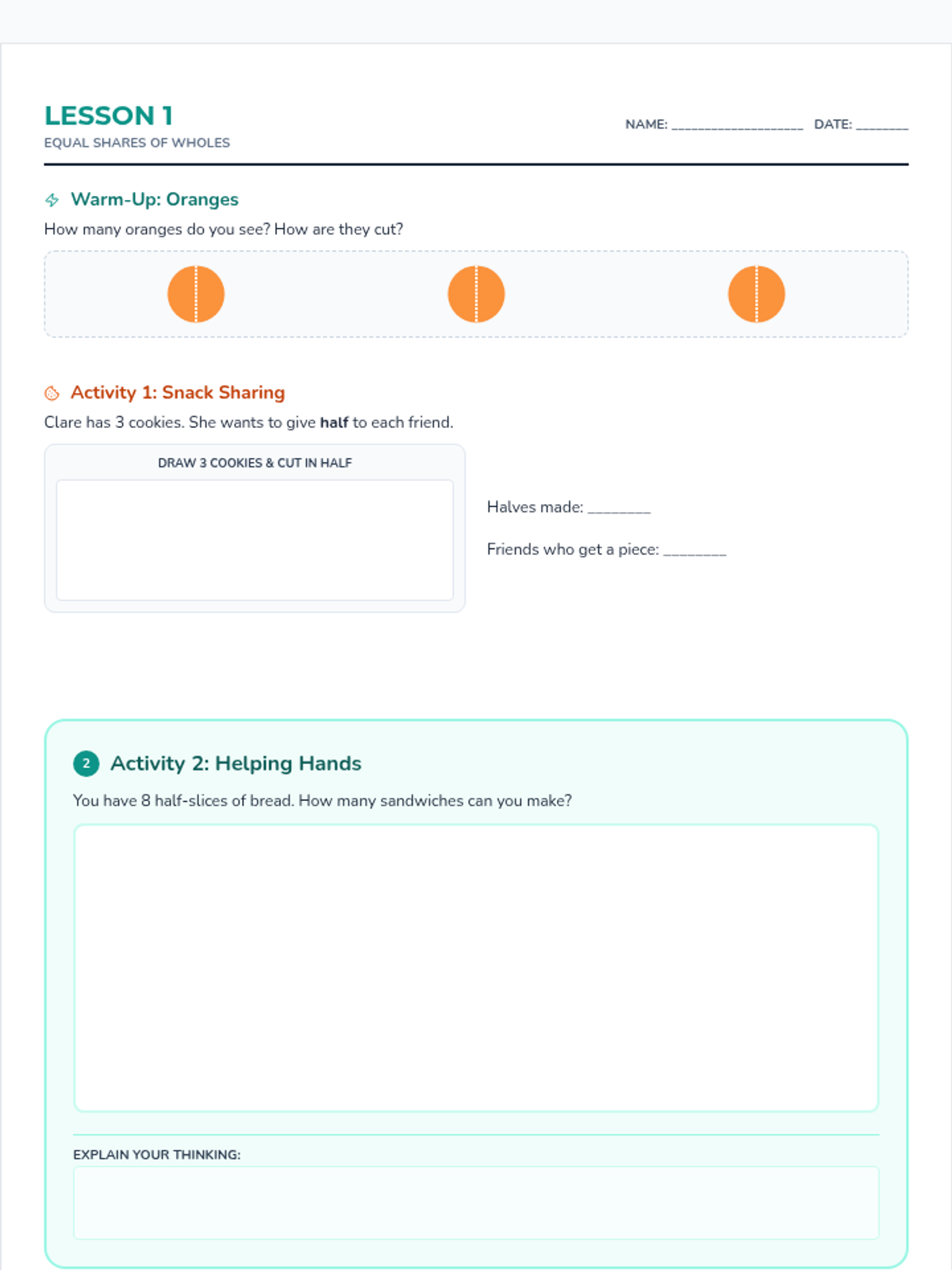
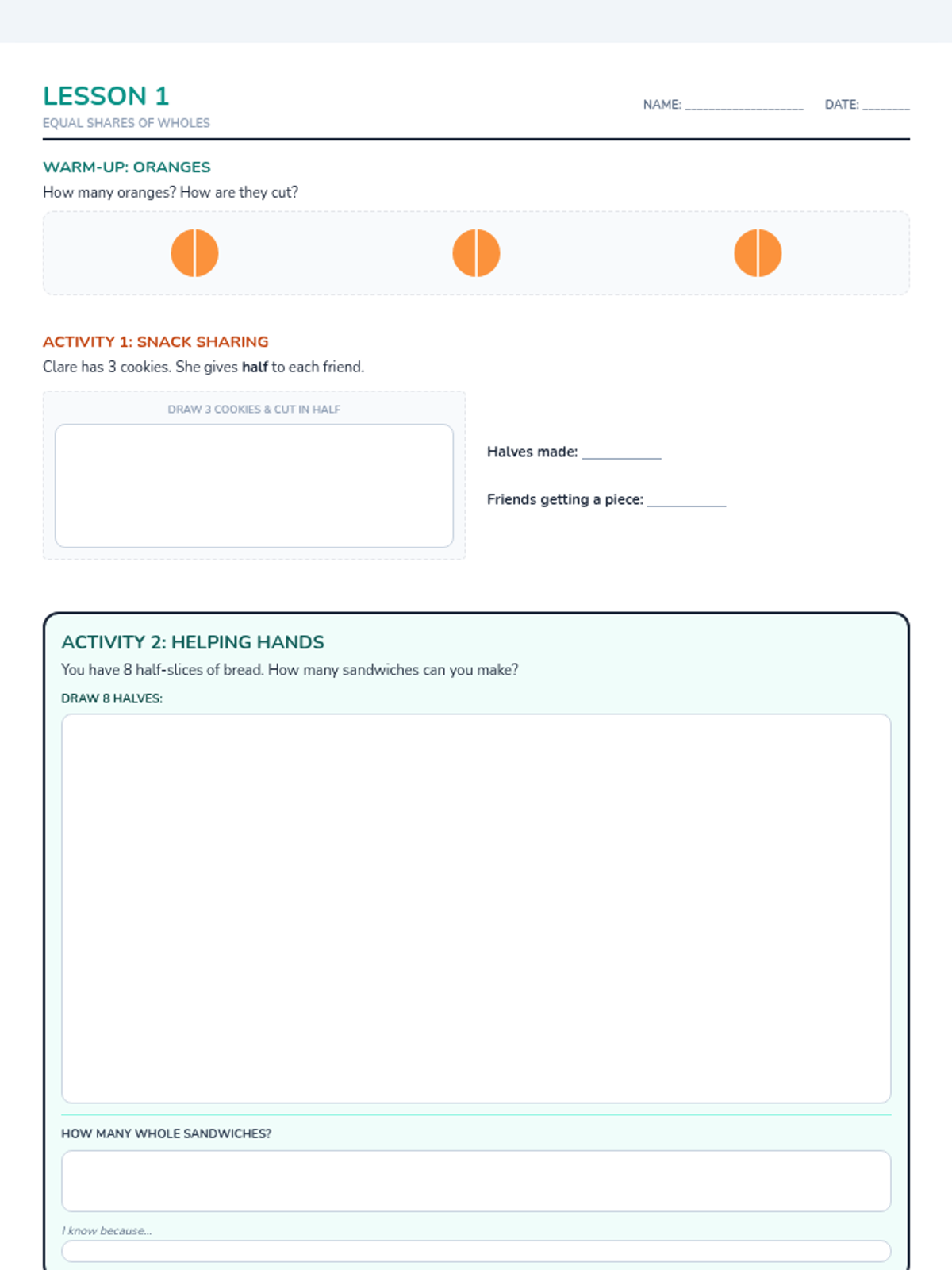
This lesson sequence introduces students to the concept of equal shares and partitioning shapes into halves, thirds, and fourths, using repeated addition to bridge the gap between parts and wholes. Students explore these concepts through hands-on activities with food-themed visuals and classroom objects.
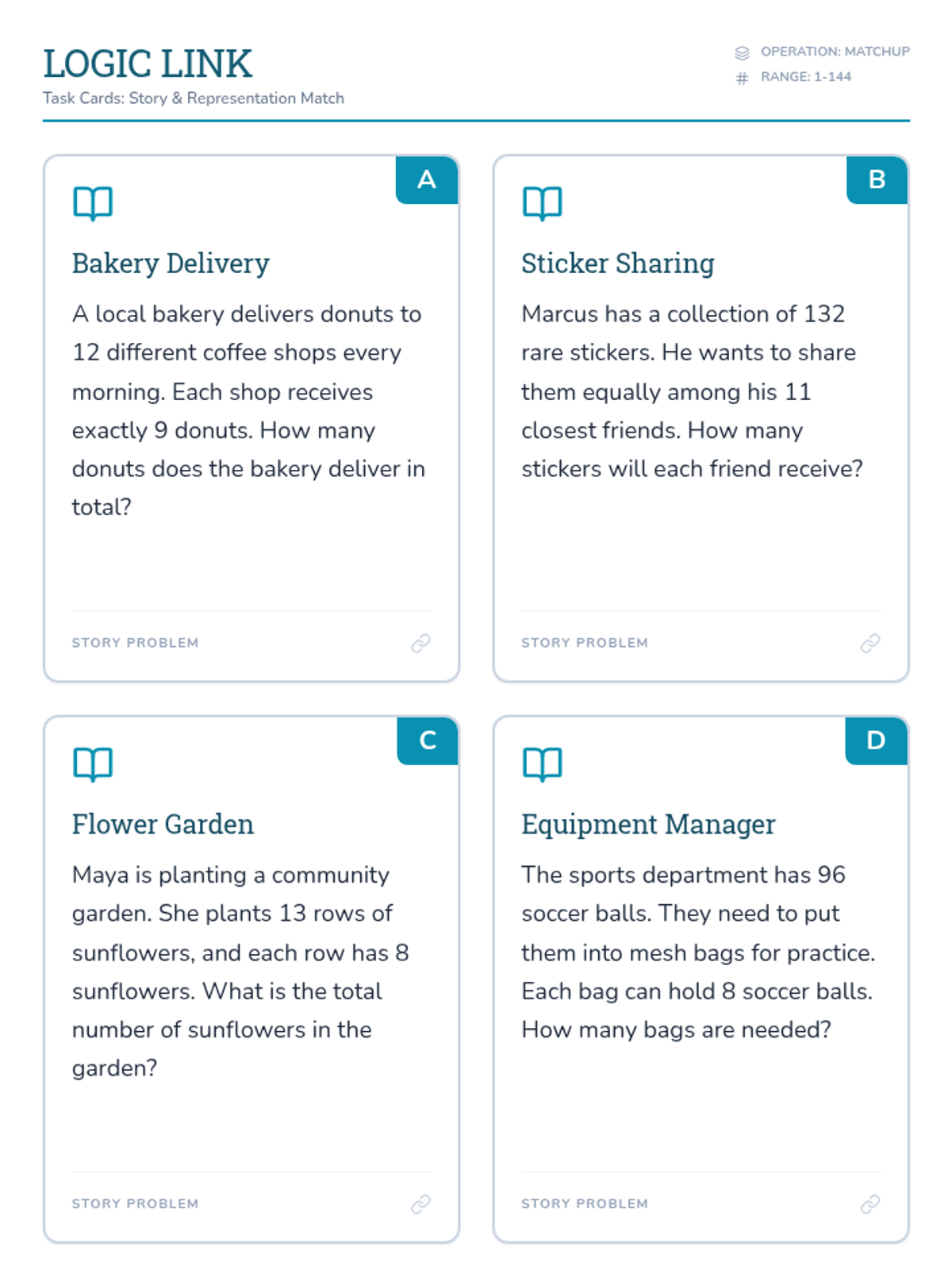
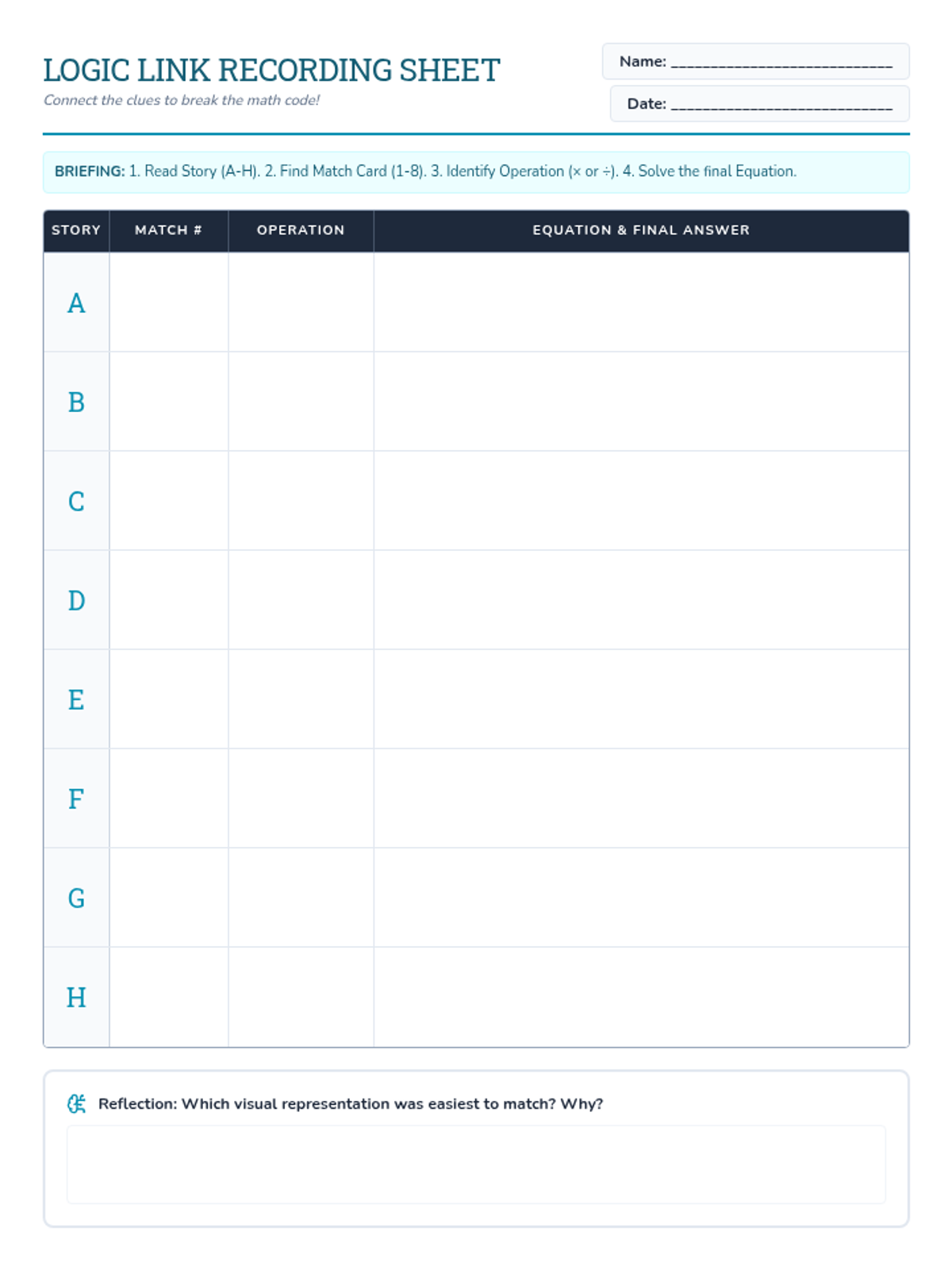
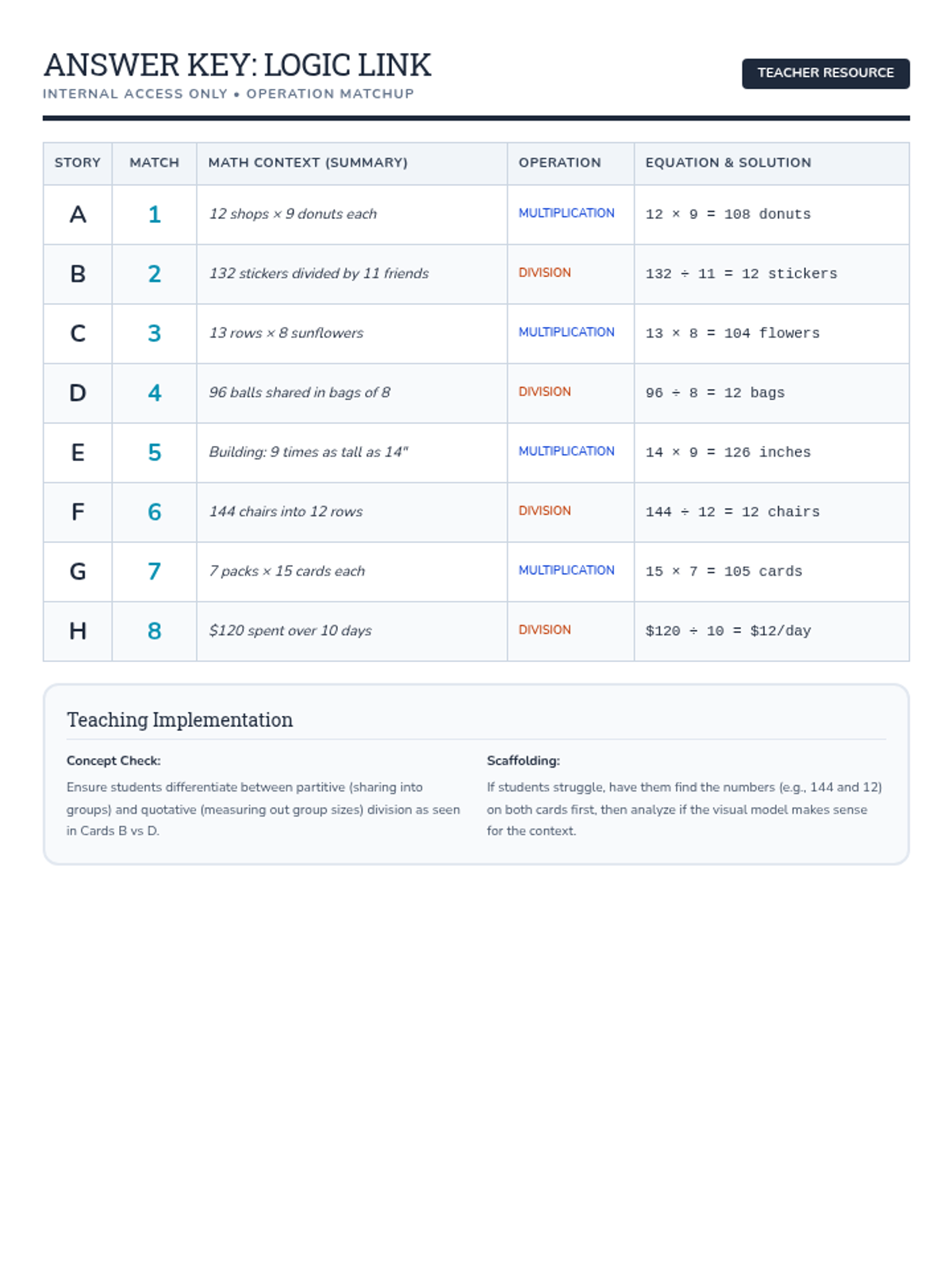
Students will analyze multiplication and division story problems and match them to corresponding visual representations including arrays, equal groups, and bar models. This lesson reinforces the conceptual understanding of operations within the 1-144 range.
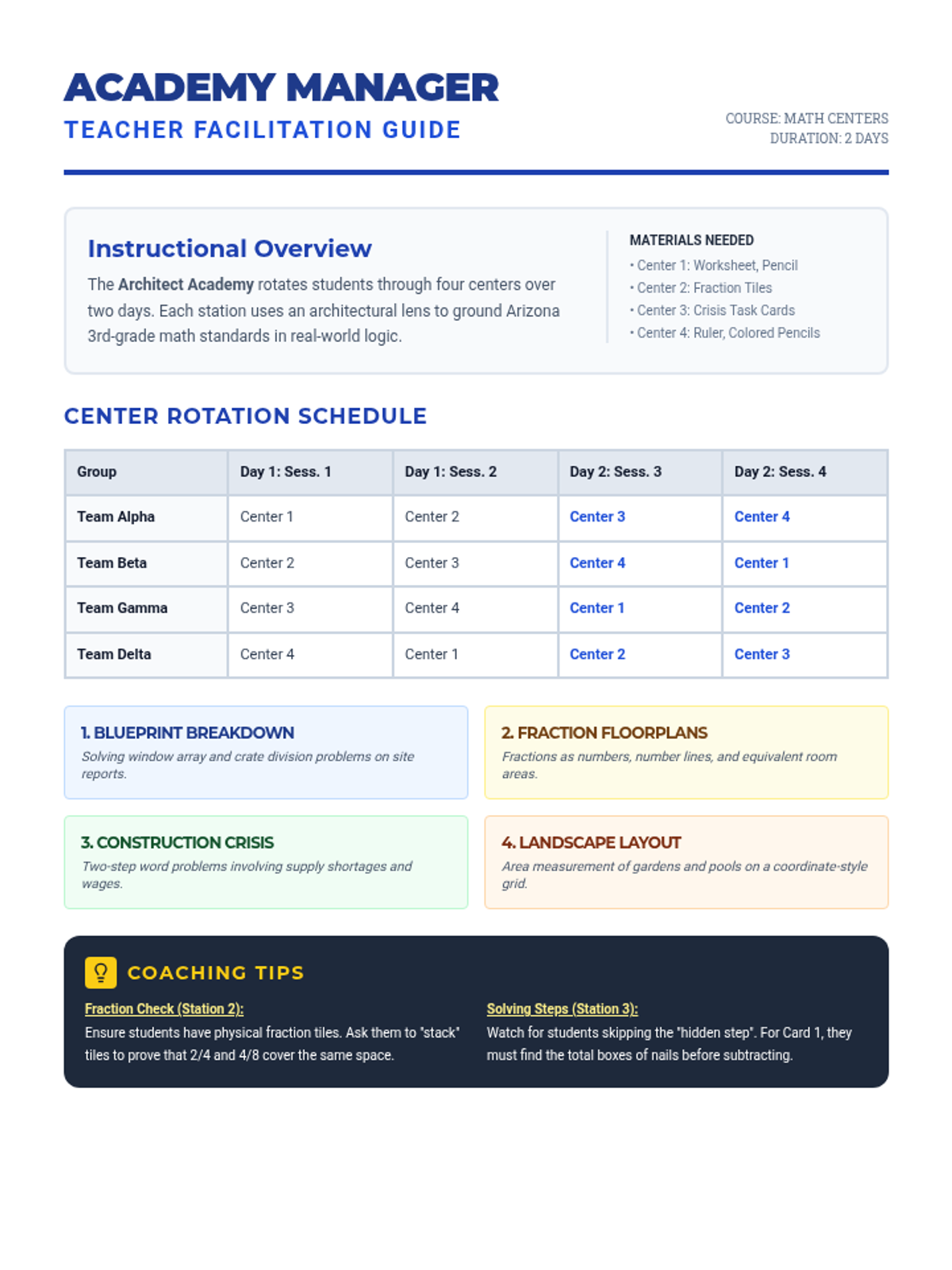
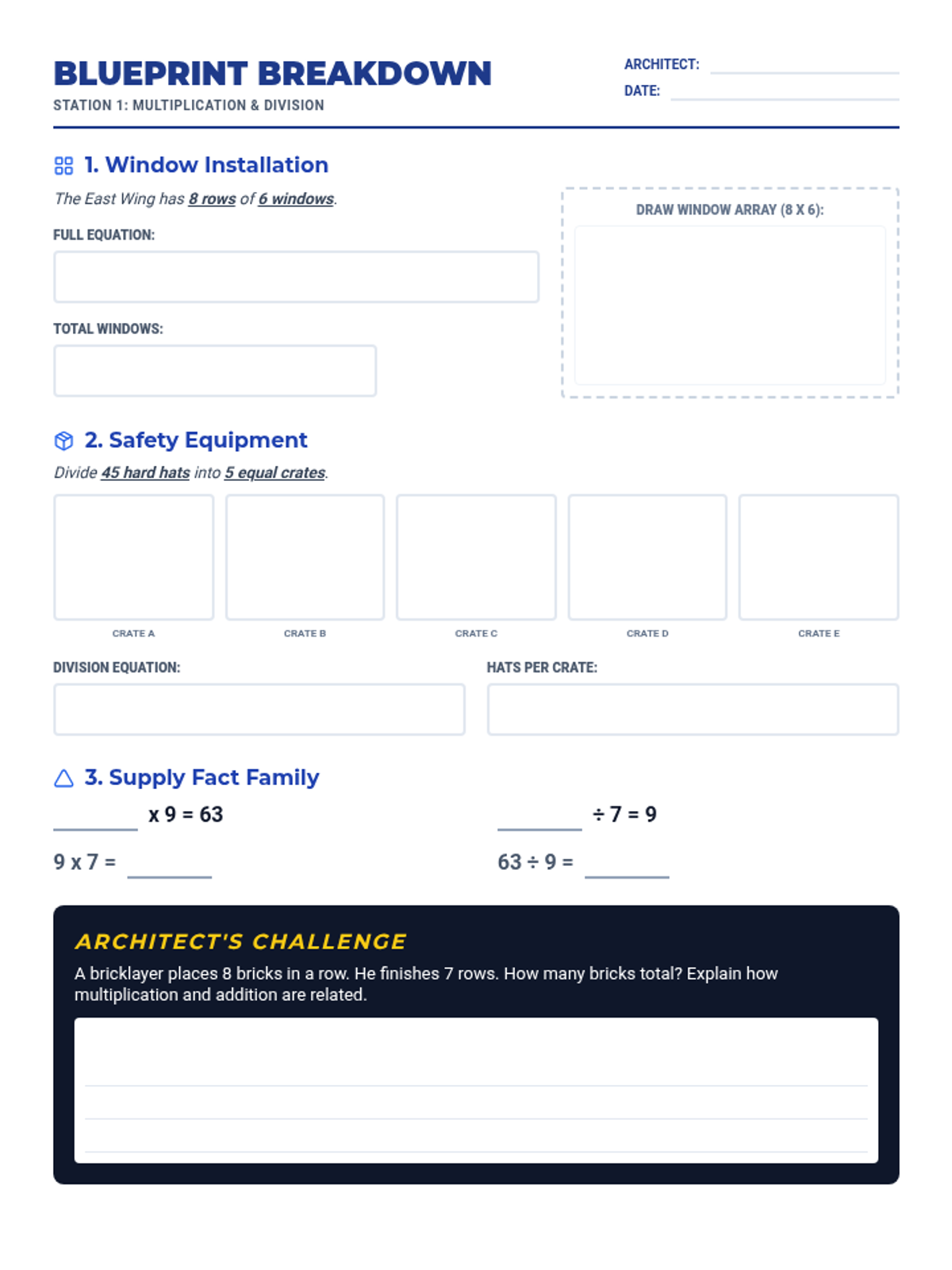
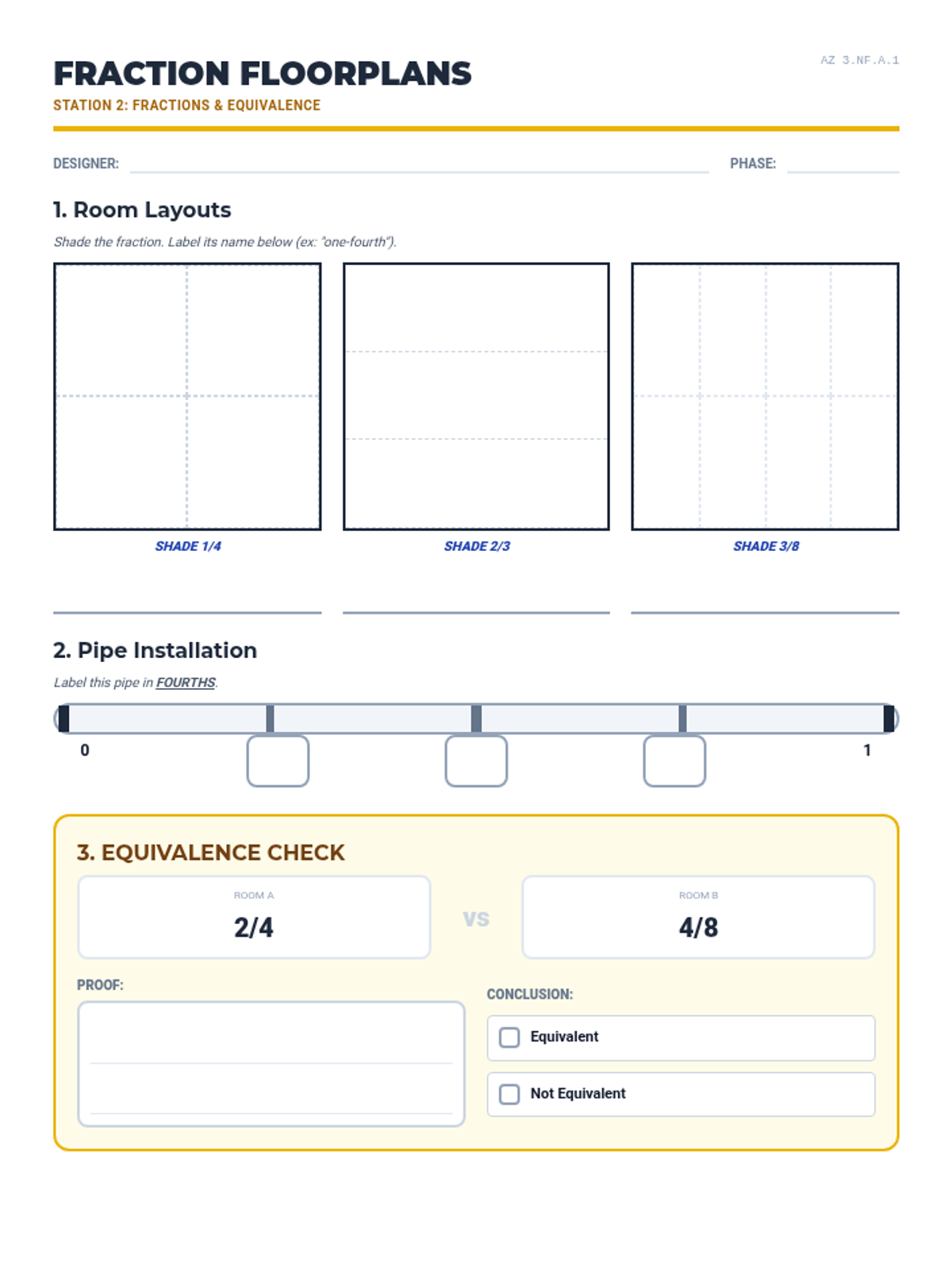
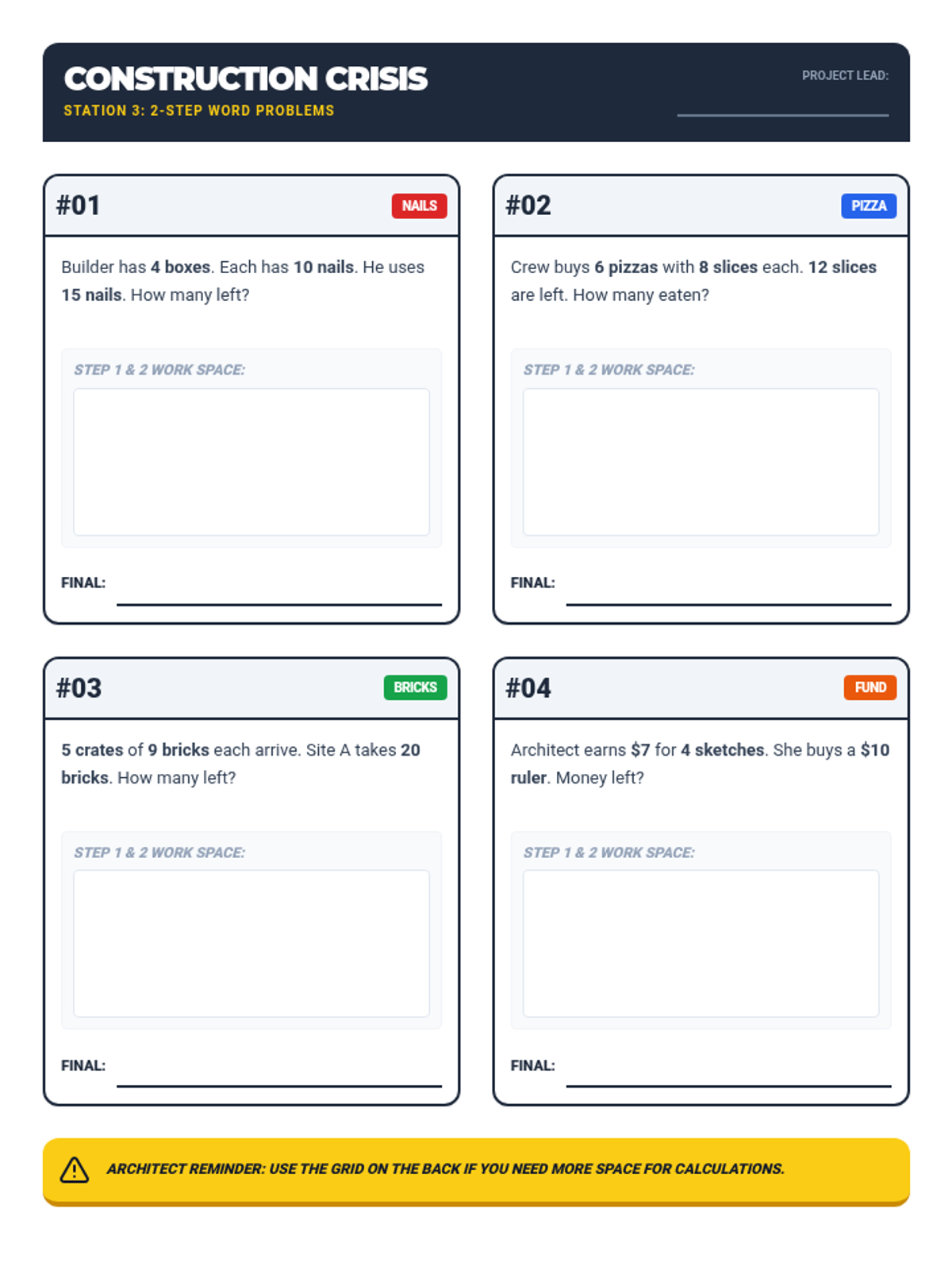
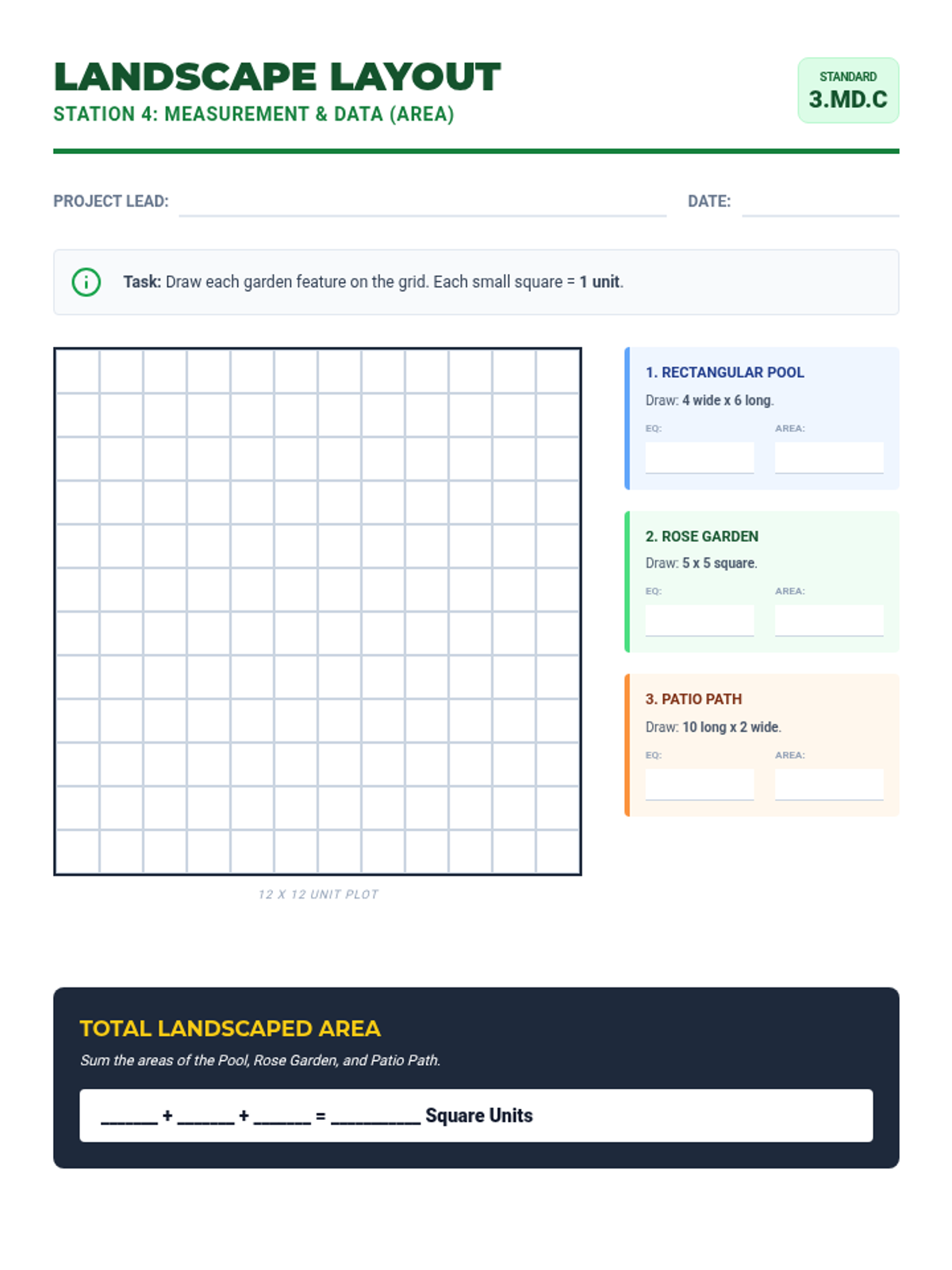
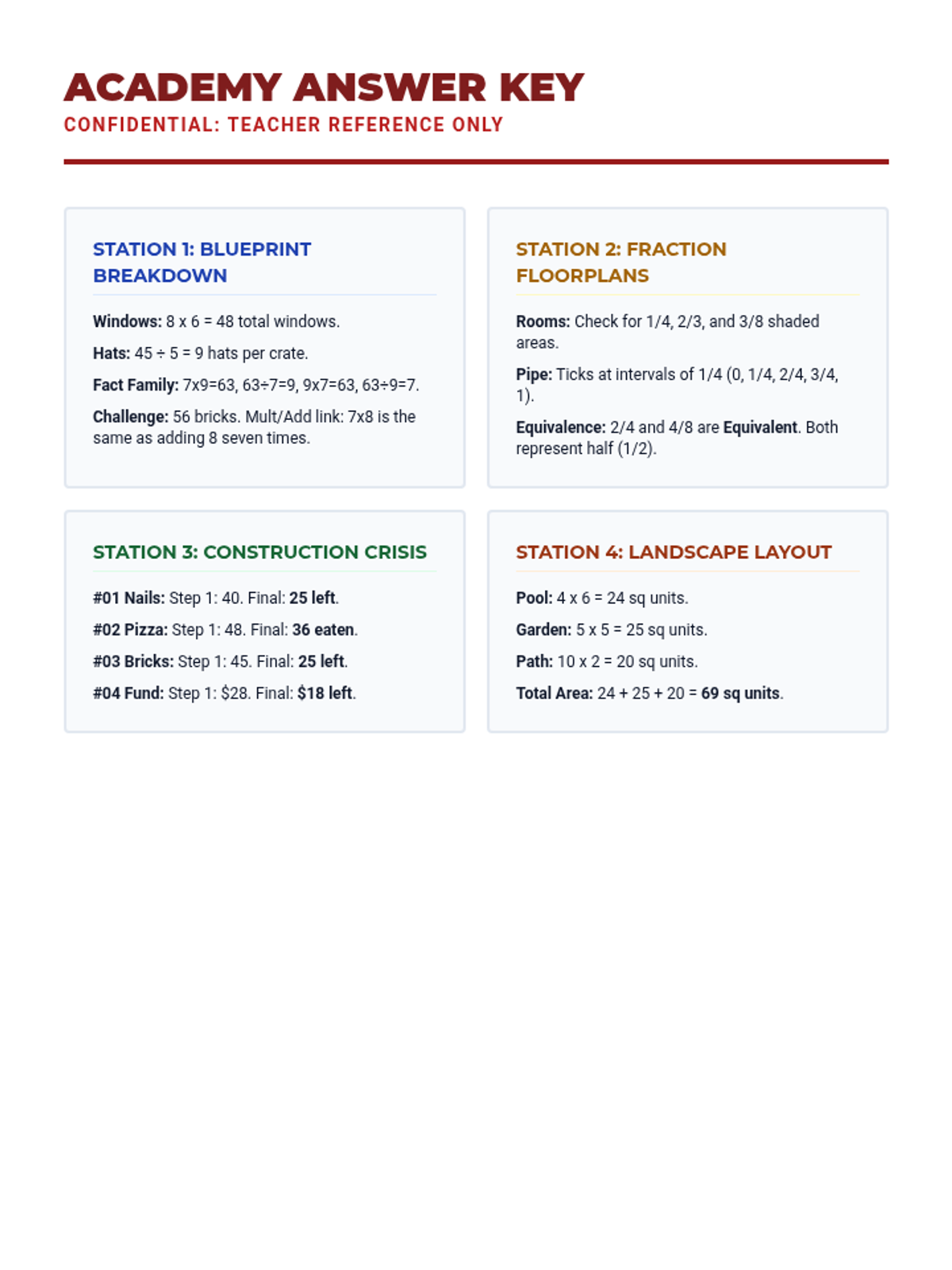
A comprehensive set of four math centers to be rotated over two days, covering multiplication/division, fractions, area, and multi-step word problems.
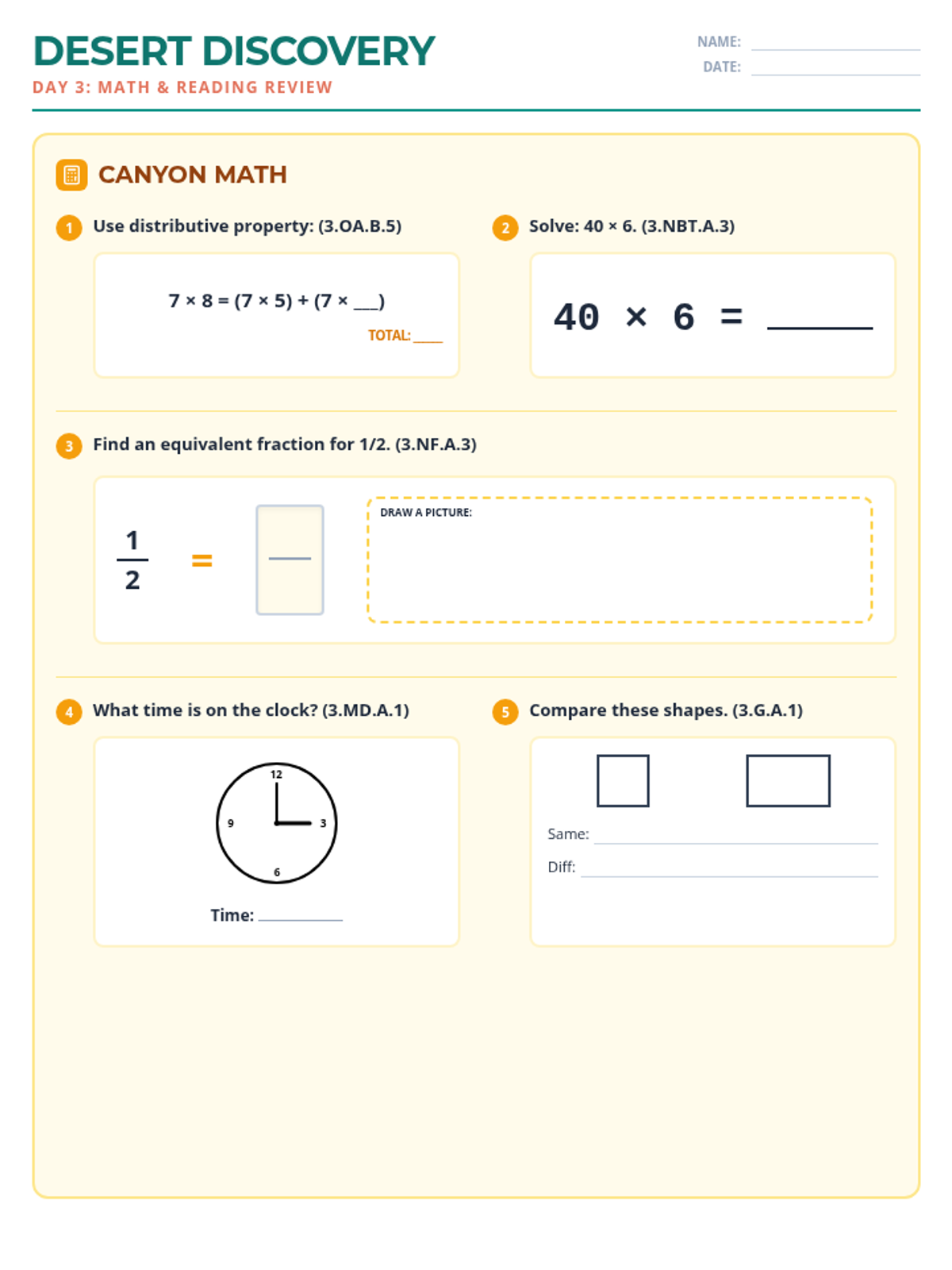
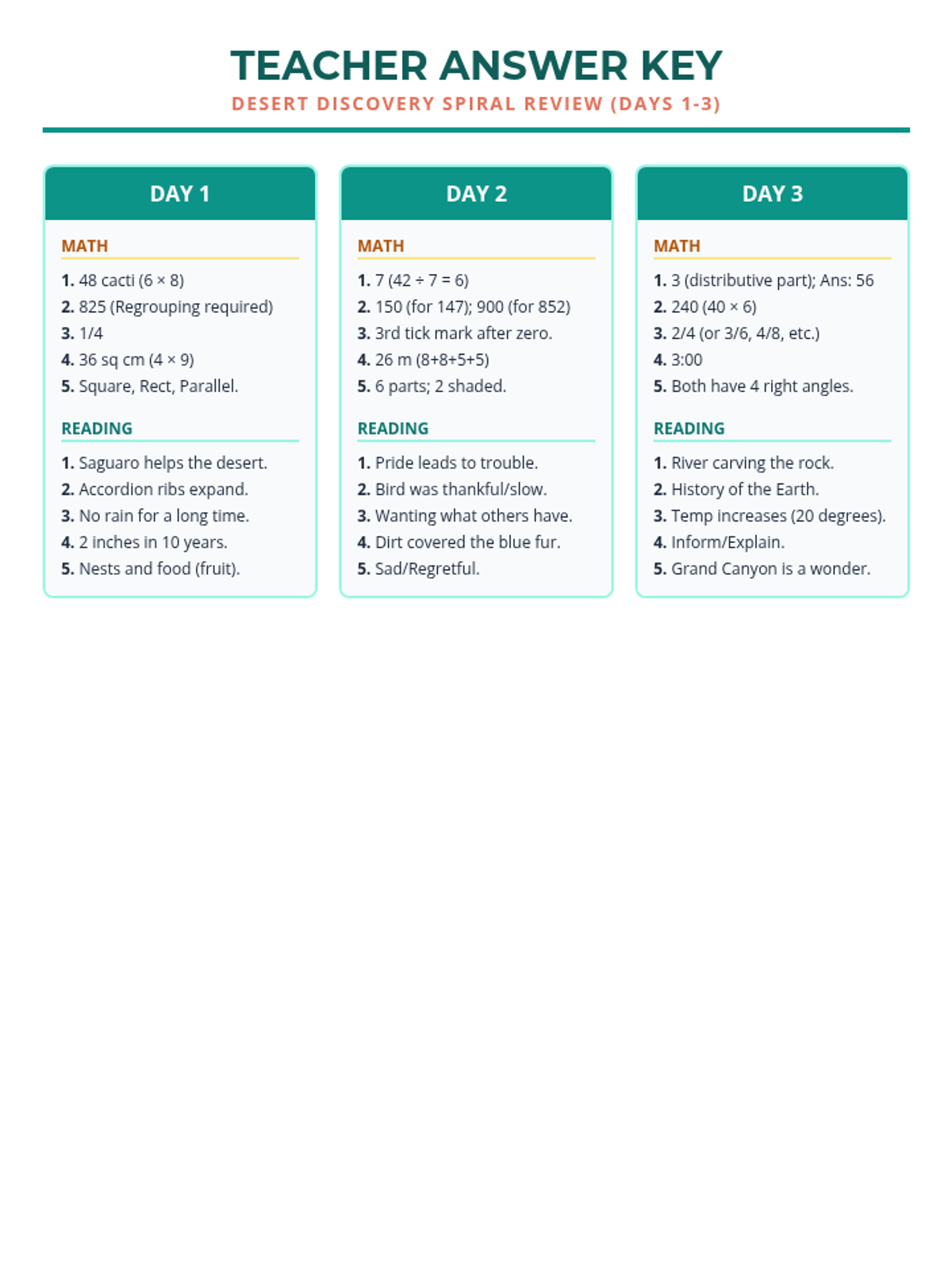
Day 3 of the desert-themed spiral review, featuring informational text about the Grand Canyon and math problems covering multiplication properties, time, equivalent fractions, and geometry attributes.
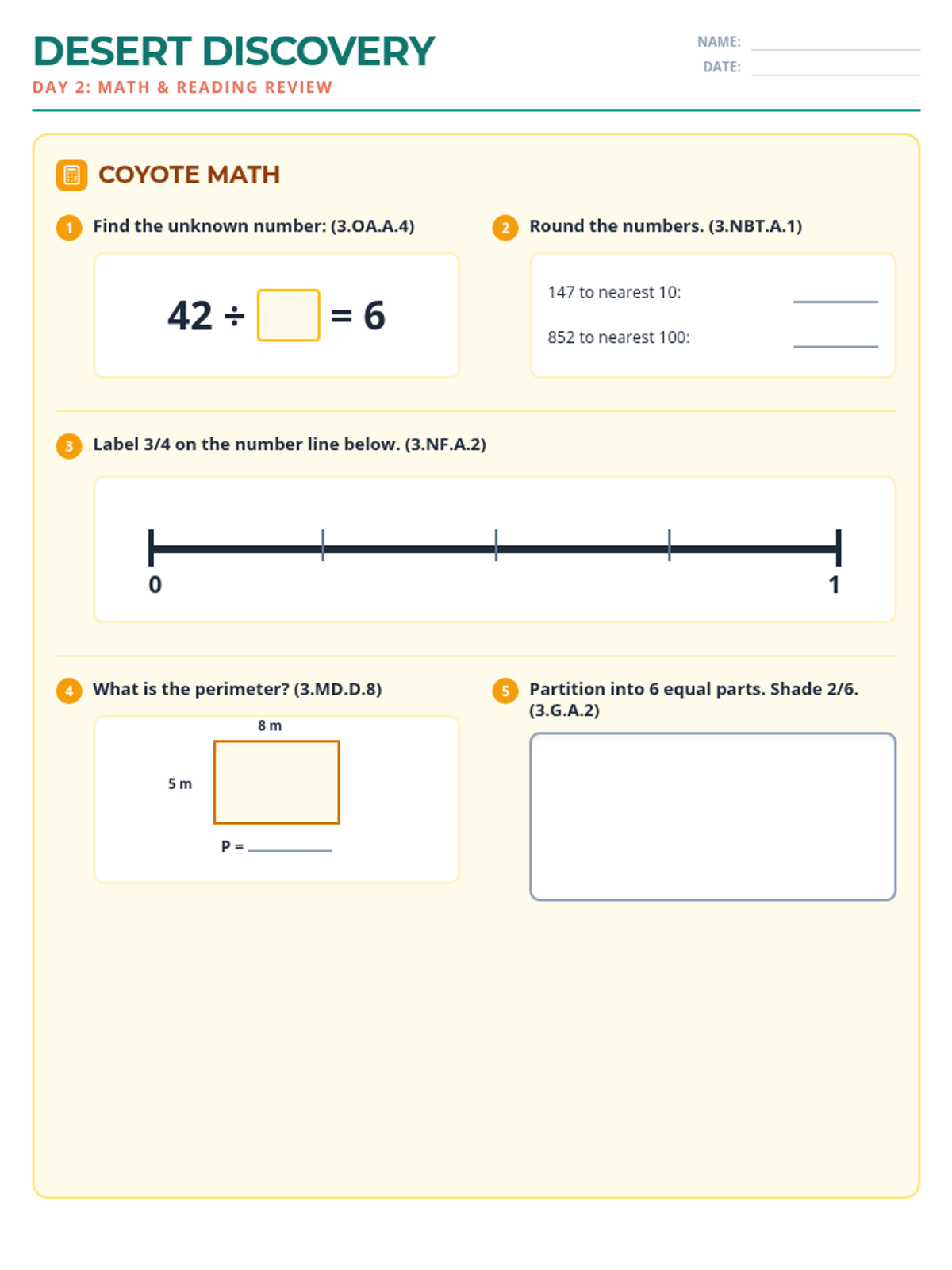
Day 2 of the desert-themed spiral review, featuring a desert-themed fable and math problems covering division, rounding, number lines, perimeter, and shape partitioning.
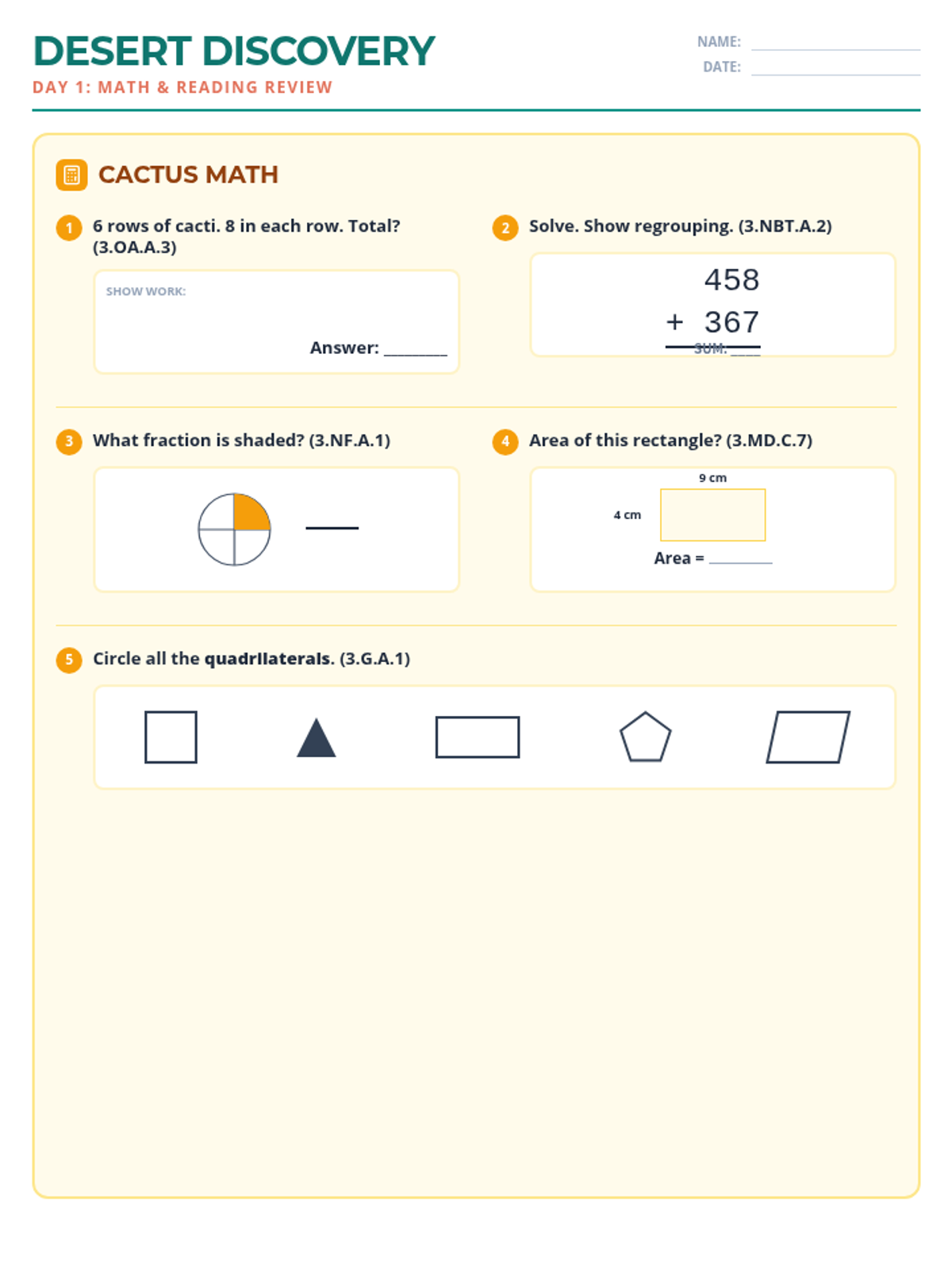
Day 1 of the desert-themed spiral review, featuring informational reading about the Saguaro cactus and math problems covering multiplication, addition, fractions, area, and geometry.