Mastering the 'turn'—a high-level debate tactic where a student explains why an opponent's argument actually supports their own side. Covers both link turns and impact turns.
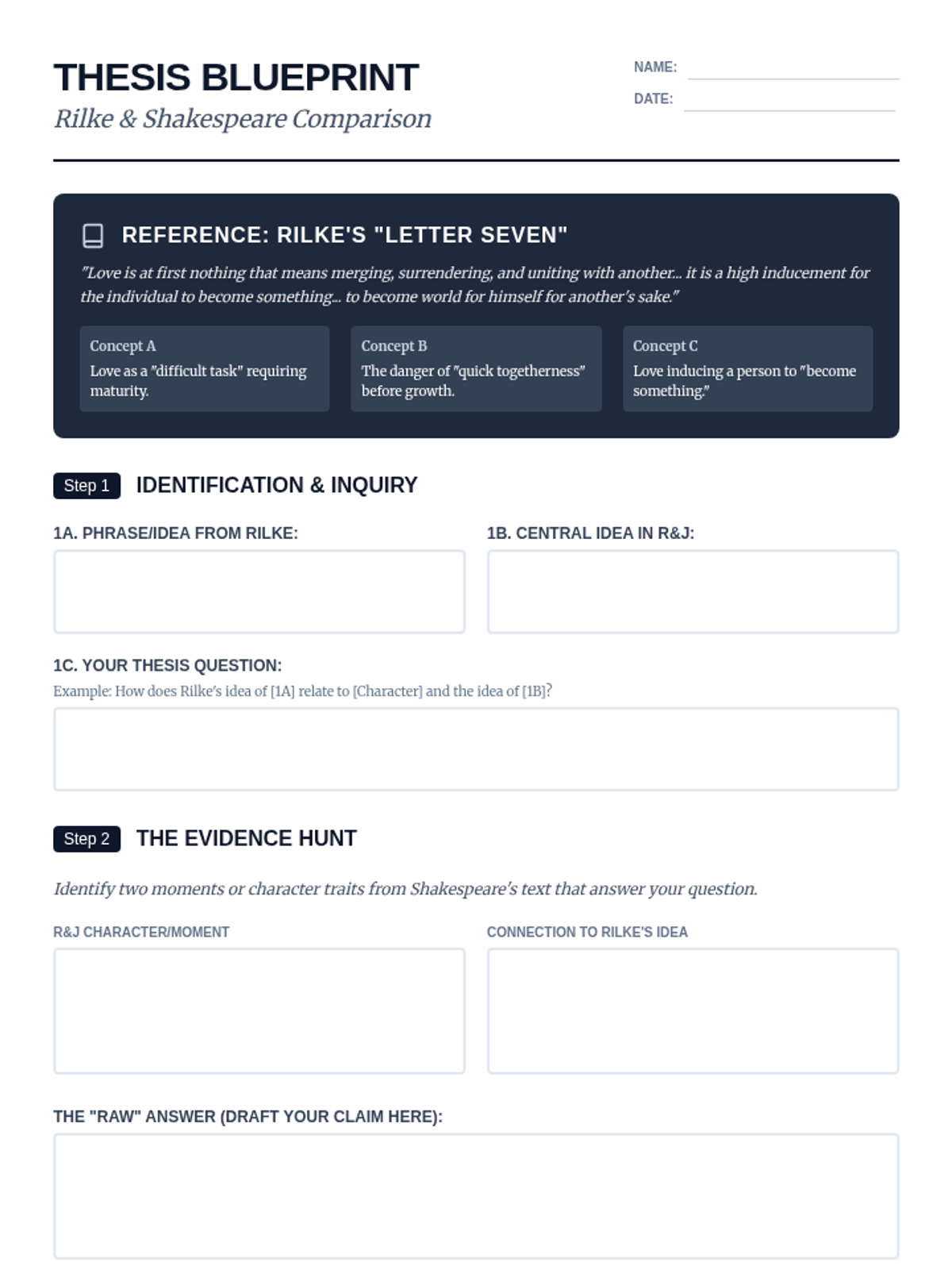
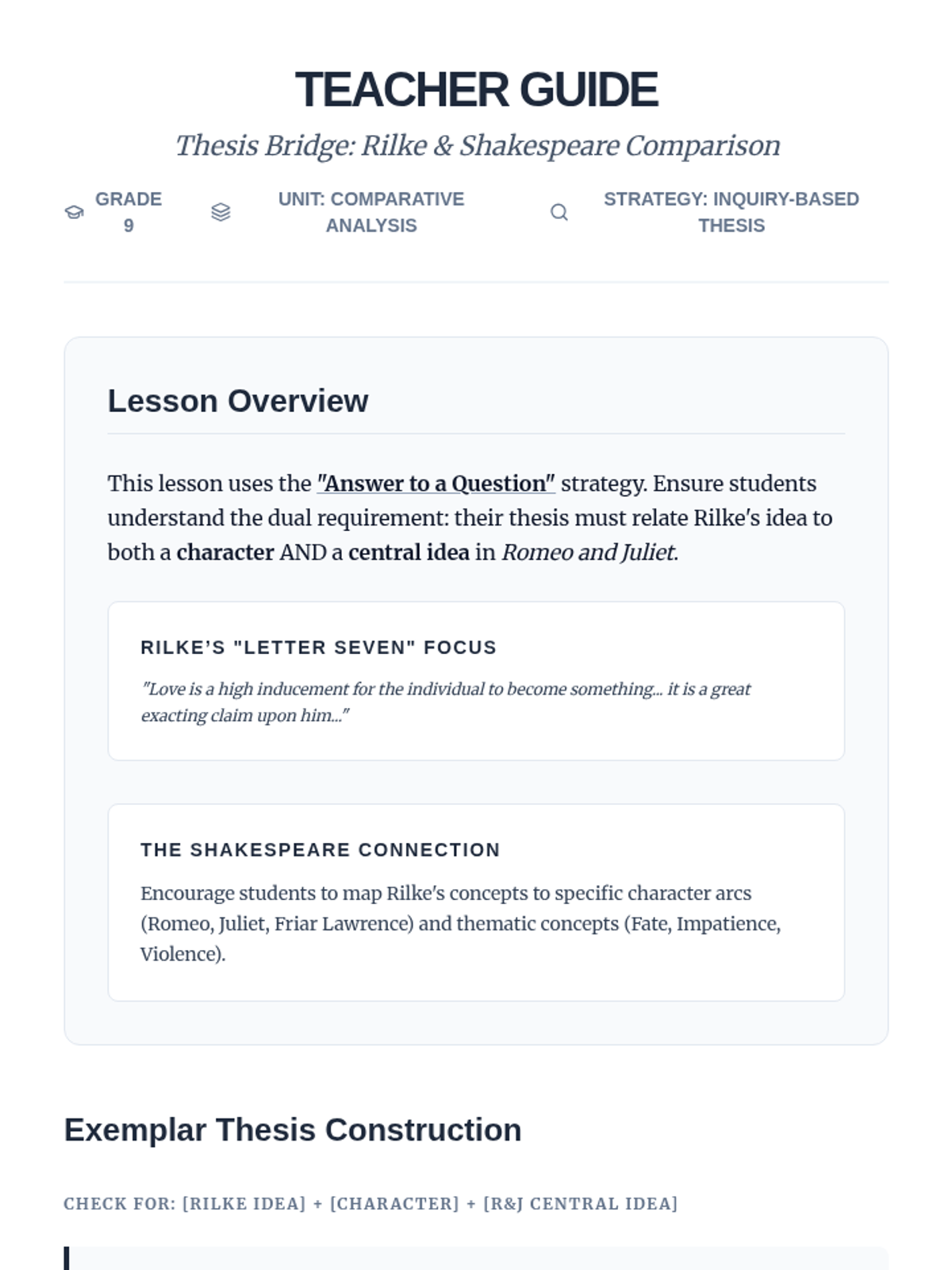
A focused lesson on crafting a thesis statement for a comparative essay between Rilke's Letters to a Young Poet and Shakespeare's Romeo and Juliet, specifically using the 'Answer to a Question' strategy.
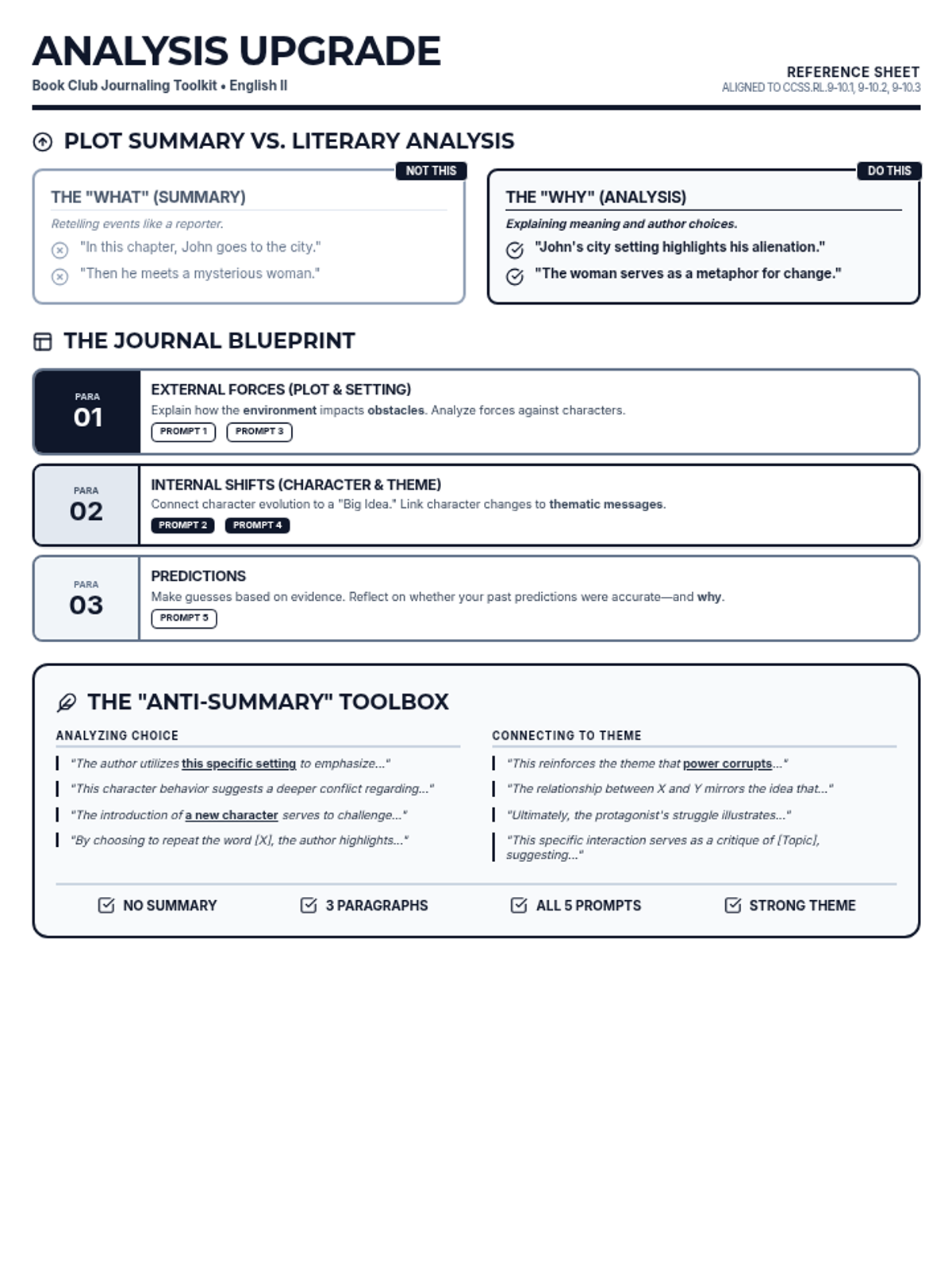
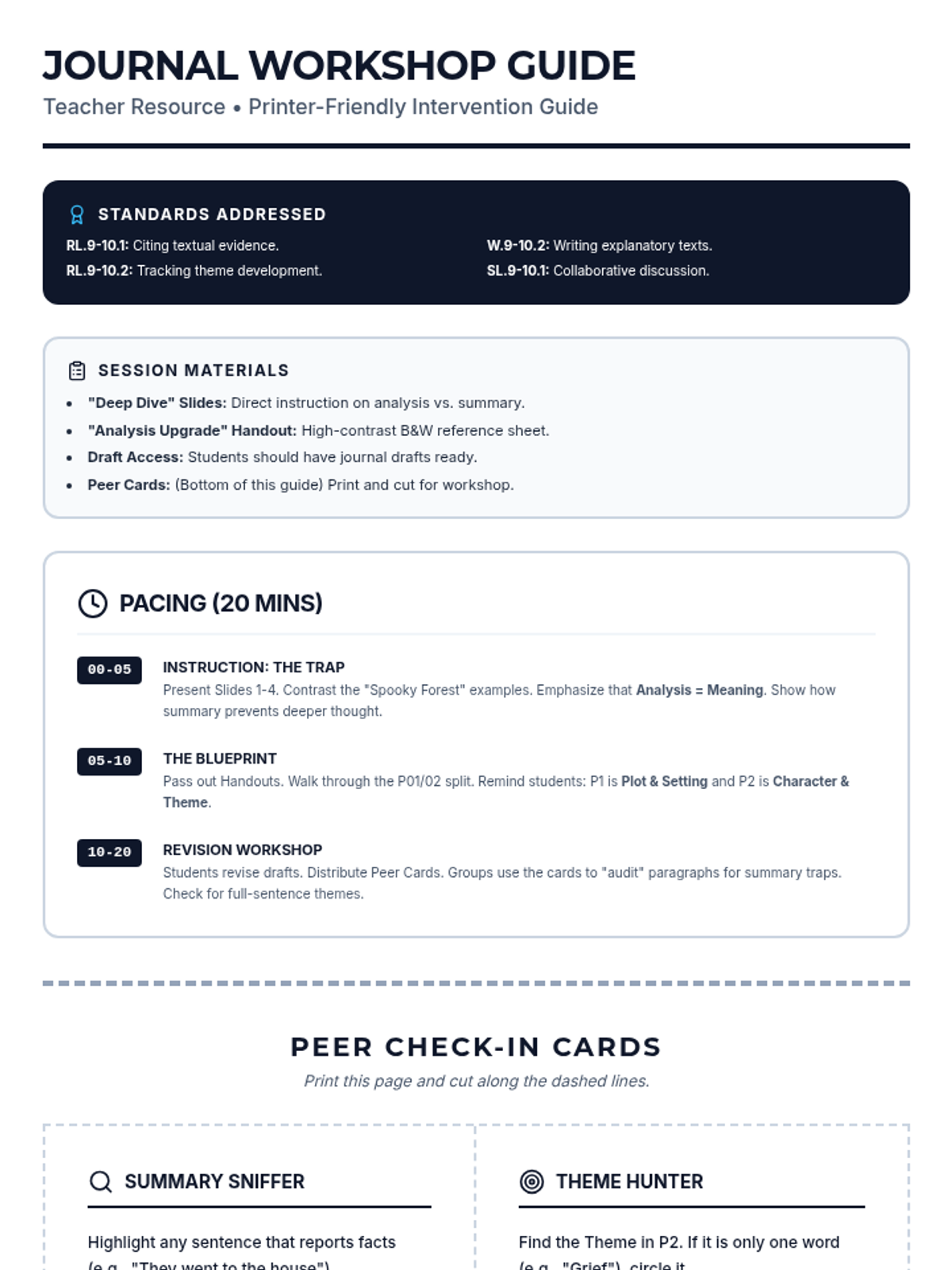
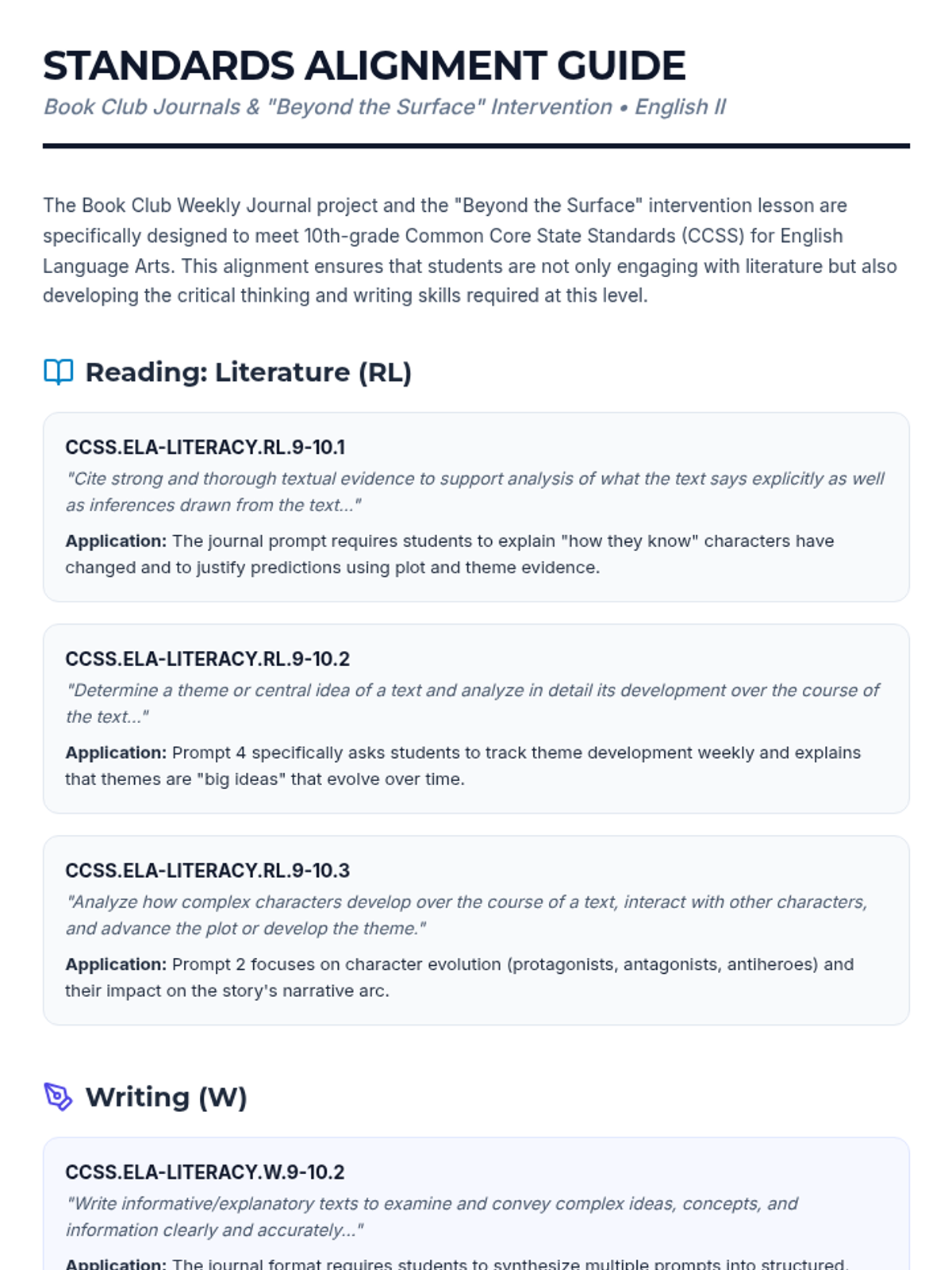
A targeted intervention designed to help 10th-grade students move beyond plot summary and into deep literary analysis for their weekly book club journals. This lesson provides clear frameworks for paragraph construction and analytical thinking.
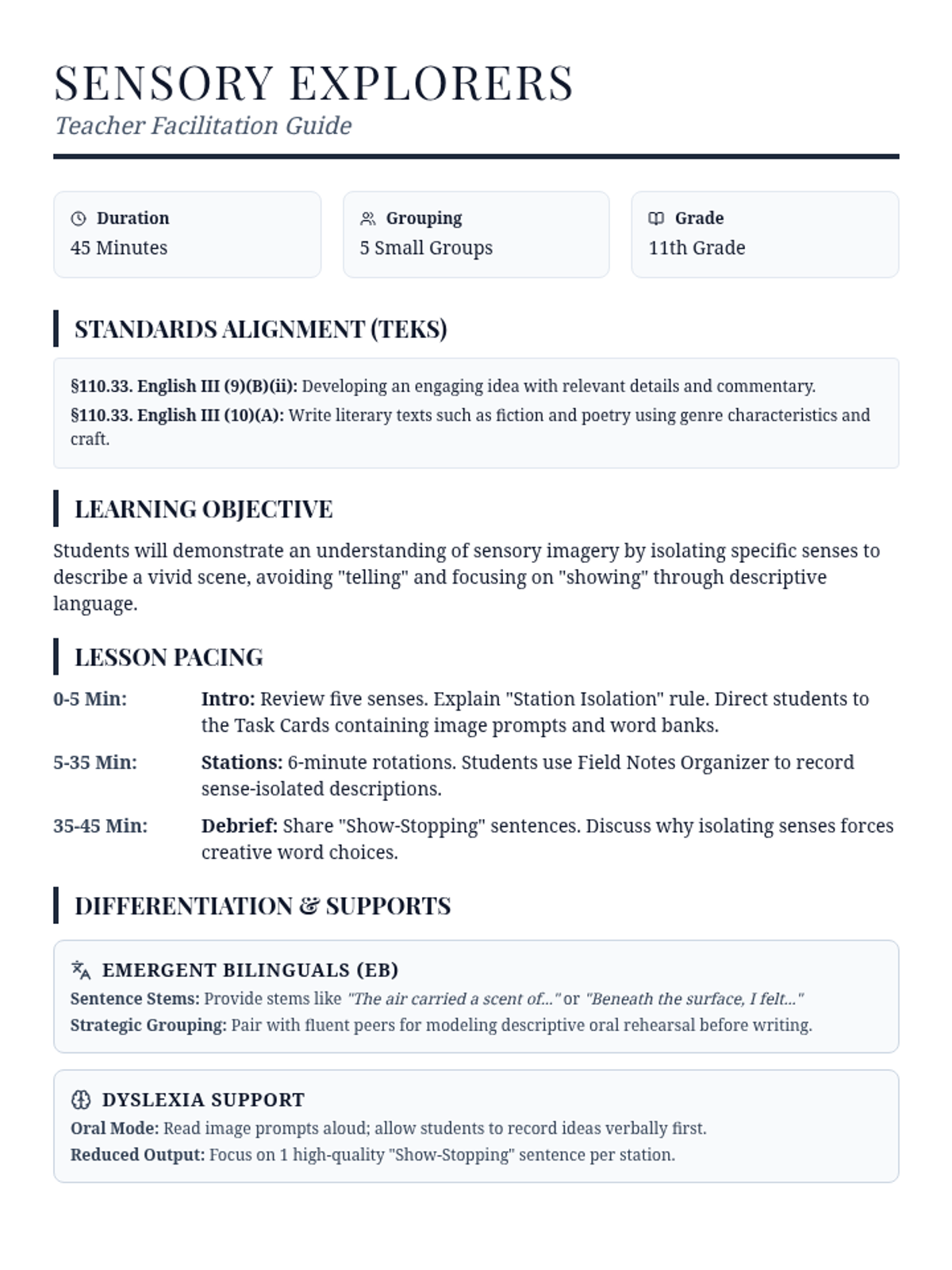
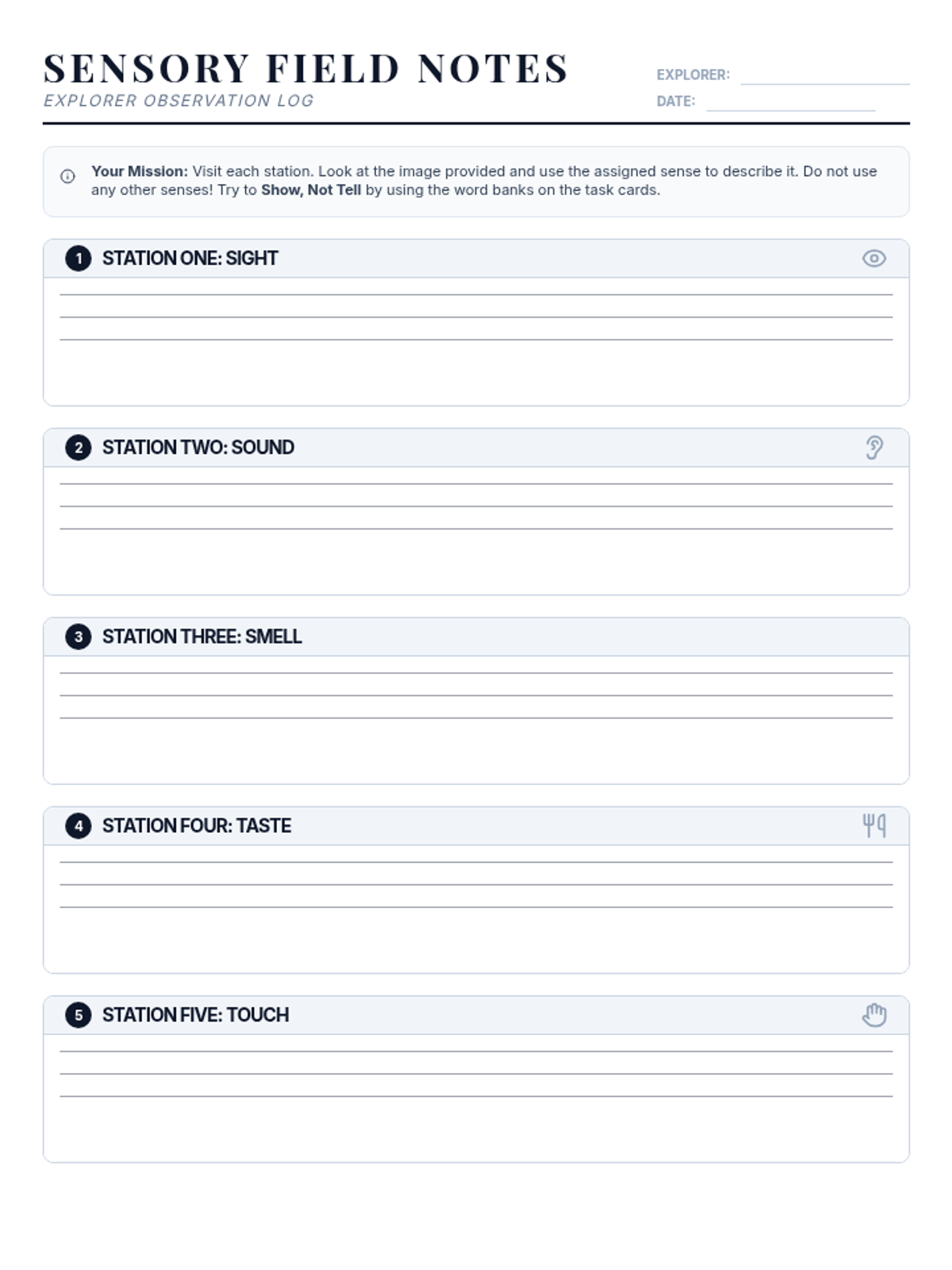
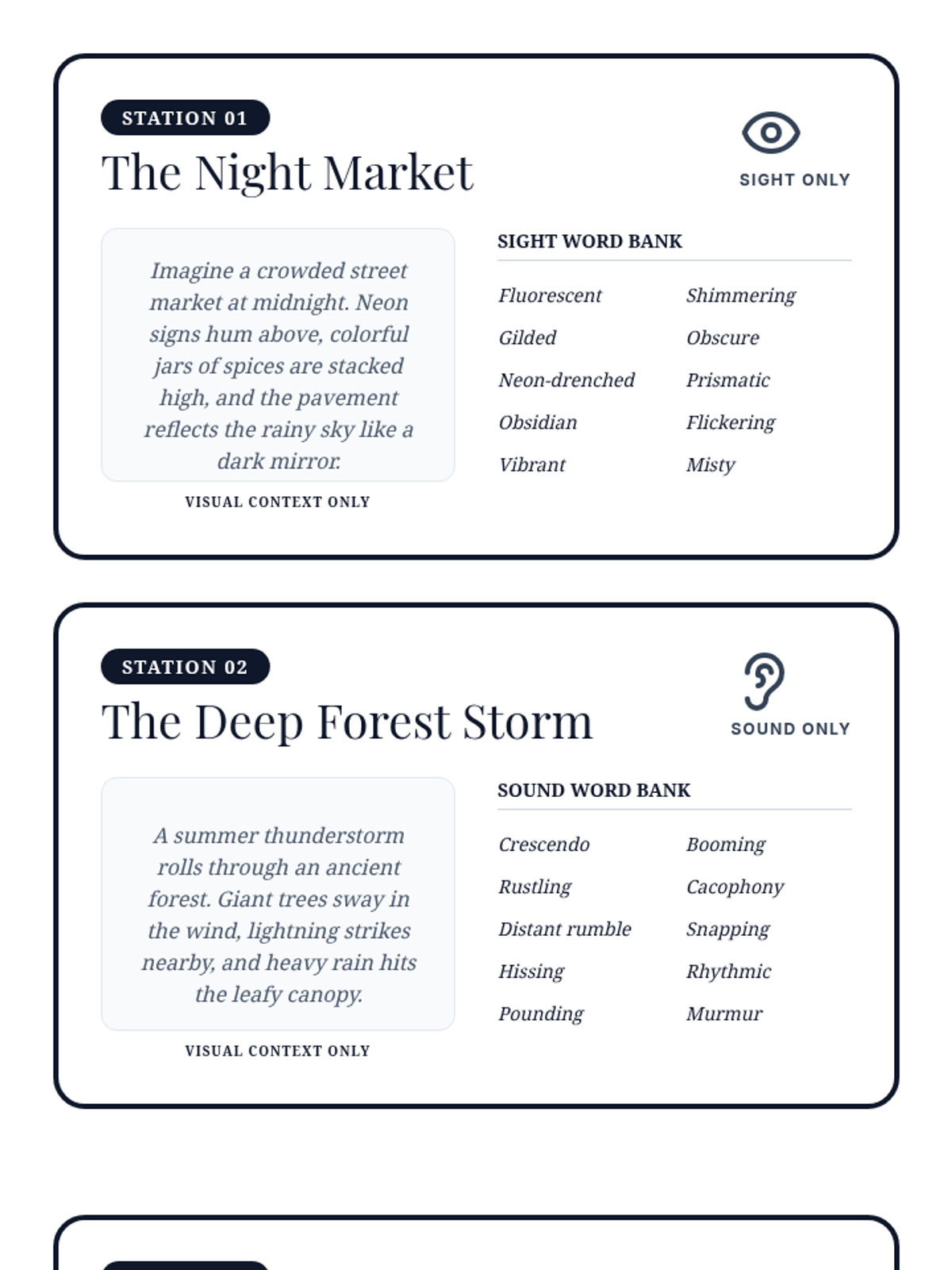
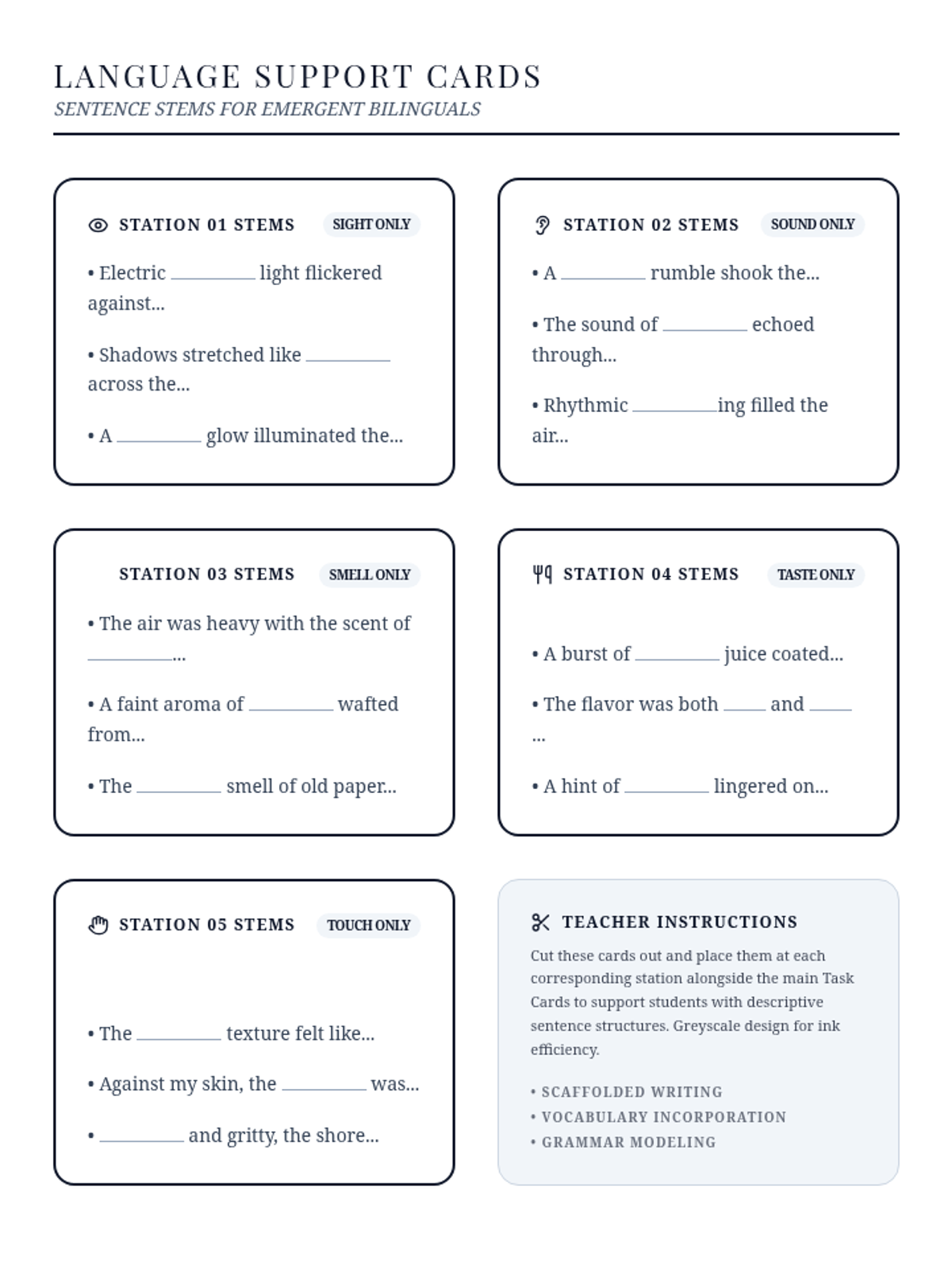
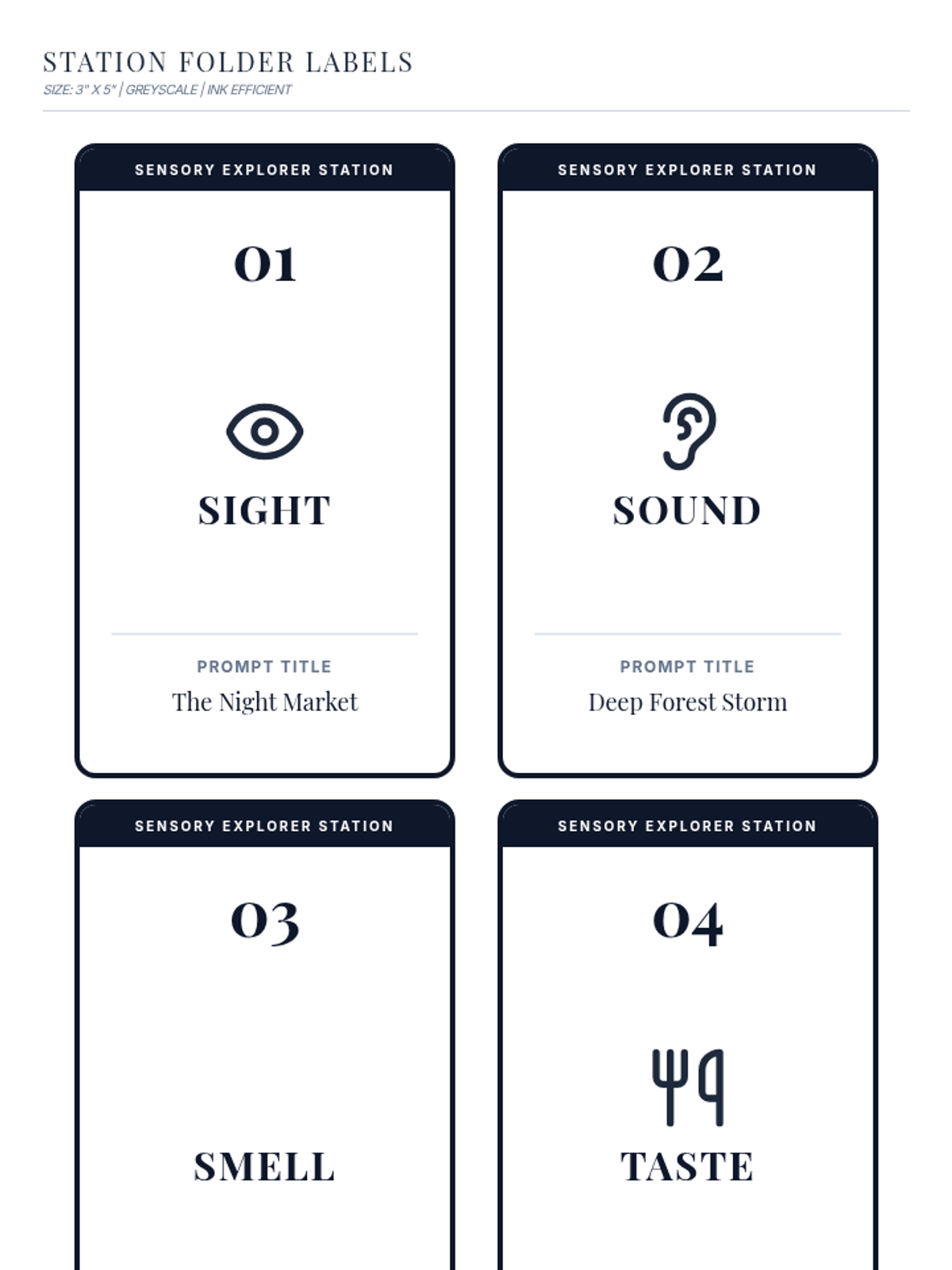
A 45-minute interactive station-based lesson where students explore sensory imagery by describing unique environments through a single lens of perception.
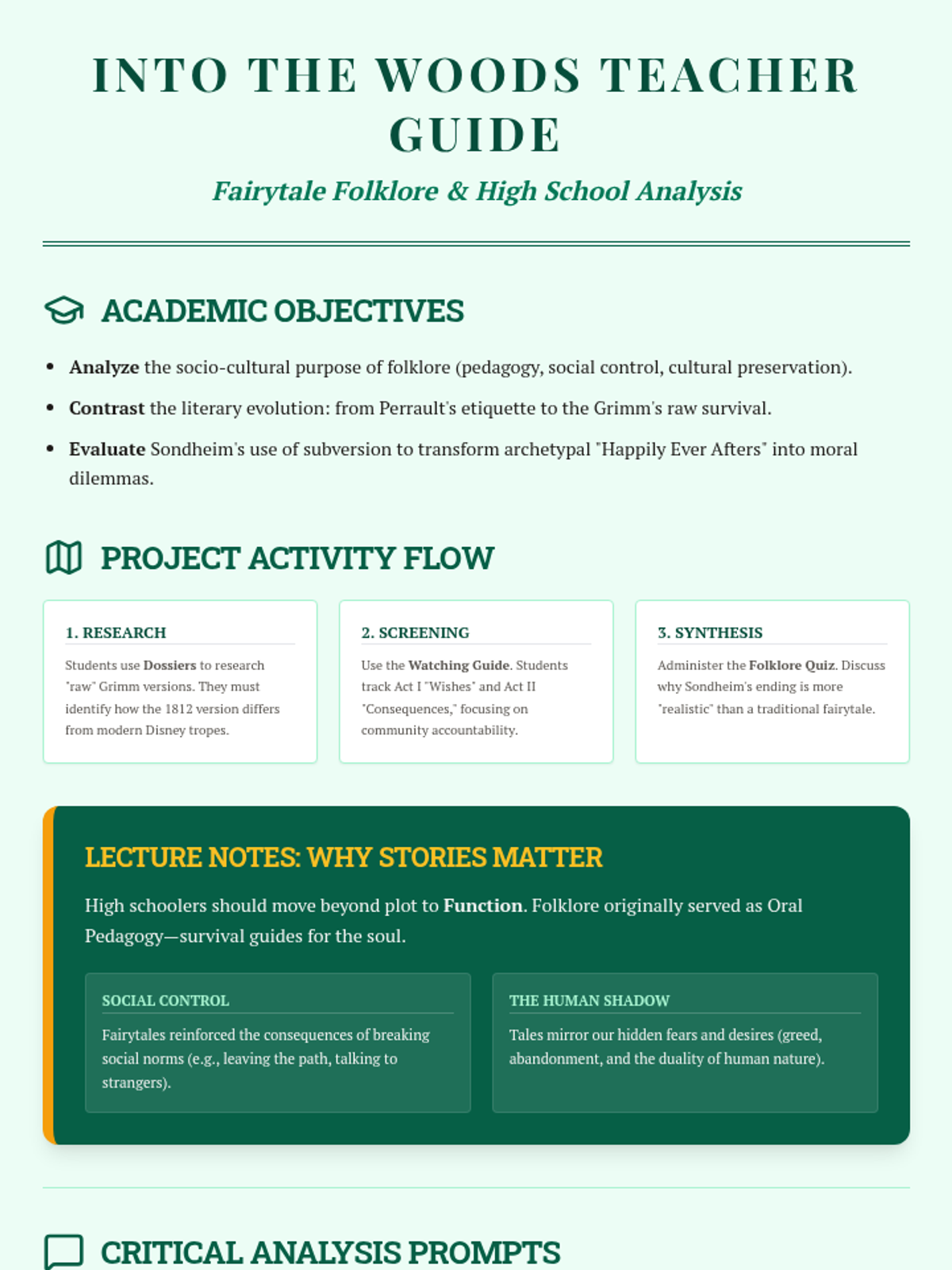
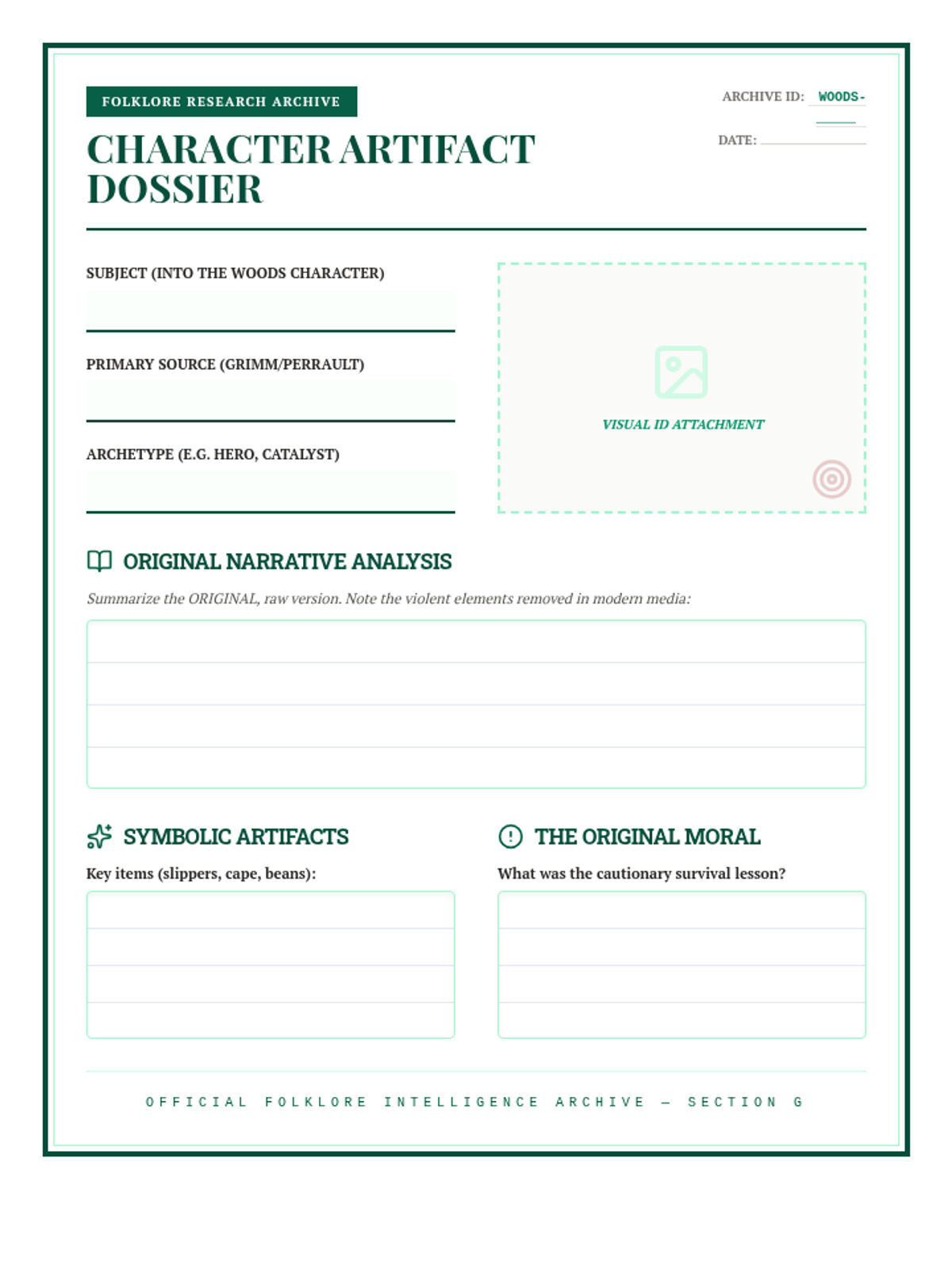
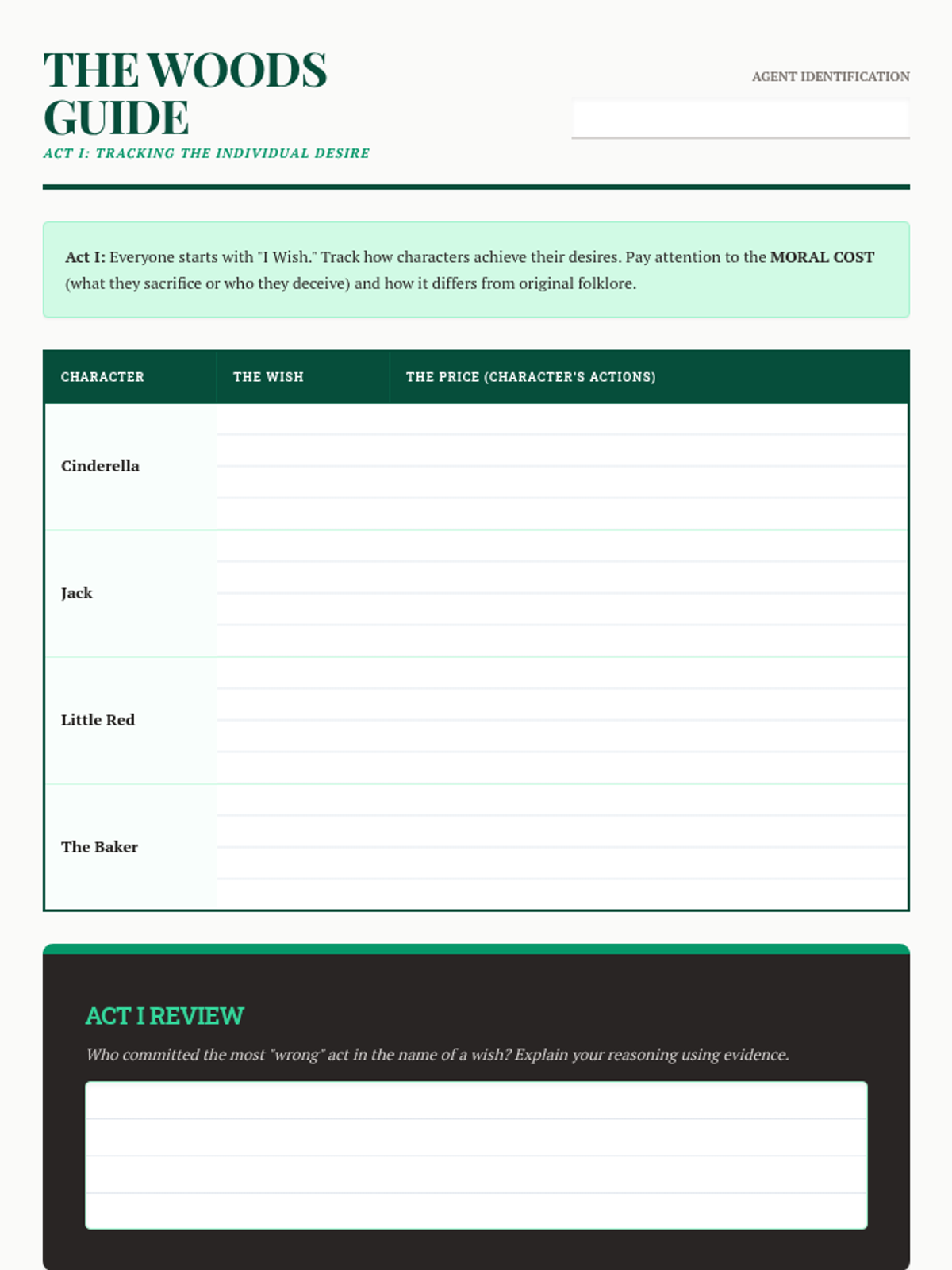
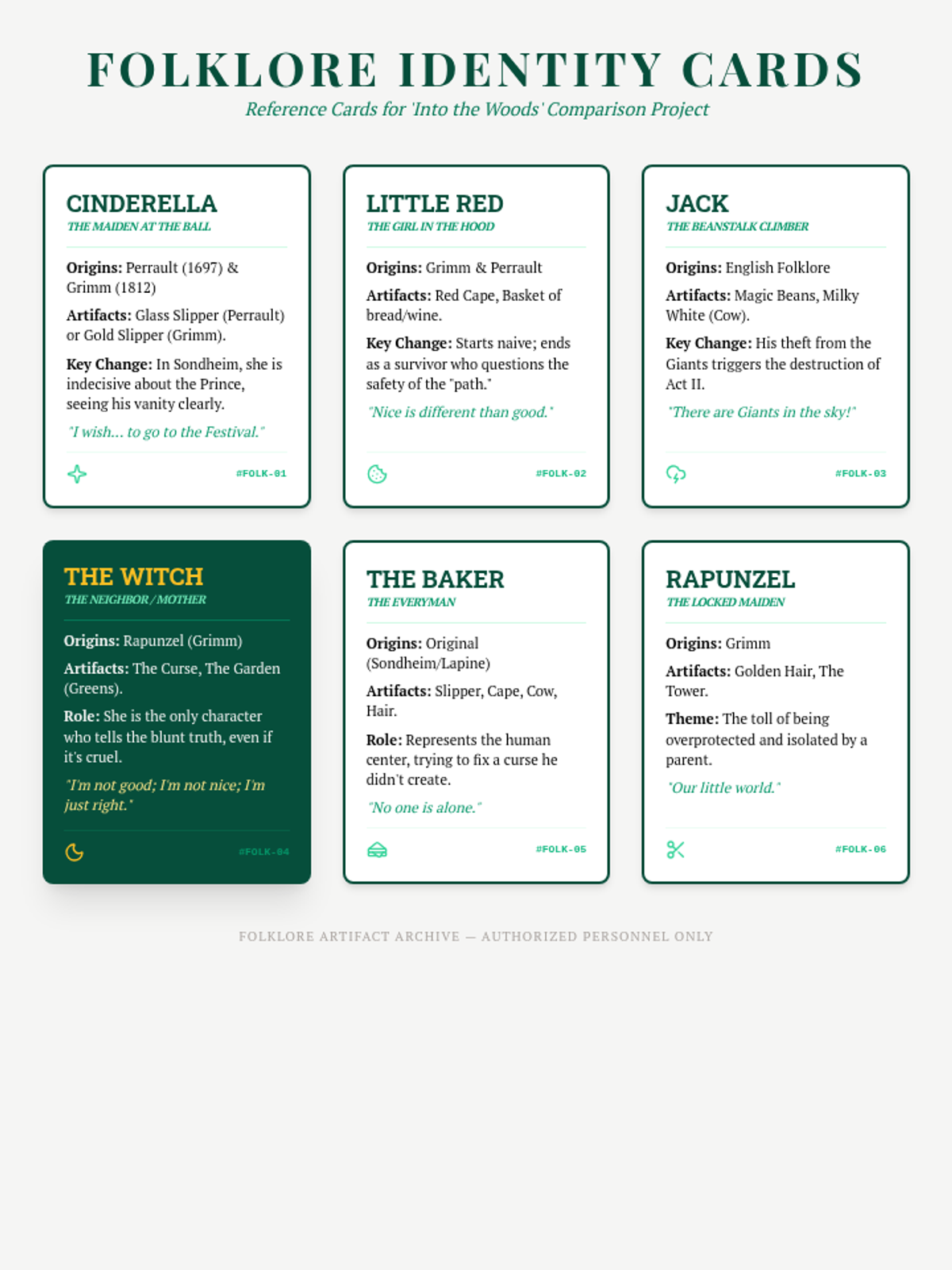
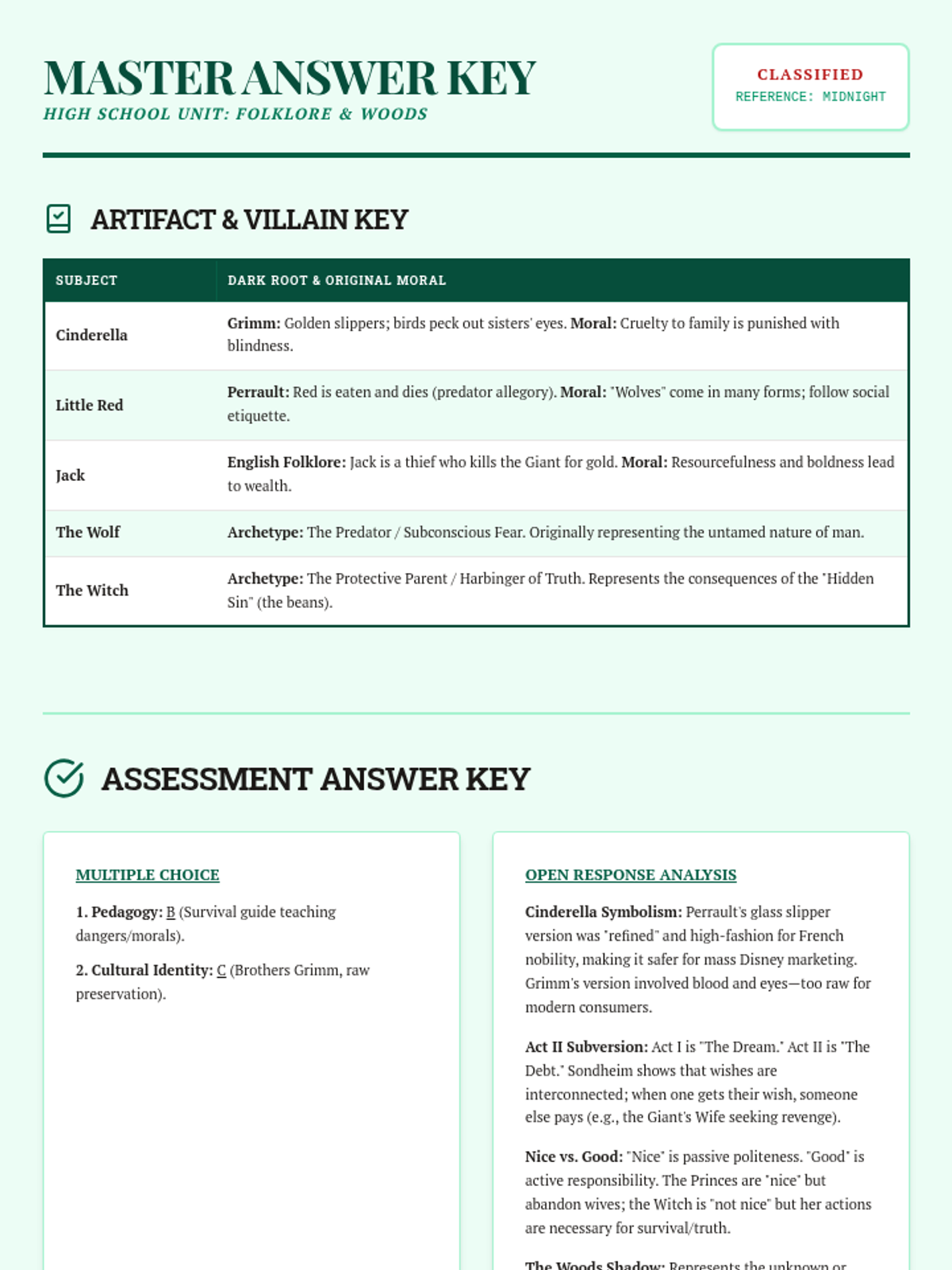
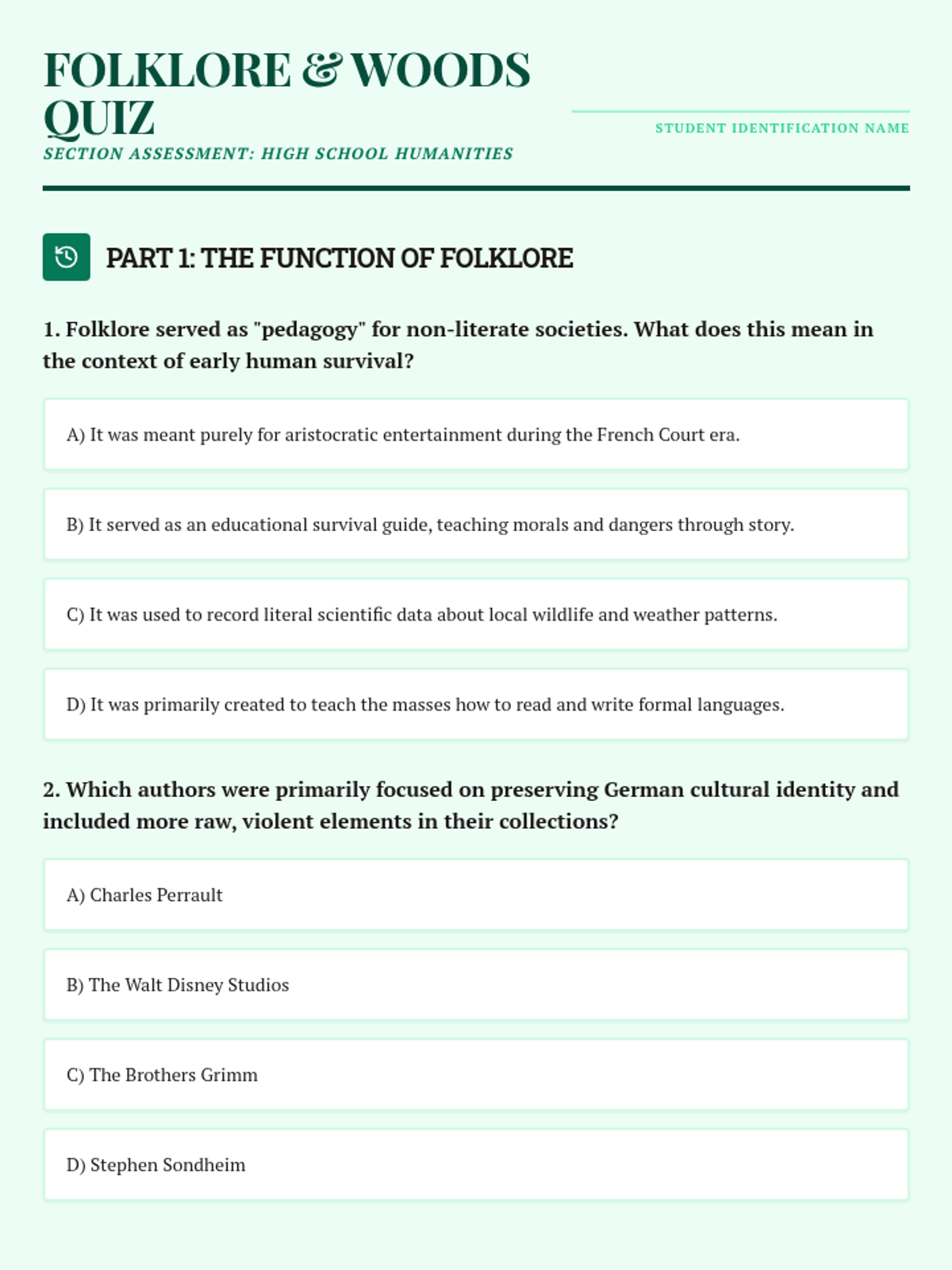
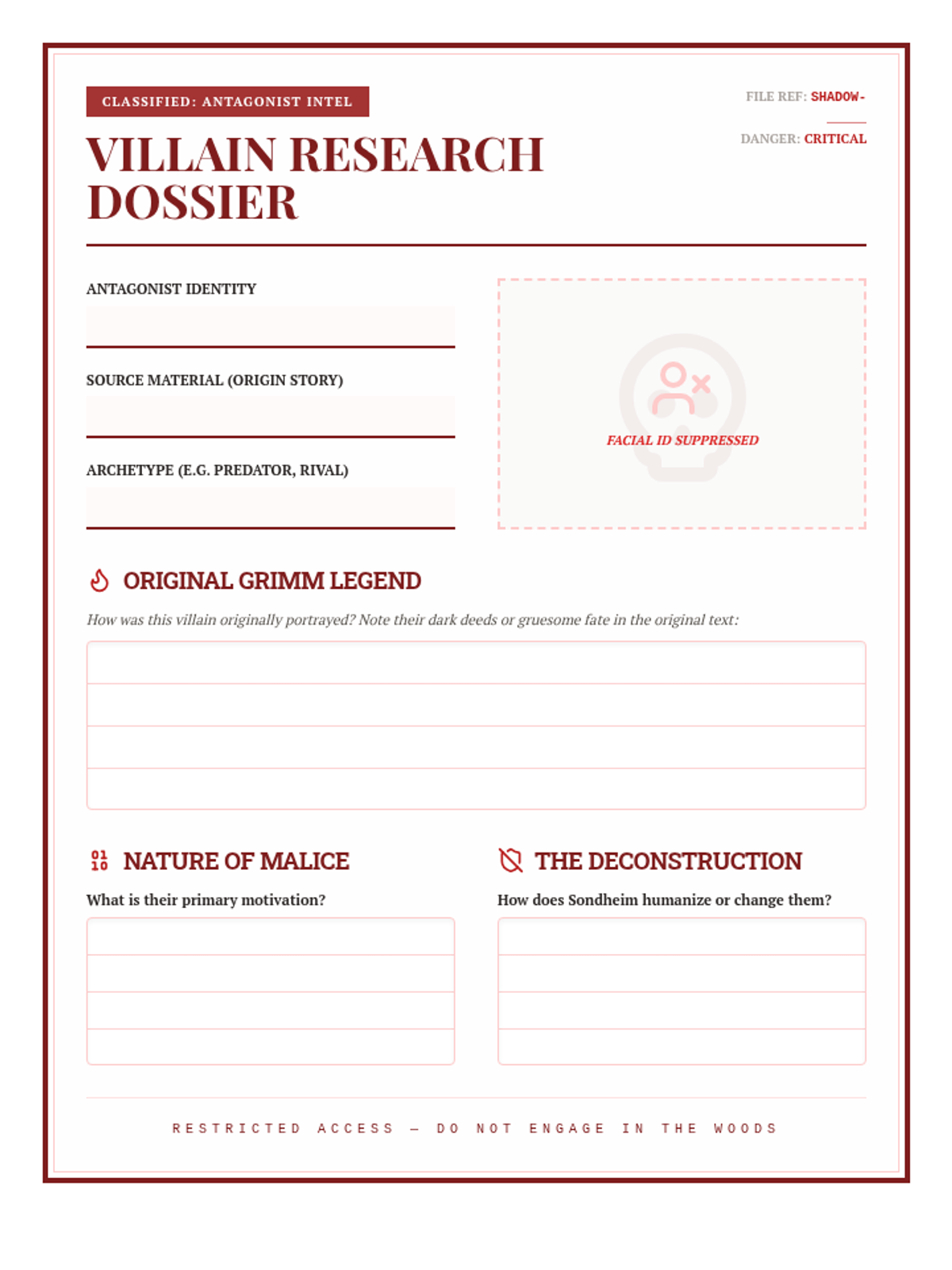
A fairytale folklore project that explores the original dark roots of classic tales and analyzes their subversion and intersection in Stephen Sondheim's 'Into the Woods'.
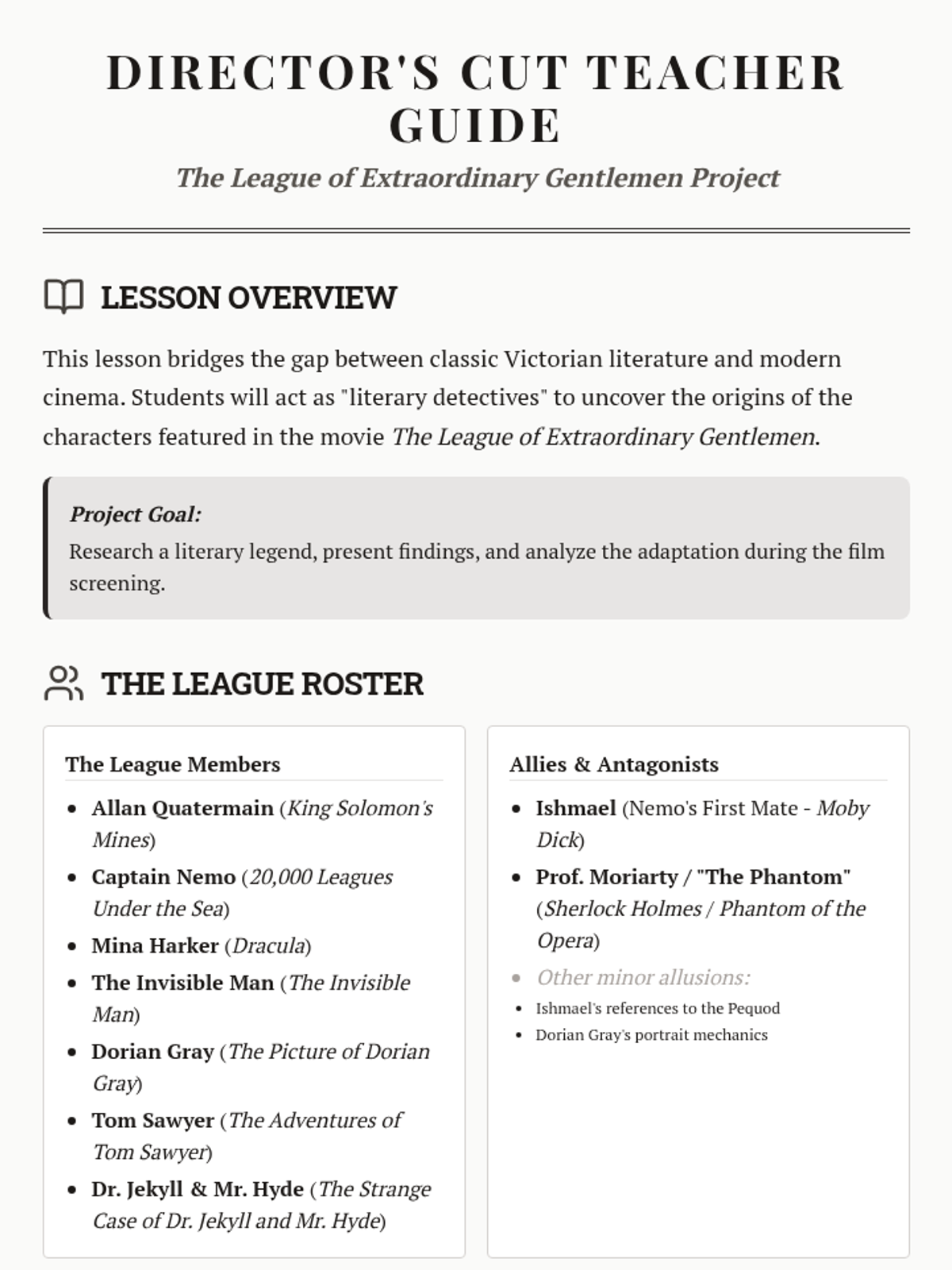
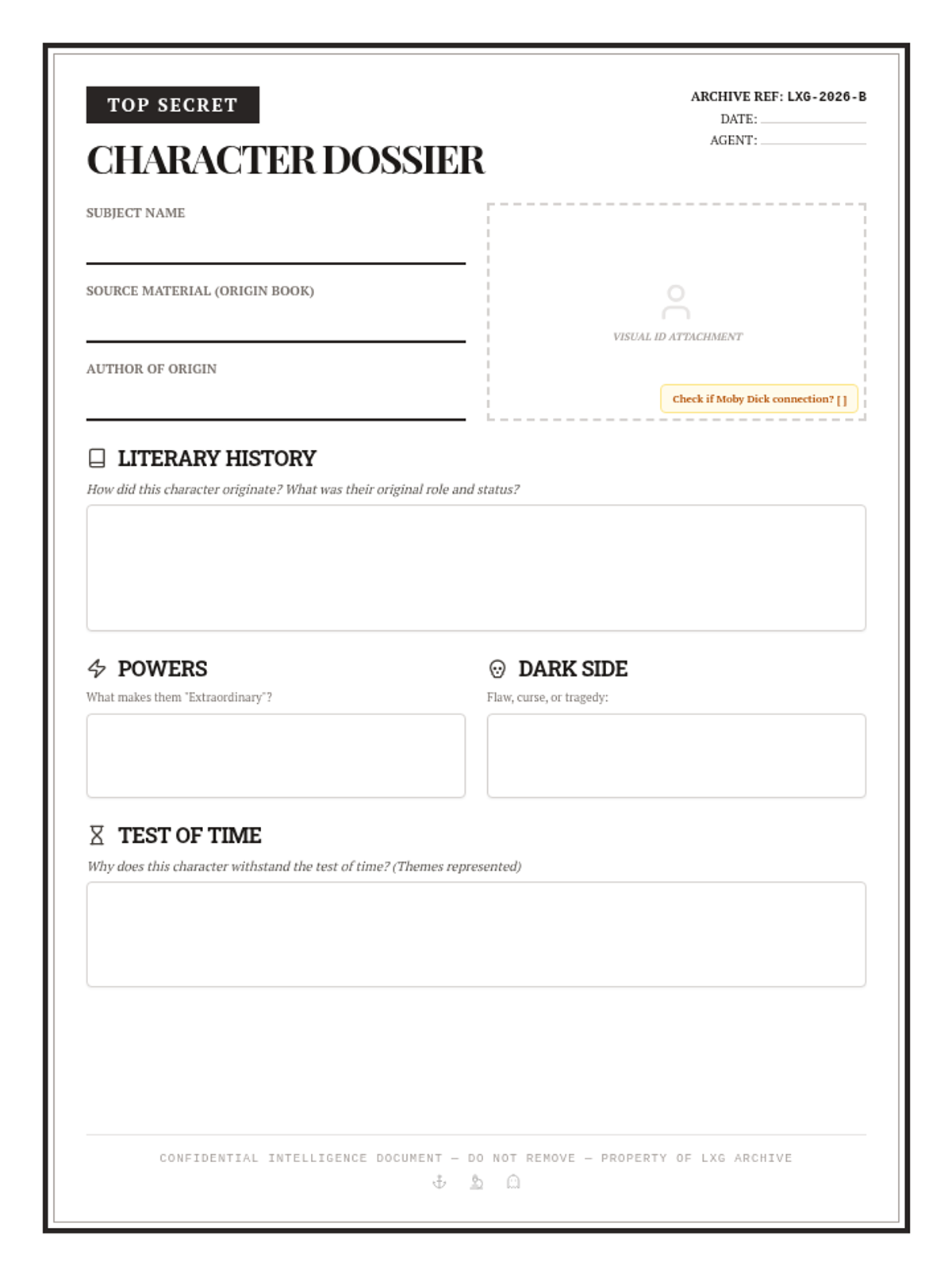
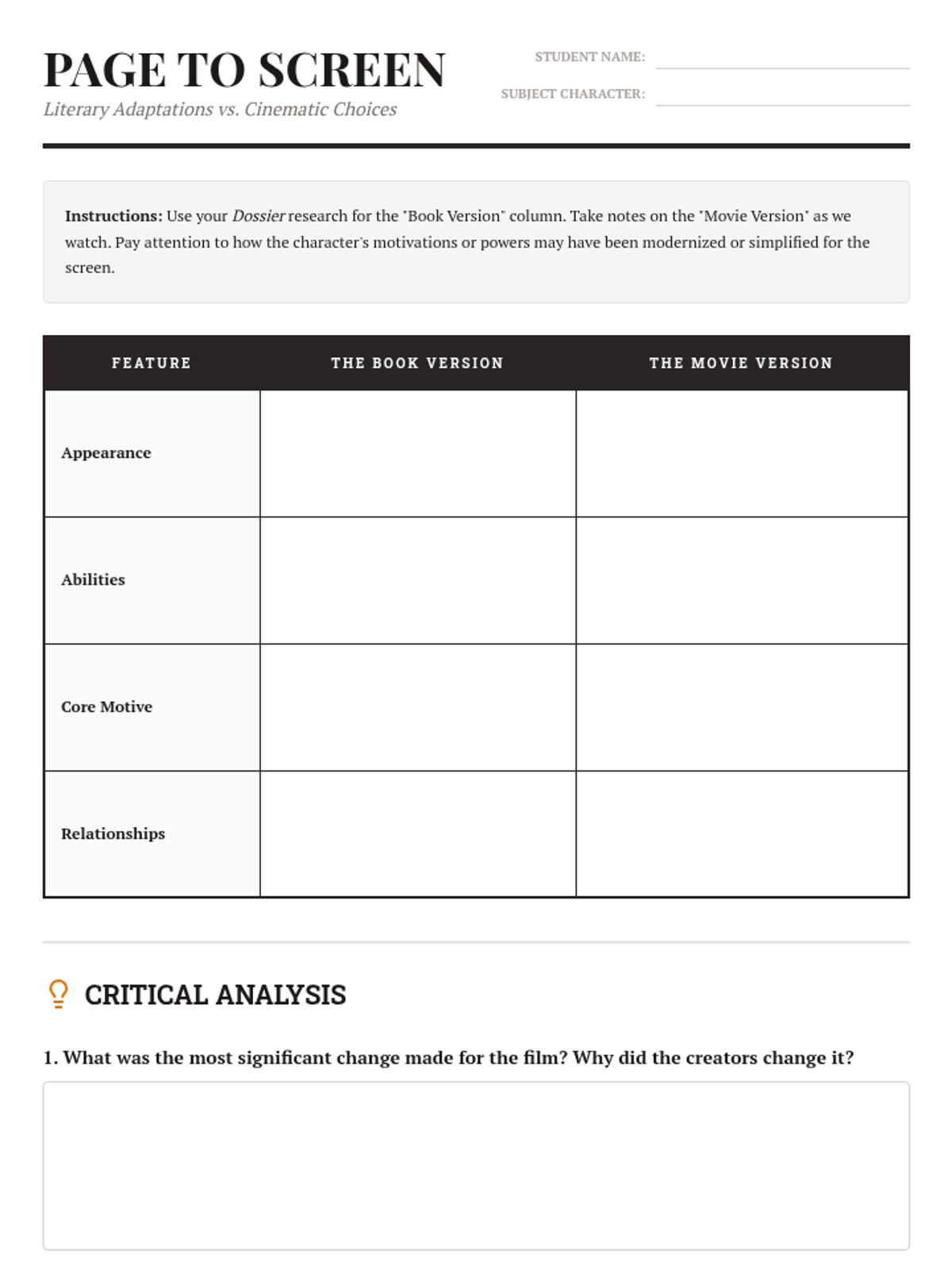
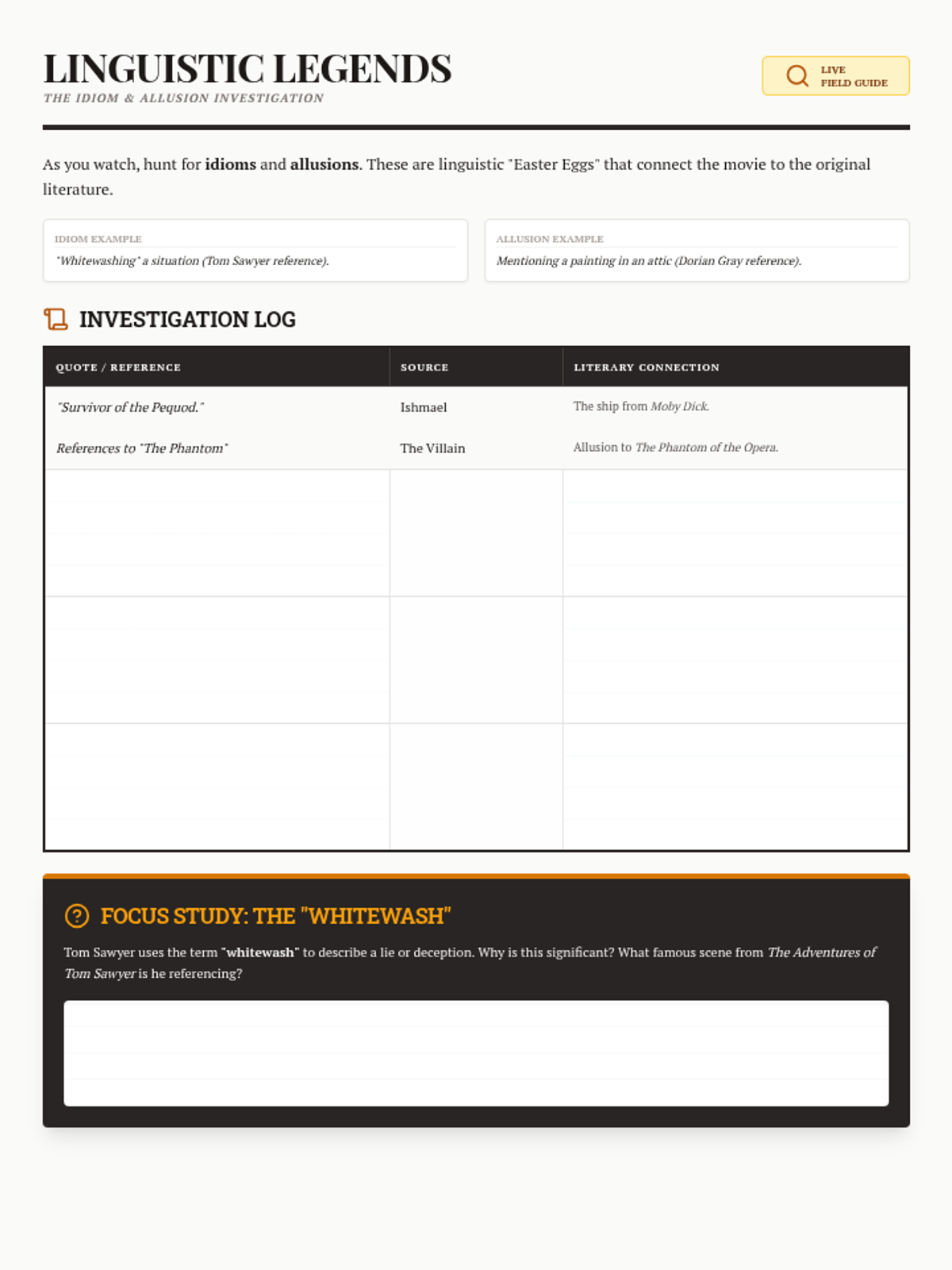
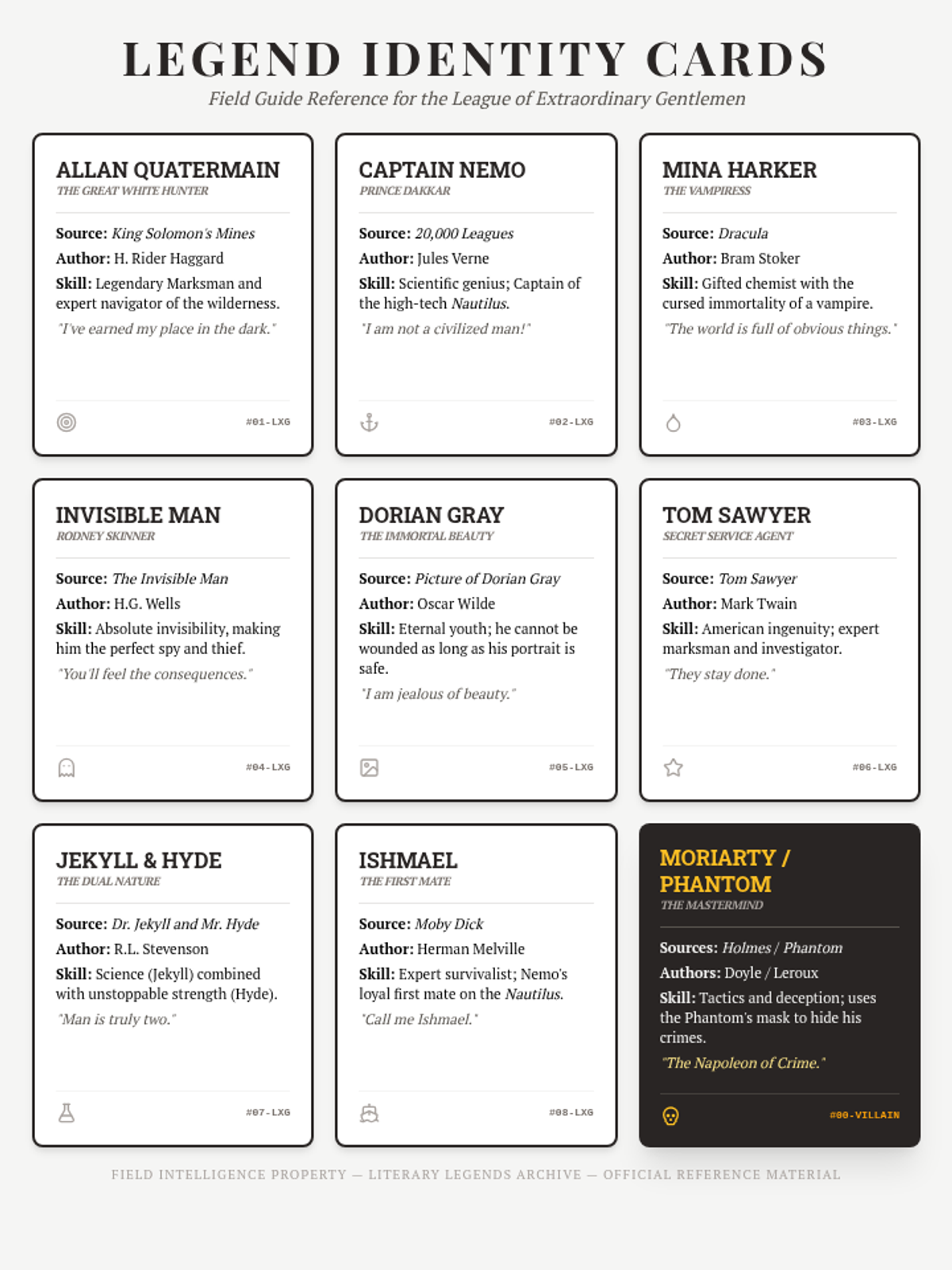
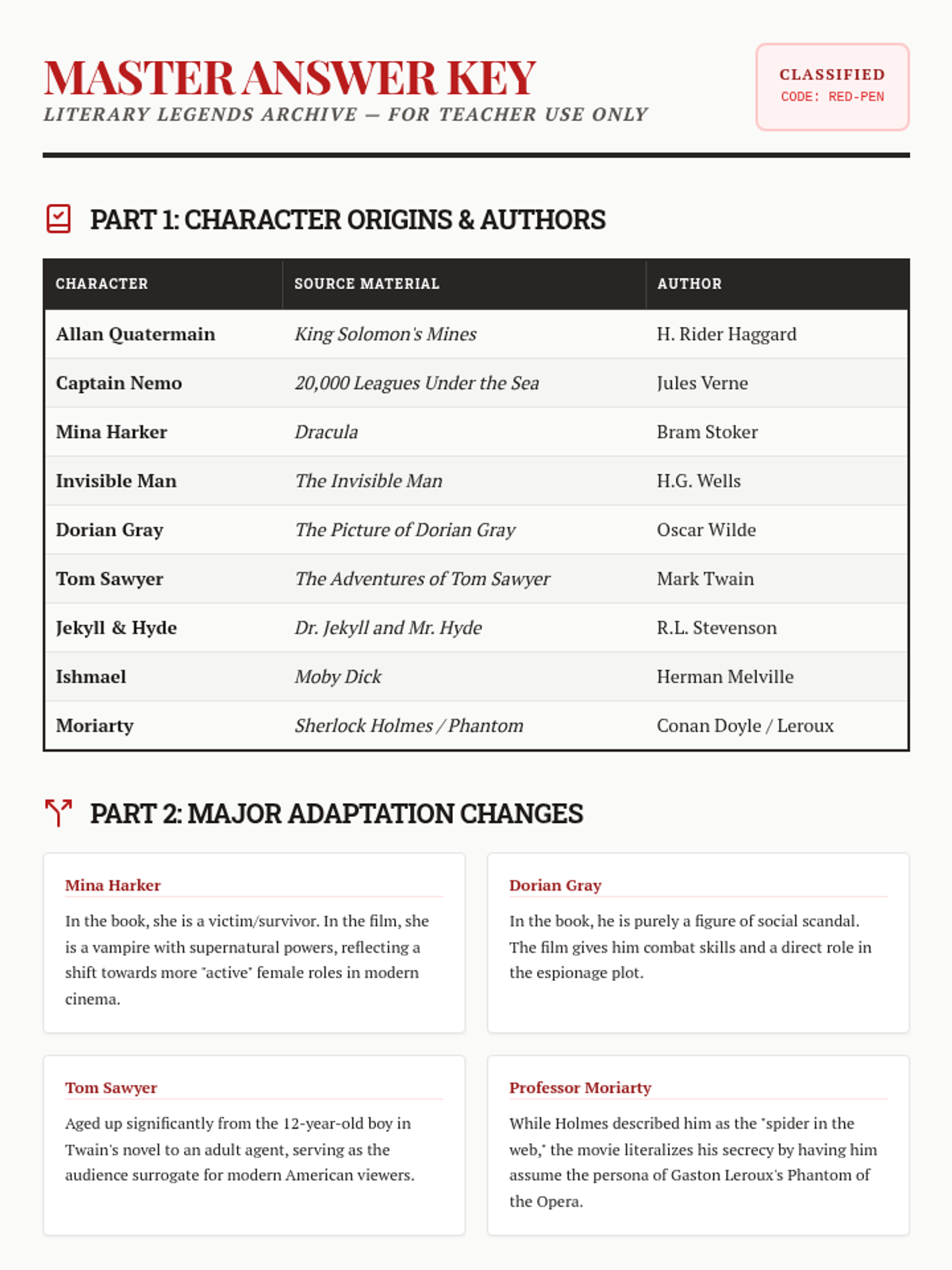
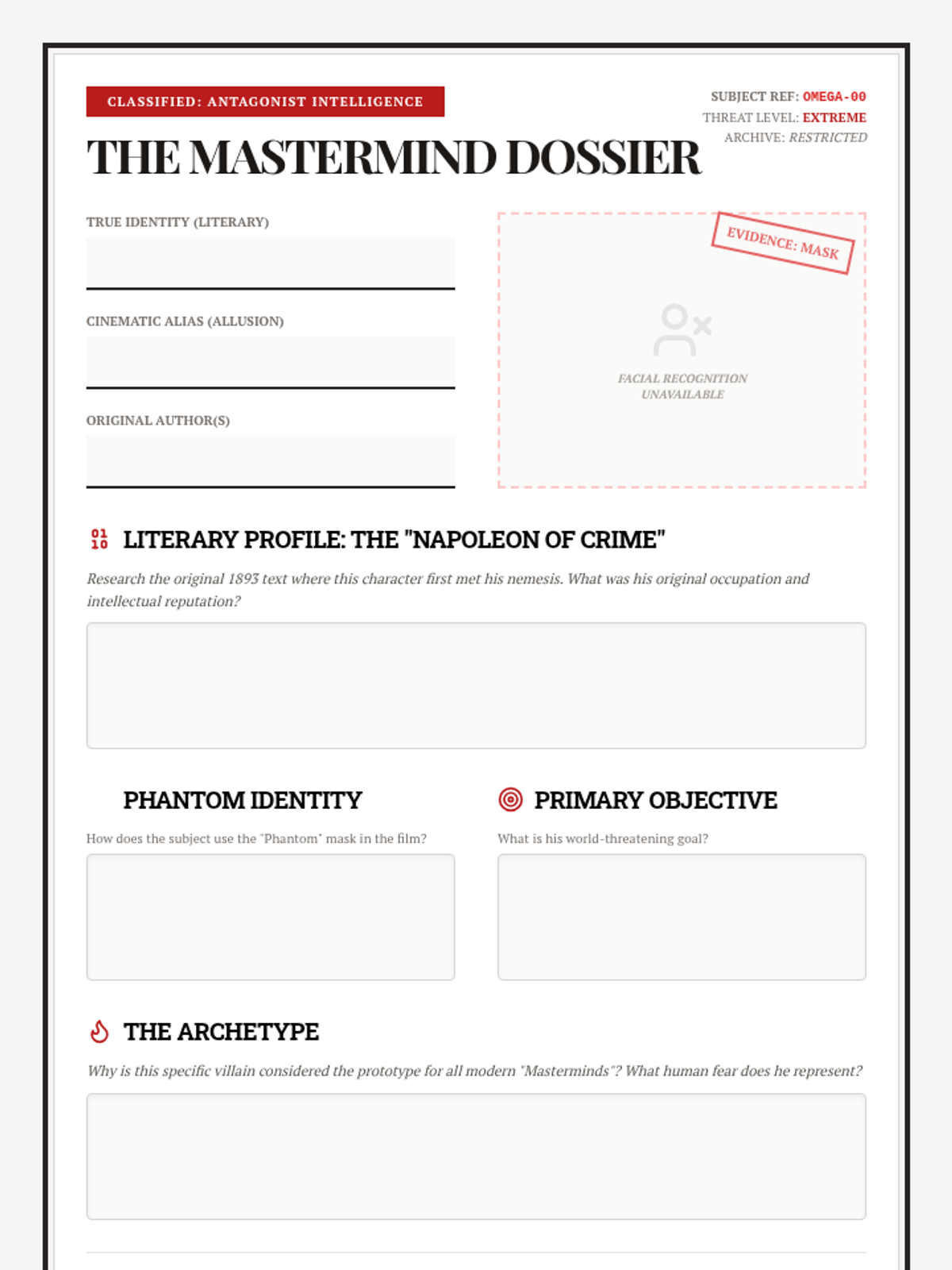
A comprehensive project-based lesson where students research the classic literary origins of the characters in 'The League of Extraordinary Gentlemen' before watching the film to compare adaptations and explore literary idioms.
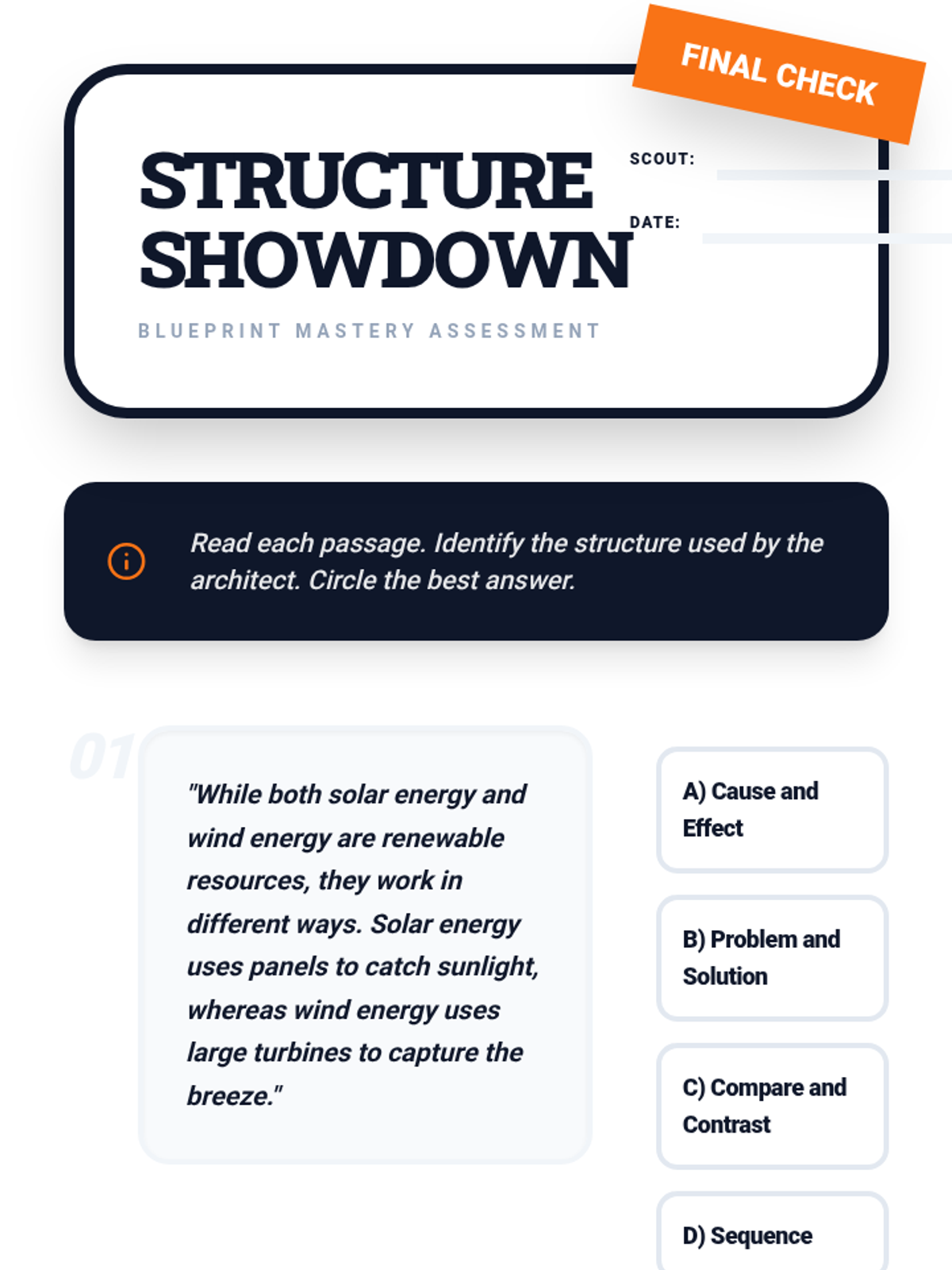
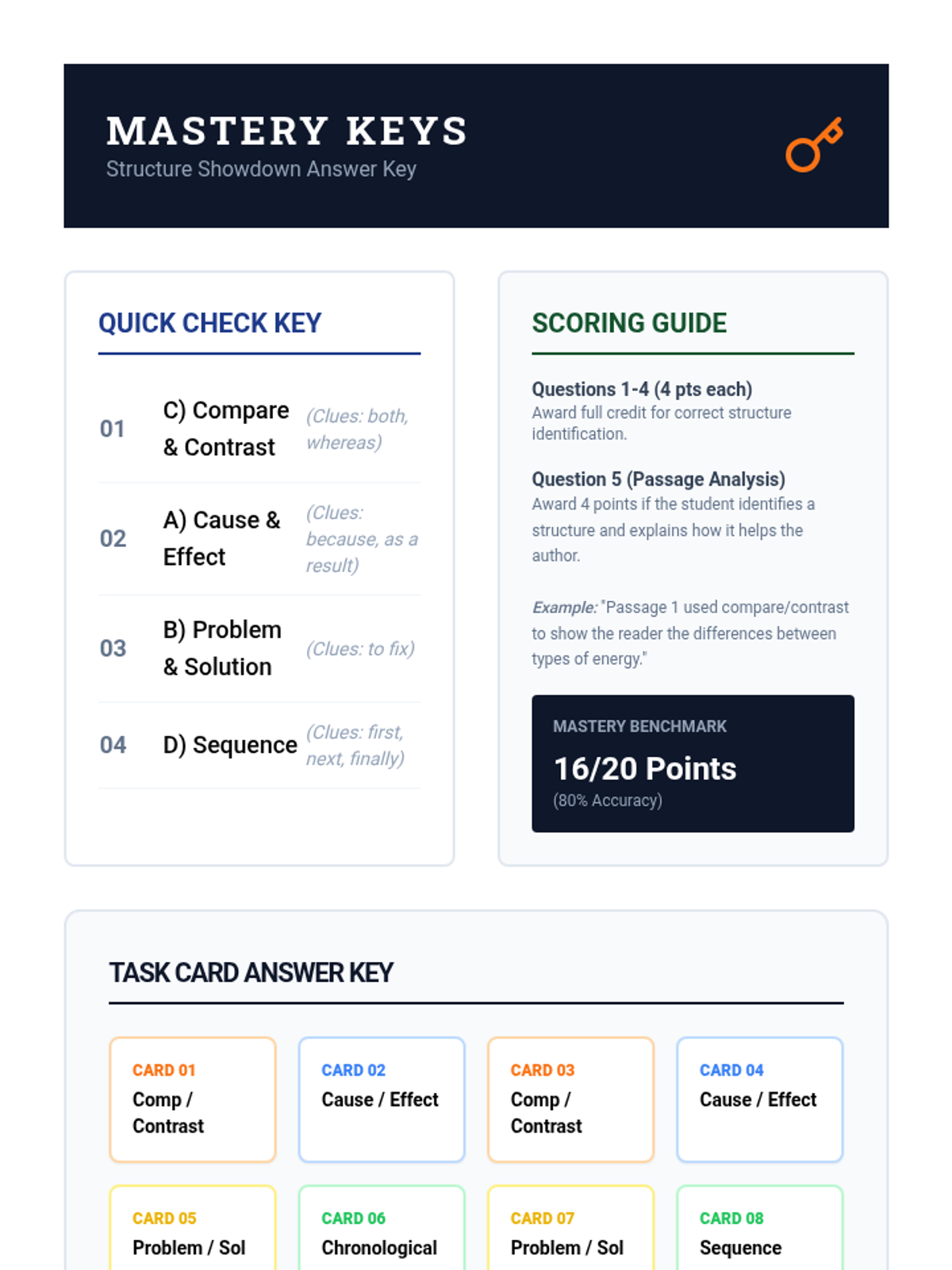
A final assessment and review day where students demonstrate their mastery of identifying and analyzing all four text structures through a quick check and center activities.
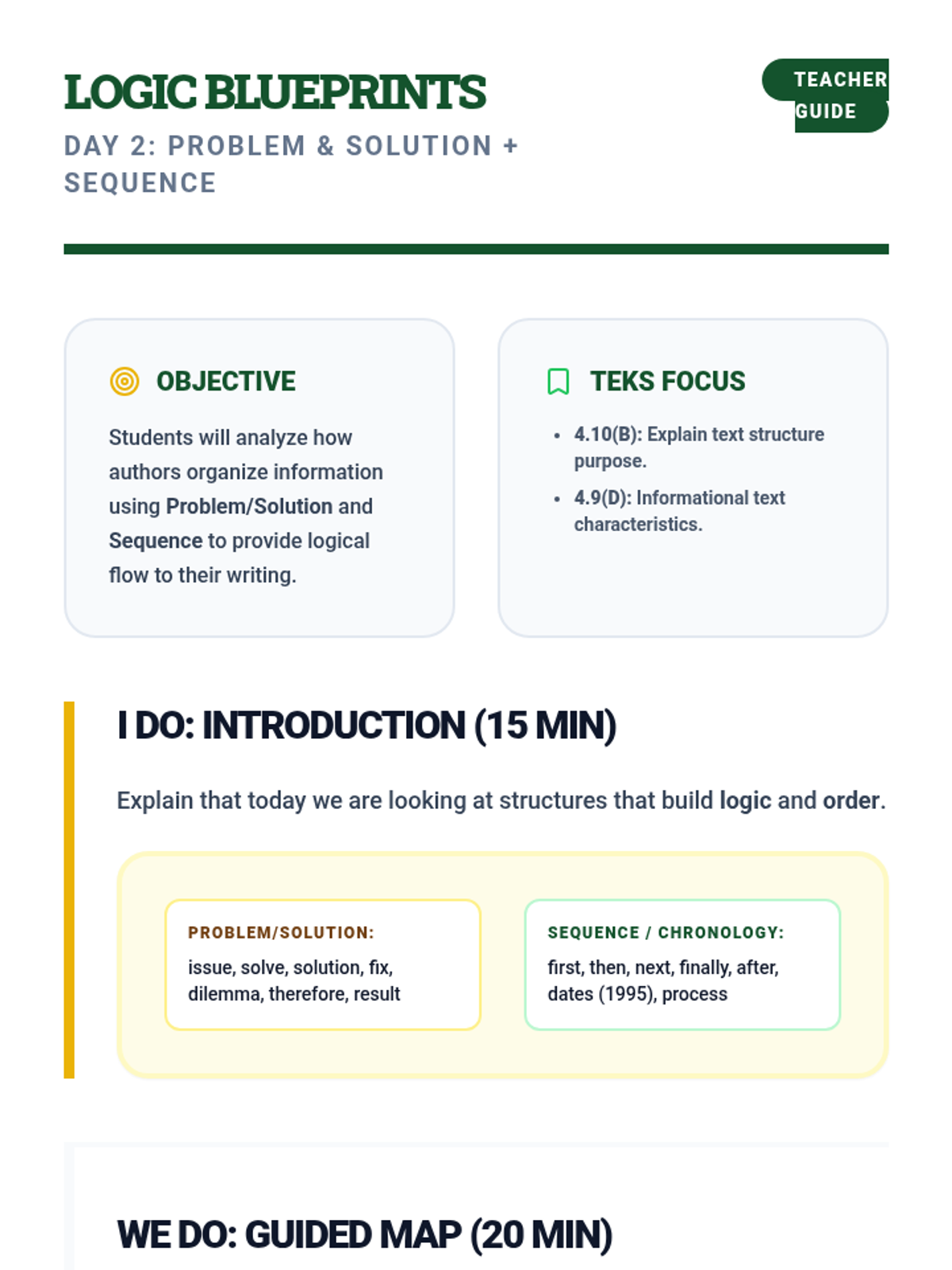
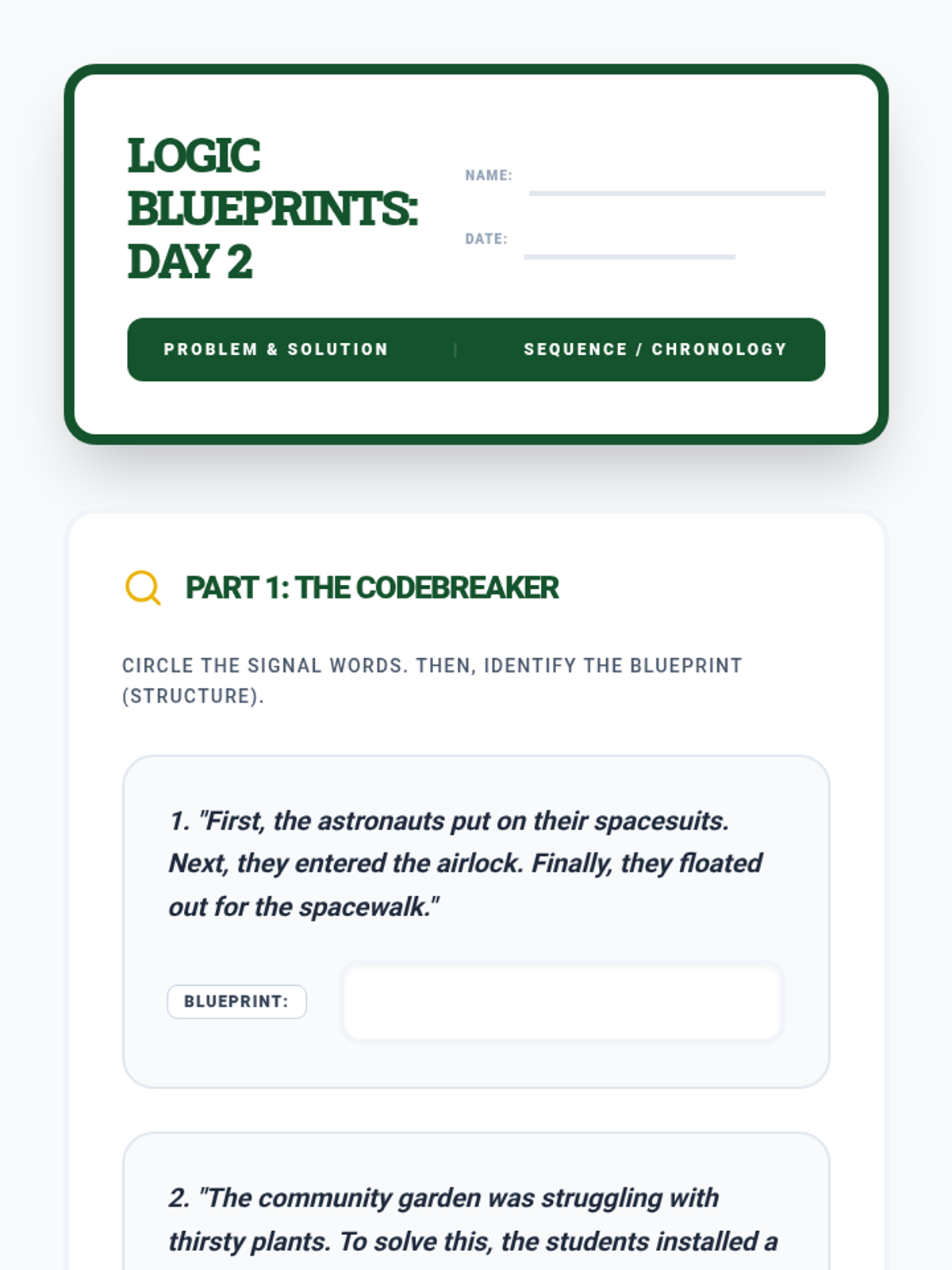
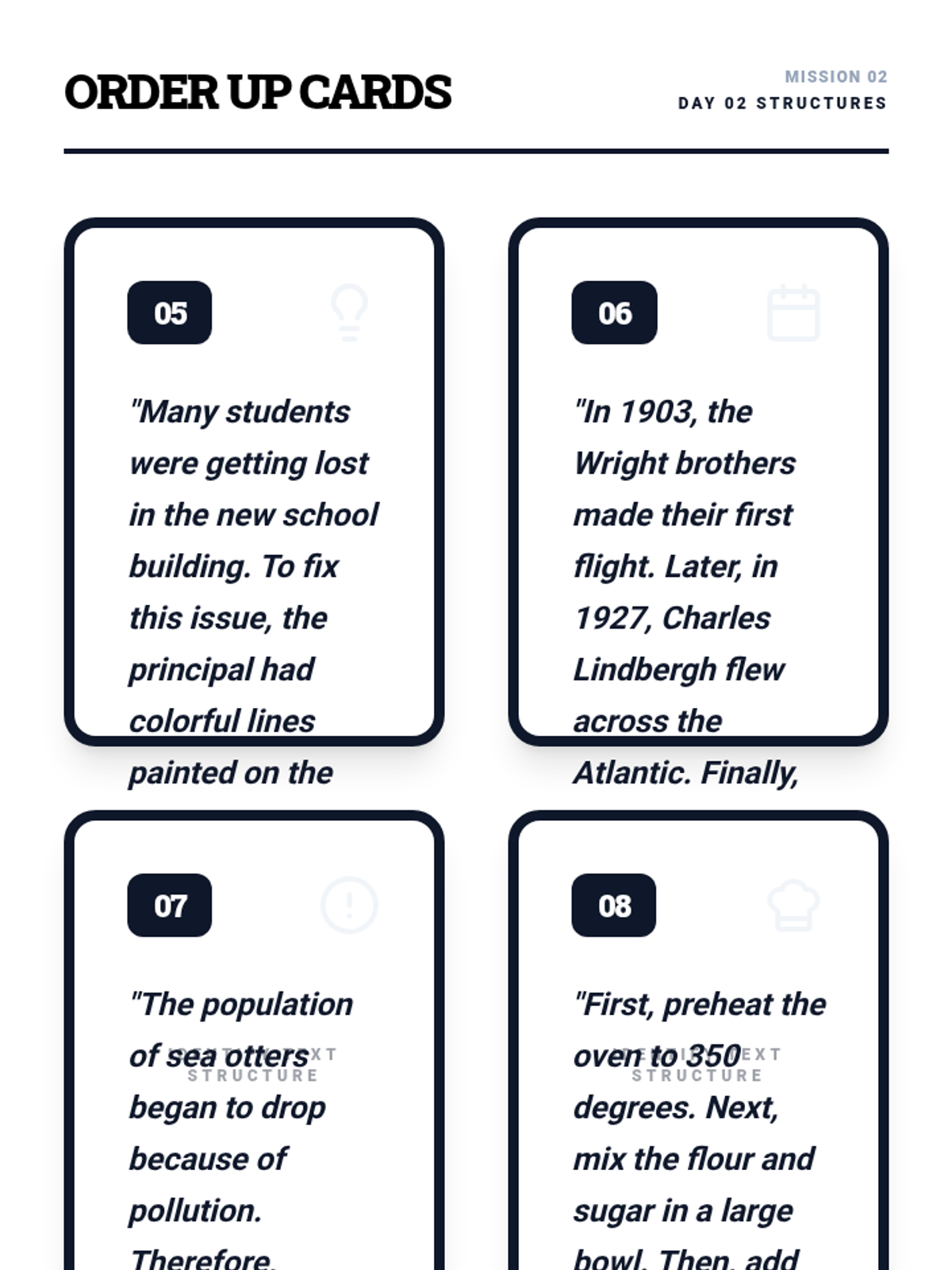
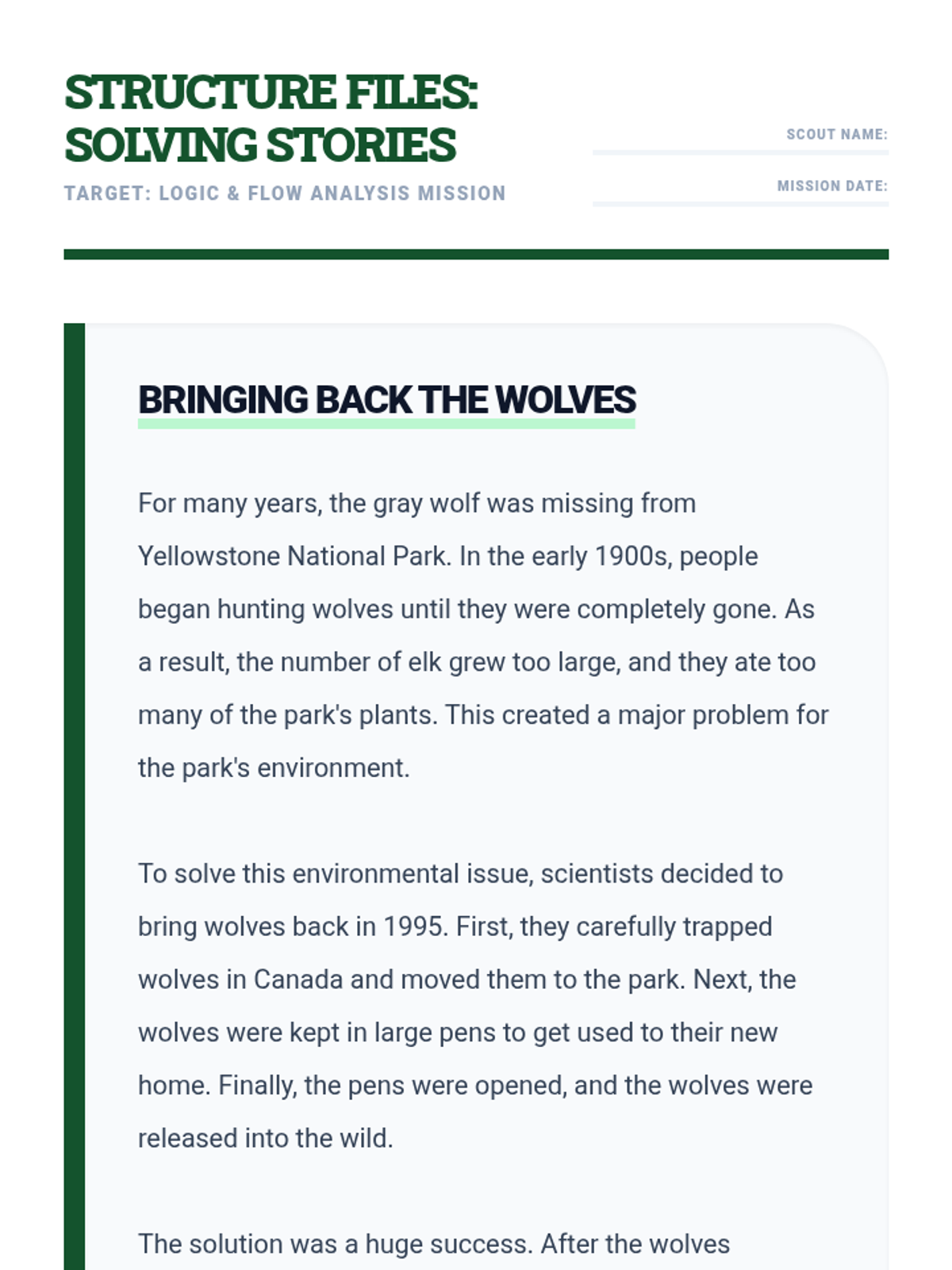
Students explore Problem/Solution and Sequence text structures, identifying key signal words and organizational patterns that authors use to build logical progression.
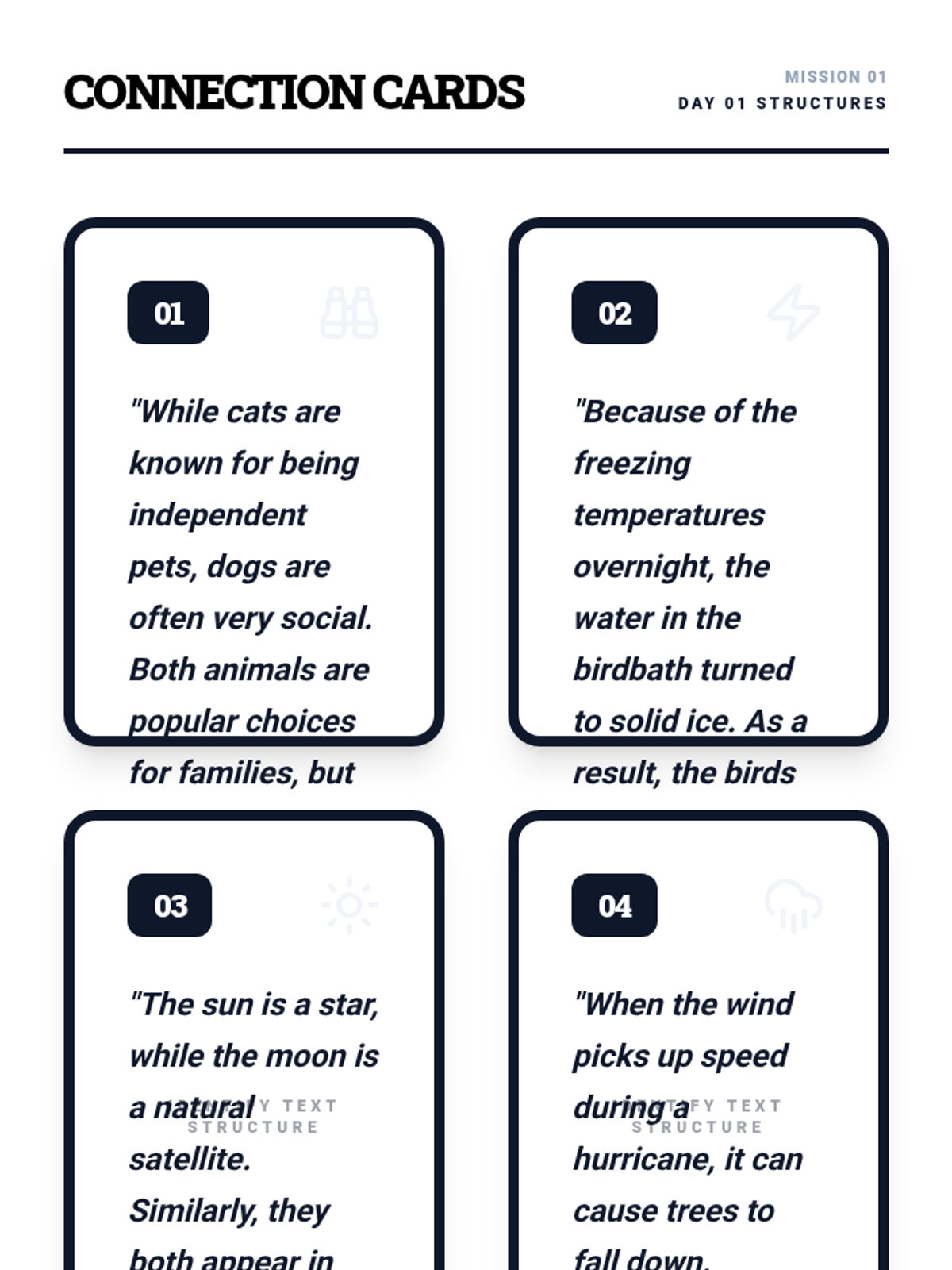
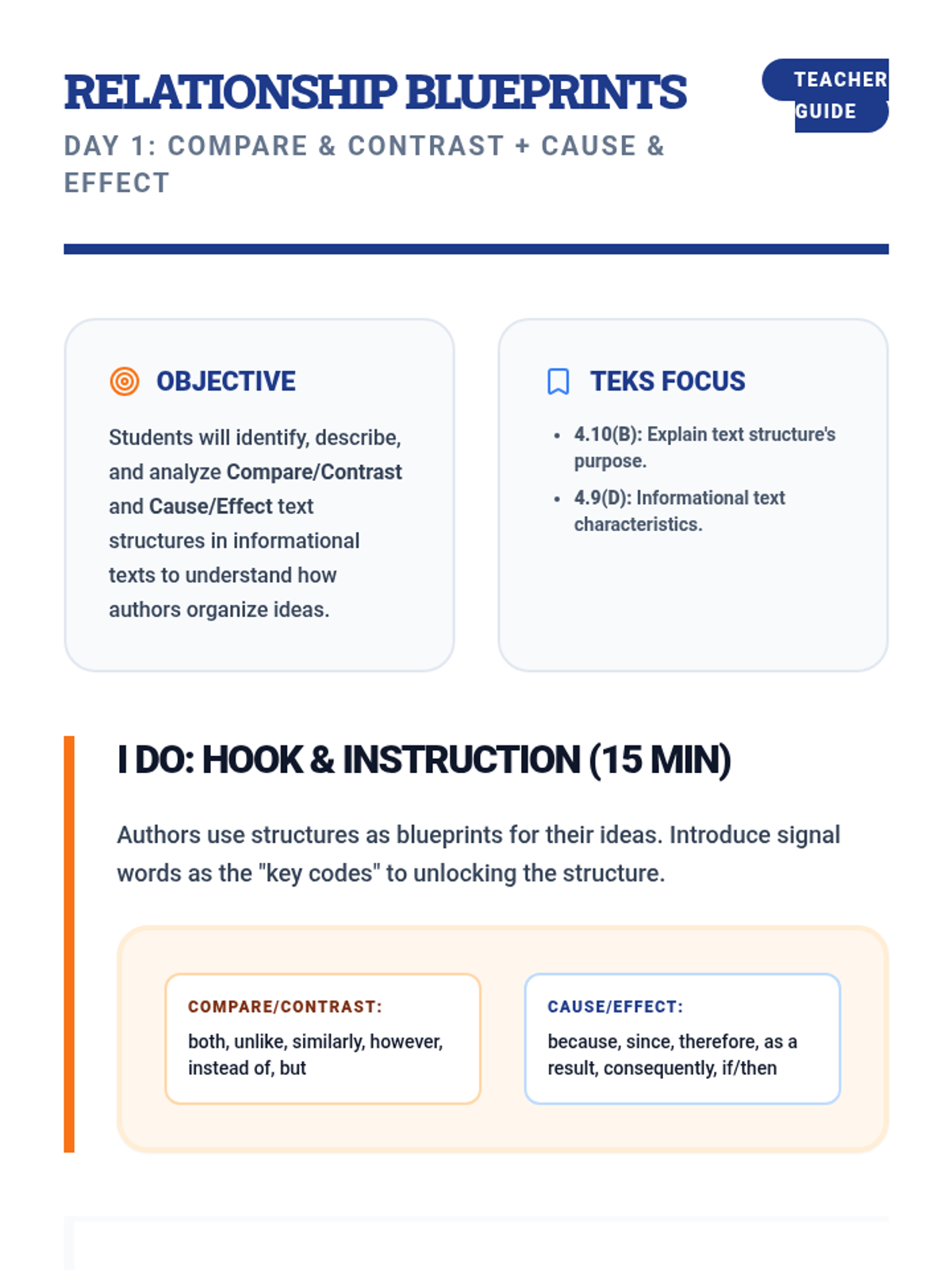
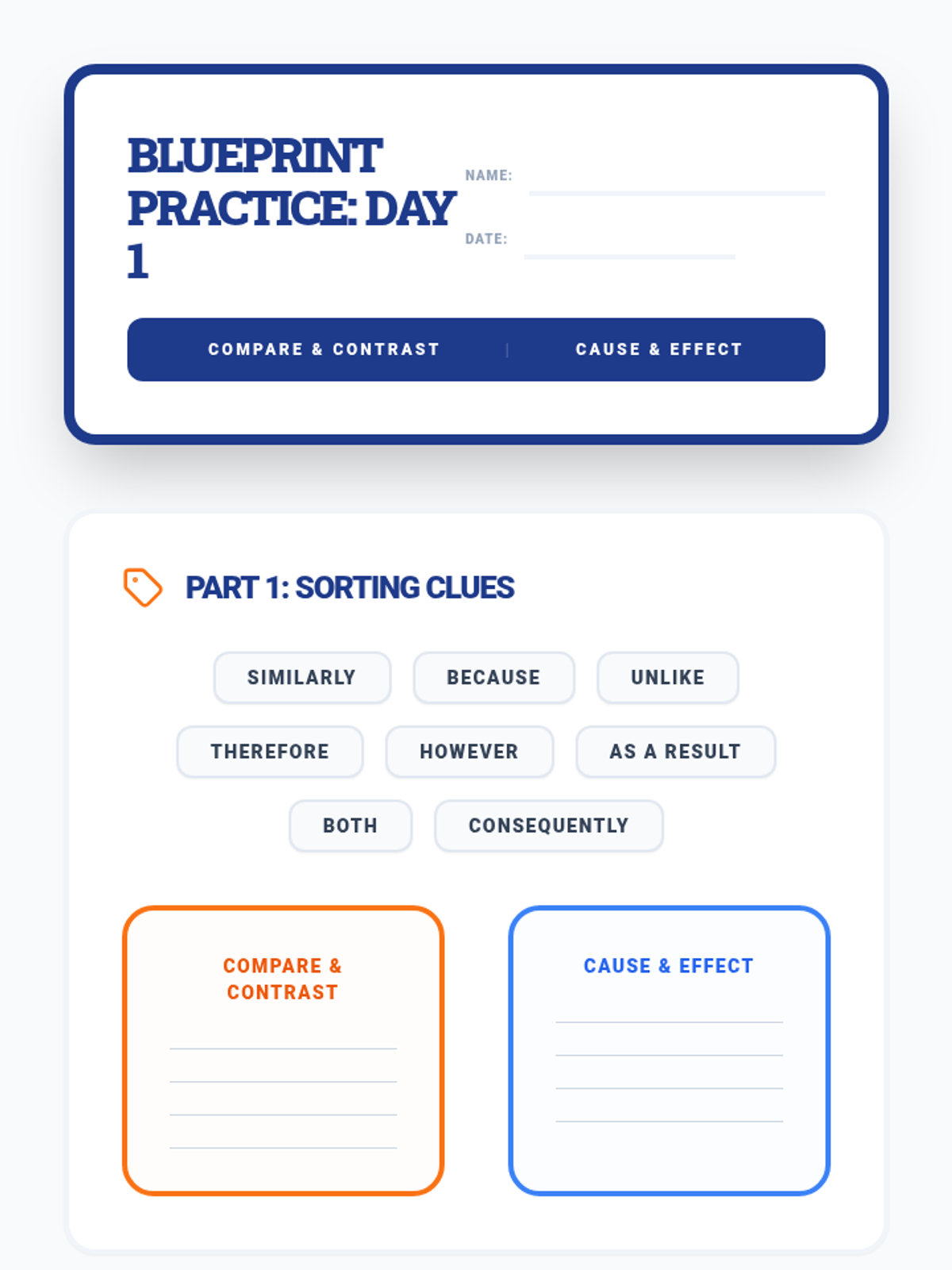
Students analyze Compare/Contrast and Cause/Effect text structures to understand how authors relate ideas and events in informational texts.
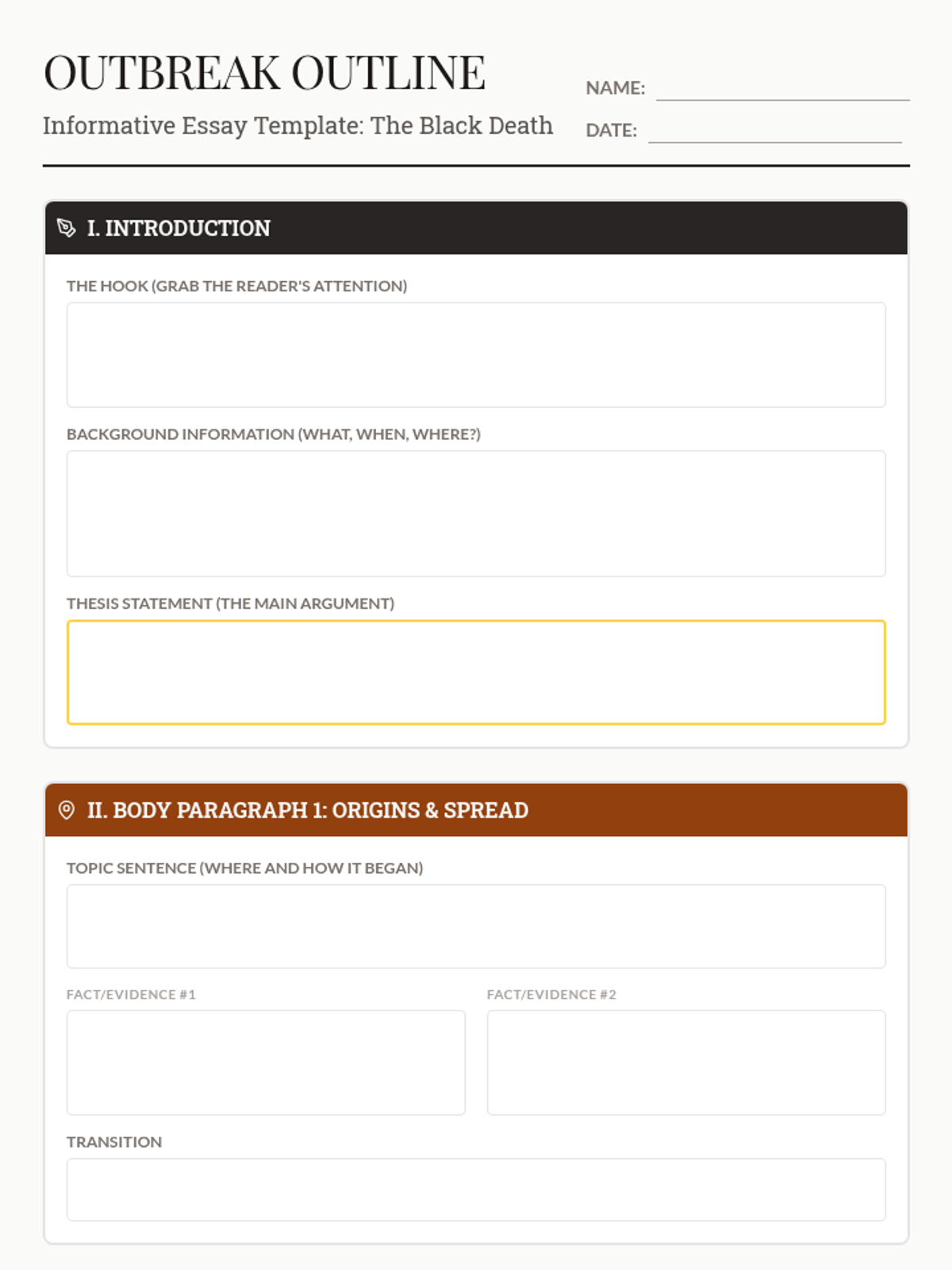
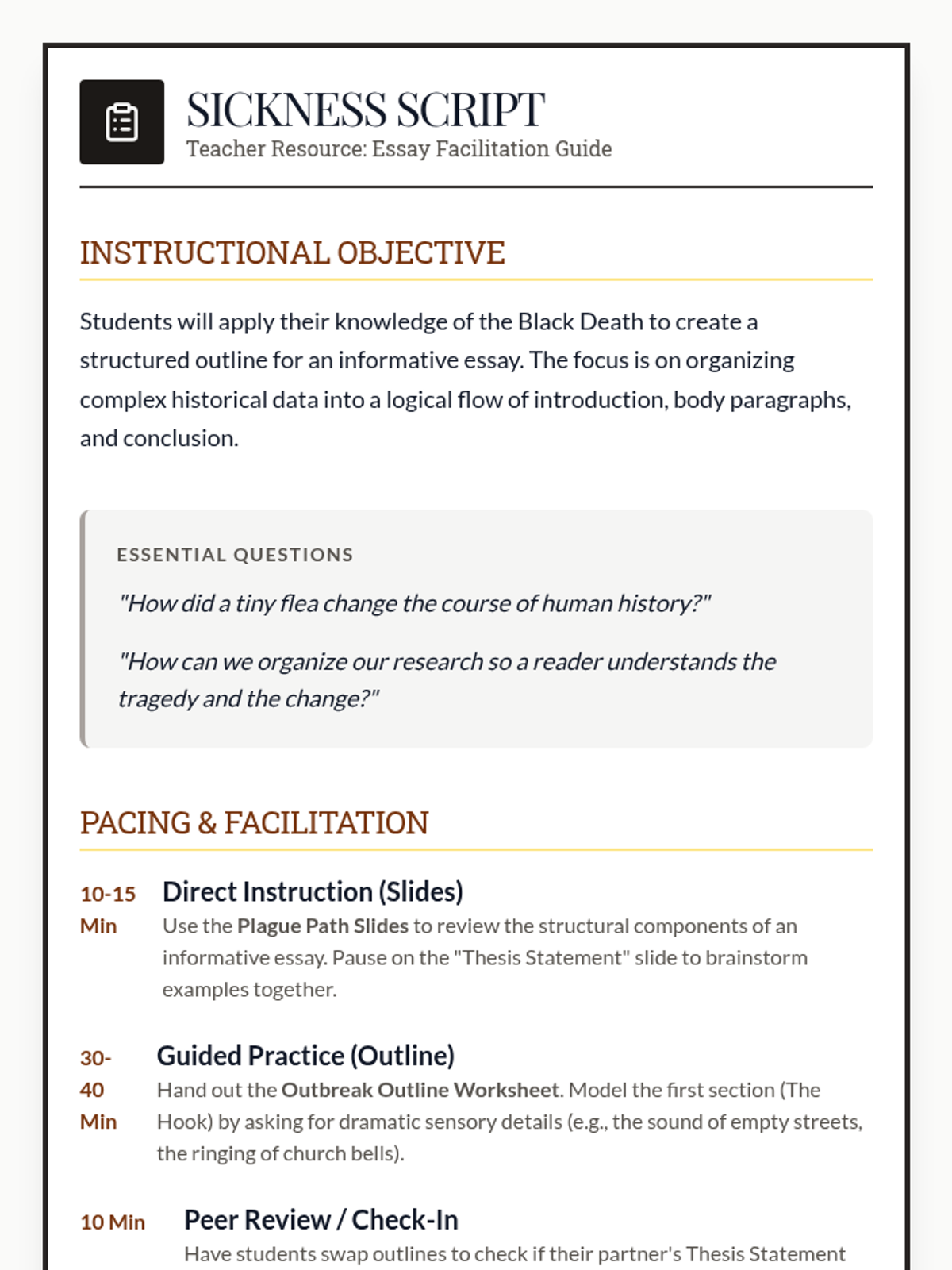
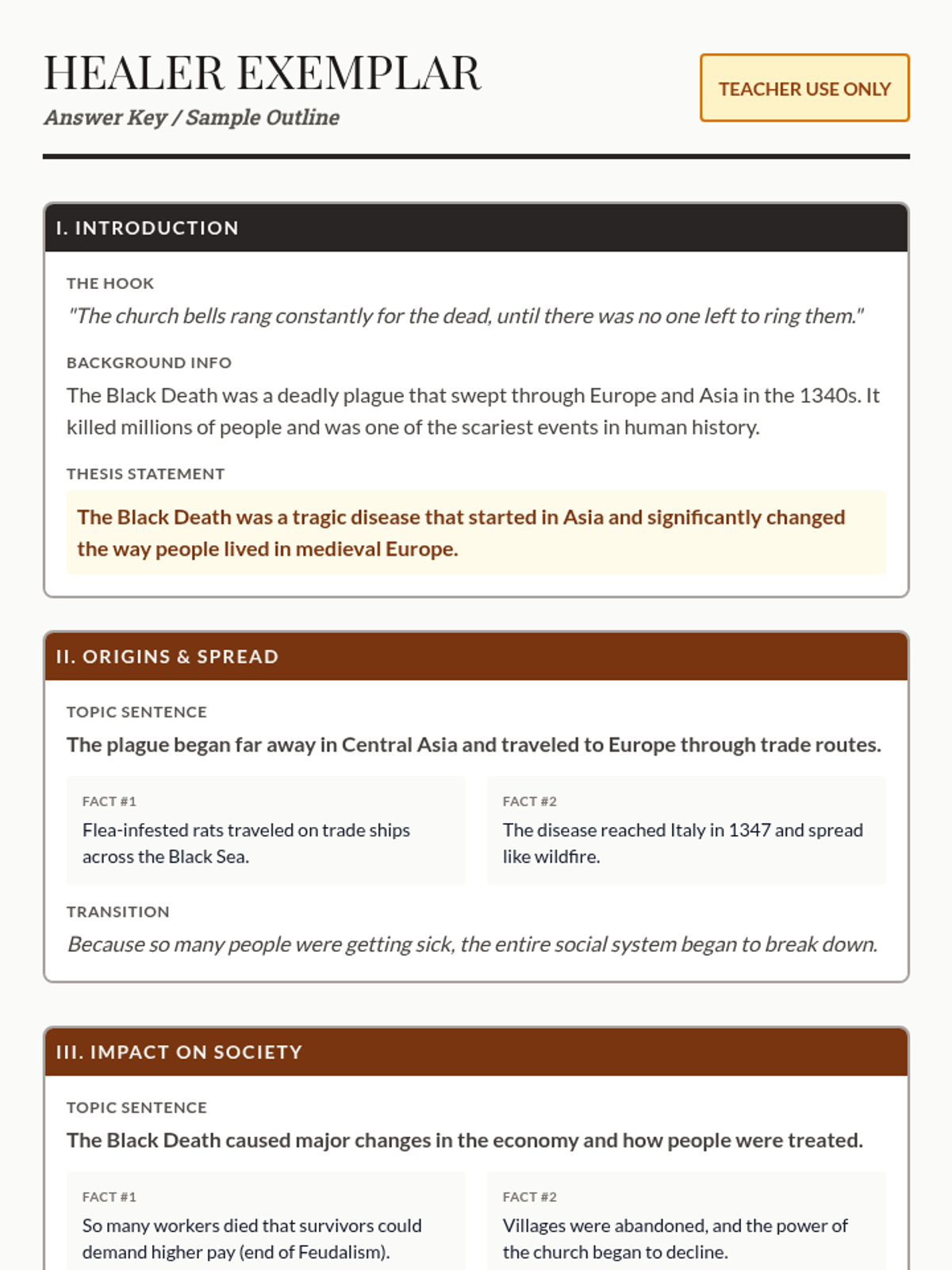
Students will learn how to structure an informative essay about the Black Death, focusing on its origins, spread, and impact on medieval society. This lesson provides a guided outline to help 5th graders organize their research into a cohesive multi-paragraph format.
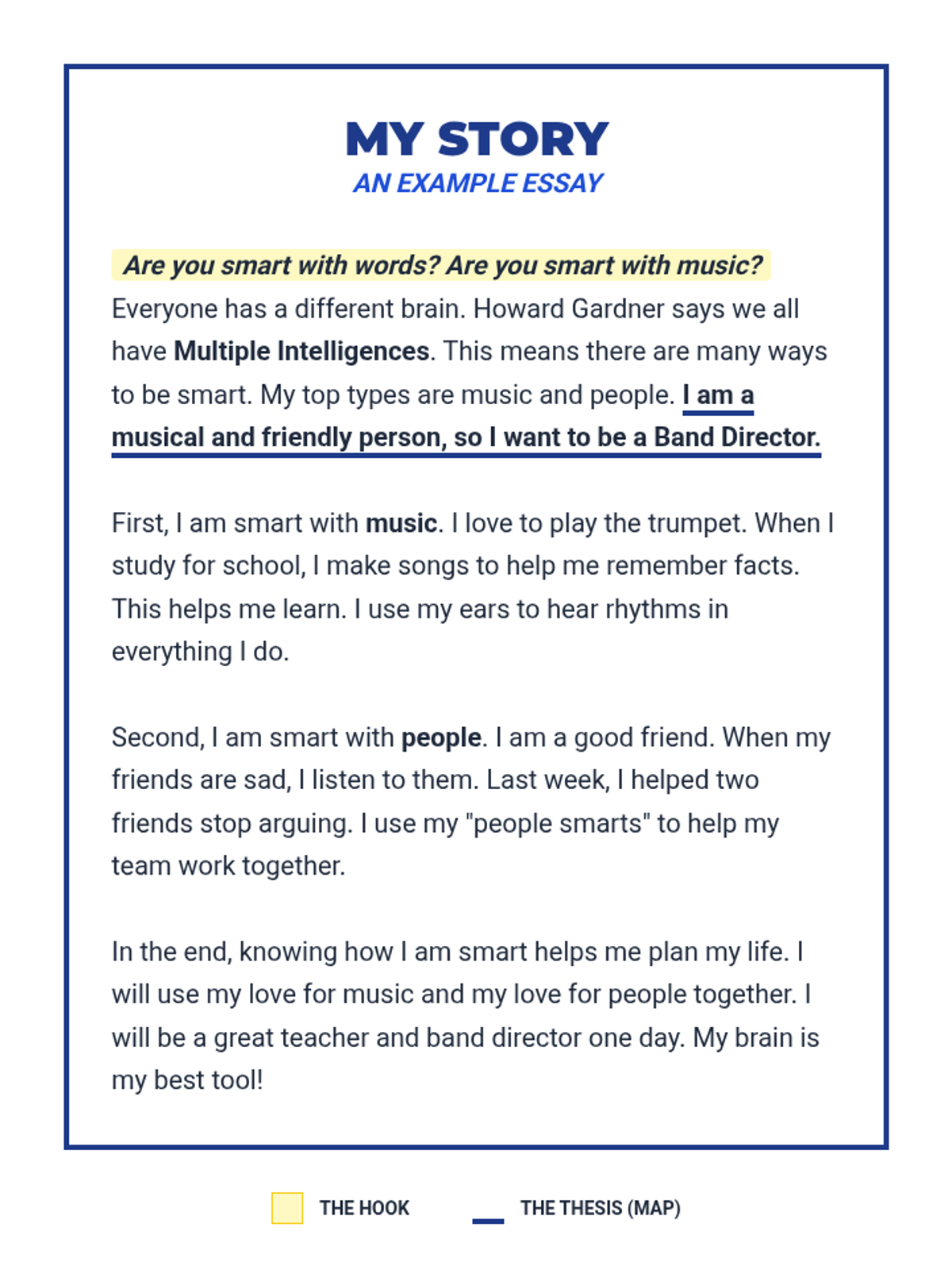
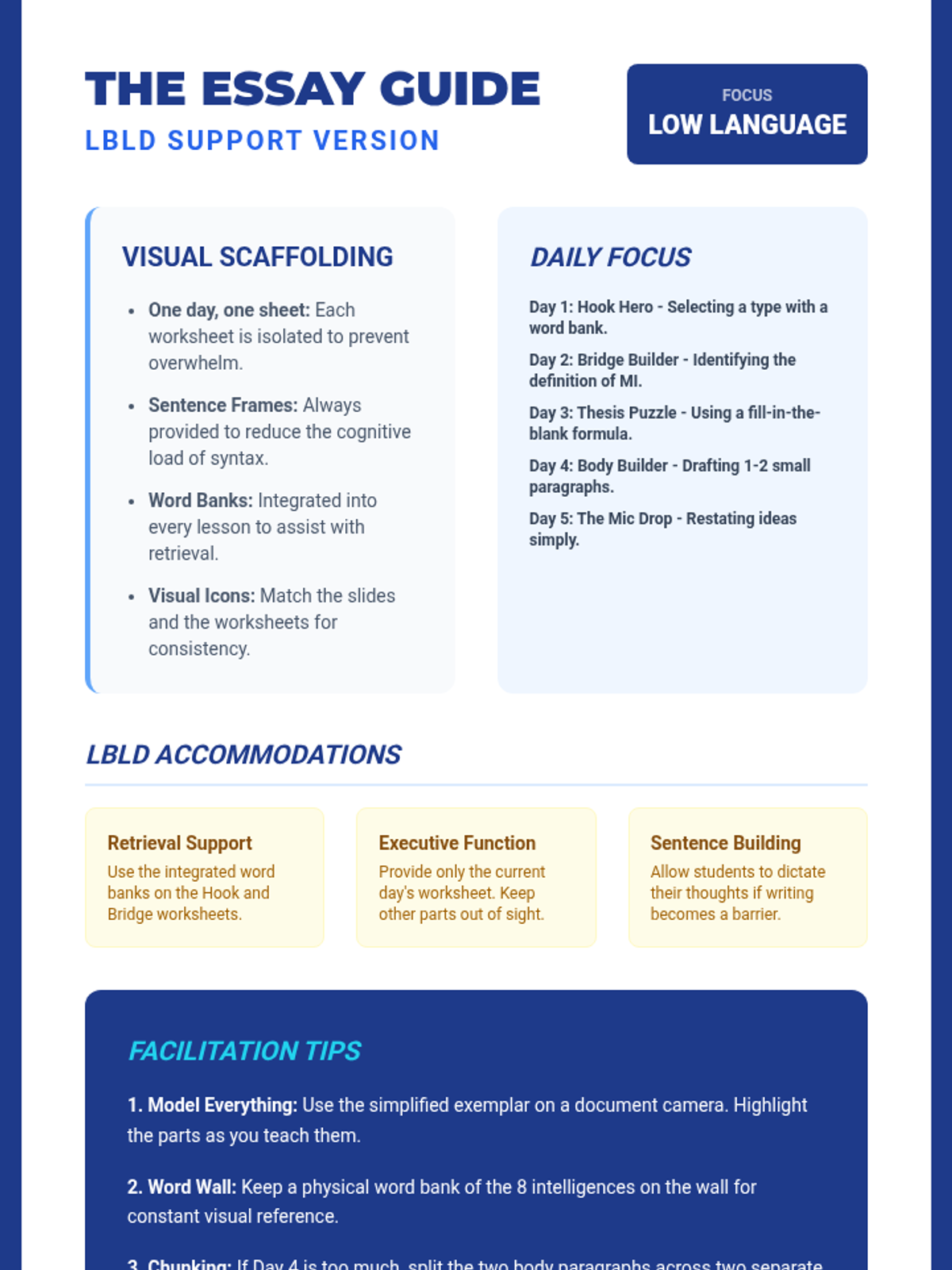
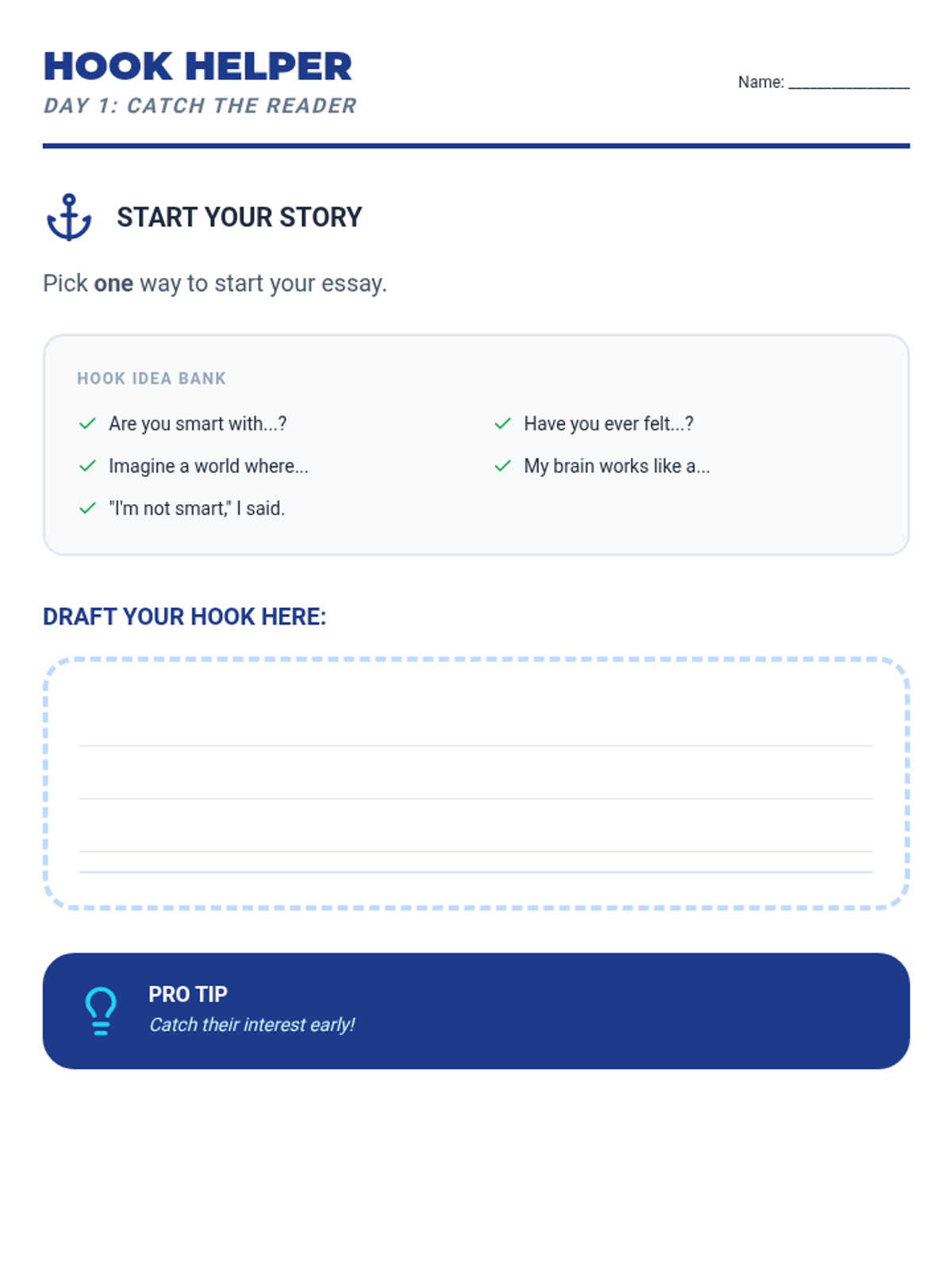
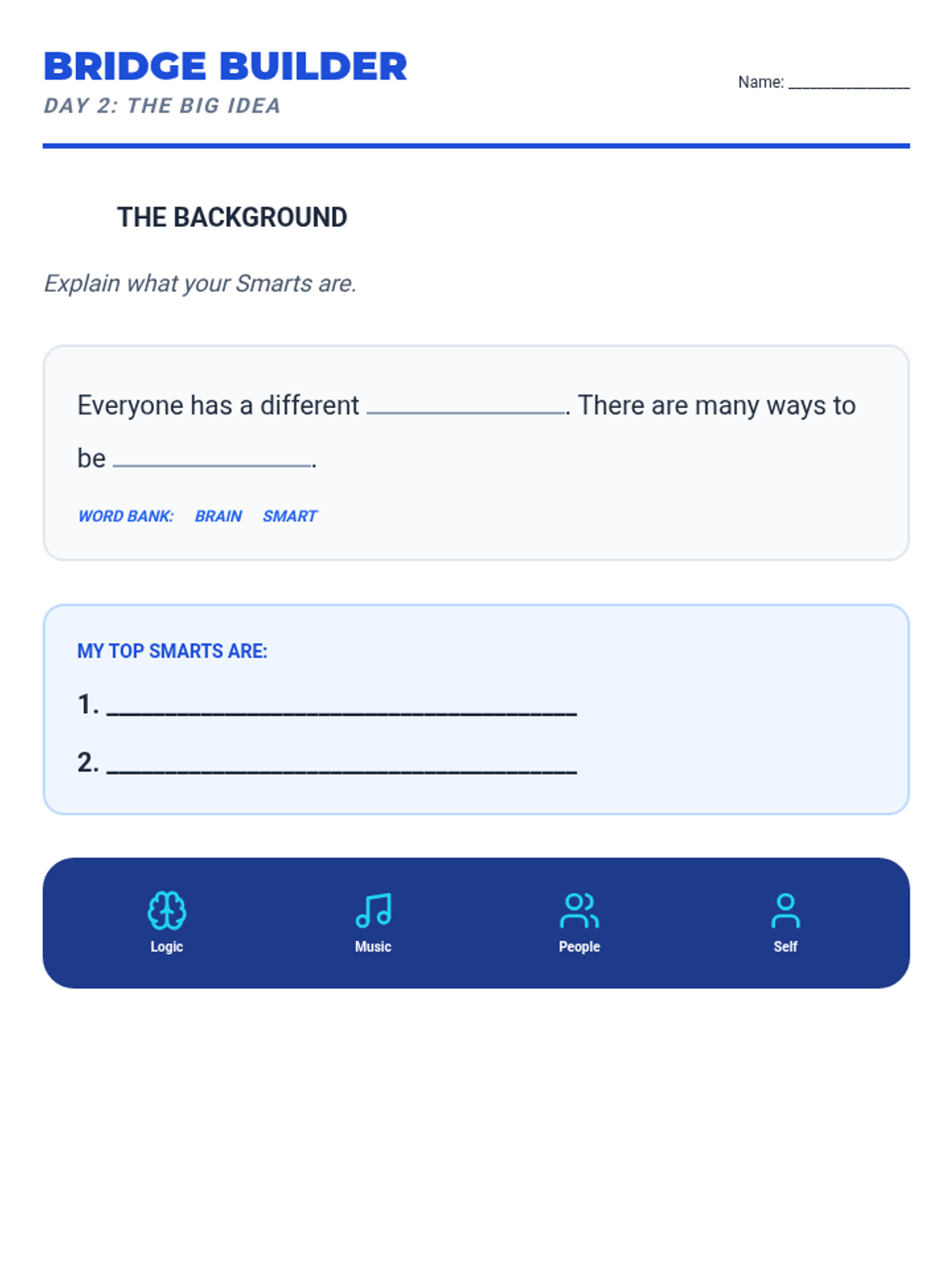
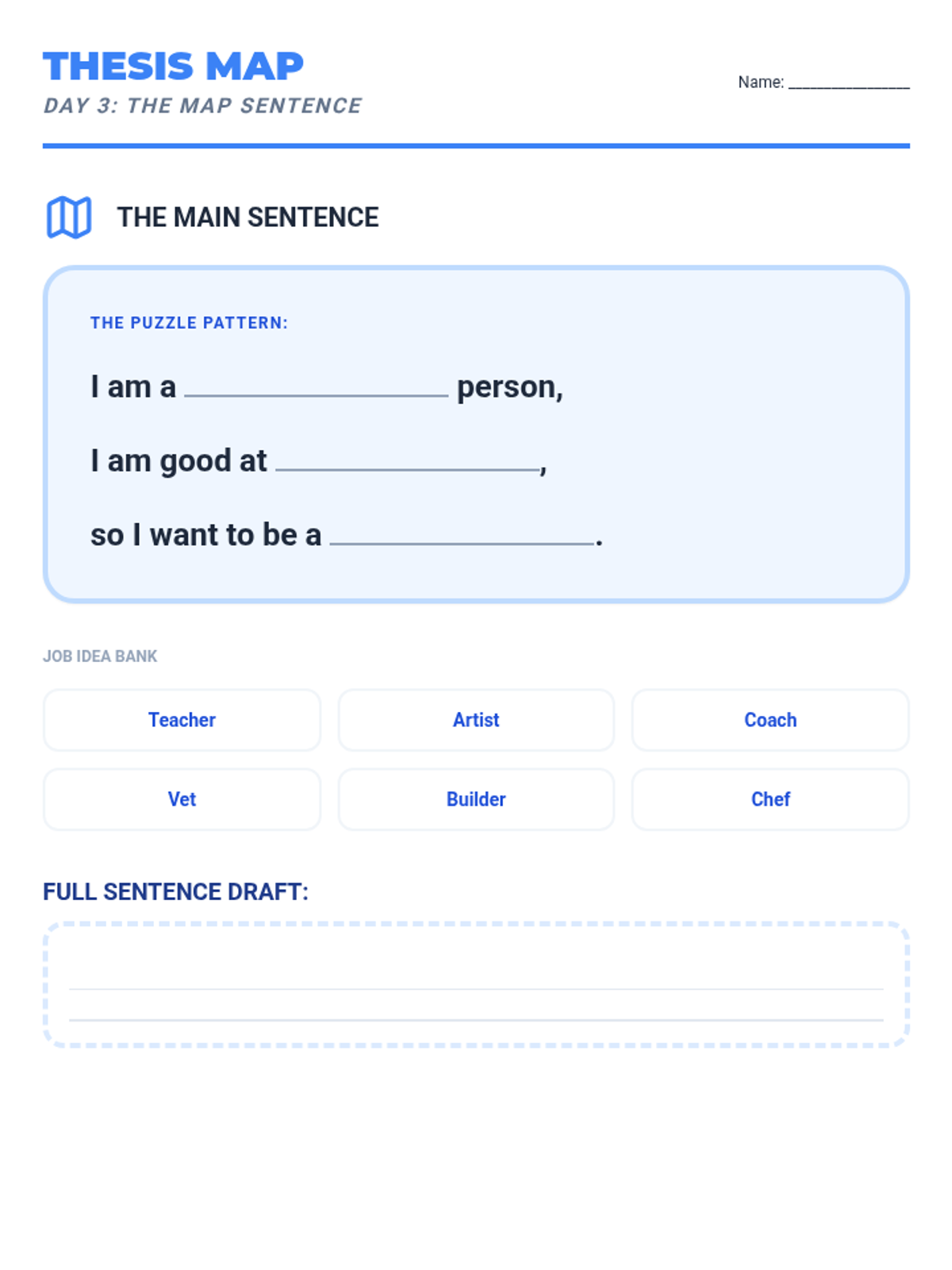
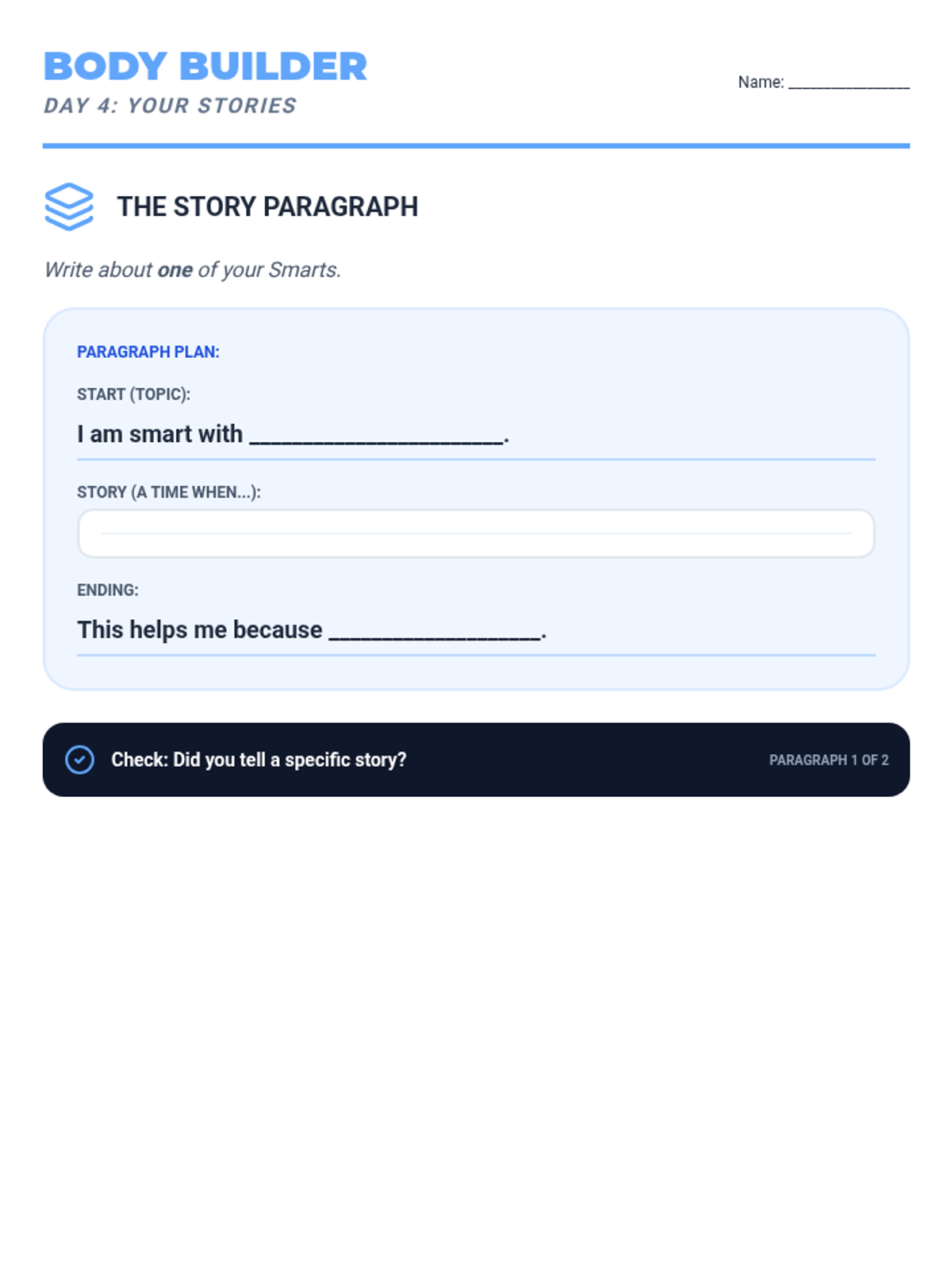
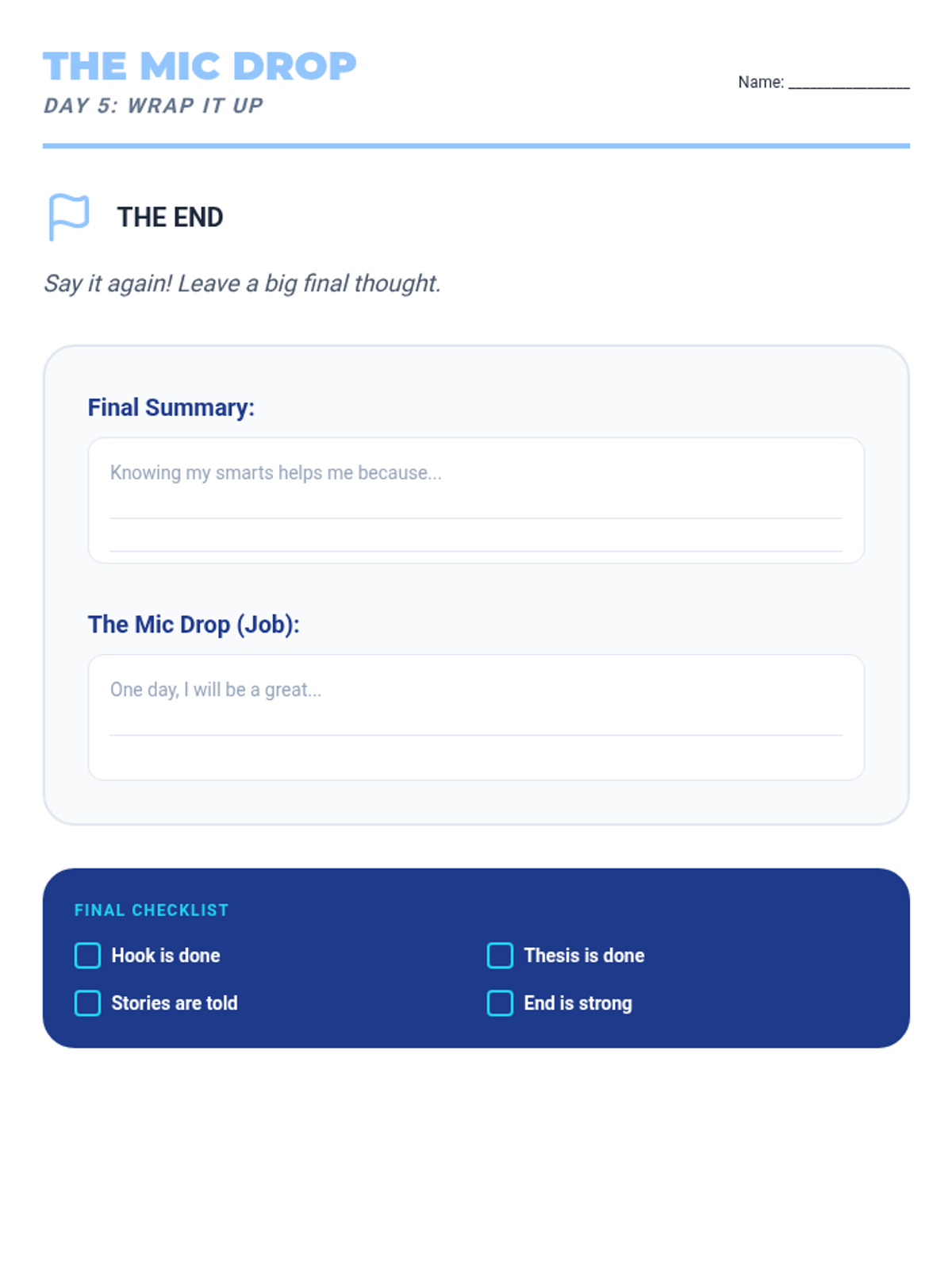
A comprehensive 5-day lesson guiding students through the process of writing a personal essay about their multiple intelligences, skills, and future career paths.
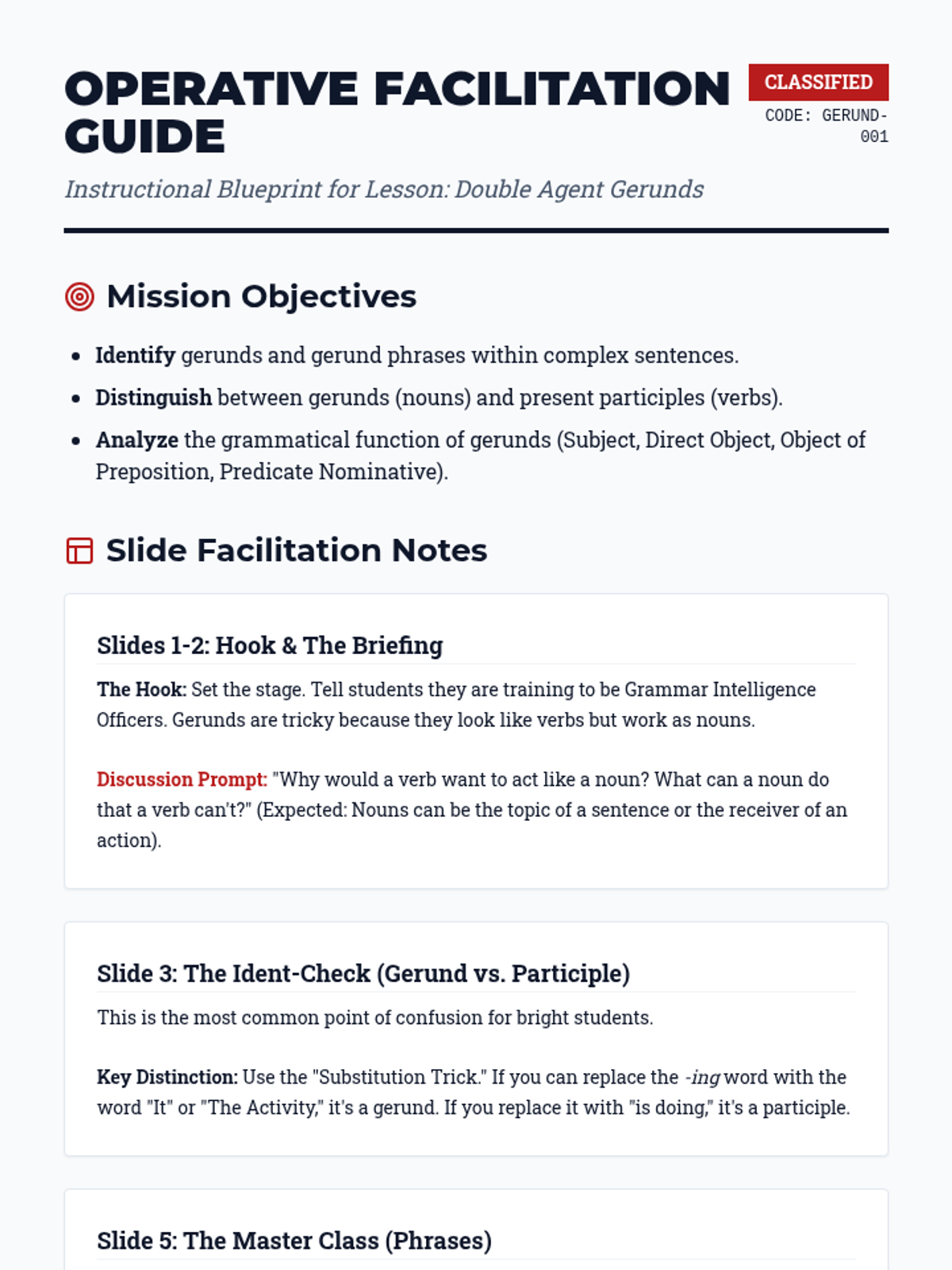
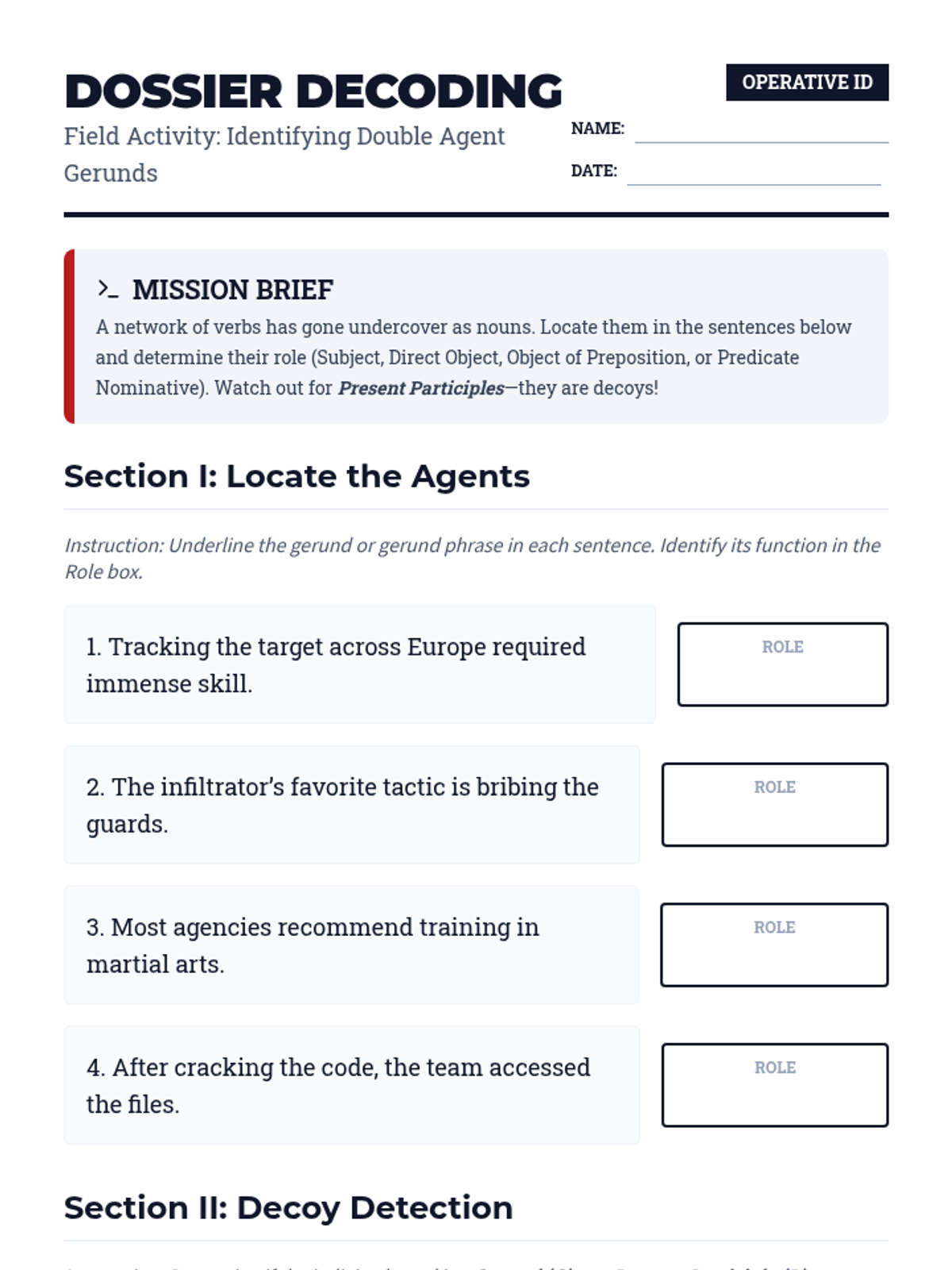
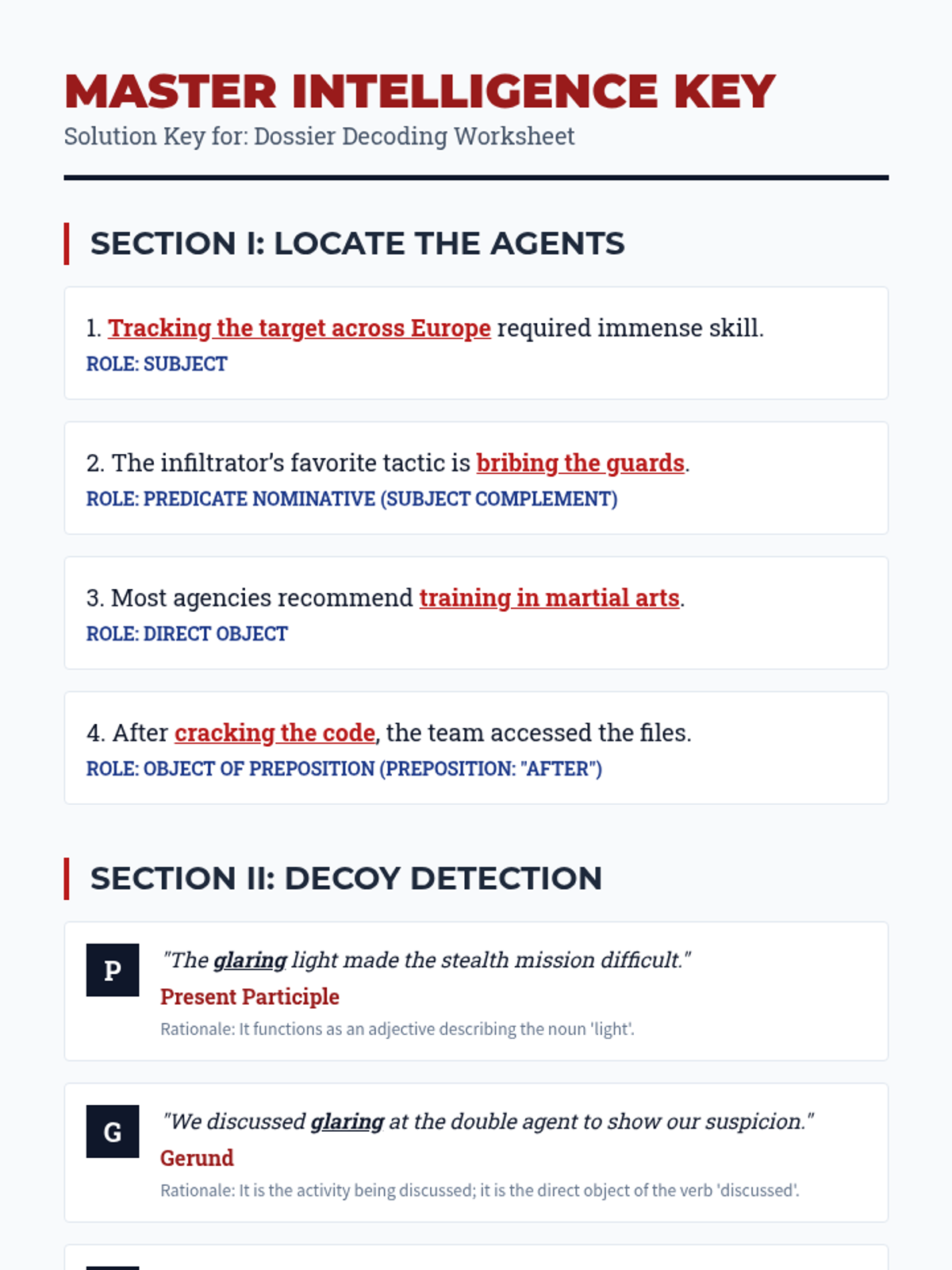
A high-energy, detective-themed lesson exploring how gerunds function as nouns while maintaining their verb-like properties. Designed for advanced students to master identification and usage in various sentence roles.
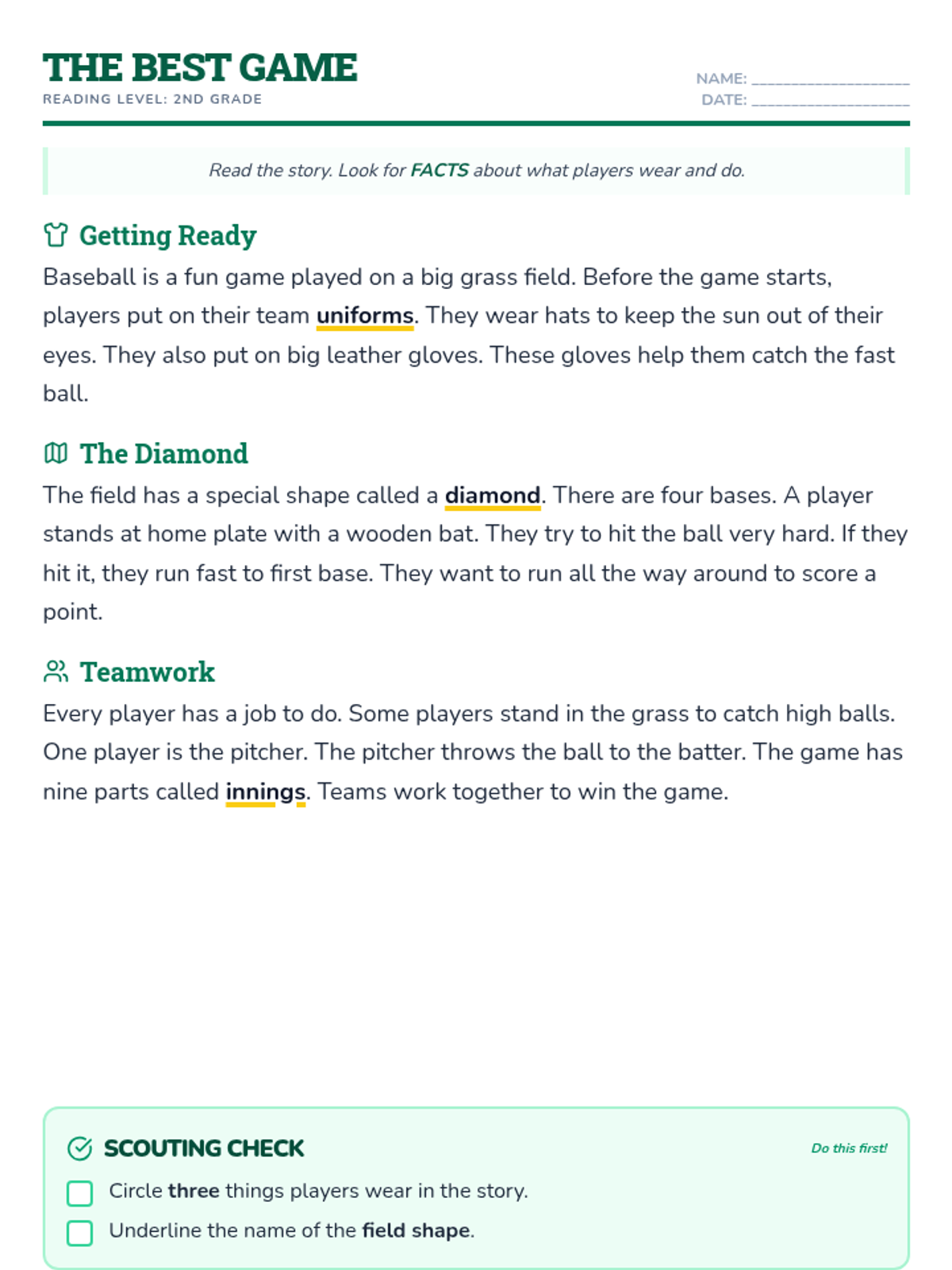
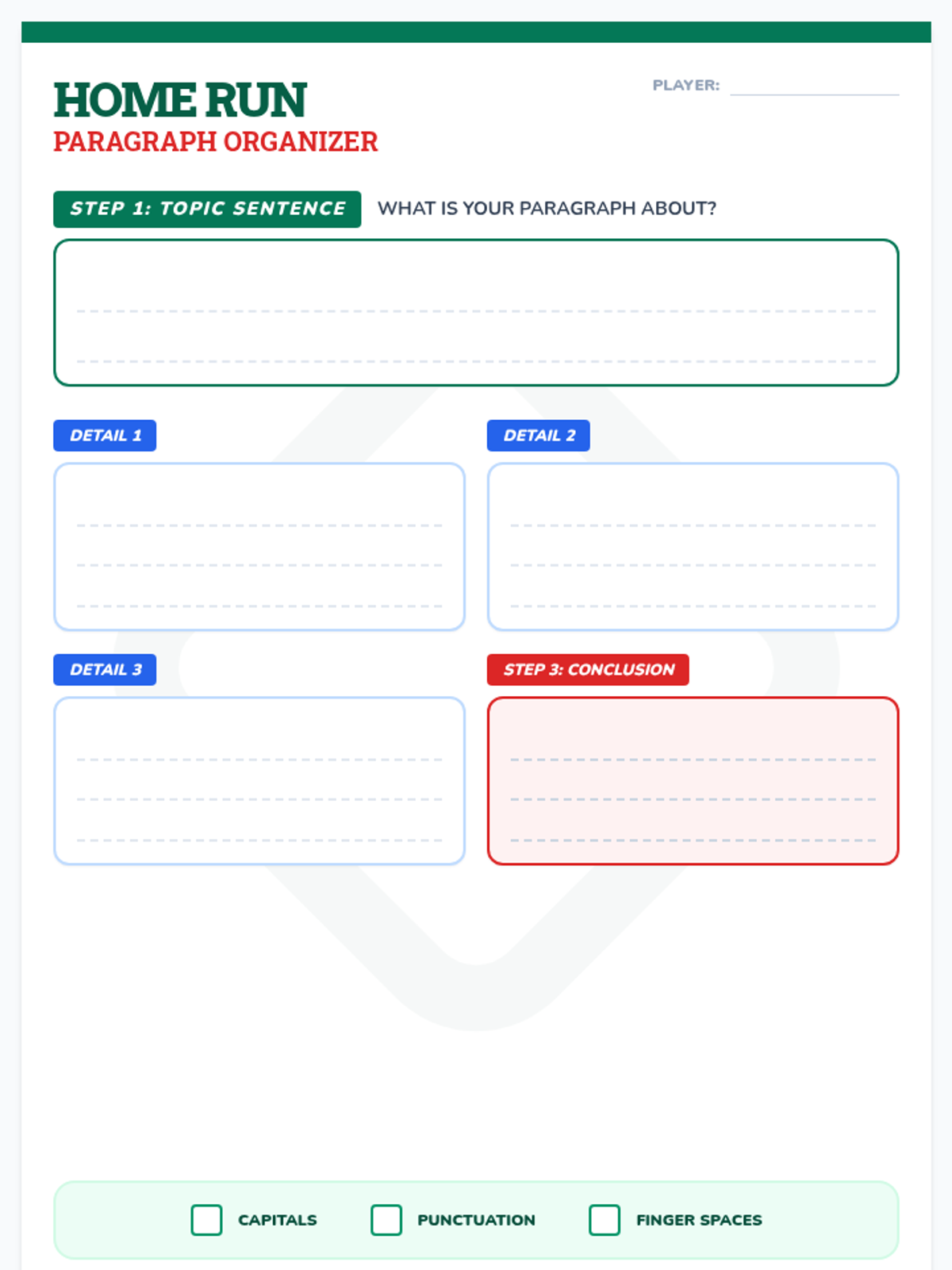
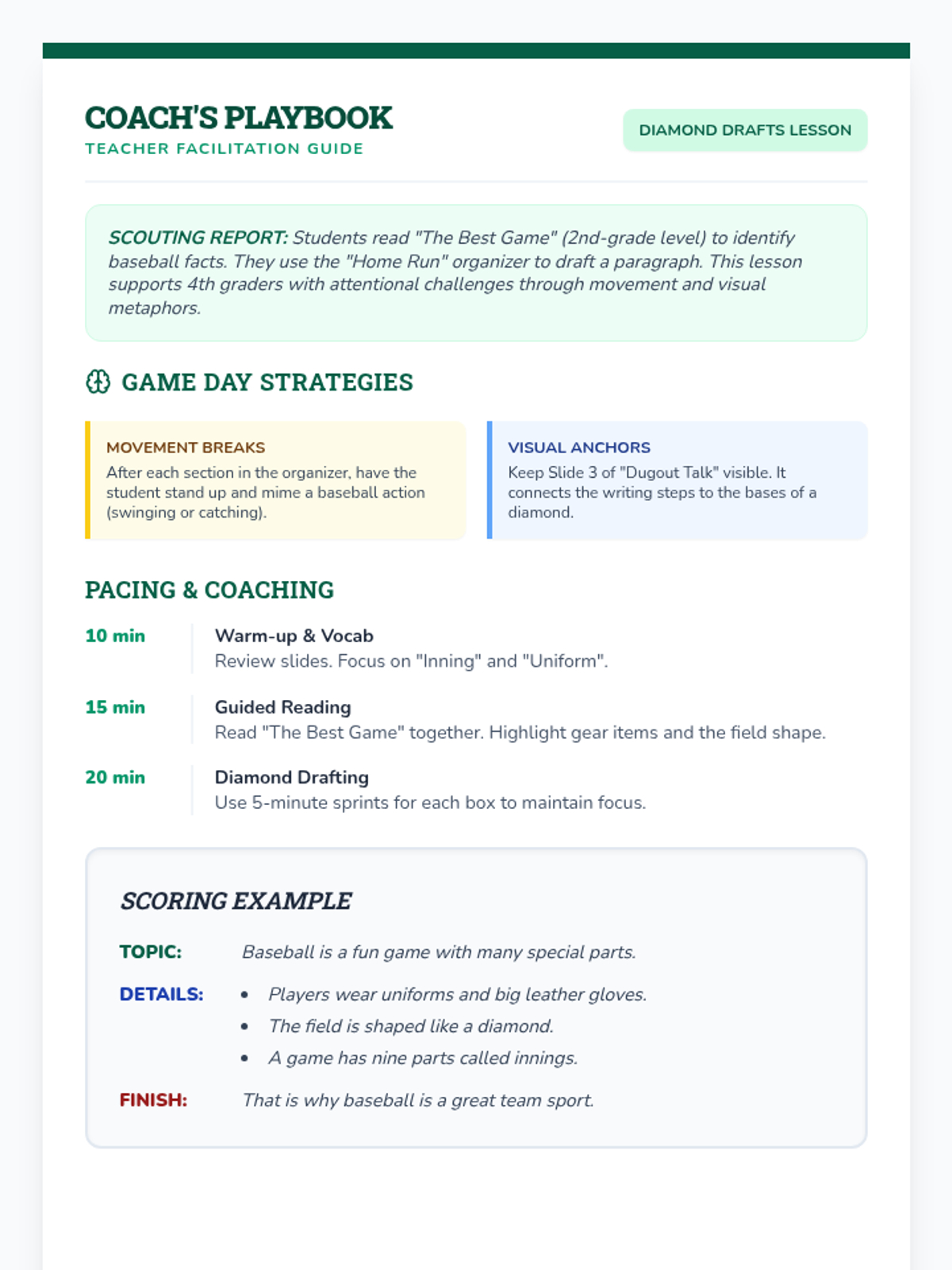
A baseball-themed reading and writing lesson designed for a 4th grader reading at a 2nd-grade level. The lesson focuses on identifying key details and organizing a paragraph using a topic sentence, three details, and a conclusion.
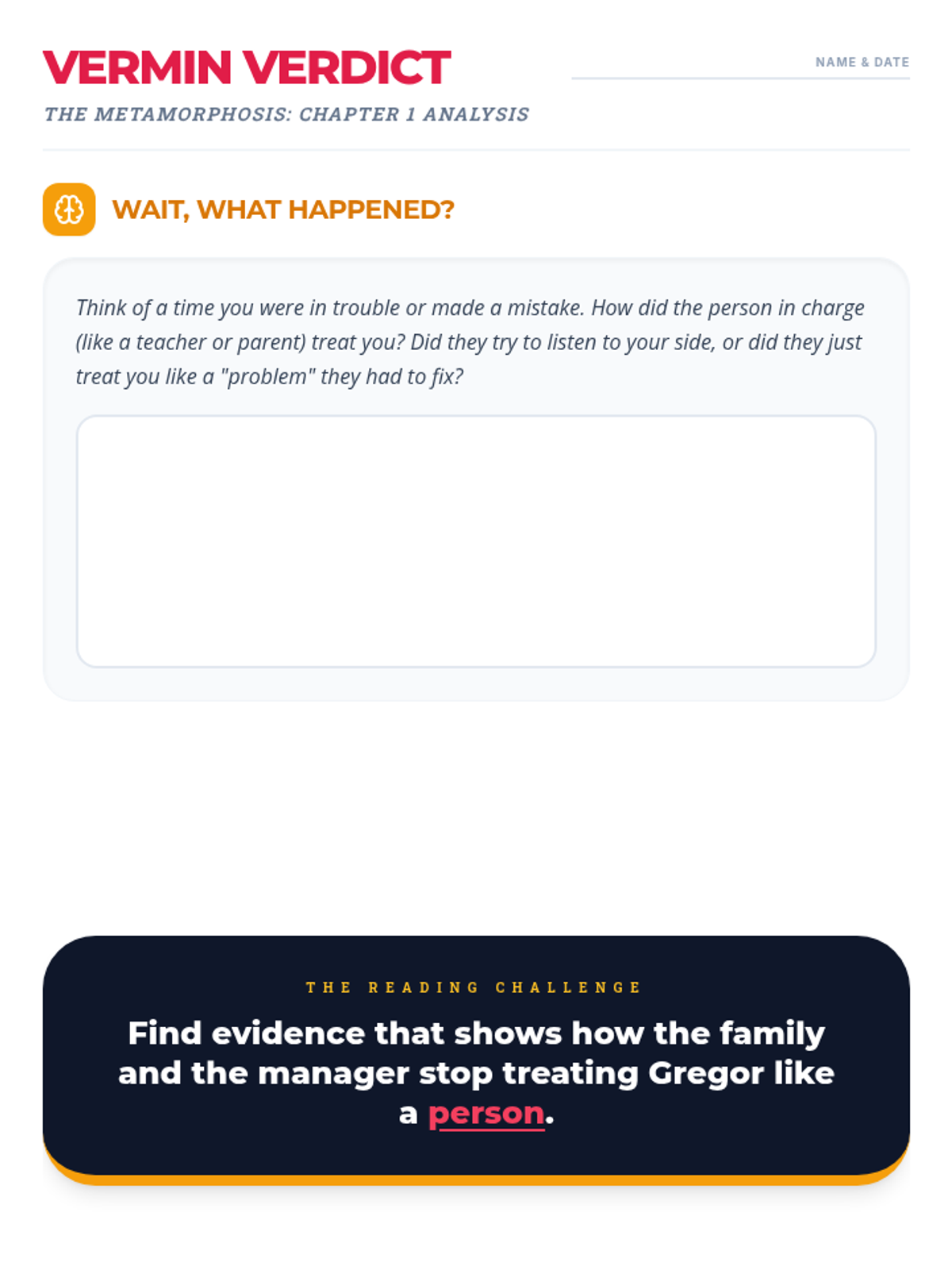
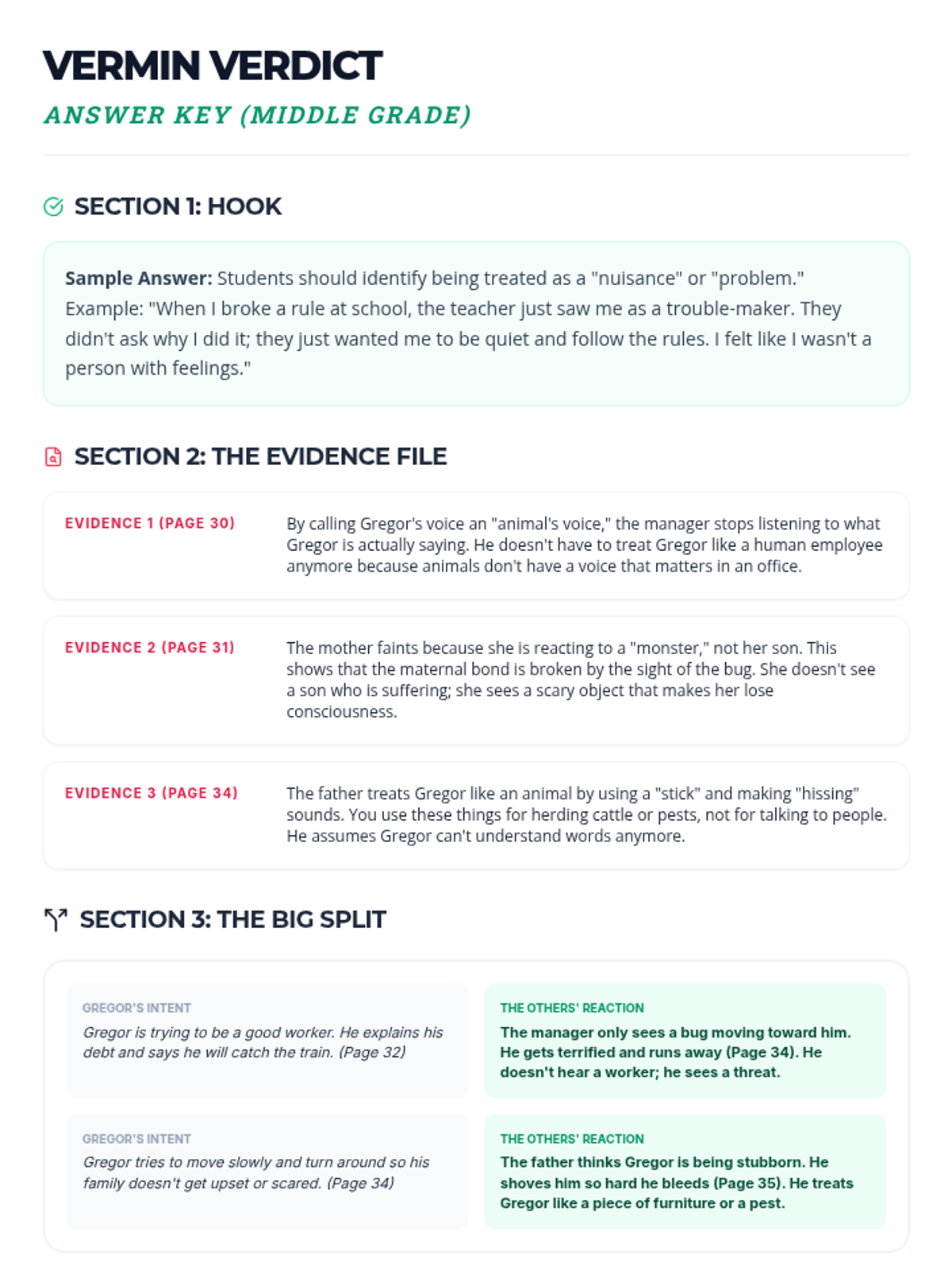
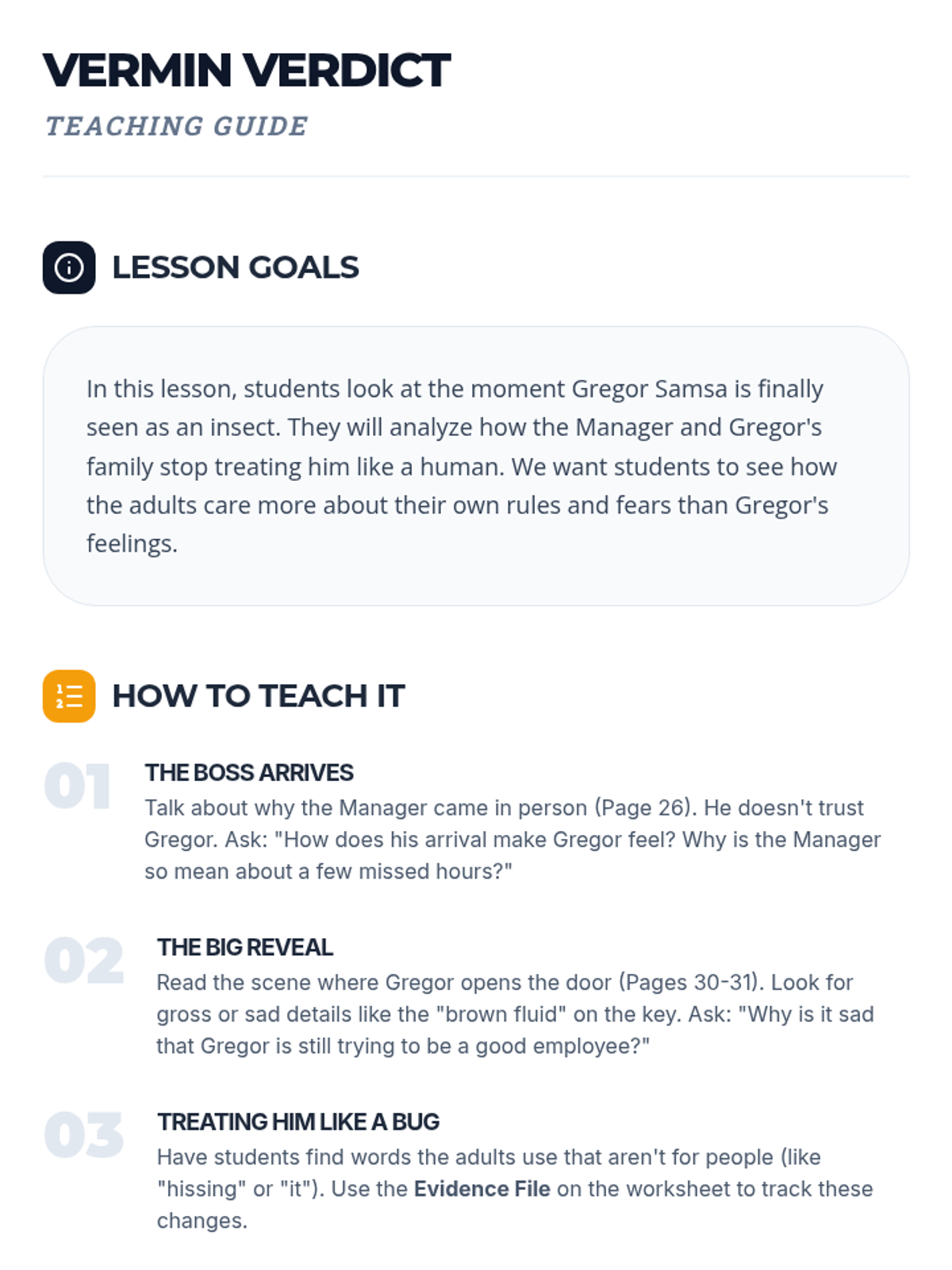
A lesson exploring the arrival of the Manager in Chapter 1 of 'The Metamorphosis'. Students analyze the immediate dehumanization of Gregor by his family and superiors, focusing on word choice and the conflict between individual humanity and bureaucratic authority.
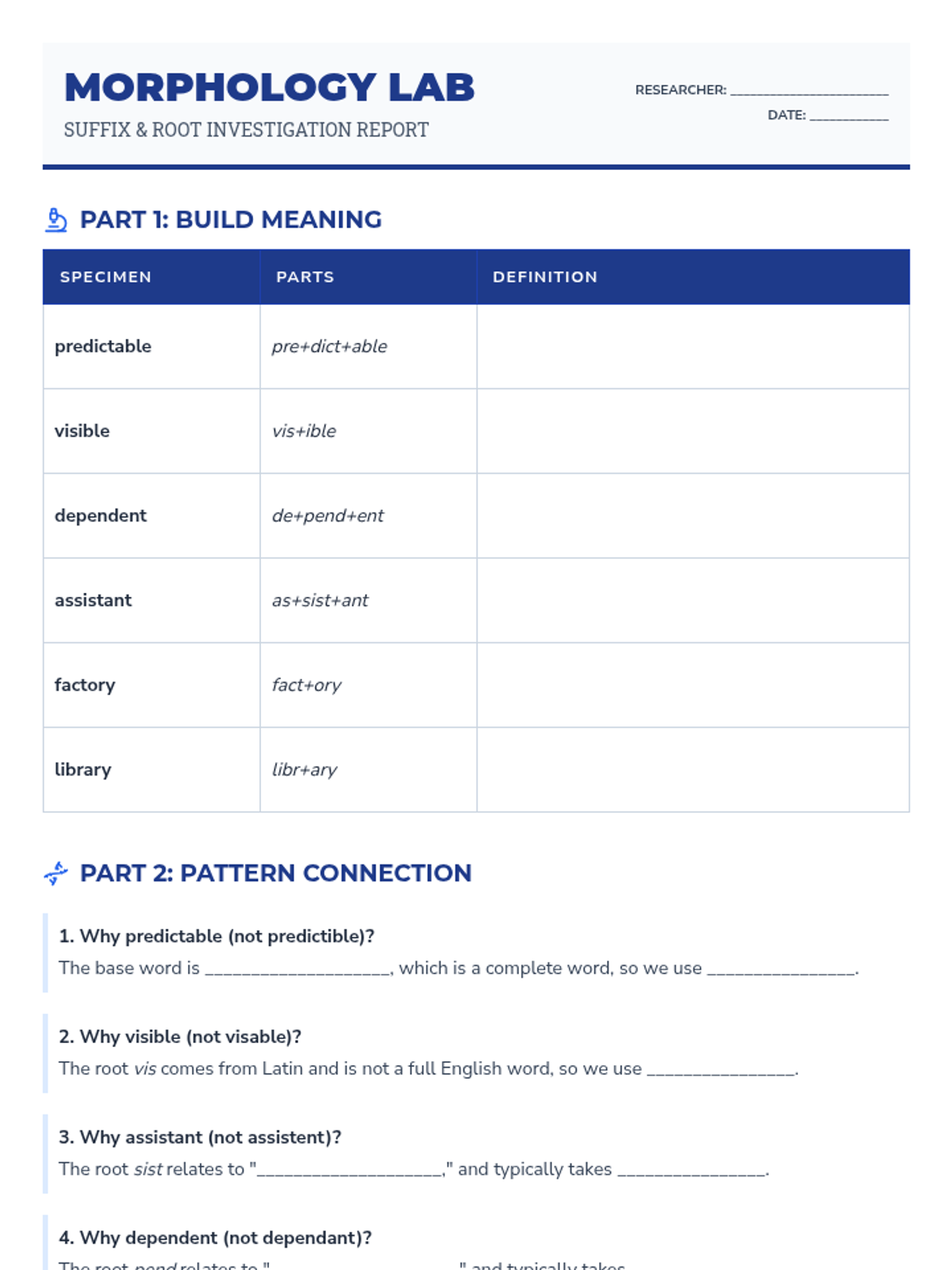
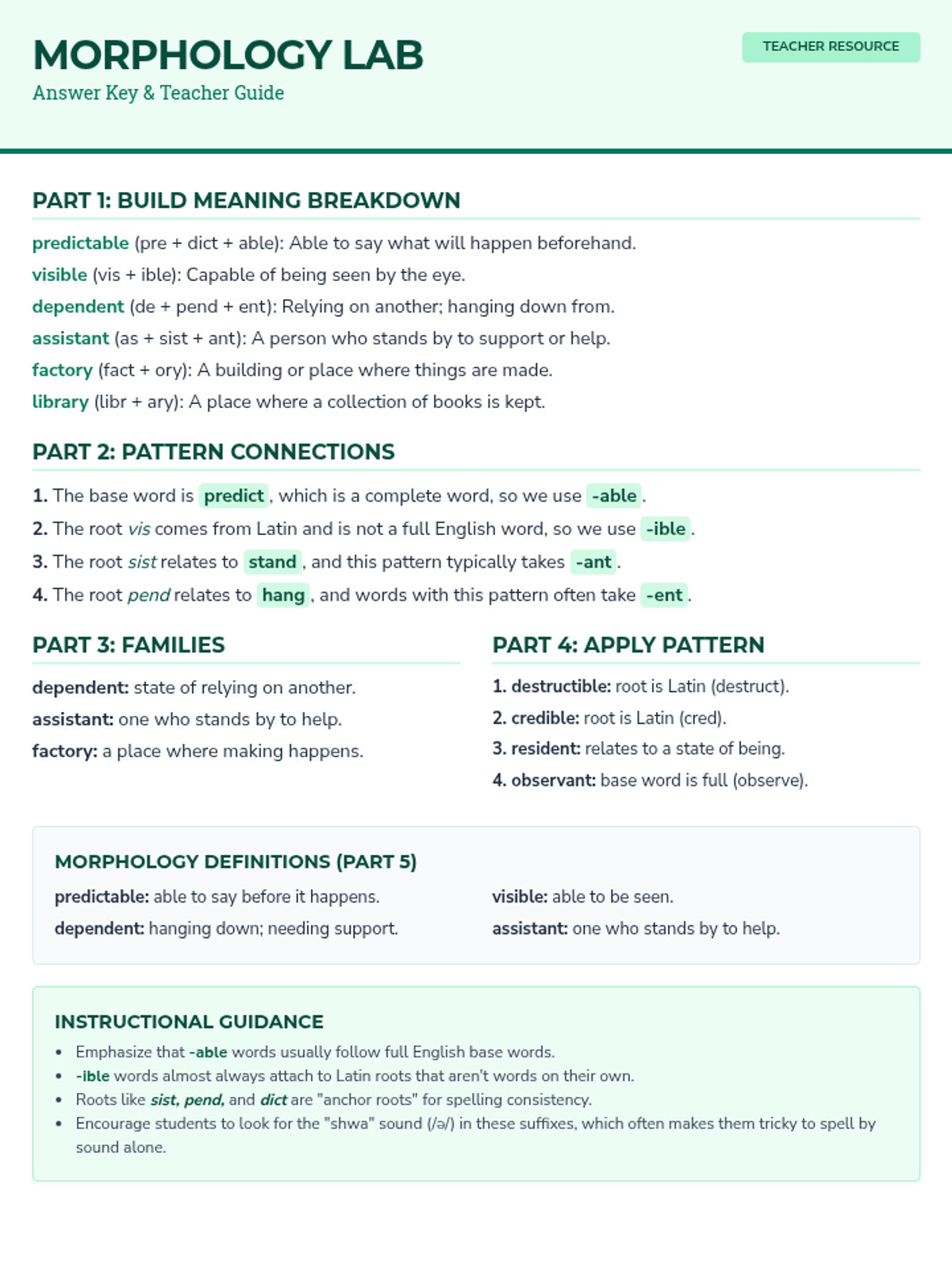
A deep dive into morphology and common word endings (-able, -ible, -ary, -ery, -ory, -ant, -ent), focusing on how Latin roots and base words determine spelling patterns.
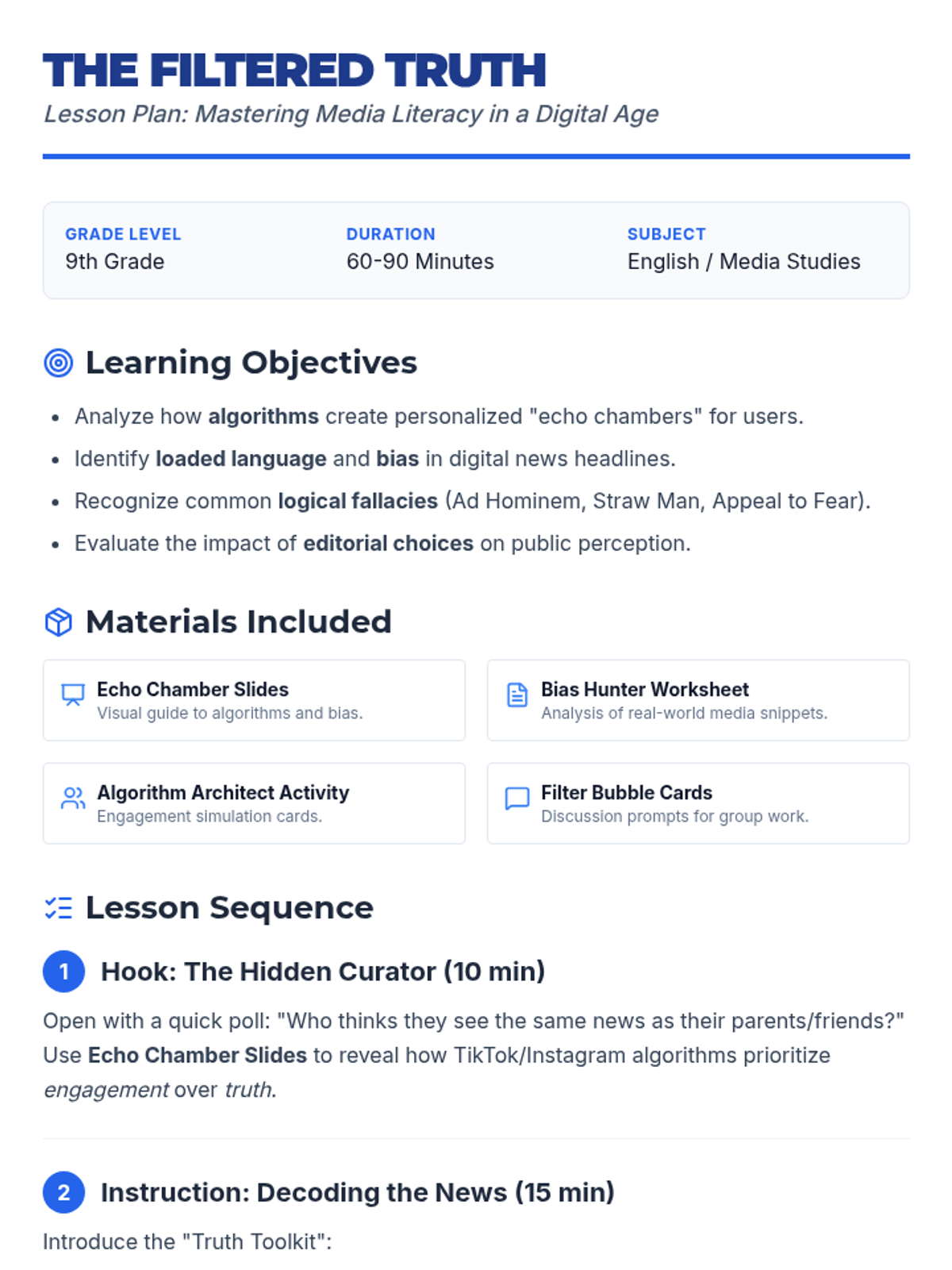
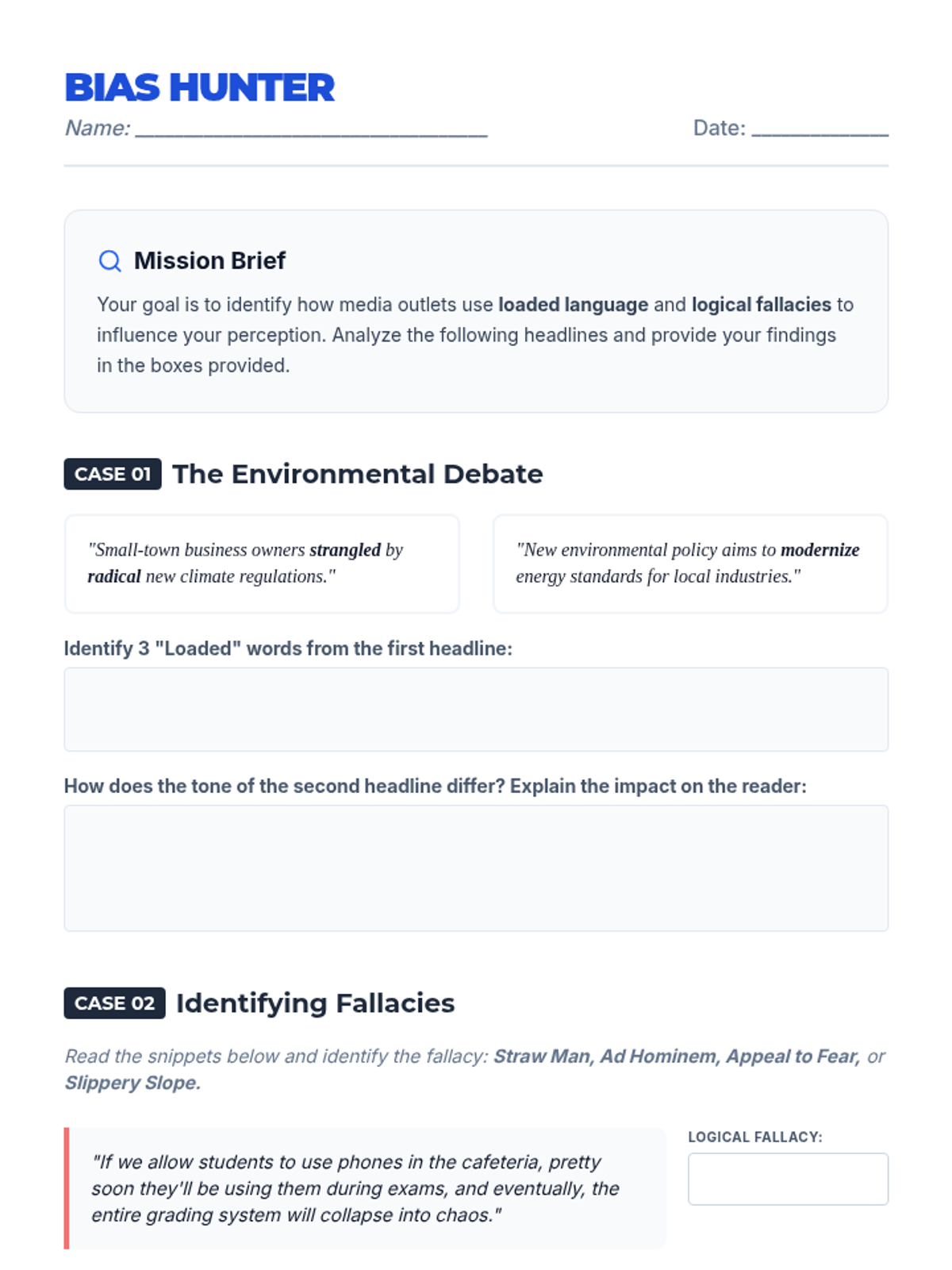
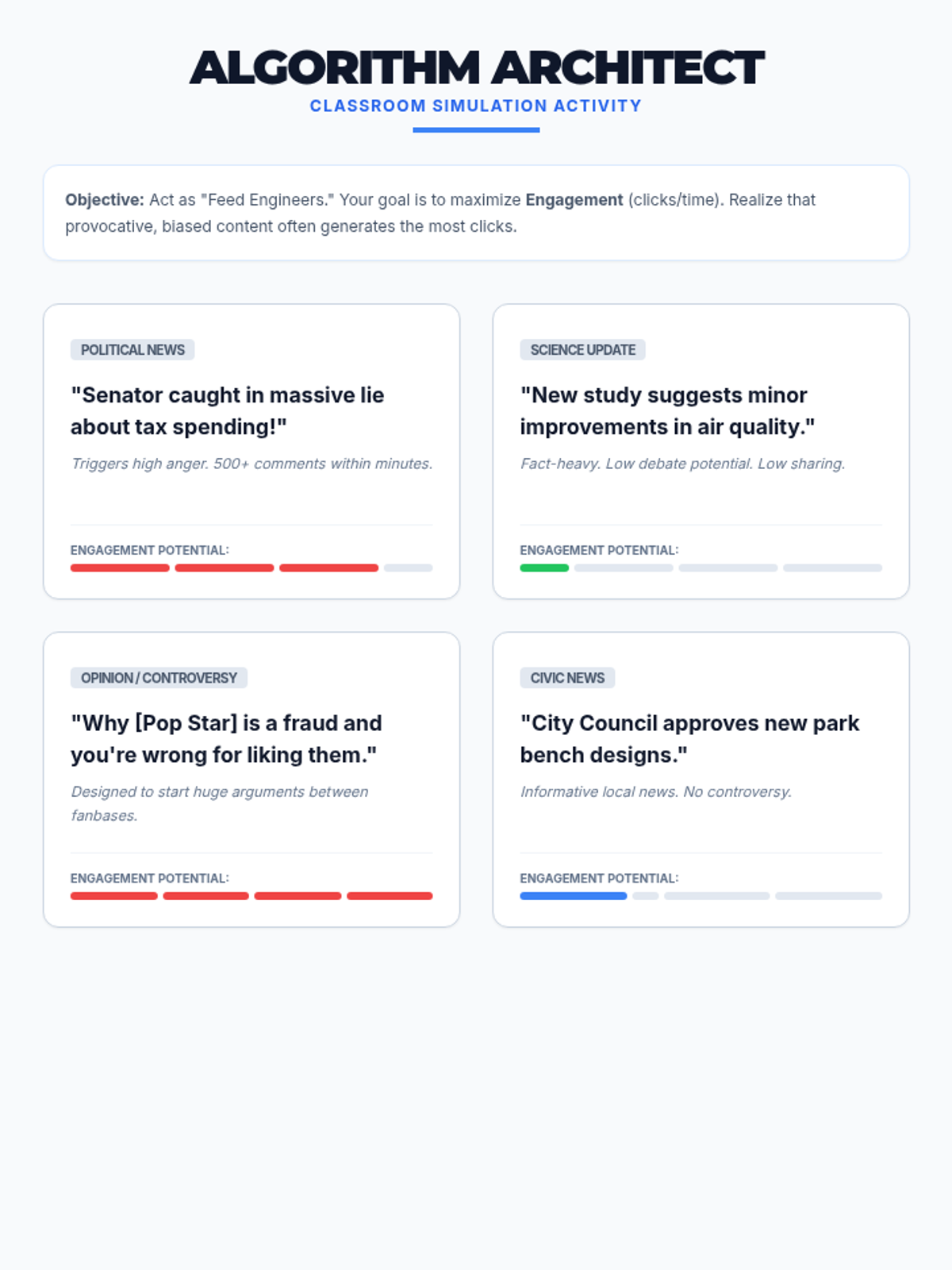
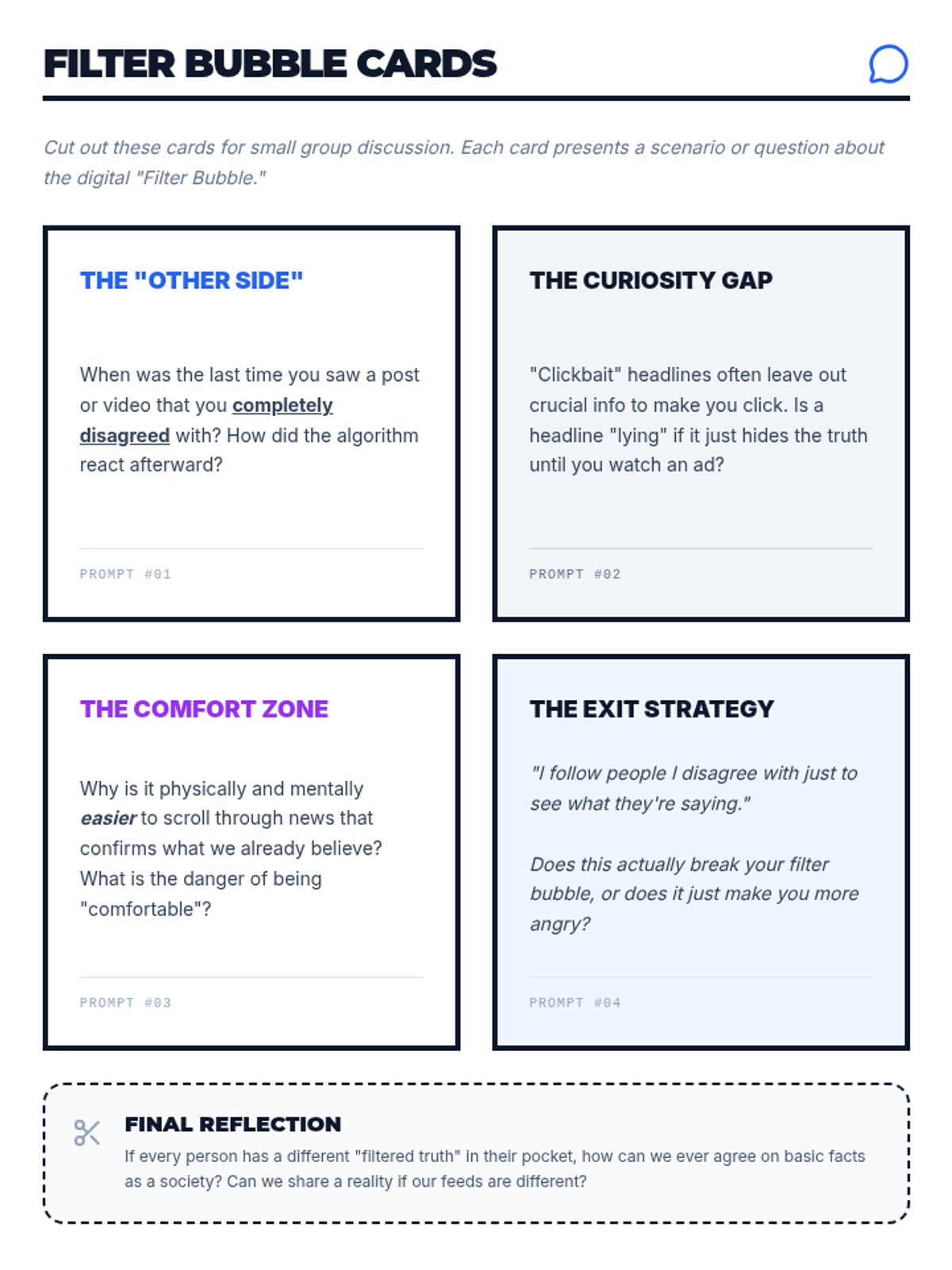
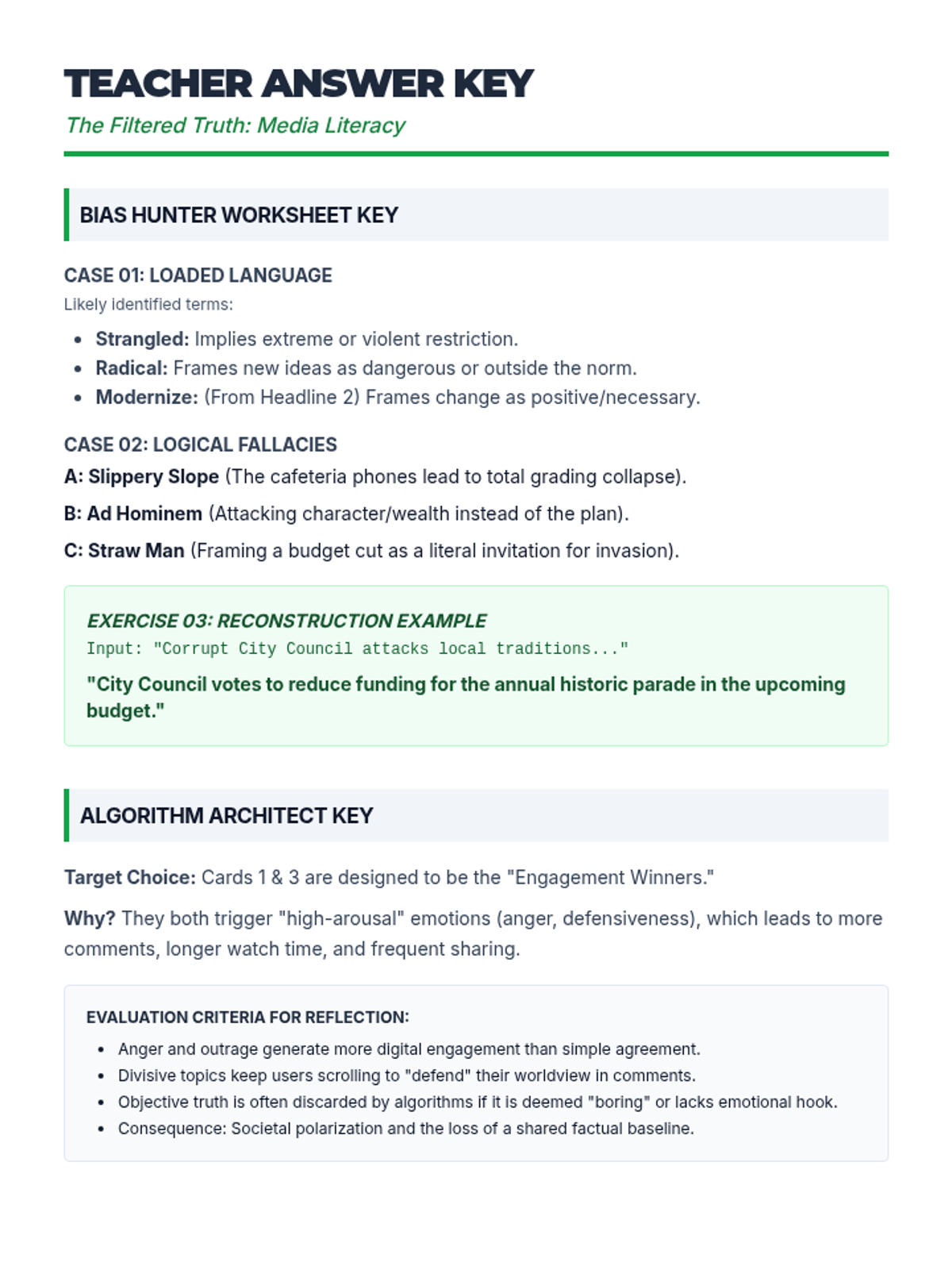
Students will investigate how social media algorithms and editorial bias shape their understanding of reality. Through headline analysis and a simulation activity, 9th graders will develop the critical thinking skills needed to navigate a digital information landscape.
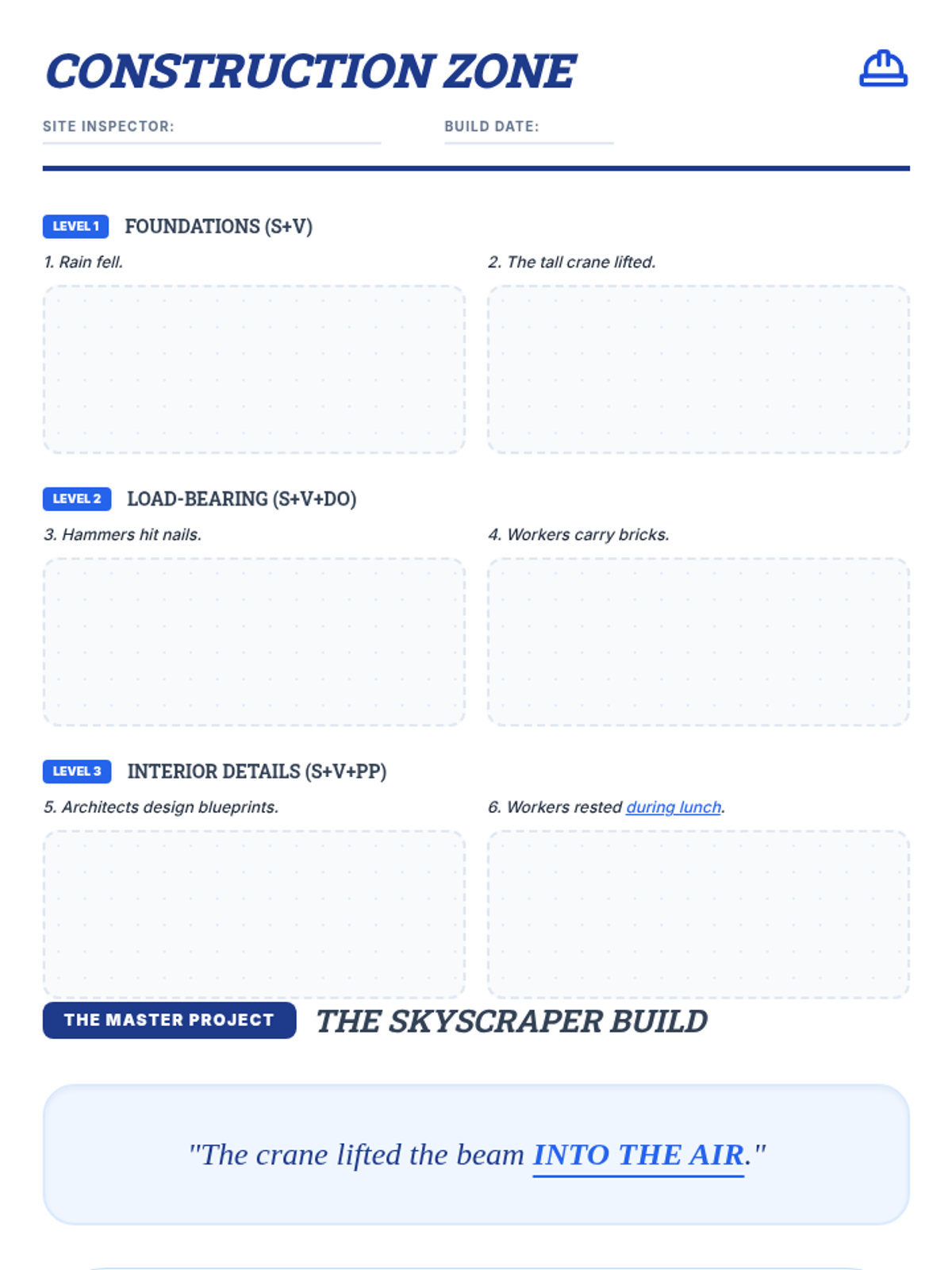
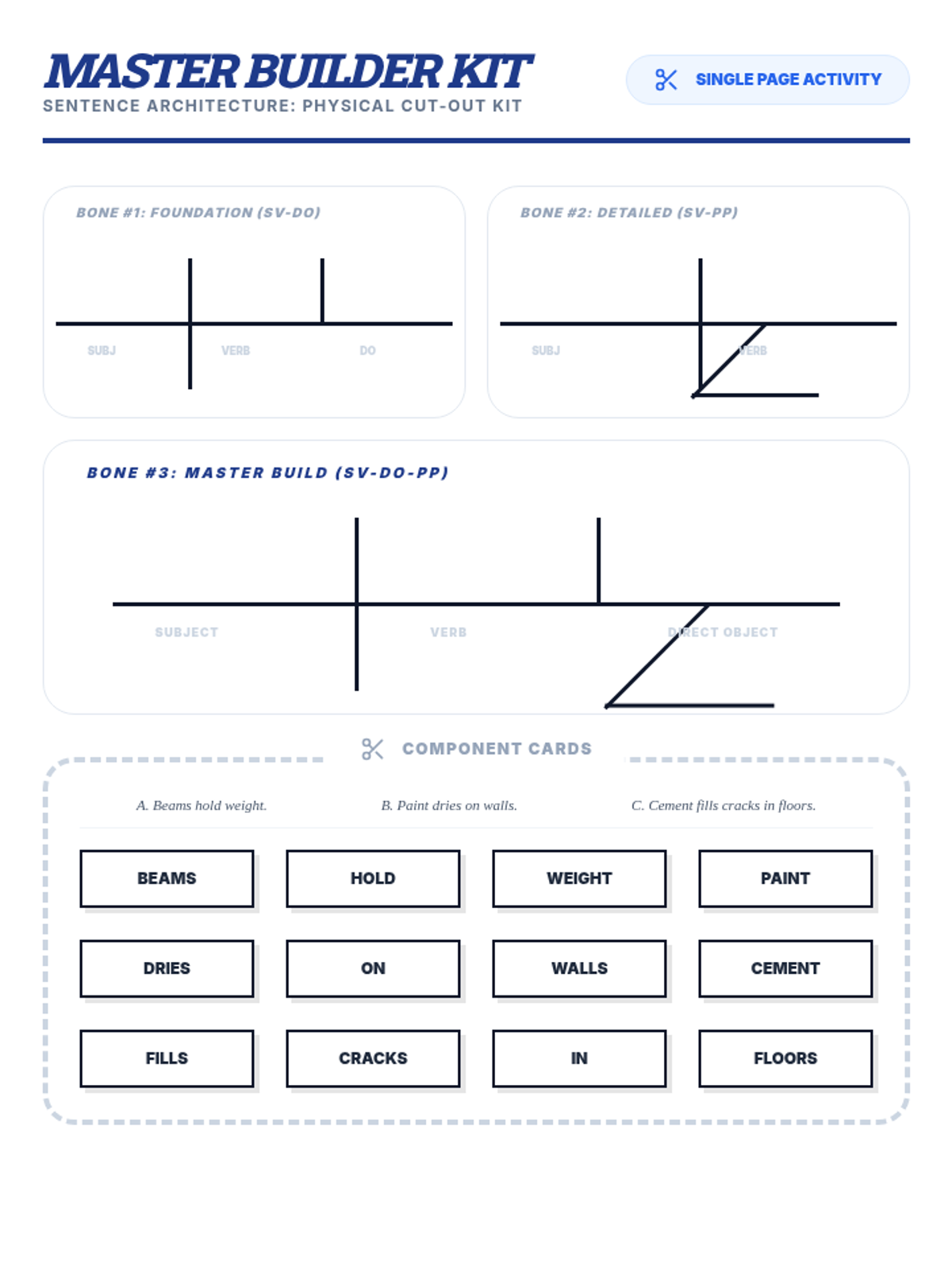
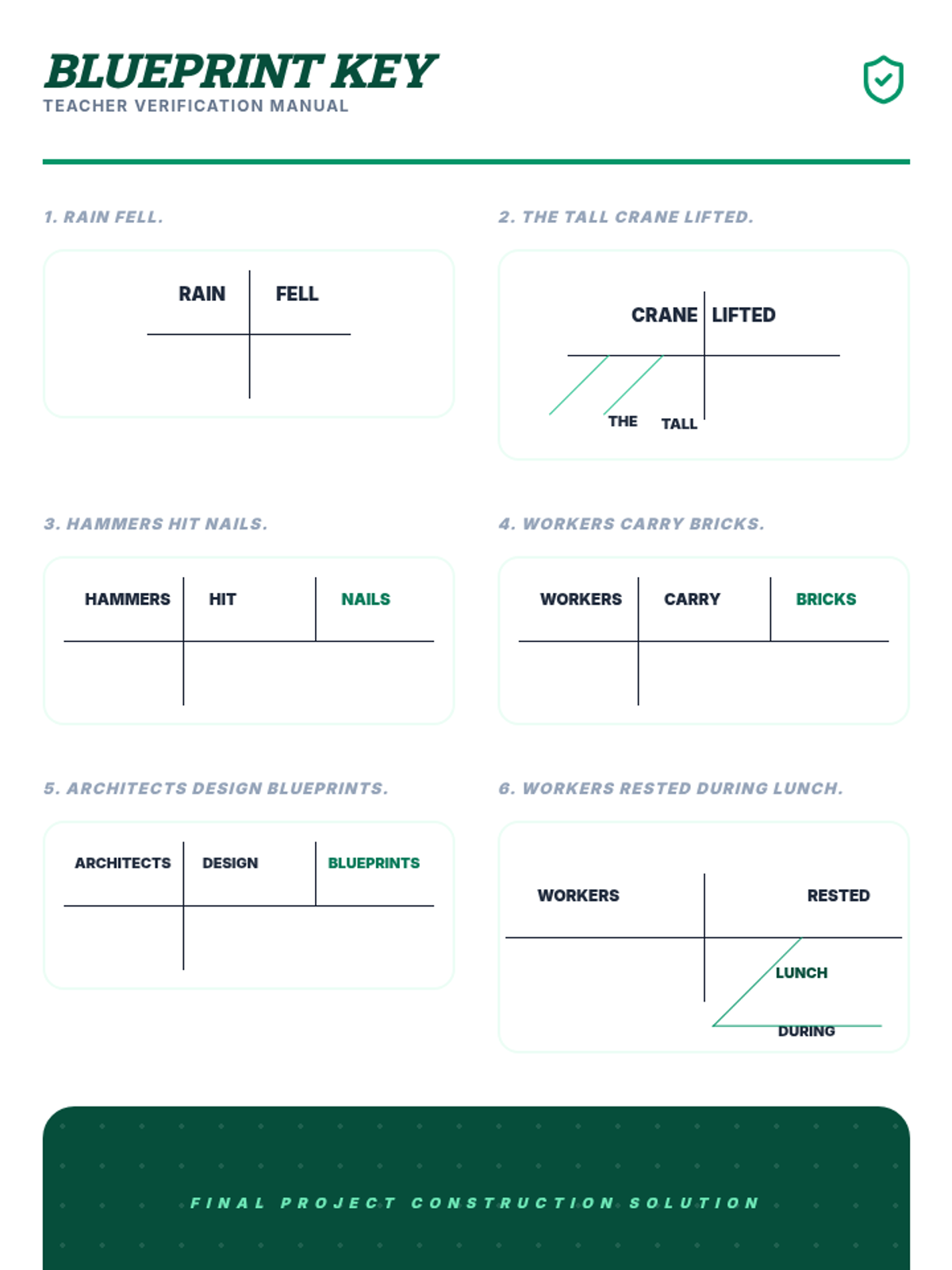
A comprehensive introduction to Reed-Kellogg sentence diagramming, covering subjects, verbs, direct objects, and prepositional phrases through a structural engineering lens.
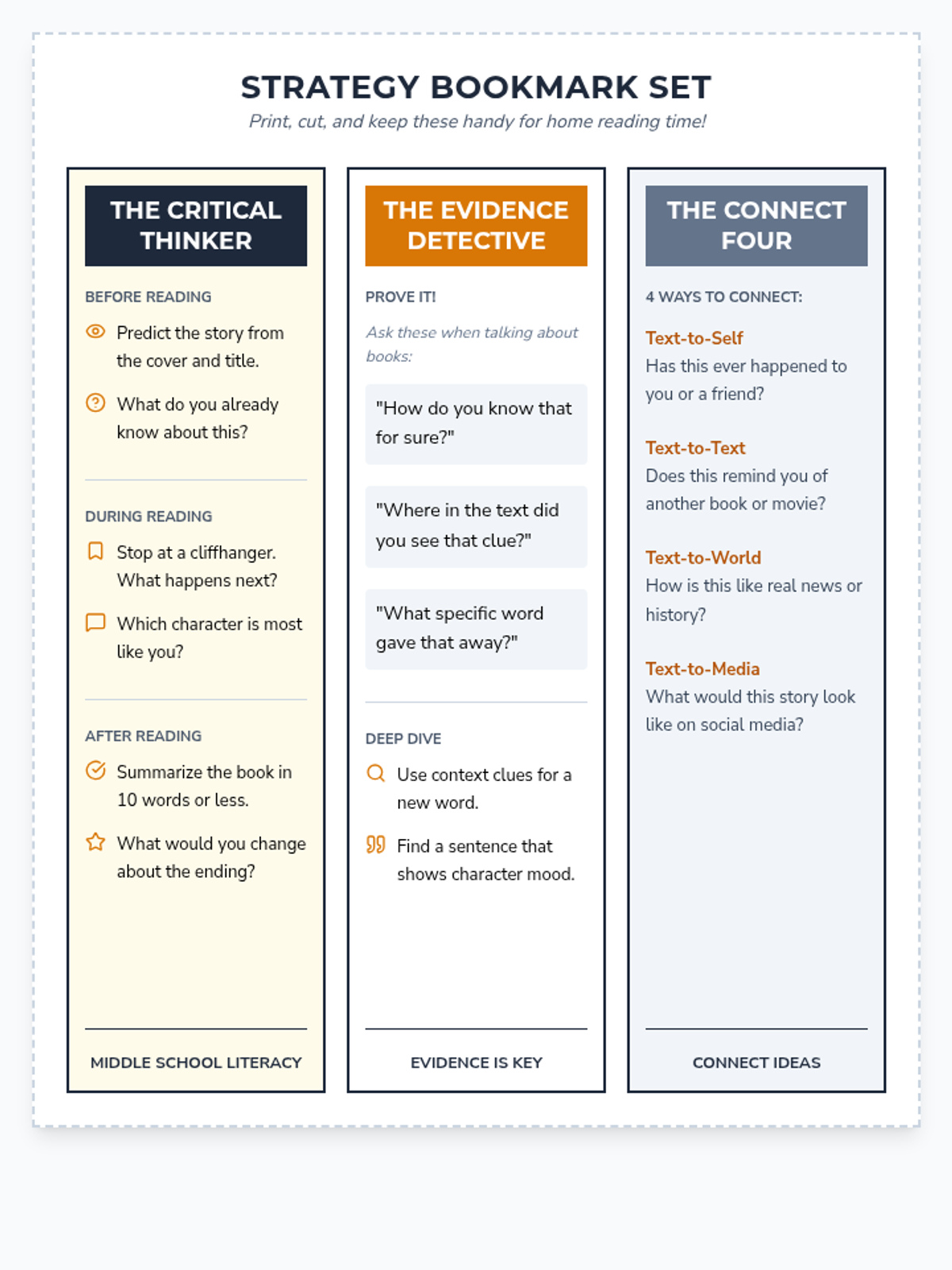
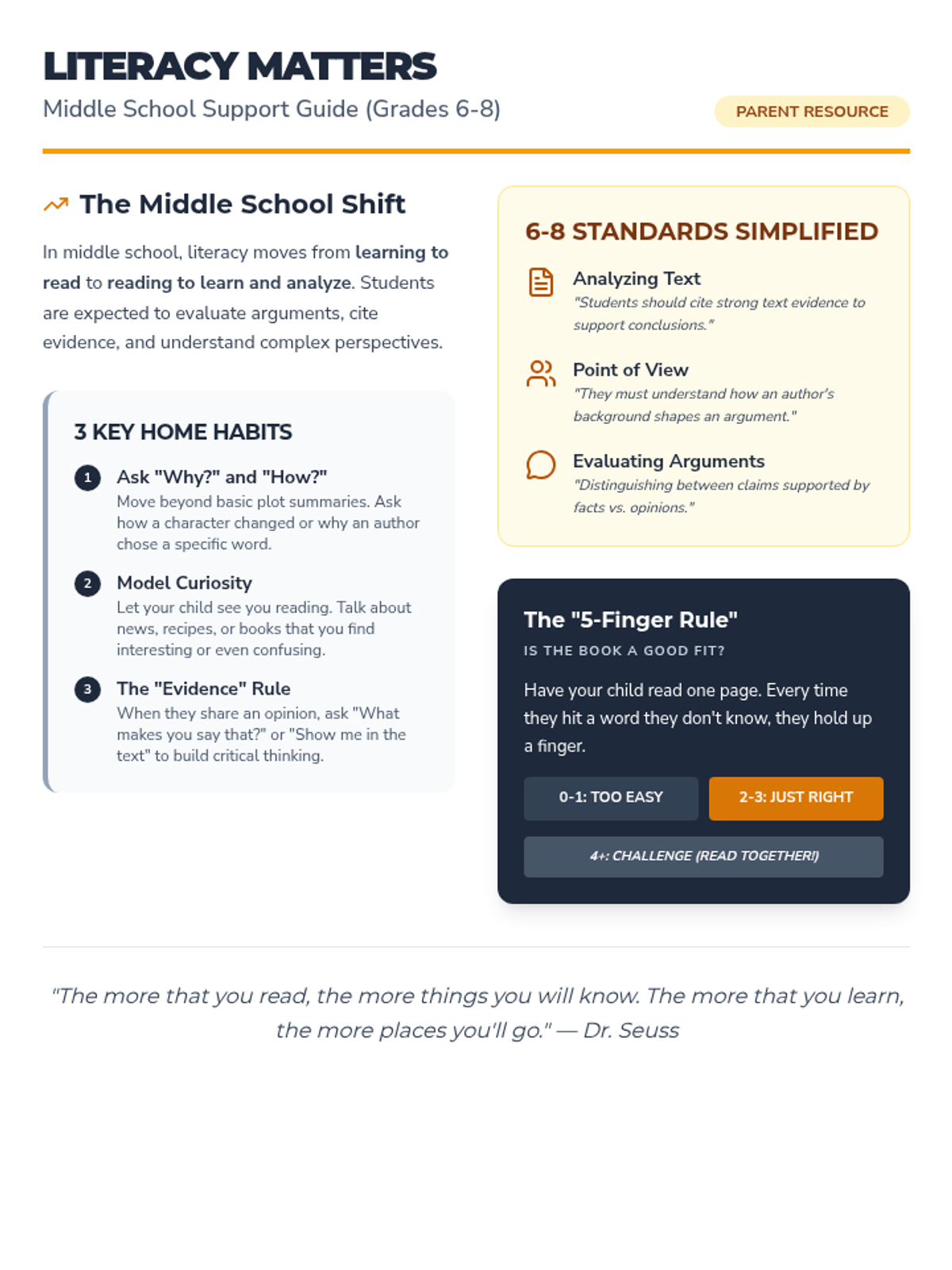
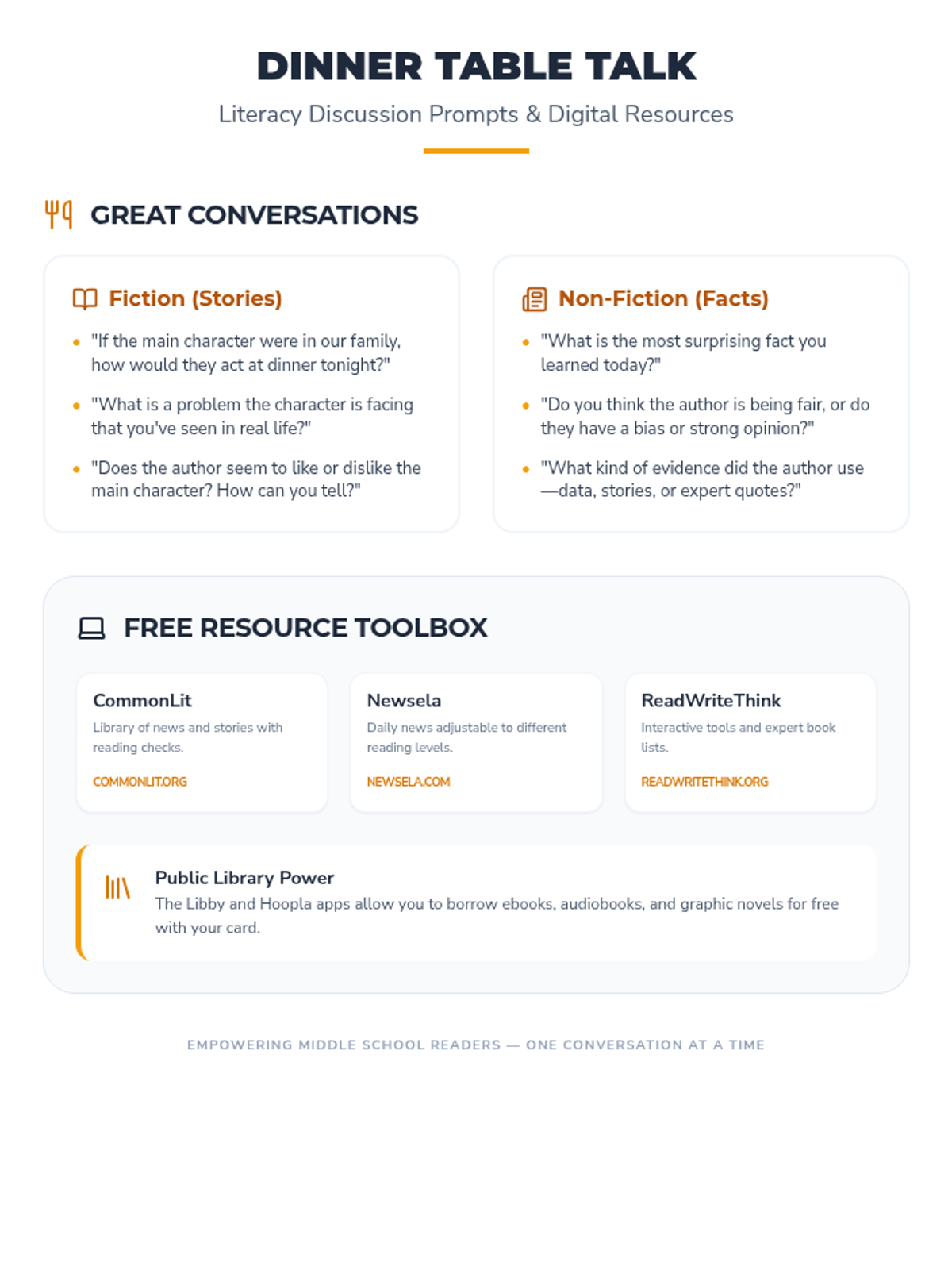
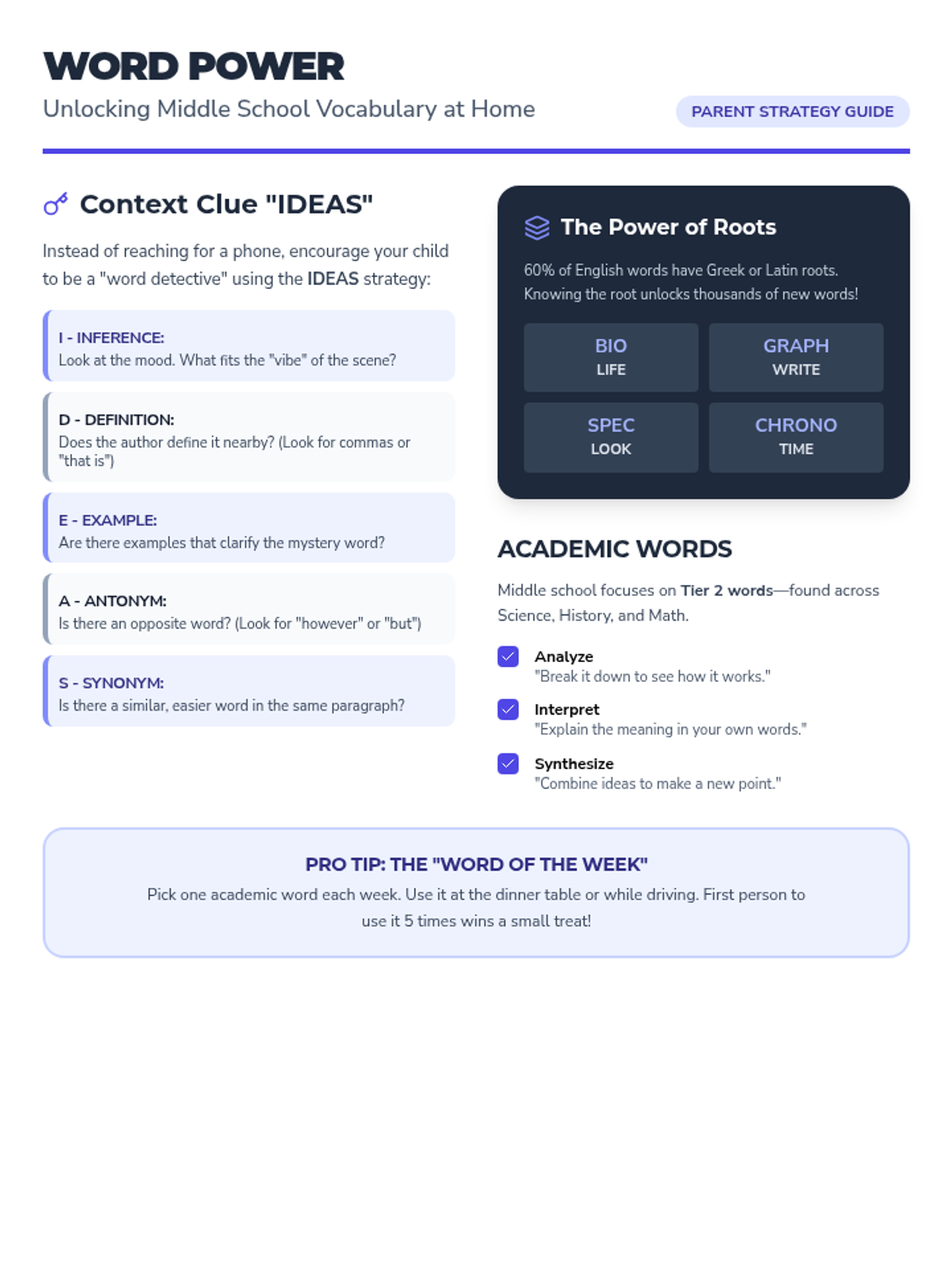
A comprehensive set of resources for middle school parents to support literacy development at home, covering reading comprehension, critical thinking, and discussion strategies aligned with 6-8 standards.
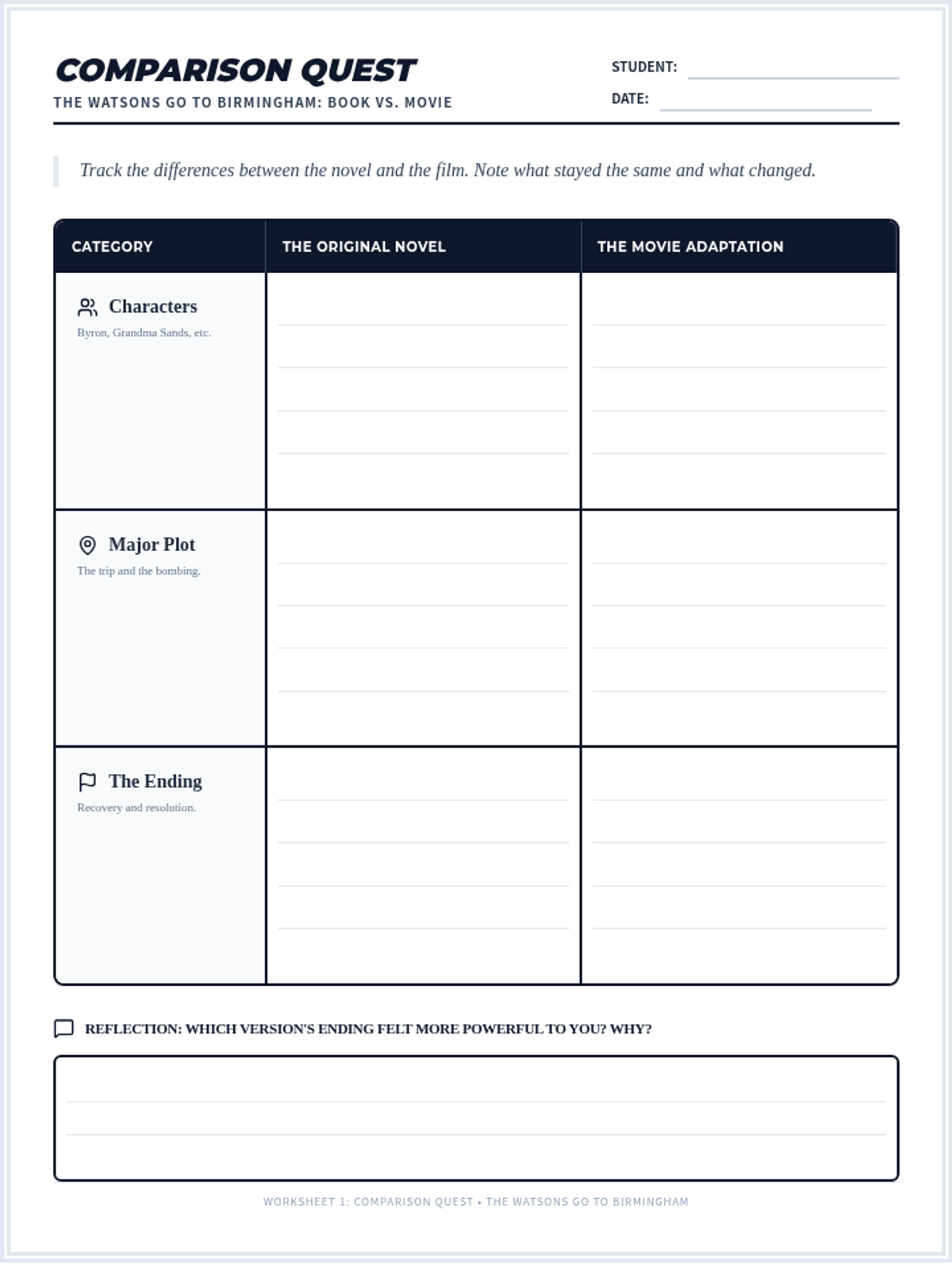
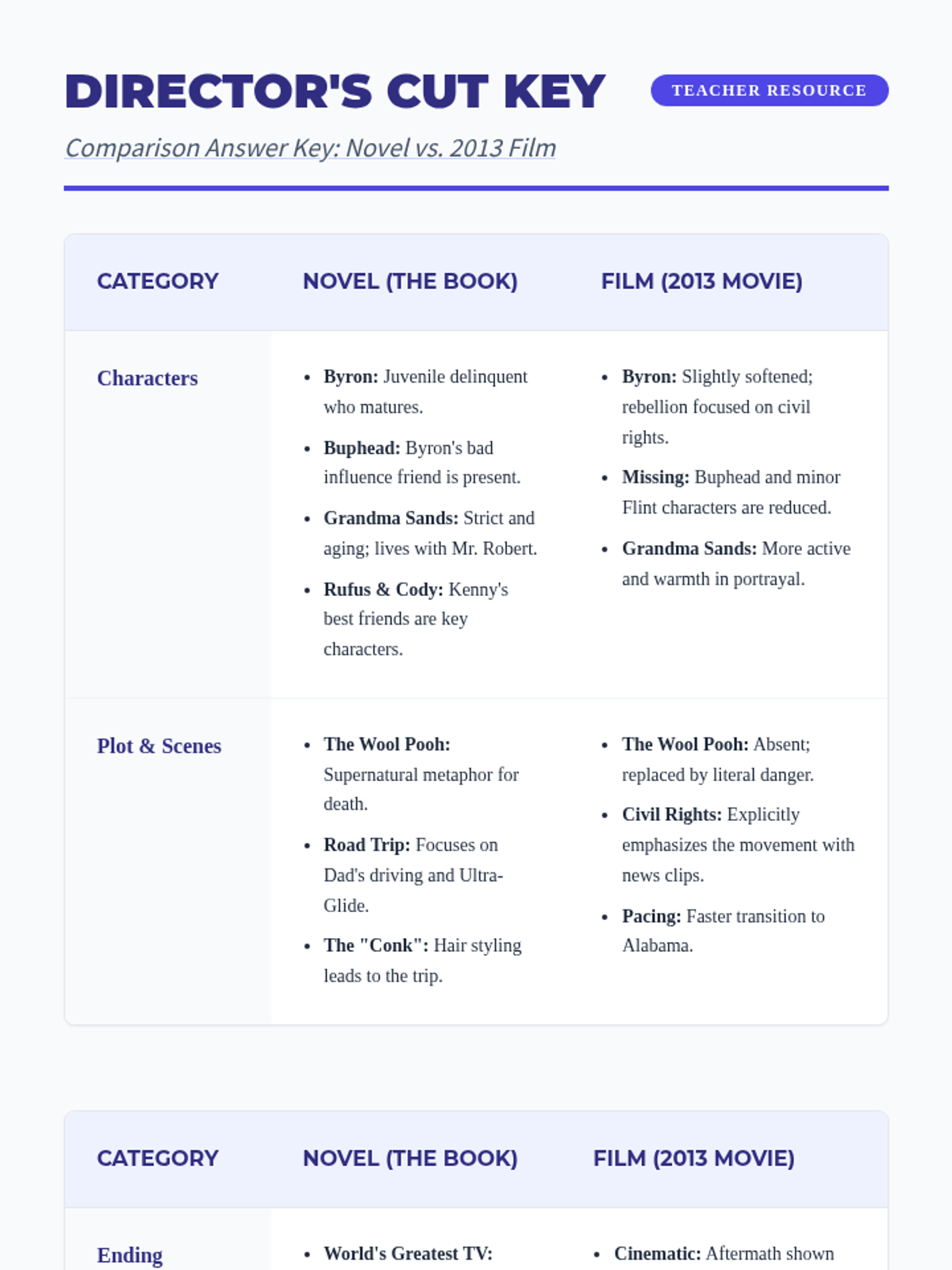
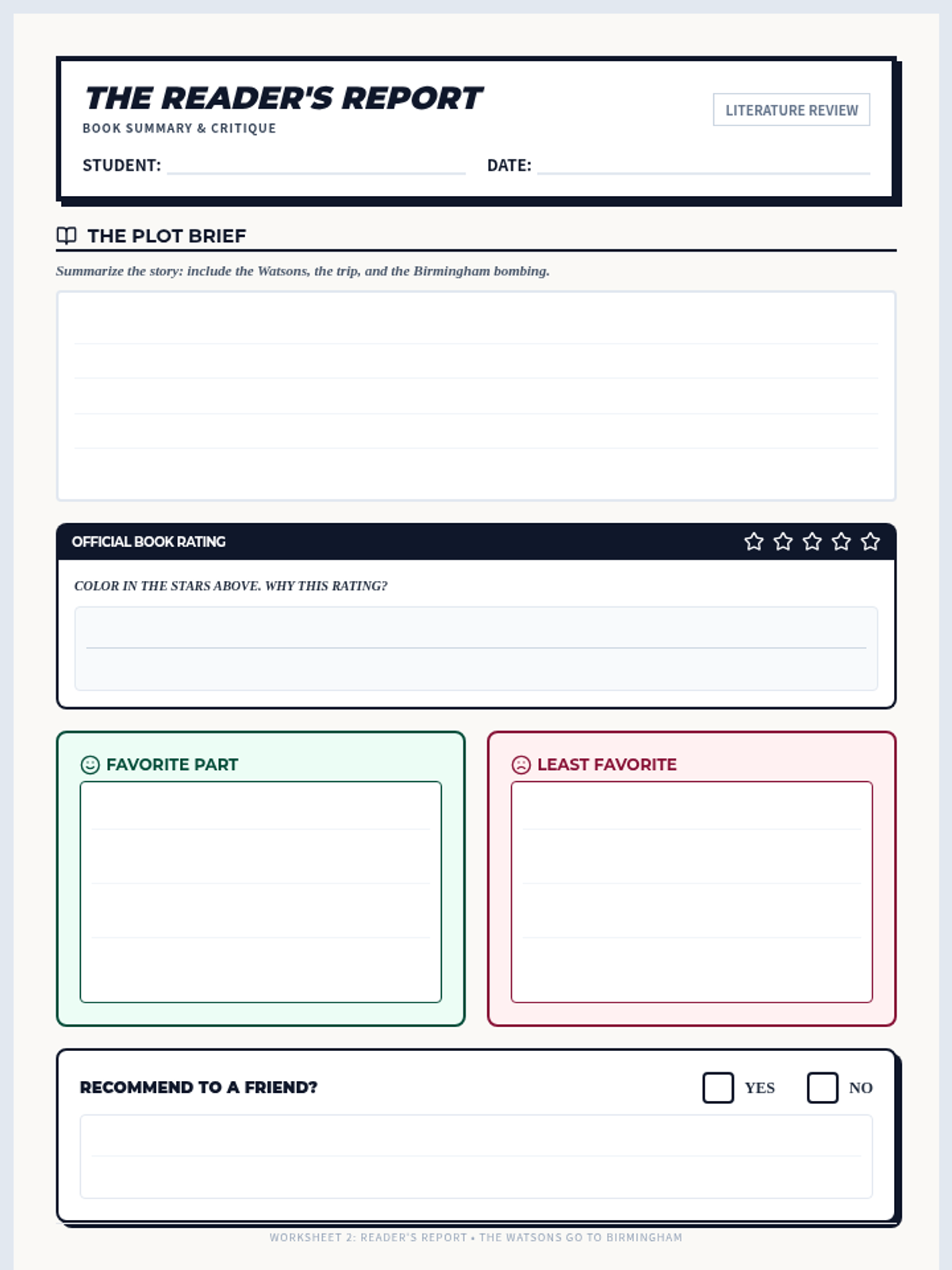
A comprehensive look at the classic novel 'The Watsons Go to Birmingham – 1963', including a complete plot summary and a comparative analysis between the book and its film adaptation.
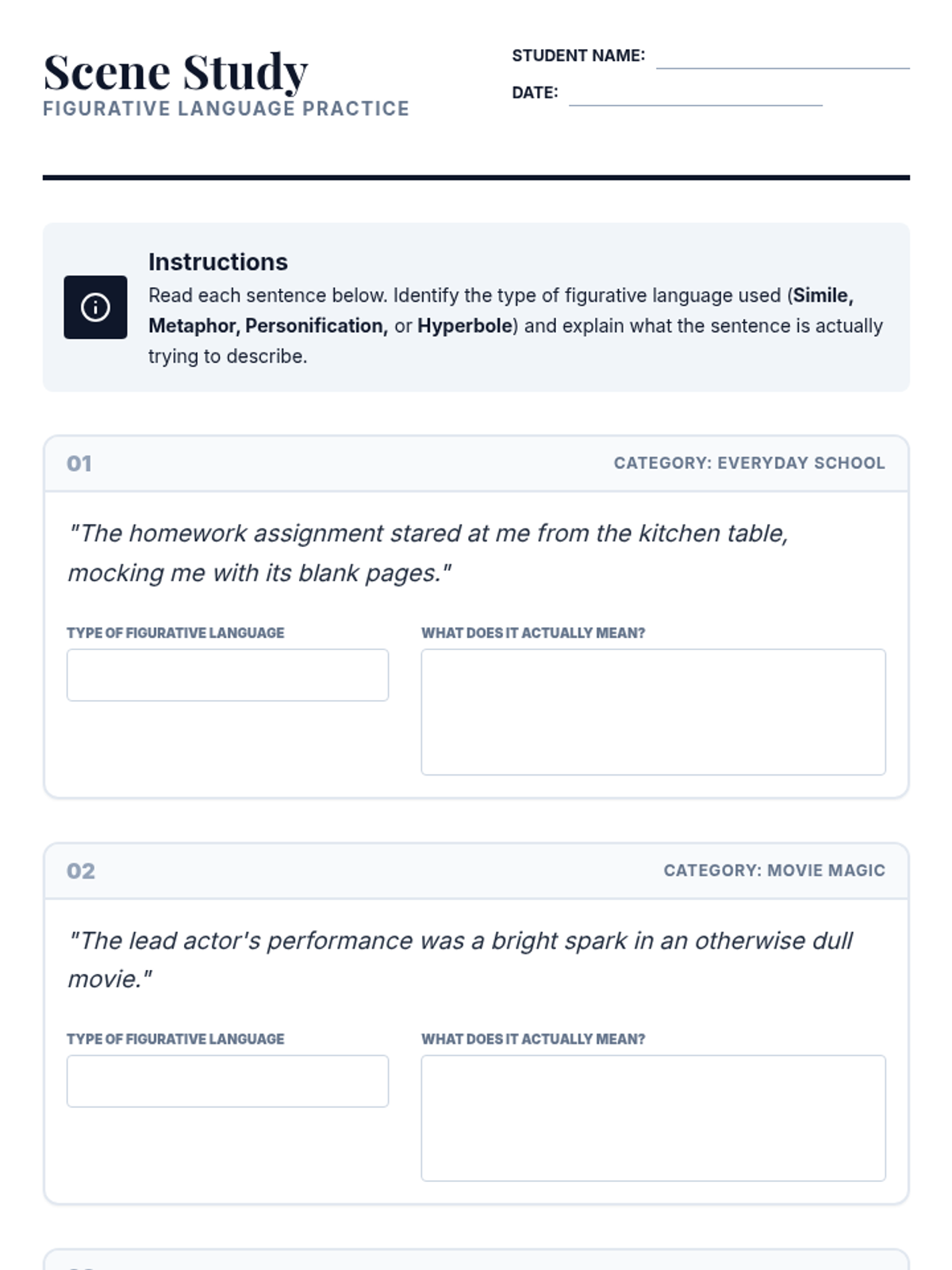
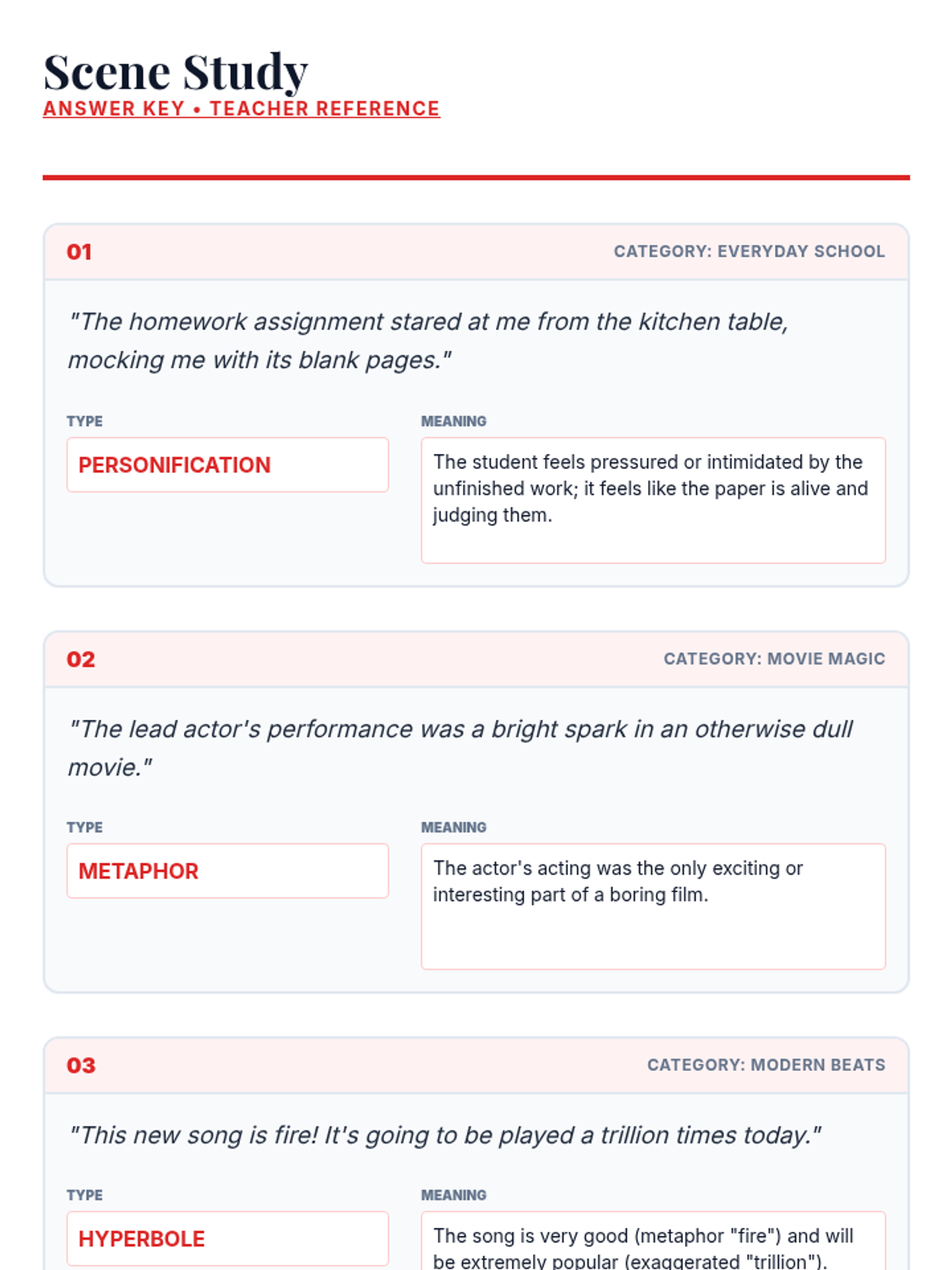
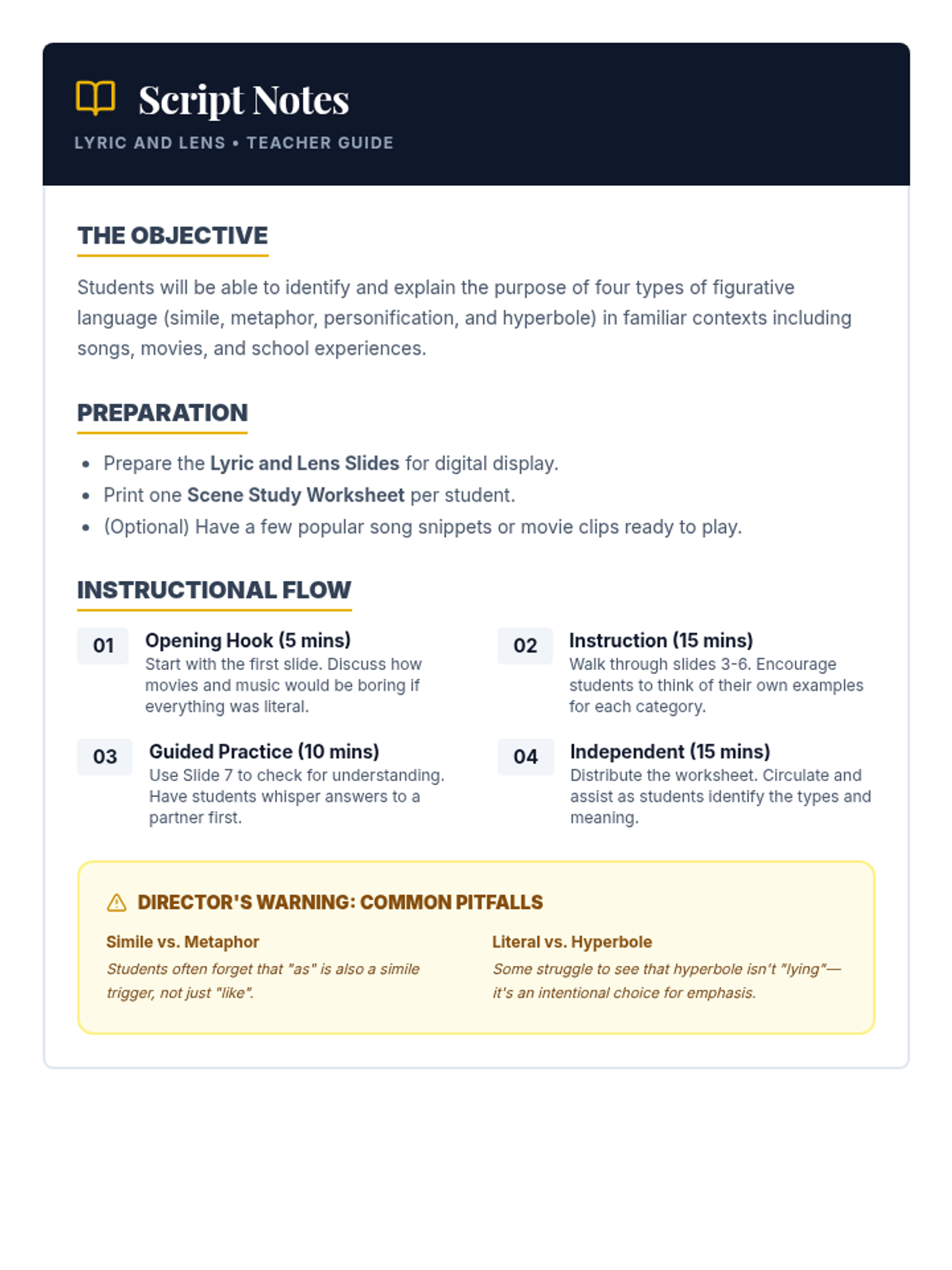
A lesson exploring simile, metaphor, personification, and hyperbole through the lens of popular media and everyday school experiences. Students identify and analyze figurative language in familiar contexts.
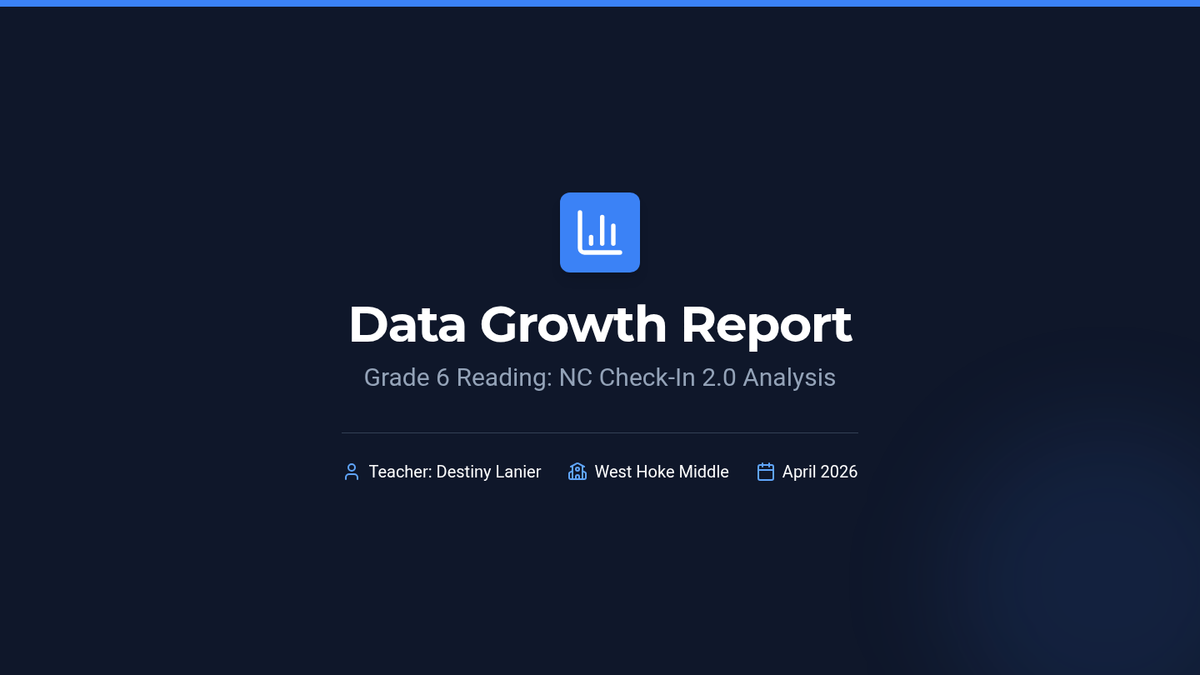
A comprehensive data analysis presentation for administrators, tracking student growth across Grade 6 NC Check-In cycles with a focus on vocabulary, informational text mastery, and overall test trends.
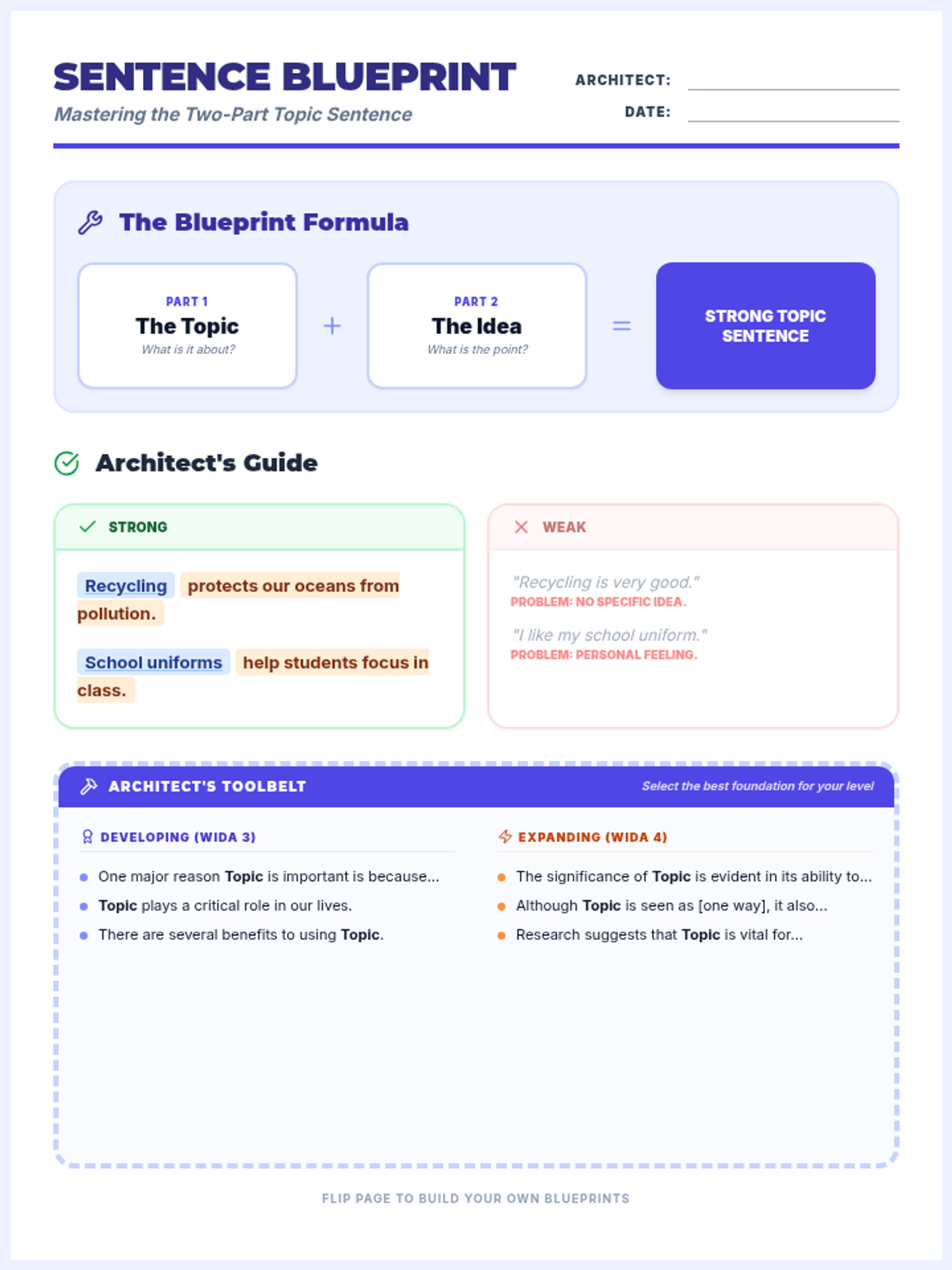
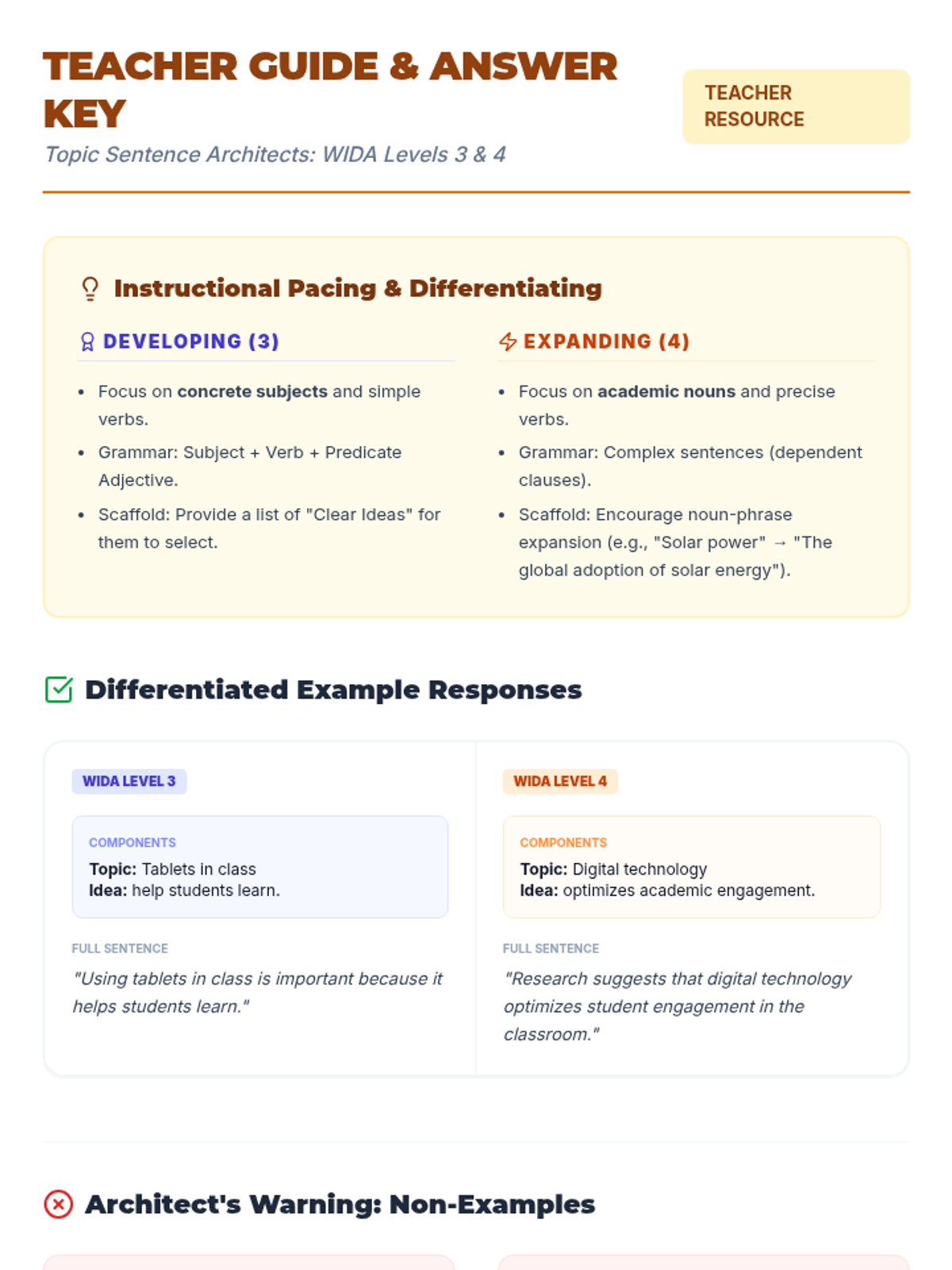
A lesson focused on teaching WIDA level 3 students how to construct strong topic sentences using a two-part formula: the topic and the clear idea. Students will use graphic organizers and sentence starters to build academic paragraph foundations.
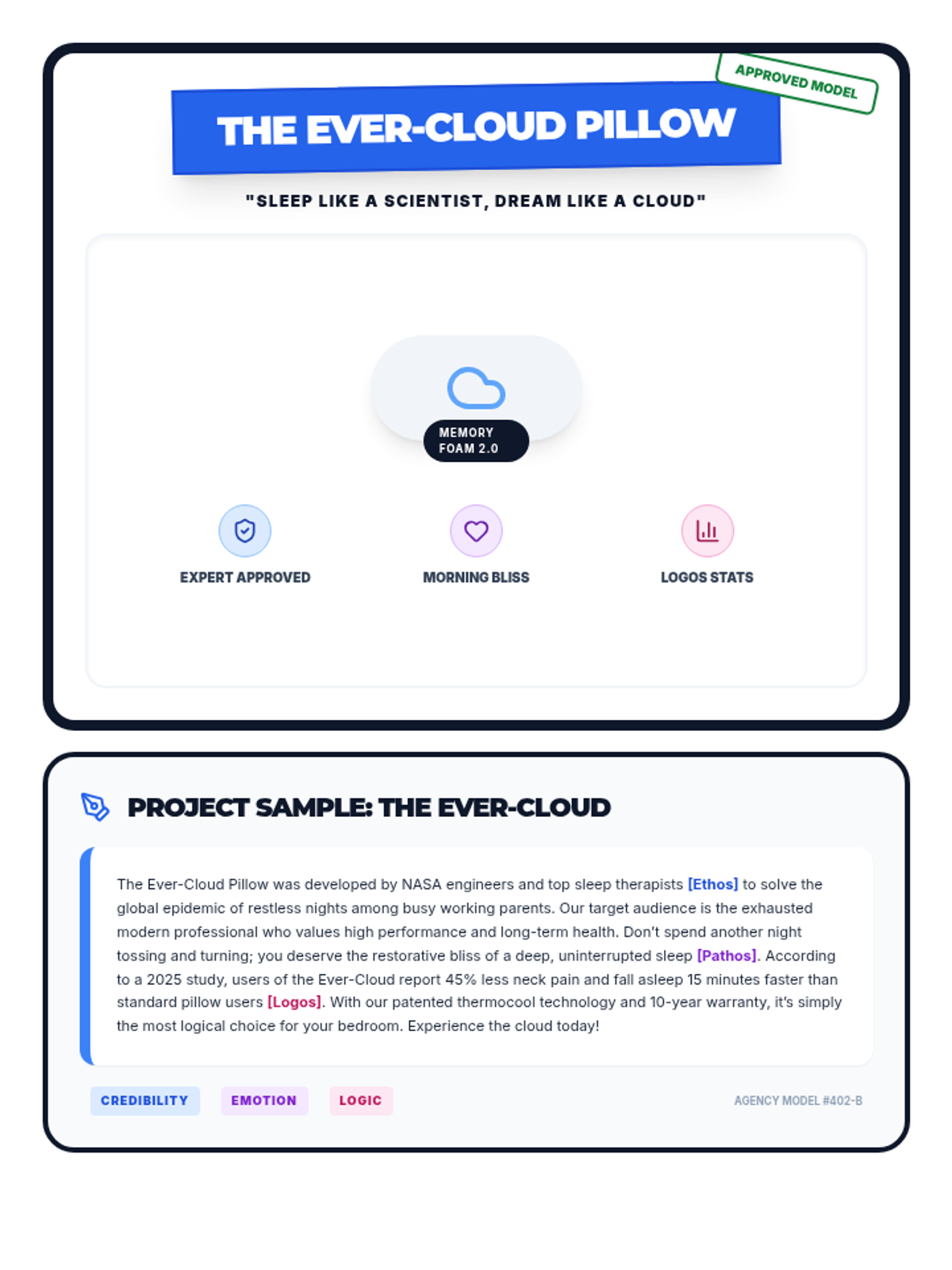
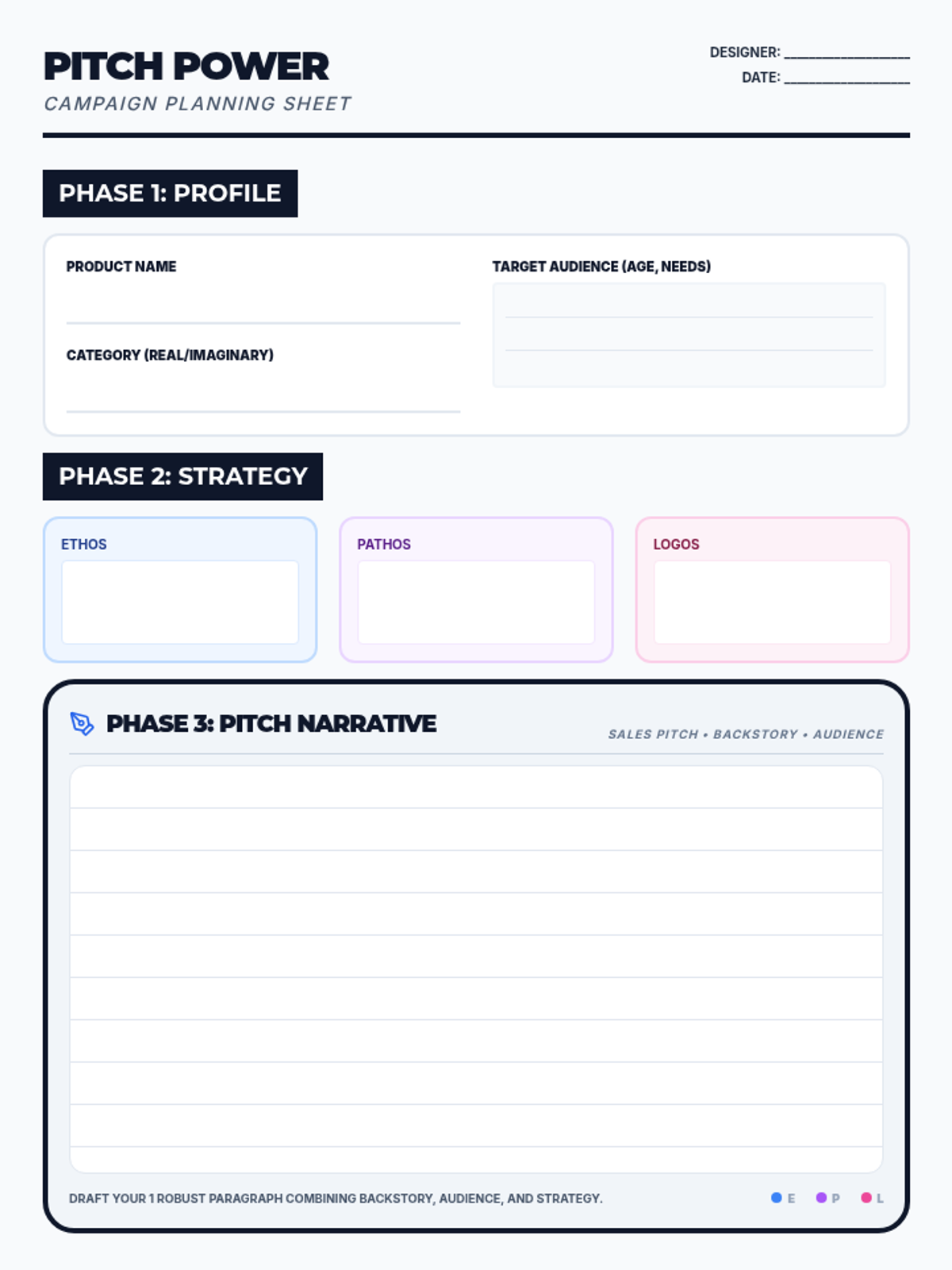
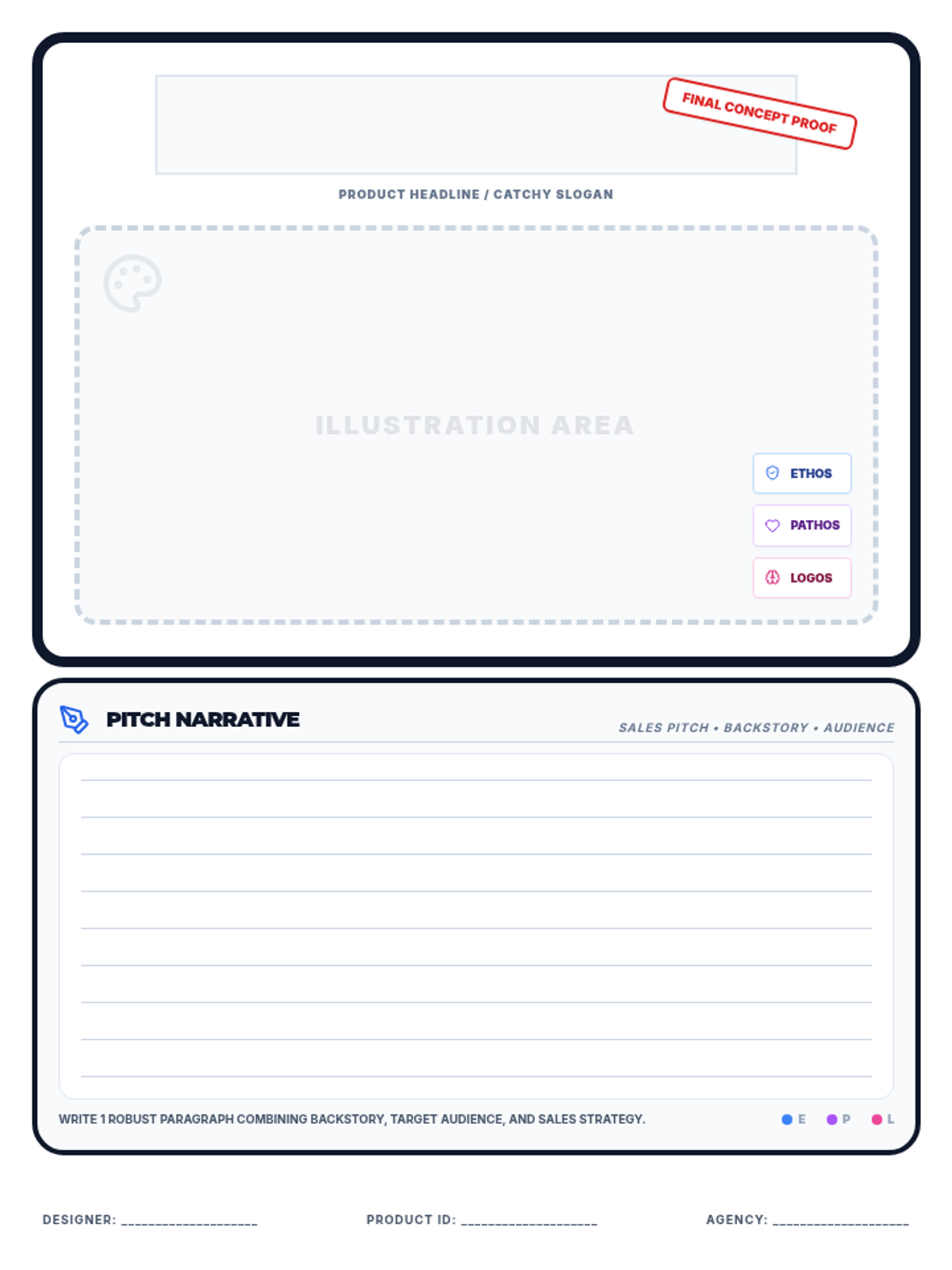
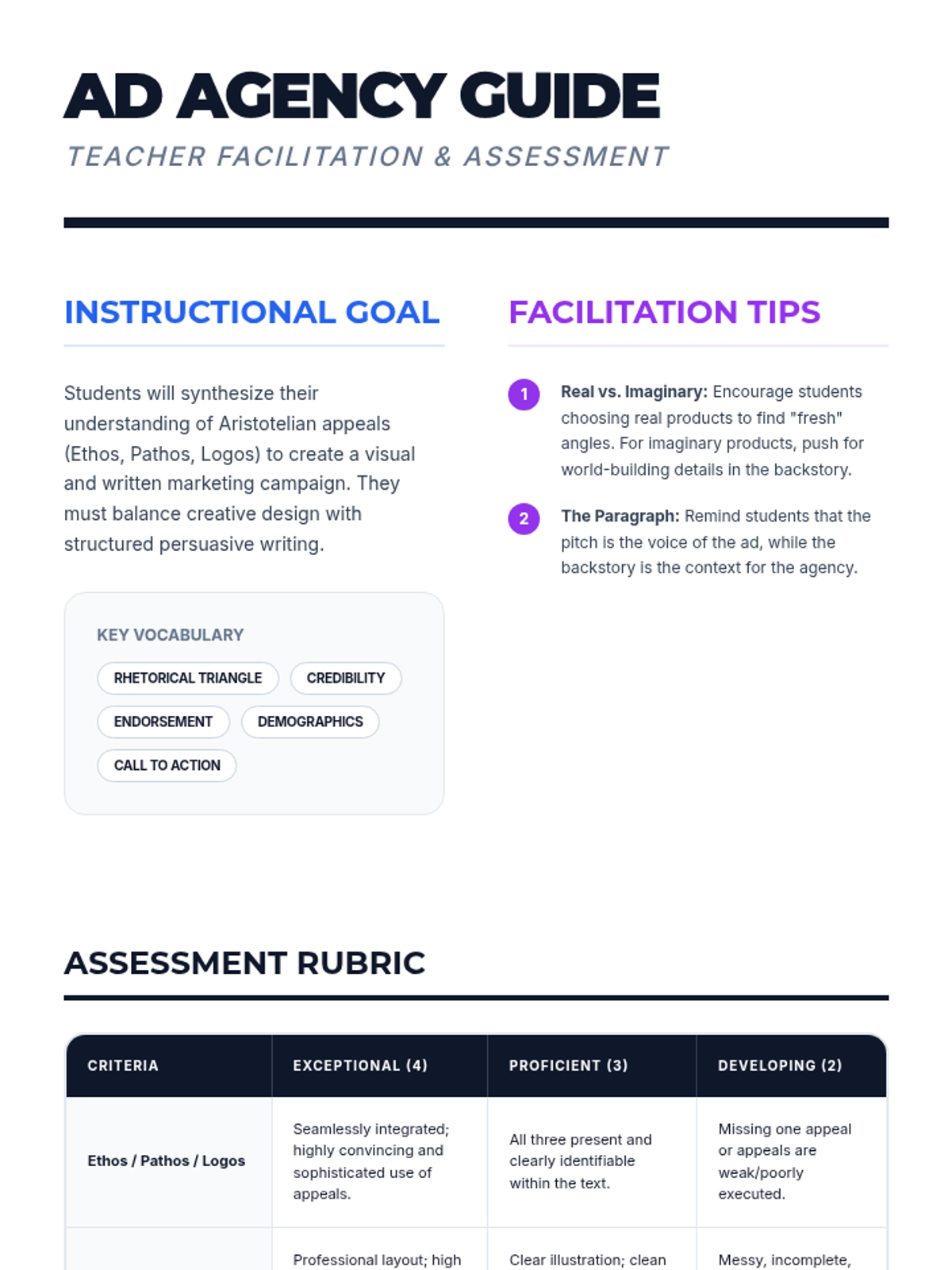
Students dive into the world of marketing to master the rhetorical triangle: ethos, pathos, and logos. They will design a professional product poster and write a compelling pitch that combines product backstory with targeted sales tactics.
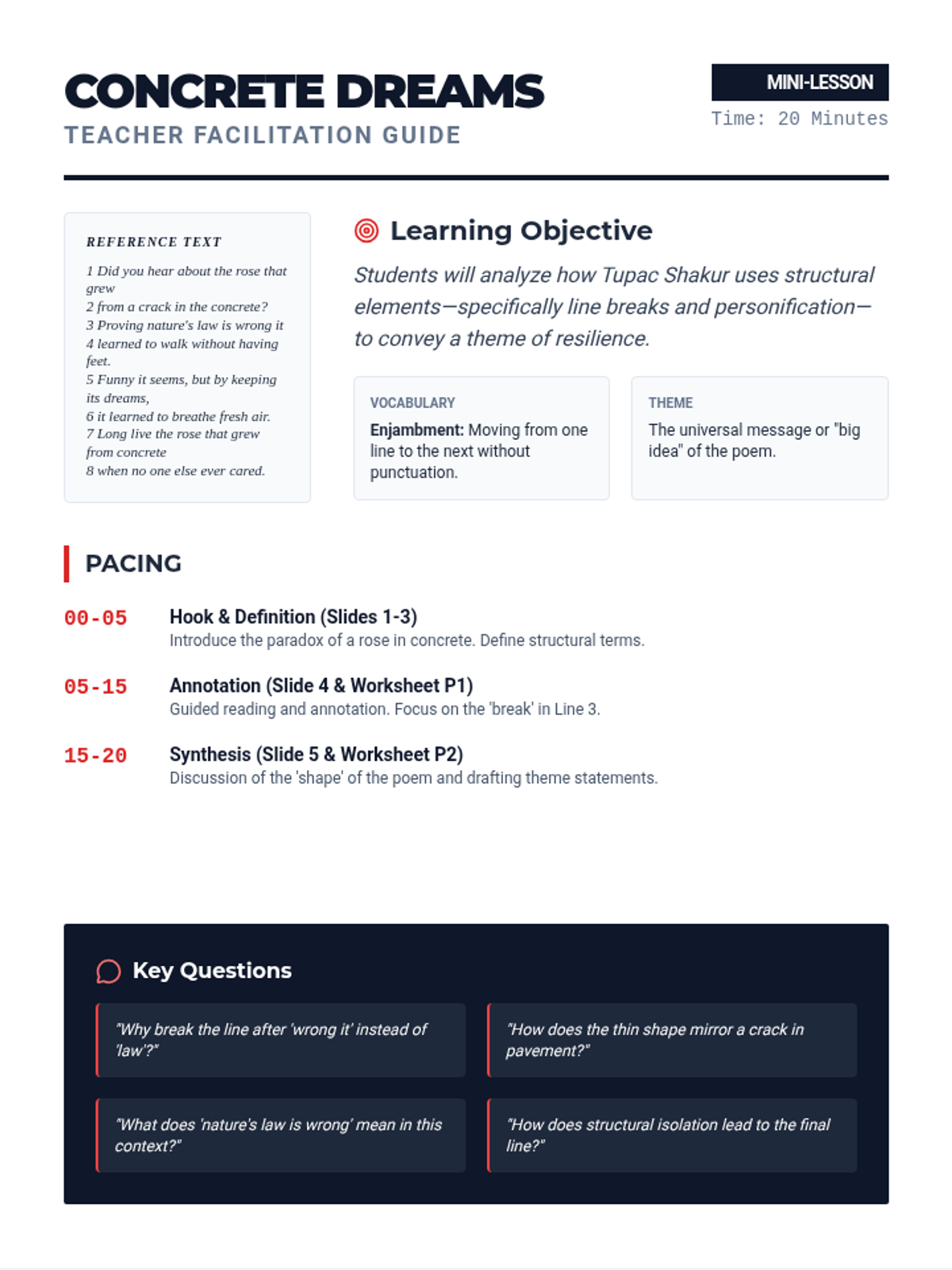
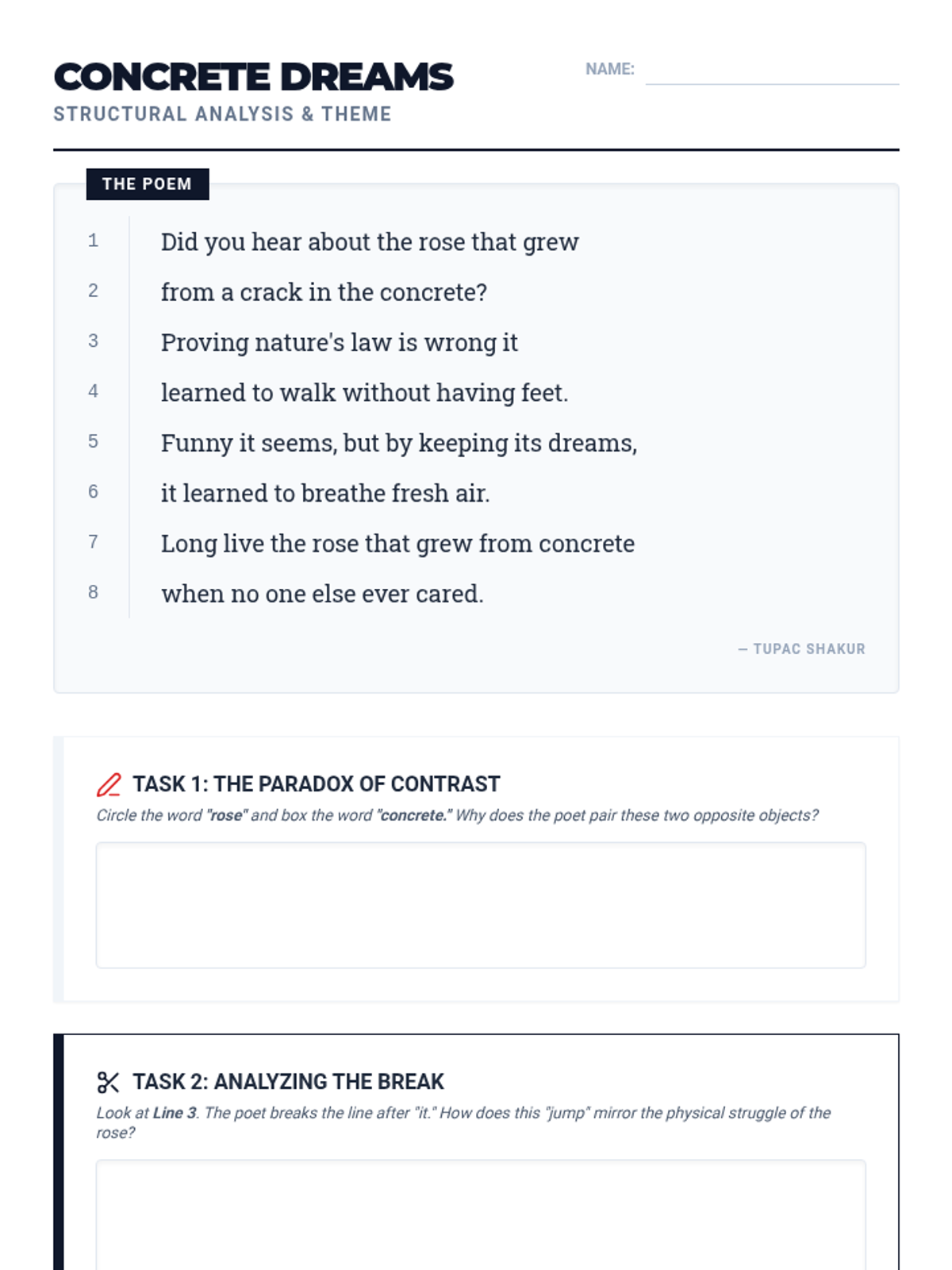
A 20-minute mini-lesson focusing on how the structural choices in Tupac Shakur's poem 'The Rose That Grew from Concrete' reveal its core theme of resilience.
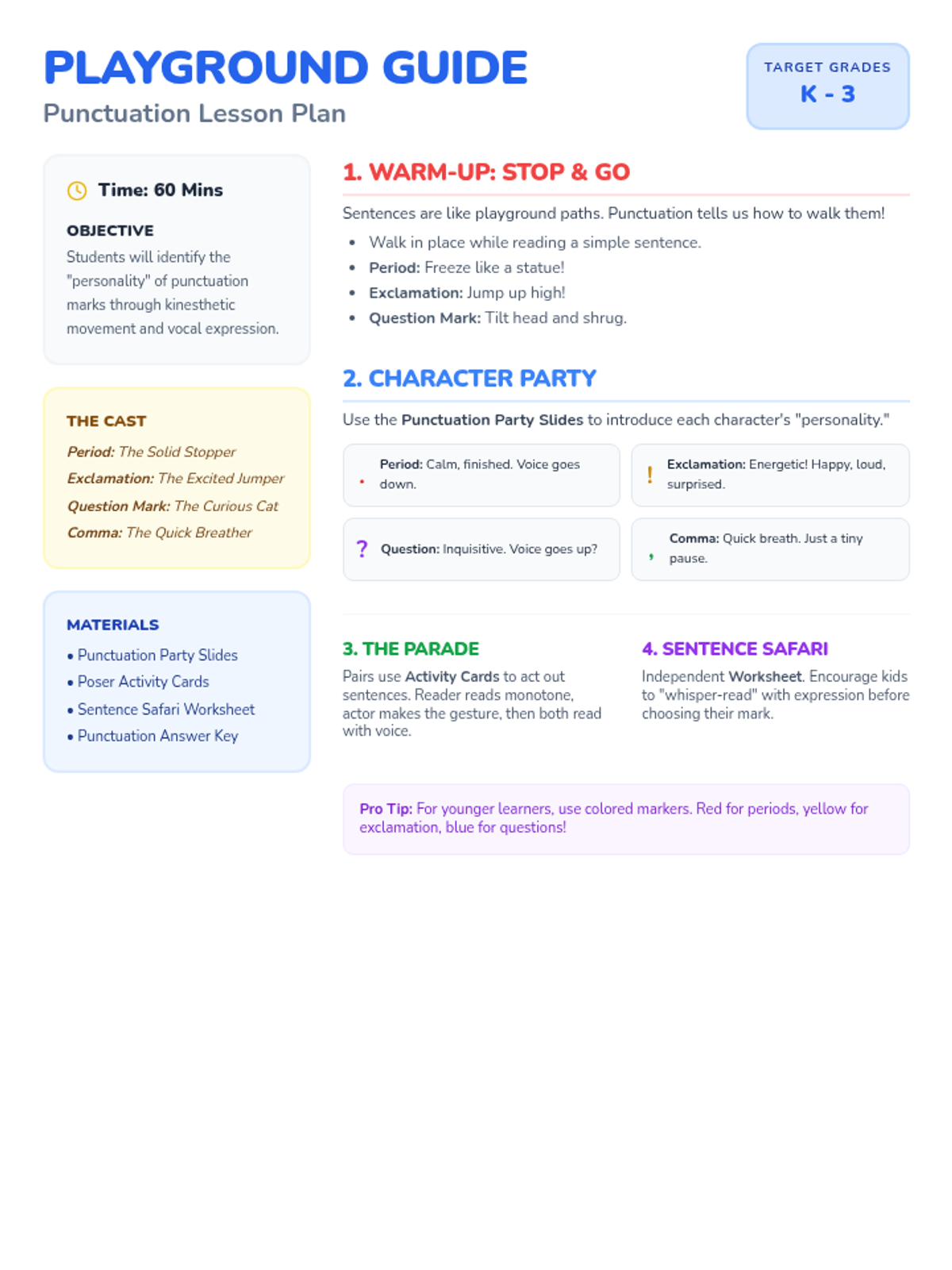
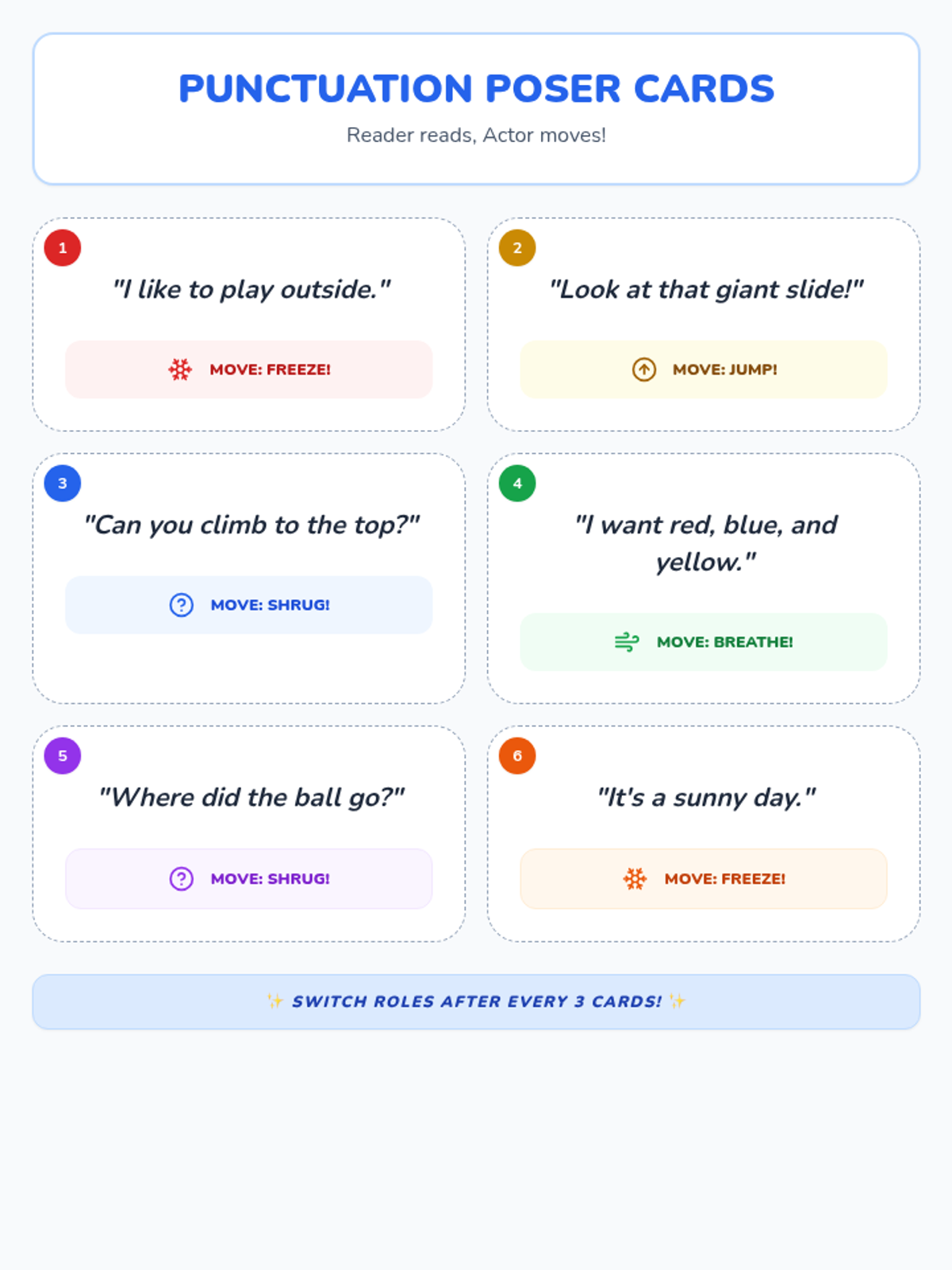
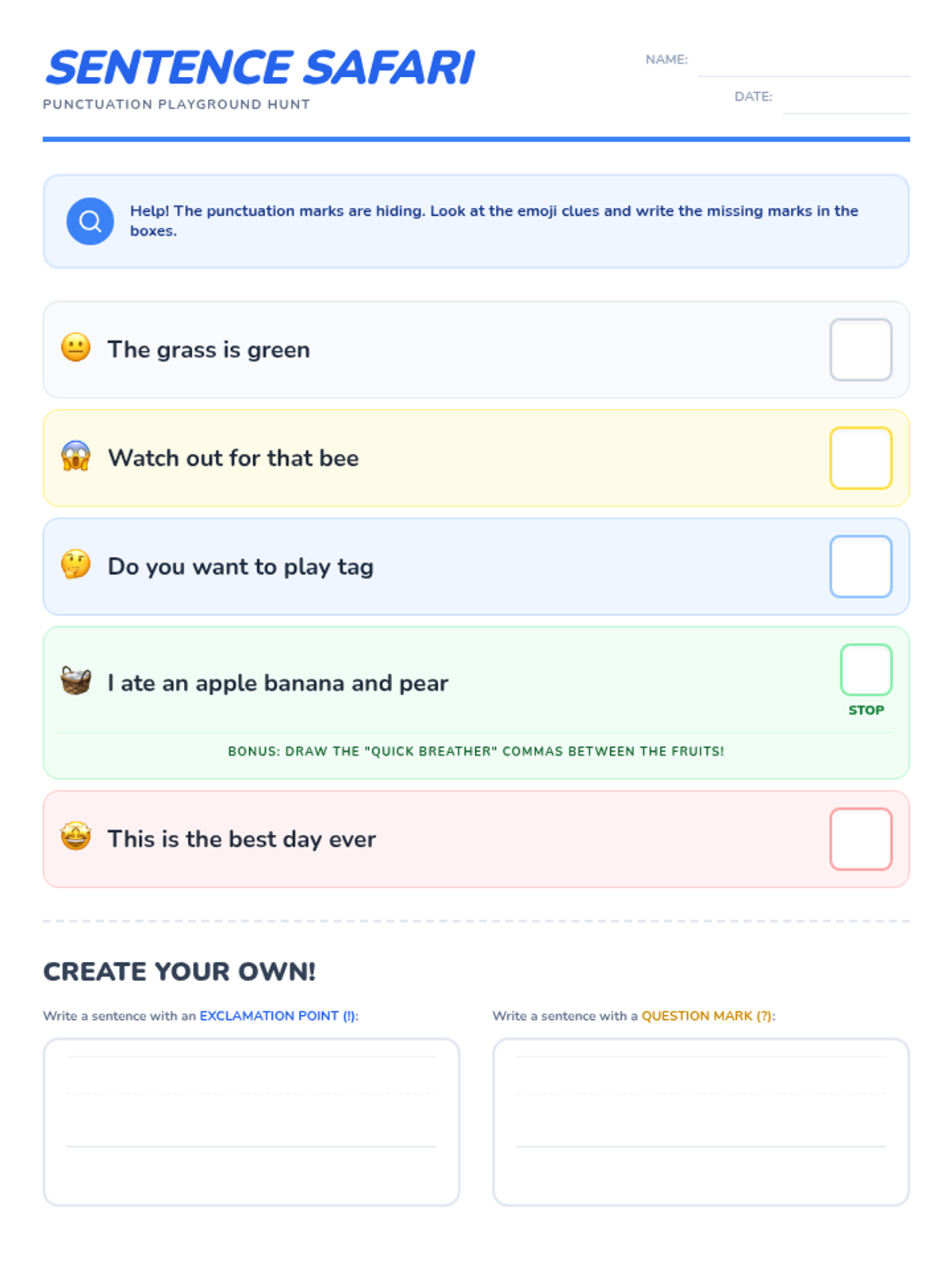
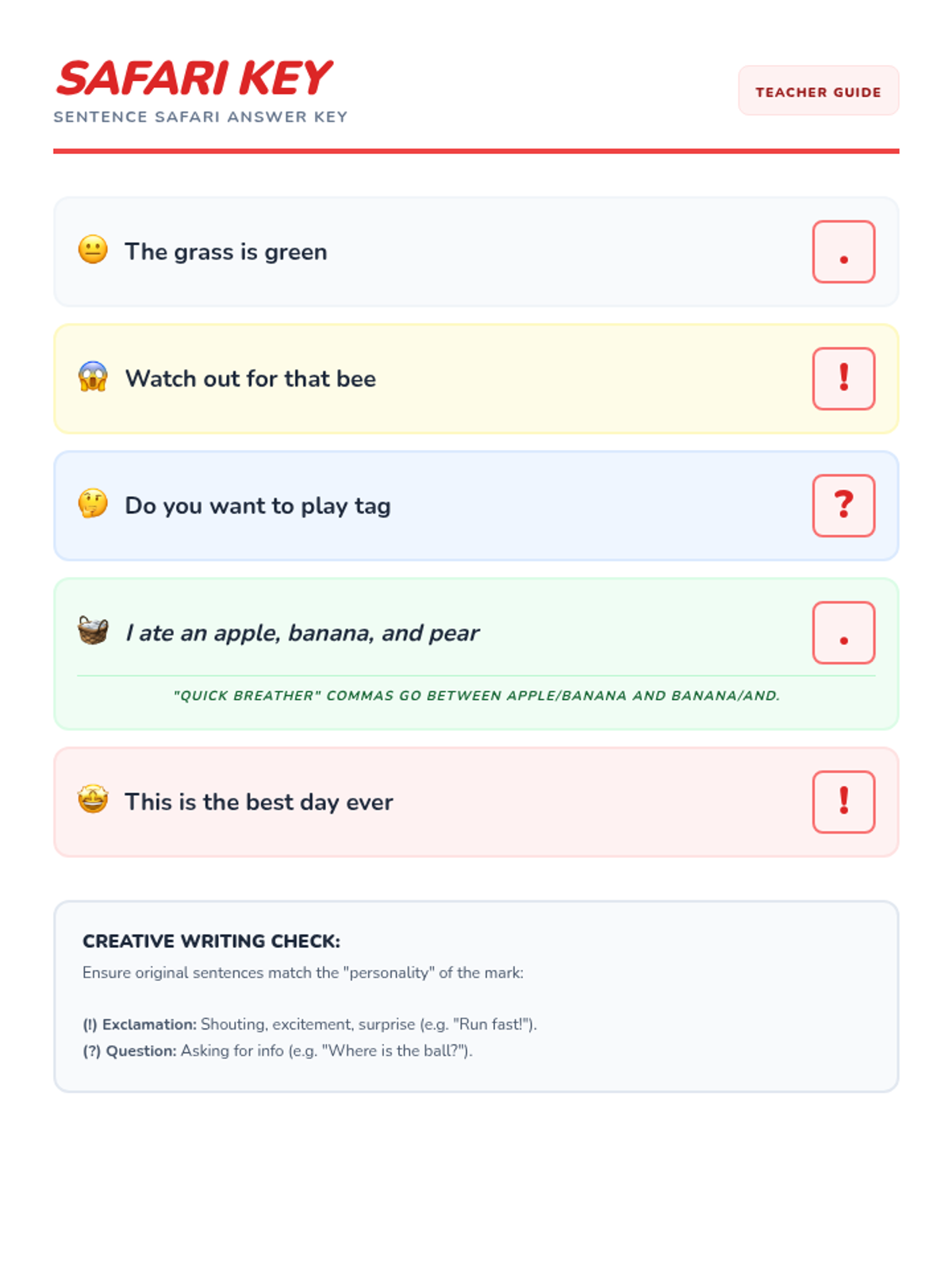
A lively, kinesthetic lesson where K-3 students personify punctuation marks through movement and creative writing to understand how they shape the voice of a sentence.
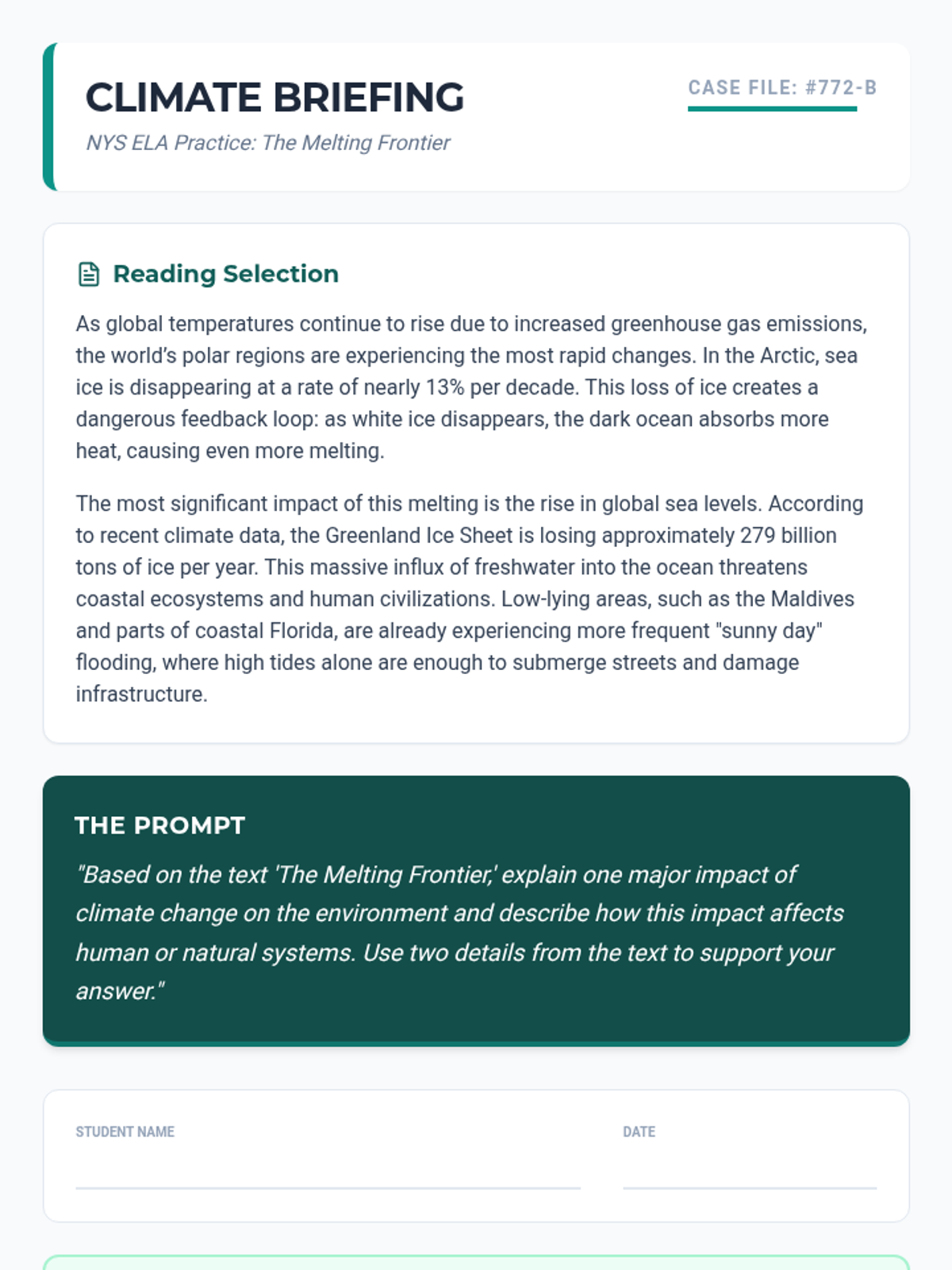
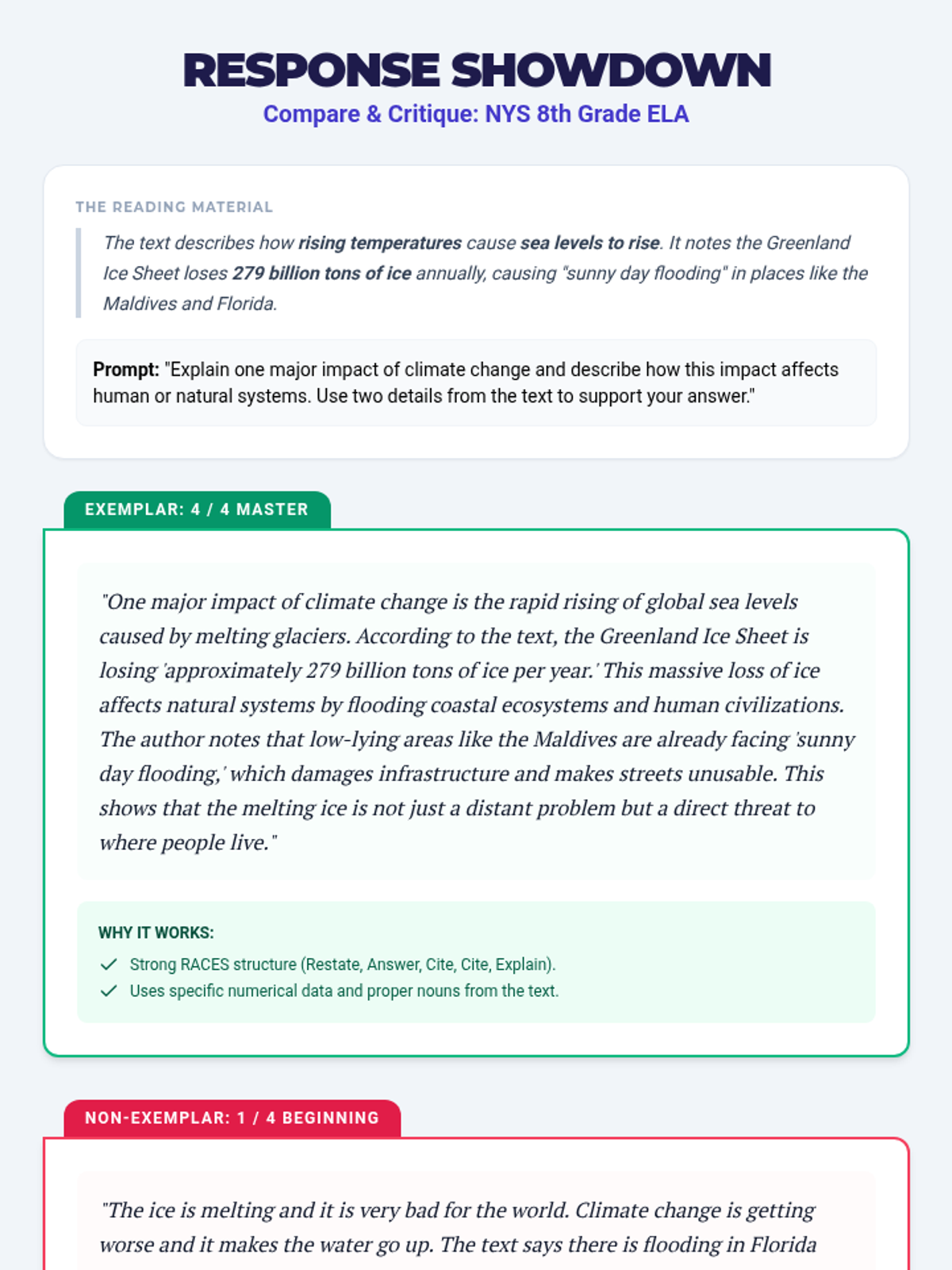
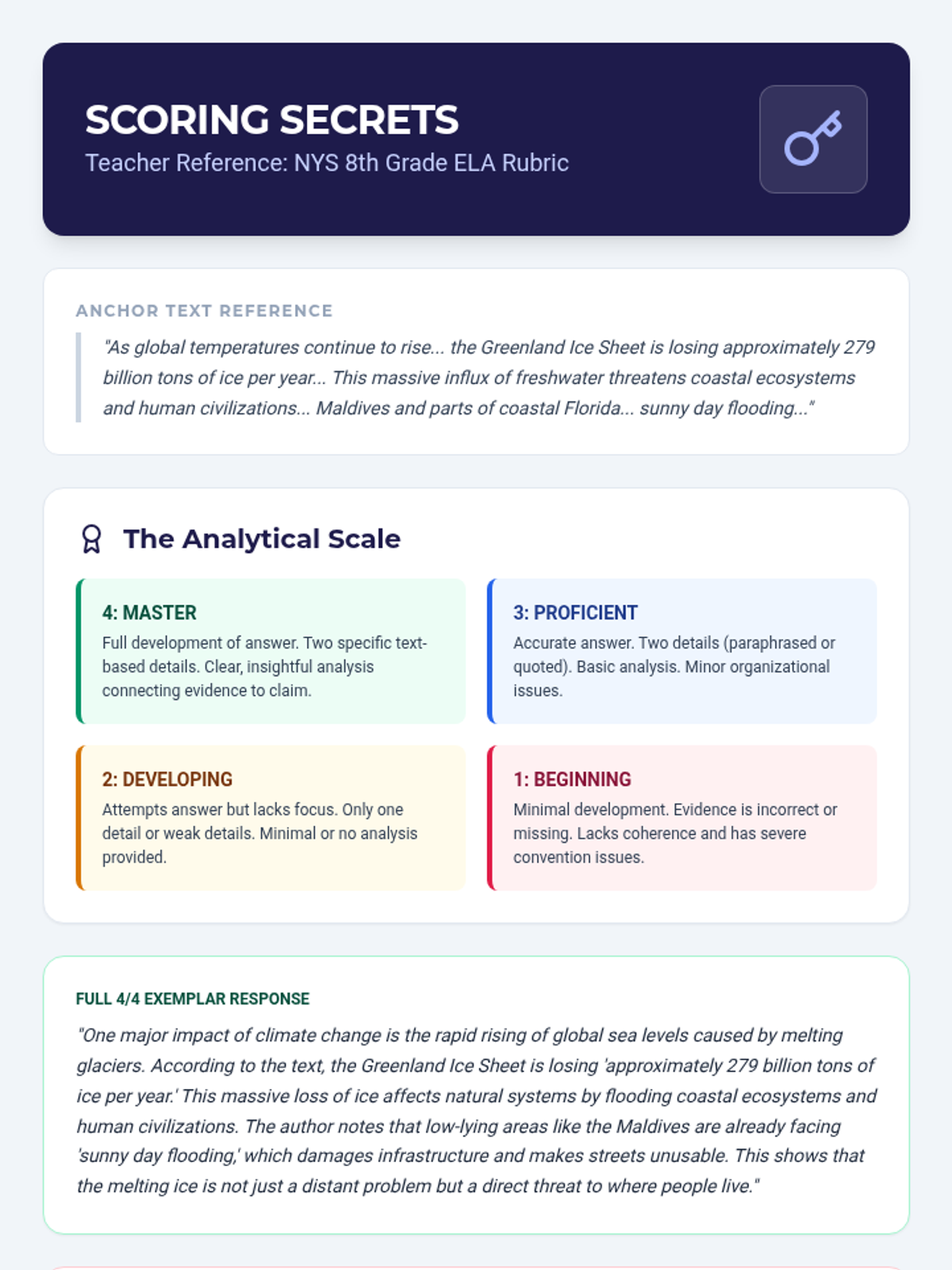
A lesson focused on analyzing and producing high-quality short responses for the NYS 8th Grade ELA exam using the topic of climate change. Students will compare exemplar and non-exemplar responses to understand rubric criteria.
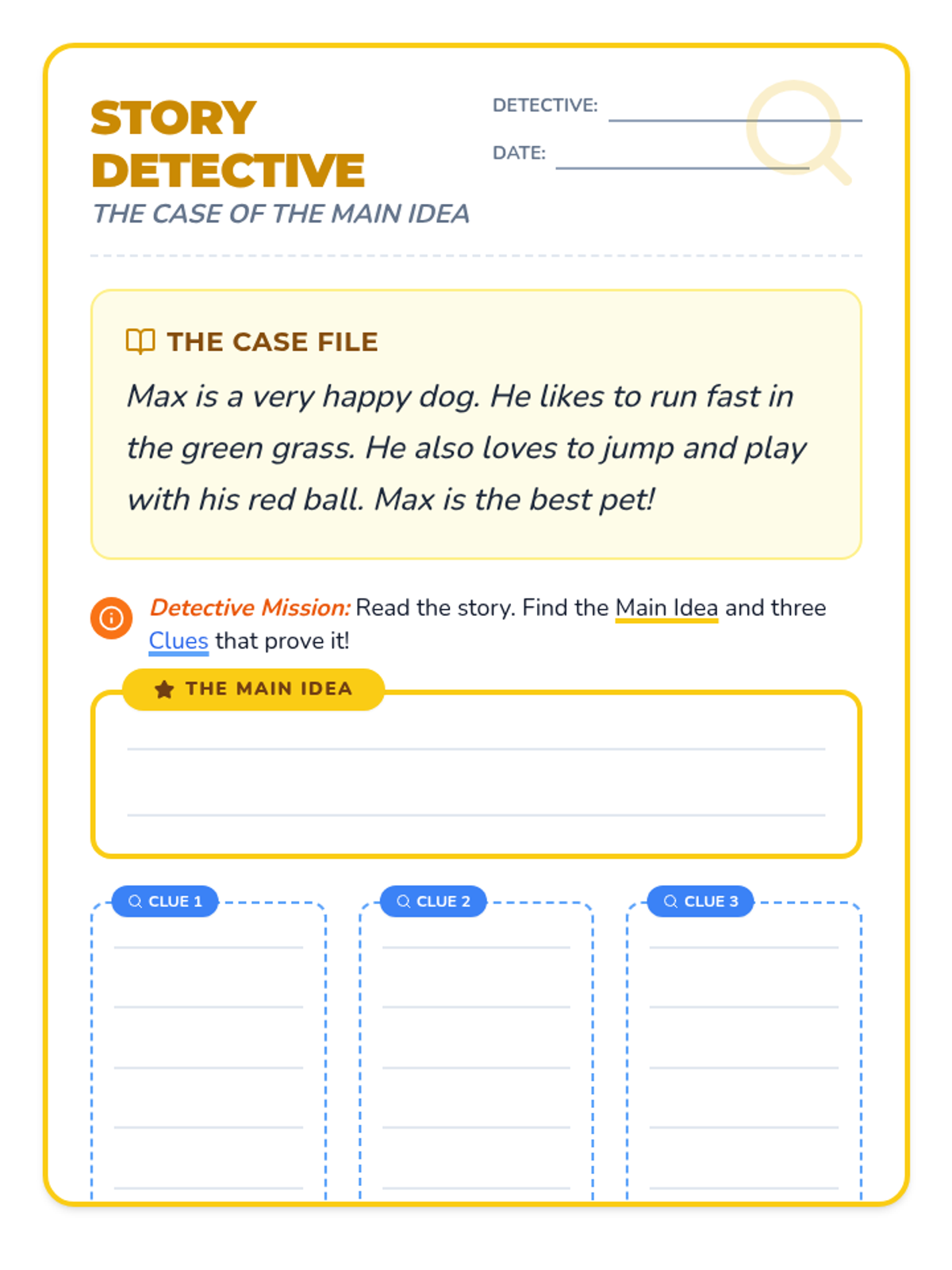
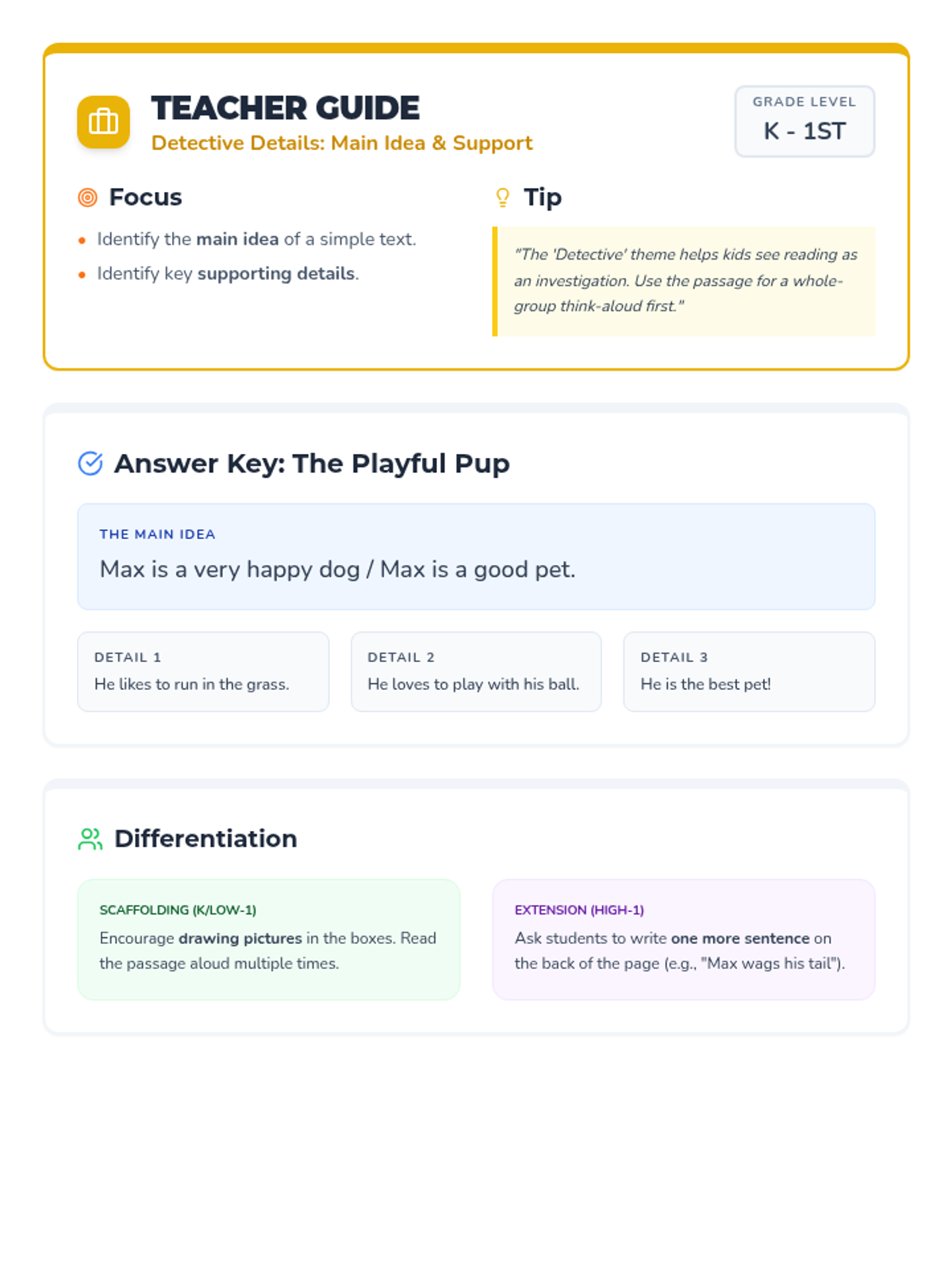
A foundational literacy lesson for K-1 students focused on identifying the main idea and supporting details using a 'Story Detective' theme.
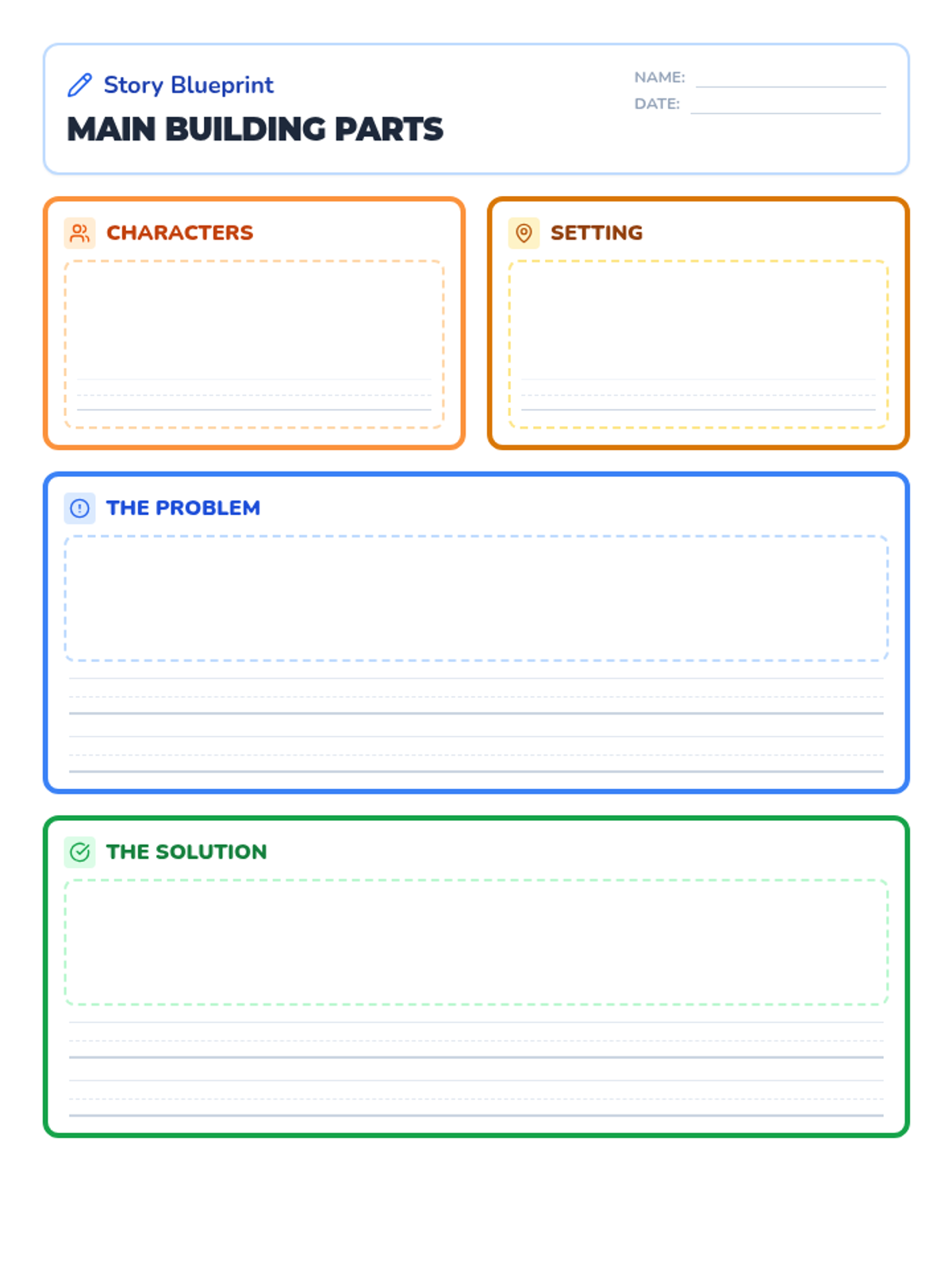
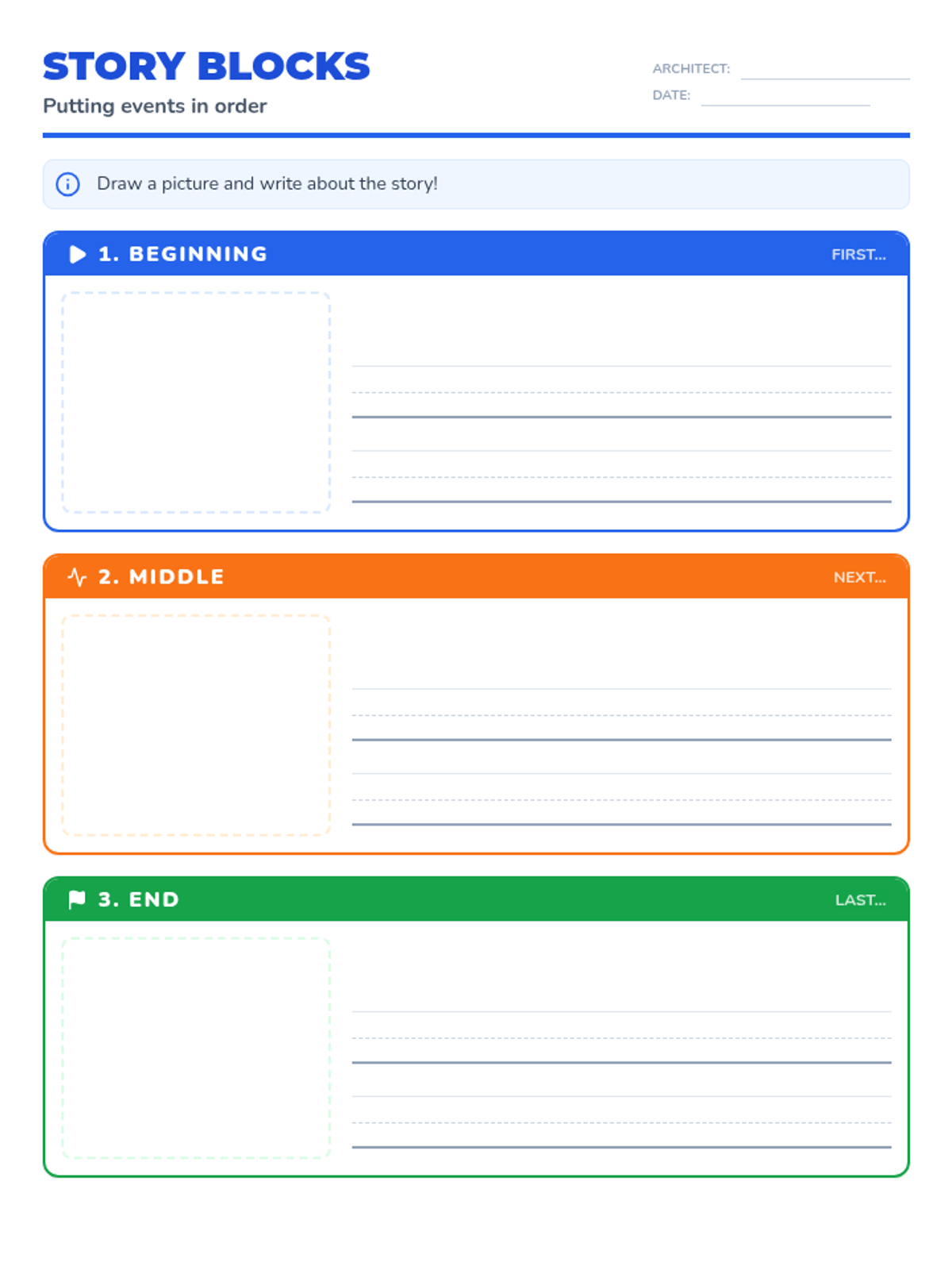
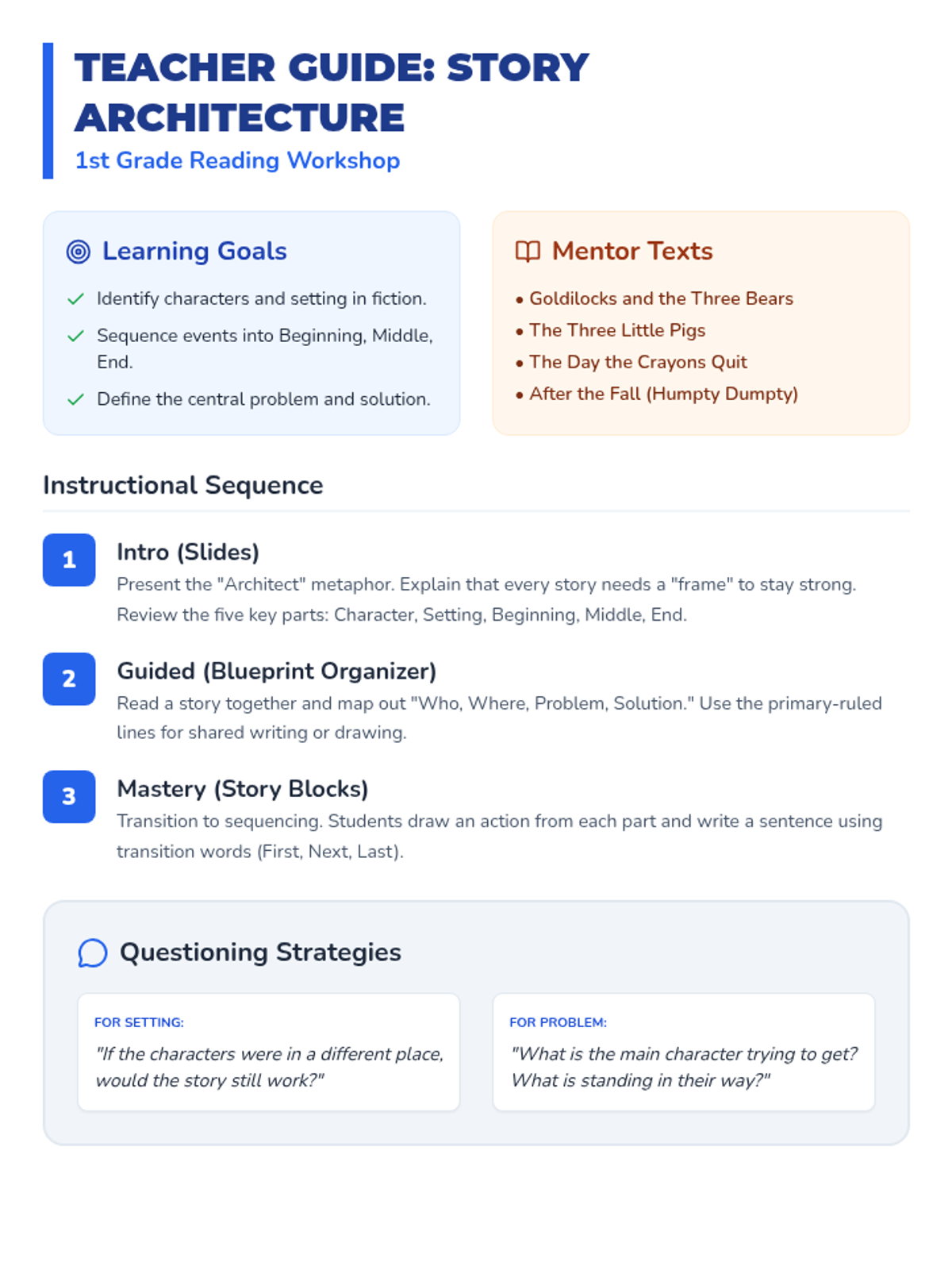
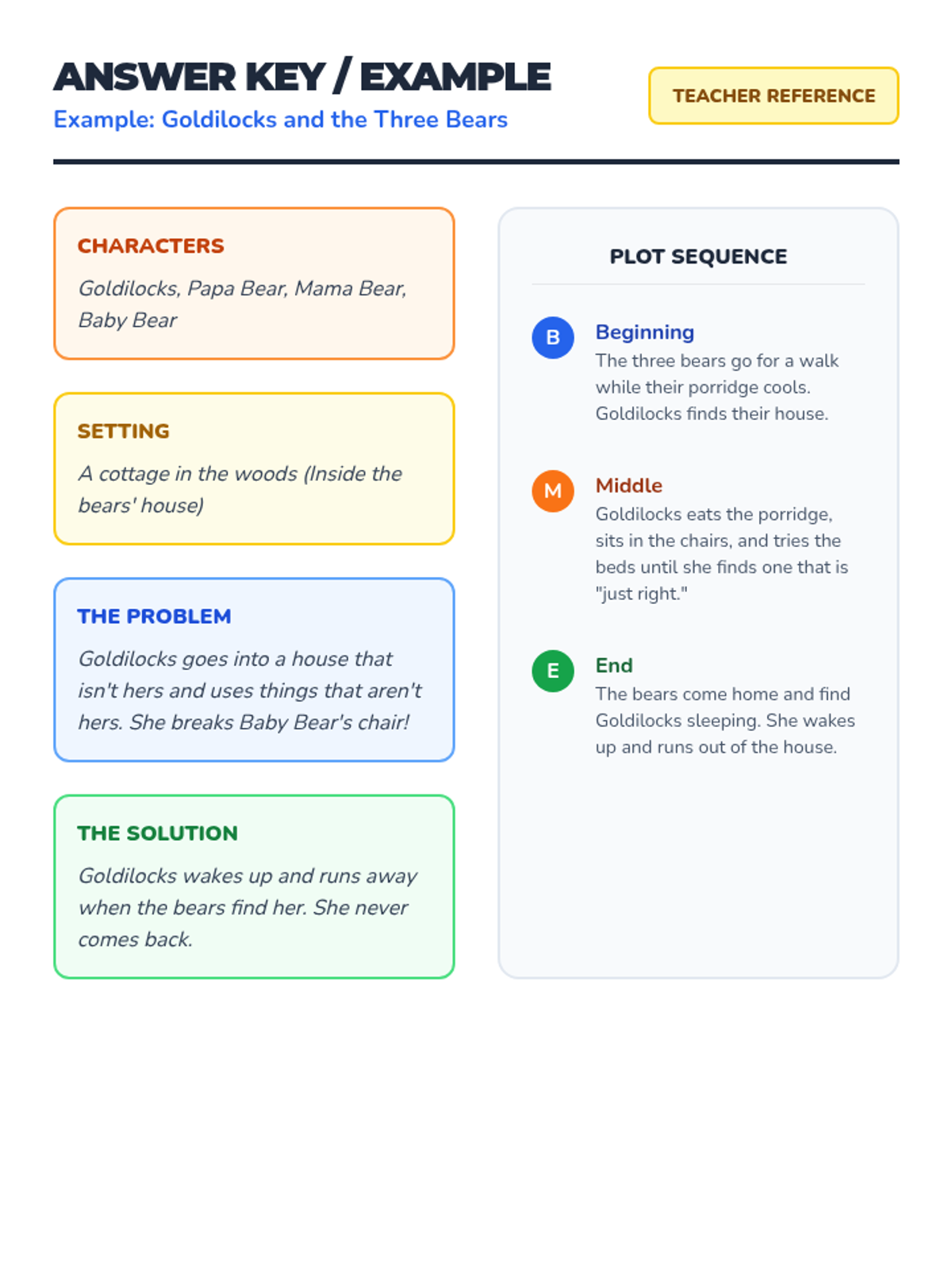
A comprehensive introduction to story structure for 1st graders, using a "Story Architect" theme to help students identify characters, setting, and plot events.
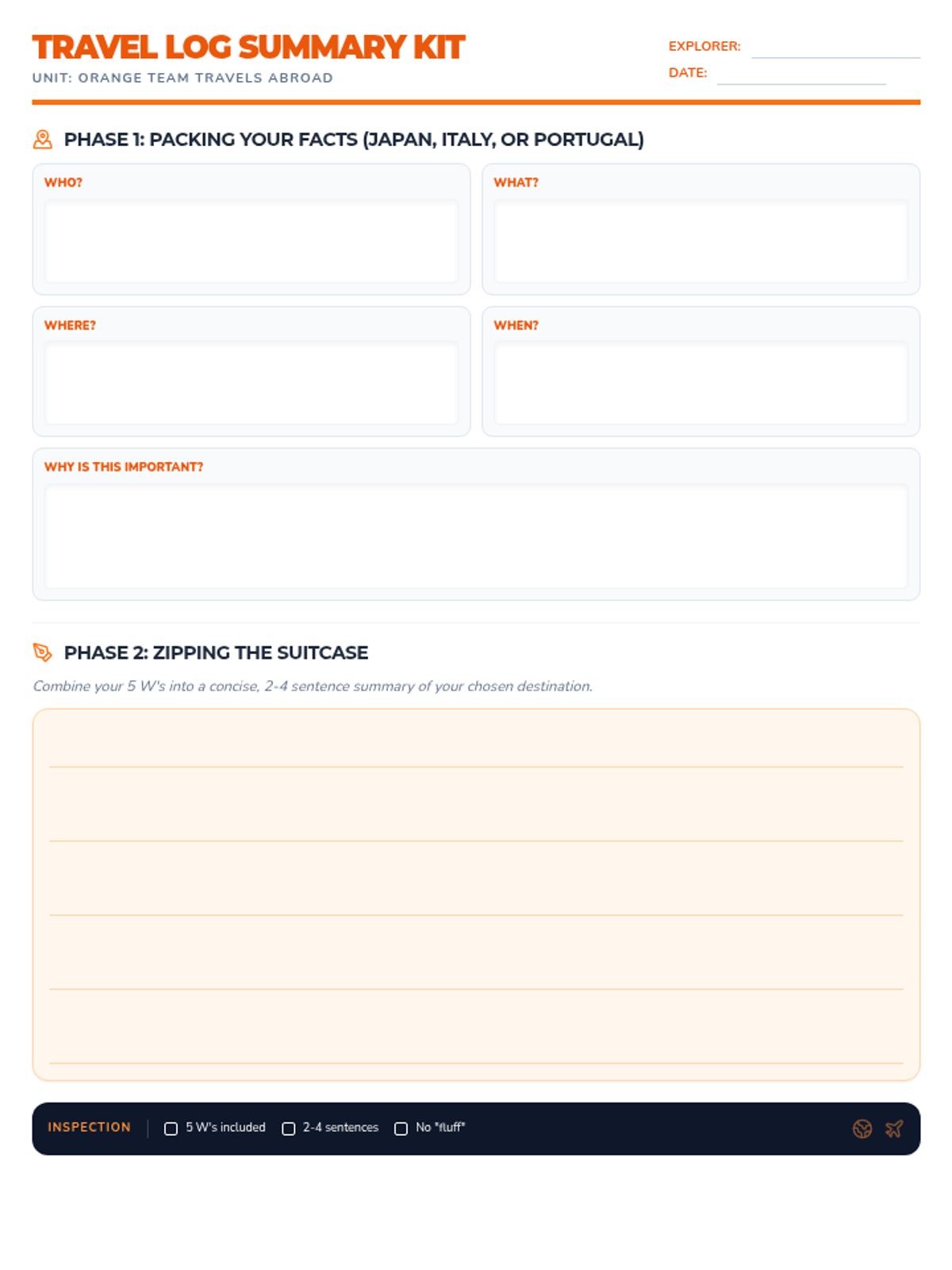
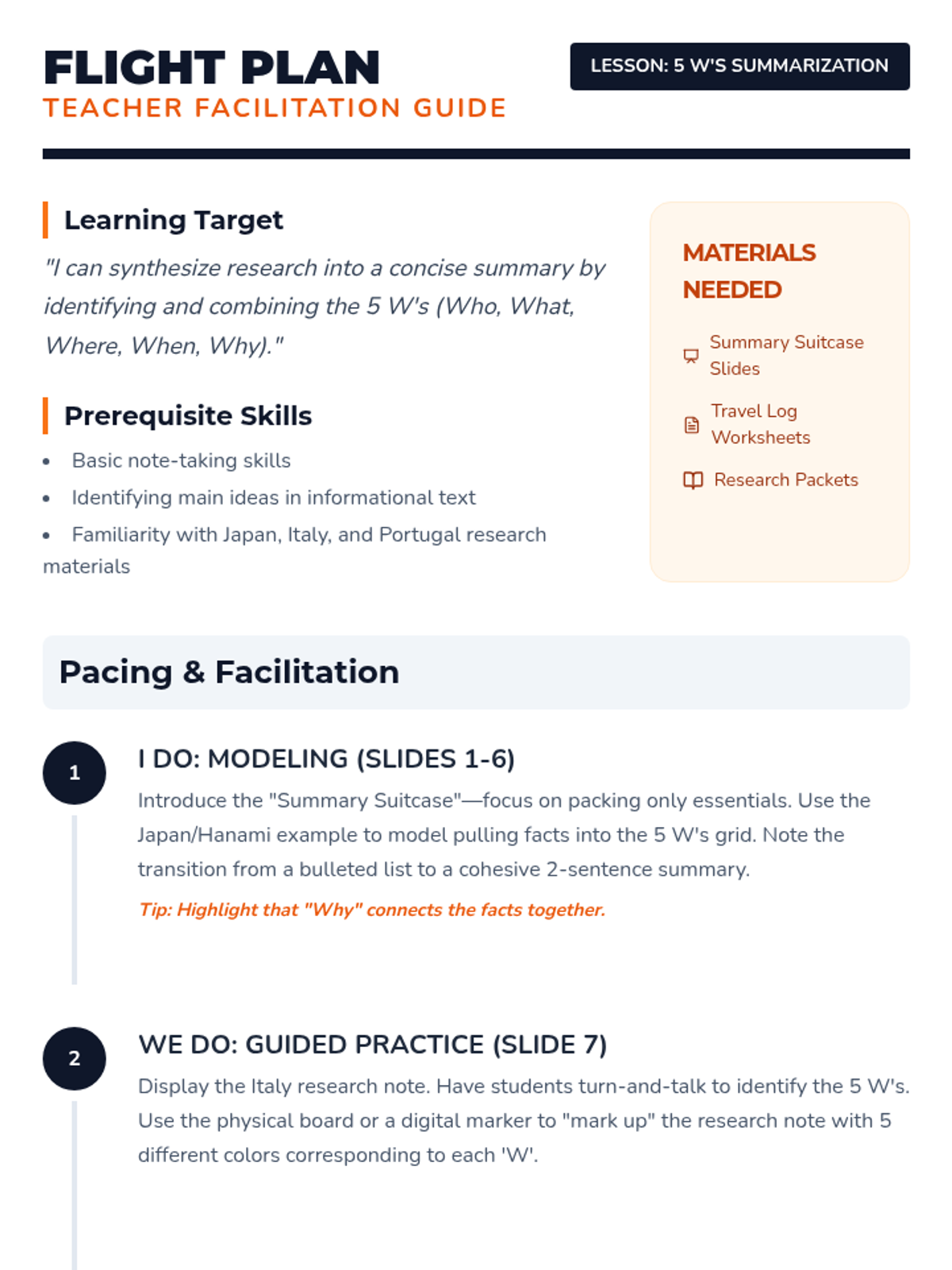
This lesson teaches 6th-grade students how to summarize their research on Japan, Italy, and Portugal using the 5 W's strategy. Students will learn to distill complex information into concise summaries that capture the essence of their travel destinations.
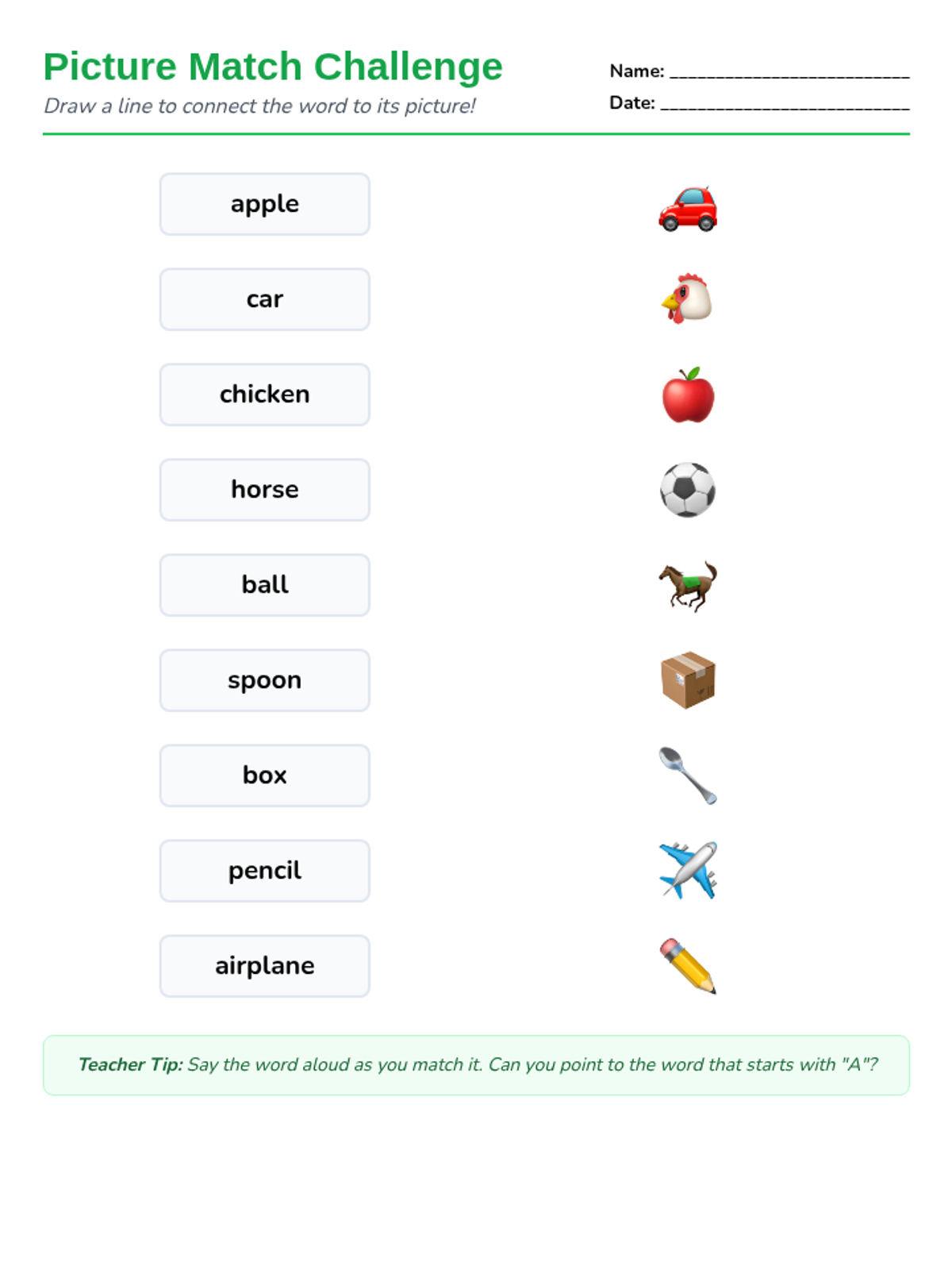
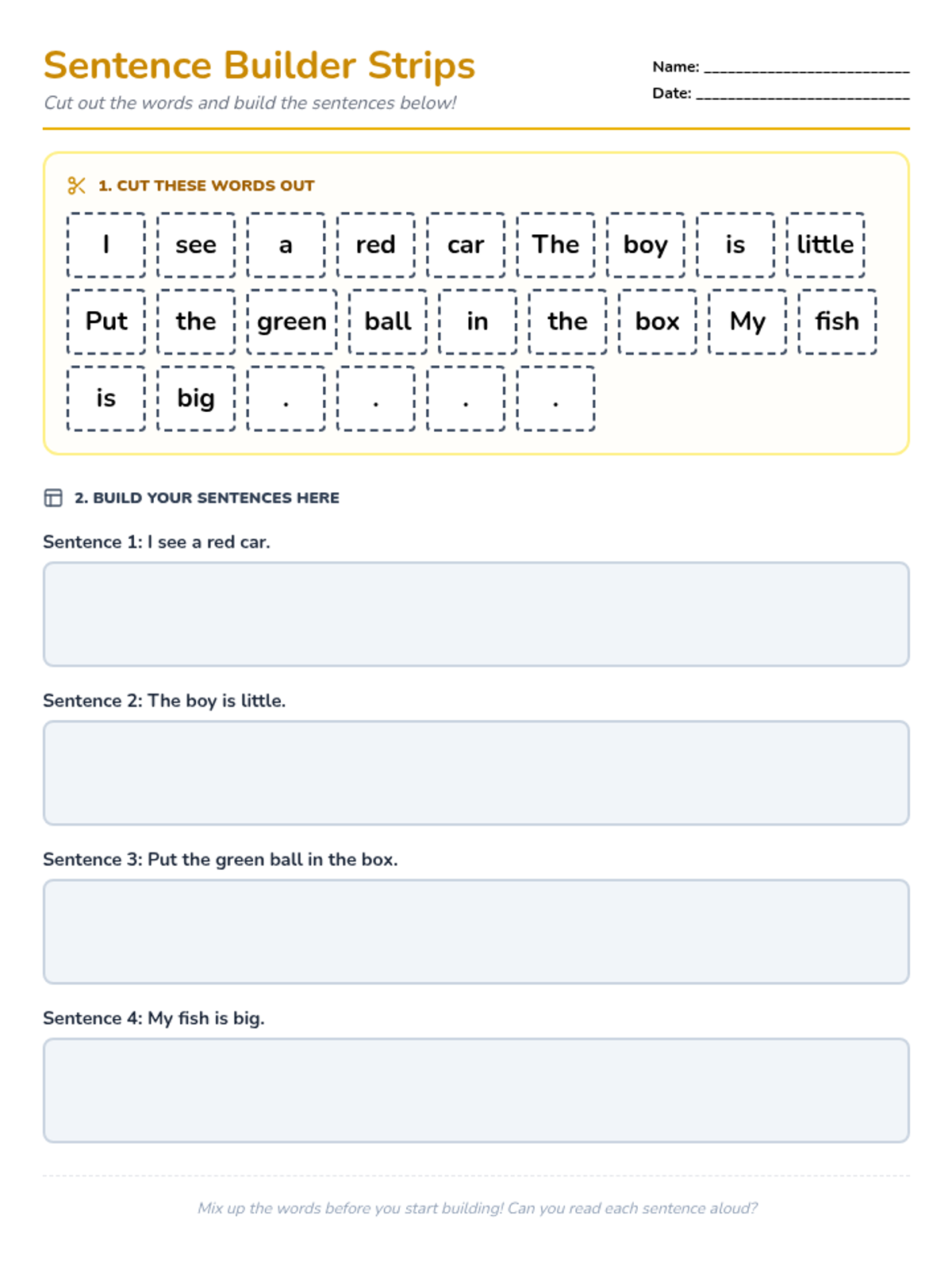
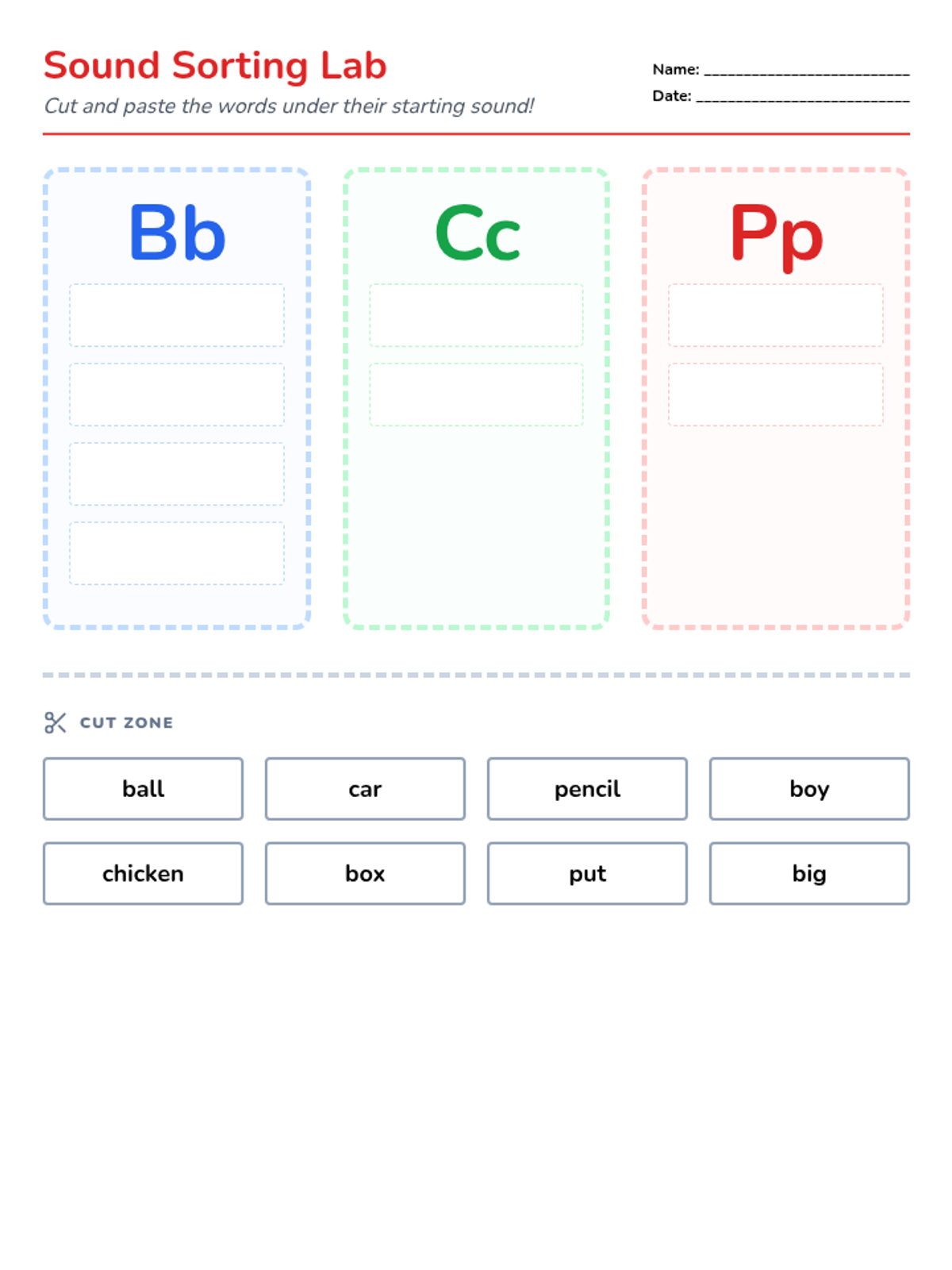
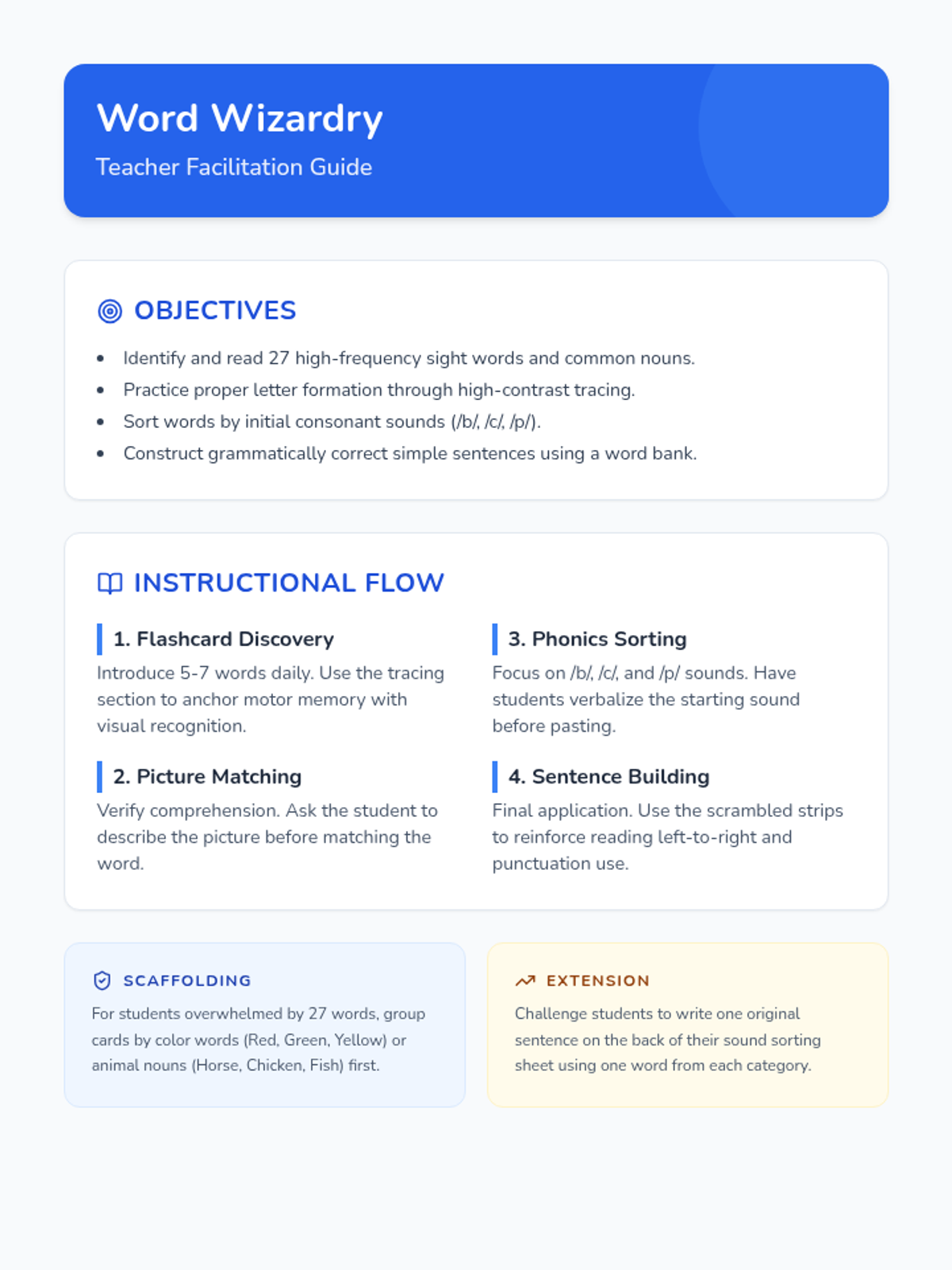
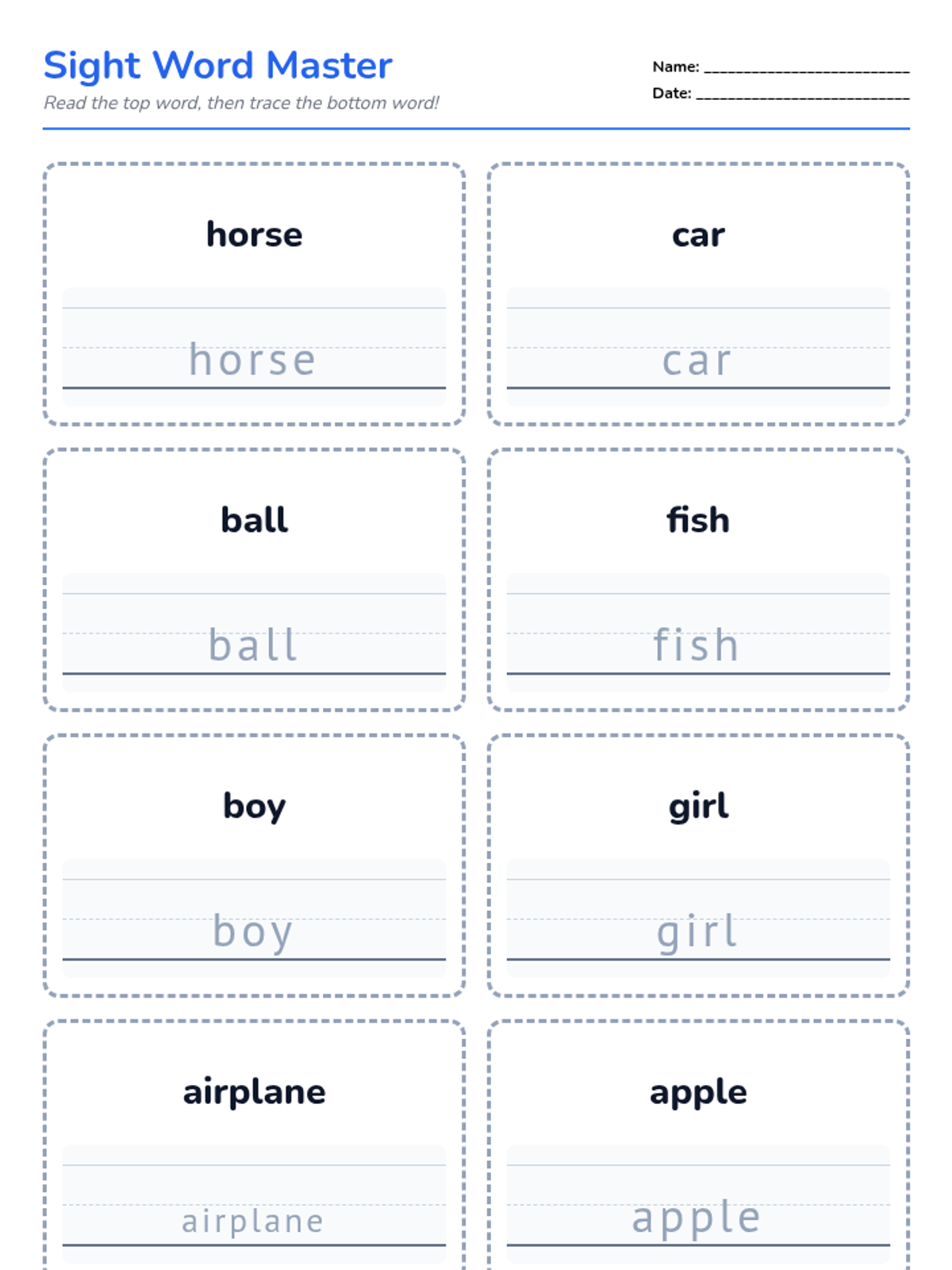
A comprehensive set of foundational literacy materials focused on 27 key sight words and nouns, covering word recognition, handwriting, sentence structure, and phonics.
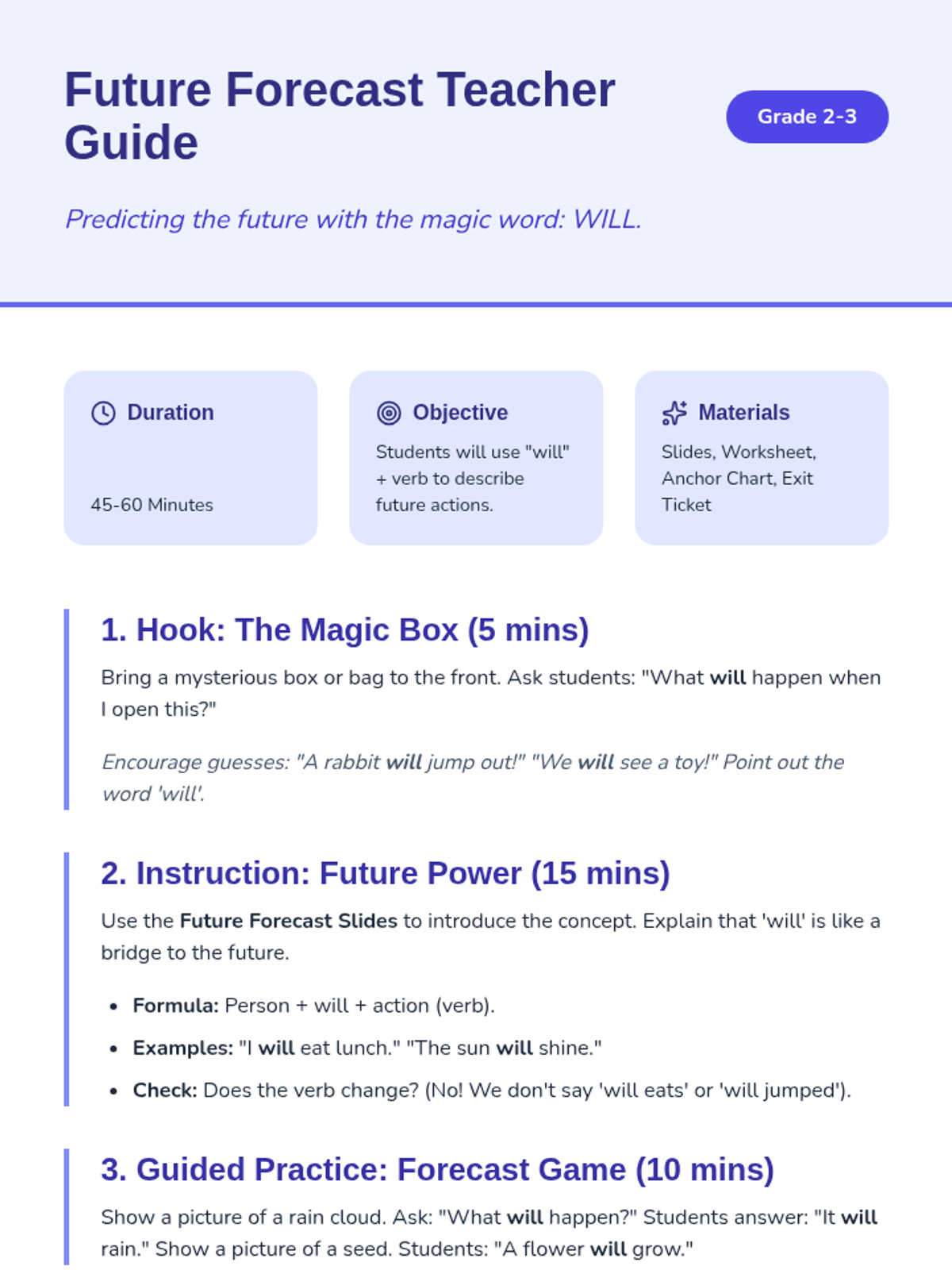
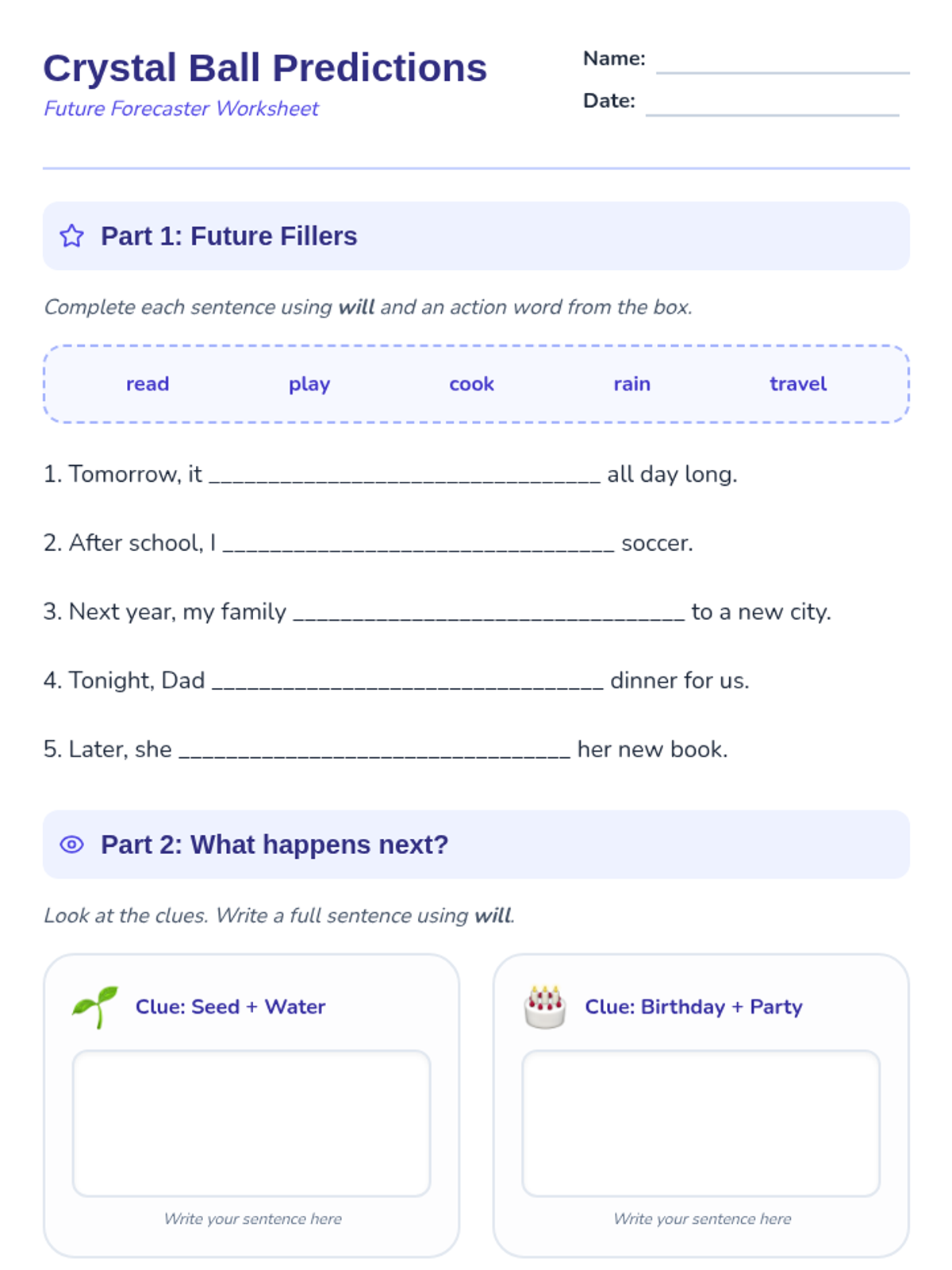
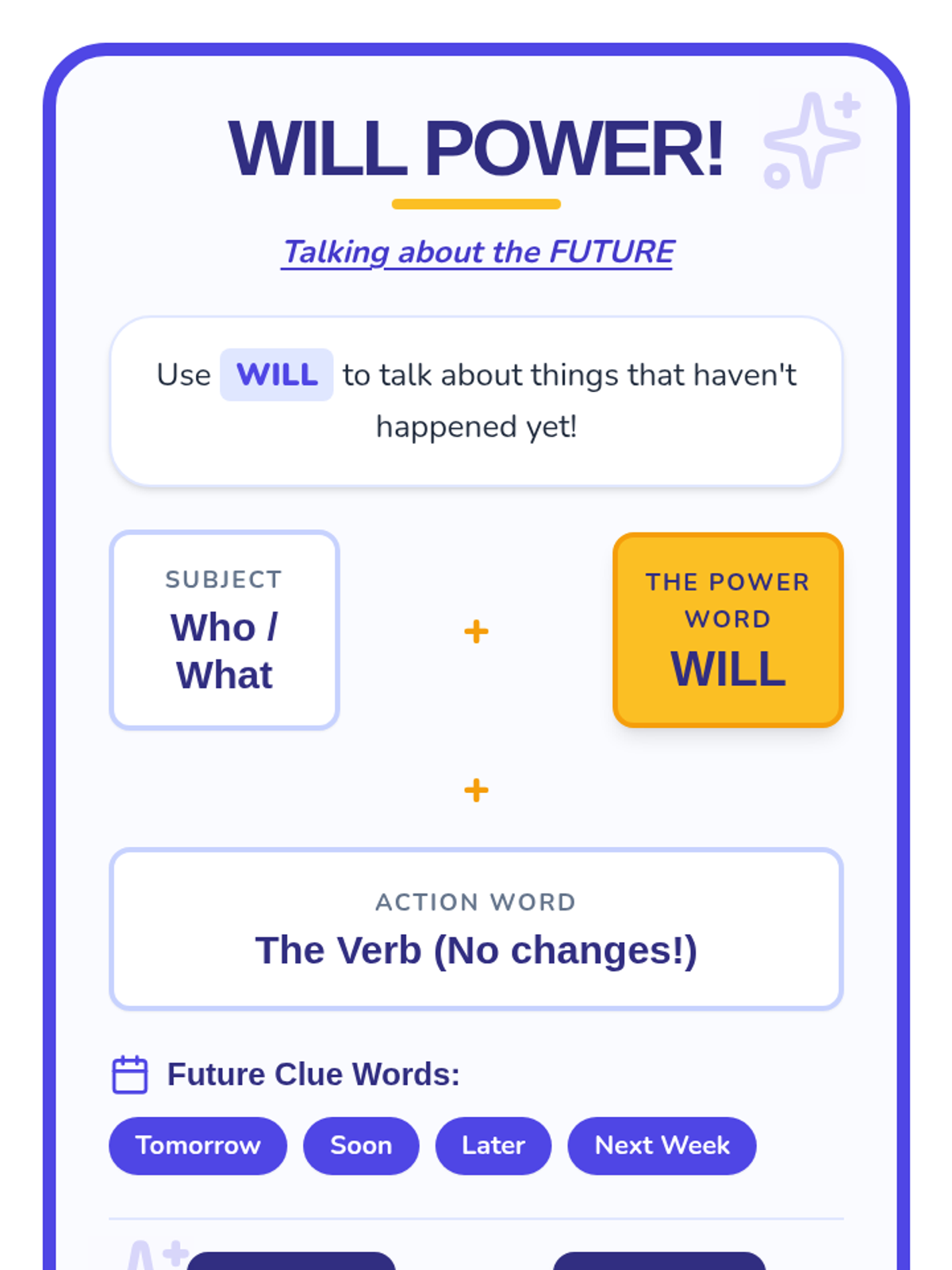
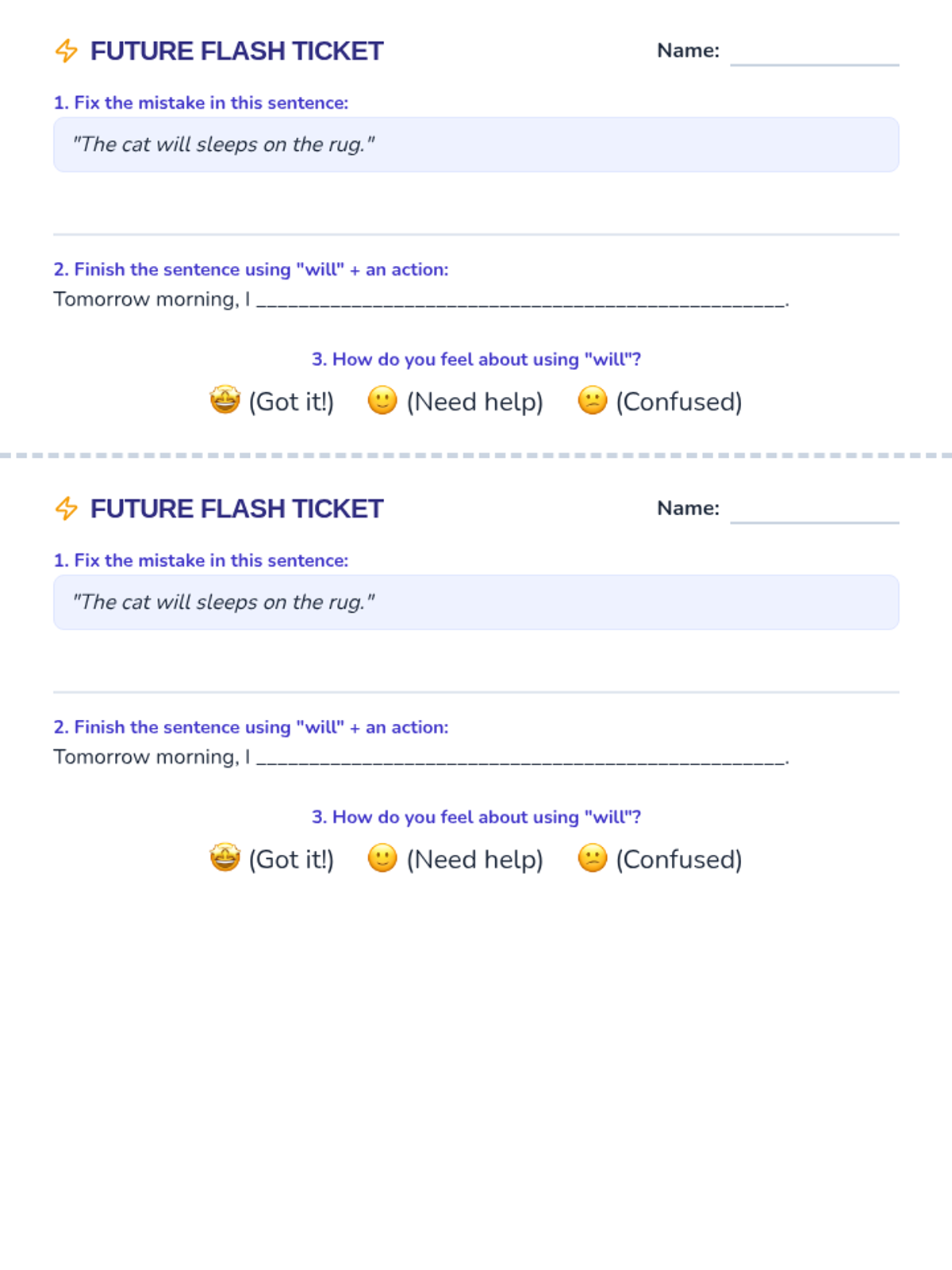
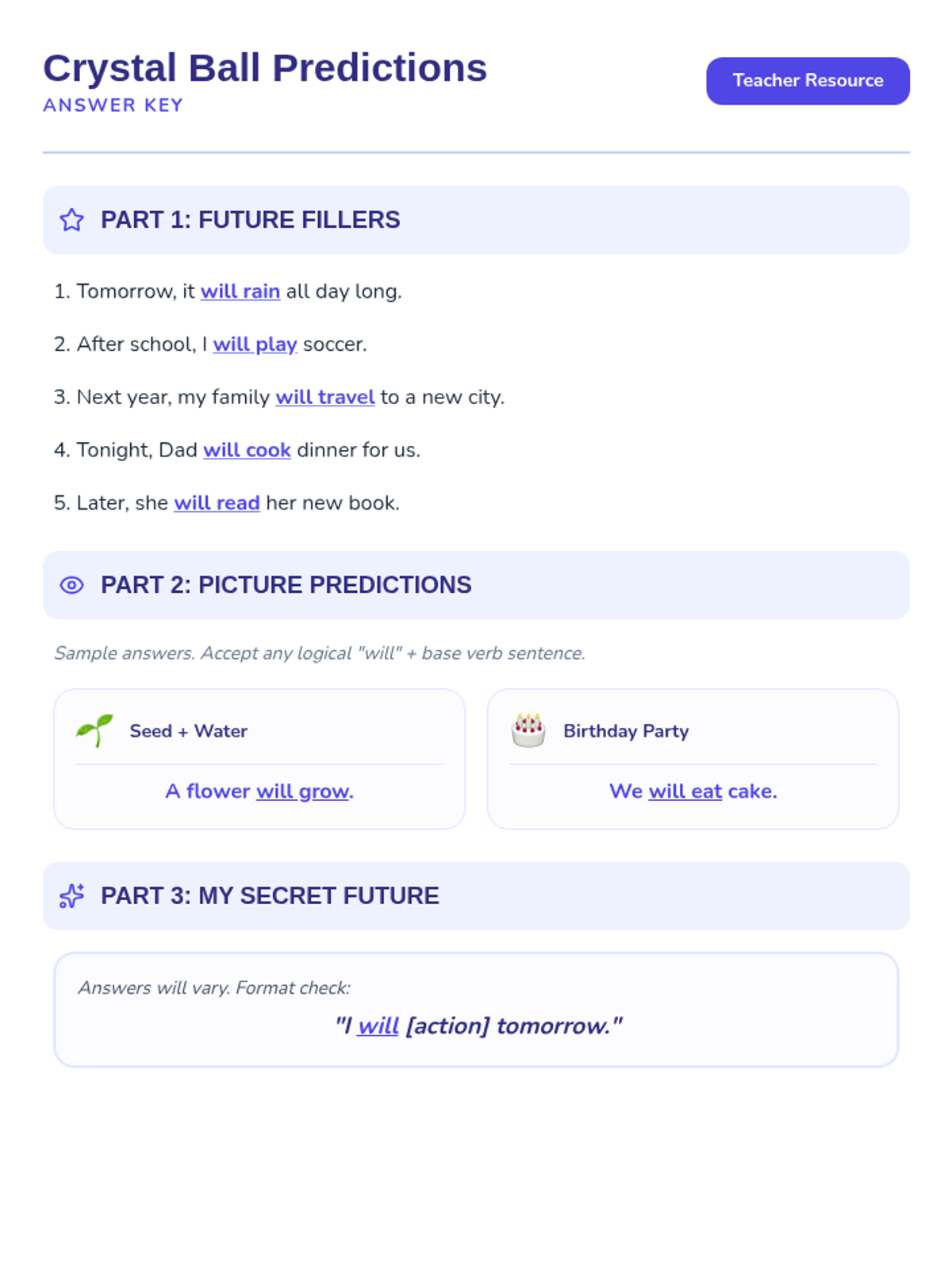
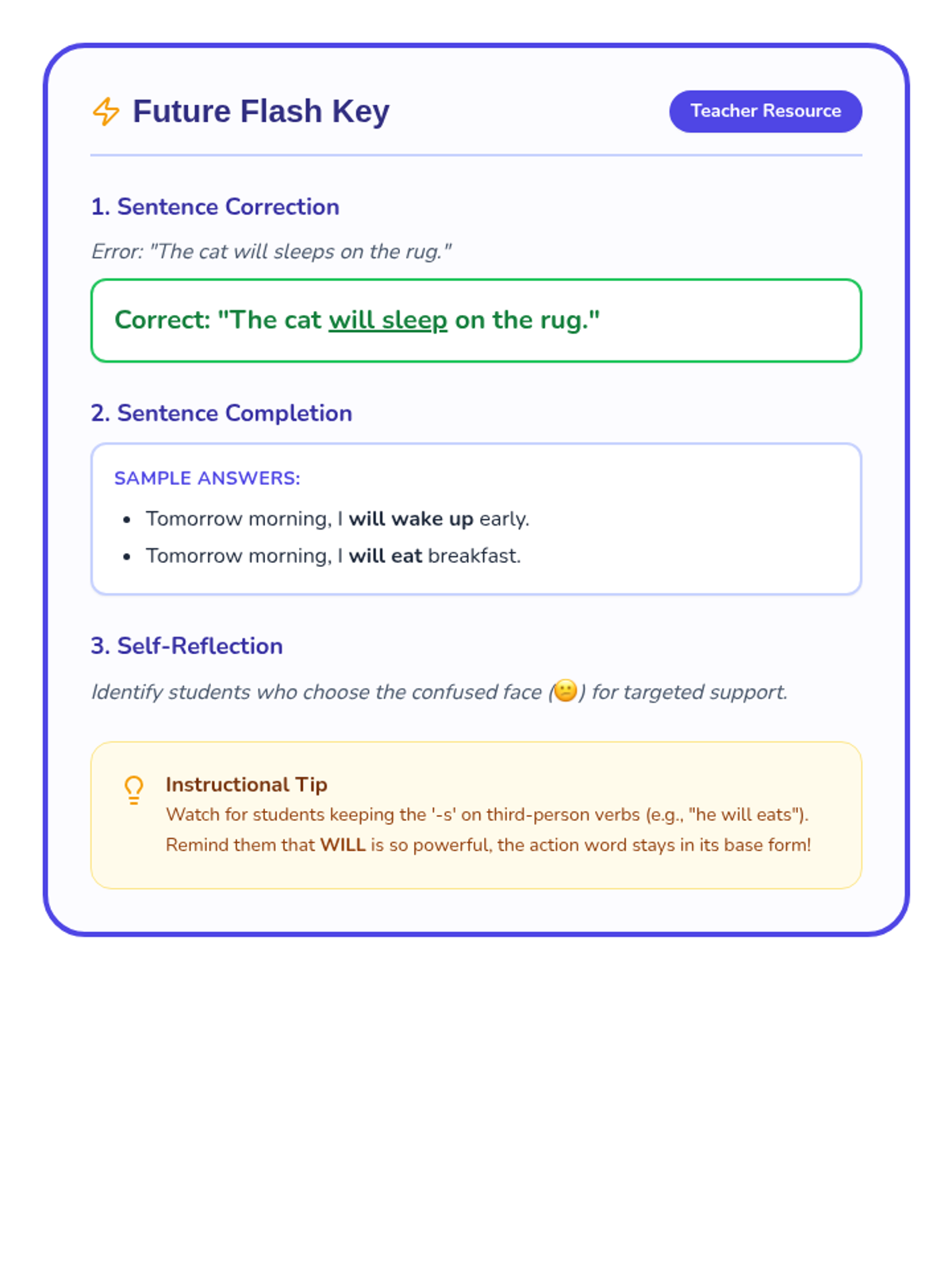
A magical introduction to using 'will' for future tense, where students become 'Future Forecasters' to predict what happens next.
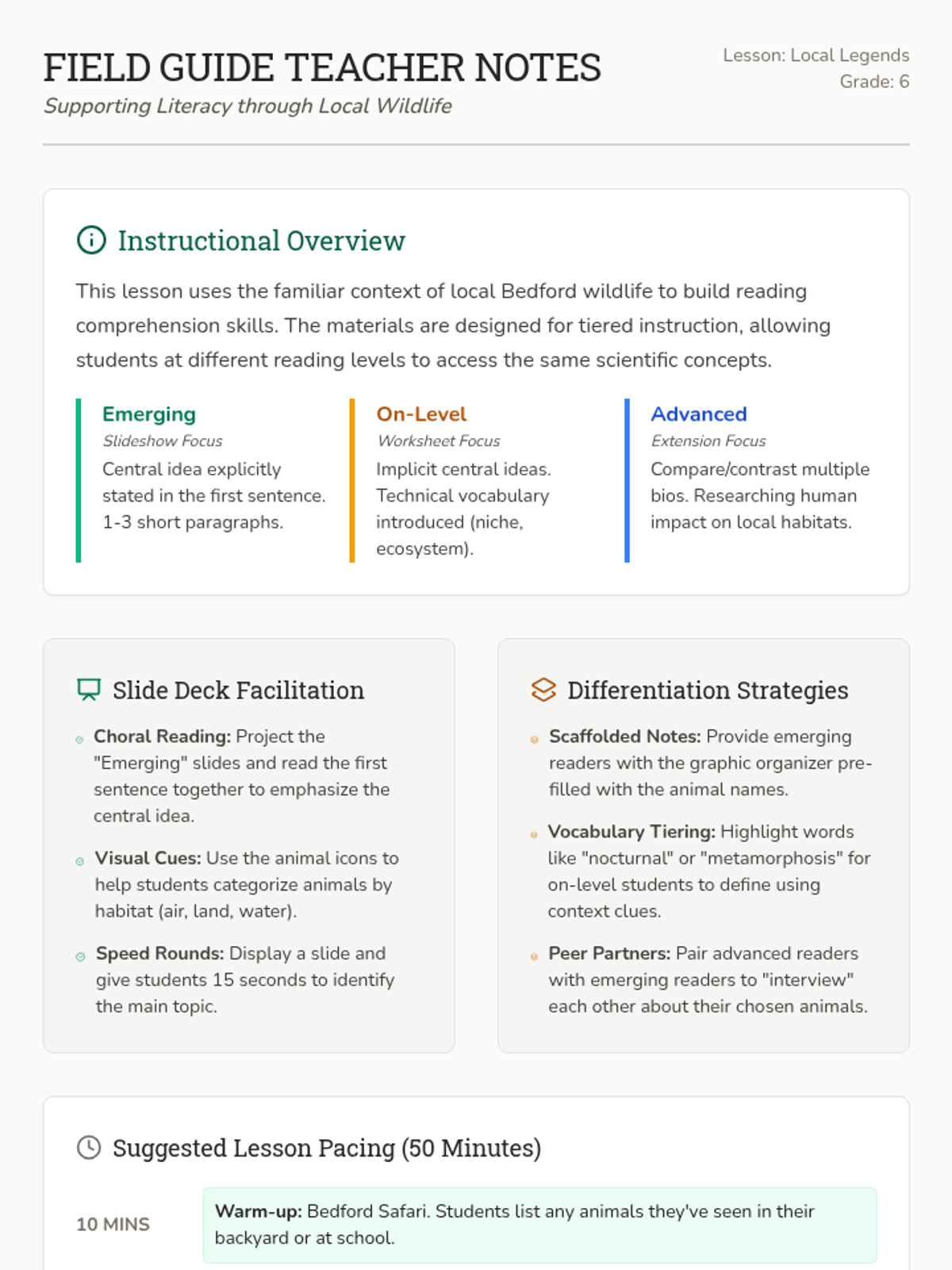
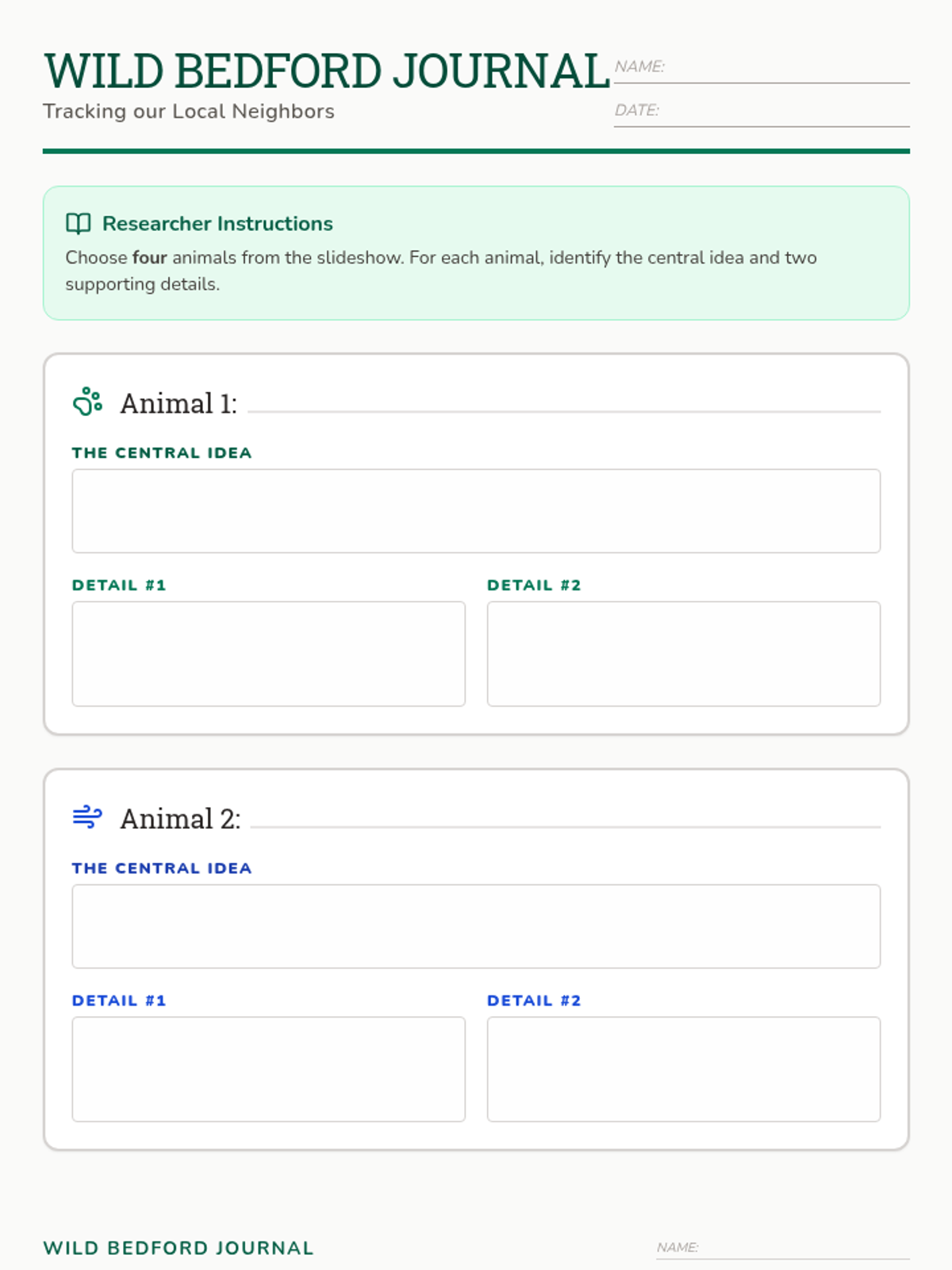
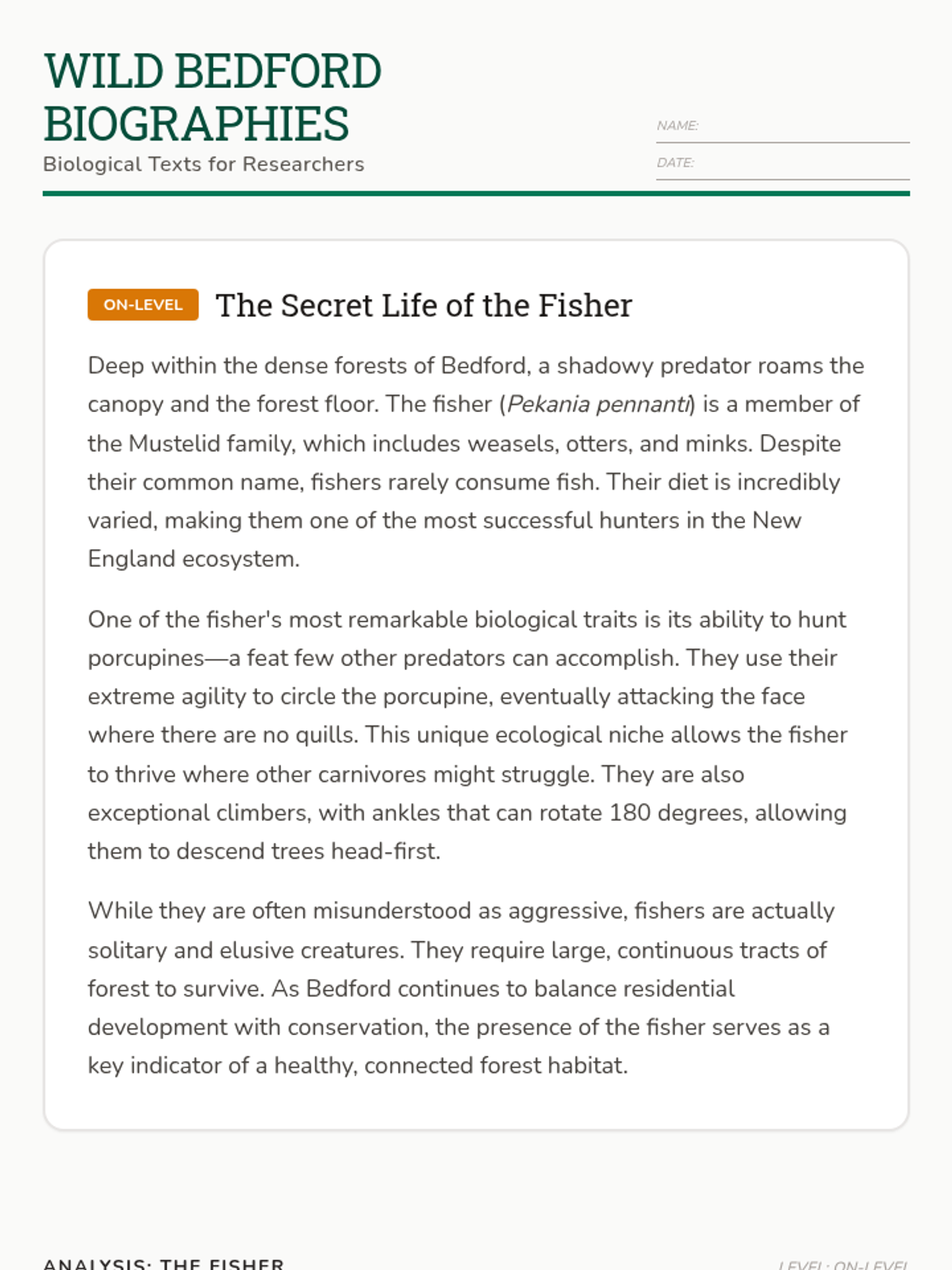
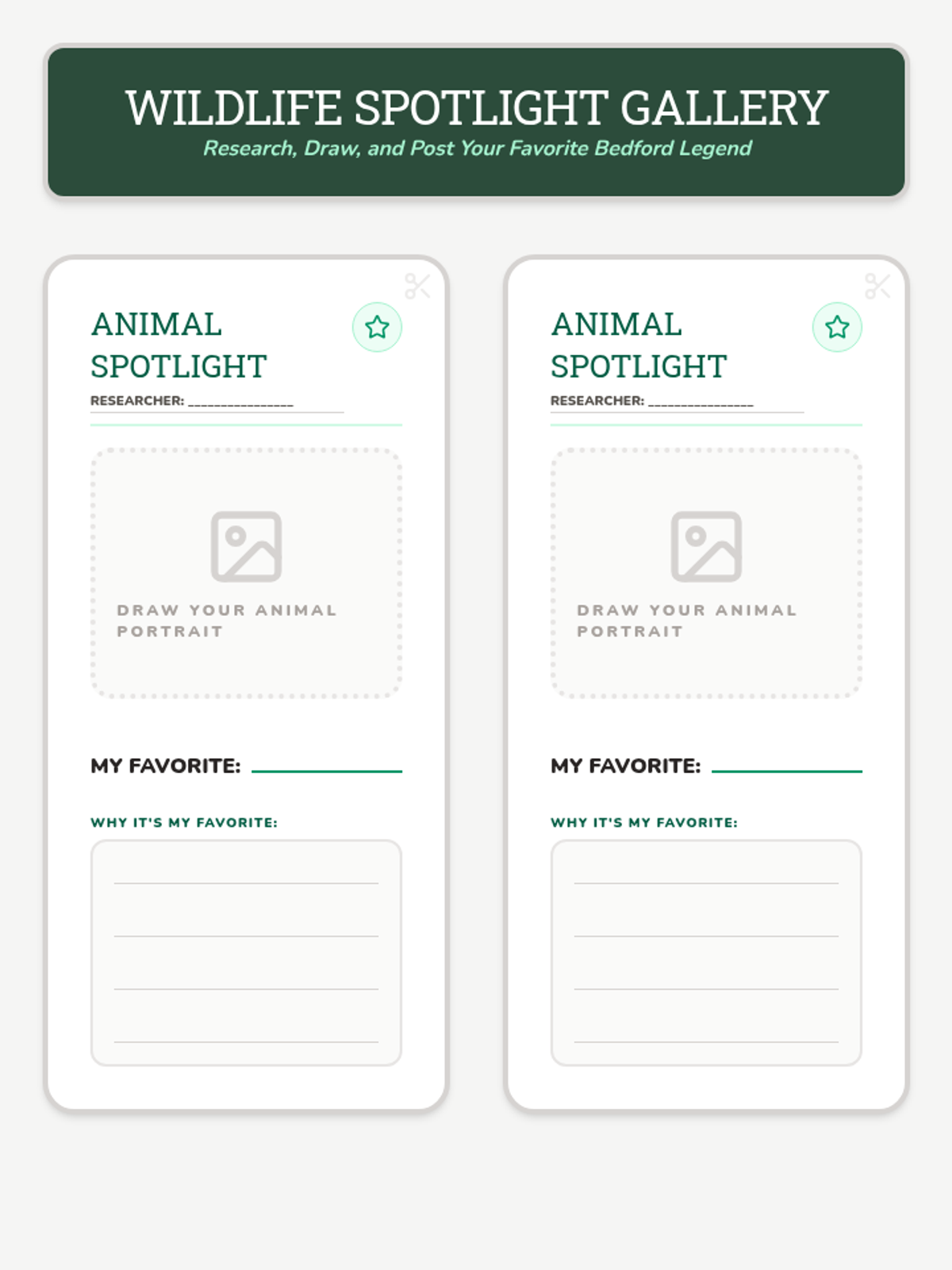
Students explore over 30 local animals through tiered reading materials, focusing on identifying central ideas and supporting details in biological texts.
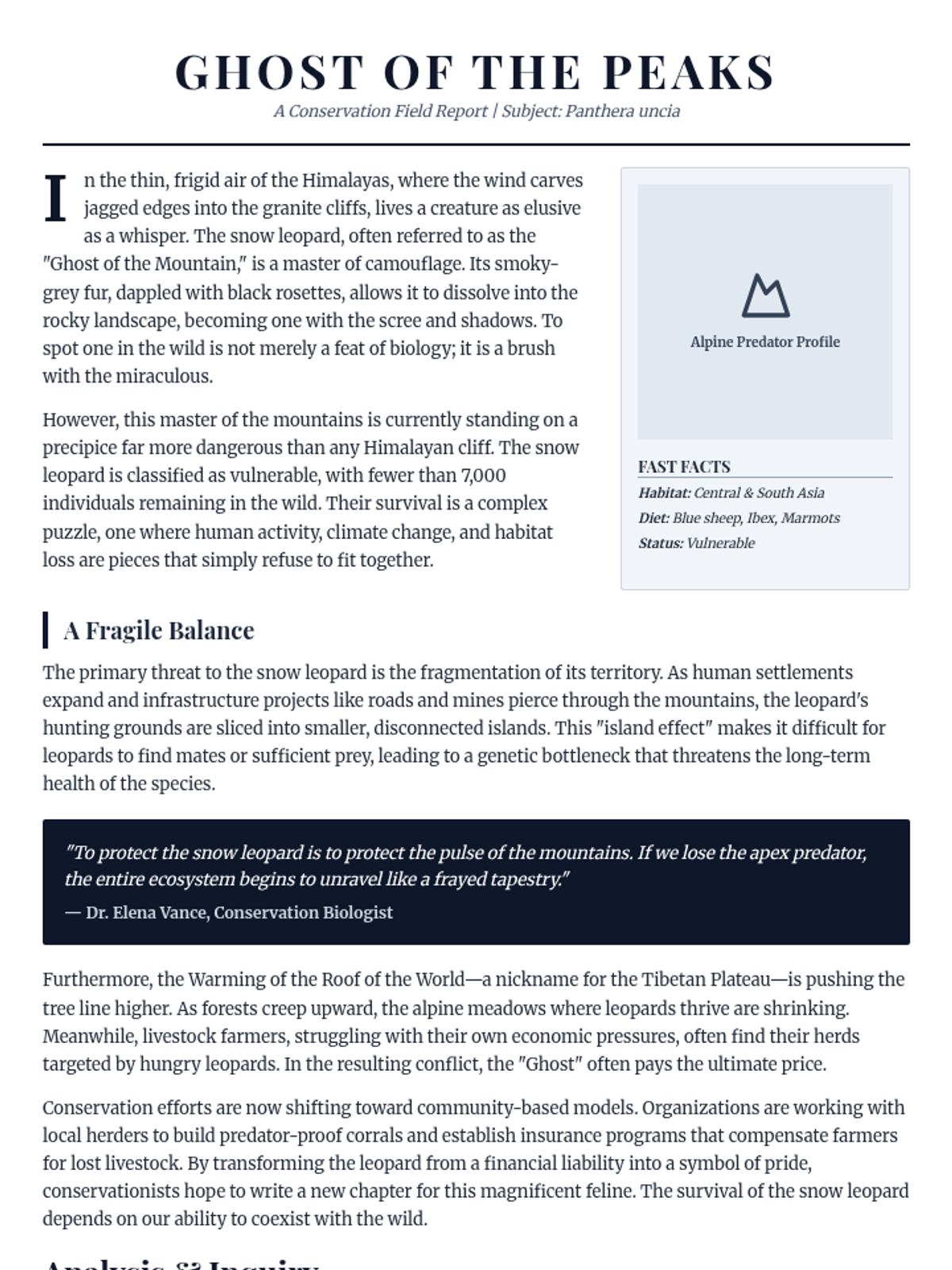
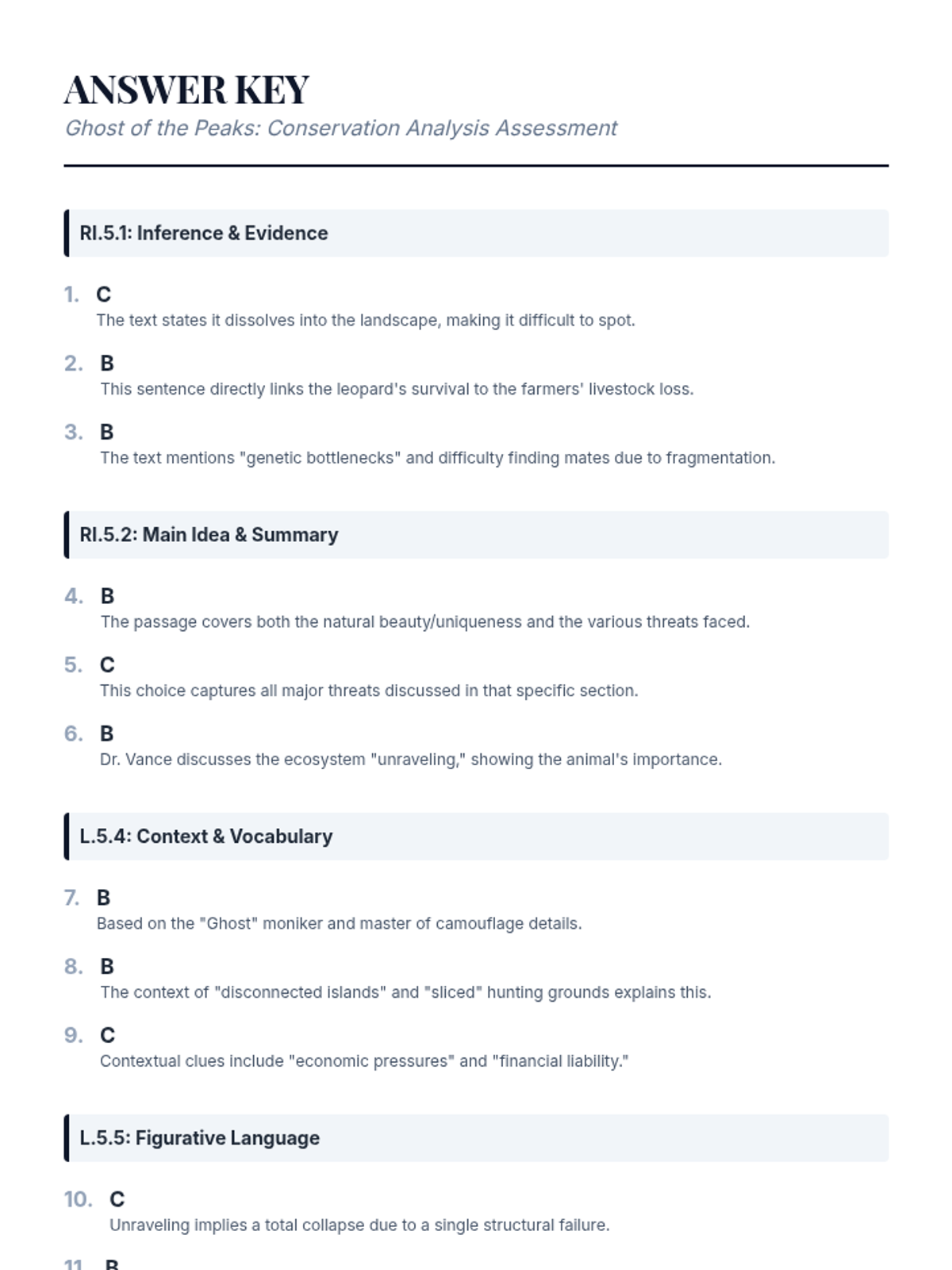
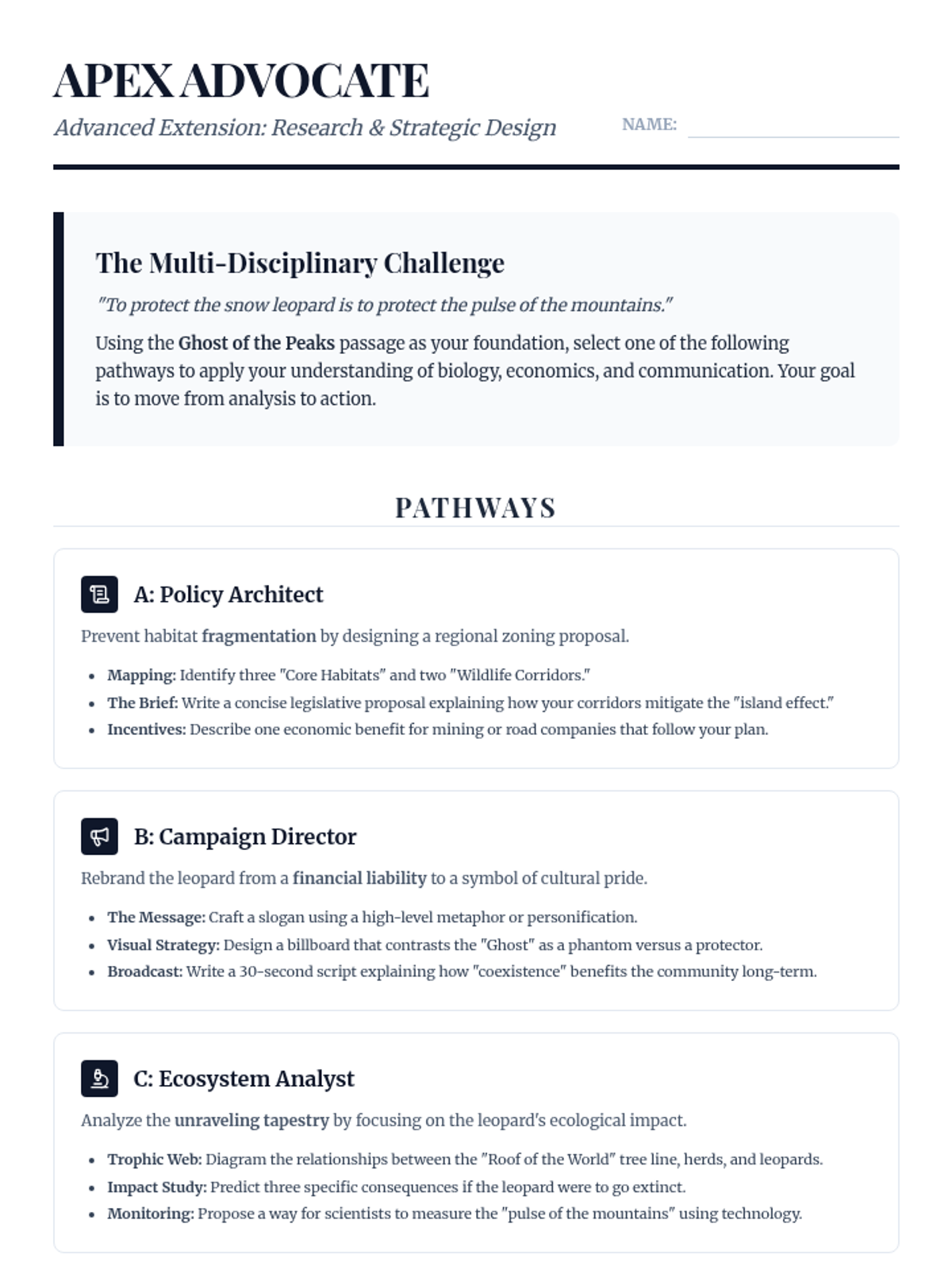
A high-level reading comprehension lesson focused on endangered species, specifically the snow leopard. Students will analyze complex text for main ideas, nuanced vocabulary, and figurative language.
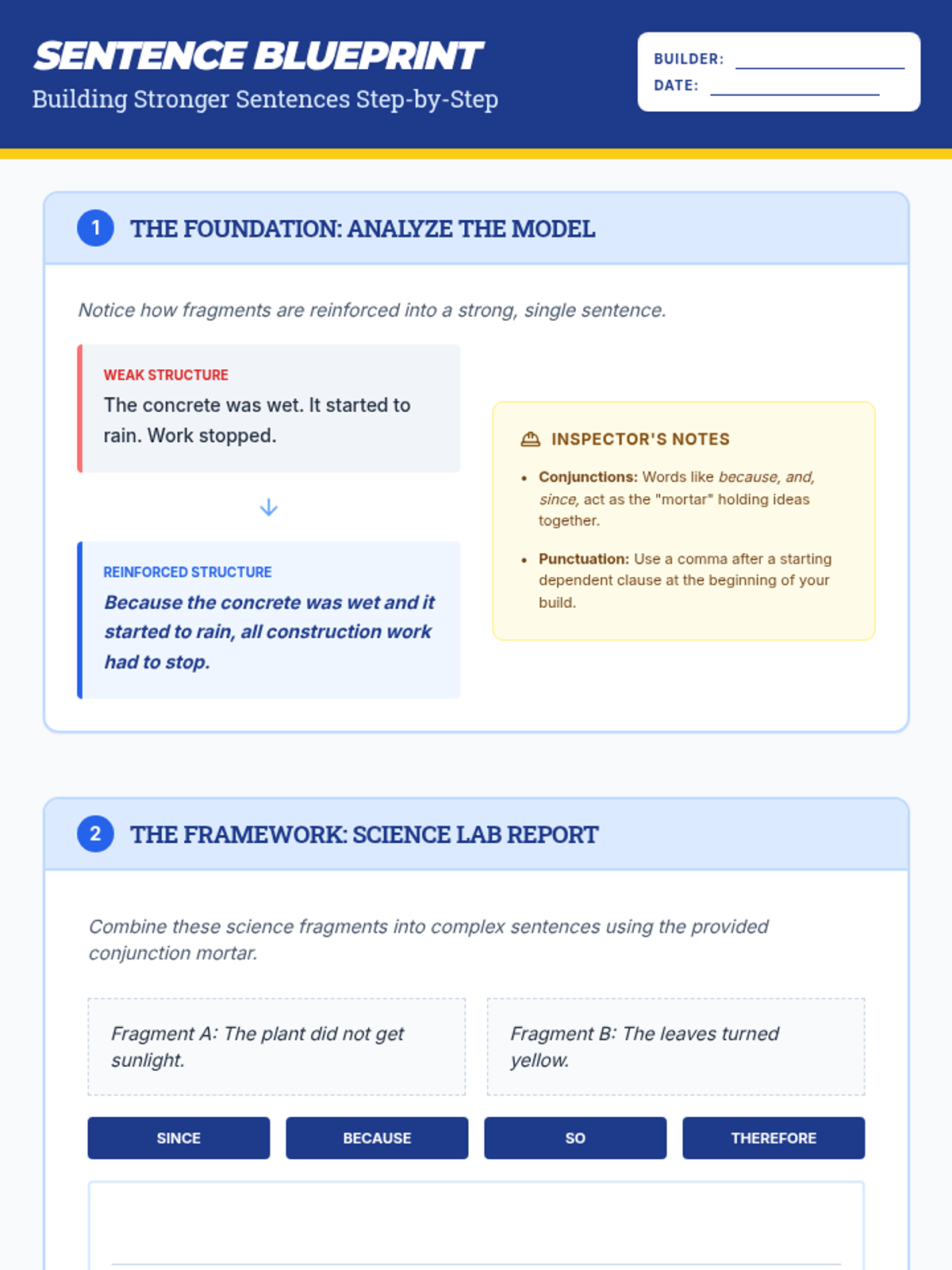
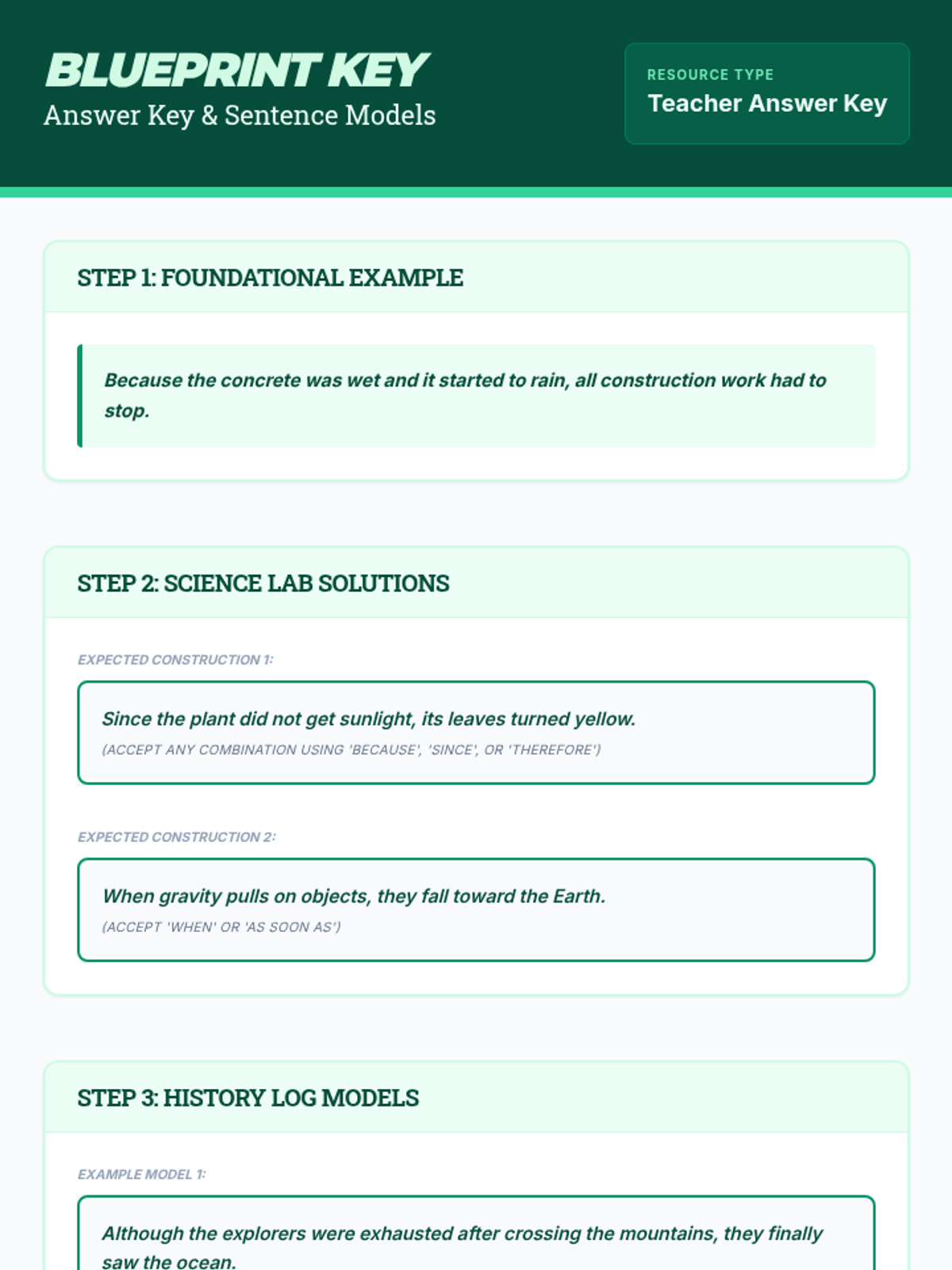
A lesson focused on sentence construction, teaching students to transform fragments and simple sentences into sophisticated compound and complex sentences using a construction-themed framework.
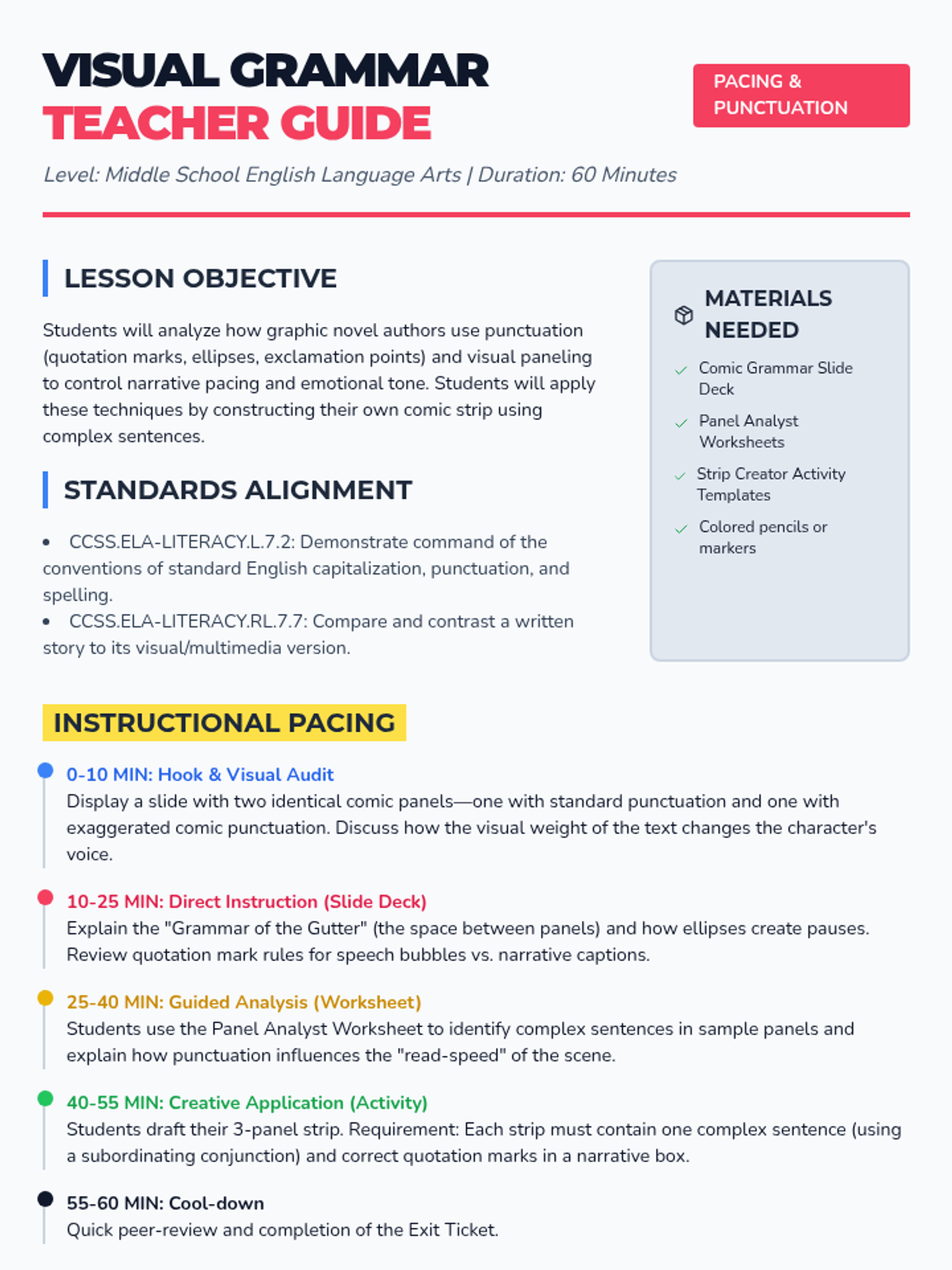
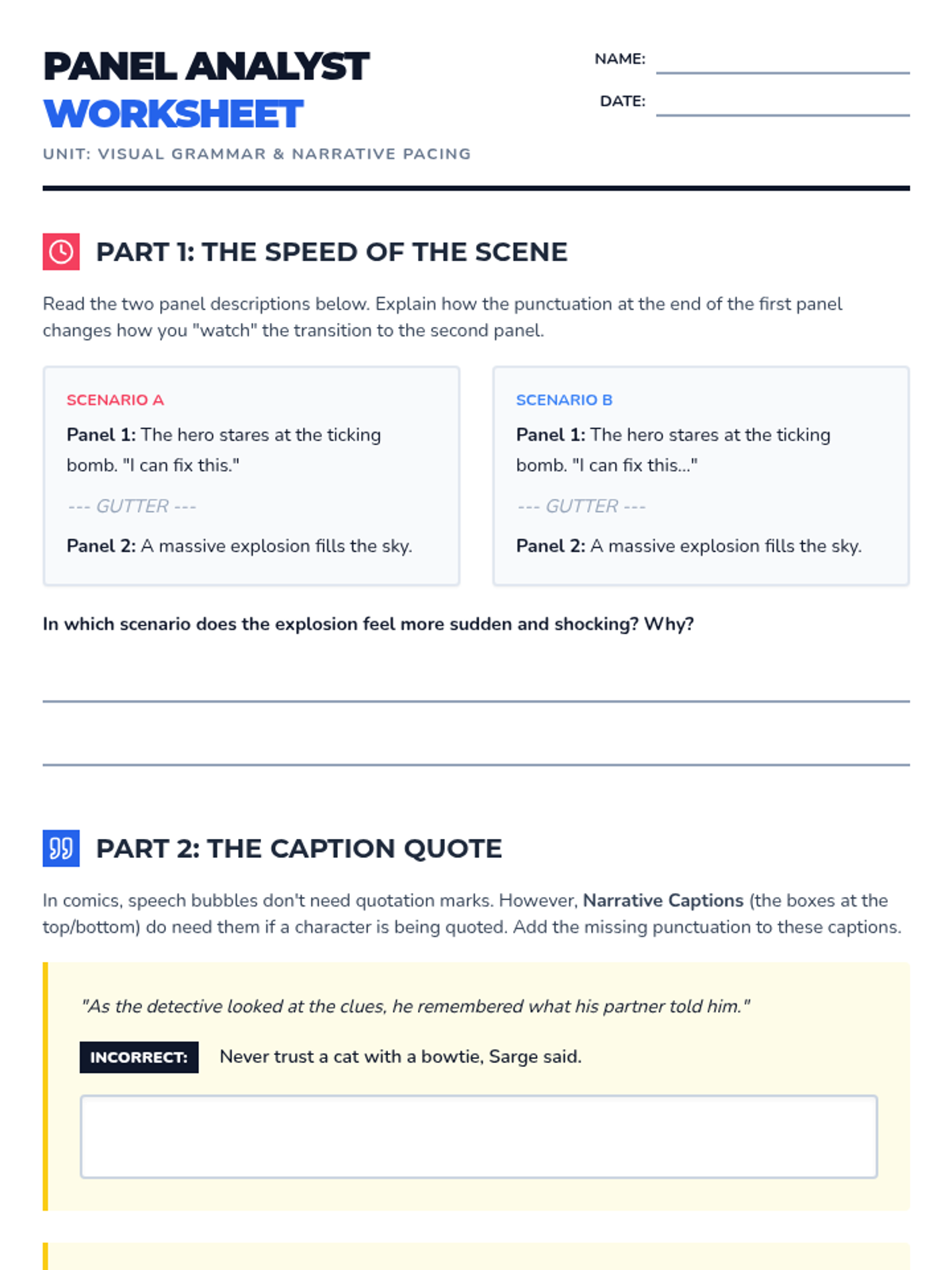
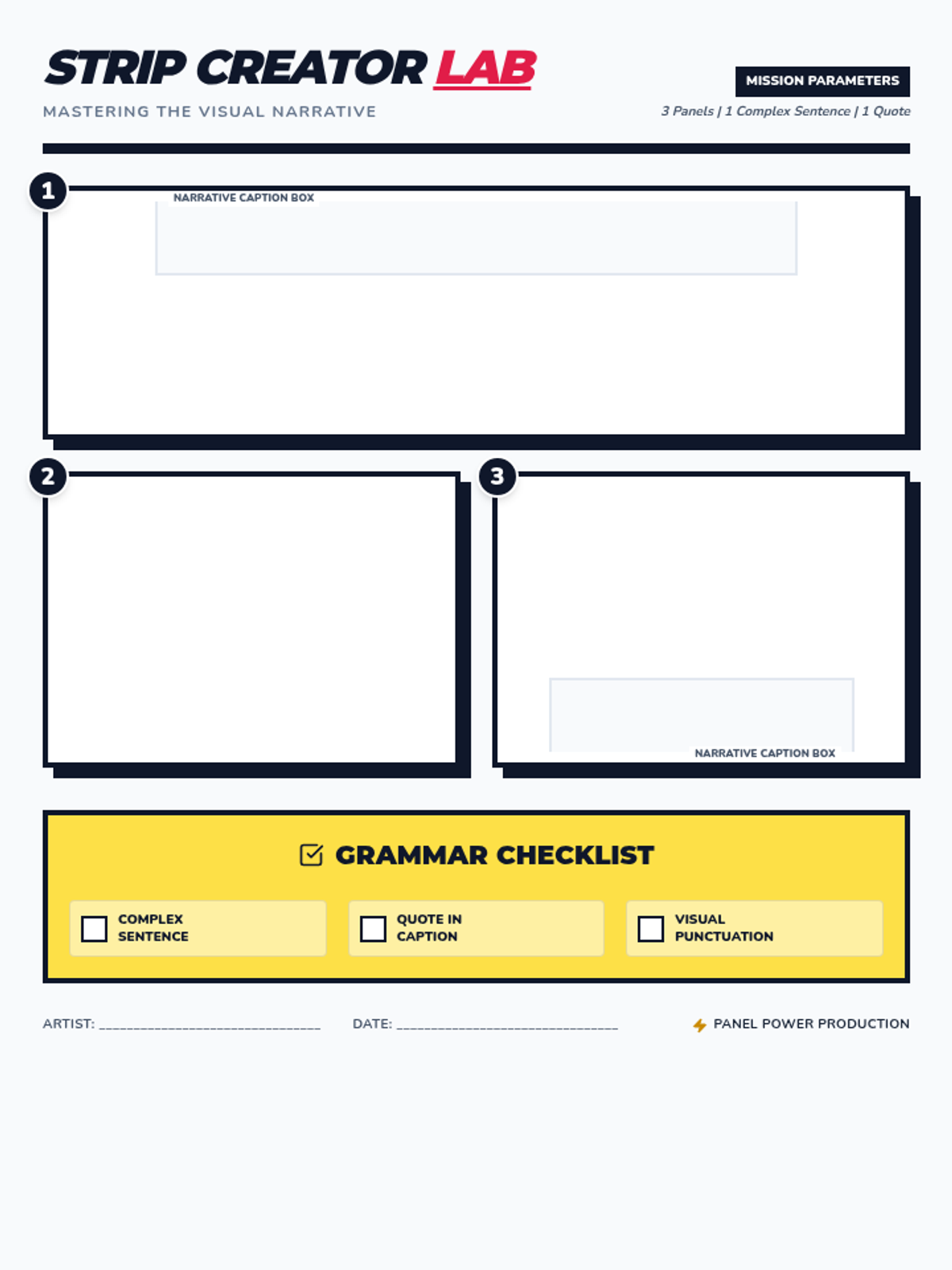
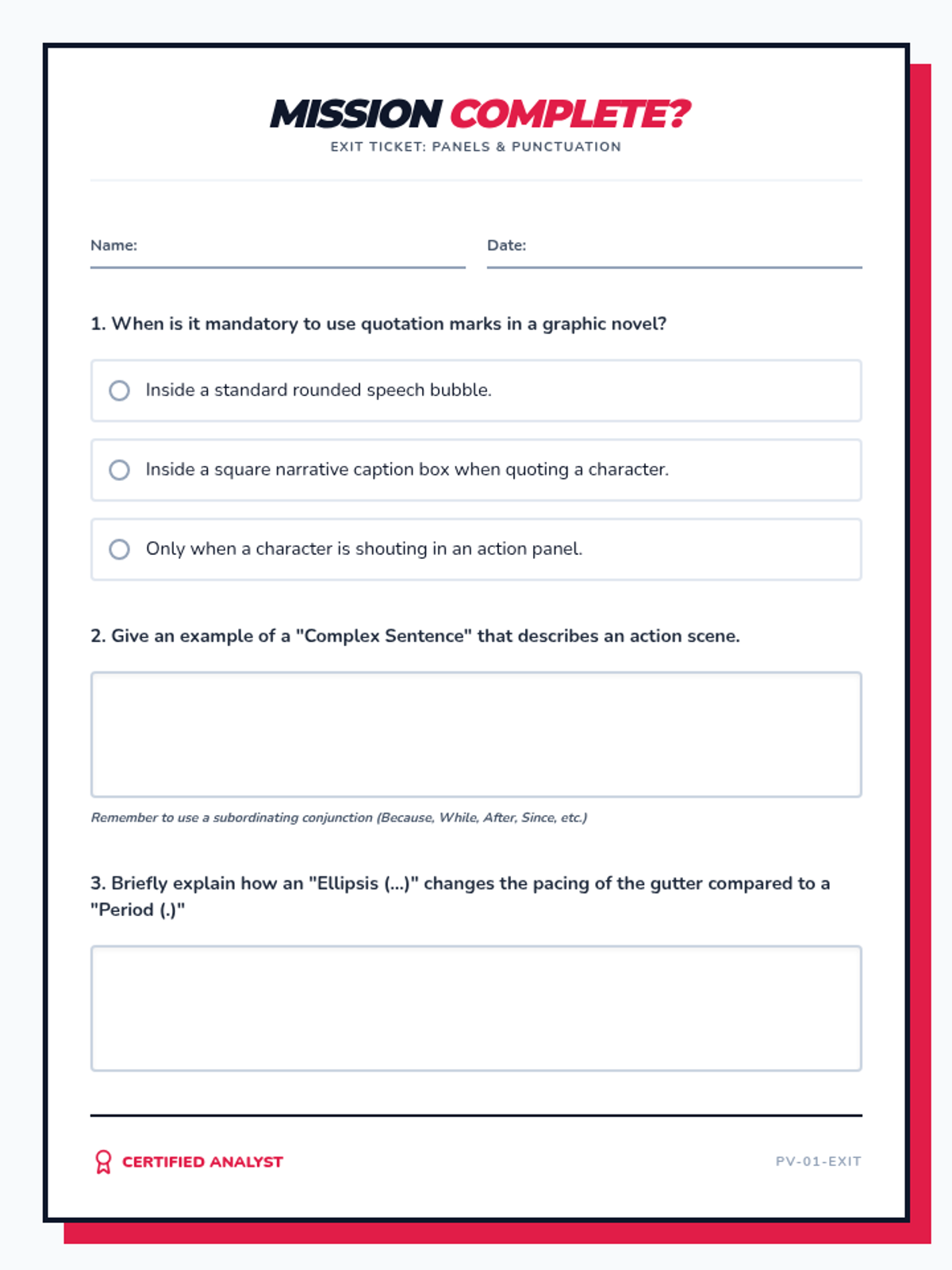
In this lesson, students explore the intersection of visual art and grammar by analyzing graphic novels. They learn how punctuation and panel layout influence tone and pacing, eventually creating their own comic strips that demonstrate mastery of quotation marks and complex sentences.
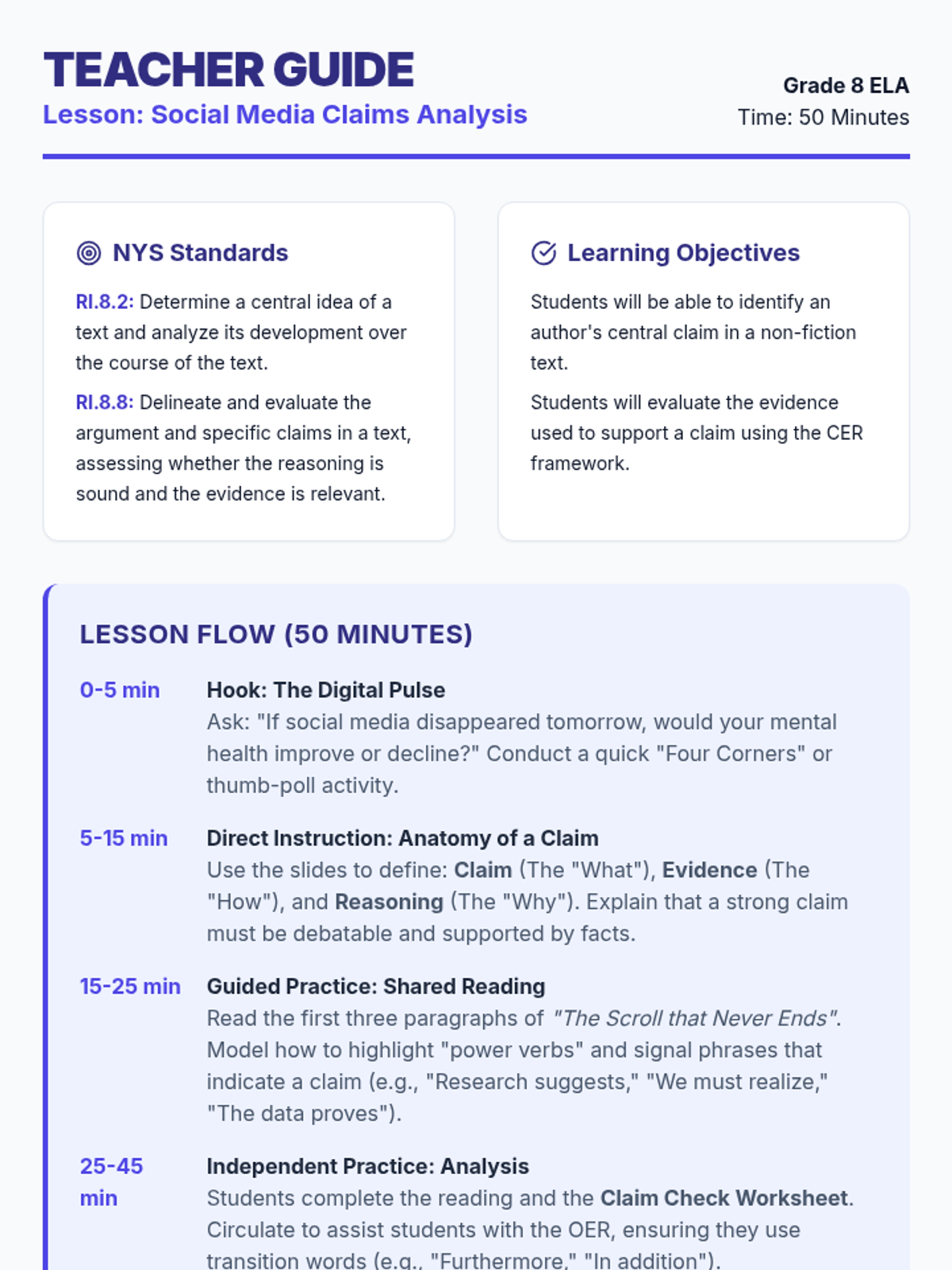
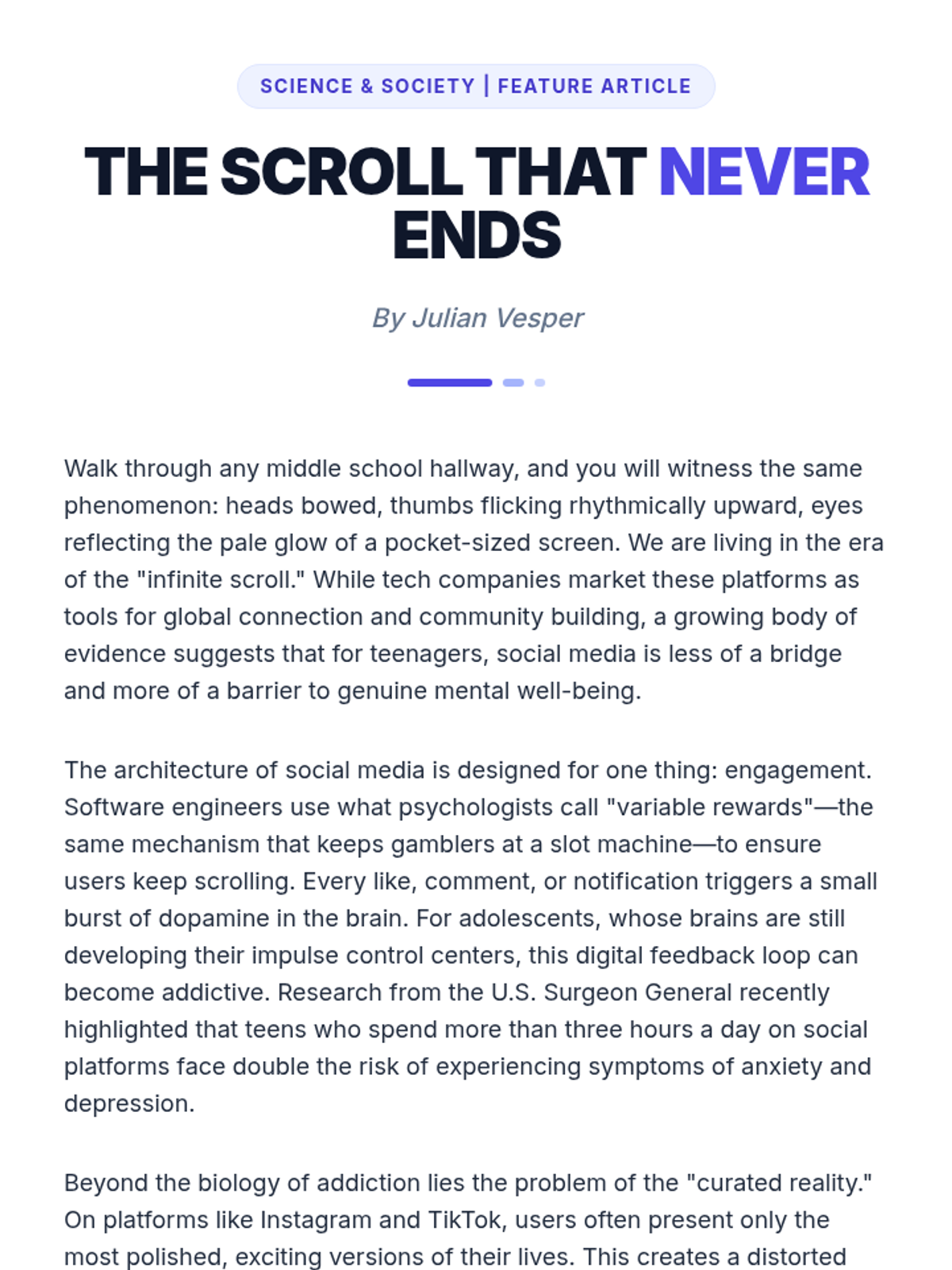
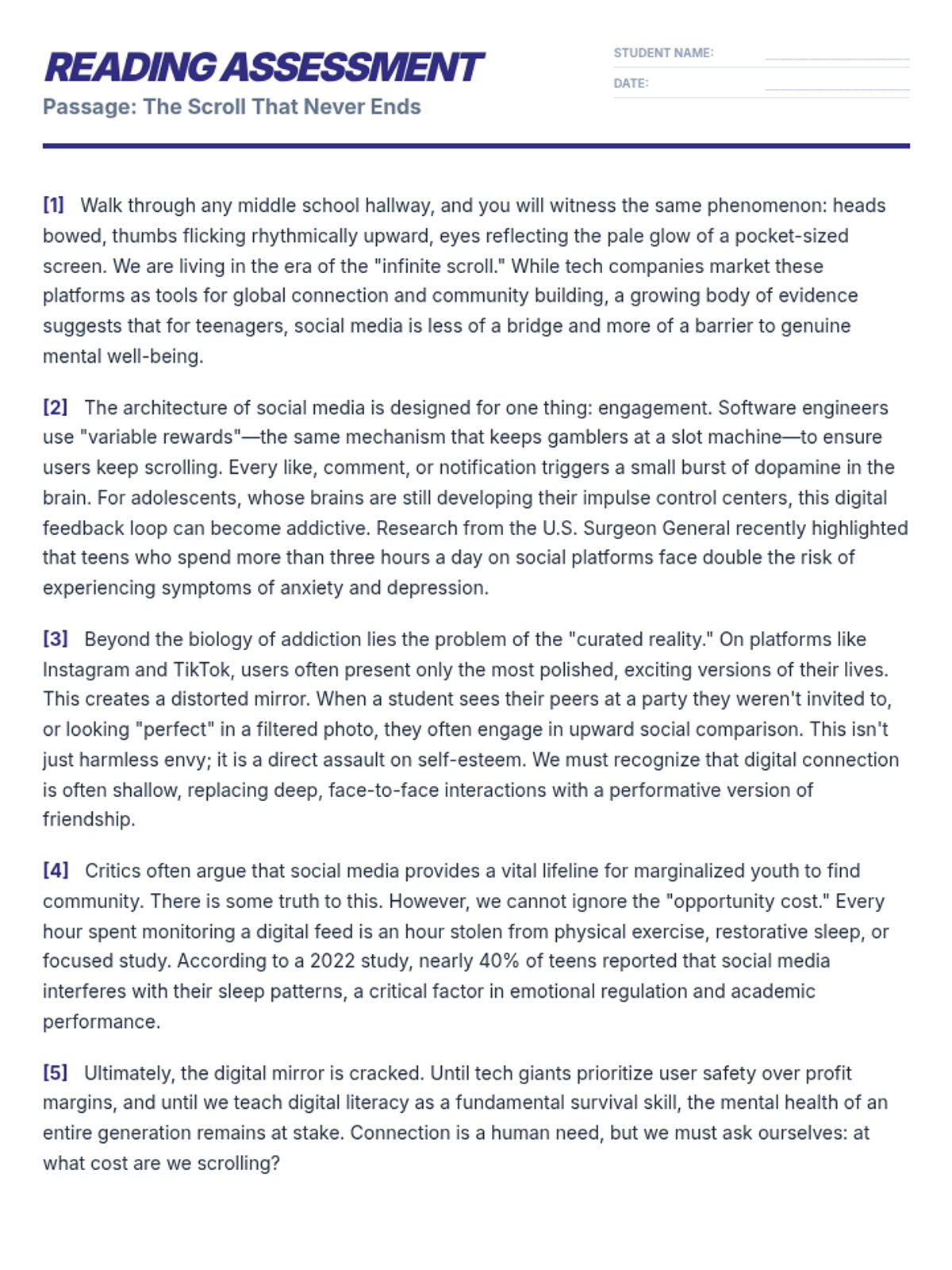
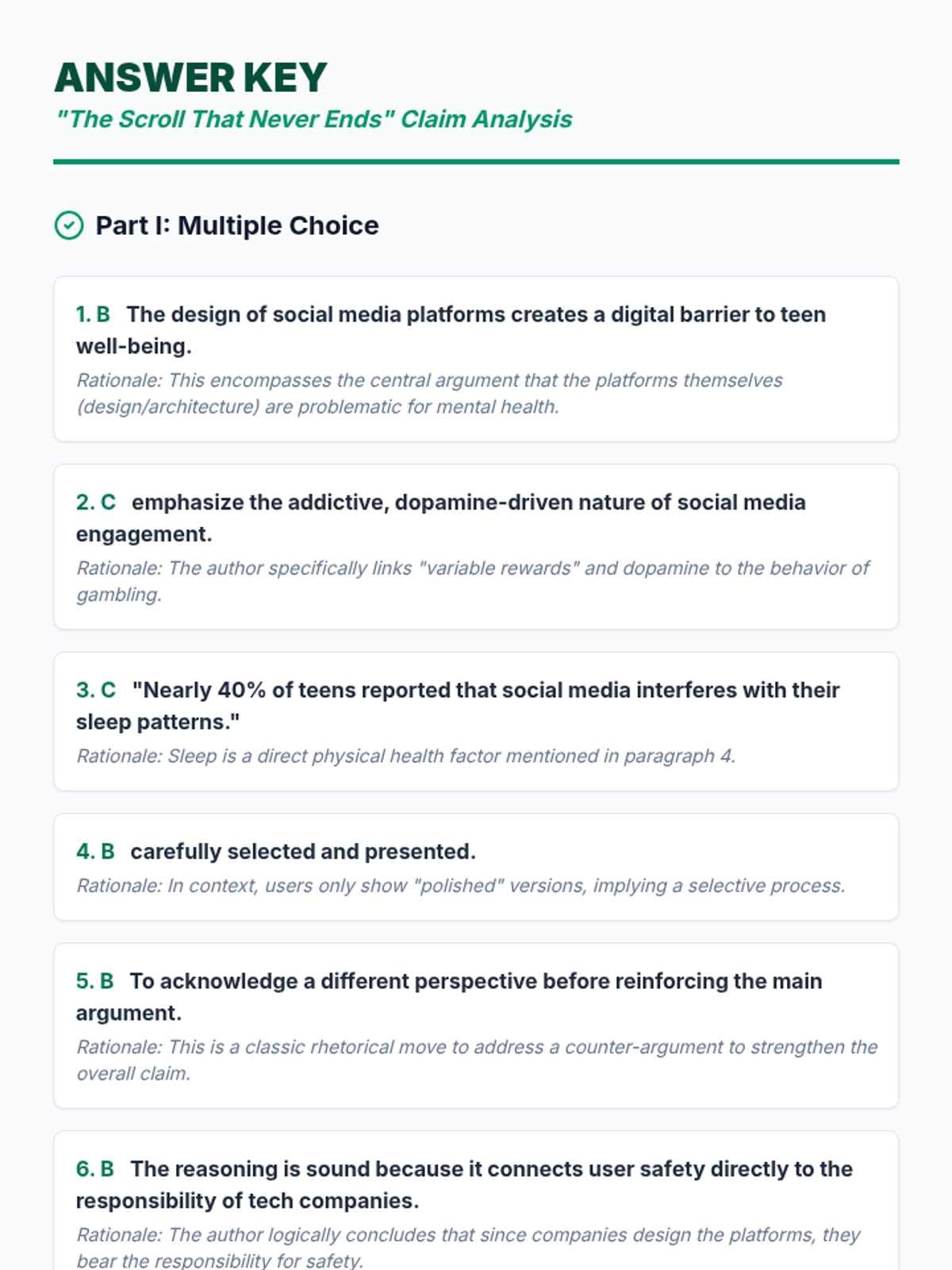
An 8th-grade ELA lesson focused on identifying and evaluating an author's claim within a non-fiction text about social media's impact on teenagers. Students will analyze evidence, reasoning, and central arguments.
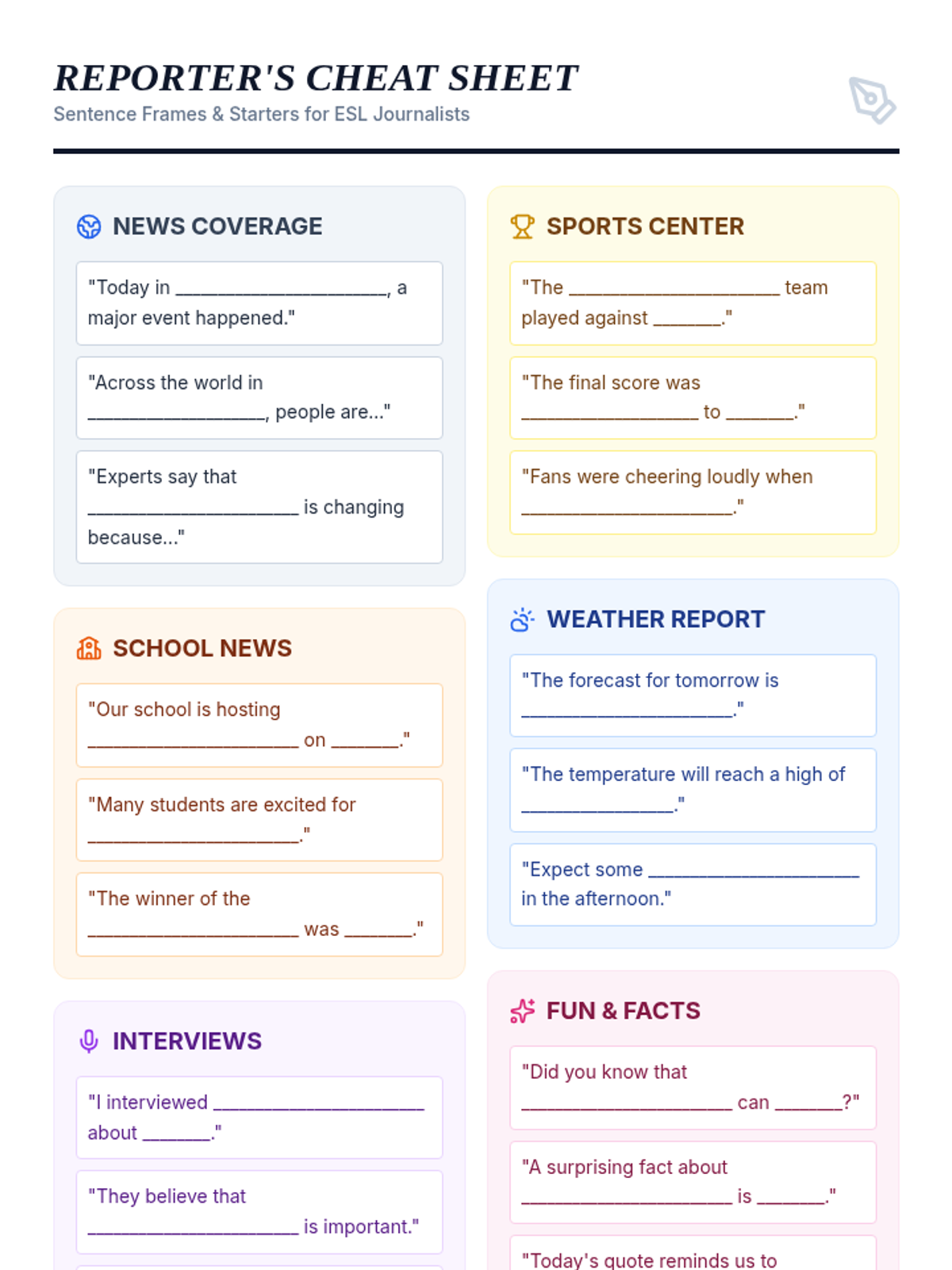
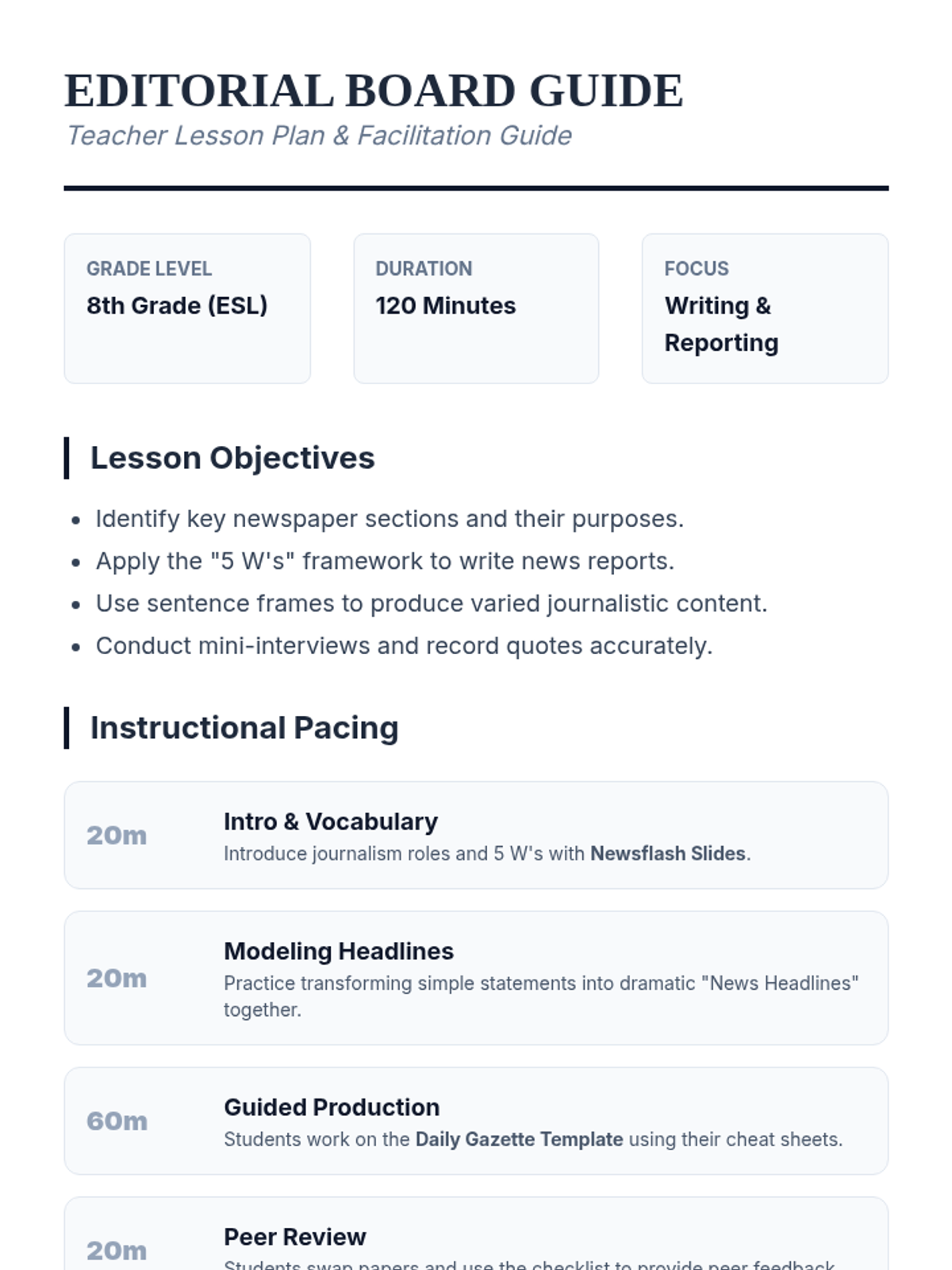
An 8th-grade ESL lesson where students learn about journalism and create their own digital newspaper using guided templates and sentence frames.