A lesson focused on the progressive aspect and the 'to be' helper verb, helping ESL/Intervention students master oral fluency and sentence construction through color-coded practice.
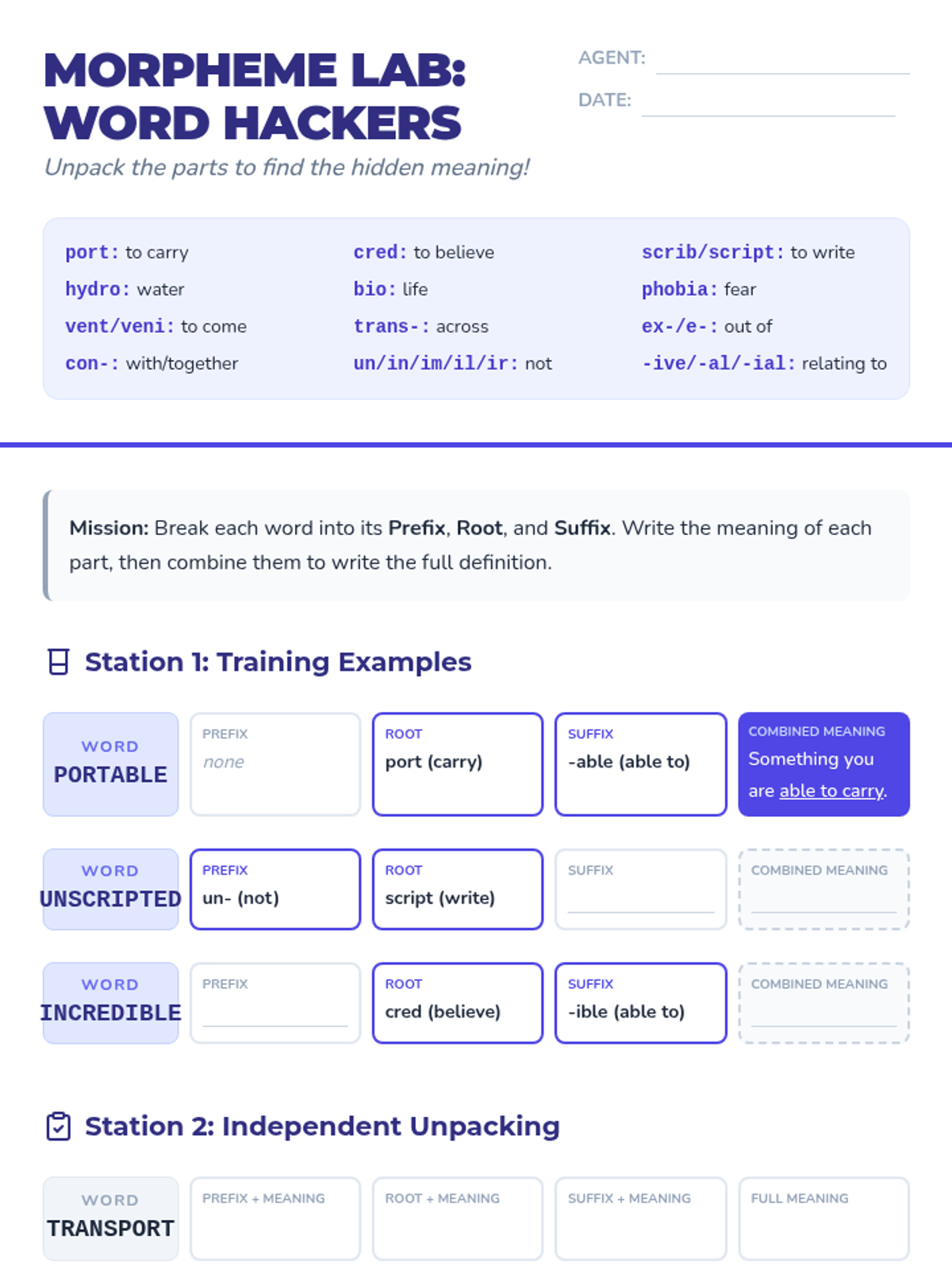
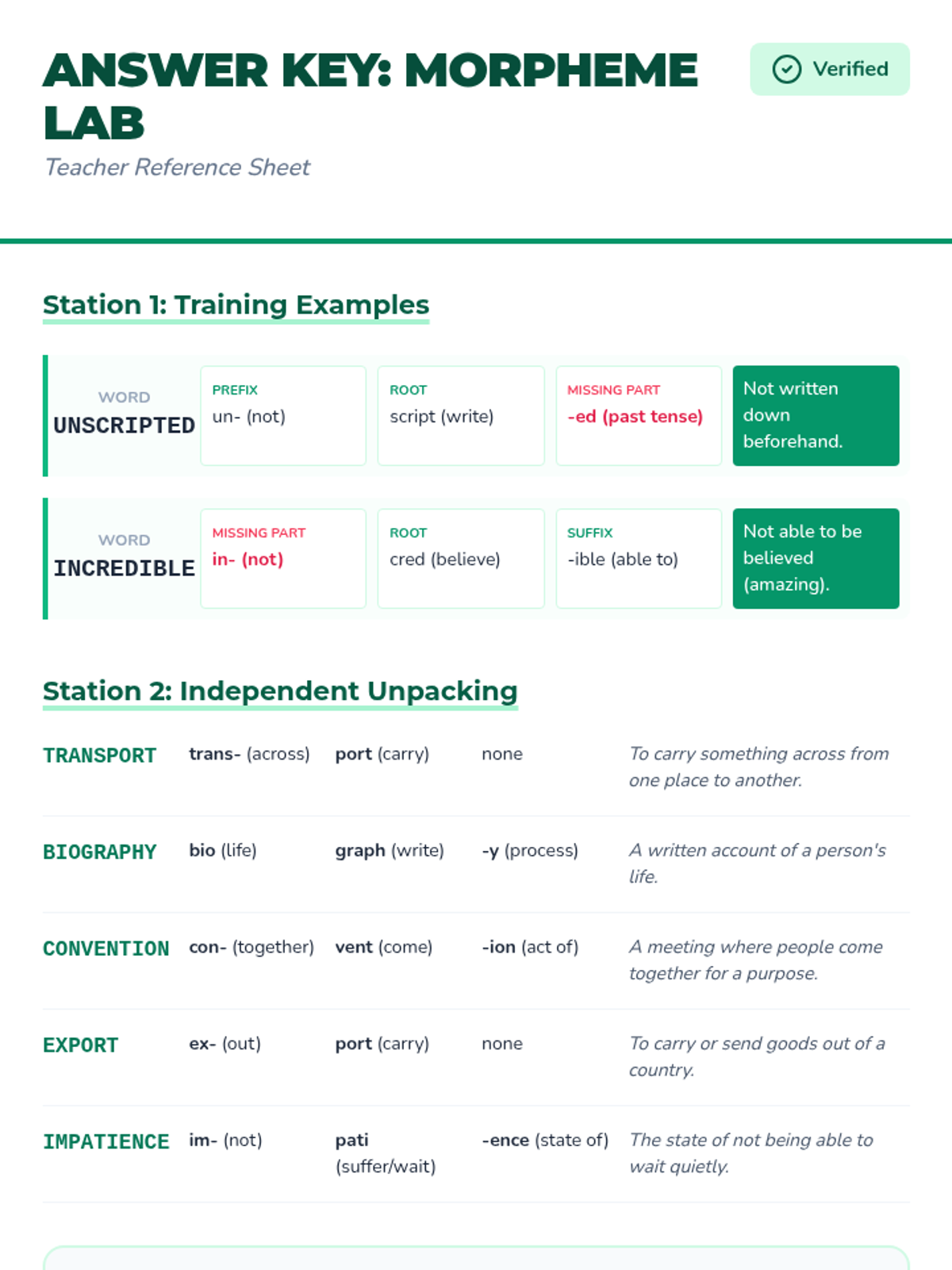
A 30-minute introductory lesson where students learn to decode complex words using a list of 24 common morphemes.
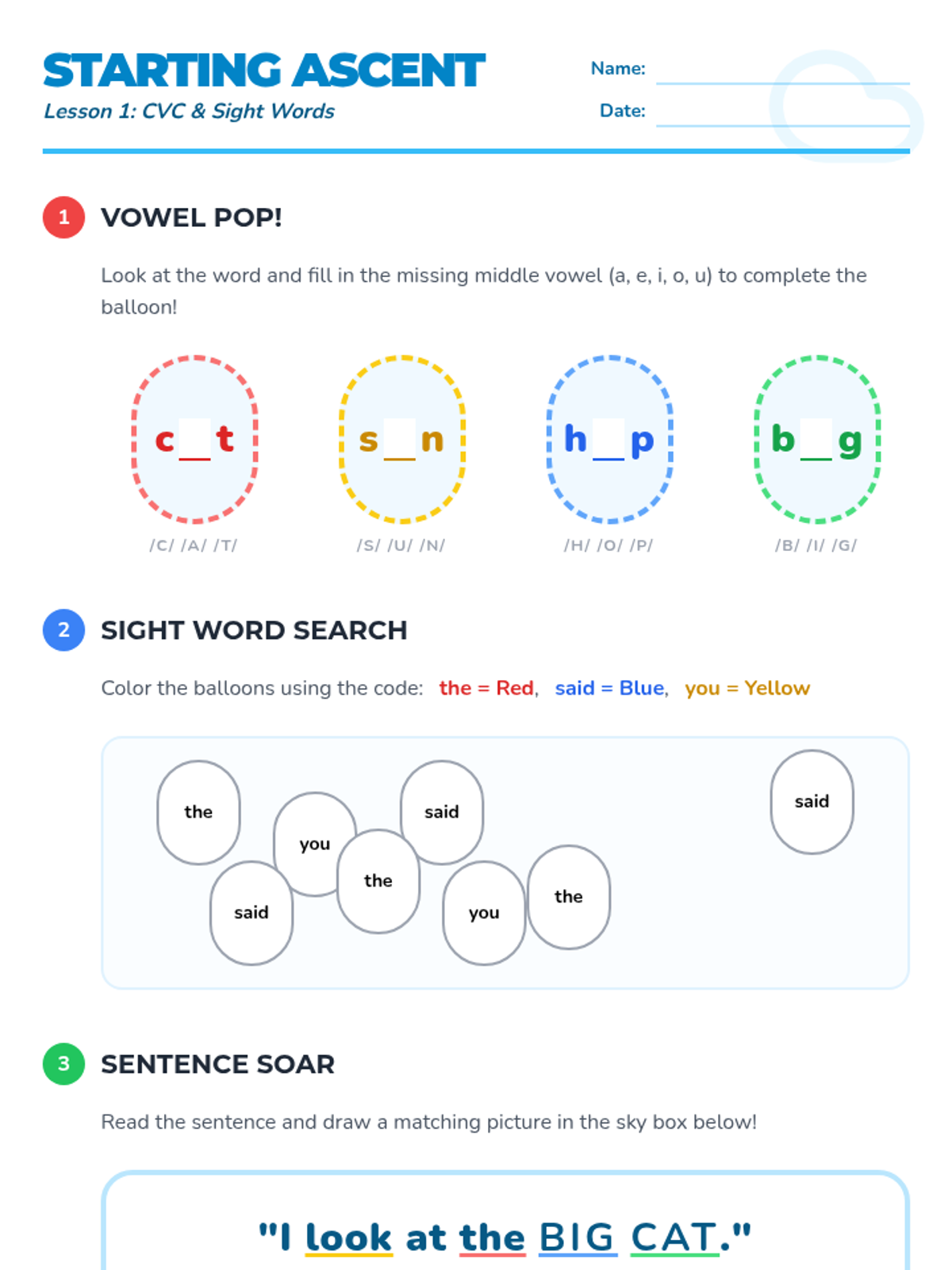
The introductory lesson of the Reading Heights unit, focusing on basic CVC decoding and kindergarten/early 1st-grade high-frequency sight words through engaging balloon-themed activities.
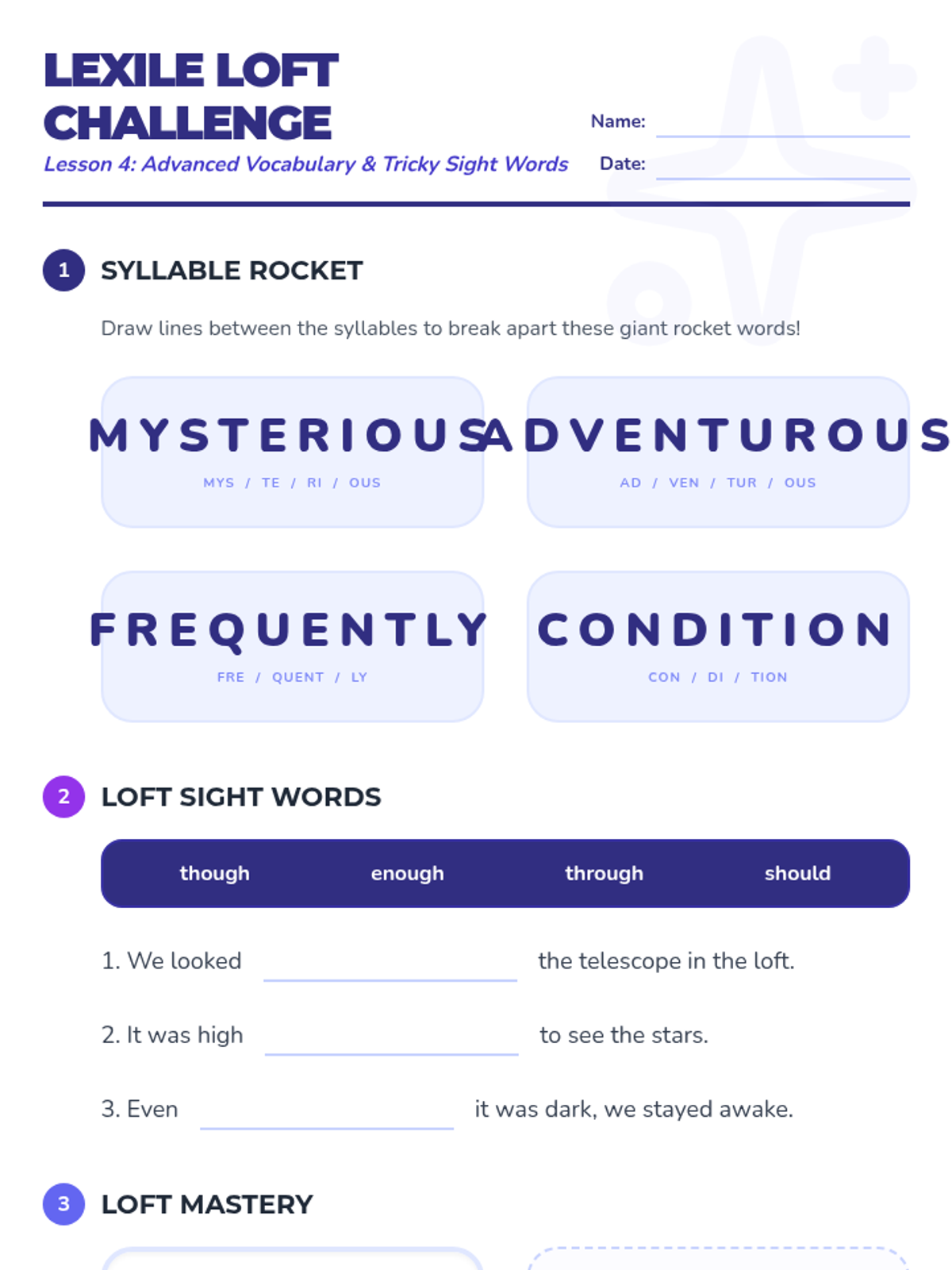
The challenge stage of the unit, targeting multi-syllabic words, 3rd-grade sight words, and Lexile 740+ vocabulary to prepare students for high-level reading.
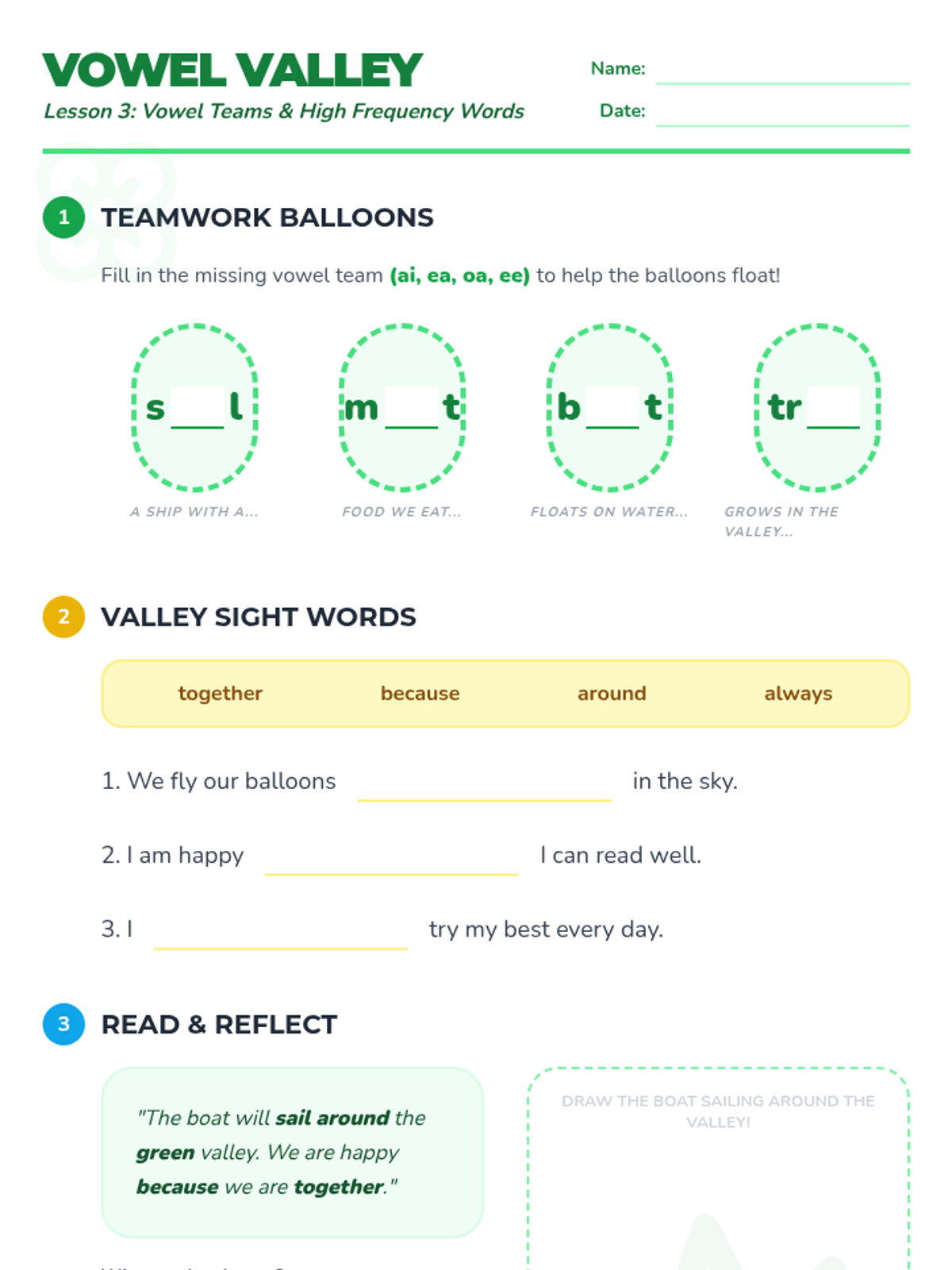
Introduces vowel teams and 2nd-grade high-frequency words, emphasizing fluency and automaticity in decoding mid-level texts.
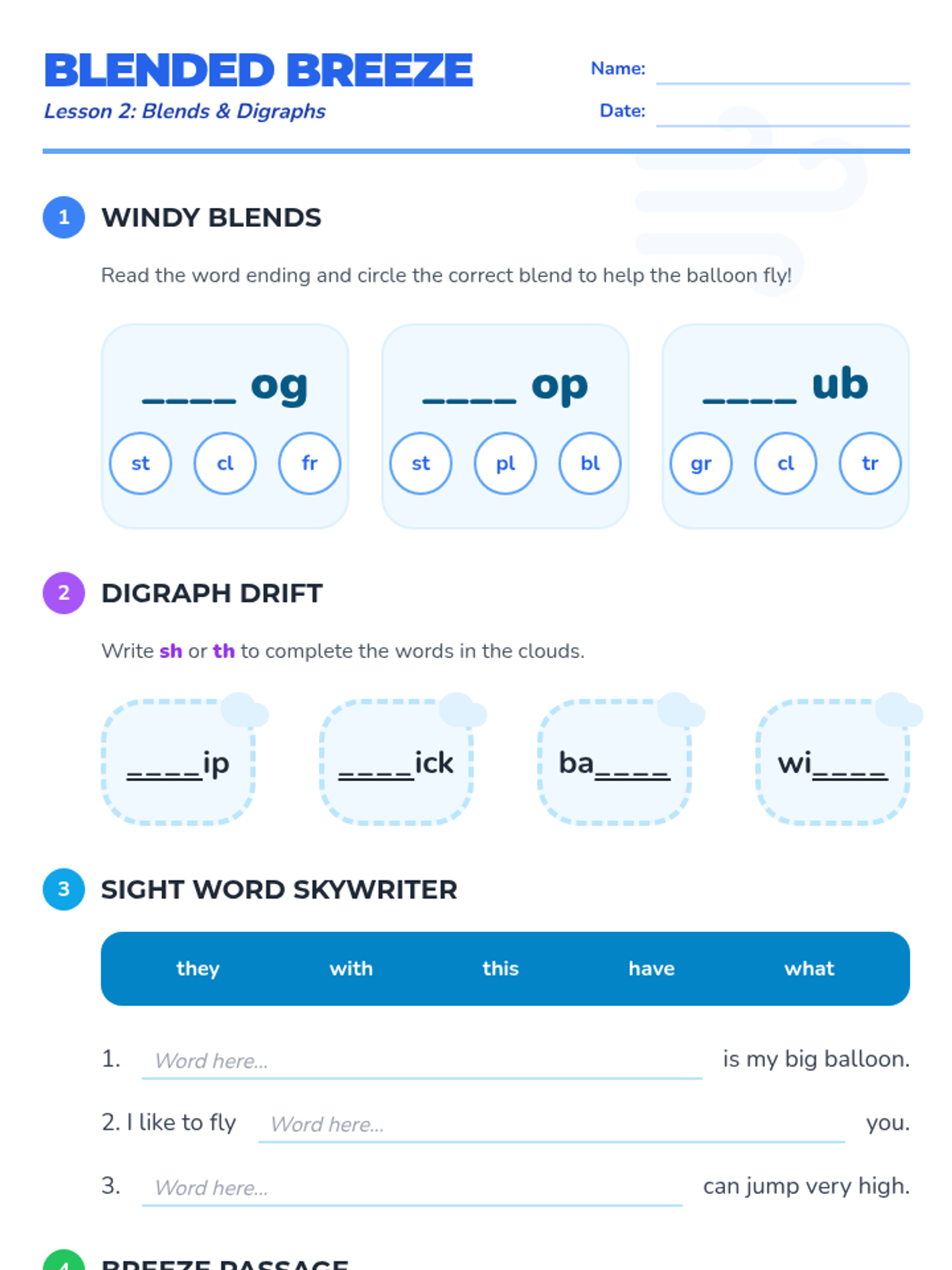
Focuses on initial blends, digraphs, and 1st-grade sight words, helping students navigate more complex word structures as they 'climb' higher in their reading journey.
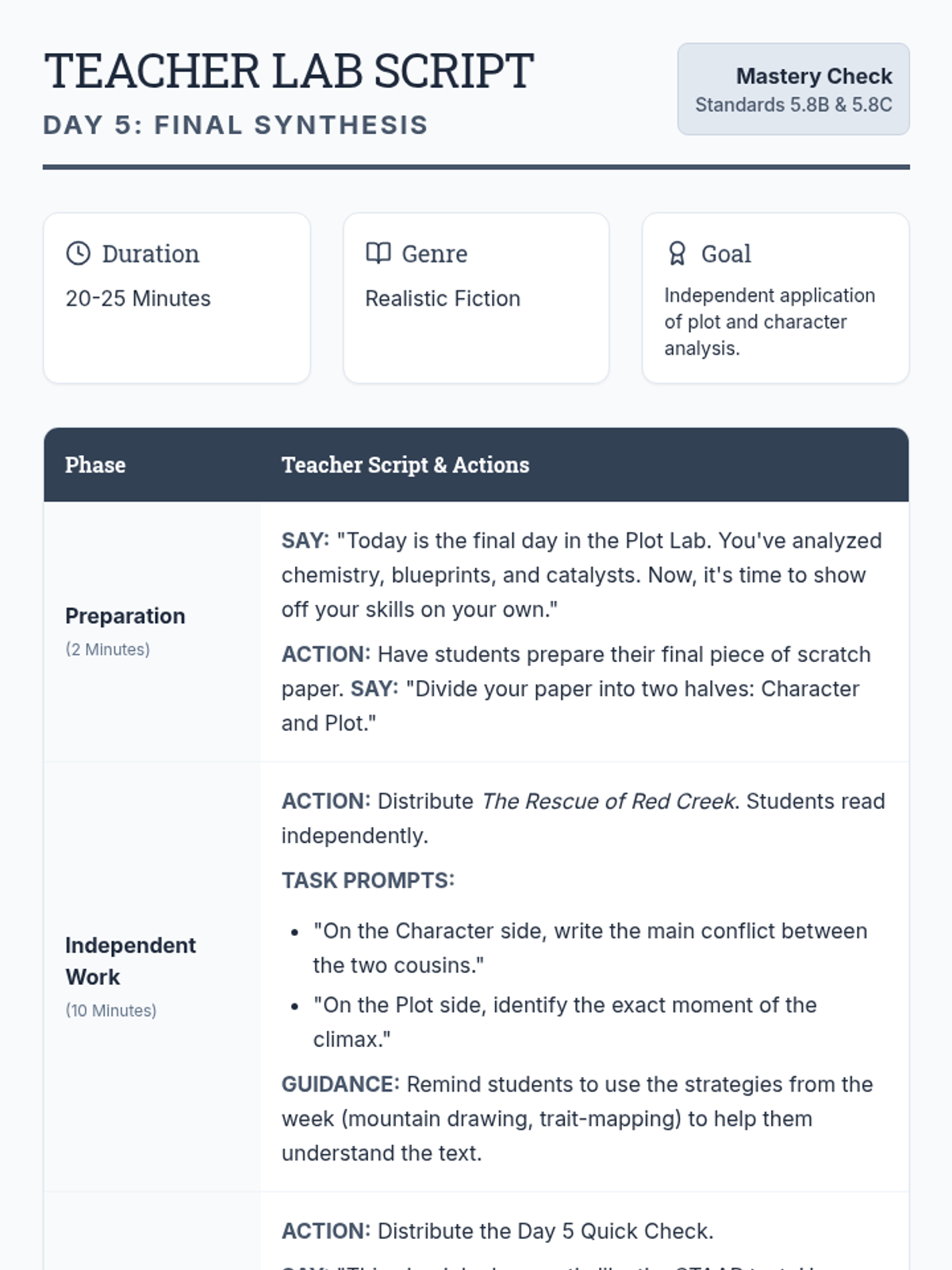
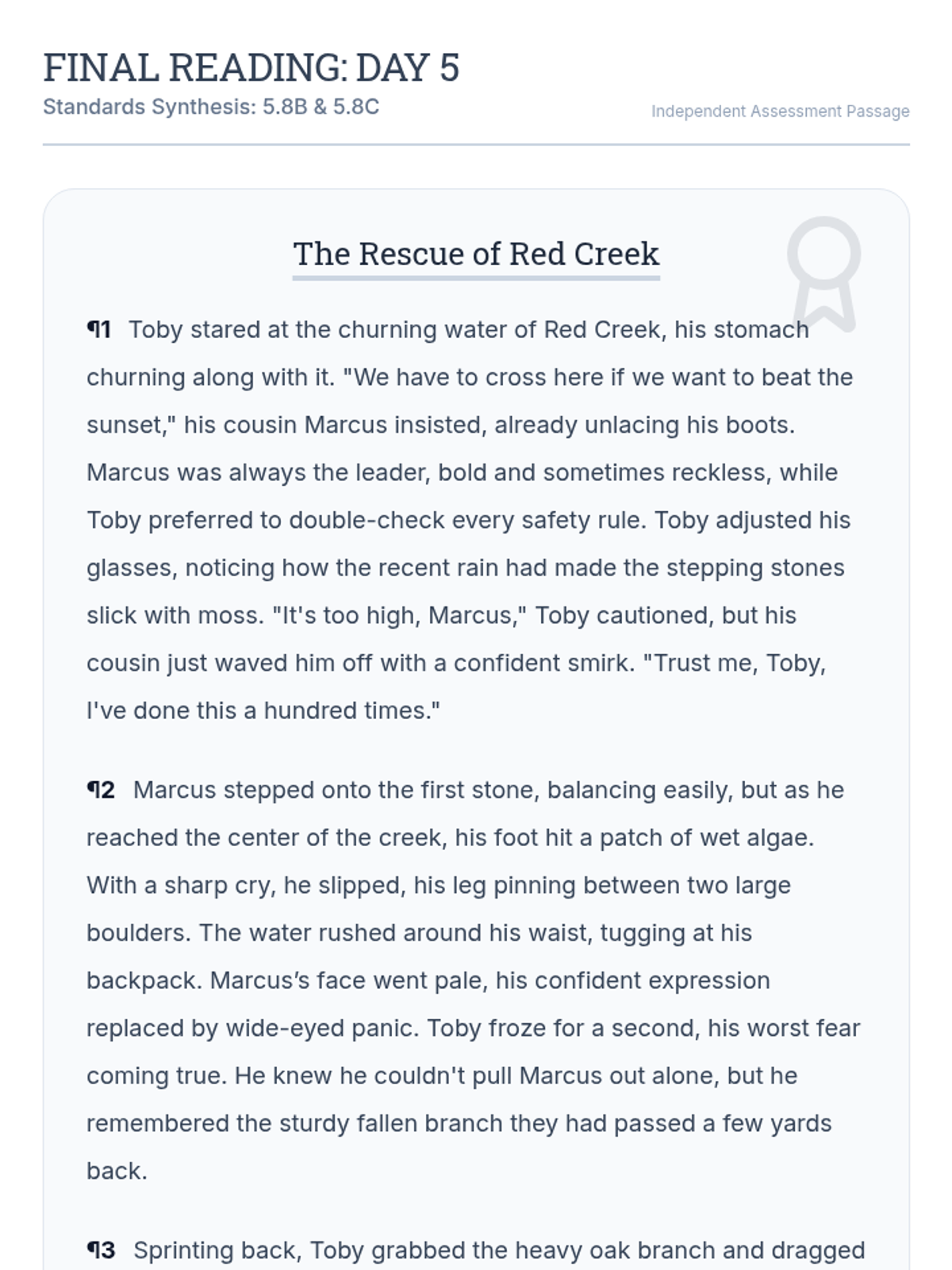
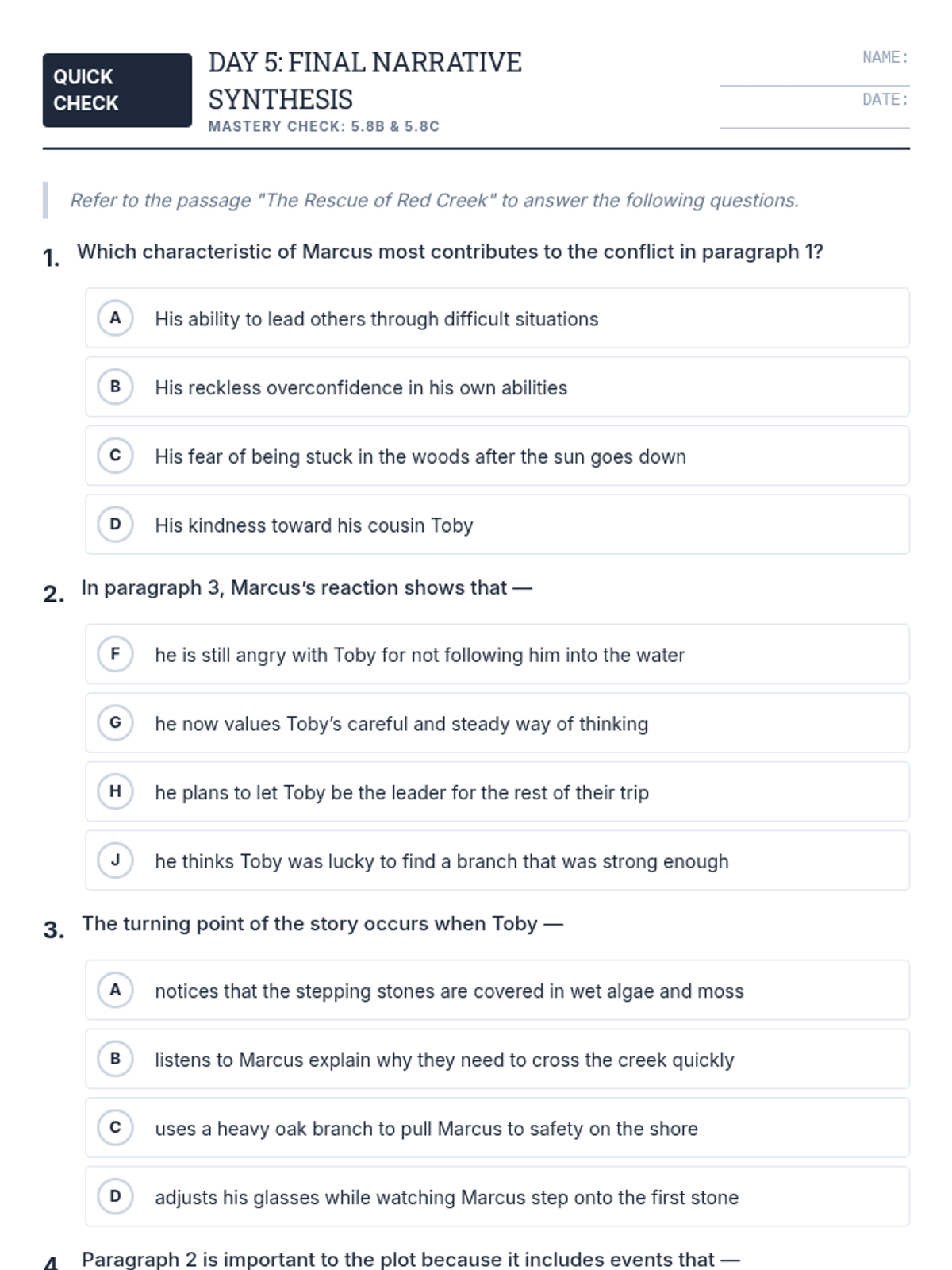
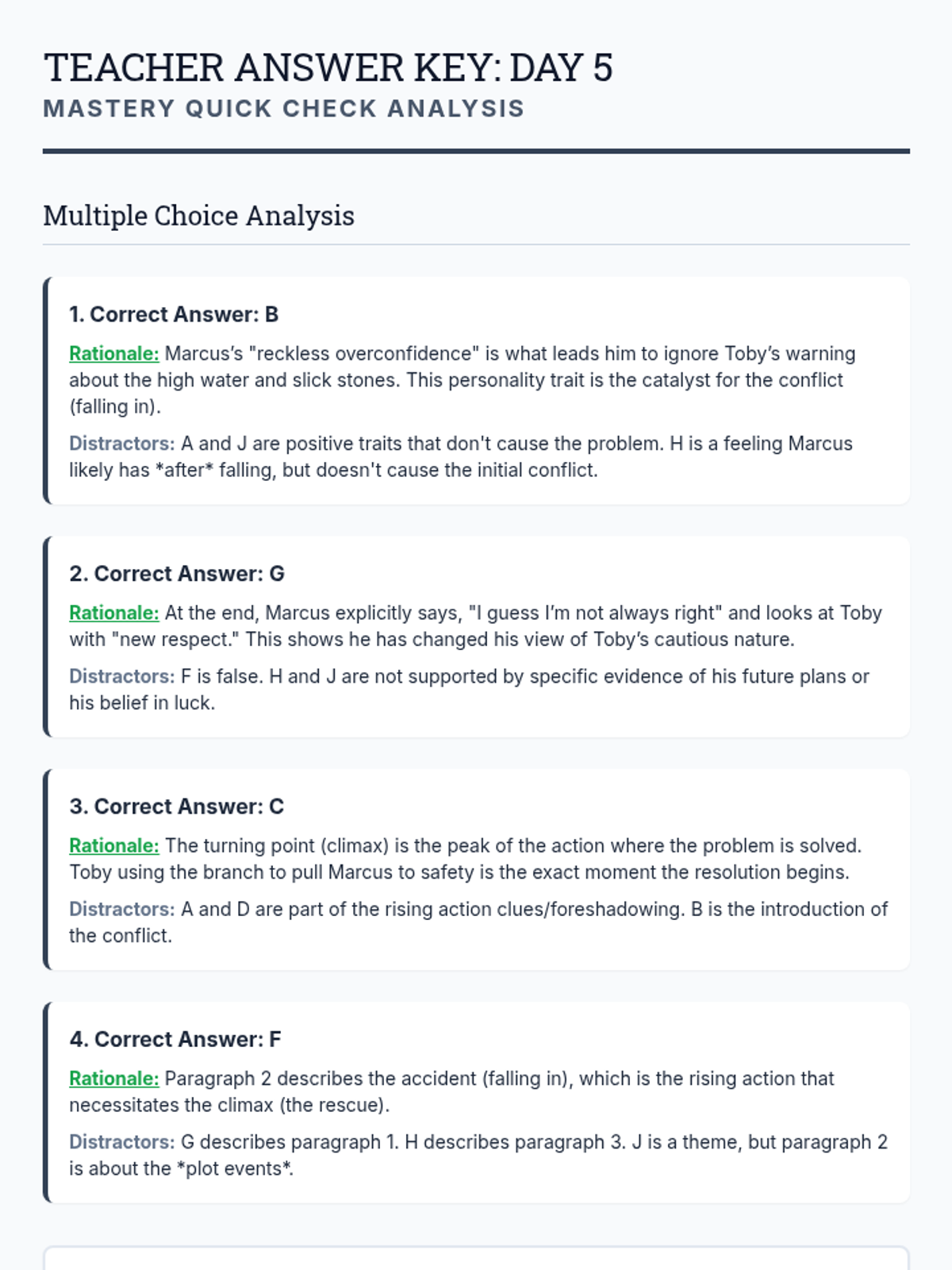
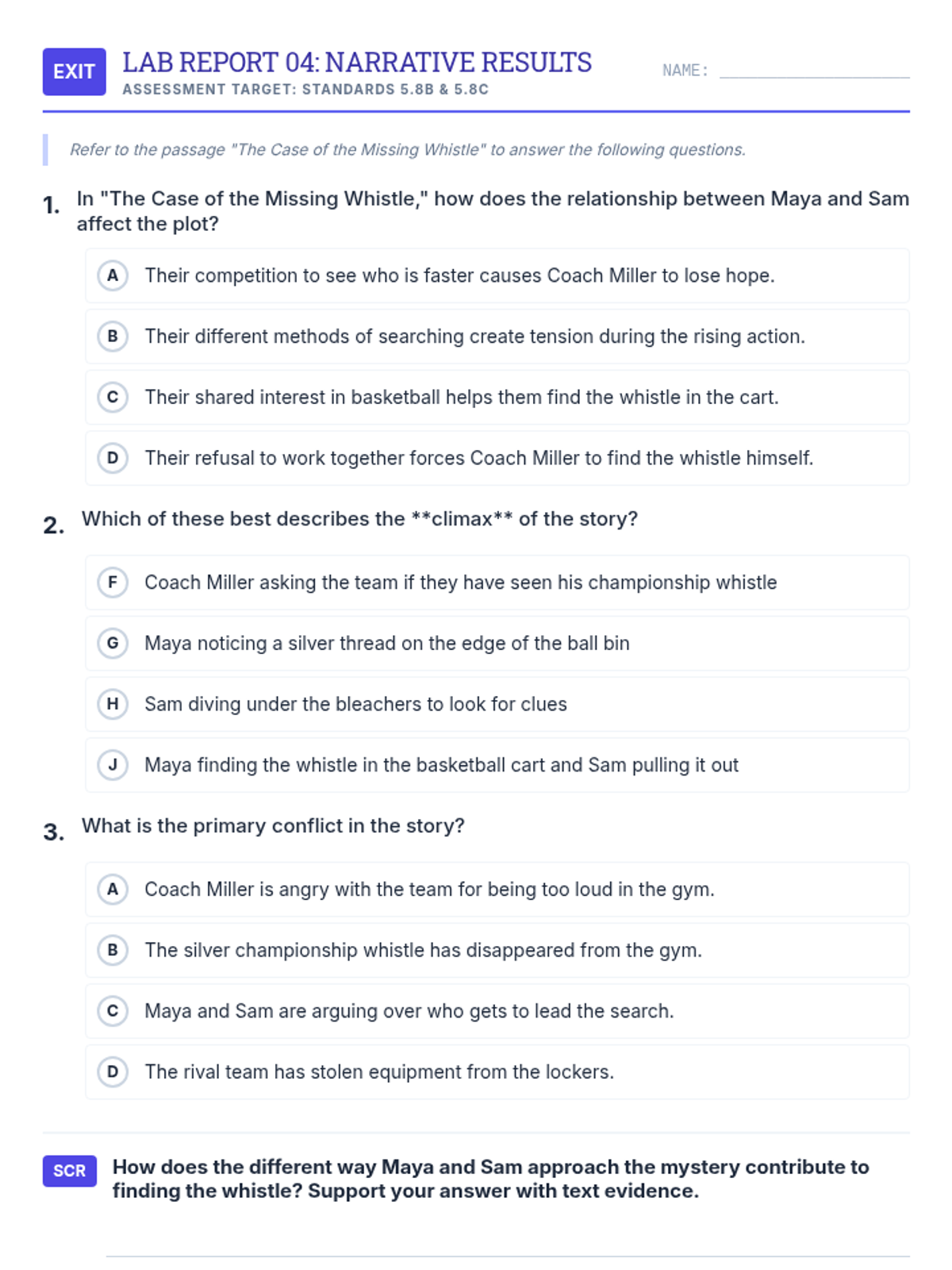
Day 5 serves as a final comprehensive quick check. Students read a new passage independently and apply their analysis of character relationships and plot structure to demonstrate mastery of standards 5.8B and 5.8C.
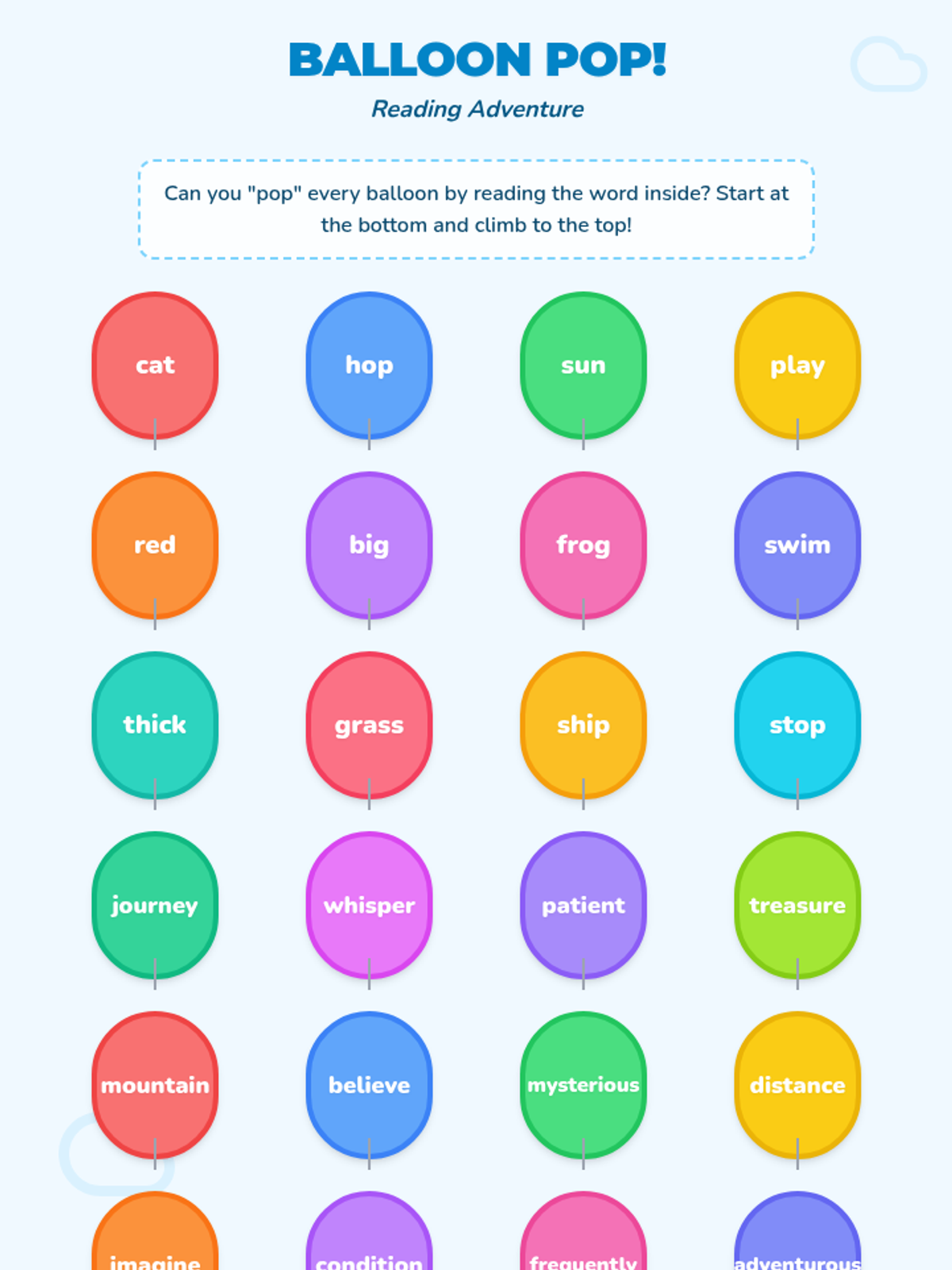
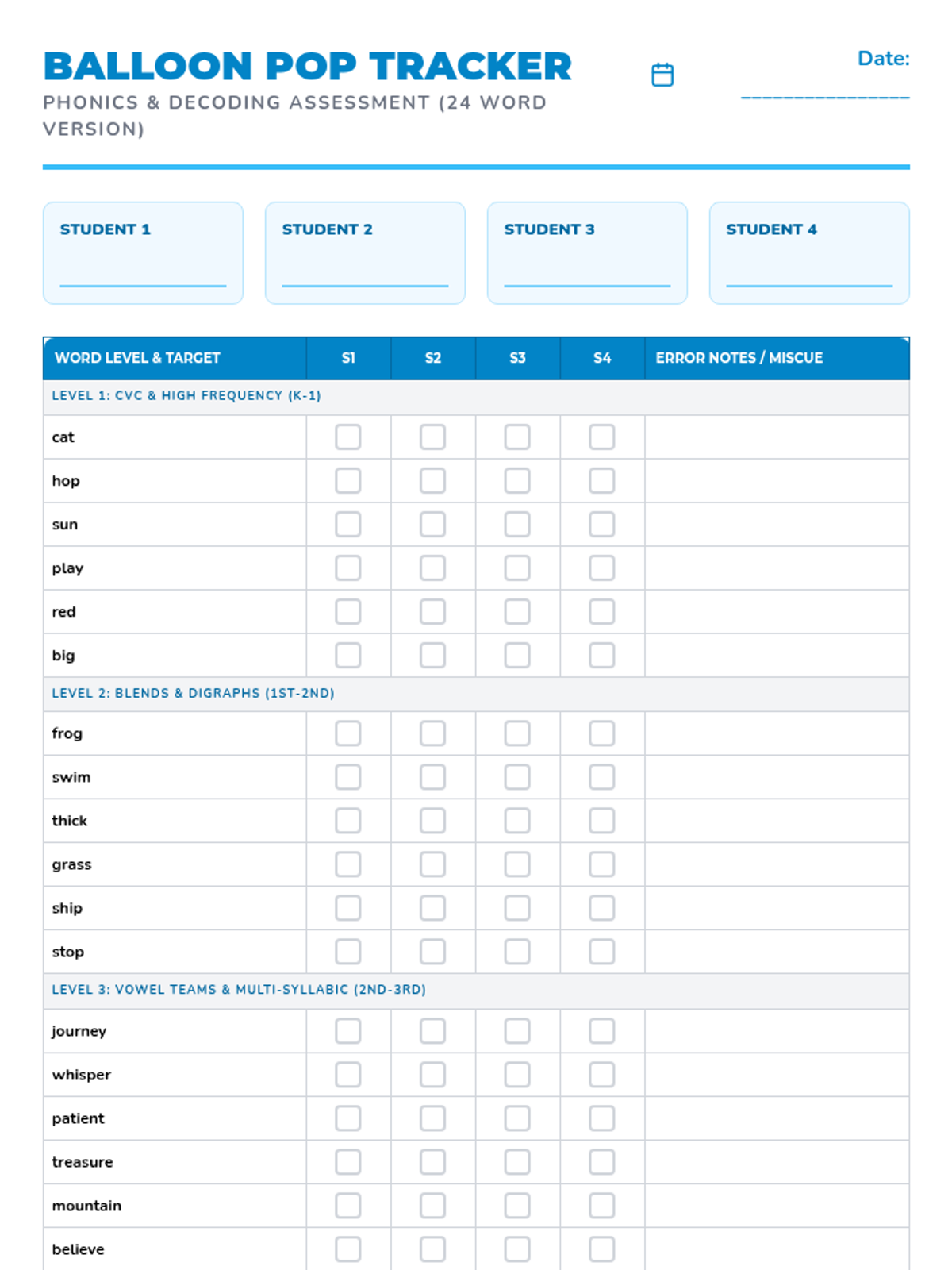
A fun, balloon-themed assessment tool for K-3 students to track phonics, sight words, and high-level decoding skills. Includes a student-facing reading board and a 4-student master score tracker.
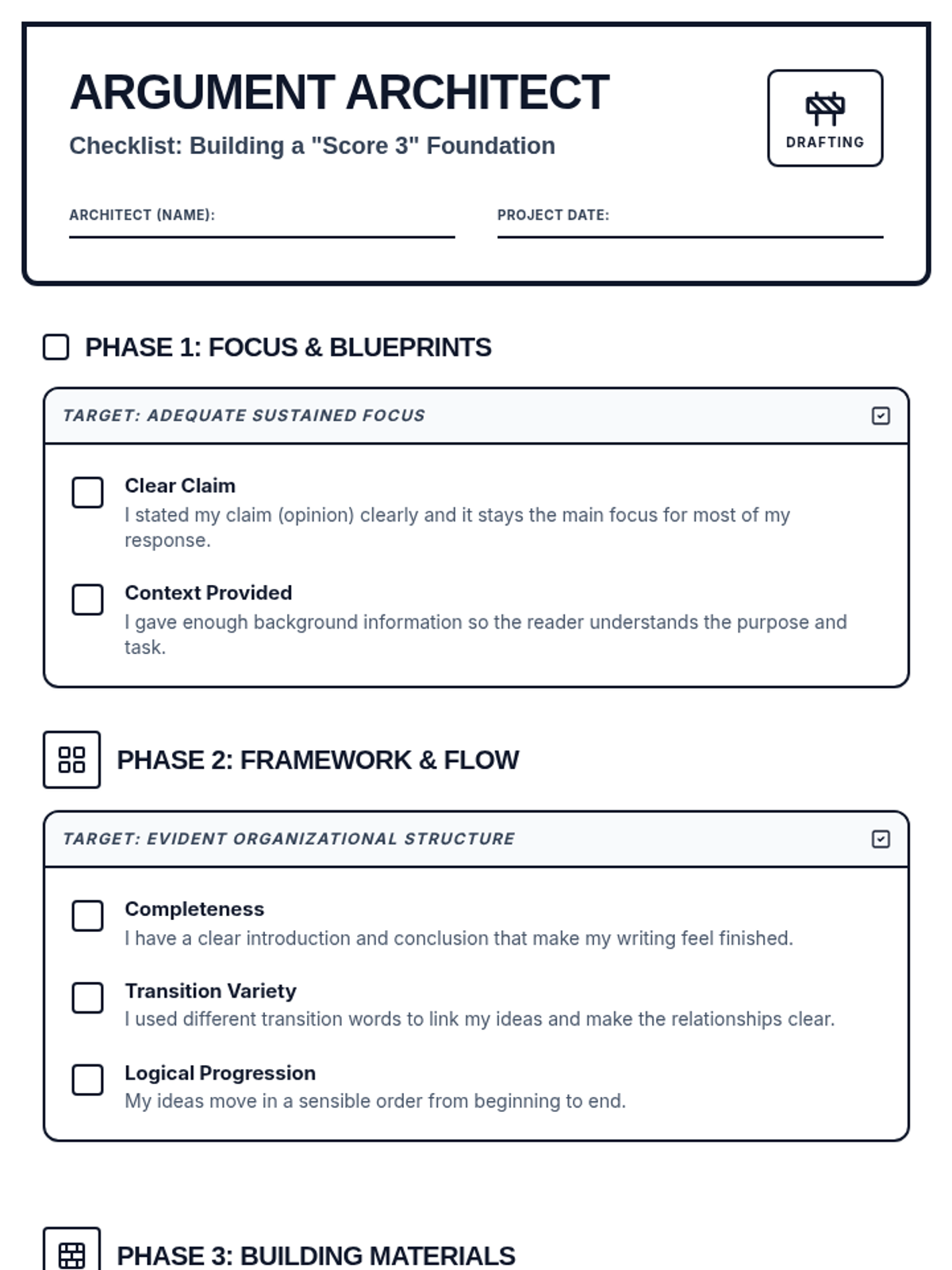
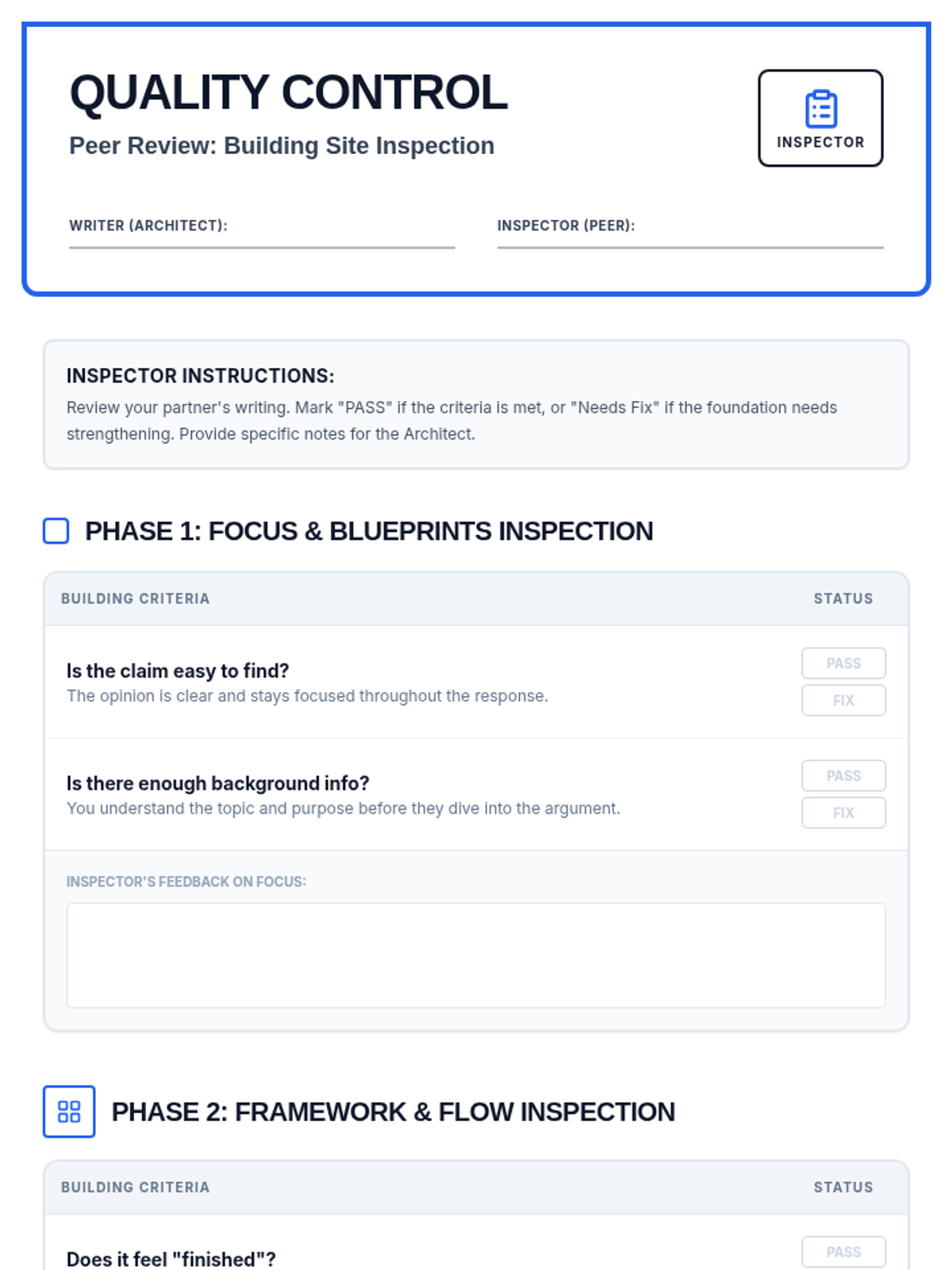
A lesson focused on helping students master the criteria for successful argumentative writing using a student-friendly checklist based on state-aligned rubrics.
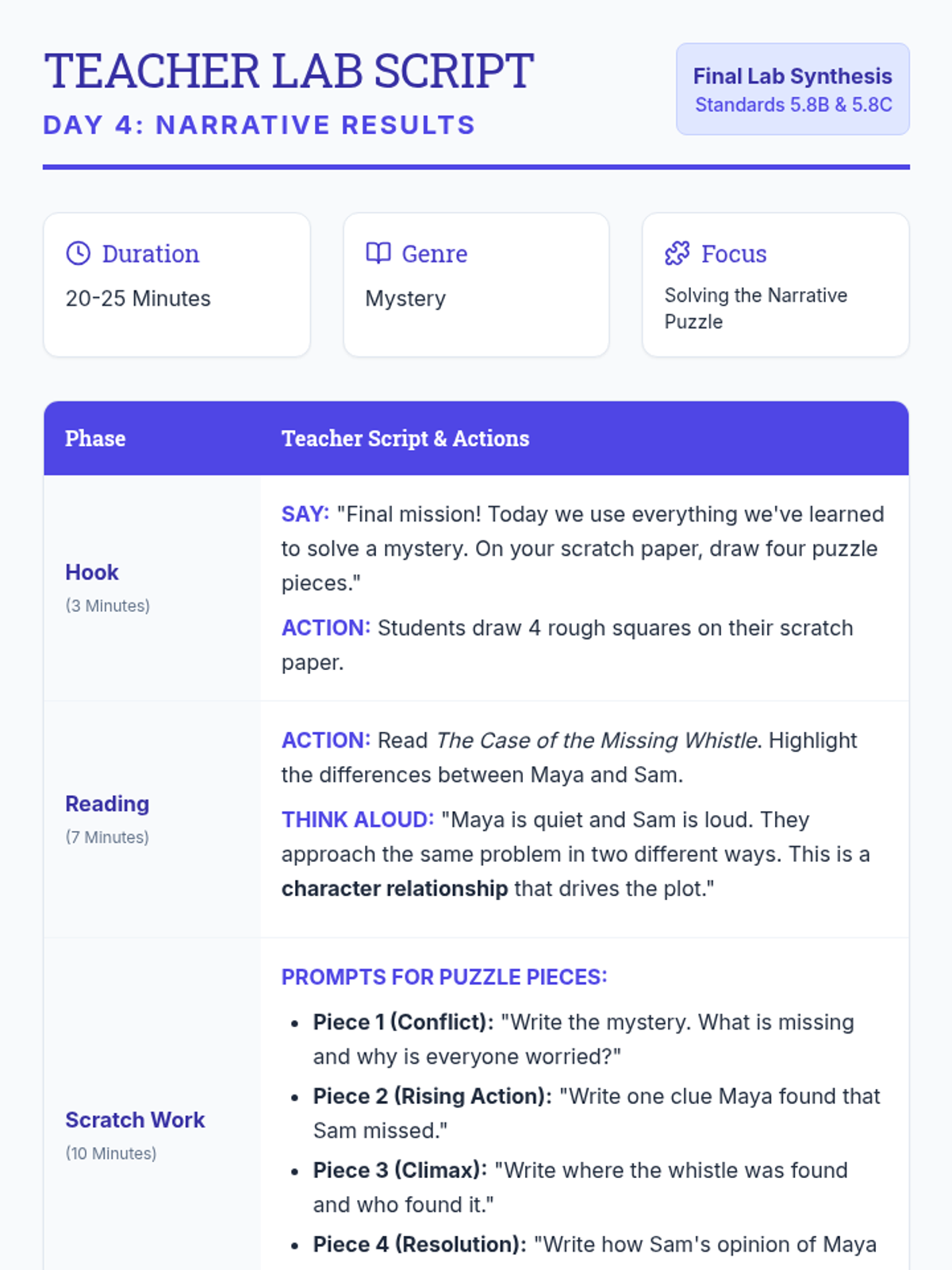
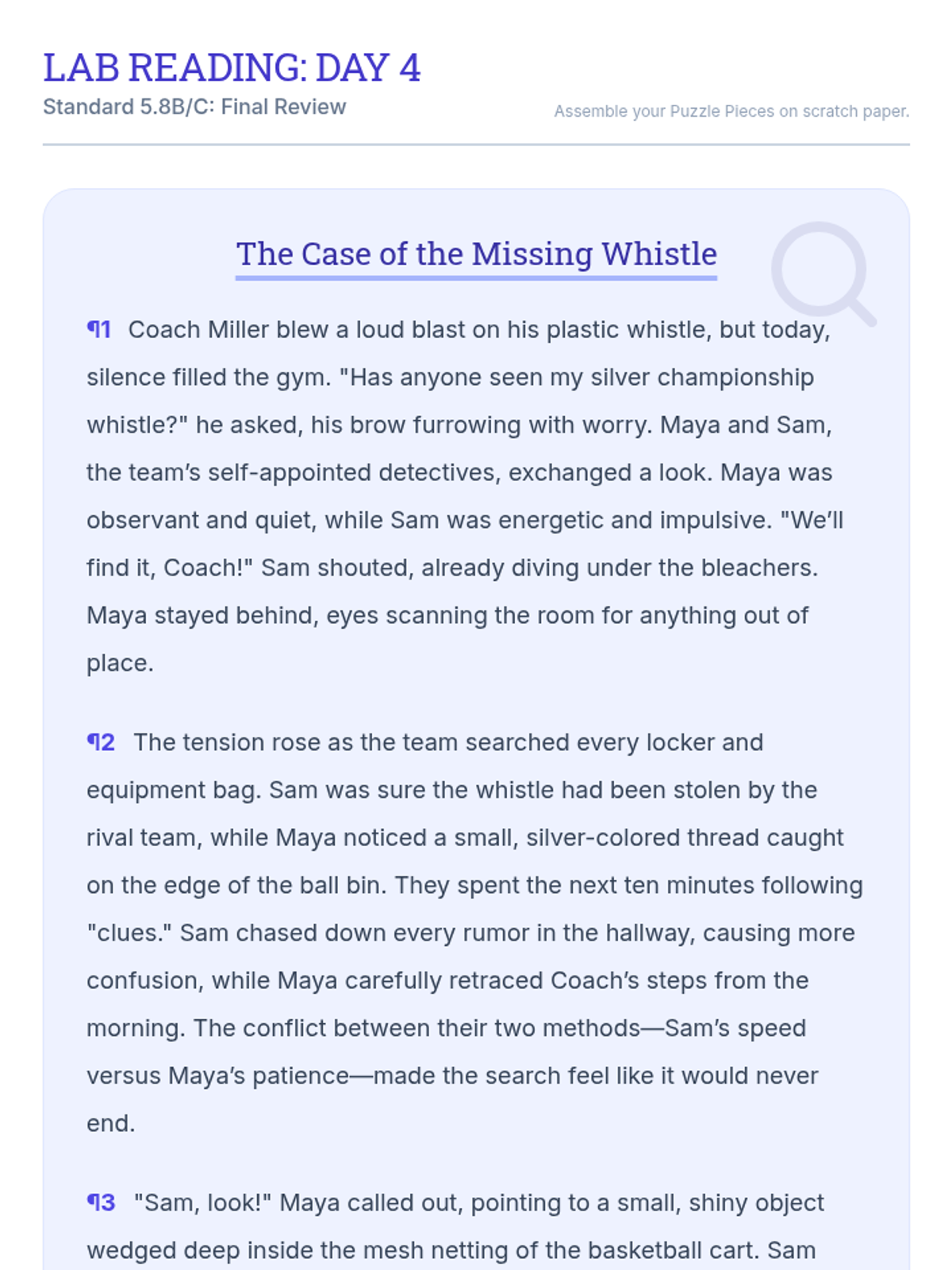
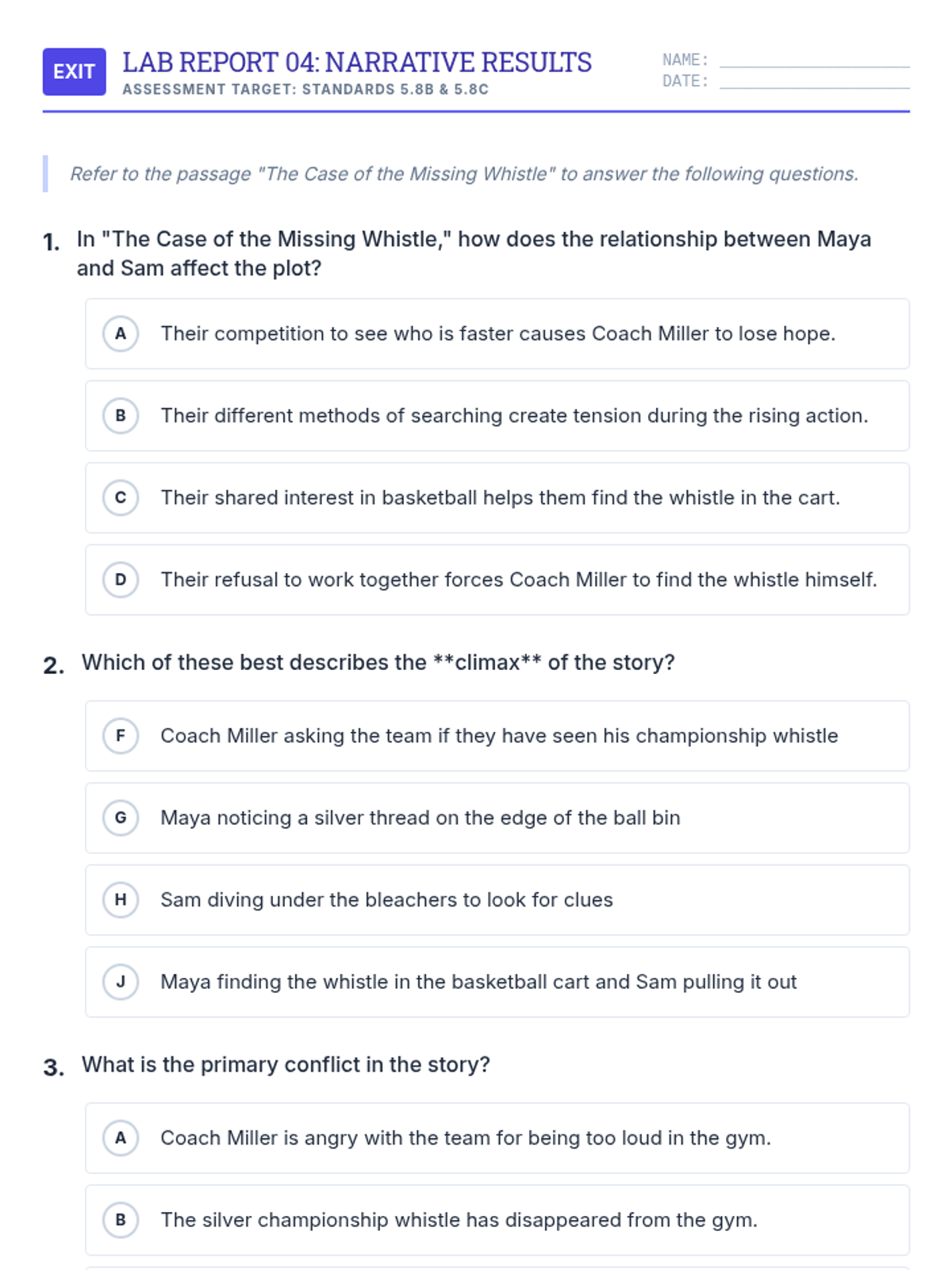
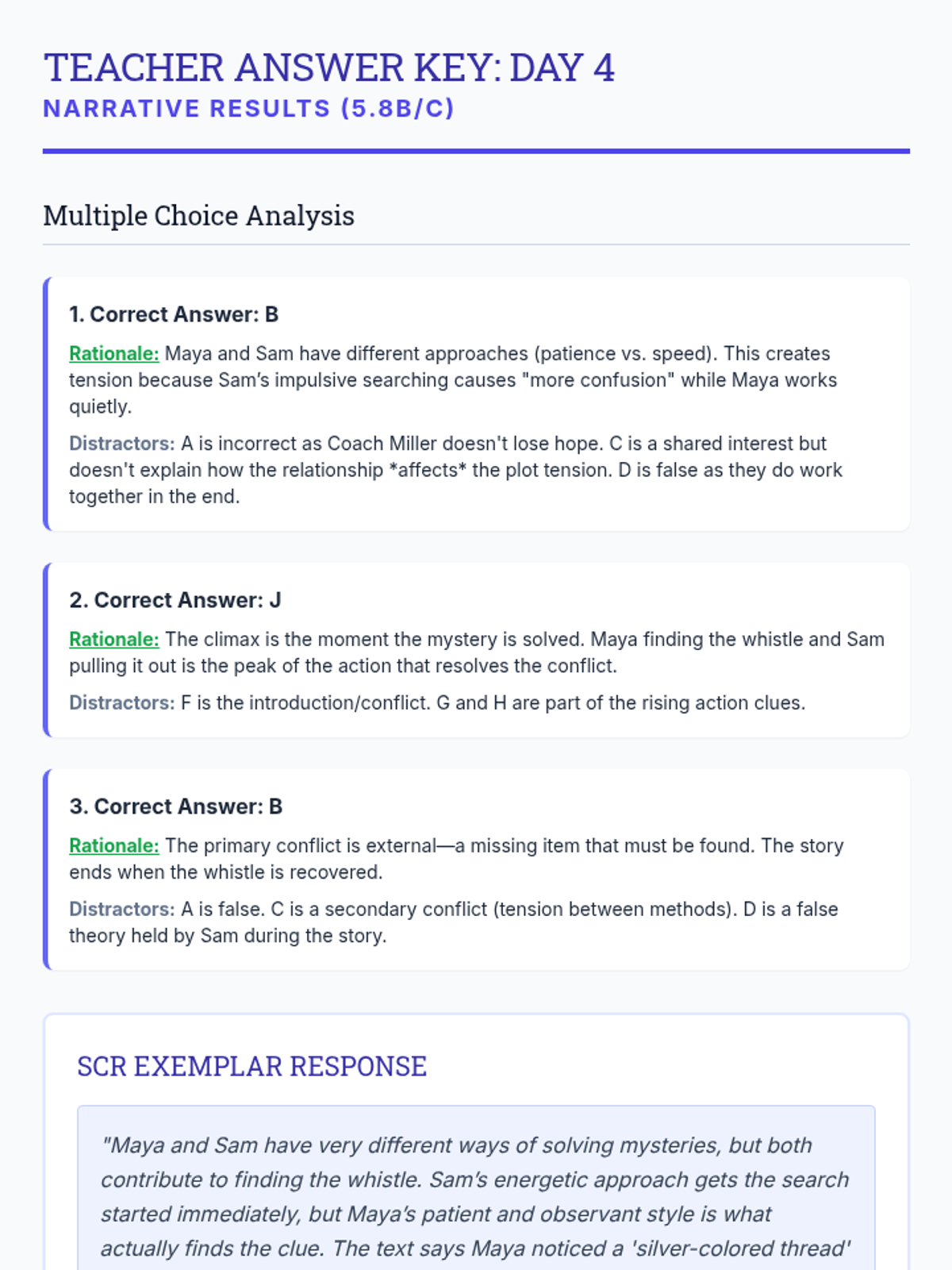
Day 4 serves as a synthesis day using a mystery genre. Students apply their knowledge of character conflict and plot resolution to solve a 'narrative puzzle' and complete a comprehensive assessment.
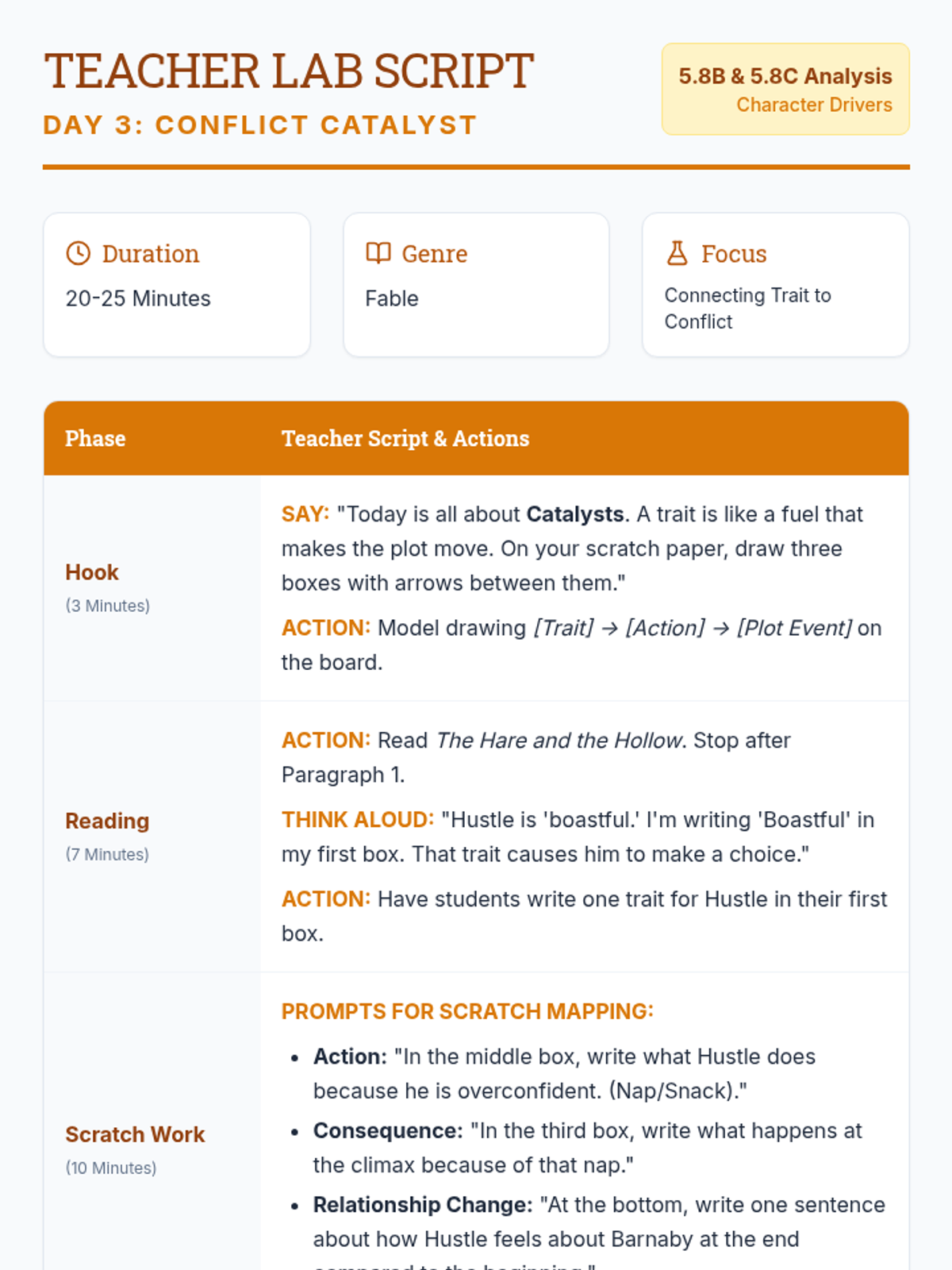
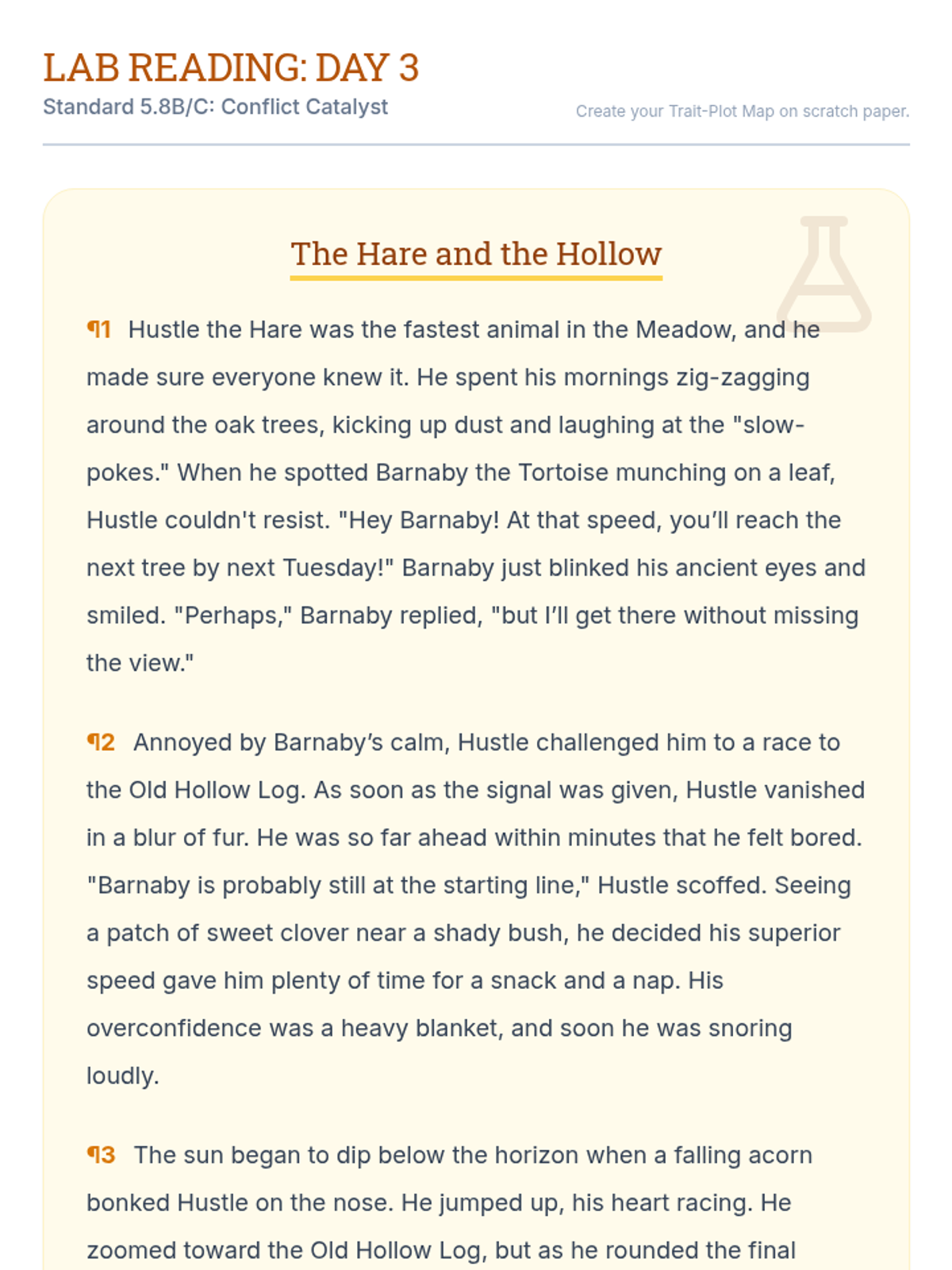
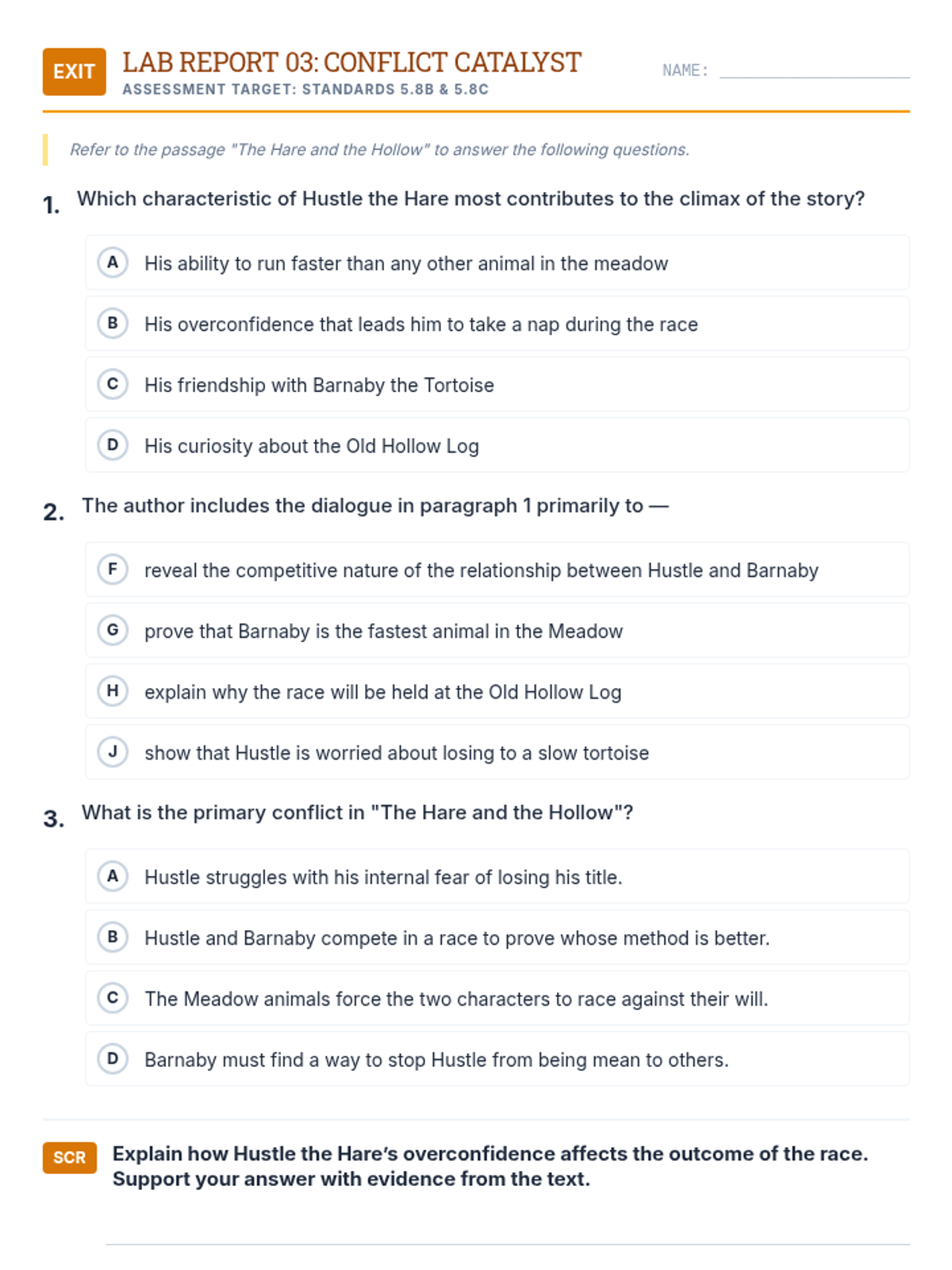
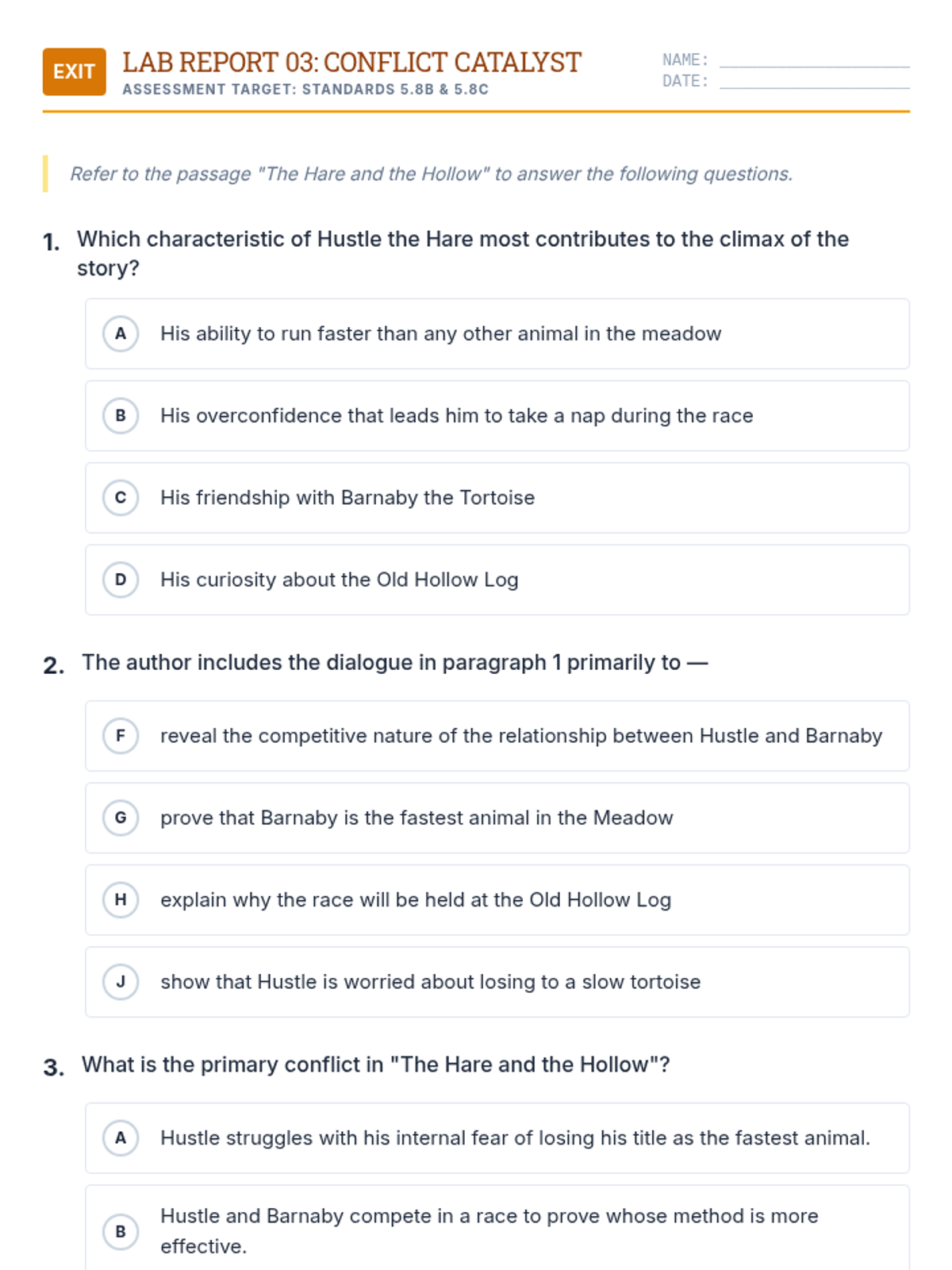
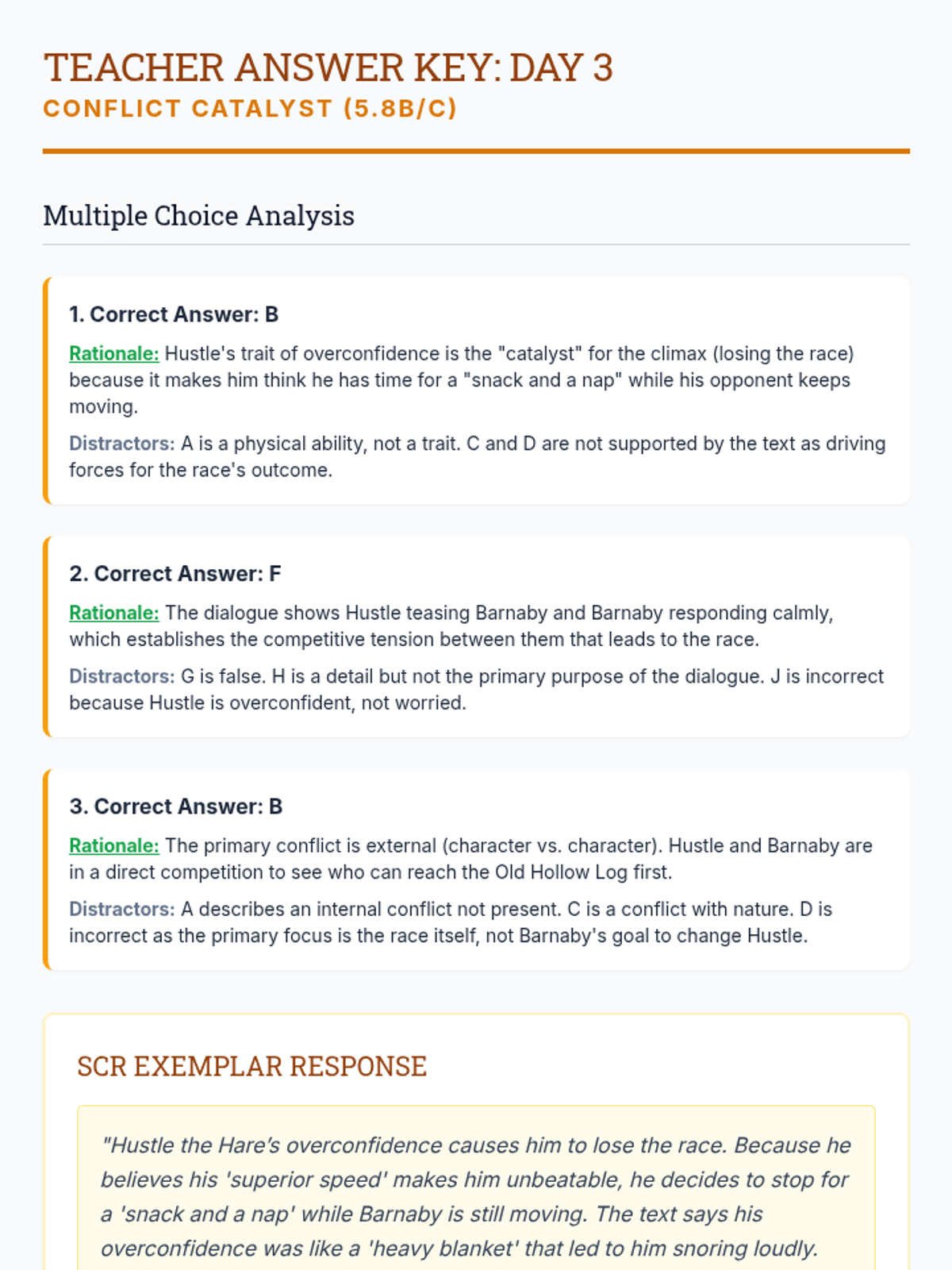
Day 3 integrates both character and plot (5.8B/C) using traditional literature (a fable). Students examine how a character's traits and choices create the conflict and lead to the climax.
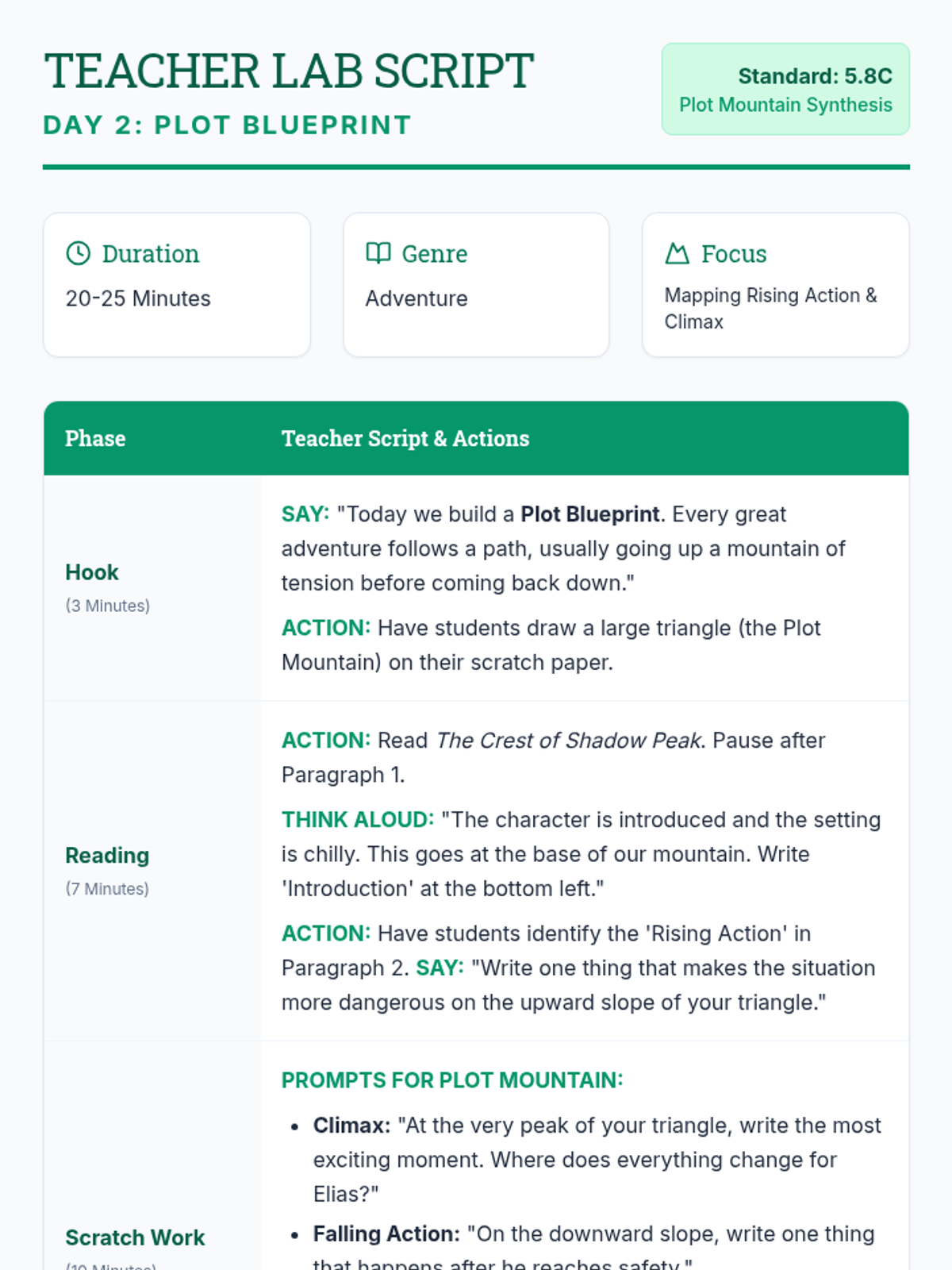
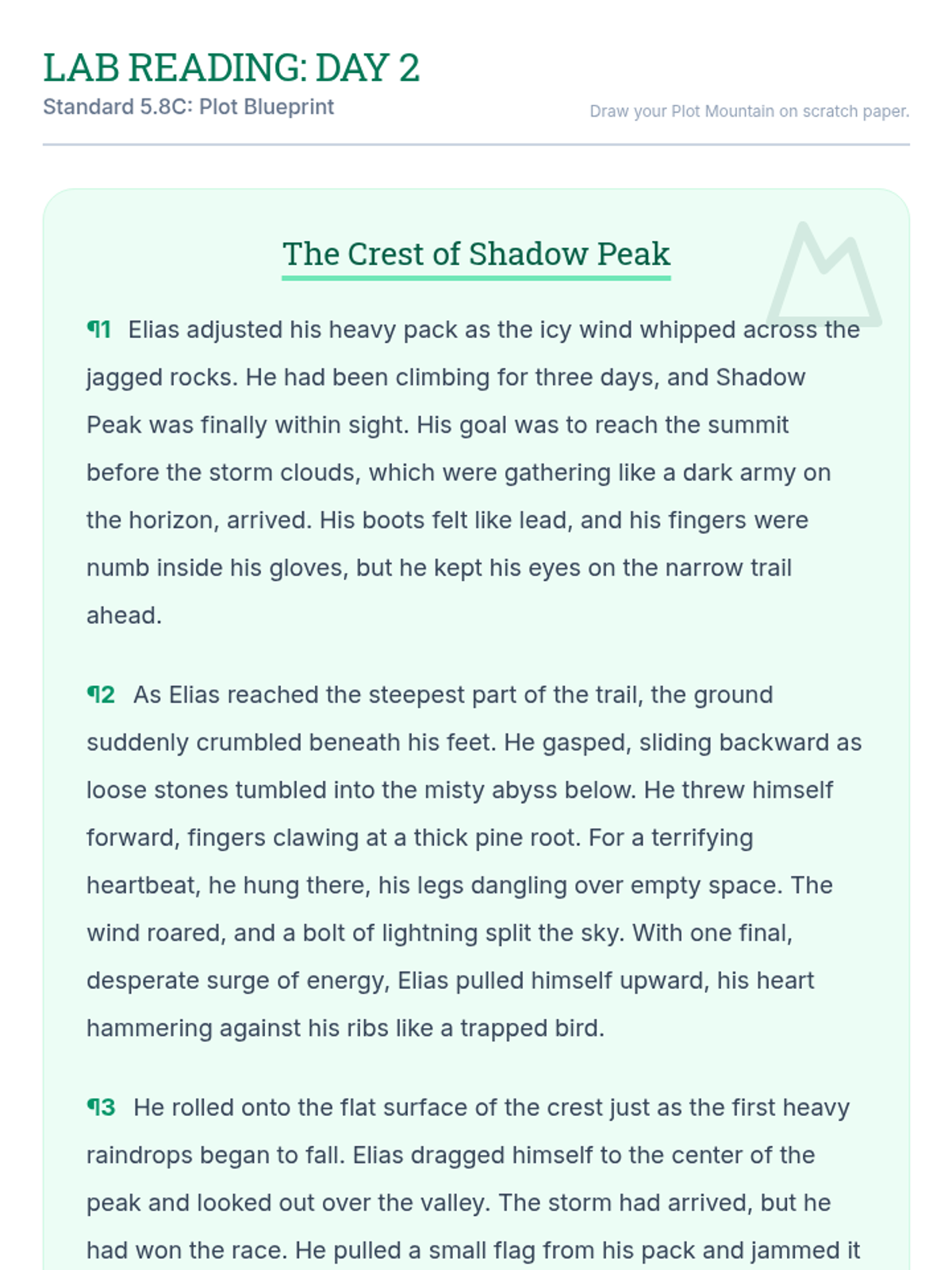
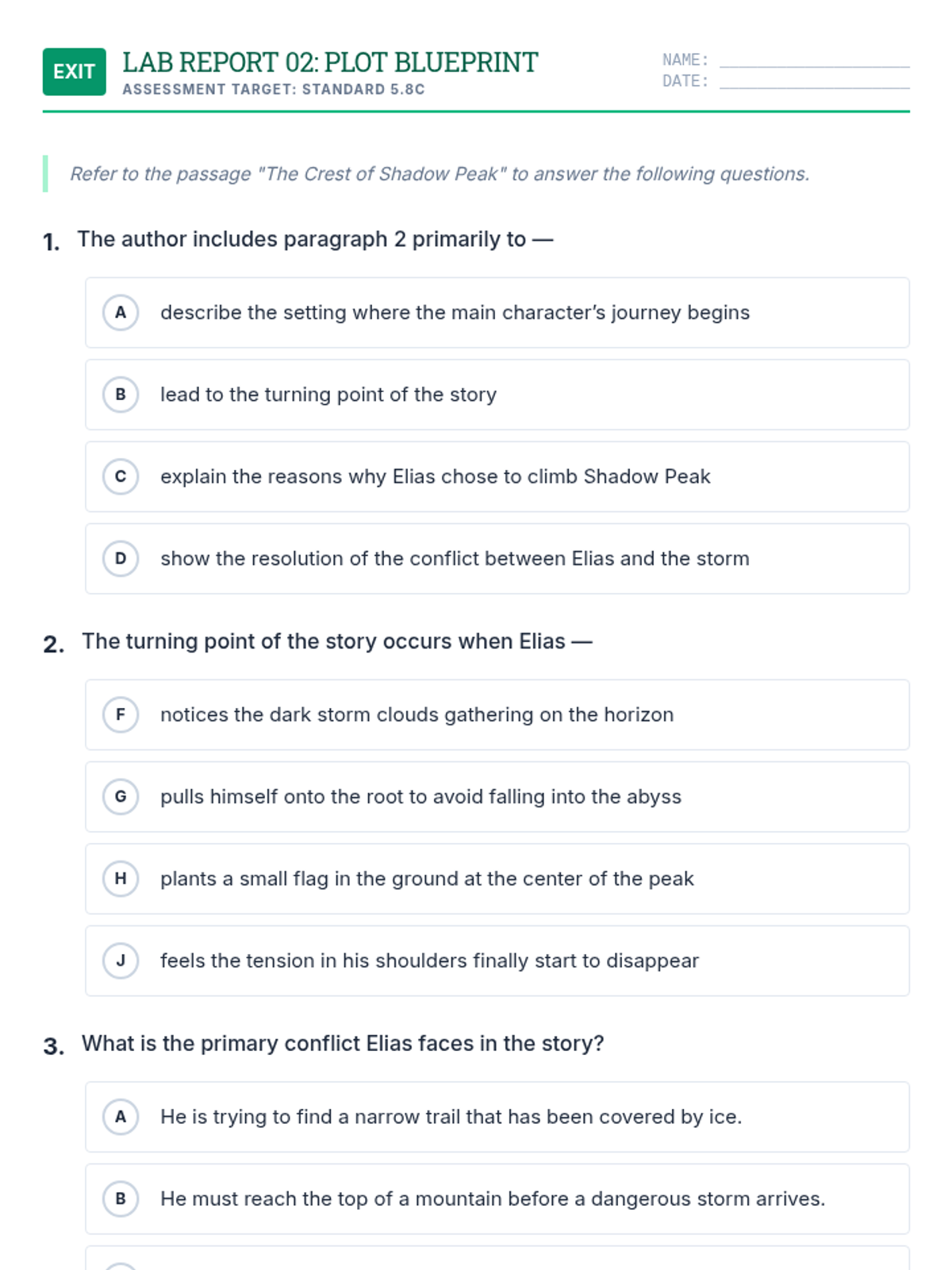
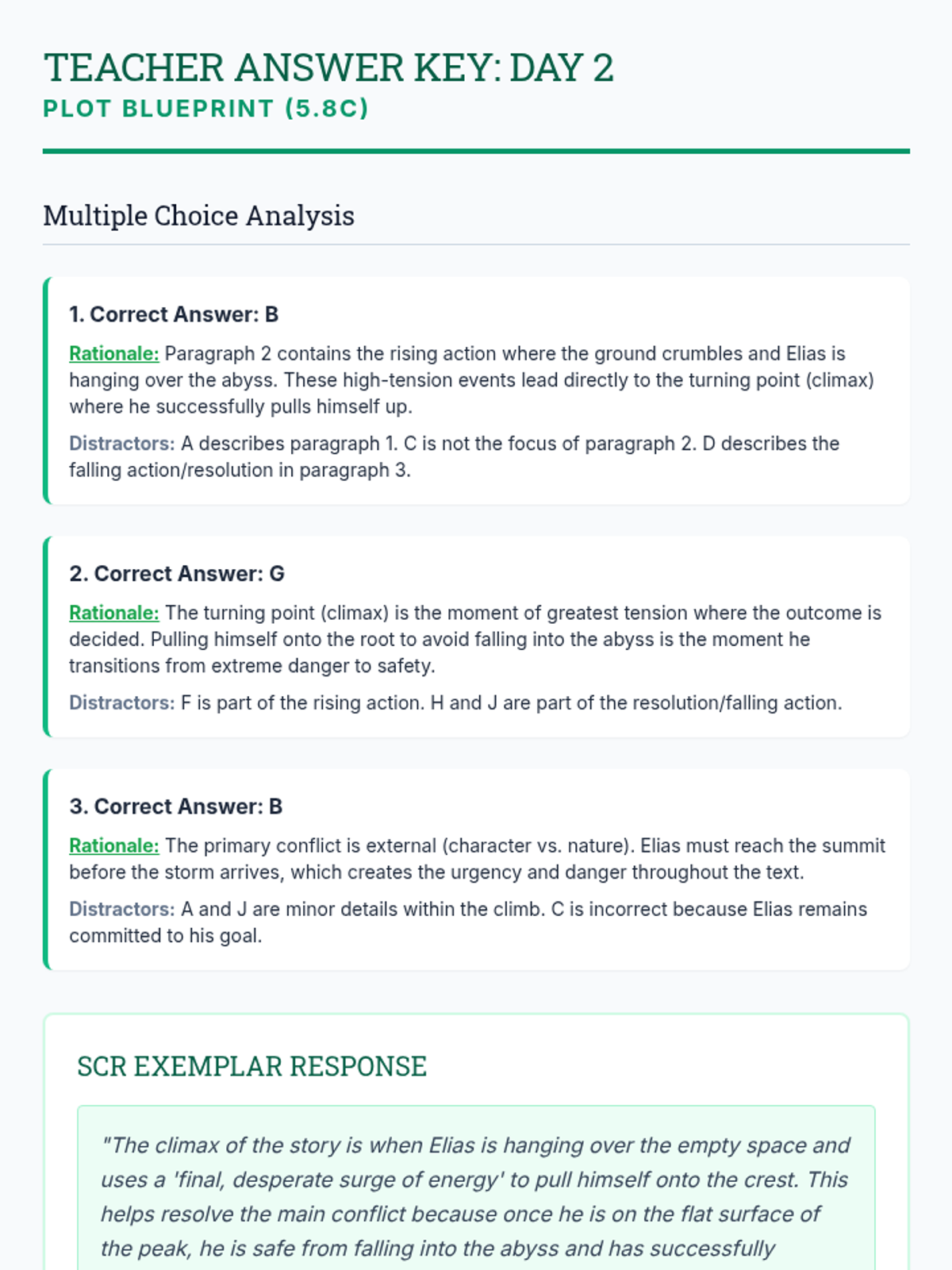
Day 2 focuses on plot elements (5.8C), specifically identifying the rising action, climax, and resolution in an adventure-themed text. Students map the 'Plot Peak' to understand story structure.
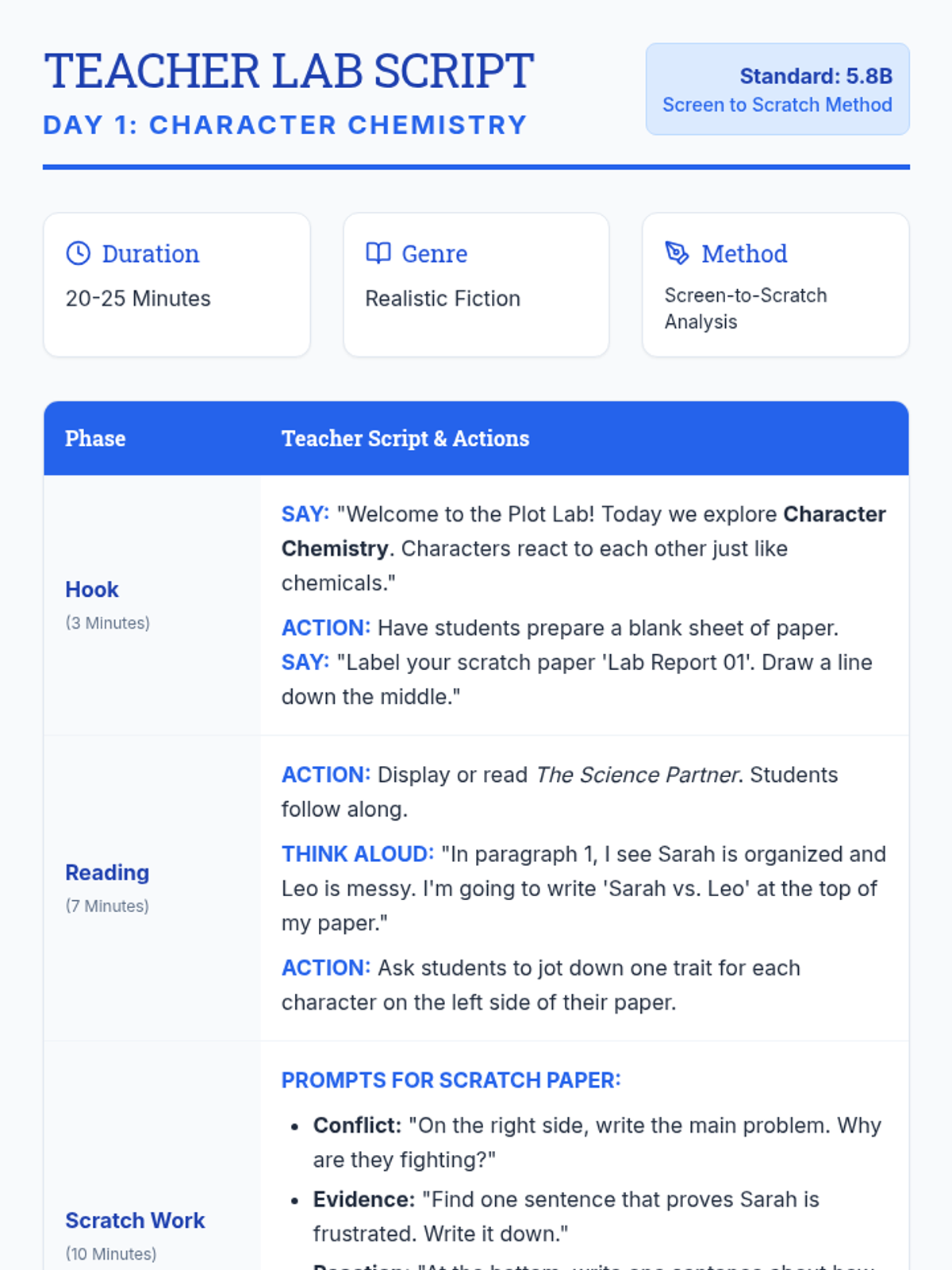
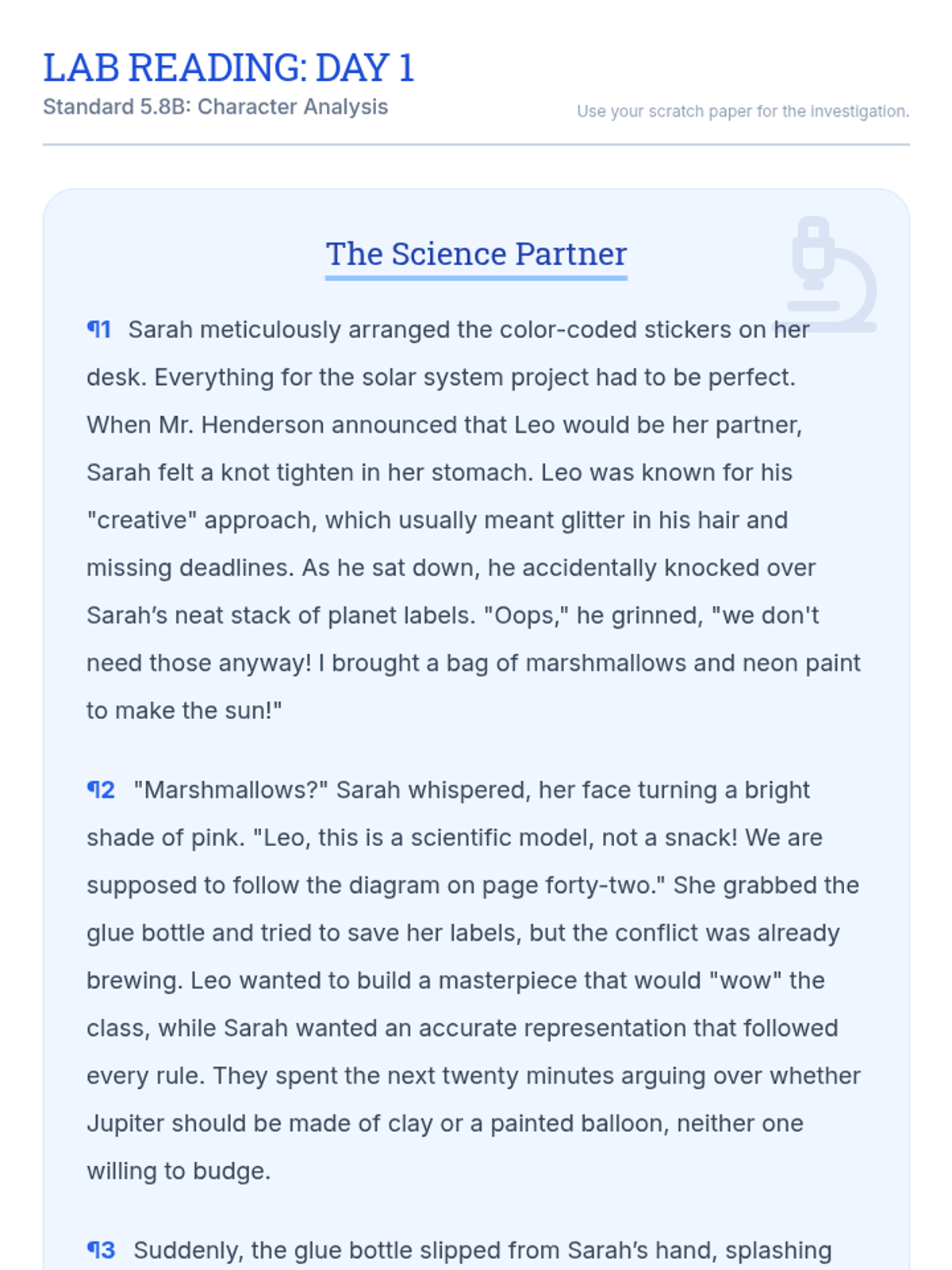
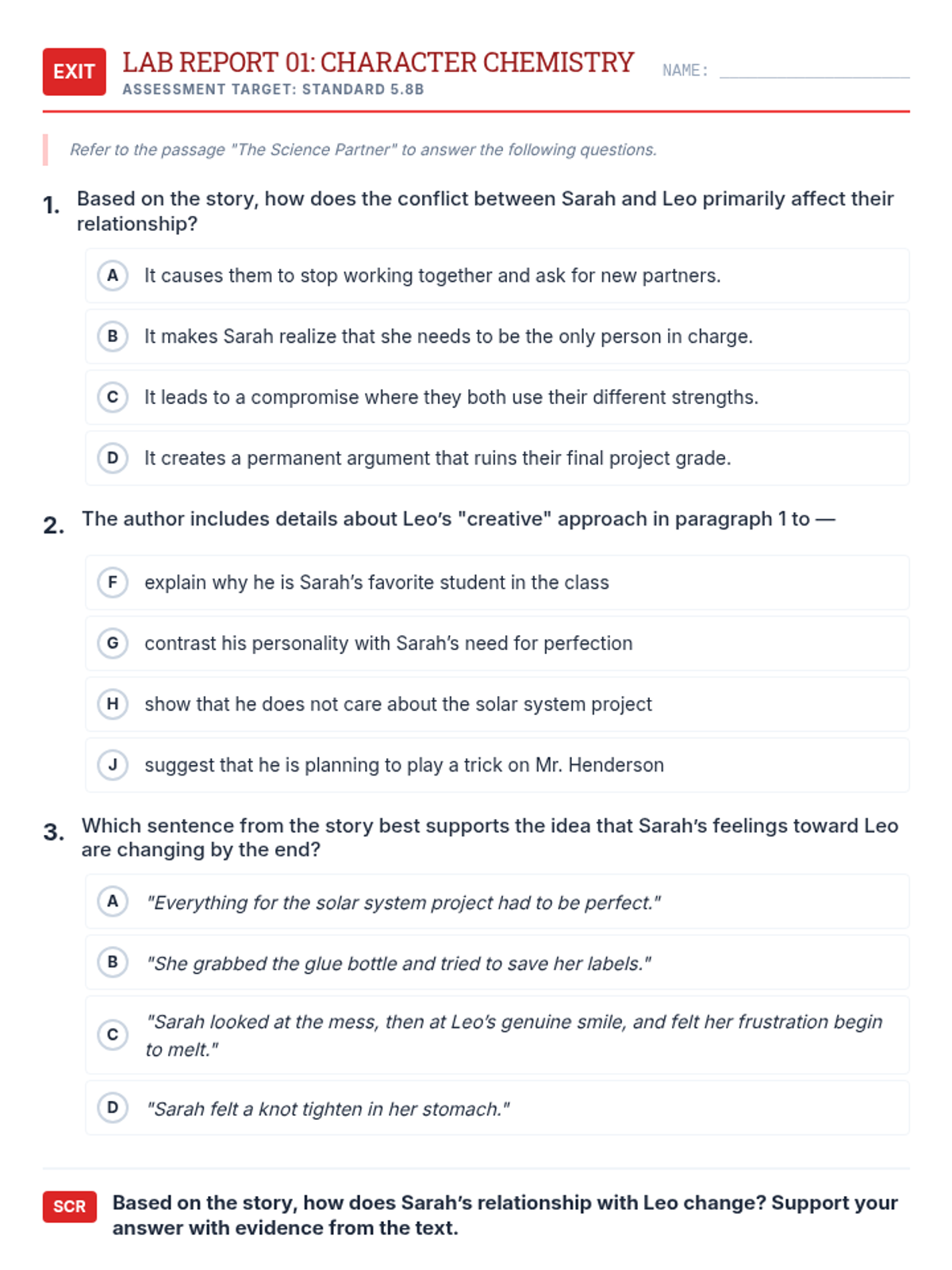
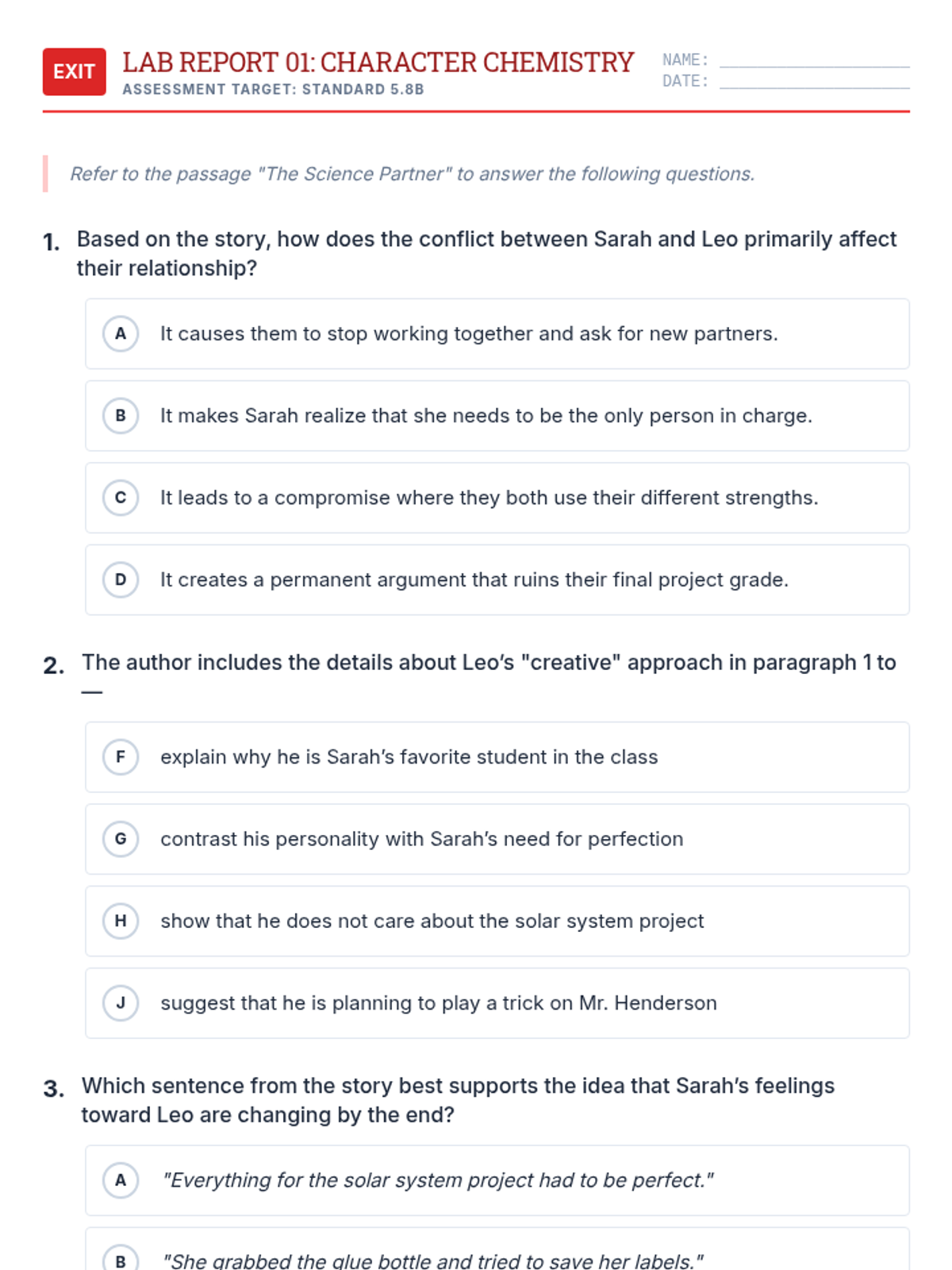
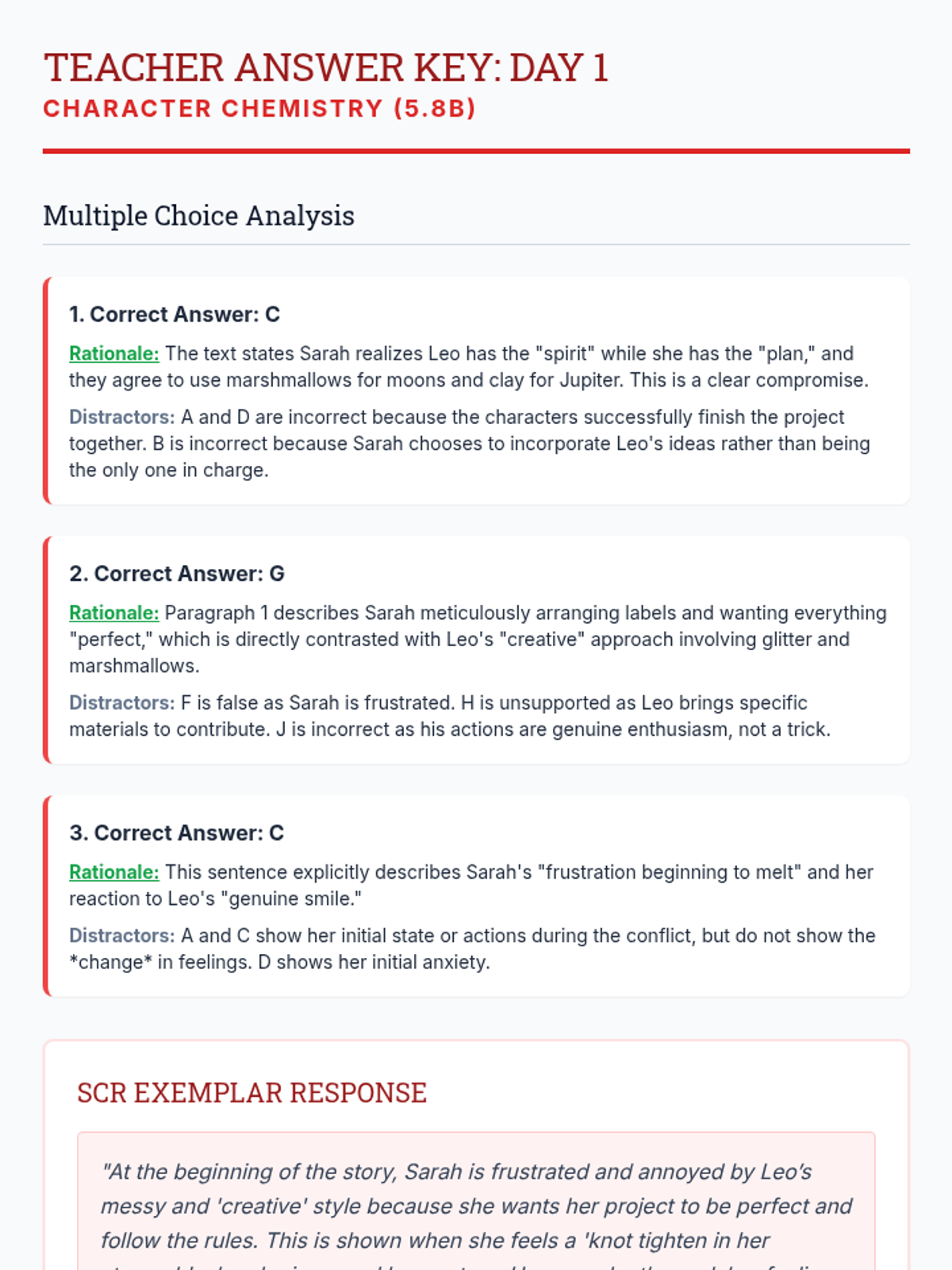
Day 1 focuses on analyzing character relationships and conflicts (5.8B) within a realistic fiction text. Students investigate how characters interact and the specific conflicts that drive their actions.
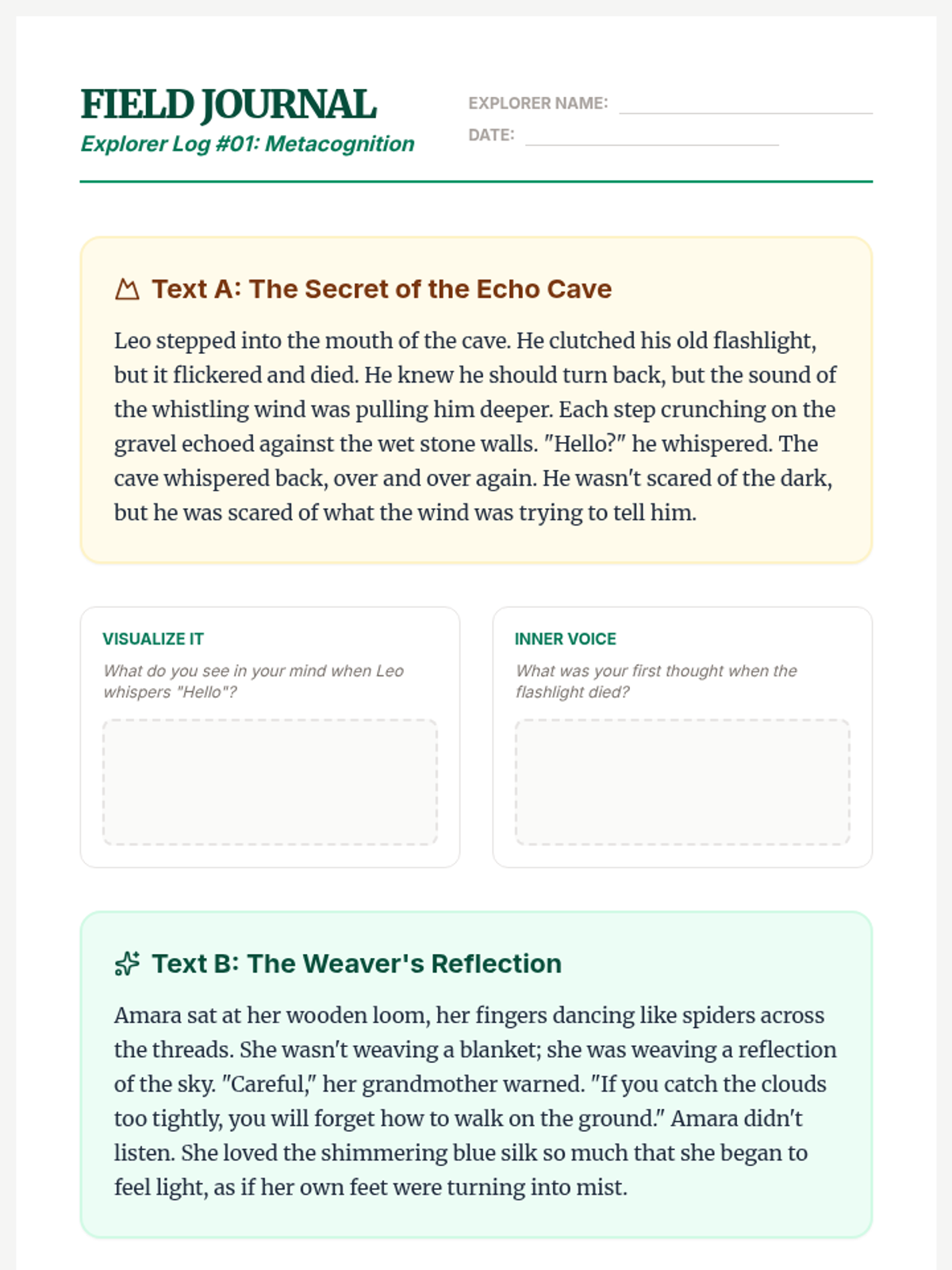
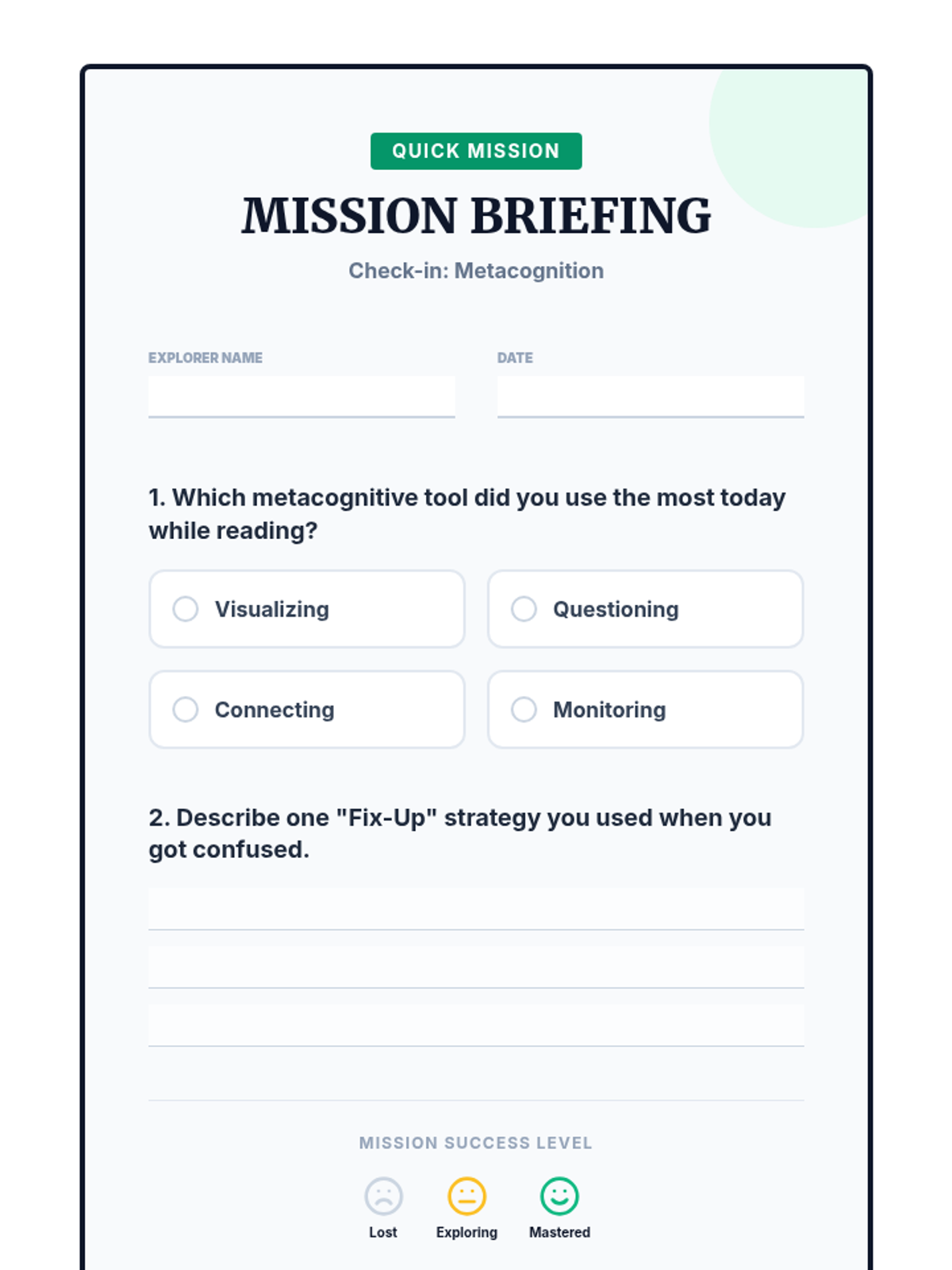
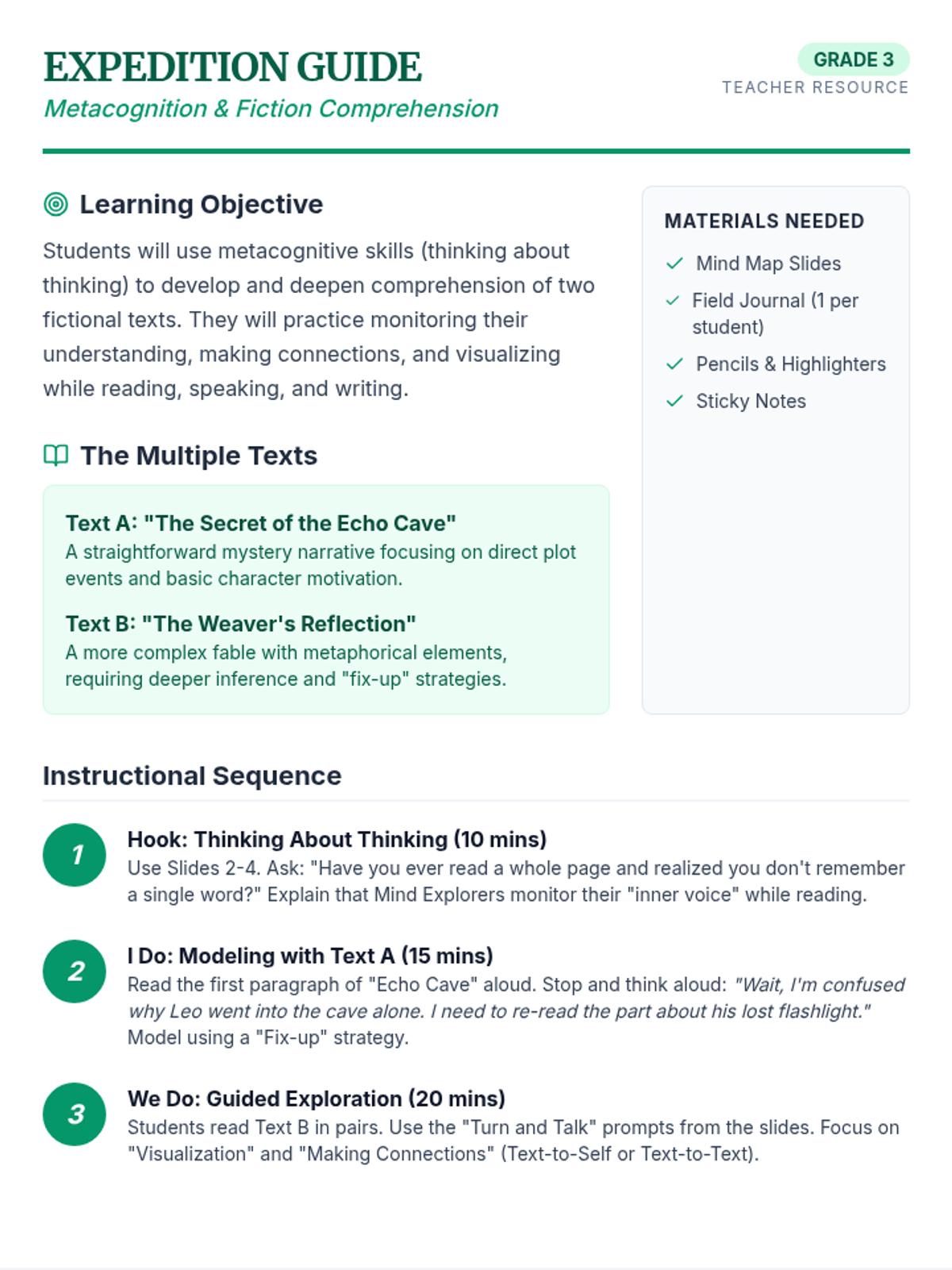
A comprehensive 3rd-grade lesson focusing on metacognitive strategies to deepen comprehension of fiction. Students use listening, speaking, reading, and writing to explore multiple texts through the lens of 'thinking about thinking'.
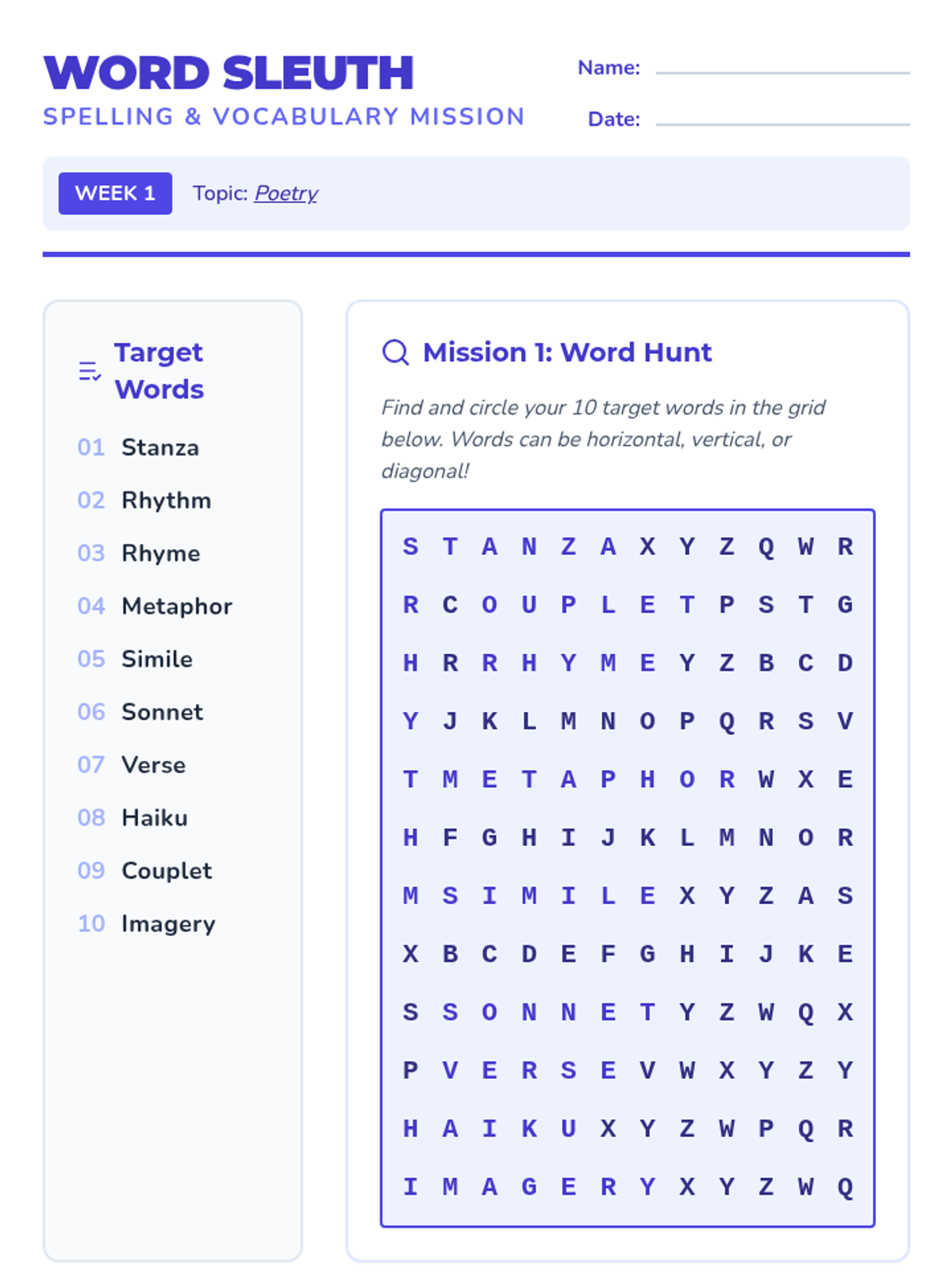
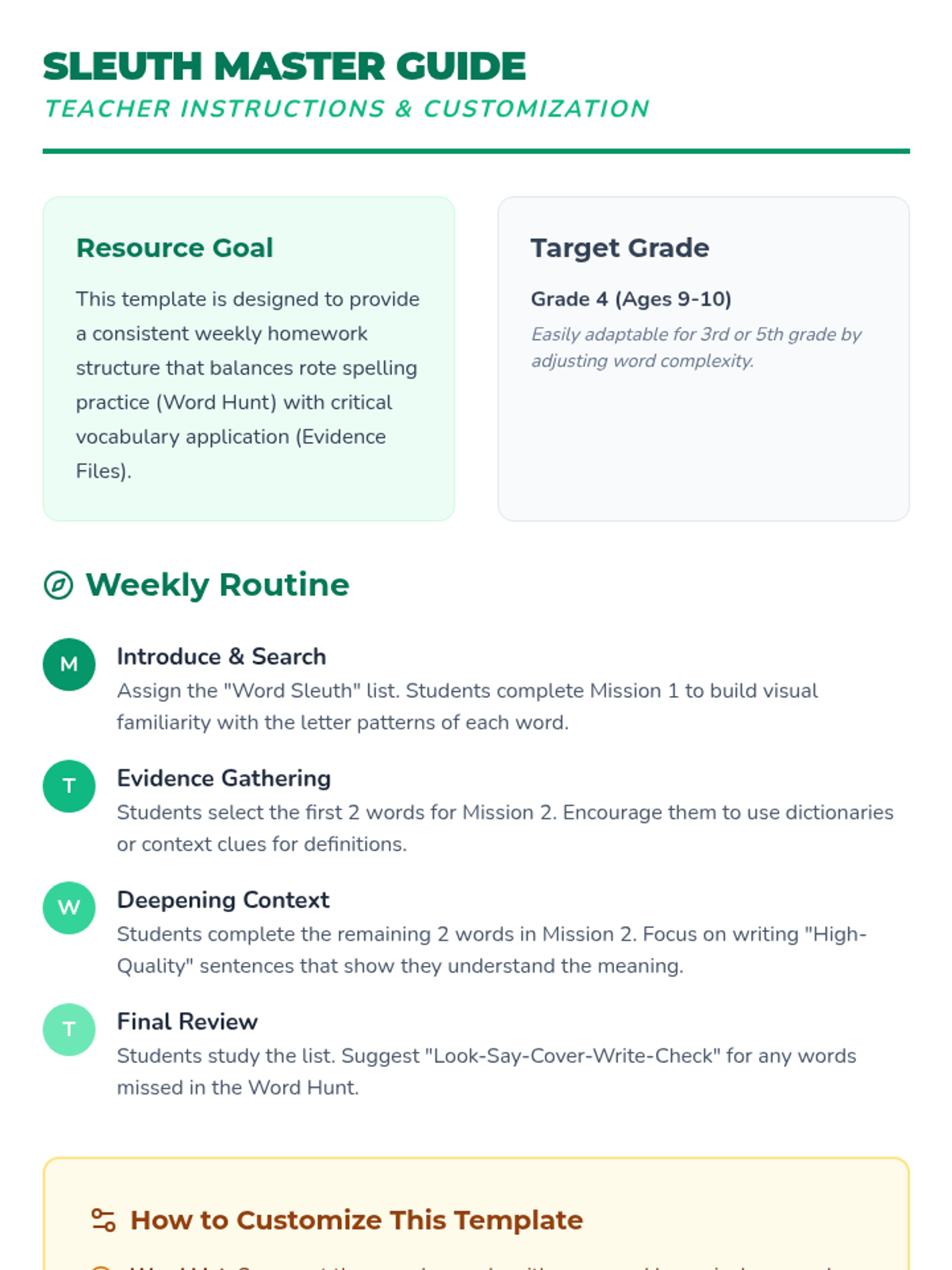
A weekly homework routine featuring a word search challenge and deep-dive vocabulary exercises for 10 target spelling words.
A collection of engaging reading comprehension worksheets for first-grade students, focusing on finding details and understanding simple narratives.
An introductory lesson to set the stage for the Phonics Field Assessments, covering the rules and expectations for the upcoming missions.
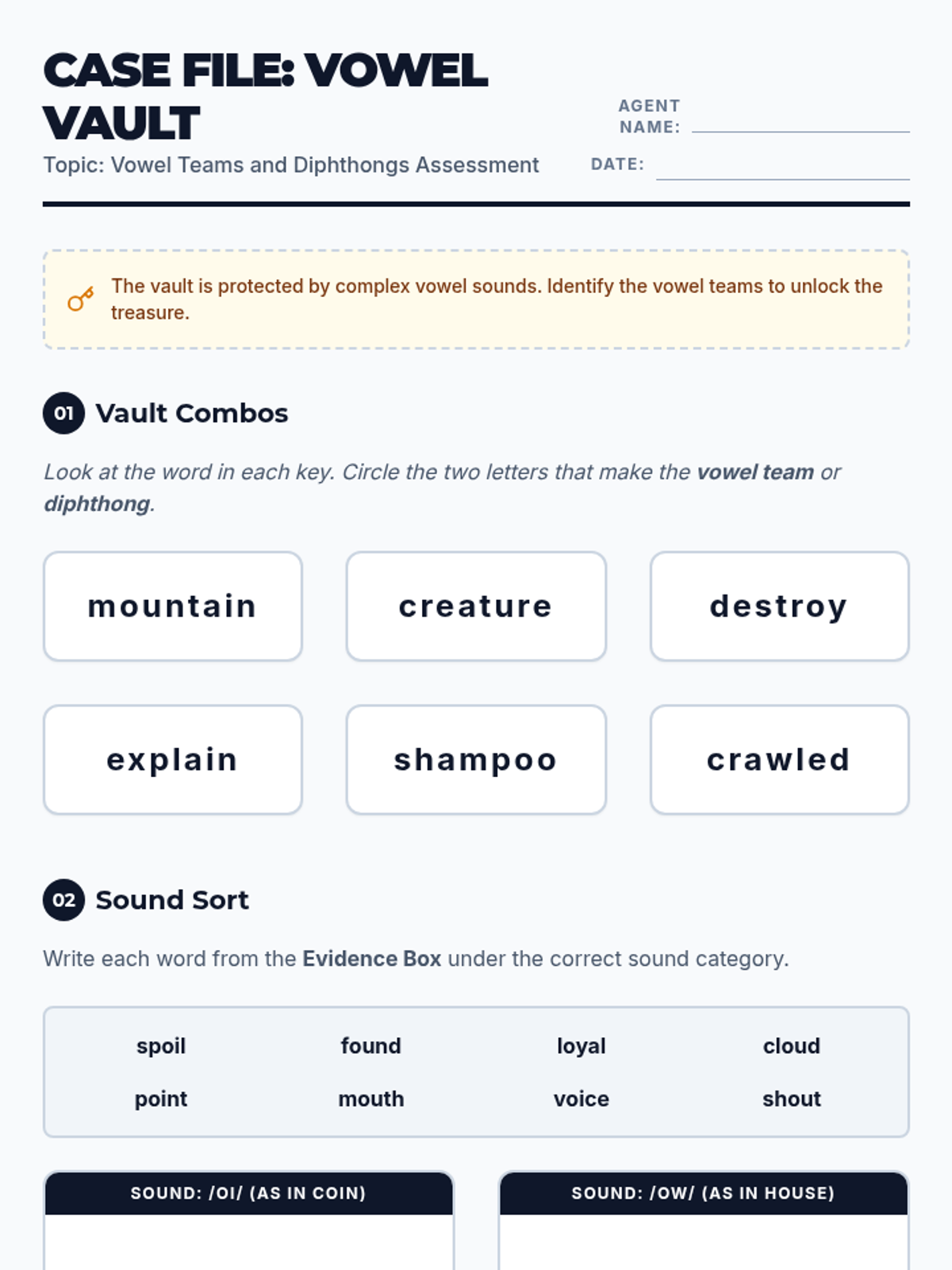
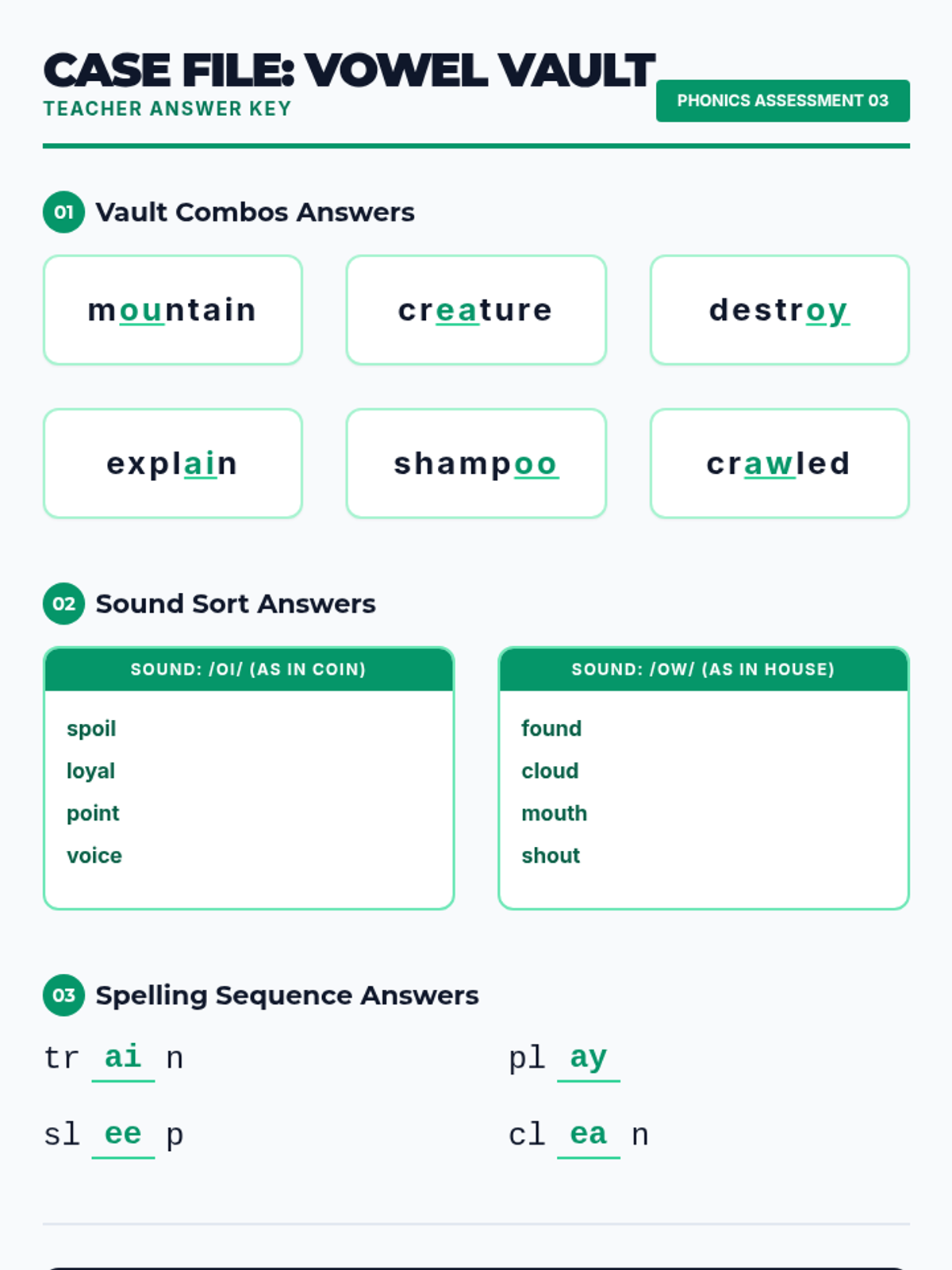
Assesses student ability to decode words containing complex vowel teams and diphthongs.
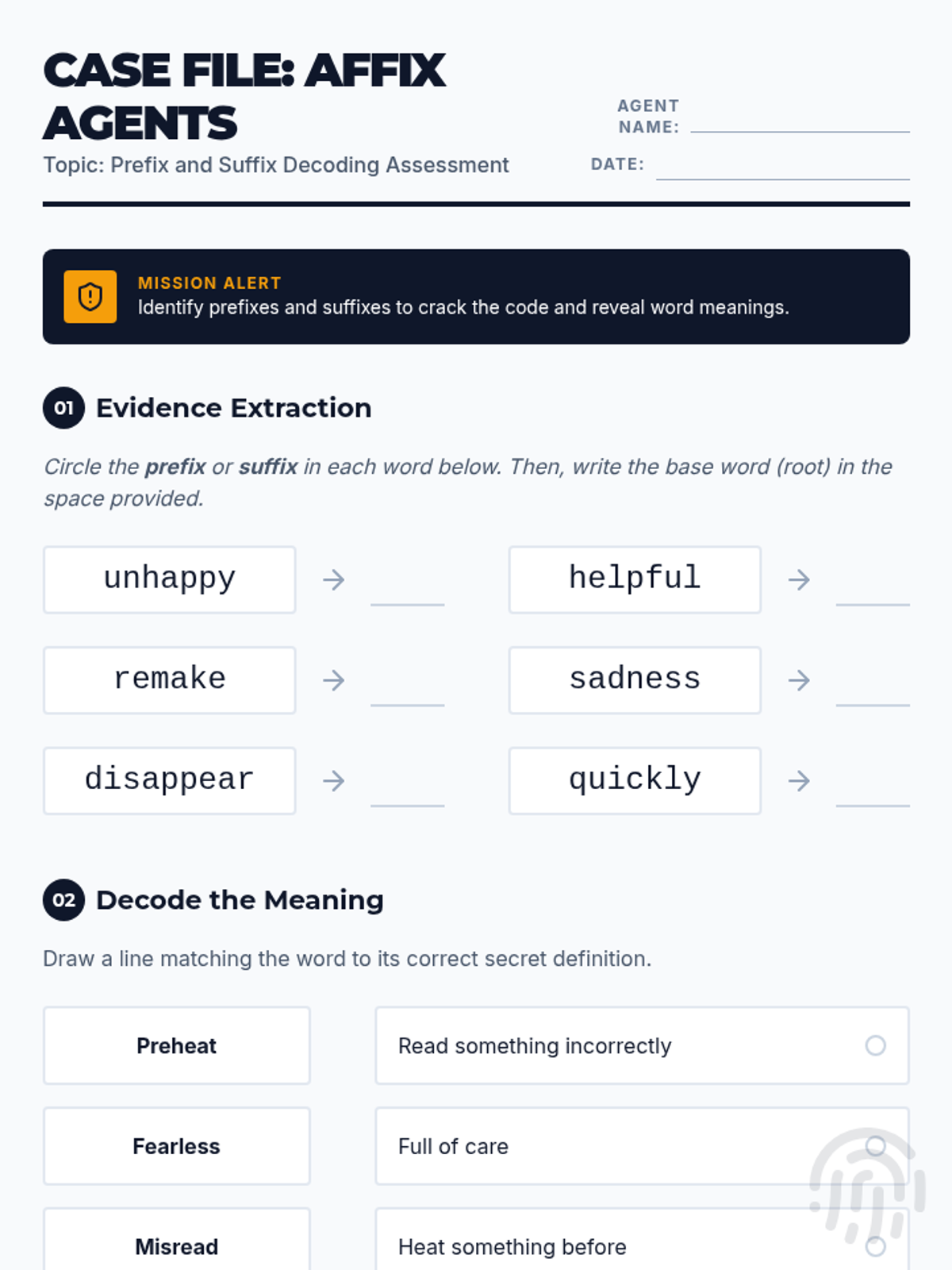
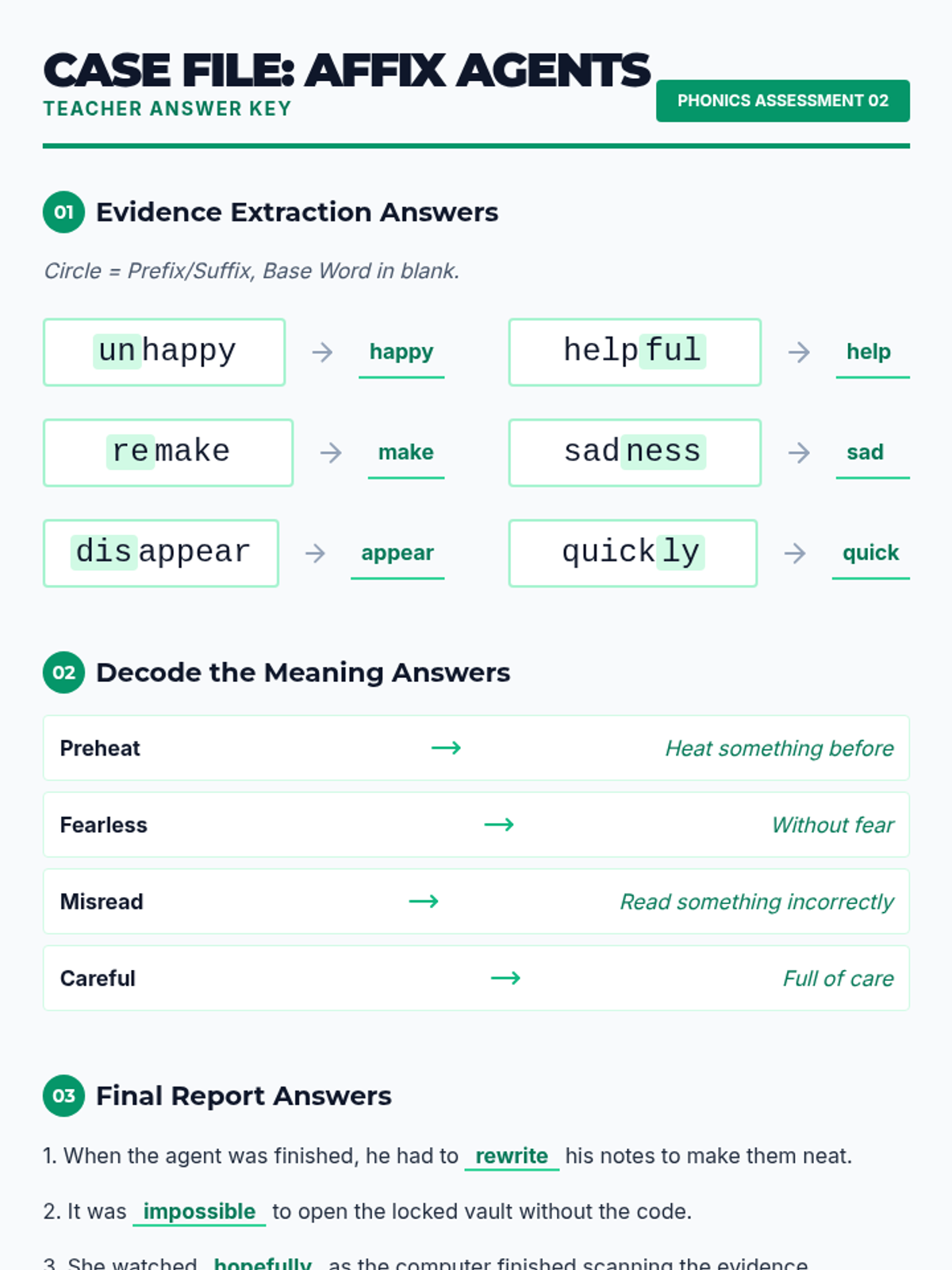
Focuses on identifying and decoding words with common prefixes and suffixes to improve reading fluency and meaning.
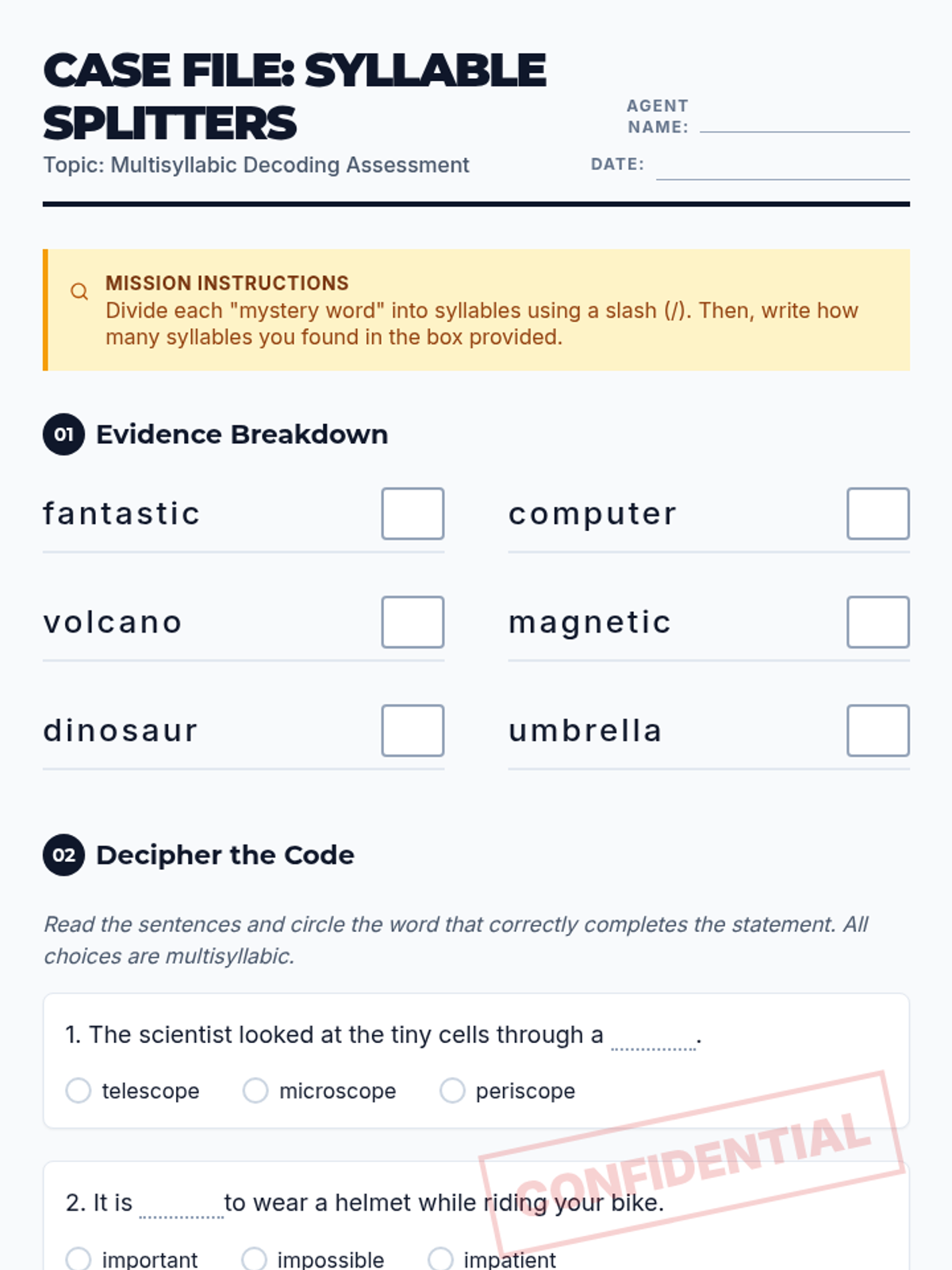
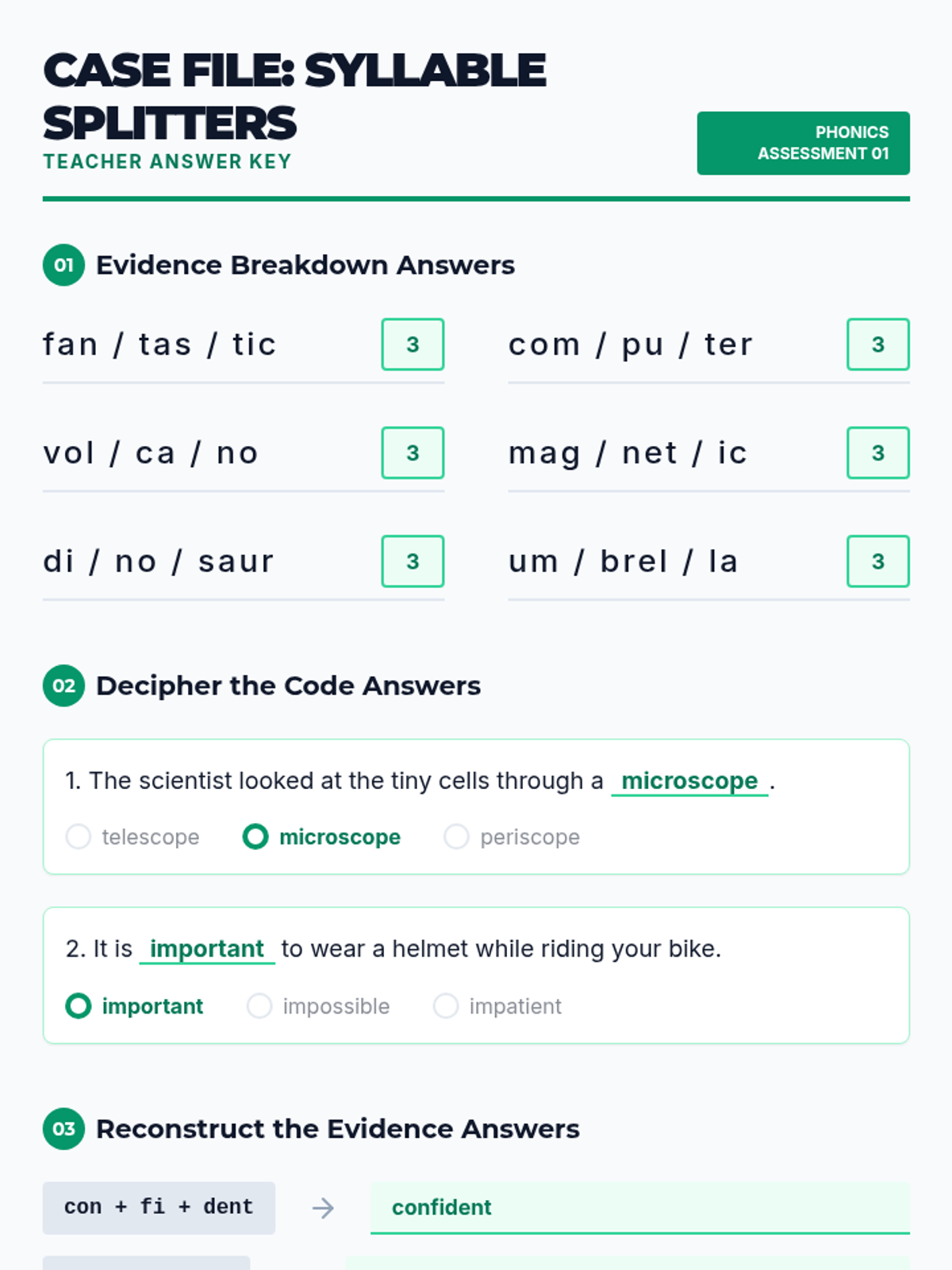
Students practice breaking down and decoding multisyllabic words using syllable division rules.
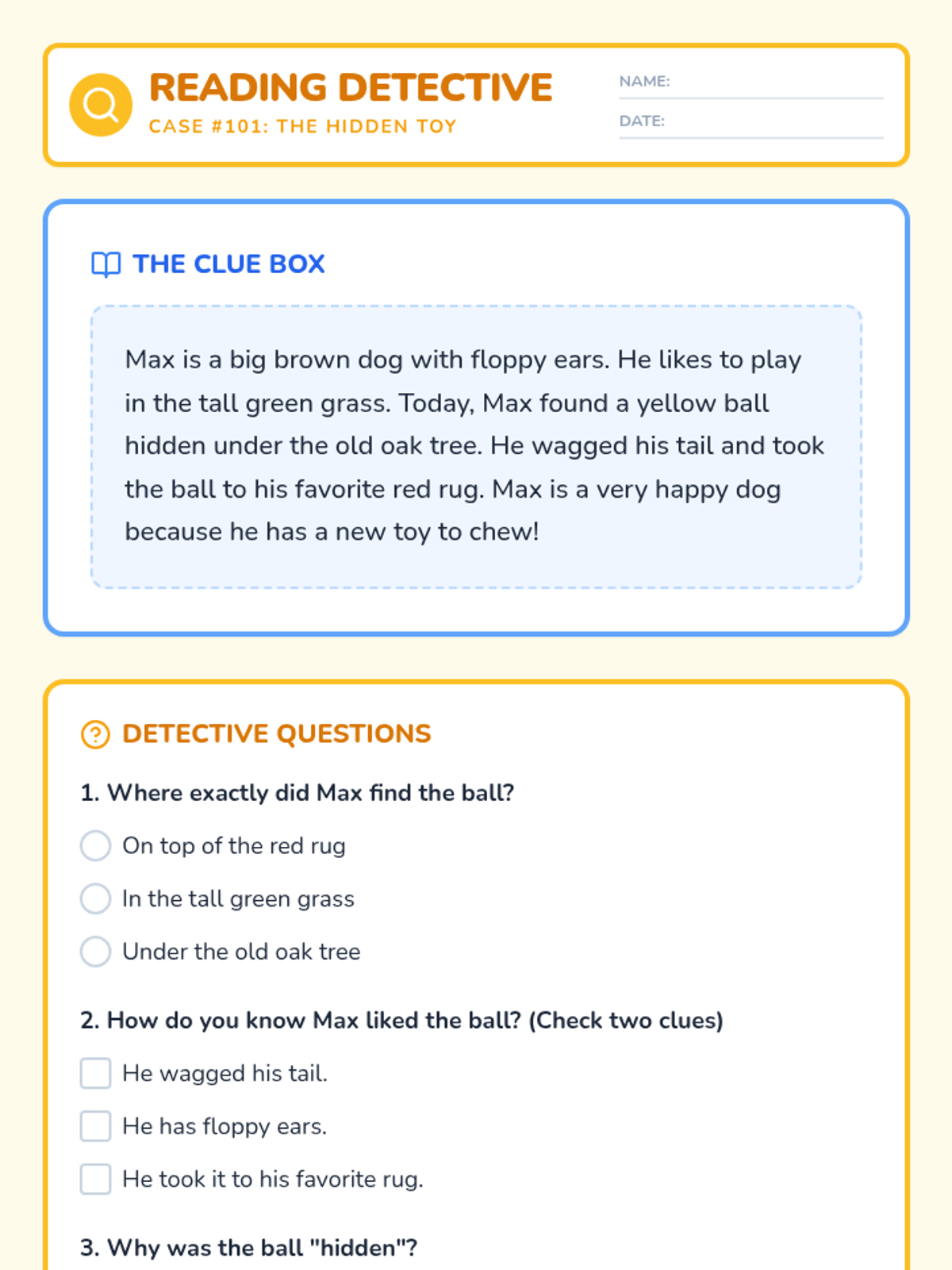
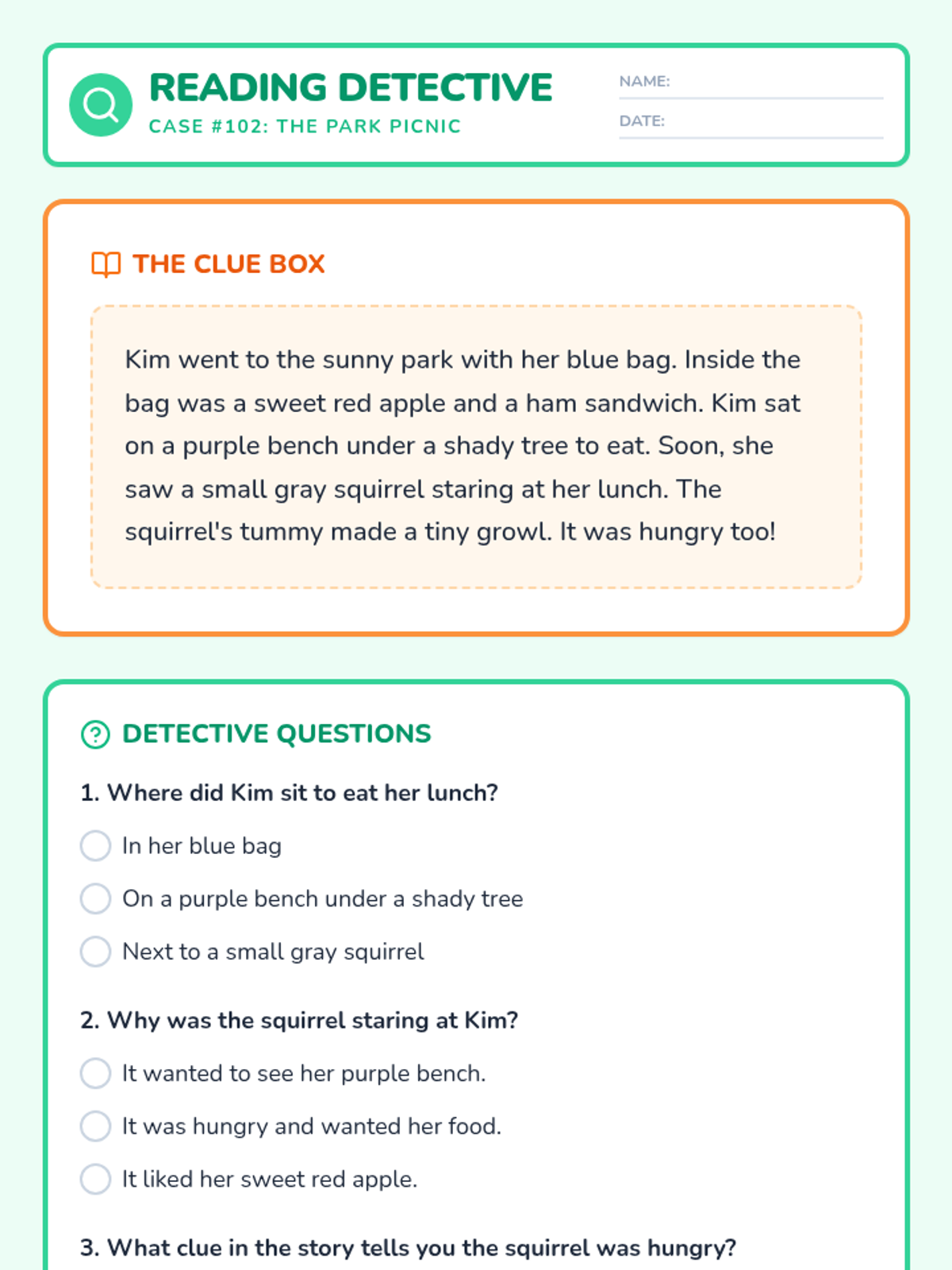
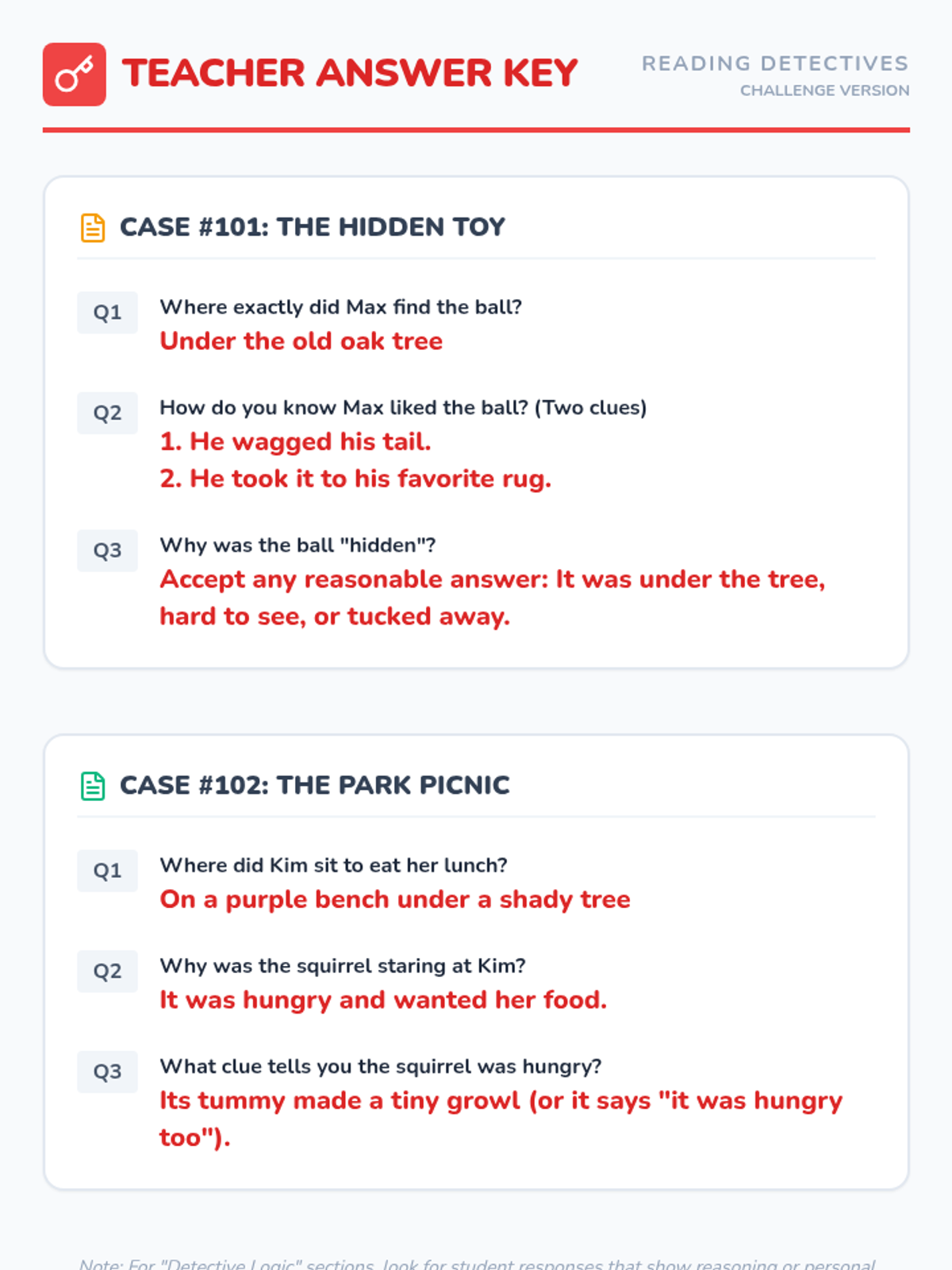
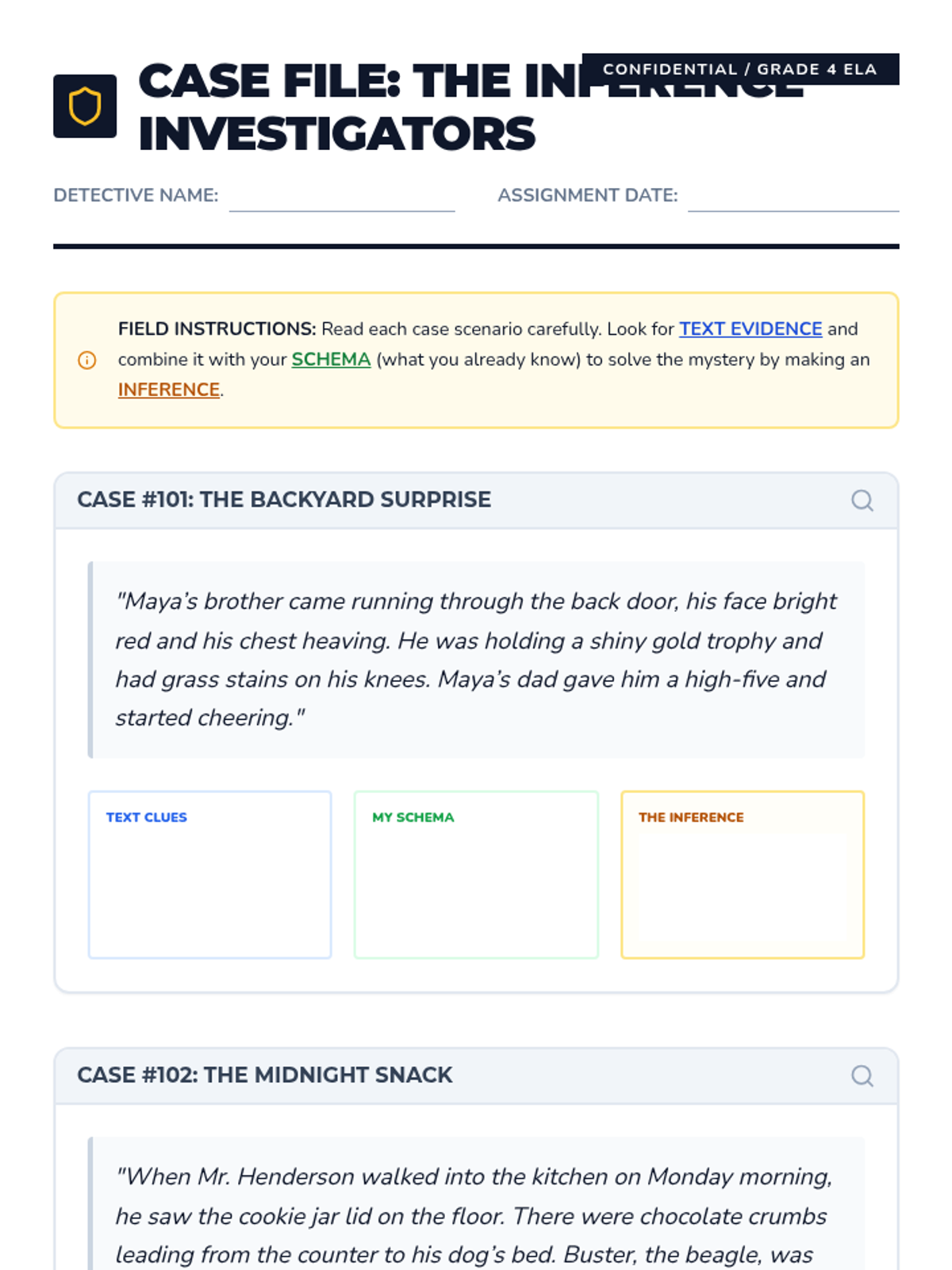
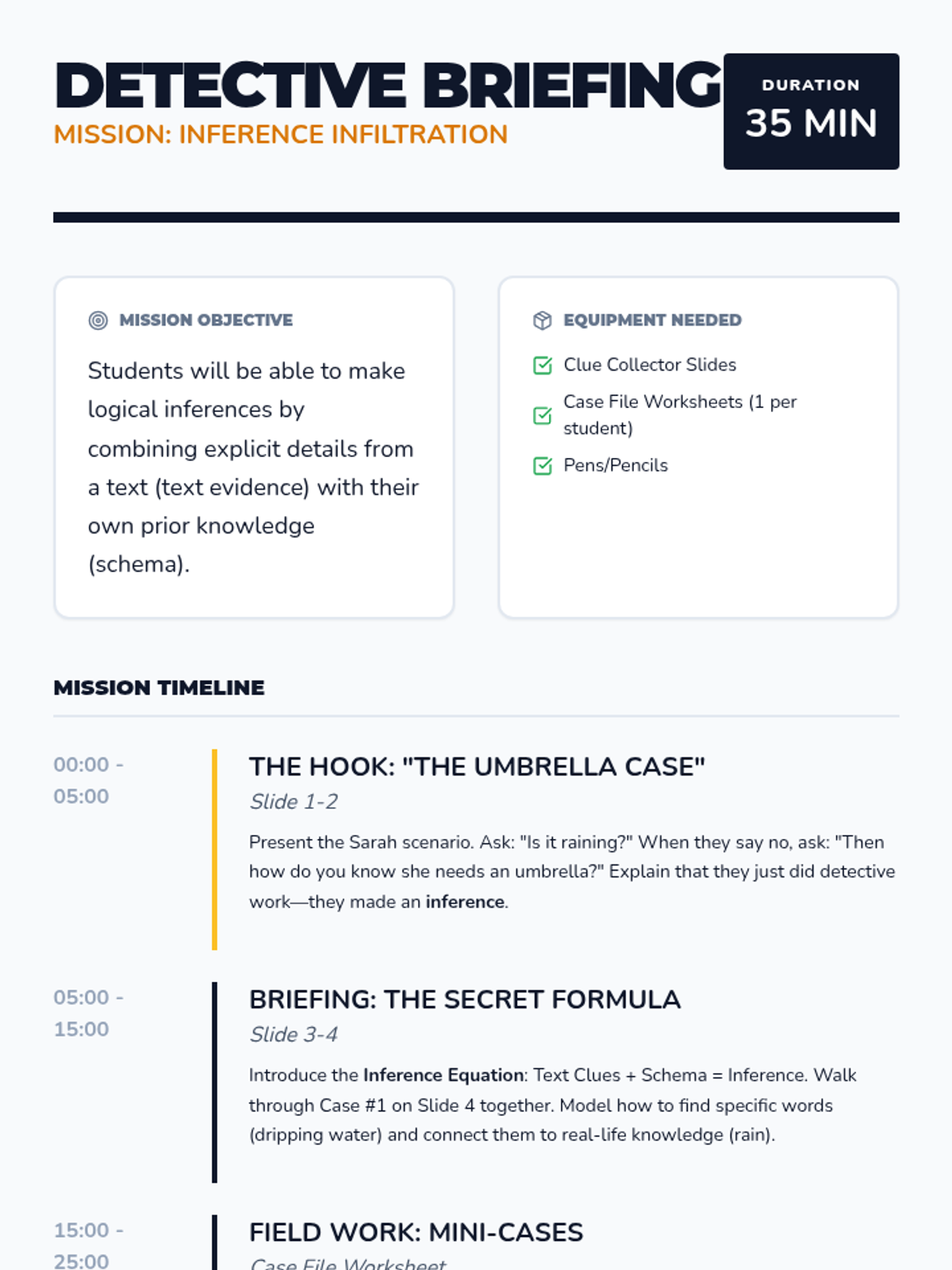
A high-energy, 35-minute introduction to making inferences. Students act as detectives, combining text evidence with their own background knowledge to solve mini-mysteries.
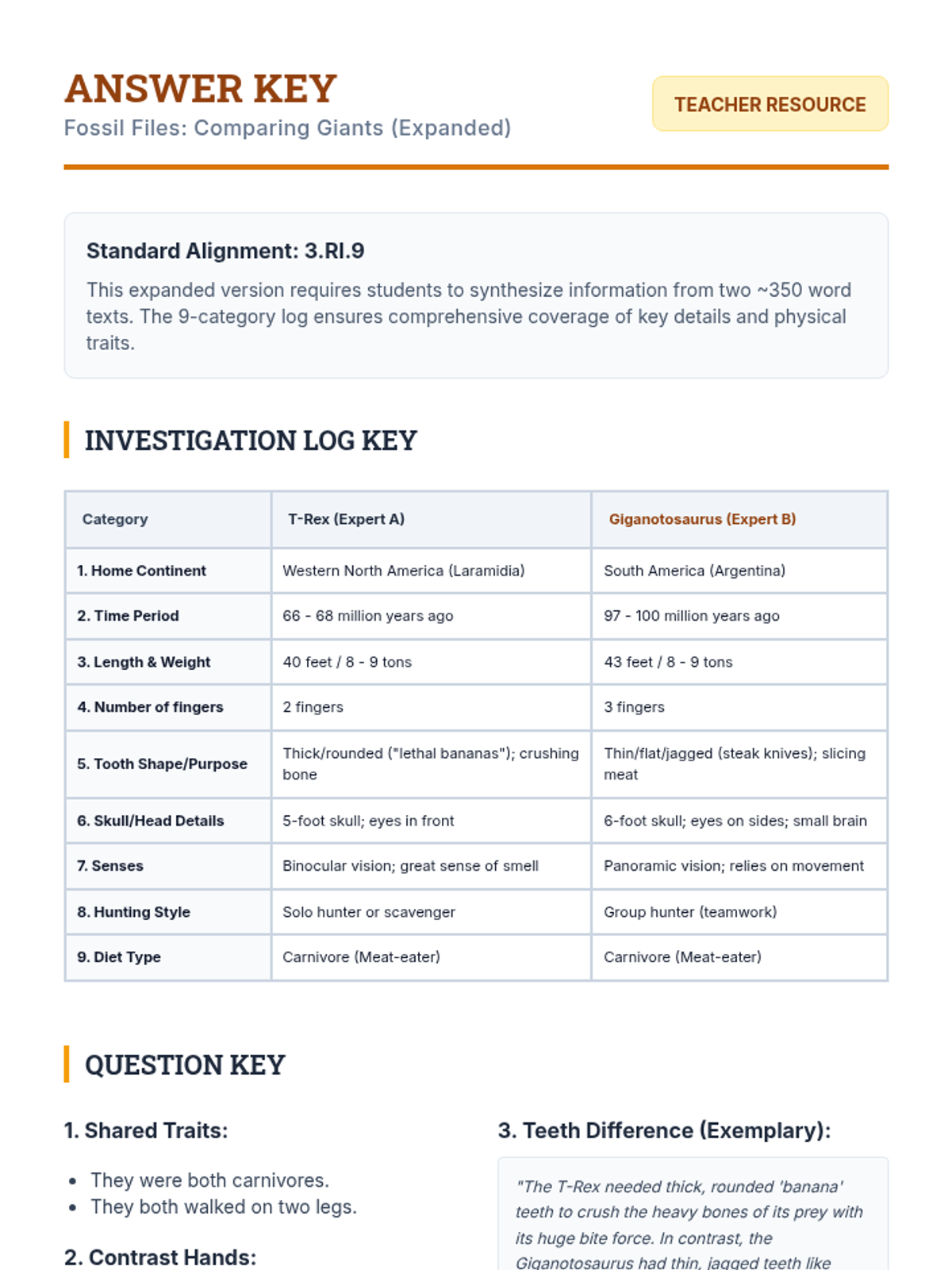
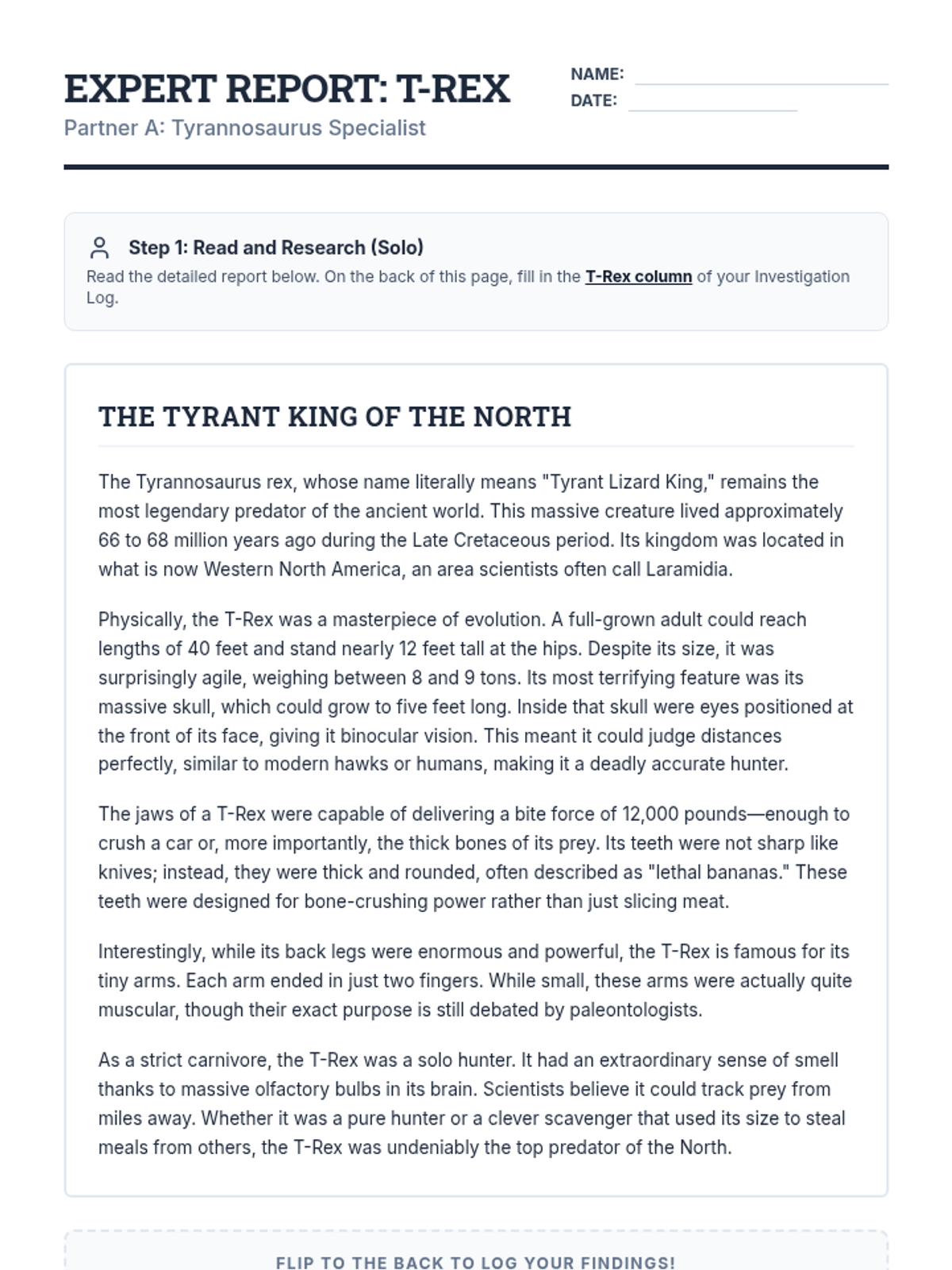
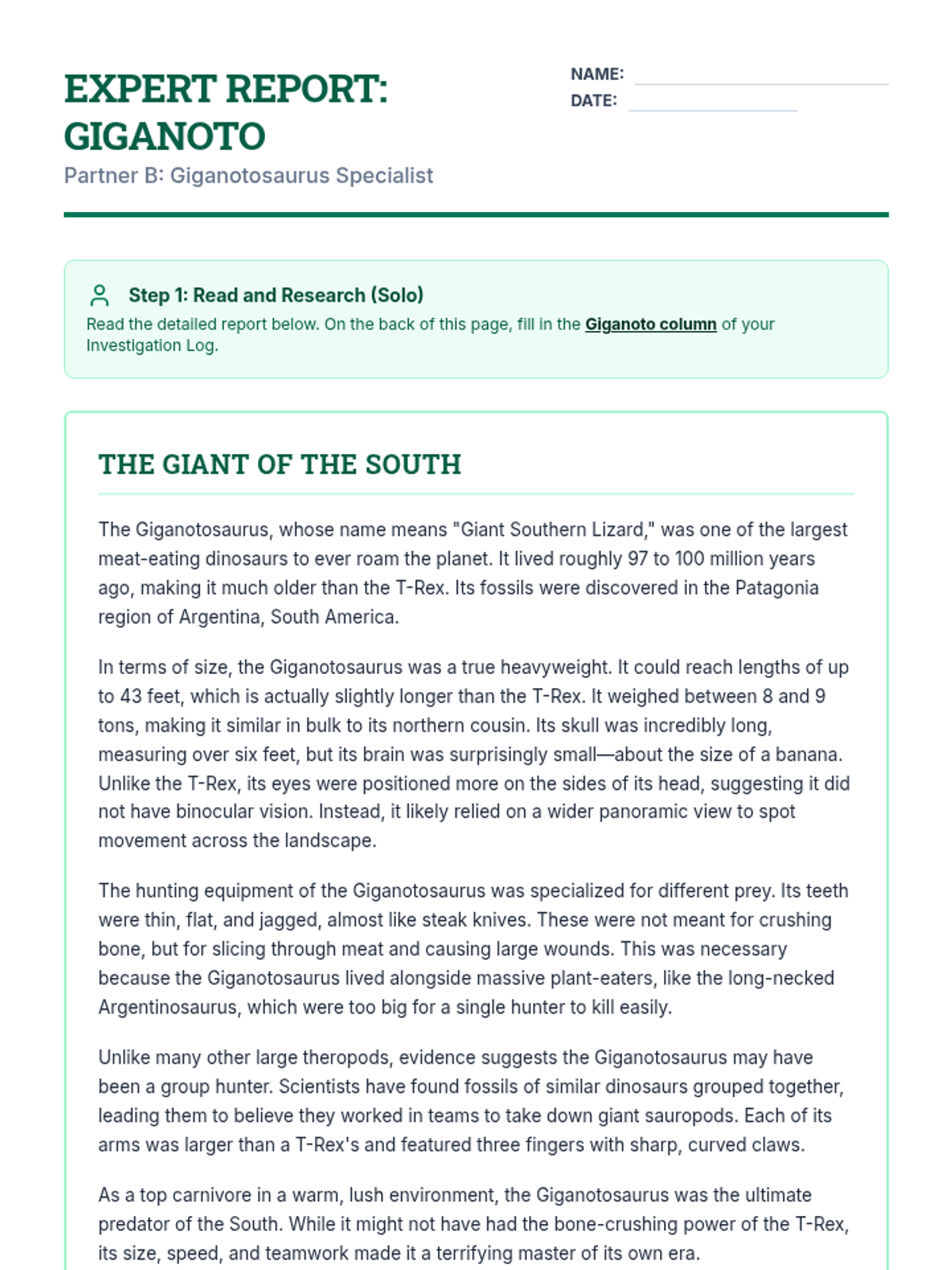
In this lesson, students will work in partners to read two informational texts about famous carnivorous dinosaurs. They will use a Venn diagram to organize their findings and answer standardized test-style questions to demonstrate their understanding of 3.RI.9.
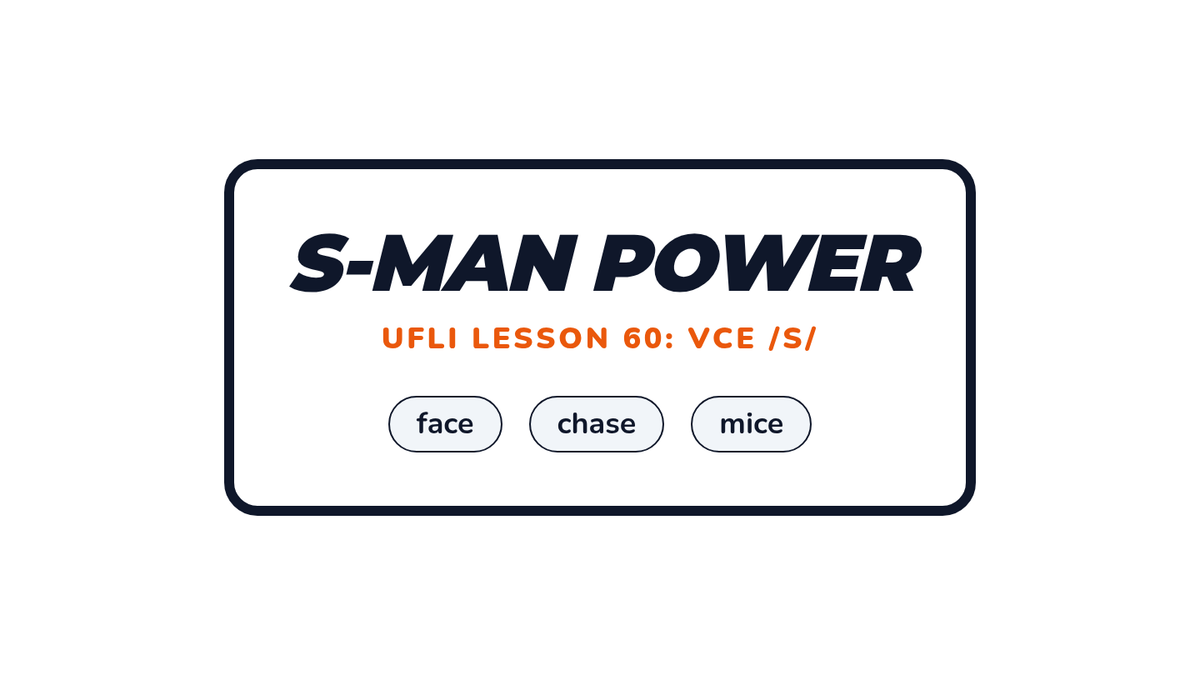
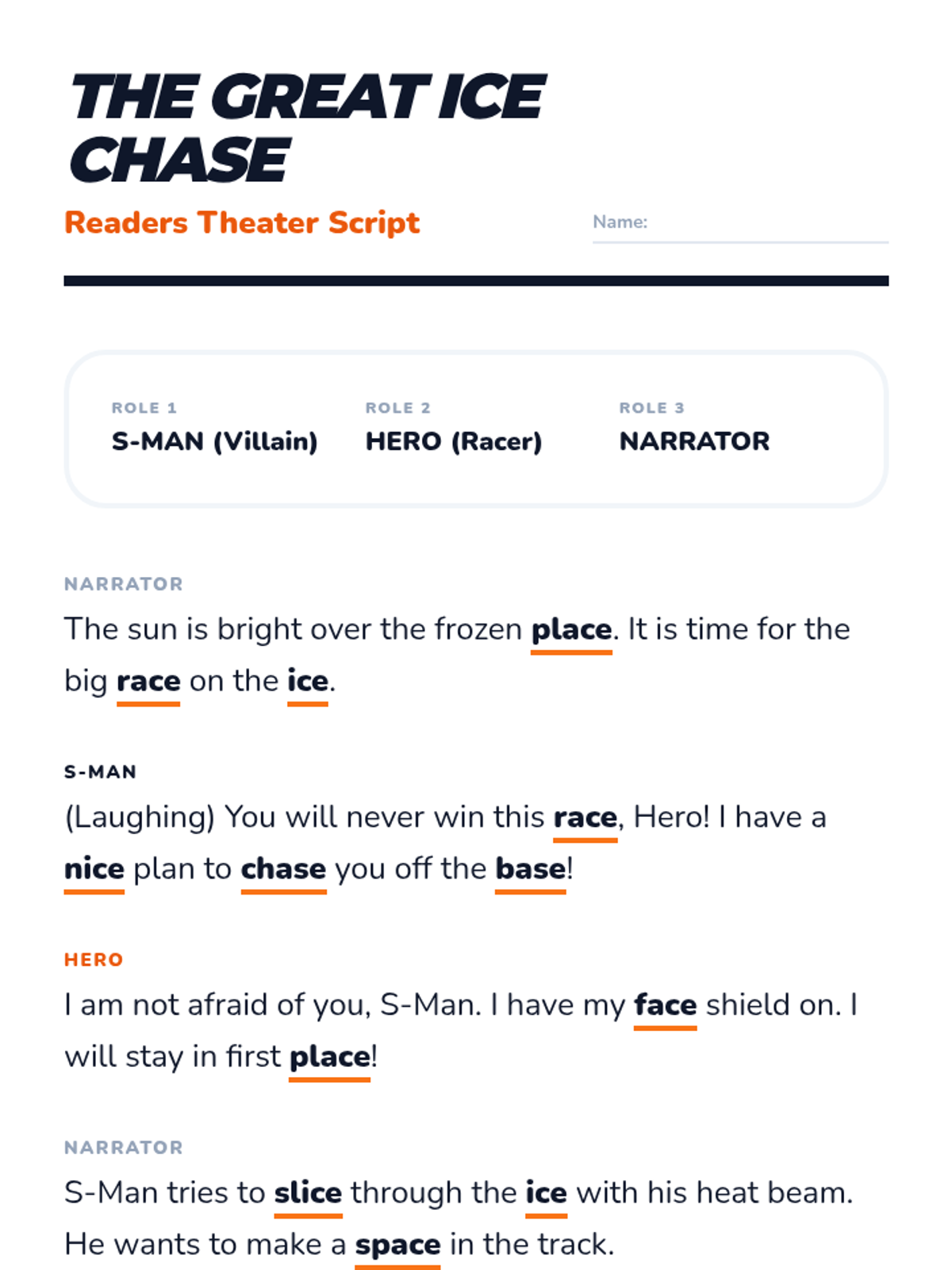
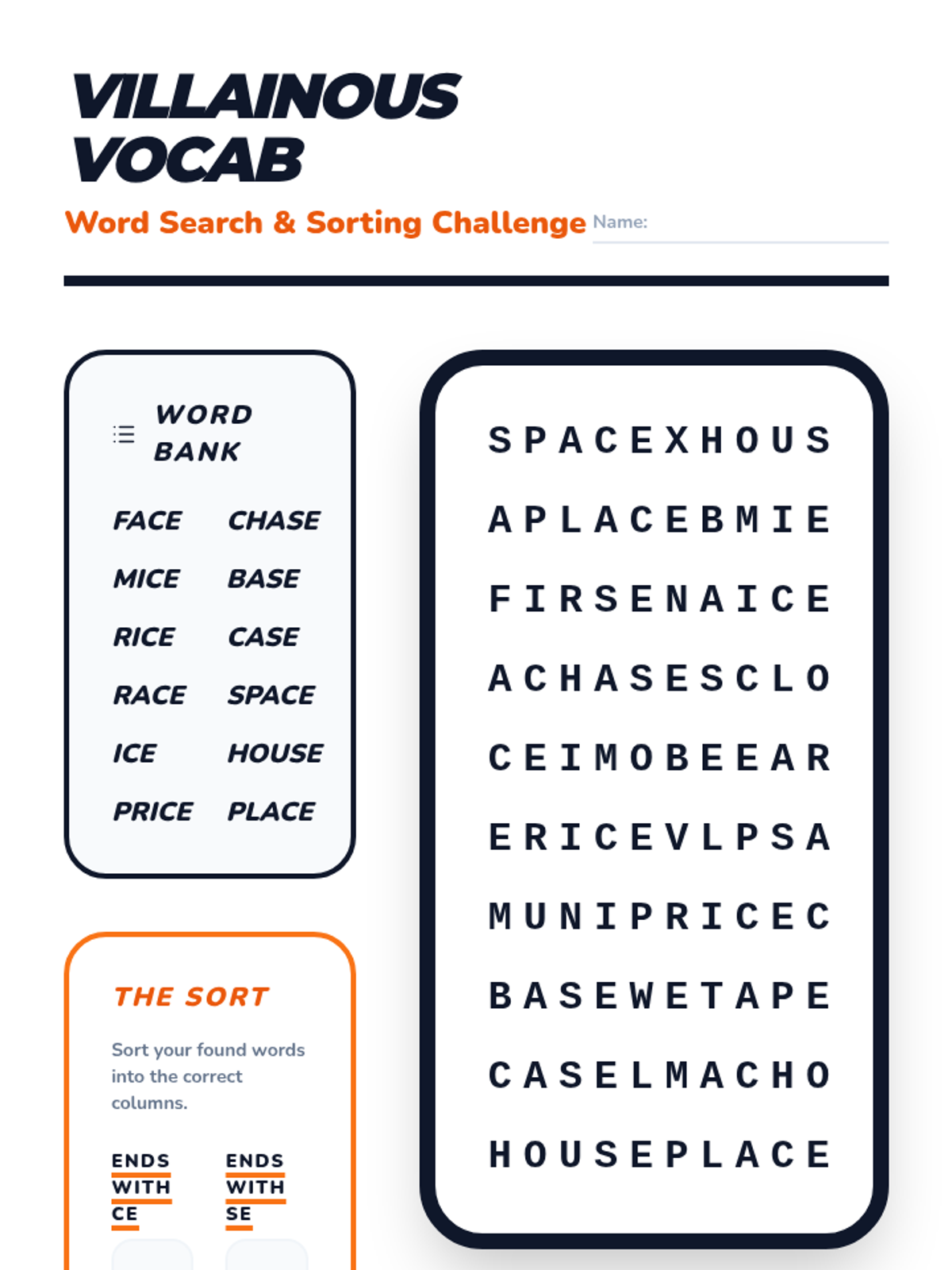
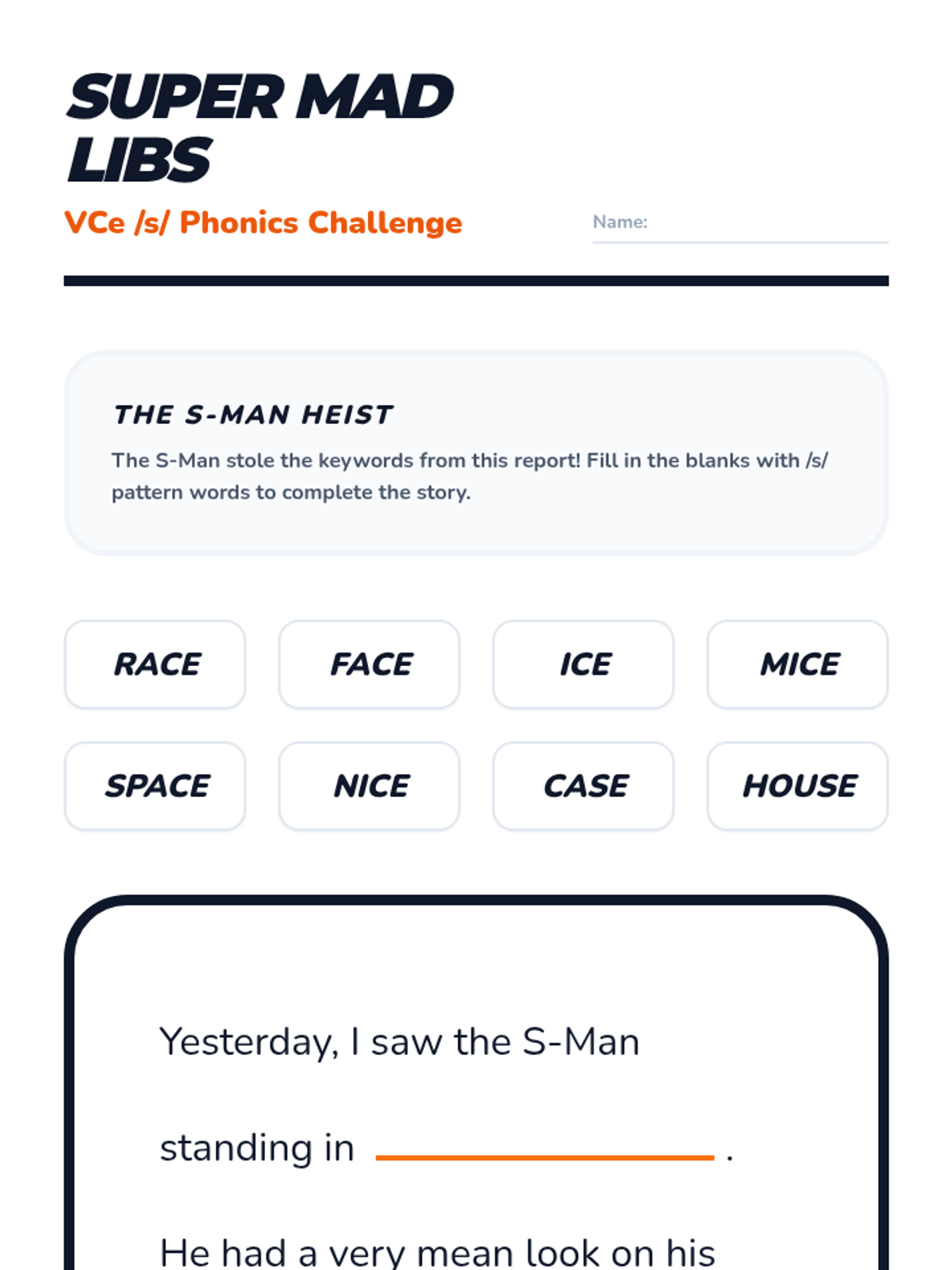
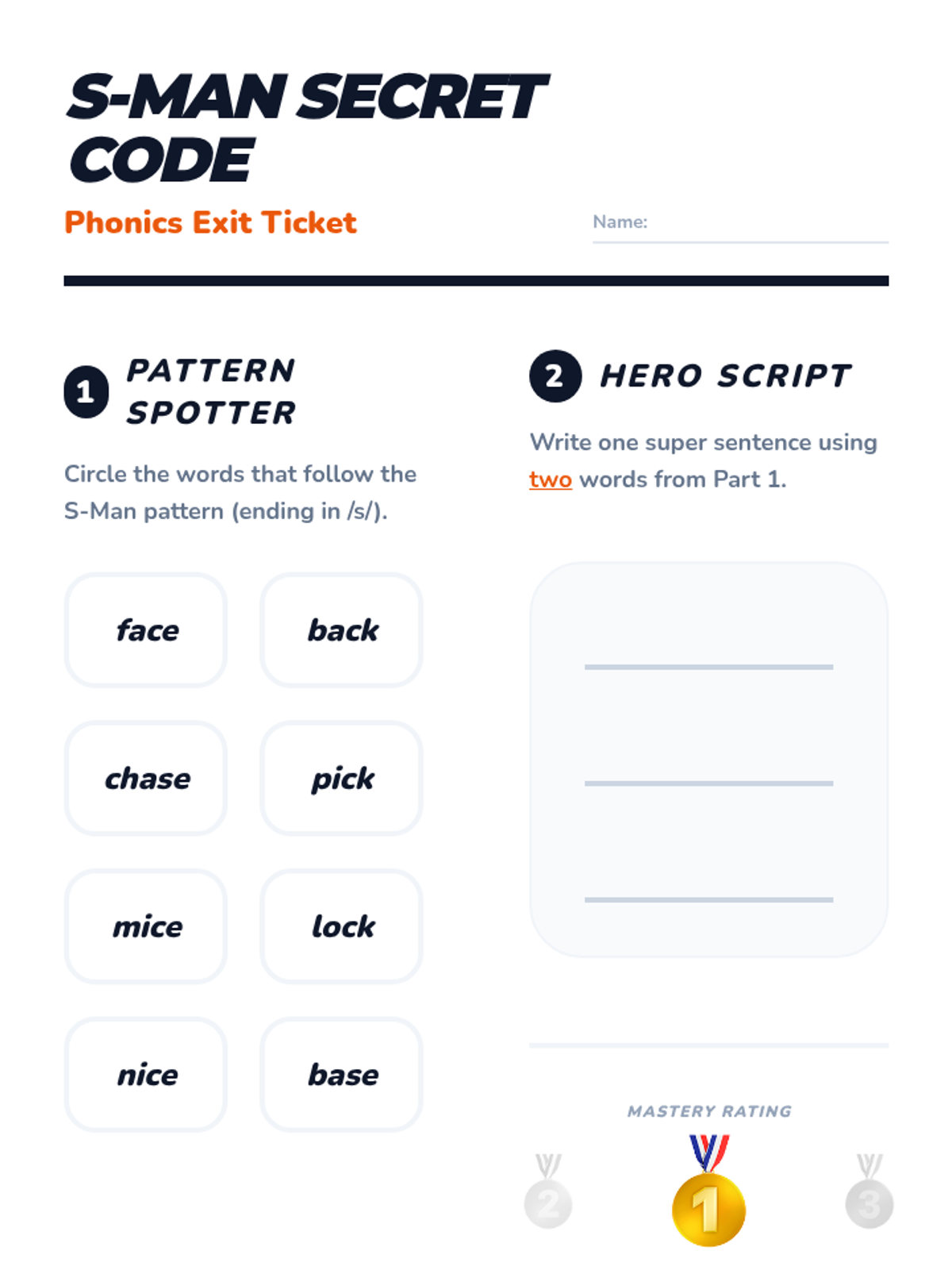
A high-energy lesson focused on UFLI Lesson 60 (VCe /s/ with 'ce' and 'se'), featuring the 'S-Man' visual cue to help students master reading and writing words with the soft /s/ sound.
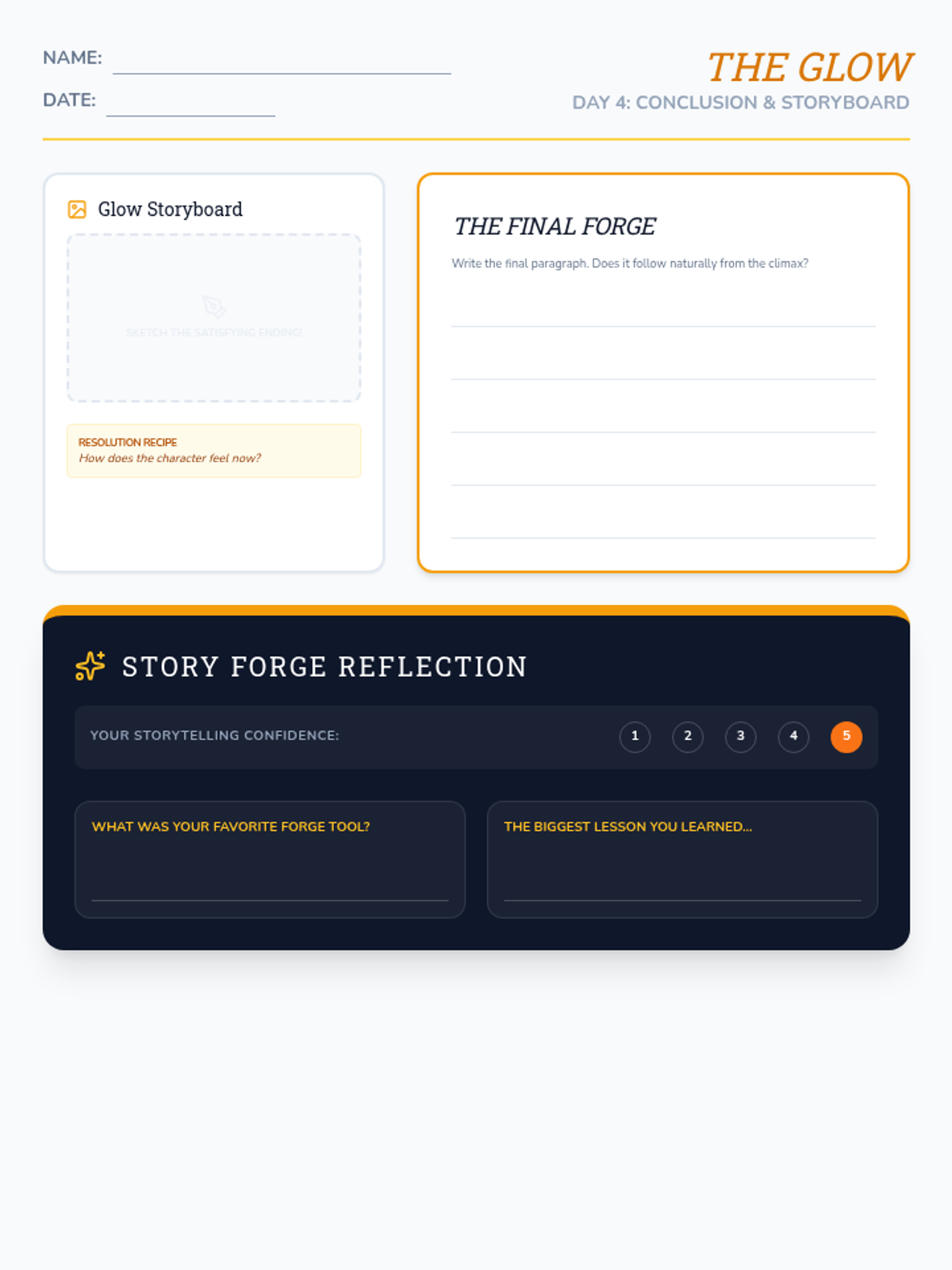
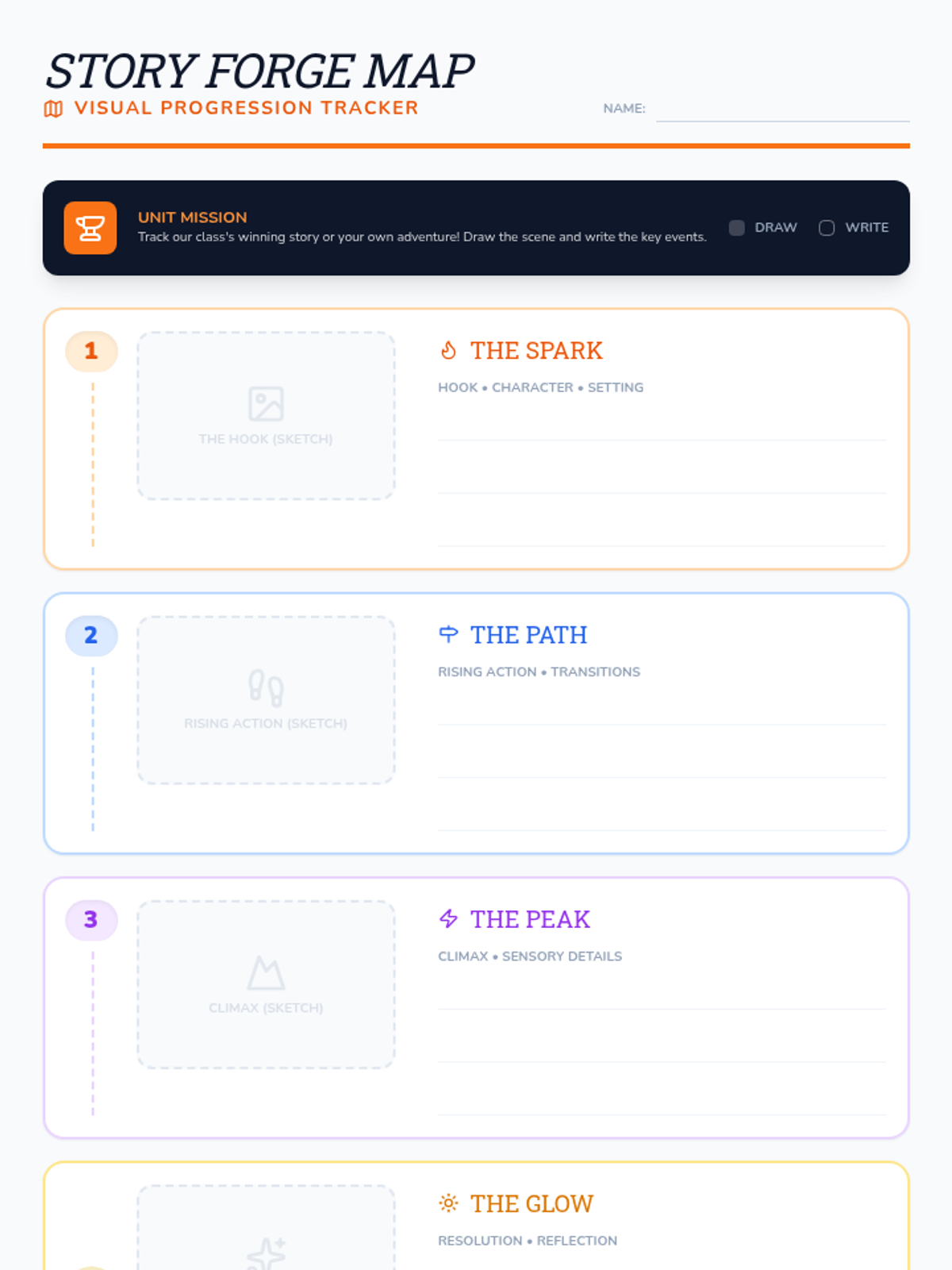
Focusing on CCSS W.4.3.e, students write a satisfying conclusion and reflect on their narrative writing journey through an exit ticket.
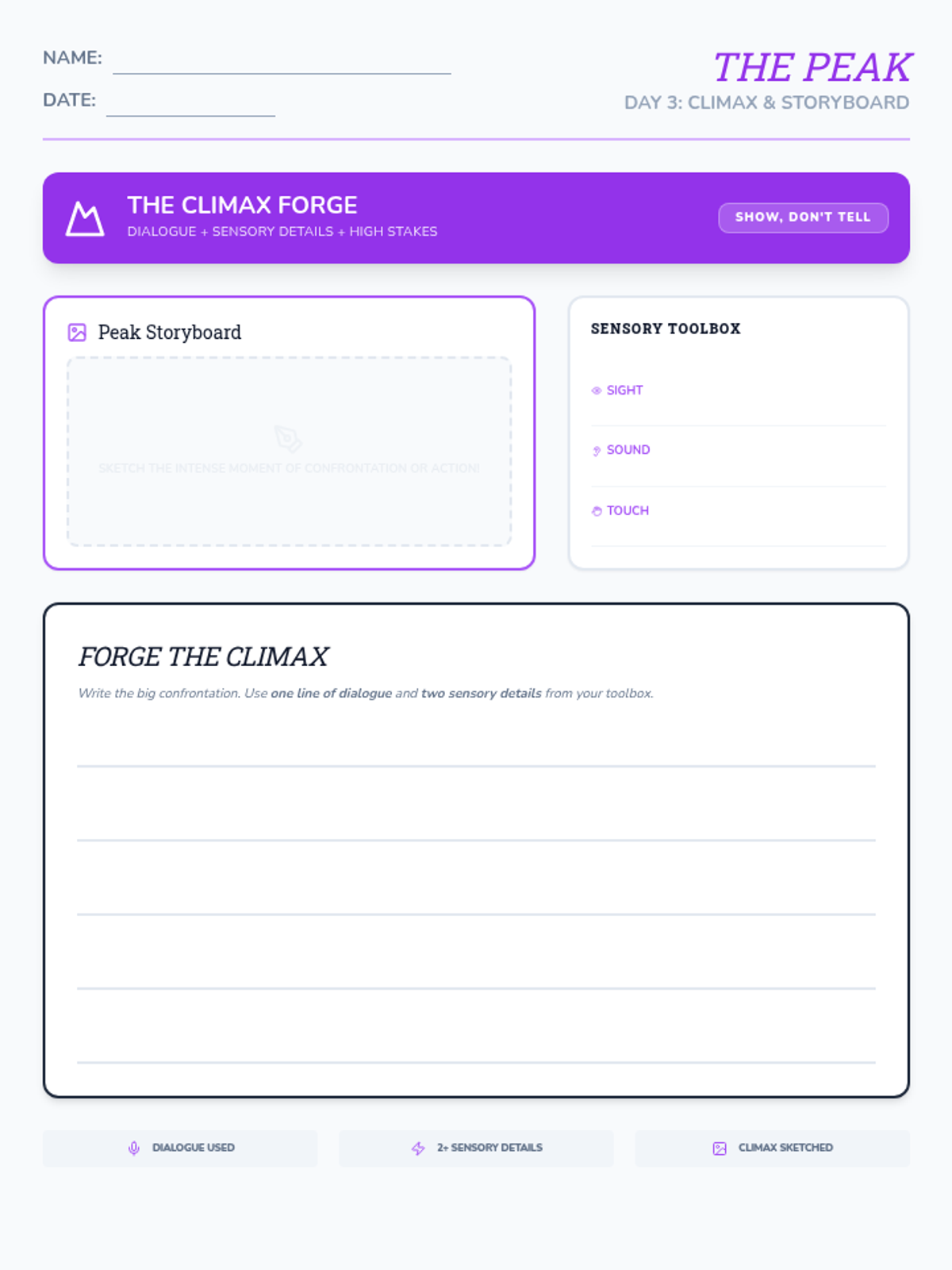
Focusing on CCSS W.4.3.b and W.4.3.d, students use dialogue and sensory details to describe the climax and potential solutions to the story's problem.
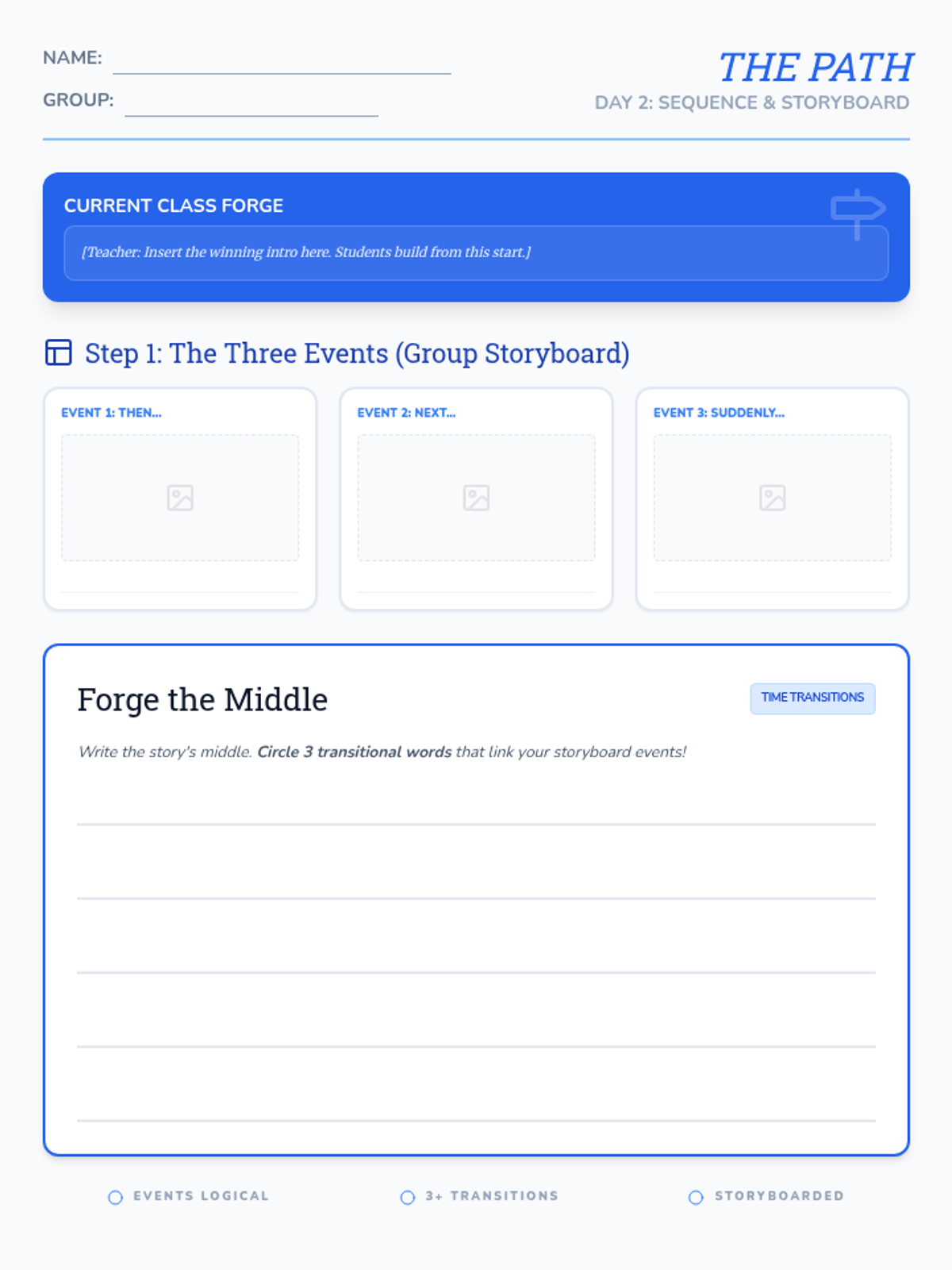
Focusing on CCSS W.4.3.c, students organize event sequences using transitional words. Groups will plan the 'rising action' for the chosen story start and vote for the best path forward.
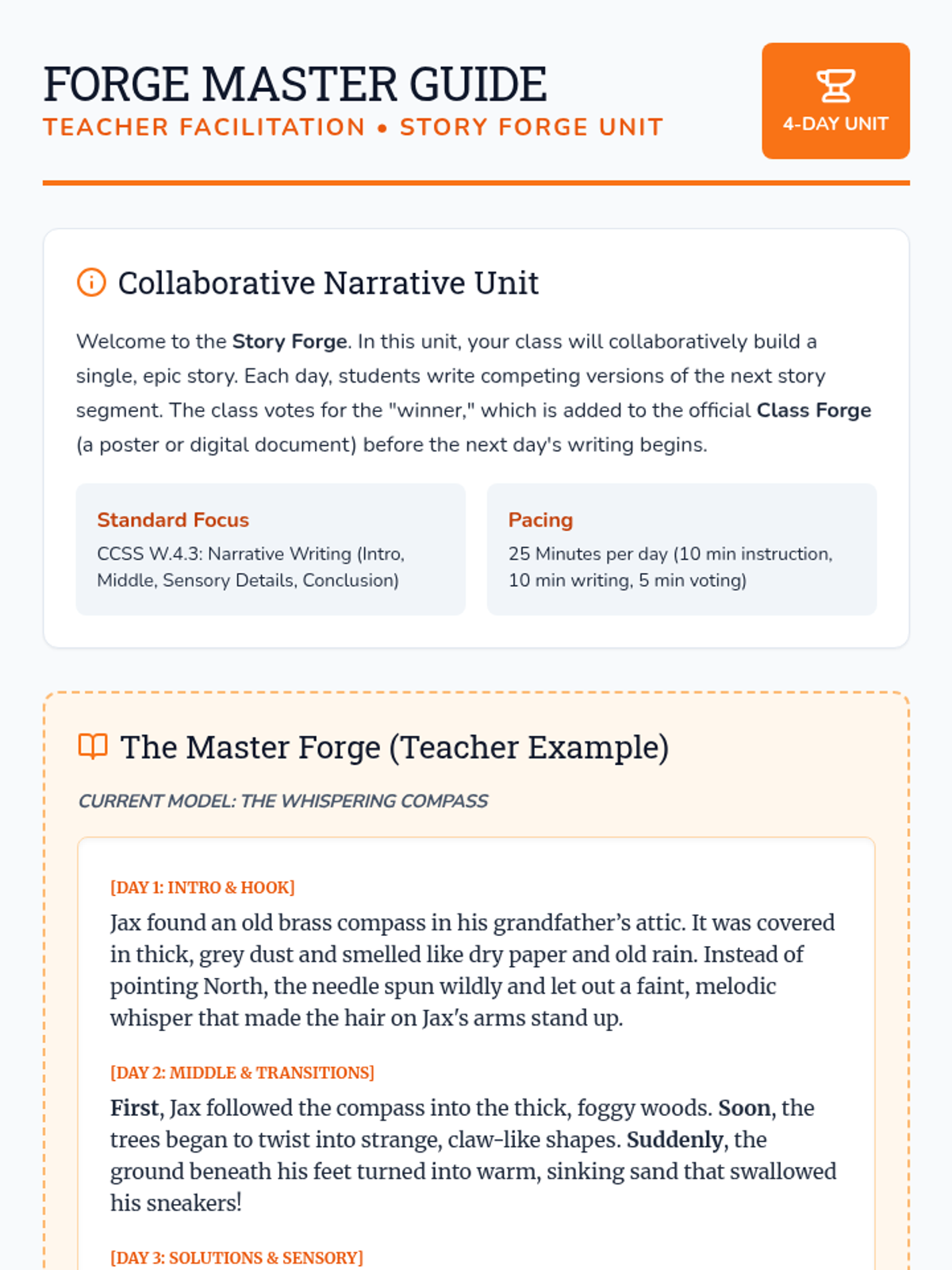
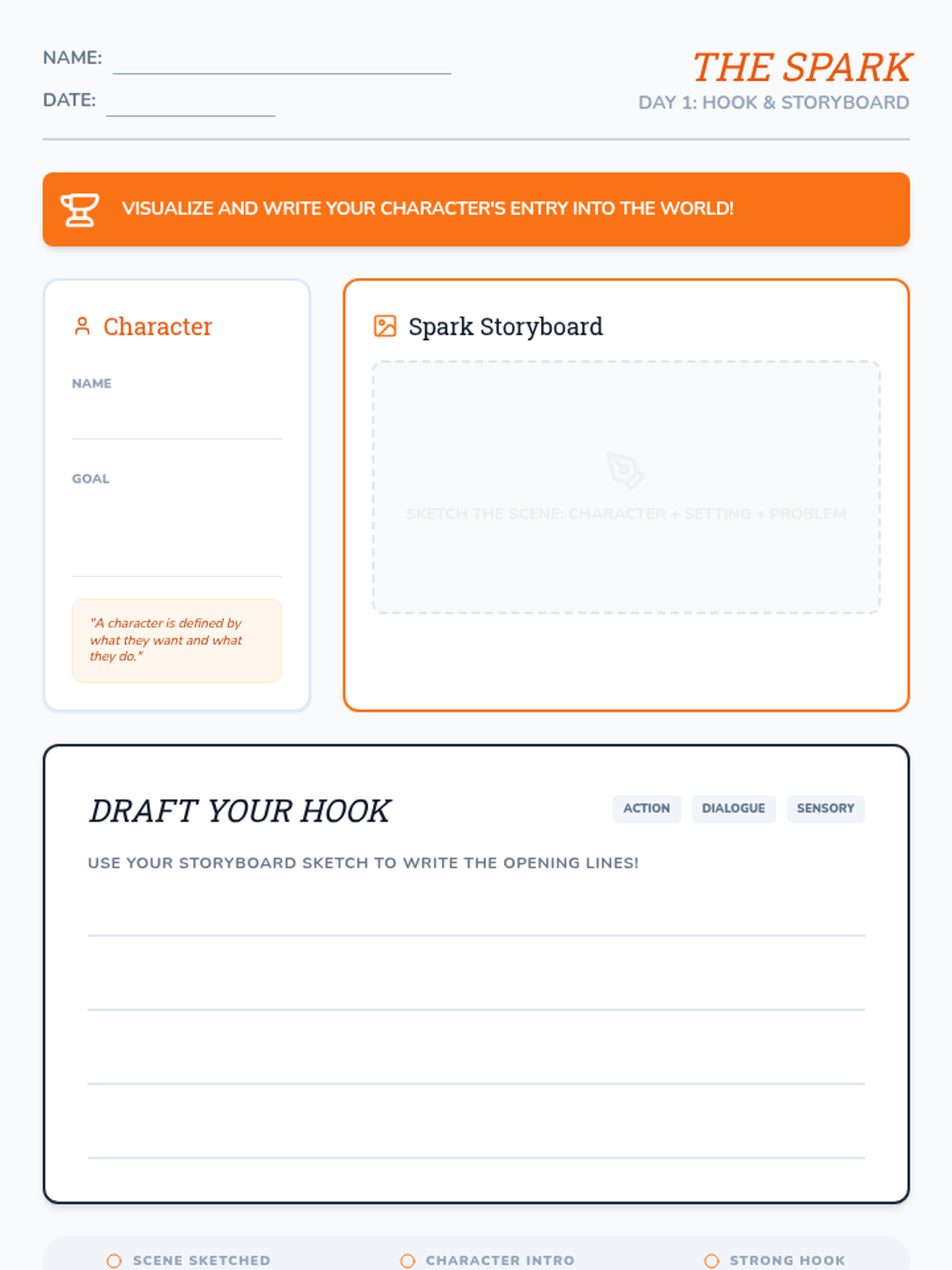
Students focus on CCSS W.4.3.a by establishing a situation and introducing characters. They will draft a story 'hook' and vote on the best start for the class's collaborative story.
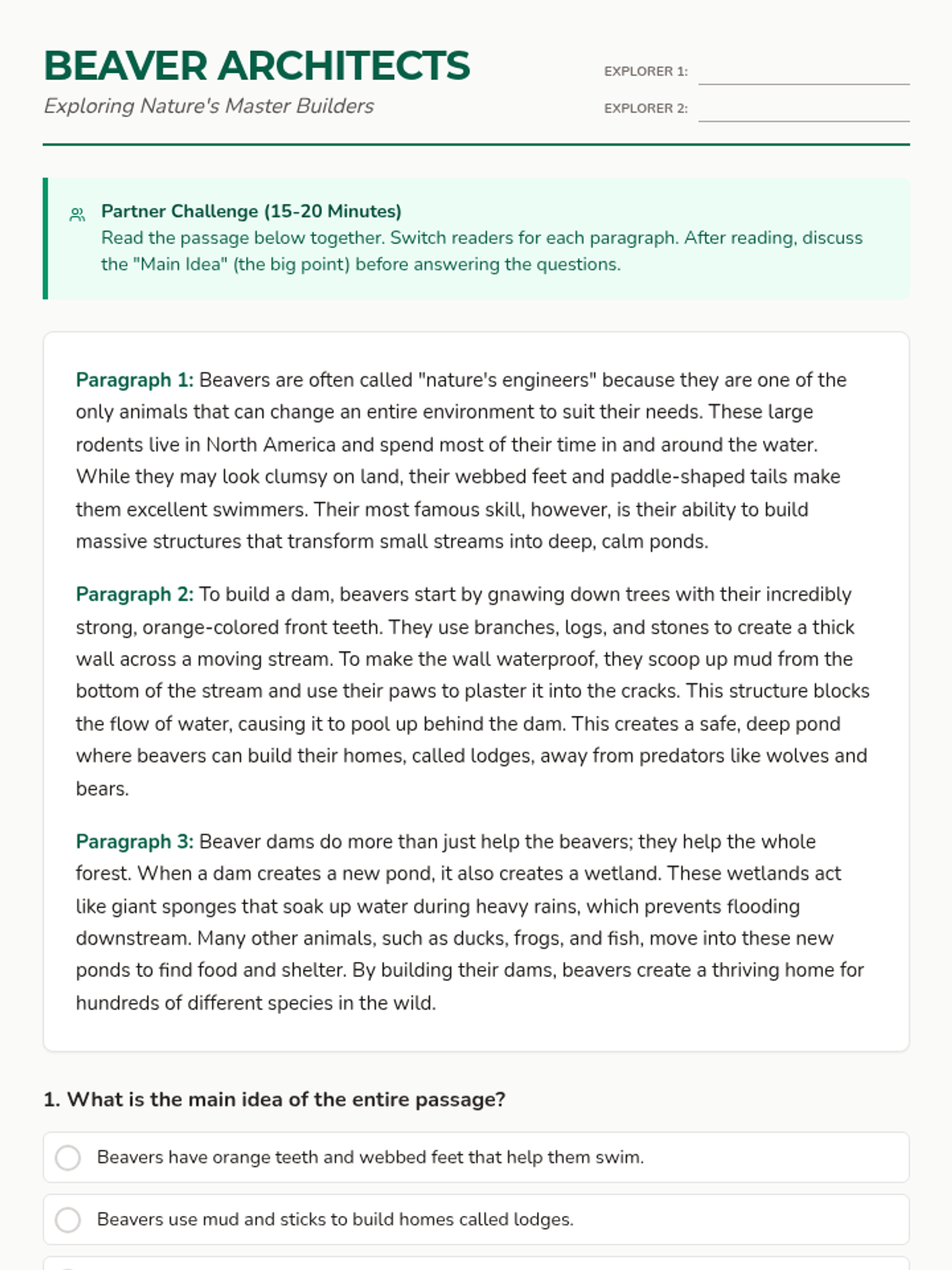
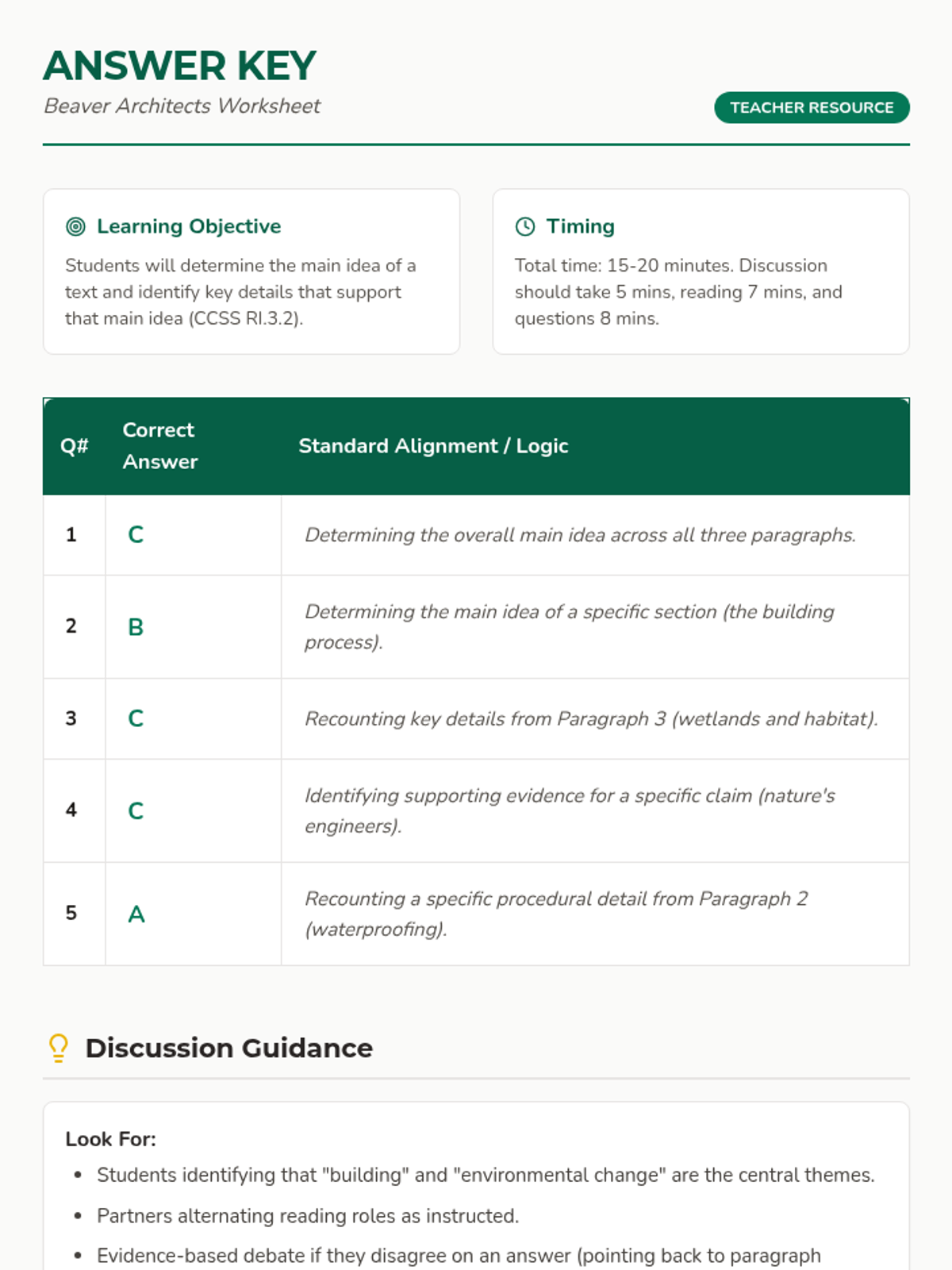
A lesson focused on determining the main idea and supporting details using a text about beavers as nature's engineers. Includes a reading passage and multiple-choice comprehension questions.
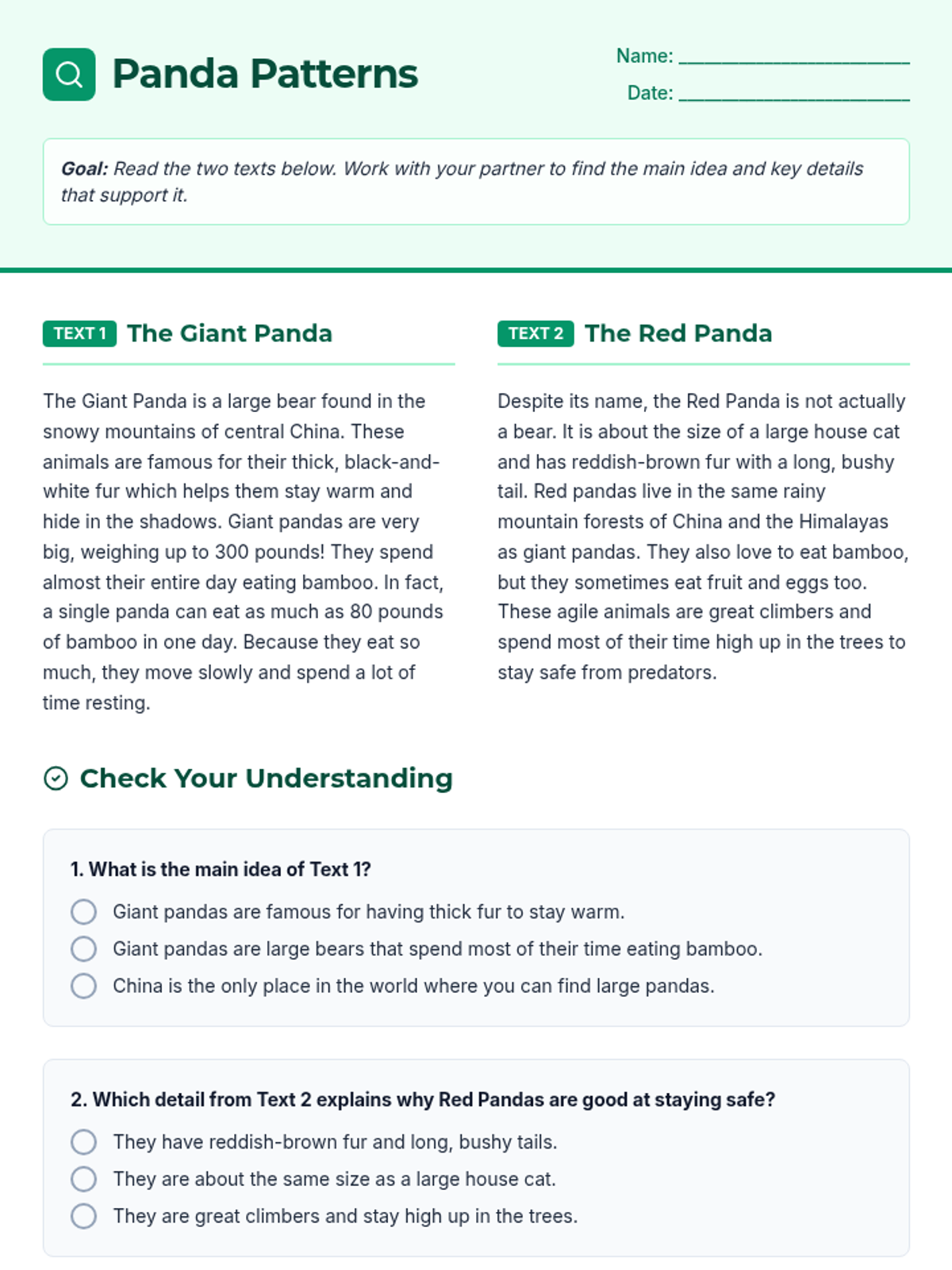
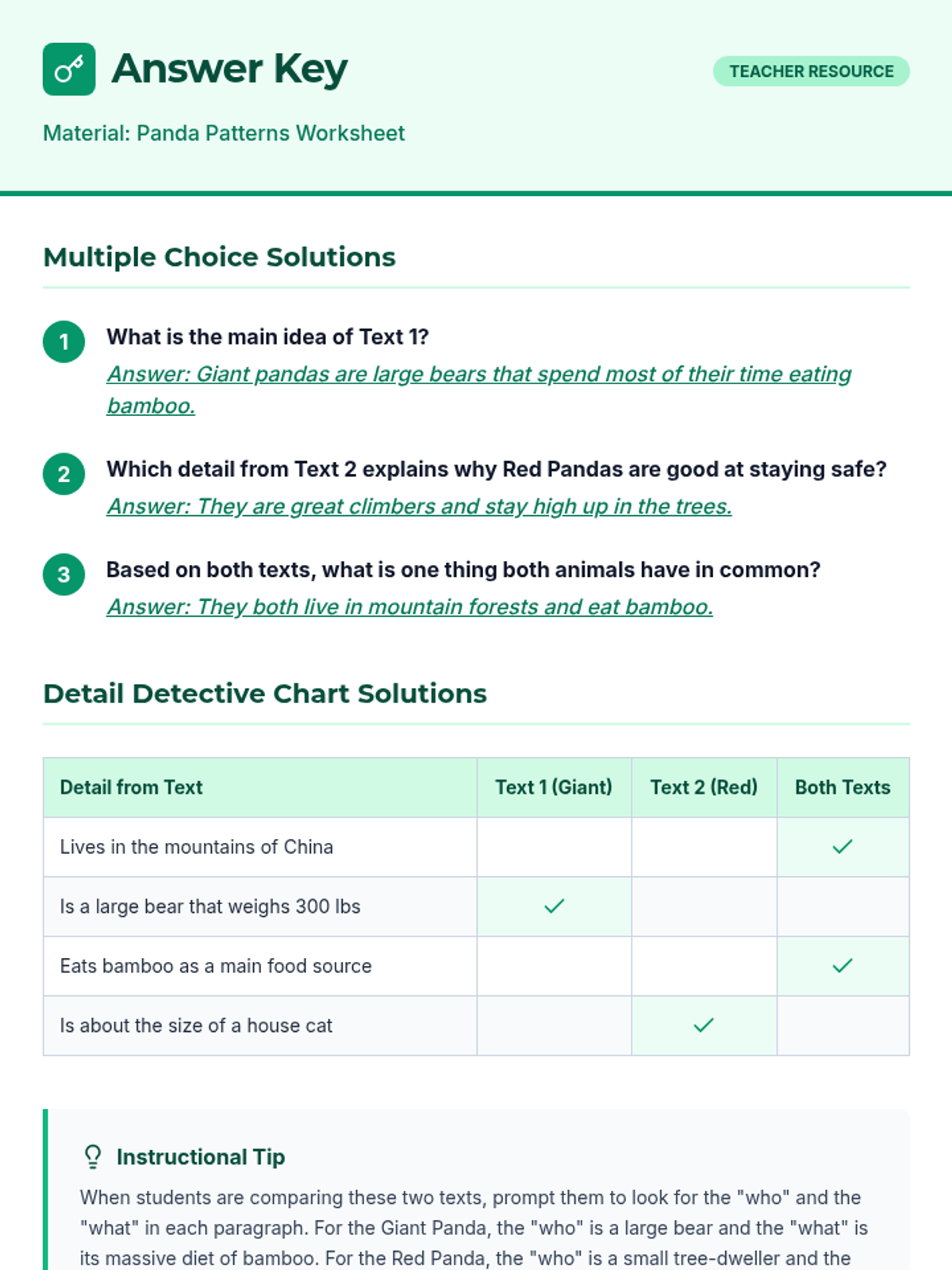
A lesson focused on identifying the main idea and supporting details in nonfiction texts using a comparison of Giant Pandas and Red Pandas.
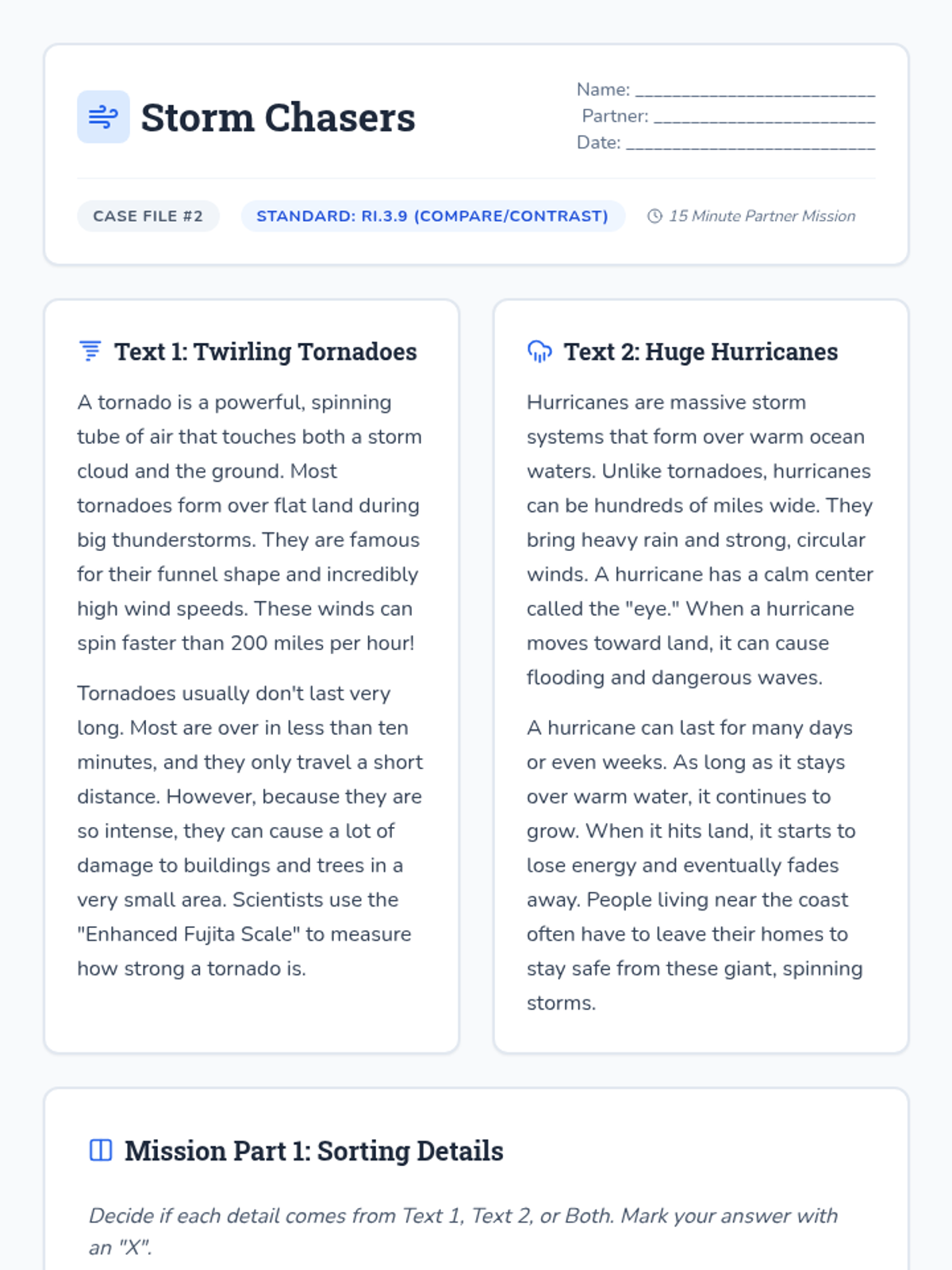
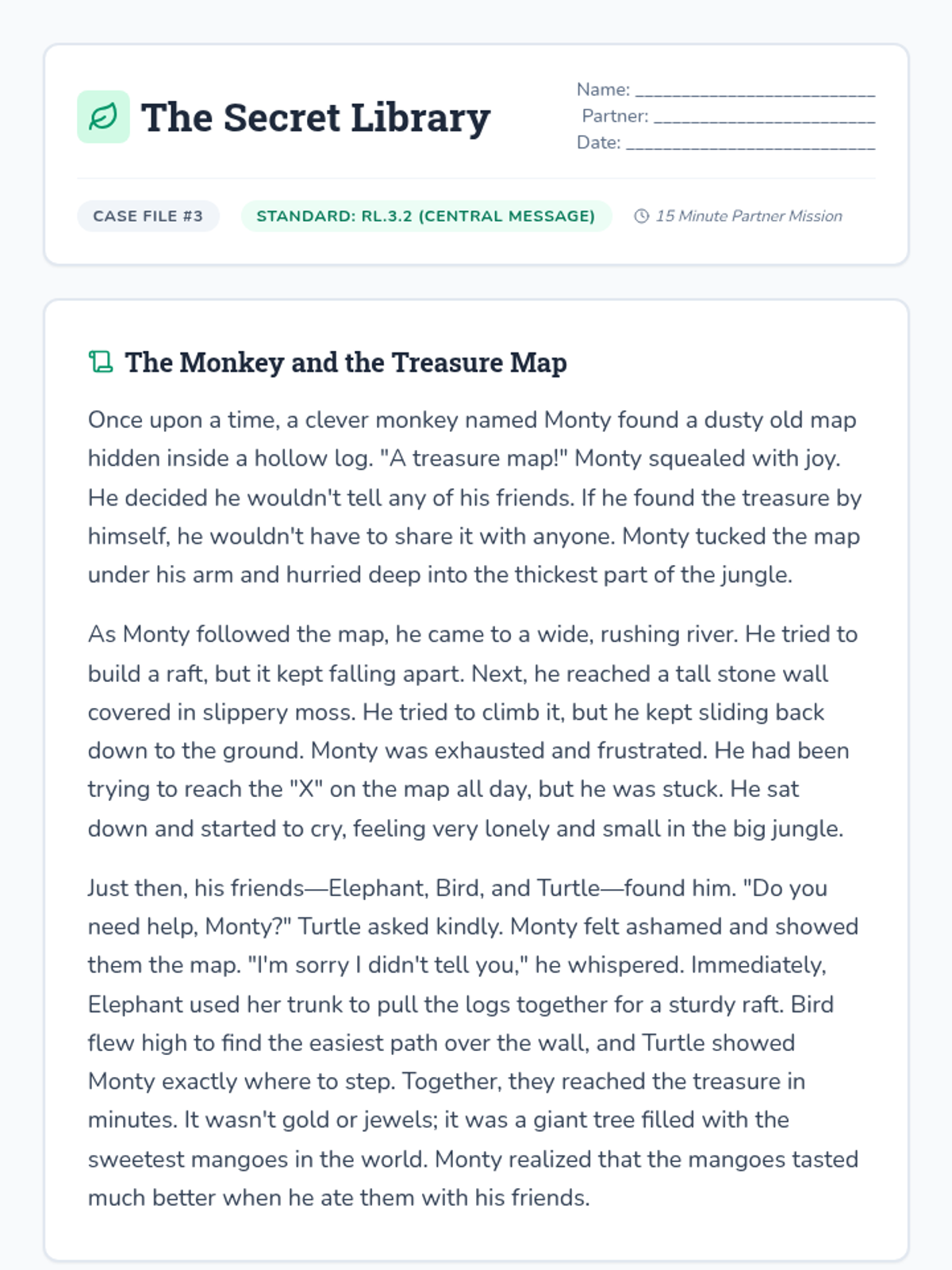
A set of four reading comprehension worksheets designed for partner work, covering key 3rd-grade CCSS standards for informational and literary texts. Students practice identifying main ideas, comparing and contrasting texts, and determining central messages.
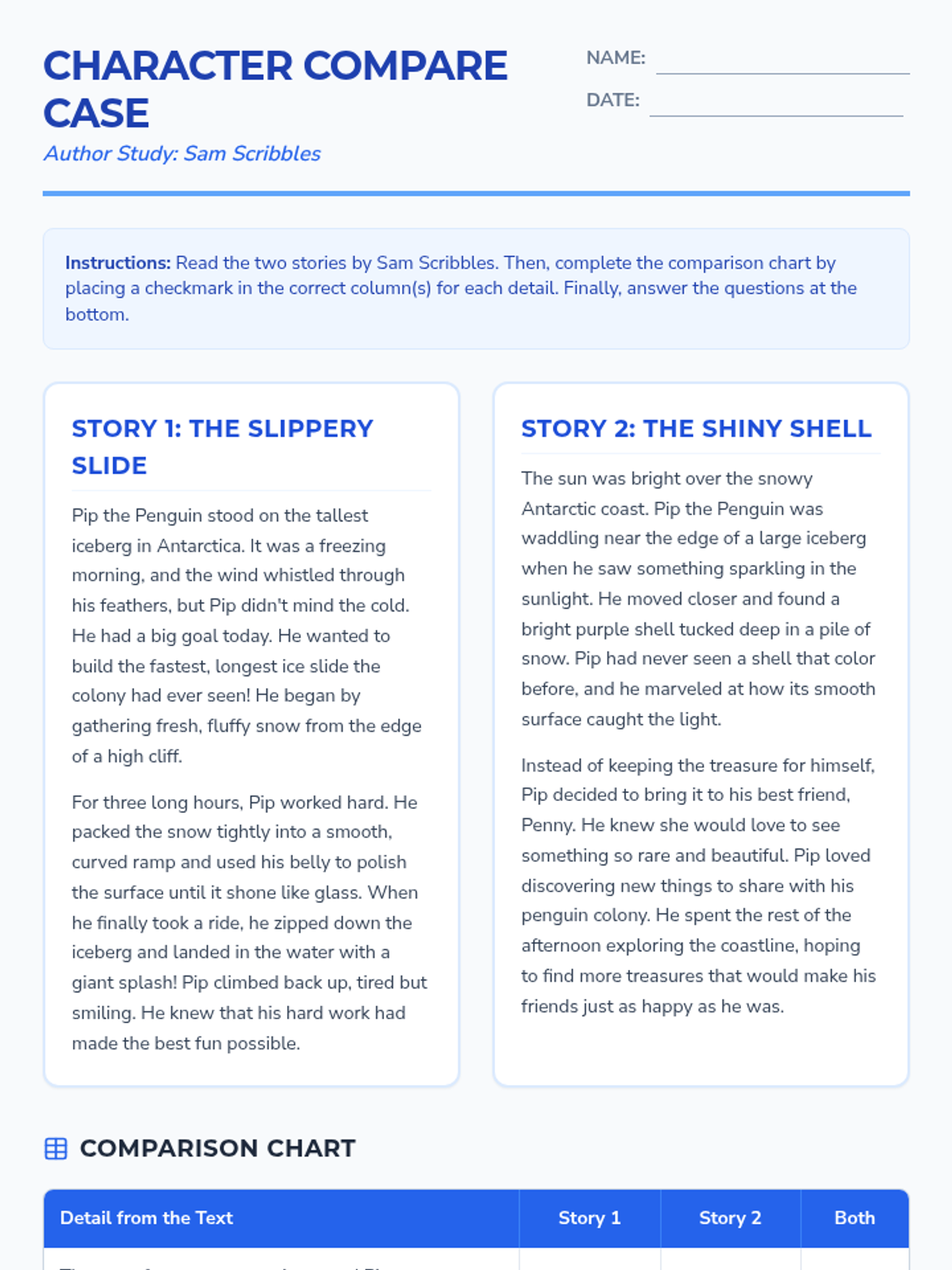
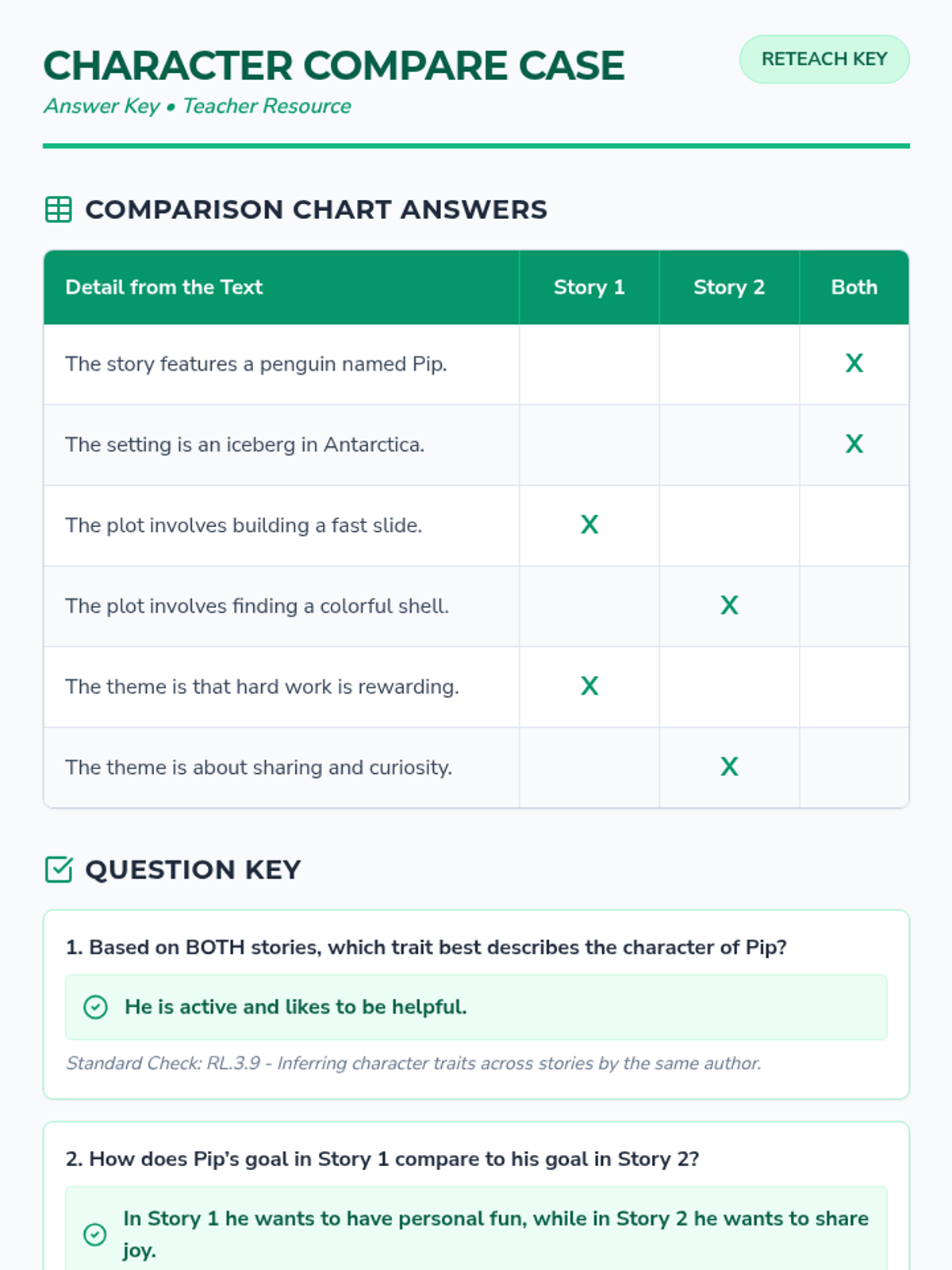
A 15-minute focused reteach lesson for 3rd grade students to compare and contrast themes, settings, and plots in stories by the same author featuring the same character.
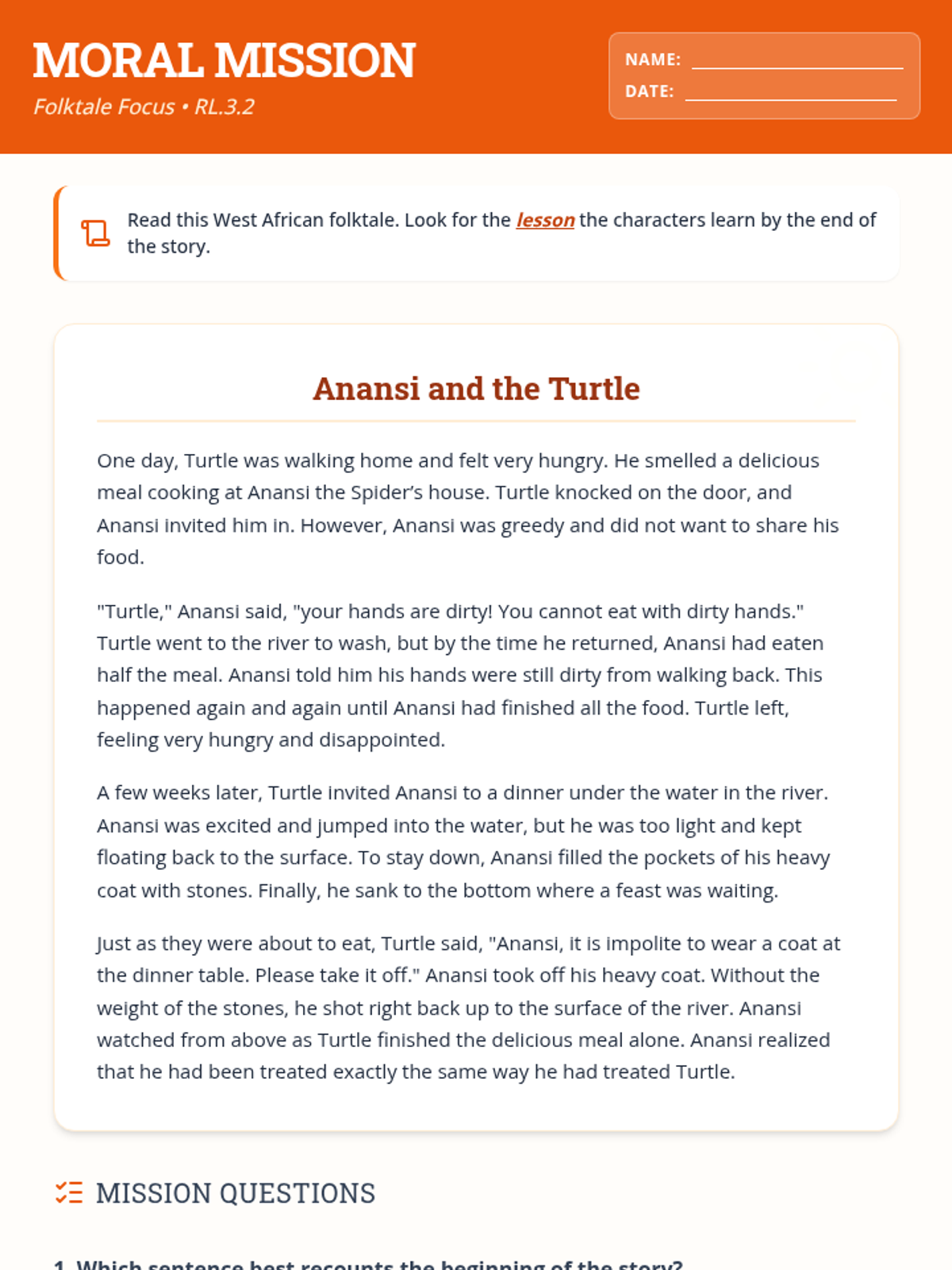
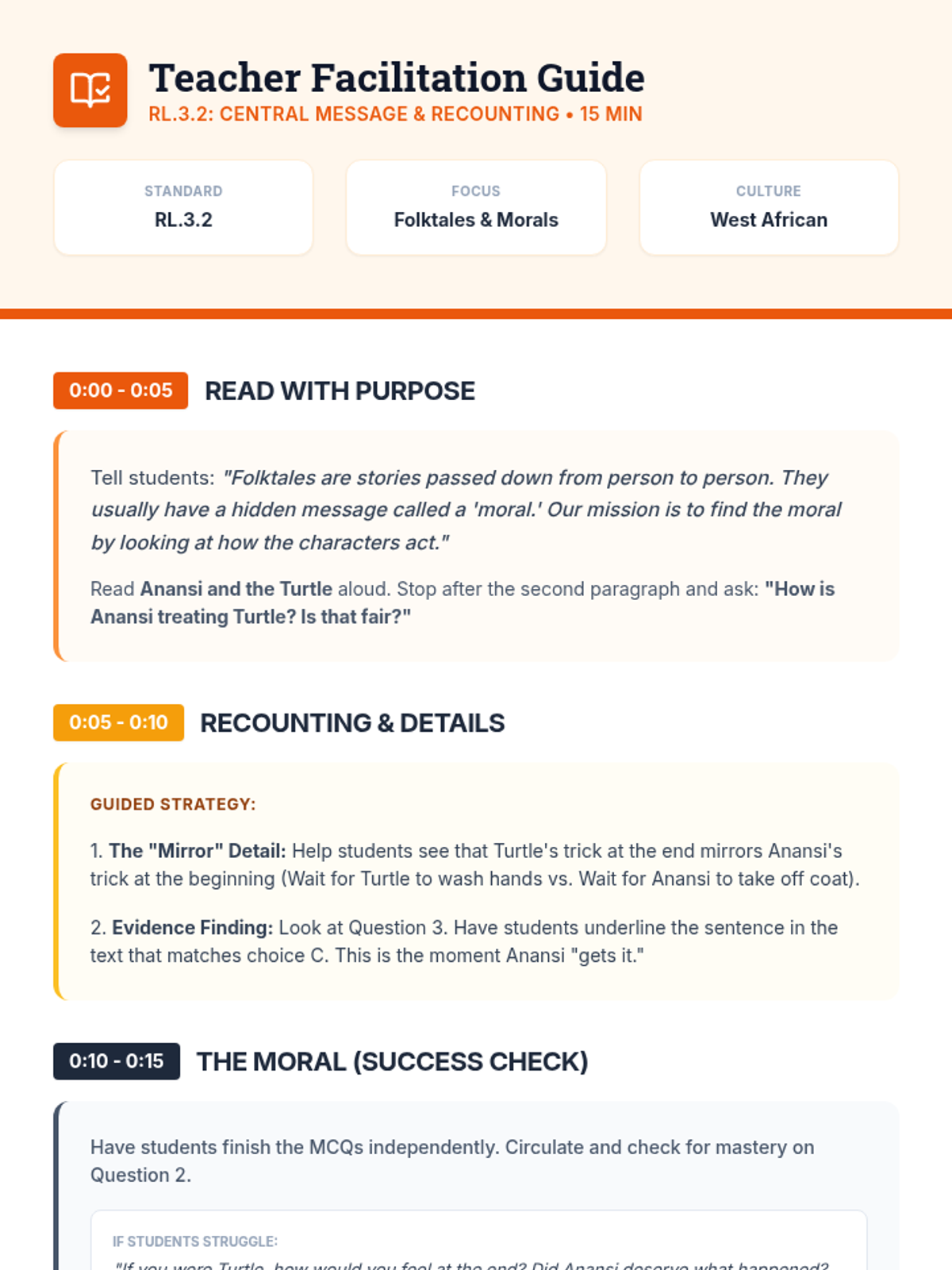
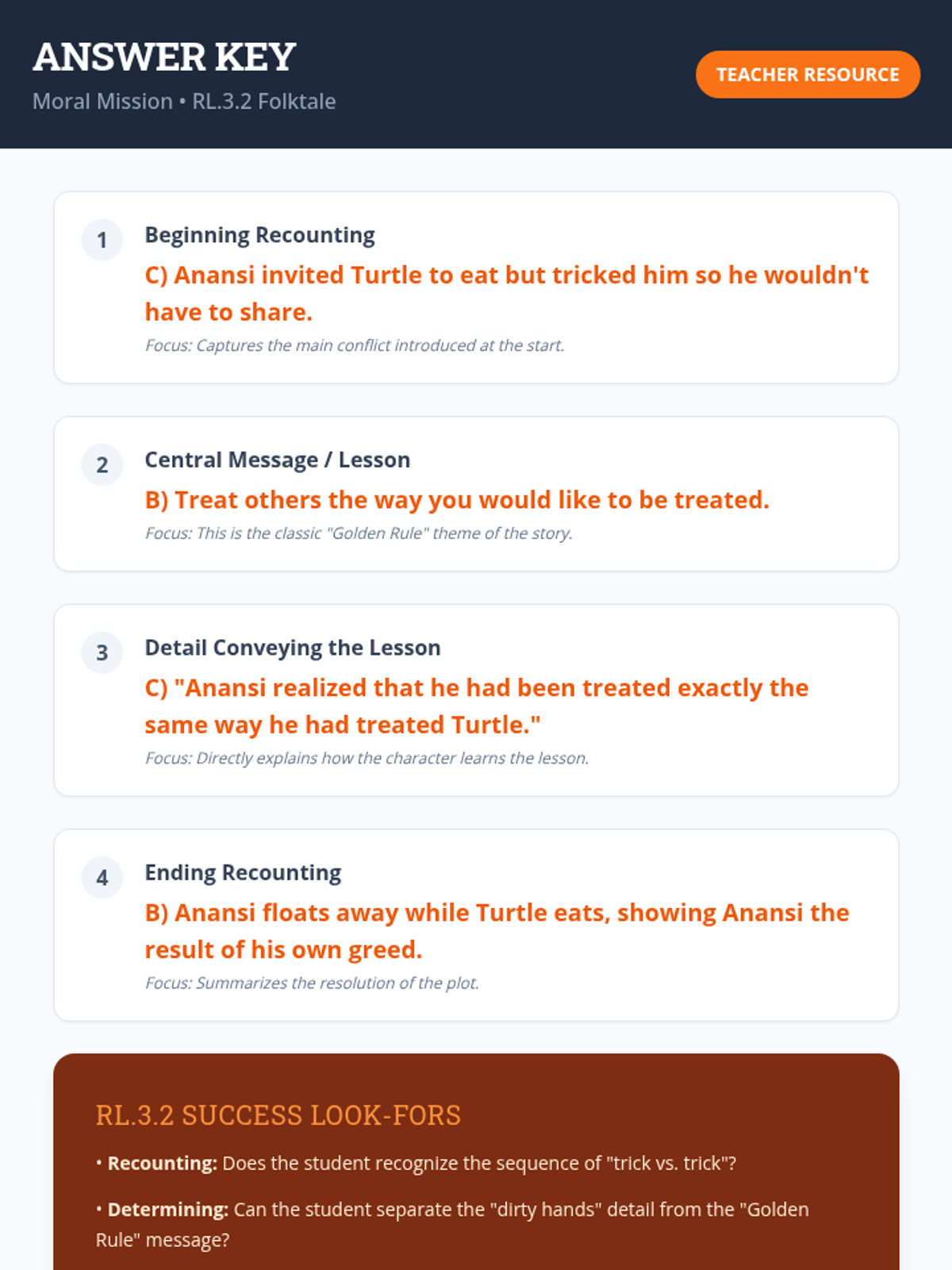
A 15-minute intervention session focused on recounting a West African folktale and determining its central message or moral using multiple-choice analysis.
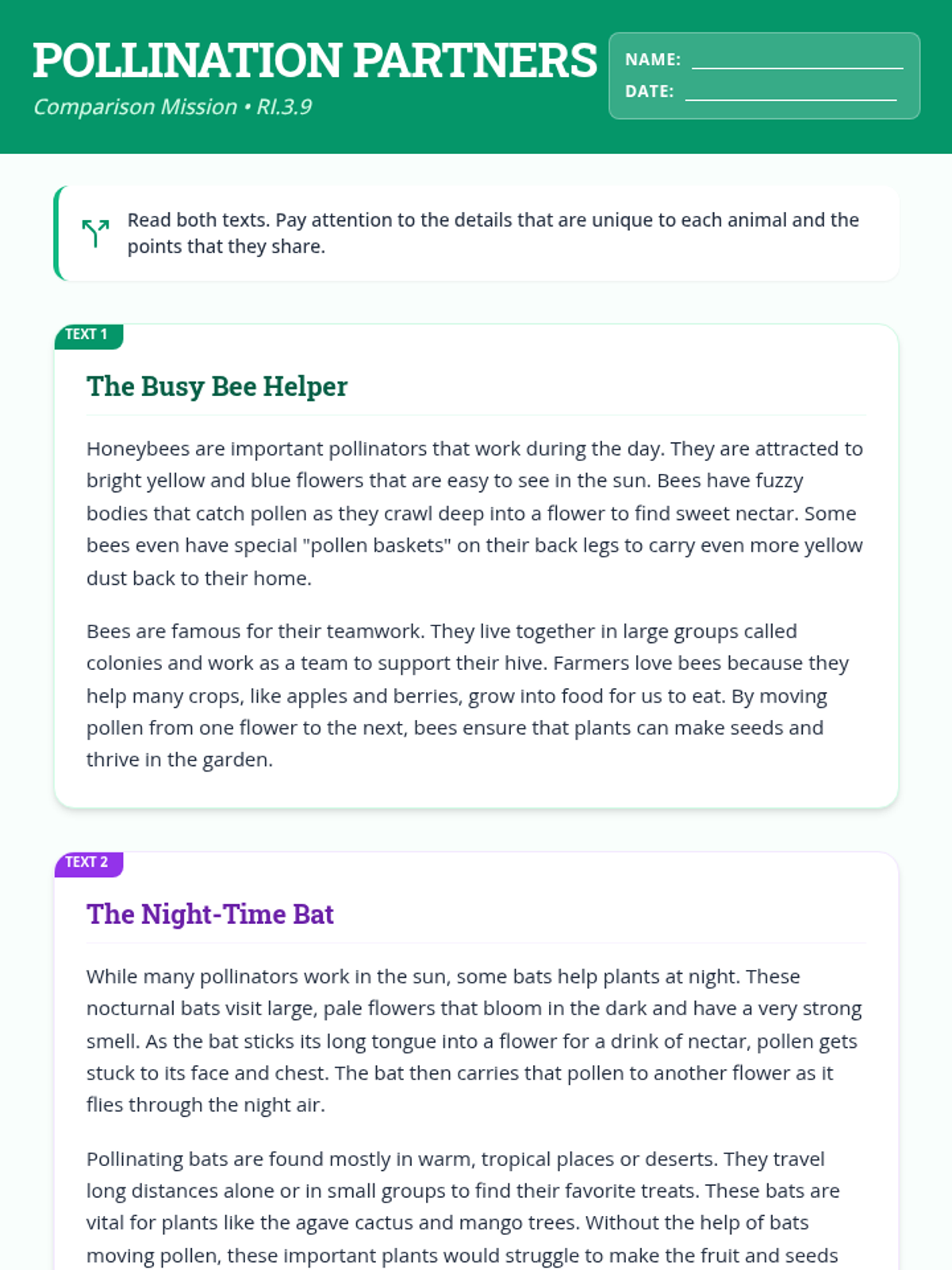
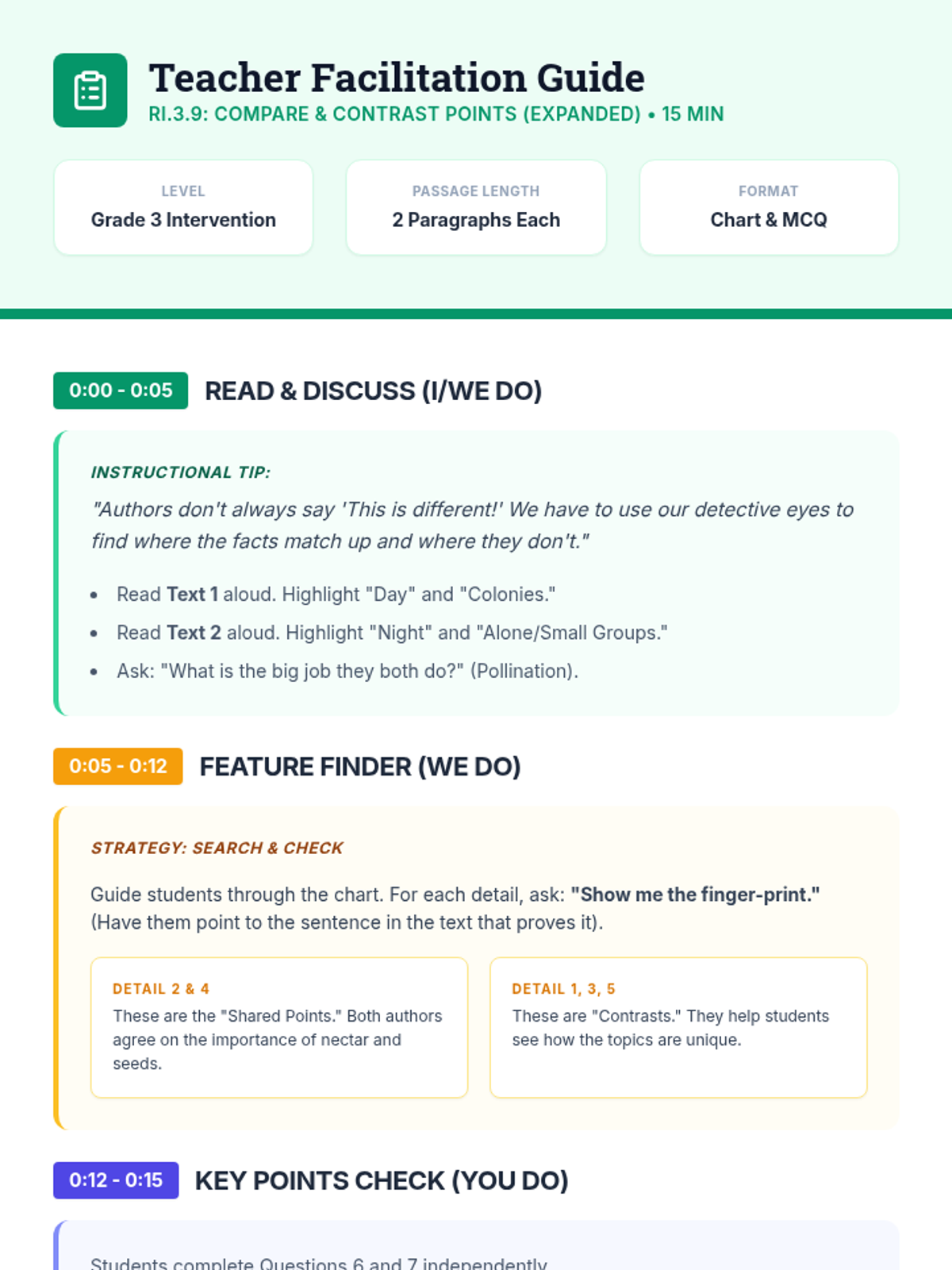
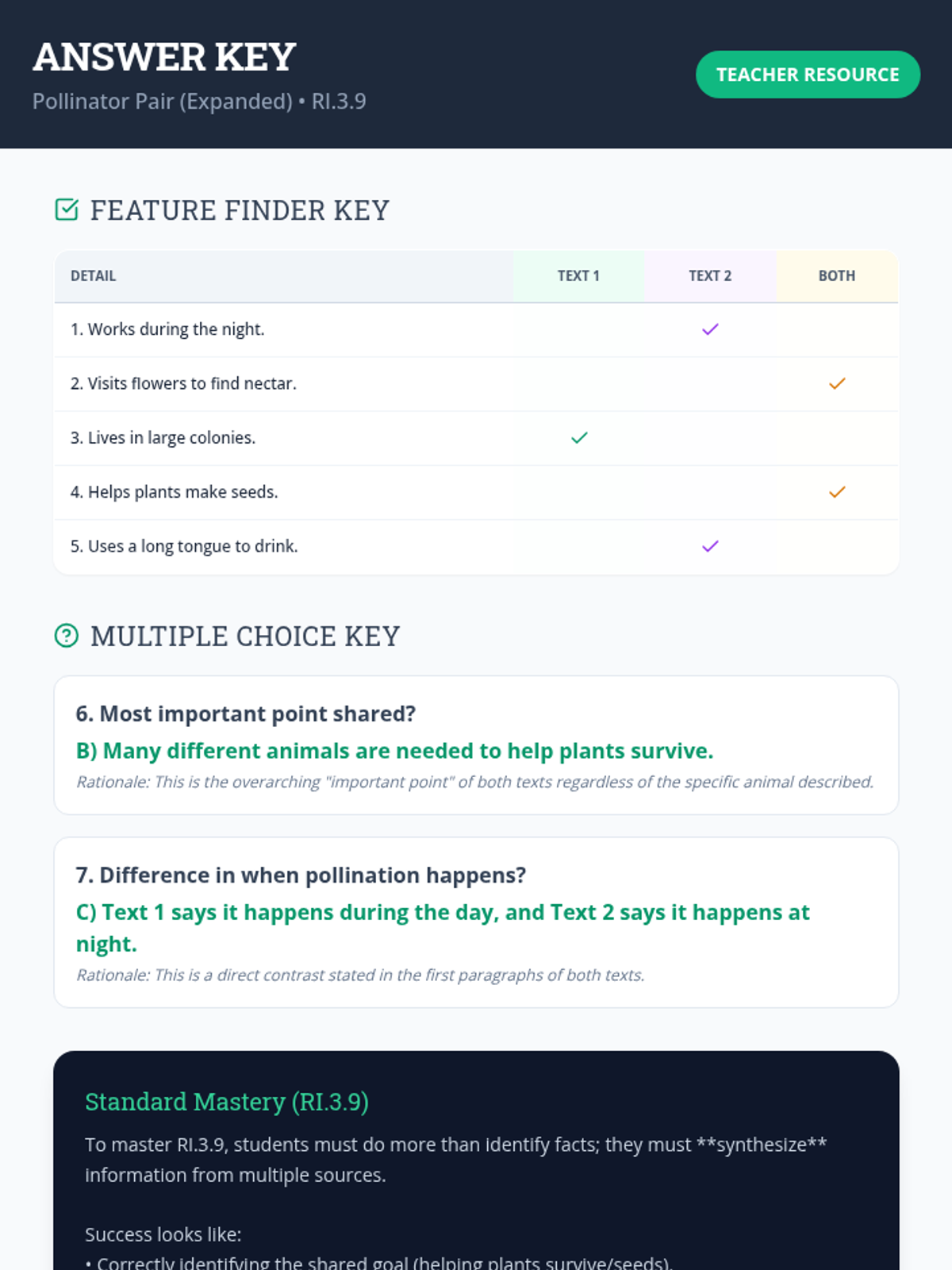
A small group session focused on comparing and contrasting key details from two texts about different pollinators to find shared and unique information.
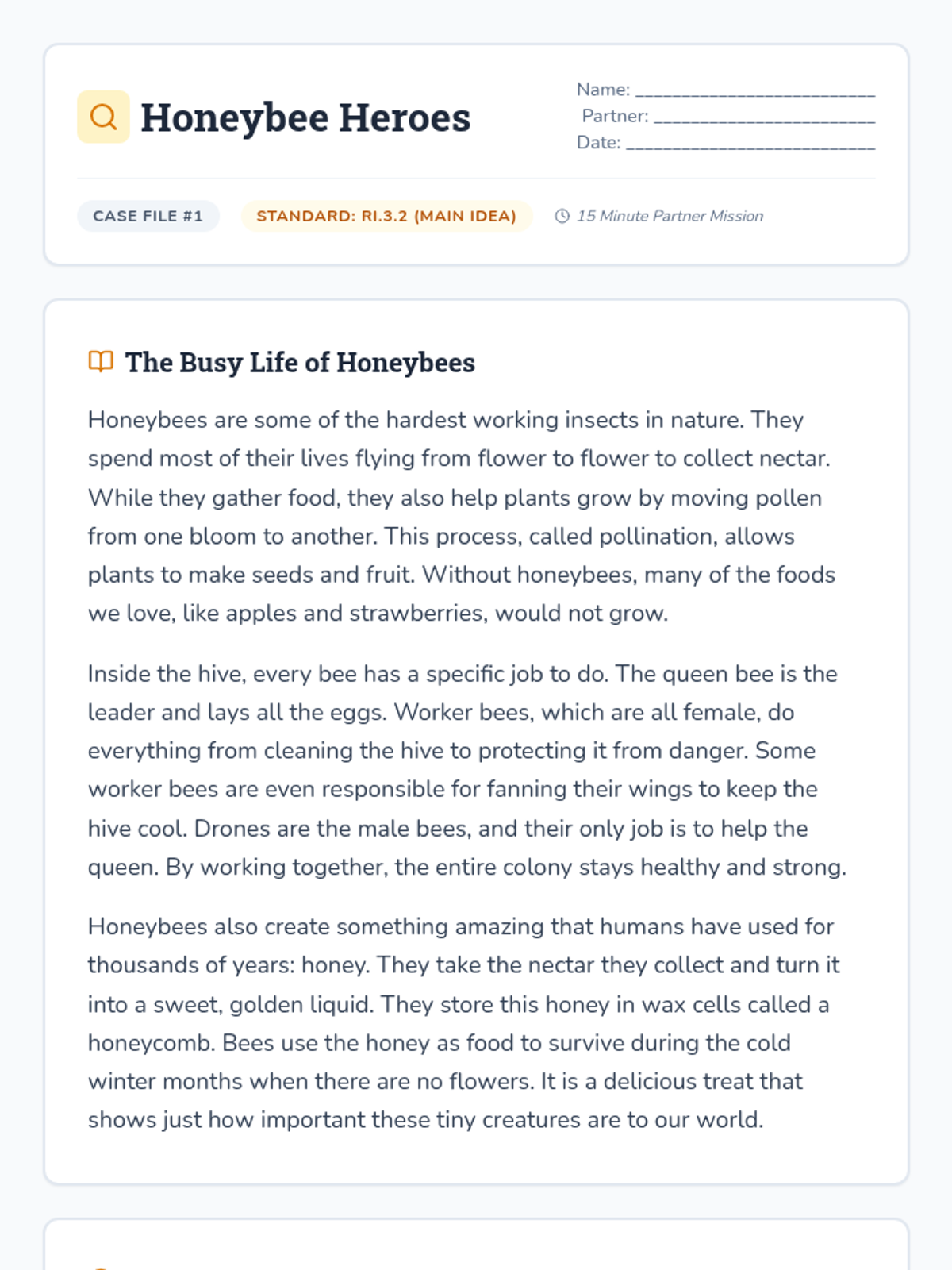
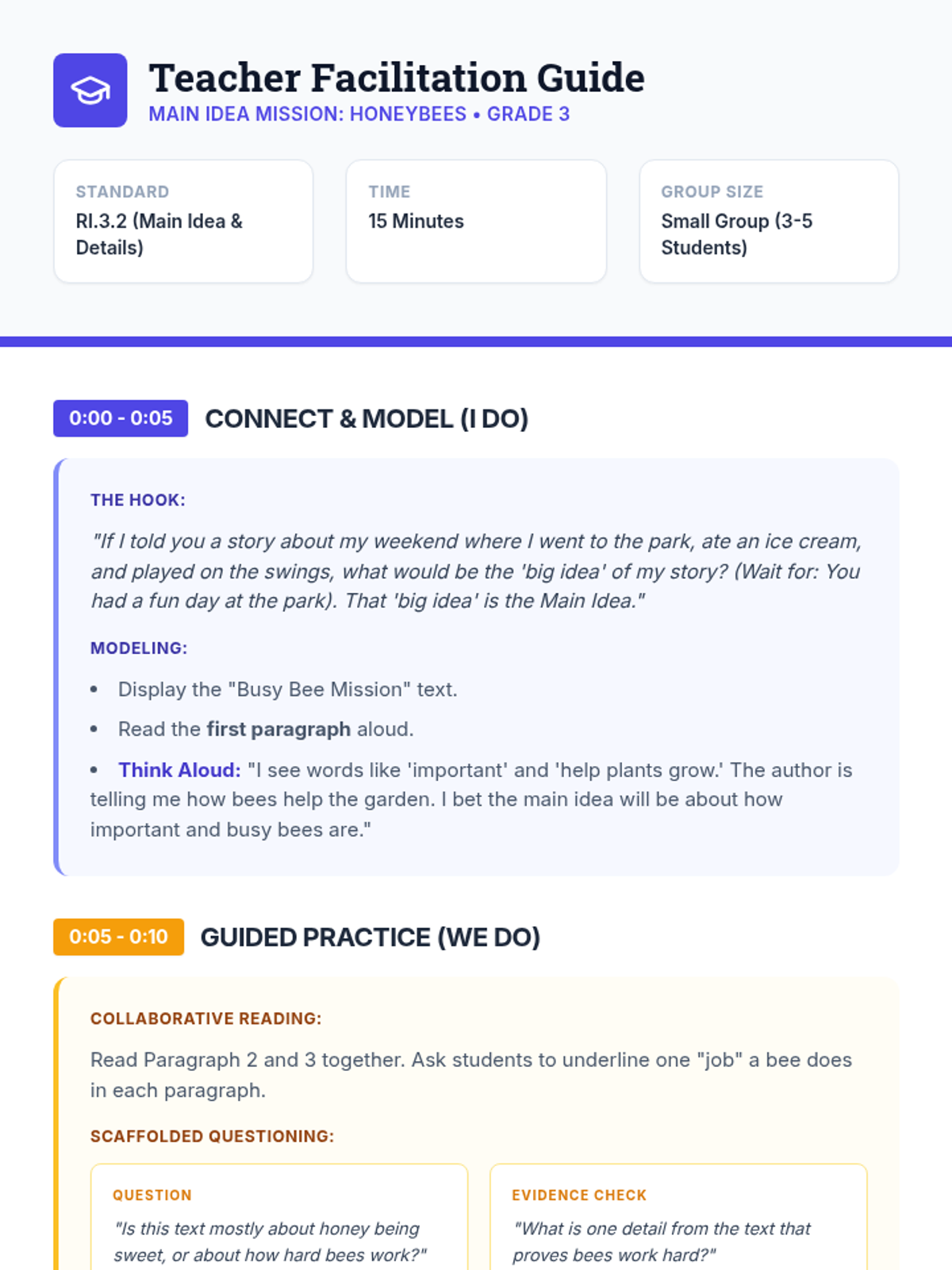
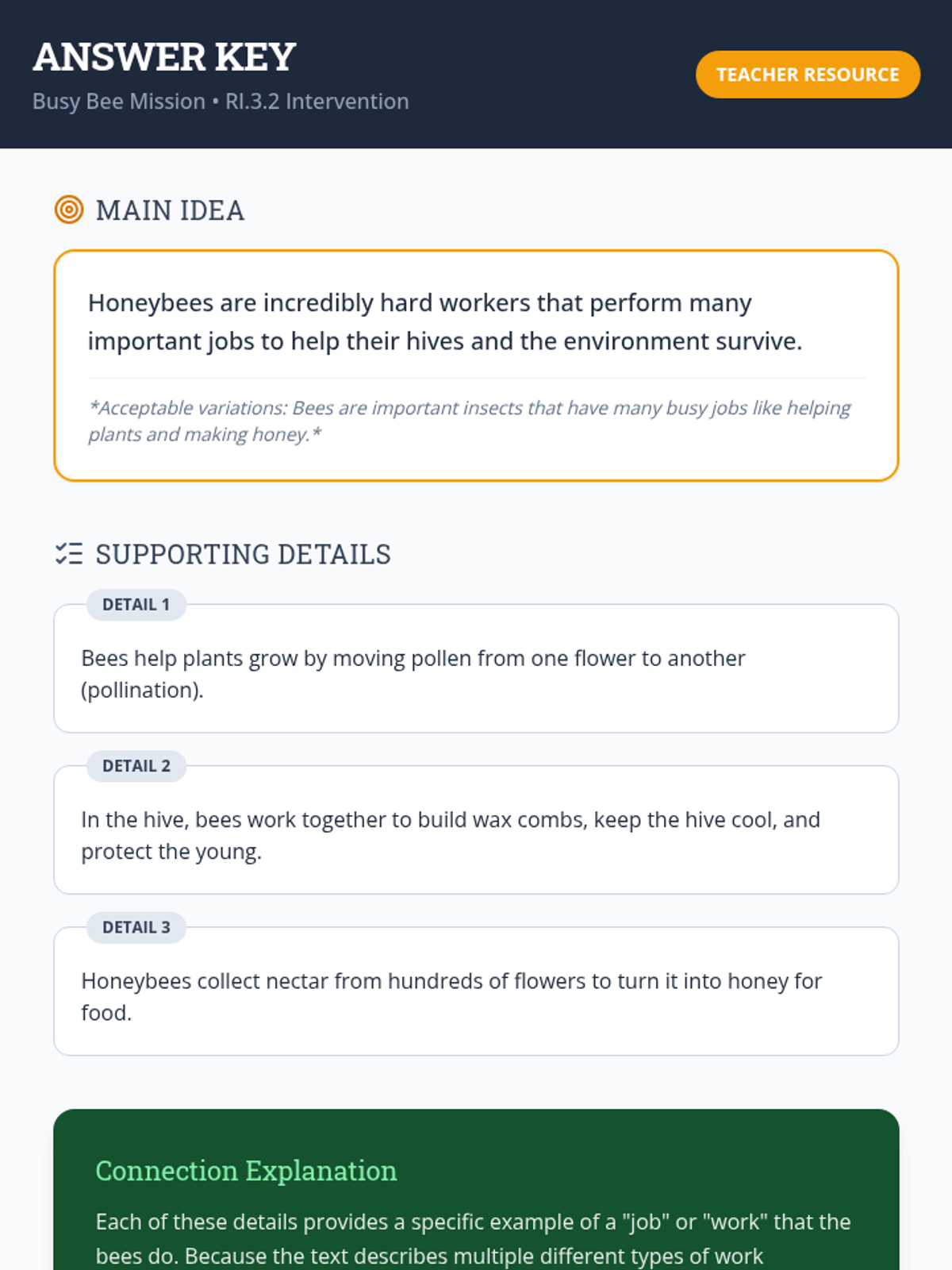
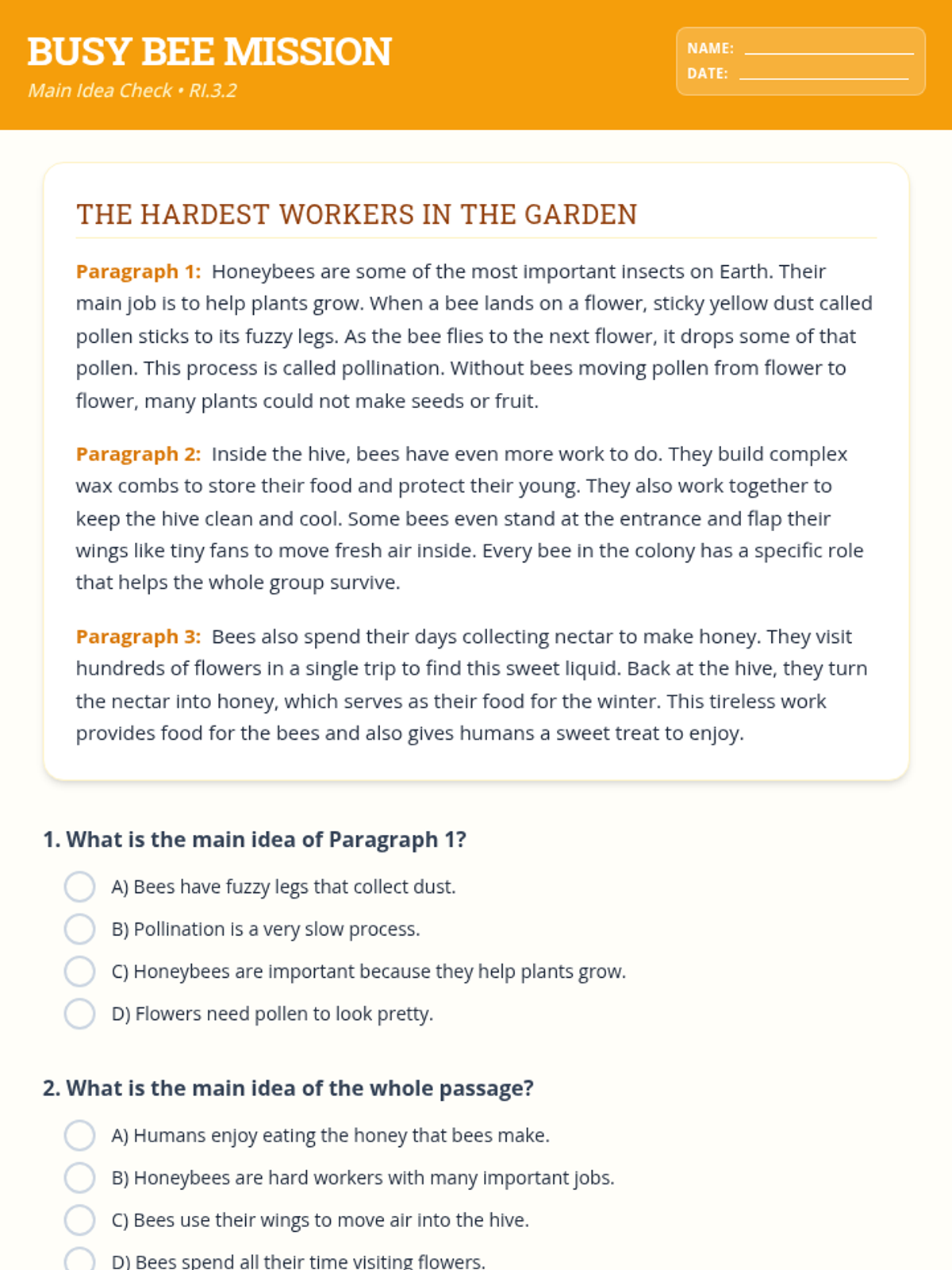
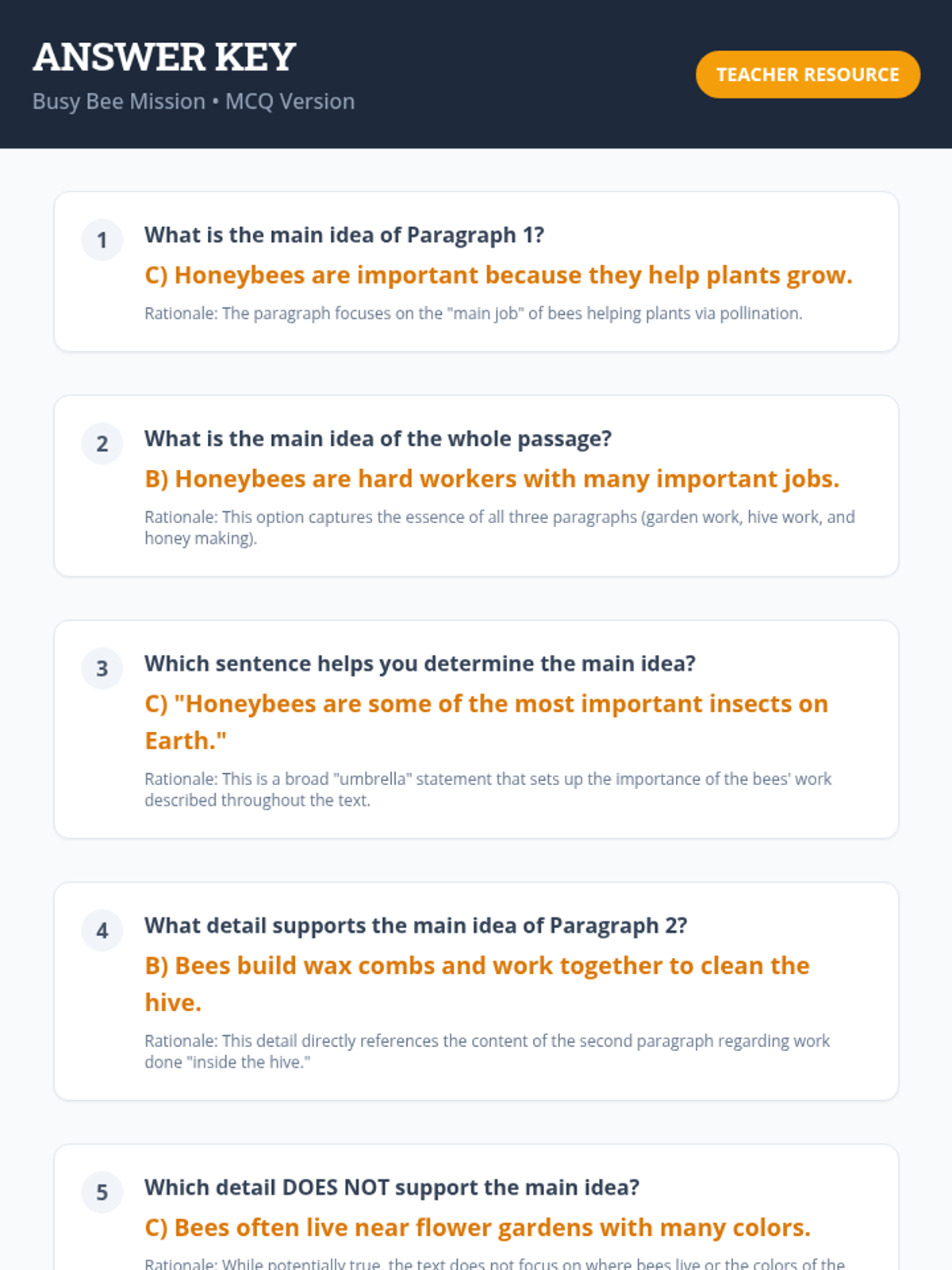
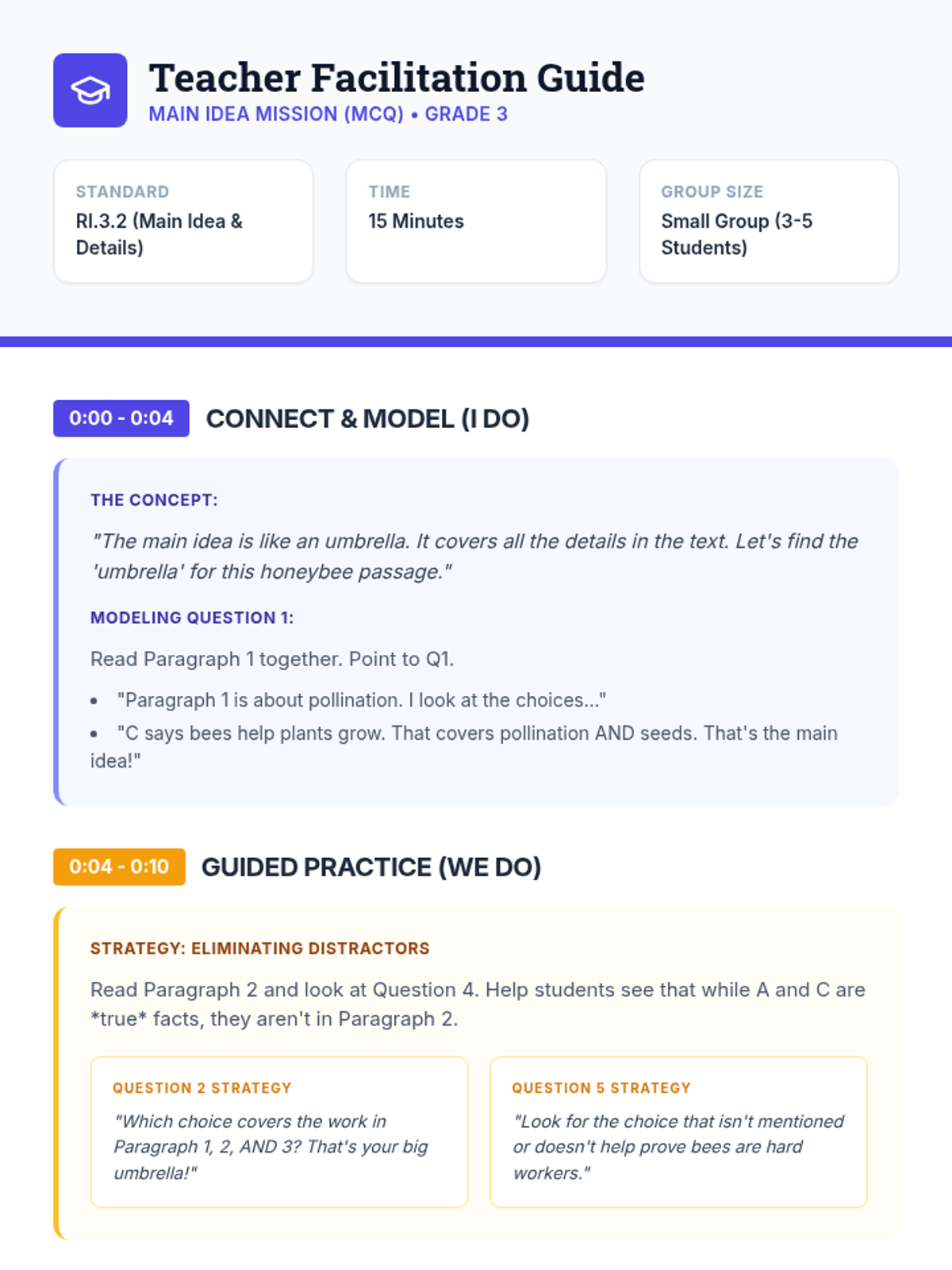
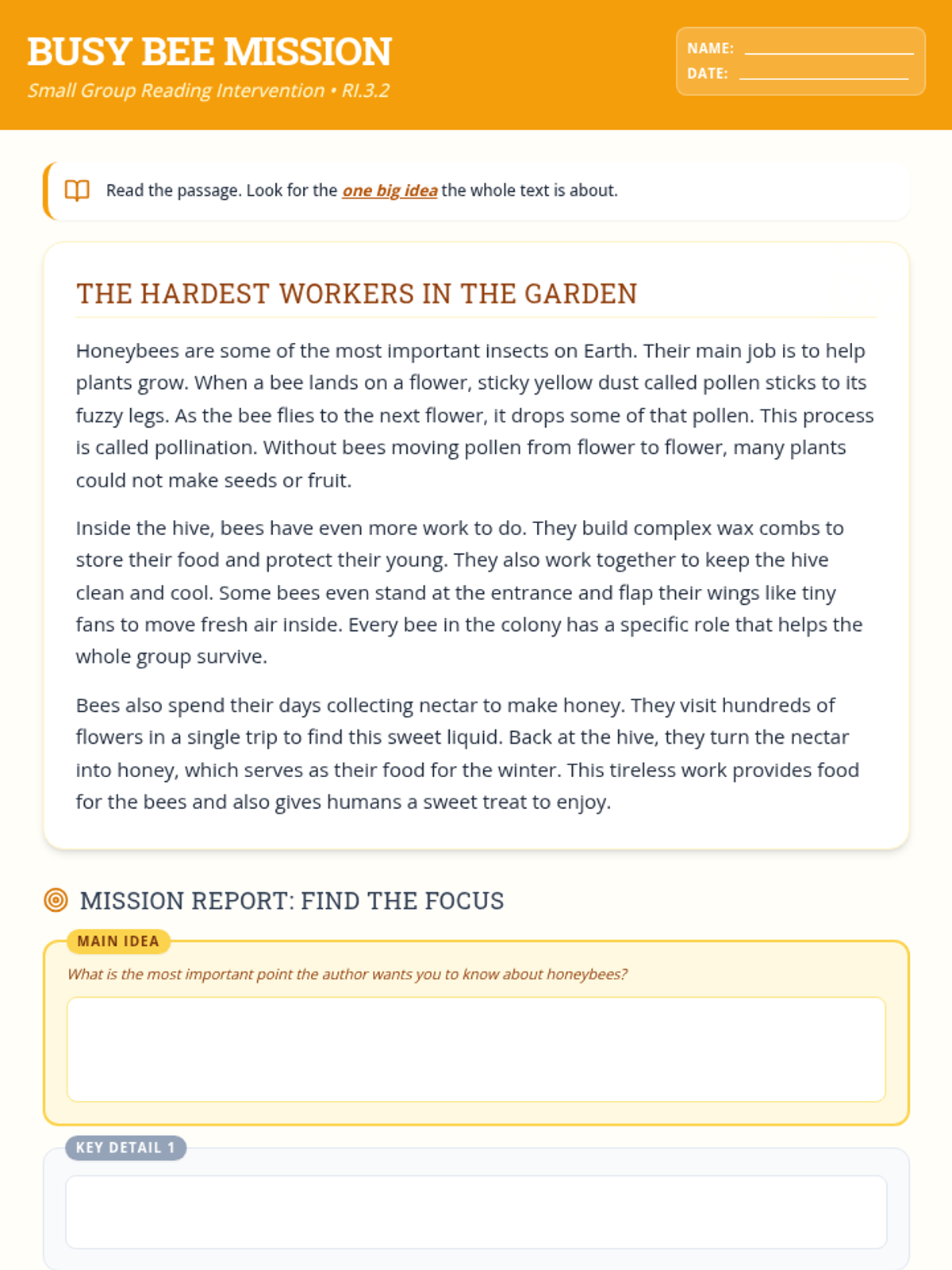
A 15-minute small group reteach focused on identifying the main idea and supporting details using an engaging passage about honeybees.
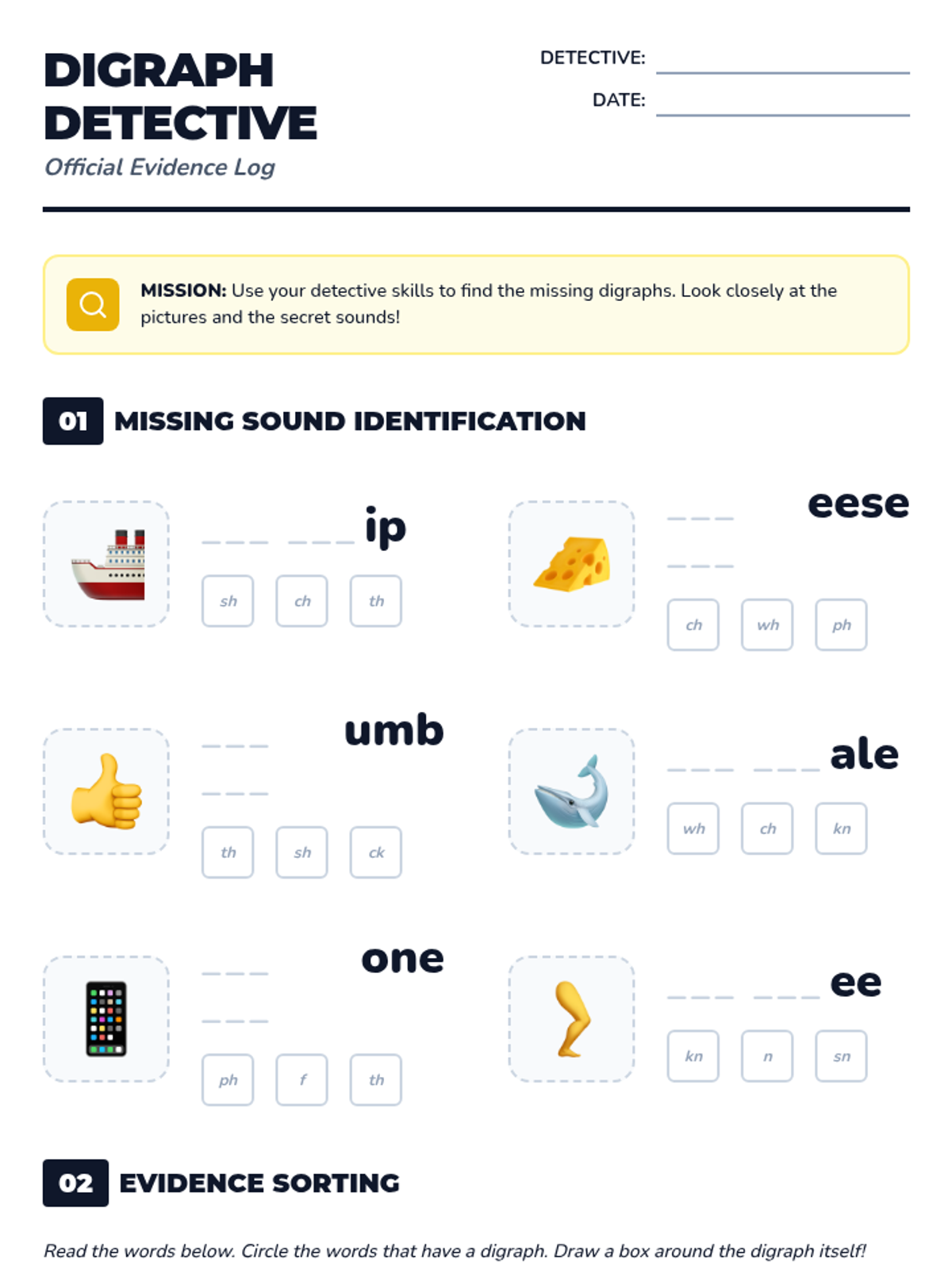
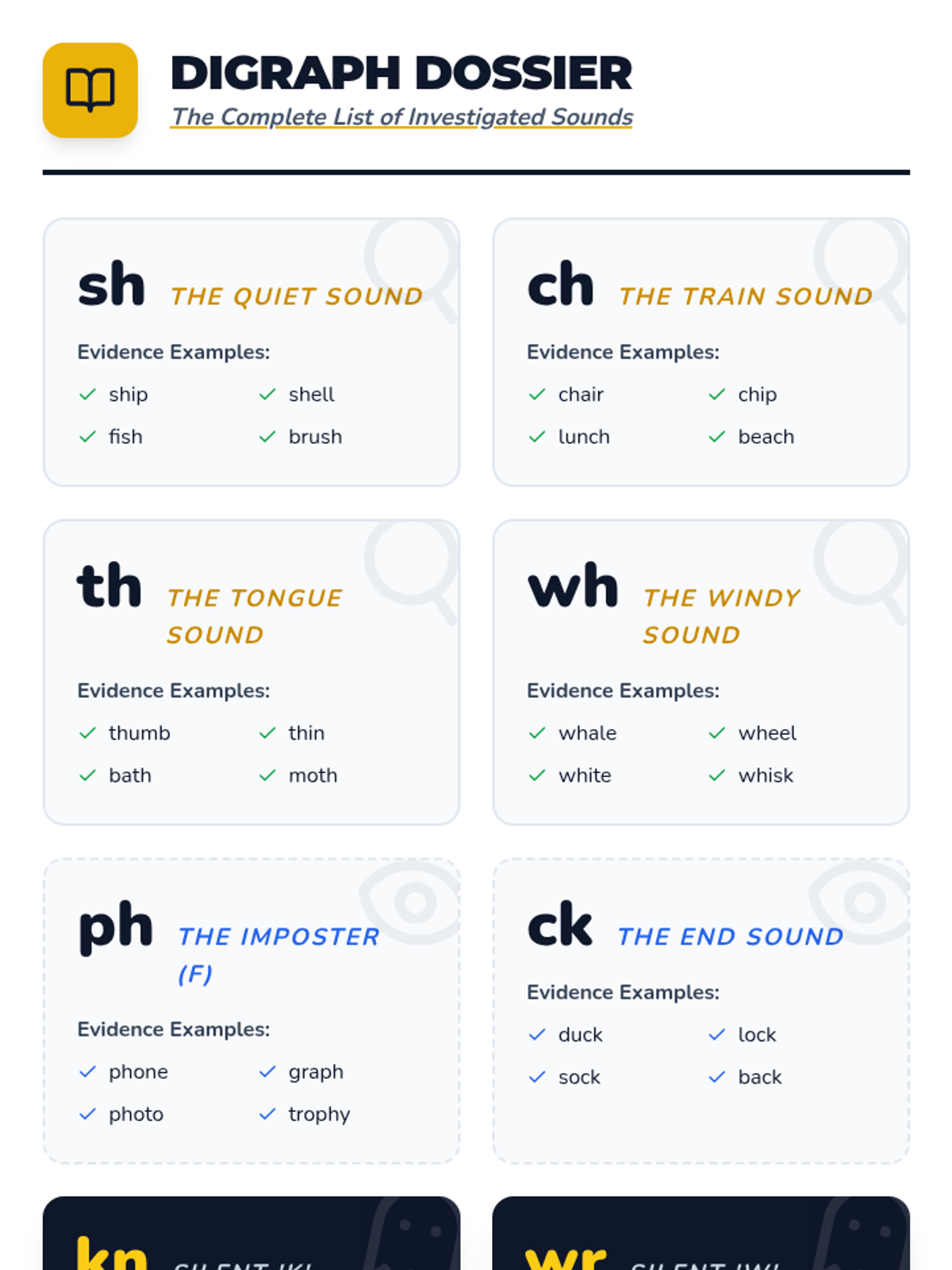
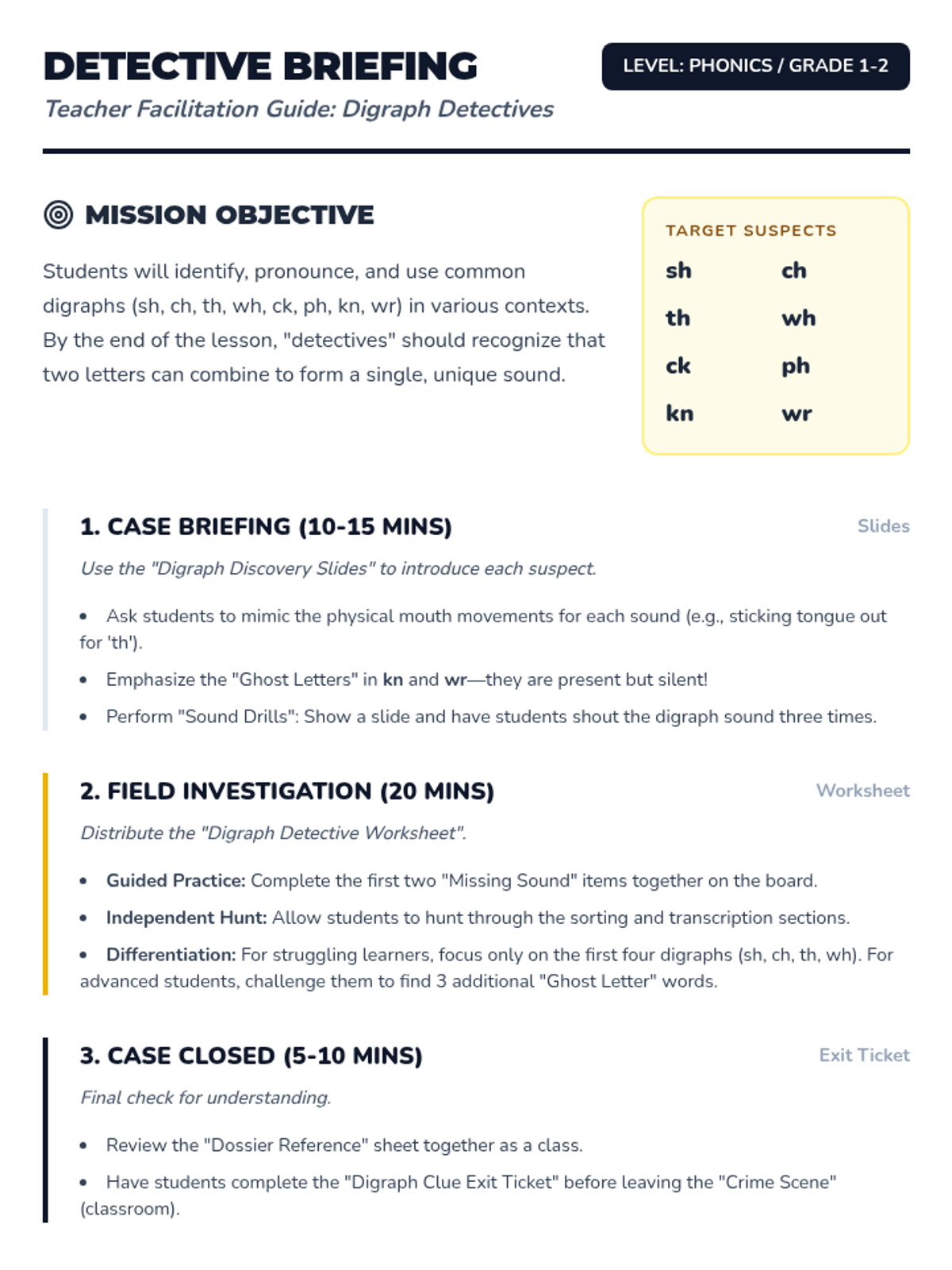
A foundational phonics lesson focused on identifying and using common digraphs (sh, ch, th, wh, ck, ph, kn, wr) through a fun detective-themed exploration.
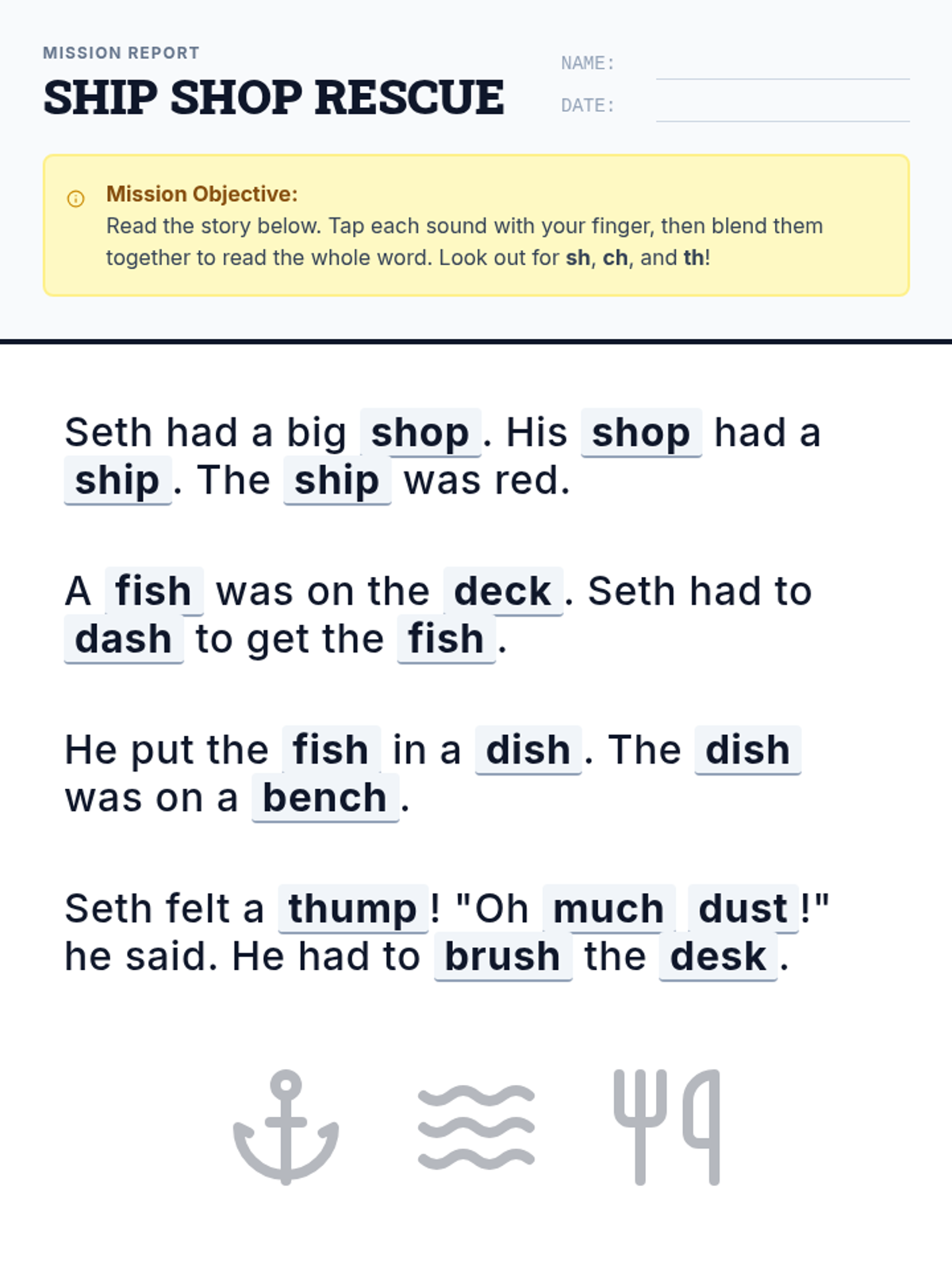
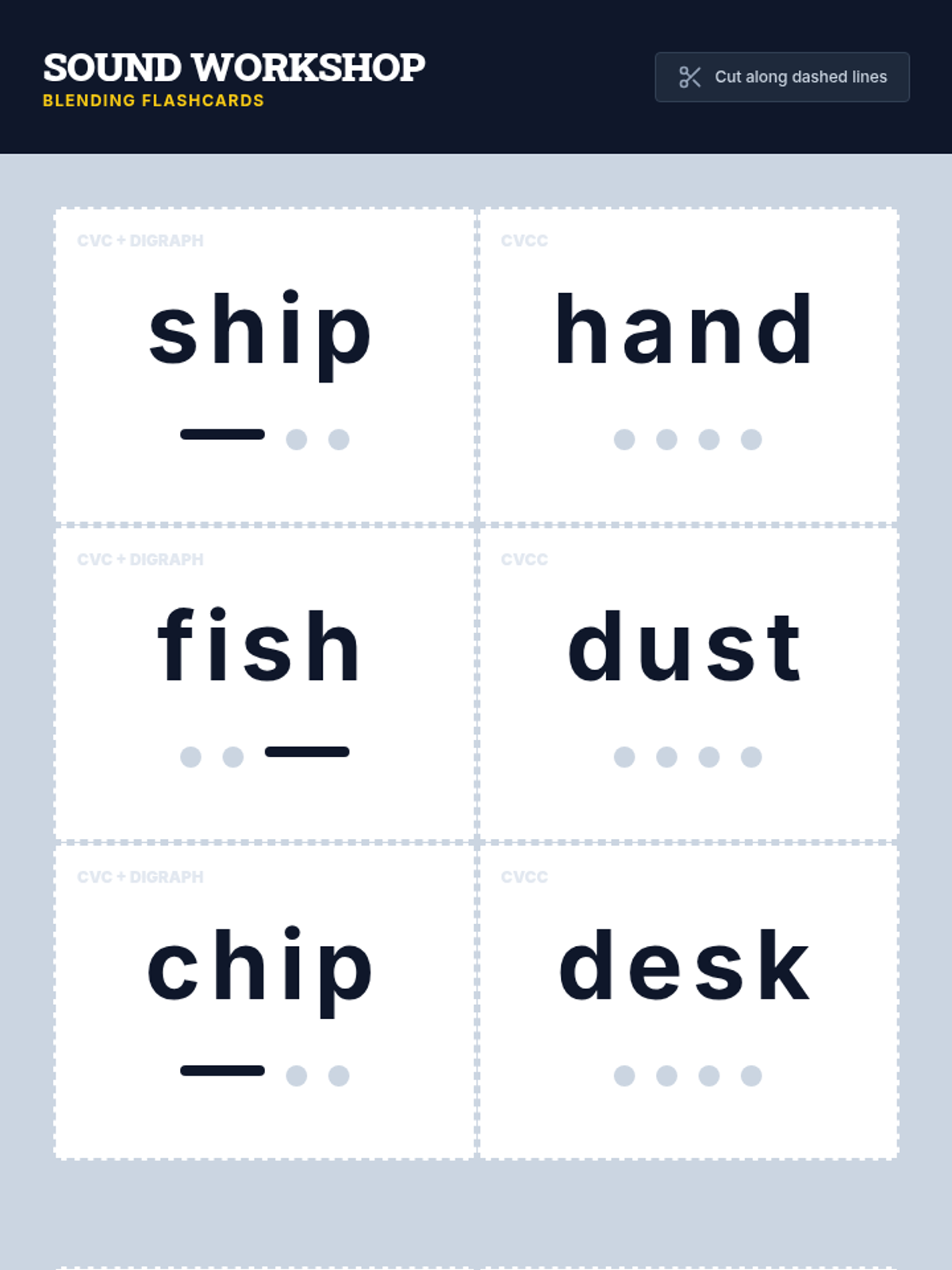
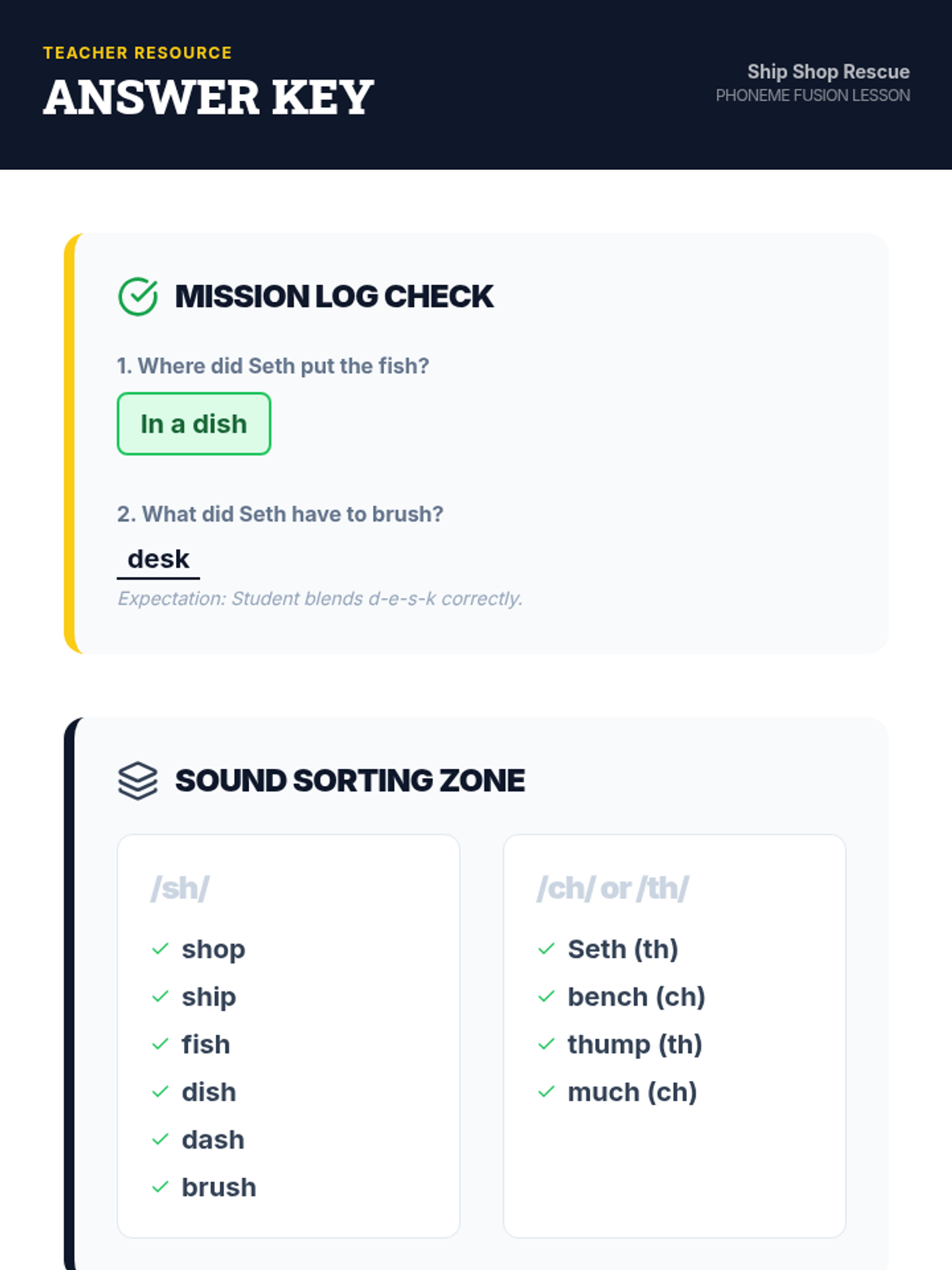
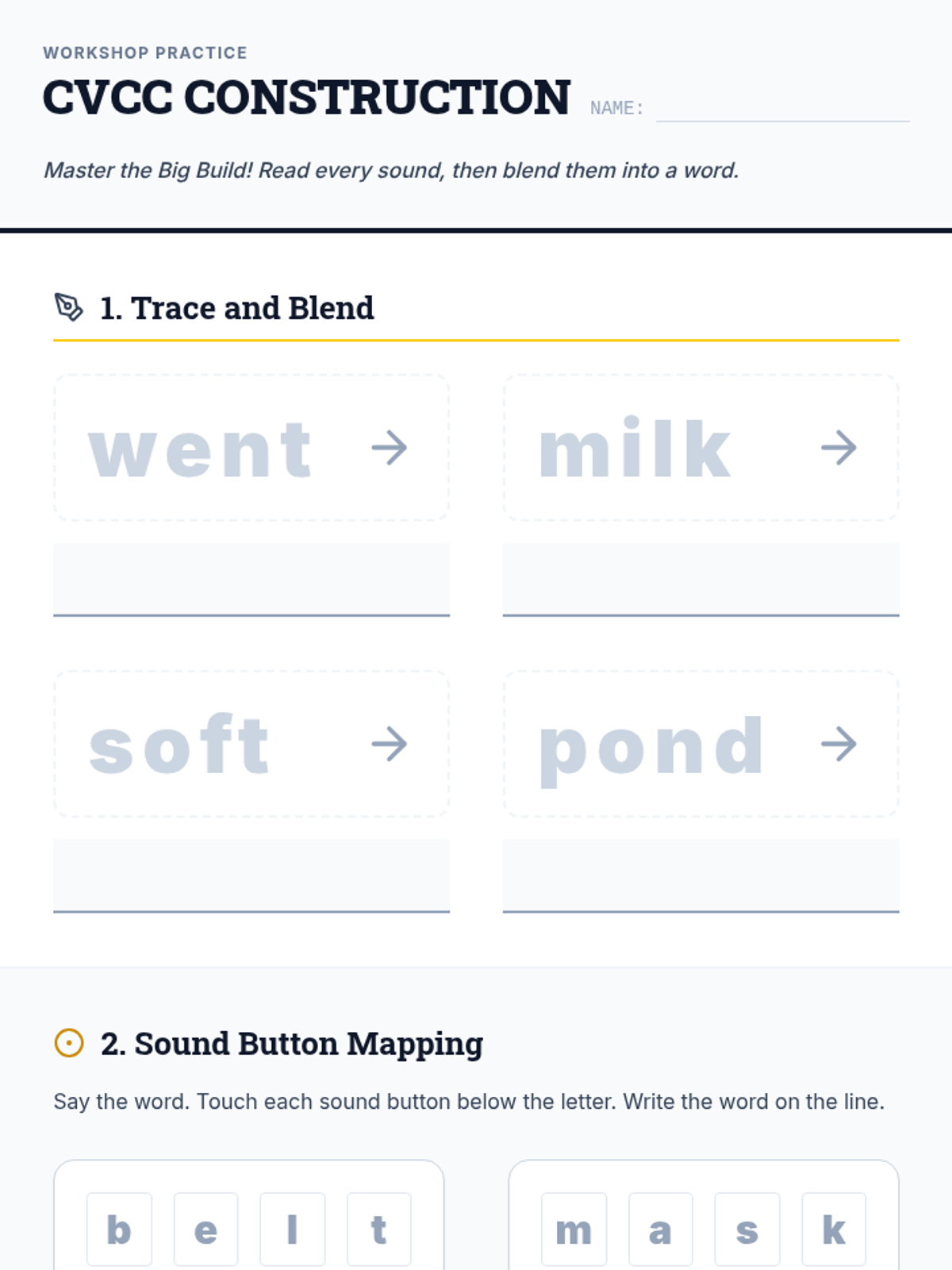
A foundational lesson on blending phonemes to read CVC and CVCC words, featuring short vowels and common digraphs (sh, ch, th). This lesson includes a guided slide deck, a targeted reading passage, and interactive flashcards.
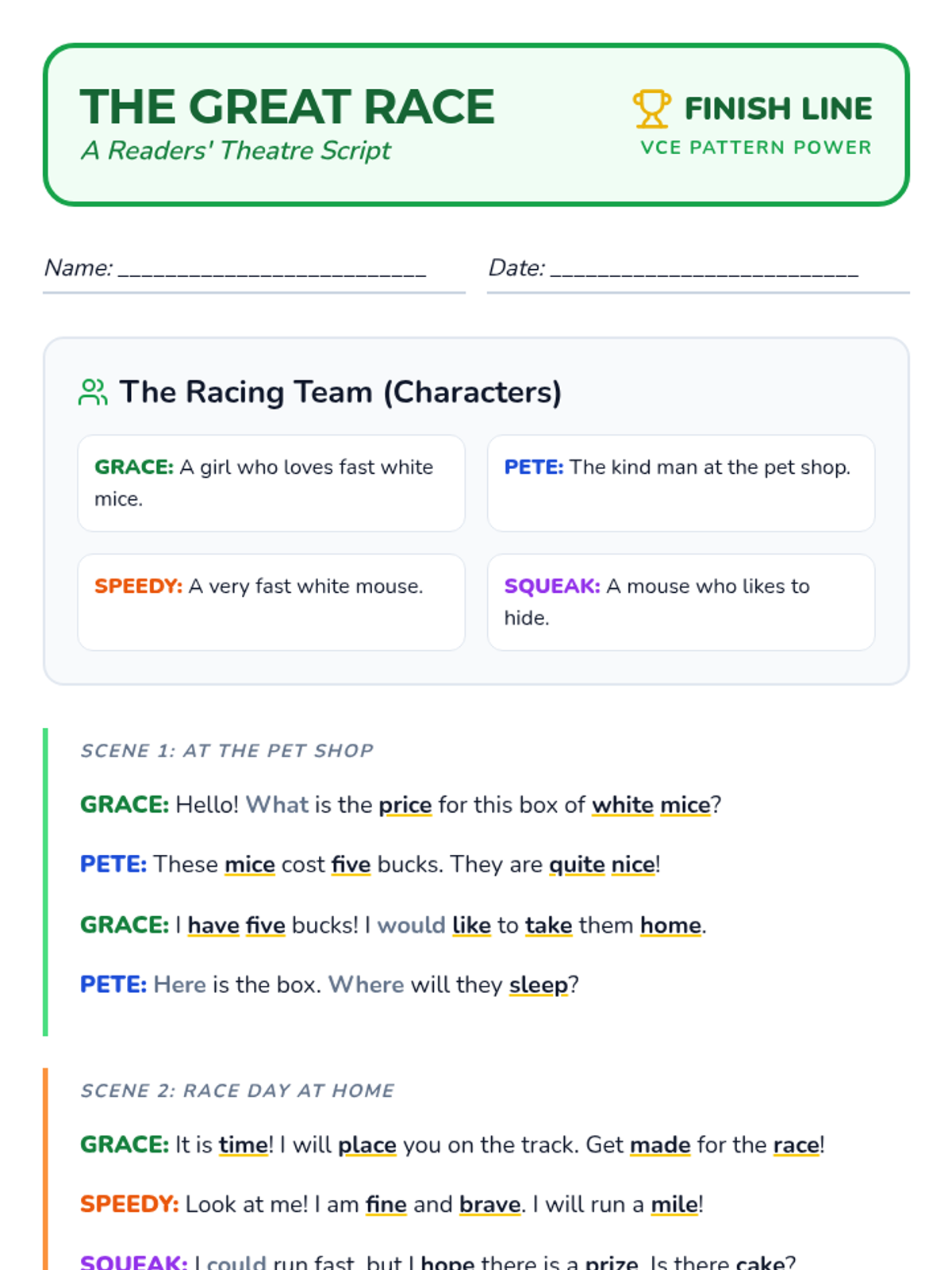
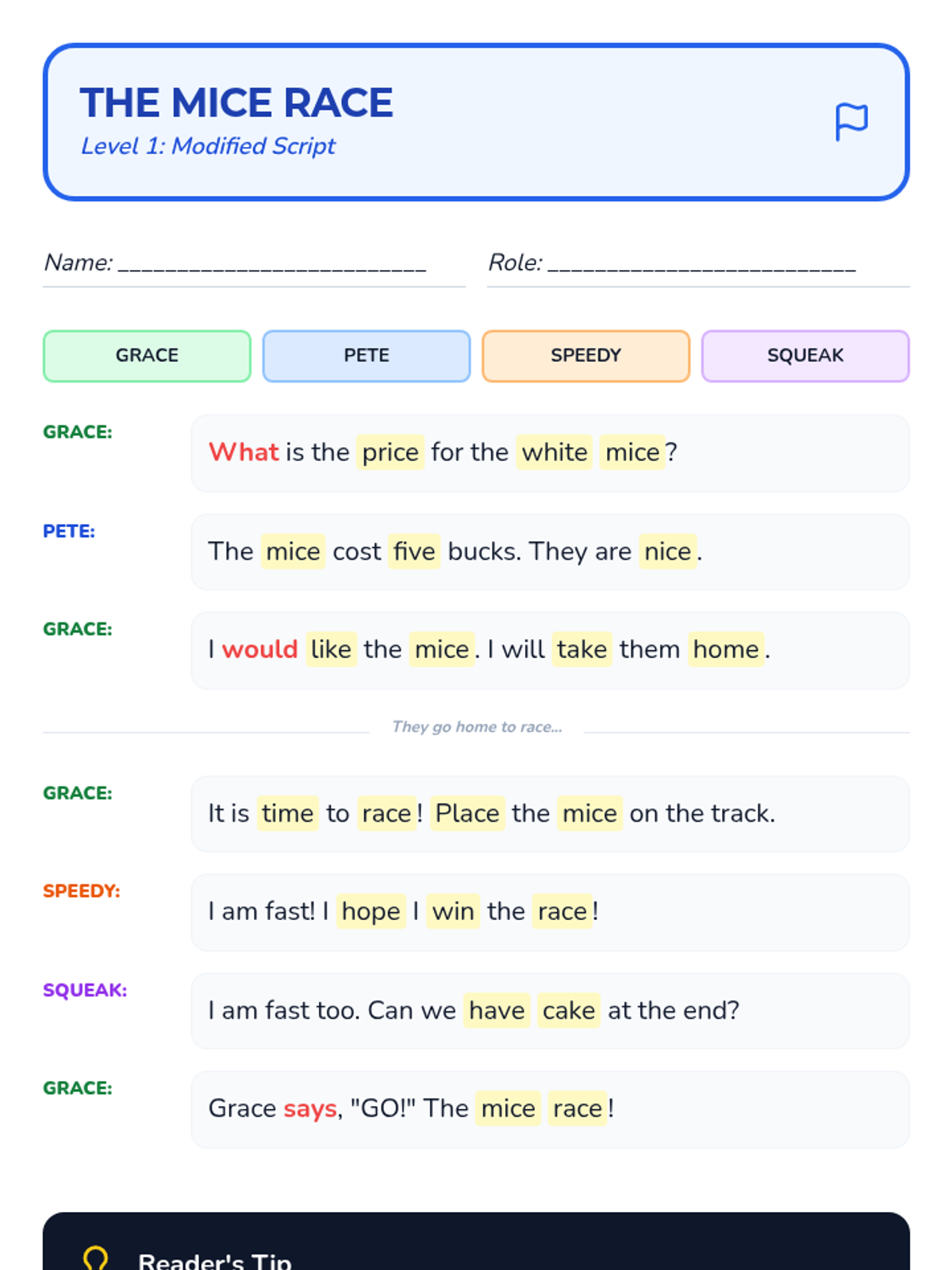
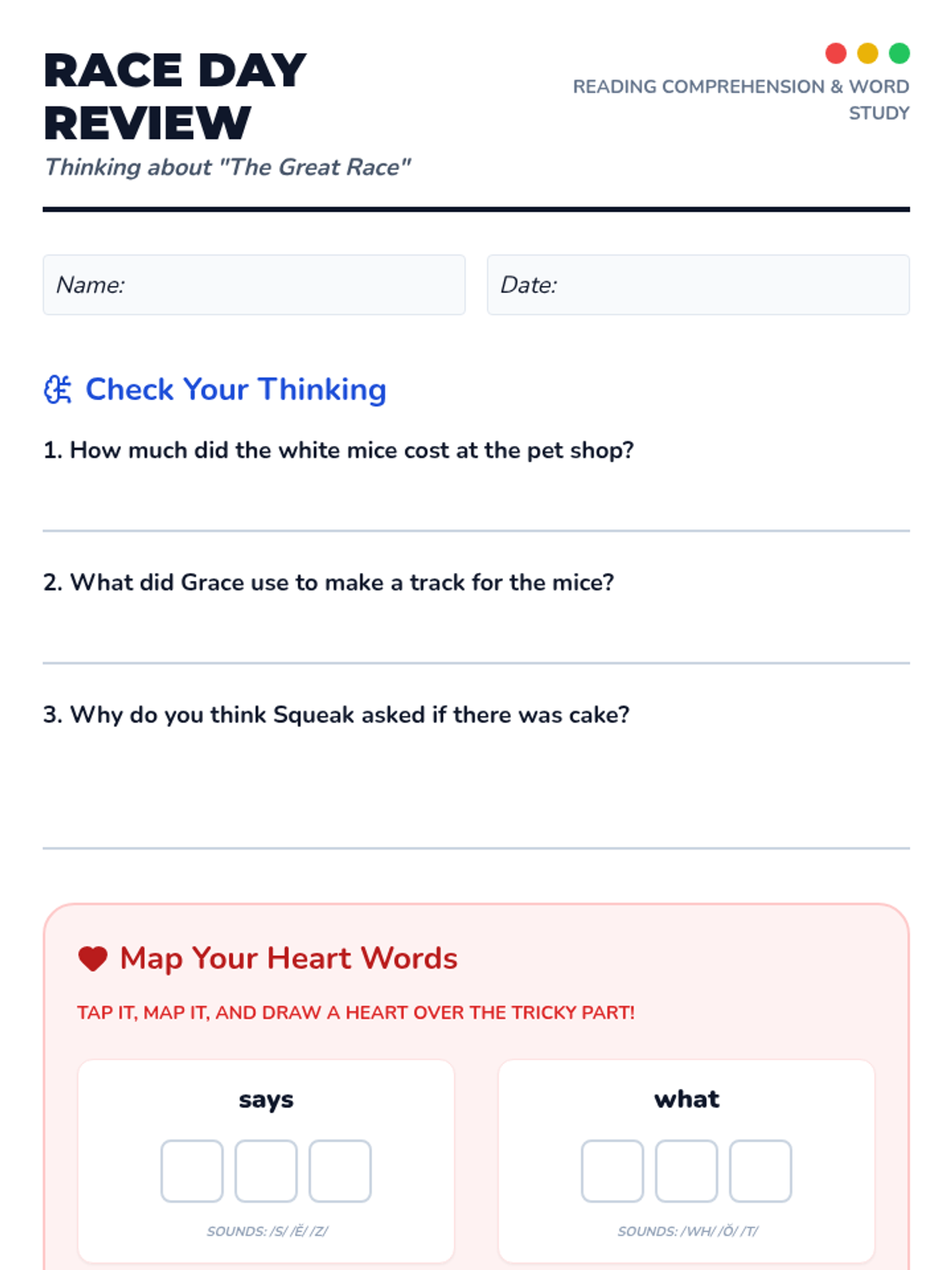
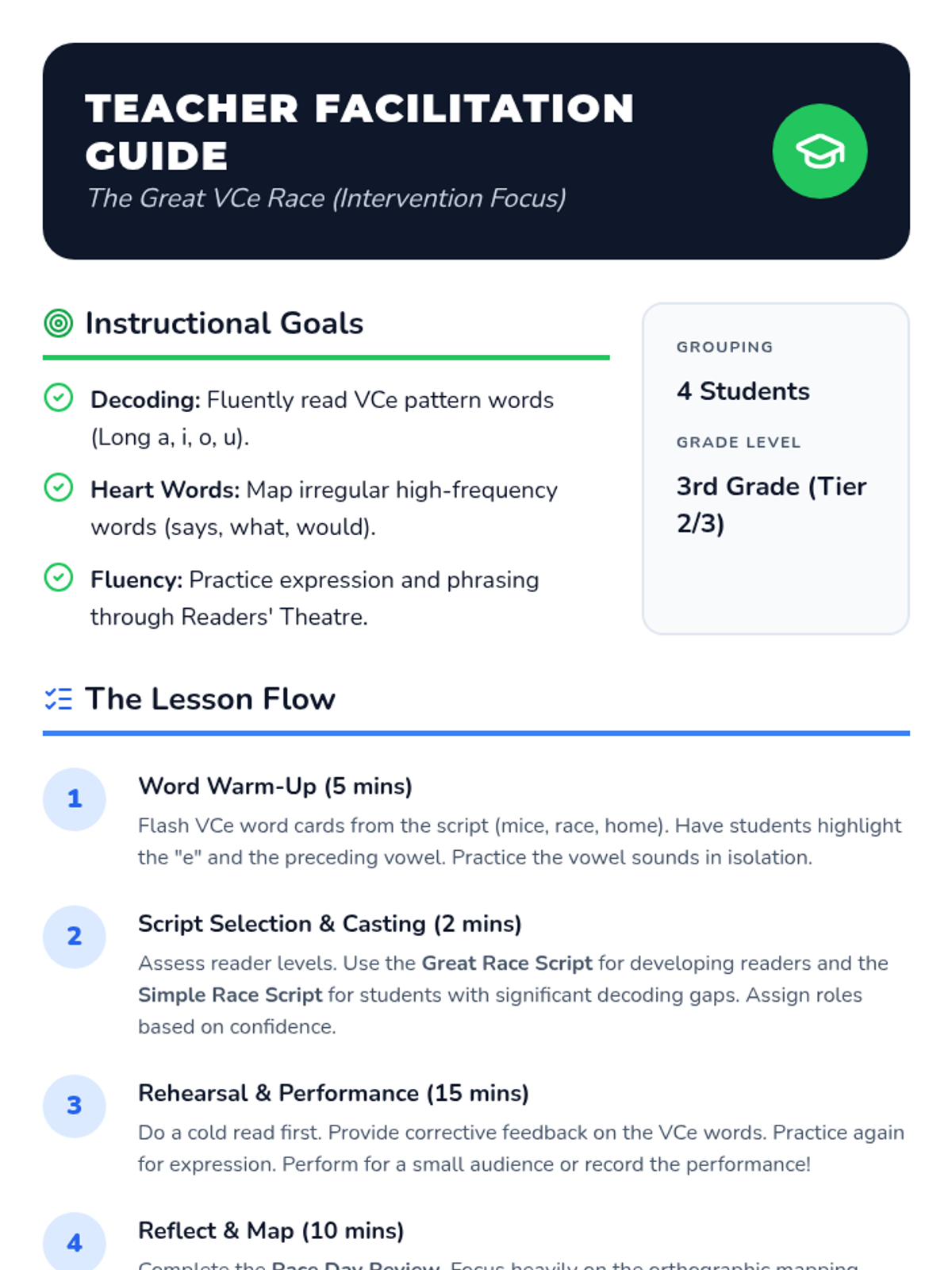
A Readers' Theatre lesson designed for 3rd-grade intervention students, focusing on VCe patterns and orthographic mapping of heart words through a fun racing-themed script.
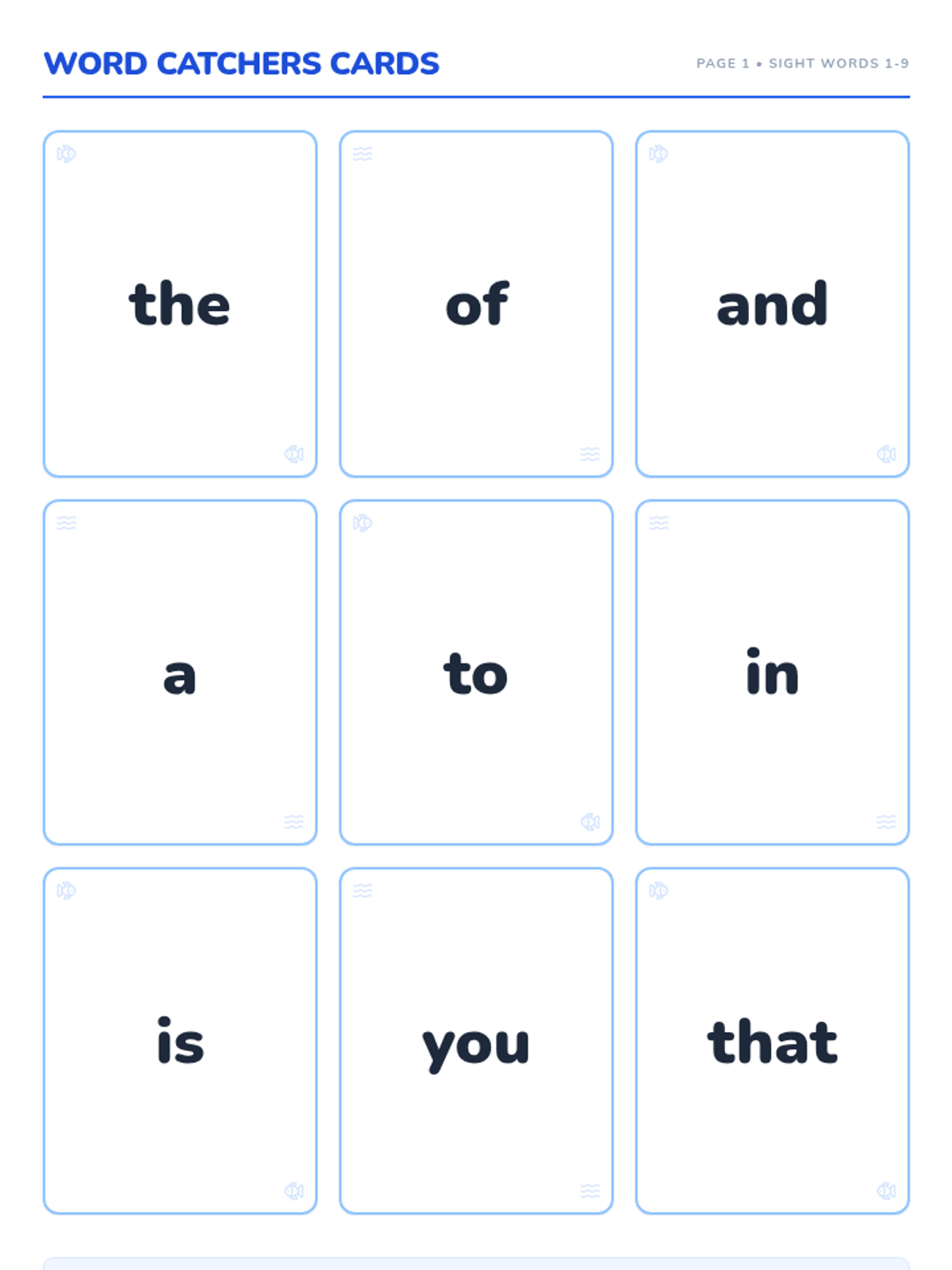
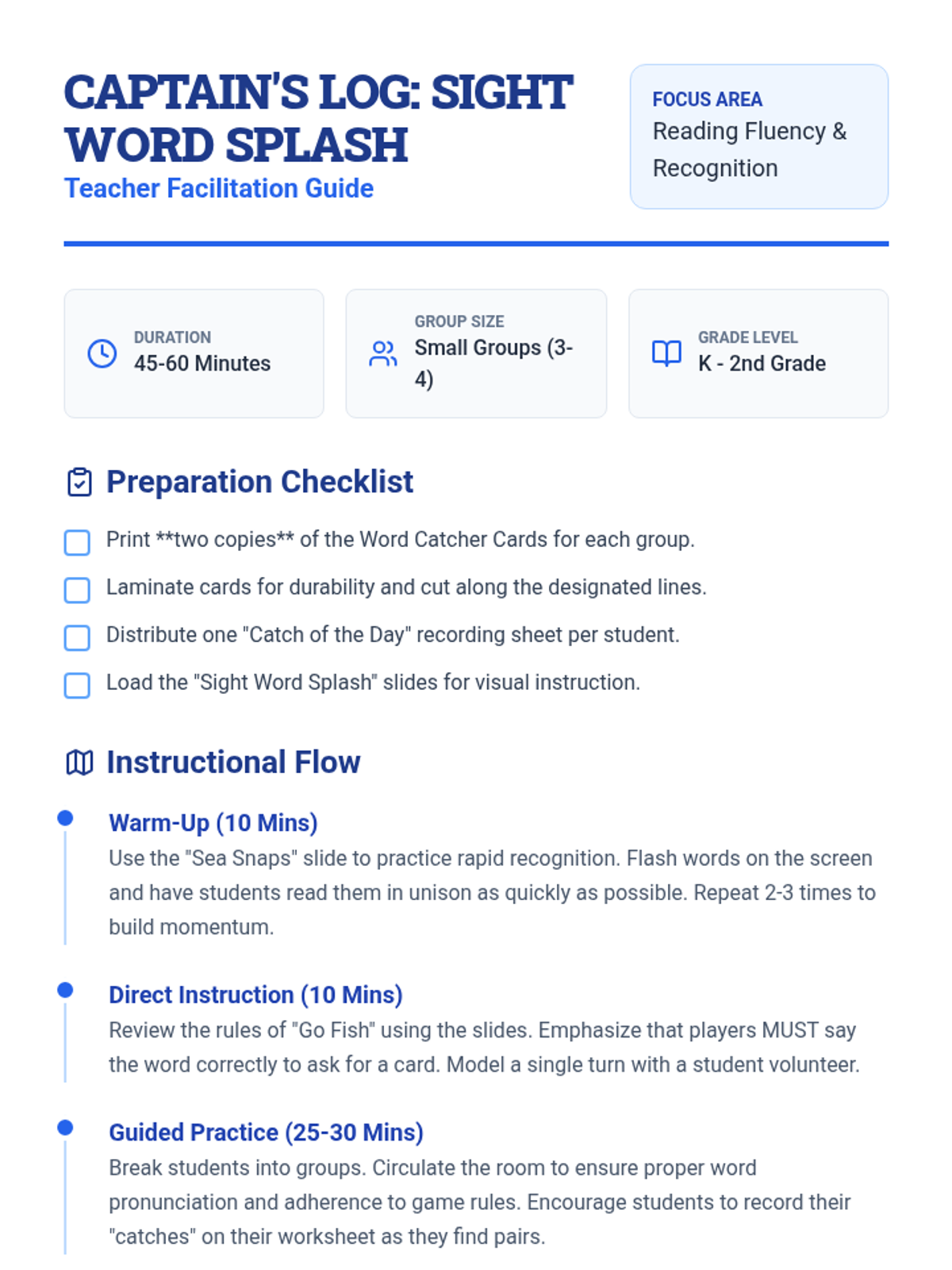
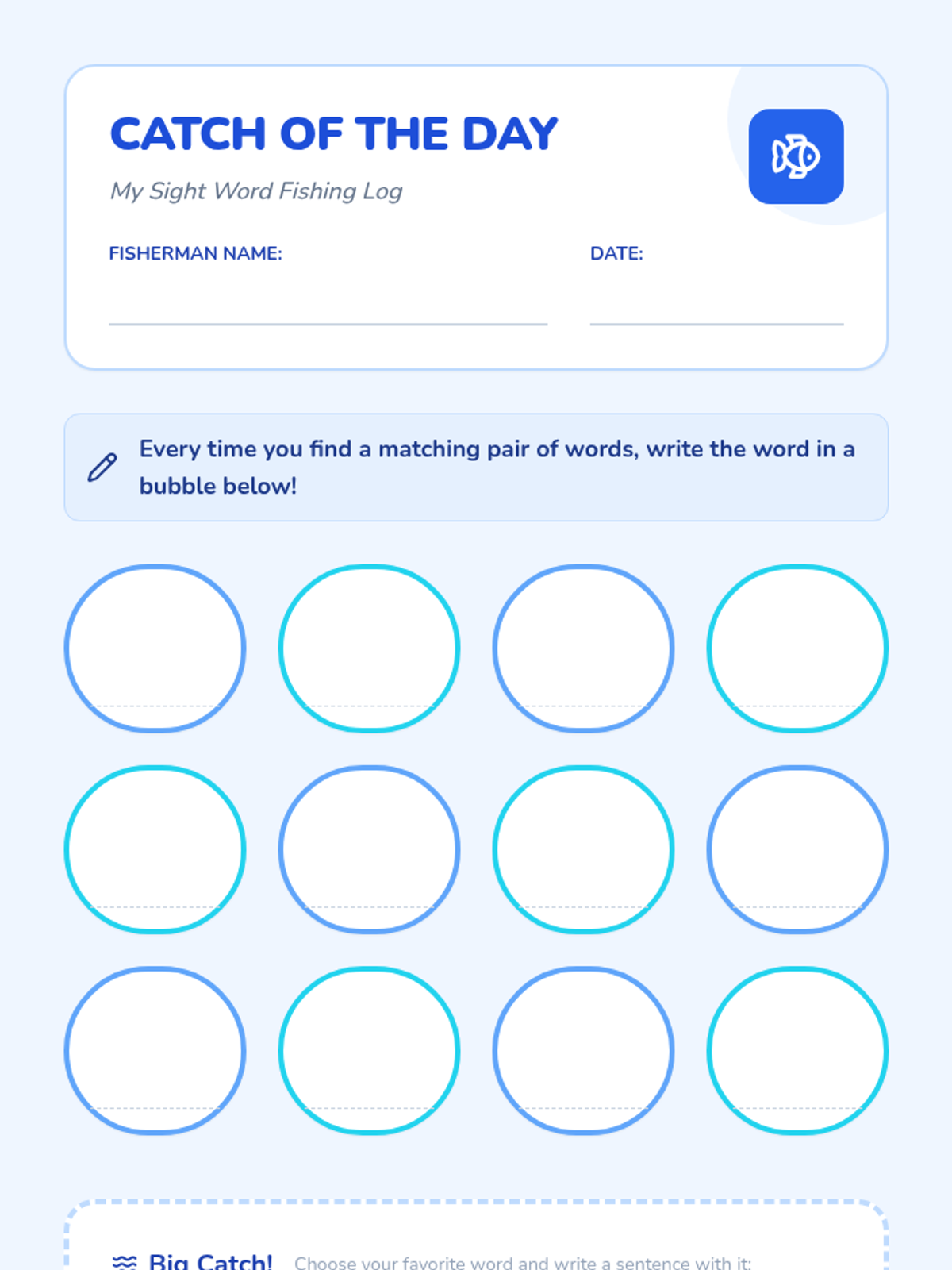
A playful, ocean-themed lesson focused on mastering high-frequency sight words through interactive gameplay and card-based activities. Students build recognition speed and fluency using custom 'Word Catchers' cards.
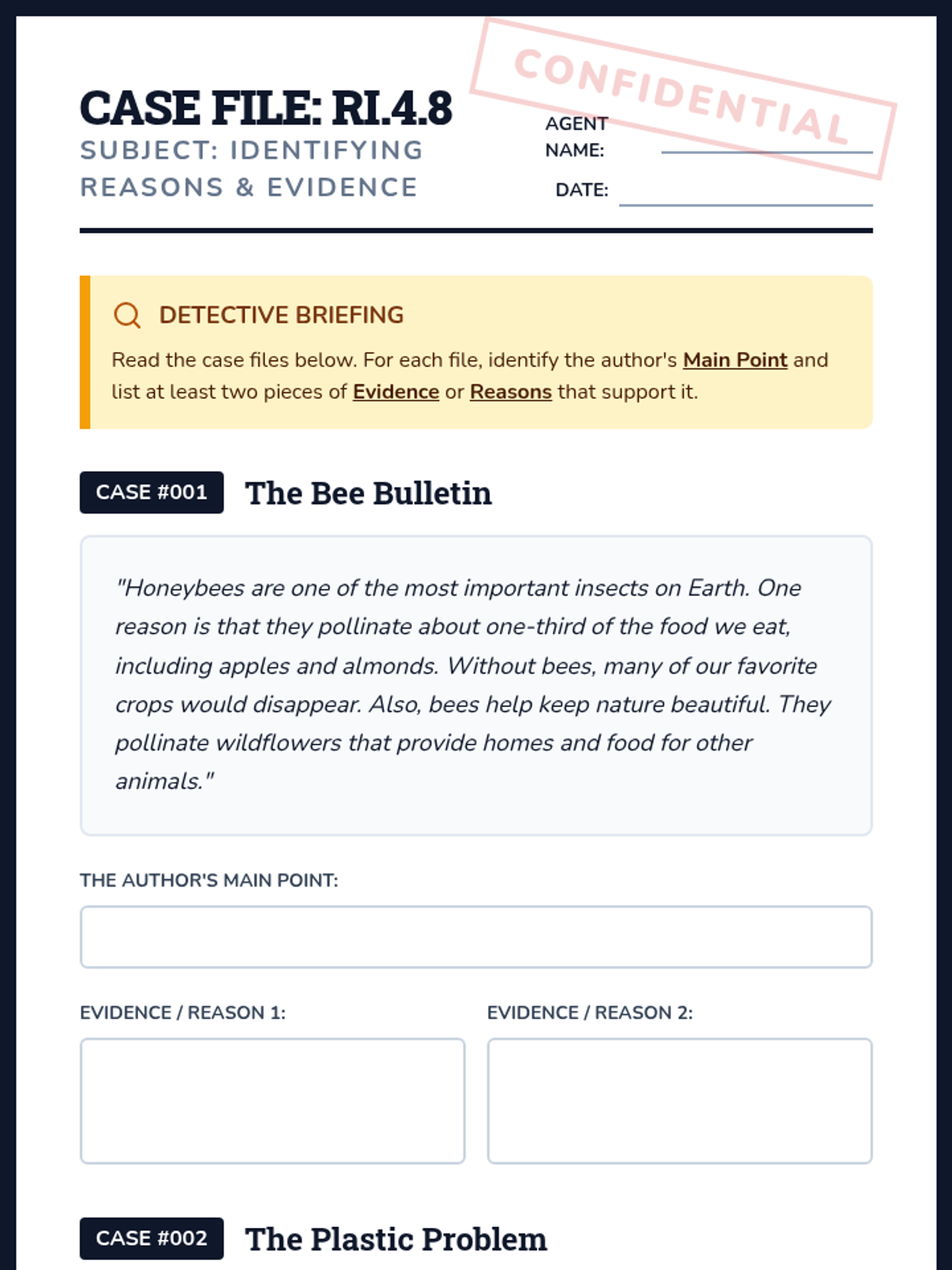
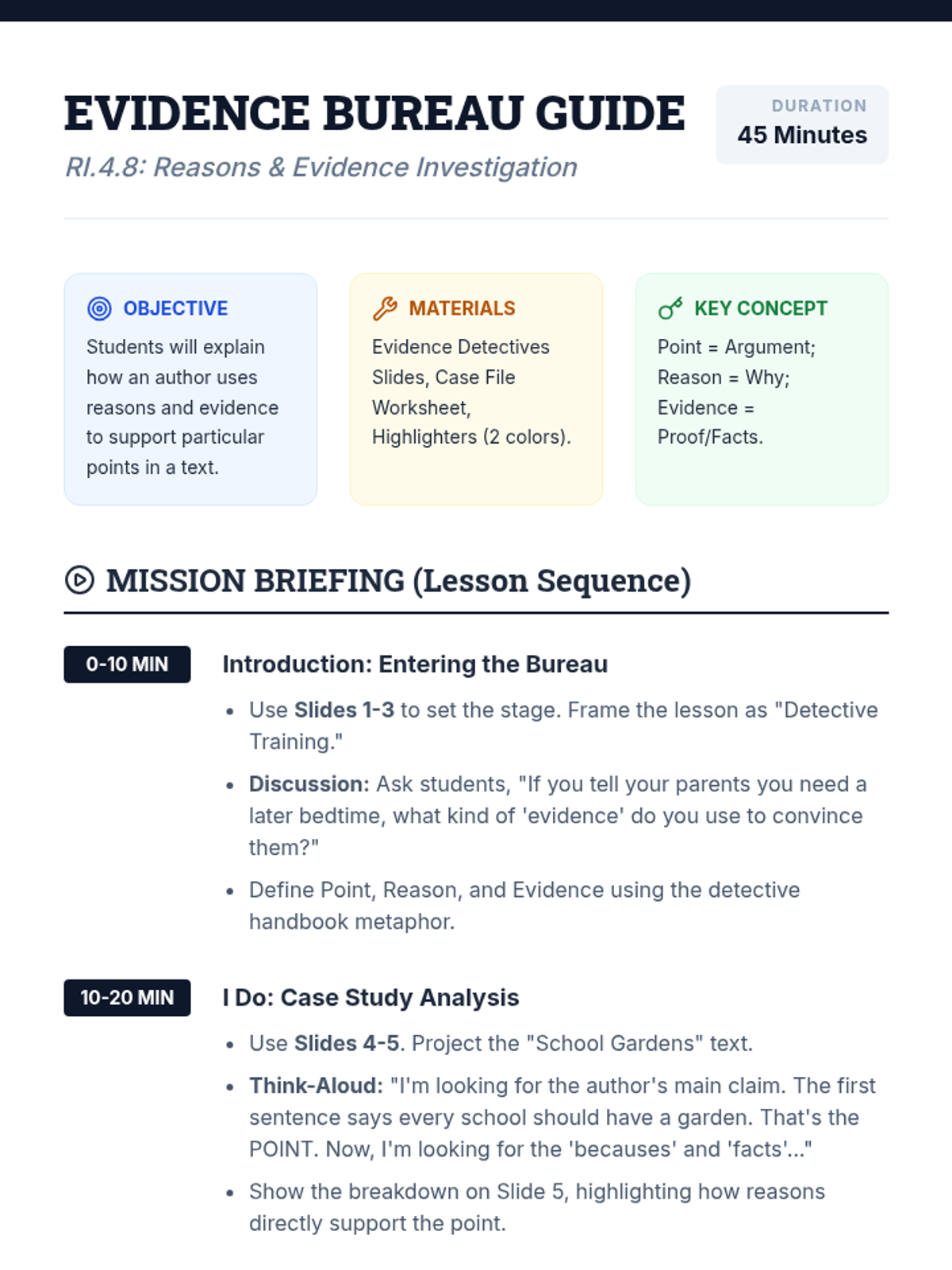
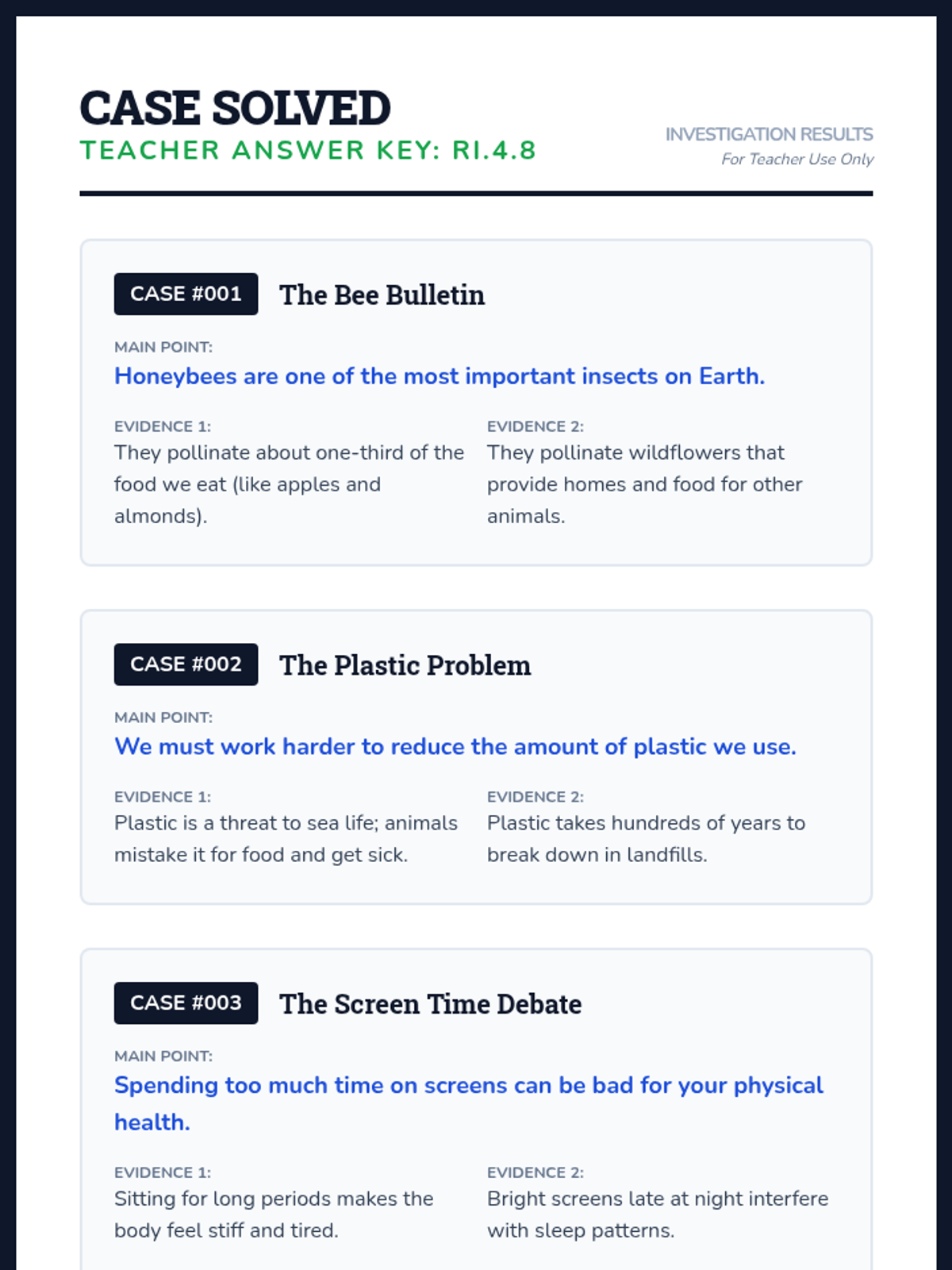
A 45-minute lesson focused on RI.4.8, where students learn to identify specific points an author makes and the reasons and evidence provided to support those points using a detective-themed investigation.
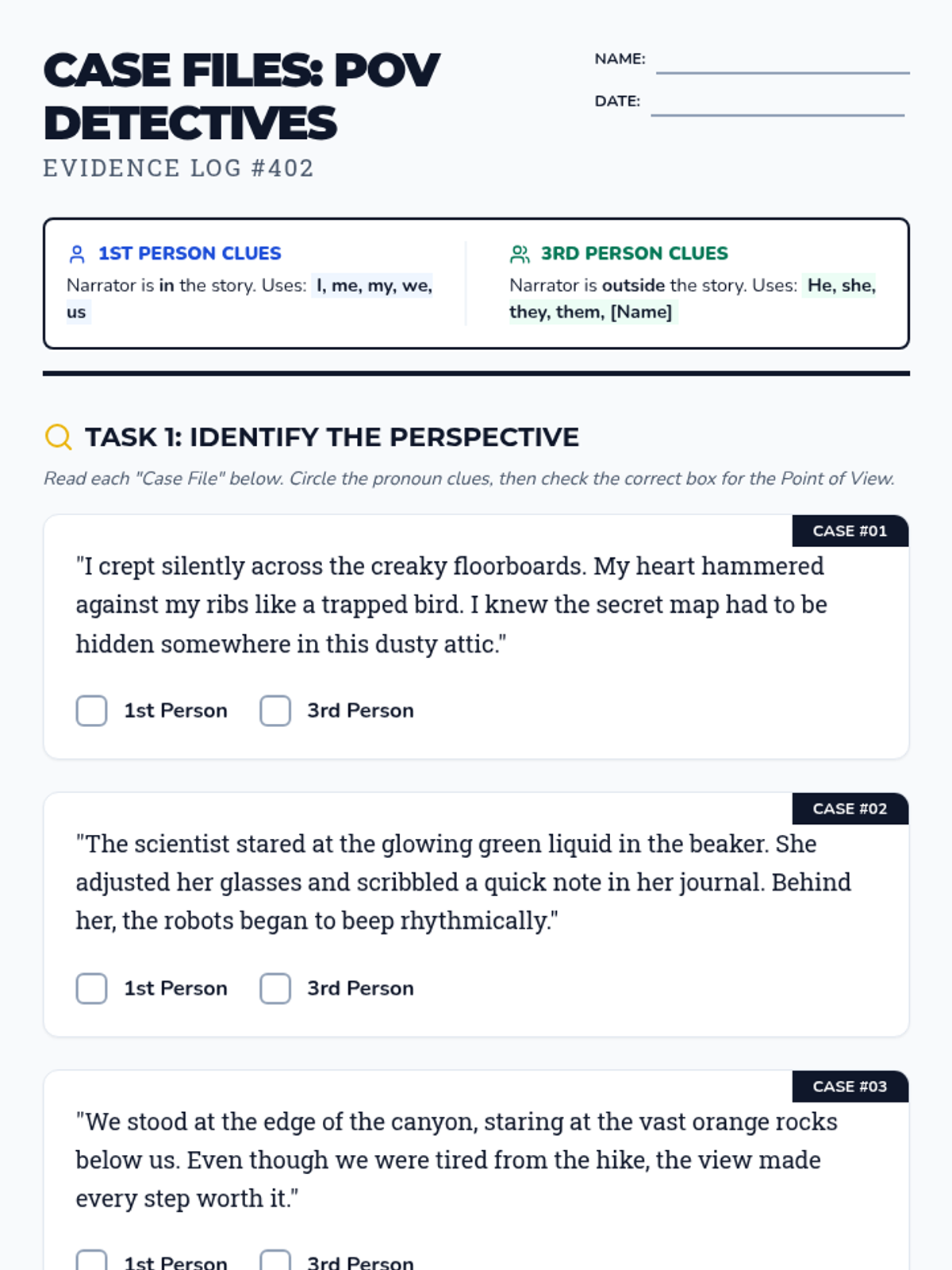
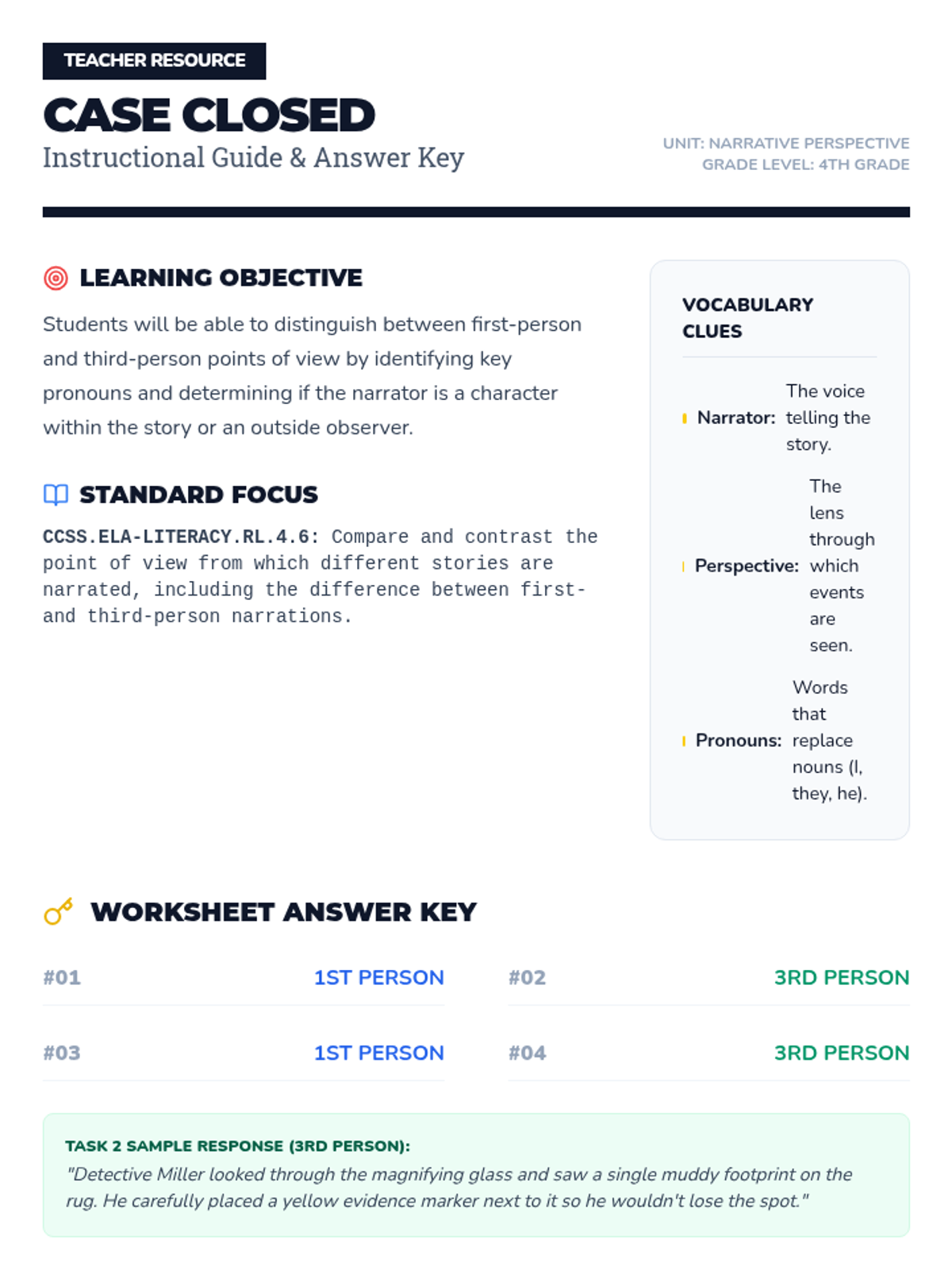
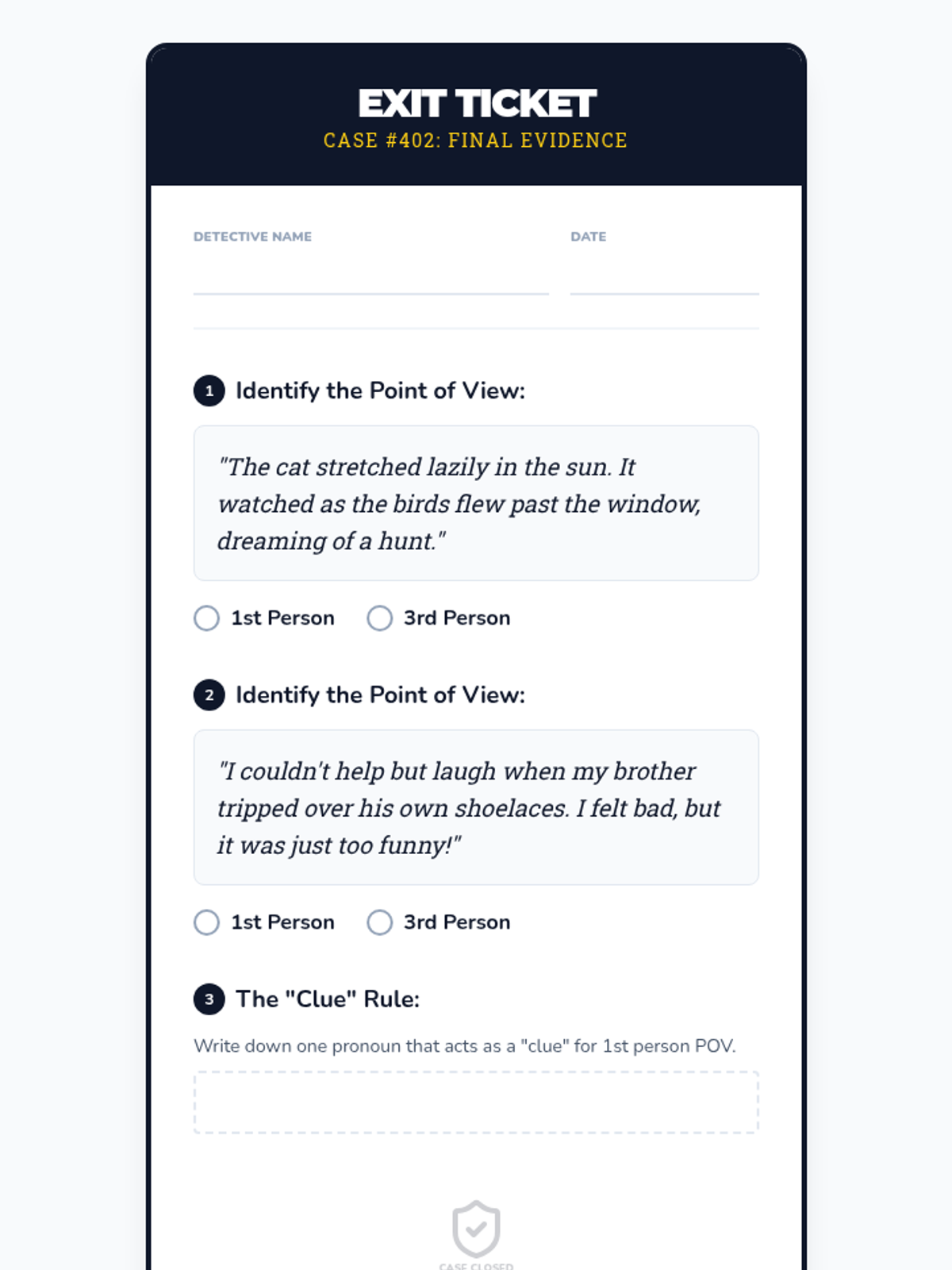
A 4th-grade ELA lesson focused on identifying and distinguishing between first-person and third-person points of view using detective-themed 'clue' identification.