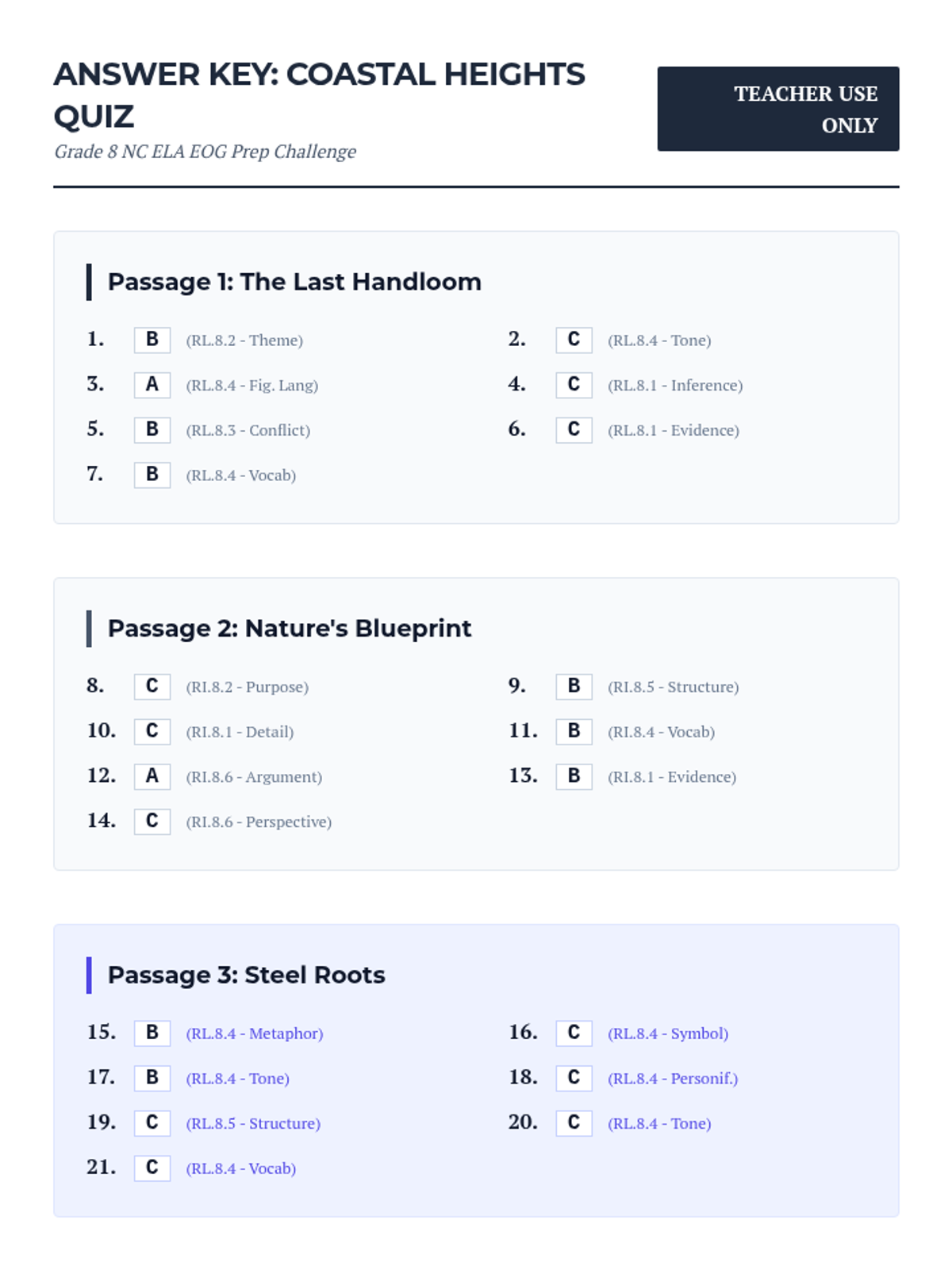
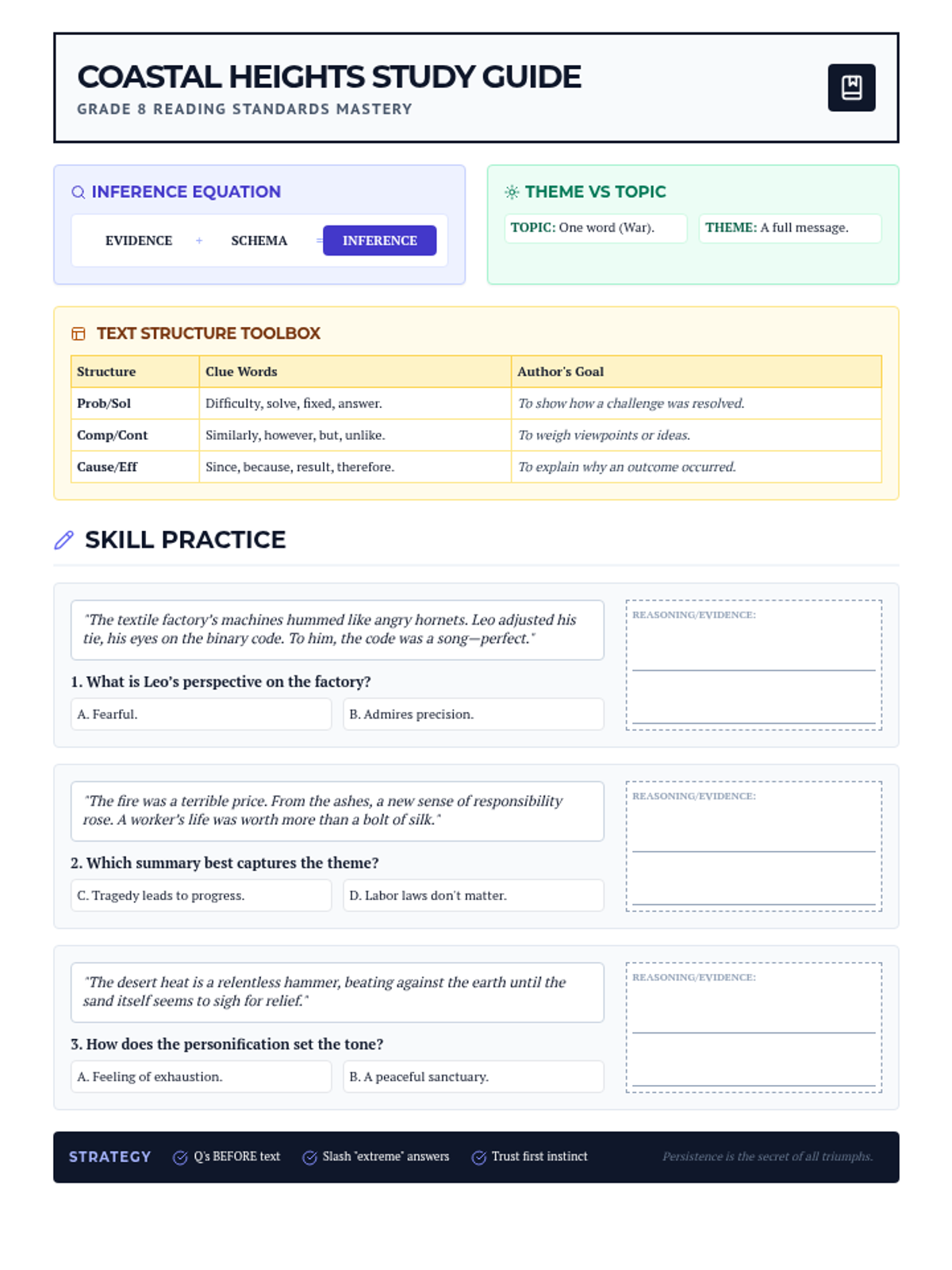
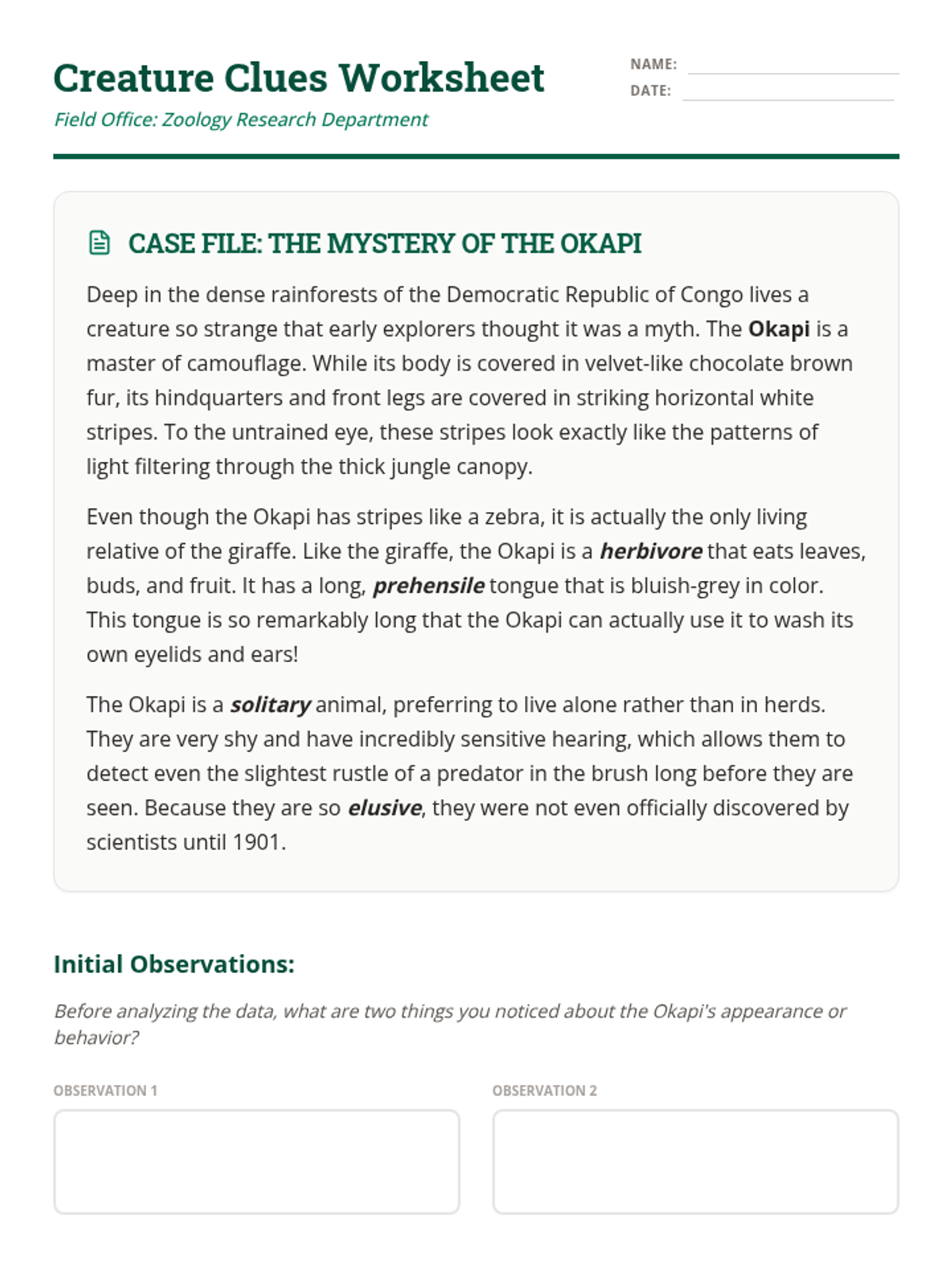
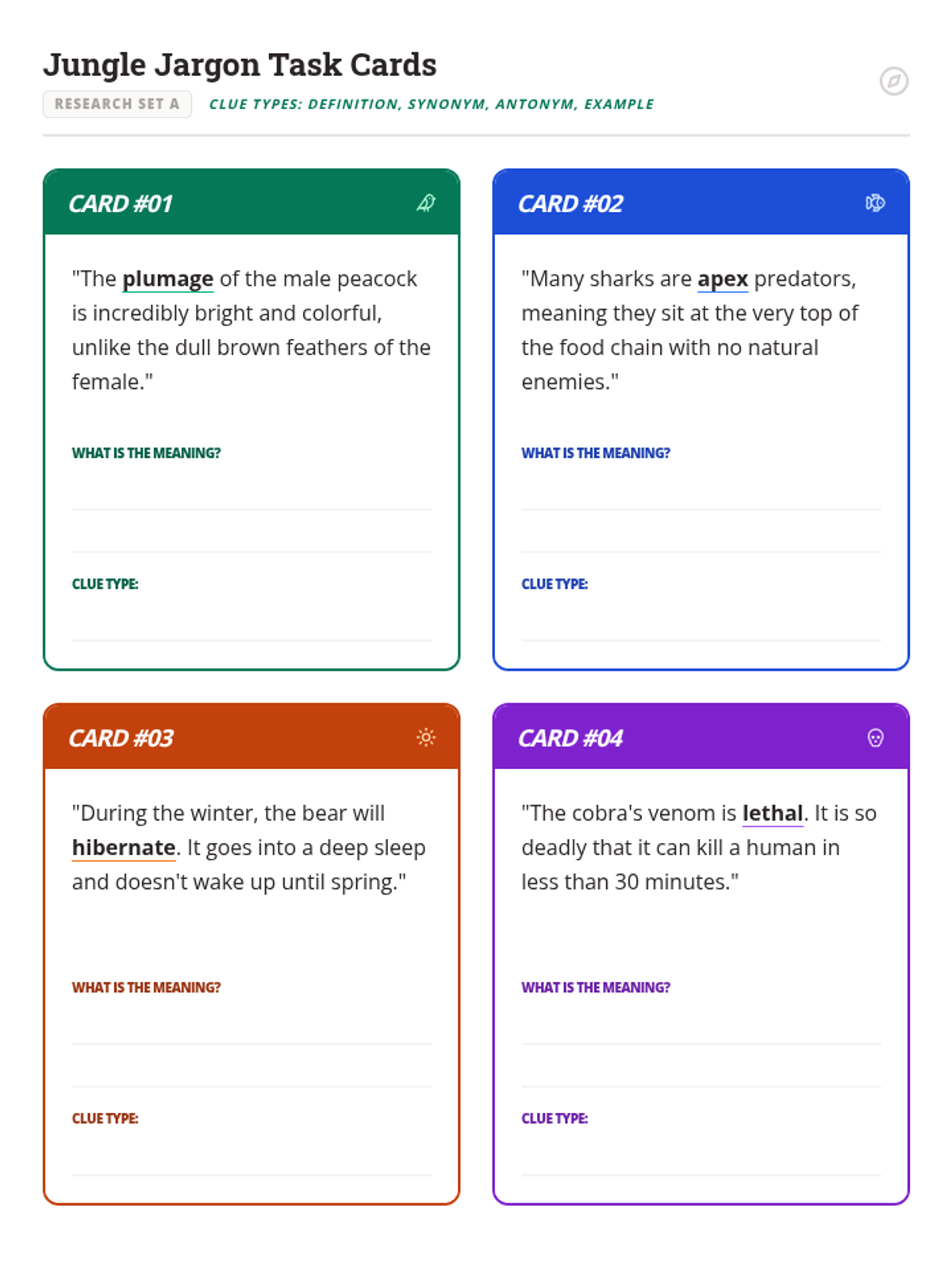
A grammar lesson for 8th graders focusing on the common 'hypercorrection' of using reflexive pronouns like 'myself' to sound more formal, featuring a business newsletter editing activity.
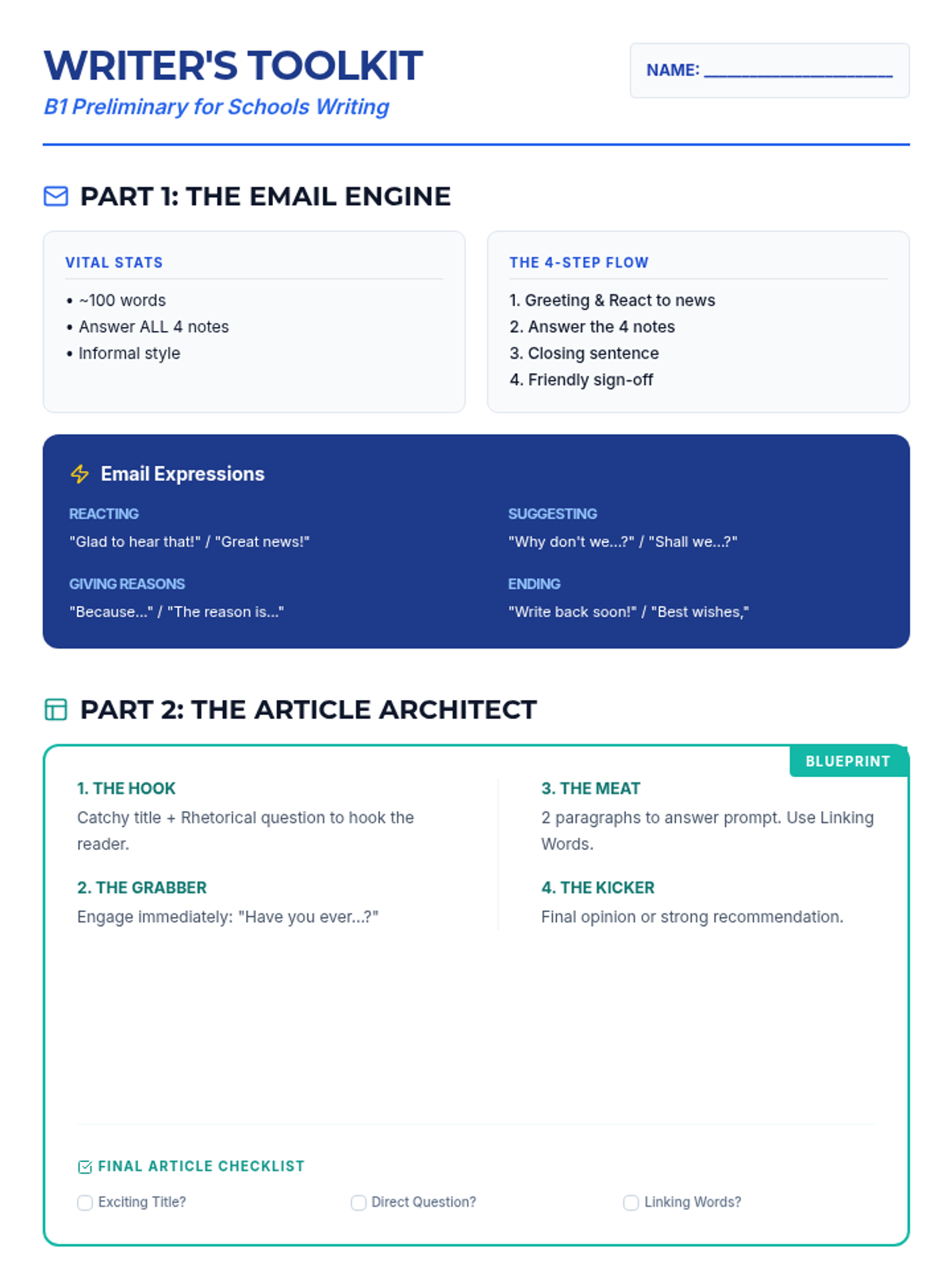
A comprehensive lesson on narrative sentence variation focusing on varied beginnings, sentence combining, length modulation, and descriptive clauses. Students move from identifying monotone rhythms to crafting dynamic, flowing prose.
A high-energy grammar review game where students act as 'Syntax Technicians' to fix glitches in a virtual world. This lesson focuses on mastering commas, sentence errors, capitalization, and verb tense through collaborative task card challenges.
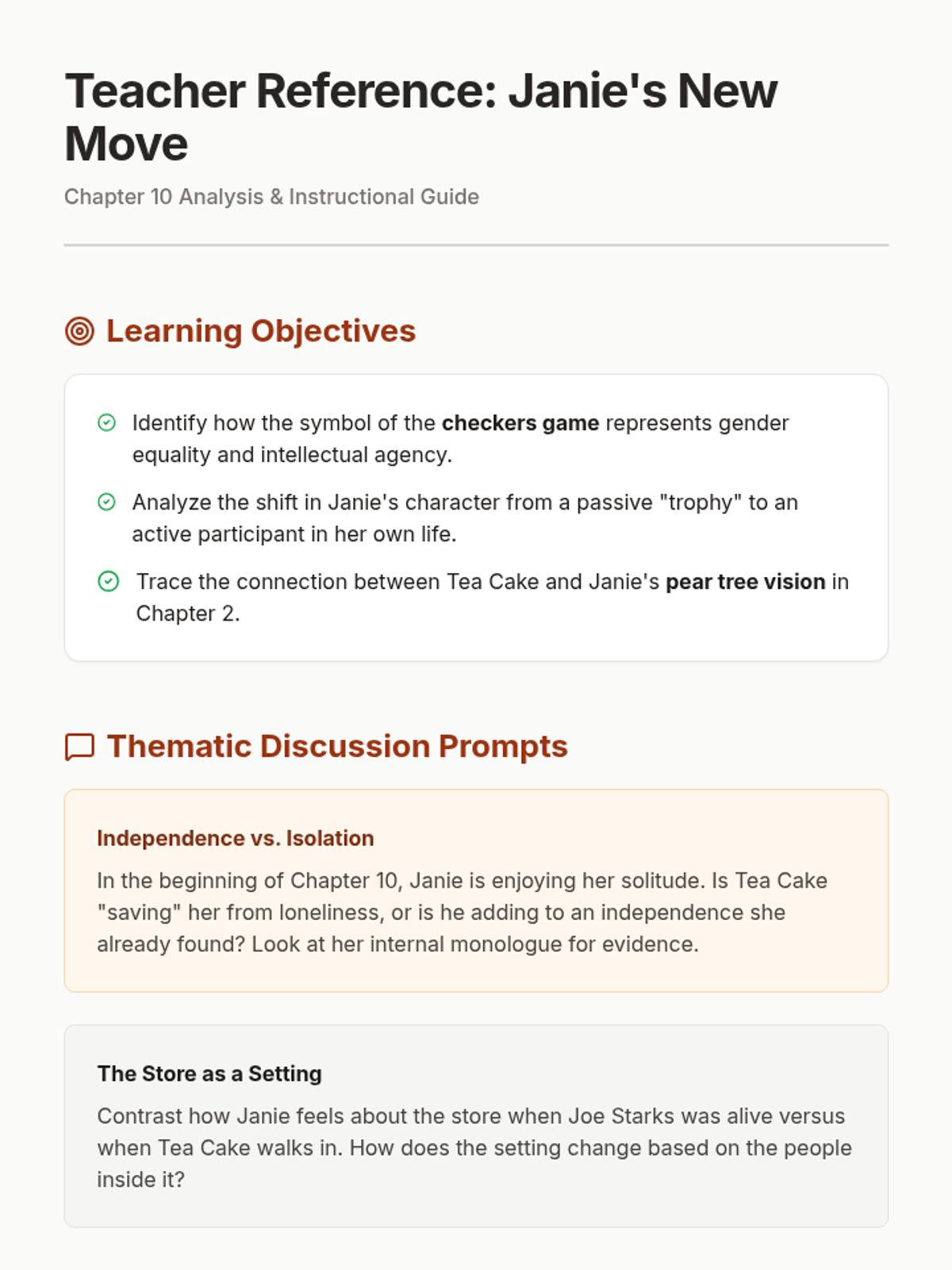
A lesson focused on the climactic Act III of '12 Angry Men', exploring the shifting dynamics of the jury, the re-examination of evidence, and the final resolution of the trial.
A vocabulary focused lesson on Chapters 4-7 of Lois Lowry's The Giver, exploring key terms through textual context and modern application.
Students identify and interpret visual metaphors for abstract Stoic virtues in a video about Marcus Aurelius, then design their own 3-panel storyboard to explain a new virtue.
A creative writing lesson for middle school students exploring empathy and perspective-taking through the medium of internal monologues. Using a poignant animated video about cyberbullying, students analyze character motivations and the impact of digital actions.
A mini-lesson focused on the art of crafting narrative endings that effectively resolve conflict and showcase character growth and reflection. Students learn to move beyond simply 'stopping' a story to 'finishing' it with a meaningful theme or lesson learned.
A 40-minute lesson exploring the tonal shifts in Chapter 6 of Persepolis, focusing on the juxtaposition of national celebration and personal moral complexity. Students analyze a single panel using a Claim-Evidence-Analysis-Conclusion framework to evaluate how Satrapi conveys themes of loss and forgiveness.

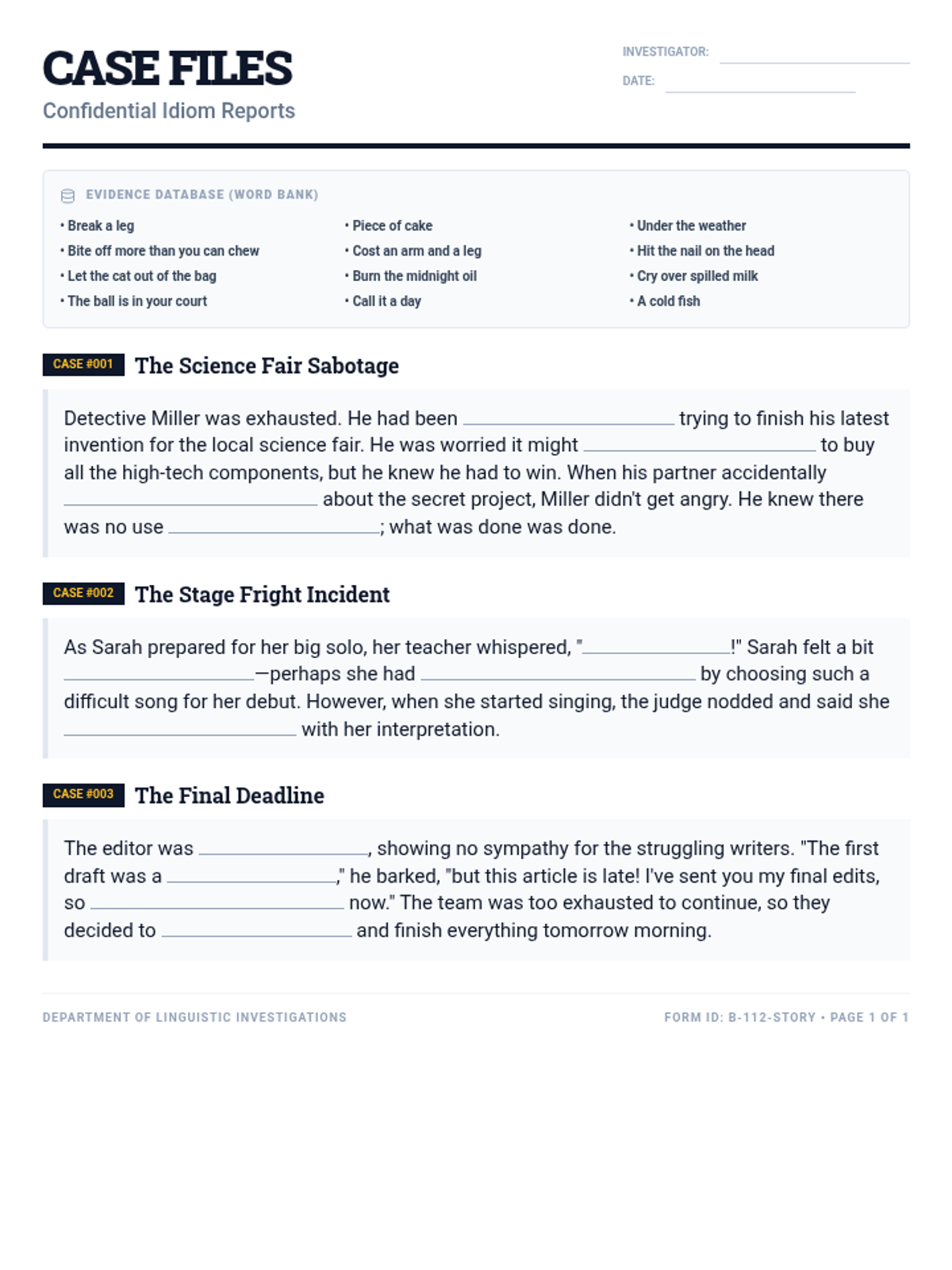
Teaches students to evaluate claims, analyze evidence, and craft strong argumentative responses for the NYS ELA exam.
Develops students' ability to identify central ideas and the specific evidence that supports them in informational texts.
Focuses on the essential vocabulary and structural frameworks needed to analyze complex middle school texts.
A structured lesson focused on Chapters 16-18 of The Hate U Give, designed to help students summarize key events, make deep character inferences, and identify main ideas in preparation for comprehension assessments.
A comprehensive lesson where 8th graders learn to construct persuasive essays using an 'architectural' framework, focusing on thesis foundations, structural claims, and evidentiary reinforcement.
Students become 'argument architects' by learning to construct well-supported persuasive essays through thesis development, evidence integration, and logical organization. This 8th-grade ELA lesson uses a construction-themed approach to deconstruct exemplars and build robust written arguments.
A comprehensive 8th-grade ELA lesson on persuasive writing where students act as architects to build robust, evidence-backed arguments through systematic planning and organization.
A lesson focused on teaching students how to incorporate internal dialogue into narrative writing to reveal character traits and deepen the connection to story events.
A comprehensive mini-lesson on teaching students how to integrate internal monologue into their narrative writing to reveal character traits and react to plot events.
A 45-minute lesson focused on analyzing author's purpose, tone, and word choice using a biographical text about Selena Quintanilla, culminating in a CER (Claim, Evidence, Reasoning) response.
A lesson focused on the life of Selena Quintanilla, using the past tense to analyze how an author's diction and syntax build mood and tone in a biographical text.