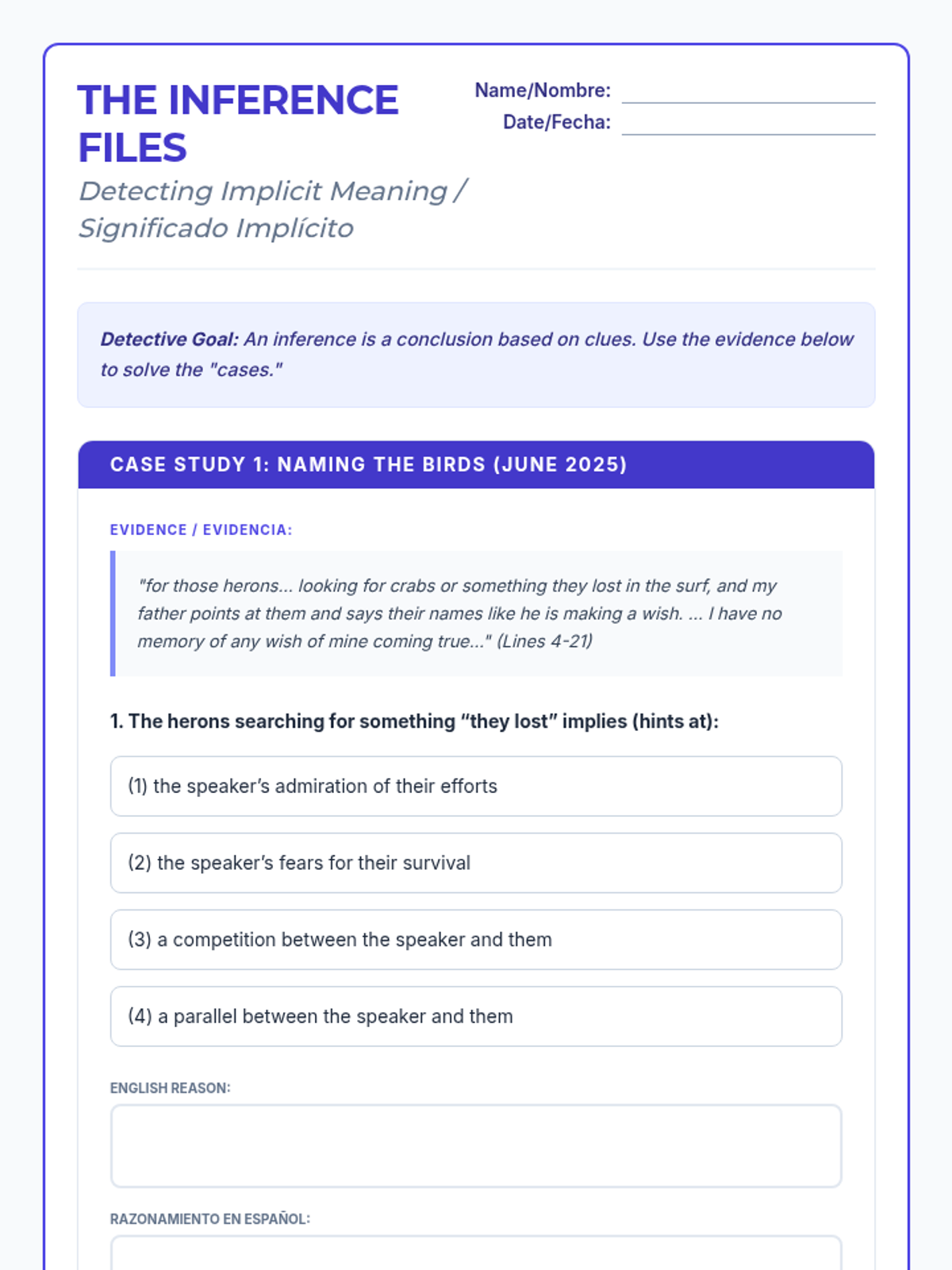
A comprehensive TSIA2 RLA preparation lesson focusing on core reading domains: inference, author's craft, vocabulary, and synthesis. This lesson equips 11th-grade students with tactical strategies to navigate complex college-readiness passages.
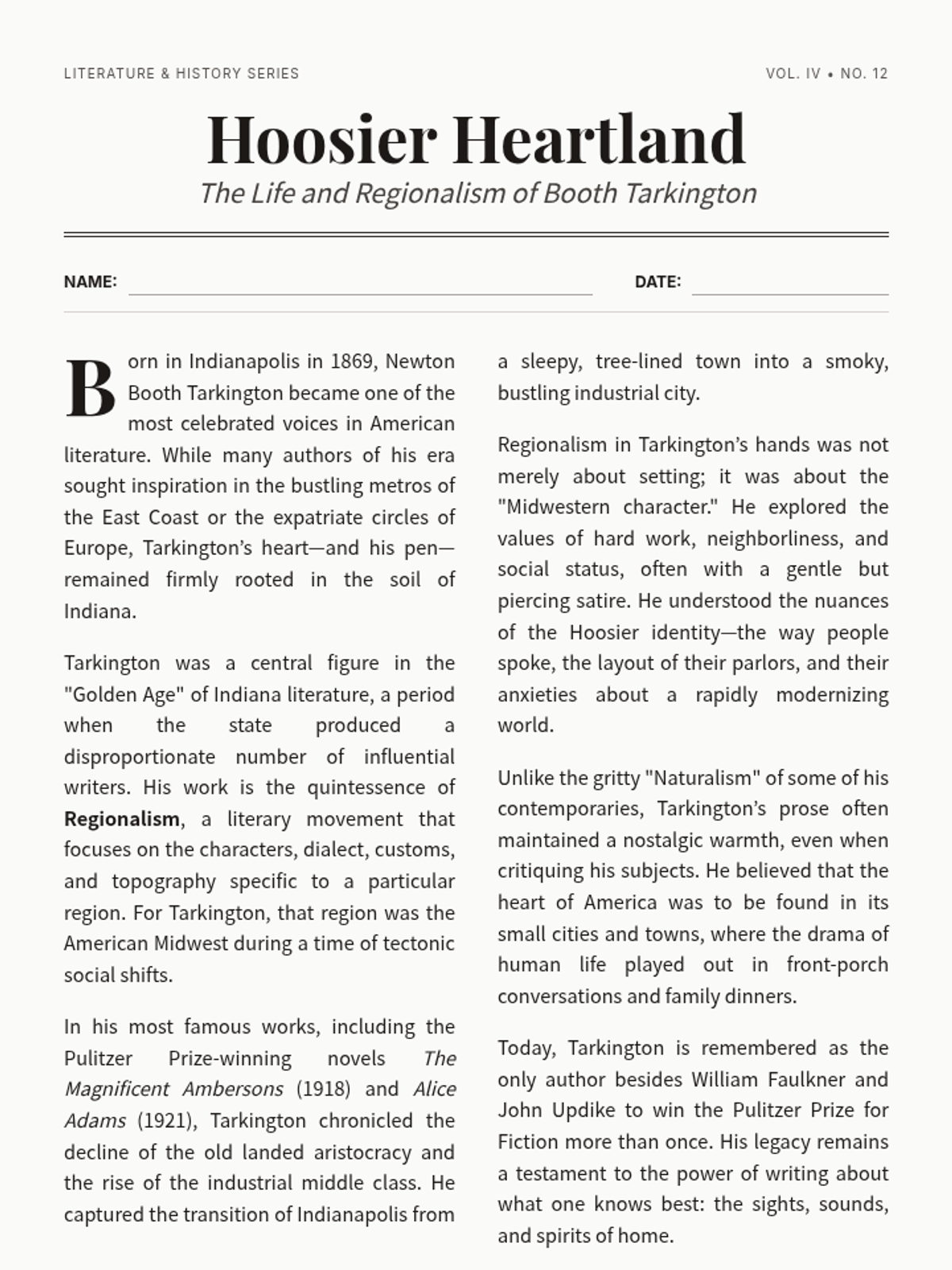
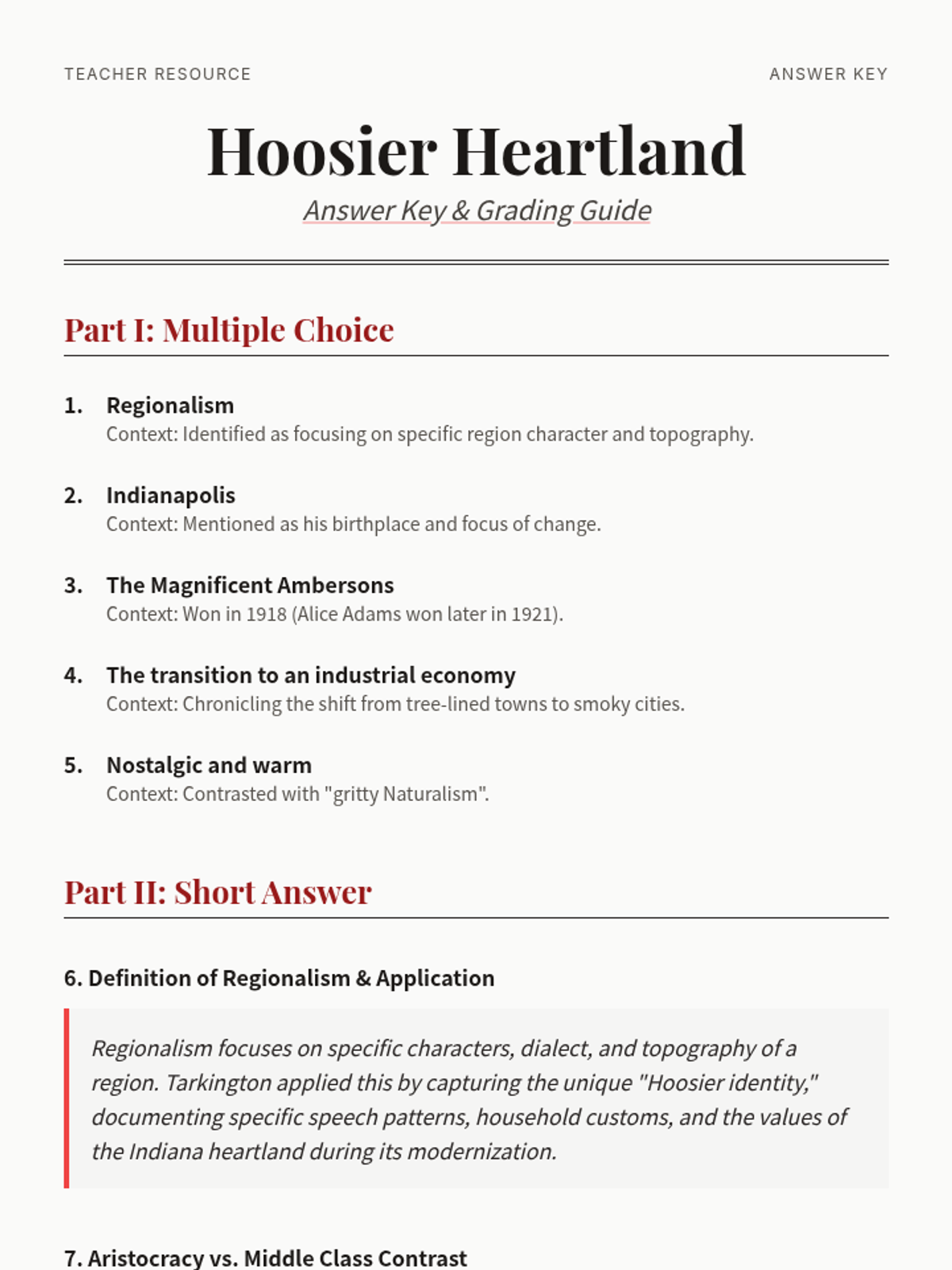
A deep dive into the life and literary contributions of Booth Tarkington, focusing on his Indiana roots and his role in American regionalism. Students will read a biographical article and answer comprehension questions.
A creative writing lesson where students step into Clover's perspective to write a heartfelt eulogy for Boxer, focusing on the tragic betrayal of the working class by the pigs.
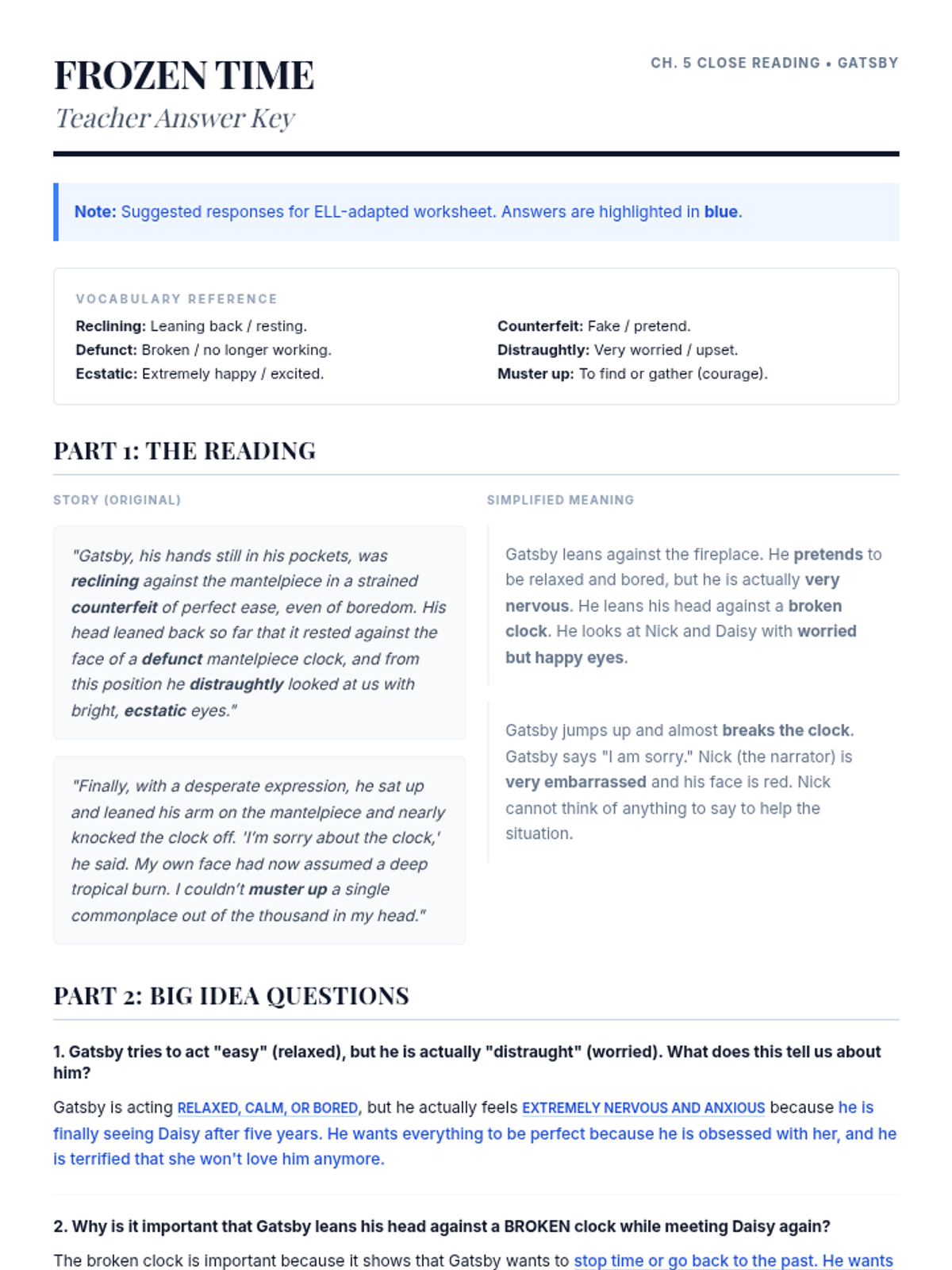
A close-reading lesson focused on Chapter 5 of The Great Gatsby, exploring themes of time, memory, and Gatsby's obsession with the past through the symbol of the defunct mantelpiece clock.
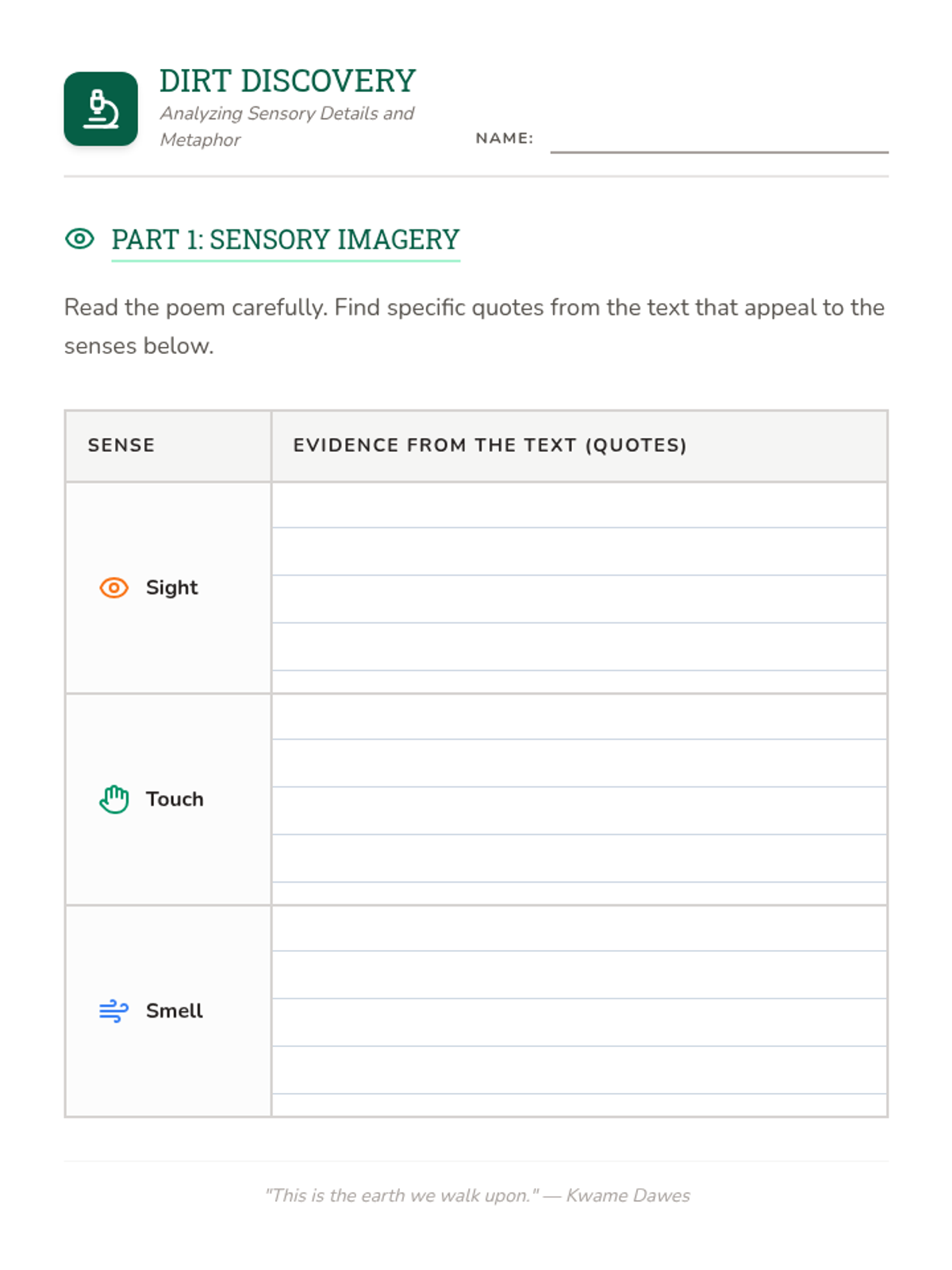
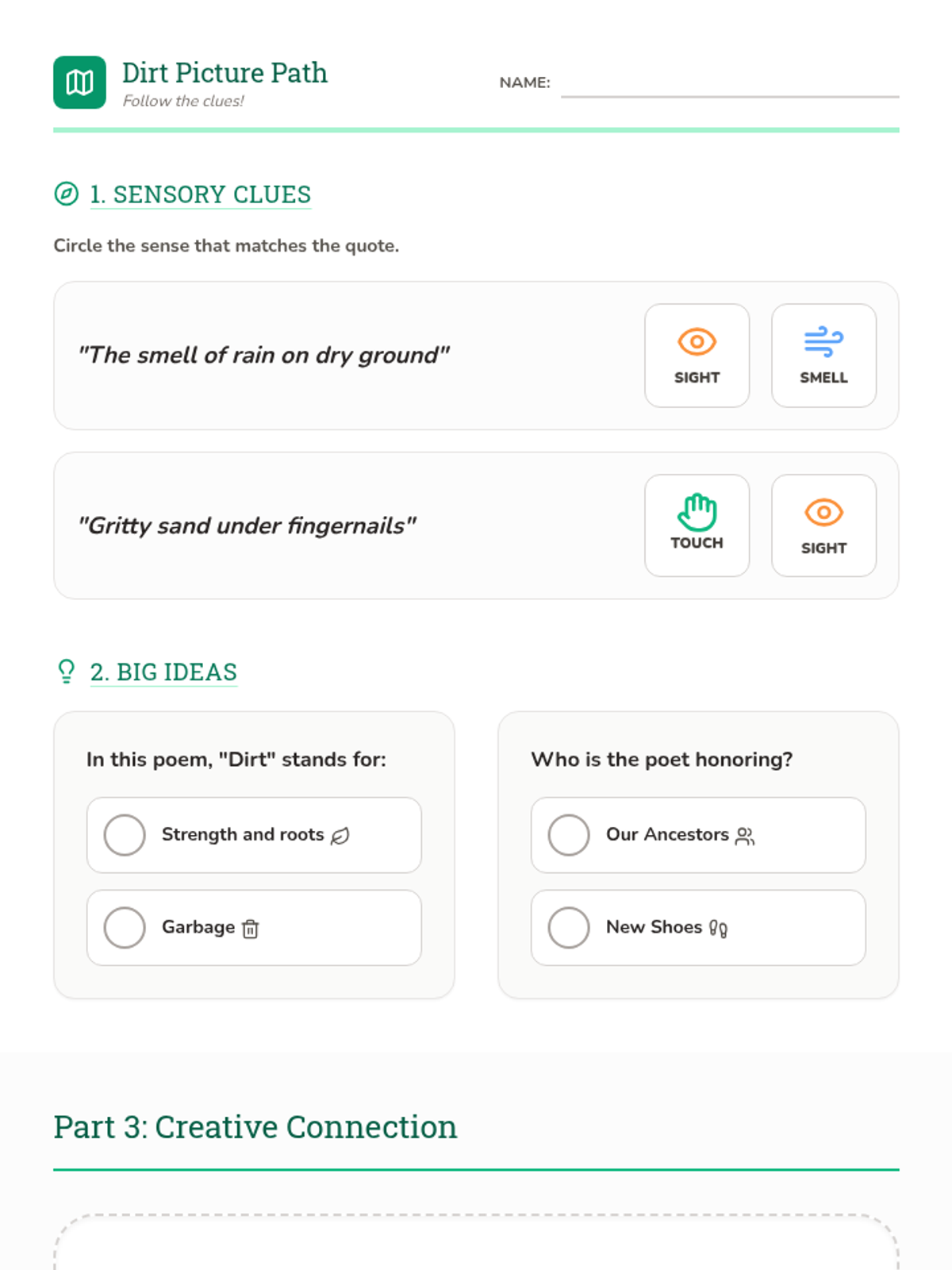
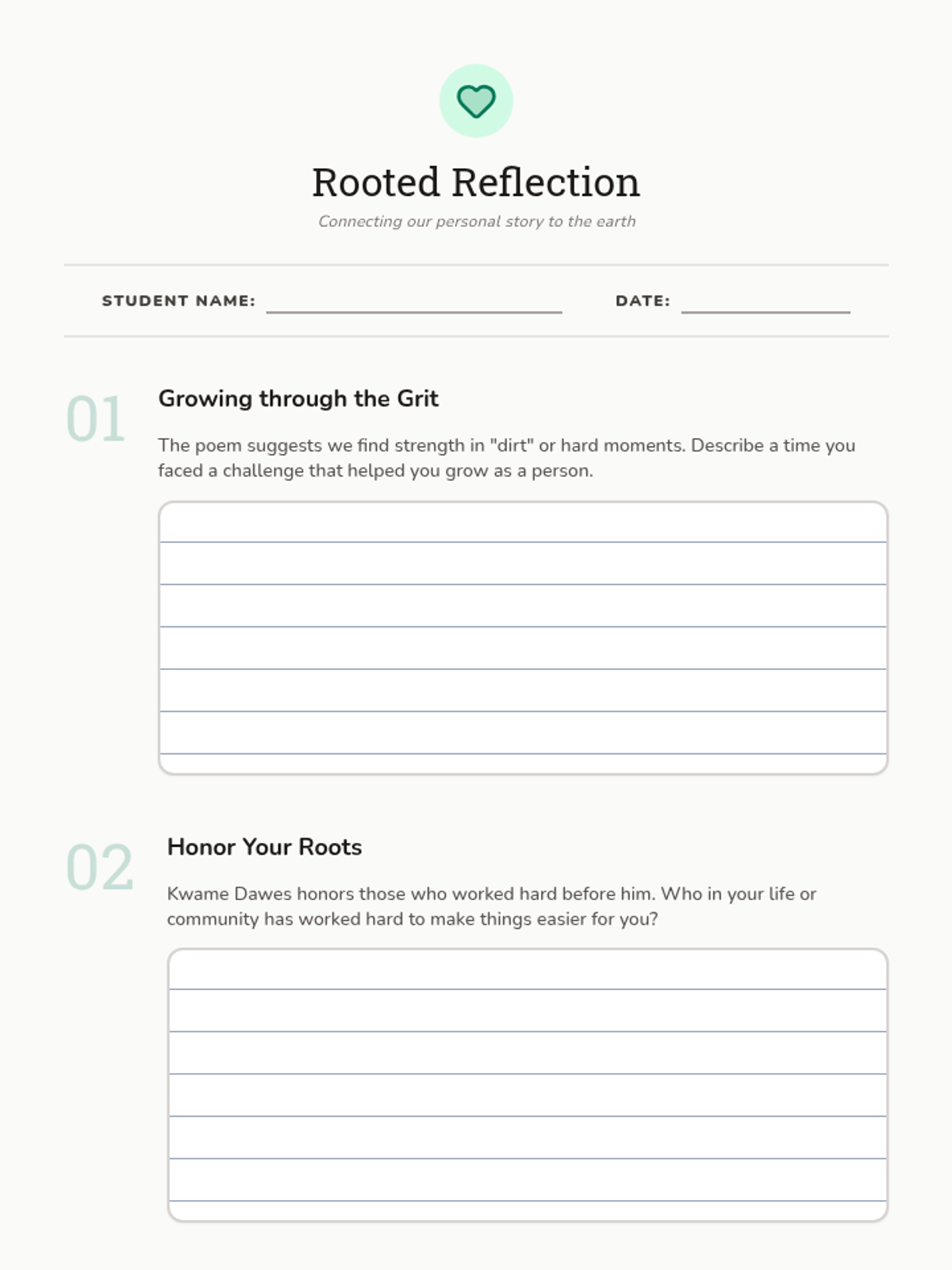
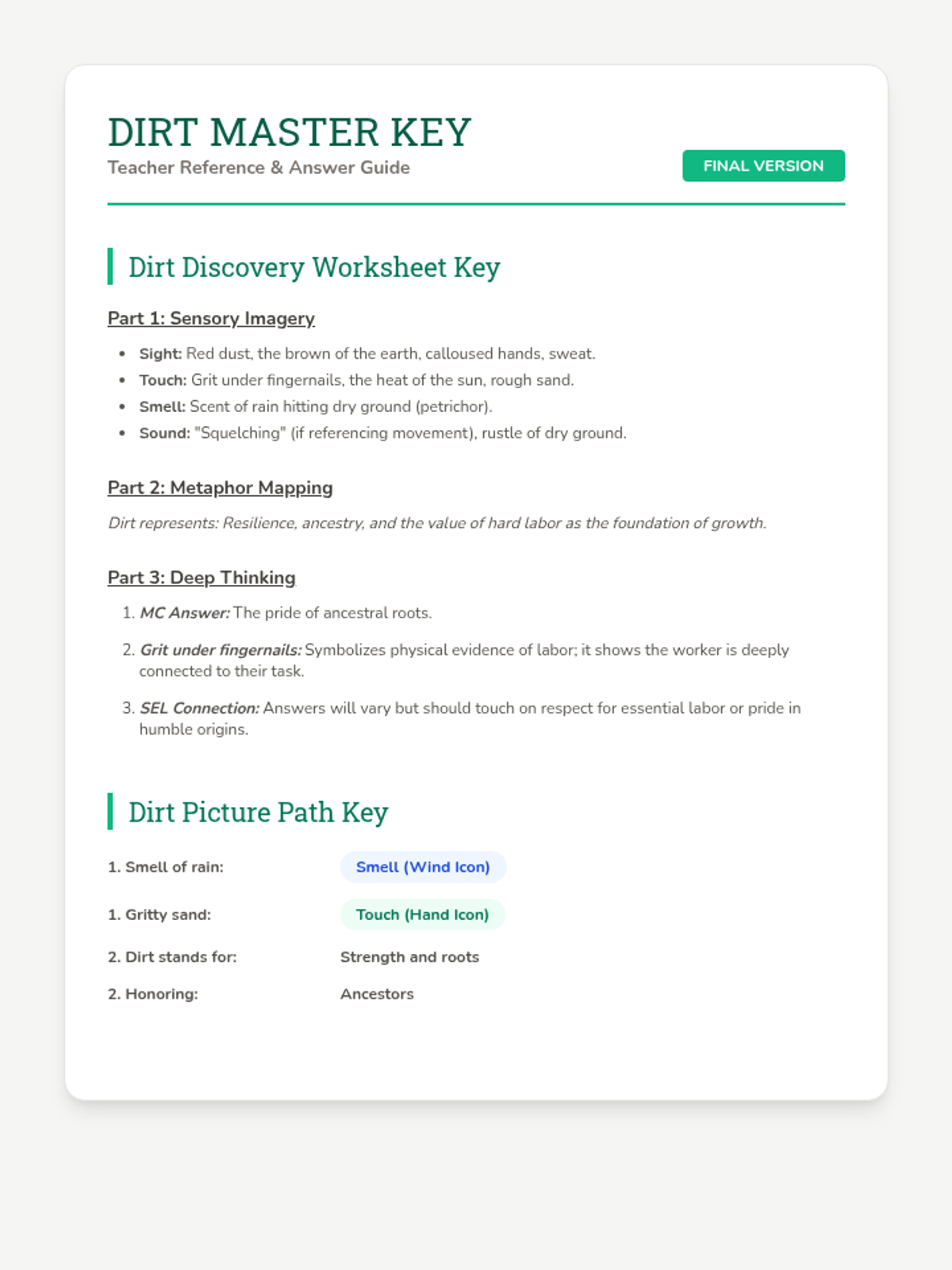
A comprehensive analysis of Kwame Dawes' poem 'Dirt,' focusing on sensory imagery, metaphors, and the social-emotional connections to ancestry and resilience. This lesson includes differentiated materials for varying reading levels.
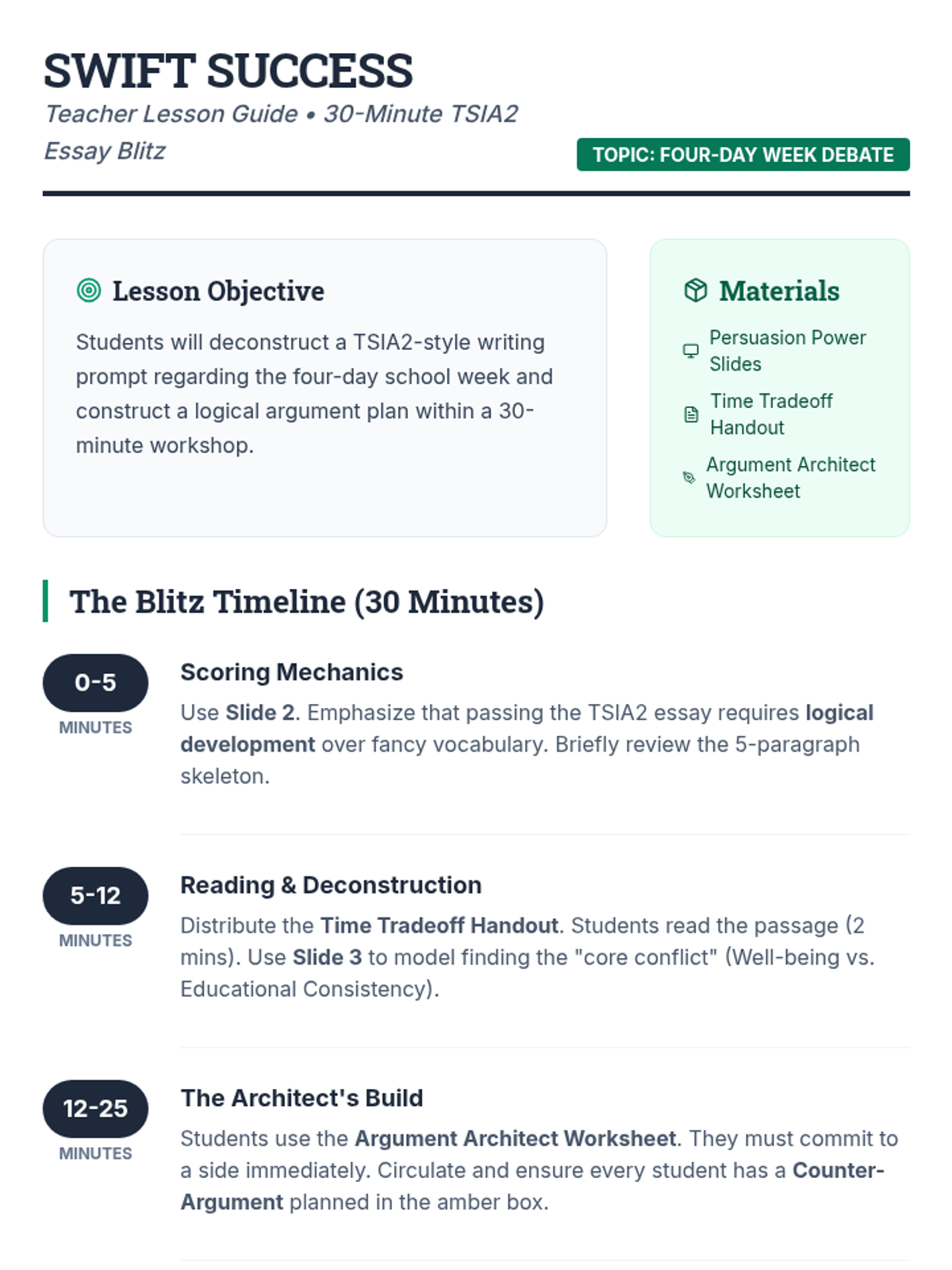
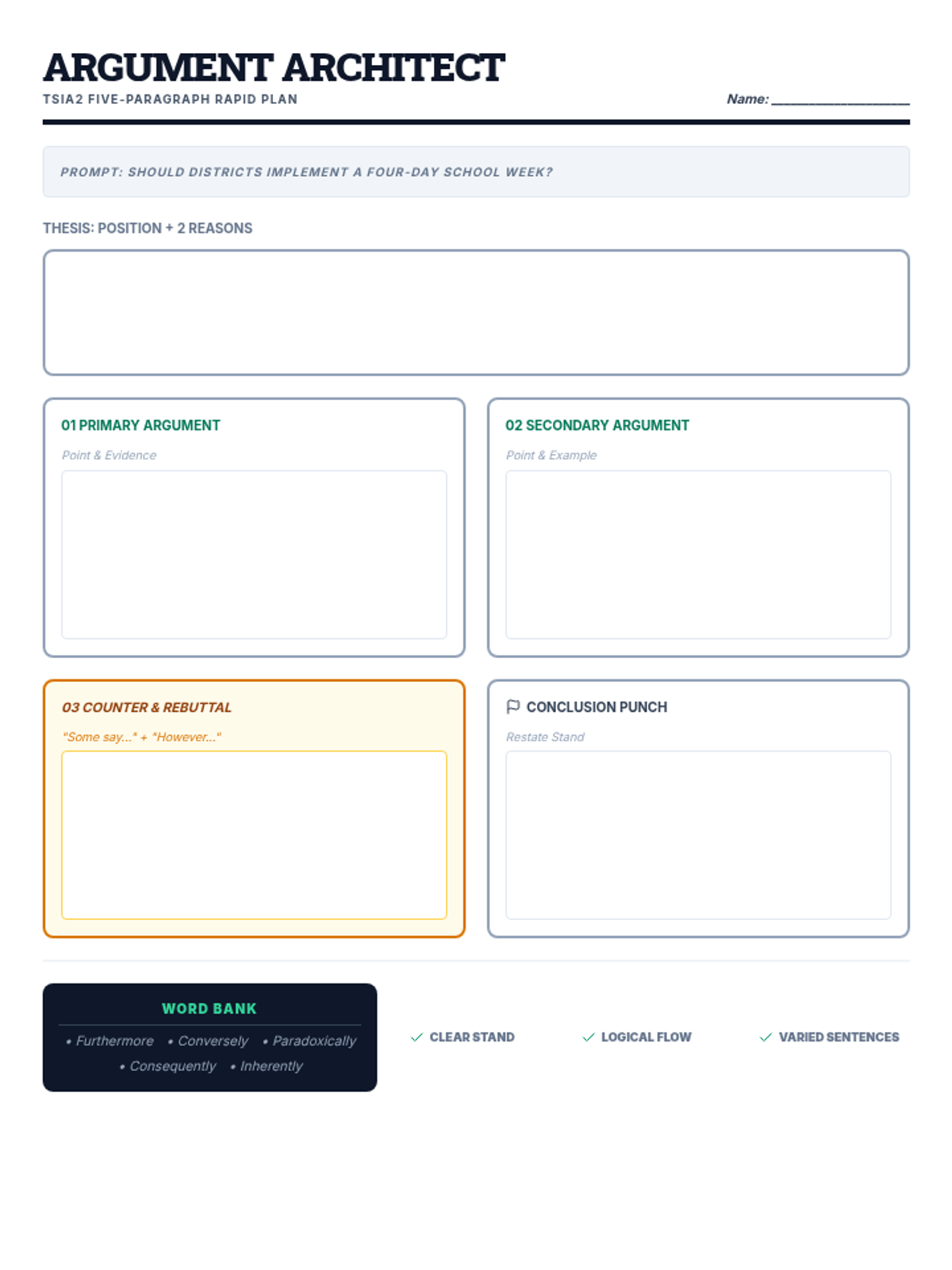
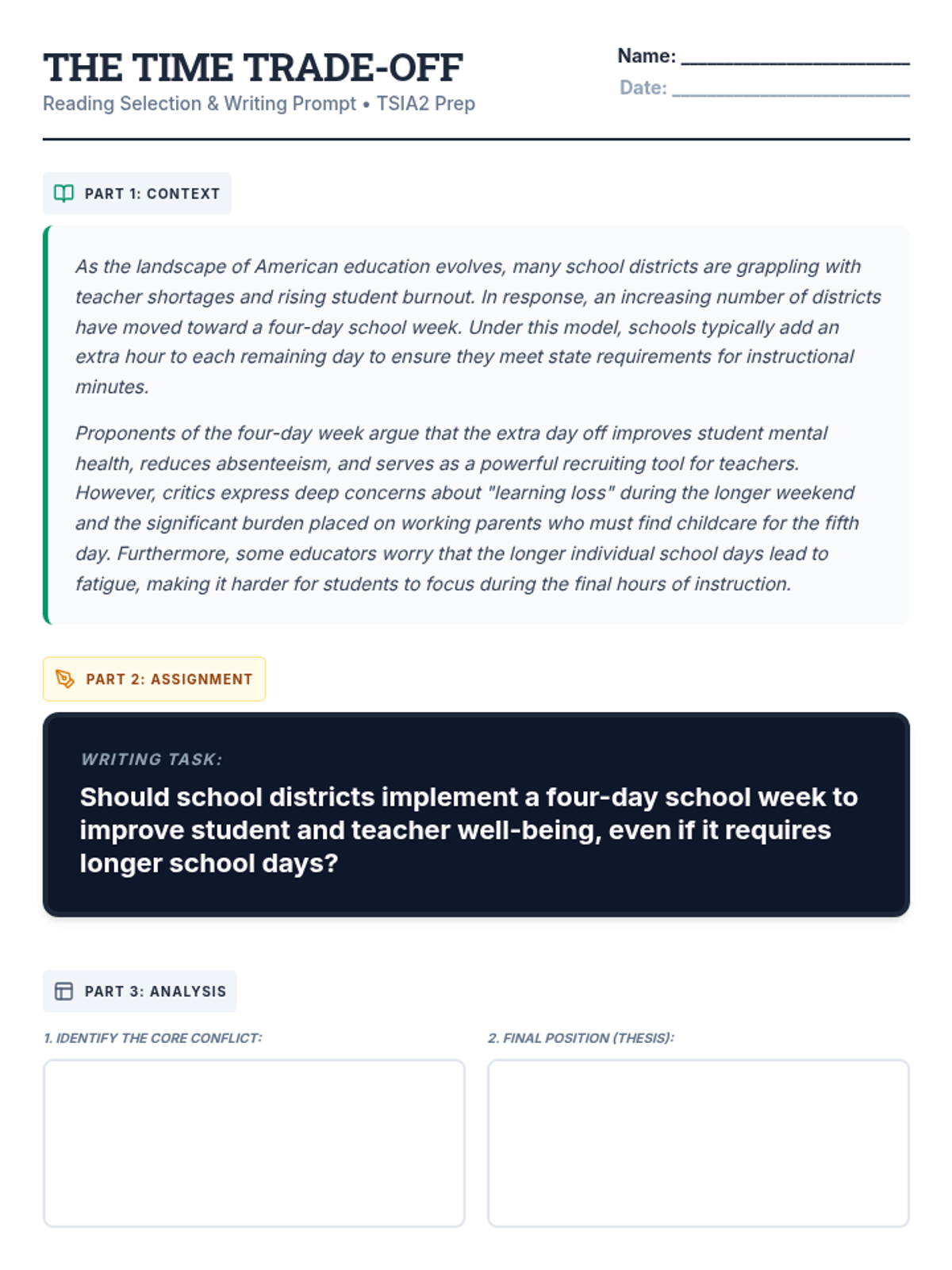
A high-intensity 30-minute workshop designed to help 11th graders master the structure and persuasion requirements of the TSIA2 essay. Students analyze a contemporary text and plan a cohesive response.
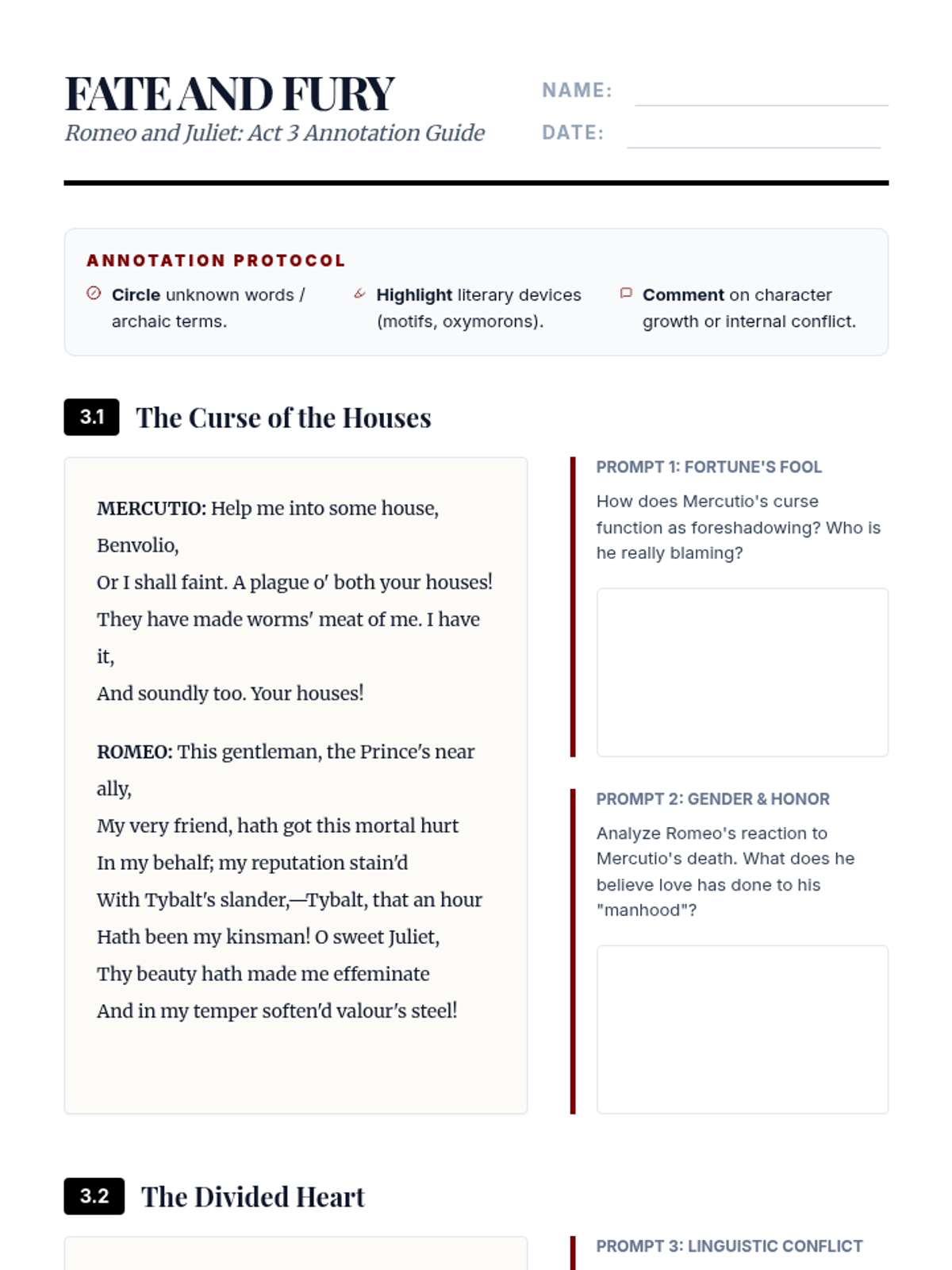
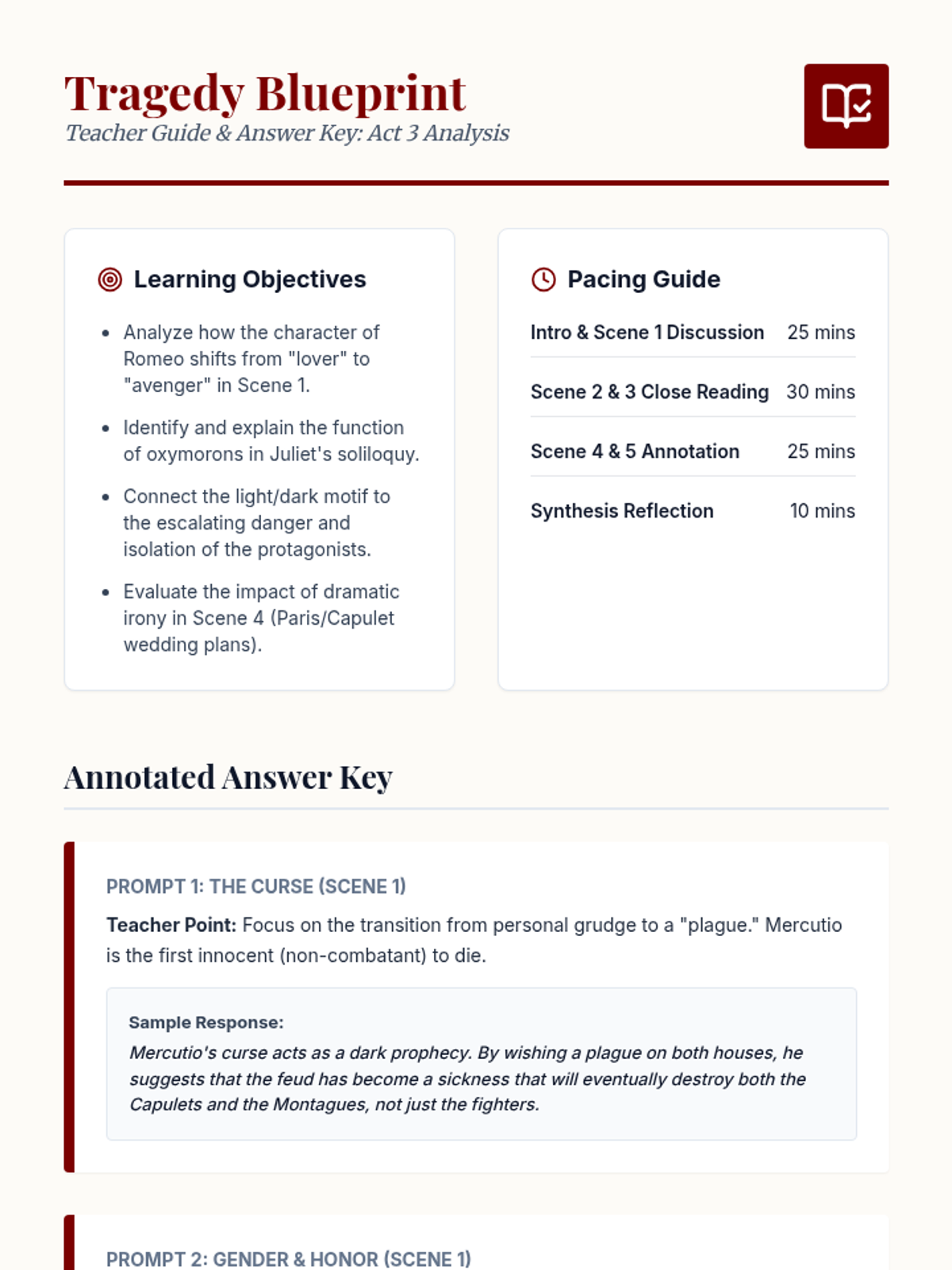
A comprehensive study of Act 3 of Romeo and Juliet, focusing on the pivotal turning points, the escalation of violence, and the shift from comedy to tragedy. Students will annotate key passages and analyze character motivations.
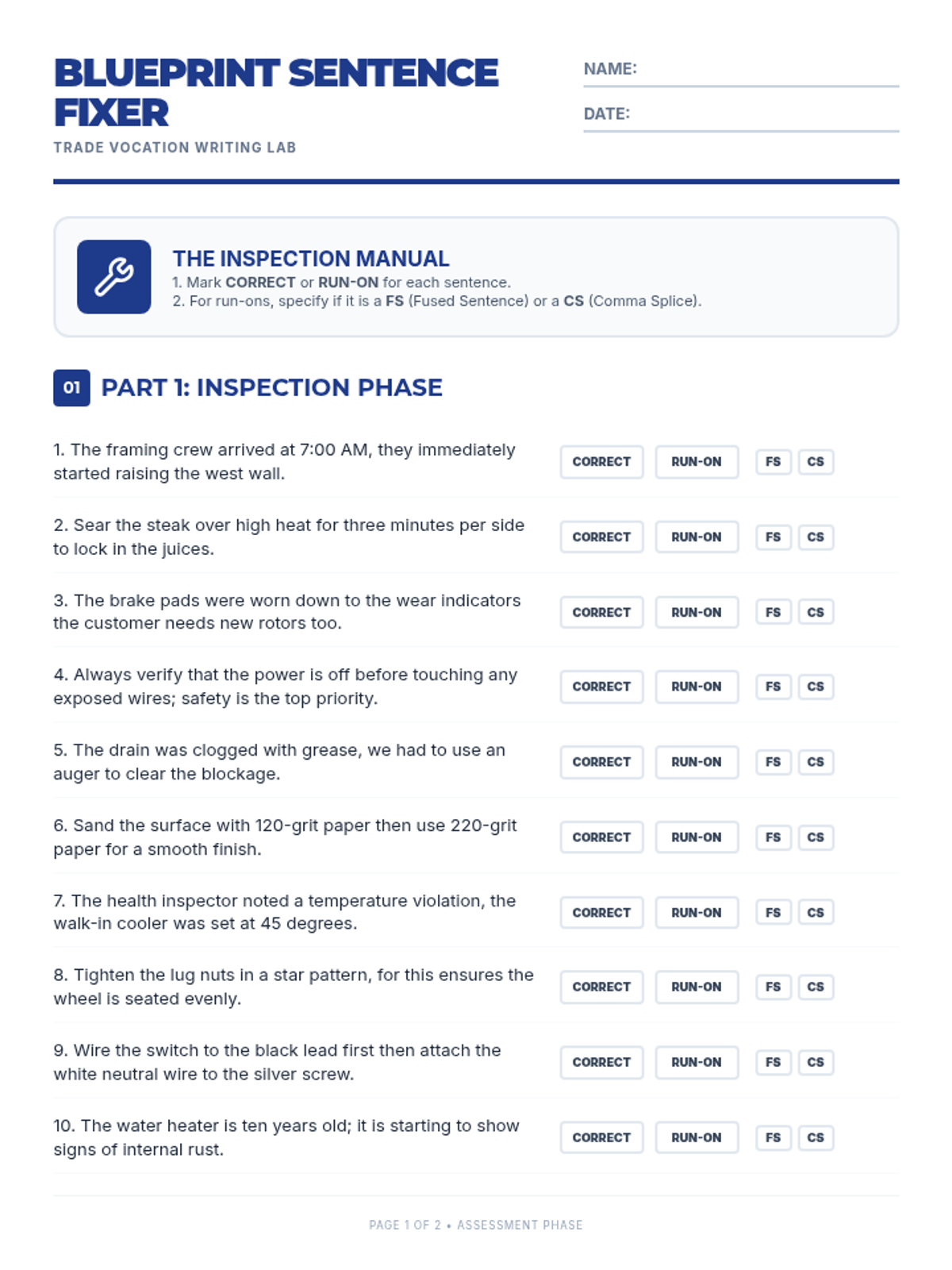
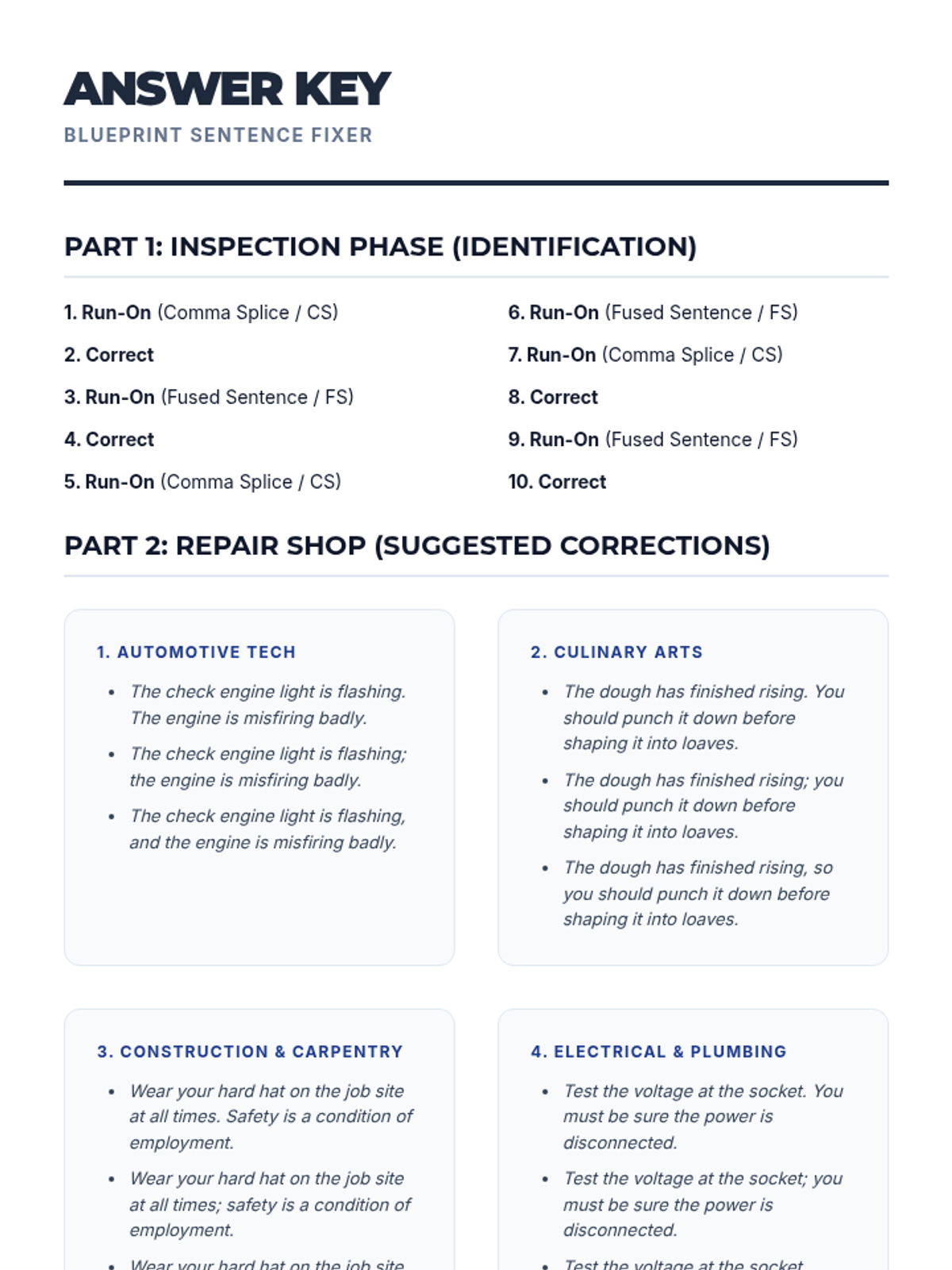
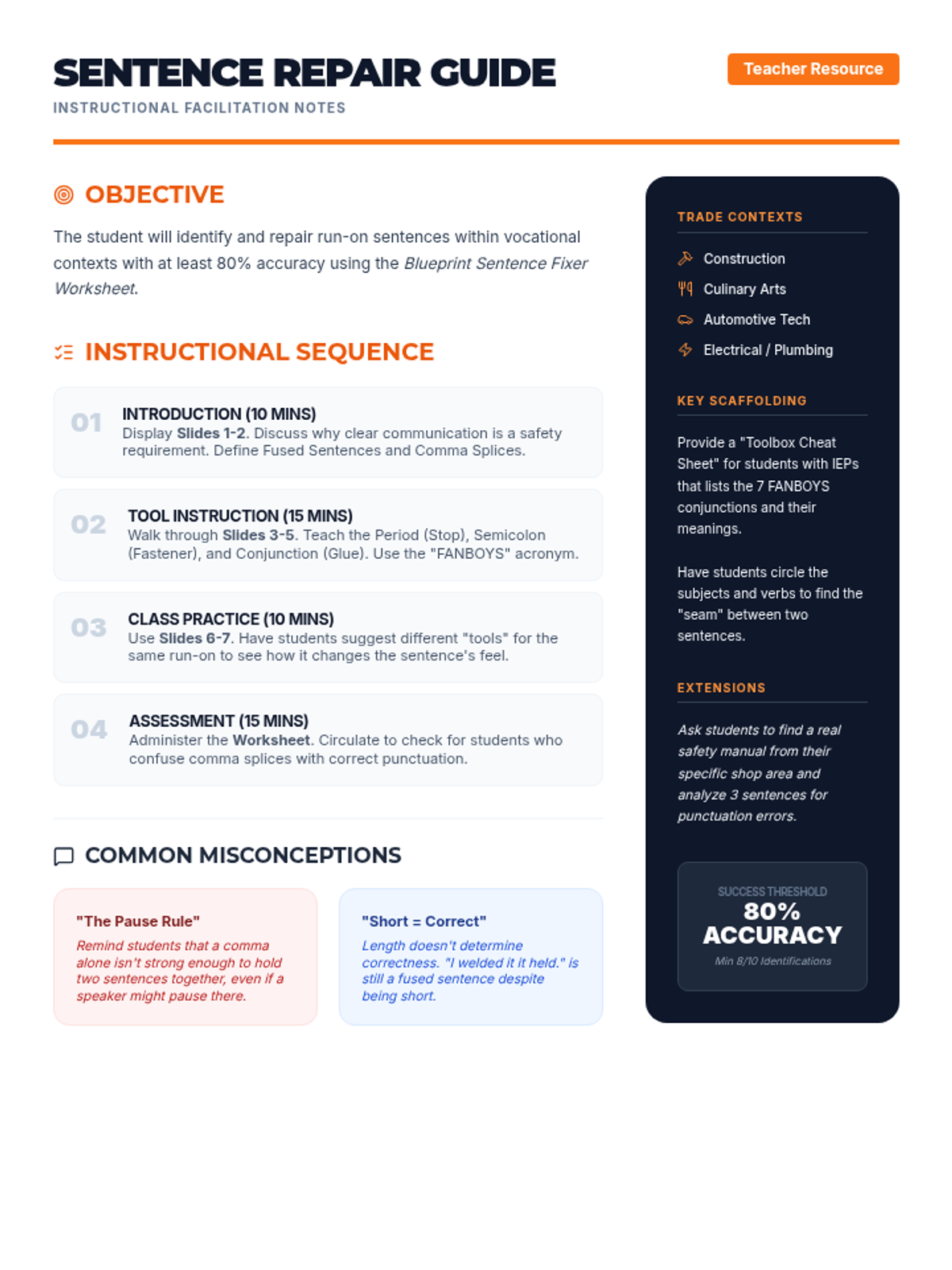
A comprehensive lesson focused on identifying and repairing run-on sentences within the context of vocational trades, including construction, culinary arts, automotive technology, and electrical/plumbing. Students will learn to use periods, semicolons, and conjunctions as 'tools' for sentence repair.
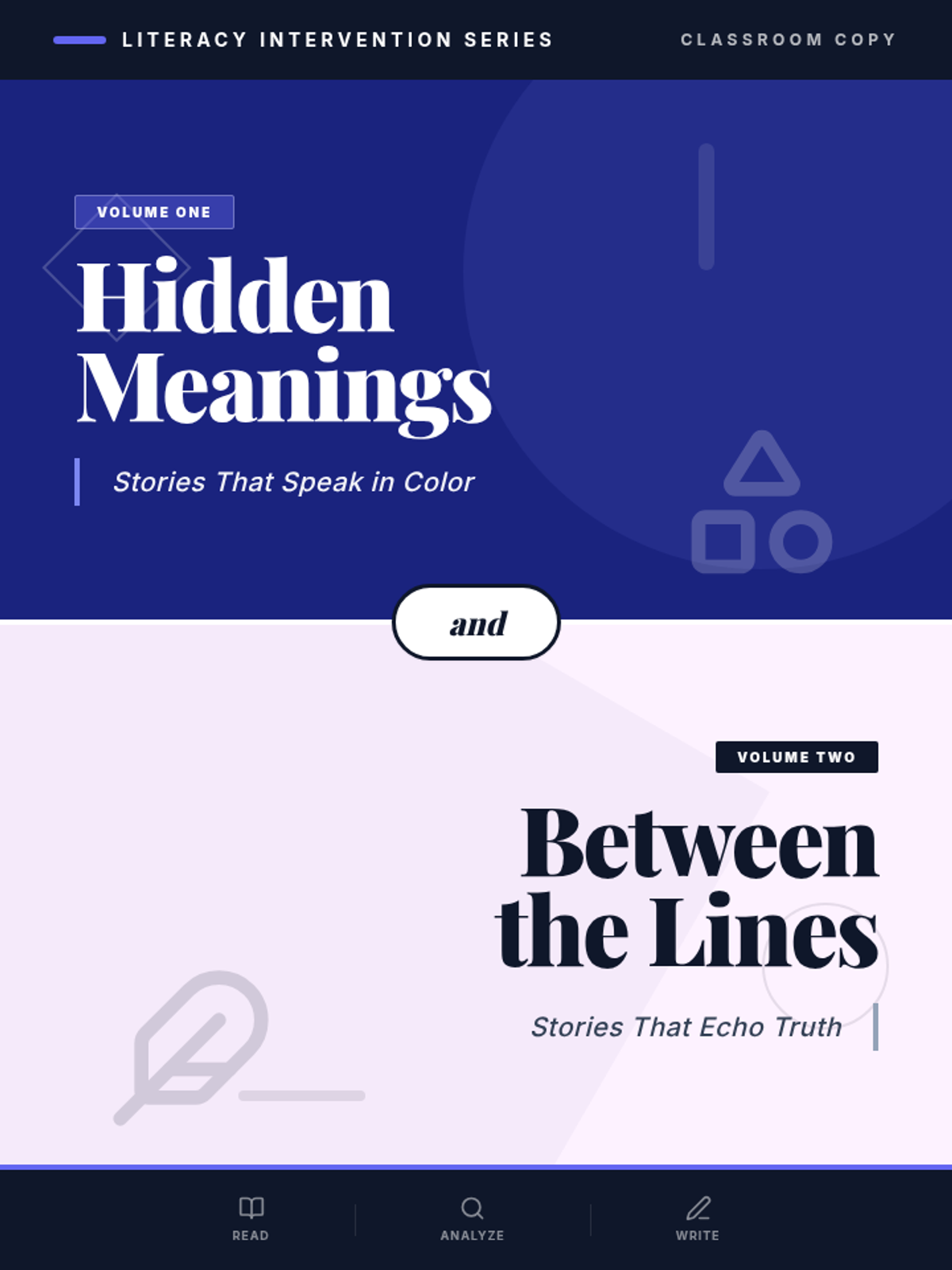
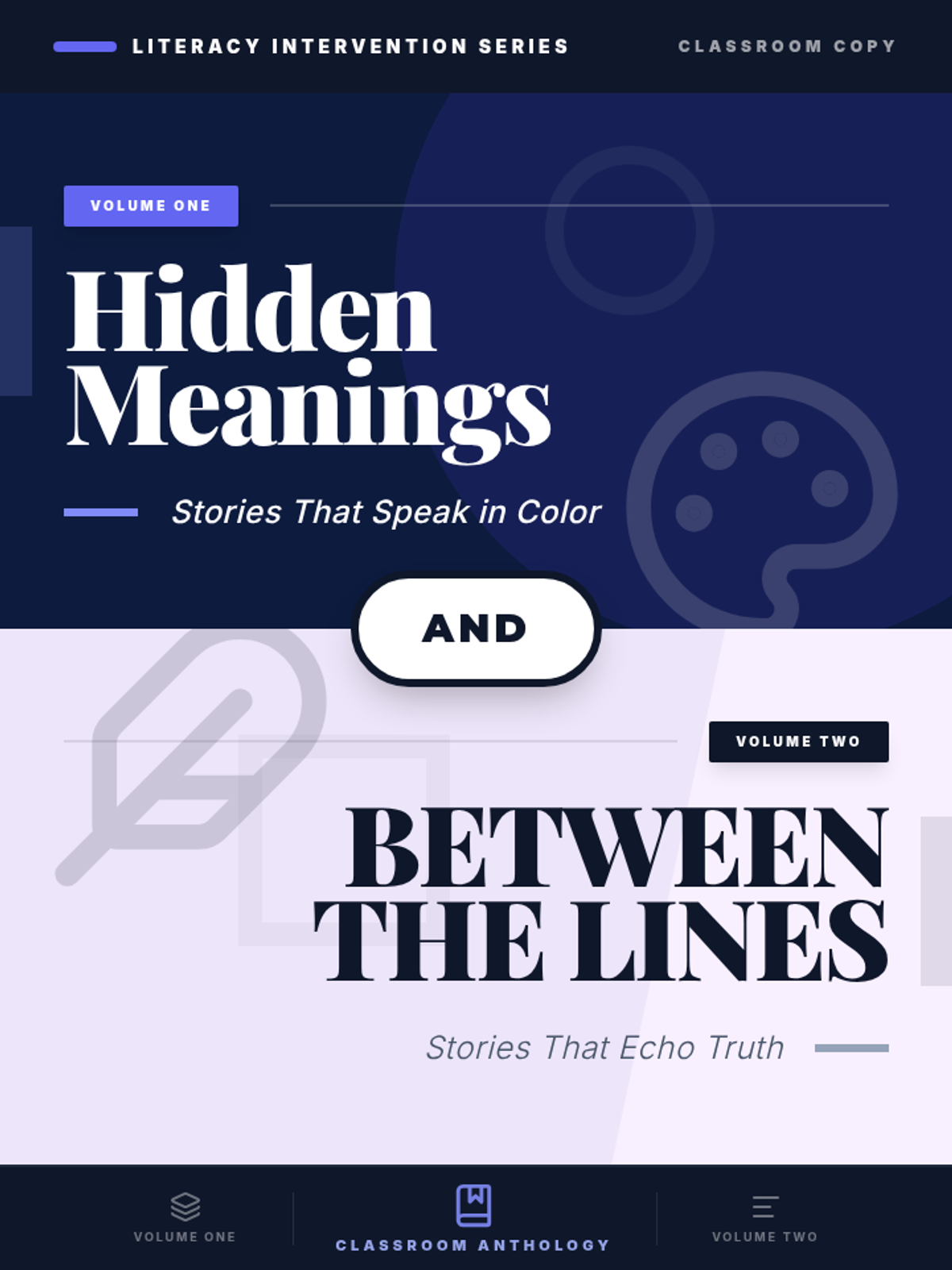
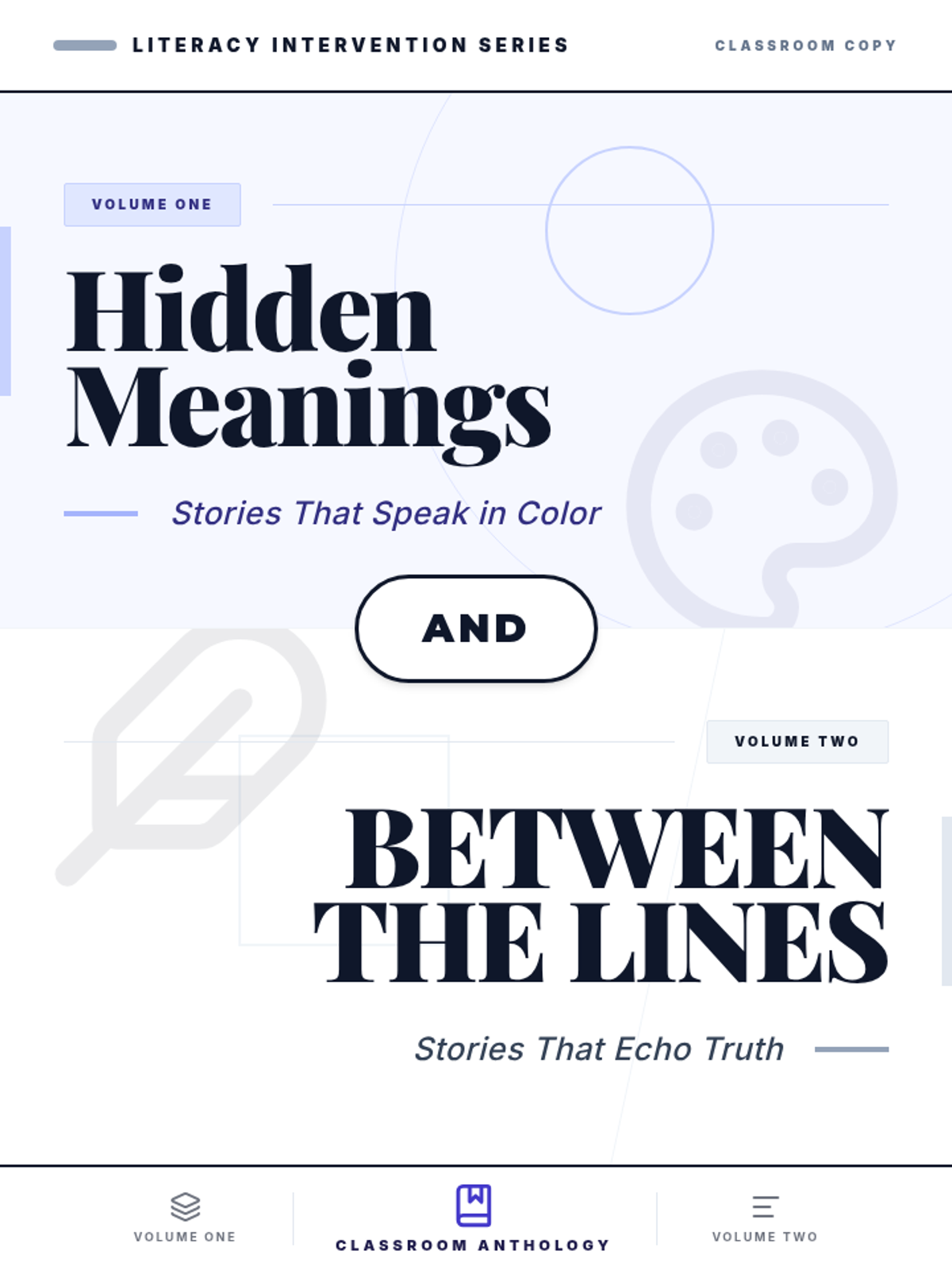
A collection of resources for a high school literacy intervention series, including unified anthology covers and supportive teaching materials for two distinct story volumes.
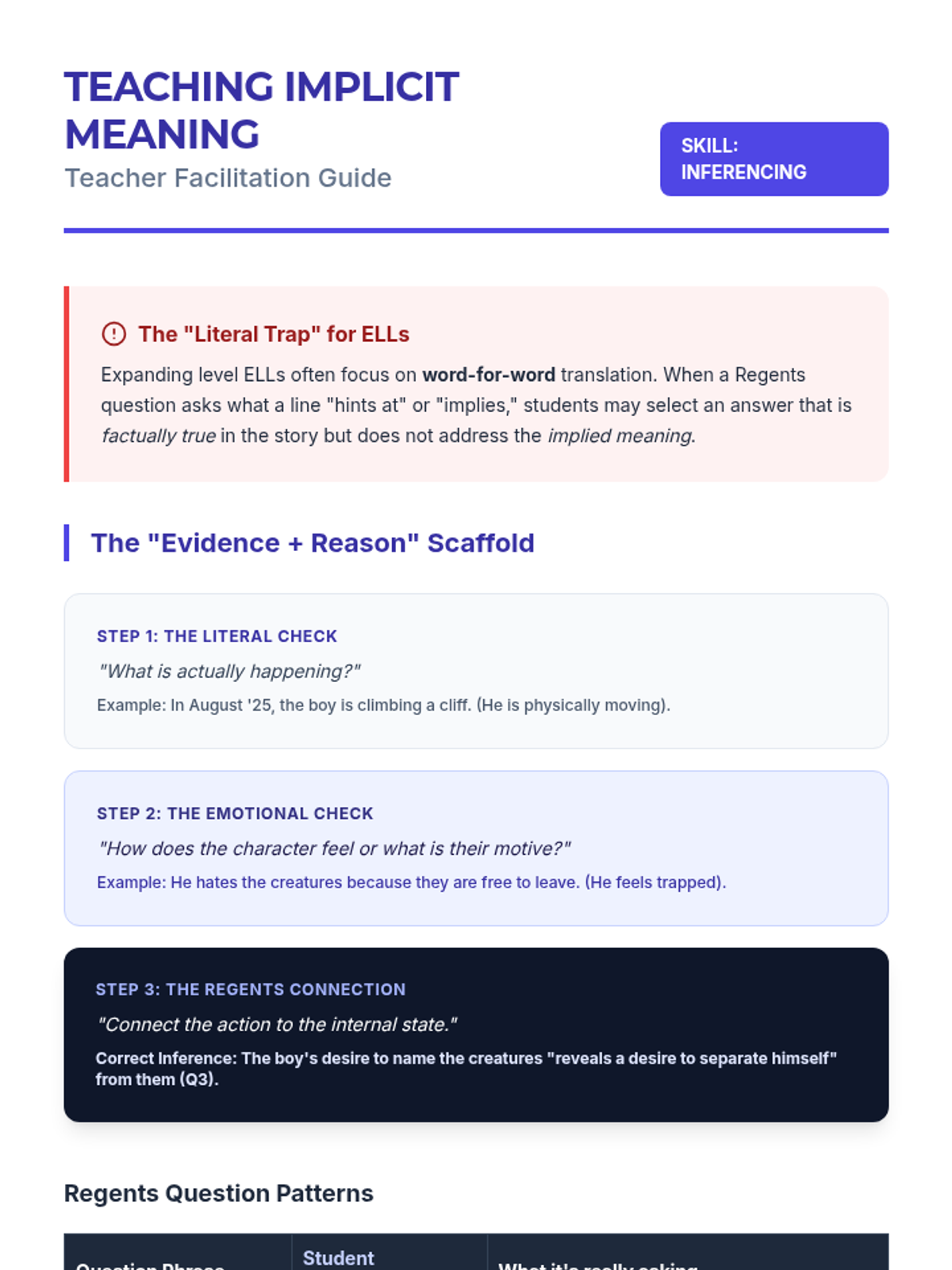
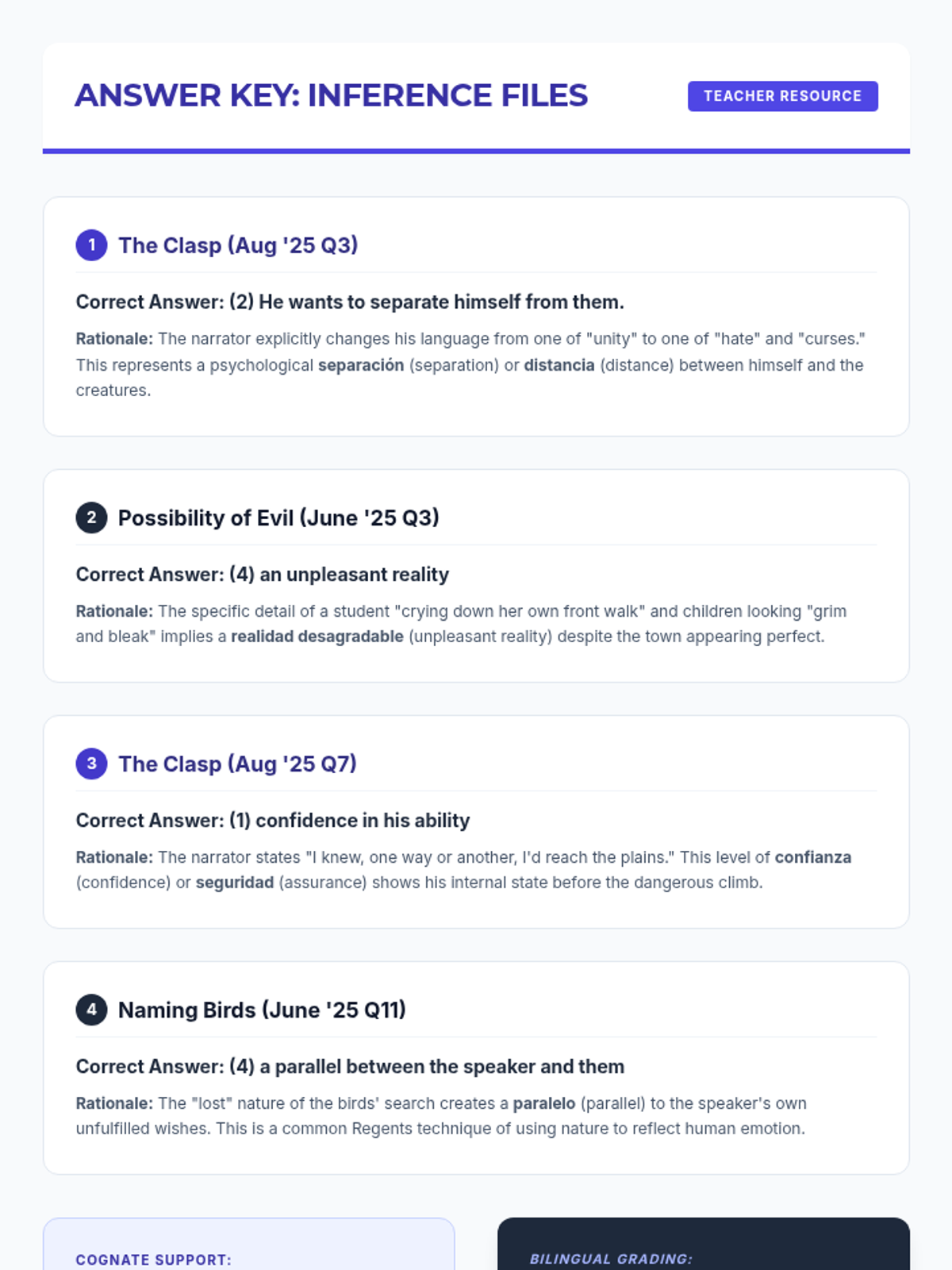
This lesson focuses on teaching ELL students how to draw conclusions from implicit meaning in texts, specifically targeting multiple-choice questions from Part 1 of the ELA Regents exam.