A 9th grade Algebra lesson focused on identifying the number of solutions in a system of linear equations (one, none, or infinite), specifically designed for Special Education students with IEP supports.
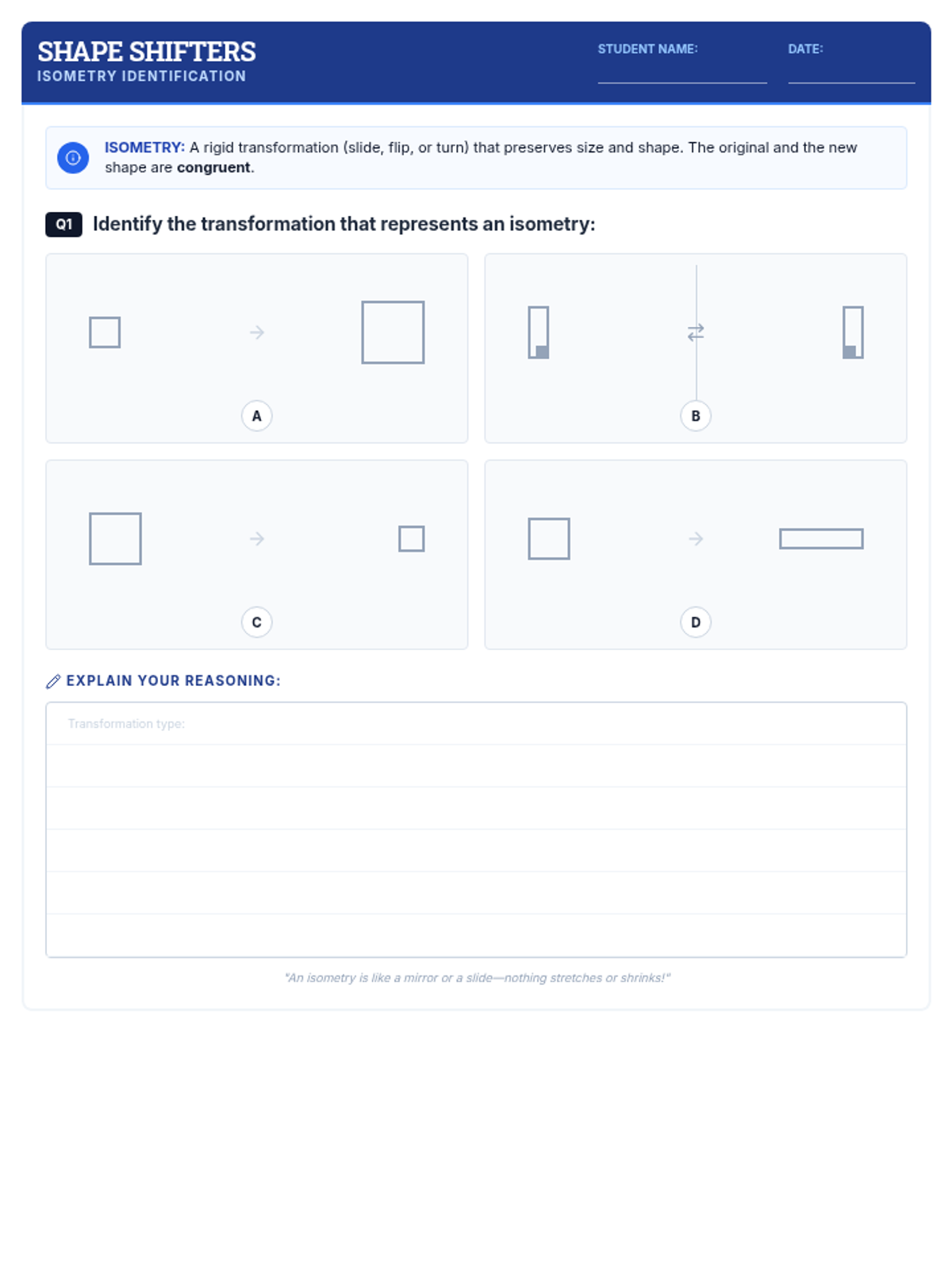
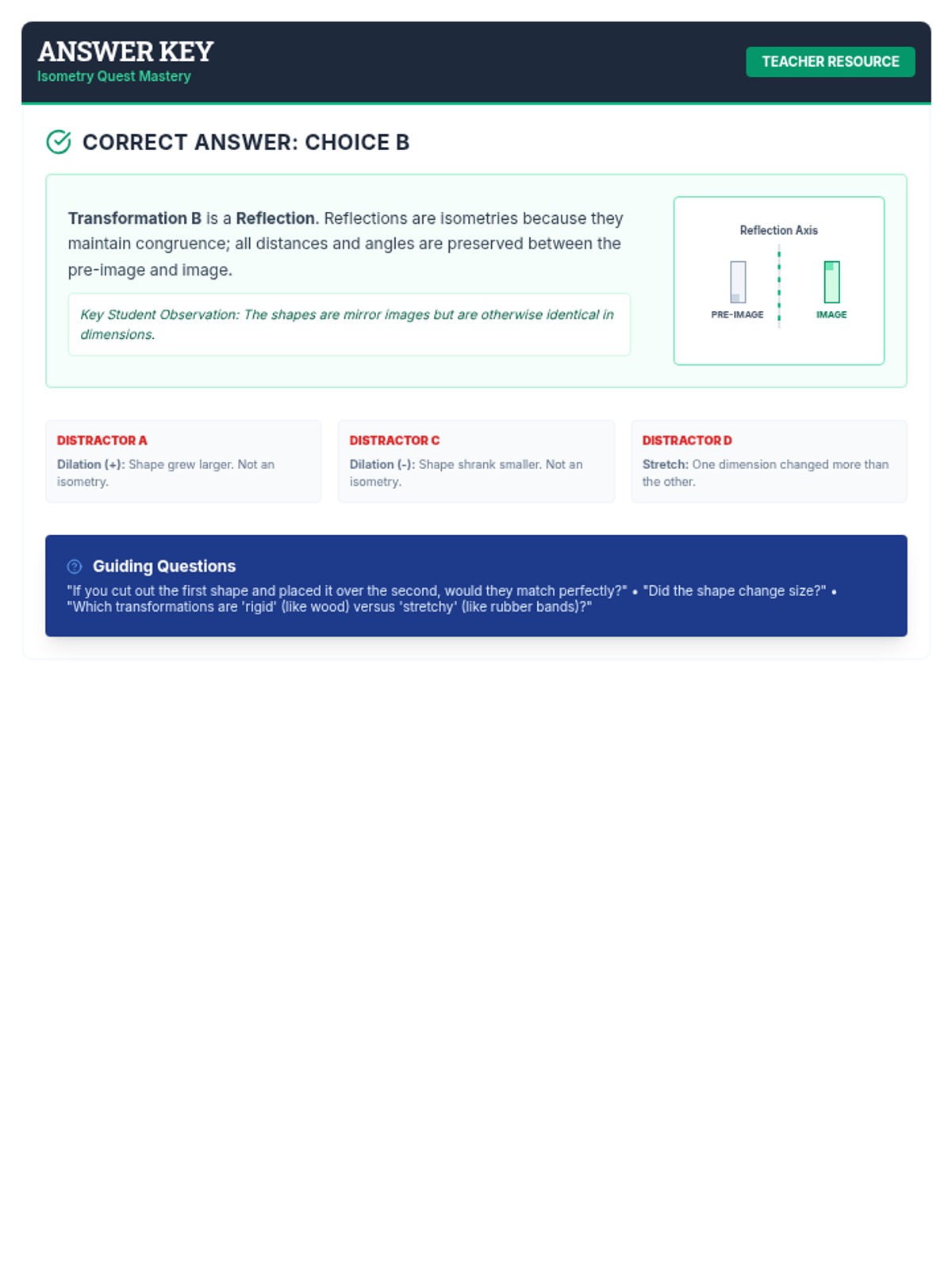
A lesson focused on distinguishing between rigid transformations (isometries) and non-rigid transformations (dilations) using visual diagrams and geometric properties.
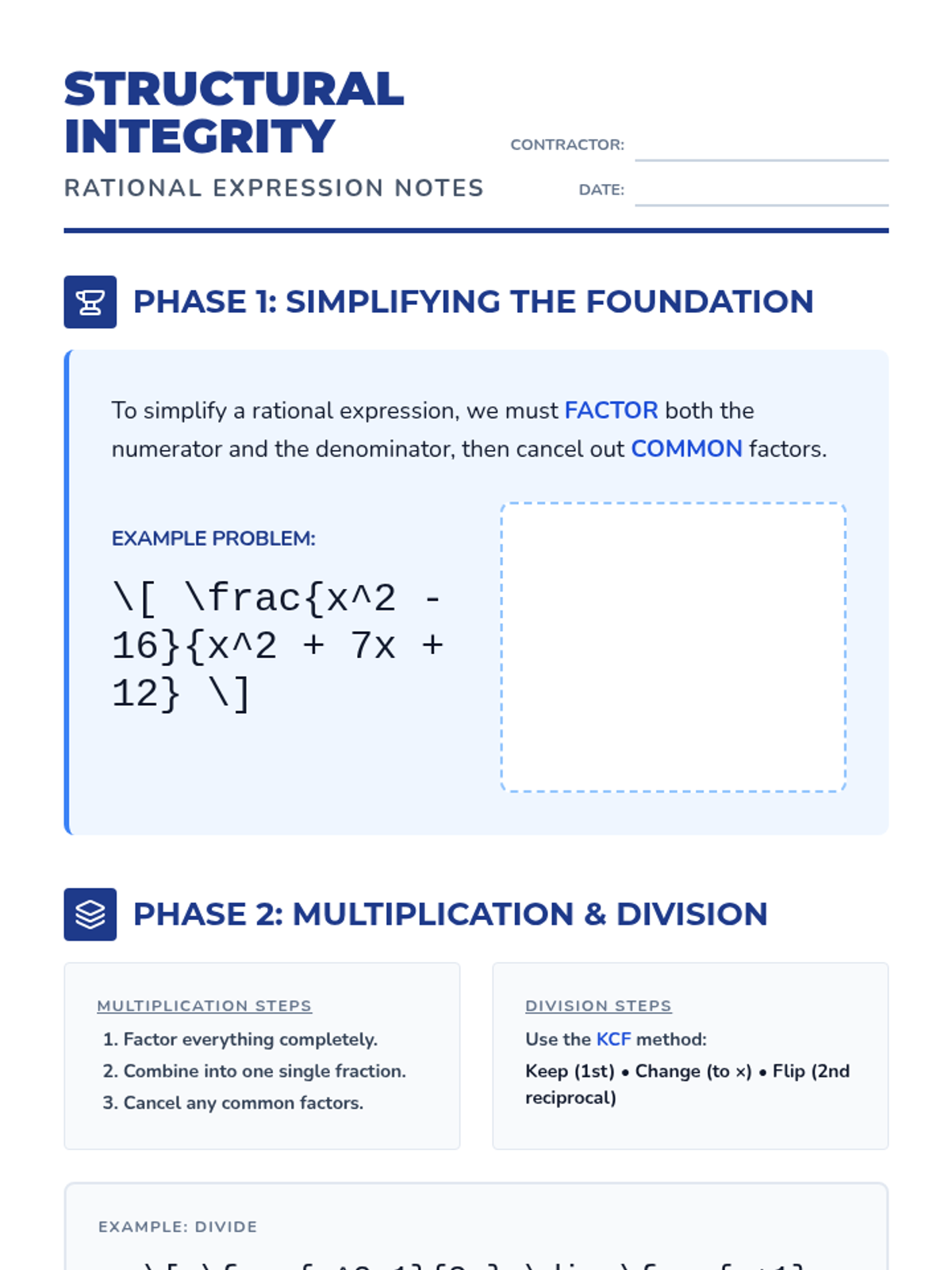
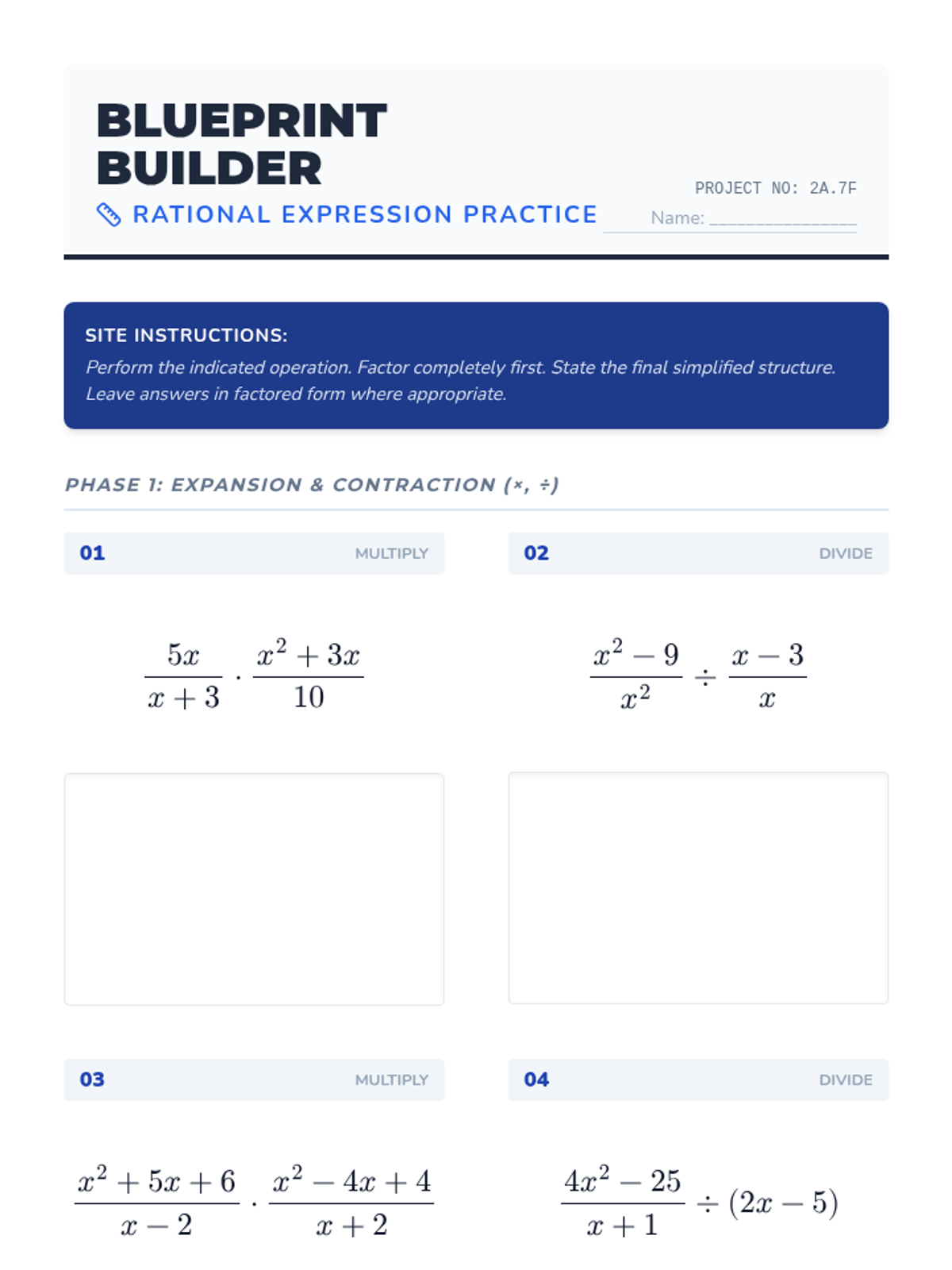
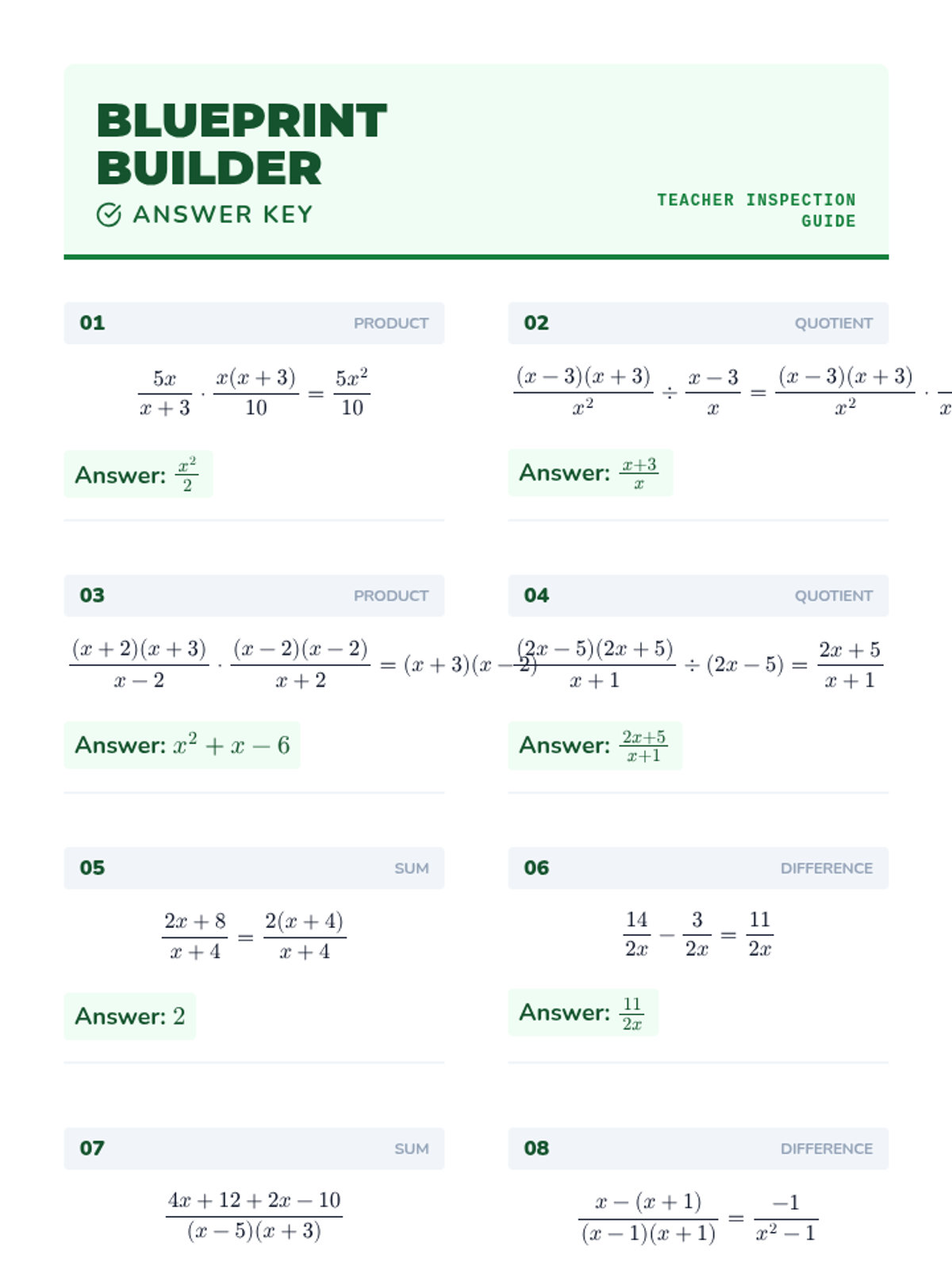
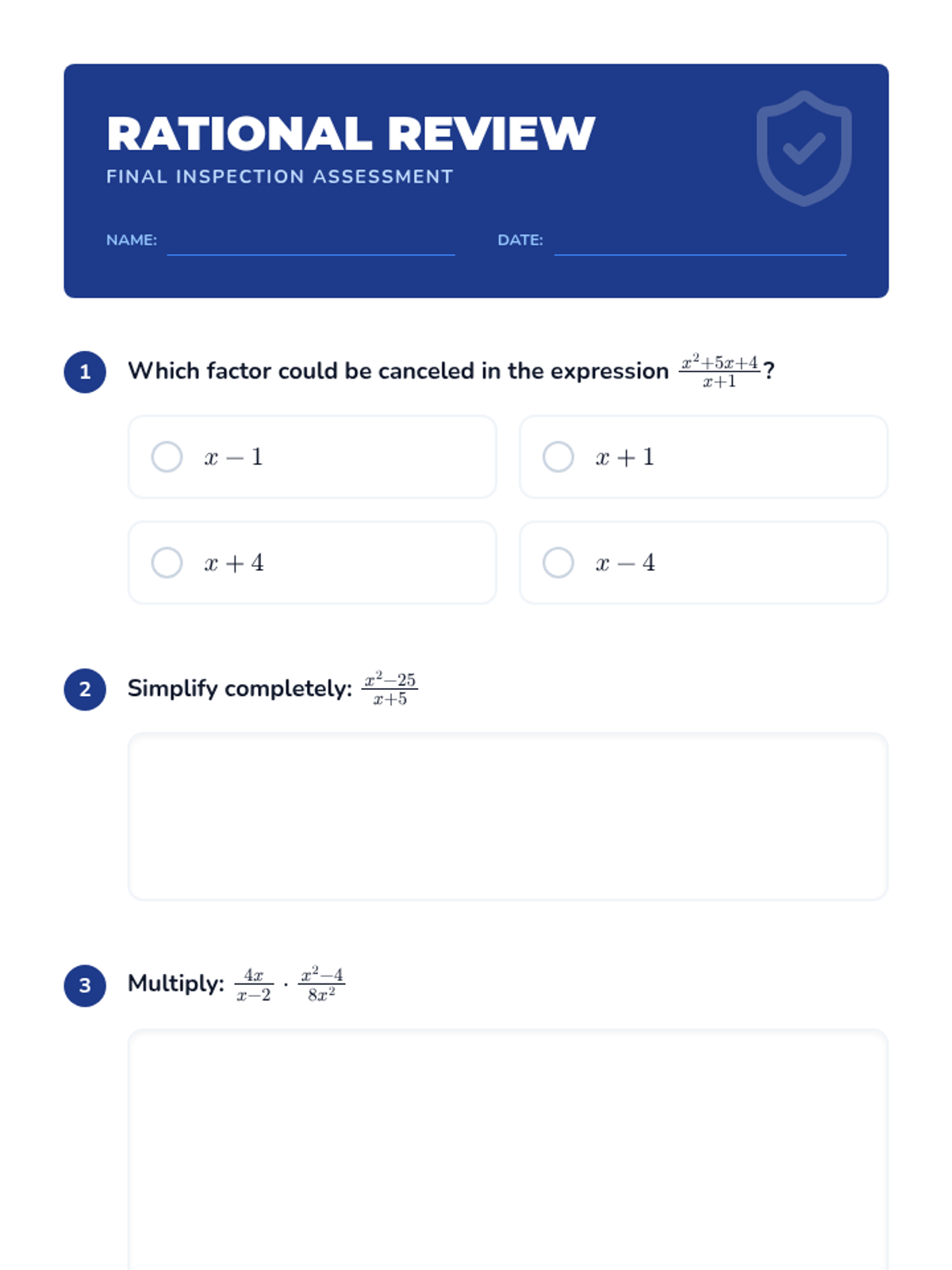
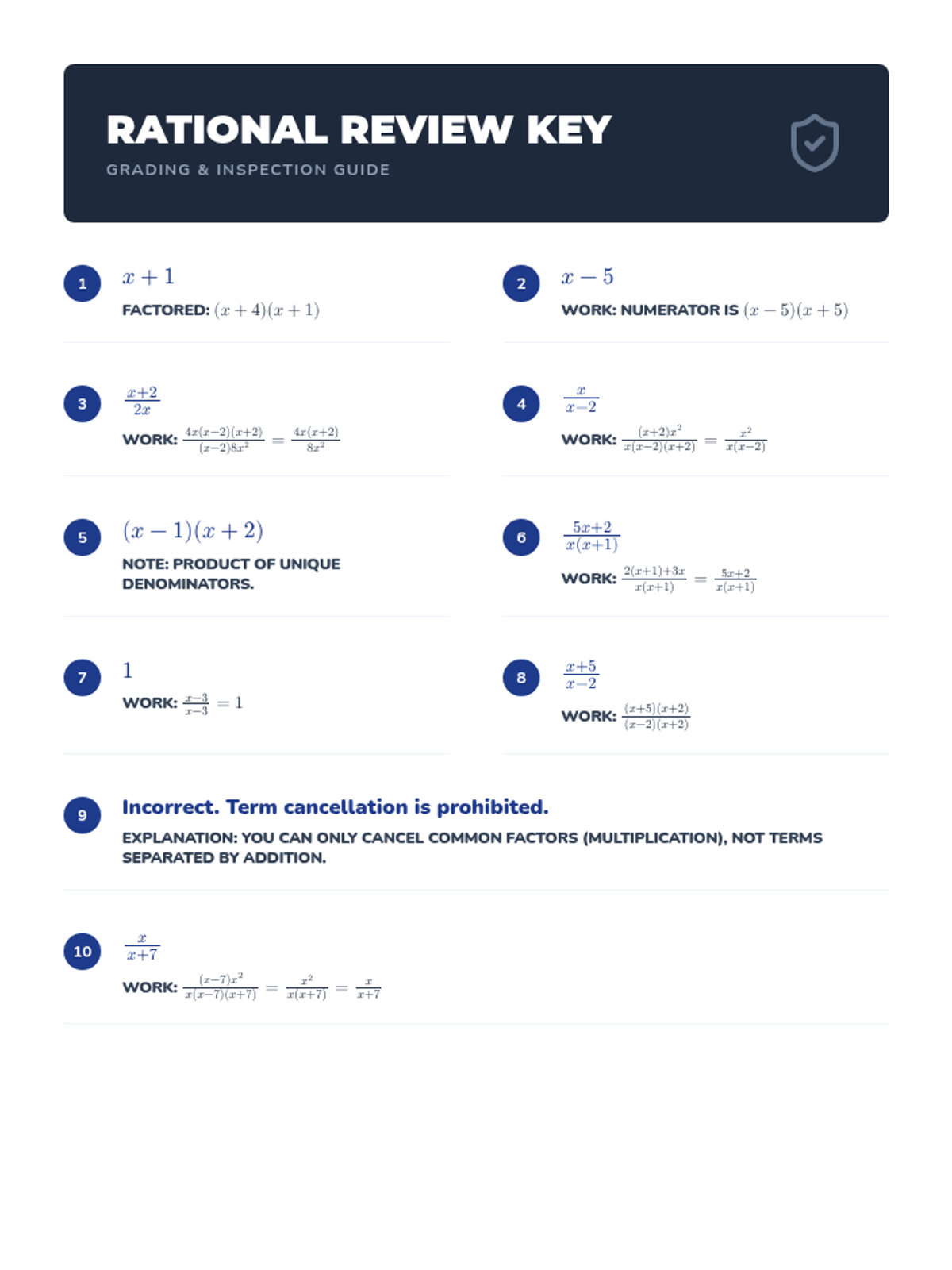
A comprehensive lesson on adding, subtracting, multiplying, and dividing rational expressions with linear and quadratic terms, themed around structural engineering and blueprints.
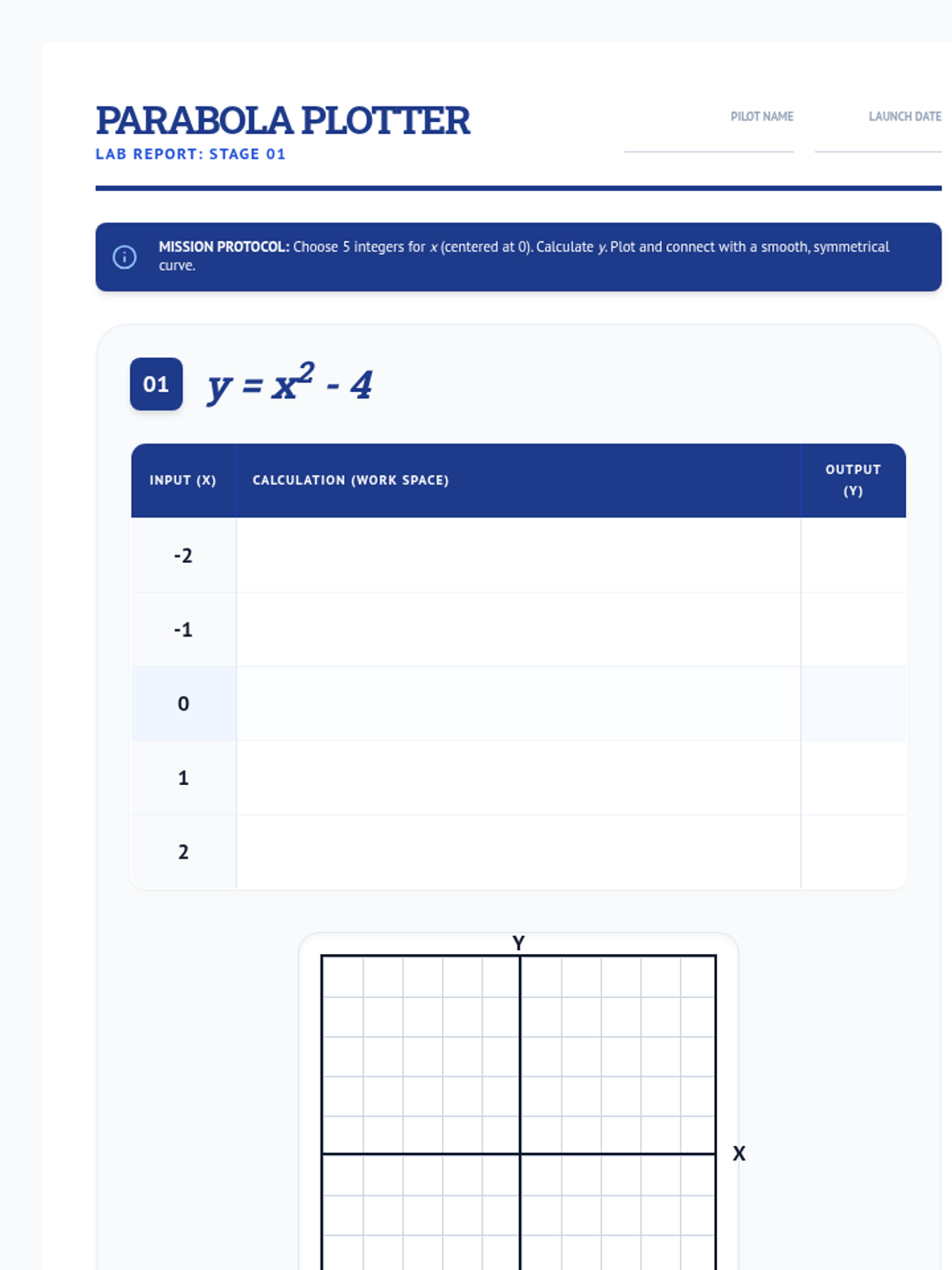
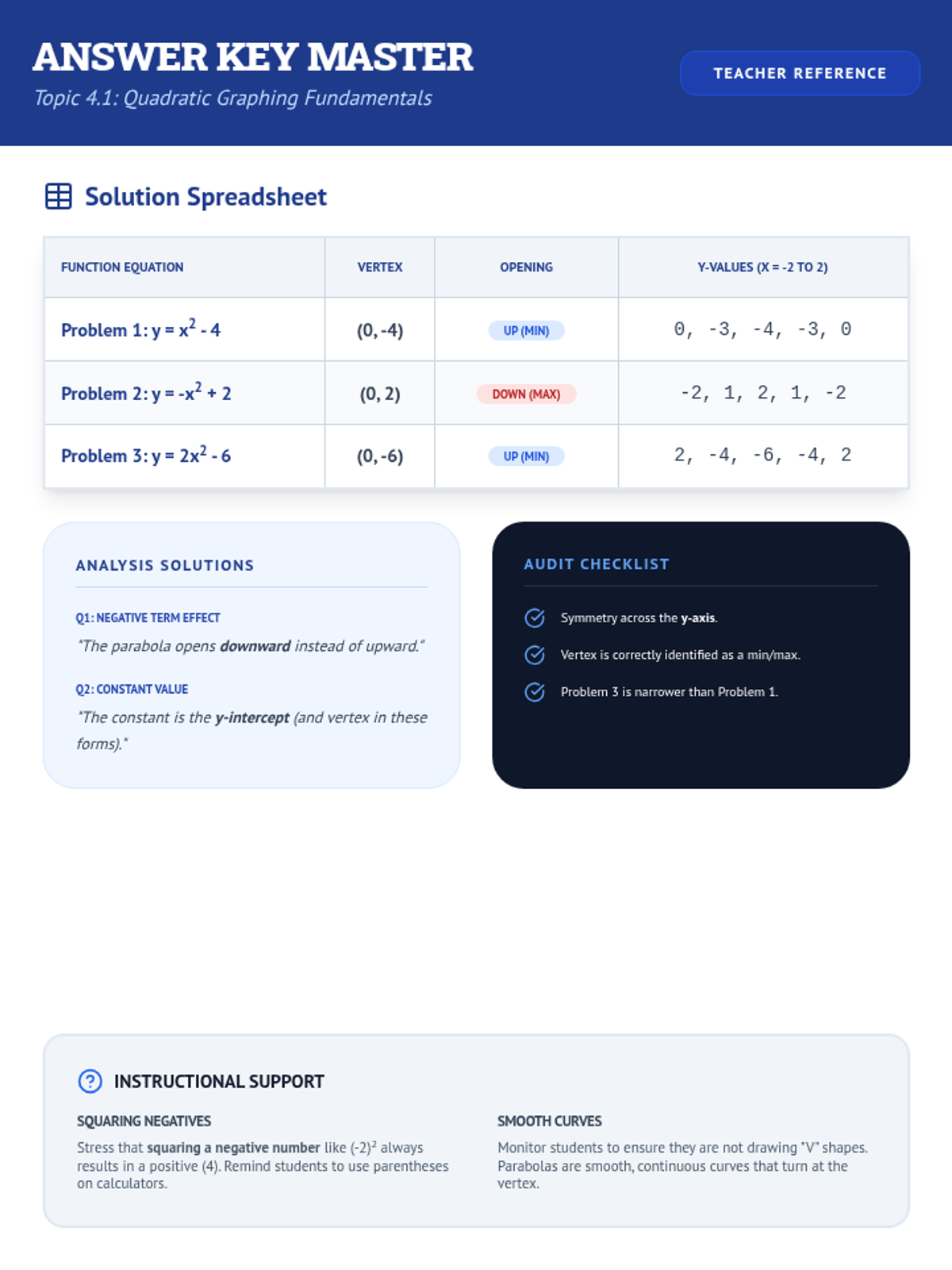
A comprehensive introduction to graphing quadratic functions using tables of values and identifying key features like the vertex and axis of symmetry.
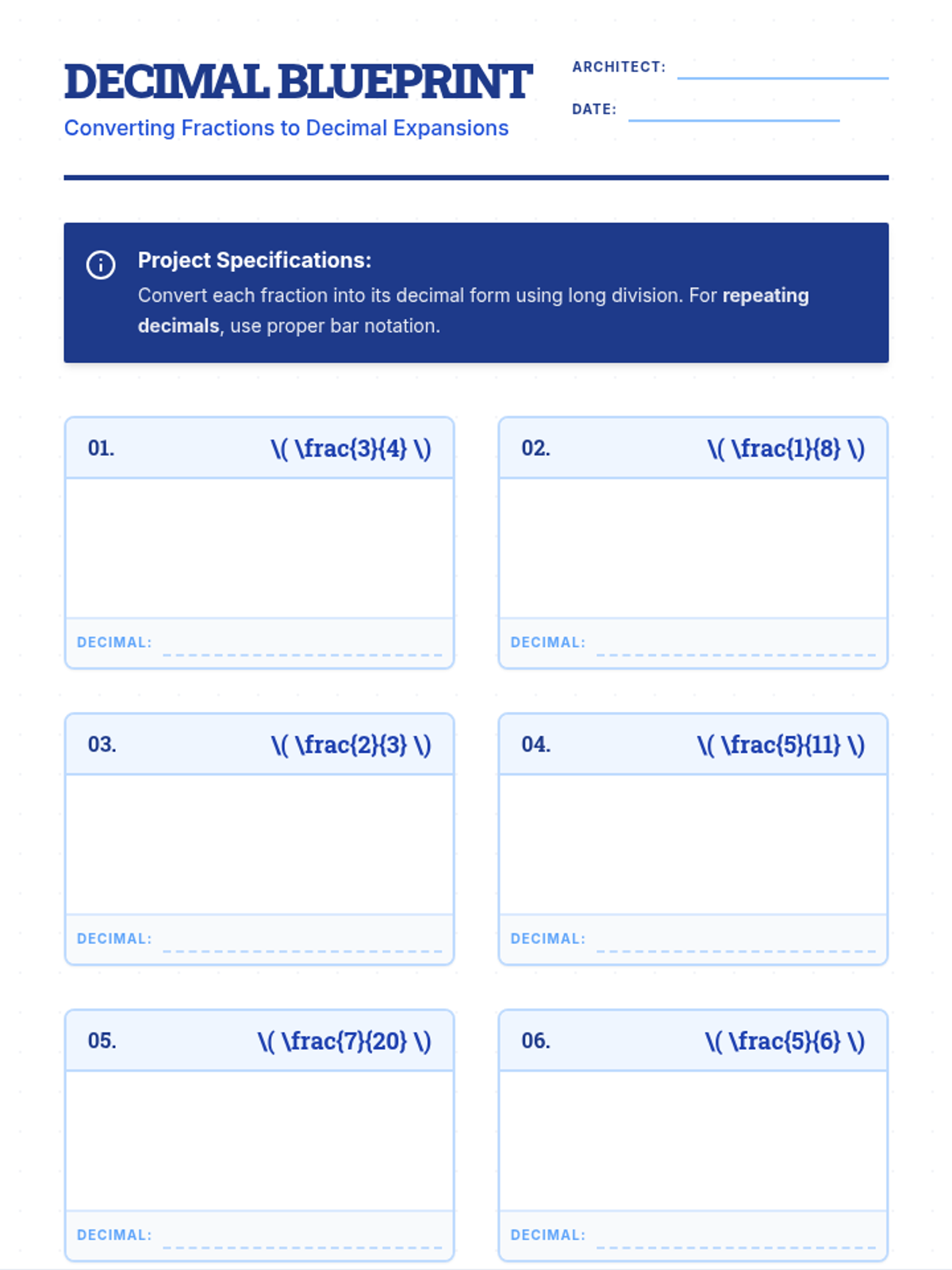
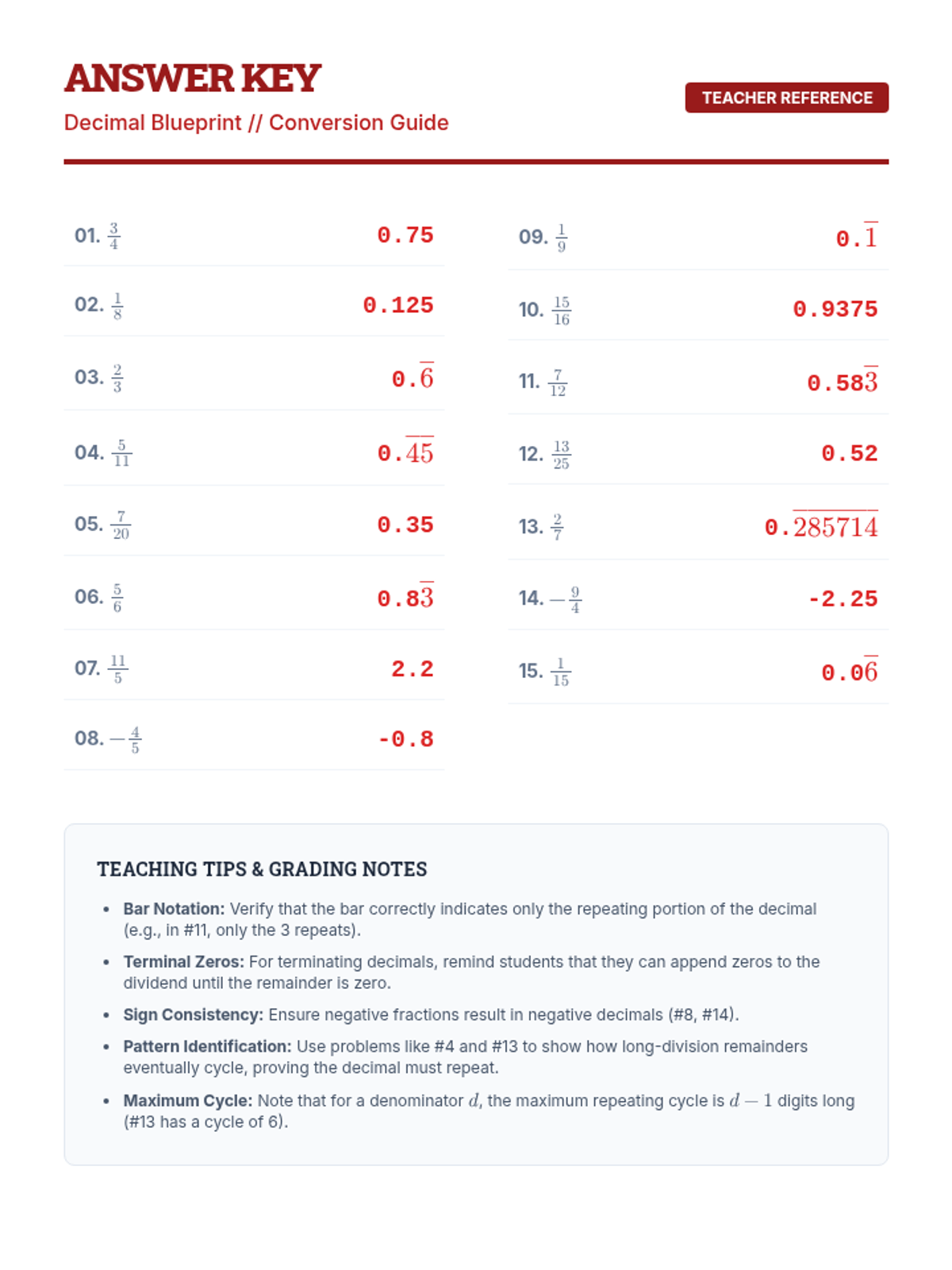
A focused lesson on converting rational numbers from fractions to their decimal expansions, including both terminating and repeating decimals. Students will use long division to discover patterns and represent repeating decimals using bar notation.

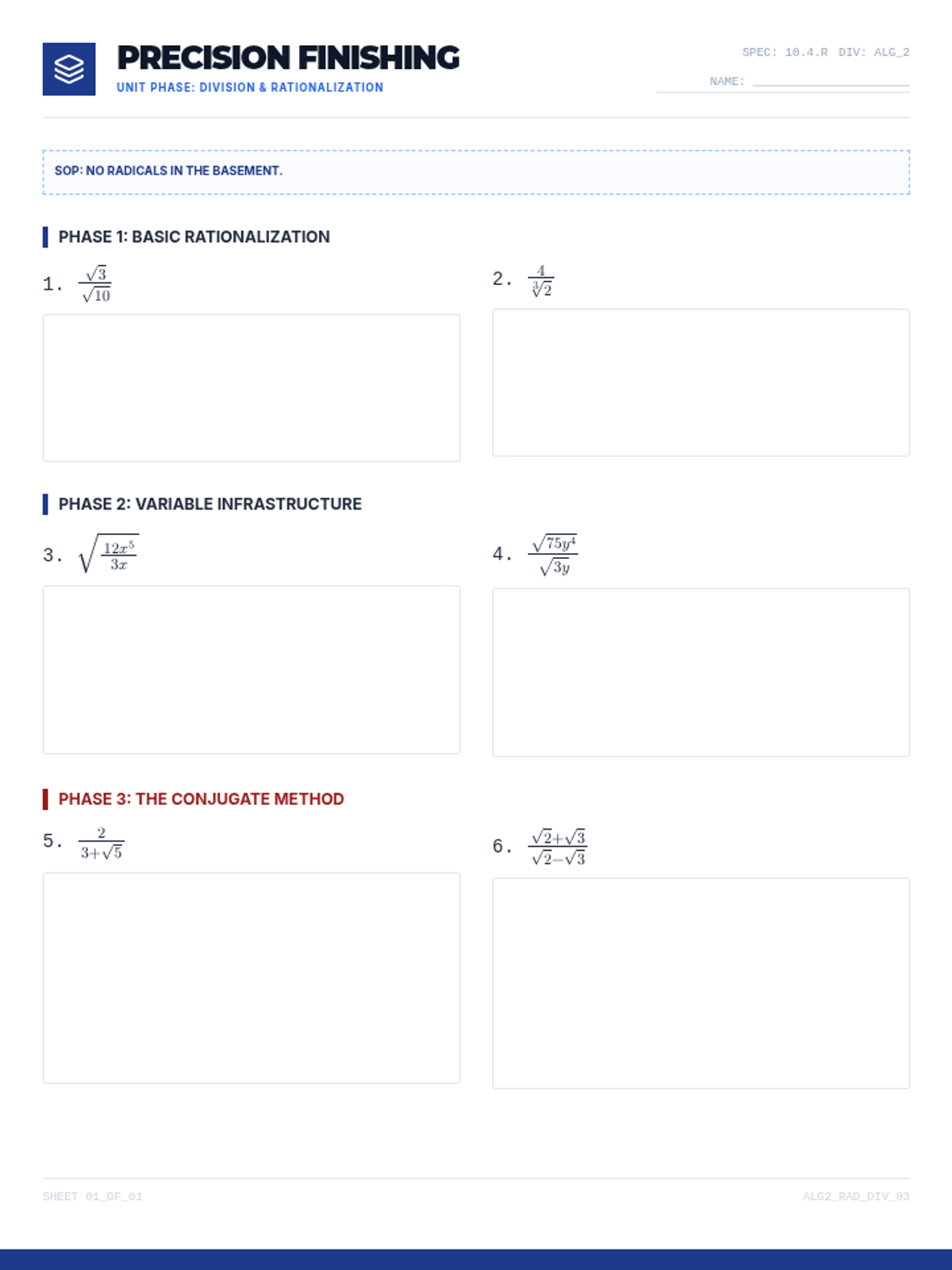
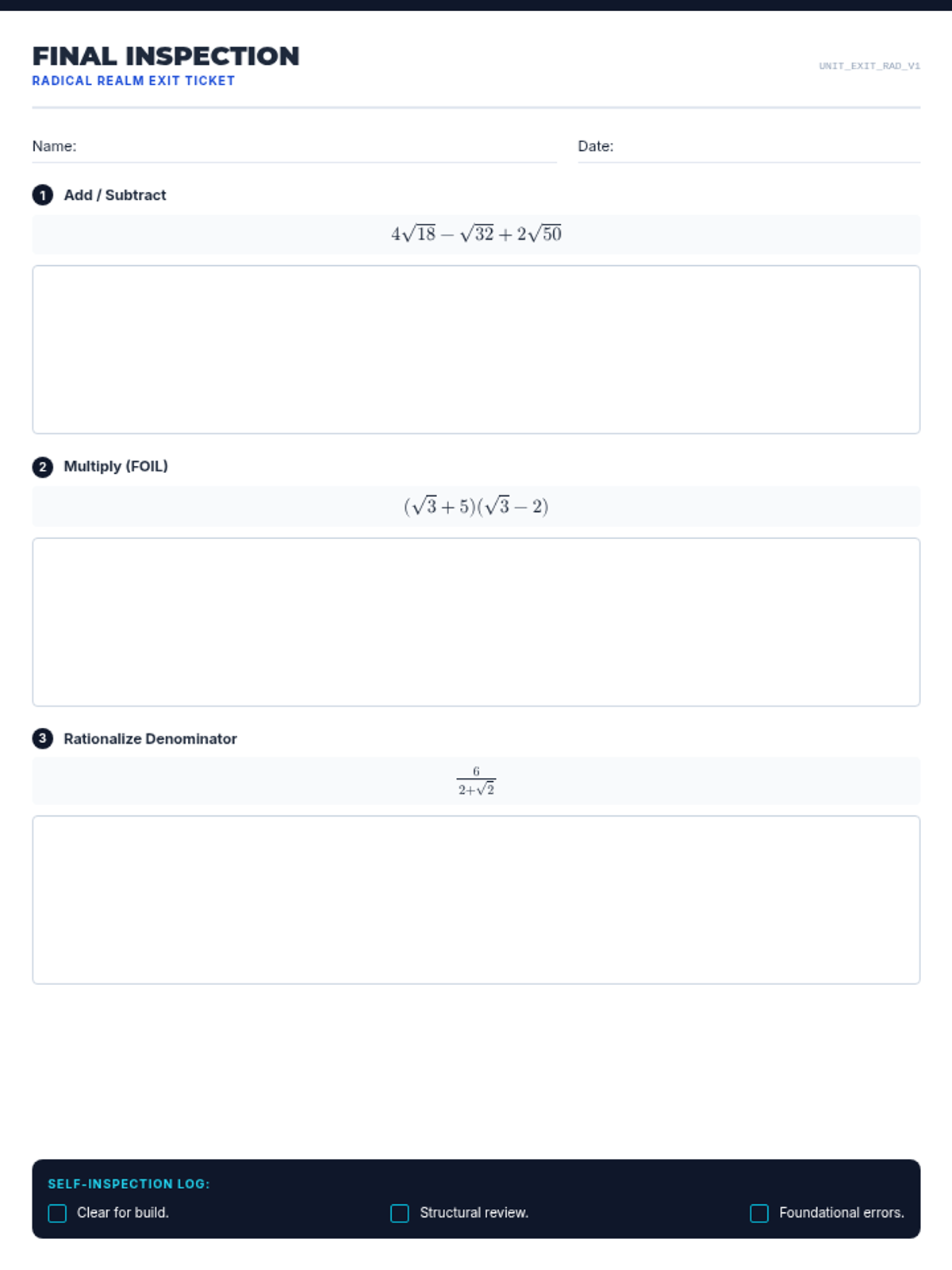
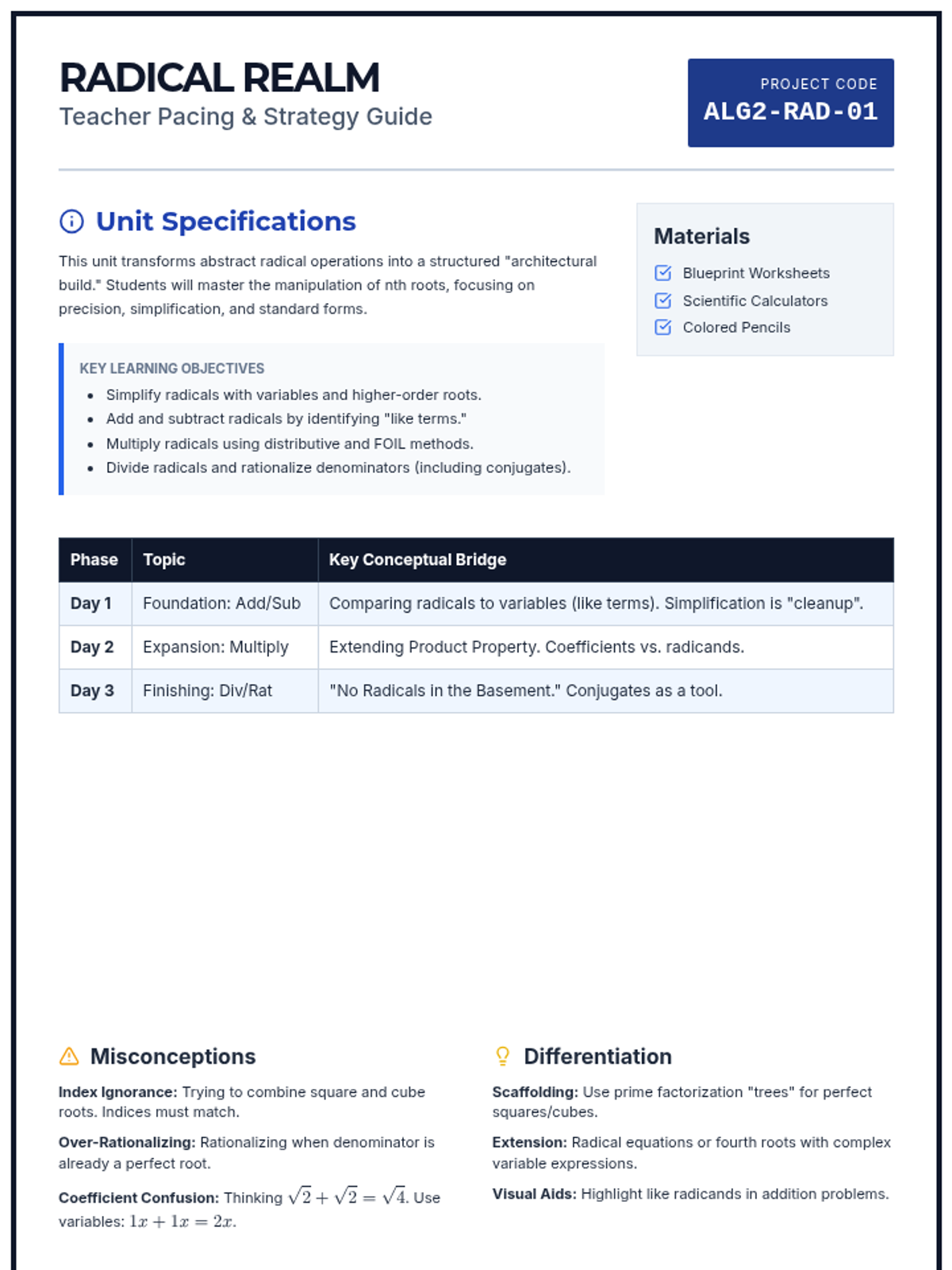
Covers division of radicals and the essential skill of rationalizing denominators using both monomial and binomial (conjugate) methods.
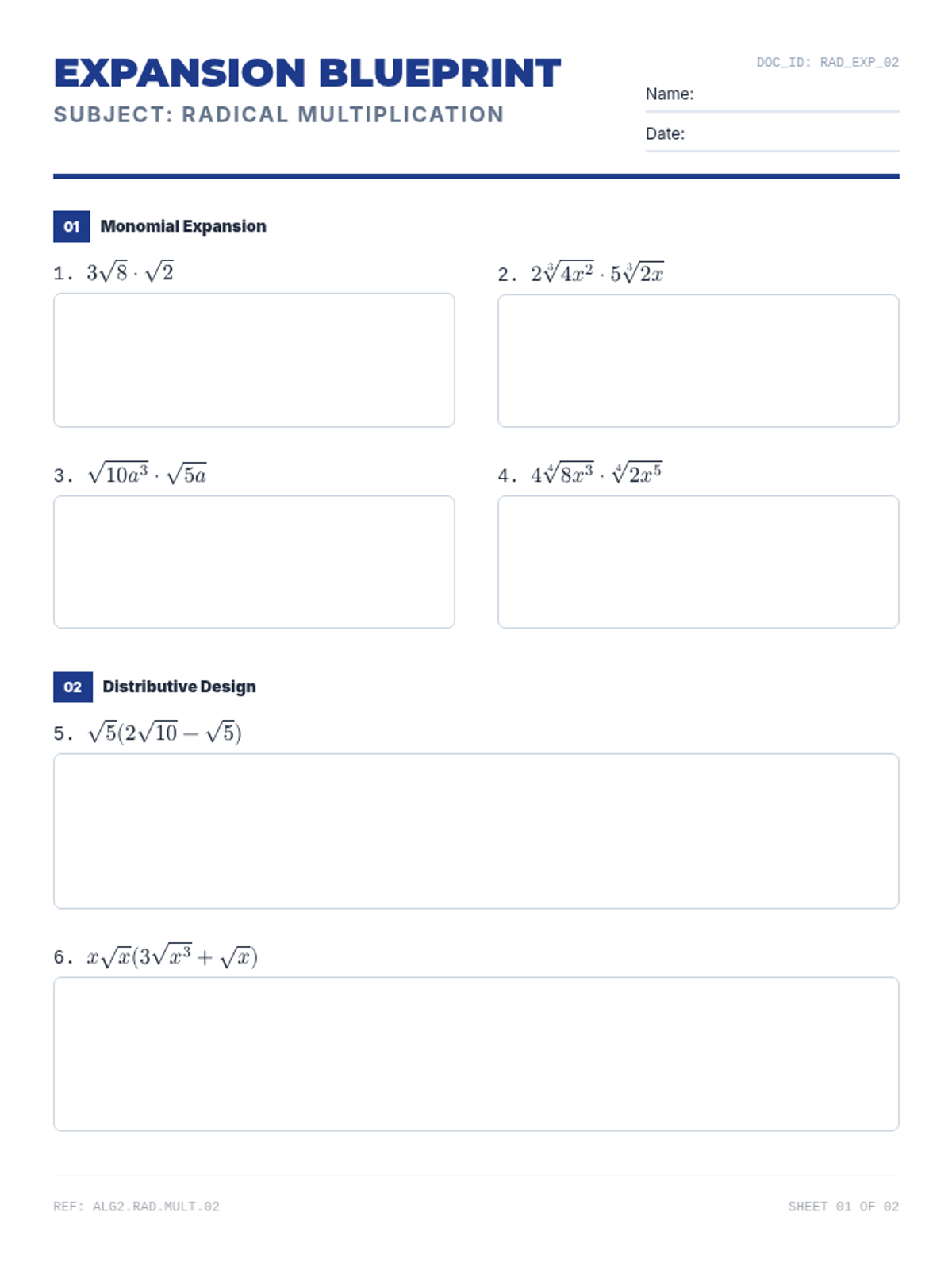
Focuses on the multiplication of radical expressions, including the distributive property and FOIL with binomial radicals.
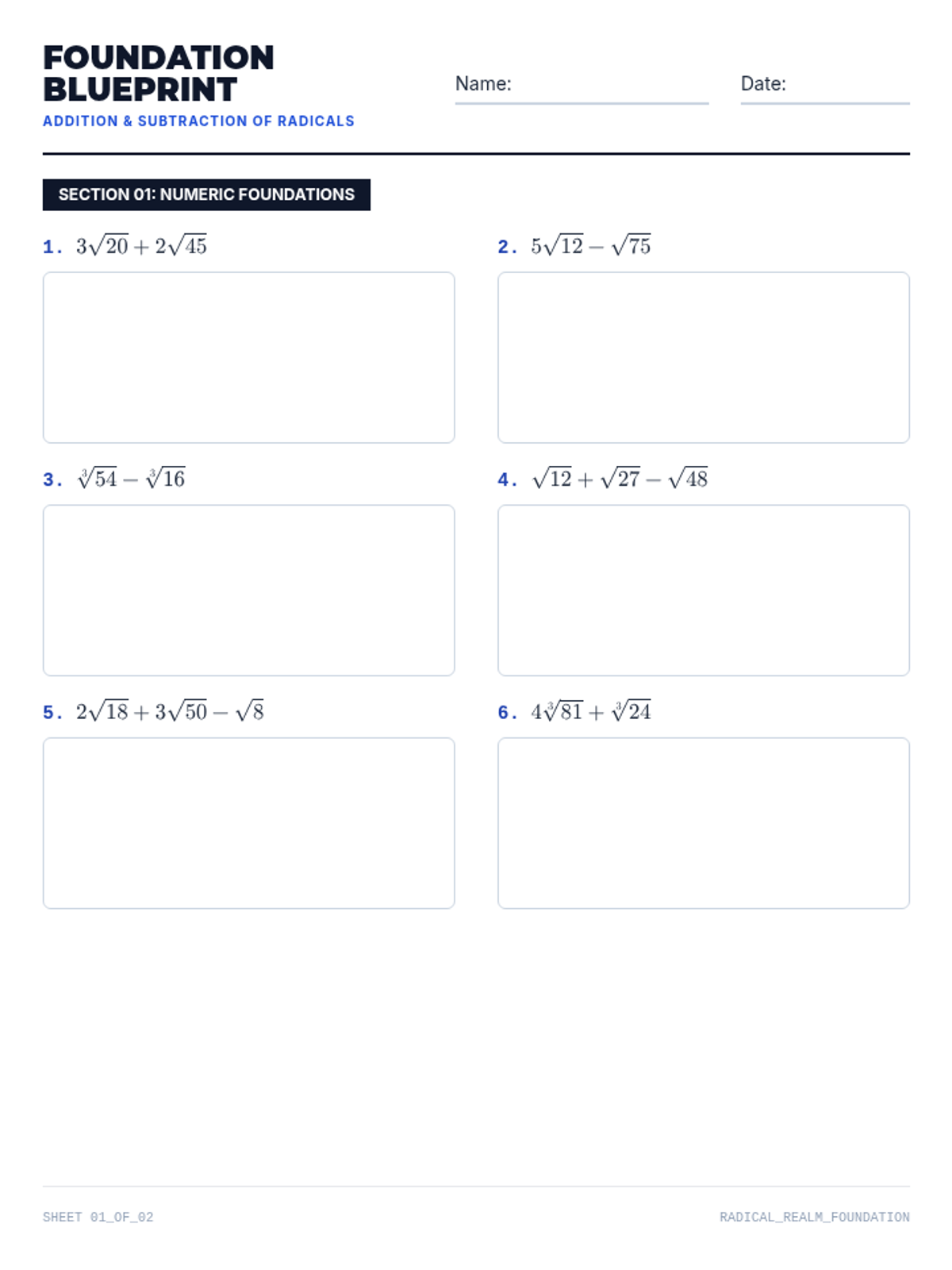
Covers the fundamentals of simplifying radical expressions and performing addition and subtraction with like radicals, including variables and higher-order roots.
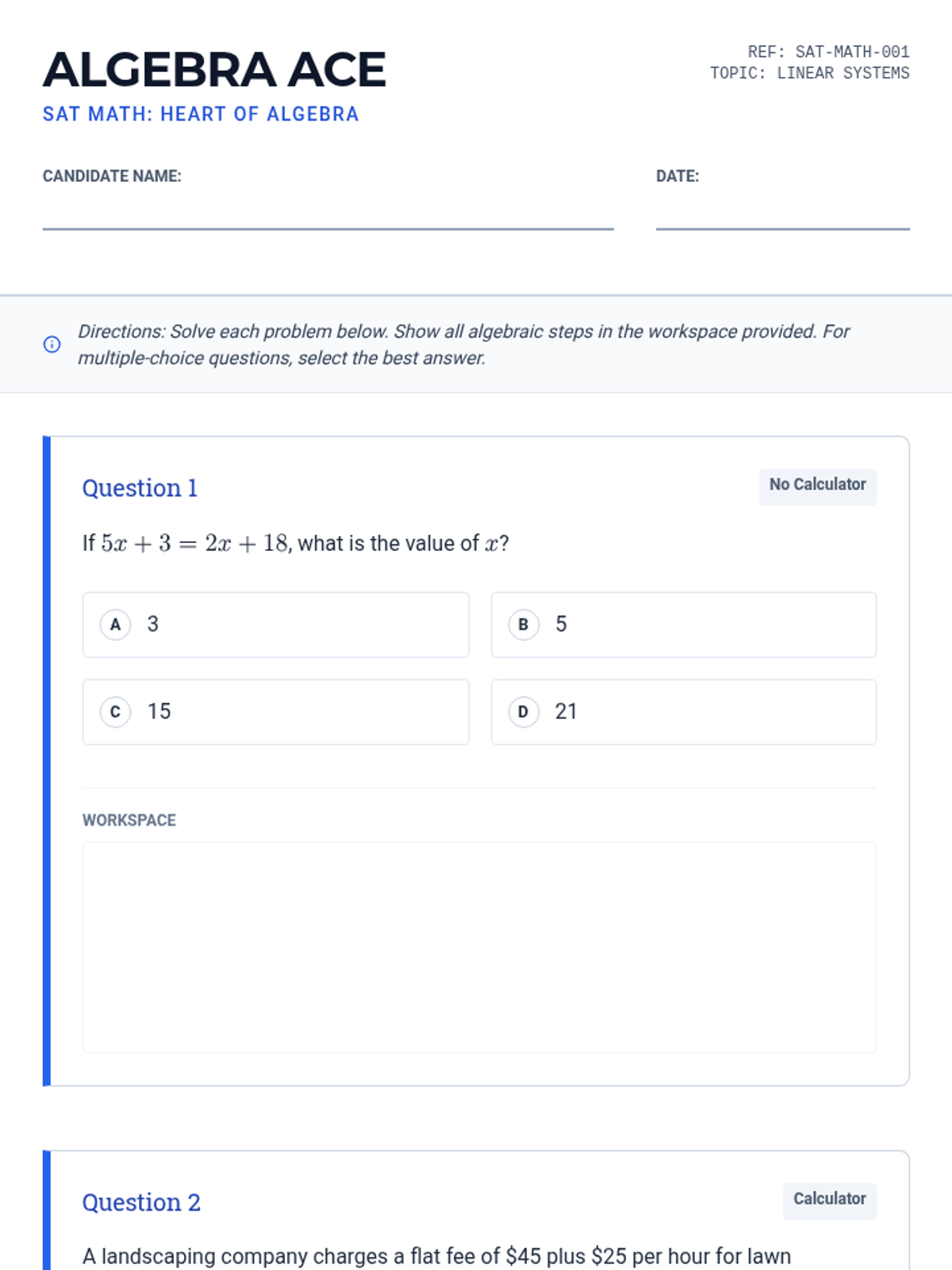
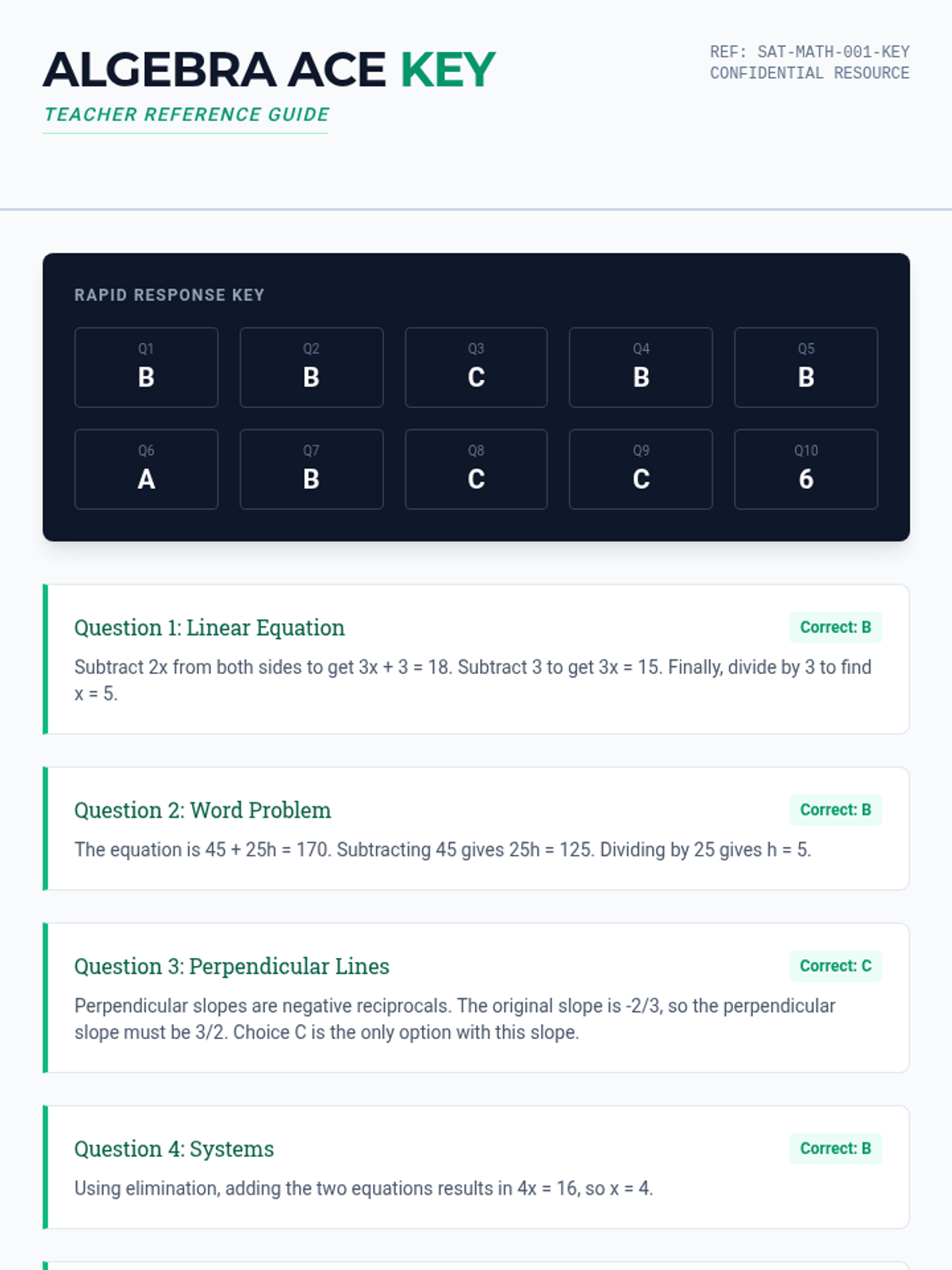
A targeted practice session focusing on SAT Math's Heart of Algebra section, covering linear equations, systems, and inequalities.
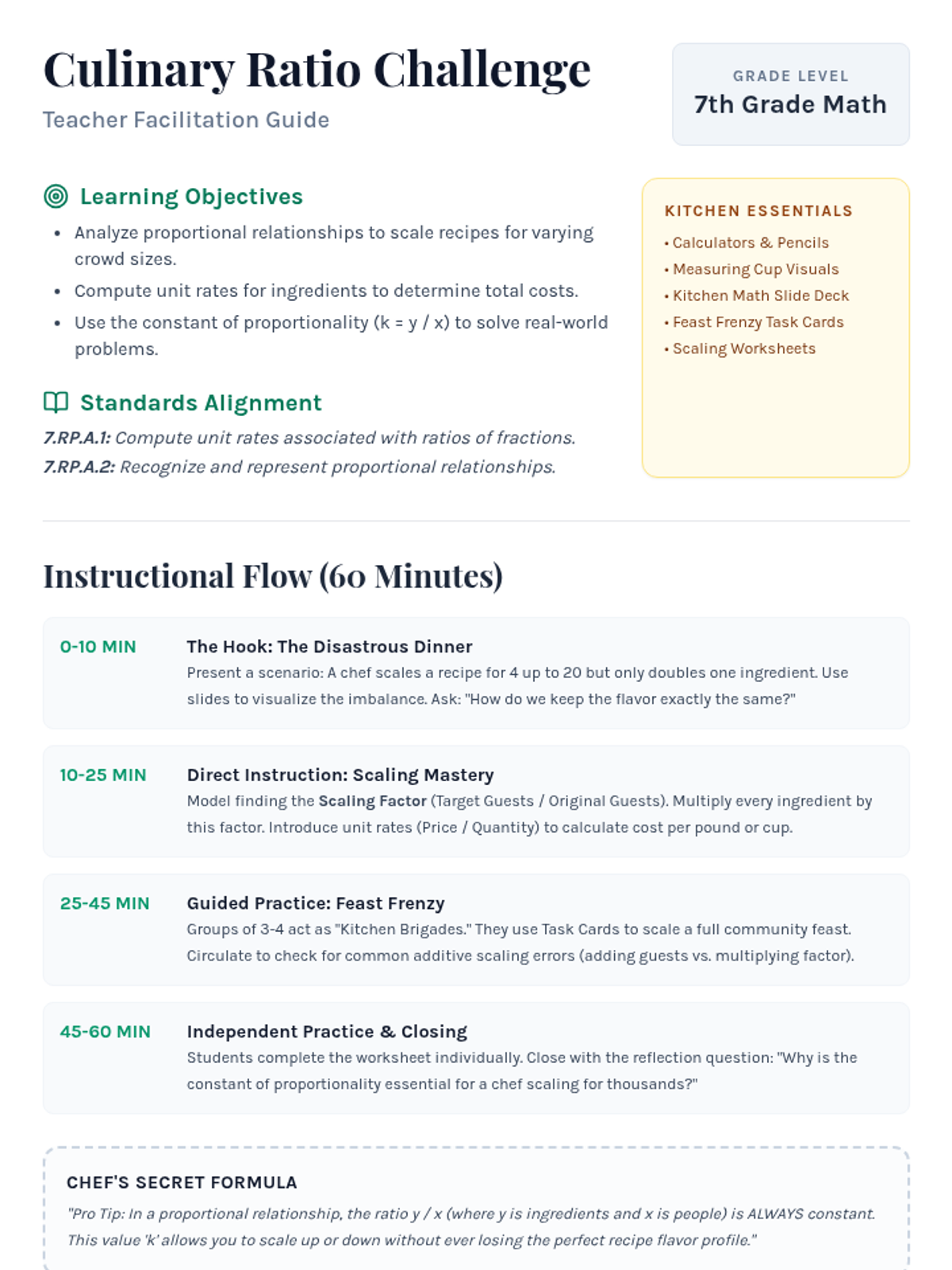
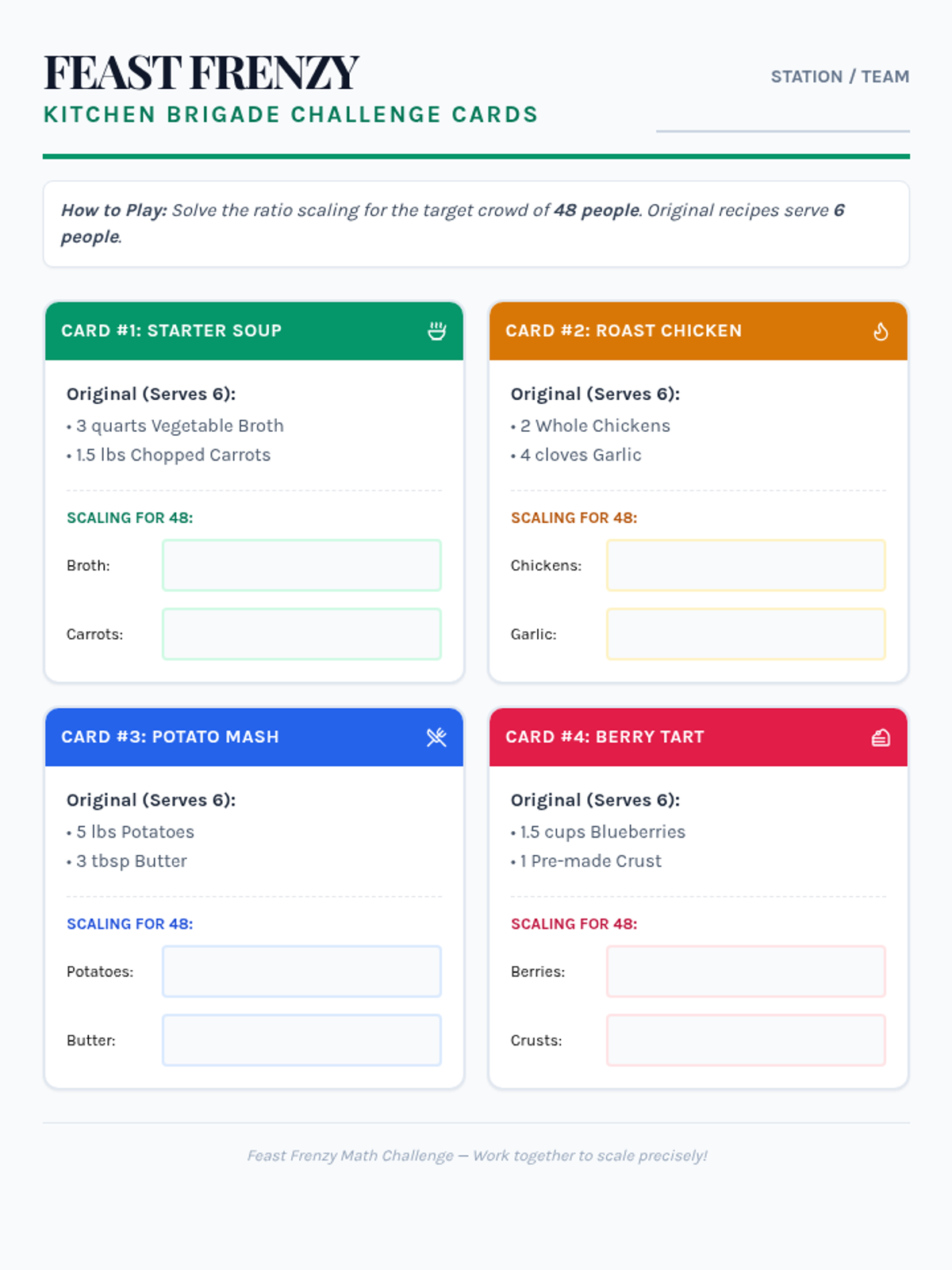
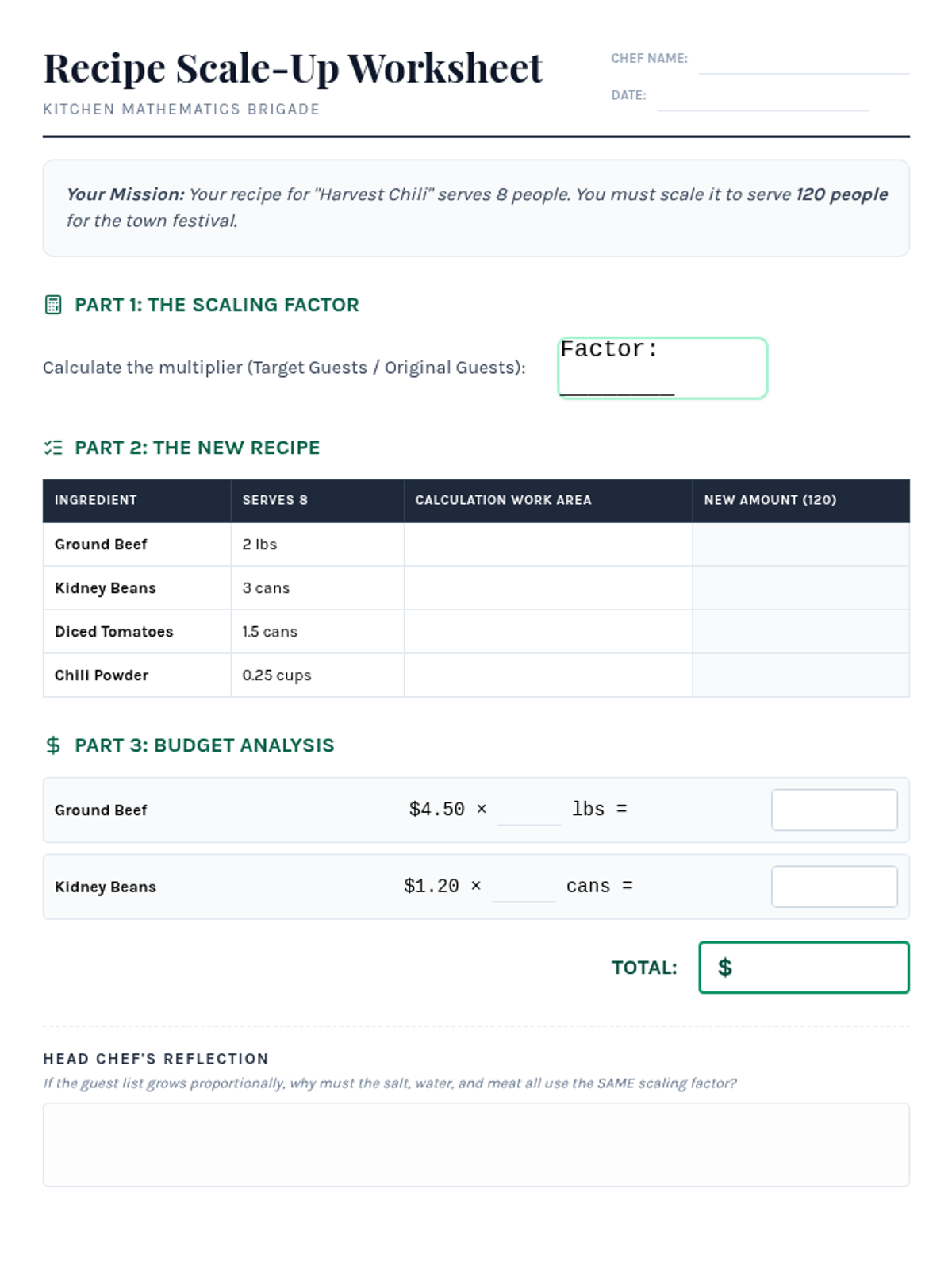
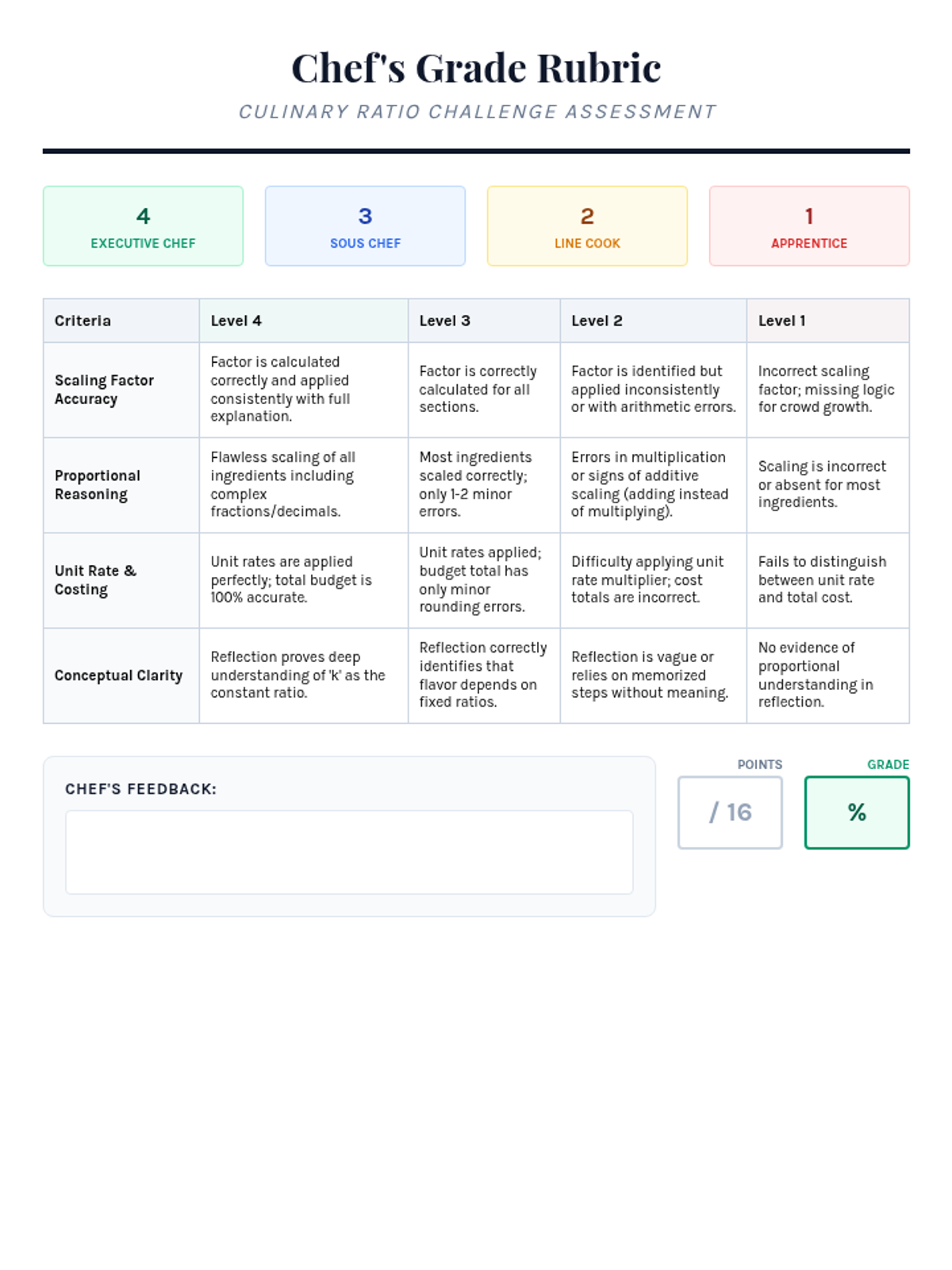
Students master ratios and proportions by scaling recipes for a community feast, applying unit rates to calculate costs and manage kitchen logistics.
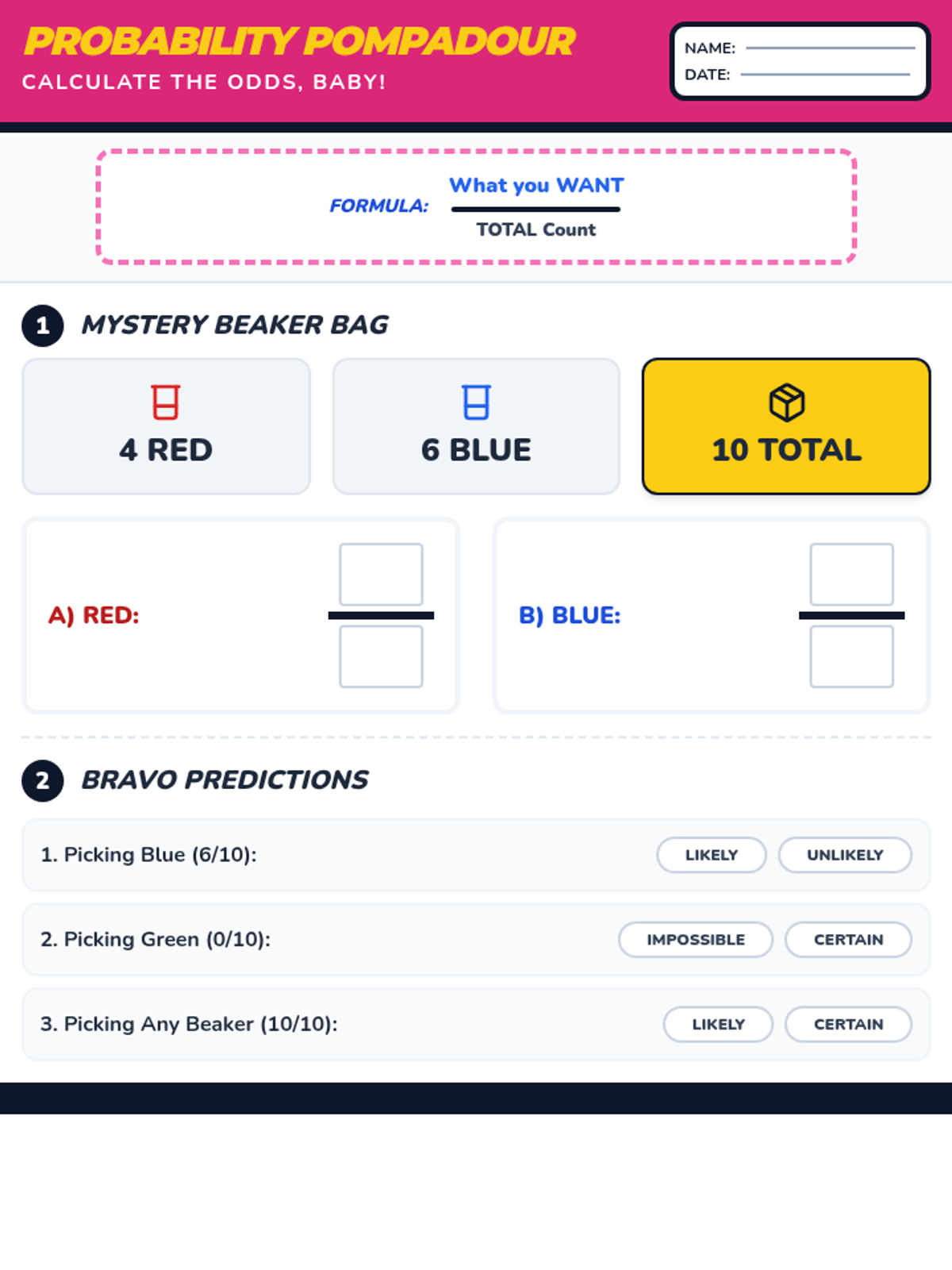
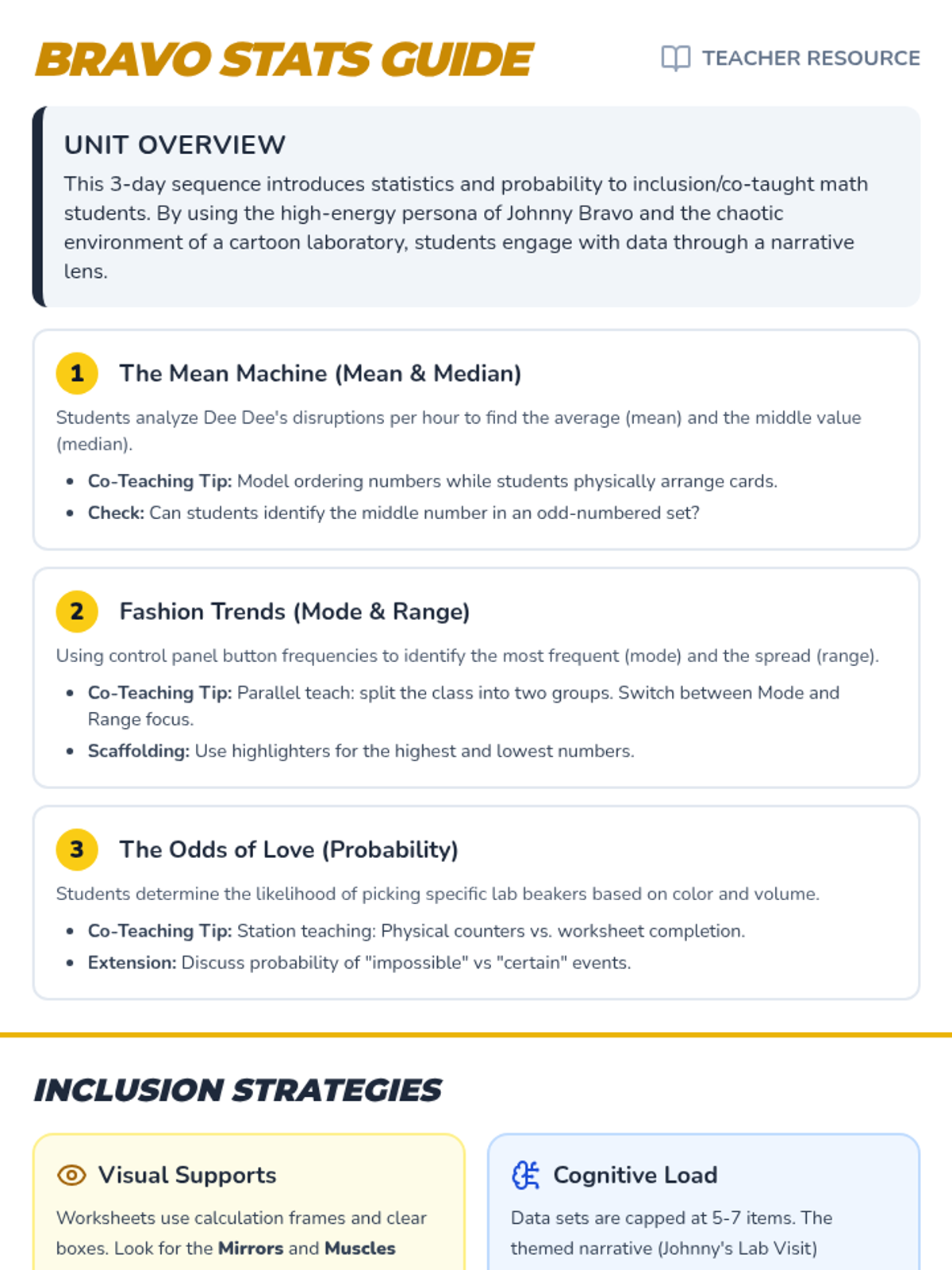
An introduction to basic probability using beaker volumes and colors. Students calculate the likelihood of specific events occurring in the lab.
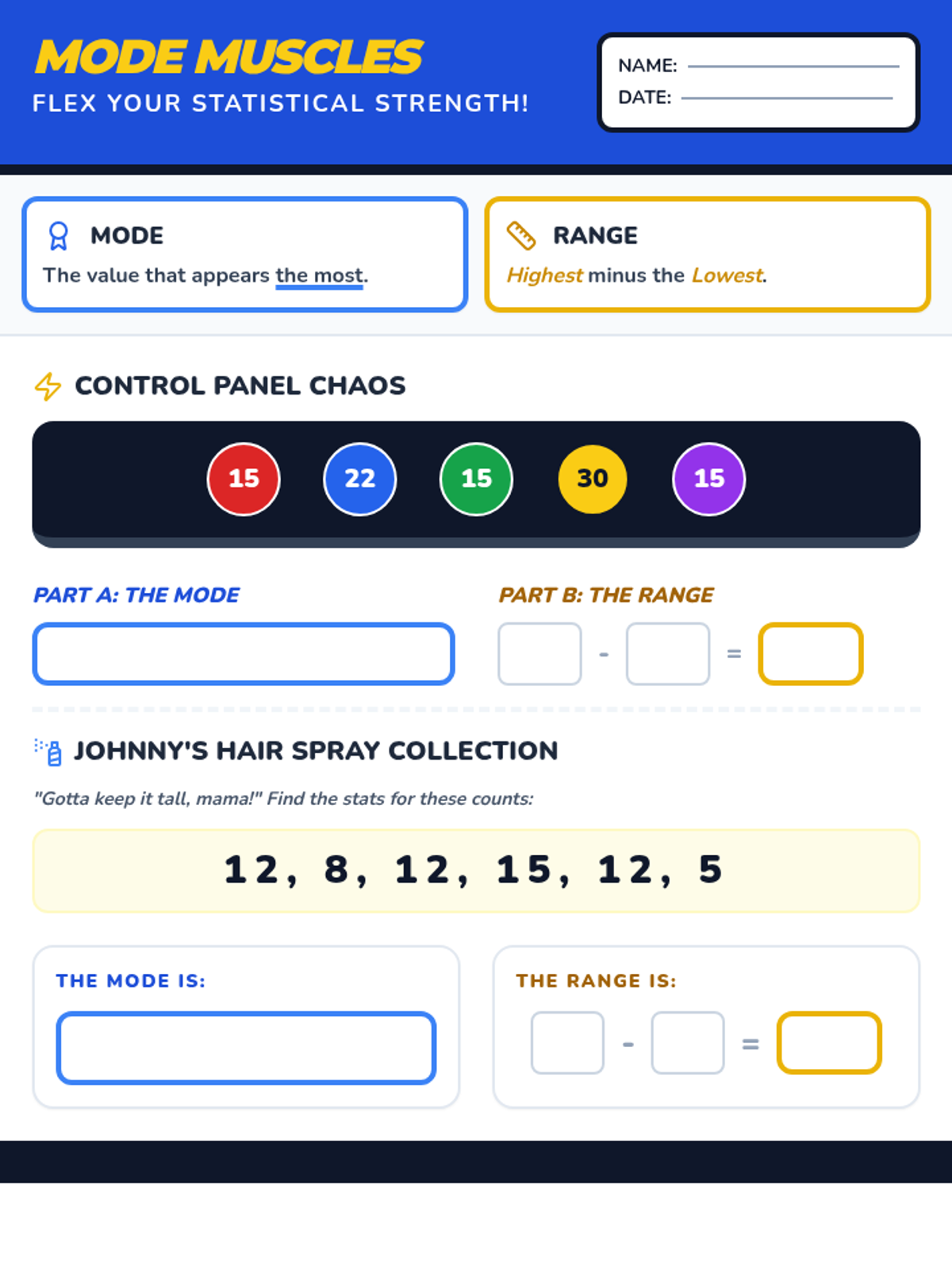
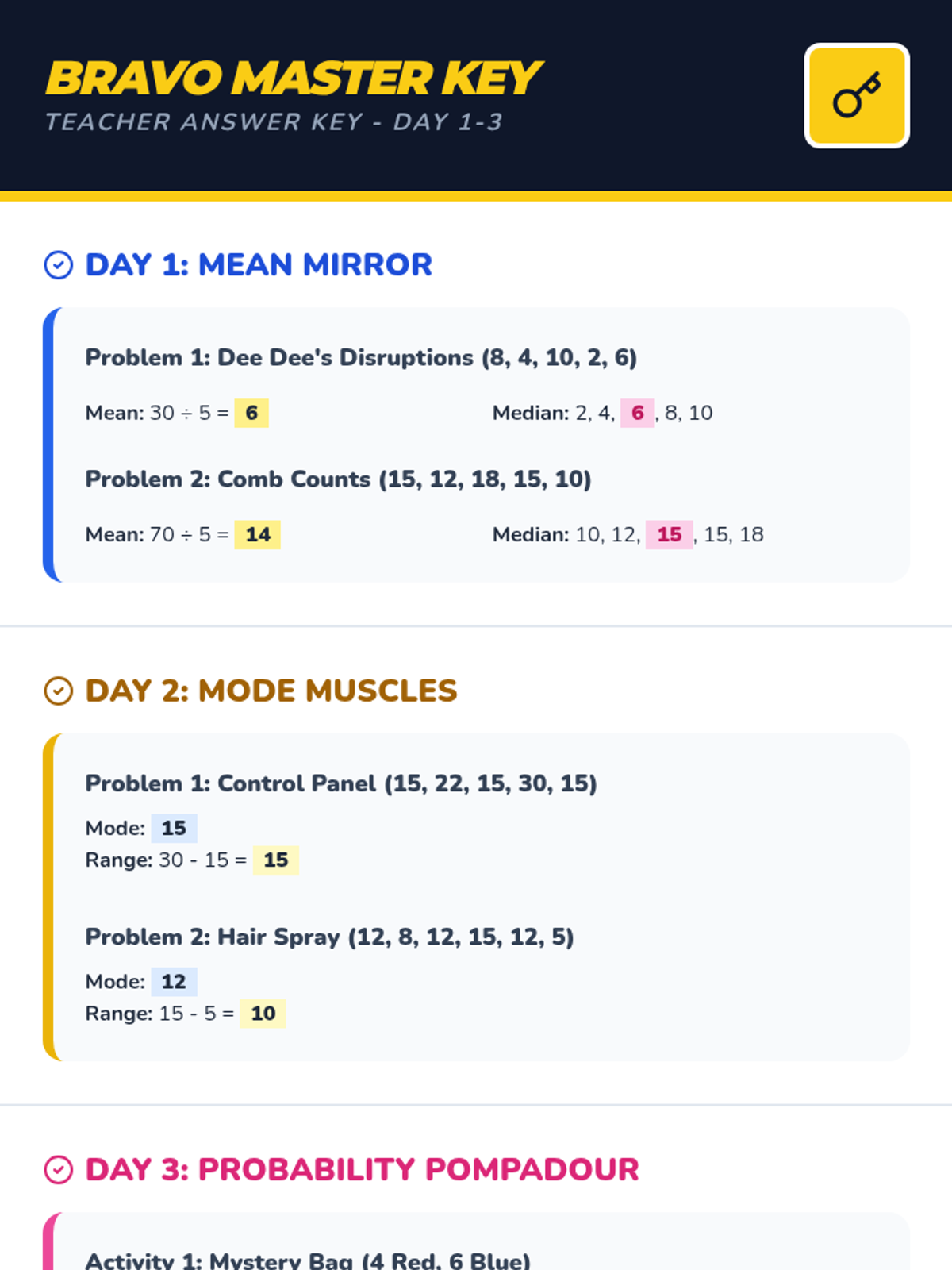
Students explore mode and range by analyzing the frequency of control panel button presses. This lesson focuses on identifying the most common data point and the spread of the data.
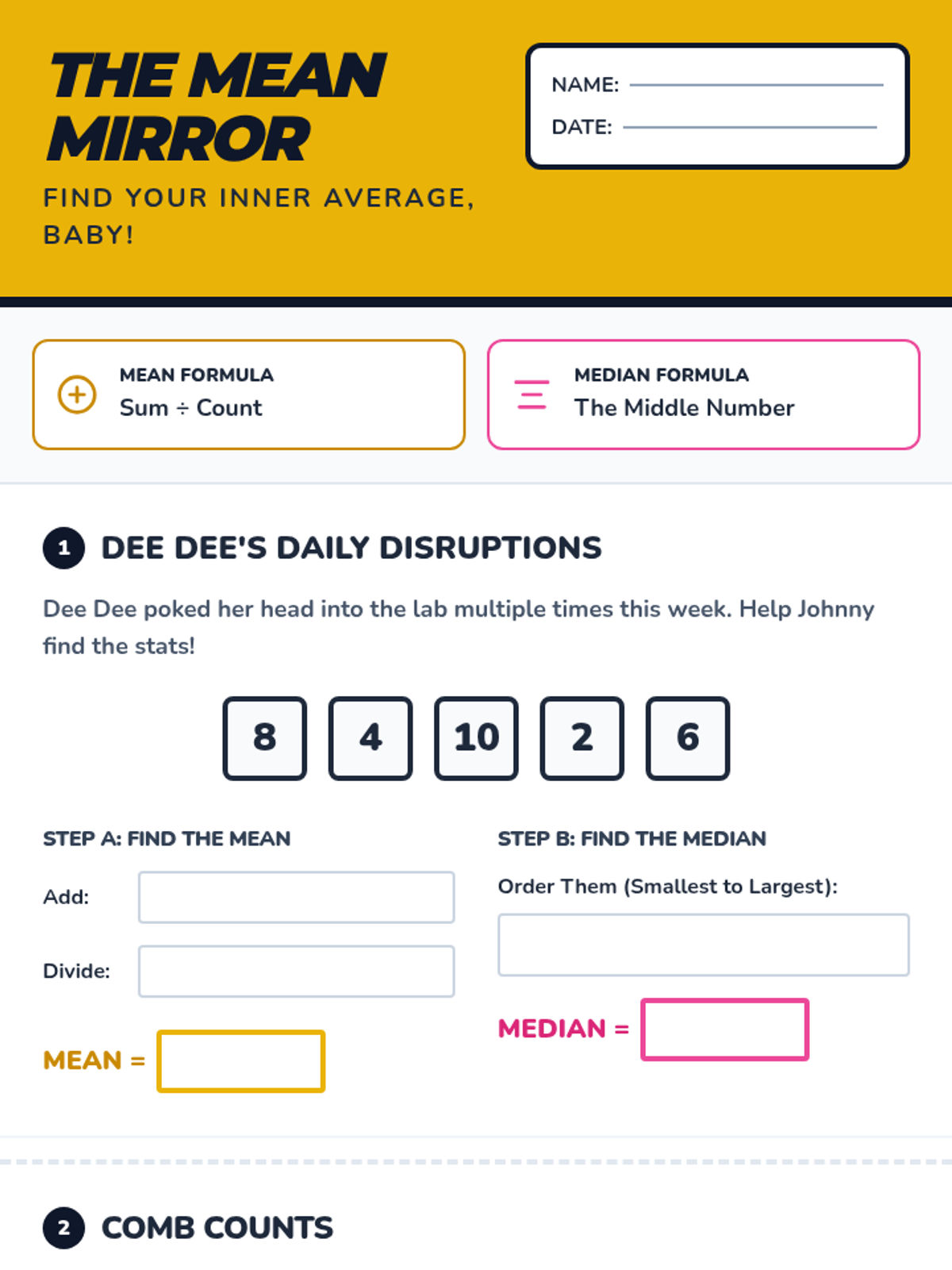
Introduction to finding the mean and median using data from Dee Dee's disruptions in the laboratory. Students learn to calculate averages and identify the middle value in a set of data.
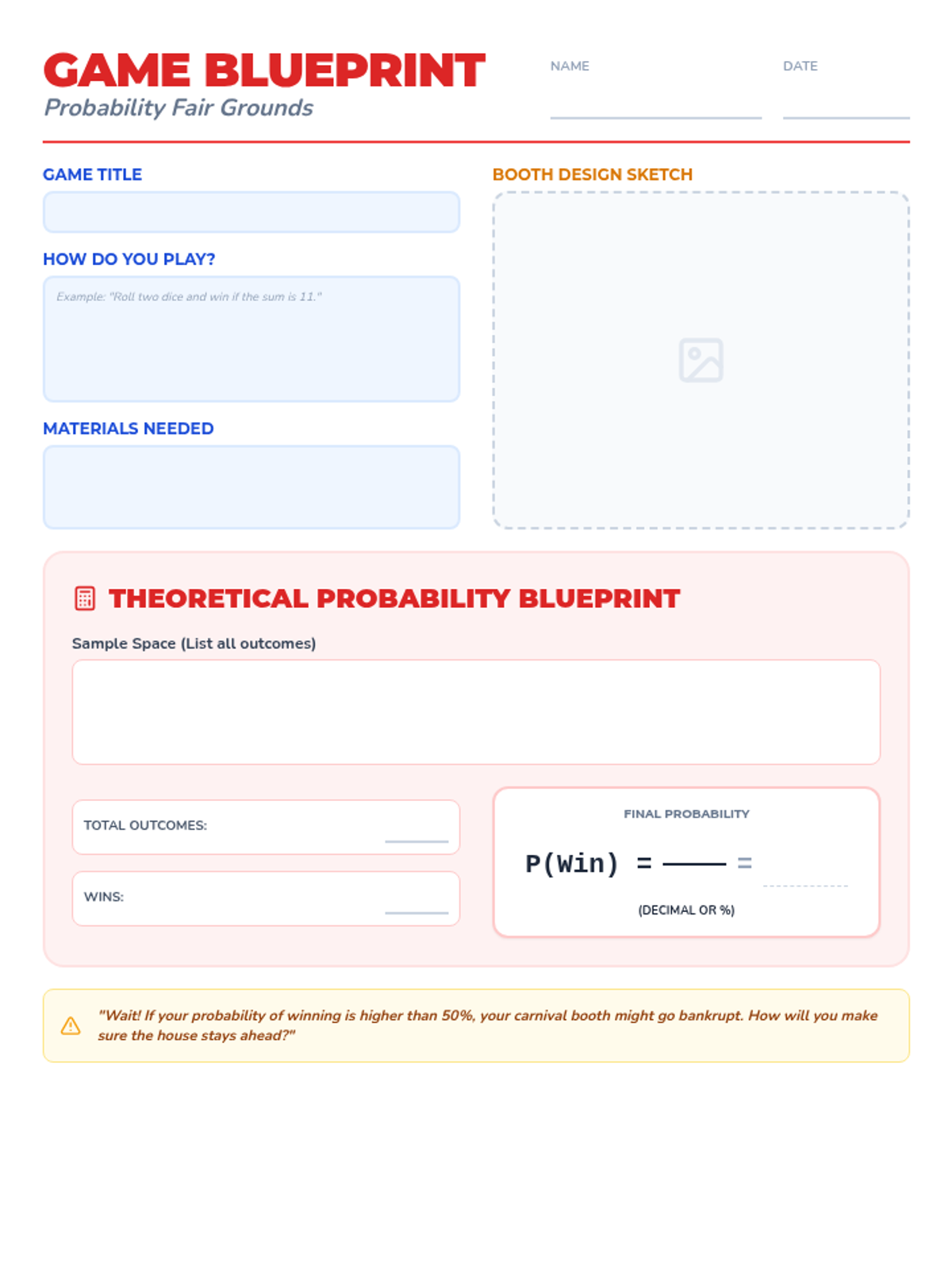
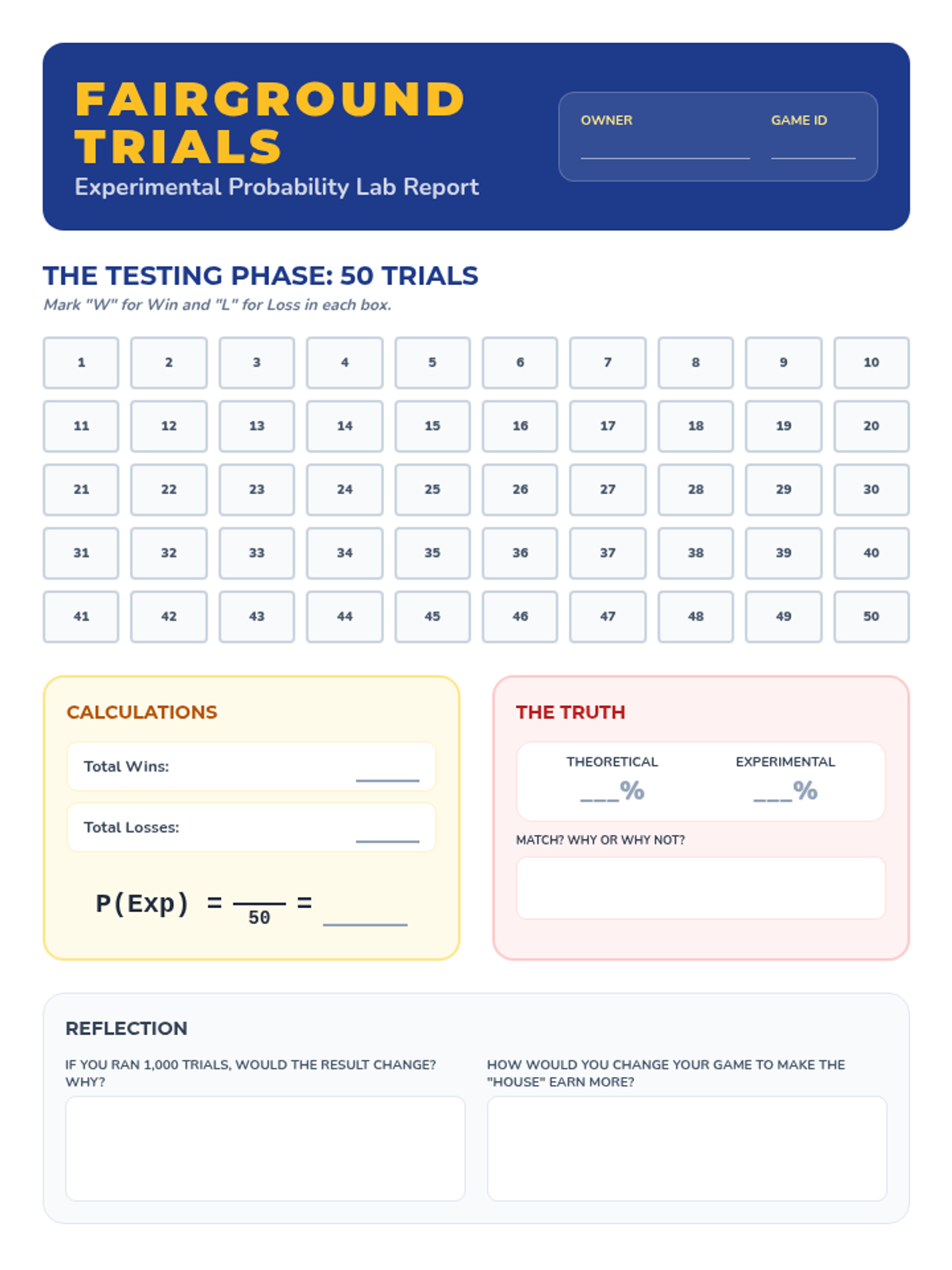
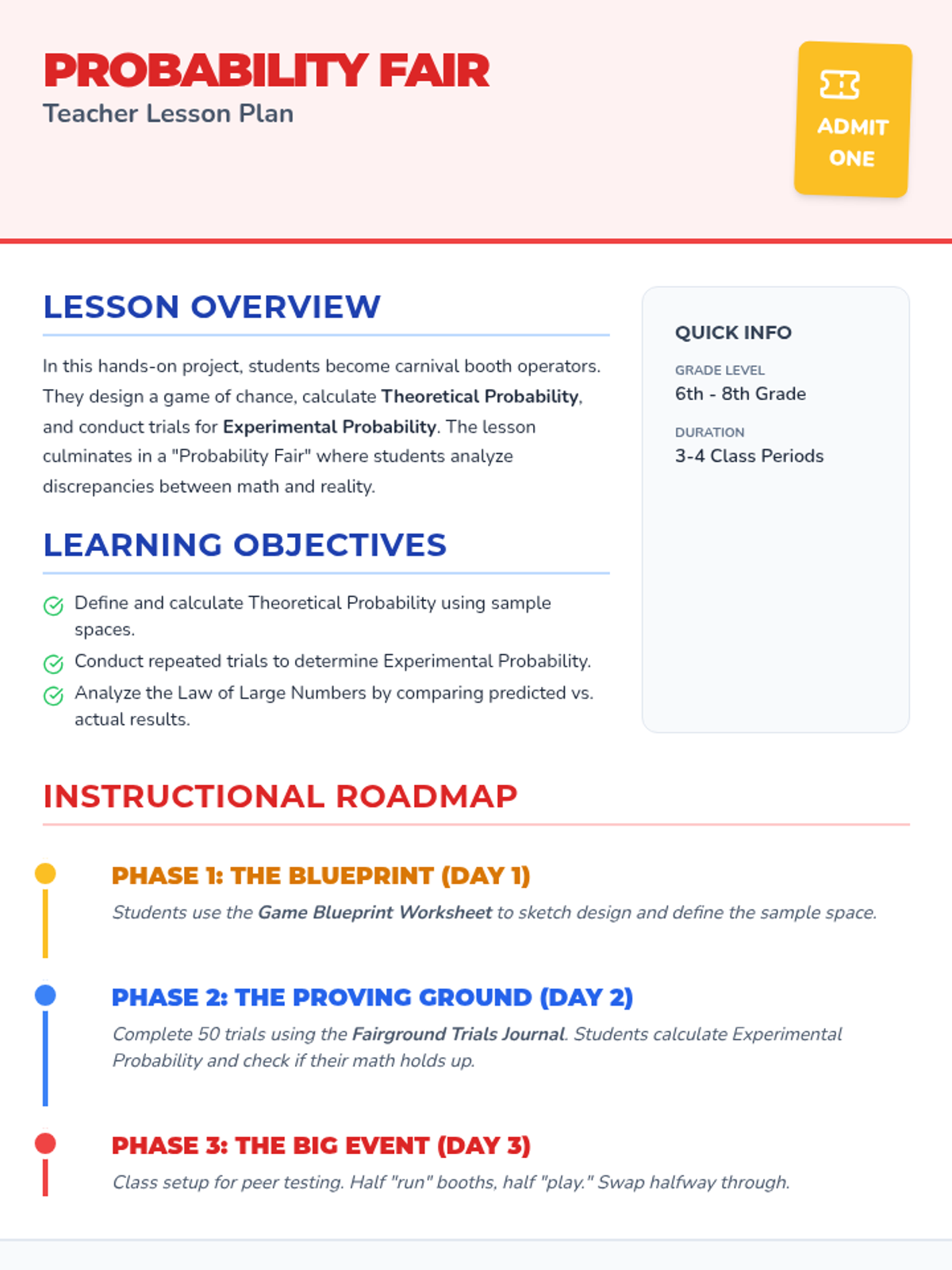
Students step into the roles of carnival game designers to explore data analysis and statistics. They calculate theoretical probability, conduct trials to find experimental probability, and analyze their results in a festive, hands-on environment.
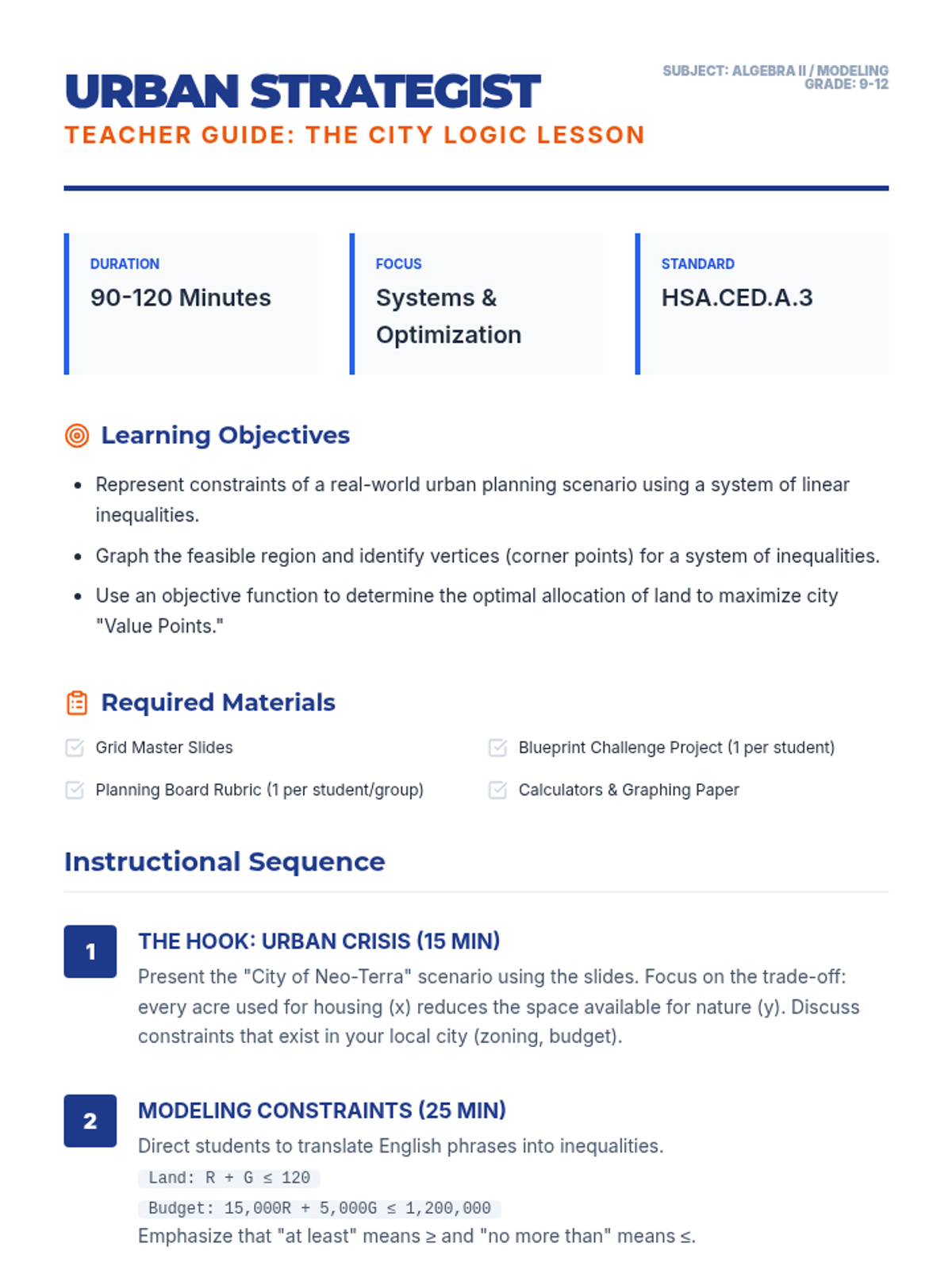
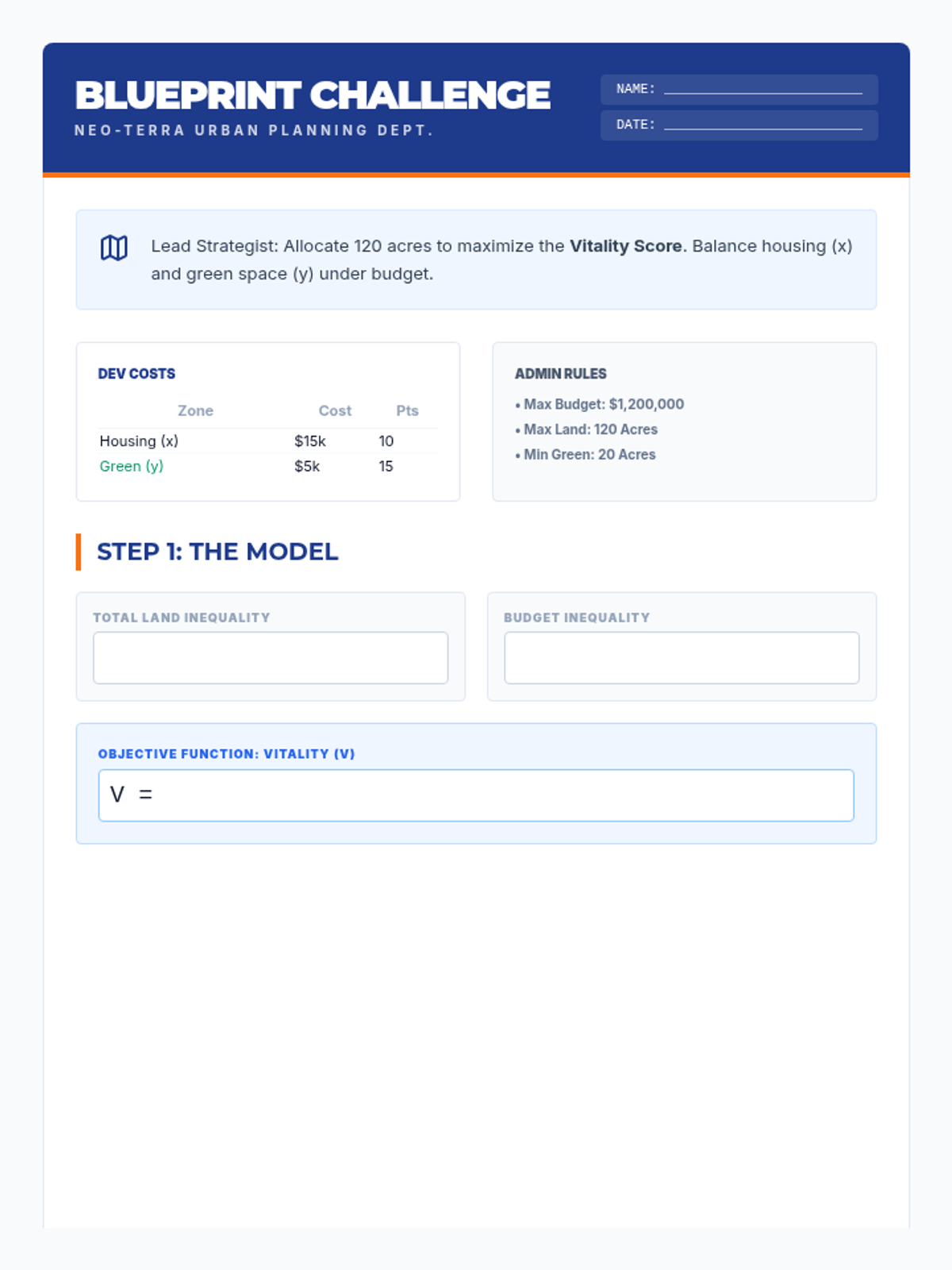
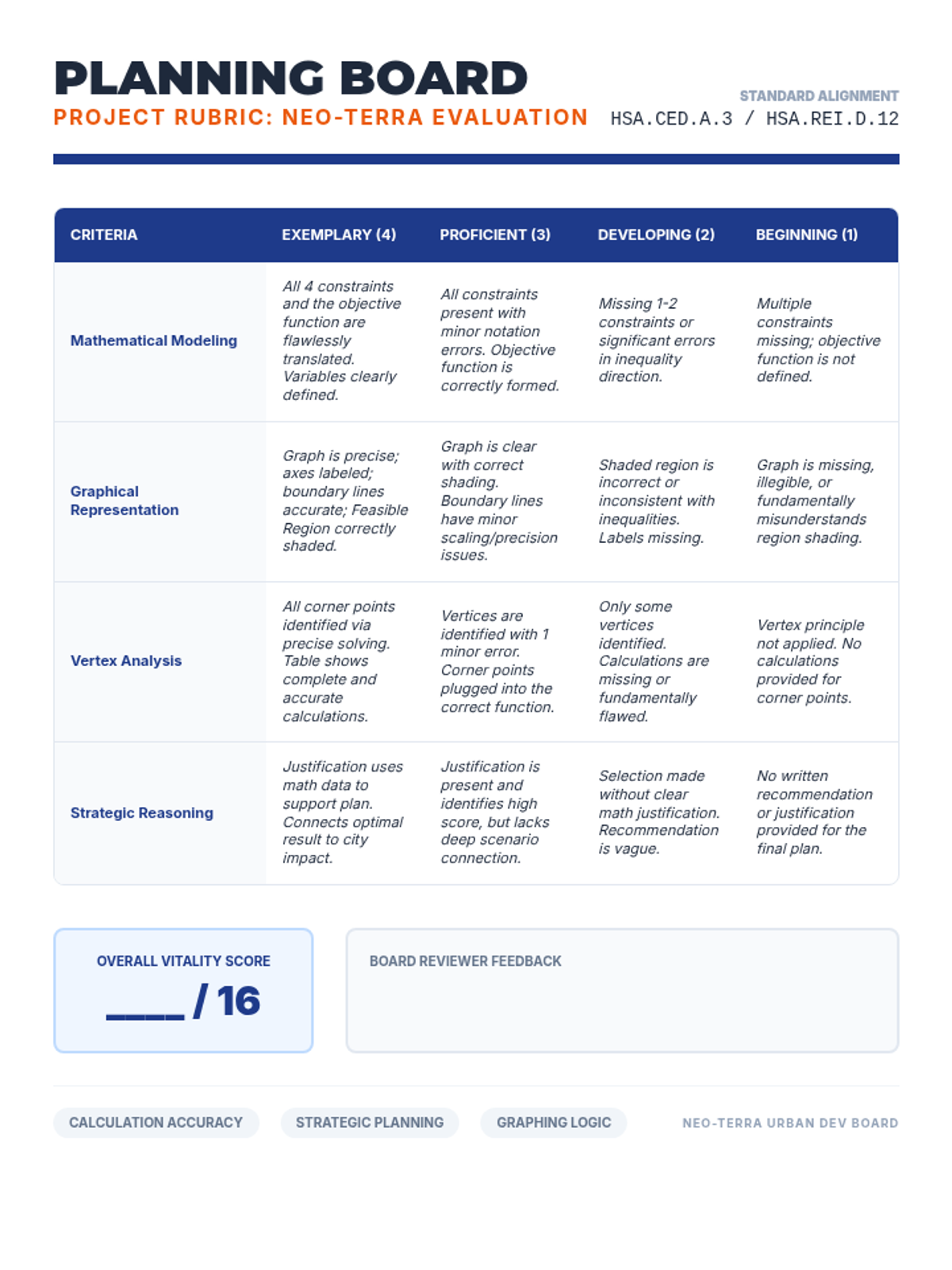
Students act as urban planners using systems of linear inequalities and area optimization to design a sustainable city grid. This project-based lesson bridges algebra and real-world infrastructure planning.