A focused lesson on converting rational numbers from fractions to their decimal expansions, including both terminating and repeating decimals. Students will use long division to discover patterns and represent repeating decimals using bar notation.
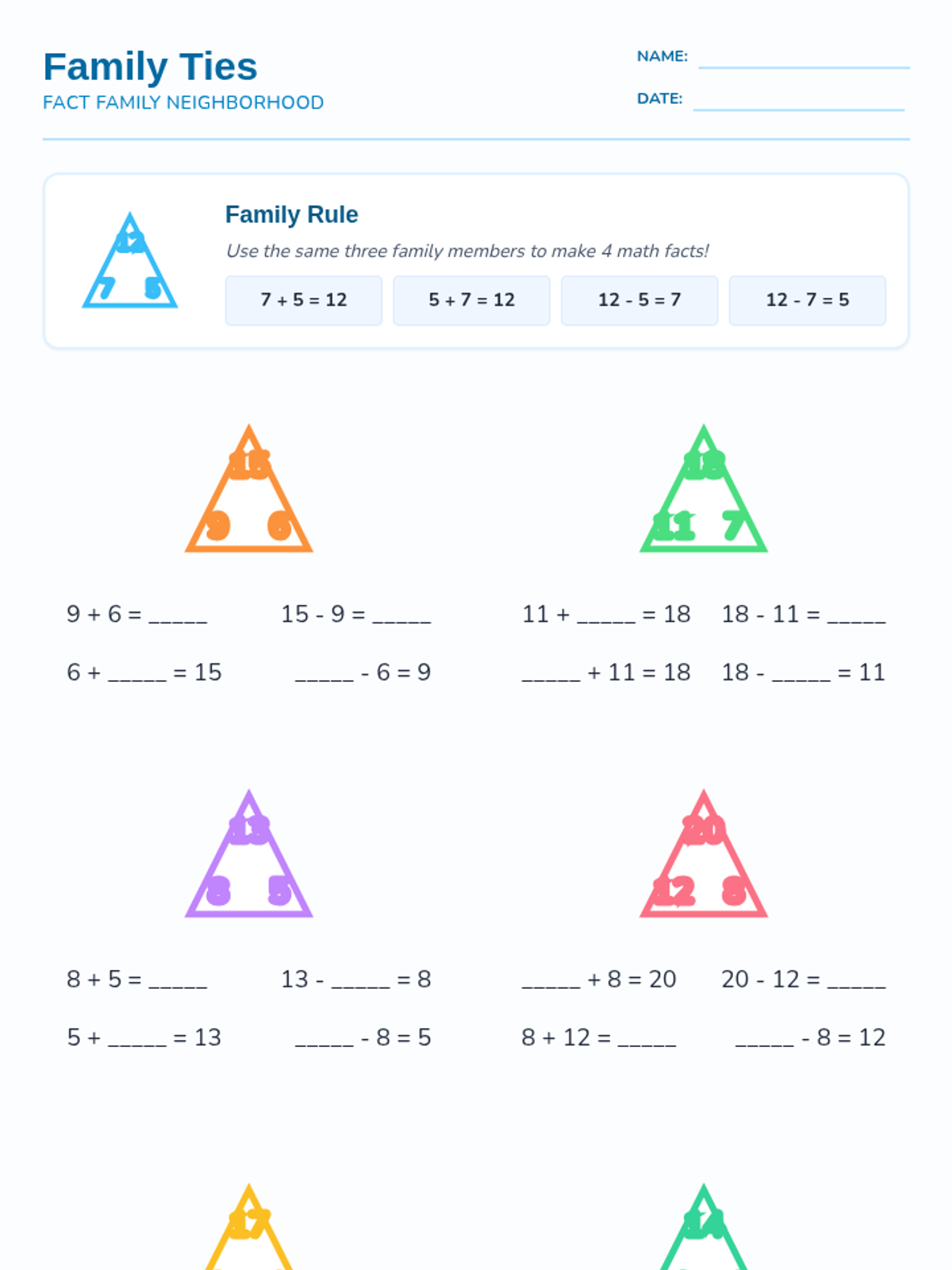
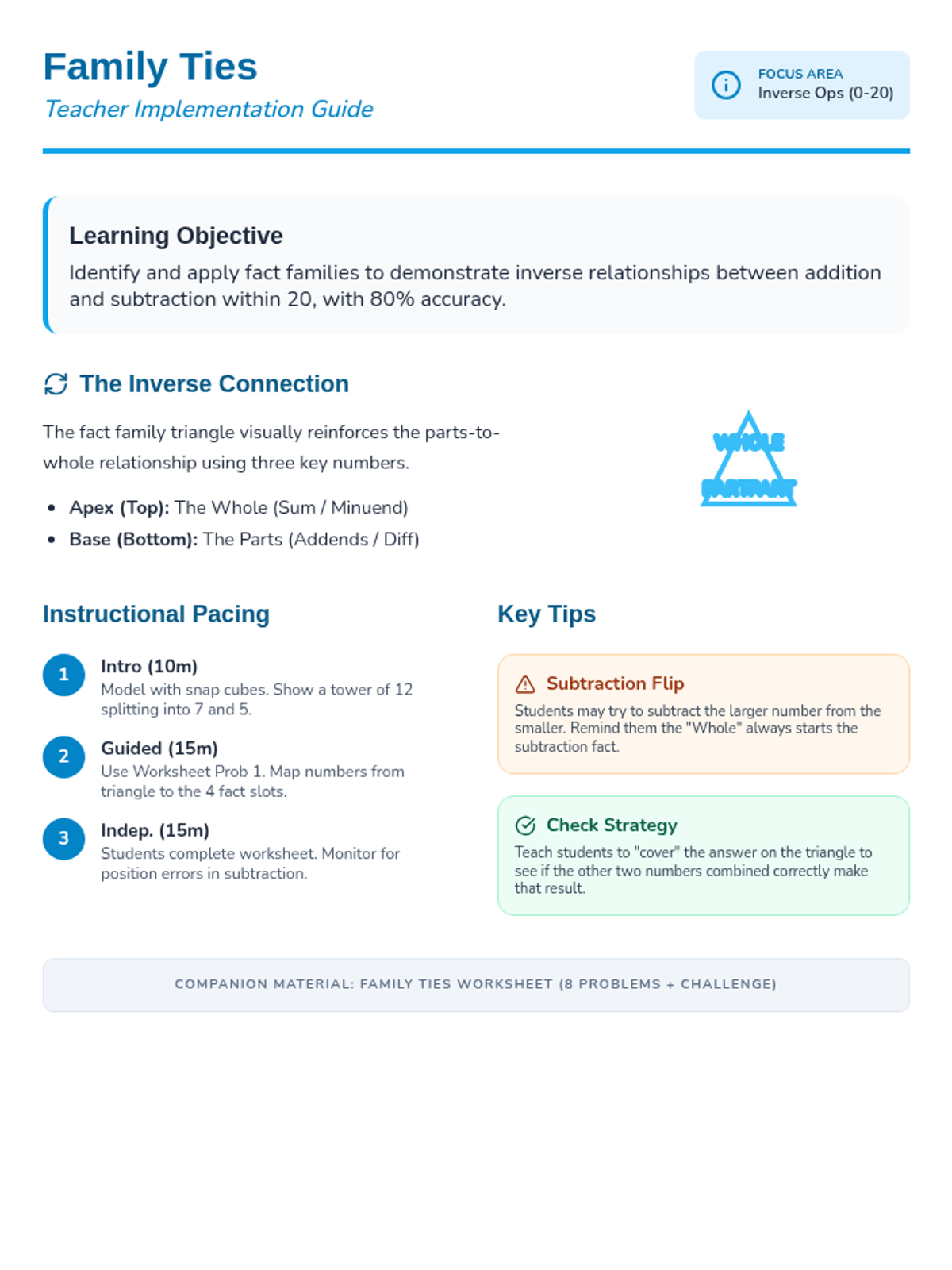
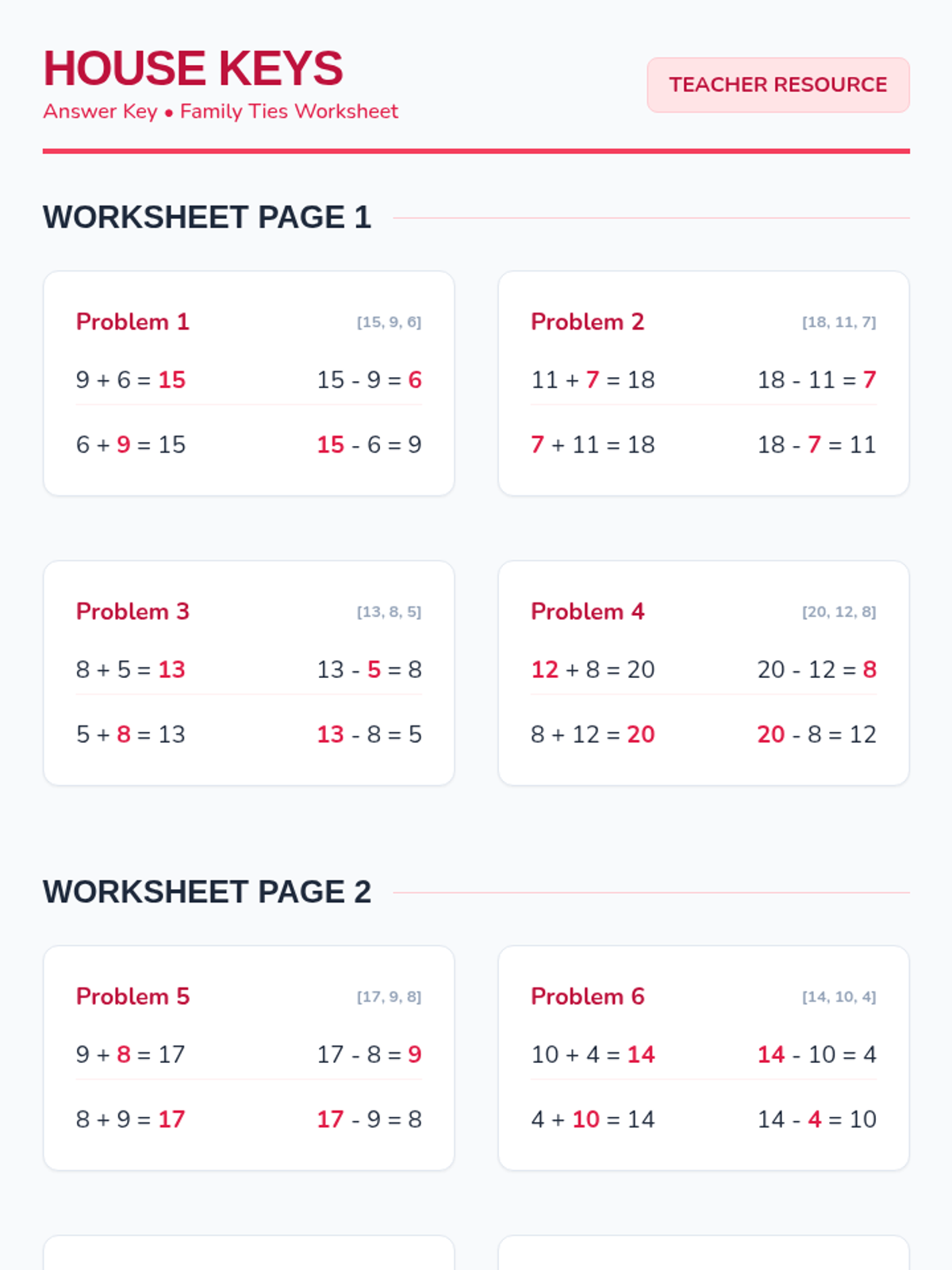
A lesson exploring the inverse relationship between addition and subtraction through fact family triangles within 20. Students will use partially filled equations to master the connection between these operations.
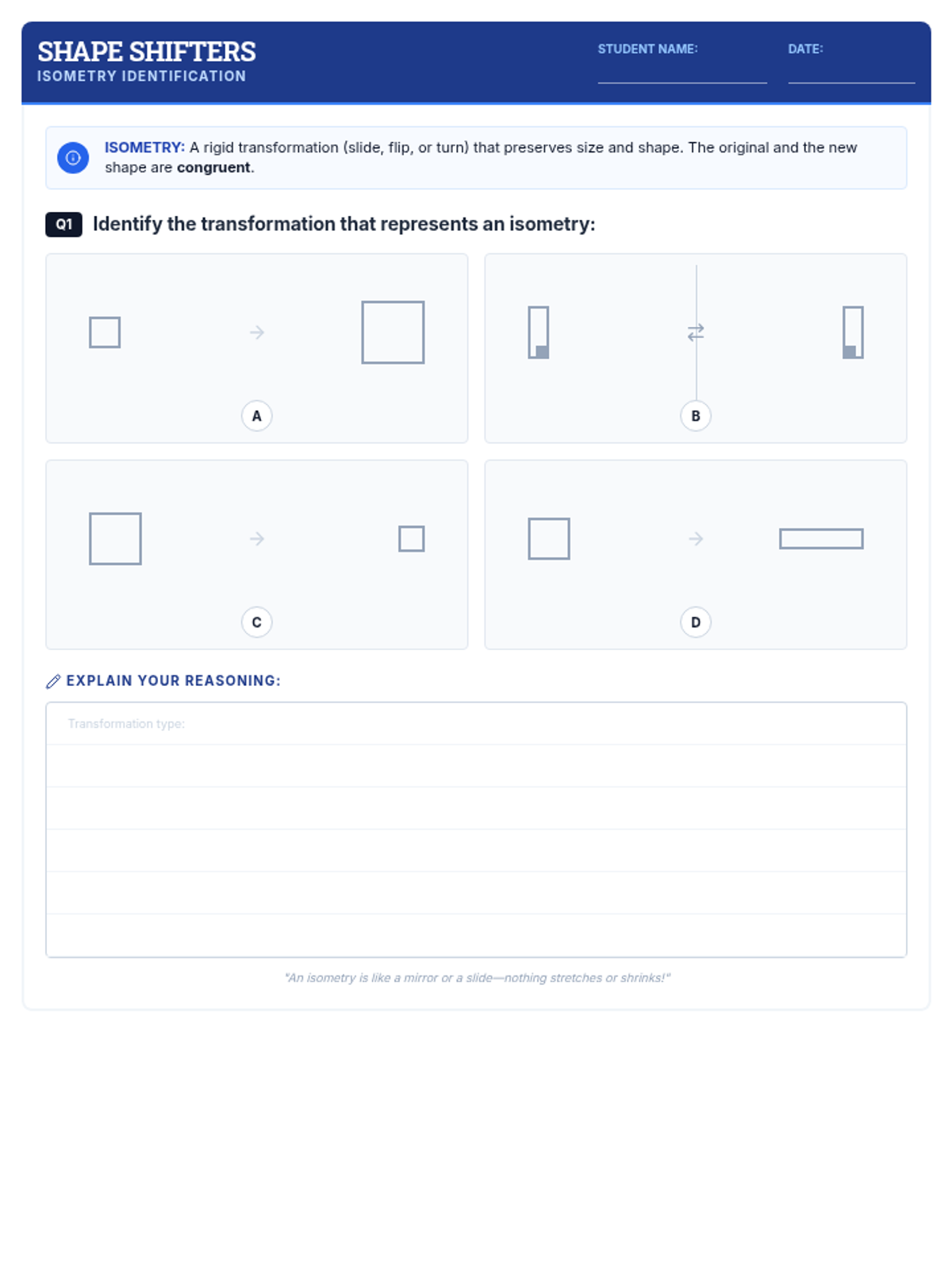
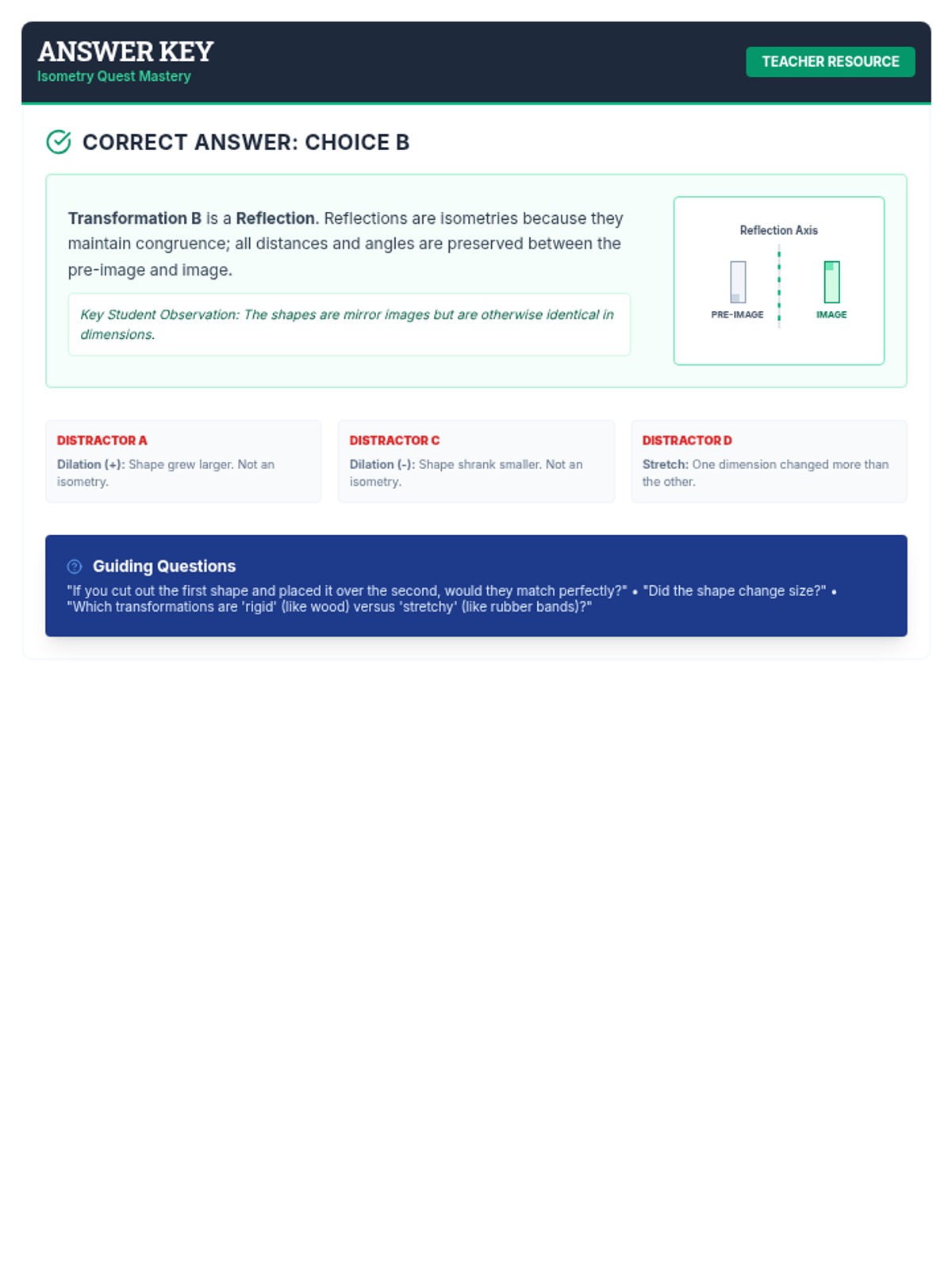
A lesson focused on distinguishing between rigid transformations (isometries) and non-rigid transformations (dilations) using visual diagrams and geometric properties.
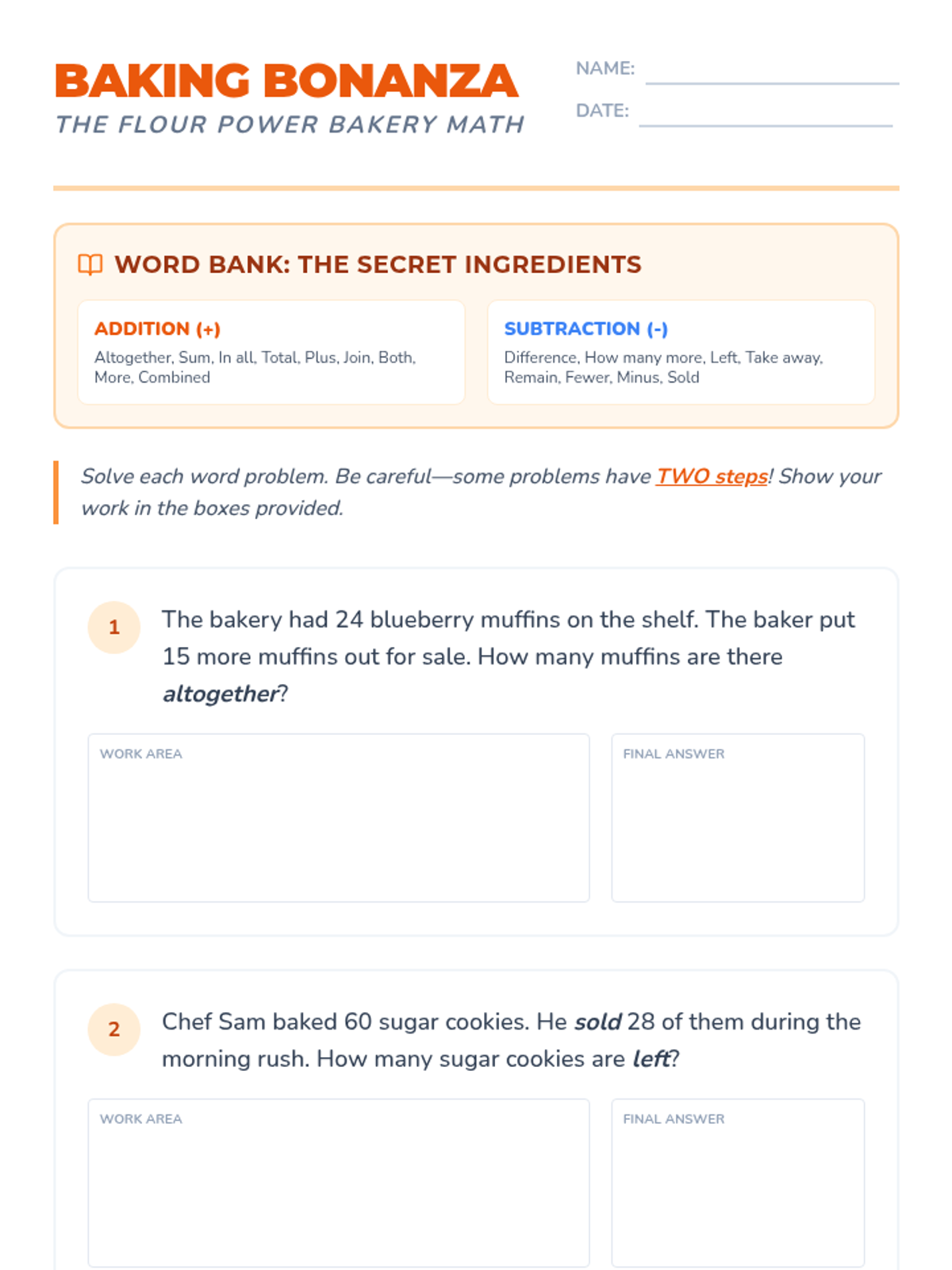
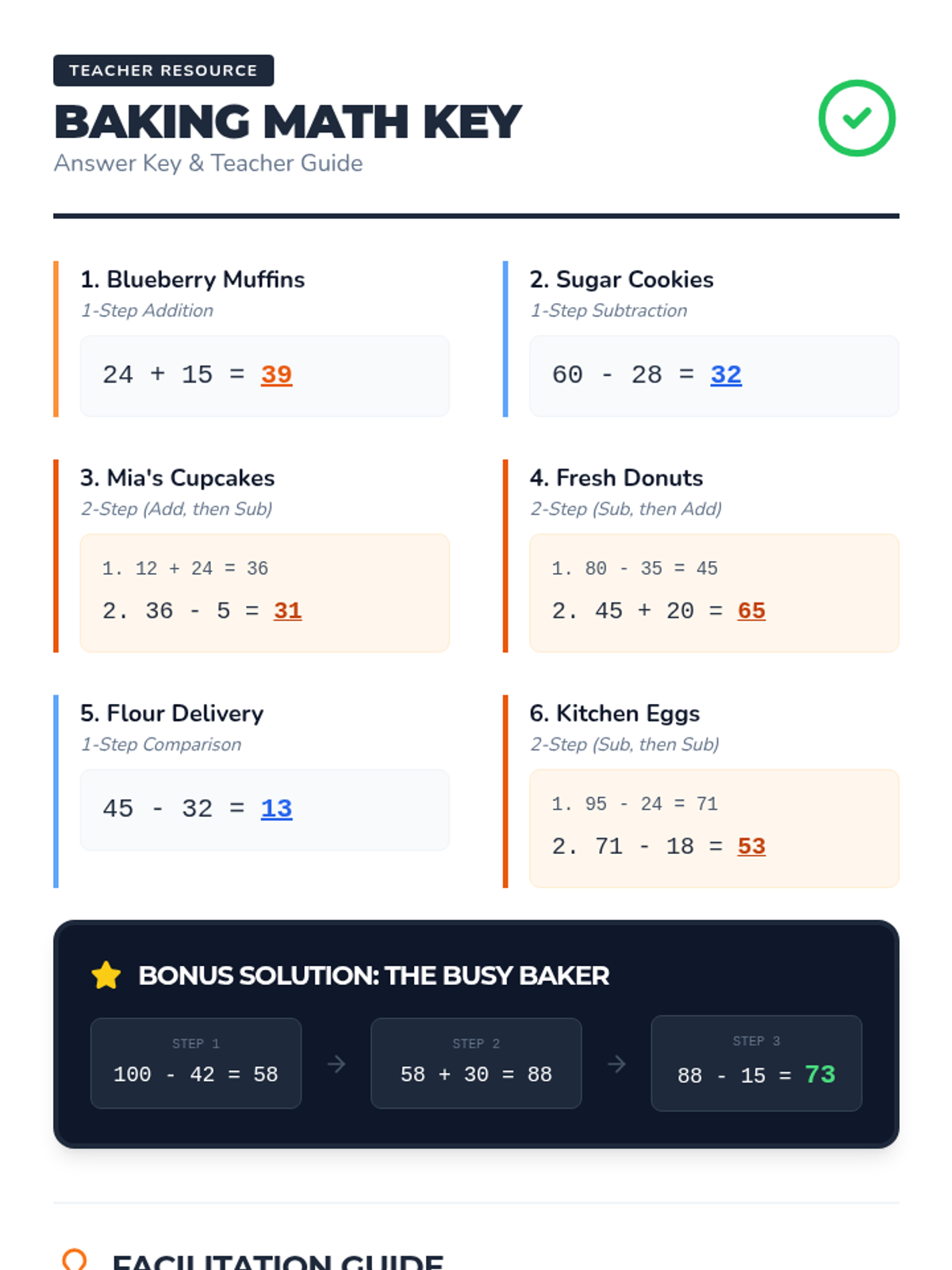
A lesson focused on solving 1- and 2-step word problems involving addition and subtraction within 100, set in a whimsical bakery environment. Students will identify keywords and use strategies to solve multi-step challenges.
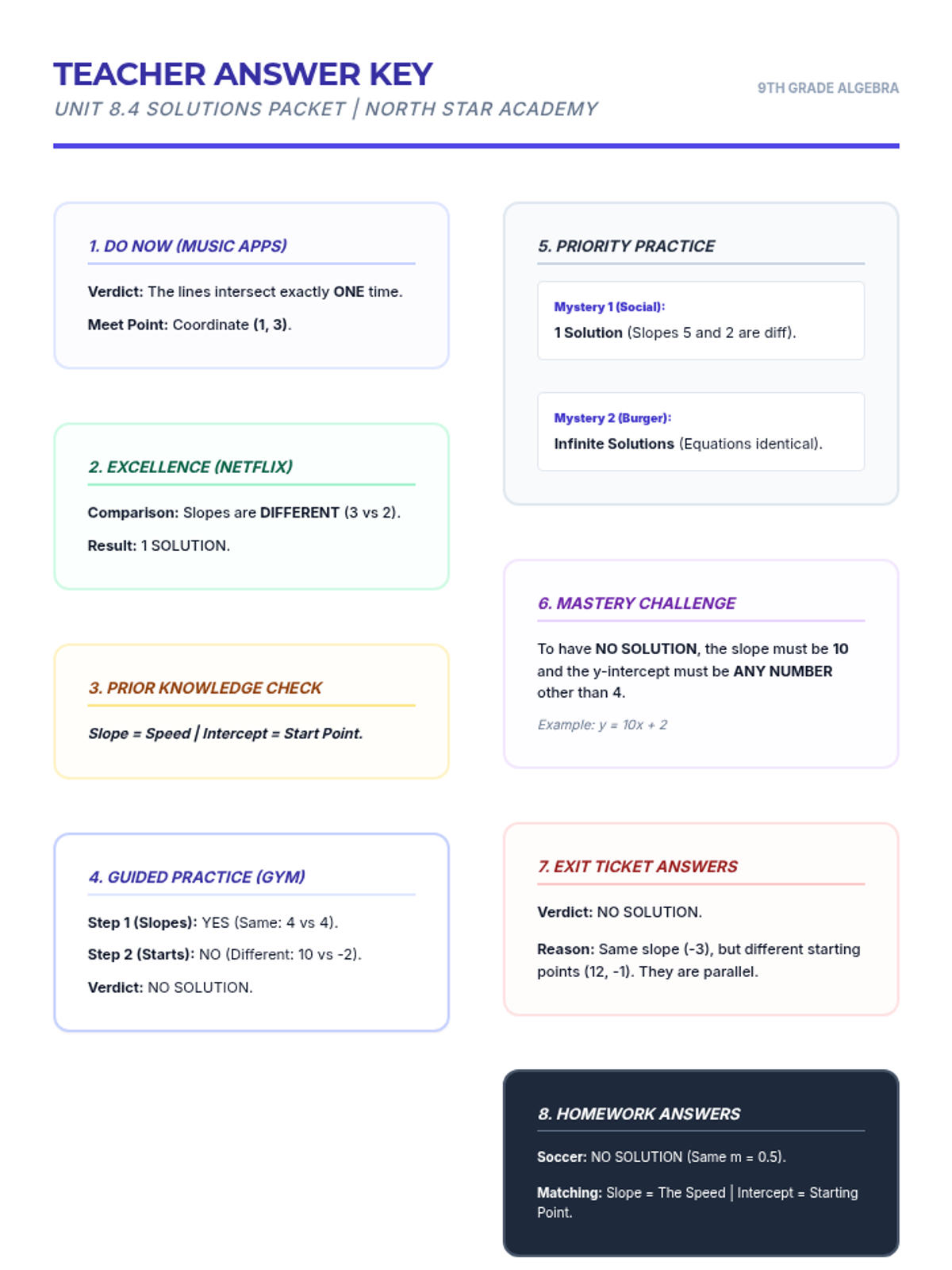
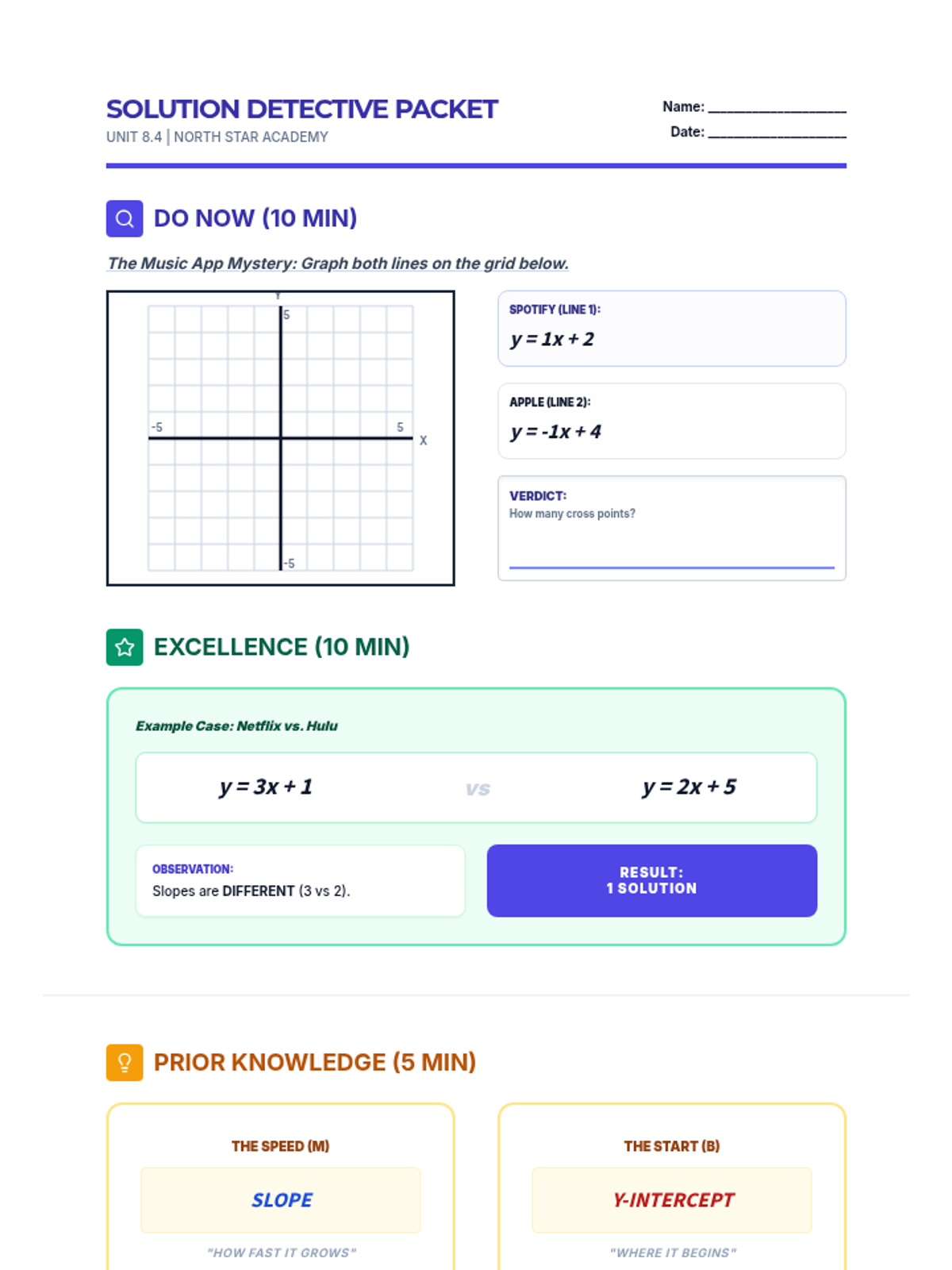
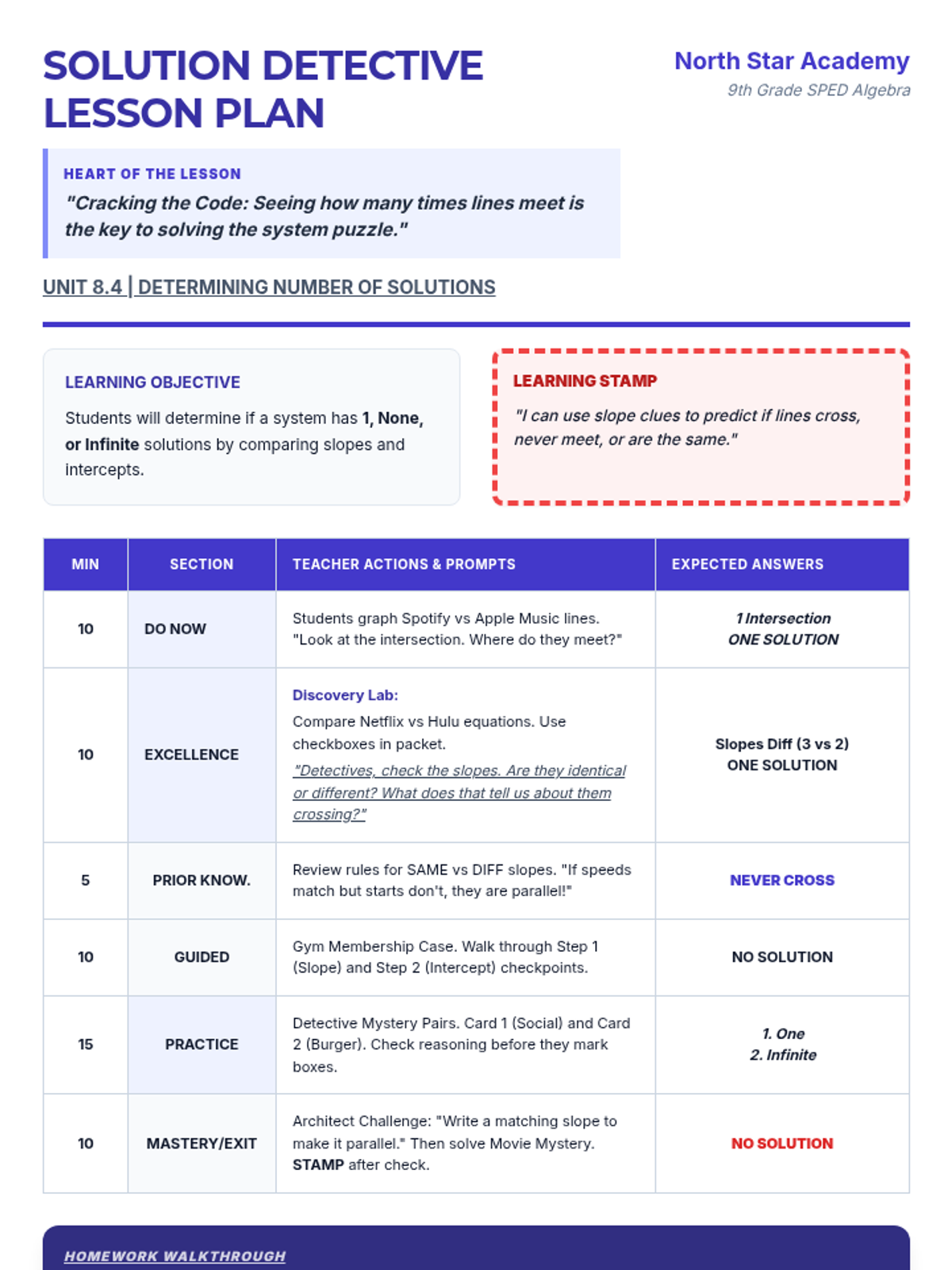
A 9th grade Algebra lesson focused on identifying the number of solutions in a system of linear equations (one, none, or infinite), specifically designed for Special Education students with IEP supports.
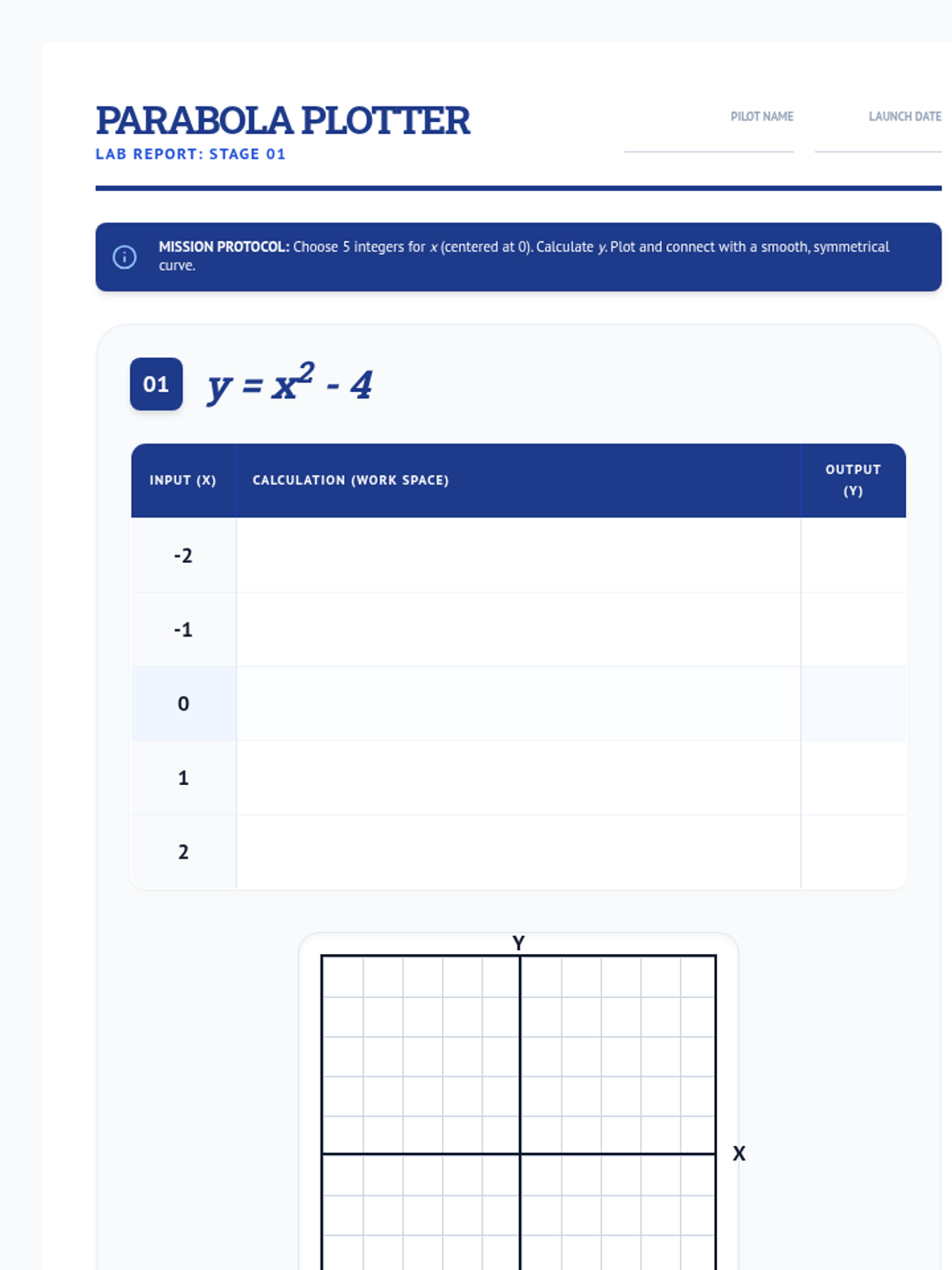
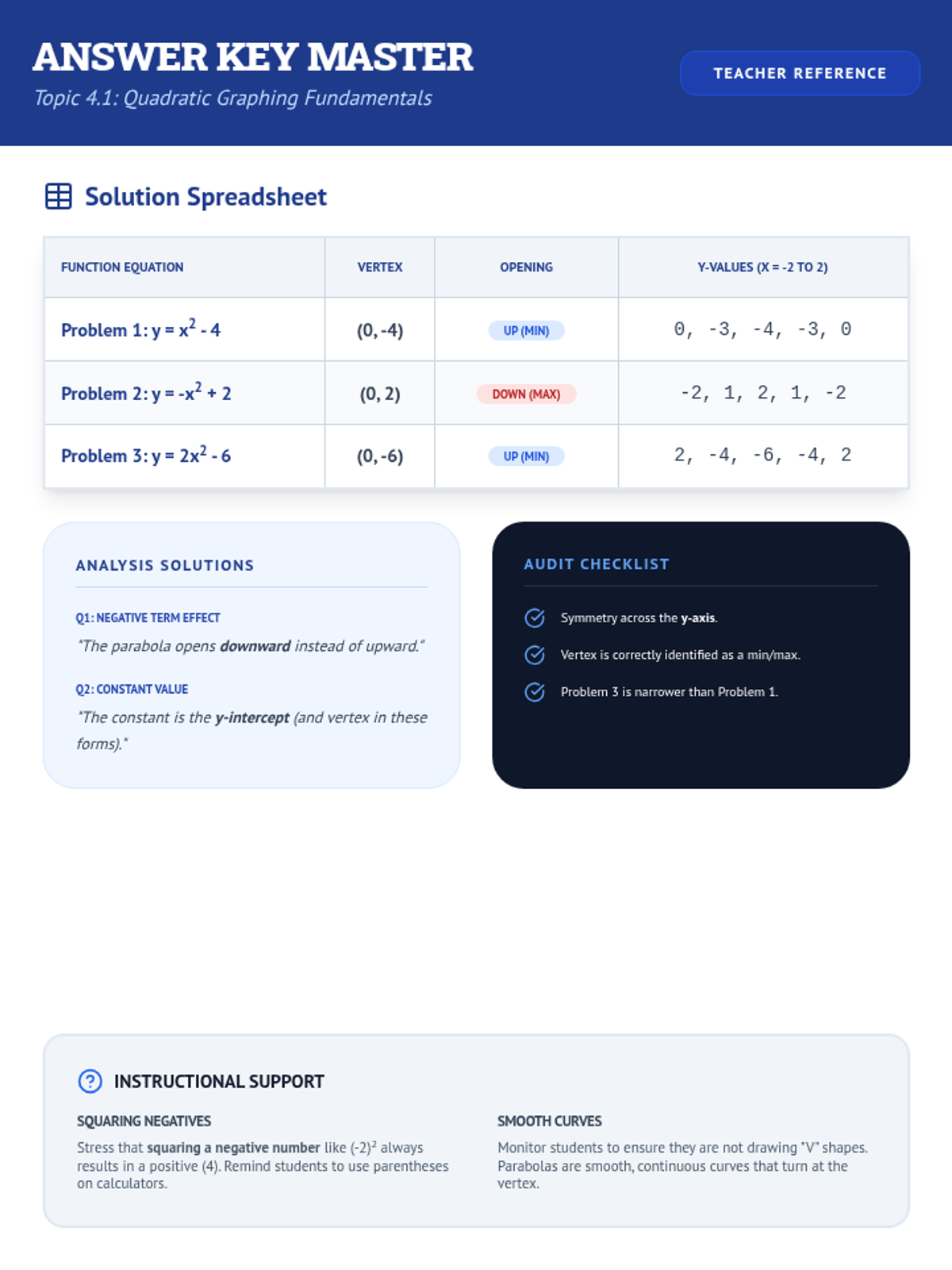
A comprehensive introduction to graphing quadratic functions using tables of values and identifying key features like the vertex and axis of symmetry.
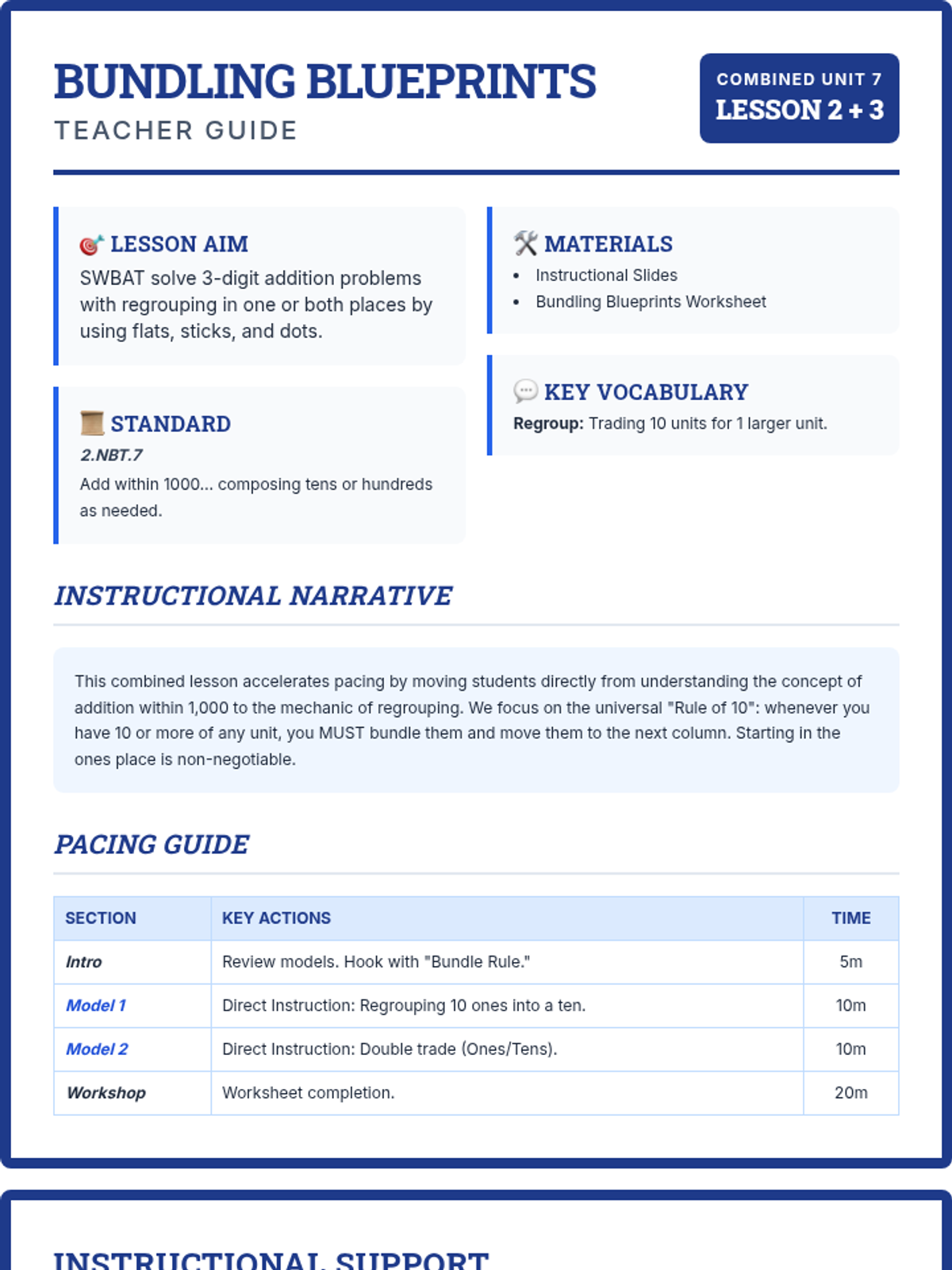
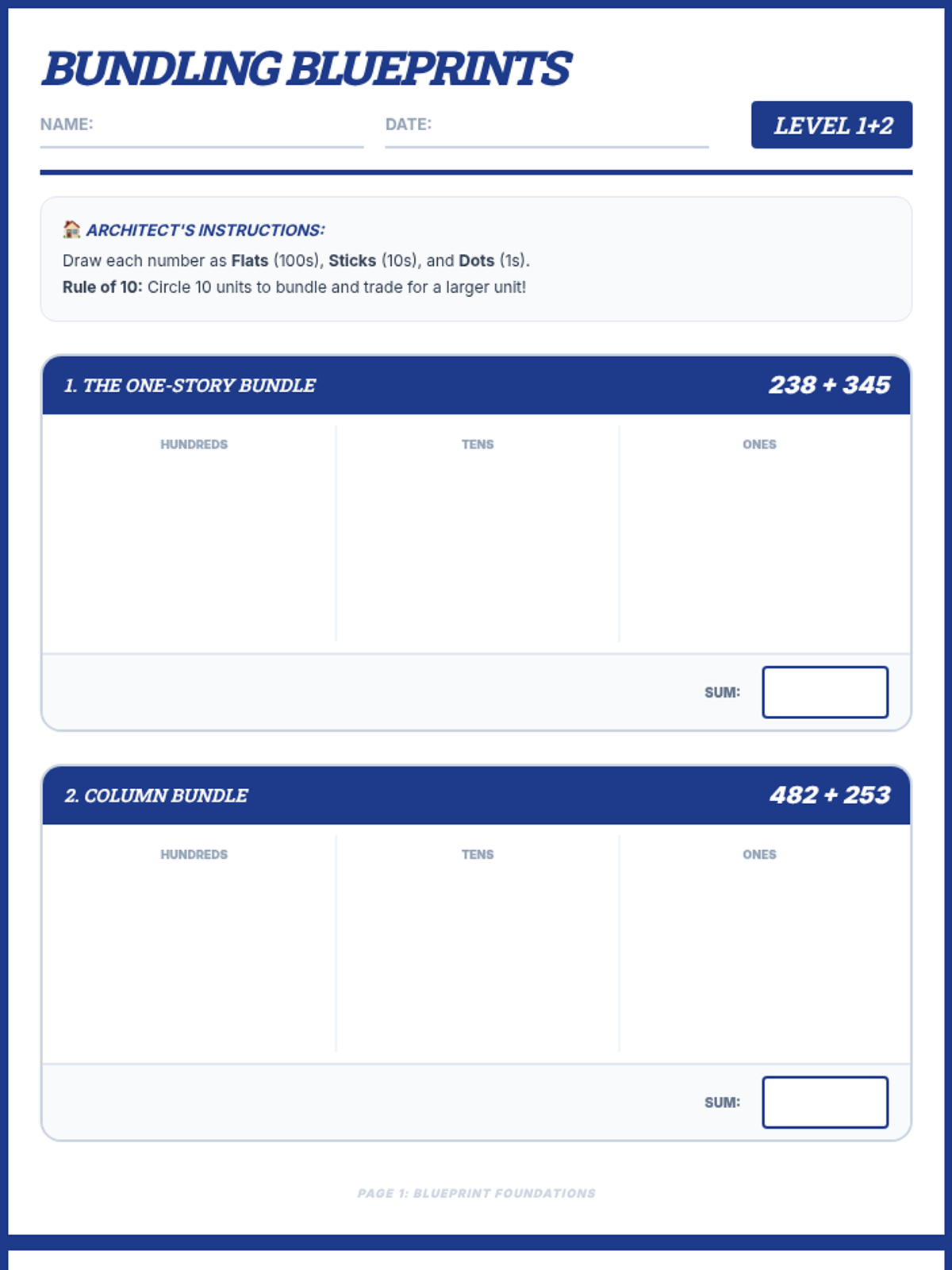
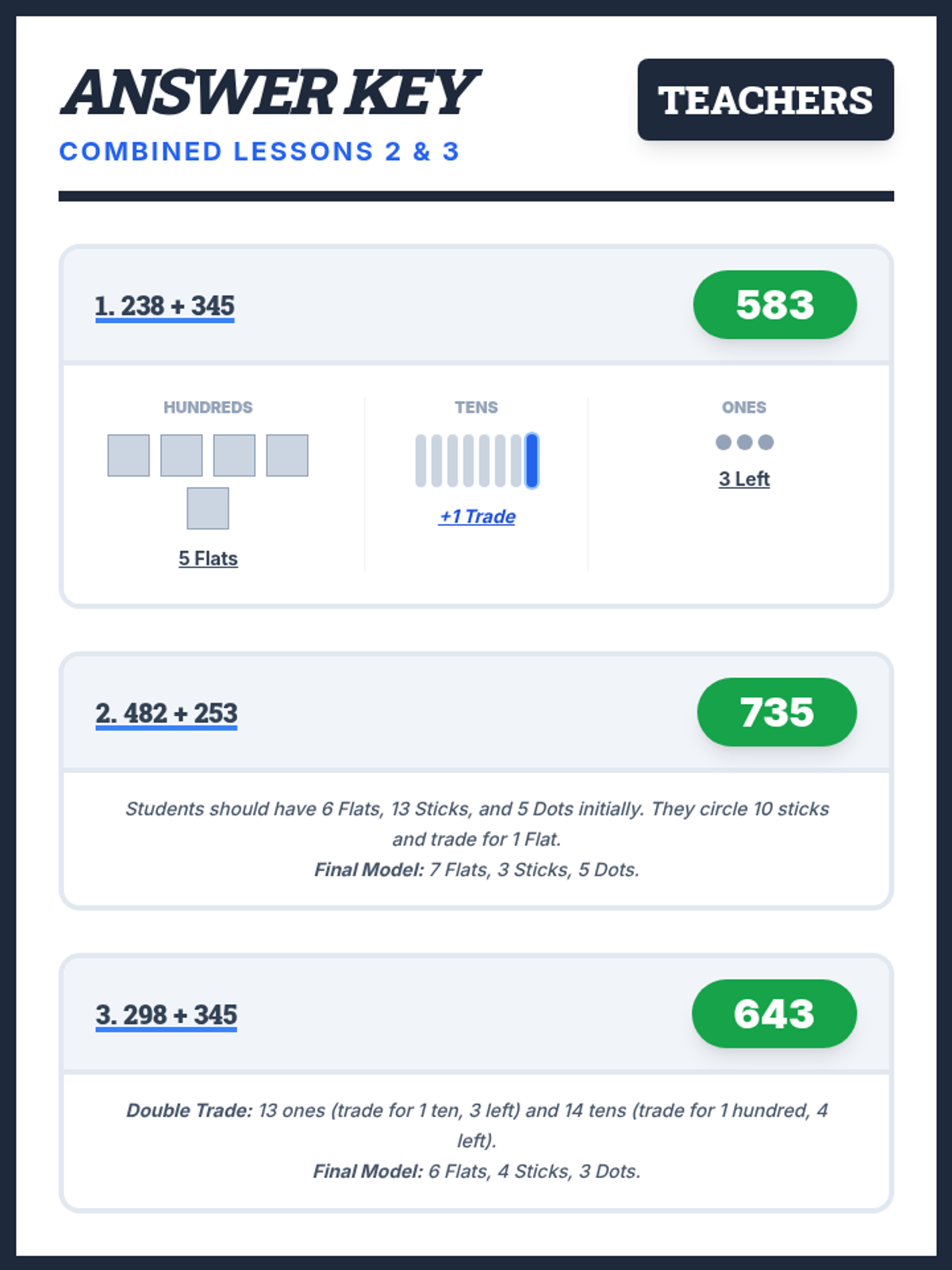
A combined lesson merging LEAP Unit 7 Lessons 2 and 3, focusing on 3-digit addition with regrouping in one or both places using flats, sticks, and dots. Designed for efficiency and ease of use for new teachers.
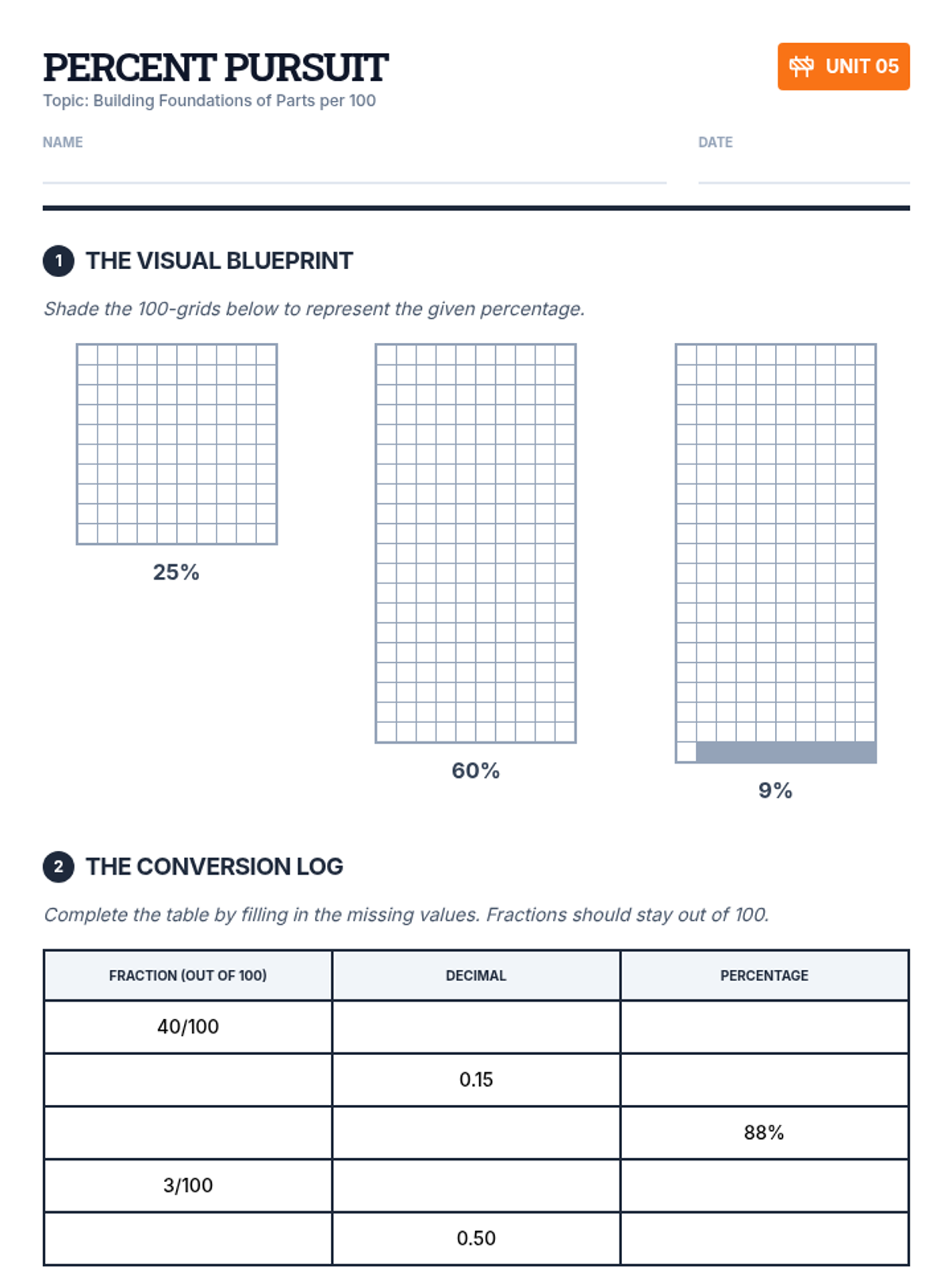
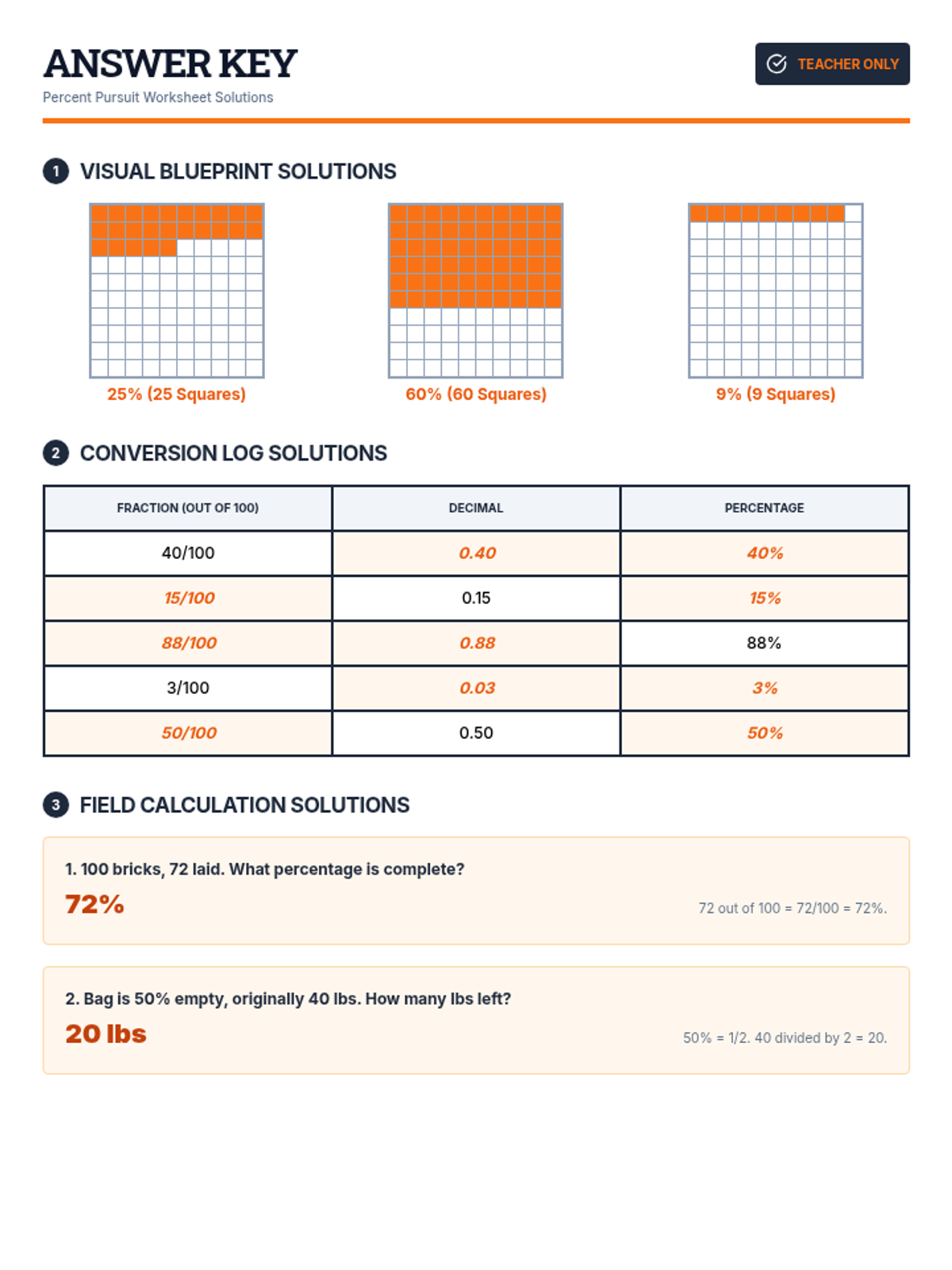
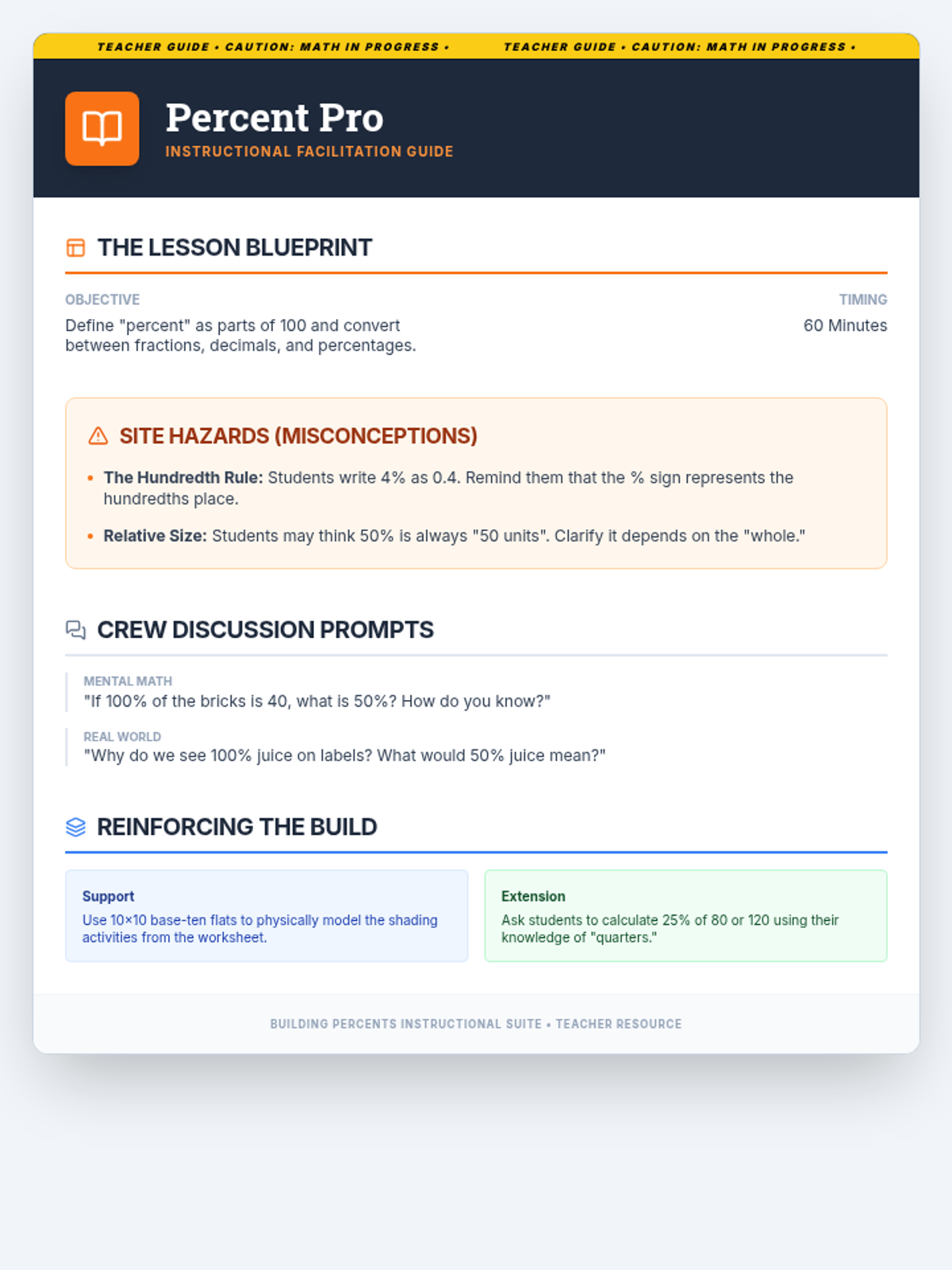
A foundational lesson on percentages for 5th graders, focusing on visualizing percents as parts of a hundred and converting between fractions, decimals, and percentages.
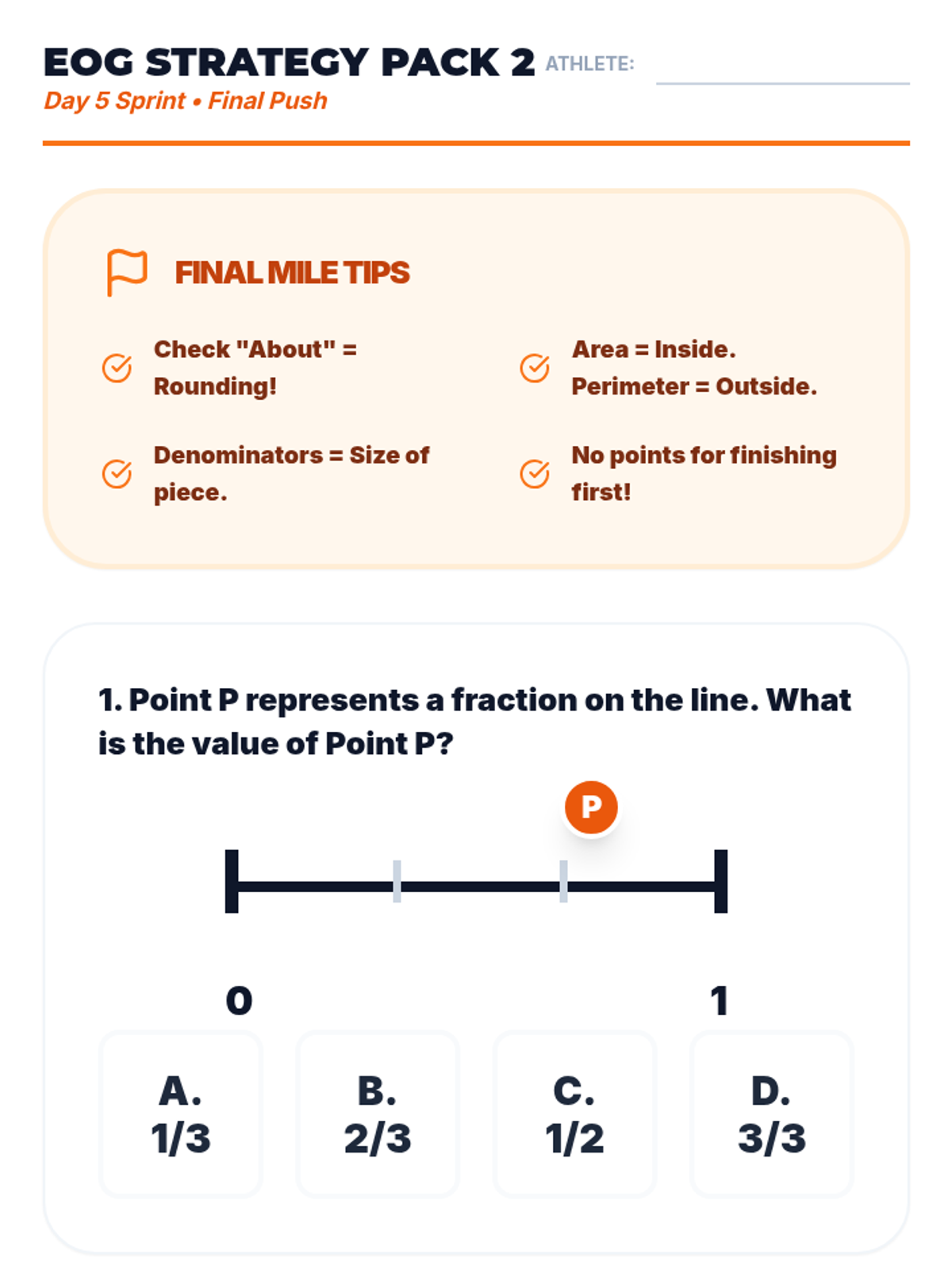
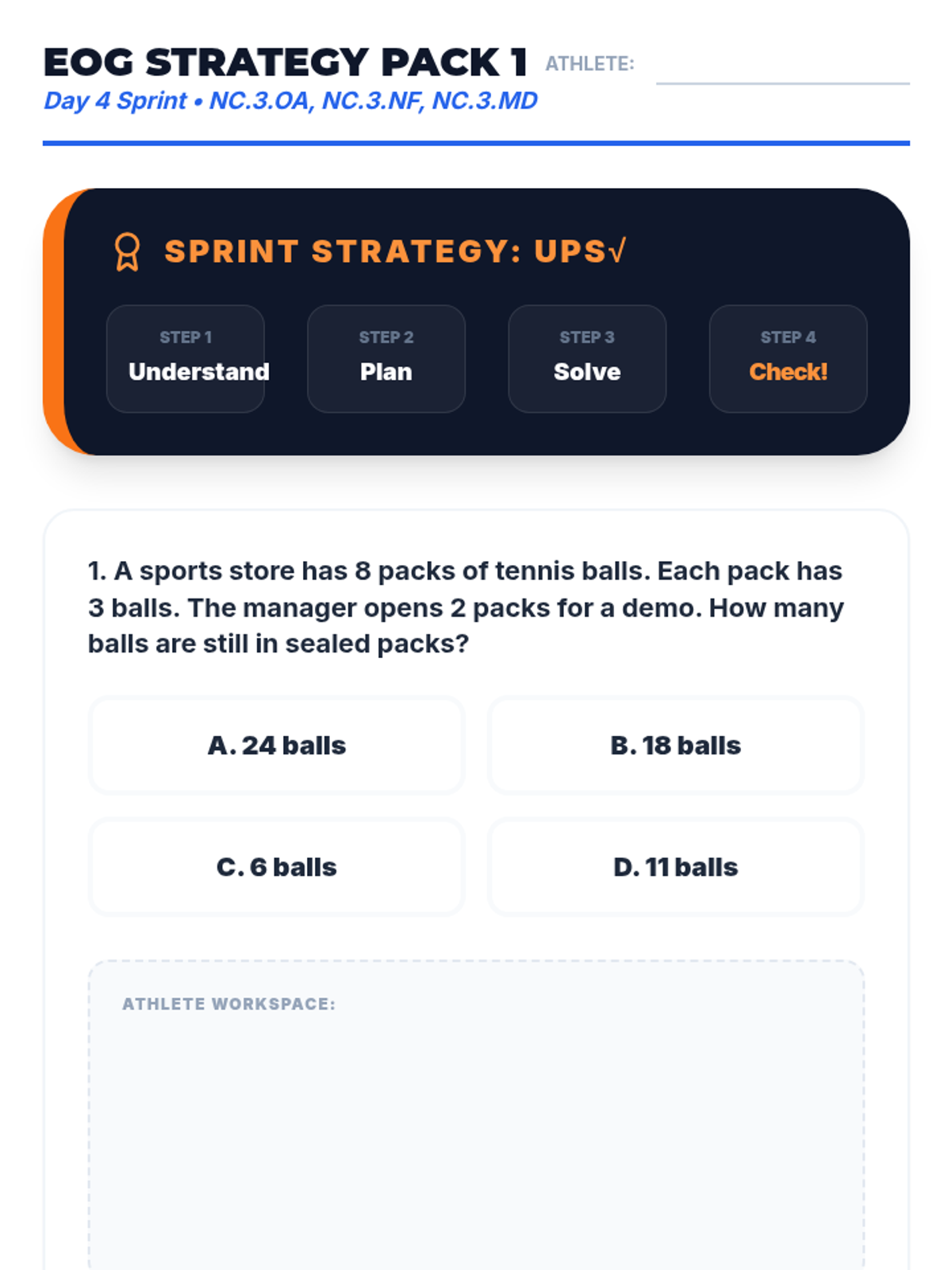
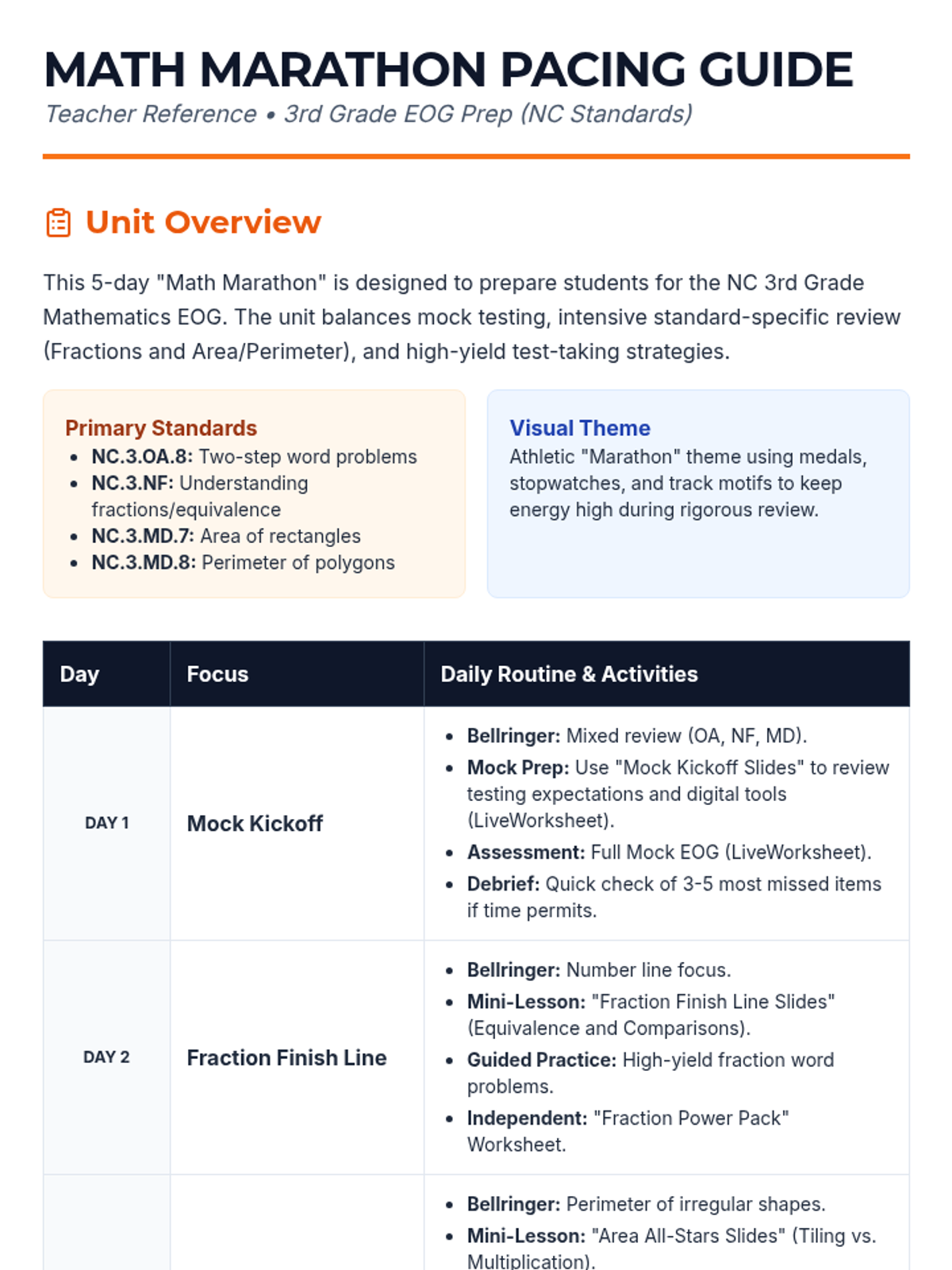
Final EOG strategy review with a second set of 4 complex multi-standard questions and last-minute tips.
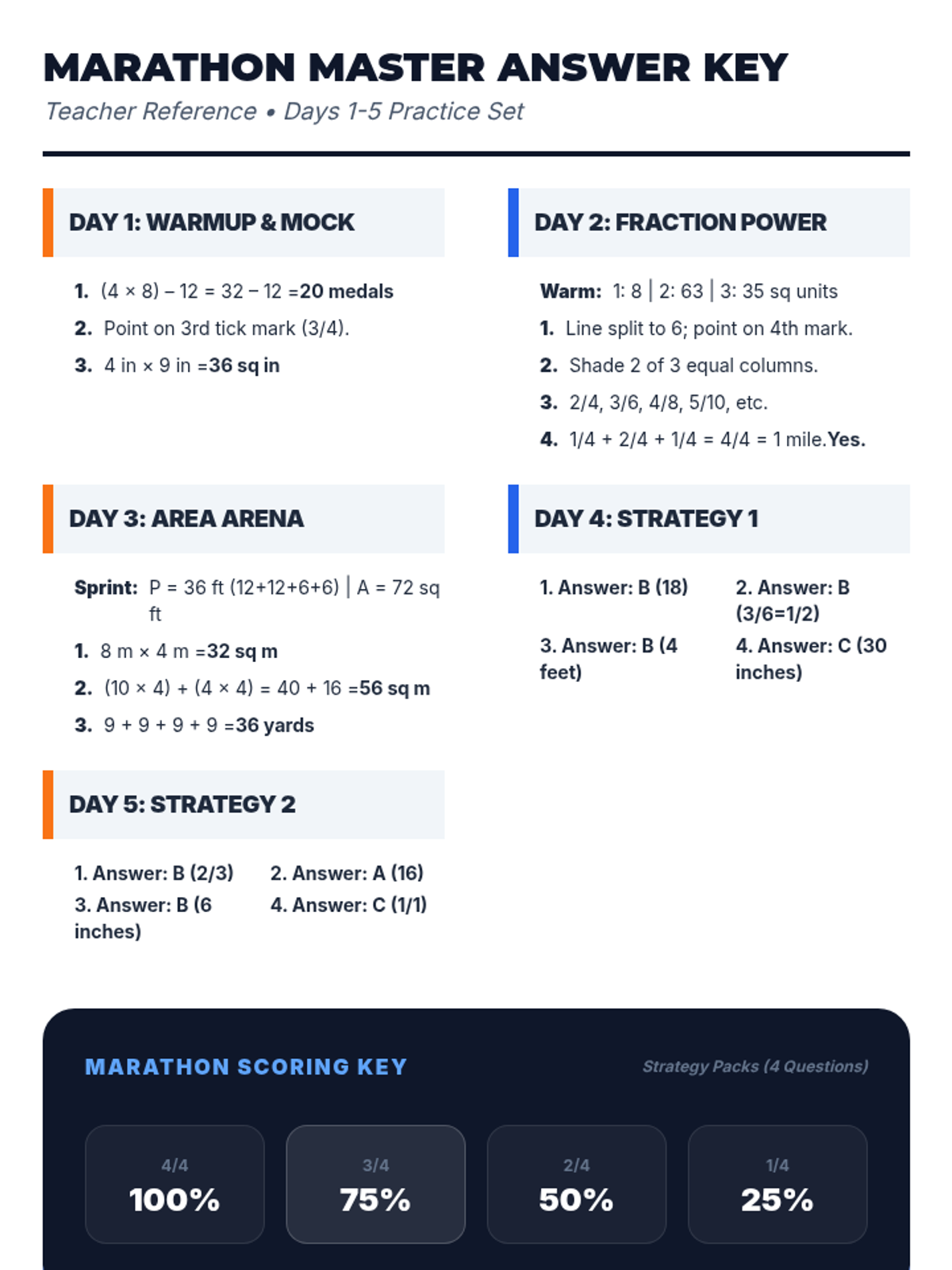
Intensive EOG strategy review with a set of 4 complex multi-standard questions and test-taking tips.
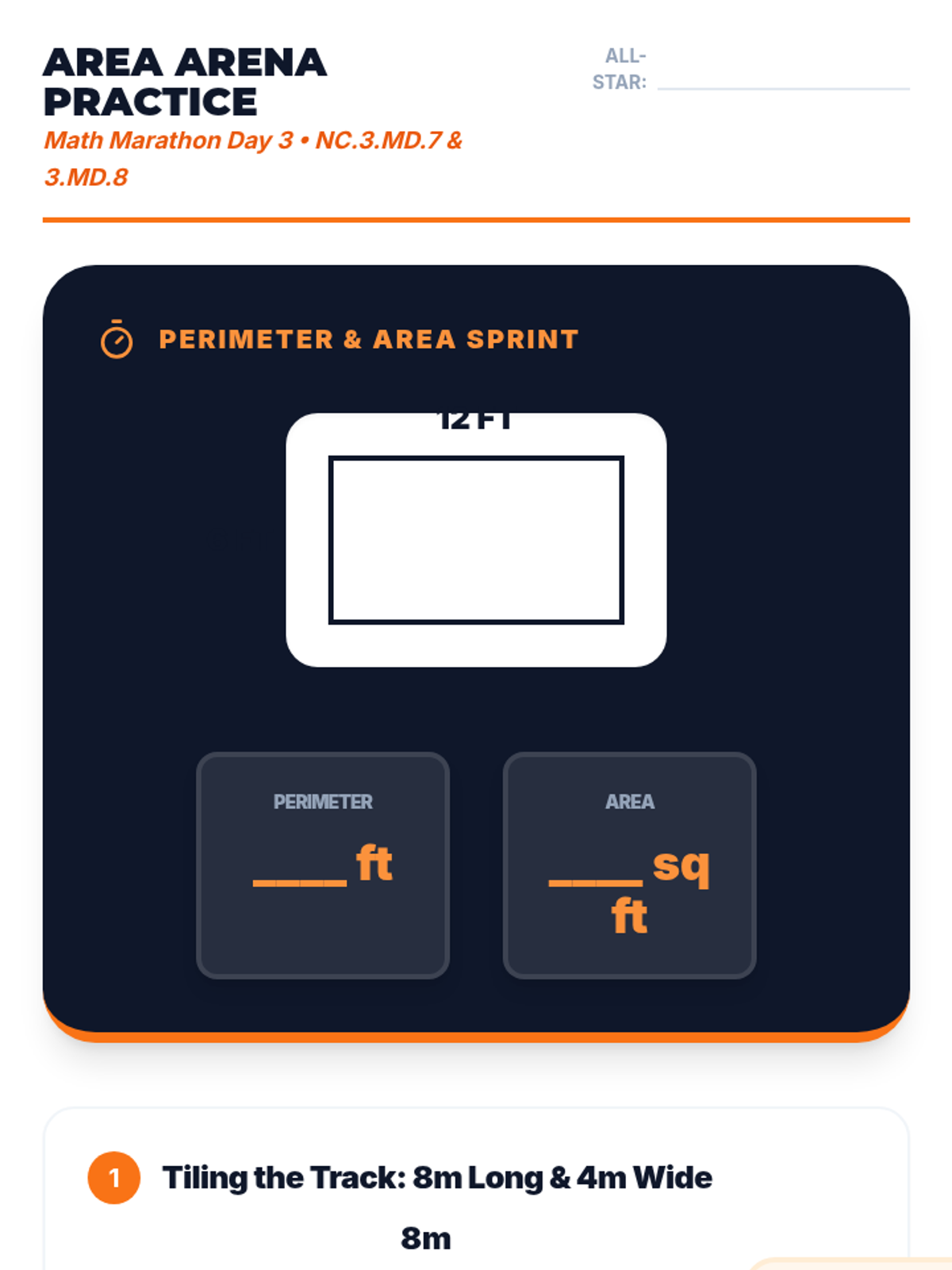
Focused review of NC.3.MD.7 and 3.MD.8 (Area and Perimeter) standards with complex word problems and mixed computation review.
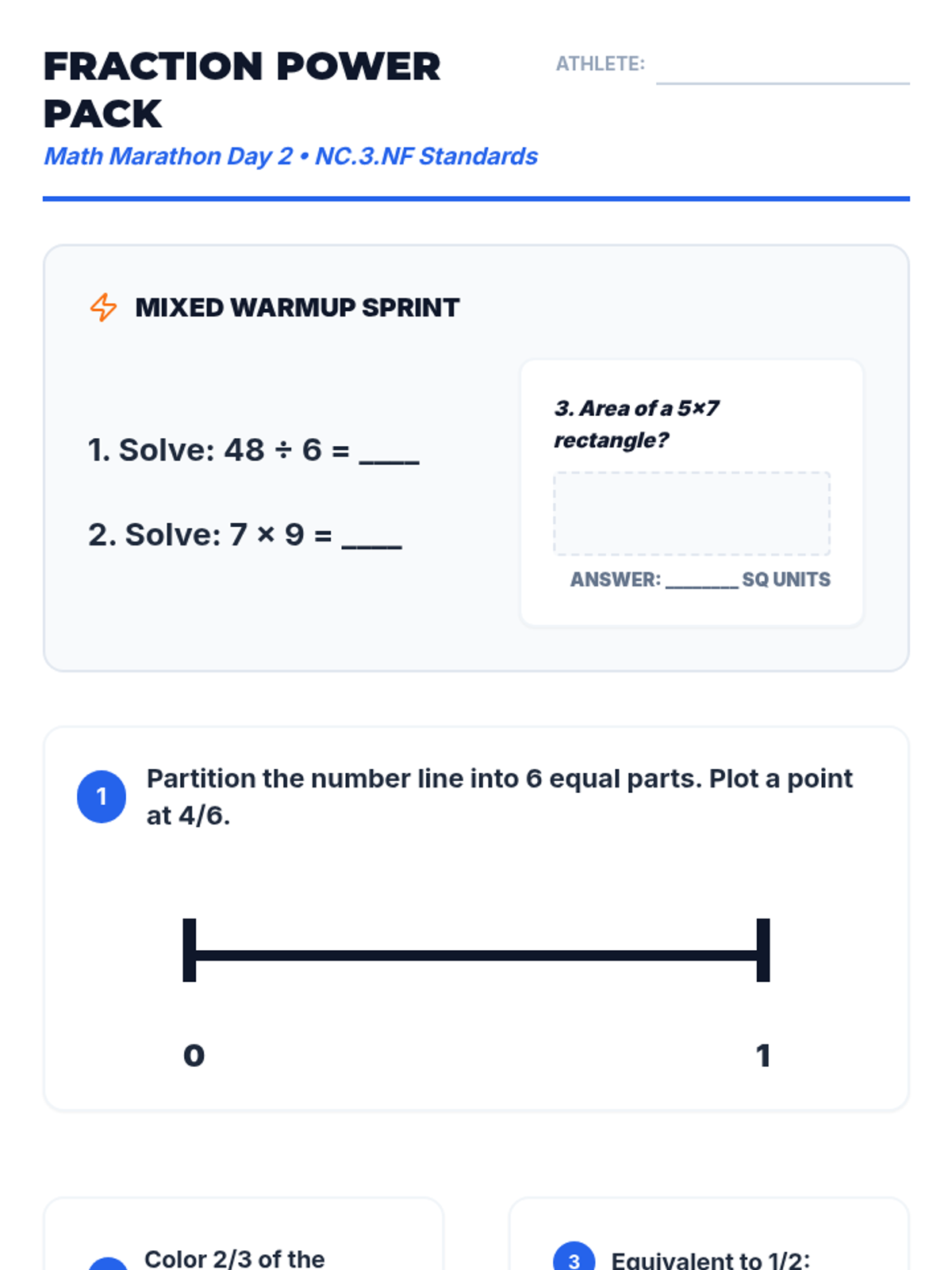
Focused review of NC.3.NF (Fractions) standards including number lines, equivalence, and mixed review word problems.
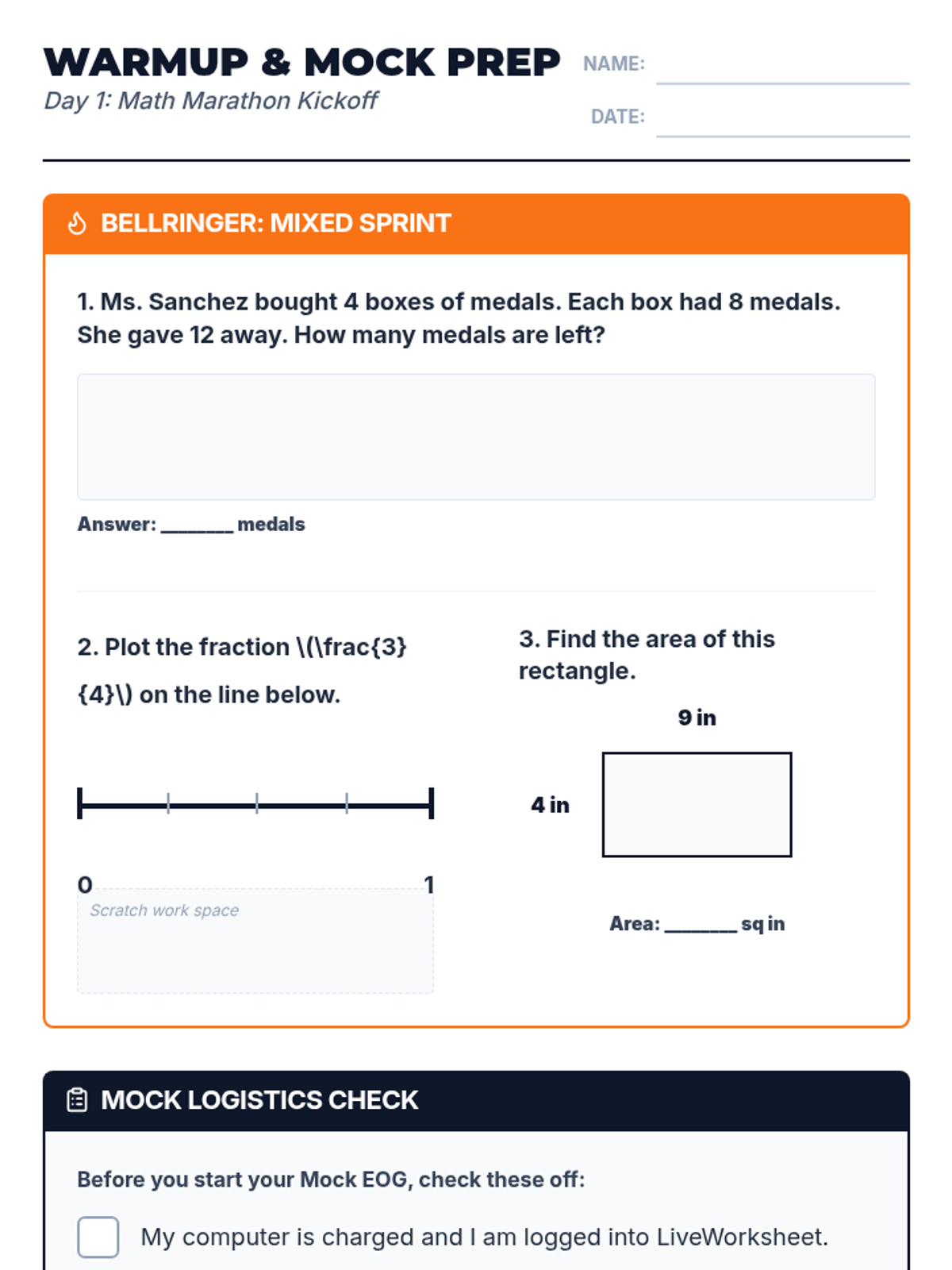
The kickoff day where students complete a Mock EOG exam after a mixed-standard bellringer and expectations review.
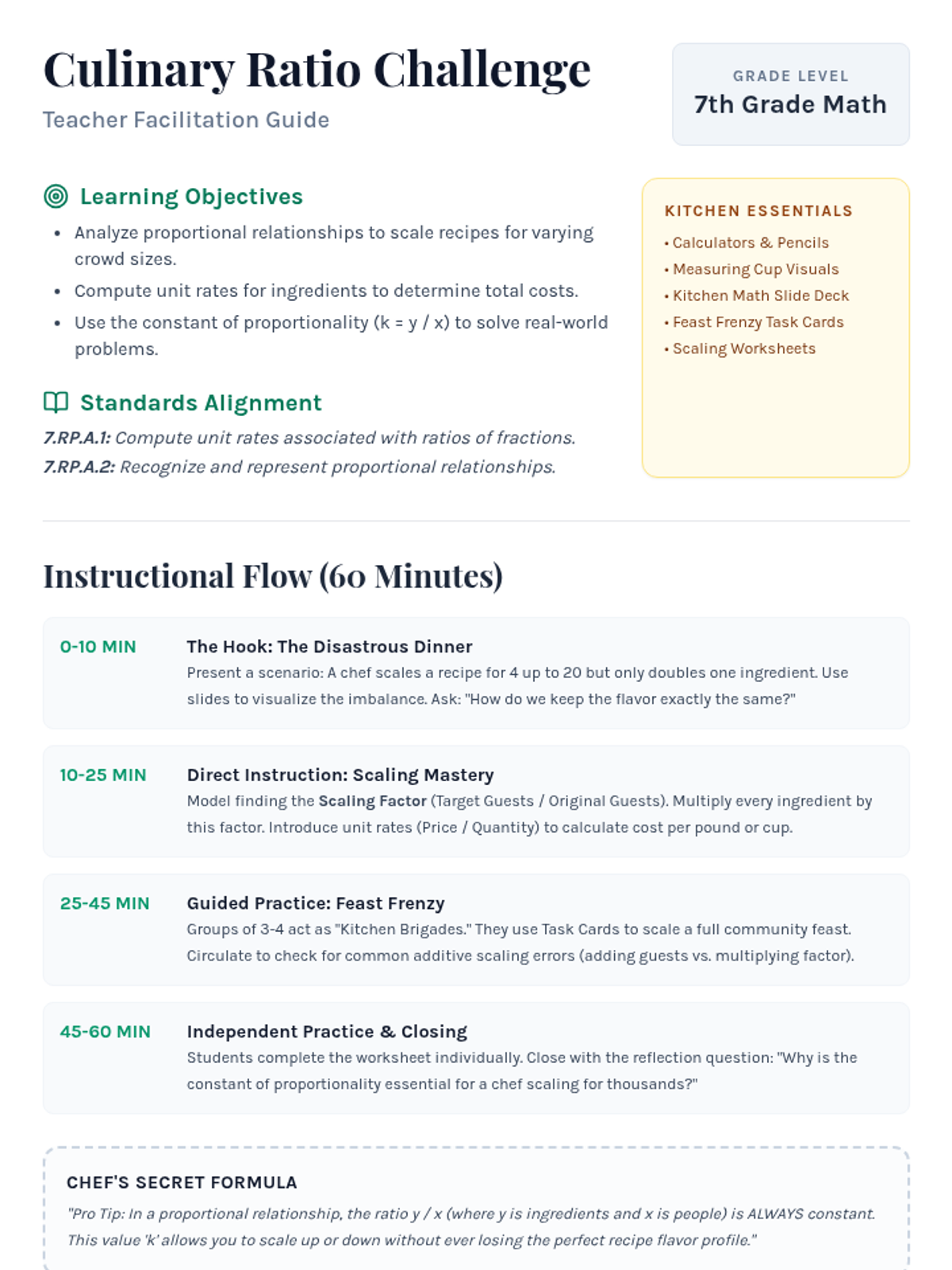
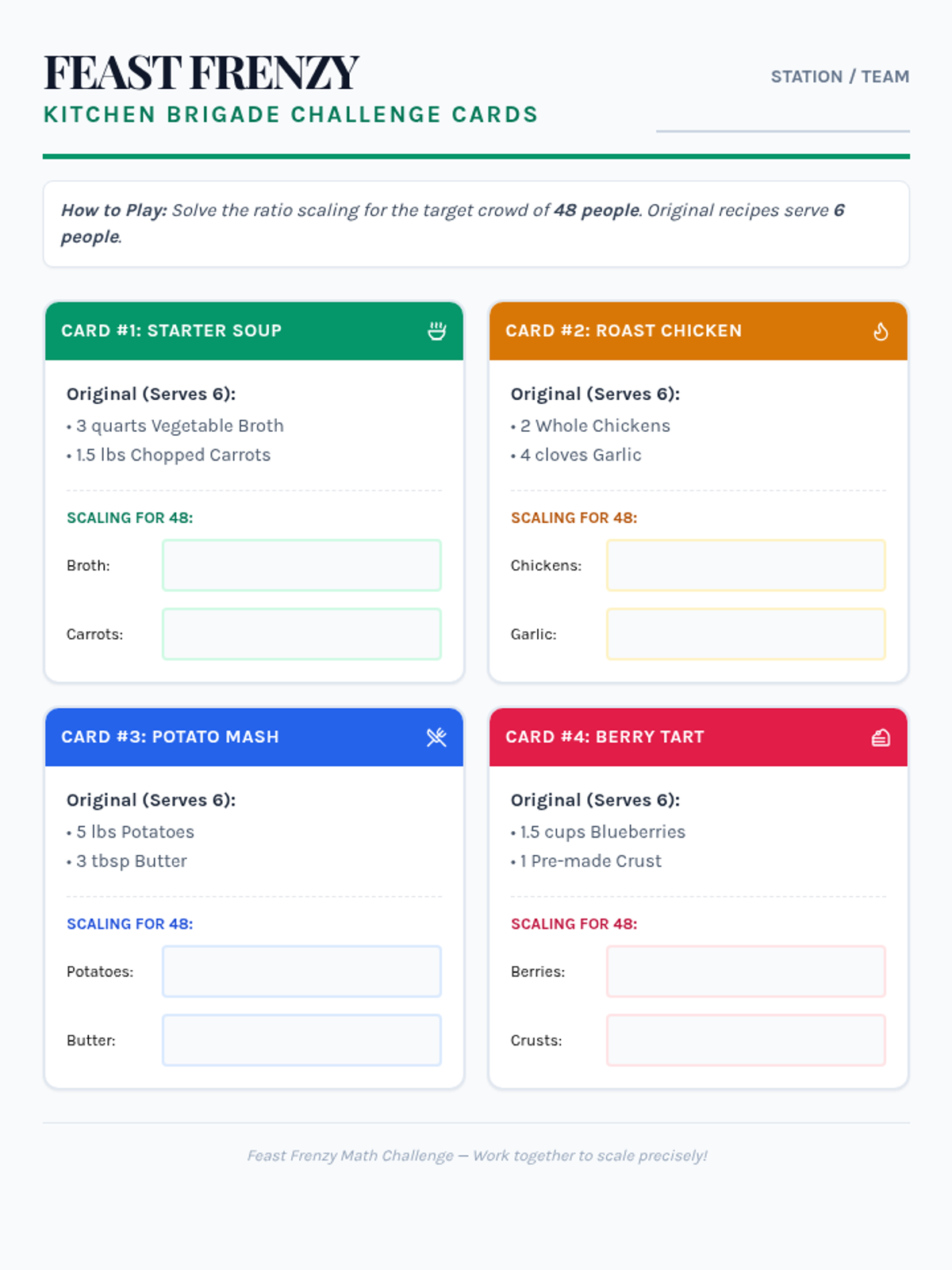
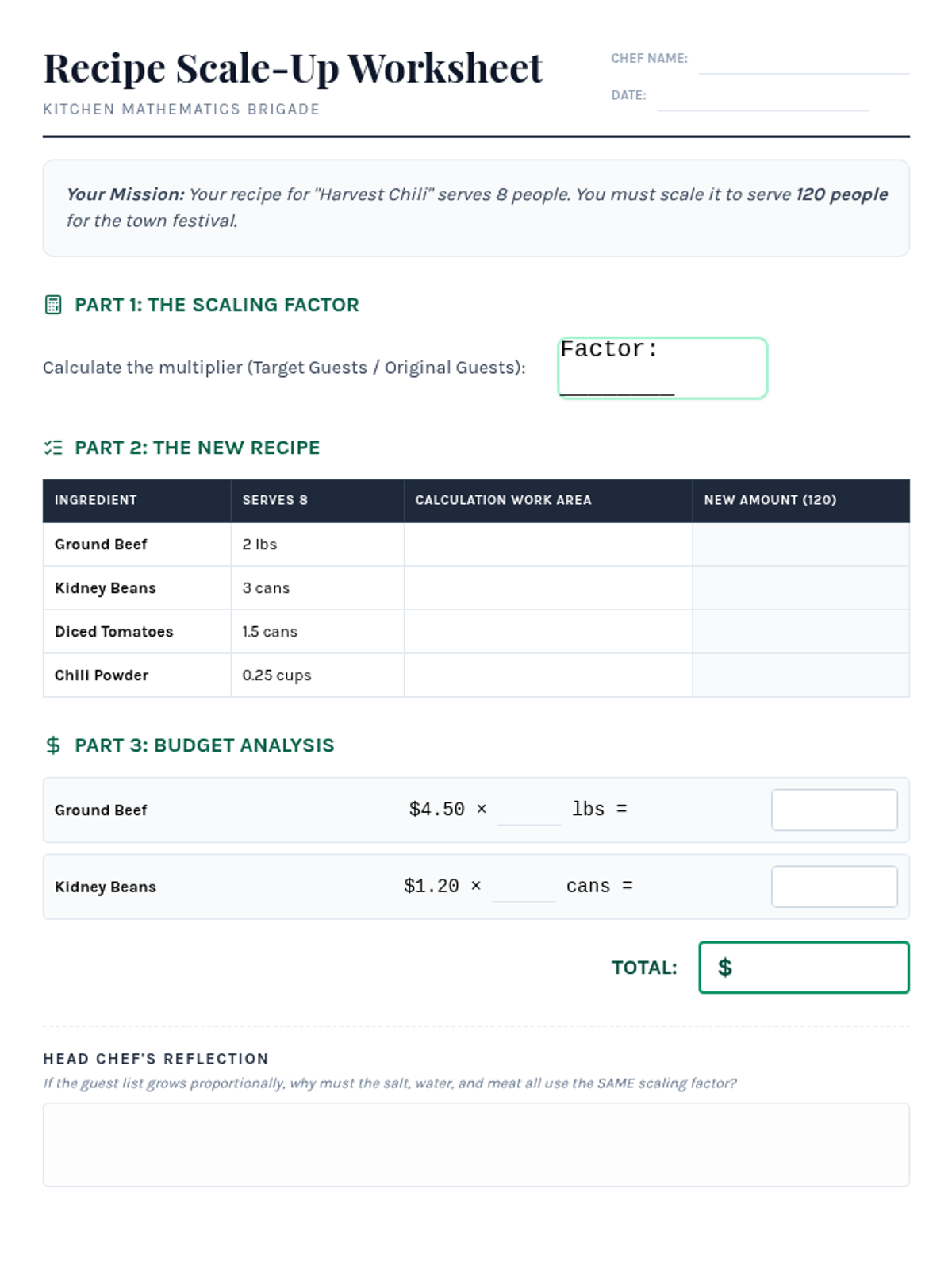
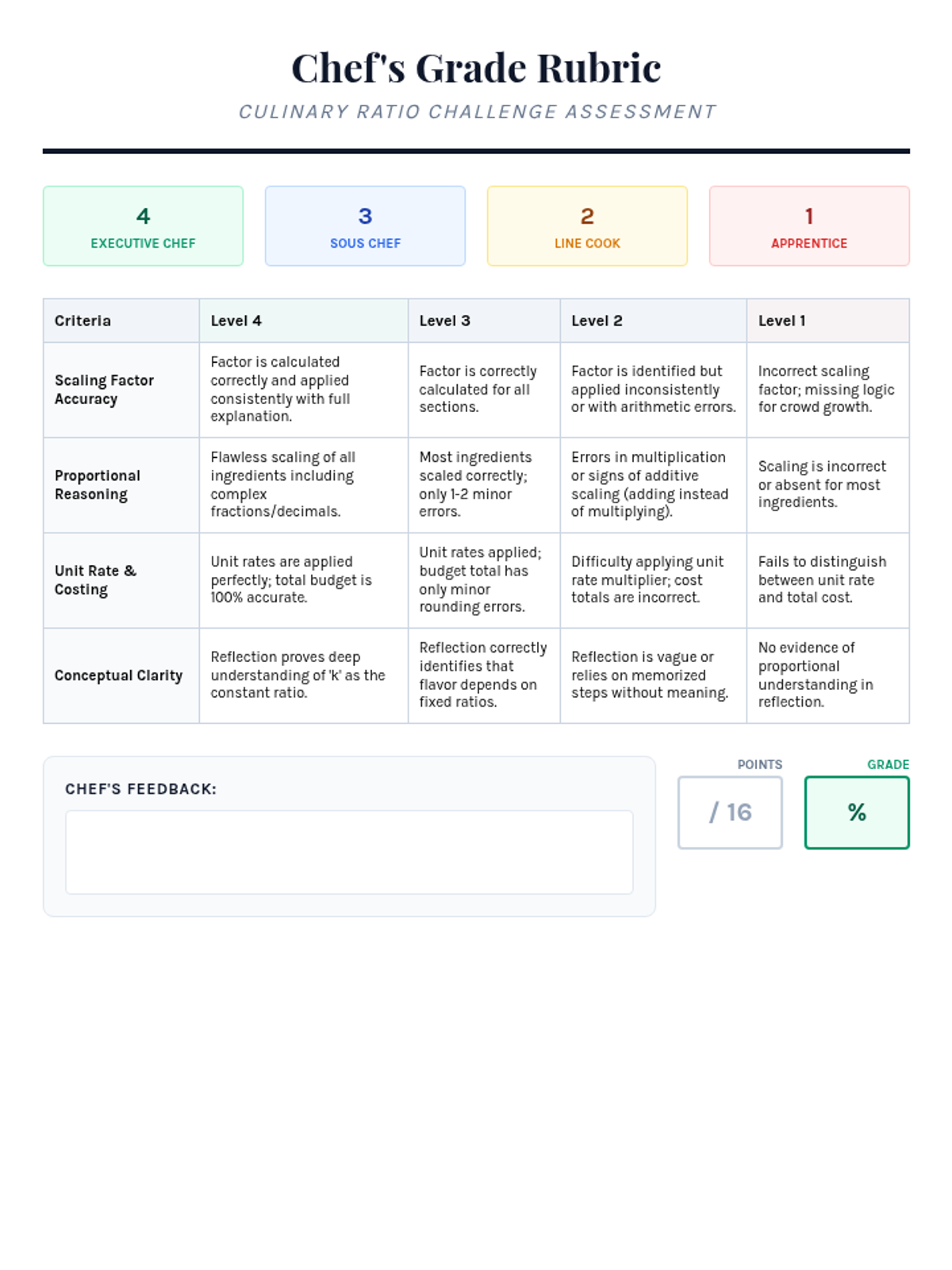
Students master ratios and proportions by scaling recipes for a community feast, applying unit rates to calculate costs and manage kitchen logistics.
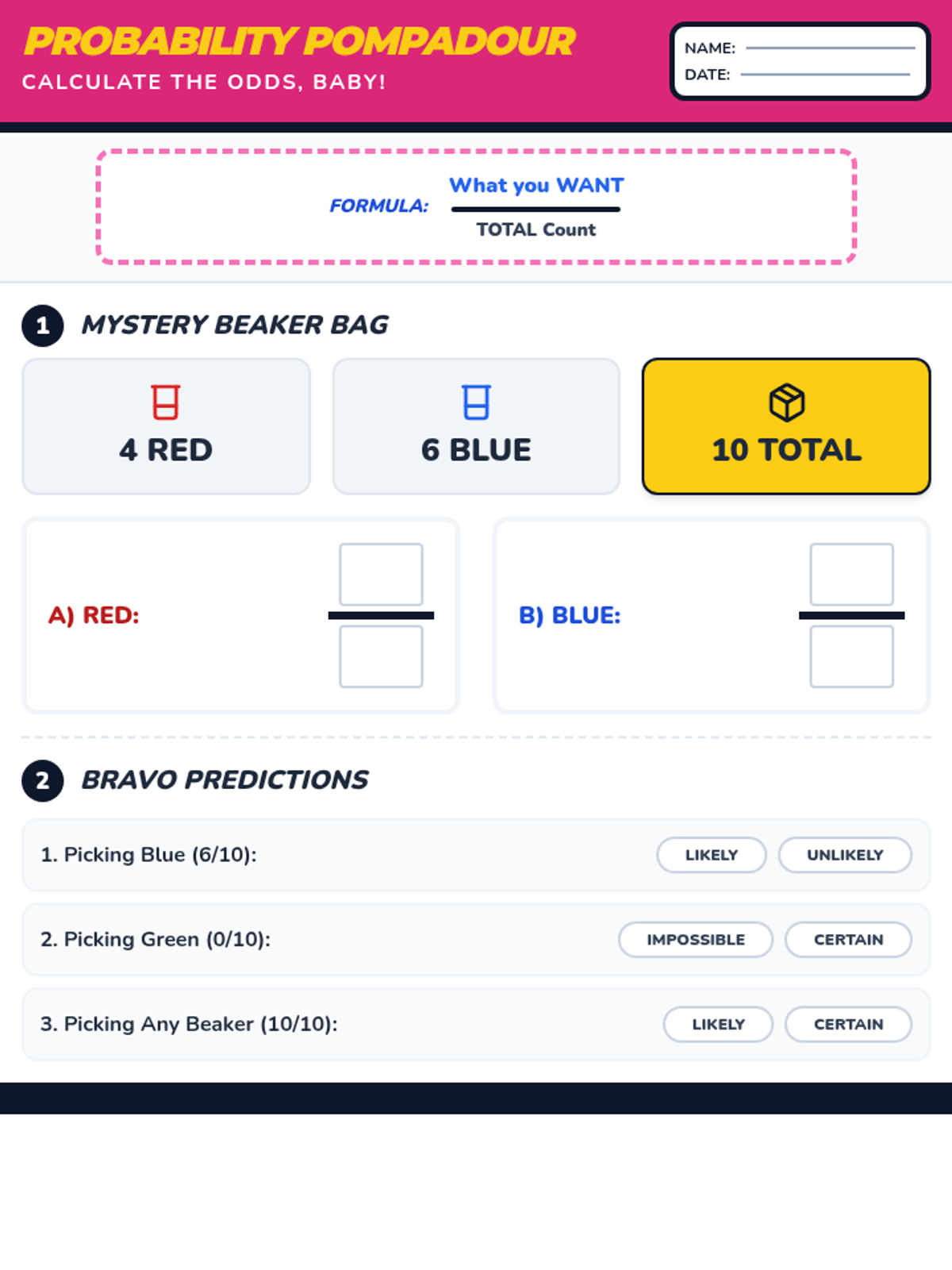
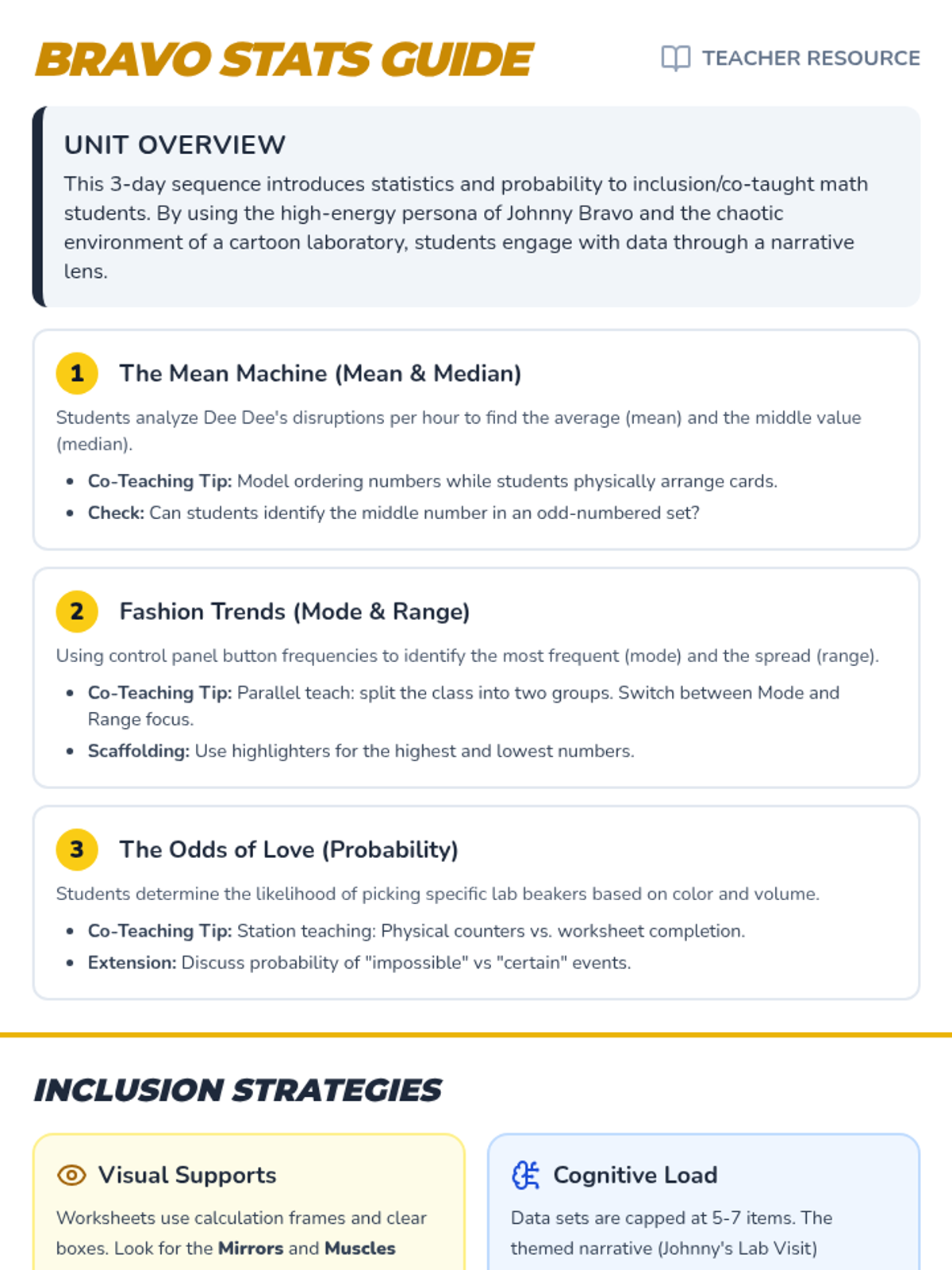
An introduction to basic probability using beaker volumes and colors. Students calculate the likelihood of specific events occurring in the lab.
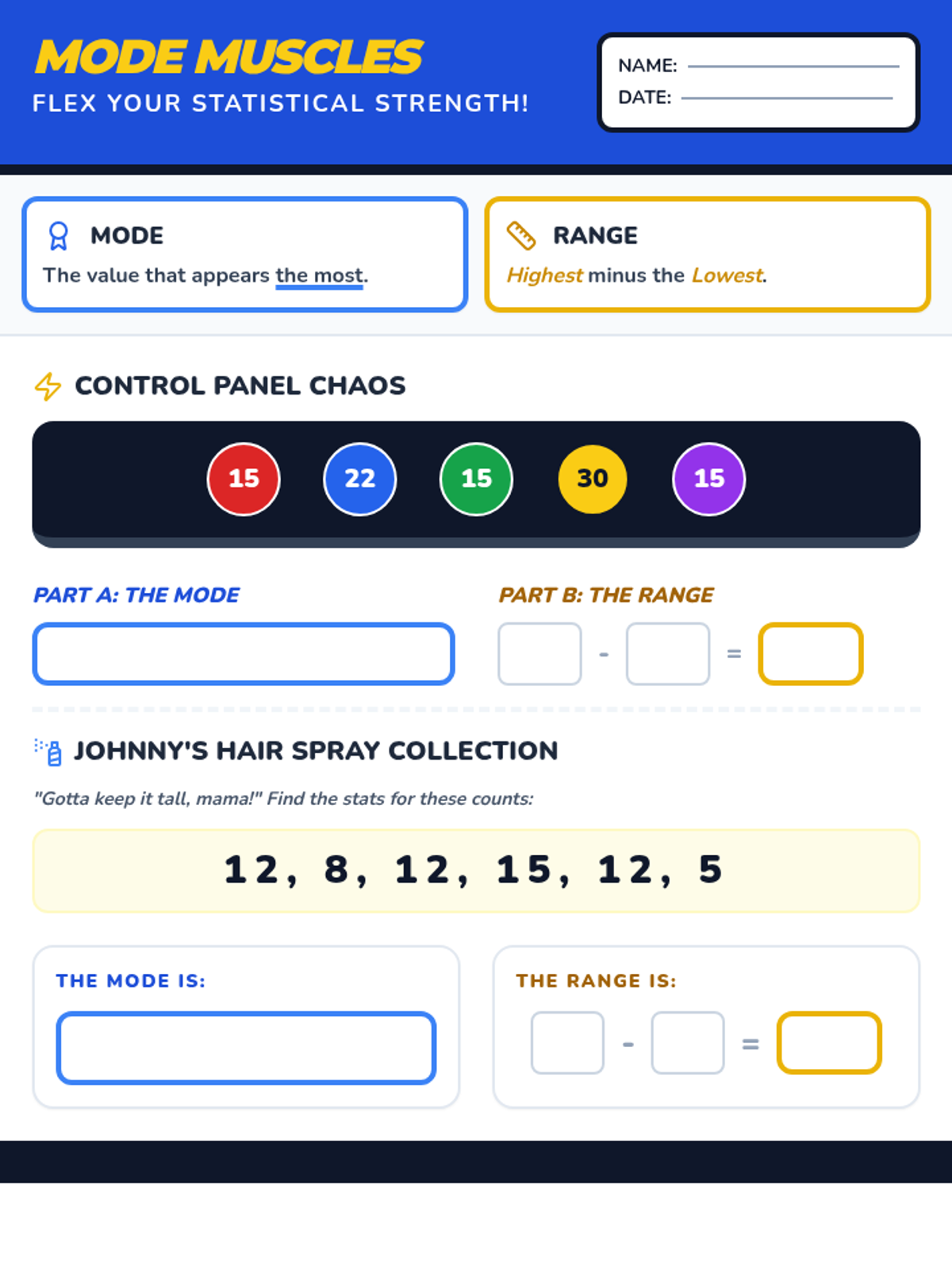
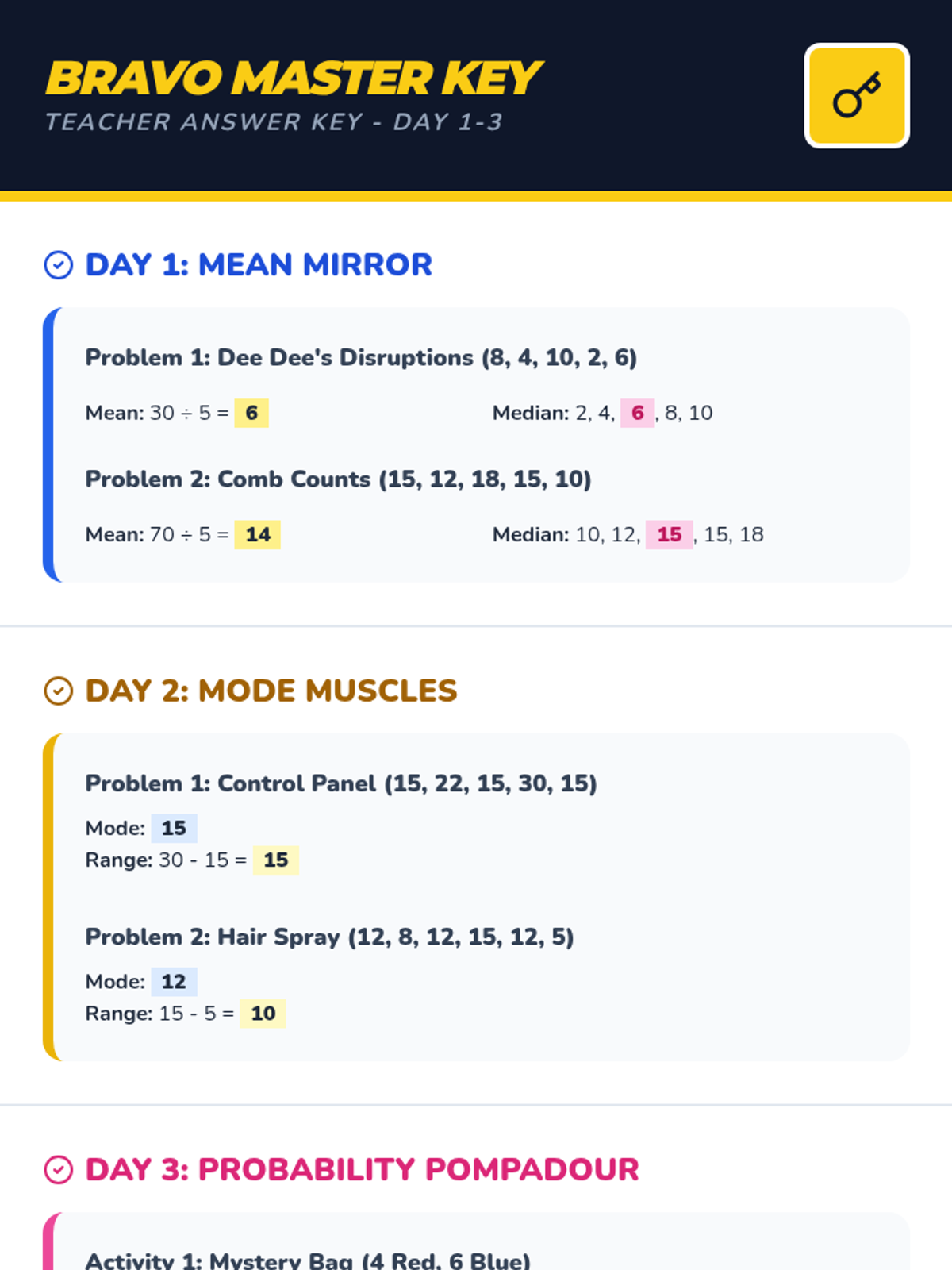
Students explore mode and range by analyzing the frequency of control panel button presses. This lesson focuses on identifying the most common data point and the spread of the data.
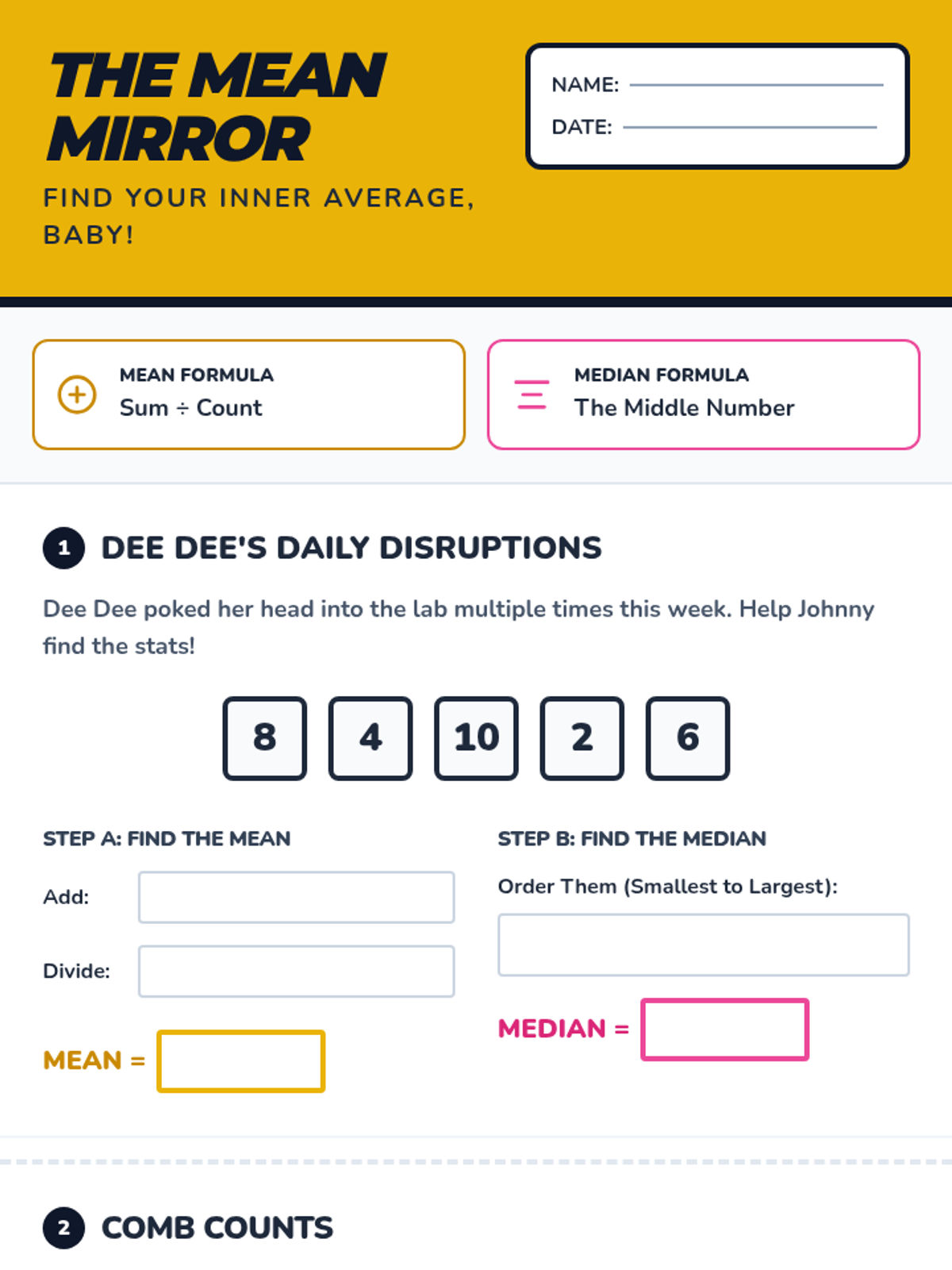
Introduction to finding the mean and median using data from Dee Dee's disruptions in the laboratory. Students learn to calculate averages and identify the middle value in a set of data.
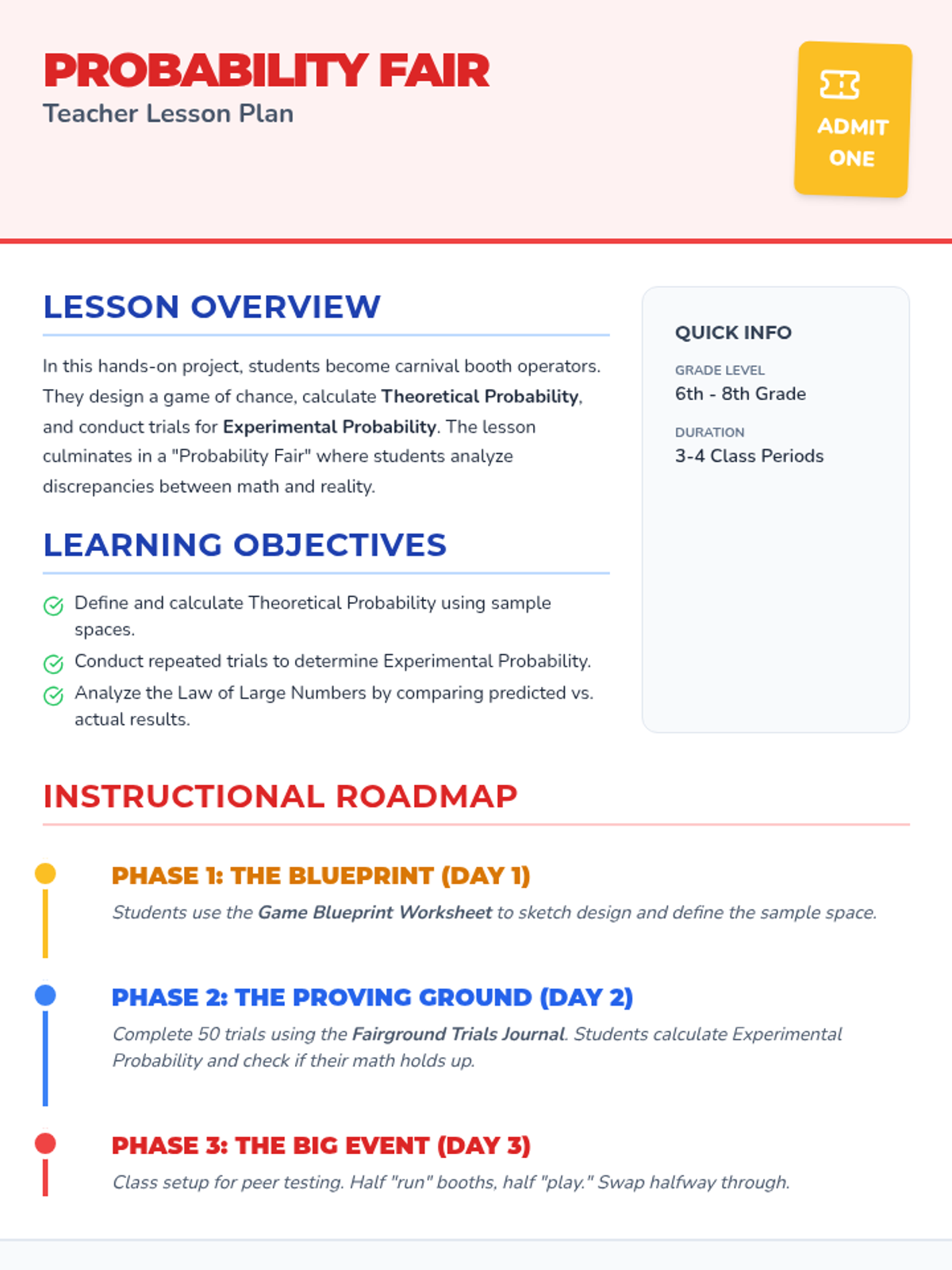
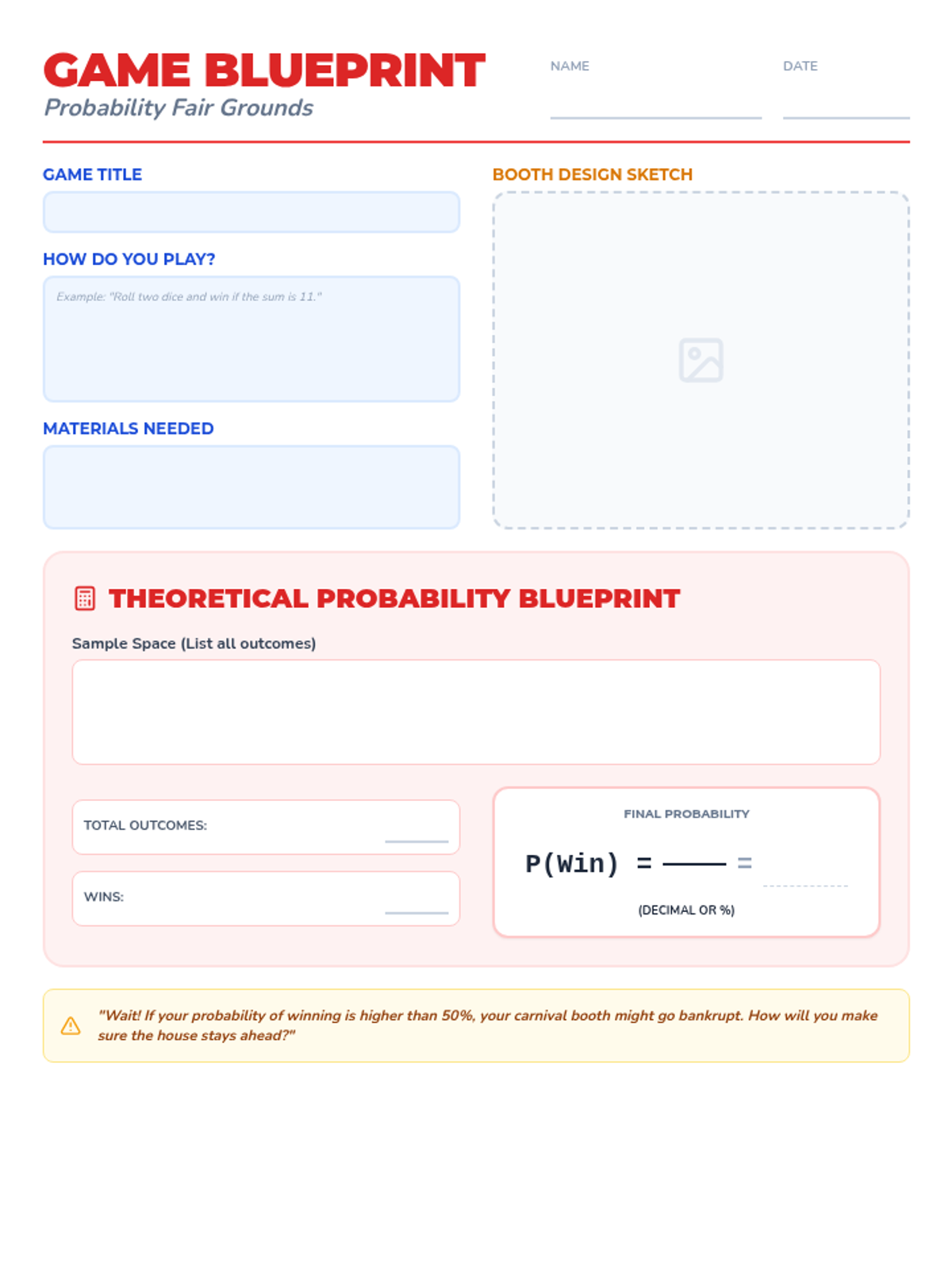
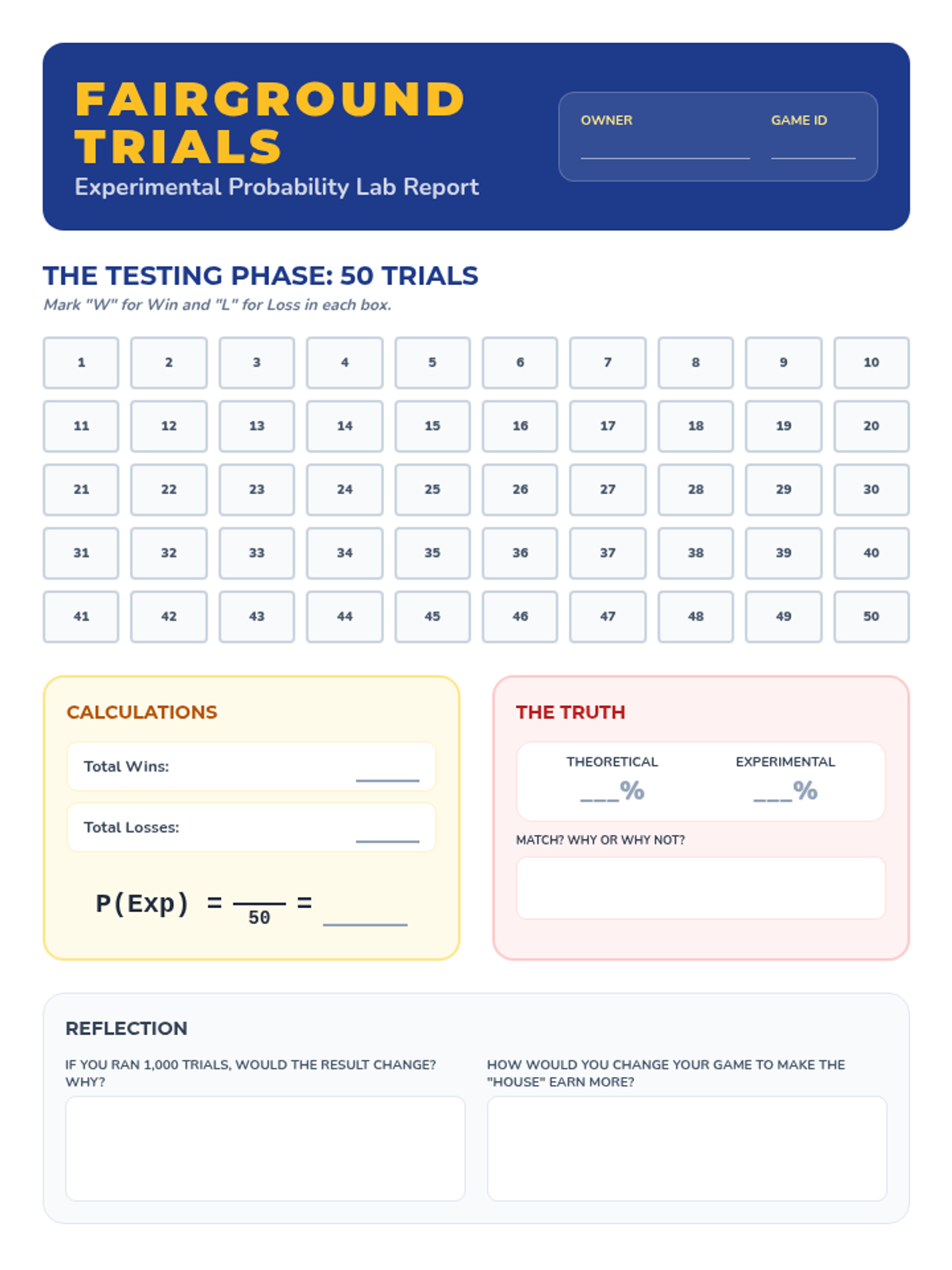
Students step into the roles of carnival game designers to explore data analysis and statistics. They calculate theoretical probability, conduct trials to find experimental probability, and analyze their results in a festive, hands-on environment.
Students synthesize their knowledge of central tendency and probability to complete a final laboratory assessment.
Students use station rotations to explore probability and frequency through lab beaker measurements and control panel button analysis.
Students collect data on DeeDee's disruptions to learn and calculate the mean, median, and mode of a dataset.
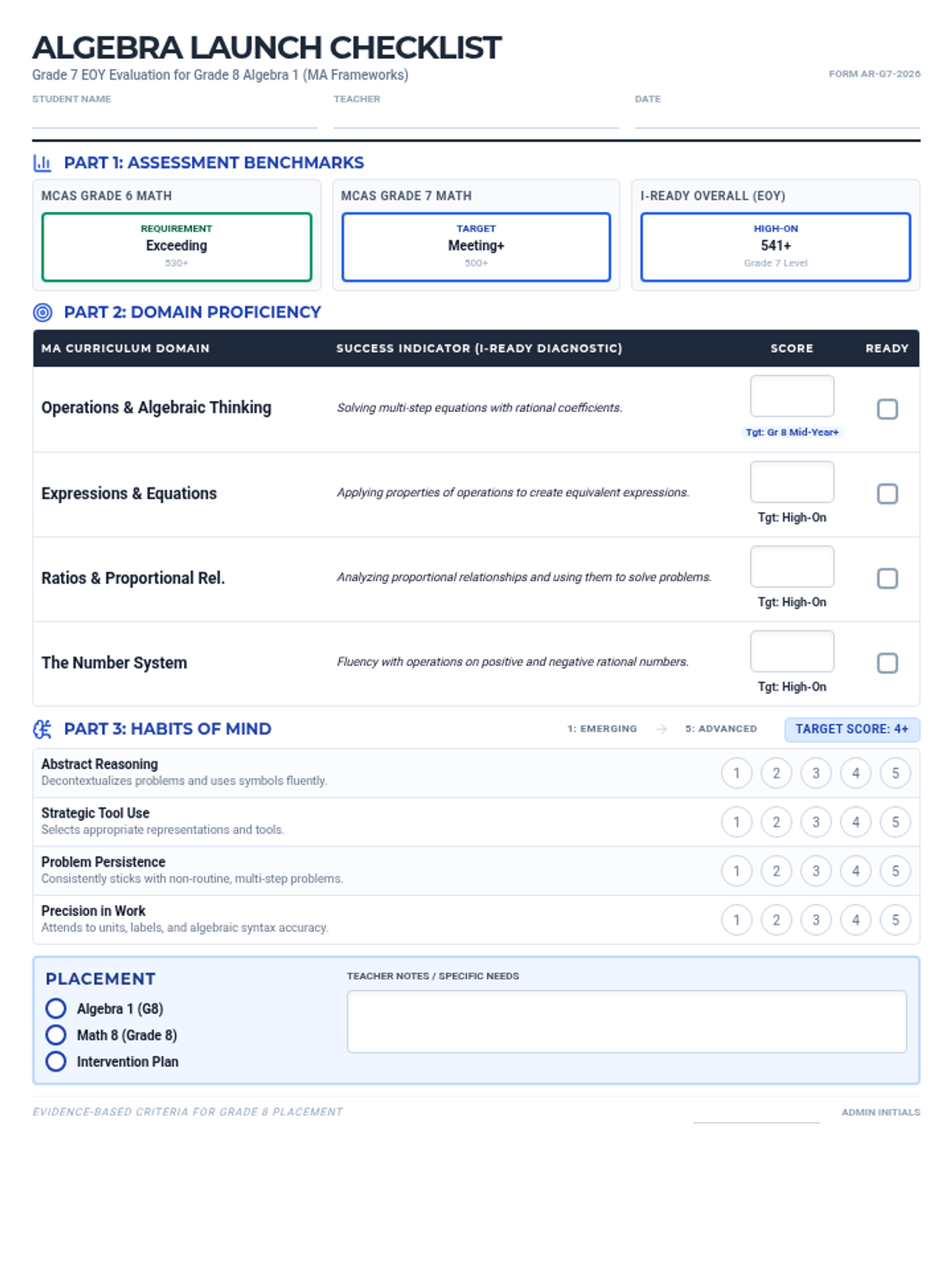
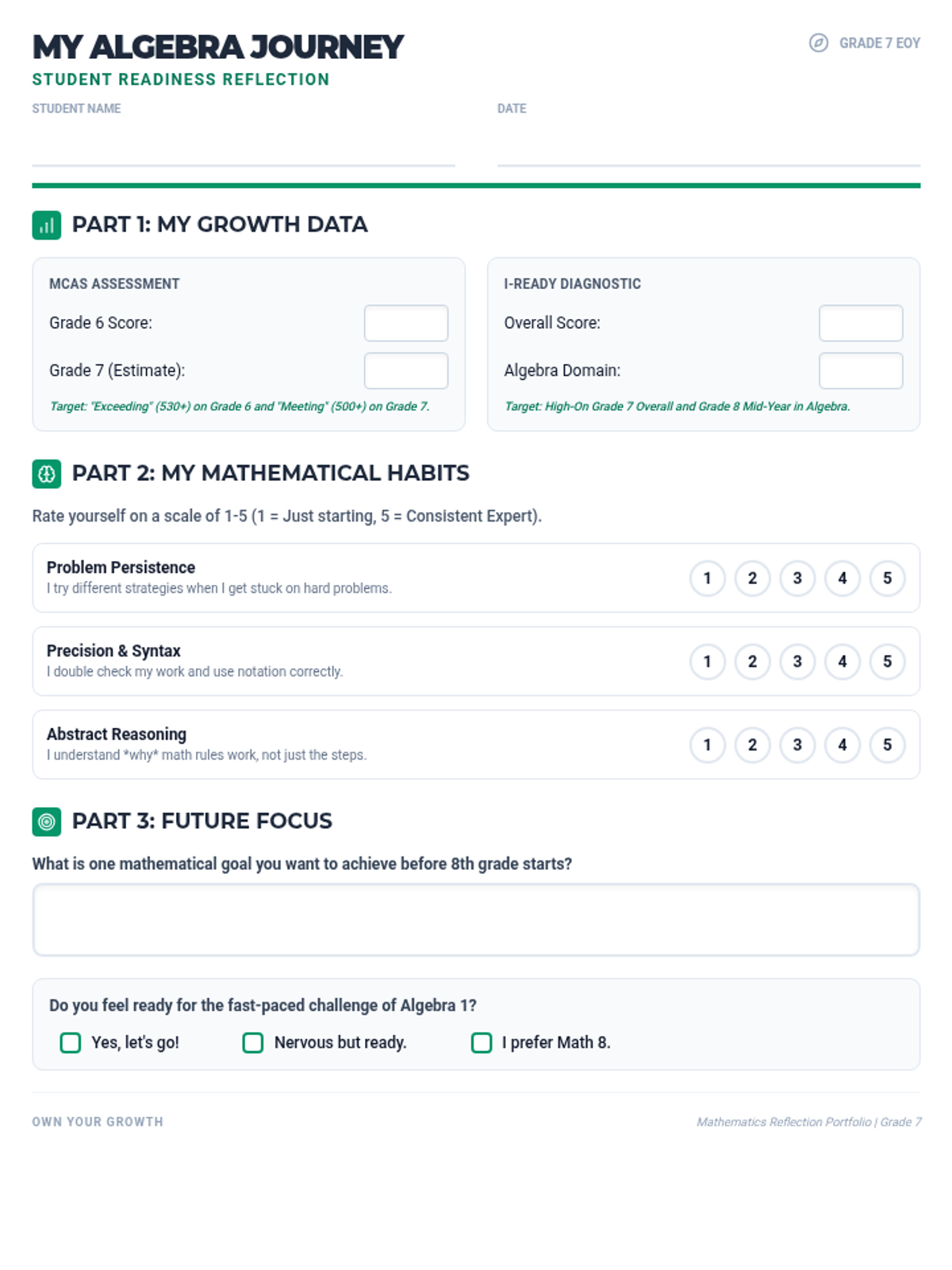
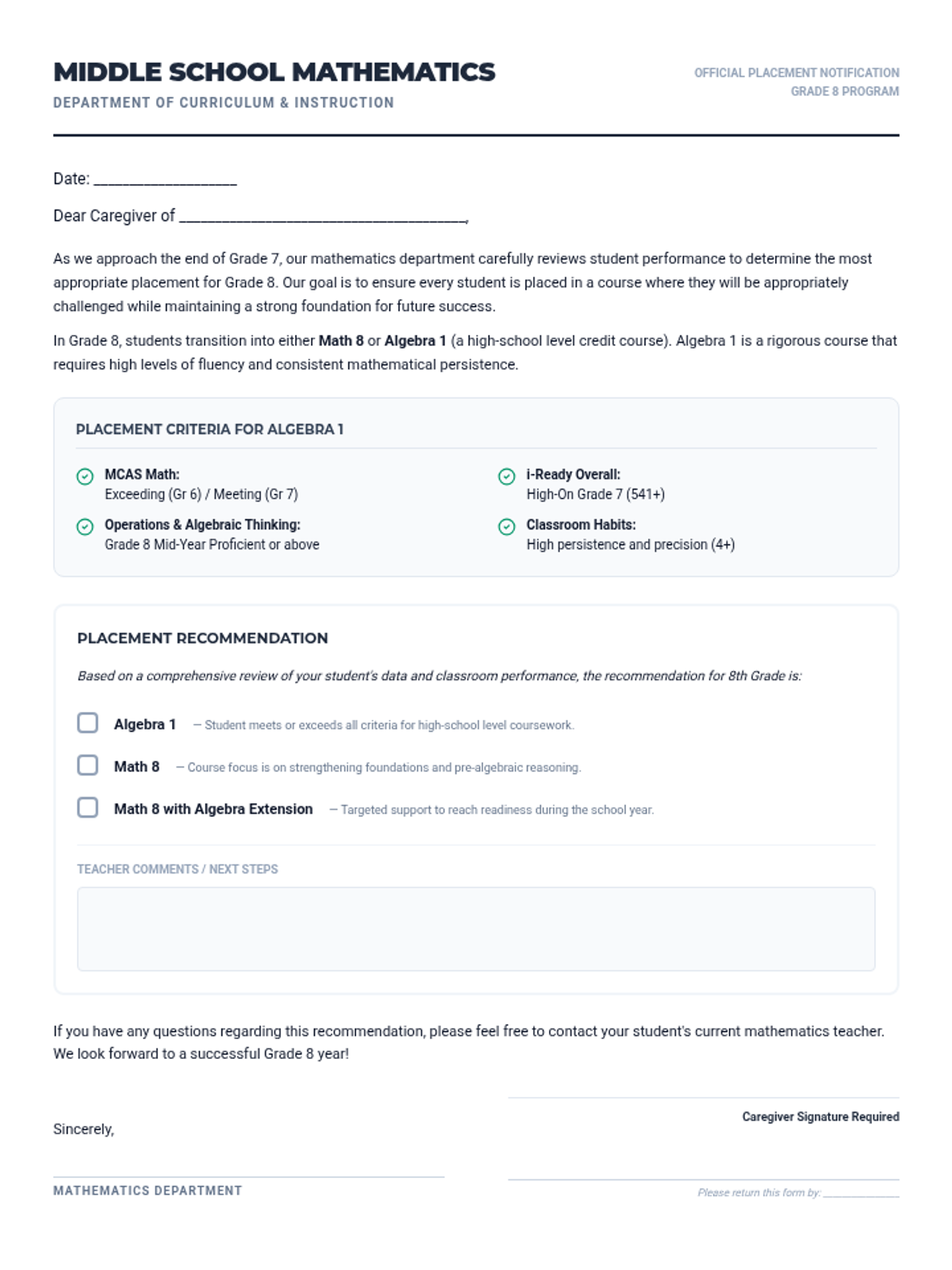
A comprehensive evaluation tool for 7th-grade teachers to determine student readiness for 8th-grade Algebra 1 based on MCAS and iReady data.
A quick practice session for students to master area and perimeter of simple rectangles using a drafting-themed layout.
In this lesson, students become packaging engineers for a modern logistics company. They apply 3D geometry concepts—specifically surface area and volume of rectangular prisms—to design efficient shipping containers that minimize material waste and maximize storage capacity.
A colorful, interactive introduction to basic statistics using the theme of a gumball machine. Students learn to collect data, calculate measures of central tendency, and determine probability through guided and independent practice.
Students explore dividing unit fractions by whole numbers and vice versa by portioning dough and serving individual slices.