A comprehensive midterm review for CS10 covering NC standards for data representation, cybersecurity, and basic programming logic. Includes a detailed study guide and a 75-question practice exam.
A mini-project lesson where students act as data detectives to collect, analyze, and ethically report on classroom data.
A lesson exploring the elusive snow leopard, focusing on its unique adaptations, habitat in the high mountains of Central Asia, and the conservation efforts to protect this 'Ghost of the Mountains'.
A middle school science lesson exploring the physics of levers through the lens of Ancient Egyptian engineering, designed to accompany K'NEX education kits.
A hands-on investigation using cyanotype paper to explore UV radiation and the effectiveness of various blockers, including sunscreens and physical objects. Students will practice the scientific method by designing their own variable tests and analyzing the resulting prints.
A comprehensive introduction to microbiology focusing on germs, bacteria, and viruses. Students will explore how these microorganisms affect the human body and learn to distinguish between different types of pathogens through interactive slides and hands-on organizers.
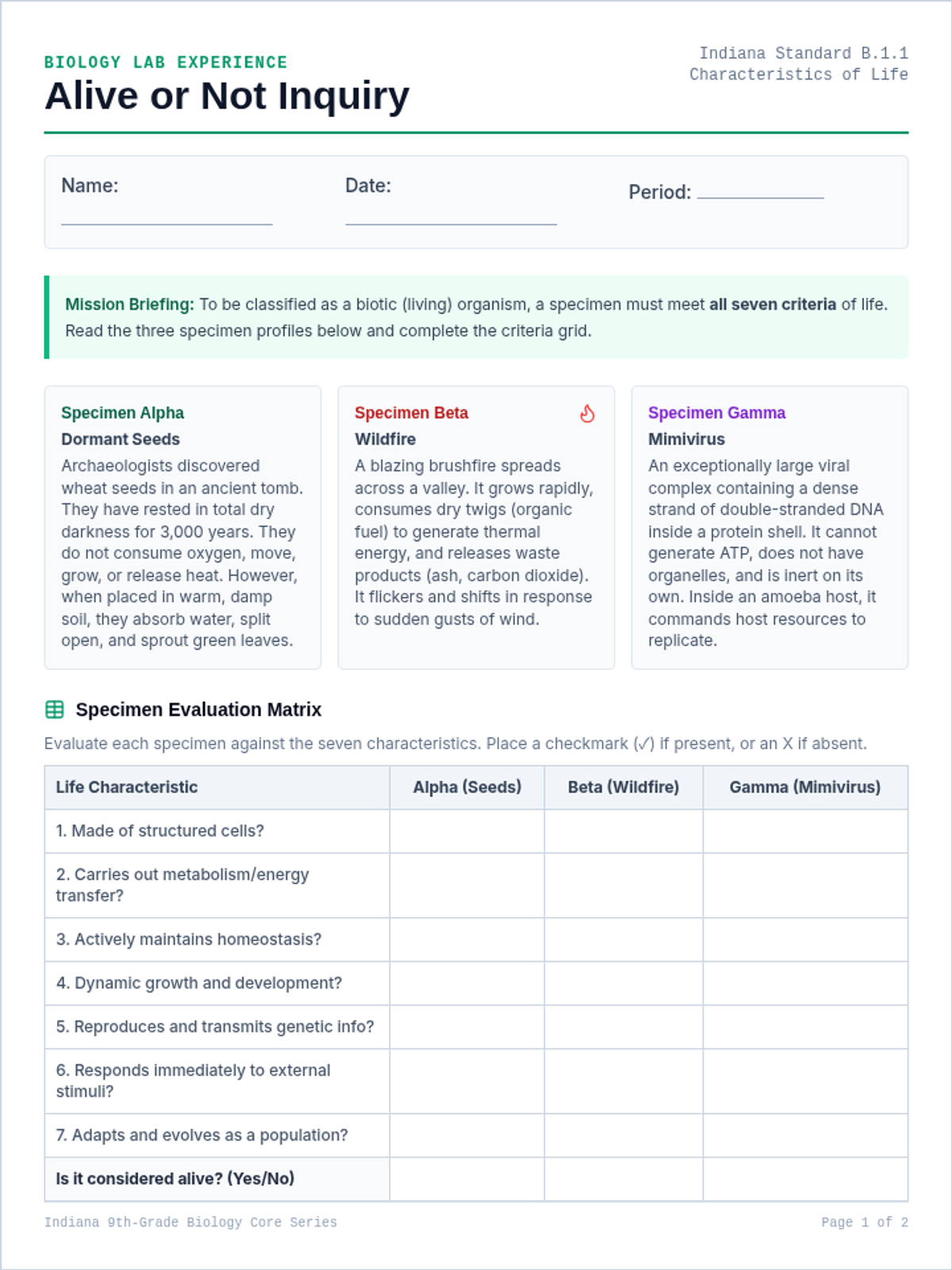
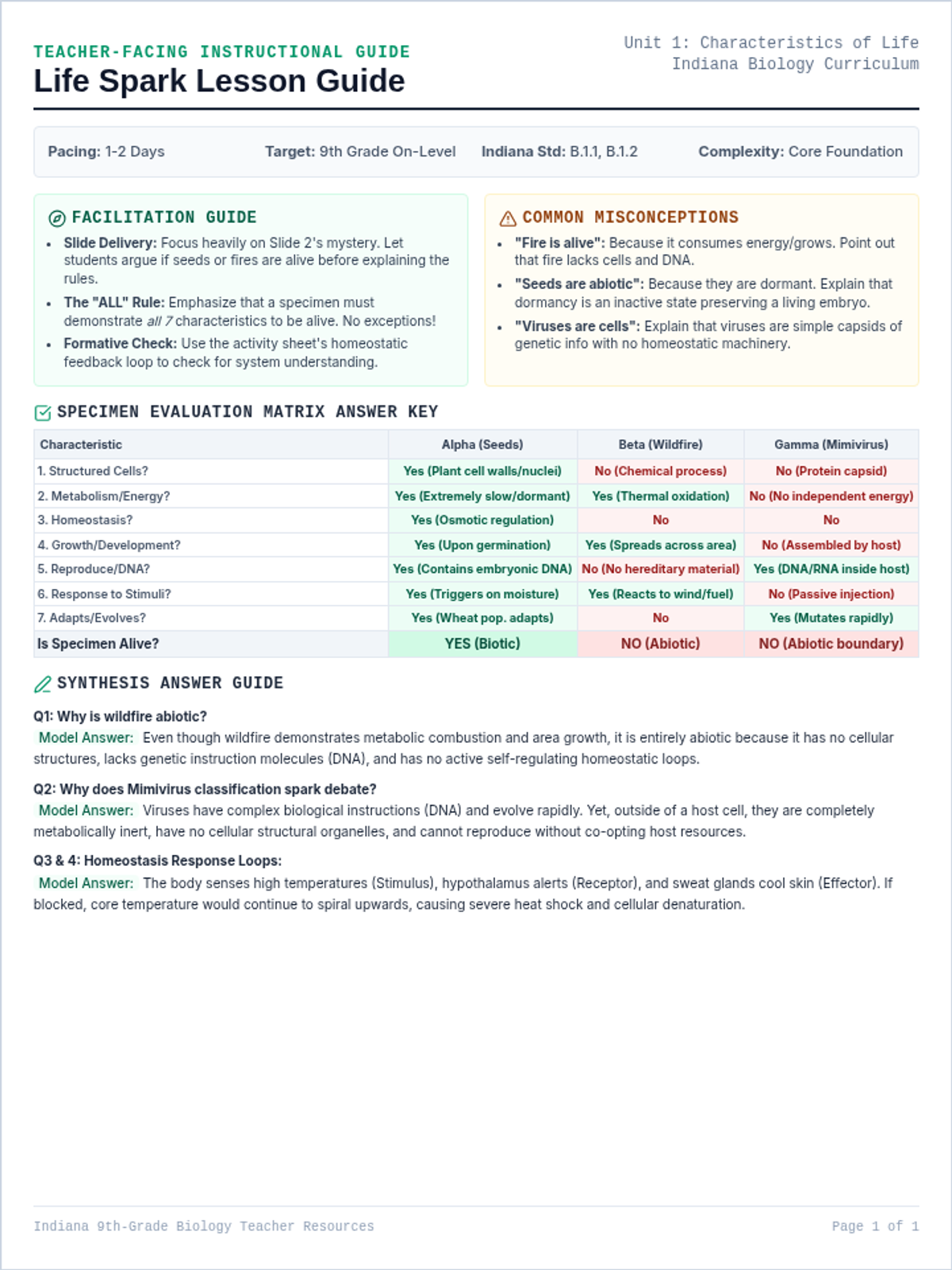
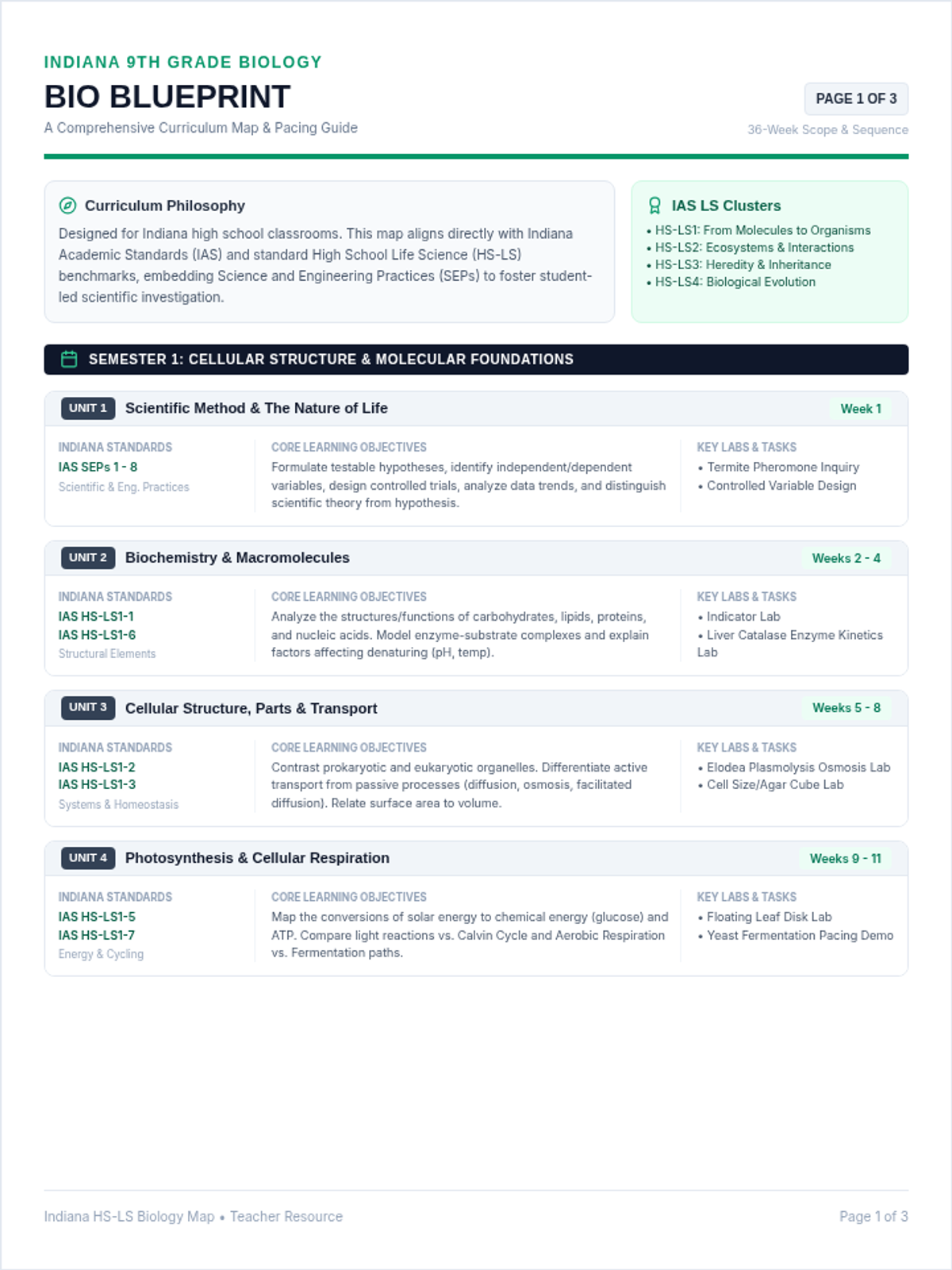
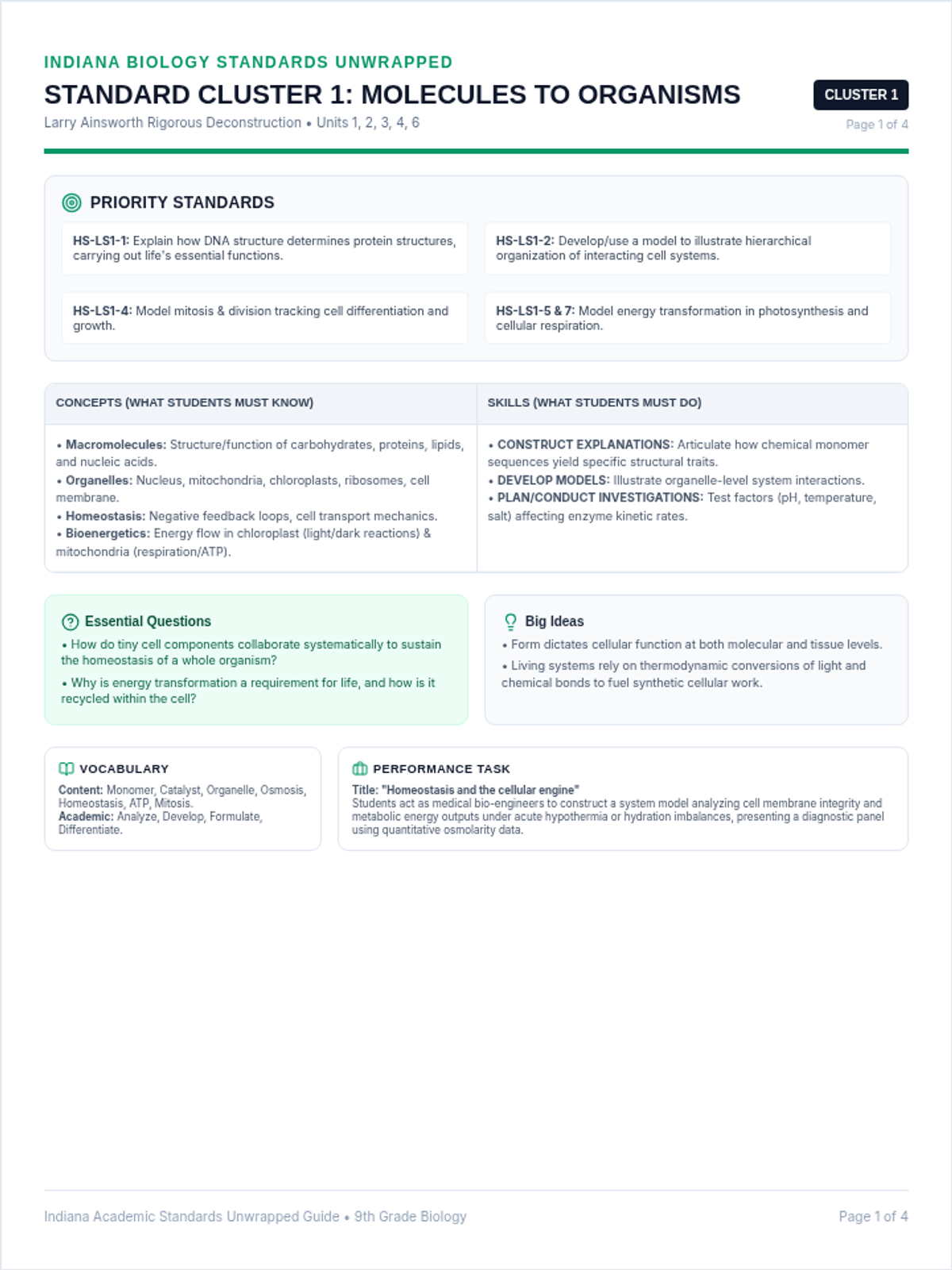
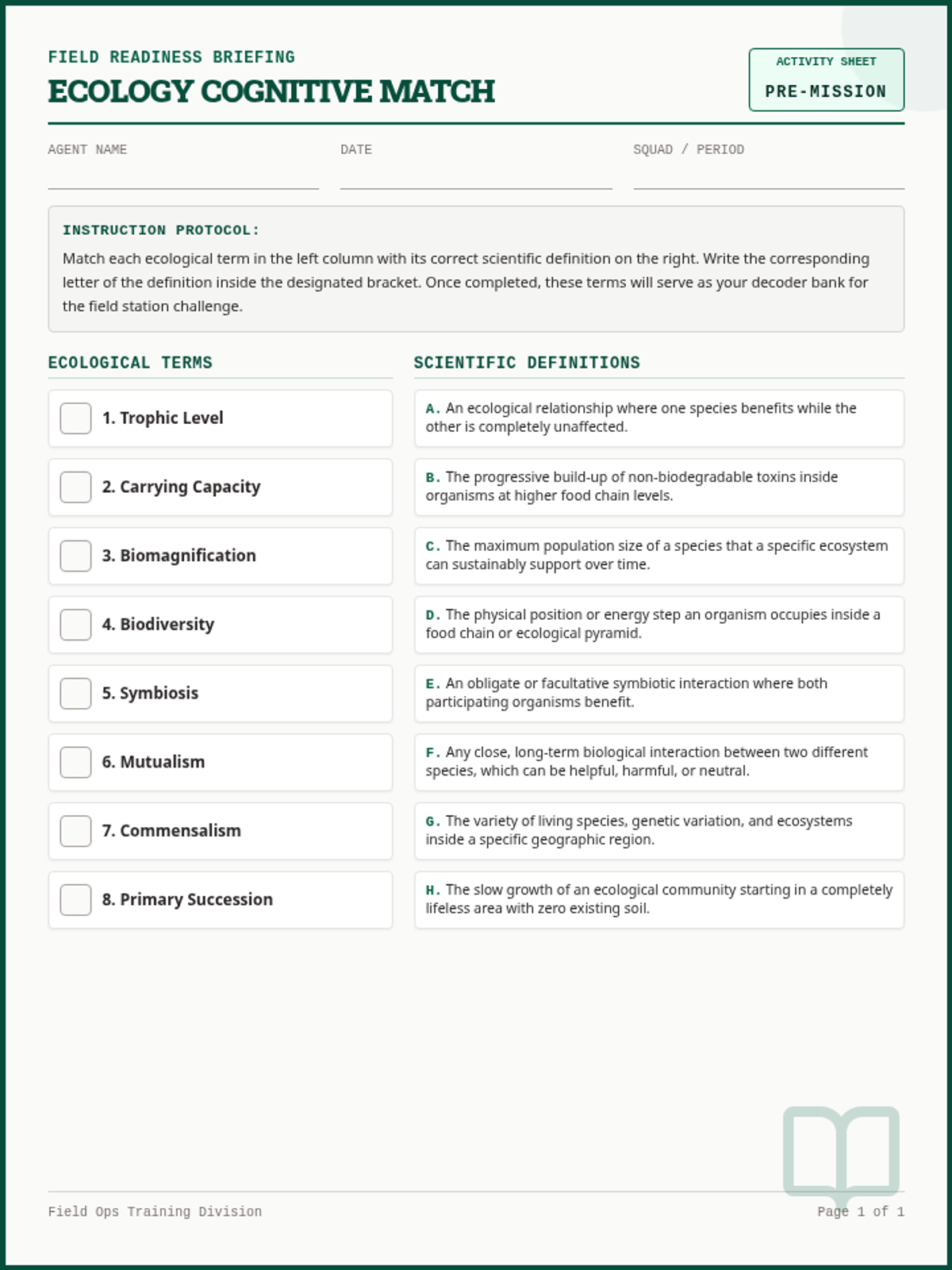
A comprehensive review of how plant and animal systems interact to maintain homeostasis and respond to the environment, including a comparison of viral and cellular structures based on unit exam standards.
Discover the structure of watershed systems, the importance of the Chesapeake Bay, and how human activity impacts water quality.
Investigate the chemical nature of water through pH testing, exploring acidity, alkalinity, and how water's role as a solvent impacts life and the environment.
Explore the unique molecular properties of water, including cohesion, adhesion, and surface tension, through the 'Penny Power' lab and interactive demonstrations.
Una sesión práctica de 60 minutos que integra los fundamentos de la programación orientada a objetos en Python con la persistencia de datos mediante el manejo de archivos (File I/O).
An introductory overview of blockchain security vulnerabilities, focusing on the mechanics and consequences of a 51% attack on decentralized networks.
En esta lección, los estudiantes aprenderán a transformar aplicaciones estáticas en interfaces interactivas mediante el uso de TouchableHighlight y la actualización del estado (setState) en React Native dentro del entorno CodeHS.
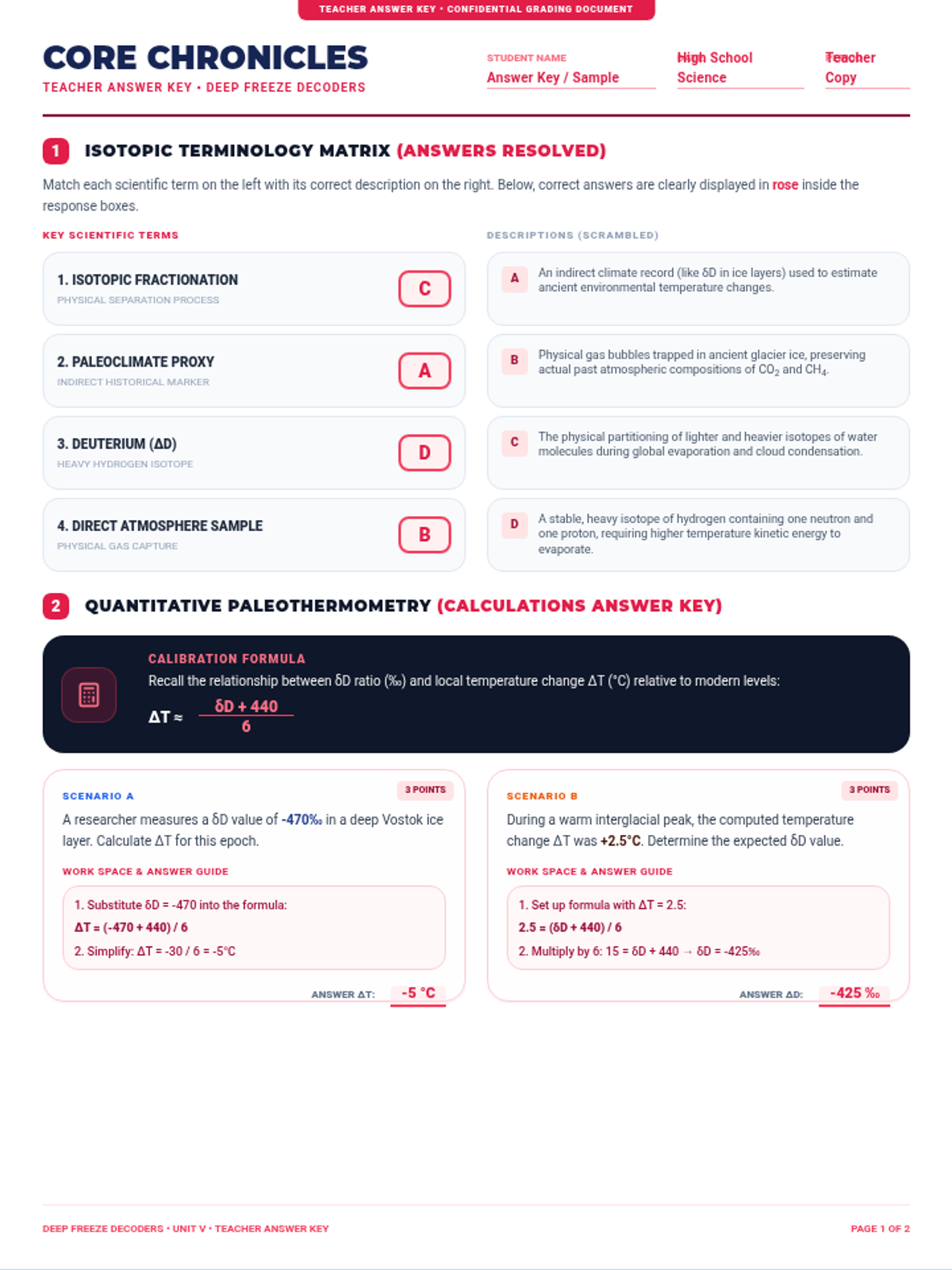
A comprehensive set of practice problems covering the six fundamental gas laws: Boyle's, Charles's, Gay-Lussac's, Ideal, Combined, and Dalton's law of partial pressures.
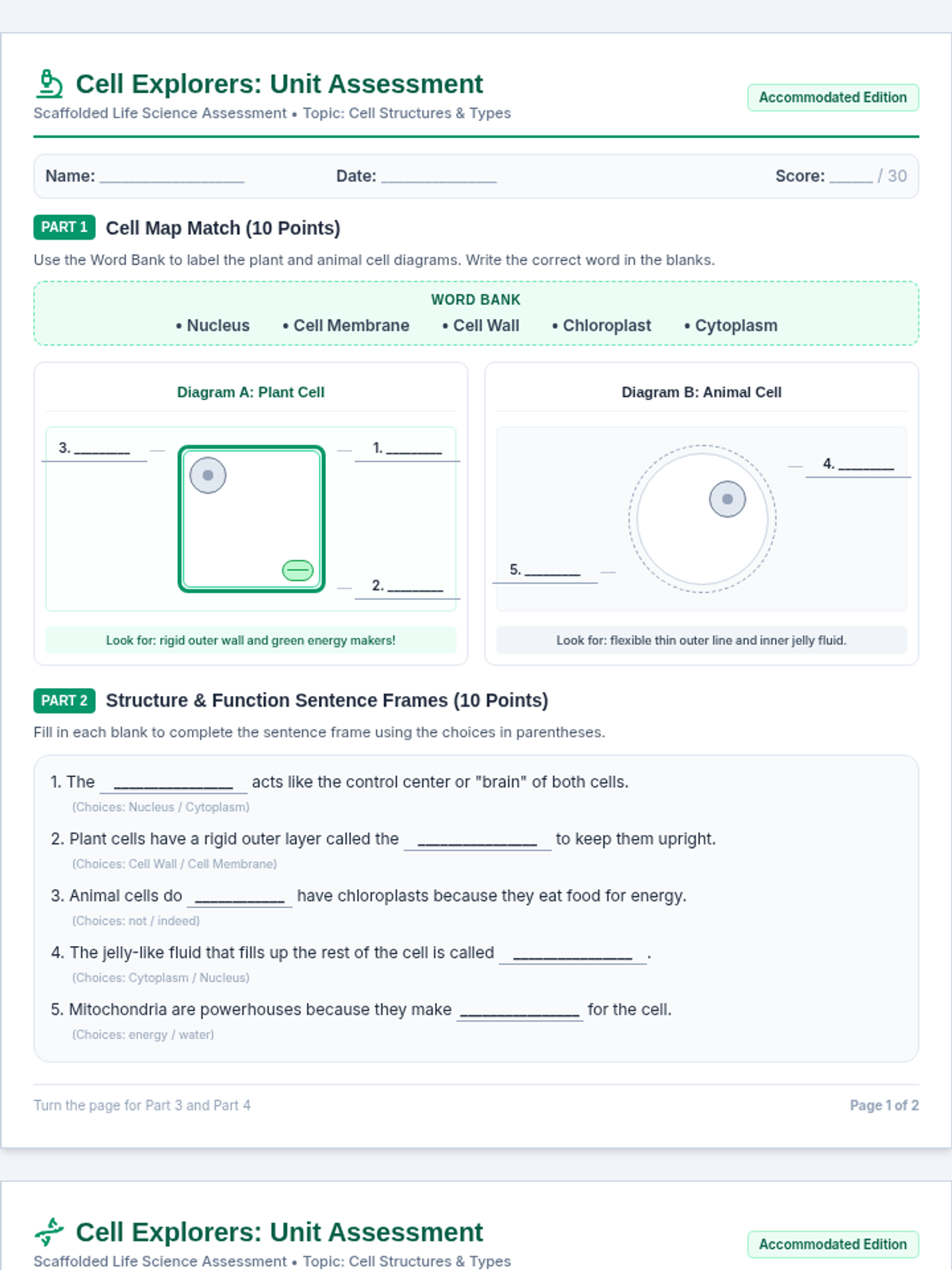
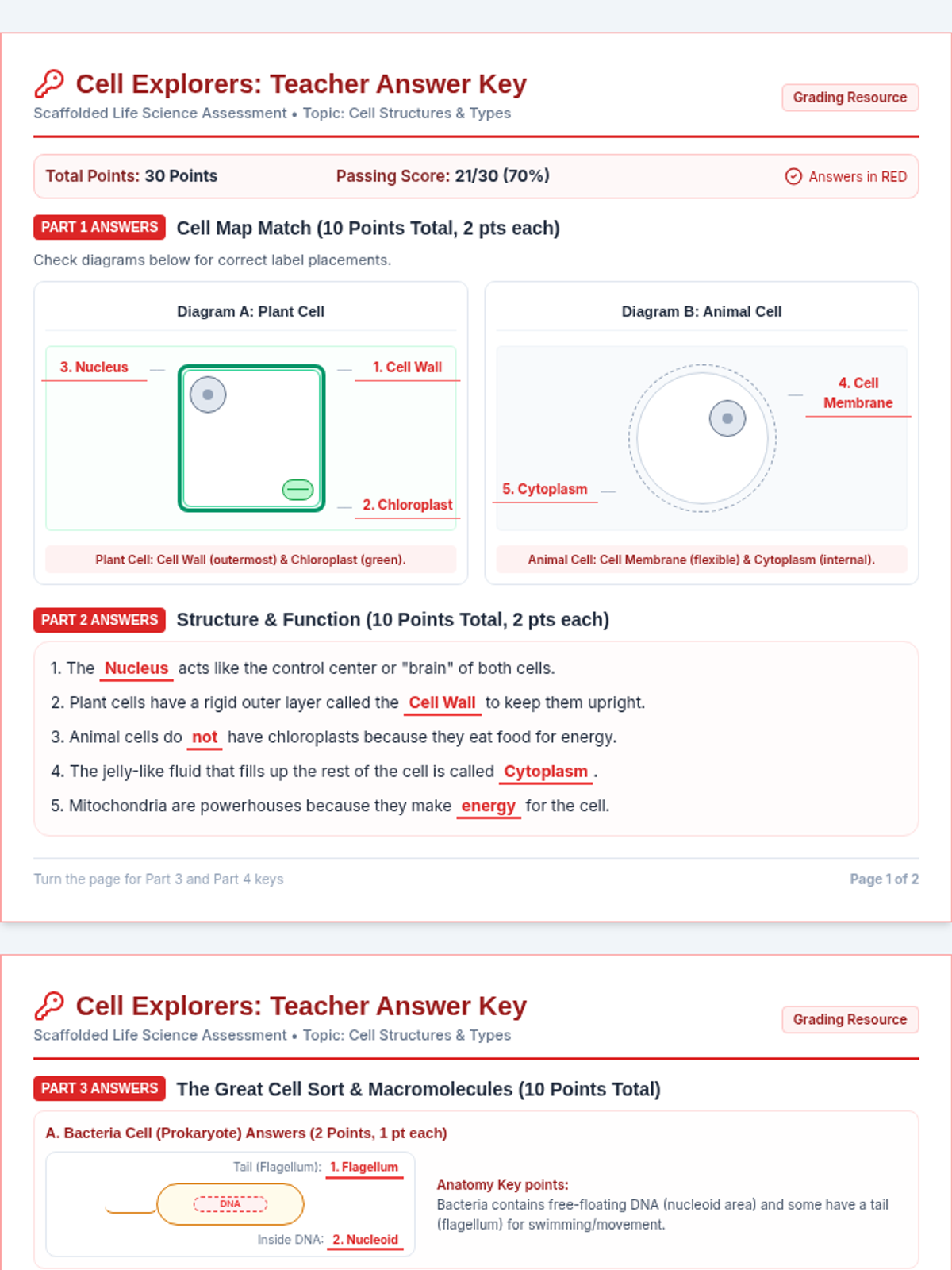
A high-energy review session for 7th-grade life science focusing on cell structures, functions, and the differences between plant and animal cells. Students engage in a visual review followed by a 'Cellular Showdown' practice activity.
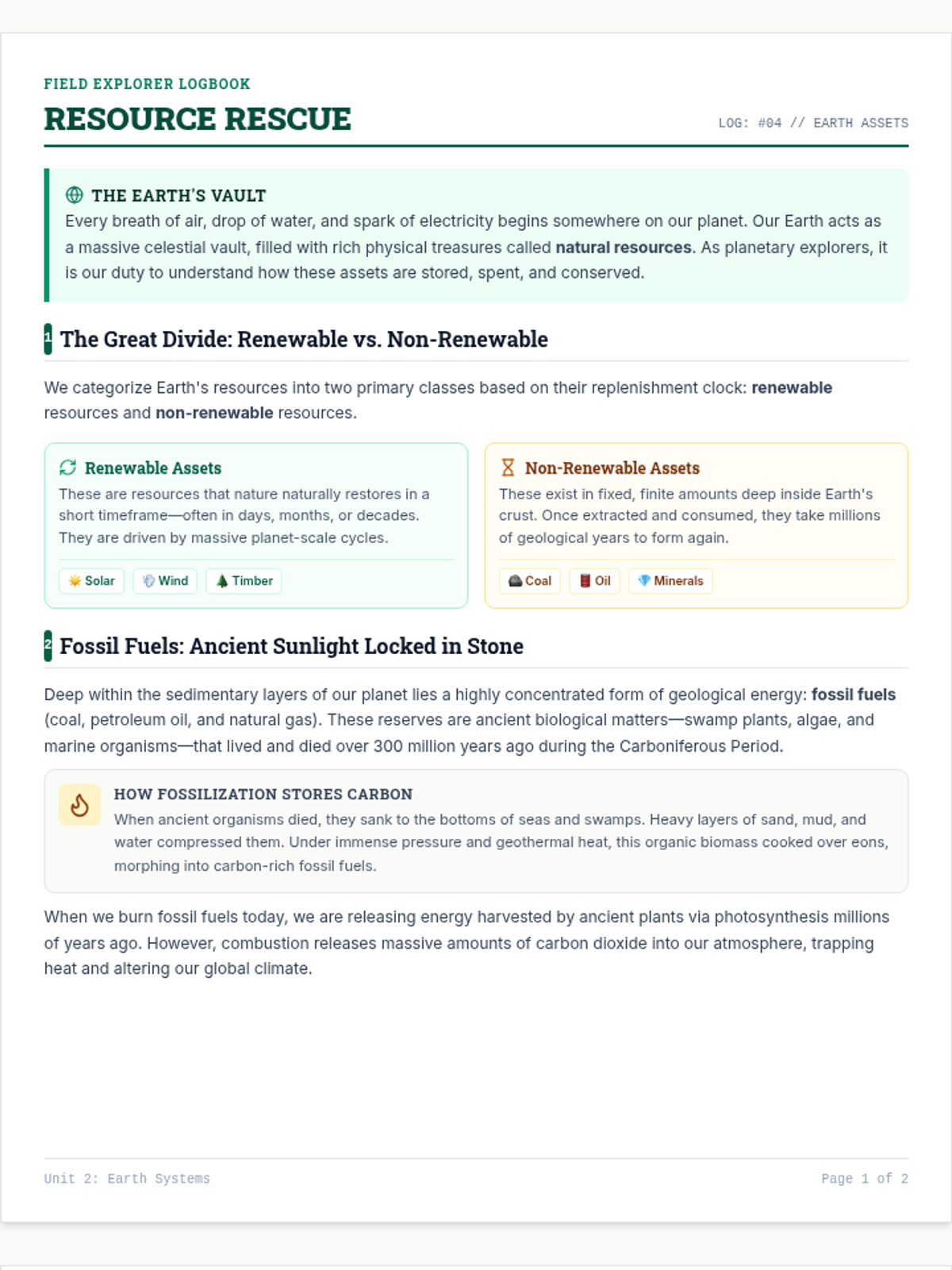
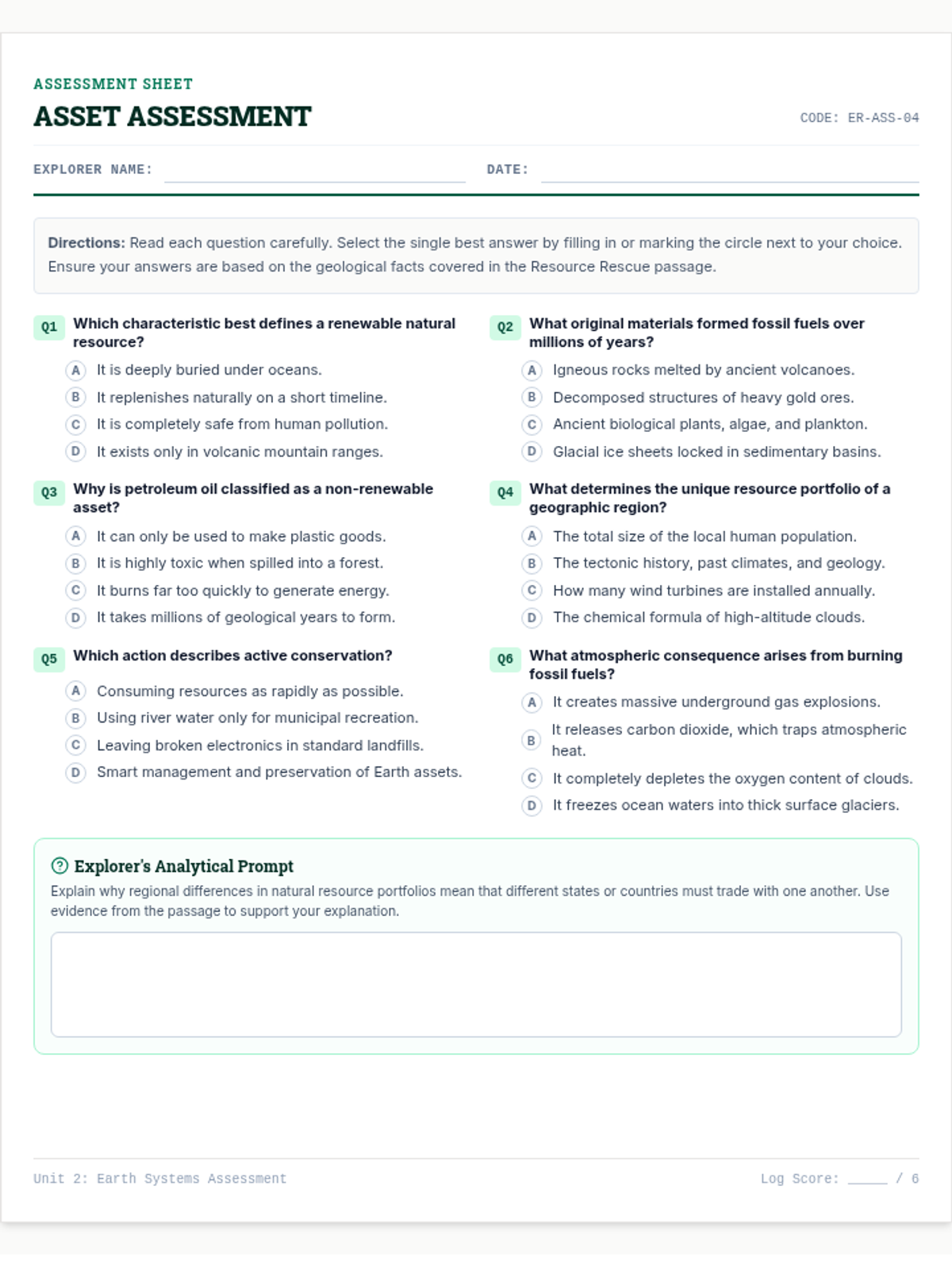
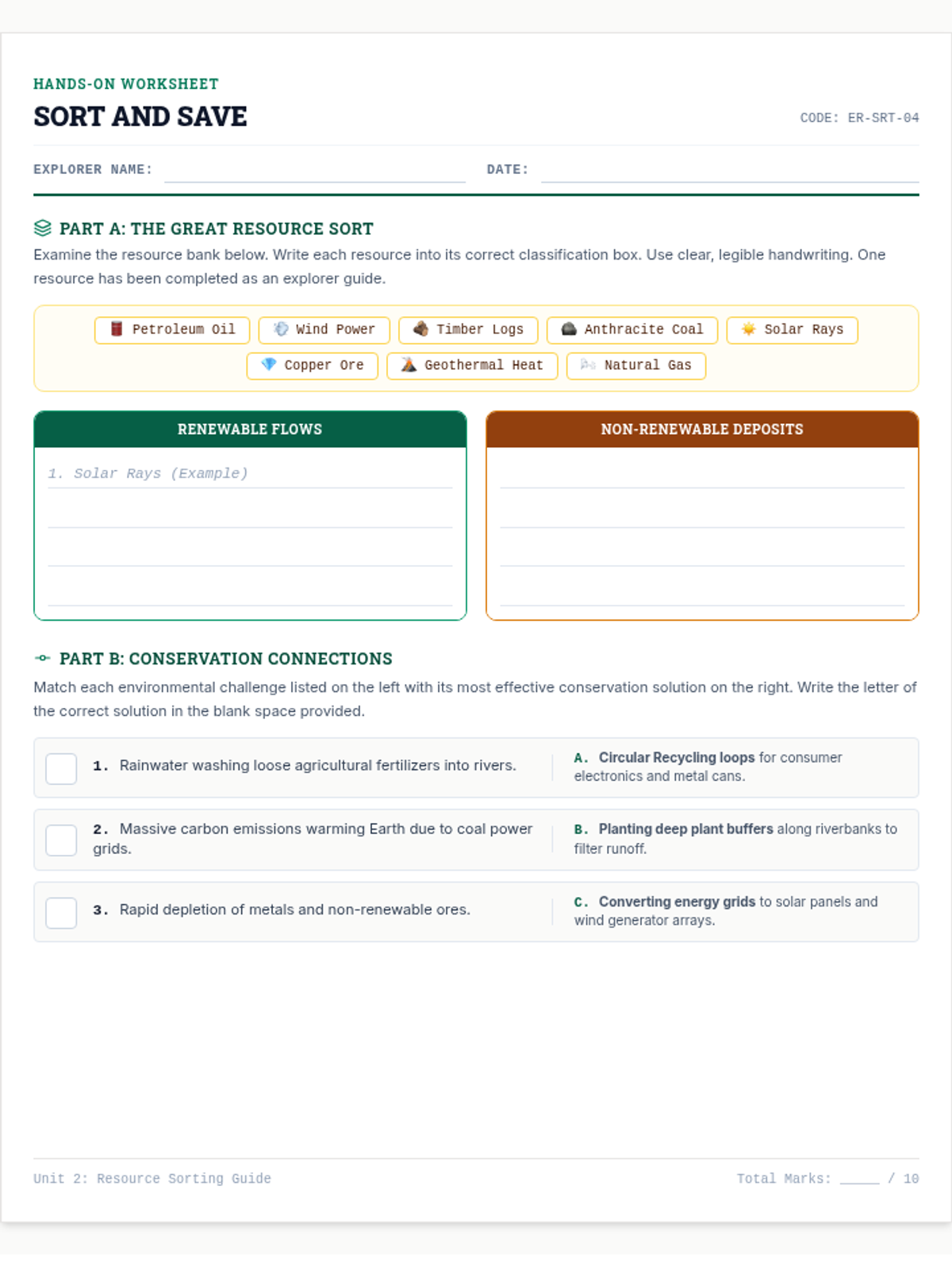
Introduces energy sources like the sun, wind, and fossil fuels, and how we use them to power our world using simple language.
Introduces viruses, bacteria, and how to stay healthy using simple 1st-grade level language and high-visual support.
Introduces fossils, rock layers, and how the Earth has changed over time using simple 1st-grade level language and high-visual support.
Explores Earth's water, the water cycle, and how to keep our water clean using simple 1st-grade level language and high-visual support.
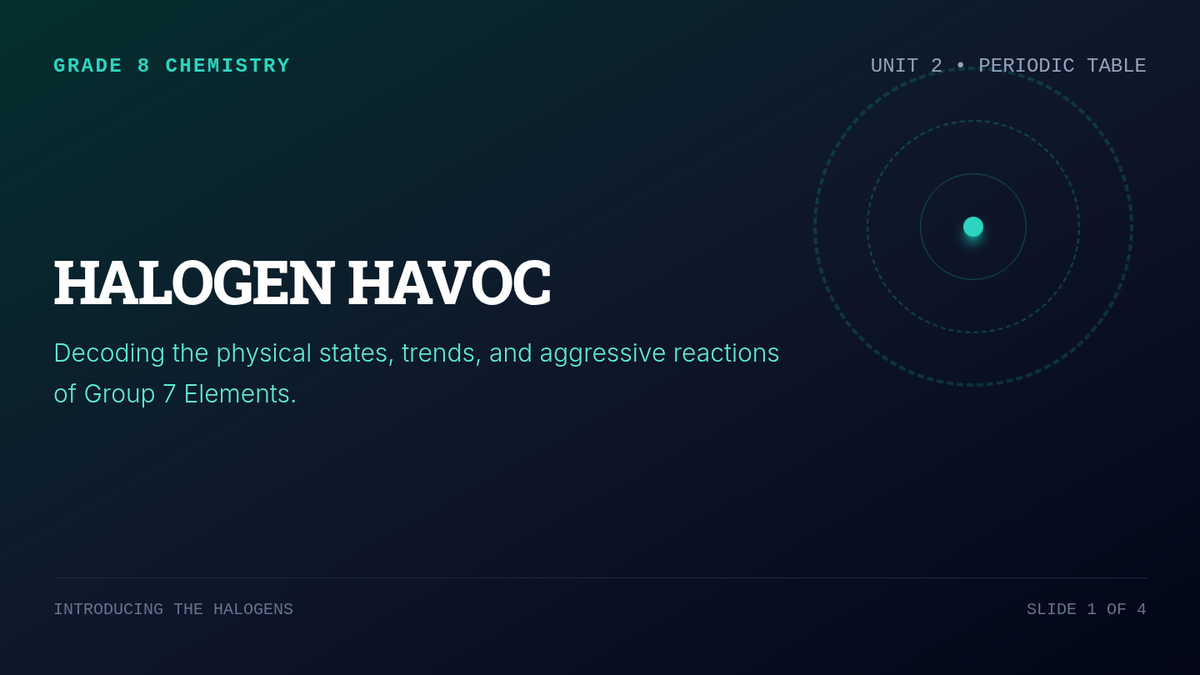
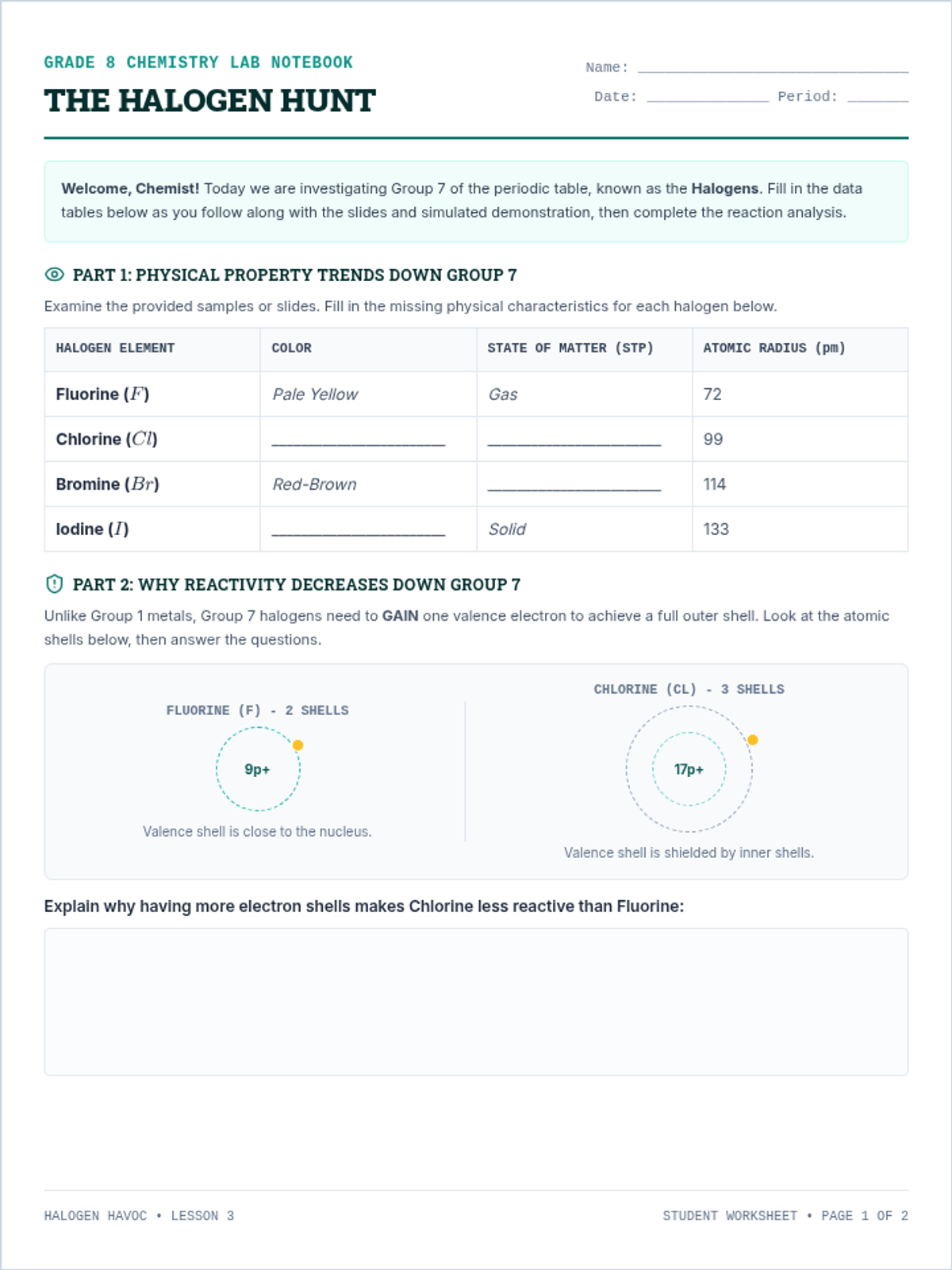
Introduces atoms, elements, compounds, the periodic table, and physical and chemical changes using 1st-grade level language and high-visual support.
A comparative study of geomorphology, exploring how liquid properties (viscosity, density, and flow) shape land formations on Earth and other celestial bodies like Mars, Titan, and Venus.
An immersive exploration of liquid properties—viscosity, density, capillary action, and intermolecular forces—comparing water to various common fluids through hands-on experimentation and data analysis.
A hands-on gallery walk activity where students explore the history and tenets of cell theory by visiting scientific 'exhibit' stations and completing a chronological discovery log.
A focused lesson on the fundamental laws of electricity, covering Ohm's Law for circuits and Coulomb's Law for electrostatic forces through conceptual analysis and calculation practice.
A deep dive into the industrial processing of seed oils, their prevalence in modern diets, and how to identify them on food labels. Students will explore the journey from crop to bottle and become 'oil detectives' in the grocery aisle.
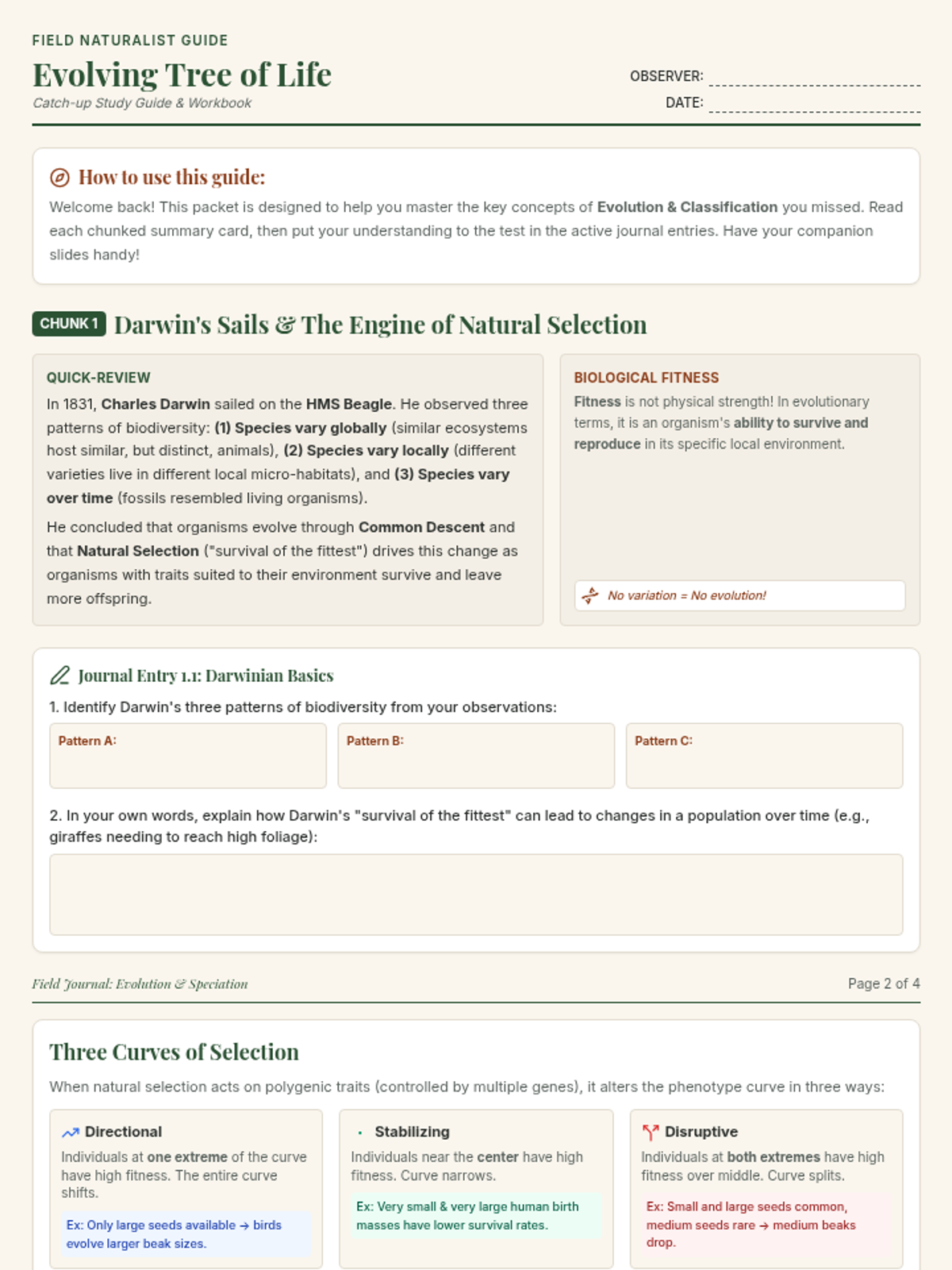
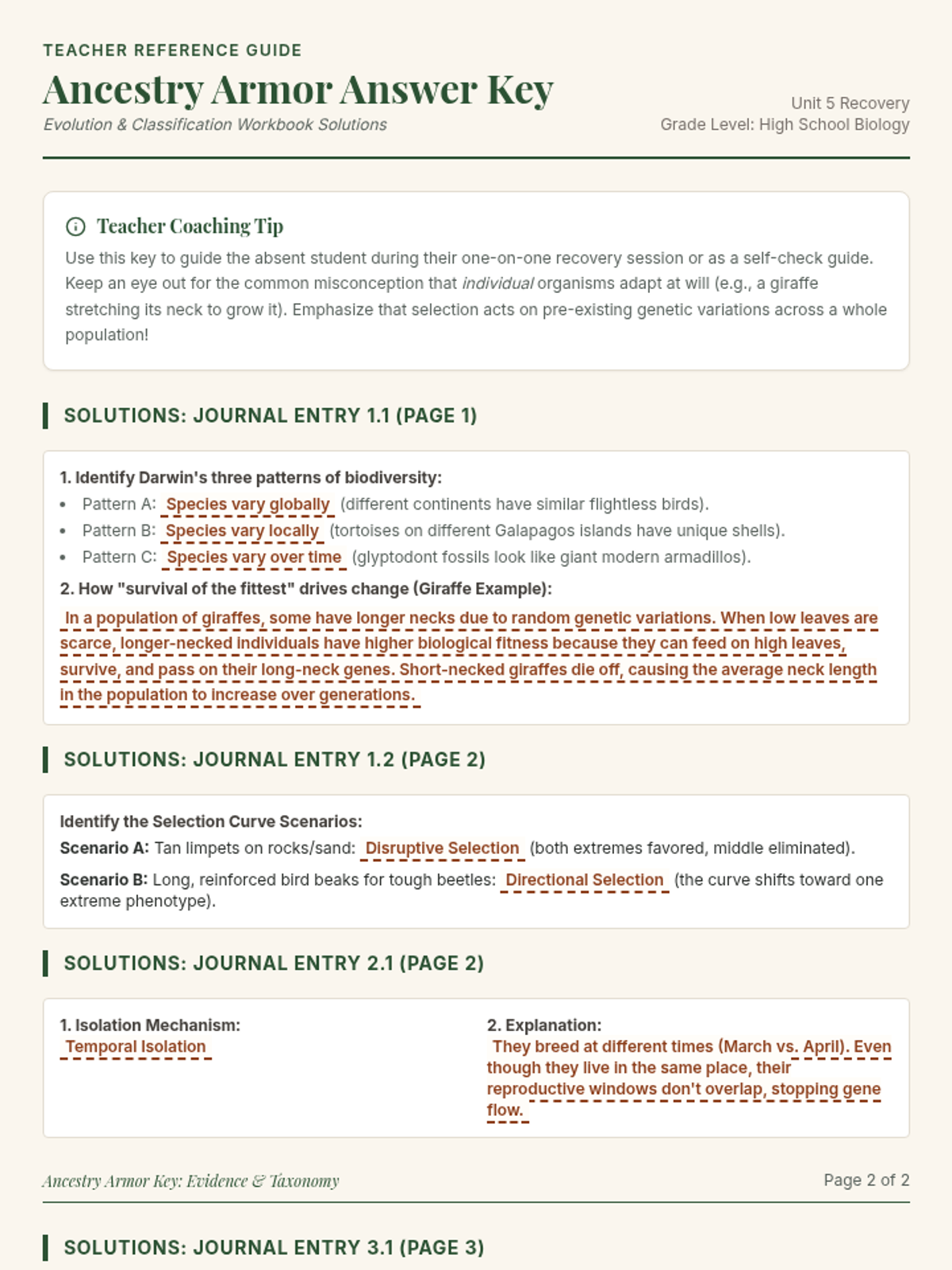
A comprehensive biology lesson covering genetics (transcription/translation), evolutionary classification, and ecological succession, designed to mirror the rigor and format of the Texas EOC.
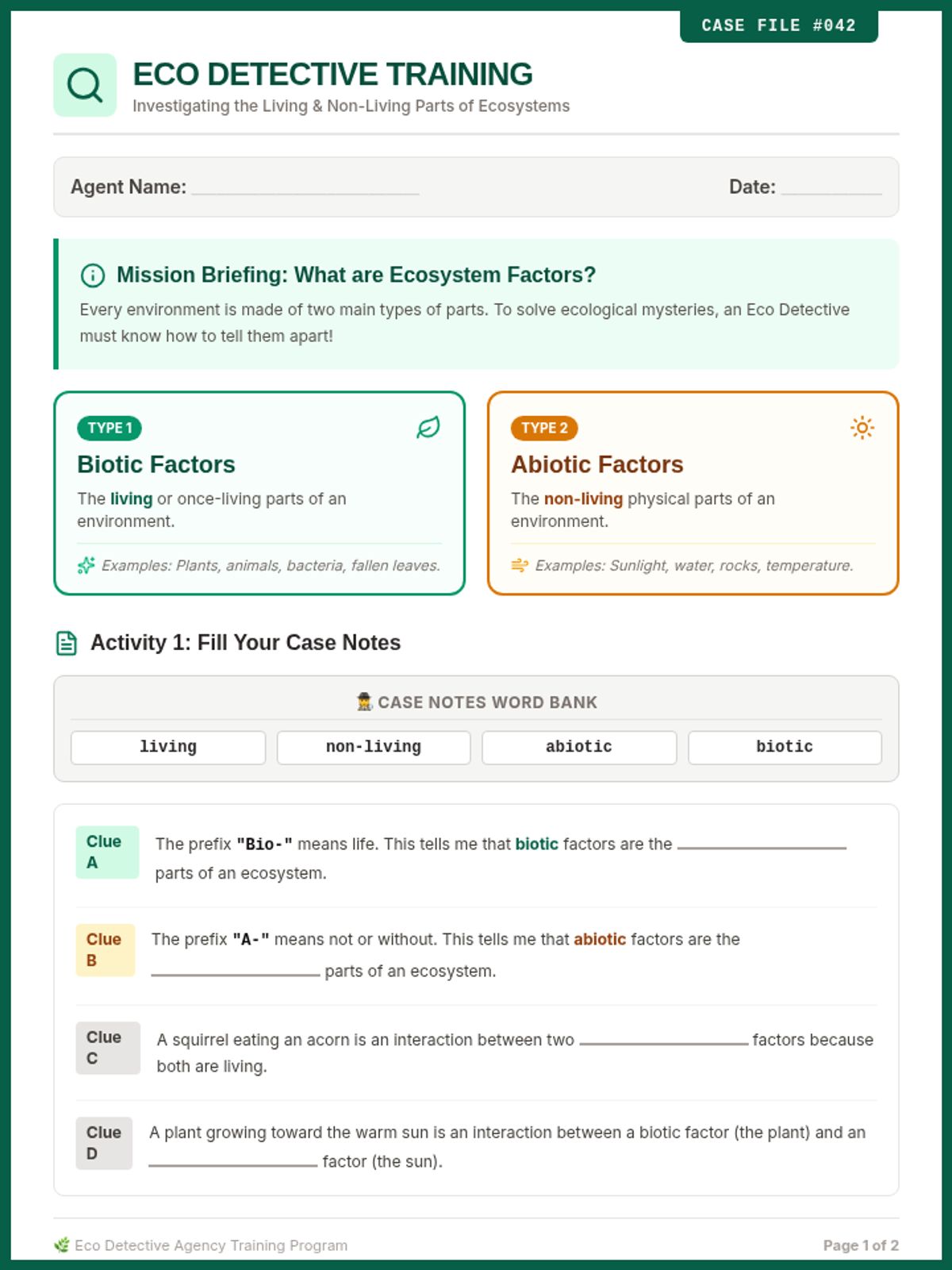
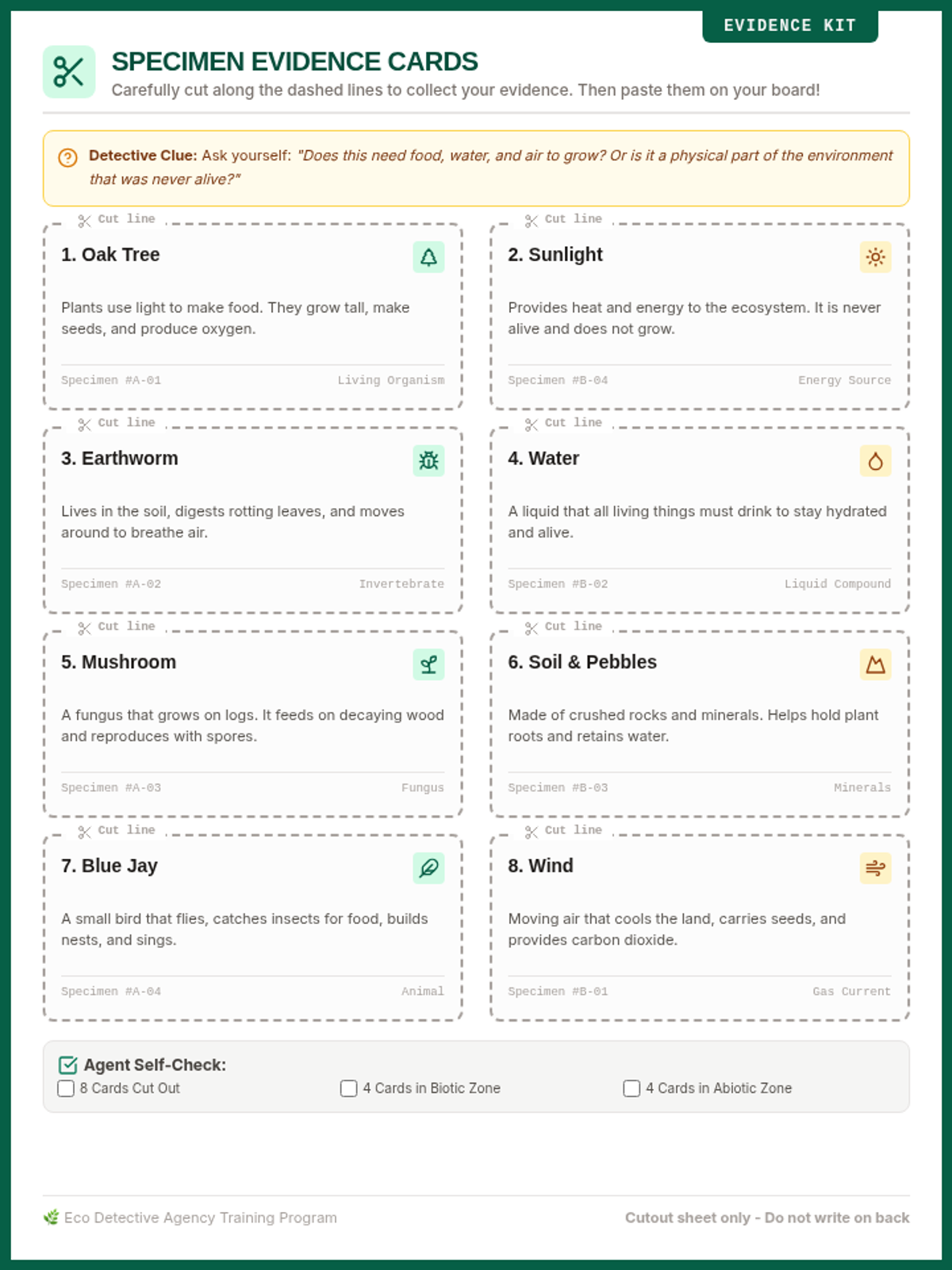
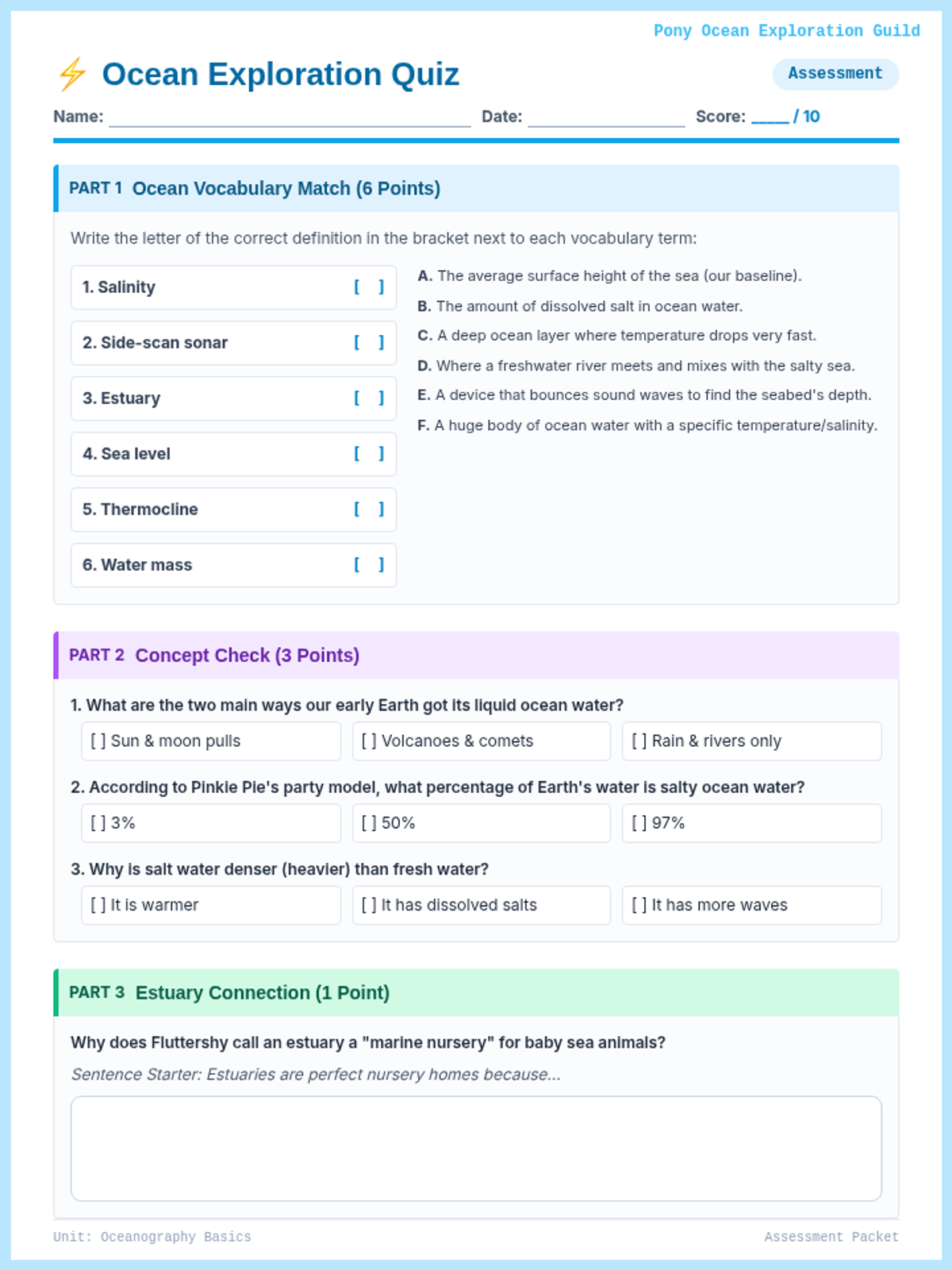
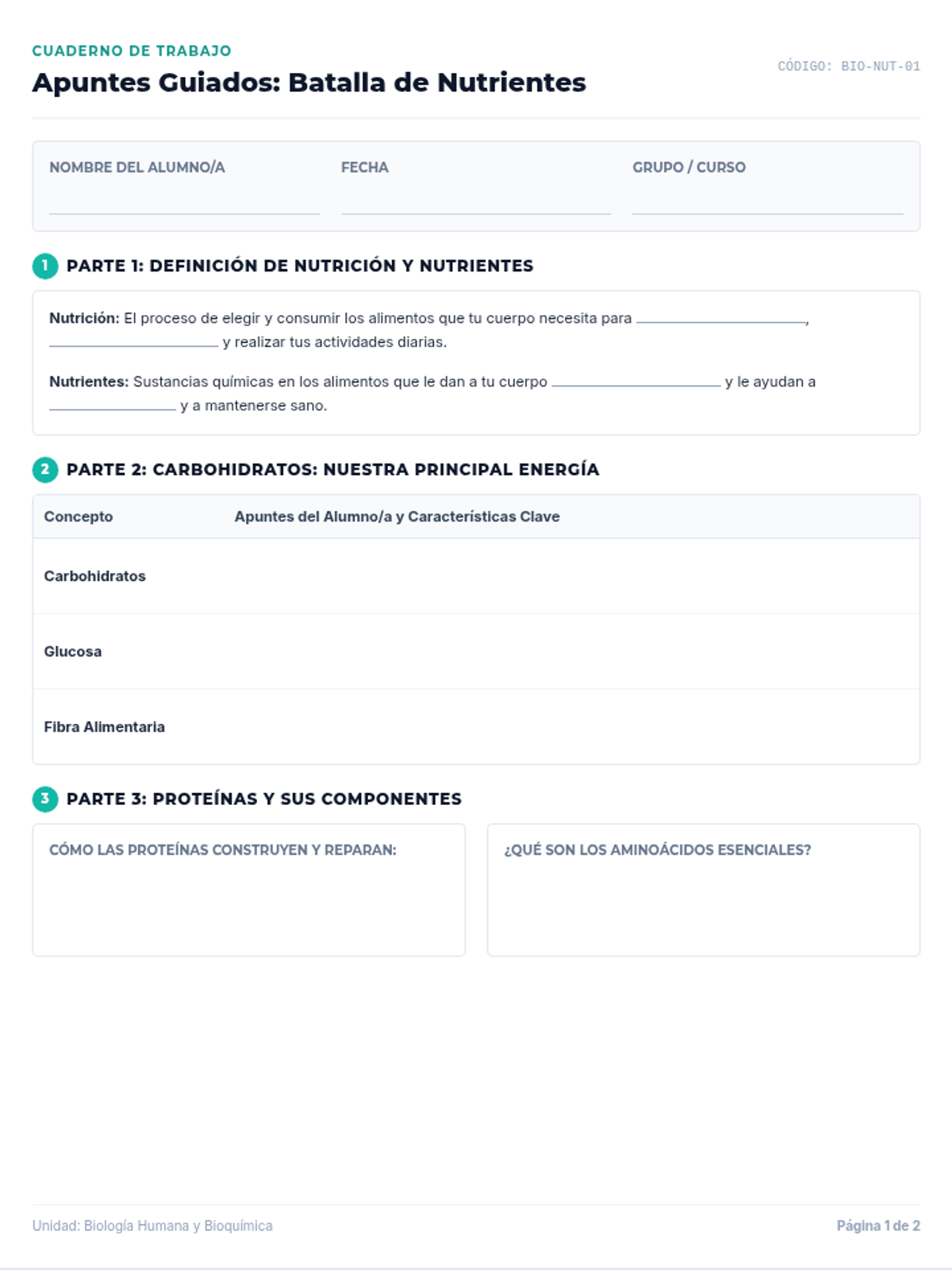
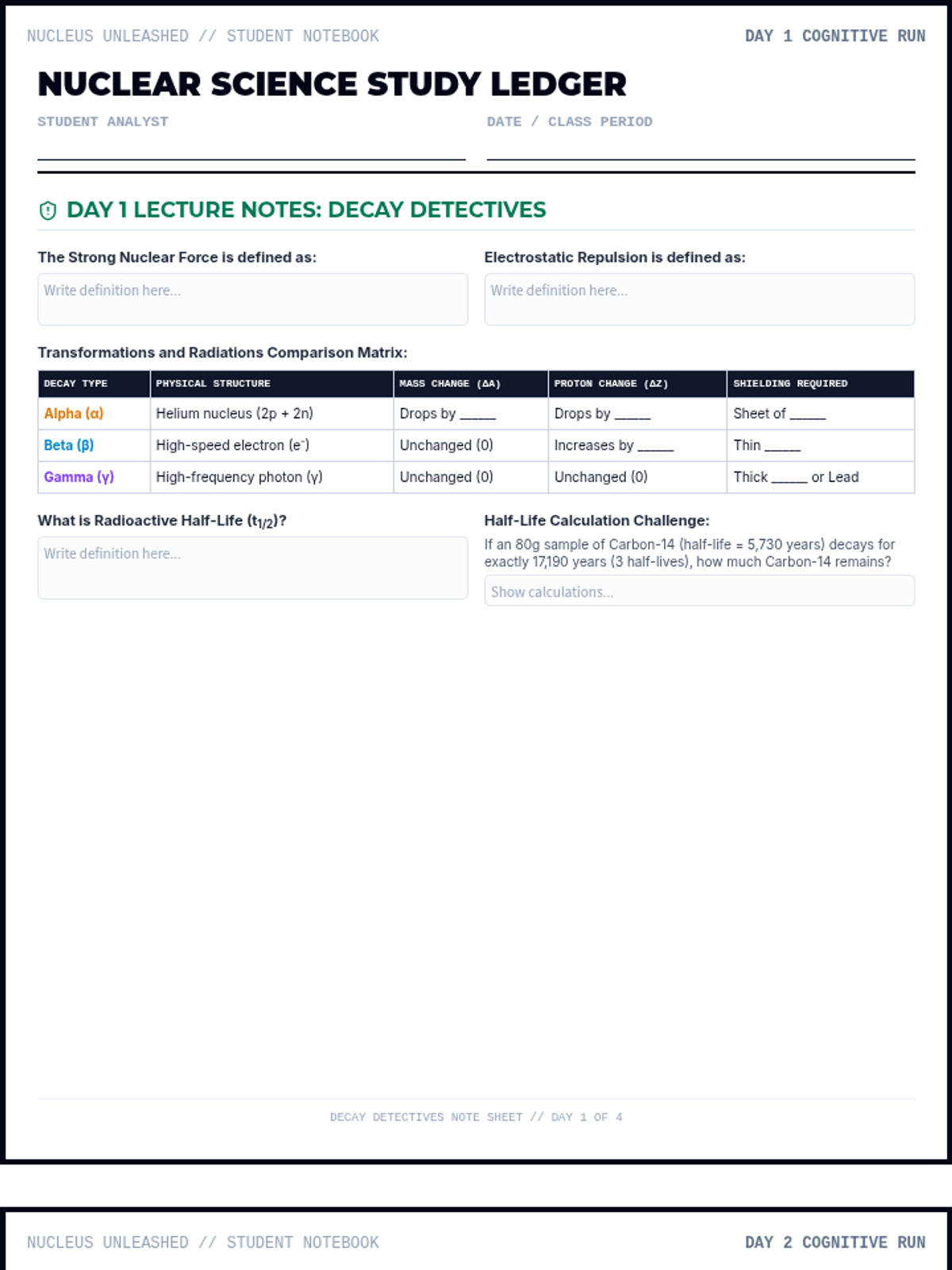
An introduction to the fundamental concepts of cell theory, distinguishing between living and non-living things, and classifying organisms based on cell number, nucleus presence, and energy source.
An exploration of the integumentary system's role as the body's primary physical and chemical barrier, focusing on defense, water balance, and its collaboration with the immune system.
A comprehensive review of unicellular organisms, focusing on structures, life functions, and comparisons between different types of microbes for 7th-grade life science.
A comprehensive look at the structural differences between plant and animal cells, using a technical blueprint aesthetic to explore organelles and their functions.
An exploration of data collection methods, storage formats, and the practical implications of data management in computer science. Students will identify data sources and compare storage solutions.
A final review and benchmark assessment to evaluate student understanding of multicellular organization.
A hands-on laboratory experience where students observe levels of organization in plant and animal specimens.
Understanding the highest levels of biological organization: organ systems and the complete organism.
Exploring how cells group together to form tissues and how tissues collaborate to create organs.
An introduction to the cellular basis of life, comparing unicellular and multicellular organisms and the concept of specialized cells.
Students explore the major human body systems by identifying their key components and organs. Through a hands-on card sort, they categorize body parts and discover how these systems work together to keep the body functioning.
Cette séance de 2 heures permet aux élèves de distinguer qualification et compétence, d'analyser l'impact des conditions de travail sur le comportement des salariés et de mesurer la performance de l'activité humaine via des indicateurs de productivité et de climat social.
A comprehensive middle school lesson where students apply engineering design principles to create sustainable solutions for local ecosystem challenges, focusing on wildlife corridors and habitat connectivity.
A two-part lesson exploring the physics of buoyancy and density through the lens of Ancient Egyptian boat building. Students will investigate buoyant forces and compete in a hands-on lab to carry the most 'cargo' across the Nile.
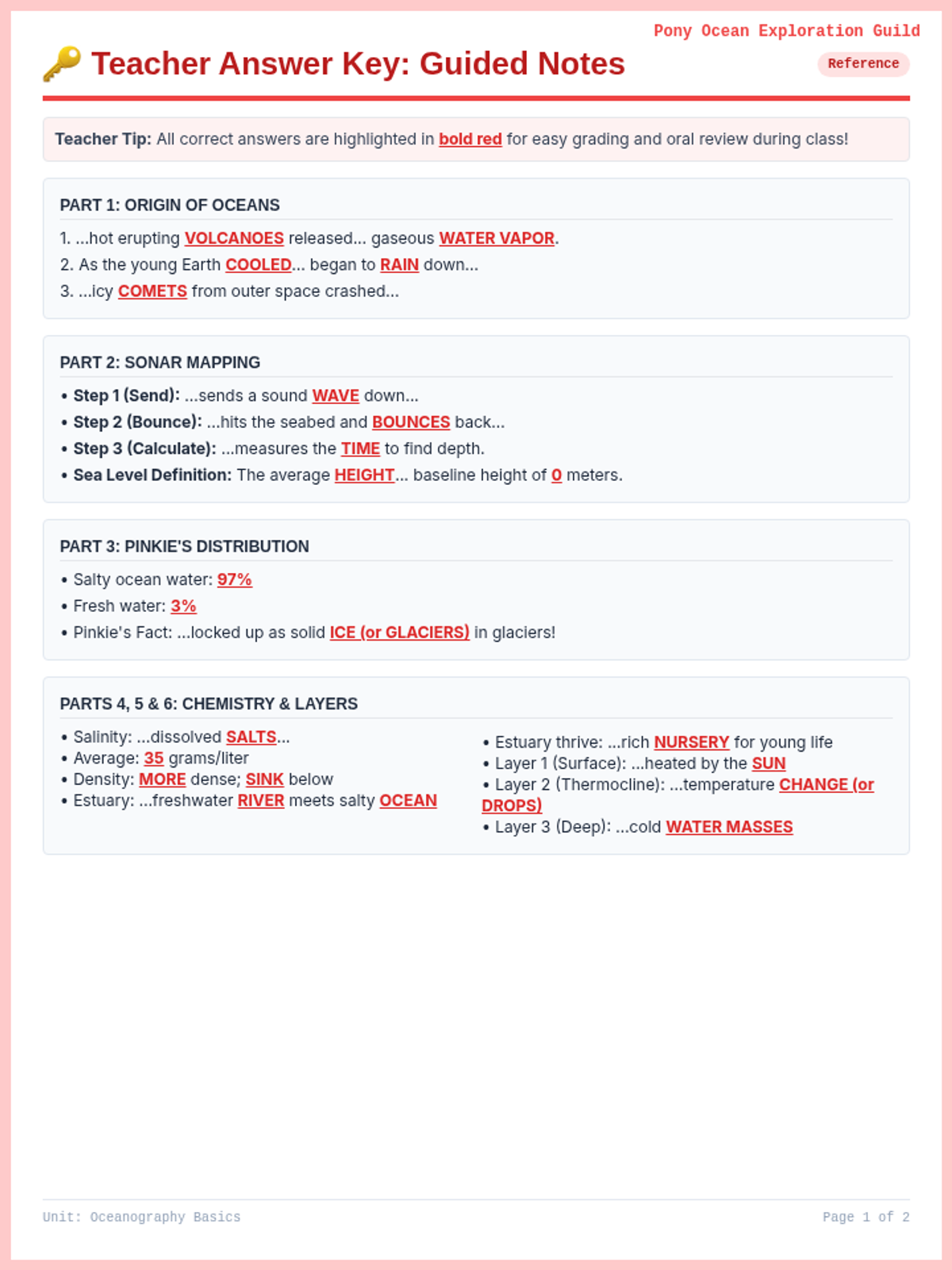
A comprehensive exploration of the water cycle, covering evaporation, condensation, precipitation, and collection through hands-on activities and visual aids. Students will learn how water moves through Earth's systems and why it is vital for life.
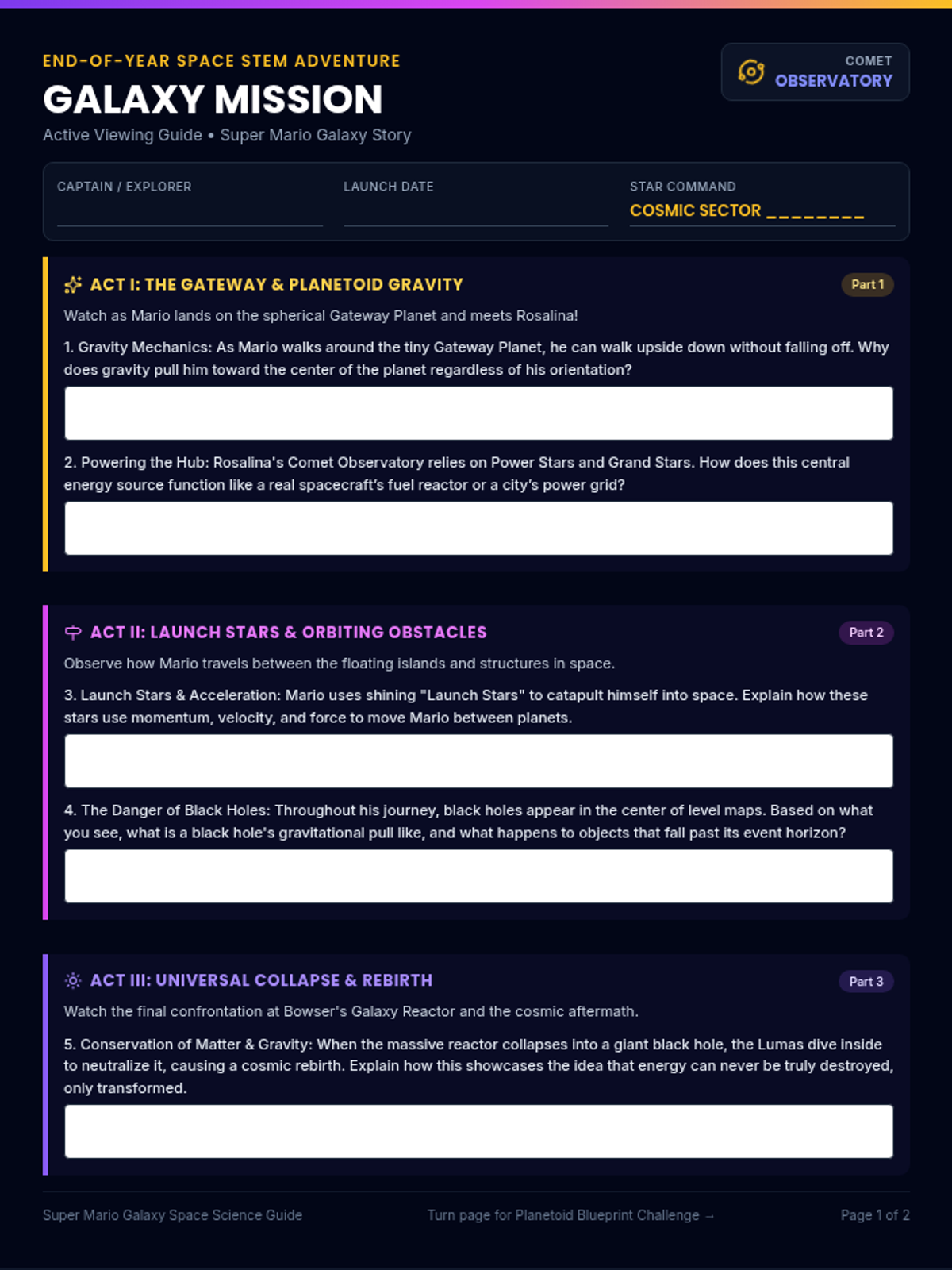
An introductory lesson exploring the eight planets of our solar system, their unique characteristics, and space-related vocabulary.
A comprehensive introduction to cybersecurity for secondary students, focusing on threat identification, personal data protection, and safe online habits through case studies and practical protocols.