A focused lesson on dividing multisyllabic nonsense words using Rabbit (VCCV) and Monster (VCCCV) syllable division patterns. Students practice identifying vowel-consonant patterns to decode unfamiliar words.
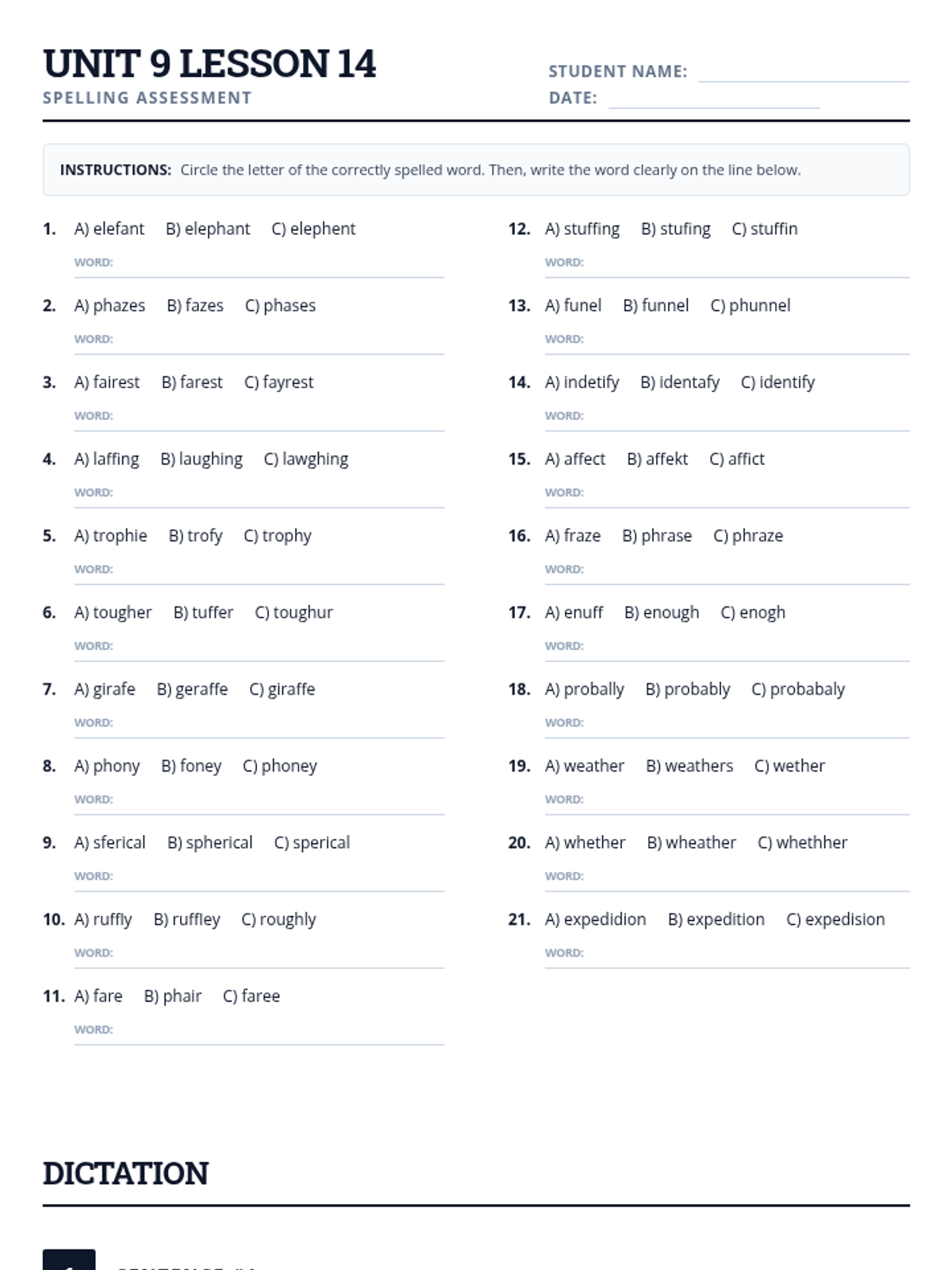
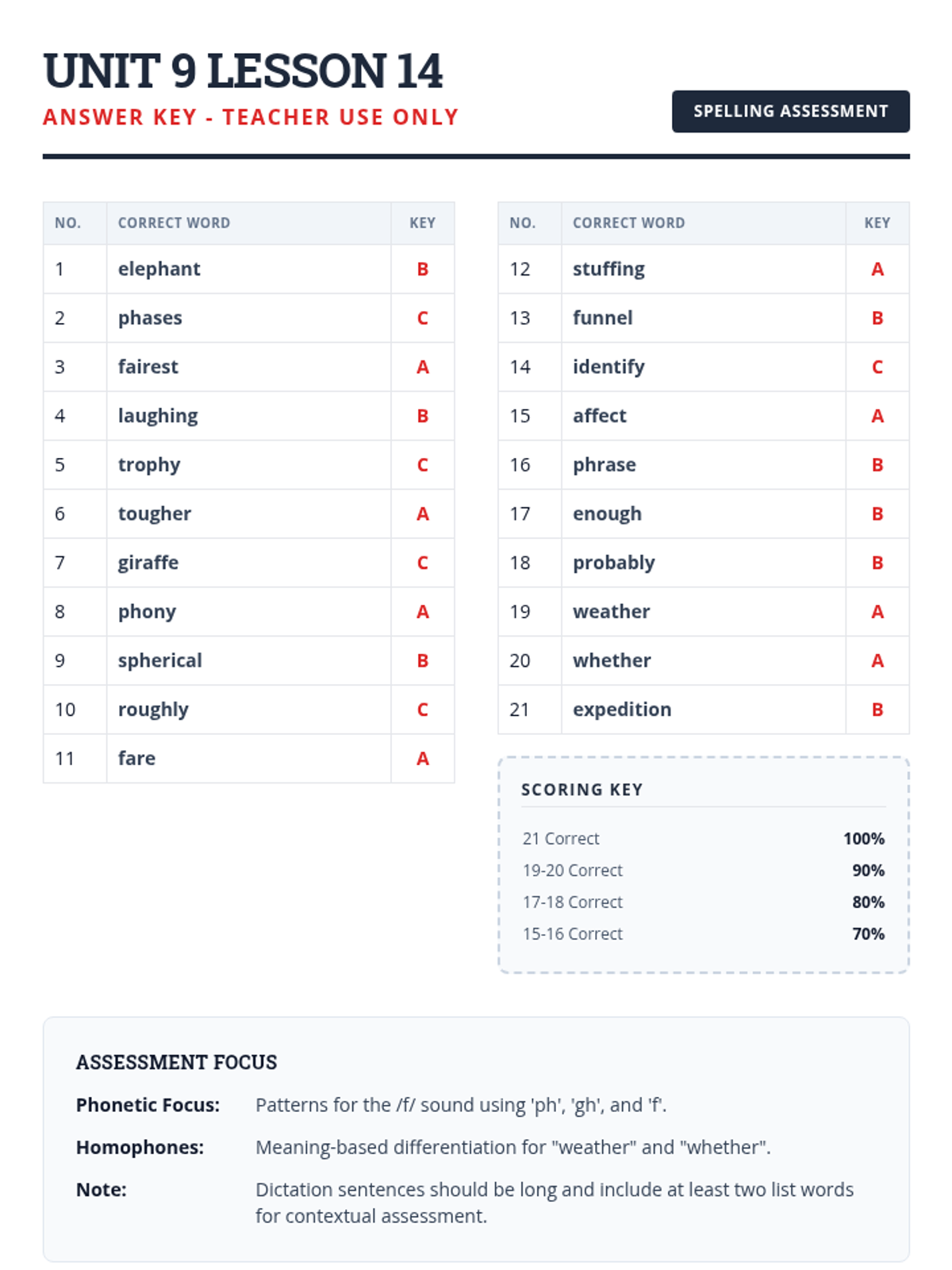
A spelling assessment for Unit 9 Lesson 14 focusing on words with "ph", "gh", and "f" sounds, along with common homophones and multi-syllabic words.
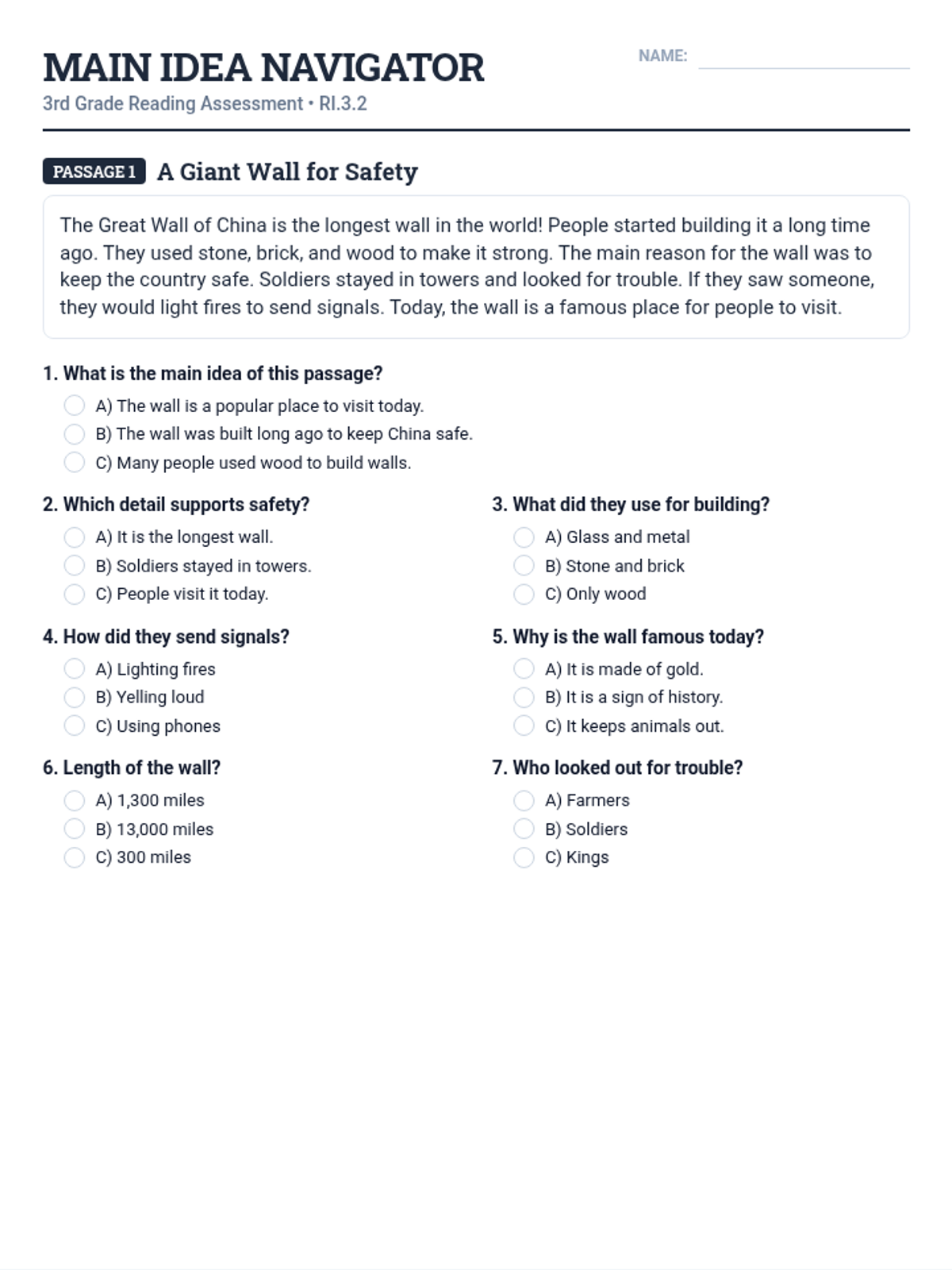
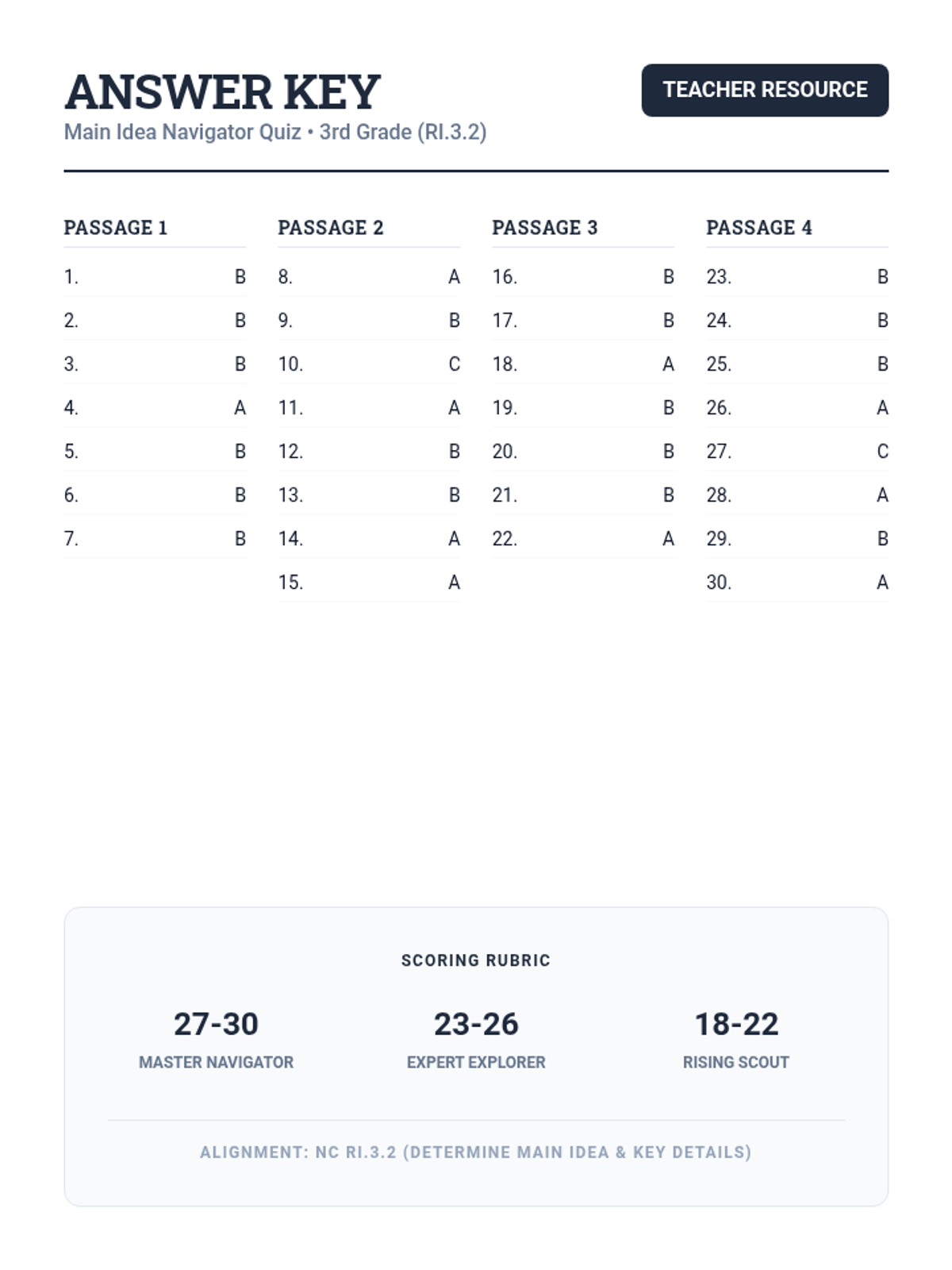
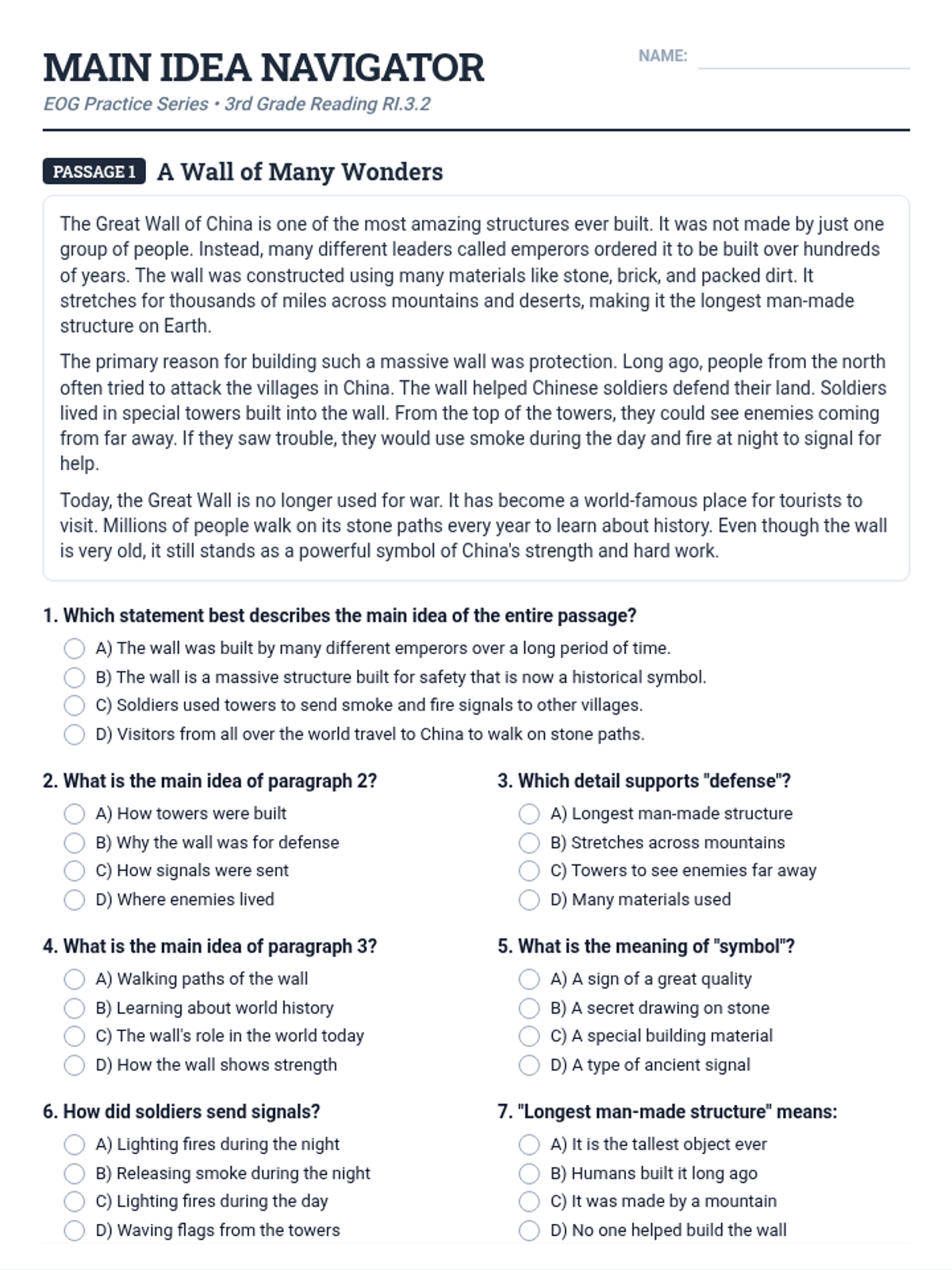
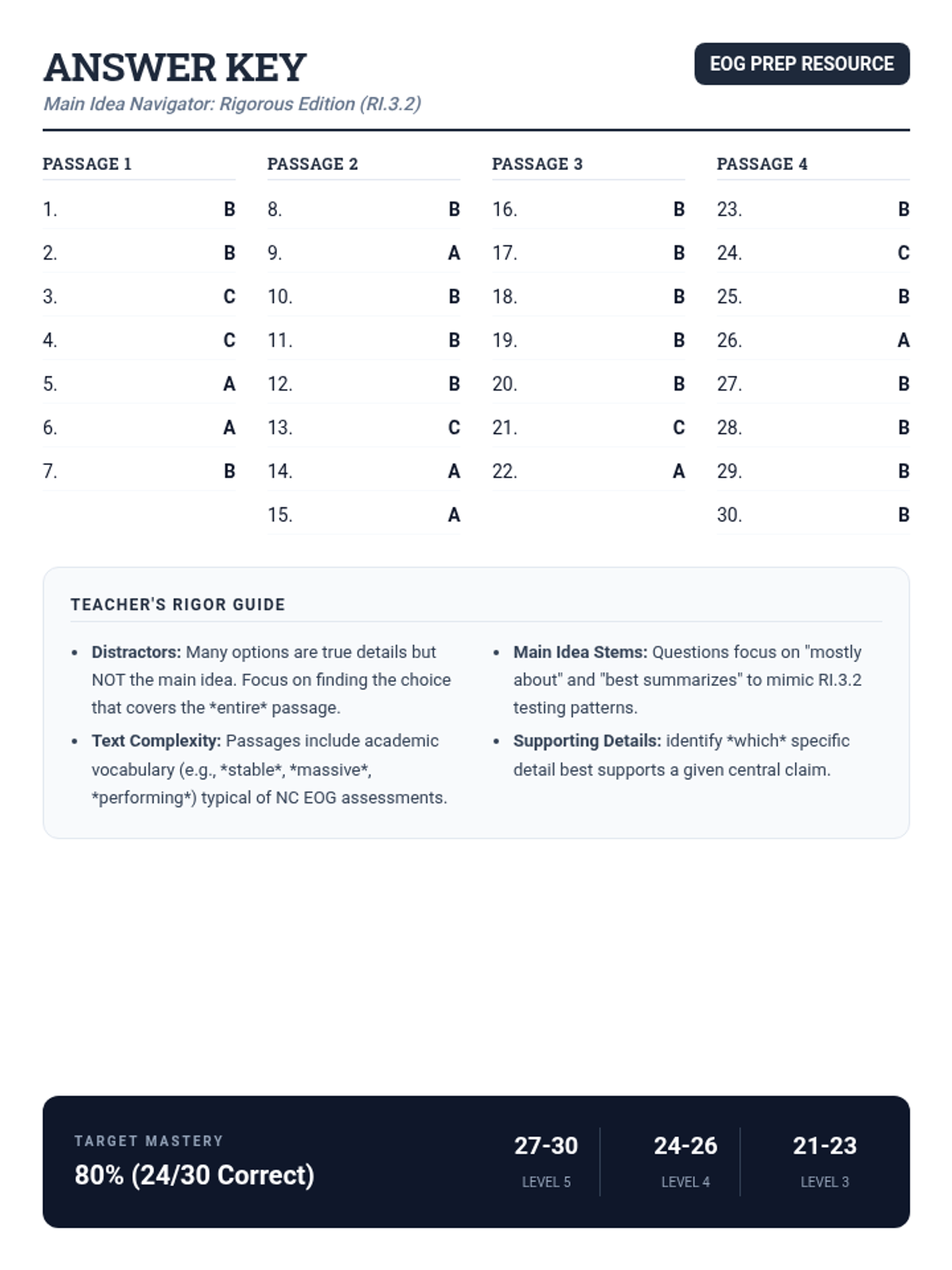
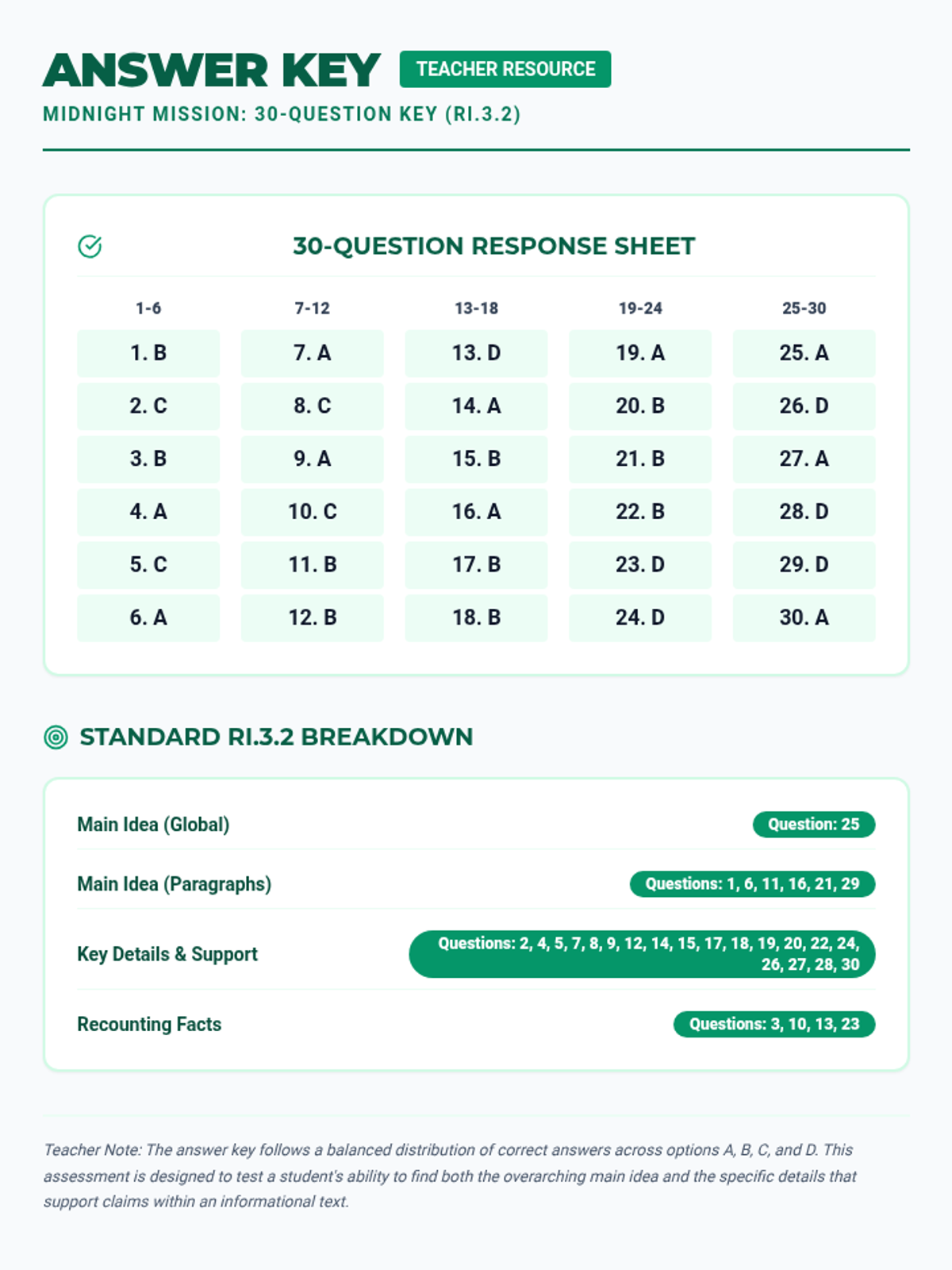
A comprehensive assessment focused on identifying main ideas and supporting details across four diverse informational passages covering history and science.
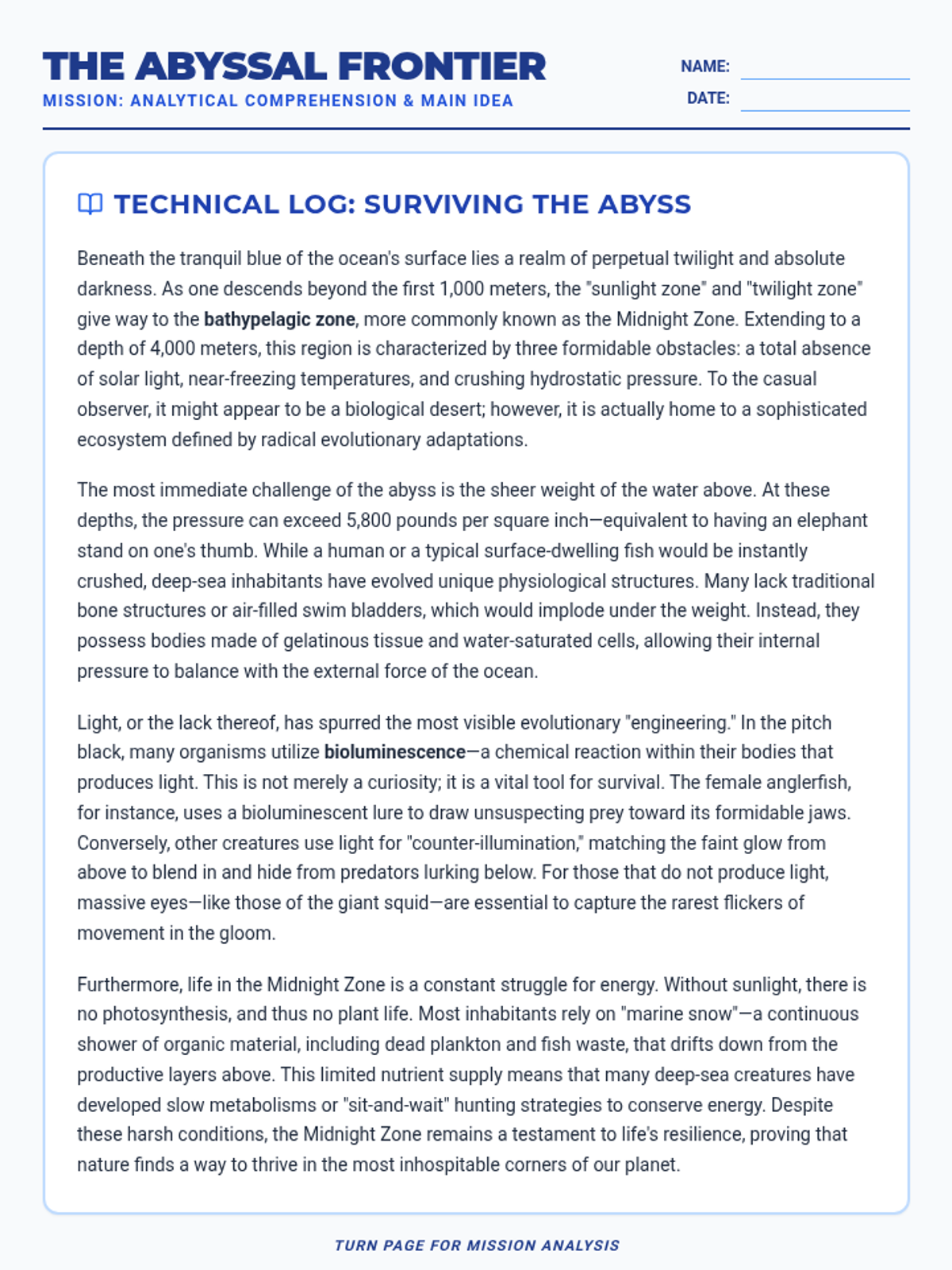
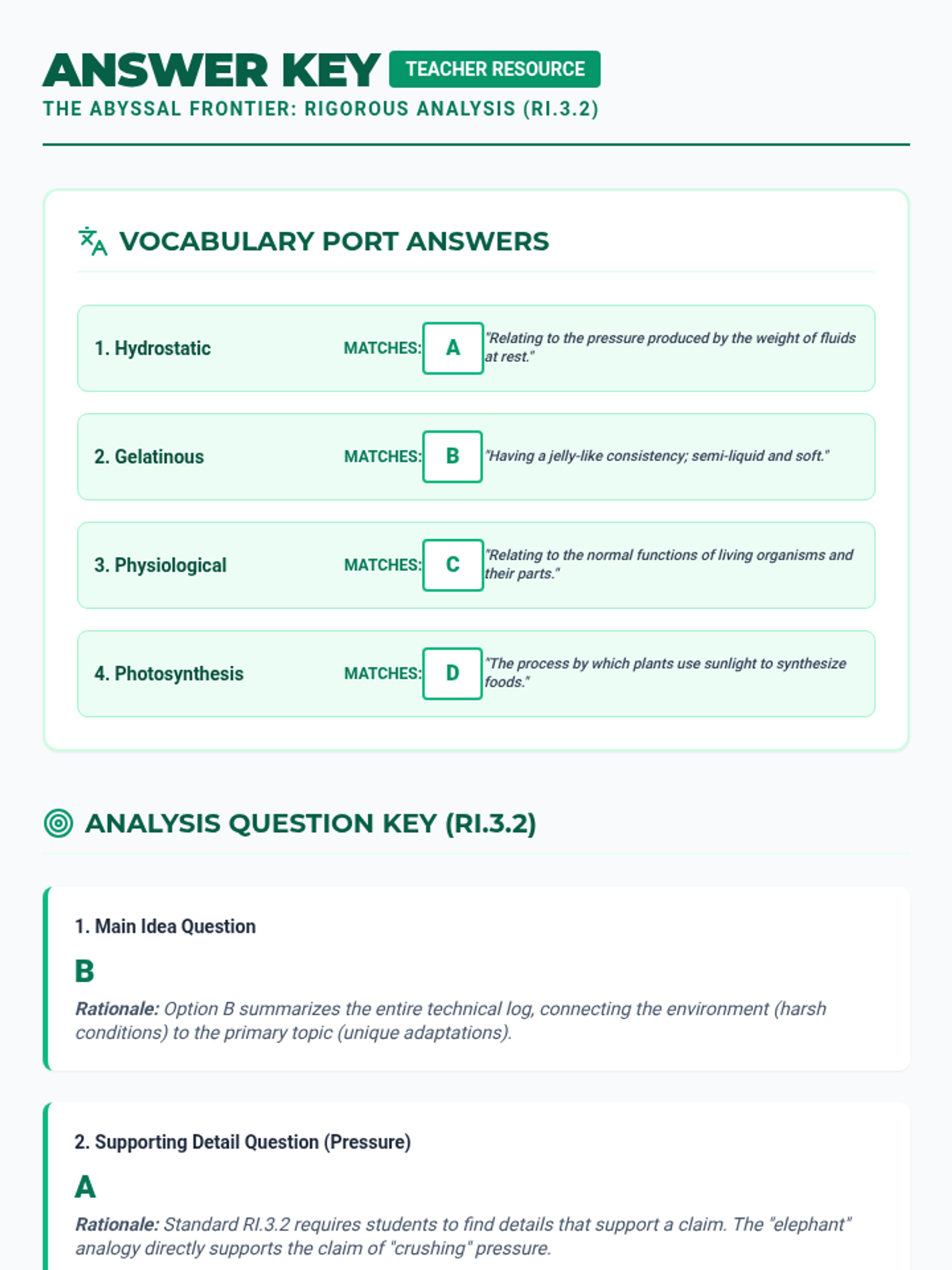
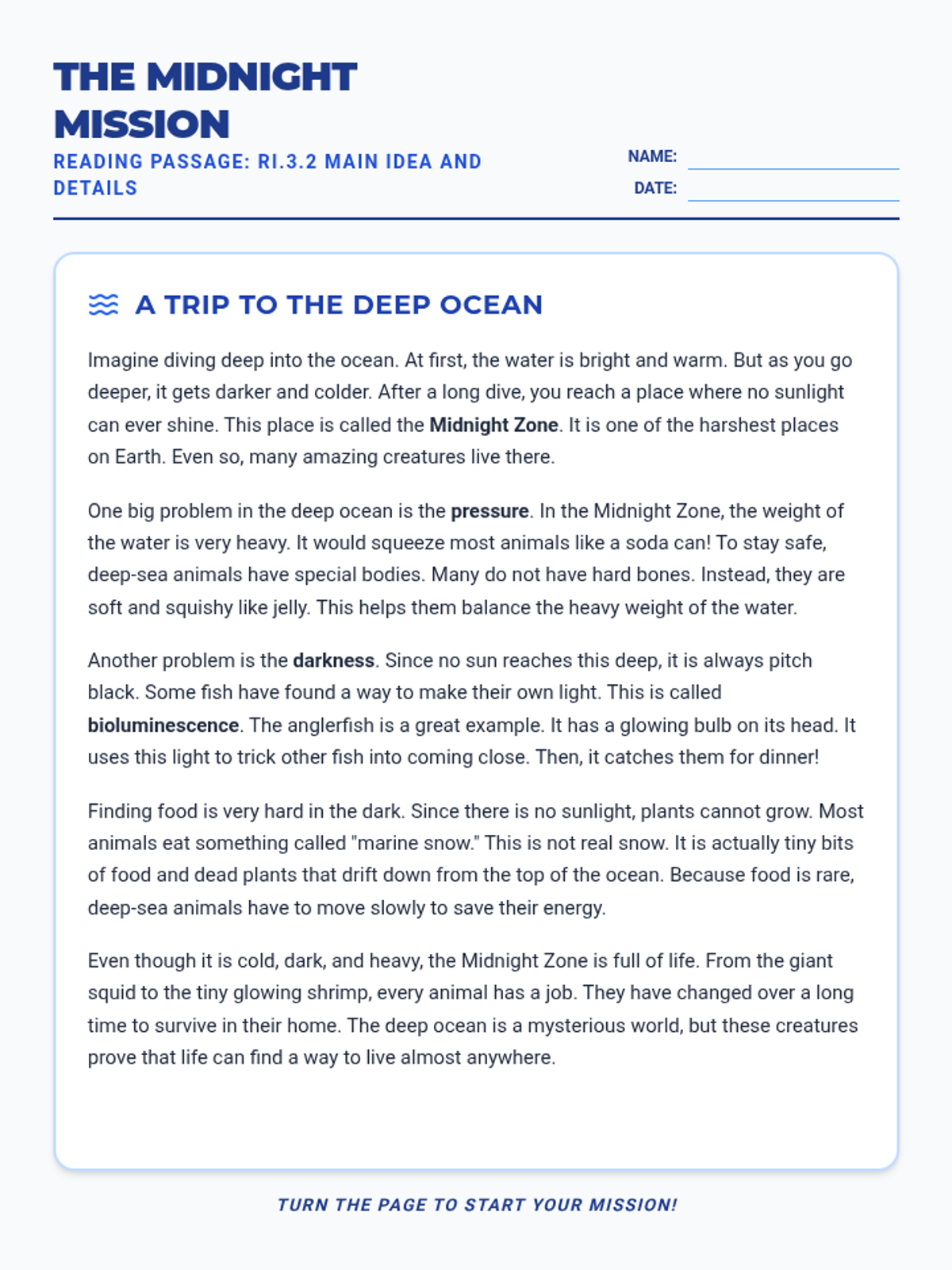
A focused lesson on identifying main ideas and supporting details using a fascinating text about deep-sea exploration and bioluminescence.
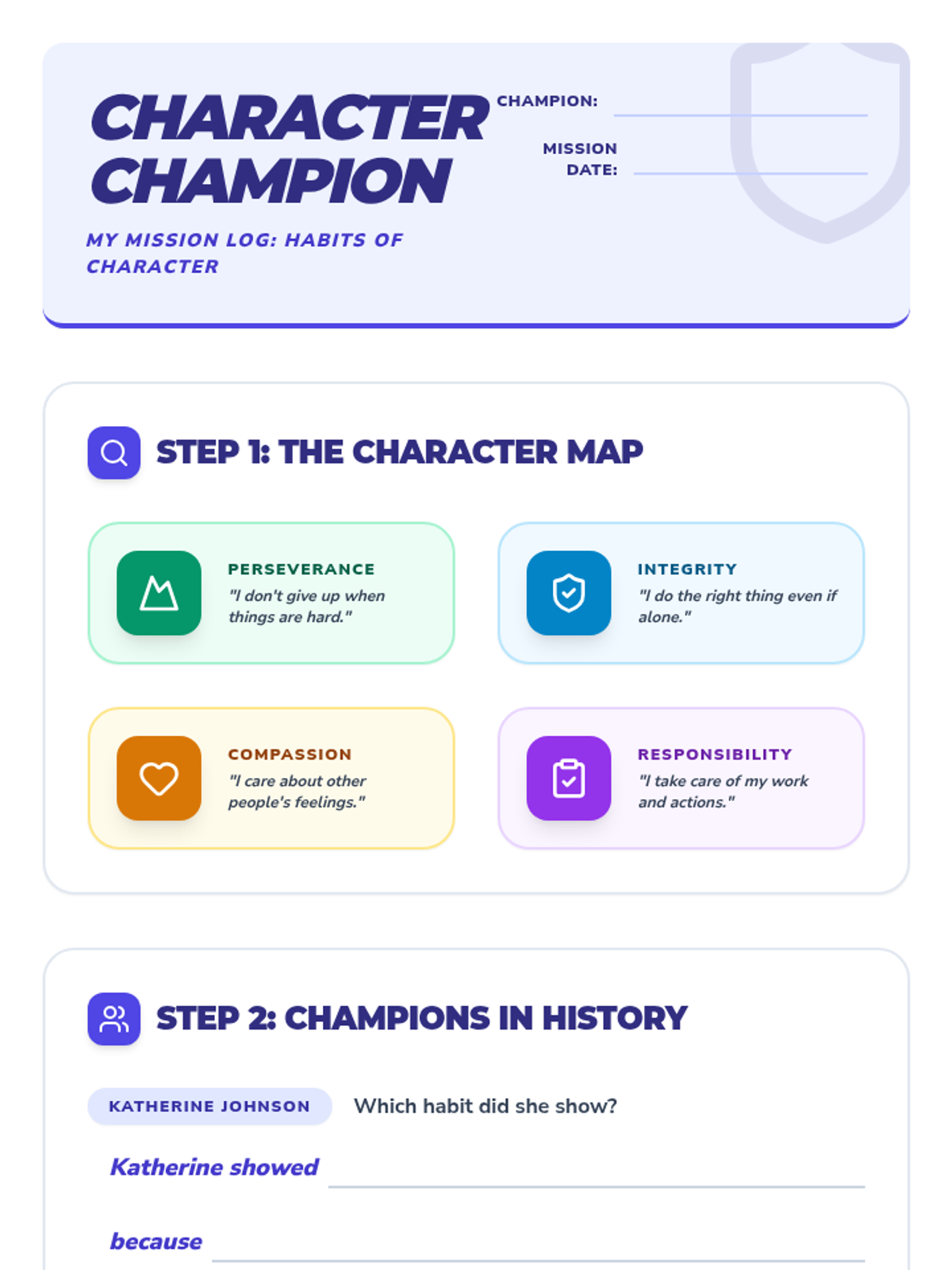
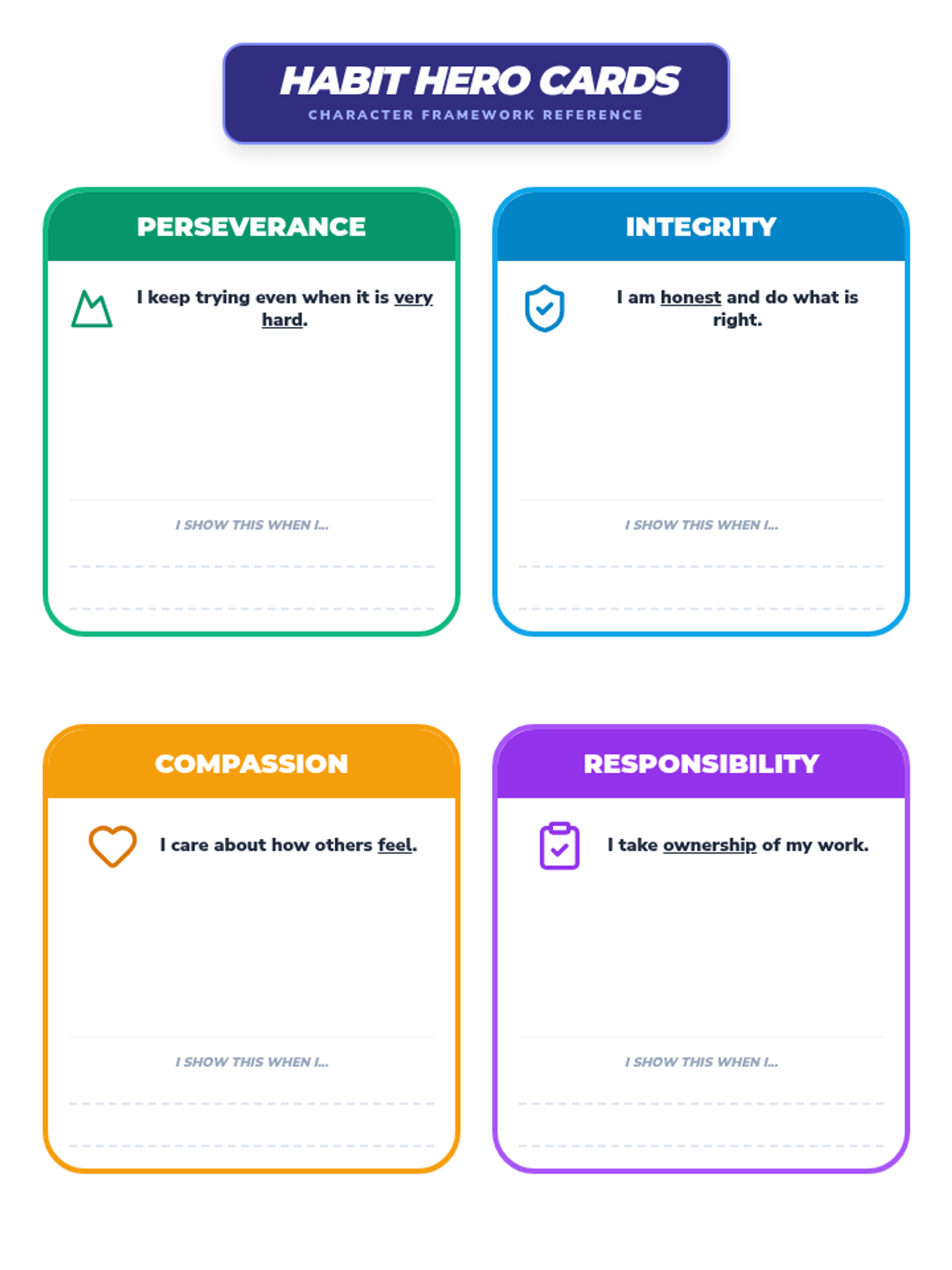
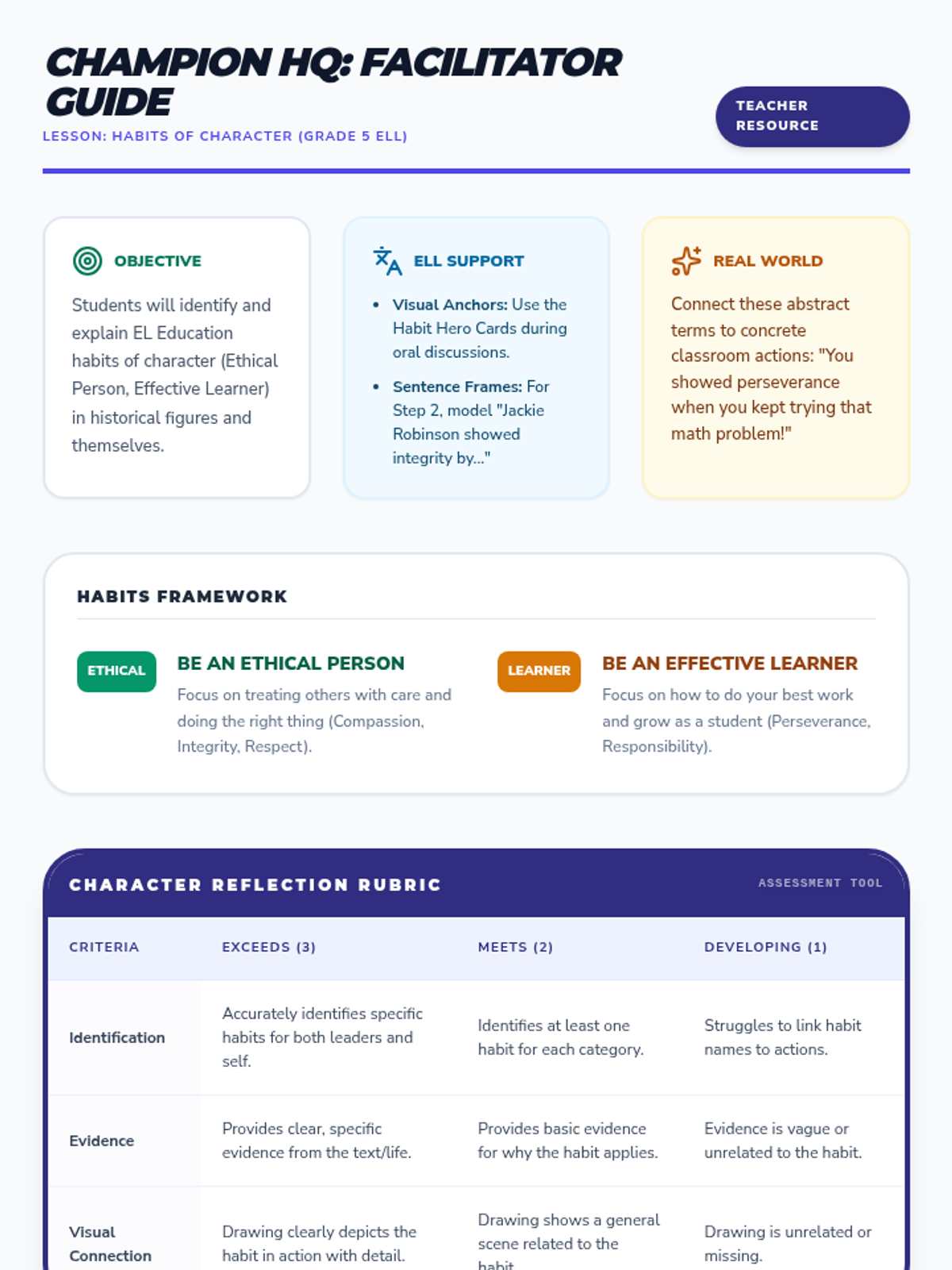
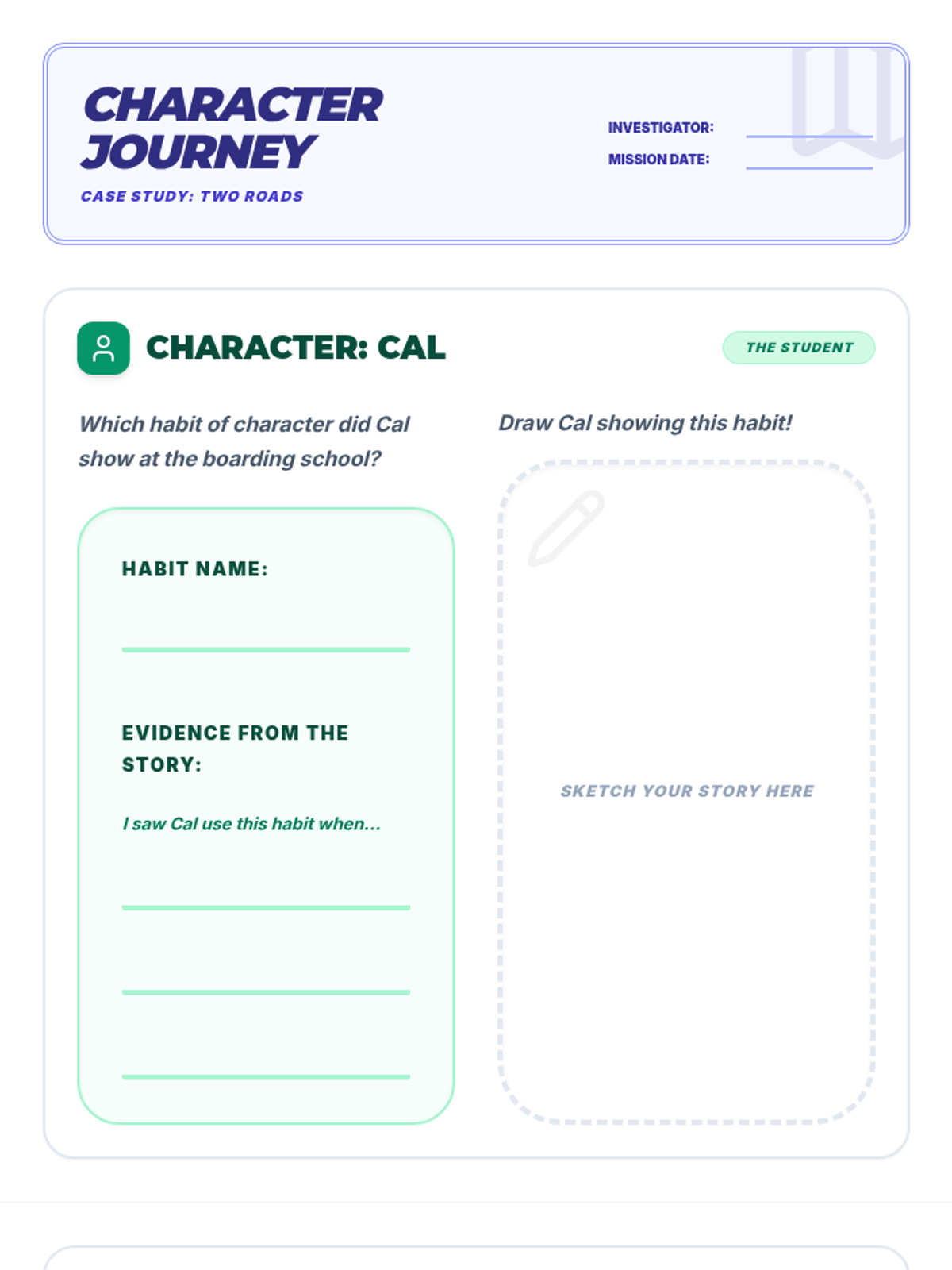
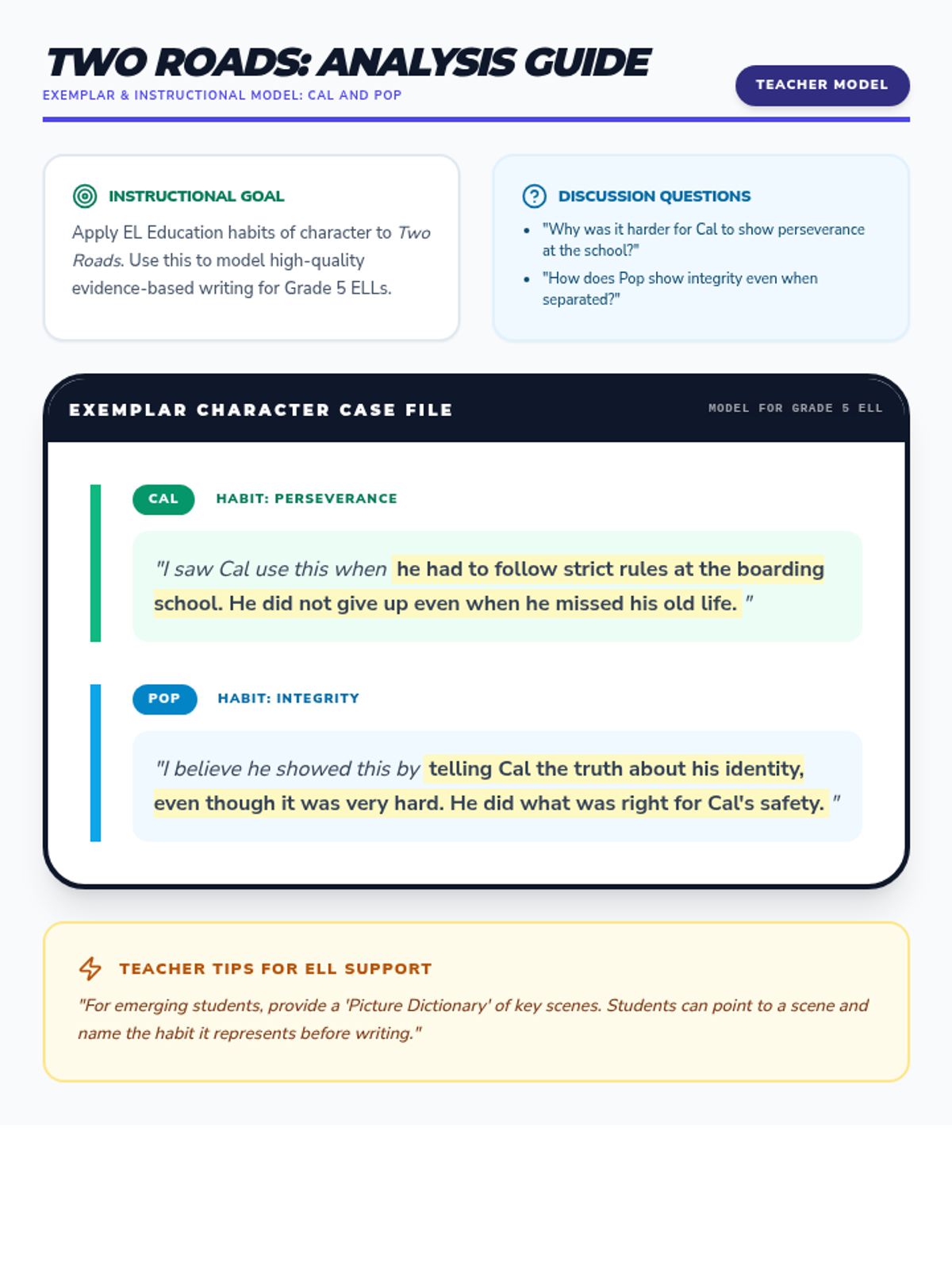
A social-emotional and ELA lesson for Grade 5 ELL students to explore and apply the EL Education habits of character, focusing on being an ethical person and an effective learner.
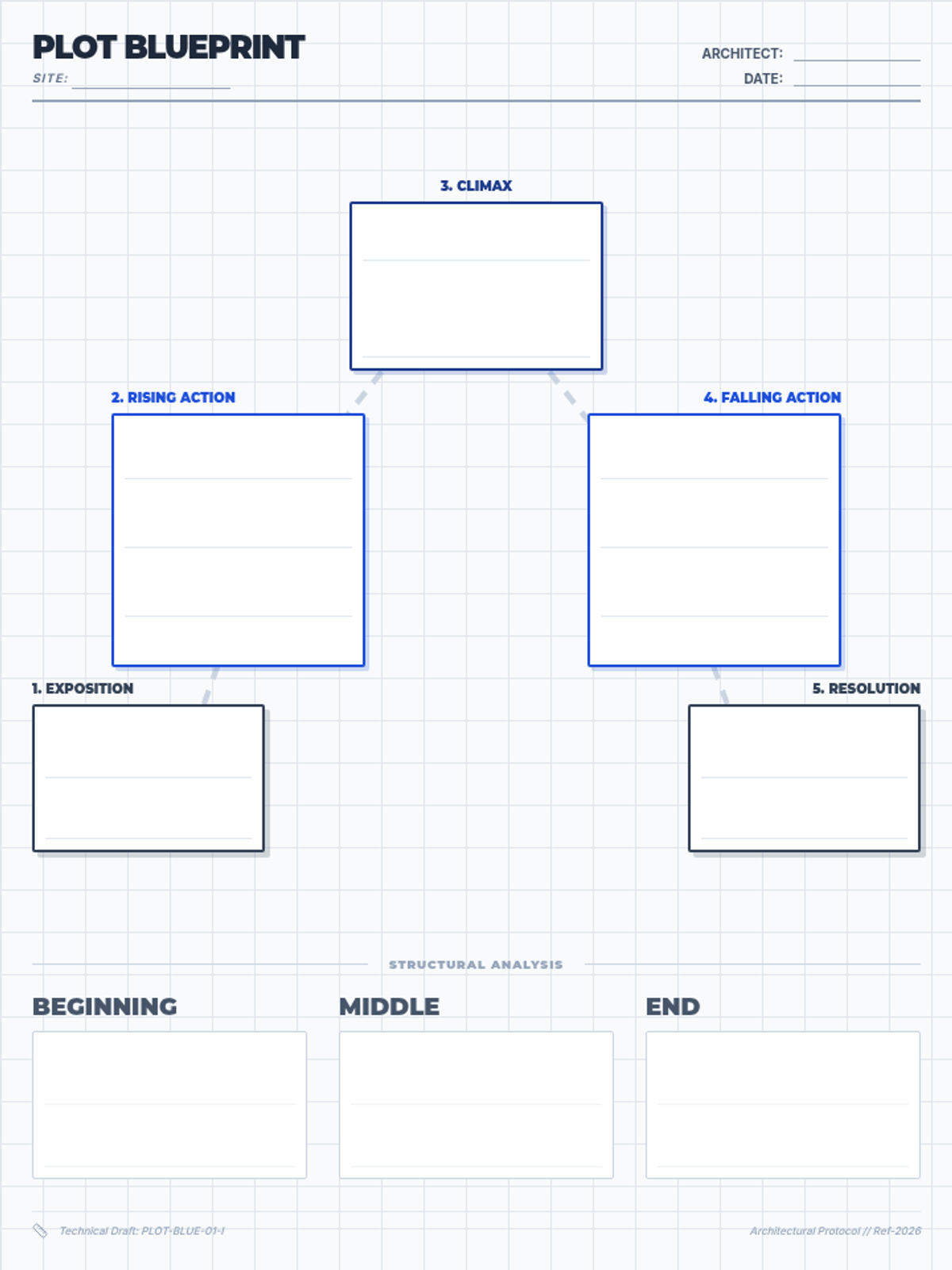
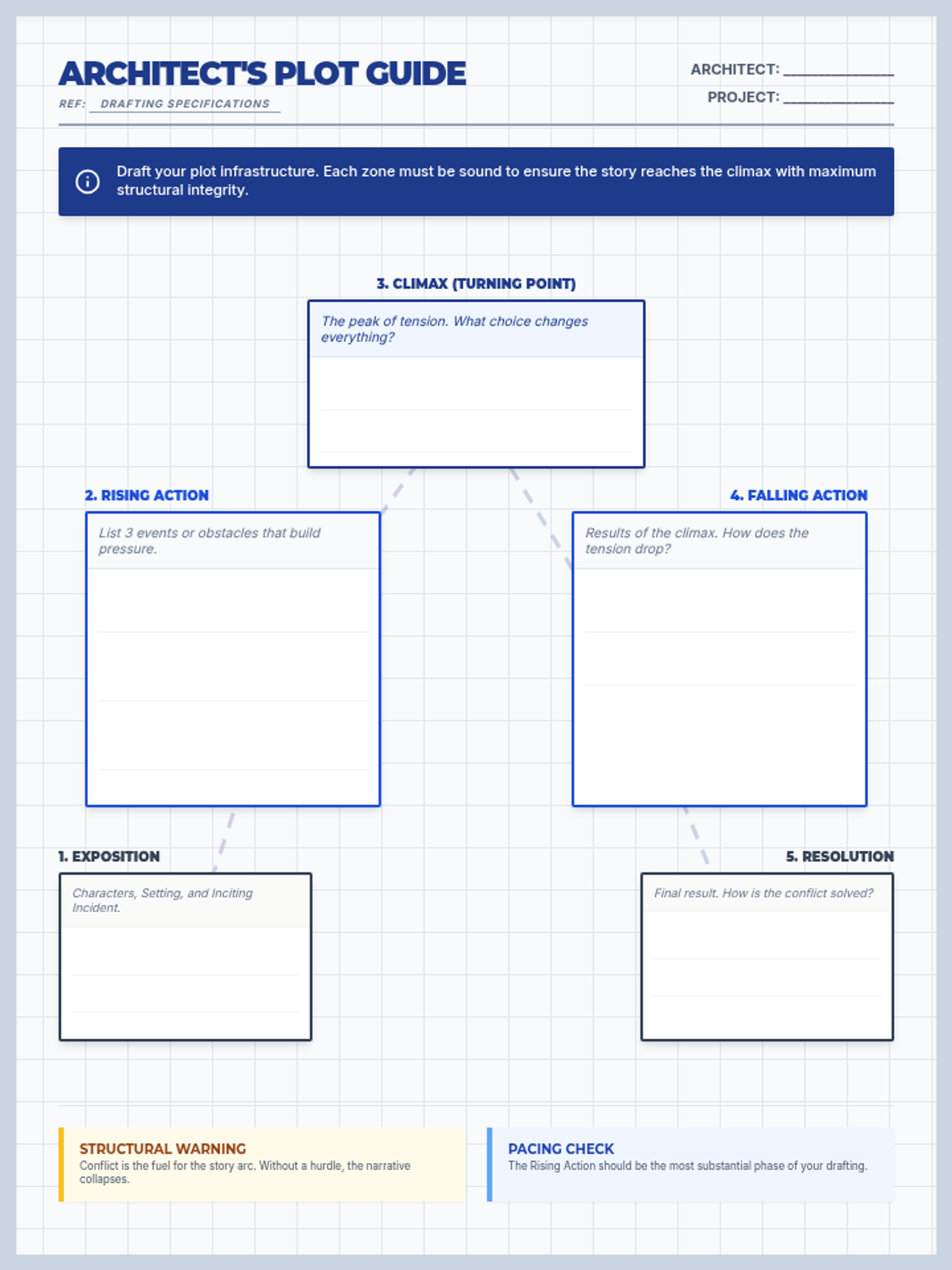
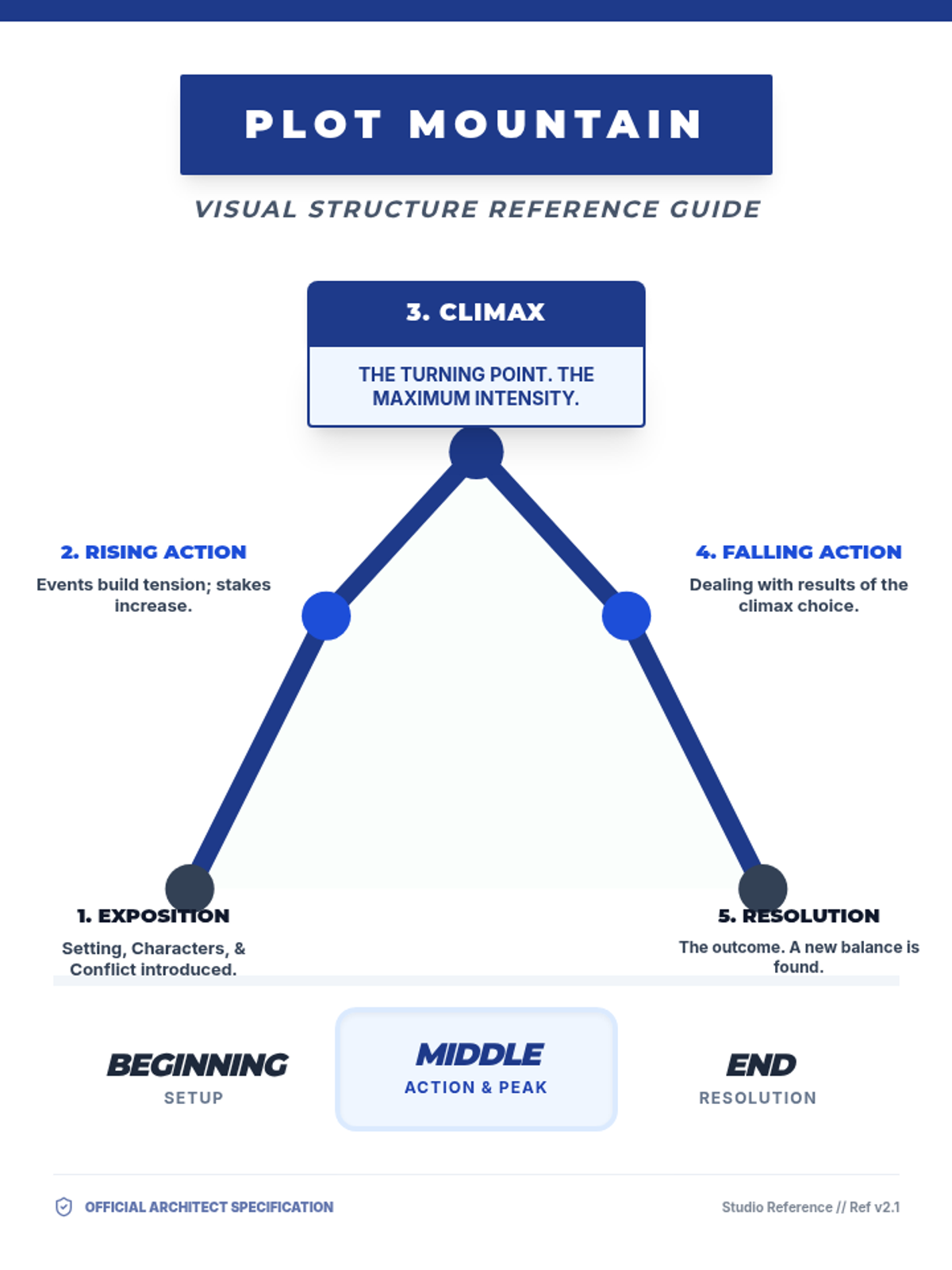
A lesson focused on understanding and mapping story structure using Freytag's Pyramid integrated with the Beginning, Middle, and End framework. Students will learn to identify key plot points and organize them visually as "architects" of their own stories.
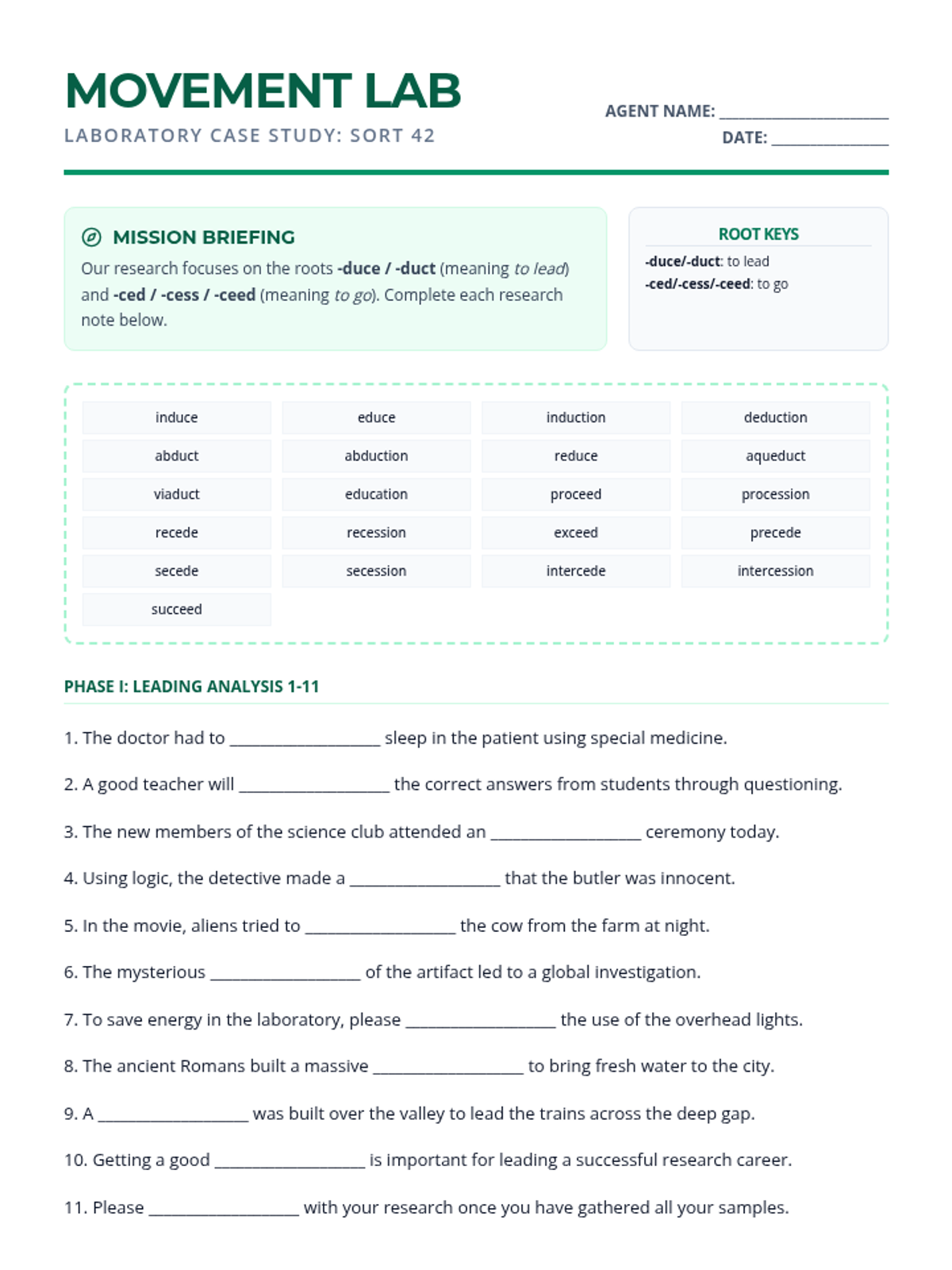
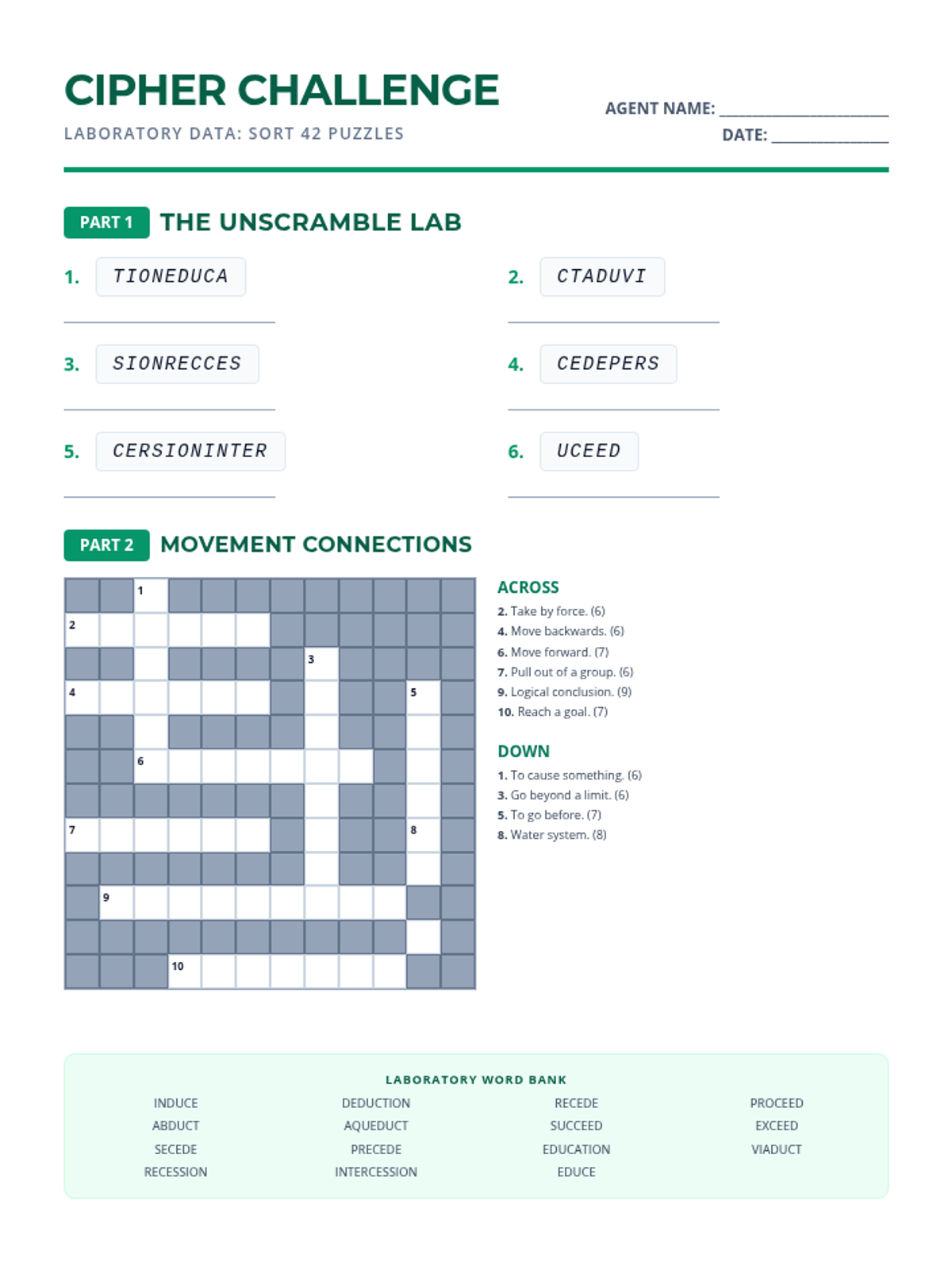
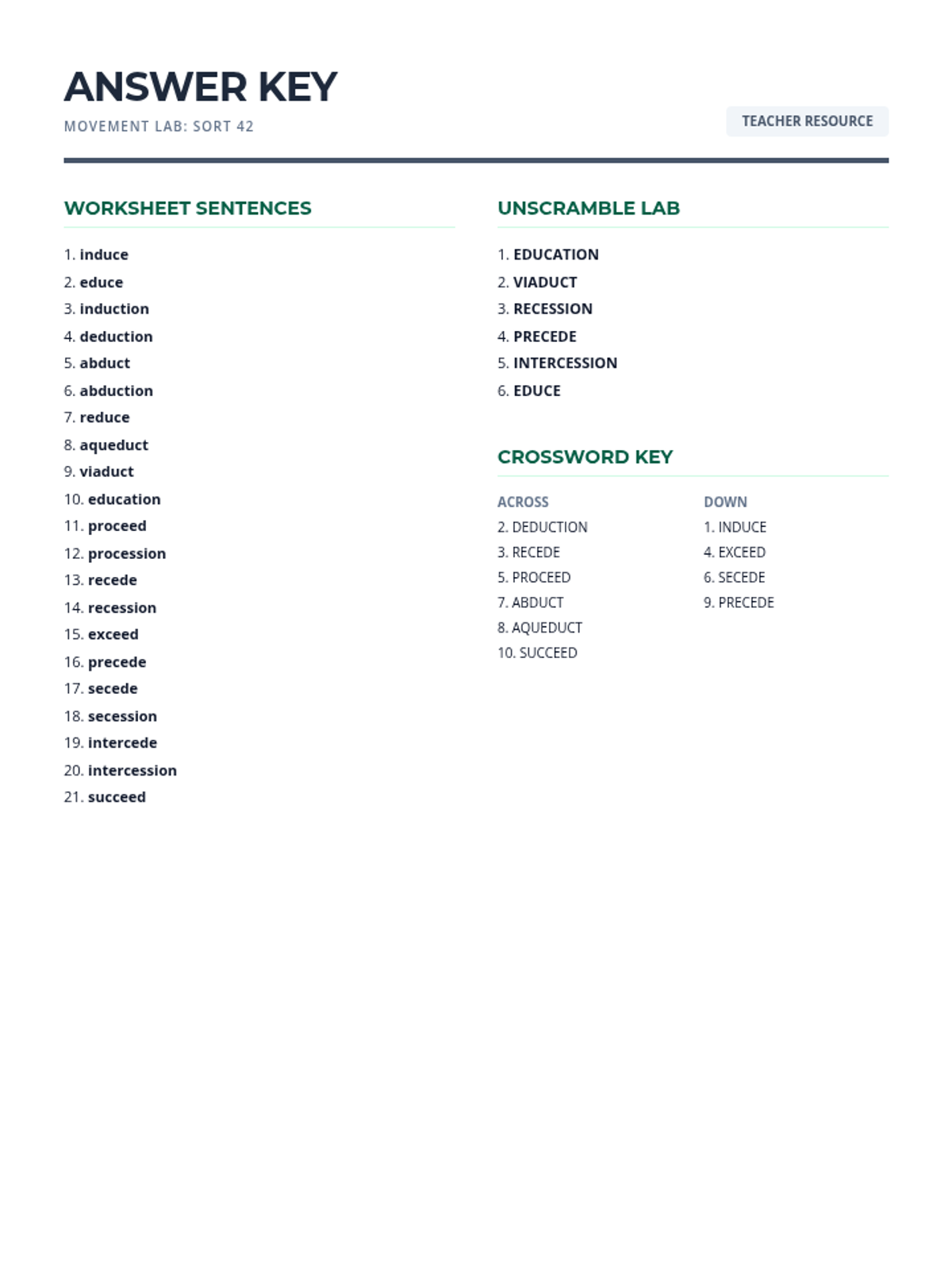
A study of roots -duce/-duct (to lead) and -ced/-cess/-ceed (to go). Students will explore how these roots build vocabulary related to movement and guidance through research tasks and puzzles.
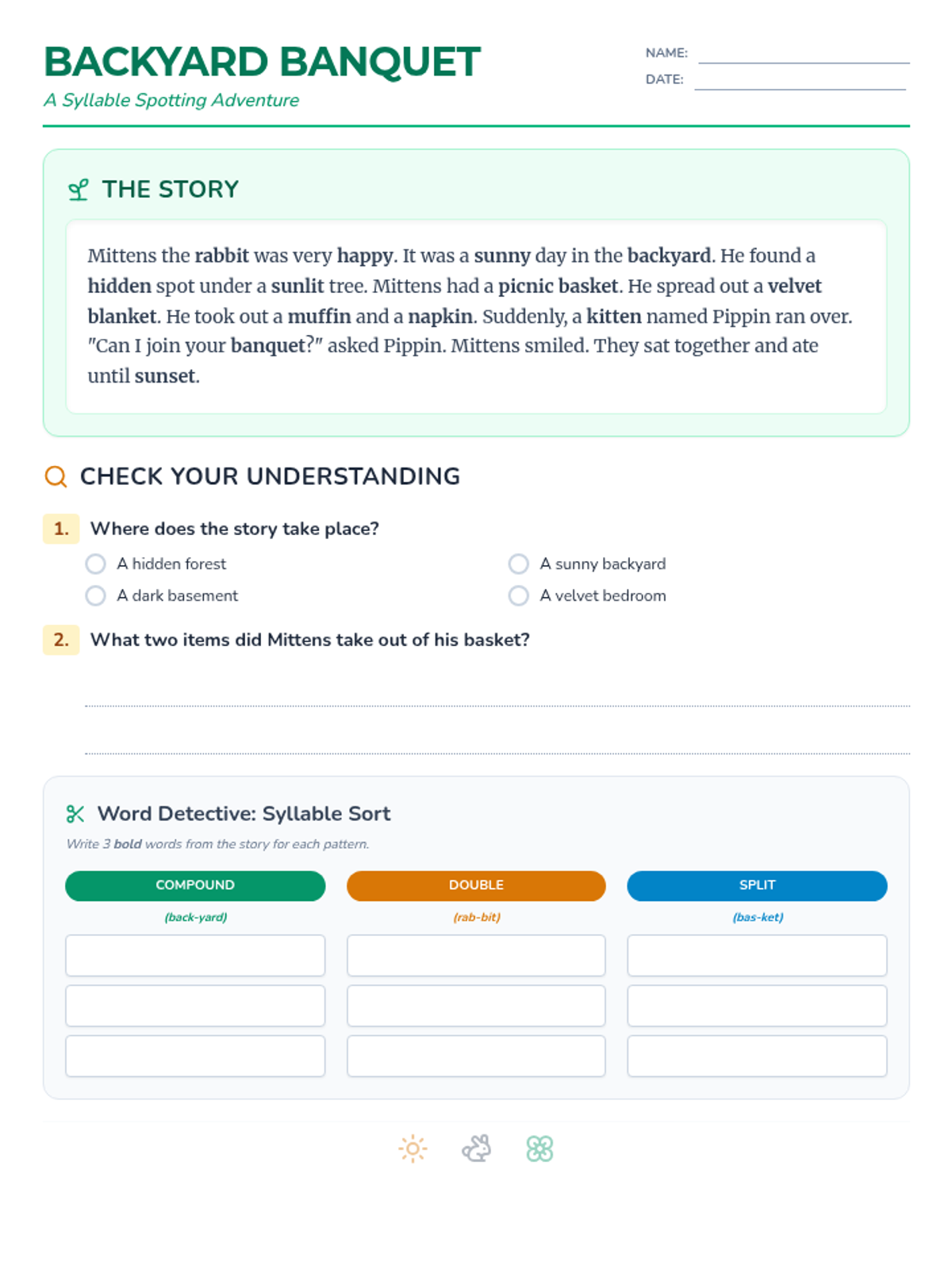
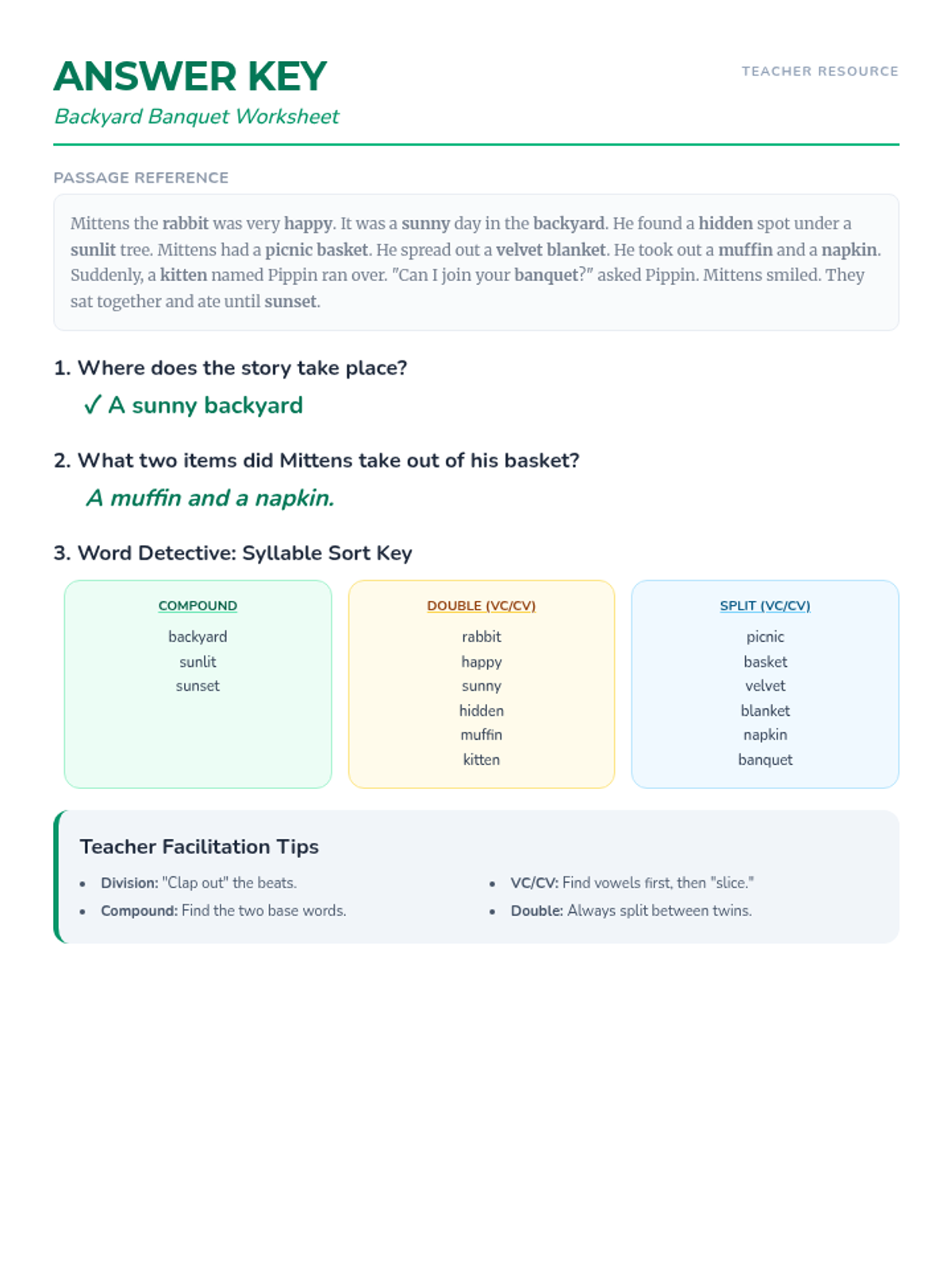
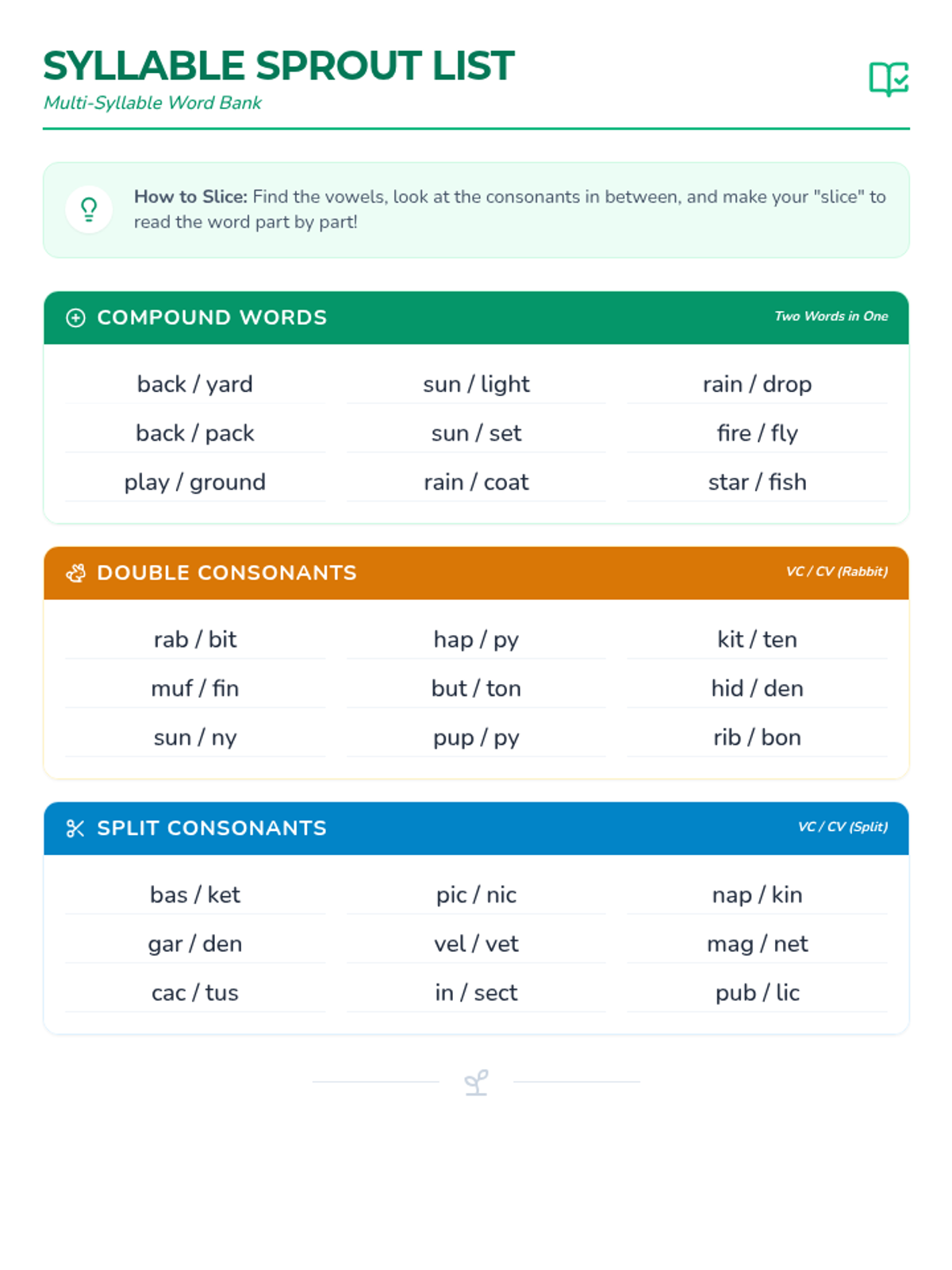
A foundational phonics lesson focusing on decoding multisyllabic words, including compound words, CVCVC 'rabbit' patterns, and VC/CV syllable divisions through an engaging garden-themed reading passage.
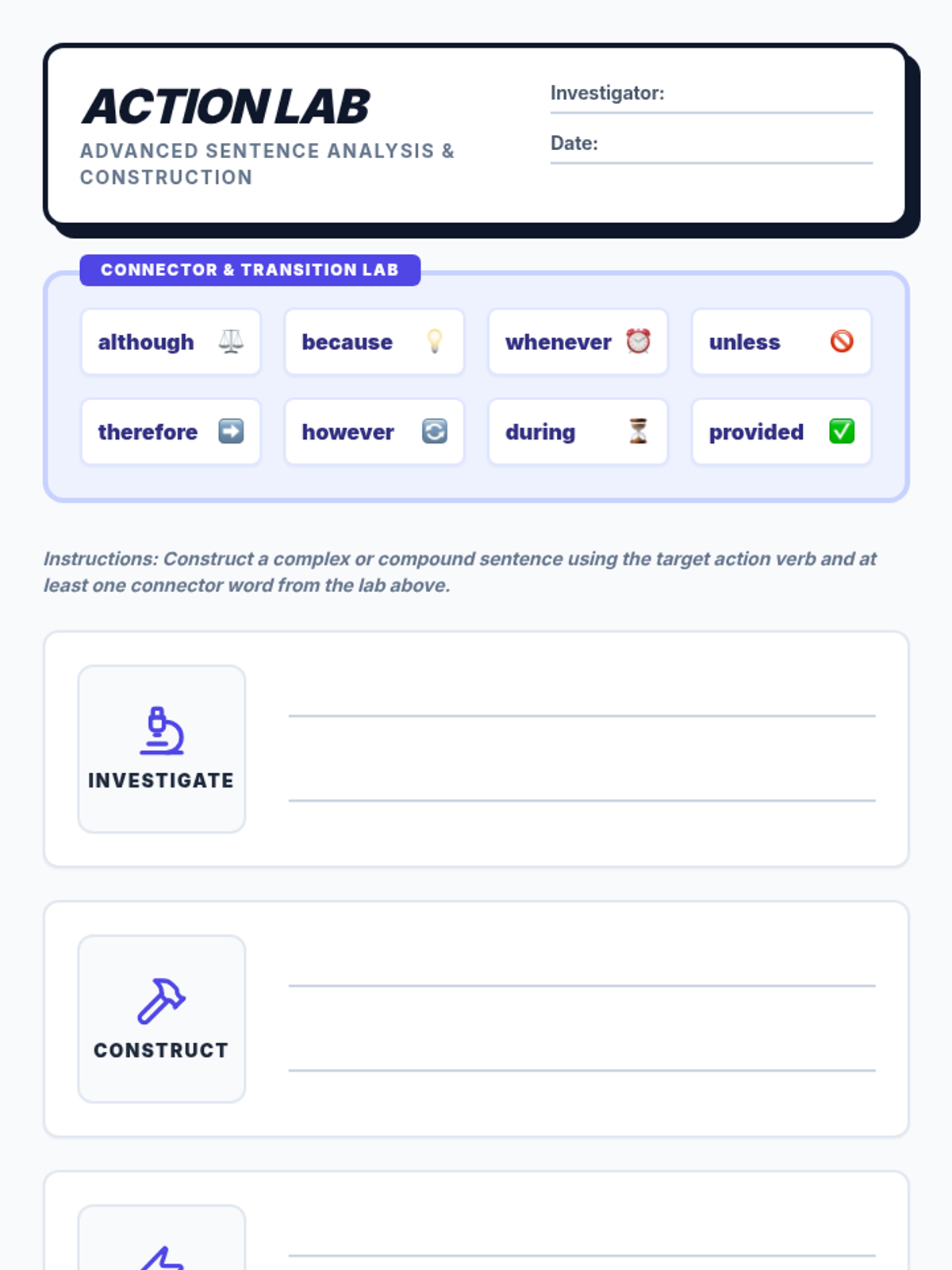
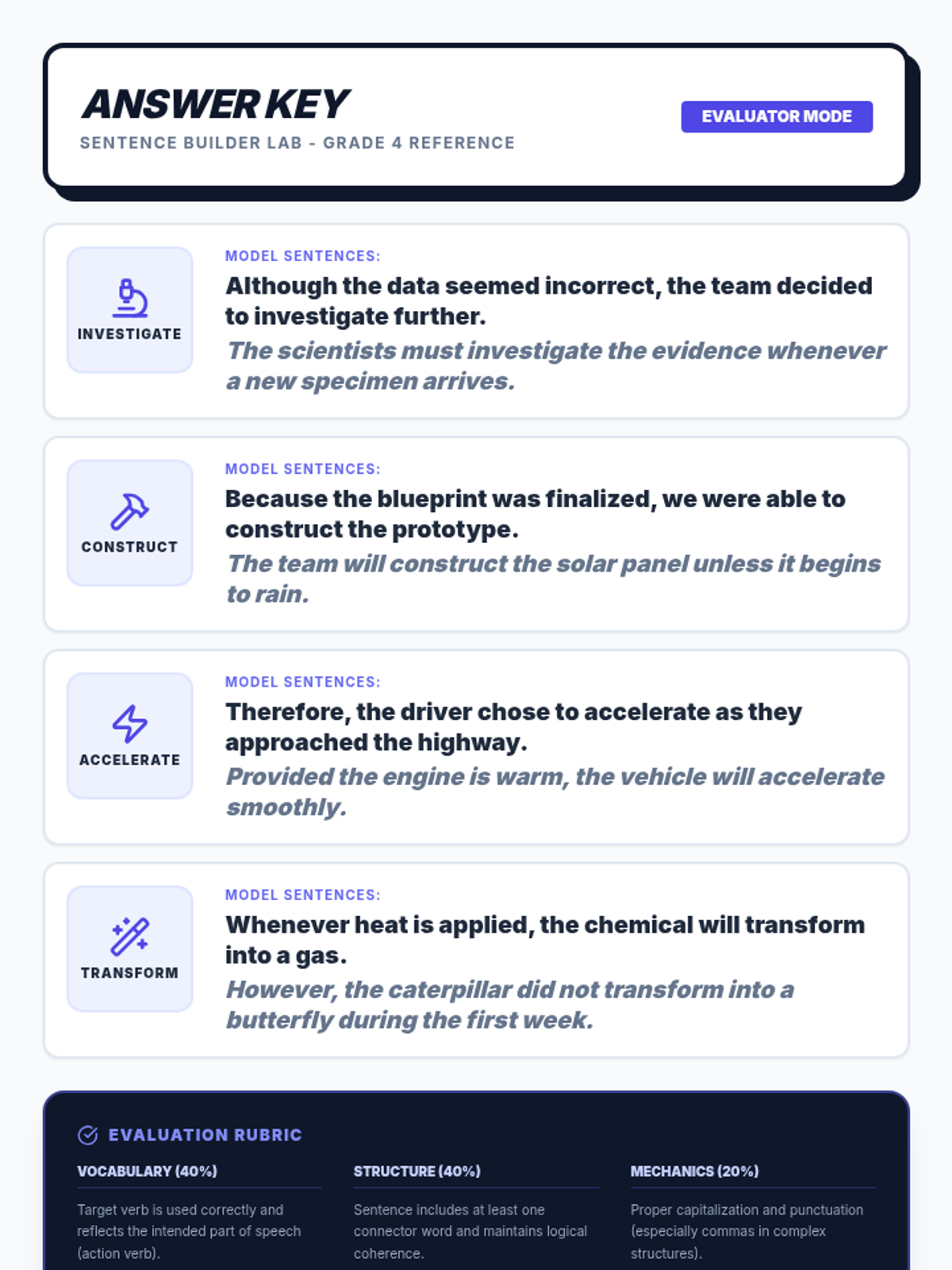
A hands-on literacy lesson where students build complete sentences using high-frequency Dolch sight words and common action verbs with visual scaffolding.
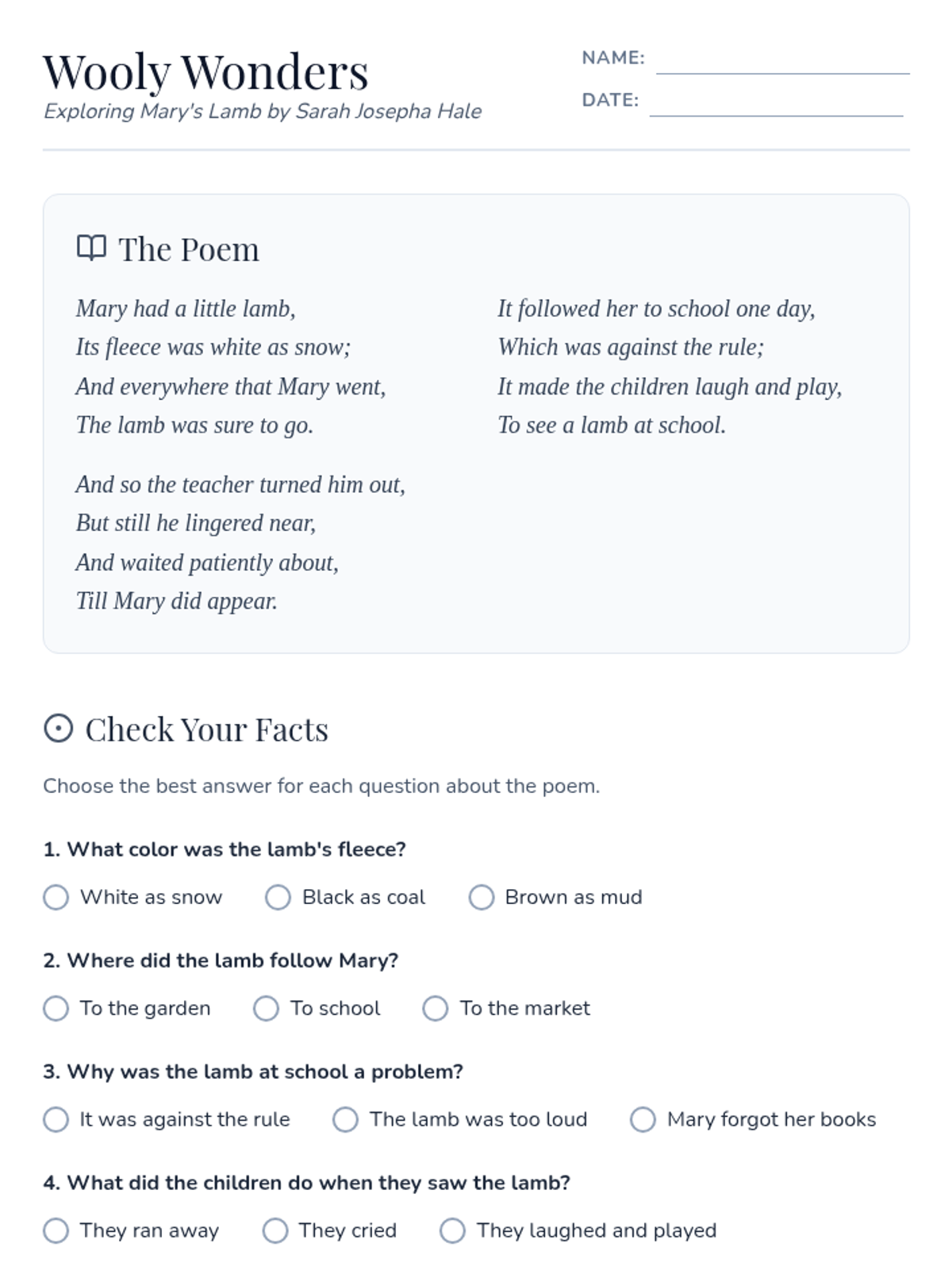
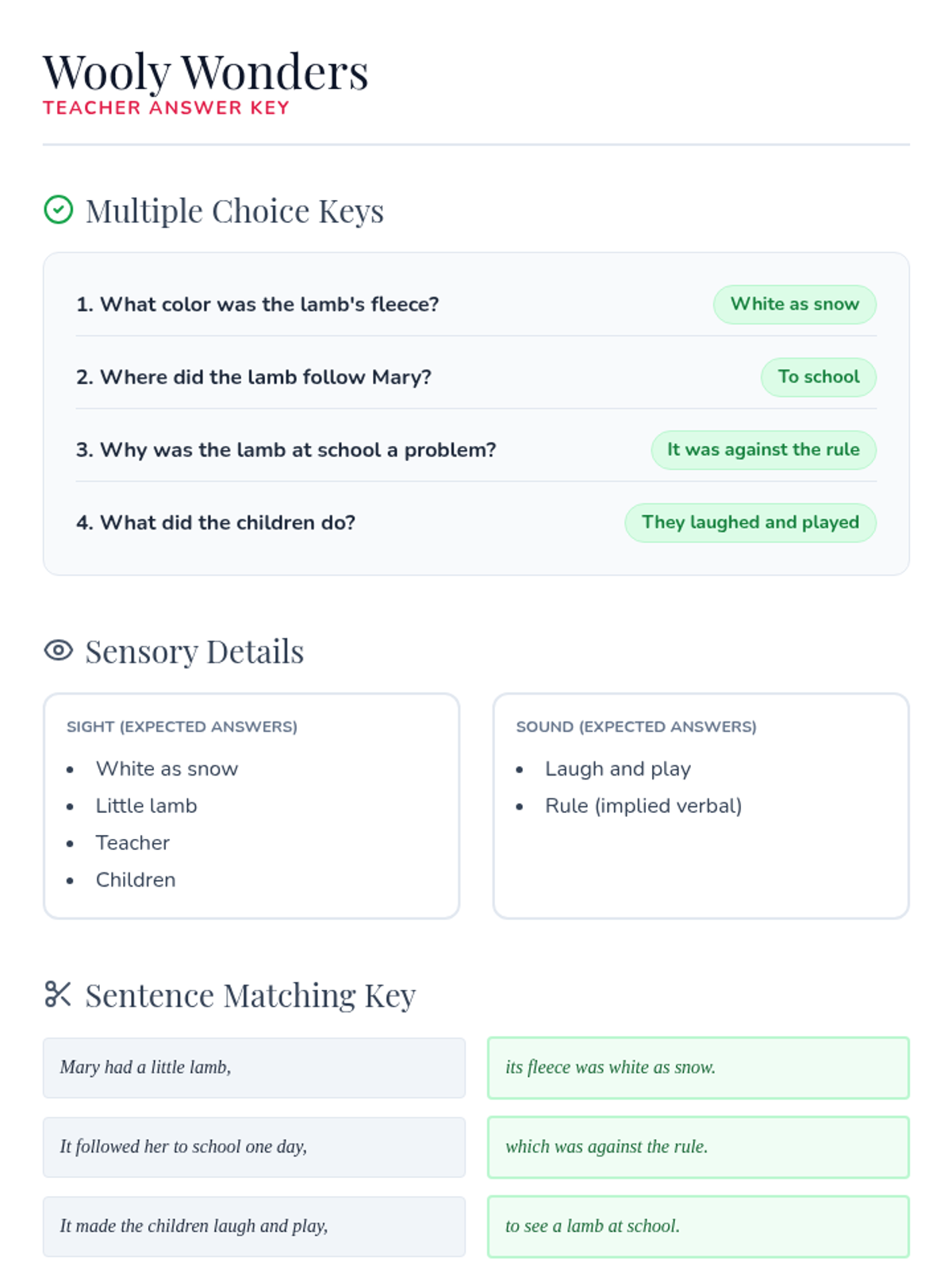
A focused exploration of the classic poem 'Mary's Lamb' by Sarah Josepha Hale, targeting literal comprehension and sensory imagery through engaging printable activities.
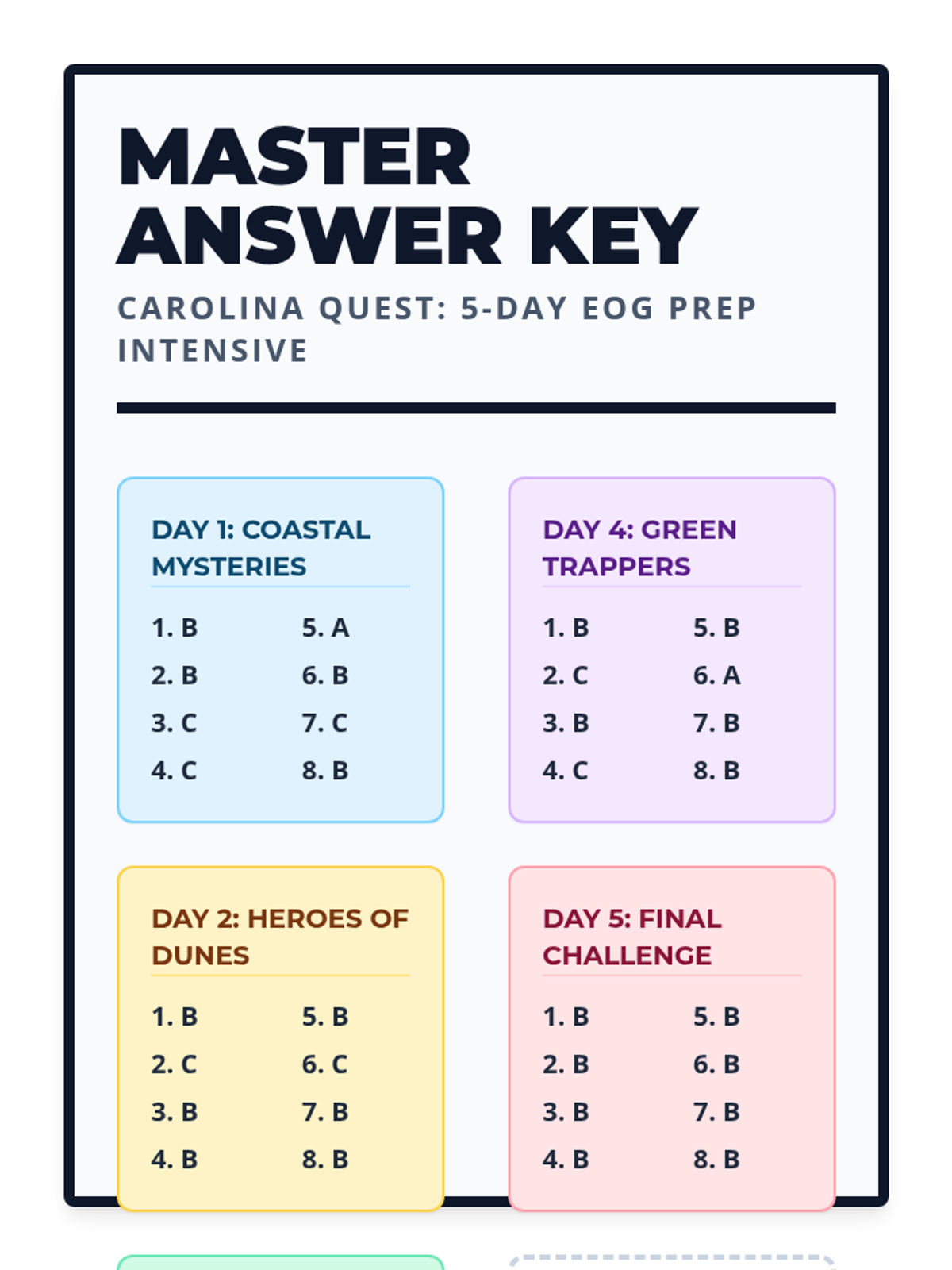
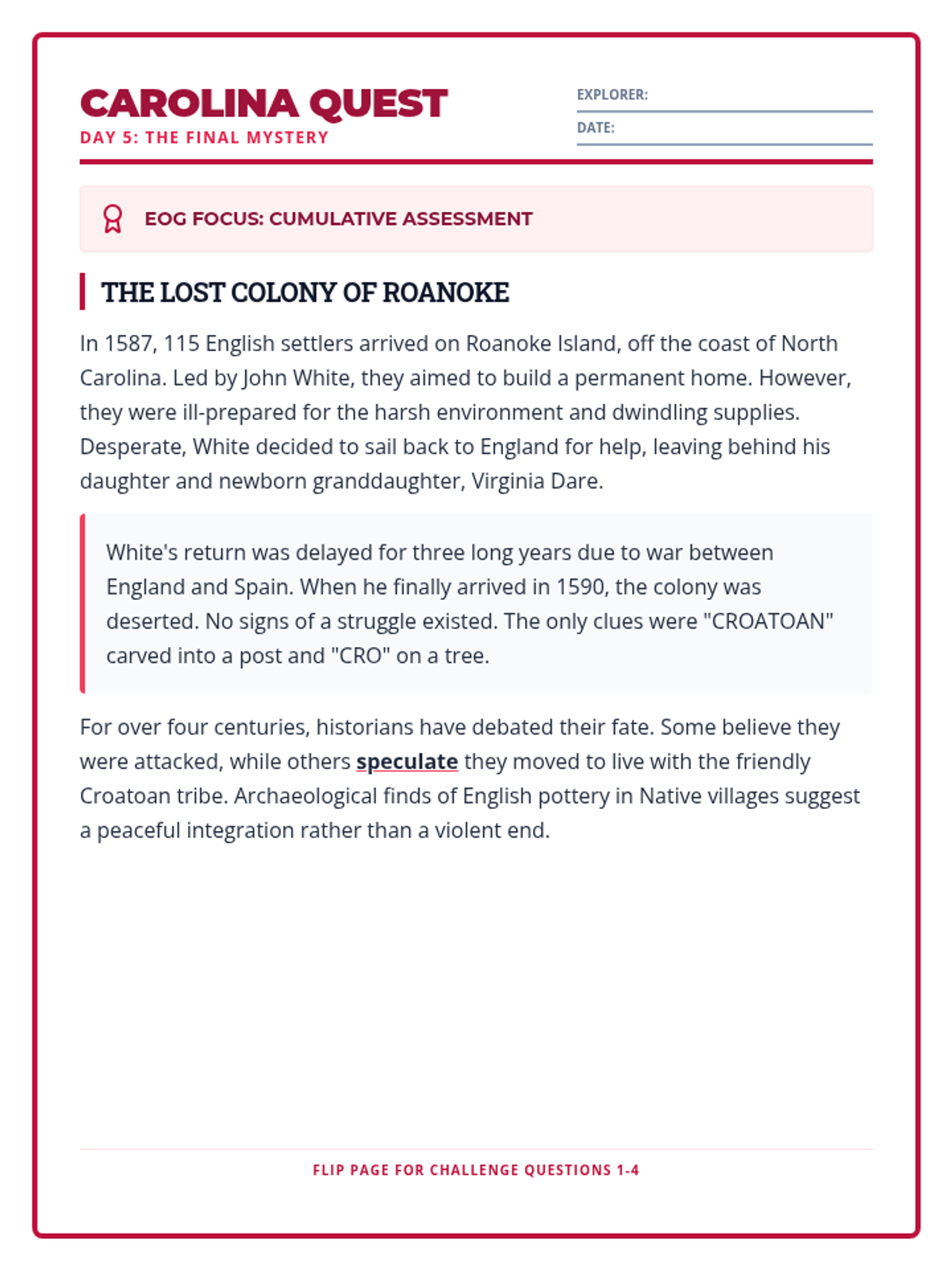
A cumulative EOG-style practice assessment centered on the mystery of the Lost Colony of Roanoke, testing all targeted reading skills.
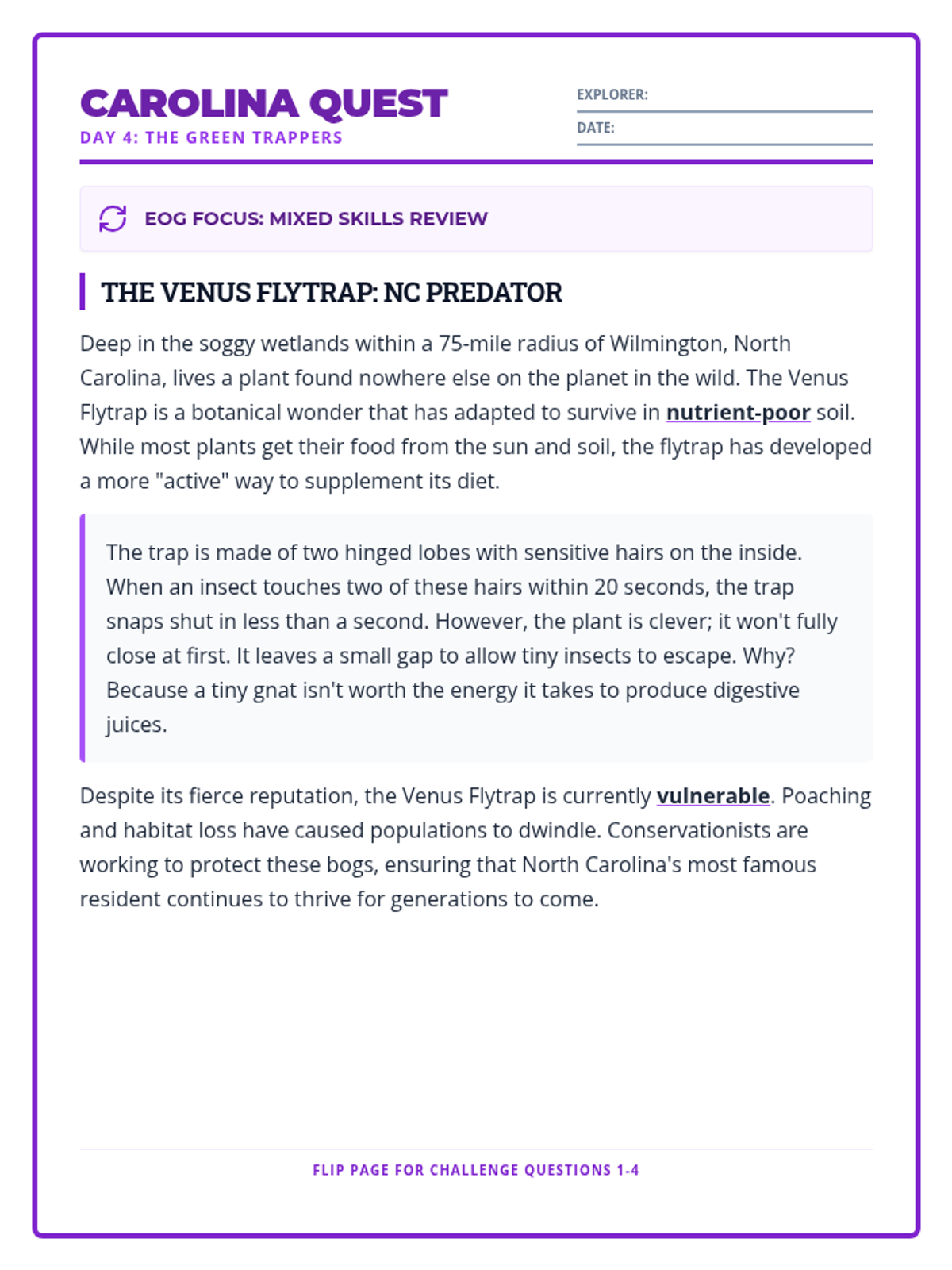
A deep dive into the Venus Flytrap, a plant native only to the Carolinas, providing a mixed-skill review of inference, traits, and structure.
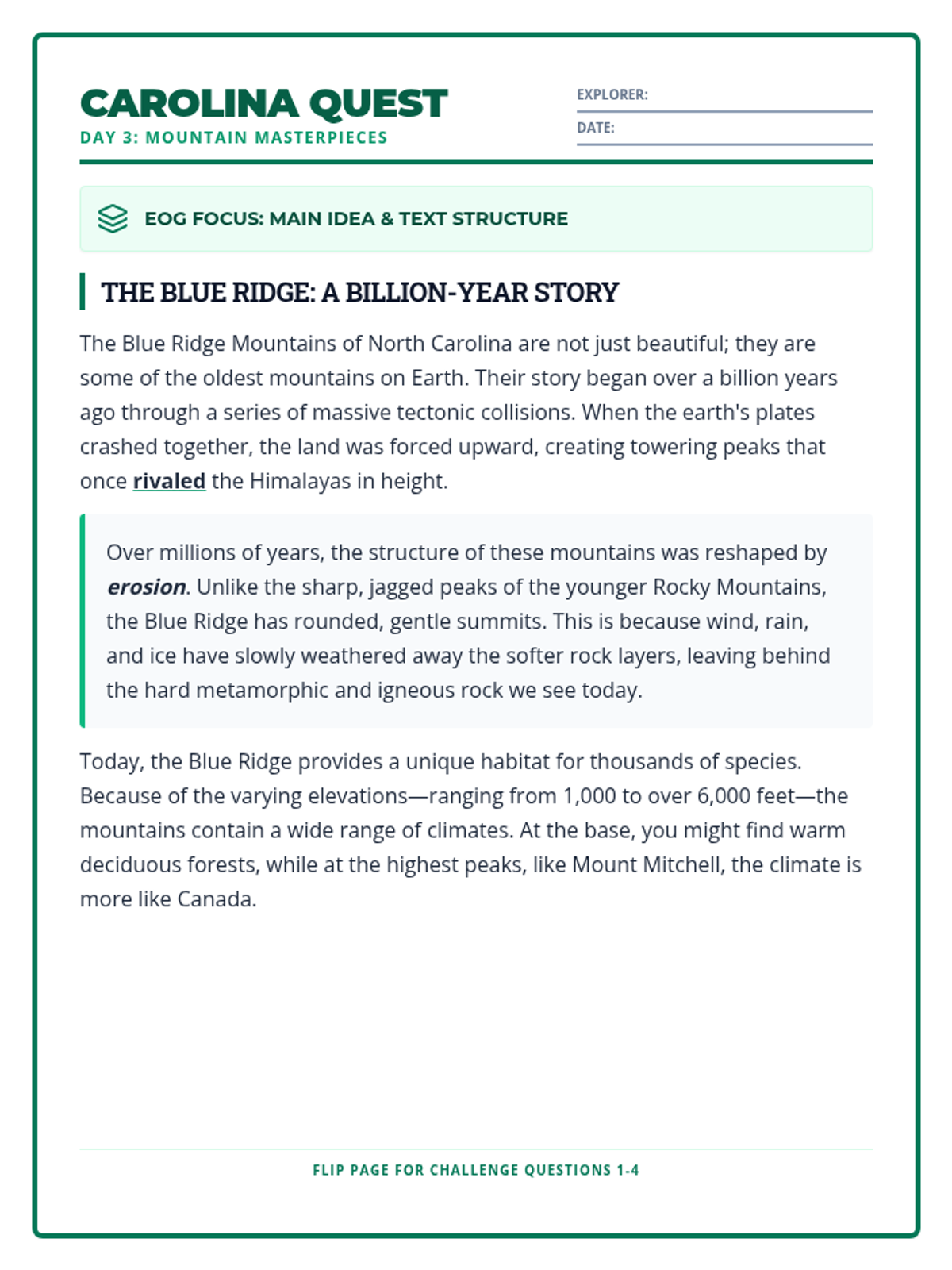
Students examine the formation of the Blue Ridge Mountains to identify main ideas and analyze how the text is structured to convey geological history.
An analysis of the Wright Brothers' historical journey to Kitty Hawk, focusing on identifying character traits and motivations in an informational context.
Students will explore the 'Ghost Forests' of the North Carolina coast to practice making inferences and using context clues to understand scientific terminology.
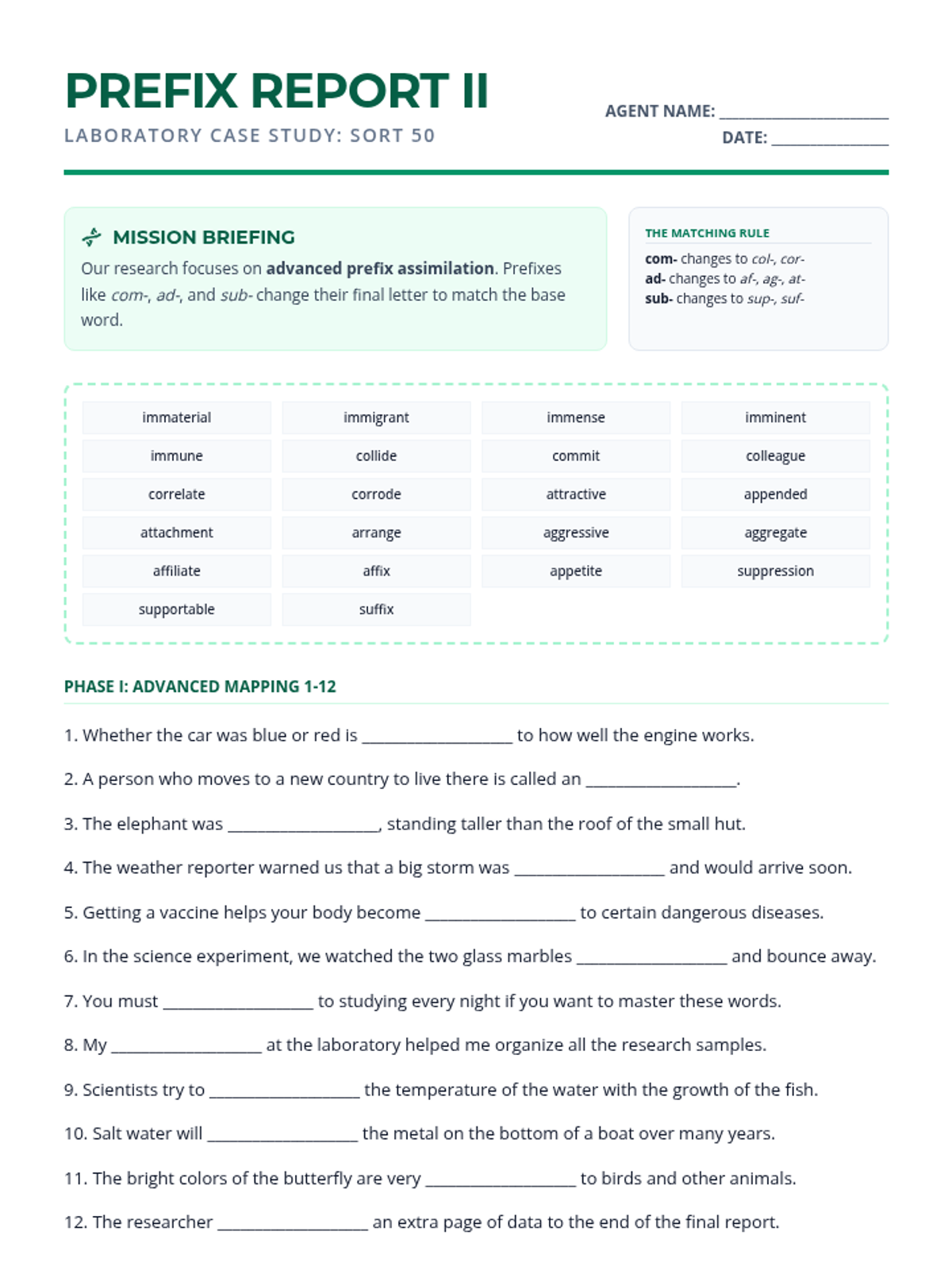
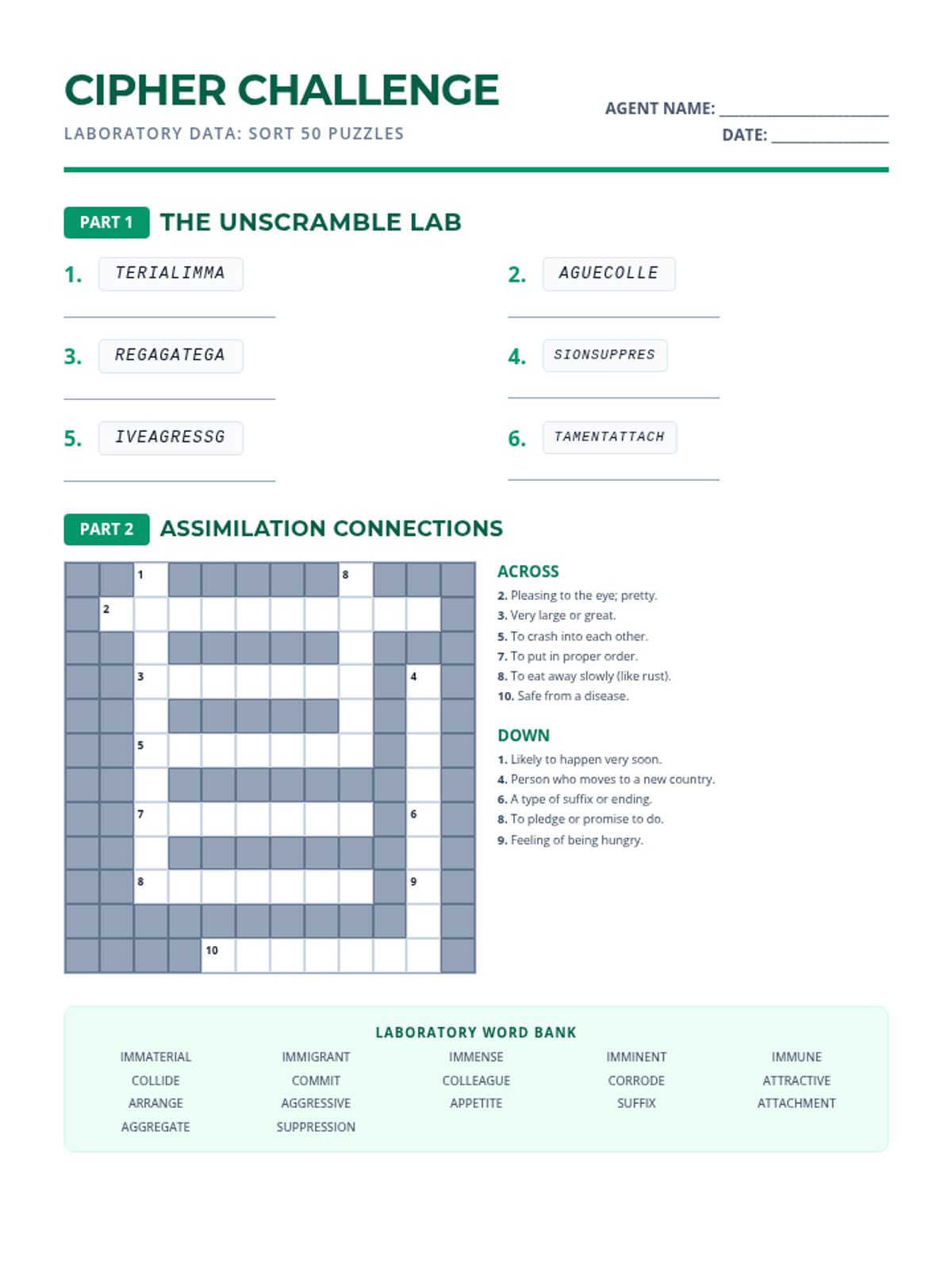
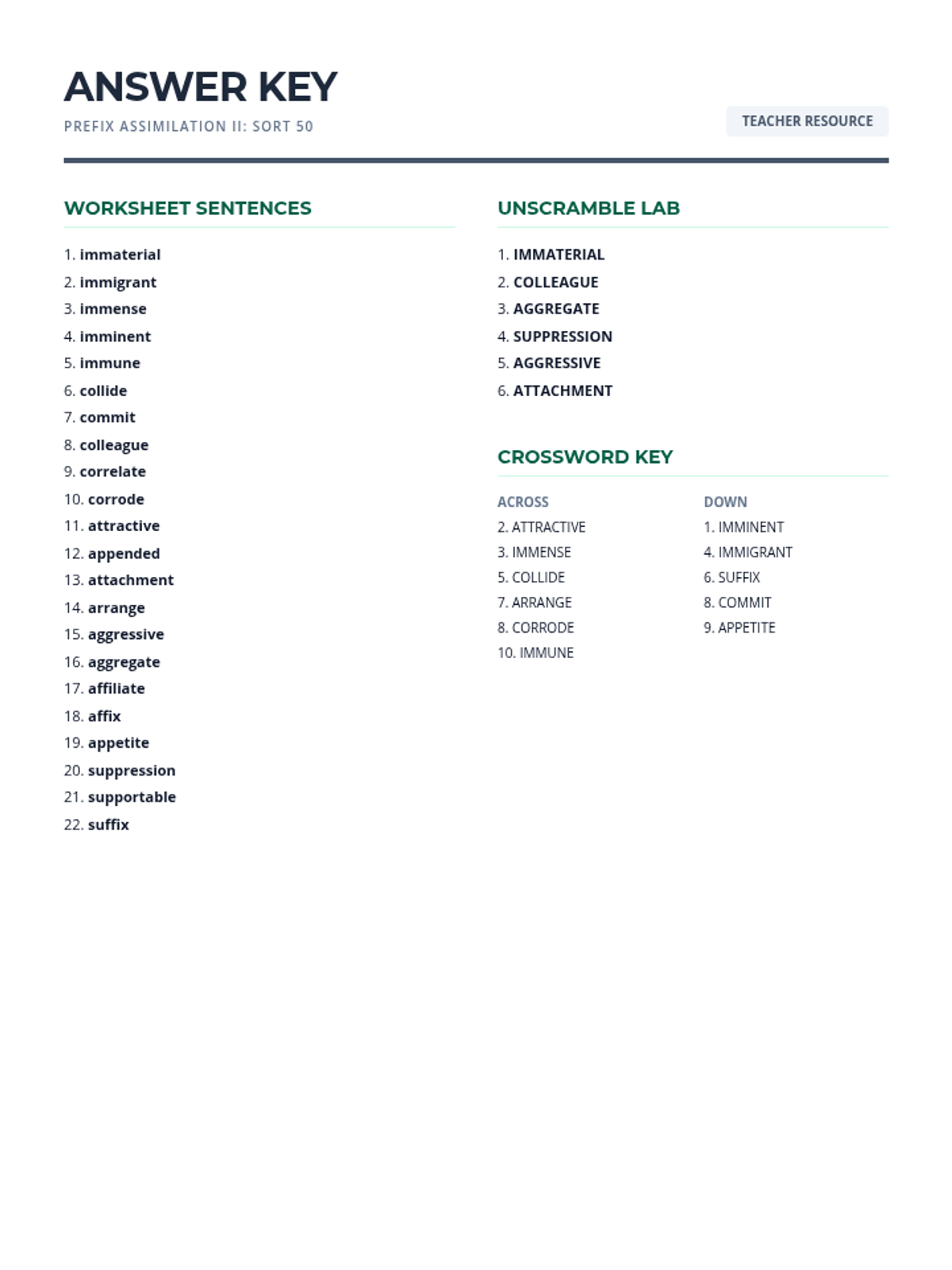
A study of advanced prefix assimilation including in- (im-), com- (col-, cor-), ad- (af-, ag-, at-), and sub- (sup-). Students explore how these prefixes adapt to the base word's starting sound.
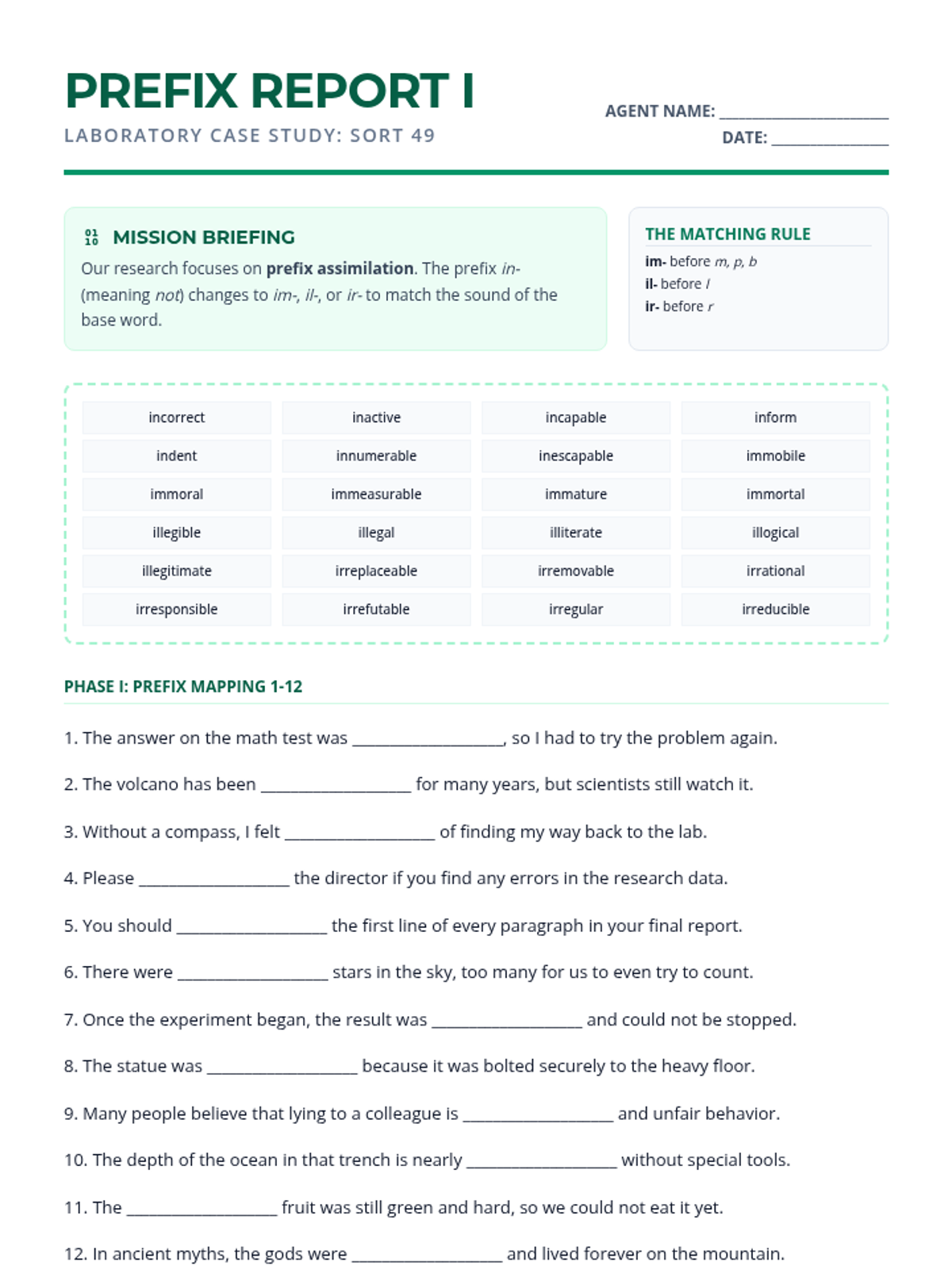
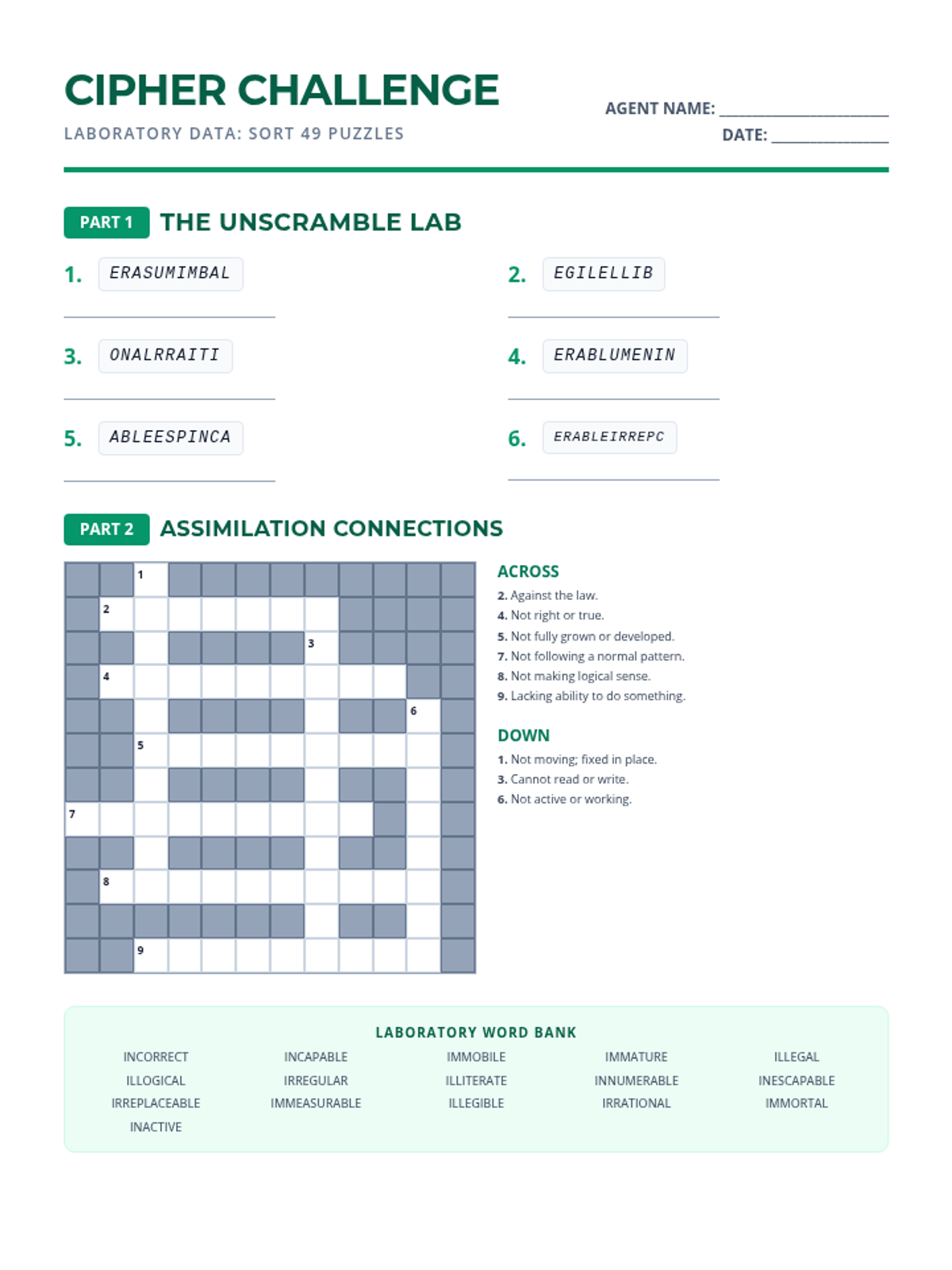
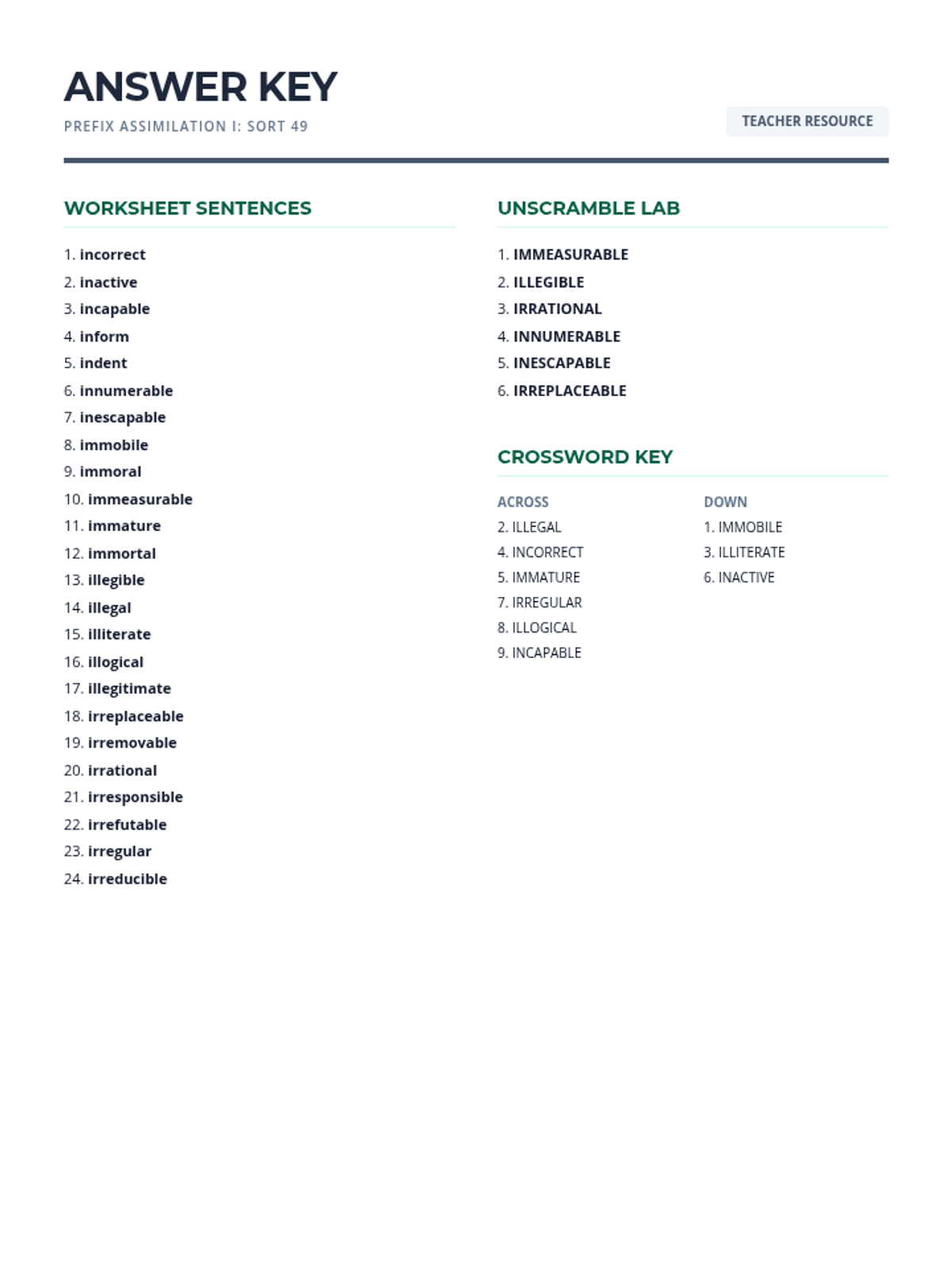
A study of prefix assimilation using in-, im-, il-, and ir-. Students explore how the prefix 'in-' changes based on the first letter of the base word while solving vocabulary sentences and puzzles.
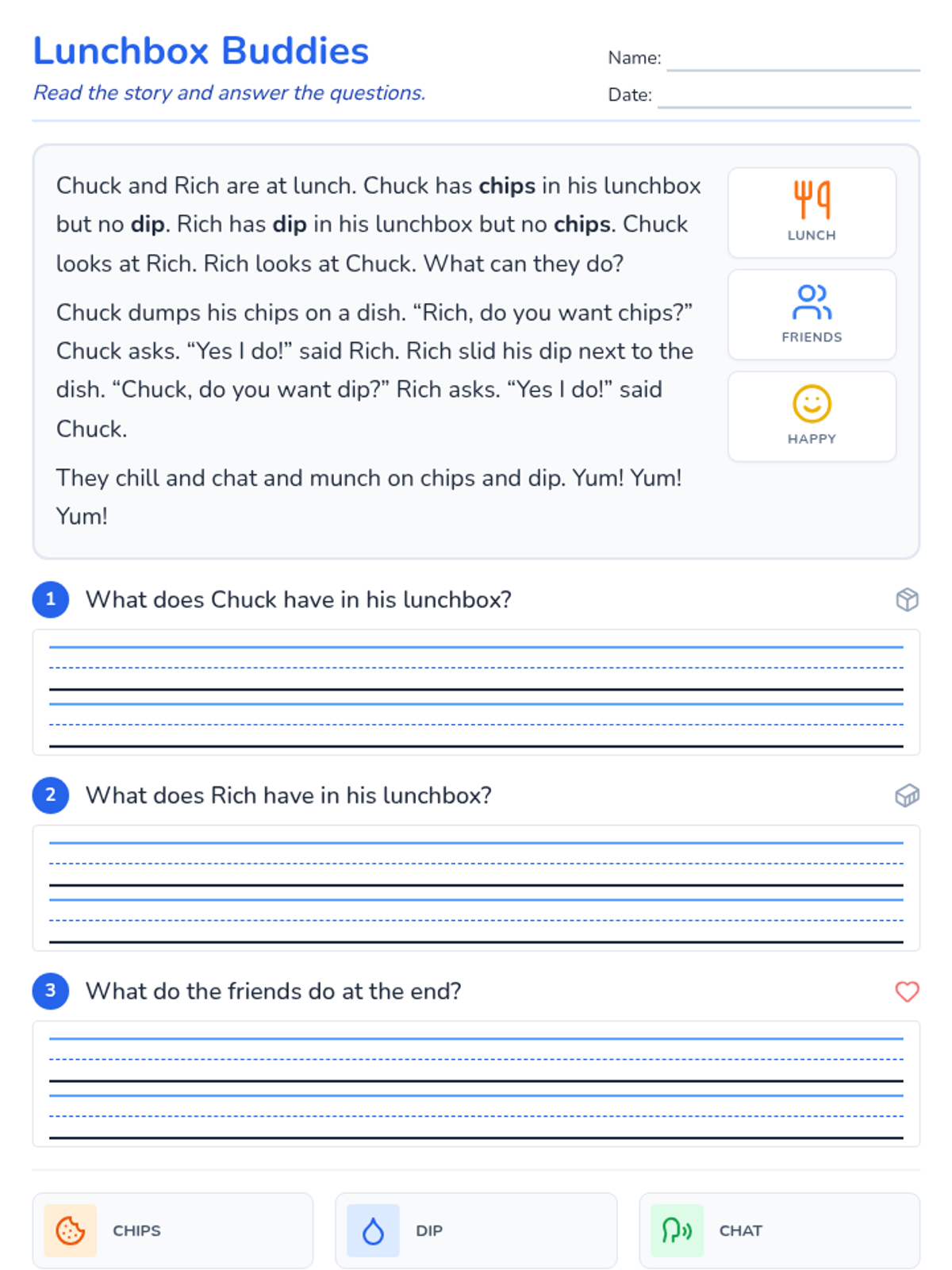
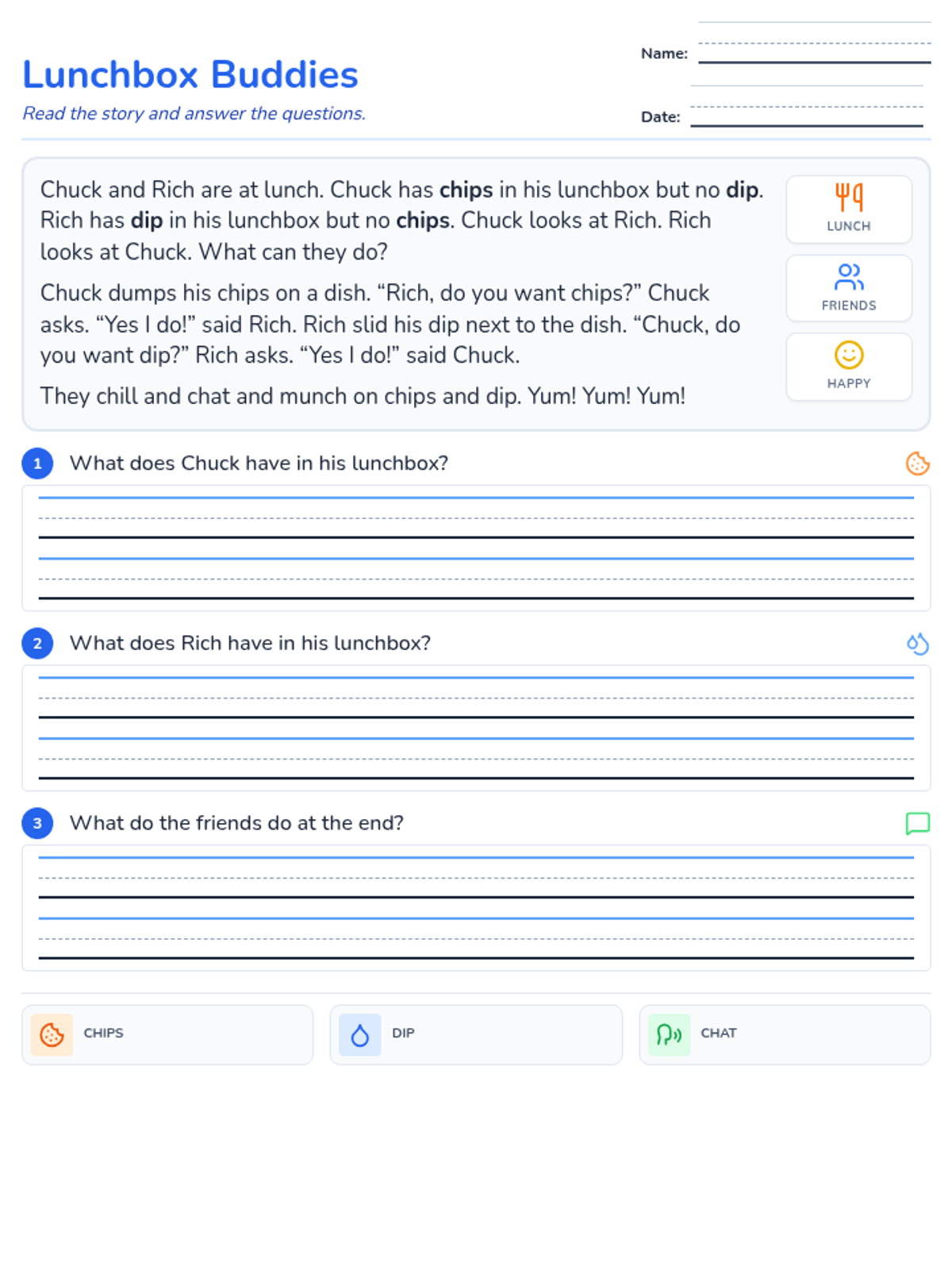
A short reading comprehension lesson focusing on social skills, sharing, and simple 'ch' blend words through a story about two friends at lunch.
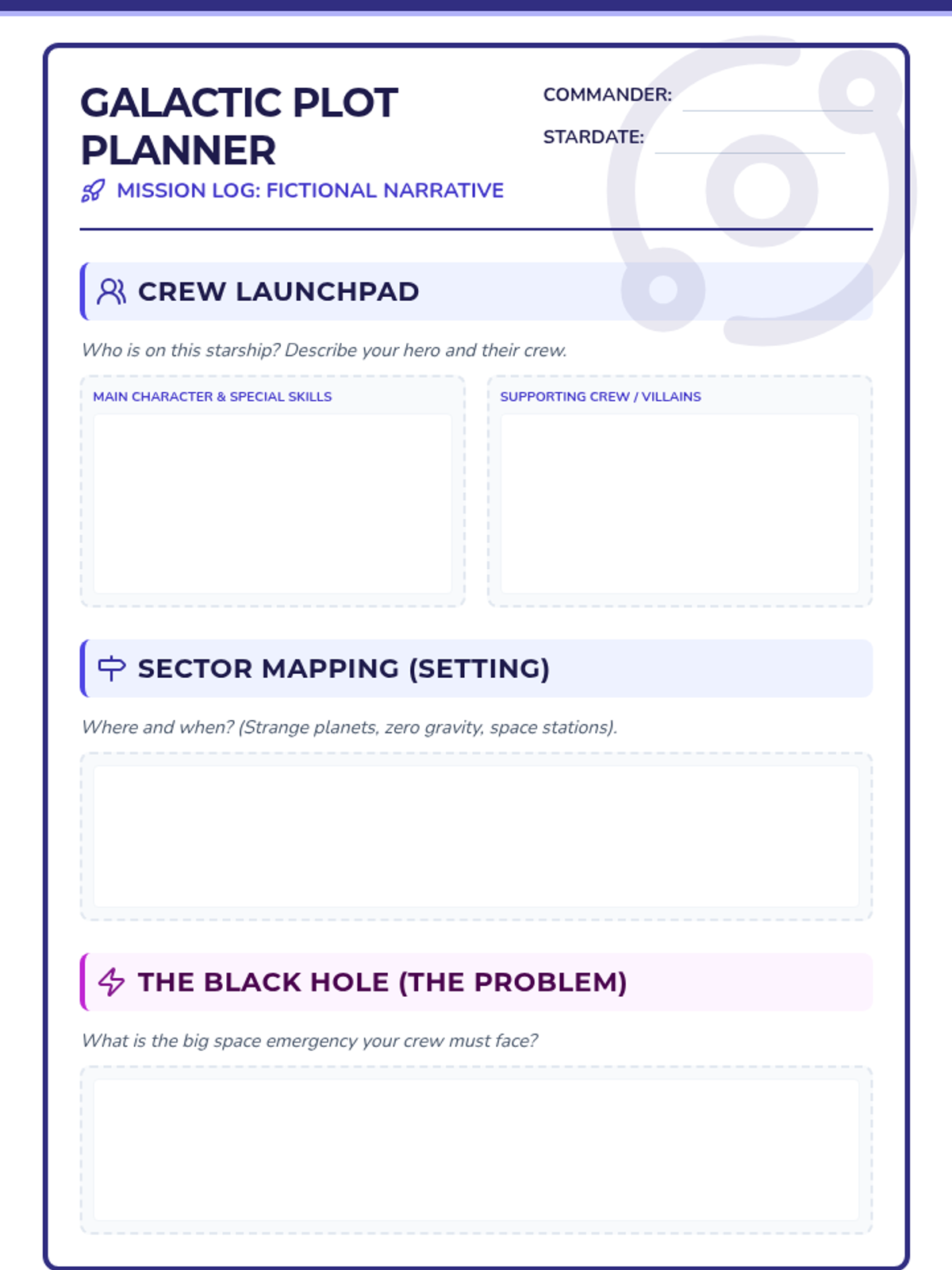
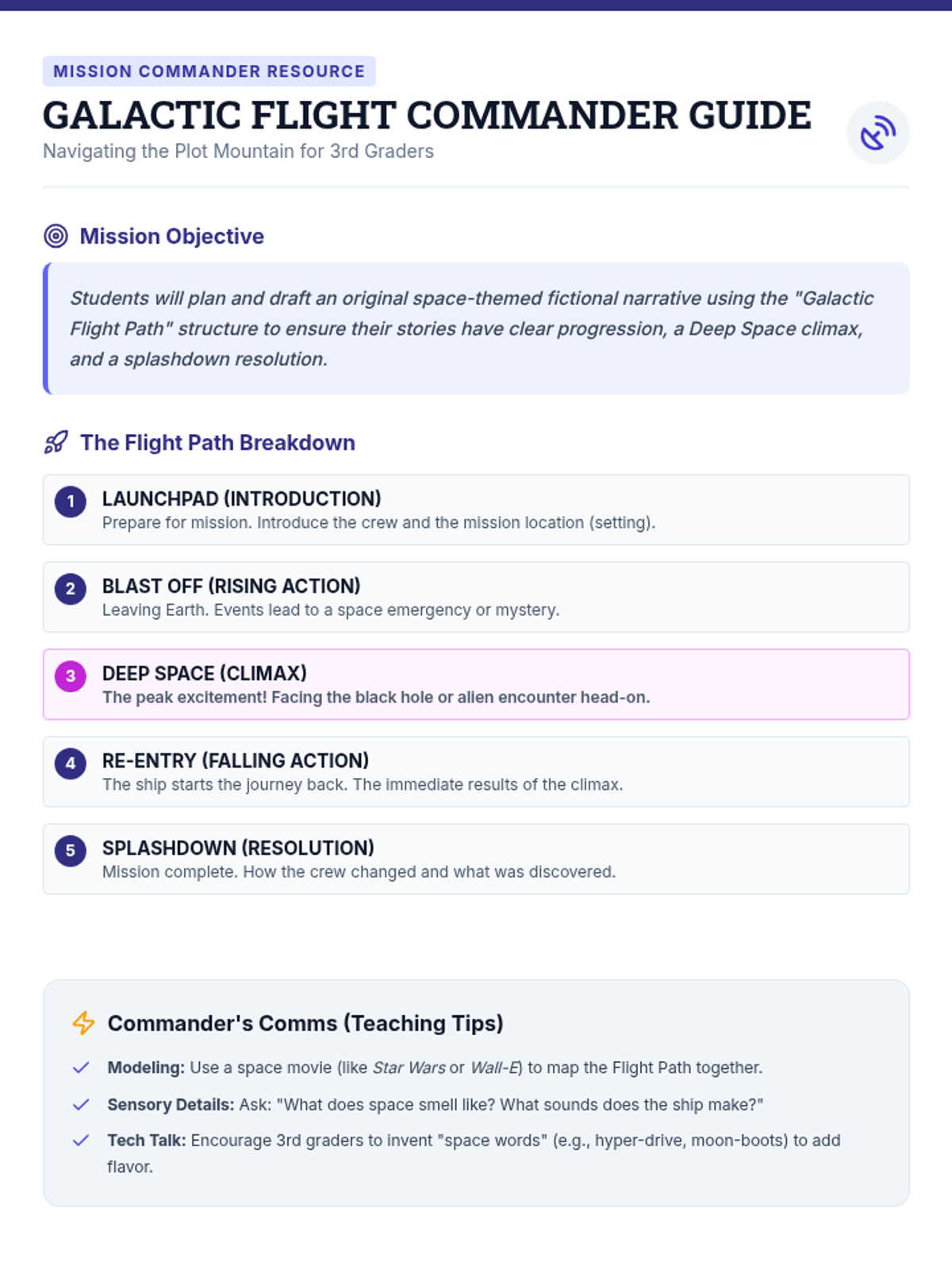
Students navigate the stars by mapping their fictional narratives using a space-themed Plot Mountain, from Launchpad brainstorming to the Deep Space climax.
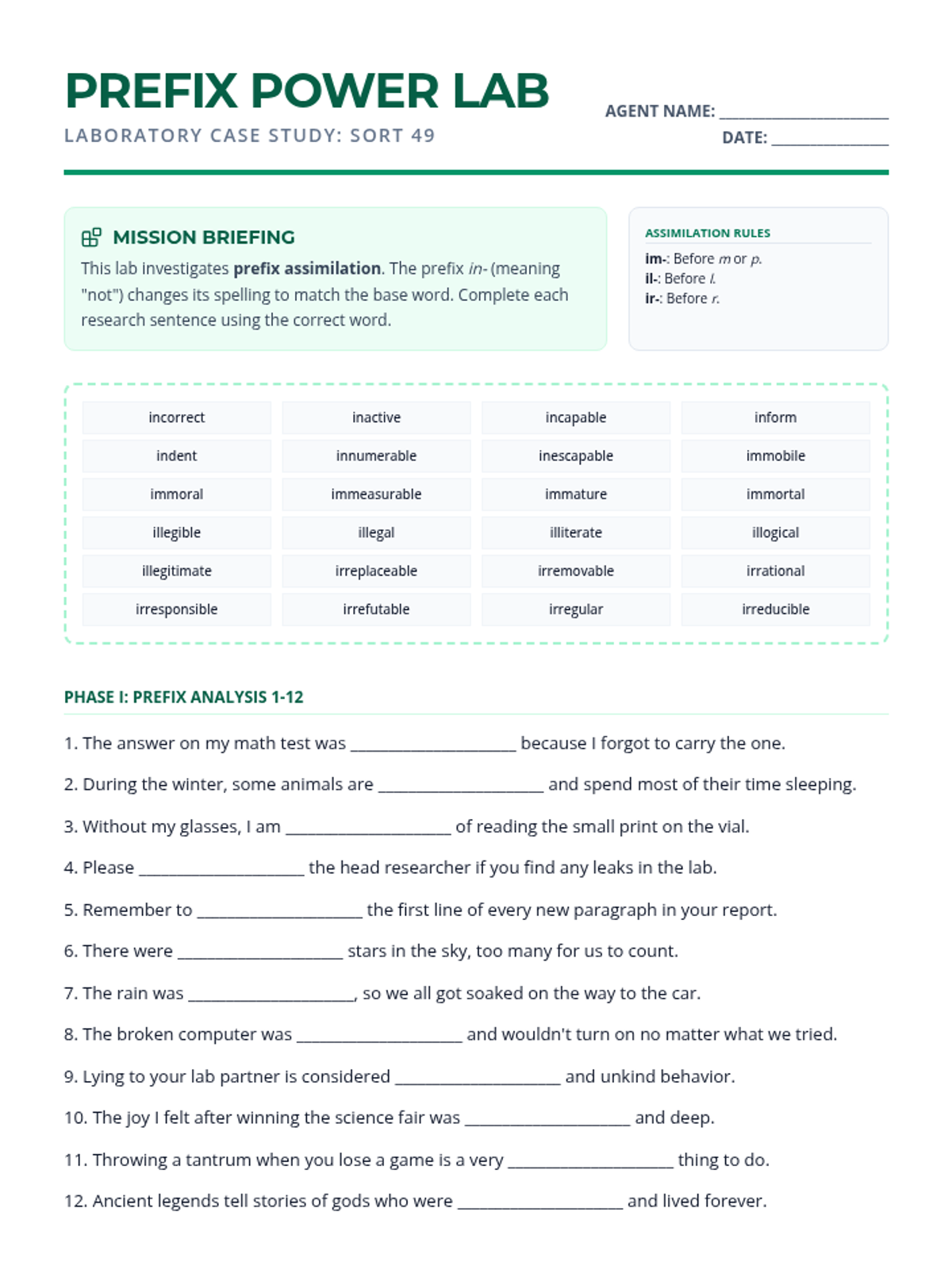
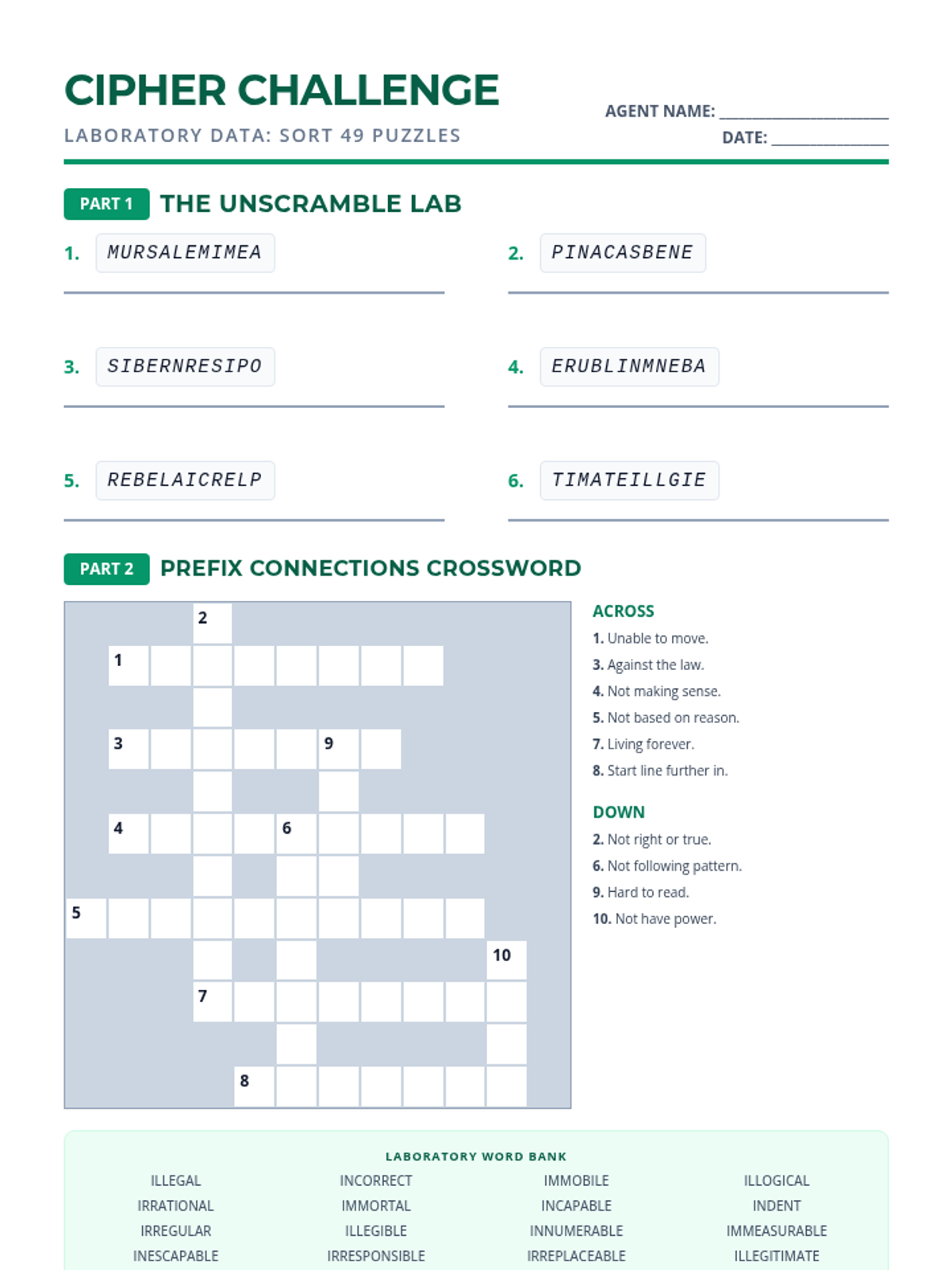
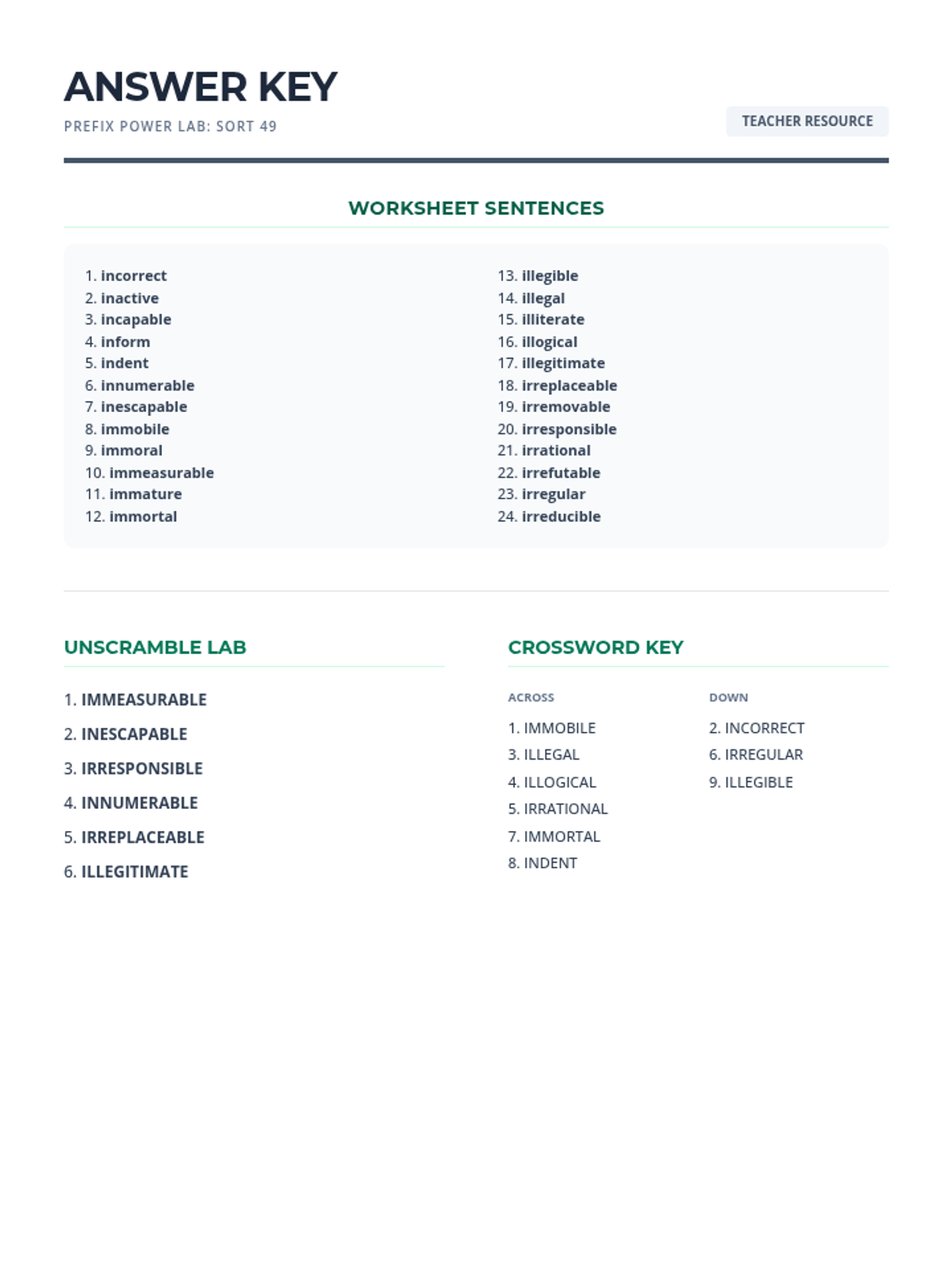
A study of prefix assimilation using Sort 49. Students explore how the prefix 'in-' (meaning 'not' or 'into') changes its spelling to 'im-', 'il-', and 'ir-' to match the base word's starting letter.
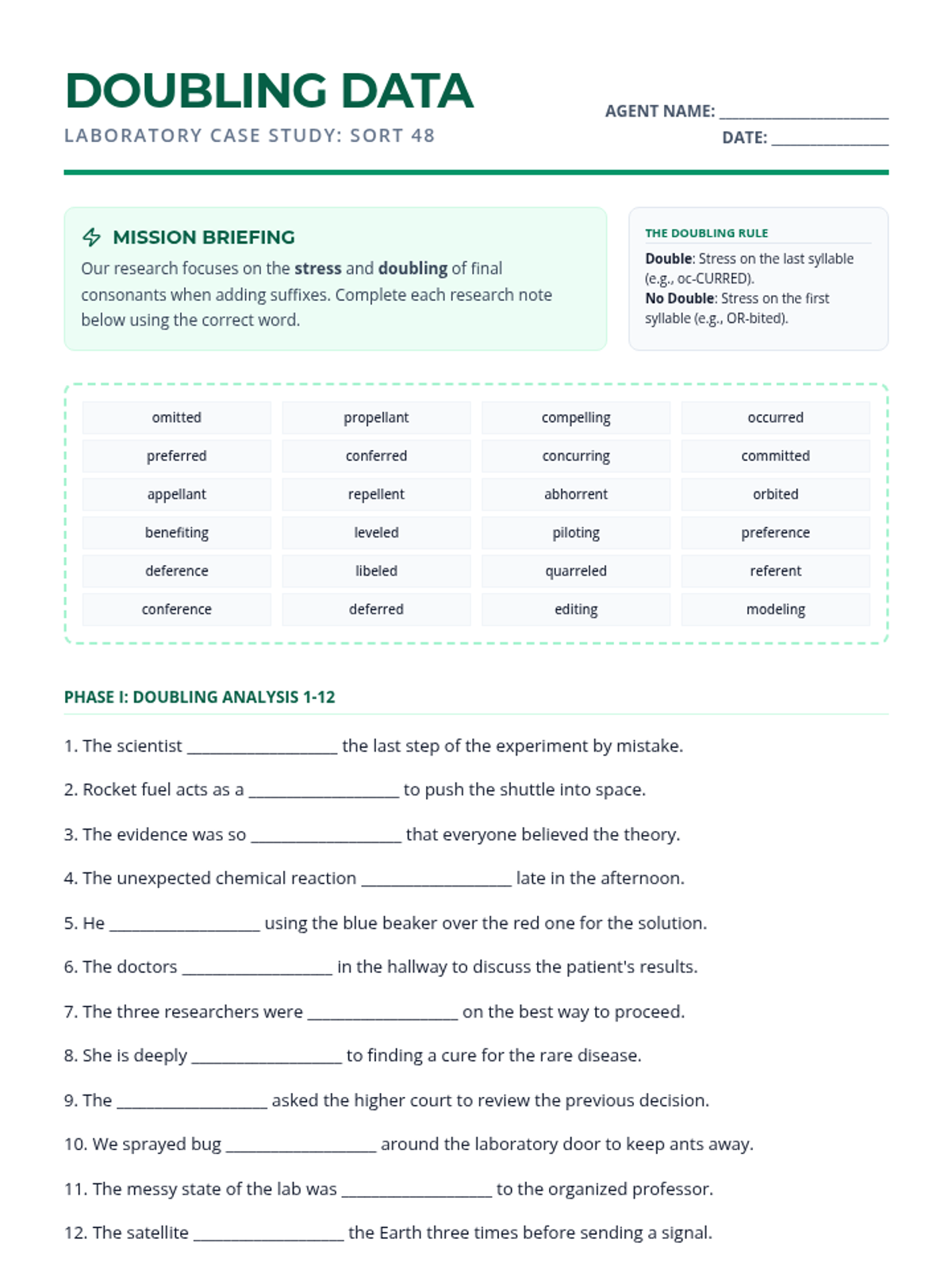
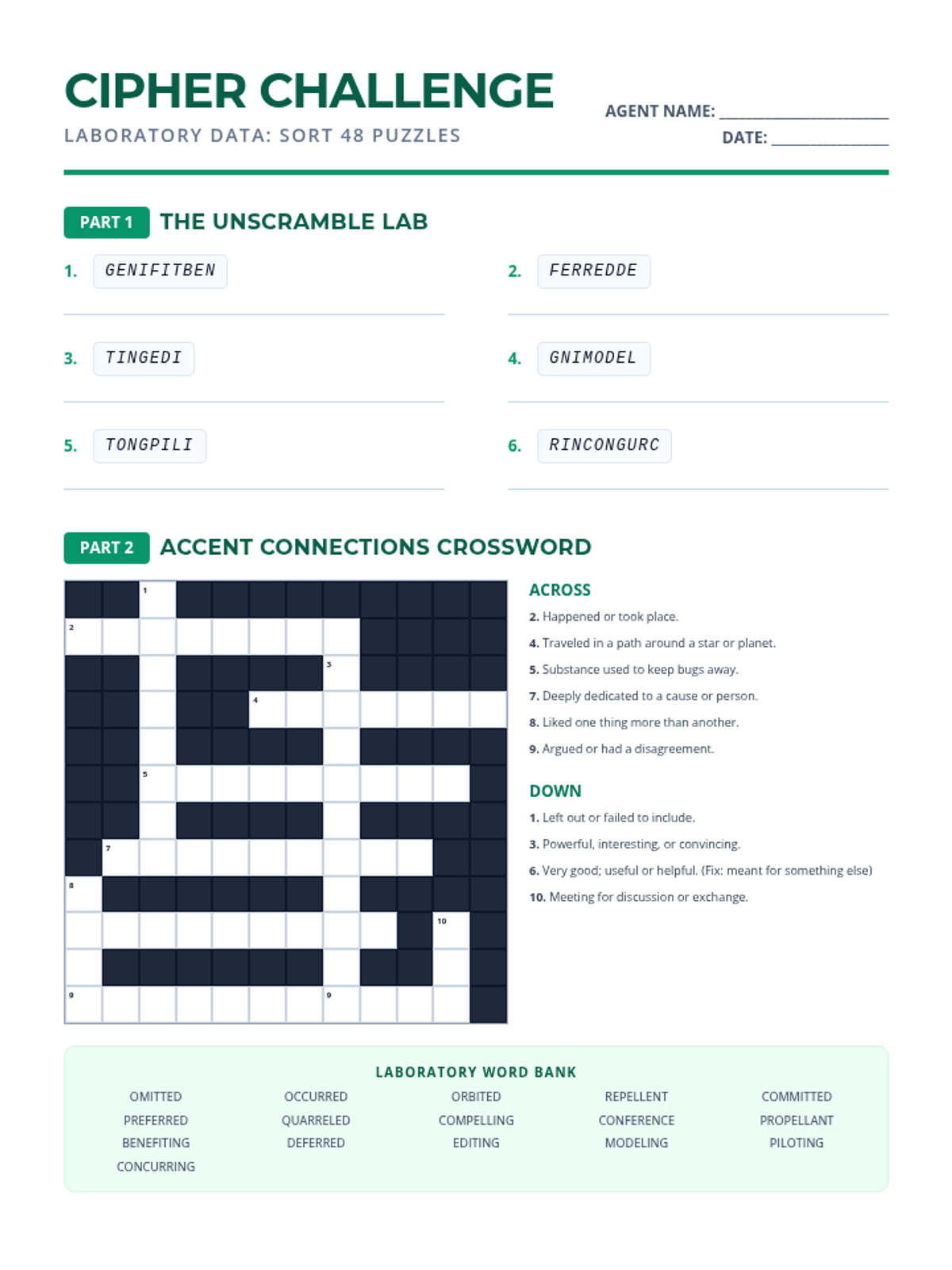
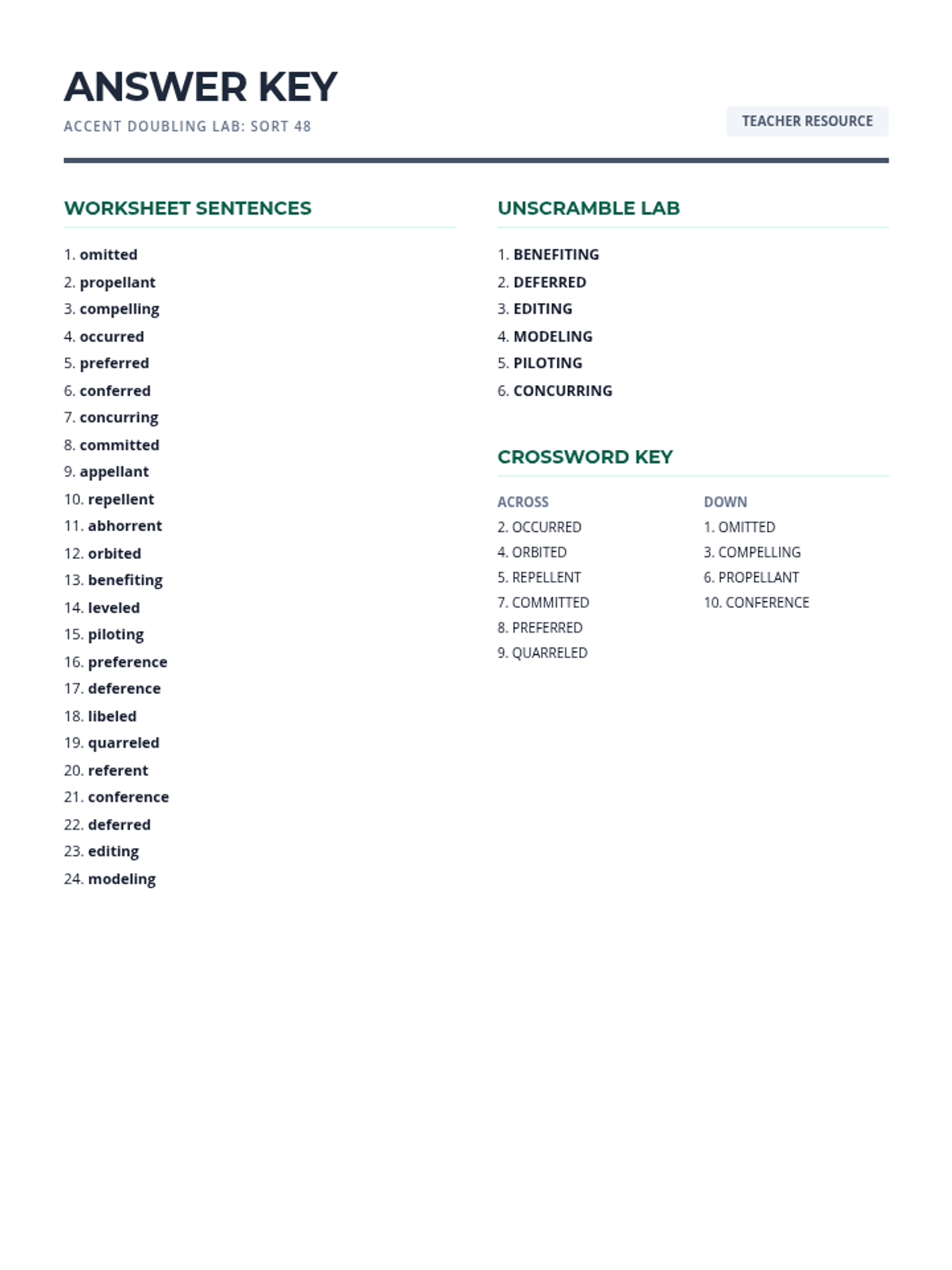
A study of accent and doubling rules when adding suffixes using Sort 48. Students analyze when to double the final consonant based on word stress while solving vocabulary-based sentences and puzzles.
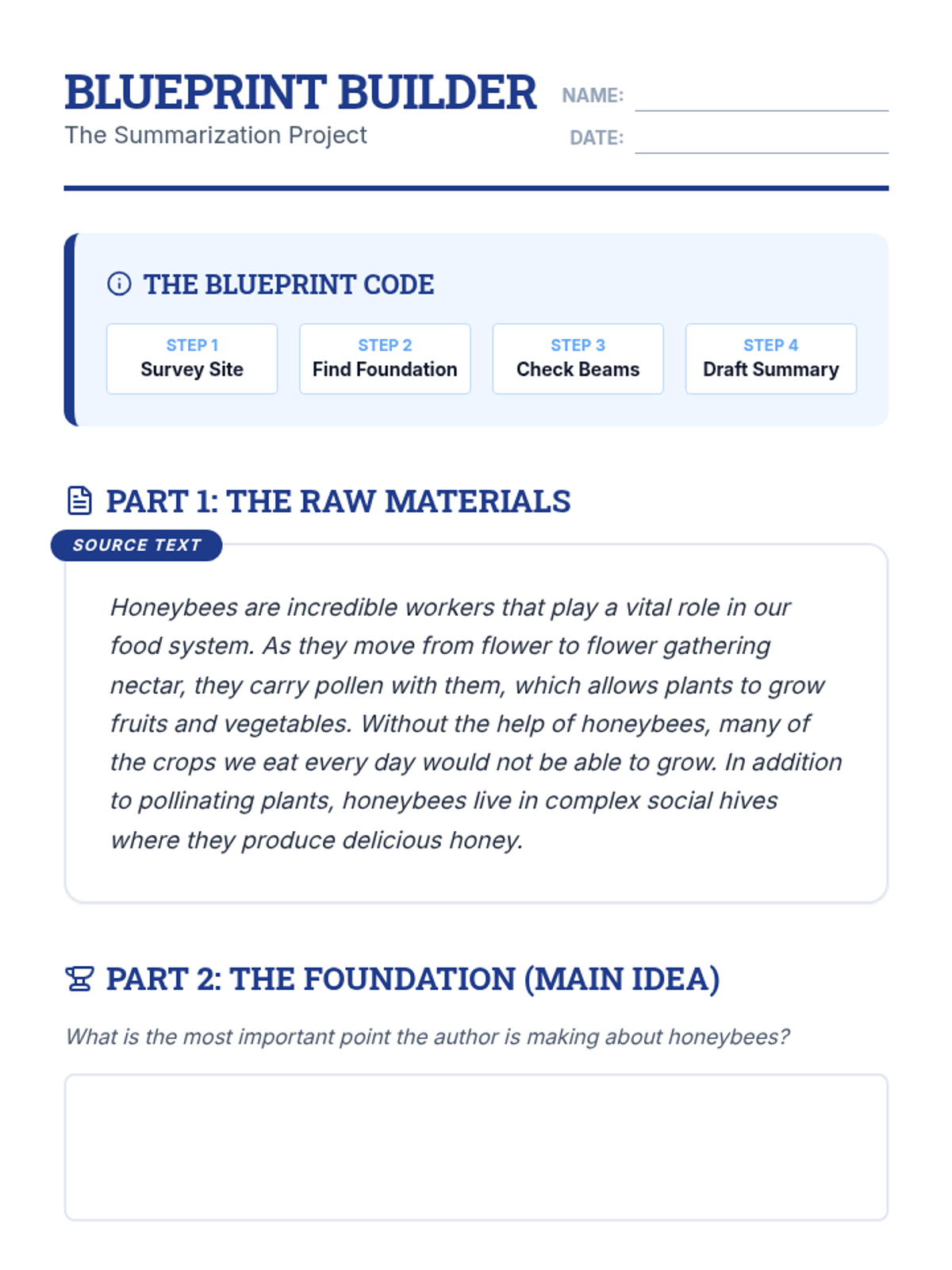
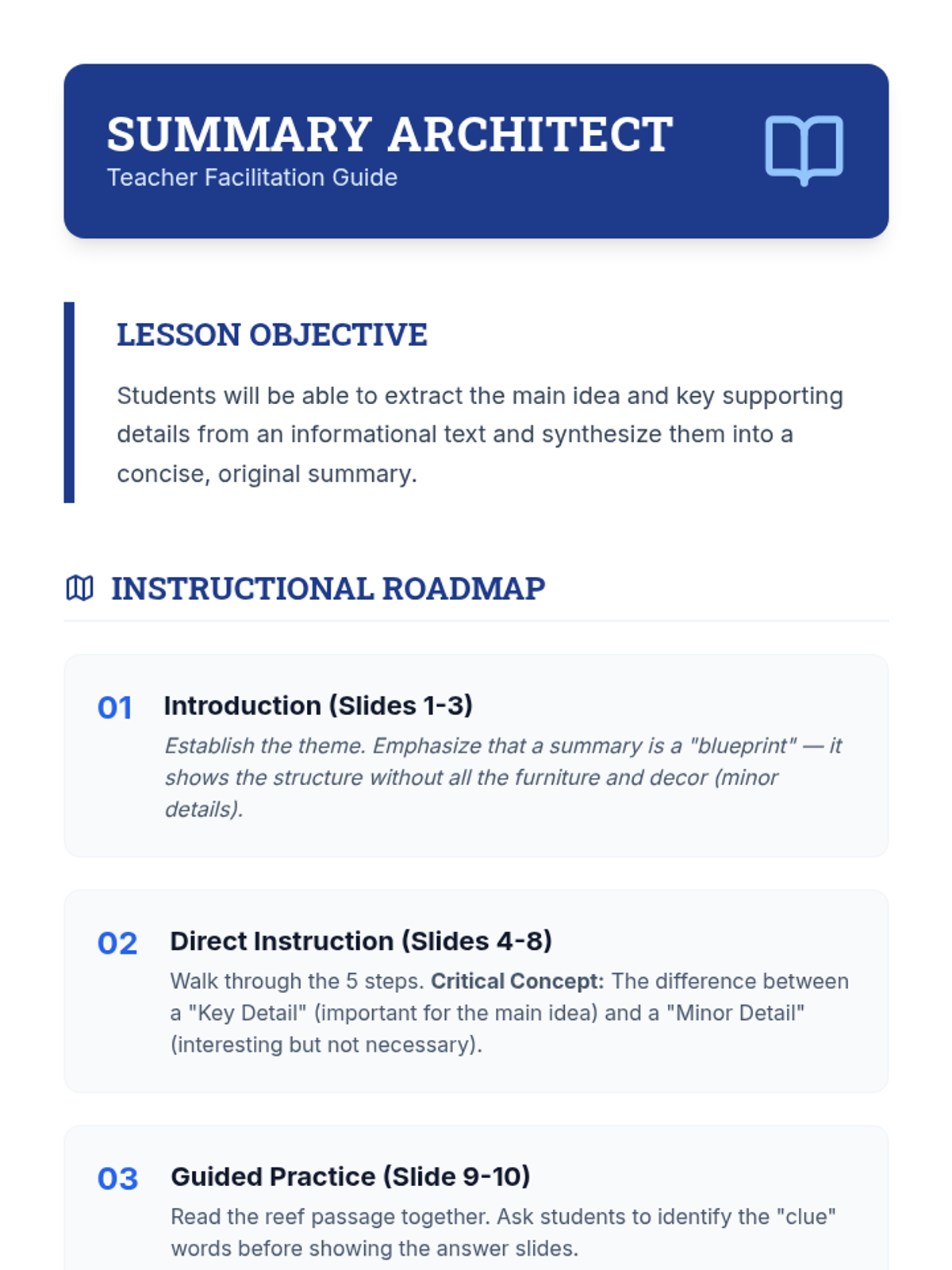
A lesson designed to teach students how to summarize informational text using the Main Idea and Supporting Details strategy through an architectural blueprint theme.
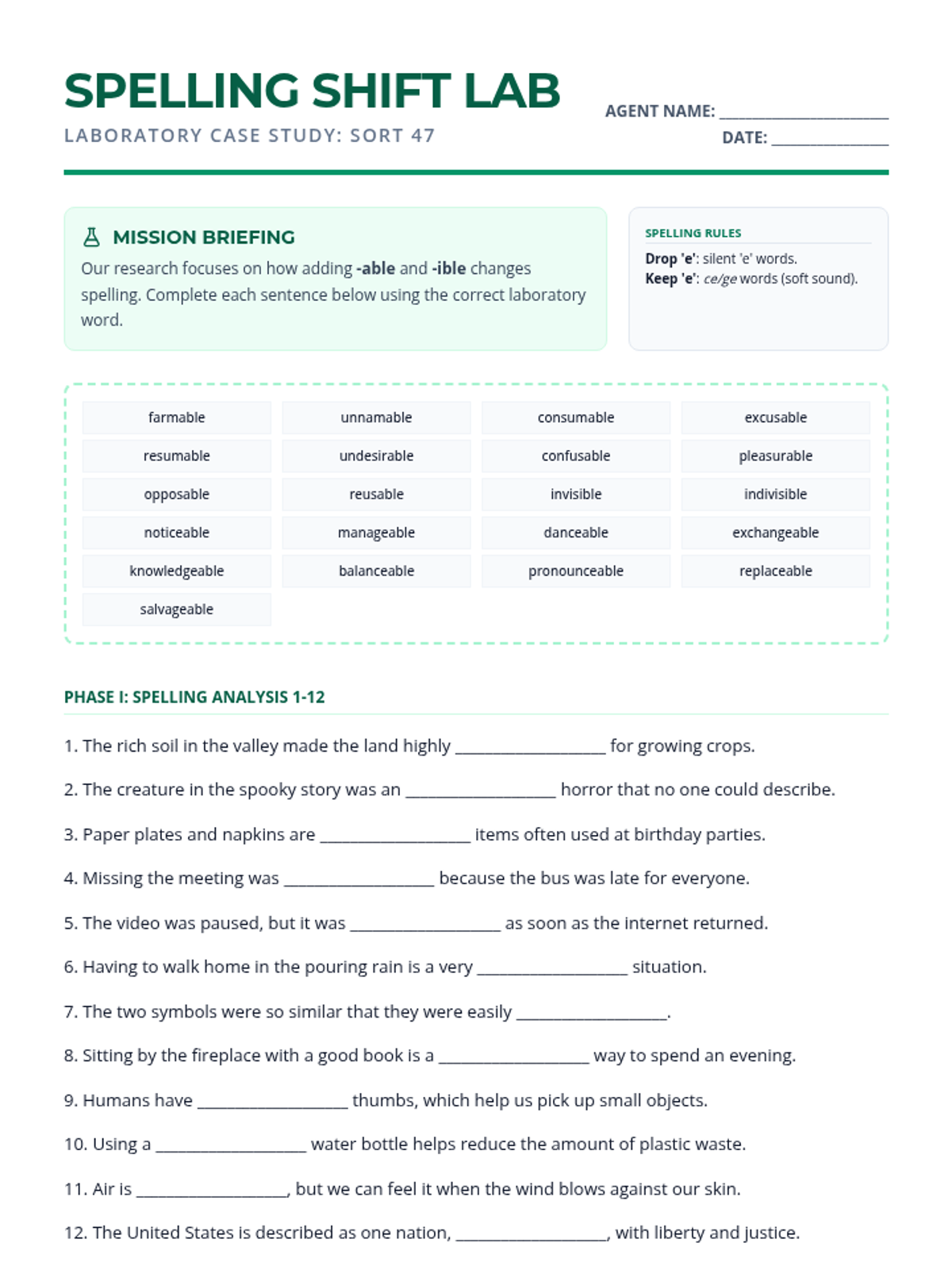
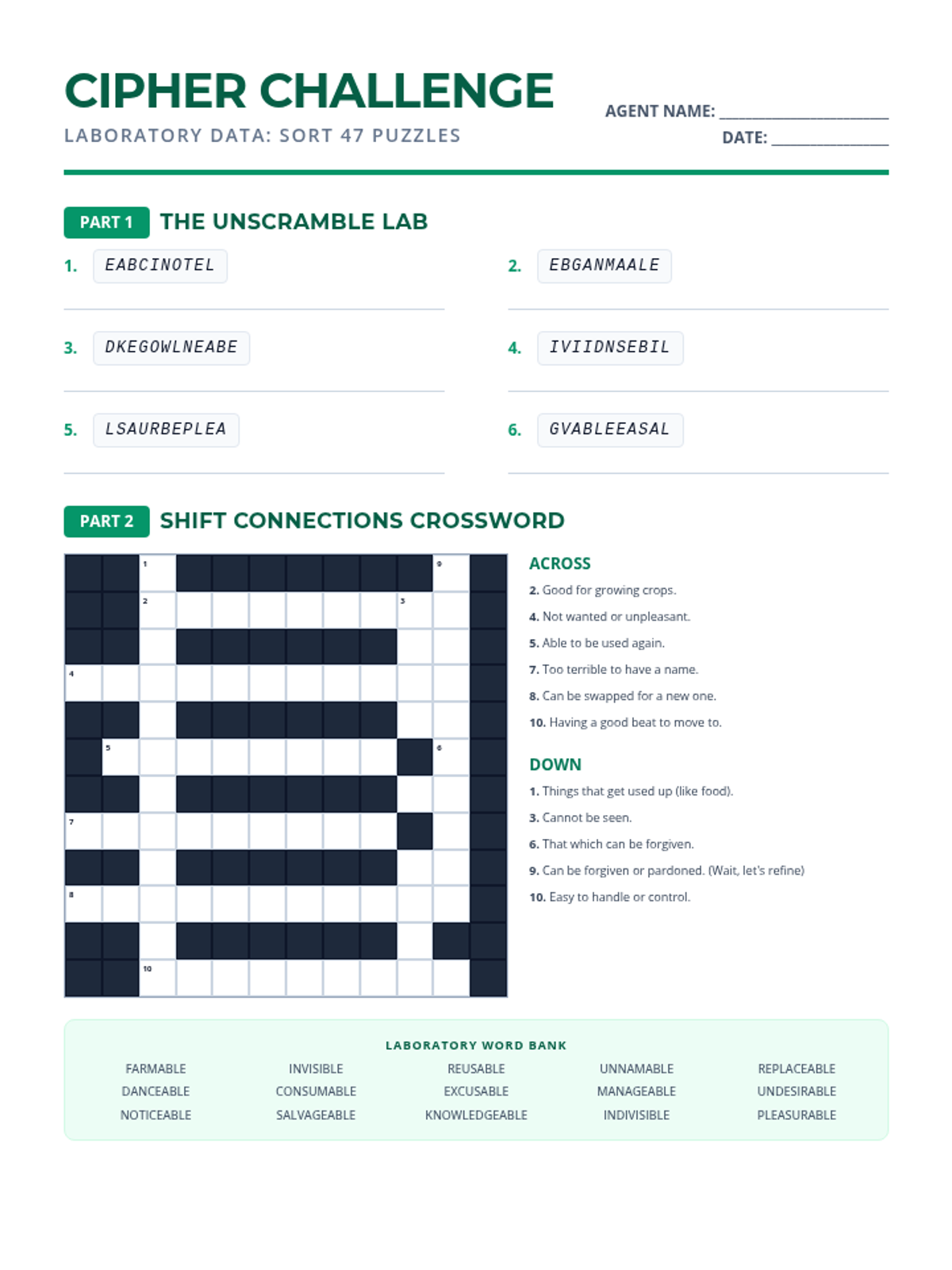
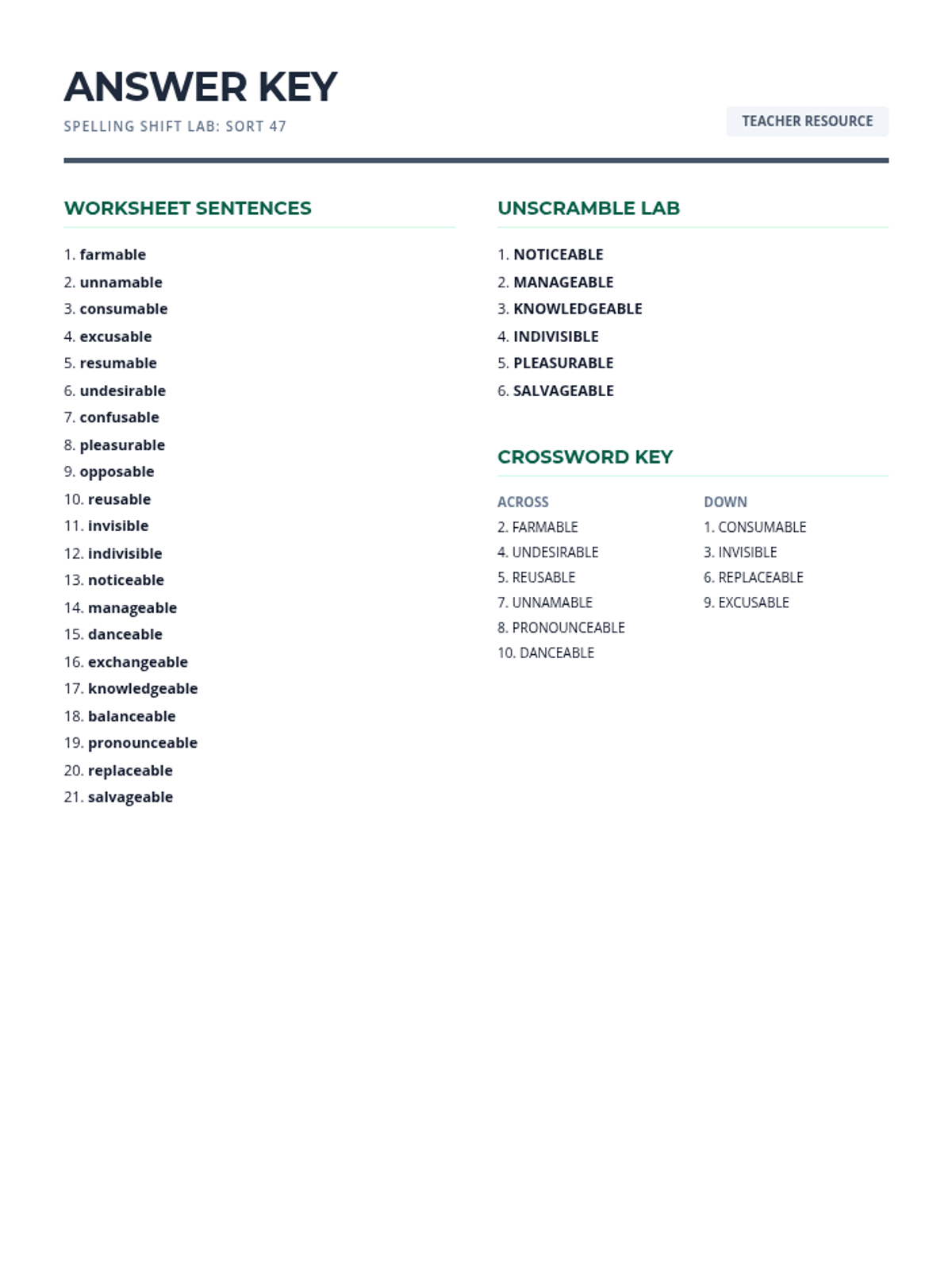
A study of spelling changes when adding -able and -ible suffixes using Sort 47. Students explore the rules for dropping or keeping the final 'e' in base words while analyzing vocabulary through sentences and puzzles.
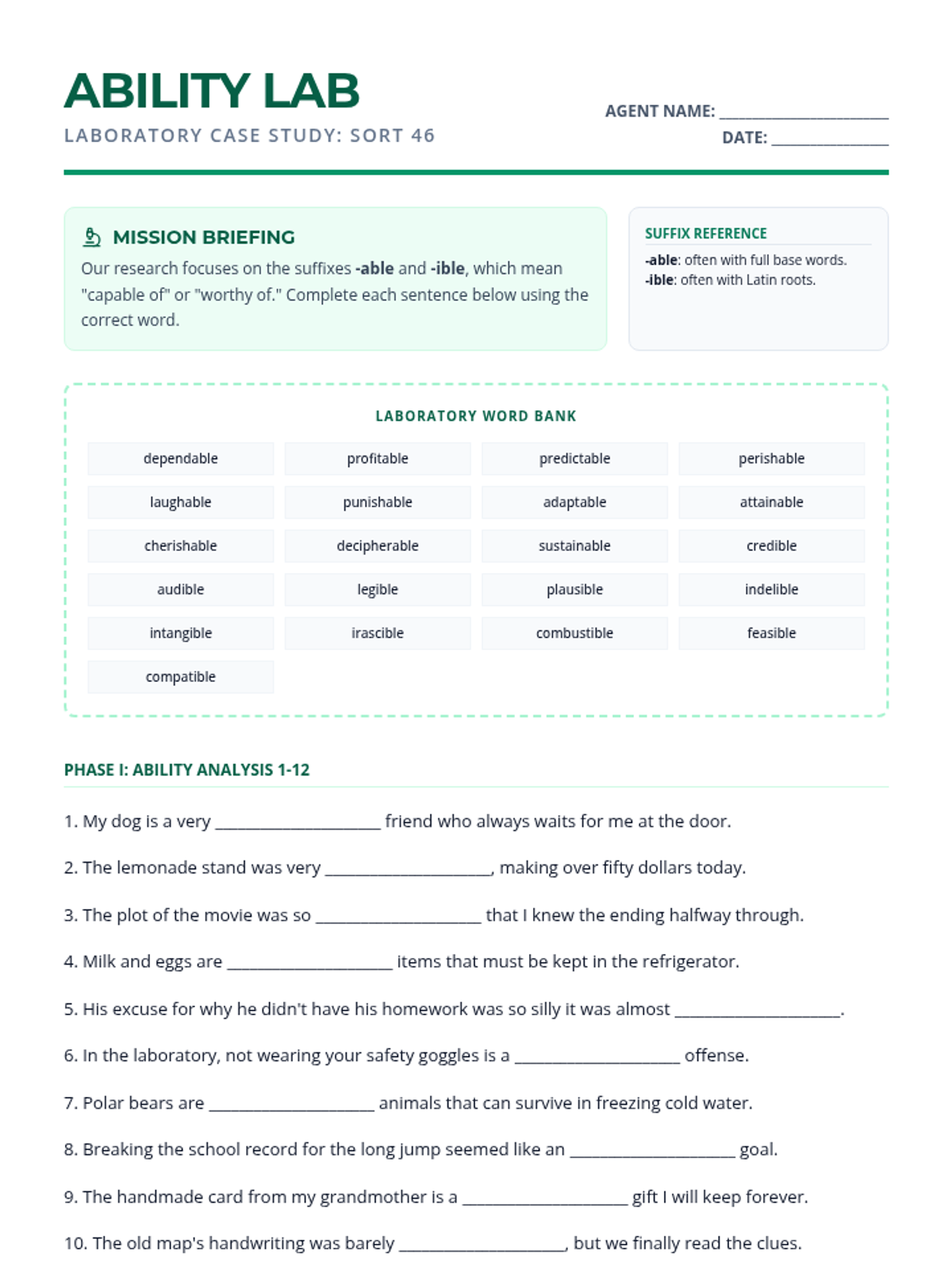
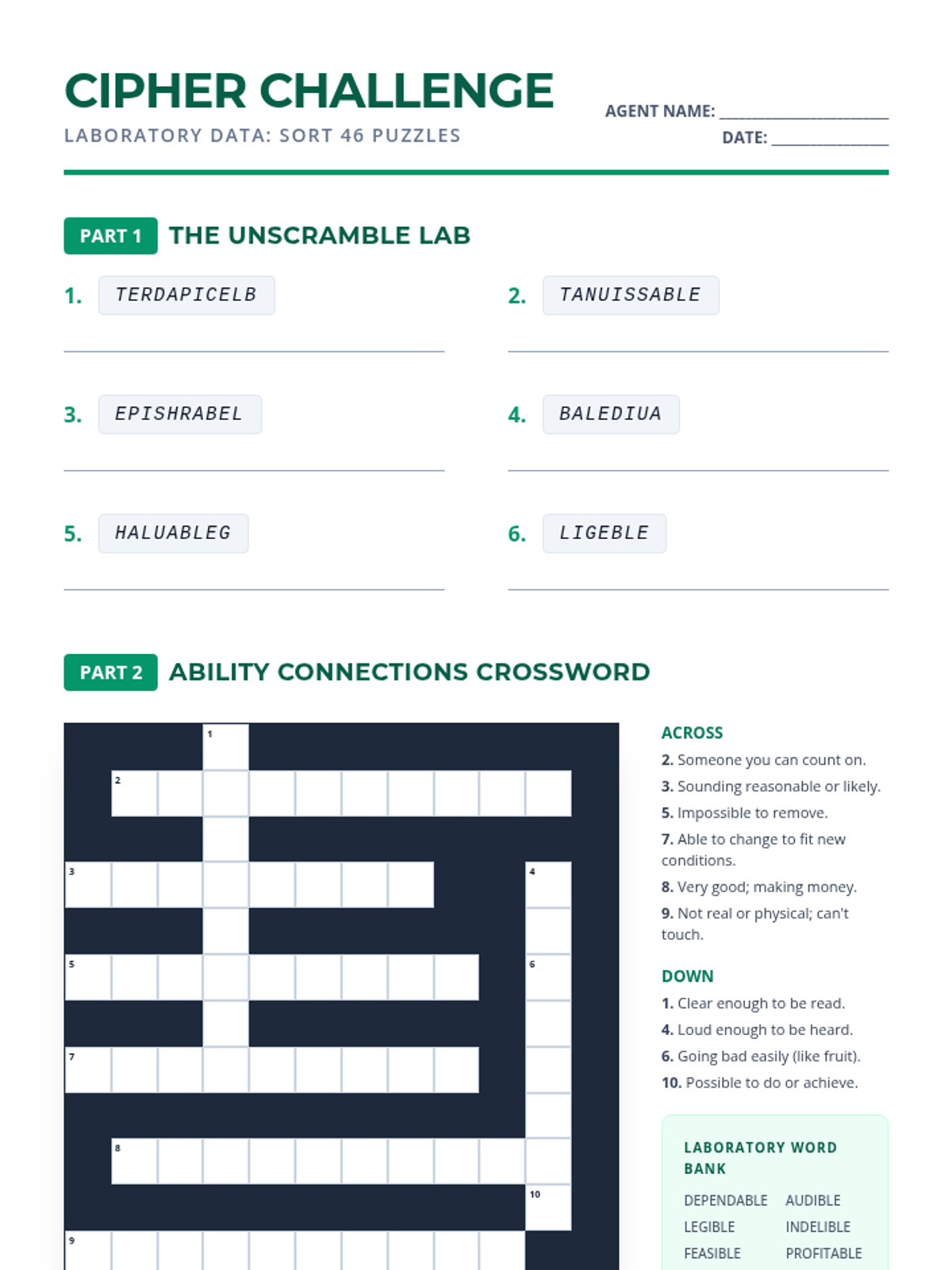
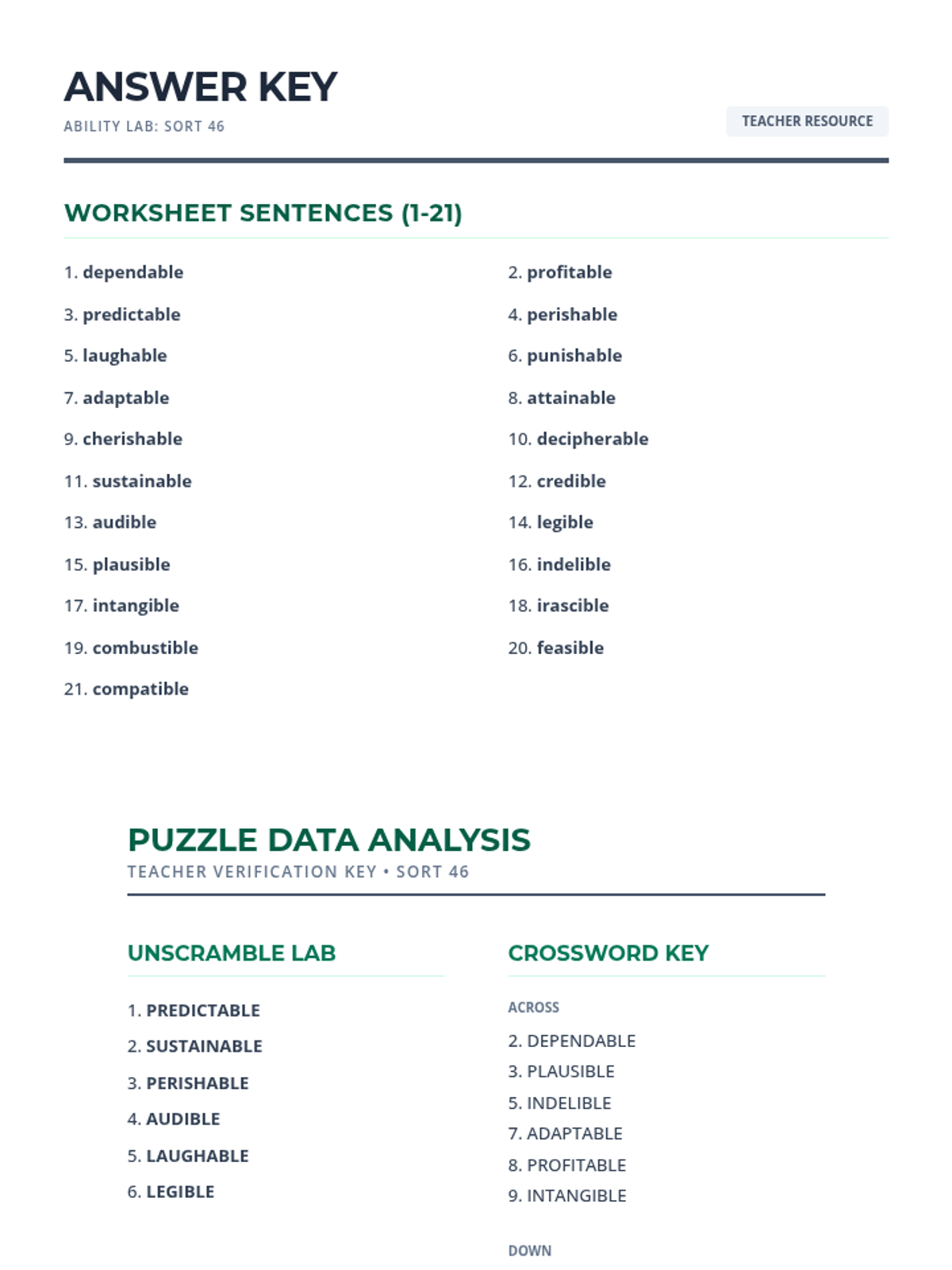
A study of suffixes -able and -ible using Sort 46. Students explore how these suffixes turn verbs and nouns into adjectives, focusing on the meaning "capable of" or "worthy of."
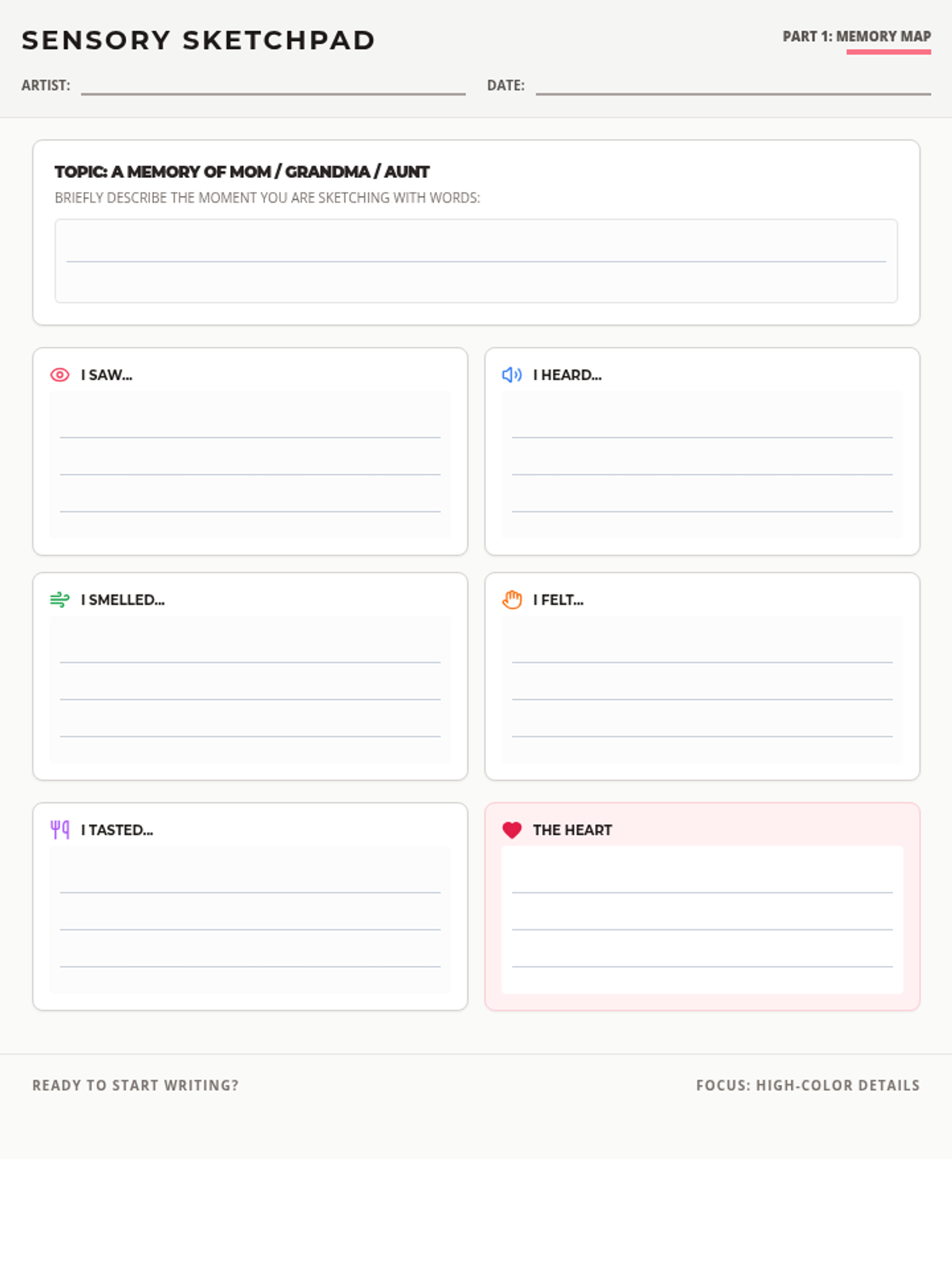
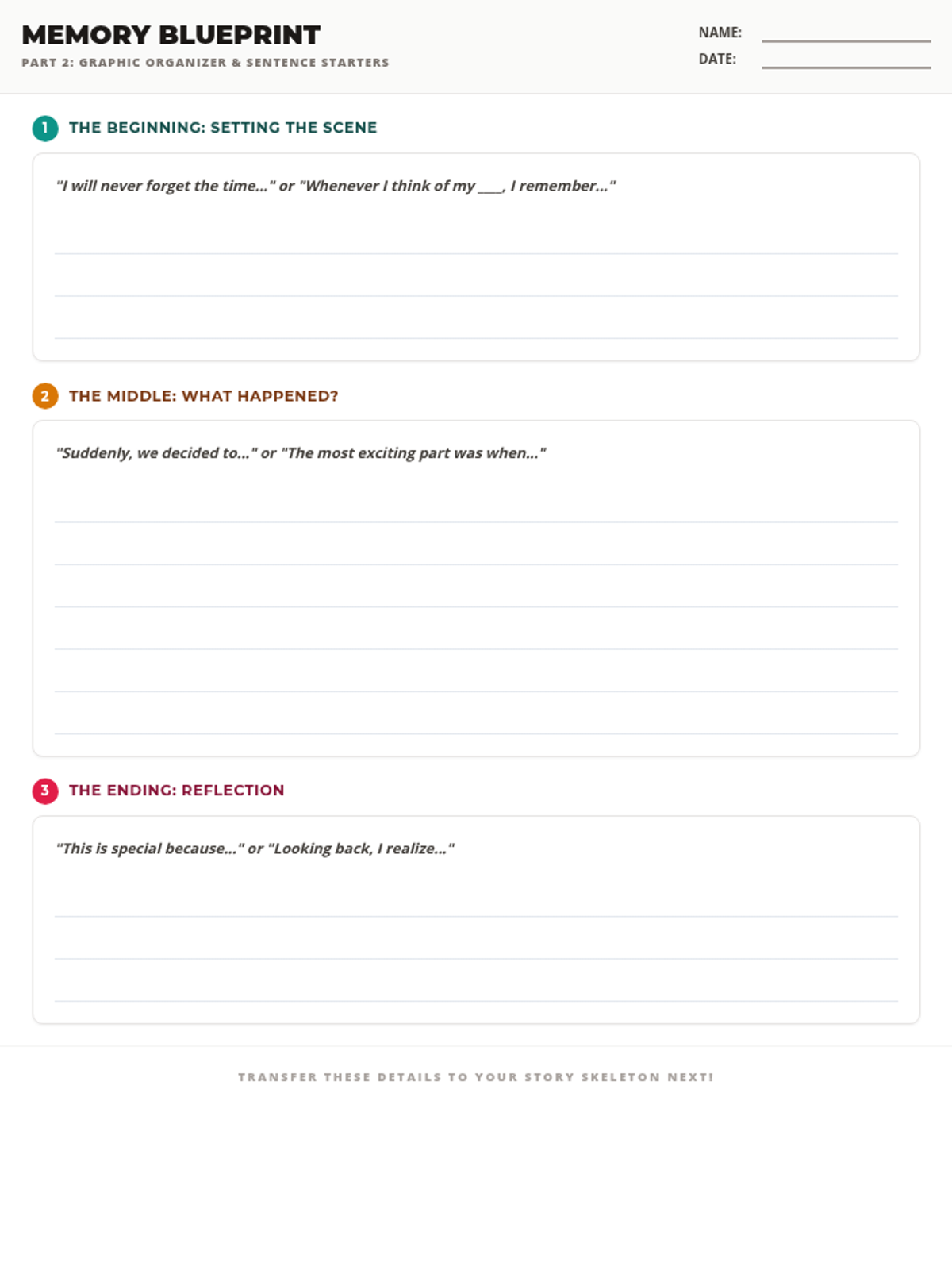
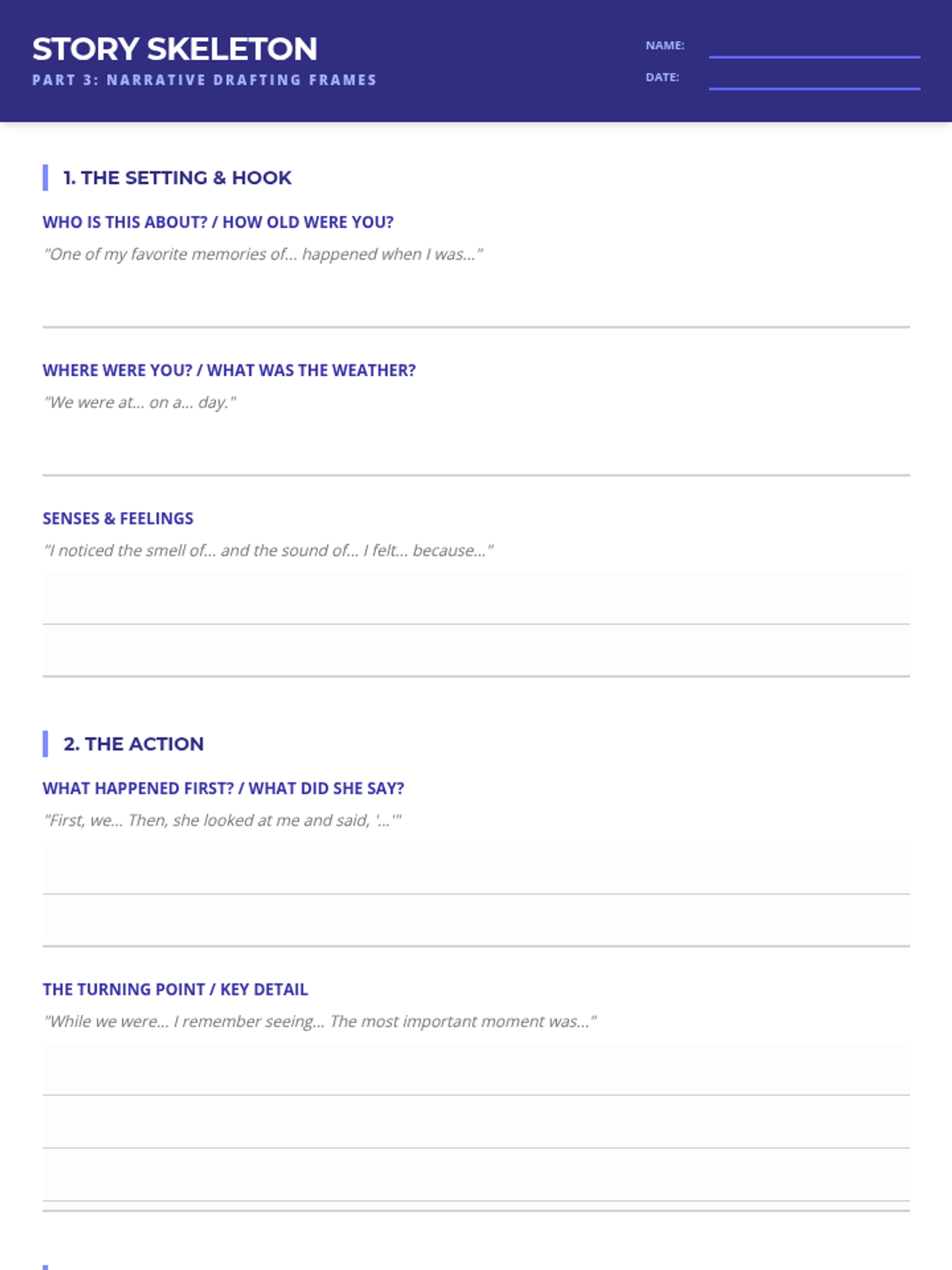
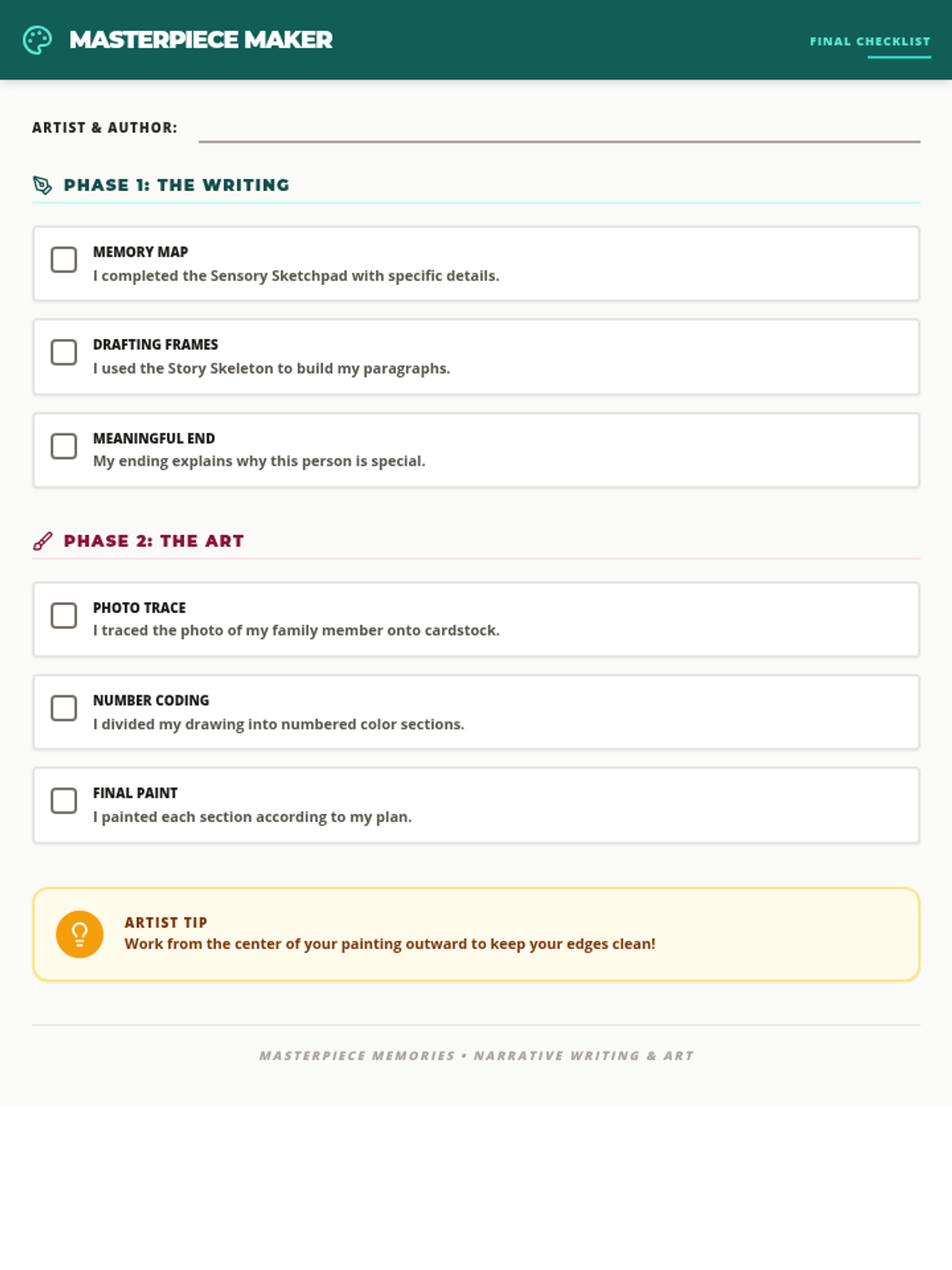
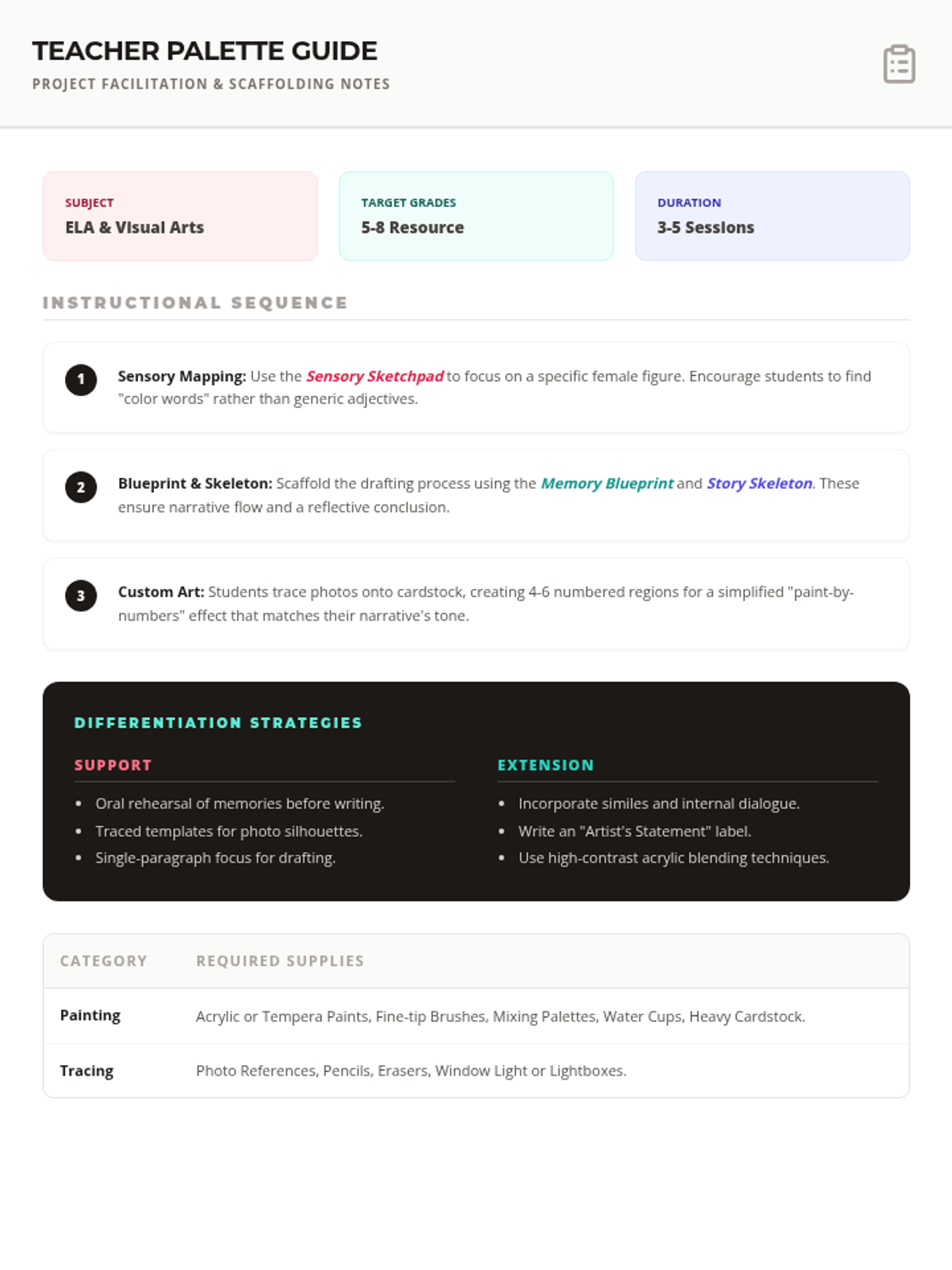
Students will use scaffolding tools to plan, draft, and polish a narrative story about a favorite memory, culminating in a custom art piece.
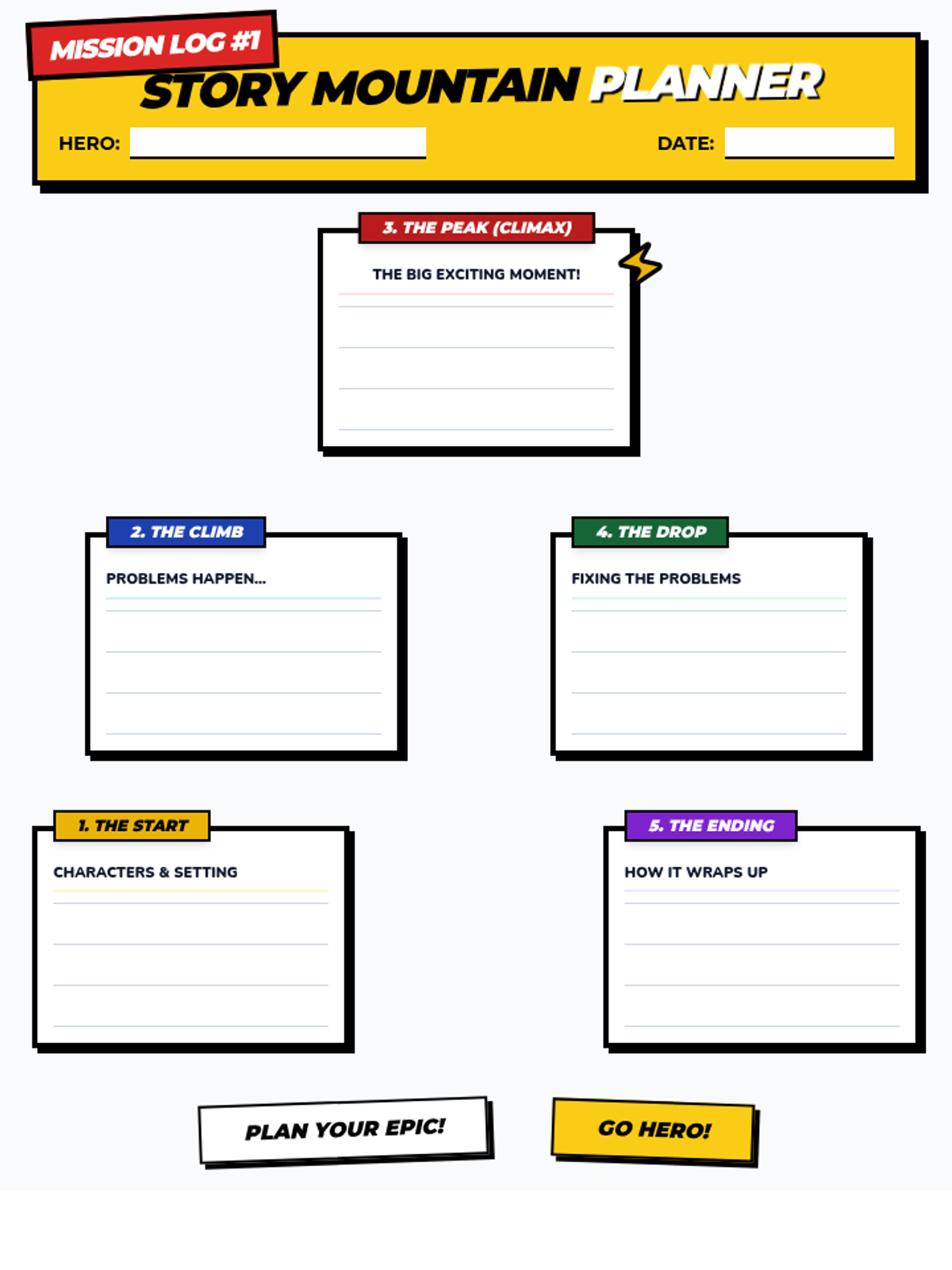
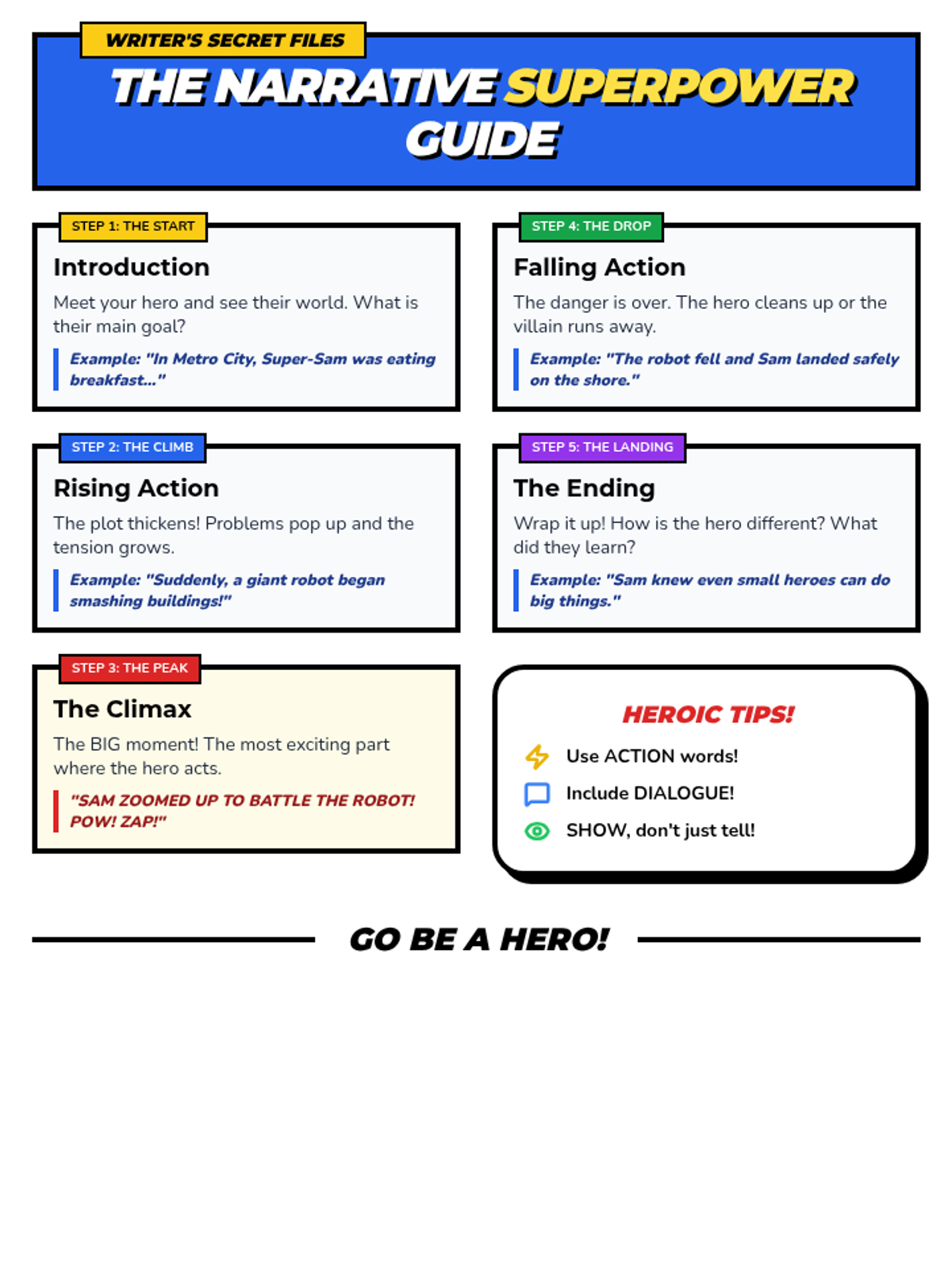
A creative writing lesson that teaches students to structure their narratives using the Story Mountain model through the lens of a comic book hero's journey.
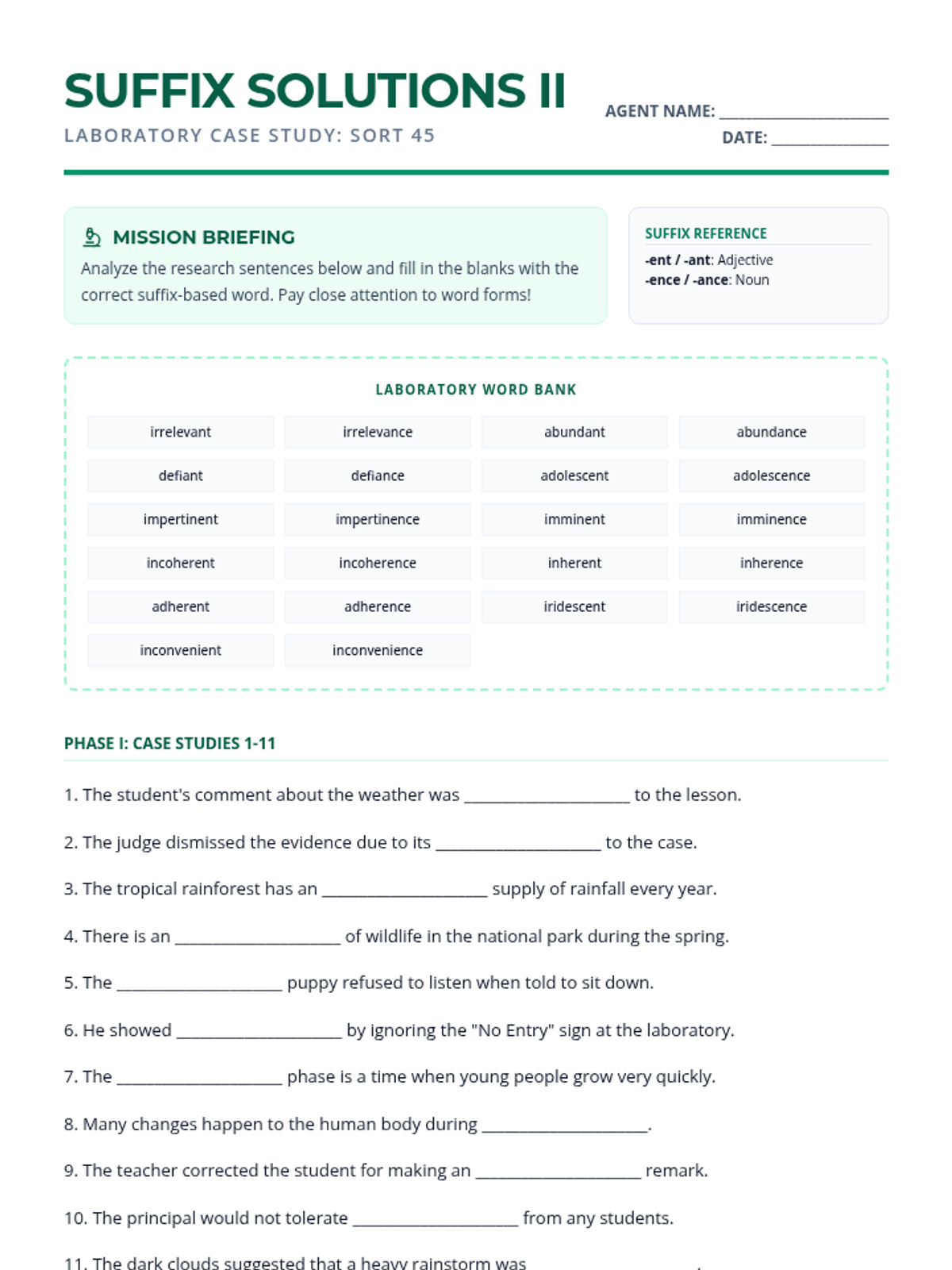
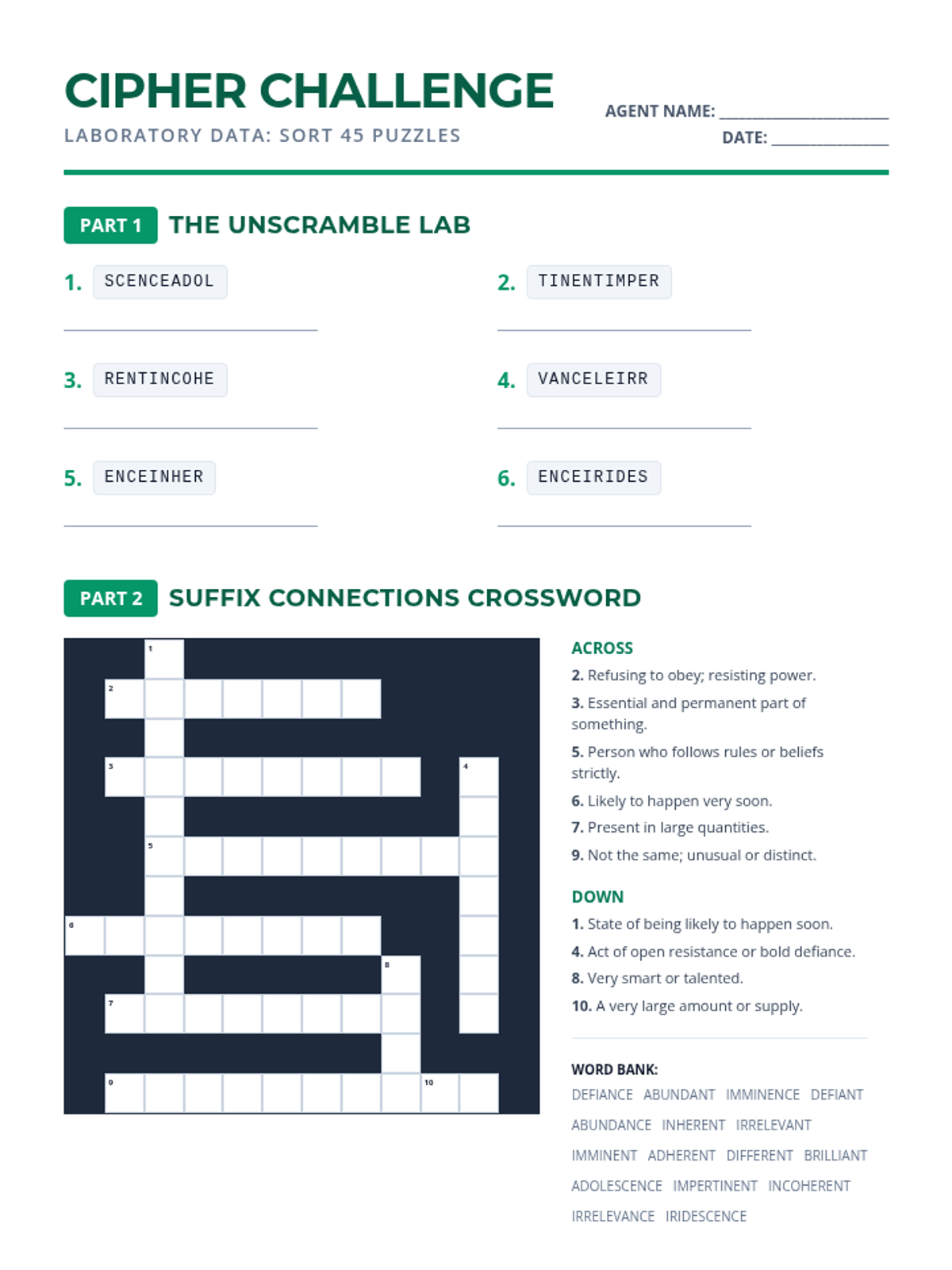
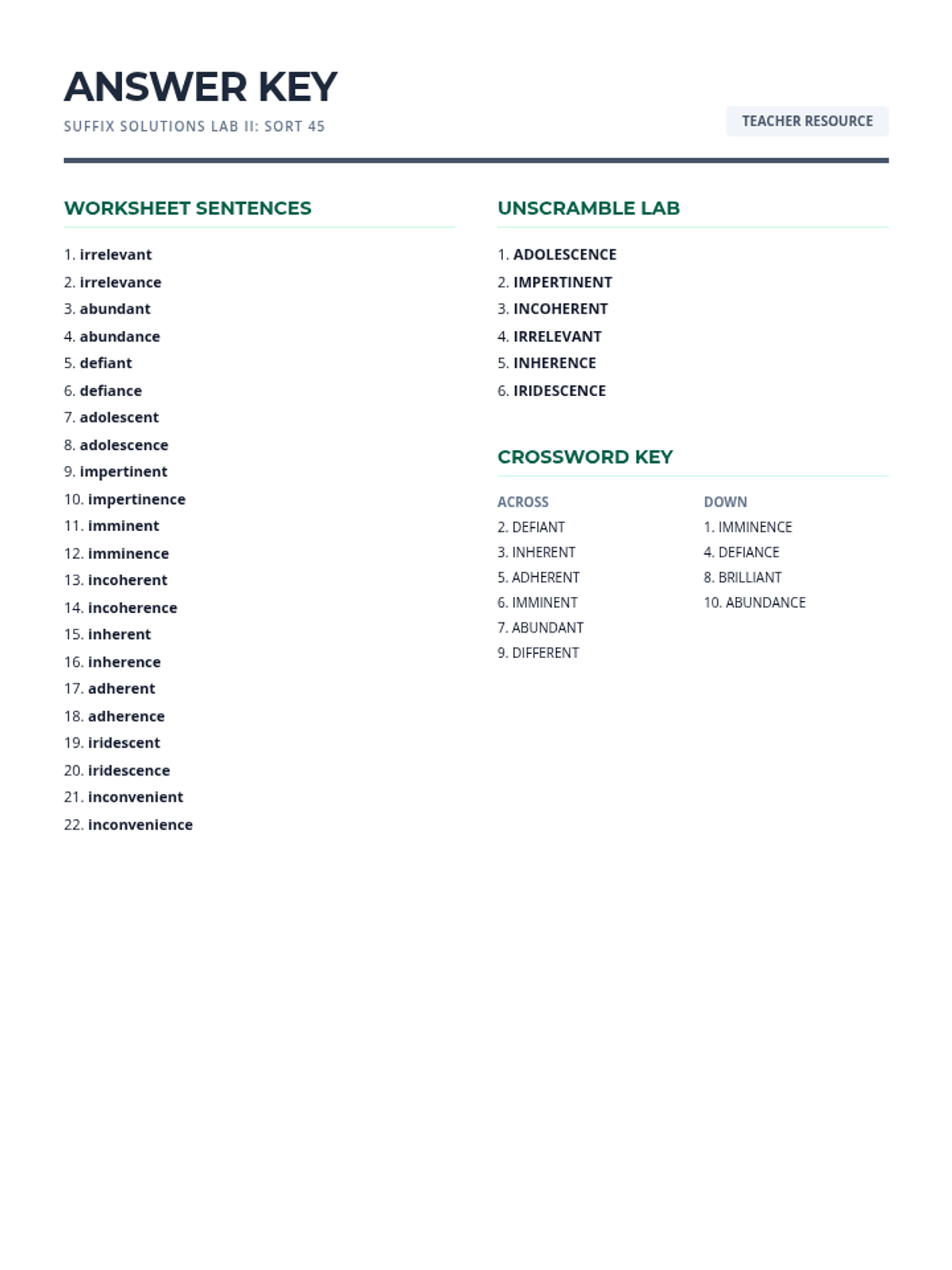
A study of advanced suffixes -ant/-ance and -ent/-ence using Sort 45. Students analyze how these suffixes function in complex vocabulary pairs through sentences and logic puzzles.
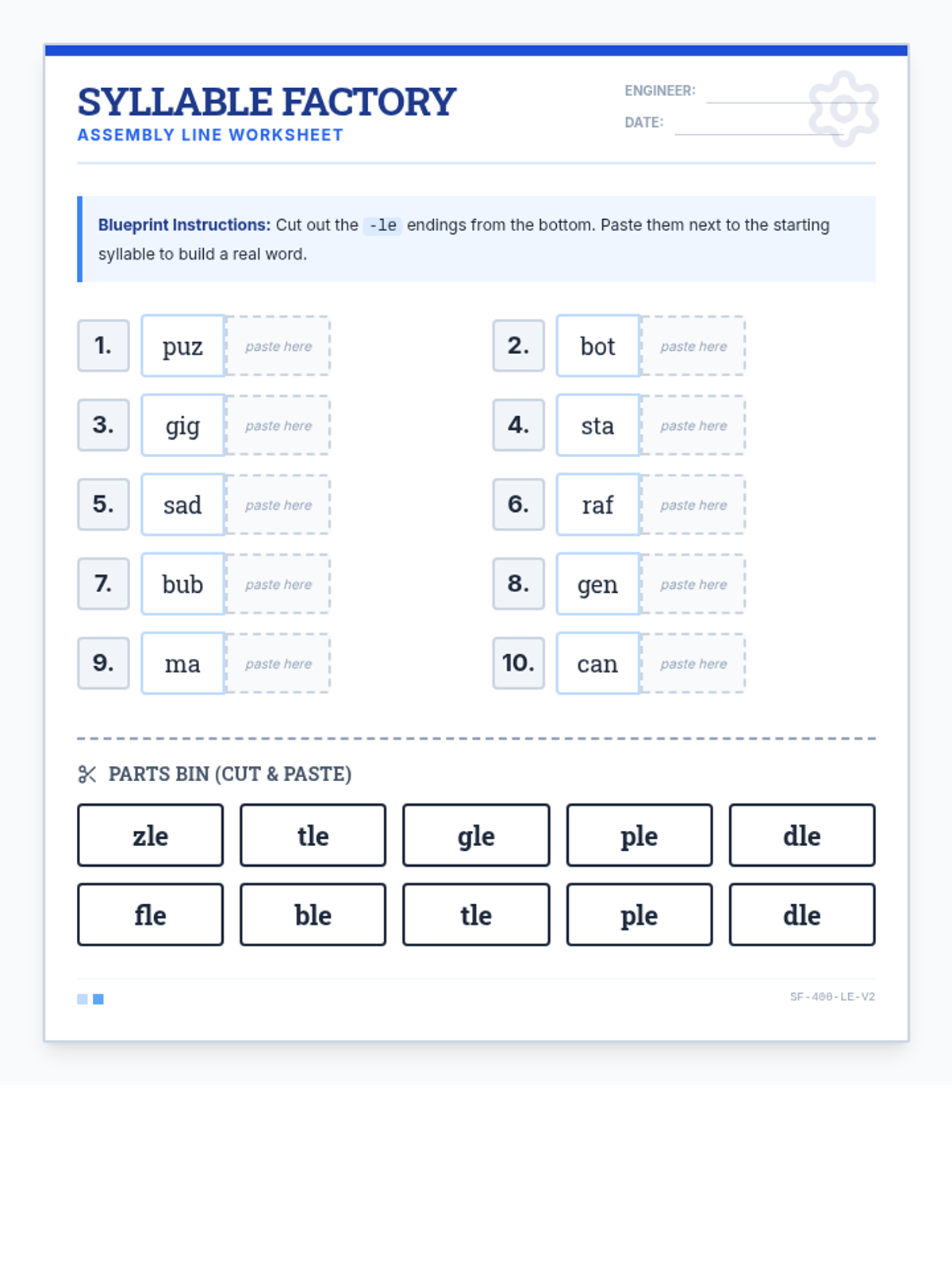
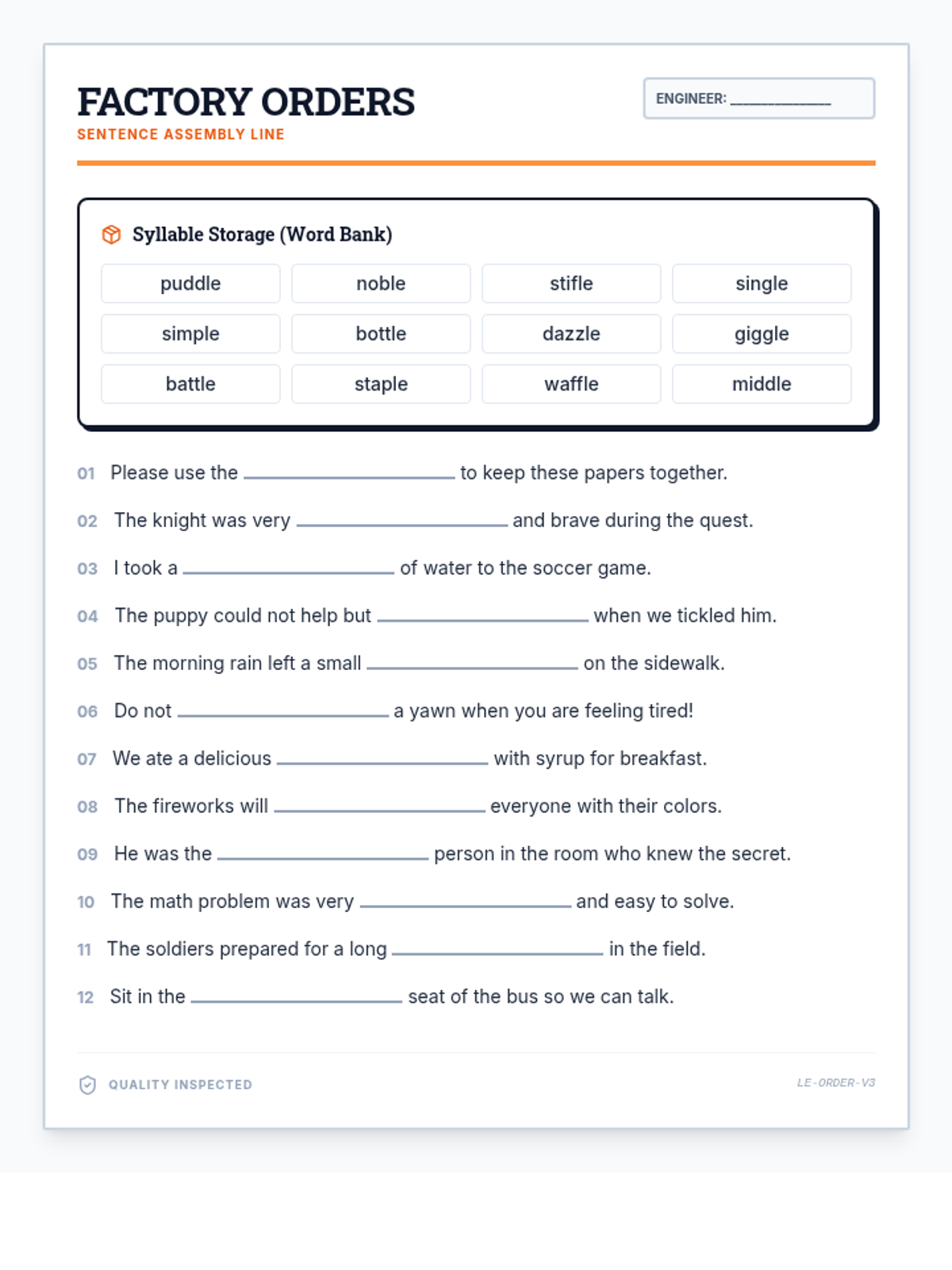
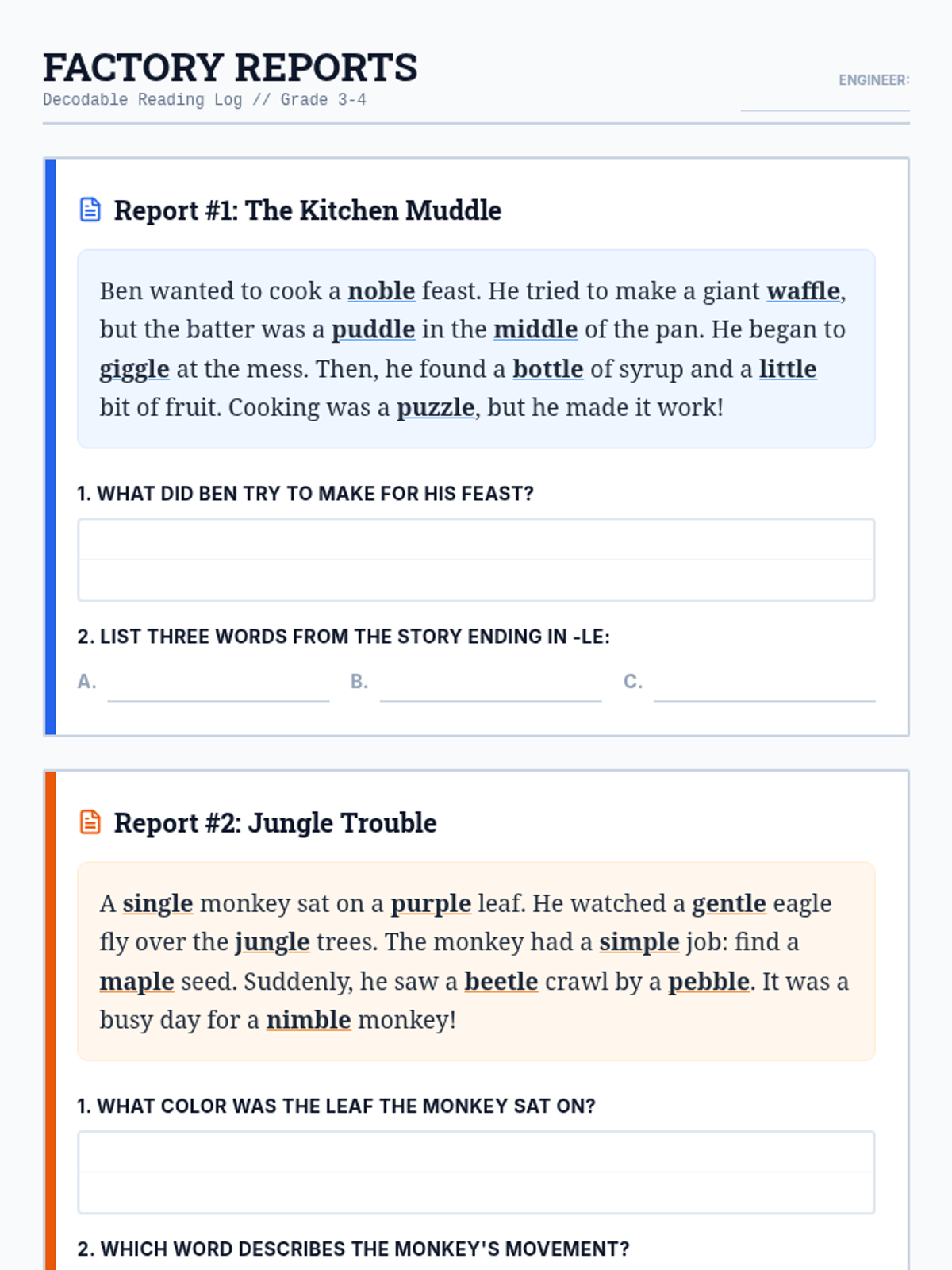
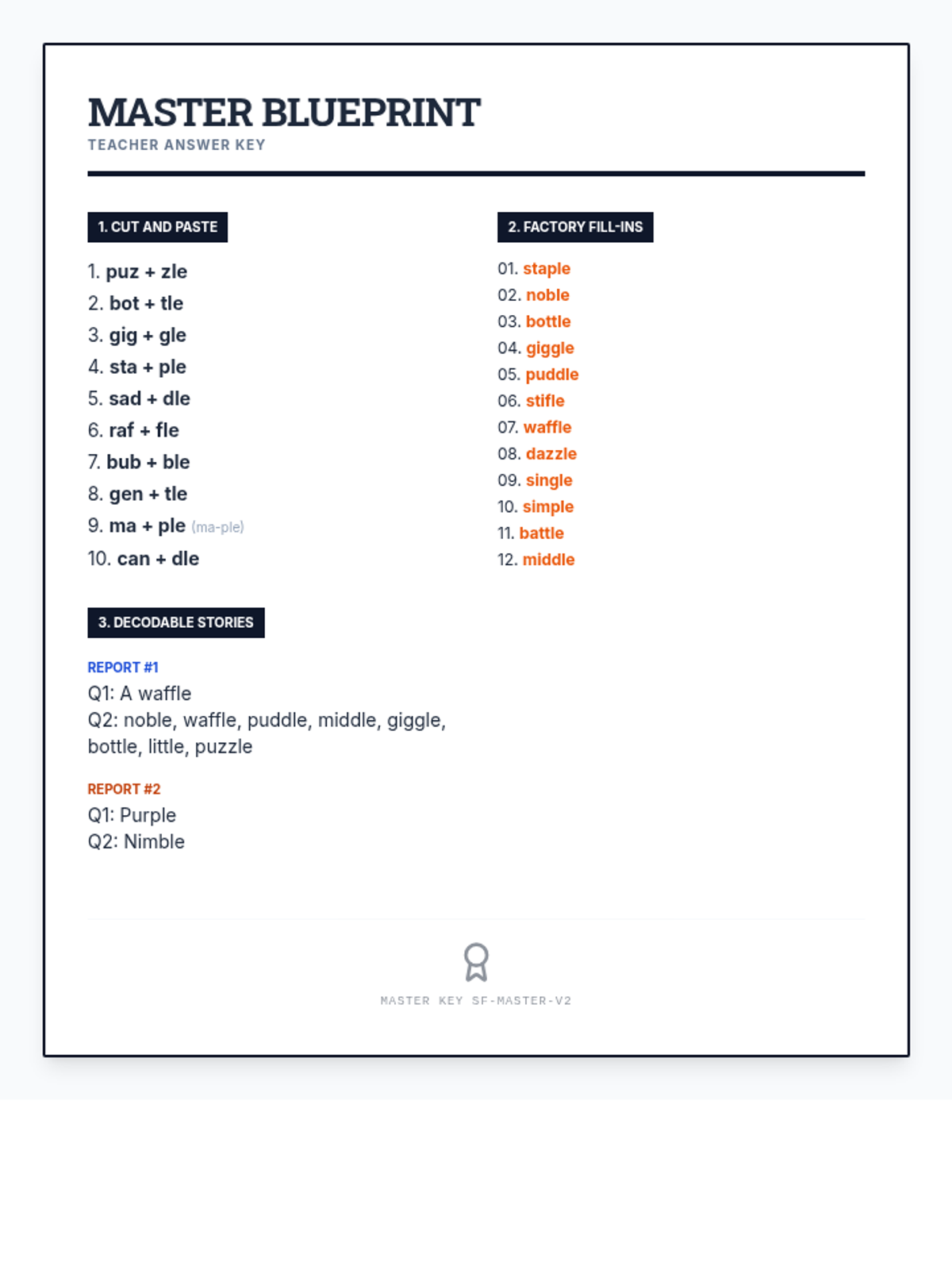
A comprehensive lesson on consonant-le syllables (-ble, -dle, -fle, -gle, -ple, -tle, -zle) through hands-on construction, sentence building, and decodable reading. Students will learn to identify and assemble stable final syllables in a 3rd-4th grade context.
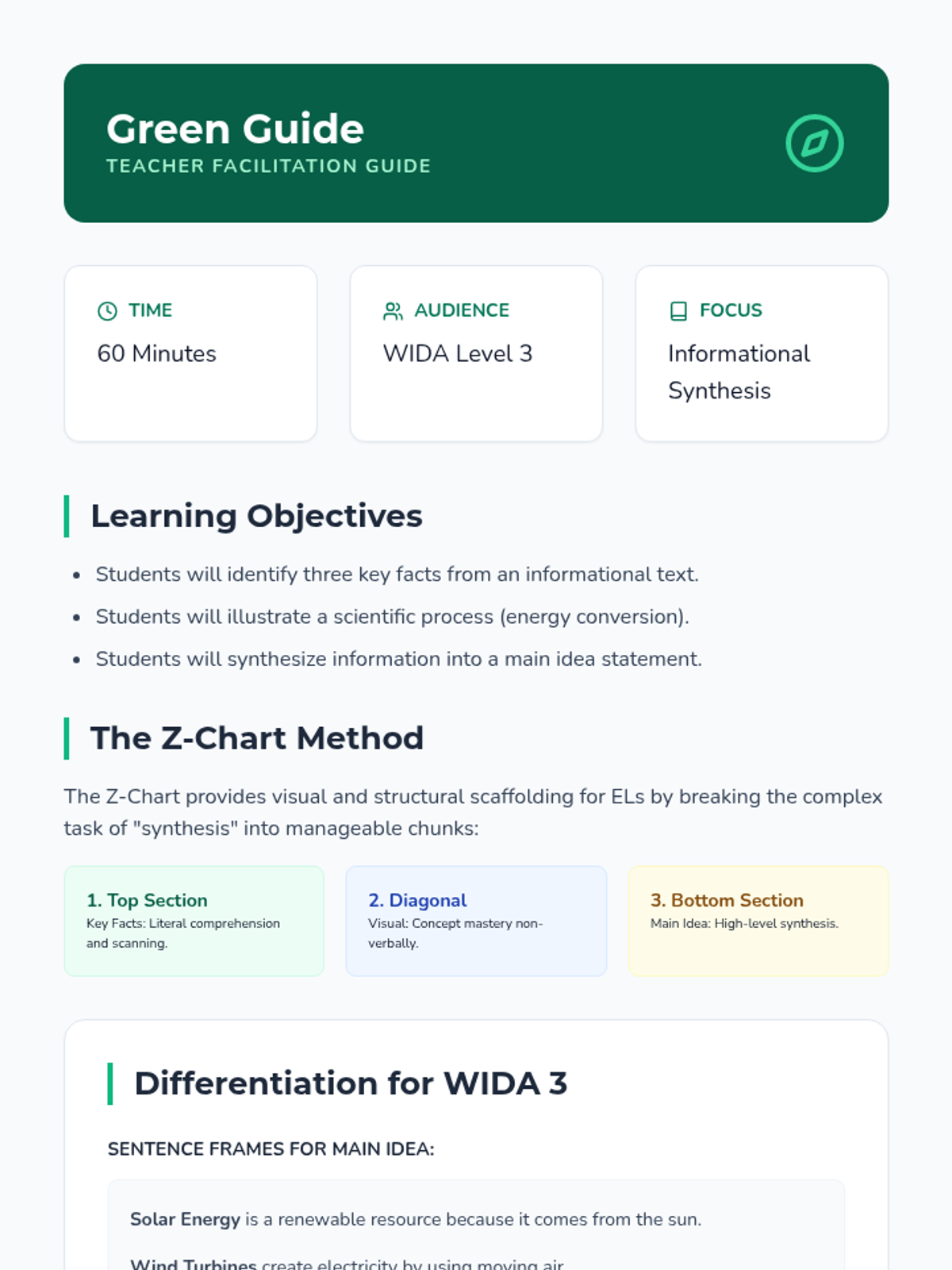
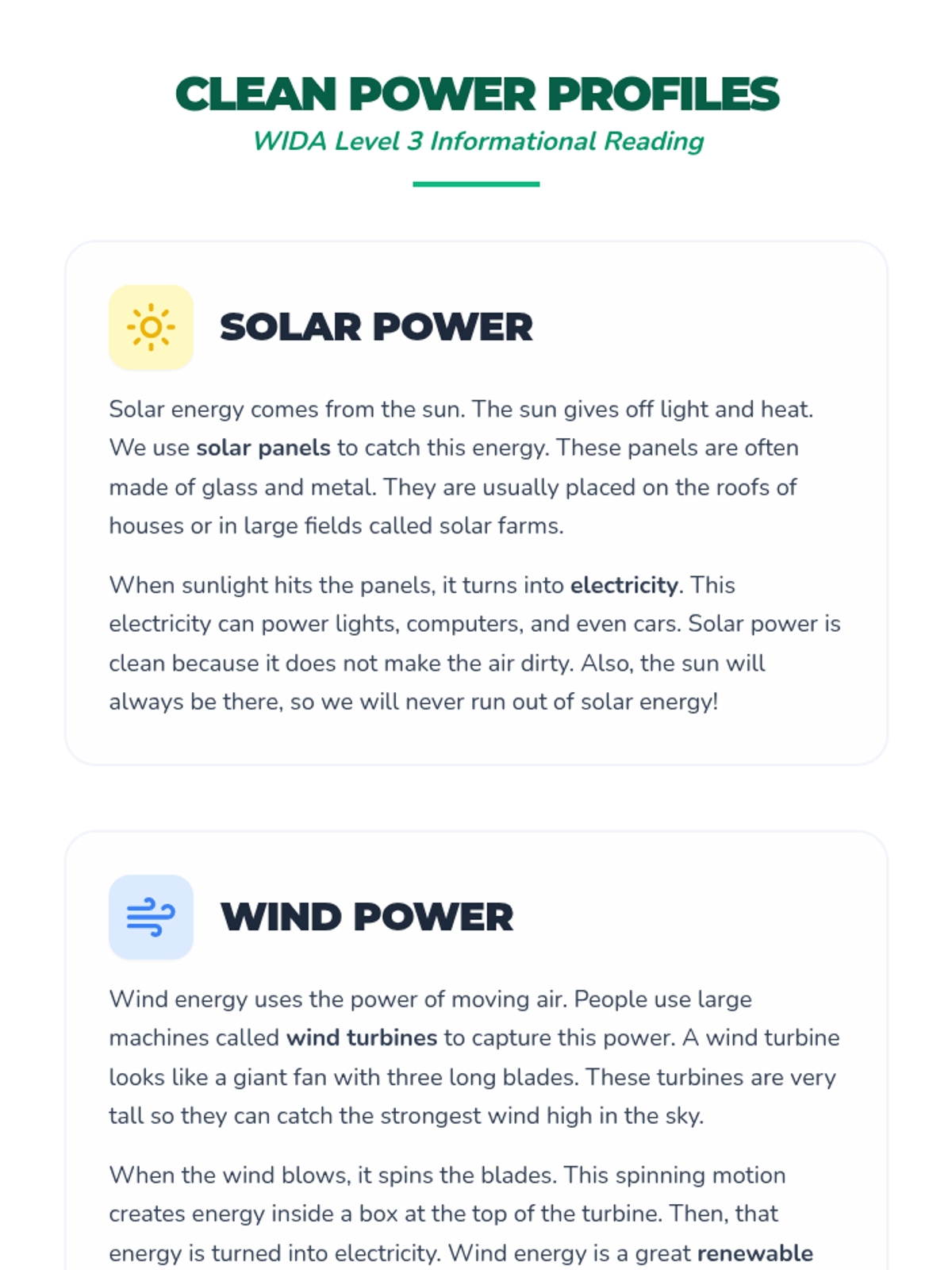
A culminating interactive lesson where students analyze informational texts about renewable energy using Z-chart graphic organizers to synthesize their learning.
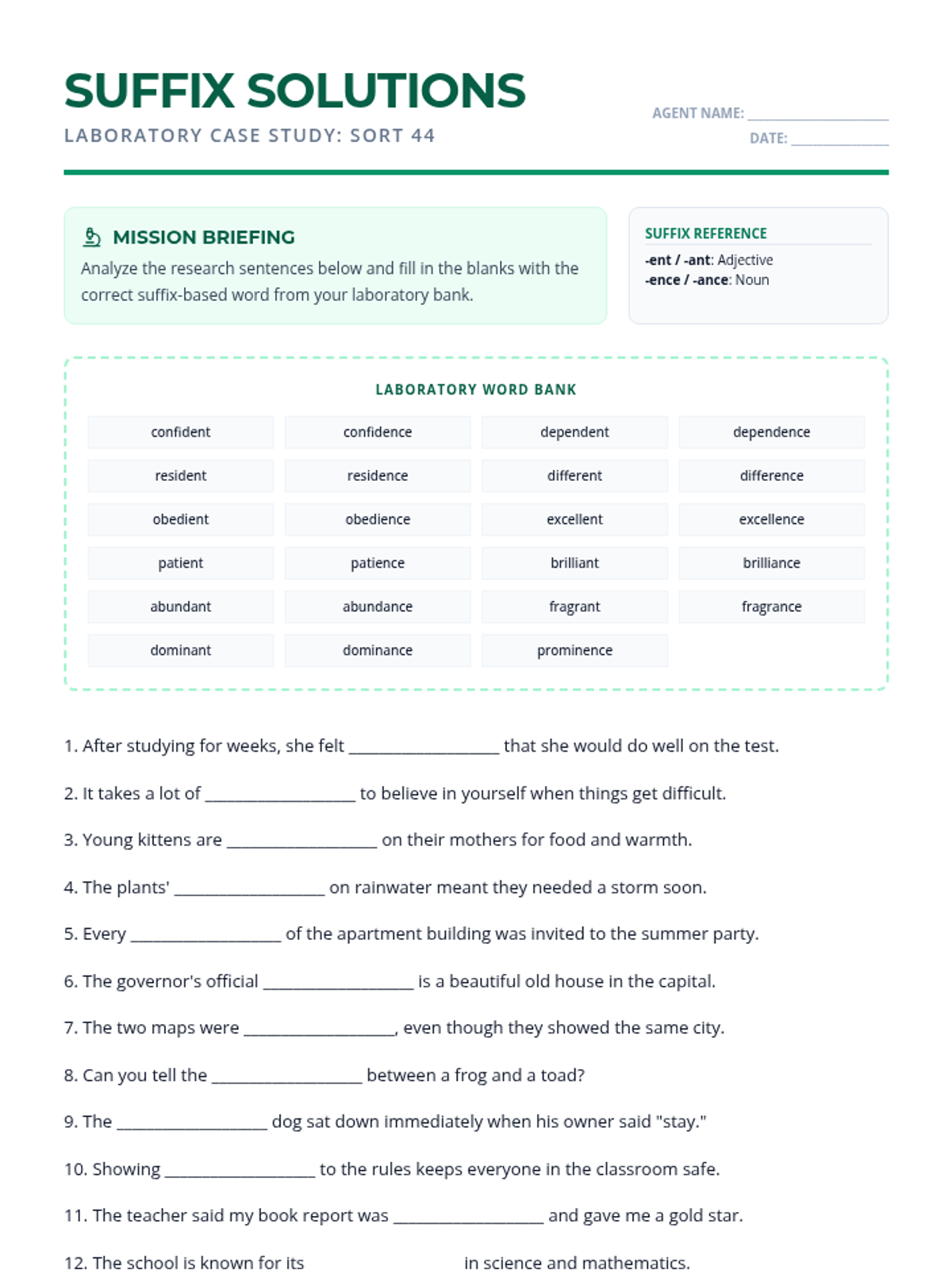
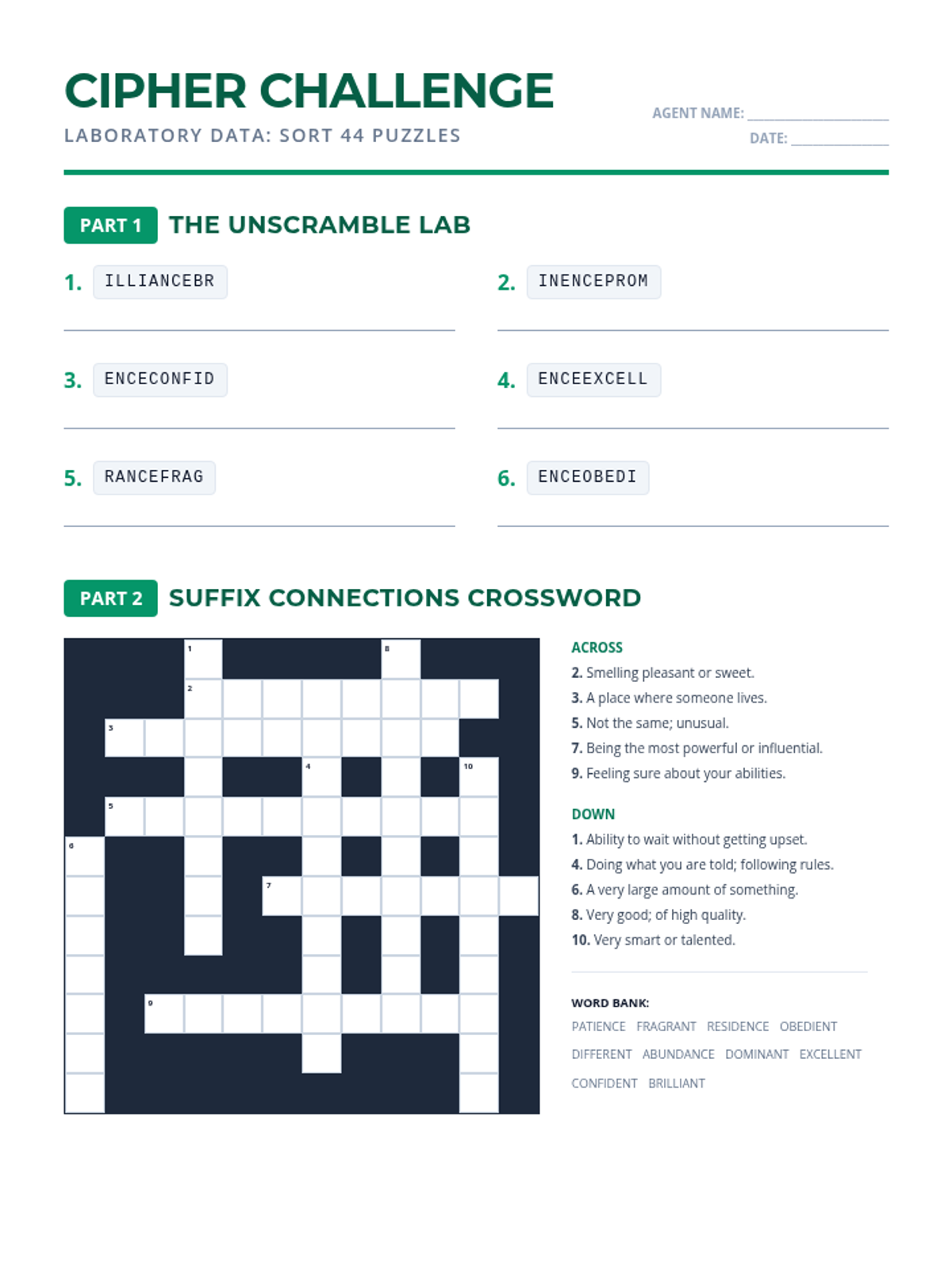
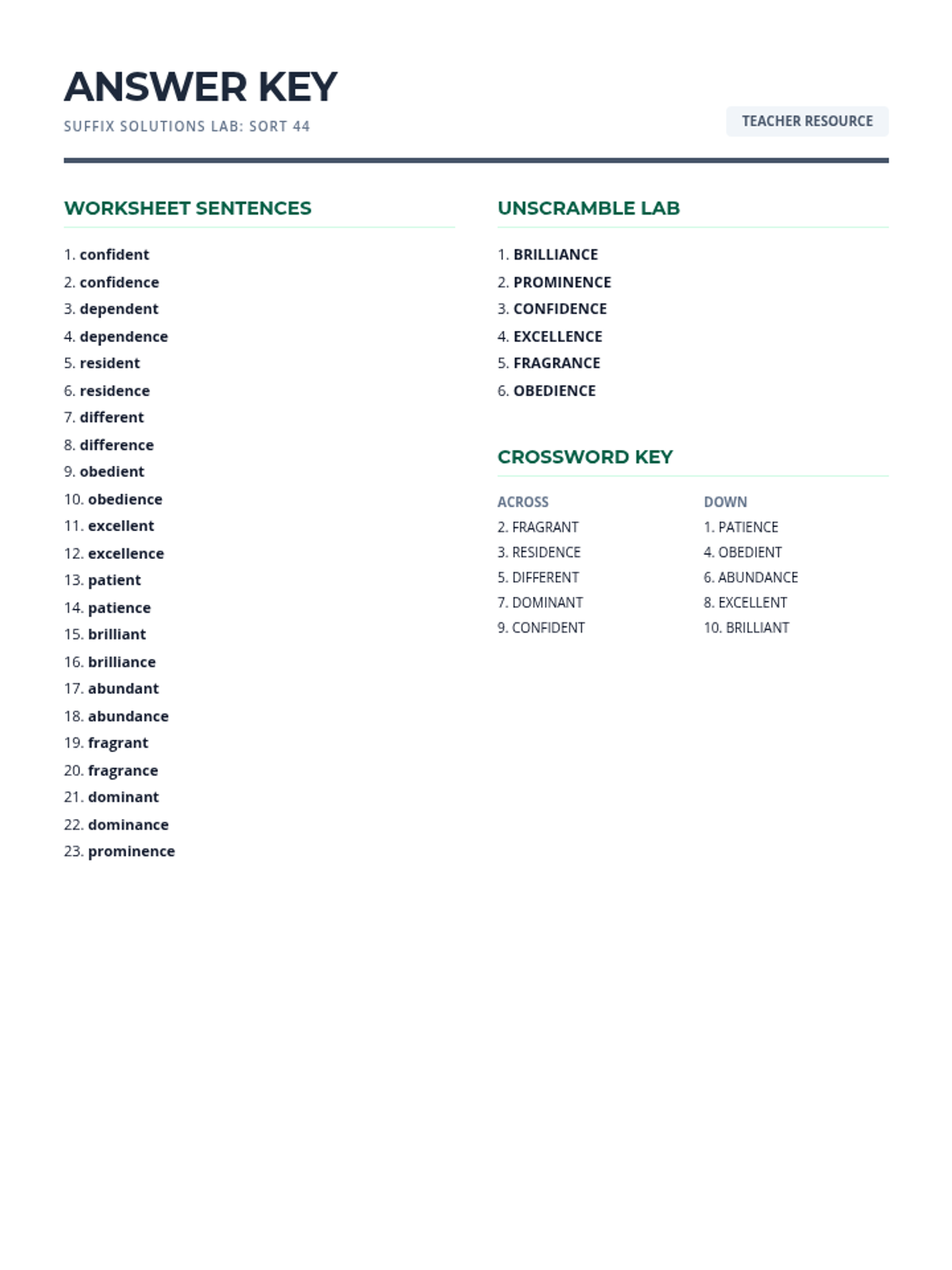
A study of suffixes -ent/-ence and -ant/-ance using Sort 44. Students explore how these suffixes change the meaning and part of speech of words through sentences and logic puzzles.
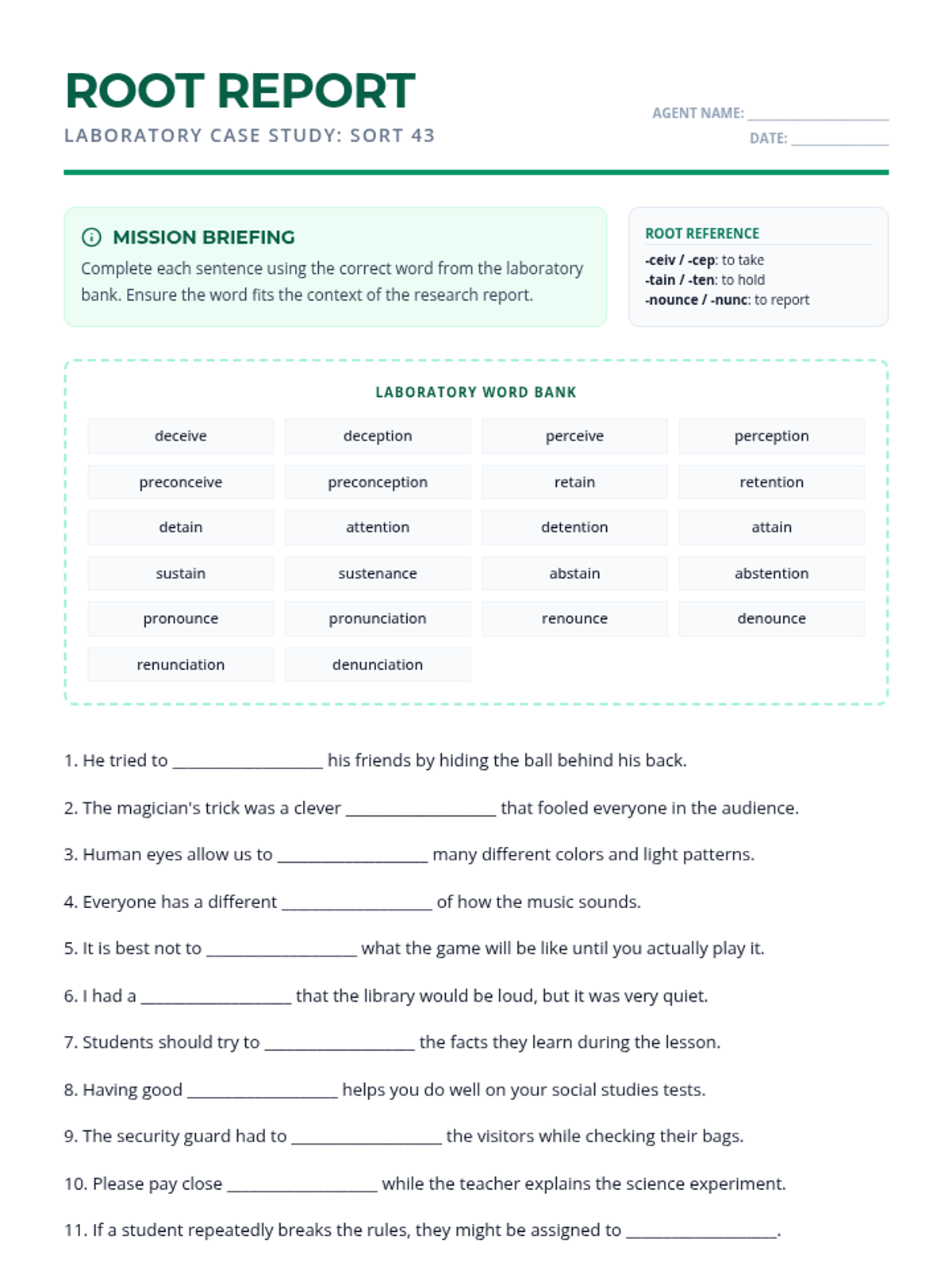
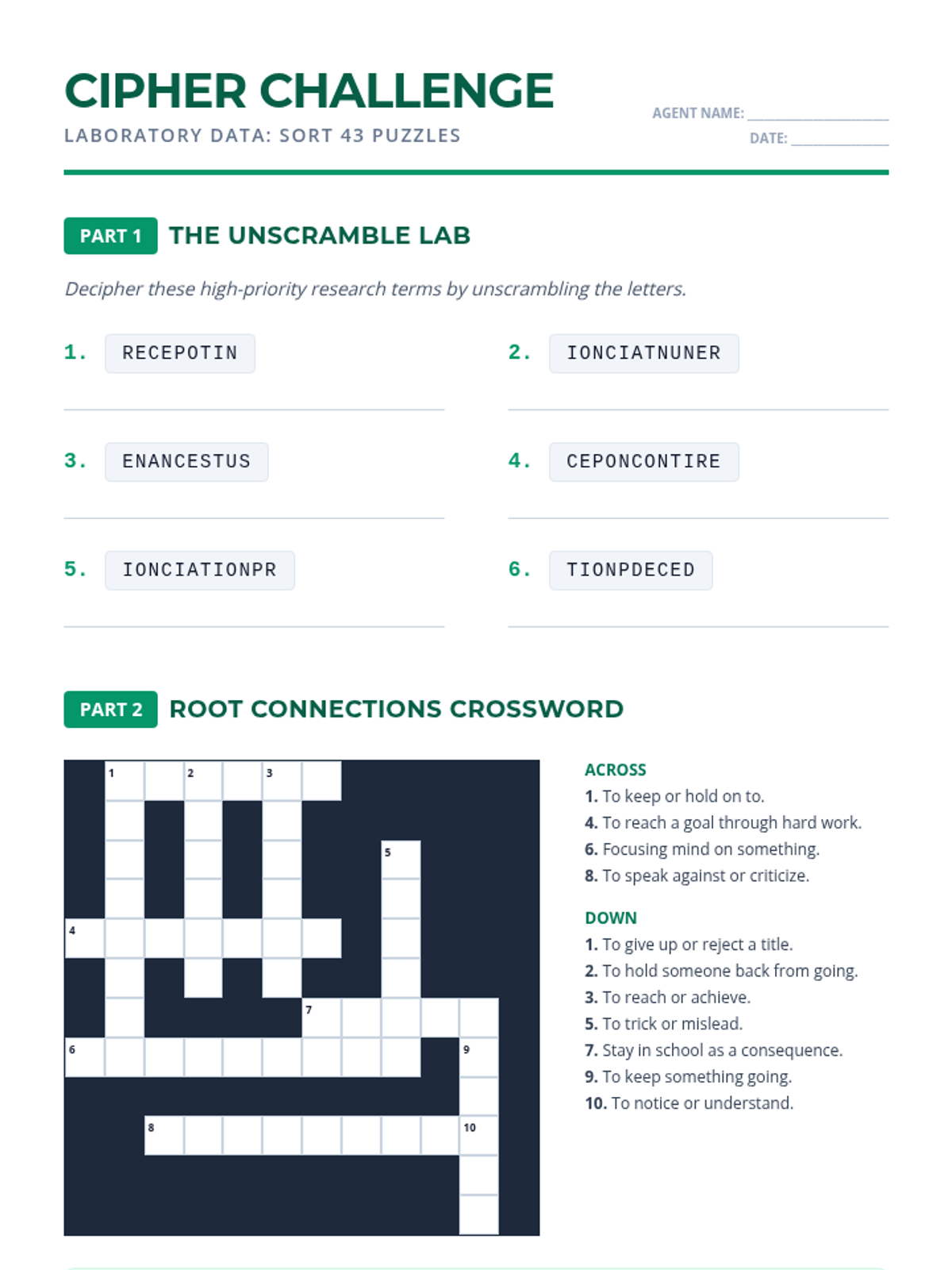
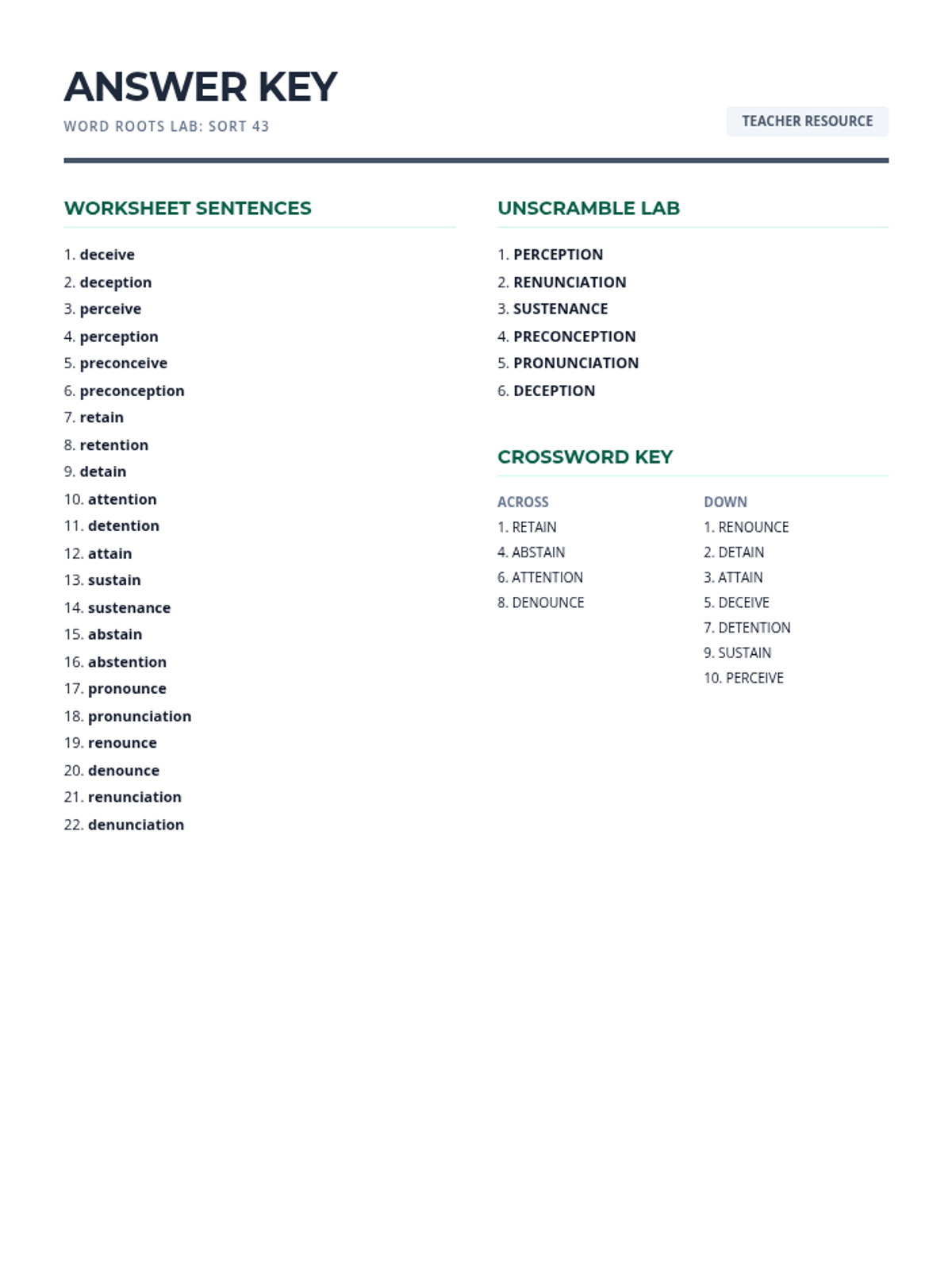
A focused study on derivational relations using Sort 43 roots: -ceiv/-cep (to take), -tain/-ten (to hold), and -nounce/-nunc (to report). Students will explore how these roots build complex vocabulary through sentences and puzzles.
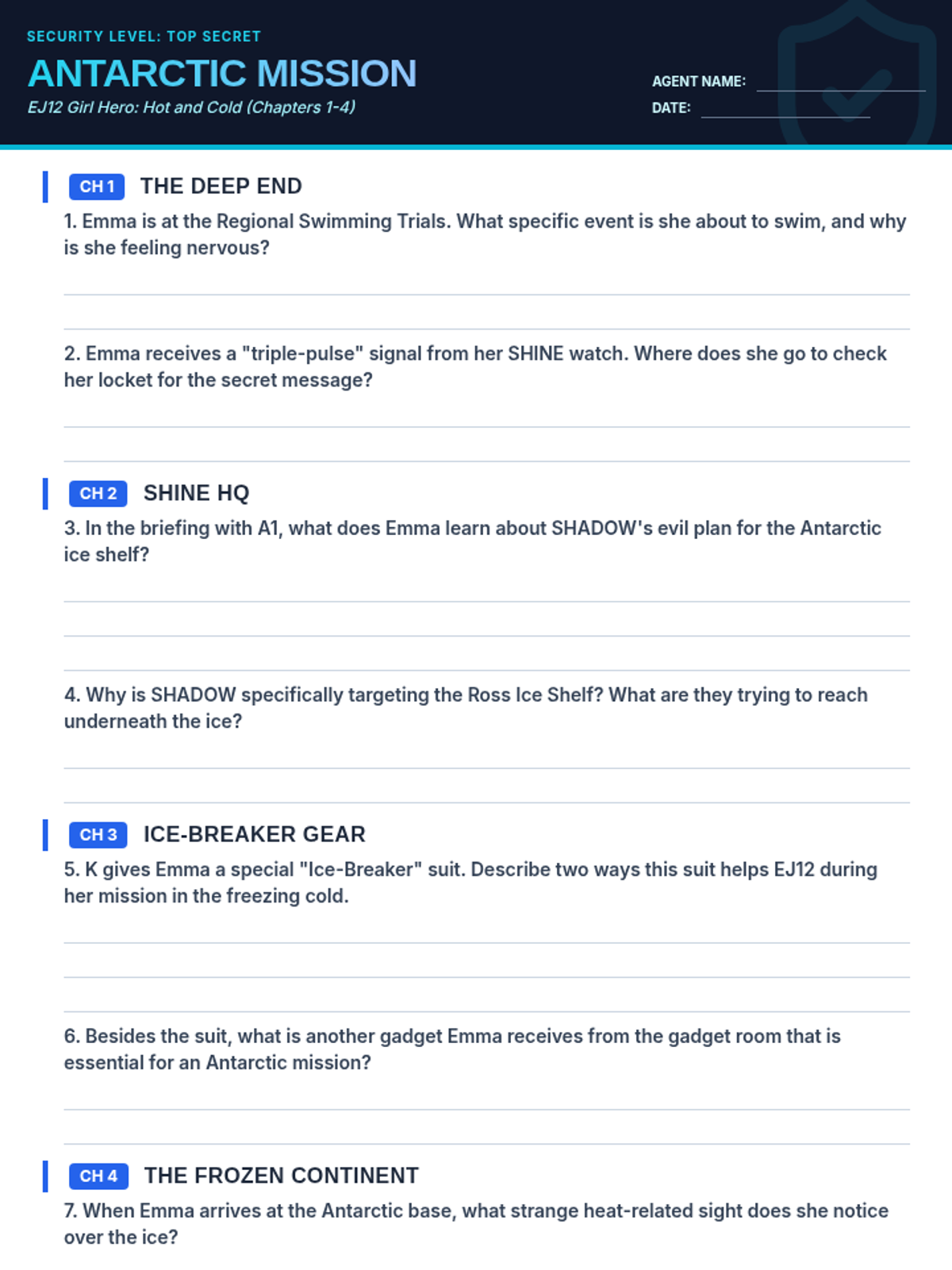
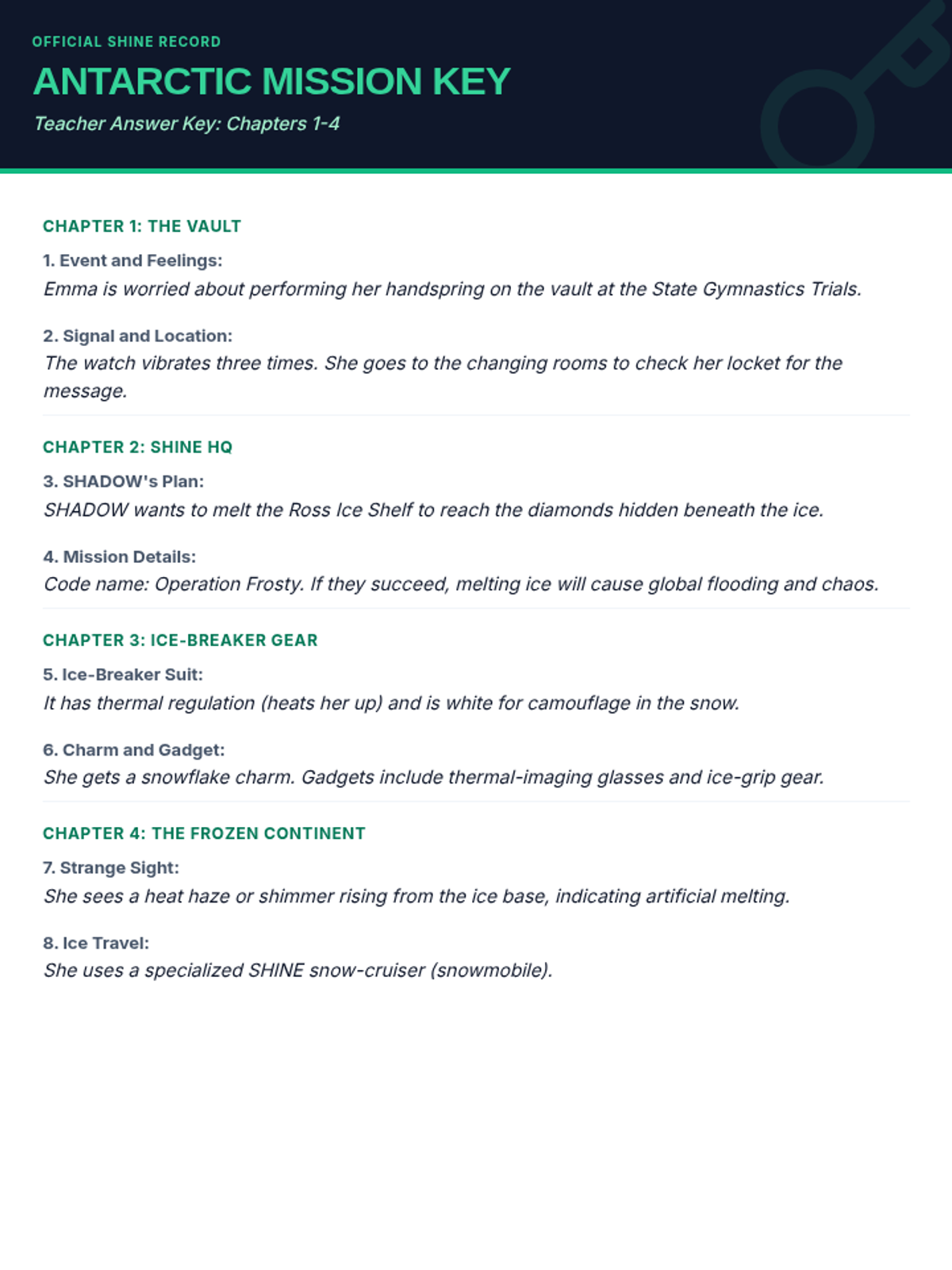
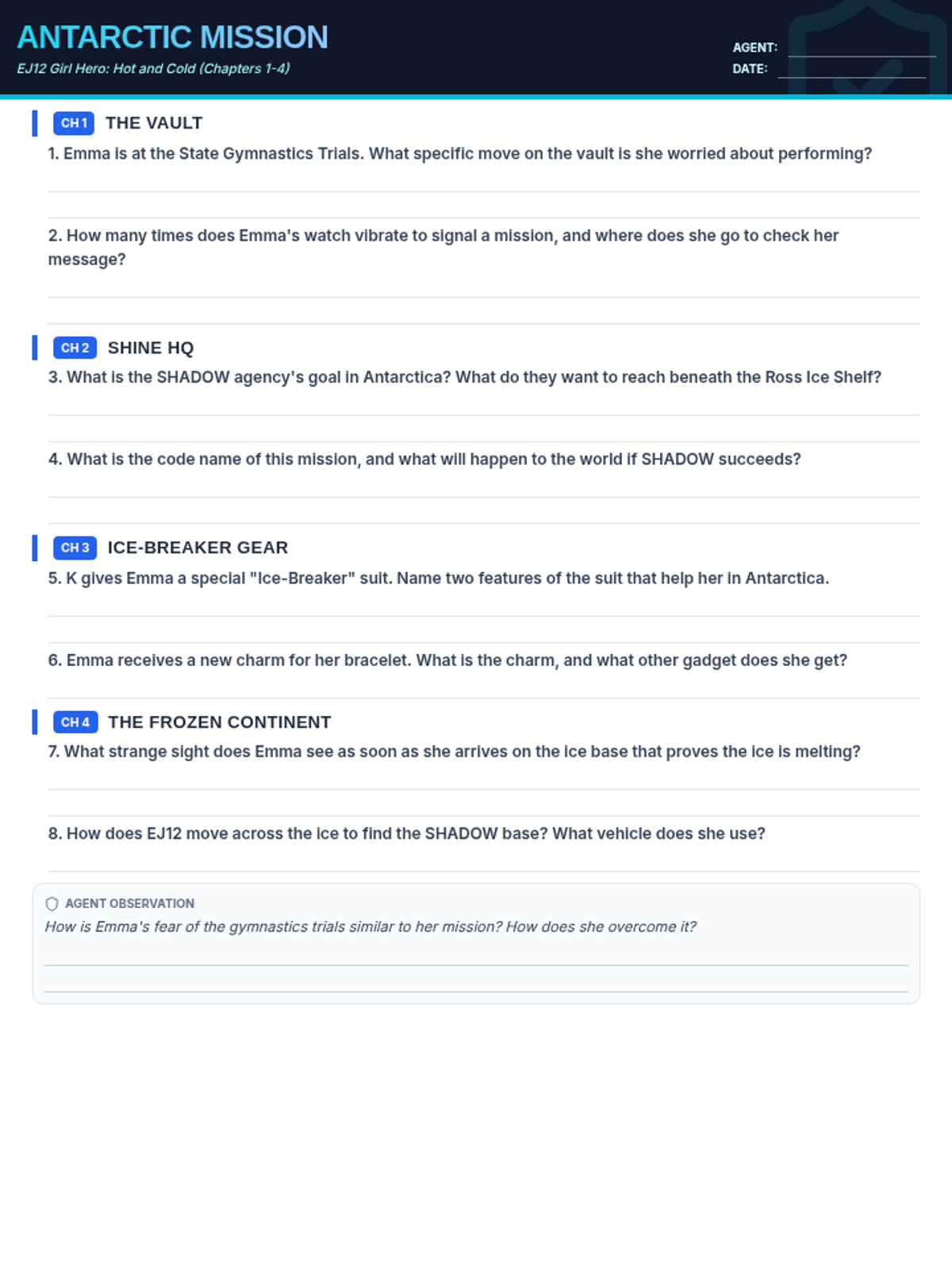
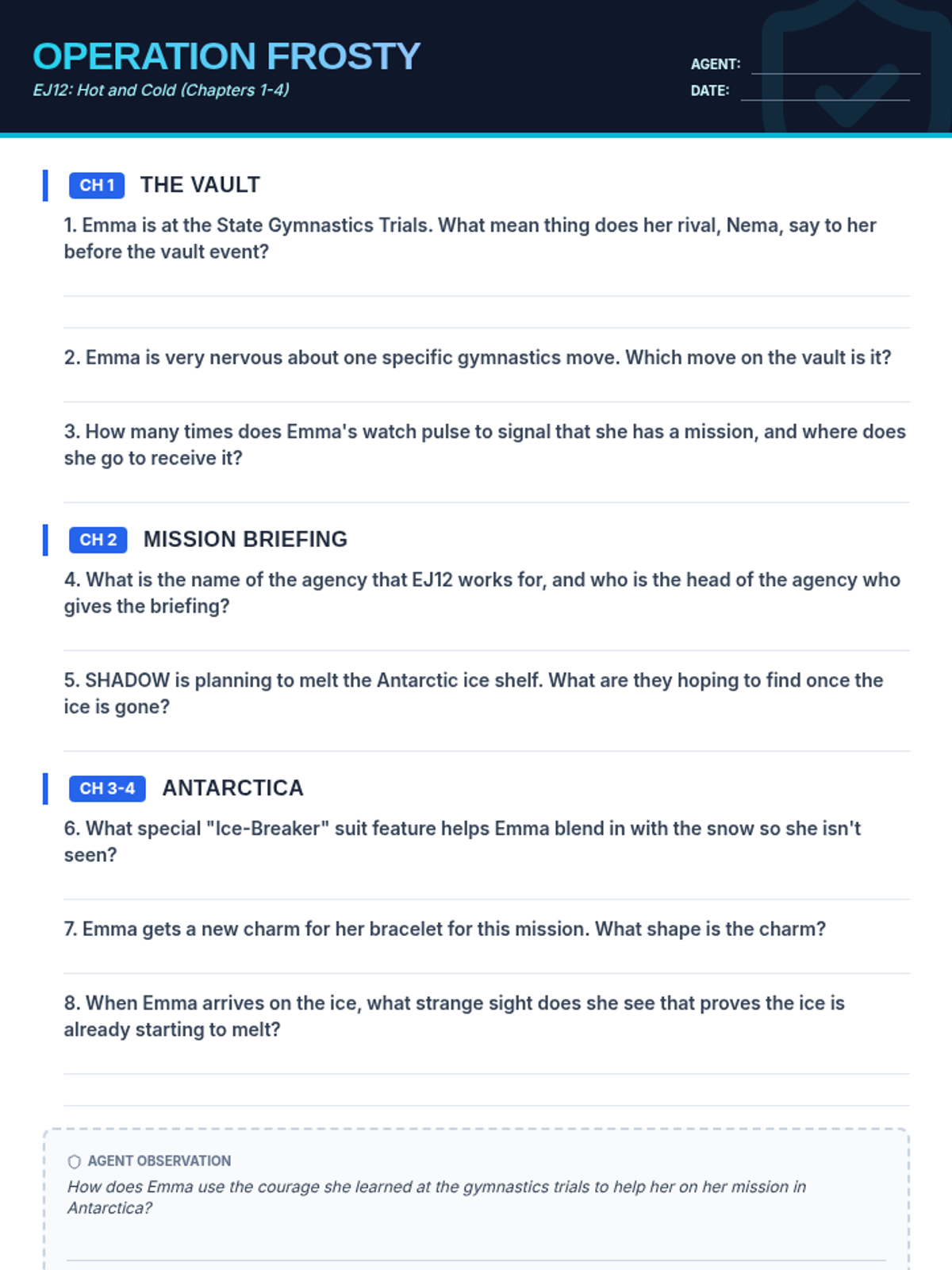
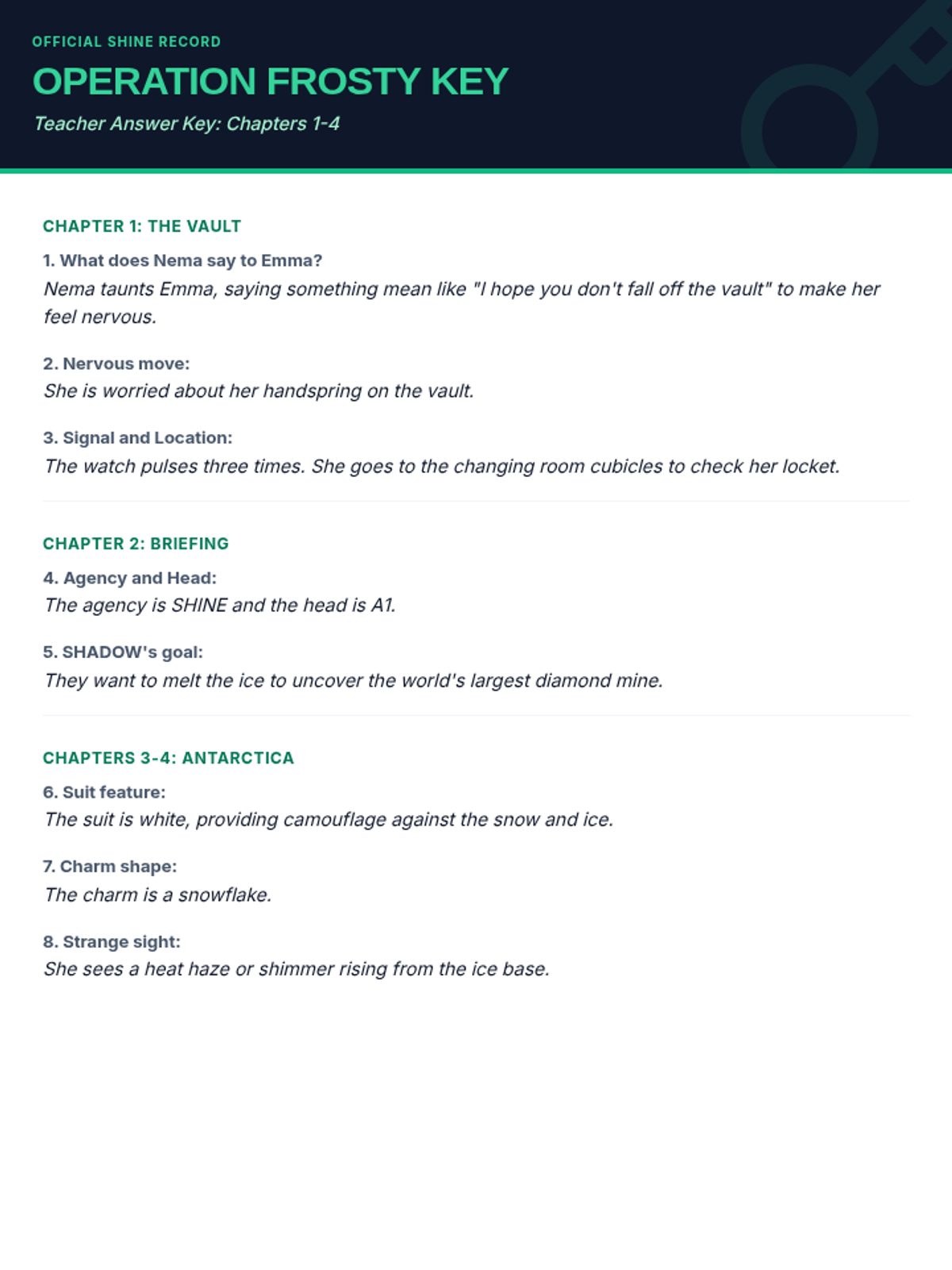
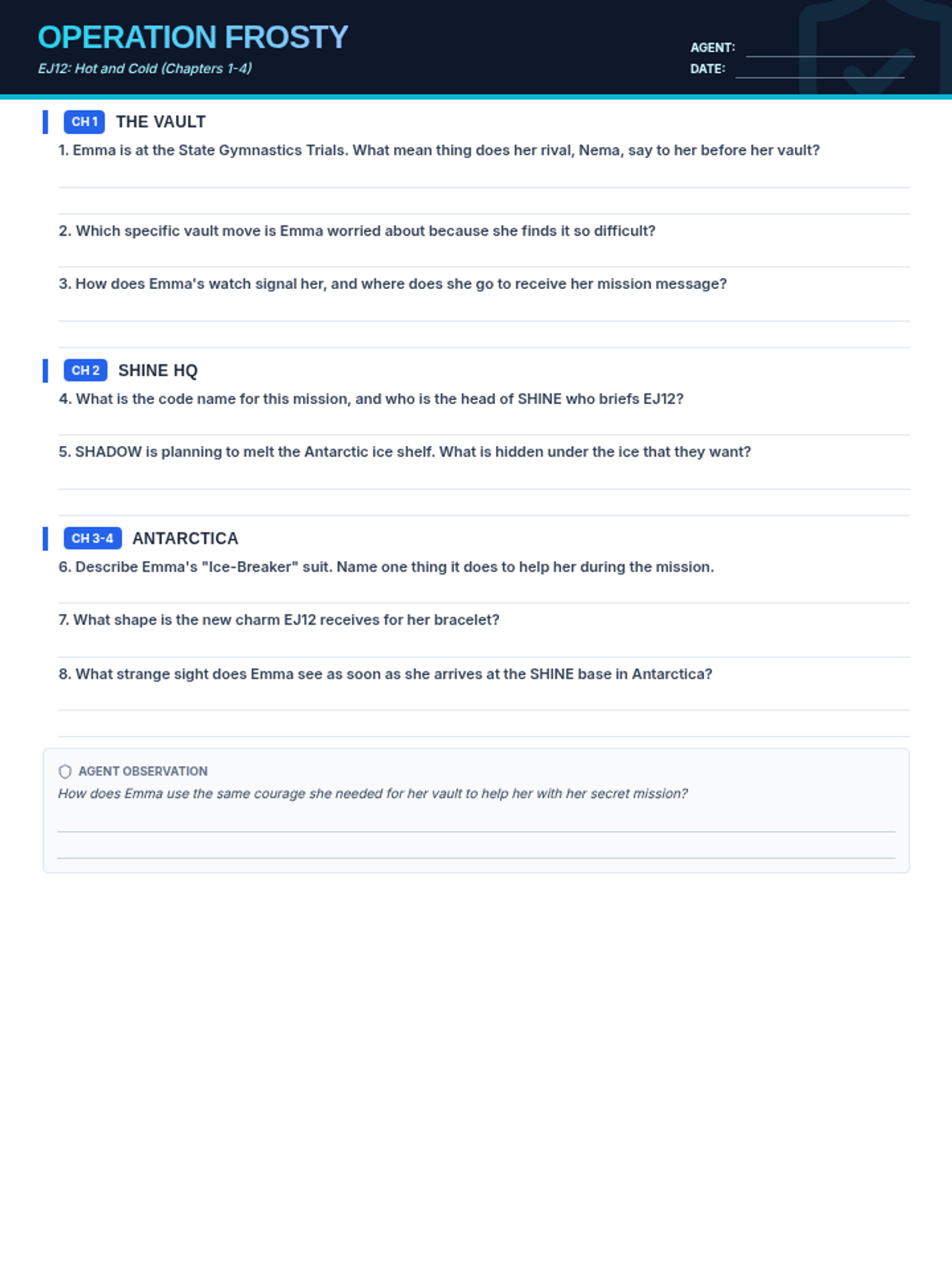
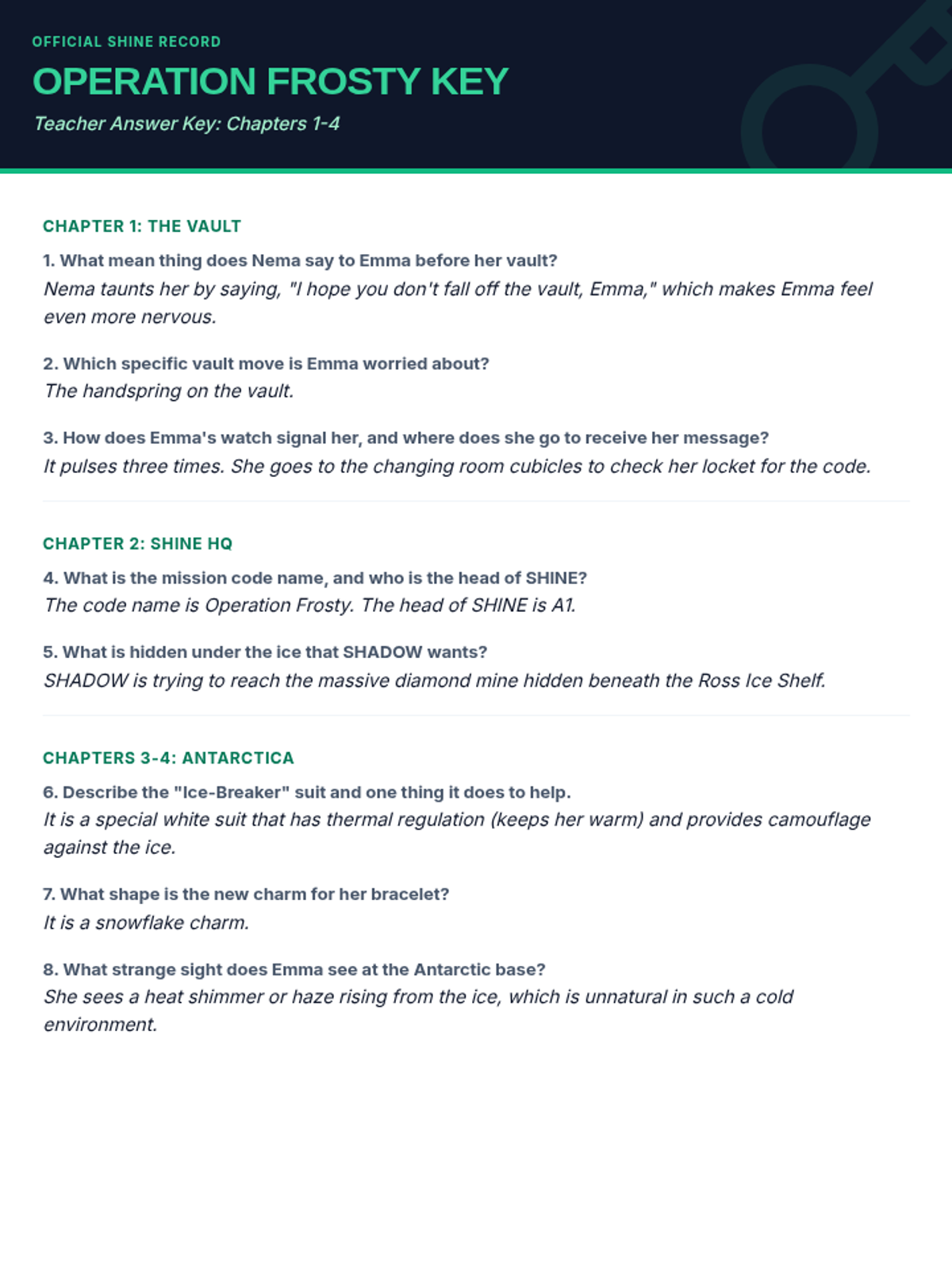
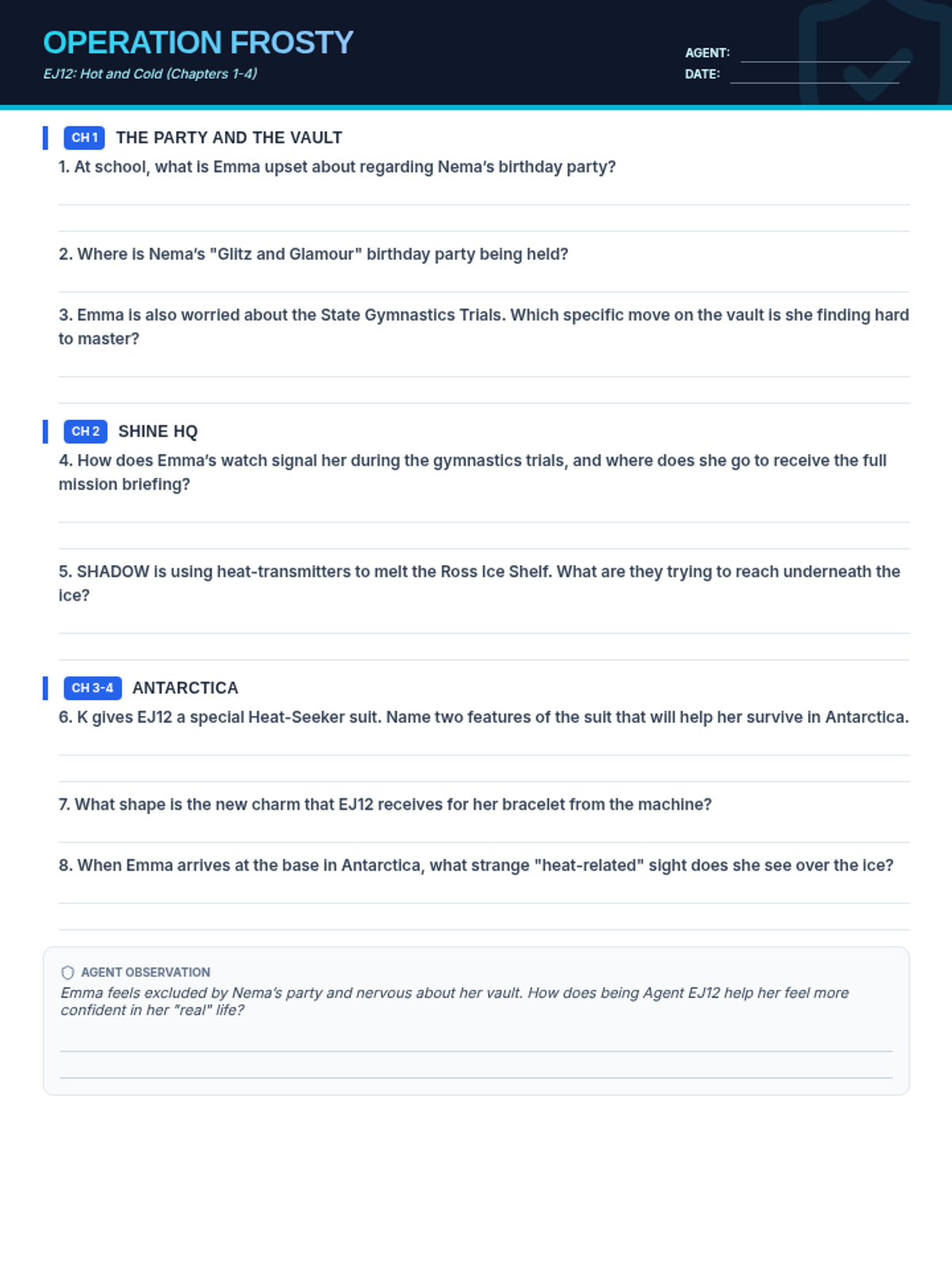
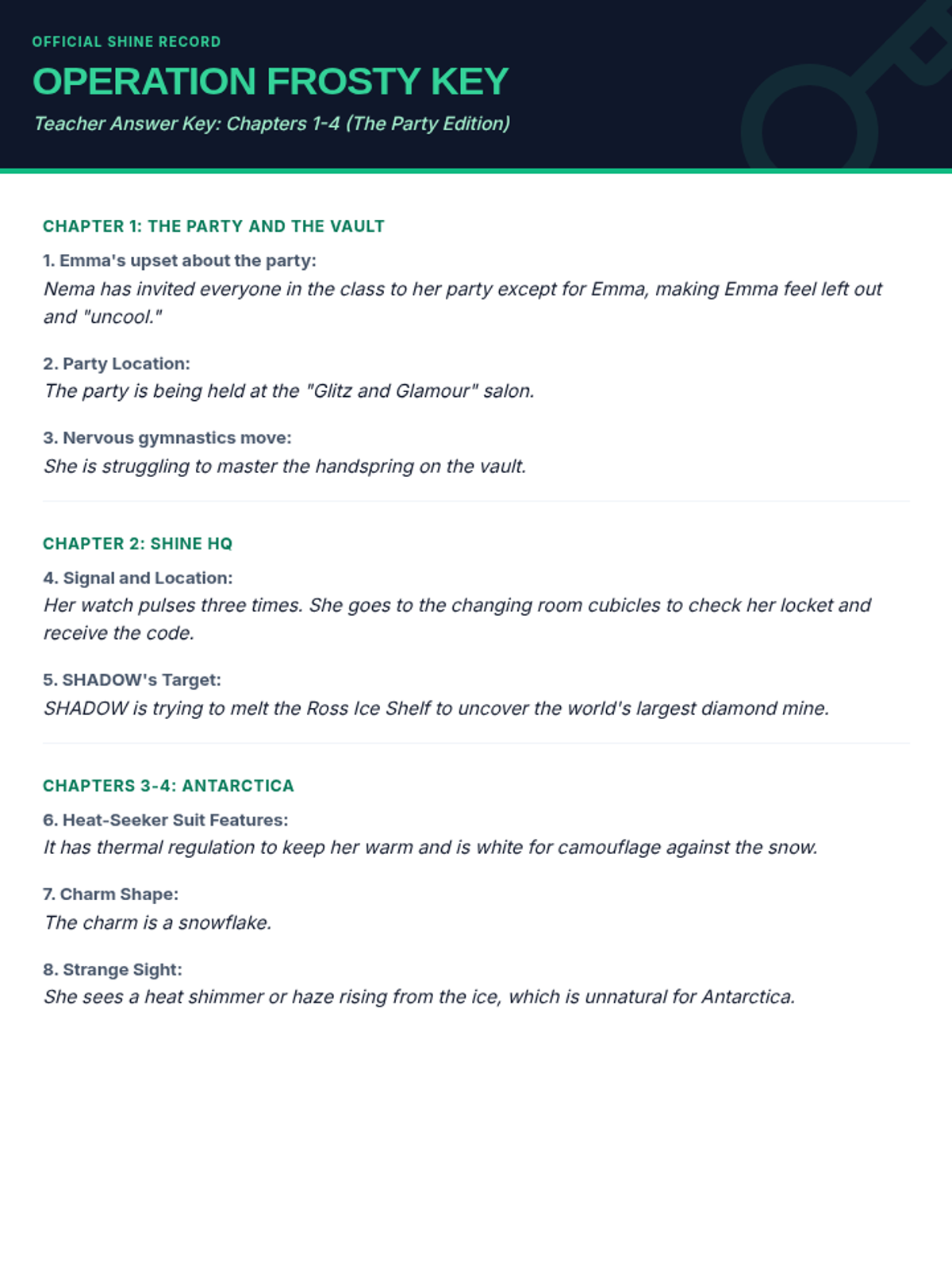
An introductory set of comprehension questions for chapters 1-4 of EJ 12 Girl Hero: Hot and Cold, focusing on plot details, character introduction, and the mission setup.
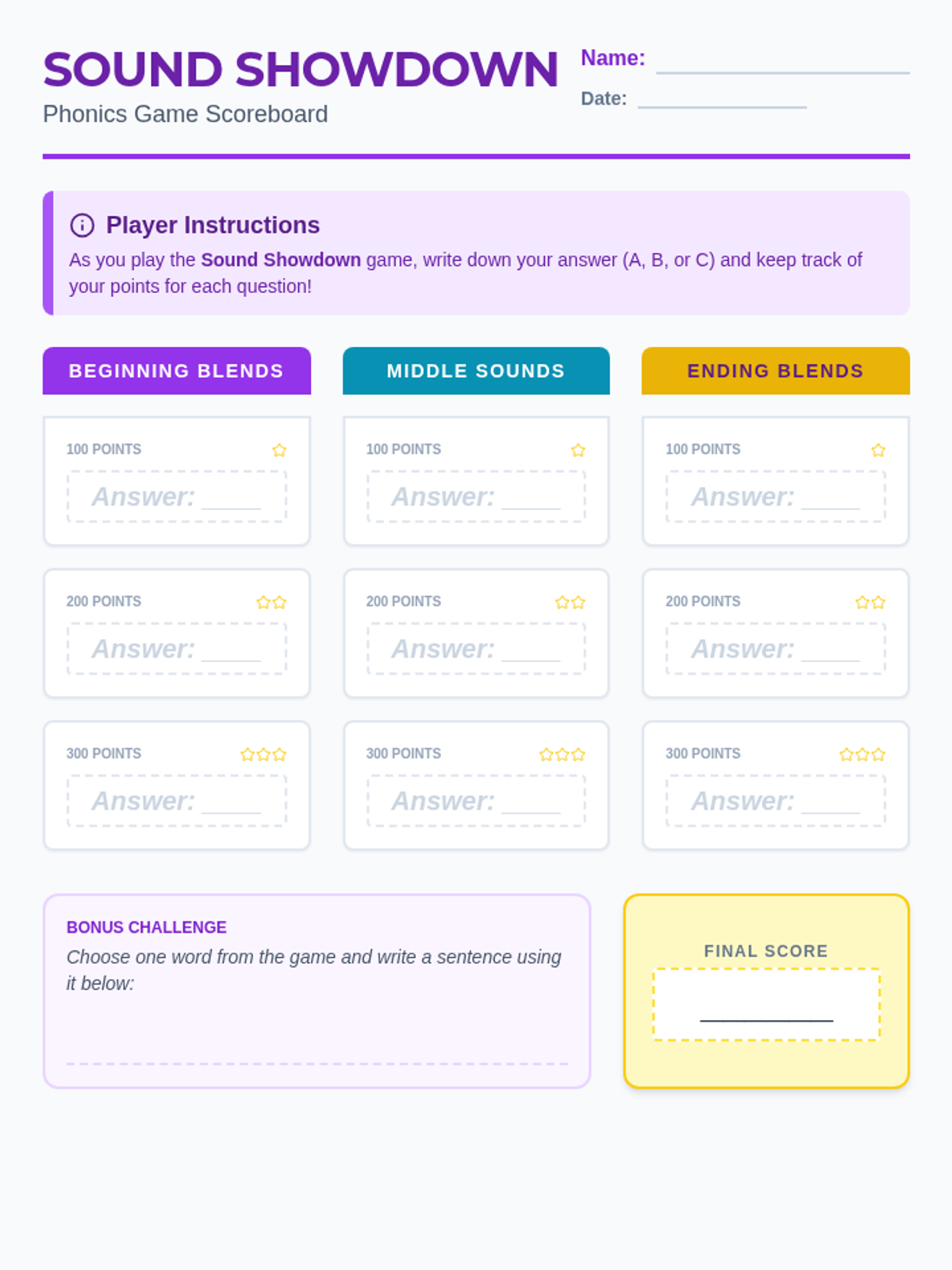
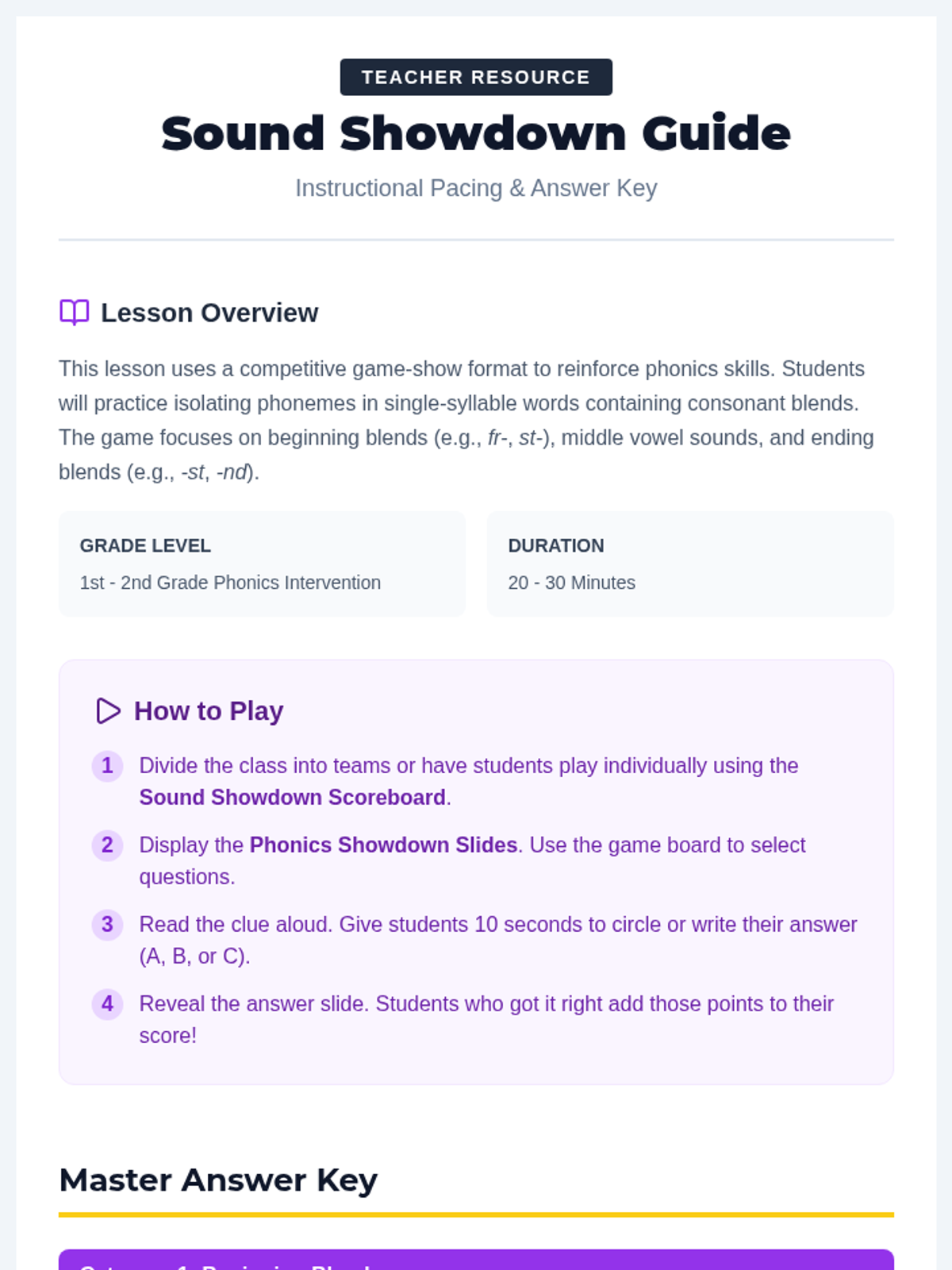
A high-energy, game-show-themed lesson focused on identifying consonant blends in single-syllable words. Students compete to match beginning, middle, and ending sounds in a Jeopardy-style format.
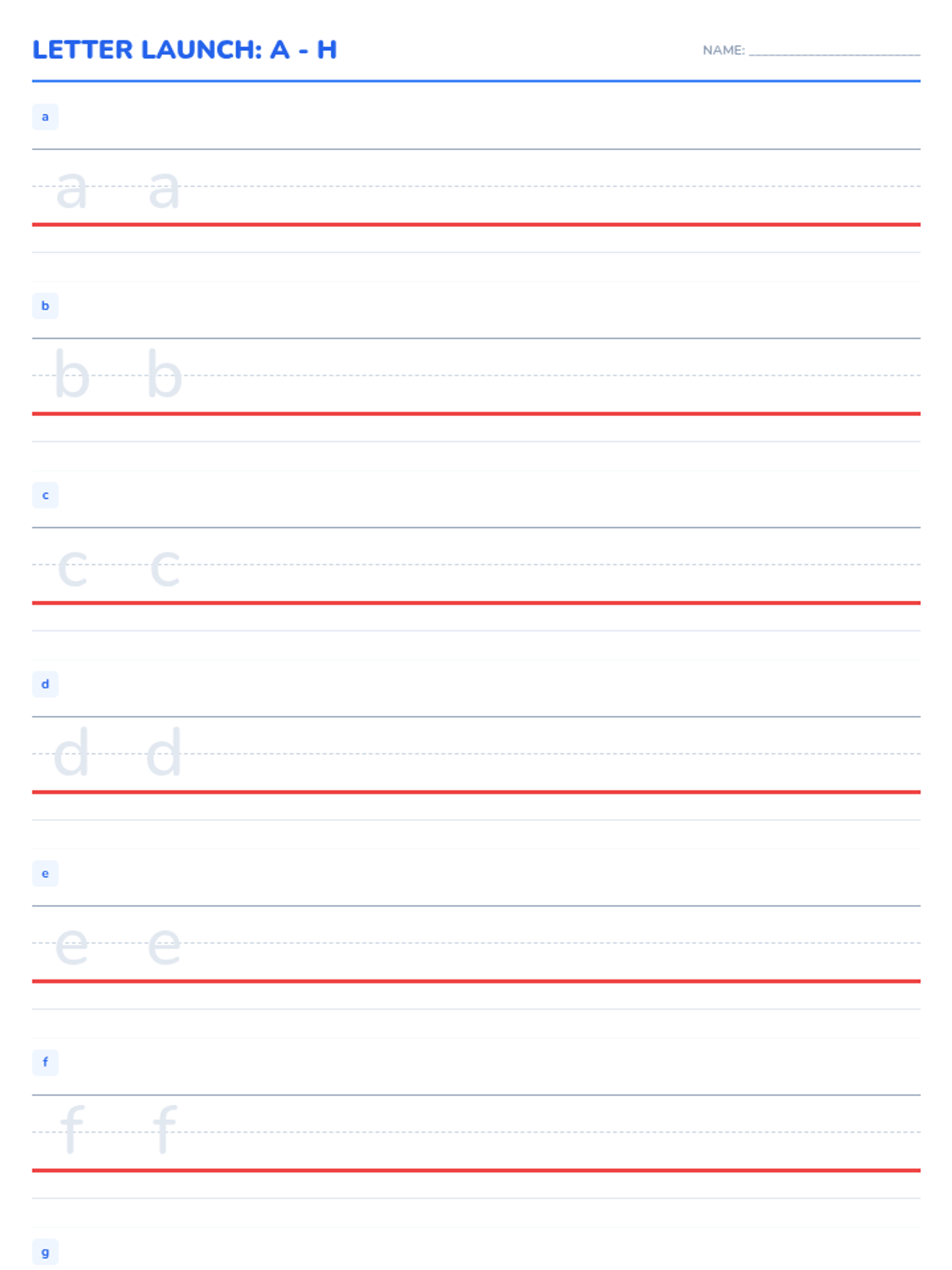
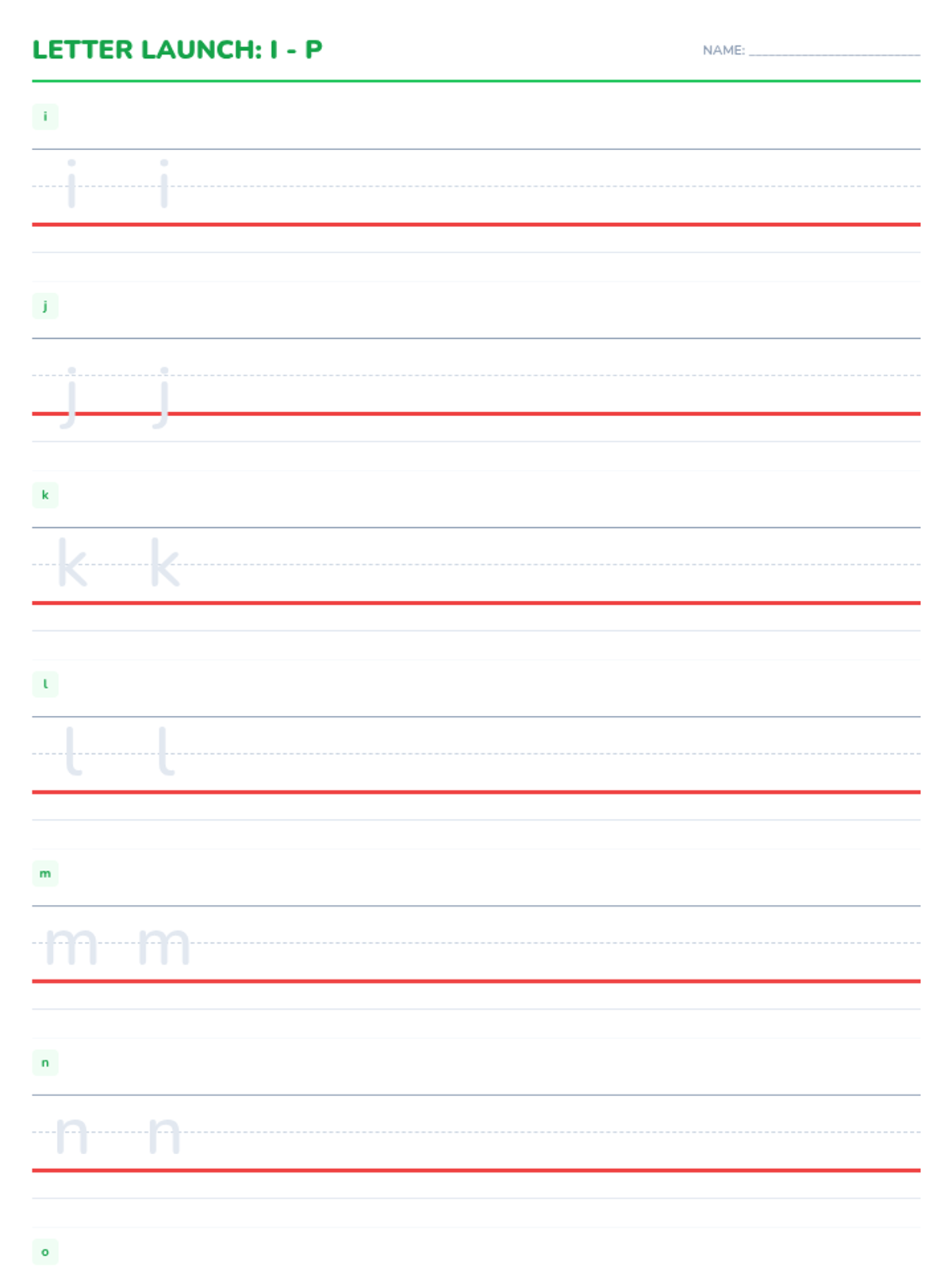
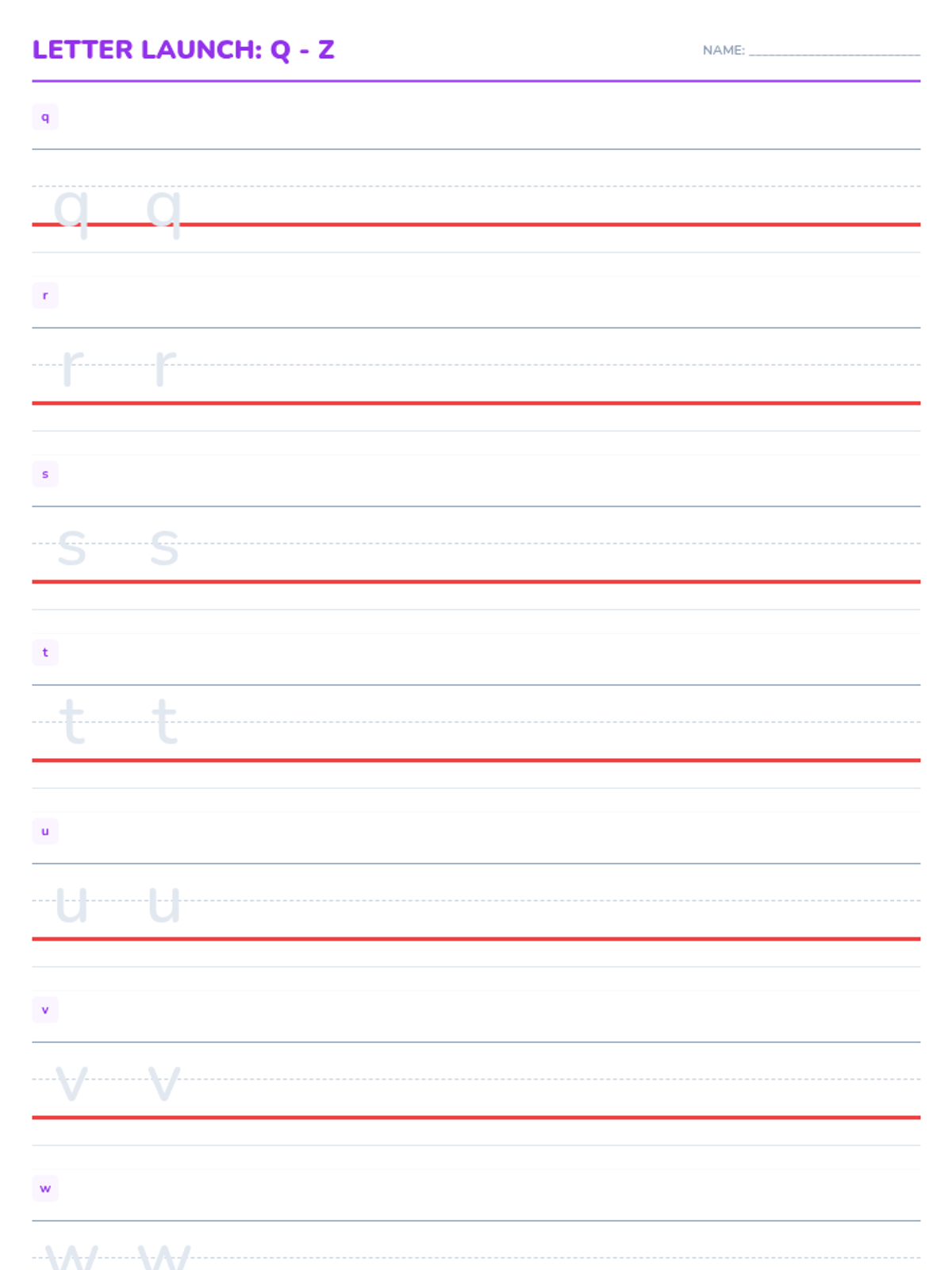
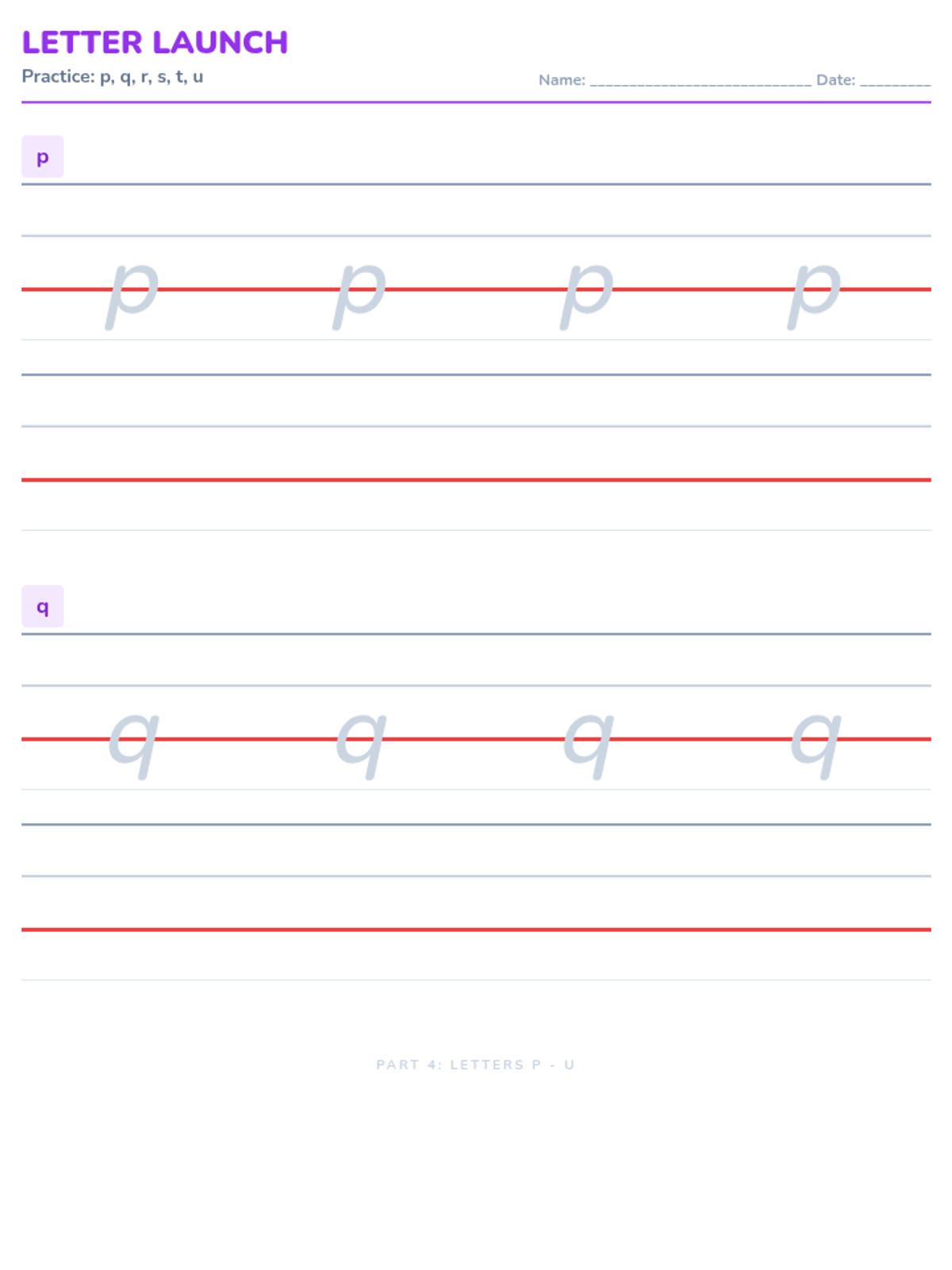
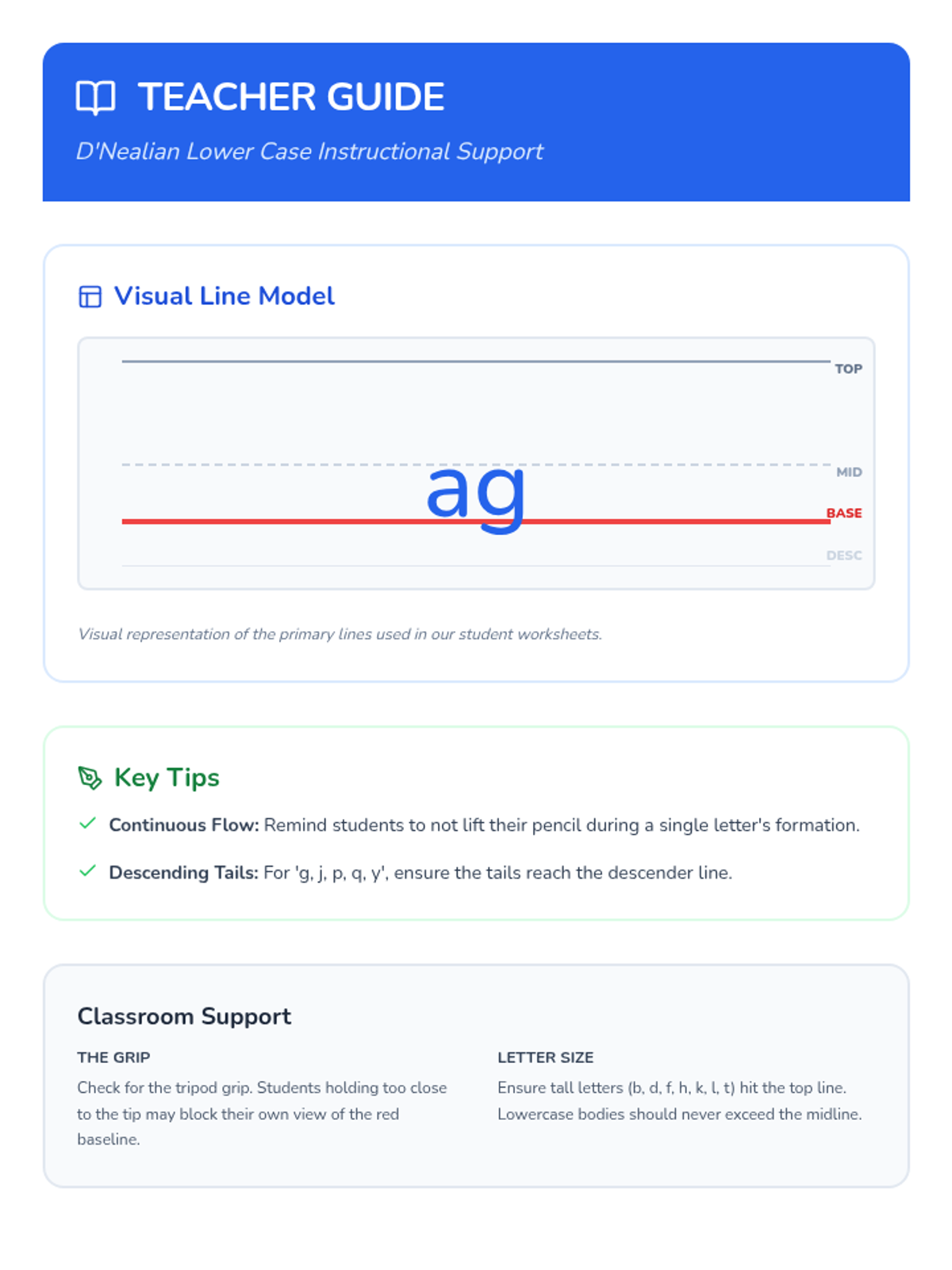
A foundational handwriting lesson focusing on lower-case letter formation using D'Nealian-style strokes on primary lines. Students practice tracing and independent writing for each letter of the alphabet.
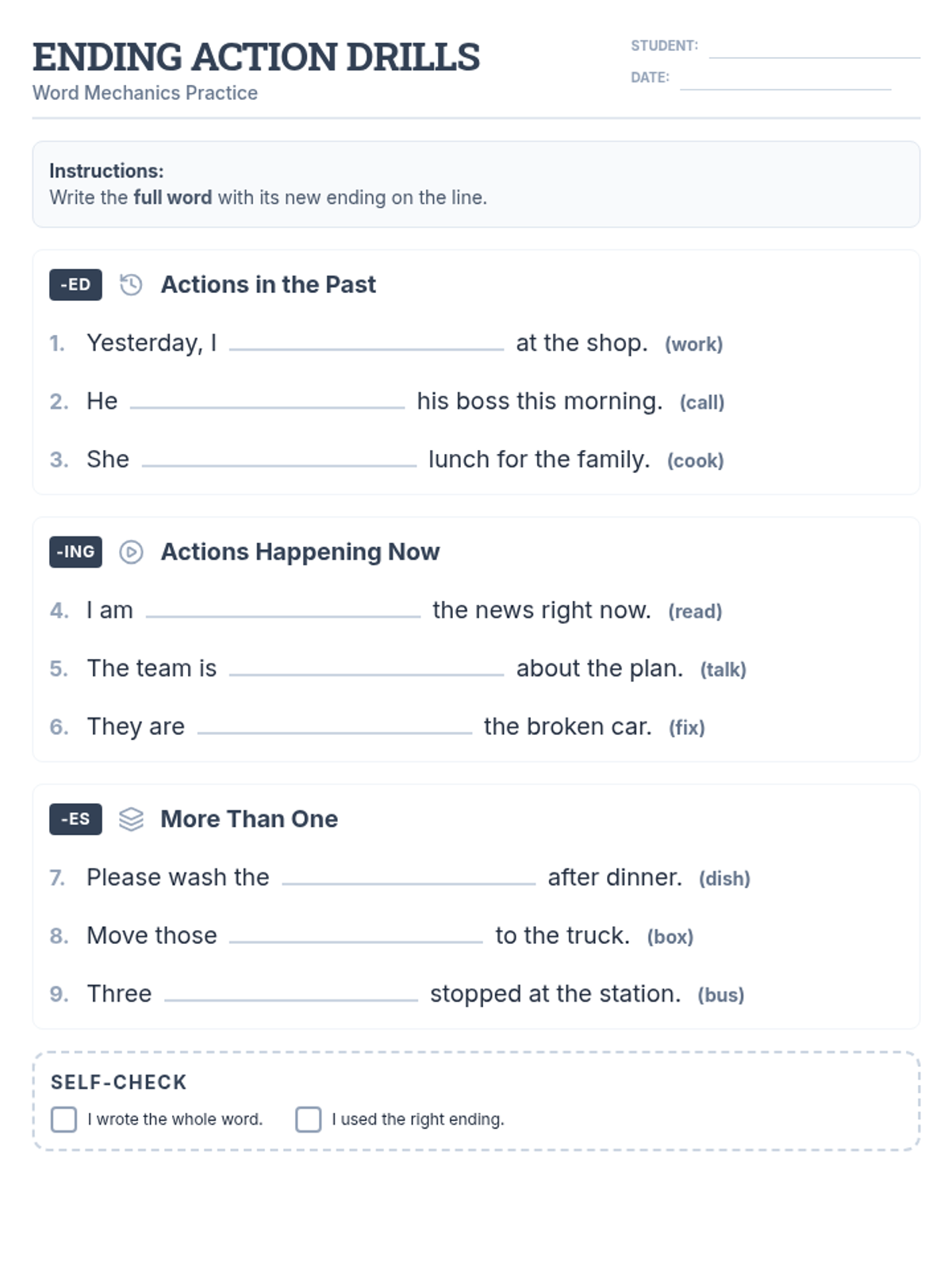
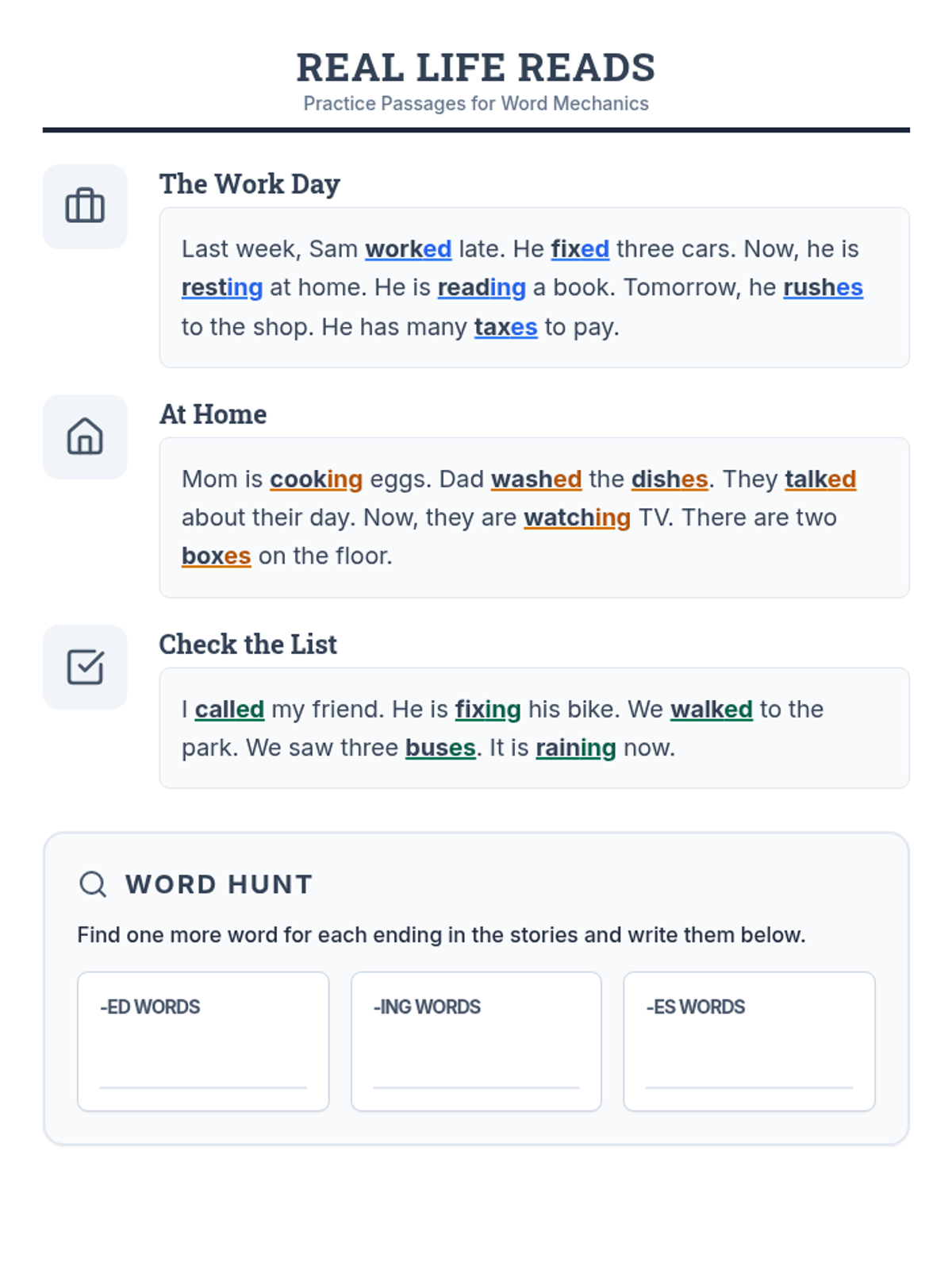
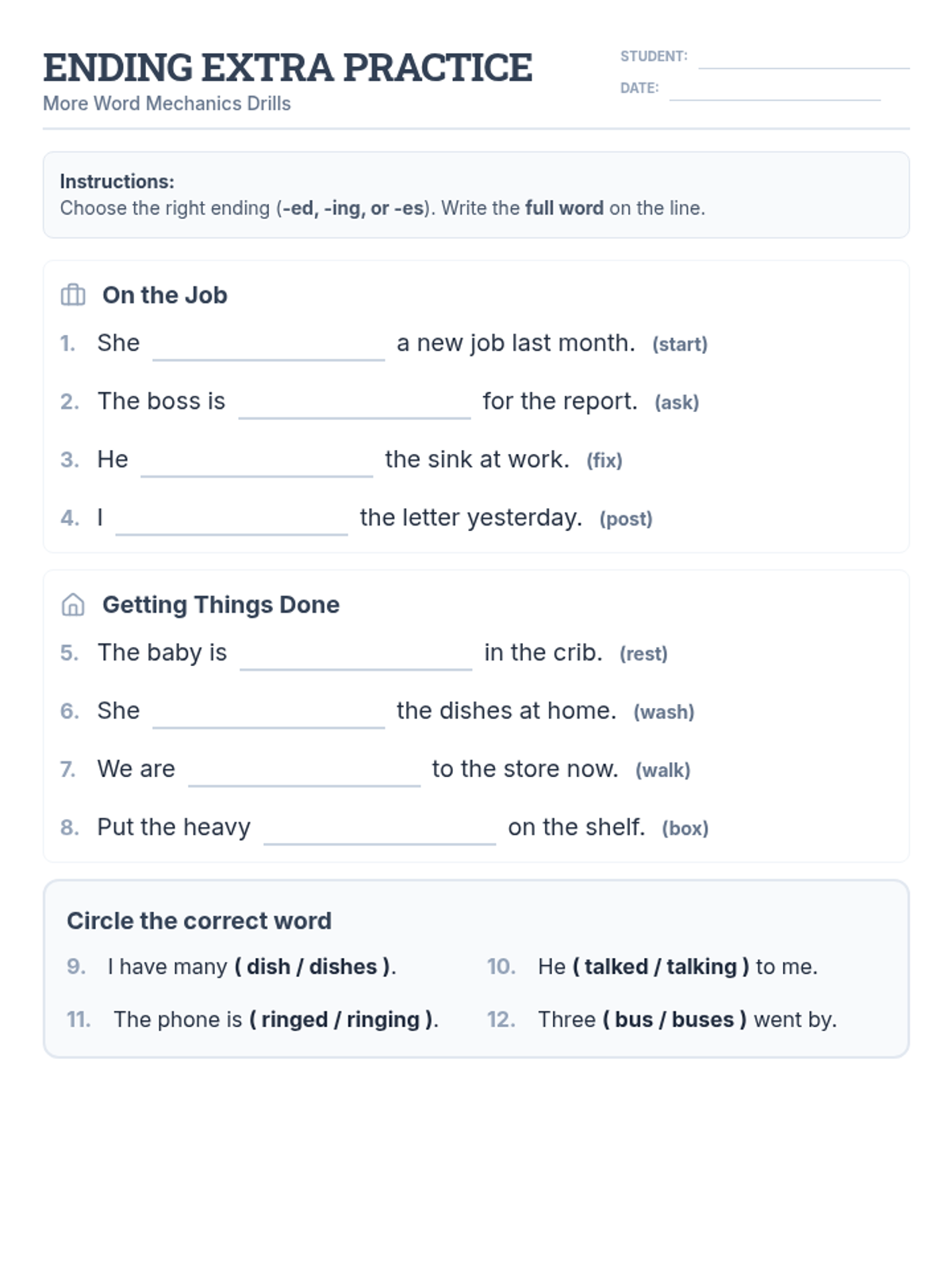
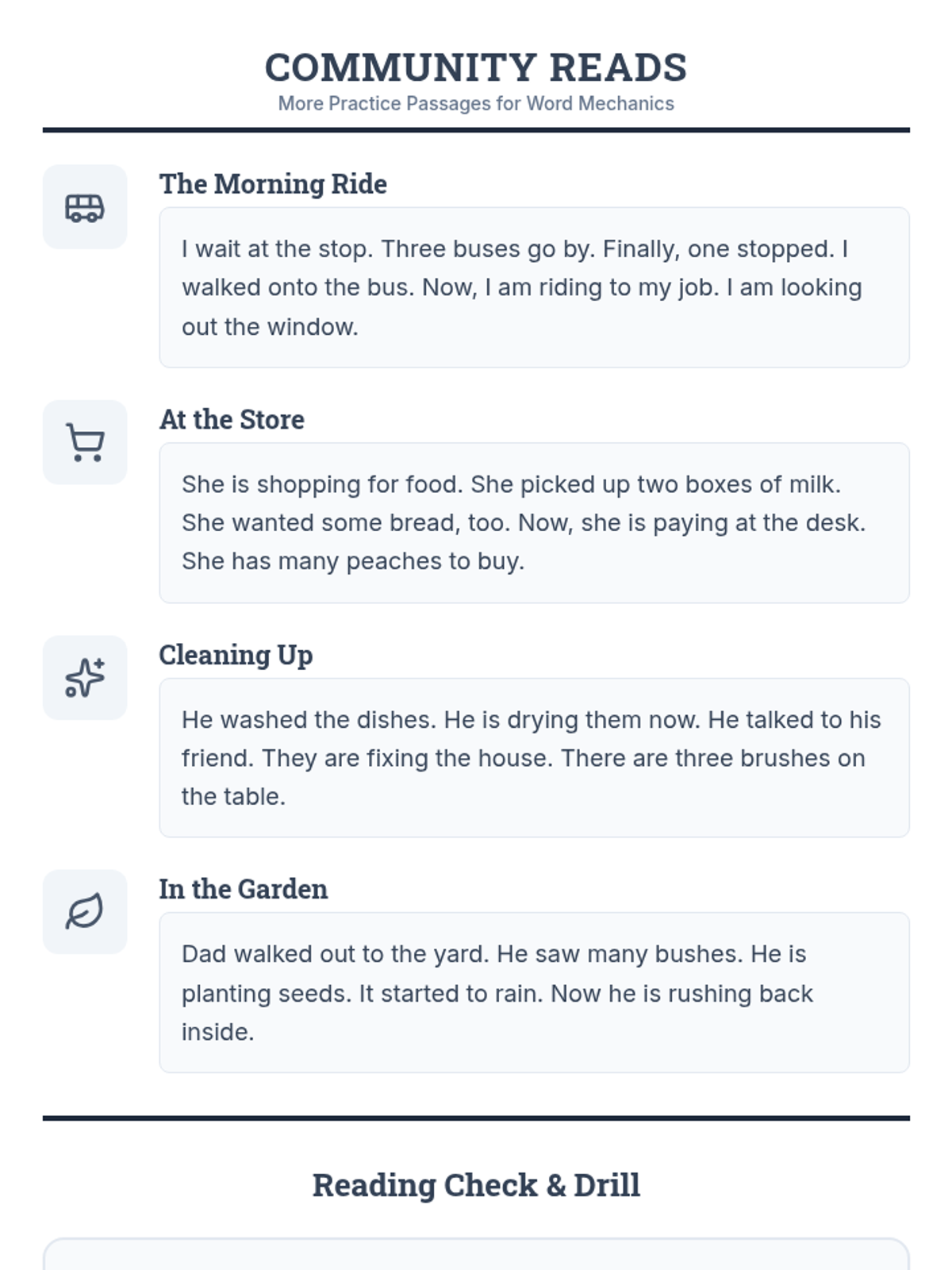
A foundational workshop for adult learners focusing on common word endings (-es, -ing, -ed) through visual aids, repetitive drills, and high-interest reading passages.