A foundational handwriting lesson focusing on lower-case letter formation using D'Nealian-style strokes on primary lines. Students practice tracing and independent writing for each letter of the alphabet.
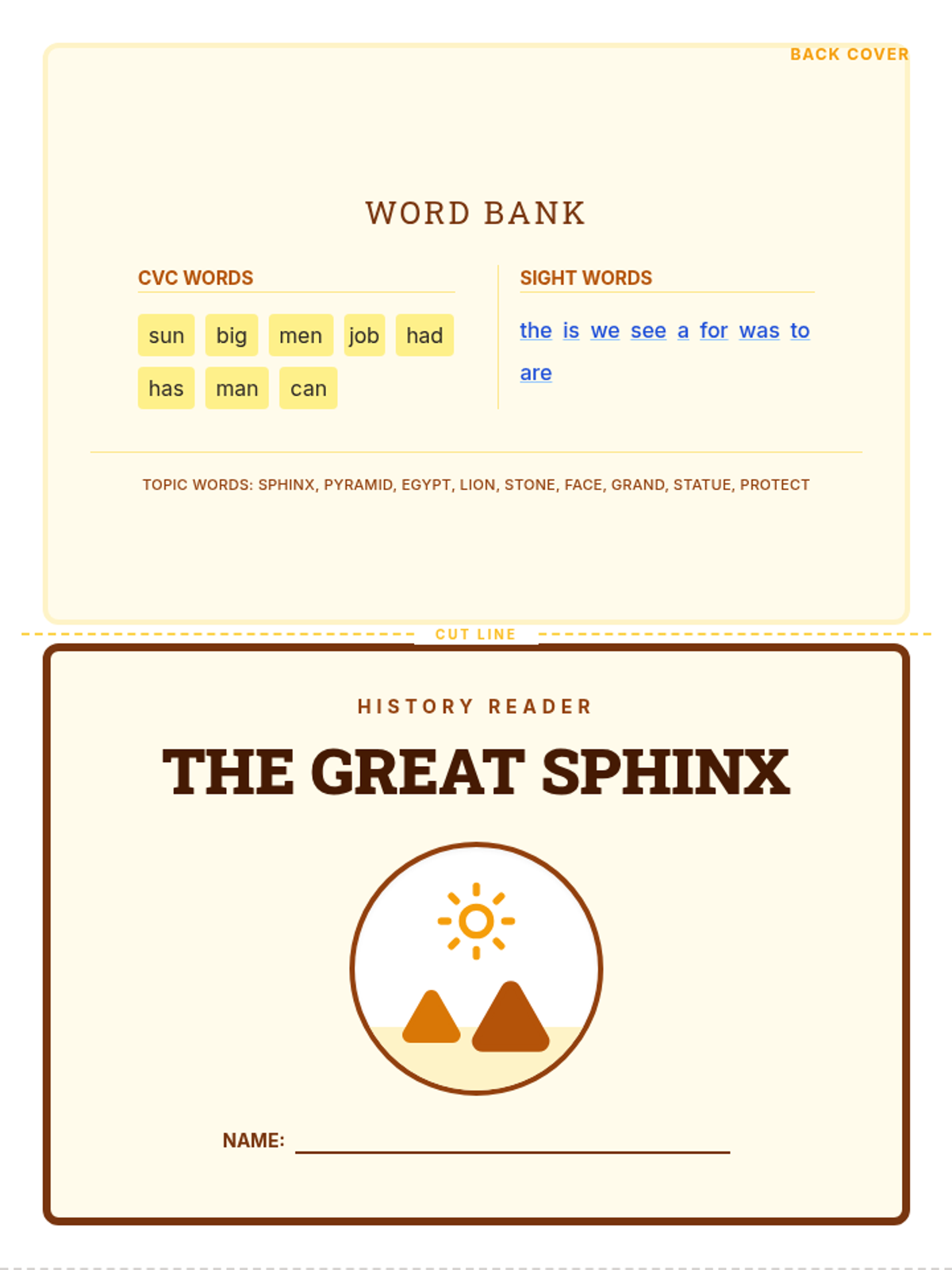
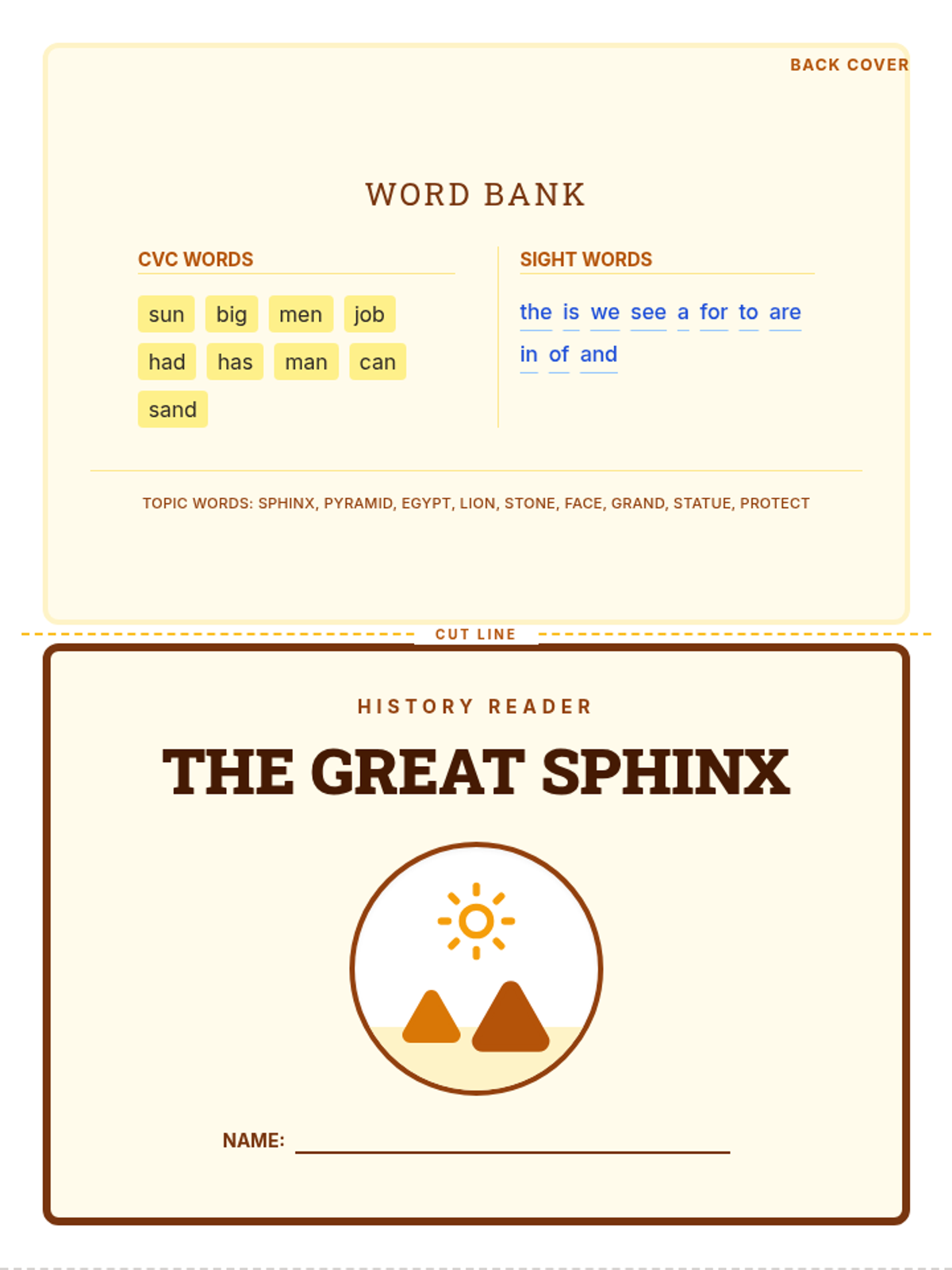
Students will learn about the construction of the pyramids and the significance of the Great Sphinx through a decodable reader and guided discussion.
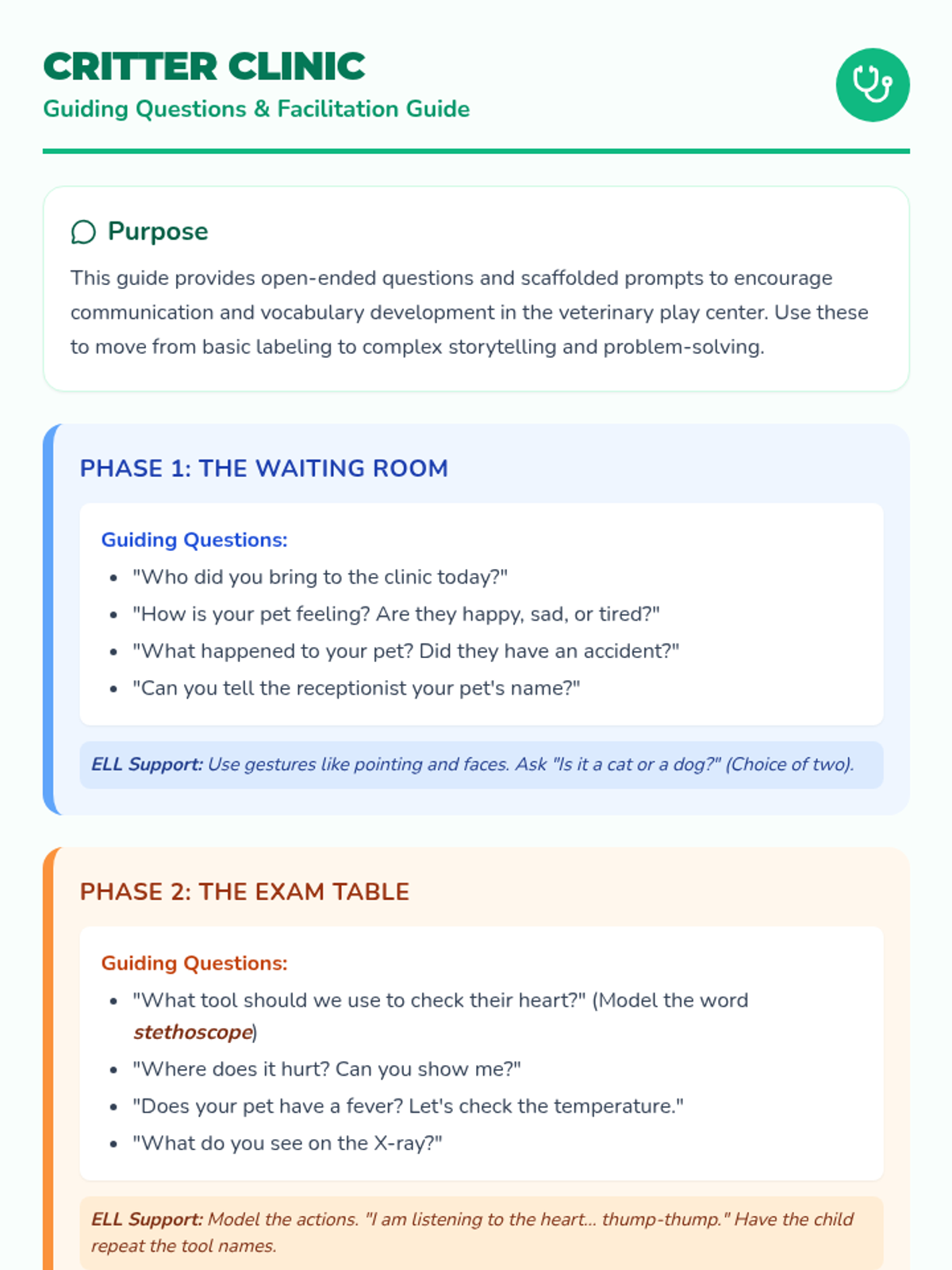
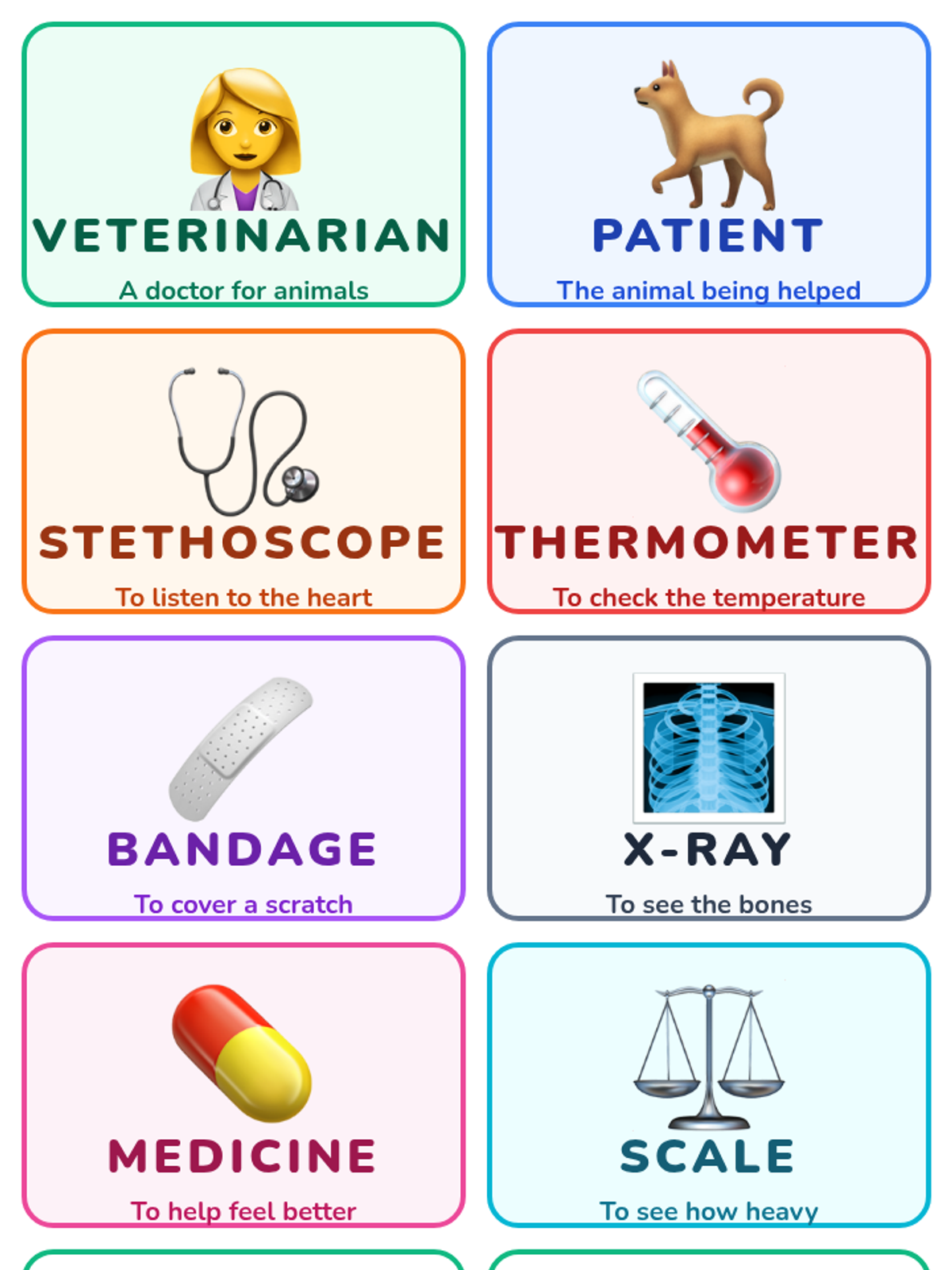
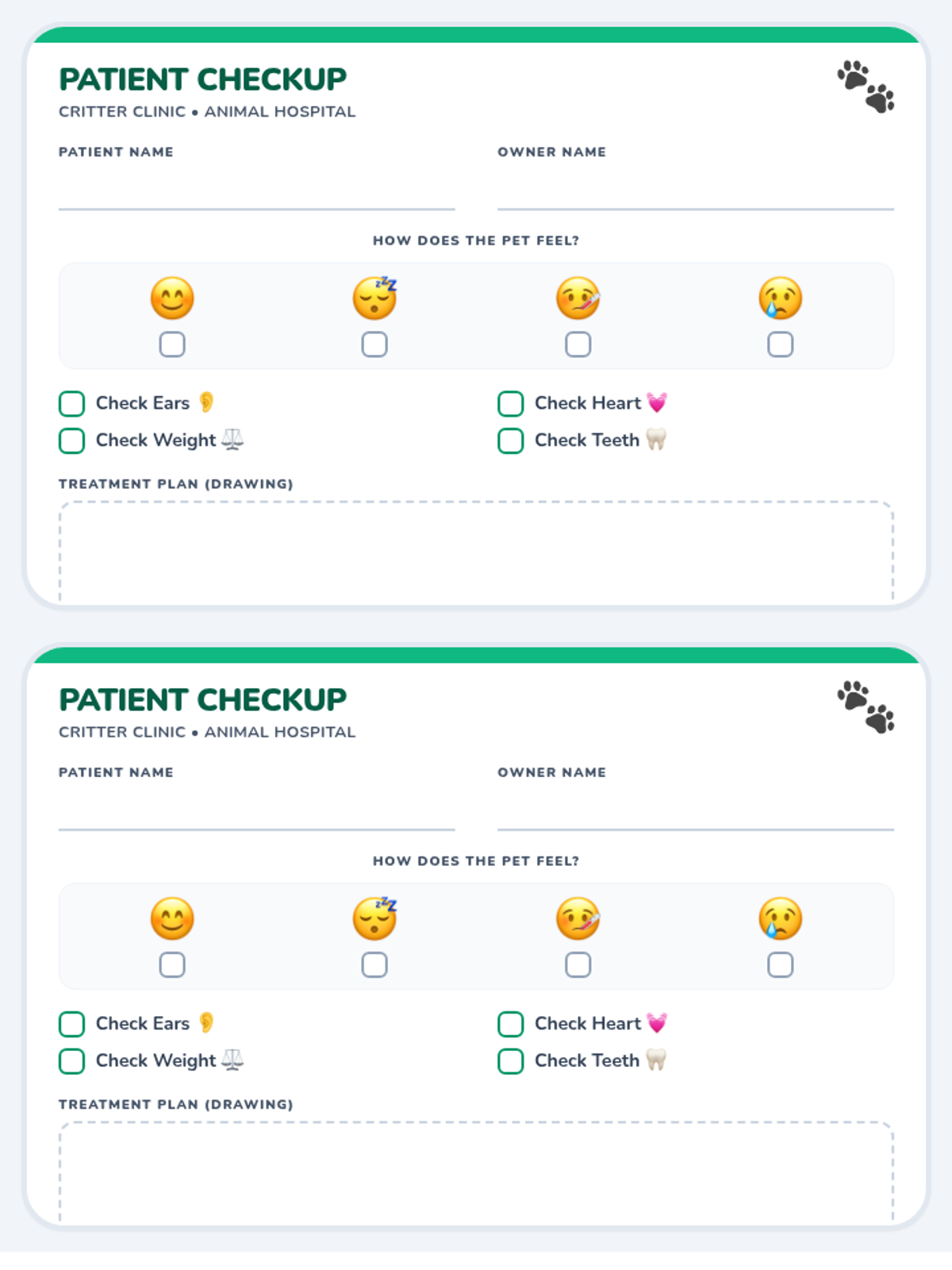
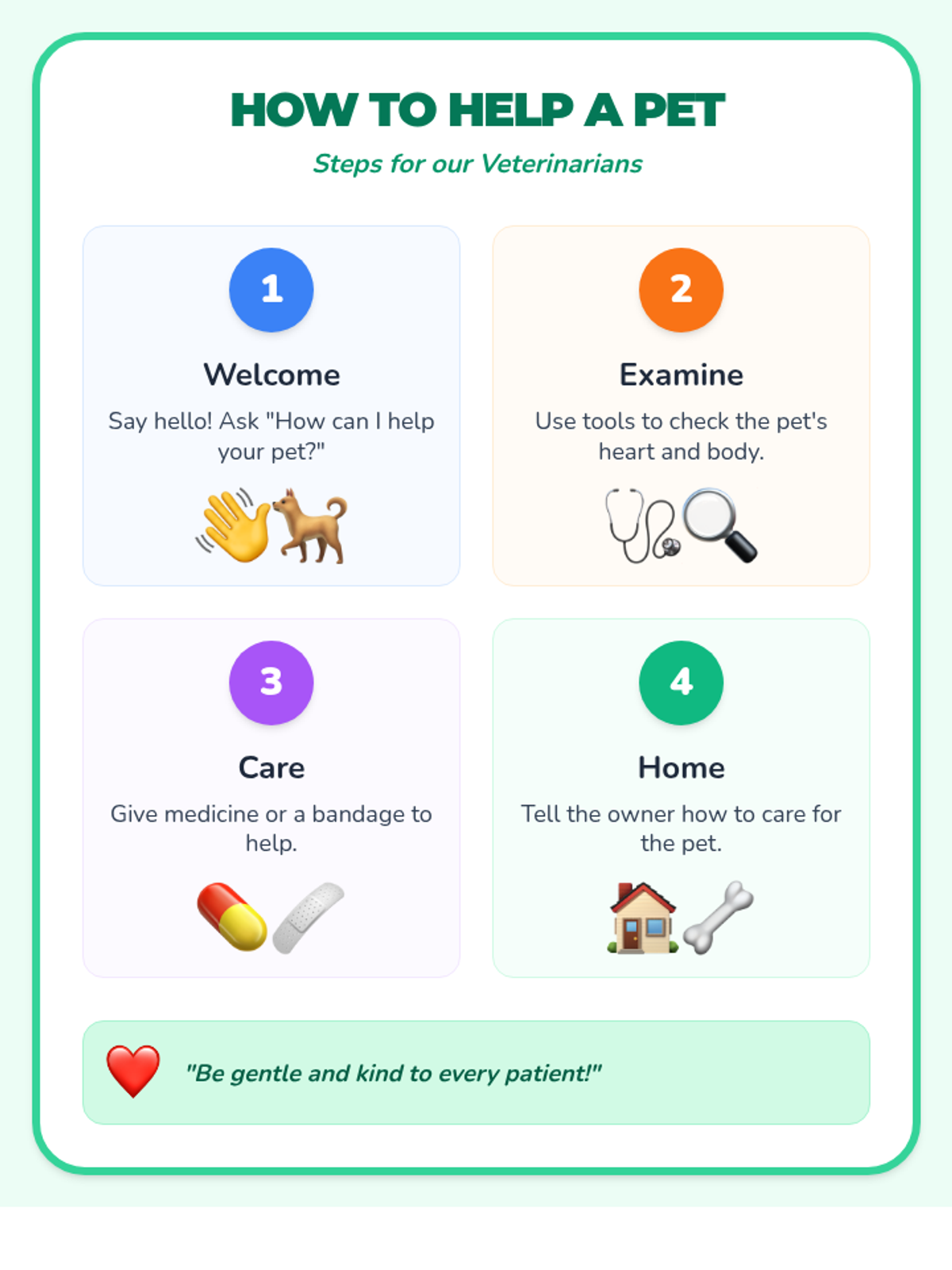
A comprehensive set of resources for a Pre-K veterinary dramatic play center, focusing on oral language, vocabulary acquisition, and communication skills for English Language Learners.
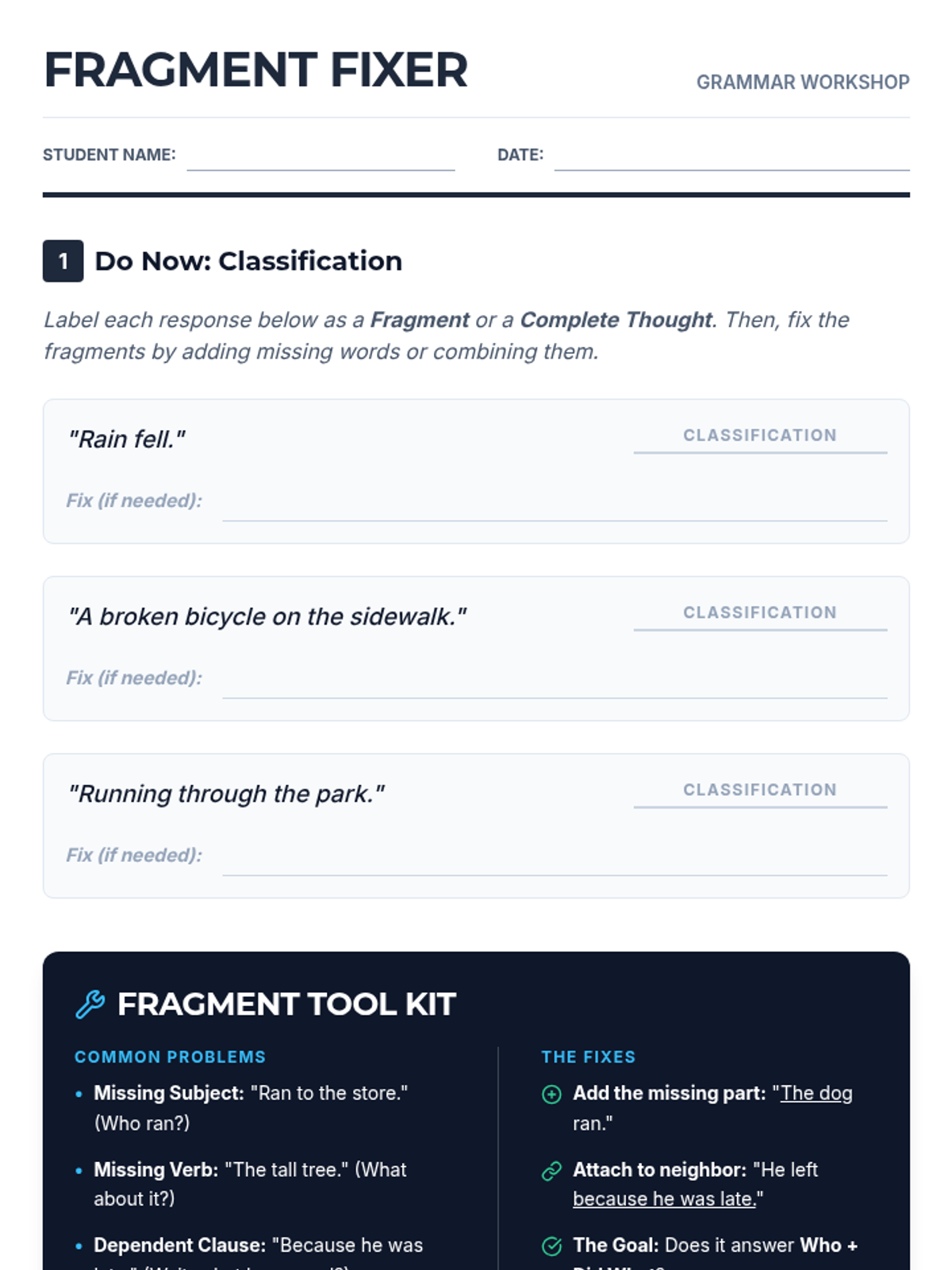
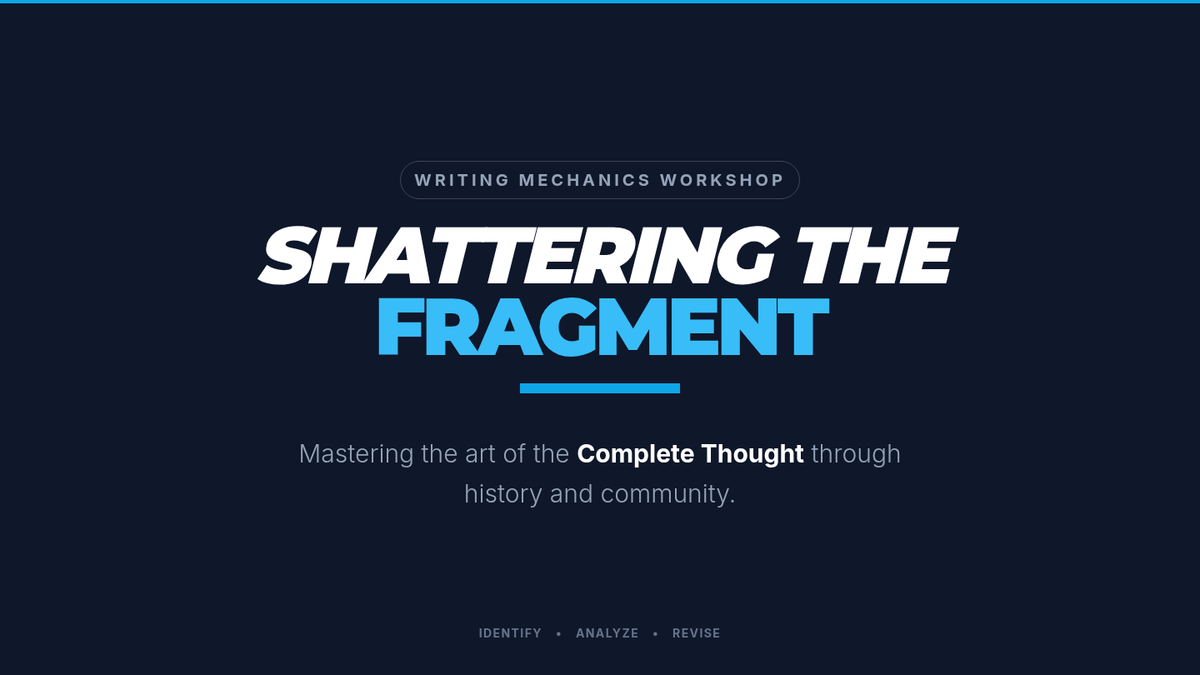
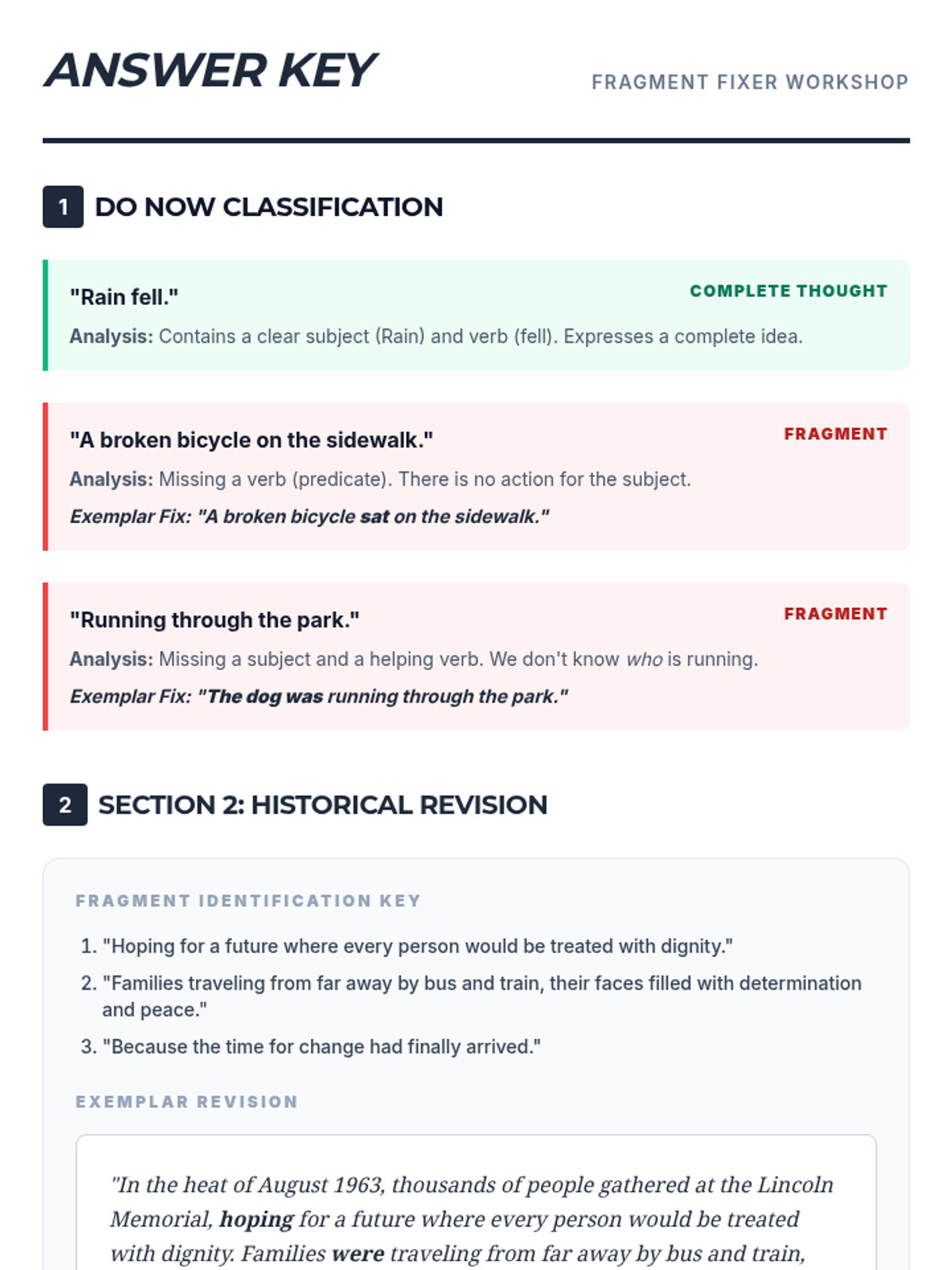
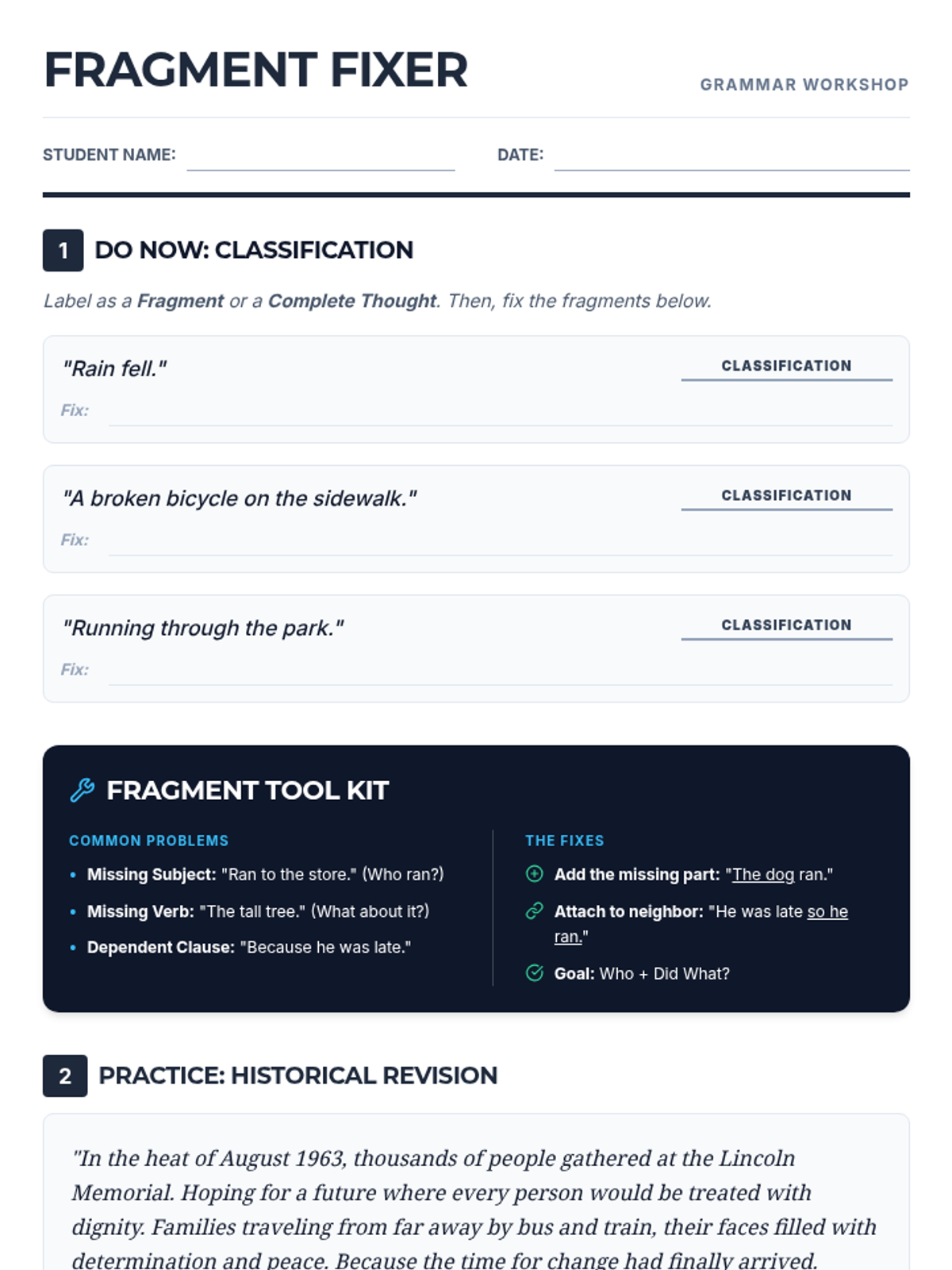
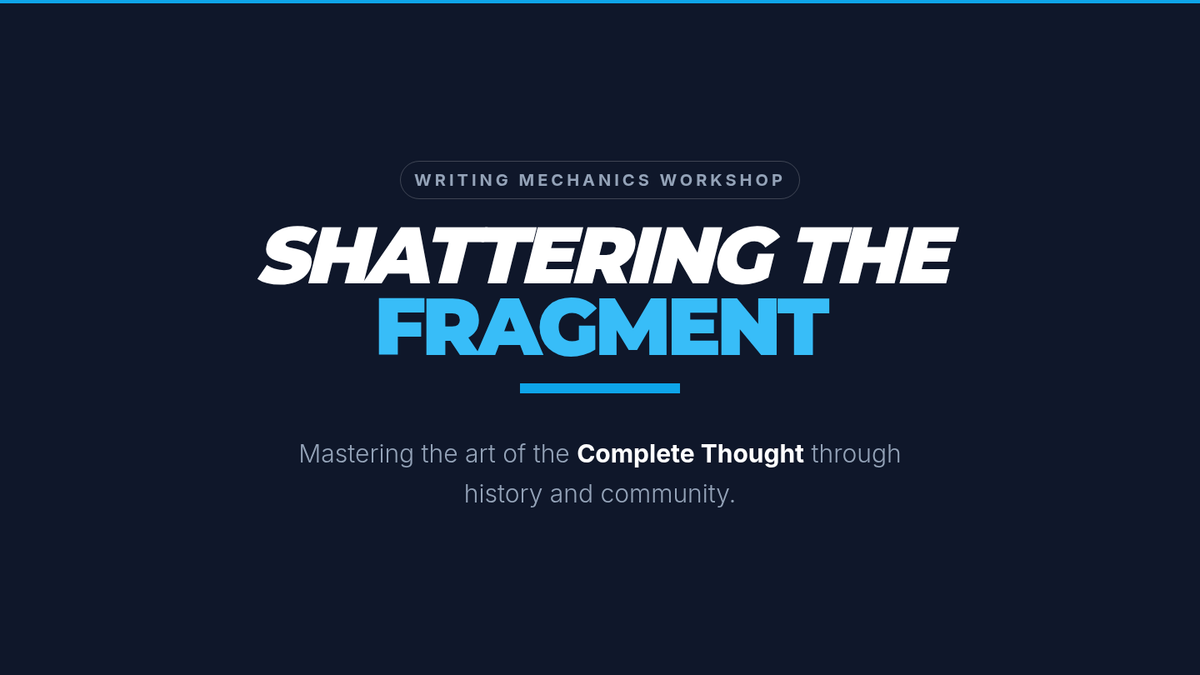
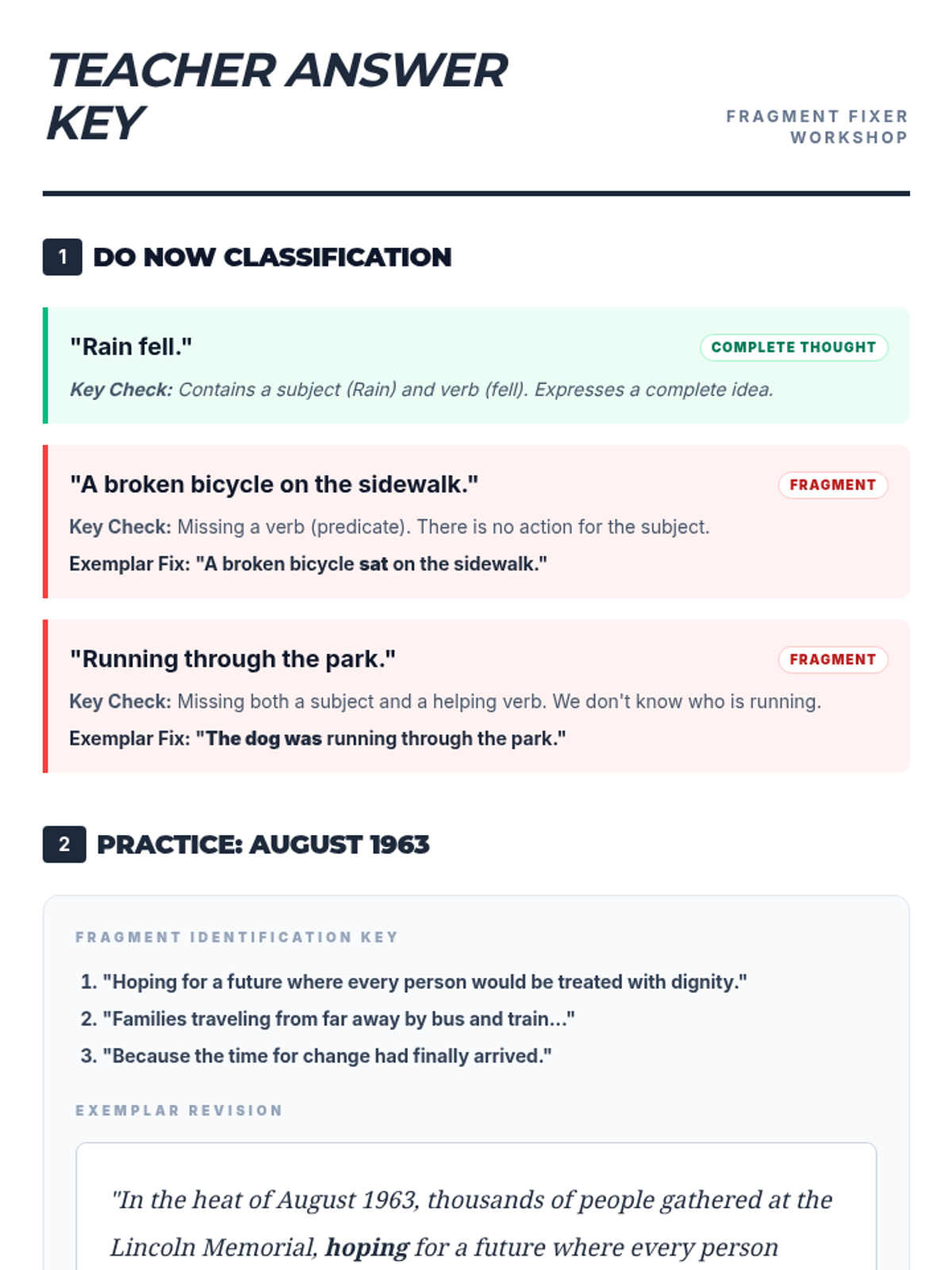
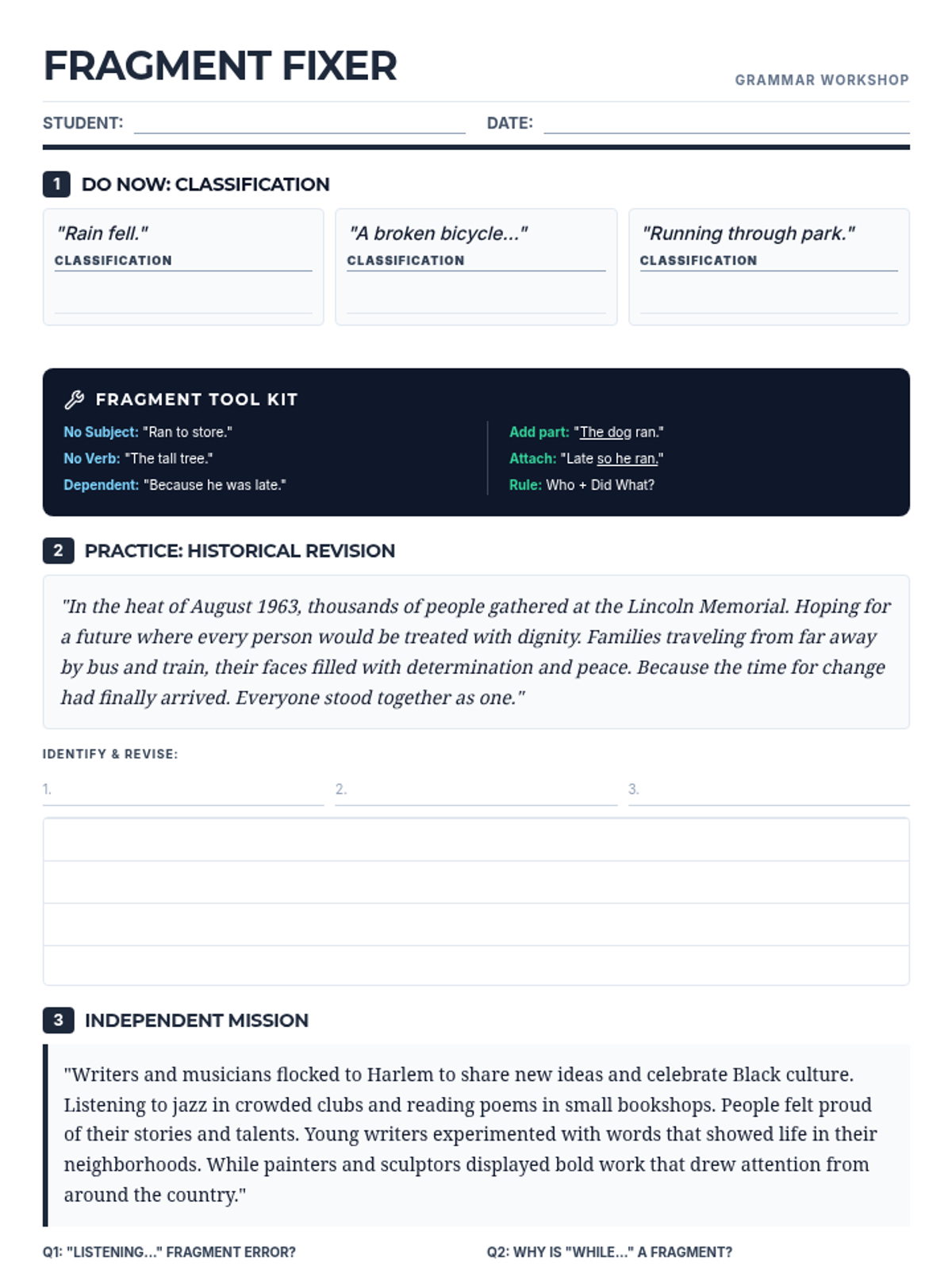
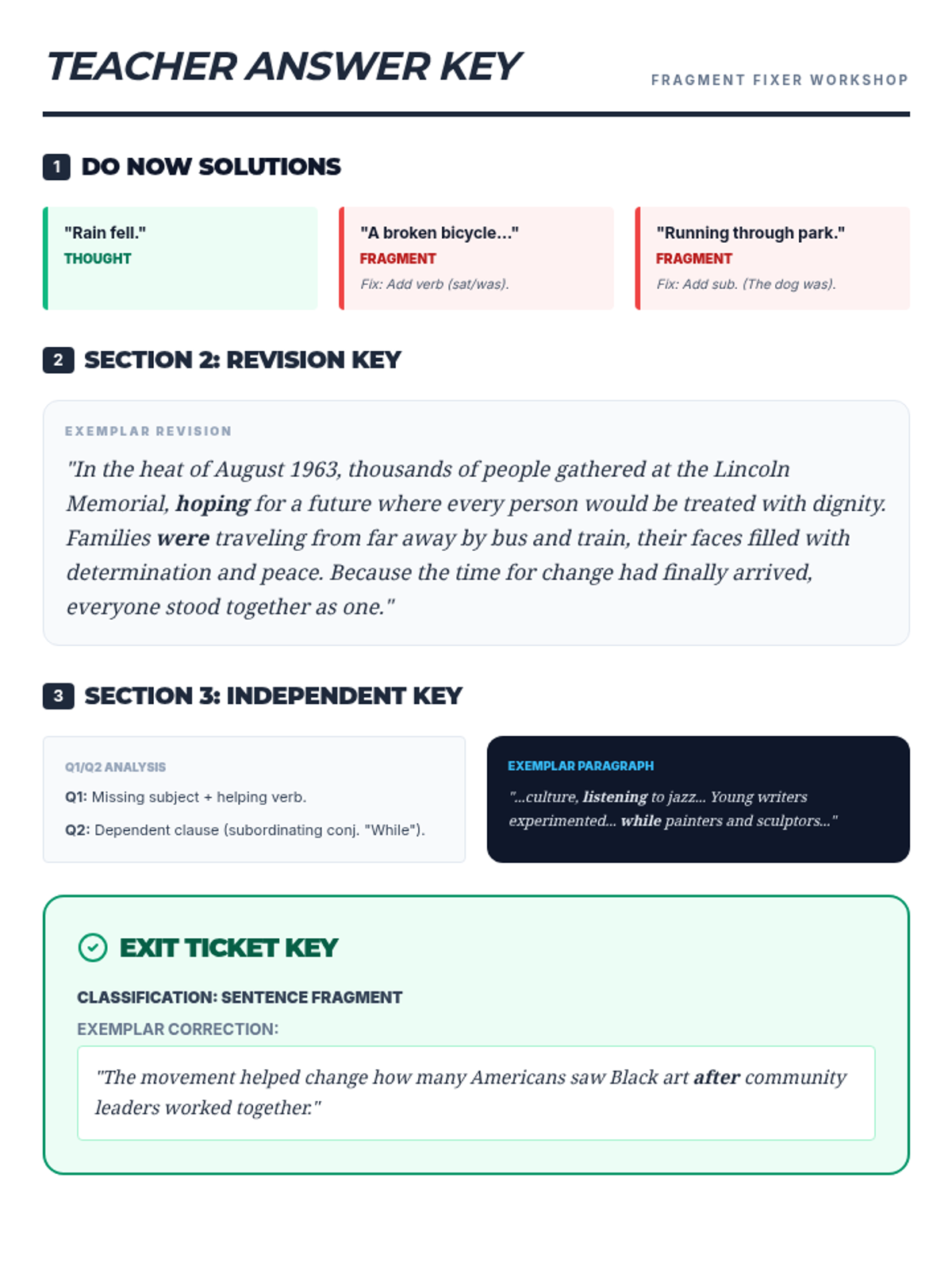
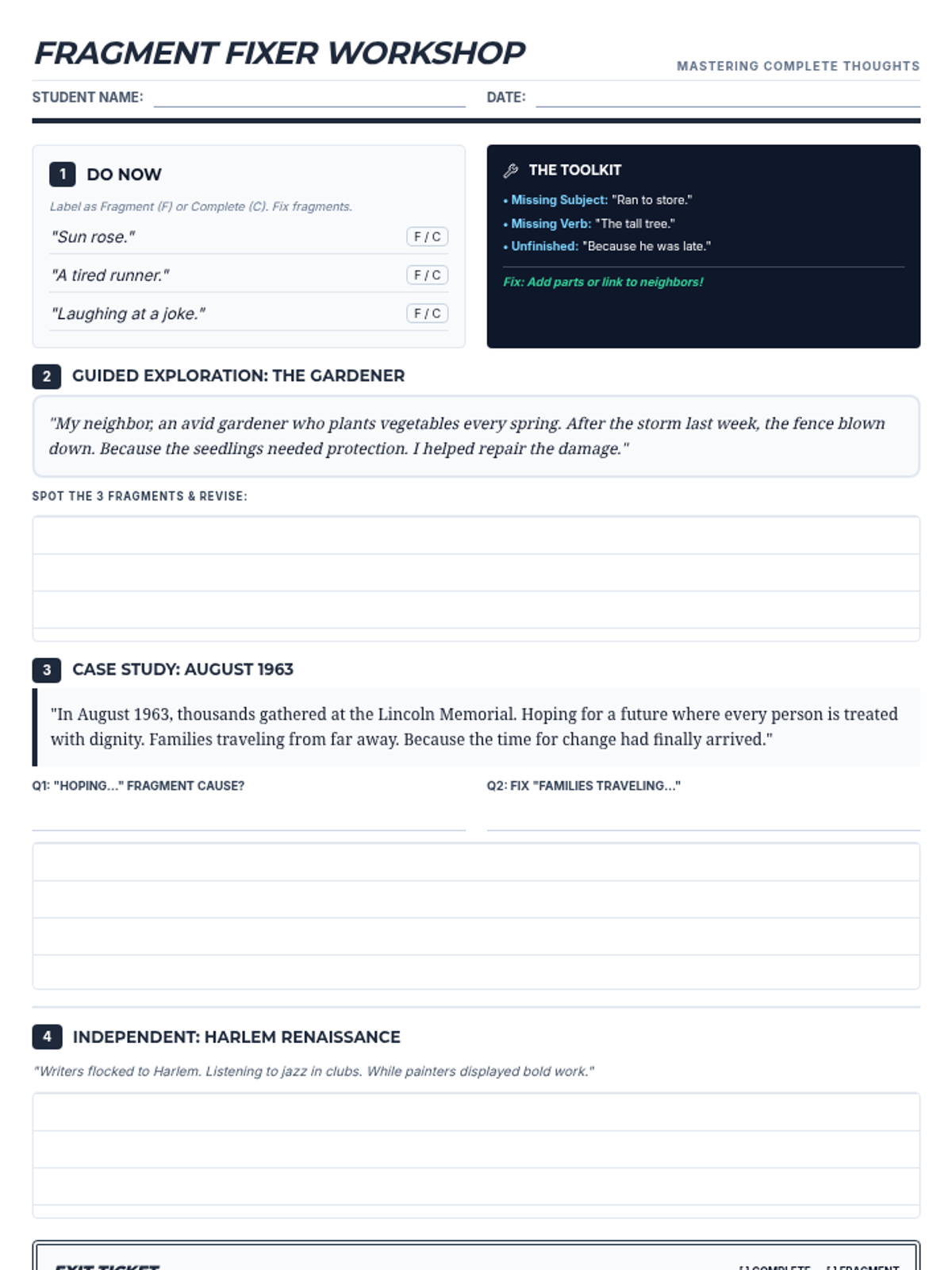
A targeted reteach lesson designed to help students master the distinction between sentence fragments and complete thoughts. The lesson uses themes of community and history to provide high-engagement practice in identifying and revising grammatical errors.
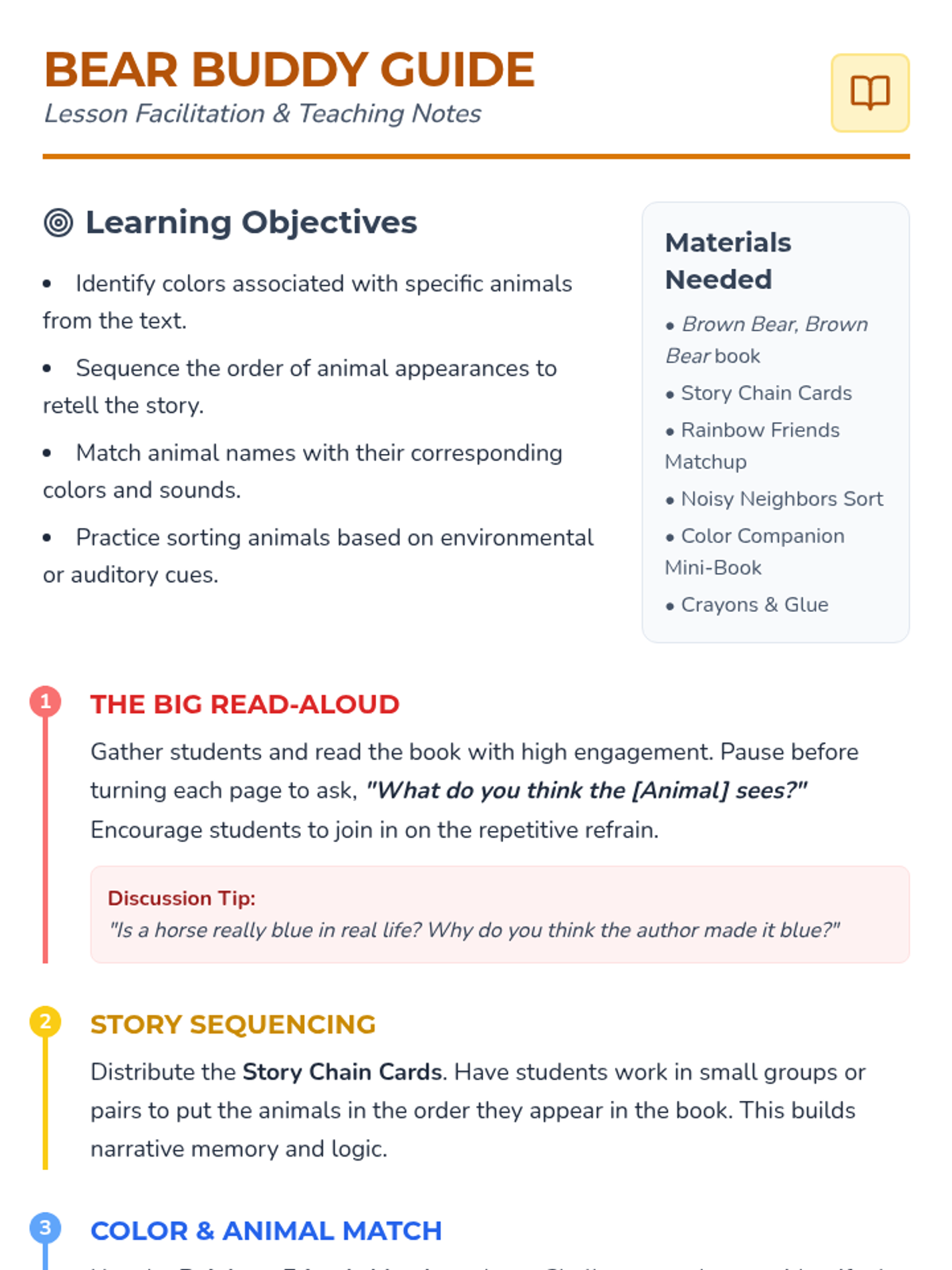
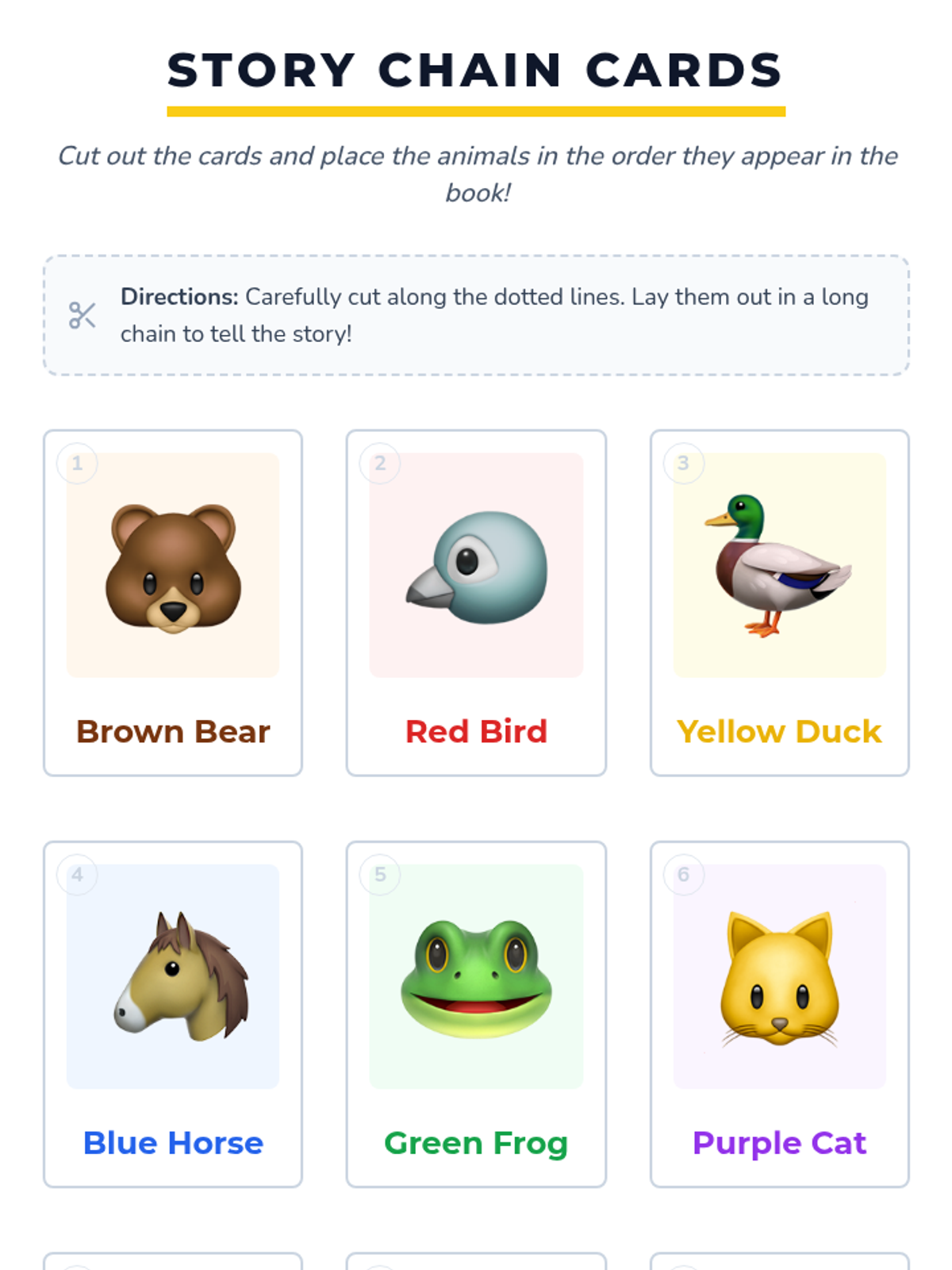
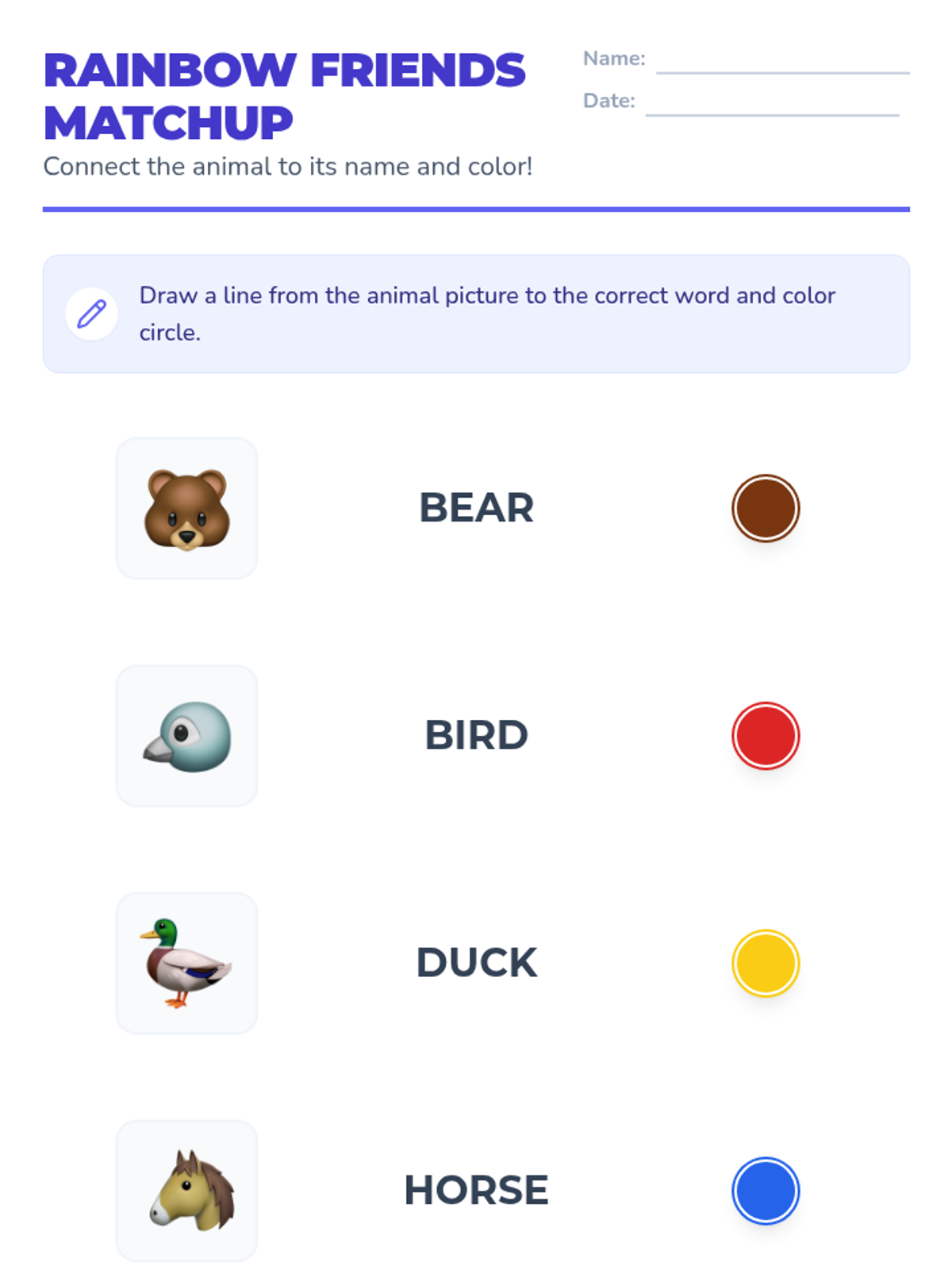
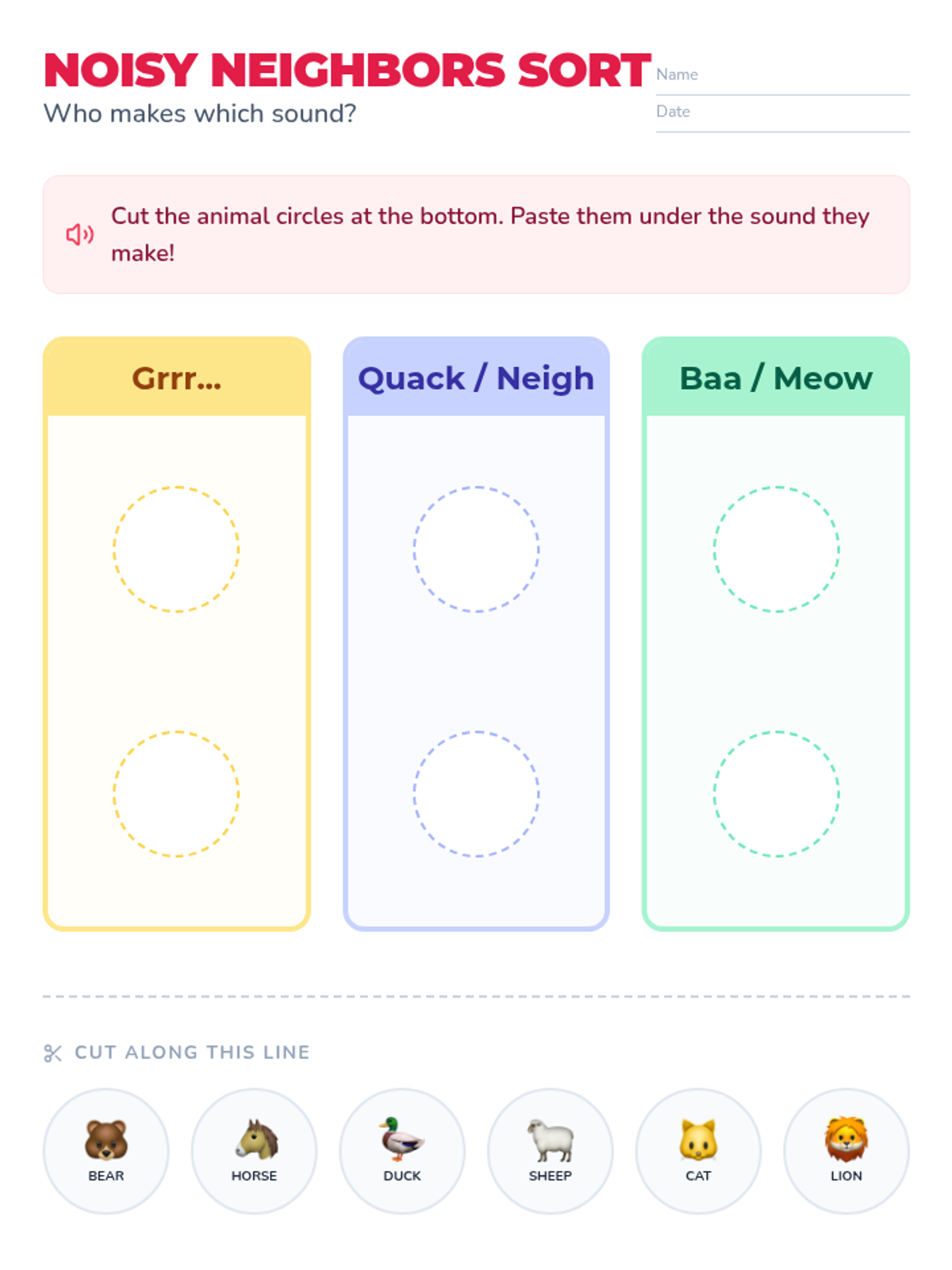
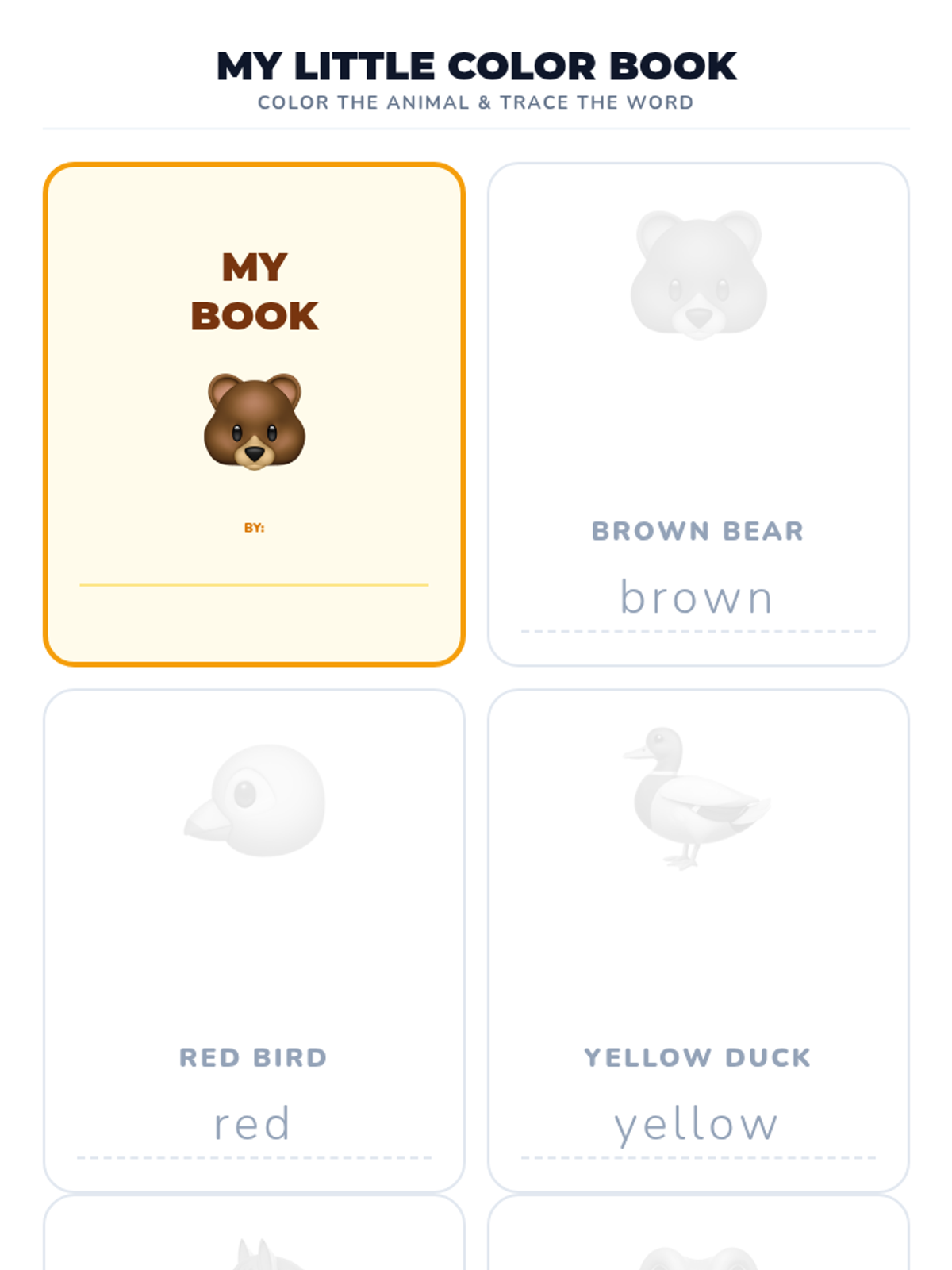
A comprehensive lesson focused on color identification, sequencing, and animal recognition through the classic story Brown Bear, Brown Bear, What Do You See? Students will engage in retelling, matching, and sorting activities designed for early childhood learners.
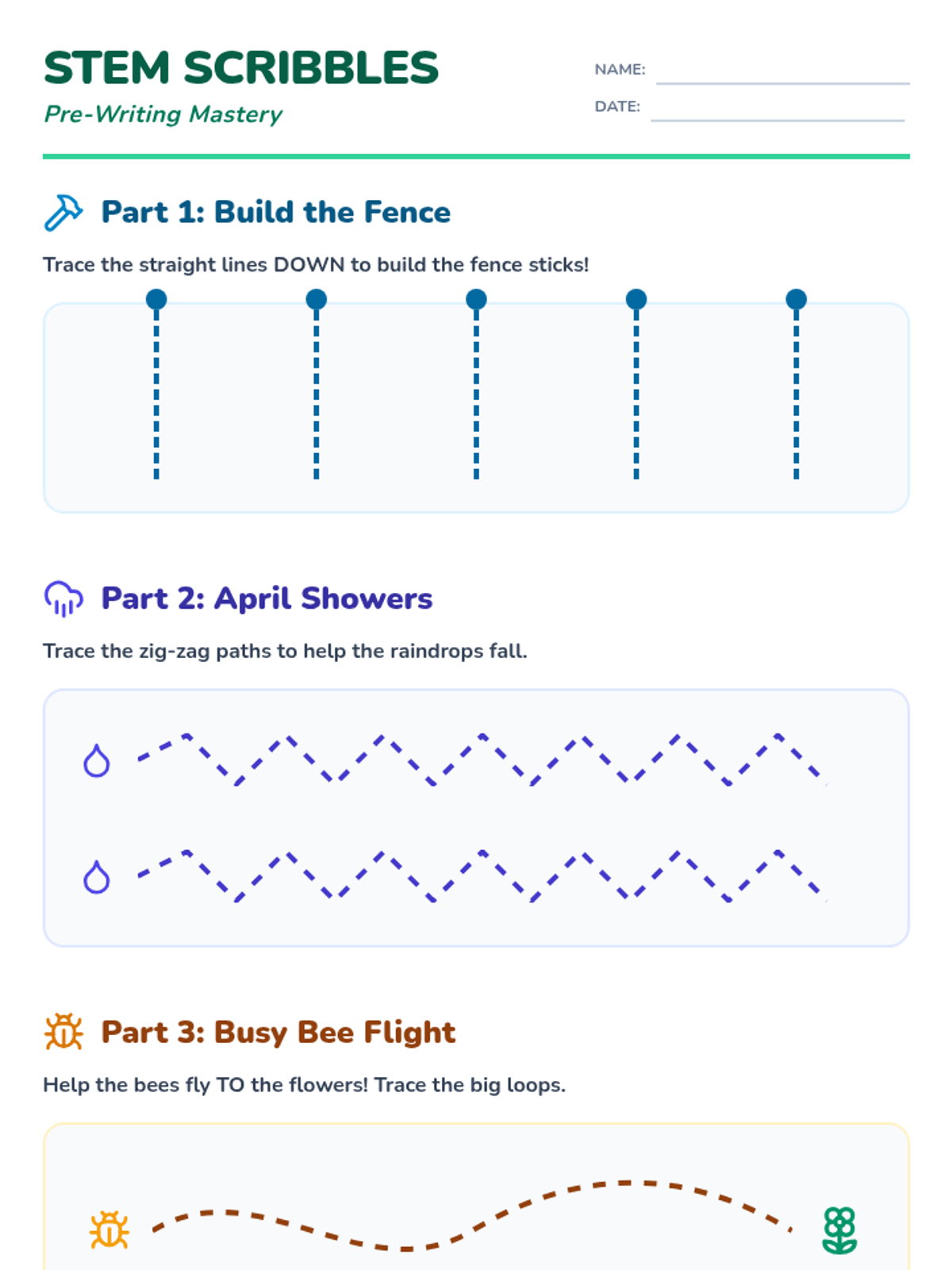
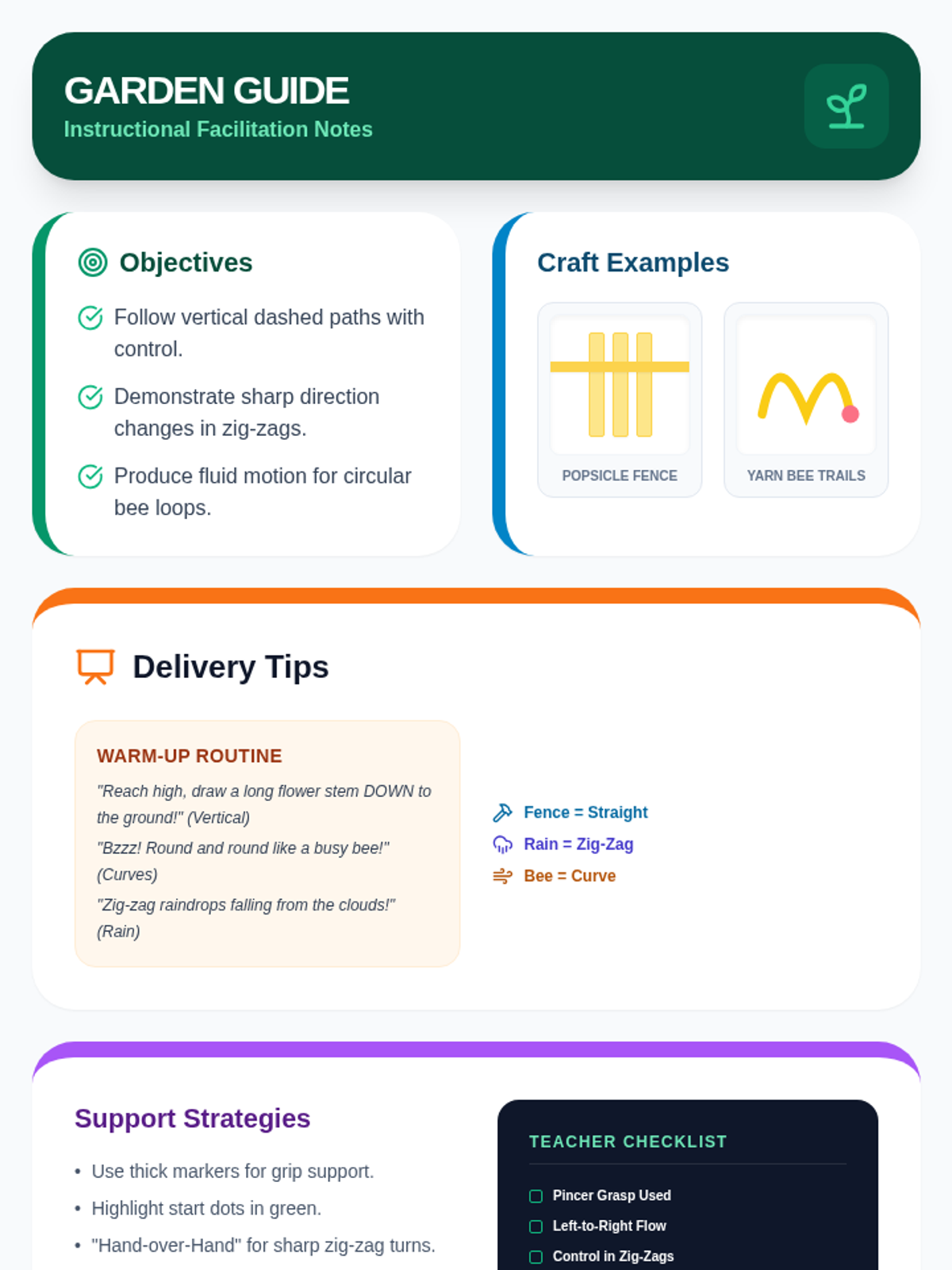
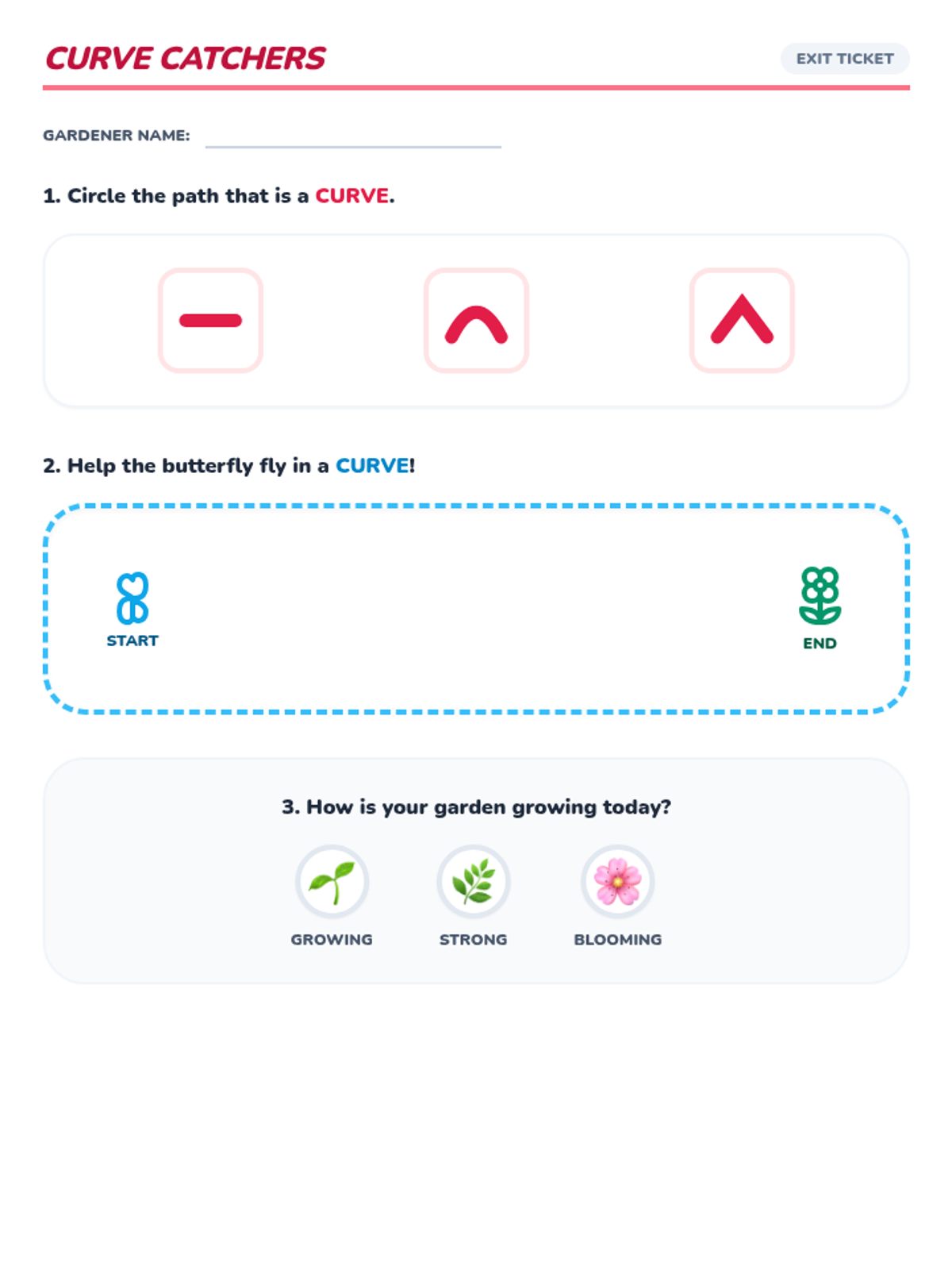
This lesson focuses on the foundational lines and curves needed for handwriting, integrated with spring craft activities like building paper flowers and tracing bee paths.
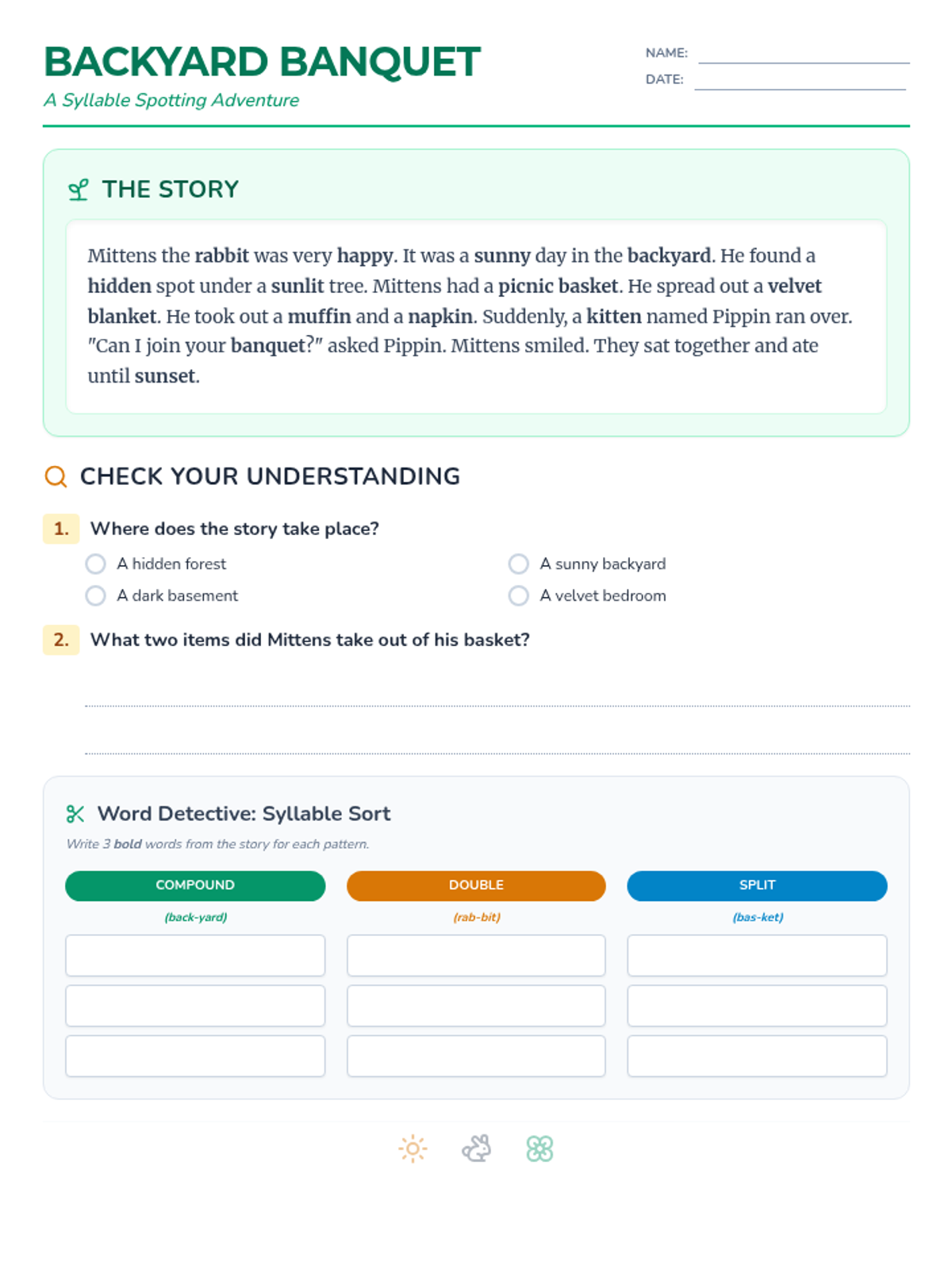
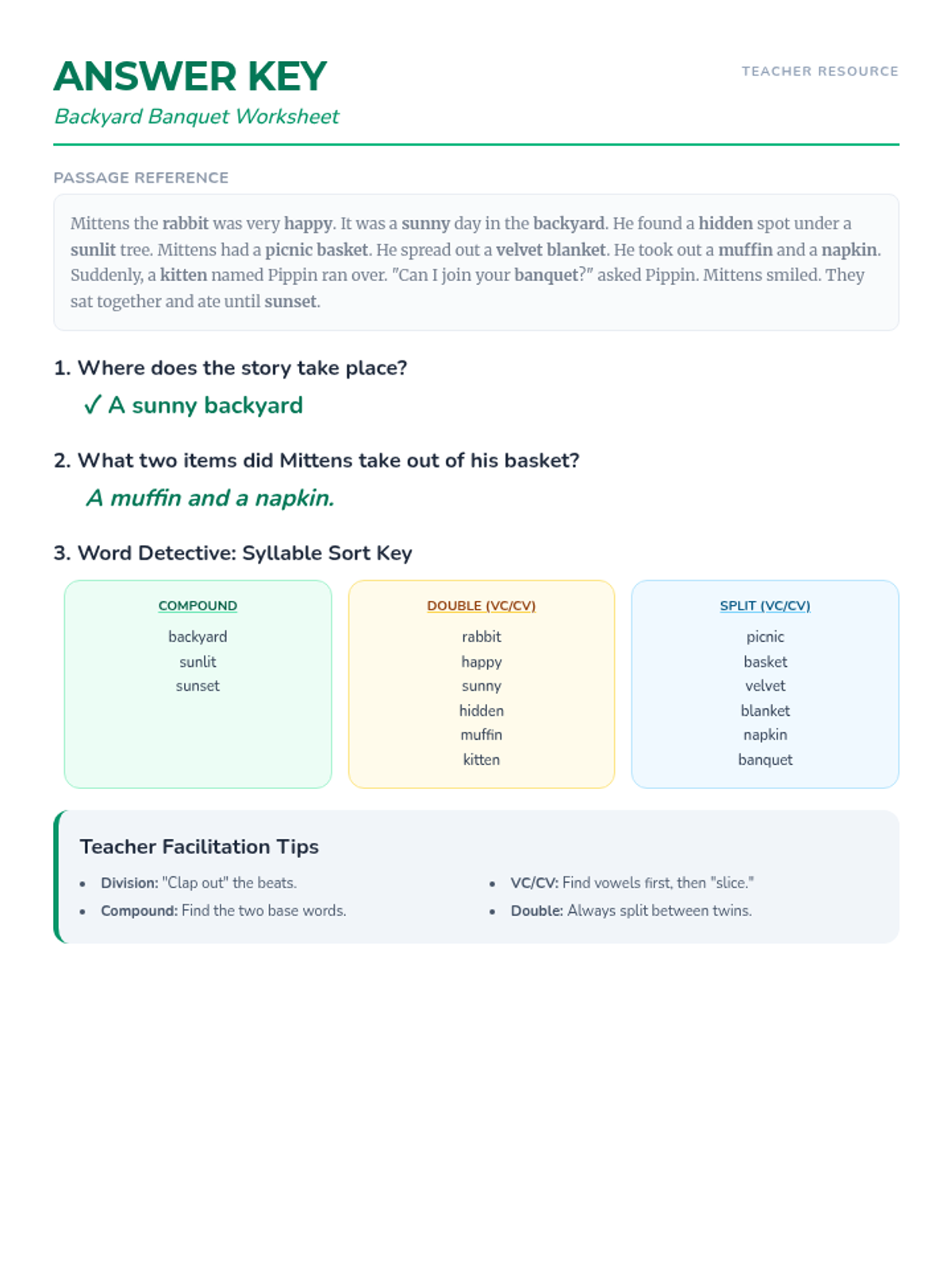
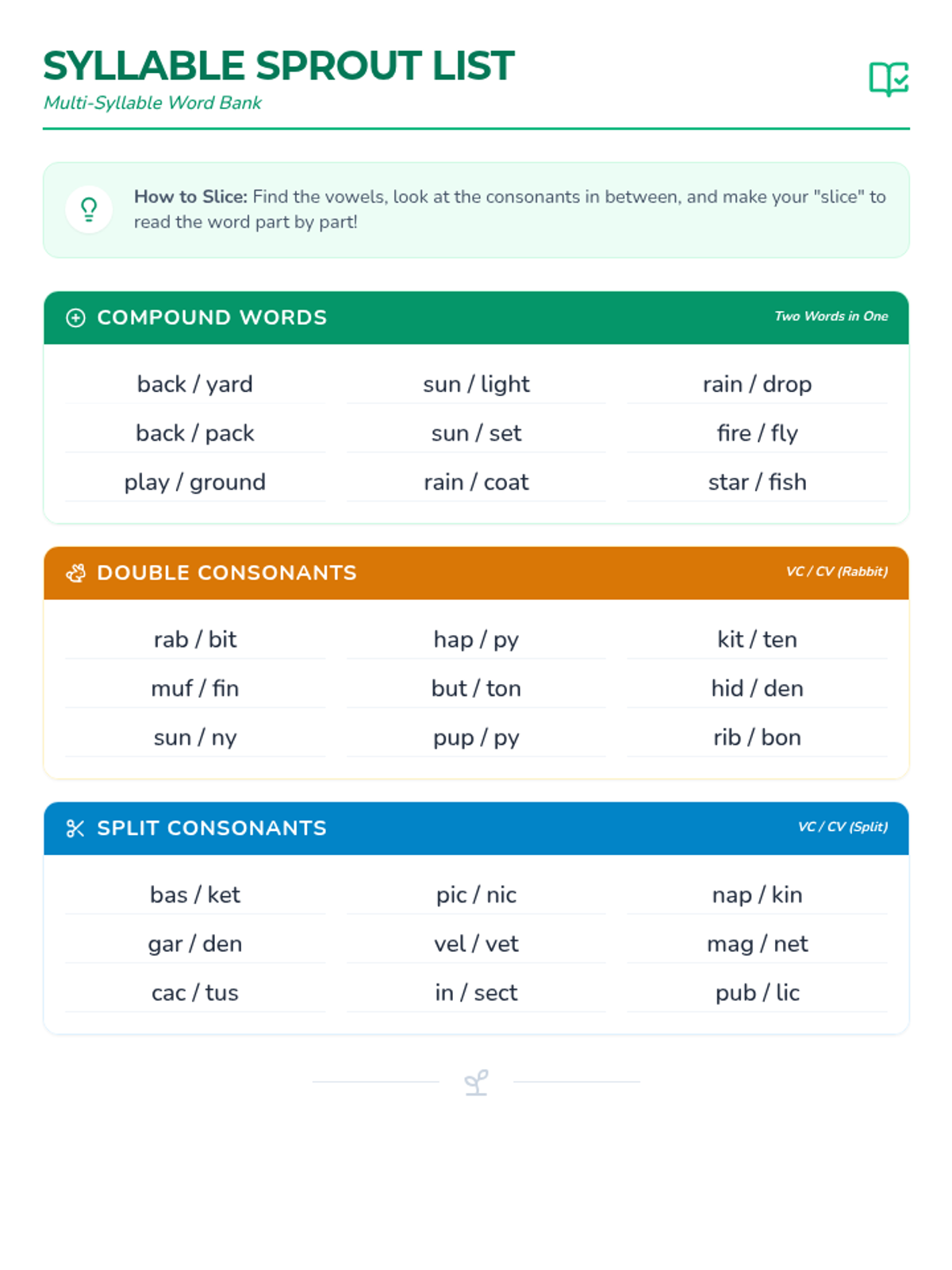
A foundational phonics lesson focusing on decoding multisyllabic words, including compound words, CVCVC 'rabbit' patterns, and VC/CV syllable divisions through an engaging garden-themed reading passage.
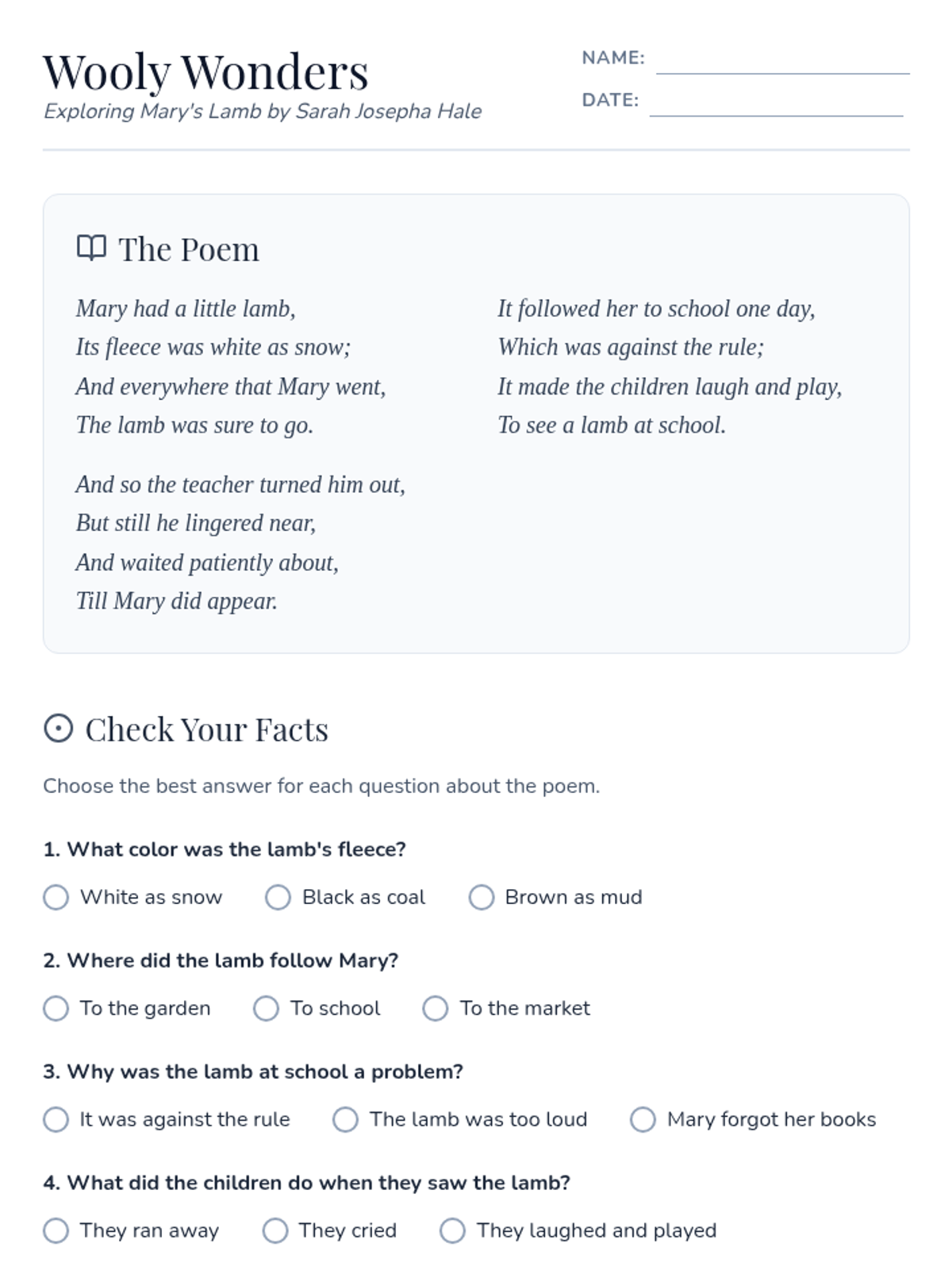
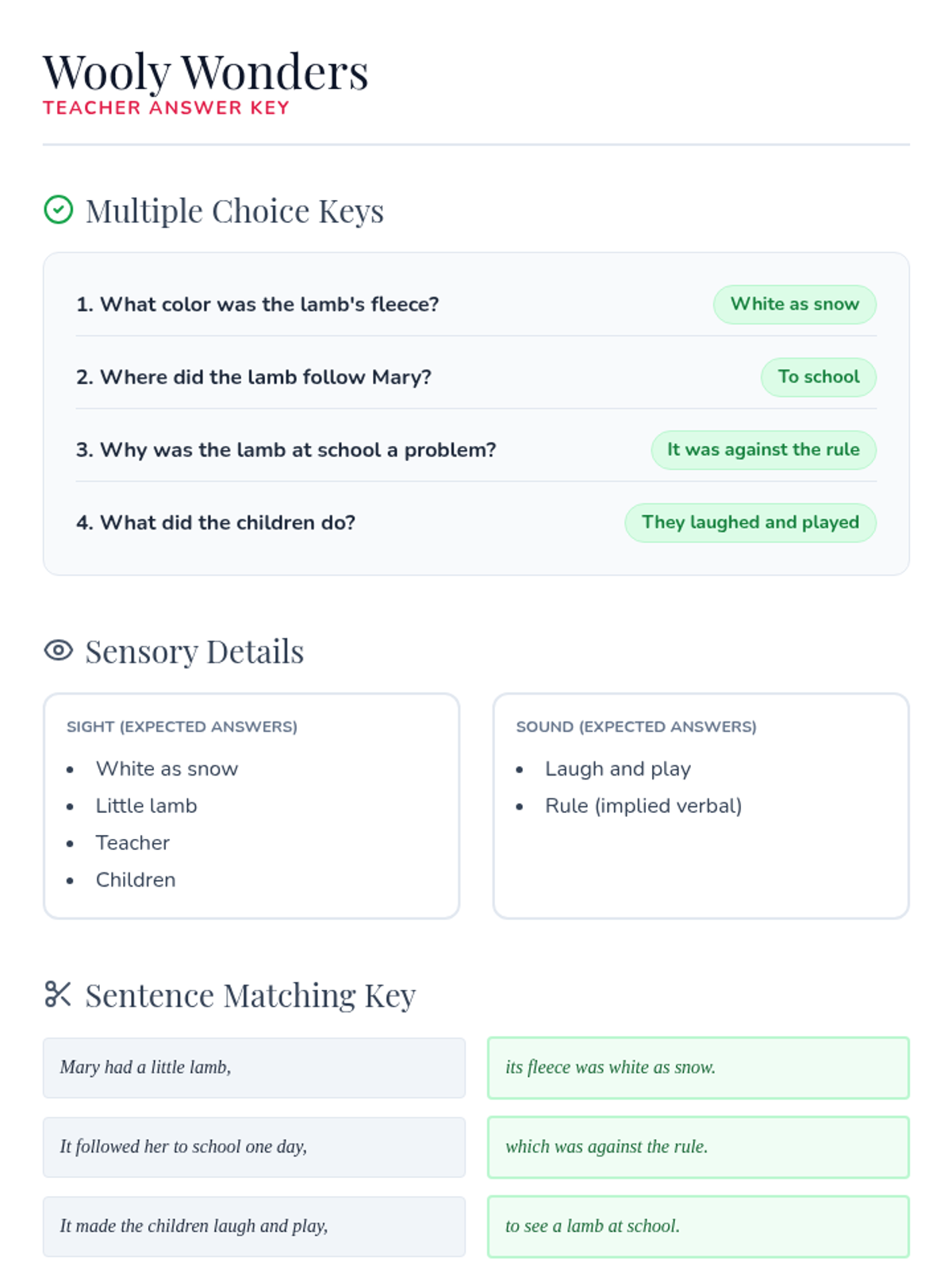
A focused exploration of the classic poem 'Mary's Lamb' by Sarah Josepha Hale, targeting literal comprehension and sensory imagery through engaging printable activities.
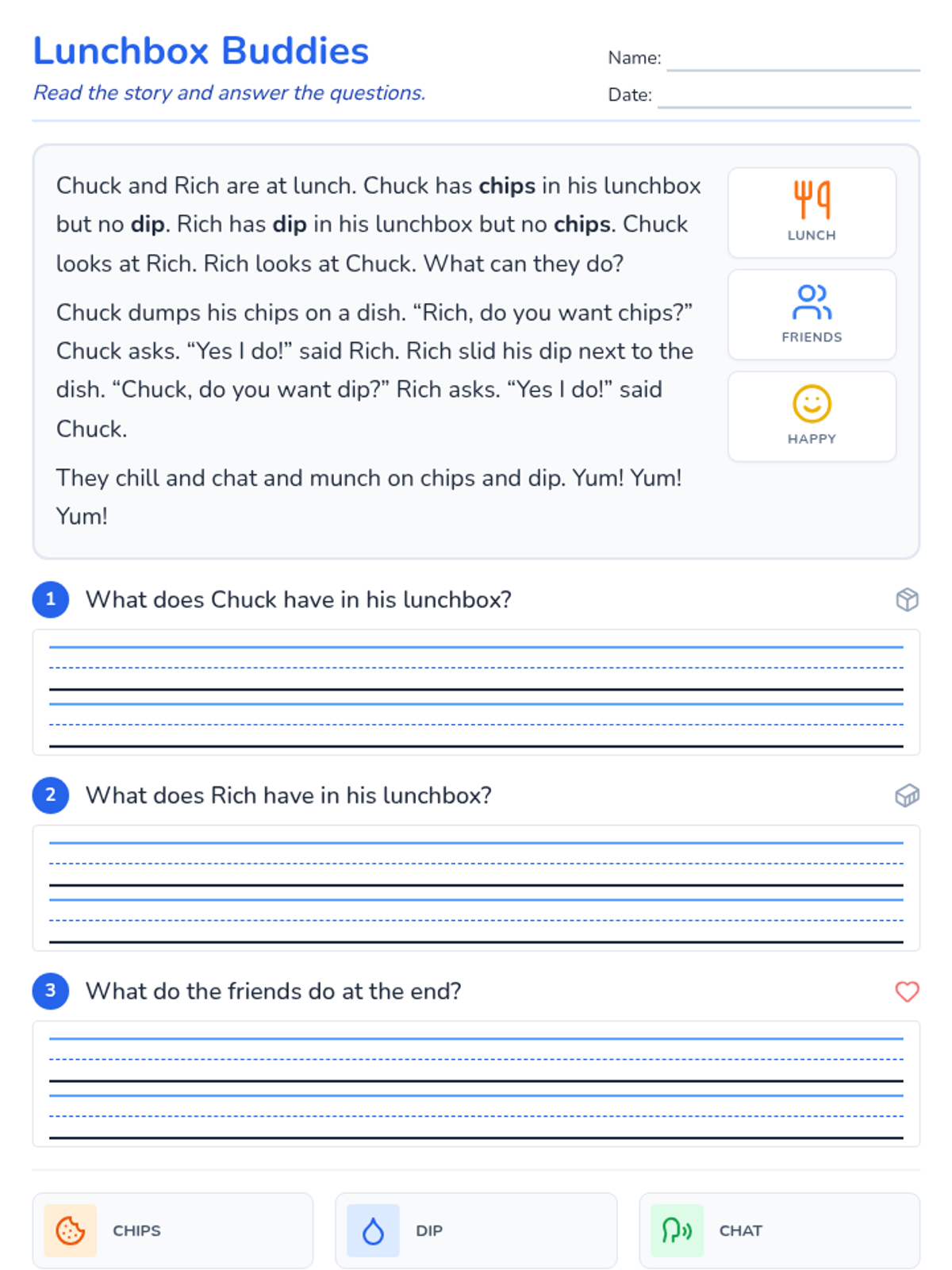
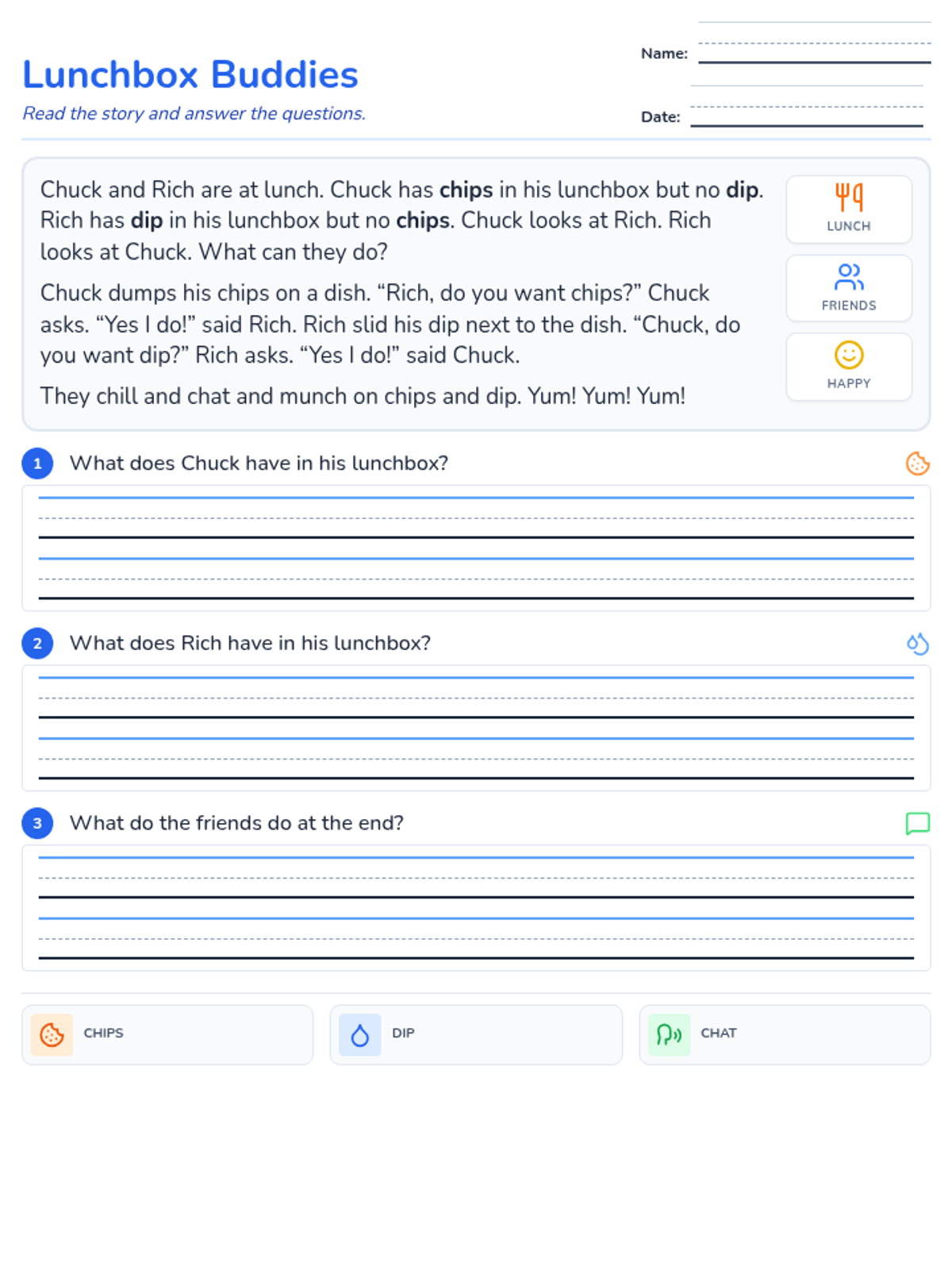
A short reading comprehension lesson focusing on social skills, sharing, and simple 'ch' blend words through a story about two friends at lunch.
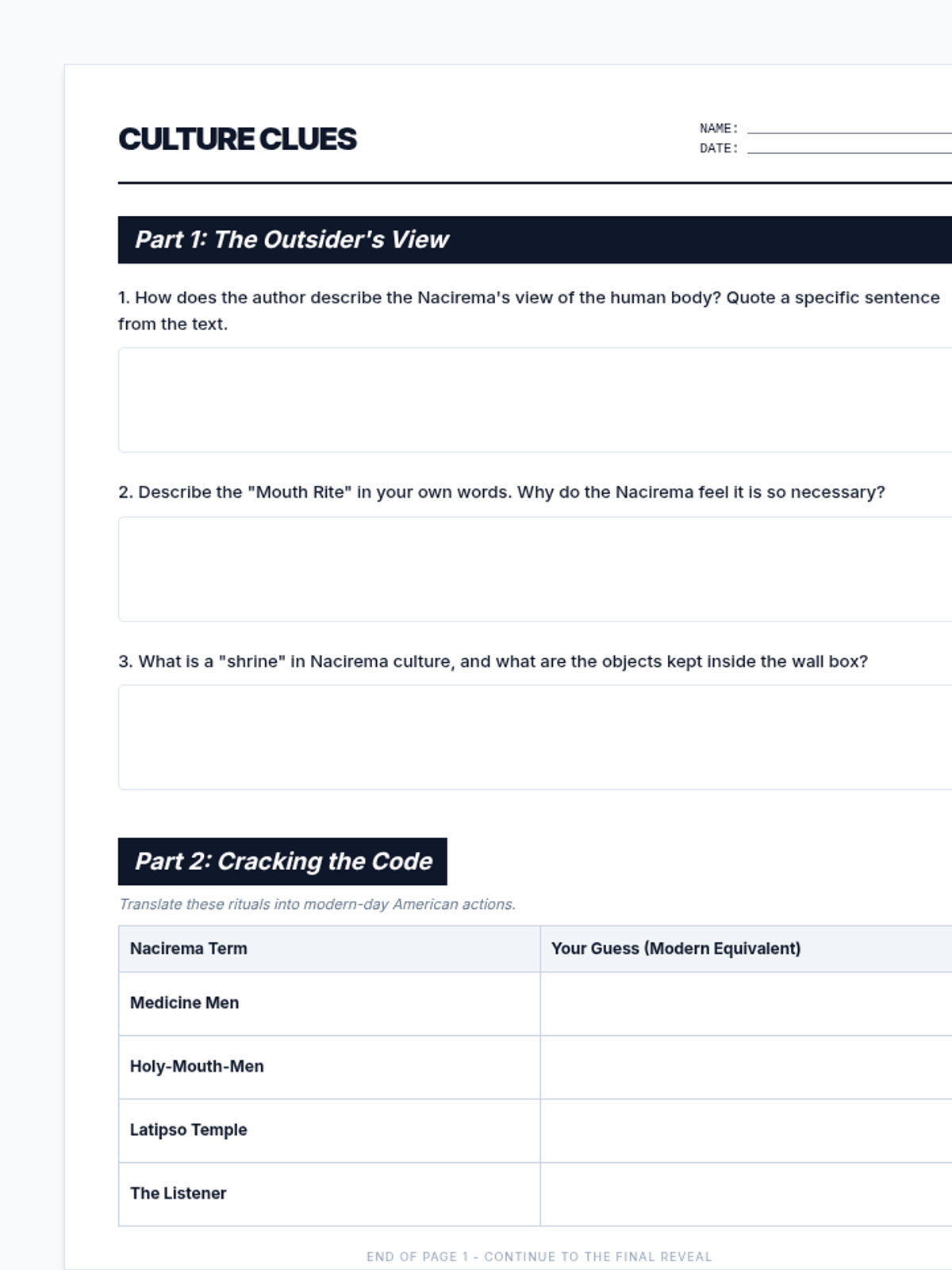
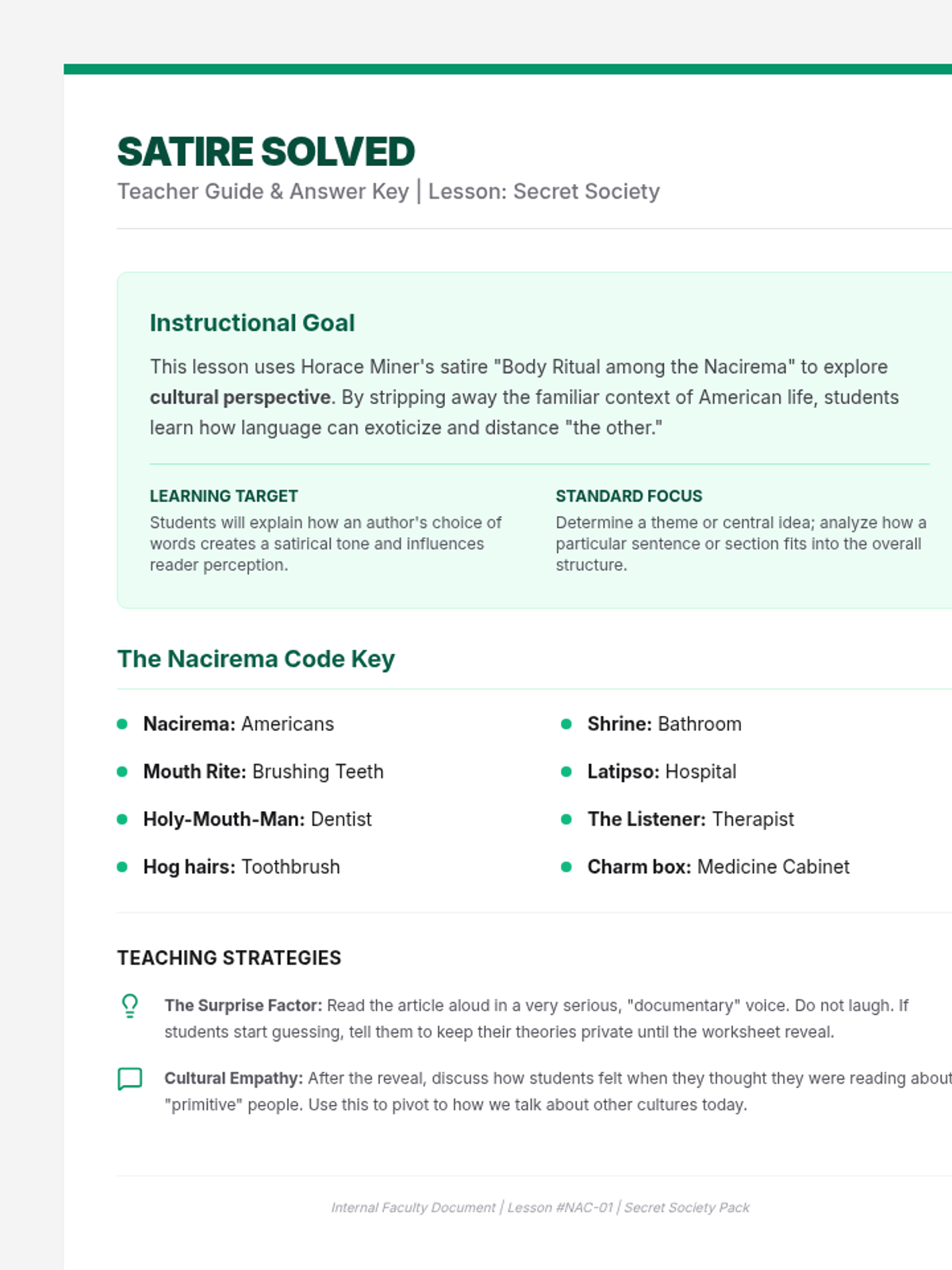
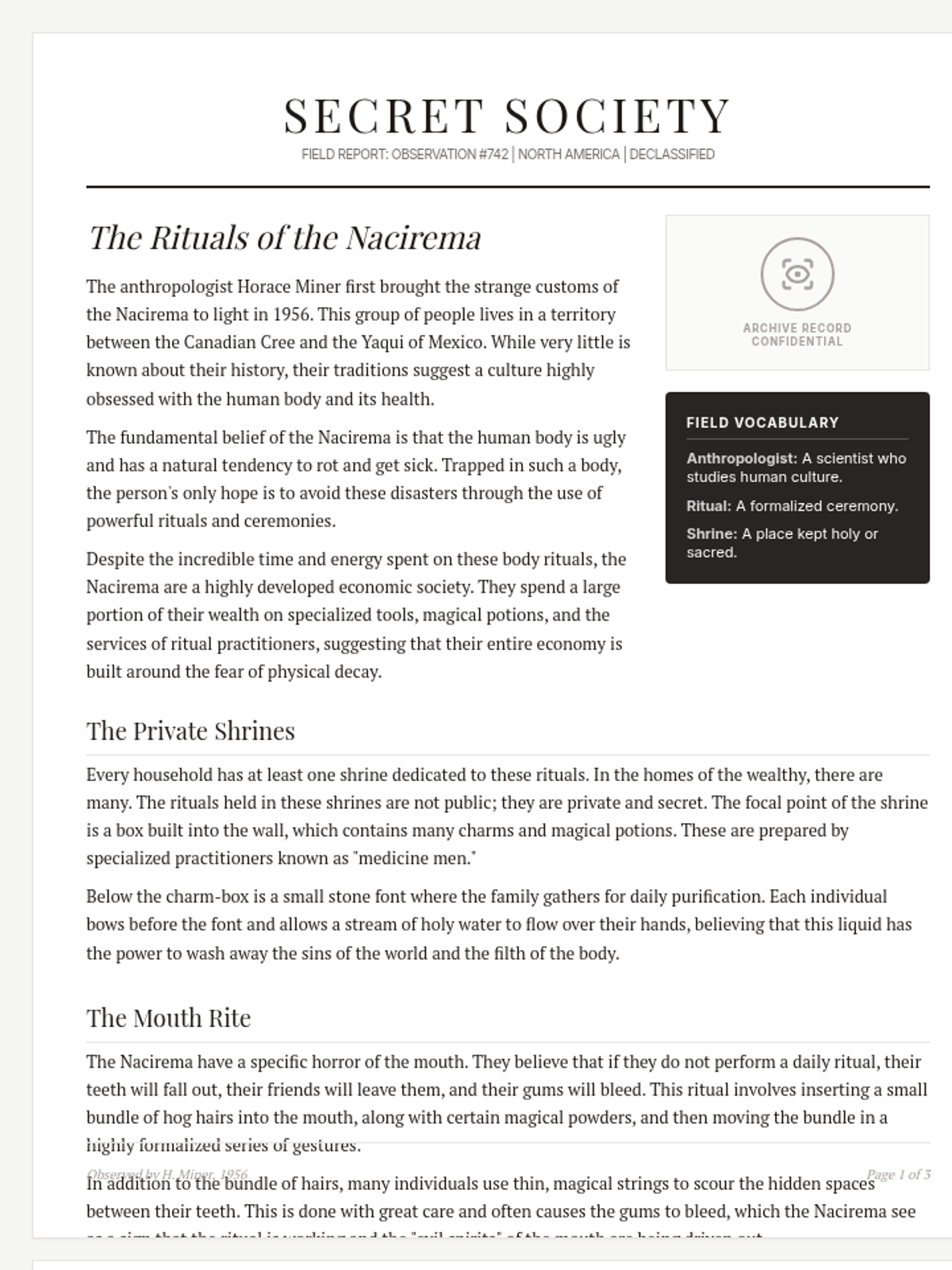
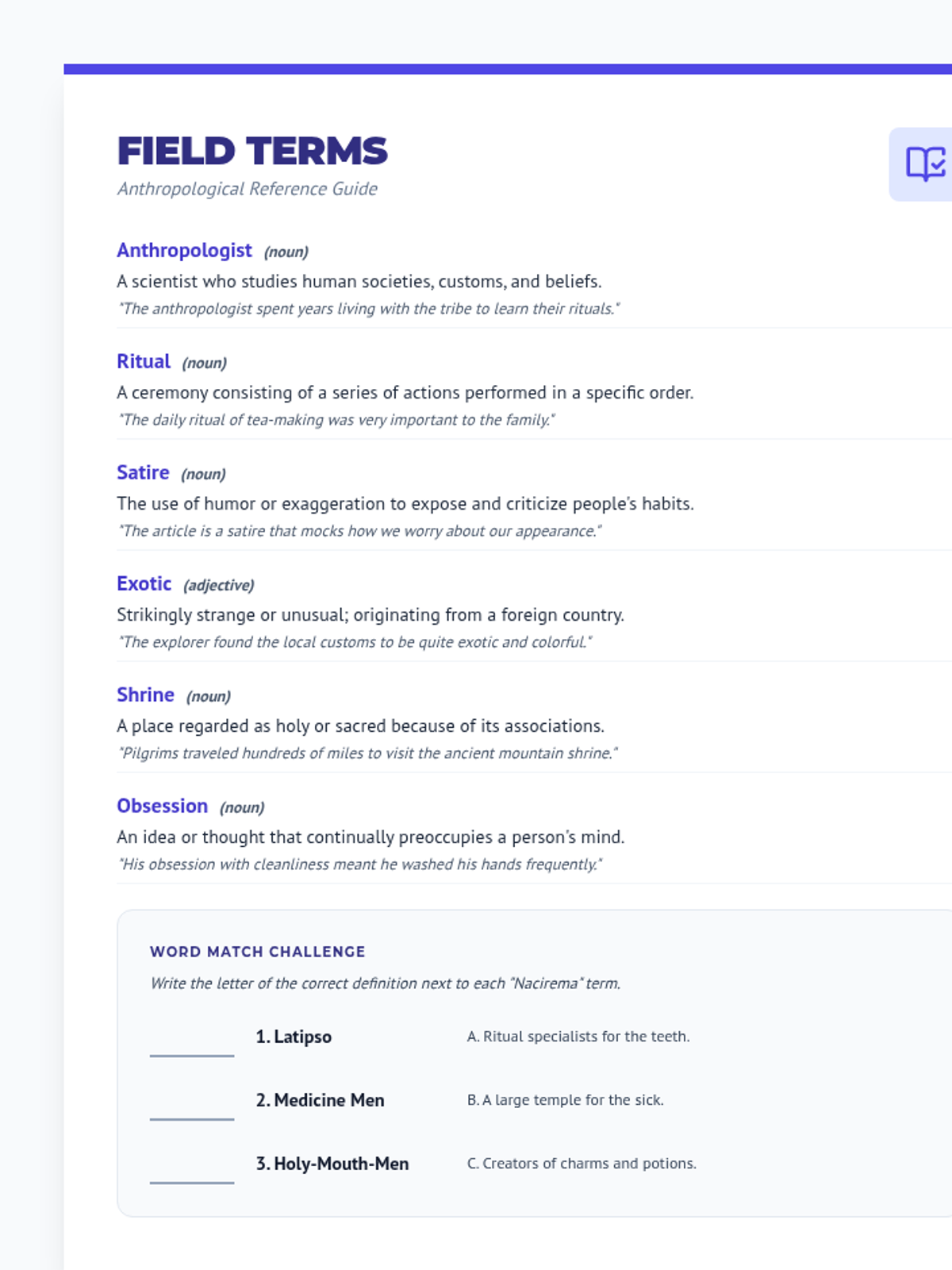
A lesson introducing students to the concept of cultural perspective and satire through the study of the Nacirema people, designed for middle schoolers.
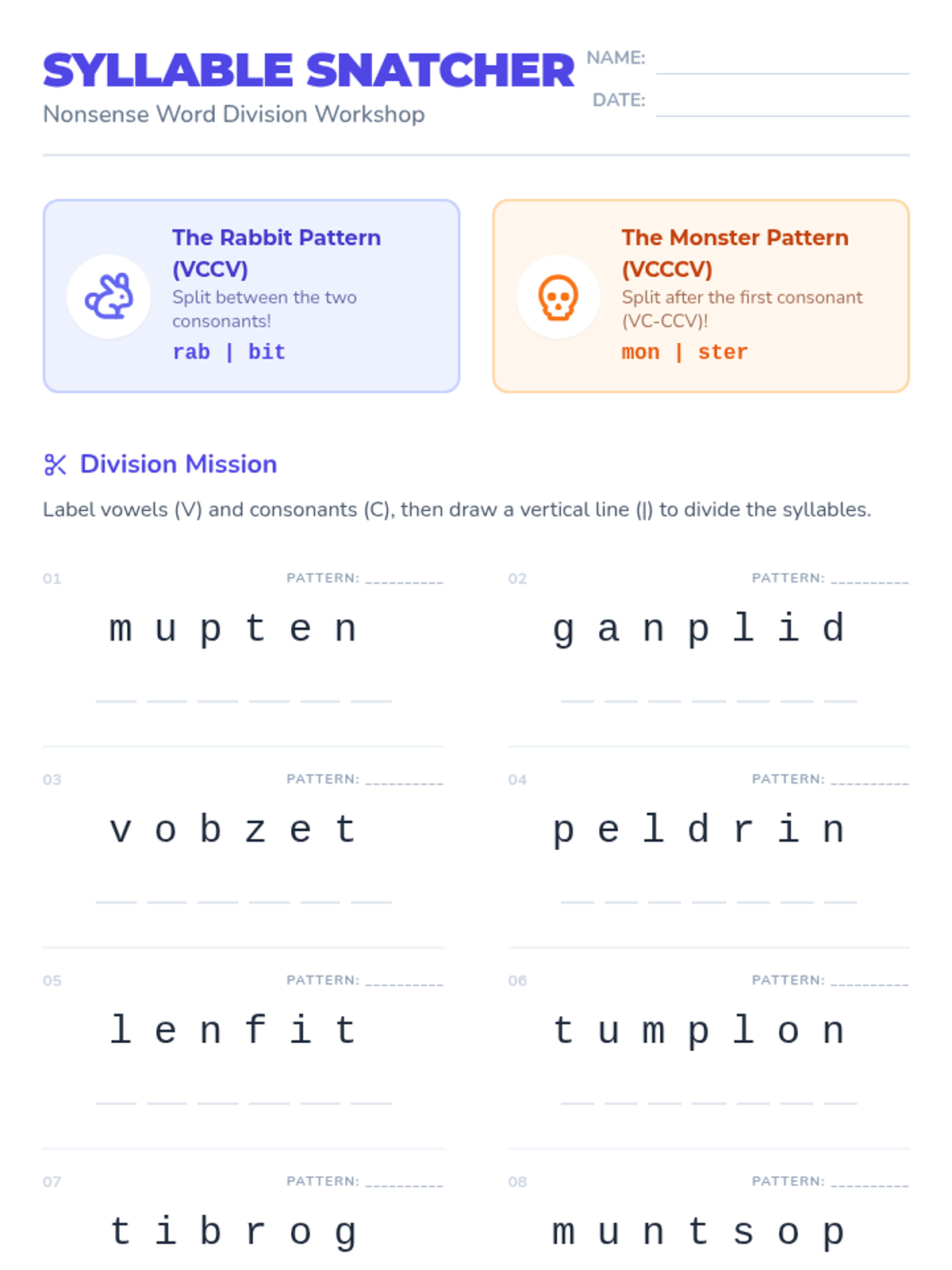
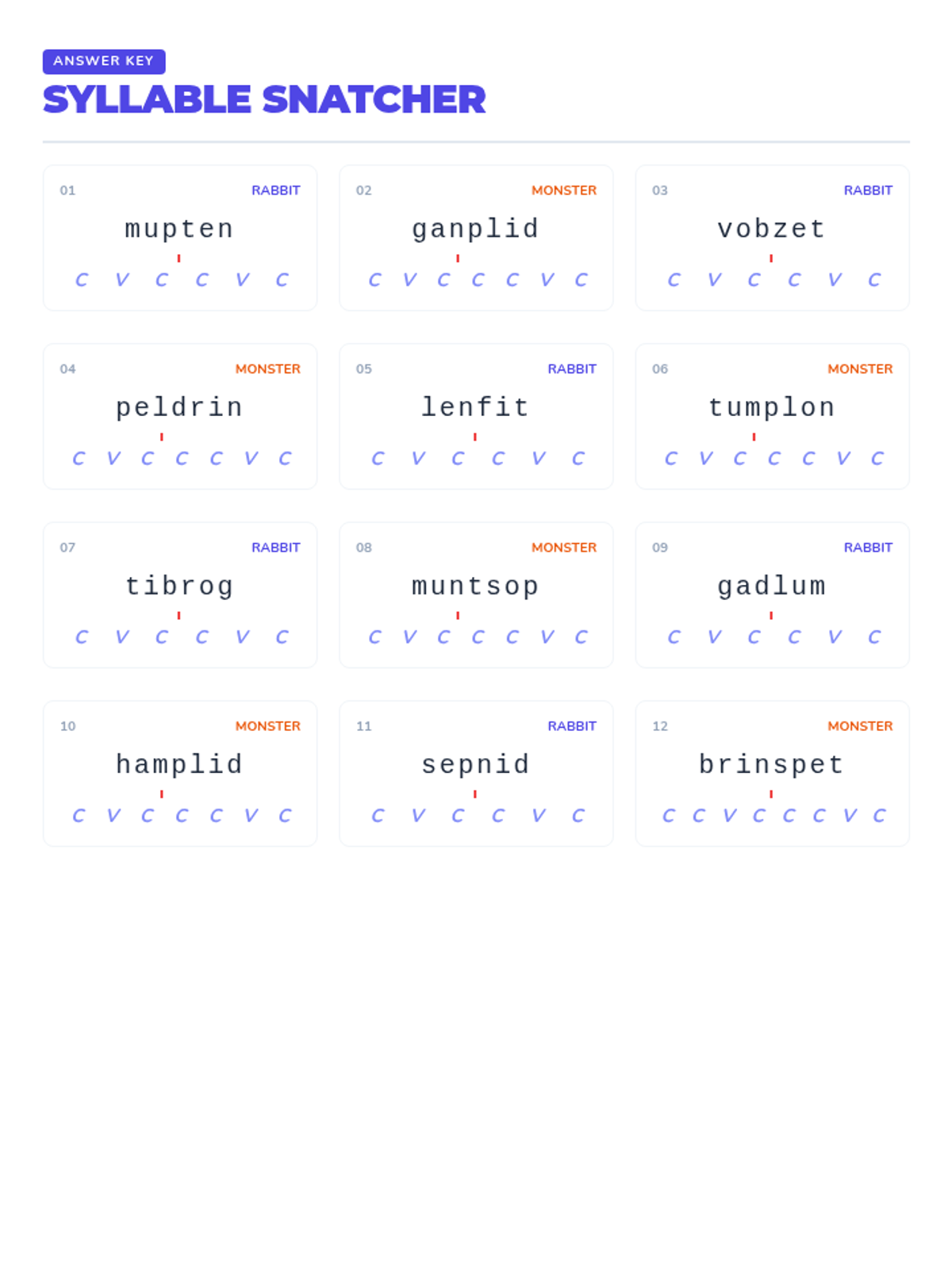
A focused lesson on dividing multisyllabic nonsense words using Rabbit (VCCV) and Monster (VCCCV) syllable division patterns. Students practice identifying vowel-consonant patterns to decode unfamiliar words.
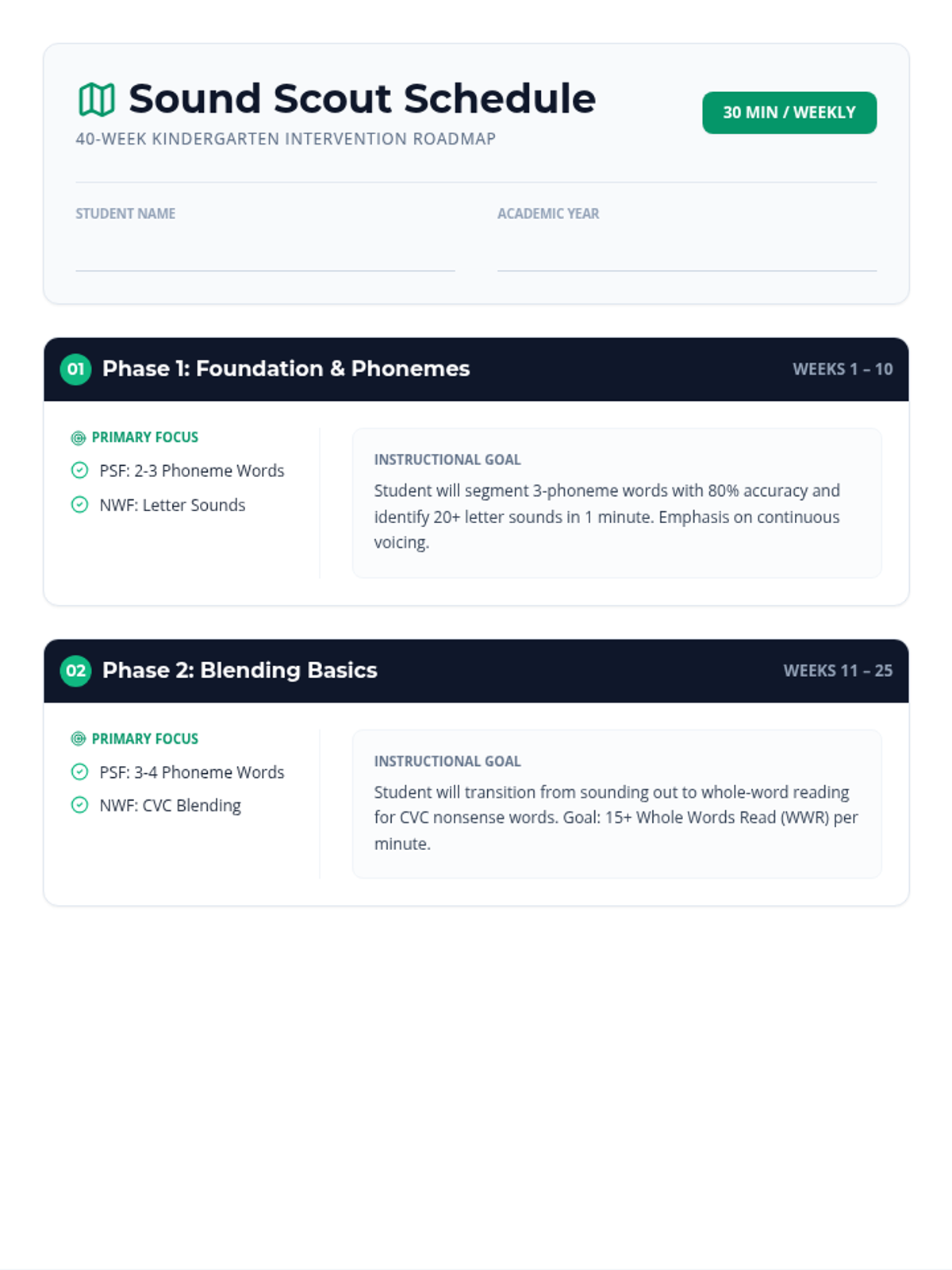
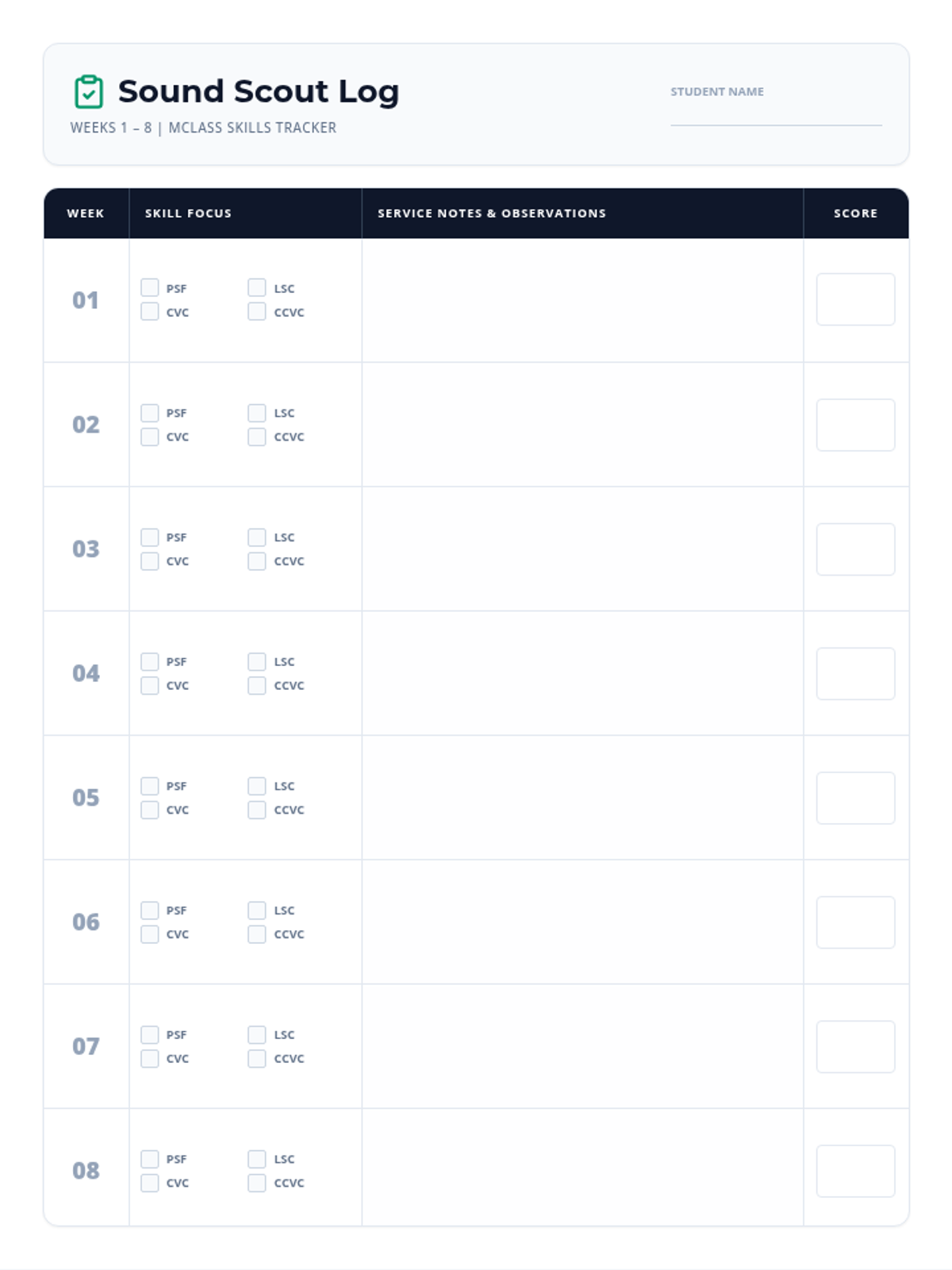
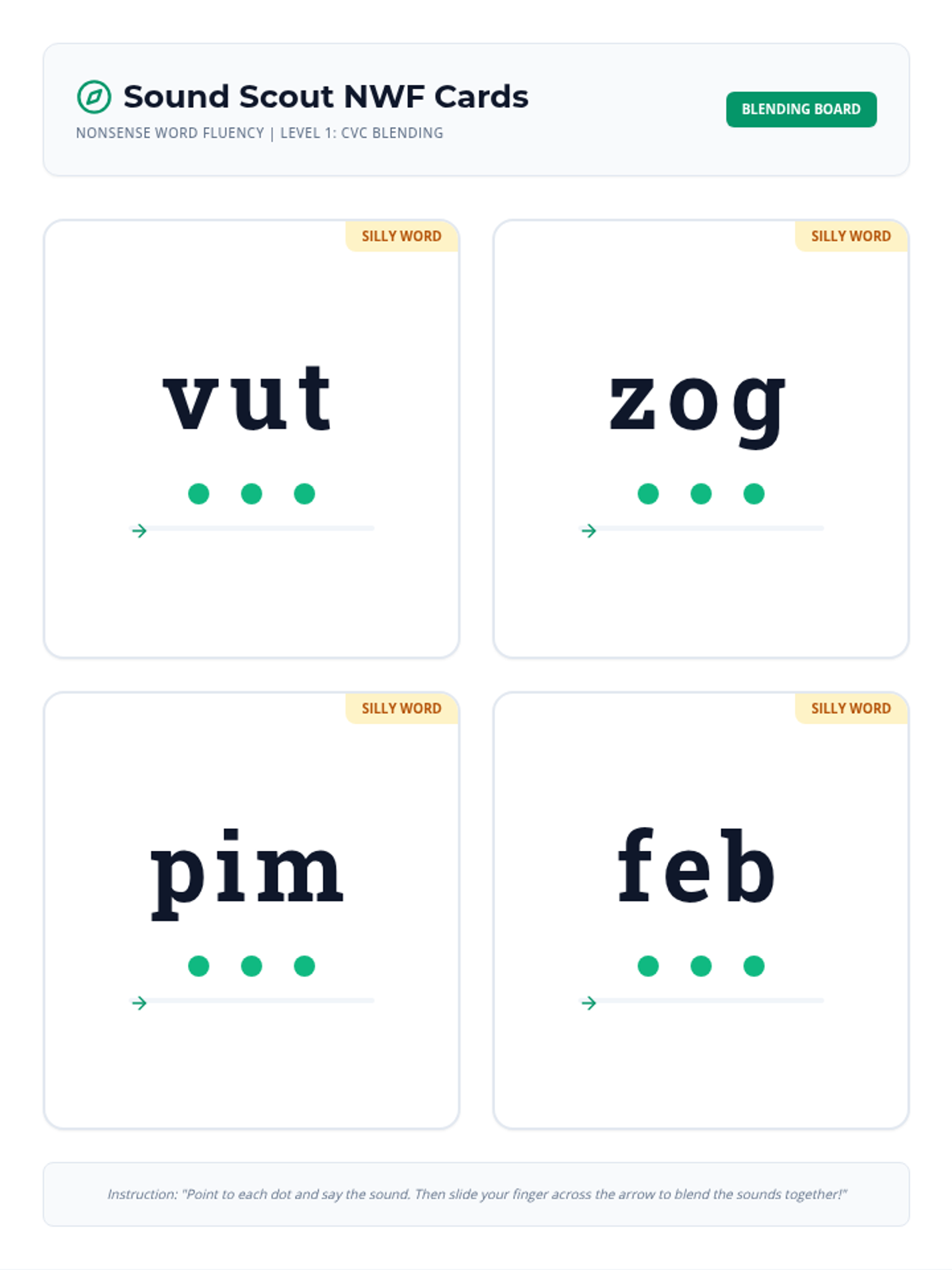
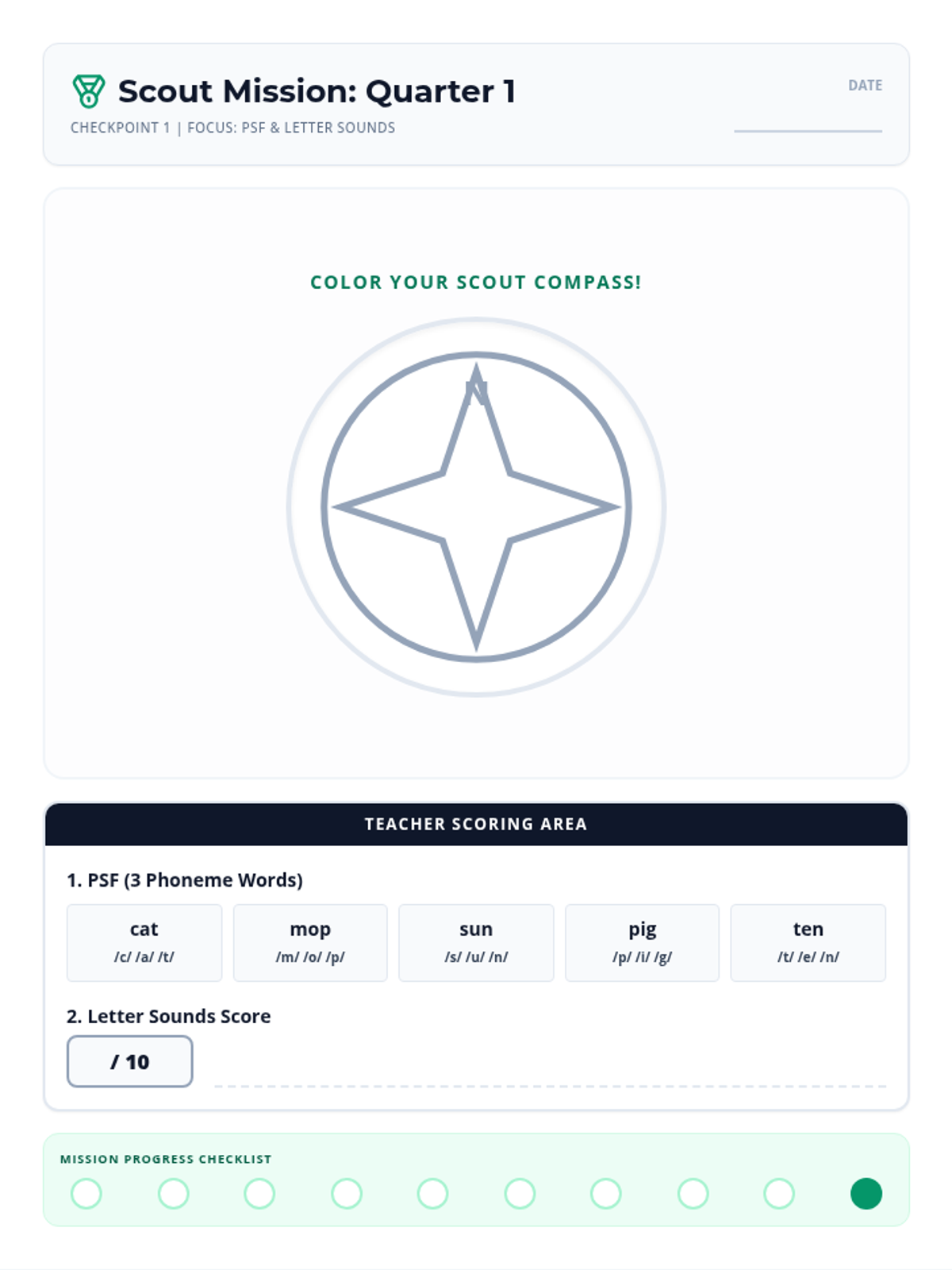
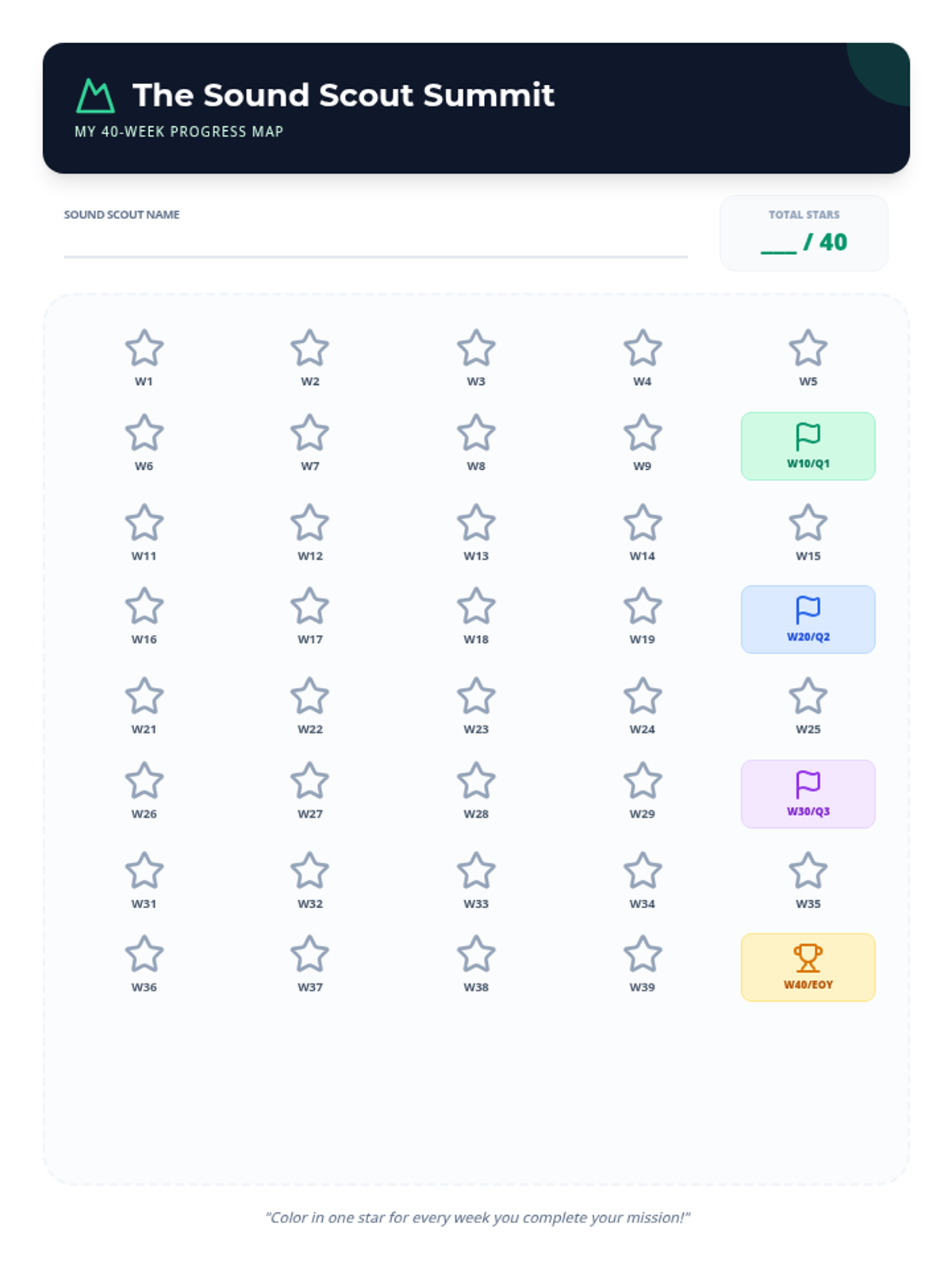
A comprehensive intervention framework for kindergarten students focusing on mCLASS Phonemic Segmentation Fluency and Nonsense Word Fluency skills across 40 weeks.
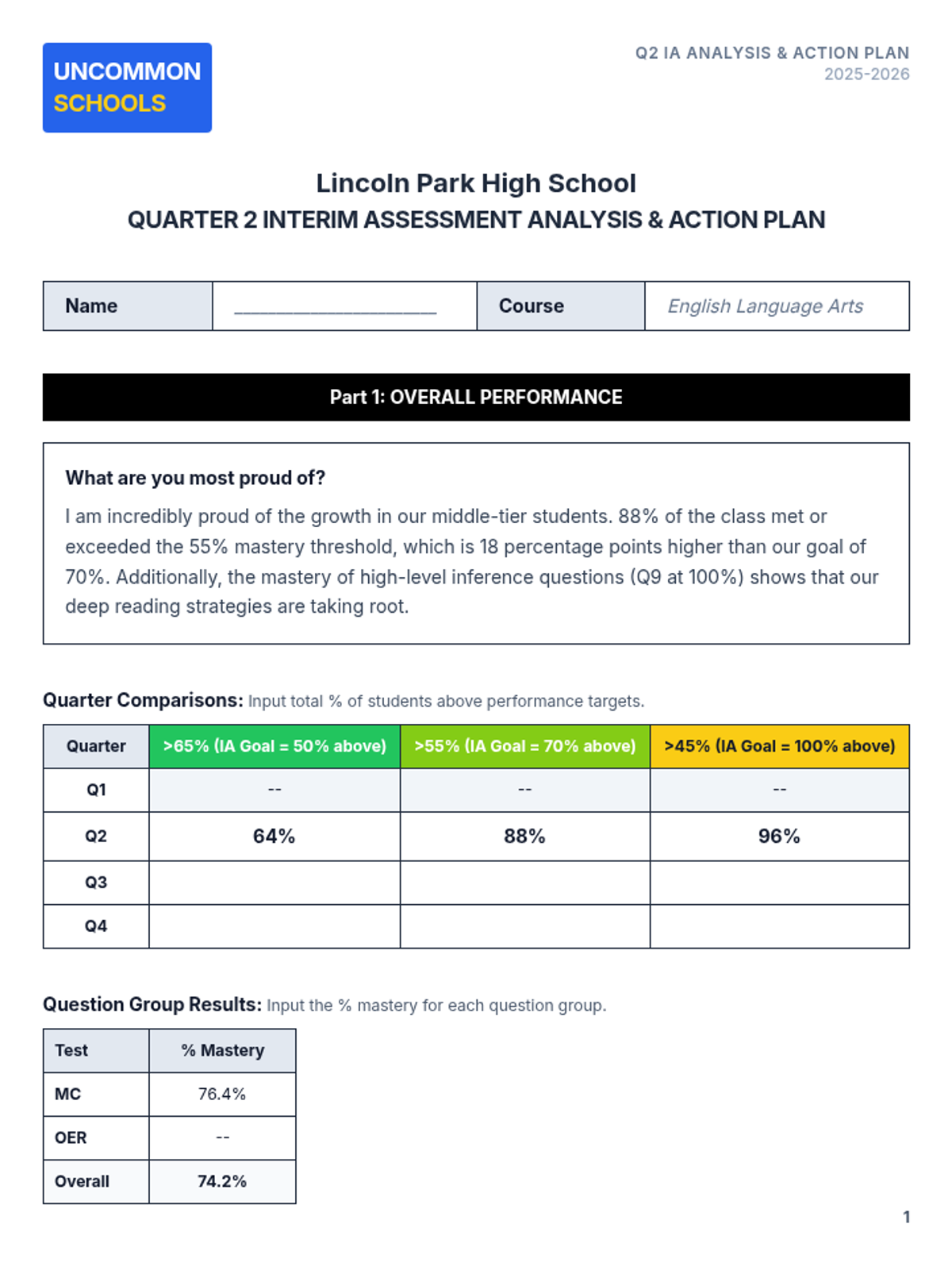
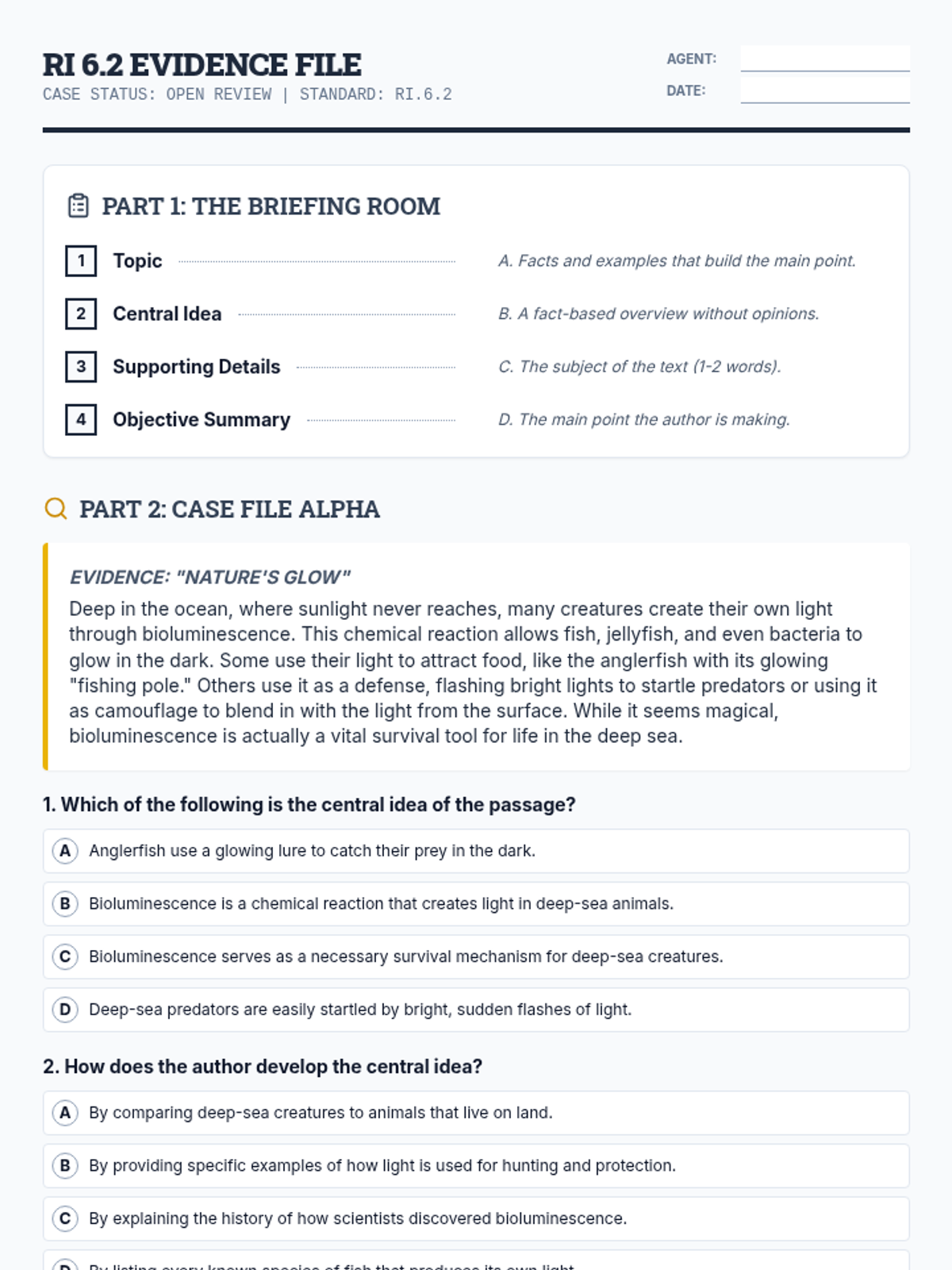
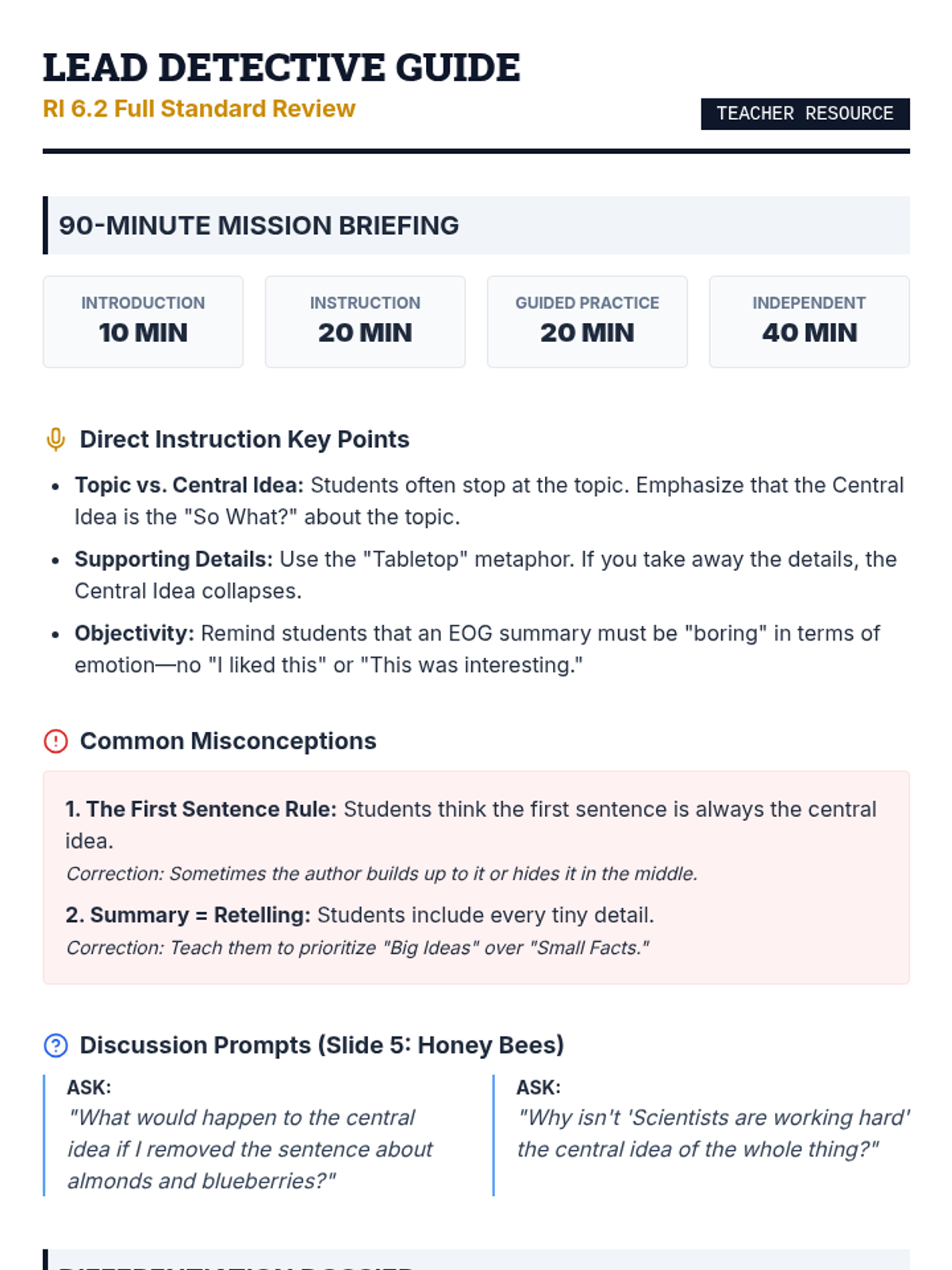
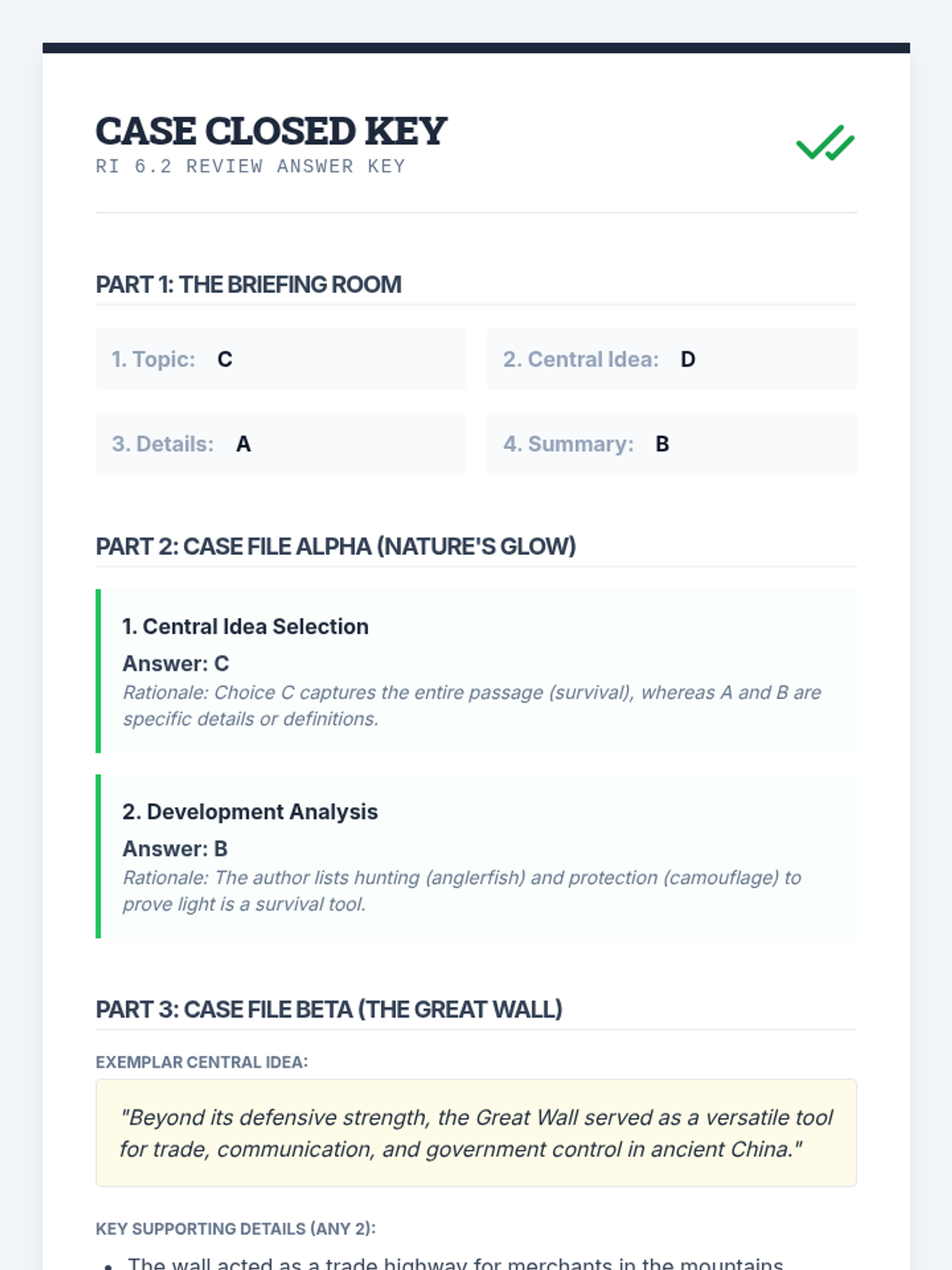
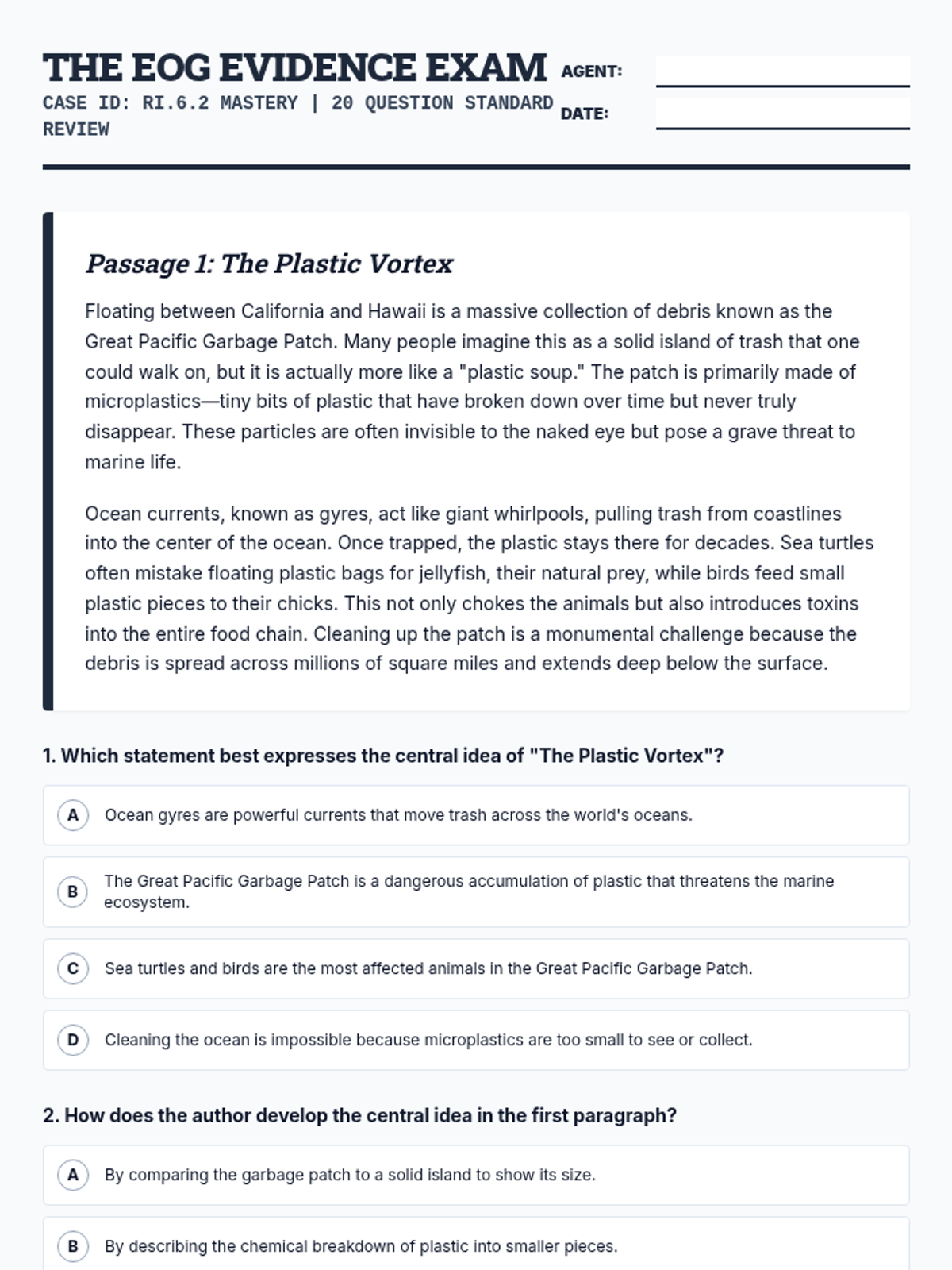
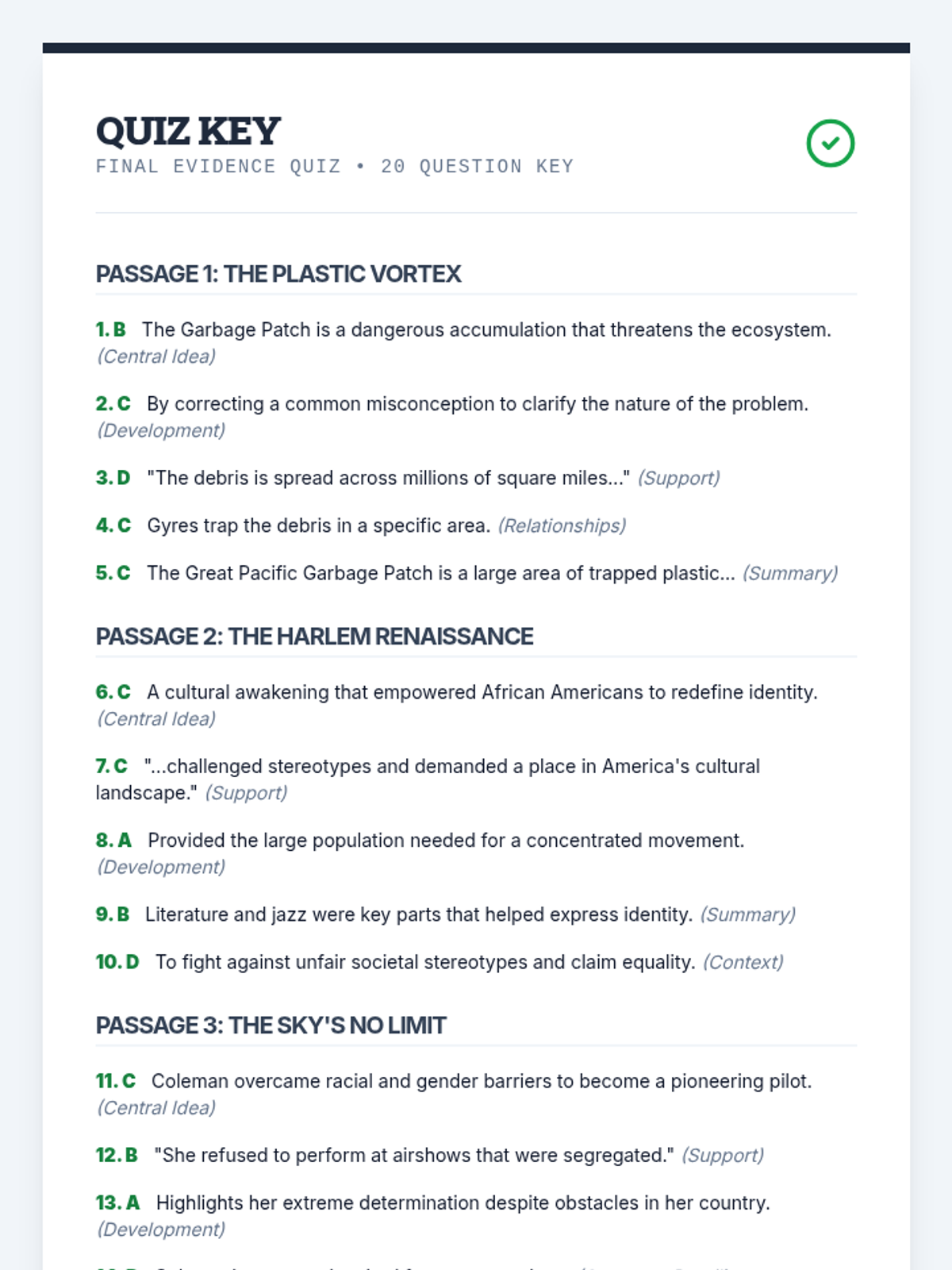
A comprehensive 90-minute review session focused on RI 6.2, covering central idea determination, supporting details, and objective summarization in preparation for EOG testing.
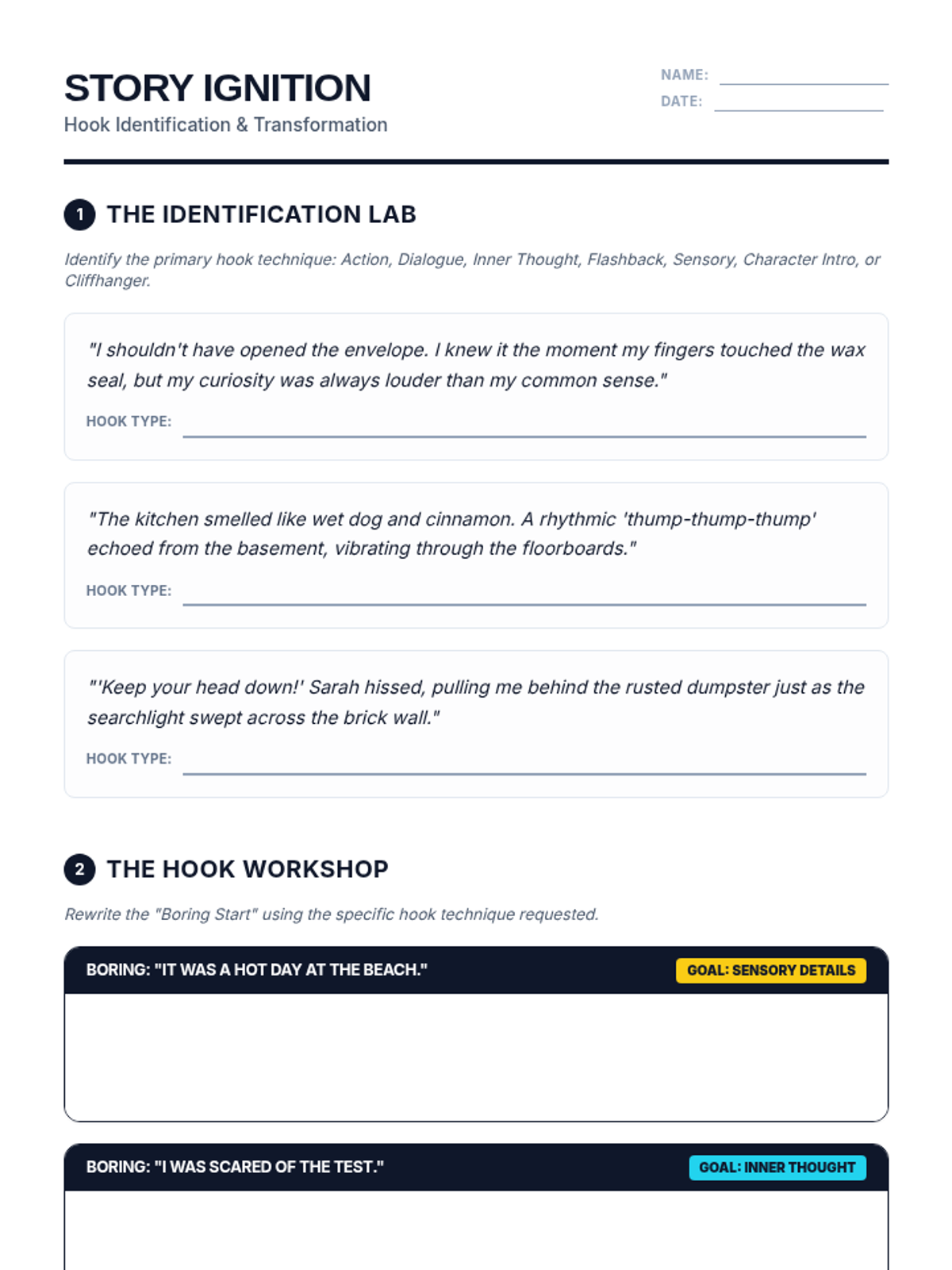
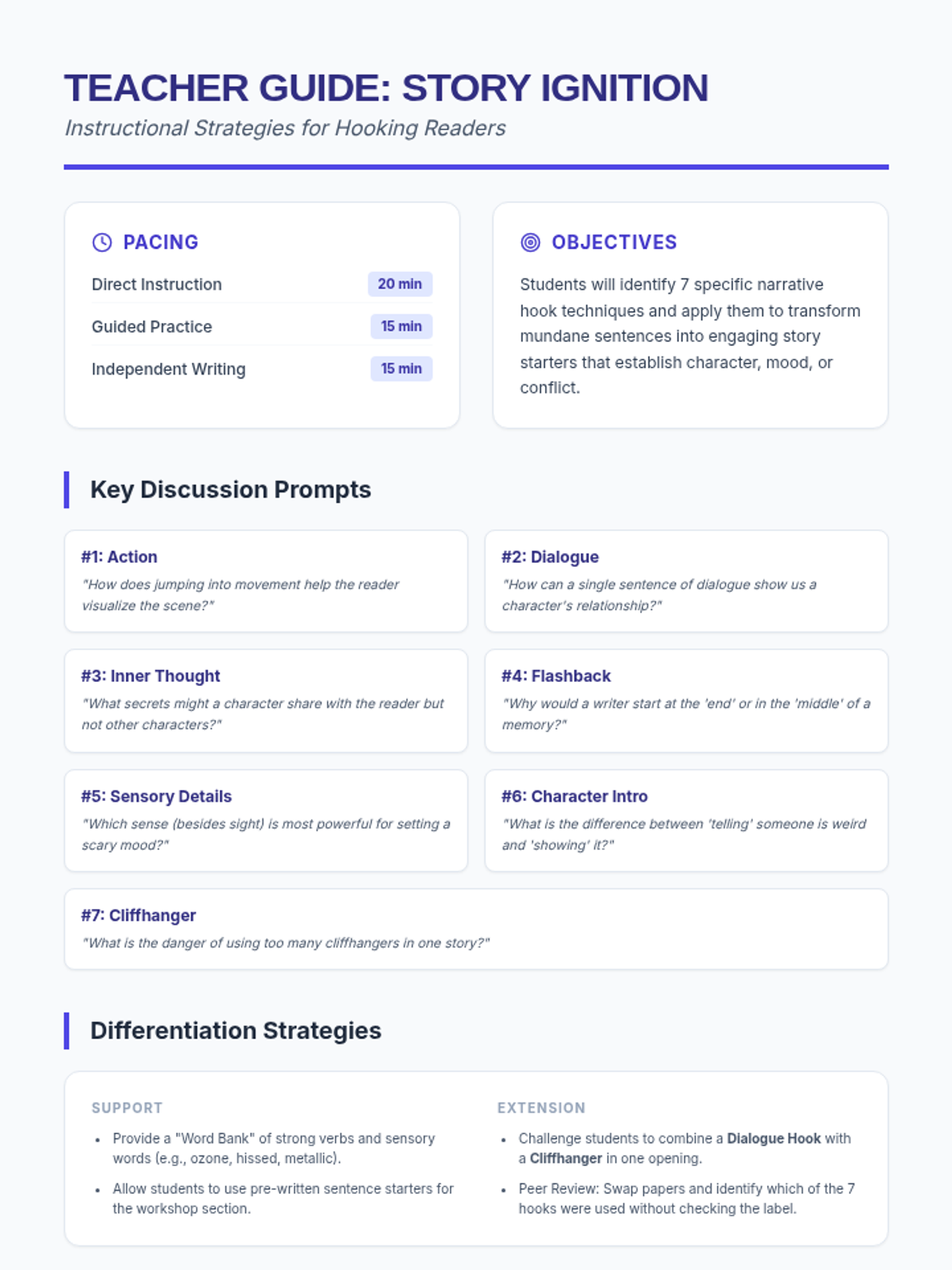
This lesson explores various narrative hooks to engage readers from the very first sentence. Students will learn seven specific techniques for starting fiction stories and apply them through guided practice.
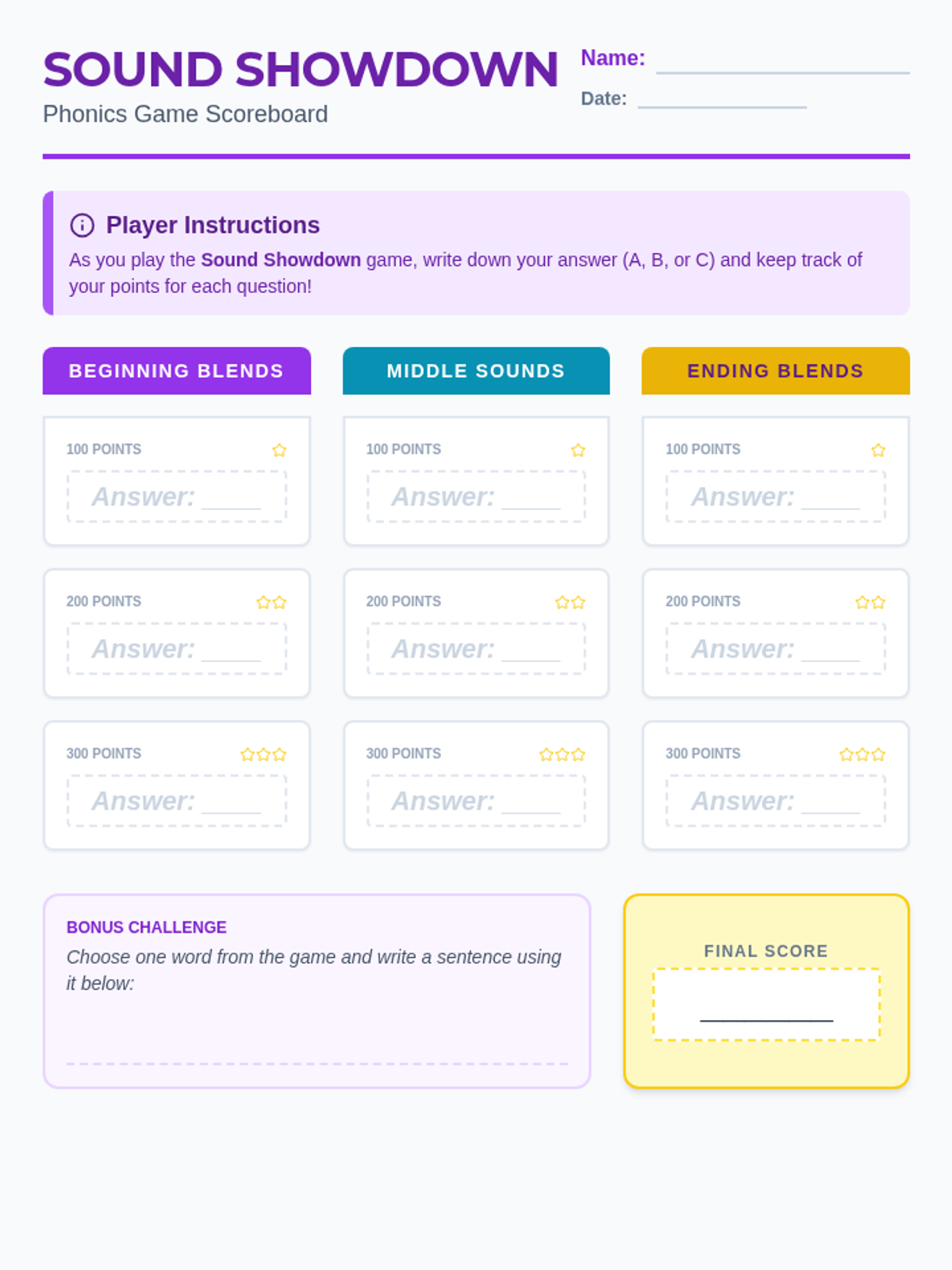
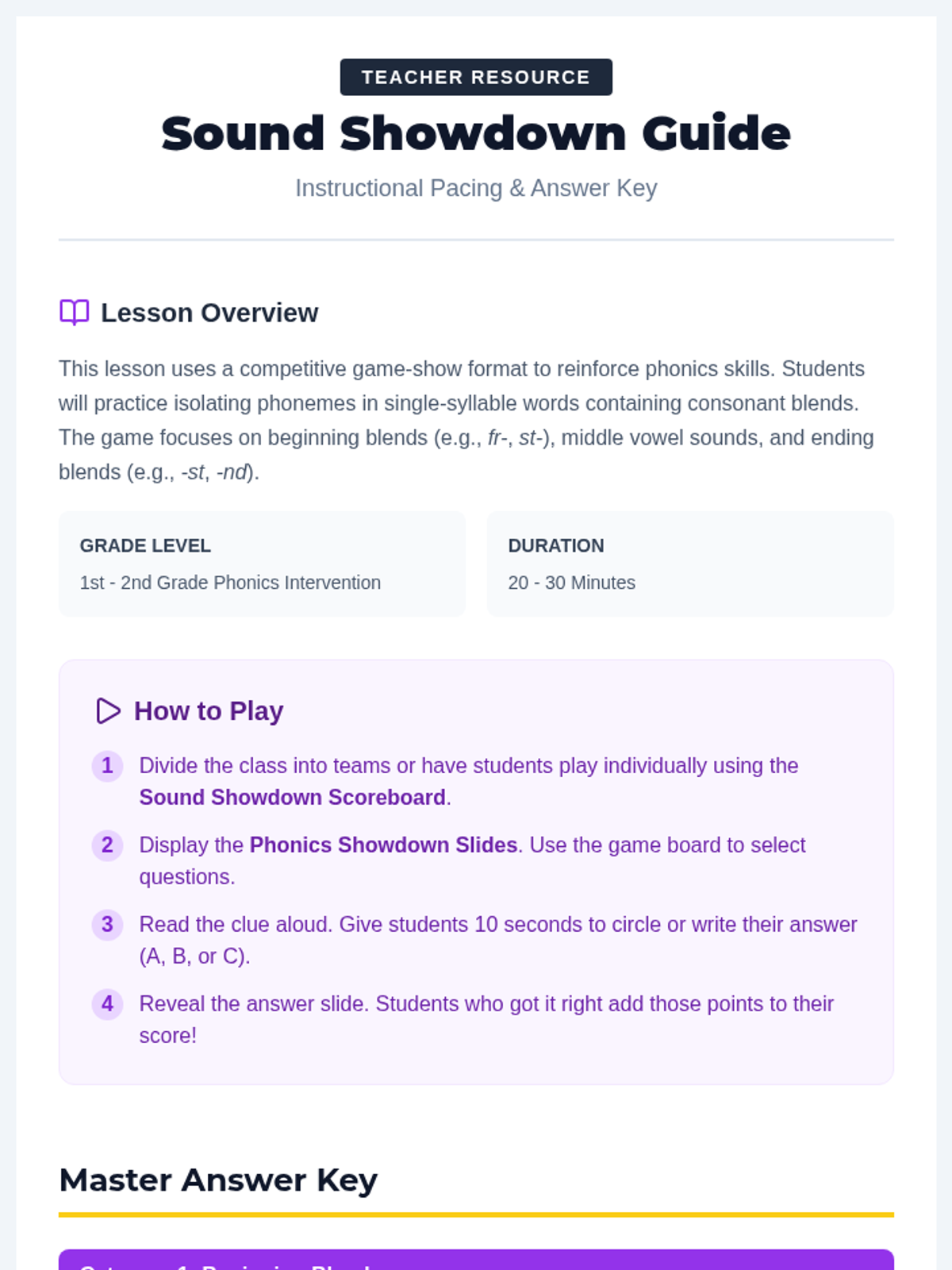
A high-energy, game-show-themed lesson focused on identifying consonant blends in single-syllable words. Students compete to match beginning, middle, and ending sounds in a Jeopardy-style format.
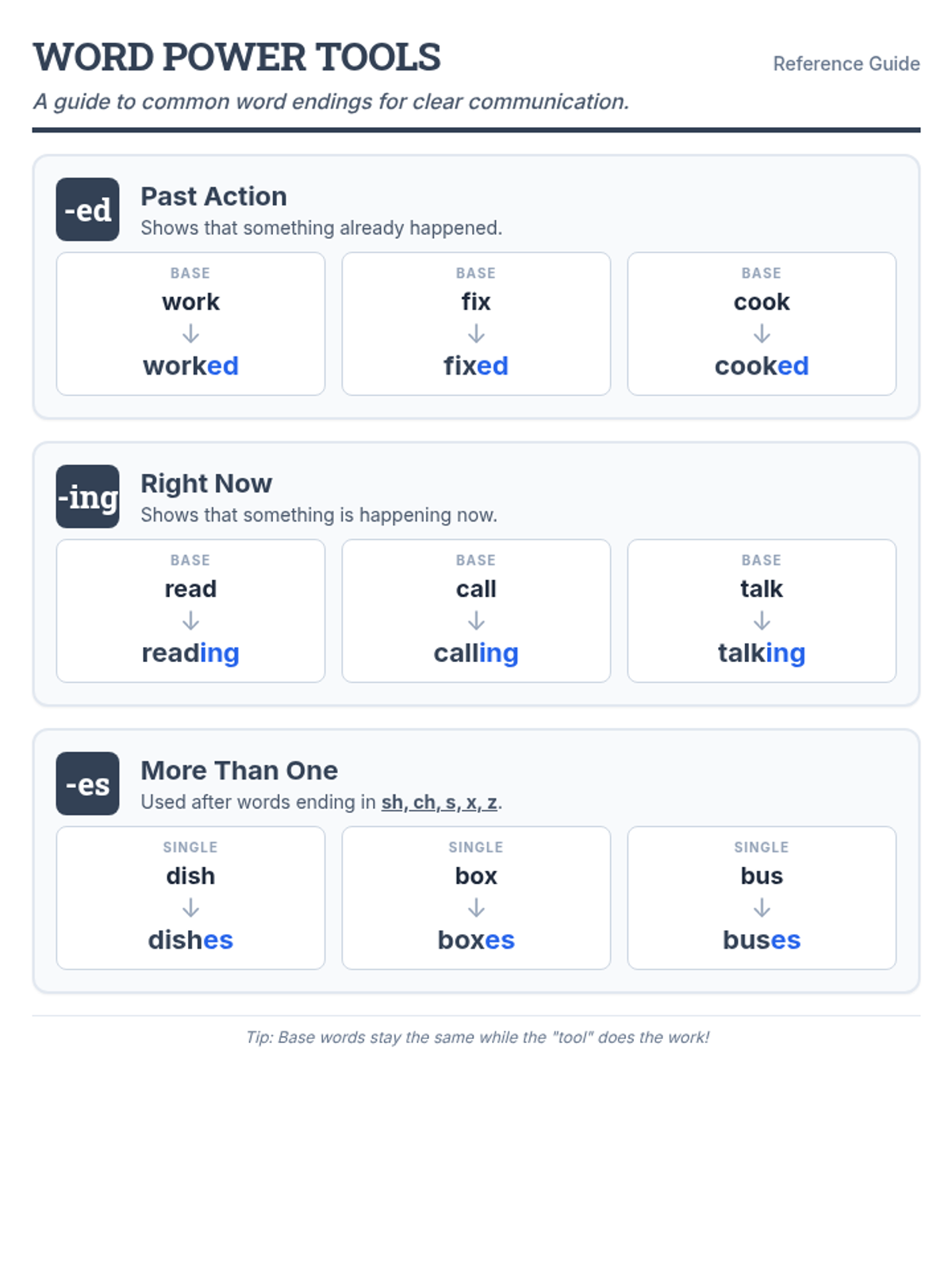
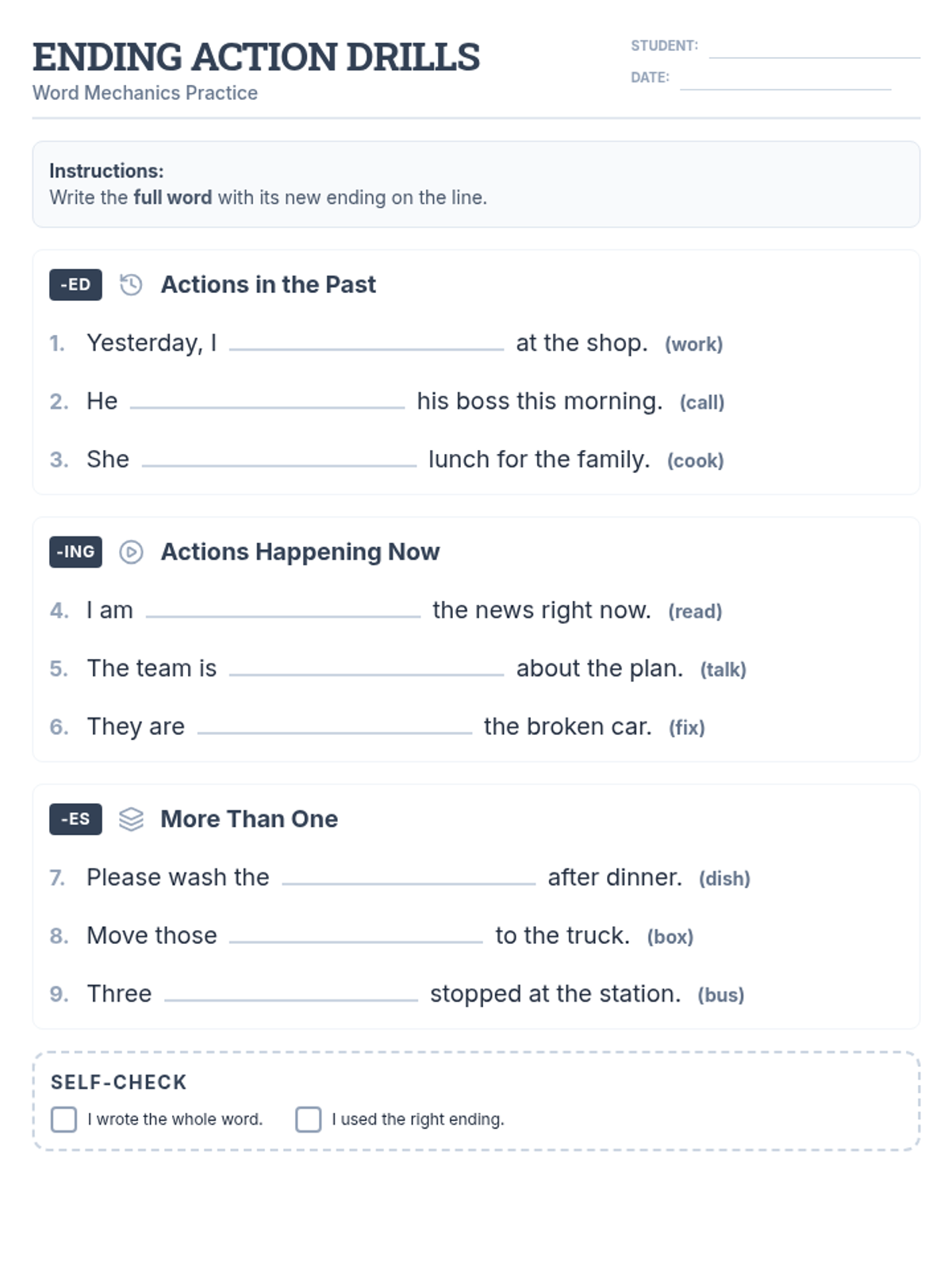
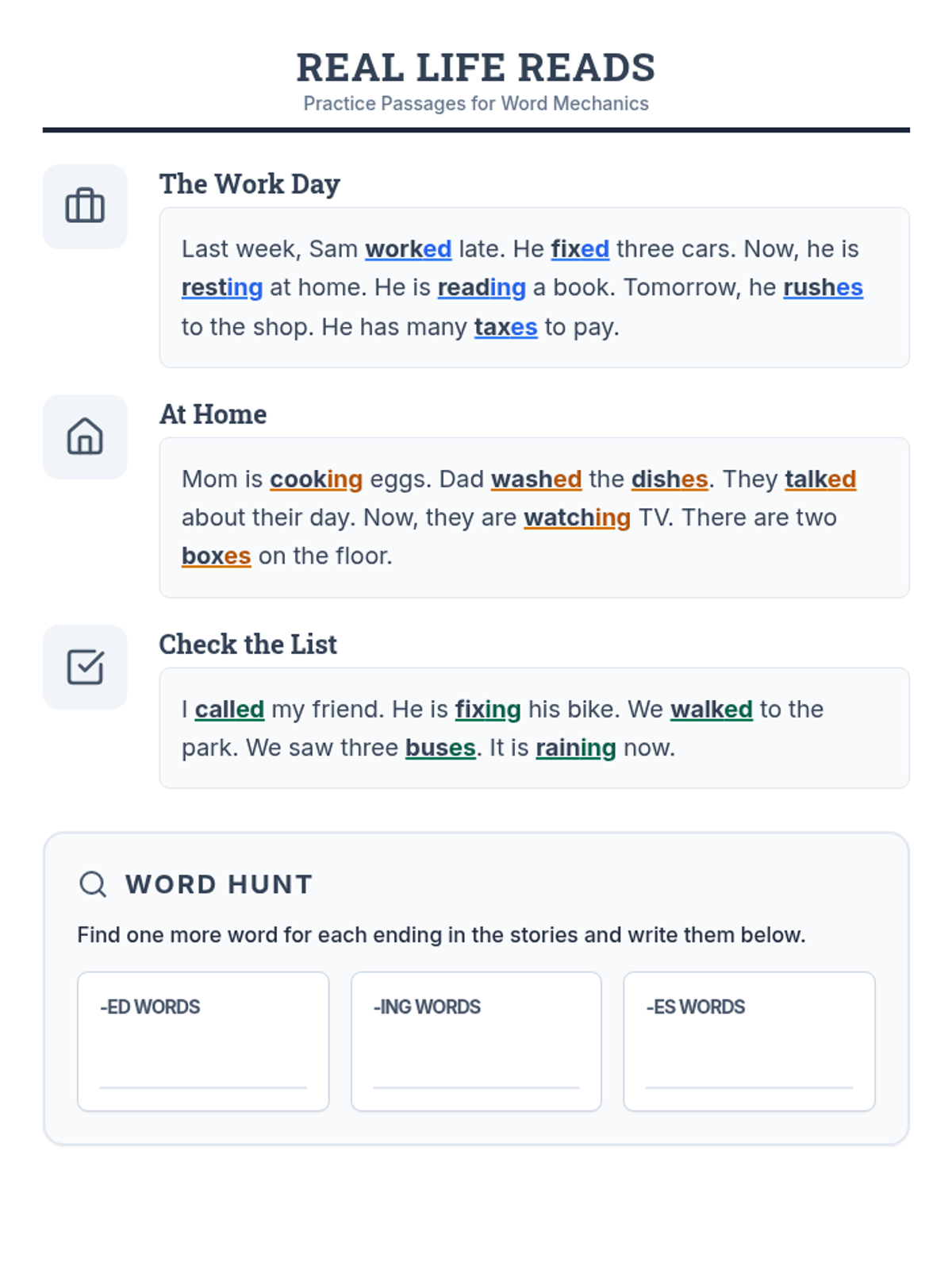
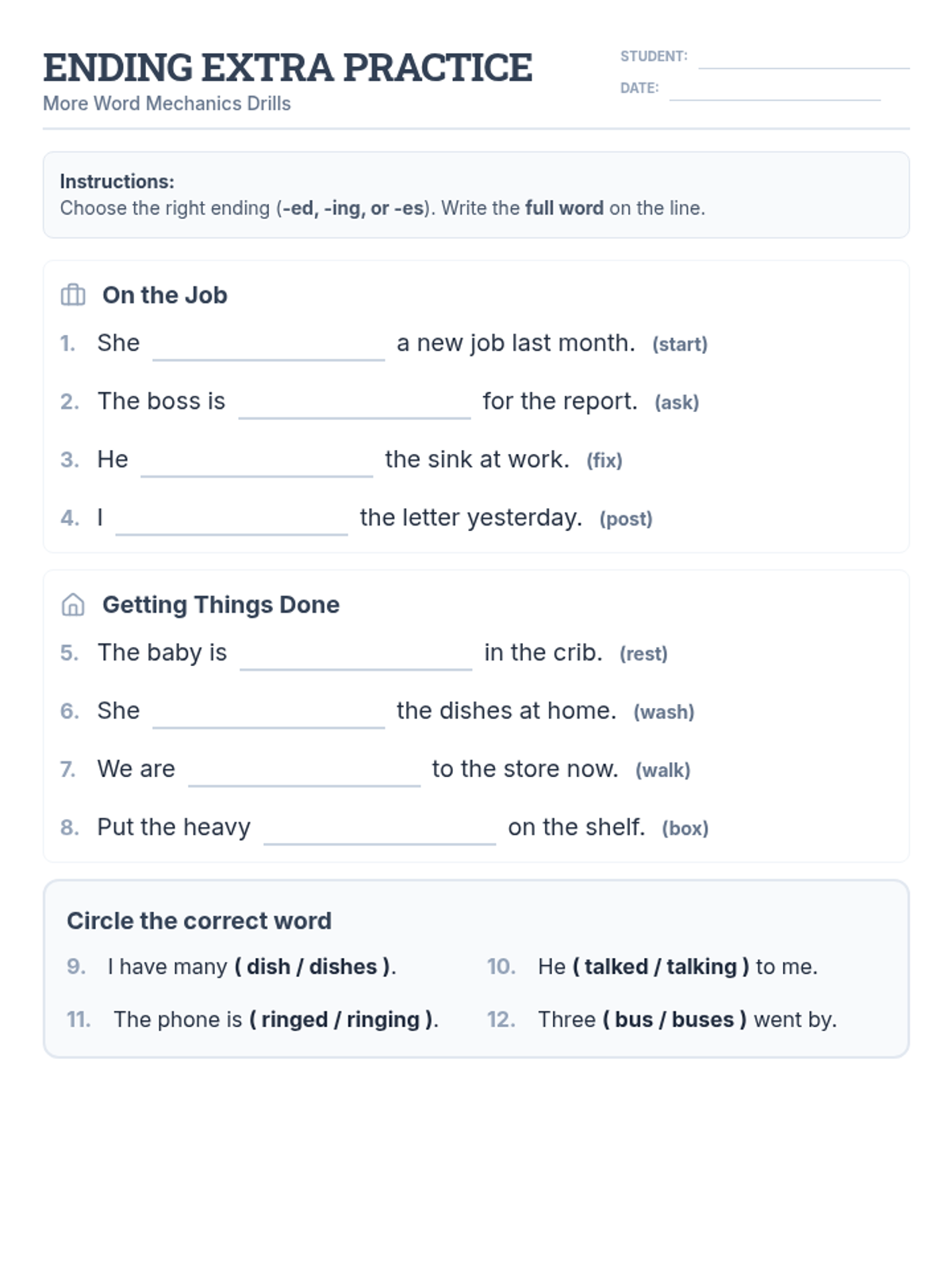
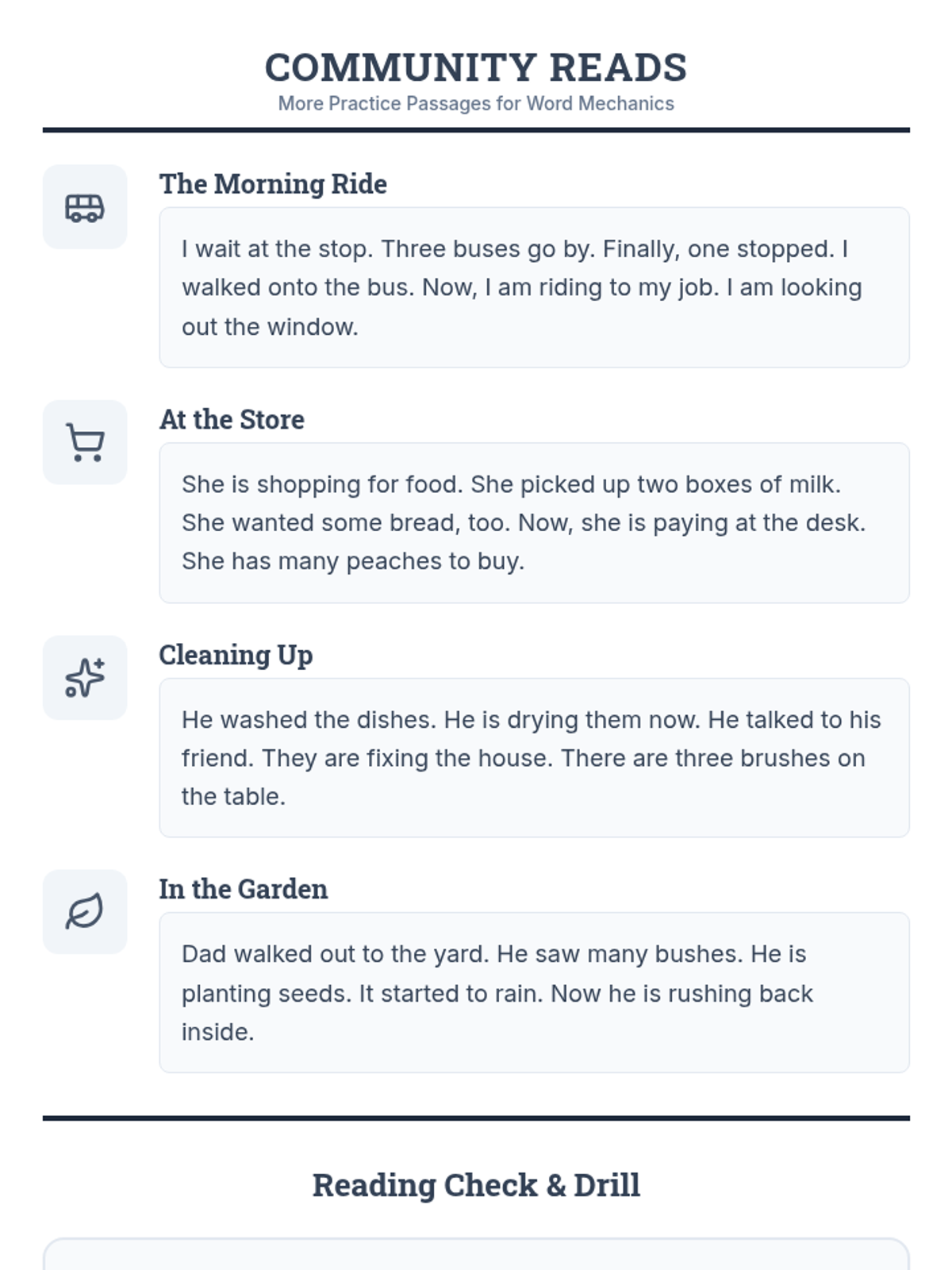
A foundational workshop for adult learners focusing on common word endings (-es, -ing, -ed) through visual aids, repetitive drills, and high-interest reading passages.
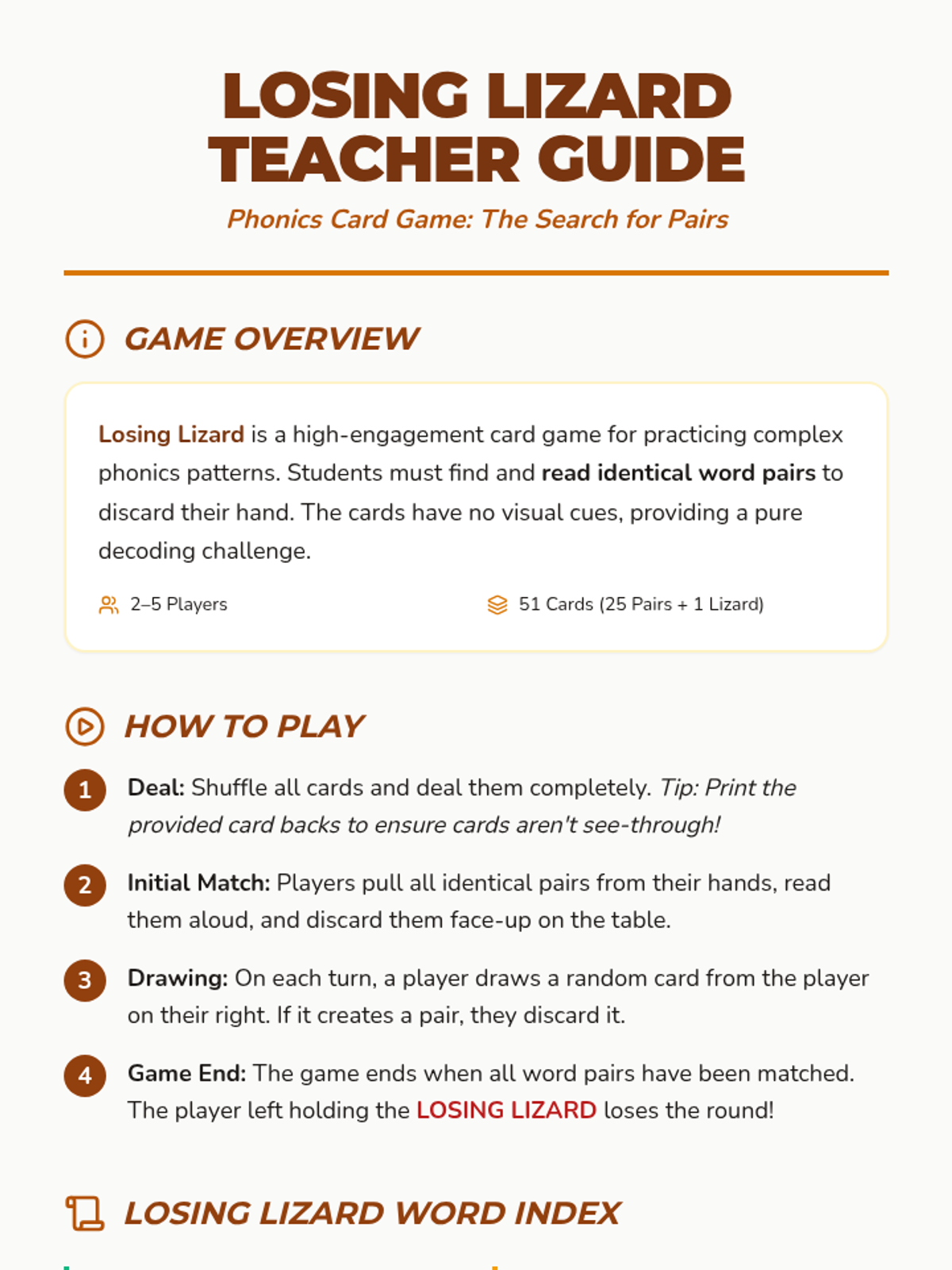
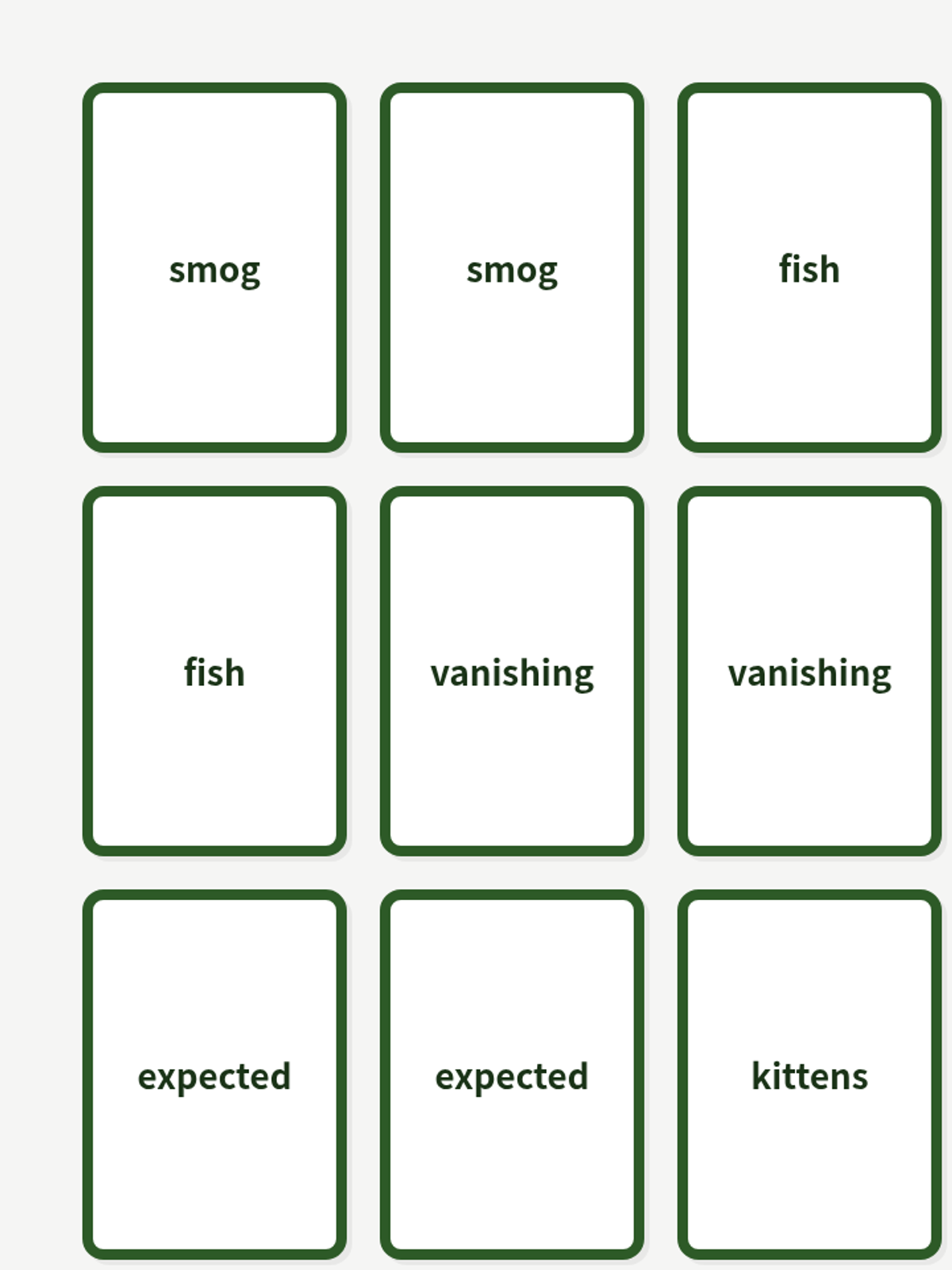
A phonics-based card game lesson where students practice reading words with short vowels, blends, digraphs, vowel teams, and various affixes through an Old Maid style game called Losing Lizard.
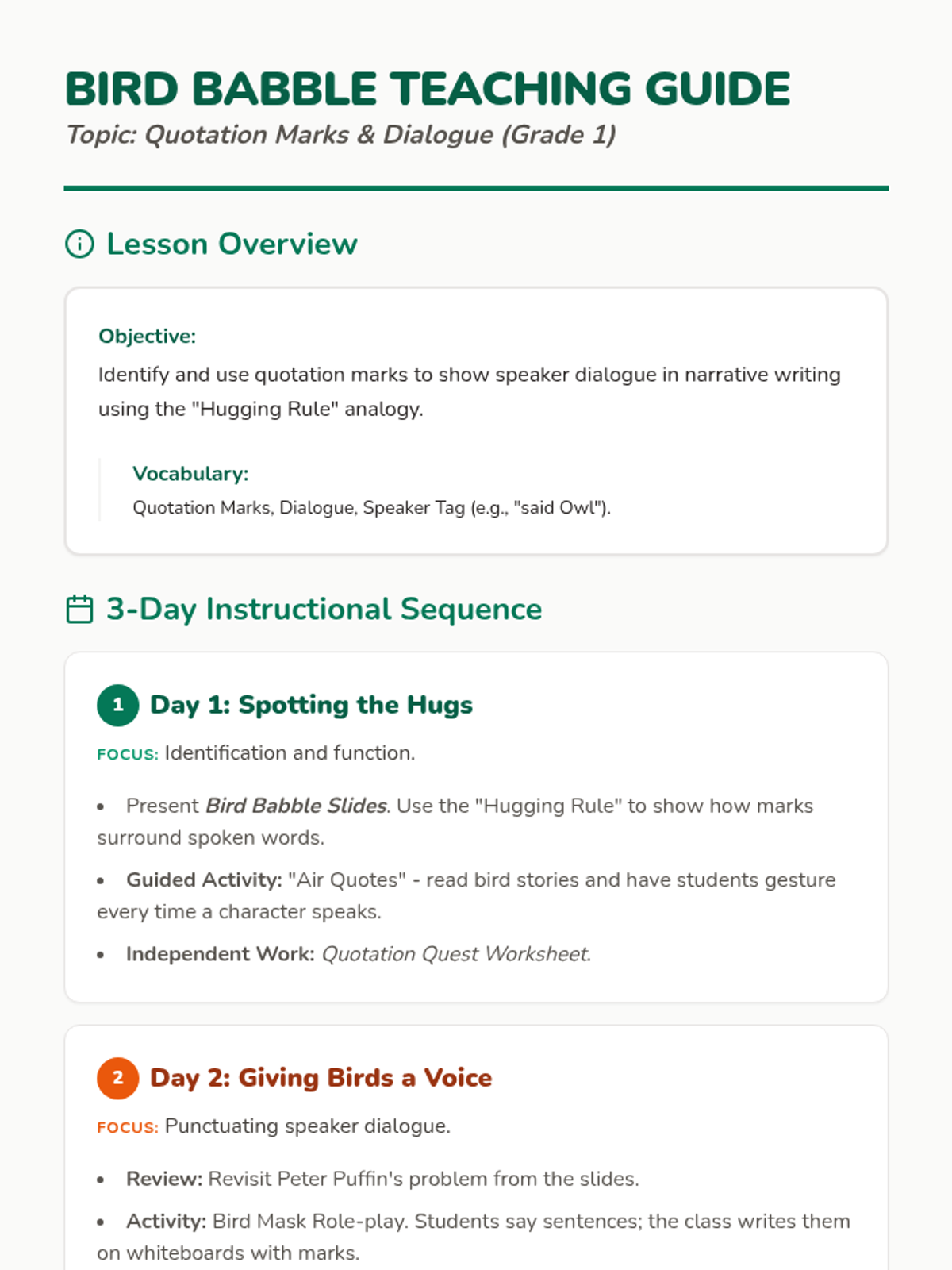
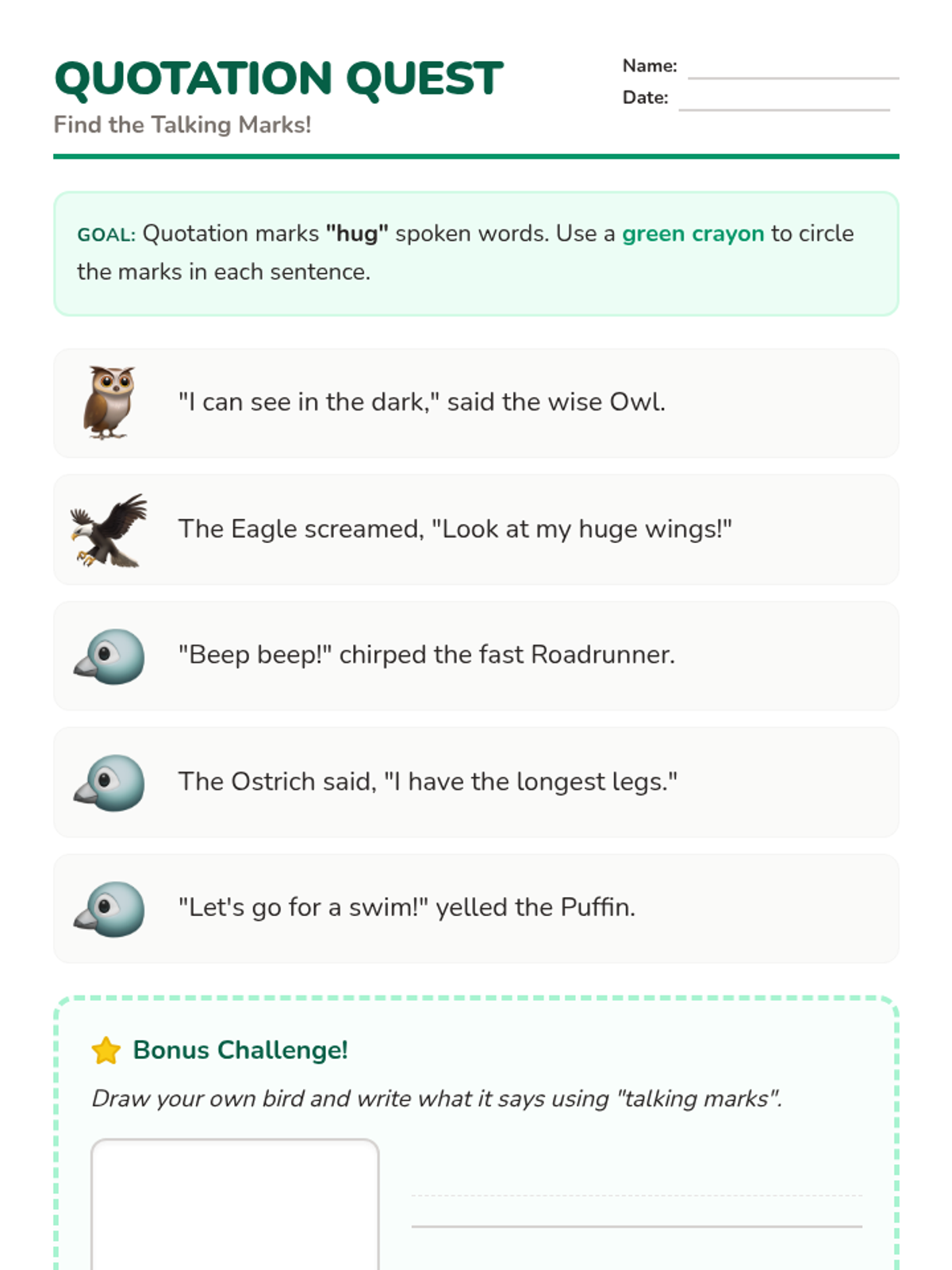
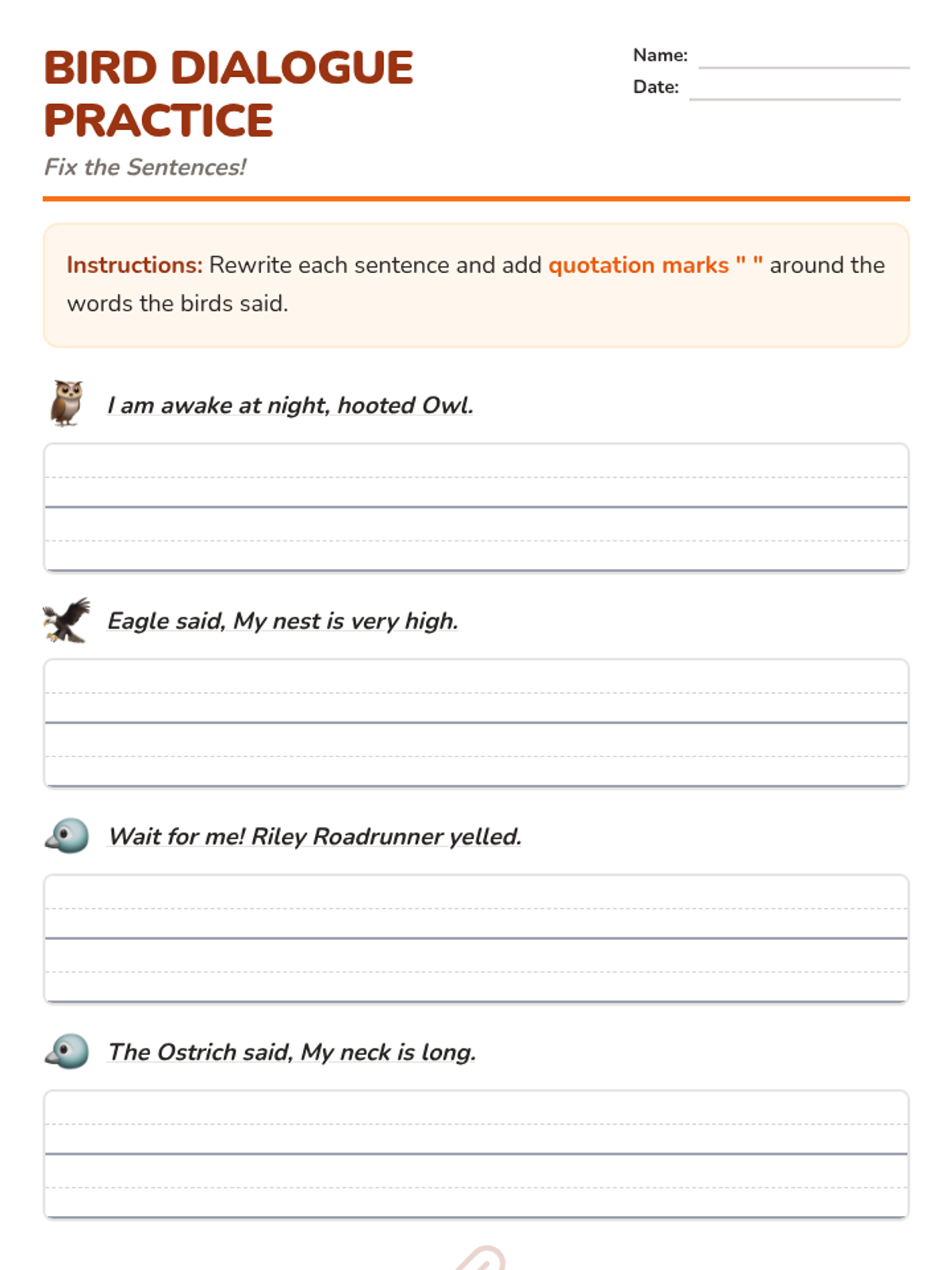
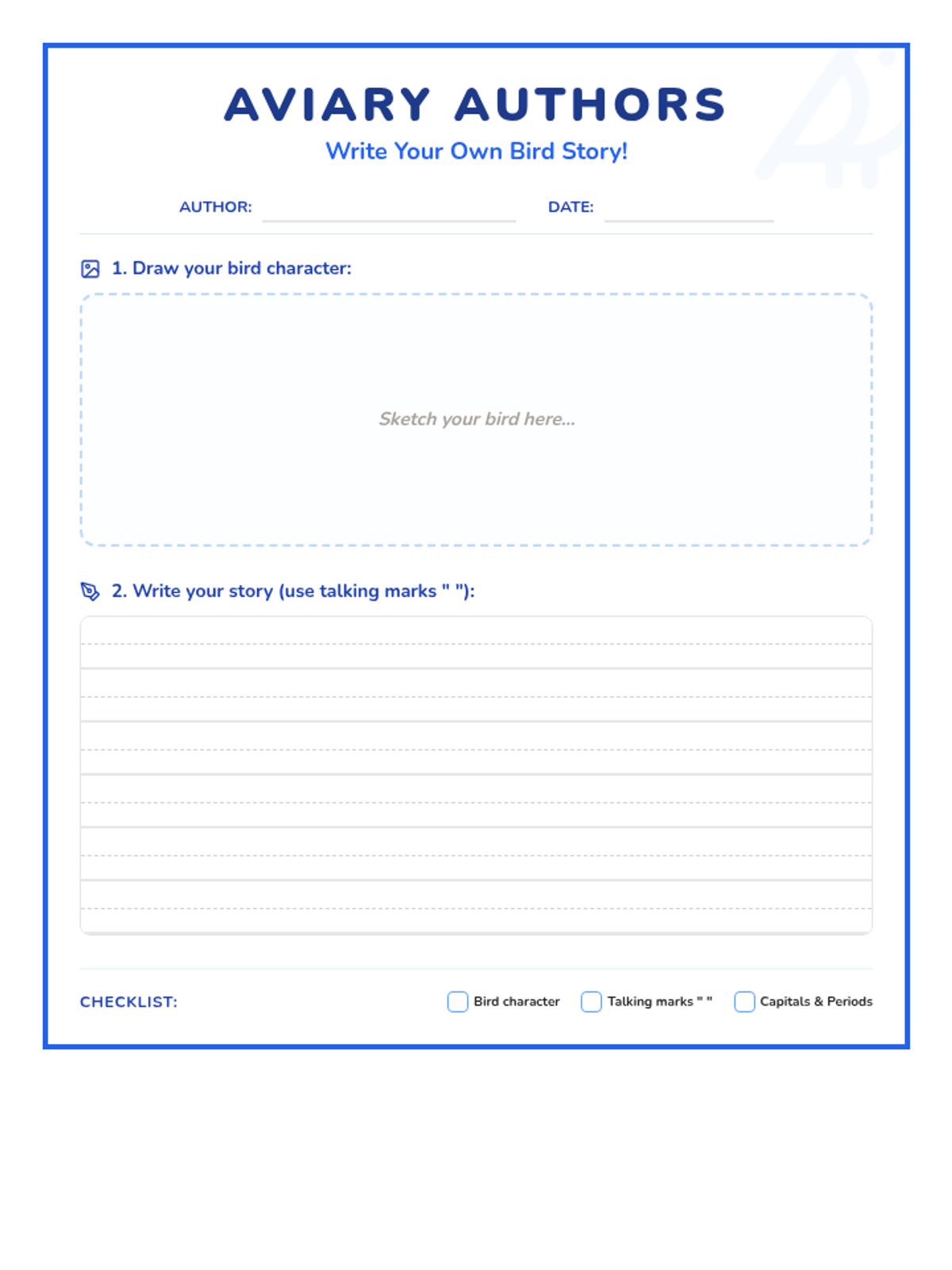
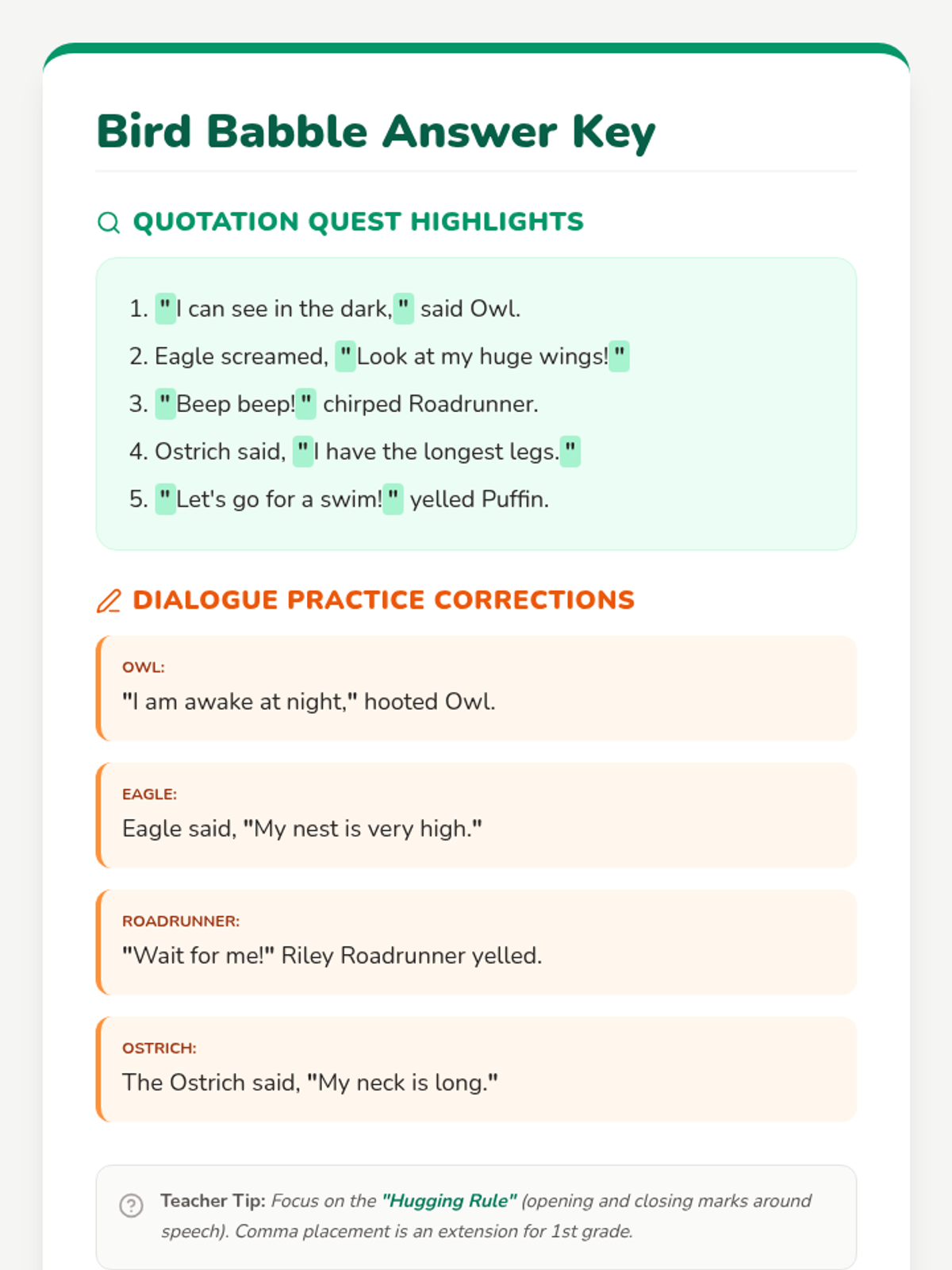
An introductory lesson on identifying quotation marks and understanding how they show when a character is speaking, using various bird characters as examples.
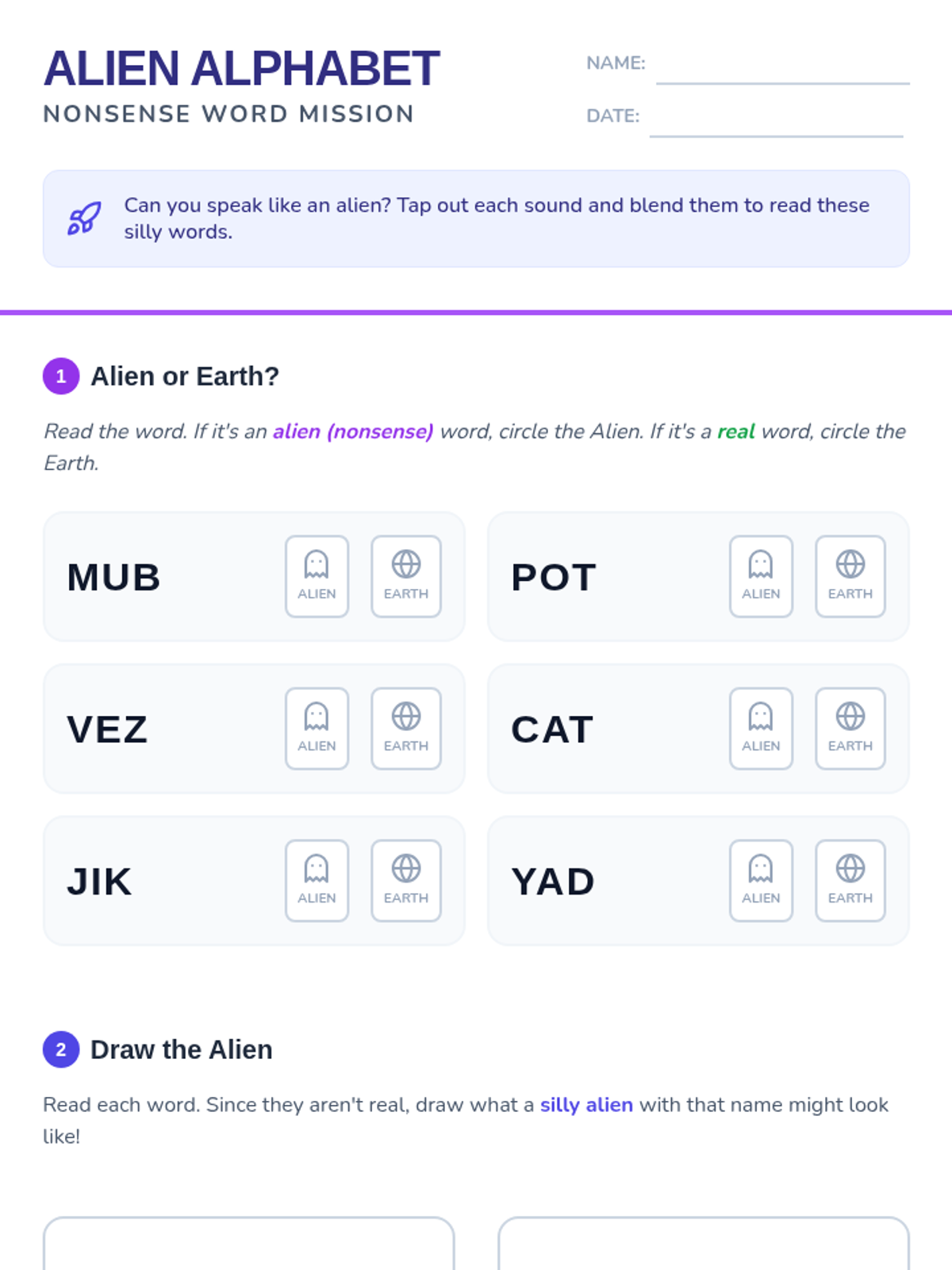
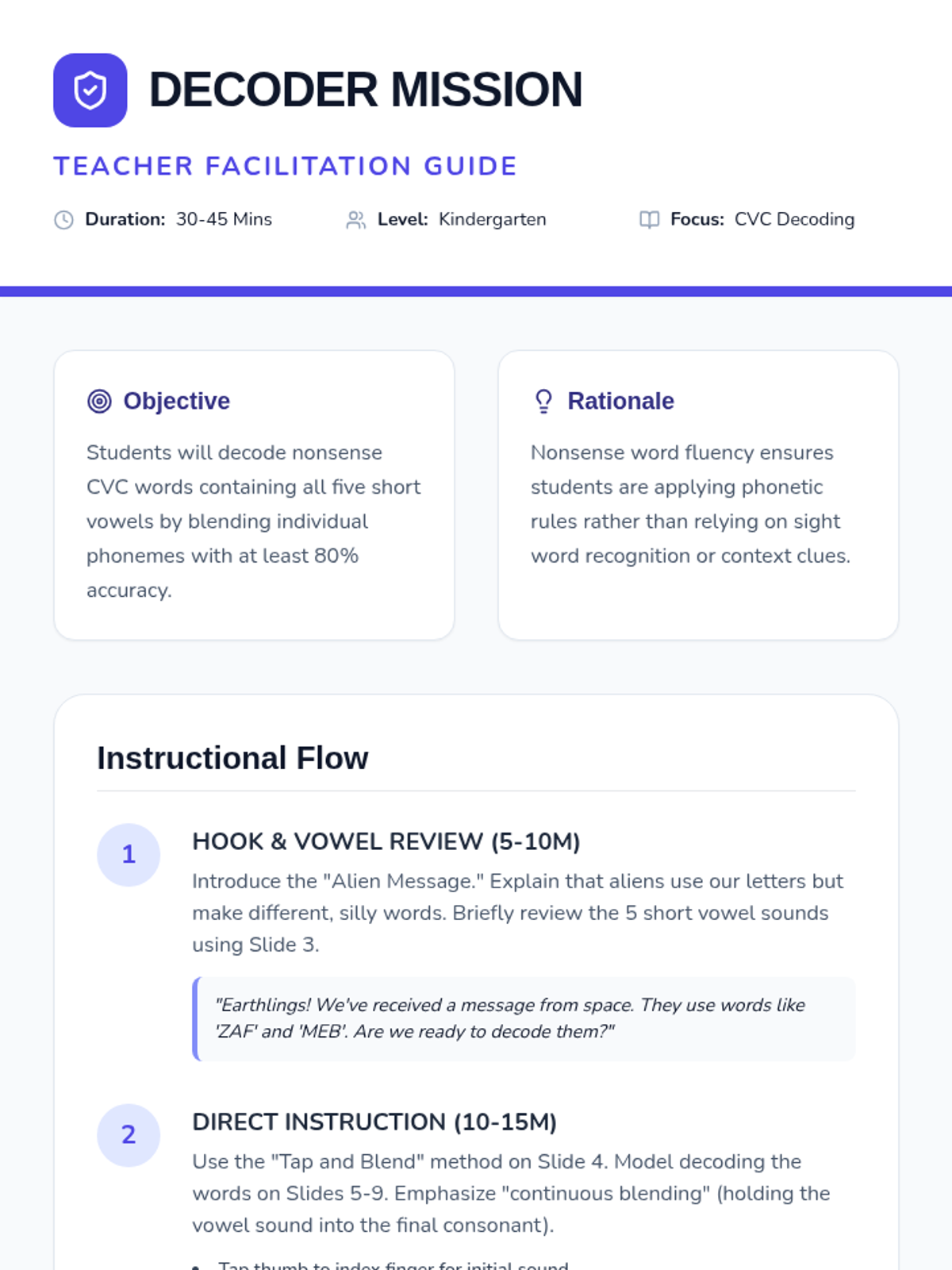
A Kindergarten phonics lesson focused on decoding CVC nonsense words across all five short vowels through an engaging 'alien language' theme. Students practice blending sounds to read words that aren't real, reinforcing phonics skills without relying on memorization.
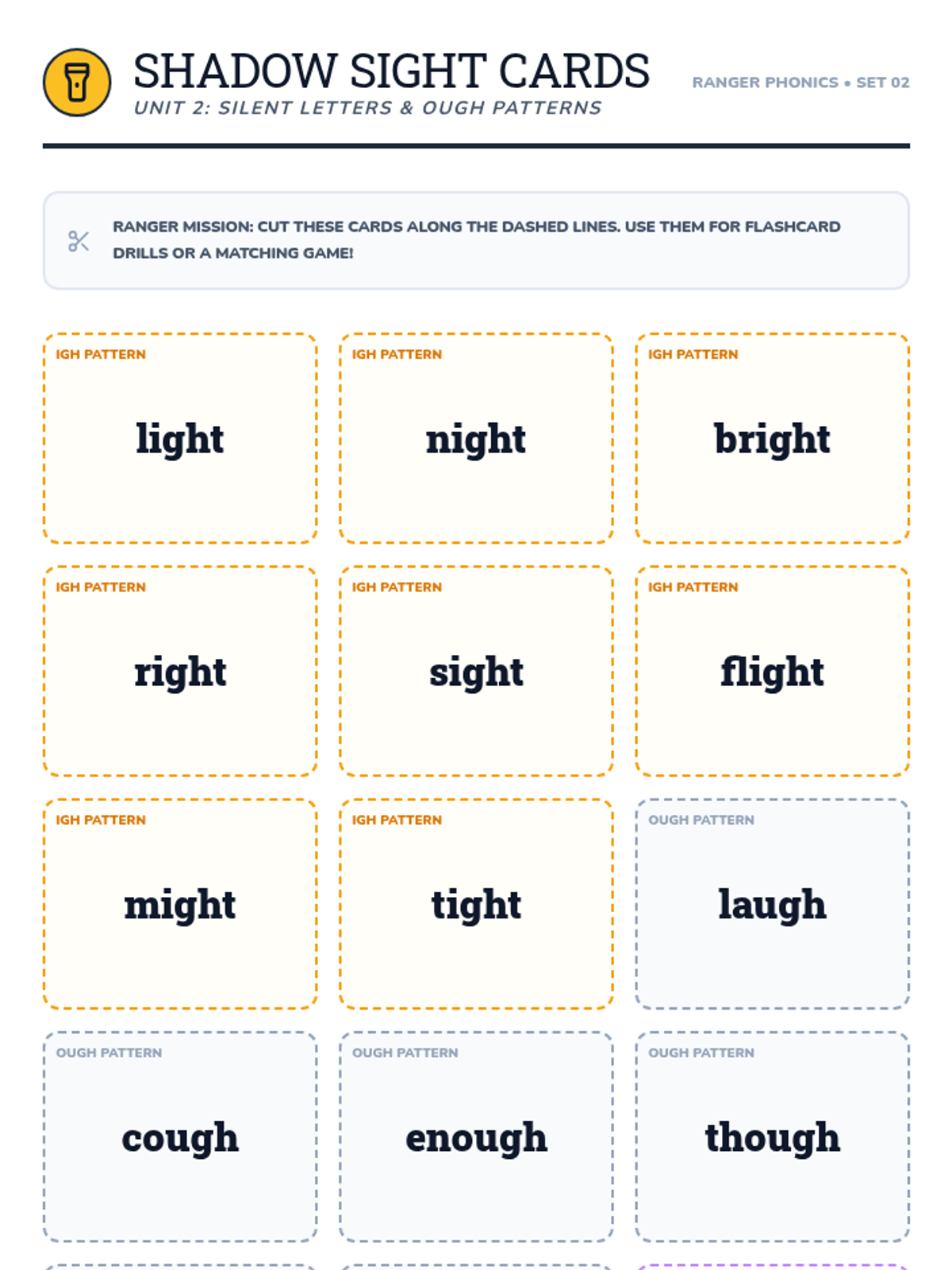
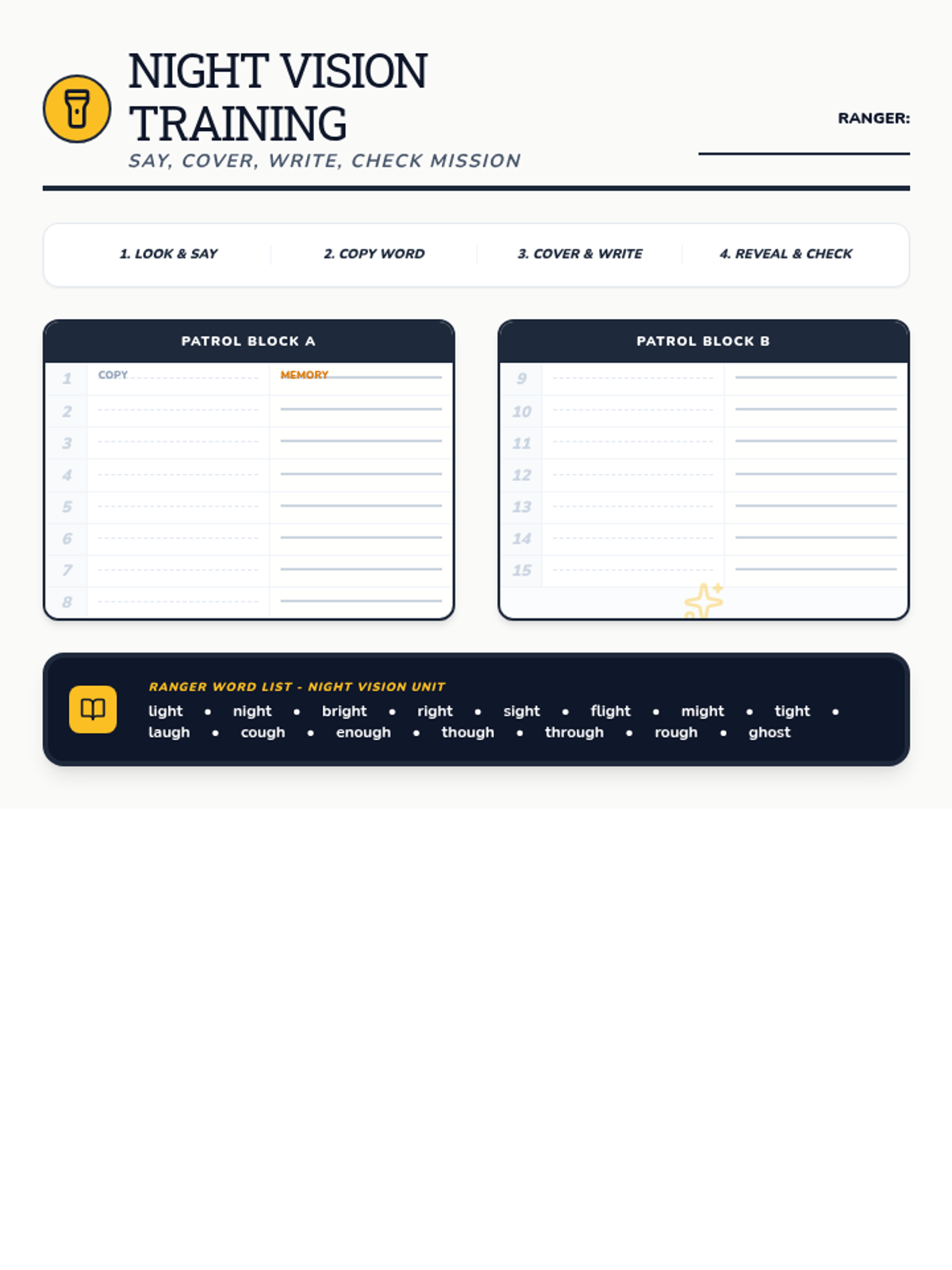
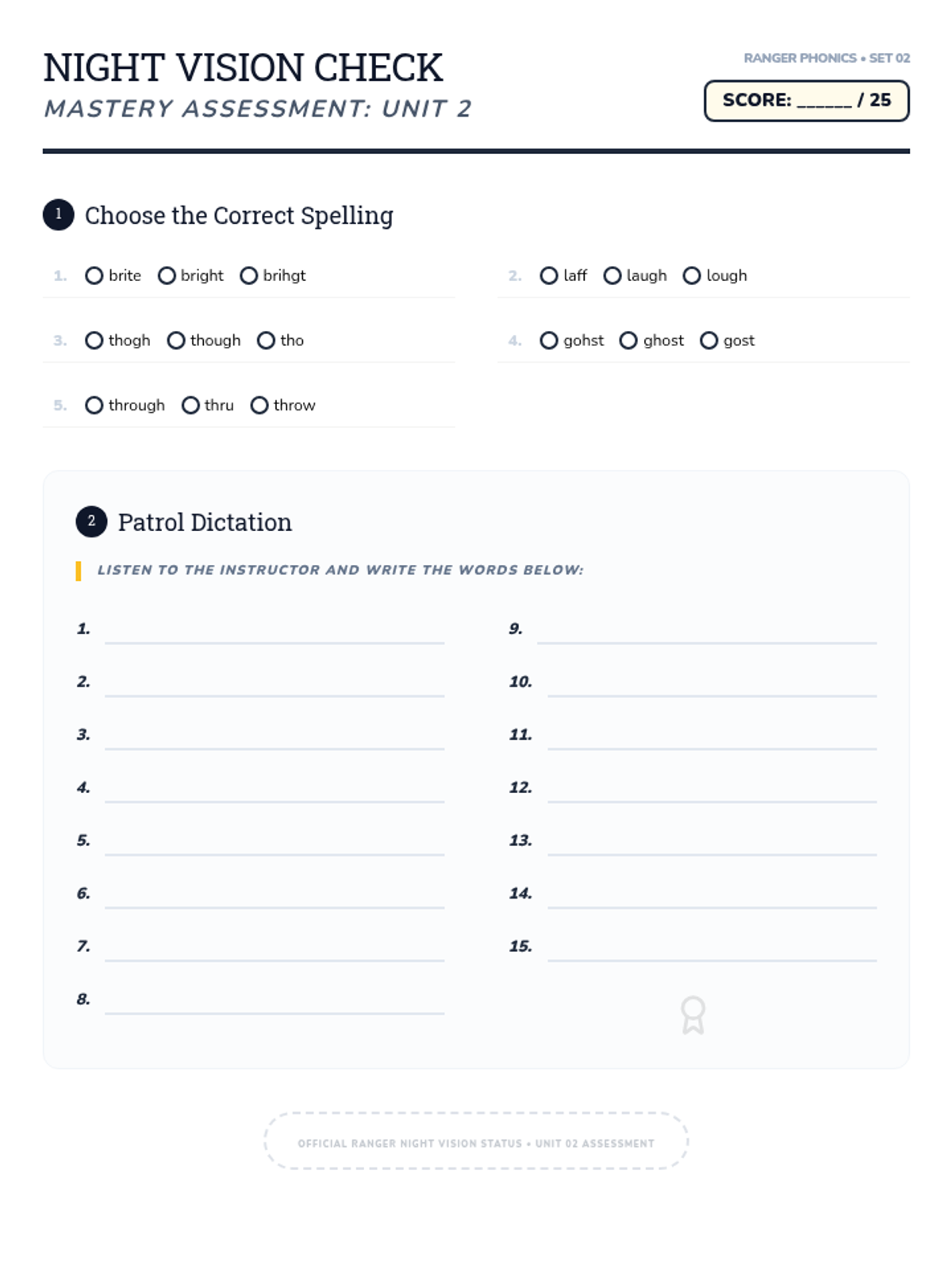
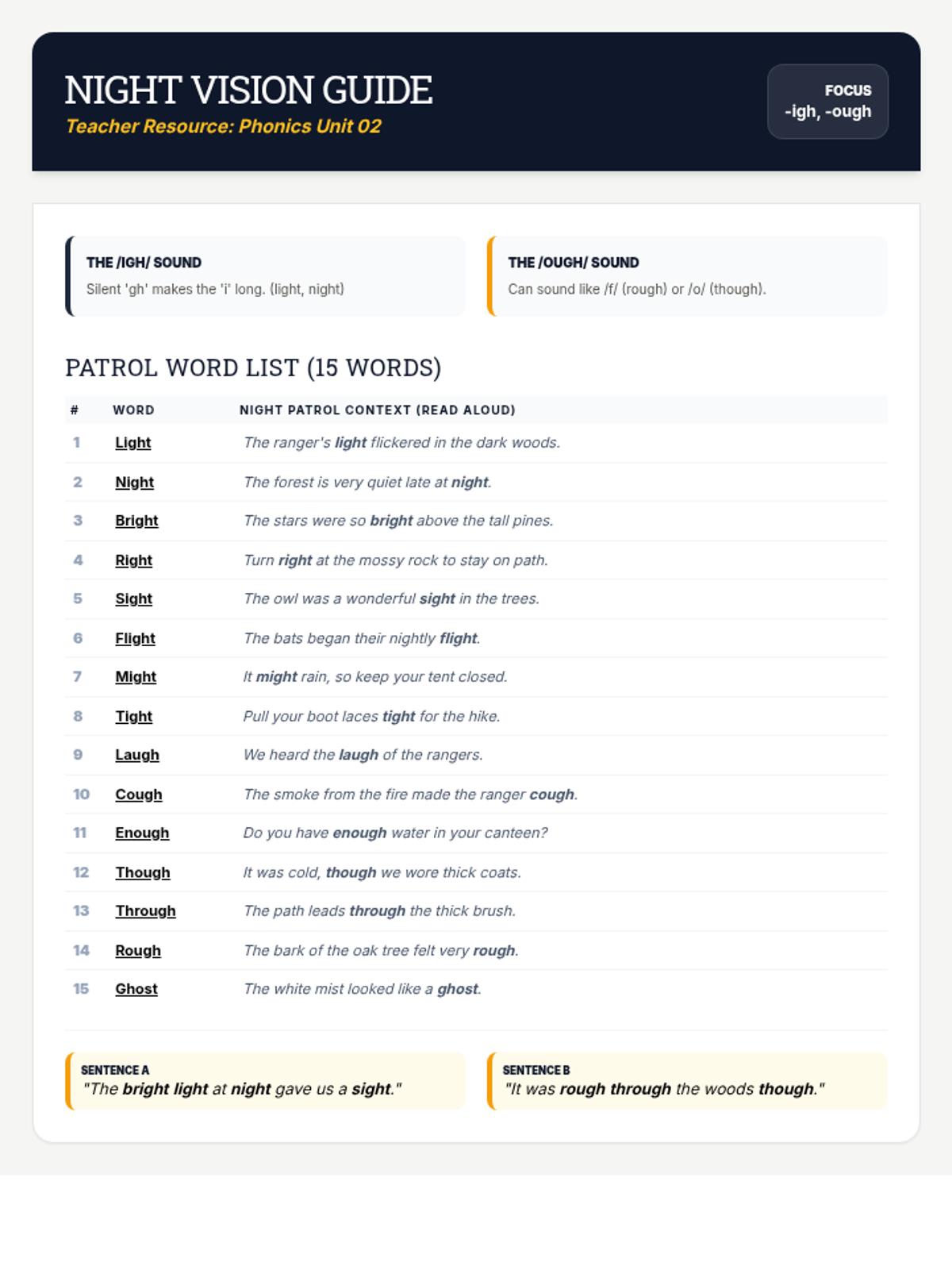
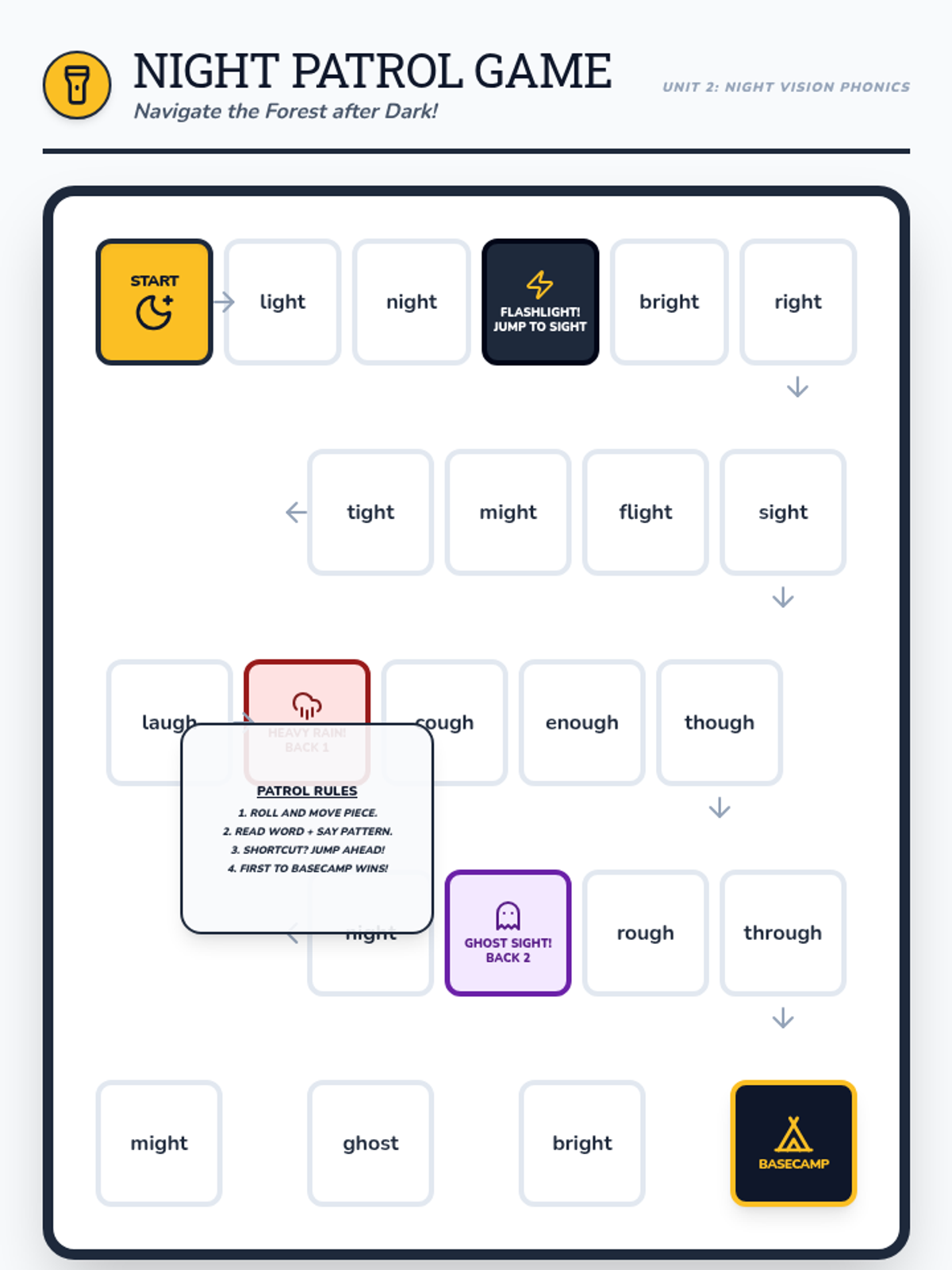
Focuses on silent letter combinations including -igh, -ough, and the 'h' in ghost. Thematic elements include night-time forest patrolling and lantern light.
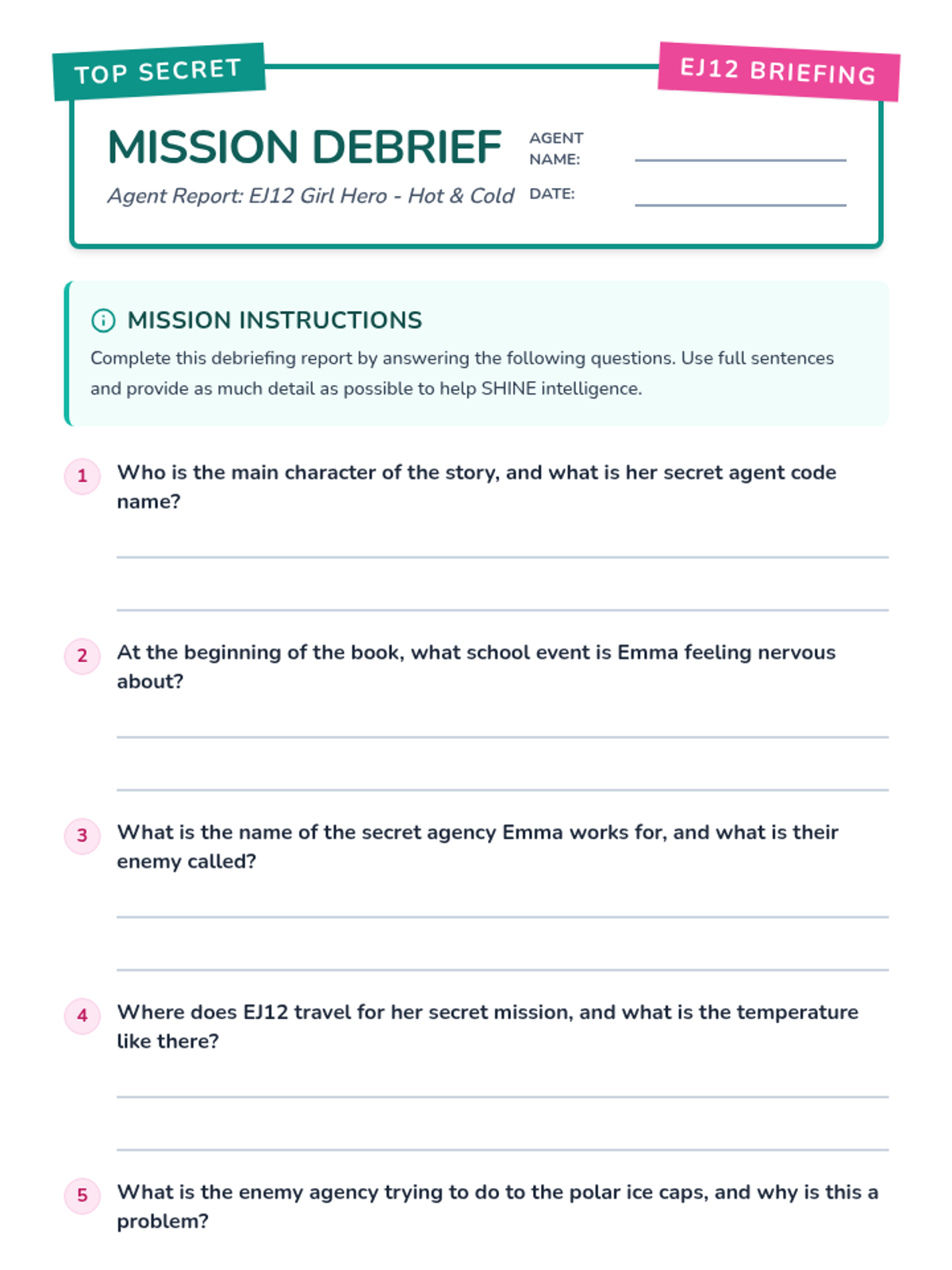
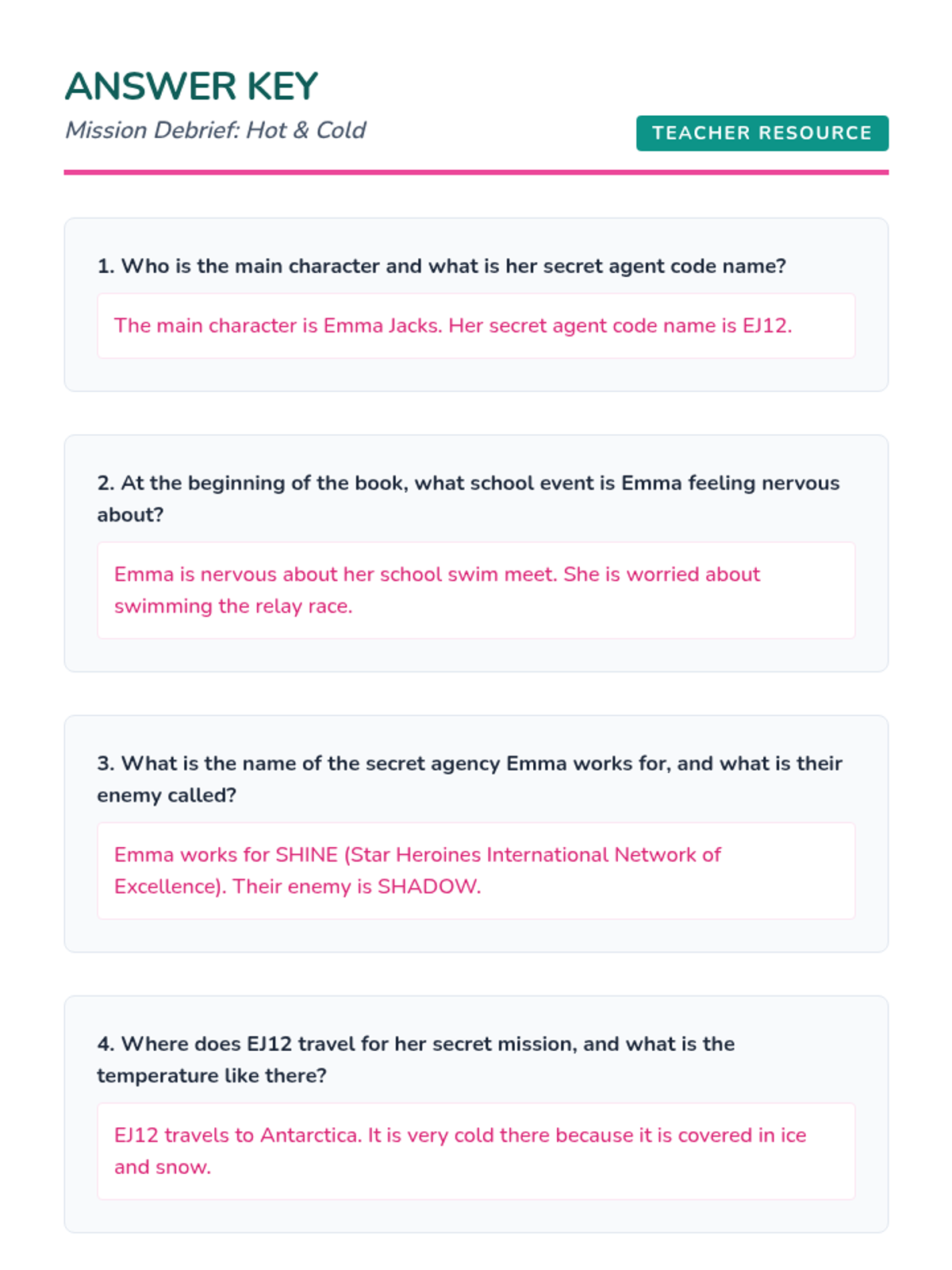
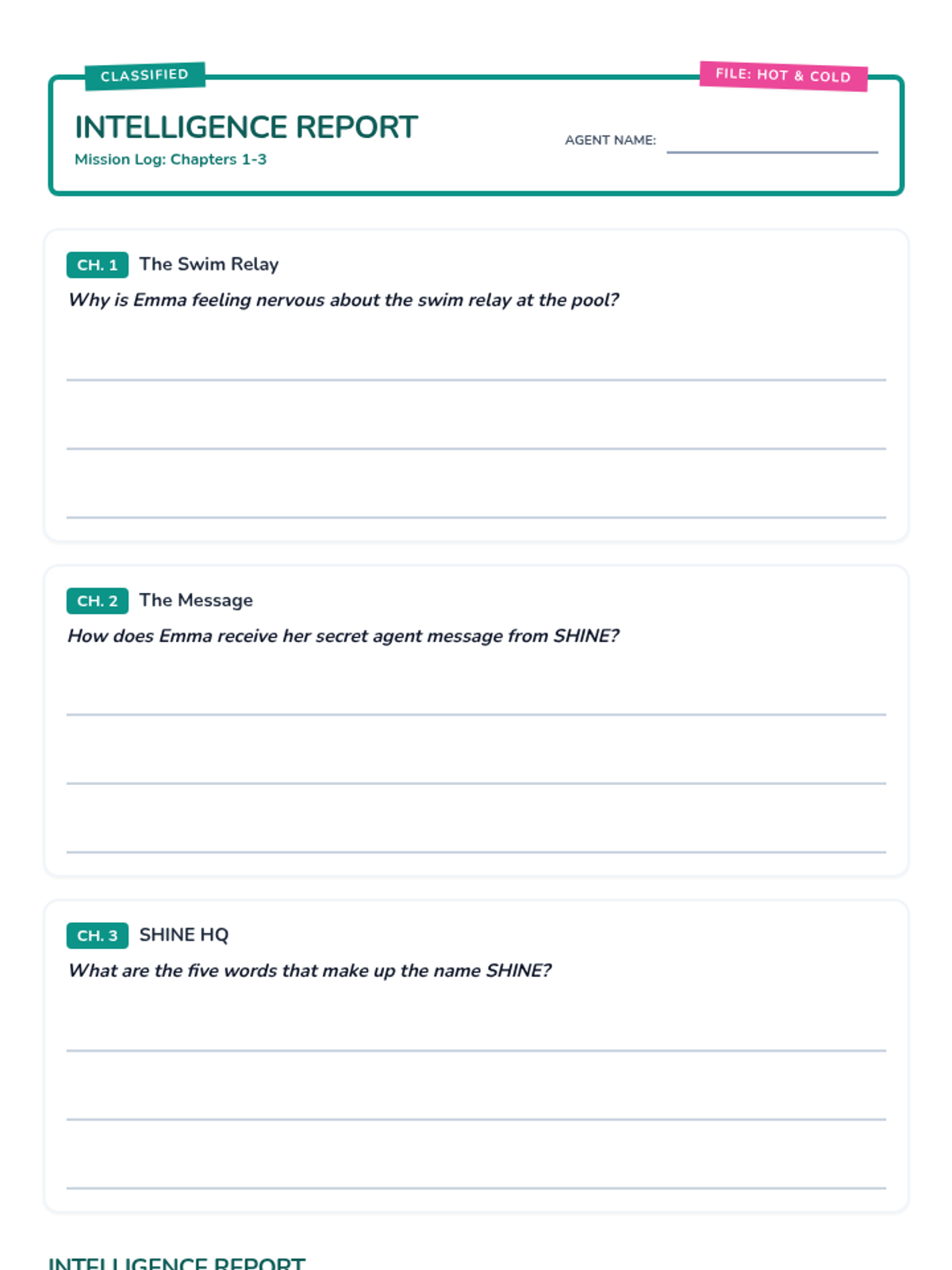
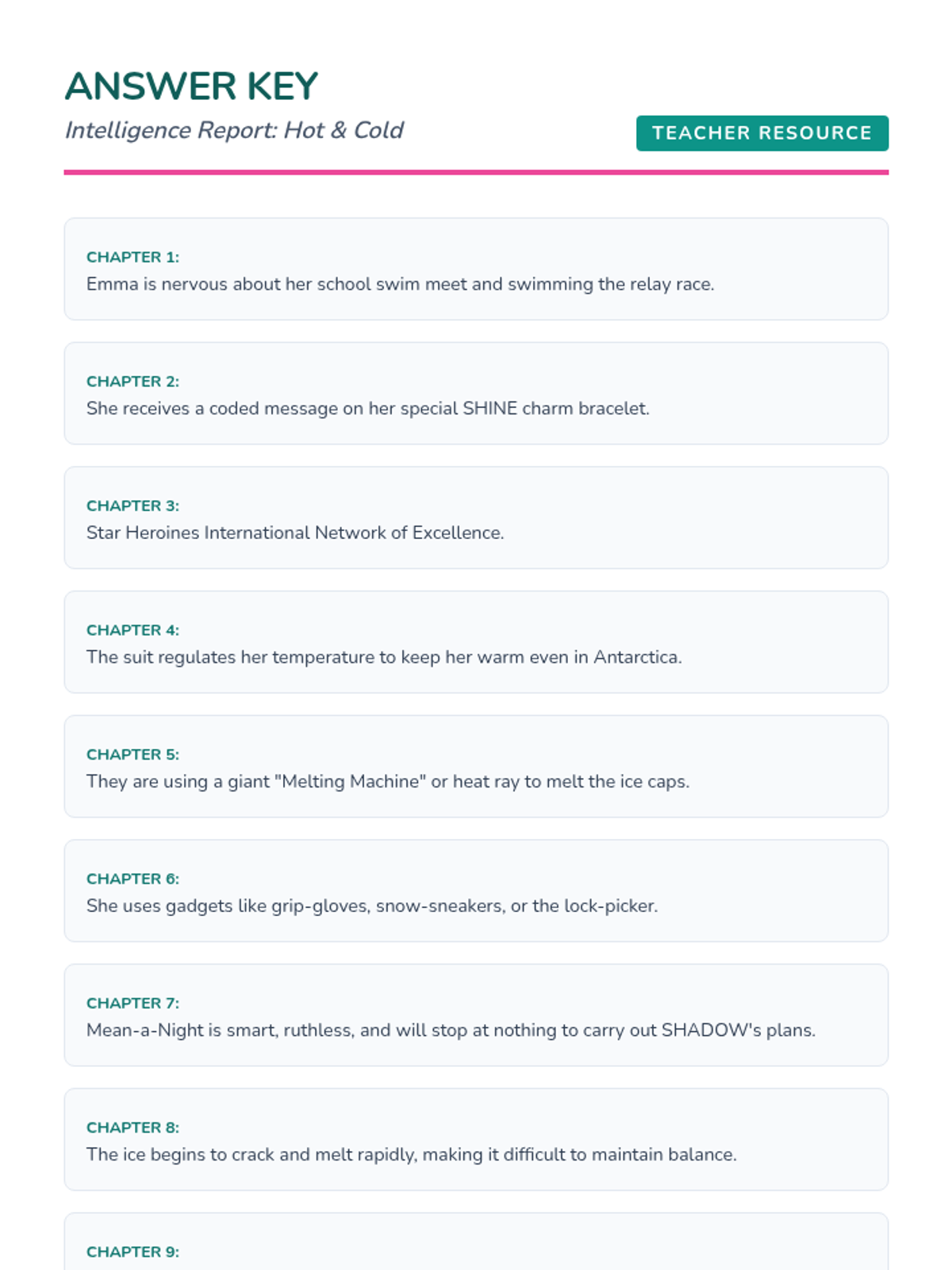
A comprehension lesson focused on the first book in the EJ12 Girl Hero series, where Emma Jacks must balance her school life and secret agent duties to save the polar ice caps.
A comprehensive training for new elementary teachers focusing on the Big 6 components of literacy, High Impact Practices, and expert teacher observations based on NYSED standards.
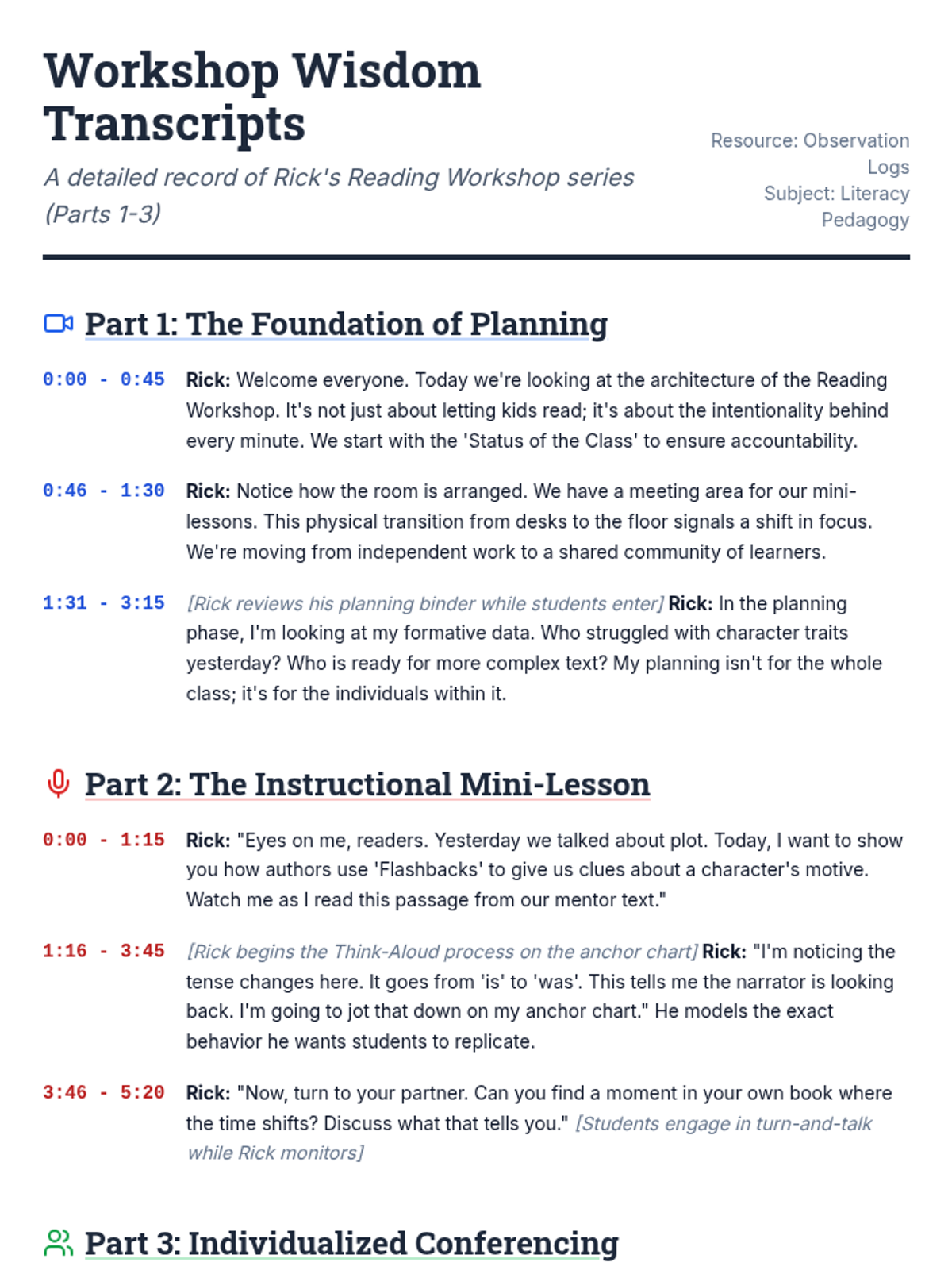
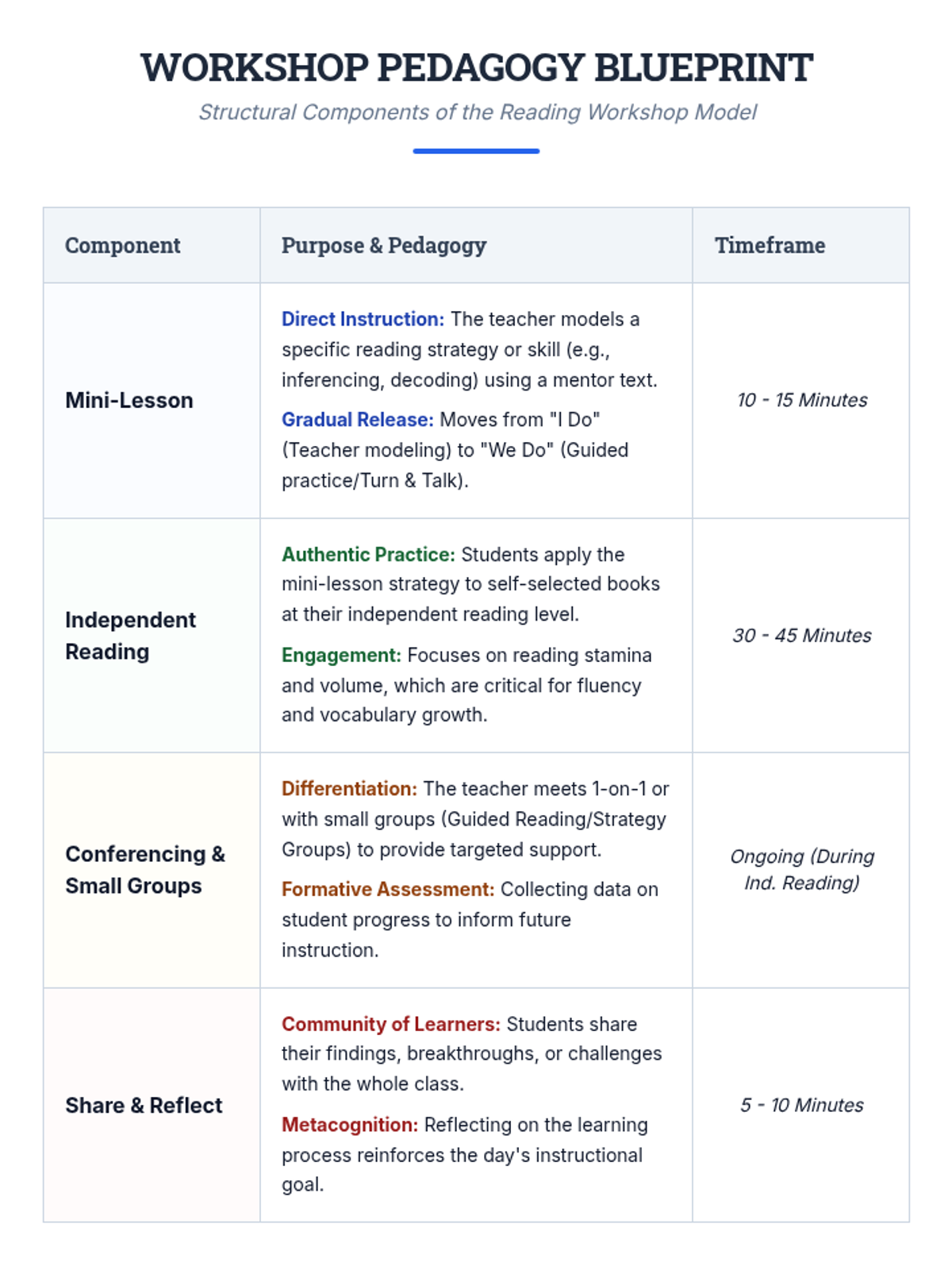
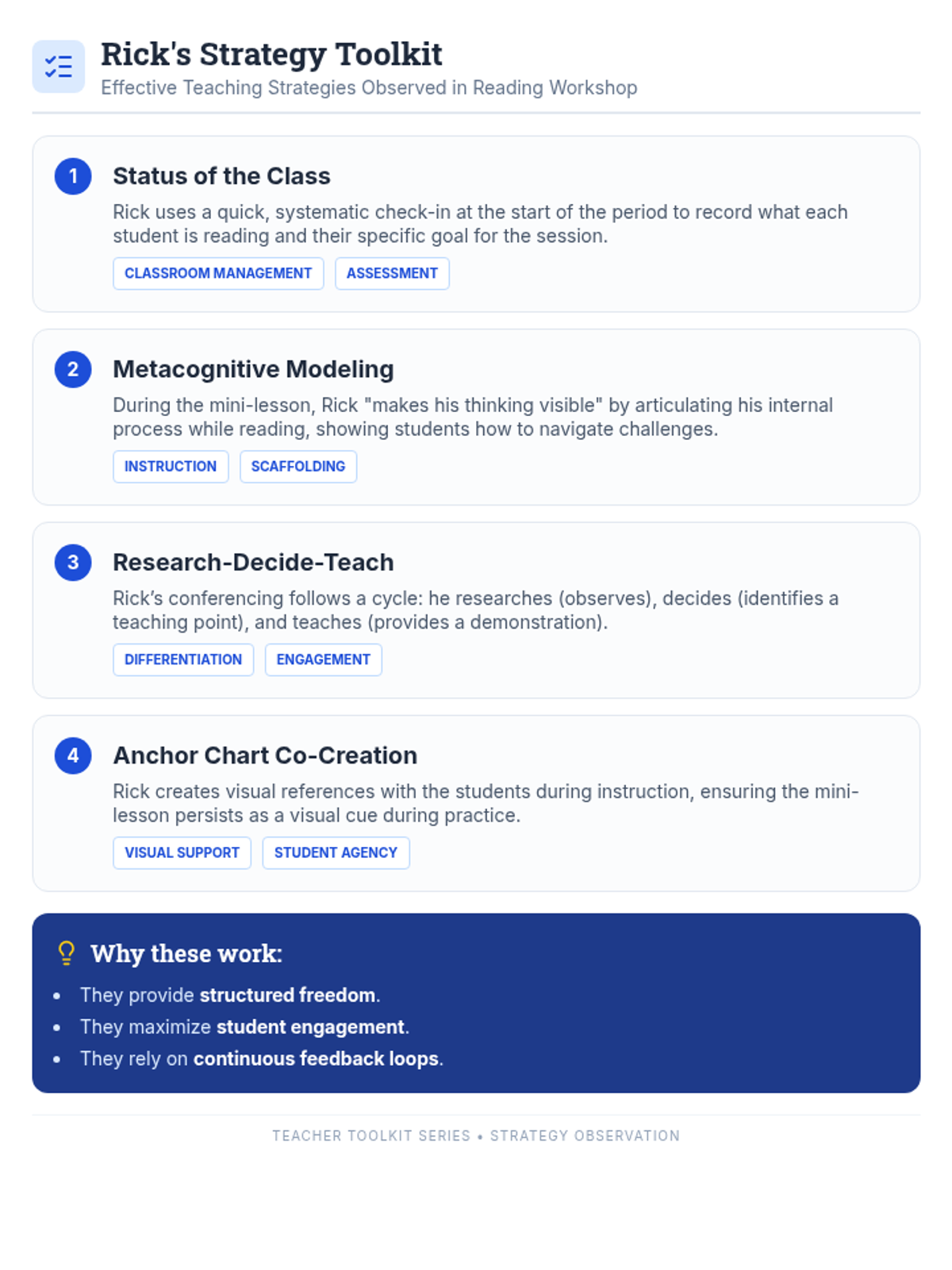
A comprehensive suite of materials for observing and analyzing Rick's Reading Workshop, including transcripts, pedagogical charts, and presentation slides for teacher training.
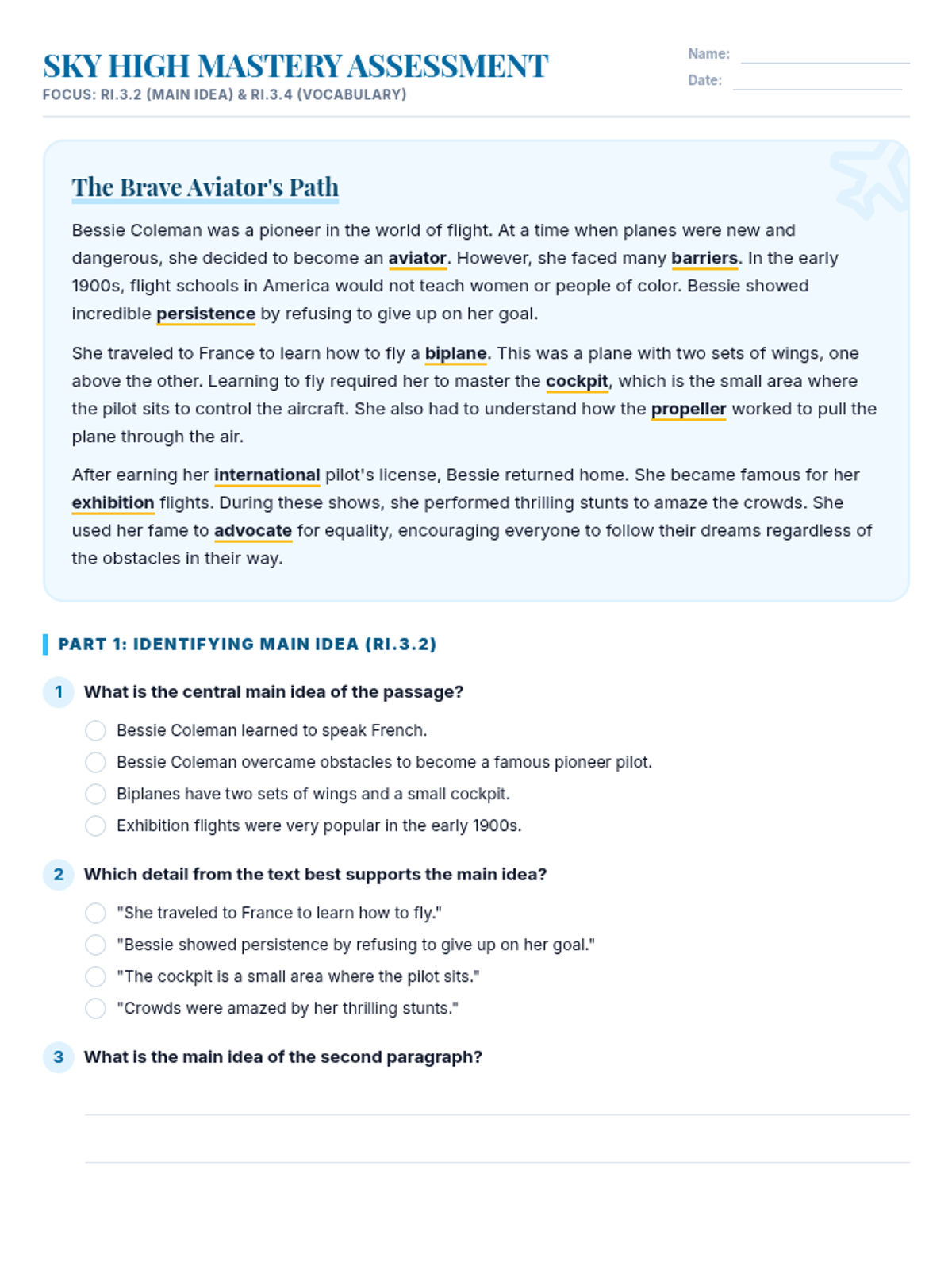
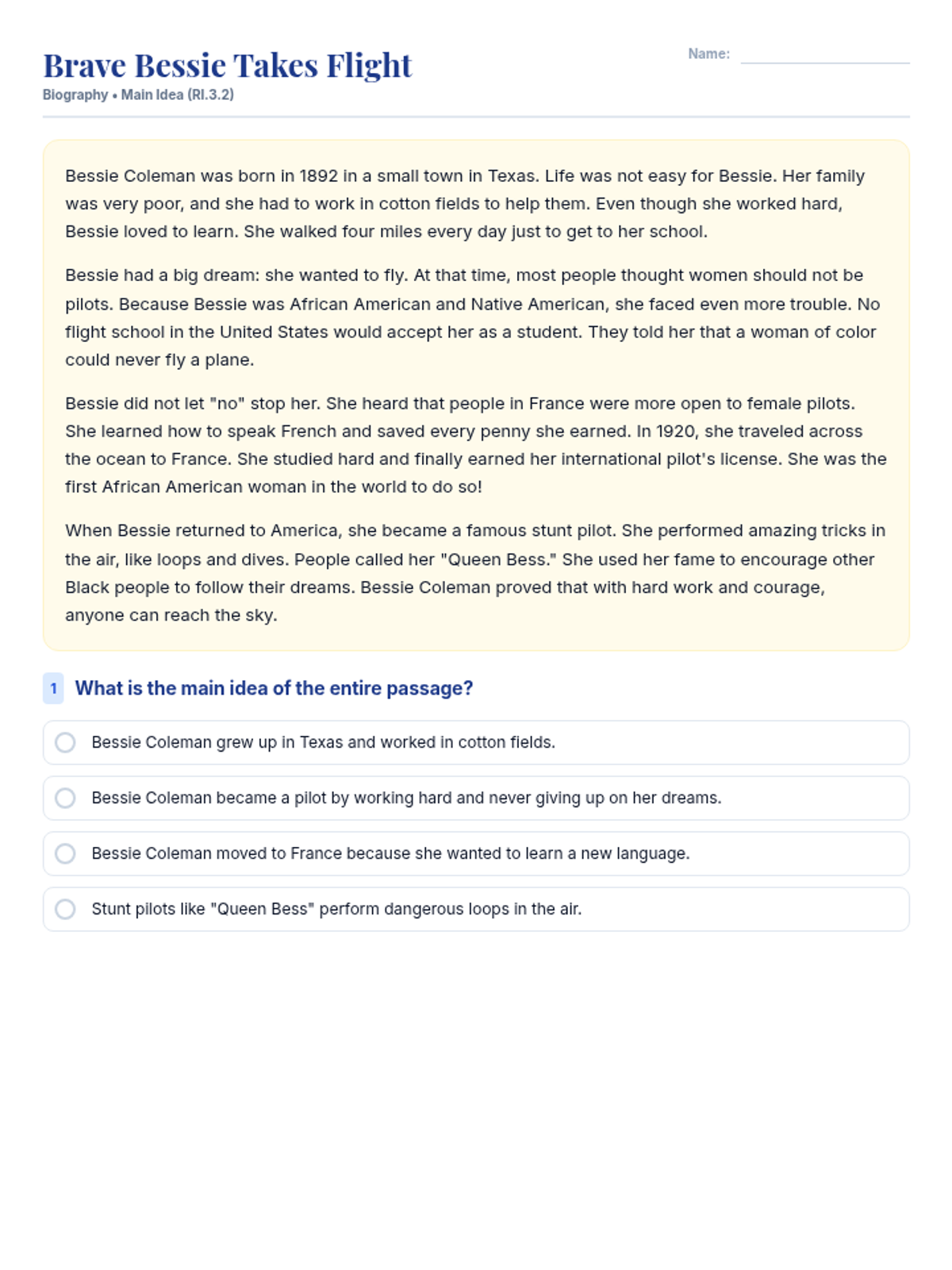
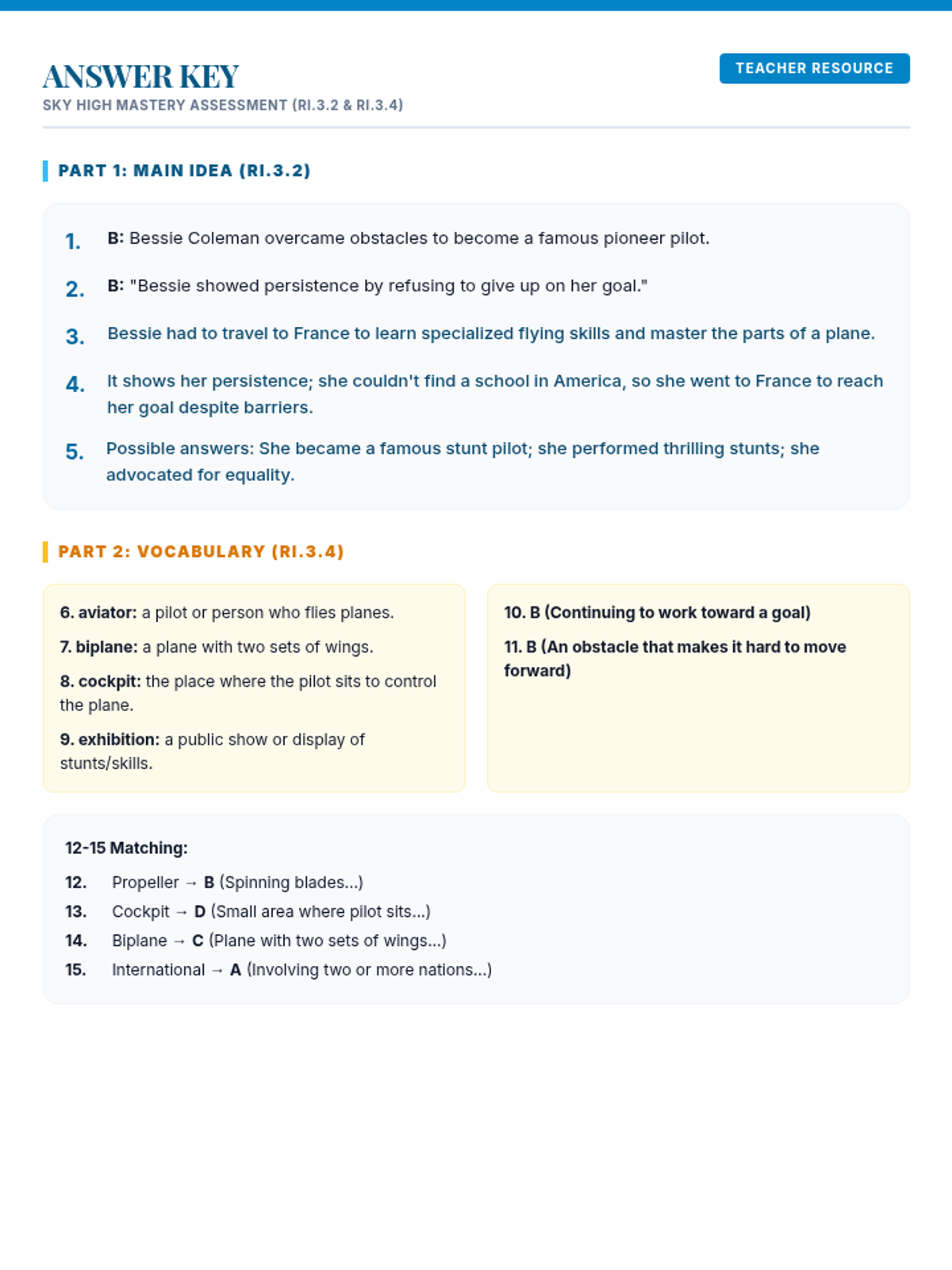
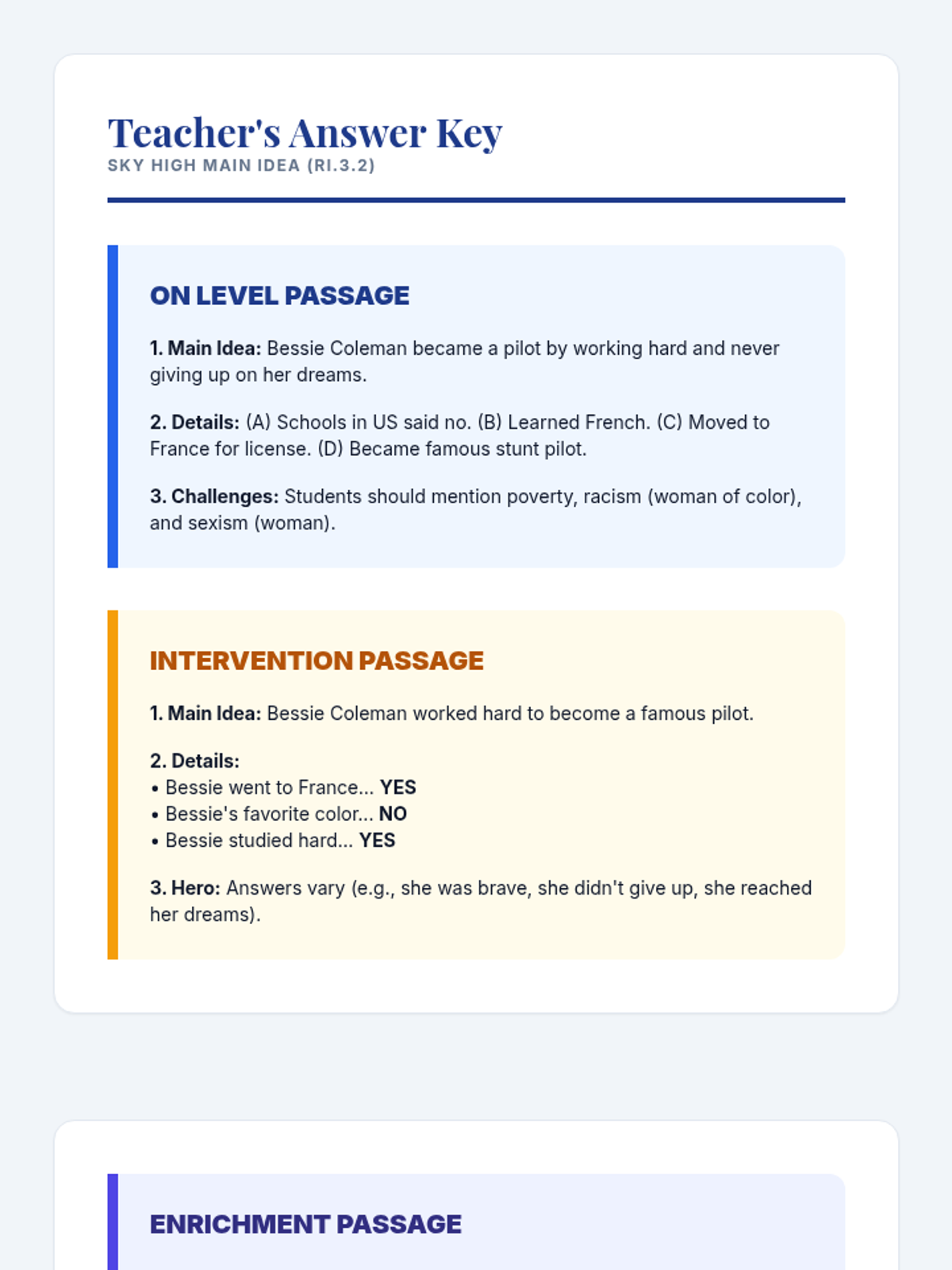
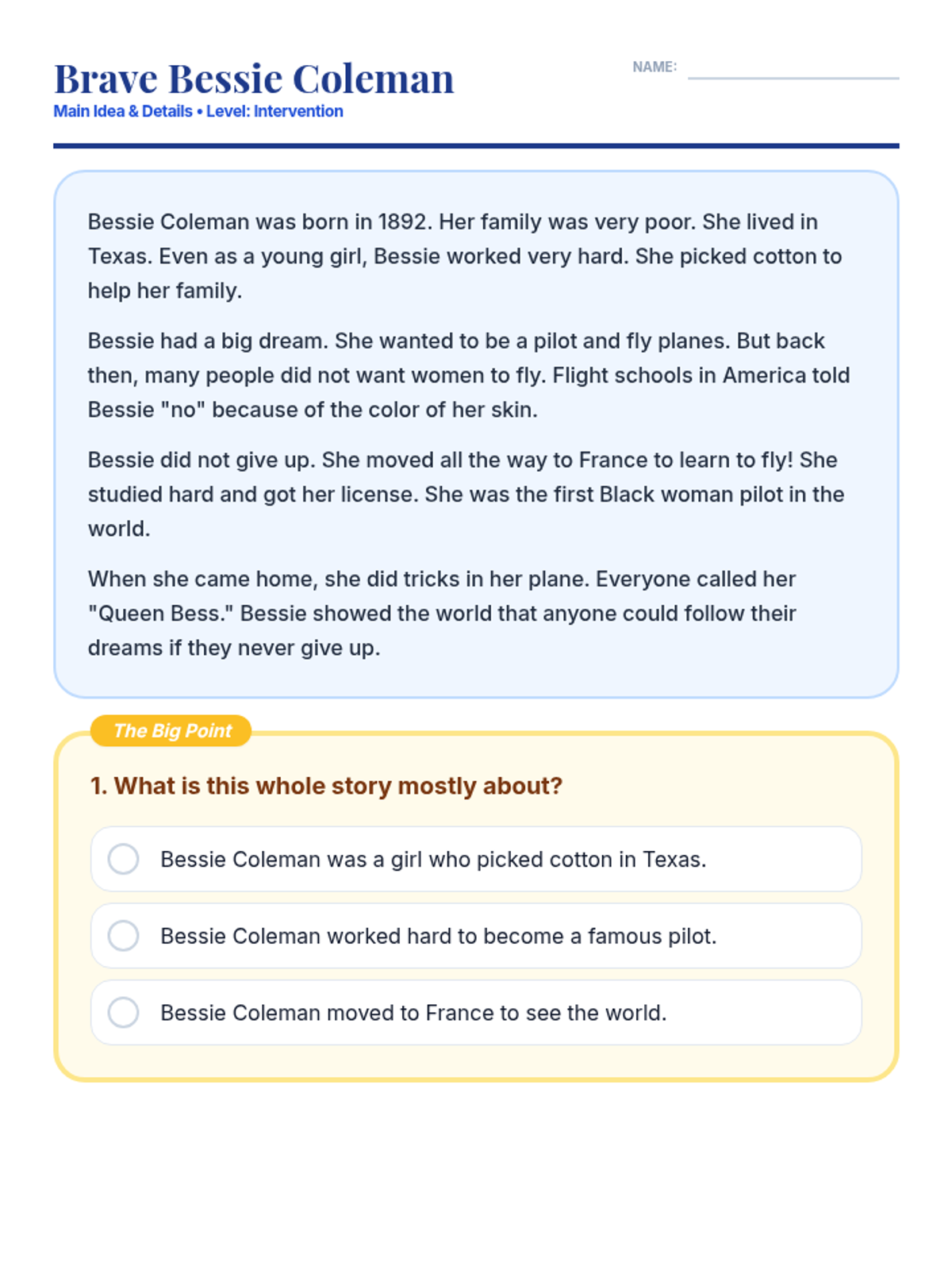
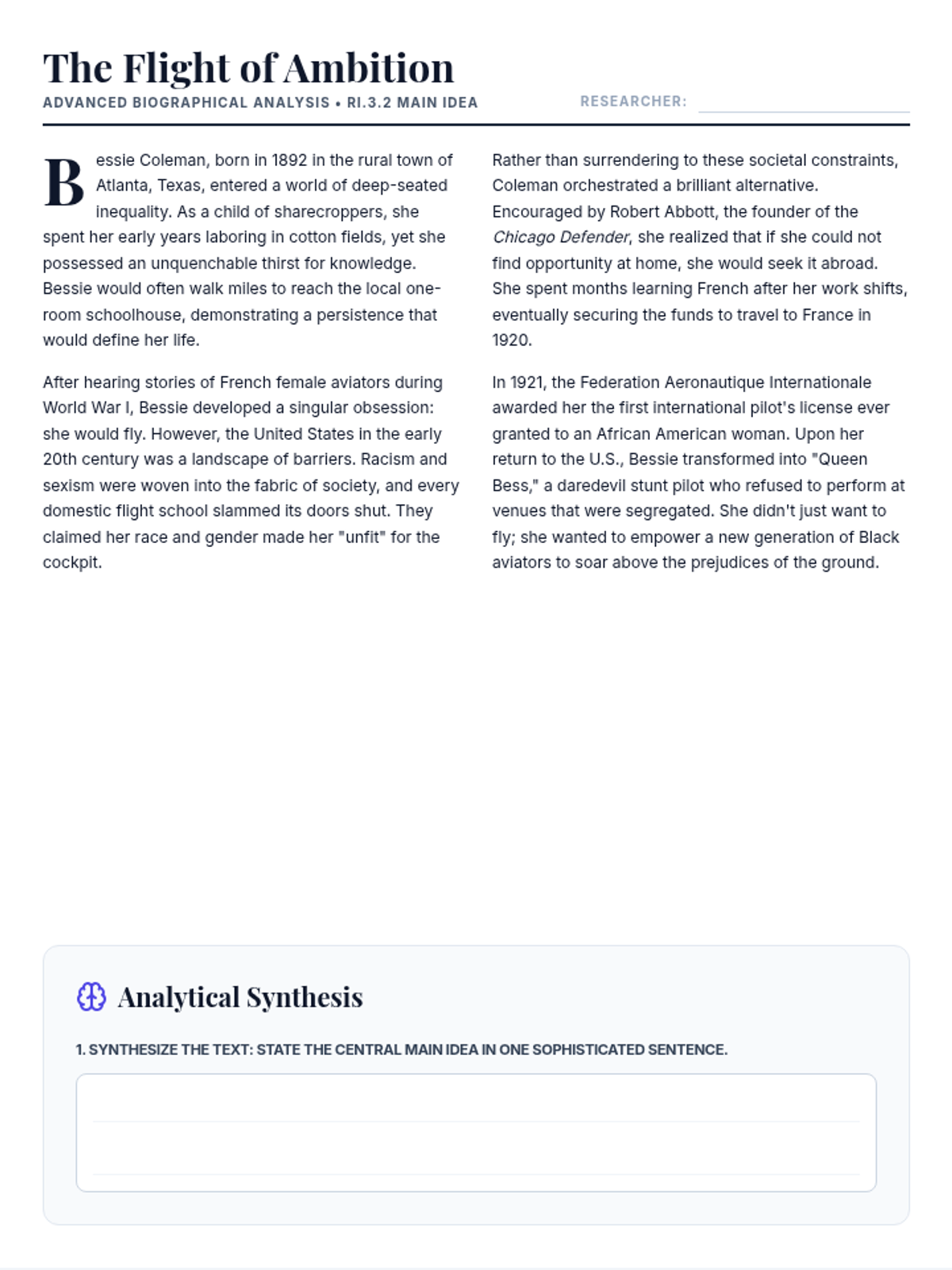
A lesson focused on RI.3.2 (Main Idea and Key Details) using the inspiring biography of Bessie Coleman, featuring tiered reading passages for differentiated instruction.
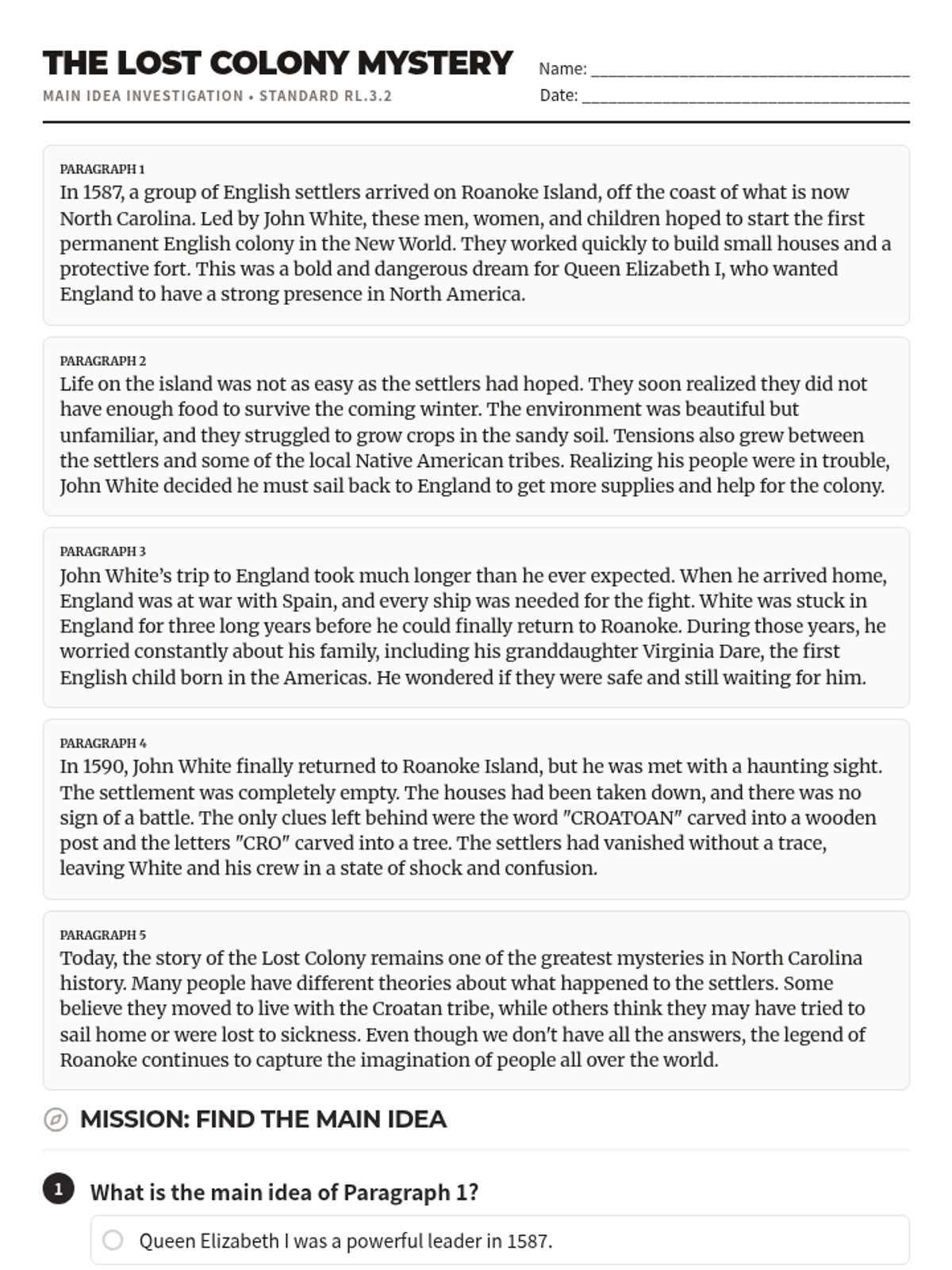
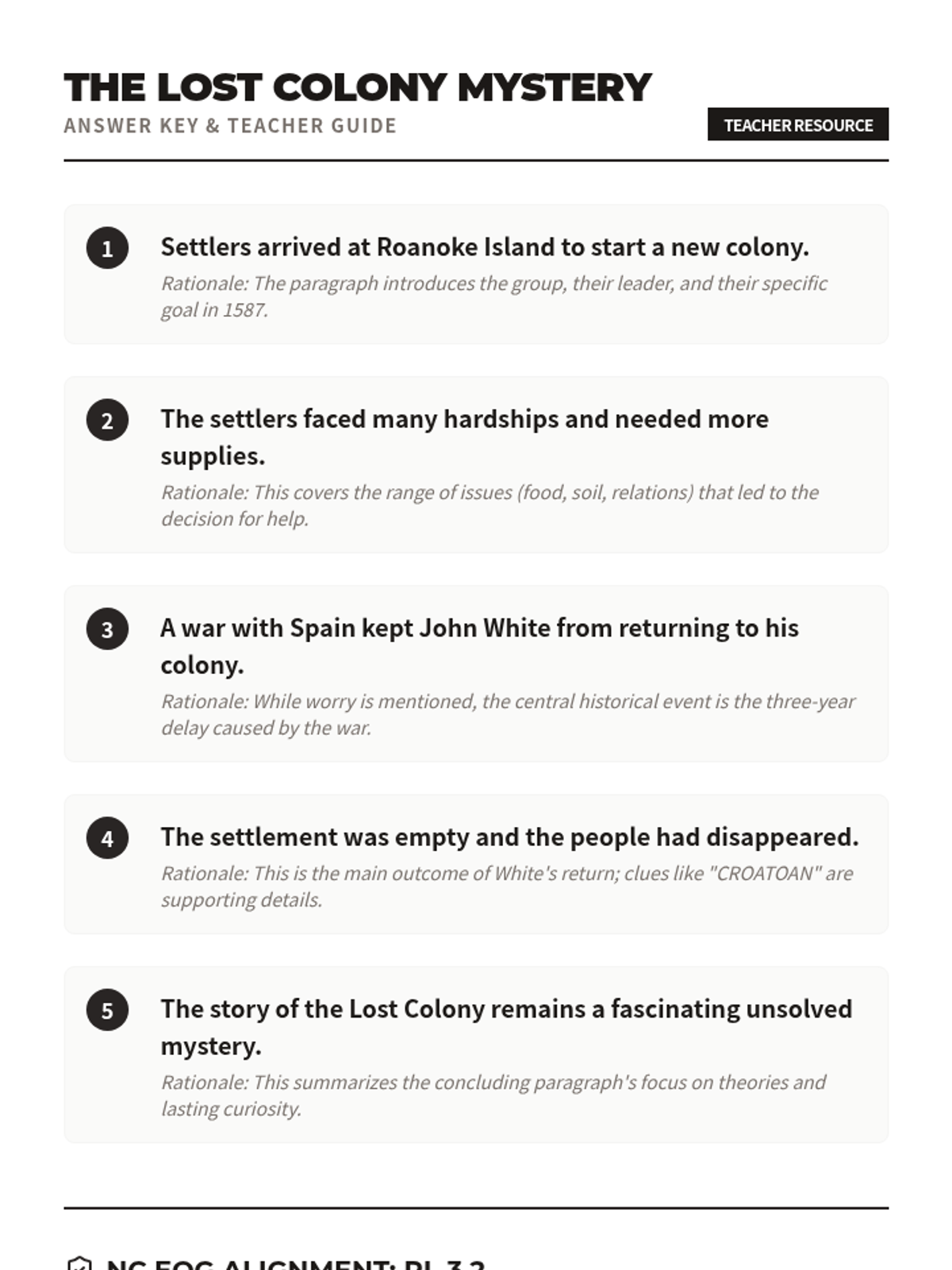
A focused lesson on identifying the main idea within complex non-fiction texts about North Carolina history, specifically the mystery of the Lost Colony of Roanoke.
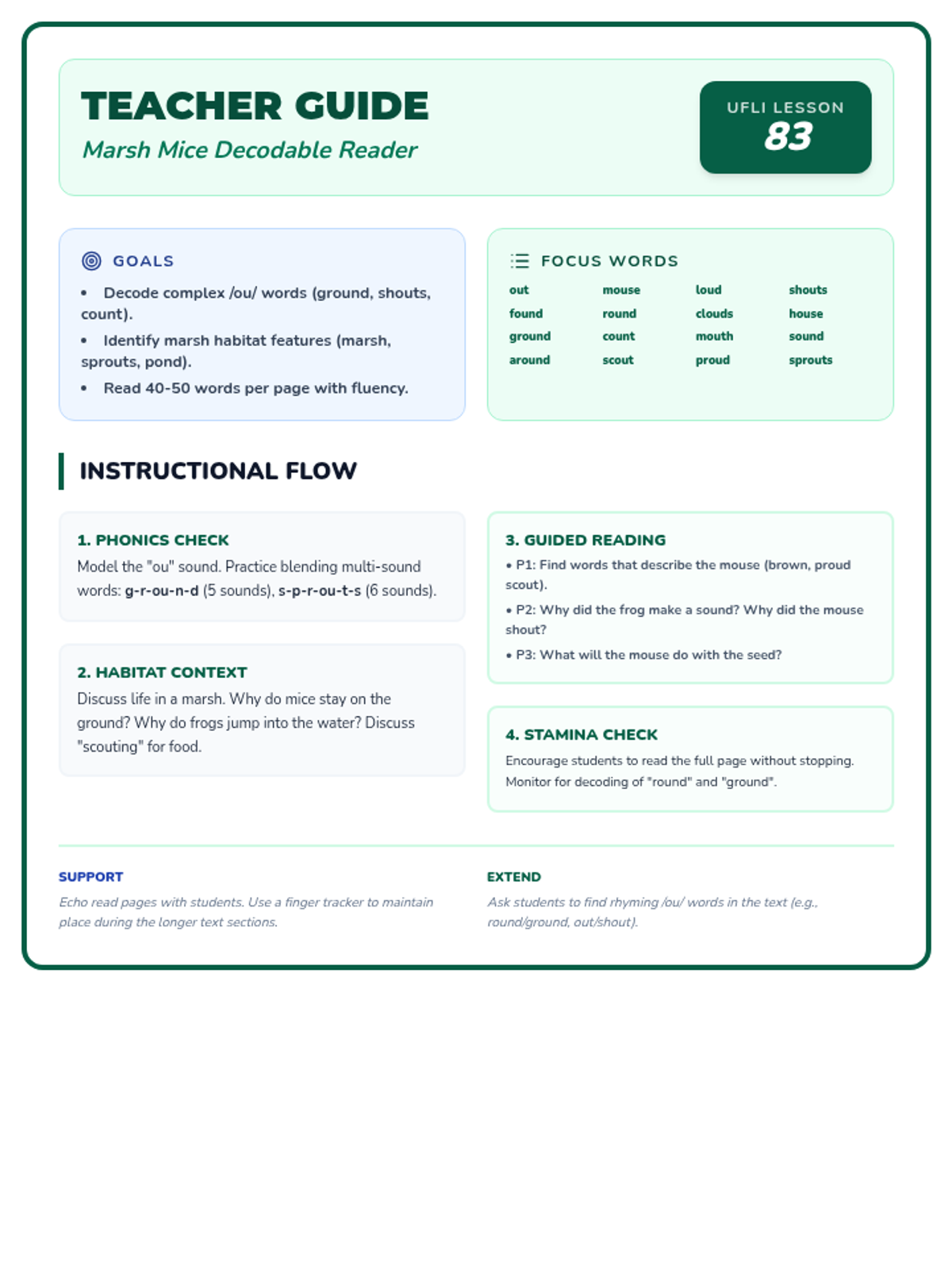
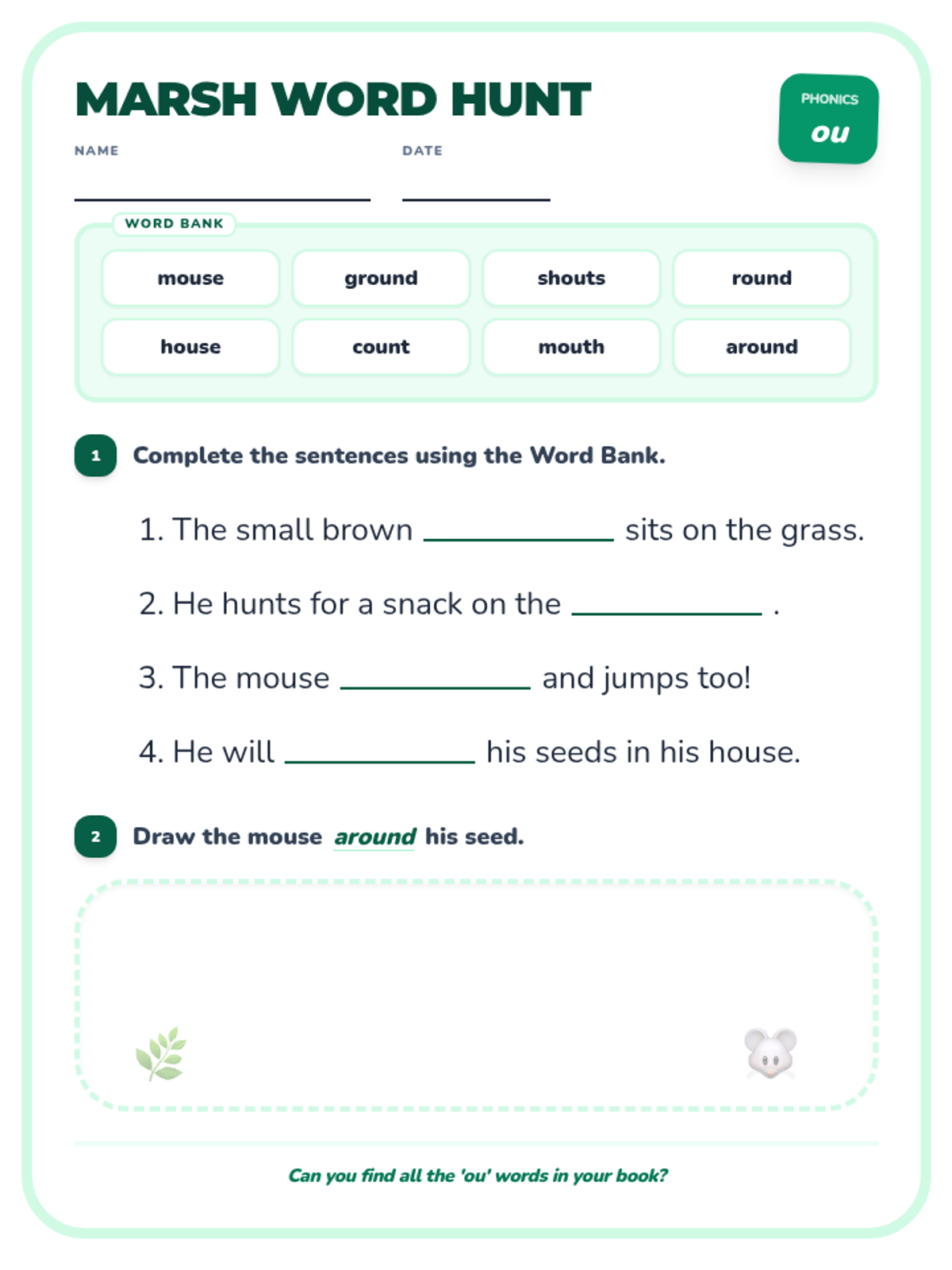
A decodable literacy lesson for first graders focusing on the /ou/ phonics pattern (UFLI Lesson 83) set in a freshwater marsh habitat, featuring mice and frogs.
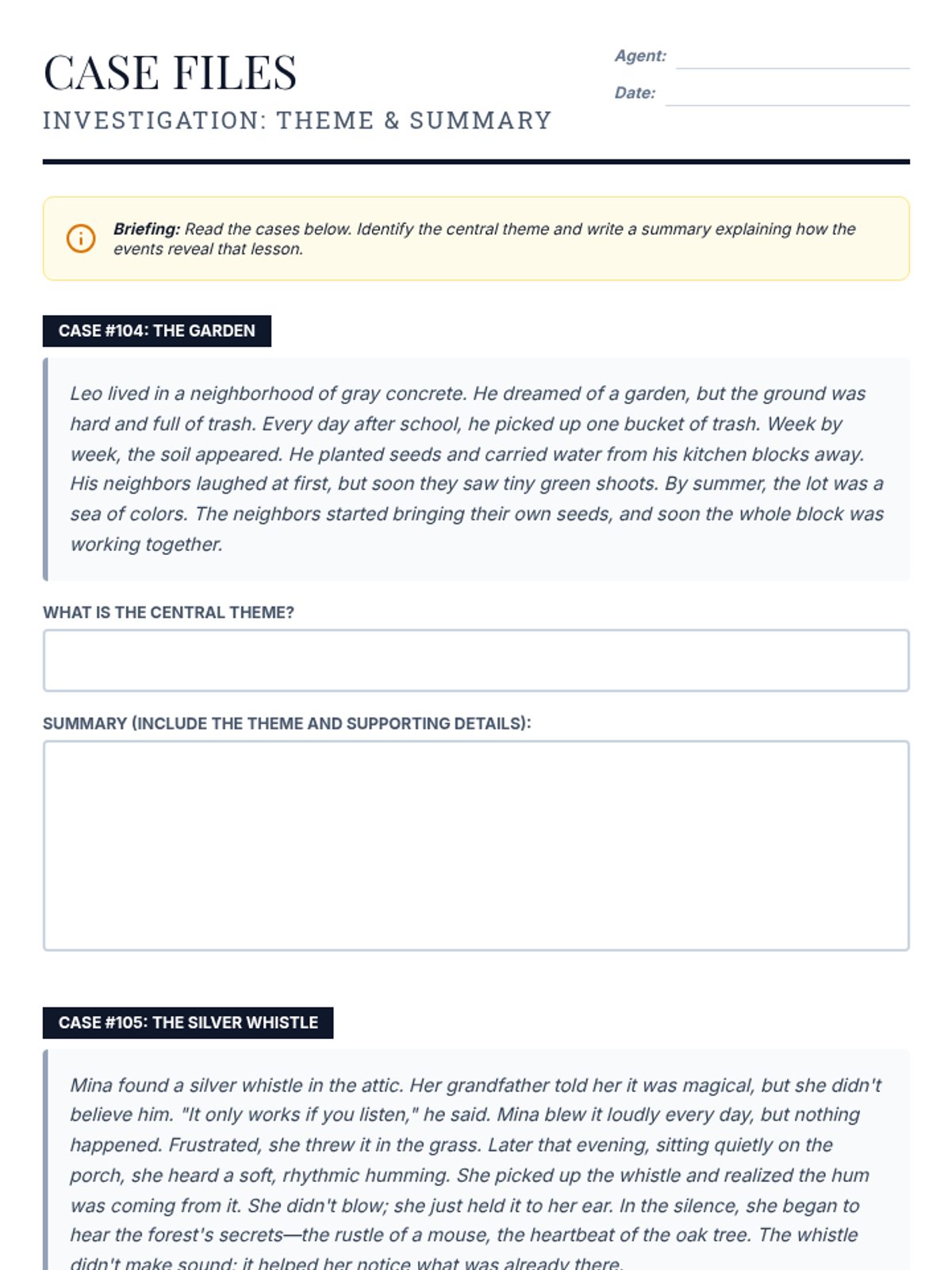
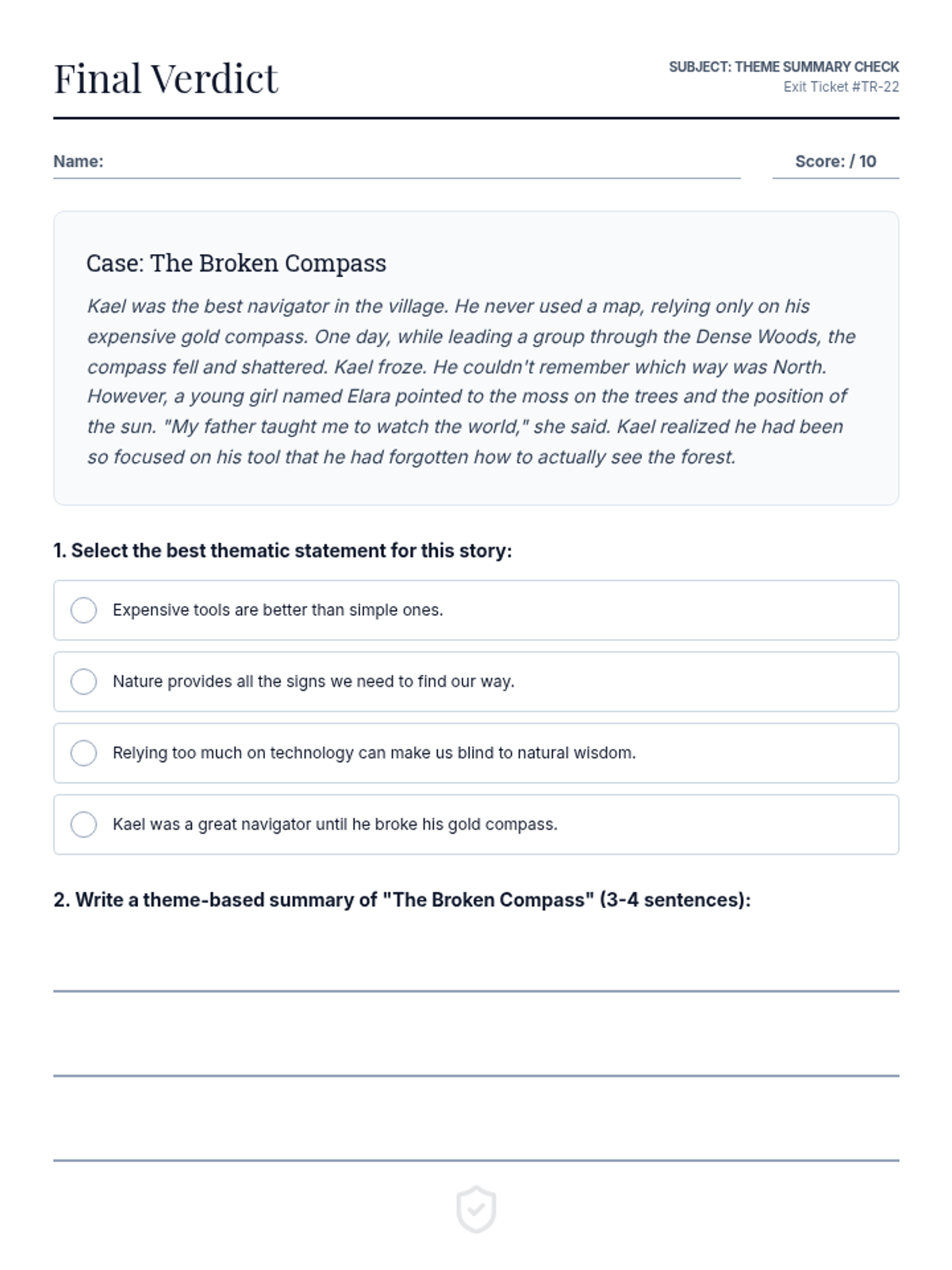
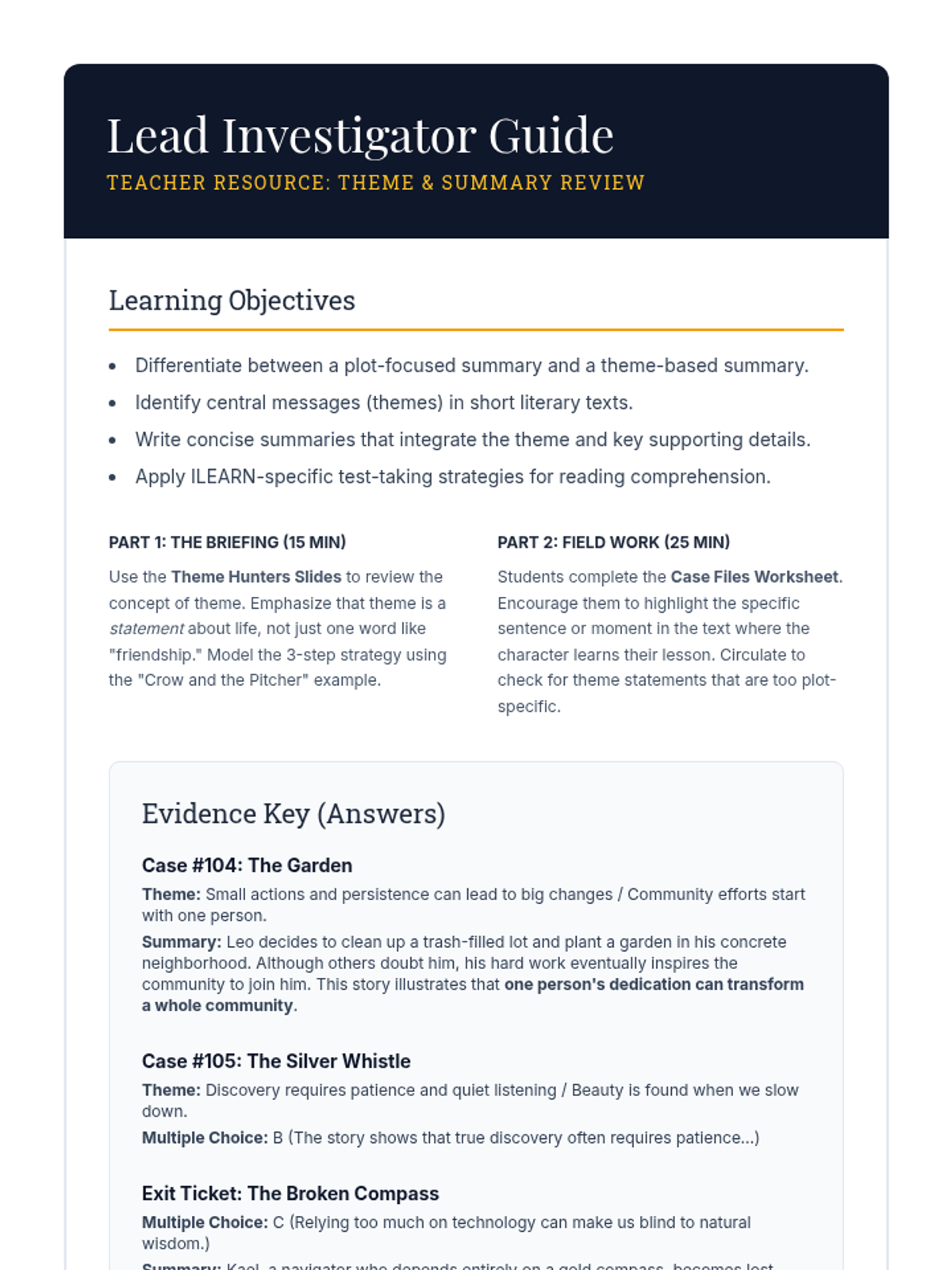
A targeted review lesson focused on identifying themes in literature and writing concise summaries that highlight the development of those themes, specifically designed for ILEARN test preparation.
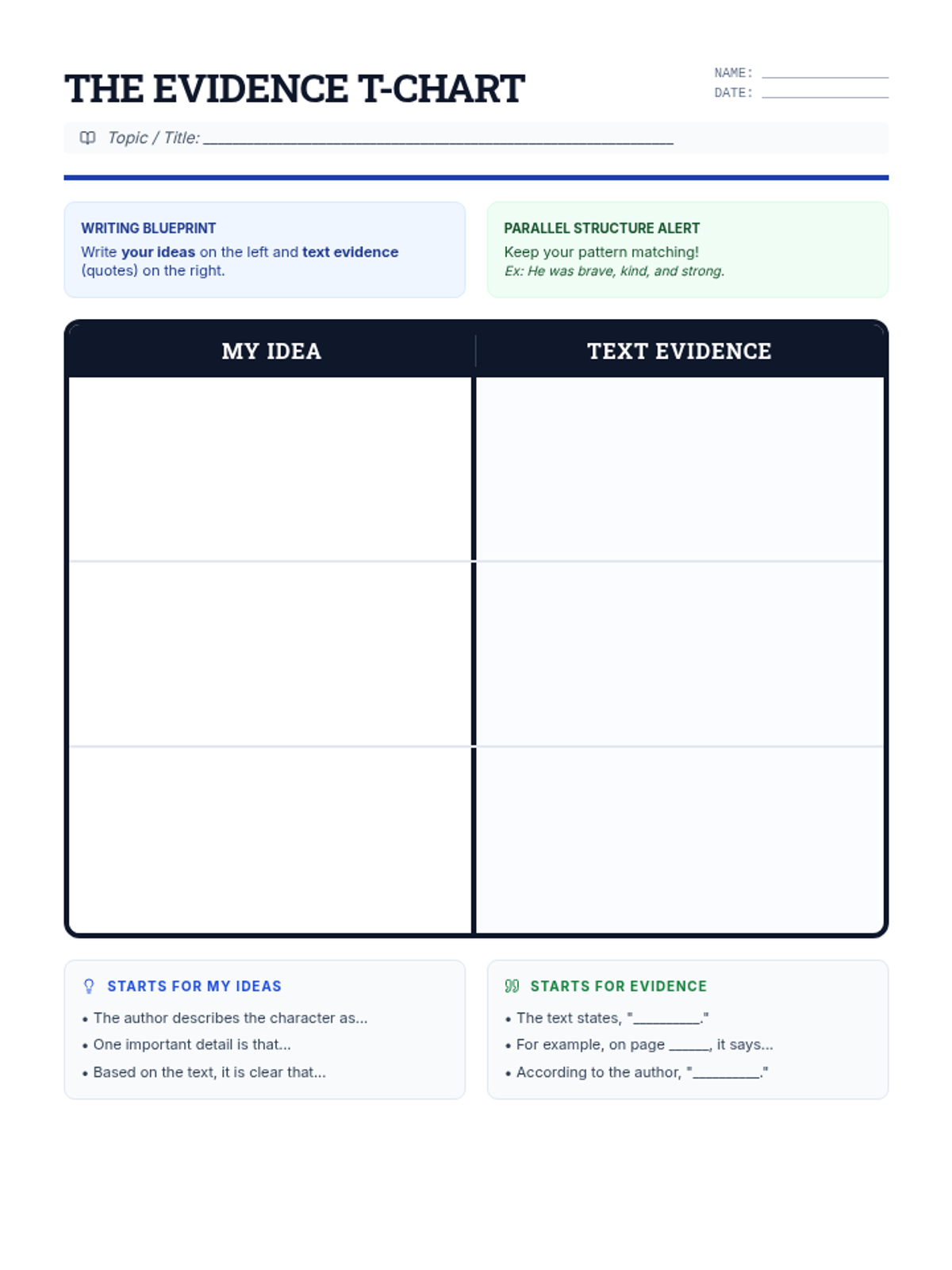
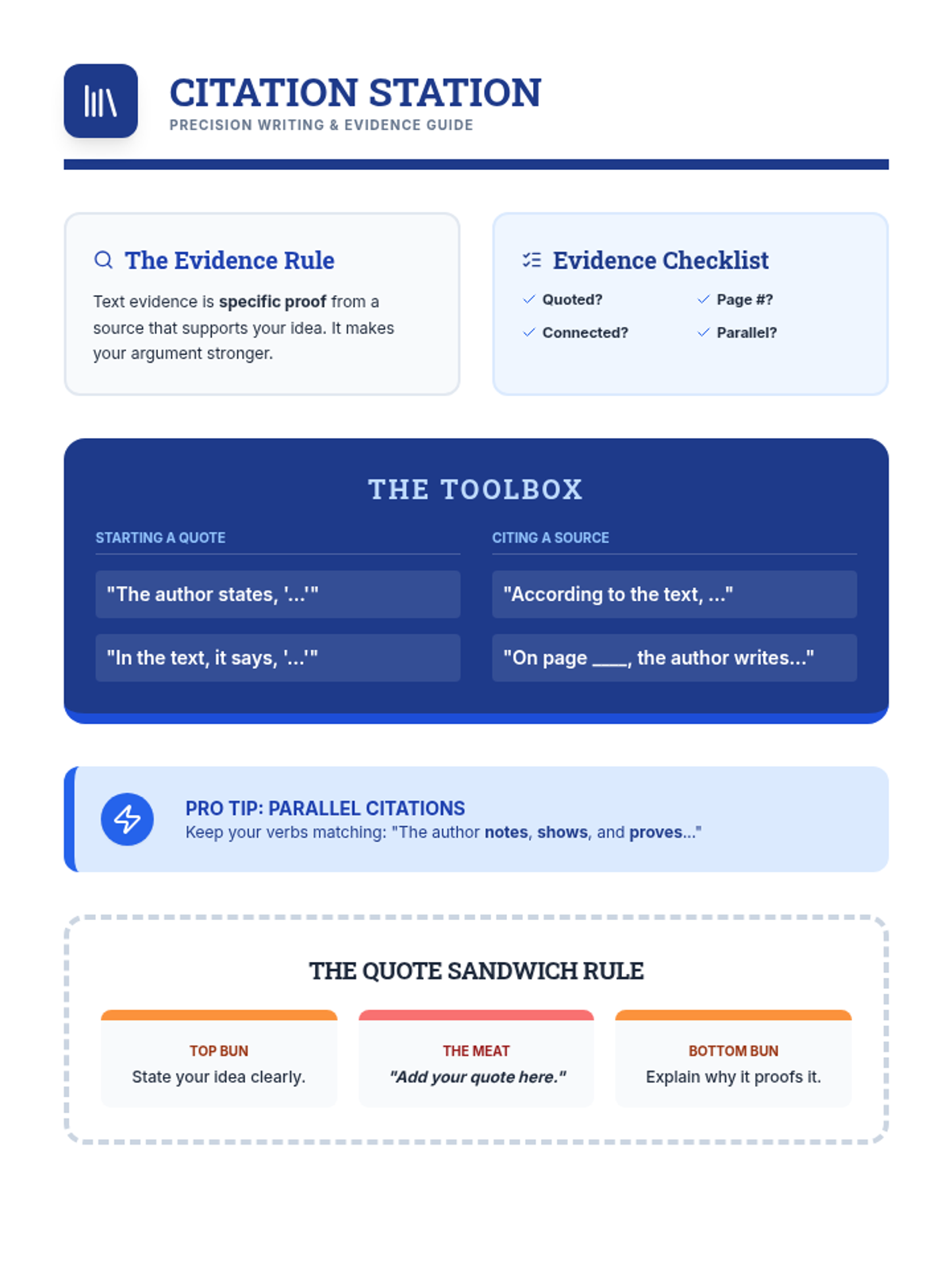
Teaches students how to use T-charts to organize claims and supporting text evidence, providing a clear visual structure for essay planning.
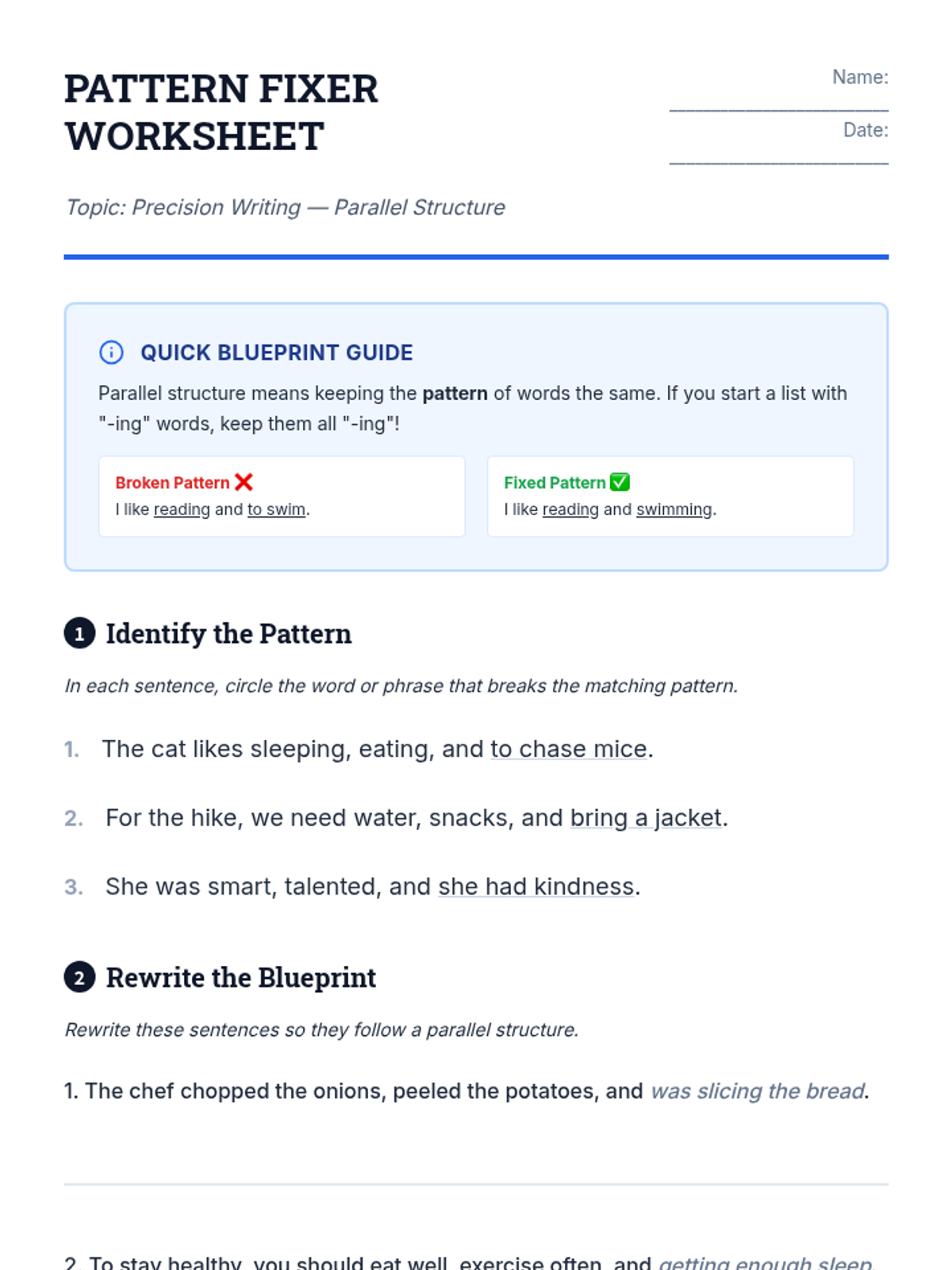
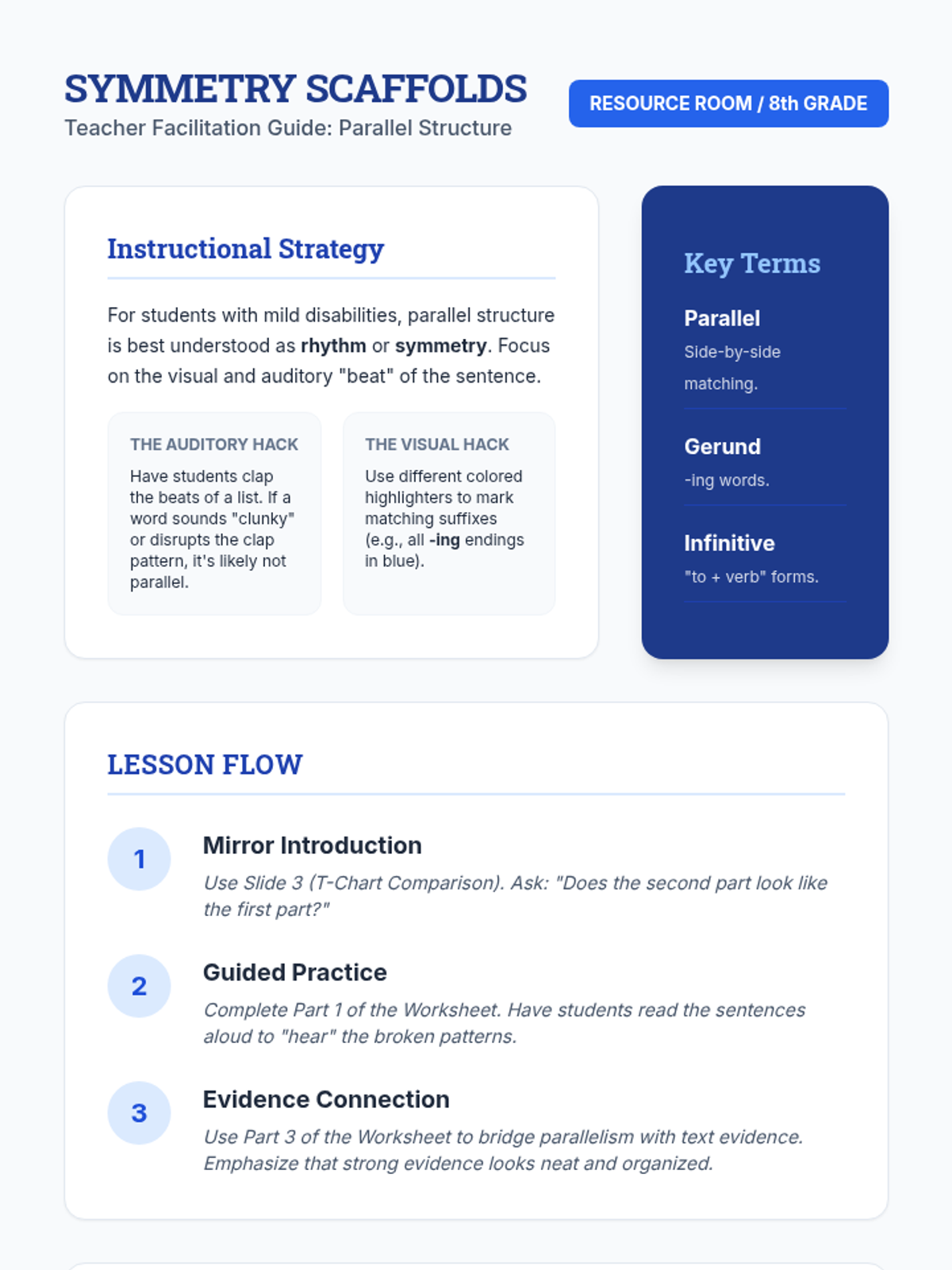
Focuses on identifying and creating parallel structure in sentences to improve writing rhythm and clarity, tailored for students needing mild support.
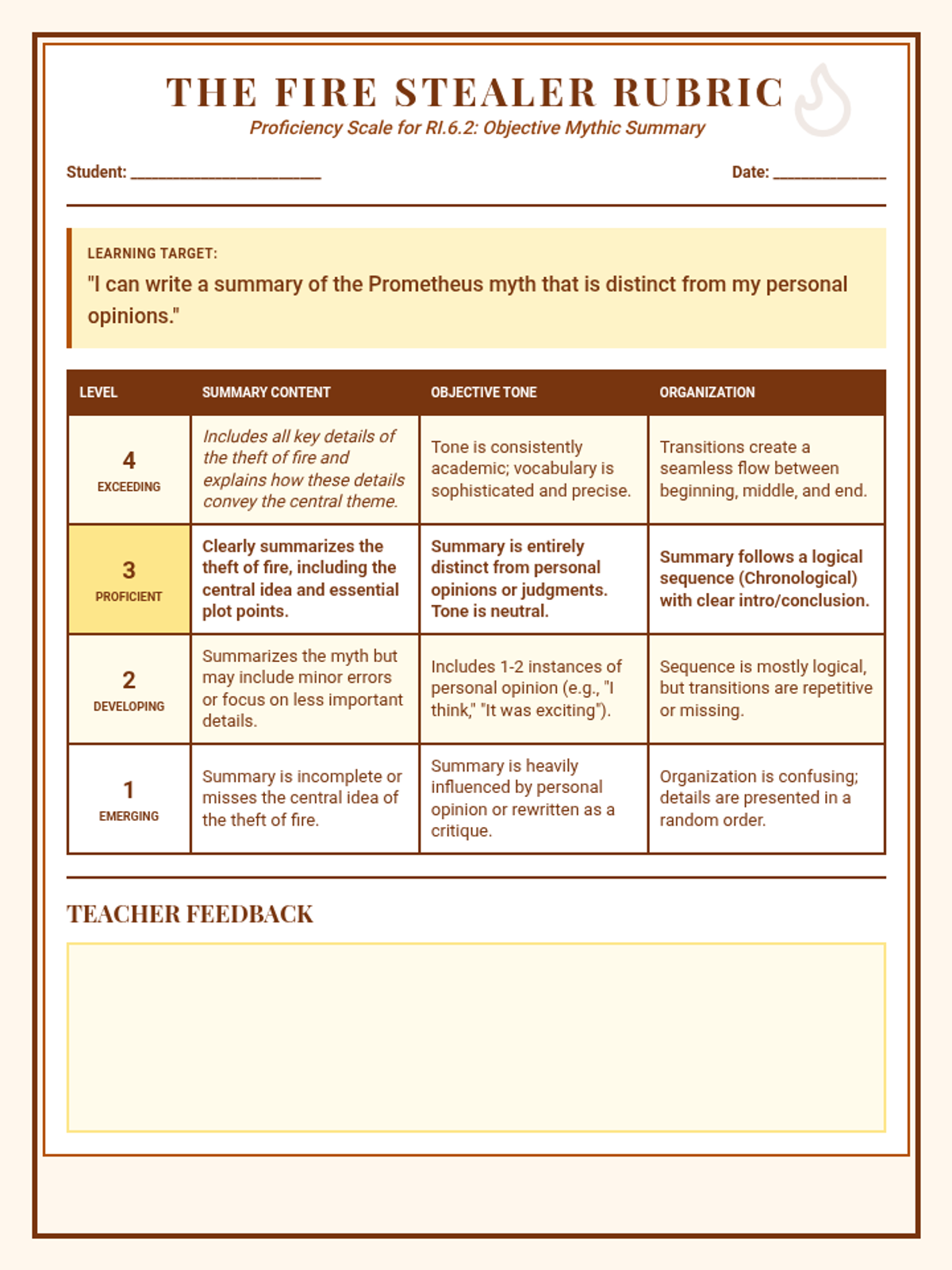
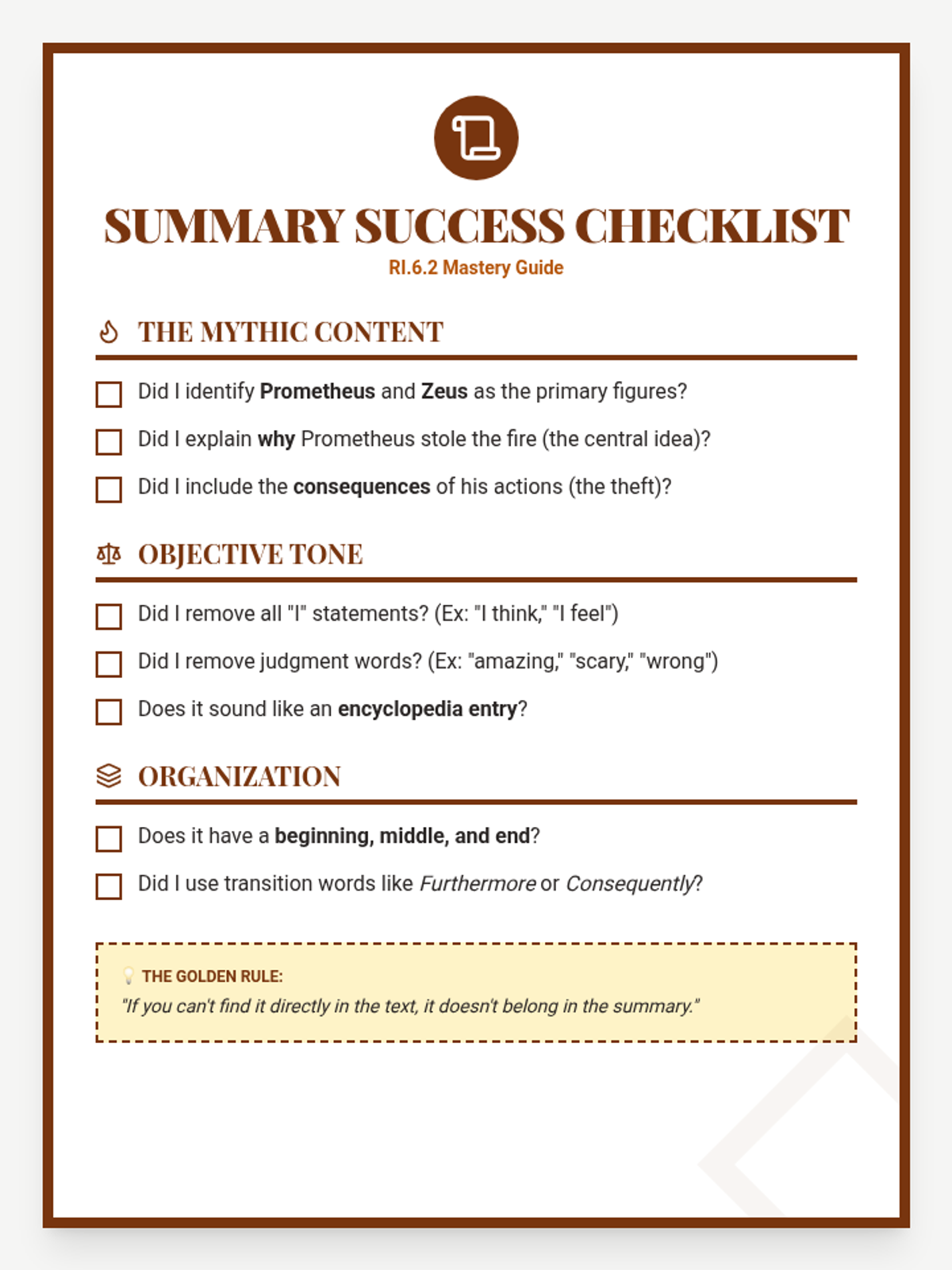
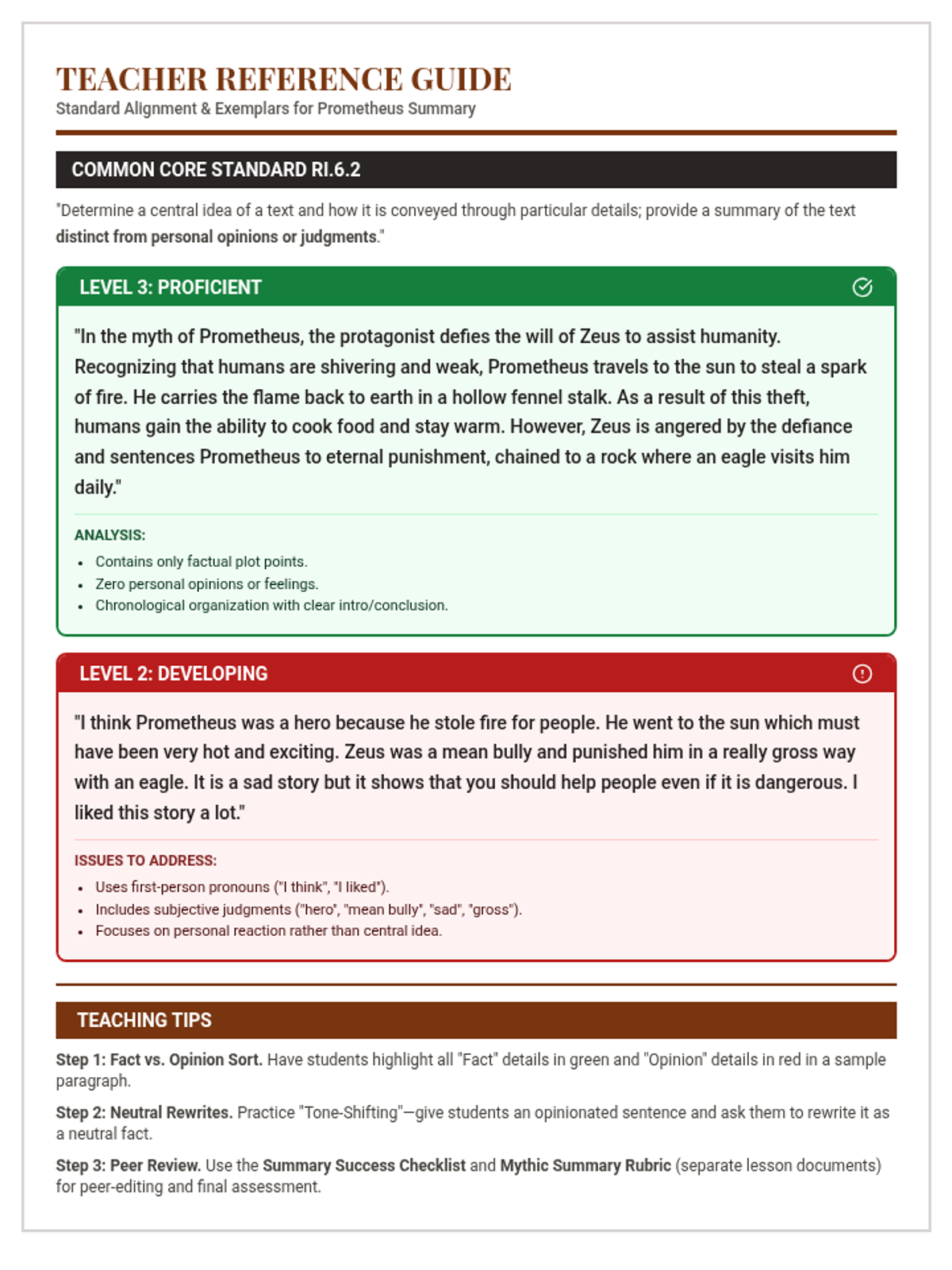
A lesson focused on objective summarization of the Prometheus myth, specifically the theft of fire, aligned with RI.6.2. Students learn to separate factual retelling from personal opinion while maintaining strong organization.
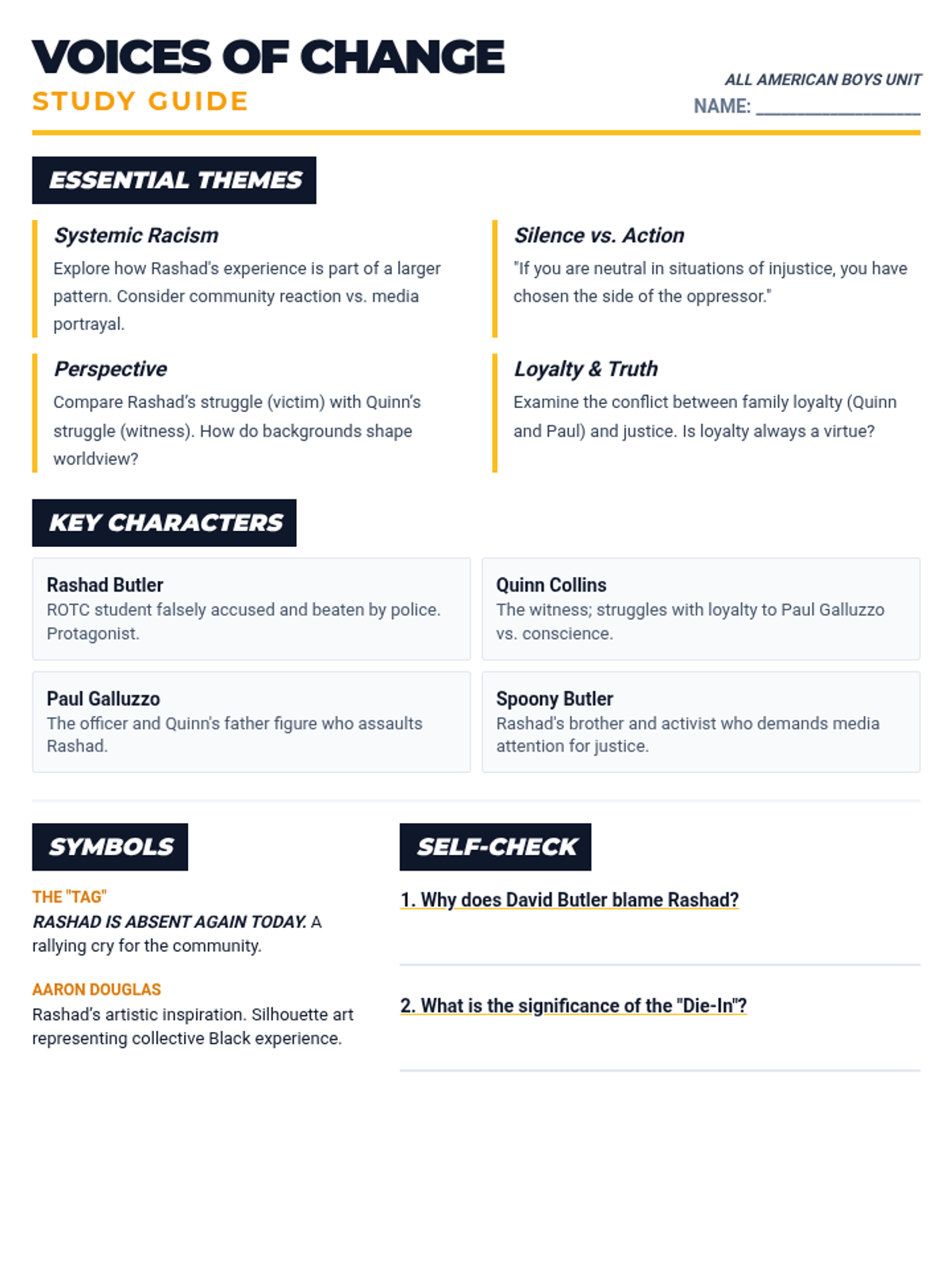
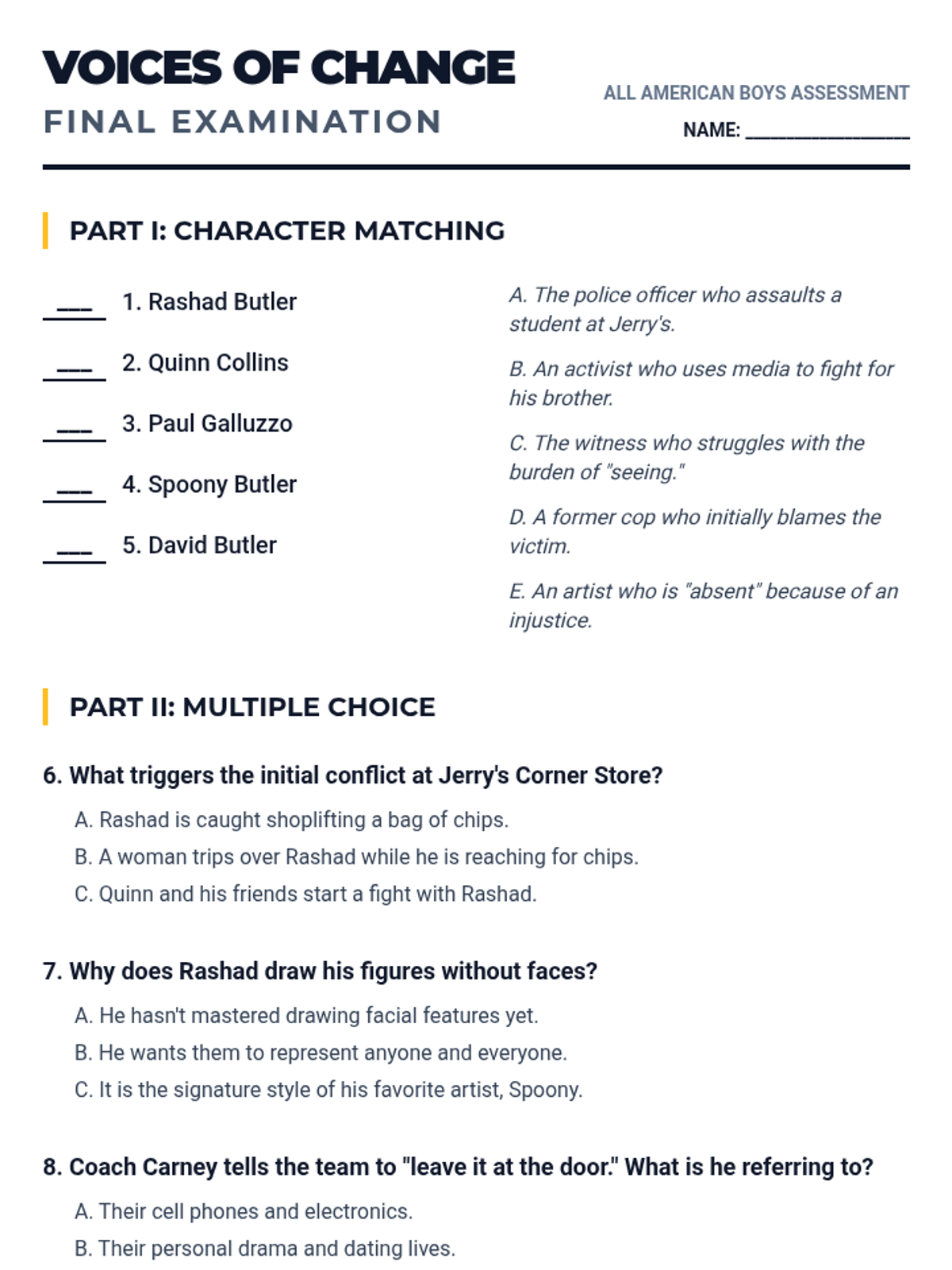
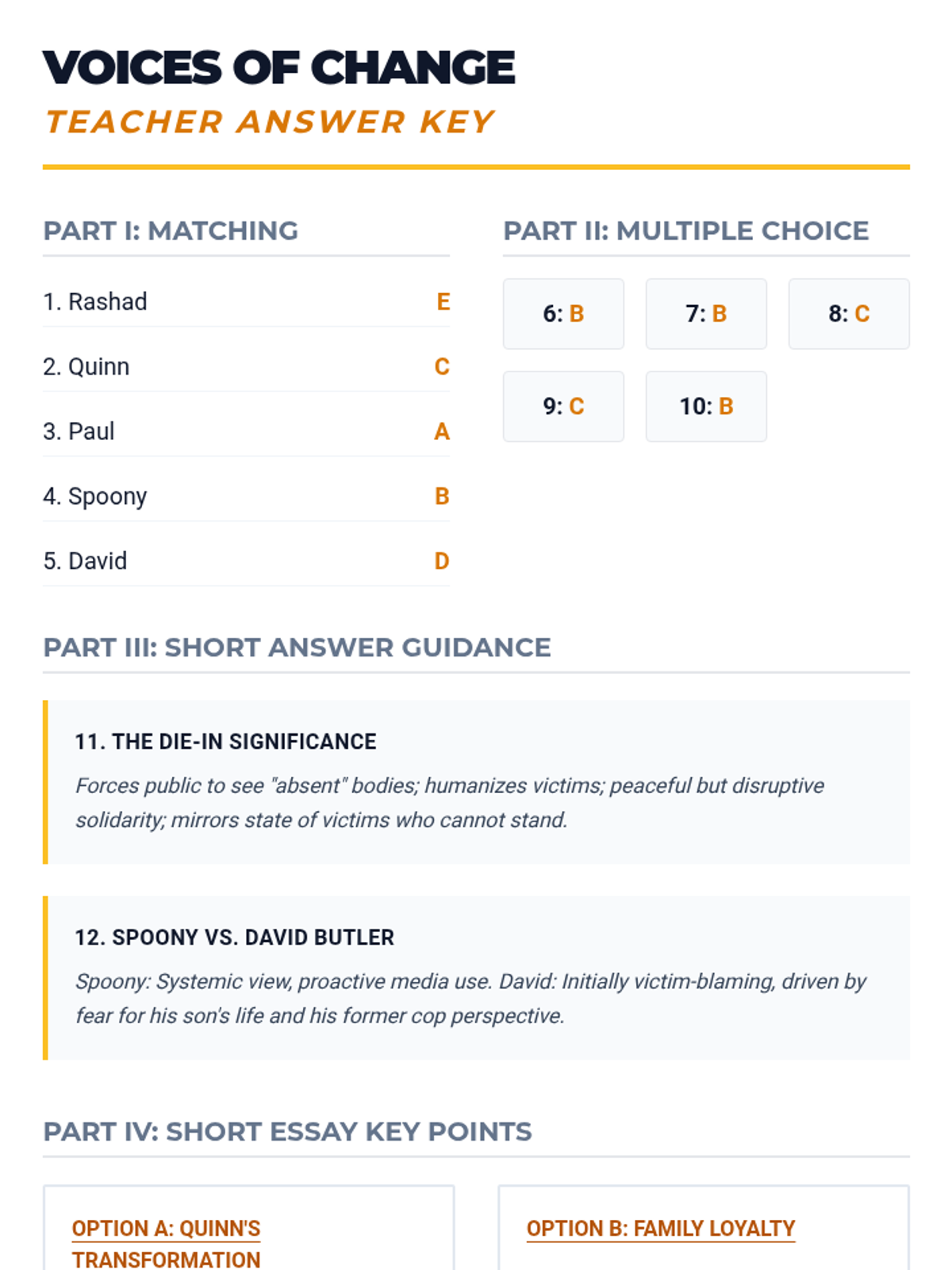
A comprehensive final assessment for the novel 'All American Boys', featuring a study guide, a traditional exam, and a detailed answer key.
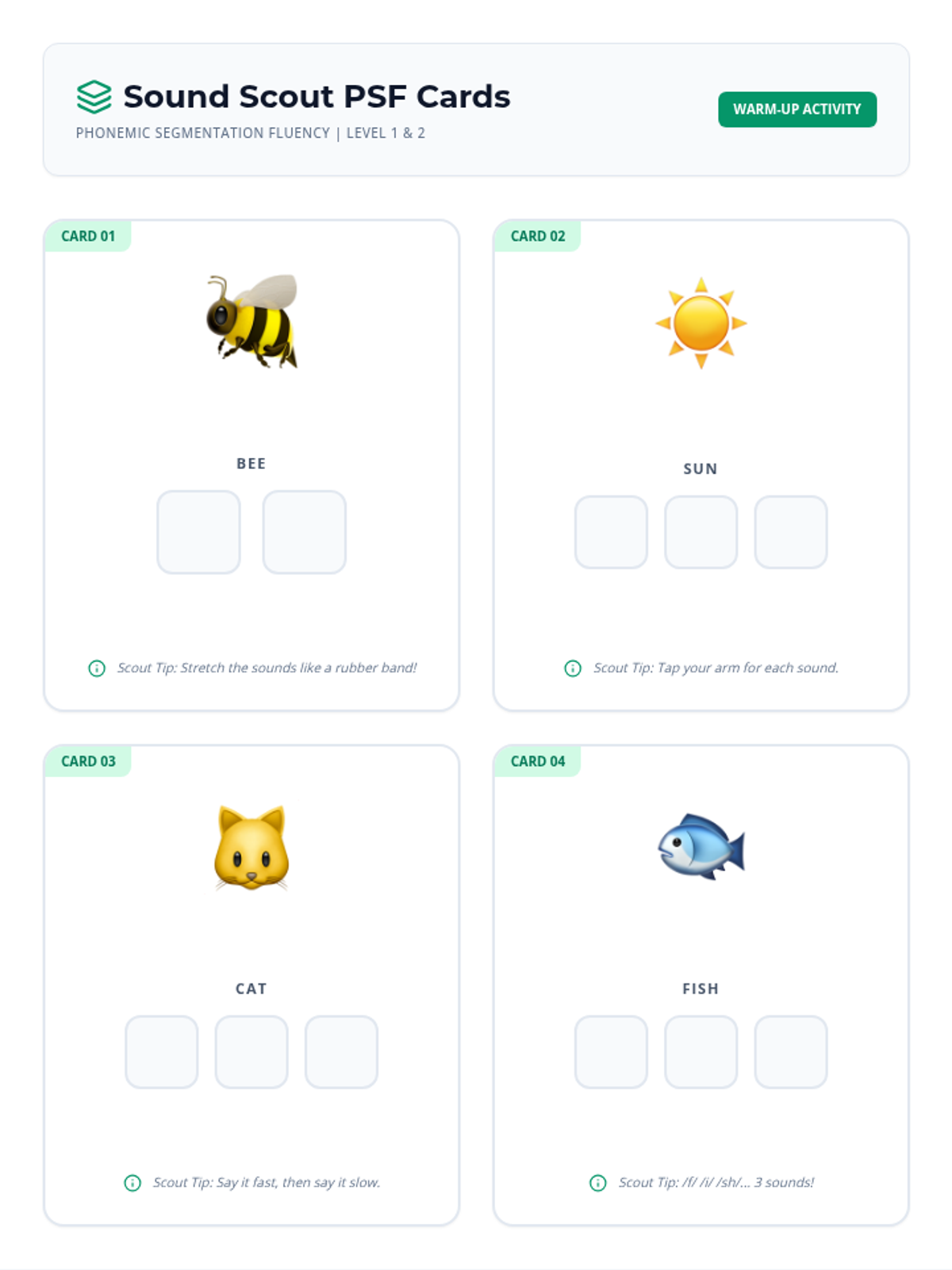
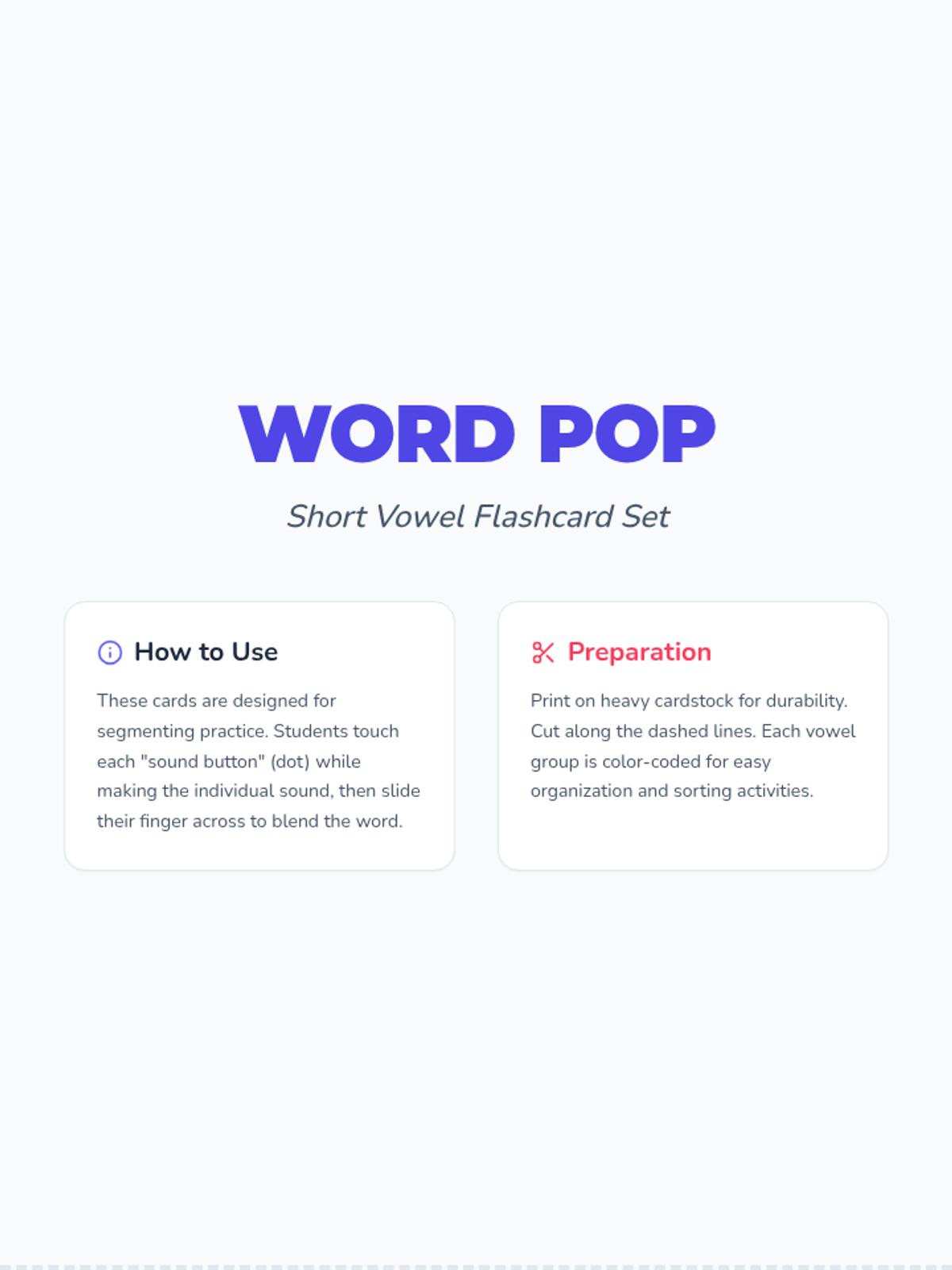
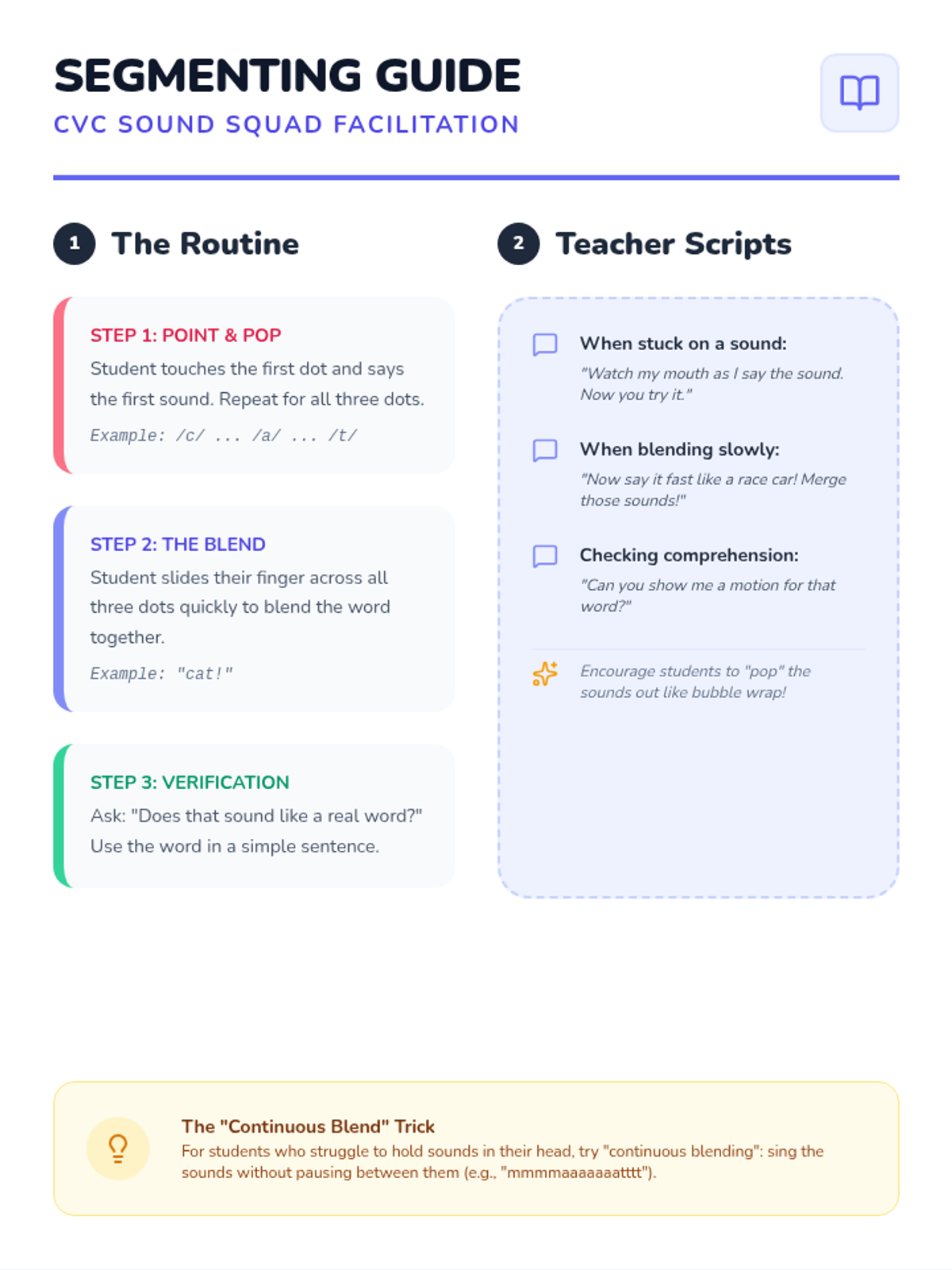
A foundational phonics lesson focused on segmenting and blending CVC words using short vowel sounds. Includes hands-on flashcards and a teacher facilitation guide for small group instruction.
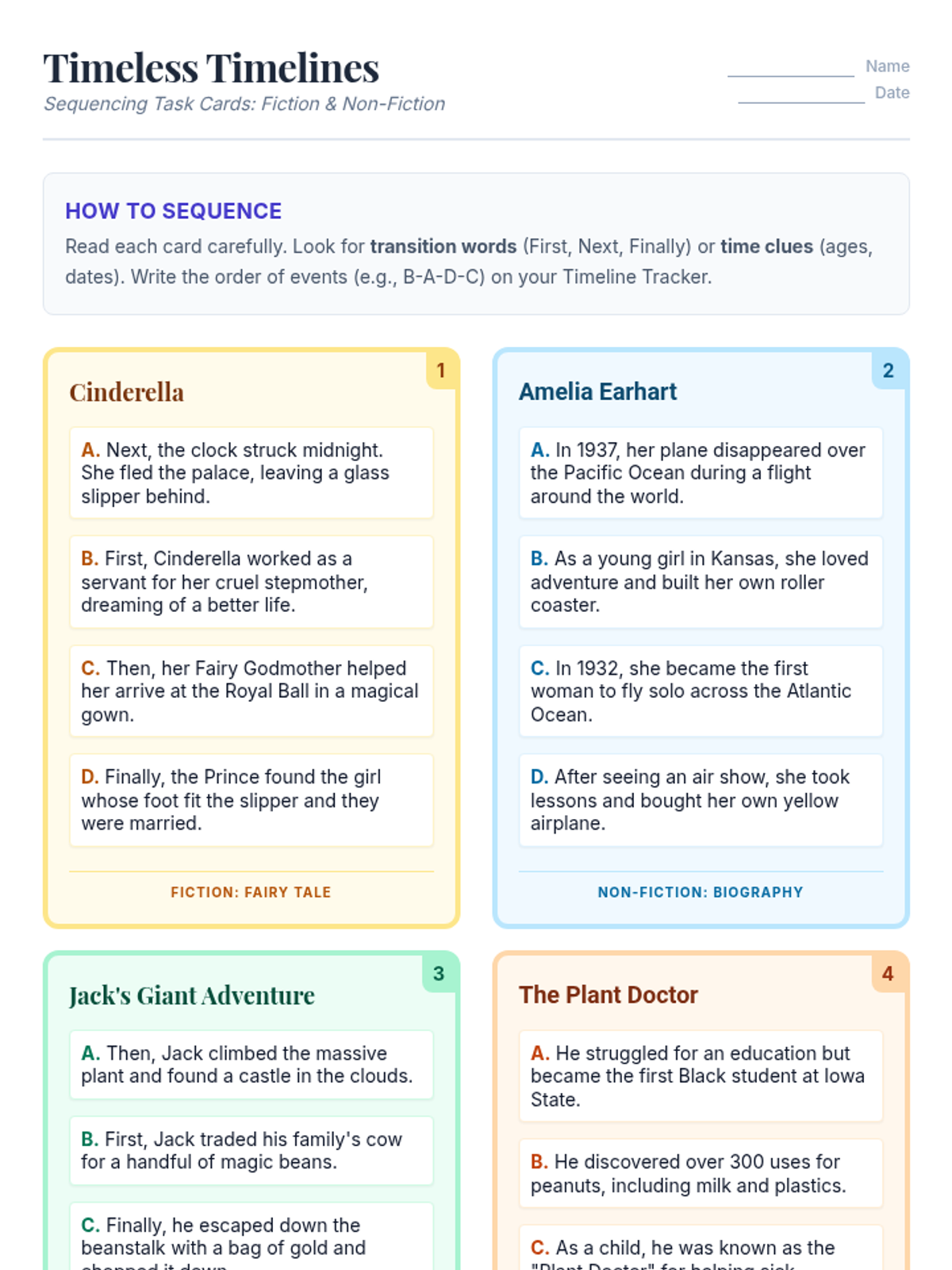
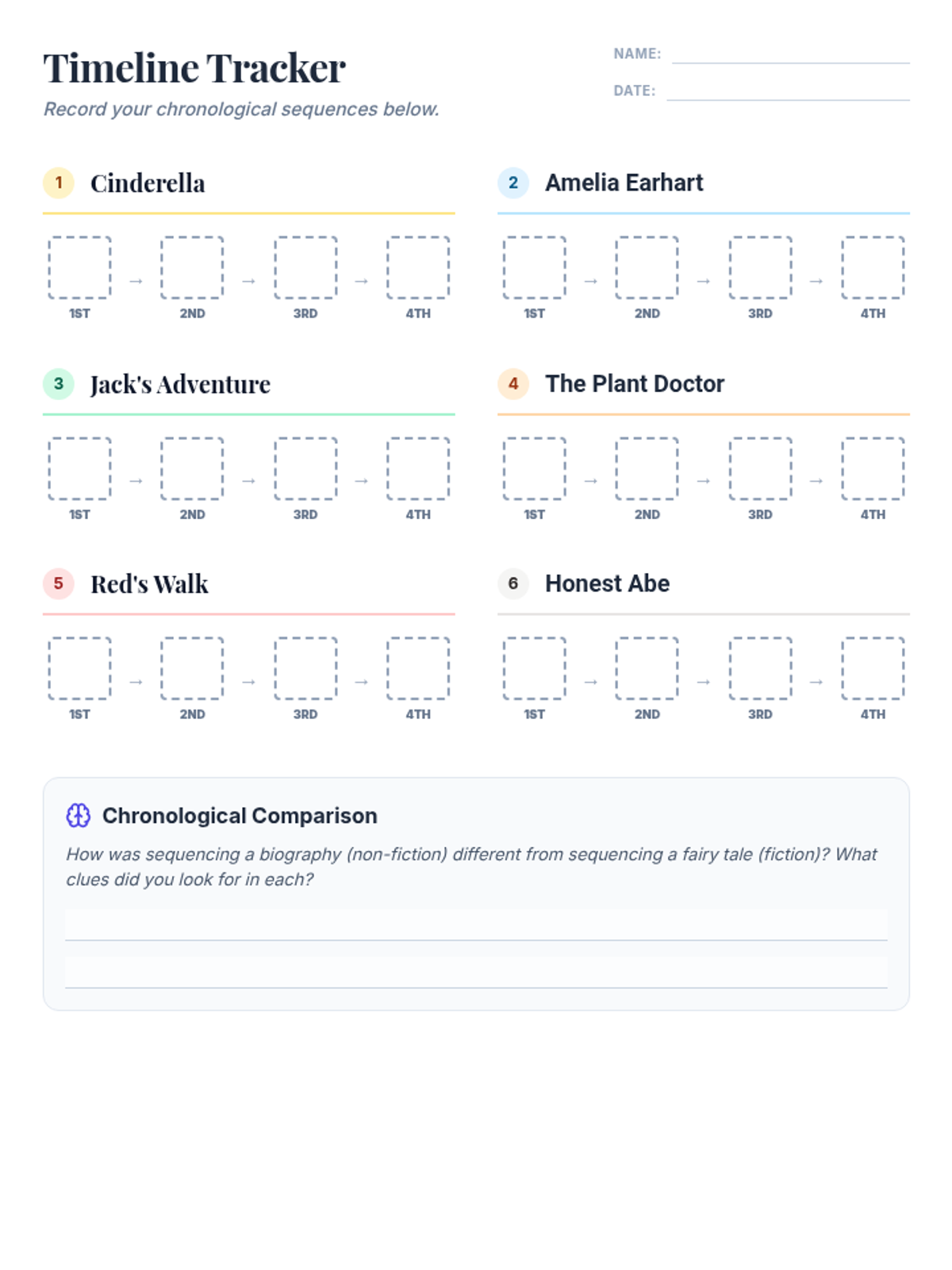
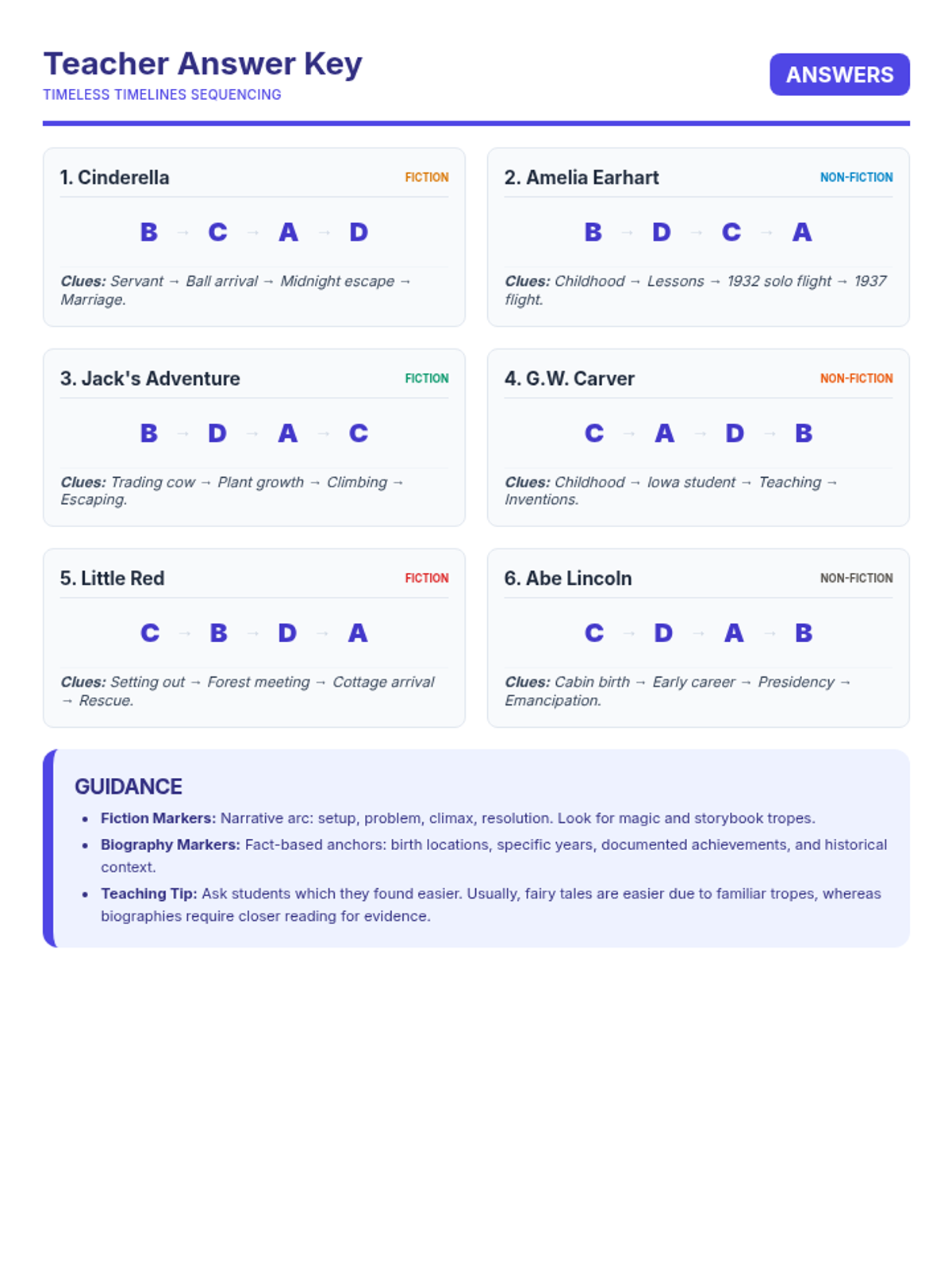
A lesson on sequencing chronological events in both fictional fairy tales and non-fictional biographies. Students analyze narrative arcs and life stages to determine the correct order of events through hands-on task cards.
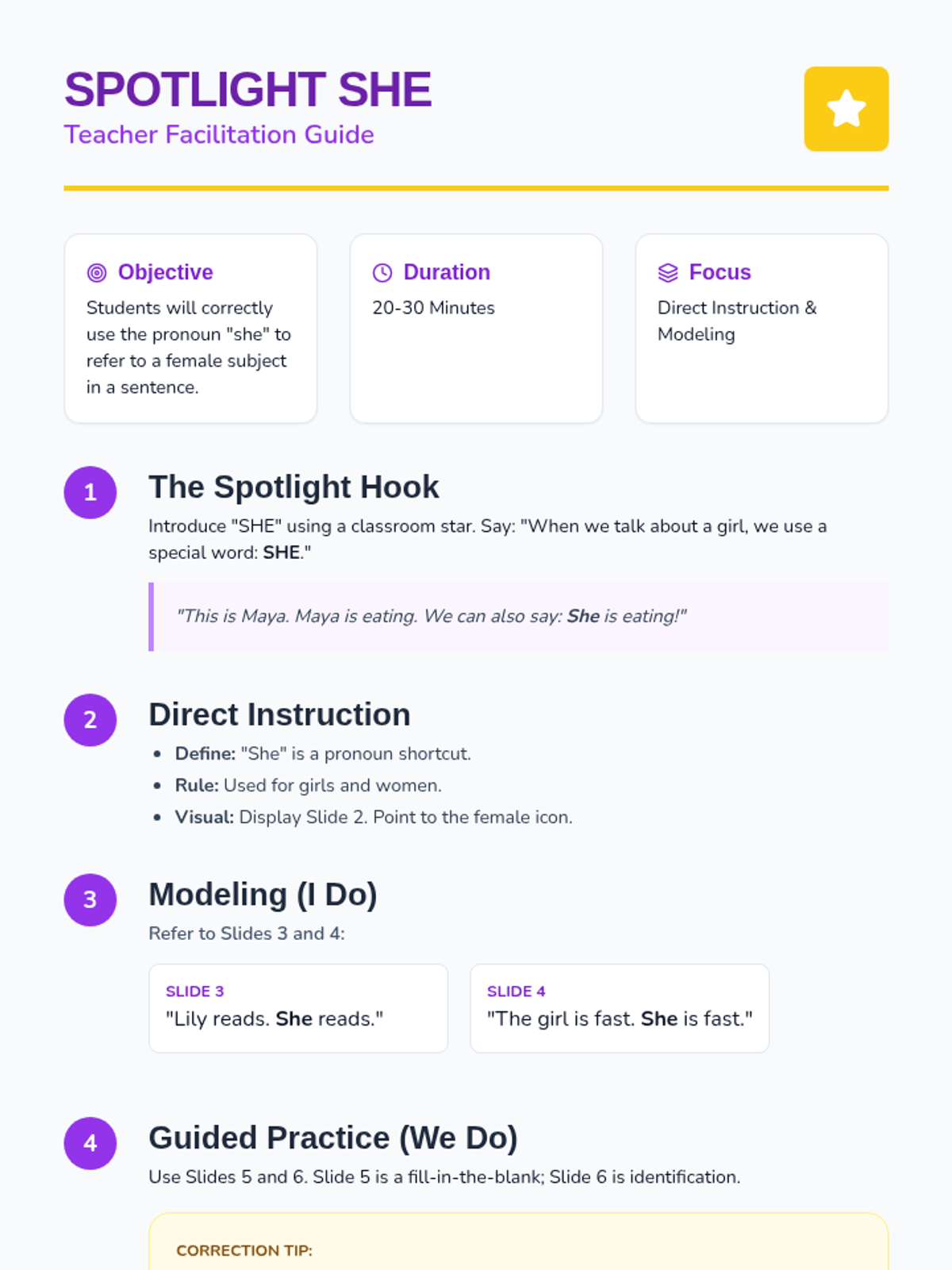
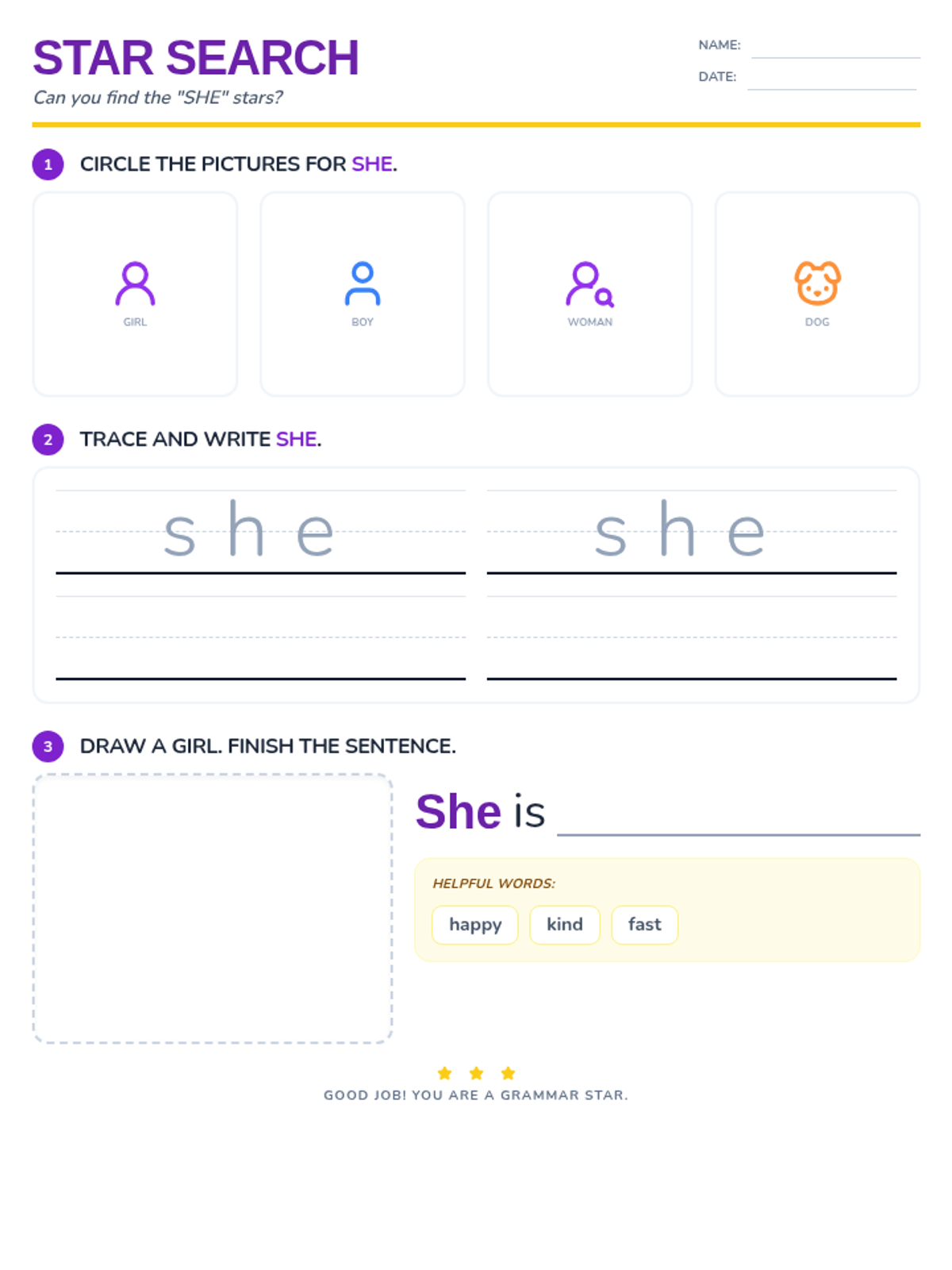
A foundational grammar lesson for Kindergarten students focusing on the correct identification and production of the pronoun 'she' through direct instruction, visual modeling, and interactive practice.