Students will use scaffolding tools to plan, draft, and polish a narrative story about a favorite memory, culminating in a custom art piece.
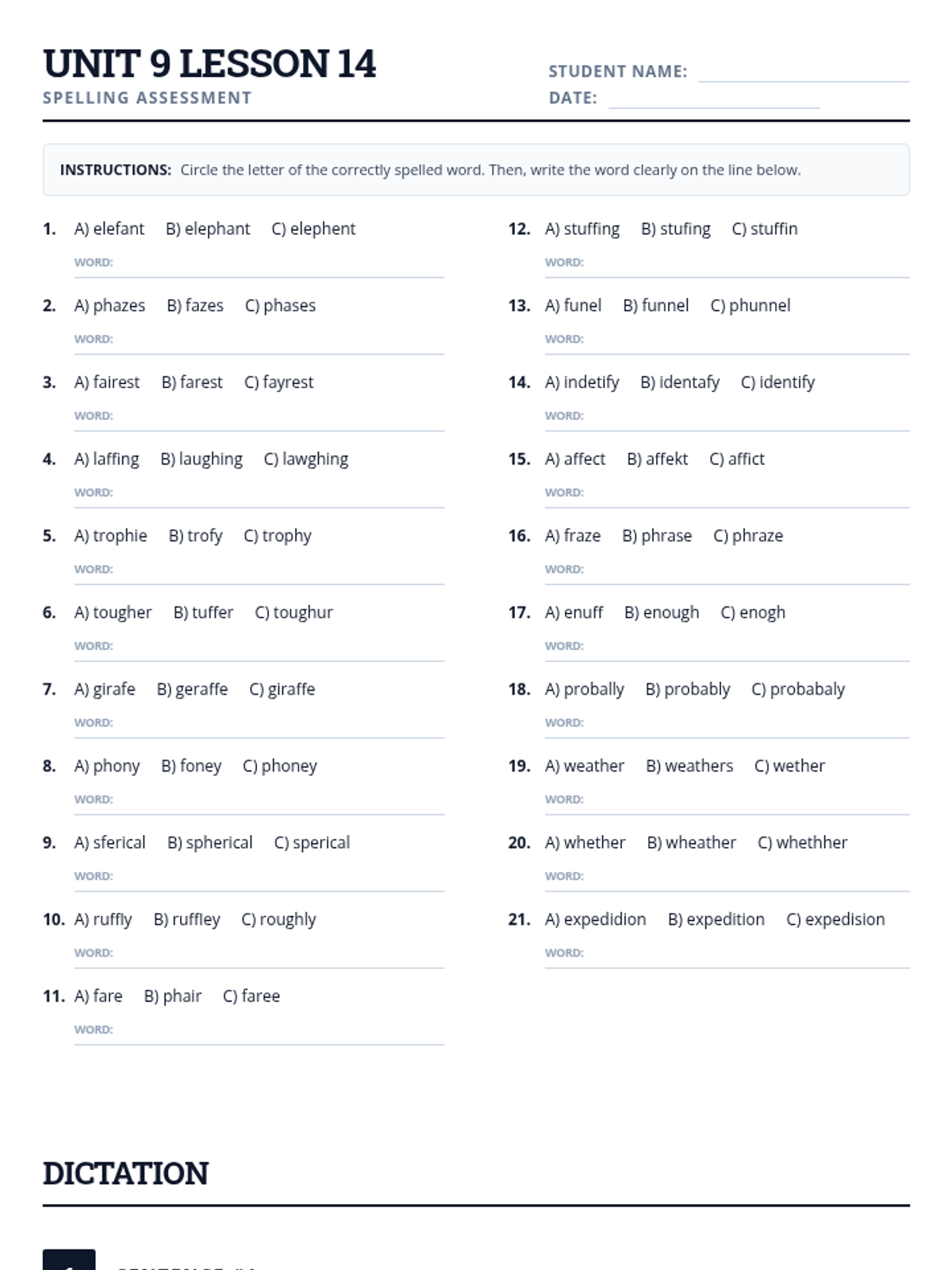
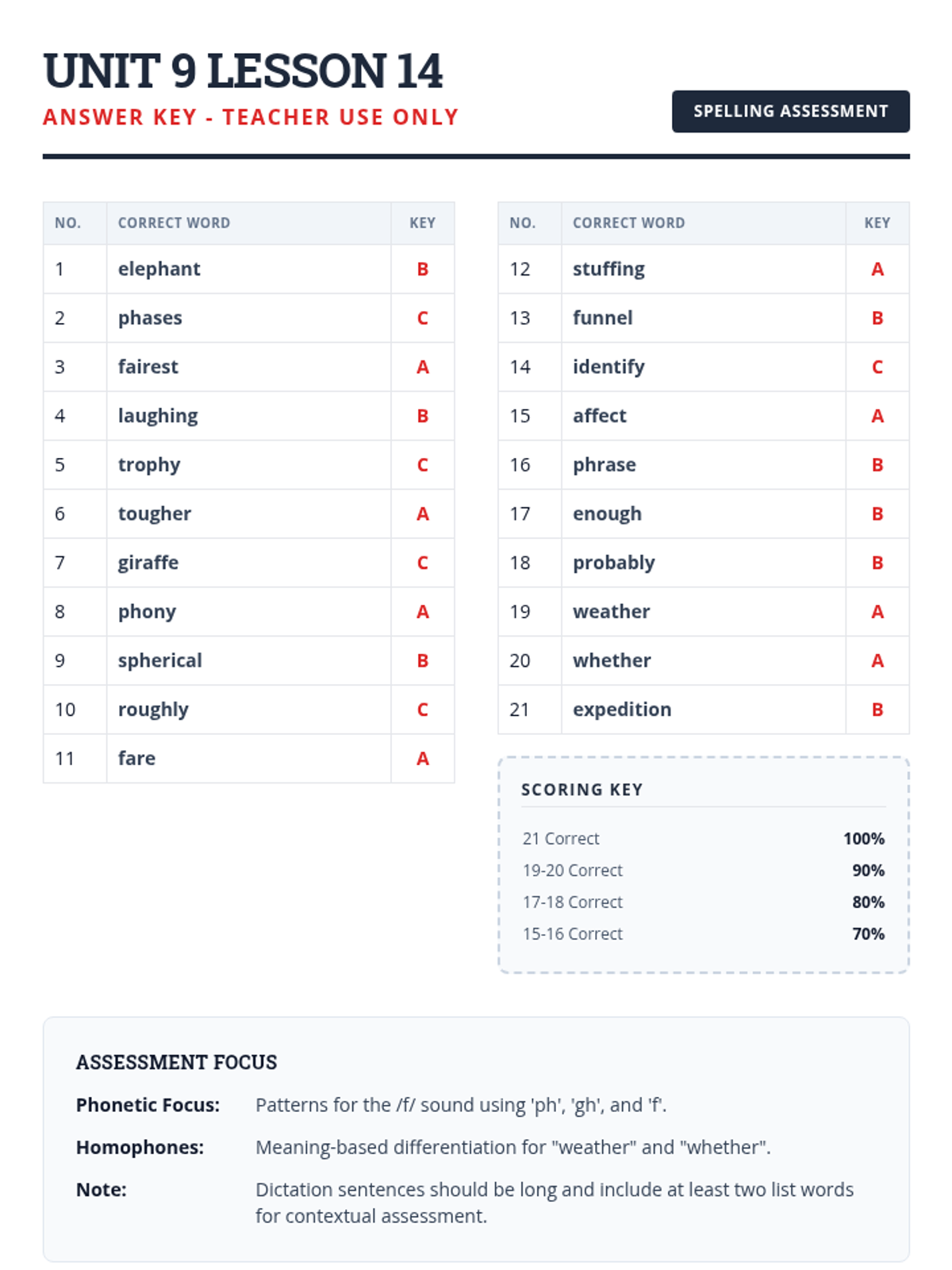
A spelling assessment for Unit 9 Lesson 14 focusing on words with "ph", "gh", and "f" sounds, along with common homophones and multi-syllabic words.
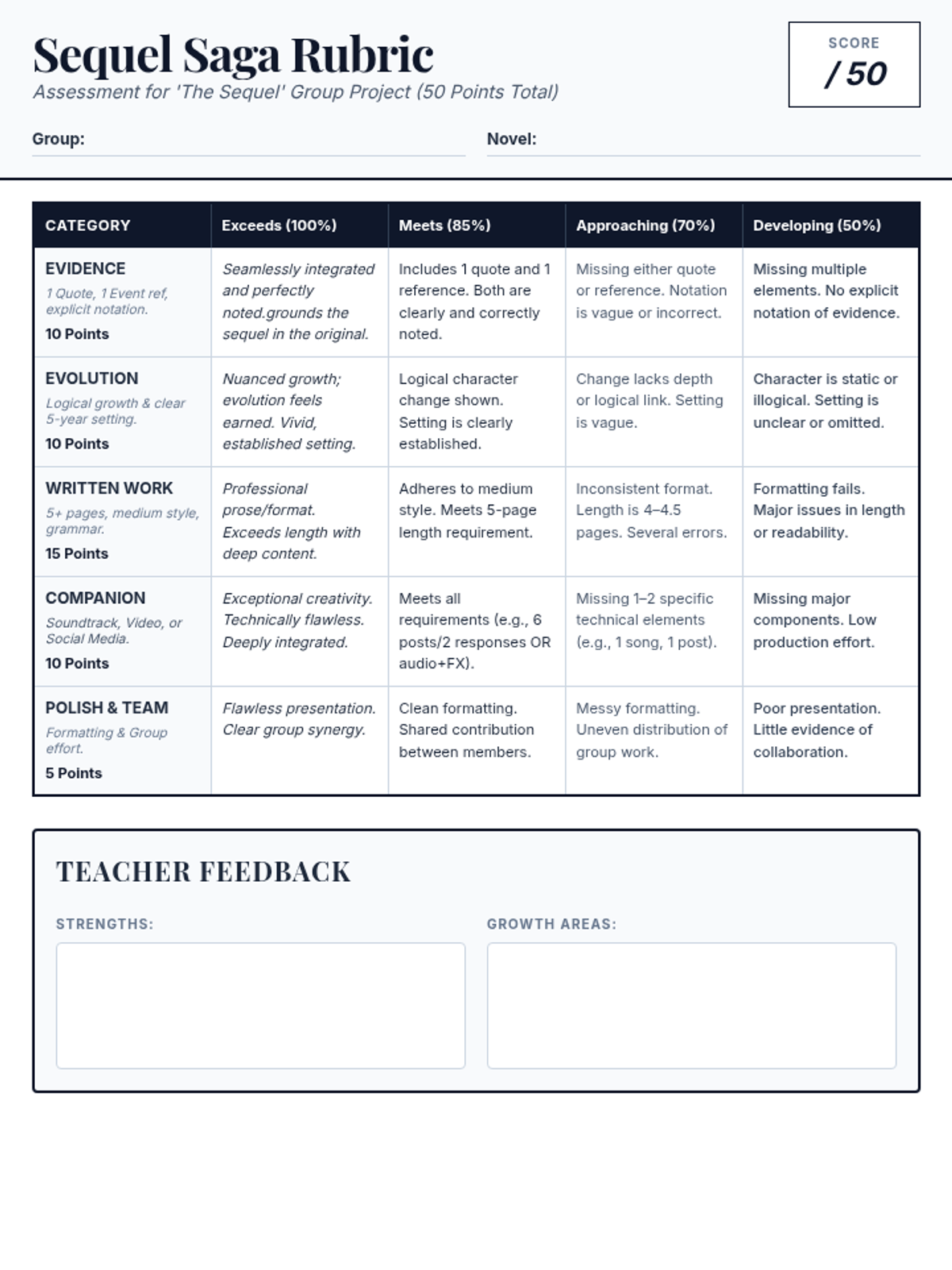
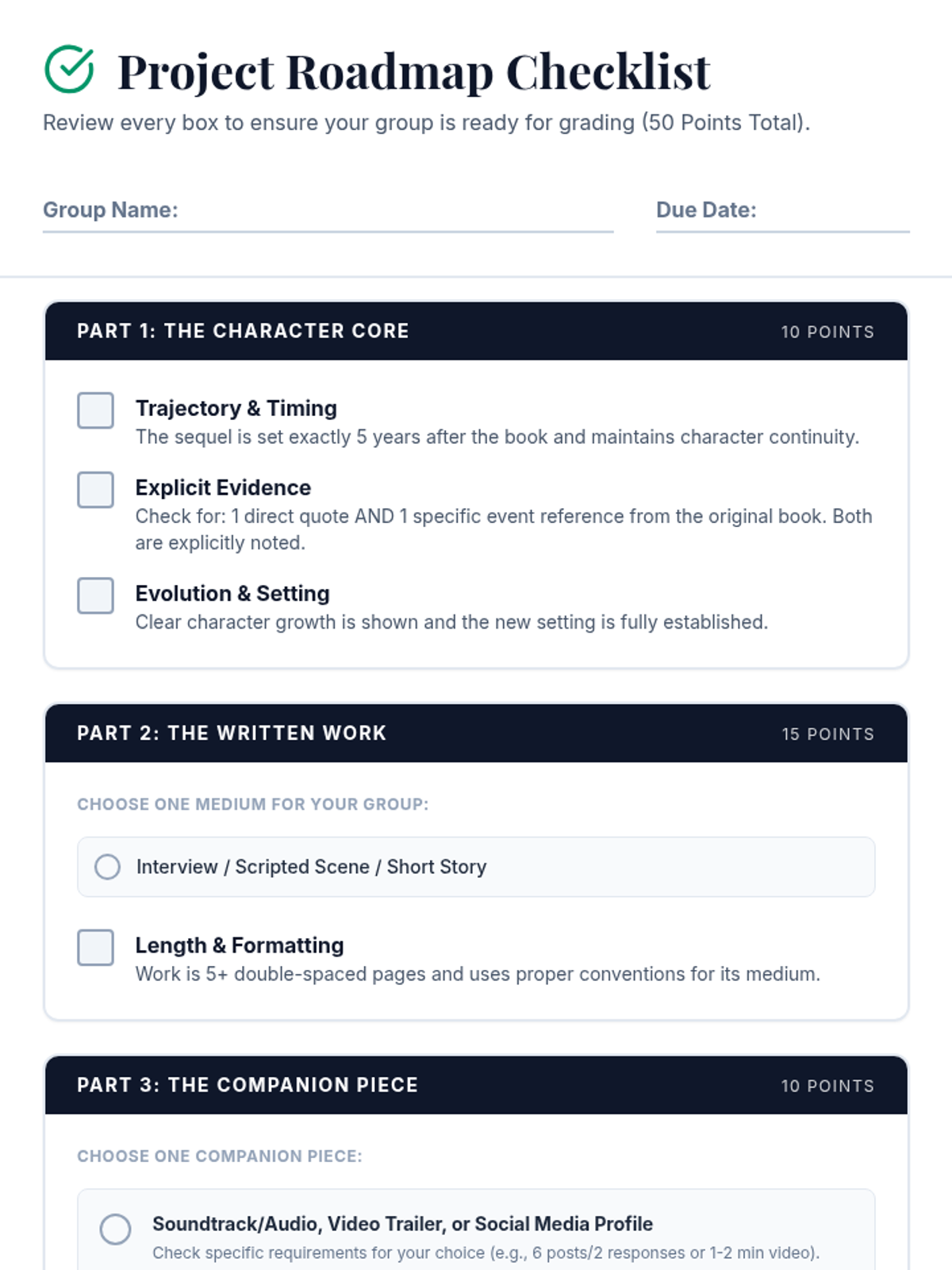
This lesson provides a comprehensive 50-point rubric and student-facing checklist for 'The Sequel' group project, focusing on literary evidence, character evolution, and creative multimedia companion pieces.
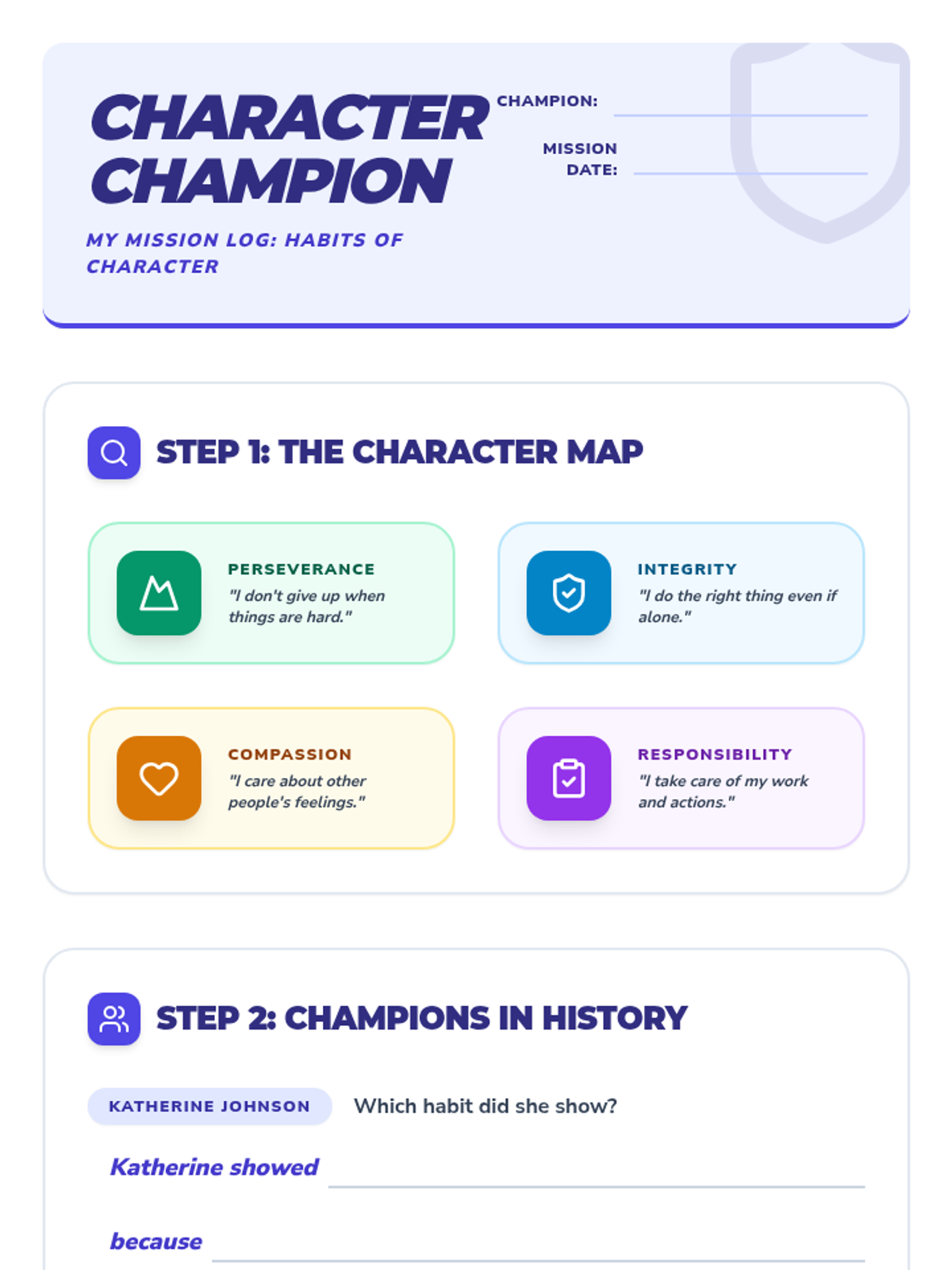
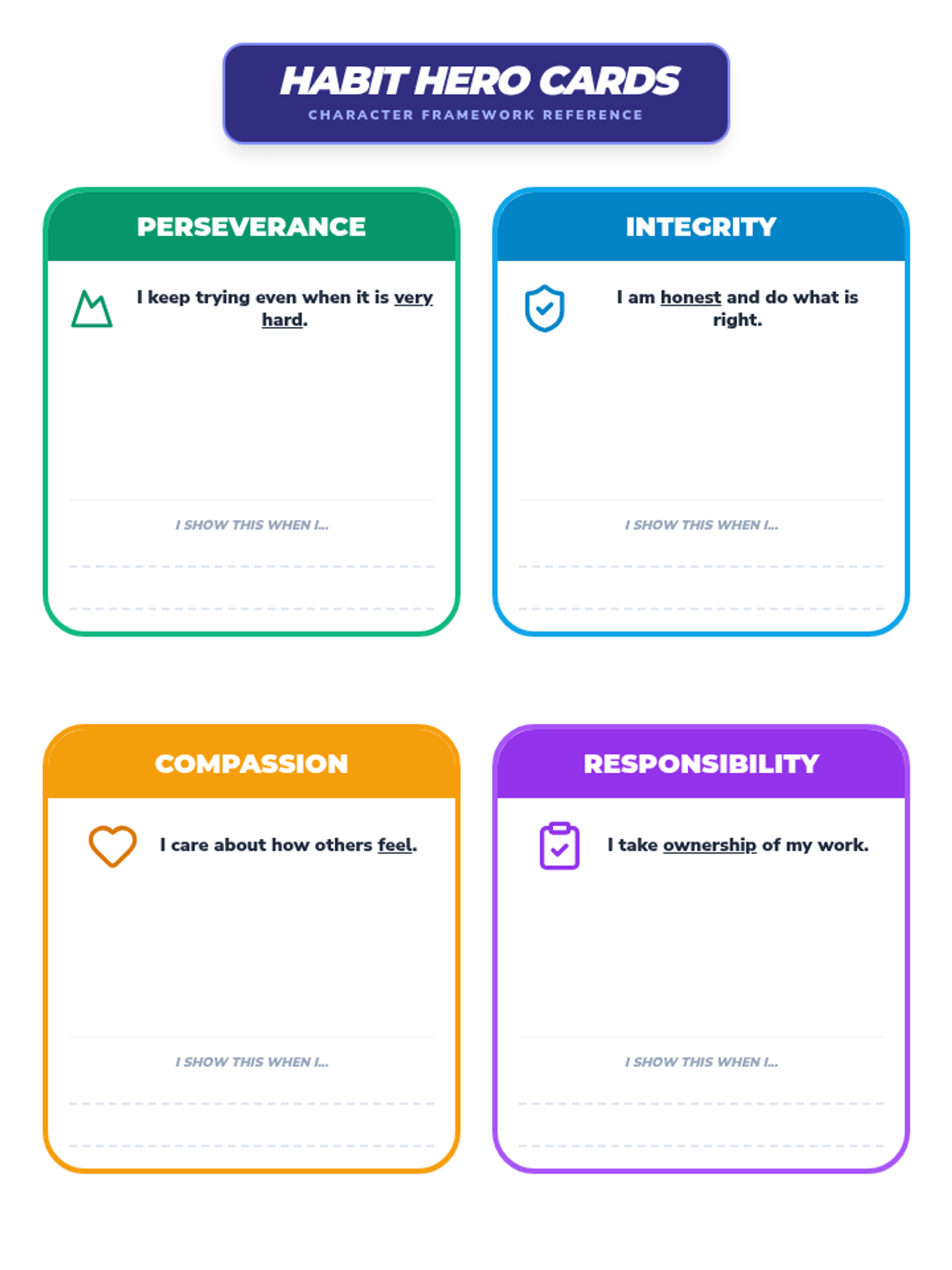
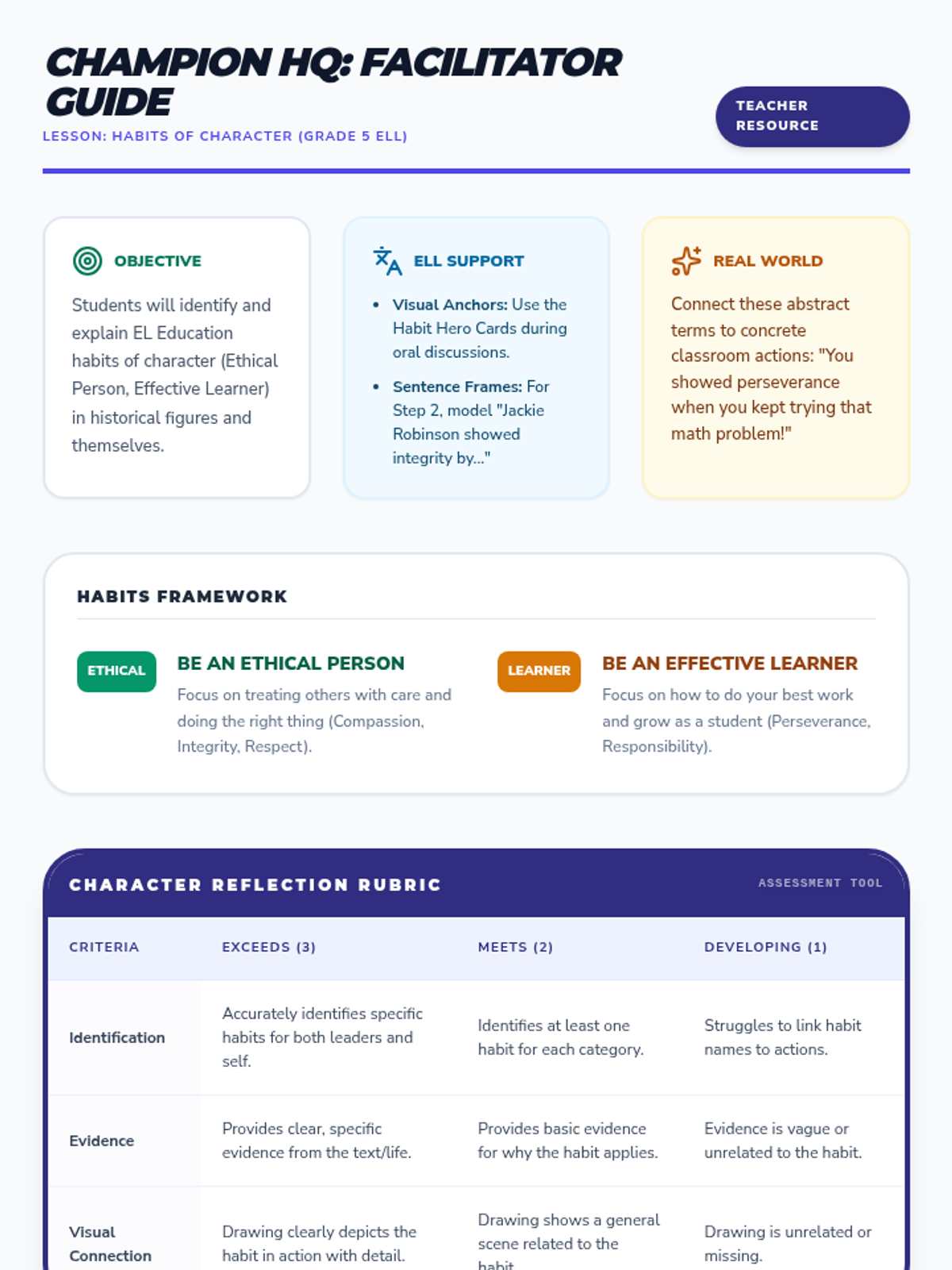
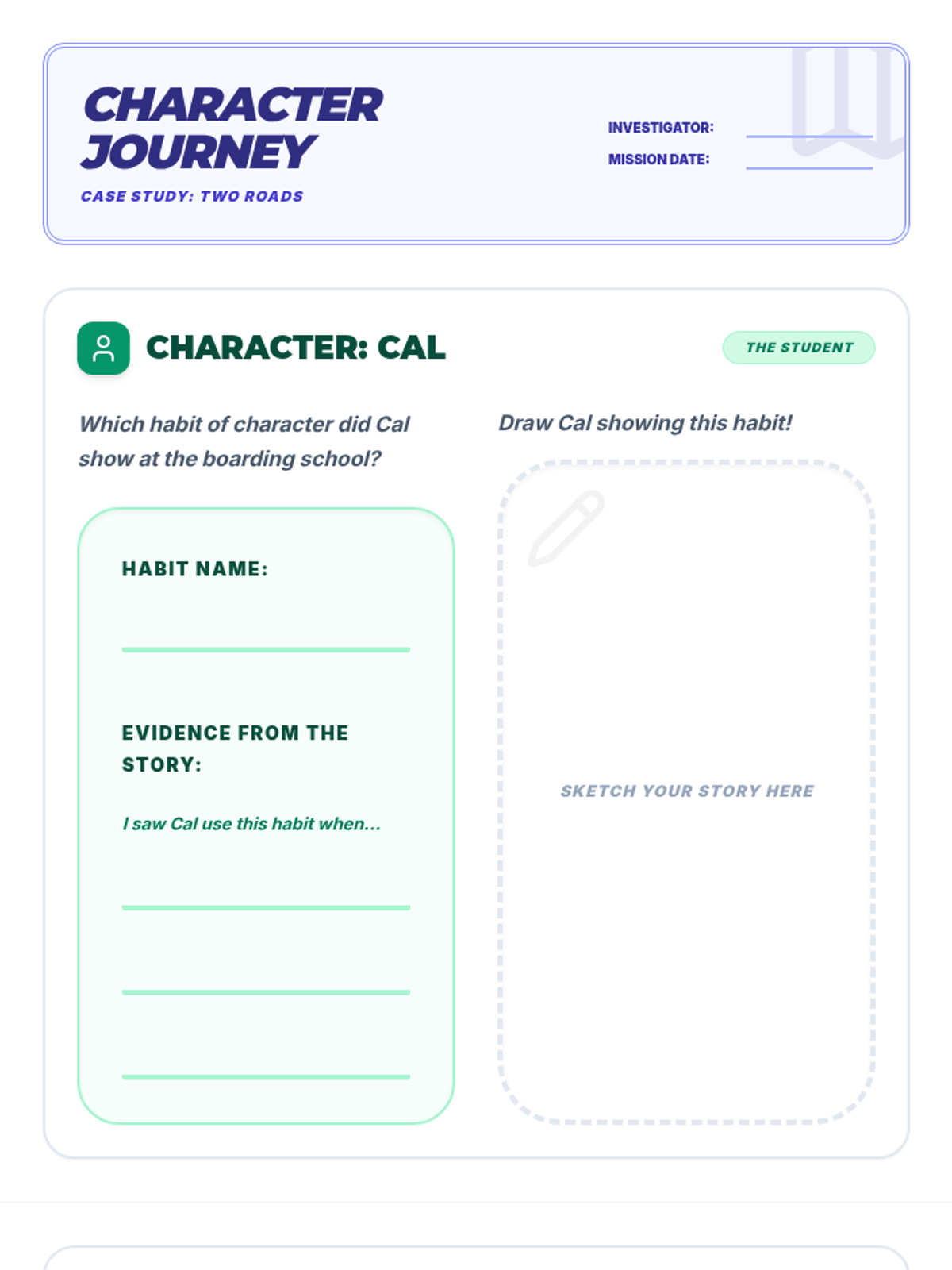
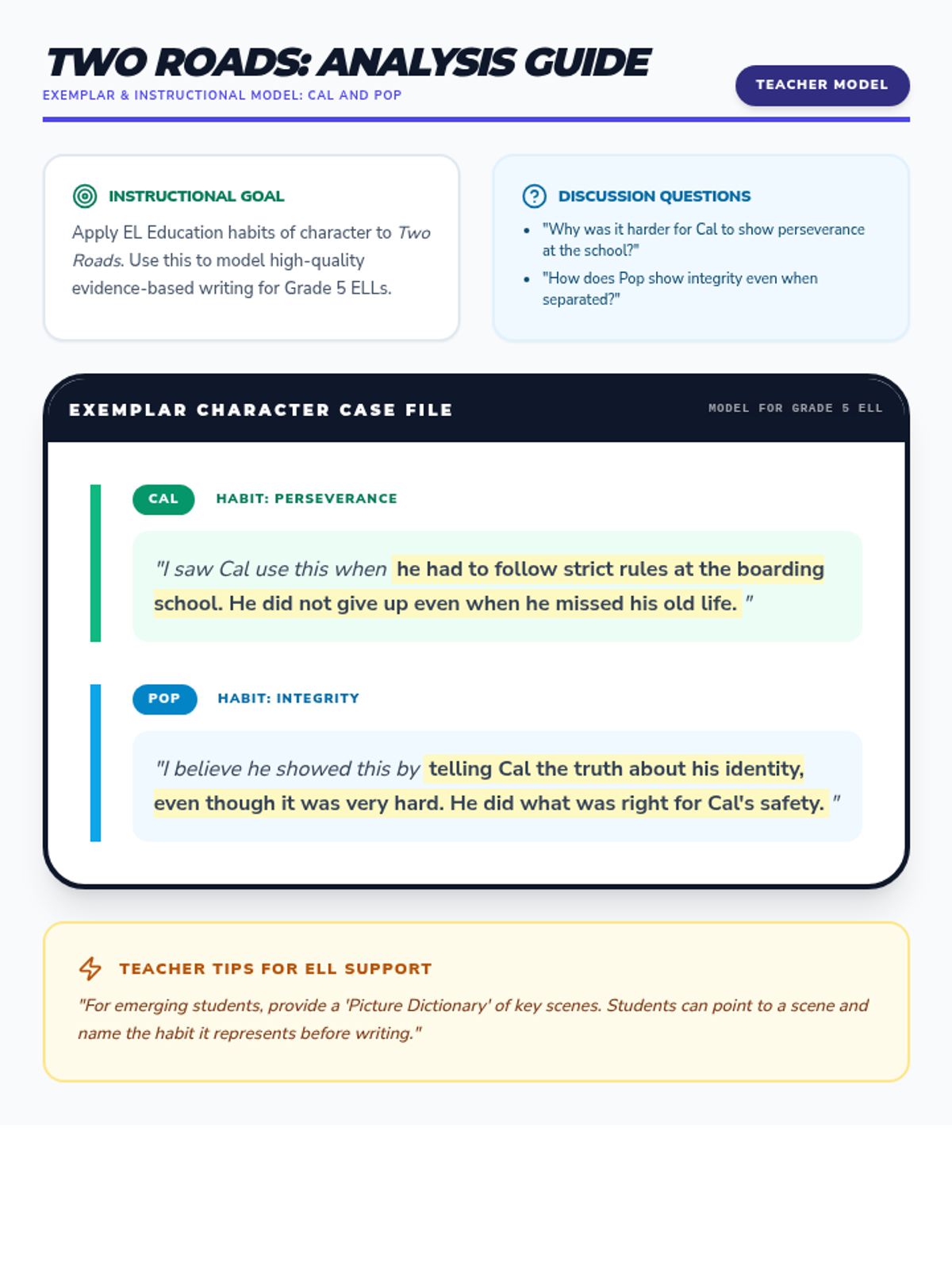
A social-emotional and ELA lesson for Grade 5 ELL students to explore and apply the EL Education habits of character, focusing on being an ethical person and an effective learner.
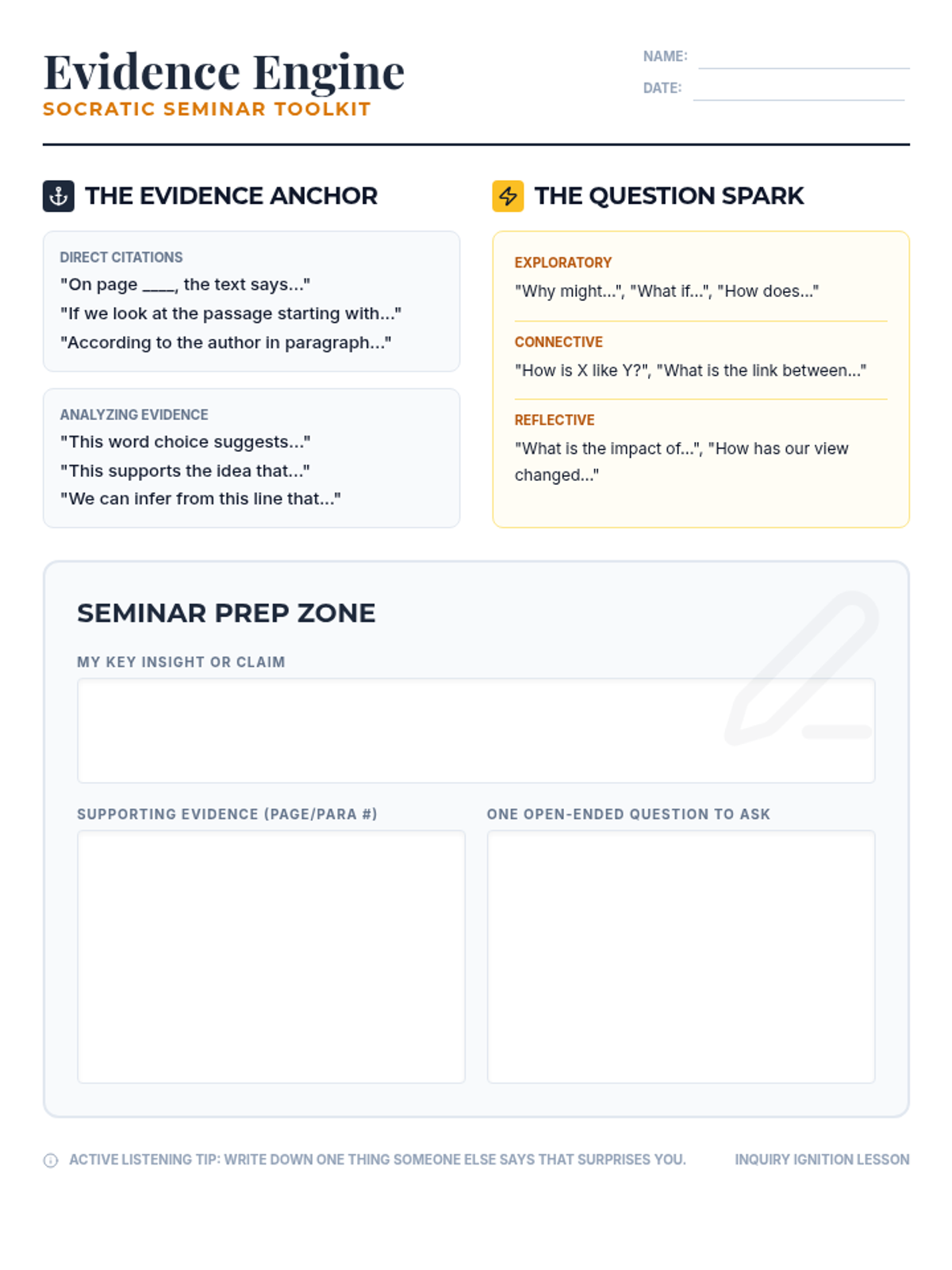
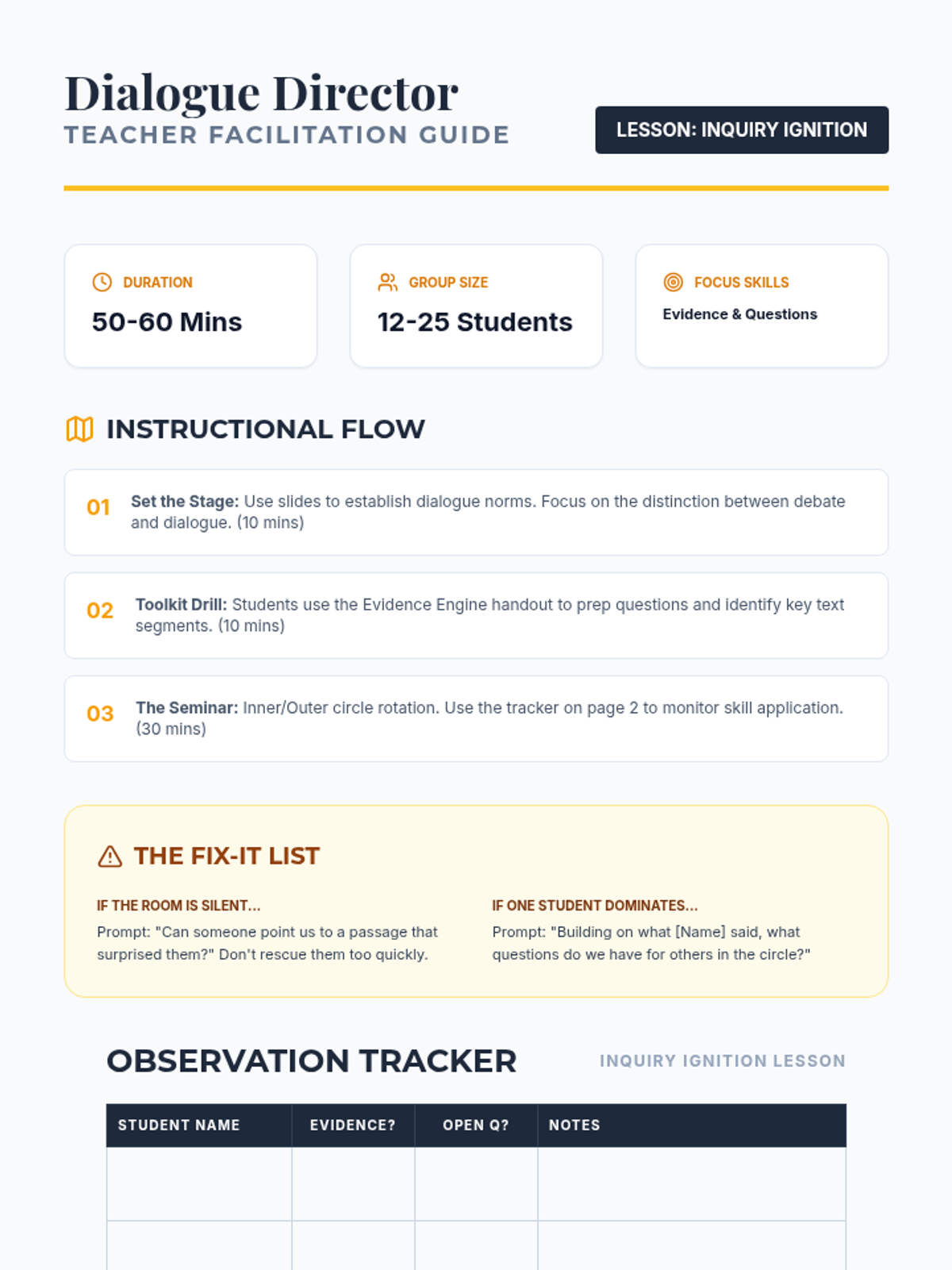
A lesson focused on the two core pillars of a successful Socratic Seminar: grounding claims in textual evidence and propelling dialogue through open-ended questioning. Students will learn to move beyond simple 'yes/no' answers to deep, evidence-based inquiry.
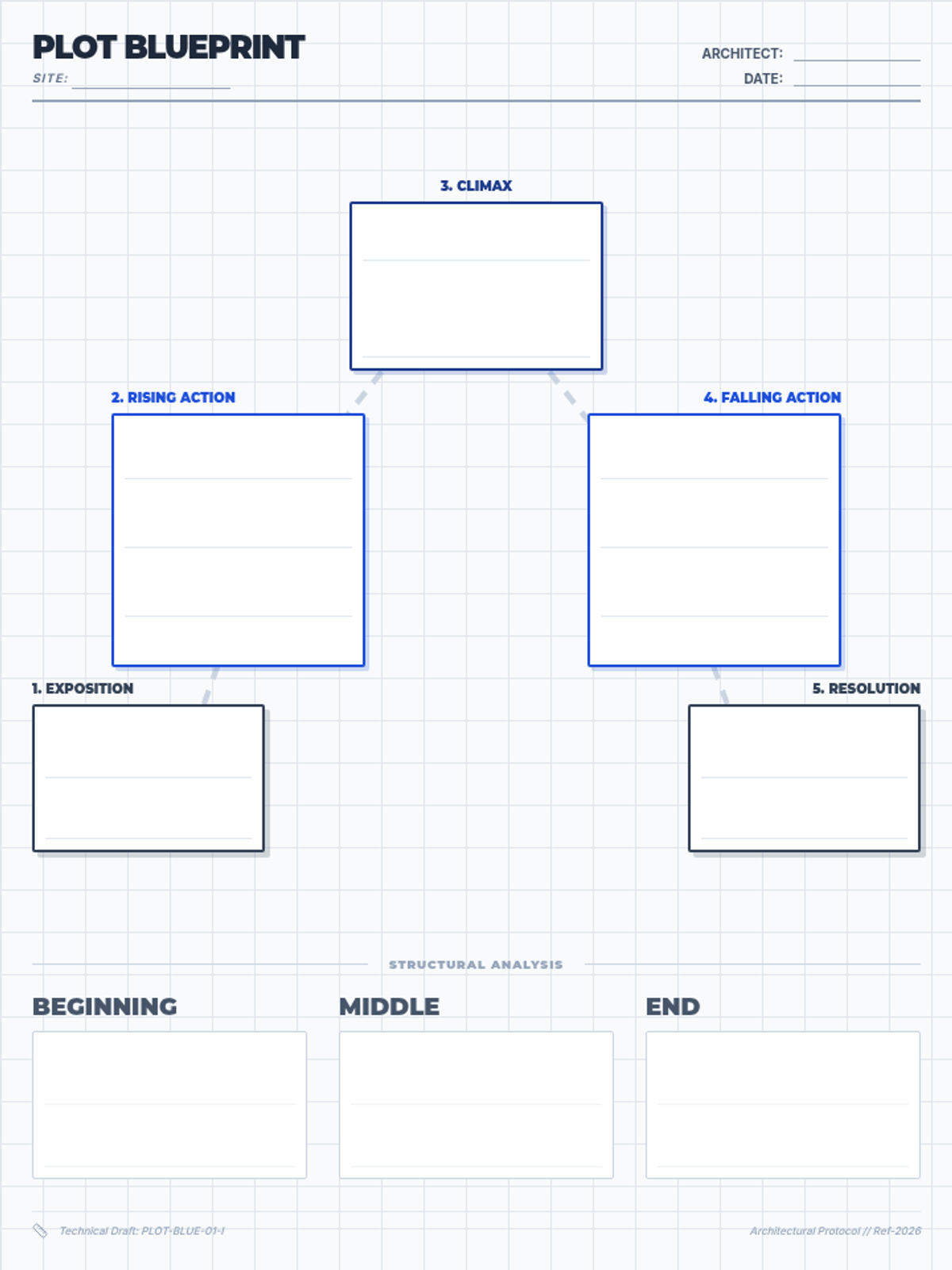
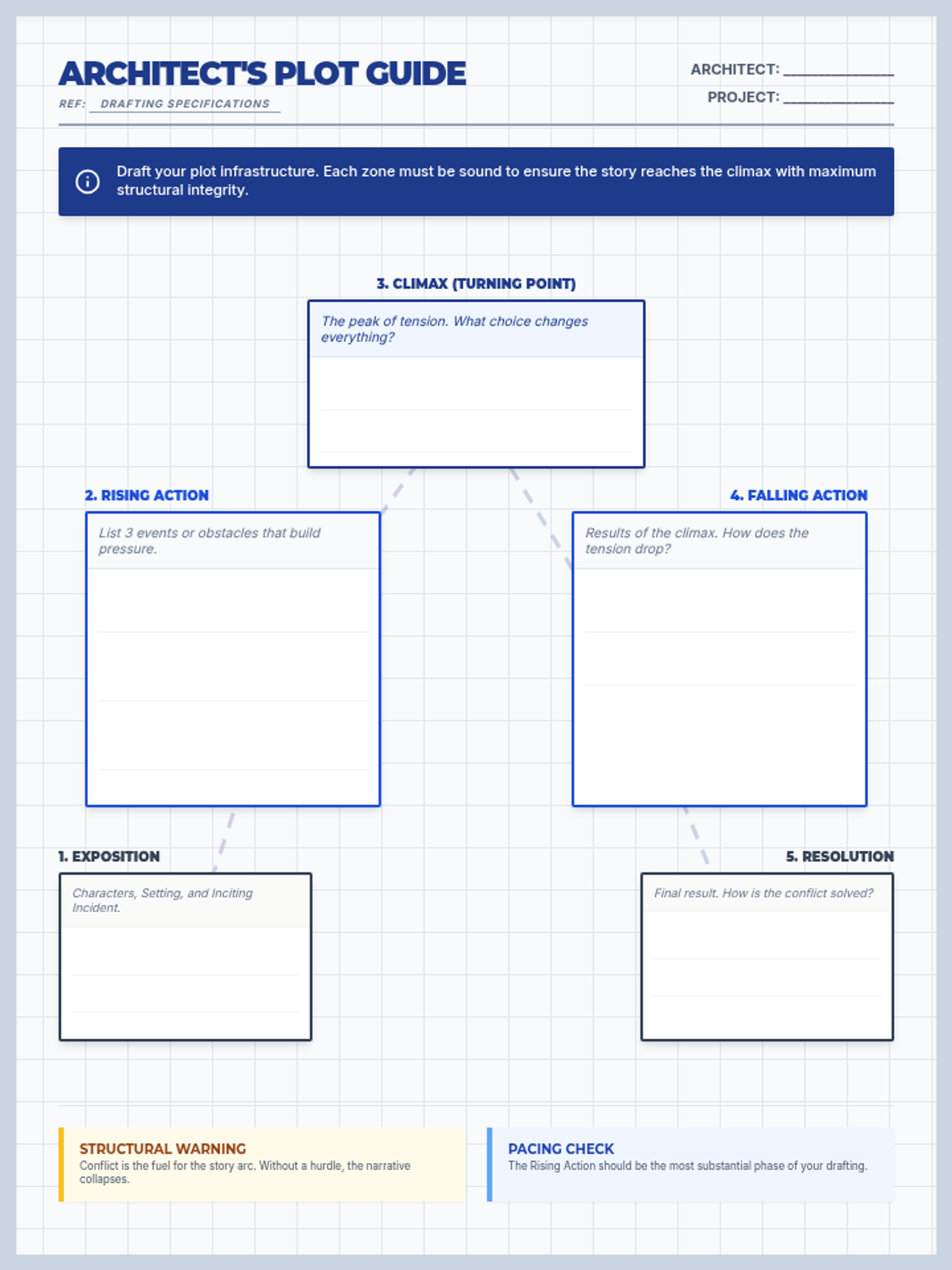
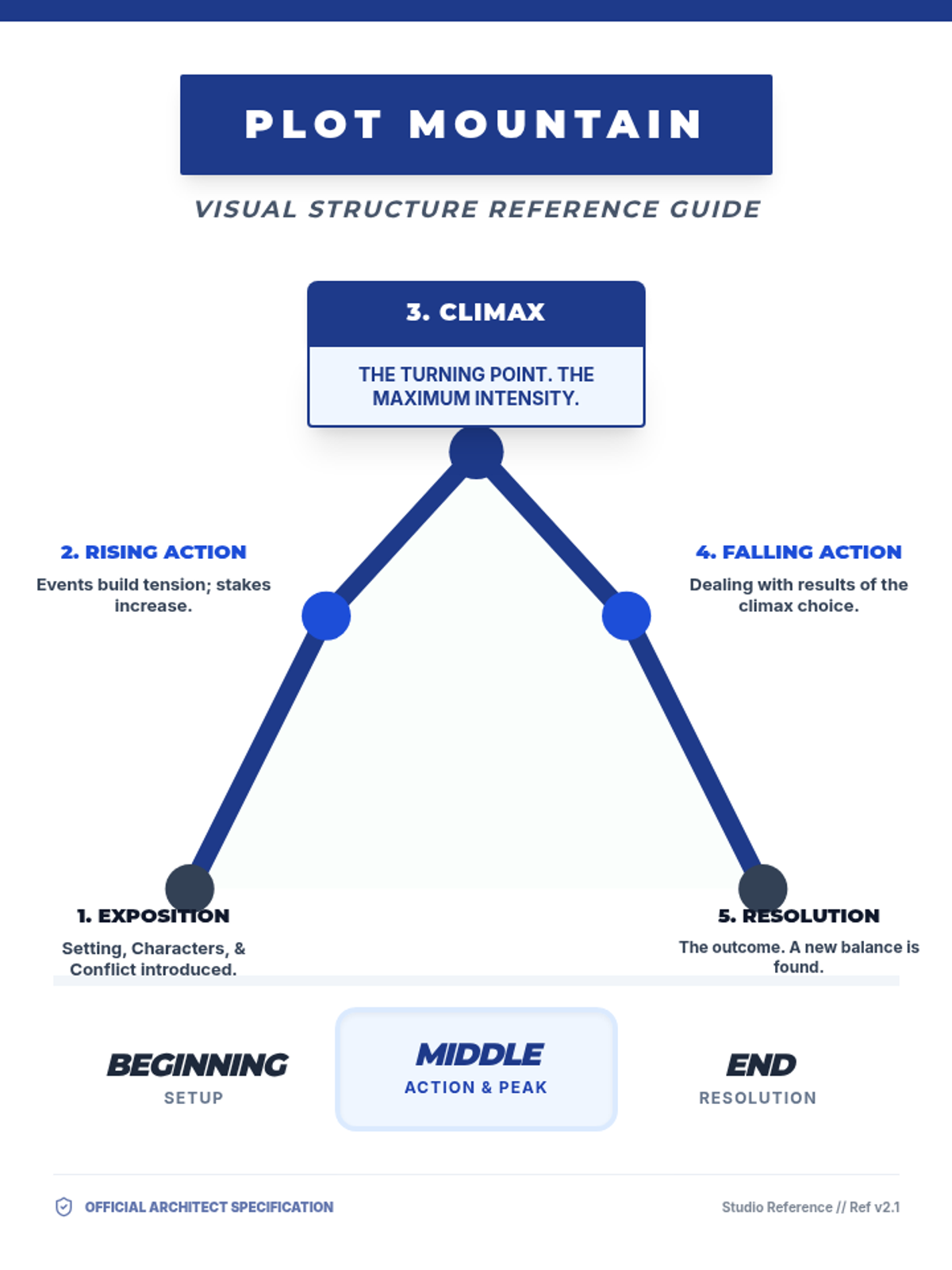
A lesson focused on understanding and mapping story structure using Freytag's Pyramid integrated with the Beginning, Middle, and End framework. Students will learn to identify key plot points and organize them visually as "architects" of their own stories.
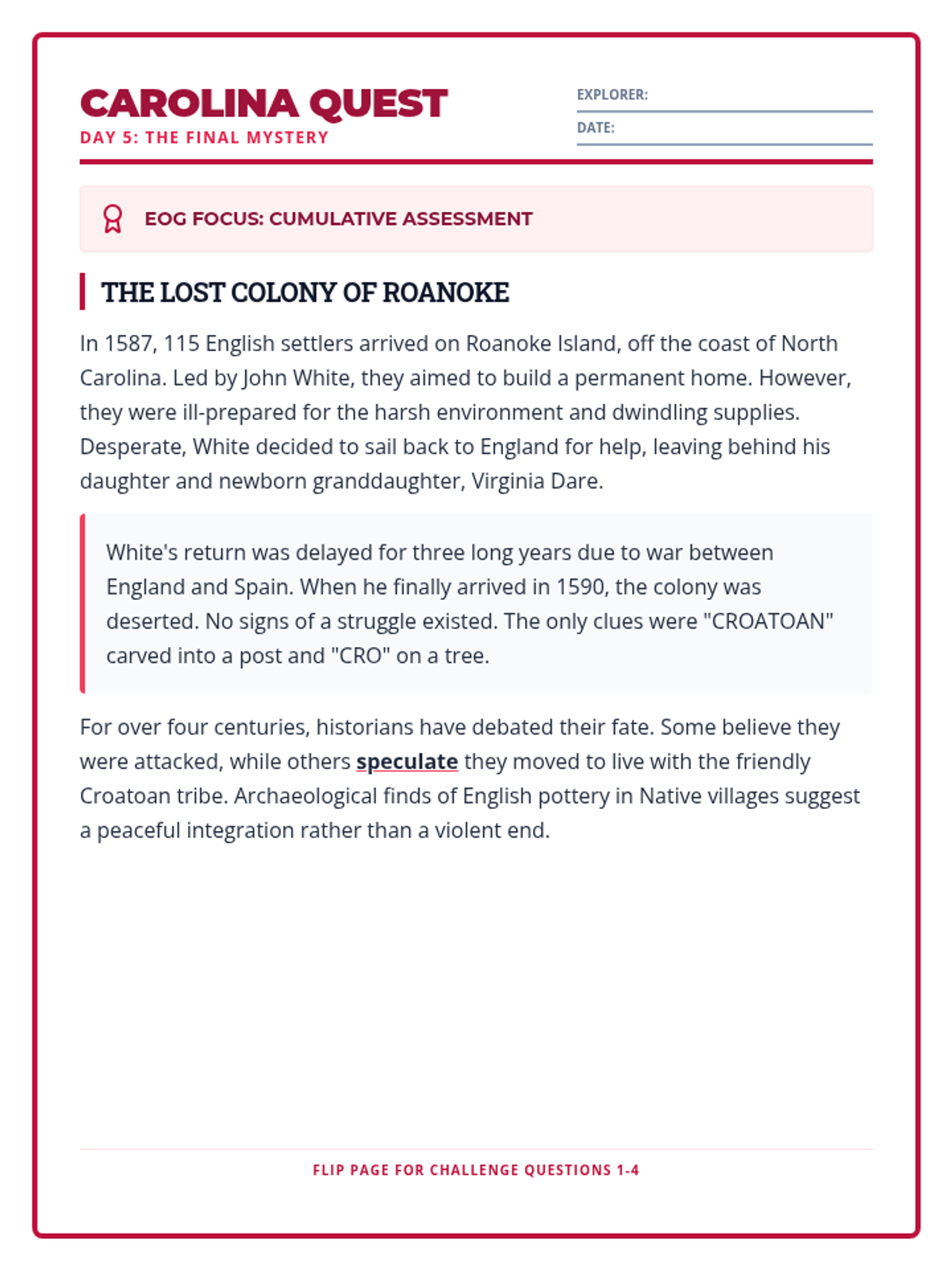
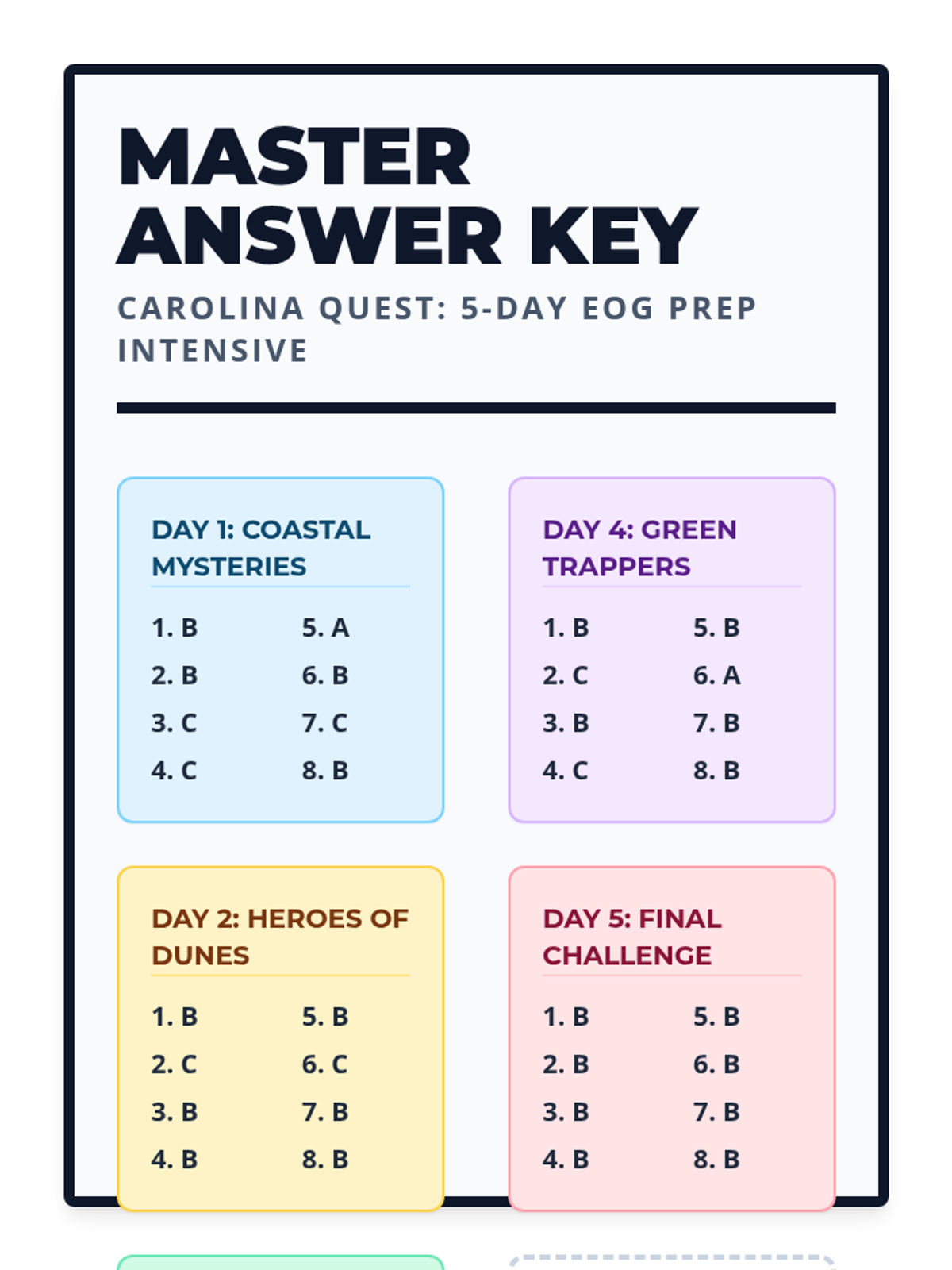
A cumulative EOG-style practice assessment centered on the mystery of the Lost Colony of Roanoke, testing all targeted reading skills.
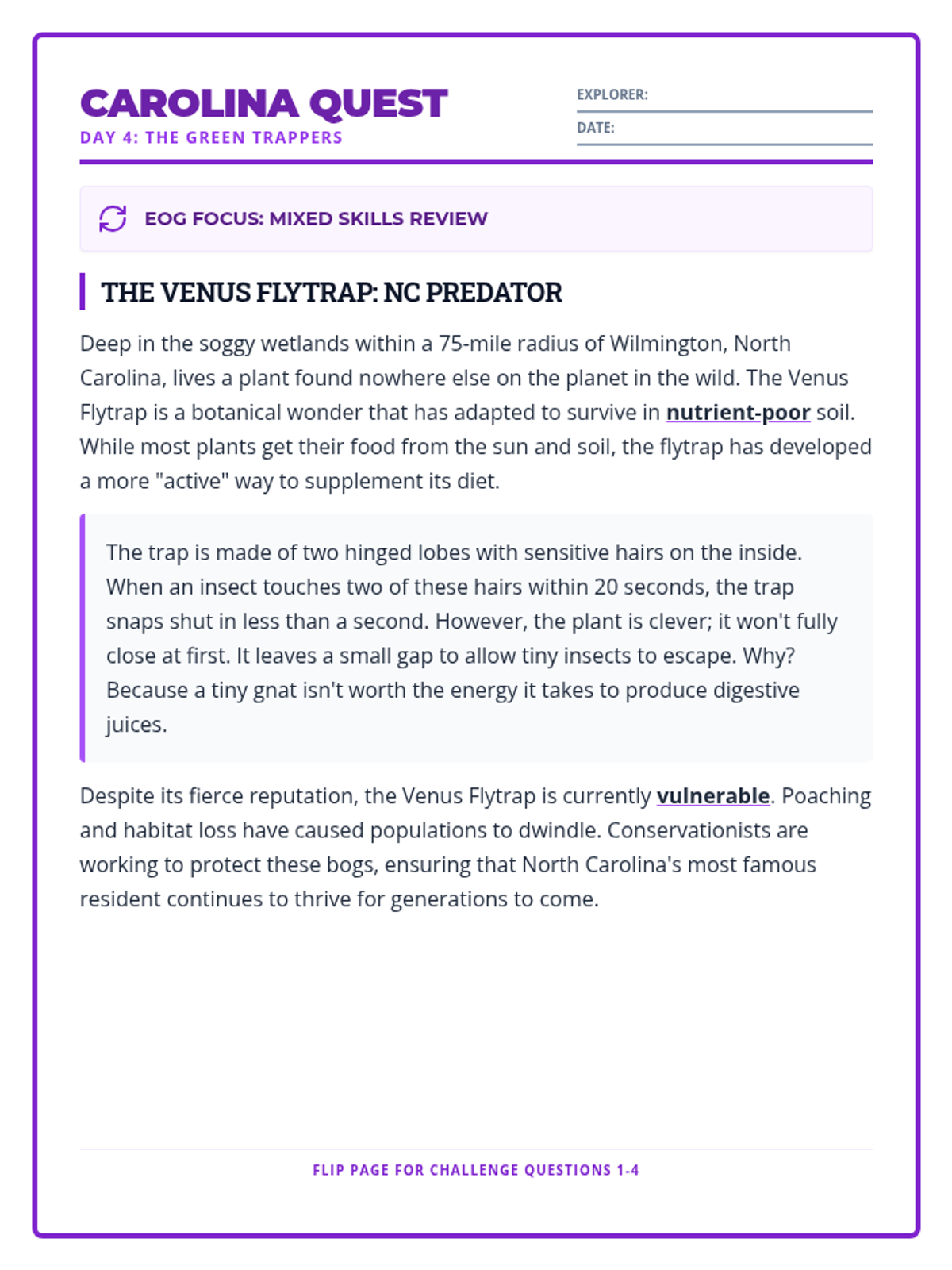
A deep dive into the Venus Flytrap, a plant native only to the Carolinas, providing a mixed-skill review of inference, traits, and structure.
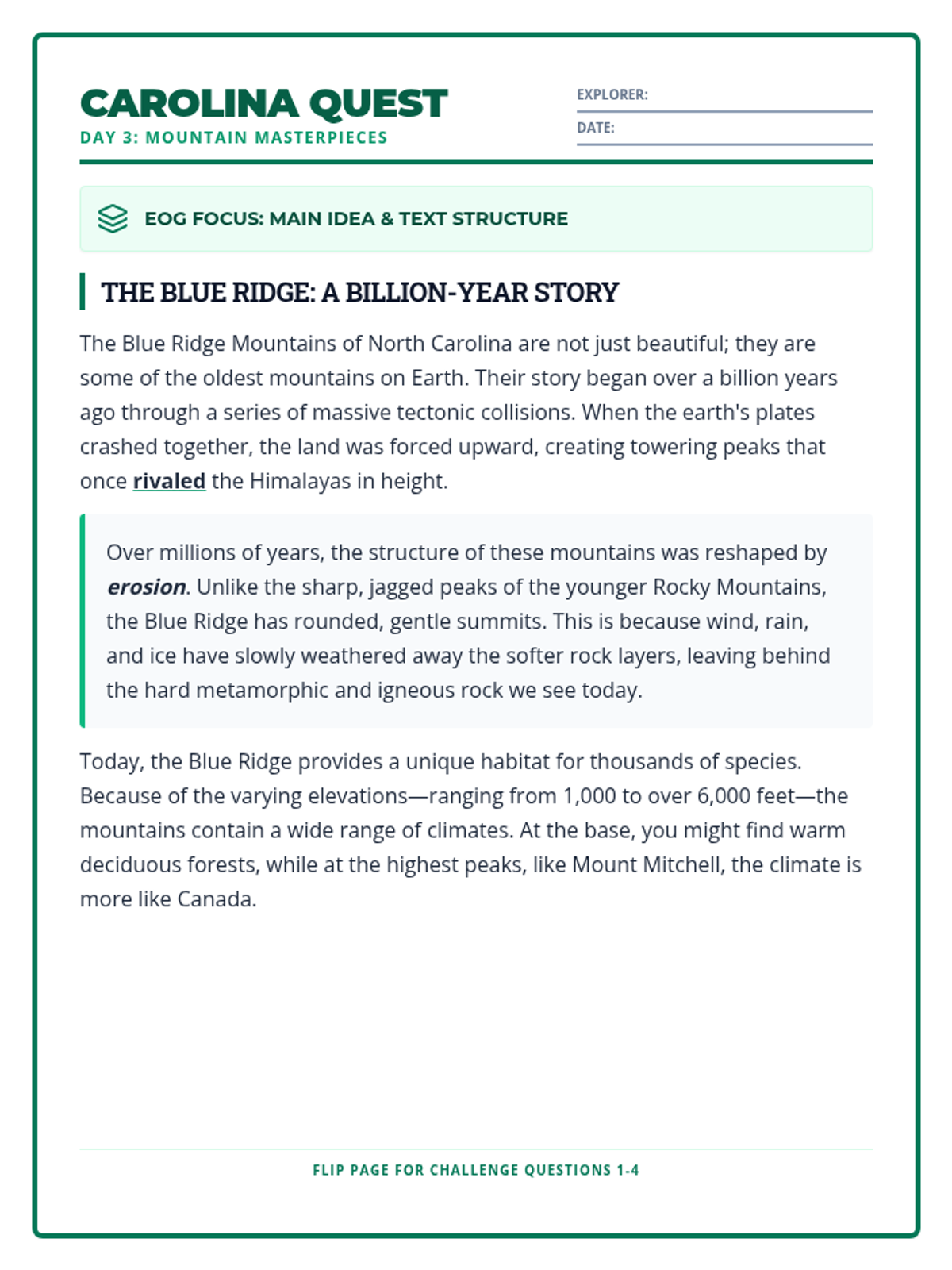
Students examine the formation of the Blue Ridge Mountains to identify main ideas and analyze how the text is structured to convey geological history.
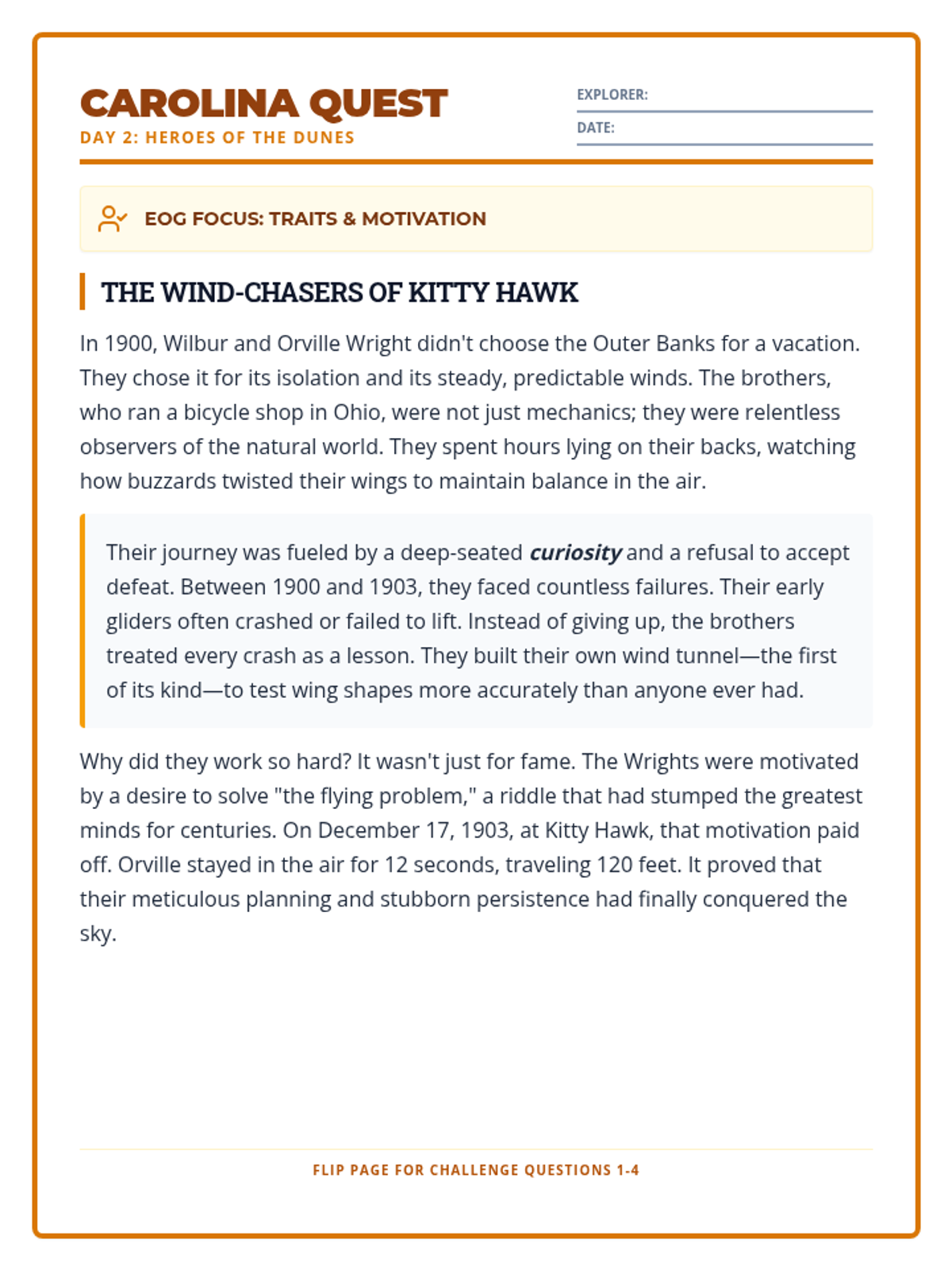
An analysis of the Wright Brothers' historical journey to Kitty Hawk, focusing on identifying character traits and motivations in an informational context.
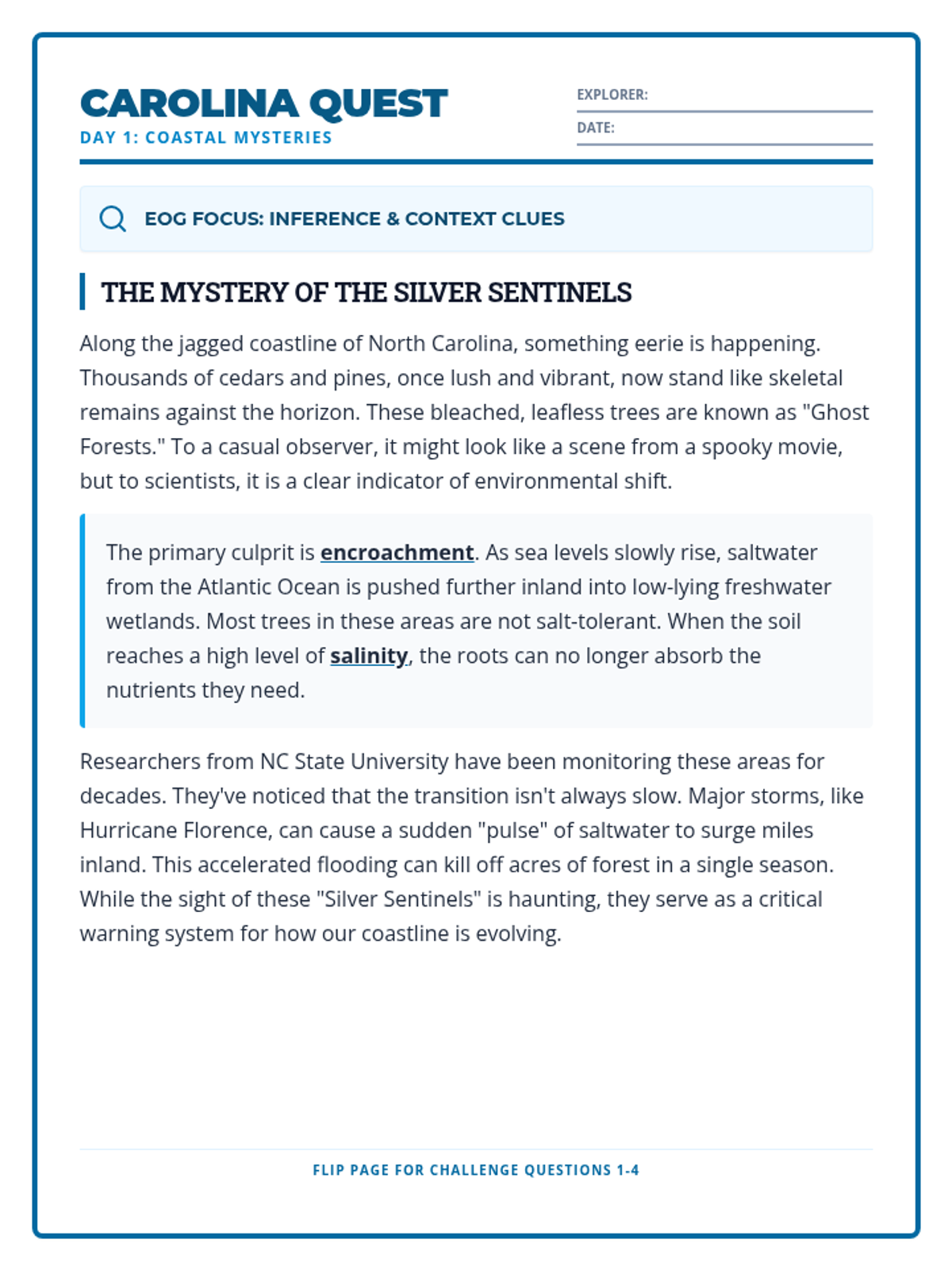
Students will explore the 'Ghost Forests' of the North Carolina coast to practice making inferences and using context clues to understand scientific terminology.
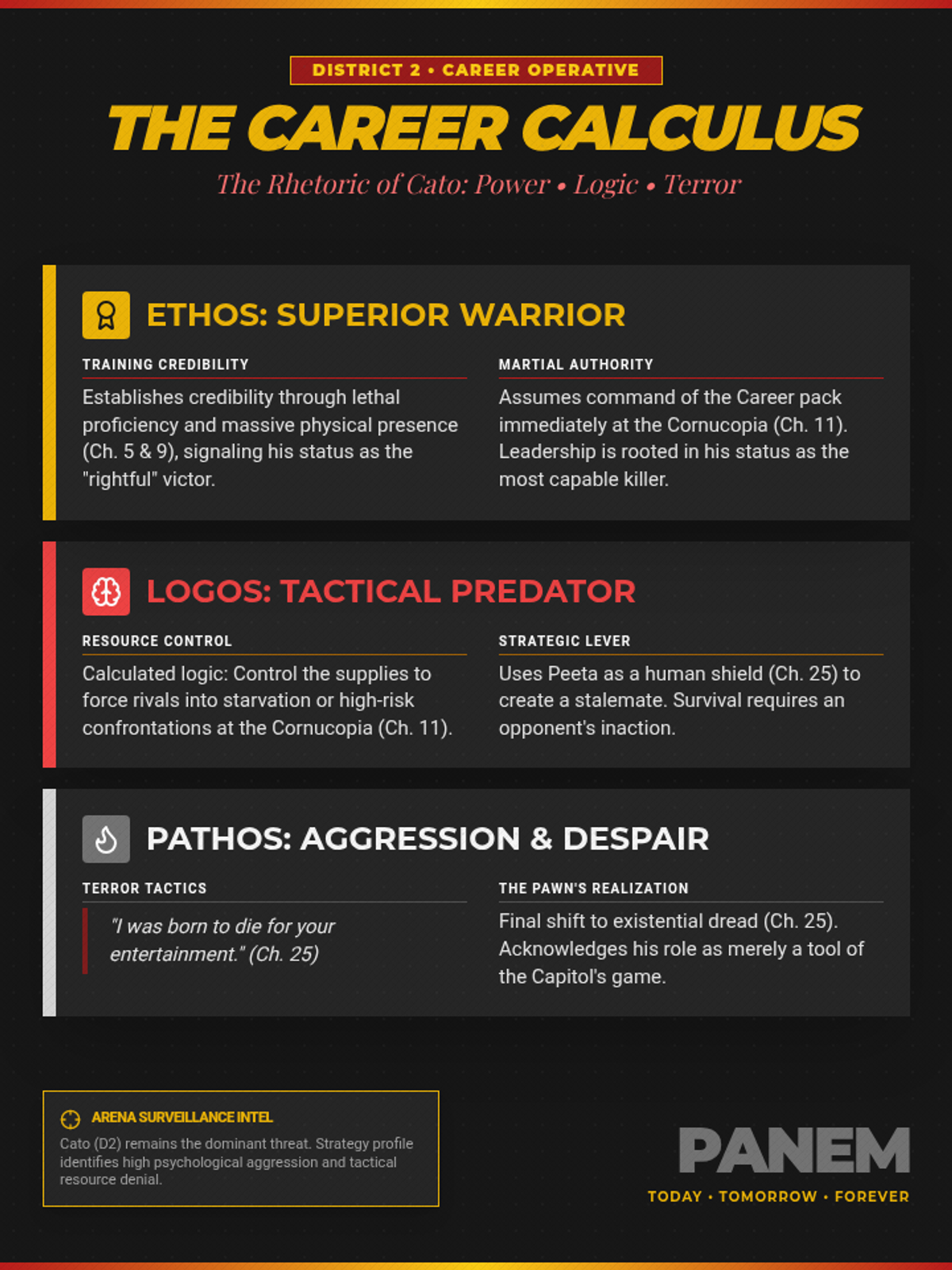
This lesson explores the rhetorical strategies used by tributes in The Hunger Games, focusing on how power, logic, and emotion are used to influence both the audience and opponents.
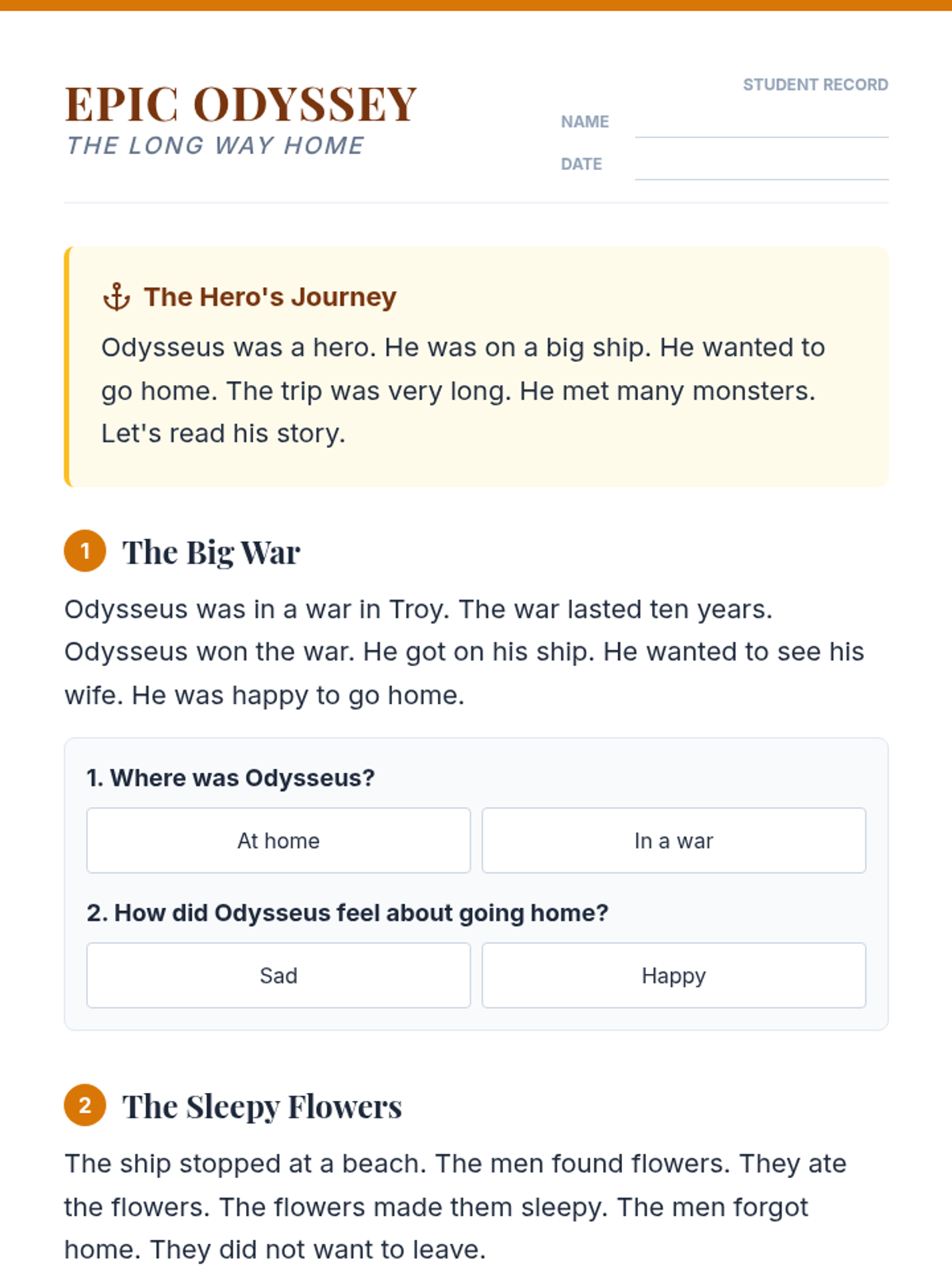
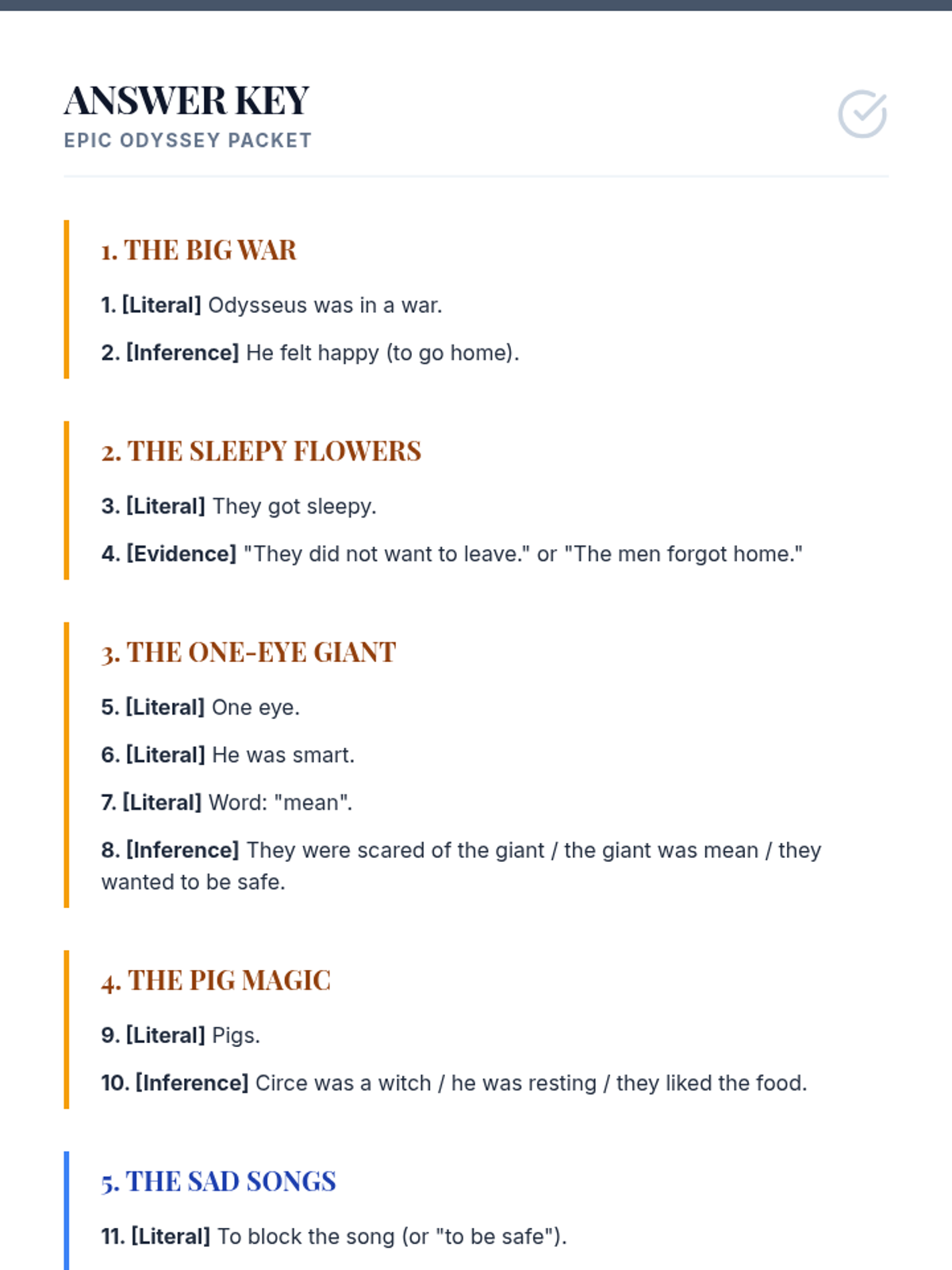
A comprehensive reading packet and guide covering the major stops of Odysseus's journey, specifically adapted for middle school students with a 1st-grade reading level. Includes literal comprehension, inference, and evidence-based questions.
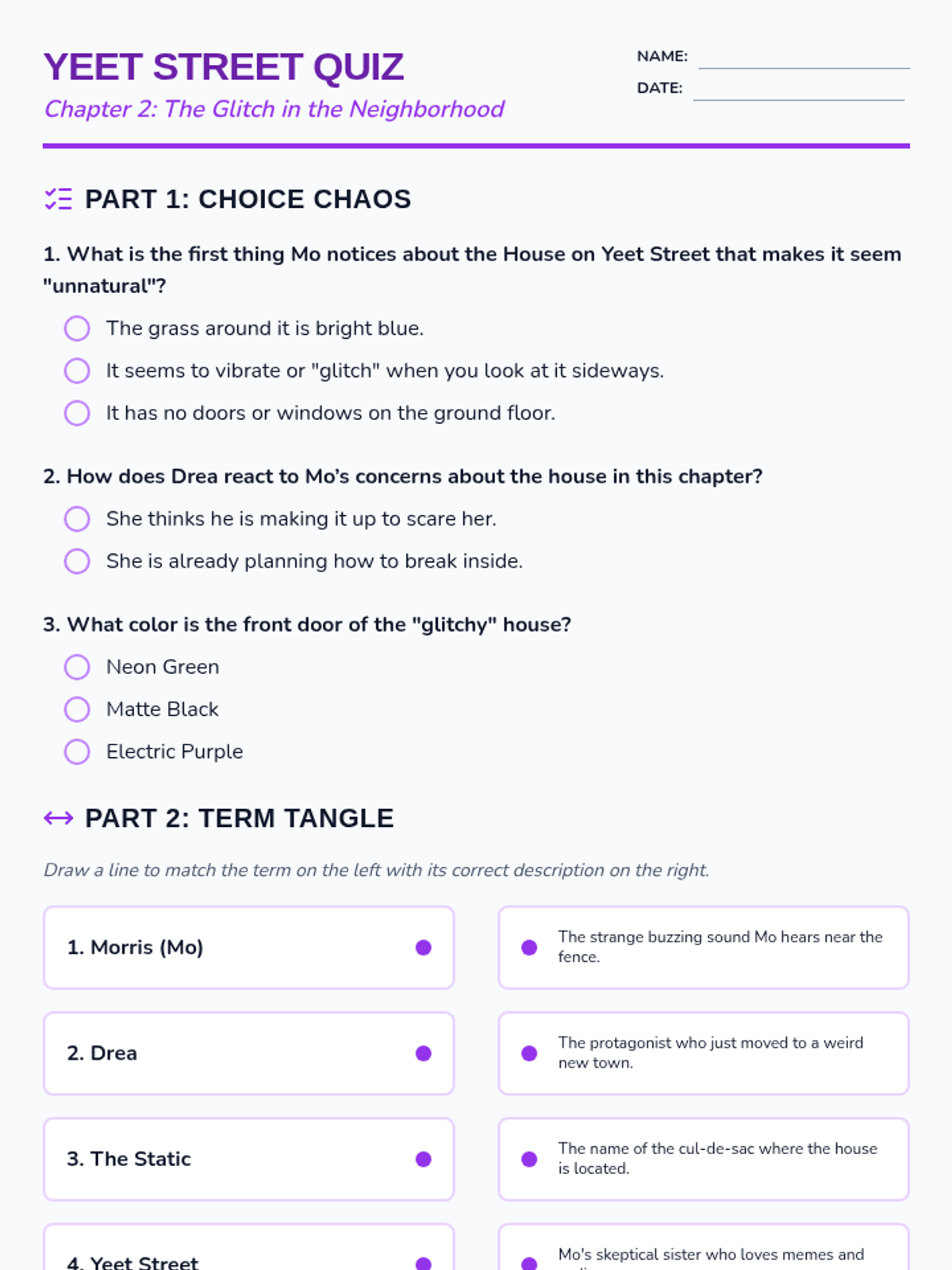
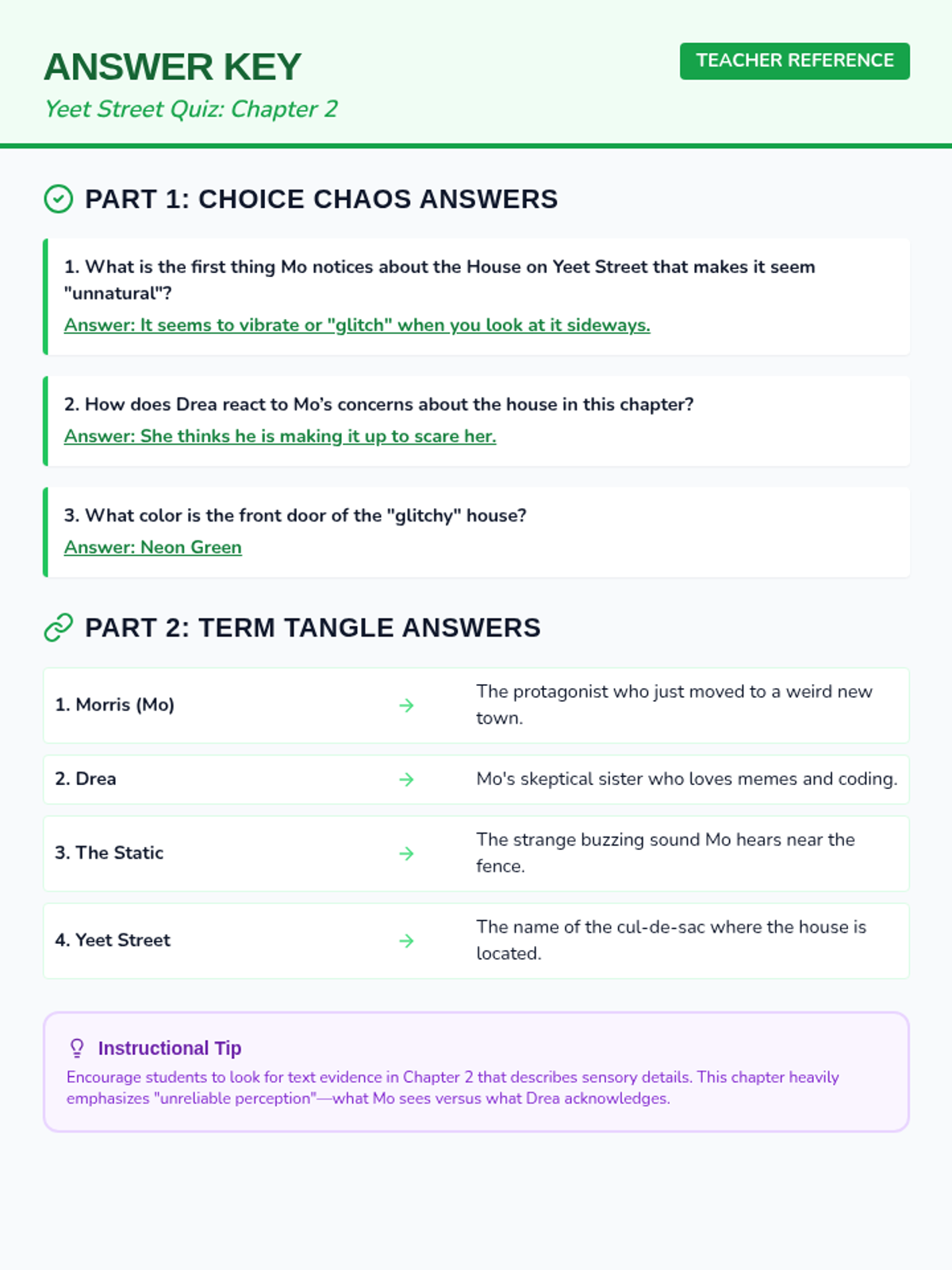
A focused assessment on the second chapter of Preston Norton's 'The House on Yeet Street', evaluating comprehension and vocabulary.
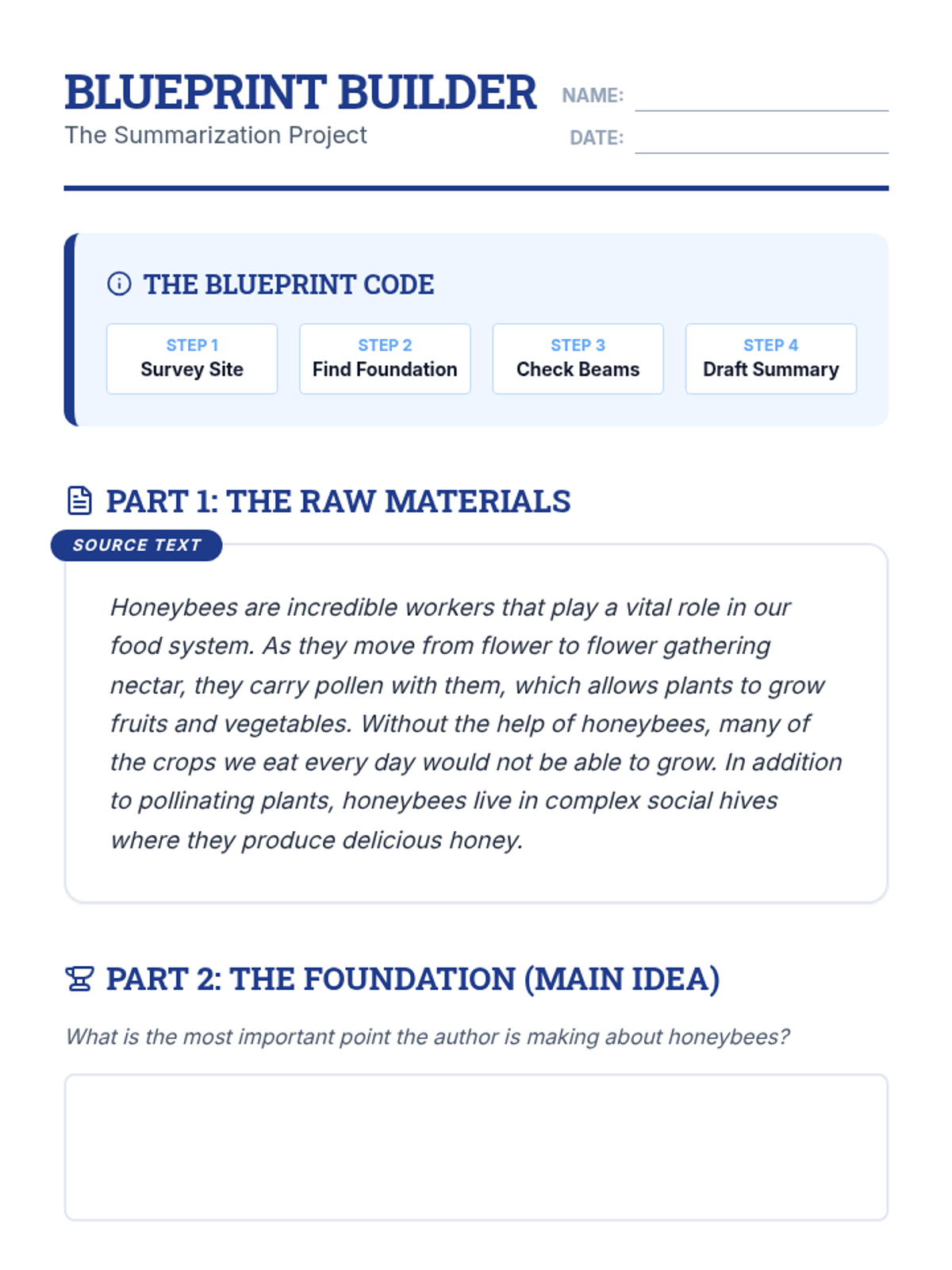
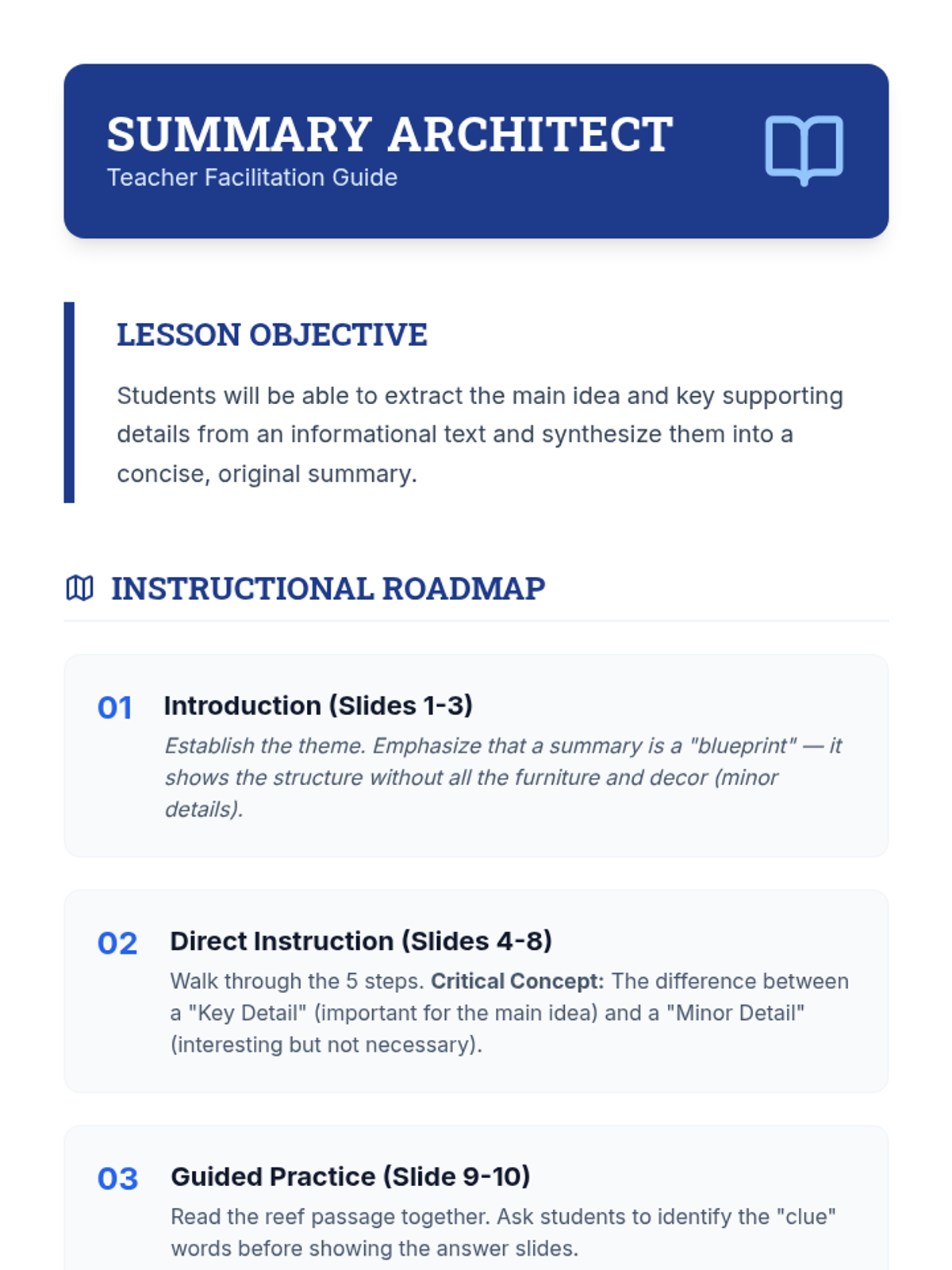
A lesson designed to teach students how to summarize informational text using the Main Idea and Supporting Details strategy through an architectural blueprint theme.
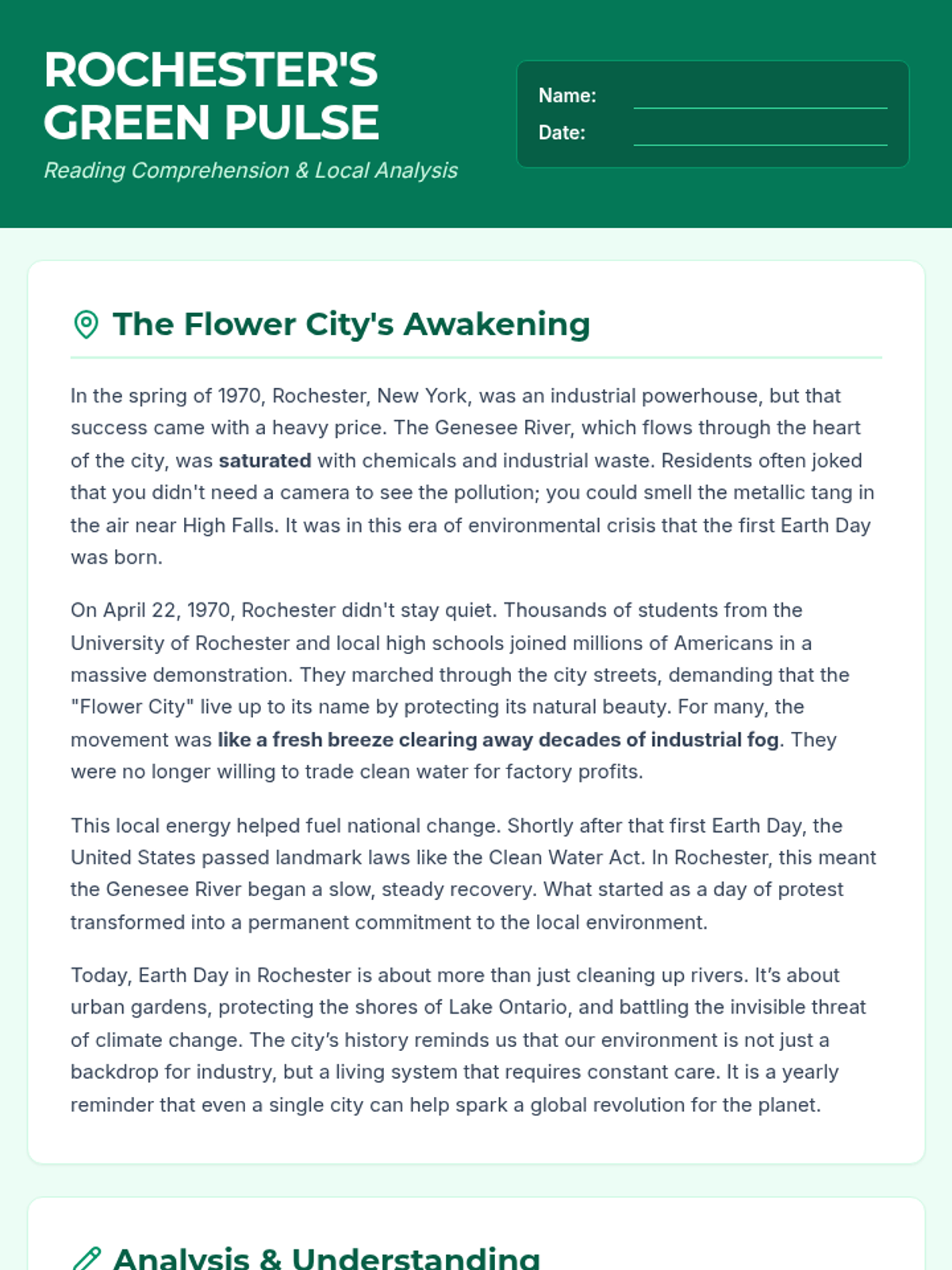
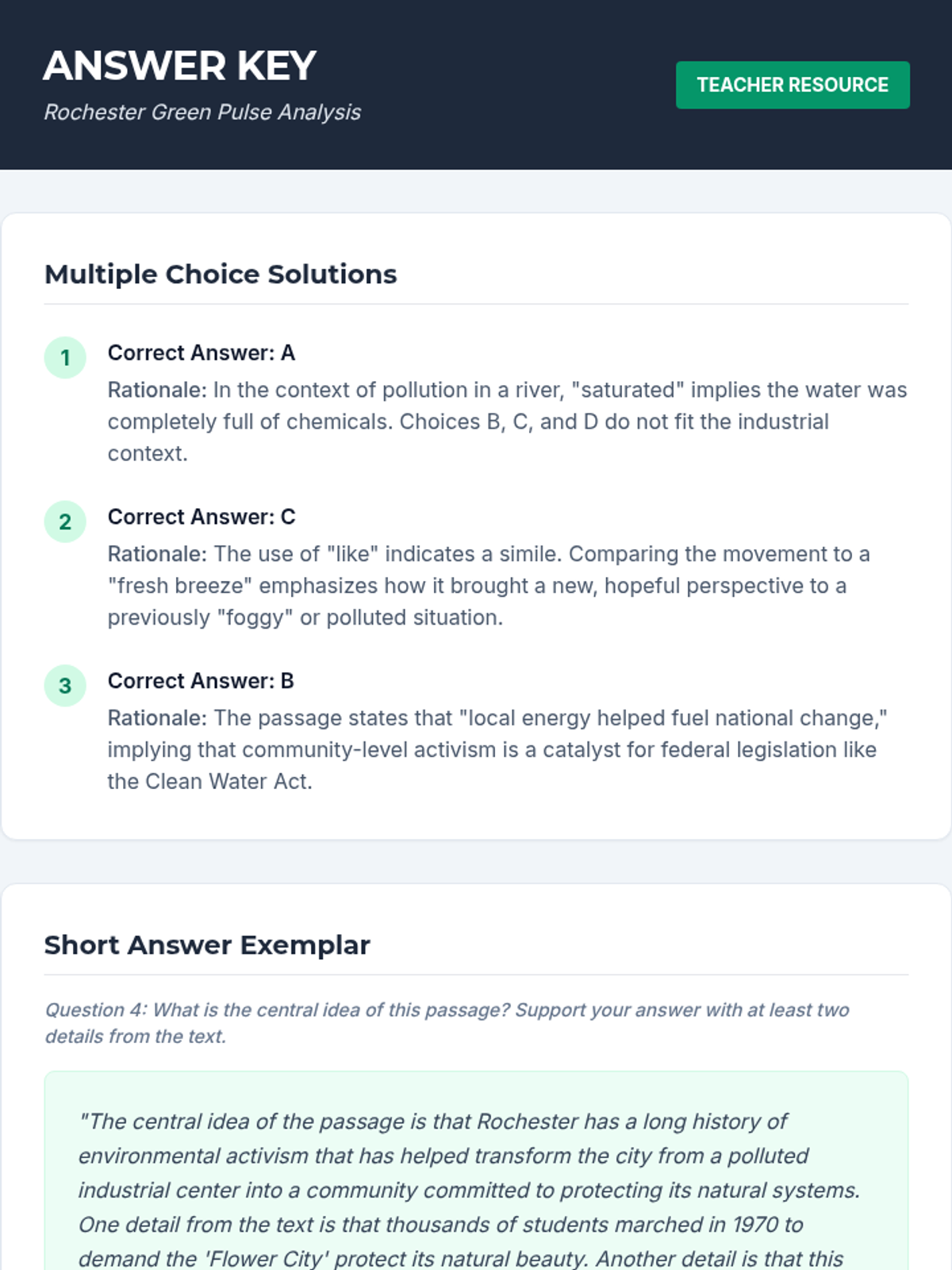
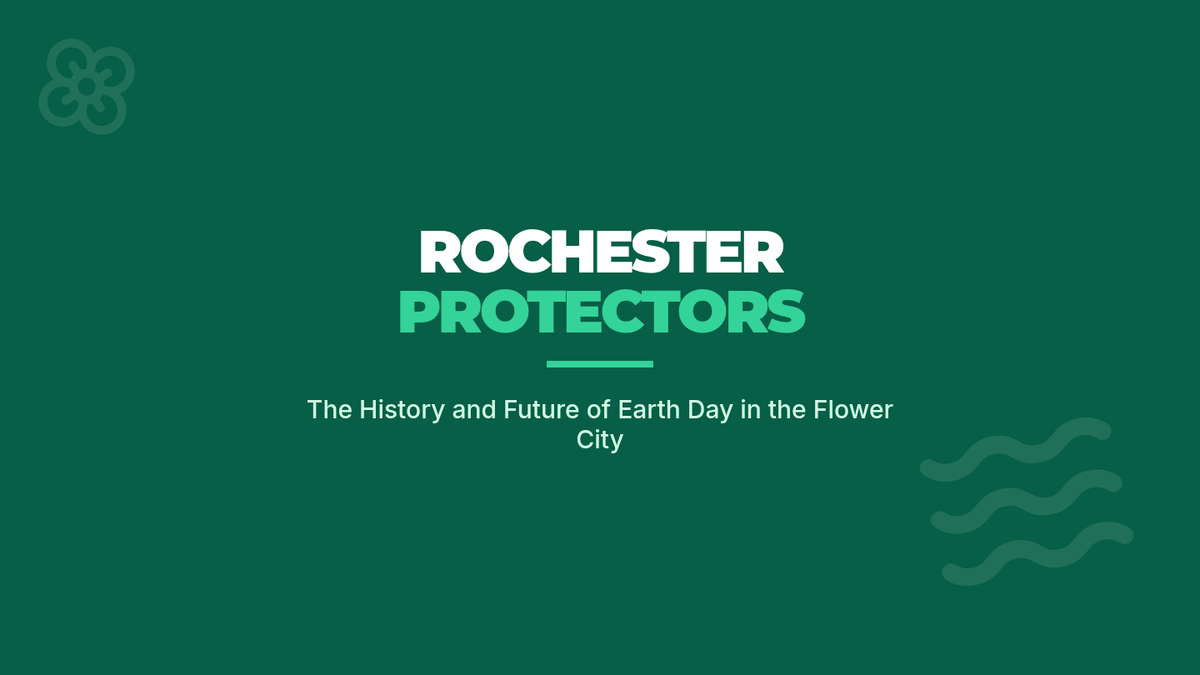
A lesson focused on the history and significance of Earth Day, designed to improve reading comprehension, figurative language identification, and inferencing skills for 6th grade students.
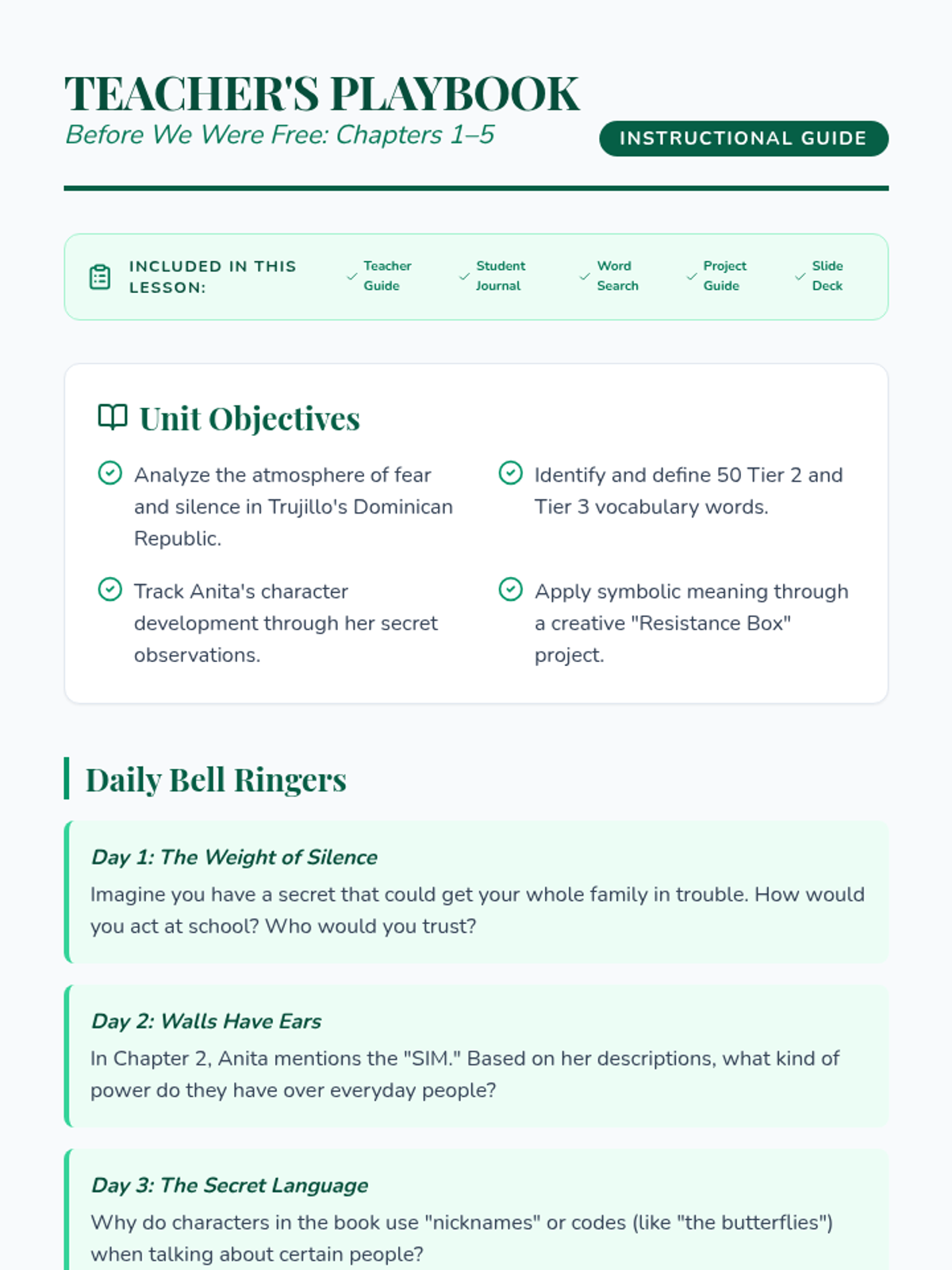
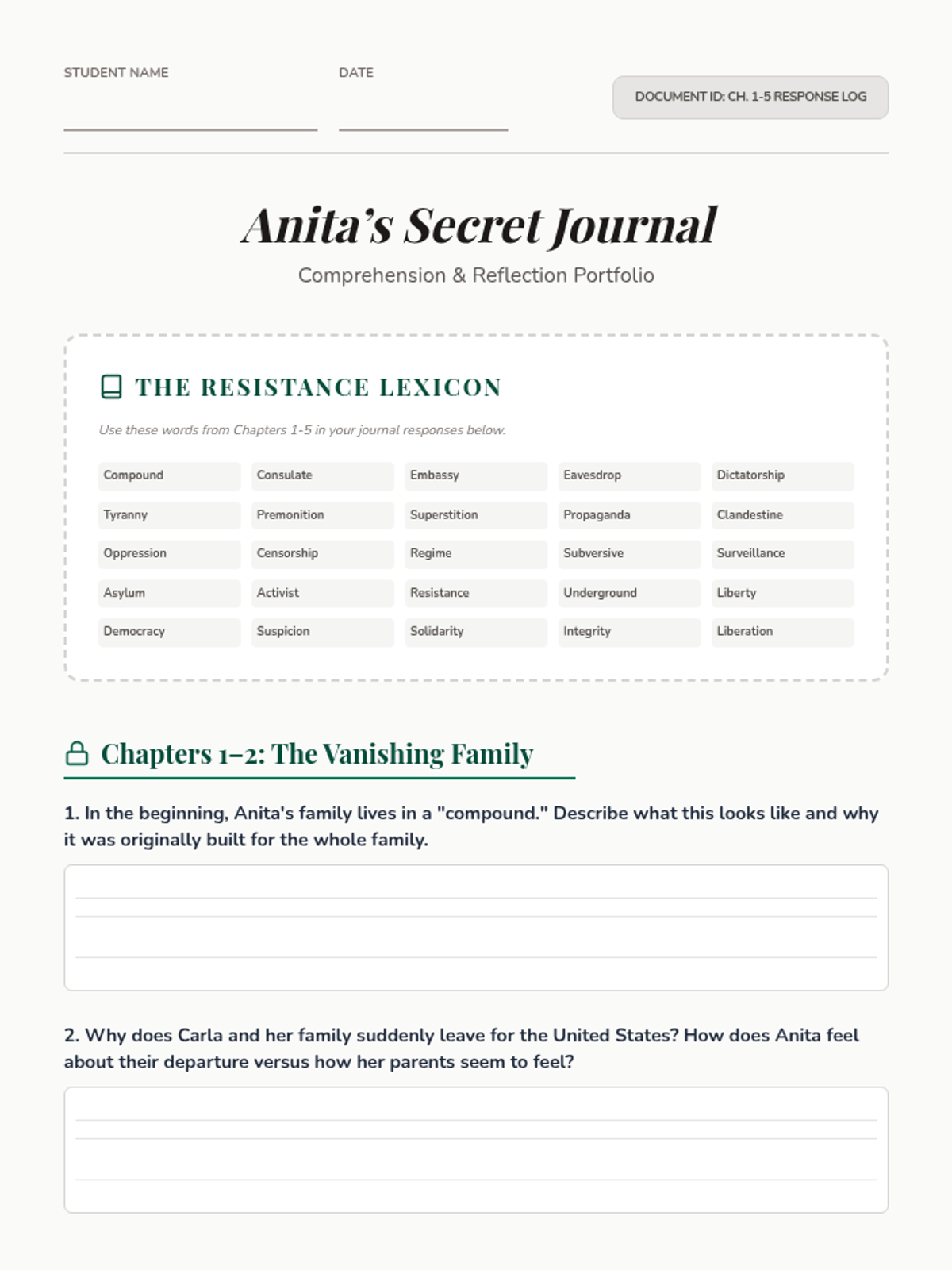
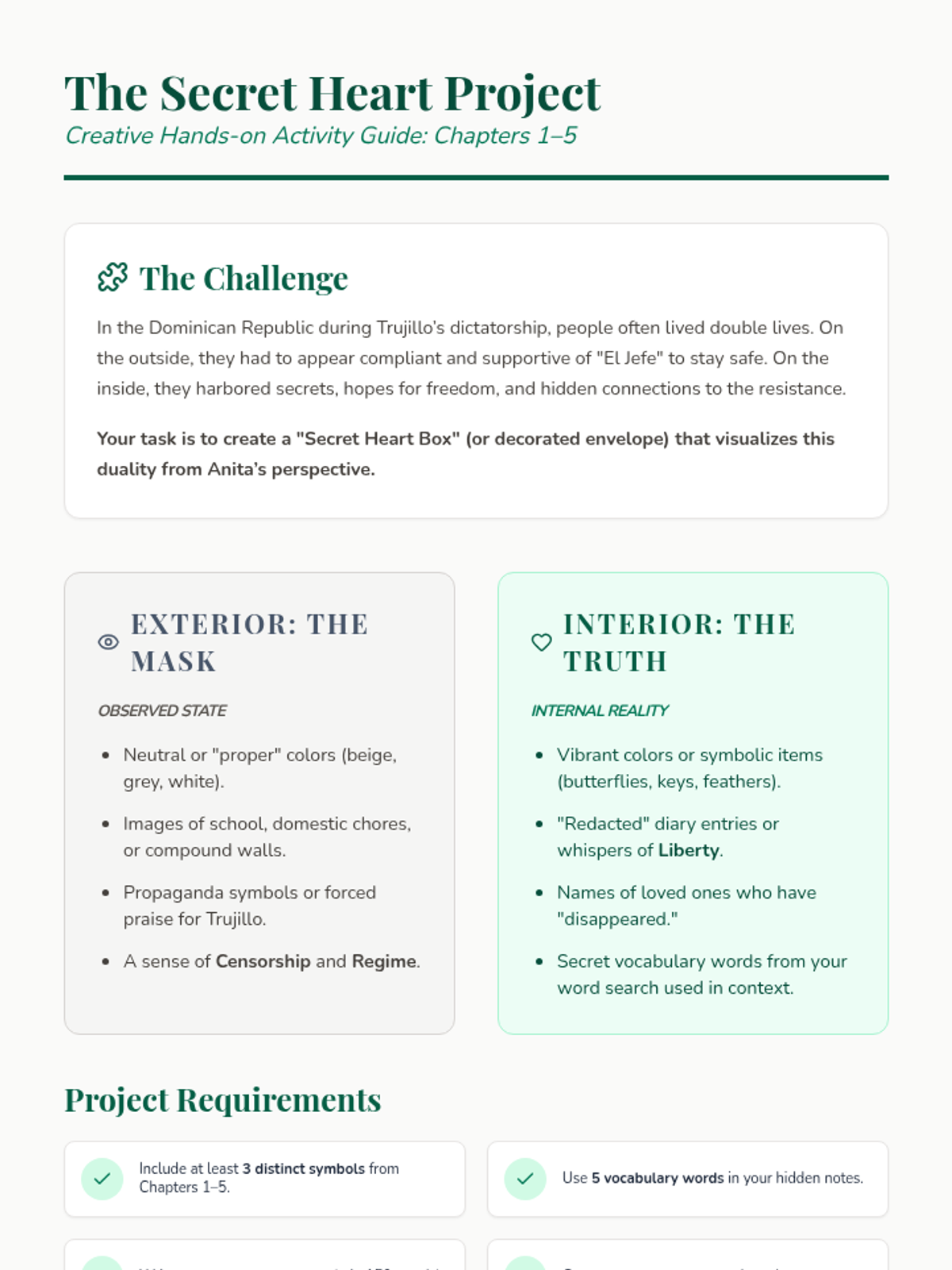
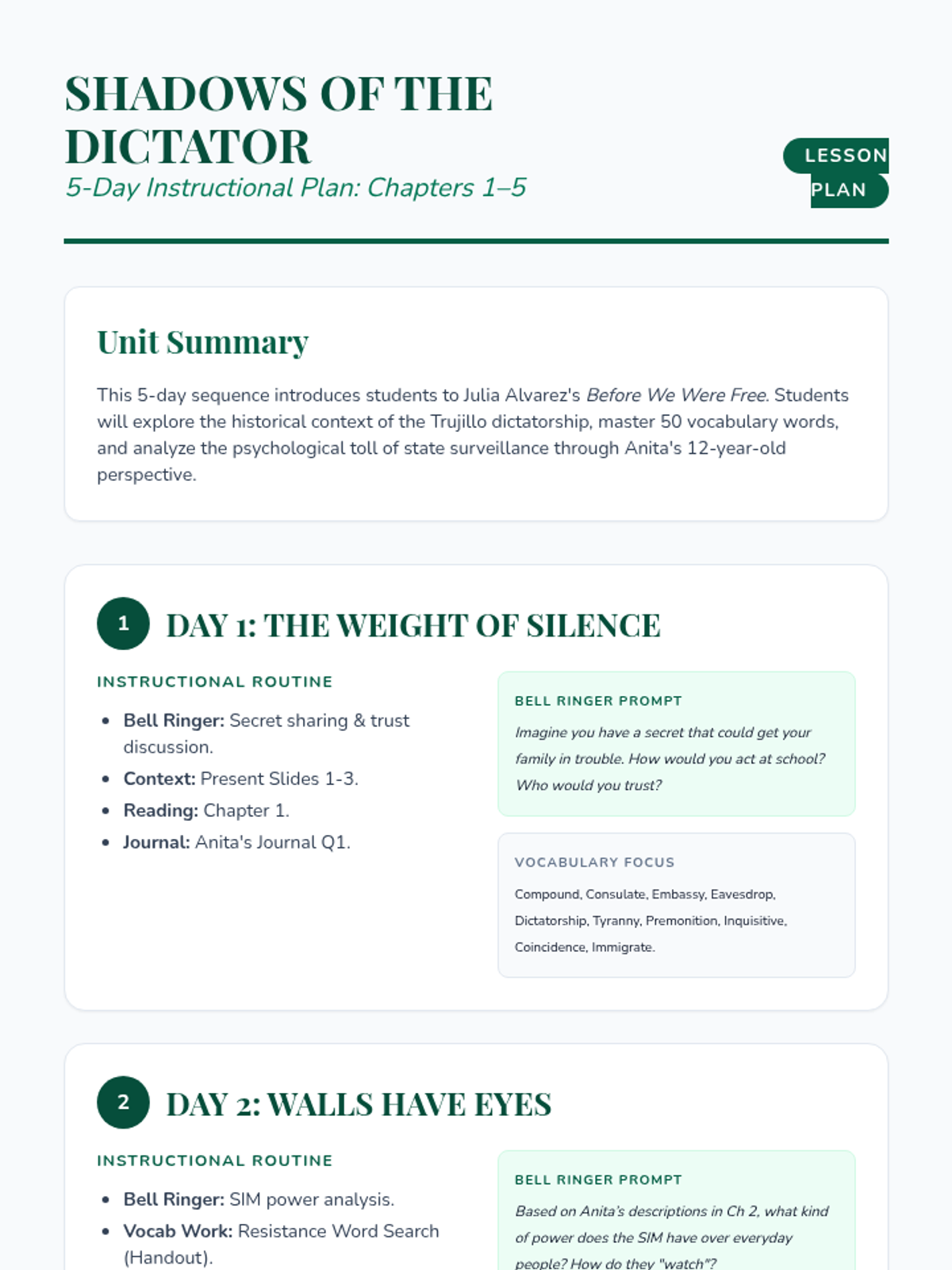
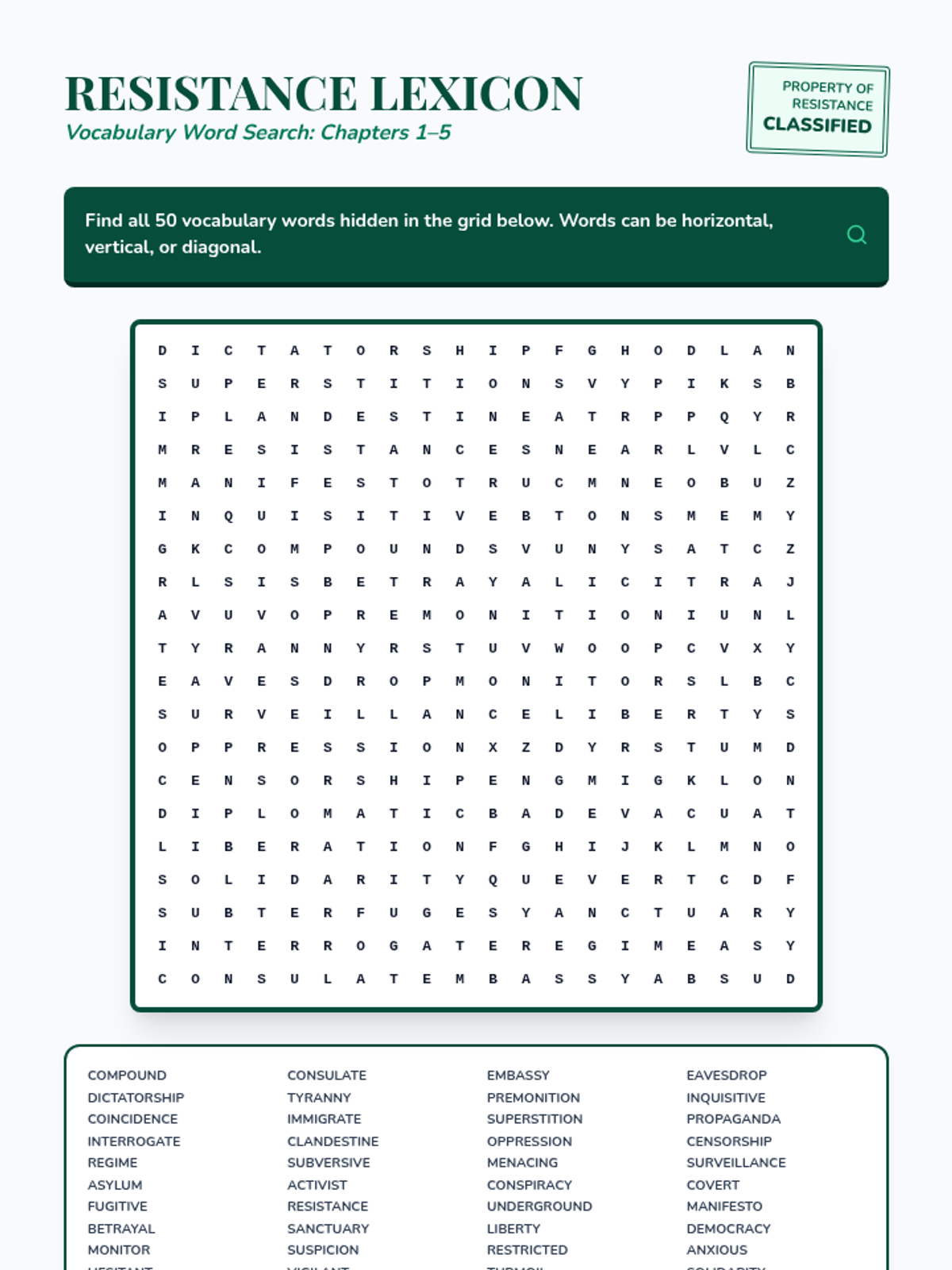
Introduction to 'Before We Were Free' covering Chapters 1-5, including daily bell ringers, comprehensive vocabulary study, reading comprehension, and a creative symbol-based project.
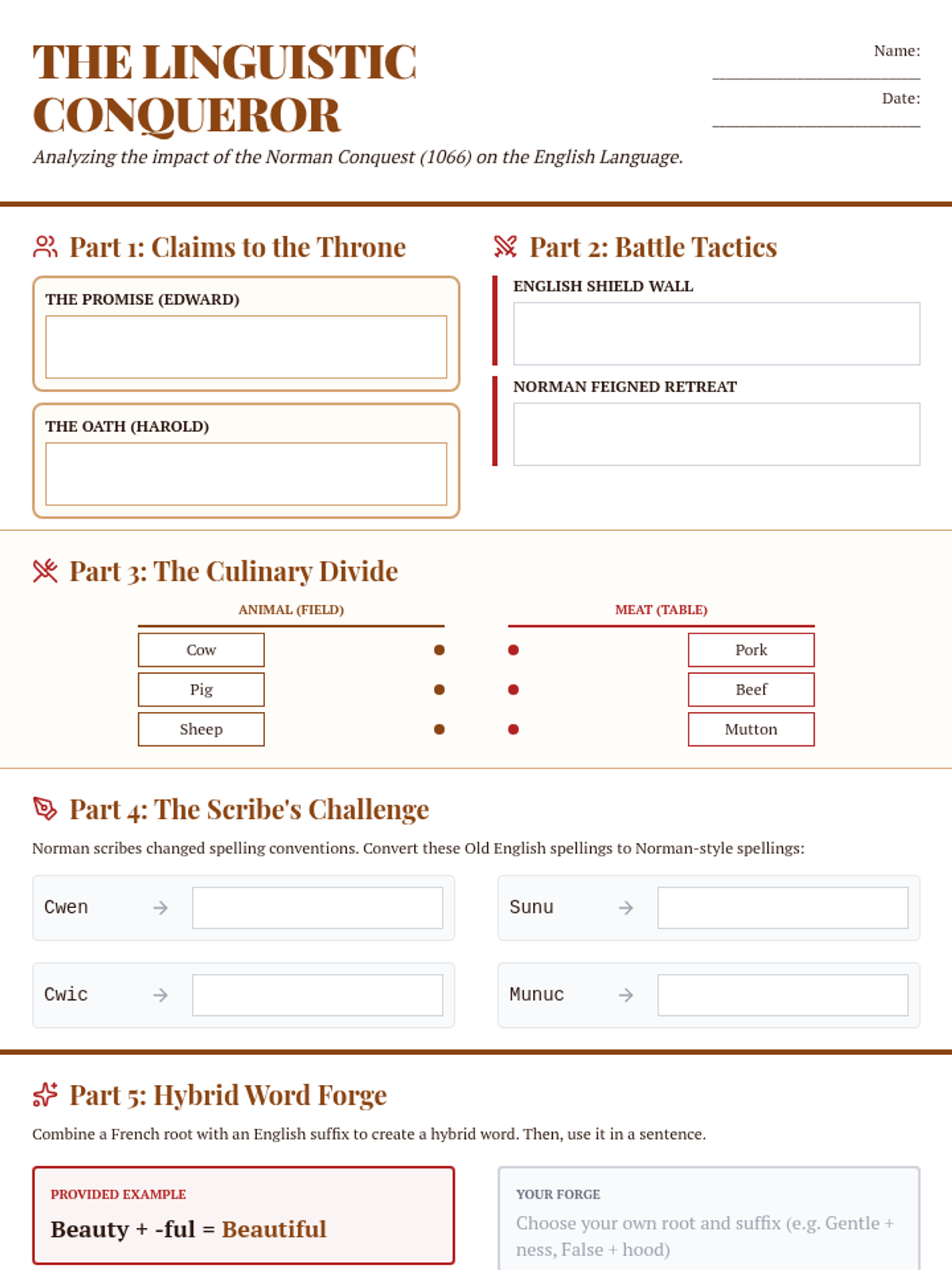
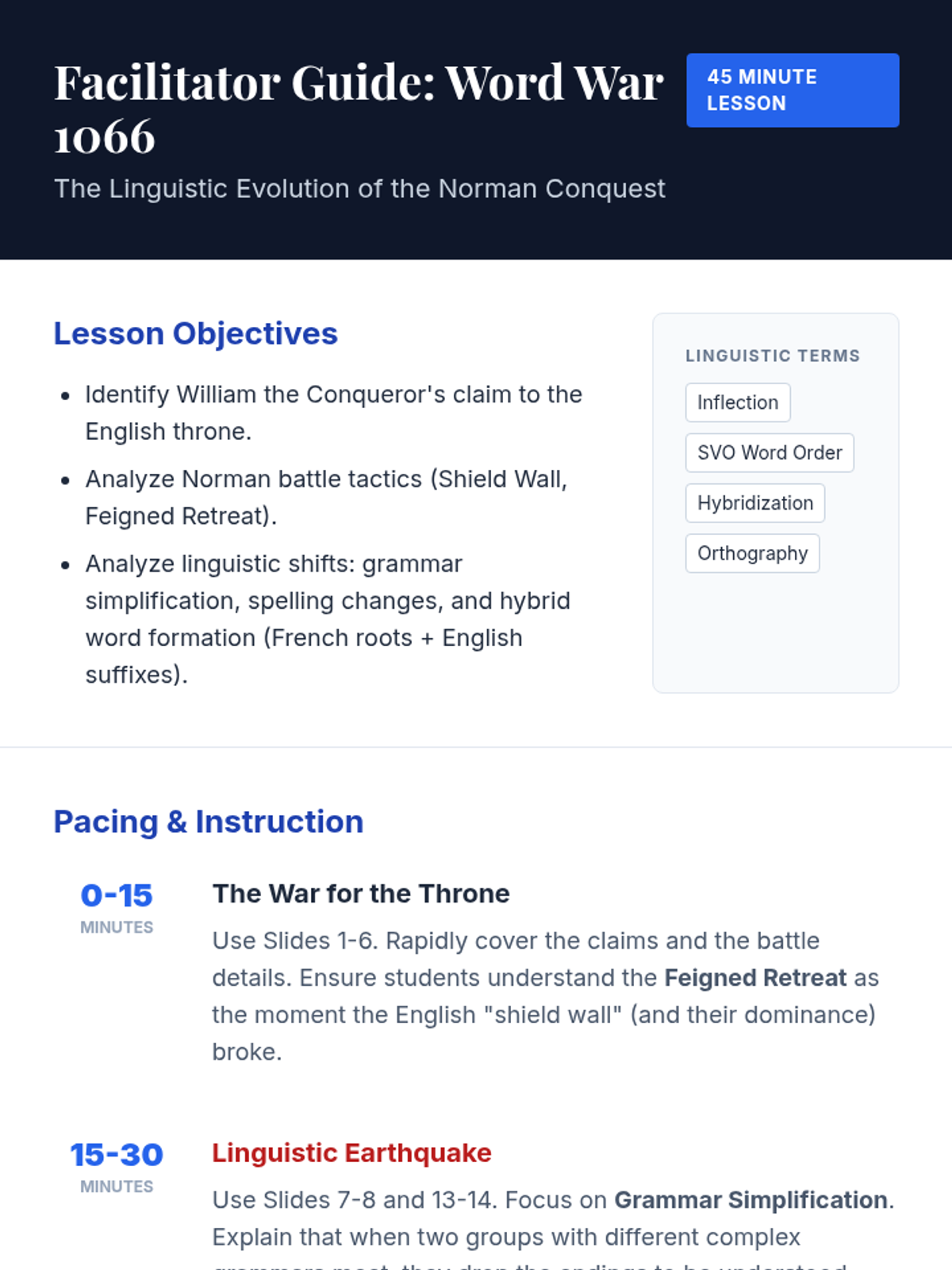
A lesson exploring the Battle of Hastings and its profound impact on the English language, tracing how the Norman Conquest introduced French vocabulary and transformed Old English into the ancestor of modern English.
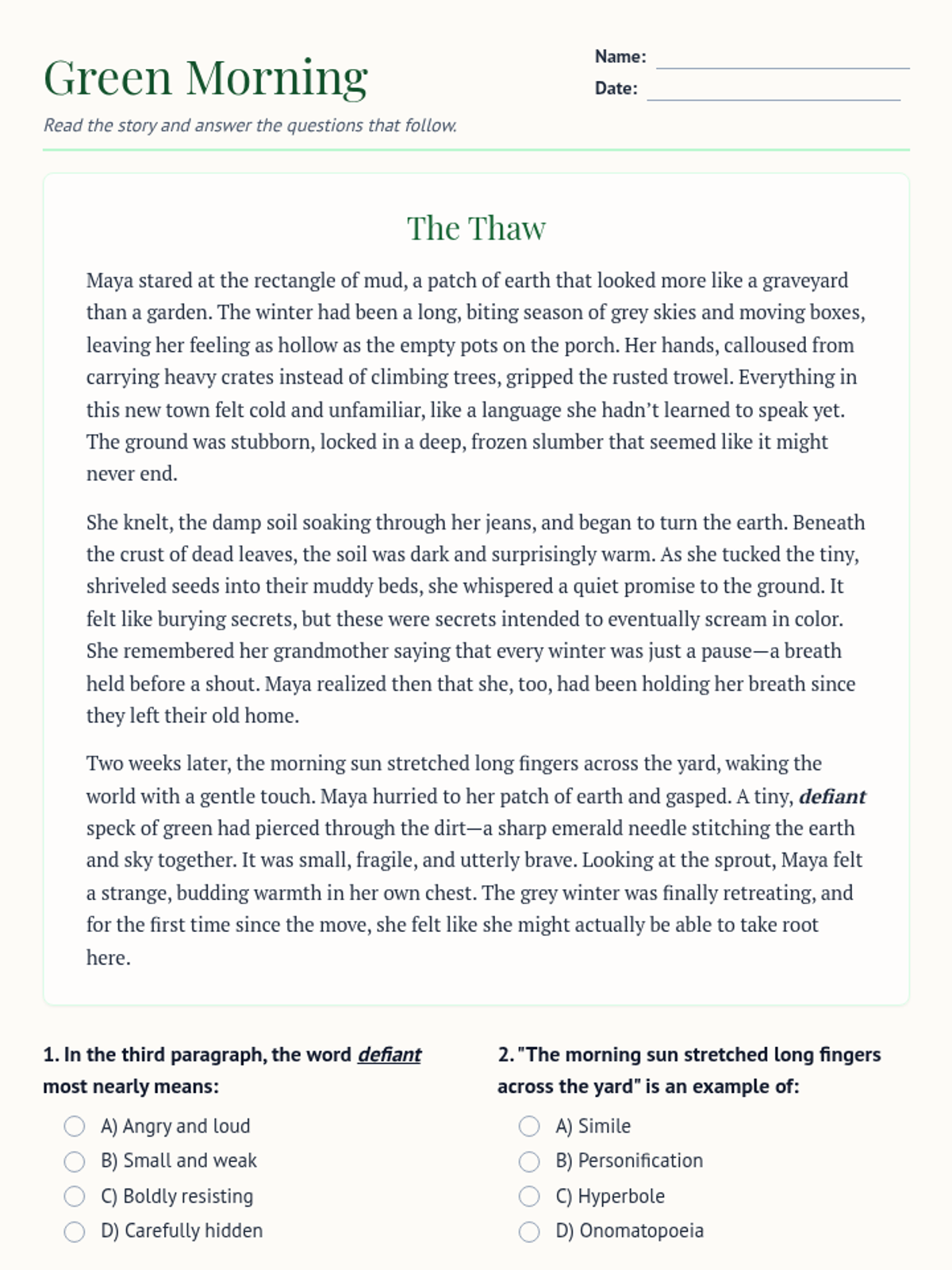
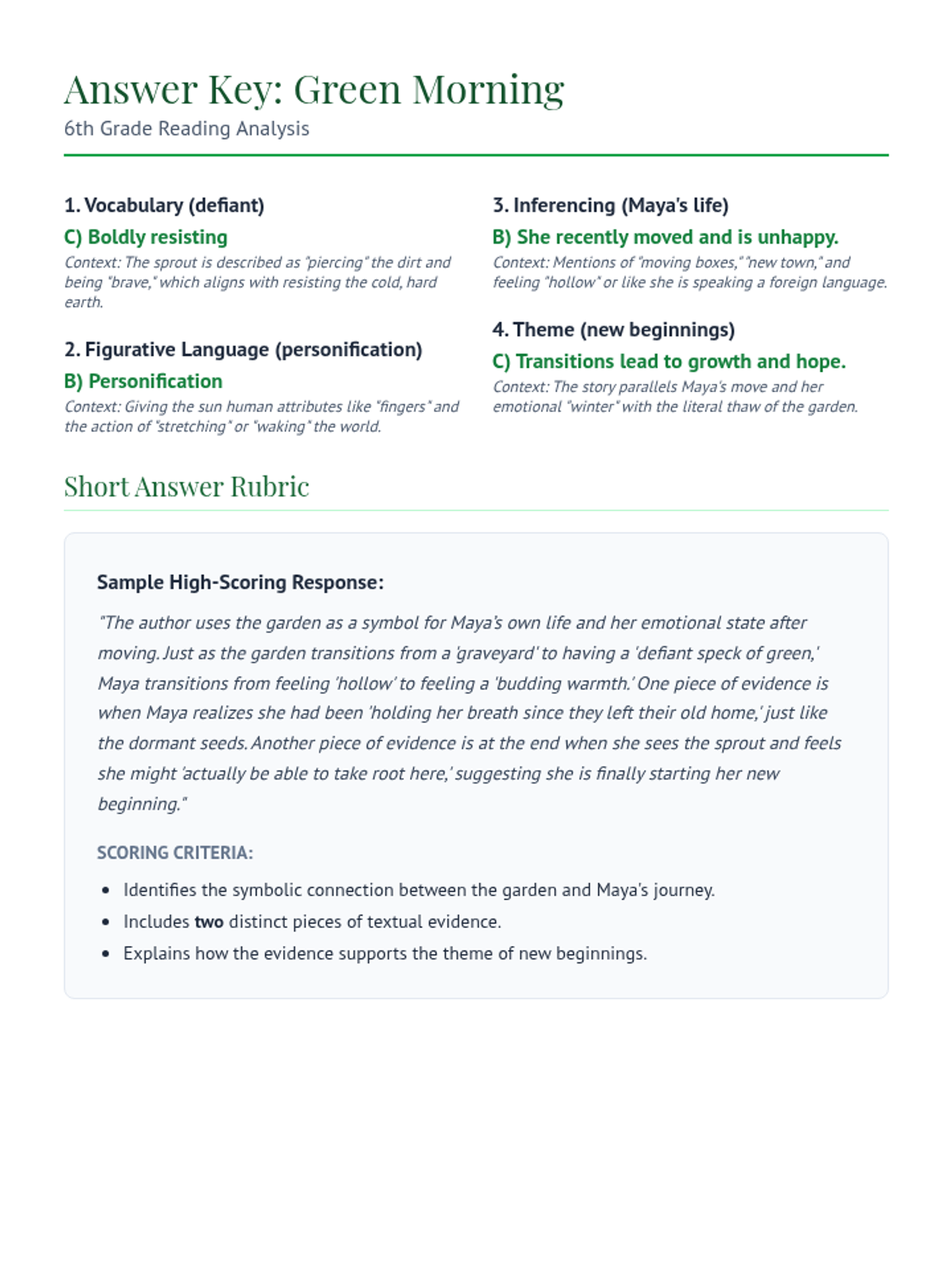
A lesson focused on analyzing fiction through the lens of spring and themes of renewal. Students will practice close reading, identifying figurative language, and making inferences.
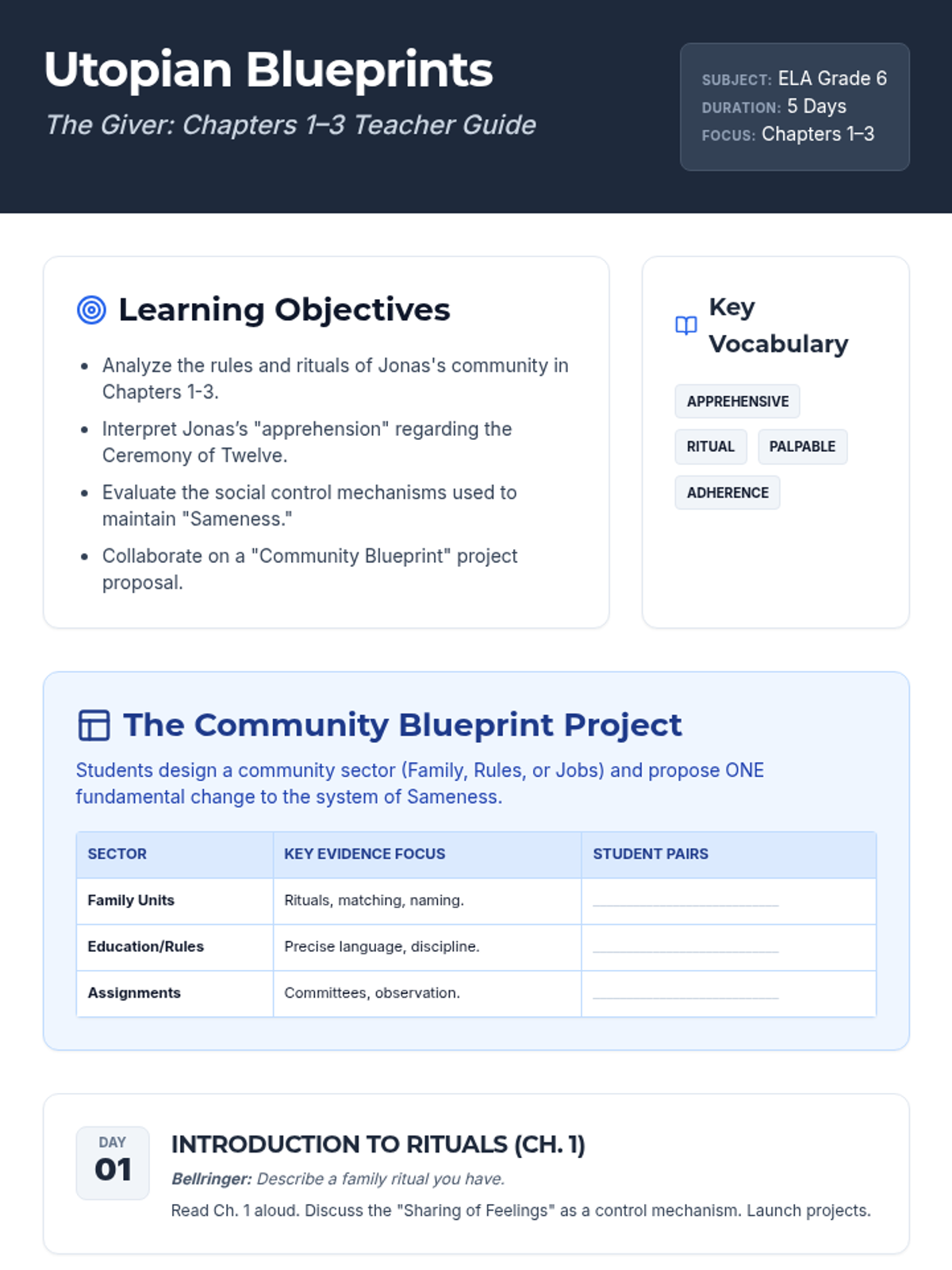
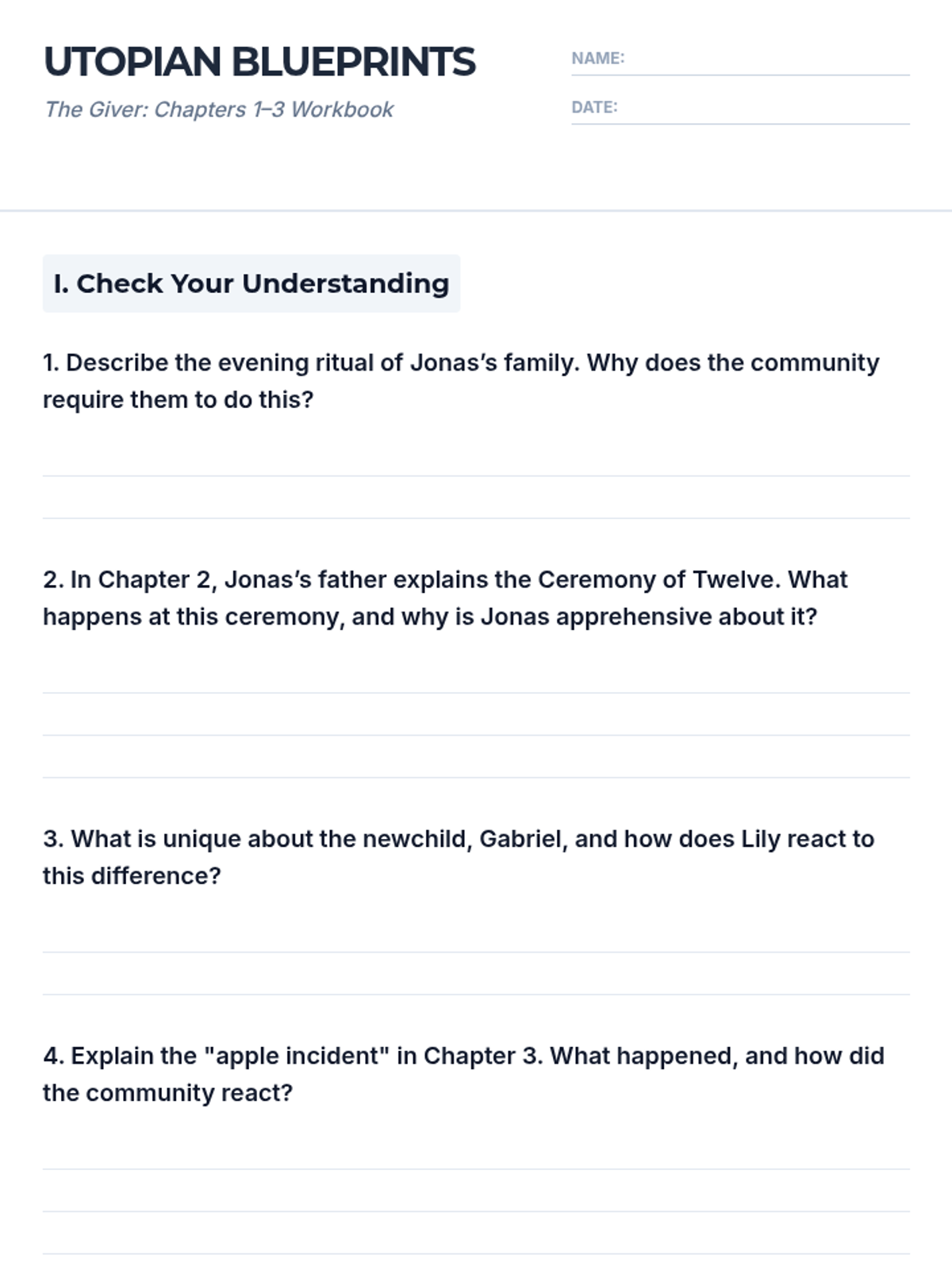
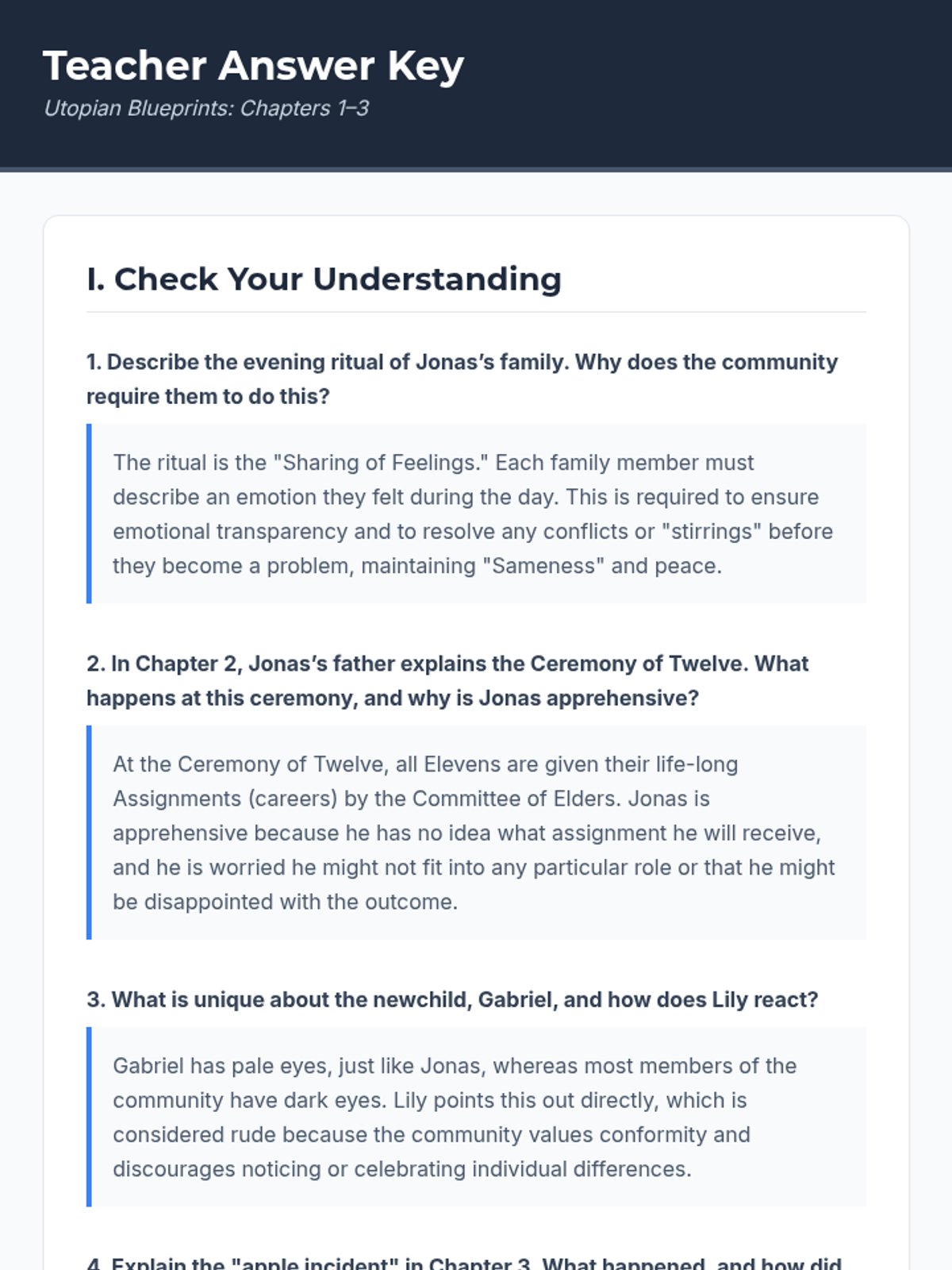
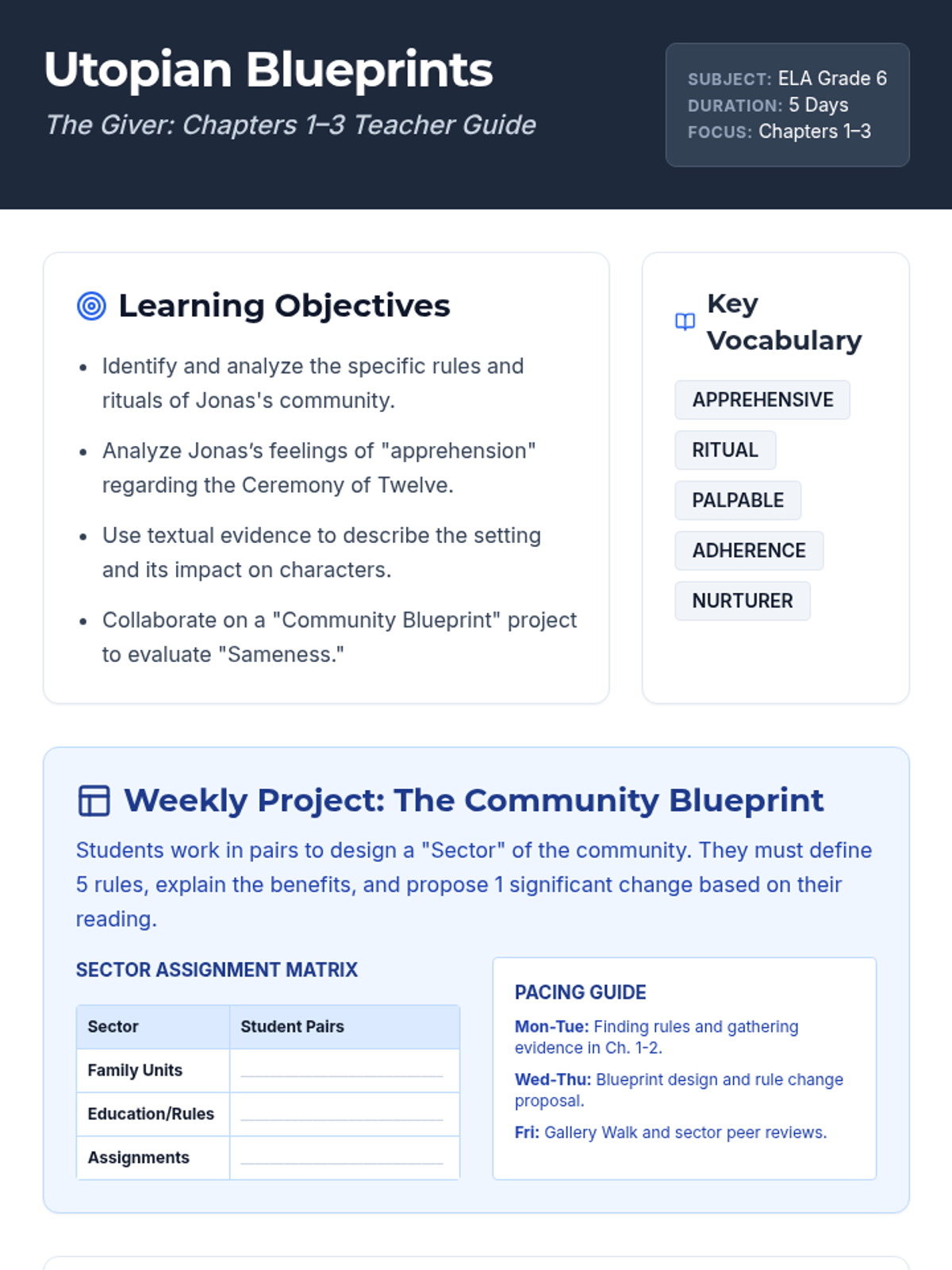
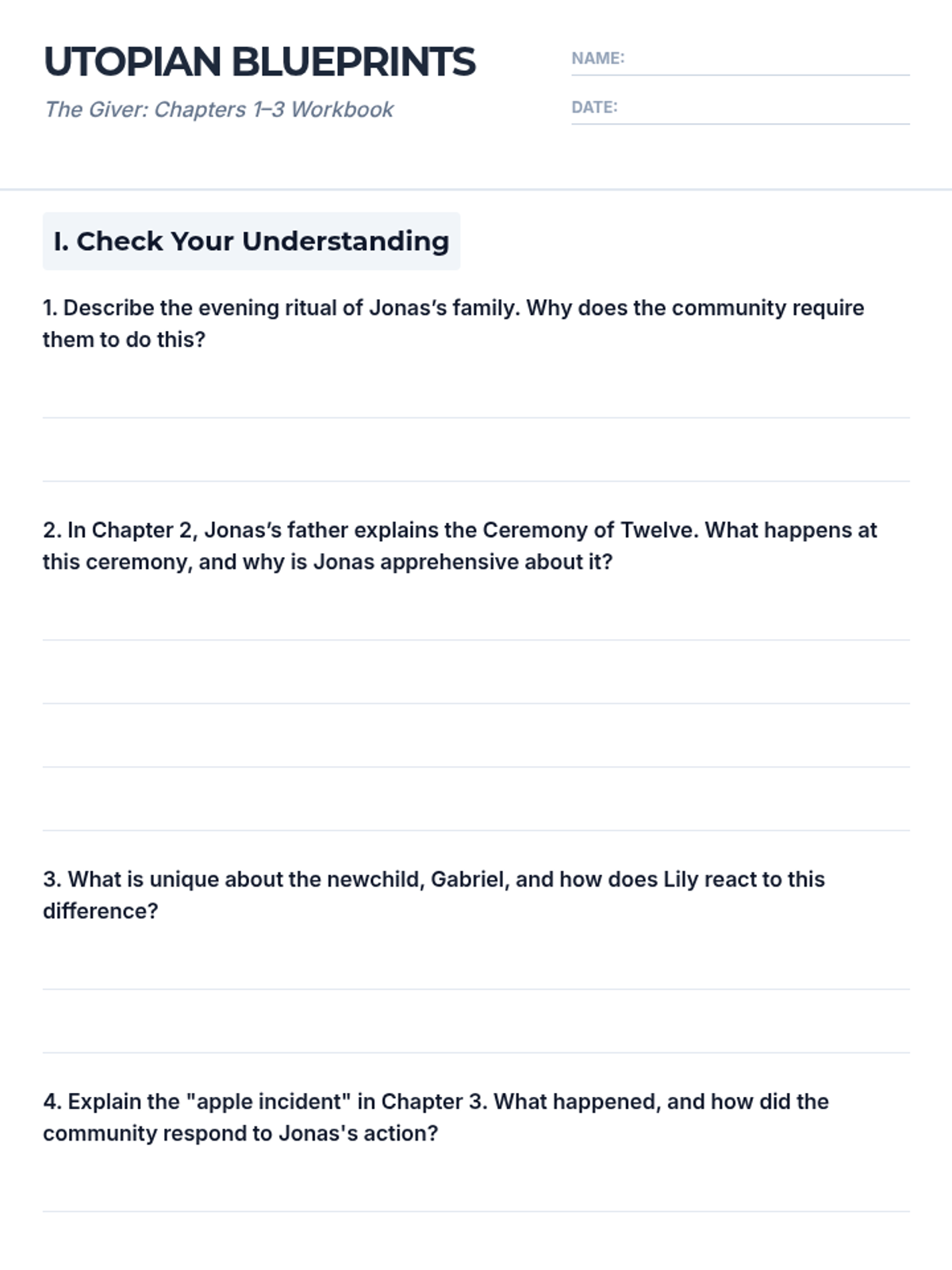
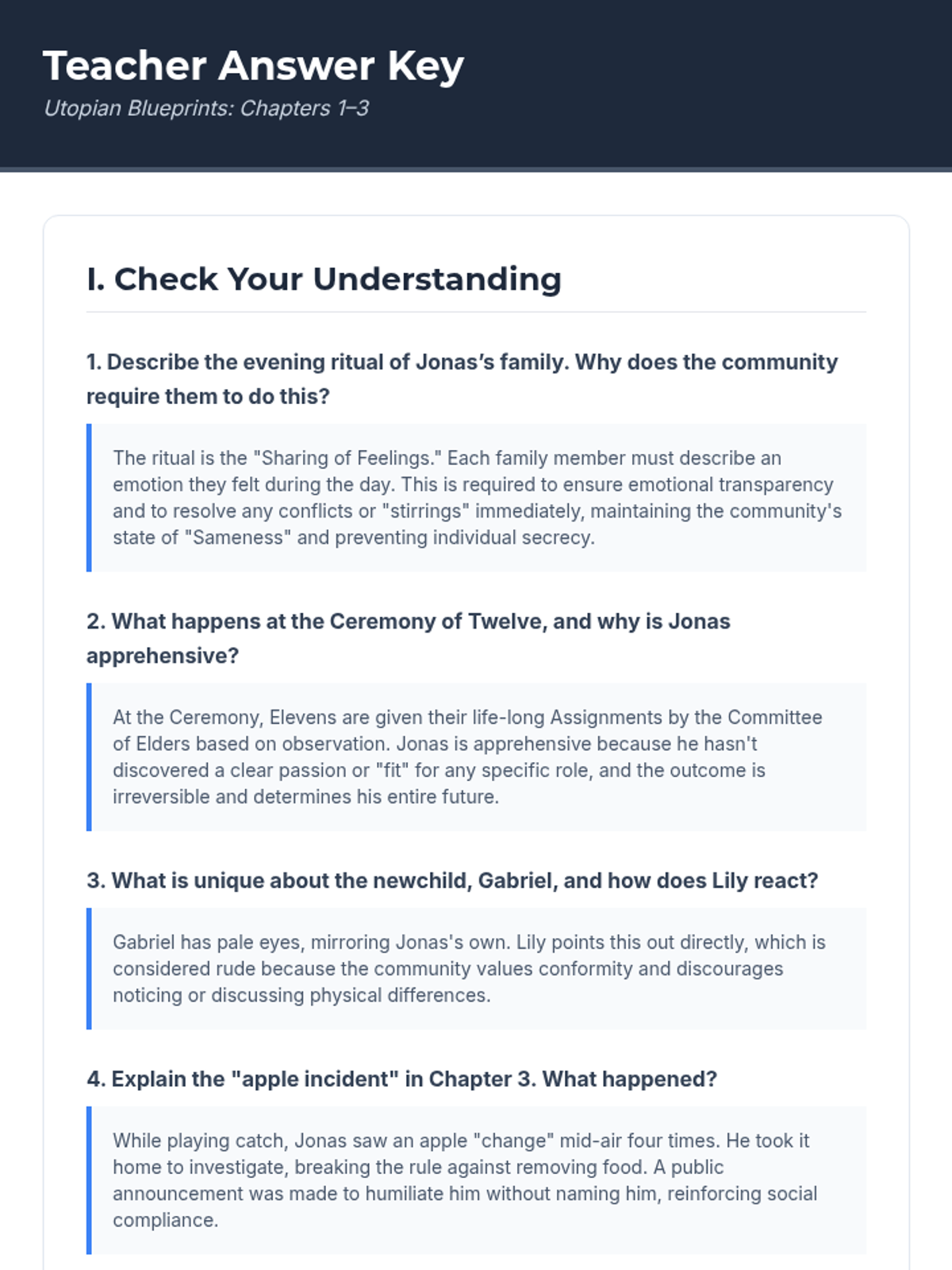
A 5-day introductory unit for The Giver covering Chapters 1-3, focusing on community rules, rituals, and the 'Ceremony of Twelve'. Students will explore the theme of conformity through a 'Community Blueprint' project.
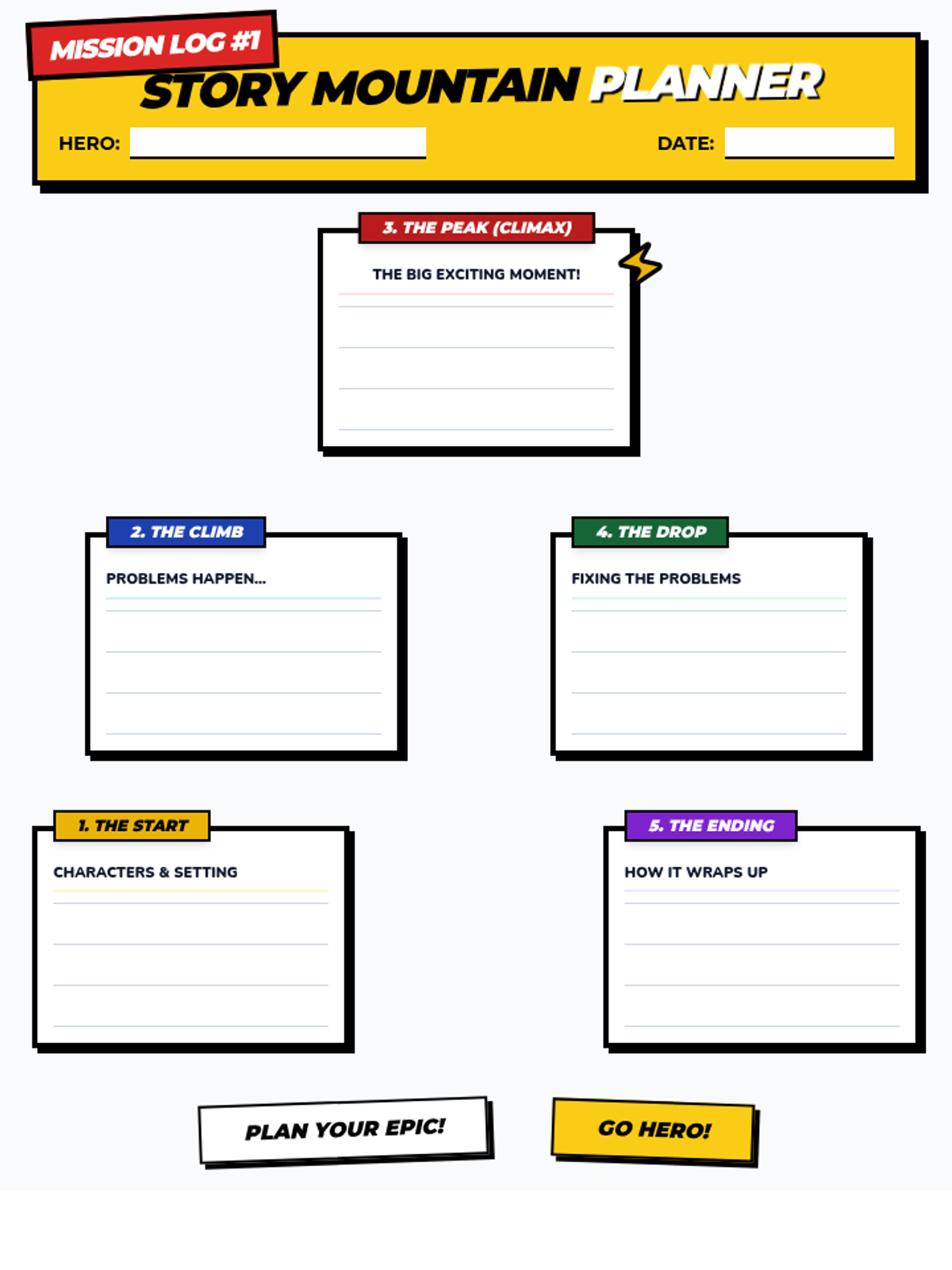
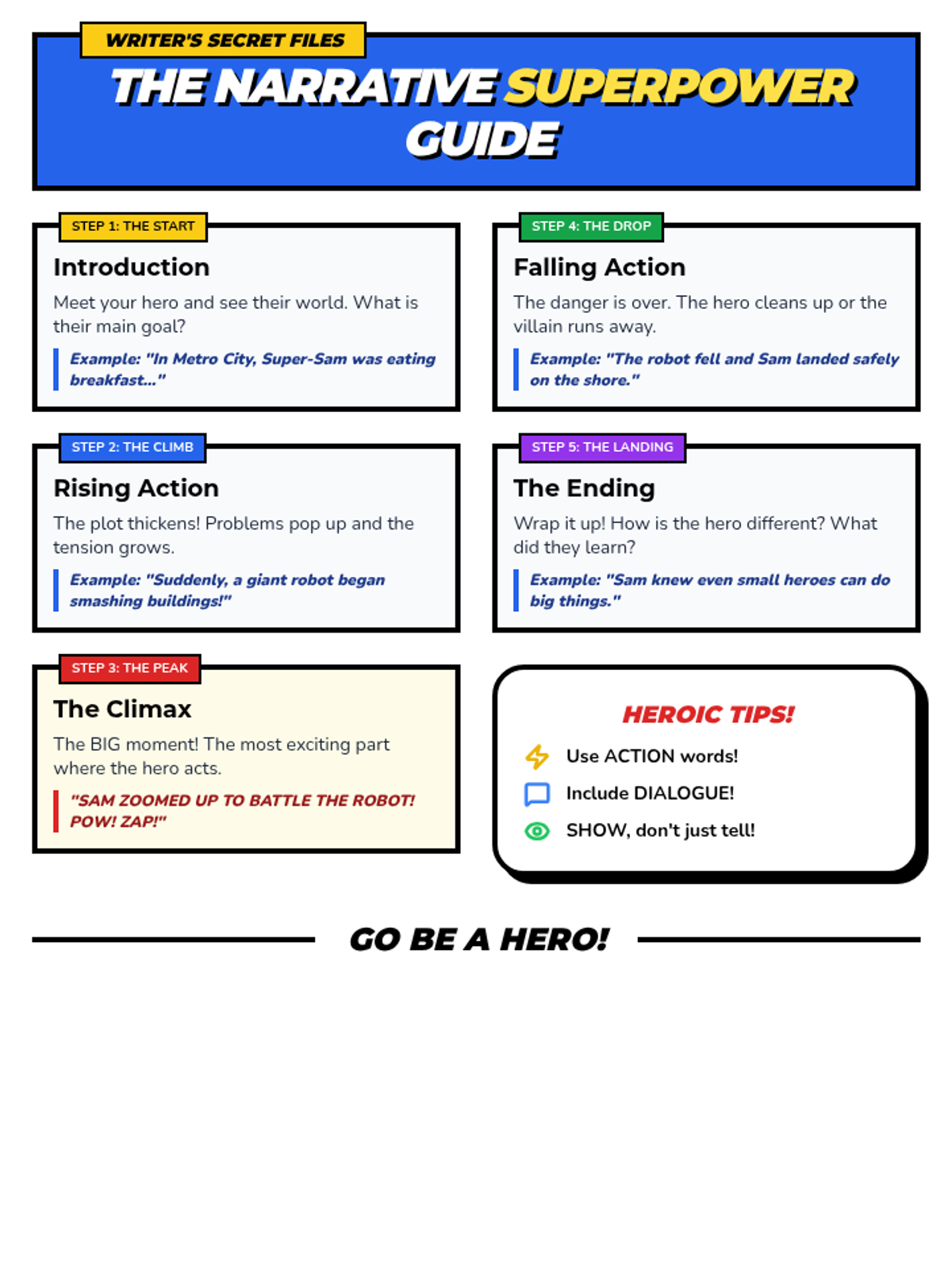
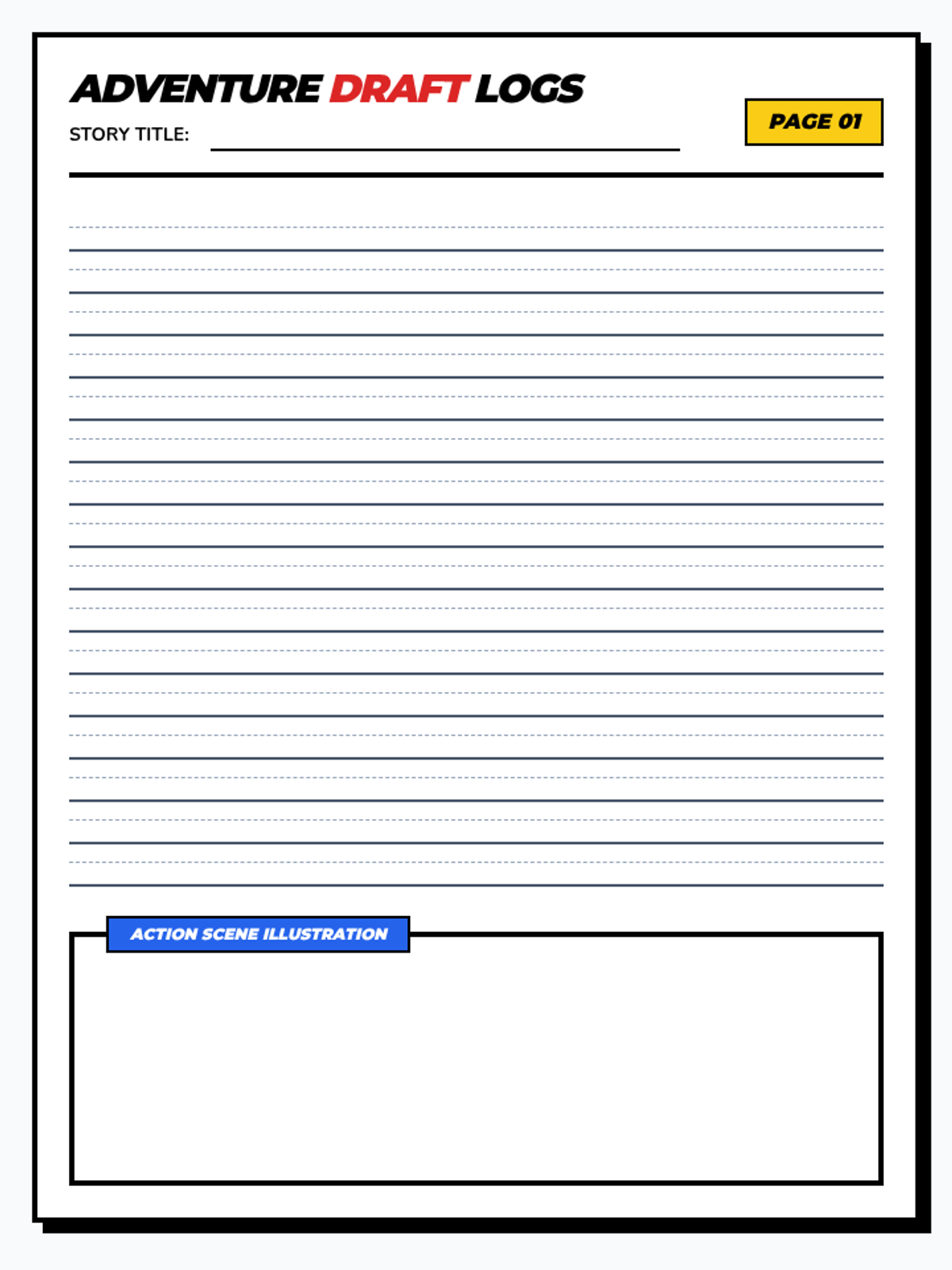
A creative writing lesson that teaches students to structure their narratives using the Story Mountain model through the lens of a comic book hero's journey.
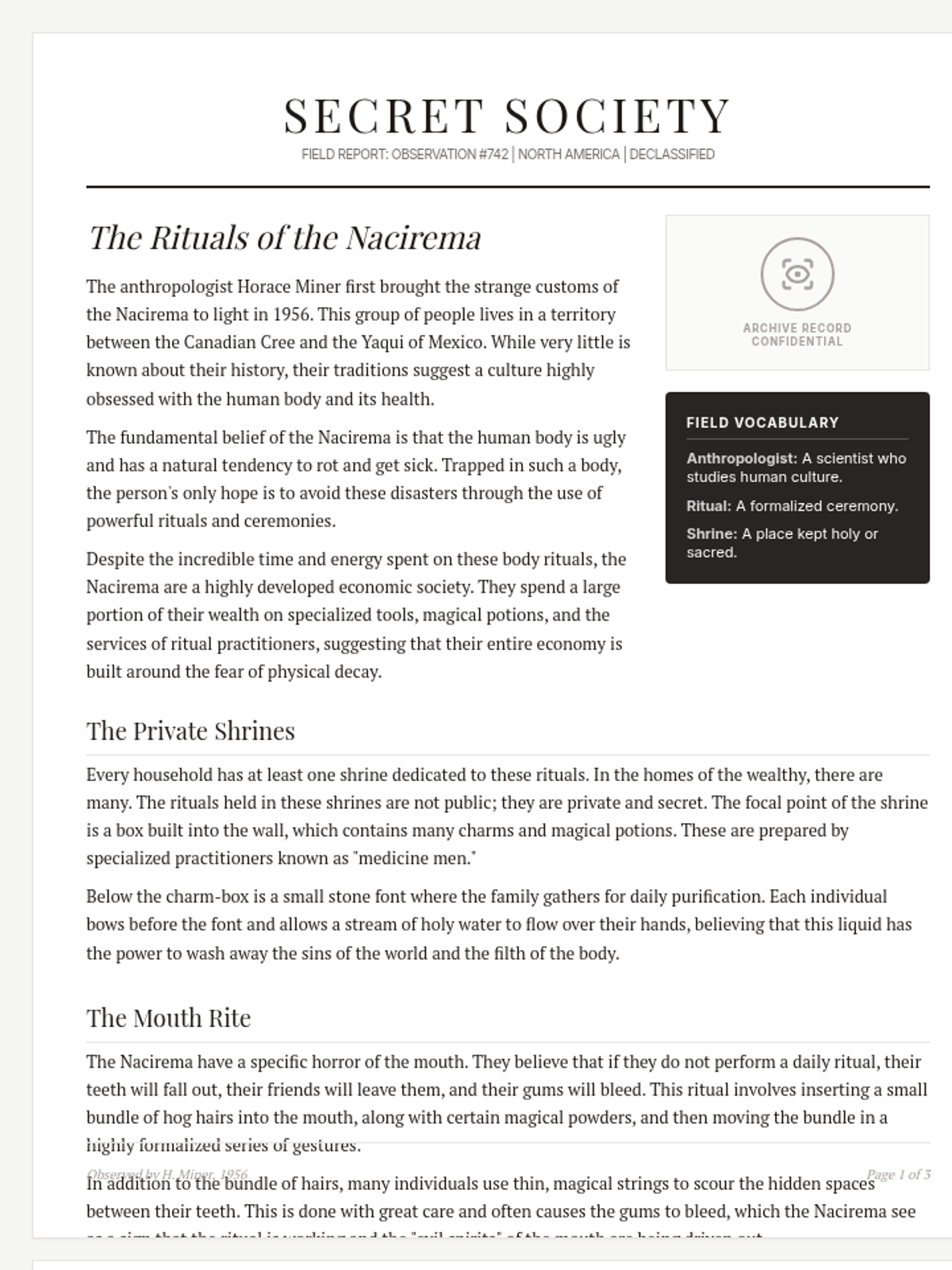
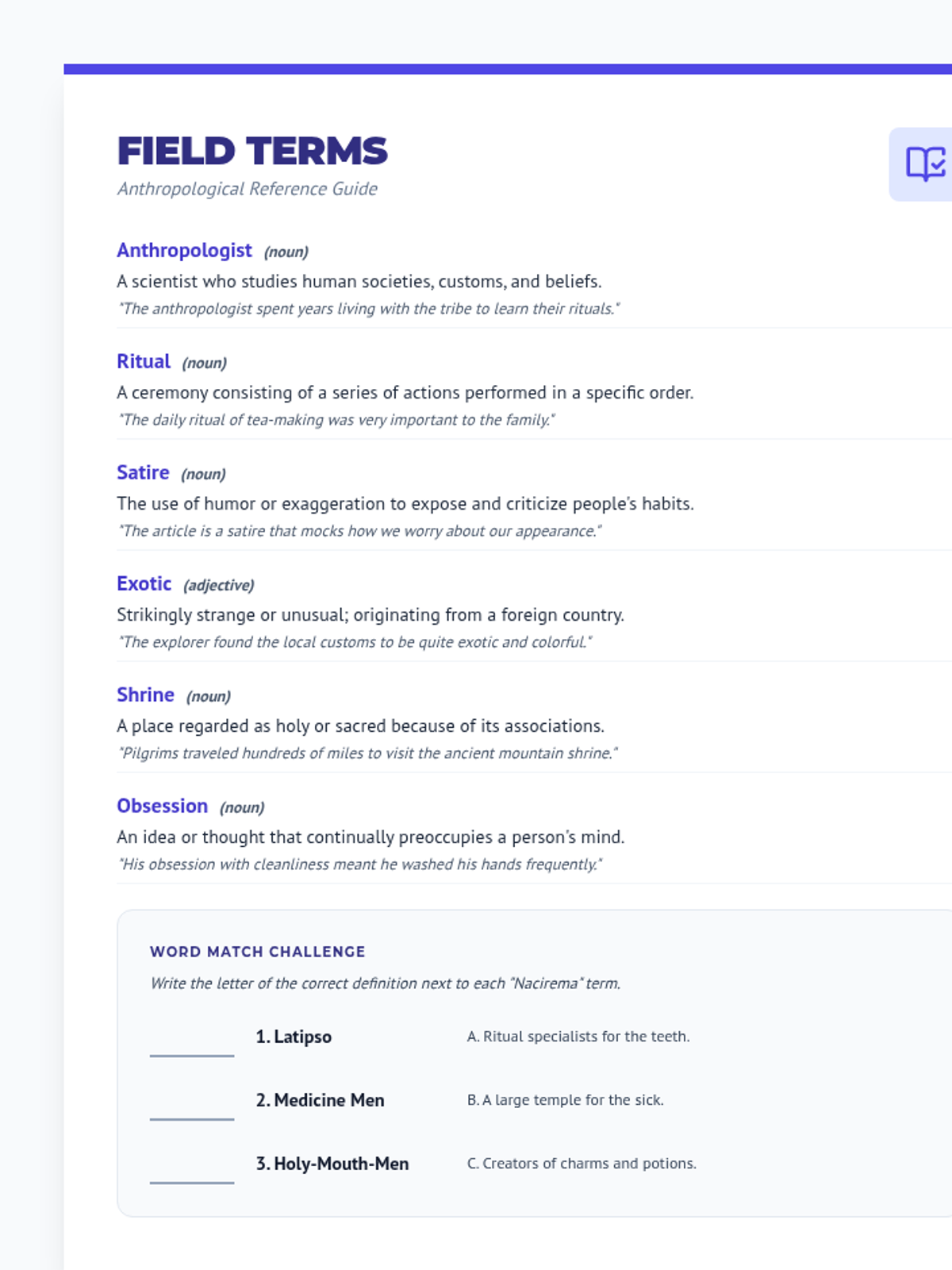
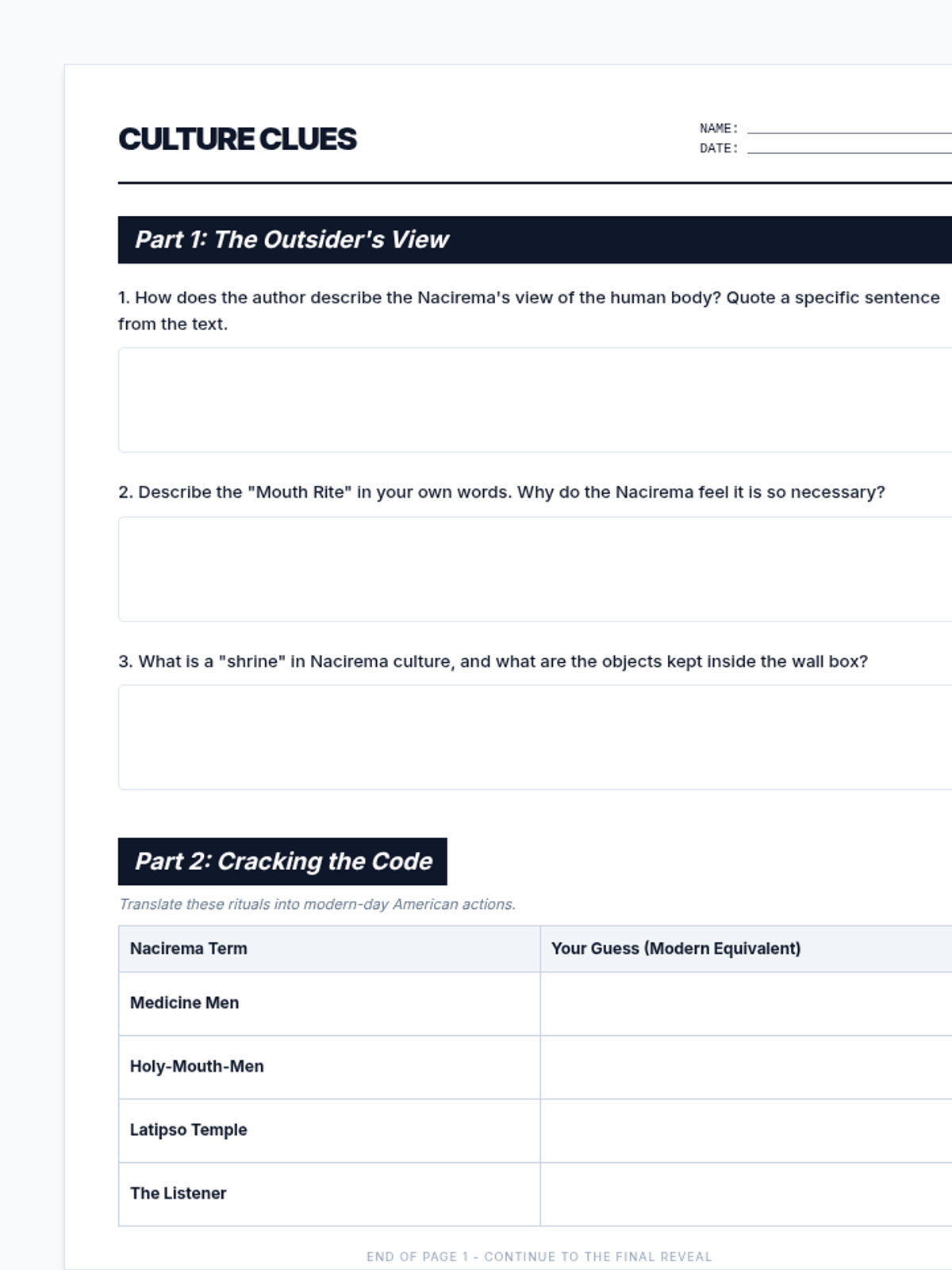
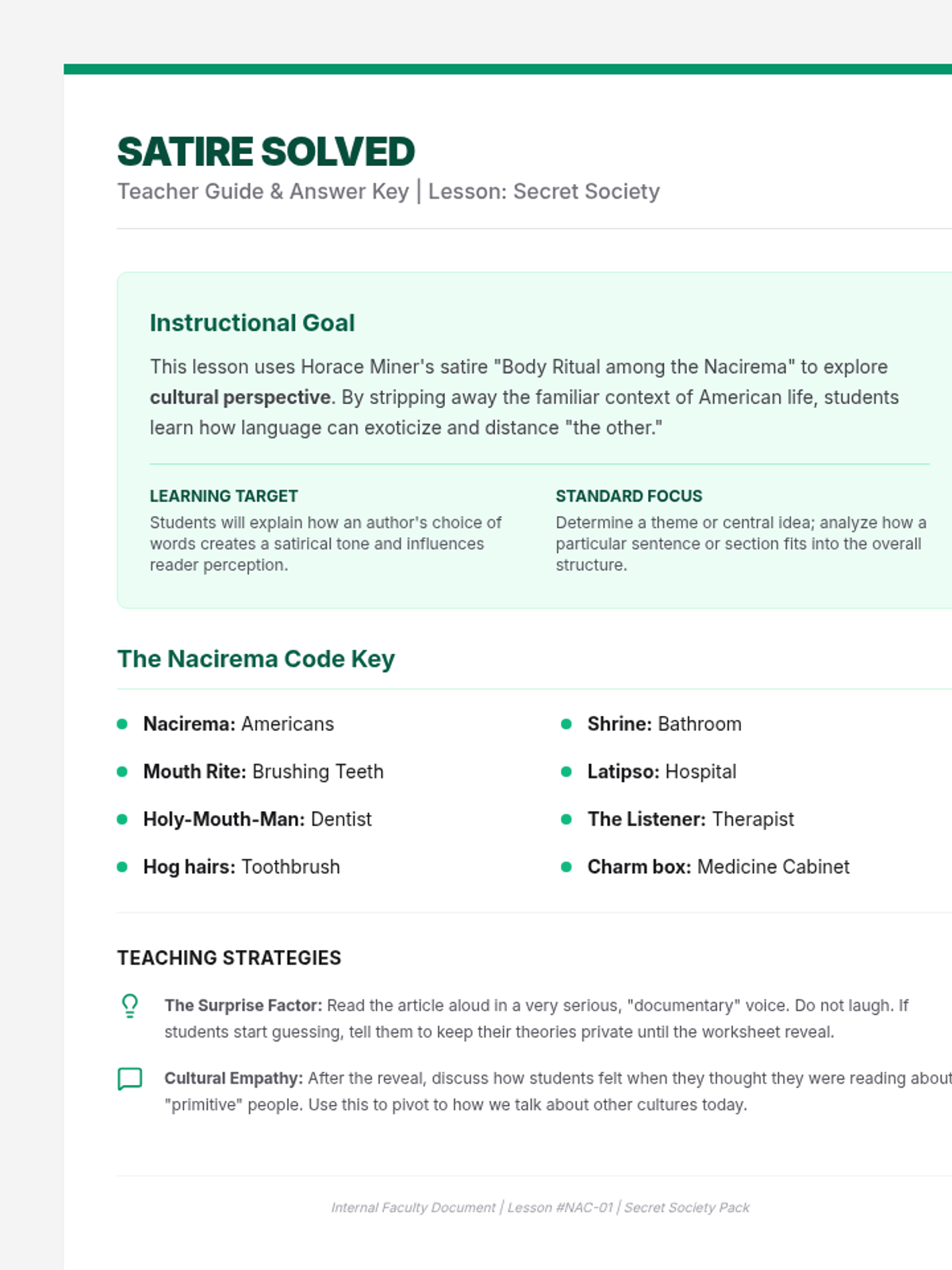
A lesson introducing students to the concept of cultural perspective and satire through the study of the Nacirema people, designed for middle schoolers.
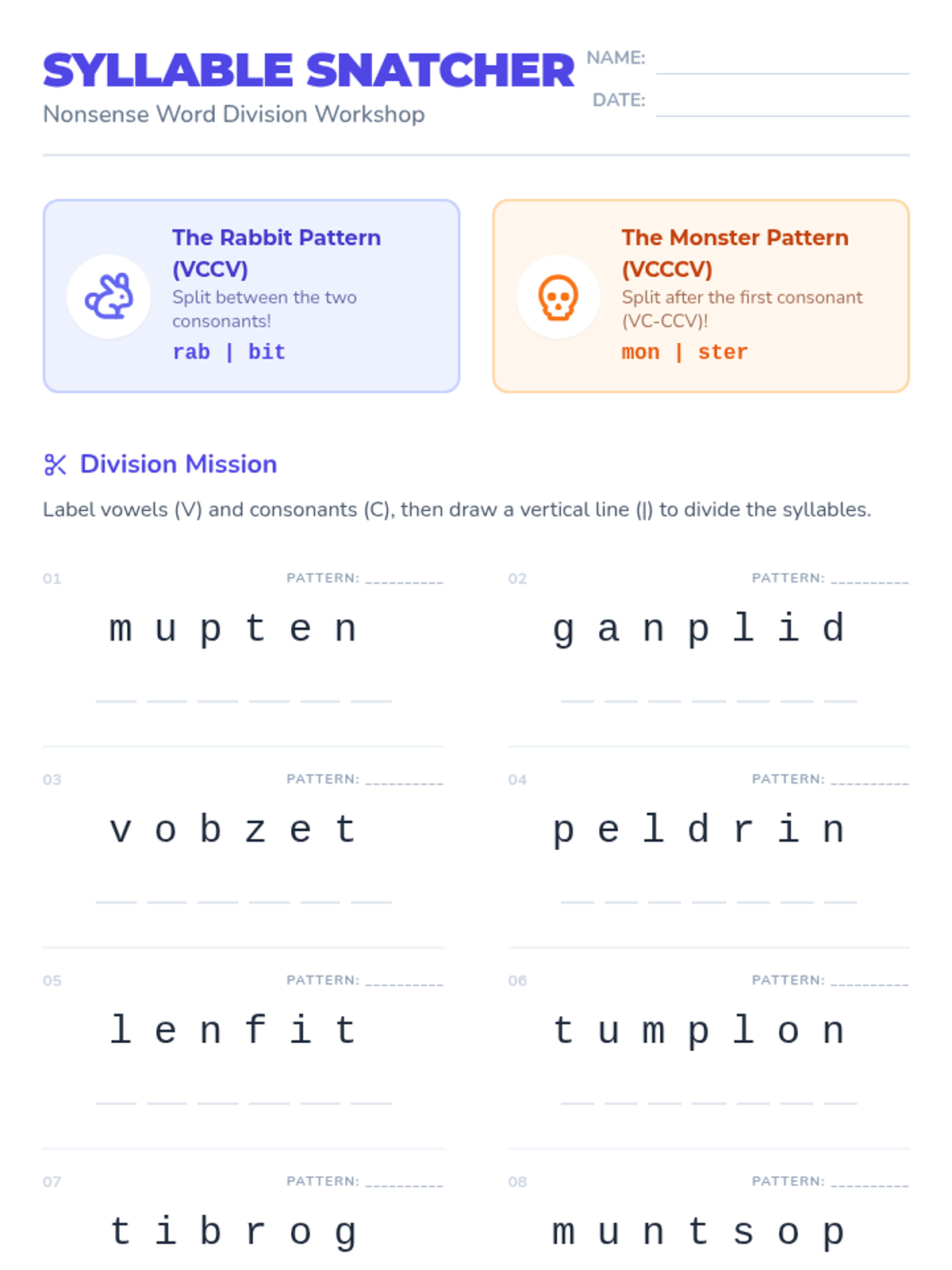
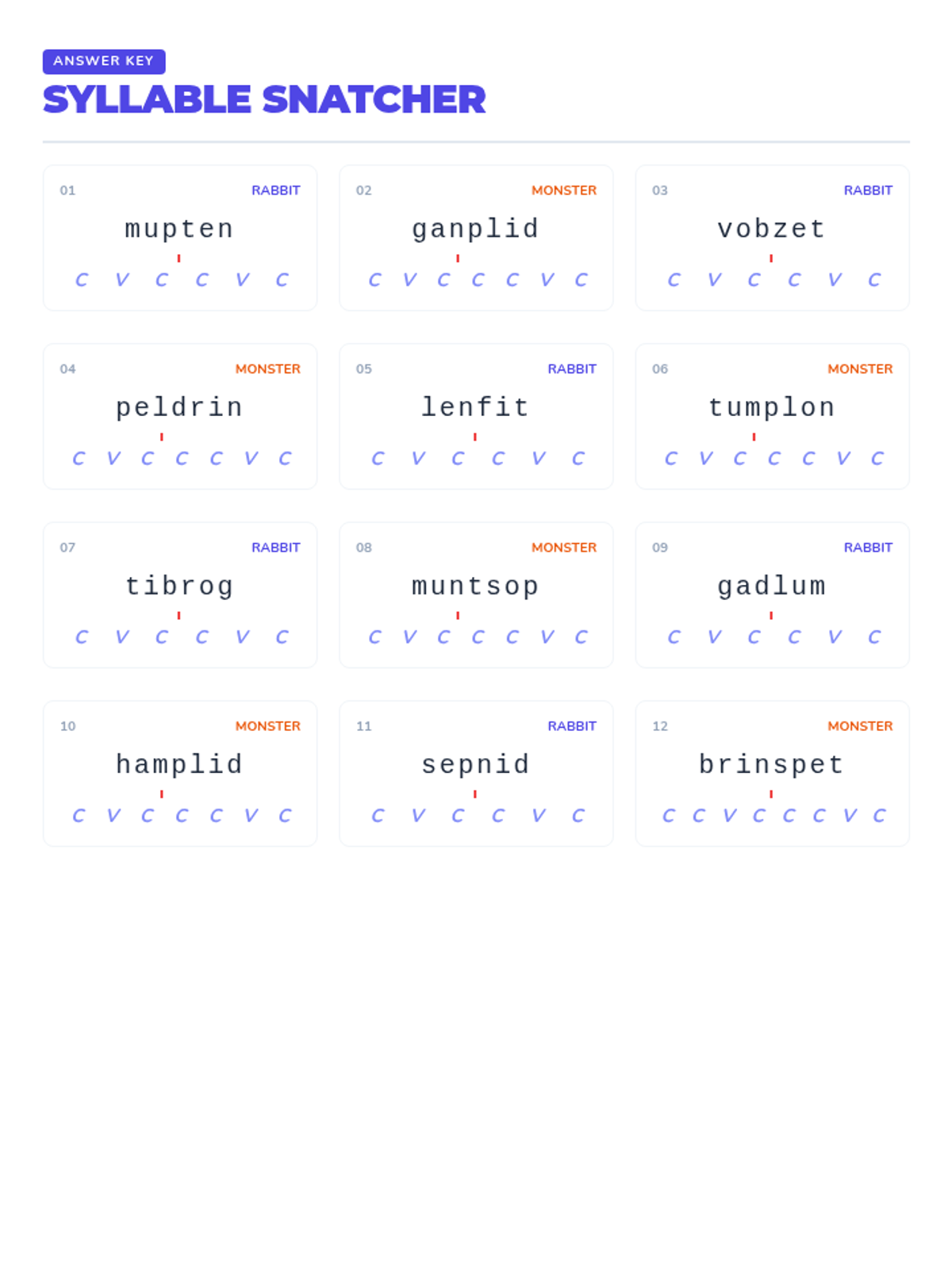
A focused lesson on dividing multisyllabic nonsense words using Rabbit (VCCV) and Monster (VCCCV) syllable division patterns. Students practice identifying vowel-consonant patterns to decode unfamiliar words.
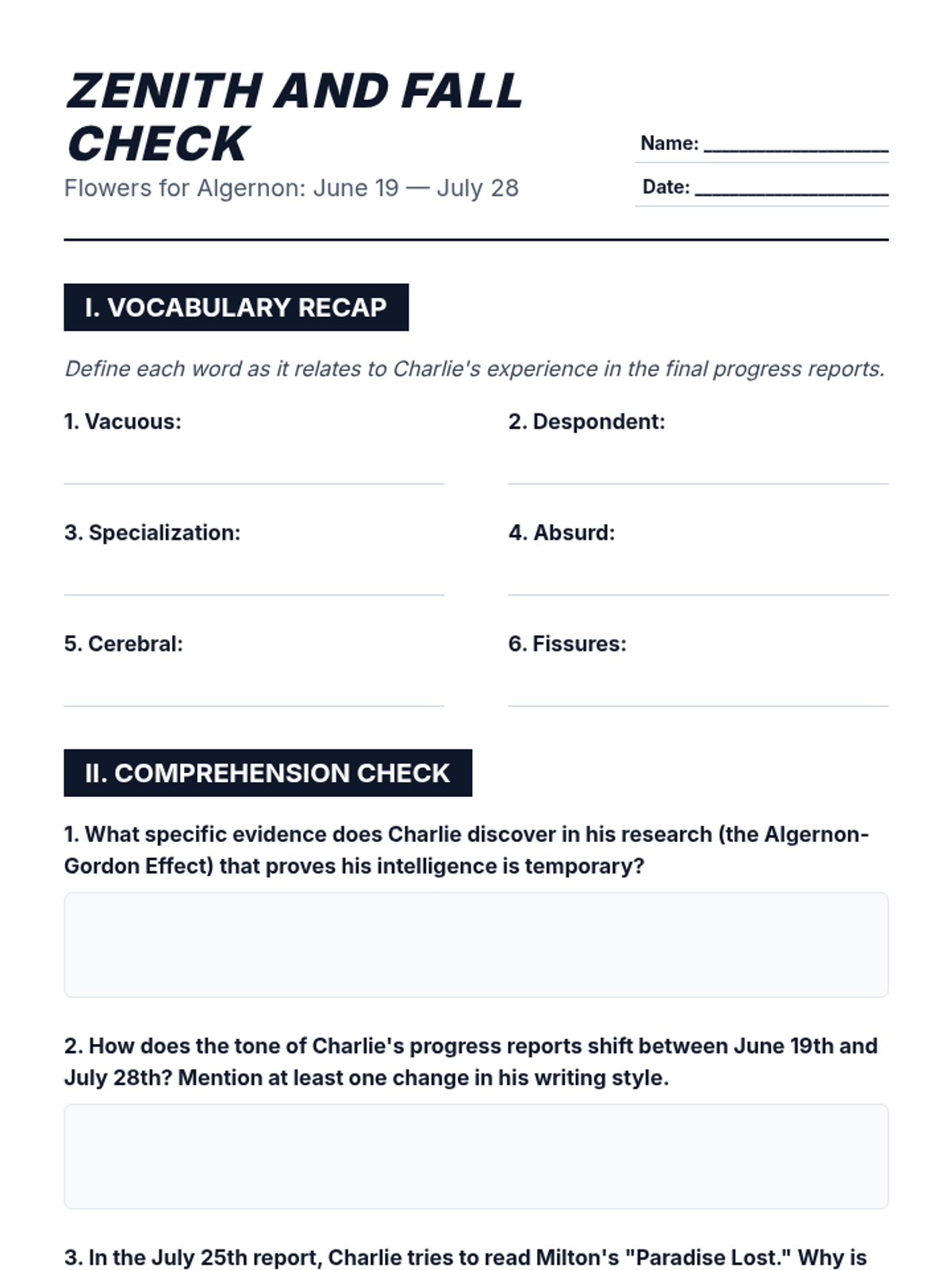
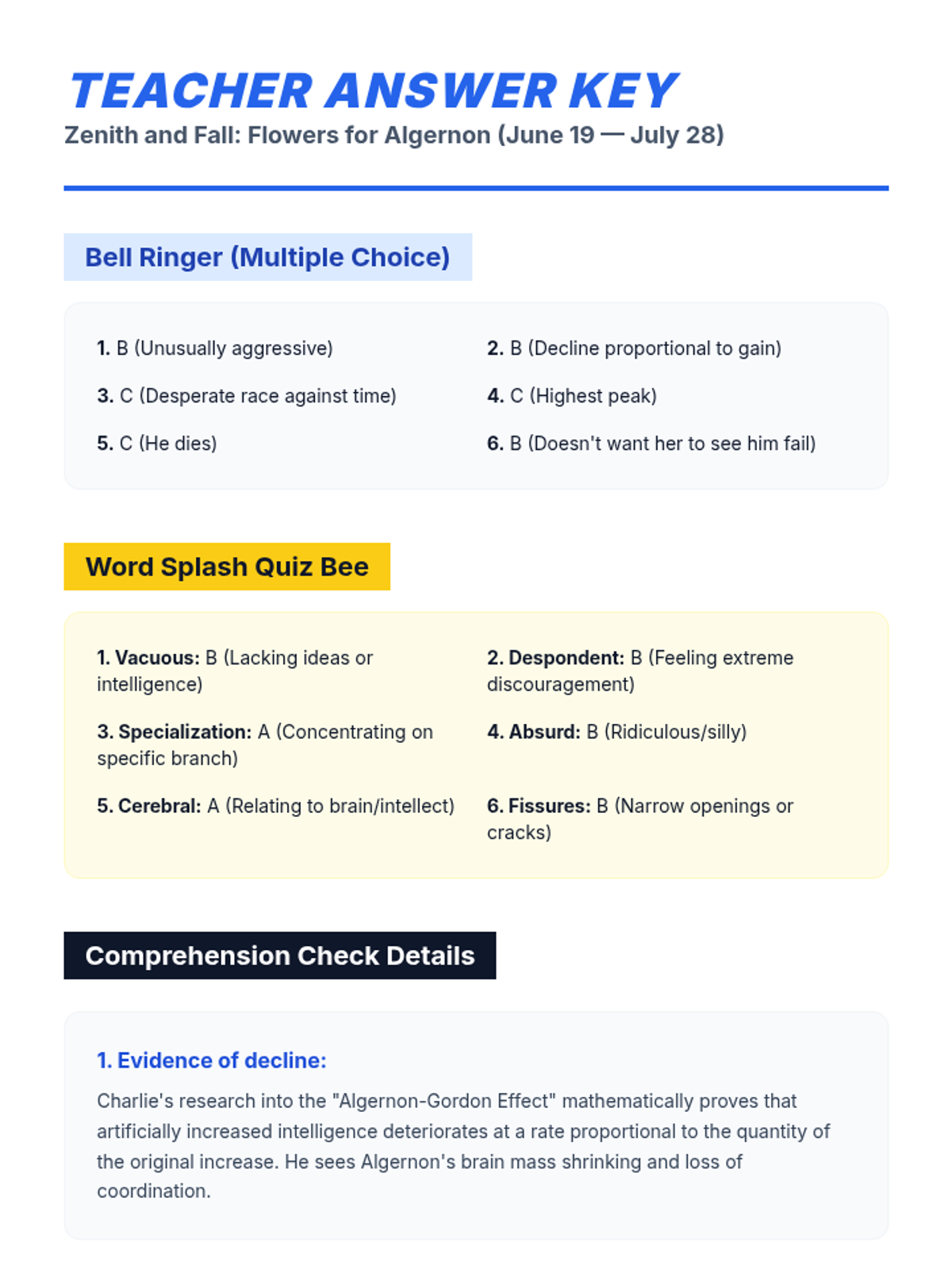
This lesson explores the tragic climax and resolution of 'Flowers for Algernon', focusing on Charlie's intellectual peak and subsequent decline. Students analyze the shift in tone and meaning through connotation and denotation while reflecting on the ethical implications of the experiment.
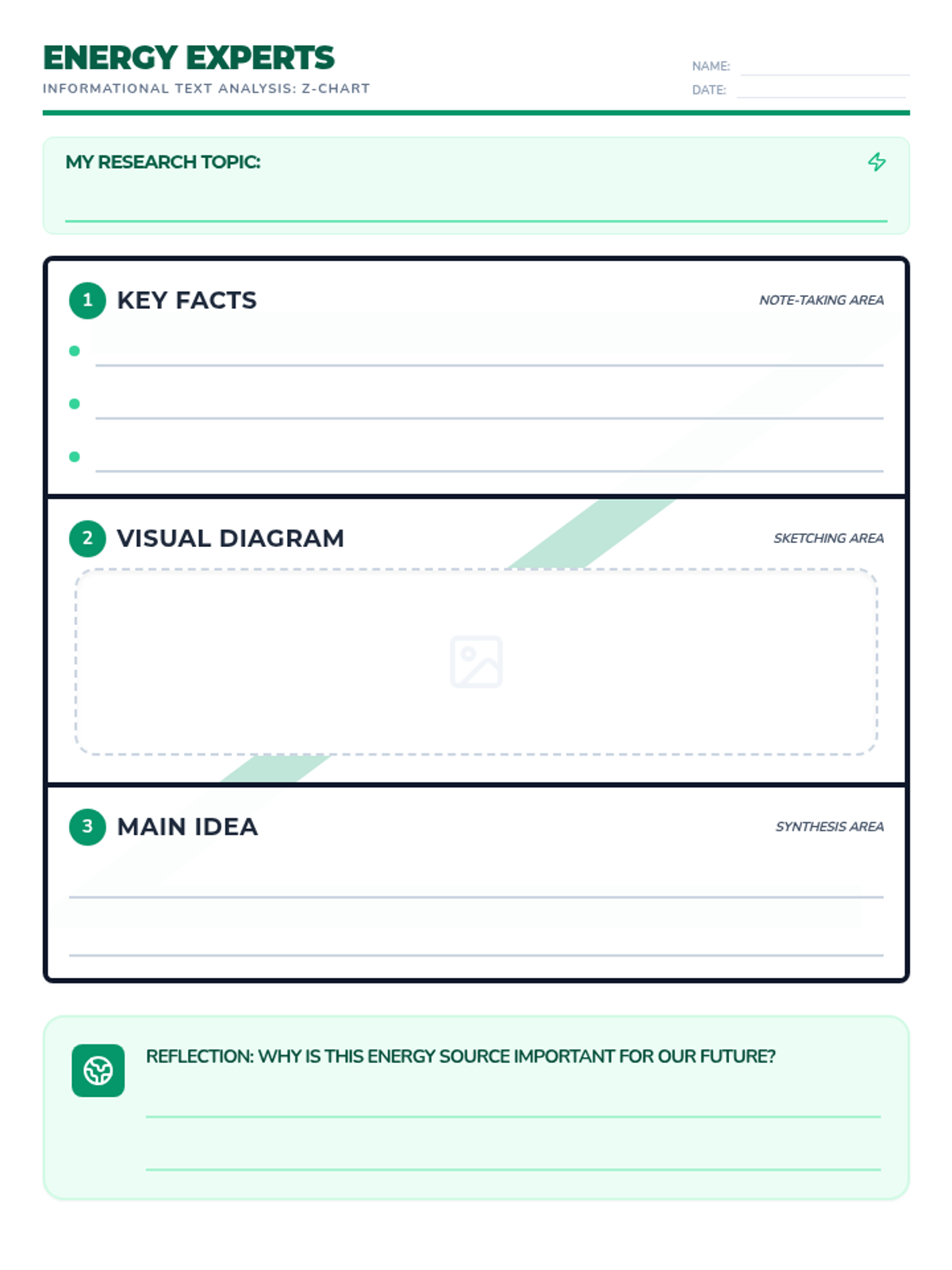
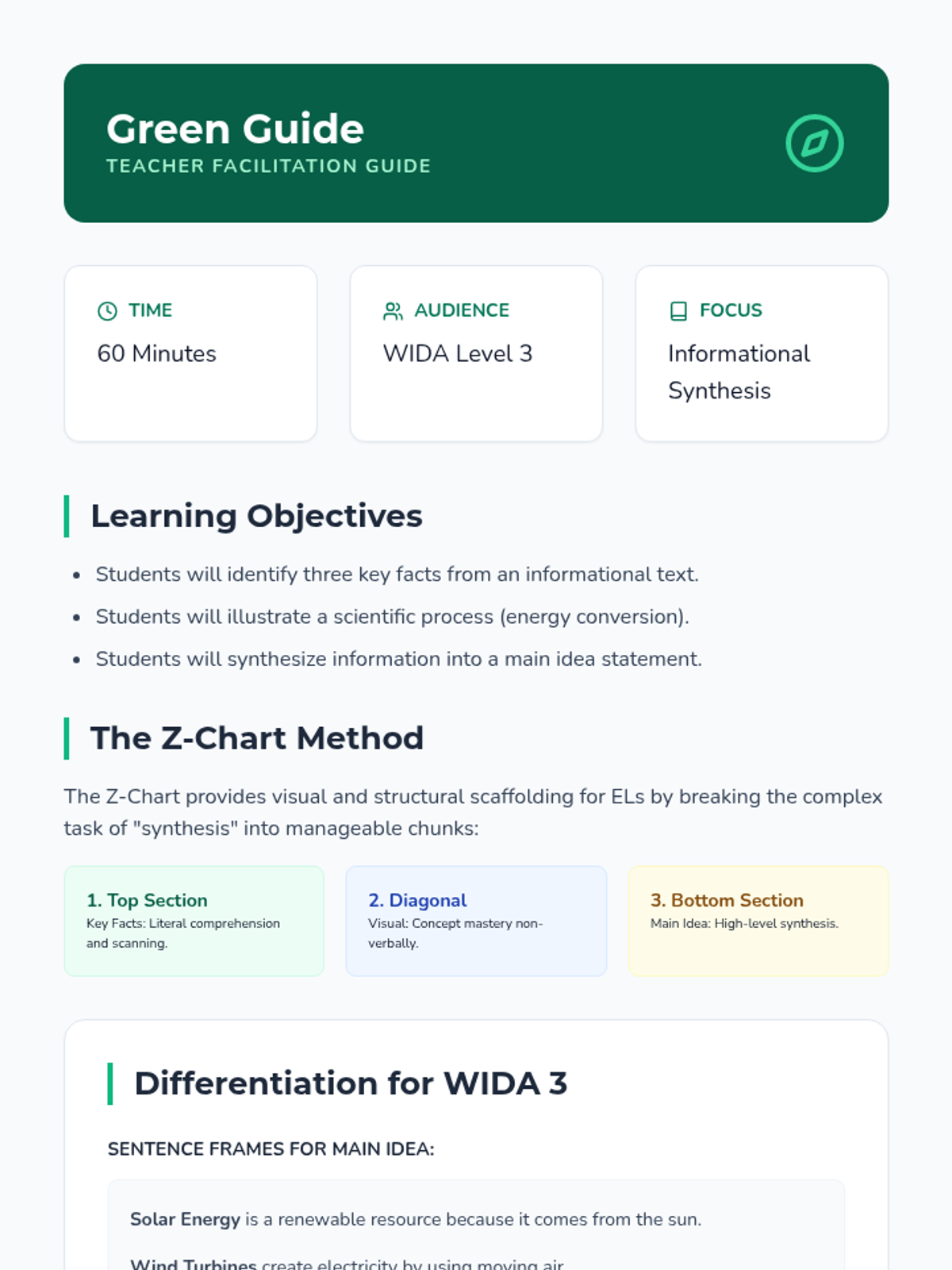
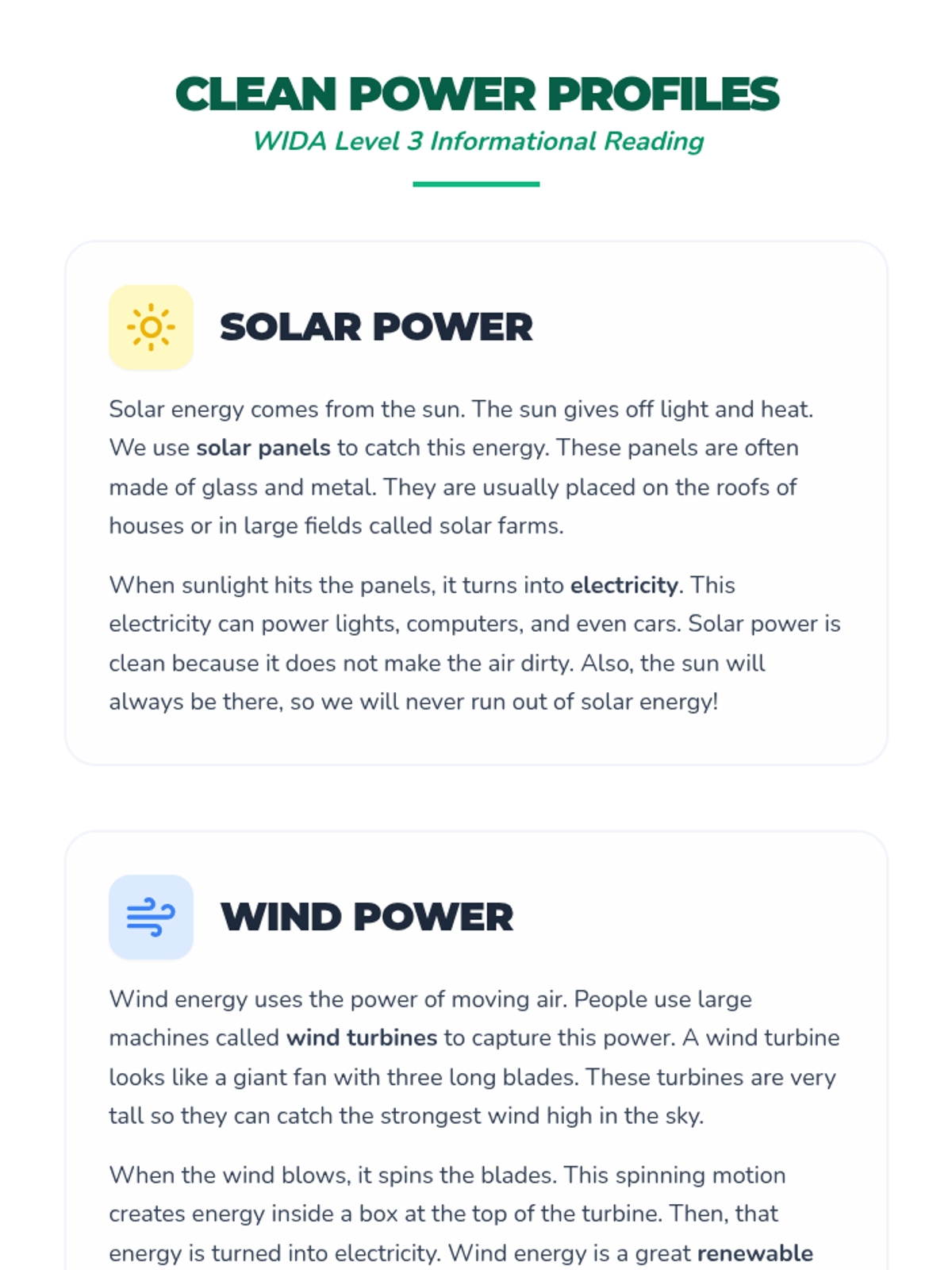
A culminating interactive lesson where students analyze informational texts about renewable energy using Z-chart graphic organizers to synthesize their learning.
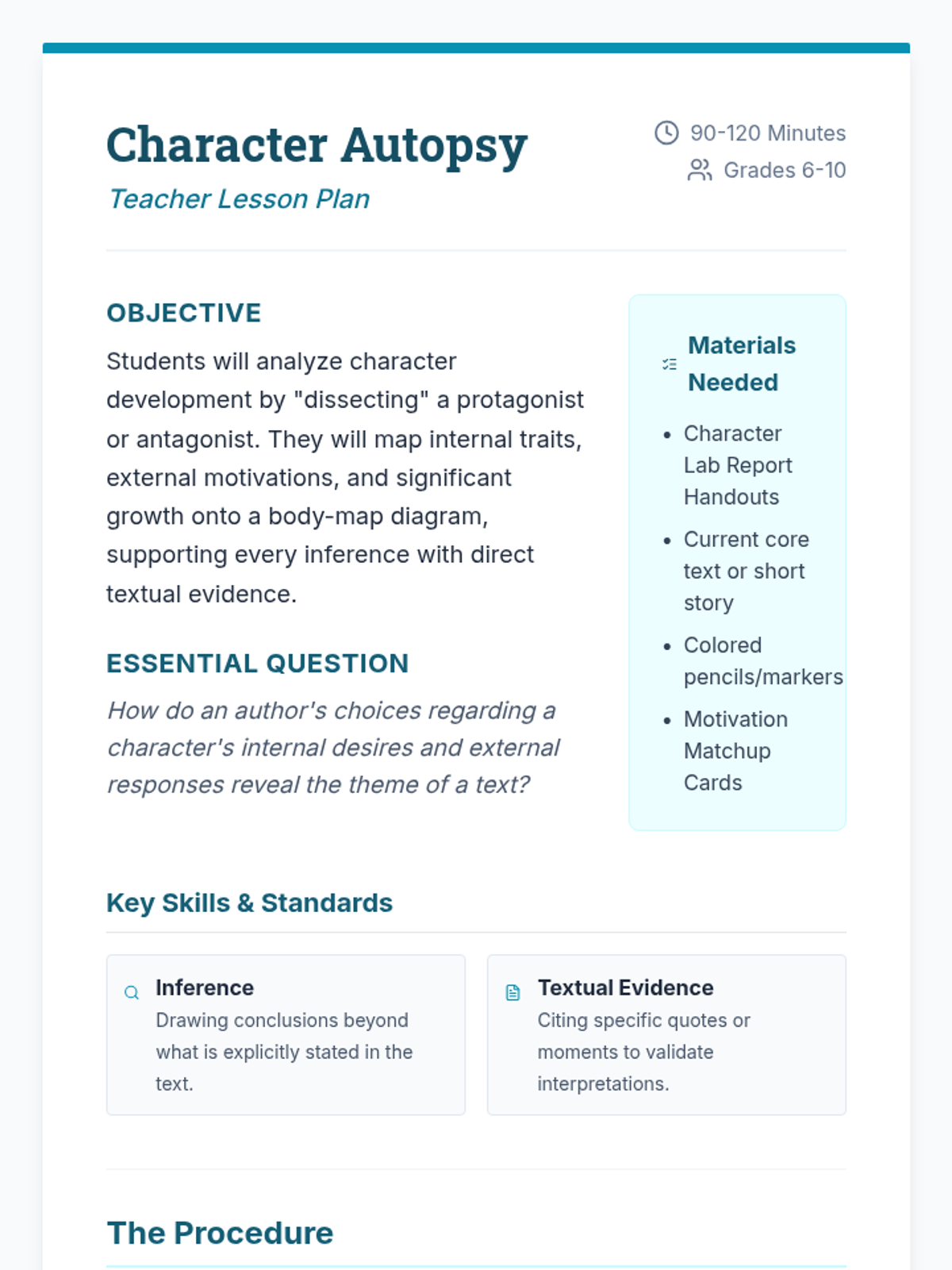
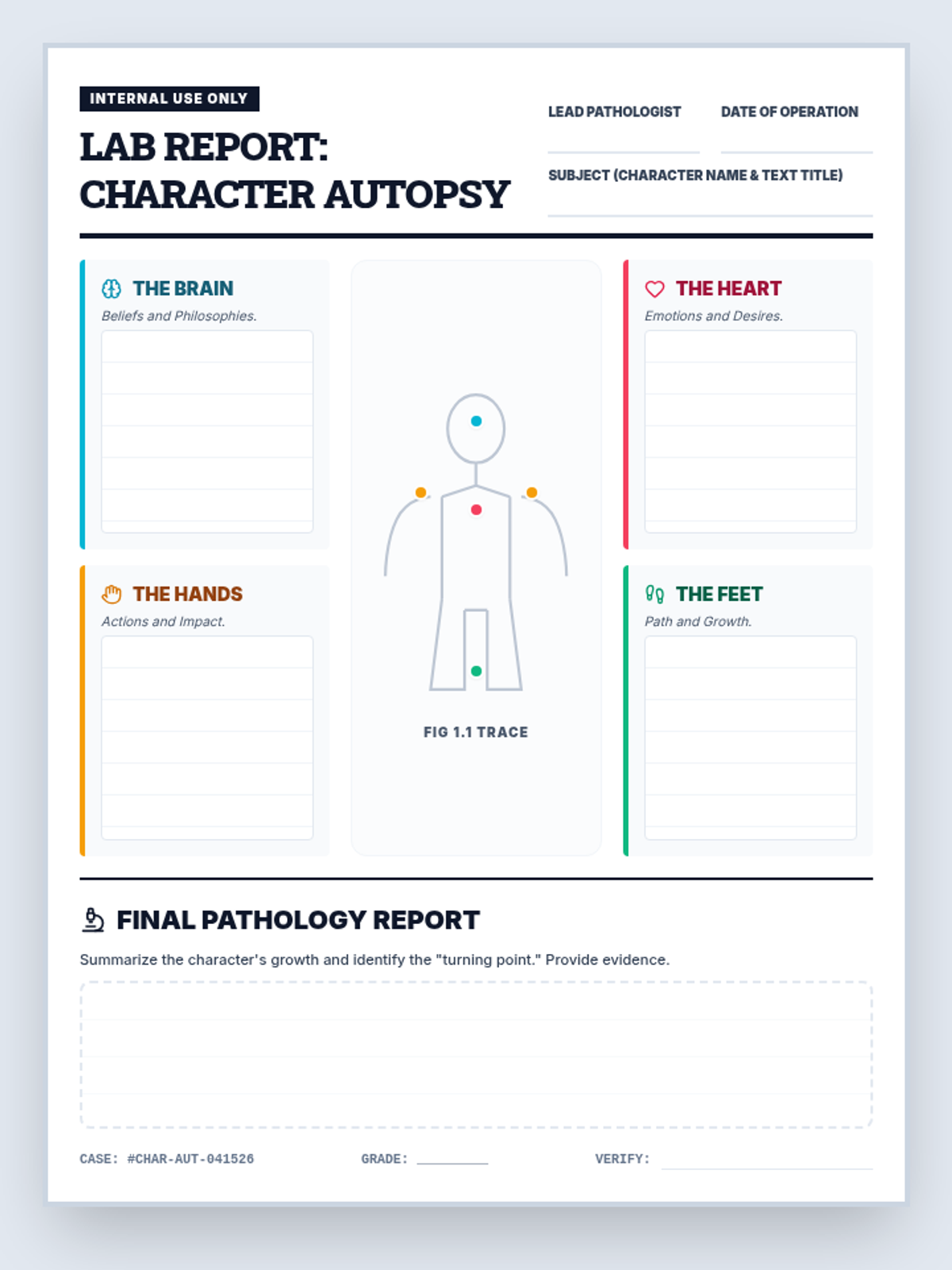
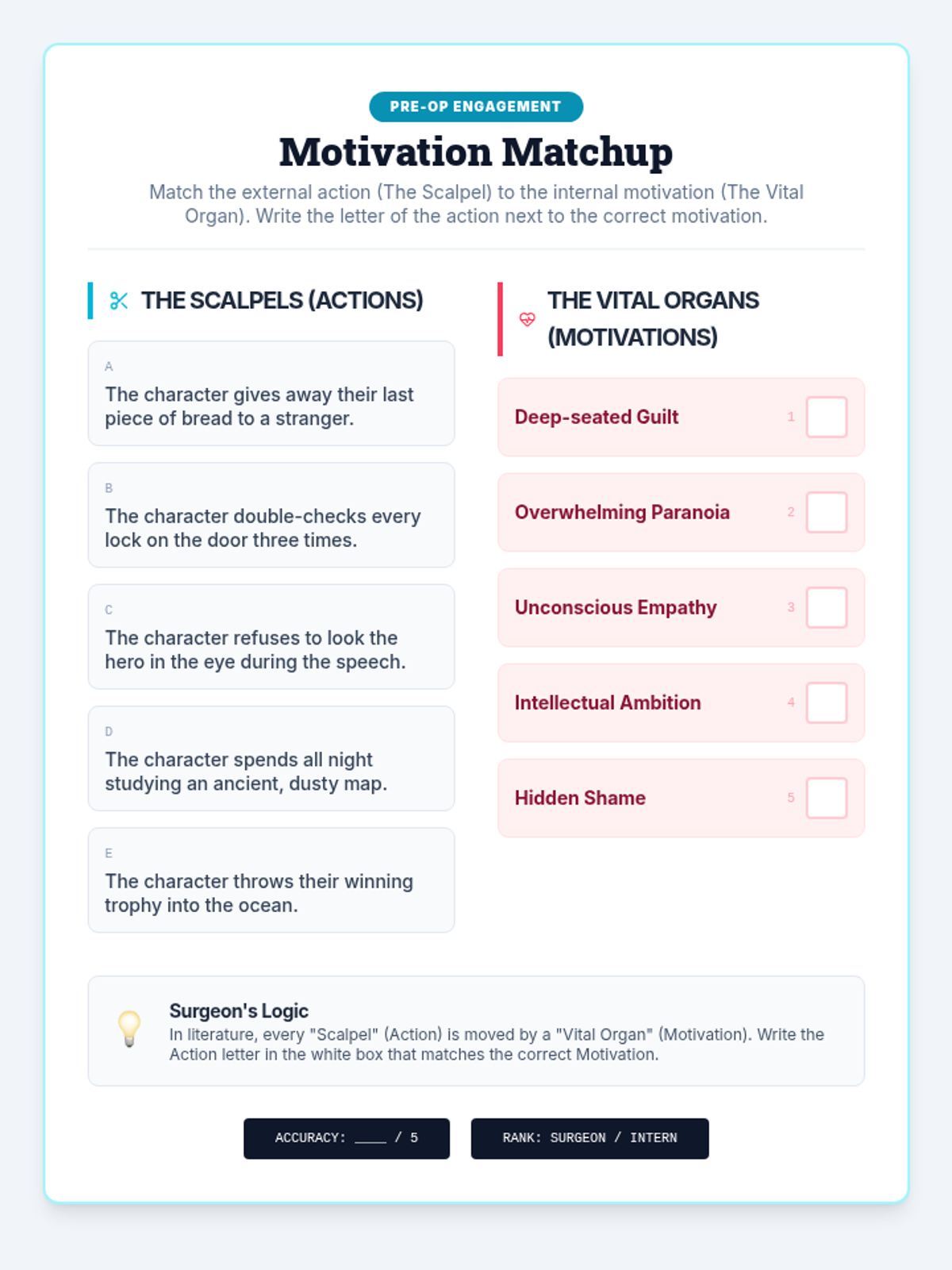
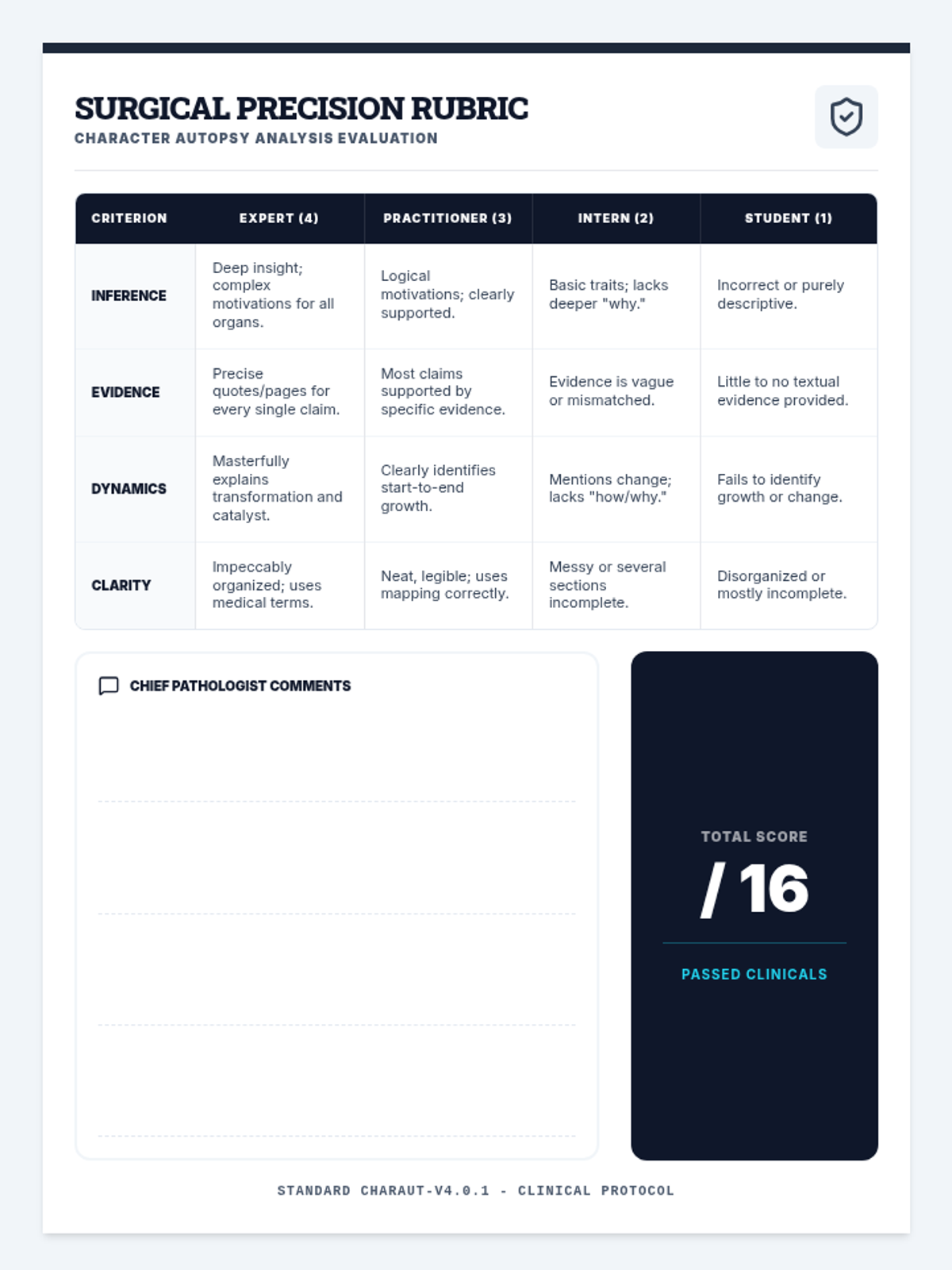
Students perform a 'surgical' deep-dive into literary characters, mapping internal motivations and external actions onto a body diagram while citing textual evidence to support their findings.