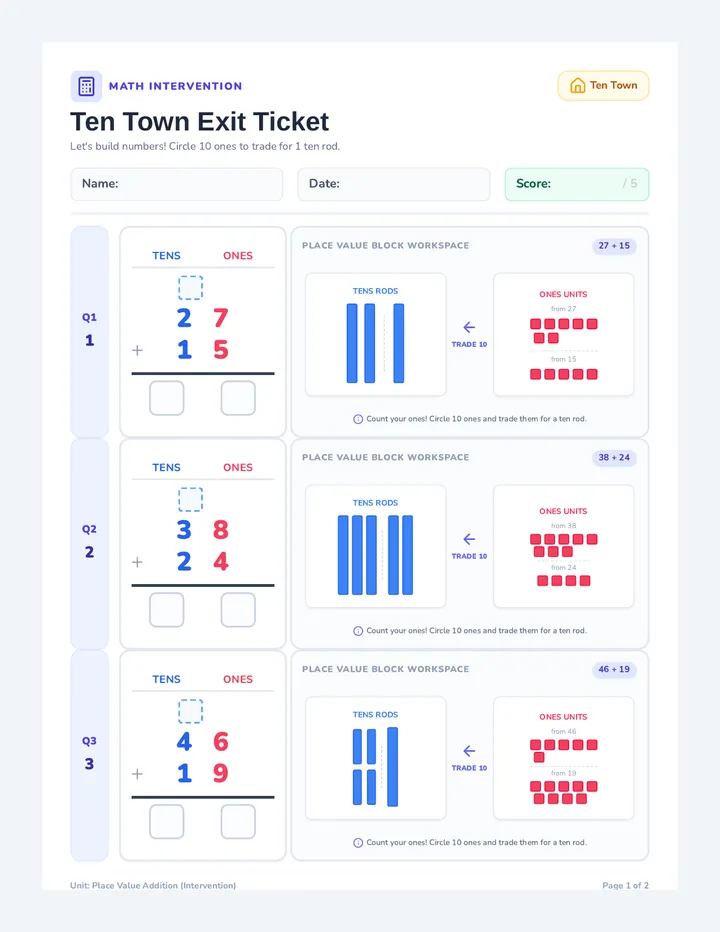
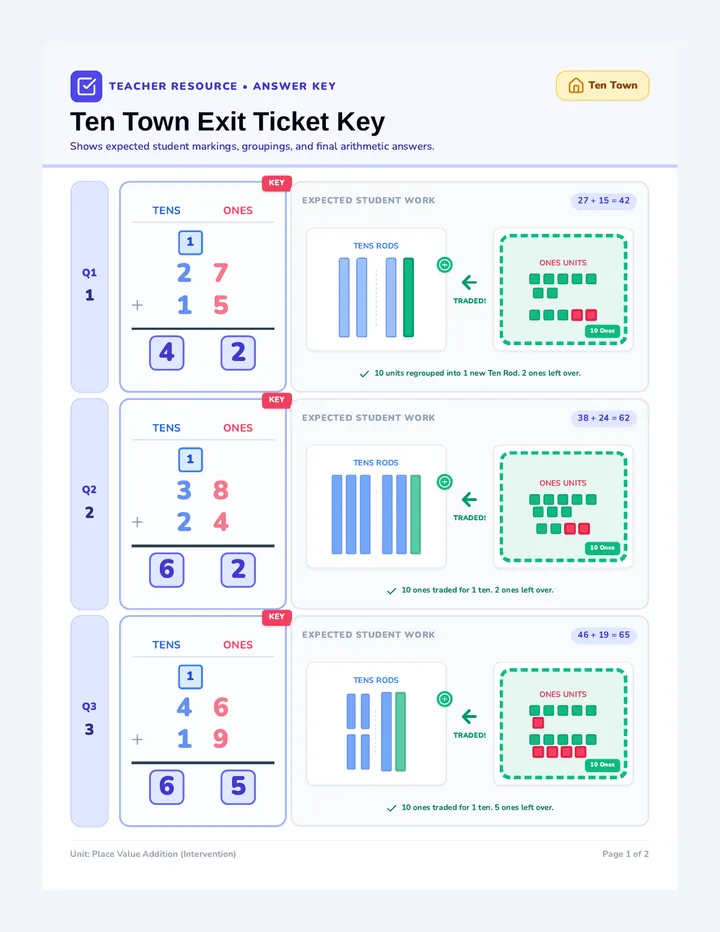
Focuses on the core concept of bundling 10 ones to make 1 ten. Includes high-repetition practice circling groups of ten and counting leftovers.
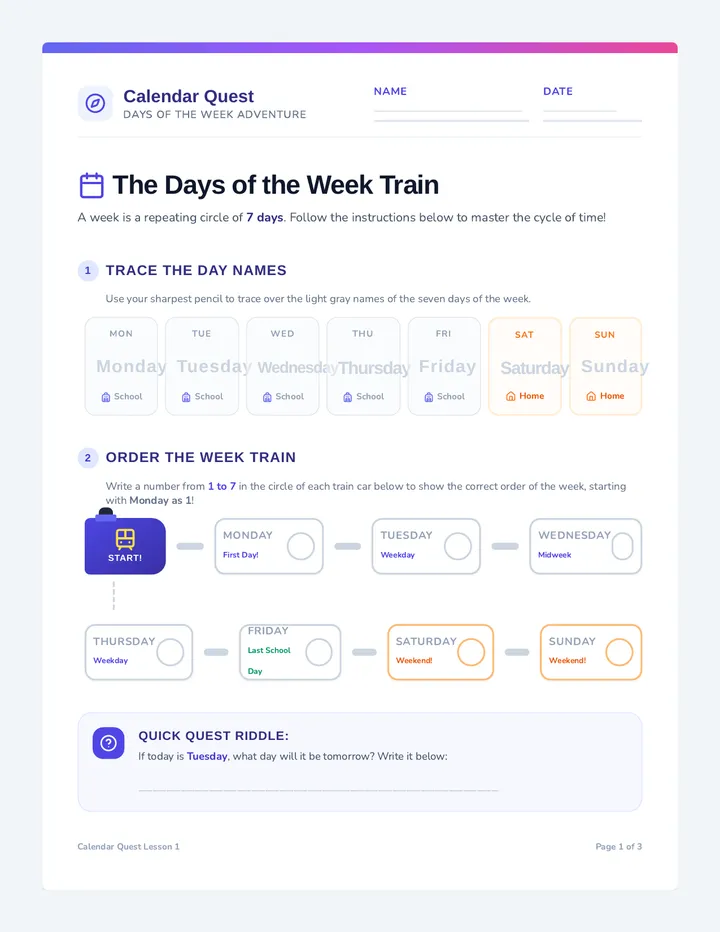
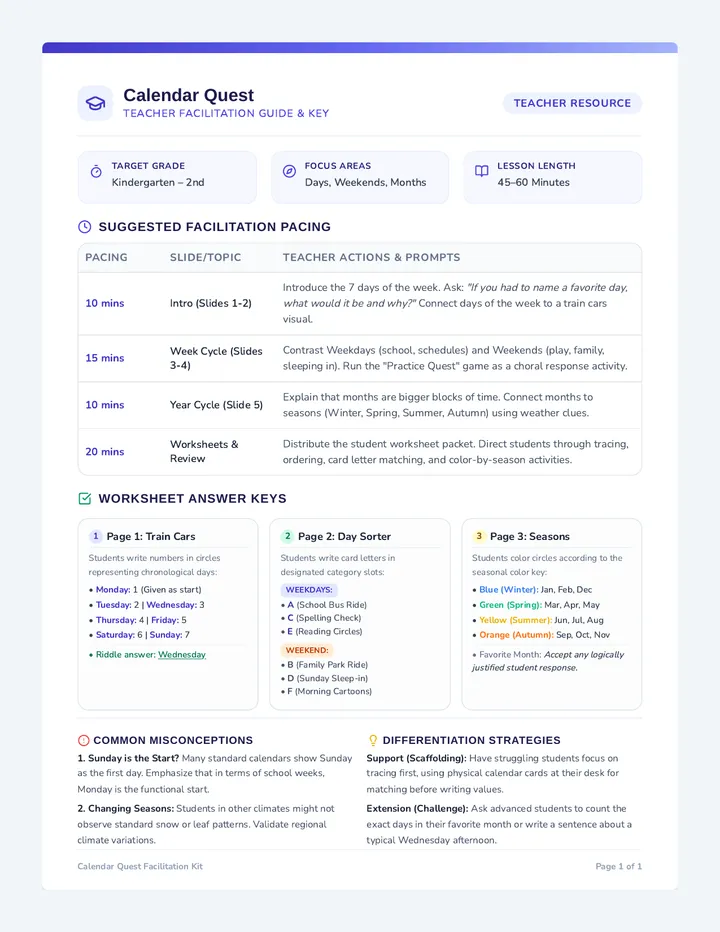
A foundational lesson introducing early elementary students to calendar concepts, including days of the week, weekdays versus weekends, and the twelve months of the year, contextualized with real-world school, home, and seasonal scenarios.
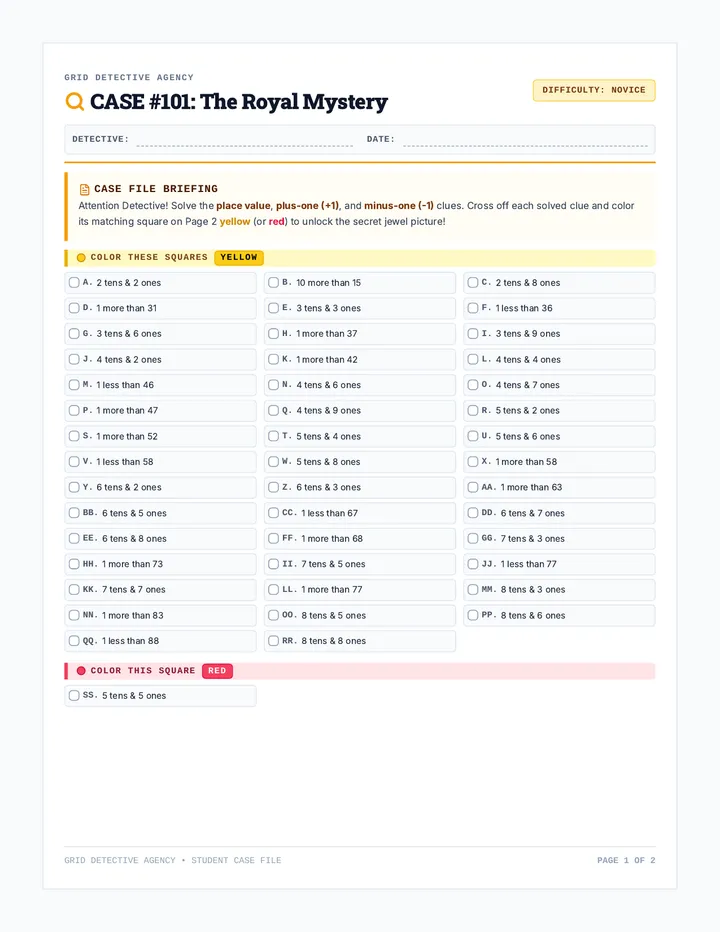
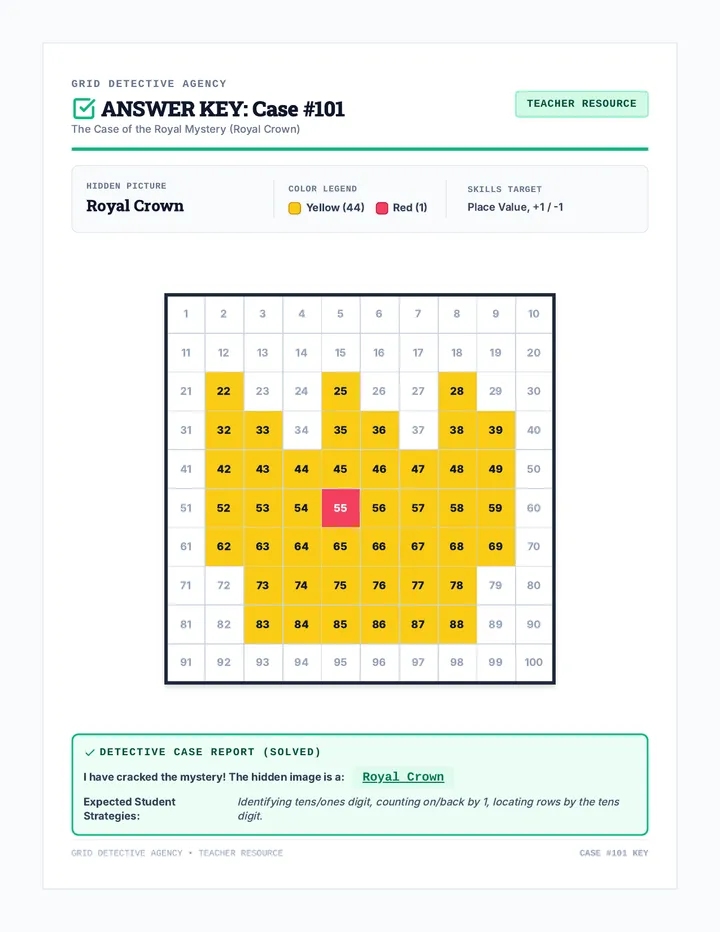
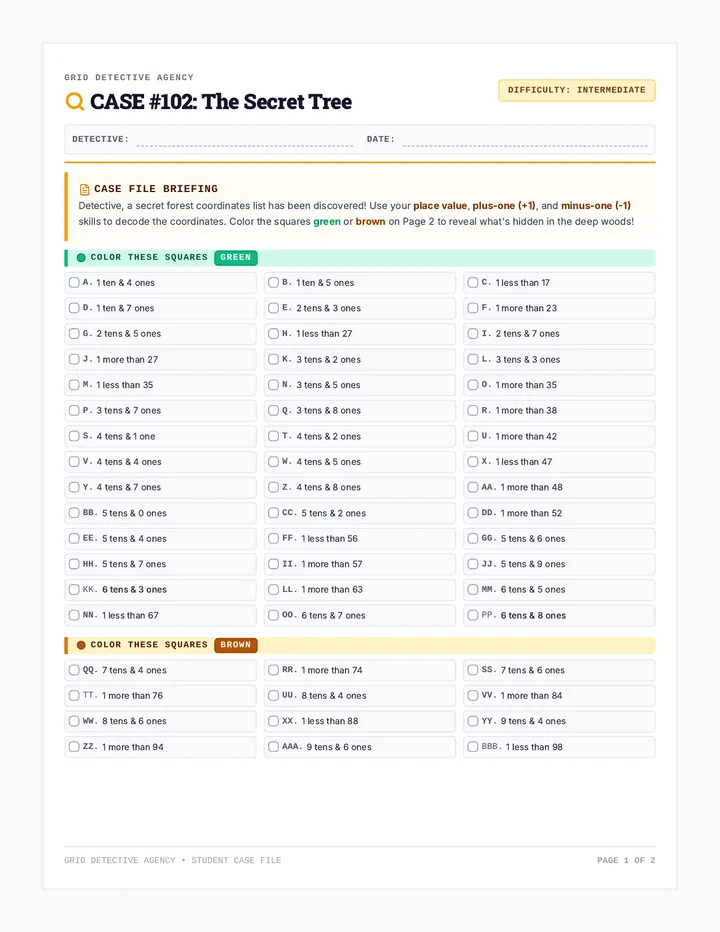
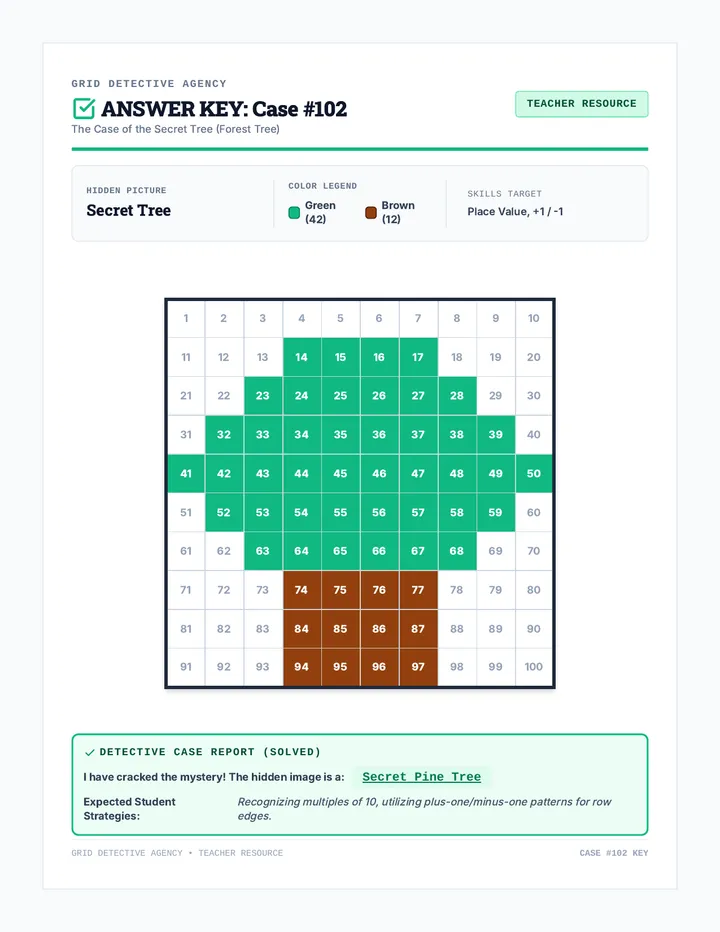
A fun, puzzle-packed math lesson where students become Grid Detectives, using place value clues (tens and ones, plus-one, minus-one) to solve 100-chart mystery pictures and unlock hidden pixel art drawings.
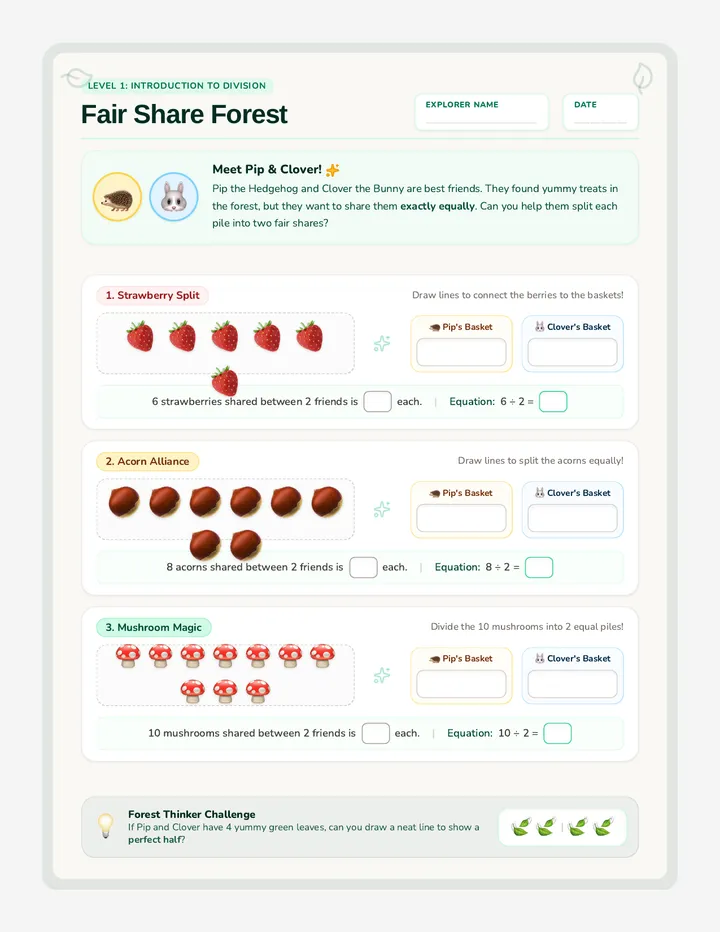
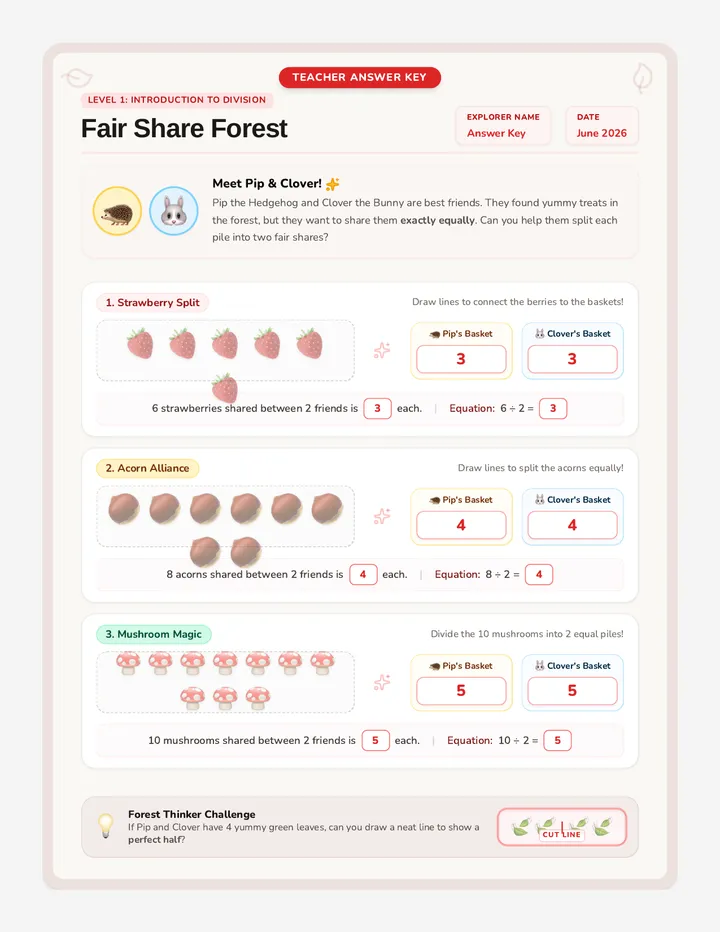
An introductory lesson on division as equal sharing. Students help two friendly woodland creatures share forest treasures equally between them.
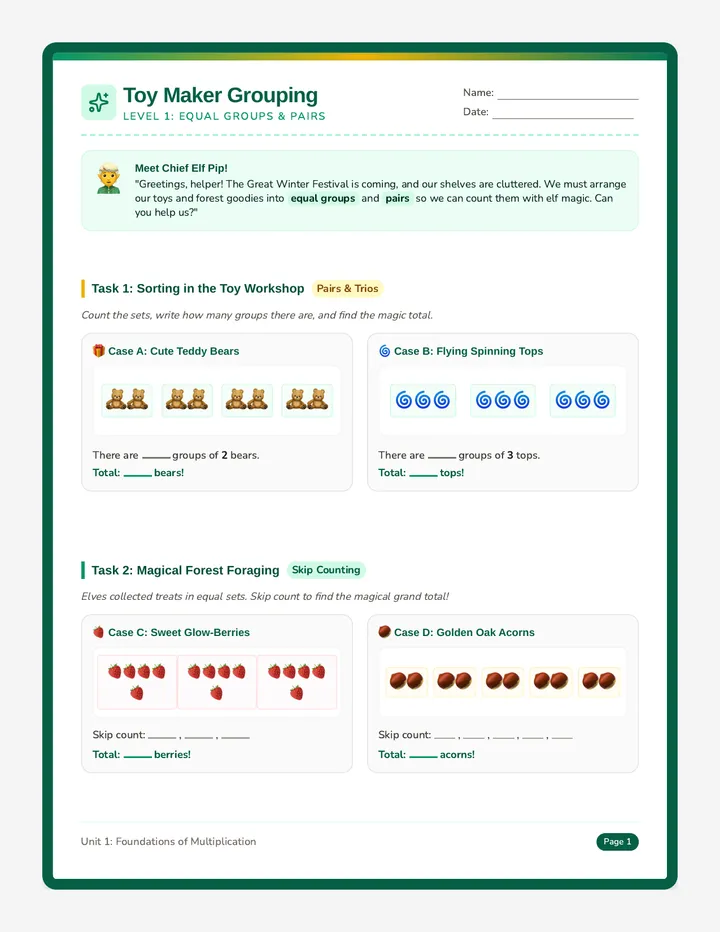
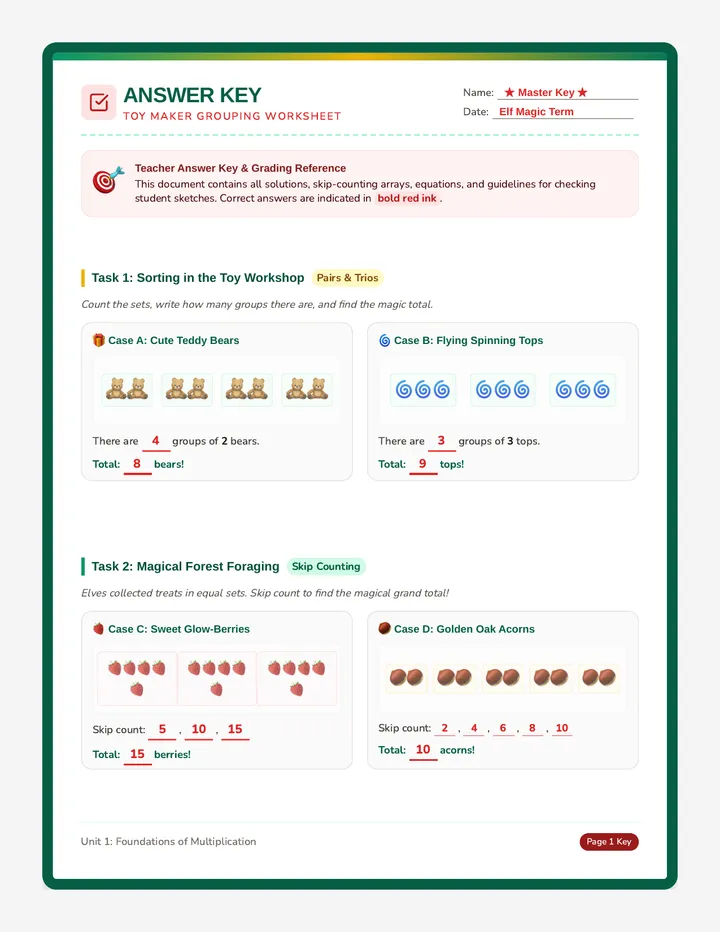
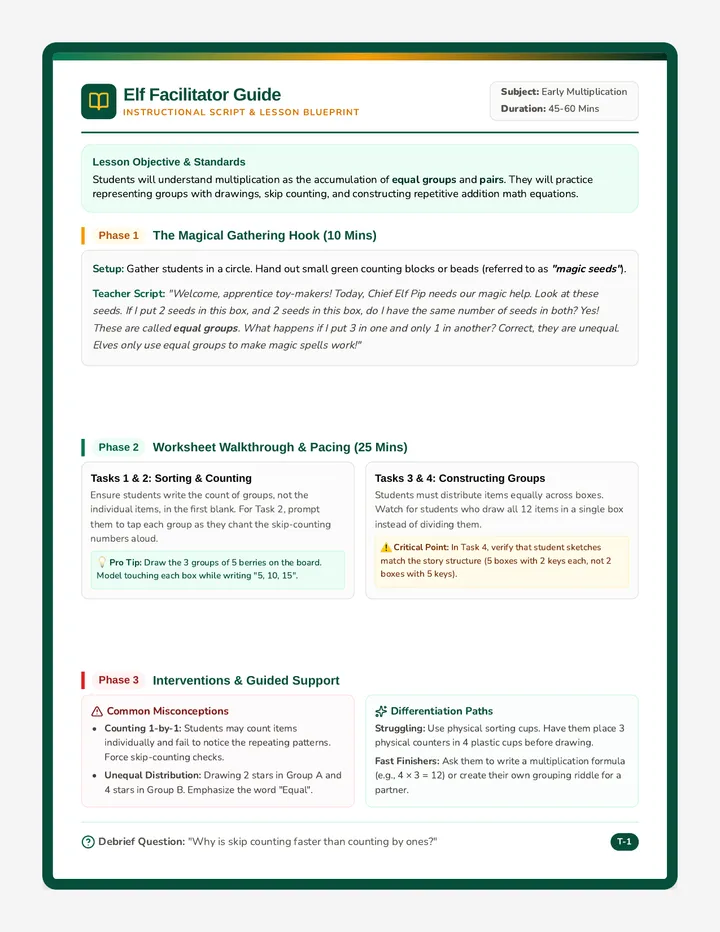
An introductory lesson on multiplication using equal groups and pairs, themed around magical elves making toys, foraging in the forest, and packing items. Students transition from concrete counting to skip counting and basic multiplication concepts.
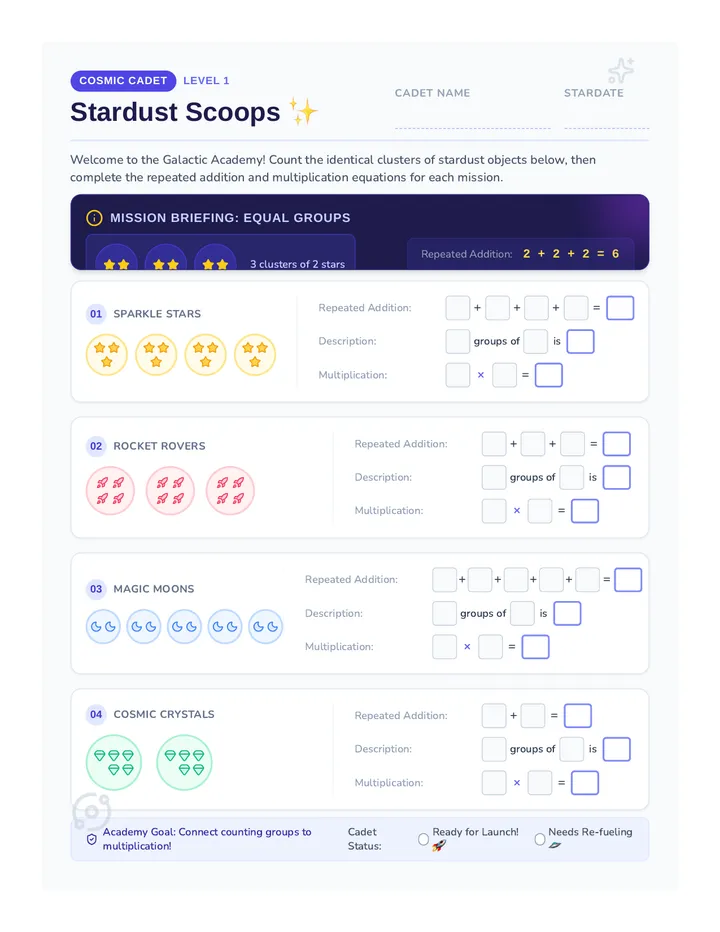
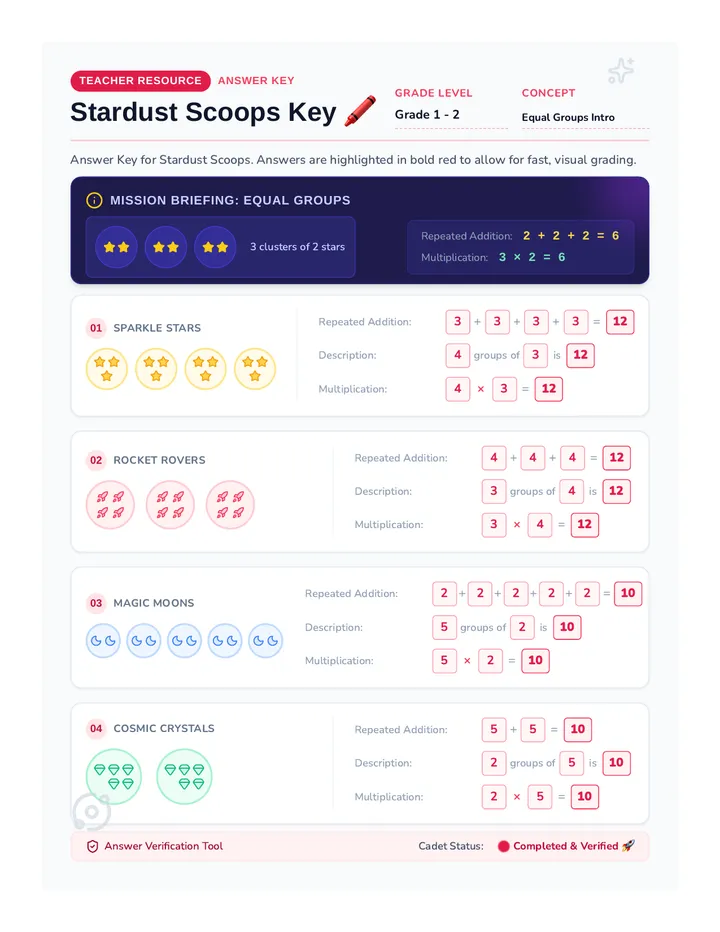
An introductory lesson to multiplication using equal groups and visual representations. Students learn to connect repeated addition to multiplication using starry-themed groups.
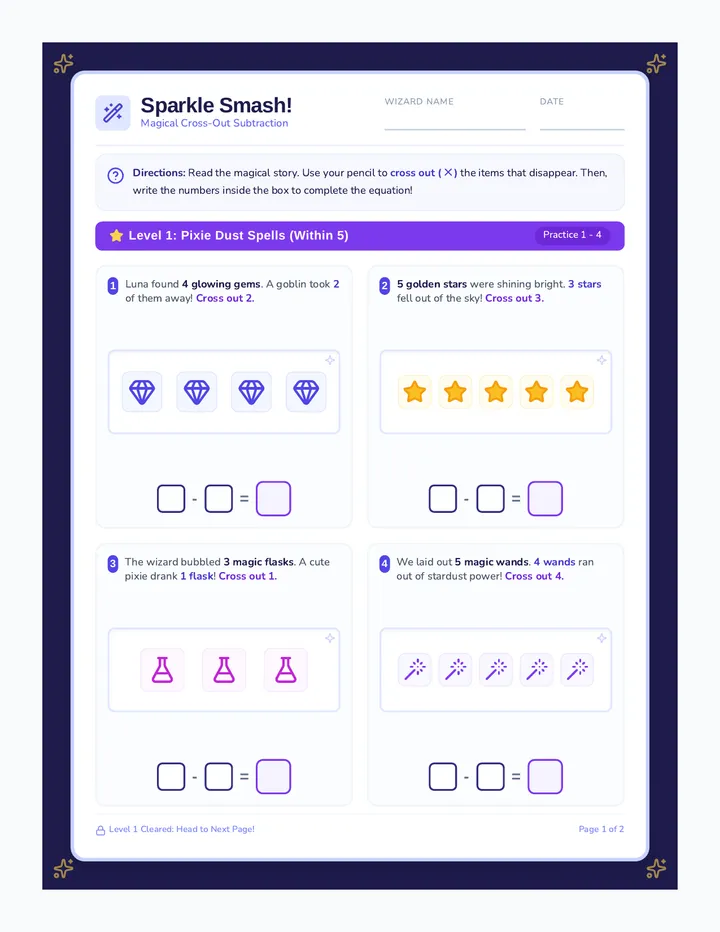
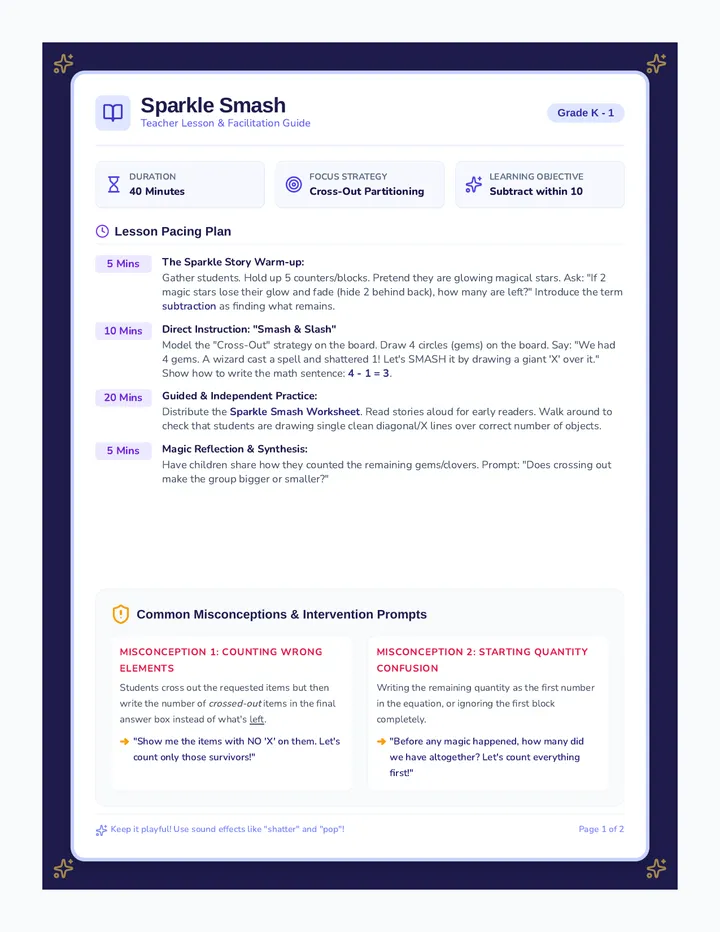
A magical introduction to subtraction within 10 using cross-out strategies with glowing stars, pixie dust, and magical gems.
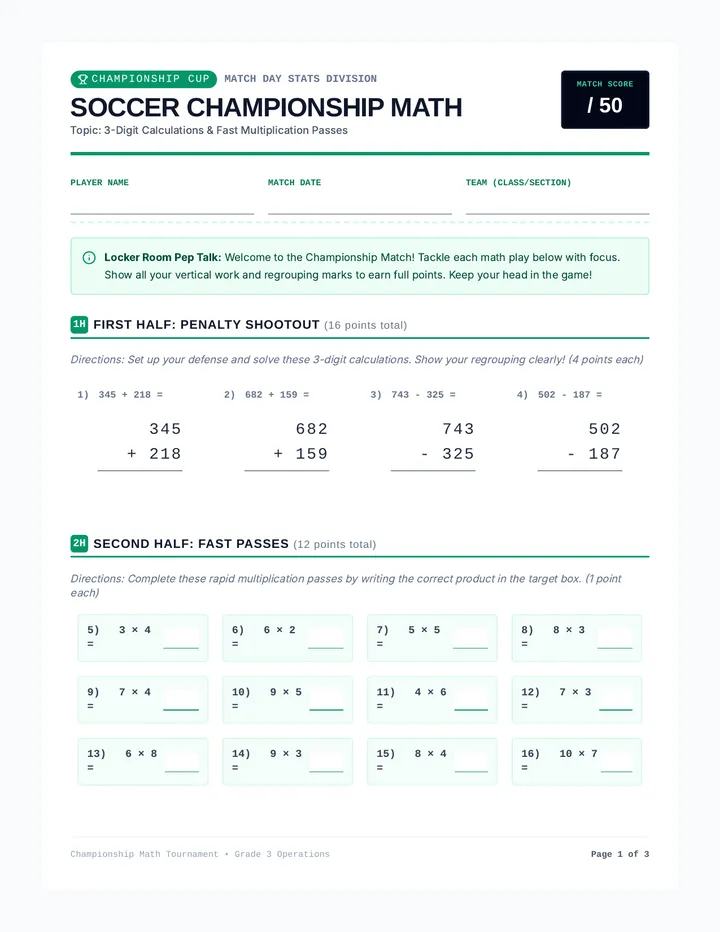
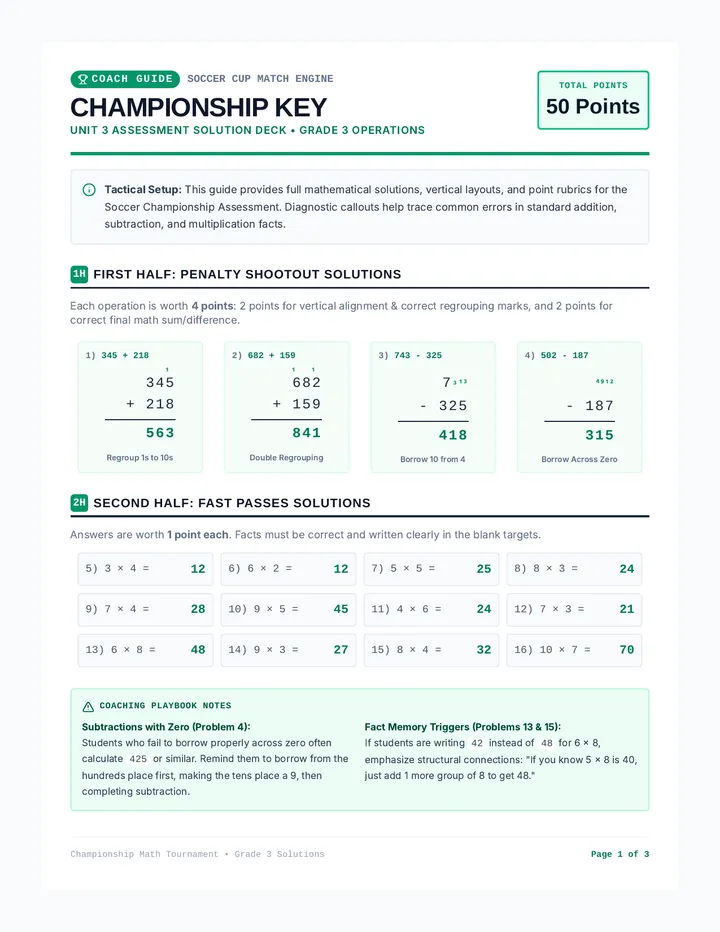
A summative assessment lesson designed for 3rd-grade students to demonstrate mastery of 3-digit operations and basic multiplication, themed around a thrilling soccer championship. Includes a student-facing test and a comprehensive teacher guide with solutions and grading rubrics.
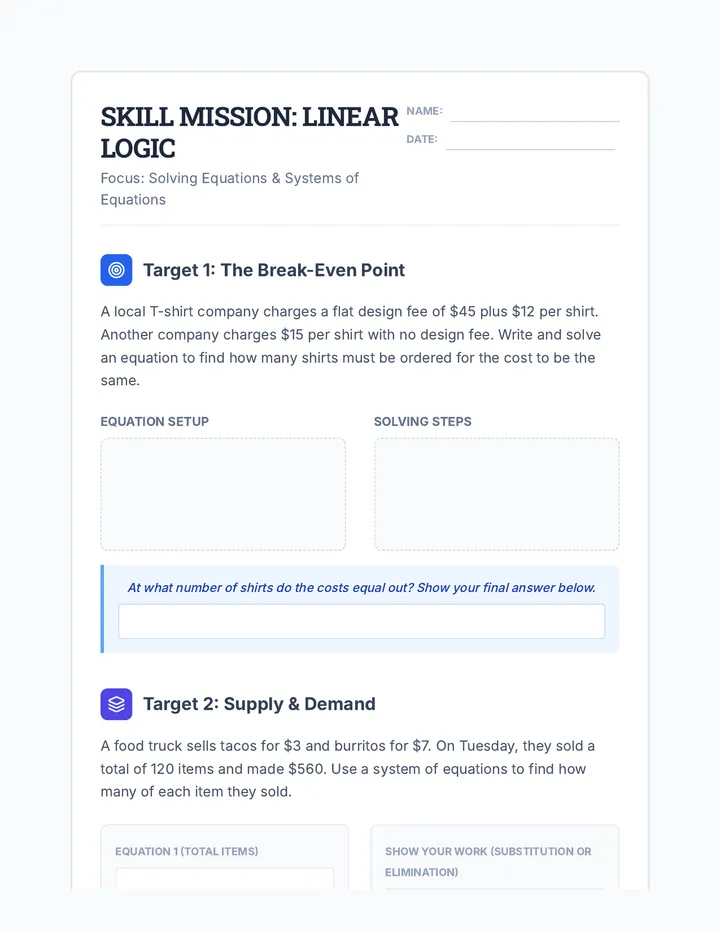
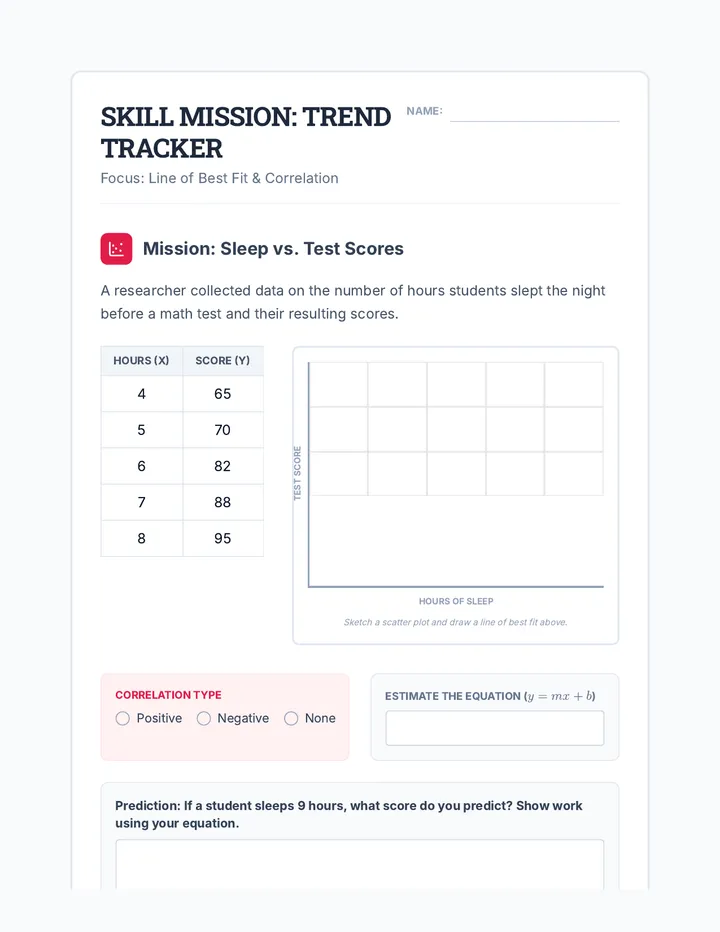
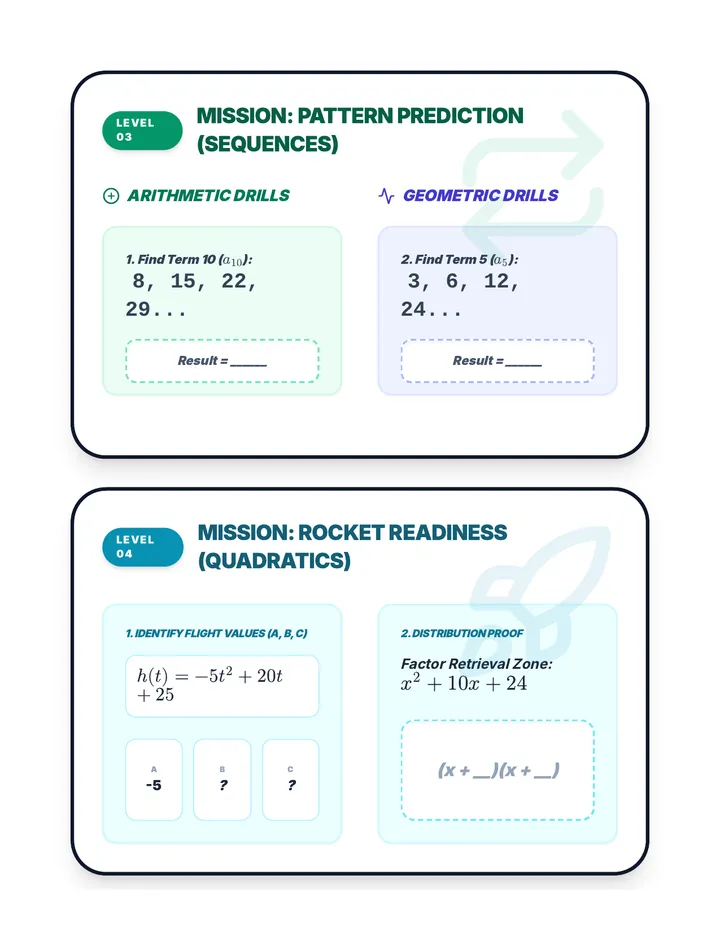
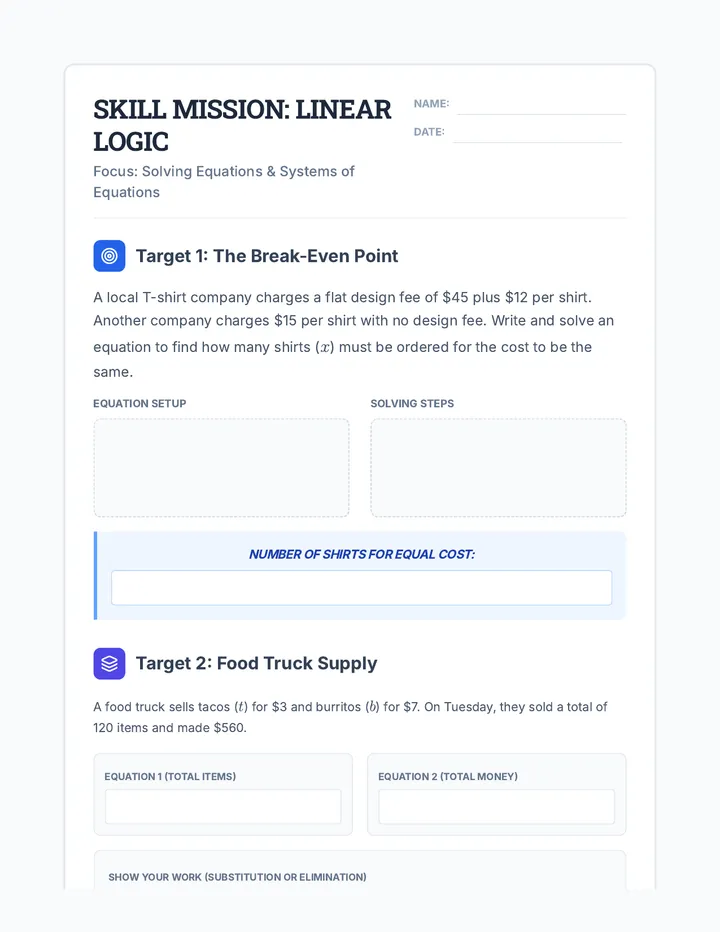
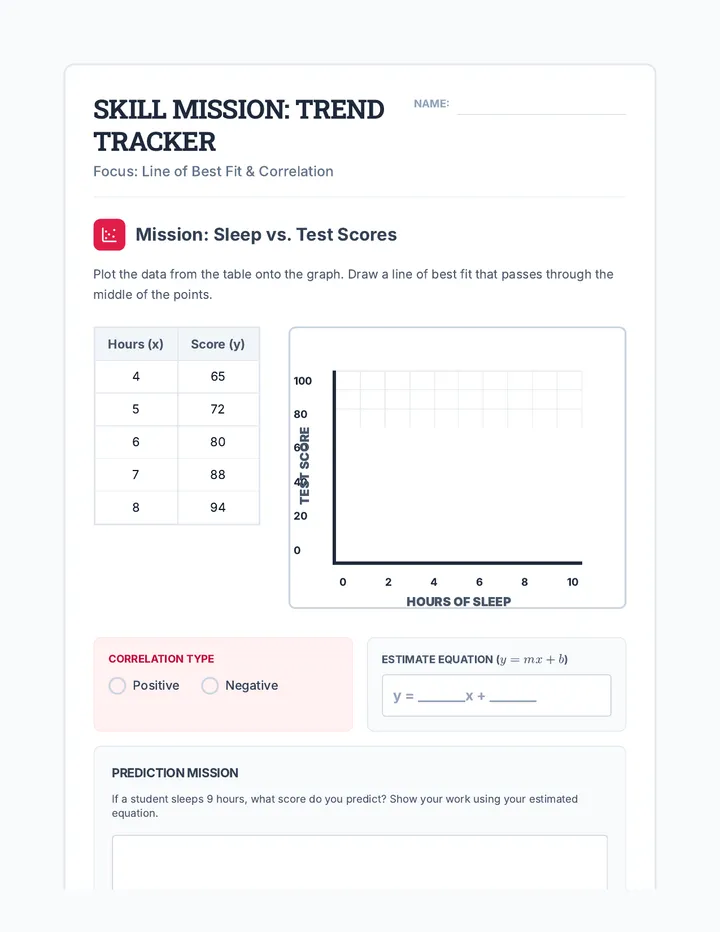
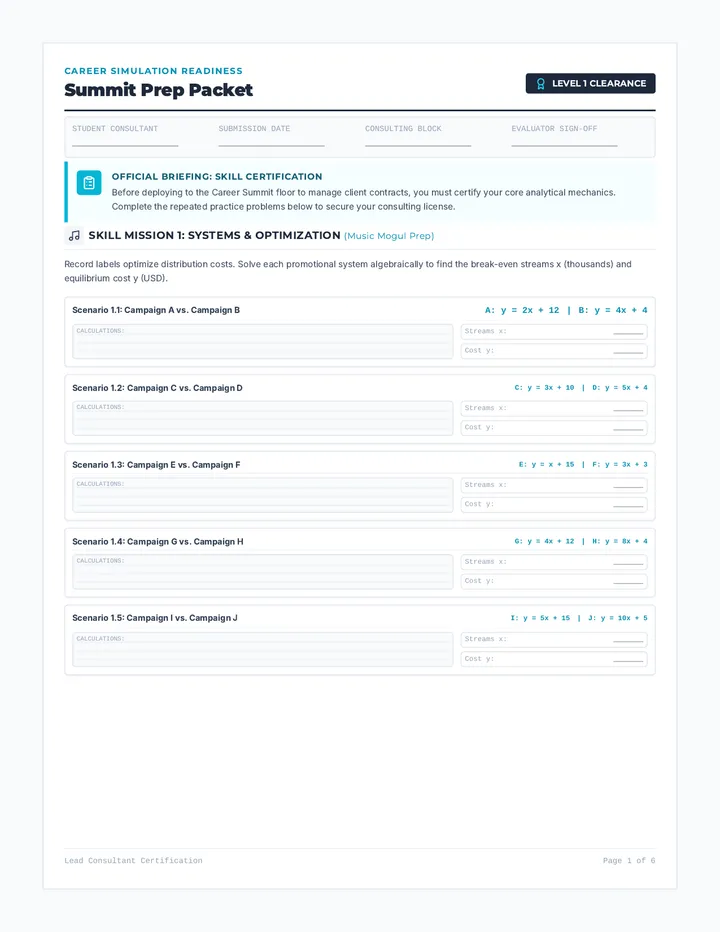
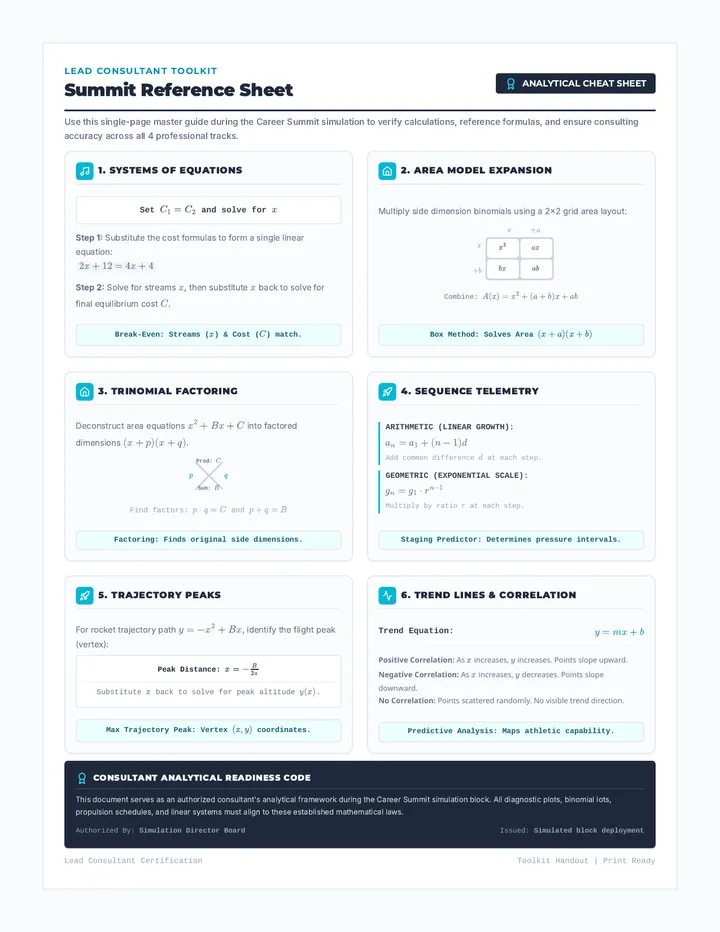
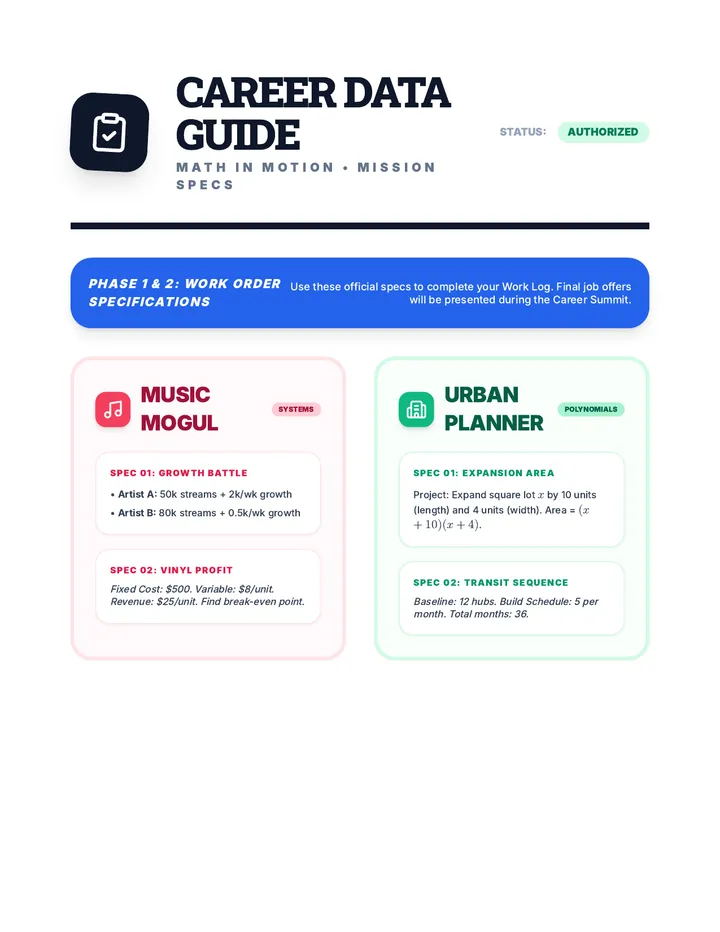
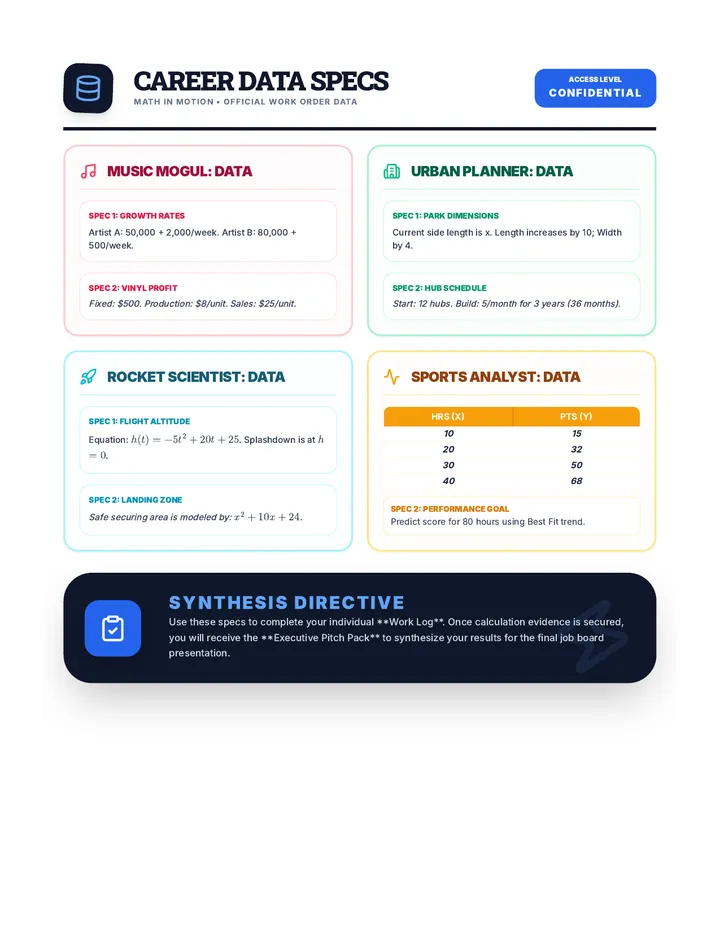
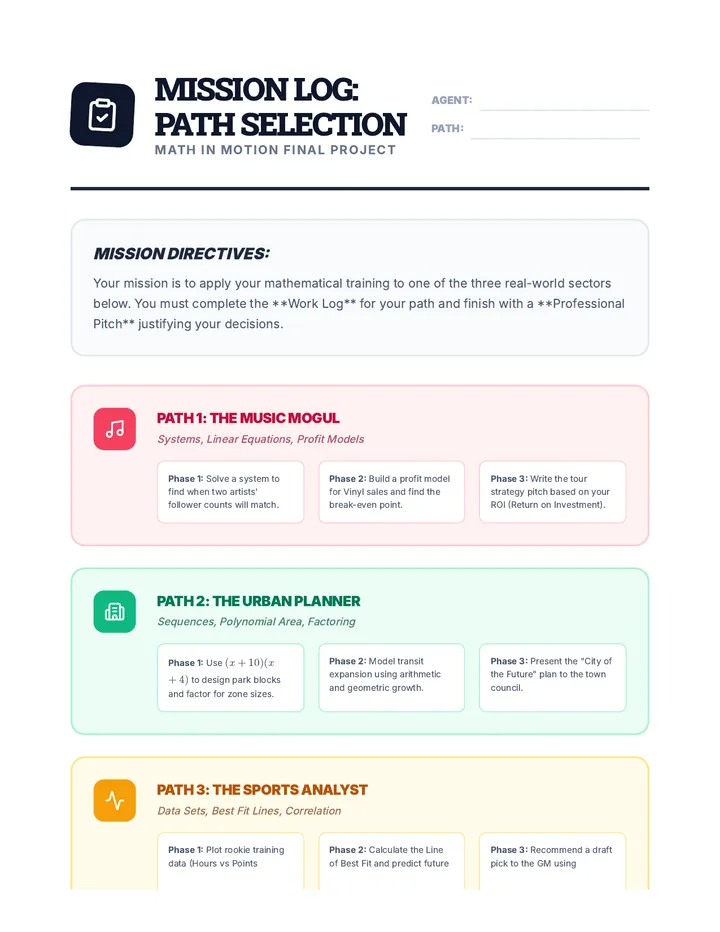
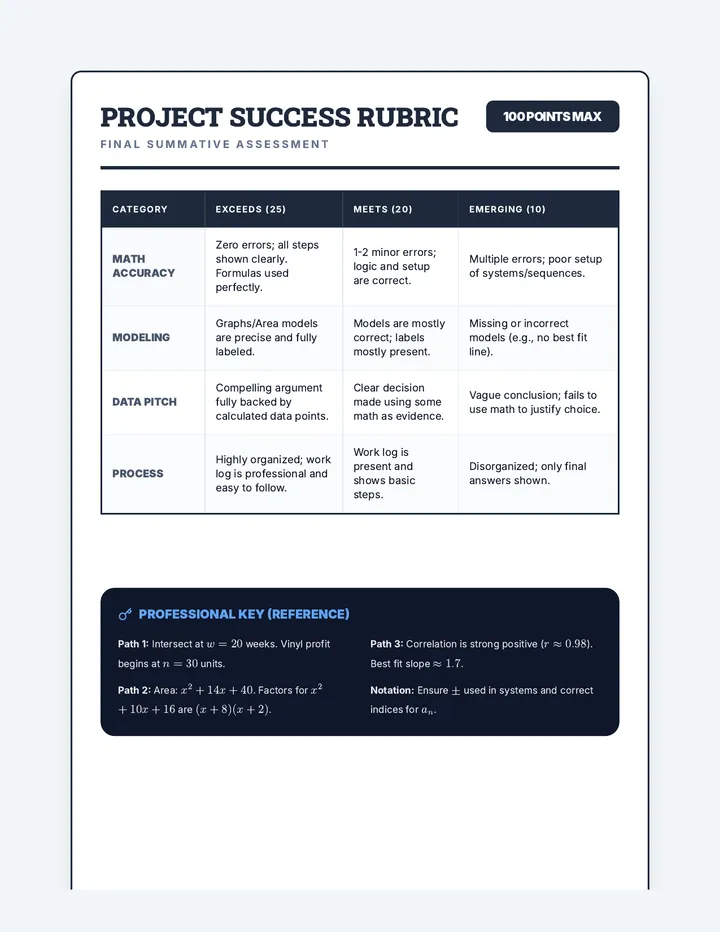
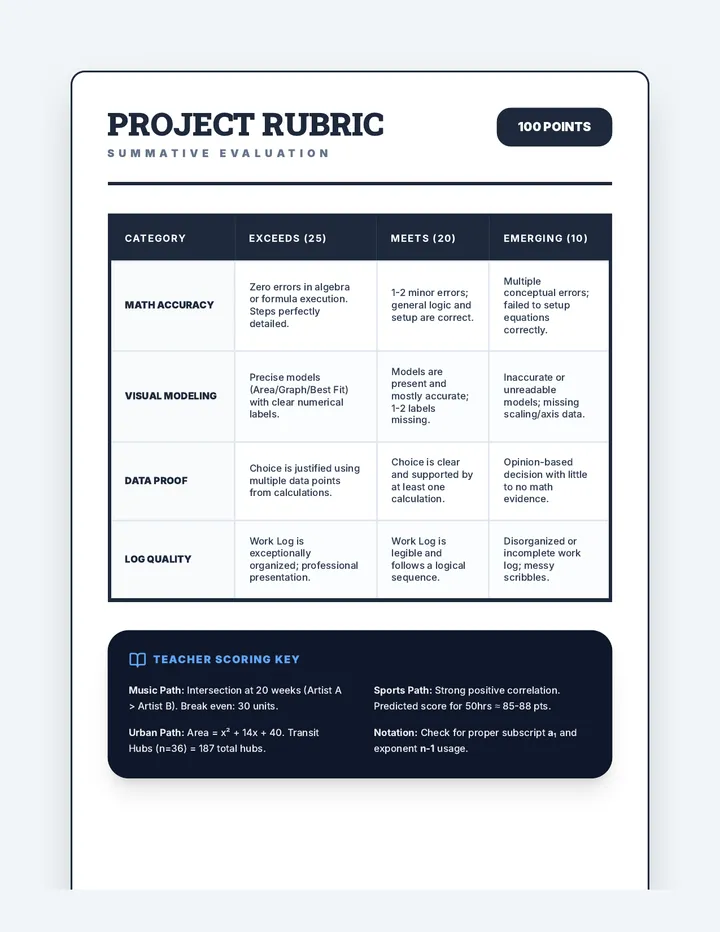
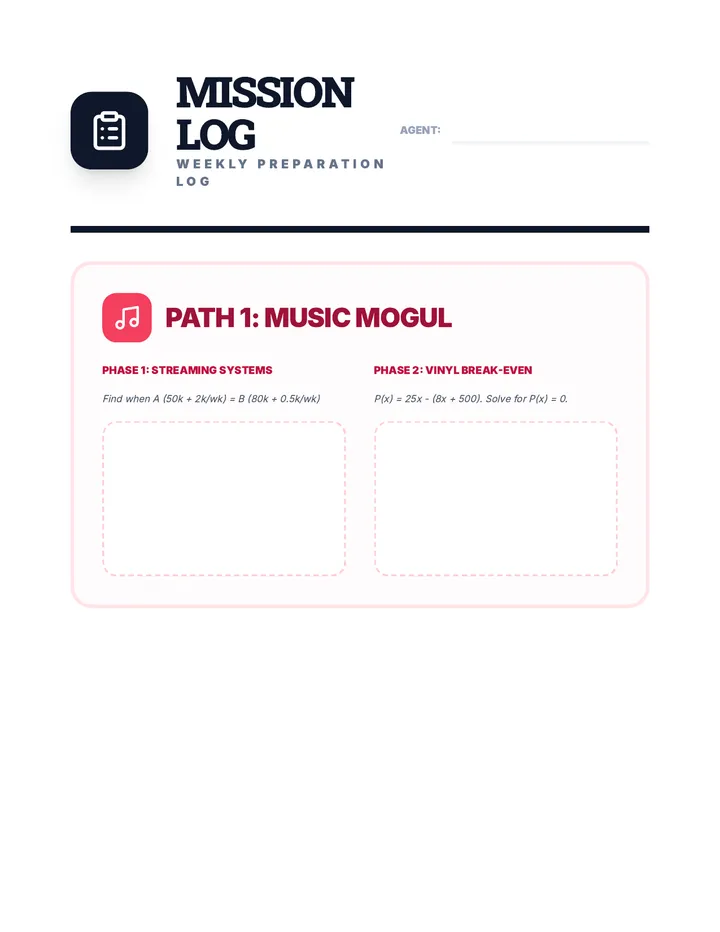
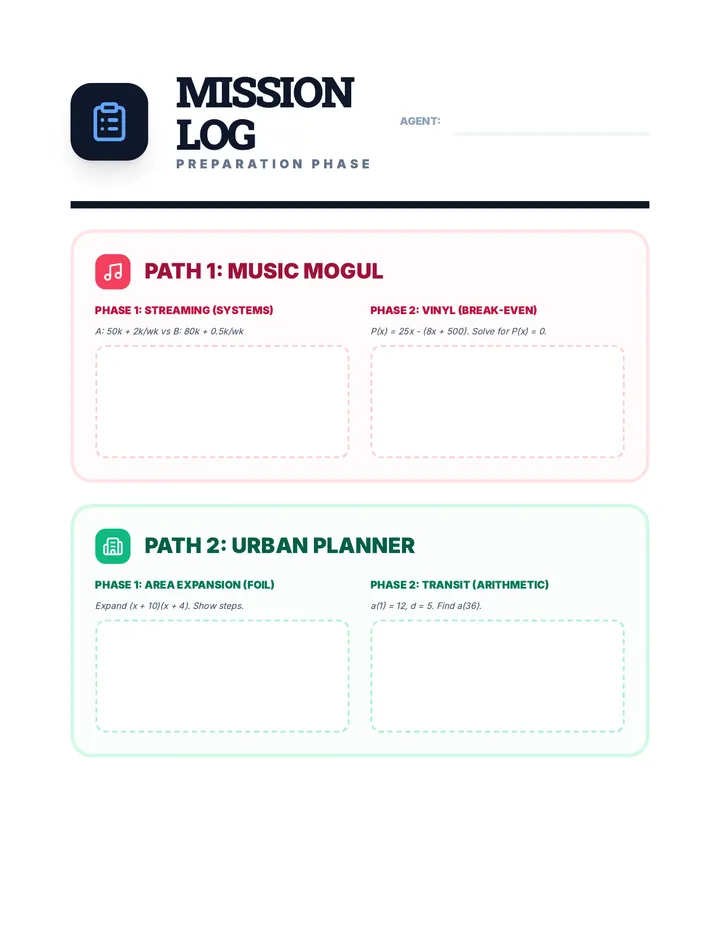
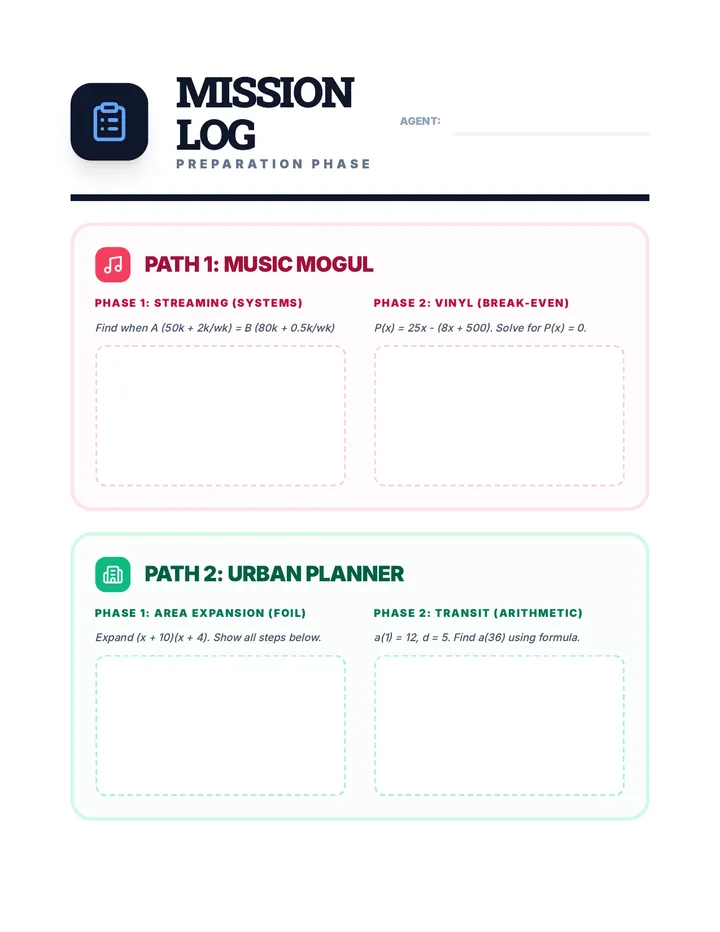
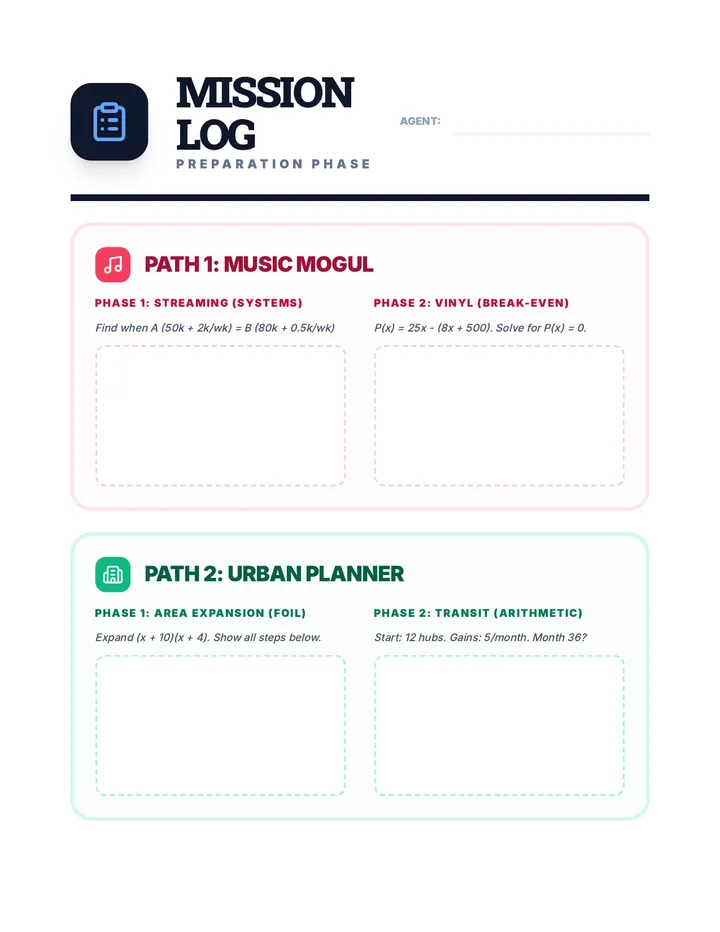
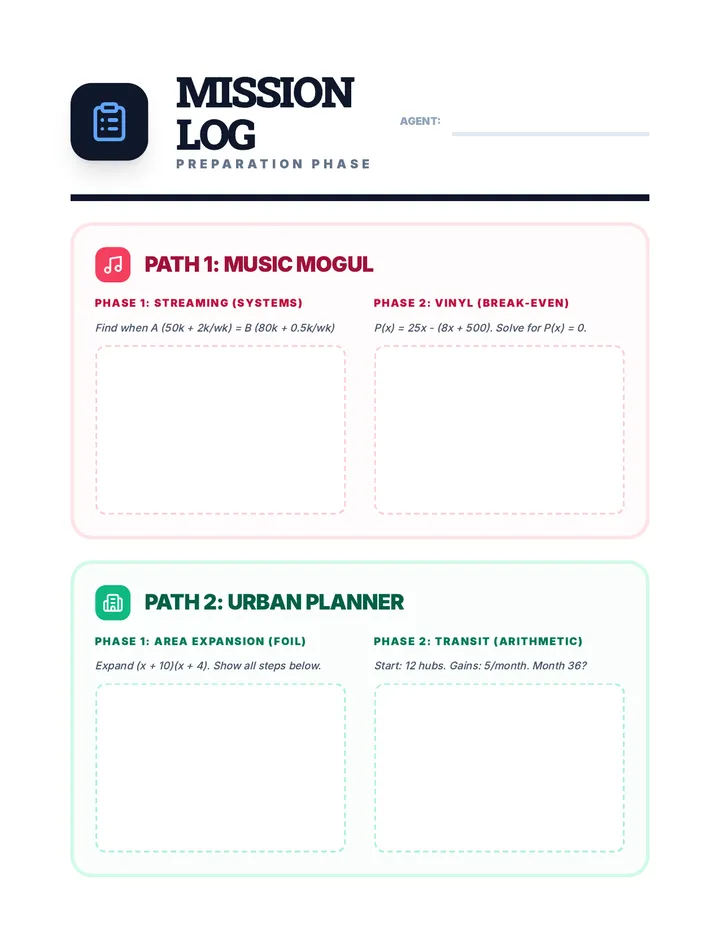
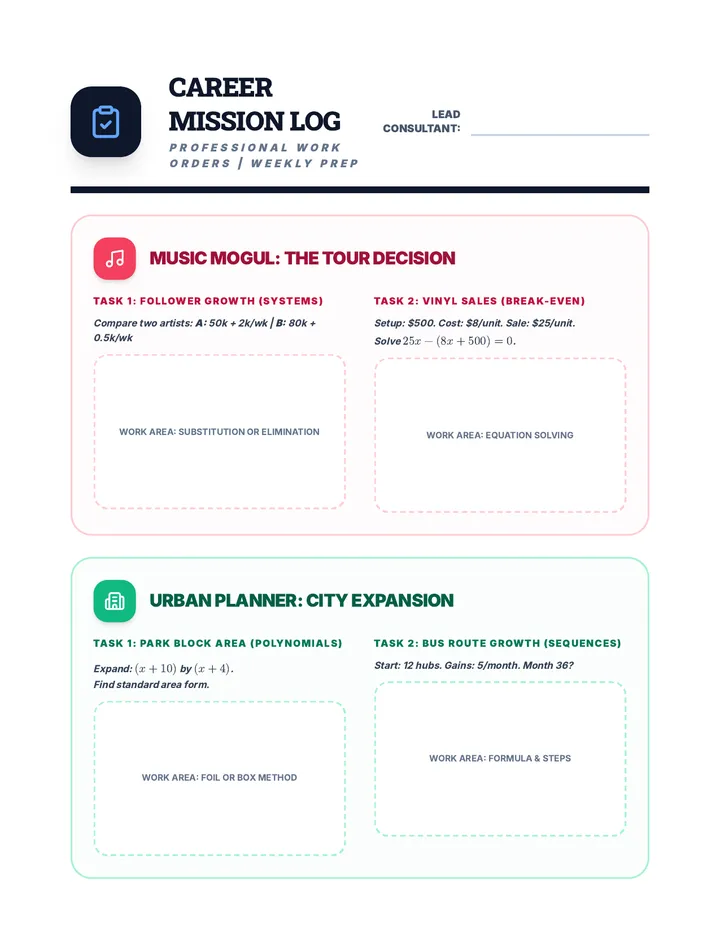
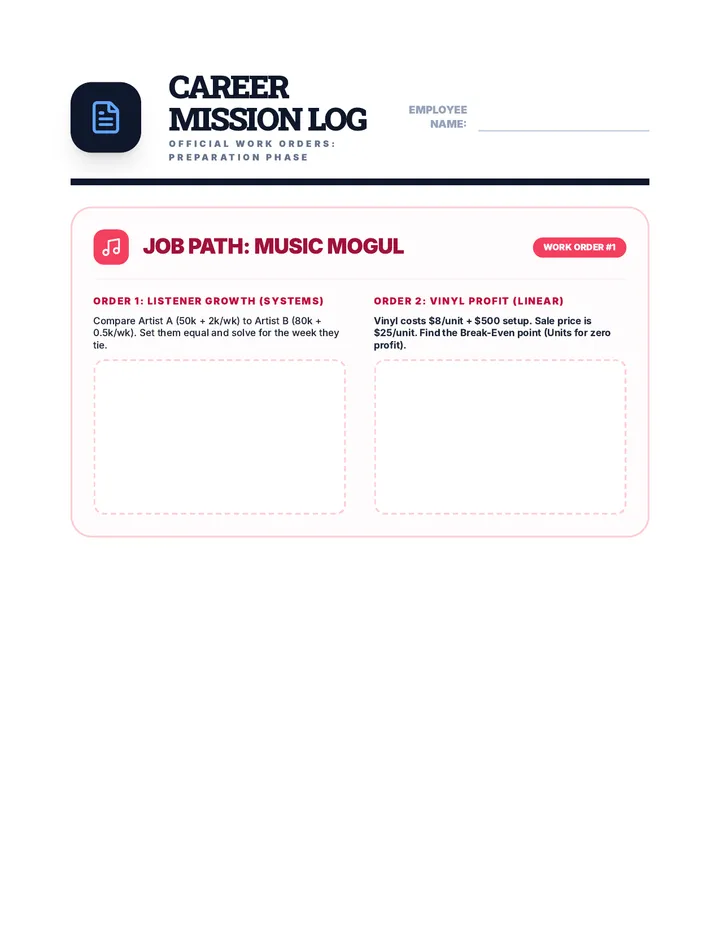
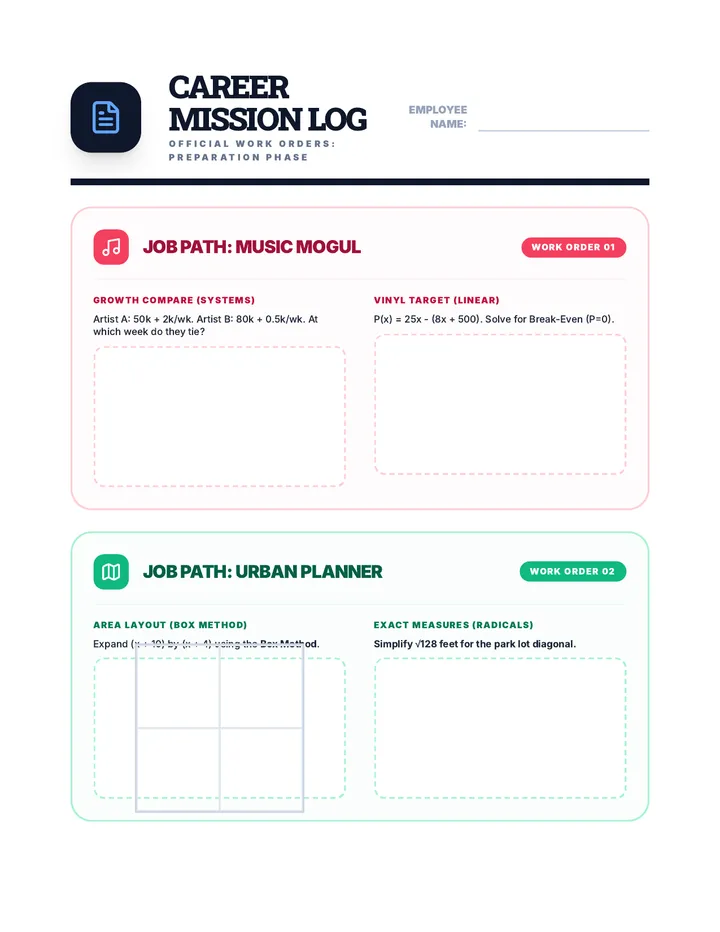
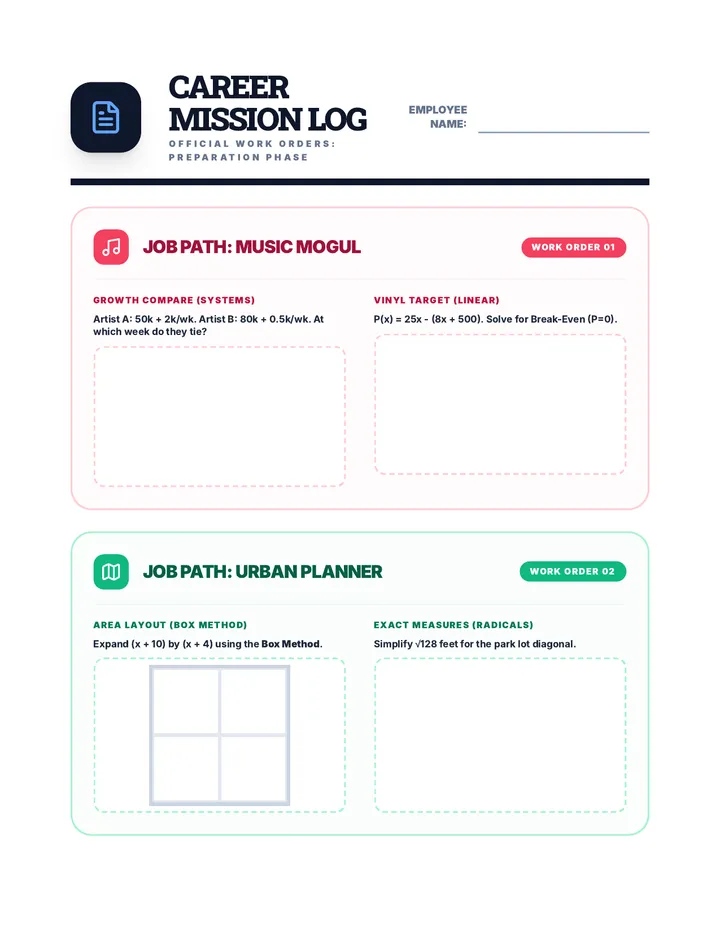
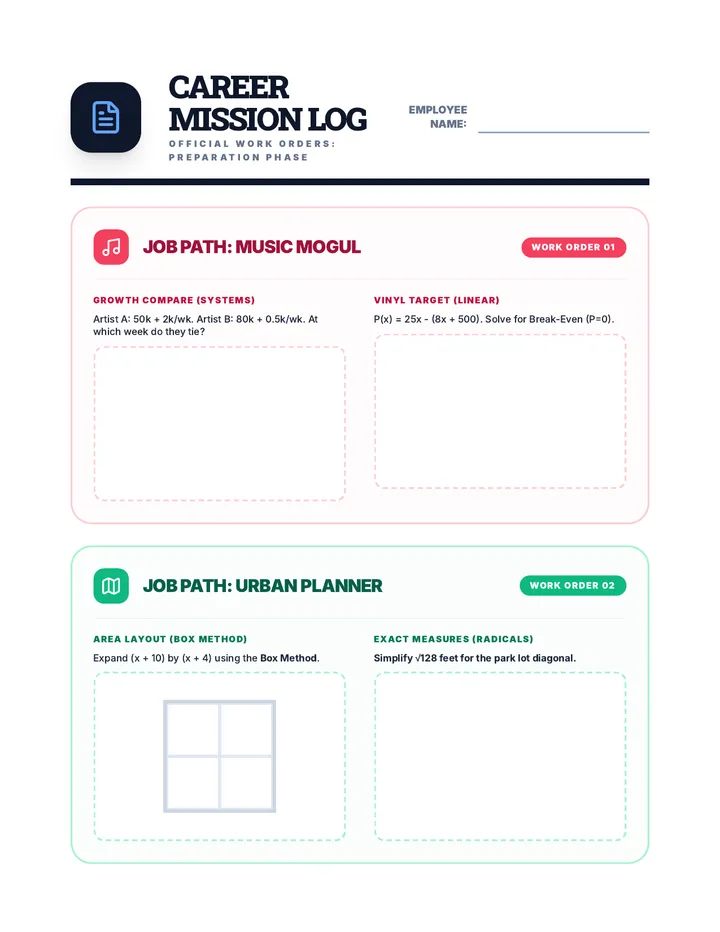
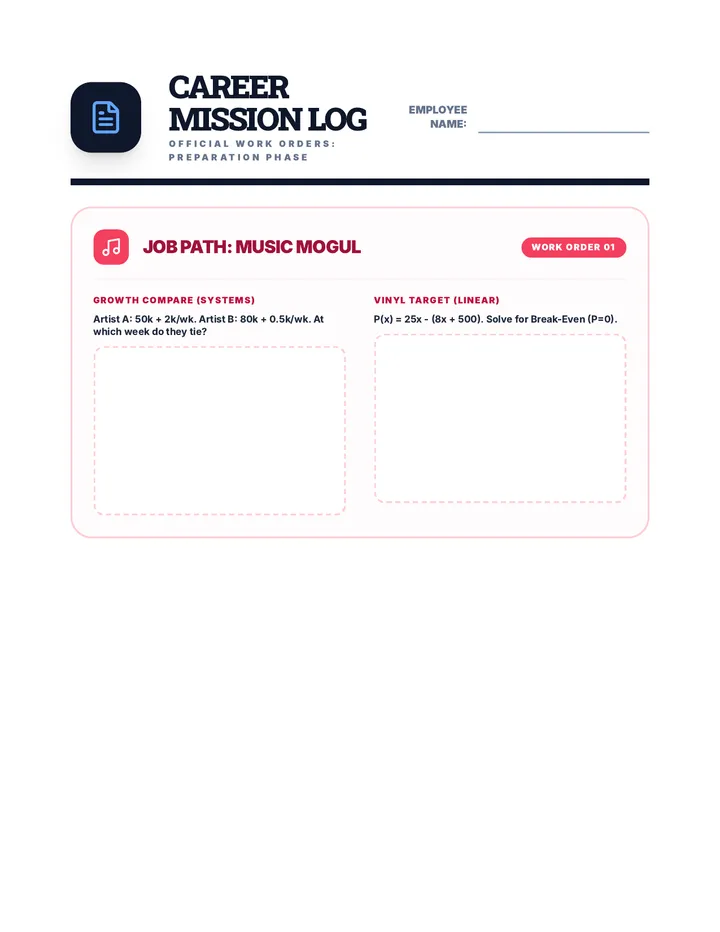
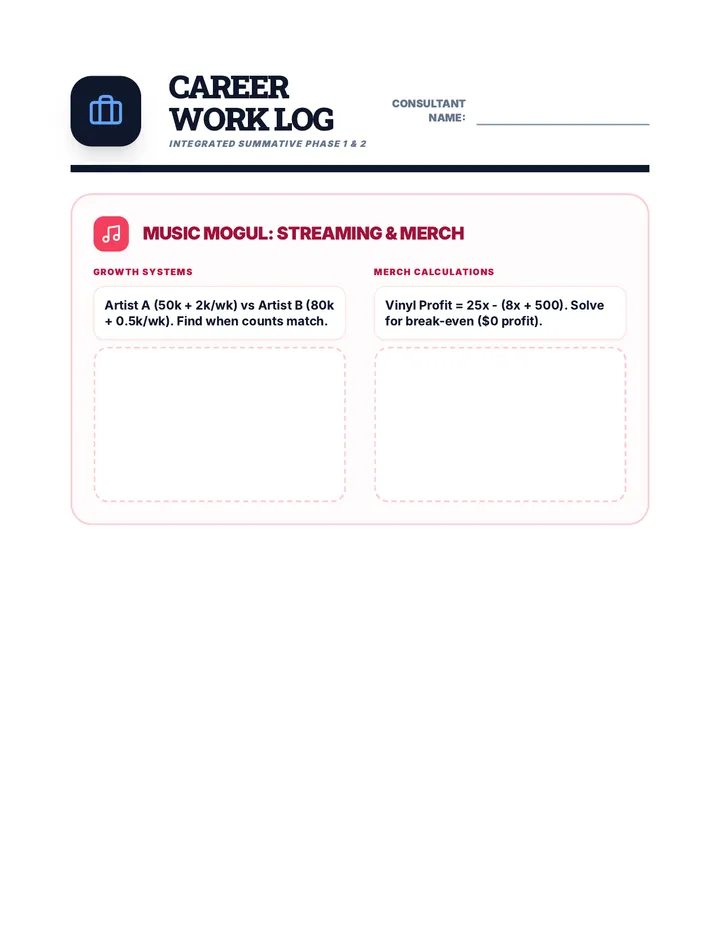
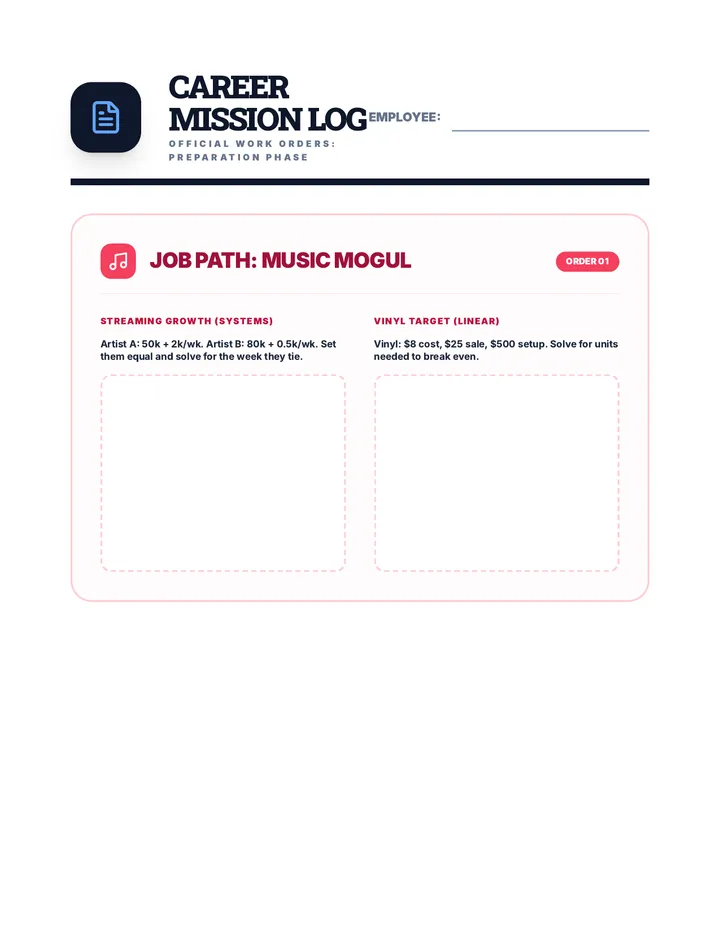
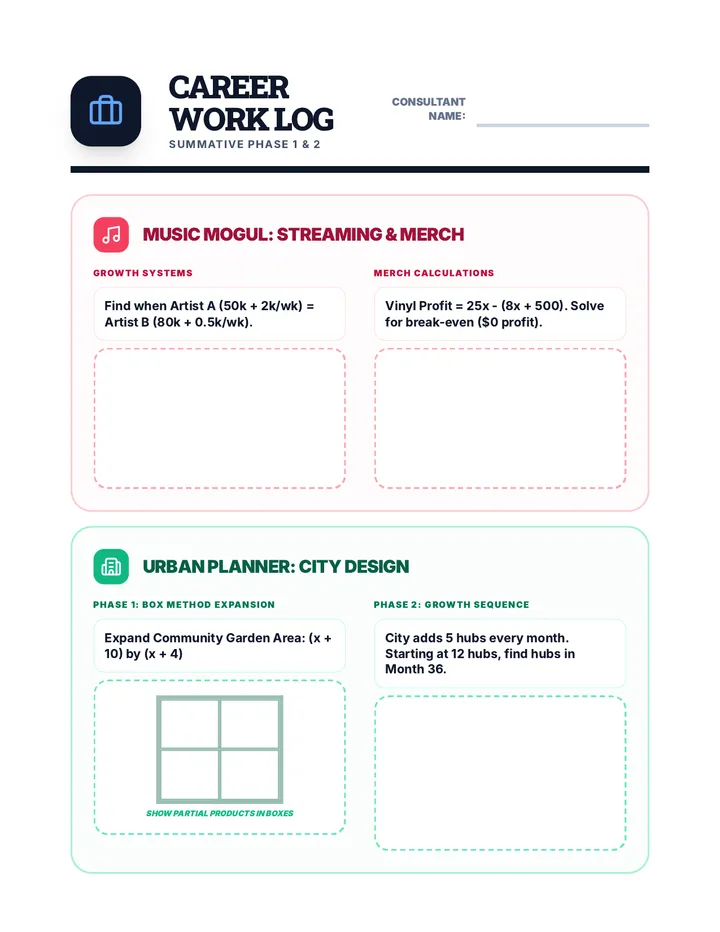
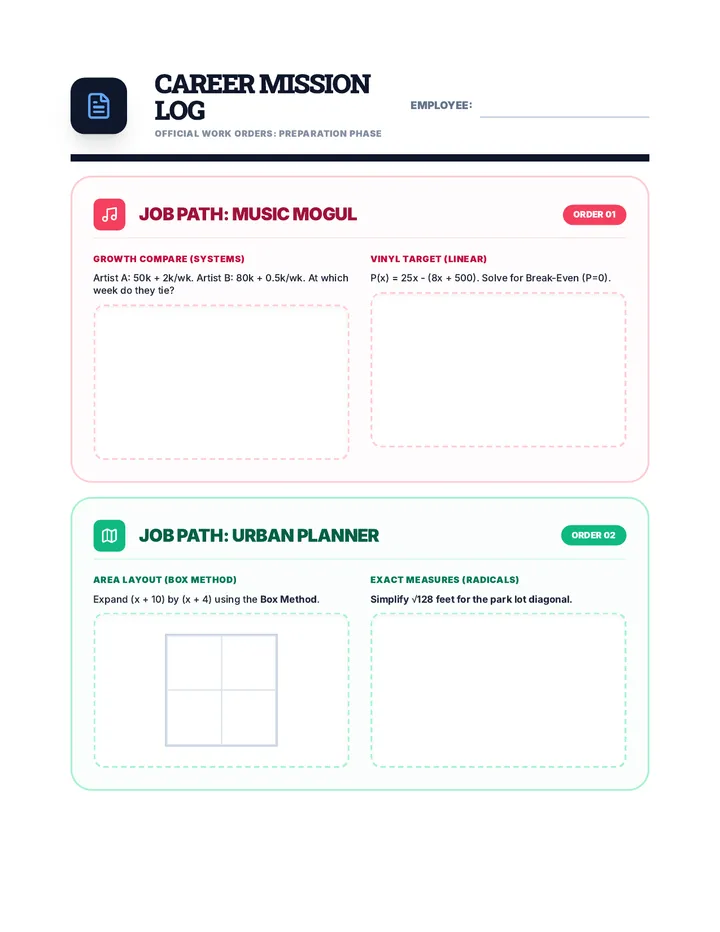
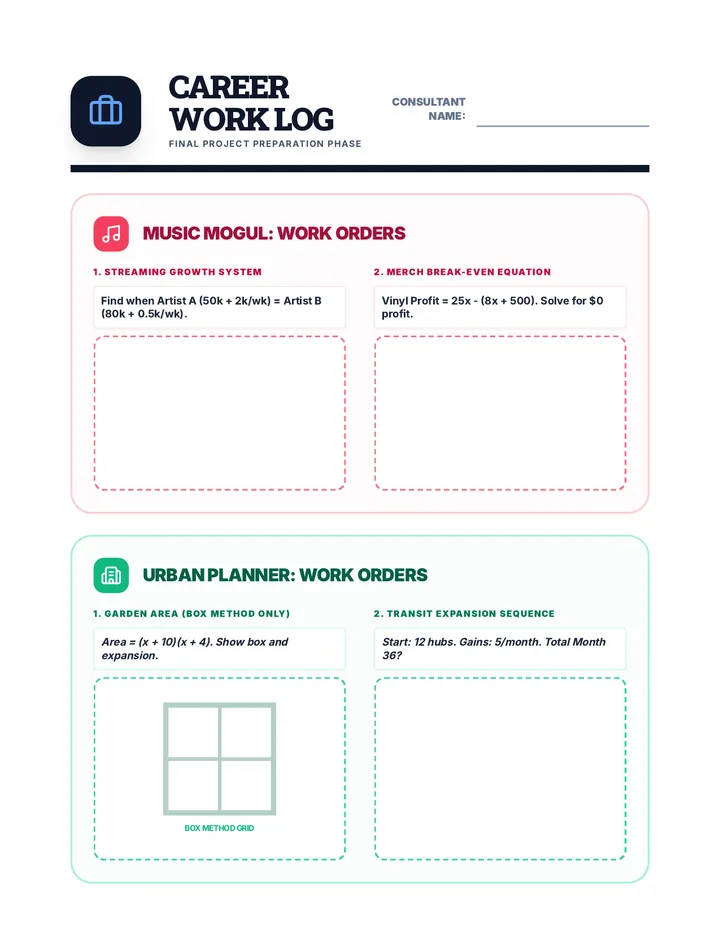
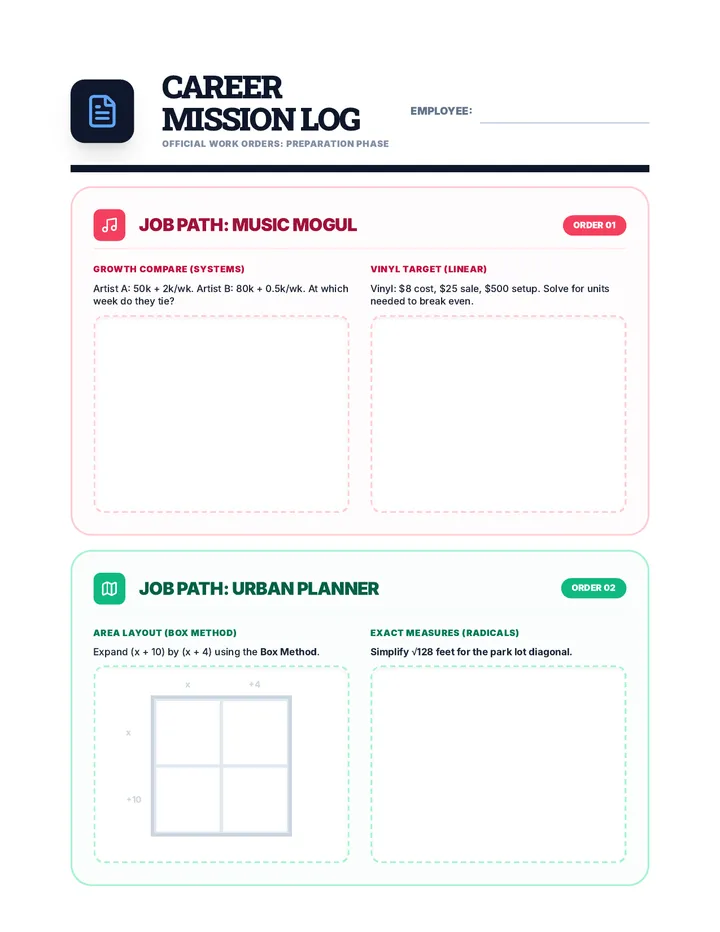
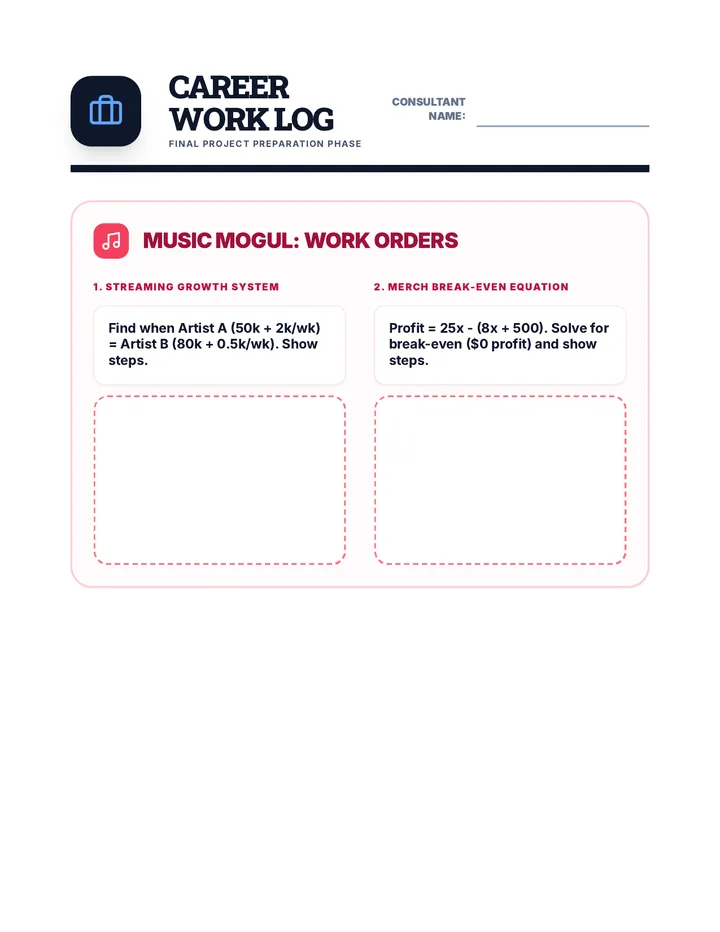
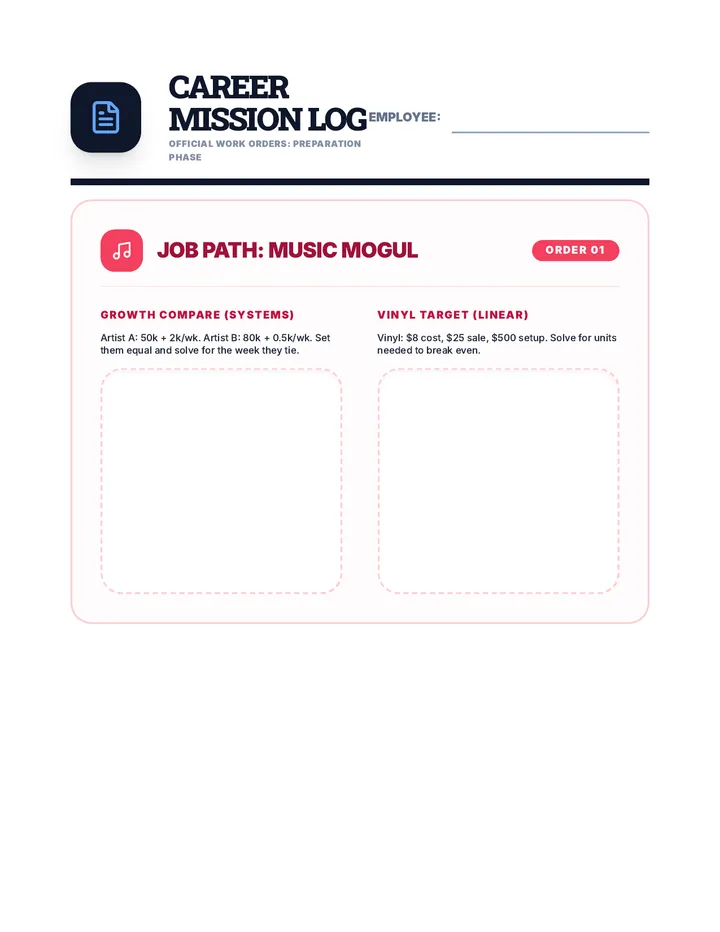
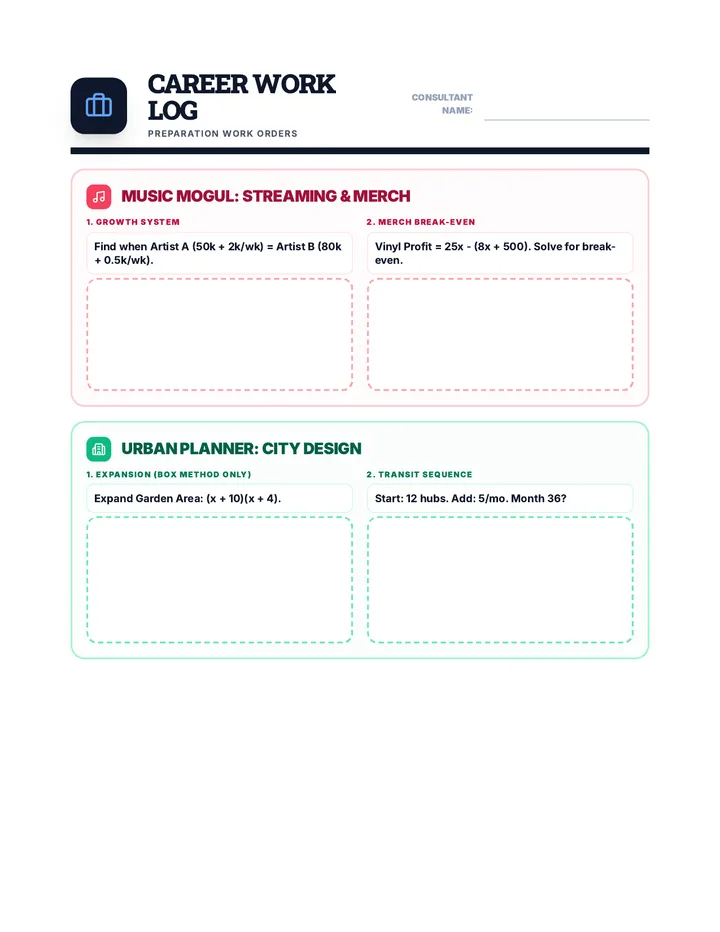
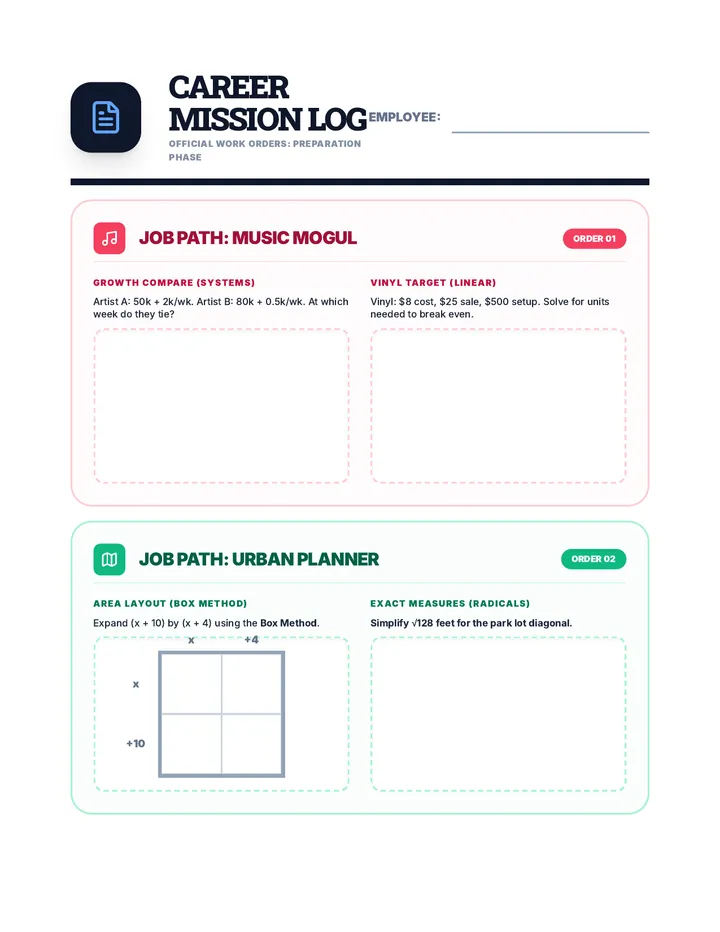
Scaffolded practice activities ('Skill Missions') that review key concepts: linear equations, systems, sequences, lines of best fit, and factoring. These activities ensure students have the foundational skills needed for their final project.
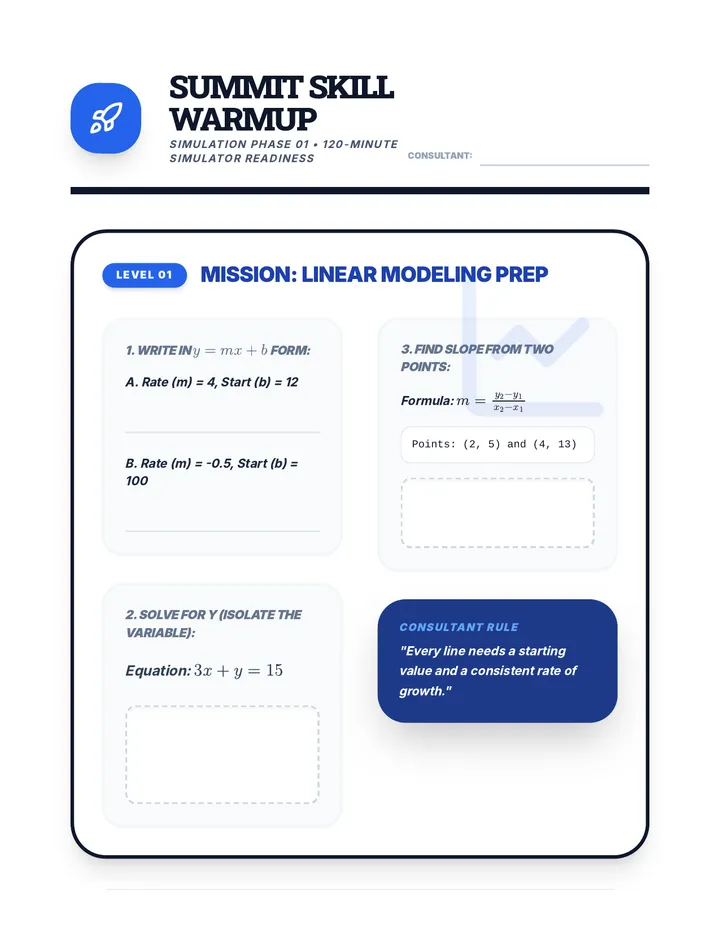
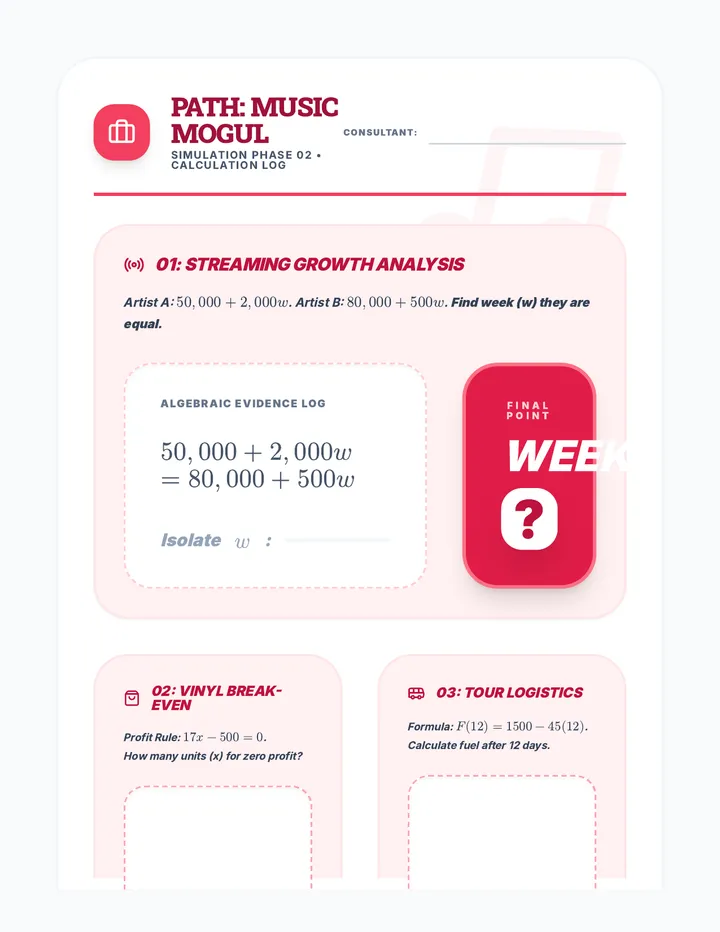
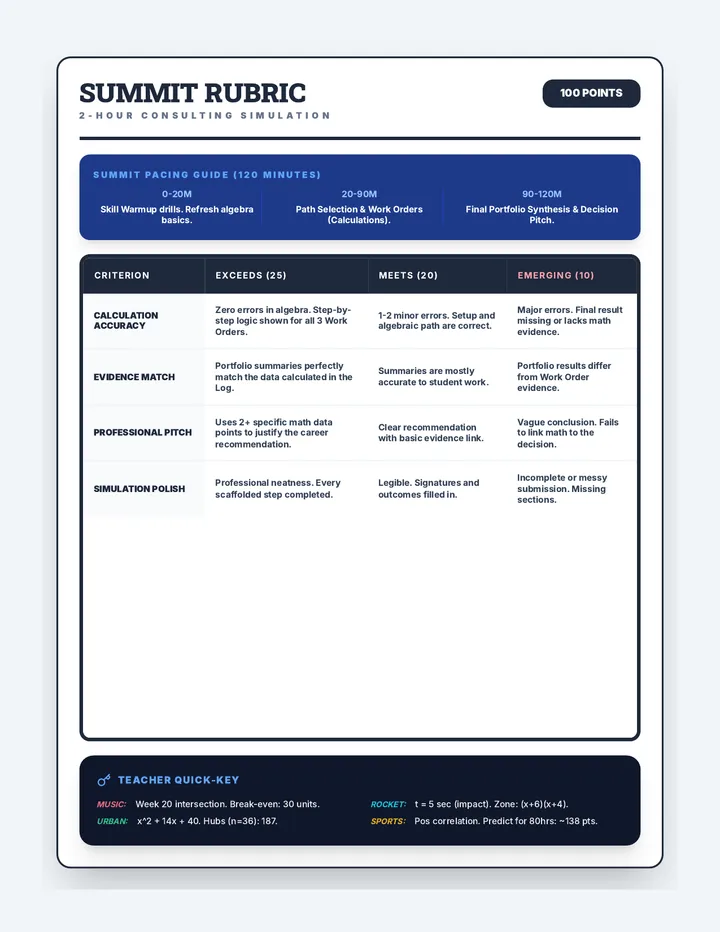
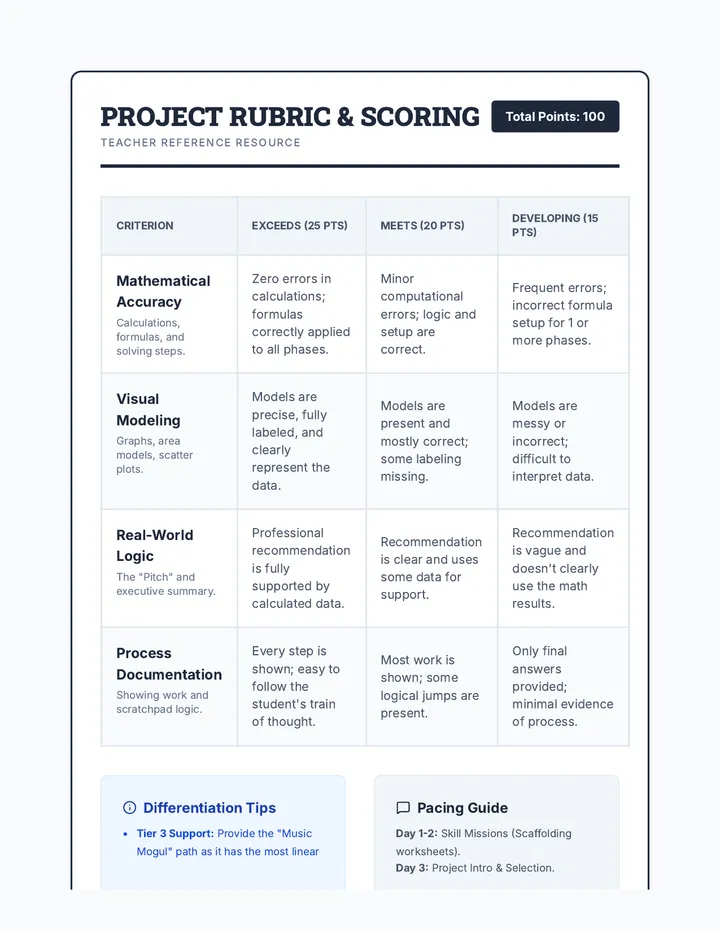
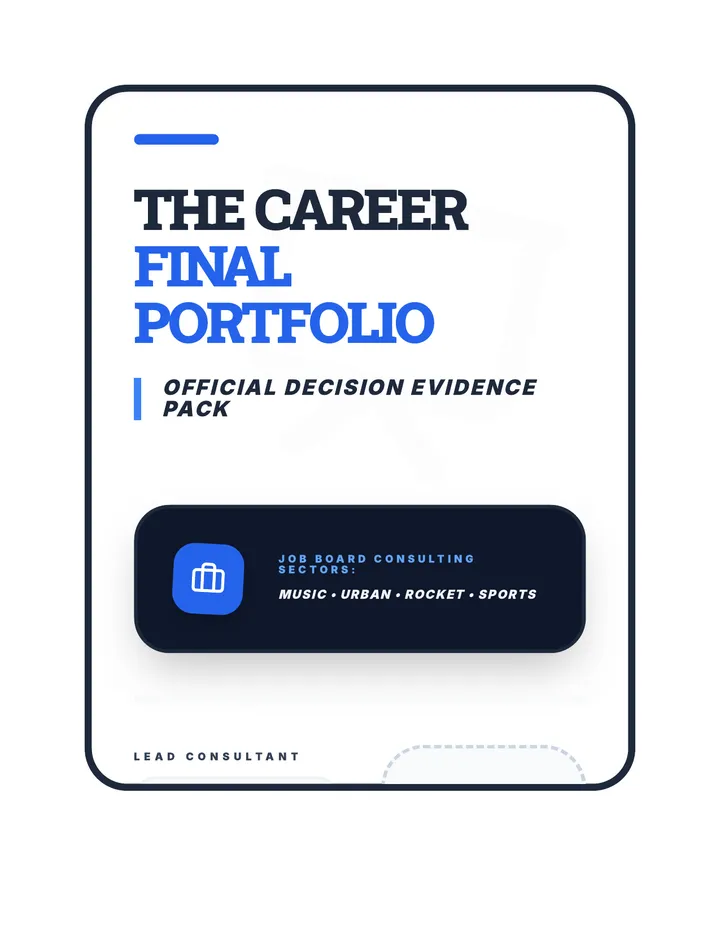
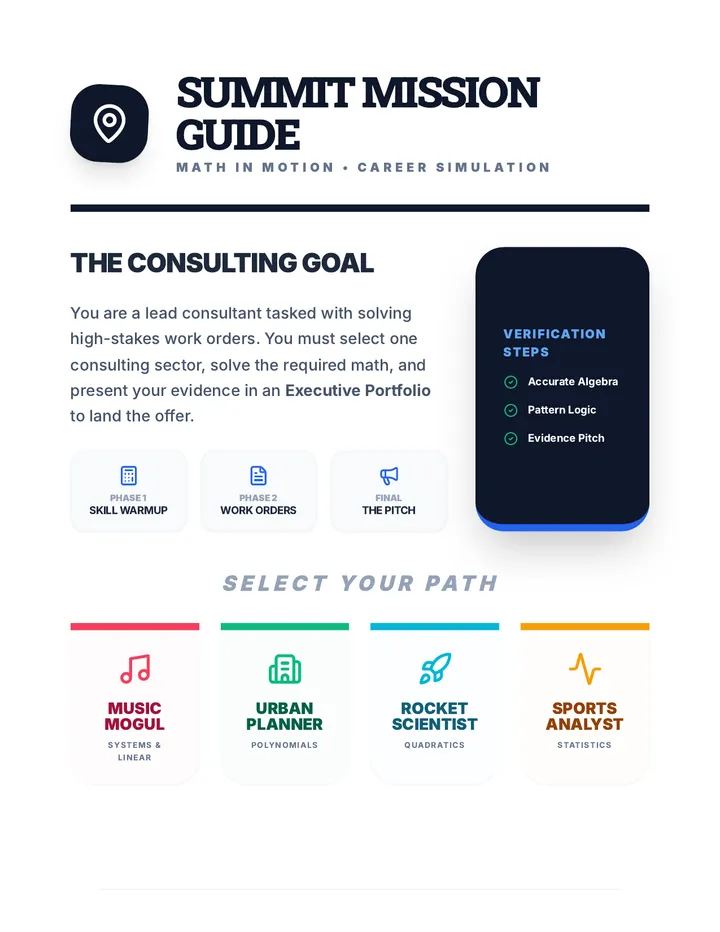
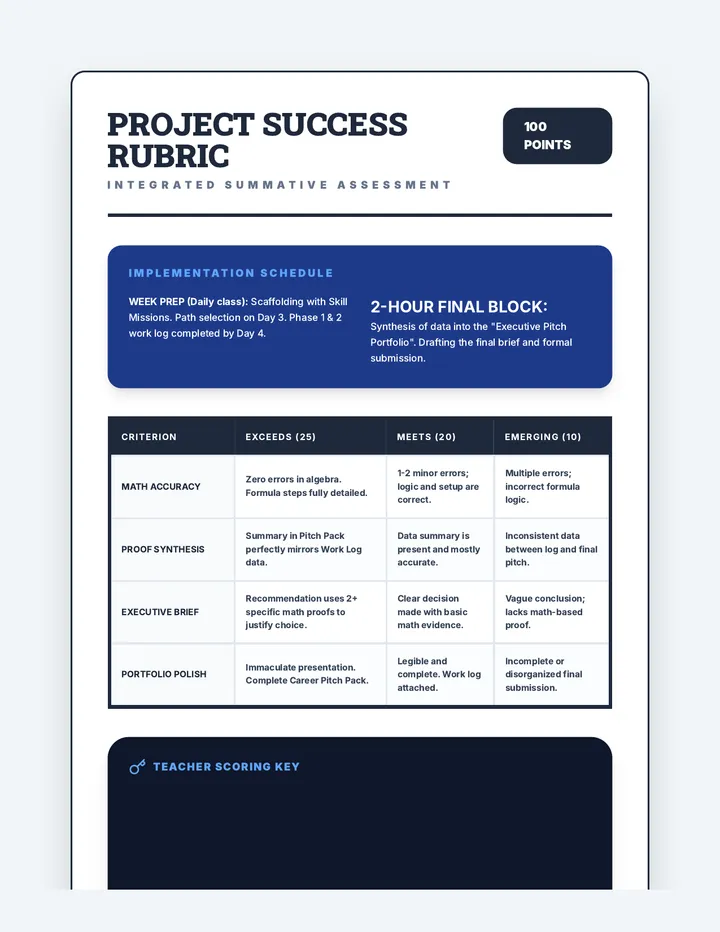
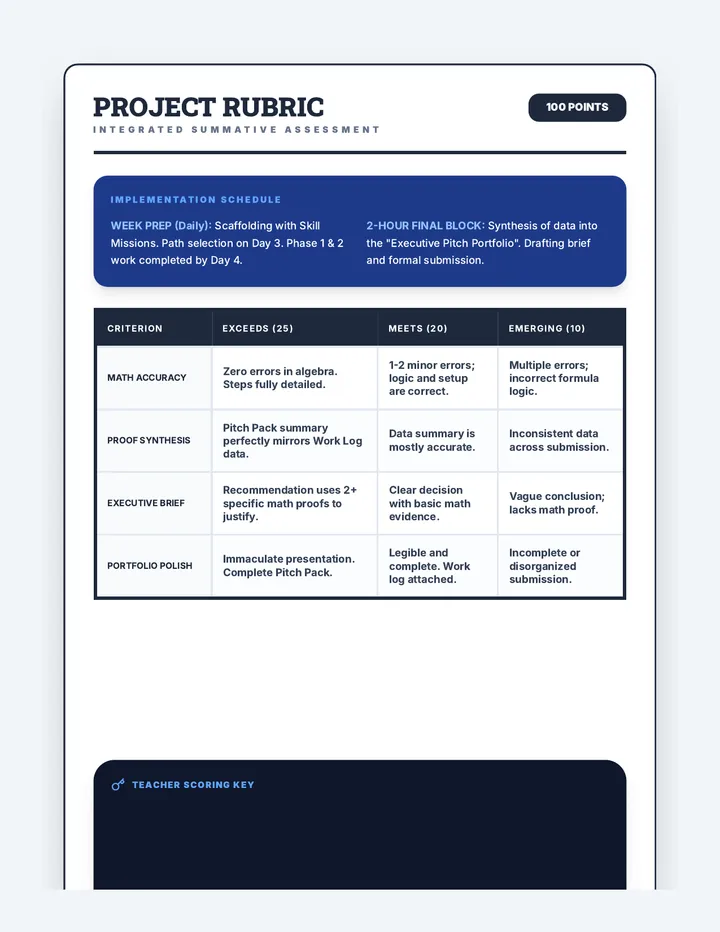
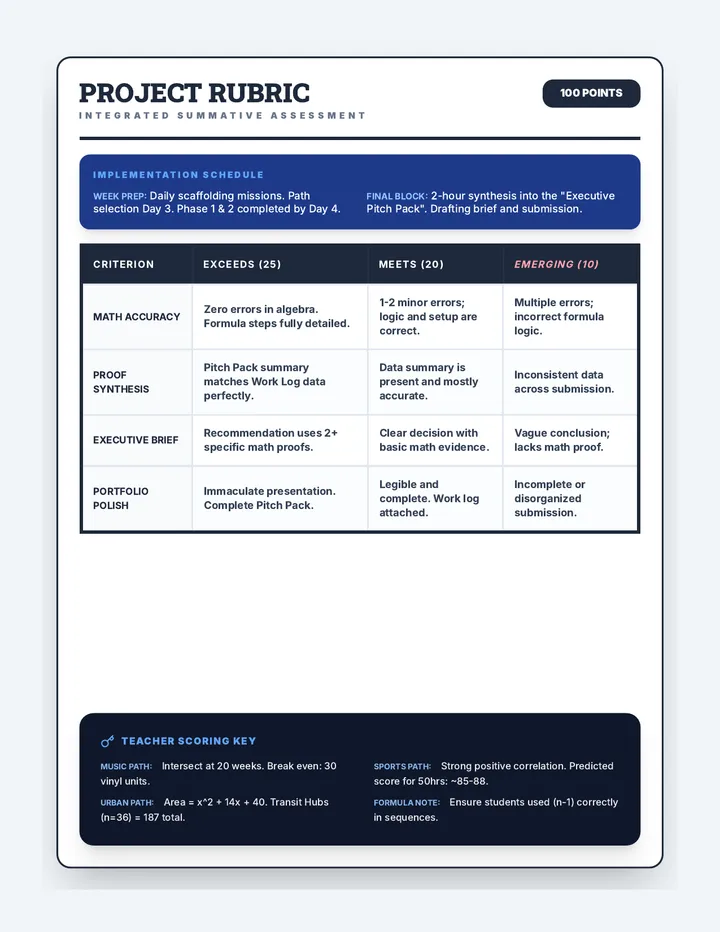
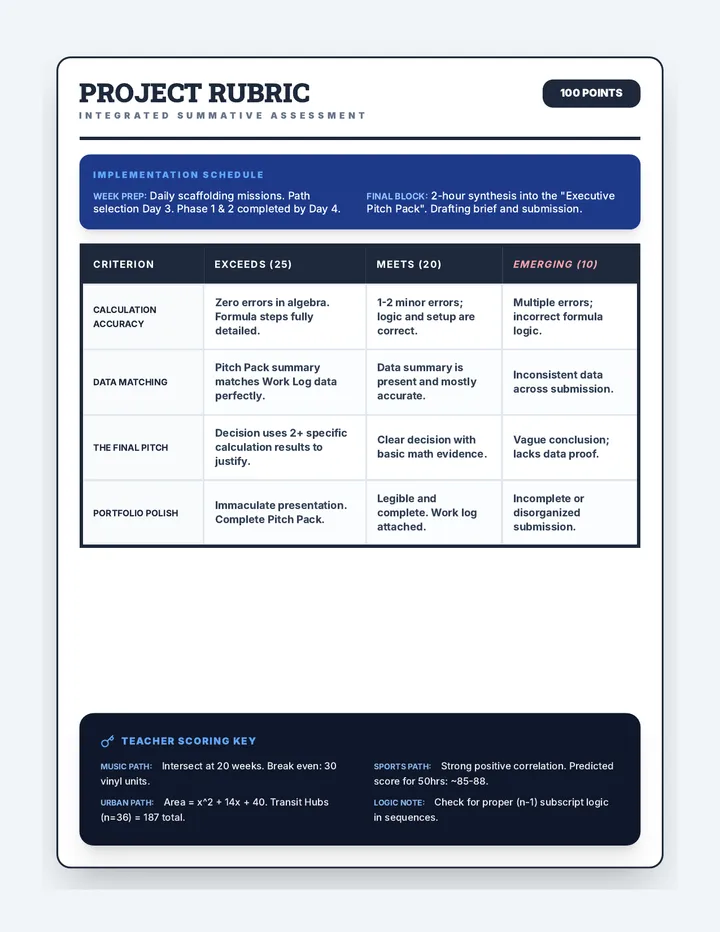
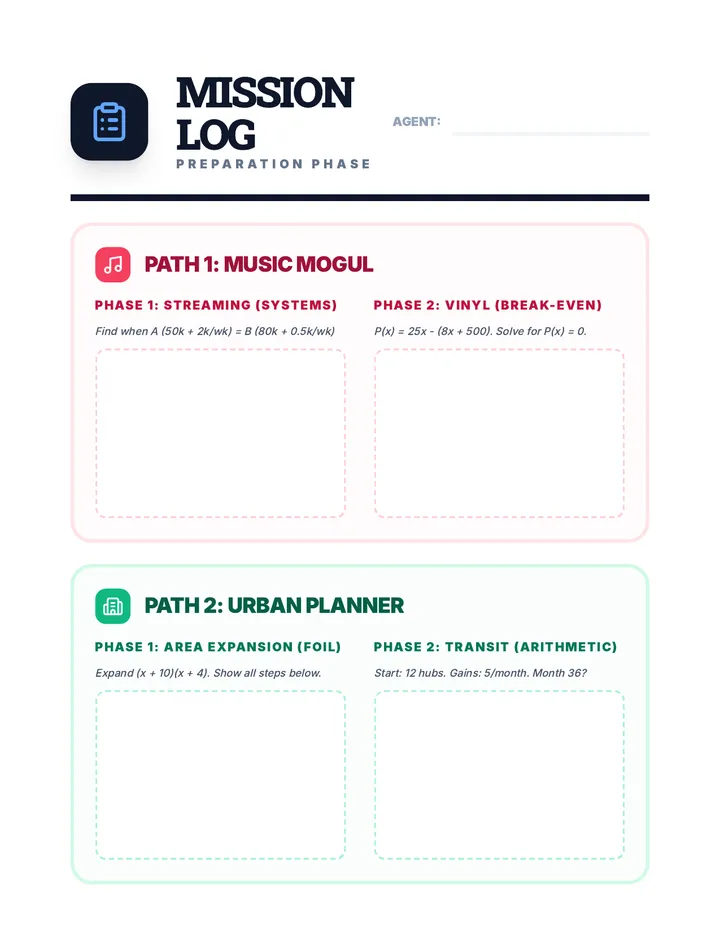
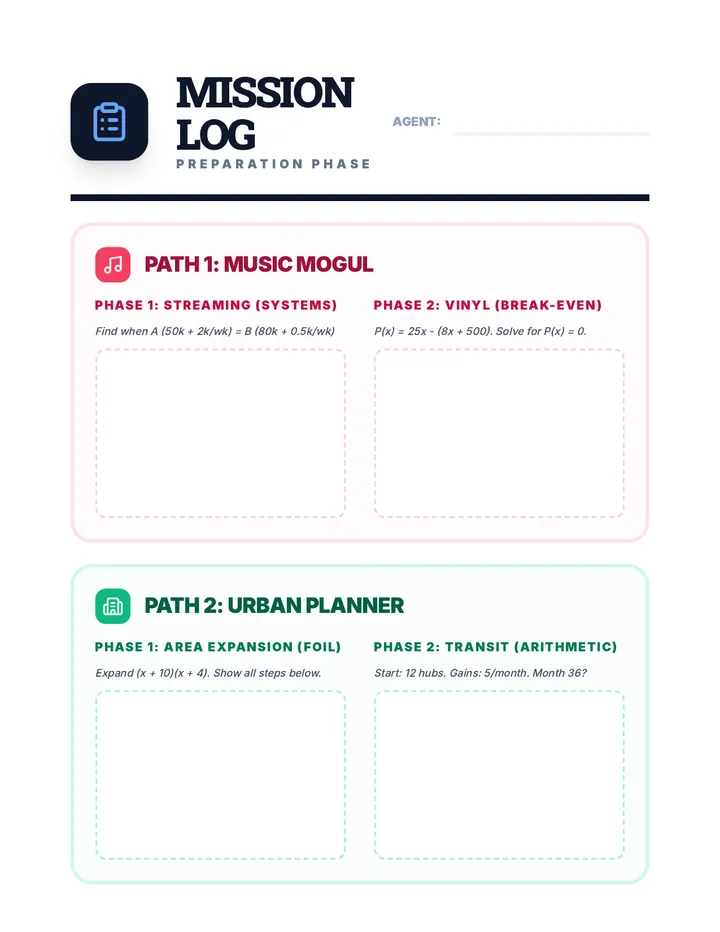
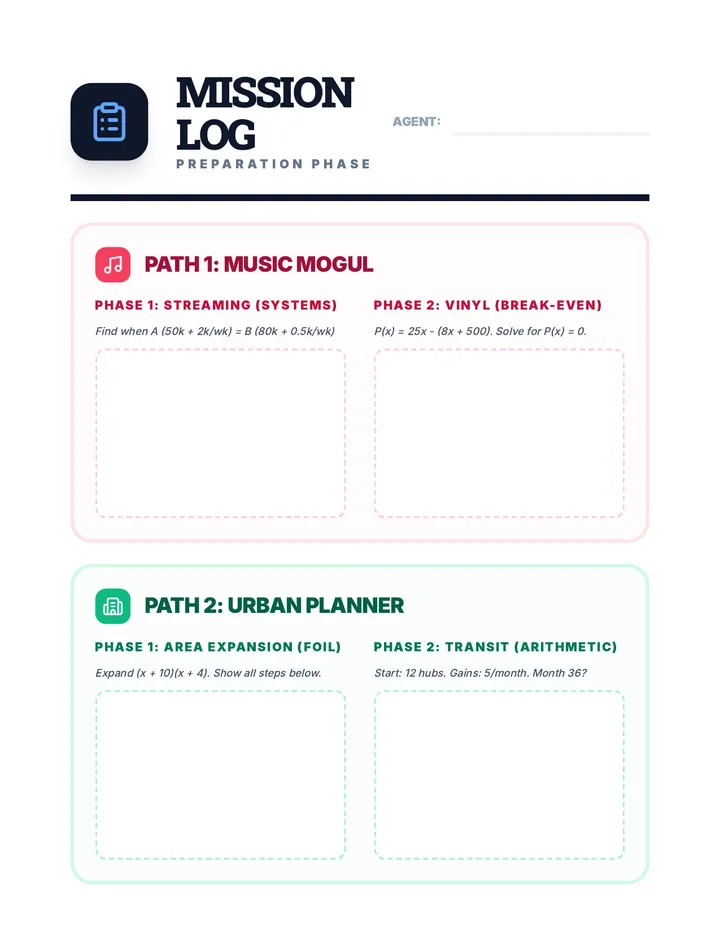
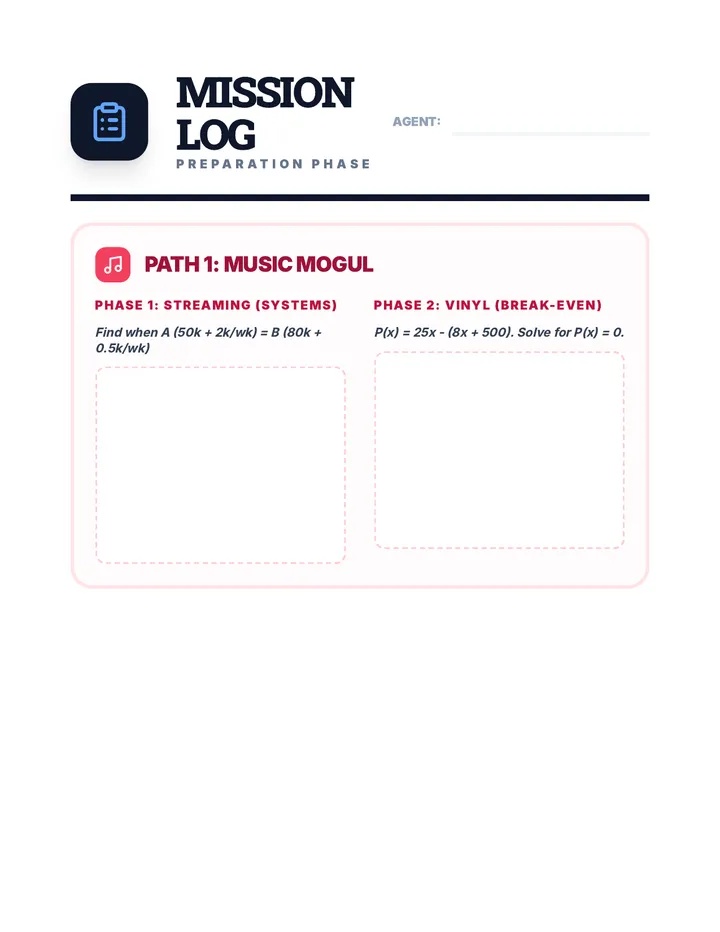
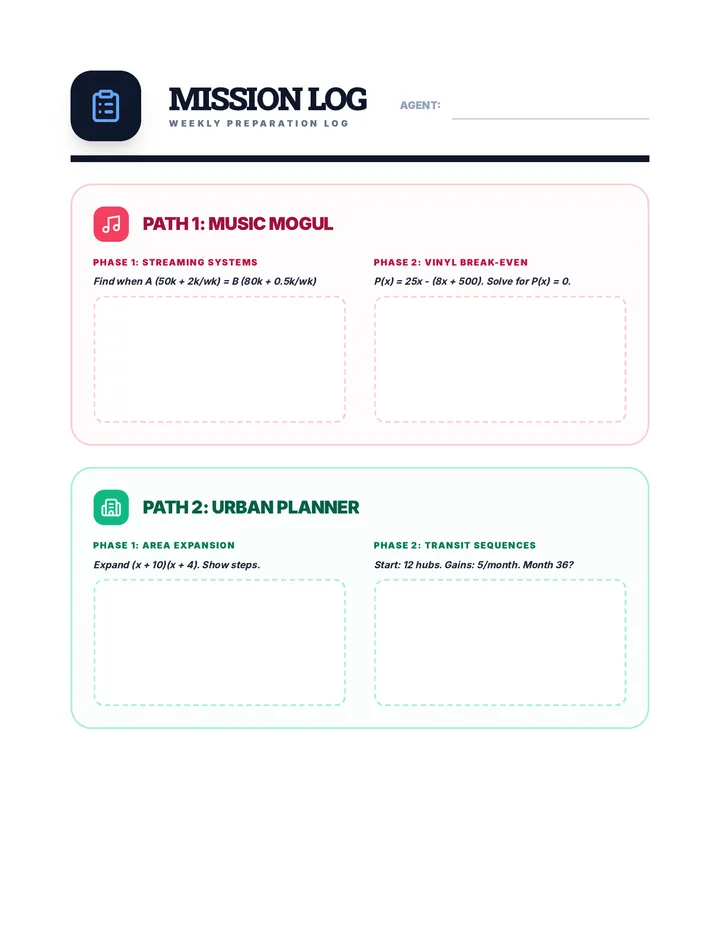
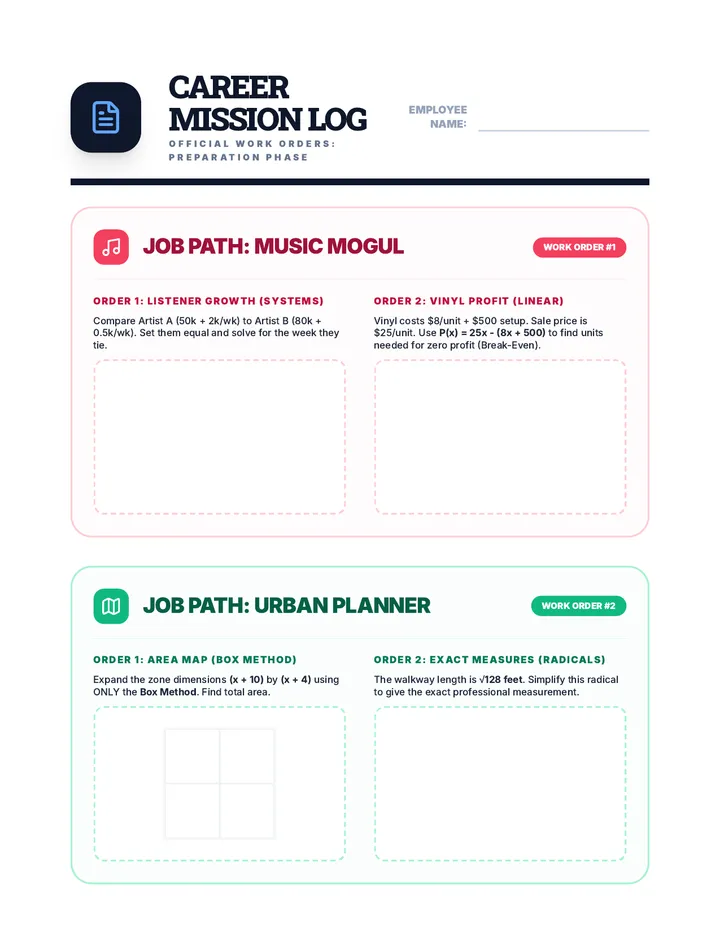
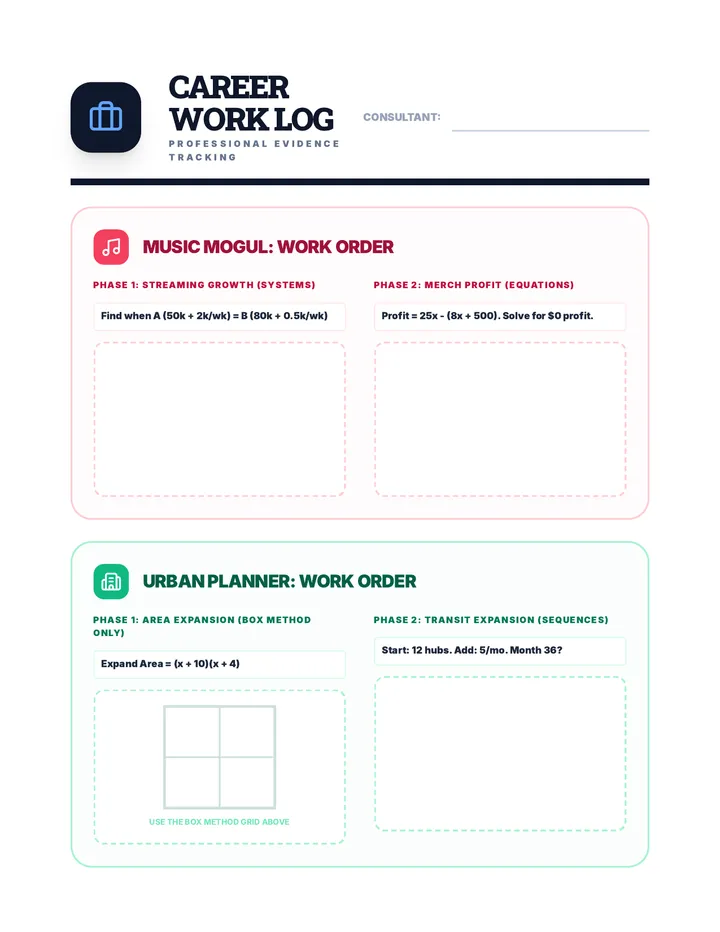
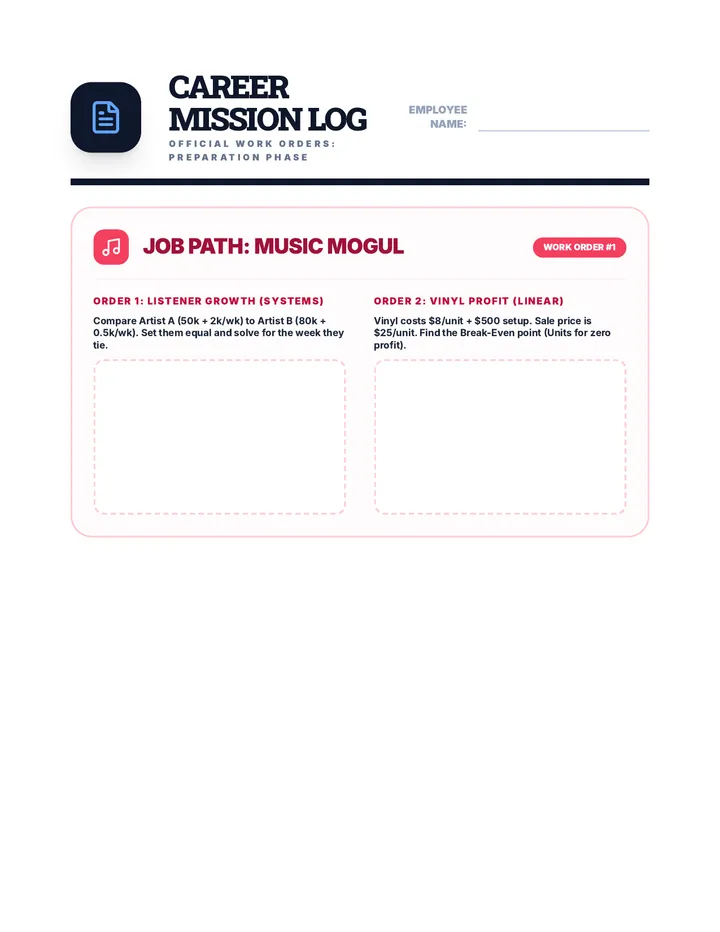
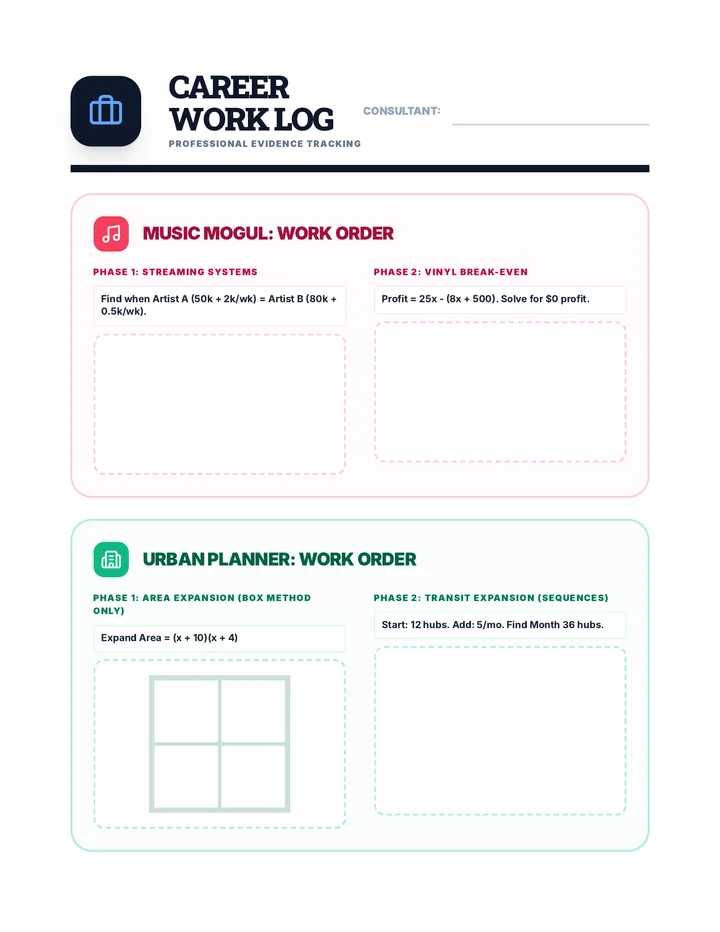
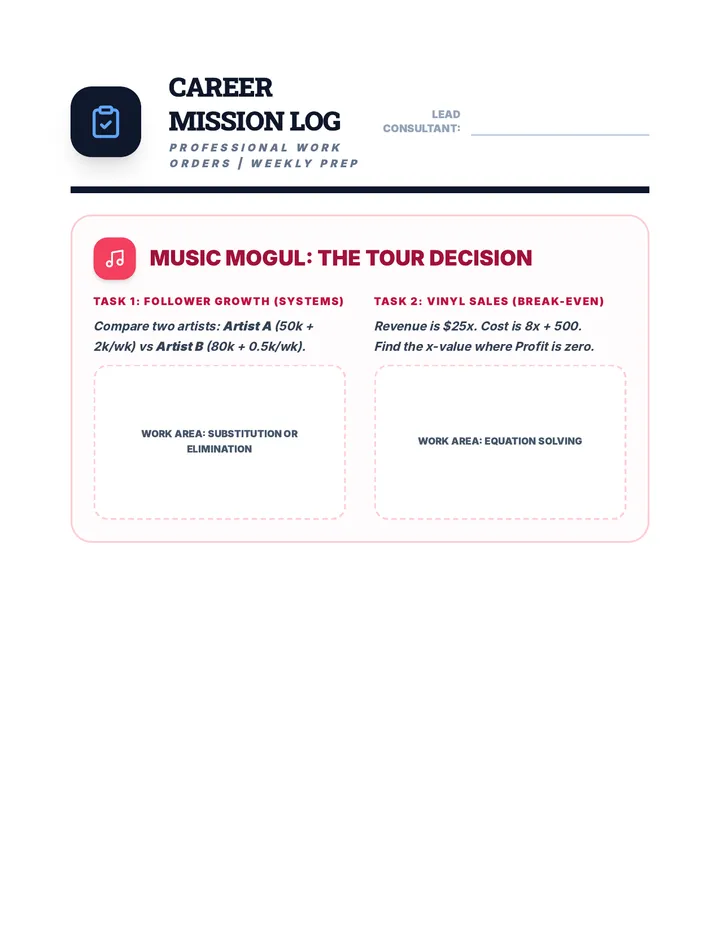
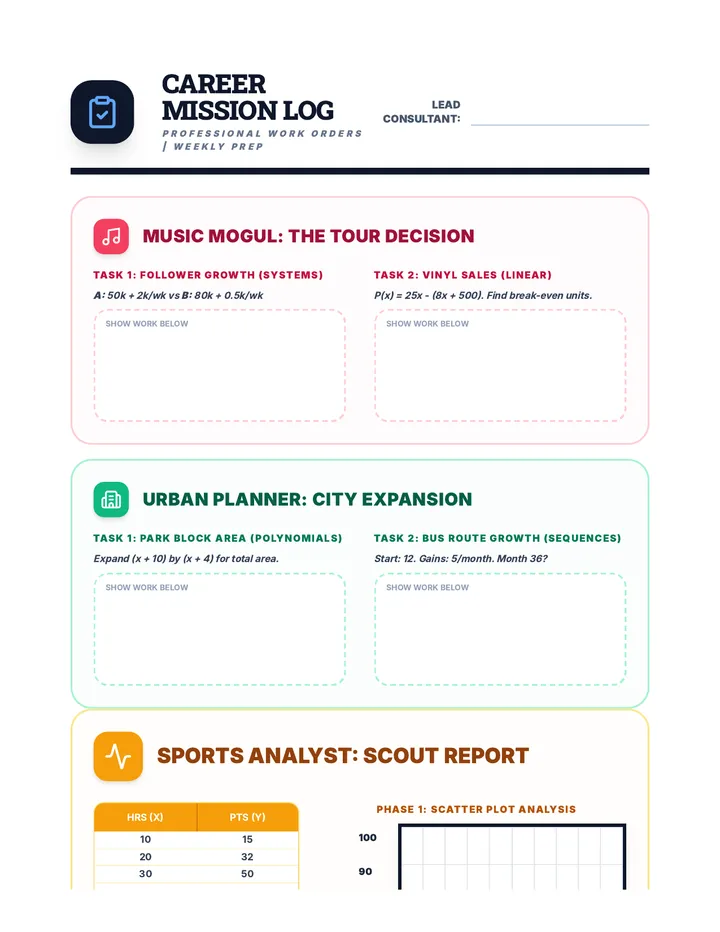
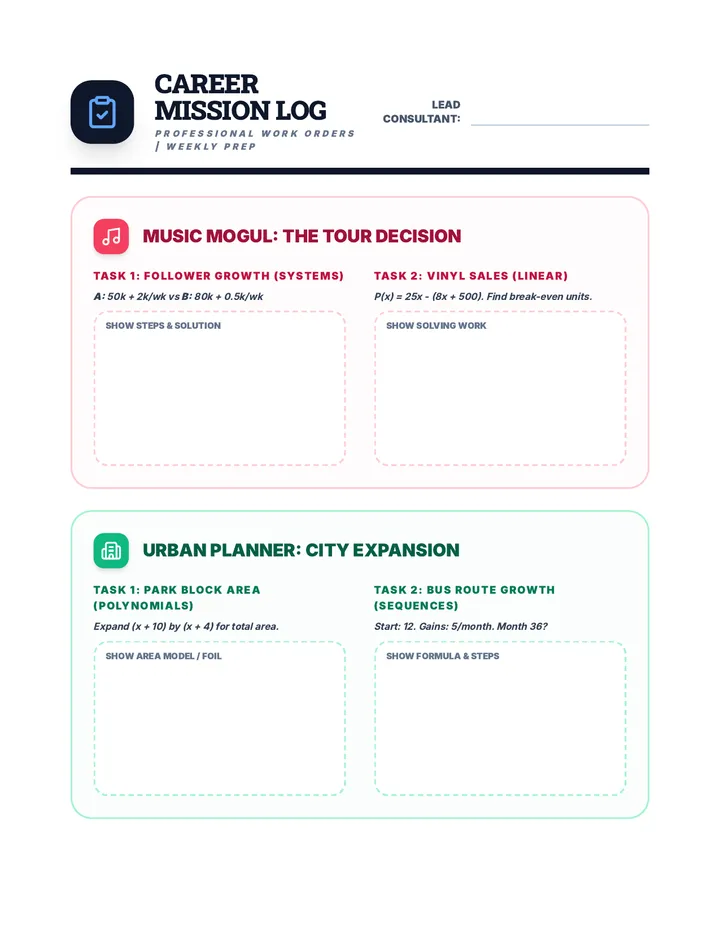
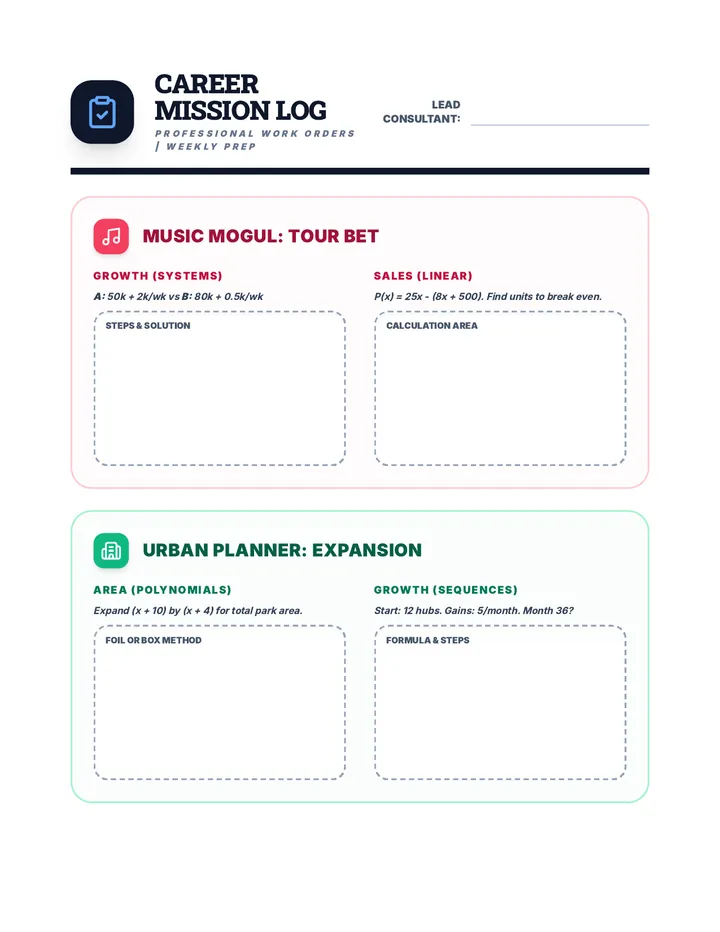
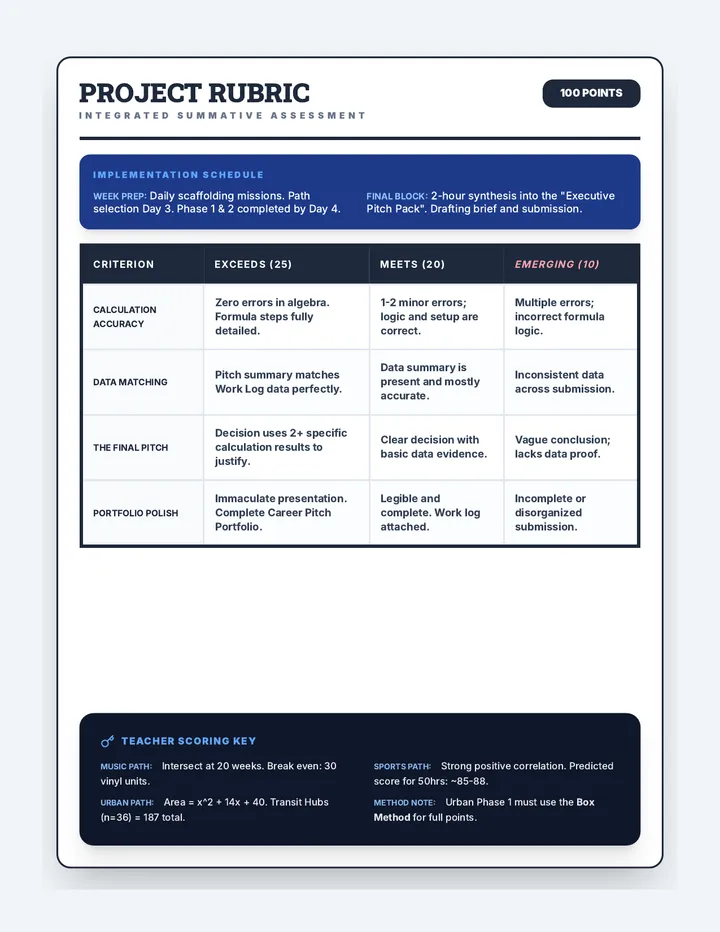
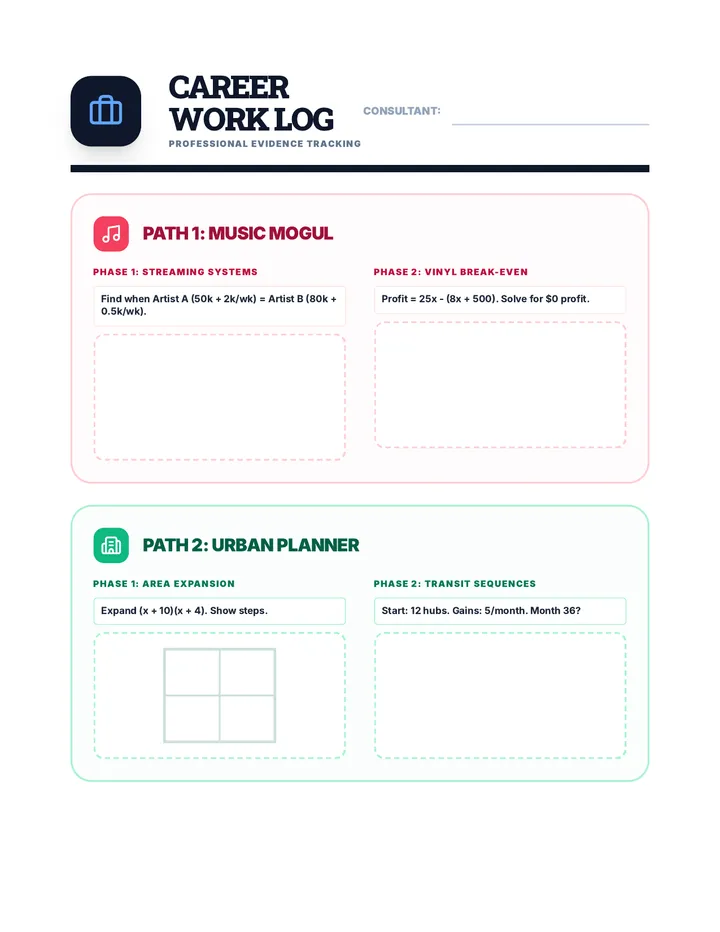
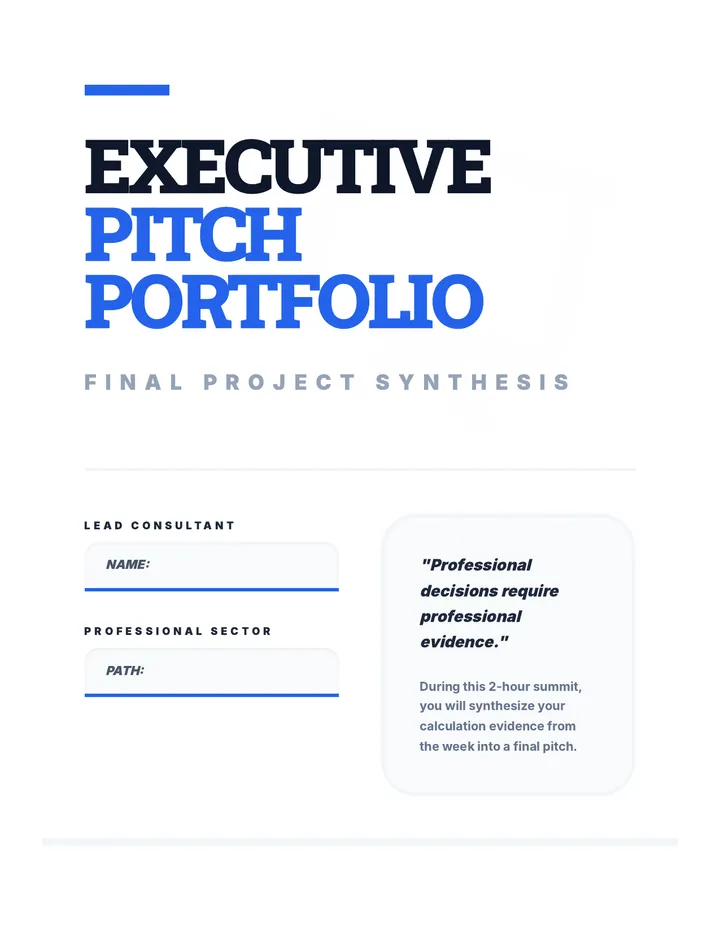
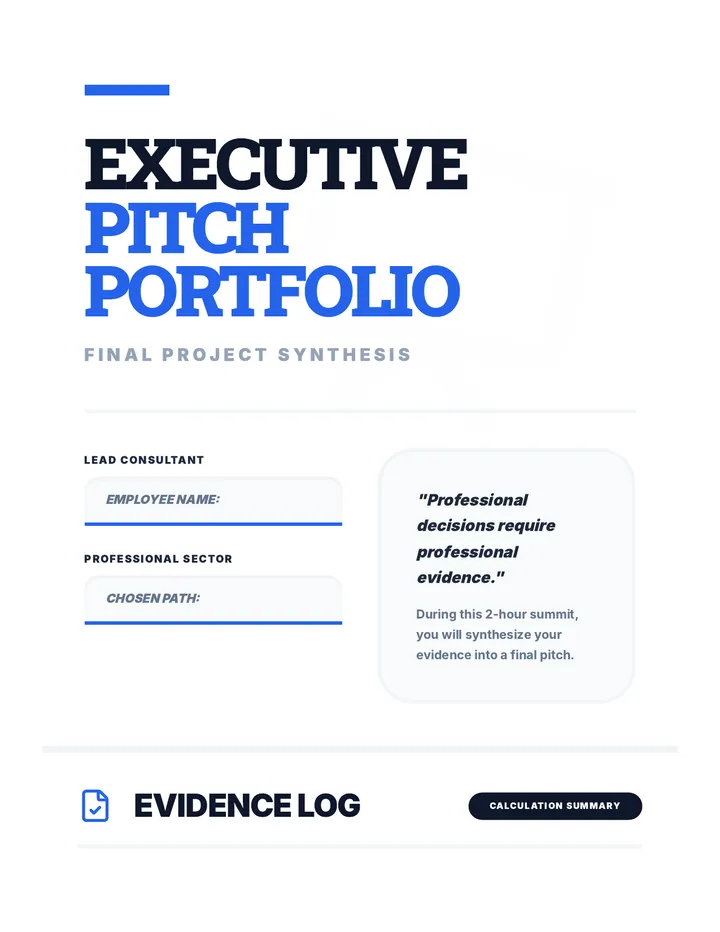
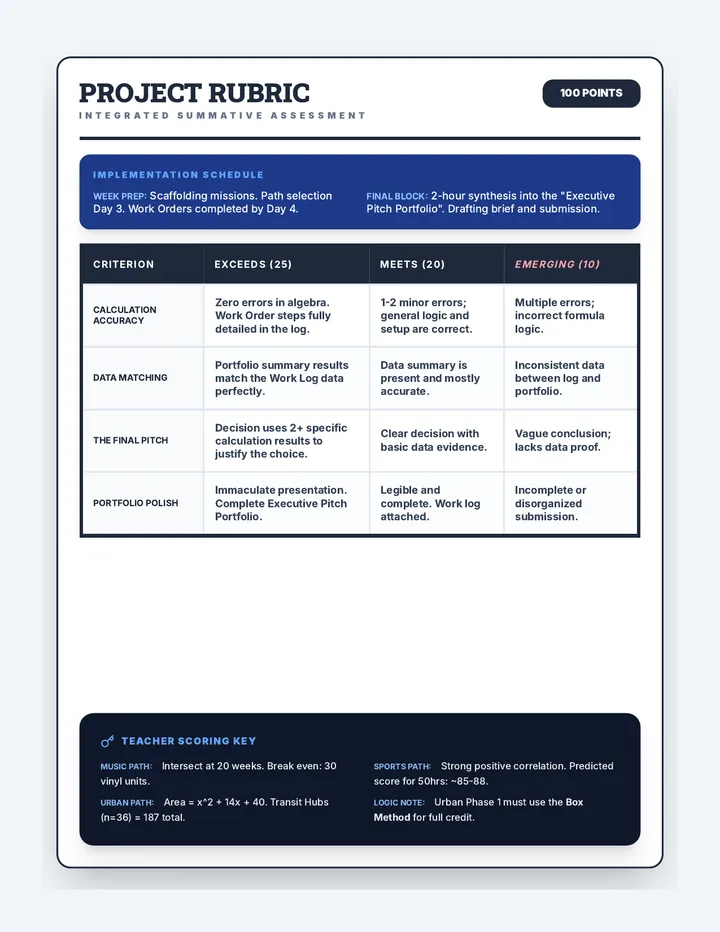
A high-intensity, 2-hour math simulation where students act as lead consultants. They complete a scaffolded Skill Warmup before choosing one of four career paths (Music, Urban, Rocket, or Sports) to solve real-world "Work Orders" and delivering an Executive Pitch.
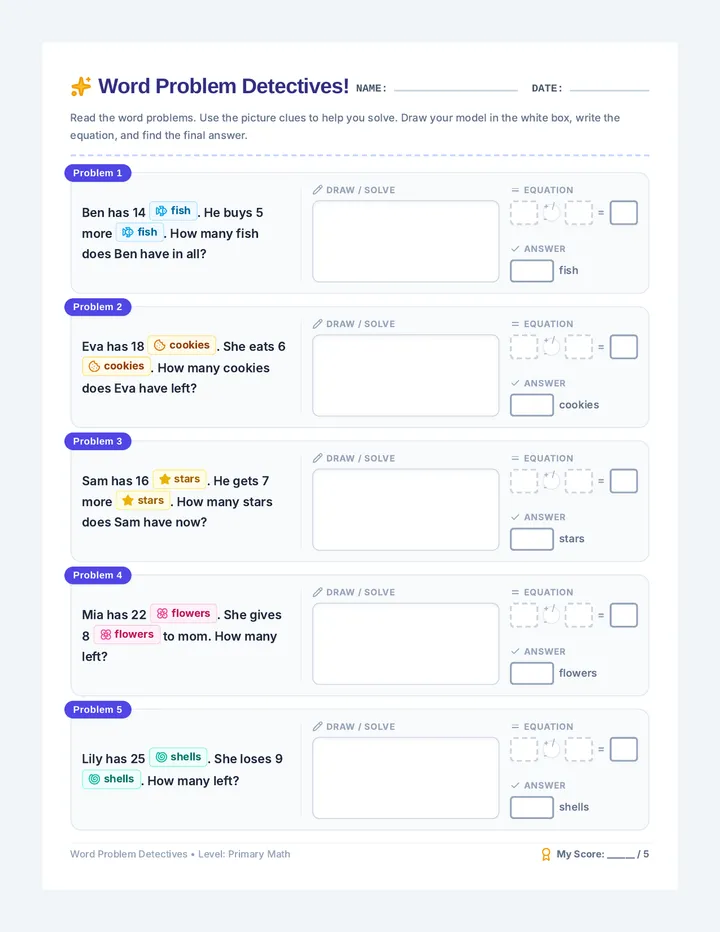
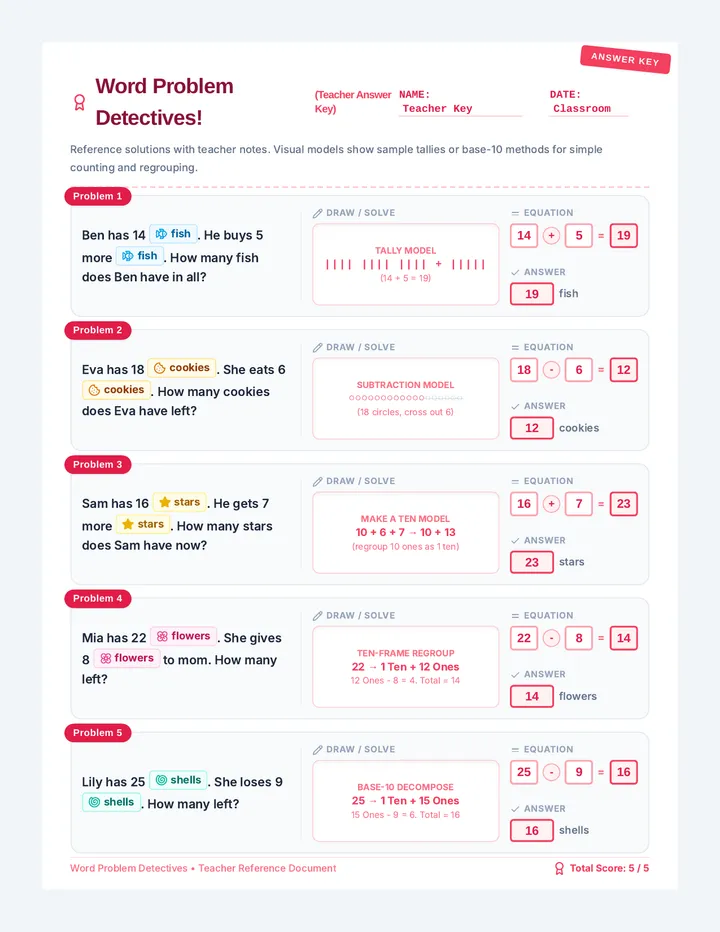
A lesson focused on solving one-step word problems involving addition and subtraction. Students practice recognizing active language cues, modeling their thinking, and writing equations.
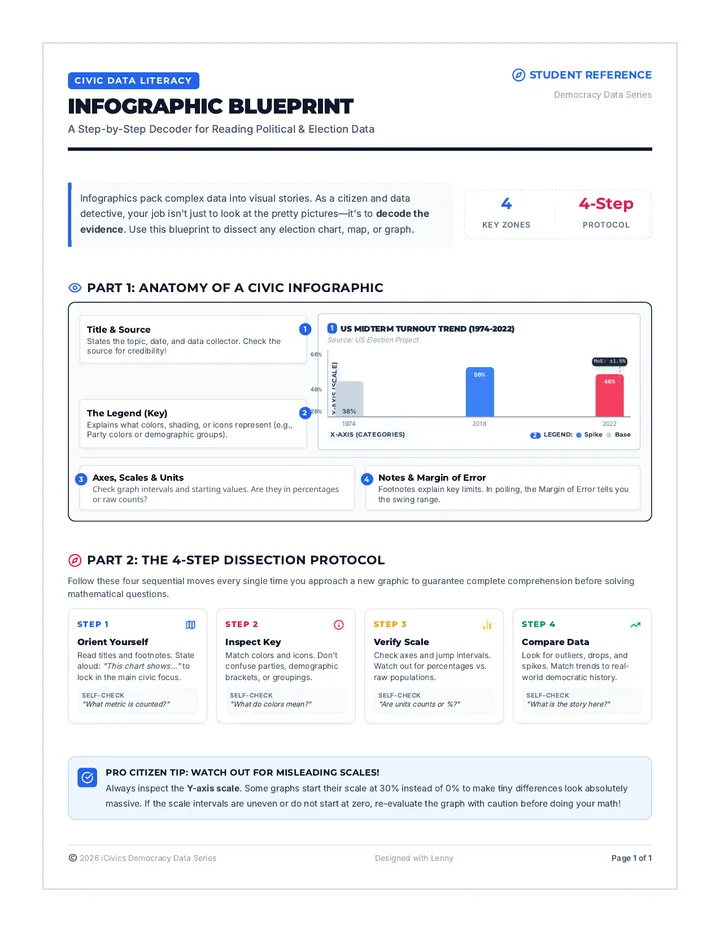
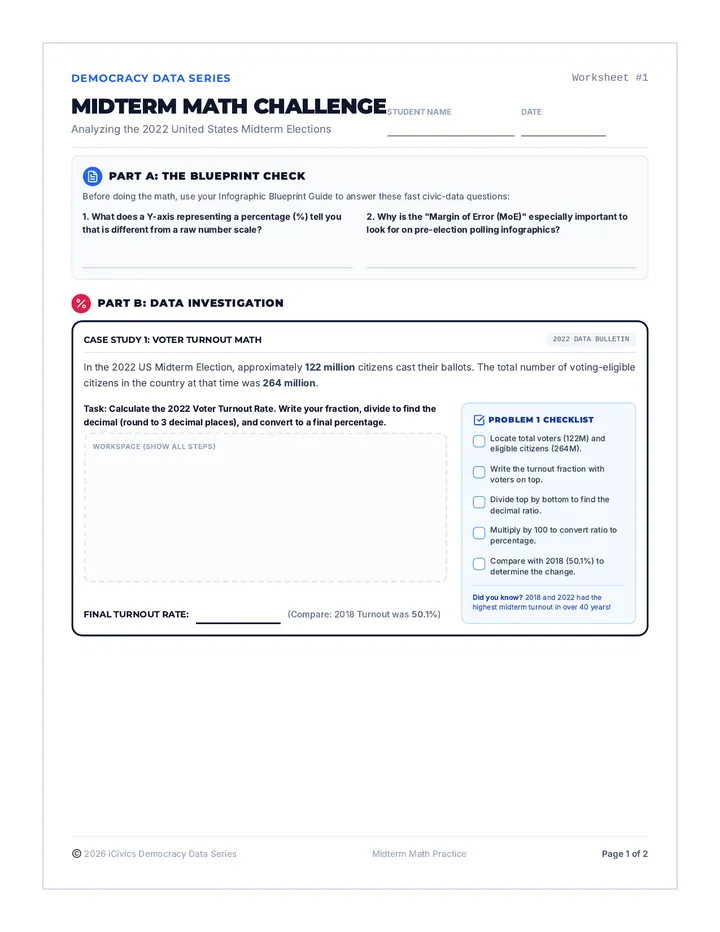
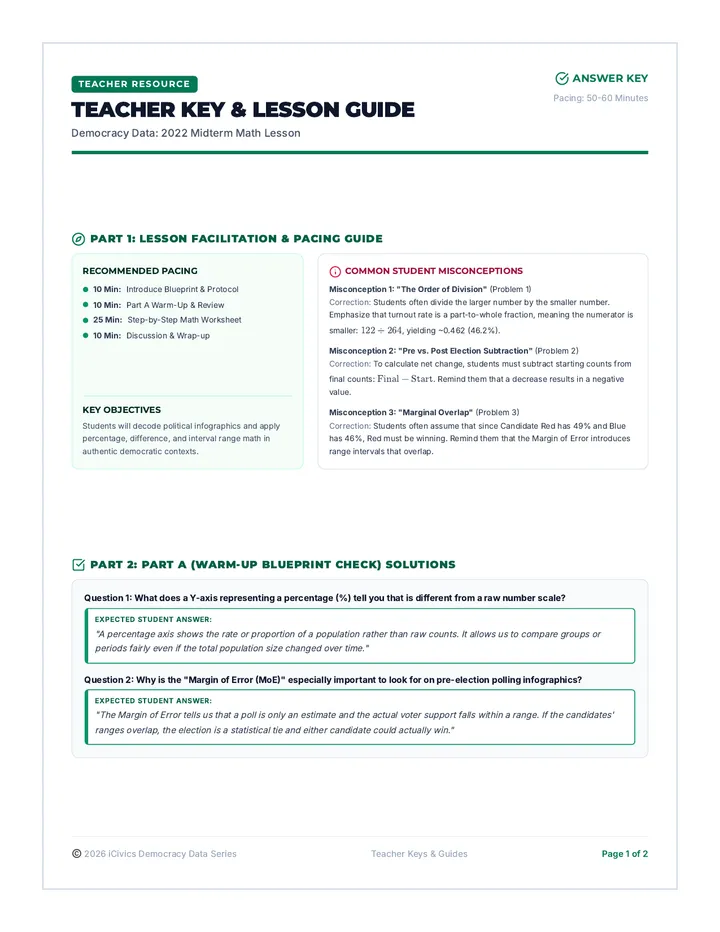
A civic-minded math lesson where students analyze real-world data from the 2022 midterm elections. Students learn to navigate complex infographics using structured reading strategies and tackle data-driven math questions with supportive step-by-step checklists.
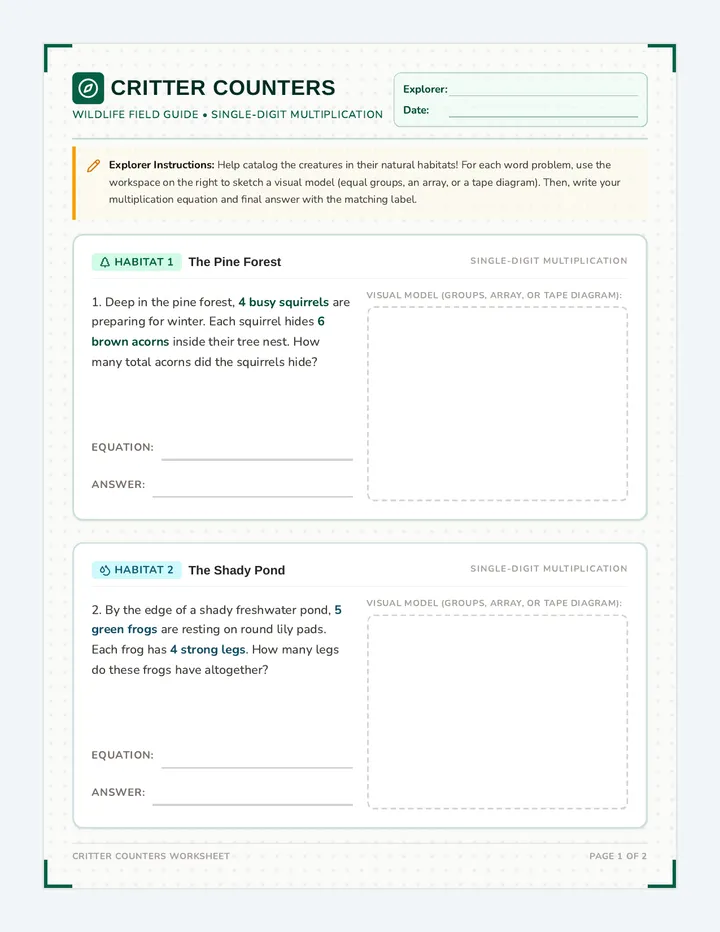
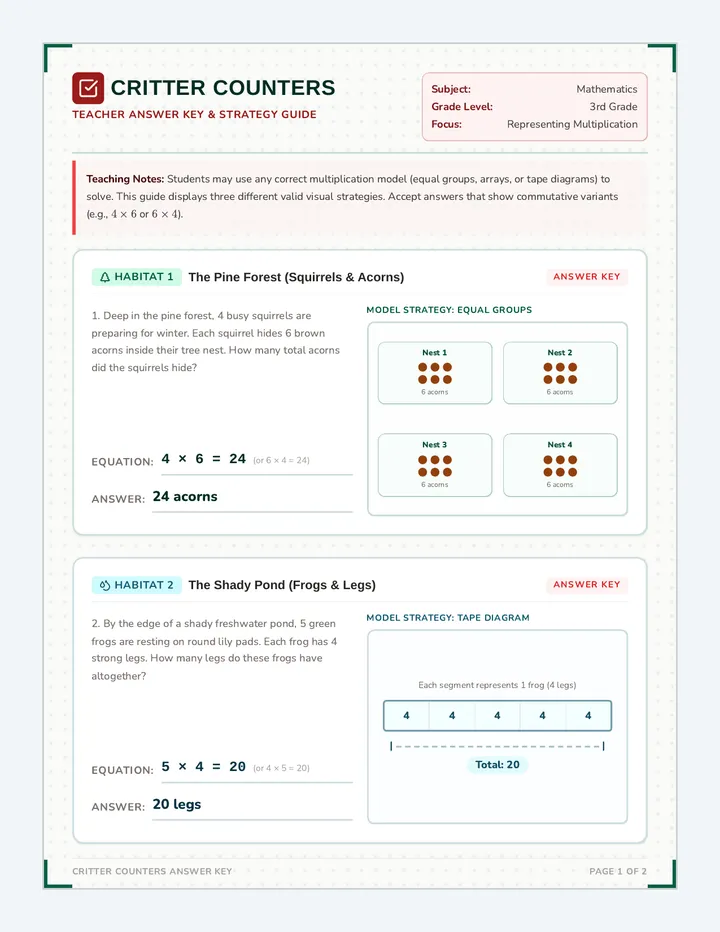
A single-digit multiplication lesson centered around animal counts and habitat scenarios. Students solve word problems using visual representations like arrays, equal groups, and tape diagrams.
A targeted 2nd-grade intervention lesson focused on adding 2-digit numbers with regrouping. Students use place value block drawings, color-coded numbers, and T-charts to build conceptual understanding and solid arithmetic habits.
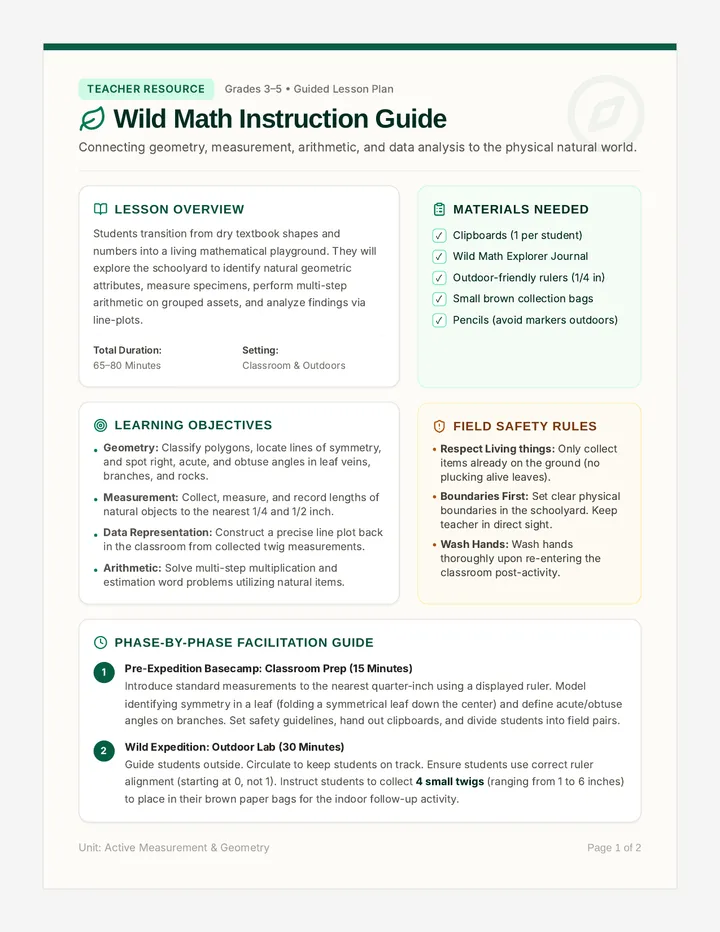
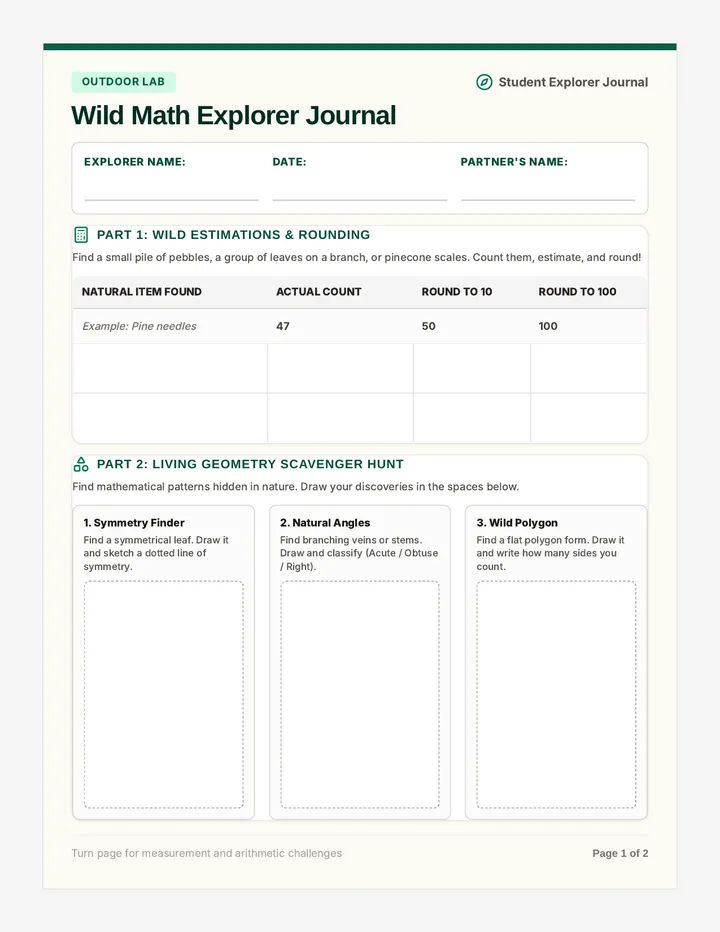
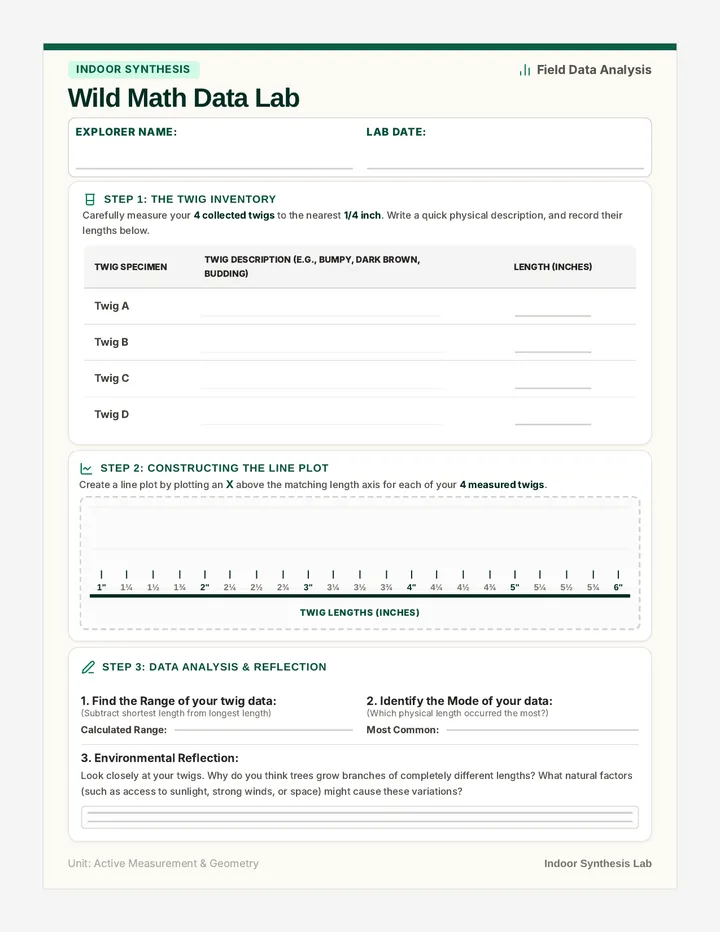
A complete outdoor learning experience where students explore mathematical concepts in the natural world. This lesson bundle connects geometry, measurement, estimation, and word problems directly to physical nature finds, followed by an indoor data-analysis session.
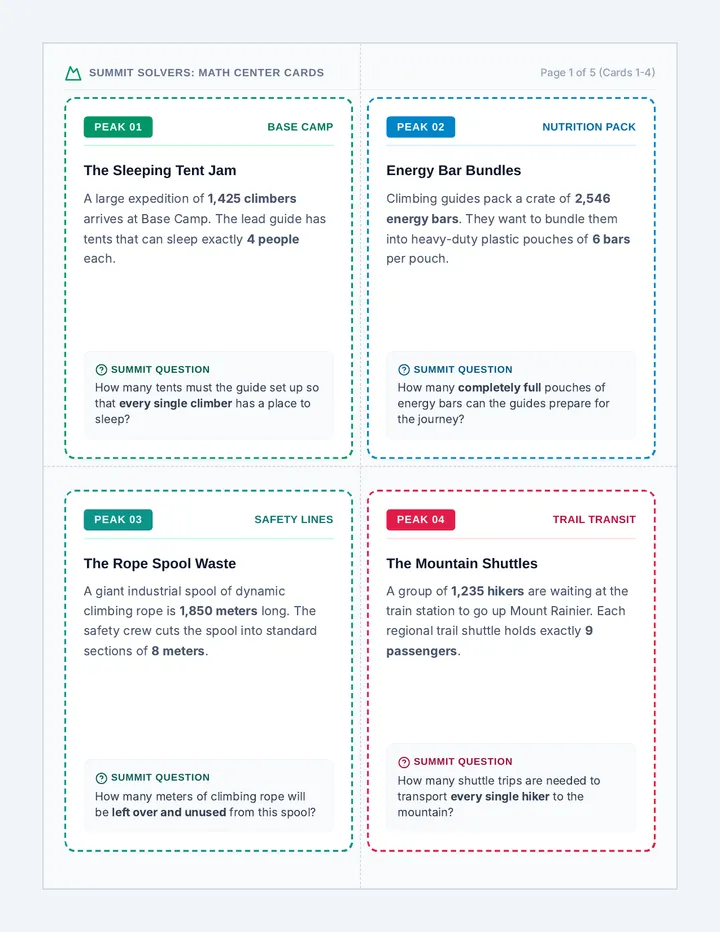
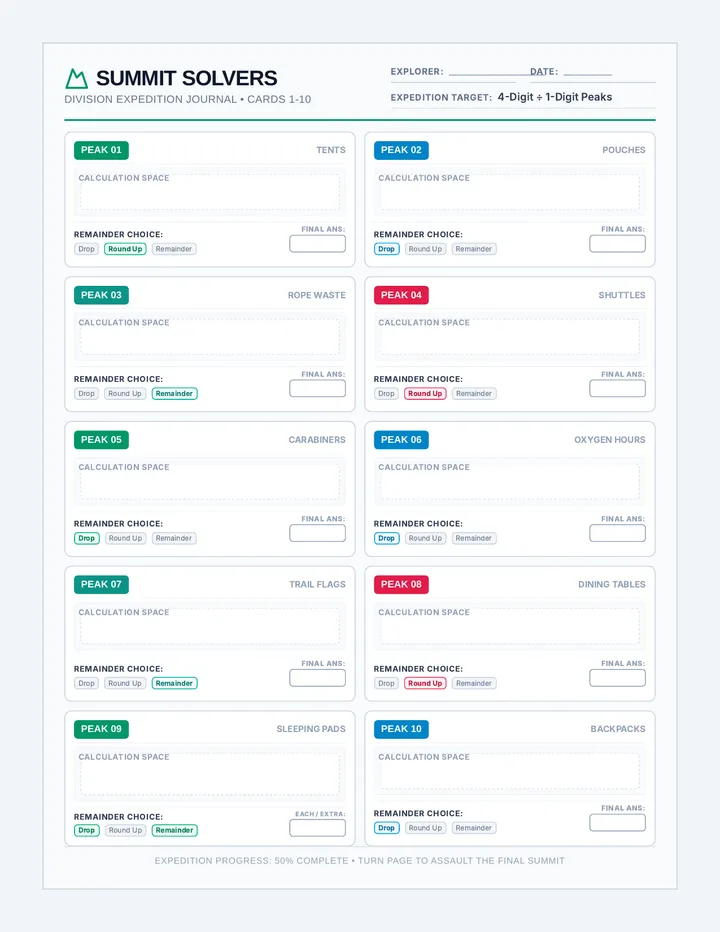
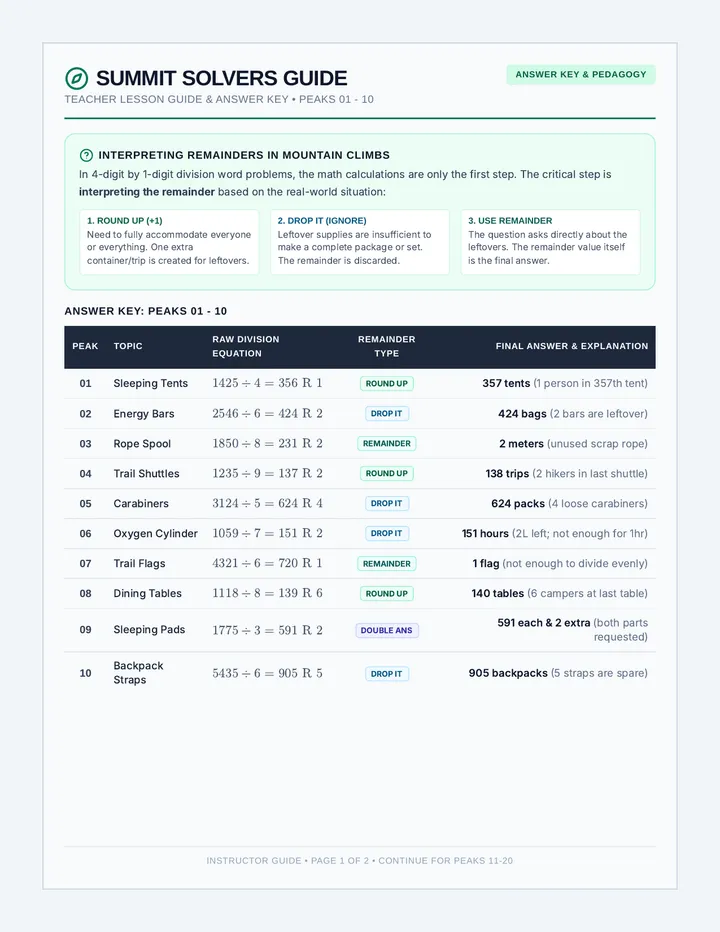
A math lesson focused on solving and interpreting 4-digit by 1-digit division word problems with remainders in a mountain climbing theme. Includes task cards, a recording sheet, and a detailed teacher answer guide.
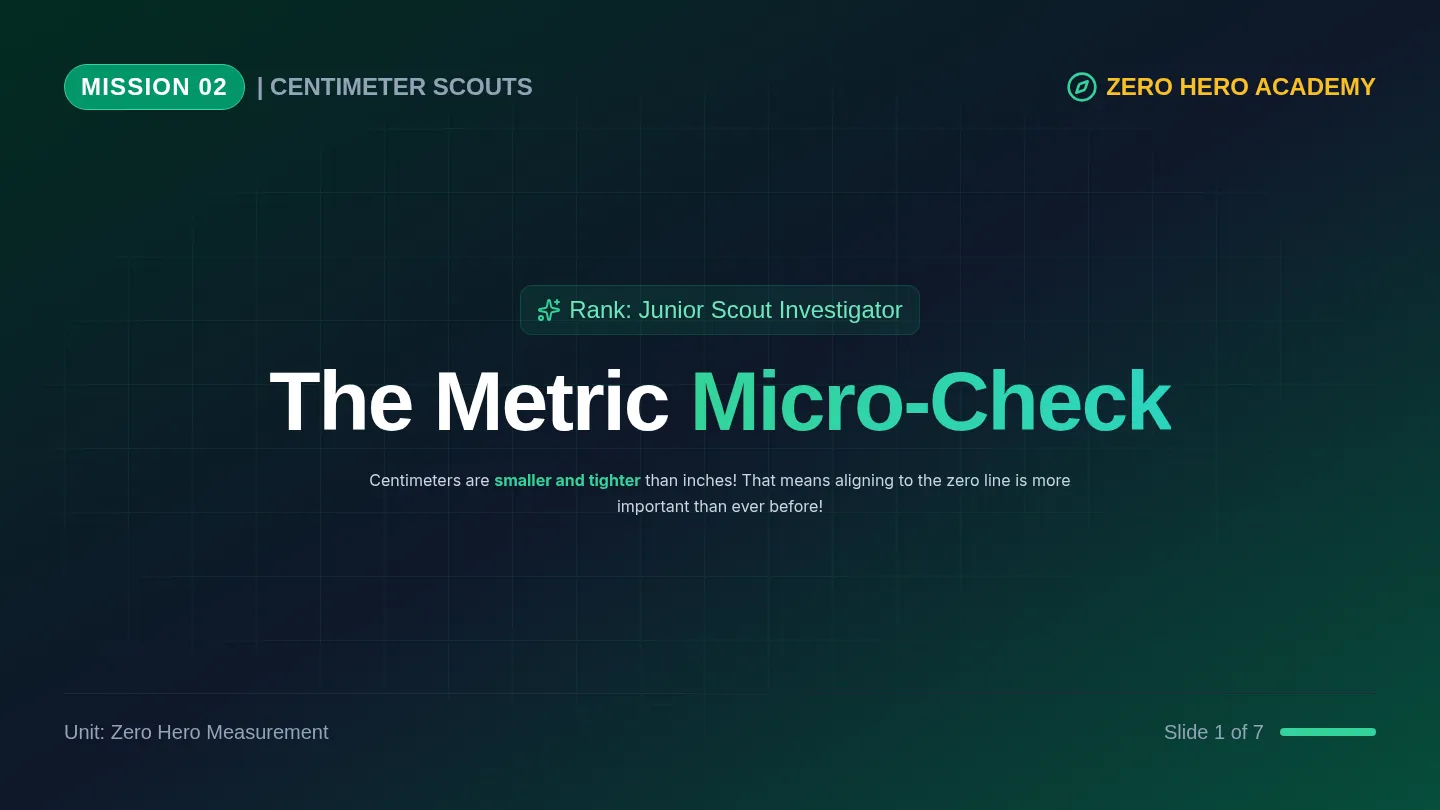
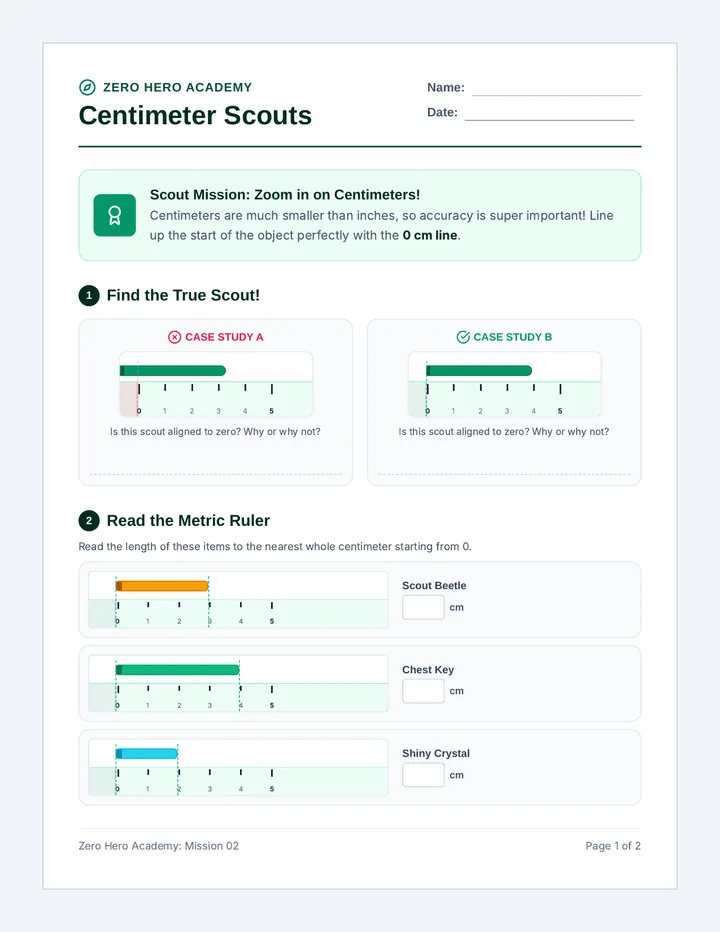
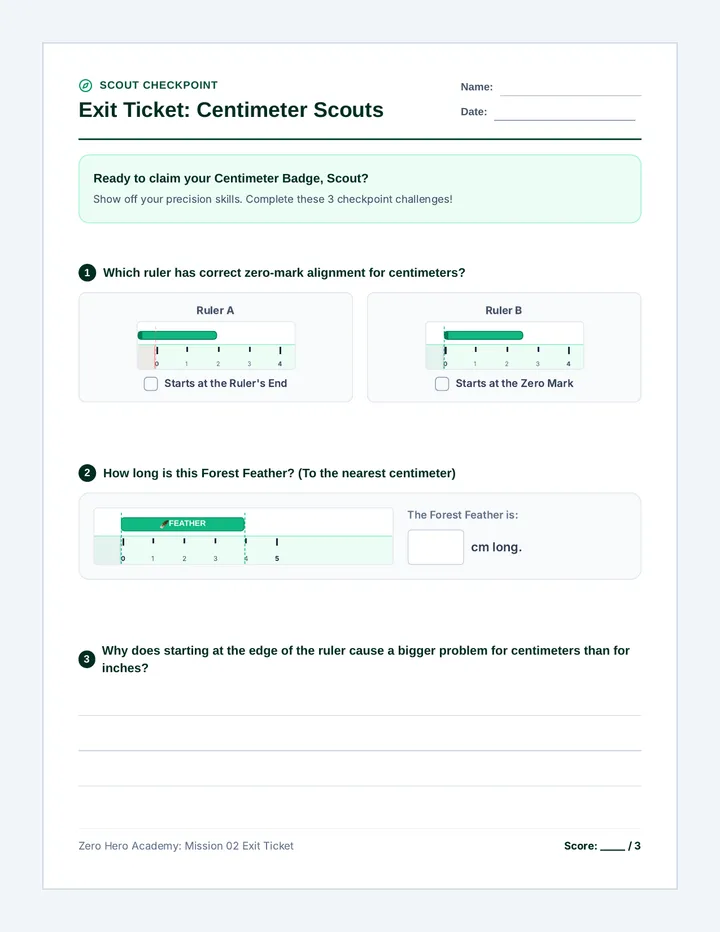
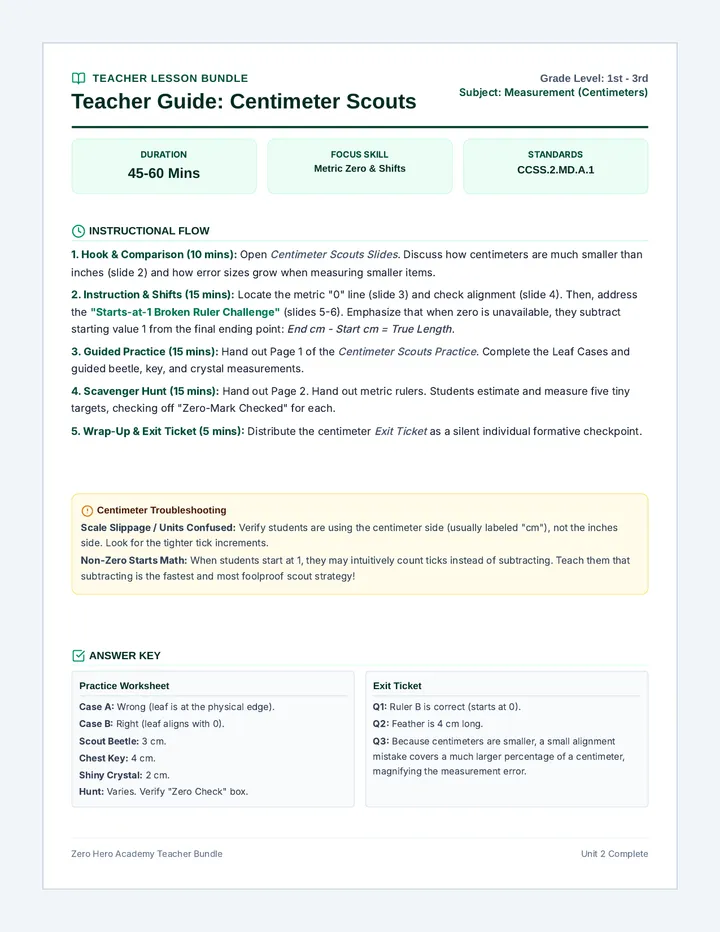
Students apply their measurement skills to the metric system, learning about centimeters and practicing precise measurement starting at the zero mark.
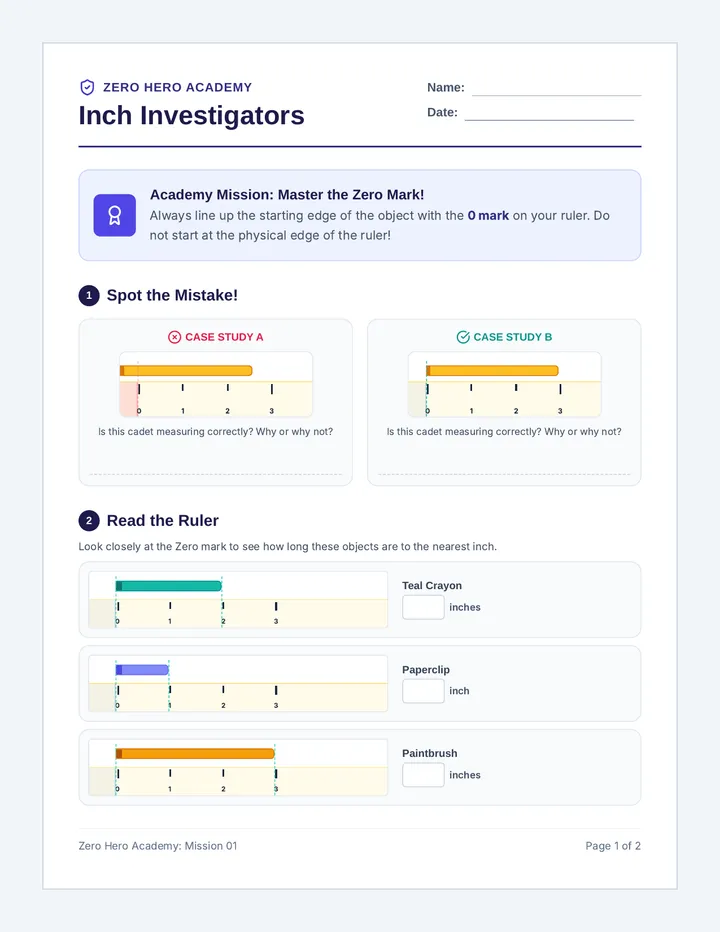
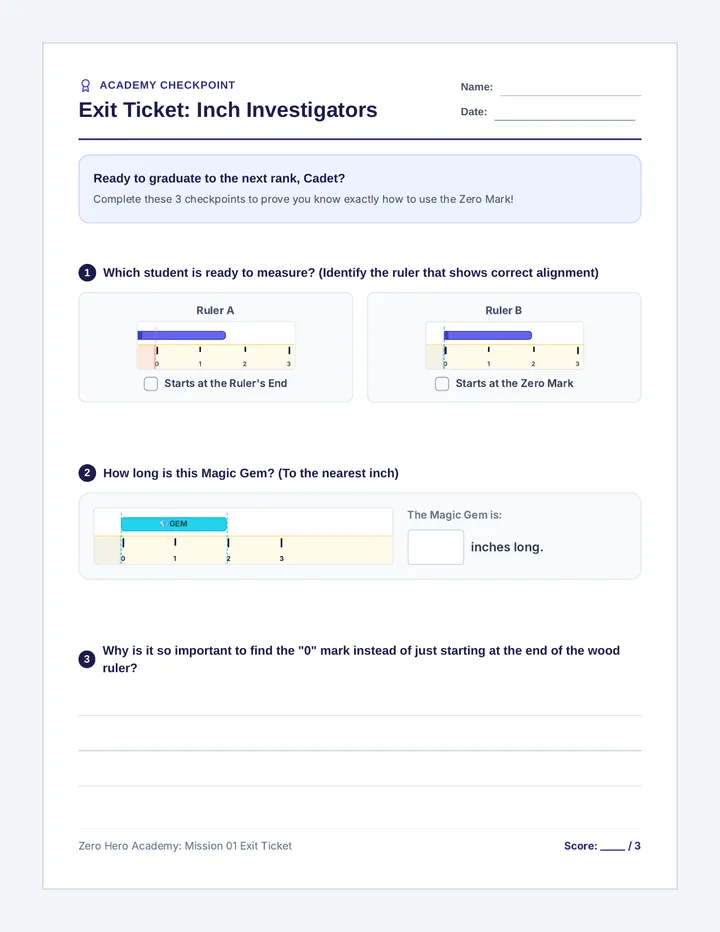
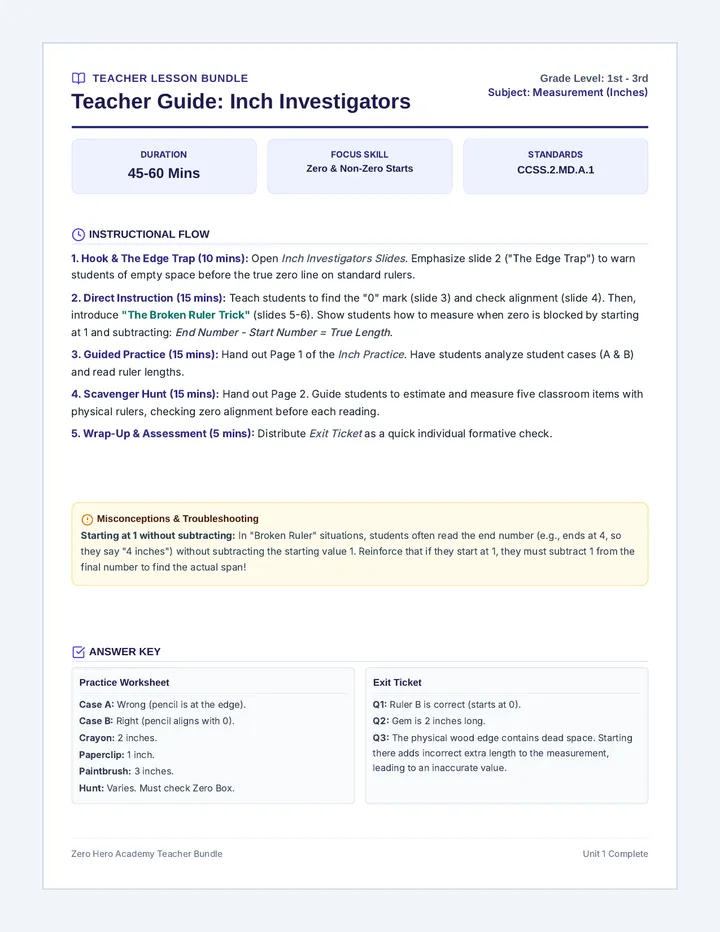
Students learn to measure to the nearest inch using custom visual rulers. The lesson emphasizes locating the true starting zero mark instead of starting at the physical edge of the ruler.
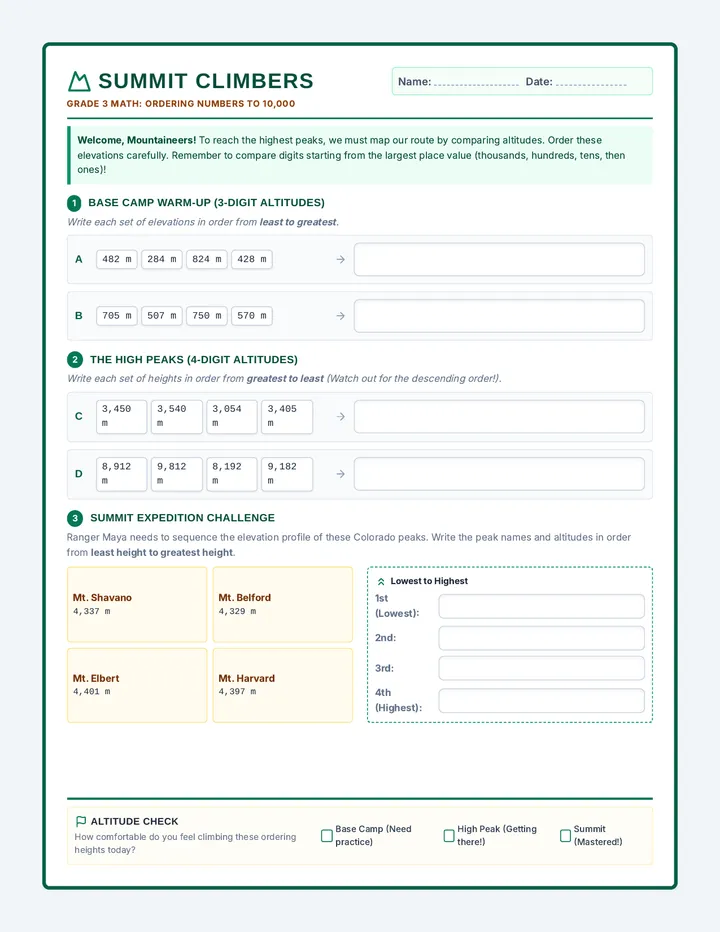
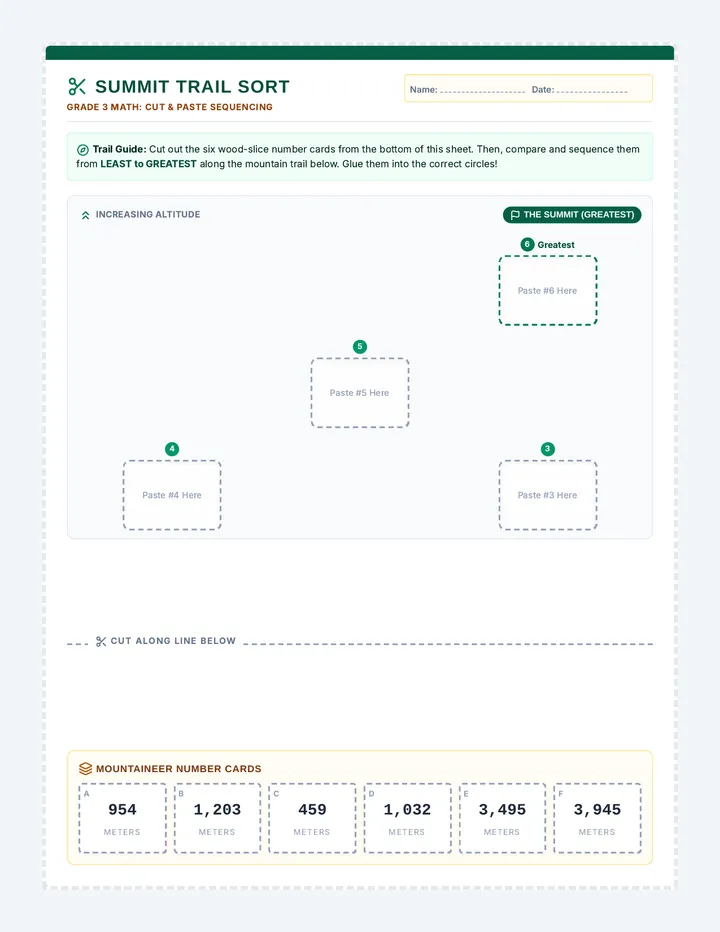
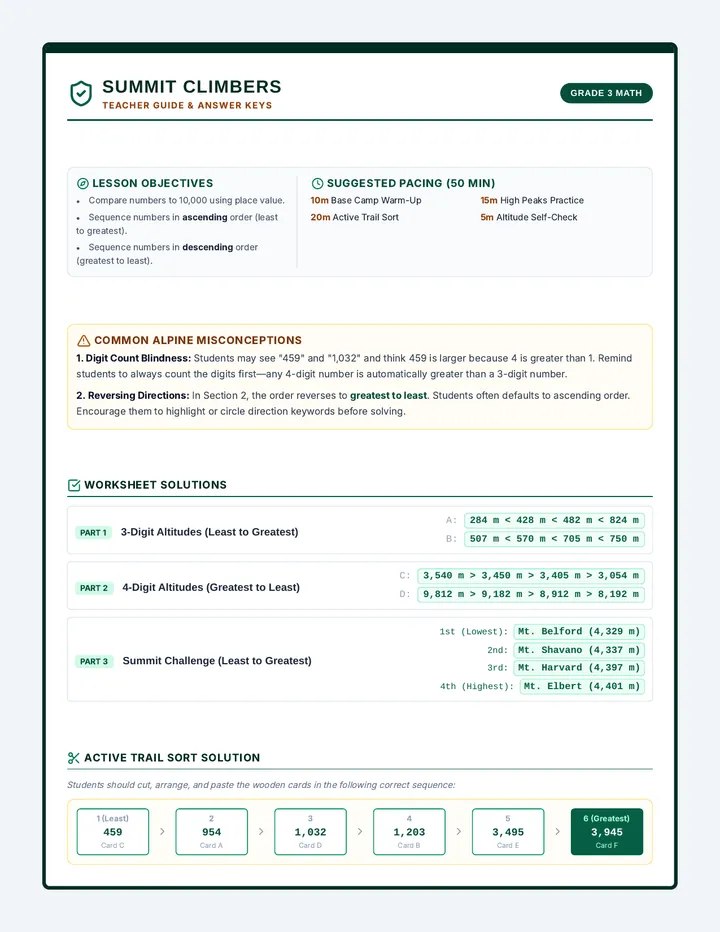
A high-elevation math lesson where Grade 3 students master ordering 3-digit and 4-digit numbers within 10,000. Through standard ordering lists, visual height challenges, and an interactive cut-and-paste sorting activity, students build strong place-value skills.
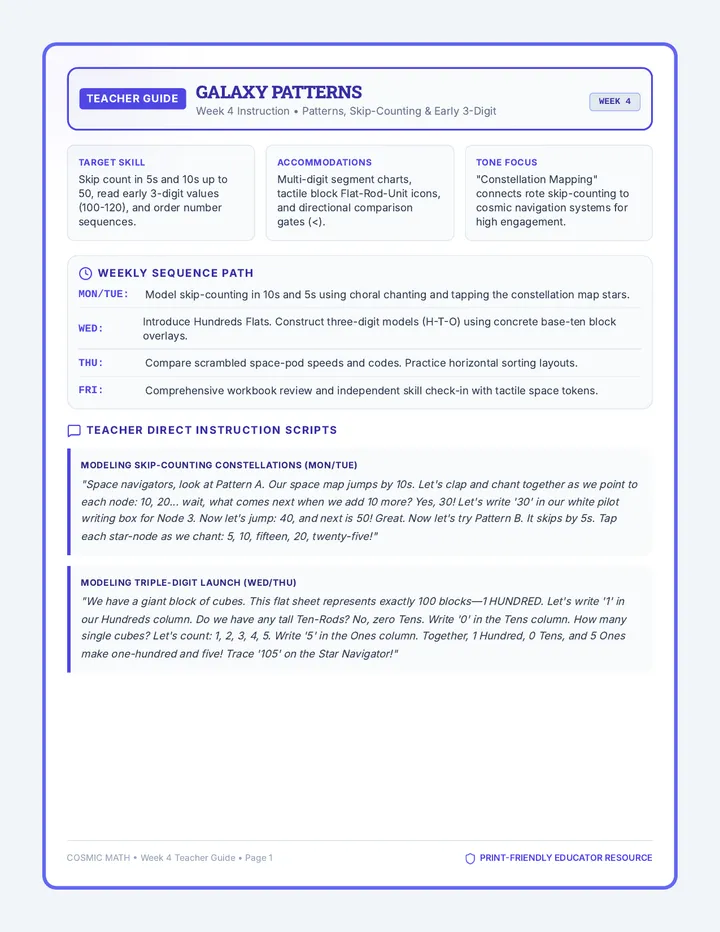
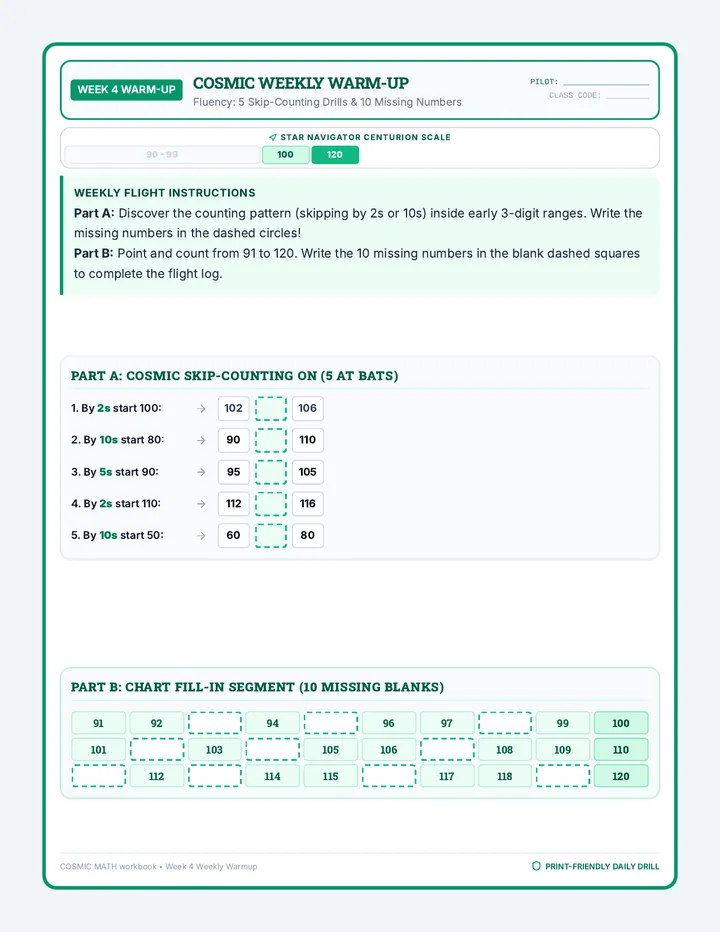
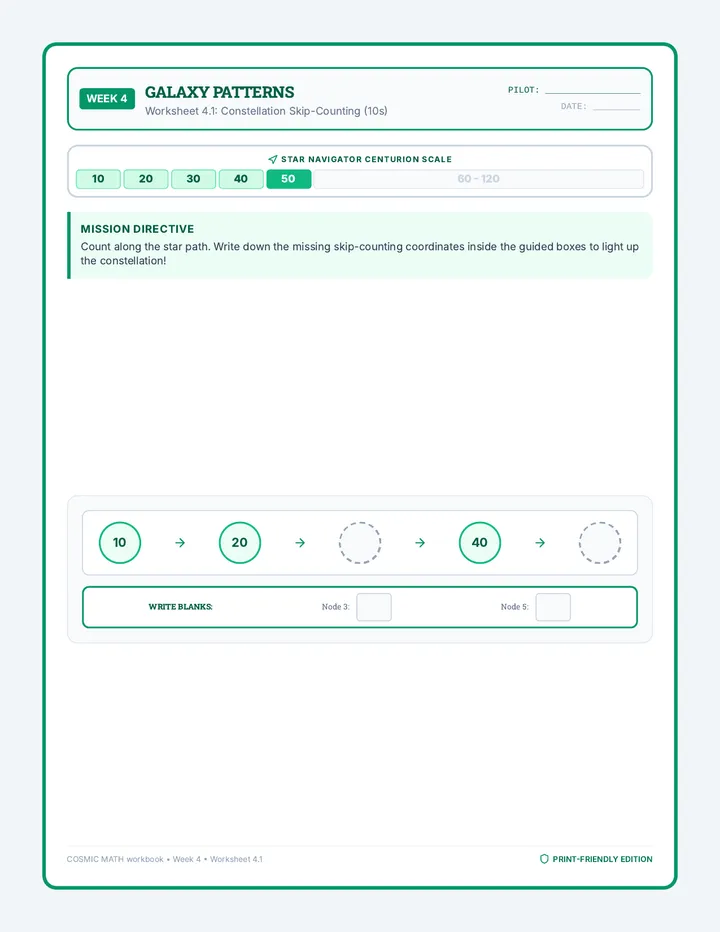
Introduces early 3-digit numbers (100-120), visual skip-counting (2s, 5s, 10s) using constellation maps, and ordering cosmic objects to build sequential logic.