Students synthesize their learning by creating a 'Same and Different' foldable booklet comparing the two texts.
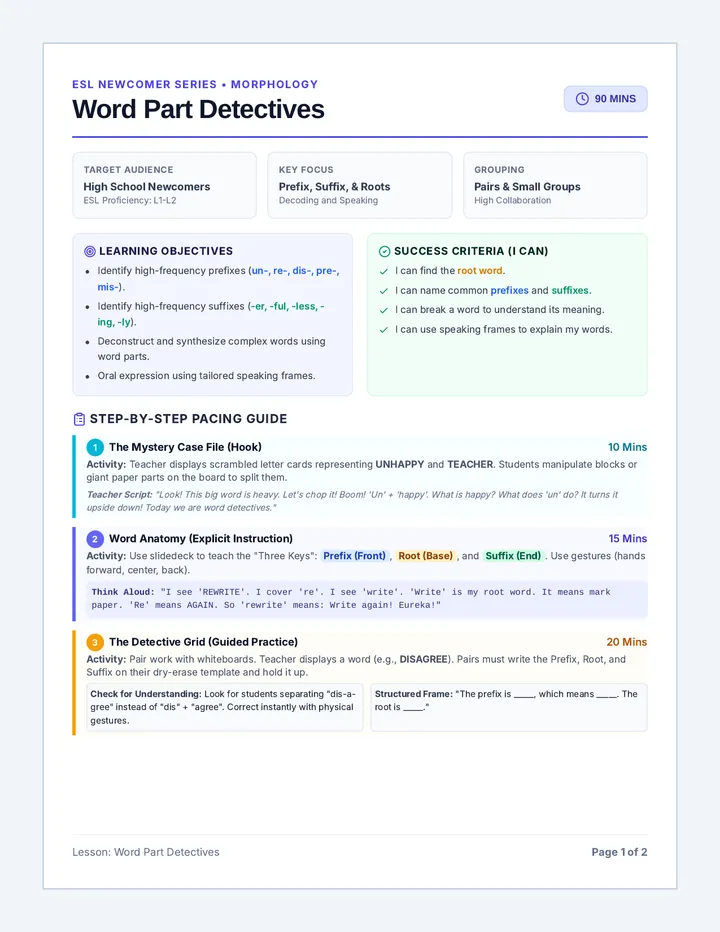
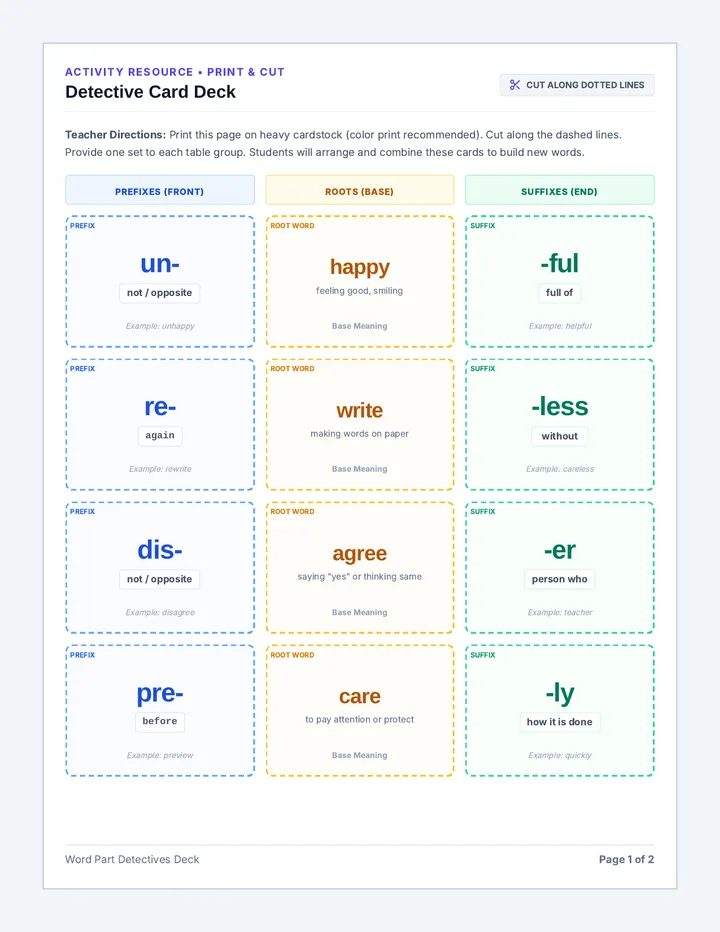
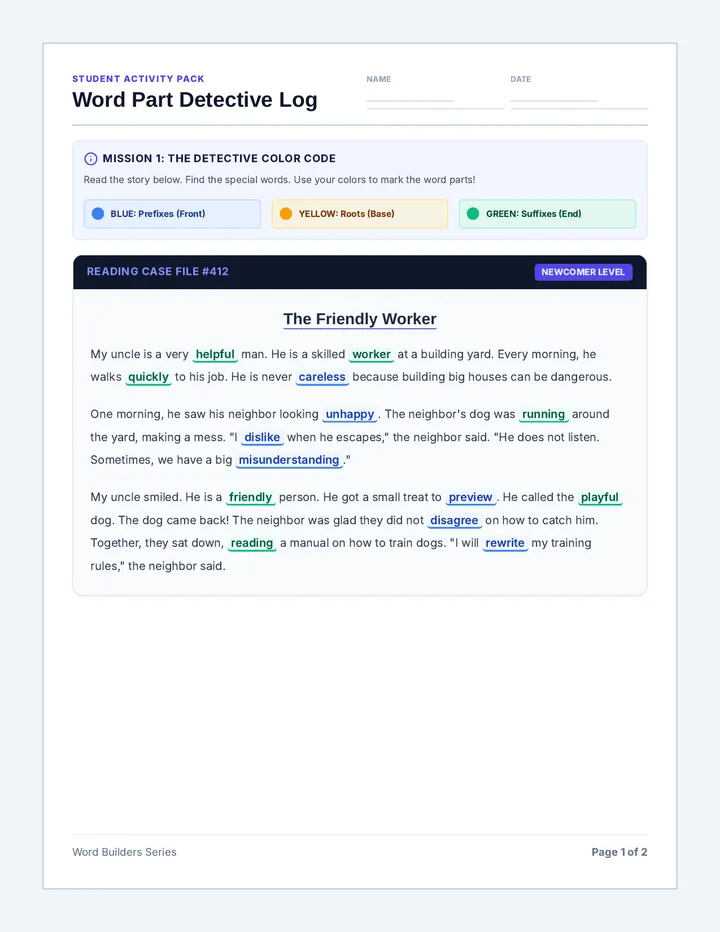
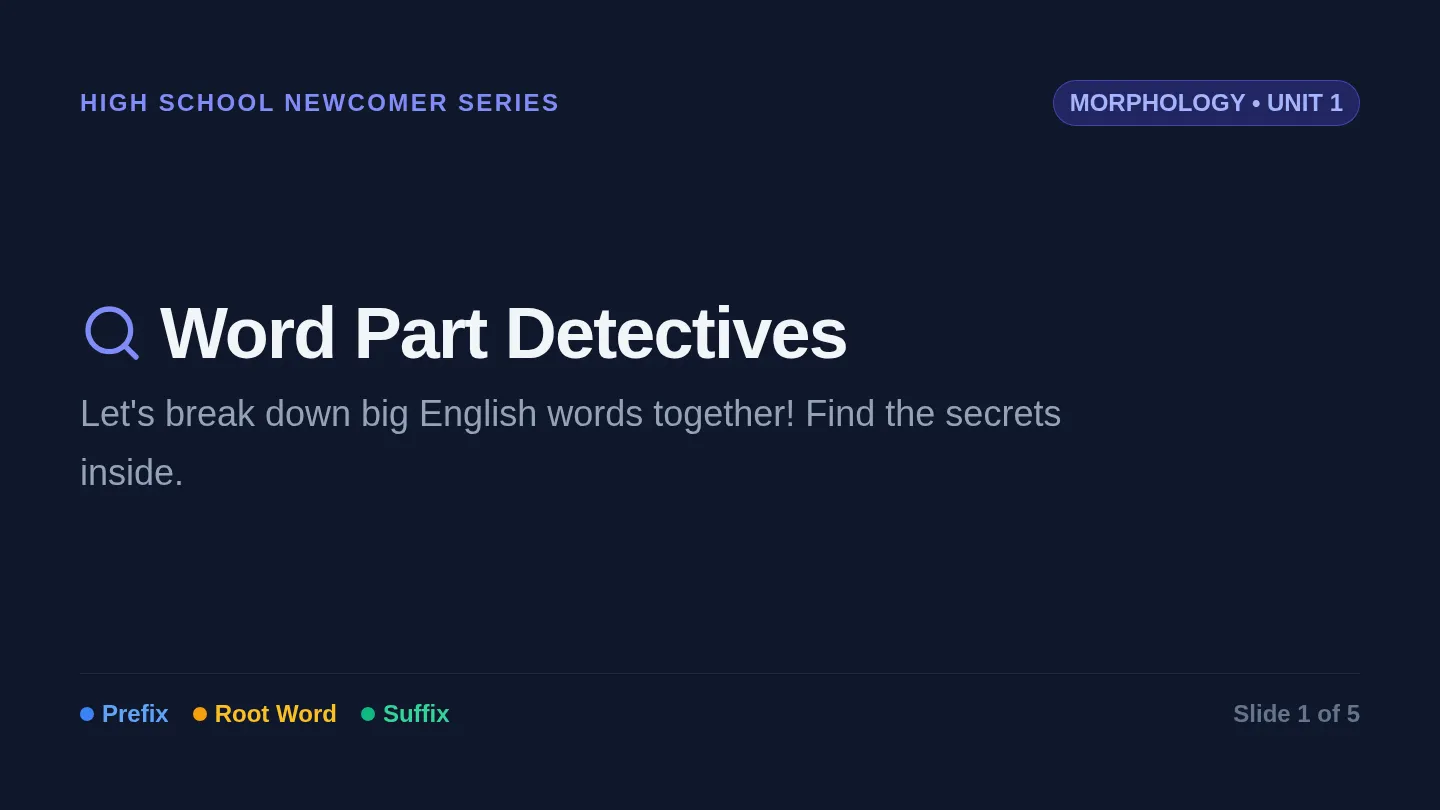
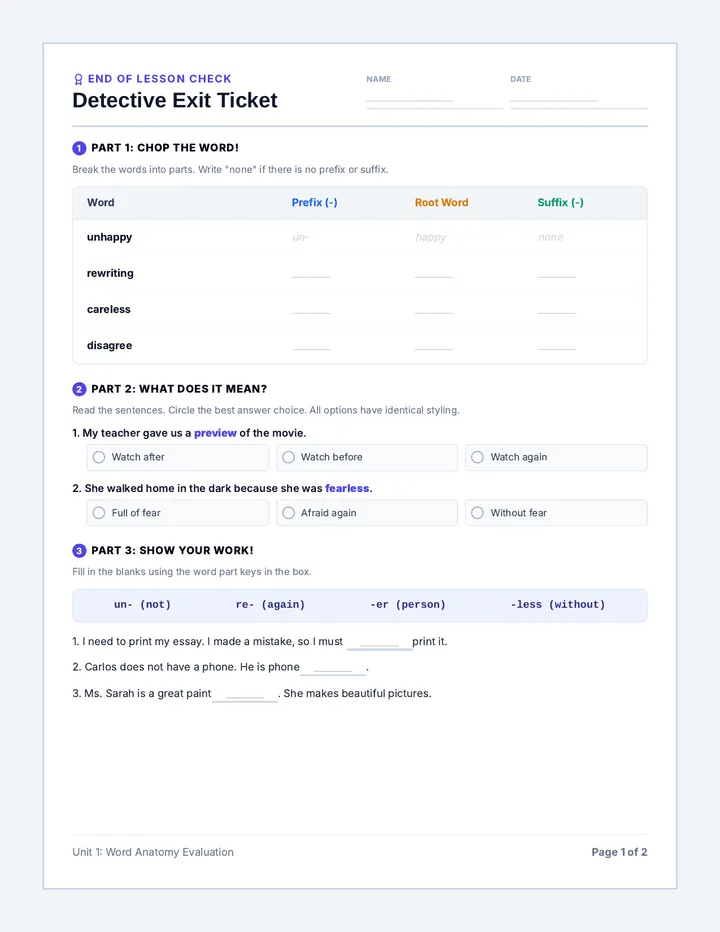
A dynamic 90-minute lesson where newcomers learn to identify root words, prefixes, and suffixes. Through color-coded physical cards, collaborative games, and visual anchor charts, students practice decoding unfamiliar words and speaking with structured sentence frames.
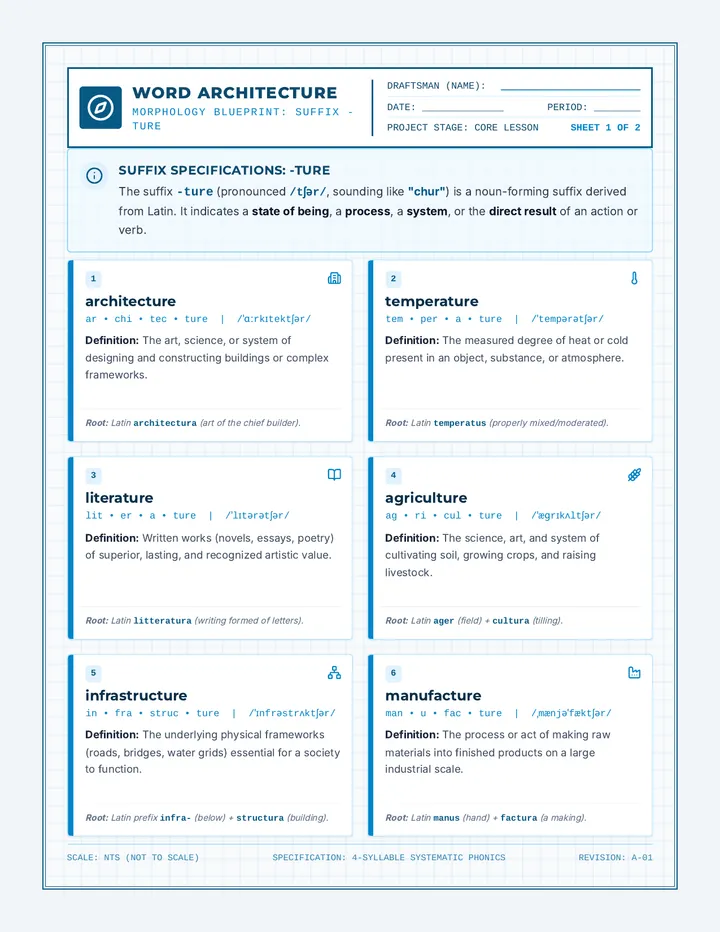
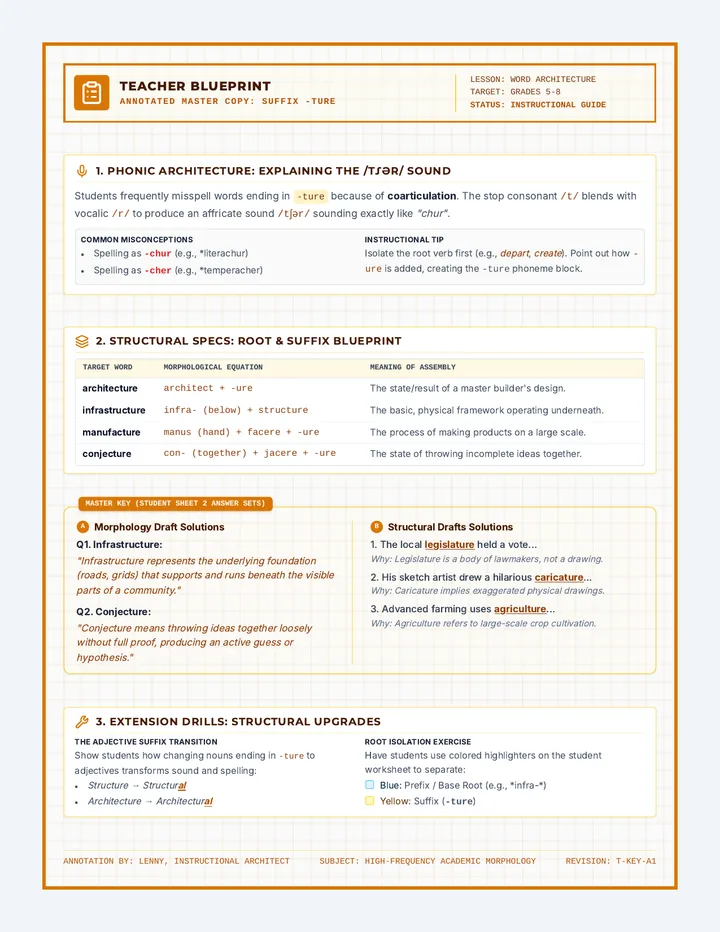
A middle school vocabulary lesson exploring 3-to-4 syllable academic words ending in the suffix -ture. Students examine pronunciation, morphological structure, definitions, and applications through a technical drafting/blueprint theme.
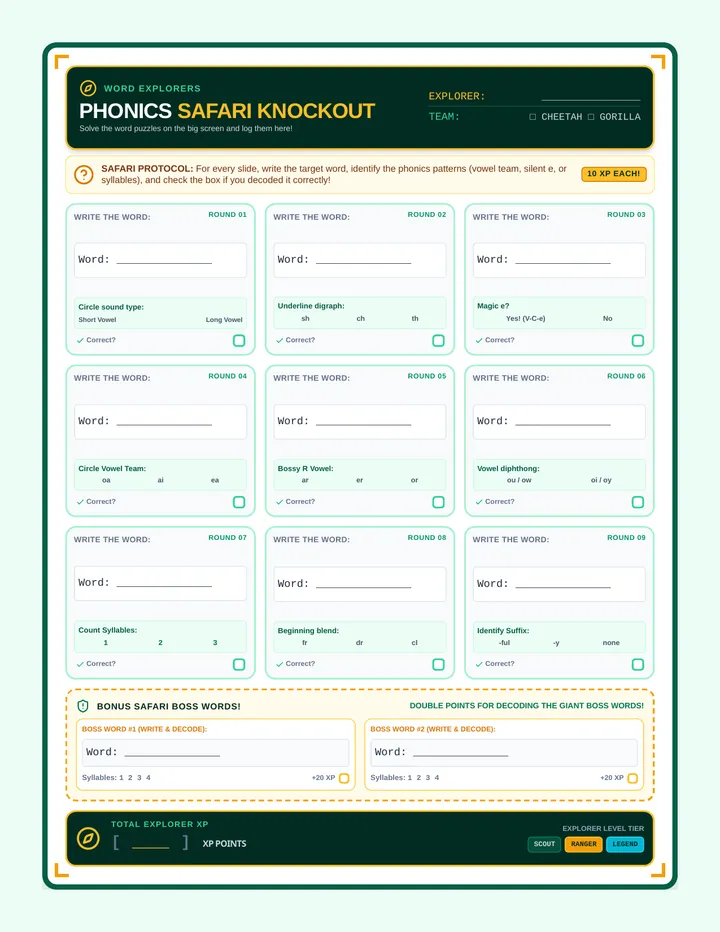
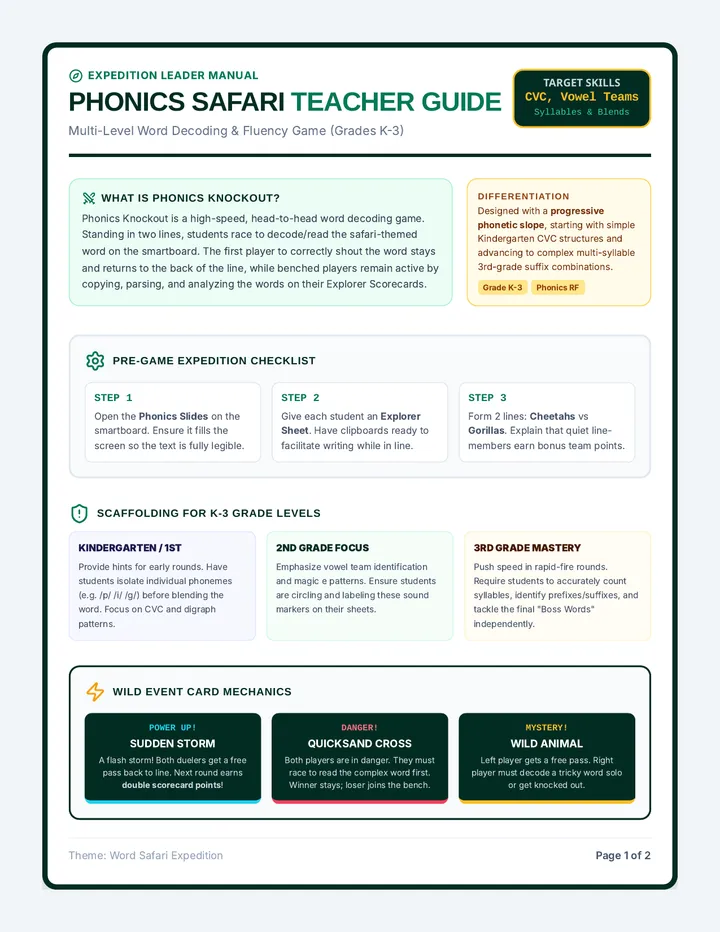
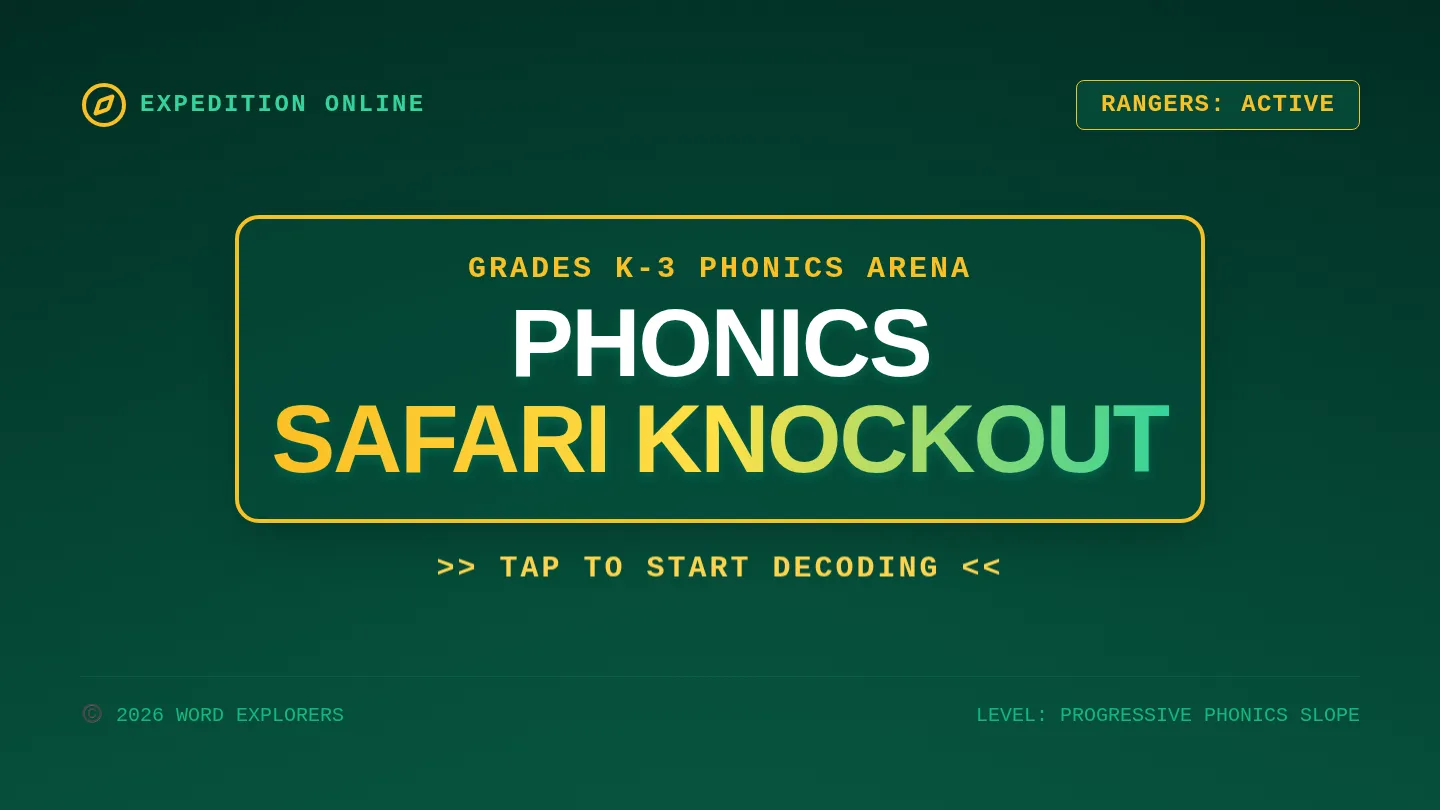
A high-energy, wild safari-themed classroom game for K-3 students focusing on key phonics skills including CVC words, silent 'e', vowel teams, and multi-syllable decoding. This lesson includes a widescreen smartboard presentation, a teacher facilitation guide with word keys, and an active-participation student tracker sheet.
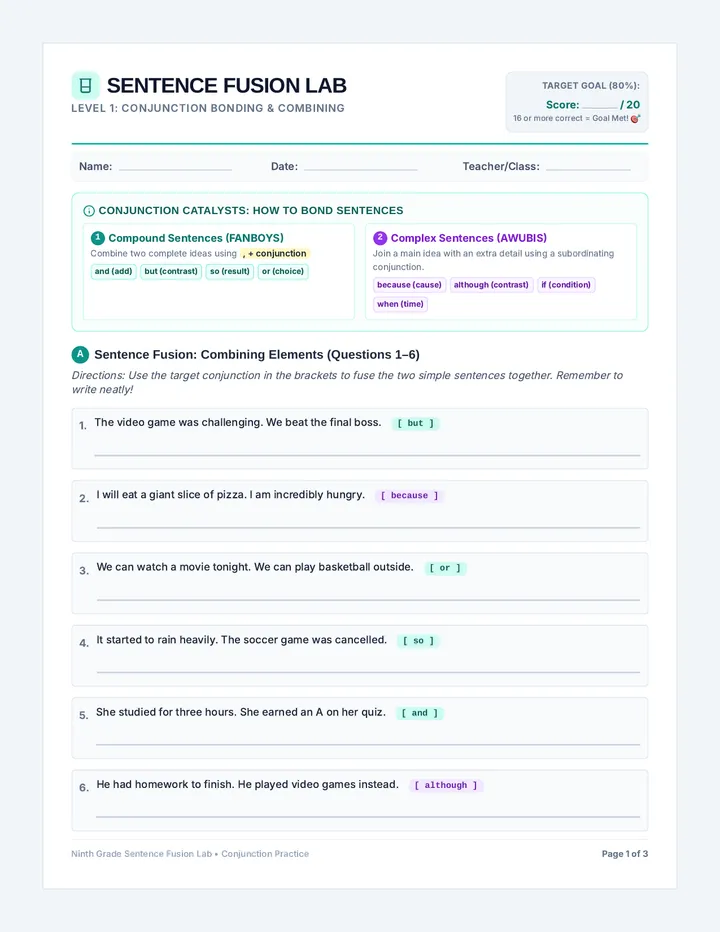
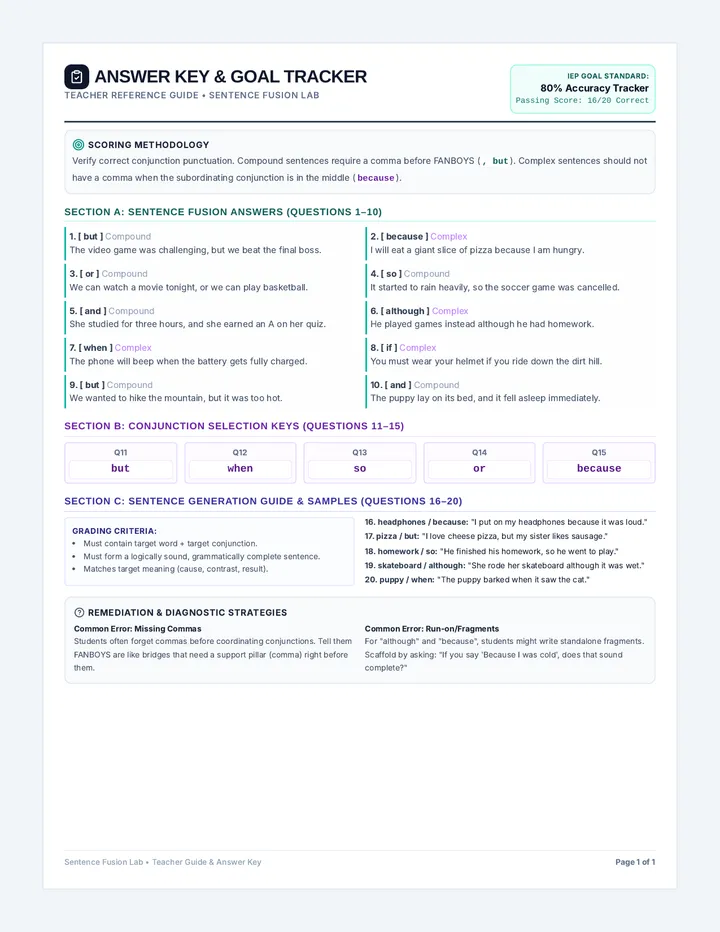
A highly scaffolded grammar and sentence-combining lesson designed for 9th-grade special education. Students learn to use coordinating and subordinating conjunctions to combine and generate compound and complex sentences.
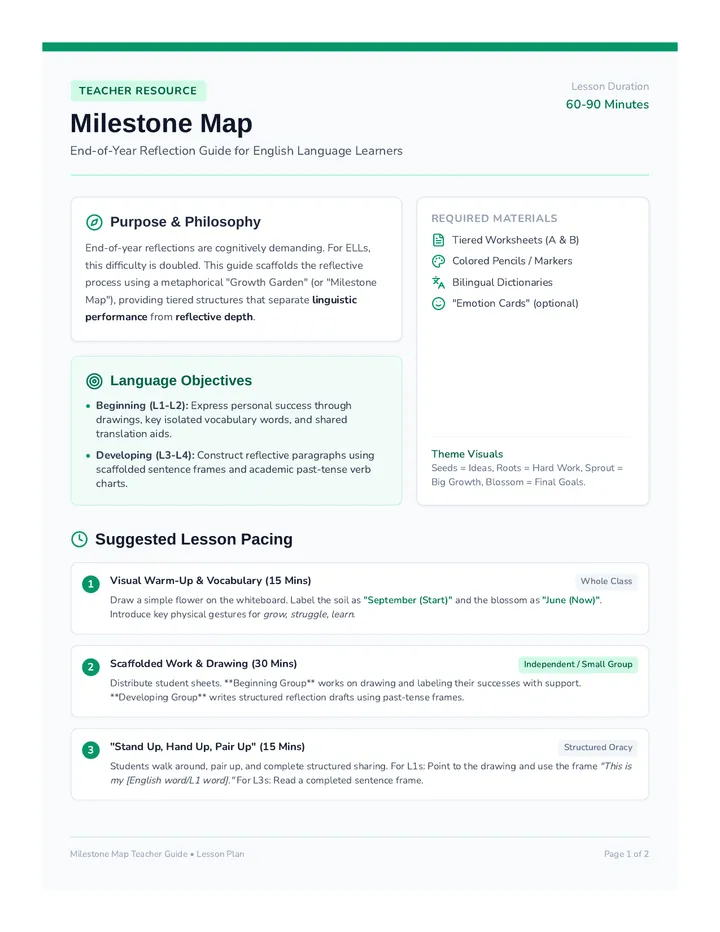
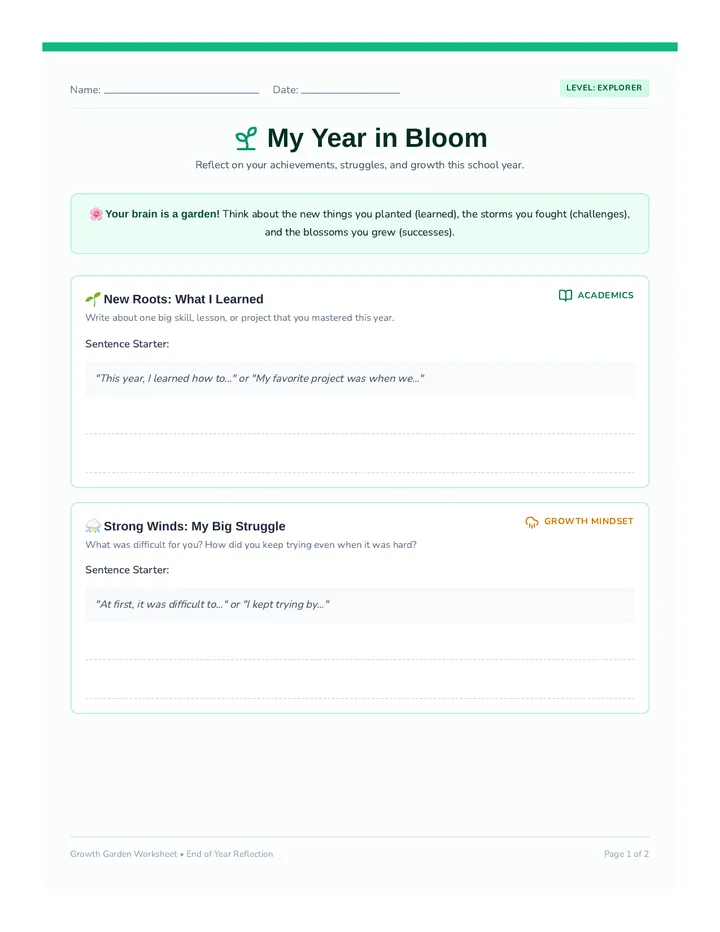
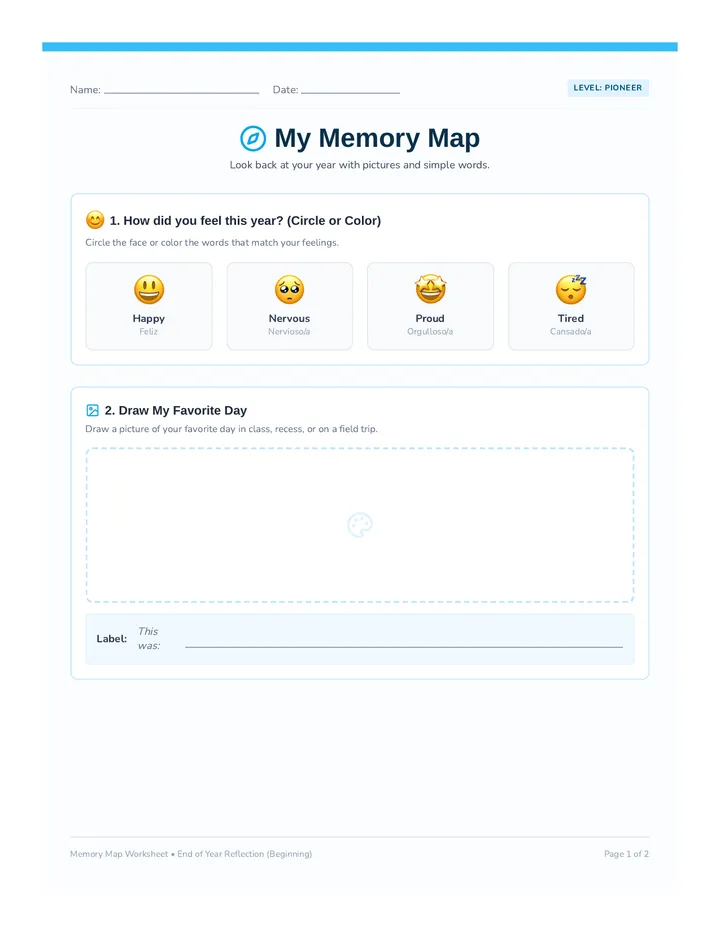
An end-of-year reflection lesson designed specifically for English Language Learners, featuring tiered worksheets for Beginning/Entering and Developing/Expanding levels, supported by a detailed facilitator guide.
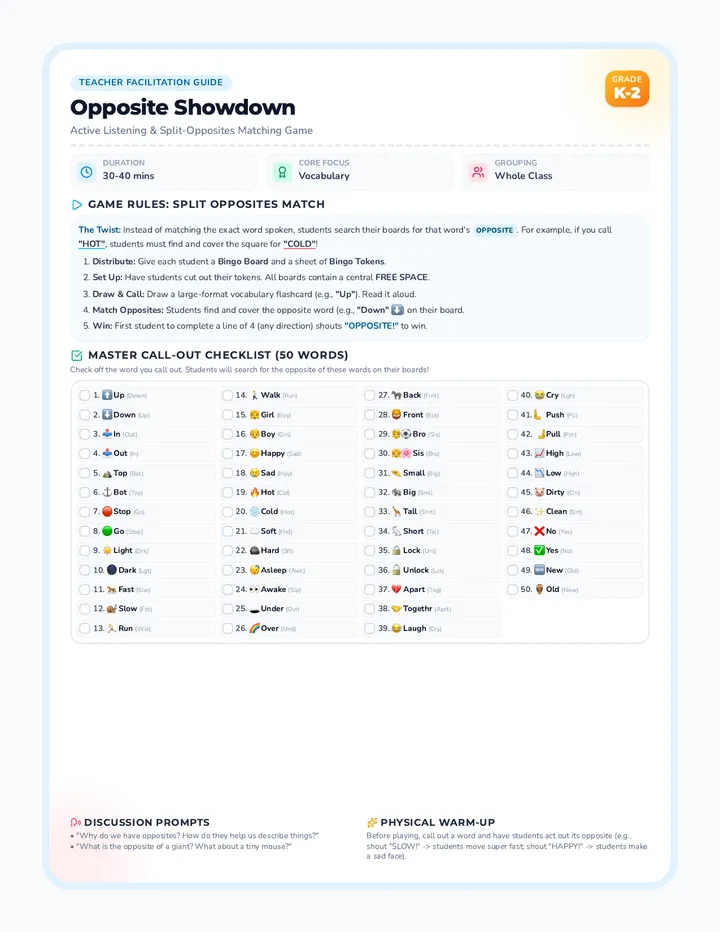
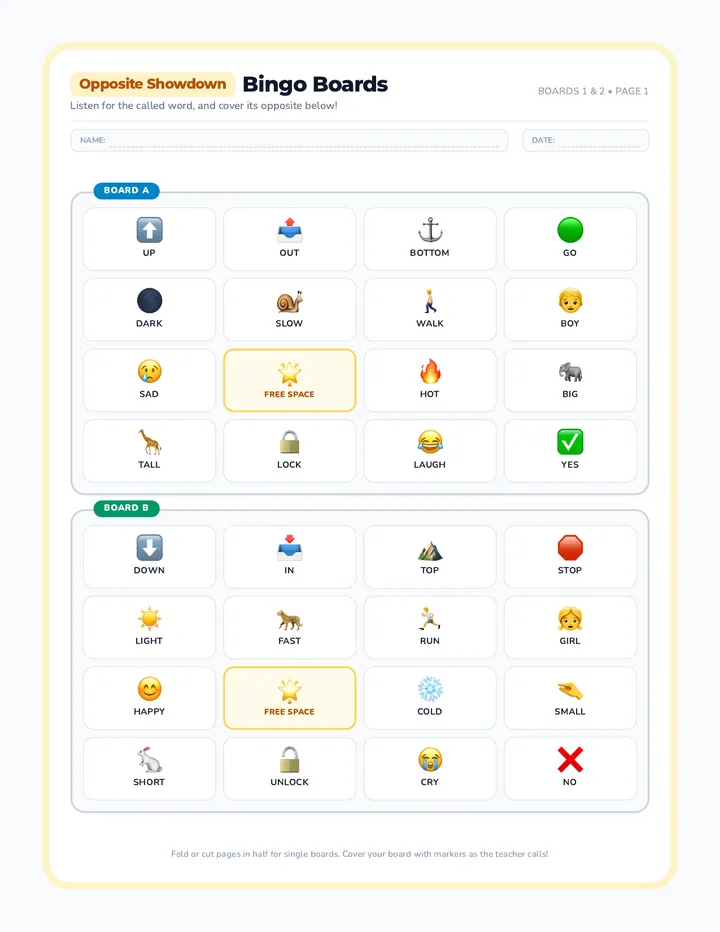
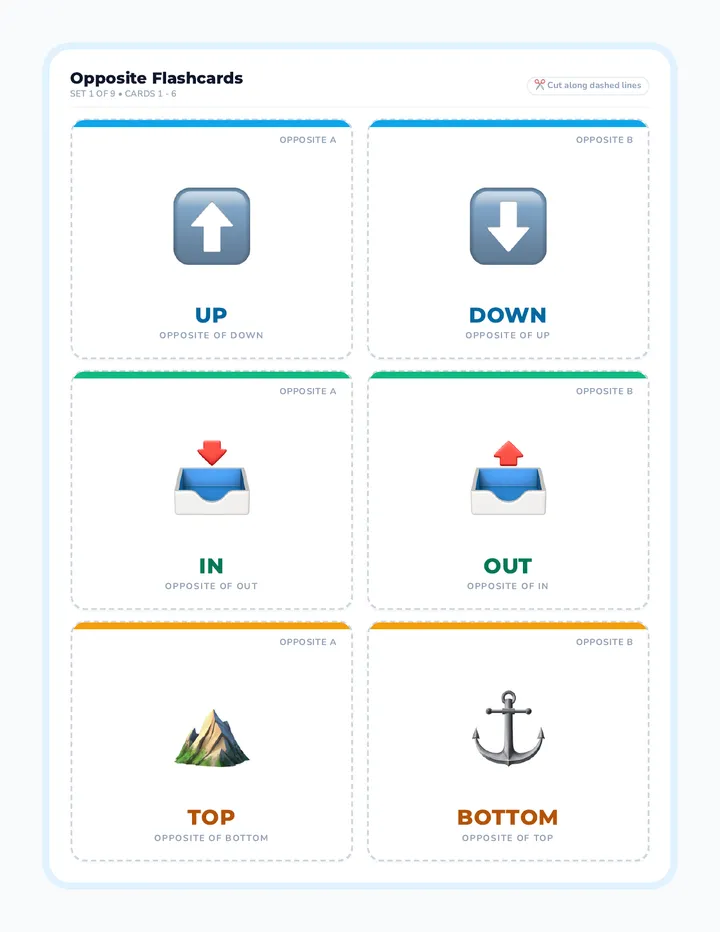
An interactive lesson package centered on teaching opposites through 'Split Opposites Matching' Bingo, featuring illustrated playing boards, large-format vocabulary cards, and a comprehensive activity guide.
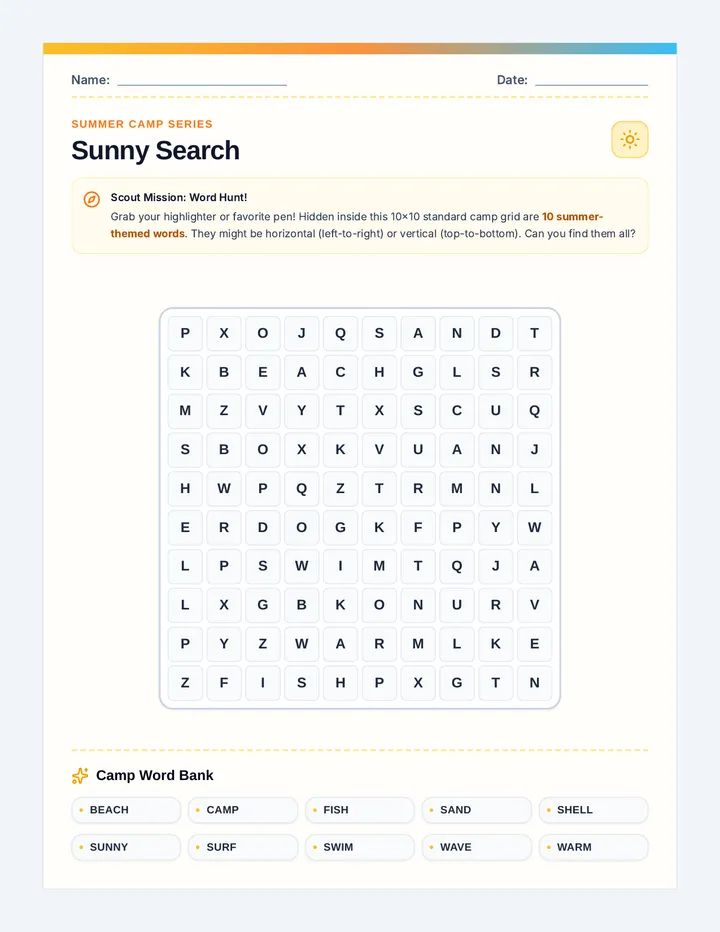
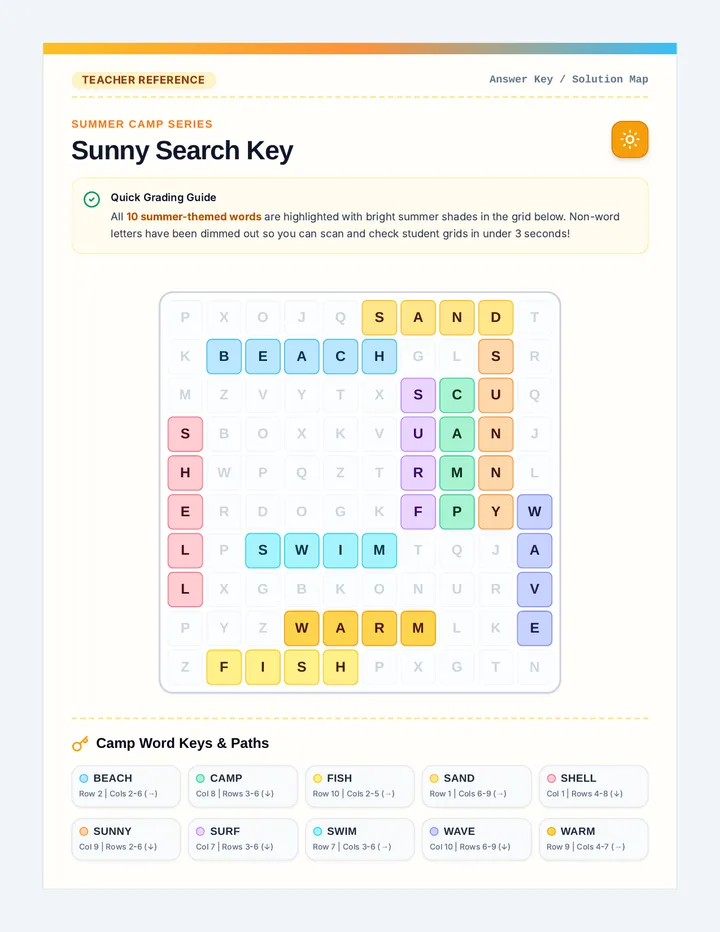
A fun, summer-themed word search lesson designed for standard grid gameplay with high-contrast elements suitable for highlight strips. Includes a clean 10x10 word search and a corresponding teacher answer key.
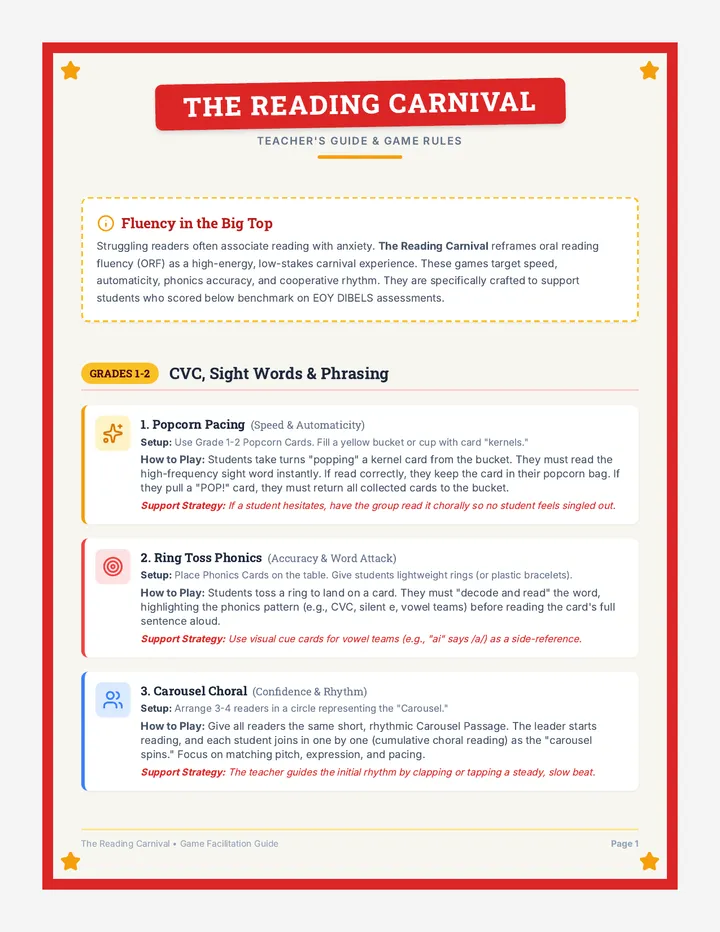
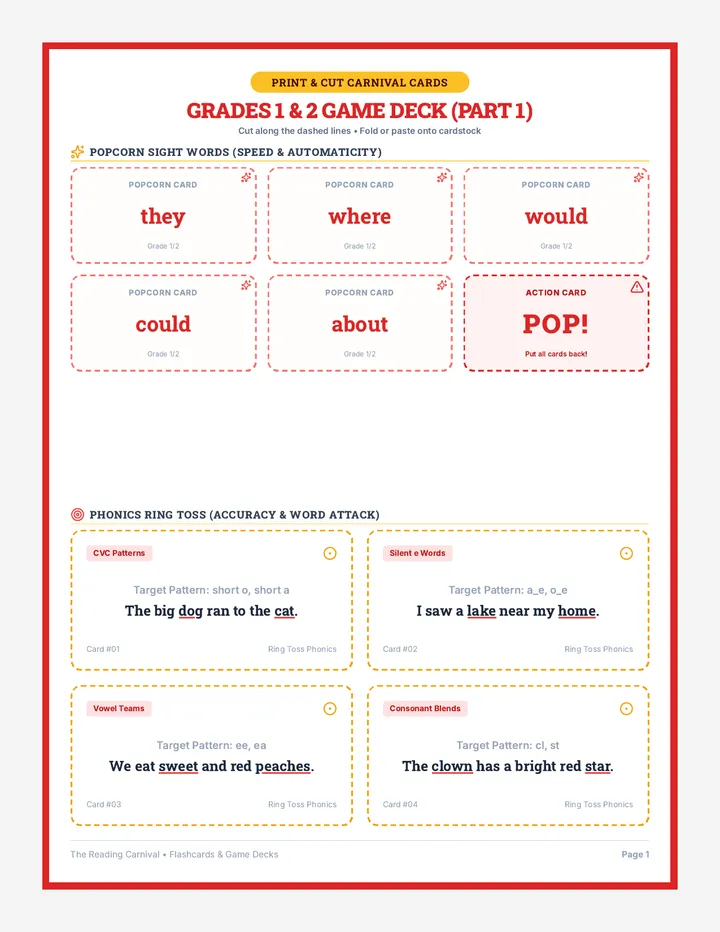
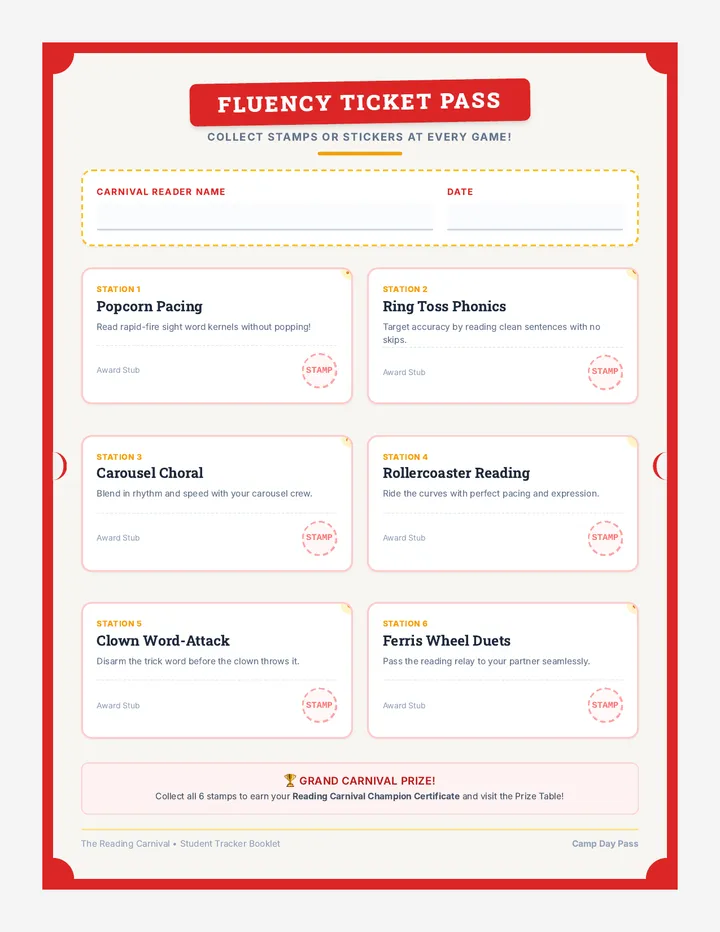
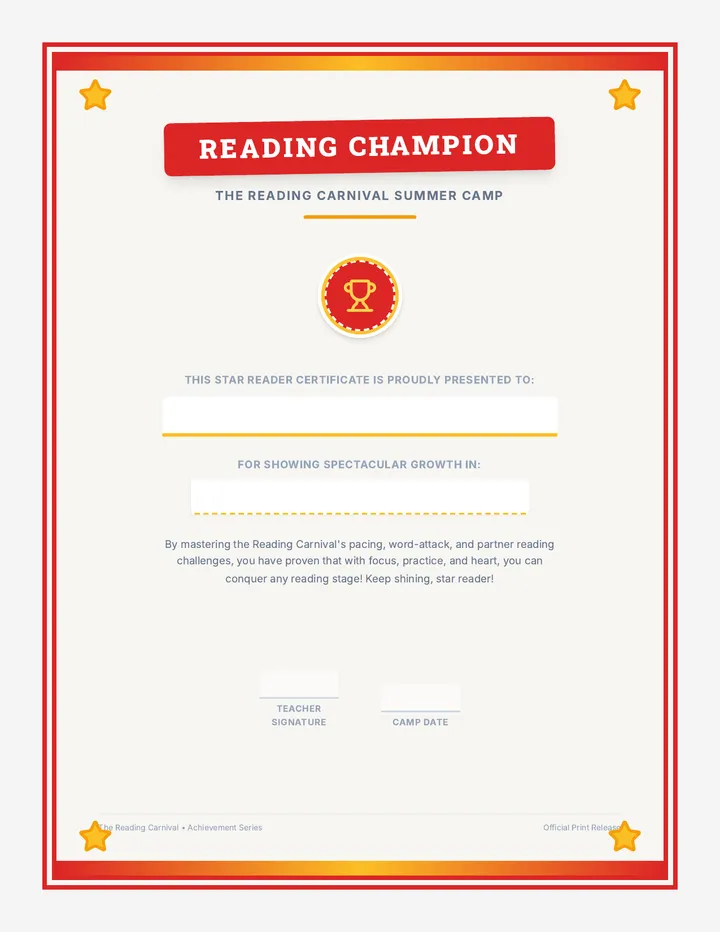
A comprehensive oral reading fluency bundle themed around 'The Reading Carnival'. It includes game guides, differentiated reading cards, progress trackers, and achievement awards designed specifically for struggling 1st-4th grade readers to build speed, accuracy, and confidence in a high-energy summer camp environment.
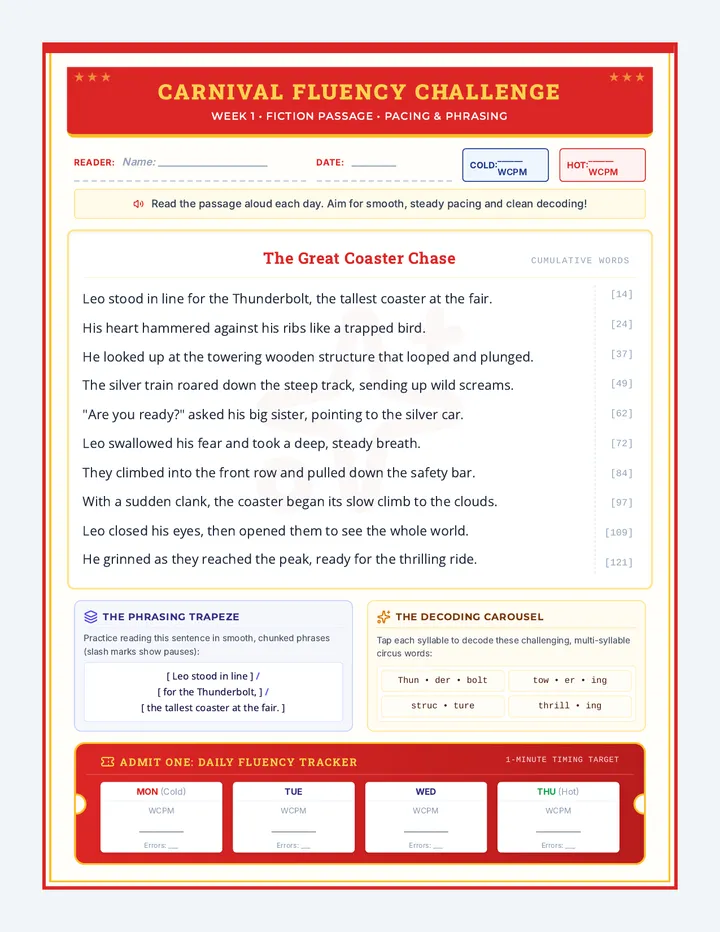
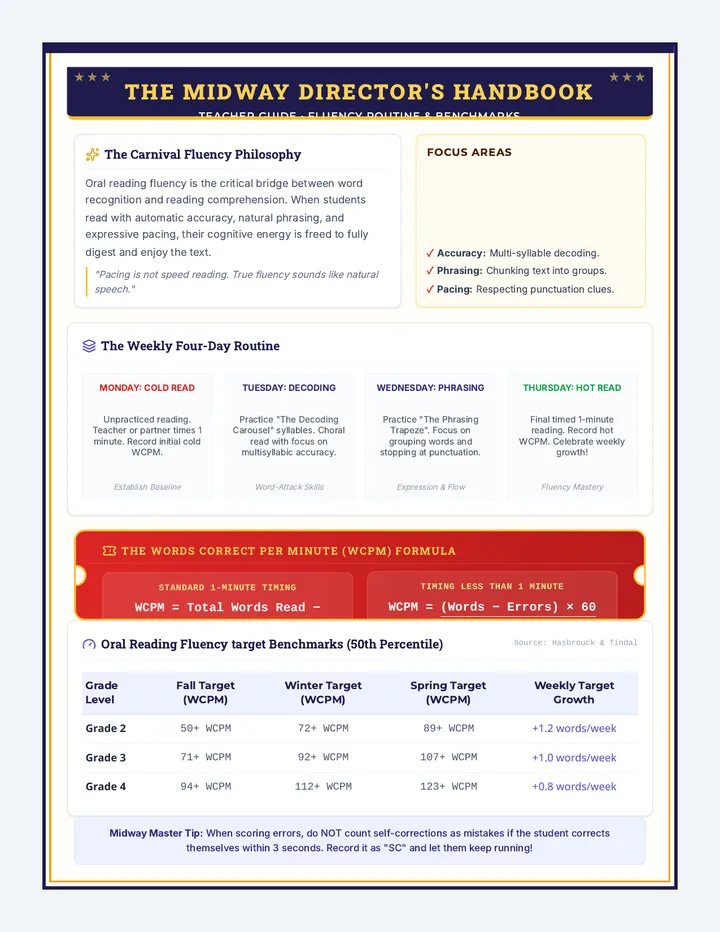
A weekly oral reading fluency program themed around a vintage carnival. It focuses on pacing, phrasing, and decoding multi-syllable words through engaging fiction and non-fiction passages with built-in trackers.
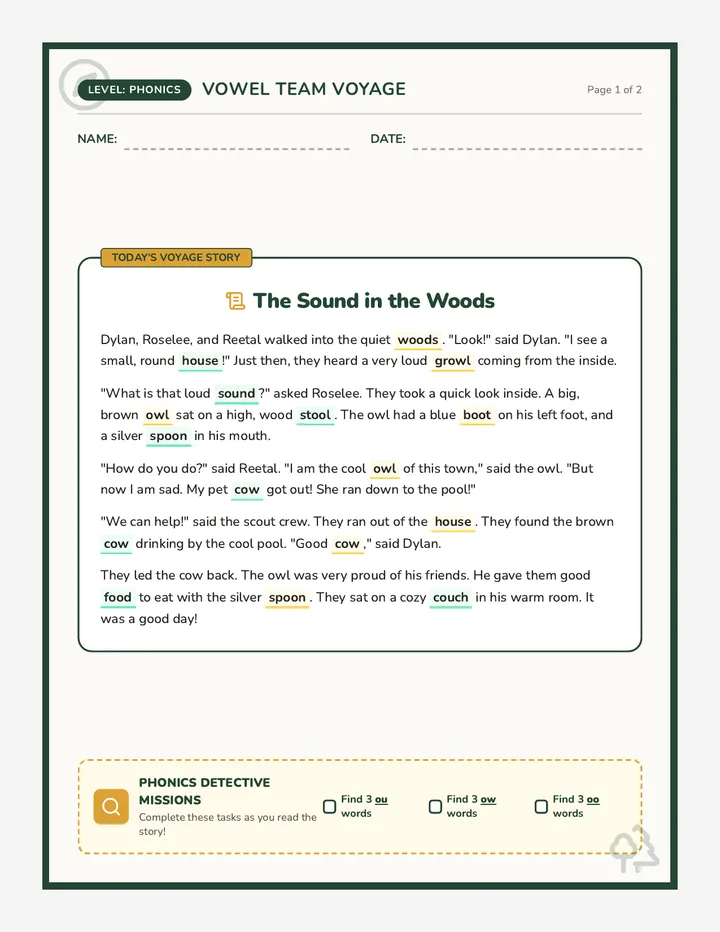
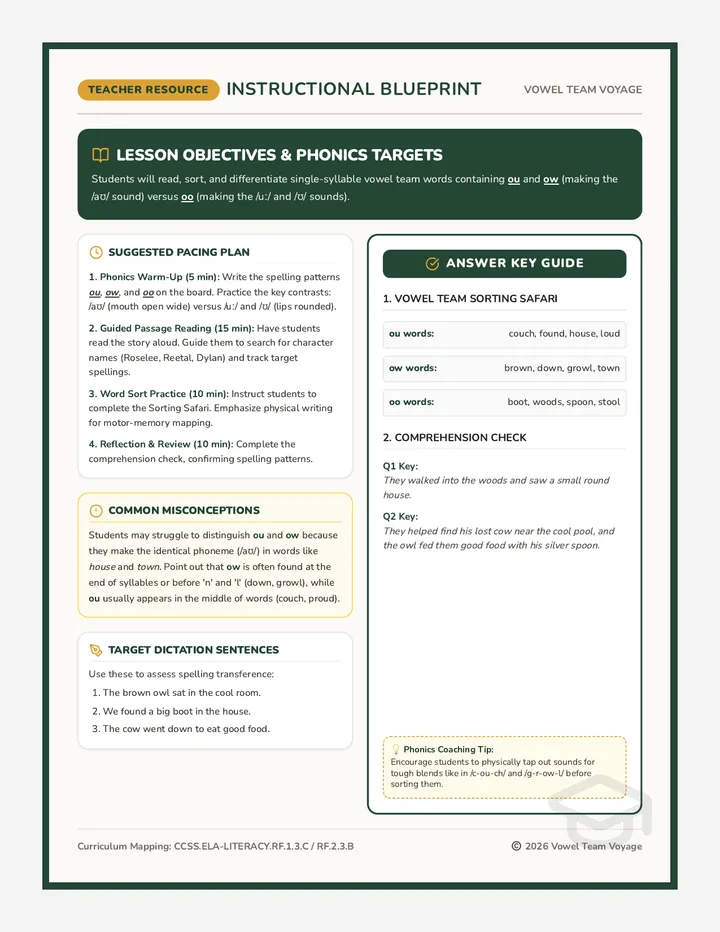
A targeted phonics lesson focused on contrasting single-syllable words containing 'ou', 'ow', and 'oo' vowel teams. Students read an engaging phonics story featuring Roselee, Reetal, and Dylan, and complete structured word-sorting and reading comprehension exercises.
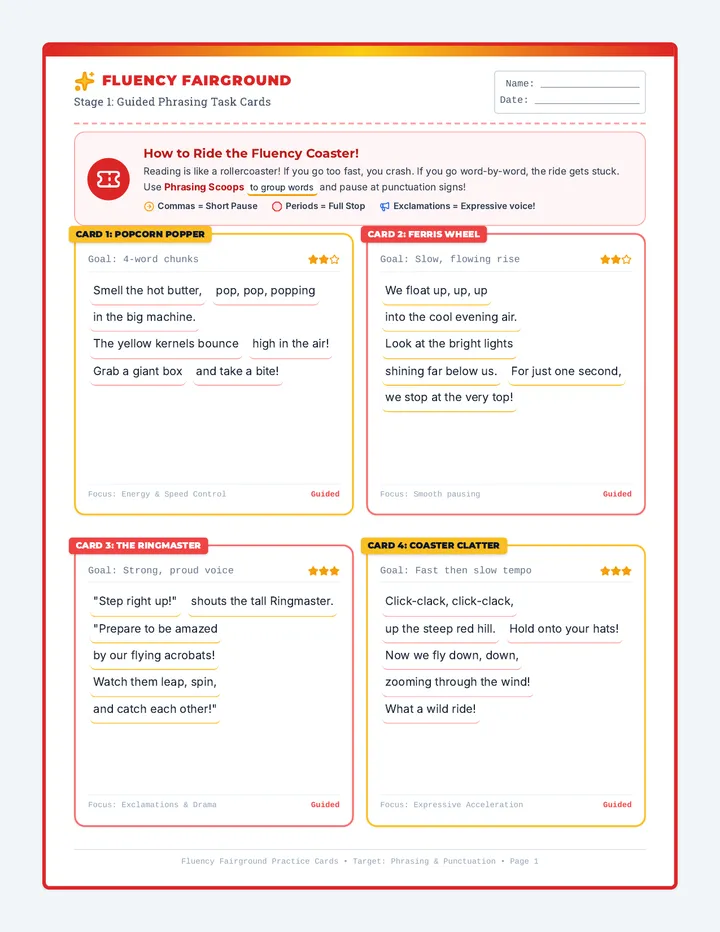
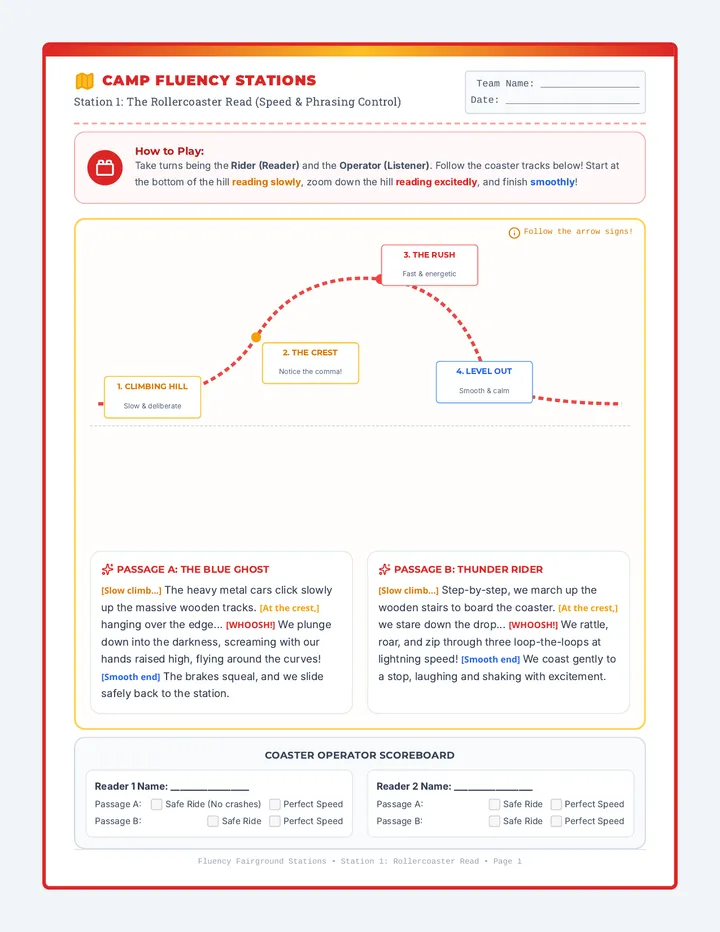
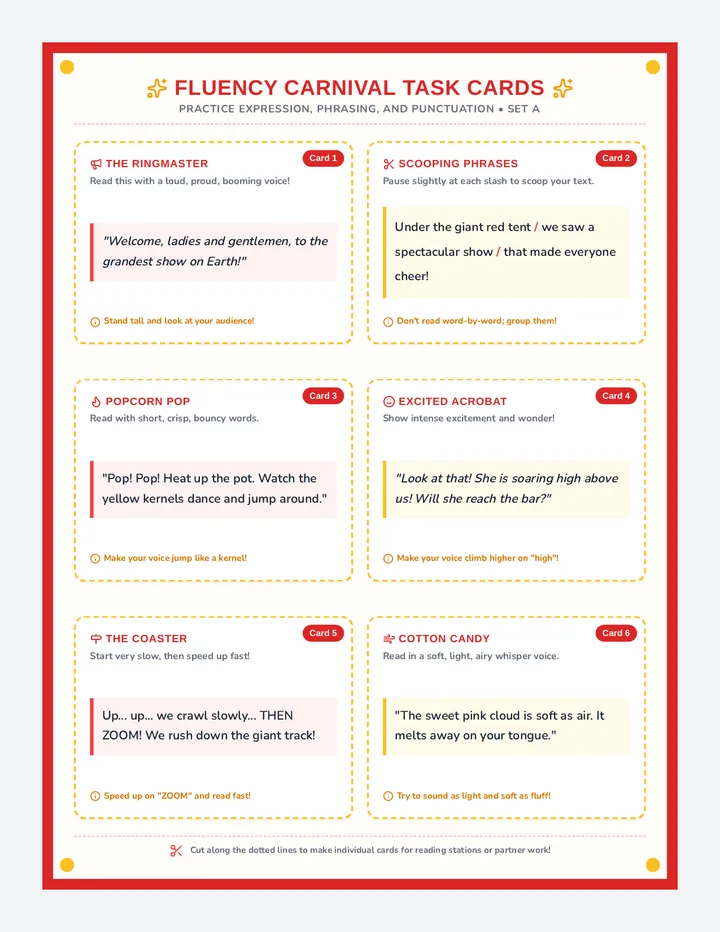
A high-energy, carnival-themed literacy package designed to boost oral reading fluency with a focus on phrasing and punctuation. Features print-and-cut phrasing task cards, partner-based carnival games, and a dramatic Reader's Theater script set under the Big Top.
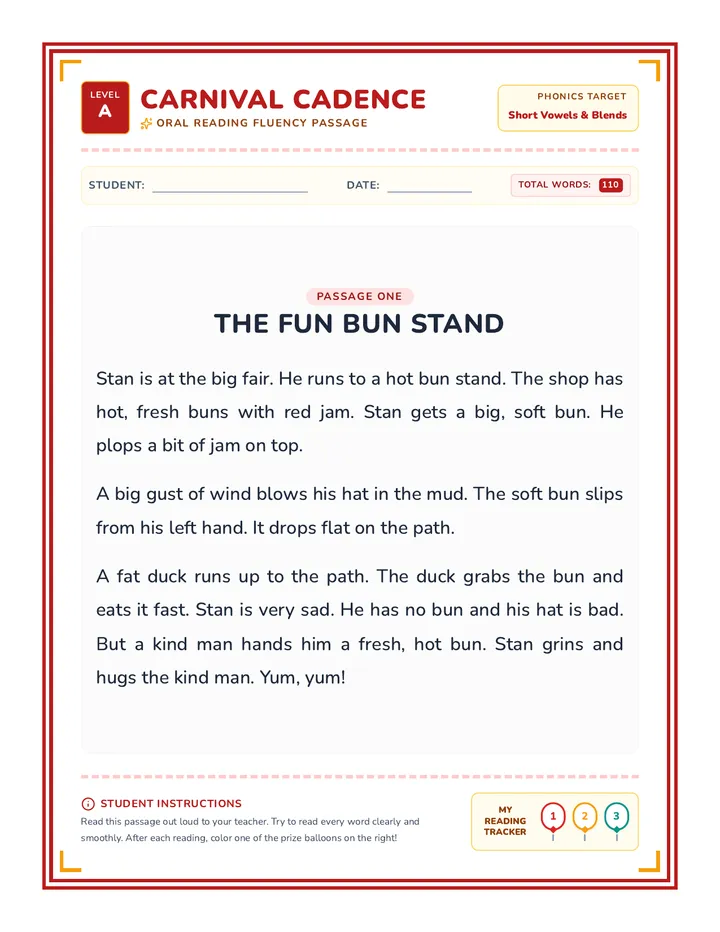
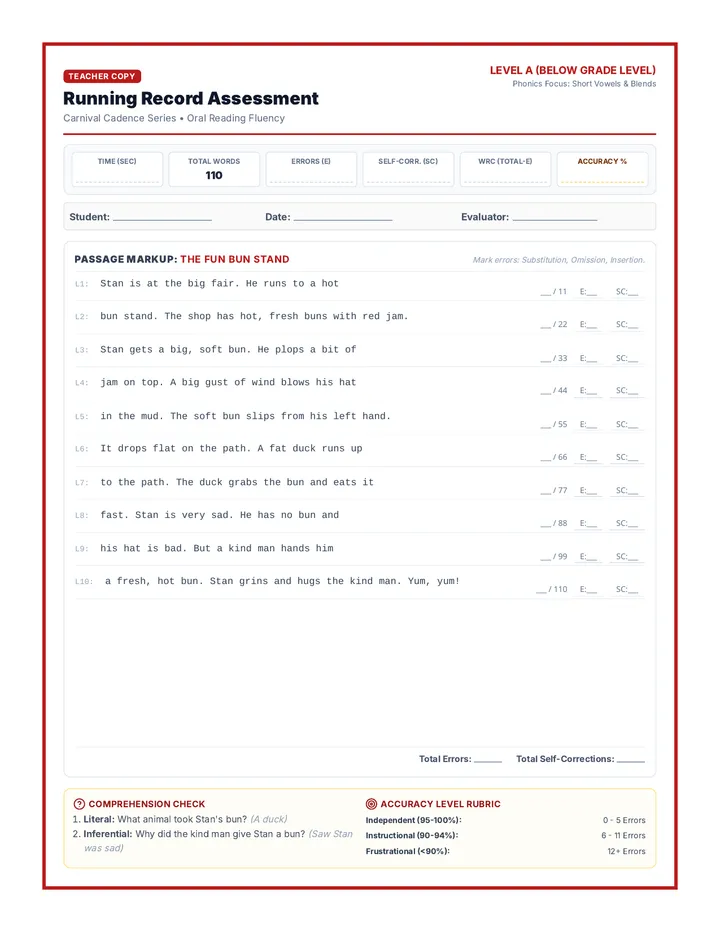
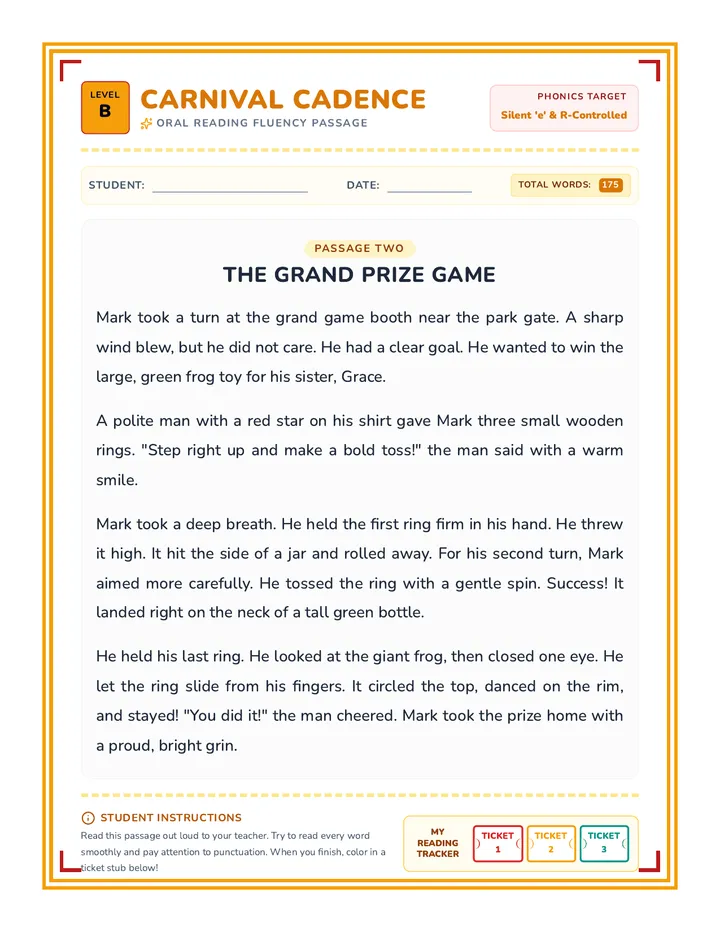
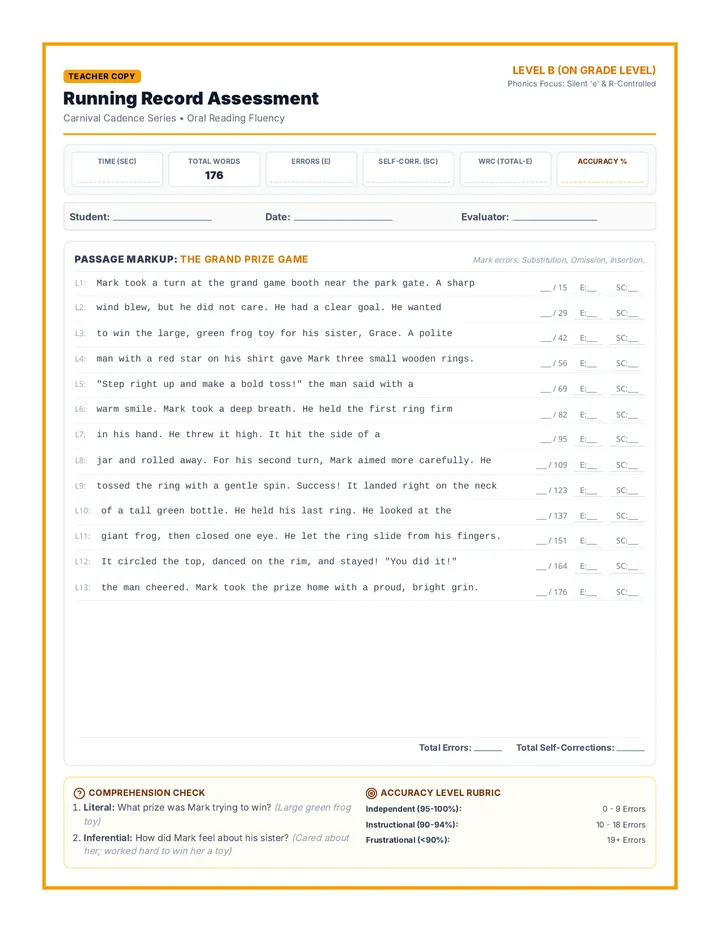
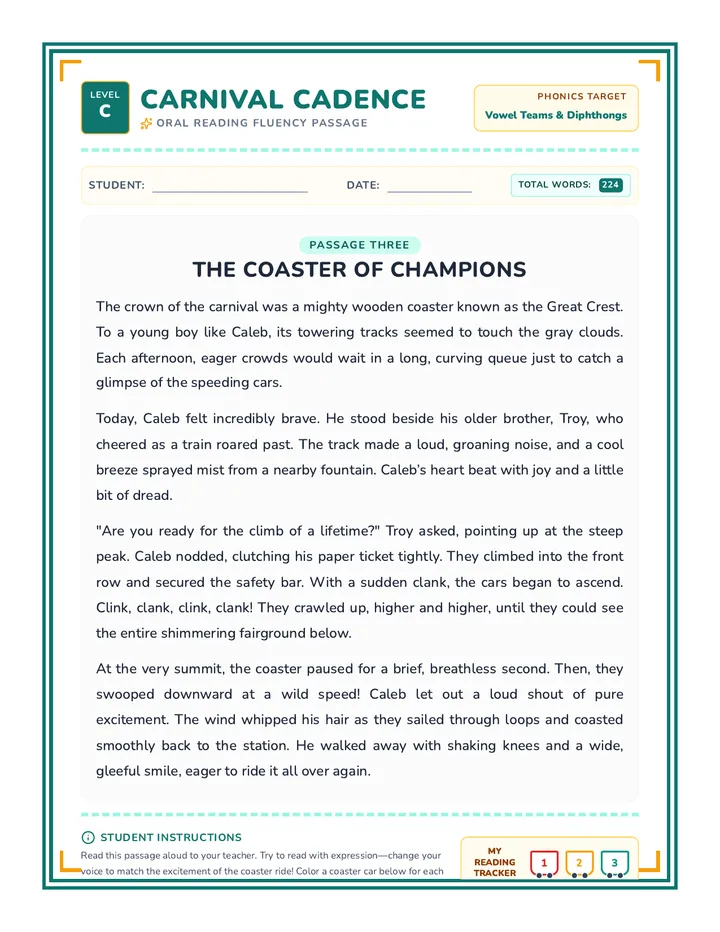
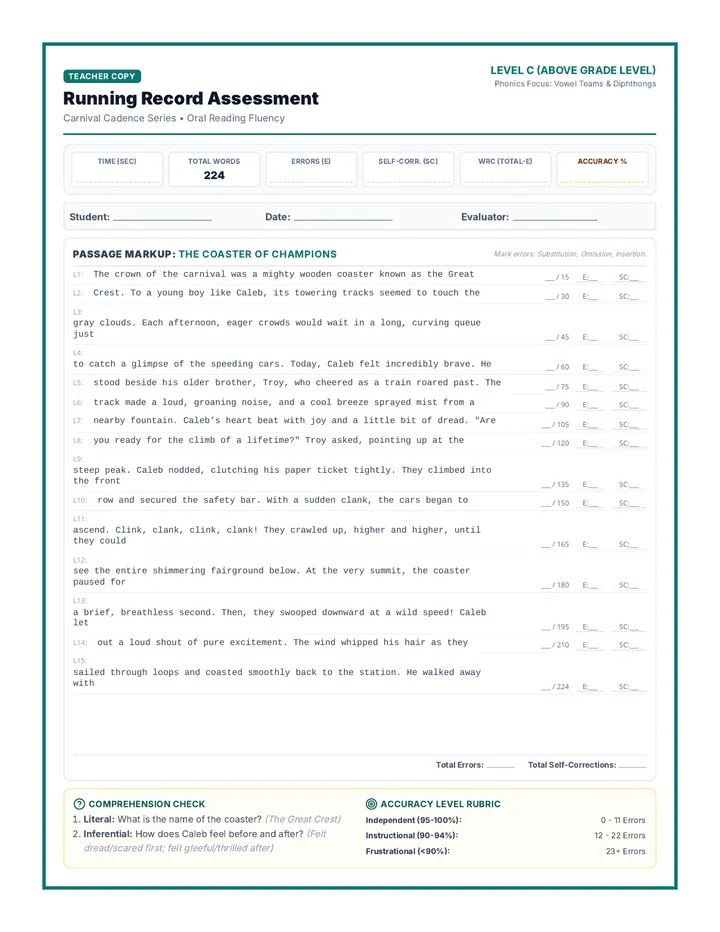
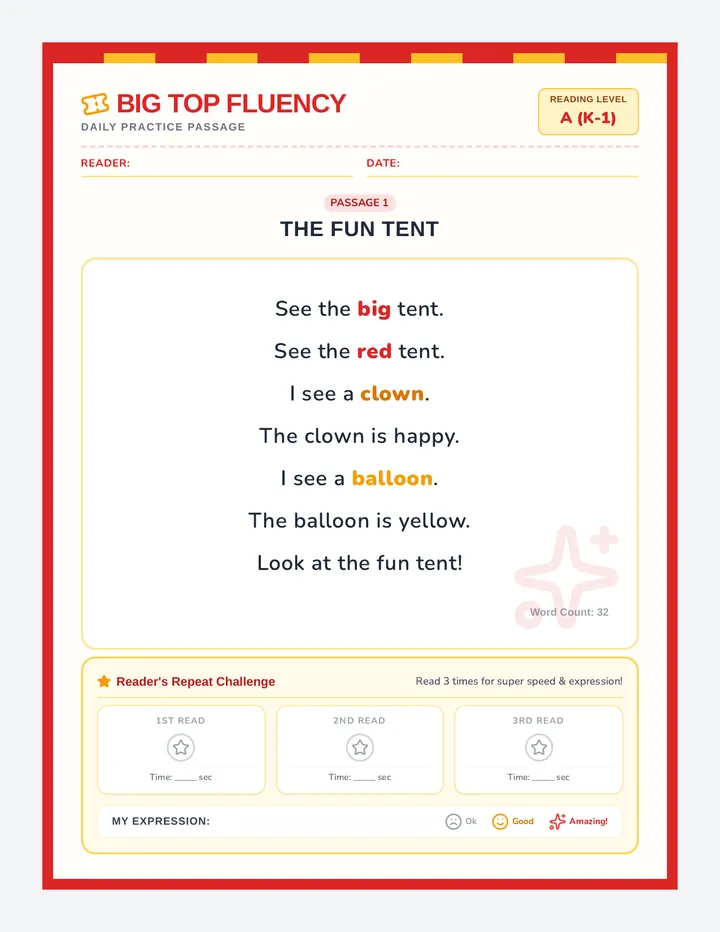
Differentiated carnival-themed reading passages and matching teacher running record forms designed to boost oral reading fluency and target specific phonics patterns.
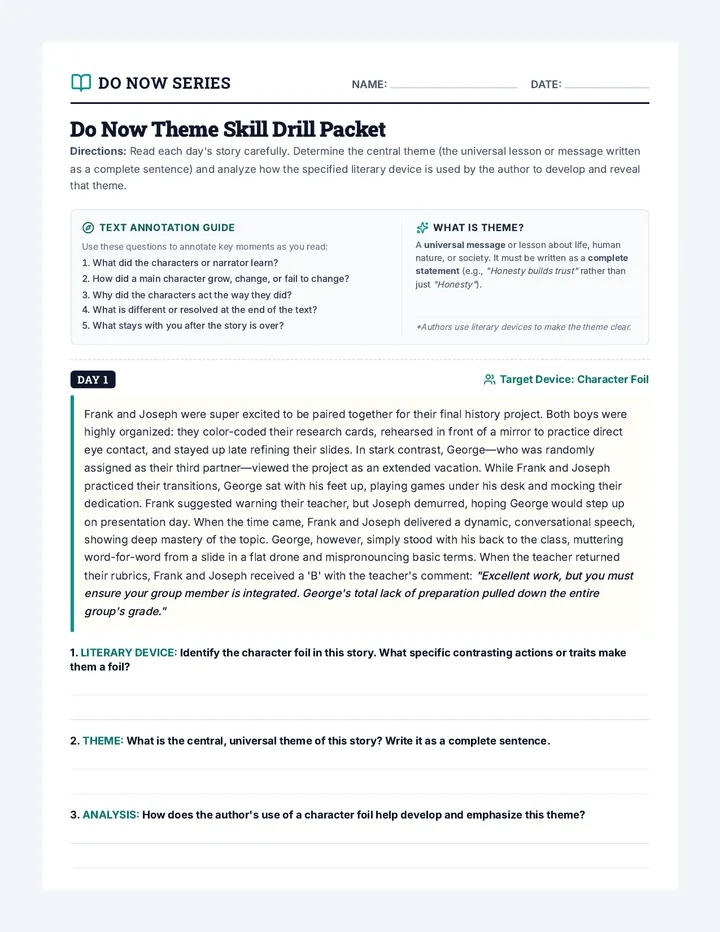
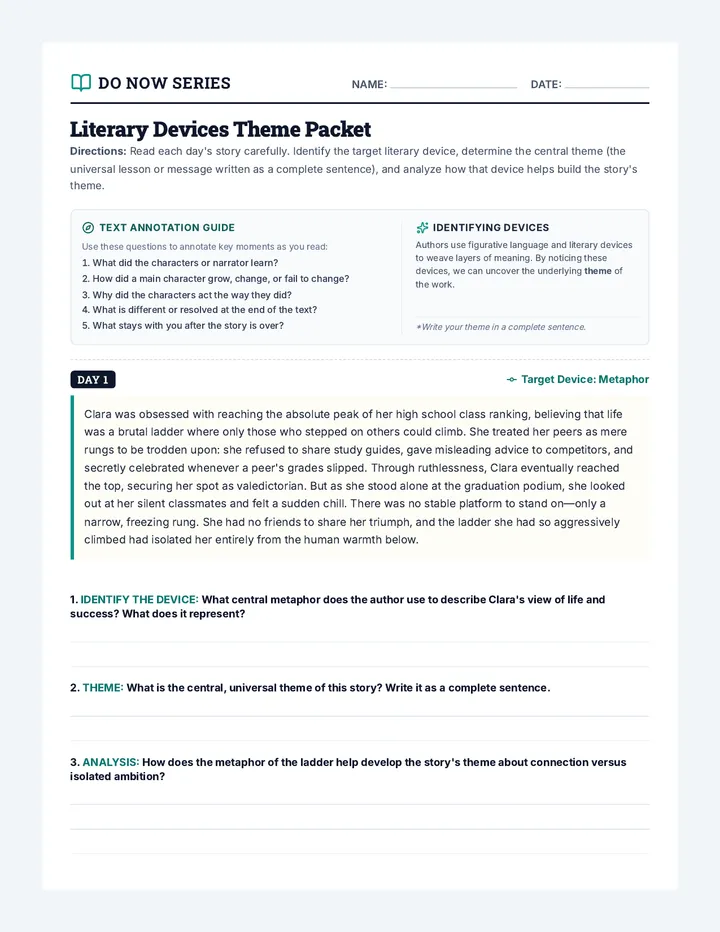
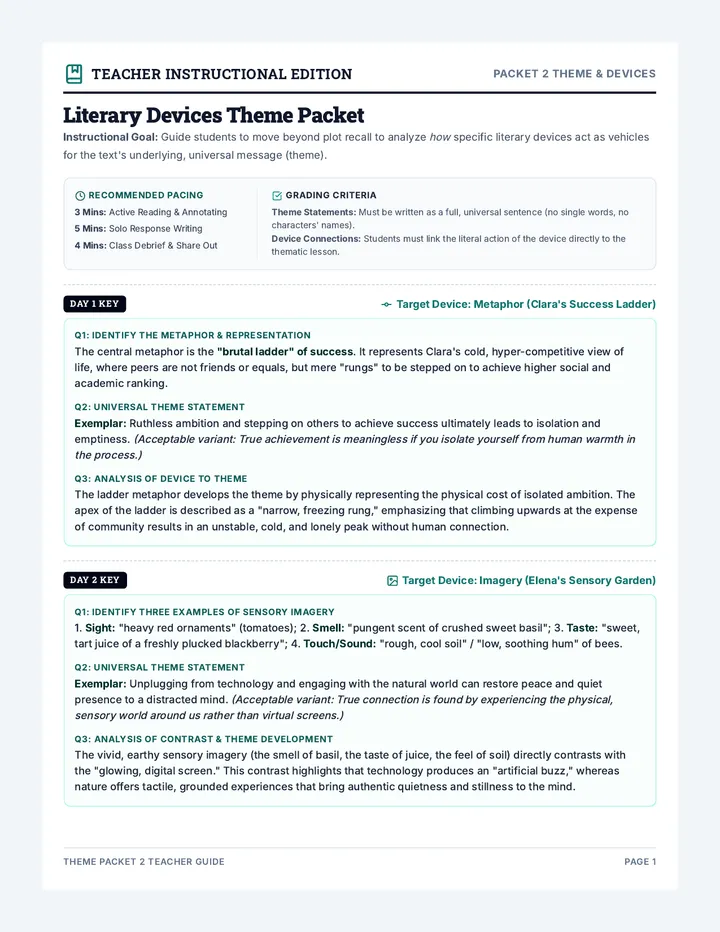
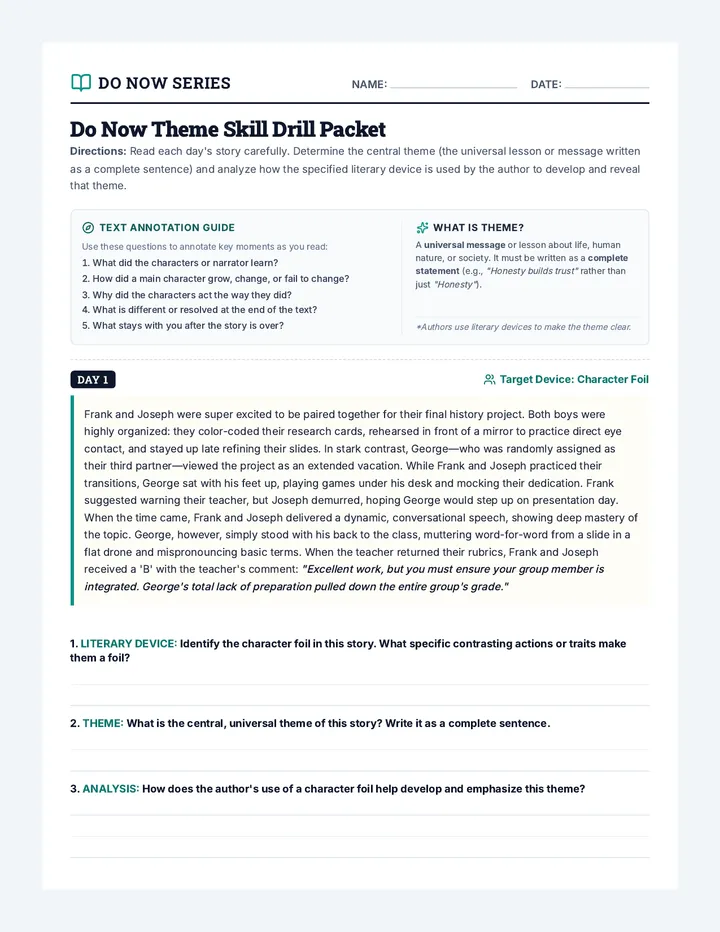
A cohesive lesson and drill series designed to help students master the connection between explicit literary devices and the central themes of literary texts.
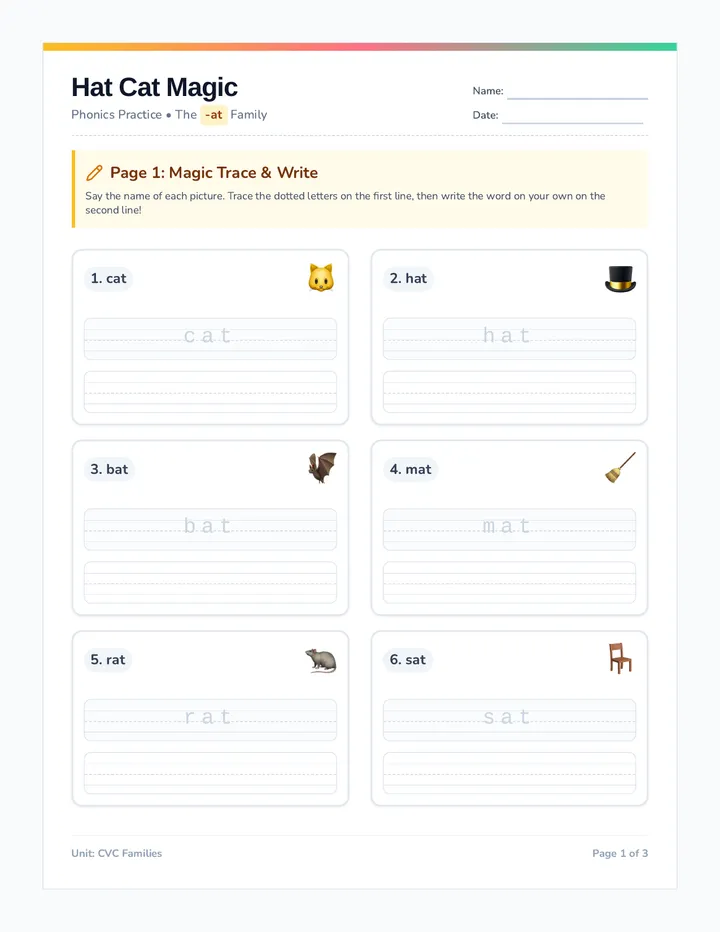
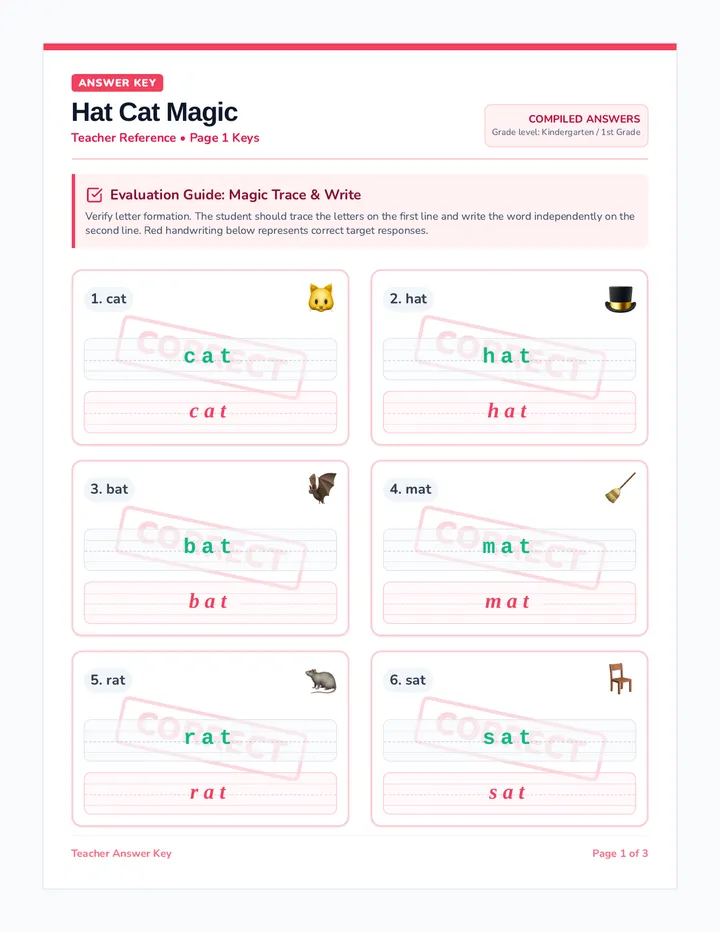
A foundational phonics lesson focusing on the -at word family. Students practice letter tracing, fine motor sorting, and decodable sentence reading to build early reading fluency.
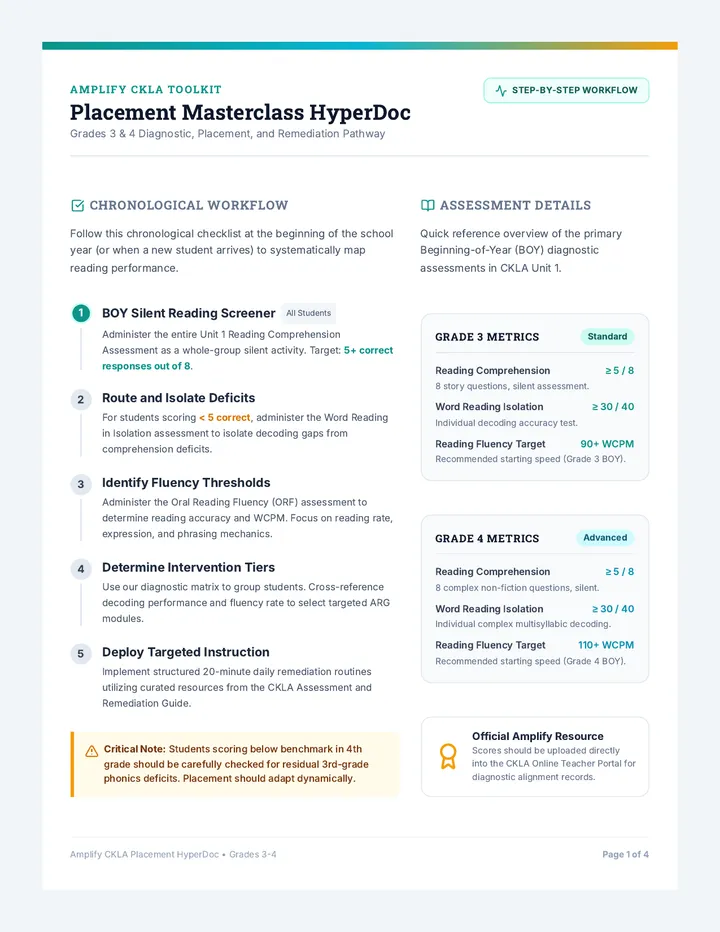
A specialized lesson designed for third and fourth-grade educators to master the CKLA placement, diagnostic, and remediation pathways. This lesson contains professional guides, visual flowcharts, and student grouping trackers to streamline the intervention process.
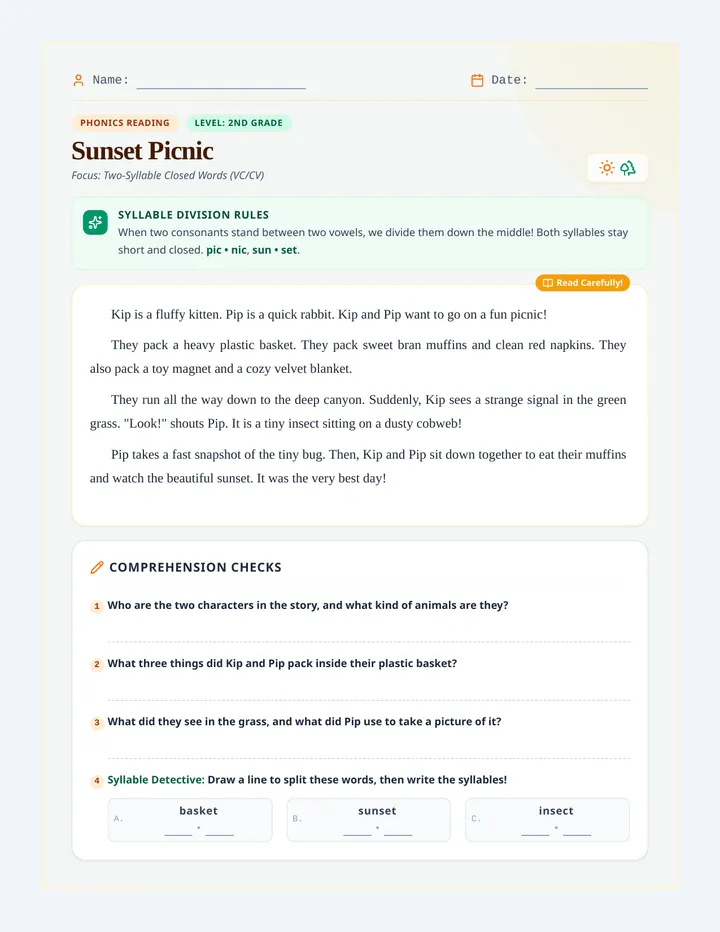
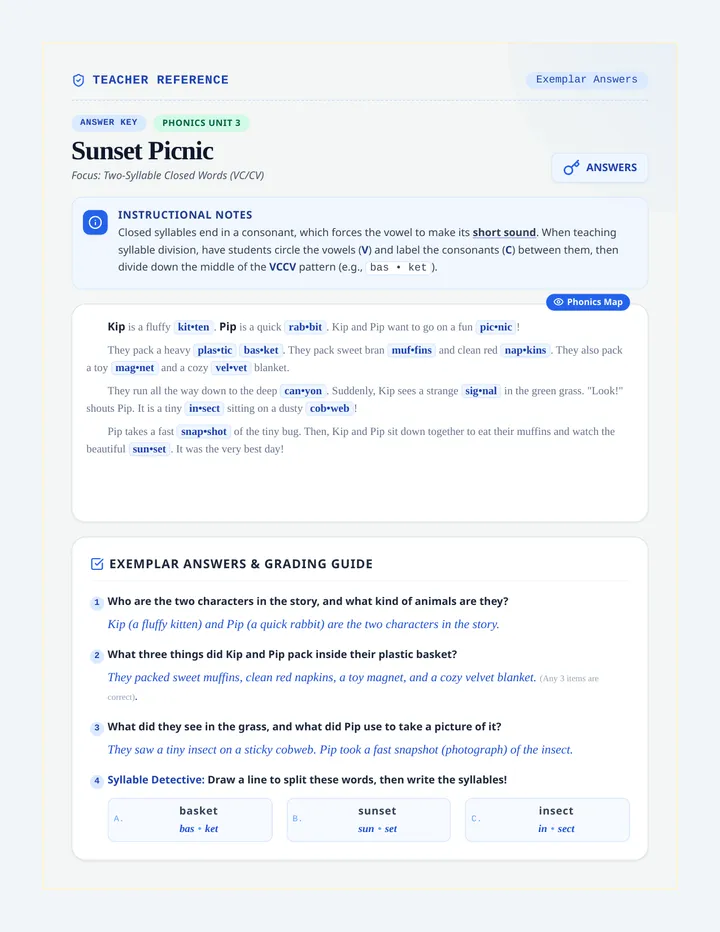
A primary phonics lesson focusing on decoding and understanding two-syllable words with closed syllables. Students practice syllable division, read a decodable story, and answer reading comprehension questions.
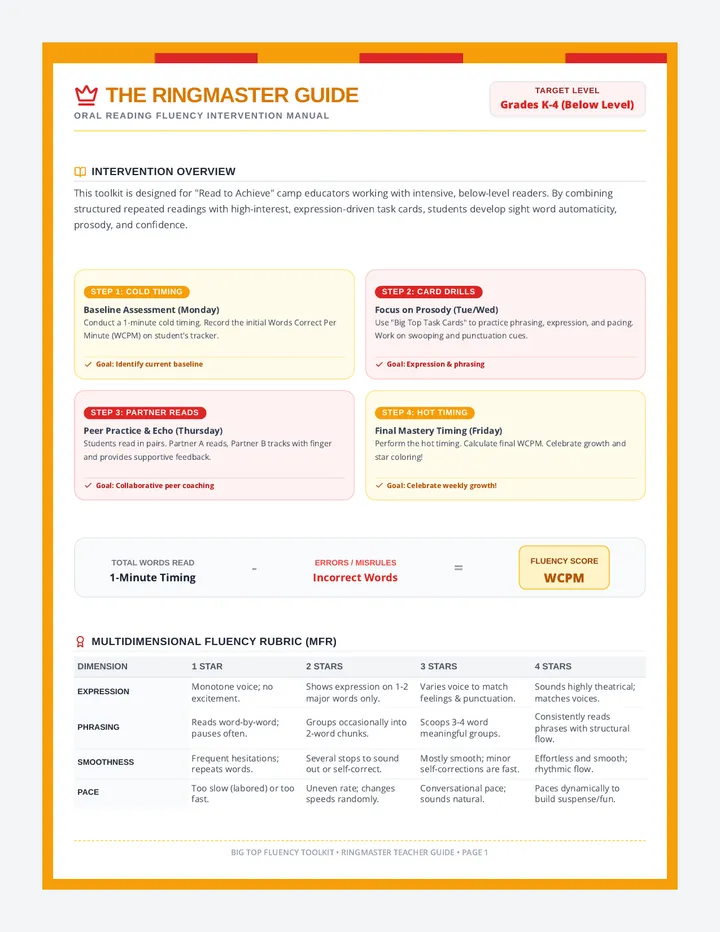
A carnival-themed oral reading fluency toolkit designed for Read to Achieve summer camps. Features differentiated reading passages (levels K-3) with repeated reading trackers, expression-focused task cards, and a teacher scoring and implementation guide.
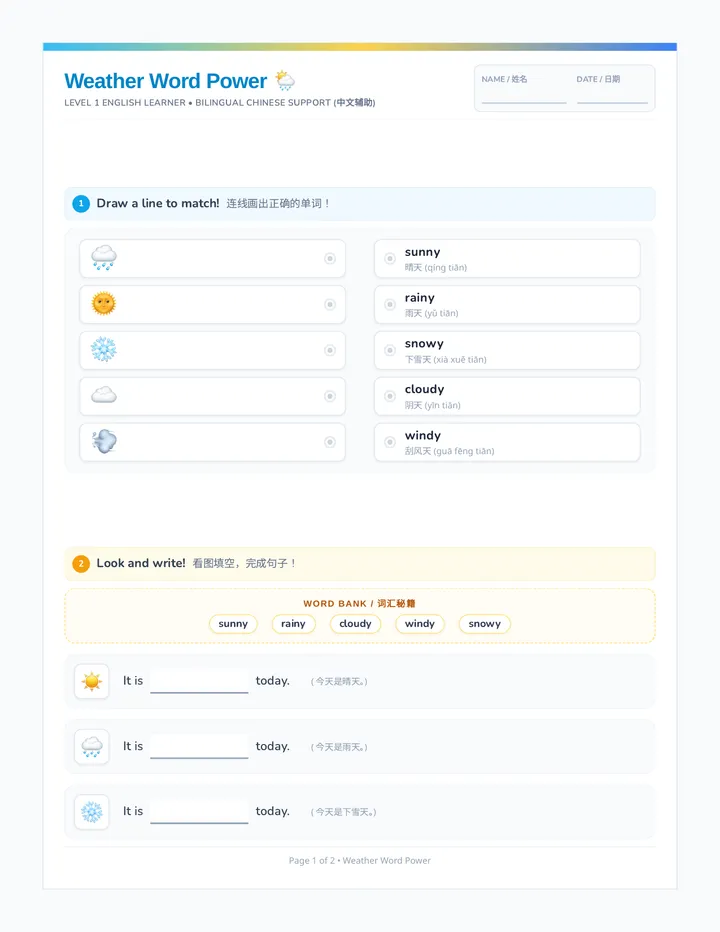
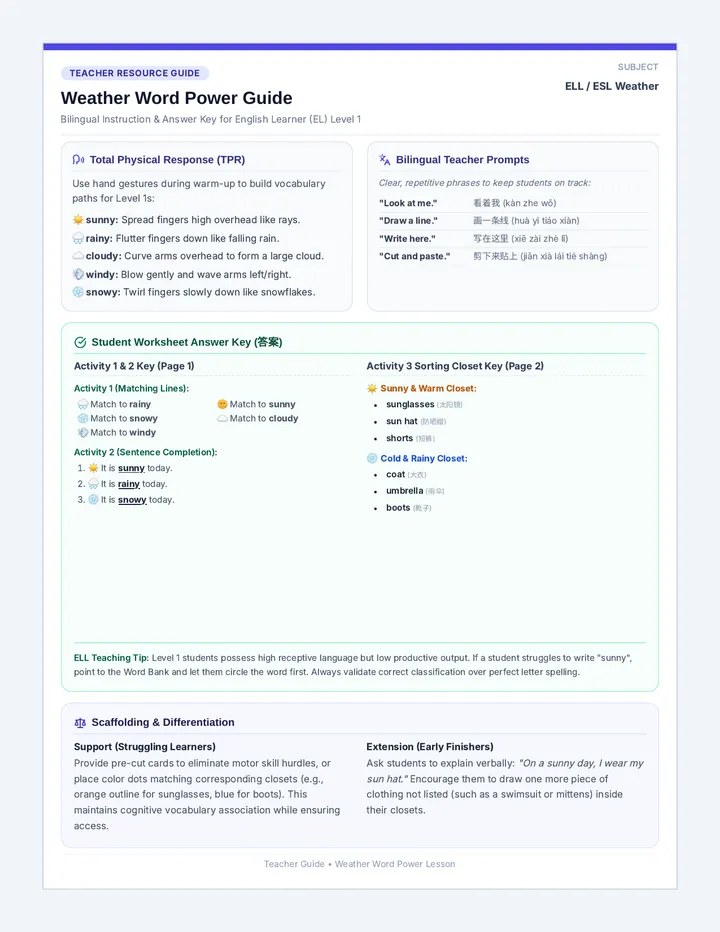
A beginner-friendly English language learning lesson focused on basic weather vocabulary and corresponding clothing items, specifically designed with bilingual Chinese-English support for Level 1 English learners.
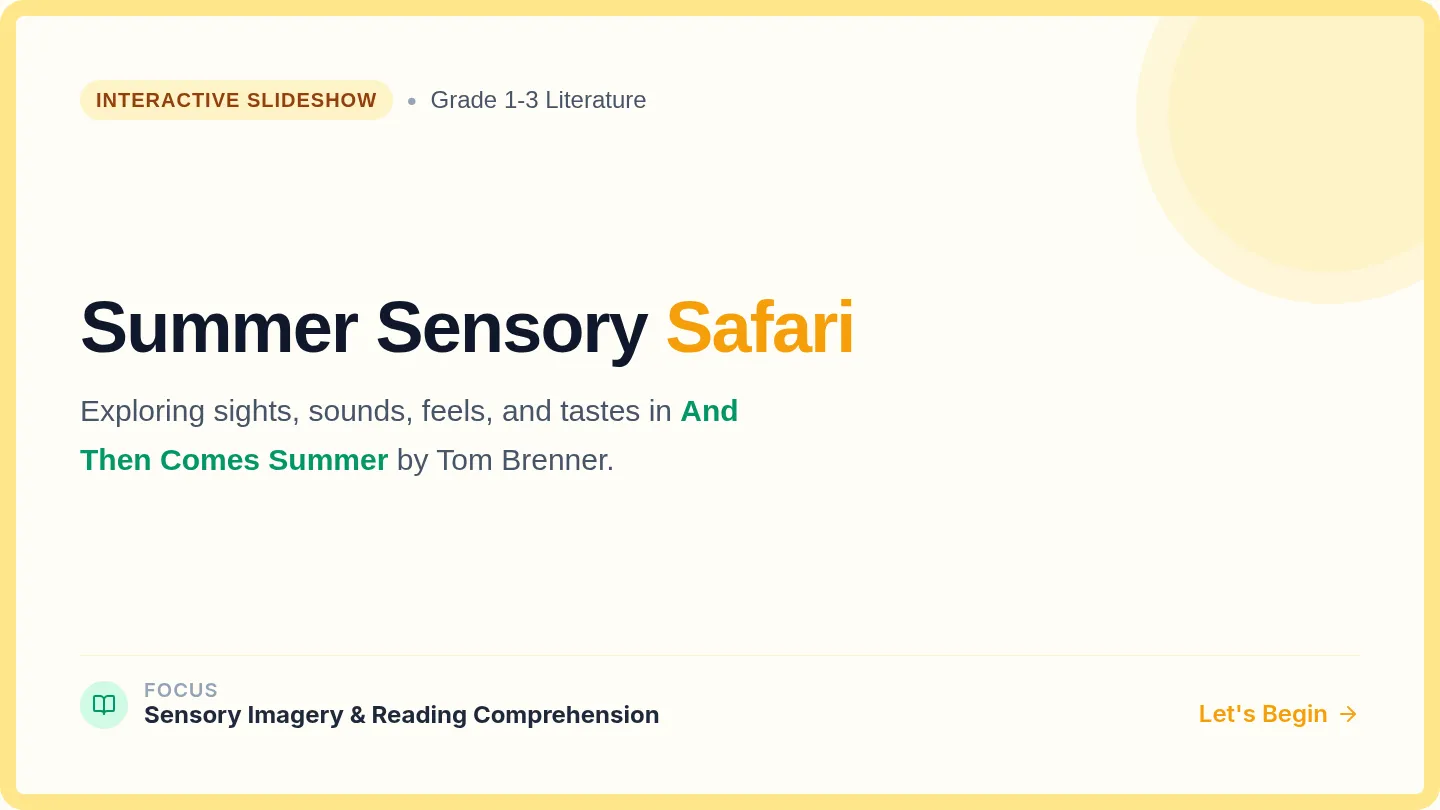
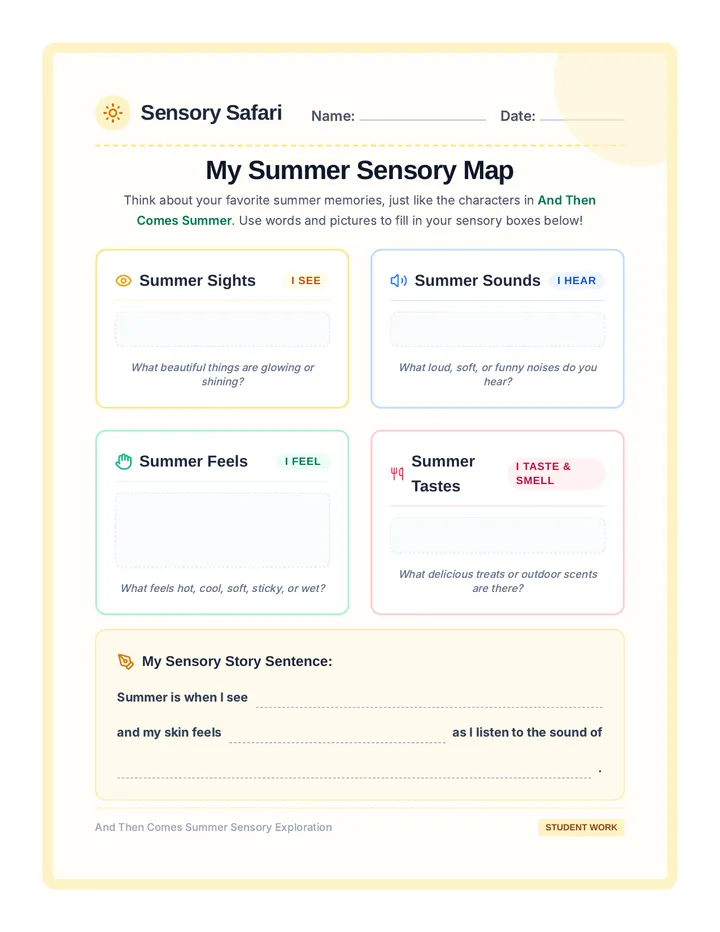
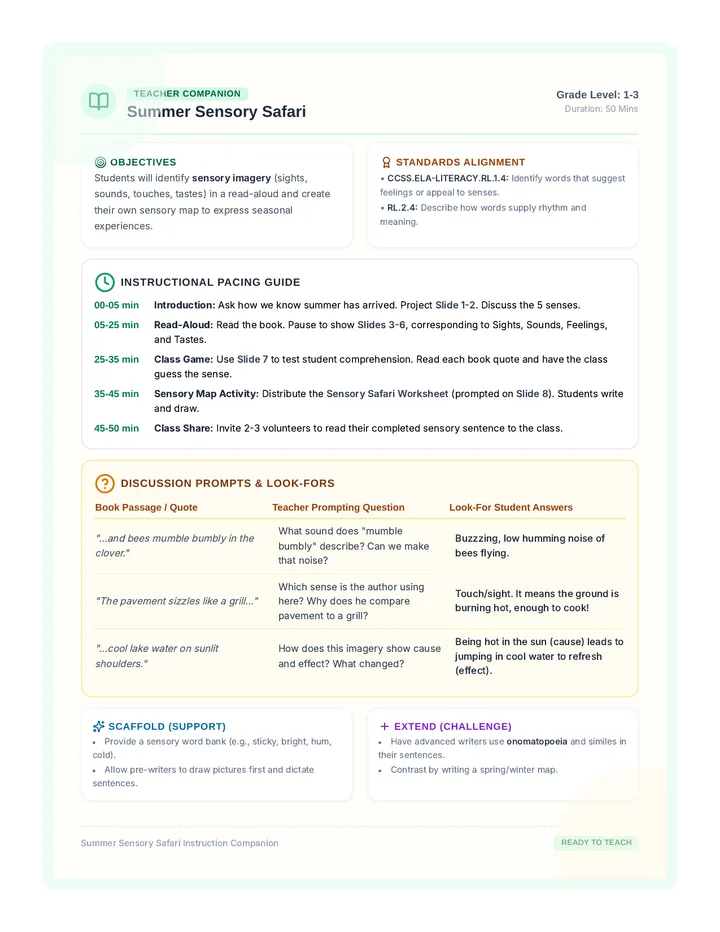
An interactive literature lesson exploring the rich sensory details and imagery in Tom Brenner's 'And Then Comes Summer'. Students identify and discuss sights, sounds, feels, and tastes to build comprehension and descriptive writing skills.
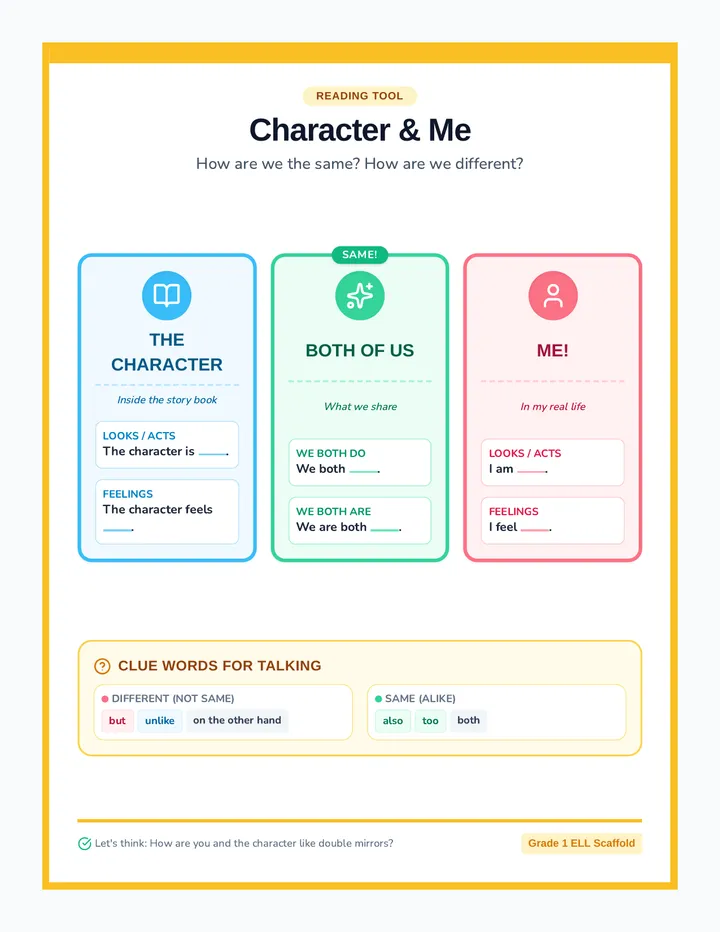
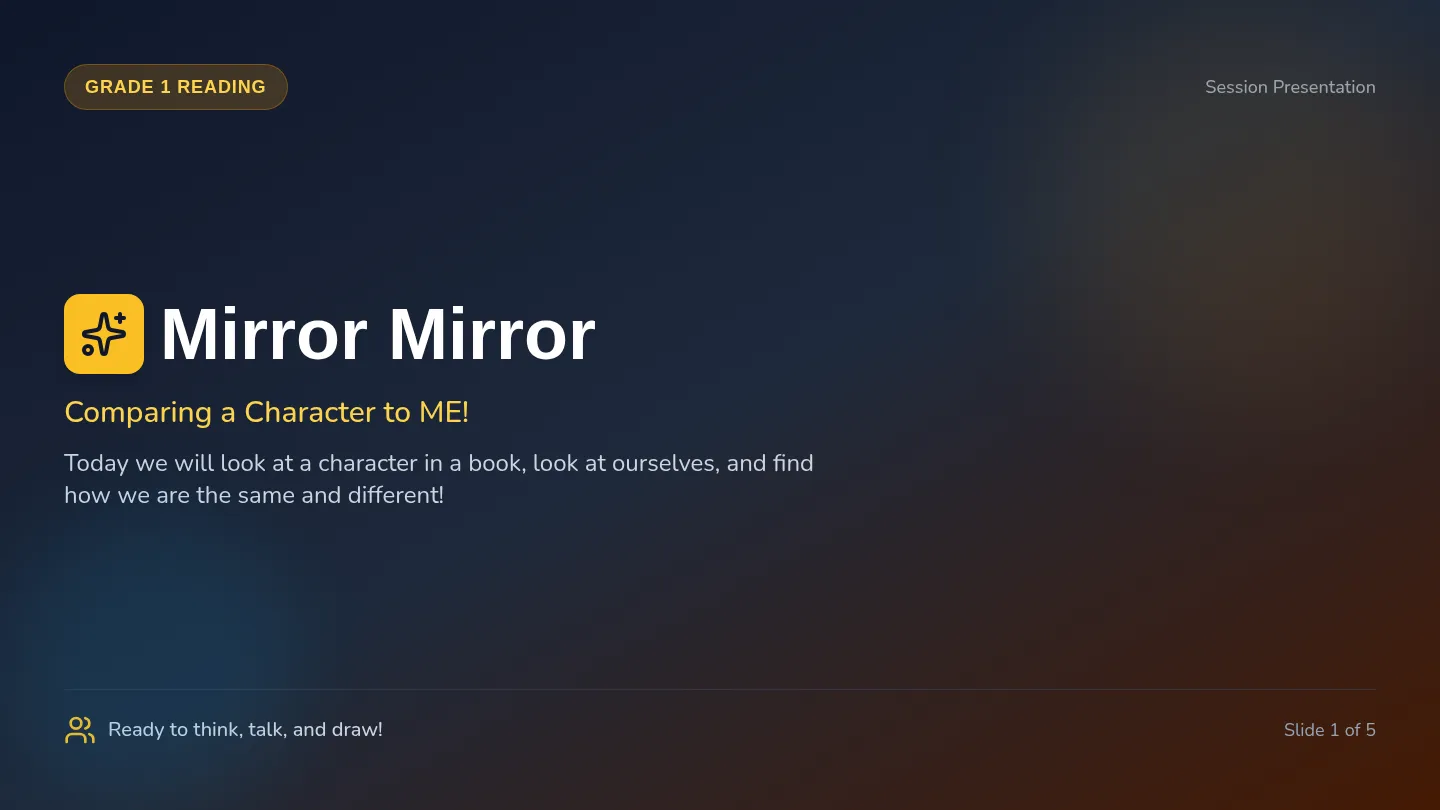
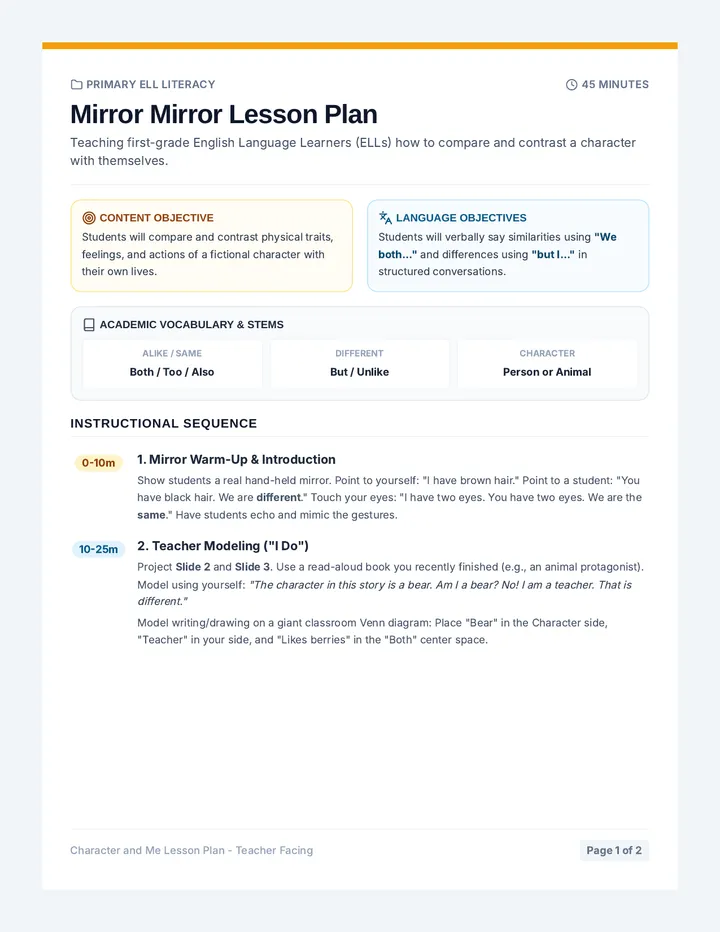
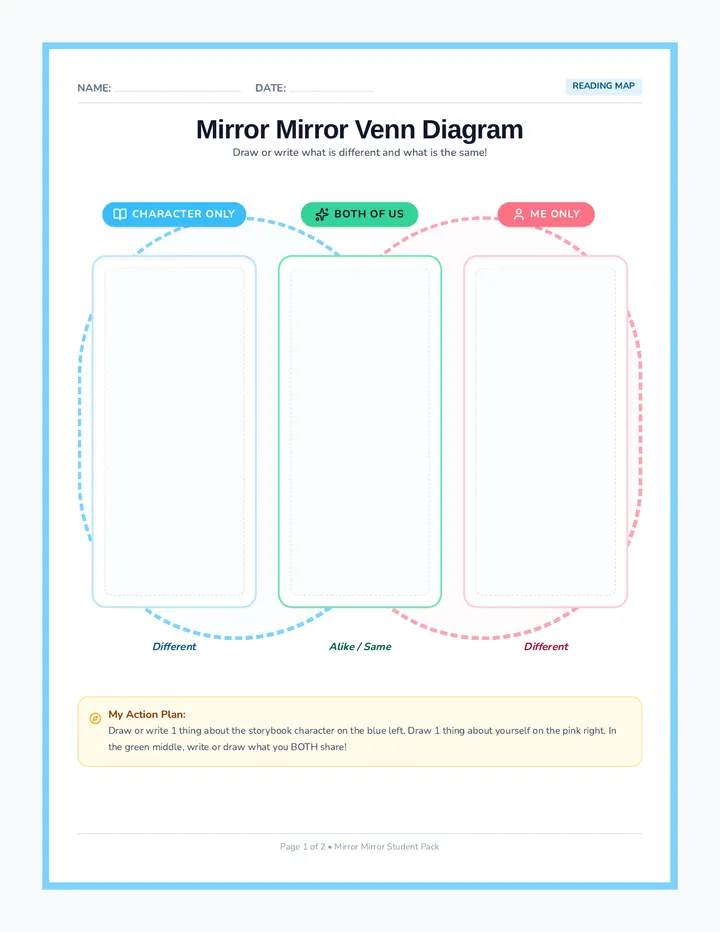
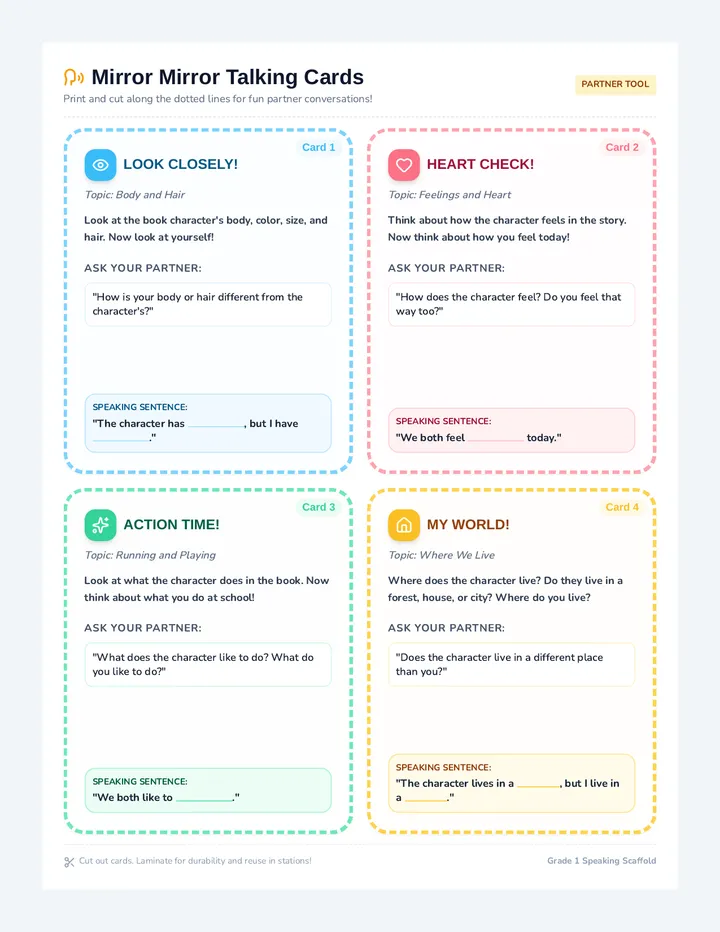
A scaffolded, visually-rich lesson designed for 1st-grade English Language Learners (ELLs) to learn how to compare and contrast a fictional character with themselves. The lesson integrates guided discussions, visual aids, structured speaking practice, and tiered graphic organizers to support oral and written language acquisition.
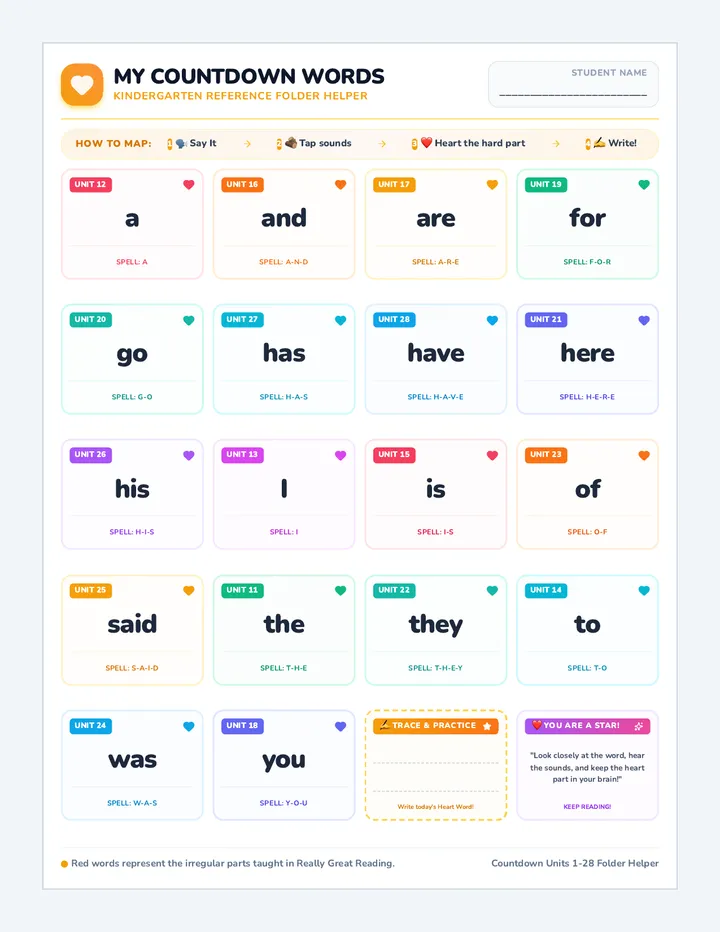
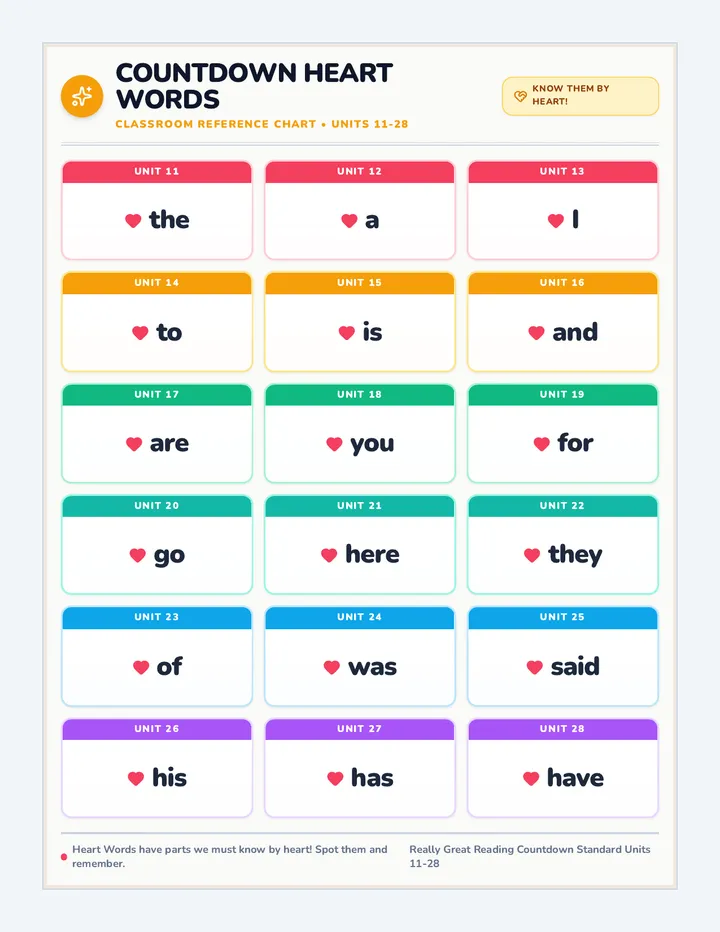
A complete pair of reference helpers for the kindergarten Countdown curriculum (Units 1-28), featuring a student folder reference helper and a colorful classroom anchor chart organized by unit.
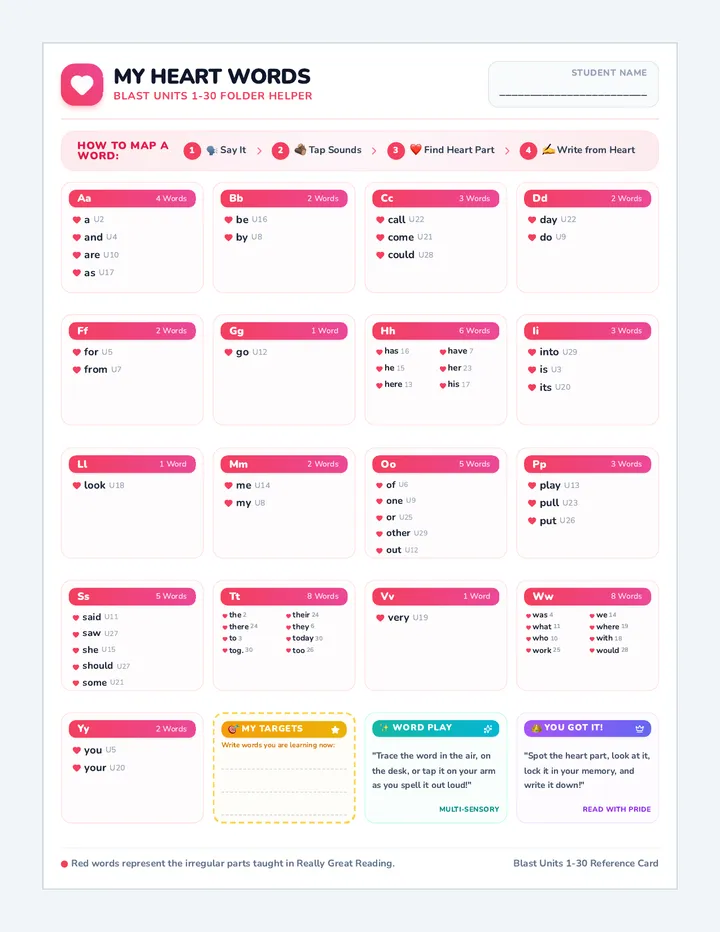
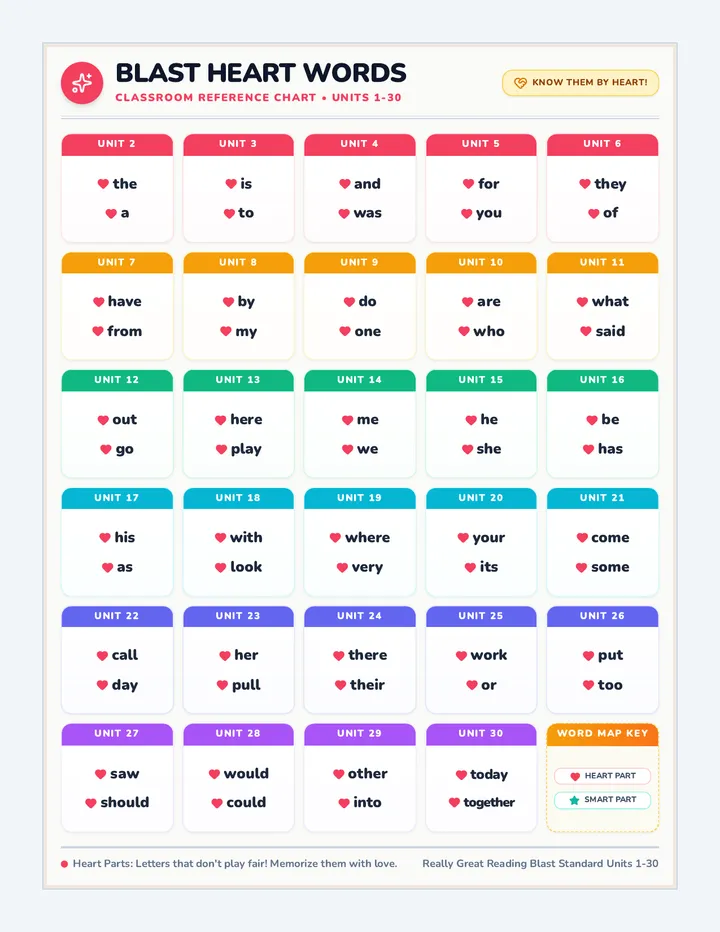
A comprehensive pair of reference materials featuring all Really Great Reading Blast Heart Words for Units 1-30. Includes a compact student folder reference helper and a colorful classroom anchor chart organized by unit.
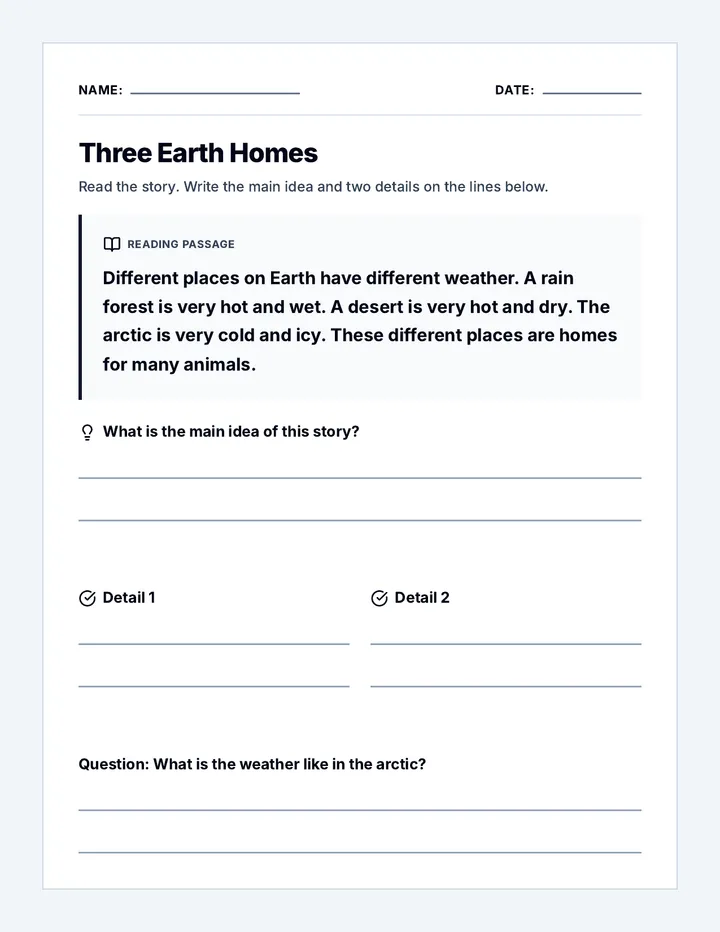
A lesson focused on identifying the main idea and supporting details in short texts, designed with structured supports for students.
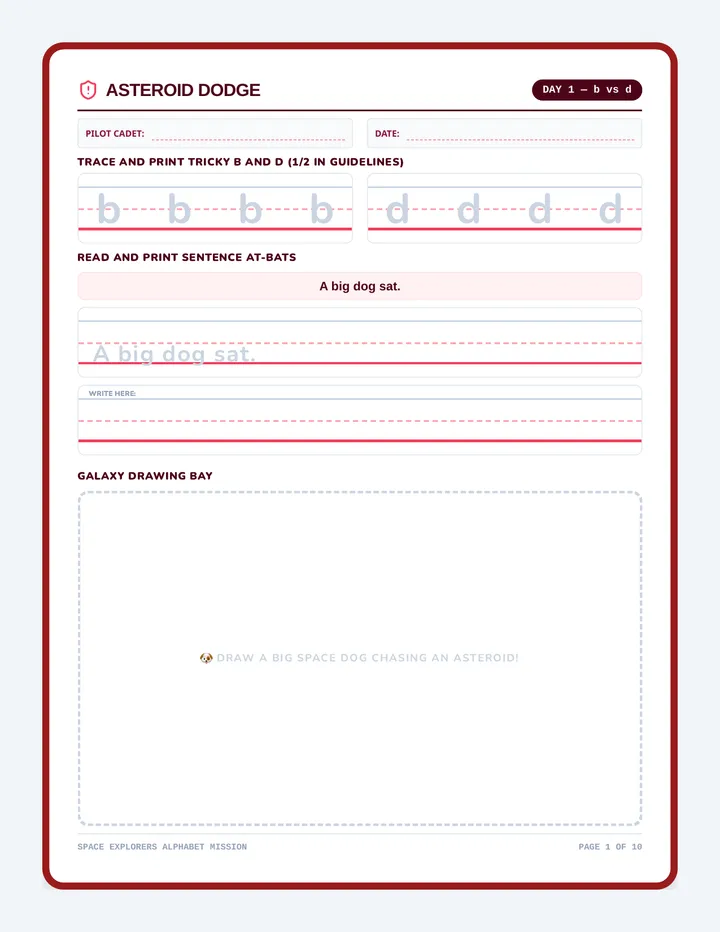
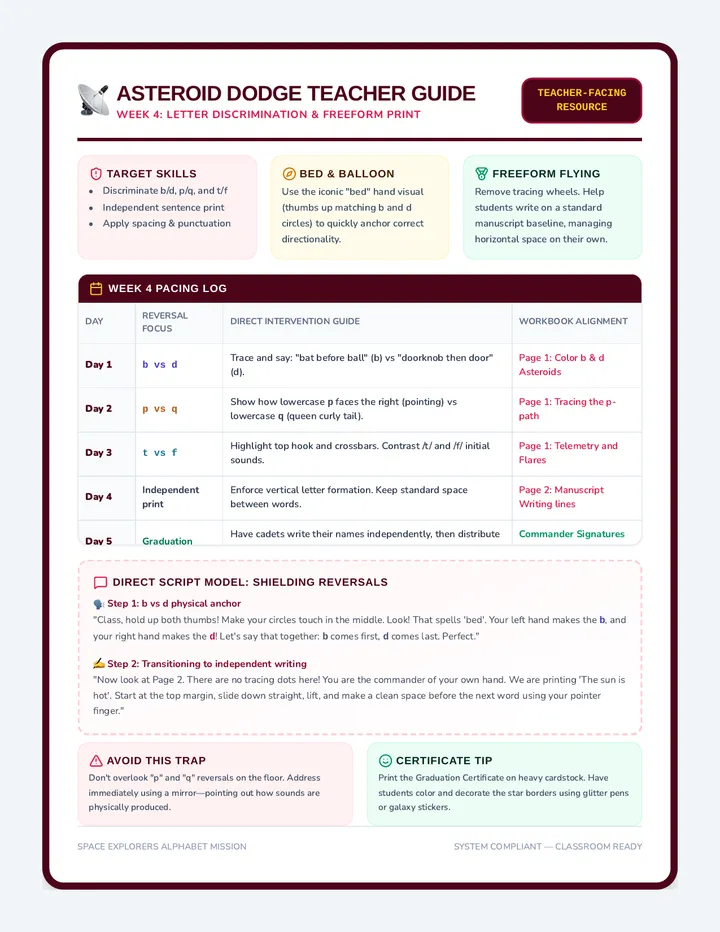
Week 4 targets commonly confused letters (b/d, p/q, t/f) through space-themed discrimination games, and transitions students to freeform independent handwriting.
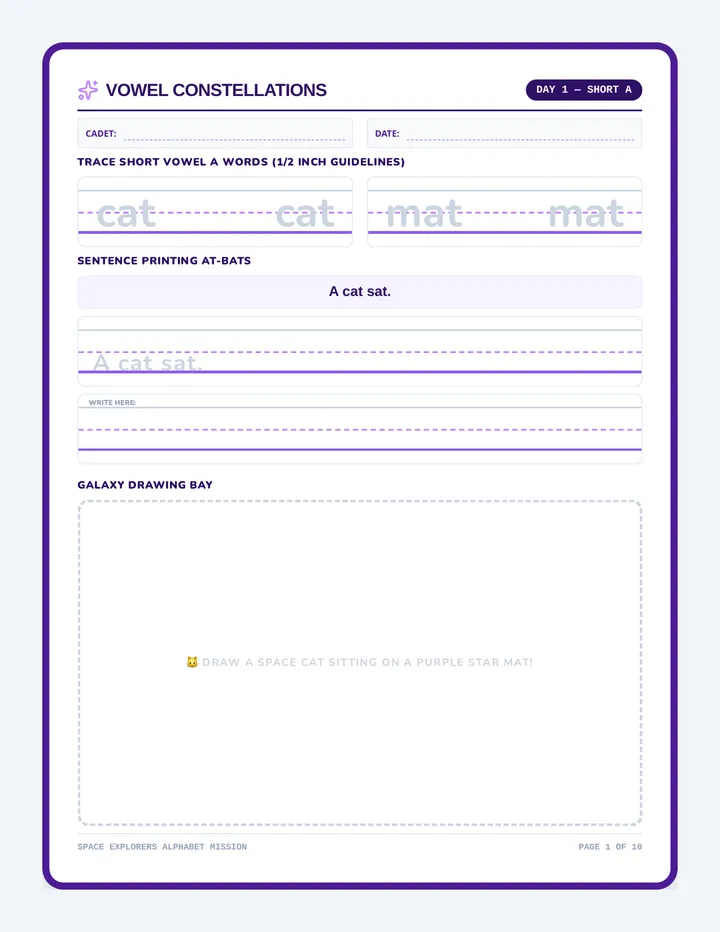
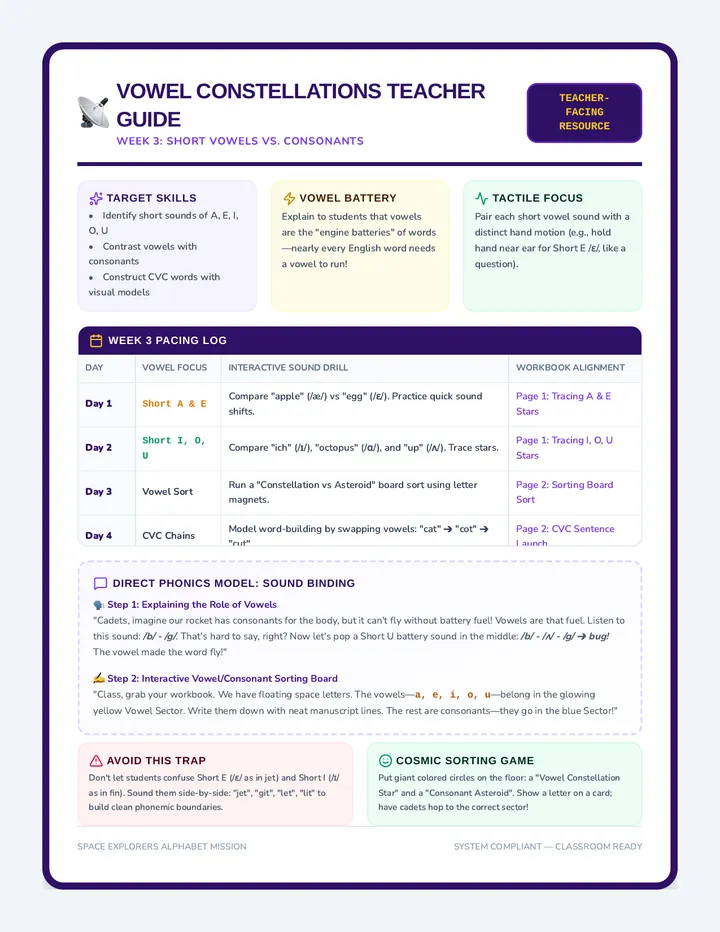
Week 3 explores the distinct roles of vowels and consonants, teaching short vowel sounds, star-themed sorting, and simple consonant-vowel-consonant (CVC) blending.
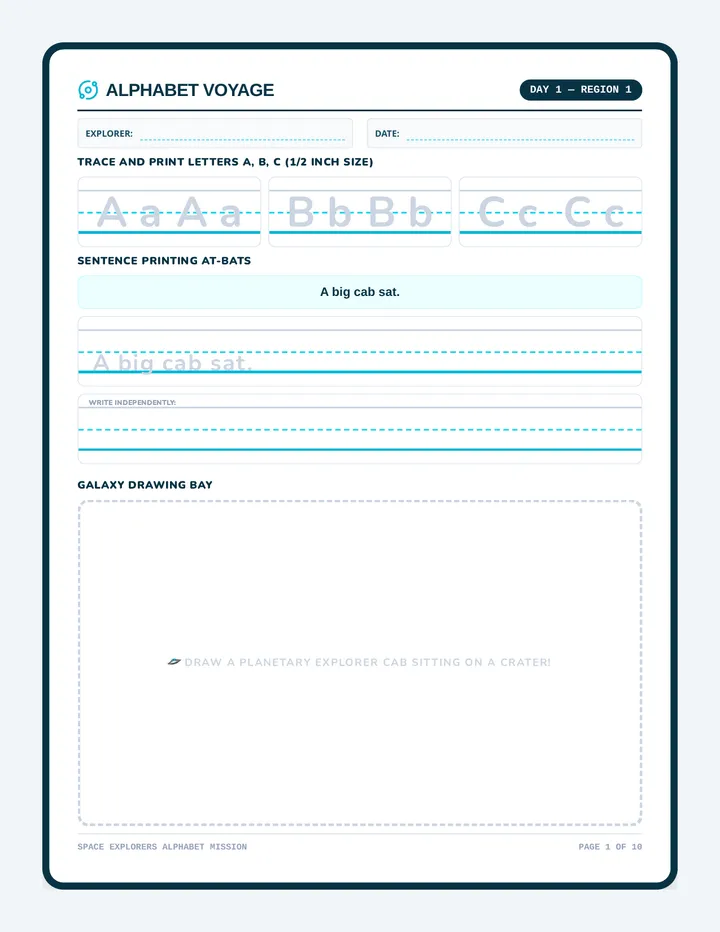
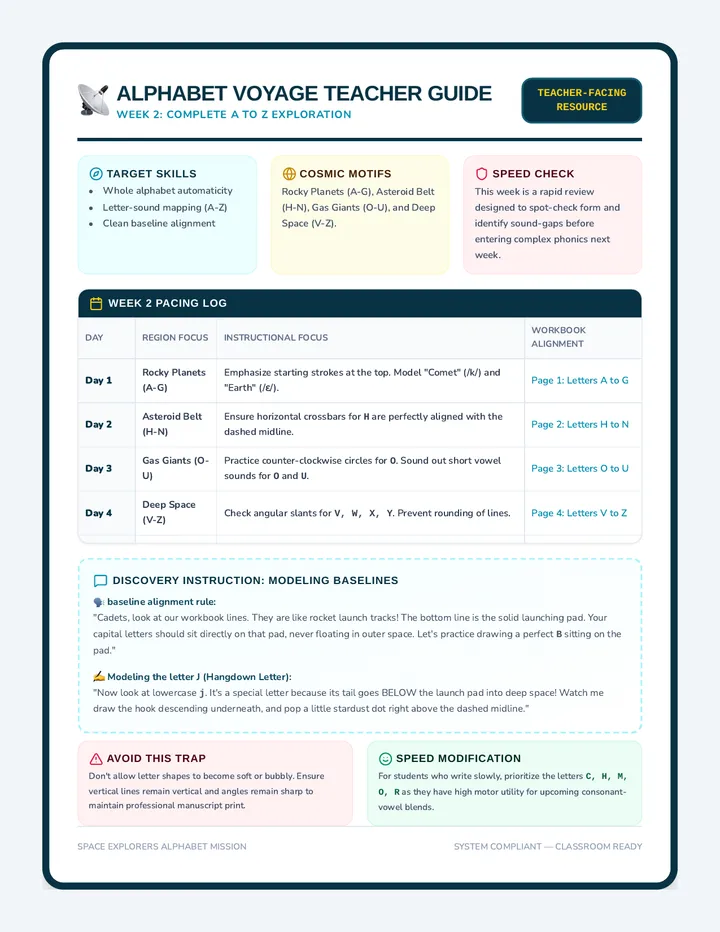
Week 2 covers a rapid, comprehensive overview of the entire alphabet (A to Z) with clean manuscript printing, letter-sound association, and simple visual representations.
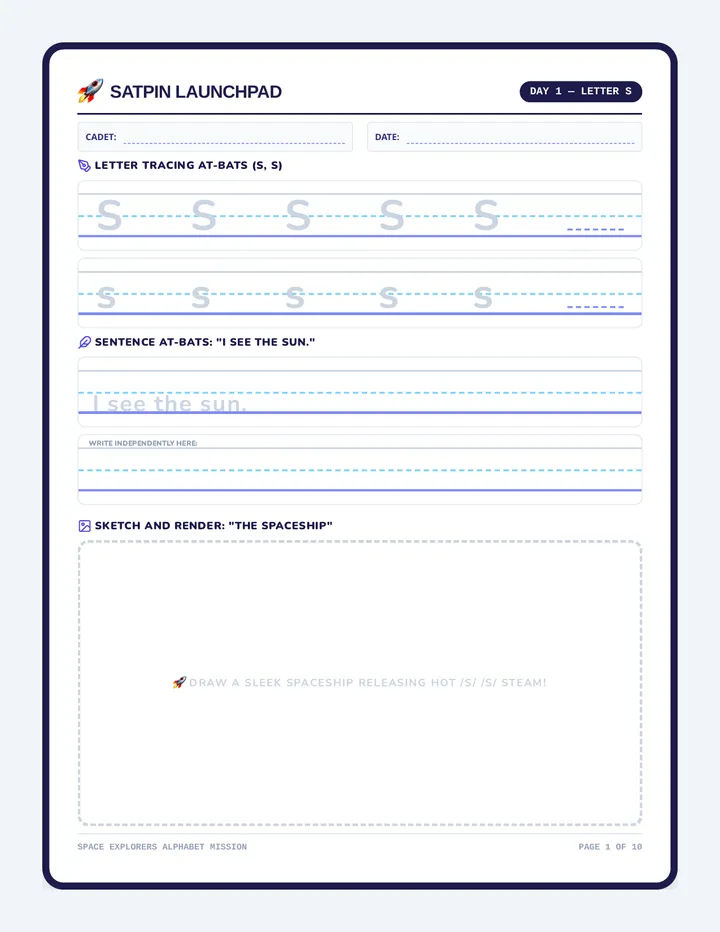
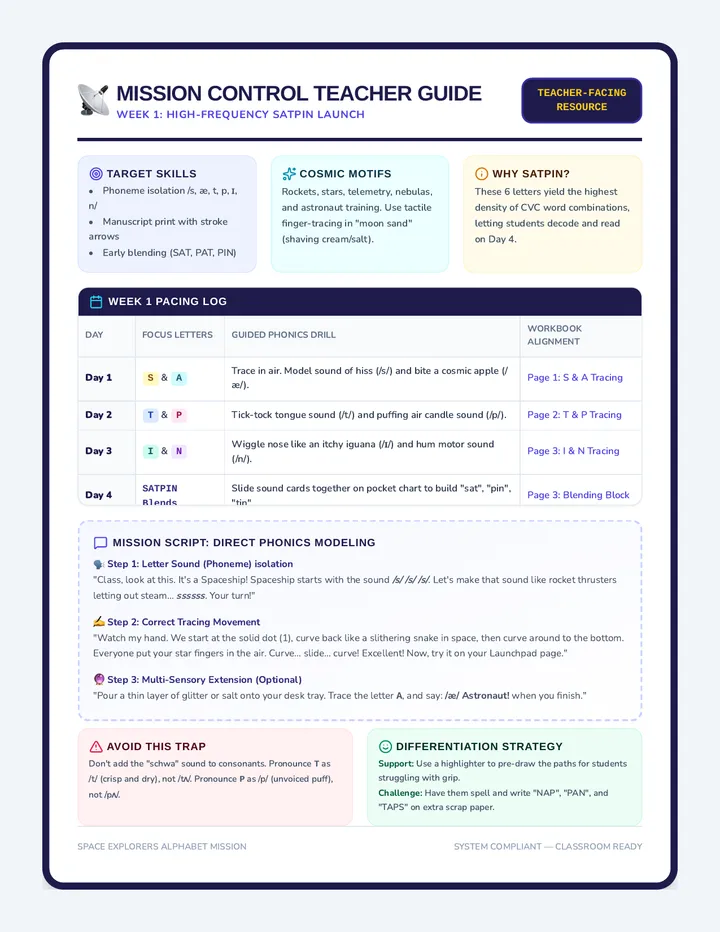
Week 1 focuses on high-frequency SATPIN letters (S, A, T, P, I, N) to quickly build and read simple words. Includes handwriting tracing with numbered stroke arrows and early phonics blends.
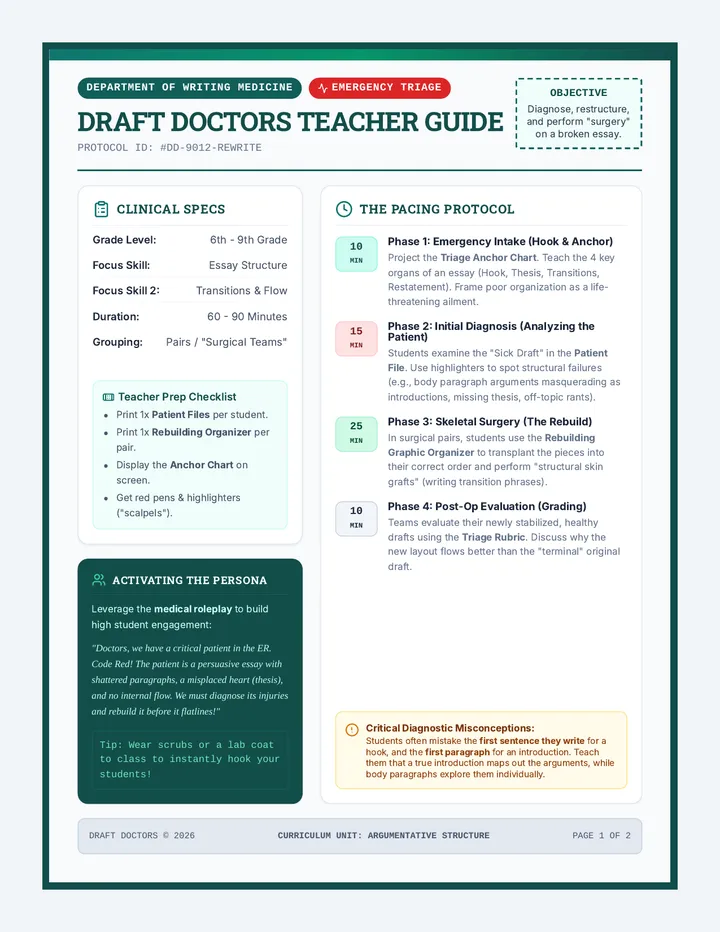
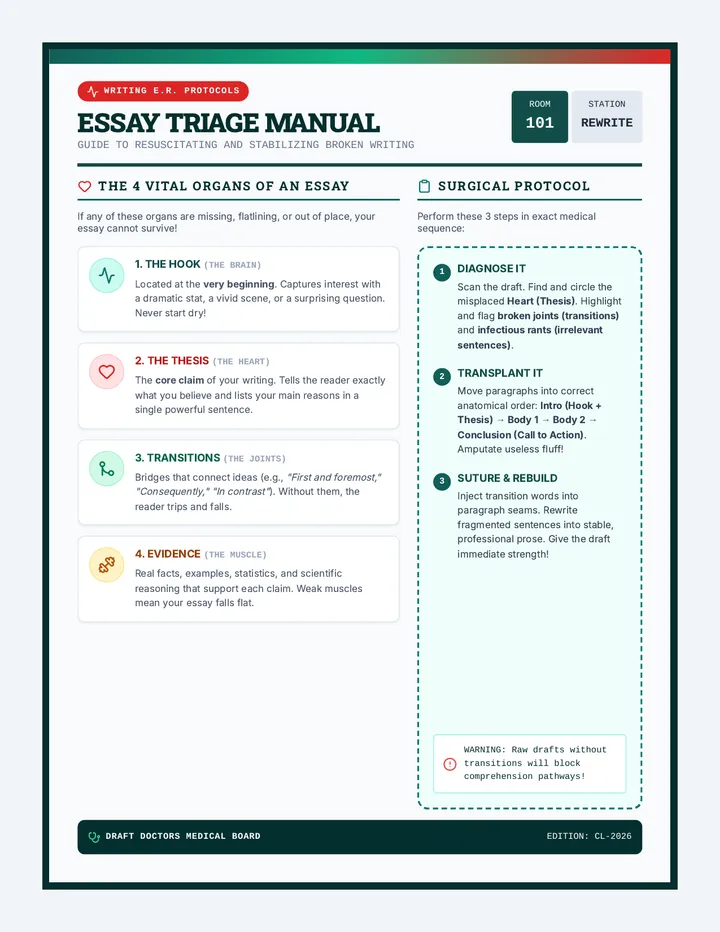
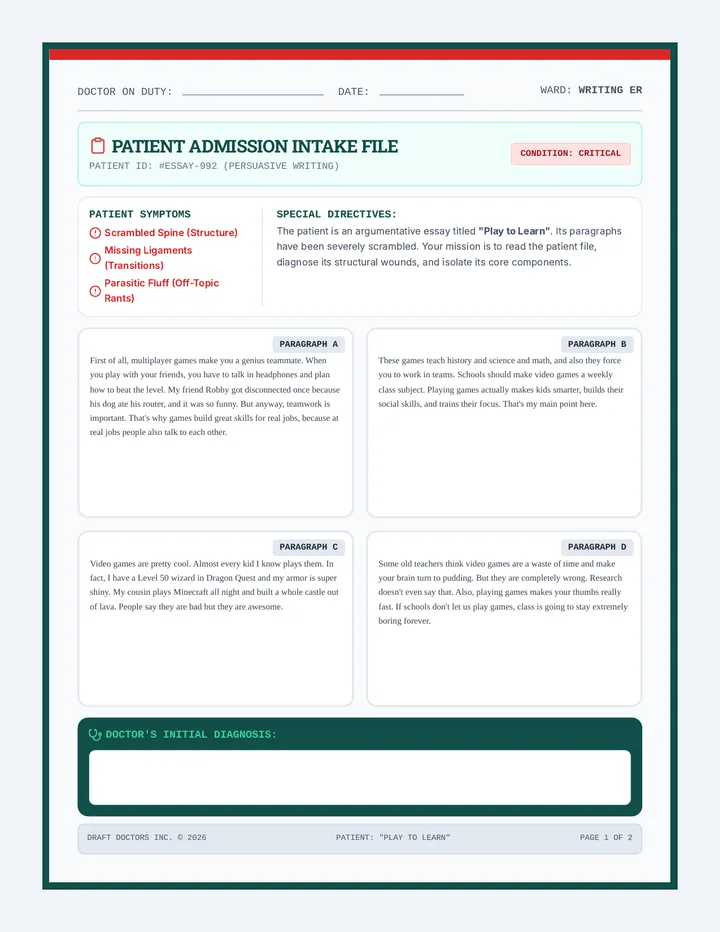
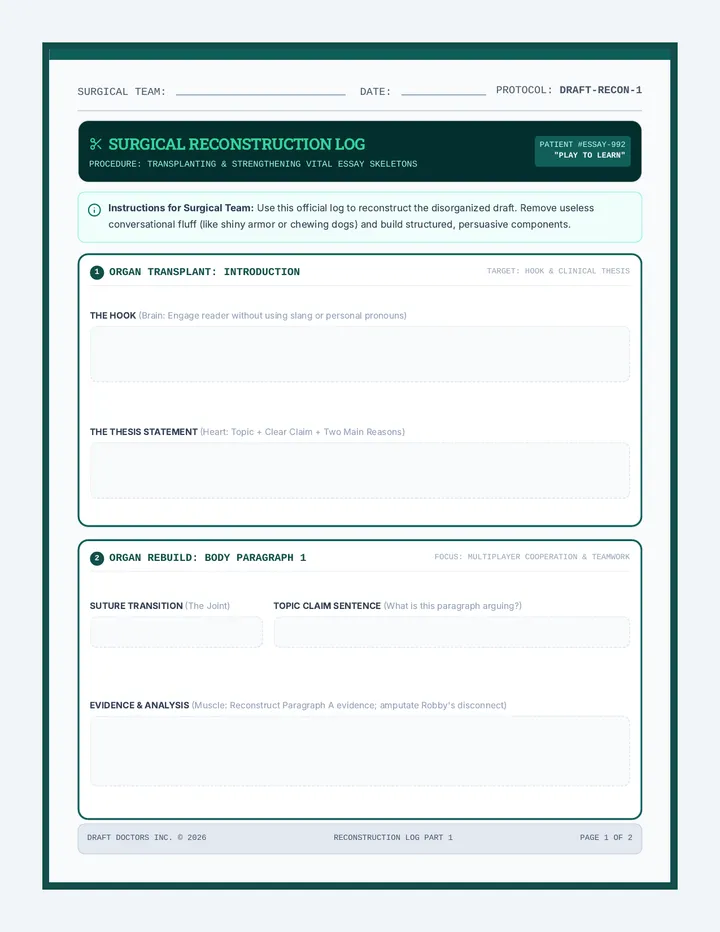
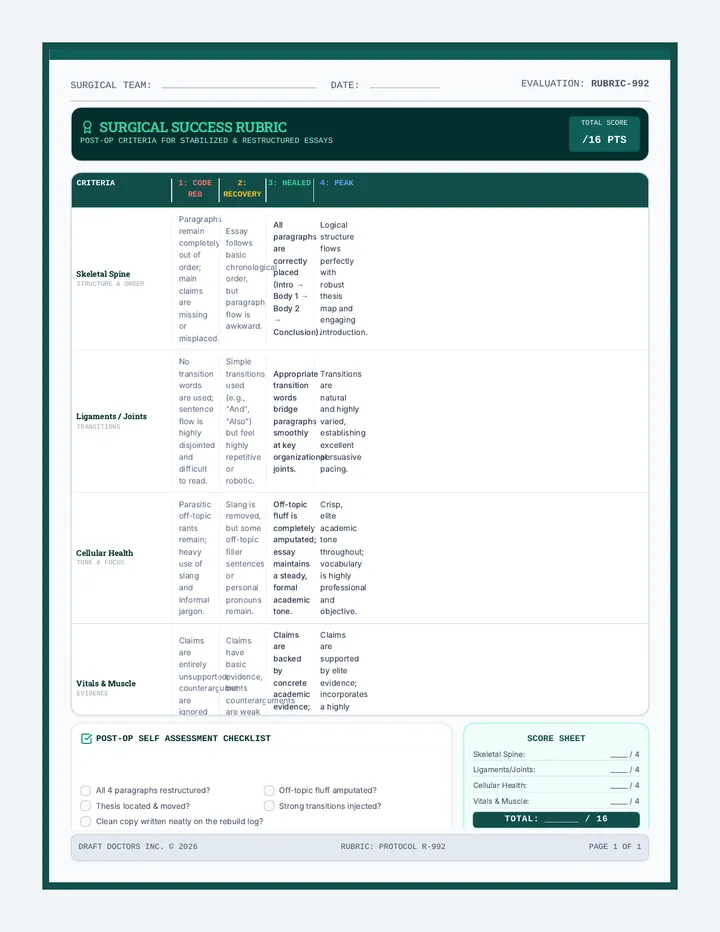
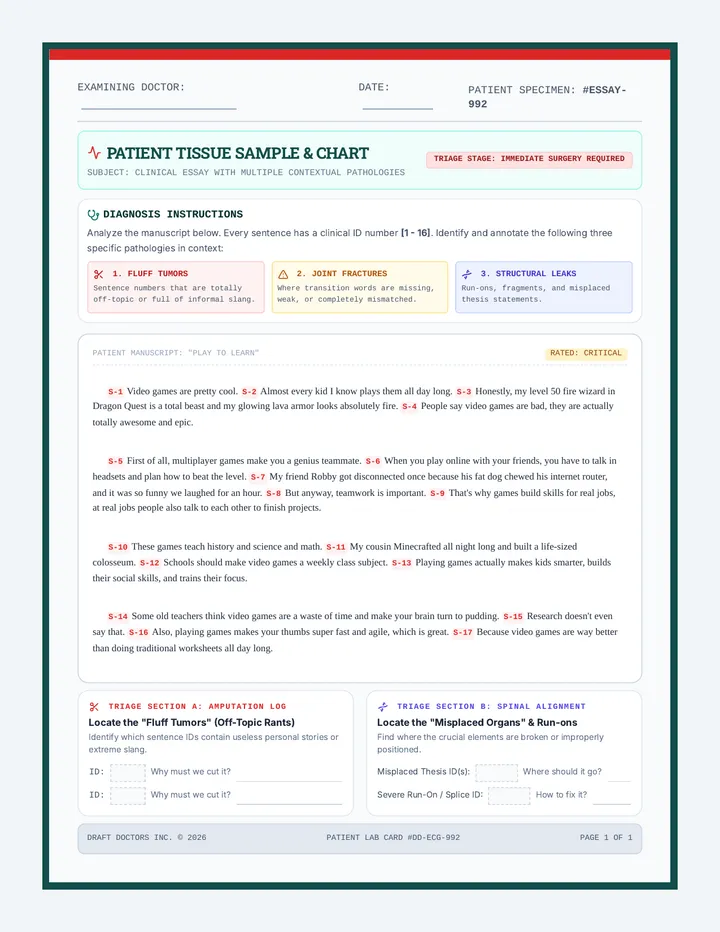
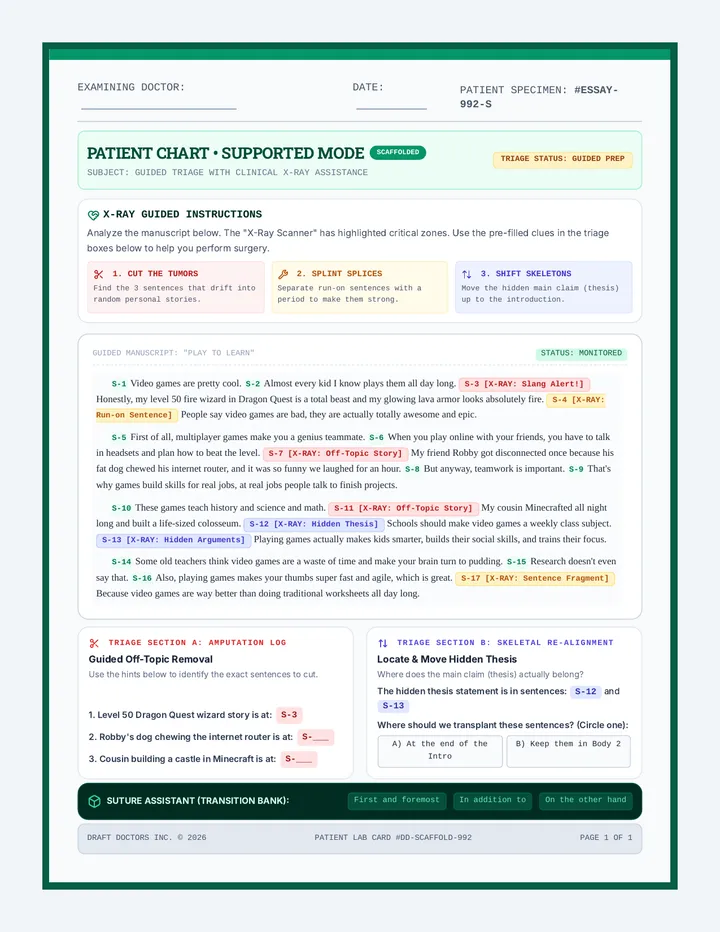
An immersive, medical-themed lesson where students act as 'Draft Doctors' to diagnose, triage, and perform surgery on a poorly organized, weak persuasive essay. Students learn paragraph structure, logical flow, and transition-building through a structured, clinical approach.