A comprehensive ELA lesson for grades 4-6 focused on identifying and mapping narrative arcs. Students use exploratory metaphors to navigate plot structures, climax, and resolution.
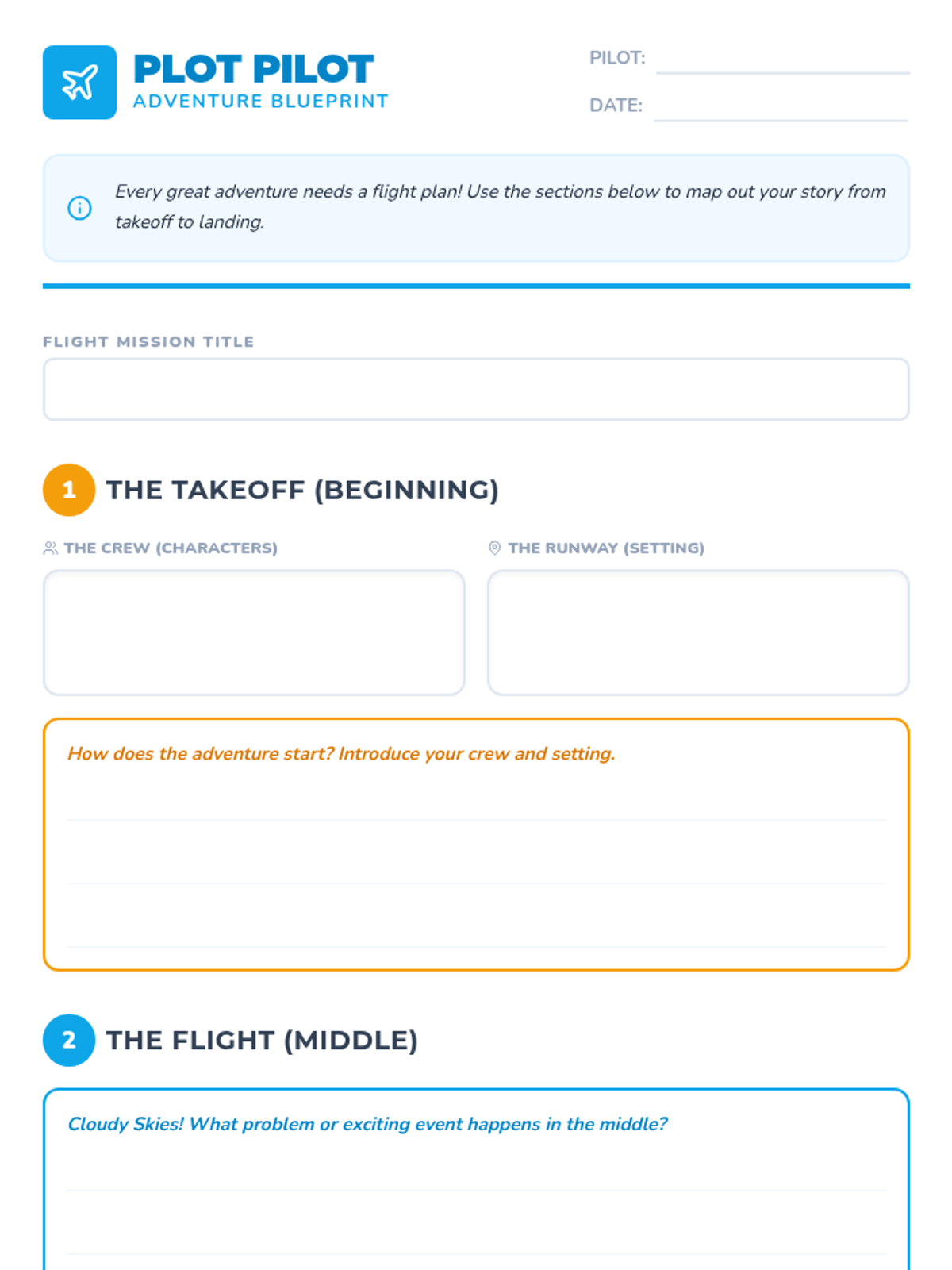
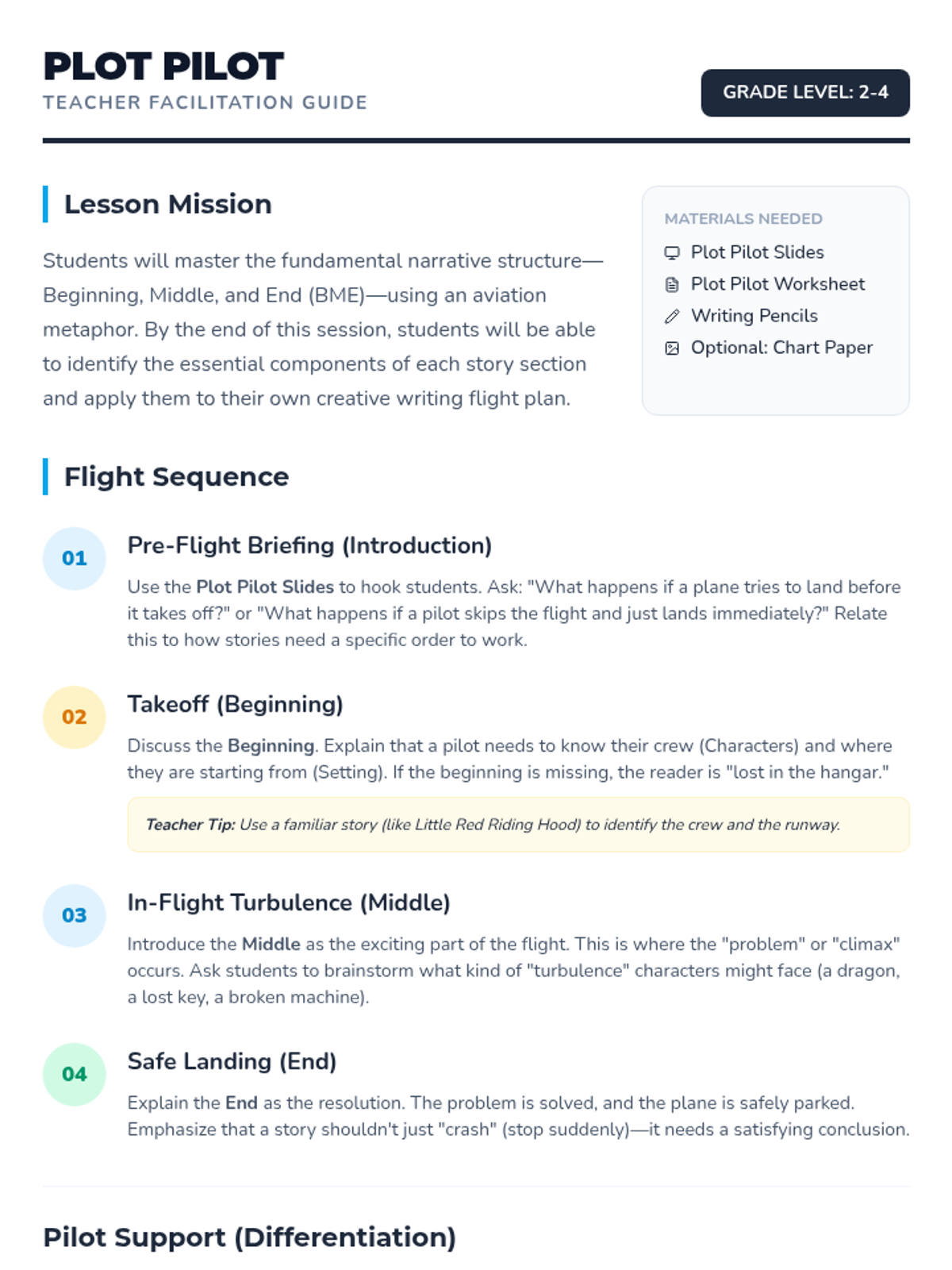
A creative lesson focused on teaching students how to structure a narrative using the Beginning, Middle, and End (BME) framework through an aviation-themed 'Plot Pilot' concept.
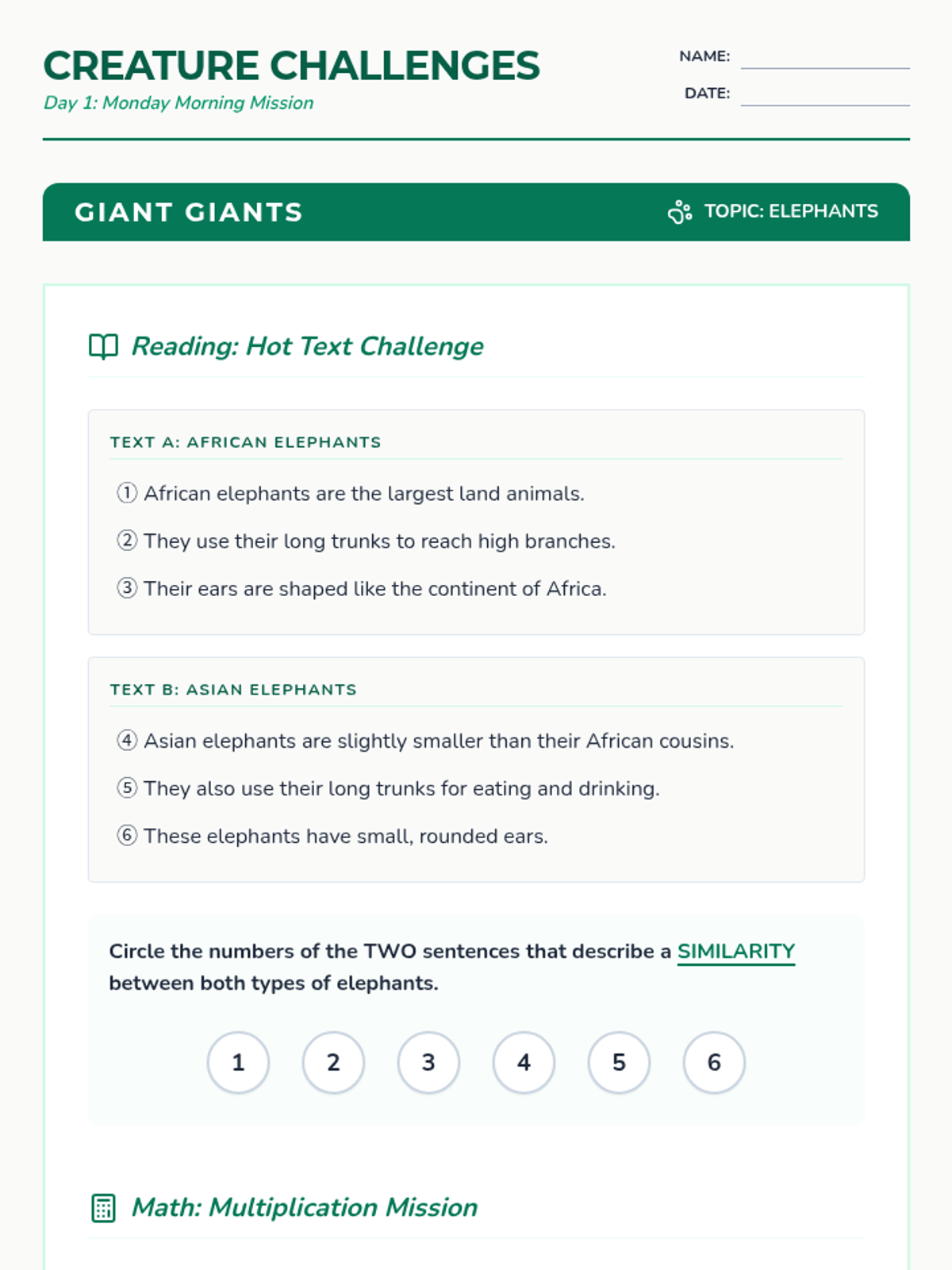
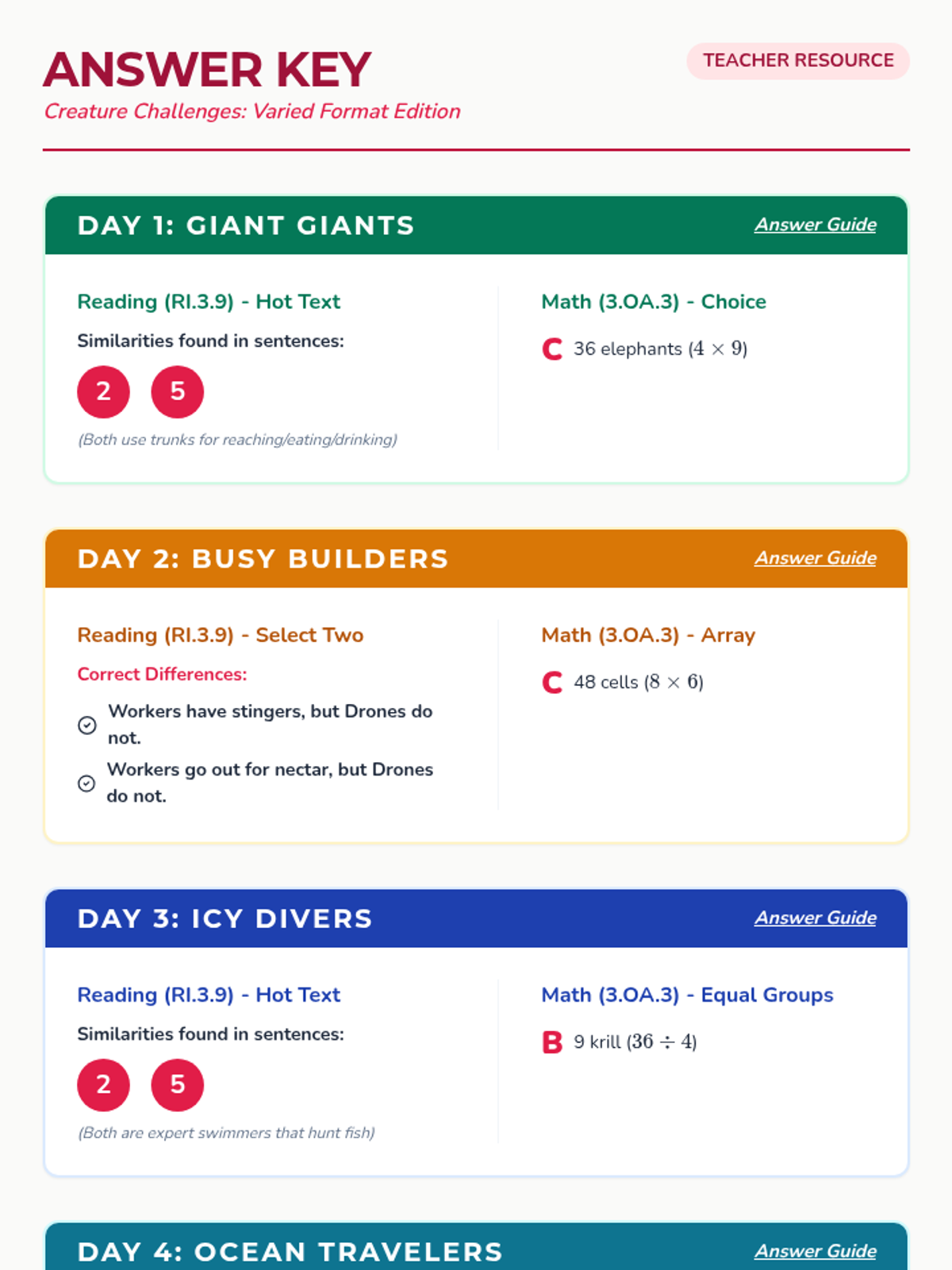
A 4-day morning work series focusing on multiplication/division word problems and comparing/contrasting informational texts about animals.
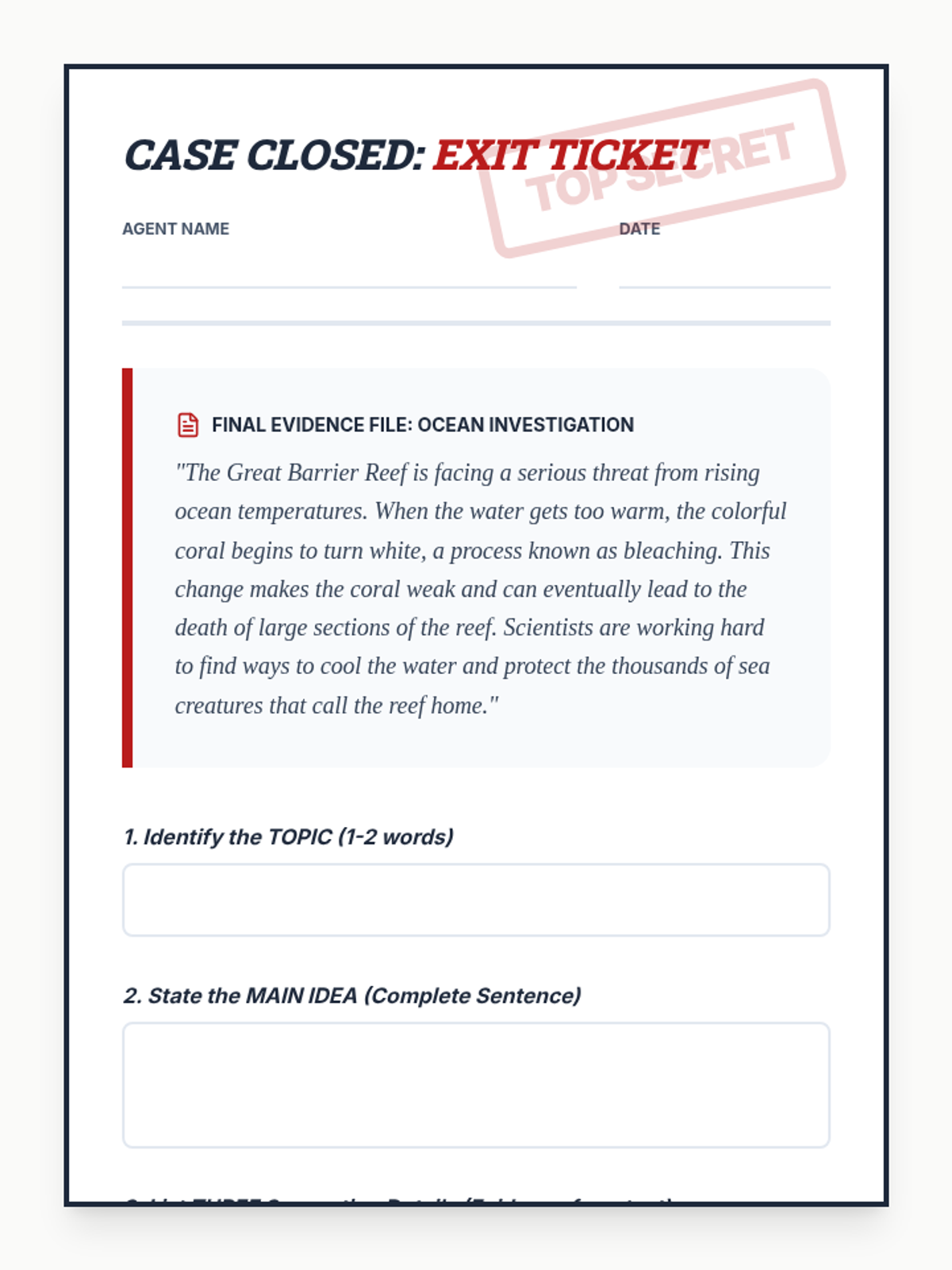
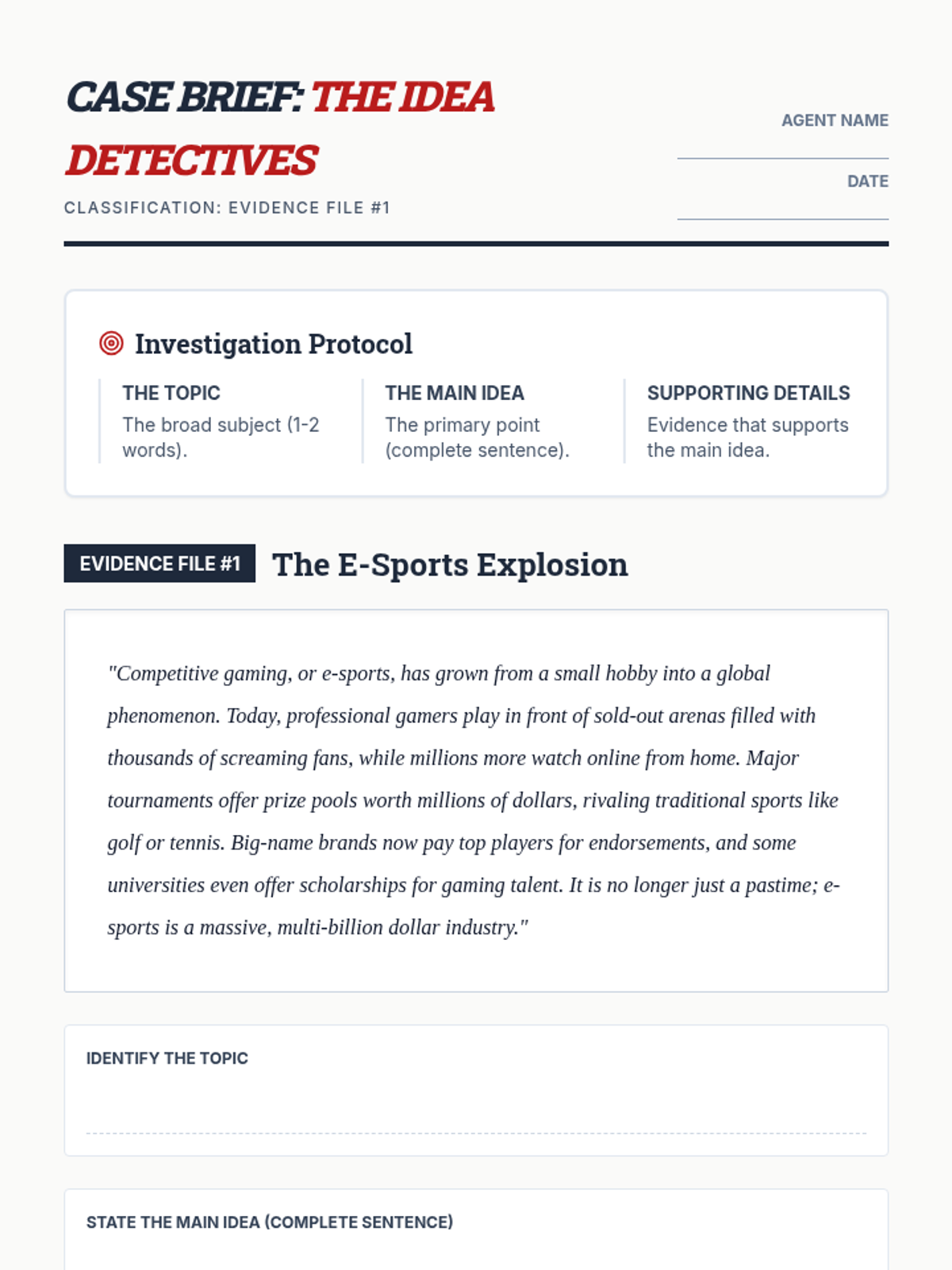
A focused lesson on identifying the topic, main idea, and supporting details in short informational texts, designed for 6th-grade students.
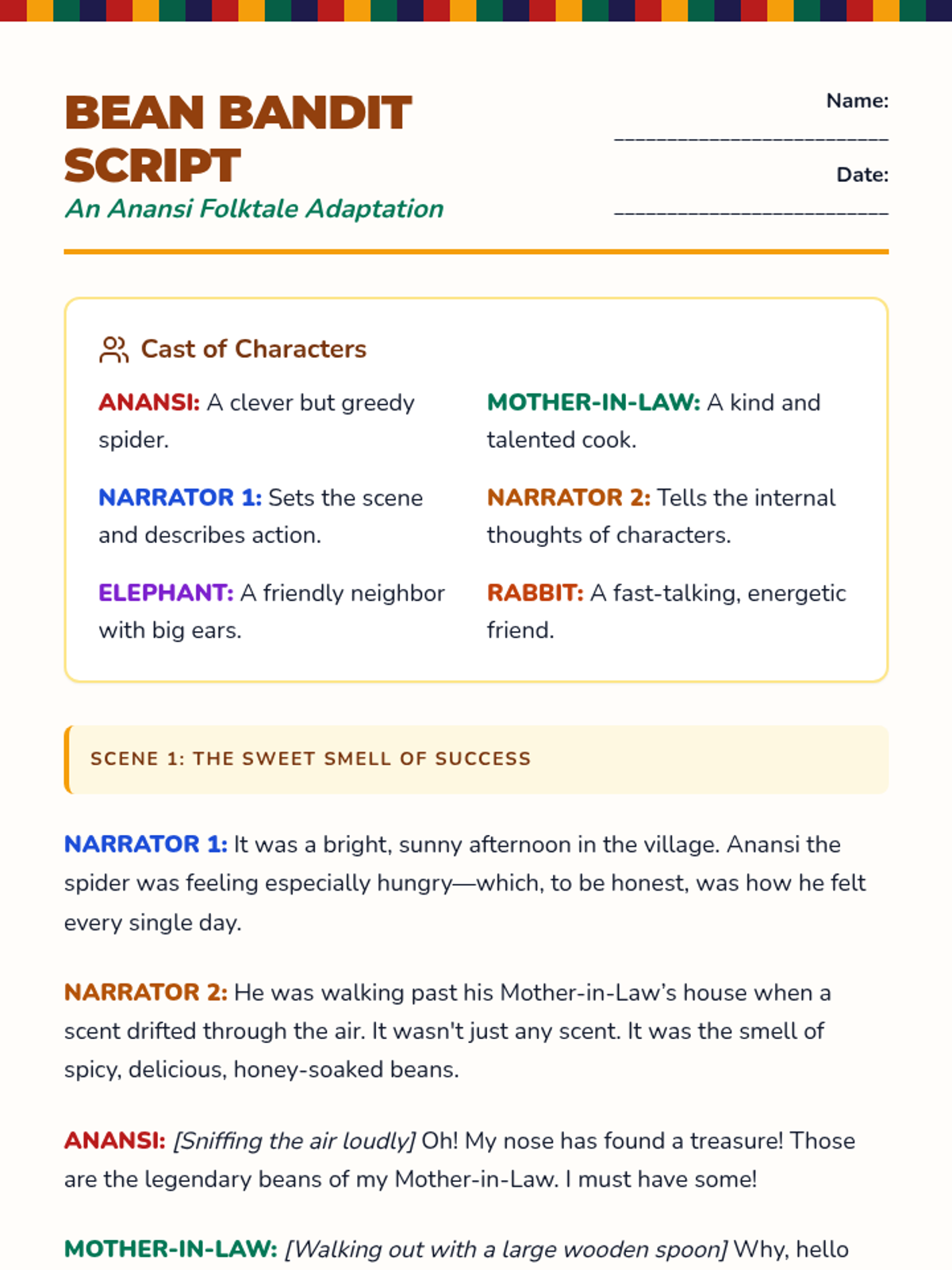
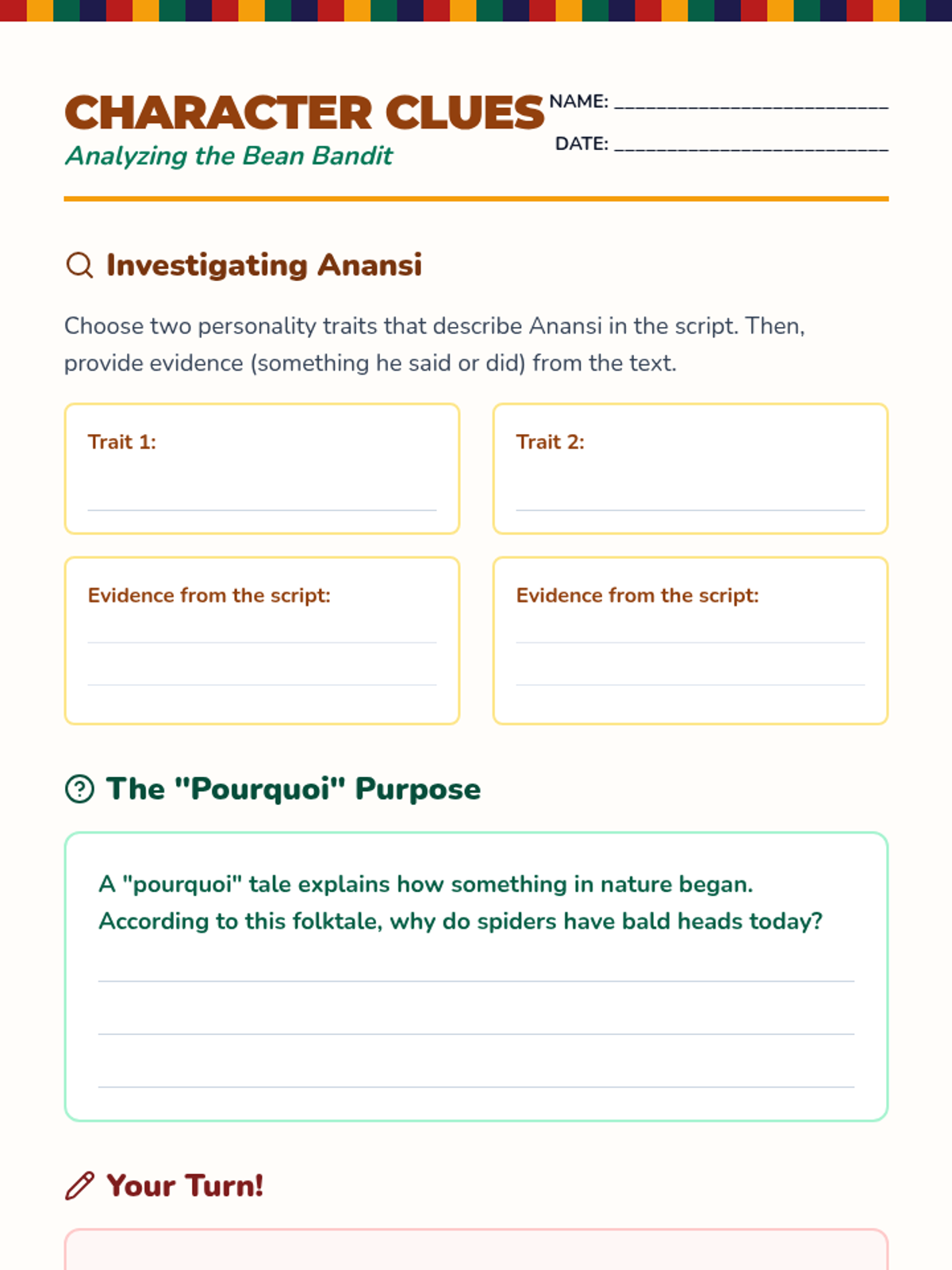
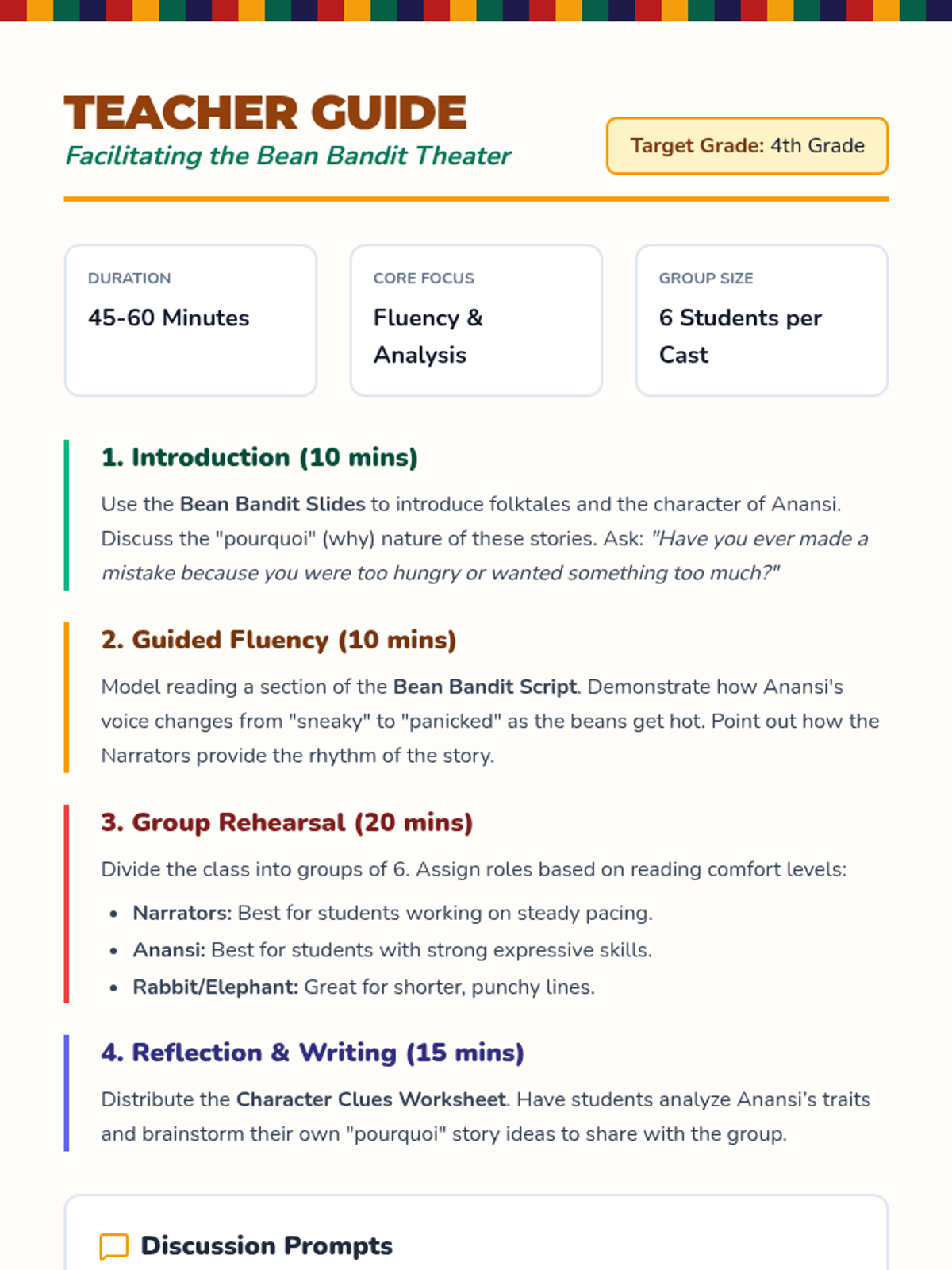
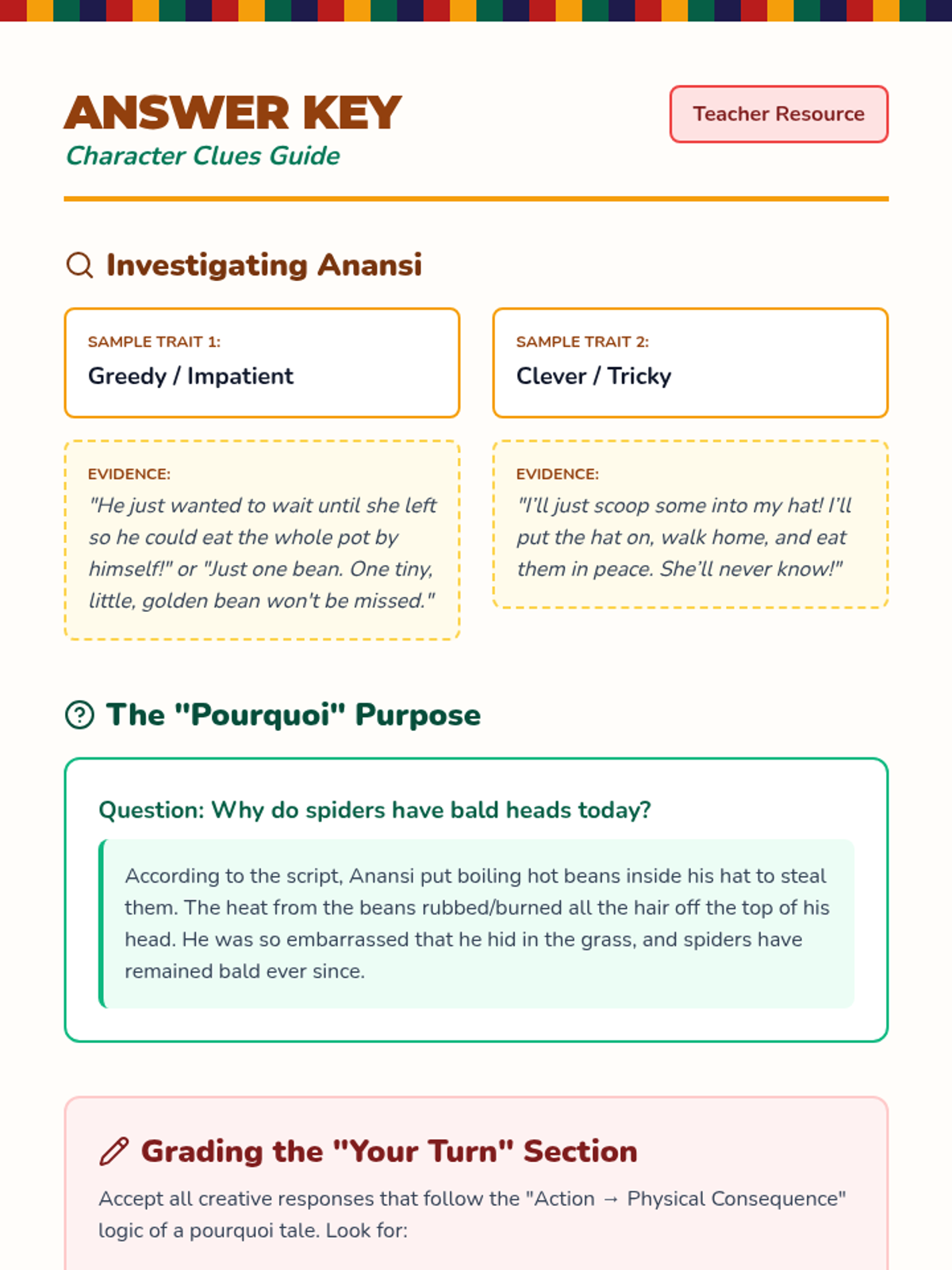
A Reader's Theater lesson based on the West African folktale of Anansi and the Pot of Beans, focusing on character expression, fluency, and the 'why' behind folktale origins.
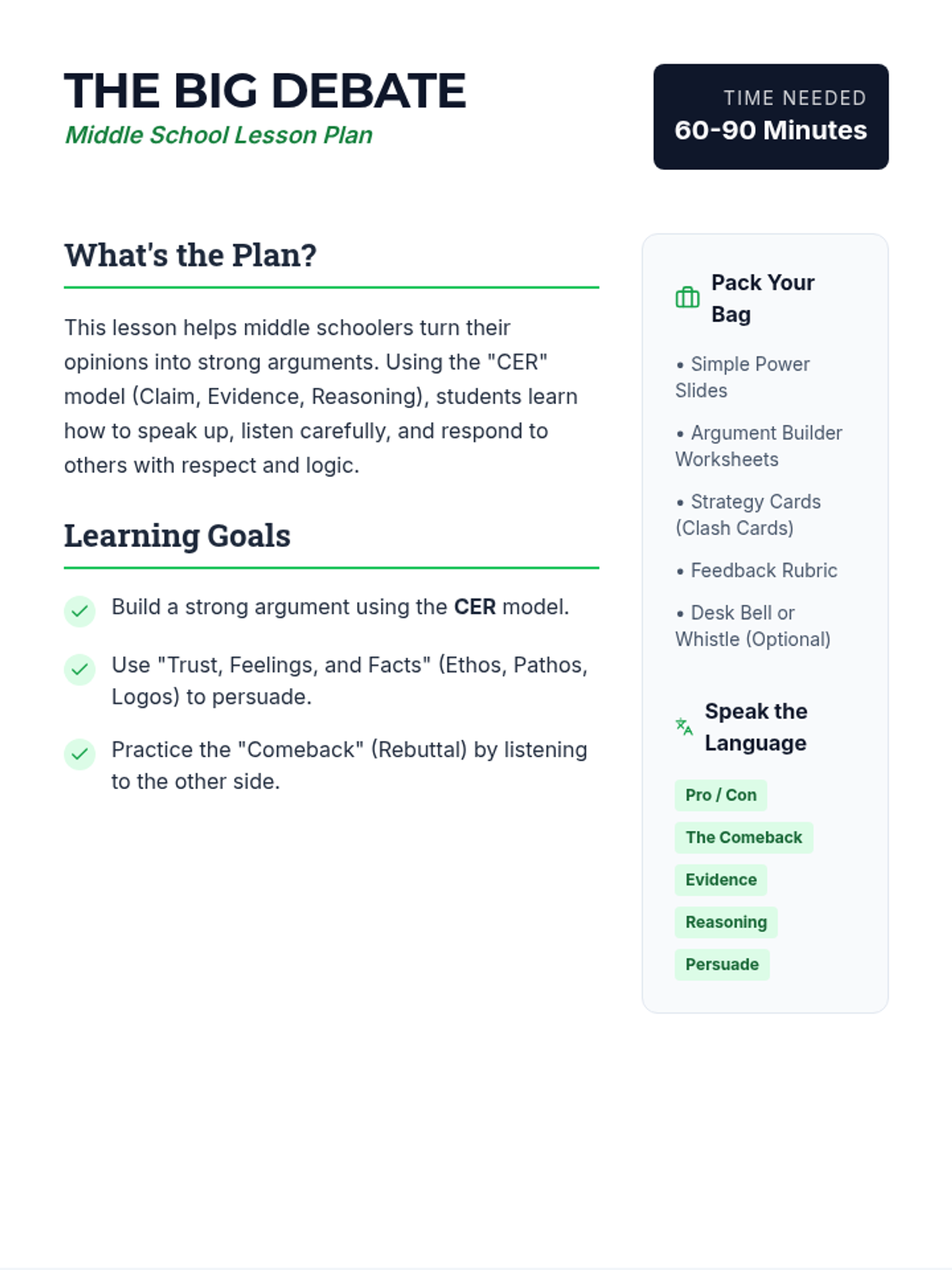
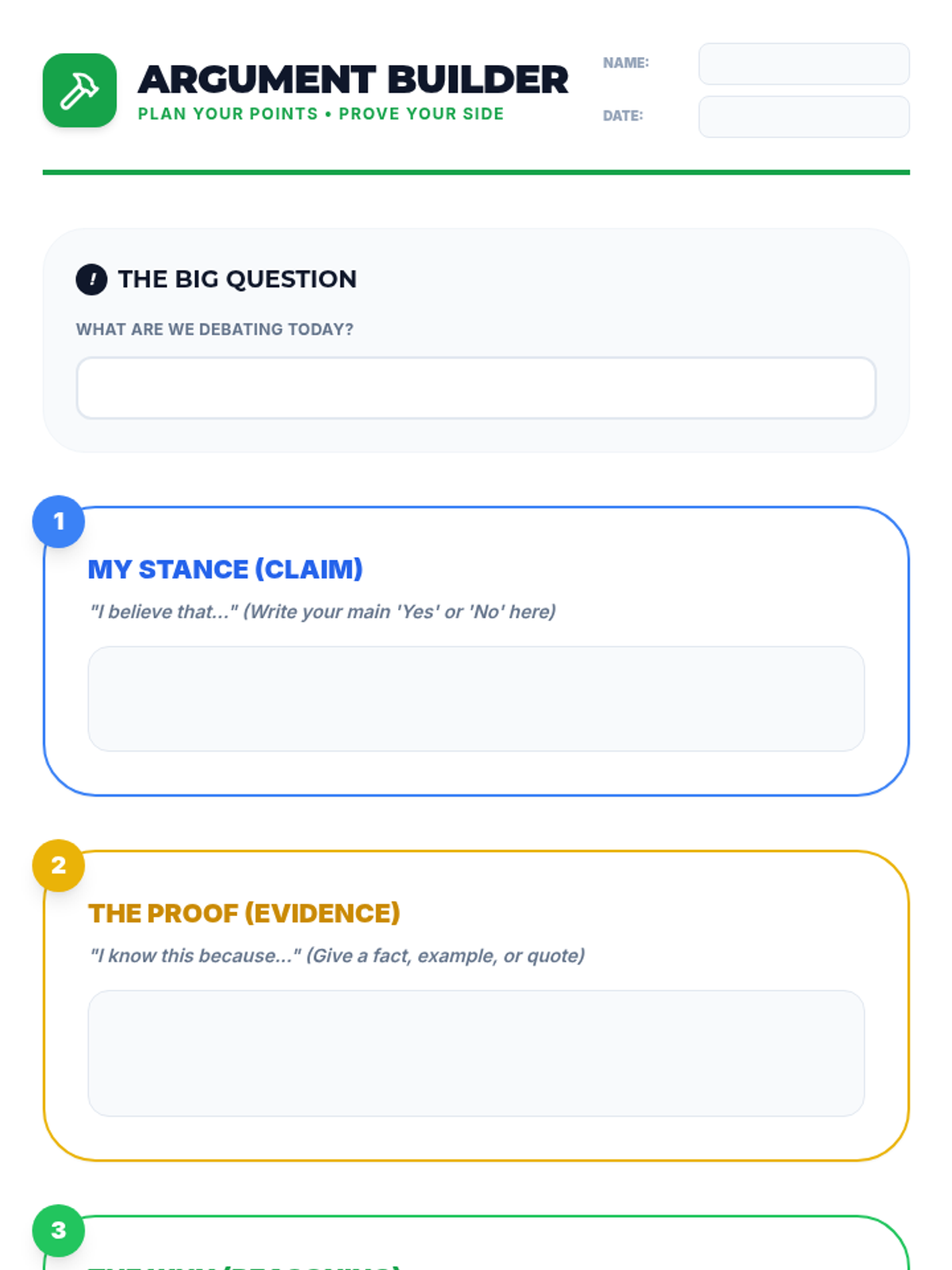
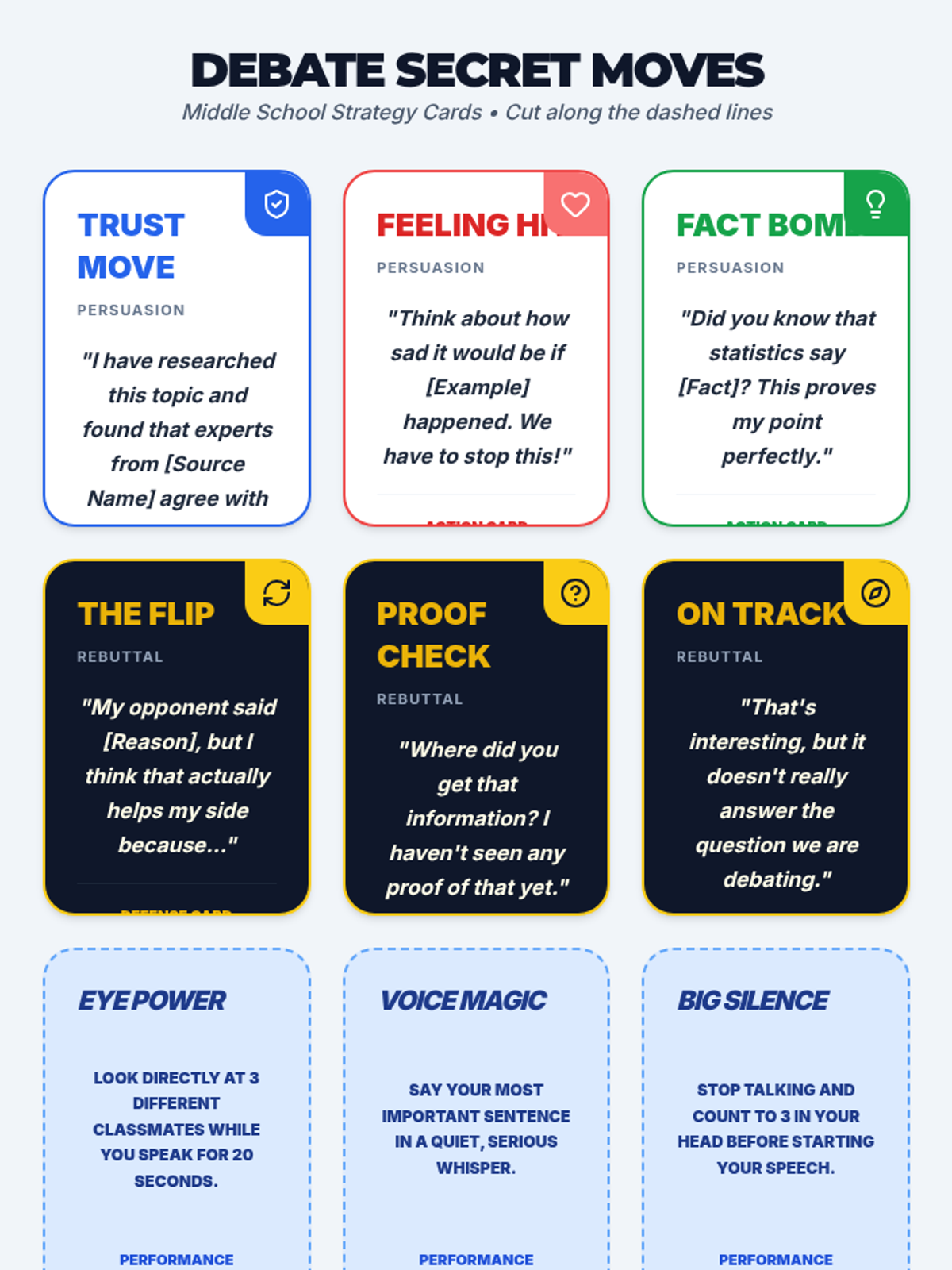
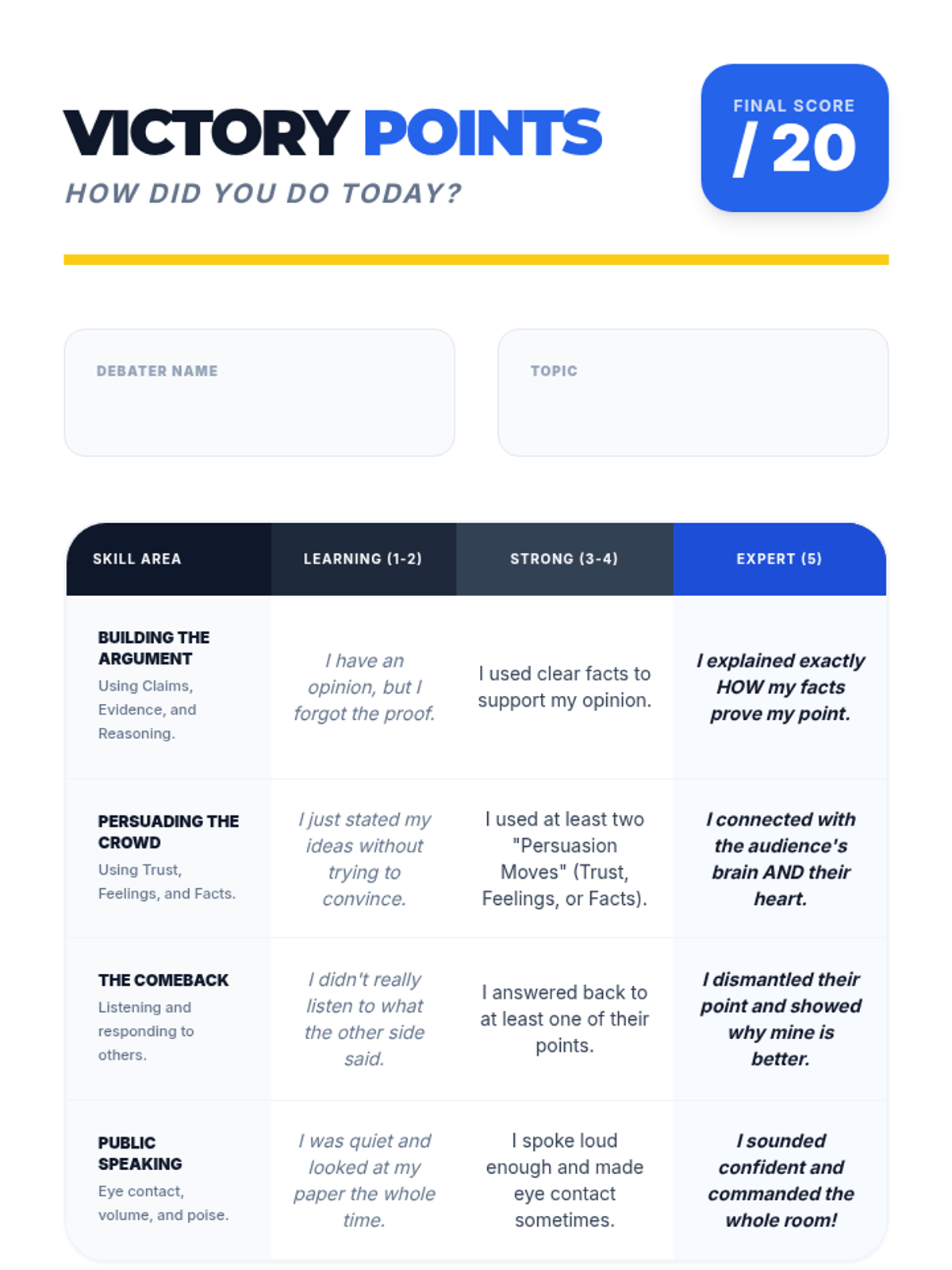
A comprehensive guide to teaching structured debate, focusing on argument construction, rebuttal strategies, and persuasive delivery for middle and high school students.
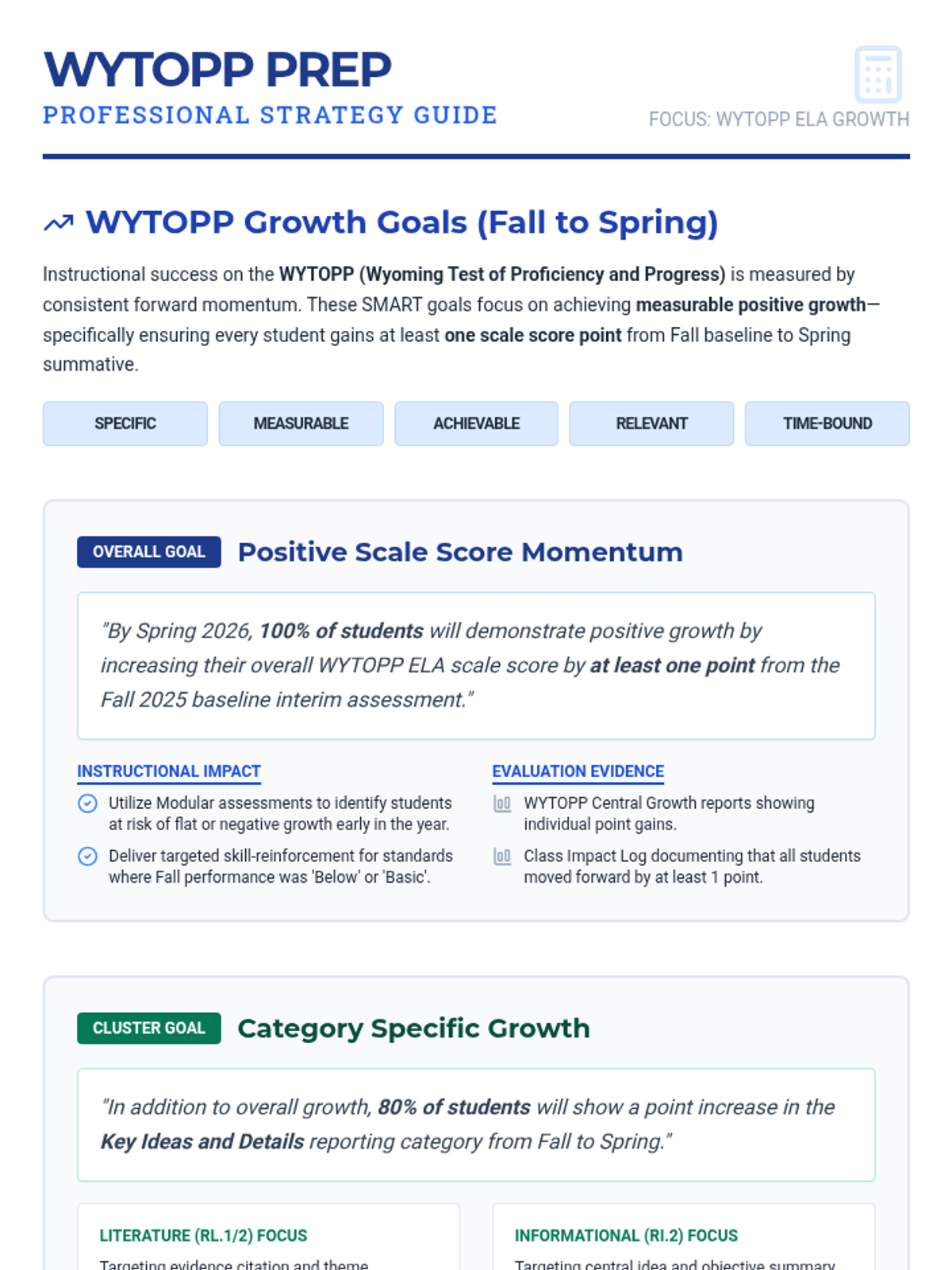
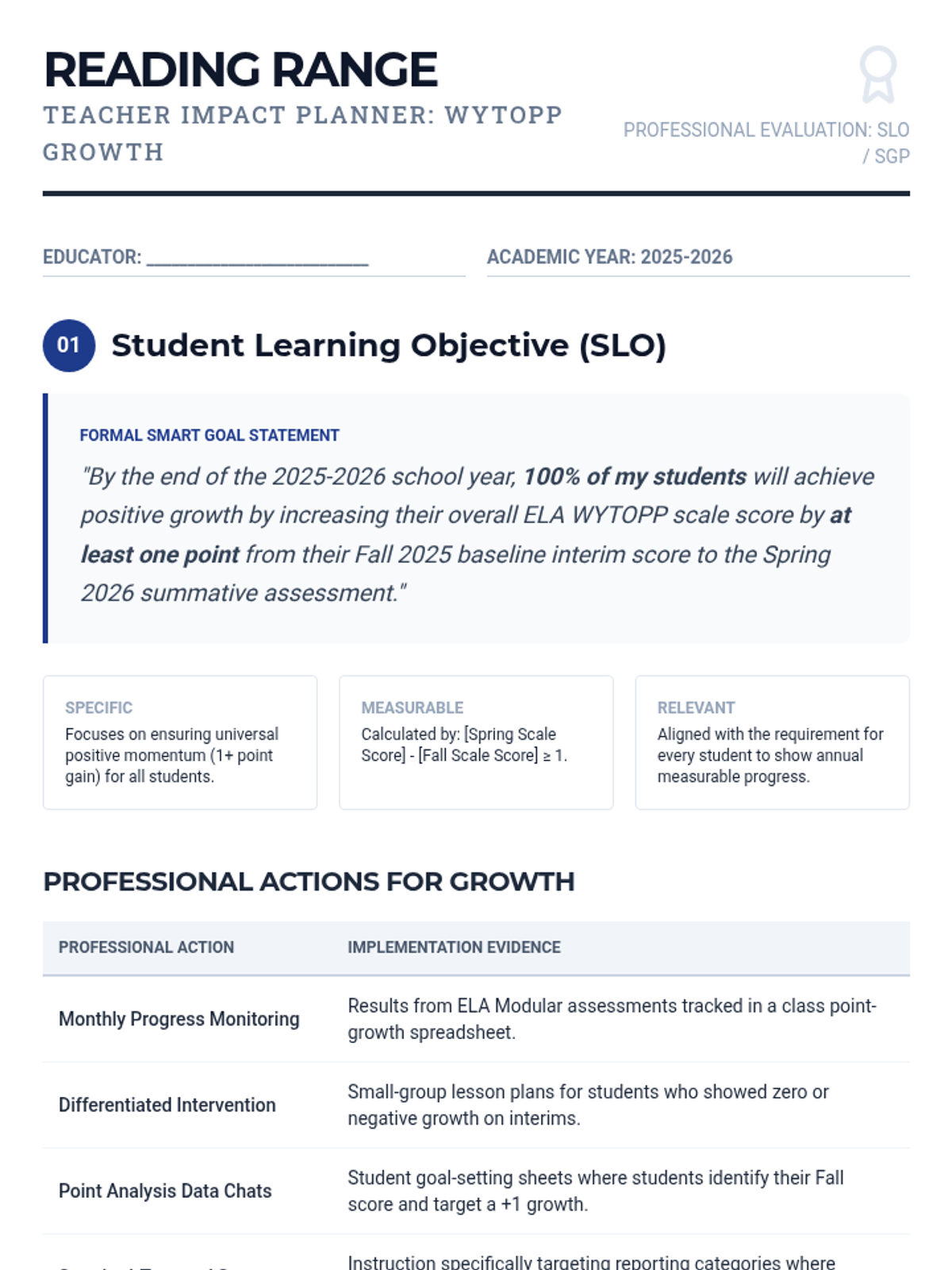
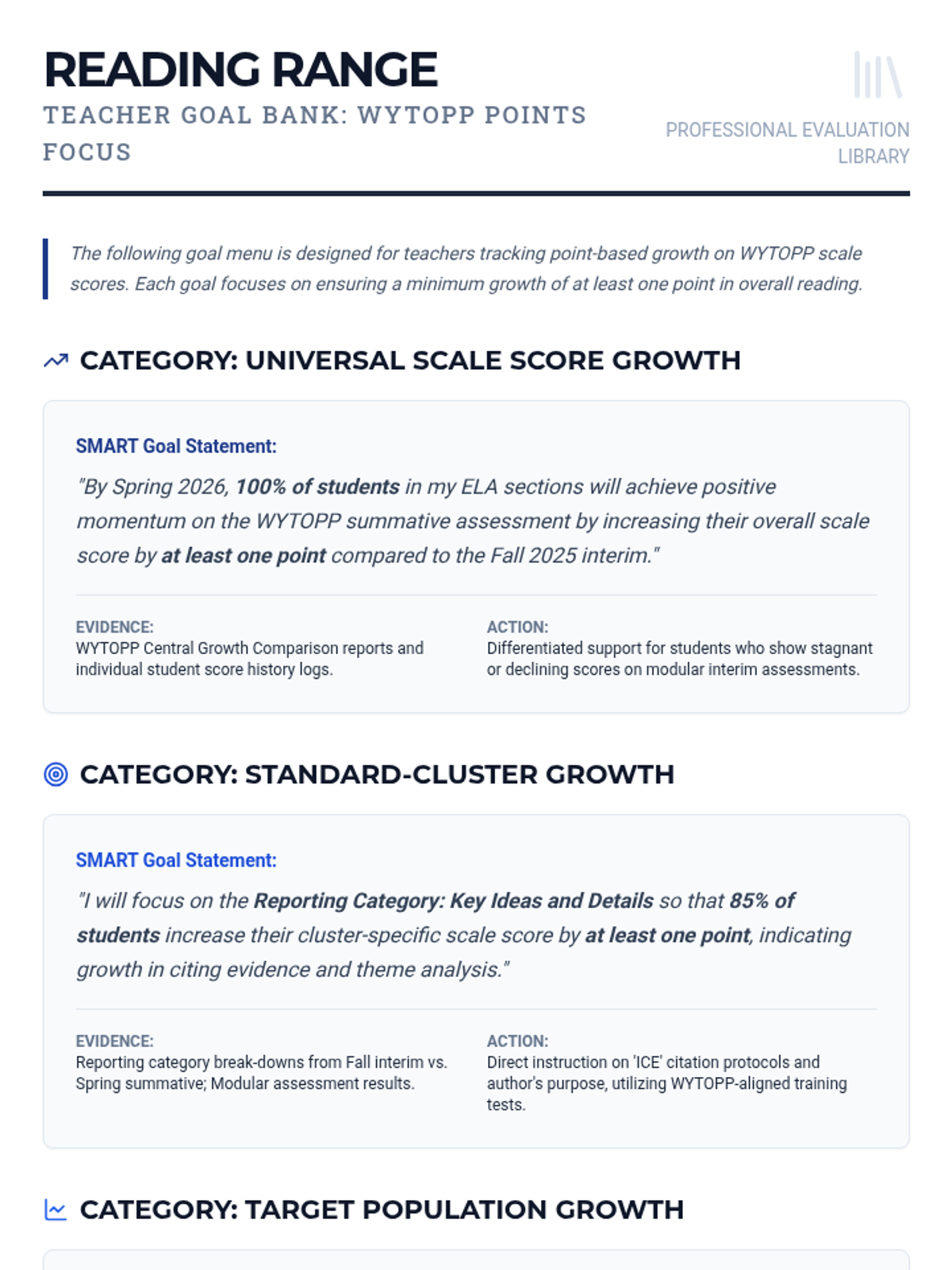
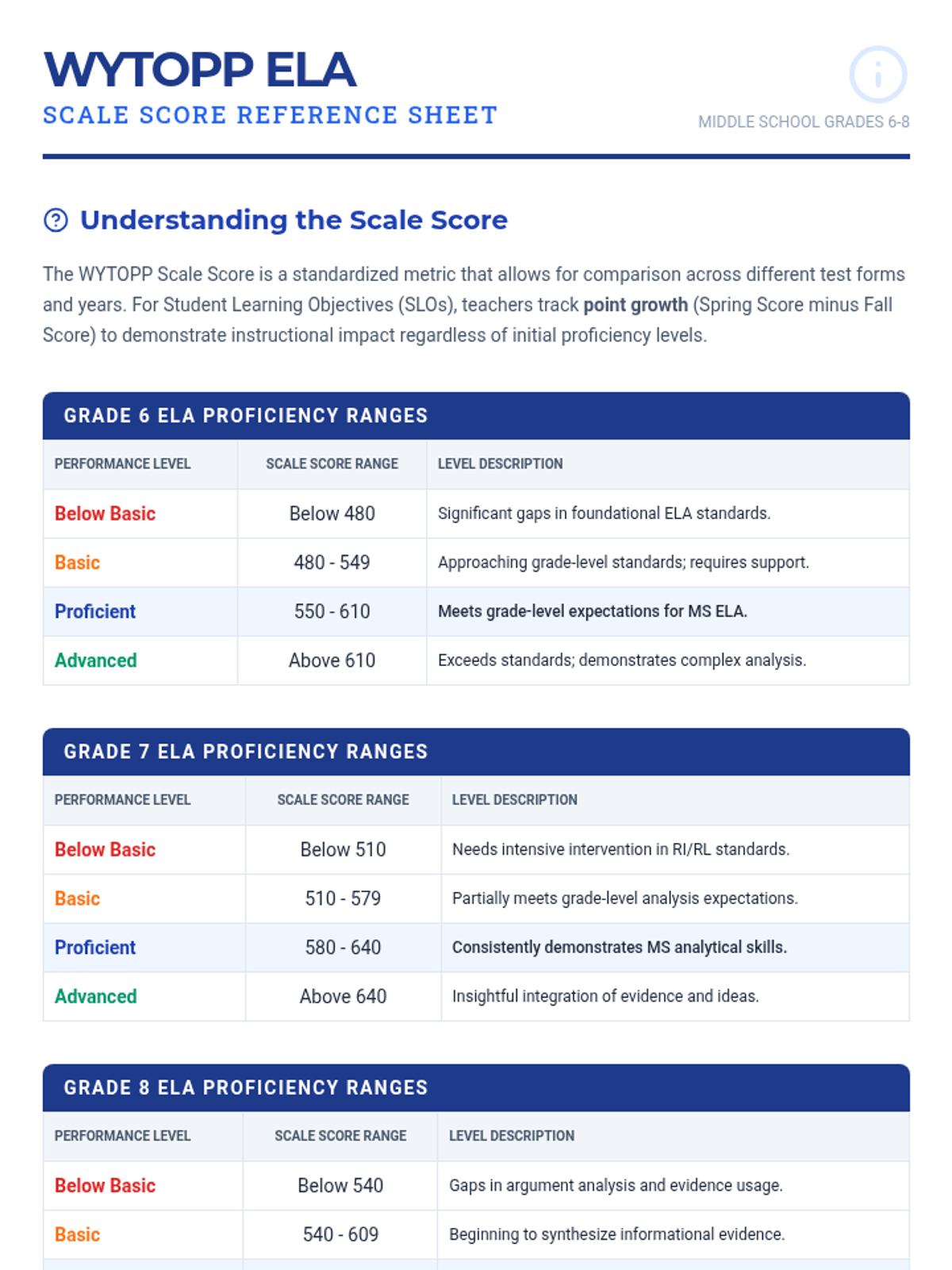
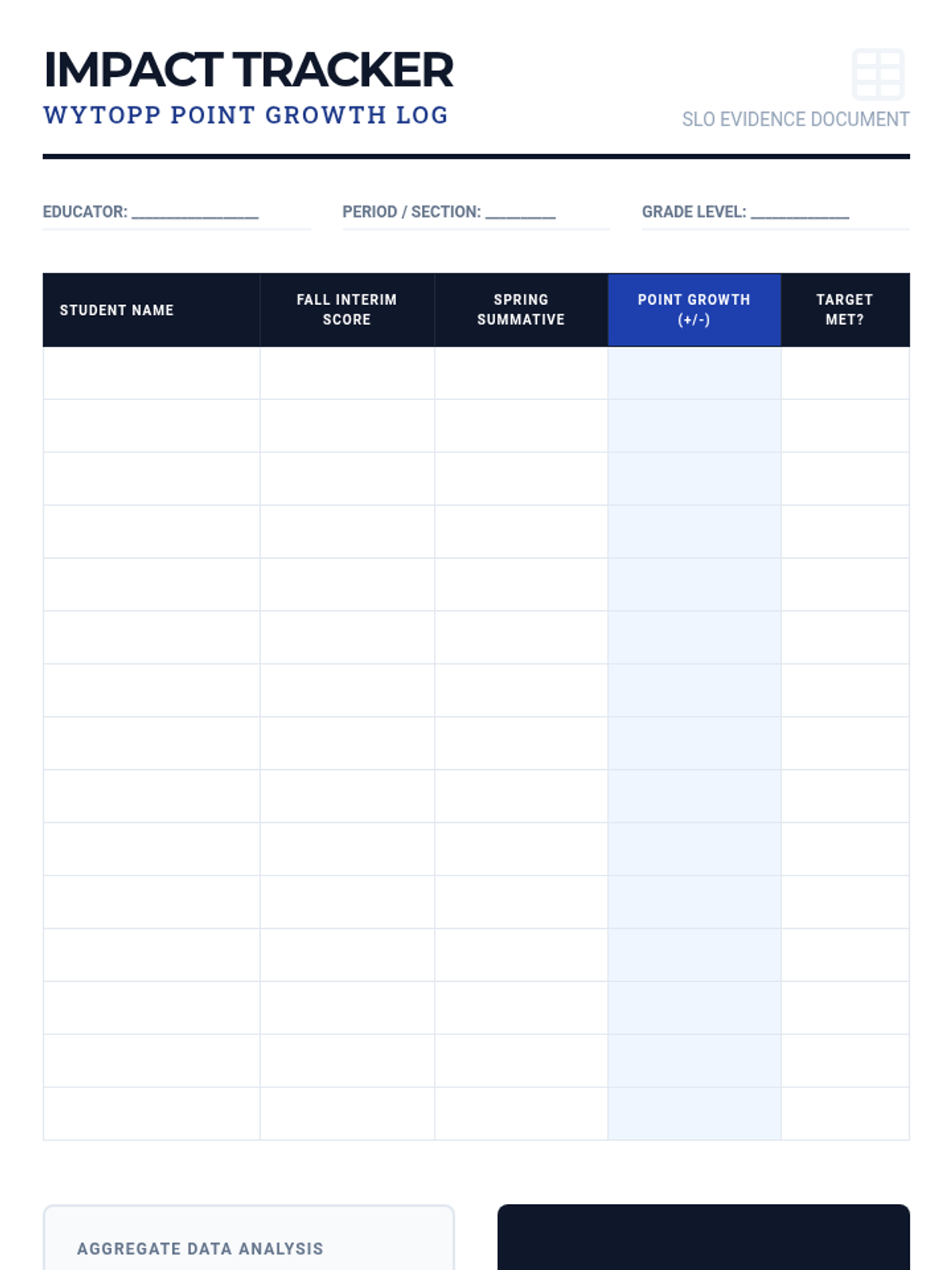
A specialized set of professional SMART goals and evaluative tools for middle school teachers focusing on Literature and Informational reading standards. Includes SLO planners, professional goal banks, and proficiency scales for data-driven instruction.
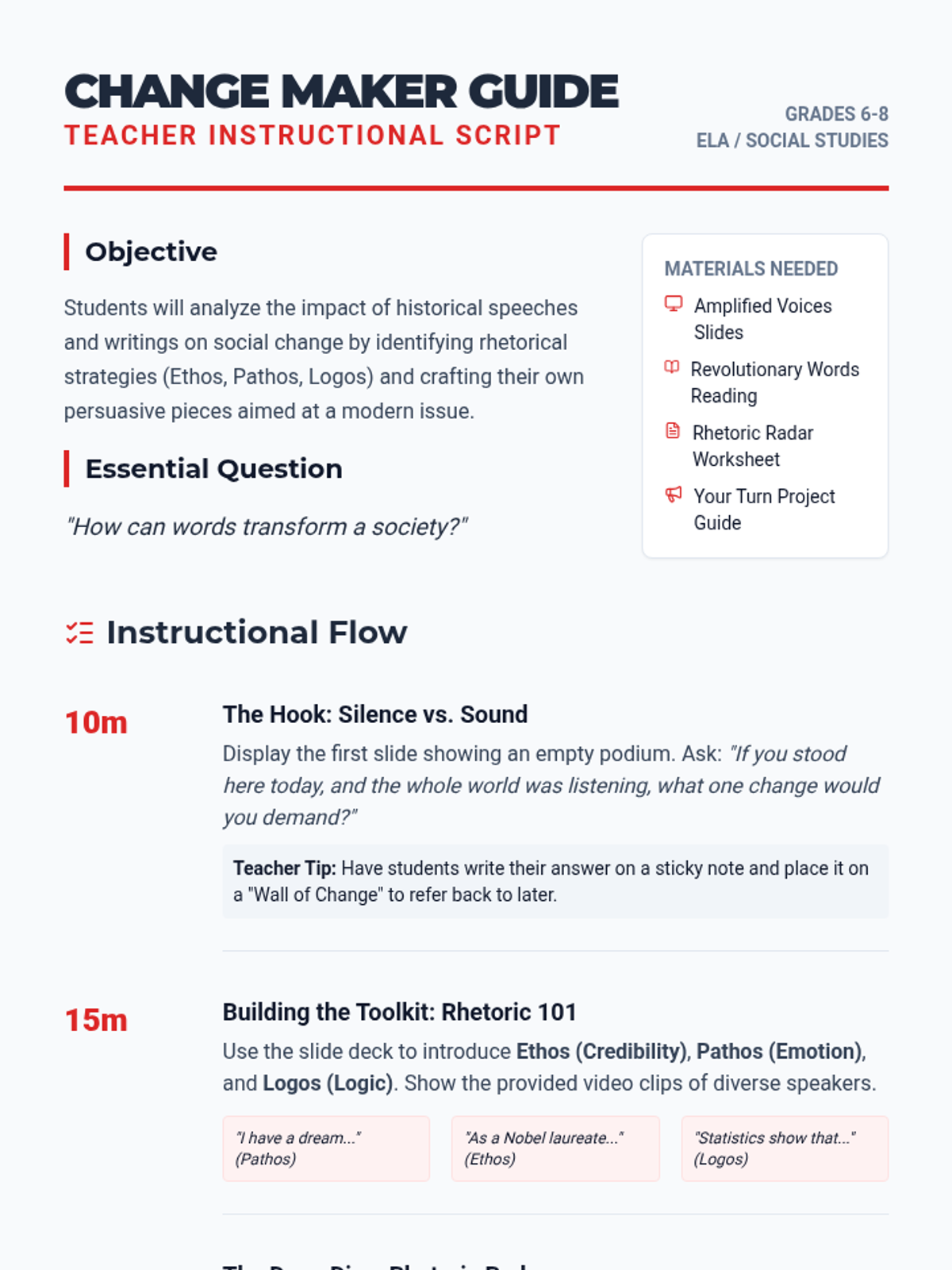
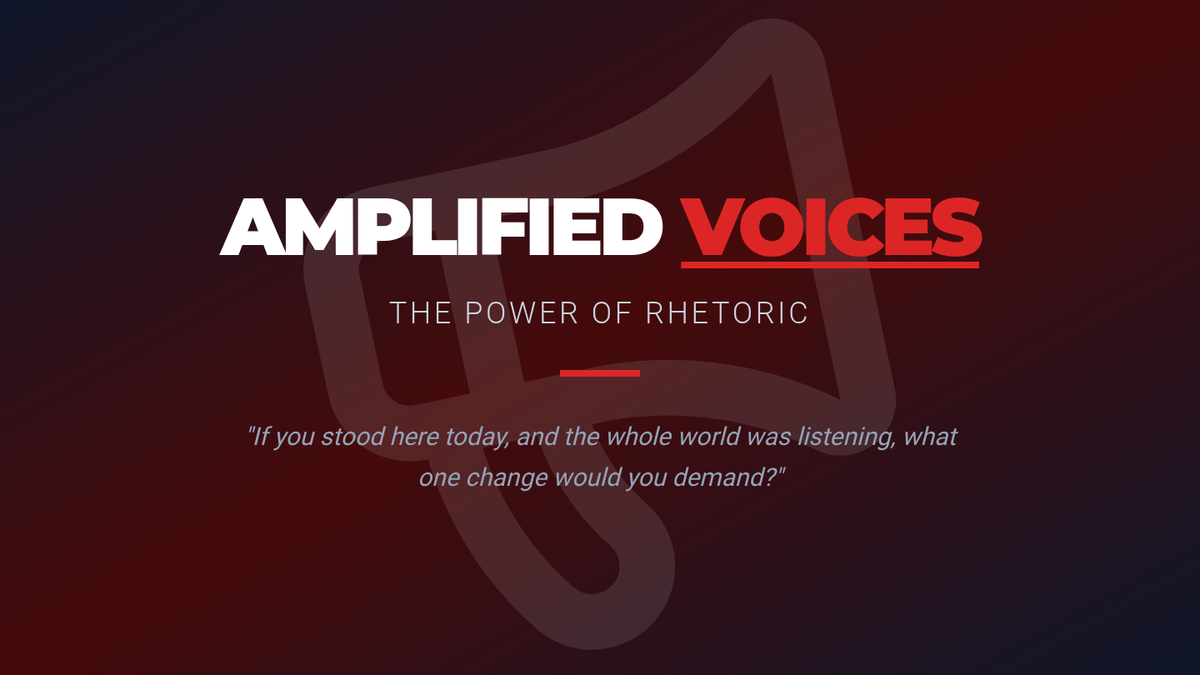
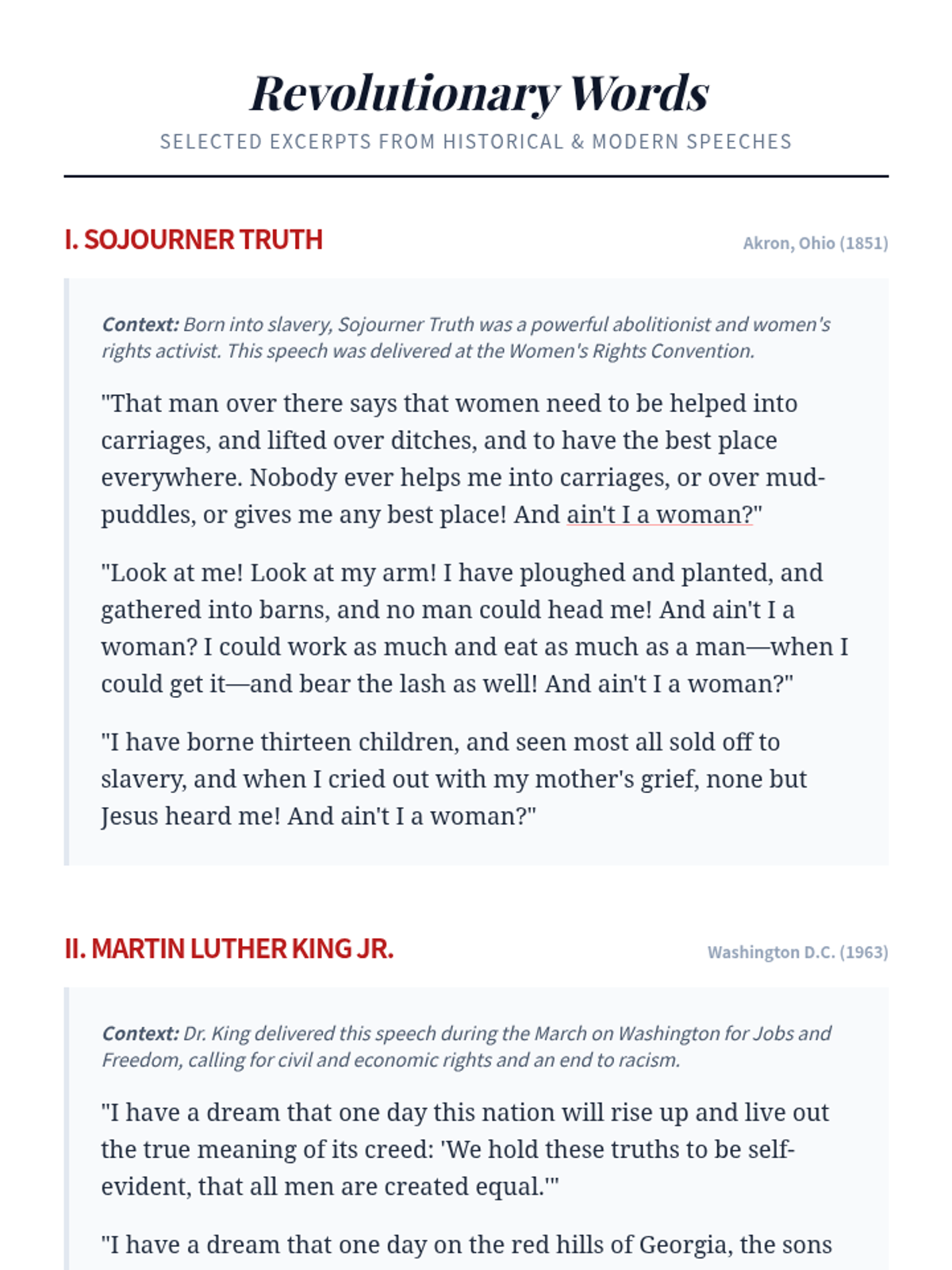
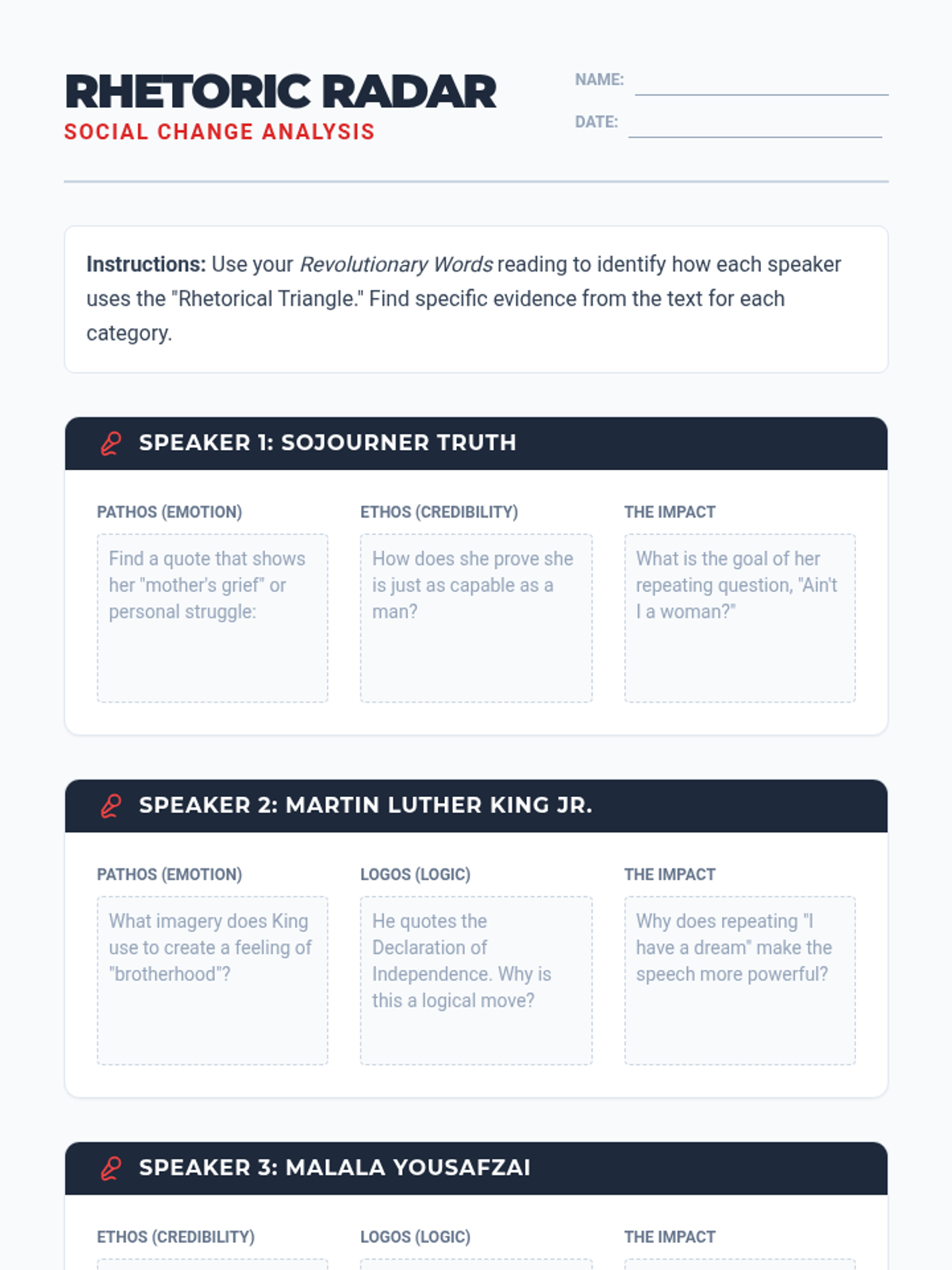
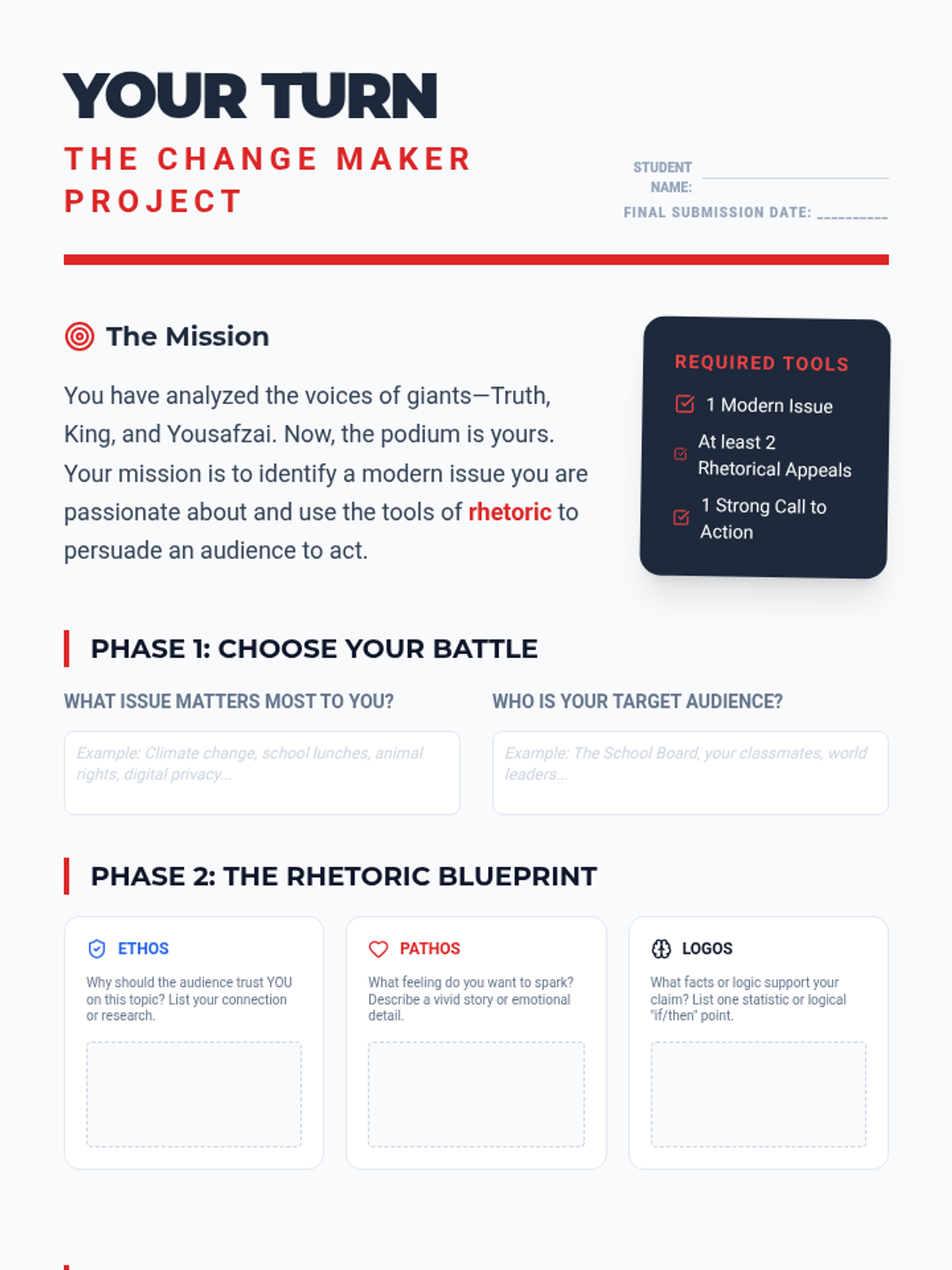
In this lesson, middle school students explore the power of rhetoric through the speeches and writings of historical and modern change makers. They analyze how language can spark social change and apply these strategies to craft their own persuasive messages.
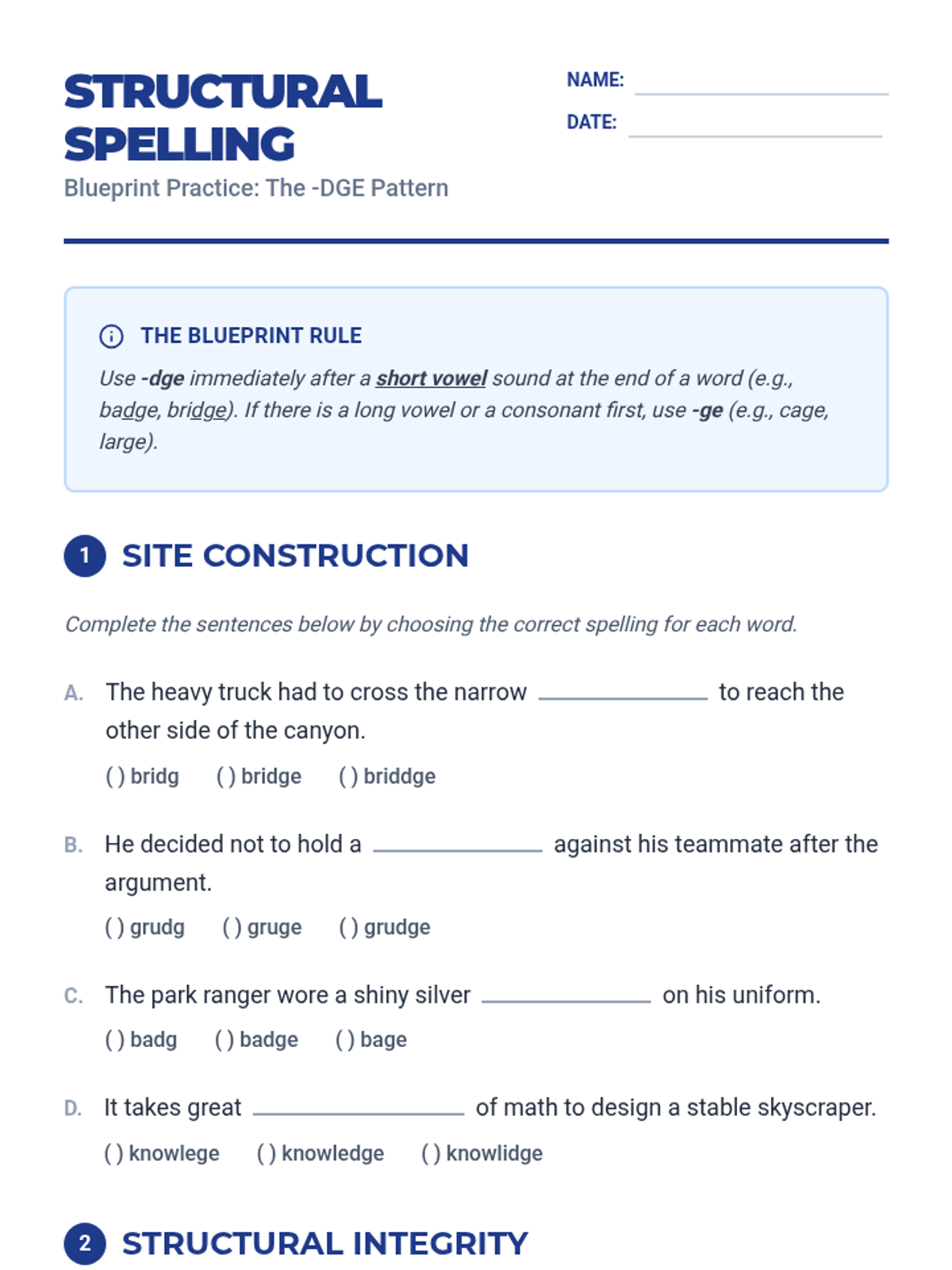
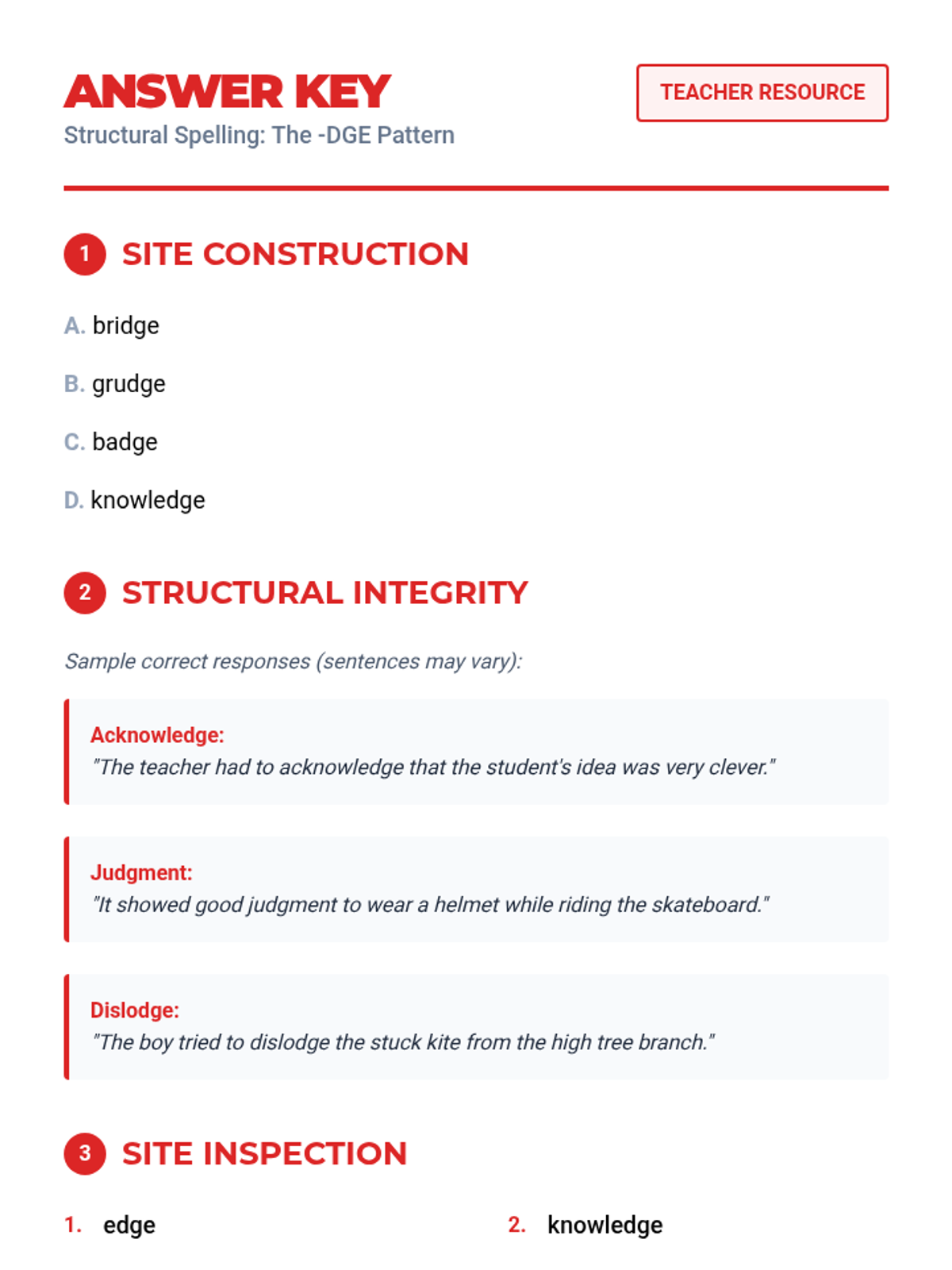
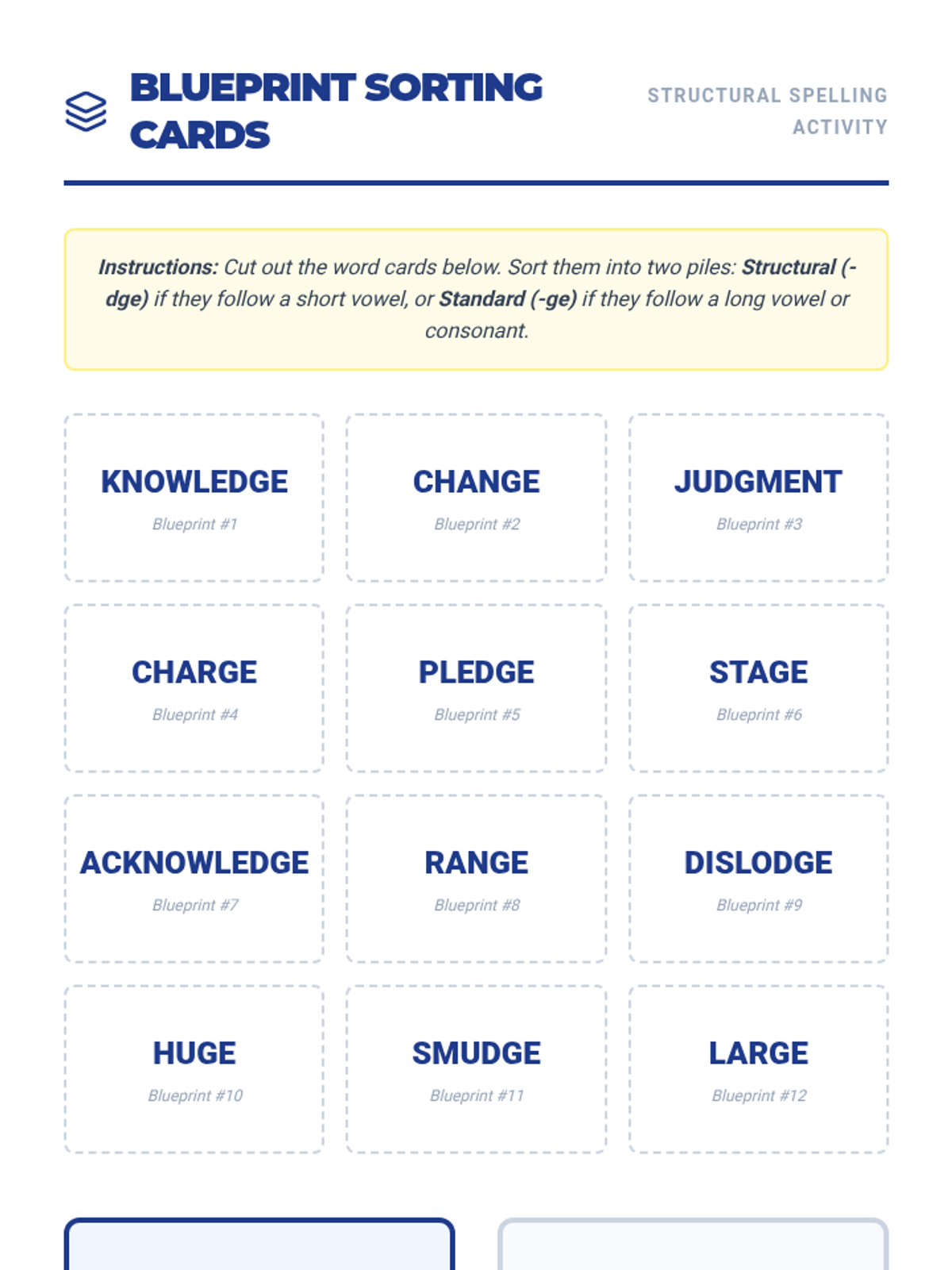
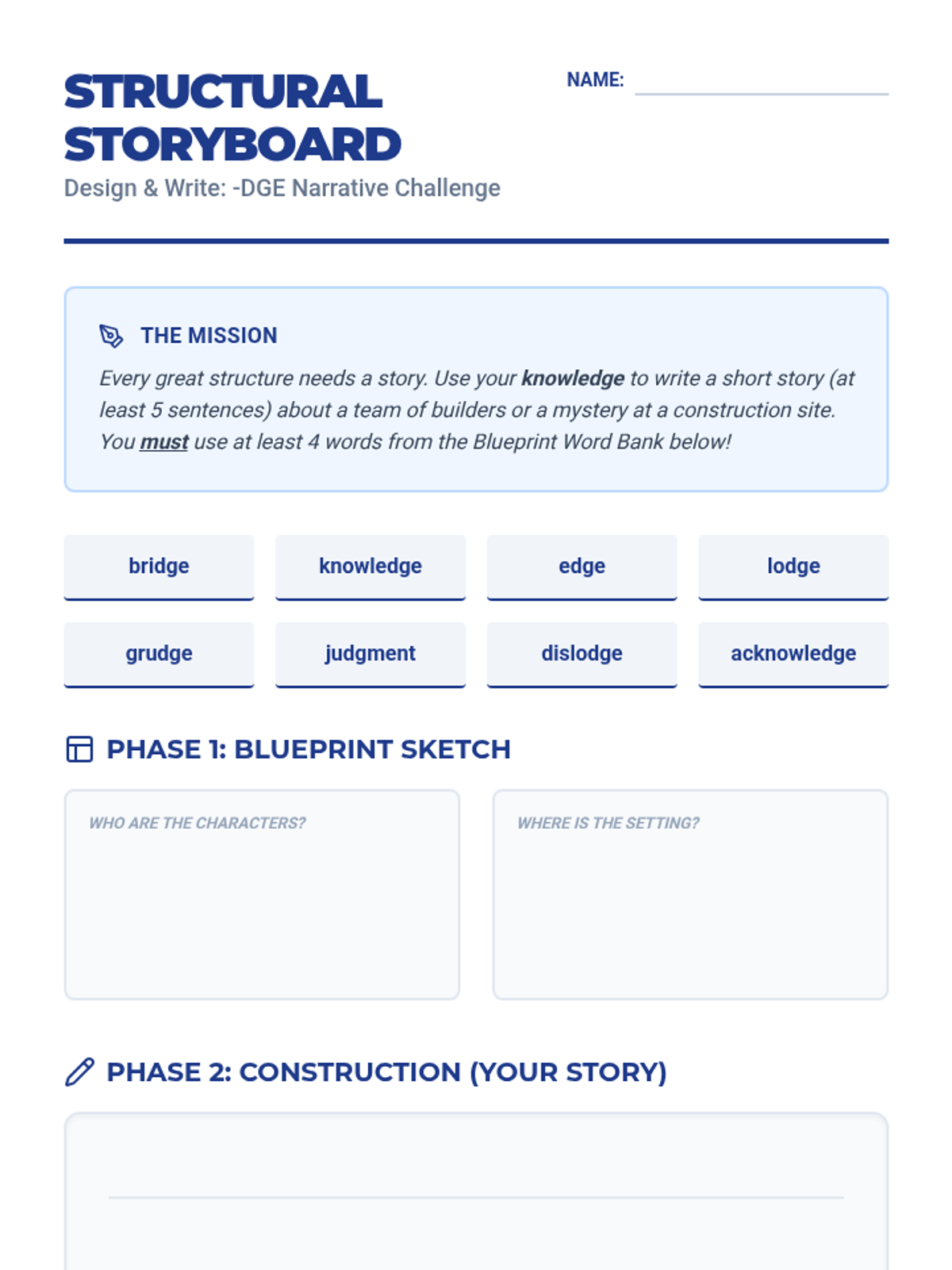
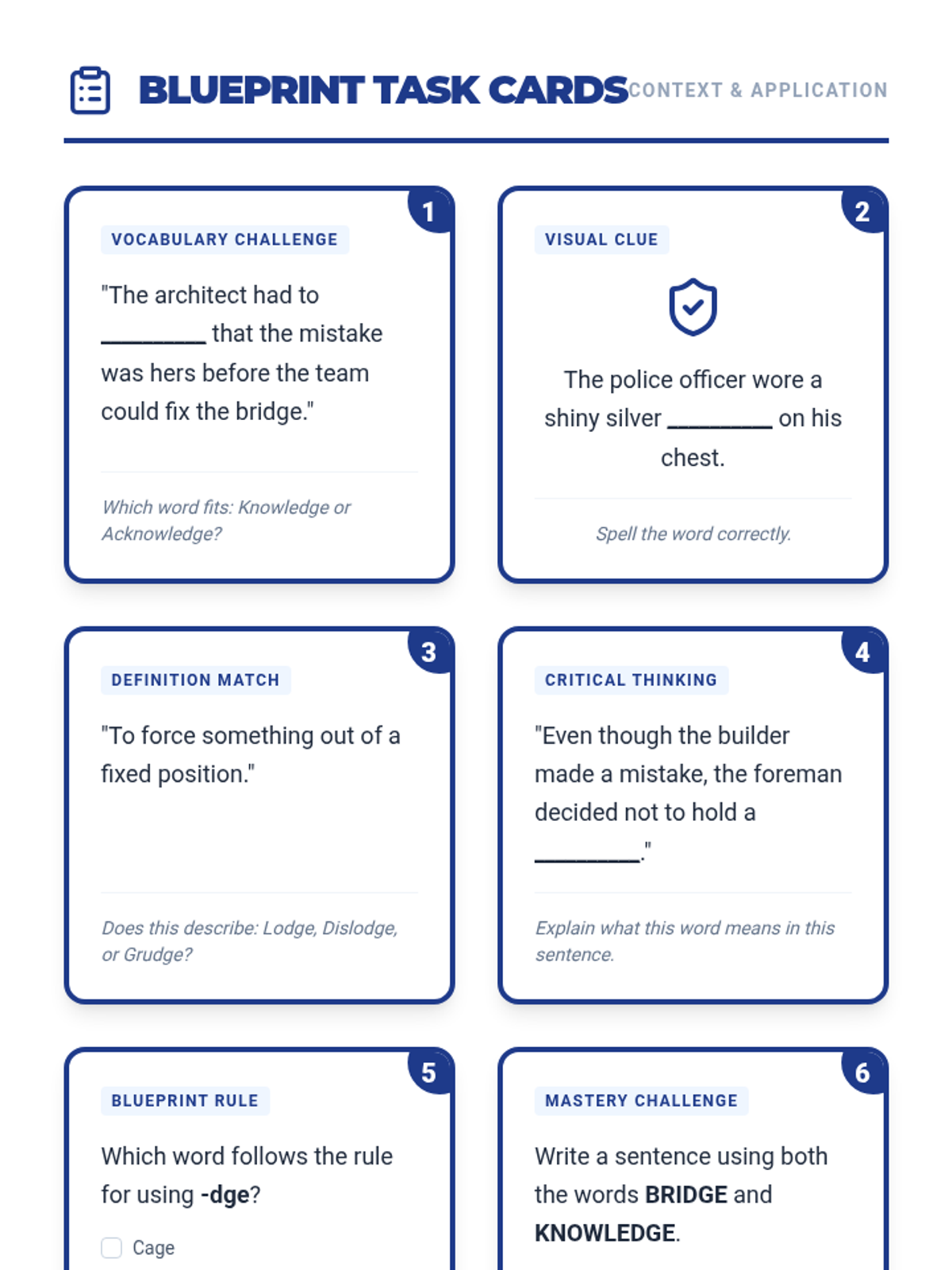
Students will master the -dge spelling pattern, learning when to use it (after short vowels) and applying these words in sophisticated sentences and short narratives. This lesson is designed for 6th-grade ESE students who need high-interest, age-appropriate content.
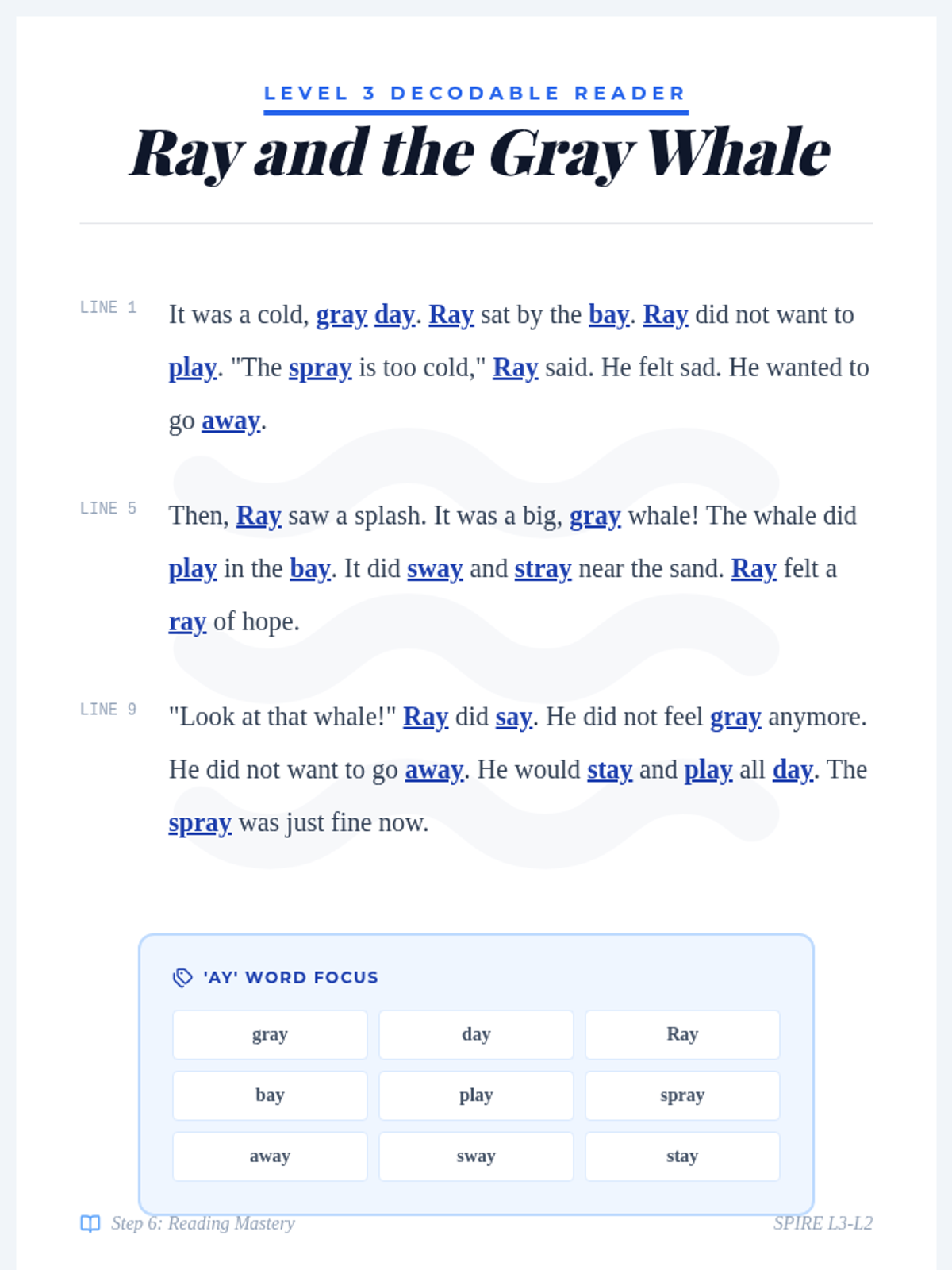
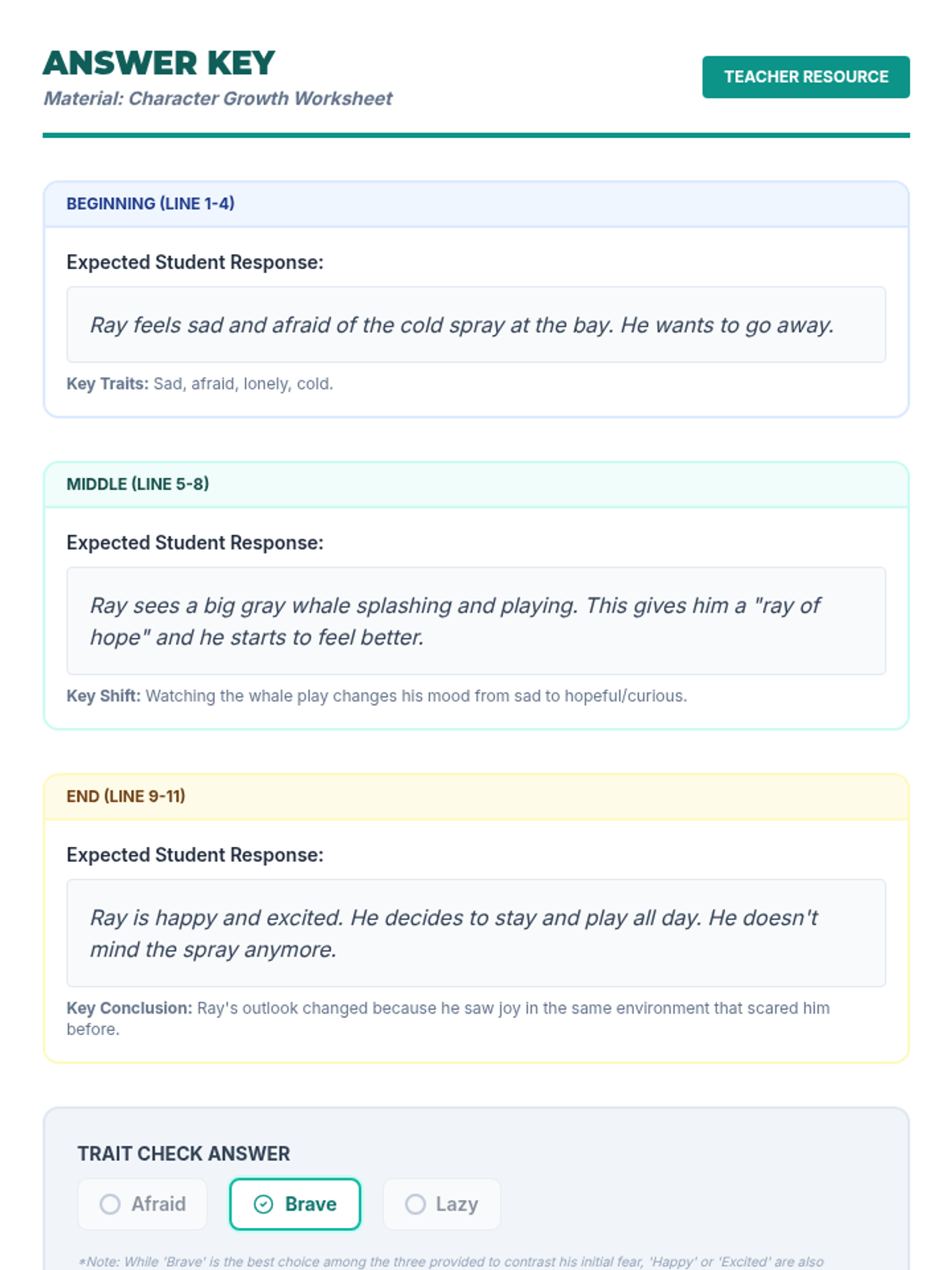
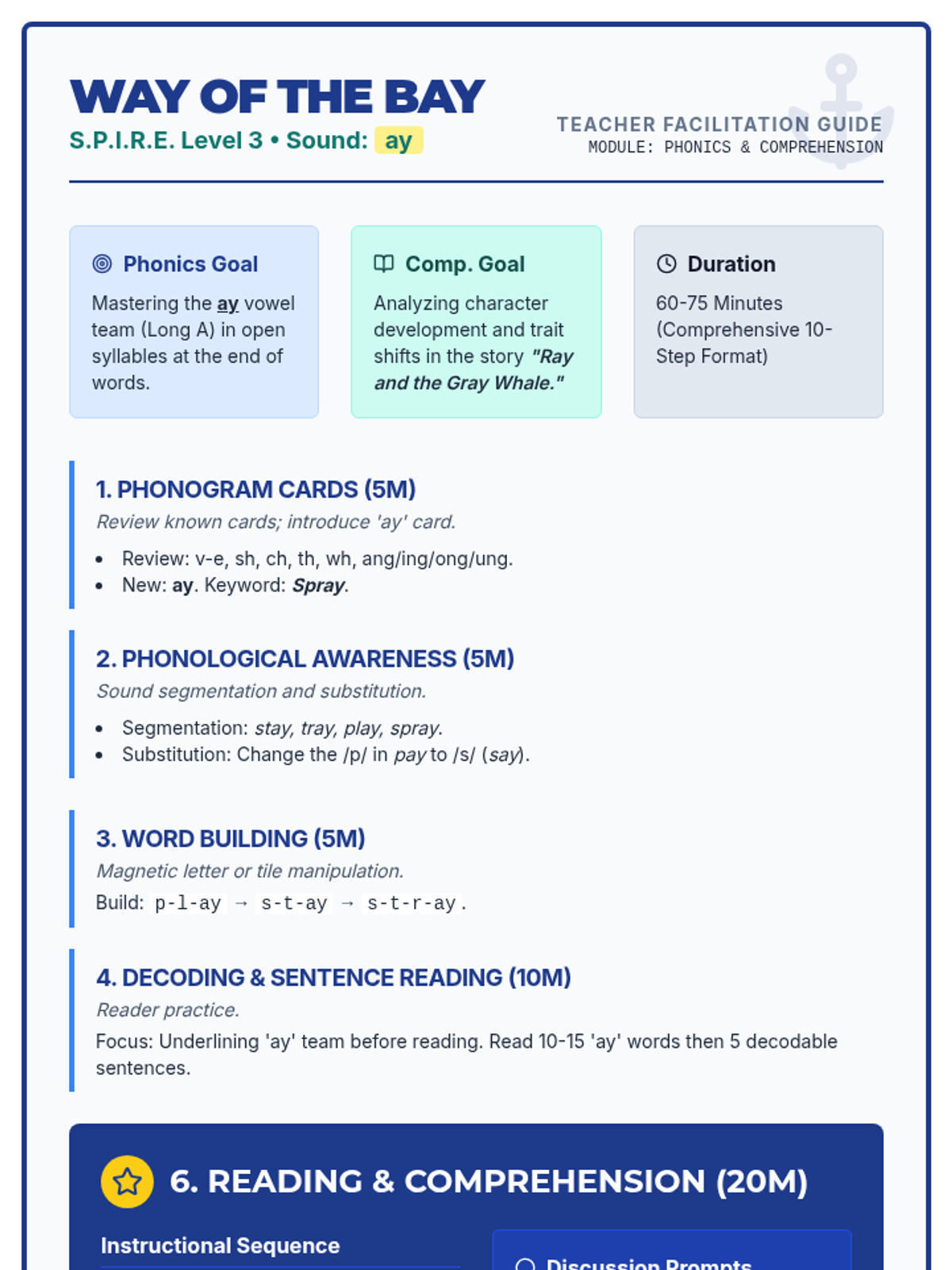
A comprehensive phonics and comprehension lesson following the S.P.I.R.E. Level 3 framework, focusing on the 'ay' sound and analyzing character development in a decodable narrative.
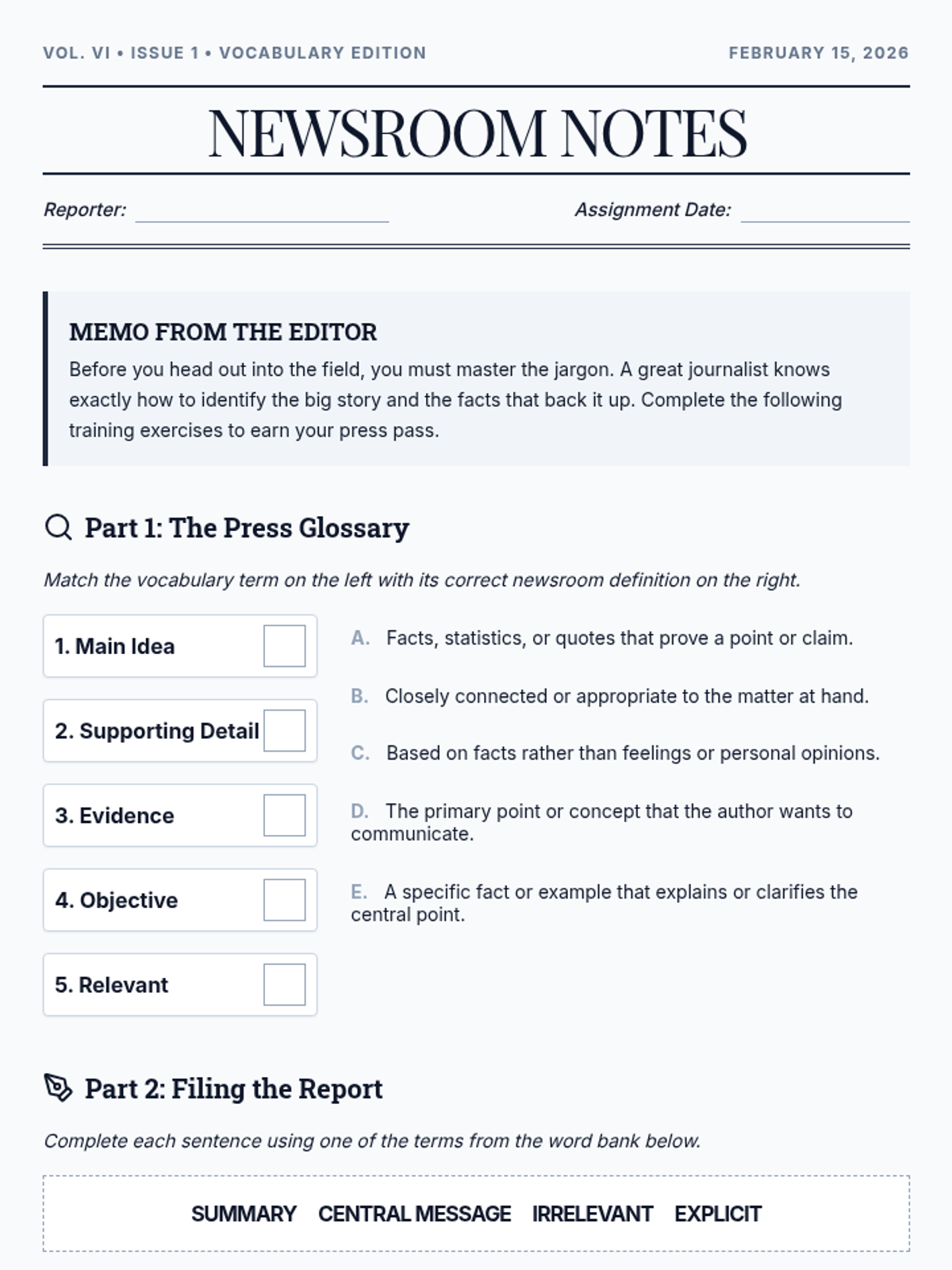
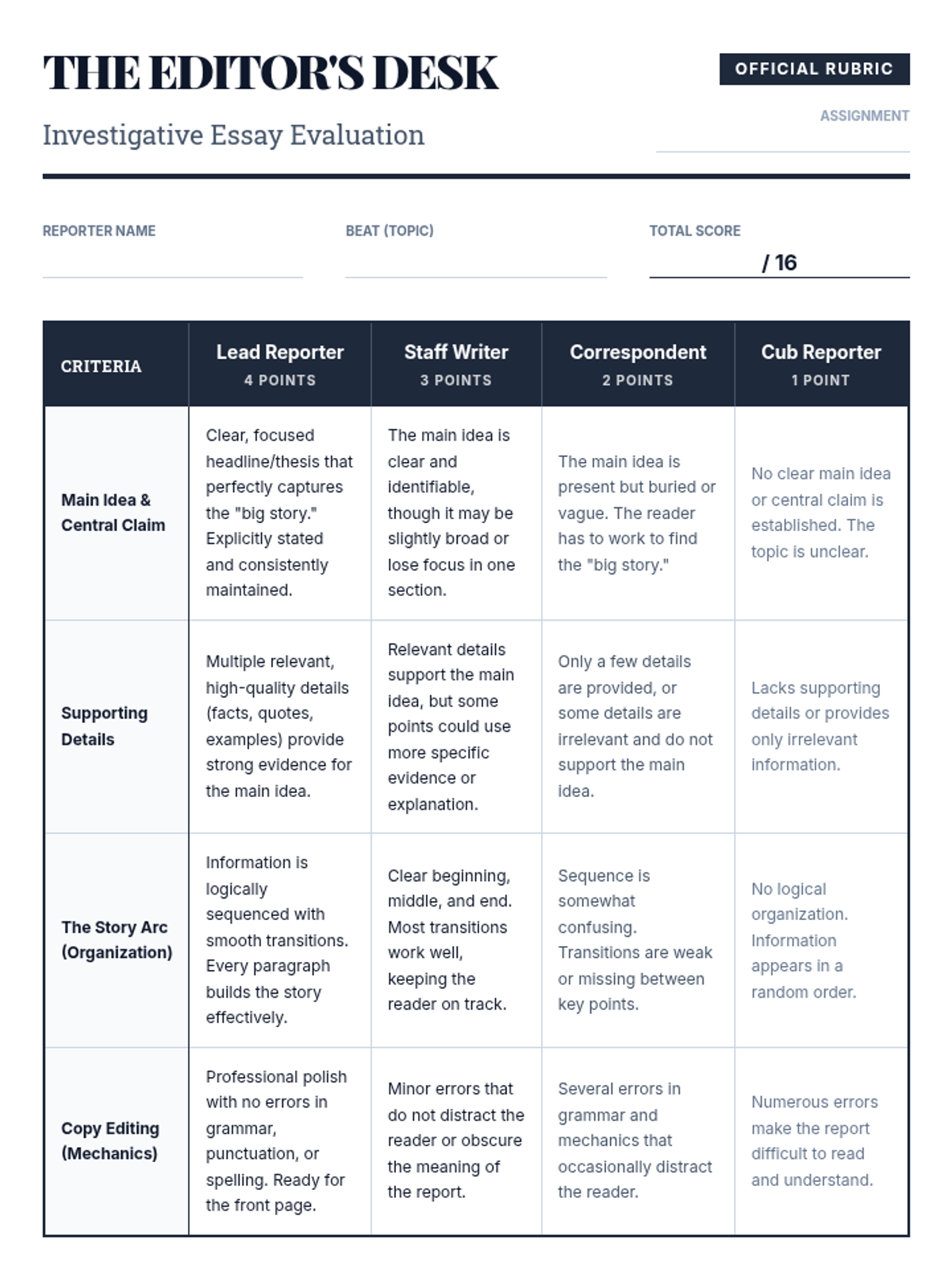
In this lesson, students will master identifying and using main ideas and supporting details through the lens of investigative journalism. They will build a technical vocabulary to describe how authors construct arguments and narratives.
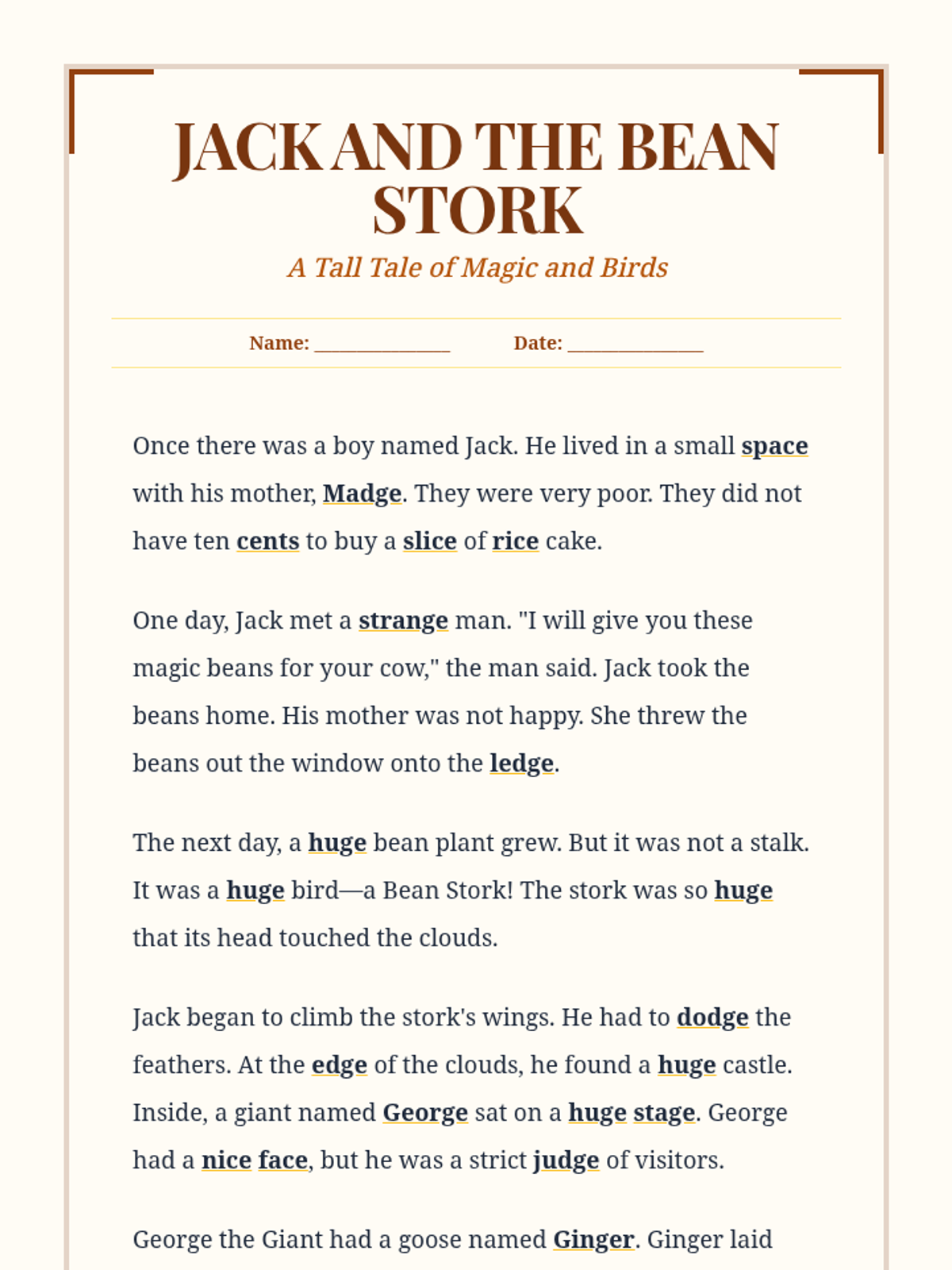
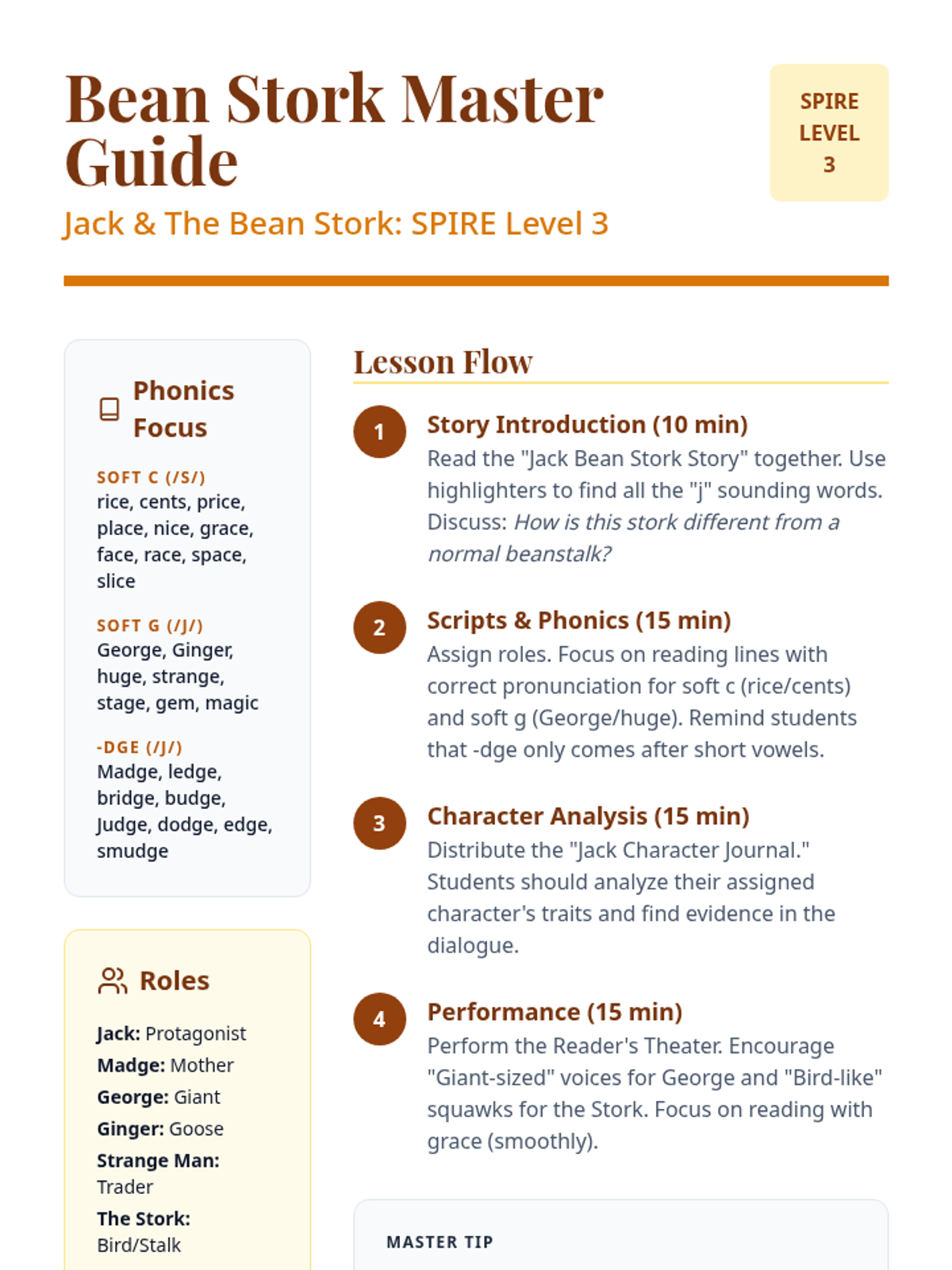
A fairytale adventure where Jack climbs a giant bean stork to find magic gems and outwit a huge giant. Focuses on Soft C, Soft G, and -dge phonics patterns.
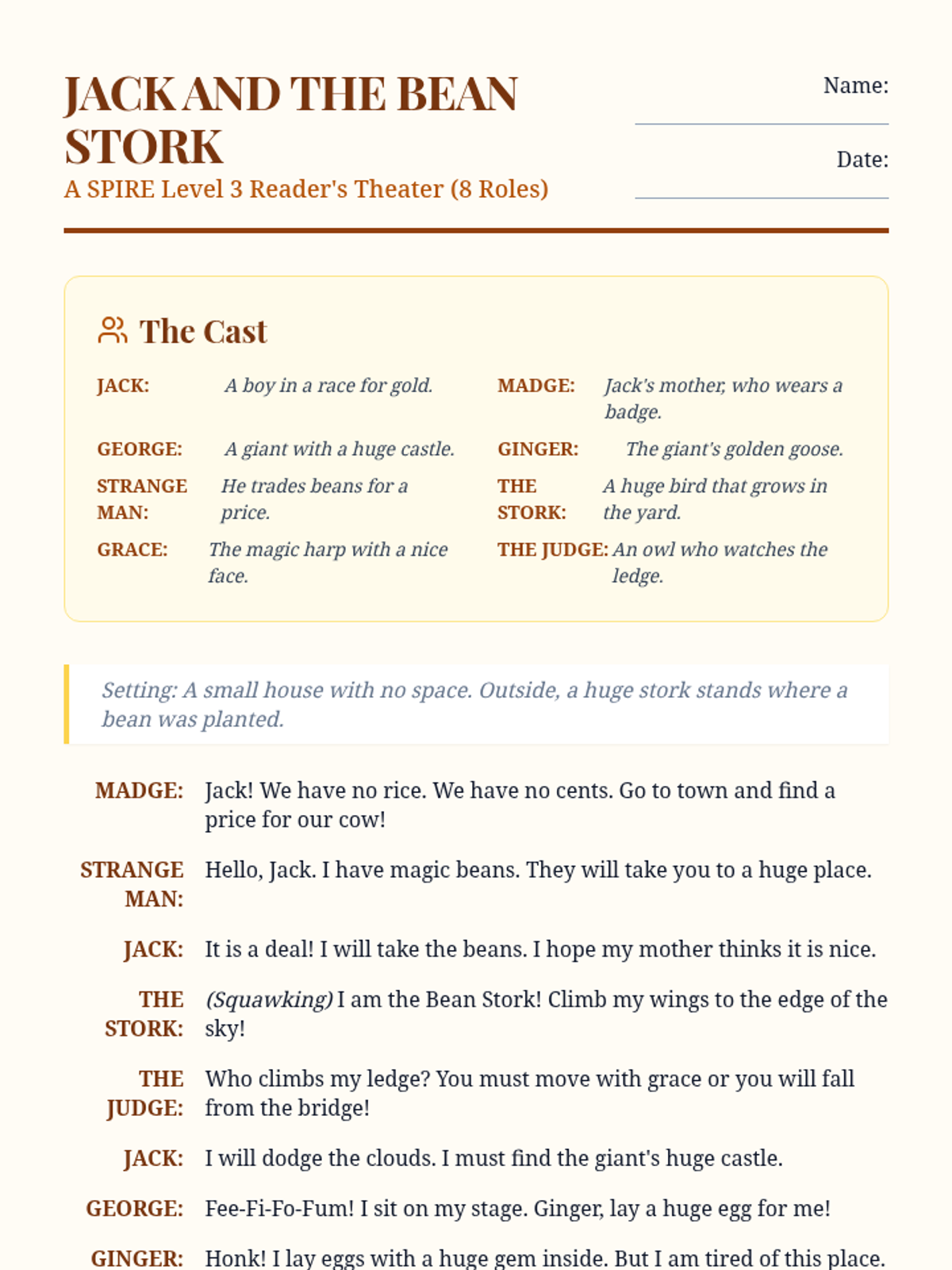
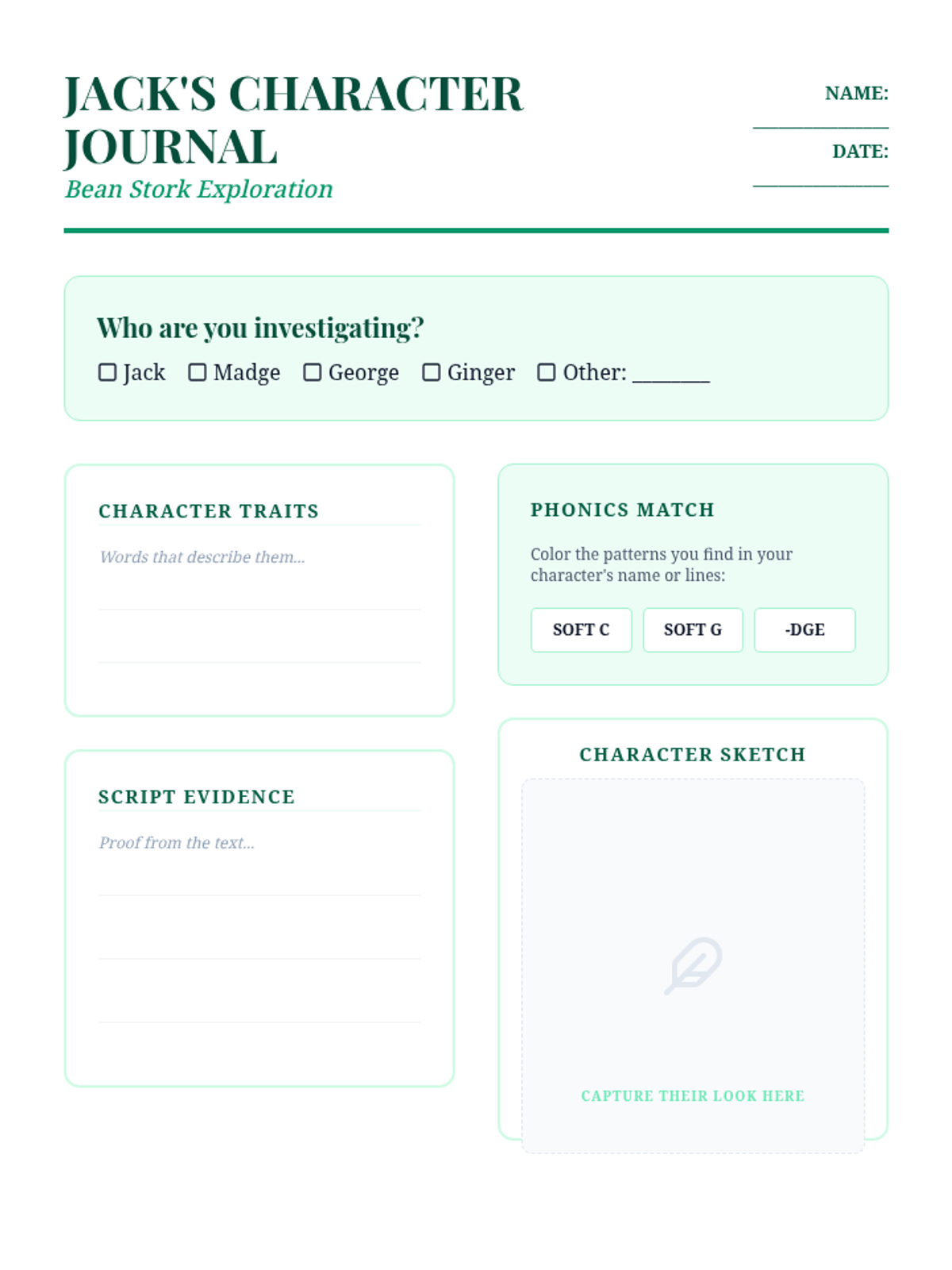
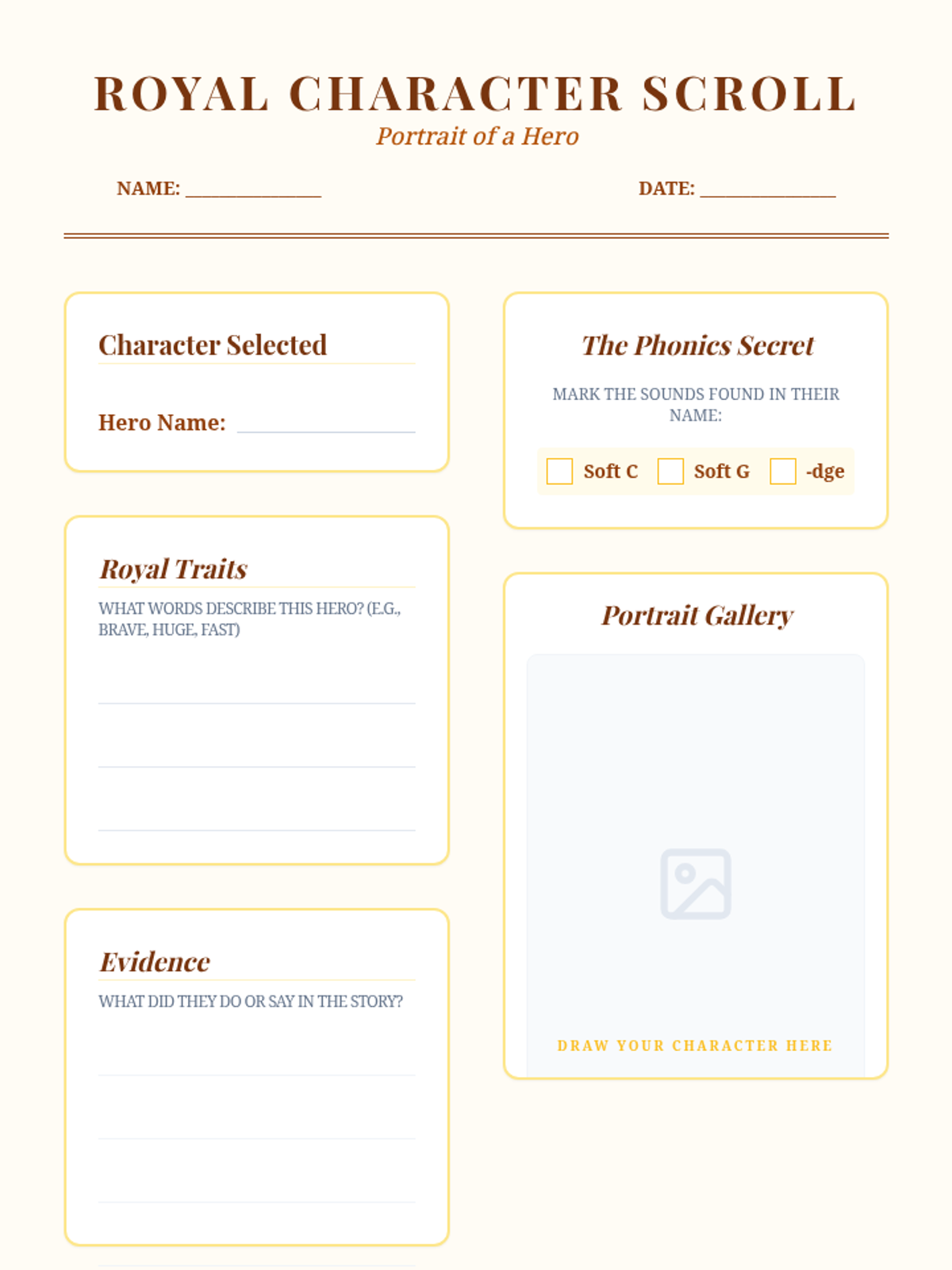
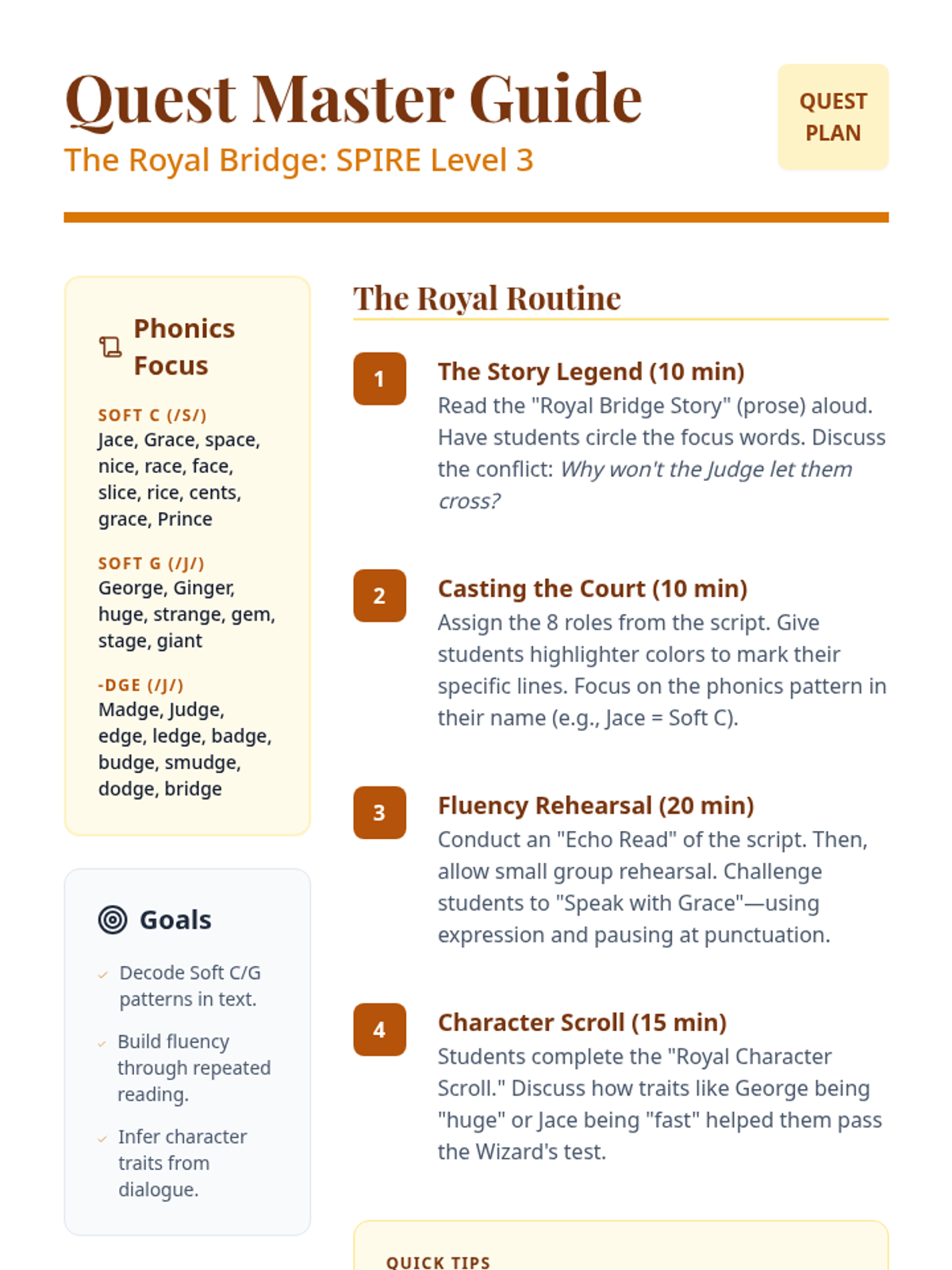
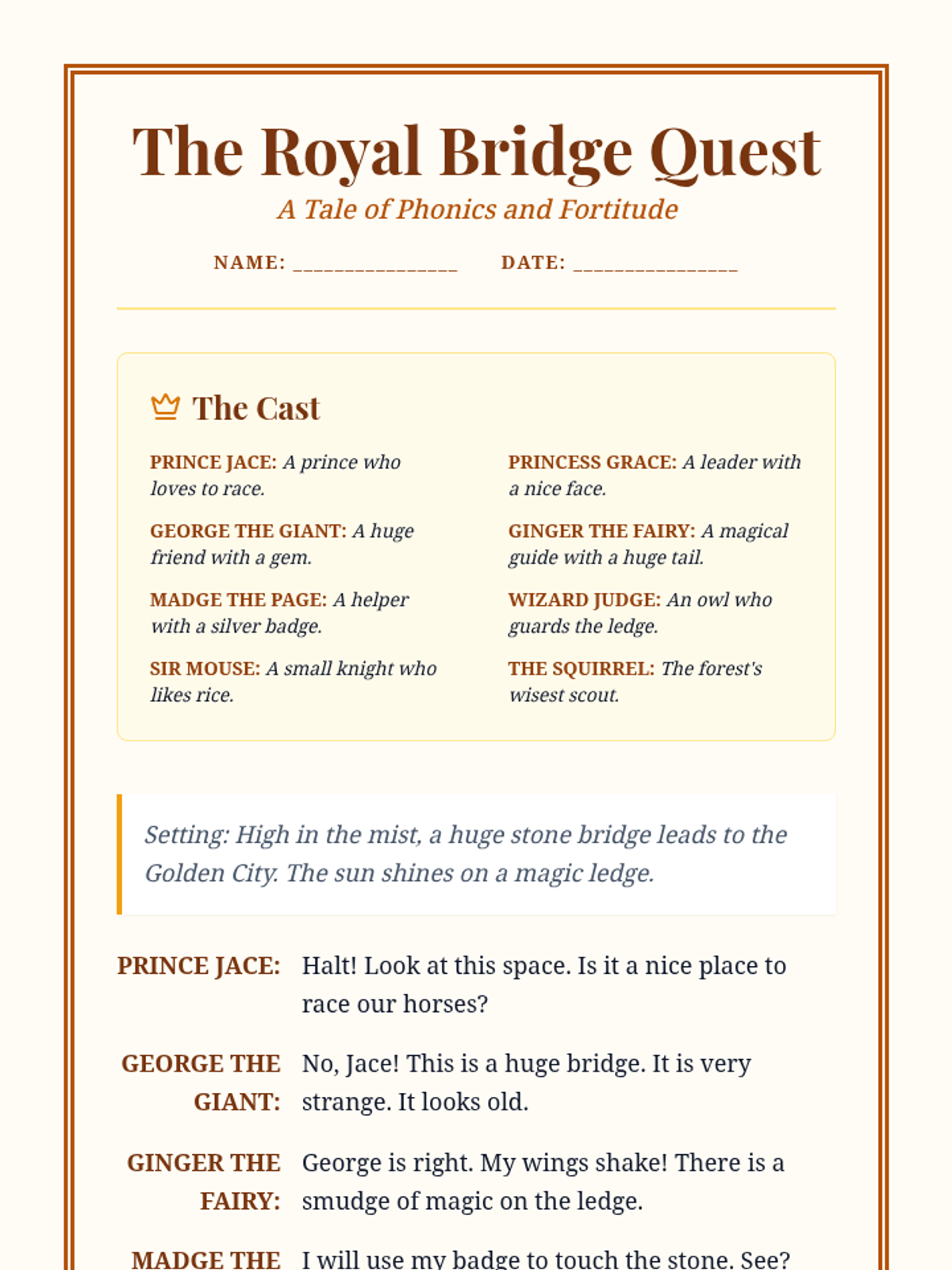
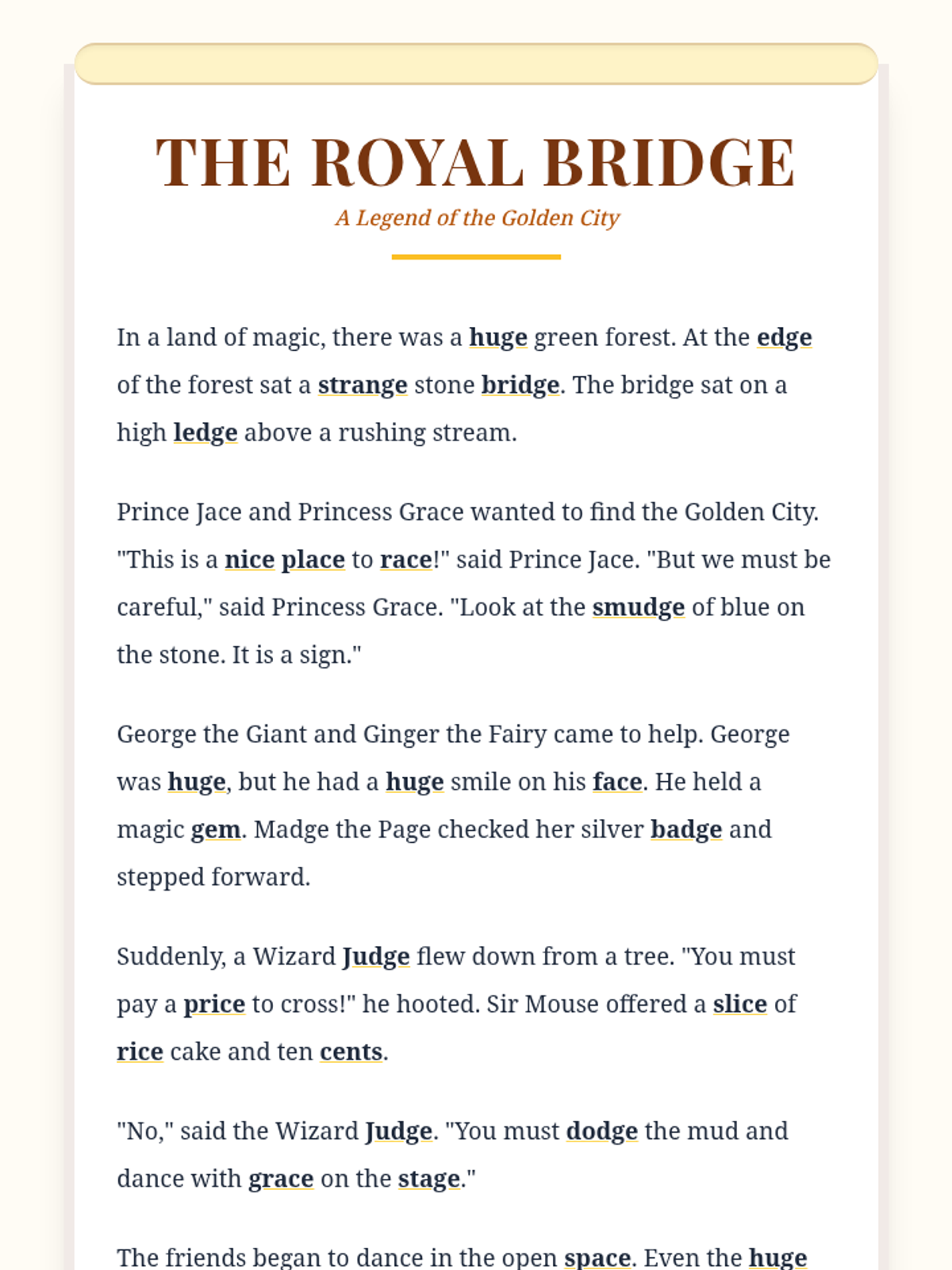
A SPIRE Level 3 Reader's Theater quest set in a magical fairytale kingdom. Focuses on Soft C, Soft G, and -dge phonics patterns while building fluency and character analysis skills.
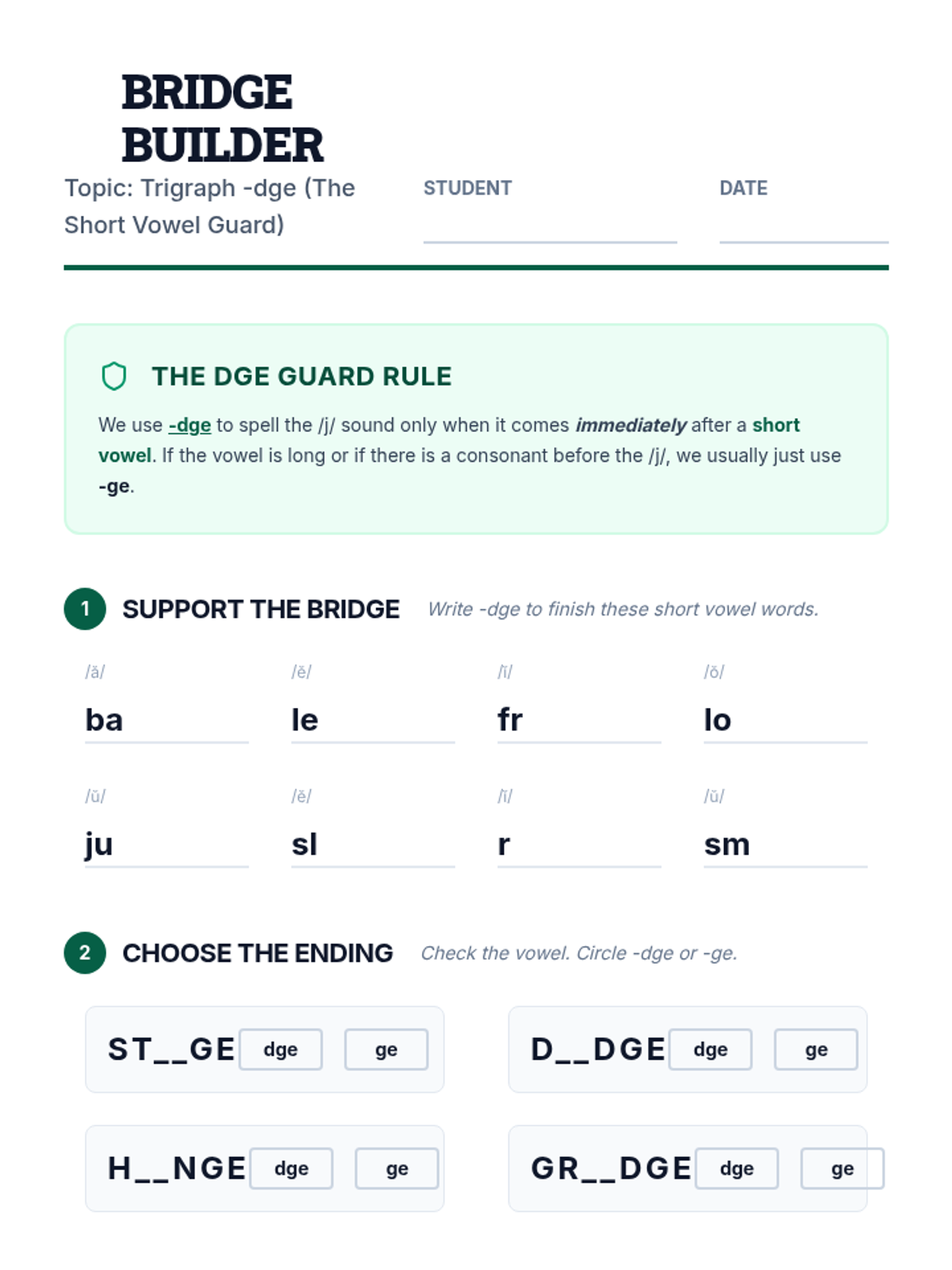
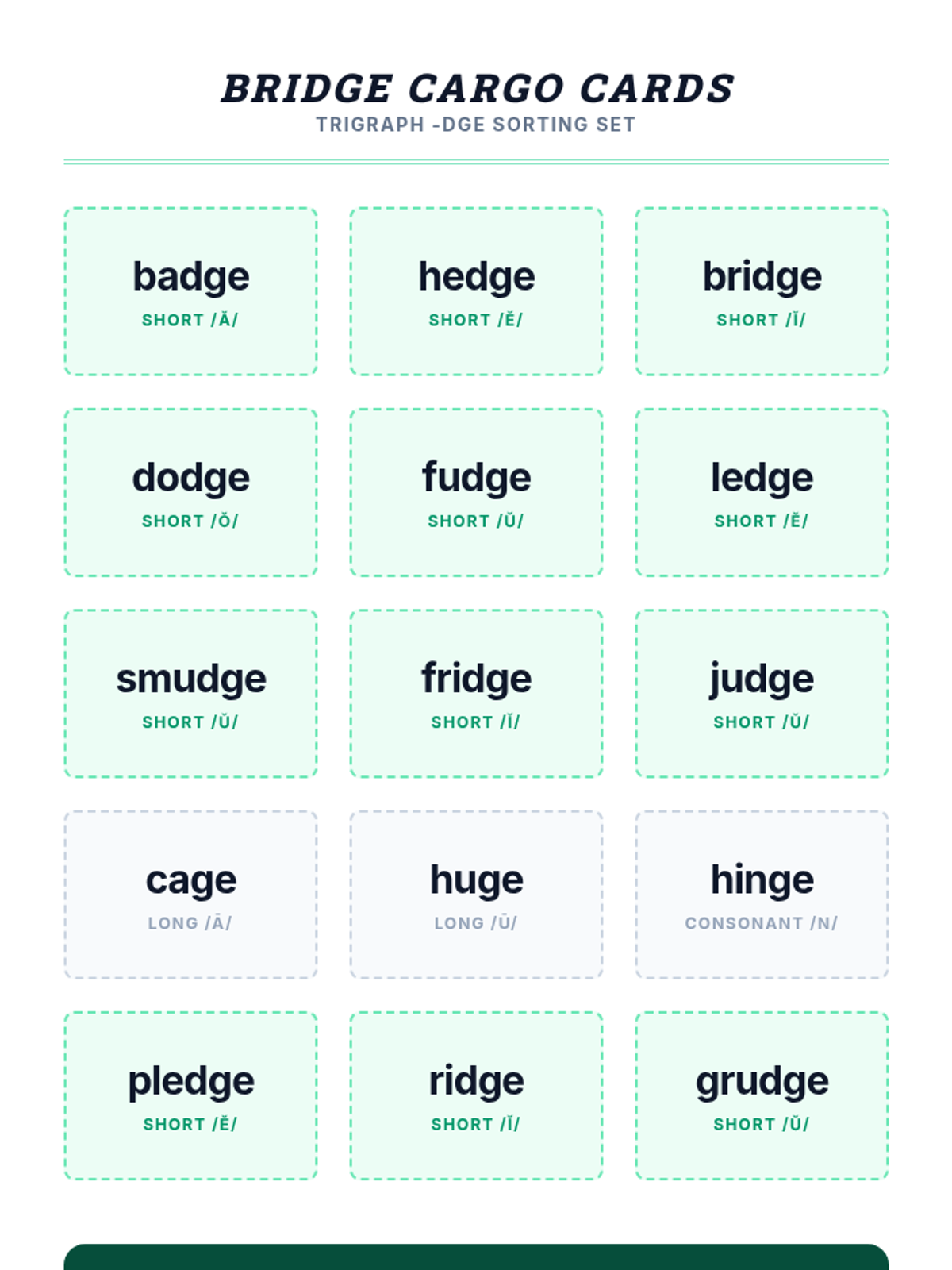
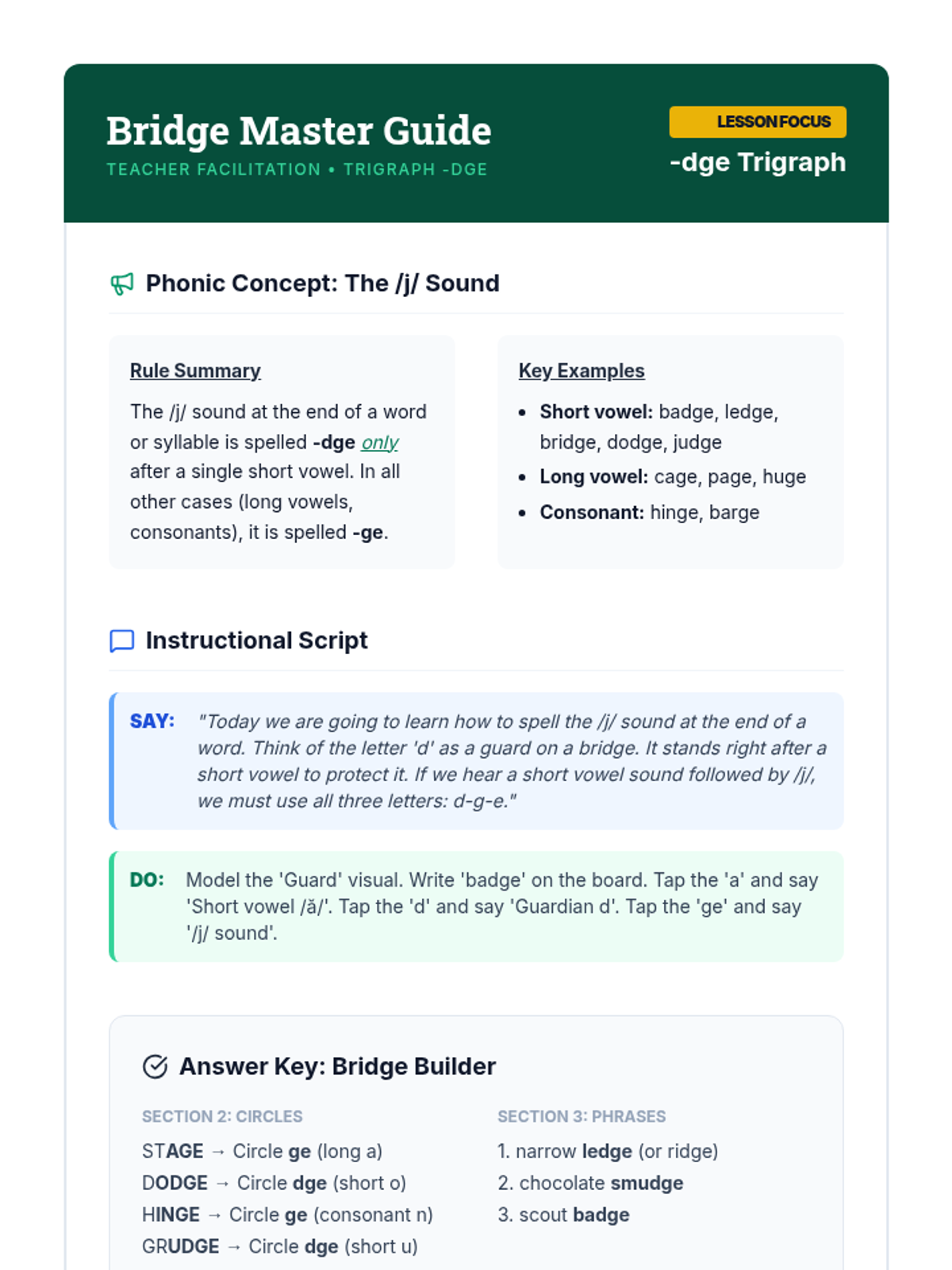
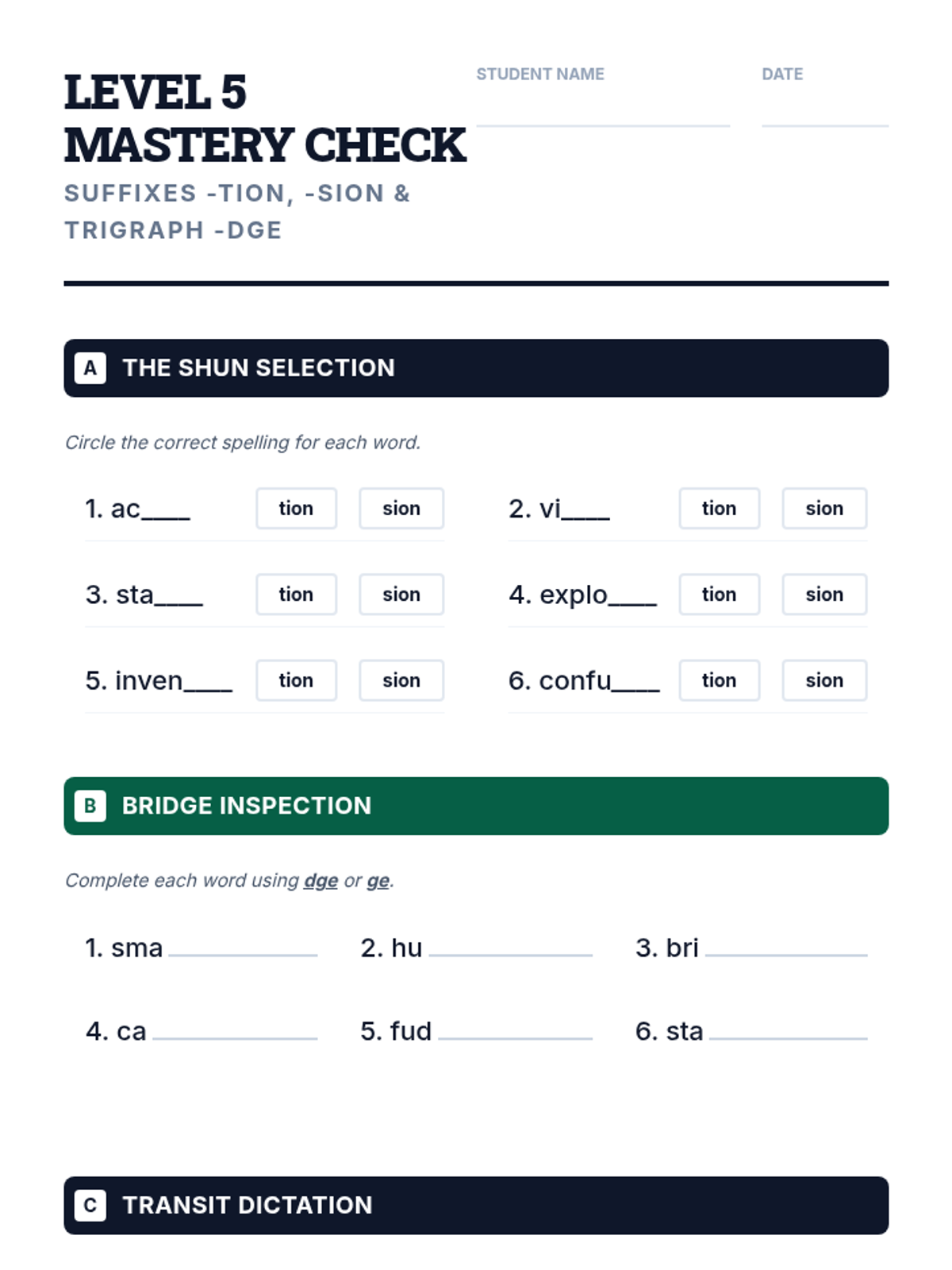
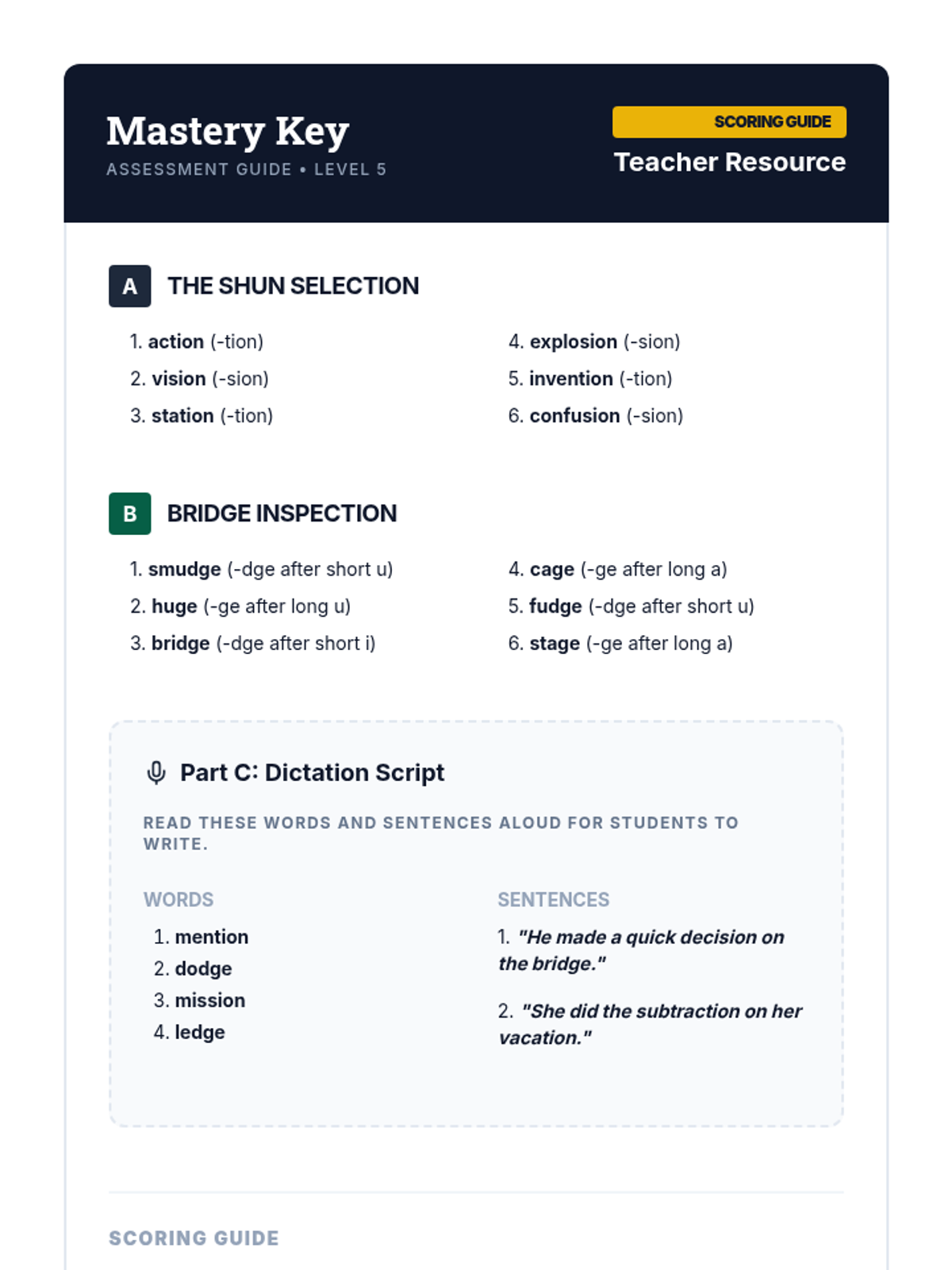
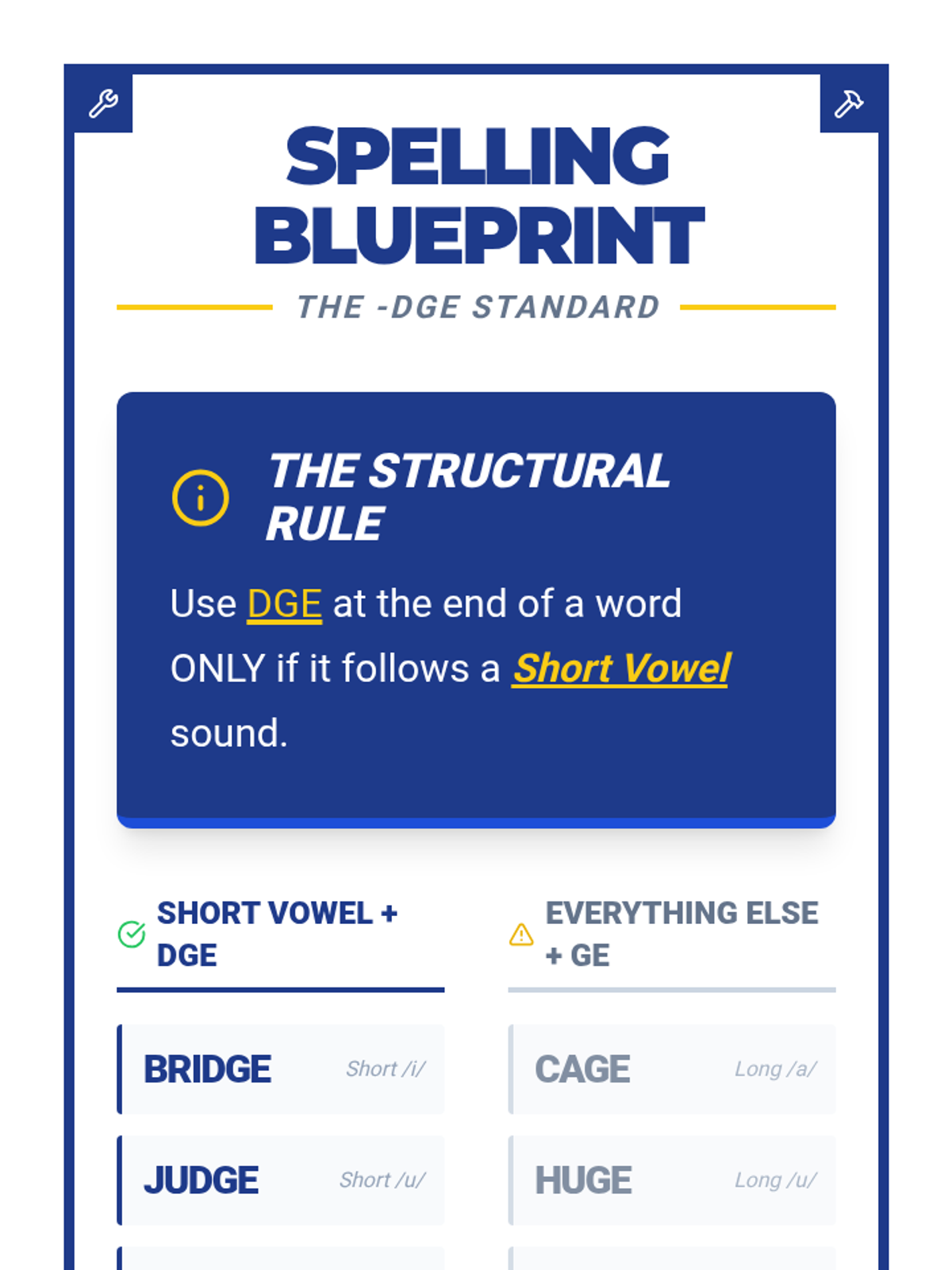
A lesson focusing on the trigraph -dge. Students learn the spelling rule that -dge is used to spell the /j/ sound immediately following a short vowel at the end of a word or syllable.
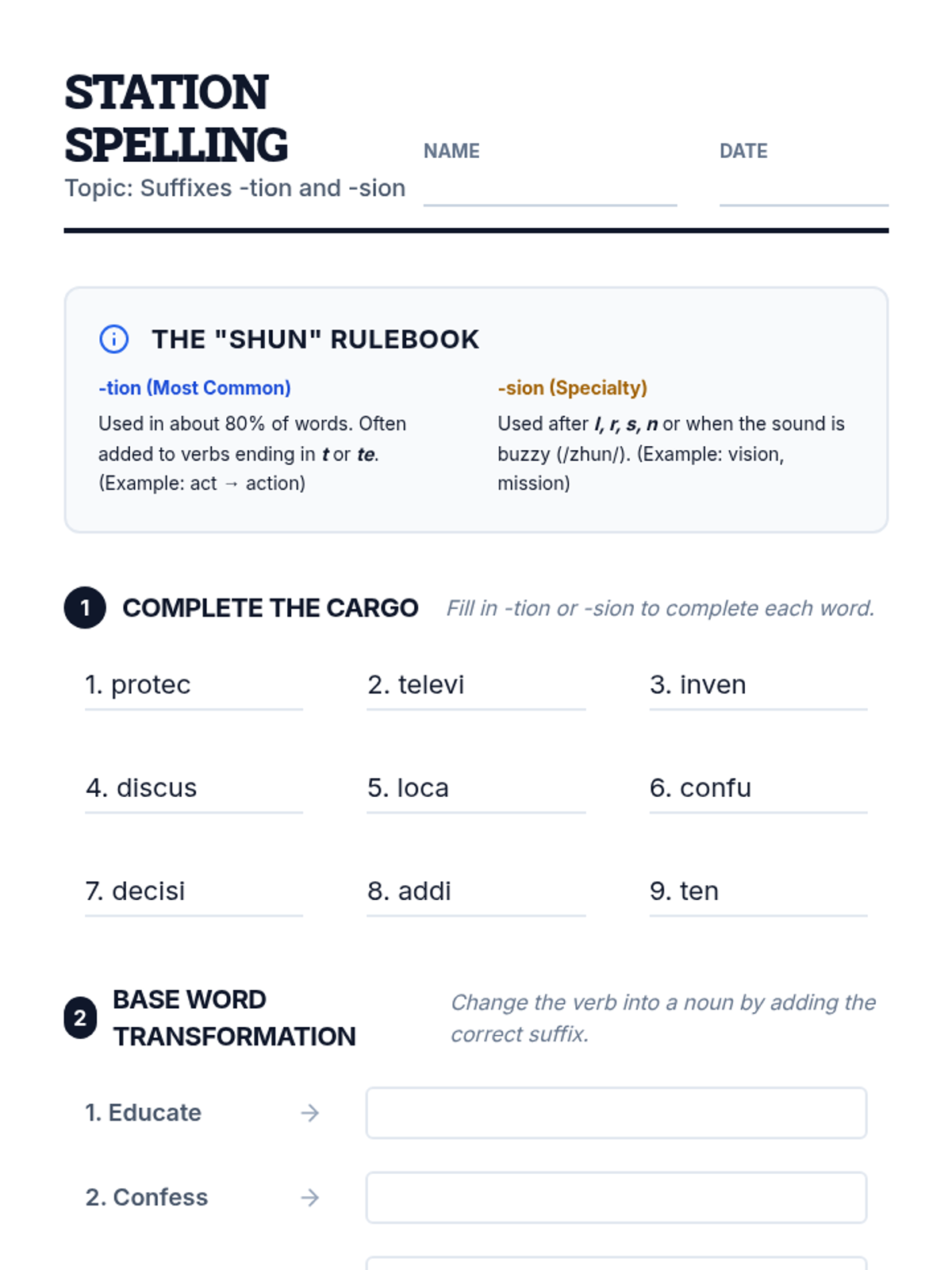
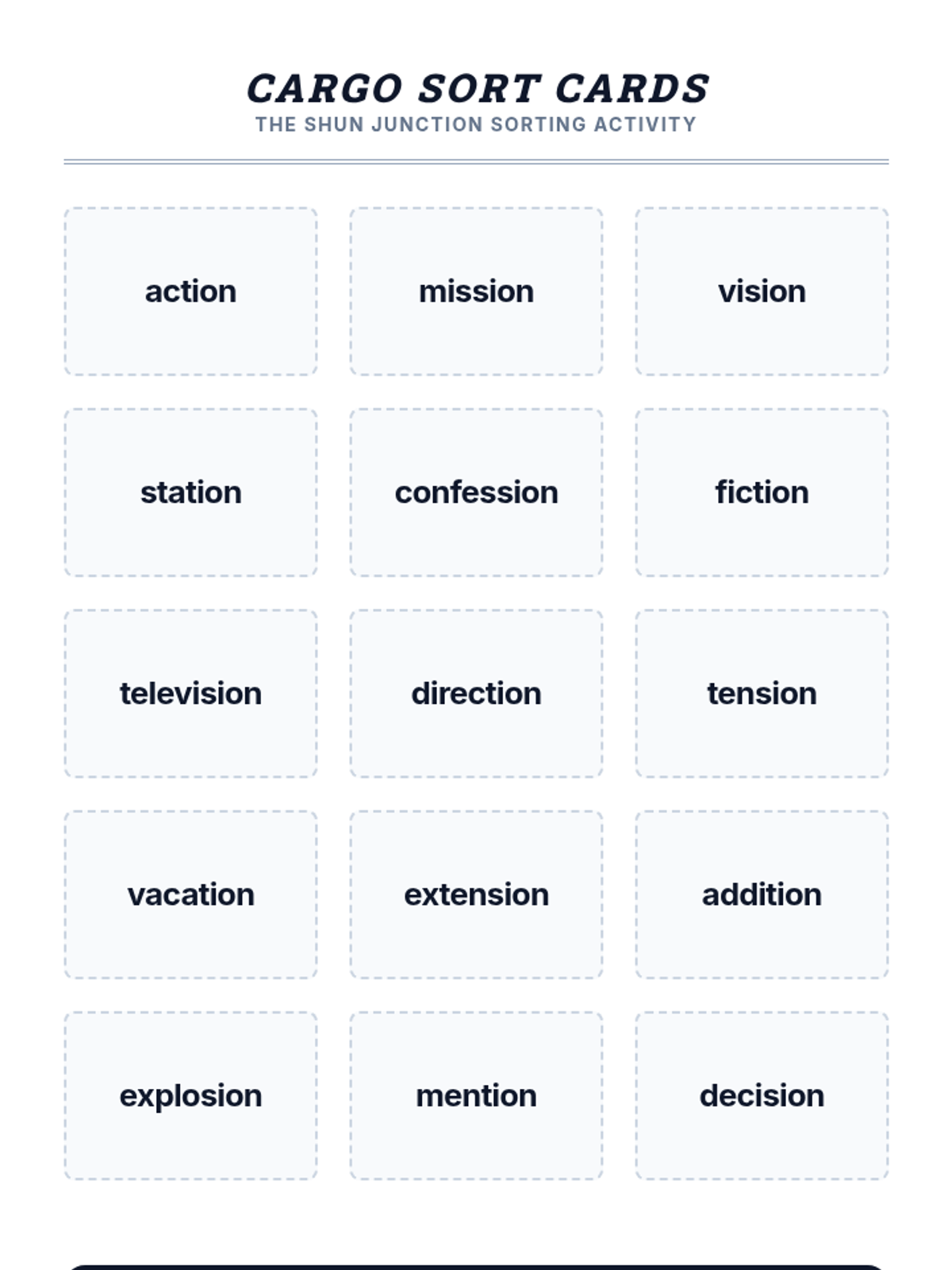
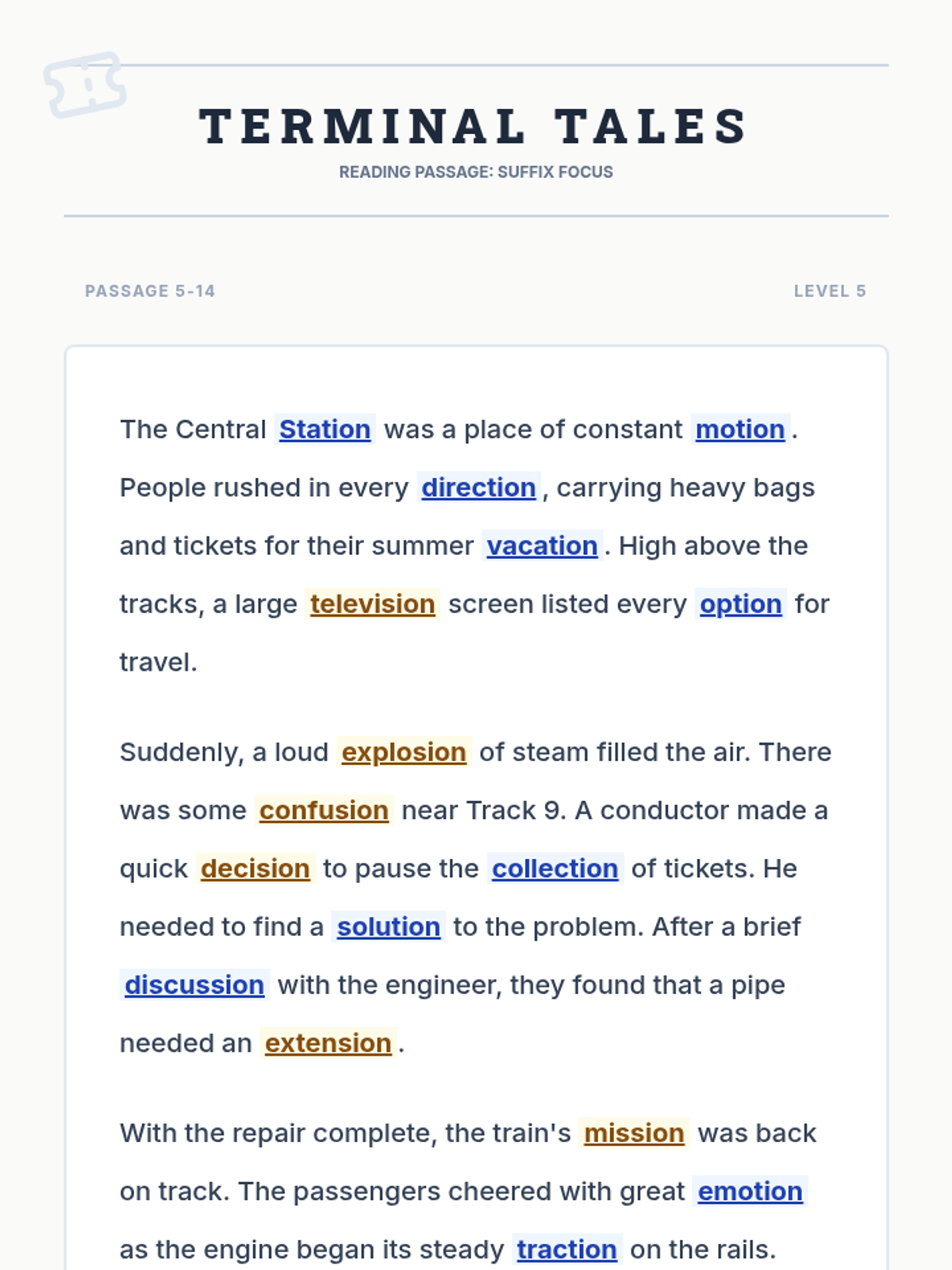
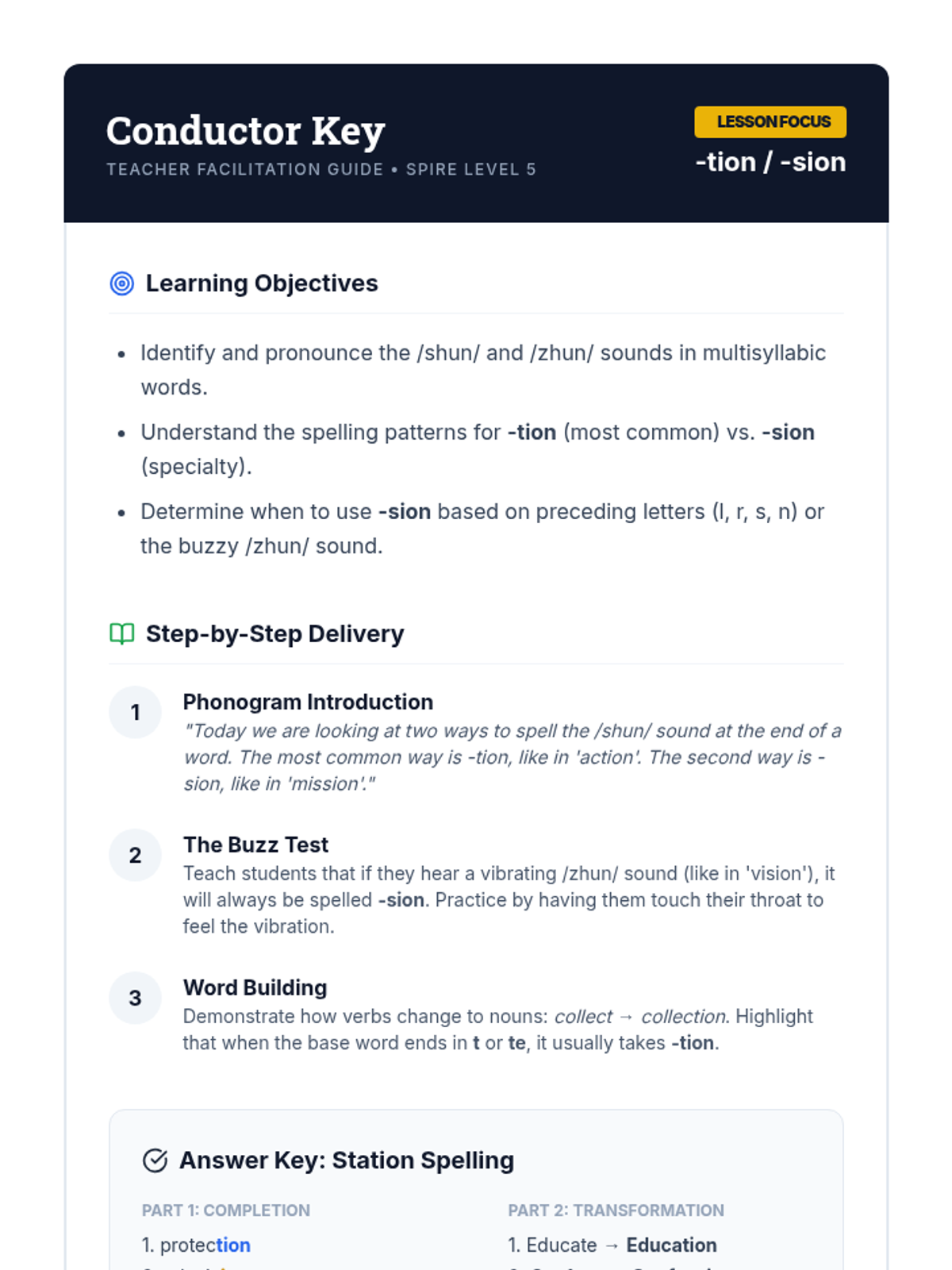
An in-depth look at the 'shun' sound spelled -tion and -sion. Students learn to distinguish between these suffixes based on base words and phonetic cues.
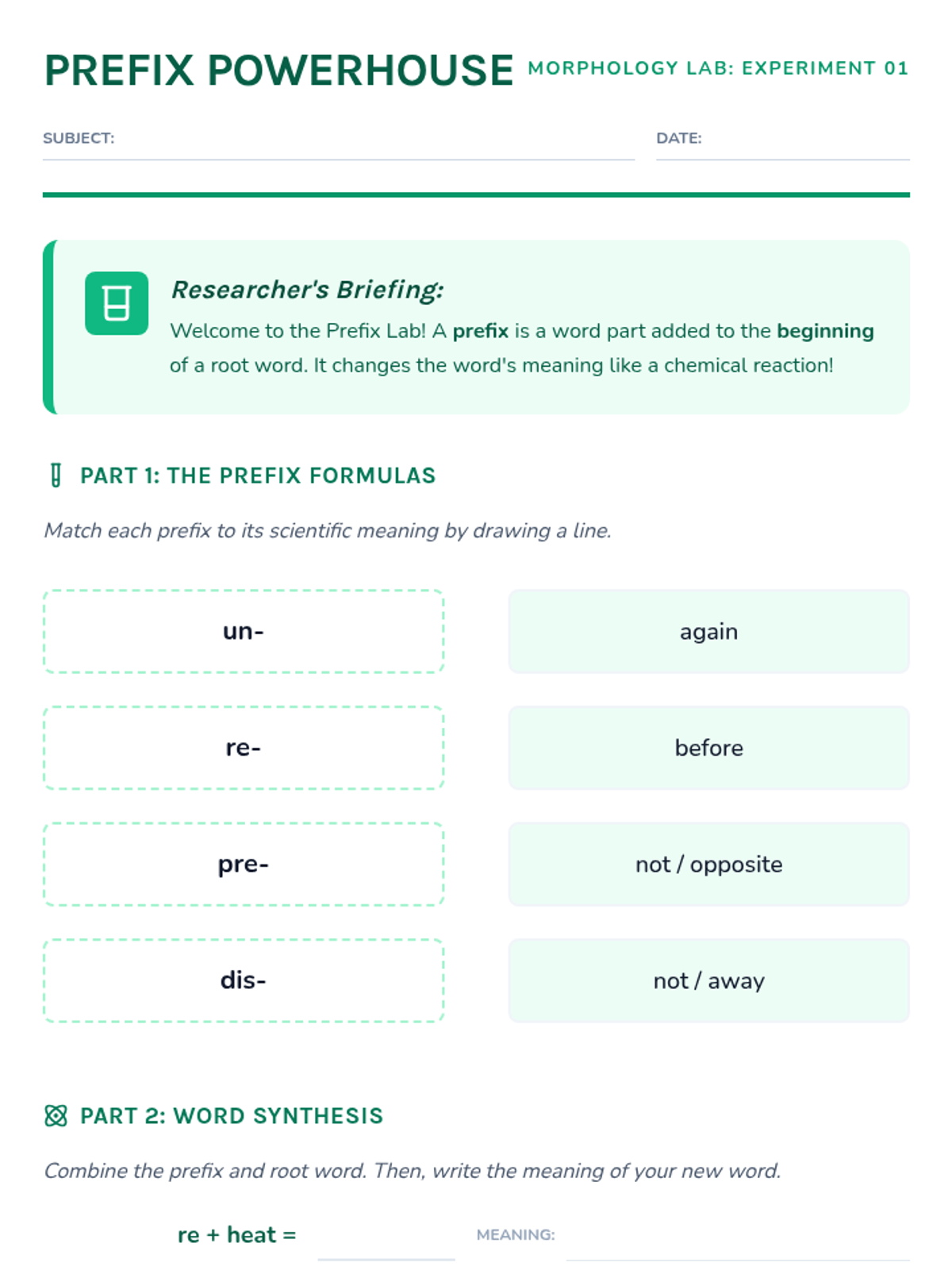
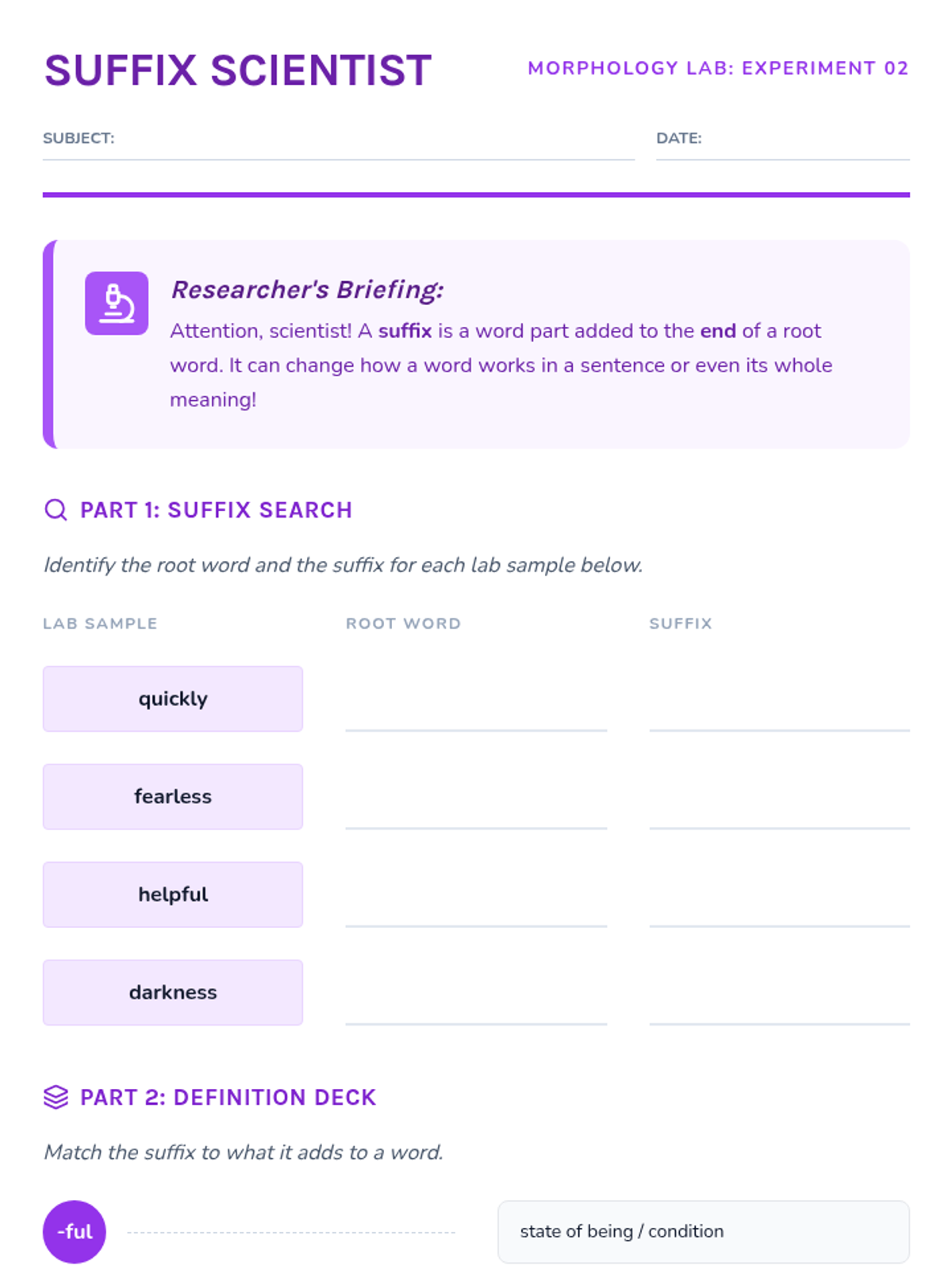
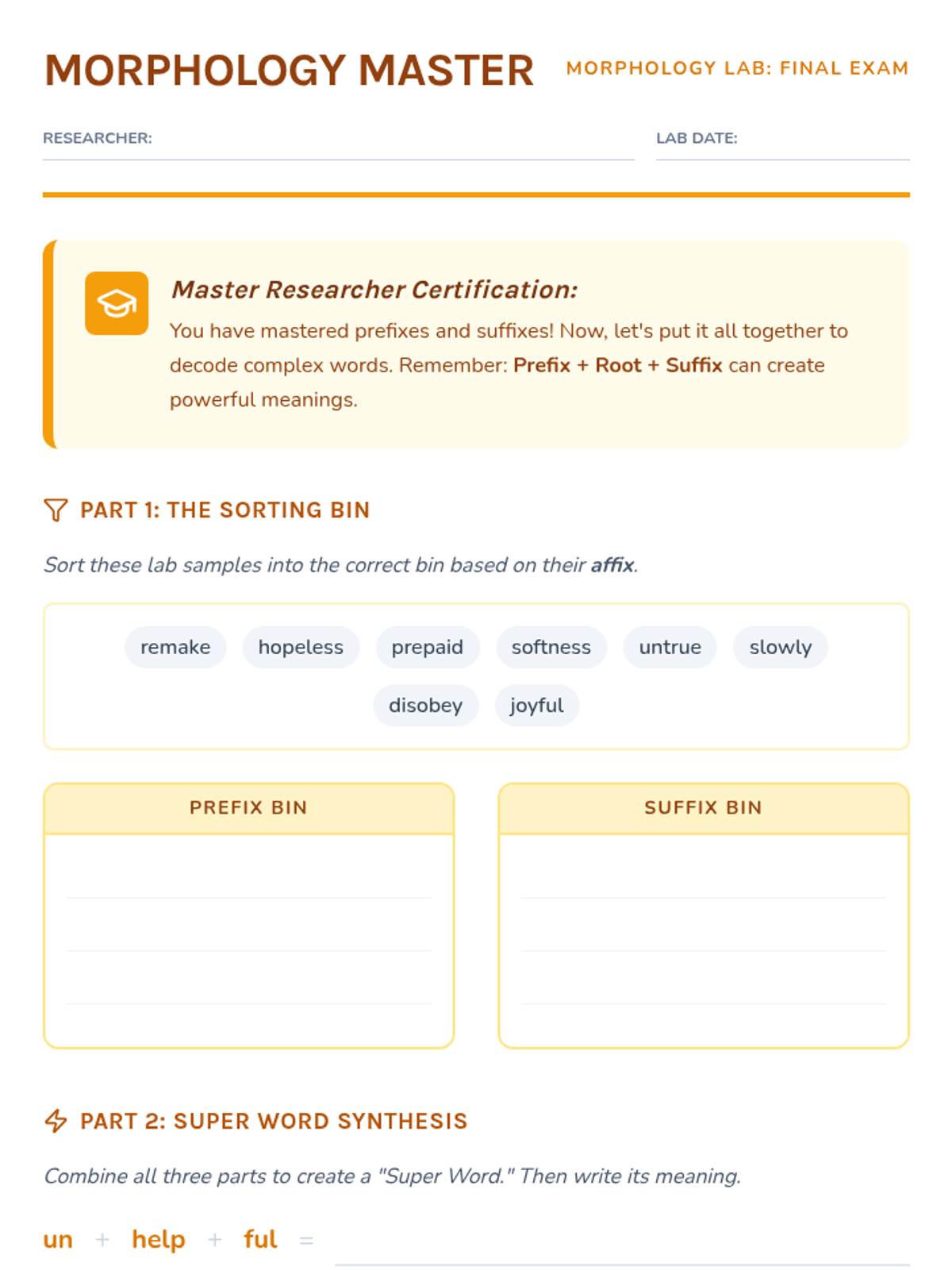
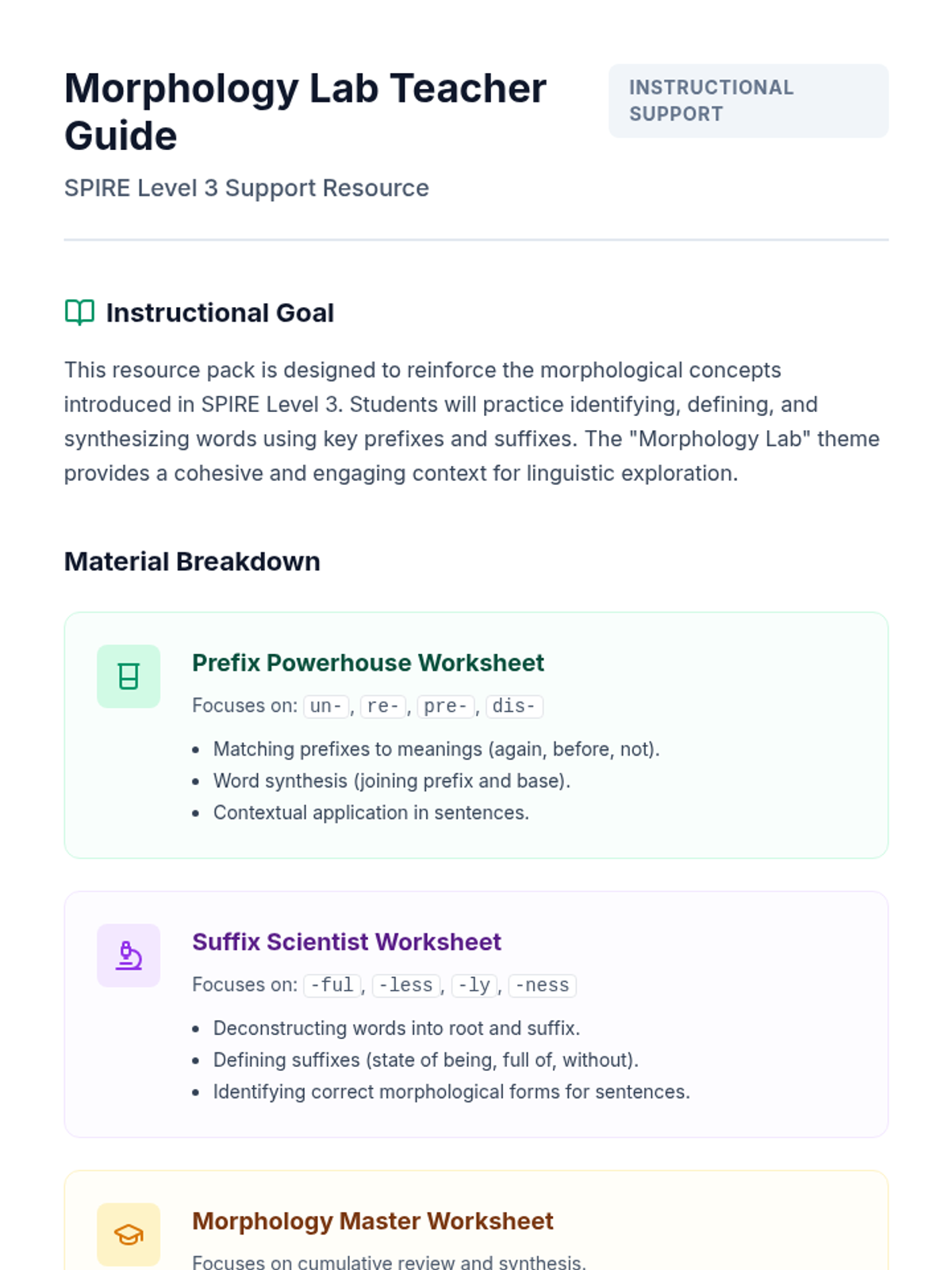
A comprehensive set of practice activities focusing on the prefixes and suffixes introduced in SPIRE Level 3, designed to build vocabulary and morphological awareness.
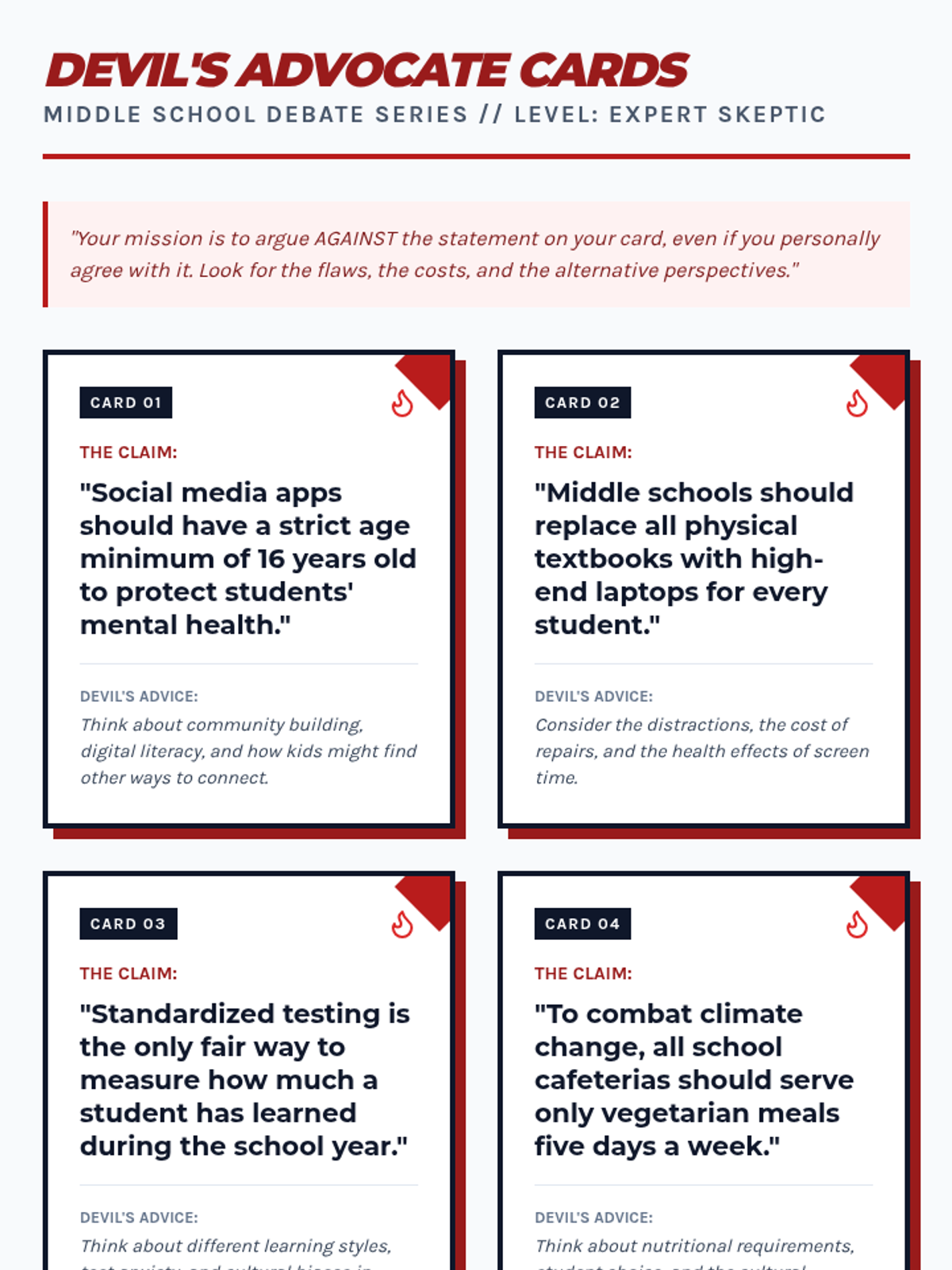
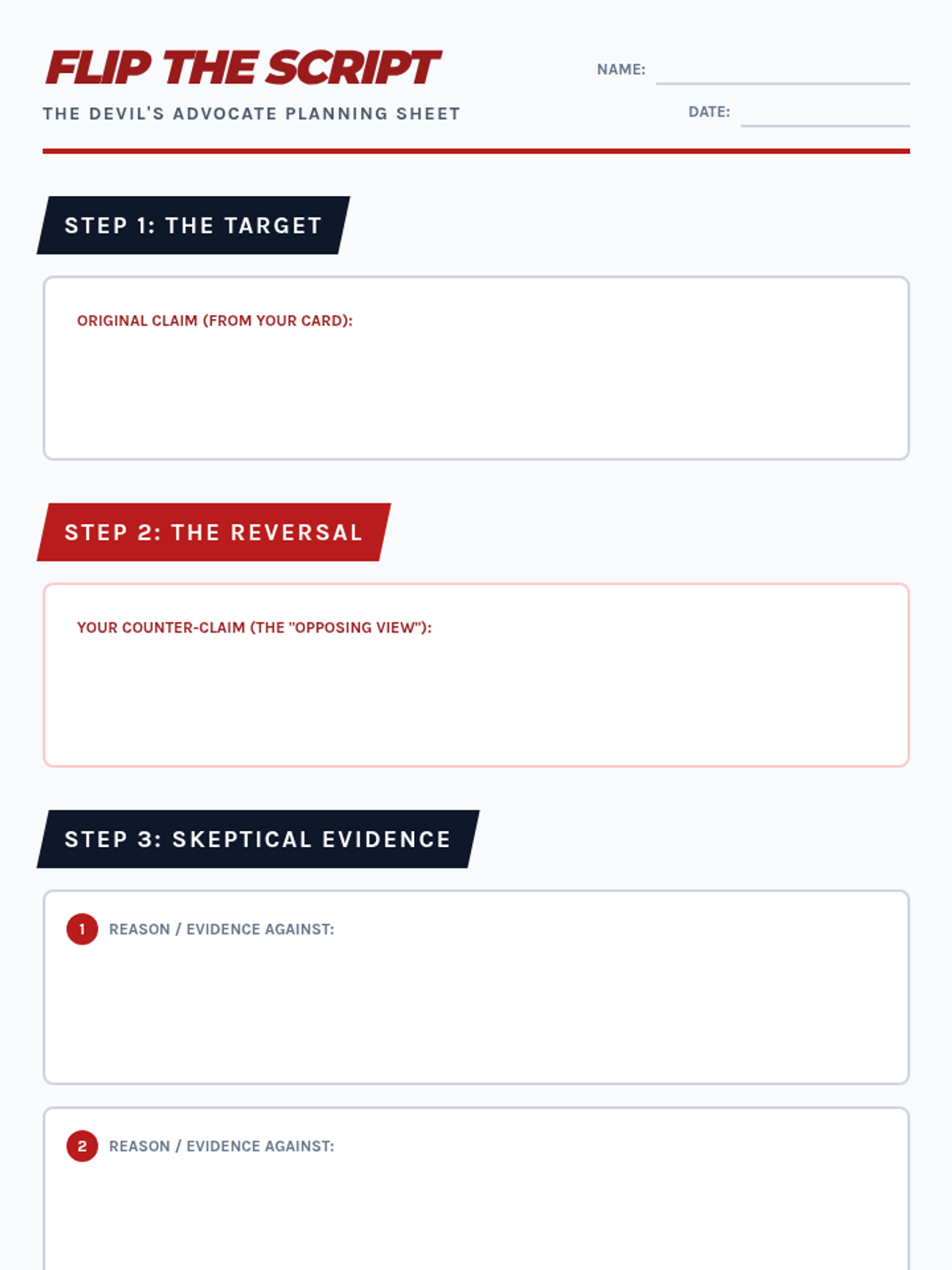
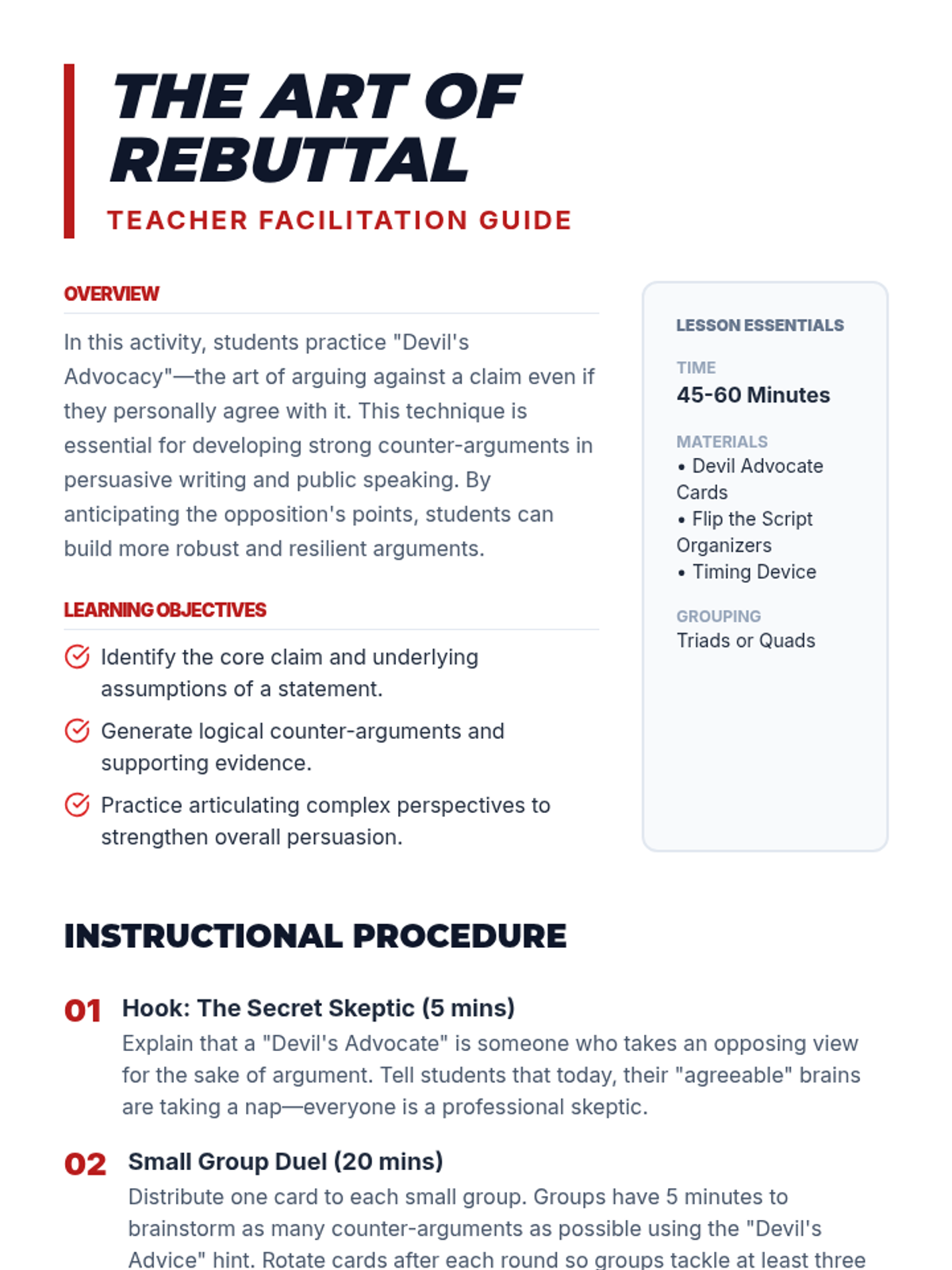
A lesson focused on the art of persuasion by practicing the skill of playing 'devil's advocate' to strengthen counter-argument skills. Students will use task cards to challenge popular opinions and build robust rebuttals.
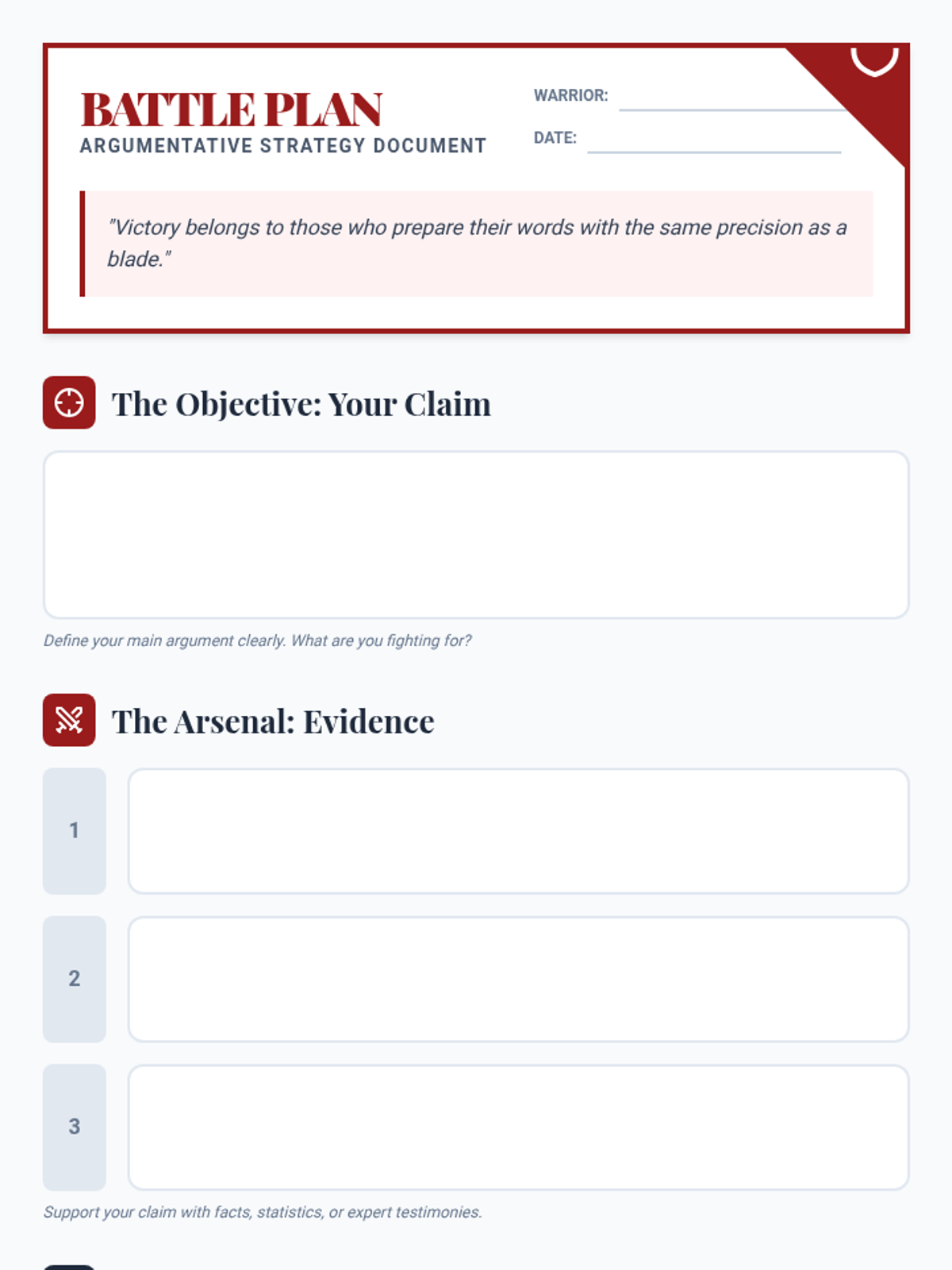
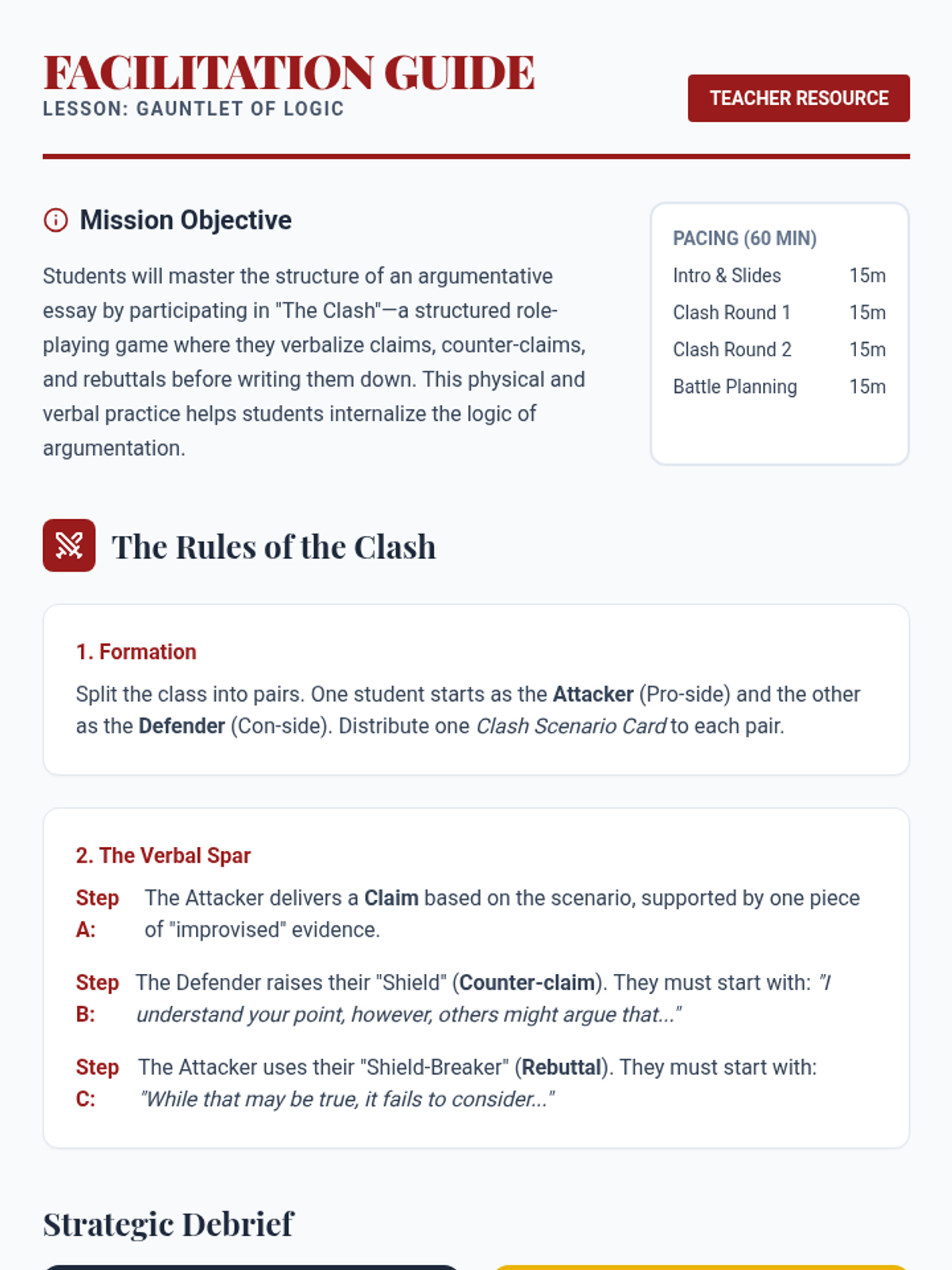
A high-energy lesson where students use role-playing 'clashes' to brainstorm and structure argumentative essay outlines. Students will practice verbalizing claims, evidence, and rebuttals before committing them to a formal battle plan.
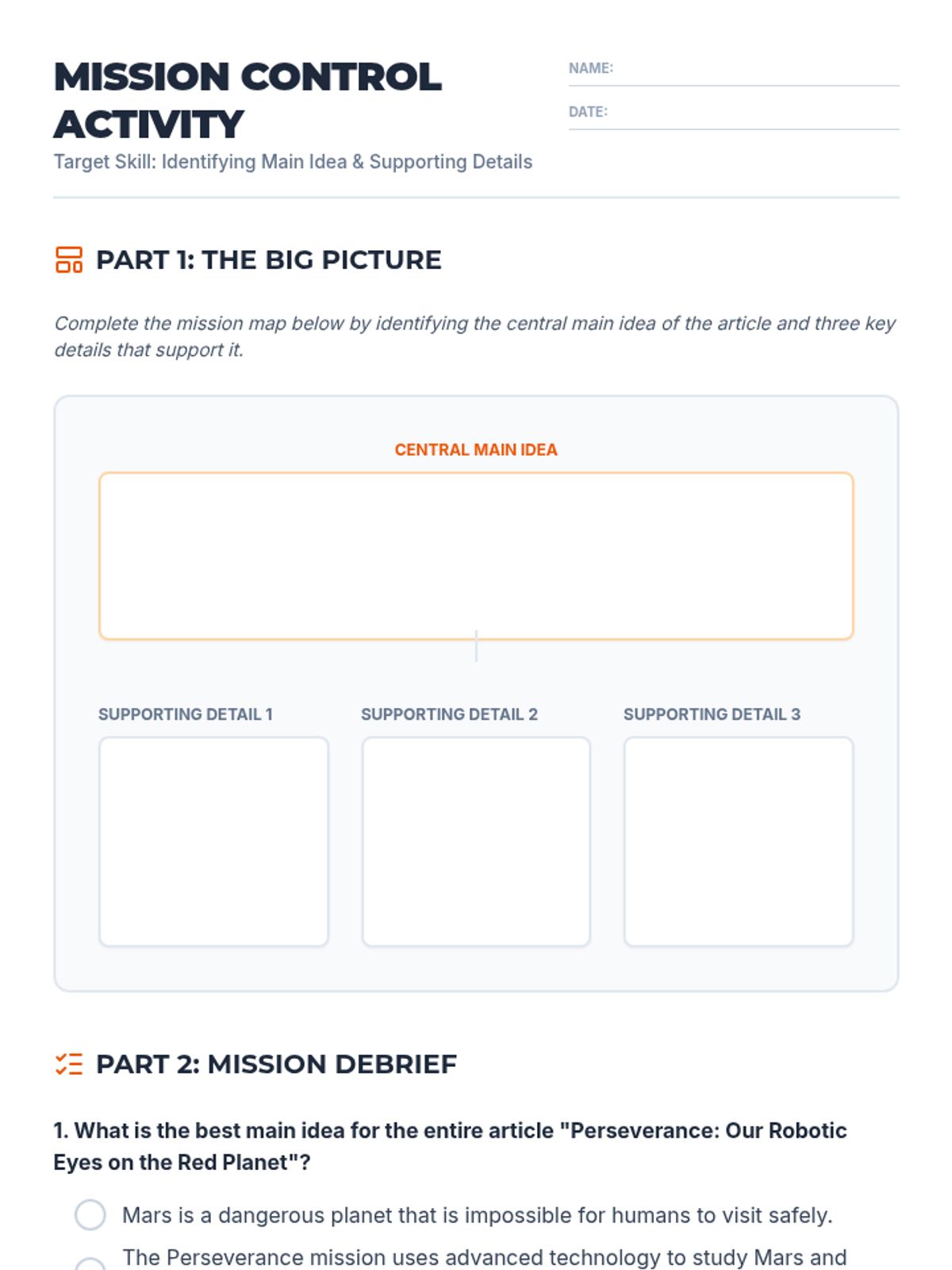
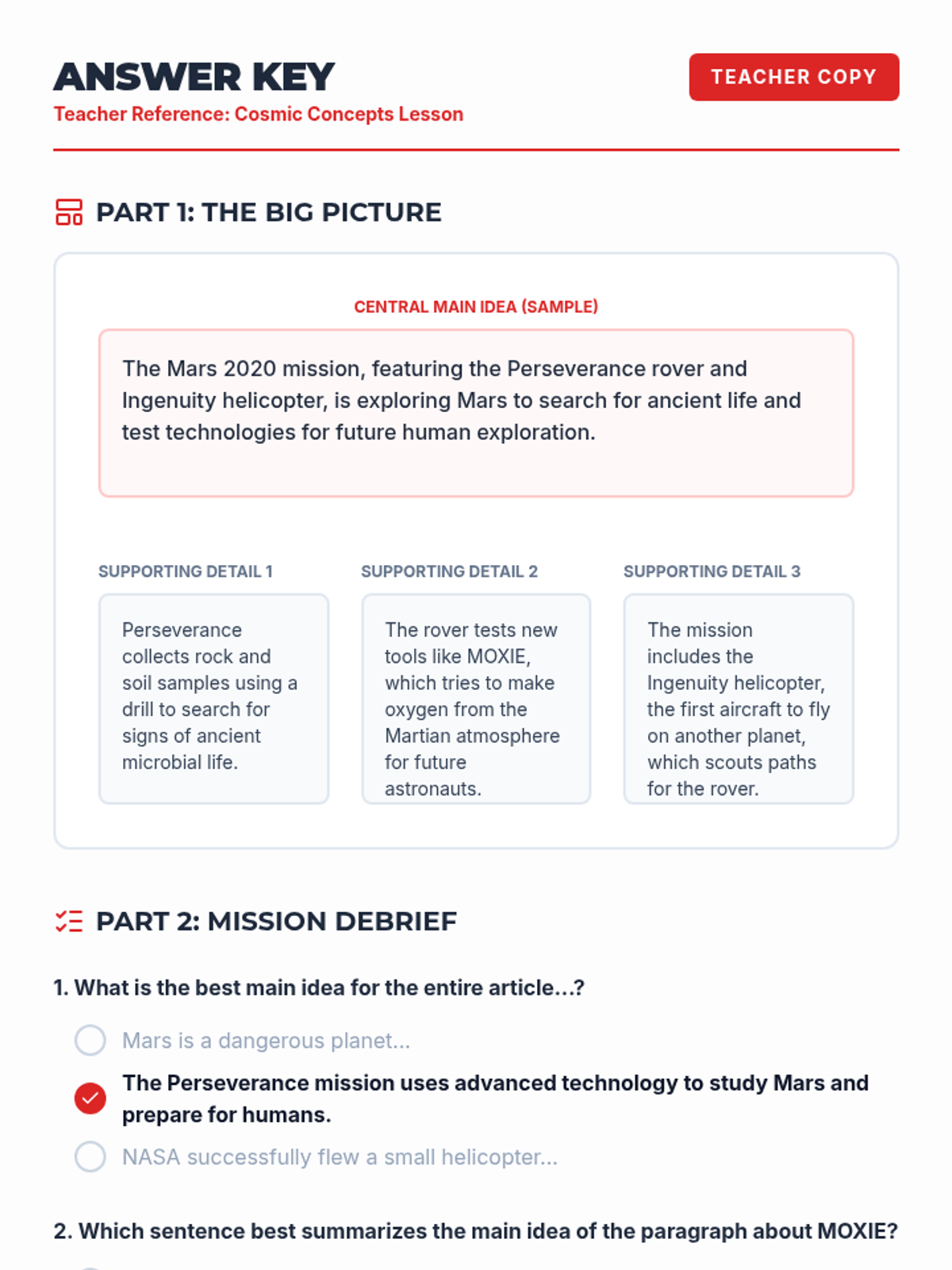
This lesson focuses on identifying the main idea and supporting details using a high-interest non-fiction text about Mars exploration. Students will practice summarizing key concepts and distinguishing between primary points and secondary facts.
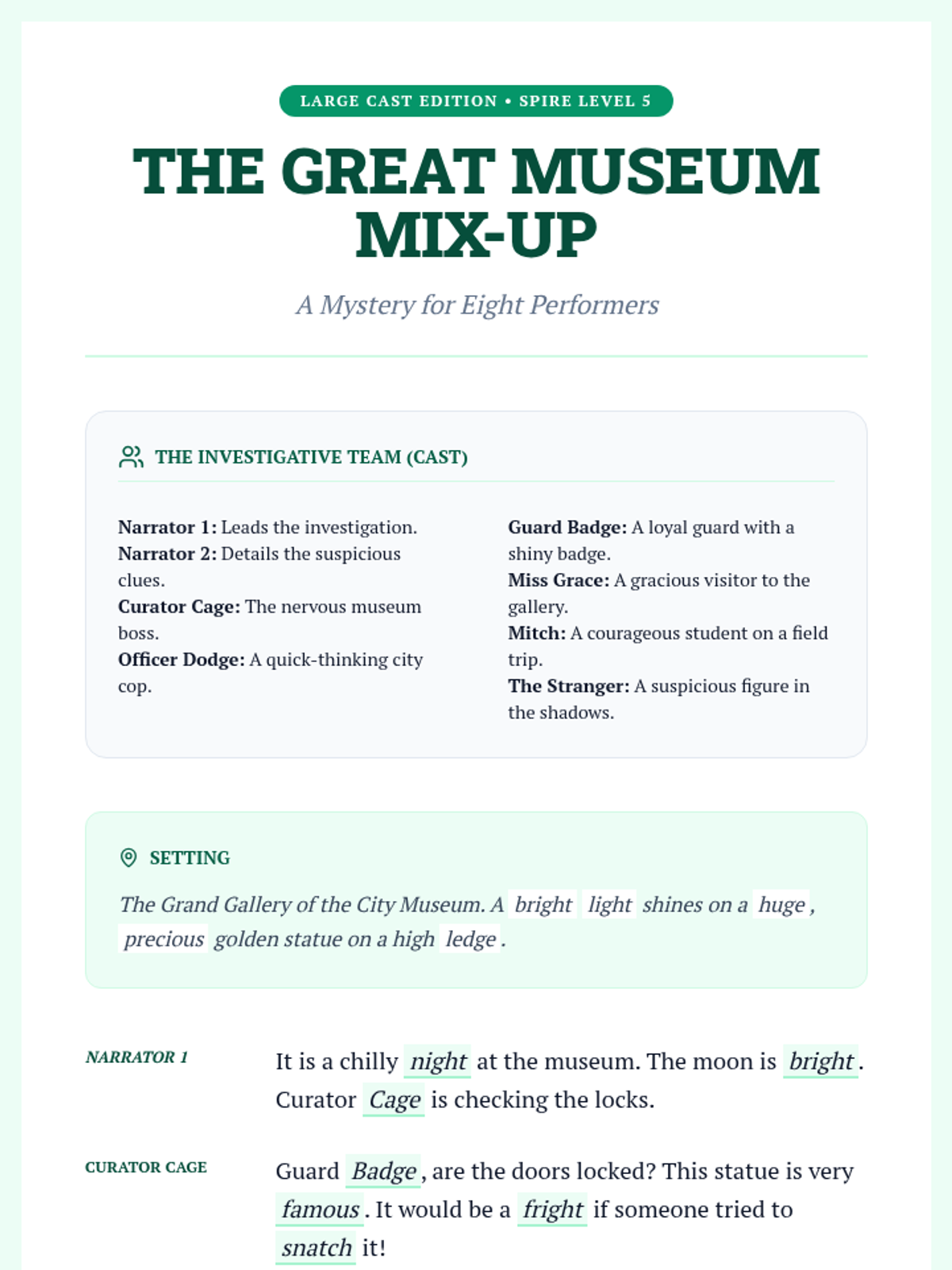
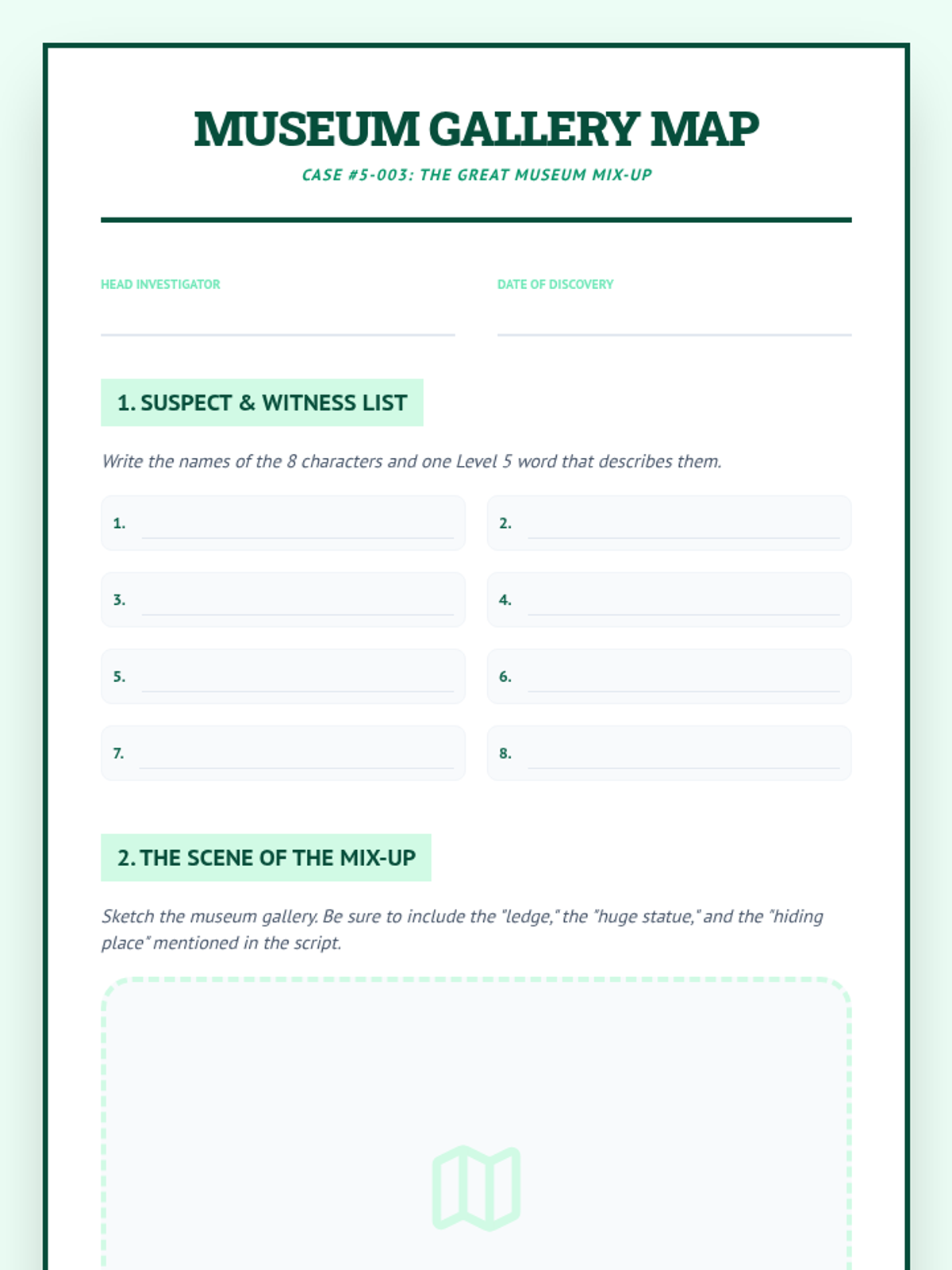
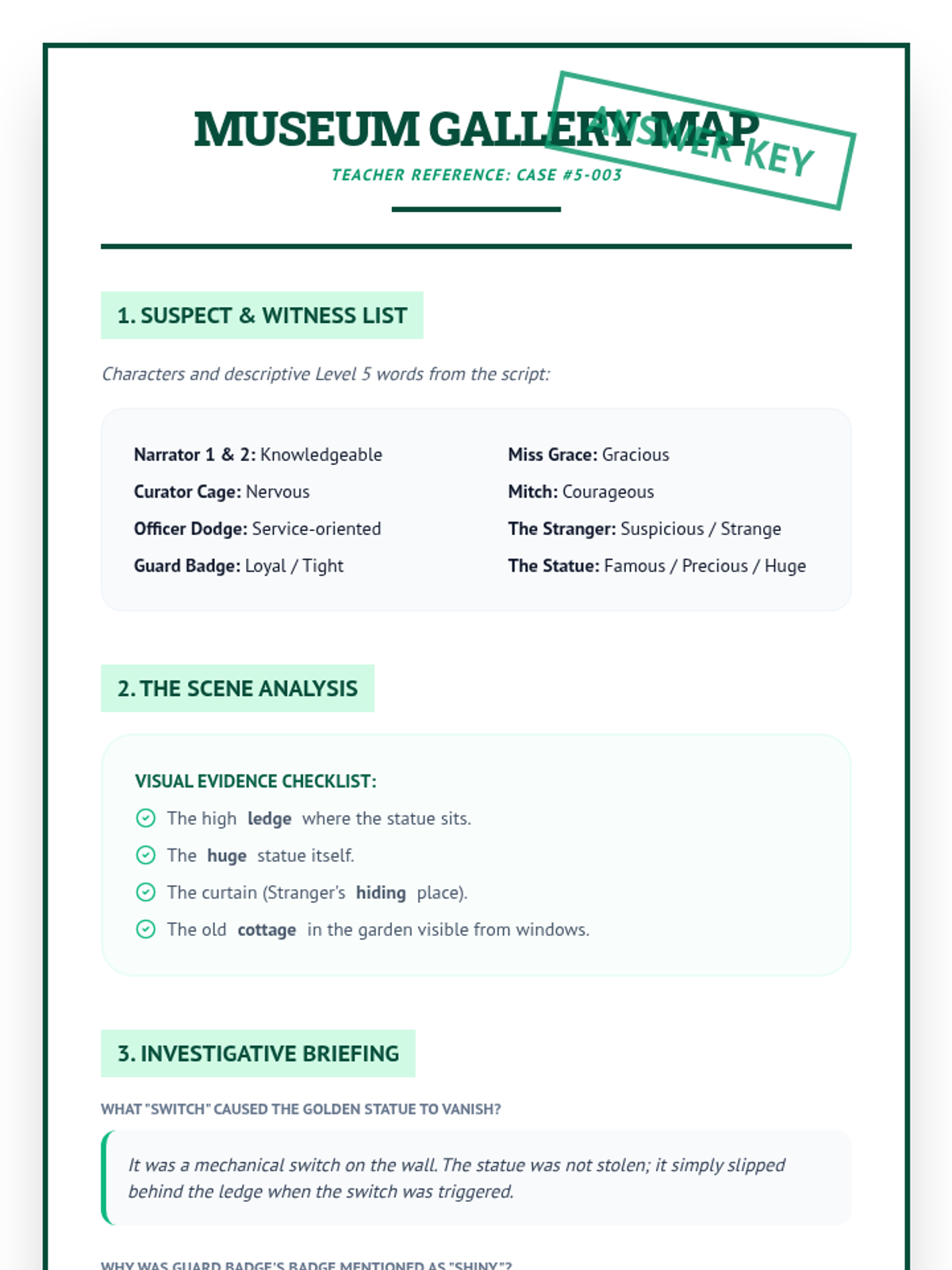
A large-cast Reader's Theater lesson featuring 8+ characters, focused on S.P.I.R.E. Level 5 patterns in a museum heist mystery.
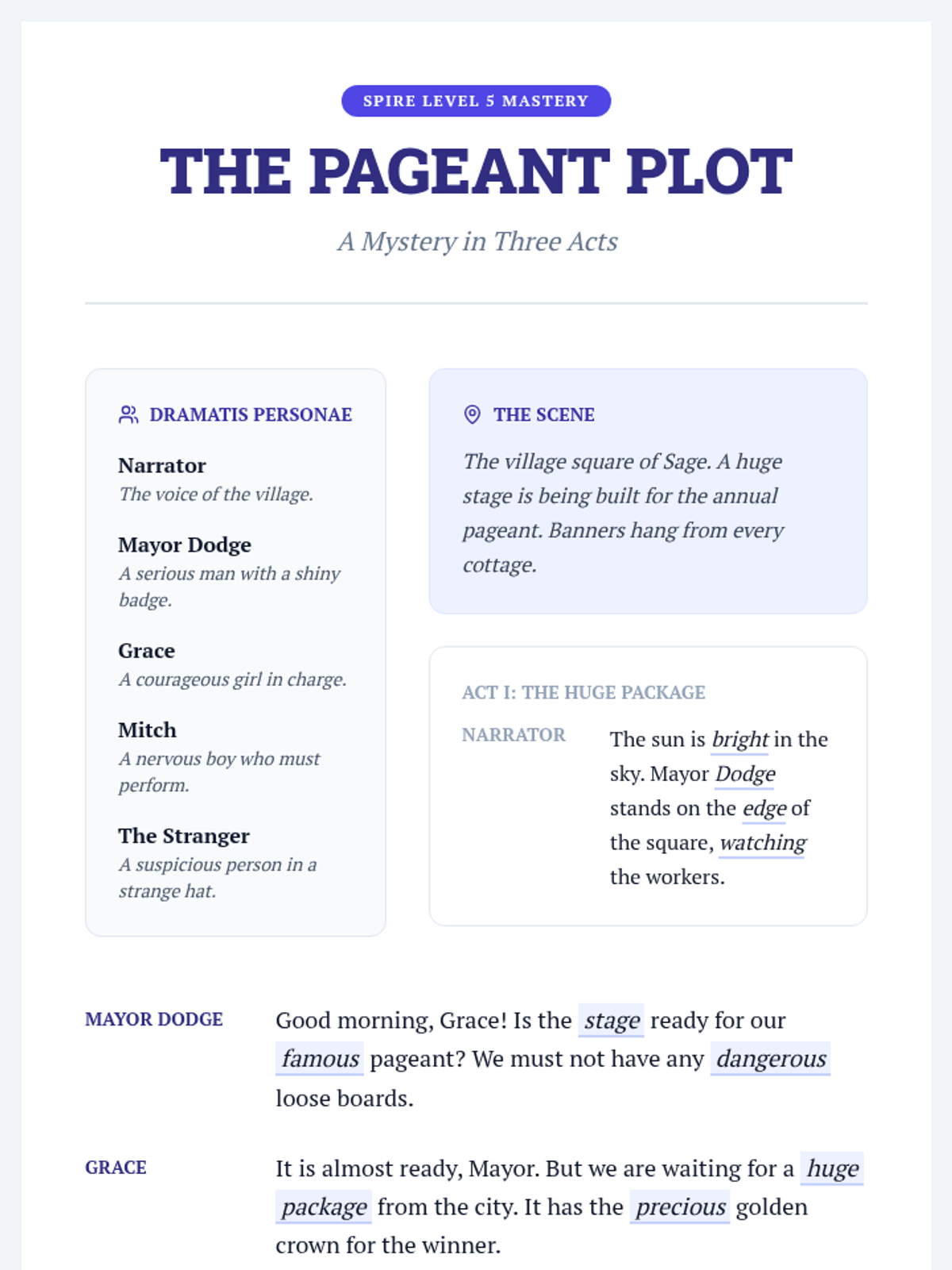
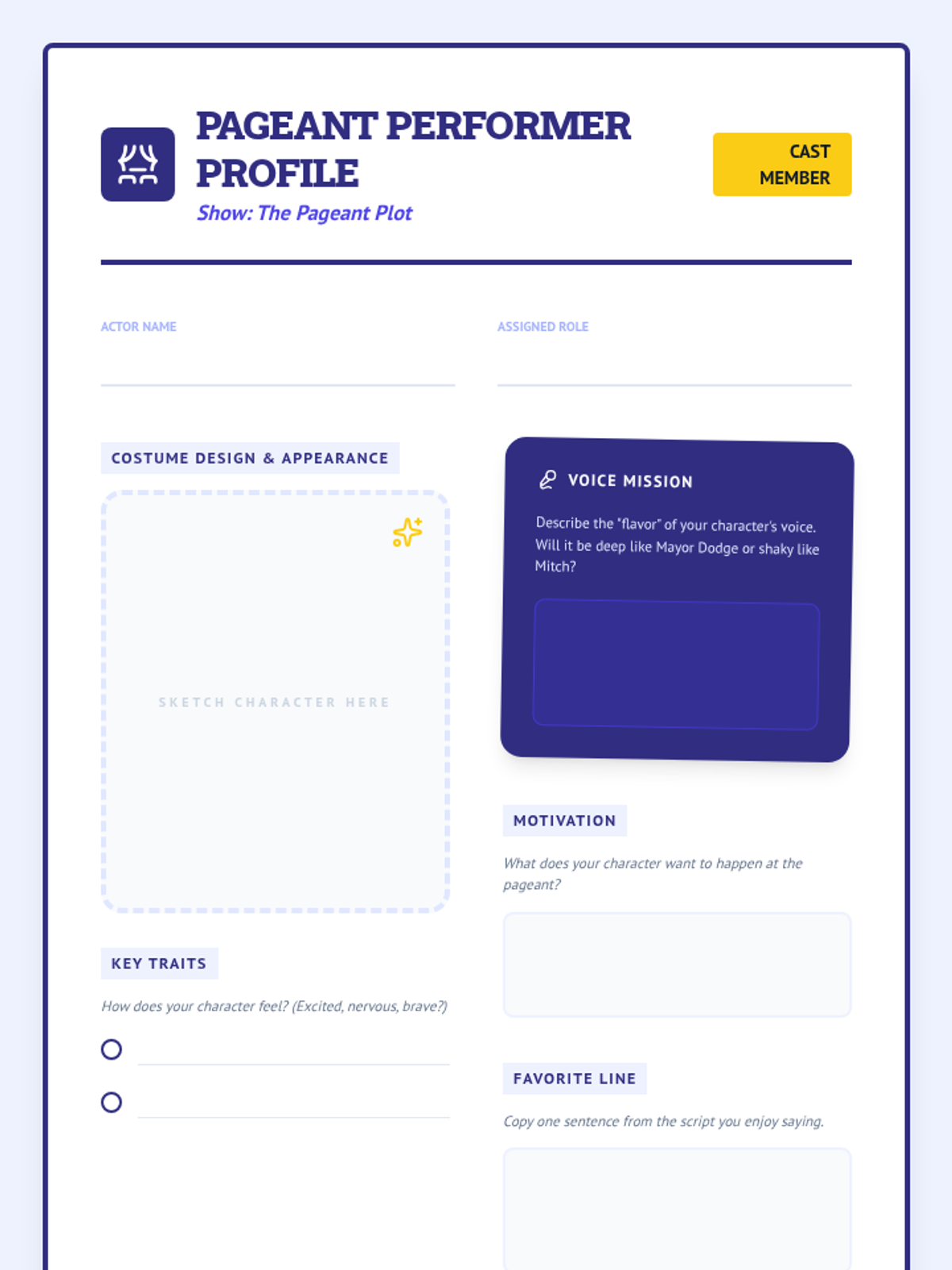
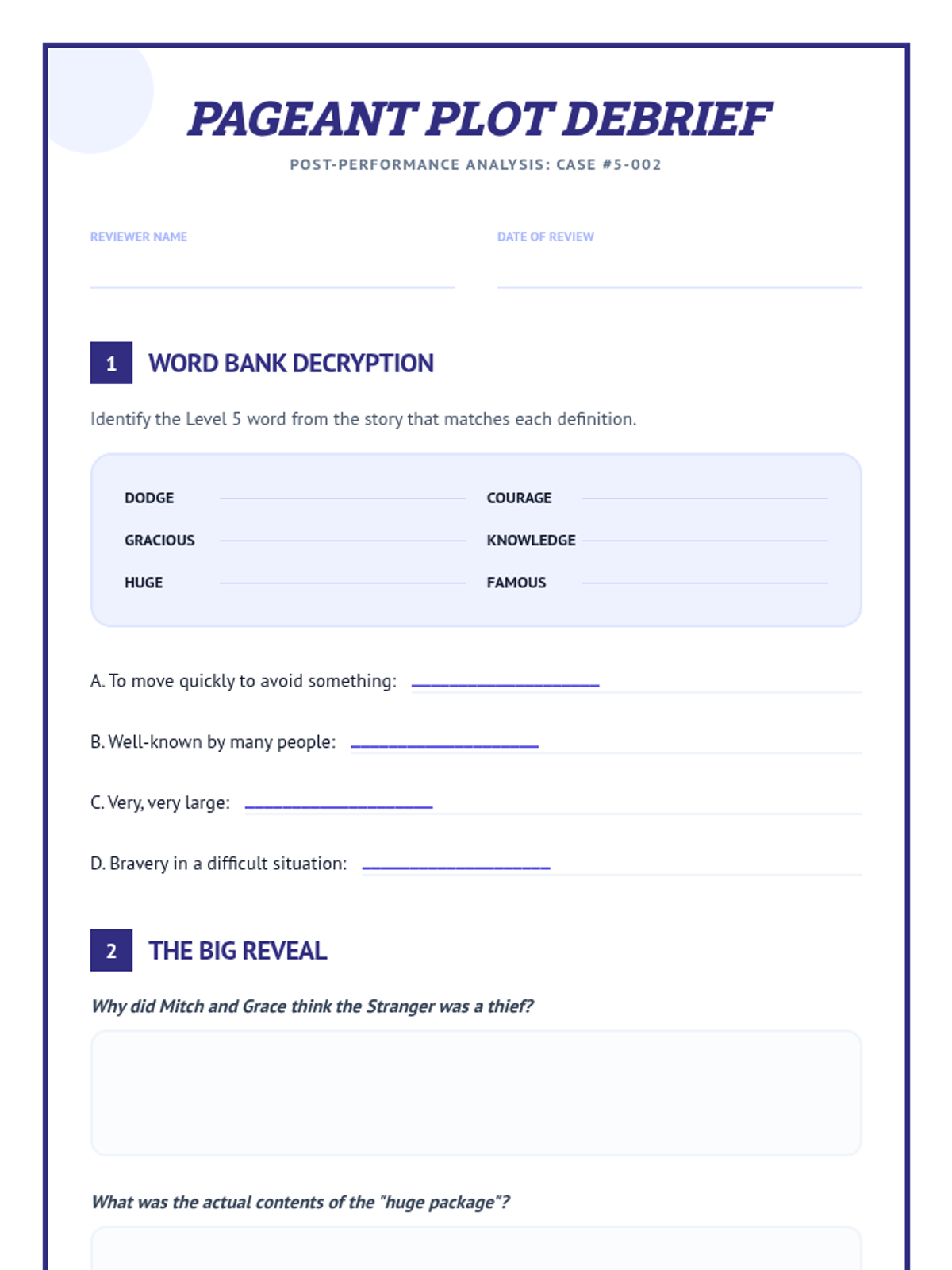
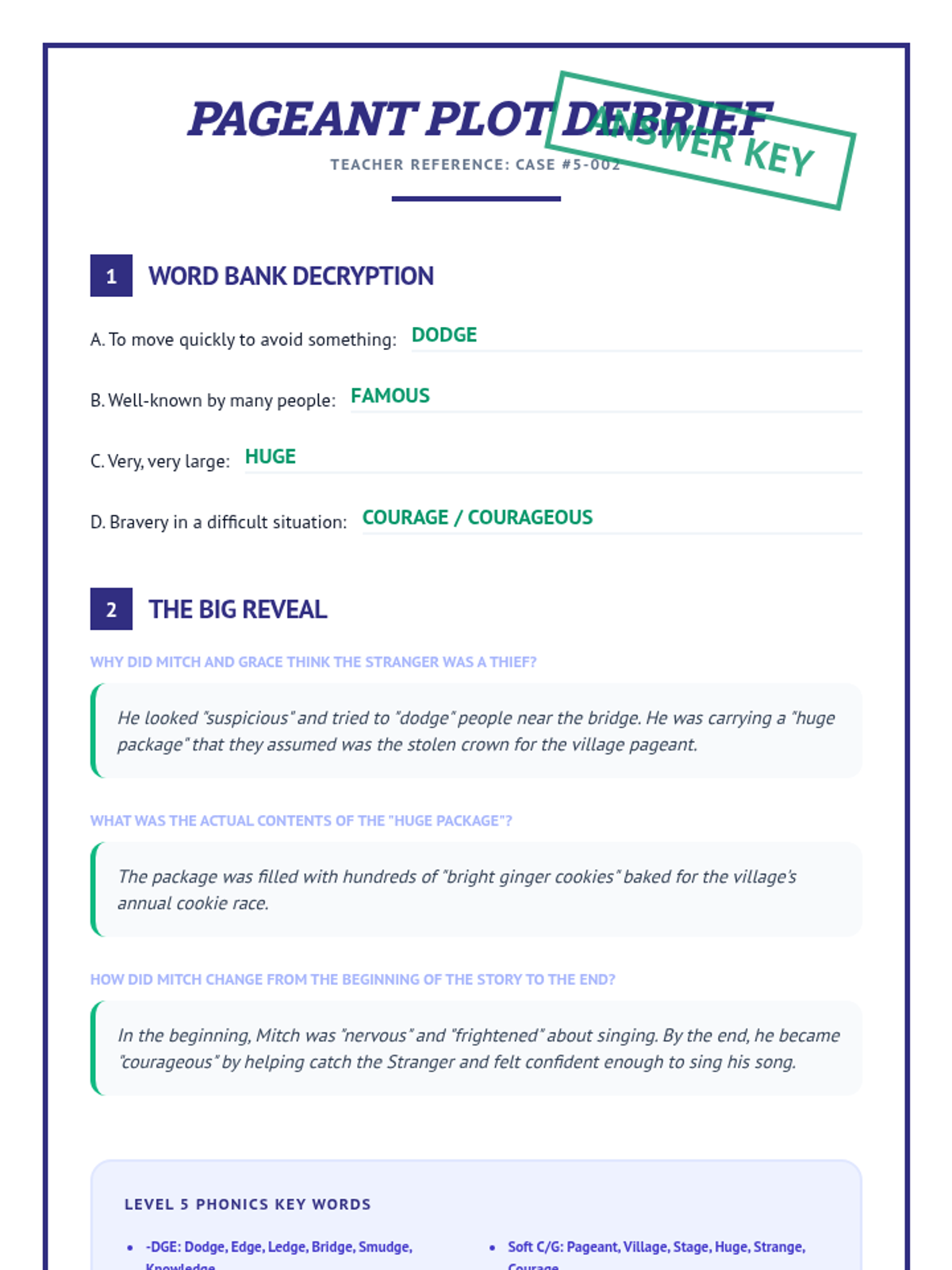
A second Reader's Theater lesson focused on S.P.I.R.E. Level 5 patterns, featuring a longer script about a mysterious package and a village pageant.
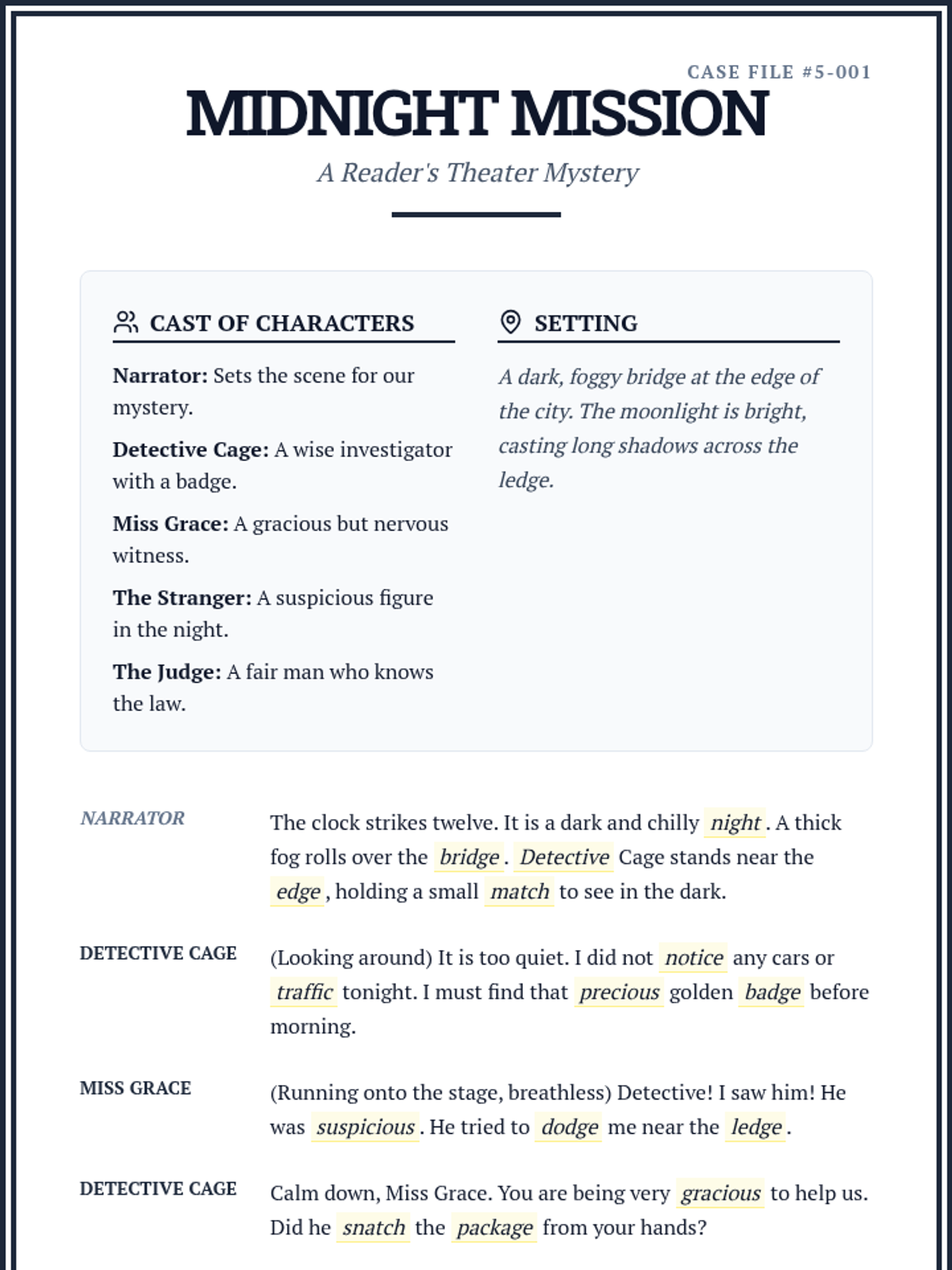
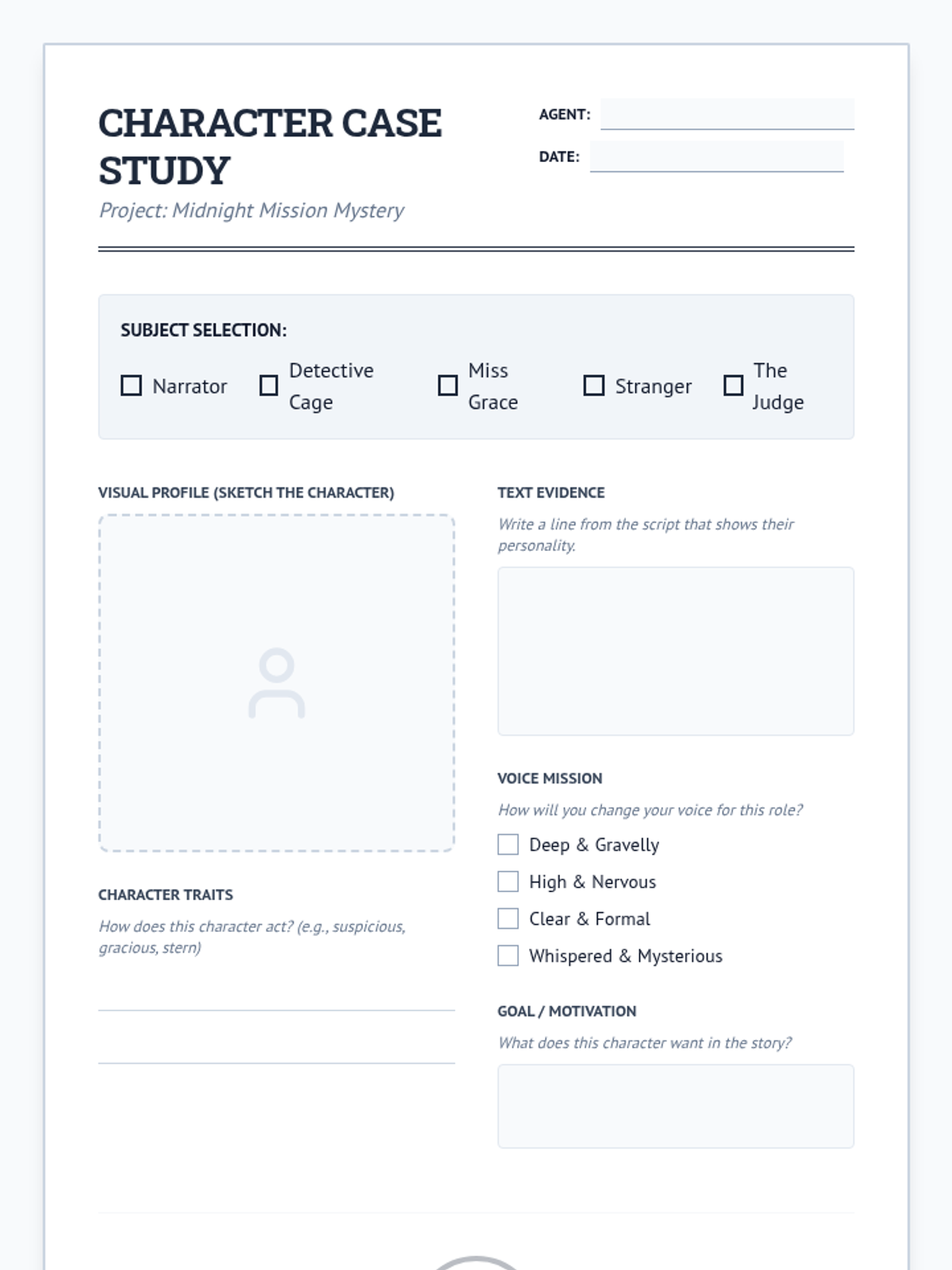
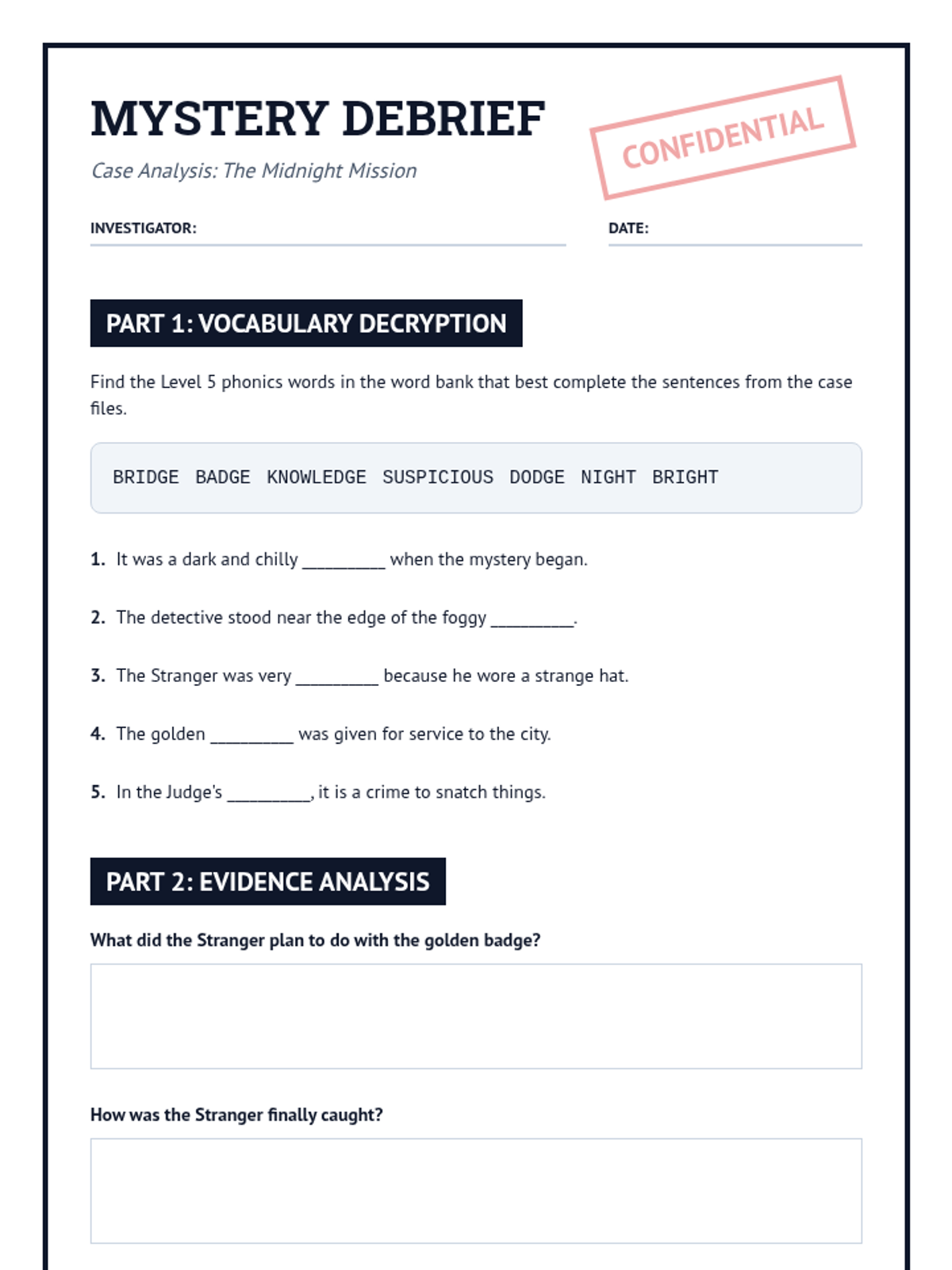
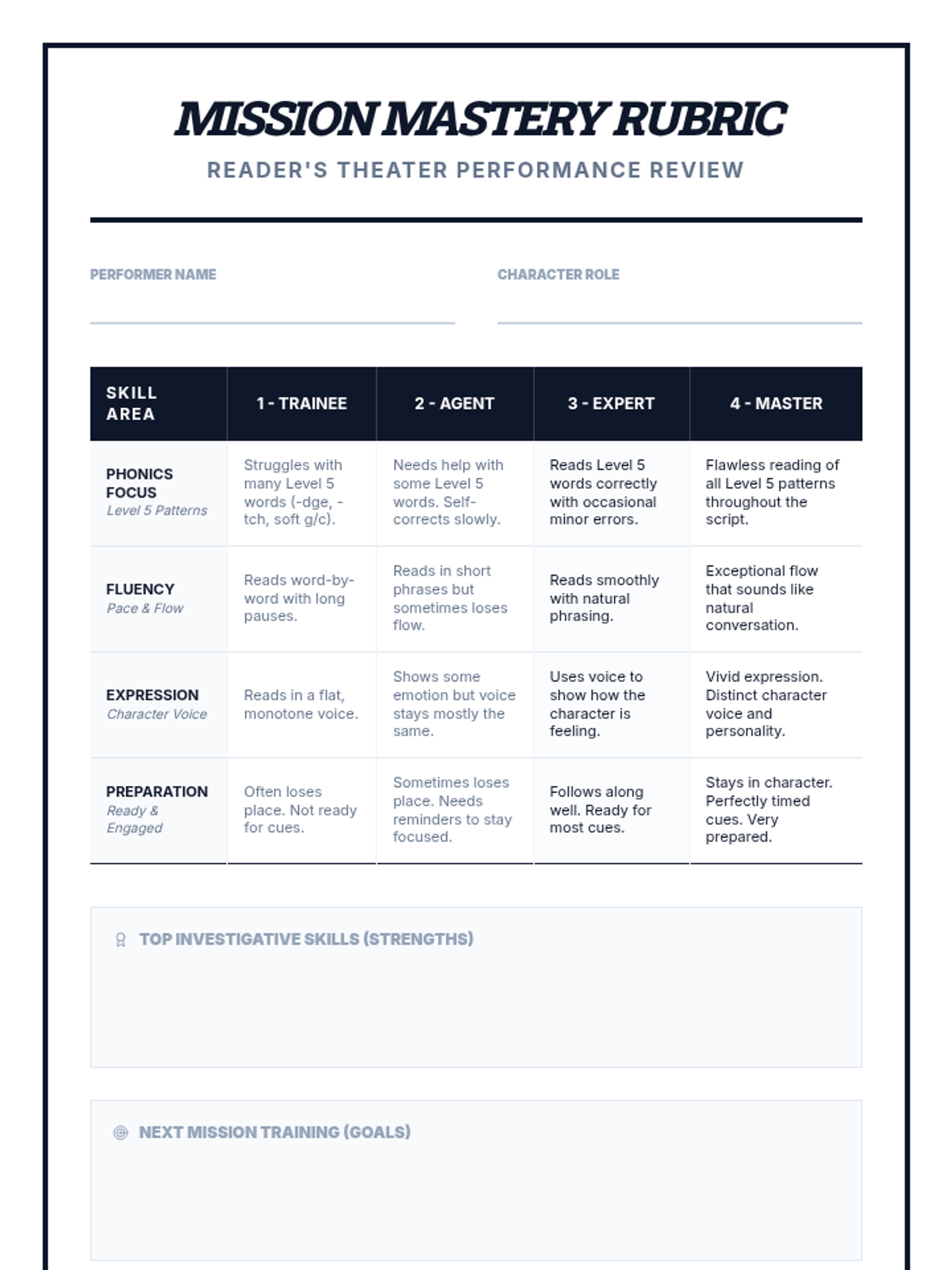
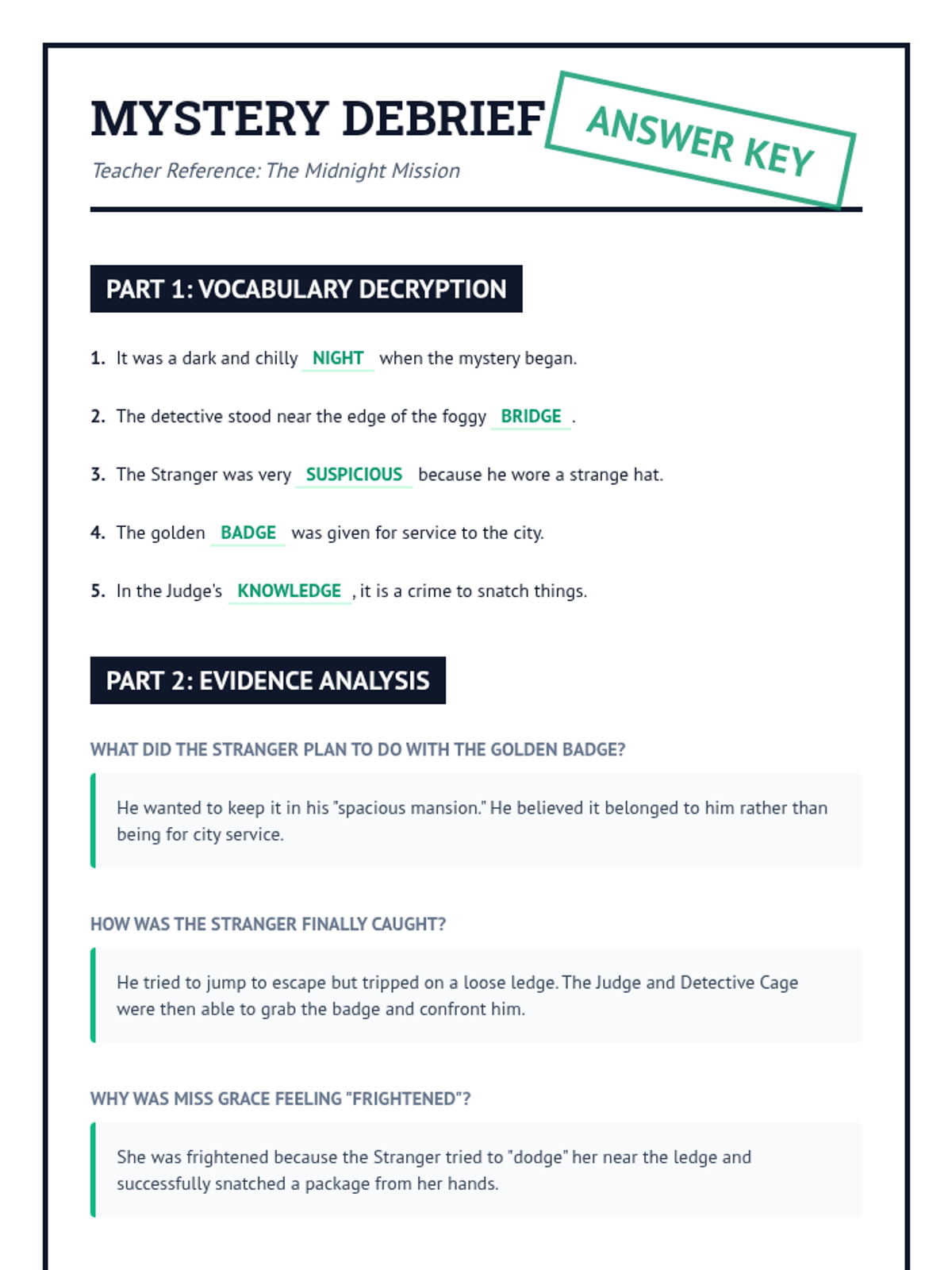
A Reader's Theater lesson focused on S.P.I.R.E. Level 5 phonics patterns, emphasizing fluency, expression, and character analysis through a mystery-themed script.
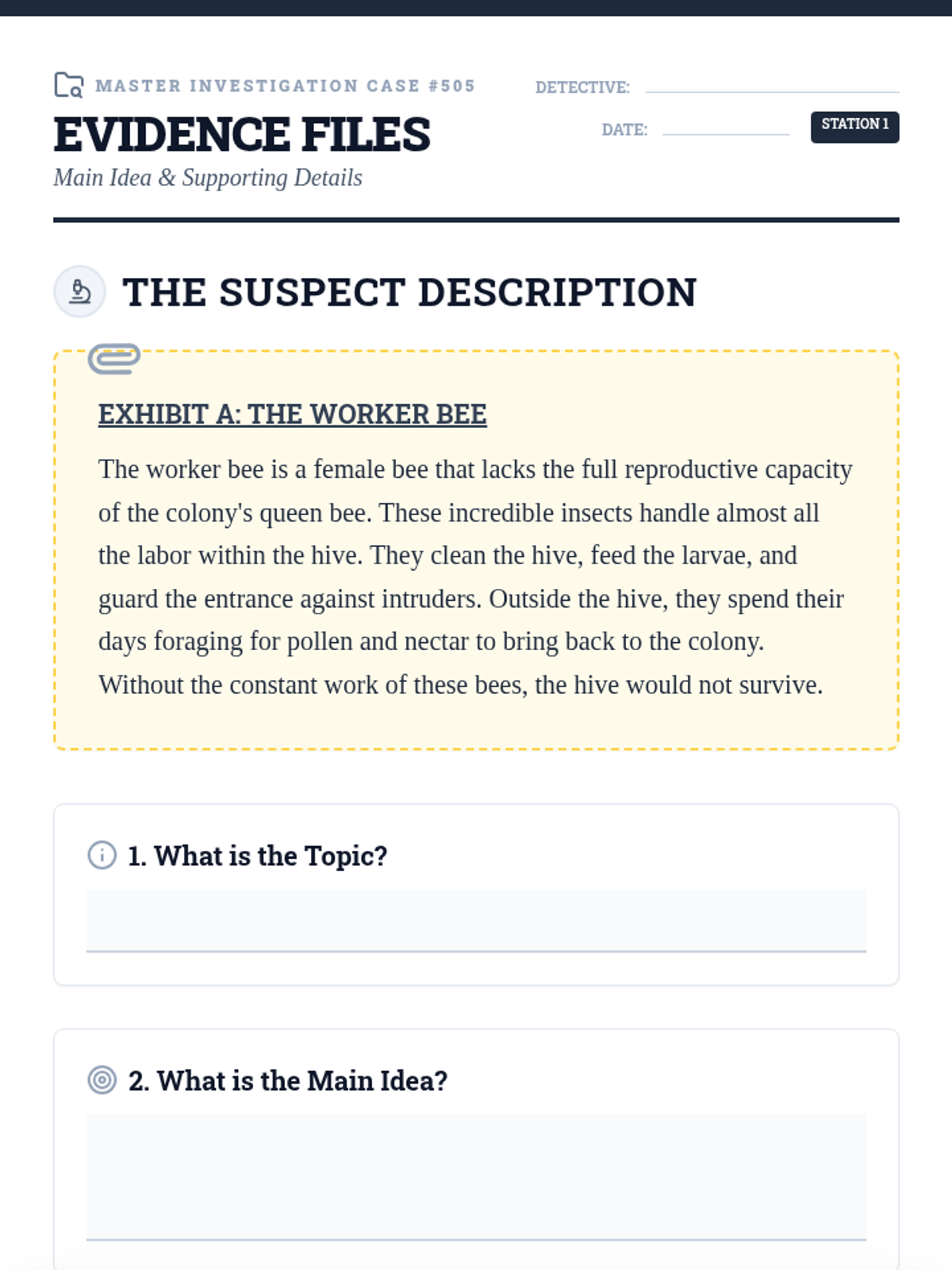
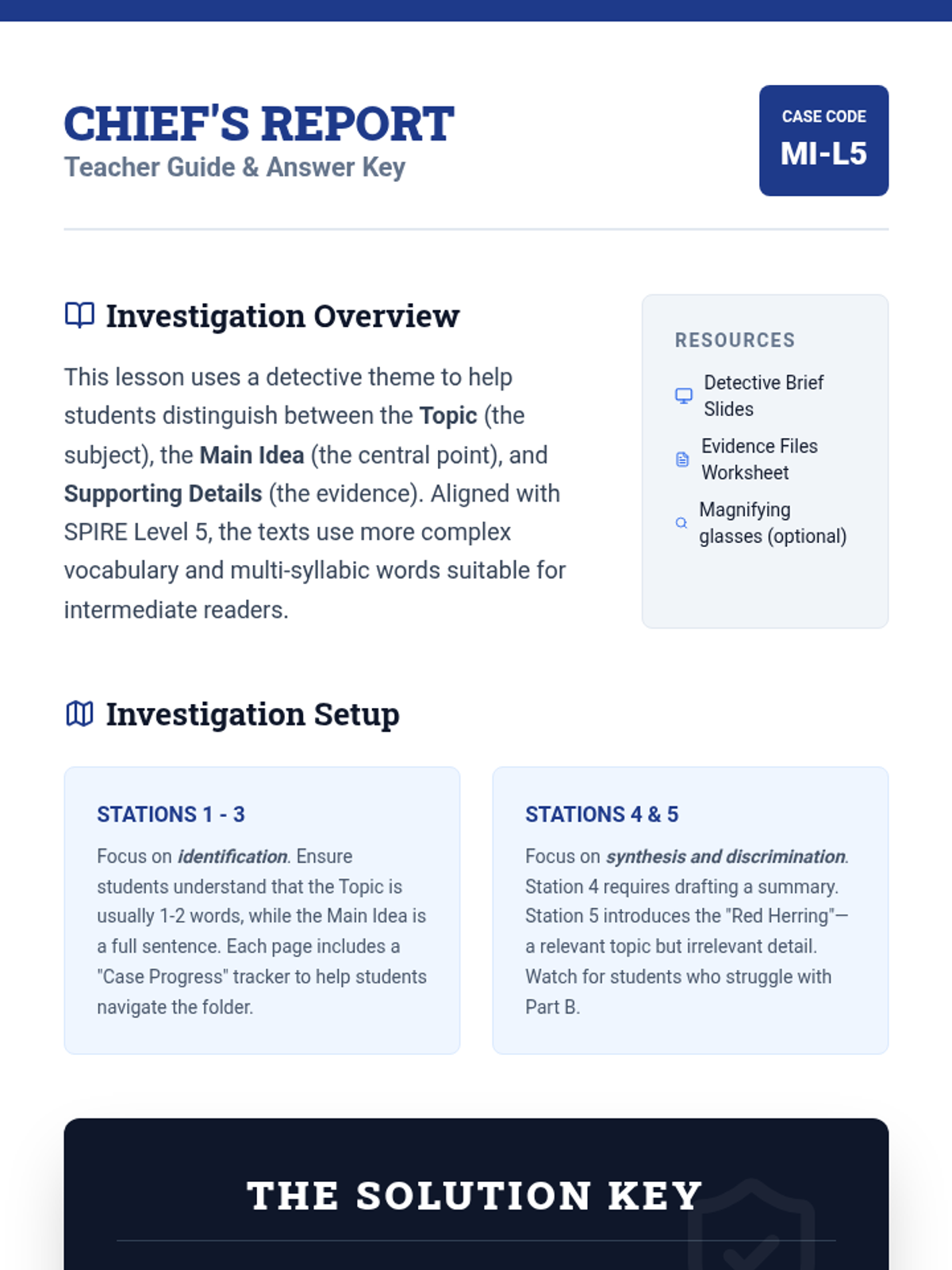
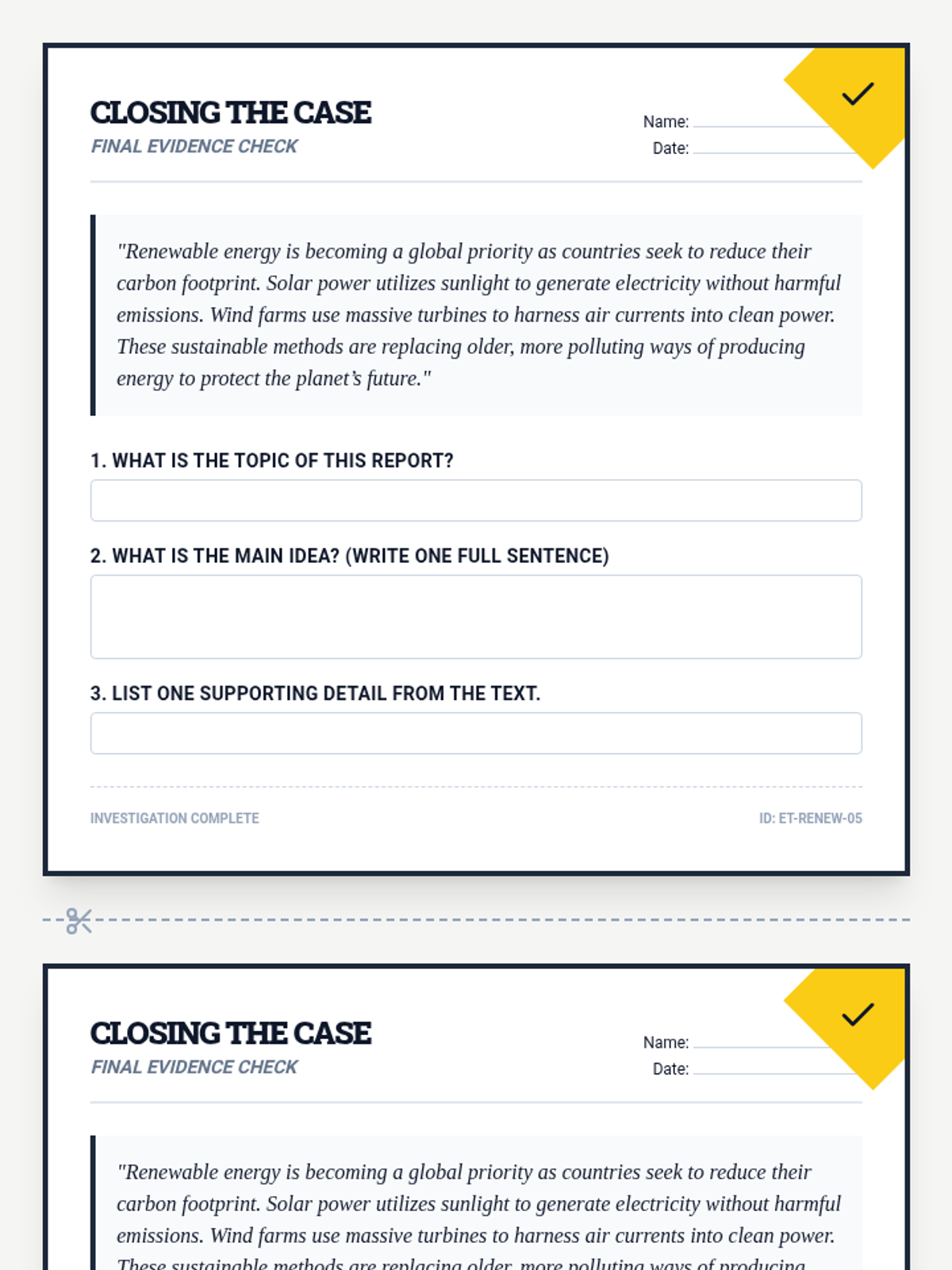
A detective-themed lesson focusing on identifying the main idea, topic, and supporting details in complex texts, aligned with SPIRE Level 5 concepts.