Students explore how sound travels from a source to the ear through a chain reaction of vibrations, using dominoes, video analysis, and a physical role-play activity.
A 45-minute ESL lesson for grade 4 students at the Developing (Level 3) proficiency level. Students will explore life cycles, practice gathering information from texts, and learn to take notes and categorize data using graphic organizers.
Uma aula completa sobre as principais teorias da origem da vida, abordando desde a abiogênese até os experimentos de Miller-Urey, alinhada à BNCC para o Ensino Fundamental II.
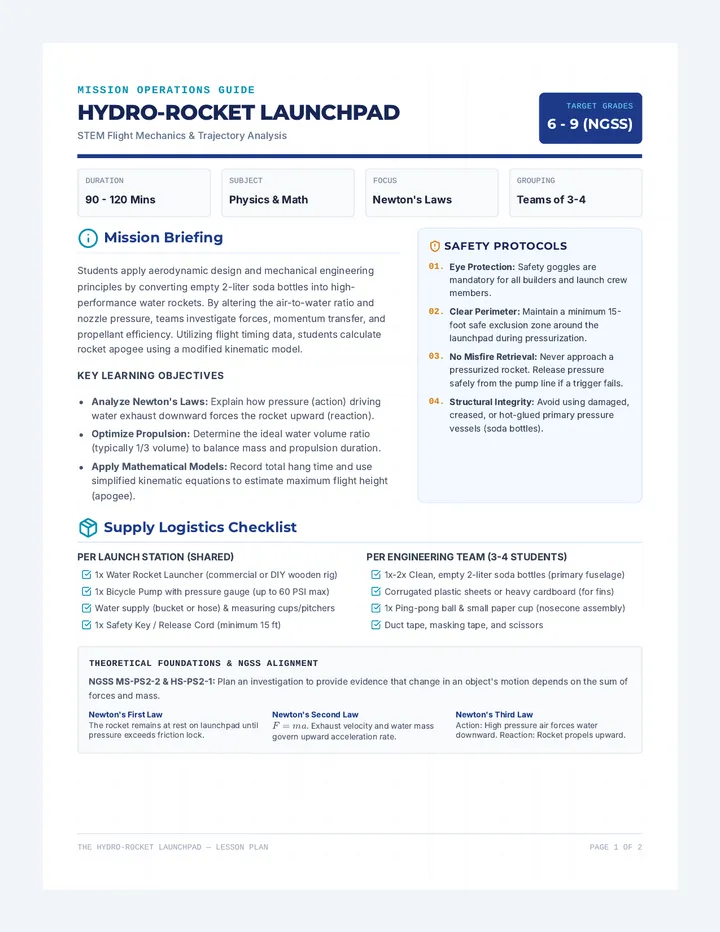
A rapid-fire intervention lesson designed to solidify the fundamentals of Newton's Laws through hands-on experimentation and visual mapping. Perfect for small group remediation or a quick refresher before transitioning to new physics concepts.
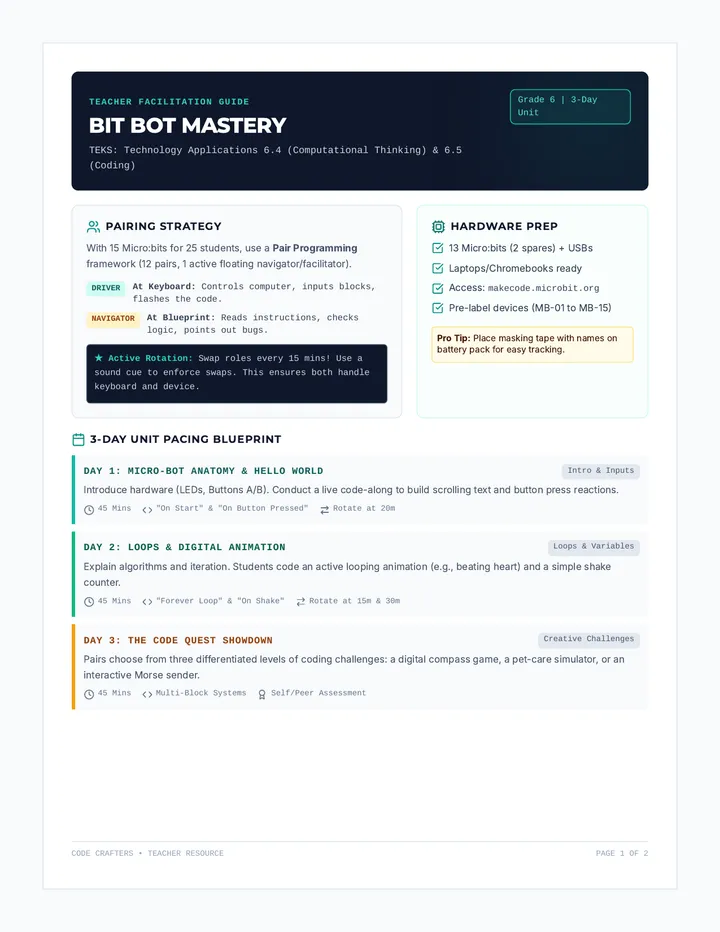
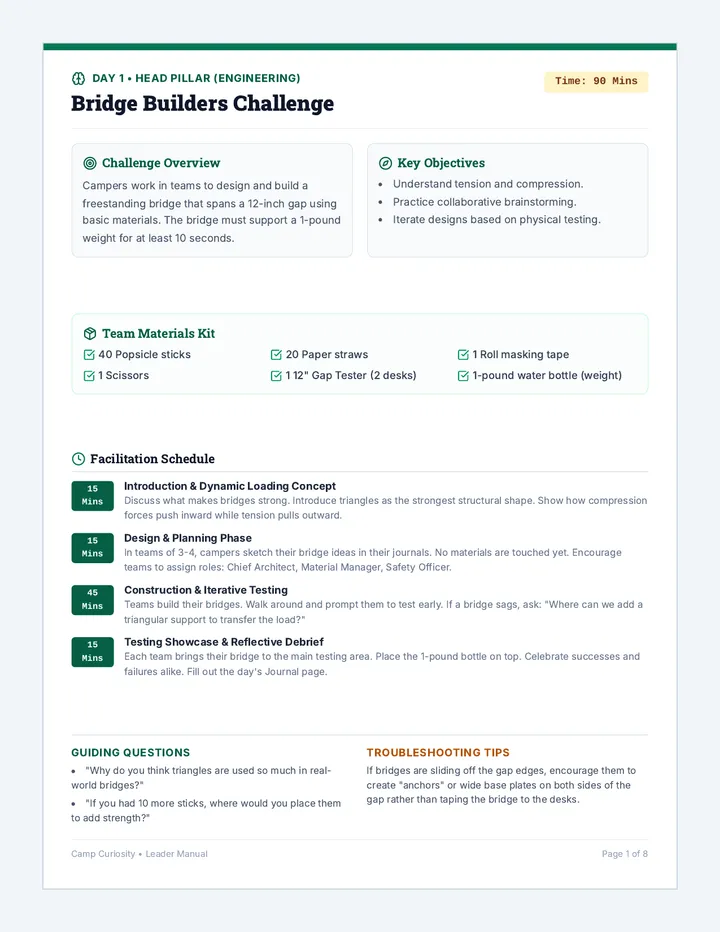
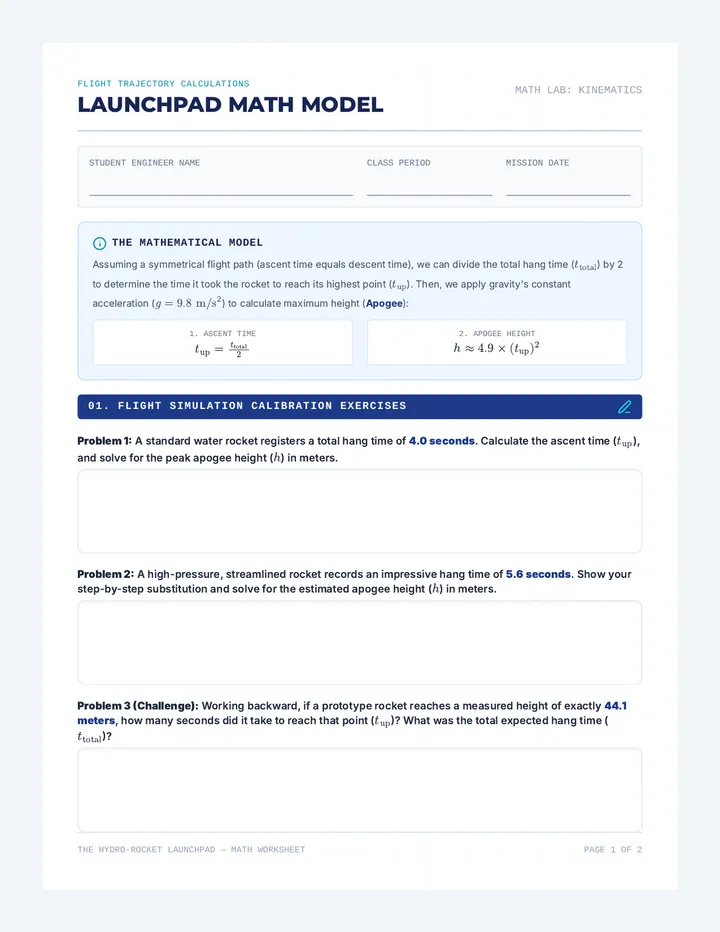
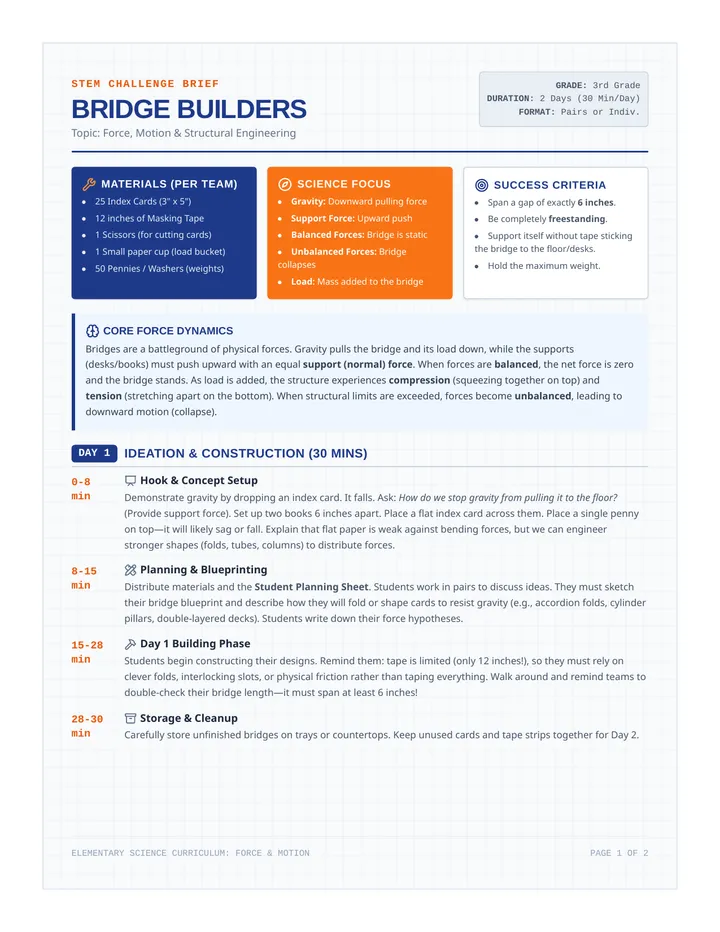
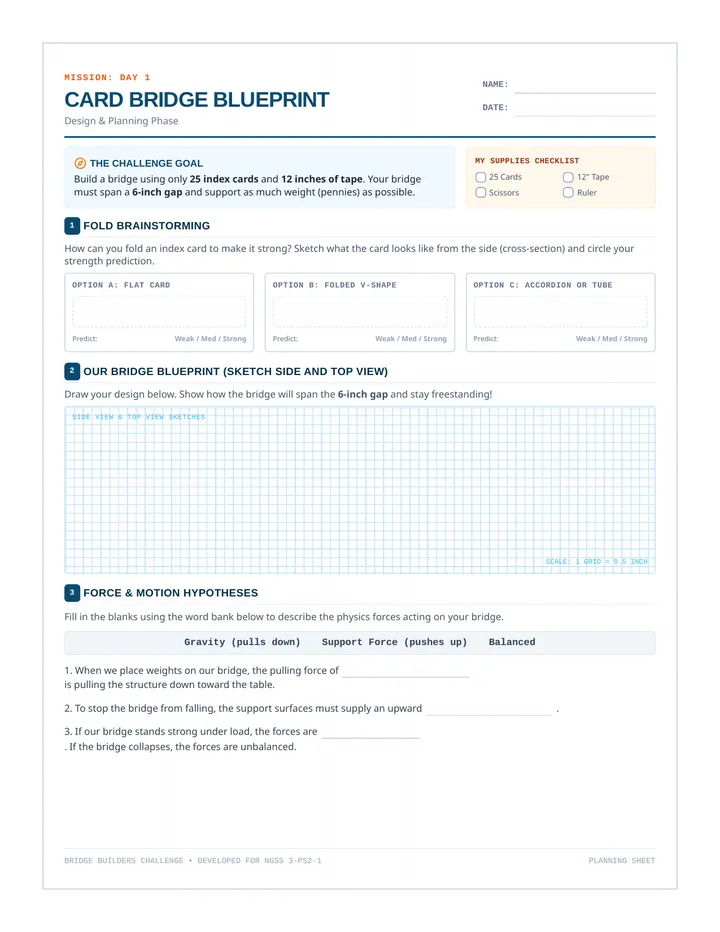
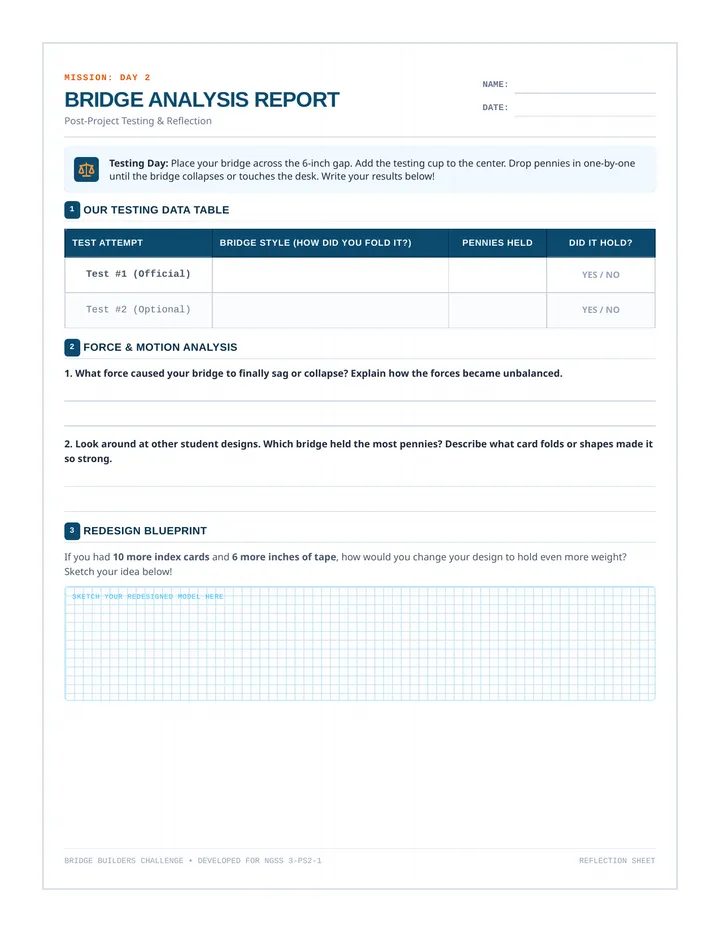
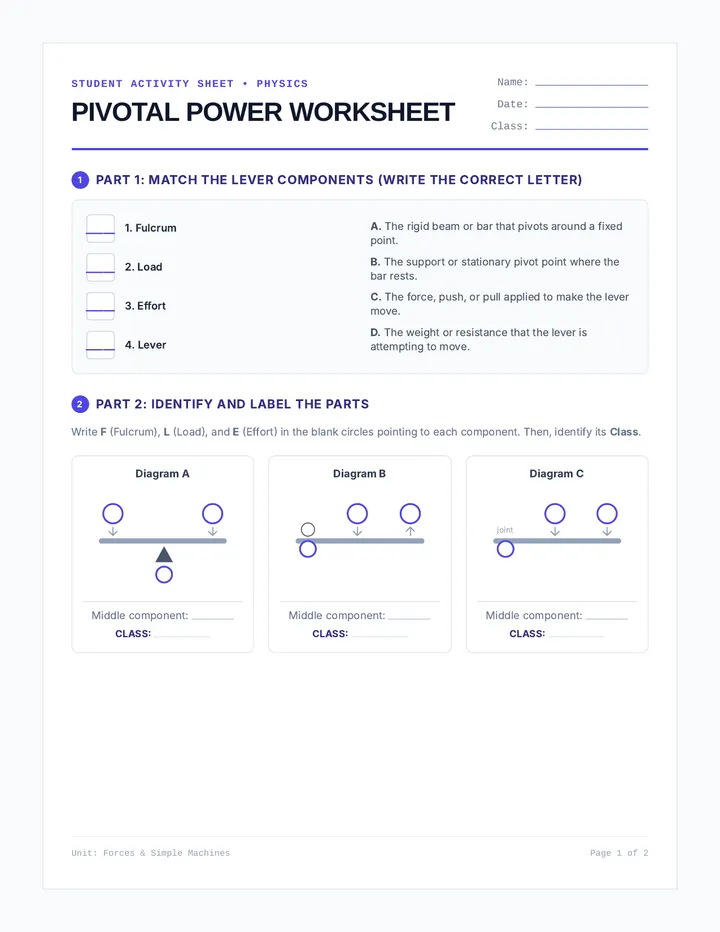
A foundational toolkit for setting up a physical engineering and maker space, covering physical layout, collaborative roles, and essential classroom routines.
An introductory lesson on sustainable development, exploring the three pillars of sustainability and how human actions impact the planet's future.
A comprehensive lesson on calculating the forces and torque acting on a rectangular current-carrying loop within a uniform magnetic field. Students will master the Right-Hand Rule and the torque equation through visual derivations and practice problems.
A synthesis lesson where students compare and sort the needs of all living things to identify patterns.
Explores the survival requirements of animals and humans, highlighting food, water, air, and shelter.
Focuses on what plants need to grow and thrive, including sunlight, water, air, and soil.
A comprehensive lesson for 5th graders covering the Artemis II mission, including crew details, mission goals, preparation, and its historical significance for future lunar exploration.
Lección introductoria a los eventos del teclado en JavaScript, donde los estudiantes aprenden a capturar pulsaciones de teclas para controlar elementos en una página web.
A lesson focused on the fundamental vocabulary of genetics, covering genotypes, phenotypes, inheritance patterns, and cell division for reproductive cells.
A creative engineering lesson where students use LEGO bricks to design and build detailed animal models based on specific prompt constraints. Focuses on spatial reasoning, creative problem-solving, and descriptive writing.
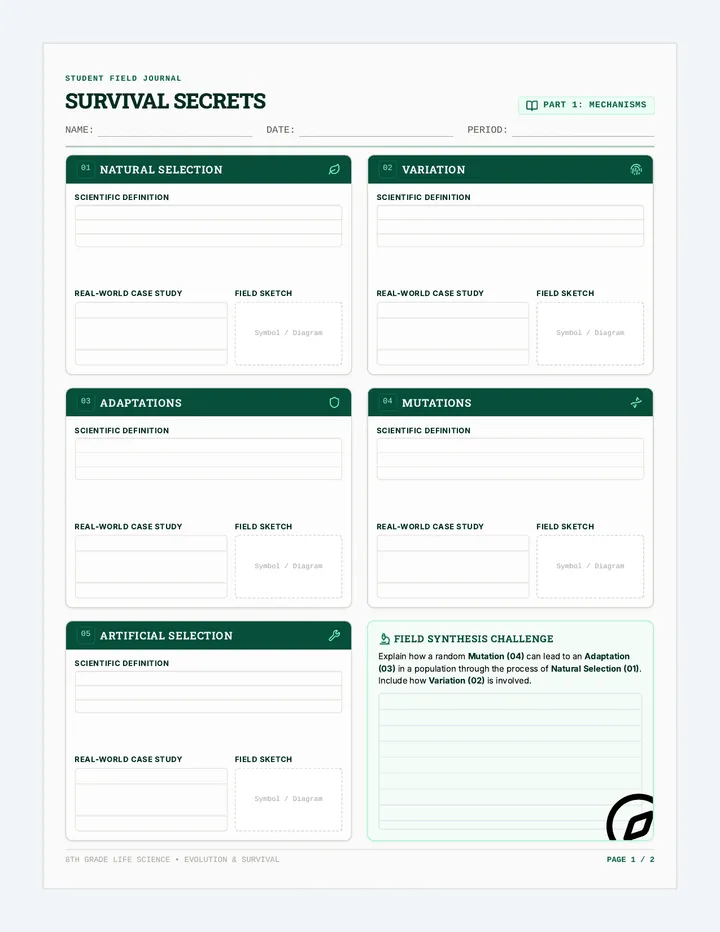
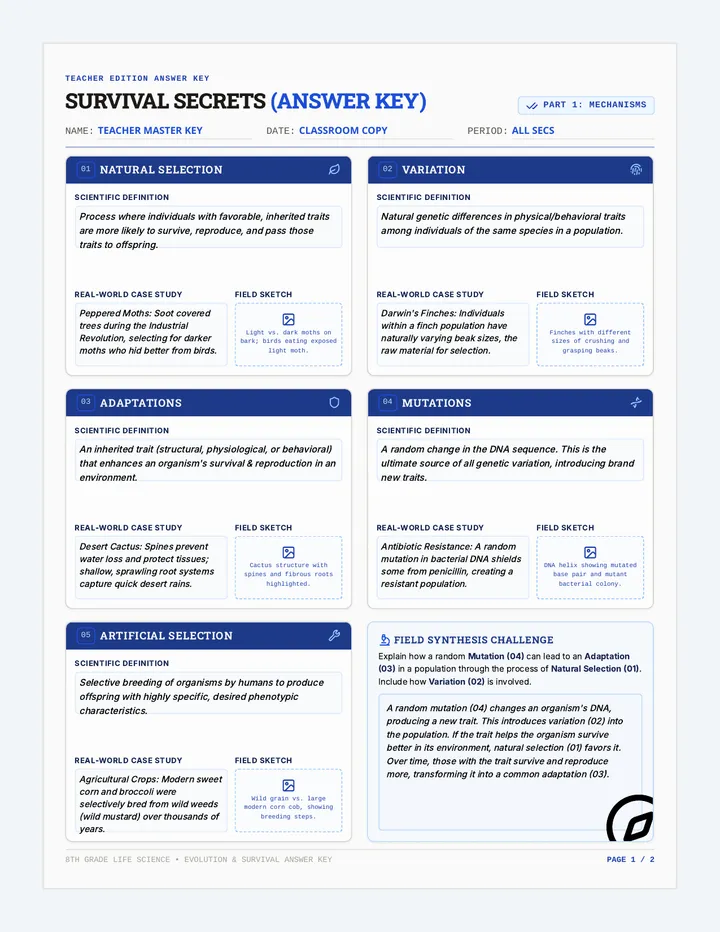
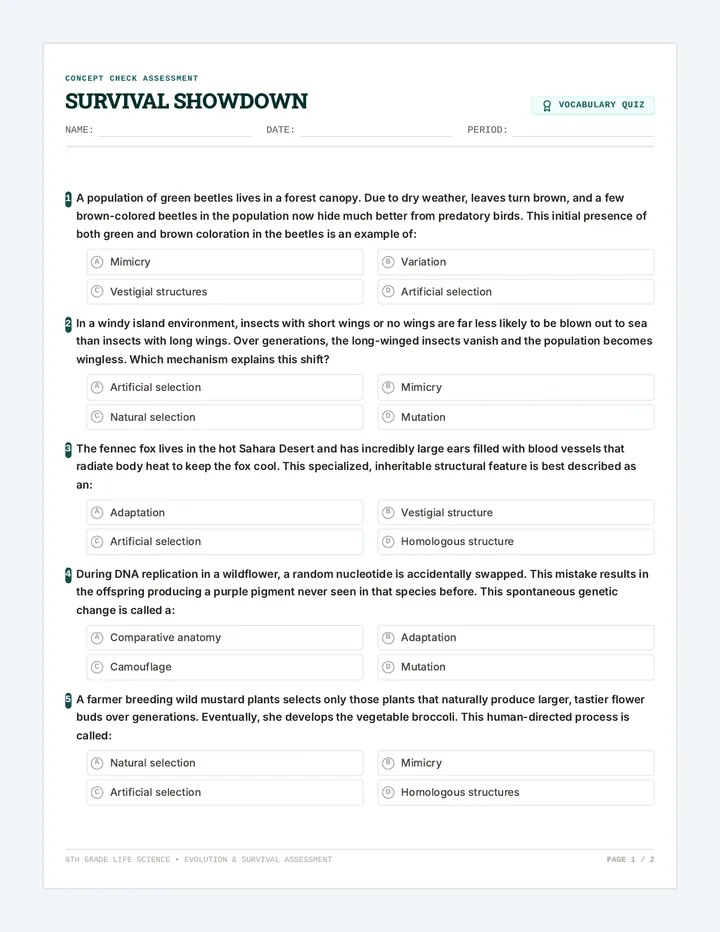
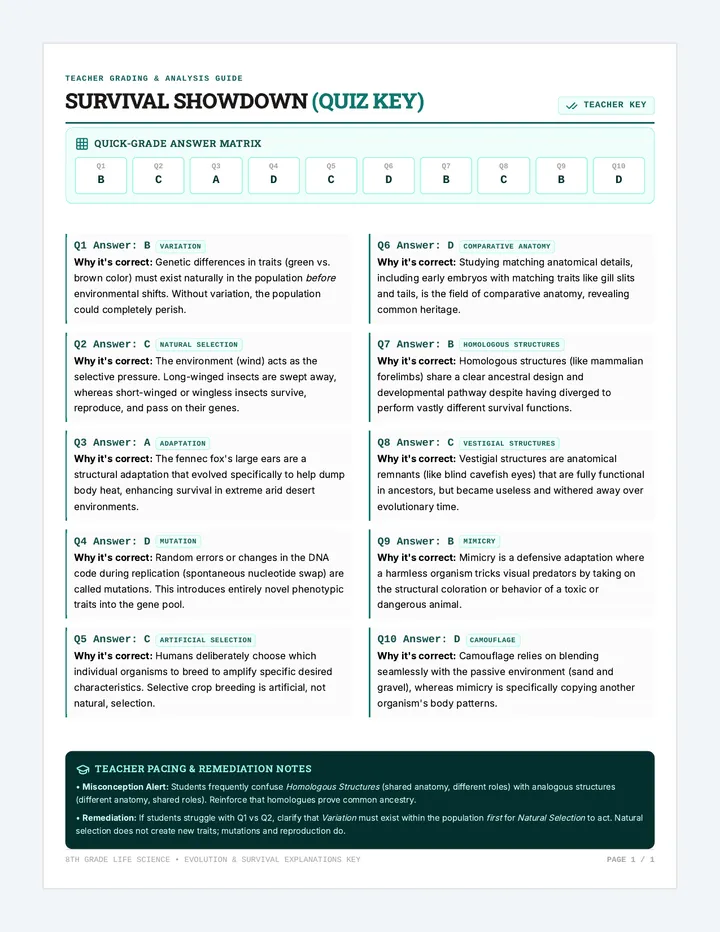
A comprehensive 5E lesson where students act as biological detectives to investigate the empirical evidence supporting common ancestry and evolution, including fossil records, anatomical homologies, embryology, and molecular biology.
A comprehensive collection of species profiles covering the major branches of the human family tree, from the earliest potential ancestors to our closest extinct relatives.
Final assessment of the Floss rule and heart words. Includes dictation and a creative word family exercise.
Fluency building and phonics games. Students practice rapid reading of bonus letter words and construct sentences.
Application through word sorting and decodable reading. Students identify word families and read words in context.
Focus on word building and dictation. Students use letter tiles to practice doubling final consonants and apply heart word knowledge in writing.
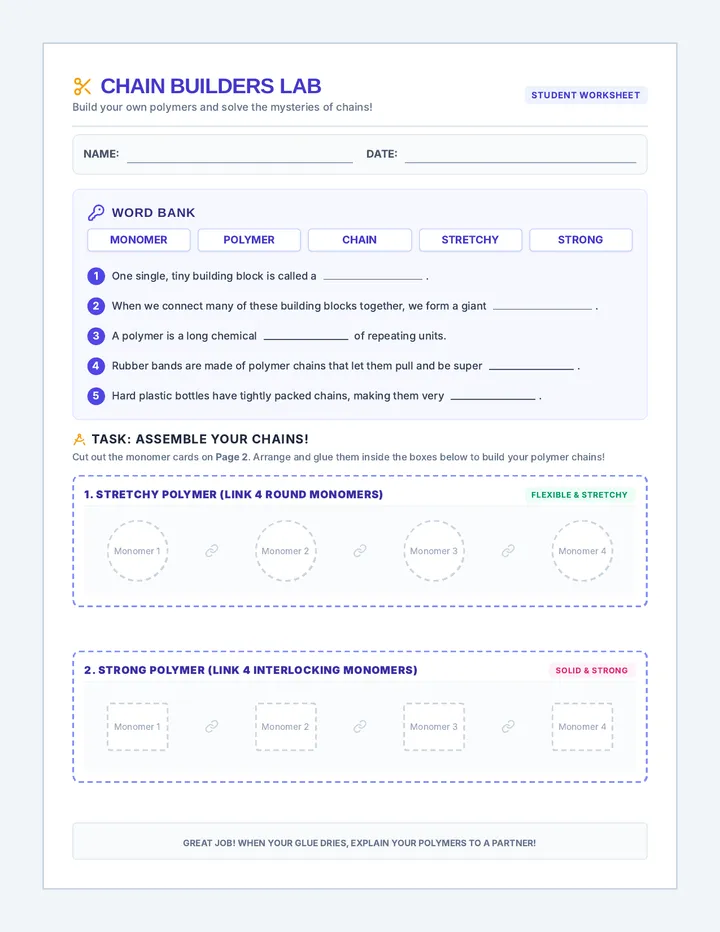
Introduction to the bonus letters f, l, s, and z. Students learn the rule that when a one-syllable word ends in f, l, s, or z after a short vowel, the letter is doubled. Includes the teacher guide for the full week.
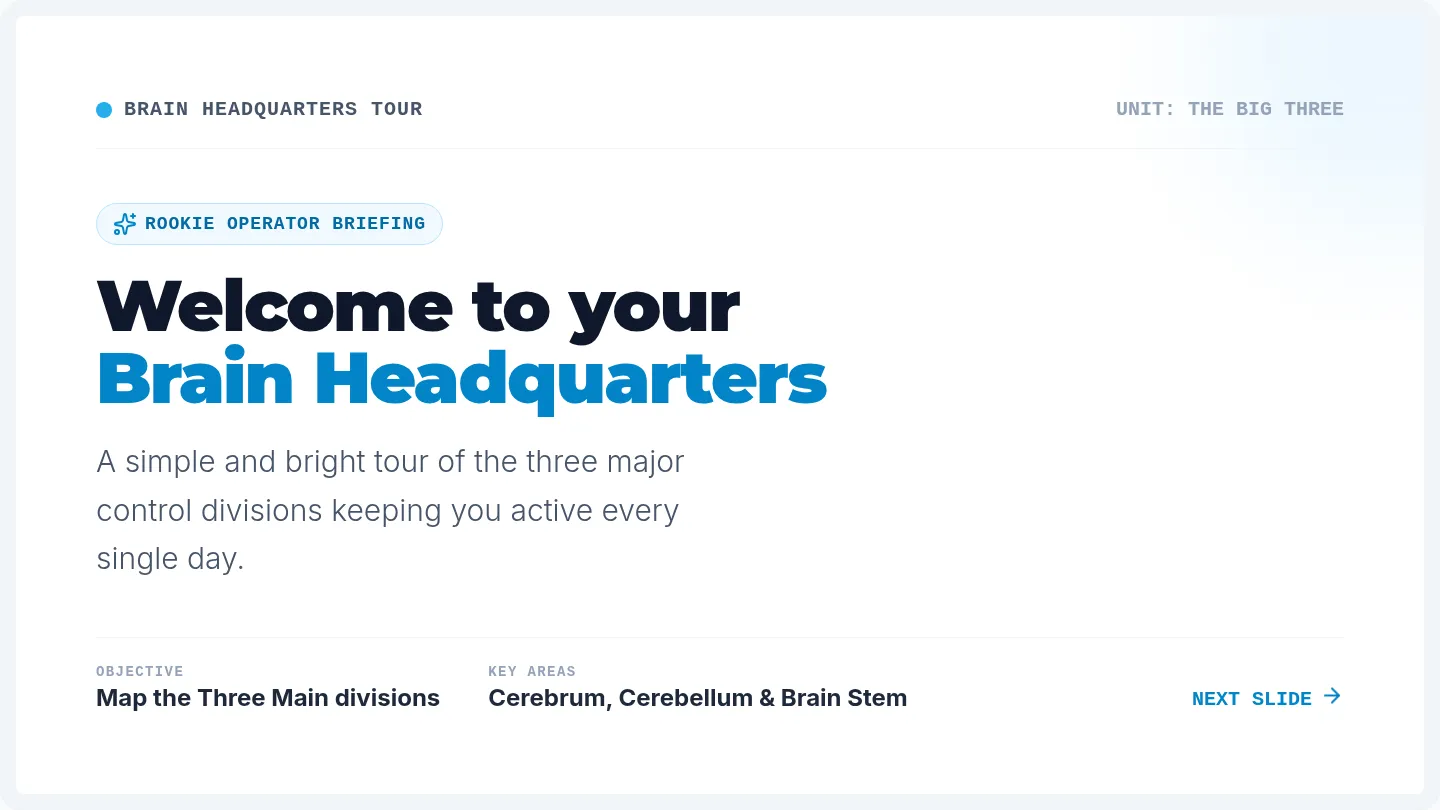
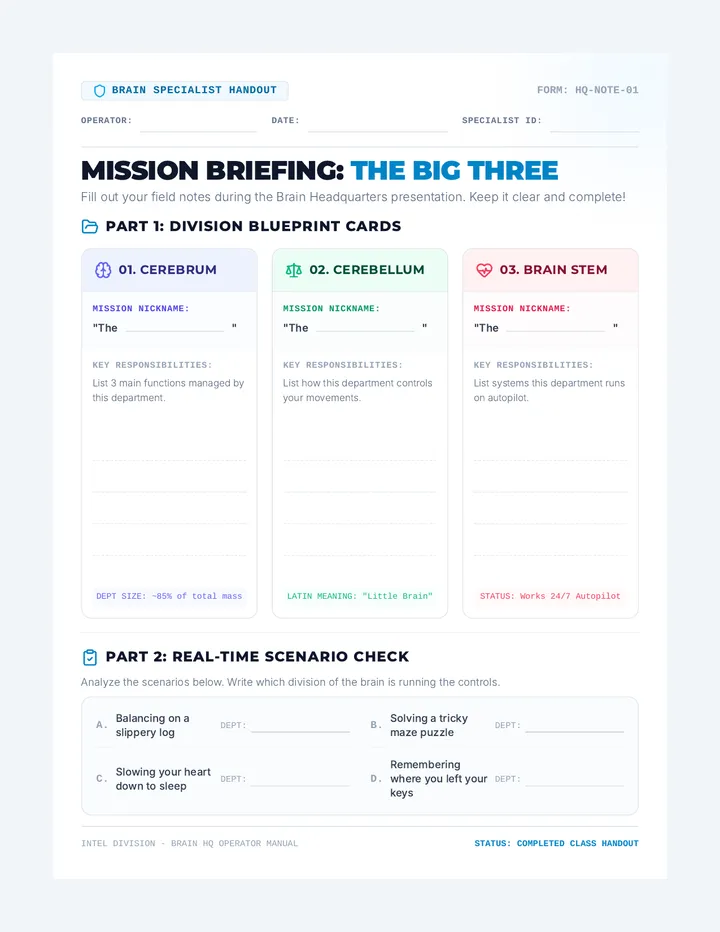
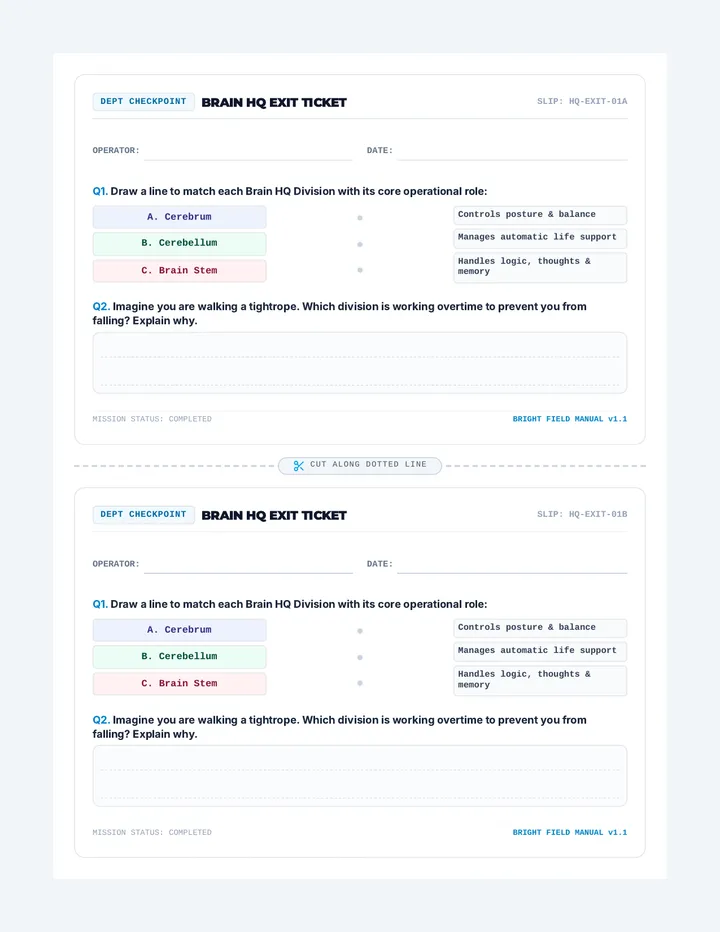
A foundational week-long unit on the human brain and nervous system, focusing on brain region anatomy, functional localization, and the impact of site-specific brain injuries.
This lesson focuses on phonemic awareness through the manipulation of sounds, specifically reversing phonemes in one-syllable words to build foundational reading and spelling skills.
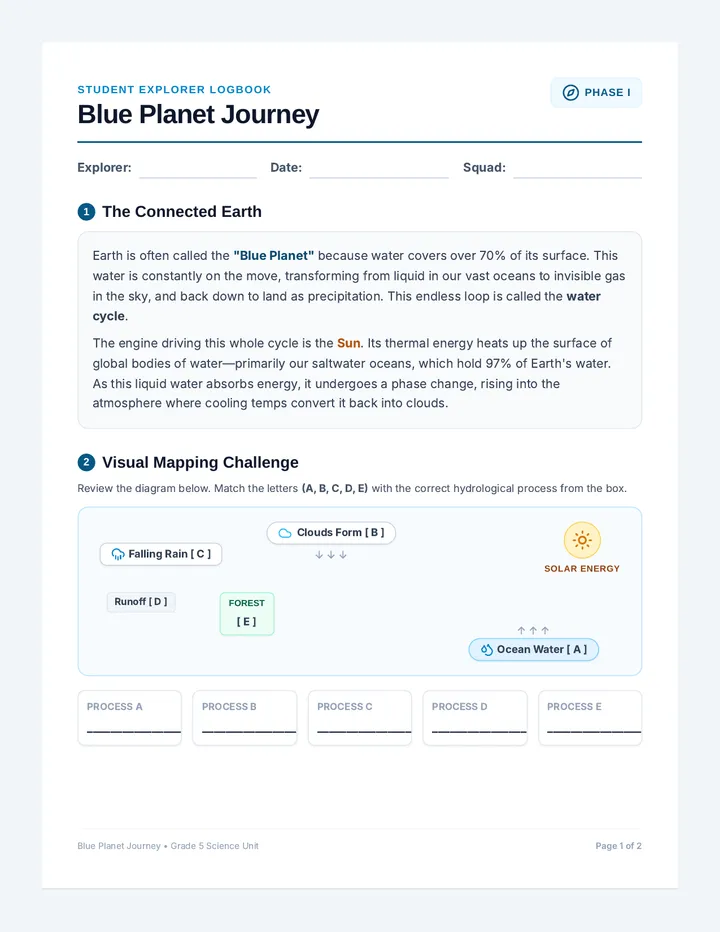
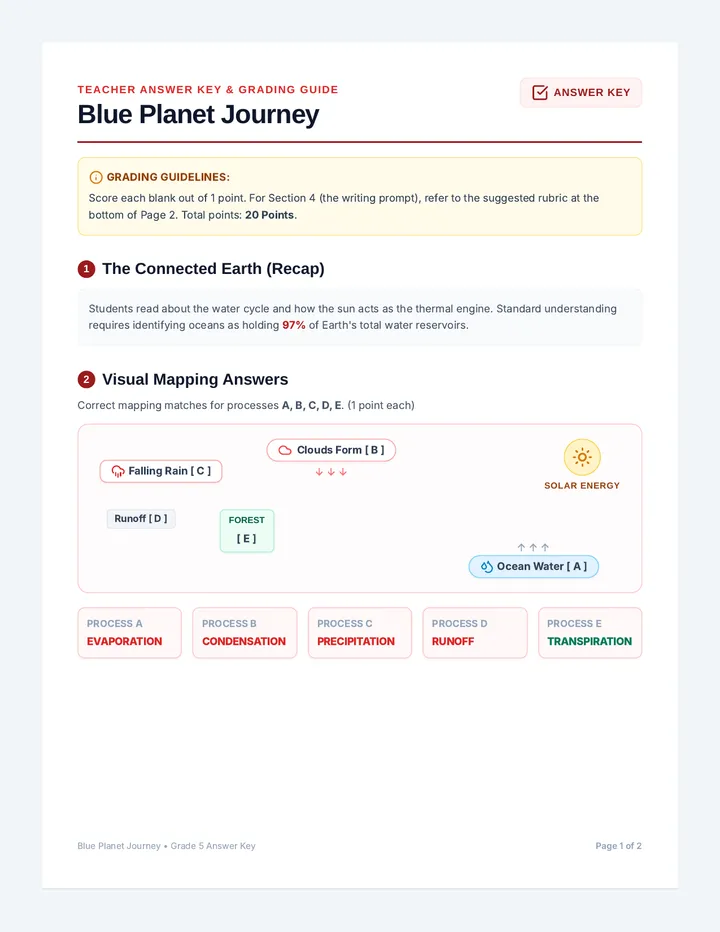
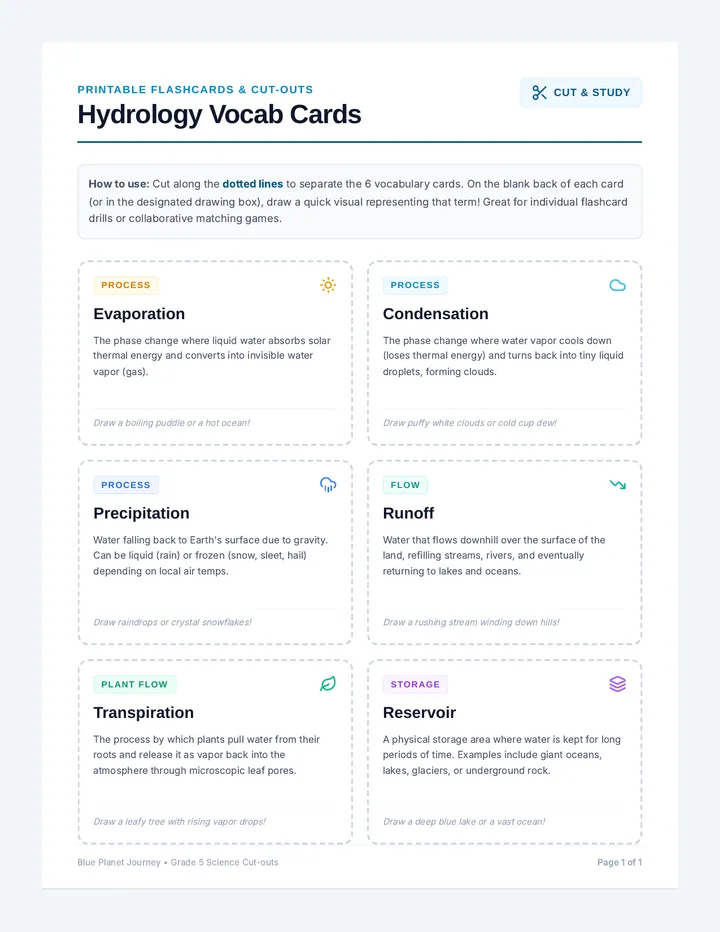
A foundational lesson on the three main stages of the water cycle: evaporation, condensation, and precipitation. Includes a visual anchor chart and a hands-on labeling activity.
A guided reading lesson for 3rd graders exploring the fundamental differences between stars and planets, focusing on light production, composition, and movement.
This lesson explores the critical period of prenatal development, focusing on how substance misuse disrupts the science of addiction and neurological growth. Students will understand the biological connection between maternal choices and fetal brain health through a scientific lens.
A fascinating look at decomposers for 3rd graders, explaining how fungi, bacteria, and worms break down dead matter to recycle nutrients back into the food chain.
An engaging lesson for 3rd graders on consumers in a food chain, exploring herbivores, carnivores, and omnivores, and how they get their energy from eating other living things.
A foundational lesson on food chains for 3rd graders, focusing on producers as the start of energy flow and the correct use of arrows to represent that energy movement.
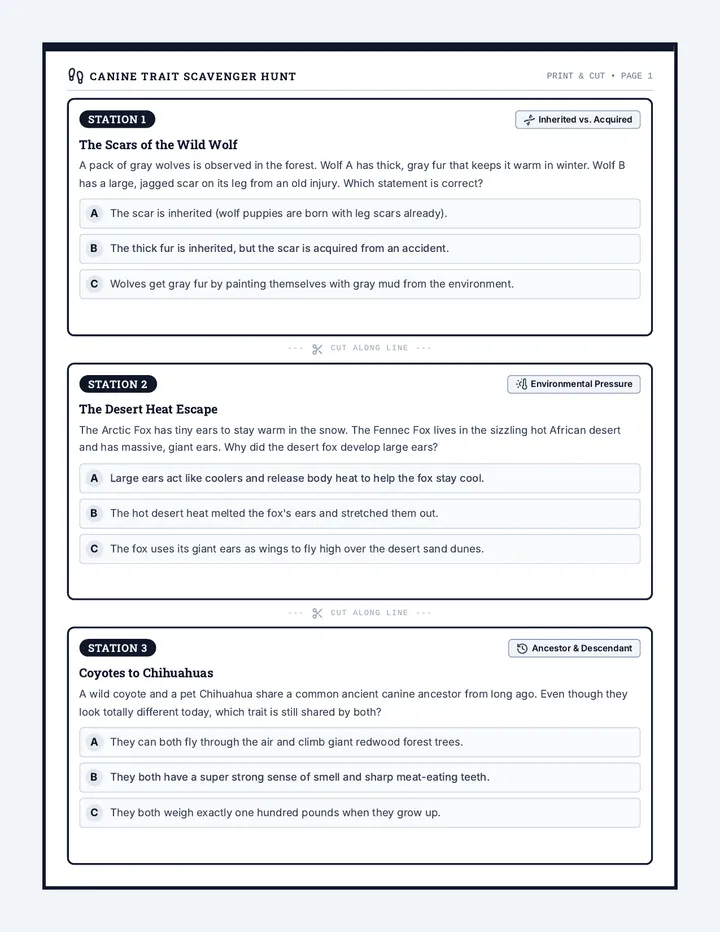
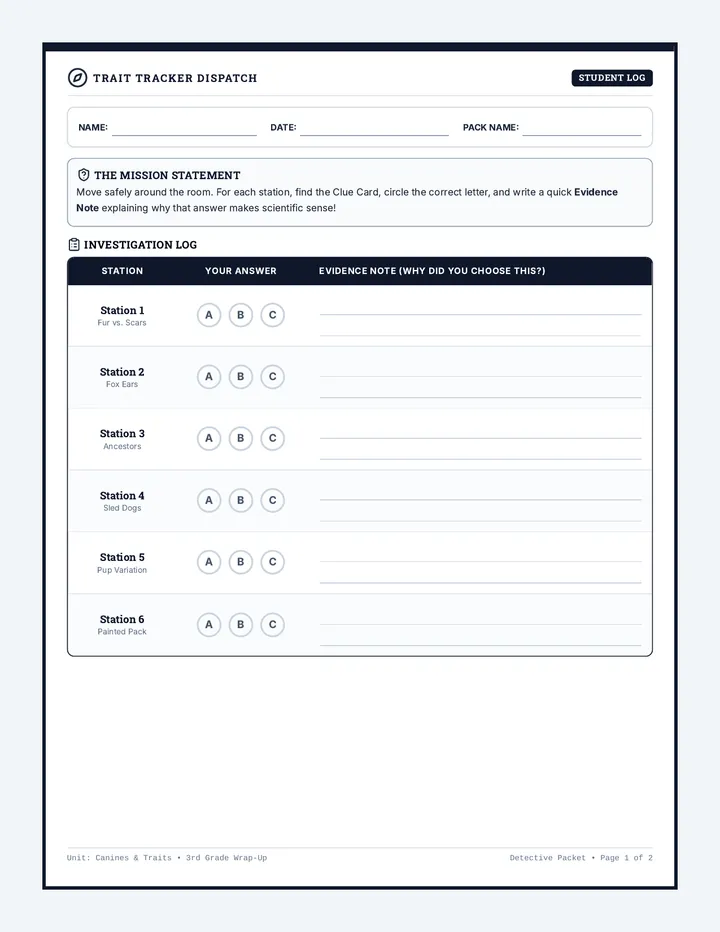
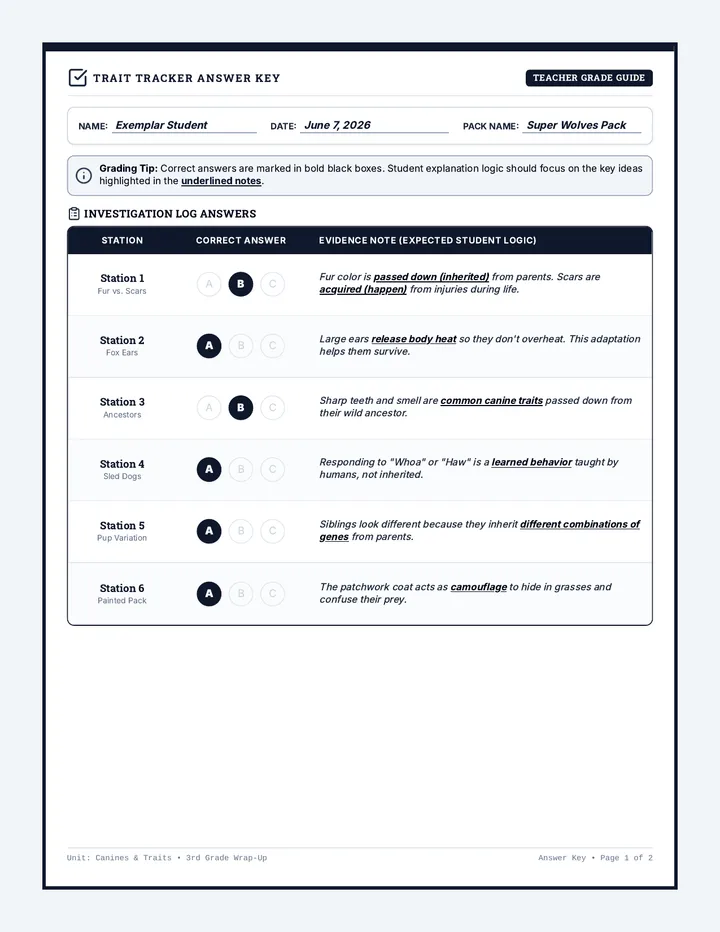
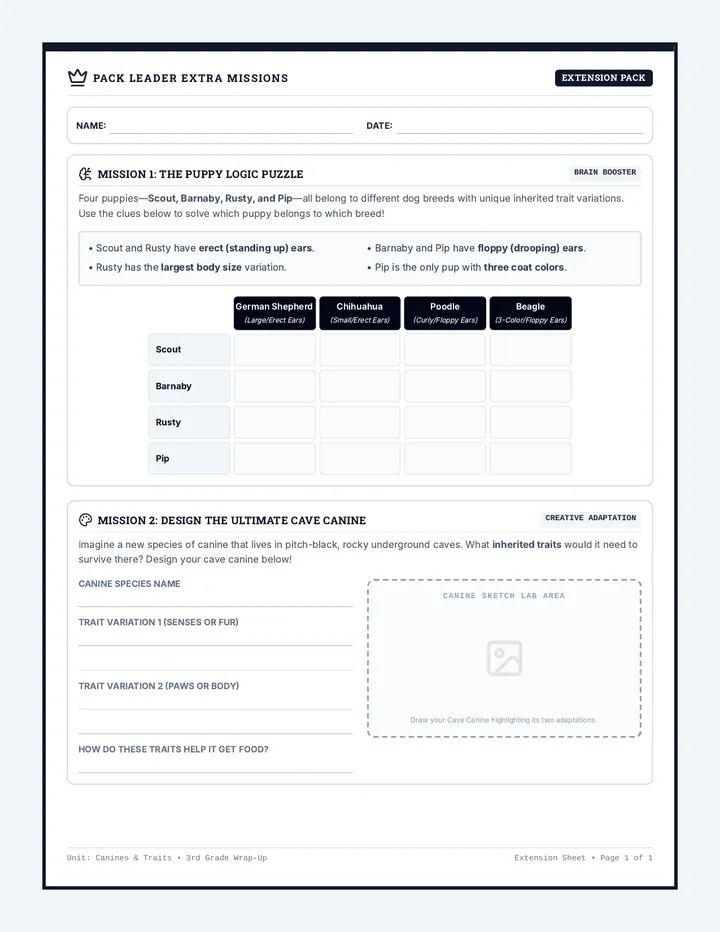
A 3rd-grade integrated science and literacy lesson exploring inheritance and variation in traits. Using 'Plants and Animals' by Rose Padilla, students analyze how animals are like their parents yet different from each other, gathering explicit text evidence to support scientific explanations.
An engaging introductory lesson for kindergarteners to discover the wonder of Redwood forests, focusing on their massive size, the animals that live there, and preparing for an outdoor adventure.
Students explore the flow of energy in a grassland ecosystem by identifying producers, consumers, and decomposers. They will construct their own food chains through a hands-on sorting and linking activity.
A deep dive into the four stages of a butterfly's life cycle: egg, larva, pupa, and adult. Students will learn the vocabulary and science behind metamorphosis.
Students apply their knowledge through a directed drawing of a butterfly and complete a summative assessment on the life cycle stages and vocabulary.
A concise assessment focused on connecting Earth science concepts across the hydrosphere and Earth's history, designed to prepare students for the Grade 8 NC EOG.
A guided practice set for middle school students focusing on the NC Science EOG requirement of using specific data evidence to support scientific conclusions. Students analyze 6 EOG-style scenarios across 6th, 7th, and 8th-grade curriculum standards.
A 20-minute targeted mini-lesson designed to help 8th-grade students master the Science and Engineering Practices (SEP) tested on the NC EOG, focusing on data interpretation and experimental design over rote memorization.
A diagnostic mini-assessment covering North Carolina Grade 8 Science standards for the hydrosphere (8.E.1) and Earth's history (8.E.2), including plate tectonics and water systems.
A mini-assessment focused on NC Grade 8 Science standard 8.L.2, covering ecosystem interactions, energy flow, and population dynamics. This lesson provides a diagnostic tool to evaluate student understanding of biotic and abiotic factors before the EOG.
A focused practice session for 8th-grade students to master Science and Engineering Practices, specifically analyzing data, evaluating experimental designs, and constructing evidence-based explanations in the style of the NC EOG.
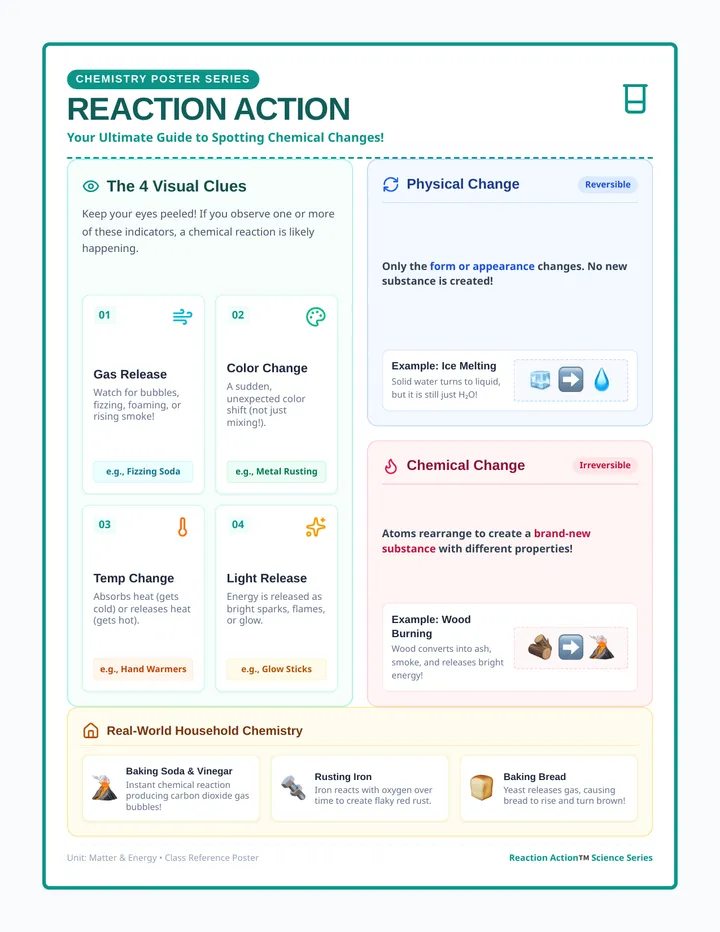
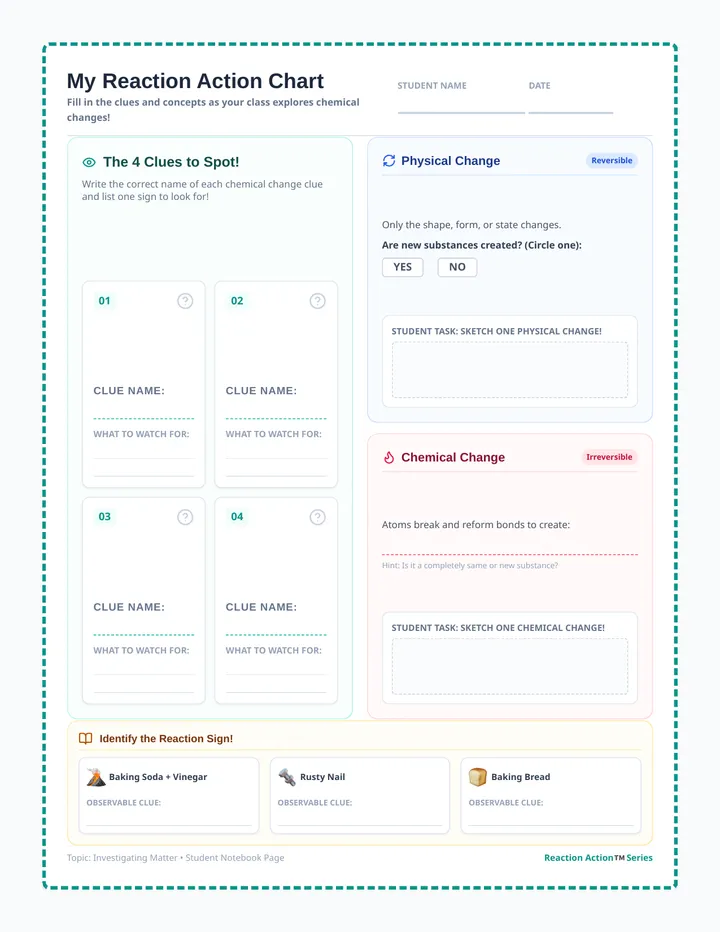
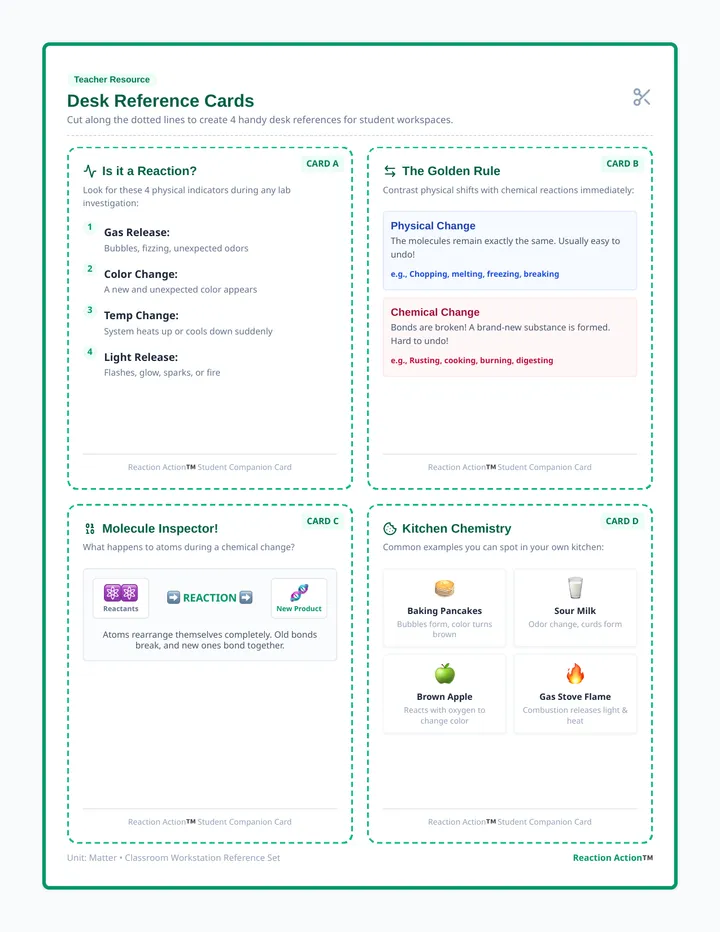
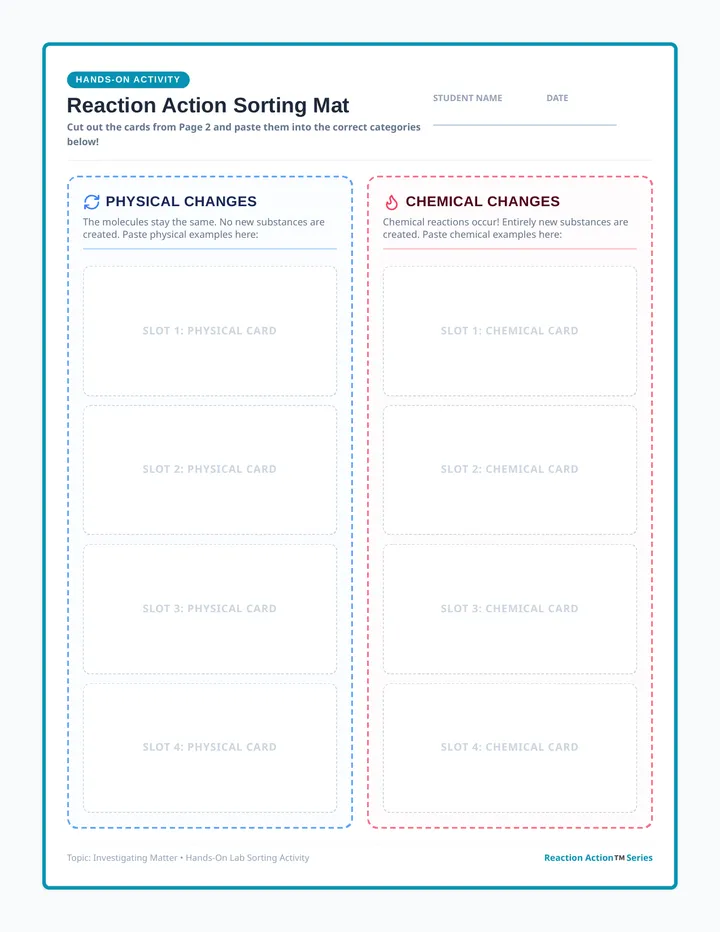
A quick check on students' understanding of physical and chemical changes in matter, specifically aligned with NC Standard 5.P.2.3. Students analyze lab scenarios to identify and justify types of changes.
A diagnostic mini-assessment focused on NC Grade 5 Science standards for weather (instruments, air pressure), the water cycle, and Earth's patterns (rotation and revolution).
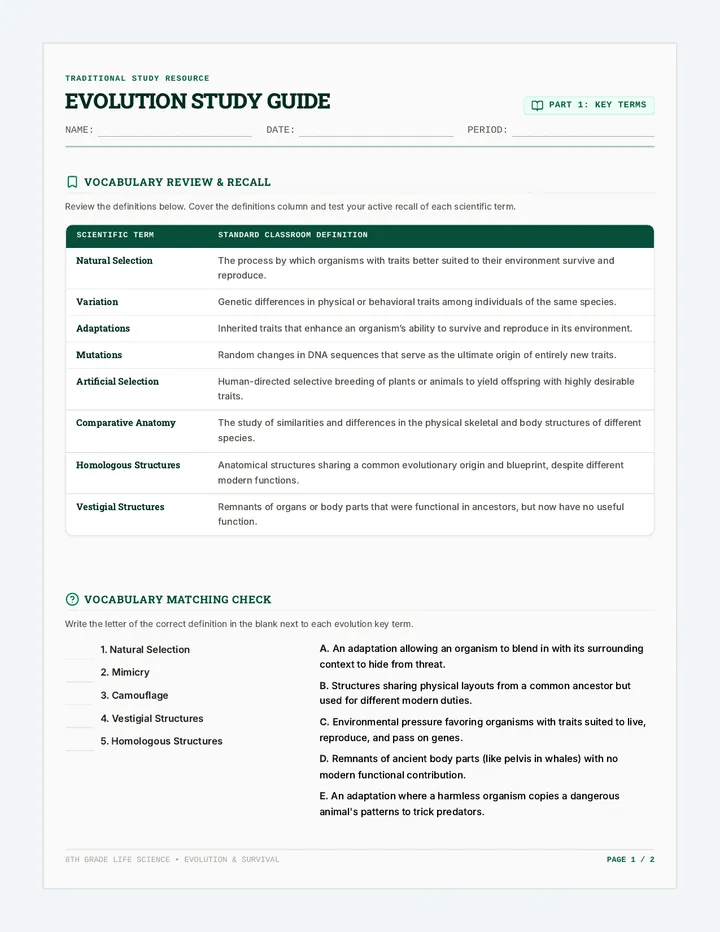
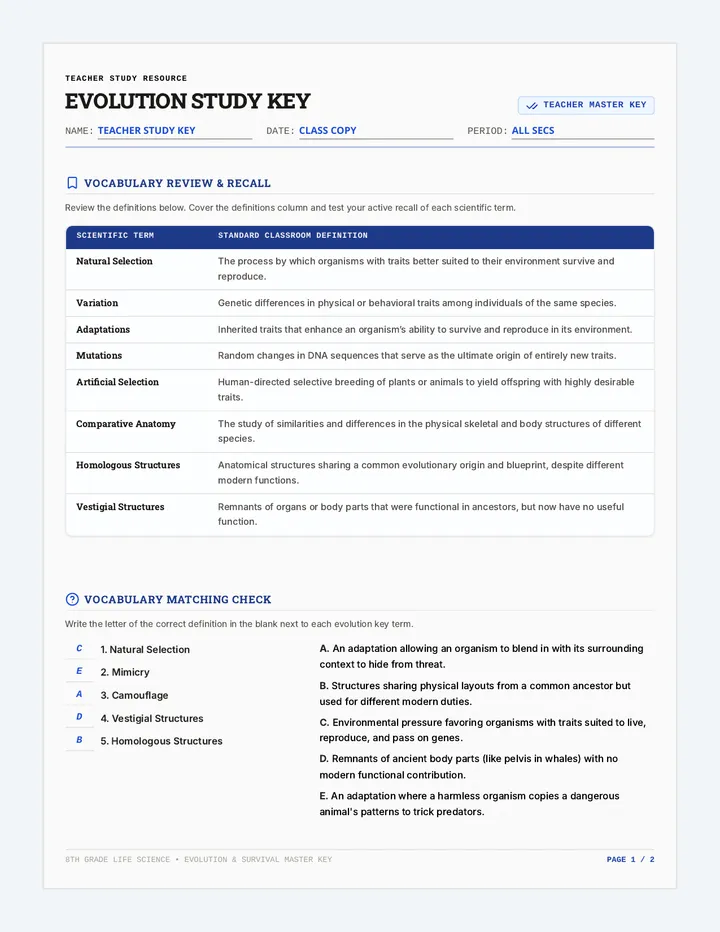
Students evaluate scientific evidence from fossils, anatomy, and genetics to support claims about evolution and heredity.
A high-impact 20-minute mini-lesson focused on Grade 5 NC EOG standard 5.L.2. Students will learn to predict cascade effects in food webs and understand energy flow from producers to decomposers through the lens of 'what if' test scenarios.
A diagnostic mini-assessment focusing on Grade 8 NC Science standard 8.P.1, covering atomic structure, periodic table trends, chemical reactions, and the law of conservation of mass.
A diagnostic assessment covering NC Grade 5 Science standard 5.P.2, focusing on physical and chemical properties, changes, and the law of conservation of mass through lab-based scenarios.
The final phase of the review sequence where students synthesize their learning into a final legacy statement and complete their comprehensive review packet.