A music-integrated science lesson for Kindergarteners to learn about the four seasons through singing, movement, and rhythm. Students explore the characteristics of winter, spring, summer, and autumn using songs and sensory-based movement.
An introductory lesson for Kindergarten students to explore the world of weather through the lens of a meteorologist. Students analyze mystery photos, listen to the story of 'Curious Sofia,' and begin a class-wide weather tracking routine.
In this introductory lesson, Kindergarten students embark on a scientific journey to discover their five senses. Through a mystery box activity and collaborative discussion, they begin to explore how they use sight, hearing, smell, taste, and touch to understand the world around them.
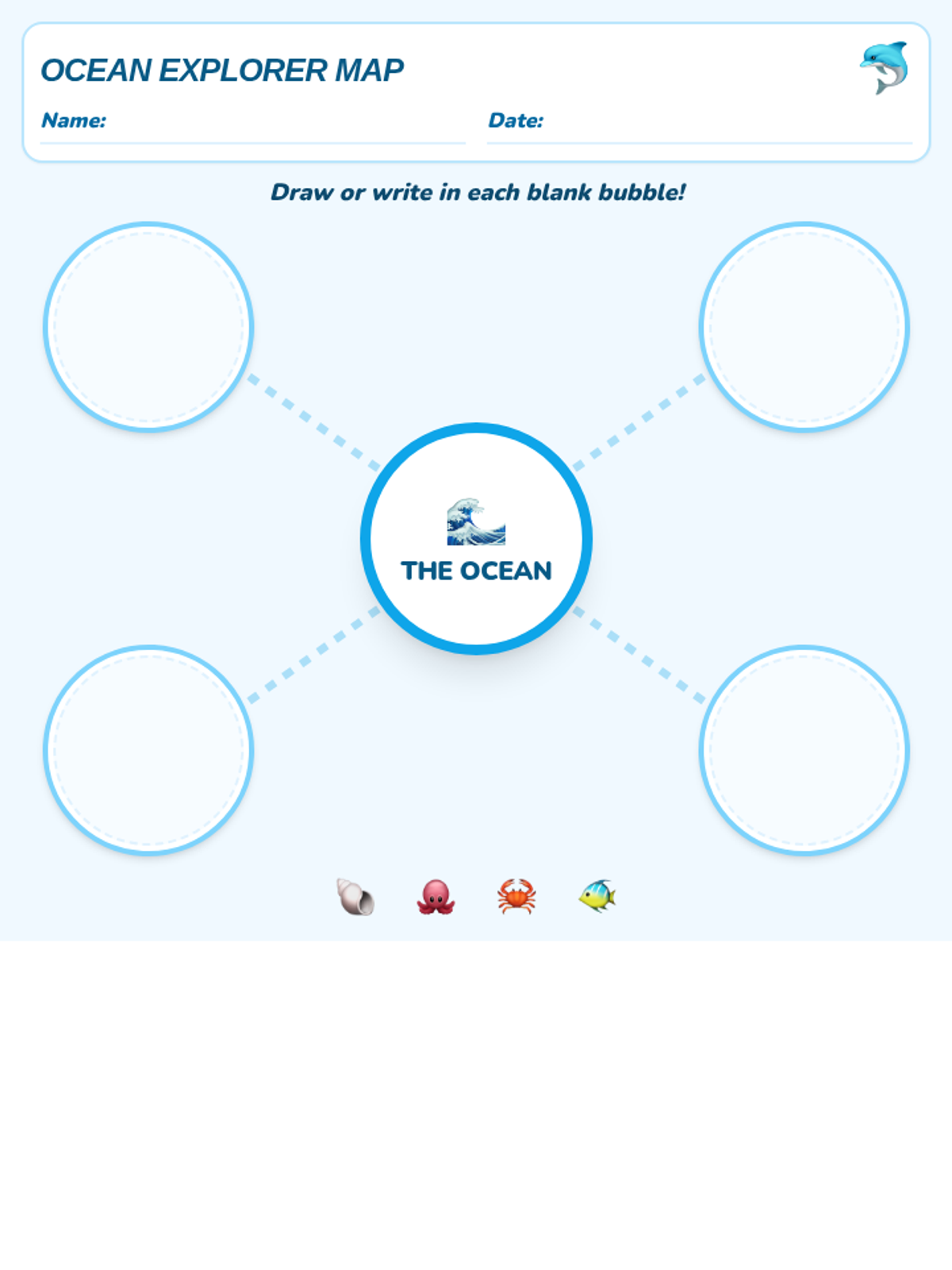
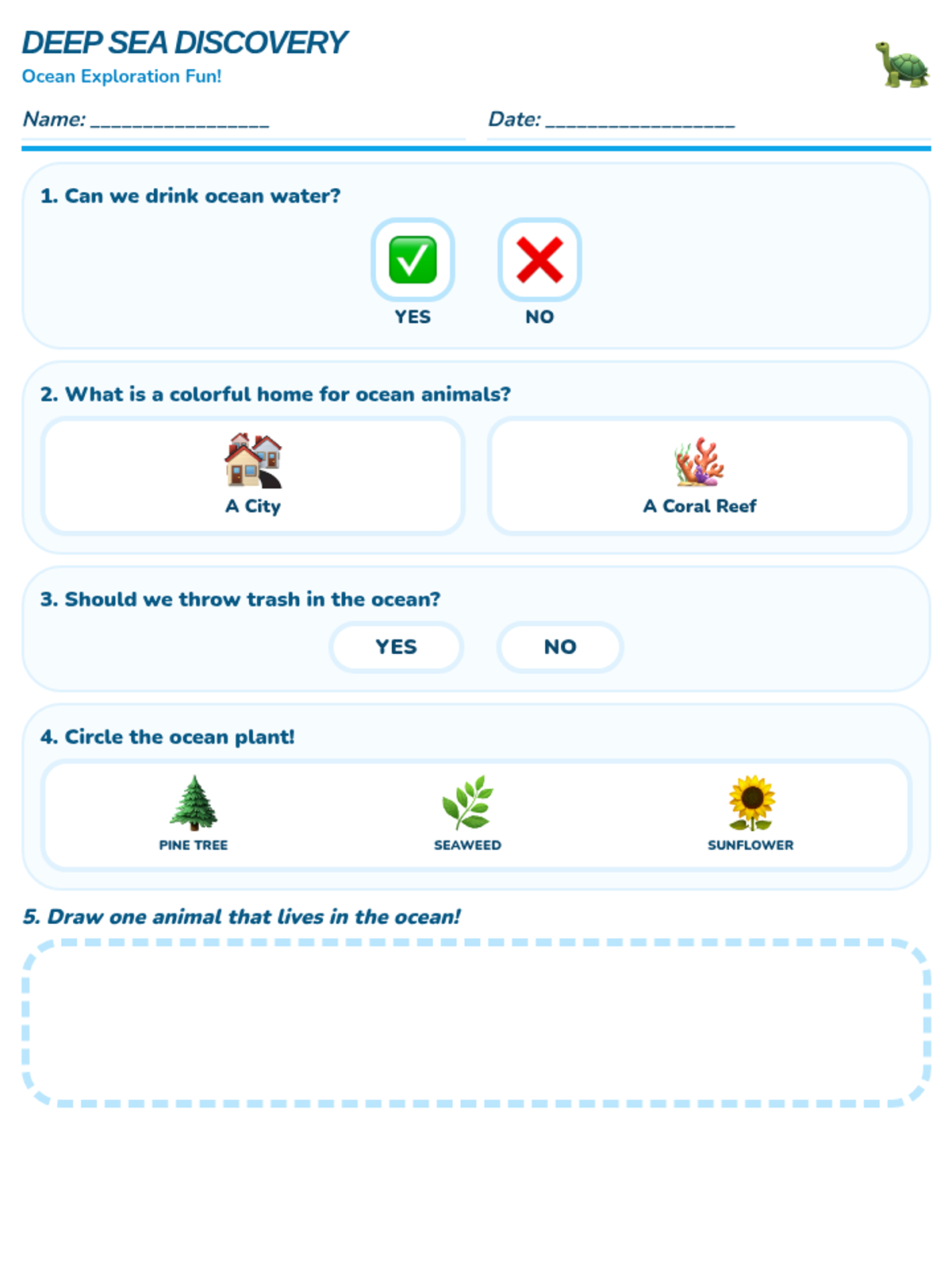
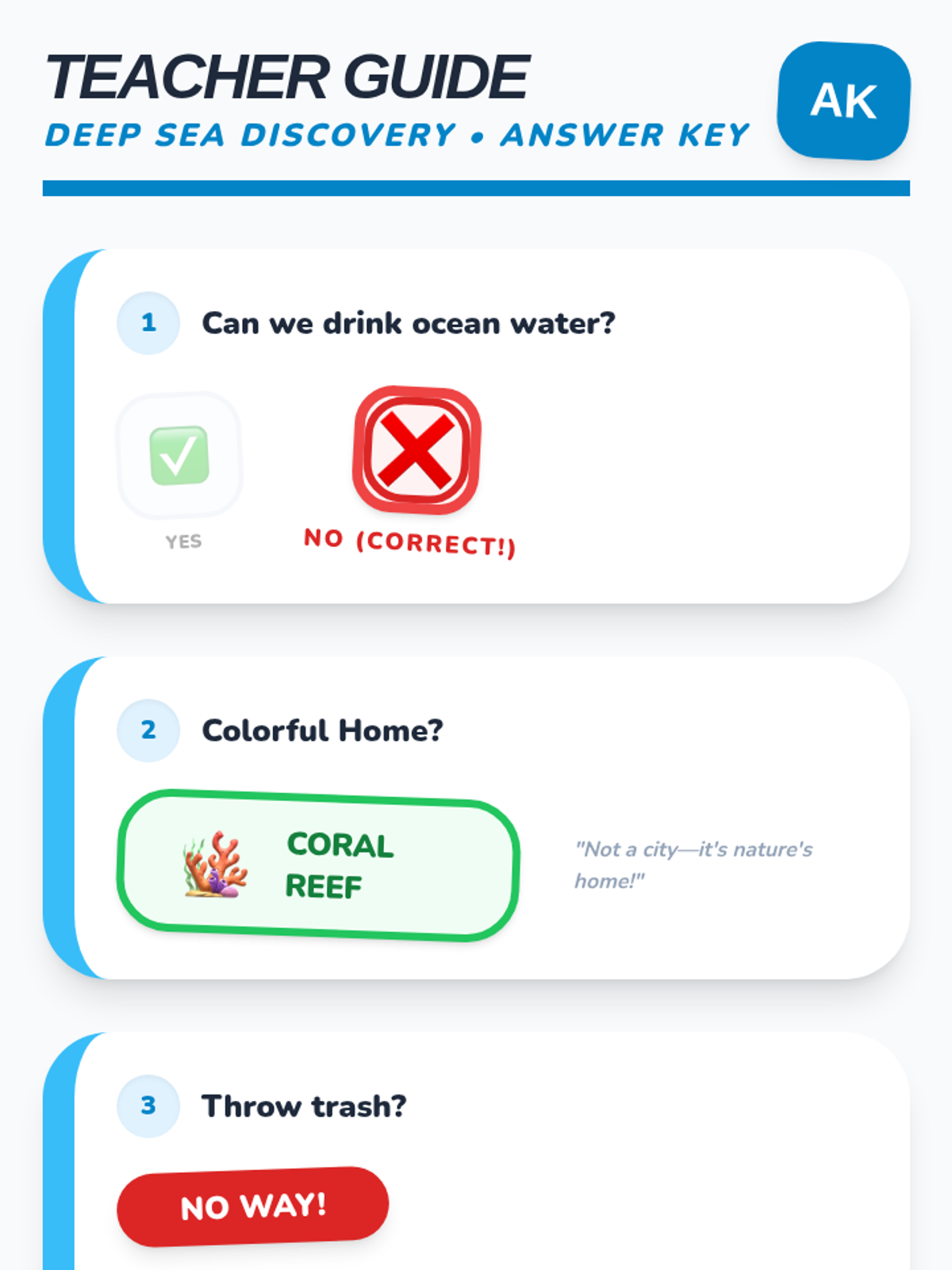
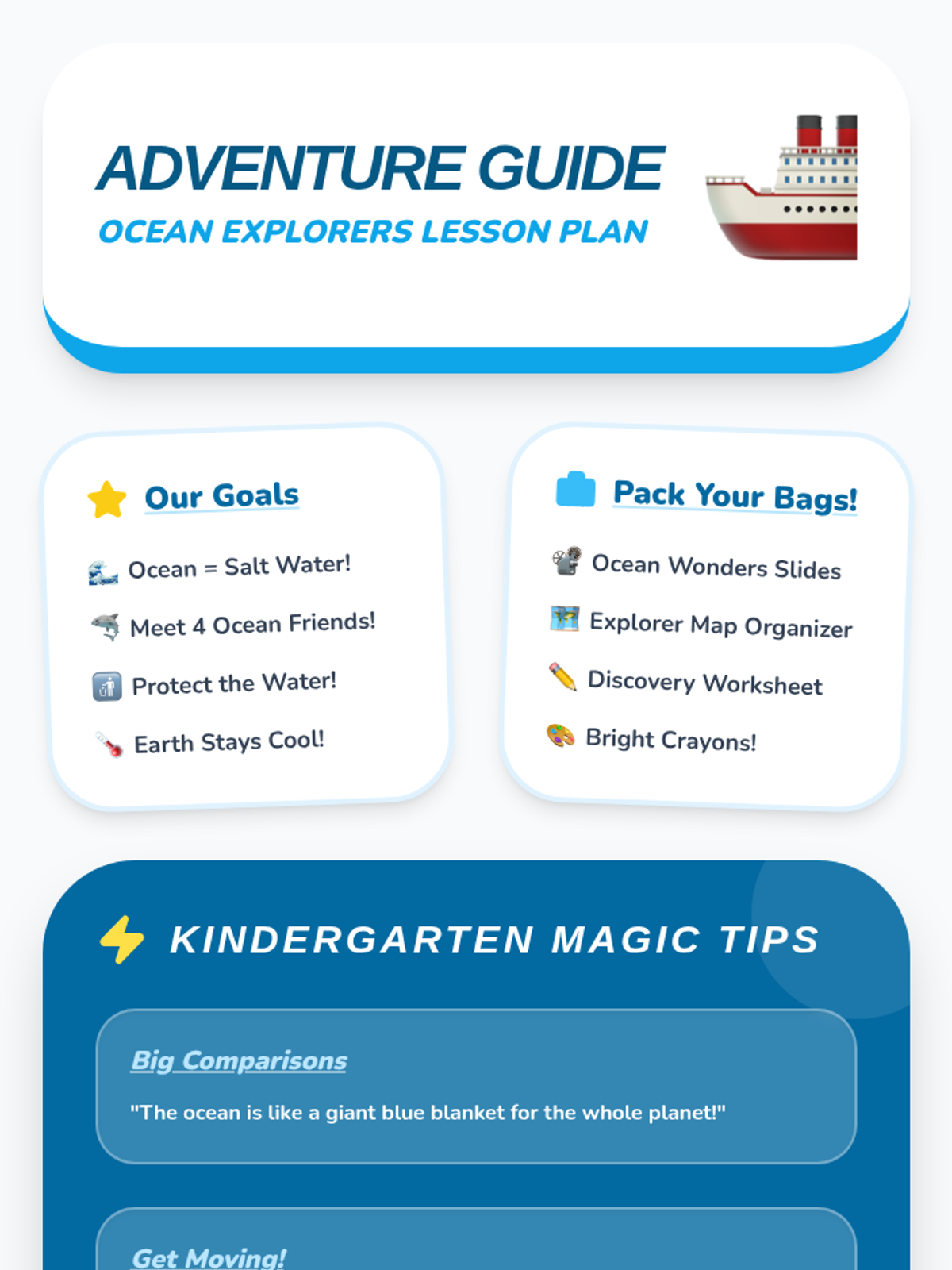
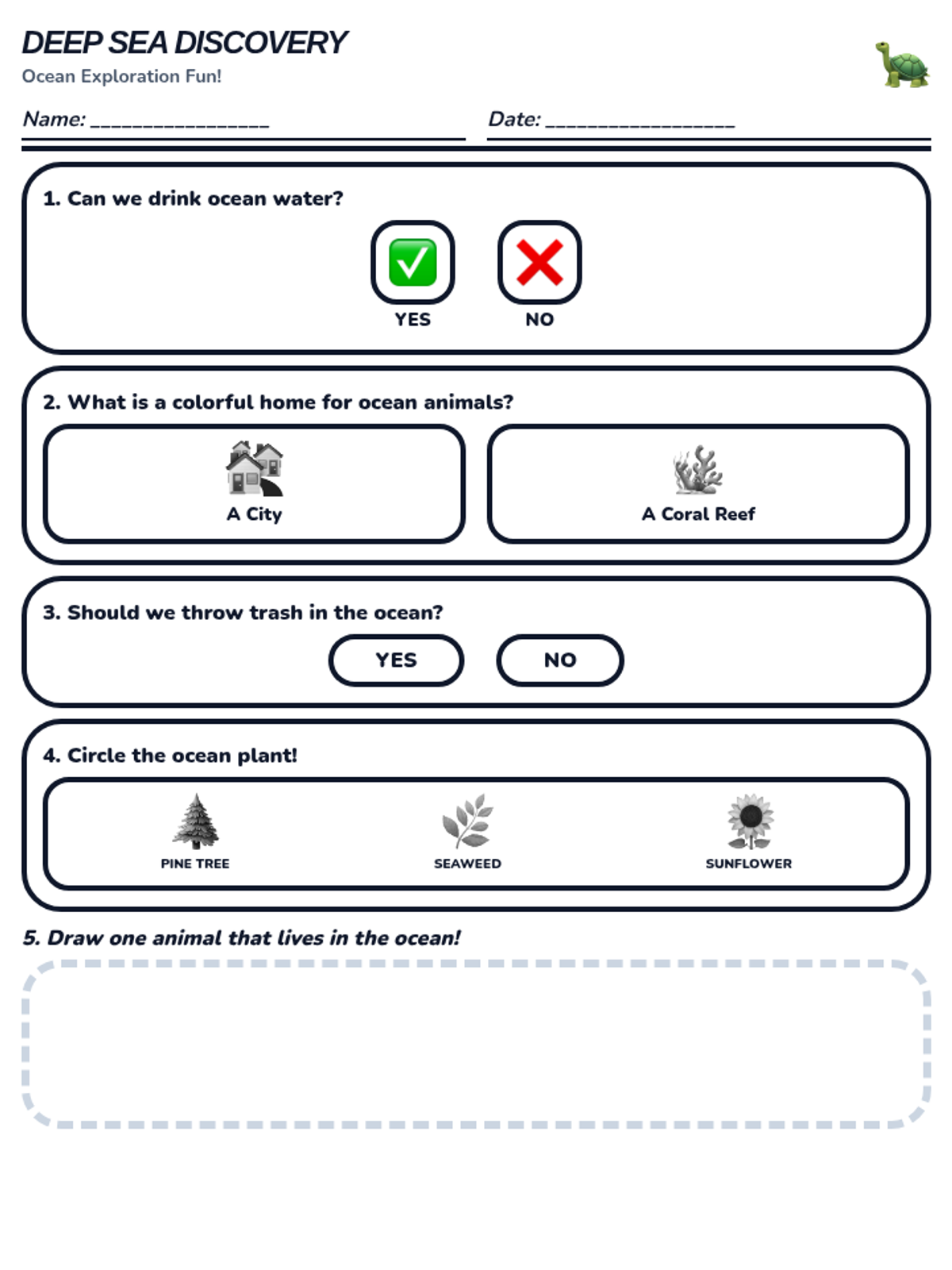
An introductory lesson for kindergarten students exploring basic ocean facts and marine life through visual aids and hands-on activities.
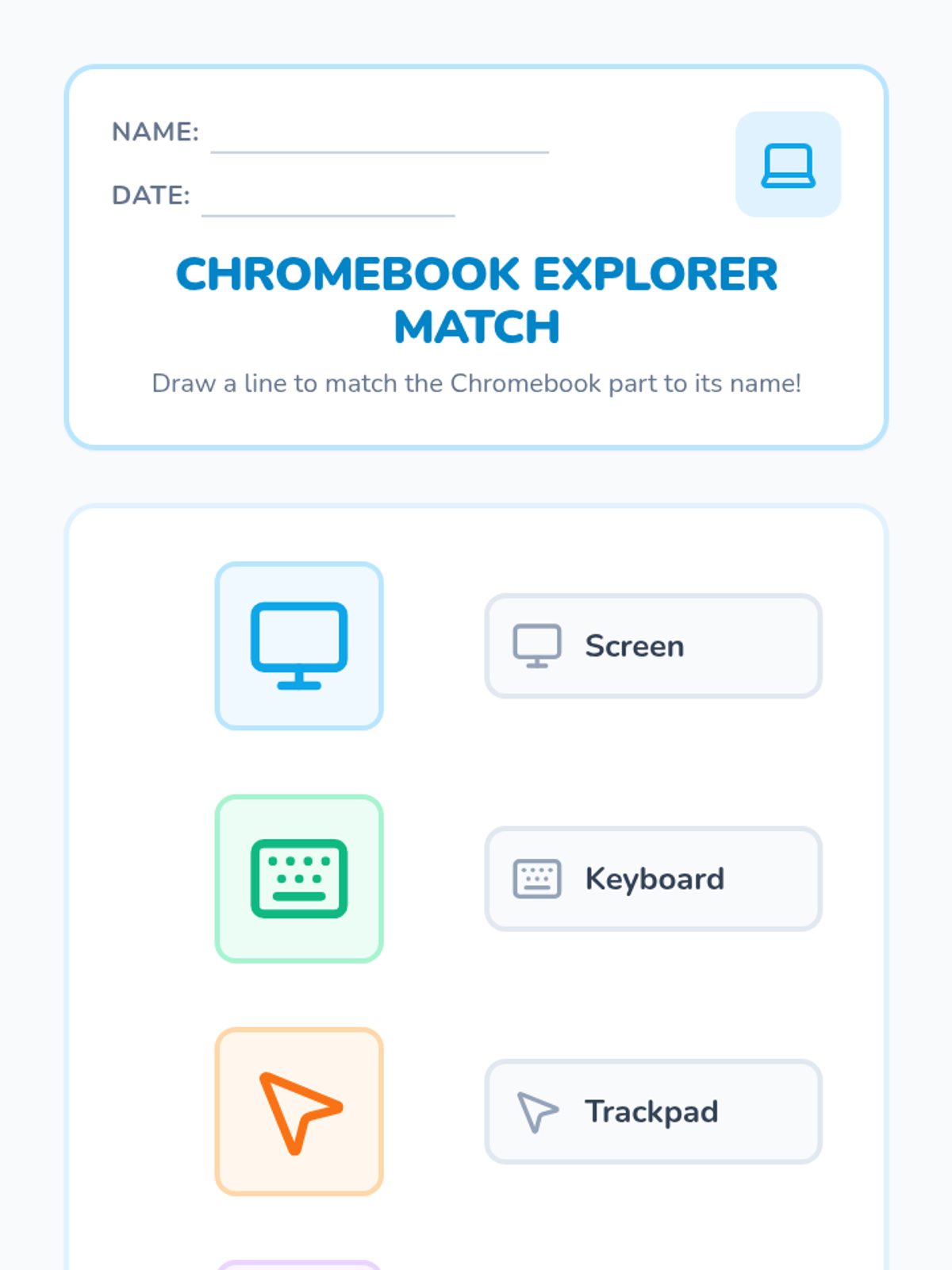
A beginner-friendly introduction to the physical parts of a Chromebook and basic digital literacy for kindergarten students.
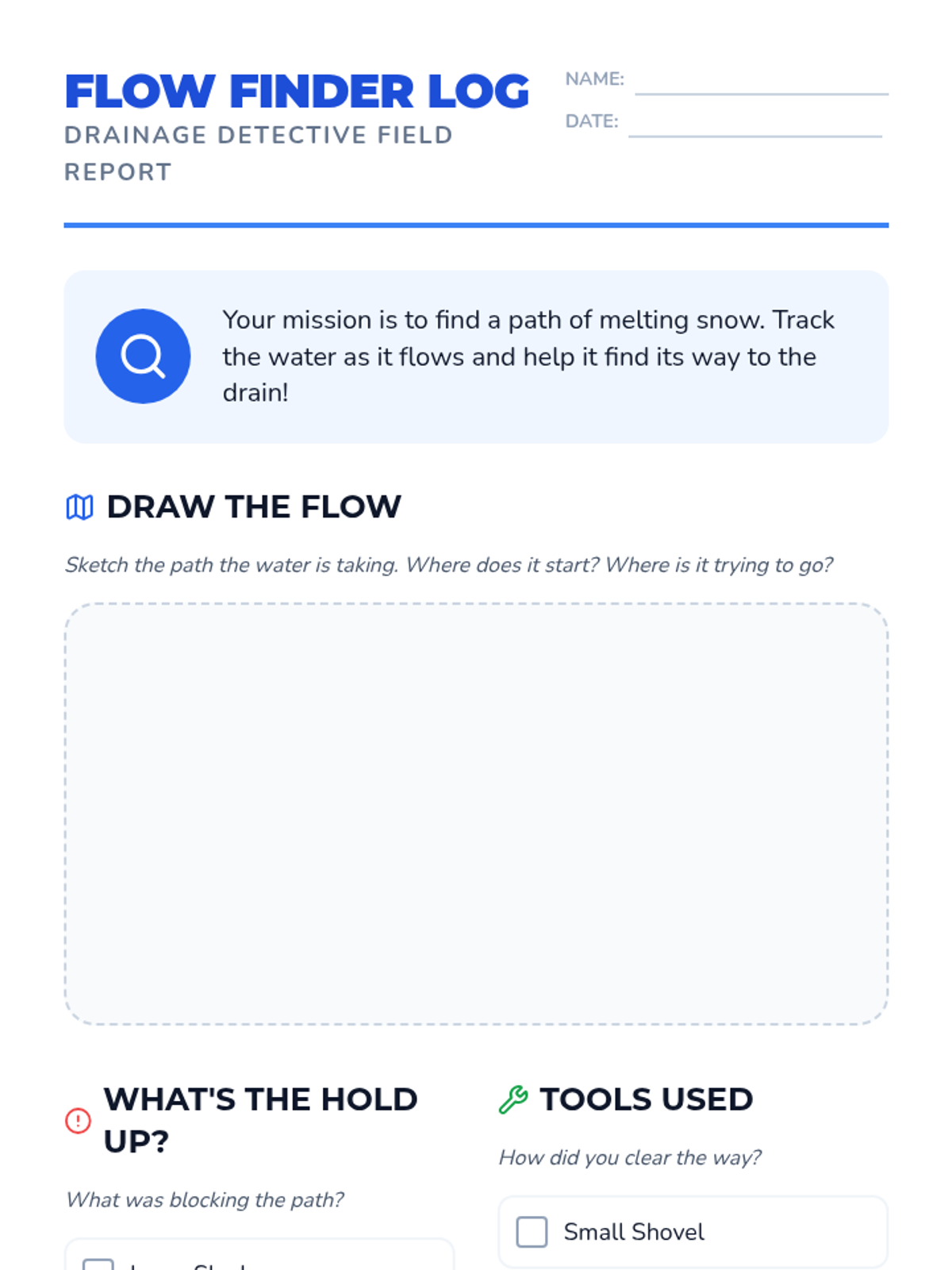
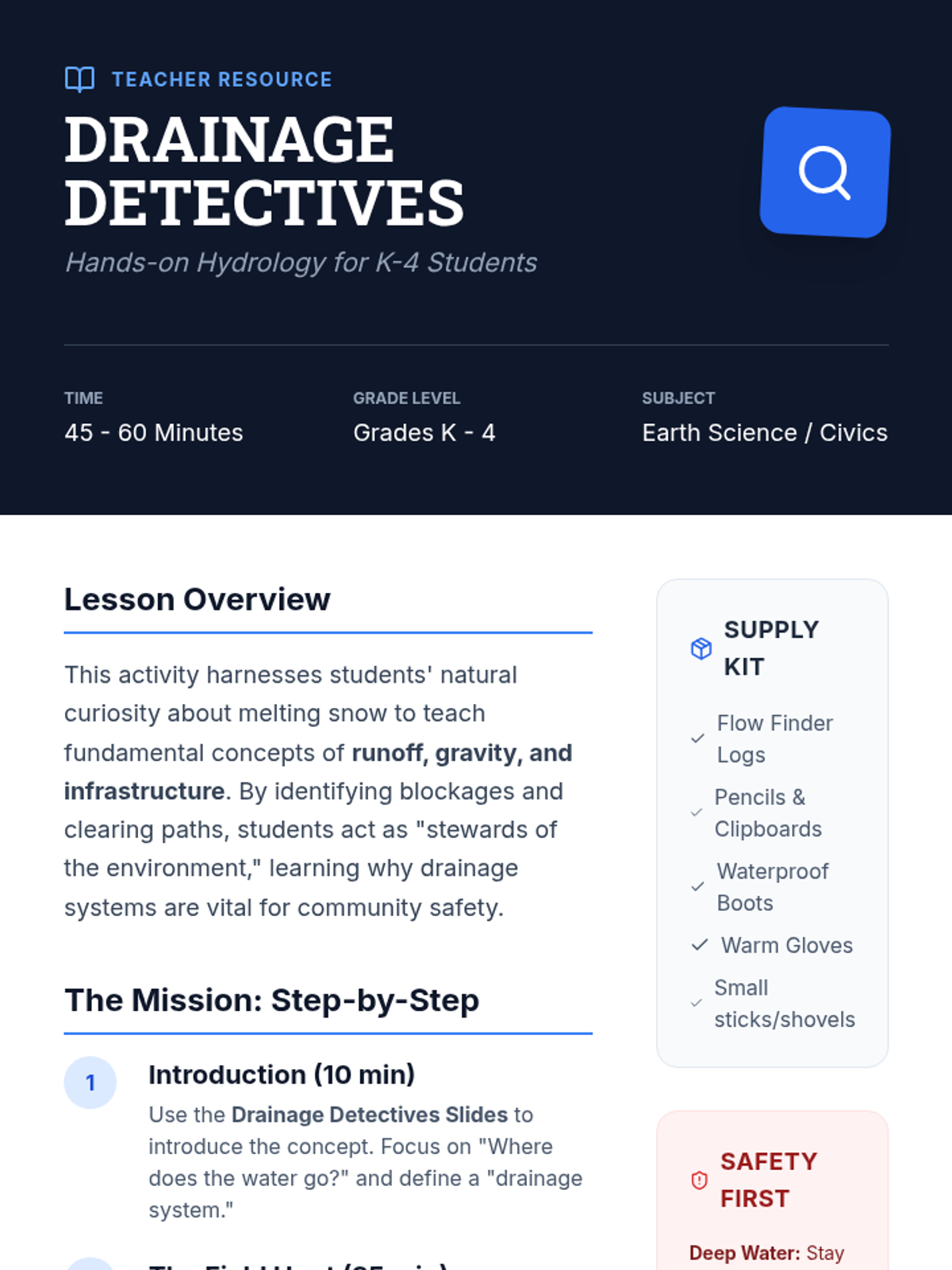
In this hands-on lesson, students explore the science of runoff and drainage by observing melting snow. They'll learn why drains are essential for preventing floods and how to keep water flowing safely through their environment.
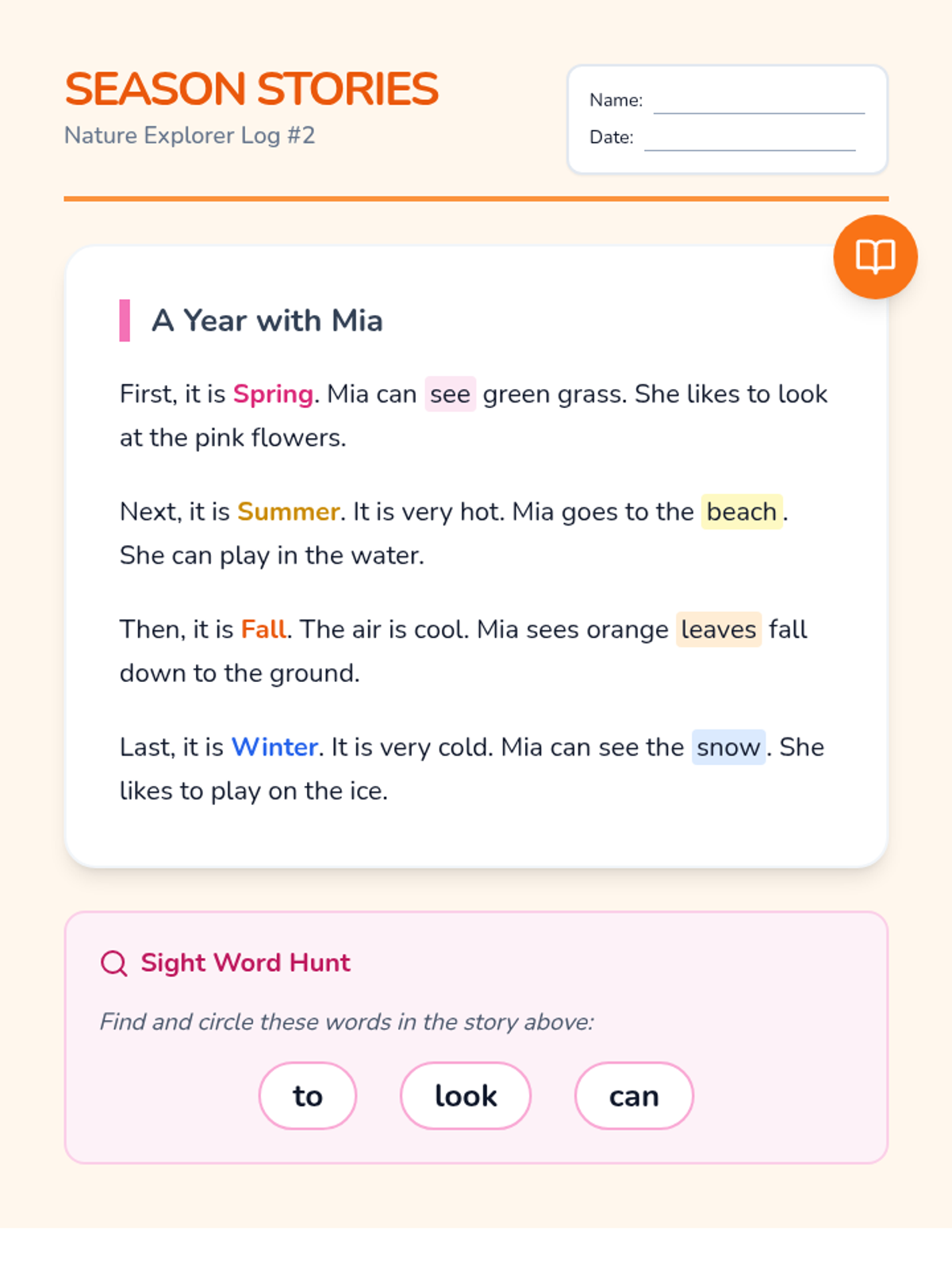
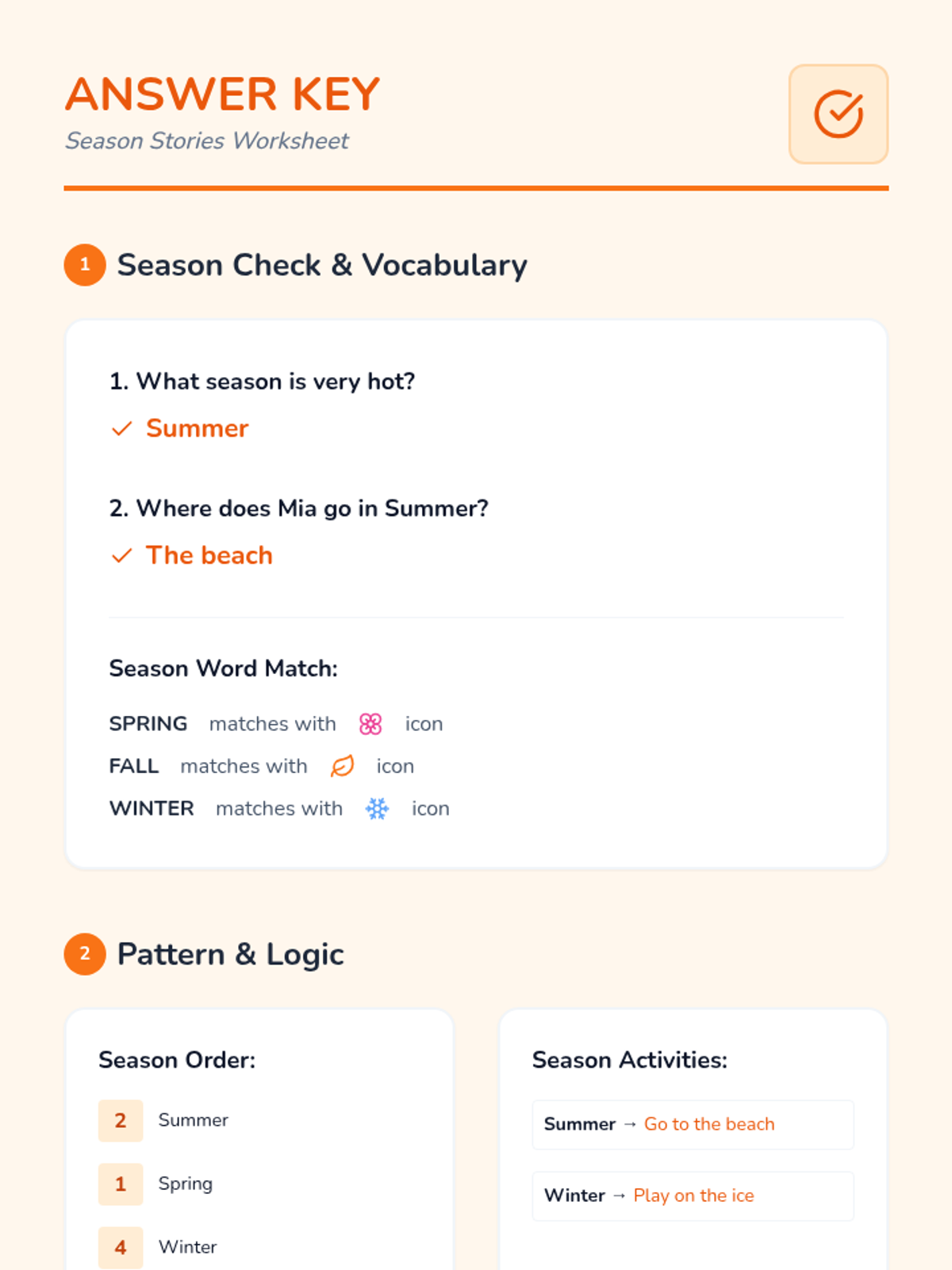
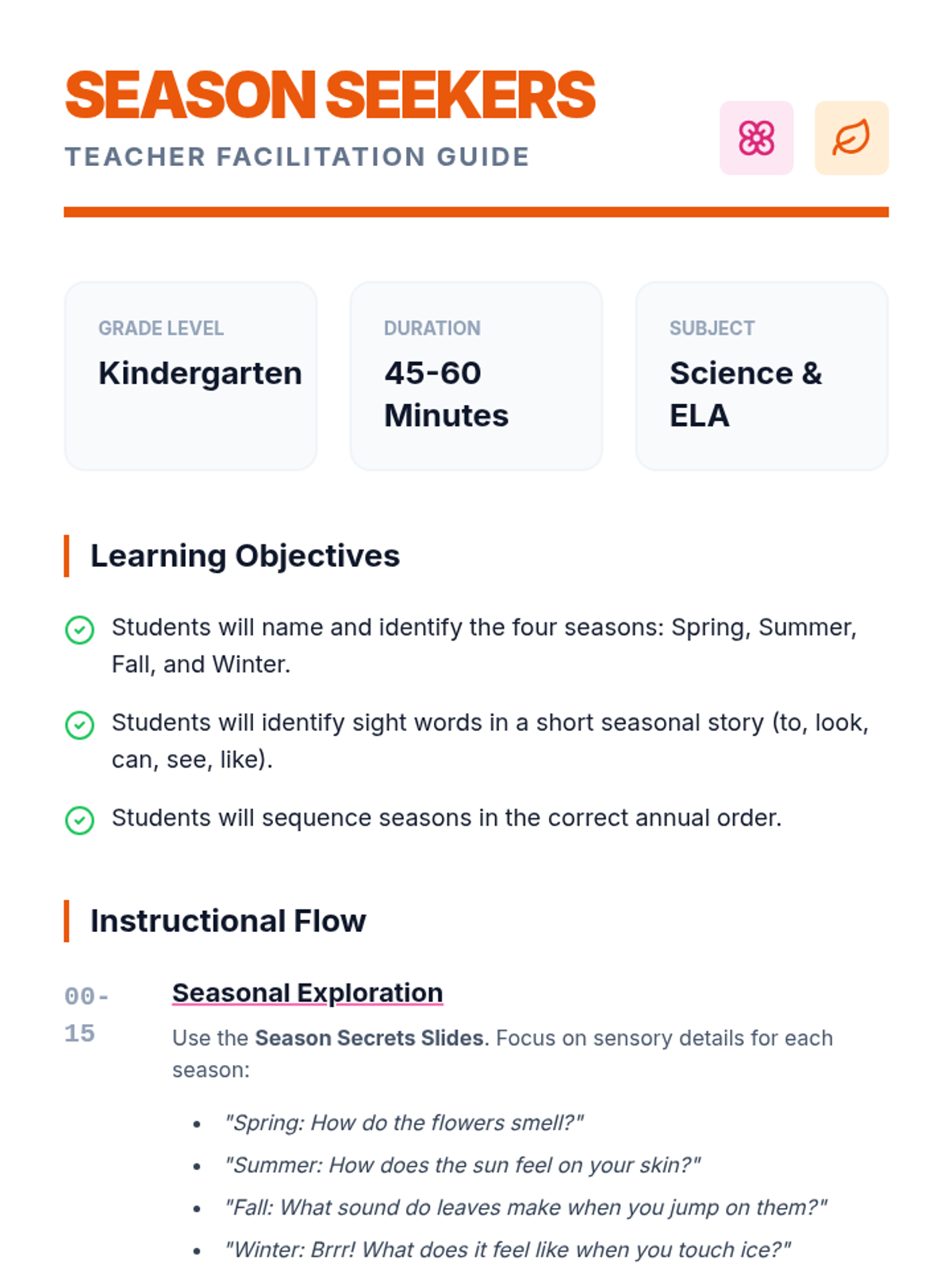
A kindergarten lesson exploring the four seasons, focusing on their unique weather patterns, corresponding clothing, and the sequence of the year.
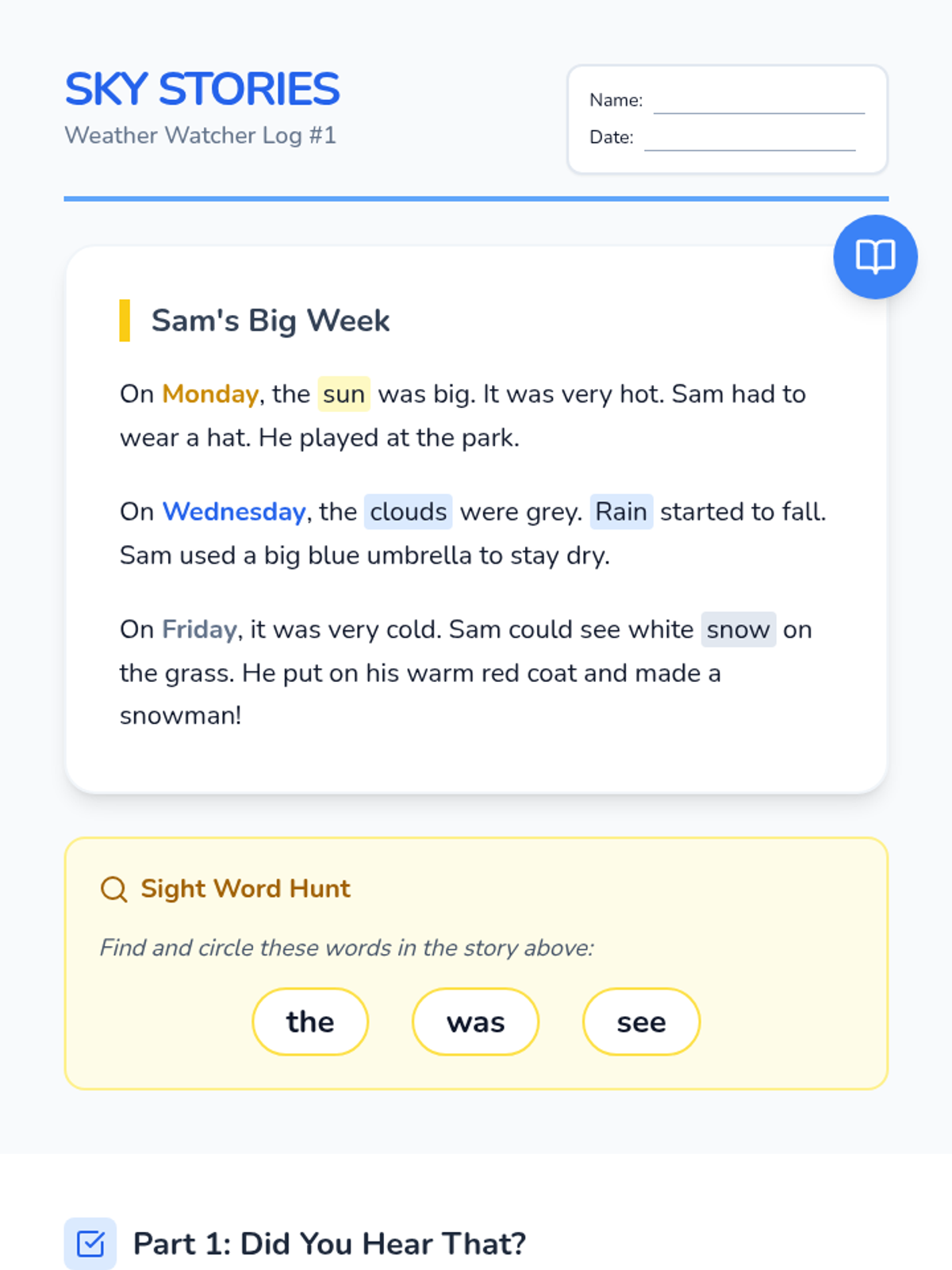
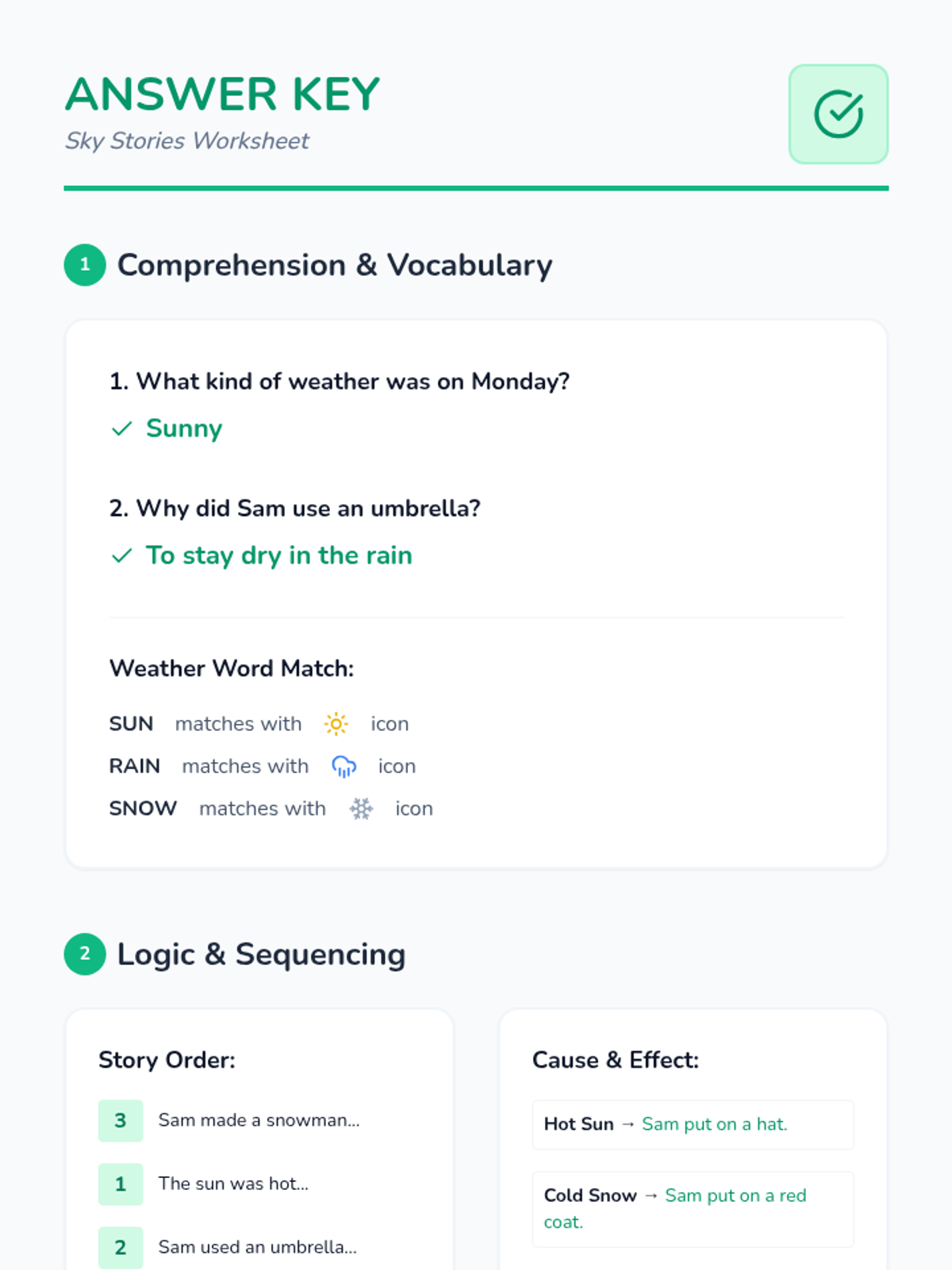
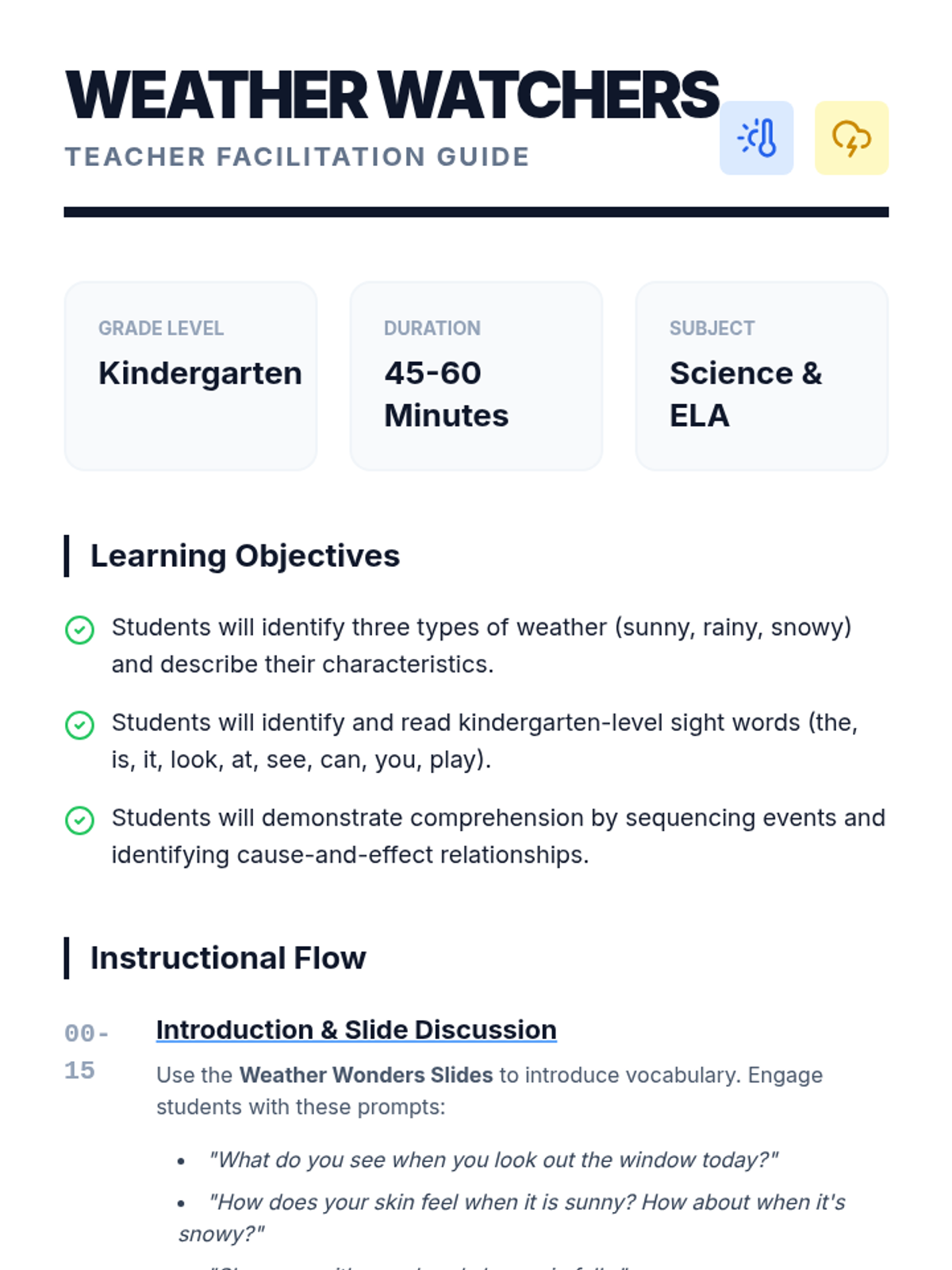
A foundational lesson for kindergarteners to identify weather types, understand cause-and-effect relationships with weather, and practice early literacy skills through a weather-themed story.
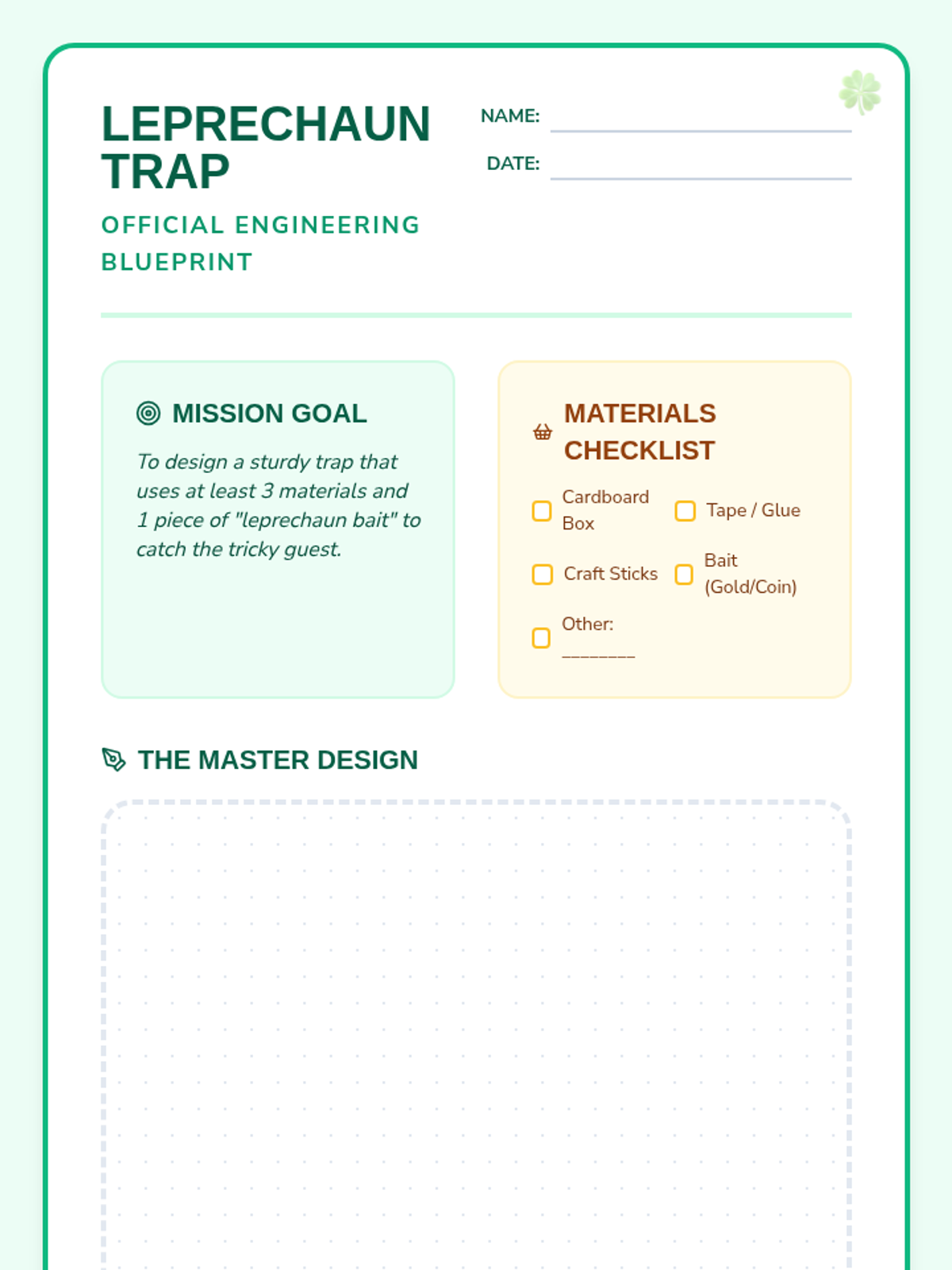
Students design and build a STEM leprechaun trap inspired by 'How to Catch a Leprechaun', focusing on multi-step directions and problem-solving through the engineering design process.
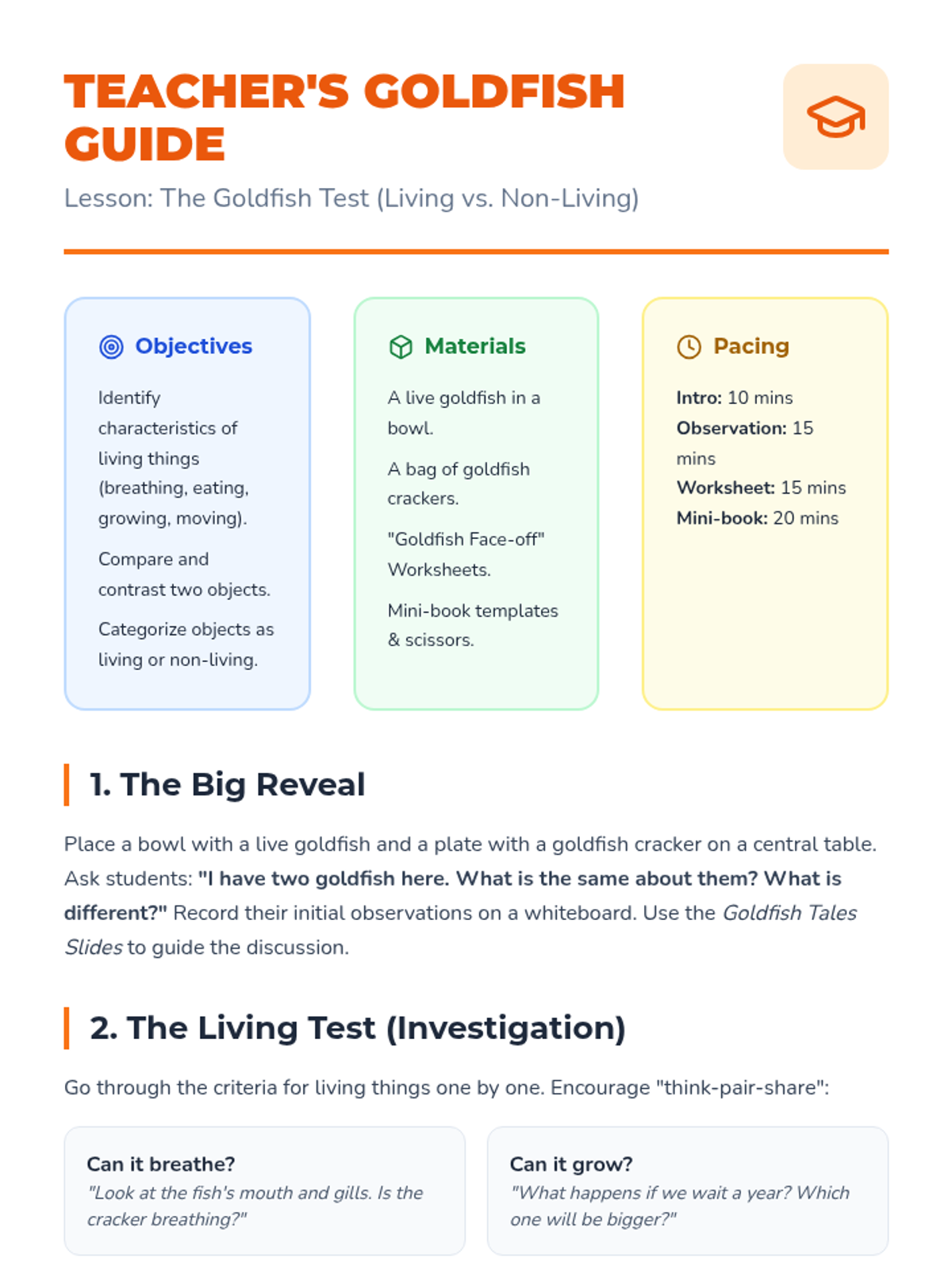
An introductory science lesson comparing a live goldfish to a goldfish cracker to help students identify the characteristics of living and non-living things.
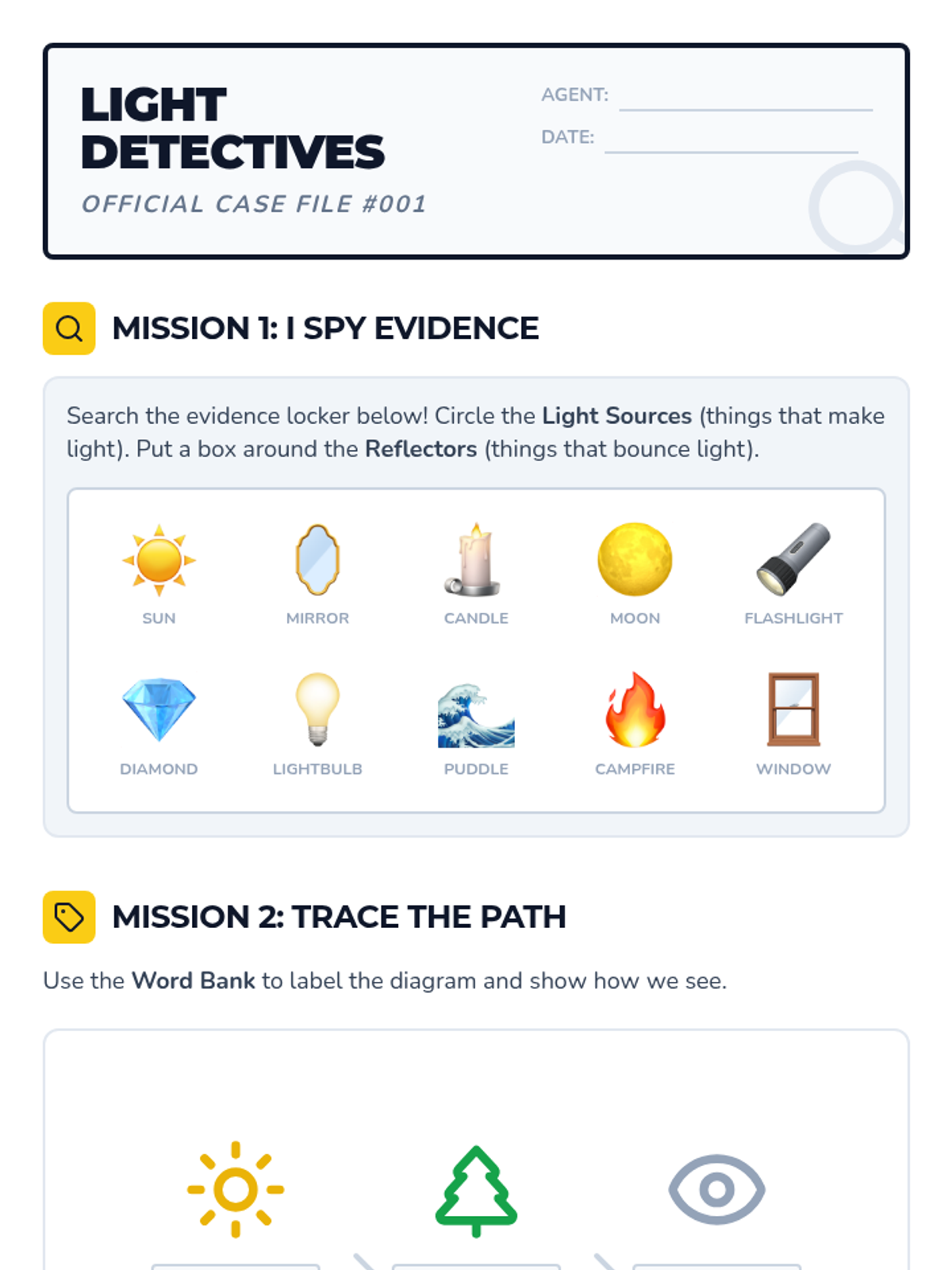
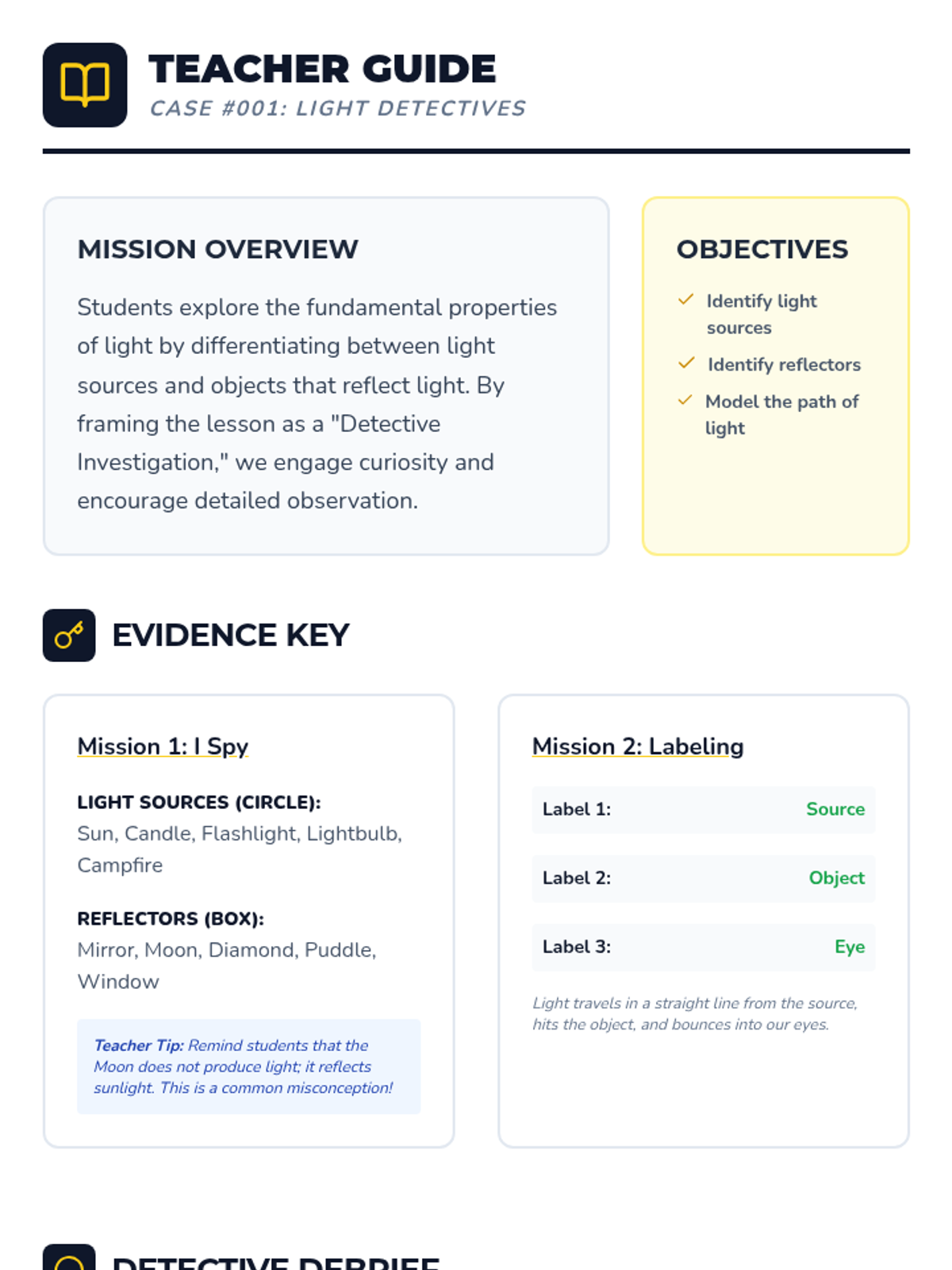
Students learn to distinguish between light sources and reflections and understand the basic path light takes from a source to the eye.
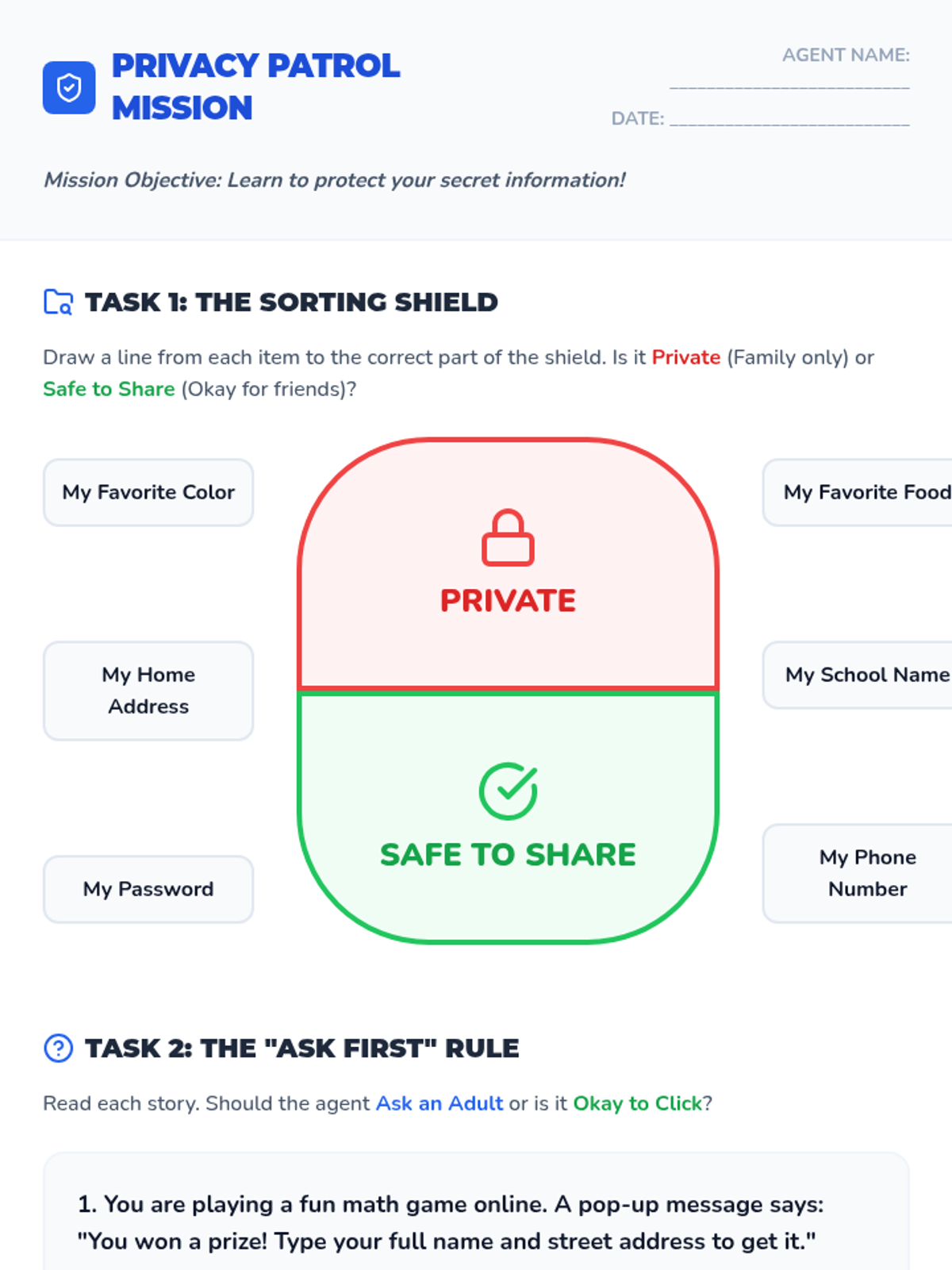
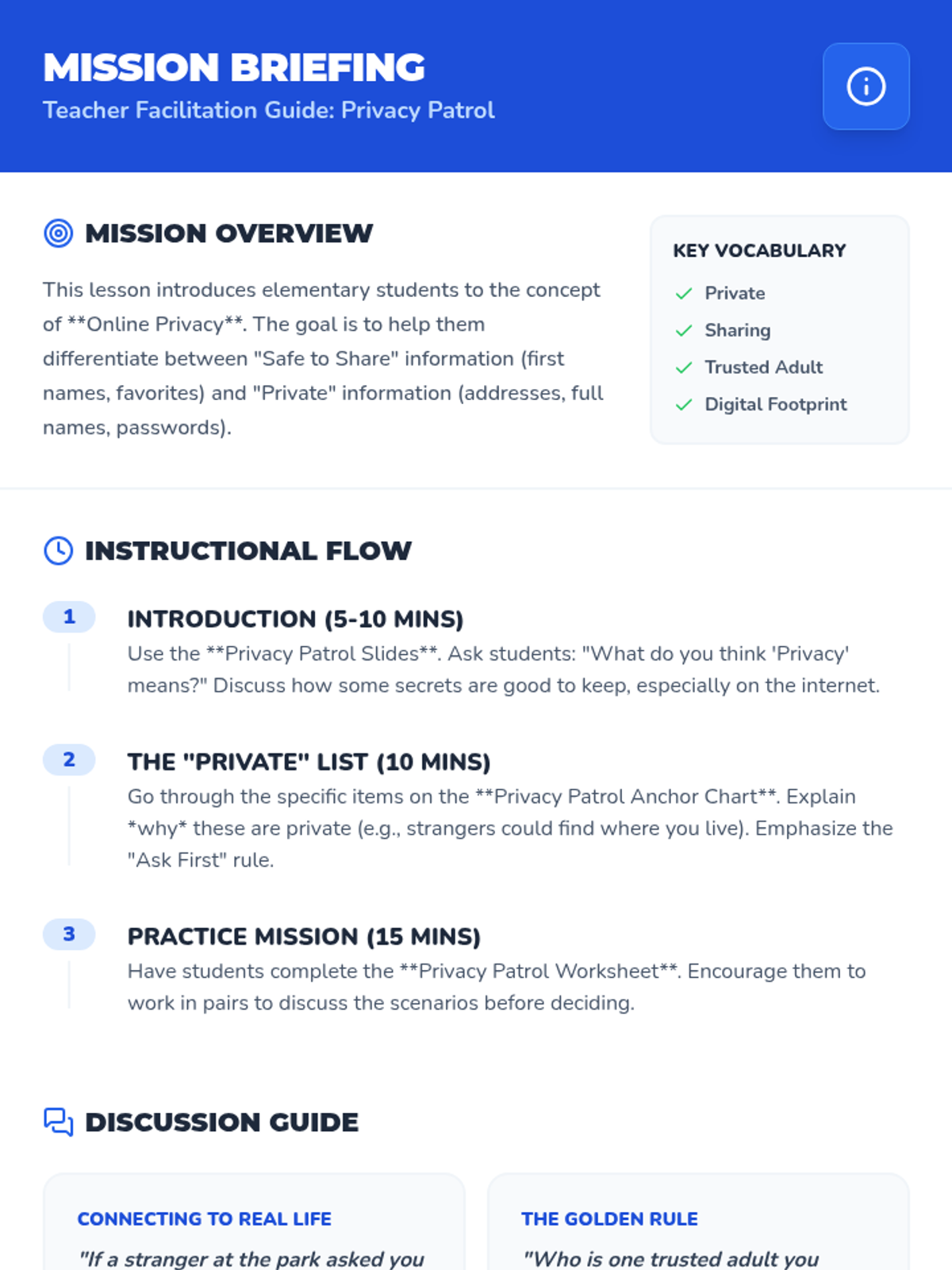
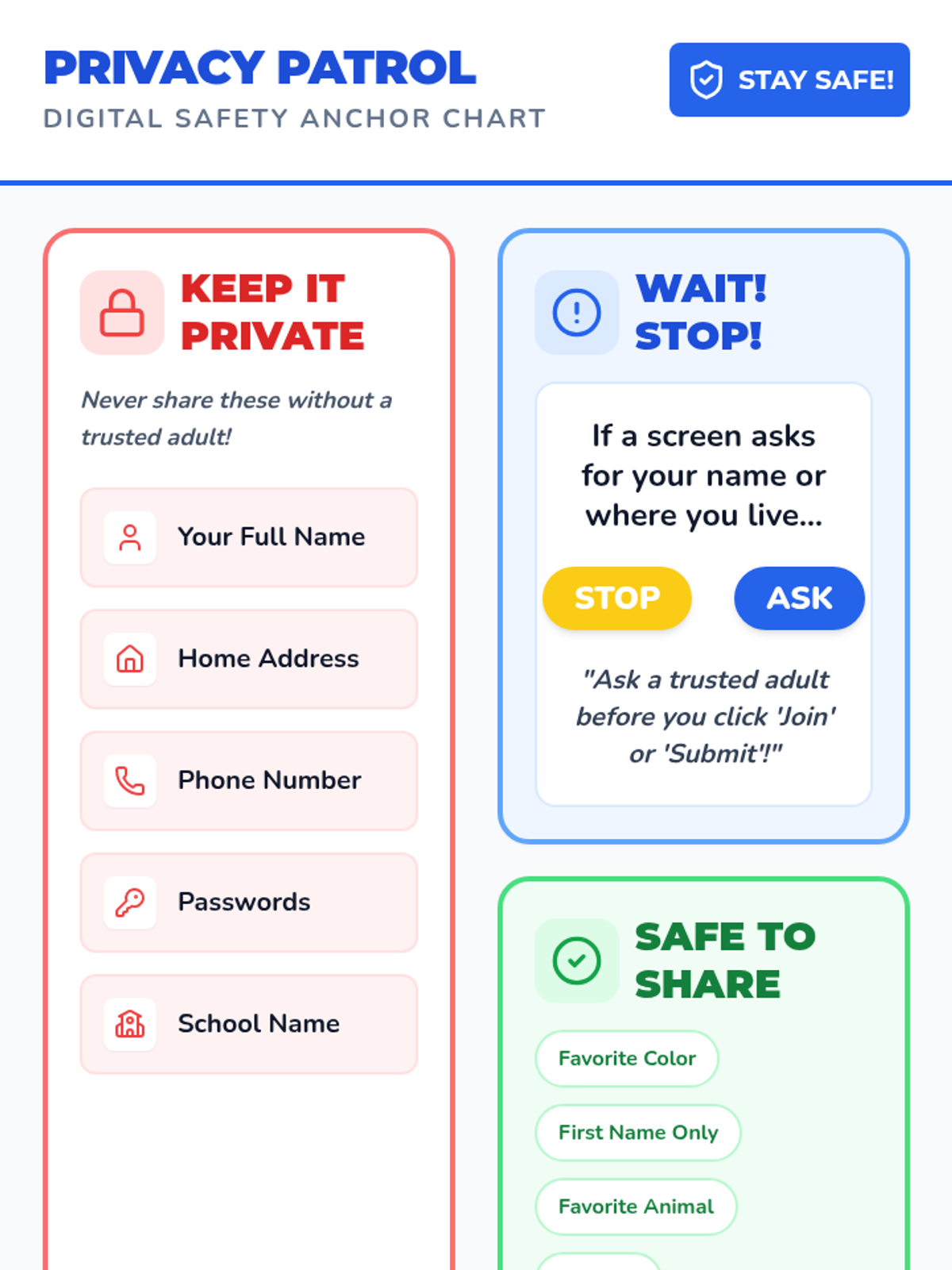
A foundational lesson on cybersecurity for elementary students, focusing on identifying personal information and learning the 'Ask First' rule for online sharing.
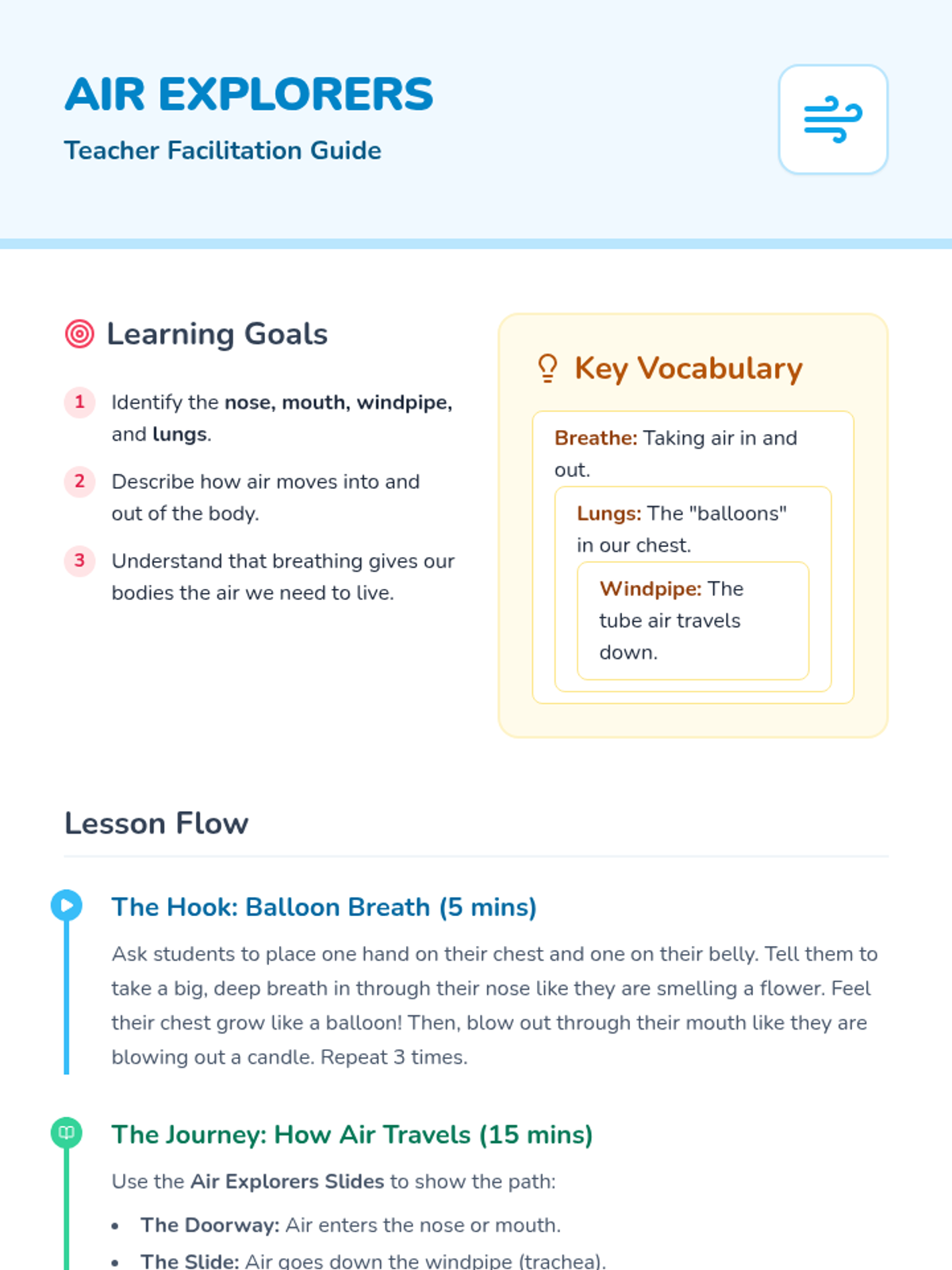
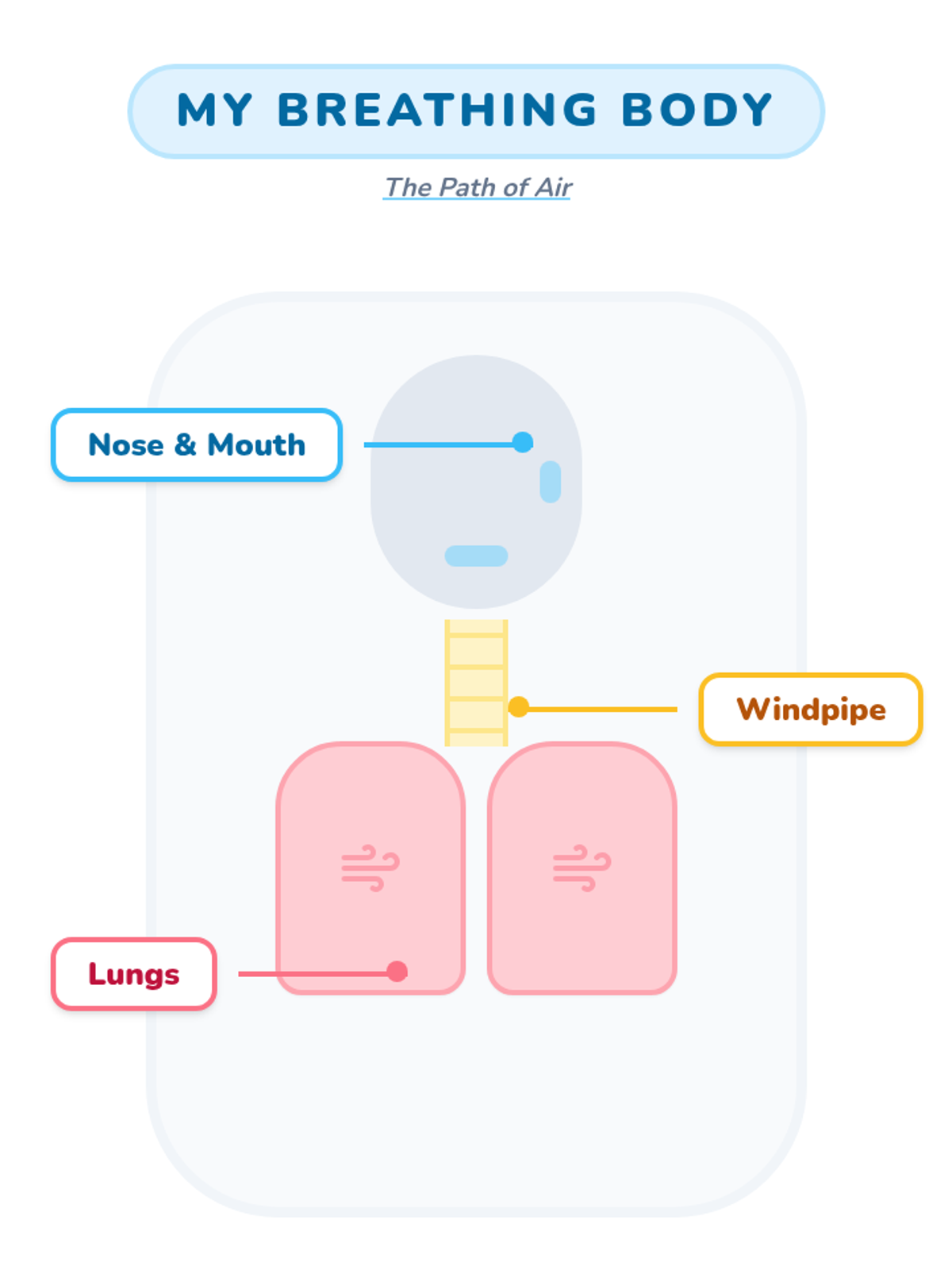
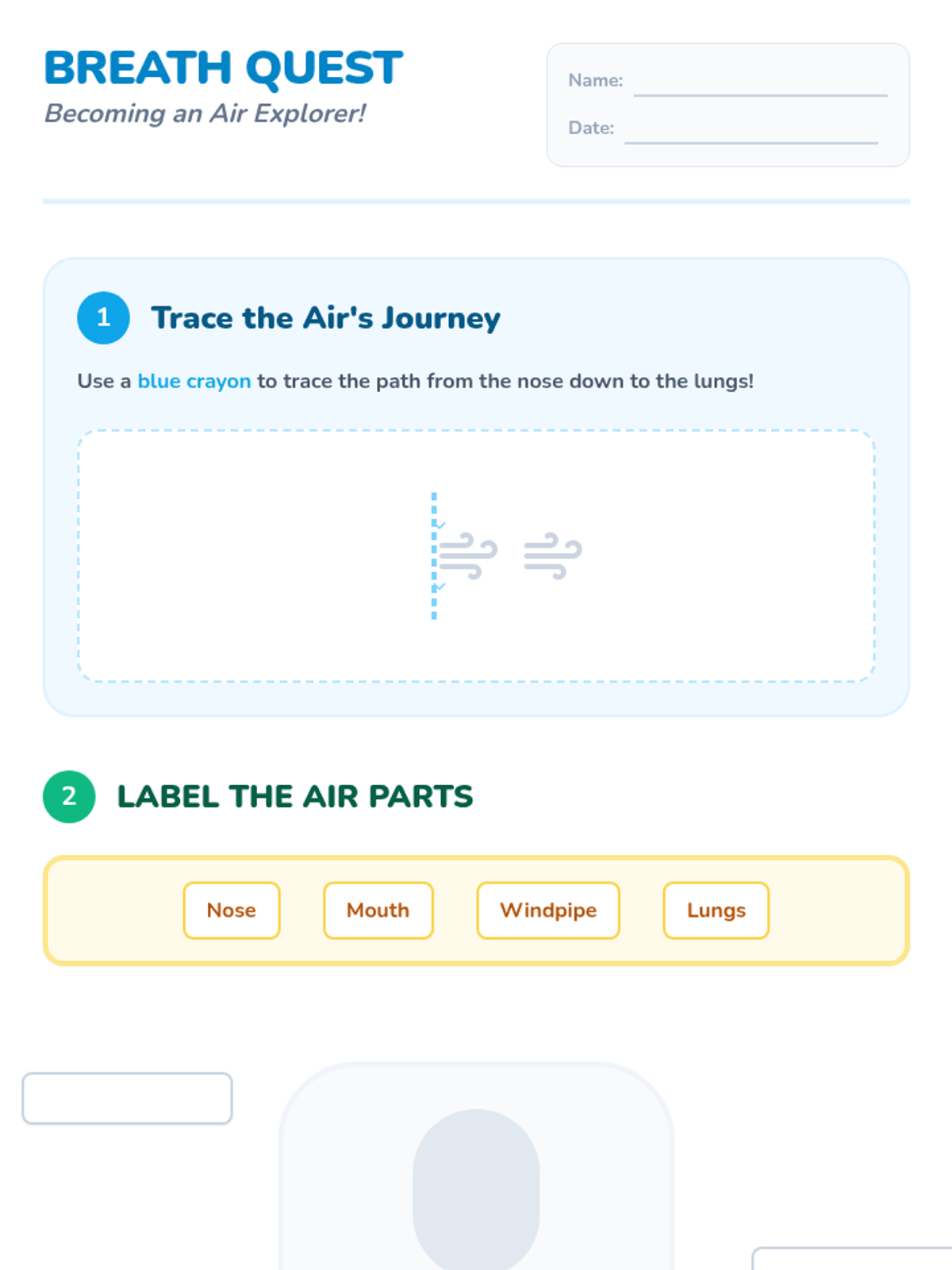
A gentle introduction to the respiratory system for young learners, focusing on the path air takes through our bodies using the metaphor of 'Air Explorers'. Students will learn about the nose, mouth, windpipe, and lungs through simple diagrams and interactive activities.
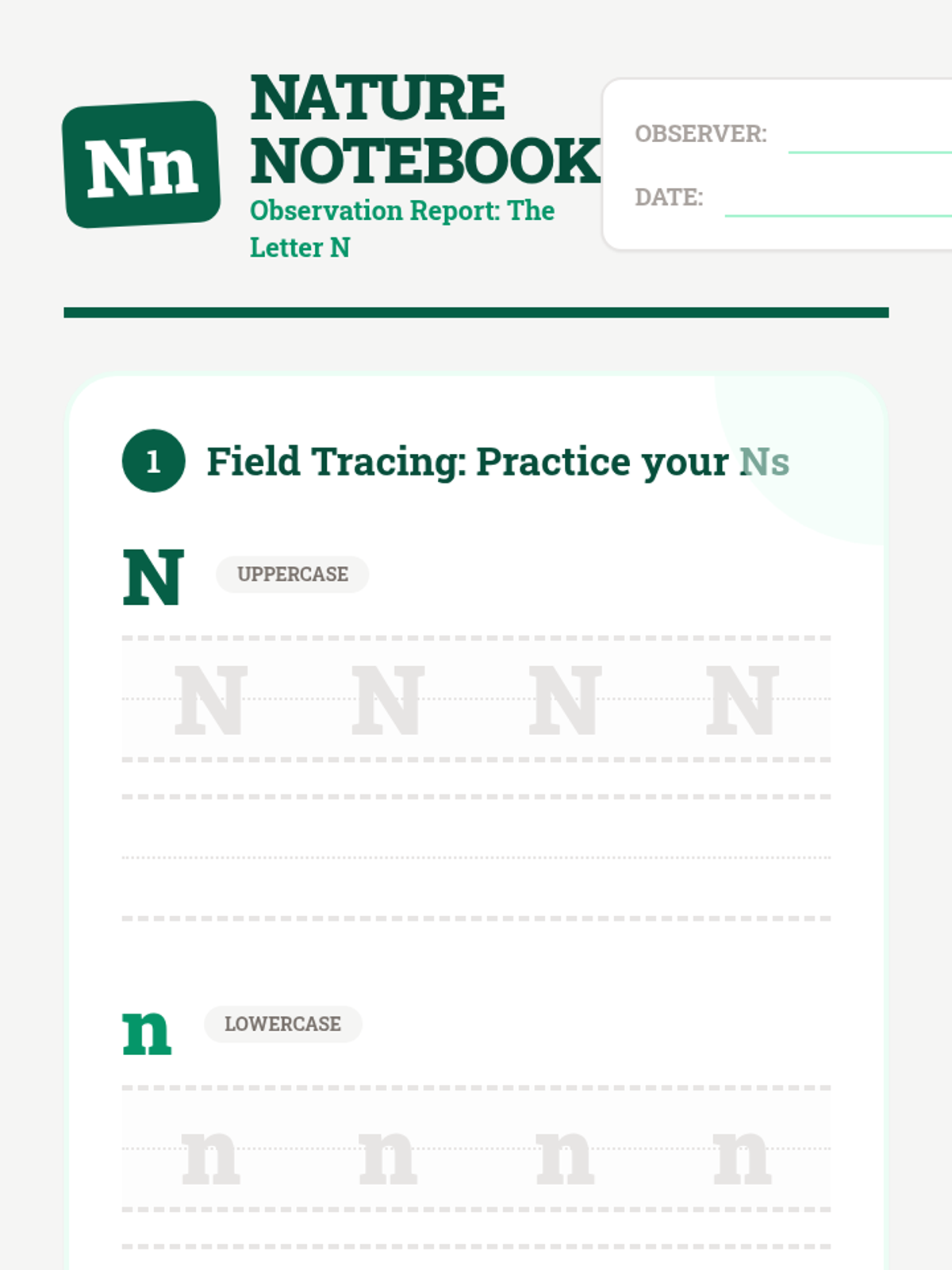
A nature-themed exploration of the letter N, focusing on lowercase and uppercase identification, the /n/ sound, and nature-based vocabulary like nests, nuts, and newts.
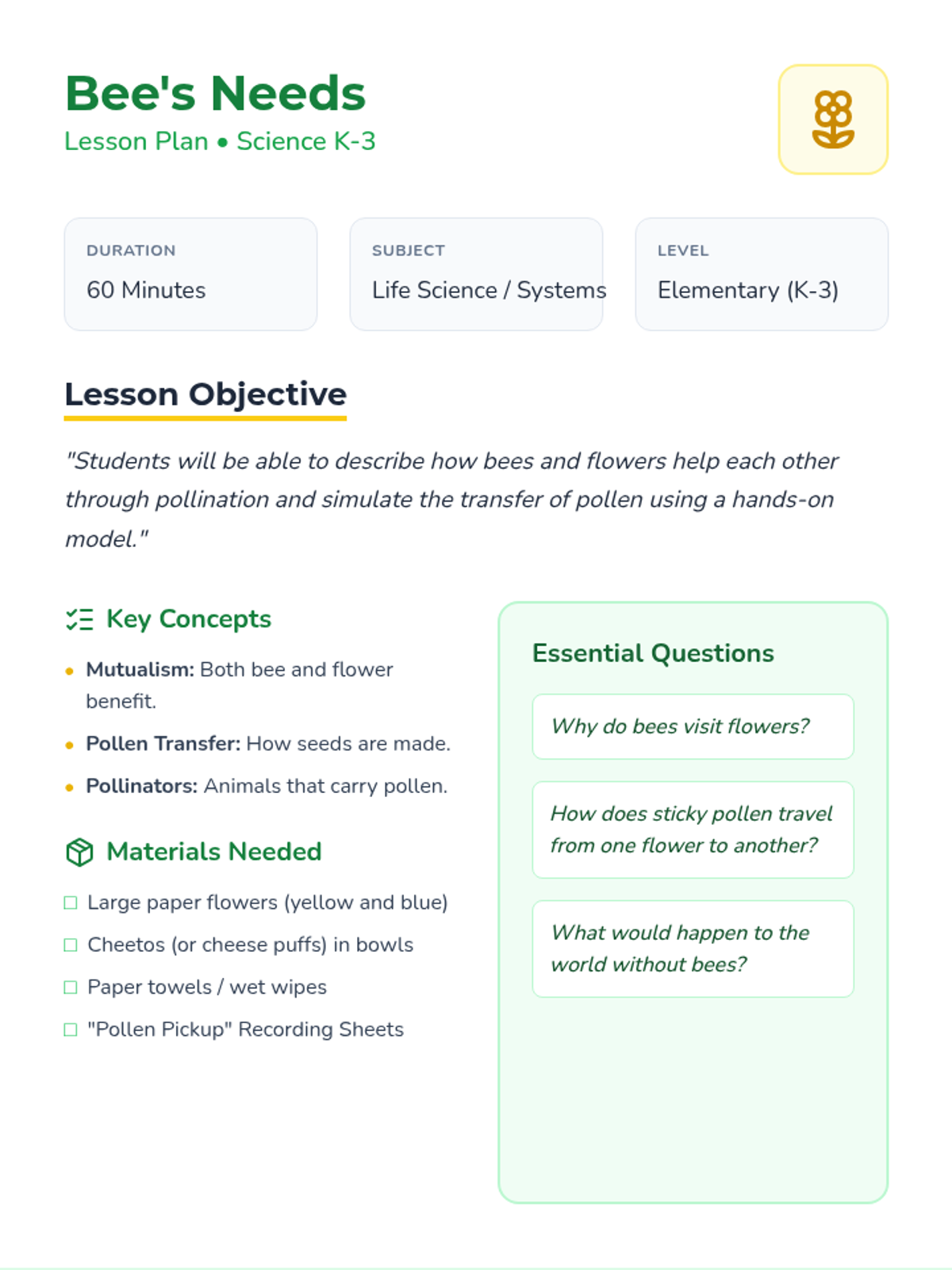
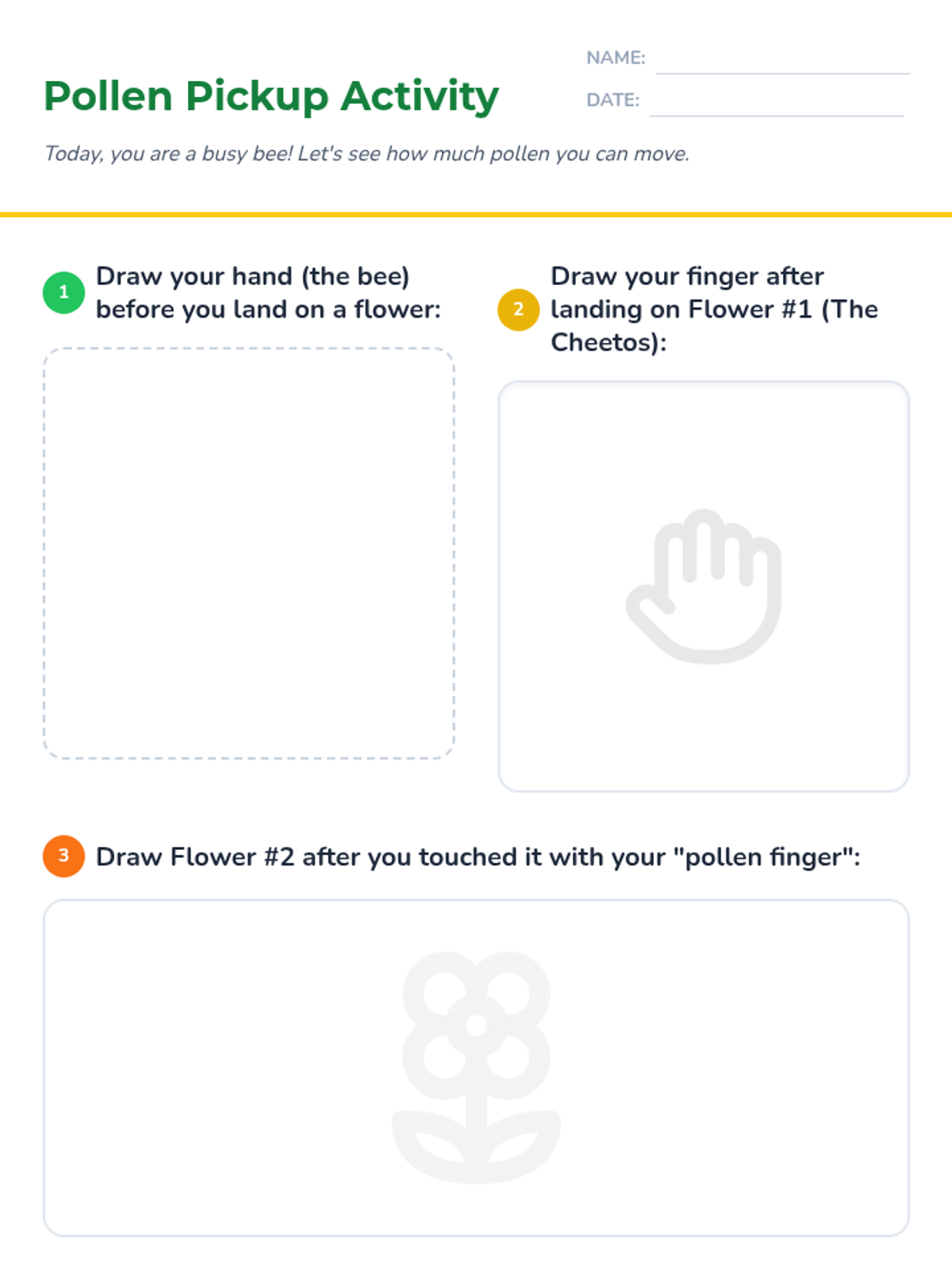
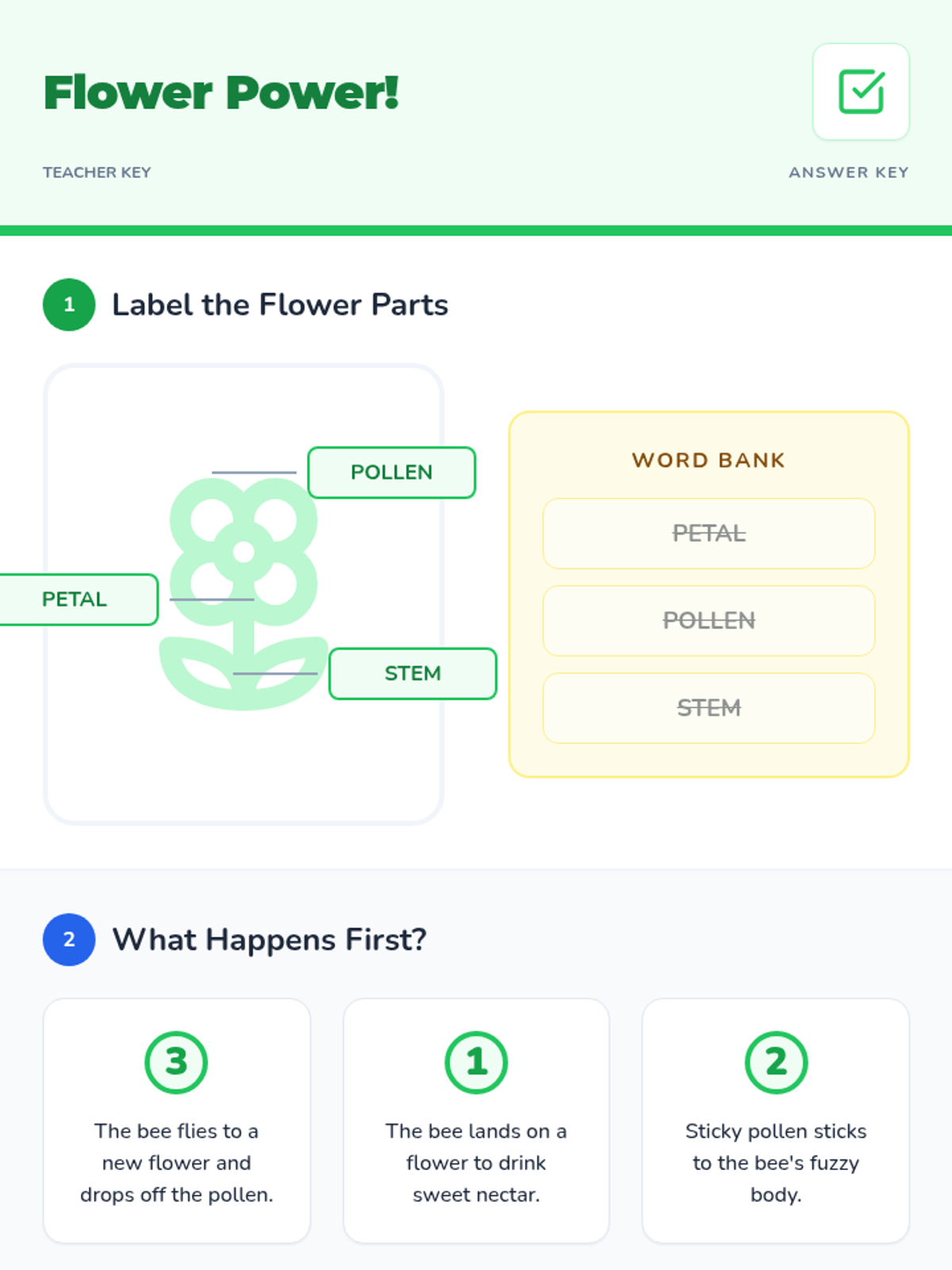
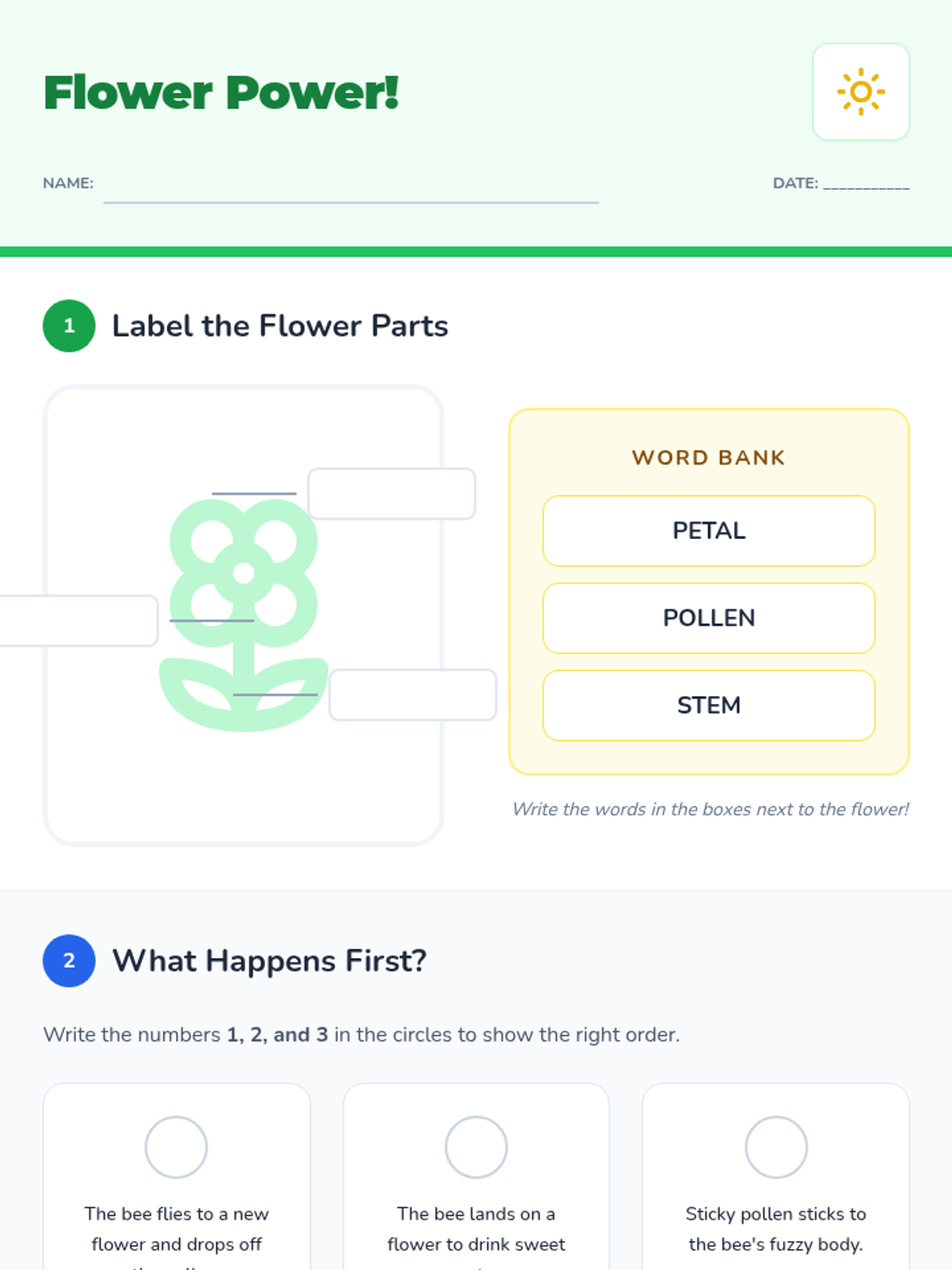
An interactive science lesson for K-3 students exploring the symbiotic relationship between bees and flowering plants through a hands-on pollination simulation.
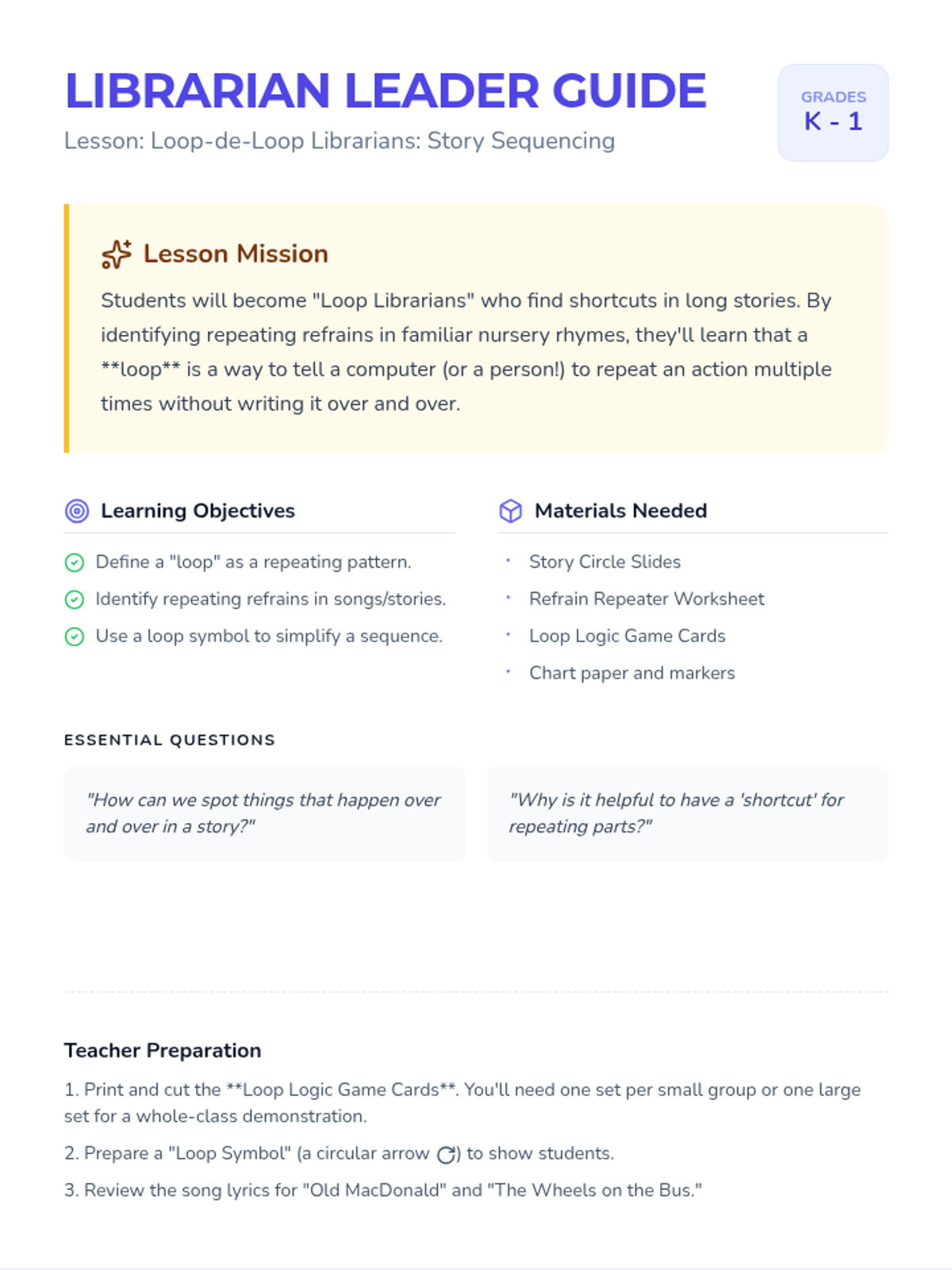
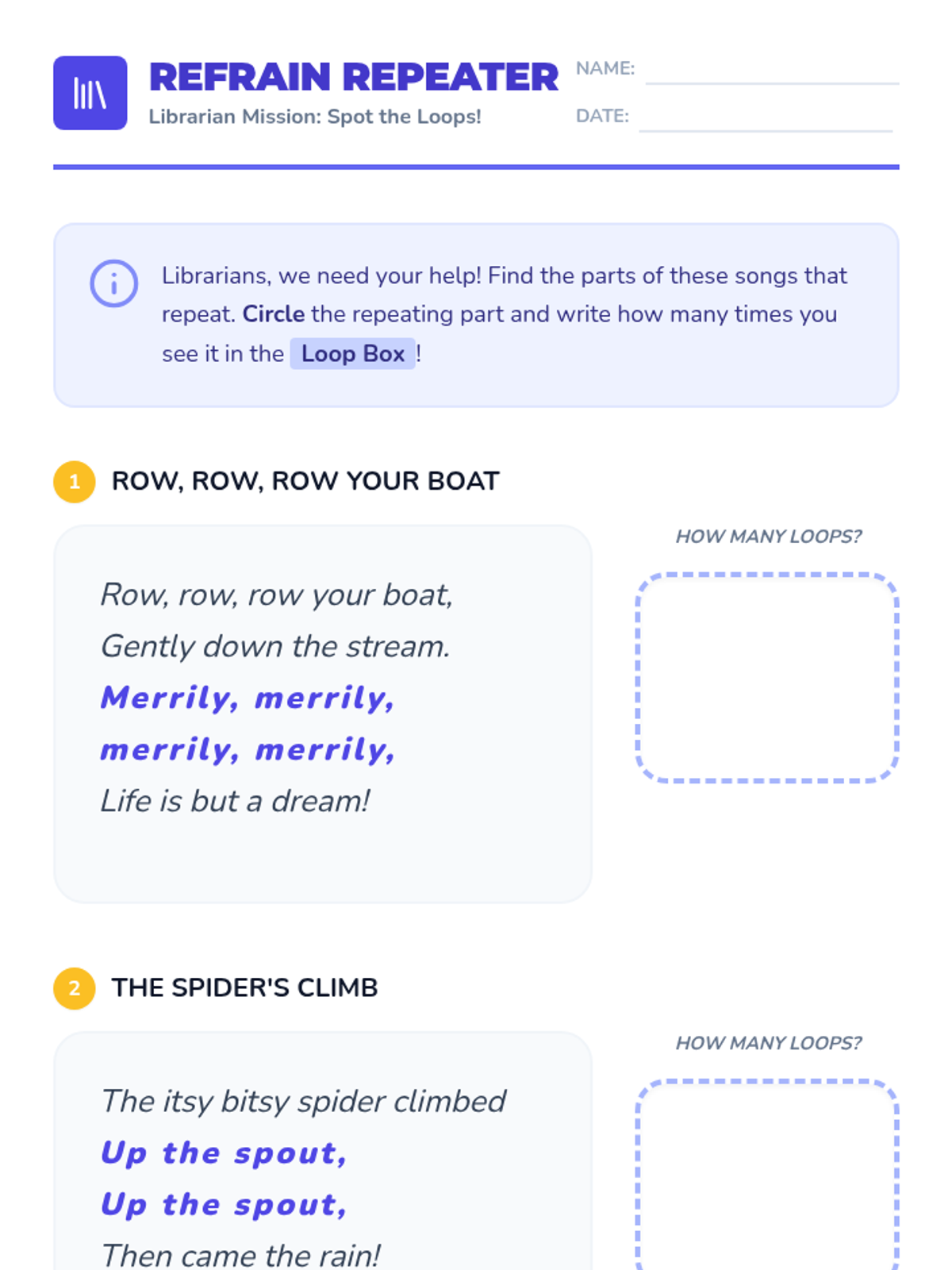
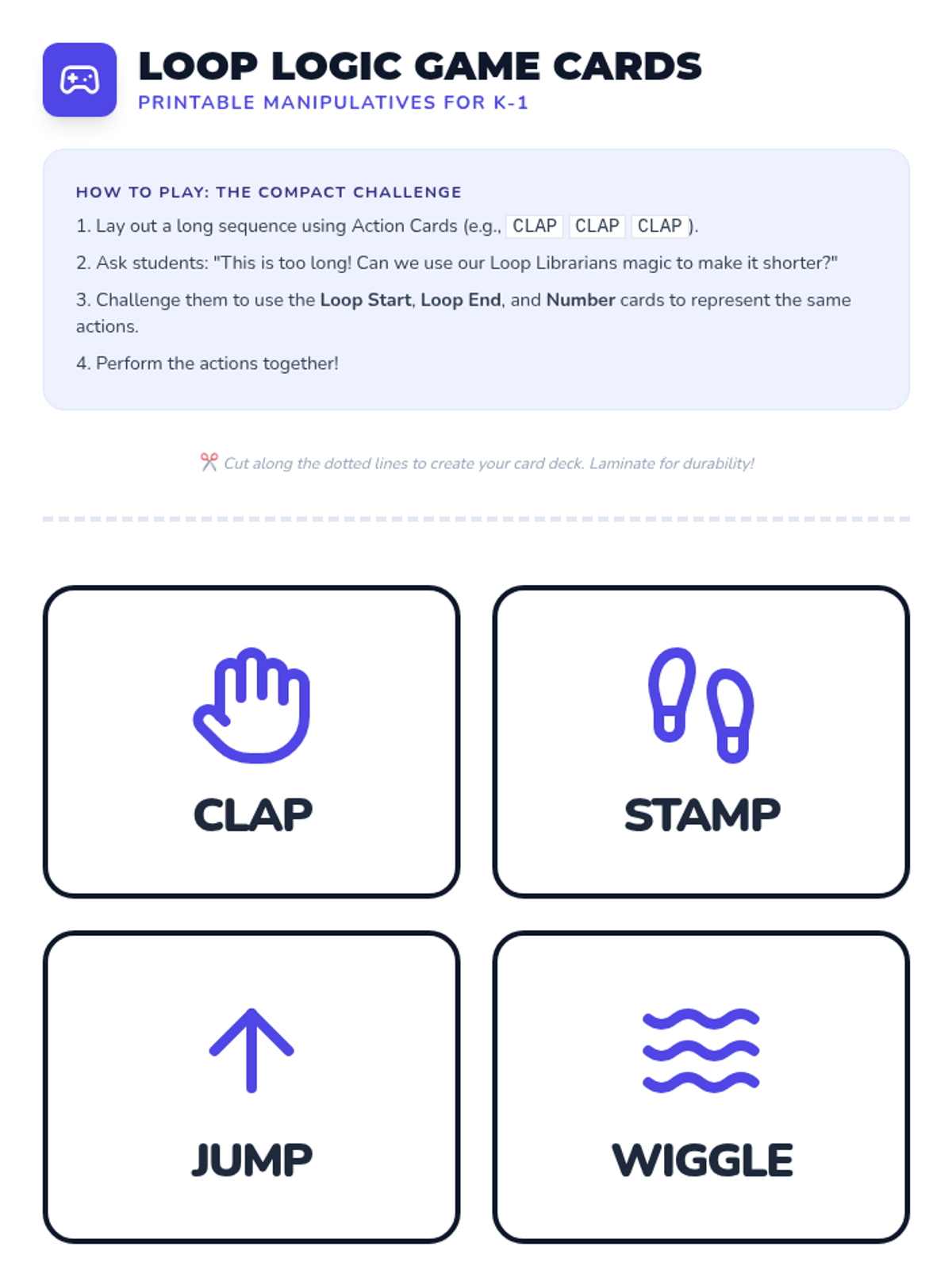
A whimsical introduction to computer science loops through the magic of storytelling and nursery rhymes. Kindergarten and 1st-grade students learn to spot repeating patterns in their favorite songs and 'code' them using loop symbols, bridging the gap between literacy and computational thinking.
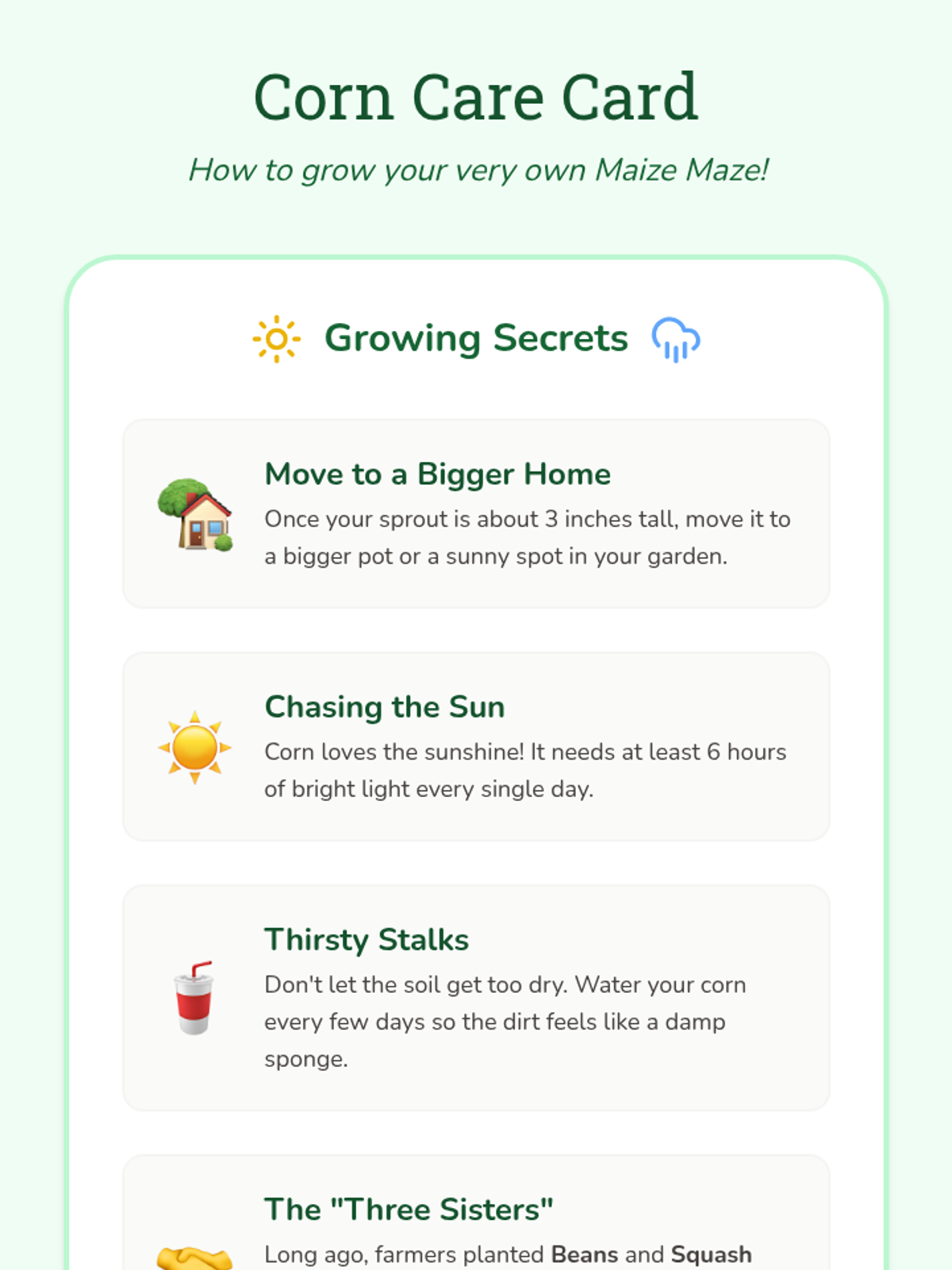
Students learn how to care for a corn plant and finish the unit by planting their own seeds to take home.
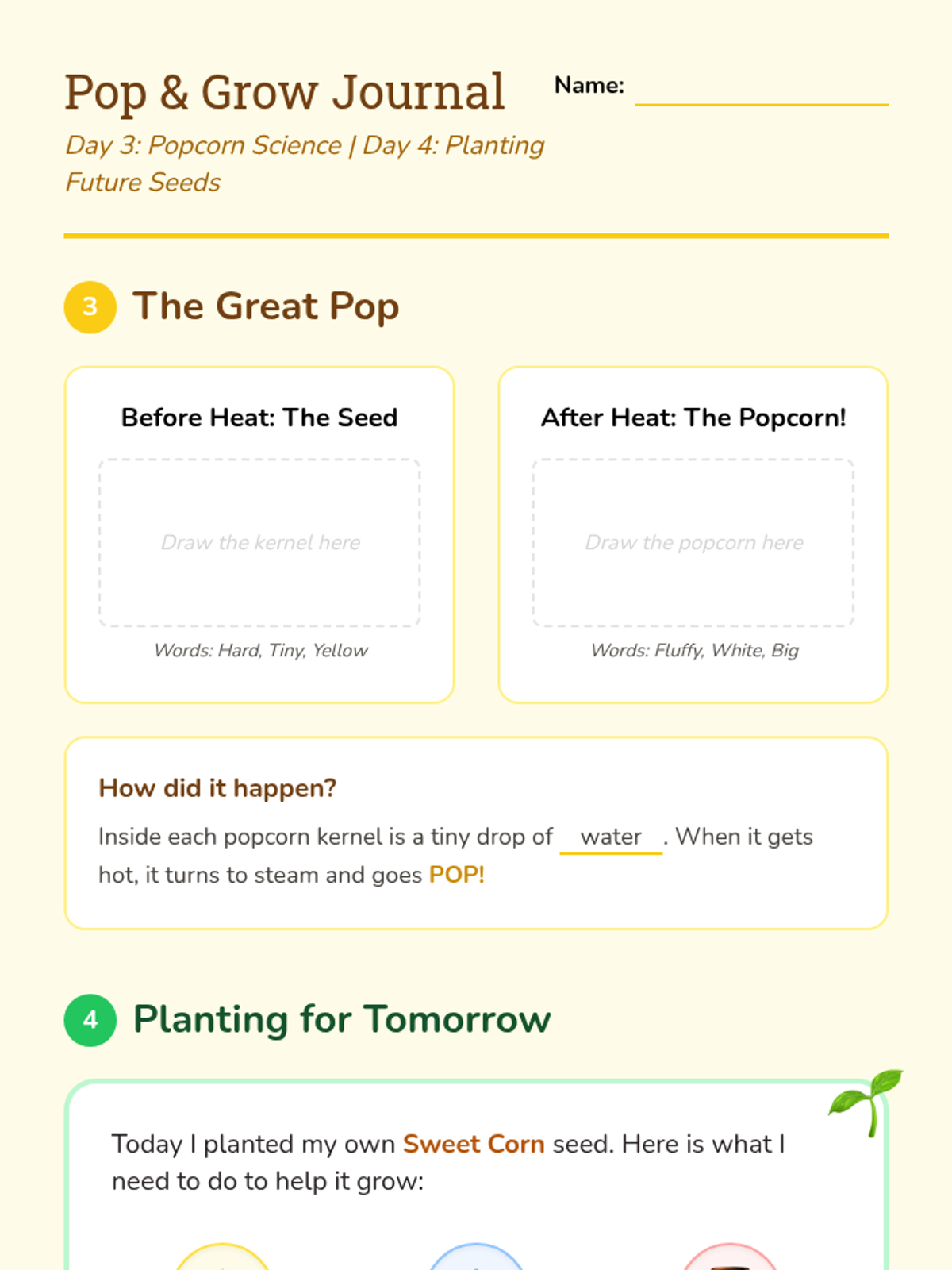
An exploration of how heat transforms corn into popcorn, followed by a classroom popping session.
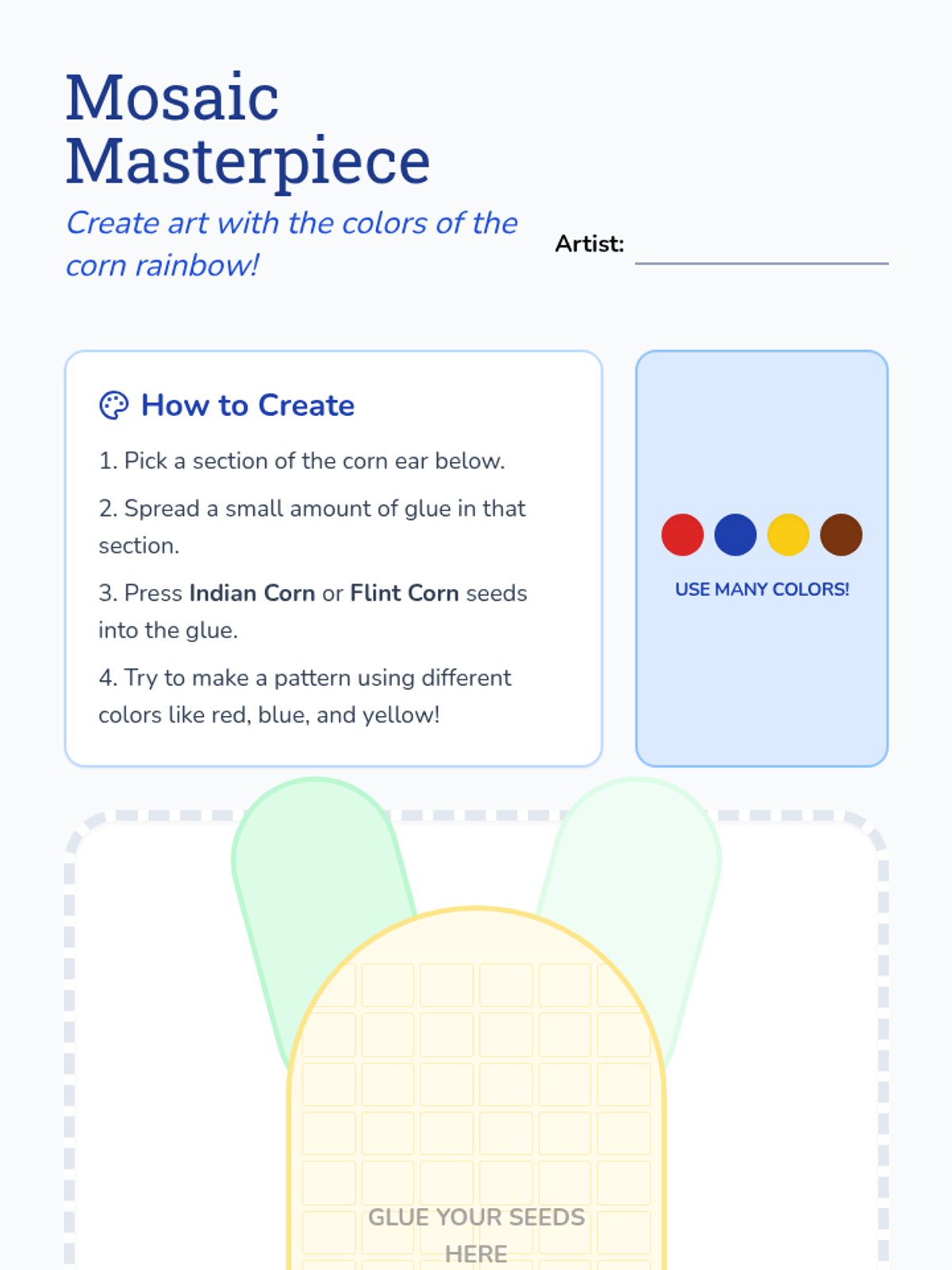
Students explore the different colors and types of corn seeds and create vibrant mosaic art using dried kernels.